LEGACY NURSING AND REHABILITATION
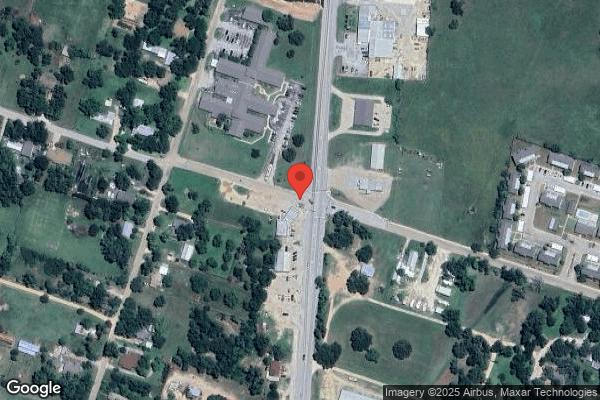
2202 N TRAVIS AVE, CAMERON, TX 76520 (254) 697-6564
For profit - Corporation 104 Beds LEGACY NURSING & REHABILITATION Data: November 2025
Trust Grade
65/100
#506 of 1168 in TX
Last Inspection: November 2024

Within standard 12-15 month inspection cycle. Federal law requires annual inspections.

Overview

Legacy Nursing and Rehabilitation in Cameron, Texas has a Trust Grade of C+, indicating it is slightly above average but not exceptional. It ranks #506 out of 1168 facilities in Texas, placing it in the top half, and is the top-rated option among the three nursing homes in Milam County. The facility is showing improvement, with issues decreasing from six in 2024 to just one in 2025. Staffing is a significant concern, receiving a low rating of 1 out of 5 stars, and while turnover is average at 53%, it has less registered nurse coverage than 78% of Texas facilities, which can impact resident care. Although there have been no fines, there are serious concerns regarding food safety practices and medication management, with incidents including expired food, lack of handwashing supplies, and medication errors that could jeopardize residents' health. Overall, while the nursing home has strengths in its rank and lack of fines, families should be aware of staffing and safety issues.

Trust Score
C+
65/100
In Texas
#506/1168
Top 43%
Safety Record
Low Risk
No red flags
Inspections
Getting Better
6 → 1 violations
Staff Stability
⚠ Watch
53% turnover. Above average. Higher turnover means staff may not know residents' routines.
Penalties
✓ Good
No fines on record. Clean compliance history, better than most Texas facilities.
Skilled Nurses
⚠ Watch
Each resident gets only 15 minutes of Registered Nurse (RN) attention daily — below average for Texas. Fewer RN minutes means fewer trained eyes watching for problems.
Violations
⚠ Watch
19 deficiencies on record. Higher than average. Multiple issues found across inspections.
★★★☆☆
3.0
Overall Rating
★☆☆☆☆
1.0
Staff Levels
★★★☆☆
3.0
Care Quality
★★★★☆
4.0
Inspection Score
Stable
2024: 6 issues
2025: 1 issues

The Good

  • Full Sprinkler Coverage · Fire safety systems throughout facility
  • No fines on record

Facility shows strength in fire safety.

The Bad

3-Star Overall Rating

Near Texas average (2.8)

Meets federal standards, typical of most facilities

Staff Turnover: 53%

Near Texas avg (46%)

Higher turnover may affect care consistency

Chain: LEGACY NURSING & REHABILITATION

Part of a multi-facility chain

Ask about local staffing decisions and management

The Ugly 19 deficiencies on record

Jul 2025 1 deficiency
CONCERN (D) 📢 Someone Reported This

A family member, employee, or ombudsman was alarmed enough to file a formal complaint

Potential for Harm - no one hurt, but risky conditions existed

Deficiency F0849 (Tag F0849)

Could have caused harm · This affected 1 resident

**NOTE- TERMS IN BRACKETS HAVE BEEN EDITED TO PROTECT CONFIDENTIALITY** Based on interview and record review, the facility failed to immediately notifies the hospice about the following: (1) A signifi...

Read full inspector narrative →
**NOTE- TERMS IN BRACKETS HAVE BEEN EDITED TO PROTECT CONFIDENTIALITY** Based on interview and record review, the facility failed to immediately notifies the hospice about the following: (1) A significant change in the resident's physical, mental, social, or emotional status. (2) Clinical complications that suggest a need to alter the plan of care. (3) A need to transfer the resident from the facility for any condition for 1 of 3 residents (Residents #1) reviewed for hospice services.The facility failed to immediately notify resident's hospice provider of COC, transport by EMS, and discharge to hospital. This deficient practice could place residents who receive hospice services at risk of receiving inadequate end-of-life care due to a lack of documentation, coordination of care and communication of resident needs. Findings included:Record review of Resident # 1 admission face sheet dated 7.14.25 reflected a [AGE] year old female admitted on 2.7.17 and readmitted on 6.18.25 with a diagnosis of acute respiratory failure with hypoxia and hypercapnia( a serious condition where the lungs cannot adequately oxygenate the blood and /or remove carbon dioxide), chronic obstructive pulmonary disease (a group of lung diseases that block airflow and make it difficult to breathe), bronchiectasis (a condition in which the lungs airways become damaged making it hard to clear mucus), Crohn's disease (a chronic inflammatory bowel disease that affects the lining of the digestive tract), hypothyroidism ( underactive thyroid), hyperlipidemia (increased fat particles in the blood), congestive heart failure (a chronic condition in which the heart does not pump blood as well as it should), osteoporosis (brittle bones), anemia )lack of iron rich blood), generalized muscle weakness, anxiety disorder, hypertension (elevated blood pressure), personal history of transient ischemic attack (mini stroke) and cerebral infarction (stroke), R hip fracture, and pain.Review of Resident # 1 Comprehensive MDS dated 6.21.25 reflected a BIMS score of 00 indicating severe cognitive impairment. Further review indicated Resident # 1 required supervision touching assist for dressing, partial moderate assist for bathing, substantial maximum assist for transfers, and total assist for toileting. Review of section O Special treatments, Procedures, and Programs reflected Resident #1 receiving hospice care while a resident.Record review of Resident # 1 Care Plan dated 5.5.23 reflected Resident # 1 had and advance directive DNR code status with interventions of needing the nursing staff to have knowledge of my advance directive and a goal of the staff will adhere to my choices made in my advance directive. Review reflected Resident # 1 had chosen to receive hospice care dated 6.30.25 with goal of remain comfortable throughout hospice care and interventions of assist resident with setting up hospice care, coordinate care with hospice team, coordinate with hospice team to assure resident experiences as little pain as possible, provide resident and resident family with grief and spiritual counseling if desired.Record review of Resident # 1 nursing progress note dated 7.4.25 at 6:23 pm reflected this nurse was called by CNAs to come to this resident room. When arriving to this resident room this resident was observed lying in the bed gasping for air and continuously stating Help Me, Help Me. This nurse then immediately reapplied this resident nasal cannula back in her nares and raised her head. At this time a blood pressure was unable to be obtained and this resident O2 sat was 55%. After applying the nasal cannula 02 raised to 82%. Resident stated call 911, Help Me. This nurse then contacted EMS services and the arrived at 6:29 pm. Resident was transferred to stretcher and exited the facility with 3 attendants at 6:43. Resident RP and DON was also notified of situation. Signed by LVN A.Record review of Resident # 1 nursing progress note dated 7.5.25 at 5:51 am reflected Received report of resident returning to facility from an ER visit following cardiac arrest. No new orders, oxygen via NC at 6L. Resident arrived at facility via EMT services, with 2 EMT personnel, and [family]present. Resident is awake, alert answering few questions.No s/s of pain or distress noted. Resident remains on hospice, DNR, and wishes from RP of no lifesaving interventions. Signed by LVN B.Record review of Resident # 1 hospice binder reflected outside front of binder with sheet stating Call the Nurse First. We may be able to help you avoid unplanned hospitalizations if we know you need our help. Call the nurse first at the number listed below. Hospice provider name and contact number listed. On call 24 hours a day, seven days a week, including holidays. Further review reflected copy of OOH-DNR dated 6.17.25 accurately completed. Review reflected a red sheet of paper with a stop sign symbol stating hospice patient Do Not Resuscitate hospice provider name and contact information. Review of hospice certification and plan of care dated 6.18.25 reflected under orders of discipline and treatment heading:*SN TO INSTRUCT FACILITY STAFF ON HOSPICE RESPONSIBILITIES, 24/7 AVAILABILITY, HOW TO CONTACT HOSPICE, AND FACILITY STAFF RESPONSIBILITIES RELATED TO PATIENT CARE NEEDS AS DELINEATED ON THE HOSPICE PLAN OF CARE *SN TO EDUCATE FACILITY STAFF THAT HOSPICE APPROVAL IS NEEDED PRIOR TO ANY NEW ORDERS AND TO CONTACT HOSPICE STAFF FOR ANY CHANGE IN PATIENT CONDITION.*SN TO INSTRUCT PATIENT/CAREGIVER ON MEDICATION REGIMEN AND SIDE EFFECTS. *SN TO INSTRUCT PATIENT/CAREGIVER ON HOW TO MAINTAIN A MEDICATION ADMINISTRATION RECORD. *SN TO ASSESS EFFECTIVENESS OF TREATMENT REGIMEN.SN TO ASSESS FOR PAIN AND POTENTIAL CAUSES*SN WILL INSTRUCT PATIENT/CAREGIVER ON ADMINISTRATION OF INHALATION THERAPIES AND CARE OF EQUIPMENT.*SN TO INSTRUCT PATIENT/CAREGIVER ON RESPIRATORY DISEASE PROGRESSION, COMMONS SIGNS/SYMPTOMS, AND MANAGEMENT OF DISEASE PROCESS/SYMPTOMS.*SN TO ASSESS PATIENT FOR SIGNS AND SYMPTOMS OF IMPAIRED RESPIRATORY FUNCTION, DIFFICULTY BREATHING AND DISEASE PROGRESSION.*SN TO ASSESS FOR SAFE AND APPROPRIATE USAGE OF OXYGEN.*SN TO ASSESS FOR ANXIETY AND POTENTIAL CAUSES. SN TO ASSESS EFFECTIVENESS OF TREATMENT REGIMEN.Record review of hospice provider call log dated 7.4.25 at 6:56 pm reflected patient complained of SOB and her respirations slow and unable to get blood pressure. Patient sent to hospital. Observation of camera recordings of Resident # 1 incident on 7.4.25 reflected 4 facility staff in Resident # 1 room observation of vitals being taken and Resident # 1 being assessed by facility staff. Further review reflected 3 EMS staff observed coming into Resident # 1 room chest compressions being initiated and Resident # 1 being prepped for transport.Interview on 7.14.25 at 10:20 am with Resident # 1's RP revealed they felt the facility was unsure of their own policy and procedures concerning hospice residents and residents with DNR's. RP stated when Resident #1 was unresponsive that the facility called EMS and treated her and sent her to the hospital prolonging her suffering even with a DNR in place. RP stated she; nor hospice; nor the DON were called until Resident #1 had left the facility with EMS. RP felt Resident #1 suffered thru living extra days because of actions taken by the facility. Interview on 7.14.25 at 3:10 pm LVN A stated she works 7a-7p shift. Been working at the facility 10 months. Received ANE and Resident Right trainings via CBT monthly training and in person monthly staff meeting as well as management team bringing off cycle in-service trainings around. LVN stated advance directives are in the electronic record keeping system. LVN A stated if a resident has a COC, then the nurse obtains vitals and assesses the resident. LVN A stated the nurse calls the doctor if the resident was not hospice to obtain further instructions, if the resident was on hospice services, then the nurse calls the hospice company to obtain further instructions. LVN stated for Resident # 1 COC she obtained vitals and assessed then she called hospice and got the on-call reception. LVN A stated she waited fifteen minutes for the hospice nurse to return call during the wait LVN A stated she contacted the facility doctor who advised the nurse to contact EMS. LVN A stated she contacted EMS for transport. LVN A stated while resident was still in the parking lot with EMS, LVN A called hospice again and spoke to hospice nurse and hospice nurse told the LVN A she would meet resident at the hospital. LVN A acknowledged that the progress note in resident electronic record does not state hospice was contacted prior to contacting EMS and transferring resident from facility. Interview on 7.14.25 at 3:34 pm with Hospice on-call nurse revealed Hospice nurse stated she received a call from the hospice triage line on 7.4.25 at 7:00 pm stating that Resident # 1 was SOB and unable to obtain a BP and that resident was sent out to the hospital. Hospice nurse stated she then contacted the facility and confirmed from LVN A that the resident had a COC was found SOB and unable to locate a BP and at that time EMS was called and resident was sent out. Hospice nurse inquired if the RP had given permission for transport. Hospice nurse stated charge nurse was unable to give an answer as to why resident was sent out prior to receiving authorization from hospice or RP. Attempted telephone interview on 7.14.25 at 4:15 pm with facility doctor no answer message left awaiting return call.Interview on 7.14.25 at 5:00 pm the DON stated she has worked at facility 3 1/2 years. DON stated if a resident has a COC, then the charge nurse was to go down and assess the resident. DON stated if the resident was on hospice the charge nurse was to notify the hospice company to attain further instructions. DON stated if the matter was emergent then the charge nurse does not transfer a resident until instructed by hospice. DON further stated that the charge nurse was to perform any treatments or give any medications the resident has that can be beneficial until transfer can be arranged, or further instruction was received from the MD, NP, or hospice. DON stated after notifying the MD, NP, or hospice then the nurse was to notify the DON, and RP of a COC. DON stated if a hospice resident was transported to the hospital prior to receiving approval from hospice it could negatively affect a resident emotionally, and psychologically due to having to endure unnecessary treatment and trips. DON stated nursing was to document everything patient related in the electronic record keeping system. DON stated if something was not documented then there was no proof it occurred. DON stated she was responsible for ensuring the nursing staff document resident information accurately. Interview on 7.14.25 at 6:05 pm with ADM revealed ADM stated he expected the nurse to attend the resident first, then notify hospice as soon as possible. ADM stated he does not feel the situation was handled wrong or right. ADM stated EMS was called for resident treatment and EMS make the decision to transport. ADM stated he does not feel the resident was transported unnecessarily as the resident just needed stabilizing and suffered no ill effects. ADM stated he feels hospice residents should have hospice contacted first. ADM stated he feels the nurse made the right decision in a split-second type of situation. ADM stated his expectation was that nursing document resident information. ADM stated he feels the facility systems did not fail but that the processes just need to be fine-tuned. ADM stated ultimately the responsibility of nursing training and documentation was the ADM responsibility. Record review of in-service dated 7.8.25 titled Guidelines/Parameters related to When to send hospice resident to the ER and when not to. Calling hospice service conducted by hospice provider with 9 staff attendance signatures. Supporting documentation provided from hospice provider. Record review of supporting documentation from in-service dated 7.8.25 reflected:Call Hospice, not 911Supporting hospice patients with dignity in the nursing homeWhen hospice patient declines call hospice first. If a resident is under hospice care is physically declining, calling 911 may not align with their end-of-life goals. We are available 24/7 to manage symptoms and provide guidance at the bedside, helping patients remain in comfort and dignity right where they are-home.Why not call 911? Hospital transfers are often painful and disorienting.ER visits can prolong suffering and may lead to interventions the patient didn't want.Calling 911 may go against the patients wishes and care plan.What to do instead:Call hospice provider first:-Our nurses will triage the situation and come to the facility if needed.-We manage most symptoms directly in the nursing home.Call the family:-Keep them informed and calm.Treat symptoms if appropriate:- Use hospice approved PRN medications.- Follow the hospice plan of care and consult with hospice nurse as needed.Record review of facility Residents Receiving Hospice Services policy undated reflected under heading procedure:1. When a facility resident has also elected the Medicare hospice benefit, the hospice, and the nursinghome must communicate, establish, and agree upon a coordinated plan of care for both providers which reflects the hospice philosophy, and is based on an assessment of the individual's needs and unique living situation in the facility.2. The plan of care must include directives for managing pain and other uncomfortable symptoms andbe revised and updated as necessary to reflect the individual's status.3. This coordinated plan of care must identify the care and services which the nursing facility and hospicewill provide to be responsive to the unique needs of the resident and their expressed desire forhospice care.4. The nursing facility and the hospice are responsible for performing each of their respective functionsthat have been agreed upon and included in the plan of care.5. The hospice retains overall professional management responsibility for directing the implementationof the plan of care related to terminal illness and related condition.Record review of facility Hospice benefit care requirements policy undated reflected under heading procedure:For a resident receiving hospice benefit care4. The plan of care must include directives for managing pain and other uncomfortable symptoms [NAME] revised and updated as necessary to reflect the resident's status.6. The hospice and the facility will communicate with each other when any changes are indicated to theplan of care. Record review of facility Advance directives policy undated reflected under purpose:To ensure every resident has the opportunity to make an informed decision regarding their advanced directives.Under heading policy:Advance directives will be respected in accordance with state law and facility policy.Under heading procedure:15. In accordance with current OBRA definitions and guidelines governing advance directives, our facility hasdefined advanced directives as preferences regarding treatment options and include, but are not limited to:e. Do Not Resuscitate - indicates that, in case of respiratory or cardiac failure, the resident, legalguardian, health care proxy, or representative (sponsor) has directed that no cardiopulmonaryresuscitation (CPR) or other life-sustaining treatments or methods are to be used.
Nov 2024 6 deficiencies
CONCERN (D)

Potential for Harm - no one hurt, but risky conditions existed

Comprehensive Care Plan (Tag F0656)

Could have caused harm · This affected 1 resident

**NOTE- TERMS IN BRACKETS HAVE BEEN EDITED TO PROTECT CONFIDENTIALITY** Based on observations, interviews, and record reviews, the facility failed to develop a comprehensive care plan for one resident...

Read full inspector narrative →
**NOTE- TERMS IN BRACKETS HAVE BEEN EDITED TO PROTECT CONFIDENTIALITY** Based on observations, interviews, and record reviews, the facility failed to develop a comprehensive care plan for one resident (Resident #31) of 23 reviewed, in that: The facility failed to ensure Resident #31's Comprehensive Care Plan reflected a revision of care for his current skin condition and wound care. This failure could place a resident at risk for errors in provider care, and wound tracking. Findings included: Review of Resident #31's face sheet dated 11/04/2024 reflected a [AGE] year-old male admitted to the facility on [DATE] with the following diagnoses hemiplegia and hemiparesis following a cerebral infarction and pressure ulcer of other site, unstageable. Review of Resident #31's quarterly MDS dated [DATE] reflected Resident #31 was assessed to have a BIMS score of 1 indicating severe cognitive impairment. Resident #31 was assessed to be at risk of developing pressure ulcers/injuries. Resident #31 was assessed to not have pressure ulcers or venous and arterial ulcers. Resident #31 was further assessed to not have open lesions on the foot. Review of Resident #31's comprehensive care plan reflected a focus area dated 09/02/2024 I have an arterial status ulcer to my right great toe. Interventions included Watch my venous stasis ulcer for signs and symptoms of worsening . Review of Resident #31's consolidated physician orders dated 11/2024 revealed no physician order for treatment of a right great toe ulcer. Observation on 11/13/2024 at 3:45 PM revealed Resident #31 in room in bed. The ADON/ Treatment nurse stated Resident #31 did not have any open areas to his right foot. The ADON/ Treatment removed Resident #31's covers to his feet to reveal no open areas to his right great toe. Review of Resident #31's skin and wound evaluation dated 11/12/2024 reflected his arterial, right dorsum hallux ulcer was resolved. In an interview on 11/14/2024 at 9:55 AM the MDS Coordinator stated he was in charge of updating resident care plans. He stated he gets the wound notes from the treatment nurse on Mondays, and he updates the care plans. The MDS Coordinator stated Resident #31's care plan should have been updated after his toe healed. He stated by not updating the care plan it could have a negative effect on the resident cares and affect his wound care. In an interview on 11/14/2024 at 12:46 PM the DON stated she expected staff to update residents plans of care with any changes to their care. The DON stated the staffs' failure to do so could result in residents not receiving proper care. Review of the facility's policy Care planning policy and procedure (not dated) reflected .Each resident's care plan will remain current and inform staff of resident's needs, strengths, goals and approaches Resident's care plan will be reviewed with the resident, responsible party and interdisciplinary team quarterly and as needed
CONCERN (D)

Potential for Harm - no one hurt, but risky conditions existed

ADL Care (Tag F0677)

Could have caused harm · This affected 1 resident

**NOTE- TERMS IN BRACKETS HAVE BEEN EDITED TO PROTECT CONFIDENTIALITY** Based on observations, interviews, and record review, the facility failed to ensure residents unable to conduct activities of da...

Read full inspector narrative →
**NOTE- TERMS IN BRACKETS HAVE BEEN EDITED TO PROTECT CONFIDENTIALITY** Based on observations, interviews, and record review, the facility failed to ensure residents unable to conduct activities of daily living (ADLs) received the necessary services to maintain good grooming and personal hygiene for two of eight residents (Resident # 34 and Resident #75) reviewed quality of life. 1. The facility failed to ensure Resident #34 nails were cleaned and did not have any rough edges on 11/12/2024. 2. The facility failed to ensure Resident #75 facial hair was removed on 11/12/2024. These failures could place residents at risk for poor hygiene, dignity issues, and decreased quality of life. Findings included: 1. Record review of Resident # 34's Face Sheet dated, 11/13/2024, reflected a [AGE] year-old male admitted on [DATE] with diagnoses of type 2 diabetes mellitus with diabetic polyneuropathy (occurs when high blood sugar levels over time damage nerves), chronic pain ( a long term pain condition that lasts longer than the normal recovery period for an injury or illness ), and peripheral vascular disease ( a condition that occurs when the blood vessels outside of the heart and brain narrow or become blocked, reducing blood flow to the body). Record review of Resident #34's Quarterly MDS Assessment, dated 10/08/2024, reflected the resident had a BIMS score of 8 indicating his cognition was moderately impaired. Resident #34 required partial/moderate assistance ( helper does less than half the effort) with personal hygiene, lower and upper body dressing, showers, and transfers. Record review of Resident #34's Comprehensive Care Plan, with a completed date on 10/25/2024 reflected Resident #34 required staff assistance for all ADLs. Intervention: Assist Resident #34 with hygiene and grooming tasks. Resident #34 had diagnosis of type 2 diabetes. Record review of Resident #34's nurses notes from 10/01/2024 to 11/13/2024 Resident #34 did not refuse nail care. Observation on 11/12/2024 at 9:37 AM, Resident #34 was lying in bed. Resident #34 had blackish / brownish substance underneath his all his nails on his right hand. He had rough edges around his nails on his right hand. In an interview on 11/12/2024 at 9:45 AM, Resident #34 stated he bites his nails when they are long and he was unable to keep them from being rough. Resident #34 stated he asked staff few days ago to cut his nails and clean them. He did not recall the staff name. He stated when his fingernails needed to be cut he would bite them. Resident #34 stated he had few nails to bite for all of his nails to be shorter. He stated when he bites his fingernails they never were straight. Observation on 11/13/2024 at 8:10 AM, Resident #34 was lying in bed. Resident #34 had blackish / brownish substance underneath his all his fingernails on his right hand. He had rough edges around his fingernails on his right hand. In an interview on 11/13/2024 at 8:13 AM, Resident #34 stated he requested his fingernails to be cut and cleaned on Saturday (11/09/2024 and Sunday (11/10/2024) and the staff told him someone would come to his room and do nail care sometime that day. He stated he did not recall the staff name. He stated when he was unable to get someone to cut his nails he would bite them off and that was the only way he could get his nails trimmed. Resident #34 stated his nails would be sharp when he was not able to bite them straight. He stated he would get hang nails sometimes and was afraid his nails would become infected. Resident #34 stated he was a diabetic and his nails needed to be trimmed with nail clippers instead of him biting his nails. Resident #34 stated he sometimes would refuse a shower but never refused having his nails trimmed or cleaned. 2. Record review of Resident #75's Face Sheet, dated 11/13/2024, reflected a [AGE] year-old female admitted to the facility on [DATE] with a diagnoses of adult failure to thrive ( a syndrome that describes a decline in physical and psychological health in older adults), age-related osteoporosis without current pathological fracture ( when bones become less dense and more likely to break), and weakness ( lack of strength). Record review of Resident #75's Quarterly MDS Assessment, dated 08/27/2024, reflected Resident #75 had a BIMS score of 15 indicating her cognition was intact. Resident #75 required assistance with partial/moderate assistance ( helper does less than half the effort) with personal hygiene, upper body dressing, and toileting hygiene. She required substantial/maximal assistance with showers and lower body dressing. Record review of Resident #75's Comprehensive Care Plan completed on 09/17/2024 reflected Resident #75 required staff assistance for all ADLs. Intervention: assist Resident #75 with hygiene and grooming tasks. Record review of Resident #75's nurses notes from 09/28/2024 to 11/14/2024 reflected Resident #75 did not refuse for facial hair to be removed from face. Observation on 11/12/2024 at 1:31 PM, Resident #75 was sitting in her wheelchair near her bed. She had approximately 1 inch of hair on her chin, on the left and right side of mouth and on her upper lip. In an interview on 11/12/2024 at 1:33 PM, Resident #75 stated she was embarrassed to have hair on her face. She stated she asked the staff yesterday to remove the hair on her face. Resident #75 stated the staff stated they would sometime that afternoon. Resident #75 stated no one came back to her room and removed the hair from her face. She stated she asked someone today to remove the hair from their face and the staff told her they were busy and would do it sometime this weekend. Resident #75 did not recall the staff name or their position. She stated she was so embarrassed to be around people. Resident #75 stated she had always had a lot of pride in her appearance and would never want anyone to see her with hair on her face. In an interview on 11/14/2024 at 8:15 AM, RN A stated the CNAs (Certified Nursing Assistant) was responsible for cleaning, trimming, and filing all residents' nails except for the residents with diagnosis of diabetes. She stated the nurses was responsible for all residents' nails with diagnosis of diabetes. RN A stated residents nails were usually cleaned on their shower days and as needed. She stated if there was a blackish substance on the residents' fingertips or underneath their nails and the resident swallowed the blackish substance there was a possibility a resident may become ill such as vomiting, diarrhea and dehydration. RN A stated a resident may cause a skin tear on their skin or another resident's skin if the nail was not filed. She stated she had been in-serviced on cleaning, filing and trimming residents' nails but she did not recall the date. She stated the nurses checked the residents with diabetes nails at least 1-2 times per week. She stated the CNAs would report to the nurses if they observed dirty or long nails of any resident with diagnosis of diabetes. RN A stated Resident #34 refused showers and sometimes medications, however, she was not aware of him refusing nail care. She stated if a female resident had facial hair on their face there was a possibility the resident may isolate themselves in their room. RN A stated she was not aware of Resident #75 refusing facial hair to be removed. In an interview on 11/14/2024 at 8:33 AM, CNA B stated the nurses completed all diabetic fingernails, and the CNAs were responsible for all other residents' nails. She stated the CNAs were responsible to complete nail care such as trimming, filing, and cleaning the nails during showers. CNA B stated if a resident's nails needed to be cleaned, trimmed, or filed and it was not their shower day, the staff were expected to do any type of nail care as needed. CNA B stated if a resident had blackish substance underneath their nails, it was probably some type of bacteria. CNA B stated if a resident swallowed bacteria it was a potential the resident may become ill such as vomiting. CNA B stated if a resident had rough edges around their fingernails, it was a possibility the resident may scratch themselves or scratch their eyes and develop an infection. CNA B stated if a female resident had facial hair on their chin or upper lip, a resident may not want to leave their room. She stated a female resident may become embarrassed over their appearance. CNA B stated she was not aware of Resident #75 refusing for staff to remove facial hair. She also stated the staff would usually remove female's facial hair in shower and/or as needed. CNA B stated Resident #34 had refused showers in the past. She stated she was not aware of Resident #34 refusing nail care. She stated he was a diabetic and the nurses would complete nail care on Resident #34. She stated if all CNAs were required to report to the nurse if they noticed any changes including long and dirty nails to the nurse of the residents with diagnosis of diabetes. In an interview on 11/14/2024 at 8:50 AM, CNA C stated the CNAs was responsible for cleaning, trimming, and filing all residents' nails except for the residents with diagnosis of diabetes. She stated the nurses was responsible for all residents' nails with diagnosis of diabetes. CNA C stated residents' nails were usually cleaned , filed, and trimmed on their shower days. She stated if a resident had a hang nail or their nails were dirty, nail care was expected to be completed as needed. CNA B stated if a resident had nails that were rough around the edges, there was a possibility a resident may scratch themselves and develop a skin tear. She stated if there was a blackish substance on the residents' fingertips or underneath their nails and the resident swallowed the blackish substance there was a possibility a resident may become ill with stomach issues such as diarrhea. CNA B stated if she saw a resident with a diagnosis of diabetes needed their nails cut or cleaned, she would report it to the nurse. CNA B stated she had been in-serviced on cleaning, filing, trimming residents' nails, and grooming of female residents. She stated she did not remember the date of the in-service. CNA B stated she was not aware of Resident # 34 refusing nail care. She stated sometimes Resident #34 would refuse clothes to be changed. CNA B stated if a female resident had facial hair the female resident may be humiliated if around people. She stated there was a potential for a female resident not wanting to socialize with others outside of her room. CNA B stated she was not aware of Resident #75 refusing any care including removing facial hair. In an interview on 10/24/2024 at 10:45 AM, Director of Nurses stated if a resident ingested blackish substance on their fingers or underneath their fingernails, there was a possibility the substance may be some type of bacteria. She stated there was a possibility a resident may develop vomiting or diarrhea. She stated all residents was expected to receive nail care during showers and as needed. Director of Nurses stated the CNAs completed nail care on all residents except for the residents with diagnosis of diabetes. She stated all residents with diagnosis of diabetes, the nurse was responsible for their nail care. The Director of Nurses stated she did expect the CNAs to report any changes in all residents' nails to the nurse supervisor. She stated if a resident had rough nails, there was a potential a resident may scratch themselves or someone else and cause a skin tear. The Director of Nurses stated if a female resident had facial hair the resident may become humiliated when around other people. She stated a resident may want to stay in their room to prevent others from seeing her with facial hair. She stated she was not aware of Resident #75 refusing hair to be removed from her face. She stated it was the nurse supervisor responsibility to monitor ADL care. The Director of Nurse stated Resident #34 did refuse showers; however, she was not aware of him refusing nail care. She stated if a resident with a diagnosis of diabetes refused nail care, the nurse was responsible to document the nail care refusal in the nurses' notes. The facility Policy on Nail Care, dated 11/11/2021, reflected the following: Policy: 1. To prevent infection. 2. To prevent irritation. 3. To prevent break in skin integrity 4. To promote peripheral (an infection that occurs in the outer tissues of the body) circulation. 5. To promote cleanliness 6. To relieve pain. Procedure: 1. Care of fingernails and toenails is part of the bath. 2. Be certain nails are clean. 3. If nails are difficult to cut, inform the charge nurse. 4. Nails are to be clipped and filed smoothly. 5. Cut straight across the nails. The podiatrist or licensed nurse clip nails for all diabetic residents and residents with peripheral vascular disease. 6. Residents who refuse nail care should be reported to the nurse. 7. Apply lotion to skin as needed.
CONCERN (D)

Potential for Harm - no one hurt, but risky conditions existed

Accident Prevention (Tag F0689)

Could have caused harm · This affected 1 resident

**NOTE- TERMS IN BRACKETS HAVE BEEN EDITED TO PROTECT CONFIDENTIALITY** Based on observation, interview, and record review the facility failed to ensure each resident received adequate supervision and...

Read full inspector narrative →
**NOTE- TERMS IN BRACKETS HAVE BEEN EDITED TO PROTECT CONFIDENTIALITY** Based on observation, interview, and record review the facility failed to ensure each resident received adequate supervision and assistance devices to prevent accidents for one (Resident # 61) of four residents reviewed for accidents and hazards. The facility failed to ensure Resident #61 intervention of a fall mat was placed on the side of the bed on 11/13/2024. This failure could result in residents experiencing accidents, injuries, unrelieved pain, and diminished quality of life. Findings included: Record review of Resident #61's face sheet, dated 11/14/2024, reflected an [AGE] year-old female was admitted to the facility on [DATE] with the following diagnoses of syncope and collapse ( sudden loss of consciousness), unspecified dementia, severe, without behavioral disturbance, psychotic disturbance, mood disturbance, and anxiety (dementia [a general term for a decline in mental abilities that affects memory, and reasoning, and can interfere with daily life] where the specific type of dementia cannot be clearly identified and the person does not exhibit any behavioral disturbances), and anxiety (a feeling of fear, dread, and uneasiness). Record review of Resident #61's Quarterly MDS, dated [DATE], reflected Resident # 61 had a BIMS score of 3 indicating her cognition was severely impaired. Resident #61 required supervision with transfers. She required partial/moderate assistance (helper did less than half the effort). Resident #61 Record review of Resident #61's Comprehensive Care Plan of a start date, 09/17/2024 and a completion date of 10/01/2024 reflected Resident #61 was a risk for falls related to impaired mobility, cognitive deficit and functional incontinence, and history of falls. Resident #61 had a fall on 1/11/2024, 3/31/2024, and 4/08/2024. Interventions: low bed with fall mat. Staff to encourage assistance with transfers and toileting. Resident #61 required staff assistance for all ADLs related to cognitive deficit (affects a person's mental processes, including learning, thinking, remembering, and decision-making). Interventions: Resident #61 required assistance with transfers, assistance with ambulation, and bed mobility. Observation and interview on 11/13/2024 at 8:26 AM Resident #61 were lying in bed with eyes opened. A fall mat was located against the chest of drawers on the wall in front of her bed. Resident #61 bed was in low position. Resident #61 was not interview able. In an interview on 11/14/2024 at 8:15 AM, RN A stated the CNA's (certified nurses assistant) were responsible to ensure fall mats was placed beside Resident #61's bed after assisting Resident #61 from wheelchair to bed. She stated Resident #61 did require assistance with transfers most of the time. RN A stated Resident #61 was a fall risk and had a history of falls. RN A stated Resident #61 required a fall mat beside her bed. RN A stated if Resident #61 fell onto the floor without the fall mat beside her bed, there was a possibility Resident #61 may sustain a broken hip, head laceration, broken arm, etc. She stated it was on the [NAME] for Resident #61 to have a fall mat beside her bed. RN A stated it was the CNAs responsibility to place fall mat beside bed and the nurse supervisor's responsibility to ensure all fall protocols including fall mat was in place. In an interview on 11/14/2024 at 8:33 AM, CNA B Resident #61 was a fall risk. She stated Resident #61 had a history of falling. CNA B stated she had given care to Resident #61 and it was on Resident #61's [NAME] ( a medical record the CNAs refers to and the information is gathered from the comprehensive care plan) to have a fall mat beside Resident #61's bed. CNA B stated Resident #1 would attempt to get out of bed without any assistance. She stated Resident #1 required a fall mat beside her bed as a precaution for falls. CNA B stated Resident #61 had a potential to fall out of bed. She stated if Resident #61 fell out of bed and there was not a fall mat beside his bed, she could break a bone, hit her head on something and cause her head to bleed. CNA B stated there was a possibility Resident #61 injury would be serious and require to be assessed at a hospital. She stated she had received a fall protocol in-service within the past 7 or 8 months. She did not recall the date of the in-service. In an interview on 11/14/2024 at 8:50 AM, CNA C stated Resident # 61 was a fall risk and she had given care to Resident #61. She stated Resident #1 was required to have a fall mat beside her bed whenever Resident #61 was lying in bed. CNA C stated if Resident #61 had fallen off the bed and there were not any floor mats beside his bed, there was a possibility Resident #61 may break a hip, leg, arm or have a head injury. She stated the CNAs reviews the [NAME] in the electronic medical records to confirm what type of care a resident needed. CNA C stated on Resident #61's [NAME] reflected Resident #61 required fall mat beside her bed. CNA C stated when Resident #61 was assisted to bed the fall mat was to be placed beside her bed. She stated she had been in-serviced on falls and fall protocol; however, she did not recall the date. In an interview on 10/24/2024 at 10:45 AM, Director of Nurses stated Resident #61 was required to have a fall mat beside her bed when she was lying in bed. The Director of Nurses stated having fall mat beside Resident #61 bed was on the care plan the CNAs [NAME] record ( a record in computer system to alert CNAs on what type of care each resident needed). The Director of Nurses stated if the fall mat was not beside Resident #61's bed there was a potential if she fell from bed onto the floor, she may sustain injury such as broken leg or a broken arm. The Director of Nurses stated it was the nurse supervisor to ensure all fall devices was in place for all residents assessed to be a fall risk. Facility Policy and Procedure on Fall Protocol, dated 06/20/2204, reflected the following: Purpose: To identify residents at risk for falls, initiate preventative approaches, and provide appropriate strategies and interventions. Policy: Each resident will be assessed on admission, re-admission, quarterly, annual, any significant change in condition, and as needed for potential risk for falls in order to initiate preventative approaches, Discussion regarding the acceptable level of risk must be based on individual assessment with input from the resident and/or interdisciplinary team. Procedure: 1. Care Plan will be updated. Interventions: 2. Low Bed with fall mat.
CONCERN (E)

Potential for Harm - no one hurt, but risky conditions existed

Deficiency F0692 (Tag F0692)

Could have caused harm · This affected multiple residents

**NOTE- TERMS IN BRACKETS HAVE BEEN EDITED TO PROTECT CONFIDENTIALITY** Based on observation, interview and record review, the facility failed to ensure residents maintained acceptable parameters of n...

Read full inspector narrative →
**NOTE- TERMS IN BRACKETS HAVE BEEN EDITED TO PROTECT CONFIDENTIALITY** Based on observation, interview and record review, the facility failed to ensure residents maintained acceptable parameters of nutritional status for one resident (Resident #50) of 23 residents reviewed for nutrition. The facility failed to ensure Resident #50 maintained acceptable parameters of nutritional status as demonstrated by Resident #50 experiencing a 10.98% weight loss in less than 60 days. These failures could place residents at risk for decreased nutritional status, decline in health, serious illness, or hospitalization. Findings included: Review of Resident #50 face sheet dated 11/14/2024 revealed Resident #50 was a [AGE] year-old female admitted to the facility on [DATE] with a diagnoses on Type 2 Diabetes Mellitus (a long term condition in which the body has trouble controlling blood sugar and using it for energy), Ulcerative colitis (a chronic, inflammatory bowel disease that causes inflammation in the digestive tract), bilateral below the knee amputation, End Stage Renal Disease requiring hemodialysis, congestive heart failure, high blood pressure, anxiety and depression. Review of Resident #50's quarterly MDS assessment dated [DATE] revealed Resident #50 to have a BIMS score of 14 to indicate intact cognition. Resident #50 was noted to require assistance with eating. Resident #50 was not noted to have a swallowing disorder and had no recent weight loss. Resident #50 required a mechanically altered diet and therapeutic diet. Review of Resident #50's Care Plan dated 04/11/2023 revealed Resident #50 required help with my tray set up and verbal cues to help prompt Resident #50. Resident #50 was noted to be at risk for weight loss on 04/11/2023 due to excess fluids being pulled off me at dialysis 3x/week. Interventions included have the dietitian re-evaluate my nutritional status as needed, need my meal served as ordered by my physician, provide me with an attractive setting with socialization opportunity for my meals and weigh me as appropriate. On 10/10/2024, Resident #50 was noted I have altered diet needs I am on a full liquid diet. Interventions included dietitian to evaluate my current nutritional status, I need my diet served to me as ordered, I need my physician and family notified for significant changes and maintain my current listing of food likes and dislikes. Review of Resident #50 Weight records dated 11/13/2024 revealed: 11/07/2024 - 178.4 lbs 10/29/2024 - 187.8 lbs 09/12/2024 - 196.2 lbs 08/15/2024 - 200.4 lbs 05/23/2024 - 194.0 lbs 30 days change (10/29/2024 to 11/07/2024): 9.07% decrease - to indicate severe weight loss 90 days change 9/12/2024 to 11/07/2024): 10.98% decrease - to indicate severe weight loss 6 month change (5/23/2024 to 11/07/2024): 8.04% decrease - to indicate significant weight loss In an observation and interview on 11/12/2024 at 10:24 AM, Resident #50 stated she was in pain related to a fractured leg and back that she sustained in October 2024 after the transportation company (not related to facility) dropped her out of the transport van. She complained of decreased appetite and did not feel like eating. Resident #50 stated the nurse brought her pain medication as scheduled which helped with the pain. Resident #50's breakfast tray was observed on her bed side table with none of the food eaten. In an interview on 11/14/2024 at 9:30 AM, LVN G stated Resident #50 has had decreased intake and poor appetite since she broke her leg and back after the transport van dropped her. She said they encourage her to eat and offer her an alternative if she did not eat the main entrée. She said she was not sure if Resident #50 has lost weight in the last few months. She stated the restorative aides were in charge of resident weights and alert the DON to changes. When asked if she was aware Resident #50 lost 22 pounds since August 2024, she said no. She said she was not aware of any new nutrition interventions put into place for Resident #50. She stated they could offer alternative foods or a nutrition supplement shake. She stated other nurses have not brought the weight loss to her attention. She stated she was not sure if the dietitian had evaluated Resident #50. She stated Resident #50 was non-compliant with her diet and would eat food if her family brought her food from outside sources. In an interview on 11/14/2024 at 9:45 AM, the DM stated she was not aware of any diet interventions for weight loss for Resident #50. She stated Resident #50's diet was liberalized by her physician because of decreased intake. She stated she was not aware of supplements of fortified foods being ordered. She stated in the past Resident #50 refused health shakes or other supplements. She stated she was not aware of anyone offering Resident #50 a health shake for the current weight loss. She stated they did not have renal friendly health shakes at this time. In an interview on 11/14/2024 at 10:30 AM, CNA H stated Resident #50 had decreased appetite over the last month or so. She stated Resident #50's blood sugar has been running low due to decreased oral intake. She stated Resident #50's doctor decreased her insulin and liberalized her diet from renal to no concentrated sweets regular diet. She stated she did not know if Resident #50 started eating more when her diet was liberalized. She stated Resident #50 was offered a health shake in the past and refused. She said it had been months since Resident #50 tried a health shake. She stated she was not aware of Resident #50's weight loss and that the nurses would address weight loss. She stated she encouraged Resident #50 to eat her food and offered her a sprite when she didn't want anything else to eat or drink. She was not aware of any other interventions that have been put into place to prevent further weight loss in Resident #50. In an interview on 11/14/2024 at 10:40 AM, the DON stated she was not aware of 20+ pound weight loss in the last two months for Resident #50. She stated they discuss weight loss daily at the morning meeting and Resident #50 had not triggered. She stated the dietitian should have evaluated Resident #50 when the weight loss was discovered. She stated the dietitian has not evaluated Resident #50 for weight loss or made any new recommendations. She stated normally if a resident triggers for weight loss, the dietitian will evaluate them and make recommendations. She stated they then speak with the resident's physician for orders and then start a new intervention like health shakes, fortified foods and/or double portions. She stated the dietitian comes to the facility monthly to review all residents and then weekly the dietitian looks at the weight variance report. She stated if a resident triggers on the weekly report, the dietitian will make recommendations remotely and forward to the facility staff. She stated she did not know why the dietitian did not note the severe weight loss in Resident #50. She stated the DM will also address weight loss by looking a food-preferences, likes and dislikes, of residents to increase intakes. She stated the weight loss should be addressed as soon as its noted by re-checking the weight, asking for a dietitian assessment and notifying the physician for order changes. She stated these had not been done for Resident #50 and she was not sure why the dietitian had not evaluated Resident #50. In an interview on 11/14/2024 at 11:30 AM, the RD stated she had not evaluated Resident #50 for weight loss. She was not aware of Resident #50's recent weight loss of 22 pounds since August 2024. She stated normally she would pick up on weight loss from the weight variance report she reviews weekly. She stated she was at the facility on 11/07/2024 and did not note the weight loss from 10/29/2024 and/or 11/07/2024. She stated the restorative aide that did the weights must not have put the new weight in the system when she was at the facility. She stated the restorative aide does all of the monthly weights so the weights were consistent. She stated she reviewed the weights for everyone monthly and then she reviewed them weekly remotely. She stated she will make recommendations and notify the nursing staff. She stated the physician will order interventions based on her recommendations. She stated for Resident #50 interventions for weight loss might include a renal friendly health shake, fortified foods with meals, snacks, ice cream with lunch and dinner, med pass supplementation and/or double portions. She knew Resident #50 had decreased appetite due to pain from Resident #50's fractured leg and back. She stated she thought Resident #50's nutrition needs were increased due to the healing fractures and the decreased intake might slow her healing time. Review of Resident #50's Dietary Managers Nutritional Review, dated 09/18/2024 revealed Resident #50 had unplanned weight loss in the past 3-6 months of greater than 10% to indicated Resident #50 was at high risk. High risk indicated Resident #50 should be treated for weight loss. Resident #50's diet order was noted to be no concentrated sweets with a good appetite with regular textured food and regular fluids. Resident #50 was noted to be allergic to tomatoes, potatoes, citrus and bananas due to her renal diet. The DM noted Resident #50 was on dialysis on M-W-F she takes a snack lunch meal with her each treatment. She is on a NCS diet but does no [sic] adhere to her diet. She a BLE amputee Her weight in Oct was 198.4 [DATE] & [DATE].6. Review of Resident #50's Annual Dietician Nutritional Assessment evaluations dated 12/07/2023 revealed an assessment. Review of nursing progress noted dated 11/01/2024 revealed Resident #50's blood sugars have been running low lately and resident's appetite has been poor. Notified [PHYSICIAN]. Received new order from [PHYSICIAN] to decrease Semglee (insulin) to 18 units daily. MAR updated to reflect changes. Review of nursing progress note dated 11/01/2024, 10/31/2024, 10/28/2024 (same note all three days) revealed Resident #50 appetite and fluid intake vary. Mainly fair and requires multiple reminders and offerings of her favorite foods to ensure she is taking in enough to maintain her blood sugar. Review of Diet Orders Policy and Procedure (undated) revealed when there is a nutritional indication, the facility will provide a therapeutic diet that is individualized to meet the clinical needs and desires of the resident to achieve outcomes/goals of care. Review of Diet Changes Policy and Procedure (undated) revealed nursing and therapy services is responsible for notifying the dietary department of any changes in the resident's diet, meal service, eating habits, and/or changes in the resident's condition. The policy further noted Nursing or therapy service staff is responsible for notifying the dietary manager when a nutritional problem has been identified (e.g., weight loss, pressure ulcer, eating problems, etc.).
CONCERN (E)

Potential for Harm - no one hurt, but risky conditions existed

Unnecessary Medications (Tag F0759)

Could have caused harm · This affected multiple residents

**NOTE- TERMS IN BRACKETS HAVE BEEN EDITED TO PROTECT CONFIDENTIALITY** Based on observations, interviews, and record reviews the facility failed to ensure that the medication error rate was not five ...

Read full inspector narrative →
**NOTE- TERMS IN BRACKETS HAVE BEEN EDITED TO PROTECT CONFIDENTIALITY** Based on observations, interviews, and record reviews the facility failed to ensure that the medication error rate was not five percent or greater when the facility had a medication error rate of 9.68% based on 3 of 31 opportunities, which involved 2 of 5 residents (Resident #39, and Resident #63) and 1 of 2 MA's (MA D) observed during medication administration. A) Resident #39 had physician orders for Lisinopril 20 mg one tablet by mouth two times a day hold if BP is below 100/60 mm/hg and Metoprolol Tartrate 25 mg give 0.5mg tablet by mouth two times a day to keep pulse in normal range of 60 to 60 and to hold if BP was below 100/60 or pulse 55 bpm. MA D did not check Resident #39's vital signs prior to administering her medication on 11/13/2024 and no blood pressures were documented for November 2024. B) Resident #63 had a physician order for Midodrine HCL 2.5mg by mouth two times day and hold for BP greater than 140/80 mm/hg. MA D did not check Resident 63's vital signs prior to administering her medication on 11/13/2024. These deficient practices could place residents at risk of not receiving therapeutic dosage of medications and symptomatic changes in vital signs. Findings included: A) Review of Resident #39's face sheet reflected an [AGE] year-old female admitted to the facility on [DATE] and readmitted on [DATE] with the following diagnoses essential hypertension (High pressure in the arteries (vessels that carry blood from the heart to the rest of the body.), and tachycardia (an irregular electrical signal, called an impulse, starts in the upper or lower chambers of the heart. This causes the heart to beat faster.). Review of Resident #39's annual MDS dated [DATE] reflected she was assessed to have a BIMS score of 4 indicating severe cognitive impairment. Resident #63 was assessed to have hypertension and atrial fibrillation or other dysrhythmias. Review of Resident #39's comprehensive care plan reflected a focus area dated 05/23/2023 I have diagnosis of hypertension. Interventions included, administer my antihypertensive medication as ordered, and obtain and evaluate my blood pressure as appropriate. Further review reflected a focus area I have coronary artery disease . Interventions included, administer my medications as ordered by my physician .I need my vital sings watched as ordered by my physician and as needed . Review of Resident #39's consolidated physician orders reflected an order dated 10/08/2024 Lisinopril 20 mg one tablet by mouth two times a day related to essential hypertension hold if BP is below 100/60 mm/hg. Further review reflected an order for Metoprolol Tartrate 25 mg give 0.5mg tablet by mouth two times a day related to essential hypertension to keep pulse in normal range of 60 to 60. Hold if BP is below 100/60 or pulse 55 bpm. Review of Resident #39's MAR dated November 2024 reflected an entry for Lisinopril 20 mg give one tablet by mouth two times daily hold if BP is below 100/60 mg/hg. No blood pressures were documented on the MAR. Further review reflected an entry for Metoprolol tartrate 25 mg give ½ tablet two times daily to keep pulse in normal range of 60 to 60 bpm; hold if BP is below 100/60 or pulse 55 bpm. No BP or pulse were documented on the MAR. Observation on 11/13/2024 at 8:12 AM revealed MA D preparing to administer medications to Resident #39. MA D prepared her morning medications that included her Lisinopril 20 mg and Metoprolol Tartrate 25 mg. MA D administered her medication without taking her vital signs. B) Review of Resident #63's face sheet dated 11/13/2024 reflected a [AGE] year-old female admitted to the facility 03/20/2023 with the following diagnoses Dementia (A group of symptoms that affects memory, thinking and interferes with daily life.), traumatic subarachnoid hemorrhage with loss of consciousness and syncope and collapse. (Bleeding in the space below one of the thin layers that cover and protect your brain.) and syncope (also known as fainting). Review of Resident #63's quarterly MDS dated [DATE] reflected Resident #63 was assessed to have a BIMS score of 3 indicating severe cognitive impairment. Resident #63 was further assessed to have cardiac implants. Review of Resident #63's comprehensive care plan dated 03/20/2023 and revised 07/31/2024 reflected no entry related to syncope or orthostatic hypotension (decreased blood pressure upon standing). Review of Resident #63's consolidated physician orders reflected an order dated 05/24/2024 Midodrine HCL (This medication is used for certain patients who have symptoms of low blood pressure when standing.) 2.5mg by mouth two times day for traumatic subarachnoid hemorrhage with loss of consciousness hold for BP greater than 140/80 mm/hg. Review of Resident #63's MAR dated November 2024 reflected an entry for Midodrine HCL 2.5mg by mouth two times day for traumatic subarachnoid hemorrhage with loss of consciousness hold for BP greater than 140/80 mm/hg. No blood pressure readings were documented on the MAR. Observation on 11/13/2024 at 8:10 AM revealed MA D preparing to administer medications to Resident #63. MA D prepared her morning medications that included her Midodrine HCL 2.5mg. MA D administered Resident #63's medication without taking her vital signs. In an interview on 11/13/2024 at 9:11 AM MA D stated she did not take Resident #39 or Resident #63 blood pressure or pulse prior to administrating their medication because the MAR did not indicate their vital signs needed to be taken. She stated Resident #39 and #63's orders indicated she needed to take Resident #39's blood pressure and pulse prior to giving the medications Lisinopril and Metoprolol and she should have taken Resident #63's blood pressure prior to administering the Midodrine. MA D stated when the orders were put in by the nurses. They did not put in the orders right (correctly) and the vital sign indicator did not show up on the system and that was why she missed it. In an interview on 11/13/2024 at 10:50 AM the DON stated that staff should absolutely be checking the blood pressures and vital signs on resident with parameters in their orders. She stated she would check all the orders to see that the orders were put in, so the vital sign indicators show up when staff are administering the medications. In an interview on 11/14/2024 at 12:46 PM the DON stated it was her expectation that staff give residents their medications per MD orders and that they follow medication parameters. She stated the failure of staff to do so could cause negative outcomes in residents such as blood pressure drops, or heart rate changes. Review of the facility's policy Medication Regimen review not dated that was provided by the facility reflected .9. Each resident's medication regimen shall be reviewed to ensure it is free from unnecessary medications. A medication shall be considered unnecessary when it is used: .c. Without adequate monitoring . The facility's provided policy did not address medication administration using vital signs parameters.
CONCERN (E)

Potential for Harm - no one hurt, but risky conditions existed

Food Safety (Tag F0812)

Could have caused harm · This affected multiple residents

Based on observation, interview, and record review, the facility failed to store, prepare, distribute, and serve food under sanitary conditions in the facility's kitchen and nourishment room. -The fac...

Read full inspector narrative →
Based on observation, interview, and record review, the facility failed to store, prepare, distribute, and serve food under sanitary conditions in the facility's kitchen and nourishment room. -The facility failed to ensure food and beverages stored in the walk-in cooler were labeled and dated. -The facility failed to remove the scoop for dry goods stored in large bins for sugar, flour, and thickener powder on 10/14/2024. -The facility failed to clean and sanitize the resident nourishment room refrigerator which had expired foods and an unknown brown substance in a bag. These failures could place residents who ate food from the kitchen, nourishment refrigerator and ice machine at risk of foodborne illness. Findings included: An observation in the kitchen on 10/12/2024 at 9:10 AM reflected unlabeled salad dressing in small containers, opened juice and milk in cups with lids with no label and date in the walk-in cooler. An observation in the kitchen on 10/12/2024 at 9:15 AM reflected a scoop in the container with sugar in it. In addition, there was a scoop in the flour container and thickener meeting. An observation on 10/13/2024 at 2:42 PM reflected expired yogurt in the nutrition refrigerator on the 100 hallway. In addition, there was a plastic bag with a brown substance inside that was not labeled and dated. In an interview on 10/14/2024 at 10:05 AM the DM stated all foods in the walk-in cooler should be labeled and dated when added to the walk-in cooler. She stated they only keep leftovers three days from the date it was added to the cooler. She stated if a food or drink was not labeled and dated, it could expose residents to food borne illness if served to a resident. She stated the scoops should not be in the bulk foods in bins like the flour, sugar and thickener powder. She stated leaving the scoops in the food could expose residents to germs on the staff's hands and cause food borne illness. She stated the nursing staff maintain the refrigerators in the nutrition rooms on the hallway. She stated there should not be expired foods or unlabeled/dated foods. She stated if these undated, unlabeled liquids and food were served to a resident it could cause food borne illness. In an interview on 10/14/2024 at 11:15 AM, the DON stated the scoops in the bulk food bins could cause food borne illness. She stated the scoops should not be stored in the container with the sugar, flour and thickened powder. She stated the foods in the walk-in cooler and nutrition refrigerator on hallway 100 should not be expired and should be thrown out if they are expired. She stated serving expired foods could cause food borne illness in residents. She stated staff should label and date foods according to policy. She stated expired or outdated foods should be thrown away immediately. She stated floor staff were responsible for cleaning and maintaining the nutrition refrigerator on the hallway and should have removed the expired food and the unlabeled/undated foods. In an interview on 10/14/2024 at 11:30 AM, the ADMIN stated staff should follow the policy for labeling and dating foods stored in the kitchen and nutrition refrigerators. He stated the scoops should not be stored in the bulk foods as it would cause food borne illness in residents. He stated the nutrition refrigerator on hallway 100 was cleaned and the expired foods were thrown away. Review of Food Safety and Sanitation Policy and Procedure (undated) revealed for food storage All time and temperature control for safety (TCS) leftovers are labeled, covered and dated when stored. They are used within 72 hours (or discarded). In addition, Foods with expiration dates are used prior to the use by date on the package. Review of FDA Food Code 2022 revealed scoops may be stored in a clean, protected location if the utensils such as ice scoops, are used only with a food that is not time/temperature control for safety food.
Sept 2023 8 deficiencies
CONCERN (D)

Potential for Harm - no one hurt, but risky conditions existed

Deficiency F0558 (Tag F0558)

Could have caused harm · This affected 1 resident

**NOTE- TERMS IN BRACKETS HAVE BEEN EDITED TO PROTECT CONFIDENTIALITY** Based on observation, interview, and record review the facility failed to ensure residents received services in the facility wit...

Read full inspector narrative →
**NOTE- TERMS IN BRACKETS HAVE BEEN EDITED TO PROTECT CONFIDENTIALITY** Based on observation, interview, and record review the facility failed to ensure residents received services in the facility with reasonable accommodation of each resident's needs for 1 of 10 Residents (#34) reviewed for accommodation of needs, in that:. Resident #34 was observed in her room with her call light not in reach. This failure could affect residents who needed assistance and could result in needs not being met. Findings included: Record review of the undated Face Sheet for Resident #34 reflected she was an [AGE] year-old female, admitted to the facility on [DATE] with diagnoses of Chronic Obstructive Pulmonary Disease (group of diseases that cause airflow blockage and breathing-related problems), Chronic Respiratory Failure with Hypoxia (low blood oxygen levels), and personal history of other Malignant Neoplasm (cancer) of Bronchus (central passageway into the lung) and Lung. Record review of the Care Plan for Resident #34 dated 05/01/2023 reflected she was at risk for falls related to cognitive deficit, unsteady balance, history of falls, psychotropic [affect a person's mental status] medications and generalized weakness. Falls 4/3/23, 5/27/23, 6/23/23, 8/10/23, 9/19/23 and 9/26/23. Goal: I will not experience any injuries related to falls. Interventions/Tasks: 5/27/23 Staff will encourage me to call for assistance with all transfers. 09/26/23 Remind me to ask for assist with all ambulation. Record review of the quarterly MDS for Resident #34 dated 08/06/2023 reflected she had BIMS score of 2 indicating severe cognitive impairment. Her functional status reflected she required staff assistance for transfer. Observation on 09/28/2023 at 9:00 AM revealed Resident #34's was in her bed and her call light was not in her reach. The call light was hanging off the side of the bed near the floor. In an interview on 09/28/2023 at 9:02 AM CNA A stated she had been working at the facility since March 2023. She stated she did not put Resident #34's call light in her reach after she assisted her with breakfast. She stated it could increase her risk of having a fall if she could not call for help and she had been trained to put call lights in reach. In an interview on 09/28/2023 at 9:10 AM LVN B stated the call light should have been in reach for Resident #34 because she was a high fall risk. In an interview on 09/28/2023 at 10:41 AM the ADON stated she had been working at the facility since May of 2023. She stated call lights should always be in reach for all residents as their needs might not be met. She stated Resident #34 was a high fall risk and could be in danger if she could not reach her call light. In an interview on 09/28/2023 at 10:47 AM the DON stated call lights should be in reach for all residents as the potential risk is their basic needs might not be met. Review of the facility's undated policy and procedure titled Call Light, Use of Policy and Procedure reflected Procedure: When providing care to residents be sure to position the call light conveniently for the resident to use. Be sure all call lights are placed on the bed at all times, never on the floor or bedside stand.
CONCERN (D)

Potential for Harm - no one hurt, but risky conditions existed

Deficiency F0604 (Tag F0604)

Could have caused harm · This affected 1 resident

**NOTE- TERMS IN BRACKETS HAVE BEEN EDITED TO PROTECT CONFIDENTIALITY** Based on observations, interviews, and record reviews, the facility failed to ensure that the resident had the right to be free ...

Read full inspector narrative →
**NOTE- TERMS IN BRACKETS HAVE BEEN EDITED TO PROTECT CONFIDENTIALITY** Based on observations, interviews, and record reviews, the facility failed to ensure that the resident had the right to be free from any physical or chemical restraints imposed for purposed of discipline or convenience and not required to treat the resident's medical symptoms and, when the use of restraints was indicated, to use the least restrictive alternative for the least amount of time and document ongoing re-evaluation of the need for restraints for one of two residents (Residents #43) reviewed for restraints, in that: Resident #43 was physically restrained in a wheelchair with a Velcro seat belt without a plan of care for the device. These deficient practices could place residents who were at risk for falls and/or wandered at risk of unnecessary confinement. Finding Included: Review of Resident #43's Face Sheet dated 09/27/2023 reflected a [AGE] year-old female admitted to the facility on [DATE] with the following diagnoses Osteoporosis (A condition when bone strength weakens and is susceptible to fracture. It usually affects hip, wrist, or spine.), Dementia (A group of symptoms that affects memory, thinking and interferes with daily life.), Hypertension (High pressure in the arteries (vessels that carry blood from the heart to the rest of the body). Symptoms varies from person to person and generally include unexplained fatigue and headache.) and Atrial Fibrillation (A disease of the heart characterized by irregular and often faster heartbeat.). Review of Resident #43's Quarterly MDS dated [DATE] reflected Resident #43 was assessed to have a BIMS score of two indicating severe cognitive impairment. Resident #43 was assessed to require limited to extensive assist with ADLs. Further review of Resident #43's MDS assessment reflected she was assessed to not have restraints in chair or that her chair prevented rising. Review of Resident #43's Comprehensive Care Plan reflected a focus area initiated on 05/04/2023 and revised on 08/11/2023 I am at risk for falls related to frequent incontinence, dementia, impaired mobility. Intervention included an intervention dated 07/25/2023 Self-releasing seatbelt to my wheelchair. Further review of Resident #43's care plan reflected no plan of care for the use of the seatbelt. Review of Resident #43's Consolidated Physician orders reflected an order dated 08/03/2023 Observe placement and positioning of Soft, Velcro, Self-Releasing Seat Belt when in wheelchair Q shift and PRN. (Reposition device as needed and assess resident's ability to self-release the device Q shift and PRN). Review of Resident #43's TAR dated September 2023 reflected an entry to Observe placement and positioning of Soft, Velcro, Self-Releasing Seat Belt when in wheelchair Q shift and PRN. (Reposition device as needed and assess resident's ability to self-release the device Q shift and PRN). The entry was signed at 7:00 AM and 7:00 PM daily. Observation and interview on 09/26/2023 at 10:12 AM revealed Resident #43 up in wheelchair wheeling self in the hall. Resident #43 was observed to have a Velcro type seat belt on her wheelchair. When Resident #43 was asked what the device was and if she could take it off Resident #43 did not answer and smiled and continued to wheel herself down the hall. Observation on 09/27/2023 at 8:00 AM revealed Resident #43 up in wheelchair in hall with seat belt in place. Review of Resident #43's Safety Device Consent form dated 08/03/2023 reflected verbal consent was obtained from her responsible party for a Velcro self-releasing seat belt for poor balance and poor safety awareness. Review of Resident #43's Safety Device Reduction/ Elimination assessment dated [DATE] reflected Resident #43 was a poor candidate for device reduction related to Medical symptoms include frequent attempts to self-transfer without asking for assistance. The resident has very poor Safety awareness related to Dementia. In an interview on 09/28/2023 at 9:29 AM the DON stated Resident #43 could remove her seat belt. She stated the resident did not have a specific care plan for the use of her seat belt and Resident #43's care plan should include a release schedule and specific interventions for the use of the seat belt. Review of the facility's undated policy Restraint Devices, Physical Policy and Procedure reflected Purpose: . To prevent the resident from injuring himself or others. Restraints of any type will not be used as punishment or as a substitute for more effective medical and nursing care or for the convenience of the facility staff . Develop or review resident care plan for type of restraint device, reason for use, alternate methods to be used and method of application. List medical symptoms to be treated and methods to reduce and eliminate the restraint device .add the safety device and/ or skin device to the resident's care plan .
CONCERN (D)

Potential for Harm - no one hurt, but risky conditions existed

MDS Data Transmission (Tag F0640)

Could have caused harm · This affected 1 resident

**NOTE- TERMS IN BRACKETS HAVE BEEN EDITED TO PROTECT CONFIDENTIALITY** Based on record review and interview the facility failed to transmit resident assessments within the required time frames for 2 ...

Read full inspector narrative →
**NOTE- TERMS IN BRACKETS HAVE BEEN EDITED TO PROTECT CONFIDENTIALITY** Based on record review and interview the facility failed to transmit resident assessments within the required time frames for 2 of 10 Residents (#27 and #34) reviewed for MDS assessments. A) The facility failed to complete and submit a discharge MDS for Resident #27. B) The facility failed to submit a Quarterly MDS for Resident #34. These failures could place residents at risk of not having their resident specific information submitted for payment and quality measure purposes. Findings included: A. Review of Resident #27's Face Sheet dated 09/28/23, reflected a [AGE] year-old female who was discharged on 05/31/2023. Review of Resident #27's MDS assessment history, reflected no discharge MDS was completed. Review of Resident #27's undated care plan, reflected Resident #27 was care planned for receiving long term care. Review of Resident #27's progress notes, reflected Resident #27 was sent to the hospital on [DATE]. In an interview on 09/28/2023 at 9:50 AM the MDS Coordinator stated a discharge MDS should have been completed for Resident #27 due to her being admitted into the hospital before she passed away. He further stated a discharge MDS should have been completed within 24 hours of a resident being discharged from the facility and Resident #27's discharge MDS was in progress and would be completed. In an interview with the DON on 09/28/2023 at 11:06 am, DON stated Resident #27 should have discharge MDS are completed within 14 days of a resident being discharge home or admitted to the hospital. DON stated that if the discharge MDS is not completed within 14 days then the facility would be out of compliance. B. Review of the undated Face Sheet for Resident #34 reflected she was an [AGE] year-old female admitted to the facility on [DATE] with diagnoses of Chronic Obstructive Pulmonary Disease (group of diseases that cause airflow blockage and breathing-related problems), Chronic Respiratory Failure with Hypoxia (low blood oxygen levels), and personal history of other Malignant Neoplasm (cancer) of Bronchus (central passageway into the lung) and Lung. Review of the Care Plan for Resident #34 dated 05/01/2023 reflected she was at risk for falls related to cognitive deficit, unsteady balance, history of falls, psychotropic [affect a person's mental status] medications and generalized weakness. Falls 4/3/23, 5/27/23, 6/23/23, 8/10/23, 9/19/23 and 9/26/23. Goal: I will not experience any injuries related to falls. Interventions/Tasks: 5/27/23 Staff will encourage me to call for assistance with all transfers. 09/26/23 Remind me to ask for assist with all ambulation. Review of the quarterly MDS for Resident #34 dated 08/06/2023 reflected she had BIMS score of 2 indicating severe cognitive impairment. Her functional status reflected she required staff assistance for transfer. In an interview on 09/28/2023 at 10:26 AM the MDS Coordinator stated he sent an MDS spreadsheet to the DON at the end of each week and she signed the assessments. He further stated he forgot to submit the MDS assessment for Resident #34 dated 08/06/2023. In an interview on 09/28/2023 at 10:33 AM the DON stated she looked online every week and signed MDS assessments. She stated the MDS for Resident #34 dated 08/06/2023 was not submitted as it should have been. In an interview on 09/28/2023 at 11:00 AM the ADM stated the facility follows the RAI Manual guidelines to submit MDS assessments and did not have a separate policy. Review of the RAI Manual Version 1.17.1 dated October 2019 reflected Discharge Assessments - return not anticipated should be transmitted at the MDS Completion Date plus 14 calendar days. The RAI Manual reflected the Quarterly MDS non-comprehensive assessment should be transmitted no later than the MDS completion date plus 14 calendar days.
CONCERN (D)

Potential for Harm - no one hurt, but risky conditions existed

Comprehensive Care Plan (Tag F0656)

Could have caused harm · This affected 1 resident

**NOTE- TERMS IN BRACKETS HAVE BEEN EDITED TO PROTECT CONFIDENTIALITY** Resident #26 Accidents Resident [NAME] is a smoker. Resident [NAME] has been assessed for smoking. Resident [NAME] is not care ...

Read full inspector narrative →
**NOTE- TERMS IN BRACKETS HAVE BEEN EDITED TO PROTECT CONFIDENTIALITY** Resident #26 Accidents Resident [NAME] is a smoker. Resident [NAME] has been assessed for smoking. Resident [NAME] is not care planned for smoking 09/28/23 - 09:50 [NAME] Martinize - MDS Coordinator - stated that the care plan is a projection of care for the resident rather long or short term, list of diagnose and preventions. Care plan also assist with a overview of the care that should be provided to the resident. [NAME] stated that if a resident is smoker then that resident should be care plan for smoking. [NAME] stated if a resident is not care planned for smoking then the resident may not be identified as a smoker, or there could side effects from the medication and smoking. The smoker have instruction in PPC for the residents. 09/28/23 - 11:06am DON Waldene Herring stated that the purpose of the care plan so staff can know what care the resident should be receiving. if a resident is a smoker then they should be care planned. DON stated if a resident is not care planned for smoking that the resident could be a harm to them or others, and harm. Based on observation, interview and record review, the facility failed to develop and implement a person-centered care plan to maintain a resident's practicable wellbeing for one of two residents (Resident #43) reviewed for restraints and one of one resident (Resident #41) reviewed for bed rails. A) The facility failed to ensure Resident #43 who was physically restrained in a wheelchair with a Velcro seat belt without a plan of care for the device. B) Resident #41 was observed in bed with full bed rails on both sides of the bed. Resident #41 did not have a plan of care for the full bed rails. This deficient practice could place residents who were at risk for falls and/or wandered at risk of unnecessary confinement and could place residents at risk for entrapment. Finding Included: A) Review of Resident #43's Face Sheet dated 09/27/2023 reflected a [AGE] year-old female admitted to the facility on [DATE] with the following diagnoses Osteoporosis (A condition when bone strength weakens and is susceptible to fracture. It usually affects hip, wrist, or spine.), Dementia (A group of symptoms that affects memory, thinking and interferes with daily life.), Hypertension (High pressure in the arteries (vessels that carry blood from the heart to the rest of the body). Symptoms varies from person to person and generally include unexplained fatigue and headache.) and Atrial Fibrillation (A disease of the heart characterized by irregular and often faster heartbeat.). Review of Resident #43's Quarterly MDS dated [DATE] reflected Resident #43 was assessed to have a BIMS score of two indicating severe cognitive impairment. Resident #43 was assessed to require limited to extensive assist with ADLs. Further review of Resident #43's MDS assessment reflected she was assessed to not have restraints in chair or that her chair prevented rising. Review of Resident #43's Comprehensive Care Plan reflected a focus area initiated on 05/04/2023 and revised on 08/11/2023 I am at risk for falls related to frequent incontinence, dementia, impaired mobility. Intervention included an intervention dated 07/25/2023 Self-releasing seatbelt to my wheelchair. Further review of Resident #43's care plan reflected no plan of care for the use of the seatbelt. Review of Resident #43's Consolidated Physician orders reflected an order dated 08/03/2023 Observe placement and positioning of Soft, Velcro, Self-Releasing Seat Belt when in wheelchair Q shift and PRN. (Reposition device as needed and assess resident's ability to self-release the device Q shift and PRN). Review of Resident #43's TAR dated September 2023 reflected an entry to Observe placement and positioning of Soft, Velcro, Self-Releasing Seat Belt when in wheelchair Q shift and PRN. (Reposition device as needed and assess resident's ability to self-release the device Q shift and PRN). The entry was signed at 7:00 AM and 7:00 PM daily. Observation and interview on 09/26/2023 at 10:12 AM revealed Resident #43 up in wheelchair wheeling self in the hall. Resident #43 was observed to have a Velcro type seat belt on her wheelchair. When Resident #43 was asked what the device was and if she could take it off Resident #43 did not answer and smiled and continued to wheel herself down the hall. Observation on 09/27/2023 at 8:00 AM revealed Resident #43 up in wheelchair in hall with seat belt in place. Review of Resident #43's Safety Device Consent form dated 08/03/2023 reflected verbal consent was obtained from her responsible party for a Velcro self-releasing seat belt for poor balance and poor safety awareness. Review of Resident #43's Safety Device Reduction/ Elimination assessment dated [DATE] reflected Resident #43 was a poor candidate for device reduction related to Medical symptoms include frequent attempts to self-transfer without asking for assistance. The resident has very poor Safety awareness related to Dementia. In an interview on 09/28/2023 at 9:29 AM the DON stated Resident #43 could remove her seat belt. She stated the resident did not have a specific care plan for the use of her seat belt and Resident #43's care plan should include a release schedule and specific interventions for the use of the seat belt. Review of the facility's undated policy Restraint Devices, Physical Policy and Procedure reflected Purpose: . To prevent the resident from injuring himself or others. Restraints of any type will not be used as punishment or as a substitute for more effective medical and nursing care or for the convenience of the facility staff . Develop or review resident care plan for type of restraint device, reason for use, alternate methods to be used and method of application. List medical symptoms to be treated and methods to reduce and eliminate the restraint device .add the safety device and/ or skin device to the resident's care plan . B)Review of Resident #41's Face sheet dated 09/27/2023 reflected a [AGE] year-old female admitted to the facility on [DATE] with the following diagnoses Alzheimer's Disease (A type of brain disorder that causes problems with memory, thinking and behavior. This is a gradually progressive condition.), Vascular Dementia (A condition caused by the lack of blood that carries oxygen and nutrient to a part of the brain. It causes problems with reasoning, planning, judgment, and memory.), Chronic Kidney Disease, Stage 3 (kidneys are damaged, but they still work well enough that you do not need dialysis or a kidney transplant. Kidney disease often cannot be cured in Stage 3, and damage to your kidneys normally is not reversible.), and Spinal Stenosis (A condition where spinal column narrows and compresses the spinal cord.) Review of Resident #41's Quarterly MDS dated [DATE] Resident #41 was assessed to have a BIMS score of one indicating severe cognitive impairment. Resident #41 was assessed to require extensive to dependent assist with ADLs. Resident #41 was assessed to not have Bed rails. Review of Resident #41's Consolidated Physician Orders reflected an order dated 05/25/2023 Provide fall matt at bedside side rails x 2. Further review reflected an order dated 05/05/2023 for hospice services. Review of Resident #41's Comprehensive Care plan reflected a focus area initiated on 04/24/2023 and revised on 06/18/2023 I am at risk for falls r/t weakness, Alzheimer's, poor impulse control 6/18/23- Unwitnessed fall, no injuries. Interventions included 6/18/23- staff to evaluate me for a scoop mattress .Provide Fall [NAME] at my Bedside to minimize risk of injury. Further review of care plan reflected no entries related to siderails. Review of Resident #41's Safety Device Consent form dated 07/31/2023 reflected consent for siderails to maintain body alignment and increase resident sense of safety and security. Observation and interview on 09/26/2023 at 10:15 AM revealed Resident #41 in room in bed. Resident #41 was not interviewable. Resident #41 had full side rails that enclosed both sides of the bed with approximately 6 inches of space and the head and foot of the bed. Resident #41 was further noted to be in a low bed with a bolster mattress with a fall matt noted underneath the bed. Resident #41#s Responsible Party was in the room. Resident #41's RP stated the bedrails were used whenever Resident #41 was in bed. When asked if she had ever tried to climb out of the bed over the siderails he stated yes, she had but she was not able to get out of the bed. Observation on 09/27/2023 at 7:51 AM revealed Resident #41 was in bed with both full bed rails up. In an interview on 09/27/2023 at 2:00 PM AM LVN A stated Resident #41 did have full bed rails and were used whenever she was in bed. When asked why she had them on her bed she stated she was not sure, but they were on the bed that hospice brought in. When asked if she could put the bed rails down on her own, she stated no. In an interview on 09/28/2023 at 9:00 AM CNA D stated Resident #41's bedrails were used when she was in bed, so she did not fall out of bed. In an interview on 09/28/2023 at 9:29 AM the DON stated Resident #41 did have full bedrails and Resident #41 was not able to put them down on her own. The DON stated the use of the bedrails should be care planned. The DON further stated the full bedrails should not be used since they prohibited Resident #41 from getting out of bed on her own making them a restraint. Review of the facility's undated policy Restraint Devices, Physical Policy and Procedure reflected Purpose: . To prevent the resident from injuring himself or others. Restraints of any type will not be used as punishment or as a substitute for more effective medical and nursing care or for the convenience of the facility staff . Develop or review resident care plan for type of restraint device, reason for use, alternate methods to be used and method of application. List medical symptoms to be treated and methods to reduce and eliminate the restraint device .add the safety device and/ or skin device to the resident's care plan . The facility did not provide a policy for the use of bed rails. Review of the facility's undated policy Care Planning Policy and Procedure reflected To provide a comprehensive plan of care addressing resident's needs, strengths, goals, and approaches. Policy: Each resident's care plan will remain current and inform staff of resident's needs, strengths, goals, and approaches .
CONCERN (D)

Potential for Harm - no one hurt, but risky conditions existed

Pressure Ulcer Prevention (Tag F0686)

Could have caused harm · This affected 1 resident

**NOTE- TERMS IN BRACKETS HAVE BEEN EDITED TO PROTECT CONFIDENTIALITY** Based on observation, interview and record review, the facility failed to ensure that residents received care, consistent with p...

Read full inspector narrative →
**NOTE- TERMS IN BRACKETS HAVE BEEN EDITED TO PROTECT CONFIDENTIALITY** Based on observation, interview and record review, the facility failed to ensure that residents received care, consistent with professional standards of care to prevent development or worsening of pressure ulcers for one of two (Resident #22) residents reviewed for pressure ulcers. The facility failed to ensure Resident #22 received his physician ordered pressure ulcer preventative measures routinely. This failure could place residents at risk for worsening pressure ulcers leading to discomfort, pain, and potential infections. Findings included: Review of Resident #22's Face Sheet dated 09/27/2023 reflected a [AGE] year-old male admitted to the facility on [DATE] and readmitted on [DATE] with the following diagnoses Hemiplegia and Hemiparesis (Hemiplegia is a symptom that involves one-sided paralysis. Hemiplegia affects either the right or left side of your body.), Cerebral infarction (the pathologic process that results in an area of necrotic tissue in the brain. It is caused by disrupted blood supply (ischemia) and restricted oxygen supply (hypoxia).) and Aphasia (A comprehension and communication (reading, speaking, or writing) disorder resulting from damage or injury to the specific area in the brain.) Review of Resident #22's Annual MDS dated [DATE] reflected Resident #22 was assessed to have a BIMS score of four indicating severe cognitive impairment. Resident #22 was assessed to be dependent on staff for ADL assistance. Resident #22 was assessed to be at risk for developing pressure ulcers, to not currently have pressure ulcers and to have pressure reducing devices for bed. Review of Resident #22's Comprehensive Care Plan reflected a focus area initiated on 04/25/2023 I am at risk for skin breakdown related to impaired mobility, incontinence of bowel and bladder, and CVA with Left Hemiplegia. Listed under interventions was an intervention dated 05/24/2023 Provide Bilateral Heel Protectors. Review of Resident #22's Consolidated Physician orders reflected an order dated 05/24/2023 to float heels when in bed. Further review reflected an order dated 05/24/2023 for bilateral heel protectors. Review of Resident #22's TAR dated September 2023 reflected an entry for Bilateral Heel protectors every shift and an entry to float heels when in bed (suspending the heels in order to prevent pressure points.) Observation and interview on 09/26/2023 at 10:45 AM revealed Resident #22 in room in bed. Resident #22 was not interviewable. Resident #22 was noted to not have heels floated or heel protectors on, his feet were pressed against the foot board. Observation on 09/27/2023 at 8:15 AM revealed Resident #22 in bed. His heels were not floated, and he did not have heel protectors on. Observation on 09/27/2023 at 9:45 AM revealed Resident #22 being Hoyer lift transferred to bed after his shower. Skin check revealed multiple healed scars to his left ankle and left side of foot. Observation on 09/27/2023 at 10:02 AM revealed Resident #22 in bed dressed his heel protectors were not on. Observation and interview on 09/28/2023 at 9:09 AM revealed Resident #22 in bed with floating boots on. In an interview with LVN A she stated Resident #22 was supposed to have his floating boats on at all times when in bed. LVN A stated she did not know why they were not on yesterday. In an interview on 09/28/2023 at 9:29 AM the DON stated she expected residents who had pressure ulcer prevention interventions in place for those interventions to be in place. The DON further stated Resident #22 did have a history of skin breakdown and his heels should be floated when he is in the bed. Review of the facility's undated policy Skin care Policy and Procedure reflected Purpose: To maintain and prevent further skin breakdown. The facility will accomplish these goals through prevention, assessment, and treatment . Use pressure reducing or relieving devices as necessary . Position with appropriate surfaces to protect bony prominences .
CONCERN (D)

Potential for Harm - no one hurt, but risky conditions existed

Accident Prevention (Tag F0689)

Could have caused harm · This affected 1 resident

**NOTE- TERMS IN BRACKETS HAVE BEEN EDITED TO PROTECT CONFIDENTIALITY** Based on observation, interview, and record review the facility failed to ensure residents received adequate supervision and ass...

Read full inspector narrative →
**NOTE- TERMS IN BRACKETS HAVE BEEN EDITED TO PROTECT CONFIDENTIALITY** Based on observation, interview, and record review the facility failed to ensure residents received adequate supervision and assistive devices to prevent accidents for 1 of 5 Residents (#34) reviewed for accidents hazards, in that:. Resident #34 was observed in her bed with her bed in a high position and her fall mat not positioned in place beside her bed. This failure could affect residents at risks for accidents and injury. Findings included: Review of the undated Face Sheet for Resident #34 reflected she was a [AGE] year-old female admitted to the facility on [DATE] with diagnoses of Chronic Obstructive Pulmonary Disease (group of diseases that cause airflow blockage and breathing-related problems), Chronic Respiratory Failure with Hypoxia (low blood oxygen levels), and personal history of other Malignant Neoplasm (cancer) of Bronchus (central passageway into the lung) and Lung. Review of the Care Plan for Resident #34 dated 05/01/2023 reflected she was at risk for falls related to cognitive deficit, unsteady balance, history of falls, psychotropic [affect a person's mental status] medications and generalized weakness. Falls 4/3/23, 5/27/23, 6/23/23, 8/10/23, 9/19/23 and 9/26/23. Goal: I will not experience any injuries related to falls. Interventions/Tasks: 5/27/23 Staff will encourage me to call for assistance with all transfers. 09/26/23, I use a low bed. Remind me to ask for assist with all ambulation. 05/24/2023 Fall mat to side of bed. Review of the quarterly MDS for Resident #34 dated 08/06/2023 reflected she had BIMS score of 2 indicating severe cognitive impairment. Her functional status reflected she required staff assistance for transfer. Observation on 09/28/2023 at 9:00 AM revealed Resident #34's bed was not in low position and her fall mat was not beside her bed. In an interview on 09/28/2023 at 9:02 AM CNA A stated she had been working at the facility since March 2023. She stated she did not put Resident #34's fall mat beside her bed and did not lower the bed to low position after she assisted her with breakfast. She stated it could increase her risk of having a fall and she was aware that it should have been done but did not do it. In an interview on 09/28/2023 at 9:10 AM LVN B observed the fall mat not beside Resident #34's and stated it should have been her bed due to her high fall risk. She stated her bed should have been in a low position because she was a high fall risk. In an interview on 09/28/2023 at 10:41 AM the ADON said Resident #34's bed should have been put in a low position and her fall mat should have been placed back by her bed so she wouldn't hit the floor if she fell out of bed. She did not state how residents were monitored. In an interview on 09/28/2023 at 10:47 AM the DON stated fall mats should be in place to prevent or minimize injury and Resident #34 was a fall risk. Review of the facility's undated policy and procedure titled Fall Prevention reflected Programs: Fall Prevention. Equipment: low bed with fall mat.
CONCERN (D)

Potential for Harm - no one hurt, but risky conditions existed

Respiratory Care (Tag F0695)

Could have caused harm · This affected 1 resident

**NOTE- TERMS IN BRACKETS HAVE BEEN EDITED TO PROTECT CONFIDENTIALITY** Based on observation, interview, and record review, the facility failed to ensure respiratory care was provided consistent with ...

Read full inspector narrative →
**NOTE- TERMS IN BRACKETS HAVE BEEN EDITED TO PROTECT CONFIDENTIALITY** Based on observation, interview, and record review, the facility failed to ensure respiratory care was provided consistent with professional standards of practice for 2 of 4 Residents (Resident #55 and #46) reviewed for respiratory care. A) The facility failed to ensure Resident 55's oxygen tubing was changed weekly. B) The facility failed to ensure Resident #46's oxygen tubing was covered when not in use. This failure could place all residents who use respiratory equipment at risk for respiratory infections. Findings included: A. Review of Resident #55's undated Face Sheet reflected she was a [AGE] year-old female admitted to the facility on [DATE] and readmitted on [DATE] with diagnoses of Chronic Respiratory Failure with Hypoxia (low blood oxygen levels), Panlobular Emphysema (damage to the air sacs within the lungs), and Chronic Obstructive Pulmonary Disease (group of diseases that cause airflow blockage and breathing-related problems). Review of Resident #55's Care Plan dated 04/28/2023 reflected I have Chronic Obstructive Pulmonary Disease. Goal: My respiratory problem with be at a minimum level. Interventions/Task: I need oxygen when I have a respiratory crisis. Review of Resident #55's Annual MDS dated [DATE] reflected she had a BIMS score of 15 indicating intact cognitive status. Other health conditions reflected she had shortness of breath or trouble breathing with exertion and when lying flat. Review of Resident #55's Physician orders dated 04/16/2023 reflected Change oxygen lines, nebulizer tubing and masks Q week per facility policy. Observation on 09/26/2023 at 10:52 AM in Resident #55's room revealed her oxygen tubing was dated 09/03/2023. Observation on 09/27/2023 at 8:45 AM revealed Resident #55's oxygen tubing was still dated 09/03/2023. In an interview on 9/28/2023 at 9:25 AM LVN B stated the oxygen tubing for Resident #55 was way overdue to be changed and it was an infection control issue for the resident. She stated the nurses on Sundays were responsible for changing the oxygen tubing. In an interview on 09/28/2023 at 10:41 AM the ADON stated the facility policy was for all oxygen tubing to be changed weekly every Sunday night to reduce the risk of infection for a resident. In an interview on 09/28/2023 at 10:47 AM the DON stated oxygen tubing should be changed weekly, for prevention of infection and to minimize the risk to the resident. She did not state how the facility monitored orders to ensure they were being followed. B. Review of Resident #46's undated Face Sheet reflected he was a [AGE] year-old male admitted to the facility on [DATE] with diagnoses of Chronic Obstructive Pulmonary Disease (group of diseases that cause airflow blockage and breathing-related problems), and Pleural Effusion (a buildup of fluid between the tissues that line the lungs and the chest). Review of Resident #46's Care Plan dated 04/28/2023 reflected Focus: 05/03/2023 I have poor endurance due to shortness of breath r/t COPD. Administer my oxygen as ordered. Review of Resident #46's Annual MDS dated [DATE] reflected he had a BIMS score of 2 indicating severe cognitive status. Other health conditions reflected he had shortness of breath when lying flat. Review of Resident #46's Physician orders dated 08/05/2023 reflected oxygen run at 2-3 LPM via nasal cannula to keep O2 SATS > 90% with SOB, SOB when lying flat. Observation on 09/26/2023 at 1:03 PM in Resident #46's room revealed his oxygen tubing was not bagged and was on top of his bedspread. In an interview on 09/28/2023 at 9:10 AM LVN B stated Resident #46's oxygen tubing should be bagged when not in use as leaving it on the bedspread was an infection control issue. In an interview on 9/28/2023 at 10:35 AM the facility ICP stated it was a big problem if oxygen tubing is left on a bed and it should have been thrown away because it was contaminated. She stated the tubing could pick up bacteria and cause an infection in the resident's lungs. In an interview on 09/28/2023 at 10:41 AM the ADON stated the facility policy stated tubing should not be left on top of a bed because of the risk of infection, respiratory, if left on the bed it should be replaced. In an interview on 09/28/2023 at 10:47 AM the DON stated oxygen tubing should not be left on top of a bed when not in use and it should be bagged to prevent contamination and respiratory infection. Review of the facility undated policy and procedure titled Oxygen Concentrator Cleaning Policy and Procedure reflected Purpose: To keep oxygen concentrator and equipment clean. Procedure: Store oxygen tubing, cannula, and mask in plastic bag when not in use. Oxygen tubing, cannula, and mask to be changed out weekly and as needed.
CONCERN (D)

Potential for Harm - no one hurt, but risky conditions existed

Deficiency F0700 (Tag F0700)

Could have caused harm · This affected 1 resident

**NOTE- TERMS IN BRACKETS HAVE BEEN EDITED TO PROTECT CONFIDENTIALITY** Based on observations, interviews, and record reviews, the facility failed to assess the resident for risk of entrapment from be...

Read full inspector narrative →
**NOTE- TERMS IN BRACKETS HAVE BEEN EDITED TO PROTECT CONFIDENTIALITY** Based on observations, interviews, and record reviews, the facility failed to assess the resident for risk of entrapment from bed rails prior to installation for one of one resident (Resident #41) reviewed for bed rails Resident #41 was observed in bed with full bed rails on both sides of the bed. Resident #41 did not have a plan of care for the full bed rails or an assessment for entrapment risk in the resident's record. This deficient practice could place residents at risk for entrapment with injury. Findings Included: Review of Resident #41's Face sheet dated 09/27/2023 reflected a [AGE] year-old female admitted to the facility on [DATE] with the following diagnoses Alzheimer's Disease (A type of brain disorder that causes problems with memory, thinking and behavior. This is a gradually progressive condition.), Vascular Dementia (A condition caused by the lack of blood that carries oxygen and nutrient to a part of the brain. It causes problems with reasoning, planning, judgment, and memory.), Chronic Kidney Disease, Stage 3 (kidneys are damaged, but they still work well enough that you do not need dialysis or a kidney transplant. Kidney disease often cannot be cured in Stage 3, and damage to your kidneys normally is not reversible.), and Spinal Stenosis (A condition where spinal column narrows and compresses the spinal cord.) Review of Resident #41's Quarterly MDS dated [DATE] Resident #41 was assessed to have a BIMS score of one indicating severe cognitive impairment. Resident #41 was assessed to require extensive to dependent assist with ADLs. Resident #41 was assessed to not have Bed rails. Review of Resident #41's Consolidated Physician Orders reflected an order dated 05/25/2023 Provide fall matt at bedside side rails x 2. Further review reflected an order dated 05/05/2023 for hospice services. Review of Resident #41's Comprehensive Care plan reflected a focus area initiated on 04/24/2023 and revised on 06/18/2023 I am at risk for falls r/t weakness, Alzheimer's, poor impulse control 6/18/23- Unwitnessed fall, no injuries. Interventions included 6/18/23- staff to evaluate me for a scoop mattress .Provide Fall [NAME] at my Bedside to minimize risk of injury. Further review of care plan reflected no entries related to siderails. Review of Resident #41's Safety Device Consent form dated 07/31/2023 reflected consent for siderails to maintain body alignment and increase resident sense of safety and security. Review of Resident #41's EMR reflected no assessment for entrapment risk. Observation and interview on 09/26/2023 at 10:15 AM revealed Resident #41 in room in bed. Resident #41 was not interviewable. Resident #41 had full side rails that enclosed both sides of the bed with approximately 6 inches of space and the head and foot of the bed. Resident #41 was further noted to be in a low bed with a bolster mattress with a fall matt noted underneath the bed. Resident #41#s Responsible Party was in the room. Resident #41's RP stated the bedrails were used whenever Resident #41 was in bed. When asked if she had ever tried to climb out of the bed over the siderails he stated yes, she had but she was not able to get out of the bed. Observation on 09/27/2023 at 7:51 AM revealed Resident #41 was in bed with both full bed rails up. In an interview on 09/27/2023 at 2:00 PM AM LVN A stated Resident #41 did have full bed rails and were used whenever she was in bed. When asked why she had them on her bed she stated she was not sure, but they were on the bed that hospice brought in. When asked if she could put the bed rails down on her own, she stated no. In an interview on 09/28/2023 at 9:00 AM CNA D stated Resident #41's bedrails were used when she was in bed, so she did not fall out of bed. In an interview on 09/28/2023 at 9:29 AM the DON stated Resident #41 did have full bedrails and Resident #41 was not able to put them down on her own. The DON stated the use of the bedrails should be care planned. The DON further stated the full bedrails should not be used since they prohibited Resident #41 from getting out of bed on her own making them a restraint. Review of the facility's undated policy Restraint Devices, Physical Policy and Procedure reflected Purpose: . To prevent the resident from injuring himself or others. Restraints of any type will not be used as punishment or as a substitute for more effective medical and nursing care or for the convenience of the facility staff . Develop or review resident care plan for type of restraint device, reason for use, alternate methods to be used and method of application. List medical symptoms to be treated and methods to reduce and eliminate the restraint device .add the safety device and/ or skin device to the resident's care plan . The facility did not provide a policy for the use of bed rails.
Jun 2022 4 deficiencies
CONCERN (E)

Potential for Harm - no one hurt, but risky conditions existed

Comprehensive Care Plan (Tag F0656)

Could have caused harm · This affected multiple residents

**NOTE- TERMS IN BRACKETS HAVE BEEN EDITED TO PROTECT CONFIDENTIALITY** Based on observation, interview and record review, the facility failed to develop and implement a person-centered care plan to m...

Read full inspector narrative →
**NOTE- TERMS IN BRACKETS HAVE BEEN EDITED TO PROTECT CONFIDENTIALITY** Based on observation, interview and record review, the facility failed to develop and implement a person-centered care plan to maintain a resident's practicable wellbeing for four of eight residents (Resident #104, Resident #45, Resident #4 and Resident #26) reviewed for care plans in that: 1.Resident #104's advance directives were not reflected in her comprehensive person-centered care plan. 2.Resident #45's advance directives were not reflected in her comprehensive person-centered care plan. 3.Resident #4's advance directives and placement of a wander guard were not reflected in her comprehensive person-centered care plan. 4. Resident #26 was not care planned for isolation due to a diagnosis of Clostridium Difficile (C Diff): This deficient practice could affect residents who required care based on their chosen advance directives that could result in missed or inappropriate care and could place residents at risk for unmet nursing needs and poor social wellbeing. The findings were: 1) Record review of Resident #104's admission Record dated 06/09/22 indicated Resident #104 was a [AGE] year-old female who was admitted to the facility on [DATE]. Resident #104's diagnoses included peripheral vascular disease (circulation disorder), hypokalemia (low levels of potassium), nicotine dependence, tobacco use, major depressive disorder, alcohol dependence with unspecified alcohol-induced disorder and advance directives was DNR (do not resuscitate). Record review of Resident #104's admission MDS dated [DATE] indicated Resident #104: -cognitive status was moderately impaired. -required extensive assistance with one person for bed mobility, transfers, dressing, toilet use, and personal hygiene. Record review of Resident #104's care plans dated 05/16/22 indicated a care plan Resident has elected Hospice Care. Interventions included review residents/responsible agent related to end-of-life care and processes dated 05/16/22. Record review of Resident #104's care plans last revised on 05/16/22 indicated no care plans developed to address advance directives. Observation and interview with Resident #104 on 06/07/22 at 2:44 pm revealed Resident #104 in her room in wheelchair, alert and reading a newspaper. Resident #104 said she was on hospice care. Interview on 06/09/22 at 9:03 am with MDS A revealed he was responsible for developing and updating the care plans. MDS A said he had missed developing a care plan for focus areas of advance directives for Resident # 104. Resident #104's advance directives were for DNR. MDS A said he should have developed a care plan for Resident #104 that addressed her advance directives. MDS A said there was a difference in the interventions for the care plans that addressed advance directives of Full Code or DNR. 2) Record review of Resident #45's admission record dated 06/09/22 indicated Resident #45 was a [AGE] year-old female who was admitted to the facility on [DATE]. Resident # 45's diagnoses included anemia, collapsed vertebra, disorders of bone density and structure, palpitations, and dementia without behavioral disturbance and advance directives was DNR. Record review of Resident #45's quarterly MDS dated [DATE] indicated Resident #45: -cognitive status was moderate impairment. -required limited assistance with one person for bed mobility and dressing. -required extensive assistance with one person for transfers and toilet use. Record review of Resident # 45's care plans dated 05/23/22 indicated a care plan Resident displays disruptive behaviors. Interventions included administer my behavior medications as ordered by my physician, dated 05/23/22. Record review of Resident #45's care plans last revised on 06/07/22 indicated no care plans developed to address advance directives. Observation and interview with Resident # 45 on 06/08/22 at 1:37 pm revealed Resident #45 in her room in bed. Resident #45 said she did not remember how she had fallen but did not get hurt. Interview on 06/09/22 at 9:03 am with MDS A revealed he was responsible for developing and updating the care plans. MDS A said he had missed developing a care plan for focus areas of advance directives for Resident #45. Resident #45's advance directives were for DNR. MDS A said he should have developed a care plan for Resident #45 that addressed her advance directives. 3) Record review of Resident #4's admission record dated 06/09/22 indicated Resident #4 was an [AGE] year-old female who was admitted to the facility on [DATE]. Resident #4's diagnoses included alzheimer's disease with late onset, supraventricular tachycardia (fast heartbeat) and hypertension and advance directives was full code. Record review of Resident #4's admission MDS dated [DATE] indicated Resident #4: -cognitive status was moderate impairment. -required supervision with set up only for bed mobility, transfers, dressing, eating, toilet use, and personal hygiene. -wandering-impact was not indicated. Record review of Resident #4's care plans dated 05/23/22 indicated a care plan Resident is unable to participate in my usual activities. Interventions included offer rides in the wheelchair or assistance with outdoors when weather permits. Record review of Resident #4's care plans last revised on 06/07/22 indicated no care plans developed to address advance directives and a wander guard. Record review of Resident #4's Physician Orders dated 05/10/22 indicated advance directive orders for Full Code. Review of Resident #4's Physician orders indicated no orders for wander guard. Observation and interview with Resident #4 on 06/08/22 at 9:15 a.m. revealed Resident #4 in her room in bed, wearing a wander guard on her ankle. Resident #4 said she did not know why she was wearing an ankle bracelet (wander guard). Resident #4 said she thought the wander guard bracelet on her ankle was to warn someone she had fallen. Interview on 06/09/22 at 9:06 am with MDS A revealed he was responsible for developing and updating the care plans. MDS A said he had missed developing a care plan for focus areas of advance directives for Resident #4. Resident #45's advance directives were for Full Code. MDS A said he should have developed a care plan for Resident #4 that addressed her advance directives. MDS A said he had not developed a care plan to address the use of a wander guard for Resident #4 because there was no order for a wander guard for this resident. Interview on 06/09/22 at 9:18 am with the DON revealed Resident #4 had no orders for a wander guard and she could not find any documentation of when or who placed the wander guard on Resident #4. The DON said when the resident was initially admitted , the resident was anxious and was wandering into other resident rooms. The DON said there was no care plan developed for Resident #4's advance directives or for the wander guard. Interview on 06/09/22 at 11:43 am with the DON revealed she had conducted a Wandering Risk Assessment for Resident #4 on 06/09/22 at about 10:00 am and the assessment results indicated Resident #4 was not a risk for eloping or wandering. The DON said the wander guard on Resident #4 had been removed after the assessment conducted earlier in the morning. Interview on 06/10/22 at 8:15 am with LVN B revealed a care plan was used to verify which care to provide each resident. The care plan was used to communicate to the direct care staff the interventions to be implemented for each individual resident. The advance directives interventions differed if the code status was full code or DNR. Record review of the Wandering Risk Assessment for Resident #4 dated 06/09/22 indicated Resident #4 was not at risk for eloping or wandering. Interview on 06/09/22 at 3:45 pm with the Administrator revealed an assessment was not completed as needed to determine if Resident #4 was at risk of wandering and needed a wander guard. The staff did not catch the need to complete the assessment. The wander guard should have been care planned. Interview on 06/10/22 at 8:45 am with the DON revealed not developing care plans for advance directives placed residents at risk from staff not having the information available to them when an acute status occurred. Record review of the facility policy titled Care Planning Policy and Procedure undated indicated. Each resident's care plan will remain current and inform staff of resident's needs, strengths, goals, and approaches. Resident's care plan will be updated quarterly and as needed. Record review of the facility policy titled Advance Directives Policy and Procedure undated indicated. The plan of care for each resident will be consistent with his or her documented treatment preferences and/or advance directive. 4) Resident # 26's targeted review date for care plan update was 5/22/2022. The care plan was not updated as of 3 PM on 6/9/2022. Record review of resident # 26's diagnosis indicates an acute infection UTI ENTEROCOLITIS DUE TO CLOSTRIDIUM DIFFICILE, NOT SPECIFIED AS RECURRENT on 6/2/2022. Record review of resident #26's care plan reveals it was initiated on 2/22/2022 with a review date of 5/22/2022. Care plan reviewed for resident #26 on 6/9/22 and found to be overdue. No care plan developed for acute UTI with Clostridium Difficile and no care plan developed for isolation. Observation of resident on 6/8/2022 and 6/9/2022 found the resident in his room, by himself, sitting in a chair facing a television. A sign on his door indicated he was on isolation precautions and PPE was required to enter his room. PPE was available immediately outside his room. 6/9/2022 @ 1:00 PM interview with resident #26. He stated he could not hear me or the television. He requested I remove my mask, which I refused. 6/9/2022 @ 2:00 PM interview with MDS coordinator. He states he is aware the care plan is overdue and will get to it today. 6/9/2022 @ 2:55 PM interview with Director of Nursing: She stated a care plan should have been developed for isolation and for acute UTI with C-Dif. 6/9/2022 @ 3:50 PM interview with DON: I admit we are behind on care plans. You're right, it wasn't on the care plan. She states a care plan should have been developed for isolation and also for acute C-Dif uti. I have to ask him what the procedure is for developing new care plans for acute situations, as well a corporate. I know they are helping him care planning. Corporate nurses are training him, but I don't know how often. I need to see if I need to get in there and help him. I am able to look at the dashboard for care plans. He assured me he was working on those care plans that were overdue. I am aware of care plans that are overdue. Corporate knows what is past due. They have access to everything we do. They get with him one on one. Without me. I will say this: they e-mail me to let me know what they're working on.
CONCERN (E)

Potential for Harm - no one hurt, but risky conditions existed

Deficiency F0761 (Tag F0761)

Could have caused harm · This affected multiple residents

Based on observation, interview, and record review, the facility failed to store drugs and biologicals under proper temperature controls in three of three medication refrigerators. Both medication ref...

Read full inspector narrative →
Based on observation, interview, and record review, the facility failed to store drugs and biologicals under proper temperature controls in three of three medication refrigerators. Both medication refrigerator logs in the facility were missing documentation, safe temperature ranges, times, and the correct refrigerator log on which to document daily monitoring. This failure could place residents at risk for adverse medication reactions, as medications can be altered by improper temperature, light, or humidity. Findings were: Record review of the daily temperature log of the south medication refrigerator log was missing documentation: 25 days in April, and 13 days in May. January, February, and March 2022 were missing altogether. Record review of the daily temperature log of the north medication refrigerator log was missing documentation: 1 day in Feb, 3 days in Mar, 8 days in April, and 3 days in May. Observation of the thermometer on 6/9/22 at 11:25 am in the north medication refrigerator revealed it was inoperable, rendering questionable documentation of the documented refrigerator temperatures. Observation of the medication dispensing machine refrigerator on 6/9/22 at 11:15 am in the north medication room revealed it had an internal temperature feature that displayed its temperature on the main screen when pressed. However, there was not a log kept for this medication refrigerator that was used for dispensing insulin, nor a manual thermometer inside it. When the temperature was checked, it displayed -3C and 26F. During an interview with DON and IP on 6/9/22 at 11:20 am, both said freezing temperatures were not acceptable for insulin and could alter the medication, rendering it unsafe for use. They immediately notified the medication dispenser company for direction and/or instruction for calbration. During an interview with DON, and IP on 6/9/22 at 11:30 am, both said they do not know how long the thermometer had not been working nor why there was so much missing documentation in the north medication room refrigerator. The DON said it was ultimately her responsibility to monitor the refrigerator logs. During an interview with AA on 6/10/22 at 9:00 am, a refrigerator temperature log template was produced by AA stating, this is the one they're supposed to be using. The header read refrigerator temperature log in capital letters with spaces for month/year, temperature ranges for both the refrigerator and freezer, and instructions that read, record temperature, time, and initial at least once per day. The body of the log had columns for the day of the month, time, fridge temp, freezer temp, and initials. AA did not know why the proper temperature logs were not in use and was unsure of whose responsibility it was to check them.
CONCERN (F)

Potential for Harm - no one hurt, but risky conditions existed

Food Safety (Tag F0812)

Could have caused harm · This affected most or all residents

Based on observation, interview, and record review, the facility failed to store, prepare, distribute and serve food in accordance with professional standards for food service safety and follow proper...

Read full inspector narrative →
Based on observation, interview, and record review, the facility failed to store, prepare, distribute and serve food in accordance with professional standards for food service safety and follow proper sanitation practices for 1 of 1 facility reviewed. There was no cleaning schedule, no soap or paper towels in the wall dispensers for hand washing, no hairnets available, expired food and beverage in the nutrition room refrigerators and freezers, as well as incomplete and missing nutrition room refrigerator and freezer logs, and contaminated and/or broken equipment. This failure could place residents at serious risk for complications from food contamination. Findings were: During an interview with DM during the initial tour of the kitchen on 6/7/22 at 11:25 am revealed she was new to the position (was not certified-starts classes in Sept.) and noticed issues with some of the equipment and a problem with cleaning. She said she did not know where the emergency food and water supplies were kept. She said the ice machine needed to be replaced because it was always going out. She said the blenders needed replacing because they no longer worked. She said the freezer is out of commission and the facility had a deal with the high school down the street to use their freezer. She said the soup stove had never worked. She said the process to get things fixed was for her to take it to HR, (which she said she does) who was also the director of maintenance and he would either do what he could or take it up the chain to the corporate maintenance director, who was unavailable this week due to him being on a retreat. She said all she can do after reporting the issues is wait for them (HR/corporate) to resolve them, because they're the ones who write the checks. Observation of kitchen during the initial tour on 6/7/22 at 11:25 am revealed: no hairnets available, no soap in all soap dispensers-there was a store-bought pump style in the restroom. There were no paper towels. The staff was using ABHR (alcohol-based hand rub). There was a thick, heavy build-up of a dark sticky substance covering the bottom of a shelf above the steamer table where food was being held for lunch service. Tiny dark insects were flying there. There were 2 insulated warmer carts, not in use per DM, stored in the kitchen and they were visibly filthy with streaks of a dried brown substance on the outside of one, and the other had clumps of an unknown substance on the inside bottom. The ice machine panel had been on top of the ice machine x3 days, leaving the ice exposed to the air and possible contaminants, according to DM, and was supposed to be replaced on 6/8/22. Dented pots & pans-one to the point of being unsafe due to a rounded bottom, which places kitchen staff at risk for tipping with scalding contents. Debris was seen in the bottom of the commercial mixer bowl, which was also in disrepair (the attachments would not come off the spindle making it impossible to clean.) There was a 36-gallon soup stove that had not worked in over a year and had only been used as a griddle. The juice gun tip and holder had a thick build-up of a sticky gel-like substance. Everything in the kitchen had a sticky feel to it. The washer log and the 3-compartment sink log were missing months of documentation. During an interview with DA B, [NAME] A, and DM on 6/7/22 at 11:35 am: They all said they did not know why there was no soap or paper towels-just that housekeeping is supposed to take care of that. None of them had made efforts to notify housekeeping of the situation. Observation of CNA A during dining duty on 6/8/22 at 11:00 am: she came out of the kitchen without a hairnet. There was no signage on the kitchen doors to indicate hairnets were required. During an interview with CNA A on 6/8/22 at 11:00 am: she said she was just popping in for a sec. She said she was unaware hairnets were required for entrance to the kitchen. When showing the sign on the kitchen door that read, authorized personnel only, she did not understand she was not considered authorized dietary personnel. During an interview with DM on 6/8/22 at 11:02 am, she said the regular staff was constantly coming in & out of the kitchen without hairnets to grab something to eat or to get ice even though she tells them again and again not to. She also said maintenance was rinsing off the ice in the open ice machine to use in the coolers last night that was used to replenish the evening beverages for the residents. Observation of the ice machine in the kitchen on 6/8/22 at 11:02 am: the ice machine was still plugged in and running with ice in the bin and still exposed to the air with the front panel on top of the machine. Interview with IP on 6/9/22 at 11:17 am: she said if one piece of ice is contaminated, they're all contaminated-you can't just rinse it off. Observation of the north nutrition room and refrigerator on 6/9/22 at 10:00 am revealed: 1, 10oz bottle of cranberry juice with an expiration date of 13dec21. 2, 8oz bottles of a nutritional drink with an expiration date of 17mar2022. There were 2, 2-liter opened and 2/3 empty bottles of unlabeled soda in the center wall cabinet. Observation of the south nutrition room, freezer, and refrigerator on 6/9/22 at 10:15 am revealed: that the freezer had a box of 7 ice cream bars with an expiration date of 1/9/22, a can of crescent roll with an expiration date of 12aug2021, and 2 pints of frozen avocado with an expiration date of 4jul2021. The refrigerator had 9, 8oz bottles of a nutritional drink with expiration dates of 3mar22, and an unlabeled 12oz container of French dip. There was an unlabeled, opened box of crackers in the wall cabinet with an expiration date of 4may22. During an interview with the DON during the observation of the nutrition rooms on 6/9/22 beginning at 10:00 am revealed she did not know who, when, or why there were expired and unlabeled groceries in the nutrition room refrigerators, freezer, and cabinets, nor could she explain the missing documentation in the temperature logs. Record review of the south nutrition refrigerator logs revealed missing documentation: 25 days in April, and 13 days in May. January, February, and March 2022 were missing altogether. Record review of the daily temperature log of the north nutrition refrigerator log was missing documentation: 1 day in Feb, 3 days in Mar, 8 days in April, and 3 days in May. During an interview with HS on 6/9/22 at 3:30 pm revealed: that dietary is responsible for toilet paper, paper towels, and filling soap dispensers as well as ABHR. The process is they are supposed to let me, or anyone in housekeeping, know what they need, usually in person, then I bag it up and give it to them because we're not supposed to go in there. During an interview with [NAME] B on 6/9/22 at 4:00 pm revealed: They have not had a cleaning schedule in a while, meaning over a year. She said there had been no cleaning schedule because we just haven't had a chance to do it. She said there's been a lot of new staff. When asked how everything is getting cleaned, she said we just do it (because she has been here 13 years and knows what to do.) When asked how the others know what to do, especially when she's not there, she shook her head from side to side, indicating no, and said it just doesn't get done. She said, it's the supervisor's job to put a new paper for the logs and said nothing when reminded of the current date. She said she is the only staff that cleans the deep fryer because no one else knows how. She said her process was to pour the cooled grease into an underground container that was covered by a grate in the floor of the kitchen, just in front of the soup stove. She said she doesn't know where it goes from there. She said after she dumps the grease, she follows it with a bleach-water solution to keep it clean so it doesn't smell and so no bugs gather. She did not know of any policy regarding the process of disposing of used grease from the deep fryer. During an interview with ADS, DA A, AA, and DA C on 6/9/22 at 4:30 pm revealed ADS said there had not been a cleaning schedule in years because they just hadn't made one. She said, people don't help each other-when I show them how to do something (clean), I show them the right way, but they say that's not how they were trained elsewhere. When asked, as an assistant supervisor, what her role was regarding leadership in the kitchen, she said nothing. When asked if they were aware of the kitchen policies, none of them said anything. They said the process for reporting malfunctioning equipment was to tell HR who in turn would call the company and set up a maintenance visit. AA produced a 2-page cleaning schedule she said was in the filing cabinet in the DM office. (DM was absent from the premises for an interview on 6/9/22) Record review of the 1-page, undated kitchen policy titled cleaning and sanitation of dining and food service areas policy and procedure, states: that the food service staff will maintain the cleanliness and sanitation of the dining and food service areas through compliance with a written, comprehensive cleaning schedule. Under procedure: 1. the food service manager will record all cleaning and sanitation tasks needed for the department, 2. tasks shall be designated to be the responsibility of specific positions in the department, 3. all staff will be trained on the frequency of cleaning, 4. a cleaning schedule will be posted for all cleaning tasks, and 5. staff will initial the tasks as completed, and staff will be held accountable for cleaning assignments. Record review of the 2-page undated kitchen policy titled, food safety and sanitation policy and procedure, states on page 1: that all local, state and federal standards and regulations are followed to assure a safe and sanitary food service department. Under procedures, number 4. Hair restraints are required . 6. All staff will wash their hands just before they start to work in the kitchen . Under food storage on page 2: 5. Foods are protected from contamination (dust, flies, rodents, and other vermin), 10. Foods with expiration dates are used prior to the use-by date on the package. Record review of the 2-page, undated kitchen policy titled, preventing foodborne illness food handling policy and procedure, states on page 1, under procedure, number 5. Functioning of the refrigeration .will be monitored at designated intervals throughout the day and documented ., 9, all food service equipment and utensils will be sanitized according to current guidelines and manufacturers' recommendations. Observation of the emergency water supply on 6/9/22 at 4:40 pm revealed 141-gallon jugs of water for emergency use. It was stored in an empty room in the 300 hallway that AA led this surveyor to. Record review of the census and requirements for emergency water were as such: the census was 53 which would require 371 gallons for the requirement of 1 gallon per resident per day for 7 days, a deficit of 230 gallons. During an interview with HR on 6/10/22 at 8:40 am, he said the process of getting things fixed in the kitchen was what the staff tell him, and he calls the company(s) they use for maintenance of most of the kitchen equipment. If it's something out of his control such as needing an actual replacement of the equipment or an expensive replacement part in general, he lets the corporate dietary head know because he was the one who had to sign off on purchases of that nature. (CDH was unavailable for the survey because he was attending a retreat) He said there was no official log for staff to report equipment failures. Regarding the ice machine, he said it had been acting up as evidenced by an invoice dated 2/16/22. He said the ice machine had stopped making ice again on 6/3/22 and that was when he instructed DM by phone to remove the panel for her to run a cycle and clean, which he said was like a re-set button. He said it took about 15 minutes or so to start making ice again after the cycle and clean button was activated. He adamantly denied the ice in the contaminated ice machine was being rinsed and used for resident consumption over the weekend of 6/3/22 to 6/5/22. He said he personally was purchasing ice from local stores from 6/6/22-to 6/9/22 when a new ice machine was installed. He could not account for the ice used over the weekend. Regarding the grease trap in the kitchen-He said he did not know what the processes are, he was unaware of any policy, and did not know about the grate covering an underground compartment in the kitchen. He said he thought the grease was discarded in a grease trap outside by the smoking area. He said he unlocks it so the grease truck can empty it, and realized he was talking about access to the containment area, as staff did not carry used grease to dispose of outside. He said he was unaware the commercial mixer was broken again because he thought that it was recently fixed when it had not been fixed according to kitchen staff. Regarding the 36-gallon soup stove: He said it had been broken forever he thought since late 2021 and could not recall what the issue was. Record review of 1-page, undated kitchen policy titled, fryer, cleaning policy and procedure: fryers will be cleaned on a regular basis and cared for in such a way to maintain optimum production. The body of the document does not describe the process of how and where the removed oil is disposed of, only the cleaning of the equipment, and not to pour oil down the sink drains. Record review of invoices: #16891, dated 1/31/22 for the soup stove revealed the unit was not a griddle, but a brazing pan used as a griddle. Found unit off and without power .need to call an electrician to trace wire and find power. Invoice # 16950 dated 2/16/22 for the ice machine revealed it was in working order after it had been serviced and parts replaced and/or cleaned. Invoice # 019373, dated 6/1/22 for the freezer compressor revealed: . spoke with the administrator about the ice machine and cleaned it. Invoice/ purchase order # 382589 dated 6/7/22 revealed the purchase and receipt of a new ice machine.
MINOR (C)

Minor Issue - procedural, no safety impact

Deficiency F0838 (Tag F0838)

Minor procedural issue · This affected most or all residents

Based on interviews and record review, the facility failed to conduct and document a facility-wide assessment to determine what resources were necessary to care for its residents competently during bo...

Read full inspector narrative →
Based on interviews and record review, the facility failed to conduct and document a facility-wide assessment to determine what resources were necessary to care for its residents competently during both day-to-day operations and emergencies for 1 of 1 facility reviewed for facility assessment. The facility did not have a completed Facility Assessment. This failure could place all residents at risk of a lack of necessary resources. Findings Included: Record review of the facility's records on 06/10/22 revealed they did not have a facility assessment. During an interview on 06/10/22 at 8:51 am the Assistant Administrator said she could not find a facility assessment and did not know what this document would look like. During an interview on 06/10/22 at 9:05 am the Administrator said she was not aware that a facility assessment was required or what the facility assessment should have contained. The Administrator said she would call corporate office to ask if a facility assessment had been completed. She said there was no policy for facility assessment that she was aware of. On 06/10/22 at 10:05 am the Administrator said the facility did not have a facility assessment completed or documented.
Understanding Severity Codes (click to expand)
Life-Threatening (Immediate Jeopardy)
J - Isolated K - Pattern L - Widespread
Actual Harm
G - Isolated H - Pattern I - Widespread
Potential for Harm
D - Isolated E - Pattern F - Widespread
No Harm (Minor)
A - Isolated B - Pattern C - Widespread

Questions to Ask on Your Visit

  • "Can I speak with families of current residents?"
  • "What's your RN coverage like on weekends and overnight?"

Our Honest Assessment

Strengths
  • • No major safety red flags. No abuse findings, life-threatening violations, or SFF status.
  • • No fines on record. Clean compliance history, better than most Texas facilities.
Concerns
  • • 19 deficiencies on record. Higher than average. Multiple issues found across inspections.
Bottom line: Mixed indicators with Trust Score of 65/100. Visit in person and ask pointed questions.

About This Facility

What is Legacy Nursing And Rehabilitation's CMS Rating?

CMS assigns LEGACY NURSING AND REHABILITATION an overall rating of 3 out of 5 stars, which is considered average nationally. Within Texas, this rating places the facility higher than 99% of the state's 100 nursing homes. This mid-range rating indicates the facility meets federal standards but may have areas for improvement.
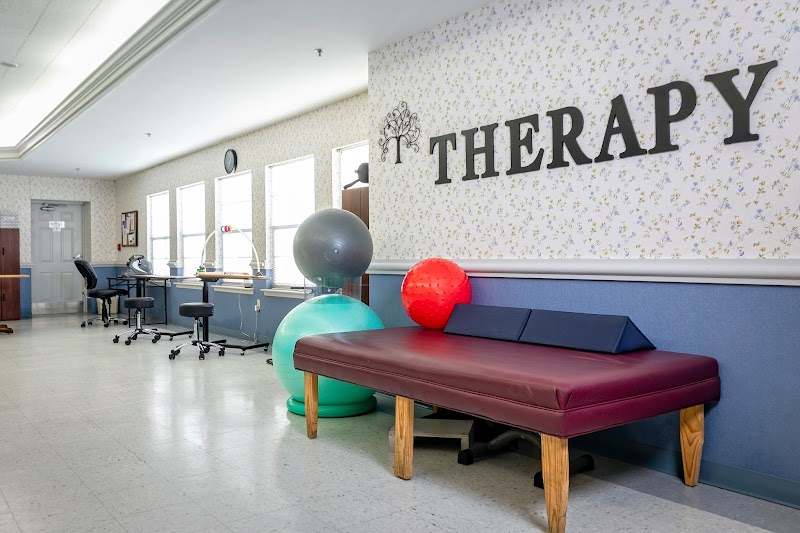
How is Legacy Nursing And Rehabilitation Staffed?

CMS rates LEGACY NURSING AND REHABILITATION's staffing level at 1 out of 5 stars, which is much below average compared to other nursing homes. Staff turnover is 53%, compared to the Texas average of 46%.

What Have Inspectors Found at Legacy Nursing And Rehabilitation?

State health inspectors documented 19 deficiencies at LEGACY NURSING AND REHABILITATION during 2022 to 2025. These included: 18 with potential for harm and 1 minor or isolated issues.
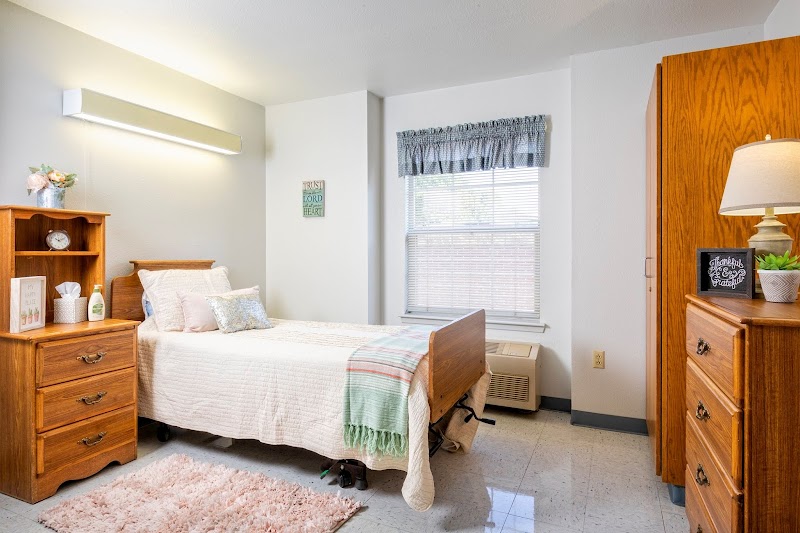
Who Owns and Operates Legacy Nursing And Rehabilitation?

LEGACY NURSING AND REHABILITATION is owned by a for-profit company. For-profit facilities operate as businesses with obligations to shareholders or private owners. The facility is operated by LEGACY NURSING & REHABILITATION, a chain that manages multiple nursing homes. With 104 certified beds and approximately 76 residents (about 73% occupancy), it is a mid-sized facility located in CAMERON, Texas.
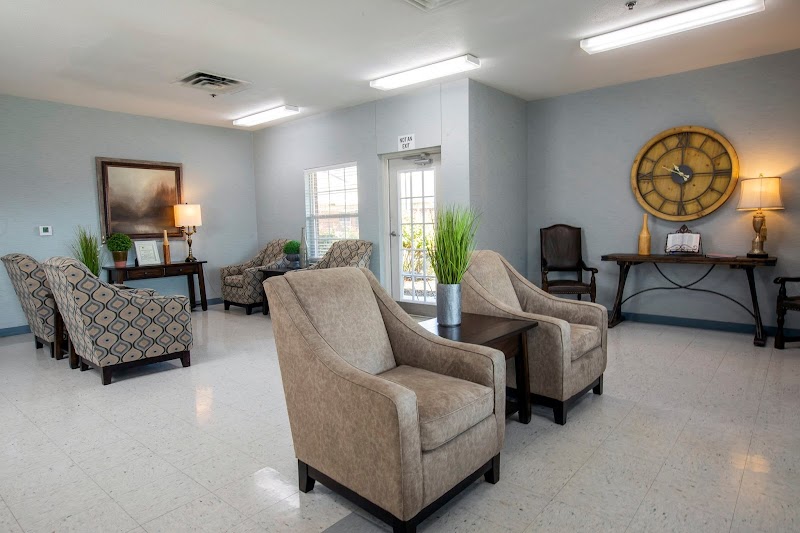
How Does Legacy Nursing And Rehabilitation Compare to Other Texas Nursing Homes?

Compared to the 100 nursing homes in Texas, LEGACY NURSING AND REHABILITATION's overall rating (3 stars) is above the state average of 2.8, staff turnover (53%) is near the state average of 46%, and health inspection rating (4 stars) is above the national benchmark.

What Should Families Ask When Visiting Legacy Nursing And Rehabilitation?

Based on this facility's data, families visiting should ask: "Can you walk me through typical staffing levels on day, evening, and night shifts?" "Can I visit during a mealtime to observe dining assistance and food quality?" "How do you handle medical emergencies, and what is your hospital transfer rate?" "Can I speak with family members of current residents about their experience?" These questions are particularly relevant given the below-average staffing rating.

Is Legacy Nursing And Rehabilitation Safe?

Based on CMS inspection data, LEGACY NURSING AND REHABILITATION has a clean safety record: no substantiated abuse findings (meaning no confirmed cases of resident harm), no Immediate Jeopardy citations (the most serious violation level indicating risk of serious injury or death), and is not on the Special Focus Facility watch list (a federal program monitoring the lowest-performing 1% of nursing homes). The facility has a 3-star overall rating and ranks #1 of 100 nursing homes in Texas. While no facility is perfect, families should still ask about staff-to-resident ratios and recent inspection results during their visit.

Do Nurses at Legacy Nursing And Rehabilitation Stick Around?

LEGACY NURSING AND REHABILITATION has a staff turnover rate of 53%, which is 7 percentage points above the Texas average of 46%. Moderate turnover is common in nursing homes, but families should still ask about staff tenure and how the facility maintains care continuity when employees leave.

Was Legacy Nursing And Rehabilitation Ever Fined?

LEGACY NURSING AND REHABILITATION has no federal fines on record. CMS issues fines when nursing homes fail to meet care standards or don't correct problems found during inspections. The absence of fines suggests the facility has either maintained compliance or corrected any issues before penalties were assessed. This is a positive indicator, though families should still review recent inspection reports for the full picture.

Is Legacy Nursing And Rehabilitation on Any Federal Watch List?

LEGACY NURSING AND REHABILITATION is not on any federal watch list. The most significant is the Special Focus Facility (SFF) program, which identifies the bottom 1% of nursing homes nationally based on persistent, serious quality problems. Not being on this list means the facility has avoided the pattern of deficiencies that triggers enhanced federal oversight. This is a positive indicator, though families should still review the facility's inspection history directly.