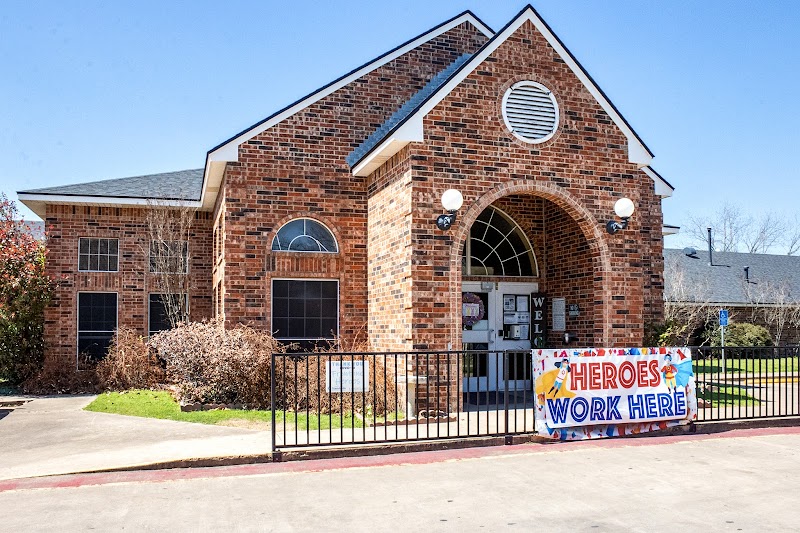
WINNIE L LTC PARTNERS INC

2104 N Karnes, Cameron, TX 76520 (254) 697-4985
For profit - Corporation 105 Beds CREATIVE SOLUTIONS IN HEALTHCARE Data: November 2025 4 Immediate Jeopardy citations
Trust Grade
0/100
#1158 of 1168 in TX
Last Inspection: May 2025

Inspected within the last 6 months. Data reflects current conditions.

Overview

Winnie L LTC Partners Inc has received a Trust Grade of F, which means it is considered poor and has significant concerns about its operations and care quality. In Texas, it ranks #1158 out of 1168 facilities, placing it in the bottom half, and it is the least favorable option in Milam County, ranking #3 out of 3. The facility is showing signs of improvement, with issues decreasing from 14 in 2024 to 9 in 2025, but it still faces serious challenges. Staffing is an area of strength, with a turnover rate of 0%, indicating that employees tend to stay long-term, which can benefit resident care. However, there is a concerning history of fines totaling $56,870 and critical incidents, including a resident who eloped from the facility and another who was not properly monitored after a fall, highlighting significant gaps in supervision and care. While RN coverage is average, the facility's overall poor ratings and specific incidents raise serious questions about the quality of care provided.

Trust Score
F
0/100
In Texas
#1158/1168
Bottom 1%
Safety Record
High Risk
Review needed
Inspections
Getting Better
14 → 9 violations
Staff Stability
○ Average
Turnover data not reported for this facility.
Penalties
○ Average
$56,870 in fines. Higher than 68% of Texas facilities. Some compliance issues.
Skilled Nurses
⚠ Watch
Each resident gets only 19 minutes of Registered Nurse (RN) attention daily — below average for Texas. Fewer RN minutes means fewer trained eyes watching for problems.
Violations
⚠ Watch
30 deficiencies on record. Higher than average. Multiple issues found across inspections.
★☆☆☆☆
1.0
Overall Rating
★☆☆☆☆
1.0
Staff Levels
★★★☆☆
3.0
Care Quality
★★☆☆☆
2.0
Inspection Score
Stable
2024: 14 issues
2025: 9 issues

The Good

  • Full Sprinkler Coverage · Fire safety systems throughout facility
  • No fines on record

Facility shows strength in fire safety.

The Bad

1-Star Overall Rating

Below Texas average (2.8)

Significant quality concerns identified by CMS

Federal Fines: $56,870

Above median ($33,413)

Moderate penalties - review what triggered them

Chain: CREATIVE SOLUTIONS IN HEALTHCARE

Part of a multi-facility chain

Ask about local staffing decisions and management

The Ugly 30 deficiencies on record

4 life-threatening 1 actual harm
Aug 2025 1 deficiency 1 IJ
CRITICAL (J) 📢 Someone Reported This

A family member, employee, or ombudsman was alarmed enough to file a formal complaint

Immediate Jeopardy (IJ) - the most serious Medicare violation

Accident Prevention (Tag F0689)

Someone could have died · This affected 1 resident

**NOTE- TERMS IN BRACKETS HAVE BEEN EDITED TO PROTECT CONFIDENTIALITY** Based on observations, interviews, and record reviews, the facility failed to provide adequate supervision for 1 of 5 residents ...

Read full inspector narrative →
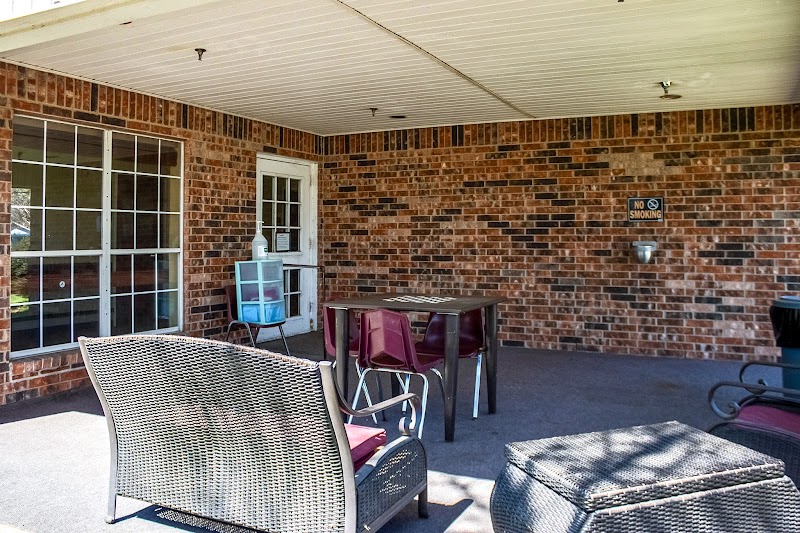
**NOTE- TERMS IN BRACKETS HAVE BEEN EDITED TO PROTECT CONFIDENTIALITY** Based on observations, interviews, and record reviews, the facility failed to provide adequate supervision for 1 of 5 residents reviewed for accidents and supervision. (Resident #1)The facility failed to ensure Resident #1 received adequate supervision to prevent elopement. On 08/07/2025 at an unknown time Resident #1 eloped from the facility by reading the door code that was placed by the door and let herself out the front door. Resident # 1 was found by CNA A standing on the front porch when she left work between 6:30PM and 7:00PM. The non-compliance was identified as past non-compliance. The immediate jeopardy began on 08/07/2025 at 6:50 PM and ended on 08/08/2025 2:20 PM .The facility had corrected the noncompliance prior to the start of the survey. The facility had implemented corrective actions and returned to compliance before the investigation began. This failure had the potential to affect other residents and could result in residents not receiving appropriate supervision, placing them at risk for serious injury, harm, or death.During an observation on 08/13/2025 at 11:00 AM all exit doors were checked and locked and equipped with functioning alarms. Additionally, the outside of the entrance door had a sign stating , Please do not let Resident or person not in your party out of front door. The front door code was only posted from outside the door and written in words instead of numbers. Record review of Resident # 1's face sheet (unknown date) reflected an [AGE] year-old female admitted to the facility on [DATE] with a diagnosis of dementia with severe other behavior disturbance (memory decline with acting out). Record Review of Resident #1's MDS quarterly assessment, dated 05/17/2025, reflected Resident #1 BIMS score of 10 which indicates a moderate cognitive impairment. Section C Cognitive - pattern reflected short -term memory loss.Record review of Resident #1's care plan dated 05/07/2025, reflected The resident is at risk for wandering; INTERVENTION: Provide structured activities: toileting, walking inside and outside, reorientation, strategies including signs, pictures and memory boxes. The resident is risk for falls r/t hx of falling and INTERVENTIONS: The resident needs activities that minimize the potential for falls while providing diversion and distraction, Resident resides in the Secure Care Unit, related to diagnosis of dementia (or related diagnosis) and risk for elopement. INTERVENTIONS: Admit to Secure Care unit per MD orders, allow resident to perform ADLs to their highest ability, offer assistance as needed, Assist and monitor resident for off unit activities if able and Engage resident in group activities and provide them with individualized meaningful activities.Review of Resident #1's incident report dated 08/07/2025 at 6:30PM reflected Resident walked out front door was seen by a CNA when they were leaving the building after their shift, CNA attempted to redirect resident back to the building, redirection unsuccessful, CNA came to get this nurse, and we assisted resident back inside. Immediate action: Resident to reside on secure unit due to history of elopement with active exit seeking behaviors. Vital sign as follows: BP 158/80 Temp 97.7 HR 68 RR 17 O2 98%. Physician, DON, Administrator and RP notified. Record review of a written interview given by ADM on 08/07/2025 to Resident # 1 and signed by Resident #1 and witnesses by CNA A , in a question-and-answer format reflected, [ADM question]: were you trying to go somewhere earlier when you went out the front door. [Resident #1 answer] I went outside. [ADM question] yes, you went outside and was found right outside the front door. Were you needing anything that causes you to go outside? [Resident #1 answer] Well, no, not that I can think of. [ADM question] Are you doing ok right now do you need anything? [Resident #1 answer] I'm fine, thank you for asking. During an observation and interview with Resident #1 on 08/13/2025 at 12:15 PM revealed her walking around in the secure unit with an ink pen in her hand and asked for some paper to write on. Resident #1 was asked her name by Surveyor, and she stated her name and began to repeat yes are you here for me. Therefore, an interview with Resident # 1 was not completed. During an interview with CNA A on 08/13/25 at 1:00 pm, she stated she was leaving for work approximately at 6:30 PM and she observed Resident # 1 standing on the front porch of the facility. She stated Resident #1 was not walking and standing in one spot. She stated she asked Resident # 1 to come back in and she refused. Therefore, she opened the front entrance door to ask for help to MA B, but he could not hear her, so she ran back into the building and told the charge nurse (LVN A) Resident # 1 was outside and she would not come in. She stated LVN A came outside with her to assist, and Resident #1 had walked to unit 200 covered patio area . She stated she could not remember if Resident # 1 was sitting or standing on the patio; however, LVN A was able to get her to come back into the building. She stated Resident # 1 was assessed by LVN A. She stated Resident #1 knew how to read numbers, and it was possible she let herself out or she went out the door when a visitor left. She stated Resident #1 use to leave on the secure unit, but she was moved out because she was not showing exit seeking behaviors. An interview on 08/13/2025 at 1:30 PM with LVN A was attempted by phone; however, she did not answer, and a voicemail was left for her to return my call. During an interview with RP on 08/13/2025 at 2:00PM, she said she was okay with Resident #1 moving to the unsecure unit, but she knew the elopement was going to happen eventually. She stated she wanted to give Resident #1 a chance to prove her wrong ; however, she believed Resident #1 read the pin code instructions and let herself out the front door. She said the facility did call her the day of the incident (08/07/2025) and made her aware that Resident # 1 eloped . During an interview with ADON on 08/13/25 at 3:00pm she stated the day of Resident #1's elopement she was present and was meeting with a visiting family. She stated she last saw Resident # 1 standing by the nursing station between 5:30PM- 6:00 PM. She stated their facility team and family members had discussed moving Resident #1 to a non- secure area for some time , so they decided to move her on 07/17/2025. She stated she was moved to hall 500 and was able to recognize her name on her door and there was no exit seeking behaviors. She stated her RP wanted Resident # 1 to have free access to the vending machine at her leisure, which gave the team another reason to move her to a non-secure area. She said she completed an elopement assessment and secure care unit assessment before and after the incident on 08/07/2025 and Resident #1 moved from the secure unit on 07/21/2025. She stated on 08/07/2025, Resident #1 was assessed for injuries and was moved back to the secure unit, and her RP gave consent to move her back. An interview on 08/13/2025 at 3:15 PM with MA A was attempted by phone; however, he did not answer after two attempts. MA A voicemail was not set-up; therefore, a voice mail was not left. During an interview on 08/13/2025 at 6:20 PM with Social Worker, she stated she had observed Resident # 1 never exit seeking and she remembered they talked about her moving out of the secure unit because since her admission she has never showed any exit seeking behavior. The Social Worker looked at Resident EHR to find documents of an official IDT meeting, and stated she could not find any documents, but she knew her RP agreed with the move. She stated she could not explain why any pre-move meetings was not documented and was not sure if Resident #1's Physician agreed with her move for the secure unit. During an interview on 08/14/2025 with LVN A at 6:34 PM she stated on 08/07/2025 , CNA A was leaving work and saw Resident # 1 standing outside on the front porch . She stated Resident # 1 would not come in for CNA A; therefore, she went outside to assist. She stated Resident # 1 was not overheated and was found walking on the sidewalk to hall 200's outside covered patio sitting . She stated she was dressed in clothes appropriate for the warm weather. She stated once Resident # 1 came into the facility she completed her vitals and there were no concerns. She stated she called the ADM and informed her Resident #1 was found outside and she contacted her RP and Physician. She stated earlier on 08/07/2025 she observed Resident #1 demonstrating exit seeking behaviors by walking around the facility with some bags and a box. She stated she observed her with her belongings while walking around the nurse's station and Resident # 1 was redirected to put her things up, and she did. She stated prior to 08/07/2025, Resident # 1 did not demonstrate any exit seeking behaviors once she was moved from the secure unit. She stated the alarm to the front doors work and was never broken, and if Resident #1 had pushed the door the alarm would have sounded . She stated it was very likely for Resident # 1 read the code and let herself out the front door because she could read. She stated she did not know if the IDT had met prior to Resident # 1's move but the facility did provide in-services on self- report / missing resident or elopement protocol elopement drills and ANE. Record Review of Elopement nurse's note-12hr dated 08/07/2025 at 6:54 PM by LVN A reflected, 3. Follow-Up: Resident walked out front door was seen by a CNA when they were leaving the building after their shift, CNA attempted to redirect resident back to the building, redirection unsuccessful, this nurse followed CNA to resident and assisted back inside. New order from Physician: Resident to reside on secure unit due to history of elopement with active exit seeking behaviors. Review of Secure care Environment Screening Tool dated 05/8/2025 for Resident # 1 reflected, diagnosis of Alzheimer's disease or related dementia disorders, resident continue to exhibit exit seeking behavior. Record review of elopement risk assessment dated [DATE] reflected Resident #1 had no history of attempts to leave facility. Her current behaviors: restlessness. [Resident #] 1 can state her name and recognizes stop lights and signs; however, she did not know her current residence, or recognize her physical needs. Record Review of Elopement Assessments dated 08/8/2025, reflected all current residents who were located in the secure unit and non-secure unit were re-assessed for elopement risk. No new residents were identified to be at high risk who resided in non- secure unit. During an interview on 08/14/2025 at 2:00 PM with ADM she stated she, the DON and ADON were in-serviced by their [NAME] President of clinical services on Pre and Post tools because they did not follow the facility protocol to ensure Resident #1's move was documented, and she was monitored after her move. She stated all staff was in-serviced on ANE, missing resident / elopement monitoring which included checking locking mechanism or alarm function properly on all exit doors, and elopement drills which would be conducted monthly on different shifts at random time. She stated other in-services was a Post elopement drill all staff and QAPI evaluation checklist for administrative staff . She stated without proper pre and post move transfer meeting and monitoring from a secure unit to non-secure being done a negative outcome could be Resident elopement , injury or even death of they are lost and have health issues. Record review of facility's policy on elopement/wandering unknown date, reflected , Every effort will be made to prevent elopement episodes while maintaining the least restrictive environment for residents who are at risk for elopement.1. The Elopement Risk Assessment will be completed upon admission. The assessment should becompleted by reviewing the resident's medical history and social history. Informationmay be obtained by reviewing current medical records, if available, interview withresident/family, or conference with the interdisciplinary team member. The assessmenttool should be completed, and interventions implemented as indicated. The ElopementRisk Assessment is to be completed at least quarterly and upon change of condition.2. All residents who are at risk for harm because of wandering (elopement) will be assessed by theinterdisciplinary care planning team.Interventions into elopement episodes will be entered onto the resident's care plan and medical.6. Should an elopement episode occur, the contributing factors, as well as the interventions tried,will be documented on the nurses' notes. Director of Risk Management and\or Director ofNursing Services should be notified of elopement.7. If a resident is discovered to be missing, a search shall begin immediately. On 08/13/2025 at 6:50 PM, the ADM was informed of an IJ. The non-compliance was identified as past non-compliance. The IJ began on 08/07/2025 and ended on 08/08/2025 at 2:20PM The facility had corrected the noncompliance before the investigation began. The interventions and plan of correction included: Review of Resident #1 EMR revealed Resident #1 was moved to the secure unit for her safety immediately.Review of Resident # 1 EMR revealed she was seen by her MD on 08/08/2025. It was recommended by MD for Resident #1 to remain in secure unit. No other concerns noted.Review of facility in-services dated 08/07/2025-08/8/2025 revealed all staff were educated regarding elopements, securing doors and activating alarms, abuse and neglect and supervision of residents. Staff were instructed to notify DON, Admin regarding any attempts of elopement or resident who may have increased confusion and attempt to exit. Review of Elopement drills dated 08/08/2025 revealed a drill was completed on all shifts. Review of Elopement Assessments dated 08/07/2025 revealed current residents were assessed for elopement/wandering risk. No new residents were identified to be at high risk.Review of Ad Hoc QAPI meeting held on 08/08/2025 revealed an QAPI meeting was held to discuss the elopement of Resident #1. Record review of elopement follow- up interviews conducted by DON to all staff on 08/08/2025.Observations at facility on 08/13/2025 - 08/14/2025 and did not reveal observations of exit seeking or wandering residents. Interviews with facility staff on 8/13/2025-8/14/205 revealed they were educated on elopements, securing doors and alarms, supervision of residents, abuse and neglect, monitoring and documenting procedures during pre and post move from secure unit to a non- secure unit.
May 2025 5 deficiencies
CONCERN (D)

Potential for Harm - no one hurt, but risky conditions existed

ADL Care (Tag F0677)

Could have caused harm · This affected 1 resident

**NOTE- TERMS IN BRACKETS HAVE BEEN EDITED TO PROTECT CONFIDENTIALITY** Based on observation, interview and record review, the facility failed to ensure residents who were unable to carry out activiti...

Read full inspector narrative →
**NOTE- TERMS IN BRACKETS HAVE BEEN EDITED TO PROTECT CONFIDENTIALITY** Based on observation, interview and record review, the facility failed to ensure residents who were unable to carry out activities of daily living received the necessary services to maintain good grooming and personal hygiene for 1 of 6 residents (Resident #6) reviewed for ADLs. The facility failed to ensure that assistance was provided to Resident #6 to remove all BM from hands and face before the lunch meal on 05/20/2025. This failure could place residents at risk of cross contamination and not being provided care and assistance when needed. Findings include: Review of Face Sheet for Resident #6 reflected an [AGE] year-old female admitted on [DATE]. Diagnoses included Alzheimer's Disease (dementia disorder related to protein formation in the brain), Acquired Absence of Left Upper Limb Above Elbow, and Need for Assistance with Personal care. Review of MDS for Resident #6 dated 02/12/2025 reflected a BIMS score of 2 (severe cognitive impairment). Section G0110 for Activities of Daily Living Assistance indicated that Resident #6 required Supervision of one assistance person with eating and Extensive Assistance from one to two staff for Bed Mobility, Transfers, and Toilet Use. Review of Care Plan for Resident #6 reflected a Focus Area stating the resident, has bladder and bowel incontinence r/t ALZHEIMER'S DISEASE. Date Initiated: 08/11/2023 with an intervention to, PERFORM INCONTINENT CARE AFTER EACH INCONTINENT EPISODE. Date Initiated: 01/21/2025. There was a Focus Area stating the Resident, has an ADL Self Care Performance Deficit r/t ALZHEIMER'S DISEASE and Left Arm Above Elbow Amputation. Date Initiated: 08/30/2023 with an intervention of, TOILET USE: [Resident #6] requires ASSIST with 1 staff participation to use toilet and has occasional bowel and bladder incontinence which requires staff assist with incontinent care. Date Initiated: 08/30/2023. Observation and interview on 05/20/25 at 10:23 AM with Resident #6 revealed resident lying in bed on her right side. There was a smear of brown substance across her right cheek approximately 1.5 inches long. She stated she has no concerns regarding her care at the facility. Observation on 05/20/25 at 12:10PM of Resident #6 revealed resident sitting at a dining table, waiting for lunch. Her right hand had a brown substance under all the nails with a smear across her thumb and her right cheek. Resident had an amputation to her left arm above the elbow. Resident smelled of BM. The resident stated that she likes her nails longer. Resident stated that there was nothing under her nails. Observation on 05/20/2025 at 12:45PM revealed Resident #6 sitting at the table, eating her meal with her right hand using a spoon and her fingers to eat. The brown substance remained under her nails and the brown smear was still on her right cheek. Resident took a bite of her chicken and licked the fingers of her right hand. In an interview on 05/20/2025 at 01:03PM CNA E stated that she cleaned Resident #6's hands with a wipe before the meal. She stated she did not see the brown residue under her nails and on her face before it was brought to her attention by surveyor. She stated that she did not know what the brown substance was. She stated she would take the resident back to the room to clean her up. She stated that the resident could get an infection if her hands were soiled with BM while she was eating a meal. In an interview on 05/20/2025 at 01:20PM CNA E stated that it was BM under Resident #6's nails when she took the resident back to clean her up. She stated that she cleaned the Resident's face and nails. Observation on 05/22/2025 at 08:52AM revealed CNA F assisting Resident #6 with her meal tray and positioning her for comfort in her bed. Resident #6 nails were clipped short. Her hands, face, and all visible person and clothing were clean. In an interview on 05/22/2025 at 08:52AM Resident #6 stated she was doing fine. Resident denied any upset stomach. In an interview on 05/22/2025 at 11:08AM, LVN B stated that the CNAs and charge nurses work together to ensure good hygiene for Resident #6 and all other residents. She stated that she did not see the soiled hands, nails, and face for Resident #6 before someone brought it up. She stated that if the staff did not assist the resident with hand hygiene when residents are soiled and prior to meals she could get sick. In an interview on 05/22/2025 at 11:17AM, CNA F stated that Resident #6 has a behavior of scratching her skin and handling her brief sometimes. She stated that she assists the Resident to wipe her hands after providing incontinent care, before meals, and as needed, including removing any debris from under her nails. She stated that if staff do not assist residents with hand hygiene and ADL care when it is needed, the residents could get an infection. In an interview on 05/22/2025 at 01:50 PM, the Regional Compliance Nurse stated the facility had no specific policy and procedure for ADL care. She stated the only related policy they had was for Infection Control. In an interview on 05/22/2025 at 02:40 PM, the Administrator stated that if a CNA or a nurse saw that a resident was not clean, then it was her expectation that staff assist them with cleaning themselves if they are not able. She stated that her expectation was that staff assist all residents with hand hygiene prior to meals. She stated that the potential impact to the resident if staff do not assist with hand hygiene prior to meals, is that they could get sick. In an interview on 05/22/2025 at 02:53PM DON stated that it was the responsibility of all staff to monitor the residents and ensure cleanliness of their clothing and their person. She stated that all staff assisting with dining, especially CNAs and nurses were to assist residents with hand hygiene especially before meals and as needed. She stated that a resident could get sick from having nails and hands soiled with BM while they are eating. She stated it could also be embarrassing for the resident. She stated that she has in-serviced staff on hand hygiene and ADL care and educated staff to ensure that they are aware of the expectations. Review of facility policy for Infection Control (No Date) reflected: The facility will establish and maintain an Infection Control Program designed to provide a safe, sanitary and comfortable environment and to help prevent the development and transmission of disease and infection.
CONCERN (D)

Potential for Harm - no one hurt, but risky conditions existed

Accident Prevention (Tag F0689)

Could have caused harm · This affected 1 resident

**NOTE- TERMS IN BRACKETS HAVE BEEN EDITED TO PROTECT CONFIDENTIALITY** Based on observation, interviews, and record reviews, the facility failed to ensure that the resident environment remained as fr...

Read full inspector narrative →
**NOTE- TERMS IN BRACKETS HAVE BEEN EDITED TO PROTECT CONFIDENTIALITY** Based on observation, interviews, and record reviews, the facility failed to ensure that the resident environment remained as free of accident hazards as was possible and that each resident received adequate supervision and assistance devices to prevent accidents for 1 of 6 residents (Residents #15) reviewed for accidents hazards and supervision: The facility failed to ensure Resident #15 had a fall mat in place and the bed was in the low position on 05/20/2025 while in bed. This failure could place the residents at risk for falls with the possibility of injury, including fractures. Findings include: Review of Face Sheet for Resident #15 reflected a [AGE] year-old man admitted on [DATE]. Diagnoses included: Dementia, Bipolar Disorder (a mental illness that causes extreme mood swings), Aphasia (difficulty using or comprehending language), and Deaf. Review of MDS for Resident #15 dated 05/02/2025 reflected a BIMS score of 1 (severe cognitive impairment). Section G0110 for Activities of Daily Living Assistance reflected the resident requires Extensive Assistance of Two or more persons with bed mobility and transfers. Review of Care plan for Resident #15 reflected a Focus area stating the resident, has a communication problem r/t aphasia and he is also deaf. Date initiated 04/28/2025 with an intervention to keep the bed in the lowest position. Further review reflected a Focus area stating the resident, is risk for falls r/t Gait/balance problems, Unaware of safety needs, hearing problems, Date Initiated: 04/28/2025, with interventions to Anticipate and meet the resident's needs. Date initiated 04/28/2025 and Review information on past falls and attempt to determine cause of falls. Record possible root causes. Alter remove any potential causes if possible. Educate resident/family/caregivers/IDT as to causes. Date Initiated: 05/01/2025 Review of Event Nurse's Note for Resident #15 with date of 04/26/2025 reflected resident was found on the floor by the bedside. Review of Progress Notes for Resident #15 reflected a note on 05/09/2025 stating, Resident had a fall. Location: Resident Room .Fall information: Unwitnessed, Discovered on floor, . Next to bed. Cognition / Behavior at Time of Event: Oriented / no problem, Agitated, Restless, Refuses to call for assistance Nurse walking down & noticed resident on floor in his room. Charge nurse immediately started head to toe assessment. resident able to [NAME] upper & lower without difficulty, no rotation noted to lower extremities, able to straighten both legs without hesitation v/s 148/70, 72, 20, 97.5, 98% neuros initiated resident non verbal, communicates with writing- example dry erase board, also able to nod head yes or no if you write down questions, hard of hearing No Pain. Initial Treatment/New Orders: floor mat beside bed Review of Physician Orders for Resident #15 reflected no orders for fall mat prior to 05/22/2025. Observation on 05/20/2025 at 02:45PM reflected Resident #15 was lying in bed. The bed was not in the low position and there was no fall mat on the floor beside the bed. No fall mat was observed in the room. Observation on 05/22/2025 at 09:09AM revealed Resident #15 was sitting in his WC. No fall mat was in the room. In an interview on 05/22/2025 at 10:00AM CNA F stated that Resident #15 did not have a fall mat in his room. She stated she was not sure of the circumstances for Resident #15's falls but was aware Resident #15 had fallen in the past. In an interview on 05/22/2025 at 10:15AM, the DOR stated that he was familiar with Resident #15. He stated that he screens the residents after falls. He stated they review residents after falls to screen for their ability and for the source of the falls. He stated that Resident #15 did have a fall out of bed. He stated that a fall mat would be a good temporary intervention to attempt to prevent major injury with falls for Resident #15. He stated that he recommended a defined perimeter mattress, which is similar to a scoop mattress, but less restrictive for the resident. He stated that it would be a better approach than a fall mat. He stated that he did not have any defined perimeter mattresses to his knowledge at the time. He stated that he was not aware that the Resident did not have a fall mat. He stated that if the Resident had a fall out of bed without a fall mat it could contribute to fractures. In an interview on 05/22/2025 at 11:15 AM, LVN B stated that she was aware that Resident had a history of falls. She stated that her fall interventions for Resident #15 included watching him closely, especially during smoke breaks. She stated that he should have a fall mat, a low bed, and staff should ensure the call light is in reach. She confirmed that Resident#15 does not currently have a fall mat in his room. She stated that it is everyone's responsibility to help with fall prevention. She stated all the care staff are responsible to ensure the fall interventions are in place. She stated that everyone should be monitoring for appropriate fall interventions. She stated that if the resident did not have the appropriate interventions in place for falls, like a fall mat, that the resident could hit is head and possibly have a brain bleed. In an interview on 05/22/2025 at 1100 AM, DOR stated he found a defined perimeter mattress cover and applied it to the bed. Observation on 05/22/2025 at 1100 AM revealed that a new mattress topper was applied to Resident #15's mattress. It has raised edges on the top and bottom and a more gradual raised edge in the middle of the mattress. The bed was in the low position. In an interview on 05/22/2025 at 02:53 PM, the DON stated that she agreed with the DOR and was comfortable with the mattress topper as an adequate intervention for falls for Resident #15. She stated that she would update the care plan and the records to reflect the change and remove the fall mat. Review of facility policy of Fall Prevention, revised 10/02/2016, reflected: Procedure: 1. The facility will complete a fall risk assessment on each resident at the time of admission to the facility. The Fall Assessment Tool will be used to assess the resident's risk of falls until completion of the comprehensive MDS assessment. 2. The comprehensive MDS assessment will assist in identifying those residents as risk for falls. 3. Residents at risk will be care planned for fall prevention. 4. After risk is assessed, individualized nursing care plans will be implemented to prevent falls. The resident and family members will be educated on methods to prevent falls. Interventions will focus on manipulating the environment, educating the resident/family, implementing rehabilitation programs to improve functional ability, and care monitoring of medication side effects. Incident Reporting: Reported falls will be thoroughly investigated to assess fall risk factors and contributing factors in order to provide a safe environment for the resident(s). Environment: Keep bed in low position. Keep the bed wheels locked. Use mobility handles or ¼ rails in bed, low bed, scoop mattress, bolsters, or any combination of the previous. Place the call light and other objects within easy reach. Use bed/chair alarm systems to monitor unsafe activity as needed. Maintain adequate illumination in bedrooms and bathrooms. Maintain non-slip floor surface. Keep hallway clear. Provide grab bars and toilet risers in the bathroom.
CONCERN (D)

Potential for Harm - no one hurt, but risky conditions existed

Deficiency F0757 (Tag F0757)

Could have caused harm · This affected 1 resident

**NOTE- TERMS IN BRACKETS HAVE BEEN EDITED TO PROTECT CONFIDENTIALITY** Based on interview and record review, the facility failed to ensure each resident's drug regimen was free of unnecessary drugs f...

Read full inspector narrative →
**NOTE- TERMS IN BRACKETS HAVE BEEN EDITED TO PROTECT CONFIDENTIALITY** Based on interview and record review, the facility failed to ensure each resident's drug regimen was free of unnecessary drugs for one (Resident #32) of five residents reviewed for adequate monitoring of medication. The facility failed to discontinue an order for antipsychotic medication when ordered by the Medical Director with Medication Regimen Review with a Review date of 02/19/2025. This failure could place residents at risk of receiving discontinued and unnecessary antipsychotic medications. Findings included: Review of Face Sheet for Resident #32 reflected an [AGE] year-old male, admitted to the facility on [DATE]. Diagnoses included Dementia, Moderate, with other behavioral disturbance; Hypertension (high blood pressure), and Vitamin D Deficiency. Review of Care Plan for Resident #32 reflected a Focus Area stating The resident is risk for falls r/t Confusion, Deconditioning, Gait/balance problems, Psychoactive drug use, Unaware of safety needs, Wandering with a date initiated of 10/15/2024. There was a Focus Area stating The resident requires anti-psychotic medication for dx of behaviors and for agitation with a date initiated of 10/15/2024 with an intervention, Administer medications as ordered. Monitor/document for side effects and effectiveness with the same start date. Review of MDS for Resident #32 dated 04/22/2025 reflected a BIMS score of 7 (severe cognitive impairment). Section J1800 indicated that Resident has had no falls since admission/entry/or reentry to facility. Section N0415 for High Risk Drug Classes, indicated use of Antipsychotic medications for Resident #32. Review of Physician Orders for Resident #32 reflected an order for Olanzapine Oral Tablet 2.5 mg: Give one tablet by mouth two times a day related to Unspecified Dementia, Moderate, with other Behavioral Disturbance AND Give 1 tablet by mouth every 6 hours as needed for agitation with a start date of 02/12/2025. Review of Medication Regimen Review for Resident #32 dated 02/19/2025 reflected a recommendation from Pharmacy for Olanzapine Oral Tablet 2.5 mg: Give one tablet by mouth every 6 hours as needed for agitation with a check mark in the Response section indicating to Discontinue the medication. The form was signed by the Medical Director. No date next to signature line. Review of Medication Administration Record for Resident #32 for May 2025 reflected a dose of Olanzapine oral tablet 2.5 mg: Give by mouth every 6 hours as needed for agitation was given on 05/12/2025 and 05/13/2025. Review of Progress Notes for Resident #32 from 02/19/2025 to 05/22/2025 reflected that no other as needed doses of Olanzapine Oral Tablet 2.5 mg were administered to Resident. In an interview on 05/22/2025 at 01:20PM, the Regional Compliance Nurse stated that she did not know why the as needed order for Olanzapine was not discontinued after MD A signed the order to discontinue the medication. The Regional Nurse called MD A and notified her of the error and received a new order to discontinue the as needed order for Olanzapine 2.5 mg for Resident #32. Regional Compliance Nurse stated that although her name is attached to the order when it is viewed in the resident record, she was not the one who ordered the medication on that date. She stated that it was because she updated the times for the scheduled dose on the day listed under the modification. She stated she did not participate in the pharmacy review for the facility that month. She stated that would have been the former DON for February 2025. She stated that it was the responsibility of the Charge Nurse or DON who received the pharmacy review for that month to ensure that all orders are initiated and executed at the time they are received. She stated that the impact to the resident for not discontinuing the as needed order for olanzapine would be that the Resident could receive unnecessary medications. Phone interview with MD A attempted on 05/22/2025 at 01:58PM. Left a message. Did not receive call back from physician prior to exit. In an interview on 05/22/2025 at 02:40PM, the Administrator stated that she was learning to do the Pharmacy review currently. She stated she has not yet reviewed any of the recommendations for the facility. She stated that her expectation was that the physician orders are executed and followed. She stated that she would refer to her DON for the clinical impact to Resident #32 of receiving doses of olanzapine after it was discontinued. She stated that it was the responsibility of the DON and the Pharmacy to ensure that the orders from the pharmacy review are executed and followed. In an interview on 05/22/2025 at 02:53PM, the DON stated the staff member that reviewed the pharmacy recommendations was responsible for initiating the orders from the doctor. She stated that for the month of February 2025 the staff member responsible for the pharmacy review was the former DON. She stated that to her knowledge there were no other recommendations in the pharmacy review for the months of March and April of 2025 to discontinue the as needed order for Olanzapine for Resident #32. She stated she completed the last review with the Regional Nurse. In an interview on 05/22/2025 at 03:39PM, the Pharmacy Consultant stated that she received notification that the February letter from the physician was approved to discontinue the as needed Olanzapine dose for Resident #32. She stated it was a shared responsibility between the pharmacist, nursing, and the physician to review medications for the appropriate dose and appropriate orders. She stated that the as needed dose of Olanzapine did come up for pharmacy review for the months of March and April. She stated there were no recommendations listed from her pharmacy review for the as needed Olanzapine order in March and April. She stated she was not sure what her thought process was at the time. She stated that generally the pharmacy tries to only adjust one medication at a time. She stated that when the scheduled dose of Olanzapine triggered for a GDR (gradual dose reduction) in the April pharmacy review, she only addressed that change. She stated that the impact to the resident was that receiving additional doses of Olanzapine could potentially contribute to falls. She stated that the Resident has been on the medication prior to February and the facility monitors for side effects. She stated that she did not know of any decline in function for the Resident. Review of Facility Policy for Physician Orders (No Date) reflected: Written Orders by the Physician or Nurse Practitioner 1. Nurse will review the order and if needed contact the prescriber for any clarifications 2. The nurse will enter the order into PCC [PointClickCare electronic medical health record] for the resident and select prescriber written 3. If the order requires documentation, it will be directed to the proper electronic administration record once the order is completed. 4. The receiving nurse will contact any other department or external facilities as required, i.e. dietary department, pharmacy, lab provider, x-ray provider, etc. Review of Facility Policy for Psychotropic Drugs, revised 10/25/17, reflected, The facility must will ensure that- 1. Residents who have not used psychotropic drugs are not given these drugs unless the medication is necessary to treat a specific condition as diagnosed and documented in the clinical record; 2. Residents who use psychotropic drugs receive gradual dose reductions, and behavioral interventions, unless clinically contraindicated, in an effort to discontinue these drugs; (Refer to Medication Review policy and behavior management policy) 3. Residents do not receive psychotropic drugs pursuant to a PRN order unless that medication is necessary to treat a diagnosed specific condition that is documented in the clinical record 4. PRN orders for psychotropic drugs are limited to 14 days. Except as provided in §483.45(e)(5), if the attending physician or prescribing practitioner believes that it is appropriate for the PRN order to be extended beyond 14 days, he or she should document their rationale in the resident's medical record and indicate the duration for the PRN order. 5. PRN orders for anti-psychotic drugs are limited to 14 days and cannot be renewed unless the attending physician or prescribing practitioner evaluates the resident for the appropriateness of that medication.
CONCERN (E)

Potential for Harm - no one hurt, but risky conditions existed

Deficiency F0558 (Tag F0558)

Could have caused harm · This affected multiple residents

**NOTE- TERMS IN BRACKETS HAVE BEEN EDITED TO PROTECT CONFIDENTIALITY** Based on observation, interview, and record review the facility failed to ensure residents the right to reside and receive servi...

Read full inspector narrative →
**NOTE- TERMS IN BRACKETS HAVE BEEN EDITED TO PROTECT CONFIDENTIALITY** Based on observation, interview, and record review the facility failed to ensure residents the right to reside and receive services in the facility with reasonable accommodation of resident needs and preferences for 3 (Resident #24, Resident #11 and Resident #18) of 9 residents reviewed for accommodation of needs. 1. The facility failed to ensure that Residents #24's call light was within reach. 2. The facility failed to ensure that Resident #11's call light was within reach. 3. The facility failed to ensure that Resident #18's call light was within reach. These failures placed residents at risk of not being able to call for assistance and have their needs met. Findings included: 1. Record review of Resident #24's undated Face Sheet reflected she was a an [AGE] year-old female admitted to the facility on [DATE] and readmitted on [DATE] with diagnoses of Alzheimer's Disease (a progressive disease that destroys memory and other important mental functions) late onset, difficulty in walking and cognitive communication deficit (communication is impaired due to problems with attention, memory and reasoning rather than with language or speech itself). Record review of Resident #24's Comprehensive MDS dated [DATE] reflected she was unable to complete a BIMS assessment. Record review of Resident #24's Care Plan dated 05/29/2024 and revised on 12/11/2024 reflected Focus: has a communication problem related to Dementia, sometimes understands, sometimes understood. Goal: Anticipate and meet needs. Ensure/provide a safe environment. Call light in reach. Observation on 05/20/2025 at 10:08 AM revealed Resident #24 was in her bed and her call light was not in reach. Resident #24 was not interviewable. 2. Record review of Resident #11's undated Face Sheet reflected she was an [AGE] year-old female admitted to the facility on [DATE] and readmitted on [DATE] with diagnoses of Alzheimer's Disease (a progressive disease that destroys memory and other important mental functions) late onset, and a history of falling. Record review of Resident #11's Quarterly MDS dated [DATE] reflected she was unable to complete a BIMS assessment. Record review of Resident #11's Care Plan dated 09/30 /2024 reflected Focus: The resident has a communication problem with Alzheimer's. She is mostly non-verbal. Interventions/Tasks: Ensure/provide a safe environment: Call light in reach. Observation on 05/20/2025 at 10:29 AM revealed Resident #11 was sitting in a reclining wheelchair in her room. There was no call light in reach. The resident was not interviewable. 3. Record review of Resident #18's undated Face Sheet reflected she was an [AGE] year-old female admitted to the facility on [DATE] and readmitted on [DATE] with diagnoses of Unspecified Dementia (loss of memory, language, problem-solving and other thinking abilities that are severe enough to interfere with daily life) without behavioral disturbance, Cognitive Communication Deficit (communication is impaired due to problems with attention, memory and reasoning rather than with language or speech itself) and history of falling. Record review of Resident #18's Quarterly MDS dated [DATE] reflected she was unable to complete a BIMS assessment. Record review of Resident #18's Care Plan dated 08/22/2024 and revised on 03/10/2025 reflected Focus: The resident has a communication problem r/t advanced Alzheimer's disease, Cognitive Communication Deficit, age-related cognitive decline r/t Alzheimer's progression. Goal: the resident will be able to make basic needs known on a daily basis through the next review date. Interventions/Tasks: Anticipate and meet needs. Ensure/provide a safe environment: Call light in reach. Observation on 05/20/2025 at 2:32 PM revealed Resident #18 was sitting in her wheelchair in her room. Resident #18's call light was on her bed and not in reach. Resident #18 stated I need help. The surveyor asked the resident if they could push her call light and she stated yes. During observation and interview on 05/20/2025 at 2:35 PM the Social Worker came into Resident #18's room to see what she needed. She stated she helped the nursing staff to answer call lights. She stated the resident needed to have her call light in reach. She further stated by not having her call light in reach, the resident could have fallen and could have gotten hurt. In an interview on 05/22/2025 at 7:35 AM CNA D stated call lights should have been kept in reach of all residents and all staff were responsible. She stated if the call lights were not kept in reach for the residents Something bad could happen to the resident. She stated she had not received any in-services regarding call light placement. In an interview on 05/22/2025 at 7:26 AM LVN B stated she had worked at the facility since April 7th, 2025. She stated she made rounds on 500 Hall about three times a day and she did check for call light placement. She stated the potential risk if a resident could not reach their call light would be a delay in the resident receiving care. She stated they could fall. In an interview on 05/22/2025 at 11:35 AM the DON stated her expectations would be for every resident to have their call lights always in reach whether they were in the bed or a wheelchair. She stated they could need anything such as the bathroom, food, drink or even just want to get out of the room. She further stated if the call light was not in reach, they could potentially fall trying to reach the call light. She stated they could hurt themselves, get a skin tear or even a fracture. In an interview on 05/22/2025 at 12:24 PM the ADM stated any staff that entered a resident room should make sure their call light was in reach. She stated if they took a resident back to their room or did rounds, they should ensure the call light was in reach. She further stated the potential risk to the resident was that their needs would not be met. She stated the resident could fall and be injured if their call light was not in reach. In an interview on 05/22/2025 at 12:24 PM the ADM stated there was no specific policy regarding call light placement.
CONCERN (E)

Potential for Harm - no one hurt, but risky conditions existed

Pharmacy Services (Tag F0755)

Could have caused harm · This affected multiple residents

Based on observation, interview, and record review the facility failed to provide pharmaceutical services including procedures that assure the accurate acquiring, receiving, dispensing, and administer...

Read full inspector narrative →
Based on observation, interview, and record review the facility failed to provide pharmaceutical services including procedures that assure the accurate acquiring, receiving, dispensing, and administering of all drugs and biologicals for one of one medication storage rooms in the facility and one of three medication carts reviewed for medication safety. A. The facility failed to ensure expired supplies and/or medications were removed from the nurse's medication cart for the secure unit. B. The facility failed to ensure expired/discontinued supplies and/or medications were removed from the medication storage room. This failure could place residents at risk of not receiving the intended therapeutic benefits of their medications. Findings included: A. During an observation on 05/21/2025 at 10:25 AM of the medication cart for the secure unit with LVN B there were two insulin pens that were beyond the use dates of 28 days after opening for Resident #14. A Lantus Solostar Subcutaneous Solution Pen injector had an open date of 4/17/25, expired on 05/15/2025. An Insulin Lispro Subcutaneous Pen Injector had an open date of 4/4/25, expired on 05/02/2025. Pens were removed from the medication cart and discarded by LVN B. B. During an observation on 05/21/2025 at 10:53AM of the medication storage room with DON there were eight bottles of Jevity 1.2K tube feeding formula with an expiration date of 04/01/2025. Eight bottles of expired product were removed from medication storage by DON to be discarded. In an interview with LVN B on 5/21/25 at 10:25 AM, LVN B stated that the insulin pens expire after 28 days from opening. She stated that she should have checked the expiration date and discarded the pens. She stated it was the responsibility of the nurse administering the medication to check the expiration date prior to administering the medication. She stated that the impact to the resident for receiving expired insulin was that the medication might not work to lower blood sugar as intended. In an interview on 05/21/25 at 02:20PM, the DON stated that it was the nurse's responsibility to check expiration dates on medications and products for residents prior to administration. She stated that a pharmacy consultant comes to review the medication storage and carts, but she has not been here in a few weeks to catch the expired products found during review. She stated that her expectation was that the staff discard any expired medications or products and reorder them, if needed. She stated that the risk to the resident with receiving expired tube feeding formula was the possibility of gastrointestinal upset, diarrhea, and vomiting. She stated there were no residents in the facility at this time requiring the tube feeding formula that was expired. She stated that the risk to the resident regarding the expired insulin was that the product may not work to lower the blood sugar of the resident and put them at risk for DKA (an emergency situation due to increased blood sugar levels in the body). In an interview with ADM on 05/21/25 at 02:35 PM, ADM stated that removing expired products should be a shared responsibility between nurses, medication aides, DON, and pharmacy consultant. She stated the products should have been removed from stock on the day of expiration and disposed of properly. She stated that she would prefer to defer to the clinical judgement of her DON regarding the risks for the resident with the expired products. Review of Facility policy on Recommended Medication Storage, revised 07/2012 reflected, Medications that require an open date as directed by the manufacturer should be dated when opened in a manner that it is clear when the medication was opened. Below is a list of medications that require a date when opening and the recommended time frame the medication should be used. This is not an all-inclusive list and the manufacturer recommendations will supersede this list. INSULINS (Vials, Cartridge, Pens) Insulin Glargine (Lantus) Review of [Medication Brand] Prescribing information for Lantus Solostar subcutaneous pen reflected that the Pen should be discarded after 28 days from opening. Review of [Medication Brand] Complete instructions for non-branded Insulin Lispro pen reflected, Do not use your Pen past the expiration date printed on the Label or for more than 28 days after you first start using the Pen.
May 2025 3 deficiencies
CONCERN (D) 📢 Someone Reported This

A family member, employee, or ombudsman was alarmed enough to file a formal complaint

Potential for Harm - no one hurt, but risky conditions existed

Notification of Changes (Tag F0580)

Could have caused harm · This affected 1 resident

**NOTE- TERMS IN BRACKETS HAVE BEEN EDITED TO PROTECT CONFIDENTIALITY** Based on interview and record review the facility failed to immediately inform the resident, consult with the resident's physici...

Read full inspector narrative →
**NOTE- TERMS IN BRACKETS HAVE BEEN EDITED TO PROTECT CONFIDENTIALITY** Based on interview and record review the facility failed to immediately inform the resident, consult with the resident's physician, and notify, consistent with his or her authority, the resident's representative when there was a significant change in the resident's physical, mental, or psychosocial status for 1 of 2 residents (Resident #1) reviewed for change in condition . The facility failed to ensure Resident #1's RP was notified when she developed MASD (Moisture Associated Skin Damage) on her buttocks on 01/15/2025, and when it progressed to a non-pressure open area with drainage on 01/28/2025. This failure could place residents at risk of their responsible party/family members being unaware of their change in condition. Findings include: Record review of Resident #1's, undated, face sheet for Resident #1 reflected a [AGE] year-old female who was admitted to the facility on [DATE]. Resident #1 had diagnoses which included Cocaine dependence, in remission, Major Depression, and Paranoid Schizophrenia . She was readmitted on [DATE] after an unwitnessed fall with diagnoses of Urinary Tract Infection, Hypokalemia (low potassium level in the blood) and Schizophrenia (a disorder that affects a person's ability to think, feel and behave clearly. Characterized by thoughts or experiences that seem out of touch with reality) and adjustment disorder with behavioral disorders. Record review of Resident #1's Quarterly MDS, dated [DATE], reflected she had a BIMS score of 15, which indicated intact cognitive status. Record review of Resident #1's Weekly Skin Assessment, by LVN A, dated 01/15/2025, reflected she did not have any MASD or new areas to her skin to report to the Physician/NP or family . Record review of Resident #1's Care Plan, dated 01/20/2025, reflected she had potential /actual impairment to skin integrity r/t MASD/shearing to bilateral buttocks near coccyx area. Record review of Resident #1's Weekly Skin Assessment, dated 01/22/2025, by LVN A, reflected she had MASD to bottom. Notification: Are there any new areas that have not been communicated to the Physician/NP or family? No. Record review of an Initial Wound Evaluation and Management Summary, dated 01/28/2025, by MD A for Resident #1 at the request of the Medical Director reflected Chief Complaint: patient presents with a wound on her buttock. Fecal incontinence and urinary incontinence. Non-pressure wound buttock partial thickness. Etiology: [the cause of a condition] Moisture Associated Skin Damage, Duration greater than 7 days, wound size (L x W x D) 7.5 x 5.5 x 0.1 cm. Exudate [drainage]: Light Serosanguinous [a discharge that contains both blood and serum, the clear yellowish part of the blood] Dermis [the skin]: Open In an interview on 04/30/2025 at 10:37 AM, Resident #1 stated she did not feel well and was not pleased about sitting up in a chair. She stated she had just been assisted into her chair. When asked if she would allow the state surveyor to look at her skin later that day, she stated she would not. In an interview on 04/30/2025 at 11:55 AM, MD A stated Resident #1 had a lot of refusals of care. He stated she refused to let him see her or examine her wound at some visits. He stated she refused to turn in the bed or allow peri care. He stated he had given education to the family twice and then Resident #1 finally let him see her skin. He stated the family was surprised at how bad her wound was during the visit on 04/08/2025. He stated one family member was visibly upset and left the room. He stated he tried to educate the family that the staff needed help getting Resident #1 to cooperate with her care. He could not specify which family members he had contact with. Record review of a weekly skin assessment for Resident #1 on 04/11/2025 at 7:21 PM, by the DON, reflected she had MASD to her right and left buttocks, a pressure ulcer and blisters to both heels. The skin assessment reflected the DON notified the RP at 7:31 PM and the Medical Director at 7:50 PM of her findings. In an interview on 04/30/2025 at 12:10 PM, the RP for Resident #1 stated she was not notified of the resident's MASD prior to the DON calling her about her skin issues on her buttocks and heels on 04/11/2025. In an interview on 04/30/2025 at 2:00 PM, the DON stated the notification of the RP for Resident #1 on 04/11/2025 was the first documented time the RP was notified of a change in condition of the resident's skin . In an interview on 04/30/2025 at 2:27 PM, LVN A stated she performed the skin assessments for Resident #1 on 01/22/2025 and found MASD to her buttocks. She stated she thought it had already been communicated to the family. She stated she had training a long time ago on notification of families and RPs. She stated she did not recall notifying the family of the resident change of condition. She further stated she knew she should have notified the family of a change of condition so there would not be any miscommunication. In an interview on 04/30/2025 at 3:25 PM, the DON stated her expectation was for nursing to notify the family and the physician of any change in condition . She stated the family of Resident # 1 should have been notified when she first had a change of status . In an interview on 04/30/2025 at 3:25 PM, the ADM stated her expectation was if there was a change of condition, the family should be notified as soon as possible. She stated it was important for the family to know what's going on with the resident.
CONCERN (D) 📢 Someone Reported This

A family member, employee, or ombudsman was alarmed enough to file a formal complaint

Potential for Harm - no one hurt, but risky conditions existed

Quality of Care (Tag F0684)

Could have caused harm · This affected 1 resident

**NOTE- TERMS IN BRACKETS HAVE BEEN EDITED TO PROTECT CONFIDENTIALITY** Based on observation , interview and record review the facility failed to ensure, based on the comprehensive assessment of a res...

Read full inspector narrative →
**NOTE- TERMS IN BRACKETS HAVE BEEN EDITED TO PROTECT CONFIDENTIALITY** Based on observation , interview and record review the facility failed to ensure, based on the comprehensive assessment of a resident, the resident received treatment and care in accordance with professional standards of practice, the comprehensive person-centered care plan, and the residents' choices for one of four (Resident #1) residents reviewed for quality of care. The facility failed to document Resident #1 received all her wound care treatments as ordered by the Physician and failed to note in the progress note if she refused care for those treatments. This failure could place residents at risk of not receiving necessary medical care and lead to worsening wounds, pain, infection and hospitalization. Findings include: Record review of Resident #1's, undated, face sheet reflected a [AGE] year-old female who was admitted to the facility on [DATE]. Resident #1 had diagnoses which included Cocaine dependence, in remission, Major Depression, and Paranoid Schizophrenia. She was hospitalized on [DATE] after an unwitnessed fall and readmitted to the facility on [DATE], with diagnoses which included Urinary Tract Infection , Hypokalemia (low potassium level in the blood), Schizophrenia (a disorder that affects a person's ability to think, feel and behave clearly. Characterized by thoughts or experiences that seem out of touch with reality) and adjustment disorder with behavioral disorders. Record review of Resident #1's Quarterly MDS, dated [DATE], reflected she had a BIMS score of 15, which indicated intact cognitive status. Section D - Mood reflected she had little interest or pleasure in doing things and felt tired or had little energy almost every day. Section GG - Functional Abilities reflected she required supervision or touching assistance to roll from left and right, sit to lying, sit to stand, chair/bed-to-chair transfer and toilet transfer. She required partial moderate assistance for toileting hygiene and personal hygiene. Record review of Resident #1's Nursing Progress Note, dated 10/18/2024, reflected the resident refused to get out of bed. On 11/07/2024, a progress note reflected she refused to take a bath, refused to change her clothes and refused to leave her room. The resident was seen by Psychiatry on 11/12/2025 and 11/26/2025. On 11/26/2025 the resident refused to take her Risperidone, (atypical antipsychotic medication for symptoms of schizophrenia). On 12/10/2025, Resident #1 was again seen by psychiatry and was noted to have a flat affect, not smiling and was depressed. On 12/11/2024 and 12/31/2024, Progress Notes indicated she did not have any MASD. On 01/06/2025, orders were received for a multivitamin and house shakes twice a day. On 01/08/2025 the resident refused her shakes. She continued to refuse her house shakes in the following days. Record review of Resident #1's Care Plan, dated 01/20/2025, reflected Focus: potential/actual impairment to skin integrity r/t MASD/shearing to bilateral buttocks near coccyx area. Goal: The resident will have no complications r/t MASD of the buttocks through the review date. Interventions/Tasks Educate resident/family/caregivers of causative factors and measures to prevent skin injury. Follow facility protocols for treatment of injury. Identify/document potential causative factors and eliminate/resolve where possible. Keep skin clean and dry. Monitor/document location, size and treatment of skin injury. Report abnormalities, failure to heal, s/sx of infection, maceration etc . to MD. Record review of Physician orders for January and February 2025 reflected Clean MASD to bilateral buttocks with wound cleanser, pat dry, apply (skin protectant paste) every shift until healed. d/c date 02/03/2025. Orders on 02/04/2025 reflected Cleanse buttock with DWC [solution that uses sodium hypochlorite, bleach, as a preservative and is effective against a variety of microorganisms] wound cleanser, pat dry apply hydrocolloid paste, 3X daily and PRN incontinent episode three times a day for MASD. Record review of the TAR for February 2025 reflected there was no documented wound care on 02/03/2025. On 02/04/2025 the night shift wound care 10:00 PM was not documented. On 02/05/2025 two of three treatments were missed or not documented. On 02/07/2025, 02/08/2025 and 02/12/2025, the night shift treatments were not documented. On 02/22/2025 and 02/27/2025 the 2:00 PM wound care was not documented. On 03/06/2025 the 8:00 PM wound care was not documented and on 03/17/2025 the 2:00 PM wound care was not documented . In an interview on 04/30/2025 at 11:55 AM, MD A stated Resident #1 had lot of refusals of care. He stated she refused to let him see her or examine her wound at some visits. He stated she refused to turn in the bed or allow peri care. He stated he had given education to the family twice and then Resident #1 finally let him see her skin. He stated he tried to educate the family that the staff needed help getting Resident #1 to cooperate with her care. He could not specify which family members he had contact with. In an interview on 05/12/2025 at 11:16 AM, MA B stated she worked at the facility since August 2024. She stated Resident #1 used to refuse her treatments and ADL care a lot. She stated when she first came to the facility she did not want to get up or let the staff do anything for her. In an interview on 05/12/2025 at 11:20 AM, CNA C stated she worked at the facility for three months. She stated Resident #1 did not like the staff to do anything for her and would tell the nurse they did not want to help her when they did. She further stated two aides went in to assist her to ensure the care was completed. She stated the resident could be difficult to care for at times as she did not want to be bothered . In an observation and interview on 05/12/2025 at 11:36 AM, LVN D stated she worked at the facility for one month. She stated Resident #1 could get fussy when it was time to do her wound care. She stated she thought the wound had improved since she had been at the facility. Observation of the wound on Resident #1 with LVN D who removed her dressing, revealed two small open areas at the top of the buttock crease on either side. There were no s/sx of infection and there was barrier cream noted all over her buttocks . In an interview on 05/12/2025 at 3:35 PM, RN E stated she used to work at the facility full-time but was now a PRN employee. She stated Resident #1 refused care a lot and did not like to be touched. She stated she normally worked on the secure unit but would come out to assist the staff when Resident #1 would refuse care. She stated Resident #1 did not get her showers or get up to go to the dining room. She stated Resident #1 refused therapy and she thought that it contributed to her skin breakdown. She stated Resident #1 did not like aides to touch her and she had to go to her room many times to try to talk her into accepting care . In an interview on 05/12/2025 at 3:45 PM, LVN F stated he thought he was hired at the facility in late July or early August of 2024 and quit working at the facility at the end of April 2025. He stated Resident #1 would refuse care a lot and would not let aides touch her. He stated she refused showers and would not get out of bed. He stated on some days She would not let us do anything for her. He further stated the staff made multiple attempts to offer her care and notified the family of her refusals. In an interview on 05/12/2025 at 2:46 PM, the DON stated nursing staff should complete all ordered treatments. She stated if there was a refusal, they were supposed to document it in the TAR with the number 2 and write a progress note. She further stated if wound care treatments were missed it could potentially lead to infection, sepsis (blood infection) and hospitalization. In an interview on 05/12/2025 at 4:06 PM, the ADM stated she expected nursing staff to complete all of the ordered treatments and to document all of their treatments. In an interview on 05/12/2025 at 4:18 PM, the VP of Clinical Operations stated staff should document all refusals and put a code in the TAR to indicate the care was refused. He stated the nurse should then put in a progress note which indicated why the resident refused. He further stated if wound care was not completed, the wound could get worse. He further stated the only policy and procedure available was for documentation. . Record review of the facility Policy and Procedure, dated 2003, and titled Documentation reflected Documentation also occurs in Point Click Care (PCC). Goal: 1. The facility will maintain complete and accurate documentation for each resident on all appropriate clinical record sheets. 6. Document completed assessments in a timely manner and per policy. 7. Complete documentation in the electronic healthcare record in a timely manner. Each entry will be signed with proper signature and title.
CONCERN (D) 📢 Someone Reported This

A family member, employee, or ombudsman was alarmed enough to file a formal complaint

Potential for Harm - no one hurt, but risky conditions existed

Pressure Ulcer Prevention (Tag F0686)

Could have caused harm · This affected 1 resident

**NOTE- TERMS IN BRACKETS HAVE BEEN EDITED TO PROTECT CONFIDENTIALITY** Based on observation, interview and record review the facility failed to ensure based on the comprehensive assessment of a resid...

Read full inspector narrative →
**NOTE- TERMS IN BRACKETS HAVE BEEN EDITED TO PROTECT CONFIDENTIALITY** Based on observation, interview and record review the facility failed to ensure based on the comprehensive assessment of a resident, a resident received care, consistent with professional standards of practice, to prevent pressure ulcers and did not develop ulcers unless the individual's clinical condition demonstrated that they were unavoidable a resident with pressure ulcers received necessary treatment and services, consistent with professional standards of practice, to promote healing, prevent infection and prevent new ulcers from developing for one of four residents (Resident #1) reviewed for pressure ulcers. The facility failed to ensure Resident #1 who had MASD (Moisture Associated Skin Damage) and was at risk for worsening skin breakdown received 8 of her ordered treatments in February 2025 and 2 of her ordered treatments in March 2025. This failure could place residents at risk for developing a worsening pressure ulcer, Cellulitis (skin infection), Osteomyelitis (infection of the bone), Sepsis (infection of the blood), severe pain and hospitalization. Findings include: Record review of Resident #1's, undated, face sheet reflected a [AGE] year-old female who was admitted to the facility on [DATE]. Resident #1 had diagnoses which included Cocaine dependence, in remission, Major Depression, and Paranoid Schizophrenia . She was readmitted to the facility on [DATE] after an unwitnessed fall with diagnoses which included Urinary Tract Infection , Hypokalemia (low potassium level in the blood) and Schizophrenia (a disorder that affects a person's ability to think, feel and behave clearly. Characterized by thoughts or experiences that seem out of touch with reality) and adjustment disorder with behavioral disorders. Record review of Resident #1's Quarterly MDS, dated [DATE], reflected she had a BIMS score of 15, which indicated intact cognitive status. Section D - Mood, reflected she had little interest or pleasure in doing things and felt tired or had little energy almost every day. Section GG - Functional Abilities reflected she required supervision or touching assistance to roll from left and right, sit to lying, sit to stand, chair/bed-to-chair transfer and toilet transfer. She required partial moderate assistance for toileting hygiene and personal hygiene. Record review of Resident #1's Care Plan, dated 01/20/2025, reflected she had potential /actual impairment to skin integrity r/t MASD/shearing to bilateral buttocks near coccyx area. Goal: The resident will have no complications r/t MASD of the buttocks through the review date. Interventions/Tasks Educate resident/family/caregivers of causative factors and measures to prevent skin injury. Follow facility protocols for treatment of injury. Identify/document potential causative factors and eliminate/resolve where possible. Keep skin clean and dry. Monitor/document location, size and treatment of skin injury. Report abnormalities, failure to heal, s/sx of infection, maceration etc . to MD. Record review of a nursing progress note, dated 01/13/2025 at 6:32 PM, reflected Late entry therapist in room with resident to assist with ADLS . Resident incontinent of bowel/bladder at this time. Therapist reported to this nurse resident has some open areas to bilateral buttocks. This nurse did assess and resident noted with shearing/MASD to both buttocks near coccyx (tailbone) area on both sides. Resident educated on importance of notifying staff for toileting and keeping skin clean and dry. Resident encouraged not to refuse care nor showers. Area is open, with pink/red tissue exposed. This nurse did cleanse with wc , [wound cleanser] pat dry and applied [barrier] cream to site. Resident states she is unable to keep self-clean, staff educated on checking resident frequently in effort to heal areas and maintain skin integrity. WAR updated with tx as performed above. MD aware, wound care to be notified. Will continue to monitor. Record review of an Initial Wound Evaluation and Management Summary dated 01/28/2025 by MD A for Resident #1 at the request of the Medical Director reflected Chief Complaint: patient presents with a wound on her buttock. Fecal incontinence and urinary incontinence. Non-pressure wound buttock partial thickness . Etiology: [the cause of a condition] Moisture Associated Skin Damage, Duration greater than 7 days, wound size (L x W x D) 7.5 x 5.5 x 0.1 cm. Exudate [drainage]: Light Serosanguinous [a discharge that contains both blood and serum, the clear yellowish part of the blood] Dermis [the skin]: Open. DRESSING TREATMENT PLAN Primary Dressing(s) Hydrocolloid paste (triad) apply Q -shift (3xday) and as needed brief changes for 30 days PLAN OF CARE REVIEWED AND ADDRESSED Recommendations Off-Load Wound; Reposition per facility protocol; Turn side to side in bed every 1-2 hours if able Record review of Physician orders for January and February 2025 reflected Clean MASD to bilateral buttocks with wound cleanser, pat dry, apply (skin protectant paste) every shift every shift until healed. d/c date 02/03/2025. Orders on 02/04/2025 reflected Cleanse buttock with DWC [solution that uses sodium hypochlorite, bleach, as a preservative and is effective against a variety of microorganisms] wound cleanser, pat dry apply hydrocolloid paste, 3X daily and PRN incontinent episode three times a day for MASD. Record review of the TAR for February 2025 reflected there was no documented wound care on 02/03/2025. On 02/04/2025 the night shift wound care 10:00 PM was not documented. On 02/05/2025 two of three treatments were missed or not documented. On 02/07/2025, 02/08/2025 and 02/12/2025, the night shift treatments were not documented. On 02/22/2025 and 02/27/2025 the 2:00 PM wound care was not documented. On 03/06/2025 the 8:00 PM wound care was not documented and on 03/17/2025 the 2:00 PM wound care was not documented . Record review of Progress note by MD A for Resident #1, dated 03/03/2025, reflected she refused to allow the physician to look at her sacrum. Resident #1 refused to allow MD A to assess her wound for the second time in a row on 3/18/2025. MD A stated he would attempt to see her wound again. Record review of a Wound Evaluation and Management Summary, dated 04/8/2025 for Resident #1 at the request of the Medical Director, reflected Chief Complaint: patient has wound on her coccyx; buttock. Non-pressure wound buttock partial thickness. Etiology (quality) Moisture Associated Skin Damage, Duration > 77 days, Objective Healing/Maintain Healing Wound Size (L x W x D): 6.0 x 10.0 x 0.1 cm Surface Area: 60.00 cm² Exudate: Light Sero - sanguinous [a discharge that contains both blood and serum, the clear yellowish part of the blood] Dermis: Open areas with exposed dermis [skin] Wound progress: Exacerbated due to patient non-compliant with wound care, refusing CARE AND refusing TO TURN EXPANDED EVALUATION PERFORMED The progress of this wound and the context surrounding the progress were considered in greater detail today. Discussed pain and pain management strategies with patient, family, and/or care providing staff. Patient not allowing dressing changes or hygiene care as recommended and counseling provided. Patient not following repositioning or off-loading recommendations and counseling provided. Impaired nutritional status discussed with patient, family, nursing staff, and/or dietitian. Medications affecting wound healing reviewed and considered. Reviewed off-loading surfaces and discussed surfaces care plan. Discussed signs of atypical ulceration and consideration of biopsy with patient and/or family. Considered patient behavior as factor that is complicating wound healing and discussed it further with staff and/or family. Discussed wound healing trajectory and expectations with patient and/or family. DRESSING TREATMENT PLAN Primary Dressing(s) Hydrocolloid paste (triad) apply Q-shift (3xday) and as needed brief changes for 30 days PLAN OF CARE REVIEWED AND ADDRESSED Recommendations Off-Load Wound; Reposition per facility protocol; Turn side to side in bed every 1-2 hours if able. Focused wound exam Site 2: Etiology (quality) Pressure, Stage 3 Pressure wound coccyx [tailbone] full thickness. Duration > 1 day. Wound size (L x W x D) 1.3 x 0.7 x 0.1 cm [approximately ½ long x ¼ inch wide x .04 inch deep] Dressing treatment plan: Leptospermum honey [medical grade honey] apply daily for 30 days, alginate calcium [absorbent dressing] apply once daily for 30 days. Gauze island dressing once daily for 30 days. MD A then removed a small amount of devitalized (dead) tissue from site 2 to promote healthy granulation tissue (a type of new connective tissue that forms during the healing process of wounds). In an interview on 04/30/2025 at 11:55 AM, MD A stated Resident #1 had a lot of refusals of care. He stated she refused to let him see her or examine her wound at some visits. He stated she refused to turn in the bed or allow peri care. He stated he had given education to the family twice and then Resident #1 finally let him see her skin. He stated the family was surprised at how bad her wound was during the visit on 04/08/2025. He stated one family member was visibly upset and left the room. He stated he tried to educate the family that the staff needed help getting Resident #1 to cooperate with her care. He could not specify which family members he had contact with. In an interview on 05/12/2025 at 11:16 AM, MA B stated she had worked at the facility since August 2024. She stated Resident #1 used to refuse her treatments and ADL care a lot. She stated when she first came to the facility she did not want to get up or let the staff do anything for her. In an interview on 05/12/2025 at 11:20 AM, CNA C stated she worked at the facility for three months. She stated Resident #1 did not like the staff to do anything for her and would tell the nurse they did not want to help her when they did. She further stated two aides went in to assist her to ensure the care was completed. She stated the resident could be difficult to care for at times as she did not want to be bothered. In an observation and interview on 05/12/2025 at 11:36 AM, LVN D stated she had worked at the facility for one month. She stated Resident #1 could get fussy when it was time to do her wound care. She stated she thought the wound had improved since she had been at the facility. Observation of the wound on Resident #1 with LVN D who removed the dressing from her coccyx (tailbone) area, revealed two small open areas at the top of the buttock crease on either side. There were no s/sx of infection and there was barrier cream noted all over her buttocks. Resident #1 denied any pain. In an interview on 05/12/2025 at 3:35 PM, RN E stated she used to work at the facility full-time but was now PRN. She stated Resident #1 refused care a lot and did not like to be touched. She stated she normally worked on the secure unit but would come out to assist the staff when Resident #1 would refuse care. She stated Resident #1 did not get her showers or get up to go to the dining room. She stated Resident #1 refused therapy and she thought it contributed to her skin breakdown. She stated Resident #1 did not like aides to touch her and she had to go to her room many times to try to talk her into accepting care. In an interview on 05/12/2025 at 3:45 PM, LVN F stated he thought he was hired at the facility in late July or early August of 2024 and quit working at the facility at the end of April 2025. He stated Resident #1 would refuse care a lot and would not let aides touch her. He stated she refused showers and would not get out of bed. He stated on some days She would not let us do anything for her. He further stated the staff made multiple attempts to offer her care and notified the family of her refusals . In an interview on 05/12/2025 at 2:46 PM, the DON stated nursing staff should complete all ordered treatments. She stated if there was a refusal, they were supposed to document it in the TAR with the number 2 and write a progress note. She further stated if wound care treatments were missed it could potentially lead to infection, sepsis (blood infection) and hospitalization. In an interview on 05/12/2025 at 4:06 PM the ADM stated she expected nursing staff to complete all of the ordered treatments and to document all of their treatments. In an interview on 05/12/2025 at 4:18 PM, the VP of Clinical Operations stated staff should document all refusals and put a code in the TAR to indicate the care was refused. He stated the nurse should then put in a progress note which indicated why the resident refused. He further stated if wound care was not completed, the wound could get worse. He further stated the only policy and procedure available was for documentation of care . Record review of the facility's Policy and Procedure, dated 2003, and titled Documentation reflected Documentation also occurs in Point Click Care (PCC). Goal: 1. The facility will maintain complete and accurate documentation for each resident on all appropriate clinical record sheets. 6. Document completed assessments in a timely manner and per policy. 7. Complete documentation in the electronic healthcare record in a timely manner. Each entry will be signed with proper signature and title.
Jul 2024 1 deficiency 1 Harm
SERIOUS (H) 📢 Someone Reported This

A family member, employee, or ombudsman was alarmed enough to file a formal complaint

Actual Harm - a resident was hurt due to facility failures

Deficiency F0760 (Tag F0760)

A resident was harmed · This affected multiple residents

**NOTE- TERMS IN BRACKETS HAVE BEEN EDITED TO PROTECT CONFIDENTIALITY** Based on interview and record review the facility failed to ensure residents were free of any significant medication errors for ...

Read full inspector narrative →
**NOTE- TERMS IN BRACKETS HAVE BEEN EDITED TO PROTECT CONFIDENTIALITY** Based on interview and record review the facility failed to ensure residents were free of any significant medication errors for 1 of 4 residents (Resident #1) reviewed for significant medication errors. The facility failed to ensure Resident #1 received the medication Xarelto, an anticoagulant/blood thinner, which could have resulted in the resident developing or the worsening of a blood clot diagnosed soon after Resident #1 missed 24 doses of the medication from 05/15/24 to 06/08/24. This failure could place residents at risk of increased pain and health deterioration. Findings include: Record review of Resident #1's face sheet revealed she was an [AGE] year-old admitted to the facility on [DATE] with diagnoses including chronic embolism (obstruction of an artery usually by a blood clot or air bubble) and thrombosis (blood clot) of unspecified deep veins of right lower extremity, peripheral vascular disease (a circulatory disease-causing blood vessels to narrow) and chronic pain. Record review of Resident #1's admission MDS Assessment, dated 05/23/24, reflected Section C BIMS score was a 7, which indicated a severe cognitive impairment. Record review of Resident #1's Care Plan, undated, revealed a focus added on 6/13/24, for PVD with a history of chronic DVT. The goal is for Resident #1 to remain free from complications related to PVD. The interventions include give Xarelto for improved blood flow. Record review of Resident #1's admission Packet from Resident #1's hospice agency dated 5/14/24, revealed medication orders included Xarelto 10mg tablet daily. Record review of Resident #1's, May 2024 MAR revealed Xarelto was not included in the medications scheduled to be given. Continued review of the June 2024 MAR indicated on June 9th the medication Xarelto was given for the first time by the facility. Record review of Resident #1's Physician telephone orders revealed an order dated 06/06/2024 for a doppler ultrasound of RLE to rule out DVT. Record review of Resident #1's progress notes dated 06/09/24 at 10:42 am, completed by LVN A reflected, : Resident continues with swelling to Rt leg thigh area Resident with routine care did require nurse and CNA to assist with turning in bed. Swelling to her Rt thigh is pitting edema +2 (a slight indention requiring 15 seconds or less to rebound when pressure is applied to skin), and tender to touch. (Hospice provider name) hospice to send tech out to facility for doppler to r/o (rule out) DVT/clot. Imaging test not performed at this time. Staff did encourage resident to limit getting out of bed. This nurse did speak with hospice on call (hospice nurse name) to inquire about imaging and to report change in the functional status, as resident has confusion and seems weaker with ADL's. This nurse asked about imaging as well. (Hospice nurse name) told this nurse that testing would be done on Monday 6/10/24 as they were waiting on machine to become available. She did instruct nurse to have facility to call back on tomorrow. (Hospice nurse name) also stated that a (hospice nurse name) hospice nurse would be out to see resident. Resident also reported that she did not receive a shower and request aide be sent out as well. (Hospice nurse name) assured this nurse that both would be out to facility today. Will continue to monitor. Continued review revealed a second note dated 06/09/24 at 4:20 pm, completed by LVN A reflected, Resident family in house at this time inquiring about resident condition as well as medication. This nurse did contact hospice and spoke again with (Hospice nurse's name) regarding medication list and was informed that Resident is to take Xarelto 10 mg at bedtime. This nurse did update facility med list adding to the MAR, medication is in house and to be given at bedtime. Resident did also complain to family that she had tingling in her fingertips. This nurse did inform family and resident that if she would like she could be sent to the ER department for evaluation and treatment d/t numbness and tingling in the hands as well as the swelling in the Rt leg. This nurse had informed hospice of this as well and was told, if she does go to hospital for work up and come back that is fine but if admitted to hospital, hospice services would bed [sic] discontinued until discharged from hospital. Resident and family both declined ER visit stating, resident could wait for doppler and numbness and tingling in her hands was not new. Resident not sent to ER. v/s 123/74(blood pressure-62(pulse)-18 (respirations)-93%(oxygen saturation) on RA. Record review of Medication Error Report, dated 6/13/24, revealed the report documented the error as having occurred on 5/15/24. The report notes the DON missed the medication Xarelto on the orders during Resident #1's admission to the facility. The outcome to resident notes No harm to resident/DVT found after ultrasound. Interview on 7/1/24 at 12:27 pm with Resident#1's FM revealed they were visiting on 6/9/24 and asked LVN A about her medications. They were concerned she had the swelling to her leg indicating a blood clot like she had before. LVN A discovered Resident #1 had not been given her Xarelto. FM stated they were also concerned a doppler ordered by hospice on 6/06/24 not been completed. FM stated they met with the facility and hospice and the DON admitted there had been a medication error that she had misread the orders. The hospice agency reported they were having problems with their sonogram provider; it was not done until 6/11/24. LVN A had offered to send Resident #1 to the hospital on 6/9/24 but we had refused. Interview on 7/1/24 at 2:18pm with LVN A revealed she was Resident #1's admitting nurse. She stated they were surprised to see her arrive as they had not known she was coming to be admitted . LVN A stated there was not a nurse with Resident #1 as there usually is with new admissions, and she was told one would be coming in later that day. LVN A stated the DON had gotten the orders from the hospice referral documents. LVN A stated a couple of weeks ago Resident #1's family was visiting and asked if she was still taking the Xarelto, when she went to check, she realized the medication had not been added at time of admission although it was on the orders. LVN A stated they also had some in her medication supply. She added it that day. LVN A stated the family was asking because a doppler had been ordered by hospice due to swelling to her leg. The doppler had not occurred yet so she called hospice and there was a delay with the doppler provider. LVN A stated she offered to send Resident #1 to the hospital to have it done but the family declined. The hospice nurse was informed of the error having occurred and the hospice physician was notified. When the doppler was done it confirmed that Resident #1 had a blood clot. Resident #1's Xarelto was increased temporarily by the hospice doctor. When asked, LVN A stated she knew it had been a significant error and had caused the resident to be unable to toilet herself as she had been, due to the pain in her leg. Interview on 7/1/24 at 2:48pm with Hospice CM RN B revealed she was not involved in Resident #1's initial admission. She stated she put the order in on 6/6/24 for the doppler sonogram after redness and swelling was noted to the resident's RLE. Once it was discovered Resident #1 was not receiving her Xarelto the Hospice Physician was notified of that error. Interview on 7/1/24 at 3:01pm with facility DON revealed that the facility was not expecting Resident #1 when she was admitted . Usually, a hospice nurse will accompany the resident but Resident #1 had an aide with her. DON stated she took off the orders from the documentation that arrived with Resident #1 because the Charge Nurse was busy. Usually, they will write the orders and the hospice nurse will check the orders to ensure they are correct, but that did not happen with Resident #1's admission. At the time she learned of the error she wrote out an error report including no harm to the residents because she did not yet know about the DVT. After becoming aware of the DVT she added the information. The DON stated they had a meeting with the hospice agency to let them know that a hospice nurse needs to come with a resident admitting to the facility to provide a second set of eyes checking the orders to catch mistakes at time of admission. Interview on 7/1/24 at 3:41pm with Adm revealed he was aware of the medication error involving Resident #1's Xarelto. He stated they usually do better than that. Administrator stated there was confusion in the process because the hospice nurse was a traveling nurse. They have since had an in-service regarding nursing ensuring that two nurses verify orders. He stated they also met with the hospice provider and let them know we wanted them to check that we have the orders right for their patient. Interview on 7/2/24 at 9:09 am with Hospice Phy revealed he was the primary doctor for Resident #1 while she has been with hospice. He works with her hospice provider. He stated the intent was for Resident #1 to routinely take a scheduled blood thinner as she has a history of developing blood clots. He stated missing the Xarelto probably did not cause her to develop the blood clot. He said she probably already had it and it worsened. Review of policy titled Adverse Consequences and Medication Errors, dated 2001 revealed it included the following: 1. A medication error is defined as the preparation or administration of drugs or biological which is not in accordance with physician orders, manufacturer specifications, or accepted professional standards and principles of the professional(s) providing services. 2. Examples of medication errors include: a. omission- a drug is ordered but not administered And 3. A significant medication-related error is defined as: a. Requiring medication discontinuation or dose modification. (Consult the current list of medications that should not be abruptly discontinued.) b. Requiring hospitalization, or extending a hospitalization. c. Resulting in a disability. d. Requiring treatment with a prescription medication. e. Resulting in cognitive deterioration or impairment. f. Life threatening. g. Resulting in death.
May 2024 3 deficiencies 3 IJ
CRITICAL (J) 📢 Someone Reported This

A family member, employee, or ombudsman was alarmed enough to file a formal complaint

Immediate Jeopardy (IJ) - the most serious Medicare violation

Notification of Changes (Tag F0580)

Someone could have died · This affected 1 resident

**NOTE- TERMS IN BRACKETS HAVE BEEN EDITED TO PROTECT CONFIDENTIALITY** Based on interview and record review, the facility failed to immediately notify the resident's physician when there was an unwit...

Read full inspector narrative →
**NOTE- TERMS IN BRACKETS HAVE BEEN EDITED TO PROTECT CONFIDENTIALITY** Based on interview and record review, the facility failed to immediately notify the resident's physician when there was an unwitnessed fall in the resident's physical status for one (Resident #1) of four residents reviewed for resident rights. The facility failed to ensure Resident #1's Physician was notified on 05/03/2024 when resident was found on the floor by CMA A. An Immediate Jeopardy (IJ) situation was identified on 05/30/2024 at 6:05 PM. While the IJ was removed on 05/31/2024 at 7:05 PM, the facility remained out of compliance at a scope of isolated with potential for more than minimal harm that is not immediate jeopardy because all staff had not be trained on falls. This failure placed residents at risk of injury, uncontrolled pain, and a decreased quality of life. Findings included: Record review of Resident #1's face sheet dated 05/30/2024 reflected an [AGE] year-old female admitted on [DATE] and readmitted on [DATE] with diagnoses of fracture of unspecified part of neck of left femur, subsequent encounter for closed fracture with routine healing (breaks or rupture in bone situated between the hip and the knee), difficulty with walking ( problems with bones or pain can make it difficult to walk properly), abnormalities in gait and mobility ( an injury or underlying medical condition can cause an abnormal gait), Alzheimer's disease ( a brain disease that slowly destroys memory and thinking skills and, eventually, the ability to carry out the simplest tasks), unspecified lack of coordination ( muscle control problem that causes an inability to coordinate movements. It leads to jerky, unsteady, to and from motion of the middle of the body and an unsteady walking style), and unspecified fall (finding of sudden movement downward, usually resulting in injury). Record review of Resident #1's Annual MDS Assessment, dated 04/11/2024, reflected Resident #1 had a BIMS score of 0 indicated severe cognitive impairment. She was assessed to have poor short- and long-term memory recall. Her decision-making ability was severely impaired. Resident #1 was assessed to require assistance with ADLs including the following: transfers, eating, personal hygiene, showers, and dressing. Record review of Resident #1's Comprehensive Care Plan revised on 05/31/2024 reflected Resident #1 had impaired cognitive function or impaired thought process related to Alzheimer's Disease. Intervention: Keep resident's, routine consistent and try to provide consistent care givers as much as possible in order to decrease confusion. Resident #1 was prone to skin tears and bruising related to fragile skin. Intervention: all injuries will be monitored until they are resolved. Notify charge nurse of any new bruising or skin tears. She was high risk for falls related to unsteady balance, incontinence, poor safety awareness and being forgetful. Interventions: educate the resident/ family and care givers about safety reminders and what to do if a fall occurs. Anticipate and meet the resident's needs. Follow facility protocol. Record review of Resident #1's electronic medical records reflected Resident #1 did not have any nursing note entries on 05/03/2024. Record review of Resident #1's electronic medical records reflected Resident #1 did not have a pain assessment or incident/accident report on 05/03/2024. There was one entry at 10:38 AM B/P was 129/79 mmHg. Record review of Resident #1's Nurses notes, at 1:13 PM on 05/04/2024, reflected Resident #1 continued to decline with a B/P of 96/55 and pulse of 55 within an hour of having elevated blood pressure earlier in AM. Resident #1 had a glazed (expression is dull, usually because a person is tired or had difficulty concentrating on something) look to her eyes and small pinpoint pupils. Her 02 sats dropped from 94 % R/A to 86 % R/A. O2 per nasal cannula put on Resident #1 to aid in oxygen saturation. O2/3L/NC 93%. NP was notified and new order to send Resident #1 to the emergency room for evaluation and treatment. Resident #1 was transported by EMS to the emergency room at 11:44 AM. Family and ADON was notified of Resident #1 being transported to the Emergency Room. Written by RN C. Record review of Resident #1's Nurses Notes, at 1:49 PM on 05/04/2024, reflected Resident #1 was hospitalized . Record review of Resident #1's Hospital Records dated 05/04/2024 reflected minimally displaced left sub capital femoral neck fracture (these fractures occur in the neck of the thighbone). There were no other injuries according to the x-ray report. Observation and interview on 05/30/2024 at 9:00 AM, Resident #1 were sitting in the common area beside another resident. She smiled and she did not respond to questions. Resident #1 did not show any signs or symptoms of any distress. She was relaxed and watching people. In an interview on 05/30/2024 at 9:12 AM, CNA B stated on 05/03/2024 CMA A came to her after lunch when she was giving Resident #2 a shower and requested if she had time to assist her in transferring Resident #1 from the floor to the wheelchair. She stated CMA A explained she found Resident #1 lying on the floor. CNA B stated she asked CMA A to find CNA D she was unable to leave the shower. CNA B stated she was assigned to Resident #1 on 05/03/2024. She stated she went to the nurse's desk after giving Resident #2 a shower and assisted Resident #2 to her room. CNA B also stated she observed Resident #1 sitting in her wheelchair and she was her normal self. She stated she would stand and walked from chair to chair. She stated this was her usual routine when sitting in the common area near nurses' desk. She stated she received a verbal report from LVN E and she stated she believed Resident #1 slid out of her wheelchair. She also stated she had been in-serviced on what to do if a resident fell or was found on the floor. CNA B stated only nurses was allowed to touch the resident and complete a skin assessment, pain assessment and if there was an injury to call the physician and the non-nursing staff including CMAs was expected to wait and follow the nurses' directions on what to do with the resident and when to move the resident. Interview on 05/30/2024 at 10:03 AM, LVN F stated he was coming on duty for the night shift on 05/03/2024 and LVN E was giving him verbal report of what occurred on the day shift on 05/03/2024. He stated during the verbal report LVN E informed him Resident #1 had a fall and she did not report anything else about Resident #1. He stated he monitored her on the night shift for any changes in her mental or physical condition. LVN F stated Resident # 1 never complained of pain and was at her baseline physically and mentally on his shift (from 6:00 PM on 05/03/2024 to 6:00 AM on 05/04/2024). He stated he had been in-serviced on fall protocol. He stated only nurses are allowed to complete range of motion, neuro checks, pain assessment and completed incident/ accident report. LVN F stated the physician, DON, and family was expected to be notified. He also stated he would follow the physician directions of what treatment he believed the resident needed. Interview on 05/30/2024 at 10:15 AM, CMA A stated she was walking by the activity area near the nurse's desk and observed Resident #1 on the floor in front of the television. She stated Resident #1's wheelchair was a few feet away from her by a table. She stated Resident #1 was not a good historian and unable to give any information of the incident of her lying on the floor. CMA A stated Resident #1 was lying on her back. She also stated she went to get assistance from CNA B. She stated CNA B was giving another resident a shower and was unable to assist her with transferring Resident #1 from the floor to her wheelchair. She stated she found LVN E. She stated LVN E was busy with a new admission and was unable to assist her with Resident #1. CMA A stated there were other nurses in the facility and did not think about going to find another nurse. CMA A stated she did not want Resident #1 laying on the floor any longer and she had observed nurses perform range of motion on residents after they had fall and she decided she would perform range of motion and she asked a CNA to assist her in transferring Resident #1 to the wheelchair. She stated she put the vital signs on a piece of paper and laid it on the desk and she does not know if the Nurse completed an assessment on Resident #1. She stated she did not follow up on the incident. CMA A stated she had been in-service on fall protocol. She stated she was instructed during the in-service the nurses was the only staff was allowed to assess a resident found on the floor and complete range of motion. She stated she was not to assess Resident #1 or complete range of motion. She stated she was wrong, and she knows she did everything wrong in the situation of finding Resident #1 on the floor. She stated it was a busy day and she did not think to go and report it to DON or Administrator. She stated she could have asked another nurse but she was wanting to assist resident off the floor as soon as possible. In an interview via phone on 05/30/2024 at 10:38 AM, LVN E stated 05/03/2024 was her last day to work at this facility. She stated it was a very busy day. LVN E stated she did not recall anyone come to her and report anyone on the floor. She stated she was busy with a new admit all day and if anyone fell it would have been when LVN G worked on 05/02/2024. LVN E stated to contact LVN G and ask her about anyone falling. She stated I think Resident #1 fell on LVN G's shift on 05/02/2024. She stated she was at work and needed to go back to work. LVN E stated she did not have anything else to say about Resident #1. In an interview on 05/30/2024 at 10:50 AM, LVN G stated she did work on 05/02/2024. She stated no one fell on her shift. LVN G stated Resident #1 did not fall or was found on the floor the date of 05/02/2024. LVN G stated when she came back to work on 05/06/2024 it was reported to her Resident #1 was in the hospital with a hip fracture during the morning meeting. LVN G stated it was not mentioned she was found on the floor or had a on 05/03/2024. She stated it was unknown how she fractured her hip. She stated she had been in-serviced on falls assessments and what to do if a resident fell. LVN G stated if a resident was found on the floor or witnessed a fall only the nurses was allowed to assess the residents and do range of motion. She stated the nurse would complete head to toe skin assessment, neuro checks, vitals and call the physician immediately if there was an injury. LVN G also stated she would follow the physician directions and would also contact the DON and the responsible party of the resident. She stated a nurse's note was required to be completed after any incident of a resident. In an interview on 05/30/2024 at 11:20 AM, CNA D stated No when asked if he was aware of anything happening to Resident #1 on 5/3/2024. CNA D would only answer yes/no type questions. He would not respond to any questions that required detailed information. In an interview on 05/30/2024 at 11:55 AM, CMA H stated he did work with LVN G on 05/02/2024. He stated if there were any changes with a resident including finding a resident on the floor or witnessing a fall, they reported to each other. He stated he was not aware of Resident #1 falling on 05/02/2024. CMA H stated he would definitely know if anyone fell when he is working in the facility. He stated he had been in-serviced on fall protocol. CMA H also stated only nurses was allowed to assess a resident if a resident was found on the floor or if it was a witnessed fall. He stated no one but the nurse was complete entire assessment such as neuro checks, pain assessment, incident/ accident report or do range of motion on a resident. CMA H stated other staff was allowed to assist resident with transfer only after the nurse completed assessments and gave instructions to other staff it was safe to transfer the resident. He stated if he found someone on the floor and the nurse supervisor for that particular resident was not available, he would find another nurse and would not touch the resident until the nurse did their assessment. In an interview on 05/30/2024 at 1:30 PM, the DON stated she was working on 05/03/2024 and no one reported to her of Resident #1 being found on the floor or any incident with Resident #1. She stated there were two nurse supervisors, MDS Nurse and she was in the facility on 05/03/2024. She stated only a LVN or RN was allowed to complete pain assessments, head to toe skin assessments, neuro checks, incident/ accident reports. She stated if a resident was injured the nurse would contact the physician and follow the physician orders. She also stated if a resident was not injured, she expected the physician to be contacted. The DON also stated the responsible party of the resident was also expected to be contacted. She stated the nurse would direct other staff what to do after she had assessed the resident and contacted the physician. She also stated CMA was not qualified to do range of motion on a resident or to do any type of pain assessments or neuro checks. She stated if the nurse responsible for Resident #1 was not available CMA A was expected to find another nurse to assess Resident #1. The DON also stated the nurse was expected to complete incident/ accident report, pain assessment, and a nurses note. She also stated the CMA or LVN E was expected to notify DON or ADON when there is a fall or a resident found on the floor. She stated she was not aware of Resident #1 was found on the floor. The DON stated there was not incident report, pain assessment, nurses note or any documentation in the electronic medical record about Resident #1 found on the floor. In an interview on 05/30/2024 at 2:15 PM, the ADON stated she reviewed Resident #1's electronic medical record and there was not any documentation of any type of incident on 05/03/2024 of Resident #1 being found on the floor. She stated CMA A or any CMA was not qualified to do range of motion, skin assessments, neuro checks or determine if a resident was injured. She stated if CMA A reported to a nurse and the nurse was busy it was expected for any staff including CMA A to find another nurse in the facility to assess Resident #1. She also stated Resident #1 was required to be assessed by a nurse before anyone transferred her from the floor to the wheelchair. She stated CMA A was not qualified to determine if it was safe to transfer Resident #1. The ADON stated she was not working on 05/03/2024, however, there were 2 nurse supervisors, DON, and MDS nurse in the facility. She stated CMA A did not follow the facilities fall protocol. In an interview on 05/30/2024 at 3:10 PM, the Administrator stated he was not notified of Resident #1 being found on the floor. He stated his expectations was for a nurse to assess a resident anytime a resident is found on the floor or any type of incident. The Administrator stated CMA A was not qualified to do range of motion, complete pain assessments or incident /accident reports. He stated if a nurse was busy, he expected the staff to find another nurse in the facility and have them to assess a resident or give care to a resident in an emergency. He stated this was not the correct protocol for this facility for a non- licensed nurse to do any type of nursing treatment on a resident. CMA A was given written disciplinary action. In an interview on 05/30/2024 at 3:40 PM, the Physician stated he was not notified of any incident in May of Resident #1 except when the Administrator did contact him about her fracture and being in the hospital. He stated he was not notified of Resident #1 being found on the floor. The Physician stated the Administrator, DON, ADON or a nurse always contacted him if there was a fall or any change of condition with a resident. He stated the Administrator would always contact him about any incident with a resident when he was notified. He also stated the nurses always notified him but the Administrator would contact him also. The Physician stated Resident #1 could have broken any bone without falling. He stated she does have brittle bones and it would be difficult for him to determine if Resident #1 may have broken a bone without knowing if she actually fell or laid on the floor. Record review of Inservice on Falls, dated 04/14/2024 reflected the following was discussed during the in-service: 1. When a resident falls all non- licensed nursing staff will notify the nurse. Once the Nurse assess the resident such as: vitals, does a resident have an injury, change of condition then the nurse will make decision of whether to transfer resident back to bed or wheelchair or does the resident require to be transferred to the hospital. All unwitnessed falls must have neuros. 2. Nurse will notify the Administrator, Director of Nurses, Responsible Party, and the Physician. Incident report completed by the nurse and sign/ date the report. (the in-service was signed by CMA A). Record review of Facility Policy on Falls- Clinical Protocol, revised March 2018, reflected the nurse shall assess and document the following: a. Vital signs. b. Recent injury, especially fracture or head injury. c. Musculoskeletal function, observing for change in normal range of motion, weight bearing, etc. d. Change in condition or level of consciousness. e. Neurological status. f. Pain g. Frequency and number of falls since last physician visit. h. Precipitating factors, details on how falls occurred. i. All current medications, especially those associated with dizziness or lethargy. j. All active diagnoses. The Administrator was notified on 05/30/2024 at 6:19 PM,that an Immediate Jeopardy had been identified due to the above failures and an IJ template was provided. The following POR was accepted on 05/31/2024 at 1:44 PM: Date 05/31/2024 On 05/30/2024 a facility self-reportable investigation was initiated at the facility. 05/30/2024 the surveyor provided an Immediate Jeopardy (IJ) Template notification that the Regulatory Services has determined that the condition at the facility constitutes an Immediate Jeopardy to resident health and safety. The notification of Immediate Jeopardy states as follows: The facility failed to ensure care was provided by qualified persons in accordance with professional standards of practice. Interventions: 1. On 5/30/24 safe surveys with all oriented residents were completed by administrative staff to ensure no other falls/incidents have not been reported or addressed. 2. On 5/30/24 pain assessments on all residents were started by nursing administration to ensure all pain needs were addressed with interventions in place. 3. On 5/30/24 disciplinary action was begun for CMA A and CNA B by the DON/ Administrator for practicing outside their practice by moving and assessing resident #1, and not reporting incident to the Administrator or DON. 4. Nurse in question no longer works at facility. 5. Administrator/DON initiated an in-service for all staff on 5/30/24 on incident/accident policy, incident communication between staff and administration, abuse neglect exploitation, assessments post fall/incident to be completed by licensed nurse only, and scope of practice by position. A post-test will be performed with staff over information in-serviced on by administration, and a score of 100% must be achieved. If less than 100%, staff will be reeducated and retest until 100% is achieved. 6. Administrator/DON initiated an in-service for nursing staff on 5/30/24 on physician and family notification of incidents or change in status, neuro protocol for unwitnessed falls or falls with head injury, completing a new fall risk assessment after fall, and assessing residents after a fall/incident by licensed nurse only. A post-test will be performed with staff over information in-serviced on by administration, and a score of 100% must be achieved. If less than 100%, staff will be reeducated and retest until 100% is achieved. 7. Administrator/DON initiated an in-service for CMA A and CNA B a one-on-one in-service about notification of administrator/DON of a fall/incident, and to stay within scope of practice for their position. A post-test will be performed with staff over information in-serviced on by administration, and a score of 100% must be achieved. If less than 100%, staff will be reeducated and retest until 100% is achieved. 8. Administrator and DON were in-serviced on 5/31/24 by Regional Director of Operations on all the policies mentioned above, and to notify regional/corporate staff of ALL falls/incidents and are to notify regional/corporate staff of any discrepancies. Regional/corporate staff will follow-up on each fall/incident in question and direct with appropriate interventions. If staff are unable to attend any of the in-services, they will be required to complete the in-service before starting their assigned shift. Any agency will be in-serviced prior to the beginning of their shift. Any new hires will be in-serviced on hire, prior to working a shift. The Medical Director was made aware of the Immediate Jeopardy 5/30/24 at 9:00 PM and has been involved in developing the Plan of Removal. These conversations are considered part of the QA process. A QAPI meeting was held on 5/30/24 with attendance of Administrator, Director of Nursing, Assistant Director of Nursing, MDS Coordinator, Regional Director of Clinical Services, and Regional Director of Operations. This plan was initially implemented 5/30/24 and will be monitored through completion by corporate and regional staff. Plan of Removal completion date is 5/31/24 by 5:00 PM with continuation of oncoming staff and follow-up. The Surveyor monitored the POR on 05/31/2024 as followed: 1. Review of the facility's safe surveys with all the oriented residents reflected it was completed and conducted by the Director of Nurses on 05/31/2024. The safe surveys revealed any additional falls/ incidents had not been reported. 2. Review of the facility's pain assessments on all residents were completed on 05/31/2024 by the Director of Nurses, LVN I and LVN J. 3. Review of the facility's disciplinary action for CMA A and CNA B for performance and safety. Violated policy performance expectations, inefficient, intentional, careless or any poor / substandard performance of duties, conducting endangering life, safety or health of others and failure to comply with business rules, regulations, and policies/ procedures. 4. Verified LVN E no longer is an employee at the facility. Reviewed LVN E personnel record. LVN E resigned from the facility. LVN E resigned on 05/05/2024. 5. Review of the following in-service conducted on 05/30/2024 for nursing staff and other disciplines: a. Accidents and Incidents- Accidents and incidents should be reported immediately to the nurse on duty. The nurse to intervene immediately. All accidents or incidents involving residents, employees, visitors, vendors, etc., occurring on our premises shall be investigated and reported to the administrator. The nurse supervisor/ charge nurse/or the department or supervisor shall complete a Report of Incident/ Accident form and submit the original to the Director of Nurses within 24 hours of the incident or accident. b. Disciplinary action for all staff involved with communication failure. It is expected for all staff to communicate as a team. Failure to communicate or report a change of condition, a fall, etc. could result in discipline up to termination. If a staff member does not take appropriate action after staff has communicated an issue, please contact the Administrator or Director of Nurses immediately. c. Abuse and Neglect- All residents have the right to be free from any abuse, neglect or exploitation. Staff is expected to report any abuse or neglect to the nurse on duty then immediately to the administrator for immediate intervention. d. Falls - If a resident falls, the nurse must be notified immediately. If your nurse is unavailable, someone will need to send an aide to the other hall so that the nurse from the other unit can come and assess the resident. The Director of Nurses, Assistant Director of Nurses, and MDS nurse are also available to do assessments for falls as well. No one other that the nurse should assess or move the resident. When a resident falls, no matter your title, please let the Administrator, Director of Nurses and Assistance Director of Nurses know so that the fall will be followed up as soon as possible. e. Scope of Practice and Duties- All staff have job duties and are expected to complete them. Any job no completed or doing a job or duties that is beyond your training or scope of practice is not allowed. Discipline will follow. Only nurses can assess a resident and do range of motion. (job duties for all disciplines were reviewed). f. Post Test- reviewed the post tests given to staff after the in-services. There were 32 staff had taken the post test and made 100 on the test. g. Physician and responsible party notification- NP/ Physician must be notified and documented for all incidents including falls and behaviors and document/complete all incidents neuros, and pertinent information. Family, responsible party and/ or resident needs to be notified in the event of a fall or change of condition. h. Neuro checks protocol for unwitnessed falls or falls with head injury. Fall assessment to be completed after each fall and quarterly. Neuro checks must follow any unwitnessed fall or evidence of head trauma. Incident reports are completed fore each fall. Documentation of incidents must be charted in the progress note, and must contain investigation of cause of fall, interventions to prevent further falls, assessment summary including injuries, vital signs, and initiation neuros indicated. i. Filling out Risk Assessment after fall - Everything must be addressed and completed. Must have vital signs included in the report. Must have an intervention. Include all notified example: Director of Nurses, Administrator, Doctor, and Responsible Party. Do progress note from this report. Be sure to sign report under signature. j. Incident communications- Charge nurses will communicate all incidents on shift change with oncoming nurses and on the hall and specify any adverse findings and document appropriately in resident's record and notify all parties such as: responsible party, Physician, Administrator and the Director of Nurses. Inservice one-on-one on 05/31/2024 with CMA A: if a resident falls the nurse must be notified immediately. If your nurse is unavailable, someone will need to send an aide to the other hall so that the nurse from the other unit can come assess the resident. The Director of Nurses, Assistant Director of Nurses and the MDS Nurse are also available to do assessments for falls. No one other than the nurse should assess or move the resident. When a resident falls, no matter your title, please let the Administrator, Director of Nurses and the Assistant Director of Nurses know about the fall. Inservice one-on-one on 05/31/2024with CNA B: If a resident is found on the floor, a nurse must immediately assess the resident before moving the resident. If one (nurse) is not available one from another hall must be summons. Resident is not to be moved or assessed by a non-nurse. After every fall, please notify the Administrator. The Director of Nurses or the Assistant Director of Nurses will go follow up with nursing to ensure documentation has been completed and the family and physician has been notified. The Administrator and Director of Nurses was in-serviced by the Regional Director of Operations on 05/31/2024 on the following topics: a. Incident/ Accident policy b. Incident communication between staff and Administrator c. Abuse, neglect, and exploitation d. Assessment post fall e. Incident report to be completed by licensed nurse only. f. Scope of practice by position g. Physician and family notification of residents or change in status. h. Neuro protocol for unwitnessed falls or falls with head injuries. i. Completing a new fall risk assessment after a fall. j. All staff will be required to complete all required in-services prior to the beginning of their first shift. Review of the QAPI Meeting Report dated 05/30/2024 reflected the following were in attendance: Administrator, Director of Nurses, Assistant Director of Nurses, MDS Coordinator, Regional Director of Clinical Services, and Regional Director of Operations. The Medical Director was made aware of the Immediate Jeopardy on 05/30/2024 at 9:00 PM and was involved with the Plan of Removal. Observation on 05/30/2024 at 5:45 PM- 6:05 PM the ADON and the DON was conducting in-services and the post test before the 6:00 PM - 6:00 AM staff could give care to the residents. This was ongoing on 05/30/2024. In an interview on 05/31/2024 at 2:10 PM, Laundry Aide K stated she had been in-service on Incident/ Accidents- if she saw a resident fall, she was to find a nurse immediately. She stated she was not to touch the resident and report what happened to the nurse. She stated she was in-service on abuse and neglect. She stated abuse was if a staff yelled at a resident or hit a resident. She stated neglect was when a staff refused to give resident a drink of water or food. She stated she did take a test and made 100 on it. She also stated only the nurse was allowed to touch the resident until she assessed the resident. In an interview on 05/31/2024 at 2:15 PM, LVN F stated he had been in-service on incident and accidents policy/protocol. He stated only nurses was allowed to assess a resident after a fall, or if found on floor and/or any type of incident/accident. LVN F stated the nurse completed neuro checks, completed head to toe skin assessment, vital signs and if there was an injury the physician was called immediately and follow the orders from the Physician. He stated he was also not to move the resident if there was an injury until EMR transported the resident to hospital. LVN F stated the family, DON and Administrator was also to be notified immediately if there were any change of condition with a resident. He stated if the nurse assigned to the resident who was found on the floor and that nurse was busy it was expected any nurse can assess the resident. He stated he was inserviced on abuse and neglect. LVN F stated abuse was when a staff or another resident slapped a resident, cussed a resident and neglect was when staff refused to give resident their scheduled medication or refused to assist resident to the bathroom. He stated job duties was discussed and to follow your job duties. He stated only nurses are allowed to complete the nursing documentation of incident/ accident reports, nurses notes, skin assessments, etc. He stated if it is a new fall it is required to complete a new fall risk assessment. LVN F also stated after any incident / accident the physician, family and the DON/ Administrator was to be contacted immediately. He stated he did take a posttest and made 100 on the test. In an interview on 05/31/2024 at 2:26 PM, Dietary Aide/CNA L stated she worked as a CNA and some days in the kitchen. She stated she was in-service on 5/31/2024 on the following: 1. Abuse and neglect 2. Not to move a resident or touch a resident until nurse assess the resident if they had fallen. The nurse was to give directions of what to do after she completed all her assessments. 3. Report any falls or accidents immediately to the nurse. If nurse super[TRUNCATED]
CRITICAL (J) 📢 Someone Reported This

A family member, employee, or ombudsman was alarmed enough to file a formal complaint

Immediate Jeopardy (IJ) - the most serious Medicare violation

Deficiency F0659 (Tag F0659)

Someone could have died · This affected 1 resident

**NOTE- TERMS IN BRACKETS HAVE BEEN EDITED TO PROTECT CONFIDENTIALITY** Based on observation, interview, and record review the facility failed to ensure services provided or arranged by the facility, ...

Read full inspector narrative →
**NOTE- TERMS IN BRACKETS HAVE BEEN EDITED TO PROTECT CONFIDENTIALITY** Based on observation, interview, and record review the facility failed to ensure services provided or arranged by the facility, as outlined by the comprehensive care plan were provided by qualified persons in accordance with each residents written plan of care for one (Resident #1) of four residents reviewed for qualified persons. The facility failed to ensure Resident #1 received assessment after an unwitnessed fall by a qualified staff member on 05/03/2024 when CMA A stated she conducted range of motion assessment, transferred the resident from the floor to the wheelchair and did not inform administrative staff. An Immediate Jeopardy (IJ) situation was identified on 05/30/2024 at 6:05 PM. While the IJ was removed on 05/31/2024 at 7:05 PM, the facility remained out of compliance at a scope of isolated with potential for more than minimal harm that is not immediate jeopardy because all staff had not be trained on falls. These failures placed residents at risk for not receiving appropriate care and treatment by qualified staff. Findings included: Record review of Resident #1's face sheet dated 05/30/2024 reflected an [AGE] year-old female admitted on [DATE] and readmitted on [DATE] with diagnoses of fracture of unspecified part of neck of left femur, subsequent encounter for closed fracture with routine healing (breaks or rupture in bone situated between the hip and the knee), difficulty with walking ( problems with bones or pain can make it difficult to walk properly), abnormalities in gait and mobility ( an injury or underlying medical condition can cause an abnormal gait), Alzheimer's disease ( a brain disease that slowly destroys memory and thinking skills and, eventually, the ability to carry out the simplest tasks), unspecified lack of coordination ( muscle control problem that causes an inability to coordinate movements. It leads to jerky, unsteady, to and from motion of the middle of the body and an unsteady walking style), and unspecified fall (finding of sudden movement downward, usually resulting in injury). Record review of Resident #1's Annual MDS Assessment, dated 04/11/2024, reflected Resident #1 had a BIMS score of 0 indicated severe cognitive impairment. She was assessed to have poor short- and long-term memory recall. Her decision-making ability was severely impaired. Resident #1 was assessed to require assistance with ADLs including the following: transfers, eating, personal hygiene, showers, and dressing. Record review of Resident #1's Comprehensive Care Plan revised on 05/31/2024 reflected Resident #1 had impaired cognitive function or impaired thought process related to Alzheimer's Disease. Intervention: Keep resident's, routine consistent and try to provide consistent care givers as much as possible in order to decrease confusion. Resident #1 was prone to skin tears and bruising related to fragile skin. Intervention: all injuries will be monitored until they are resolved. Notify charge nurse of any new bruising or skin tears. She was high risk for falls related to unsteady balance, incontinence, poor safety awareness and being forgetful. Interventions: educate the resident/ family and care givers about safety reminders and what to do if a fall occurs. Anticipate and meet the resident's needs. Follow facility protocol. Record review of Resident #1's electronic medical records reflected Resident #1 did not have any nursing note entries on 05/03/2024. Record review of Resident #1's electronic medical records reflected Resident #1 did not have a pain assessment or incident/accident report on 05/03/2024. There was one entry at 10:38 AM B/P was 129/79 mmHg. Record review of Resident #1's Nurses notes, at 1:13 PM on 05/04/2024, reflected Resident #1 continued to decline with a B/P of 96/55 and pulse of 55 within an hour of having elevated blood pressure earlier in AM. Resident #1 had a glazed (expression is dull, usually because a person is tired or had difficulty concentrating on something) look to her eyes and small pinpoint pupils. Her 02 sats dropped from 94 % R/A to 86 % R/A. O2 per nasal cannula put on Resident #1 to aid in oxygen saturation. O2/3L/NC 93%. NP was notified and new order to send Resident #1 to the emergency room for evaluation and treatment. Resident #1 was transported by EMS to the emergency room at 11:44 AM. Family and ADON was notified of Resident #1 being transported to the Emergency Room. Written by RN C. Record review of Resident #1's Nurses Notes, at 1:49 PM on 05/04/2024, reflected Resident #1 was hospitalized . Record review of Resident #1's Hospital Records dated 05/04/2024 reflected minimally displaced left sub capital femoral neck fracture (these fractures occur in the neck of the thighbone). There were no other injuries according to the x-ray report. Observation and interview on 05/30/2024 at 9:00 AM, Resident #1 were sitting in the common area beside another resident. She smiled and she did not respond to questions. Resident #1 did not show any signs or symptoms of any distress. She was relaxed and watching people. In an interview on 05/30/2024 at 9:12 AM, CNA B stated on 05/03/2024 CMA A came to her after lunch when she was giving Resident #2 a shower and requested if she had time to assist her in transferring Resident #1 from the floor to the wheelchair. She stated CMA A explained she found Resident #1 lying on the floor. CNA B stated she asked CMA A to find CNA D she was unable to leave the shower. CNA B stated she was assigned to Resident #1 on 05/03/2024. She stated she went to the nurse's desk after giving Resident #2 a shower and assisted Resident #2 to her room. CNA B also stated she observed Resident #1 sitting in her wheelchair and she was her normal self. She stated she would stand and walked from chair to chair. She stated this was her usual routine when sitting in the common area near nurses' desk. She stated she received a verbal report from LVN E and she stated she believed Resident #1 slid out of her wheelchair. She also stated she had been in-serviced on what to do if a resident fell or was found on the floor. CNA B stated only nurses was allowed to touch the resident and complete a skin assessment, pain assessment and if there was an injury to call the physician and the non-nursing staff including CMAs was expected to wait and follow the nurses' directions on what to do with the resident and when to move the resident. Interview on 05/30/2024 at 10:03 AM, LVN F stated he was coming on duty for the night shift on 05/03/2024 and LVN E was giving him verbal report of what occurred on the day shift on 05/03/2024. He stated during the verbal report LVN E informed him Resident #1 had a fall and she did not report anything else about Resident #1. He stated he monitored her on the night shift for any changes in her mental or physical condition. LVN F stated Resident # 1 never complained of pain and was at her baseline physically and mentally on his shift (from 6:00 PM on 05/03/2024 to 6:00 AM on 05/04/2024). He stated he had been in-serviced on fall protocol. He stated only nurses are allowed to complete range of motion, neuro checks, pain assessment and completed incident/ accident report. LVN F stated the physician, DON, and family was expected to be notified. He also stated he would follow the physician directions of what treatment he believed the resident needed. Interview on 05/30/2024 at 10:15 AM, CMA A stated she was walking by the activity area near the nurse's desk and observed Resident #1 on the floor in front of the television. She stated Resident #1's wheelchair was a few feet away from her by a table. She stated Resident #1 was not a good historian and unable to give any information of the incident of her lying on the floor. CMA A stated Resident #1 was lying on her back. She also stated she went to get assistance from CNA B. She stated CNA B was giving another resident a shower and was unable to assist her with transferring Resident #1 from the floor to her wheelchair. She stated she found LVN E. She stated LVN E was busy with a new admission and was unable to assist her with Resident #1. CMA A stated there were other nurses in the facility and did not think about going to find another nurse. CMA A stated she did not want Resident #1 laying on the floor any longer and she had observed nurses perform range of motion on residents after they had fall and she decided she would perform range of motion and she asked a CNA to assist her in transferring Resident #1 to the wheelchair. She stated she put the vital signs on a piece of paper and laid it on the desk and she does not know if the Nurse completed an assessment on Resident #1. She stated she did not follow up on the incident. CMA A stated she had been in-service on fall protocol. She stated she was instructed during the in-service the nurses was the only staff was allowed to assess a resident found on the floor and complete range of motion. She stated she was not to assess Resident #1 or complete range of motion. She stated she was wrong, and she knows she did everything wrong in the situation of finding Resident #1 on the floor. She stated it was a busy day and she did not think to go and report it to DON or Administrator. She stated she could have asked another nurse but she was wanting to assist resident off the floor as soon as possible. In an interview via phone on 05/30/2024 at 10:38 AM, LVN E stated 05/03/2024 was her last day to work at this facility. She stated it was a very busy day. LVN E stated she did not recall anyone come to her and report anyone on the floor. She stated she was busy with a new admit all day and if anyone fell it would have been when LVN G worked on 05/02/2024. LVN E stated to contact LVN G and ask her about anyone falling. She stated I think Resident #1 fell on LVN G's shift on 05/02/2024. She stated she was at work and needed to go back to work. LVN E stated she did not have anything else to say about Resident #1. In an interview on 05/30/2024 at 10:50 AM, LVN G stated she did work on 05/02/2024. She stated no one fell on her shift. LVN G stated Resident #1 did not fall or was found on the floor the date of 05/02/2024. LVN G stated when she came back to work on 05/06/2024 it was reported to her Resident #1 was in the hospital with a hip fracture during the morning meeting. LVN G stated it was not mentioned she was found on the floor or had a on 05/03/2024. She stated it was unknown how she fractured her hip. She stated she had been in-serviced on falls assessments and what to do if a resident fell. LVN G stated if a resident was found on the floor or witnessed a fall only the nurses was allowed to assess the residents and do range of motion. She stated the nurse would complete head to toe skin assessment, neuro checks, vitals and call the physician immediately if there was an injury. LVN G also stated she would follow the physician directions and would also contact the DON and the responsible party of the resident. She stated a nurse's note was required to be completed after any incident of a resident. In an interview on 05/30/2024 at 11:20 AM, CNA D stated No when asked if he was aware of anything happening to Resident #1 on 5/3/2024. CNA D would only answer yes/no type questions. He would not respond to any questions that required detailed information. In an interview on 05/30/2024 at 11:55 AM, CMA H stated he did work with LVN G on 05/02/2024. He stated if there were any changes with a resident including finding a resident on the floor or witnessing a fall, they reported to each other. He stated he was not aware of Resident #1 falling on 05/02/2024. CMA H stated he would definitely know if anyone fell when he is working in the facility. He stated he had been in-serviced on fall protocol. CMA H also stated only nurses was allowed to assess a resident if a resident was found on the floor or if it was a witnessed fall. He stated no one but the nurse was complete entire assessment such as neuro checks, pain assessment, incident/ accident report or do range of motion on a resident. CMA H stated other staff was allowed to assist resident with transfer only after the nurse completed assessments and gave instructions to other staff it was safe to transfer the resident. He stated if he found someone on the floor and the nurse supervisor for that particular resident was not available, he would find another nurse and would not touch the resident until the nurse did their assessment. In an interview on 05/30/2024 at 1:30 PM, the DON stated she was working on 05/03/2024 and no one reported to her of Resident #1 being found on the floor or any incident with Resident #1. She stated there were two nurse supervisors, MDS Nurse and she was in the facility on 05/03/2024. She stated only a LVN or RN was allowed to complete pain assessments, head to toe skin assessments, neuro checks, incident/ accident reports. She stated if a resident was injured the nurse would contact the physician and follow the physician orders. She also stated if a resident was not injured, she expected the physician to be contacted. The DON also stated the responsible party of the resident was also expected to be contacted. She stated the nurse would direct other staff what to do after she had assessed the resident and contacted the physician. She also stated CMA was not qualified to do range of motion on a resident or to do any type of pain assessments or neuro checks. She stated if the nurse responsible for Resident #1 was not available CMA A was expected to find another nurse to assess Resident #1. The DON also stated the nurse was expected to complete incident/ accident report, pain assessment, and a nurses note. She also stated the CMA or LVN E was expected to notify DON or ADON when there is a fall or a resident found on the floor. She stated she was not aware of Resident #1 was found on the floor. The DON stated there was not incident report, pain assessment, nurses note or any documentation in the electronic medical record about Resident #1 found on the floor. In an interview on 05/30/2024 at 2:15 PM, the ADON stated she reviewed Resident #1's electronic medical record and there was not any documentation of any type of incident on 05/03/2024 of Resident #1 being found on the floor. She stated CMA A or any CMA was not qualified to do range of motion, skin assessments, neuro checks or determine if a resident was injured. She stated if CMA A reported to a nurse and the nurse was busy it was expected for any staff including CMA A to find another nurse in the facility to assess Resident #1. She also stated Resident #1 was required to be assessed by a nurse before anyone transferred her from the floor to the wheelchair. She stated CMA A was not qualified to determine if it was safe to transfer Resident #1. The ADON stated she was not working on 05/03/2024, however, there were 2 nurse supervisors, DON, and MDS nurse in the facility. She stated CMA A did not follow the facilities fall protocol. In an interview on 05/30/2024 at 3:10 PM, the Administrator stated he was not notified of Resident #1 being found on the floor. He stated his expectations was for a nurse to assess a resident anytime a resident is found on the floor or any type of incident. The Administrator stated CMA A was not qualified to do range of motion, complete pain assessments or incident /accident reports. He stated if a nurse was busy, he expected the staff to find another nurse in the facility and have them to assess a resident or give care to a resident in an emergency. He stated this was not the correct protocol for this facility for a non- licensed nurse to do any type of nursing treatment on a resident. CMA A was given written disciplinary action. In an interview on 05/30/2024 at 3:40 PM, the Physician stated he was not notified of any incident in May of Resident #1 except when the Administrator did contact him about her fracture and being in the hospital. He stated he was not notified of Resident #1 being found on the floor. The Physician stated the Administrator, DON, ADON or a nurse always contacted him if there was a fall or any change of condition with a resident. He stated the Administrator would always contact him about any incident with a resident when he was notified. He also stated the nurses always notified him but the Administrator would contact him also. The Physician stated Resident #1 could have broken any bone without falling. He stated she does have brittle bones and it would be difficult for him to determine if Resident #1 may have broken a bone without knowing if she actually fell or laid on the floor. Record review of Inservice on Falls, dated 04/14/2024 reflected the following was discussed during the in-service: 1. When a resident falls all non- licensed nursing staff will notify the nurse. Once the Nurse assess the resident such as: vitals, does a resident have an injury, change of condition then the nurse will make decision of whether to transfer resident back to bed or wheelchair or does the resident require to be transferred to the hospital. All unwitnessed falls must have neuros. 2. Nurse will notify the Administrator, Director of Nurses, Responsible Party, and the Physician. Incident report completed by the nurse and sign/ date the report. (the in-service was signed by CMA A). Record review of Facility Policy on Falls- Clinical Protocol, revised March 2018, reflected the nurse shall assess and document the following: a. Vital signs. b. Recent injury, especially fracture or head injury. c. Musculoskeletal function, observing for change in normal range of motion, weight bearing, etc. d. Change in condition or level of consciousness. e. Neurological status. f. Pain g. Frequency and number of falls since last physician visit. h. Precipitating factors, details on how falls occurred. i. All current medications, especially those associated with dizziness or lethargy. j. All active diagnoses. The Administrator was notified on 05/30/2024 at 6:19 PM,that an Immediate Jeopardy had been identified due to the above failures and an IJ template was provided. The following POR was accepted on 05/31/2024 at 1:44 PM: Date 05/31/2024 On 05/30/2024 a facility self-reportable investigation was initiated at the facility. 05/30/2024 the surveyor provided an Immediate Jeopardy (IJ) Template notification that the Regulatory Services has determined that the condition at the facility constitutes an Immediate Jeopardy to resident health and safety. The notification of Immediate Jeopardy states as follows: The facility failed to ensure care was provided by qualified persons in accordance with professional standards of practice. Interventions: 1. On 5/30/24 safe surveys with all oriented residents were completed by administrative staff to ensure no other falls/incidents have not been reported or addressed. 2. On 5/30/24 pain assessments on all residents were started by nursing administration to ensure all pain needs were addressed with interventions in place. 3. On 5/30/24 disciplinary action was begun for CMA A and CNA B by the DON/ Administrator for practicing outside their practice by moving and assessing resident #1, and not reporting incident to the Administrator or DON. 4. Nurse in question no longer works at facility. 5. Administrator/DON initiated an in-service for all staff on 5/30/24 on incident/accident policy, incident communication between staff and administration, abuse neglect exploitation, assessments post fall/incident to be completed by licensed nurse only, and scope of practice by position. A post-test will be performed with staff over information in-serviced on by administration, and a score of 100% must be achieved. If less than 100%, staff will be reeducated and retest until 100% is achieved. 6. Administrator/DON initiated an in-service for nursing staff on 5/30/24 on physician and family notification of incidents or change in status, neuro protocol for unwitnessed falls or falls with head injury, completing a new fall risk assessment after fall, and assessing residents after a fall/incident by licensed nurse only. A post-test will be performed with staff over information in-serviced on by administration, and a score of 100% must be achieved. If less than 100%, staff will be reeducated and retest until 100% is achieved. 7. Administrator/DON initiated an in-service for CMA A and CNA B a one-on-one in-service about notification of administrator/DON of a fall/incident, and to stay within scope of practice for their position. A post-test will be performed with staff over information in-serviced on by administration, and a score of 100% must be achieved. If less than 100%, staff will be reeducated and retest until 100% is achieved. 8. Administrator and DON were in-serviced on 5/31/24 by Regional Director of Operations on all the policies mentioned above, and to notify regional/corporate staff of ALL falls/incidents and are to notify regional/corporate staff of any discrepancies. Regional/corporate staff will follow-up on each fall/incident in question and direct with appropriate interventions. If staff are unable to attend any of the in-services, they will be required to complete the in-service before starting their assigned shift. Any agency will be in-serviced prior to the beginning of their shift. Any new hires will be in-serviced on hire, prior to working a shift. The Medical Director was made aware of the Immediate Jeopardy 5/30/24 at 9:00 PM and has been involved in developing the Plan of Removal. These conversations are considered part of the QA process. A QAPI meeting was held on 5/30/24 with attendance of Administrator, Director of Nursing, Assistant Director of Nursing, MDS Coordinator, Regional Director of Clinical Services, and Regional Director of Operations. This plan was initially implemented 5/30/24 and will be monitored through completion by corporate and regional staff. Plan of Removal completion date is 5/31/24 by 5:00 PM with continuation of oncoming staff and follow-up. The Surveyor monitored the POR on 05/31/2024 as followed: 1. Review of the facility's safe surveys with all the oriented residents reflected it was completed and conducted by the Director of Nurses on 05/31/2024. The safe surveys revealed any additional falls/ incidents had not been reported. 2. Review of the facility's pain assessments on all residents were completed on 05/31/2024 by the Director of Nurses, LVN I and LVN J. 3. Review of the facility's disciplinary action for CMA A and CNA B for performance and safety. Violated policy performance expectations, inefficient, intentional, careless or any poor / substandard performance of duties, conducting endangering life, safety or health of others and failure to comply with business rules, regulations, and policies/ procedures. 4. Verified LVN E no longer is an employee at the facility. Reviewed LVN E personnel record. LVN E resigned from the facility. LVN E resigned on 05/05/2024. 5. Review of the following in-service conducted on 05/30/2024 for nursing staff and other disciplines: a. Accidents and Incidents- Accidents and incidents should be reported immediately to the nurse on duty. The nurse to intervene immediately. All accidents or incidents involving residents, employees, visitors, vendors, etc., occurring on our premises shall be investigated and reported to the administrator. The nurse supervisor/ charge nurse/or the department or supervisor shall complete a Report of Incident/ Accident form and submit the original to the Director of Nurses within 24 hours of the incident or accident. b. Disciplinary action for all staff involved with communication failure. It is expected for all staff to communicate as a team. Failure to communicate or report a change of condition, a fall, etc. could result in discipline up to termination. If a staff member does not take appropriate action after staff has communicated an issue, please contact the Administrator or Director of Nurses immediately. c. Abuse and Neglect- All residents have the right to be free from any abuse, neglect or exploitation. Staff is expected to report any abuse or neglect to the nurse on duty then immediately to the administrator for immediate intervention. d. Falls - If a resident falls, the nurse must be notified immediately. If your nurse is unavailable, someone will need to send an aide to the other hall so that the nurse from the other unit can come and assess the resident. The Director of Nurses, Assistant Director of Nurses, and MDS nurse are also available to do assessments for falls as well. No one other that the nurse should assess or move the resident. When a resident falls, no matter your title, please let the Administrator, Director of Nurses and Assistance Director of Nurses know so that the fall will be followed up as soon as possible. e. Scope of Practice and Duties- All staff have job duties and are expected to complete them. Any job no completed or doing a job or duties that is beyond your training or scope of practice is not allowed. Discipline will follow. Only nurses can assess a resident and do range of motion. (job duties for all disciplines were reviewed). f. Post Test- reviewed the post tests given to staff after the in-services. There were 32 staff had taken the post test and made 100 on the test. g. Physician and responsible party notification- NP/ Physician must be notified and documented for all incidents including falls and behaviors and document/complete all incidents neuros, and pertinent information. Family, responsible party and/ or resident needs to be notified in the event of a fall or change of condition. h. Neuro checks protocol for unwitnessed falls or falls with head injury. Fall assessment to be completed after each fall and quarterly. Neuro checks must follow any unwitnessed fall or evidence of head trauma. Incident reports are completed fore each fall. Documentation of incidents must be charted in the progress note, and must contain investigation of cause of fall, interventions to prevent further falls, assessment summary including injuries, vital signs, and initiation neuros indicated. i. Filling out Risk Assessment after fall - Everything must be addressed and completed. Must have vital signs included in the report. Must have an intervention. Include all notified example: Director of Nurses, Administrator, Doctor, and Responsible Party. Do progress note from this report. Be sure to sign report under signature. j. Incident communications- Charge nurses will communicate all incidents on shift change with oncoming nurses and on the hall and specify any adverse findings and document appropriately in resident's record and notify all parties such as: responsible party, Physician, Administrator and the Director of Nurses. Inservice one-on-one on 05/31/2024 with CMA A: if a resident falls the nurse must be notified immediately. If your nurse is unavailable, someone will need to send an aide to the other hall so that the nurse from the other unit can come assess the resident. The Director of Nurses, Assistant Director of Nurses and the MDS Nurse are also available to do assessments for falls. No one other than the nurse should assess or move the resident. When a resident falls, no matter your title, please let the Administrator, Director of Nurses and the Assistant Director of Nurses know about the fall. Inservice one-on-one on 05/31/2024 with CNA B: If a resident is found on the floor, a nurse must immediately assess the resident before moving the resident. If one (nurse) is not available one from another hall must be summons. Resident is not to be moved or assessed by a non-nurse. After every fall, please notify the Administrator. The Director of Nurses or the Assistant Director of Nurses will go follow up with nursing to ensure documentation has been completed and the family and physician has been notified. The Administrator and Director of Nurses was in-serviced by the Regional Director of Operations on 05/31/2024 on the following topics: a. Incident/ Accident policy b. Incident communication between staff and Administrator c. Abuse, neglect, and exploitation d. Assessment post fall e. Incident report to be completed by licensed nurse only. f. Scope of practice by position g. Physician and family notification of residents or change in status. h. Neuro protocol for unwitnessed falls or falls with head injuries. i. Completing a new fall risk assessment after a fall. j. All staff will be required to complete all required in-services prior to the beginning of their first shift. Review of the QAPI Meeting Report dated 05/30/2024 reflected the following were in attendance: Administrator, Director of Nurses, Assistant Director of Nurses, MDS Coordinator, Regional Director of Clinical Services, and Regional Director of Operations. The Medical Director was made aware of the Immediate Jeopardy on 05/30/2024 at 9:00 PM and was involved with the Plan of Removal. Observation on 05/30/2024 at 5:45 PM- 6:05 PM the ADON and the DON was conducting in-services and the post test before the 6:00 PM - 6:00 AM staff could give care to the residents. This was ongoing on 05/30/2024. In an interview on 05/31/2024 at 2:10 PM, Laundry Aide K stated she had been in-service on Incident/ Accidents- if she saw a resident fall, she was to find a nurse immediately. She stated she was not to touch the resident and report what happened to the nurse. She stated she was in-service on abuse and neglect. She stated abuse was if a staff yelled at a resident or hit a resident. She stated neglect was when a staff refused to give resident a drink of water or food. She stated she did take a test and made 100 on it. She also stated only the nurse was allowed to touch the resident until she assessed the resident. In an interview on 05/31/2024 at 2:15 PM, LVN F stated he had been in-service on incident and accidents policy/protocol. He stated only nurses was allowed to assess a resident after a fall, or if found on floor and/or any type of incident/accident. LVN F stated the nurse completed neuro checks, completed head to toe skin assessment, vital signs and if there was an injury the physician was called immediately and follow the orders from the Physician. He stated he was also not to move the resident if there was an injury until EMR transported the resident to hospital. LVN F stated the family, DON and Administrator was also to be notified immediately if there were any change of condition with a resident. He stated if the nurse assigned to the resident who was found on the floor and that nurse was busy it was expected any nurse can assess the resident. He stated he was inserviced on abuse and neglect. LVN F stated abuse was when a staff or another resident slapped a resident, cussed a resident and neglect was when staff refused to give resident their scheduled medication or refused to assist resident to the bathroom. He stated job duties was discussed and to follow your job duties. He stated only nurses are allowed to complete the nursing documentation of incident/ accident reports, nurses notes, skin assessments, etc. He stated if it is a new fall it is required to complete a new fall risk assessment. LVN F also stated after any incident / accident the physician, family and the DON/ Administrator was to be contacted immediately. He stated he did take a posttest and made 100 on the test. In an interview on 05/31/2024 at 2:26 PM, Dietary Aide/CNA L stated she worked as a CNA and some days in the kitchen. She stated she was in-service on 5/31/2024 on the following: 1. Abuse and neglect 2. [TRUNCATED]
CRITICAL (J) 📢 Someone Reported This

A family member, employee, or ombudsman was alarmed enough to file a formal complaint

Immediate Jeopardy (IJ) - the most serious Medicare violation

Quality of Care (Tag F0684)

Someone could have died · This affected 1 resident

**NOTE- TERMS IN BRACKETS HAVE BEEN EDITED TO PROTECT CONFIDENTIALITY** Based on observation, interviews and record review , the facility failed to ensure that residents received treatment and care in...

Read full inspector narrative →
**NOTE- TERMS IN BRACKETS HAVE BEEN EDITED TO PROTECT CONFIDENTIALITY** Based on observation, interviews and record review , the facility failed to ensure that residents received treatment and care in accordance with professional standards of practice, the comprehensive person-centered care plan, and the residents' choices for 1 (Resident #1) of 5 residents reviewed for quality of care. The facility failed to ensure Resident #1, who was found on the floor by CMA A was properly assessed or monitored on 05/3/2024 until Resident #1 was transferred to the hospital on [DATE] at approximately 10:30 AM. An Immediate Jeopardy (IJ) situation was identified on 05/30/2024 at 6:05 PM. While the IJ was removed on 05/31/2024 at 7:05 PM, the facility remained out of compliance at a scope of isolated with potential for more than minimal harm that is not immediate jeopardy because all staff had not be trained on falls. These failures could place residents at risk of not receiving necessary medical care, harm, and death. Findings included: Record review of Resident #1's face sheet dated 05/30/2024 reflected an [AGE] year-old female admitted on [DATE] and readmitted on [DATE] with diagnoses of fracture of unspecified part of neck of left femur, subsequent encounter for closed fracture with routine healing (breaks or rupture in bone situated between the hip and the knee), difficulty with walking ( problems with bones or pain can make it difficult to walk properly), abnormalities in gait and mobility ( an injury or underlying medical condition can cause an abnormal gait), Alzheimer's disease ( a brain disease that slowly destroys memory and thinking skills and, eventually, the ability to carry out the simplest tasks), unspecified lack of coordination ( muscle control problem that causes an inability to coordinate movements. It leads to jerky, unsteady, to and from motion of the middle of the body and an unsteady walking style), and unspecified fall (finding of sudden movement downward, usually resulting in injury). Record review of Resident #1's Annual MDS Assessment, dated 04/11/2024, reflected Resident #1 had a BIMS score of 0 indicated severe cognitive impairment. She was assessed to have poor short- and long-term memory recall. Her decision-making ability was severely impaired. Resident #1 was assessed to require assistance with ADLs including the following: transfers, eating, personal hygiene, showers, and dressing. Record review of Resident #1's Comprehensive Care Plan revised on 05/31/2024 reflected Resident #1 had impaired cognitive function or impaired thought process related to Alzheimer's Disease. Intervention: Keep resident's, routine consistent and try to provide consistent care givers as much as possible in order to decrease confusion. Resident #1 was prone to skin tears and bruising related to fragile skin. Intervention: all injuries will be monitored until they are resolved. Notify charge nurse of any new bruising or skin tears. She was high risk for falls related to unsteady balance, incontinence, poor safety awareness and being forgetful. Interventions: educate the resident/ family and care givers about safety reminders and what to do if a fall occurs. Anticipate and meet the resident's needs. Follow facility protocol. Record review of Resident #1's electronic medical records reflected Resident #1 did not have any nursing note entries on 05/03/2024. Record review of Resident #1's electronic medical records reflected Resident #1 did not have a pain assessment or incident/accident report on 05/03/2024. There was one entry at 10:38 AM B/P was 129/79 mmHg. Record review of Resident #1's Nurses notes, at 1:13 PM on 05/04/2024, reflected Resident #1 continued to decline with a B/P of 96/55 and pulse of 55 within an hour of having elevated blood pressure earlier in AM. Resident #1 had a glazed (expression is dull, usually because a person is tired or had difficulty concentrating on something) look to her eyes and small pinpoint pupils. Her 02 sats dropped from 94 % R/A to 86 % R/A. O2 per nasal cannula put on Resident #1 to aid in oxygen saturation. O2/3L/NC 93%. NP was notified and new order to send Resident #1 to the emergency room for evaluation and treatment. Resident #1 was transported by EMS to the emergency room at 11:44 AM. Family and ADON was notified of Resident #1 being transported to the Emergency Room. Written by RN C. Record review of Resident #1's Nurses Notes, at 1:49 PM on 05/04/2024, reflected Resident #1 was hospitalized . Record review of Resident #1's Hospital Records dated 05/04/2024 reflected minimally displaced left sub capital femoral neck fracture (these fractures occur in the neck of the thighbone). There were no other injuries according to the x-ray report. Observation and interview on 05/30/2024 at 9:00 AM, Resident #1 were sitting in the common area beside another resident. She smiled and she did not respond to questions. Resident #1 did not show any signs or symptoms of any distress. She was relaxed and watching people. In an interview on 05/30/2024 at 9:12 AM, CNA B stated on 05/03/2024 CMA A came to her after lunch when she was giving Resident #2 a shower and requested if she had time to assist her in transferring Resident #1 from the floor to the wheelchair. She stated CMA A explained she found Resident #1 lying on the floor. CNA B stated she asked CMA A to find CNA D she was unable to leave the shower. CNA B stated she was assigned to Resident #1 on 05/03/2024. She stated she went to the nurse's desk after giving Resident #2 a shower and assisted Resident #2 to her room. CNA B also stated she observed Resident #1 sitting in her wheelchair and she was her normal self. She stated she would stand and walked from chair to chair. She stated this was her usual routine when sitting in the common area near nurses' desk. She stated she received a verbal report from LVN E and she stated she believed Resident #1 slid out of her wheelchair. She also stated she had been in-serviced on what to do if a resident fell or was found on the floor. CNA B stated only nurses was allowed to touch the resident and complete a skin assessment, pain assessment and if there was an injury to call the physician and the non-nursing staff including CMAs was expected to wait and follow the nurses' directions on what to do with the resident and when to move the resident. Interview on 05/30/2024 at 10:03 AM, LVN F stated he was coming on duty for the night shift on 05/03/2024 and LVN E was giving him verbal report of what occurred on the day shift on 05/03/2024. He stated during the verbal report LVN E informed him Resident #1 had a fall and she did not report anything else about Resident #1. He stated he monitored her on the night shift for any changes in her mental or physical condition. LVN F stated Resident # 1 never complained of pain and was at her baseline physically and mentally on his shift (from 6:00 PM on 05/03/2024 to 6:00 AM on 05/04/2024). He stated he had been in-serviced on fall protocol. He stated only nurses are allowed to complete range of motion, neuro checks, pain assessment and completed incident/ accident report. LVN F stated the physician, DON, and family was expected to be notified. He also stated he would follow the physician directions of what treatment he believed the resident needed. Interview on 05/30/2024 at 10:15 AM, CMA A stated she was walking by the activity area near the nurse's desk and observed Resident #1 on the floor in front of the television. She stated Resident #1's wheelchair was a few feet away from her by a table. She stated Resident #1 was not a good historian and unable to give any information of the incident of her lying on the floor. CMA A stated Resident #1 was lying on her back. She also stated she went to get assistance from CNA B. She stated CNA B was giving another resident a shower and was unable to assist her with transferring Resident #1 from the floor to her wheelchair. She stated she found LVN E. She stated LVN E was busy with a new admission and was unable to assist her with Resident #1. CMA A stated there were other nurses in the facility and did not think about going to find another nurse. CMA A stated she did not want Resident #1 laying on the floor any longer and she had observed nurses perform range of motion on residents after they had fall and she decided she would perform range of motion and she asked a CNA to assist her in transferring Resident #1 to the wheelchair. She stated she put the vital signs on a piece of paper and laid it on the desk and she does not know if the Nurse completed an assessment on Resident #1. She stated she did not follow up on the incident. CMA A stated she had been in-service on fall protocol. She stated she was instructed during the in-service the nurses was the only staff was allowed to assess a resident found on the floor and complete range of motion. She stated she was not to assess Resident #1 or complete range of motion. She stated she was wrong, and she knows she did everything wrong in the situation of finding Resident #1 on the floor. She stated it was a busy day and she did not think to go and report it to DON or Administrator. She stated she could have asked another nurse but she was wanting to assist resident off the floor as soon as possible. In an interview via phone on 05/30/2024 at 10:38 AM, LVN E stated 05/03/2024 was her last day to work at this facility. She stated it was a very busy day. LVN E stated she did not recall anyone come to her and report anyone on the floor. She stated she was busy with a new admit all day and if anyone fell it would have been when LVN G worked on 05/02/2024. LVN E stated to contact LVN G and ask her about anyone falling. She stated I think Resident #1 fell on LVN G's shift on 05/02/2024. She stated she was at work and needed to go back to work. LVN E stated she did not have anything else to say about Resident #1. In an interview on 05/30/2024 at 10:50 AM, LVN G stated she did work on 05/02/2024. She stated no one fell on her shift. LVN G stated Resident #1 did not fall or was found on the floor the date of 05/02/2024. LVN G stated when she came back to work on 05/06/2024 it was reported to her Resident #1 was in the hospital with a hip fracture during the morning meeting. LVN G stated it was not mentioned she was found on the floor or had a on 05/03/2024. She stated it was unknown how she fractured her hip. She stated she had been in-serviced on falls assessments and what to do if a resident fell. LVN G stated if a resident was found on the floor or witnessed a fall only the nurses was allowed to assess the residents and do range of motion. She stated the nurse would complete head to toe skin assessment, neuro checks, vitals and call the physician immediately if there was an injury. LVN G also stated she would follow the physician directions and would also contact the DON and the responsible party of the resident. She stated a nurse's note was required to be completed after any incident of a resident. In an interview on 05/30/2024 at 11:20 AM, CNA D stated No when asked if he was aware of anything happening to Resident #1 on 5/3/2024. CNA D would only answer yes/no type questions. He would not respond to any questions that required detailed information. In an interview on 05/30/2024 at 11:55 AM, CMA H stated he did work with LVN G on 05/02/2024. He stated if there were any changes with a resident including finding a resident on the floor or witnessing a fall, they reported to each other. He stated he was not aware of Resident #1 falling on 05/02/2024. CMA H stated he would definitely know if anyone fell when he is working in the facility. He stated he had been in-serviced on fall protocol. CMA H also stated only nurses was allowed to assess a resident if a resident was found on the floor or if it was a witnessed fall. He stated no one but the nurse was complete entire assessment such as neuro checks, pain assessment, incident/ accident report or do range of motion on a resident. CMA H stated other staff was allowed to assist resident with transfer only after the nurse completed assessments and gave instructions to other staff it was safe to transfer the resident. He stated if he found someone on the floor and the nurse supervisor for that particular resident was not available, he would find another nurse and would not touch the resident until the nurse did their assessment. In an interview on 05/30/2024 at 1:30 PM, the DON stated she was working on 05/03/2024 and no one reported to her of Resident #1 being found on the floor or any incident with Resident #1. She stated there were two nurse supervisors, MDS Nurse and she was in the facility on 05/03/2024. She stated only a LVN or RN was allowed to complete pain assessments, head to toe skin assessments, neuro checks, incident/ accident reports. She stated if a resident was injured the nurse would contact the physician and follow the physician orders. She also stated if a resident was not injured, she expected the physician to be contacted. The DON also stated the responsible party of the resident was also expected to be contacted. She stated the nurse would direct other staff what to do after she had assessed the resident and contacted the physician. She also stated CMA was not qualified to do range of motion on a resident or to do any type of pain assessments or neuro checks. She stated if the nurse responsible for Resident #1 was not available CMA A was expected to find another nurse to assess Resident #1. The DON also stated the nurse was expected to complete incident/ accident report, pain assessment, and a nurses note. She also stated the CMA or LVN E was expected to notify DON or ADON when there is a fall or a resident found on the floor. She stated she was not aware of Resident #1 was found on the floor. The DON stated there was not incident report, pain assessment, nurses note or any documentation in the electronic medical record about Resident #1 found on the floor. In an interview on 05/30/2024 at 2:15 PM, the ADON stated she reviewed Resident #1's electronic medical record and there was not any documentation of any type of incident on 05/03/2024 of Resident #1 being found on the floor. She stated CMA A or any CMA was not qualified to do range of motion, skin assessments, neuro checks or determine if a resident was injured. She stated if CMA A reported to a nurse and the nurse was busy it was expected for any staff including CMA A to find another nurse in the facility to assess Resident #1. She also stated Resident #1 was required to be assessed by a nurse before anyone transferred her from the floor to the wheelchair. She stated CMA A was not qualified to determine if it was safe to transfer Resident #1. The ADON stated she was not working on 05/03/2024, however, there were 2 nurse supervisors, DON, and MDS nurse in the facility. She stated CMA A did not follow the facilities fall protocol. In an interview on 05/30/2024 at 3:10 PM, the Administrator stated he was not notified of Resident #1 being found on the floor. He stated his expectations was for a nurse to assess a resident anytime a resident is found on the floor or any type of incident. The Administrator stated CMA A was not qualified to do range of motion, complete pain assessments or incident /accident reports. He stated if a nurse was busy, he expected the staff to find another nurse in the facility and have them to assess a resident or give care to a resident in an emergency. He stated this was not the correct protocol for this facility for a non- licensed nurse to do any type of nursing treatment on a resident. CMA A was given written disciplinary action. In an interview on 05/30/2024 at 3:40 PM, the Physician stated he was not notified of any incident in May of Resident #1 except when the Administrator did contact him about her fracture and being in the hospital. He stated he was not notified of Resident #1 being found on the floor. The Physician stated the Administrator, DON, ADON or a nurse always contacted him if there was a fall or any change of condition with a resident. He stated the Administrator would always contact him about any incident with a resident when he was notified. He also stated the nurses always notified him but the Administrator would contact him also. The Physician stated Resident #1 could have broken any bone without falling. He stated she does have brittle bones and it would be difficult for him to determine if Resident #1 may have broken a bone without knowing if she actually fell or laid on the floor. Record review of Inservice on Falls, dated 04/14/2024 reflected the following was discussed during the in-service: 1. When a resident falls all non- licensed nursing staff will notify the nurse. Once the Nurse assess the resident such as: vitals, does a resident have an injury, change of condition then the nurse will make decision of whether to transfer resident back to bed or wheelchair or does the resident require to be transferred to the hospital. All unwitnessed falls must have neuros. 2. Nurse will notify the Administrator, Director of Nurses, Responsible Party, and the Physician. Incident report completed by the nurse and sign/ date the report. (the in-service was signed by CMA A). Record review of Facility Policy on Falls- Clinical Protocol, revised March 2018, reflected the nurse shall assess and document the following: a. Vital signs. b. Recent injury, especially fracture or head injury. c. Musculoskeletal function, observing for change in normal range of motion, weight bearing, etc. d. Change in condition or level of consciousness. e. Neurological status. f. Pain g. Frequency and number of falls since last physician visit. h. Precipitating factors, details on how falls occurred. i. All current medications, especially those associated with dizziness or lethargy. j. All active diagnoses. The Administrator was notified on 05/30/2024 at 6:19 PM,that an Immediate Jeopardy had been identified due to the above failures and an IJ template was provided. The following POR was accepted on 05/31/2024 at 1:44 PM: Date 05/31/2024 On 05/30/2024 a facility self-reportable investigation was initiated at the facility. 05/30/2024 the surveyor provided an Immediate Jeopardy (IJ) Template notification that the Regulatory Services has determined that the condition at the facility constitutes an Immediate Jeopardy to resident health and safety. The notification of Immediate Jeopardy states as follows: The facility failed to ensure care was provided by qualified persons in accordance with professional standards of practice. Interventions: 1. On 5/30/24 safe surveys with all oriented residents were completed by administrative staff to ensure no other falls/incidents have not been reported or addressed. 2. On 5/30/24 pain assessments on all residents were started by nursing administration to ensure all pain needs were addressed with interventions in place. 3. On 5/30/24 disciplinary action was begun for CMA A and CNA B by the DON/ Administrator for practicing outside their practice by moving and assessing resident #1, and not reporting incident to the Administrator or DON. 4. Nurse in question no longer works at facility. 5. Administrator/DON initiated an in-service for all staff on 5/30/24 on incident/accident policy, incident communication between staff and administration, abuse neglect exploitation, assessments post fall/incident to be completed by licensed nurse only, and scope of practice by position. A post-test will be performed with staff over information in-serviced on by administration, and a score of 100% must be achieved. If less than 100%, staff will be reeducated and retest until 100% is achieved. 6. Administrator/DON initiated an in-service for nursing staff on 5/30/24 on physician and family notification of incidents or change in status, neuro protocol for unwitnessed falls or falls with head injury, completing a new fall risk assessment after fall, and assessing residents after a fall/incident by licensed nurse only. A post-test will be performed with staff over information in-serviced on by administration, and a score of 100% must be achieved. If less than 100%, staff will be reeducated and retest until 100% is achieved. 7. Administrator/DON initiated an in-service for CMA A and CNA B a one-on-one in-service about notification of administrator/DON of a fall/incident, and to stay within scope of practice for their position. A post-test will be performed with staff over information in-serviced on by administration, and a score of 100% must be achieved. If less than 100%, staff will be reeducated and retest until 100% is achieved. 8. Administrator and DON were in-serviced on 5/31/24 by Regional Director of Operations on all the policies mentioned above, and to notify regional/corporate staff of ALL falls/incidents and are to notify regional/corporate staff of any discrepancies. Regional/corporate staff will follow-up on each fall/incident in question and direct with appropriate interventions. If staff are unable to attend any of the in-services, they will be required to complete the in-service before starting their assigned shift. Any agency will be in-serviced prior to the beginning of their shift. Any new hires will be in-serviced on hire, prior to working a shift. The Medical Director was made aware of the Immediate Jeopardy 5/30/24 at 9:00 PM and has been involved in developing the Plan of Removal. These conversations are considered part of the QA process. A QAPI meeting was held on 5/30/24 with attendance of Administrator, Director of Nursing, Assistant Director of Nursing, MDS Coordinator, Regional Director of Clinical Services, and Regional Director of Operations. This plan was initially implemented 5/30/24 and will be monitored through completion by corporate and regional staff. Plan of Removal completion date is 5/31/24 by 5:00 PM with continuation of oncoming staff and follow-up. The Surveyor monitored the POR on 05/31/2024 as followed: 1. Review of the facility's safe surveys with all the oriented residents reflected it was completed and conducted by the Director of Nurses on 05/31/2024. The safe surveys revealed any additional falls/ incidents had not been reported. 2. Review of the facility's pain assessments on all residents were completed on 05/31/2024 by the Director of Nurses, LVN I and LVN J. 3. Review of the facility's disciplinary action for CMA A and CNA B for performance and safety. Violated policy performance expectations, inefficient, intentional, careless or any poor / substandard performance of duties, conducting endangering life, safety or health of others and failure to comply with business rules, regulations, and policies/ procedures. 4. Verified LVN E no longer is an employee at the facility. Reviewed LVN E personnel record. LVN E resigned from the facility. LVN E resigned on 05/05/2024. 5. Review of the following in-service conducted on 05/30/2024 for nursing staff and other disciplines: a. Accidents and Incidents- Accidents and incidents should be reported immediately to the nurse on duty. The nurse to intervene immediately. All accidents or incidents involving residents, employees, visitors, vendors, etc., occurring on our premises shall be investigated and reported to the administrator. The nurse supervisor/ charge nurse/or the department or supervisor shall complete a Report of Incident/ Accident form and submit the original to the Director of Nurses within 24 hours of the incident or accident. b. Disciplinary action for all staff involved with communication failure. It is expected for all staff to communicate as a team. Failure to communicate or report a change of condition, a fall, etc. could result in discipline up to termination. If a staff member does not take appropriate action after staff has communicated an issue, please contact the Administrator or Director of Nurses immediately. c. Abuse and Neglect- All residents have the right to be free from any abuse, neglect or exploitation. Staff is expected to report any abuse or neglect to the nurse on duty then immediately to the administrator for immediate intervention. d. Falls - If a resident falls, the nurse must be notified immediately. If your nurse is unavailable, someone will need to send an aide to the other hall so that the nurse from the other unit can come and assess the resident. The Director of Nurses, Assistant Director of Nurses, and MDS nurse are also available to do assessments for falls as well. No one other that the nurse should assess or move the resident. When a resident falls, no matter your title, please let the Administrator, Director of Nurses and Assistance Director of Nurses know so that the fall will be followed up as soon as possible. e. Scope of Practice and Duties- All staff have job duties and are expected to complete them. Any job no completed or doing a job or duties that is beyond your training or scope of practice is not allowed. Discipline will follow. Only nurses can assess a resident and do range of motion. (job duties for all disciplines were reviewed). f. Post Test- reviewed the post tests given to staff after the in-services. There were 32 staff had taken the post test and made 100 on the test. g. Physician and responsible party notification- NP/ Physician must be notified and documented for all incidents including falls and behaviors and document/complete all incidents neuros, and pertinent information. Family, responsible party and/ or resident needs to be notified in the event of a fall or change of condition. h. Neuro checks protocol for unwitnessed falls or falls with head injury. Fall assessment to be completed after each fall and quarterly. Neuro checks must follow any unwitnessed fall or evidence of head trauma. Incident reports are completed fore each fall. Documentation of incidents must be charted in the progress note, and must contain investigation of cause of fall, interventions to prevent further falls, assessment summary including injuries, vital signs, and initiation neuros indicated. i. Filling out Risk Assessment after fall - Everything must be addressed and completed. Must have vital signs included in the report. Must have an intervention. Include all notified example: Director of Nurses, Administrator, Doctor, and Responsible Party. Do progress note from this report. Be sure to sign report under signature. j. Incident communications- Charge nurses will communicate all incidents on shift change with oncoming nurses and on the hall and specify any adverse findings and document appropriately in resident's record and notify all parties such as: responsible party, Physician, Administrator and the Director of Nurses. Inservice one-on-one on 05/31/2024 with CMA A: if a resident falls the nurse must be notified immediately. If your nurse is unavailable, someone will need to send an aide to the other hall so that the nurse from the other unit can come assess the resident. The Director of Nurses, Assistant Director of Nurses and the MDS Nurse are also available to do assessments for falls. No one other than the nurse should assess or move the resident. When a resident falls, no matter your title, please let the Administrator, Director of Nurses and the Assistant Director of Nurses know about the fall. Inservice one-on-one on 05/31/2024 with CNA B: If a resident is found on the floor, a nurse must immediately assess the resident before moving the resident. If one (nurse) is not available one from another hall must be summons. Resident is not to be moved or assessed by a non-nurse. After every fall, please notify the Administrator. The Director of Nurses or the Assistant Director of Nurses will go follow up with nursing to ensure documentation has been completed and the family and physician has been notified. The Administrator and Director of Nurses was in-serviced by the Regional Director of Operations on 05/31/2024 on the following topics: a. Incident/ Accident policy b. Incident communication between staff and Administrator c. Abuse, neglect, and exploitation d. Assessment post fall e. Incident report to be completed by licensed nurse only. f. Scope of practice by position g. Physician and family notification of residents or change in status. h. Neuro protocol for unwitnessed falls or falls with head injuries. i. Completing a new fall risk assessment after a fall. j. All staff will be required to complete all required in-services prior to the beginning of their first shift. Review of the QAPI Meeting Report dated 05/30/2024 reflected the following were in attendance: Administrator, Director of Nurses, Assistant Director of Nurses, MDS Coordinator, Regional Director of Clinical Services, and Regional Director of Operations. The Medical Director was made aware of the Immediate Jeopardy on 05/30/2024 at 9:00 PM and was involved with the Plan of Removal. Observation on 05/30/2024 at 5:45 PM- 6:05 PM the ADON and the DON was conducting in-services and the post test before the 6:00 PM - 6:00 AM staff could give care to the residents. This was ongoing on 05/30/2024. In an interview on 05/31/2024 at 2:10 PM, Laundry Aide K stated she had been in-service on Incident/ Accidents- if she saw a resident fall, she was to find a nurse immediately. She stated she was not to touch the resident and report what happened to the nurse. She stated she was in-service on abuse and neglect. She stated abuse was if a staff yelled at a resident or hit a resident. She stated neglect was when a staff refused to give resident a drink of water or food. She stated she did take a test and made 100 on it. She also stated only the nurse was allowed to touch the resident until she assessed the resident. In an interview on 05/31/2024 at 2:15 PM, LVN F stated he had been in-service on incident and accidents policy/protocol. He stated only nurses was allowed to assess a resident after a fall, or if found on floor and/or any type of incident/accident. LVN F stated the nurse completed neuro checks, completed head to toe skin assessment, vital signs and if there was an injury the physician was called immediately and follow the orders from the Physician. He stated he was also not to move the resident if there was an injury until EMR transported the resident to hospital. LVN F stated the family, DON and Administrator was also to be notified immediately if there were any change of condition with a resident. He stated if the nurse assigned to the resident who was found on the floor and that nurse was busy it was expected any nurse can assess the resident. He stated he was inserviced on abuse and neglect. LVN F stated abuse was when a staff or another resident slapped a resident, cussed a resident and neglect was when staff refused to give resident their scheduled medication or refused to assist resident to the bathroom. He stated job duties was discussed and to follow your job duties. He stated only nurses are allowed to complete the nursing documentation of incident/ accident reports, nurses notes, skin assessments, etc. He stated if it is a new fall it is required to complete a new fall risk assessment. LVN F also stated after any incident / accident the physician, family and the DON/ Administrator was to be contacted immediately. He stated he did take a posttest and made 100 on the test. In an interview on 05/31/2024 at 2:26 PM, Dietary Aide/CNA L stated she worked as a CNA and some days in the kitchen. She stated she was in-service on 5/31/2024 on the following: 1. Abuse and neglect 2. Not to move a resident or touch a resident until nurse assess the resident if they had fallen. The nu[TRUNCATED]
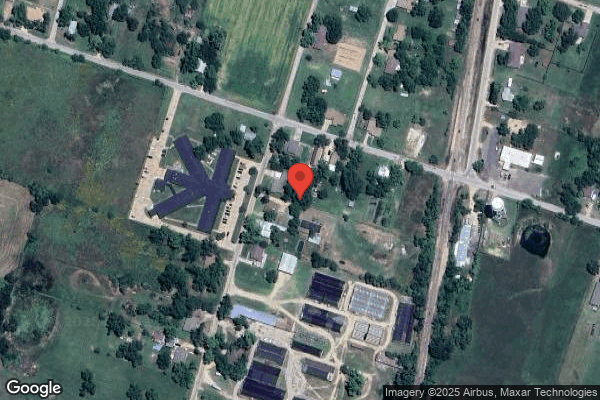
Apr 2024 10 deficiencies
CONCERN (D)

Potential for Harm - no one hurt, but risky conditions existed

Resident Rights (Tag F0550)

Could have caused harm · This affected 1 resident

**NOTE- TERMS IN BRACKETS HAVE BEEN EDITED TO PROTECT CONFIDENTIALITY** Based on observation, interview, and record review the facility failed to treat each resident with respect and dignity and provi...

Read full inspector narrative →
**NOTE- TERMS IN BRACKETS HAVE BEEN EDITED TO PROTECT CONFIDENTIALITY** Based on observation, interview, and record review the facility failed to treat each resident with respect and dignity and provide care in a manner that promoted maintenance or enhancement of their quality of life for one (Resident #7) of eight residents reviewed for rights. The facility failed to ensure the dining rights and dignity of Resident #7 by making her wait over ten minutes for lunch in the secure unit dining room after all other residents in the room were served their lunch. Resident #7 was also the only resident seated in the secure unit dining room at a table by herself. These failures placed residents at risk of a decline in their sense of dignity, level of satisfaction with life, and feelings of self-worth. Findings included: Review of Resident #7's Face Sheet dated 04/03/2024, reflected a 90 year of age female, who was admitted to the facility on [DATE]. Resident #7 was diagnosed with Dementia (loss of cognitive functioning - thinking, remembering, and reasoning - to such an extent that it interferes with a person's daily life and activities), Major Depressive Disorder (mental health condition that causes a persistently low or depressed mood and a loss of interest in activities that once brought joy), and Dysphagia (swallowing difficulties). Review of Resident #7's Optional State MDS assessment dated [DATE], revealed that she has a BIMS score of 6 indicating severe cognitive impairment. BIMS Section G. Functional Status for H. Eating revealed that Resident #7 required the physical assistance of one staff for eating. Review of Resident #7's Consolidated Care Plan indicated a Focus for ADL Self Care Goal for Resident #7 to maintain current level of function in Eating, with a target date of 4/11/2024, with an Intervention to encourage the resident to participate to the fullest extent possible with each interaction. Observation on 04/02/2024 at 12:55 PM, Resident #7 was seated in her wheelchair at a table by herself in the dining room of the facility's secure unit. Resident #7 was the only resident seated by herself and was the only resident that had not been provided with her lunch. Resident #7 appeared to become anxious as she looked around the room and observed the other residents eating lunch. Resident #7 started using her arms and pushing down on the wheelchair arms rails as if to get up but was not able to. Resident #7 was seen taking her right hand and placing it in her mouth and appeared to be lightly biting on her fingers. CNA B was observed providing in room lunches to the residents who remained in their rooms. At 1:10 PM, CNA B retrieved a lunch tray from the cart and brought it over to Resident #7, who she sat down by. Resident #7 was observed to immediately start eating without the immediate aide of CNA B. CNA B did stay with Resident #7 and assisted her with her drink and diced up her food. Interview on 04/02/2024 at 2:06 PM, CNA B stated that she could have used an additional person to help deliver lunches today and knew that Resident #7 was the only person who did not get their lunch in the dining room. CNA B stated that she assists Resident #7 with her meals and had to assist another resident in his room that she was afraid would fall. CNA B stated that Resident #7 can eat with little to no assistance at times but can also become very shaky and does require assistance with her meals, which is why she was not served with the other residents. CNA B stated that on this date LVN A did assist her but that she could have used an additional aide. CNA B stated that failure to serve Resident #7 with her lunch when others were served posed an issue with her dignity. Interview on 04/04/2024 at 11:55 AM, the ADON stated that all residents should be served at the same time or as close as possible. The ADON stated that Resident #7 waiting for ten minutes for her lunch after the other residents in the dining room were served was unacceptable and could lead to emotional distress for the resident. The ADON stated that Resident #7 does require assistance with meals but should not have waited as long as she did. The ADON stated that when Resident #7 becomes anxious she will place her hand in her mouth. Observation on 04/04/2024 at 12:20 PM, Resident #7 was now at a table with other residents and was served at the same times as those at the table. Interview on 04/04/2024 at 1:45 PM, LVN A stated that they should attempt to serve everyone in the dining room at the same time for dignity reasons. LVN A stated that on 04/02/2024 CNA B waited to serve Resident #7 because she shakes and requires assistance with her meals. Interview on 04/04/2024 at 2:42 PM, the DON stated that Resident #7 should not have had to wait for her lunch while others ate and that it could result in anxiety issue for the residents. Interview on 04/04/2024 at 2:54 PM, the ADM stated that residents should be served table by table but added that if they need assistance it could play a role in when they receive their meal. The ADM stated that failure to serve all residents as closely to each other as possible cold pose a dignity issue and was not fair for one resident to have to sit and watch another resident eating while they wait. Review of In-Service Training Report from 10/4/23 with Topic: Meal Service revealed, Residents at same table must be served at same time. Review of the facility's Dignity policy dated 02/2021 revealed, Policy Statement - Each resident shall be cared for in a manner that promotes and enhances his or her sense of well-being, level of satisfaction with life, and feelings of self-worth and self-esteem. Policy Interpretation and Implementation, 1. Residents are treated with dignity and respect at all times. Review of the facility's Resident Rights policy dated 02/2021 revealed, Policy Statement - Employees shall treat all residents with kindness, respect, and dignity. Policy Interpretation and Implementation, 1. Federal and state laws guarantee certain basic rights to all residents of this facility. These rights include the resident's right to: a. a dignified existence; b. be treated with respect, kindness, and dignity.
CONCERN (D)

Potential for Harm - no one hurt, but risky conditions existed

Comprehensive Care Plan (Tag F0656)

Could have caused harm · This affected 1 resident

**NOTE- TERMS IN BRACKETS HAVE BEEN EDITED TO PROTECT CONFIDENTIALITY** Based on interview and record review, the facility failed to develop a comprehensive care plan consistent with residents rights ...

Read full inspector narrative →
**NOTE- TERMS IN BRACKETS HAVE BEEN EDITED TO PROTECT CONFIDENTIALITY** Based on interview and record review, the facility failed to develop a comprehensive care plan consistent with residents rights and include the services to be furnished for one (Resident #3) of eight residents care plan reviewed for DNR and hospice. The facility failed to develop a comprehensive care plan consistent with resident rights because Resident#3's care plan indicated full code resulting in an inaccurate care plan. The facility failed to ensure that Resident #3's care plan reflected their choice of DNR (Do Not Resuscitate). The facility failed to ensure that Resident #3's care plan reflected that they were under Hospice Care. These failures could place residents at risk of not having their medical, physical, and psychosocial needs meet. Findings included: Review of Resident #3's Face Sheet dated [DATE] reflected a [AGE] year-old female admitted to the facility on [DATE] with the following diagnosis: Dementia (impaired ability to remember, think, or make decisions that interferes with doing everyday activities), Chronic Pulmonary Edema (condition in which too much fluid accumulates in the lungs, interfering with a person's ability to breathe normally), and Congestive Heart Failure (serious condition in which the heart does not pump blood as efficiently as it should). Resident #3's Face Sheet further reflected under Advance Directive DNR DO NOT RESUSCITATE but had no documentation in reference to Hospice Care. Review of Resident #3's Optional State MDS Assessment, dated [DATE] revealed Resident #3 had a BIMS Score of 04 indicating severe cognitive impairment. Review of Resident #3's Comprehensive Care Plan reflected, Focus * Full code CPR order in place, Dated Initiated: [DATE], Revision on: [DATE], Interventions/Tasks *Call 911 and innate CPR. Further review reflected no documentation of Resident #3 being under Hospice Care. Review of Resident #3's Consolidated Orders obtained on [DATE] reflected an active order from [DATE] for DNR DO NOT RESUSCITATE. Further review of Resident #3's Consolidated Orders did not reflect a current or past order for Hospice Care. Review of the facility's computerized resident record system revealed an OUT-OF-HOSPITAL DO-NOT RESUSCITATE (OOH-DNR) ORDER for Resident #3, which was formatted and signed off on by two physicians on [DATE]. Interview on [DATE] at 8:50 PM, Resident #3's RP was asked if Resident #3 was under Hospice Care due to her being 100 years-of-age. Resident #3's RP stated that she believed Resident #3 was placed on it today but due to her own medical issues had not been recently to the facility to confirm. Interview on [DATE] at 10:57 AM, MDS Coordinator stated that she is responsible for MDS and Care Plans. MDS Coordinator stated that care plans are to be updated for issues such as weight change, falls, behavior, pressure ulcers, and when questioned stated DNR and Hospice as well. MDS Coordinator stated that information is usually obtained from staff during the morning meetings and then she will update the care plan of the resident involved. MDS Coordinator stated that it is important to update care plans to ensure proper care and individualized care. MDS Coordinator stated that when a resident wishes to change from full code to DNR their plan needs to be updated. MDS Coordinator stated that when placed on Hospice the Charge Nurse on the day it takes place would need to notify her for care plan purposes. MDS Coordinator stated that she knew that Resident #3 was placed under Hospice Care on Monday, [DATE] with [HOSPICE PROVIDER]. MDS Coordinator retrieved the current care plan for Resident #3 and stated that she had failed to revise it to include Resident #3's DNR and Hospice status. MDS Coordinator stated that she was aware and was probably overwhelmed and just forgot. Interview on [DATE] at 11:55 AM, the ADON stated that she knew Resident #3 was placed on Hospice Care on Monday, [DATE] through [HOSPICE COMPANY]. The ADON stated that it is important to care plan DNR to ensure CPR is not preformed and that the Resident or their Responsible Party's wishes are honored. The ADON stated that LVN A was on duty Monday and would have taken care of Resident #3 and Hospice. The ADON stated that the MDS Coordinator is responsible for Care Plans. Interview on [DATE] at 1:45 PM, LVN B stated that he was present on Monday, [DATE] and took care of Resident #3 and the Hospice Provider. LVN B stated that normally there is an order for Hospice that is put in but that he could have done so on Monday, when it was started. LVN B stated that he failed to record Resident #3's Hospice on her progress report and should have done so. LVN B stated that Hospice Care should be placed on the care plan to let staff know who they are to report medical issues to and for care purposes. LVN B stated that care planning and knowledge of Hospice Care is also important due to possible medication changes and knowledge of staff coming to see Resident #3. LVN B stated that DNR should also be immediately care planned to ensure a resident's wishes are honored and that CPR is not performed on a DNR resident. Interview on [DATE] at 2:42 PM, the DON stated that DNR and Hospice Care needed to be placed on a resident's care plan immediately because staff are to utilize them to ensure proper care for the residents. The DON stated that failure to properly care plan could result in a resident's wishes not being honored and CPR being performed on a DNR resident. Review of the facility's Using the Care Plan policy dated 08/2006 revealed, Policy Statement - The care plan shall be used in developing the resident's daily care routines and will be available to staff personnel who have responsibility for providing care or services to the resident. Policy Interpretation and Implementation 4. Other facility staff noting a change in the resident's condition must also report those changes to the Nurse Supervisor and/or MDS Assessment Coordinator. 5. Changes in the resident's condition must be reported to the MDS Assessment Coordinator so that a review of the resident's assessment and care plan can be made. 6. Documentation must be consistent with the resident's care plan. Review of [HOSPICE PROVIDER] written coordination of care note, which was at the facility's nurse's station reflected, [DATE] 0945 Admit to [HOSPICE PROVIDER] Primary Dx: Alzheimer's Disease and was signed by the Hospice RN .
CONCERN (D)

Potential for Harm - no one hurt, but risky conditions existed

ADL Care (Tag F0677)

Could have caused harm · This affected 1 resident

**NOTE- TERMS IN BRACKETS HAVE BEEN EDITED TO PROTECT CONFIDENTIALITY** Based on observation, interview and record review, the facility failed to ensure a resident who was unable to carry out activiti...

Read full inspector narrative →
**NOTE- TERMS IN BRACKETS HAVE BEEN EDITED TO PROTECT CONFIDENTIALITY** Based on observation, interview and record review, the facility failed to ensure a resident who was unable to carry out activities of daily living receives the necessary services to maintain good nutrition, grooming and personal and oral hygiene for 2 of 15 residents (Residents #95 and #23) reviewed for ADLS. A. Resident #95's adult pull-up was soiled with feces, and she stated she had not been changed since the previous evening. B. Resident #23's top sheet had feces on it and his adult brief and under pad were soiled with feces. His left hand was contractured with long fingernails. These failures could place residents at risk of skin breakdown, pain, infection, and loss of self-esteem. Findings included: A. Record review of the undated Face Sheet for Resident #95 reflected she was a [AGE] year-old female admitted to the facility on [DATE] with diagnoses of Pneumonia (infection that inflames air sacs in one or both lungs which may fill with fluid), Acute Respiratory Failure with Hypoxia (lack of enough oxygen in blood which can cause shortness of breath, confusion, and a bluish tint in the lips) and Type 2 Diabetes Mellitus (a long term condition in which the body has trouble controlling blood sugar and using it for energy) and autonomic polyneuropathy (damage to the nerves that control automatic body functions). Record review of the MDS section in Resident #95's chart reflected her initial one was in progress. Record review of Resident #95's Care Plan dated 04/02/2024 reflected she had an ADL self-care deficit and required staff participation to use the toilet. In an interview on 04/02/2024 at 9:00 AM Resident #95 stated her diaper had not been changed since last night and it was soiled. Observation on 04/02/2024 at 9:30 AM of Resident #95's adult pull-up brief revealed it was soaked with urine and a loose bowel movement. There was a dressing on her sacral area dated 03/26/2024 with feces under the bottom edge of it. In an interview on 04/02/2024 at 4:14 PM CNA C stated he had cleaned Resident #95 that morning at approxiamtely 9:30 AM after caring for another resident and the ADON had removed the soiled dressing on her sacrum. He stated there was nothing under there. He stated she was getting cream applied to her perineal area. B. Record review of Resident #23's undated Face Sheet reflected he was a [AGE] year-old male admitted to the facility on [DATE] and readmitted on [DATE] with diagnoses of Cerebral Infarction (brain stroke) and need for assistance with personal care. Record review of the Quarterly MDS for Resident #23 dated 02/17/2024 reflected he had a BIMS score of 6 indicating severe cognitive impairment. His functional abilities and goals reflected he was dependent for toileting hygiene. His bowel assessment indicated he was always incontinent of bowel. Record review of the Care Plan for Resident #23 dated 04/02/2018 and revised on 09/11/2019 reflected he had an ADL self-care deficit. Toilet use: The resident requires extensive assistance of 1-2 staff participation to use toilet. Personal hygiene requires 1-2 staff participation with personal hygiene. Observation and interview on 04/02/2024 at 9:05 AM of Resident #23 who had feces on his top sheet that he was holding up to his face and feces on his under pad. His left hand was contractured and when he was asked to open his left hand, all of his fingernails were ½ to ¾ inch long past his fingertips. His left palm was reddened but there was no open skin. He stated no when asked if he had been changed that morning. CNA C came into the room and stated he had worked at the facility three years in June of 2023. He stated he had been late to work that morning and was trying to catch up on caring for the residents. He was observed changing Resident #23 whose brief was full of overflowing, loose feces. In an observation and interview on 04/02/2024 at 10:15 AM LVN E opened Resident #23's left hand and noted he had long fingernails and redness to his palm but no open areas. She stated he was a diabetic and she and other nurses were responsible for cutting his nails. She had no explanation as to why his nails had not been trimmed. In an interview on 04/04/2024 at 11:50 AM the ADON stated the 200-hall aide was late to work on the 04/02/2024, but they should have had someone working on the hall. She stated she did the scheduling, but the charge nurse could have called her. She further stated by the time she could have gotten a replacement staff the other staff would have shown up. She stated the charge nurse could have made rounds and ensured the residents were clean and dry. She stated there were nurses and an MA on duty as well who could have helped on that hall. She stated her expectation was the nurses would assist with resident care. She stated the potential risk to the resident of laying in feces was they could ingest it, could get bedsores, or get UTIs. In an interview on 04/04/2024 at 12:12 PM the DON stated the aides should be doing rounds every 2 hours and the nurses can change residents as well. The issue with not changing can be MASD and UTIs. She stated it was an infection control issue. In an interview on 04/04/2024 at 12:15 PM the Regional RN stated aides were supposed to make rounds after breakfast and change the residents as needed. She further stated Resident #23 could get an injury, infections, or skin breakdown by having long fingernails and a contractured hand. In an interview on 04/04/2024 at 2:24 PM the ADM stated staff should be doing rounds on the residents every 2 hours and prn to check and change them. He stated the potential risk of not doing that was a loss of dignity and infections. He stated the nurses should be trimming the diabetic residents' nails. He stated long nails could be a danger to themselves or others. Record review of a facility policy and procedure titled Activities of Daily Living dated 2001 and revised March 2018 reflected Residents will be provided with car, treatment, and services as appropriate to maintain or improve their ability to carry out activities of daily living (ADLS). Residents who are unable to carry out activities of daily living independently will receive the services necessary to maintain good nutrition, grooming and personal and oral hygiene. 2. Appropriate care and services will be provided for residents who are unable to carry out ADLS independently with the consent of the resident and in accordance with the plan of care, including appropriate support and assistance with: a. Hygiene (bathing, dressing, grooming and oral care). c. Elimination (toileting).
CONCERN (D)

Potential for Harm - no one hurt, but risky conditions existed

Accident Prevention (Tag F0689)

Could have caused harm · This affected 1 resident

**NOTE- TERMS IN BRACKETS HAVE BEEN EDITED TO PROTECT CONFIDENTIALITY** Based on observation, interview and record review, the facility failed to ensure each resident received adequate supervision and...

Read full inspector narrative →
**NOTE- TERMS IN BRACKETS HAVE BEEN EDITED TO PROTECT CONFIDENTIALITY** Based on observation, interview and record review, the facility failed to ensure each resident received adequate supervision and assistance devices to prevent accidents for 1 of 5 resident (Resident #31) reviewed for fall mats. The facility failed to ensure Resident #31 had a fall mat in place beside her bed. This failure could place residents at risk of falls, injuries, pain, and hospitalization. Findings included: Record review of Resident 31's undated Face Sheet reflected she was a [AGE] year-old female admitted to the facility on [DATE] and readmitted on 01/03 /2024 with a diagnosis of Cognitive Communication Deficit (difficulty with thinking and how someone uses language) and repeated falls. Record review of Resident #31's Comprehensive MDS dated [DATE] reflected she had a BIMS score of 99 indicating she was unable to complete the interview. Her functional abilities and goals indicated she was dependent on staff for chair/bed-to-chair transfer. Her additional active diagnoses included fall from or off toilet with strike. Record review of the Care Plan for Resident #31 dated 01/17/2023 and revised on 05/05/2023 reflected she had frequent falls prior to and after admission. Actual falls: 02/07/2023 in room next to bed, 02/15/2023 sitting on floor in room, 02/21/2023 attempting self-transfer in common area, witnessed, 03/04/2023 witnessed self-transfer in common area, 04/15/2023 unwitnessed fall, no injury, sitting on mat beside low bed, 04/18/2023 unwitnessed fall, no injury, sitting on mat beside bed. On 02/15/2023 an intervention was floor mats on floor beside bed while resident is in the bed. Observation on 04/02/2024 at 12:47 PM in Resident #31's room revealed she was in her bed and her fall mat was not beside her bed. In an interview on 04/04/2024 at 12:02 PM the ADON stated Resident #31 was a fall risk and anyone who worked with her should know she had a history of falls. She stated her fall mat should always have been put back in place beside her bed. In an interview on 04/04/2024 at 12:21 PM the DON stated fall mats should be in place, flushed against the bed to prevent fall injuries including head injuries and brain bleeds. In an interview on 04/04/2024 at 12:28 PM the Regional RN stated not using the fall mats properly could result in an injury to the residents. In an interview on 04/04/2024 at 2:29 PM the ADM stated Resident #31 had falls due to confusion and she thought there was something on the floor she needed to pick up. He stated Resident #31 had an order for a fall mat to minimize the severity of a fall. Record review of a facility policy and procedure titled Falls and Fall Risk, Managing dated 2001 and revised March 2018 reflected Based on previous evaluations and current data, the staff will identify interventions related to the resident's specific risks and causes to try to prevent the resident from falling and to try to minimize complications from falling. 2. Resident conditions that may contribute to the risk of falls include: c. delirium and other cognitive impairments.
CONCERN (D)

Potential for Harm - no one hurt, but risky conditions existed

Respiratory Care (Tag F0695)

Could have caused harm · This affected 1 resident

**NOTE- TERMS IN BRACKETS HAVE BEEN EDITED TO PROTECT CONFIDENTIALITY** Based on observation, interview, and record review, the facility failed to ensure that a resident who needs respiratory care, is...

Read full inspector narrative →
**NOTE- TERMS IN BRACKETS HAVE BEEN EDITED TO PROTECT CONFIDENTIALITY** Based on observation, interview, and record review, the facility failed to ensure that a resident who needs respiratory care, is provided such care, consistent with professional standards of practice for 1 (Resident #3) of 5 residents reviewed for respiratory care. The facility failed to ensure that Resident #3's Nebulizer tubing and mask, which includes the nebulizing chamber (unit into which liquid medicine is converted into aerosol or mist by the pressurized air pumped through the tubing) was dated. The facility failed to ensure that Resident #3's Nebulizer mask was properly bagged when not in use. These failures could place residents at risk for respiratory compromise and infection. Findings included: Review of Resident #3's Face Sheet dated 03/03/2024 reflected a [AGE] year-old female admitted to the facility on [DATE] with the following diagnosis: Dementia (impaired ability to remember, think, or make decisions that interferes with doing everyday activities), Chronic Pulmonary Edema (condition in which too much fluid accumulates in the lungs, interfering with a person's ability to breathe normally), and Congestive Heart Failure (serious condition in which the heart does not pump blood as efficiently as it should). Review of Resident #3's Optional State MDS Assessment, dated 01/26/2024 revealed Resident #3 had a BIMS Score of 04 indicating severe cognitive impairment. Review of Resident #3's Comprehensive Care Plan revealed a focus area dated 02/01/2024, [Resident #3] has Asthma r/t Dx , Unsp ASTHMA (condition in which airways narrow or swell and may produce extra mucus, which can make breathing difficult), uncomplicated. Intervention with a revision date of 02/01/2024 indicated, Give nebulizer treatments and oxygen therapy as ordered. Review of Resident #3's Consolidated Physician Orders reflected an order dated 03/14/2024, Ipratropium-Albuterol Inhalation Solution .05-2.5 (3) MG/3ML), Directions - 1 application inhale orally three times a day for congestion. There was no order for the care of Resident #3's Nebulizer mask, chamber, or tubing. Observation on 04/02/2024 at 2:19 PM, Resident #3 was asleep in her bed and was under droplet precaution for COVID (highly contagious respiratory disease). Resident #3 had a nebulizer on her nightstand with tubing, nebulizing chamber, and mask. Resident #3's mask had dried moisture spots on the inside of it. Resident #3's nebulizer mask and chamber were in a plastic bag, but the bag had an approximate two-inch by two-inch whole in it that allowed air and particles into it. Resident #3's nebulizer tubing, mask, and chamber did not display a date on any of them. Observation on 04/03/2024 at 10:23 AM, Resident #3's moisture spotted mask and chamber were still present in the plastic bag with a hole in it. The tubing now had a pink tag on it where it came out of the nebulizer that displayed a date of 4/3/24. There was a sealed bag containing a handheld nebulizer mouthpiece with chamber on the nightstand. Interview and observation on 04/03/2024 at 11:01 AM, ADON A was taken in the room of Resident #3 to view her nebulizer. ADON A stated that she did not place the pink sticker and date on the tubing. ADON A stated that the date the mask was changed out should be on the nebulizer chamber and that the bag it is stored in should not have a hole in it. ADON A stated that she did not understand why the sealed nebulizer handheld mouthpiece was present because Resident #3 uses a mask nebulizer. ADON A stated that all nebulizer tubing and mask are to be dated and changed out weekly and that they are to be bagged when not in use. ADON A stated that failure to properly change, date, and bag nebulizer equipment could result in respiratory infection. Interview on 04/04/2024 at 10:15 AM, the ADM stated that per their policy oxygen / nebulizer tubing and mask should be dated and changed out weekly. The ADM stated that mask should always be bagged when not in use and that use of a bag with a hole in it was unacceptable. The ADM stated their policies should be followed and that they are in place to prevent Upper Respiratory Infection . Review of facility's In-service records for the past six months revealed no training in reference to Oxygen / Nebulizer care. Record Review of facility Administration of Oxygen and Maintenance of Tubing and Equipment Policy dated 10/2017 revealed, Maintenance of Tubing and Equipment 1) Tubing will be kept in a bag when not in use. 2) Tubing will be dated, and will be changed weekly.
CONCERN (E)

Potential for Harm - no one hurt, but risky conditions existed

Safe Environment (Tag F0584)

Could have caused harm · This affected multiple residents

**NOTE- TERMS IN BRACKETS HAVE BEEN EDITED TO PROTECT CONFIDENTIALITY** Based on observation, interviews, and record review, the facility failed to provide maintenance services necessary to maintain a...

Read full inspector narrative →
**NOTE- TERMS IN BRACKETS HAVE BEEN EDITED TO PROTECT CONFIDENTIALITY** Based on observation, interviews, and record review, the facility failed to provide maintenance services necessary to maintain a safe, sanitary, orderly, and comfortable interior for four (room [ROOM NUMBER], 406, 411, and 412) of eleven rooms reviewed for environmental conditions. The facility failed to cut down and cap the two mounting bolts that secure the toilet's base to the floor, which ensures that the toilet does not move or leak in room [ROOM NUMBER], 406, 411, and 412. The facility failed to ensure that room [ROOM NUMBER]'s heat lamp control panel was covered and had a knob to activate the heat lamp and adjust the time of use. These failures could place residents at risk of living in an unsafe, unhomelike, and uncomfortable environment. Findings included: Observation on 04/02/2024 at 10:56 AM, room [ROOM NUMBER]'s bathroom toilet had the two base mounting bolts exposed and not capped. The bathroom had an electric control box present under the light switch that had no cover (faceplate) or knob to identify the intent use or ability to utilize it. The electric control box did not have any exposed wires present. Observation on 04/02/2024 at 11:20 AM, room [ROOM NUMBER]'s bathroom toilet had the two base mounting bolts exposed with some rust present and were not capped. Observation on 04/02/2024 at 11:33 AM, room [ROOM NUMBER]'s bathroom toilet had the two base mounting bolts exposed with some rust present and were not capped. Observation on 04/02/2024 at 1:57 PM, room [ROOM NUMBER]'s bathroom toilet had the two base mounting bolts exposed and were not capped. Observation on 04/04/2024 at 8:38 AM, room [ROOM NUMBER]'s bathroom toilet had the two base mounting bolts exposed and were not capped. The electronic control box now had a cover (faceplate) on it that indicated it was for the bathroom's heat lamp timer. The control box did not have a knob on it to control the timer. Observation on 04/04/2024 from 8:41 AM through 8:51 AM revealed that room [ROOM NUMBER], 411, and 412's toilet bowl mounting bolts remained uncut and not capped. Interview and observation on 04/04/2024 at 11:25 AM, the AD stated that he was the facilities maintenance person until recently when he became the AD. The AD stated that he assisted with maintenance issues but that the ADM handles the responsibility. The AD stated that the facility must be maintained because this is the residents' home, and it should be kept that way. The AD stated that if something is broken it needs to be fixed because that is what he would want in his home. At 11:28 AM, the AD entered the bathroom of room [ROOM NUMBER] and stated that he did not put the cover (faceplate) on the electric control box but stated that it should have a knob. The AD stated that the mounting bolts for the toilet base should be cut down and capped. The AD stated that the bolts needed to be cut and capped to prevent a resident from contacting them and possibly injuring themselves. The AD stated that the bolt caps also make the toilet look better and would be standard for a toilet install. Interview and observation on 04/04/2024 at 11:35 AM, the ADM stated that he currently is responsible for maintenance of the facility. The ADM stated that it is his goal for the facility and the resident rooms to be just like home. At 11:37 AM, the ADM entered the bathroom of room [ROOM NUMBER] and stated he put the cover (faceplate) on the electric control box on 04/02/24 or 04/03/2024 and should have installed a knob on it as well. The ADM was shown the exposed toilet base bolts and stated they are there to hold the toilet in place. The ADM stated that the bolts should have been cut down and when asked if they should be capped he stated that they could be. Surveyor demonstrated a resident stepping towards the toilet and placed a foot by one of the bolts. The ADM stated that now he could see the issue and did not want a resident to injure themselves. The ADM stated that he was going to ensure that all bolts were cut and capped. Review of the facility's Maintenance Service policy dated 12/2009 revealed, Policy Statement - Maintenance service shall be provided to all area of the building, grounds, and equipment. Policy Interpretation and Implementation, 1. The Maintenance Department is responsible for maintaining the buildings, grounds, and equipment in a safe and operable manner at all times. 2. Functions of maintenance personnel include, but are not limited to: b. Maintaining the building in good repair and free from hazards. D. Maintaining the heat/cooling system, plumbing fixtures, wiring, etc., in good working order. Review of how-to install a toilet through https://www.[NAME].com/n/how-to/replace-a-toilet revealed, make sure the nuts are firm but don't tighten them too much; the bowl could crack. Then use a [NAME] saw to cut off the excess bolt. Snap on the caps. Further review revealed, toilet bolt caps cover up rusted or protruding toilet floor bolts, which will help update the look of the bathroom and secure safety of your family.
CONCERN (E)

Potential for Harm - no one hurt, but risky conditions existed

Pharmacy Services (Tag F0755)

Could have caused harm · This affected multiple residents

Based on interview and record review, the facility failed to provide pharmaceutical services including procedures that assure the accurate acquiring, receiving, dispensing, and administering of all dr...

Read full inspector narrative →
Based on interview and record review, the facility failed to provide pharmaceutical services including procedures that assure the accurate acquiring, receiving, dispensing, and administering of all drugs and biologicals to meet the needs of each resident, for 2 of 2 halls narcotic logbooks (Halls 200 and 500) reviewed for drug administration. The facility failed to ensure nurses signed the narcotic logbook counts on two medication carts. This failure could have resulted in drug diversions and the inability of residents/staff to determine the time frame of the potential drug diversion. Findings included: Record review of 200 hall and 500 hall narcotic logbooks on 04/03/2024 at 11:45 AM reflected omissions of signatures verifying counts of narcotics. On the 200 hall, omissions included 04/01/2024 the 6:00 PM to 6:00 AM shift and 04/02/2024 the 6:00 AM to 6:00 PM shift. On the 500 hall, omissions included 03/14/2024 the 6:00 PM to 6:00 AM shift, 03/15/2024 the 6:00 PM to 6:00 AM shift, 03/19/2024 the 6:00 PM to 6:00 PM shift and 04/02/2024 the 6:00 AM to 6:00 PM shift. In an interview on 04/03/2024 at 11:50 AM MA D of 200 hall stated he told the staff all the time that they needed to be signing off on the narcotics logs. In an interview on 04/03/2024 at 11:55 AM the Regional RN stated there were two shifts and the nurses must have just missed signing off on the narcotics logs. In an interview on 04/03/2023 at 1:49 PM the ADON stated that moving forward the narcotic logbooks would be checked daily by herself and the DON. She stated all nurses and MAs are instructed to have two staff sign off and count narcotics each oncoming and off going shift upon hire, and it should be common knowledge. She further stated the potential risk of not counting or signing off on narcotics was drug diversion. In an interview on 04/04/2024 at 12:10 PM the ADON stated she was responsible for checking the narcotic log and she had overlooked that task. She stated the log showed the narcotics had been counted and if not completed there could potentially be a drug diversion. In an interview on 04/04/2024 at 12:18 PM the DON stated she was responsible for ensuring the narcotic inventory log was signed by two nurses and she would start making rounds to make sure it was completed. She stated the drug count could be off and there could be drug diversion. She stated she had given an in-service but would be in-servicing staff again. In an interview on 04/04/2024 at 12:27 PM the Regional RN stated the nurses should be counting the narcotics and signing their name every shift. She stated the DON and ADON were responsible for ensuring the nurses were completing that task and if not done it could result in a drug diversion. In an interview on 04/04/2024 at 2:27 PM the ADM stated there would be a POC in place with the DON to ensure the narcotics were being counted and one nurse needs to check on another. He stated the ADON, or a designee needed to be checking the log for signatures and the potential risk of not doing that task was drug diversion. Record review of a facility policy and procedure titled Controlled Substances and dated 2001 and revised April 2019 reflected The facility complies with all laws, regulations, and other requirements related to handling, storage, disposal, and documentation of controlled substances. 8. Controlled substances are reconciled upon receipt, administration, dispositions and at the end of each shift. 12. At the end of each shift: a. Controlled medications are counted at the end of each shift. The nurse coming on duty and the nurse going off duty determine the count together.
CONCERN (E)

Potential for Harm - no one hurt, but risky conditions existed

Deficiency F0761 (Tag F0761)

Could have caused harm · This affected multiple residents

Based on observation, interview and record review the facility failed to ensure medications and biologicals were stored in locked compartments for 1 of 1 treatment carts reviewed for medication storag...

Read full inspector narrative →
Based on observation, interview and record review the facility failed to ensure medications and biologicals were stored in locked compartments for 1 of 1 treatment carts reviewed for medication storage. The facility failed to ensure nursing staff locked a treatment cart for 50 minutes while it was located at the nurse's station and facing hall 500. This failure could have resulted in harm due to unauthorized access to medications, biologicals, and needles. Findings included: Observation on 04/03/2024 at 7:10 AM revealed a treatment cart was left unlocked next to the nurse's station and facing 500 hall. Observation on 04/03/2024 at 8:00 AM of the unlocked treatment cart facing hall 500. Contents included: Hydrophilic (substance that absorbs water) wound dressing, hypodermic (relating to the region beneath the skin) needles 22 G, infection control cleanser, no rinse for body and perineal area. Warning: external use only in case of eye contact, flush eyes with water, Hydrocortisone (steroid) cream, 1%, medicated corn removers, salicylic acid 40% (helps skin shed dead skin cells from the top layer). If swallowed get medical help or contact poison control center right away. Povidone iodine swab stick, antiseptic (prevents growth of disease-causing germs) germicide (kills germs). Do not use in the eyes or over large areas of the body. Keep out of reach of children, if swallowed get medical help or call poison control right away. 1/2 strength Sodium Hypochlorite (bleach) solution for wound care, Keep out of reach of children if swallowed get medical help or contact poison control center. In an interview on 04/03/2024 at 8:25 AM LVN E stated she had worked at the facility for over a year. She stated it was her treatment cart, but she had not performed any treatments that morning. She stated she should have checked the cart to see if it was locked. She stated a resident could have ingested one of the items and been injured or could have had an allergic reaction and required hospitalization. She stated a resident could have stabbed themselves or other residents with the needles. She stated she had received initial training on locking carts when she hired on. She further stated she would start checking both carts (medication and treatment) when she arrived at the facility. In an interview on 04/04/2024 at 11:42 AM the ADON stated the treatment cart should be locked up at all times. She stated nurses are trained on that and they had started a re-education on locking the carts. She stated the potential risk of leaving the treatment cart open was a resident could have obtained a needle and stuck themselves or they could have ingested something and caused an adverse reaction. She further stated the residents could have placed one of the items in the cart in their eyes and caused burning or an adverse reaction. In an interview on 04/04/2024 at 12:10 PM the DON stated nurses should lock the treatment cart before they walk away. She stated the risk to a resident was they could ingest a substance, rub it in their eyes or poke themselves with the needles. She further stated they could have an allergic reaction. In an interview on 04/04/2024 at 12:15 PM the Regional Nurse stated the treatment cart should be locked at all times when not in use. She stated the resident could have obtained one of the needles and received a needle stick. She stated the needles may have been left on there from when they gave flu shots. She further stated the resident could get a skin burn or ingestion of one of the substances could make them sick. In an interview on 04/04/2024 at 2:21 PM the ADM stated the treatment cart should be locked for the resident's safety. He stated a resident could have been stuck by one of the needles, someone could steal items, or a resident could have ingested the substances or placed them in their eyes causing illness. Record review of a facility policy and procedure titled Storage of Medication dated 2001 and revised November 2020 reflected The facility stores all drugs and biologicals in a safe, secure, and orderly manner. 6. Compartments (including, but not limited to drawers, cabinets, rooms, refrigerators, carts, and boxes) containing drugs and biologicals are locked when not in use. Unlocked medications are not left unattended.
CONCERN (F)

Potential for Harm - no one hurt, but risky conditions existed

Deficiency F0727 (Tag F0727)

Could have caused harm · This affected most or all residents

Based on interview and record review, the facility failed to use the services of a Registered Nurse for at least 8 consecutive hours a day, 7 days a week on 22 out of 22 weekends reviewed for RN cover...

Read full inspector narrative →
Based on interview and record review, the facility failed to use the services of a Registered Nurse for at least 8 consecutive hours a day, 7 days a week on 22 out of 22 weekends reviewed for RN coverage. The facility did not have an RN in the facility for 8 hours on every weekend from 11/4/2023 through 03/31/2024. This failure could place residents at risk for lack of continuity of care and the level of care provided by the oversight of an RN. Findings included: Record review of RN Weekend Coverage and time sheets reflected the facility did not have a Registered Nurse working 8 consecutive hours every weekend from 11/4/2023 through 03/31/2024. In an interview on 04/04/2024 at 11:59 AM the ADON stated they had an ad in a popular website dedicated to hiring professional staff for a weekend RN position. In an interview on 04/04/2024 at 12:16 PM the Regional RN stated they had hired a weekend RN, but she only worked one day and then said it was too much work as they expected them to work as a floor nurse. She stated they had advertised and offered bonuses to get agency RNs to fill the position with no luck. She stated the potential risk to residents was the quality of care and a lack of oversight. She stated they had a telehealth contract for medical professionals including RNs that could be contacted. In an interview on 04/04/2024 at 2:25 PM the ADM stated they had not requested a nursing waiver for the weekend RN position; they had been looking hard for a weekend RN and used a headhunter who did the hiring. He stated they placed ads on a website for professional staff. He further stated the risk to the residents was LVNs can follow orders, but RNs have extra training and need to supervise them. Record review of an undated facility policy and procedure titled Staffing reflected Our facility provides sufficient numbers of staff with the skills and competency necessary to provide care and services for all residents in accordance with resident care plans and the facility assessment. Policy Interpretation and Implementation. An RN is available for coverage 8 hours a day, 7 days a week.
CONCERN (F)

Potential for Harm - no one hurt, but risky conditions existed

Food Safety (Tag F0812)

Could have caused harm · This affected most or all residents

Based on observation, interview, and record review, the facility failed to store, prepare, distribute, and serve food under sanitary conditions in the facility's only kitchen reviewed for sanitation. ...

Read full inspector narrative →
Based on observation, interview, and record review, the facility failed to store, prepare, distribute, and serve food under sanitary conditions in the facility's only kitchen reviewed for sanitation. The facility failed to label and date meat products stored in the facility's walk-in freezer. The facility failed to ensure that food products were not stored on the floor in the walk-in freezer. The facility failed to remove dented cans from the dry storage area to prevent service to residents. The facility failed to clean the industrial can opener. The facility failed to maintain cleanliness of the dining plate storage cart. These failures could place residents at risk of cross contamination, loss of nutritional value, weight loss, and foodborne illness. Findings included: Observation on 04/02/2024 at 9:09 AM of the facility's walk-in freezer revealed: Sealed box of cauliflower florets (flower-shaped pieces that make up the head of the cauliflower and are connected together) consisting of 12 - two pounds packs which was on the floor, a wrapped frozen turkey on the floor, and a tied plastic bag of chicken breast on the floor. On the bottom shelf in the freezer were unlabeled and undated meat products. Observation on 04/02/2024 at 9:16 AM of the facility rolling can holder in the dry storage area revealed: 1 - six pound can of blackeye peas dated 9/29 with two dents in the side of the can near the bottom, and 1 - six pound can of whole kernel corn dated 3/29/24 with a dent near the top and partially affecting the top ring of the can. Observation on 04/02/2024 at 9:31 AM of the facility's industrial can opener revealed that it was sticky to the touch and had a dried and wet black substance on and around the cutting blade. Observation on 04/02/2024 at 9:33 AM of the facility's dining plate storage cart revealed that it had dirt and dried food particles on it in the immediately area of the plates. Interview on 04/02/2024 at 9:34 AM, the DM stated that their can opener should be cleaned weekly and stated upon inspection that it had not been. The DM stated that the failure to properly clean the can opener could result in cross contamination. The DM upon inspection of the dining plate cart stated that it was not sanitary and could lead to cross contamination. The DM upon inspection of the two dented cans stated it could result in issues of rust and cross contamination and should not have been placed on the rolling cart for service. The DM stated that all items are to be labeled when they are delivered and when they are opened. The DM stated that all items should be clearly labeled if they are not in a container that identifies the contents. The DM stated that it was important to date and label products to know how long they have been in the refrigerator or freezer and to ensure the proper product is being cooked. At 9:42 AM, the DM entered the freezer and stated that nothing should be stored on the floor. The DM stated that all meat products stored on the shelf in the freezer should have been labeled and dated. The DM verbally identified and removed the following unlabeled and undated items from the freezer: 14 plastic bags of chicken breast, 5 packages of beef tips, 4 plastic bags of hamburger patties, and 3 packages of diced chicken breast. The DM stated that the way the items were stored and frozen could result in a loss of nutritional value, freezer burn, loss in taste, and food borne illnesses. Interview on 04/03/2024 at 10:45 AM, Dietary Aide stated that all products should be dated the day they are received. Dietary Aide stated all products in the refrigerator and freezer should be labeled and dated. Dietary Aide stated that failure to do so could result in freezer burn, could affect task, loss of nutritional value, and could make someone sick if spoiled. Dietary Aide stated that dented cans are not to be served and should be placed in the DM's office because the damage could result in contamination. Dietary aide stated that the industrial can opener is to be cleaned daily and that failure to do so could result in contamination of food products. Interview on 04/04/2024 at 2:54 PM, the ADM stated that all food products should be dated to ensure freshness. The ADM stated that no dented cans should be accepted and if they are they should not be placed on the shelf and should be returned because they could be contaminated. The ADM stated that failure to follow their labeling and storage policies could result in food borne illnesses. Record review of facility's in-service revealed training by the DM on 1/16/2024 for, Topic: Storage & Labeling, Contents and Summary of In-Service/Training Session: How long to keep open items, Dating & Labeling open bags, open dates on containers that aren ' t used all at once, sealing all open bags. Record review of the facility's Food Receiving and Storage Policy, revised in October of 2017 revealed, Policy Statement - Foods shall be received and stored in a manner that complies with safe food handling practices. Policy Interpretation and Implementation 2. When food is delivered to the facility it will be inspected for safe transport and quality before being accepted. 8. All foods stored in the refrigerator or freezer will be covered, labeled and dated (use by date). Review of the Food and Drug Administration Food Code, dated 2022, reflected, .3-302.12 Food Storage Containers, Identified with Common Name of Food. Except for containers holding food that can be readily and unmistakably recognized such as dry pasta, working containers holding food, or food ingredients that are removed from their original packages for use in the food establishment, such as cooking oils, flour, herbs, potato flakes, salt, spices, and sugar shall be identified with the common name of the food 3-305.11 Food Storage.(B) .refrigerated, ready-to eat time/temperature control for safety food prepared and packaged by a food processing plant shall be clearly marked, at the time the original container is opened in a food establishment and if the food is held for more than 24 hours, to indicate the date or day by which the food shall be consumed on the premises, sold, or discarded, based on the temperature and time combinations specified in (A) of this section and: (1) The day the original container is opened in the food establishment shall be counted as Day 1; and (2) The day or date marked by the food establishment may not exceed a manufacturer's use-by date if the manufacturer determined the use-by date based on food safety
Feb 2023 7 deficiencies
CONCERN (D)

Potential for Harm - no one hurt, but risky conditions existed

Pharmacy Services (Tag F0755)

Could have caused harm · This affected 1 resident

Based on observation, interview and record review, the facility failed to ensure expired/discontinued medications were removed and destroyed for 1 of 1 medication storage rooms reviewed for medication...

Read full inspector narrative →
Based on observation, interview and record review, the facility failed to ensure expired/discontinued medications were removed and destroyed for 1 of 1 medication storage rooms reviewed for medications. The facility failed to remove two bottles of expired medication from the medication storage room. This failure could place all residents at an increased risk of receiving expired medication resulting in adverse health consequences. Findings include: Observation and interview on 02/14/2023 at 2:00 PM in the medication storage room revealed two bottles of Vitamin E 180 mg with expiration dates of 09/2022. LVN A stated she checked the medications for expiration dates, but she must have missed a couple. She stated she was not assigned to check for expiration dates, but she wasn't aware of anyone else doing it. Interview on 02/16/2023 at 10:00 AM DON stated the ADON is responsible for ensuring meds are not expired and was supposed to do it every week and rotate the stock. She further stated the potential risk of expired medications is the potency would be decreased. Interview on 02/16/2023 at 10:12 AM ADON stated she was ultimately responsible for ensuring expired medications were removed and tried to check them one time a month but there was no set schedule. She further stated the potential risk of expired medications was they could lose their potency and would not do what they were intended to do. Interview on 02/16/2023 at 11:44 AM with the ADMIN who stated the ADON, and a pharmacy consultant were responsible for ensuring meds are not expired. He further stated there was a chance the expired meds would not be as effective if given to a resident. Review of a facility policy titled Storage of Medication dated 2001 and revised November 202 reflected The facility stores all drugs and biologicals in a safe, secure, and orderly manner. Discontinued, outdated, or deteriorated drugs or biologicals are returned to the dispensing pharmacy or destroyed.
CONCERN (D)

Potential for Harm - no one hurt, but risky conditions existed

Deficiency F0806 (Tag F0806)

Could have caused harm · This affected 1 resident

**NOTE- TERMS IN BRACKETS HAVE BEEN EDITED TO PROTECT CONFIDENTIALITY** Based on observations, interviews, and record reviews, the facility failed to ensure each resident received appealing options of...

Read full inspector narrative →
**NOTE- TERMS IN BRACKETS HAVE BEEN EDITED TO PROTECT CONFIDENTIALITY** Based on observations, interviews, and record reviews, the facility failed to ensure each resident received appealing options of similar nutritive value to residents who choose not to eat food that is initially served or who request a different meal choice for one resident (Resident #17) out of 12 residents reviewed for substitutes. The facility failed to offer Resident #17 an appealing option of similar nutritive value when he did not eat the food initially served to him. These failures could place residents at risk for weight loss, decreased oral intake and poor quality of life. Findings included: Review of Resident #17's face sheet dated 02/16/2023 revealed Resident #17 was a [AGE] year old male admitted to the facility on [DATE] with a diagnoses respiratory failure, atrial fibrillation (abnormal heart rhythm), chronic kidney disease, high blood pressure, congestive heart failure (weakening of the heart muscle), depression and edema (excess fluid collection in tissues related to congestive heart failure). Review of Resident #17's in progress quarterly MDS assessment dated [DATE] revealed Resident #17 had a BIMS score of 11 to indicate moderately impaired cognition. Resident #17 was noted to receive a therapeutic diet with no recent weight loss. Review of Resident #17 care plan dated 04/12/2019 revealed Resident #17 received a No Salt on Tray Diet, regular consistency with interventions to include provide, serve diet as ordered. Monitor intake and record each meal . RD to evaluate and make diet change recommendation as needed .Weigh per facility protocol. In an interview on 02/14/2023 at 11:20 AM, Resident #17 stated he did not care for the food sometimes. He said the food had no seasoning or flavor most of the time and he did not like it. When asked if he was offered different food as a substitute, he said no. When asked if he was offered a health shake or other alternative when he did not eat the meal, he said no. He said he did not know he could ask for a substitute or alternative. In an observation on 02/14/2023 at 1:10 PM, Resident #17's plate had mashed potatoes, okra and tomato mix, chocolate and banana pudding dessert remaining on the tray. In a follow-up interview on 02/14/2023 at 1:12 PM, Resident #17 stated he only ate the pork chop at the meal and the roll. He did not like the rest of the food. When asked if he was offered a substitute or alternative meal, he said no. When asked if he would drink a health shake, he said no but he would eat ice cream. In an interview on 02/14/2023 at 1:20 PM, the DON stated Resident #17 should have been offered the substitute meal or an alternative like health shake to increase his intake. She said if residents do not eat well, staff should offer the alternative meal, sandwich, health shake or other alternative with respect to their preferences. In an interview on 02/15/2023 at 3:35 PM, CNA M stated if a resident did not eat well staff were to offer the substituted meal or an alternative like a sandwich. She stated Resident #17 did not like the food at times and would say no to the substitute meal. She stated she had not offered a health shake or ice cream to him in the past because she did not know that was an option. In an interview on 02/16/2023 at 9:05 AM, LVN K stated if a resident at less than 50% staff were to offer the substitute meal, an alternative like sandwich or a health shake. She stated if it was resident's preference to have ice cream, she stated they could offer ice cream. She stated she was not sure why staff did not offer ice cream to Resident #17 when he did not eat well. She stated inadequate oral intake could result in weight loss, malnutrition and decline in a resident's function. In an interview on 02/16/2023 at 12:13 PM, the RD stated residents who eat less than 50% of their meal should be offered additional food according to their preferences. Staff could offer the alternative meal, sandwich, snack or health shake. She stated the routine staff at the facility know to offer a variety of alternatives but agency staff may not know to offer a choice of alternatives. She stated Resident #17's weight was stable but to prevent weight loss, he should have been offered a choice of alternatives to prevent weight loss. She stated decreased oral intake could result in weight loss, malnutrition and the complications that come with weight loss like skin breakdown. Review of Alternate Food Choices and Substitutions Policy dated 12/01/2011 revealed the consultant dietitian will ensure that a minimum of one alternate entrée and vegetable is offered at each meal. Other substitutions should also be available in the event a resident does not choose the main meal or entrée.
CONCERN (E)

Potential for Harm - no one hurt, but risky conditions existed

ADL Care (Tag F0677)

Could have caused harm · This affected multiple residents

**NOTE- TERMS IN BRACKETS HAVE BEEN EDITED TO PROTECT CONFIDENTIALITY** Based on observation, interview, and record review, the facility failed to ensure residents unable to carry out activities of da...

Read full inspector narrative →
**NOTE- TERMS IN BRACKETS HAVE BEEN EDITED TO PROTECT CONFIDENTIALITY** Based on observation, interview, and record review, the facility failed to ensure residents unable to carry out activities of daily living, received the necessary services to maintain good grooming and personal hygiene for 3 of 13 residents (Resident's #2, #39, and #22) reviewed for quality of care. A) The facility failed to ensure Resident #2 received incontinent care frequently enough to prevent sheets saturated with urine, strong odor smell and redness to peri-area. B) The facility failed to ensure Resident #39's fingernails on her contractured right hand were trimmed. C) The facility failed to ensure Resident #22's fingernails on her contractured left hand were trimmed. D) The facility failed to ensure Resident #27 received services to maintain good personal hygiene when he was found with feces on his bed sheets, blankets, towel in the bed and on the fall mat beside the bed. This failure could place residents at risk of scratches, skin breakdown, skin infection, urinary tract infection, and poor self-esteem. Findings included: A. Review of Resident #2's Face Sheet with an admission date oof 08/02/2022 reflected she was a [AGE] year-old female with diagnoses of Alzheimer's Disease (progressive disease that destroys memory and other important mental functions), Cognitive Communication deficit (difficulty with any aspect of communication), muscle weakness, Hyperlipidemia (high levels of fat particles in the blood), Unspecified Dementia (mental disorder in which a person loses the ability to think, remember, learn, make decisions and solve problems), Major Depressive Disorder (persistent feeling of sadness or loss of interest in activities), and Urinary Tract Infection. Review of Resident #2's Care Plan dated 01/31/2023, reflected she had a terminal prognosis related to Alzheimer's disease and indicated her comfort should be maintained through the review date of 05/15/2023. Intervention: Keep linens clean, dry and wrinkle free. She was at high risk for falls related to incontinence dated 08/12/2022. Her goal was to remain free of falls. Interventions: Anticipate and meet the resident's needs. Review of Resident #2's Annual MDS dated [DATE] reflected she had a BIMS score of 5 indicating severe cognitive impairment. Her functional status indicated she required extensive assistance of one-person physical assist for toileting. Observation and interview on 02/14/2023 at 10:08 AM of Resident #2 whose peri-area was noted to be dark pink in color with a strong urine odor. Urine stains were noted surrounding her and soaking the bottom sheet. CNA D stated Resident #2's bed was soaked with urine and We are short staffed. I'm the only aide on 200 and 500 halls. There's supposed to be another aide. We couldn't change the residents at 8:00 AM. Interview on 02/14/2023 at 10:28 AM with LVN B in Resident #2's room who stated the bed linens were soaked through with urine on Resident #2's bed and more frequent rounding was needed. B. Review of Resident #39's Face Sheet reflected she was a [AGE] year-old female admitted to the facility on [DATE] with diagnoses of Unspecified Sequelae of Cerebral Infarction (residual effects of a brain stroke), Contracture of muscle(tissue tightens or shortens causing a deformity), Major Depressive Disorder (persistent feeling of sadness or loss of interest in activities), Type 2 Diabetes Mellitus (chronic condition that affects the way the body processes blood sugar, body either doesn't produce enough insulin or there is resistance), Hyperlipidemia (high levels of fat particles in the blood). and Hemiplegia (paralysis of one side of the body). Review of Resident #39's Care Plan dated 09/23/2022 and revised on 12/06/2022 reflected she had an ADL self-care deficit related to CVA (Cerebral Vascular Accident - Brain Stroke) and Hemiplegia. Interventions: Bathing: Check nail length and trim and clean on bath day as necessary. Report any changes to the nurse. Review of Resident #39's Quarterly MDS dated [DATE] reflected she had a BIMS score of 11 indicating moderate cognitive impairment. Her functional status indicated she required extensive assistance of one-person physical assist for personal hygiene. Observation and interview on 02/14/2023 at 10:50 AM Resident #39 stated she wanted to get out of bed if someone would help her, but no one was available. She stated she could not tell if she was wet, but the last time she was changed was before breakfast. Resident #39's right hand was contractured and she used her left hand to open her right hand revealing approximately ¾ inch long fingernails. She stated the nails are hurting my hand. Interview on 02/14/2023 at 2:50 PM with the DOR/COTA who stated Resident #39 was getting therapy for a contracture to her right arm. Observation and interview on 02/14/2023 at 2:55 PM of Resident #39's nails to her right hand with DOR/COTA who stated her nails could stand to be cut. C. Review of Resident #22's Face Sheet reflected she was an [AGE] year-old female admitted to the facility on [DATE] and readmitted on [DATE] with diagnoses of Alzheimer's Disease (progressive disease that destroys memory and other important mental functions), personal history of Covid, Dementia (mental disorder in which a person loses the ability to think, remember, learn, make decisions and solve problems), Major Depressive Disorder, recurrent severe (persistent feeling of sadness or loss of interest in activities), muscle weakness and Gout (form of arthritis characterized by severe pain, redness and tenderness in joints). Review of Resident #22's Care Plan dated 03/15/2017 and revised 05/01/2017 reflected she had an ADL self-care performance deficit related to Dementia and muscle weakness. Interventions/tasks: the resident requires total one-person assistance with personal hygiene. Review of Resident #22's Quarterly MDS dated [DATE] reflected she was unable to complete a BIMS interview as she was rarely or never understood. Her functional status indicated she required extensive assistance of one-person physical assist for personal hygiene. Observation and interview on 02/14/2023 at 3:10 PM of Resident #22's contractured left hand with DOR/COTA who stated OT is performing ROM to tolerance for Resident #22's left hand. DOR/COTA opened Resident #22's left hand and stated those nails could stand to be cut. When asked why he stated, We don't want them digging into the skin. She has skin irritation and redness. Interview on 02/15/2023 at 9:14 AM DON stated her expectations were that residents would be clean, dry, and checked and changed if needed every two hours. She further stated the potential risk if residents are left wet is MASD and/or a pressure injury. Interview on 02/16/2023 at 8:40 AM LVN C stated during showers CNAs will sometimes tell nurses if a diabetic resident's nails need trimming. She further stated she thought some other system should be put in place and suggested Sunday nail trimmings. She stated two fingernails were long on Resident #22's contractured left hand and the nurses are responsible for ensuring nails are trimmed. She stated nurses' aides should ask the nurses if a resident is a diabetic. Interview on 02/16/2023 at 8:49 AM CNA E stated if a resident has artificial sweetener on their tray is how she knows they are a diabetic. She further stated she did not know nurses were supposed to cut diabetic resident's nails and nurses did not tell her who is a diabetic. She further stated she had not been trained what to do with contractured hands regarding cutting nails and the potential risk to the resident was Nails start growing into their skin and could cause an infection. Interview on 02/16/2023 at 8:51 AM LVN A stated there was no system in place to ensure residents with contractured hands had their nails cut and she trimmed them on Sundays when she was working. Interview on 02/16/2023 at 9:19 AM DON stated she had not conducted any training regarding trimming fingernails for residents with contractured hands. CNAs were trained by her and the ADON to look at the [NAME] to tell if a resident is a diabetic. Interview on 02/16/2023 at 10:12 AM ADON who stated her expectations for changing incontinent residents would be every two hours unless they needed it more frequently. She further stated it was her responsibility along with the DON that there were only two aides working on the morning of 02/14/2023. She further stated they were not able to get agency staff on the 14th. Interview on 02/16/2023 at 11:44 AM with the Administrator who stated he would expect anyone that sees a care issue would report it and nurses are responsible for making sure nails are trimmed. He further stated nurses are the only staff privy to knowing whether residents are diabetic, and a nurse should trim the diabetic resident's nails. Regarding incontinence care his expectation was a resident would be checked and changed a minimum of every two hours or as needed and the potential risk if the resident was not changed is the skin could be compromised. D) Review of Resident #27 face sheet dated 02/16/2023 revealed Resident #27 was a [AGE] year old male admitted to the facility on [DATE] with a diagnoses of a history of a stroke with decreased cognitive function, dysphagia (difficulty swallowing), type 2 diabetes, weakness, unsteadiness on feet, dementia (a group of thinking and social symptoms that interferes with daily functioning), history of urine retention that required a catheter, high blood pressure and partial paralysis of affecting his left side. Review of Resident #27 quarterly MDS assessment dated [DATE] revealed Resident #27 had a BIMS score of eight to indicate moderately impaired condition. Resident #27 required extensive assistance by one staff member with bed mobility, transfer, locomotion on unit, dressing, toilet use and personal hygiene. Resident #27 was totally dependent on staff for bathing. Resident #27 had an indwelling catheter and was frequently incontinent of bowel. Resident #27 was noted to have a g-tube in place. Review of Resident #27 Care Plan dated 08/13/2018 revealed Resident #27 had the potential for pressure ulcer development related to occasionally required assist with bed mobility/repositioning and occasional incontinence. Interventions included education of resident, family and caregivers as to causes of skin breakdown including, transfer/positioning requirements . and frequent repositioning. Resident #27 was noted to have a suprapubic catheter related to urinary retention on 10/06/2022. Resident #27 was noted to have a G-tube in place on 12/09/2022. Resident #27 ADL self care performance deficits were updated on 09/11/2019 and noted Resident #27 required supervision by one staff for toilet use and one person assistance for bathing, personal hygiene, dressing, transfers and bed mobility. Resident #27's g-tube was managed by staff. In an observation and interview on 02/15/2023 at 8:55 AM, Resident #27 was observed to have feces on his socks, bed sheets, blanket and a towel on his bed. There was feces observed on the fall mat that was leaning against the wall next to his bed. Resident #27 stated the feces was from when he had a bowel movement last night and the aide did not fully clean him up. He stated his aide today was about to shower and clean him up, but was waiting for him to finish his breakfast. In an interview on 02/15/2023 at 8:58 AM, CNA L stated she was about to shower Resident #27 but wanted him to finish his breakfast. She stated she had not changed his brief yet this morning because he did not have a bowel movement and has a catheter for urine. She stated she had not noticed the feces on his bed and fall mat when she checked on him upon arrival at 6:00 AM. She stated the feces must be from a brief change overnight or the night before last. She stated Resident #27 had not told her about the feces in his bed or on his fall mat. In an interview on 02/15/2023 at 9:03 AM, the DON stated it was unacceptable for Resident #27 to be in bed with feces on his socks, bed sheets, blanket and towel. She stated his bed should have been fully changed and he should have been cleaned following his last bowel movement. She stated he should have been cleaned up immediately and definitely before eating breakfast. She stated the feces could cause skin breakdown and infection especially since he has a catheter and g-tube. She stated staff should have been checking him every two hours since his last bowel movement and they would have noticed the condition of his bed and fall mat. In an interview on 02/16/2023 at 12:20 PM, CNA J stated she worked with Resident #27 on the evening of 02/14/2023 and did change his brief as he had a large bowel movement. She stated he did not have feces on him or in his bed after she changed his brief. She stated he may have had another bowl movement overnight that resulted in the feces on him and his bed. She stated when she checked him prior to leaving her shift that night Resident #27 did not have feces on him or his bed. She stated they check residents every two hours or more frequently as needed for the need to change their brief. Review of Resident #27's Bowel and Bladder Elimination record dated 02/14/2023 at 8:52 PM revealed Resident #27 had a large bowel movement and it was documented by CNA J. On 02/15/2023 at 3:23 AM it was documented by another CNA that Resident #27 had no bowel movement. Review of a facility Policy Statement titled Activities of Daily Living (ADLS), Supporting reflected Appropriate care and services will be provided for resident's who are unable to carry out ADLs independently in accordance with the plan of care, including appropriate support and assistance with hygiene (bathing, dressing, grooming and oral care. Elimination (toileting).
CONCERN (E)

Potential for Harm - no one hurt, but risky conditions existed

Accident Prevention (Tag F0689)

Could have caused harm · This affected multiple residents

**NOTE- TERMS IN BRACKETS HAVE BEEN EDITED TO PROTECT CONFIDENTIALITY** Based on observation, interview, and record review the facility failed to ensure each resident received adequate supervision and...

Read full inspector narrative →
**NOTE- TERMS IN BRACKETS HAVE BEEN EDITED TO PROTECT CONFIDENTIALITY** Based on observation, interview, and record review the facility failed to ensure each resident received adequate supervision and assistance devices to prevent accidents for six (Resident #13, #14, #18, #20, #28, #200 and #201) of 14 residents reviewed for accidents and hazards and resided on the locked unit within the facility. The facility failed to ensure adequate supervision for six (Resident #13, #14, #18, #20, #28, #200 and #201) of 14 residents who resided on the locked unit and were supervised by one CNA. This failure could place residents at risk for injury and decreased quality of life. Findings included: A. Review of Resident #201 Face Sheet dated 02/16/2023 revealed Resident #201 was an [AGE] year-old female admitted to the facility on [DATE] with a diagnoses of colon cancer, dementia (thinking disorder that affects daily functioning), dysphagia (difficulty swallowing), history of falls and recent fall with multiple fractures of ribs and vertebrae with routine healing. Review of Resident #201 Care Plan dated 01/18/2022 revealed Resident #201 was an elopement risk/wanderer and was admitted to the secure unity for exit seeking behaviors. Resident #201 was at risk for fall related to history of falls, unsteady balance and incontinence. Resident #201 was noted to have had falls on 12/21/2022 (suffered abrasion to forehead), 01/20/2023 and 02/06/2023. Interventions included on 02/06/2023 visual observe until she is ready for bed. Resident #201 required supervision and cueing for ADL's as of 01/18/2022. Review of Resident #201 Quarterly MDS assessment dated [DATE] revealed Resident #201 had a BIMS score of three to indicate severely impaired cognition. Resident #201's return from hospital MDS assessment dated [DATE] revealed Resident #201 required extensive assistance for bed mobility, dressing, eating, personal hygiene and was totally dependent for bathing. In an interview on 02/15/2023 at 10:30 AM, Resident #201's RP stated he was concerned about his mother's care because she suffered a fall on 01/20/2023 and subsequently declined and was now under hospice care. He stated the locked unit where Resident #201 lives used to have two CNA's but in January (2023) the number of CNA's was reduced to one and there was now an activity assistant part-time with the CNA. He stated he felt like the reduction in staffing contributed to Resident #201 falling. He stated the nurse for the hallway did not remain on the hallway and sat at the nurse's station outside of the locked unit. He stated on the weekends there was no activity assistant and only one CNA for the whole locked unit. He stated the residents on the locked hallway had very high needs and did not feel one CNA was sufficient to meet their needs. In an observation on 02/15/2023 at 11:15 AM, seven residents were observed in the activity room with one staff member and three residents were observed in their wheelchairs moving around in the hallway with a CNA observing them. In an interview on 02/15/2023 at 11:21 AM, CNA N stated about a month ago the number of CNA's on the locked unit was reduced from two CNA's to one CNA. She stated she did not feel it was safe to only have one CNA for the fourteen residents on the locked unit. She stated there was an activity assistant who helped with supervision during the week, but she was only there for part of the day from 8:00 AM to 3:00 PM. She stated the nurse and medication aide would help but they were not there all of the time because they also covered other hallways. She said if she was showering a resident the other residents could be left unattended. She said the other residents could fall, experience resident to resident conflict or wander into another resident's room. She said they had five residents on the locked unit who required a two-person transfer. She said Resident #20 did not like if another resident wandered into her room and would become upset and throw things if another resident came into her room. She said today they have two CNA's assigned to the locked unit because of surveyors being in the building. In an interview on 02/15/2023 at 11:30 AM, CNA P stated he worked the locked unit for the last few months with always two CNA's and recently it was reduced to one CNA. He stated he did not feel it was safe because if he was showering a resident, there was no one assigned to supervise the other residents on the weekends. He stated there was an activity assistant during he week until 3:00 PM, but she could not help with anything as far as care. He stated the residents on the locked unit had the highest needs of any of the hallways and required the most supervision but had the same amount of staffing as the other three hallways. He said there was a nurse and medication aide that would help but they were not on the hallway 100% of the time. In an interview on 02/15/2023 at 2:20 PM, LPN Q stated she did not feel the staffing on the locked unit was adequate and safe because there was only one CNA assigned to the locked unit. She said about a month ago it was reduced from two CNA's to one CNA. She stated she was the charge nurse assigned to the locked unit, but she also covered another hallway. She said she assisted and would go back there when needed but could not be back there all of the time. She stated on the weekend when the activity assistant was not there, they all tried to provide additional supervision, but she could not say there was someone back there if the CNA was giving a shower. She said the activity assistant could only provide supervision and could not help with resident care and was only there during the week until 3:00 PM. She said there five residents on the locked unit who required two people to transfer and multiple residents with high behaviors at times. She said Resident #20 threw her tray at another resident one time for coming in her room. She said this put residents at risk for falls, getting into things they should not, wandering into other resident's rooms or resident conflict. She said Resident #201 experienced falls before the fall in January 2023 but the fall in January 2023 resulted in the more serious injuries of rib fracture and vertebrae fracture. She said Resident #201 was not hospitalized for the fractures but for a UTI after the fractures. In an interview on 02/15/2023 at 3:35 PM, CNA M stated the locked unit needed two CNA's but since last month there had only been one CNA scheduled for the locked unit. She said the census at the facility was down overall but not on the locked unit. She said the census on the locked unit was up to 14 from a couple of months ago when it was closer to 11-12 residents. She stated if they were showering people there was only the activity assistant during the week to supervise the other residents, but she could not assist with care. She said the nurse will try to help but could not be there all of the time. She said if a resident fell staff could not hear anything while showering another resident because of the water running. She stated there could be resident conflict like Resident #28 could become impatient and had been combative towards staff in the past. She stated Resident #20 became upset if the wanderers came in her room and could be aggressive. In an interview on 02/16/2023 at 9:05 AM, the SW stated her office was on the locked unit and she tried to provide supervision for the residents if there was no other staff available if the assigned CNA was in a resident room or showering a resident. She stated there used to be two aides on the locked unit but now there was only one with an activity assistant during the week. She stated on the weekends the nurse and medication aide were supposed to help supervise the locked unit. She said she was not sure if on the weekends there was someone assisting with supervision. She stated they have several wanderers on the locked unit and five resident who were totally or almost totally dependent on staff for care. She stated the overall census of the facility was down and therefore the second CNA for the locked unit was eliminated. She stated the census for the locked unit was stable and usually remained between 11-15 residents. She did not think it was safe to have only one staff member providing care and supervision to the 14 residents during daytime hours. In an interview on 02/16/2023 at 9:15 AM, Resident #13's RP stated Resident #13 was totally dependent on staff for her care. She said she felt the locked unit needed two CNA's to ensure the safety of the residents and to ensure their needs were met. She said the staff they do have were great and provided excellent care, but one person could not provide for all of the needs and supervision for the residents on the locked unit. In an interview on 02/16/2023 at 10:11 AM, the ADON stated she scheduled the staff for the facility and in January 2023 the number of CNA's for the daytime shift was reduced and the second CNA on the locked unit was eliminated. She stated there was an activity assistant scheduled Monday thru Friday 8:00 AM to 3:00 PM who assisted with supervision of the residents. She stated the nurse and medication aide helped to provide care and supervision of the residents when the CNA on the locked unit needed help for transfers or resident care. She said she could not say with 100% certainty on the weekends or after 3:00 PM on the weekdays if a resident was being showered that another staff member supervised the residents. She stated it would not be safe if another staff member did not assist with supervision while the assigned CNA was showering a resident because a resident could fall, wander into other resident rooms, getting into something they should not or there could resident to resident conflict. In an interview on 02/16/2023 at 10:37 AM, the DON stated there was only one CNA assigned to the locked unit starting in January 2023. She said during the week there was an activity assistant that helped with supervision. She stated they try to schedule a second CNA for the weekends, but that has not always happened. She stated the other staff including the charge nurse and medication aide were supposed help and supervise when the activity assistant was not there. She could not say with 100% certainty that the other staff were present when the assigned CNA had to provide resident care behind closed doors or showers. She stated there were five residents who required two person transfers and the assigned CNA would ask for help from other staff when transferring them. She said it was not safe if there was only one CNA and they were behind closed doors, and the other residents were left unattended. In an interview on 02/16/2023 at 10:51 AM, the ADMIN stated they used one aide and a second set of eyes for the locked unit. He said the activity assistant was the second set of eyes on the weekdays and the nurse was the second set of eyes on the weekend. He said the assigned CNA should not leave the residents unattended to provide care unless someone else was on the locked unit at the time. He said he could not verify that there was always a second set of eyes on the weekend or after 3:00 PM during the week. He said he would work back there if needed to provide supervision. He said staff should call him at home if there was not enough staff to provide supervision on the weekends and no one had called him. Review of staffing schedules dated 01/25/2023 - 02/14/2023 revealed one aide scheduled and assigned to the locked unit. There were three additional aides scheduled for the rest of the facility. Review of Incident Reports dated 01/25/2023- 02/14/2023 revealed five incidents involving residents on the locked unit including four unwitnessed falls (one with skin tear) and a witnessed fall. Review of Locked Units Residents ADL requirements by care plans revealed: Resident #13 required total assistance for ADL's and was a two-person transfer. Resident #28 required extensive assistance by two staff and was a two-person transfer for most staff members. Resident #18 required extensive assistance by two staff and was a two-person transfer. Resident #14 required extensive assistance by two staff and was a two-person transfer. Review of Locked Units Residents with behaviors included: Resident #20 was diagnosed as schizophrenic and had a history of high behaviors. Resident #200 was a wanderer and wheeled herself around the unit.
CONCERN (E)

Potential for Harm - no one hurt, but risky conditions existed

Deficiency F0725 (Tag F0725)

Could have caused harm · This affected multiple residents

**NOTE- TERMS IN BRACKETS HAVE BEEN EDITED TO PROTECT CONFIDENTIALITY** Based on observation, interview, and record review, the facility failed to provide services by sufficient numbers of each of the...

Read full inspector narrative →
**NOTE- TERMS IN BRACKETS HAVE BEEN EDITED TO PROTECT CONFIDENTIALITY** Based on observation, interview, and record review, the facility failed to provide services by sufficient numbers of each of the following types of personnel on a 24-hour basis to provide nursing care to all residents in accordance with resident care plans and the facility assessment for residents reviewed for care and services. (Residents #2, and #39) The facility did not provide sufficient staff on the 6 am-6 pm shift on 02/14/2023. The facility failed to ensure Resident #2 received incontinent care frequently enough to prevent sheets saturated with urine, strong odor smell and redness to peri-area. The facility failed to ensure Resident #39's brief was checked after breakfast and failed to assist her out of bed at her preferred time. This failure could place residents who required assistance from staff for ADLs at risk for skin breakdown, discomfort, urinary tract infection, low self-esteem, and/or depression. Findings included: Review of Resident #2's Face Sheet with an admission date oof 08/02/2022 reflected she was a [AGE] year-old female with diagnoses of Alzheimer's Disease (progressive disease that destroys memory and other important mental functions), Cognitive Communication deficit (difficulty with any aspect of communication), muscle weakness, Hyperlipidemia (high levels of fat particles in the blood), Unspecified Dementia (mental disorder in which a person loses the ability to think, remember, learn, make decisions and solve problems), Major Depressive Disorder (persistent feeling of sadness or loss of interest in activities), and Urinary Tract Infection. Review of Resident #2's Care Plan dated 01/31/2023, reflected she had a terminal prognosis related to Alzheimer's disease and indicated her comfort should be maintained through the review date of 05/15/2023. Intervention: Keep linens clean, dry and wrinkle free. She was at high risk for falls related to incontinence dated 08/12/2022. Her goal was to remain free of falls. Interventions: Anticipate and meet the resident's needs. Review of Resident #2's annual MDS dated [DATE] reflected she had a BIMS score of 5 indicating severe cognitive impairment. Her functional status indicated she required extensive assistance of one-person physical assist for toileting. Review of Resident #2's Care Plan dated 01/31/2023, reflected she had a terminal prognosis related to Alzheimer's disease and indicated her comfort should be maintained through the review date of 05/15/2023. Intervention: Keep linens clean, dry and wrinkle free. She was at high risk for falls related to incontinence dated 08/12/2022. Her goal was to remain free of falls. Interventions: Anticipate and meet the resident's needs. Observation and interview on 02/14/2023 at 10:08 AM of Resident #2 whose peri-area was noted to be dark pink in color with a strong urine odor. Urine stains were noted on the sheet under her. CNA D stated Resident #2's bed was soaked with urine and We are short staffed. I'm the only aide on 200 and 500 halls. There's supposed to be another aide. We couldn't change the residents at 8:00 AM. Interview on 02/14/2023 at 10:28 AM with LVN B in Resident #2's room who stated the bed linens were soaked through with urine on Resident #2's bed and more frequent rounding was needed. She further stated they were short-staffed, only had two CNAs for the whole building and one was assigned to the secure unit. She further stated there was not enough help and that all staff were pitching in but they needed more help to properly take care of everyone. Review of Resident #39's Face Sheet reflected she was a [AGE] year-old female admitted to the facility on [DATE] with diagnoses of Unspecified Sequelae of Cerebral Infarction (residual effects of a brain stroke), Contracture of muscle(tissue tightens or shortens causing a deformity), Major Depressive Disorder (persistent feeling of sadness or loss of interest in activities), Type 2 Diabetes Mellitus (chronic condition that affects the way the body processes blood sugar, body either doesn't produce enough insulin or there is resistance), Hyperlipidemia (high levels of fat particles in the blood). and Hemiplegia (paralysis of one side of the body). Review of Resident #39's Care Plan dated 09/23/2022 and revised on 12/06/2022 reflected she had an ADL self-care performance deficit related to CVA (brain stoke) and Hemiplegia. Goal: Resident #39 will maintain current level of function with minimal decline in transfers and toilet use. Interventions: requires extensive assist of 1-2 staff to use toilet. Requires extensive assist of 1-2 staff participation with transfers. Review of Resident #39's Qquarterly MDS dated [DATE] reflected she had a BIMS score of 11 indicating moderate cognitive impairment. Her functional status indicated she required extensive assistance of two-person physical assist for transfers and extensive assistance of one-person physical assistance for toileting. Review of Resident #39's Care Plan dated 09/23/2022 and revised on 12/06/2022 reflected she had an ADL self-care performance deficit related to CVA (brain stoke) and Hemiplegia. Goal: Resident #39 will maintain current level of function with minimal decline in transfers and toilet use. Interventions: requires extensive assist of 1-2 staff to use toilet. Requires extensive assist of 1-2 staff participation with transfers. Observation and interview on 02/14/2023 at 10:50 AM Resident #39 stated she wanted to get out of bed if someone would help her, but no one was available. She stated she could not tell if she was wet, but the last time she was changed was before breakfast. Interview on 02/15/2023 at 9:14 AM DON stated it was not normal for there to be only two aides on the morning shift. She stated her expectations were that residents would be clean, dry and checked and changed if needed every two hours. She further stated the potential risk if residents are left wet is MASD and/or a pressure injury. Interview on 02/16/2023 at 10:12 AM ADON stated it was her responsibility along with the DON that there were only two aides working on the morning of 02/14/2023. Review of a facility Policy Statement titled Departmental Supervision dated 2001 and revised August 2006 reflected The Director of Nursing Services and/or Nurse Supervisor/Charge Nurse is responsible for assigning work schedules and staffing to meet the needs of residents.
CONCERN (F)

Potential for Harm - no one hurt, but risky conditions existed

Deficiency F0727 (Tag F0727)

Could have caused harm · This affected most or all residents

**NOTE- TERMS IN BRACKETS HAVE BEEN EDITED TO PROTECT CONFIDENTIALITY** Based on interviews the facility failed to use the services of a registered nurse for at least 8 consecutive hours, 7 days a wee...

Read full inspector narrative →
**NOTE- TERMS IN BRACKETS HAVE BEEN EDITED TO PROTECT CONFIDENTIALITY** Based on interviews the facility failed to use the services of a registered nurse for at least 8 consecutive hours, 7 days a week. The facility had been without full-time weekend RN coverage for six months. This failure placed residents at risk for lack of continuity of care. Findings included: Interview on 2/15/2023 at 11:01 AM RCN stated the DON was the designated weekend RN, but she doubted she worked eight hours a day on the weekends. She further stated they were trying to hire someone for the weekend RN position. Interview on 02/15/2023 at 11:20 AM DON stated I am the RN here. We run an ad in the local paper for a weekend nurse. I was here full-time from [DATE]st (2023) through [DATE]th (2023) due to the ice storm. I don't spend eight hours a day here on the weekend. I pop in and out. I can't work seven days a week. Interview on 02/16/2023 at 11:06 am ADMIN stated the facility had been without a weekend RN for six months. He further stated they have put ads in the local paper and online. He was aware the facility should have an RN in the facility 7 days a week, 8 hours a day.
MINOR (B)

Minor Issue - procedural, no safety impact

Staffing Information (Tag F0732)

Minor procedural issue · This affected multiple residents

Based on observation, interview and record review the facility failed to post the nurse staffing data that reflected the actual hours worked for the unlicensed staff for 1 of 3 days during the annual ...

Read full inspector narrative →
Based on observation, interview and record review the facility failed to post the nurse staffing data that reflected the actual hours worked for the unlicensed staff for 1 of 3 days during the annual survey. The facility did not update the actual staffing for 02/14/2023. This failure could place residents, their families and facility visitors at risk of not having access to information regarding accurate staffing data. Findings included: Observation on 02/14/2023 at 11:34 AM of the Report of Nursing Direct Care Staff posted on the wall next to the first nurses station reflected there were 3 CNAs working the 6:00 AM to 2:00 PM shift for a total of 24 hours. Interview on 02/14/2023 at 10:08 AM with CNA D who stated she was one of two aides working in the building for the 6:00 AM to 2:00 PM shift and there was supposed to be a third aide. Interview on 02/14/2023 at 10:28 AM with LVN B who stated there were two CNAs in the building working the 6:00 AM to 2:00 PM shift. Interview on 02/16/2023 at 11:06 AM the ADMIN stated he was unaware posting of staff needed to be updated if the number of staff was incorrect.
Understanding Severity Codes (click to expand)
Life-Threatening (Immediate Jeopardy)
J - Isolated K - Pattern L - Widespread
Actual Harm
G - Isolated H - Pattern I - Widespread
Potential for Harm
D - Isolated E - Pattern F - Widespread
No Harm (Minor)
A - Isolated B - Pattern C - Widespread

Questions to Ask on Your Visit

  • "What changes have you made since the serious inspection findings?"
  • "Can I speak with families of current residents?"
  • "What's your RN coverage like on weekends and overnight?"

Our Honest Assessment

Strengths
  • • Licensed and certified facility. Meets minimum state requirements.
Concerns
  • • Multiple safety concerns identified: 4 life-threatening violation(s), 1 harm violation(s), $56,870 in fines, Payment denial on record. Review inspection reports carefully.
  • • 30 deficiencies on record, including 4 critical (life-threatening) violations. These warrant careful review before choosing this facility.
  • • $56,870 in fines. Extremely high, among the most fined facilities in Texas. Major compliance failures.
  • • Grade F (0/100). Below average facility with significant concerns.
Bottom line: This facility has 4 Immediate Jeopardy findings. Serious concerns require careful evaluation.

About This Facility

What is Winnie L Ltc Partners Inc's CMS Rating?

CMS assigns WINNIE L LTC PARTNERS INC an overall rating of 1 out of 5 stars, which is considered much below average nationally. Within Texas, this rating places the facility higher than 0% of the state's 100 nursing homes. A rating at this level reflects concerns identified through health inspections, staffing assessments, or quality measures that families should carefully consider.

How is Winnie L Ltc Partners Inc Staffed?

CMS rates WINNIE L LTC PARTNERS INC's staffing level at 1 out of 5 stars, which is much below average compared to other nursing homes.

What Have Inspectors Found at Winnie L Ltc Partners Inc?

State health inspectors documented 30 deficiencies at WINNIE L LTC PARTNERS INC during 2023 to 2025. These included: 4 Immediate Jeopardy (the most serious level, indicating potential for serious harm or death), 1 that caused actual resident harm, 24 with potential for harm, and 1 minor or isolated issues. Immediate Jeopardy findings are rare and represent the most serious regulatory concerns. They require immediate corrective action.

Who Owns and Operates Winnie L Ltc Partners Inc?

WINNIE L LTC PARTNERS INC is owned by a for-profit company. For-profit facilities operate as businesses with obligations to shareholders or private owners. The facility is operated by CREATIVE SOLUTIONS IN HEALTHCARE, a chain that manages multiple nursing homes. With 105 certified beds and approximately 37 residents (about 35% occupancy), it is a mid-sized facility located in Cameron, Texas.

How Does Winnie L Ltc Partners Inc Compare to Other Texas Nursing Homes?

Compared to the 100 nursing homes in Texas, WINNIE L LTC PARTNERS INC's overall rating (1 stars) is below the state average of 2.8 and health inspection rating (2 stars) is below the national benchmark.

What Should Families Ask When Visiting Winnie L Ltc Partners Inc?

Based on this facility's data, families visiting should ask: "What changes have been made since the serious inspection findings, and how are you preventing similar issues?" "Can you walk me through typical staffing levels on day, evening, and night shifts?" "Can I visit during a mealtime to observe dining assistance and food quality?" "How do you handle medical emergencies, and what is your hospital transfer rate?" These questions are particularly relevant given the facility's Immediate Jeopardy citations and the below-average staffing rating.

Is Winnie L Ltc Partners Inc Safe?

Based on CMS inspection data, WINNIE L LTC PARTNERS INC has documented safety concerns. Inspectors have issued 4 Immediate Jeopardy citations (the most serious violation level indicating risk of serious injury or death). The facility has a 1-star overall rating and ranks #100 of 100 nursing homes in Texas. Families considering this facility should ask detailed questions about what corrective actions have been taken since these incidents.

Do Nurses at Winnie L Ltc Partners Inc Stick Around?

WINNIE L LTC PARTNERS INC has not reported staff turnover data to CMS. Staff turnover matters because consistent caregivers learn residents' individual needs, medications, and preferences. When staff frequently change, this institutional knowledge is lost. Families should ask the facility directly about their staff retention rates and average employee tenure.

Was Winnie L Ltc Partners Inc Ever Fined?

WINNIE L LTC PARTNERS INC has been fined $56,870 across 2 penalty actions. This is above the Texas average of $33,648. Fines in this range indicate compliance issues significant enough for CMS to impose meaningful financial consequences. Common causes include delayed correction of deficiencies, repeat violations, or care failures affecting resident safety. Families should ask facility leadership what changes have been made since these penalties.

Is Winnie L Ltc Partners Inc on Any Federal Watch List?

WINNIE L LTC PARTNERS INC is not on any federal watch list. The most significant is the Special Focus Facility (SFF) program, which identifies the bottom 1% of nursing homes nationally based on persistent, serious quality problems. Not being on this list means the facility has avoided the pattern of deficiencies that triggers enhanced federal oversight. This is a positive indicator, though families should still review the facility's inspection history directly.