ROCKDALE ESTATES & REHABILITATION
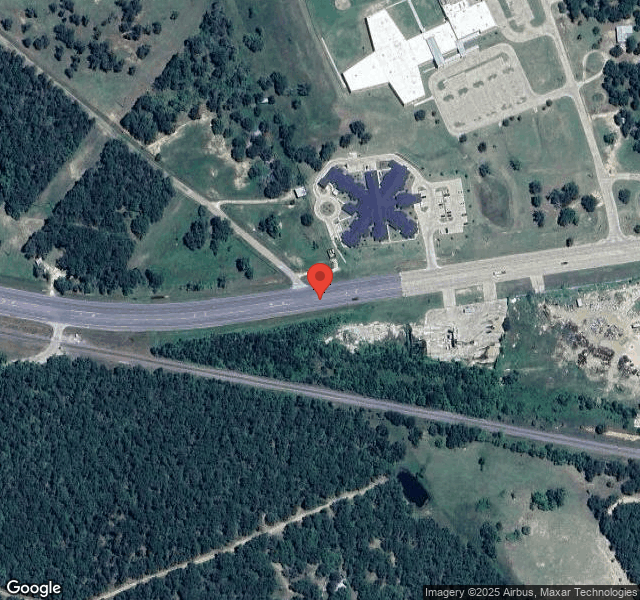

1350 W. HIGHWAY 79, ROCKDALE, TX 76567 (512) 446-2548
For profit - Limited Liability company 84 Beds Independent Data: November 2025
Trust Grade
58/100
#553 of 1168 in TX
Last Inspection: April 2025

Within standard 12-15 month inspection cycle. Federal law requires annual inspections.

Overview

Rockdale Estates & Rehabilitation has a Trust Grade of C, which means it is average compared to other facilities, sitting in the middle of the pack. It ranks #553 out of 1,168 nursing homes in Texas, placing it in the top half, and #2 out of 3 in Milam County, indicating only one local facility is rated higher. However, the facility is experiencing a worsening trend, with issues increasing from 4 in 2024 to 7 in 2025. Staffing is a concern, rated at 2 out of 5 stars with a 44% turnover rate, which is better than the Texas average but still below the ideal standard for care continuity. While the facility's RN coverage is average, the inspector found specific incidents such as a resident falling due to inadequate supervision and food safety issues in the kitchen, highlighting areas needing improvement despite some strengths in health inspections.

Trust Score
C
58/100
In Texas
#553/1168
Top 47%
Safety Record
Moderate
Needs review
Inspections
Getting Worse
4 → 7 violations
Staff Stability
○ Average
44% turnover. Near Texas's 48% average. Typical for the industry.
Penalties
○ Average
$17,768 in fines. Higher than 69% of Texas facilities. Some compliance issues.
Skilled Nurses
⚠ Watch
Each resident gets only 20 minutes of Registered Nurse (RN) attention daily — below average for Texas. Fewer RN minutes means fewer trained eyes watching for problems.
Violations
⚠ Watch
13 deficiencies on record. Higher than average. Multiple issues found across inspections.
★★★☆☆
3.0
Overall Rating
★★☆☆☆
2.0
Staff Levels
★☆☆☆☆
1.0
Care Quality
★★★★☆
4.0
Inspection Score
Stable
2024: 4 issues
2025: 7 issues

The Good

  • Full Sprinkler Coverage · Fire safety systems throughout facility
  • No fines on record
  • Staff turnover below average (44%)

    4 points below Texas average of 48%

Facility shows strength in fire safety.

The Bad

3-Star Overall Rating

Near Texas average (2.8)

Meets federal standards, typical of most facilities

Staff Turnover: 44%

Near Texas avg (46%)

Typical for the industry

Federal Fines: $17,768

Below median ($33,413)

Minor penalties assessed

The Ugly 13 deficiencies on record

1 actual harm
Apr 2025 7 deficiencies
CONCERN (D)

Potential for Harm - no one hurt, but risky conditions existed

Comprehensive Care Plan (Tag F0656)

Could have caused harm · This affected 1 resident

**NOTE- TERMS IN BRACKETS HAVE BEEN EDITED TO PROTECT CONFIDENTIALITY** Based on, interviews, and record review, the facility failed to develop and implement a comprehensive person-centered care plan ...

Read full inspector narrative →
**NOTE- TERMS IN BRACKETS HAVE BEEN EDITED TO PROTECT CONFIDENTIALITY** Based on, interviews, and record review, the facility failed to develop and implement a comprehensive person-centered care plan for each resident that included measurable objectives and timeframes to meet a resident's medical, nursing, and mental and psychosocial needs for 1 (Resident #52) of 5 residents reviewed for care plans. The facility failed to ensure Resident #52's comprehensive care plan included her ADL status, incontinence, risk for falls, risk for pressure ulcers, nutritional status, code status, medical diagnoses, and therapies received. This failure could place residents at risk for not receiving necessary care and services or having important care needs identified and met. Findings included : Review of Resident #52's face sheet, dated 04/15/25, reflected an [AGE] year-old female who was admitted to the facility on [DATE]. Her diagnoses included Alzheimer's disease (dementia that damages the brain), unspecified protein-calorie malnutrition, hypertension (high blood pressure), abnormalities of gait and mobility, osteoporosis, and muscle weakness. Review of Resident #52's MDS admission assessment dated [DATE], Section C, reflected a BIMS score of 3 indicating severe cognitive impairment. Section GG reflected she required partial to moderate assistance with toileting hygiene. Section H reflected Resident #52 was always incontinent of bladder and frequently incontinent of bowel. Section J reflected Resident #52 had a fall in the last 2-6 months. Section K reflected the resident had coughing or choking during meals or when swallowing medications and that she was on a mechanically altered diet. Section M reflected the resident was at risk of developing pressure ulcers/injuries. Section O reflected she received Speech-Language Pathology Services. Section Z reflected the MDS was signed as completed on 04/04/25. Review of Resident #52's comprehensive care plan created on 03/27/25 did not address the level of assistance required with ADL's. The comprehensive care plan did not address bladder and bowel incontinence, the risk for falls, the mechanically altered diet, the risk of developing pressure ulcers, the desired code status, therapy services received, medical diagnoses being treated, or discharge goals. Review of Resident #52's Order Summary Report for active orders as of 04/15/25, reflected the following orders: Regular diet, mechanical soft ground meat texture, regular thin consistency dated 03/20/25. DNR dated 03/24/25. Losartan Potassium oral tablet 100 MG. Give 1 tablet by mouth one time a day related to essential hypertension dated 03/21/25. Spironolactone oral tablet 25 MG. Give 1 tablet by mouth one time a day related to essential hypertension, dated 03/20/25. Occupational Therapy to evaluate and treat 3-5x/wk x 30 days . dated 04/01/25. Physical Therapy to evaluate and treat 3-5x/wk x 30 days . dated 04/02/25. ST to evaluate and treat as indicated ST clarification: Patient to receive ST 3-5x week for 4 weeks for cognition, dated 04/01/25. During an interview on 04/16/25 at 8:42 AM, the ADON stated the MDSC was responsible for the comprehensive care plans. The ADON stated she had recently started on the care plans. She stated the comprehensive care plan should include allergies, code status, diet, wounds, EBP, catheter. During an interview on 04/16/25 at 9:40 AM, the NC stated a baseline care plan was due within 48 hours of admit and a comprehensive care plan was due 7 days after the close of the MDS. She stated all pertinent care of the resident should be included on the comprehensive care plan. She stated it was important to have the care plan in place with goals and interventions to meet the resident's needs. The NC stated the MDSC was responsible for the care plans, but the MDSC was out of the facility for the day. During an interview on 04/16/25 at 2:32 PM, the ADON stated the comprehensive care plan was completed within two weeks after admission. When asked if there could be an adverse outcome for a resident if the care plan was not completed, she stated the information on the care plan could be found in other places in the medical record. A telephone interview was attempted on 04/16/25 at 3:38 PM. The MDSC did not answer the call. The recording stated unable to leave a message as the voicemail was full. Review of the facility's undated Comprehensive Care Plans policy reflected in part, :It is the policy of this facility to develop and implement a comprehensive care plan for each resident, consistent with resident rights, that includes measurable objectives and timeframes to meet a resident's medical, nursing, and mental and psychosocial needs and ALL services that are identified in the resident's comprehensive assessment and meet professional standards of quality . Policy Explanation and compliance Guidelines: 2. The comprehensive care plan will be developed within 7 days after the completion of the comprehensive MDS assessment .3. The comprehensive care plan will describe, at a minimum, the following: a. The services that are to be furnished to attain or maintain the resident's highest practicable physical, mental, and psychosocial well-being .d. The resident's goals for admission, desired outcomes, and preferences for future discharge . 6. The comprehensive care plan will include measurable objectives and timeframes to meet the resident's needs as identified in the resident's comprehensive assessment .
CONCERN (D)

Potential for Harm - no one hurt, but risky conditions existed

Quality of Care (Tag F0684)

Could have caused harm · This affected 1 resident

**NOTE- TERMS IN BRACKETS HAVE BEEN EDITED TO PROTECT CONFIDENTIALITY** Based on interviews and record review, the facility failed to ensure that residents received treatment and care in accordance wi...

Read full inspector narrative →
**NOTE- TERMS IN BRACKETS HAVE BEEN EDITED TO PROTECT CONFIDENTIALITY** Based on interviews and record review, the facility failed to ensure that residents received treatment and care in accordance with professional standards of practice, the comprehensive person-centered care plan, and the residents' choices for 2 (Resident #50 & #171) of 6 residents reviewed for quality of care. The facility failed to document weekly skin assessments for Residents #50 & #171 according to physician orders. This failure could place residents at risk of not receiving necessary medical care, and hospitalization. Findings included: Review of Resident #50's undated face sheet reflected a [AGE] year-old male who was admitted to the facility on [DATE] with diagnoses including unspecified dementia (progressive loss of mental abilities like memory, thinking, and reasoning, so severe that it interferes with daily life), unspecified severe protein calorie malnutrition (a condition characterized by a significant deficiency in both protein and energy intake, leading to a range of physical symptoms), muscle weakness (reduction in the ability to move your muscle, making it harder to do things like lift objects or move your body), and type 2 diabetes mellitus without complications (your body has difficulty using sugar for energy, leading to high blood sugar level). Review of Resident #50's Quarterly MDS, dated [DATE], reflected a BIMS score of 14 indicated was cognitively intact. Resident #50 Quarterly MDS also reflected he required partial/moderate assistance in the area of shower/bathe self. Review of Resident #50's care plan, dated 04/16/2025, reflected Resident #50 was care planed for occasional urinary incontinence with a goal of the resident will remain free from skin breakdown due to incontinence and brief use through the review. There was an intervention of encourage/remind and offer to assist resident to use bathroom as needed. Review of Resident #50's physician order, dated 02/09/2022, reflected weekly skin assessment with directions of every day shift every Wednesday. Review of Resident #50's Weekly Skin Assessment in his EMR, dated 04/16/2025, reflected Resident #50's Weekly Skin Assessment had not been completed for the week of 04/06/2025 - 04/12/2025. Resident #50's last skin assessment was completed on 04/03/2025 with no skin concerns noted. During an interview with Resident #50 on 04/16/2025 at 2:05 pm, Resident #50 was not aware that his weekly skin assessment had not been completed for the week of 04/06/2025 - 04/12/2025. Resident #50 stated that he did not have any skin issues. Review of Resident #171's undated face sheet reflected a [AGE] year-old female who was re-admitted to the facility on [DATE] with diagnoses including hemiplegia and hemiparesis following cerebral infarction affecting left non dominant side (a medical condition characterized by paralysis or weakness on one side of the body), hyperlipidemia (having too much fat in your blood), essential (primary) hypertension (high blood pressure where the cause is unknown) and muscle weakness (reduction in the ability to move your muscle, making it harder to do things like lift objects or move your body). Review of Resident #171's Quarterly MDS, dated [DATE], reflected a BIMS score of 13 indicated was cognitively intact. Resident #171 Quarterly MDS also reflected he required partial/moderate assistance in the areas of toileting hygiene, shower/bathe self, upper body dressing, lower body dressing, putting on/taking off footwear, and person hygiene. Review of Resident #171's care plan, dated 04/16/2025, reflected Resident #171 was care planed for frequent incontinence with an intervene of monitor skin per facility protocol. Review of Resident #171's physician order, dated 01/04/2025, reflected weekly skin assessment with directions of every day shift every Saturday. Review of Resident #171's Weekly Skin Assessment in his EMR, dated 04/16/2025, reflected Resident #171's Weekly Skin Assessment had not been completed for the weeks 04/02/2025 - 04/08/2025 and 04/09/2025 - 04/04/15/20250. Resident #171's last skin assessment was completed on 03/29/2025 with no skin concerns noted. During an interview with Resident #171 on 04/16/2025 at 10:35 am, Resident #171 stated that she was not sure when her skin assessment was supposed to be done. Resident #171 also stated that she had a skin assessment recently but couldn't provide a date. Resident #171 stated she did not have any skin issues or concerns. During an interview with LVN C on 04/16/2025 at 2:50 pm, LVN C she stated she was not aware that Resident #50 and Resident #171 weekly skin assessments hadn't been completed. LVN C stated it was the charge nurse's responsible for completing the skin assessment per the physician orders. LVN C stated she had been off the days the assessments were scheduled for completion. LVN C stated that if a resident doesn't receive a weekly skin assessment, they resident could have an unknown wound or sore. During an interview with the NC on 04/16/2025 at 3:10 pm, the NC stated it the charge nurse was responsible for completing the skin assessment. The NC stated every resident should be receiving a weekly skin assessment to ensure the resident doesn't have any skin breakdown or unknown wounds. The NC stated it was her expectation that skin assessments are completed per the physician orders. During an interview with the interim ADM on 04/16/2025 at 3:20 pm, the interim ADM stated skin assessments should always be followed per the physician orders. The ADM stated it was the charge nurse of the 200-hall responsibility for ensure the skin assessments were completed. The ADM stated if skin assessments weren't completed weekly then a resident could have a skin issue/wound and the facility wouldn't know. The ADM expects that all skin assessments are followed per the physician orders. Review of facility Skin Assessment policy dated 2024 reflected It is our policy to perform a full body skin assessment as part of our systematic approach to pressure injury prevention and management. This policy includes the following procedural guidelines in performing the full body skin assessment. Policy Explanation and Compliance Guidelines: 1. A full body, or head to toe skin assessment will be conducted by a licensed for registered nurse upon admission/re-admission, daily for three days, and weekly thereafter. The assessment may also be performed after a change of condition or after any newly identified pressure injury. 7. Documentation of skin assessment: a. Include date and time of the assessment, your name, and position title. b. Document observation (e.g. skin conditions, how the resident tolerated the procedure, etc.). c. Document type of wound d. Describe wound (measure, color, type of tissue in wound bed, drainage, odor, pain). e. Document if resident refused assessment and why. f. Document other information as indicated or appropriate.
CONCERN (D)

Potential for Harm - no one hurt, but risky conditions existed

Pharmacy Services (Tag F0755)

Could have caused harm · This affected 1 resident

Based on observation, interview, and record review the facility failed to provide pharmaceutical services (including procedures that assure the accurate acquiring, receiving, dispensing, and administe...

Read full inspector narrative →
Based on observation, interview, and record review the facility failed to provide pharmaceutical services (including procedures that assure the accurate acquiring, receiving, dispensing, and administering of all drugs and biologicals) to meet the needs of each resident for 1 of 3 medication carts (100/200 nurse cart) reviewed for medication storage. The facility failed to ensure an expired insulin pen was removed from the medication cart. This failure could place residents at risk of not receiving the intended therapeutic effect of the insulin. Findings included: An observation of the 100/200 nurse cart on 05/15/25 at 2:09 PM revealed an insulin pen with an open date of 03/04/25. During interview on 04/15/25 at 2:11 PM, LVN B stated he was not sure when insulin pens expired after being opened, but he would get the answer. LVN B returned and stated the insulin was good for 28 days so, the pen opened on 03/04/25 should have been removed from the cart. He stated if expired medications were administered, the resident may not have received the desired effect. During an interview on 04/16/25 at 2:32 PM, the ADON stated insulin pens were good for 28 days once opened. She stated expired medications may not be effective. During an interview on 04/16/24 at 2:42 PM, the NC stated she expected medication expirations were checked prior to administration. She stated once opened the insulin pens were good for 28-30 days. She stated the facility did not have a policy specific to insulin pens, but the pharmacy had provided a document that listed expiration dates. She stated expired insulin could be ineffective and cause blood sugars to go out of control. During an interview on 04/16/25 at 2:57, the ED stated he expected staff to follow the policies for medication administration. Review of the facility's undated Medication Administration policy reflected in part, Medications are administered by the licensed nurses, or other staff who are legally authorized to do so in this state, as ordered by the physician and in accordance with professional standards of practice, in a manner to prevent contamination or infection .13. Identify expiration date. If expired, notify nurse manager . Review of the facility's undated Medication Storage policy revealed it did not address expired medications on the medication carts.
CONCERN (D)

Potential for Harm - no one hurt, but risky conditions existed

Medication Errors (Tag F0758)

Could have caused harm · This affected 1 resident

**NOTE- TERMS IN BRACKETS HAVE BEEN EDITED TO PROTECT CONFIDENTIALITY** Based on observations, interviews, and record reviews, the facility failed to ensure each resident's drug regimen was free from ...

Read full inspector narrative →
**NOTE- TERMS IN BRACKETS HAVE BEEN EDITED TO PROTECT CONFIDENTIALITY** Based on observations, interviews, and record reviews, the facility failed to ensure each resident's drug regimen was free from unnecessary drugs for one (Resident #66) of five residents reviewed for unnecessary medications. The facility failed to indicate an adequate diagnosis for Quetiapine (an atypical antipsychotic medication used to treat schizophrenia and bipolar disorder) for Resident #66. This failure could place residents on psychoactive medications, without an adequate diagnosis, at risk for taking unnecessary medications. Findings included: Review of Resident #66's undated face sheet reflected an [AGE] year-old male admitted to the facility on [DATE]. His diagnoses included Alzheimer's disease (dementia that damages the brain) - unspecified (primary diagnosis), dementia in other diseases classified elsewhere - severe - without behavioral disturbances - psychotic disturbance - mood disturbance and anxiety, essential hypertension (high blood pressure), difficulty walking, other lack of coordination, and cognitive communication deficit. Review of Resident #66's admission MDS assessment dated [DATE], Section C reflected a BIMS score of 4 indication severely impaired cognition. Section E reflected no hallucinations or delusions, he did not reject care, and he wandered 4 to 6 days during the reporting period. No other behaviors were identified. Section I reflected Progressive Neurological Conditions as his primary medical condition category. No psychiatric/mood disorders were identified. Section N reflected he was taking antipsychotic and antianxiety medications. Review of Resident #66's comprehensive care plan, initiated on 12/11/24, reflected in part: Focus: Resident takes antipsychotic and antianxiety medication. Goal: Resident will have no s/s of adverse reactions or side effects of medications through next review date. Interventions: Remind resident about not entering other residents' rooms. Advise resident and RP of need for medication and place signed consent in chart. Approach in calm manner, introduce self, explain procedure/care to be provided. Provide reassurance as needed. Do not rush. Call light in reach in room and answered promptly . Observe for side effects, adverse reaction from medication to include but not limited to: agitation, sedation, headache, sleep disturbance, EPS (movement disorder), and notify MD. Observe for targeted behaviors of agitation, combativeness, aggression. If behavior is affecting other residents, remove from common areas to calmer setting, provide diversional activity . Review of Resident #66's Order Summary Report for active orders as of 04/16/25, reflected the following orders: Quetiapine Fumarate oral tablet 25mg. Give 1 tablet by mouth at bedtime related to Dementia in other diseases classified elsewhere, severe, without behavioral disturbance, psychotic disturbance, mood disturbance, and anxiety written 11/25/24. Behaviors: (1)Agitation/Anger, (2)Anxiety, (3)Crying/Tearfulness/Withdrawn, (4)Restlessness/Pacing/Nervousness, (5)Aggression/Combativeness, (6)Hallucinations/Paranoia/Delusions, (7)Hitting/Kicking/Pinching, (8)Inappropriate behavior, (9)Yelling/Screaming, (10)Wandering, (11)Other every shift for Lorazepam, Quetiapine. Review of Resident #66's MAR for April 2025 reflected he received Quetiapine 25mg each night as ordered. The MAR reflected behaviors were monitored each shift as ordered. From 04/01/25 through 04/15/25 five episodes of Restlessness/Pacing/Nervousness and five episodes of Wandering were document on day shift. Three episodes of Restlessness/Pacing/Nervousness and three episodes of Wandering were document on night shift. No other behaviors were documented. Review of Resident #66's Nursing Home History and Physical, dated 12/11/24, completed by his attending physician, reflected in part, Chief Complaint: New admit to (facility) from hospital d/t Alzheimer's. Medical History: Alzheimer's, cataract-BL, HTN (high blood pressure), joint pain, muscle weakness, BPH (enlarged prostate), microscopic hematuria (blood in the urine), nocturia (waking at night to urinate). CNS: A&O x1 (Central Nervous System: Alert and Oriented to person) Review of Resident #66's Nursing Home Progress Note date 03/19/25, written by the Nurse Practitioner, reflected in part, Medical History/Diagnosis: Alzheimer's, cataract-BL, HTN, joint pain, muscle weakness, BPH, microscopic hematuria, nocturia. New Problems: Wanders and exit seeking, agitation at times. Lorazepam effective. Referral to Psych NP. Review of Resident #66's PASRR Screening dated 01/25/25, reflected a primary diagnosis of dementia and no evidence or an indicator the resident had a mental illness. Review of the Consultant Pharmacist/Physician Communication form, dated 04/01/25, reflected Resident #66 was taking Quetiapine 25mg - Give 1 tablet by mouth at bedtime related to Dementia. During an observation on 04/14/25 at 11:50 AM, revealed Resident #66 made several attempts to open an exit door in the dining room, setting off an alarm, during lunch. Staff stayed with the resident and attempted several times to redirect the resident away from the door. Different staff approached and attempted redirection. Eventually the resident went to the table where his lunch tray had been placed. During an interview on 04/16/25 at 8:42 AM, the ADON stated some residents were admitted to the facility with orders for psychotropic medications. When that happened, they made efforts to get all of the background information that they could. She stated for psychotropic medications, they obtained consents from the RP. She stated all of the psychotropic prn medications were limited to 14 days then reevaluated. She stated they monitored each psychotropic medication for behaviors and side effects. She stated she and the DON were responsible for follow up on the pharmacy reviews and recommendations. The ADON stated she had seen a note about Resident #66's Quetiapine in documentation from the hospital prior to his admission at the facility. The documentation was not provided prior to exit from the survey. During a telephone interview on 04/16/25 at 9:14 AM, the Consulting Pharmacist stated she had recently conducted a review of Resident #66's medications. She stated it did not flag for her that Resident #66's Quetiapine was ordered for the diagnosis of dementia. During an interview on 04/16/25 at 2:42 PM, the NC stated anyone on psychotropic medications required an appropriate diagnosis, behavior and side effect monitoring, consent, and a care plan. She stated an assessment was required if the resident did not have a diagnosis. She reviewed Resident #66's medical record and stated she did not find documentation of the rationale for the resident to be taking Quetiapine. She stated the admitting nurse put the physician's orders into the computer and the MDSC reviewed the new orders. She stated the ADON audited and monitored new orders. The NC stated she had reached out to Resident #66's physician who treated him prior to his hospitalization during the survey, to request information about the Quetiapine and any psychiatric diagnoses. She had not received a response prior to exit from the survey. During an interview on 04/16/25 at 2:57 PM, the ED stated he did not want to provide inaccurate information about Resident #66's documentation but he did recall multiple discussions about his psychotropic medications. He reached out to the previous DON who stated they had made changes to the Lorazepam but did not recall any changes to the Quetiapine. Review of the facility's Antipsychotic Medication Use policy, revised December 2016, reflected in part, Policy Statement: Antipsychotic medications may be considered for residents with dementia but only after medical, physical, functional, psychological, emotional psychiatric, social and environmental causes of behavioral symptoms have been identified and addressed . Policy Interpretation and Implementation: 1. Residents will only receive antipsychotic medications when necessary to treat specific conditions for which they are indicated and effective . 5. Residents who are admitted from the community or transferred from a hospital and who are already receiving antipsychotic medications will be evaluated for the appropriateness and indications for use. The interdisciplinary team will: a. Complete PASRR screening (preadmission screening for mentally ill and intellectually disabled individuals), if appropriate; or b. Re-evaluate the use of the antipsychotic medication at the time of admission and/or within two weeks (at the initial MDS assessment) to consider whether or not the medication can be reduced, tapered, or discontinued. c. Based on assessing the resident's symptoms and overall situation, the Physician will determine whether to continue, adjust, or stop existing antipsychotic medication. 6. Diagnosis of a specific condition for which antipsychotic medications are necessary to treat will be based on a comprehensive assessment of the resident. 7. Antipsychotic medications shall generally be used only for the following conditions/diagnoses as documented in the record, consistent with the definition(s) in the Diagnostic and Statistical Manual of Mental Disorders (current or subsequent editions): a. Schizophrenia; b. Schizo-affective disorder; c. Schizophreniform disorder; d. Delusional disorder; e. Mood disorders (e.g. bipolar disorder, depression with psychotic features, and treatment refractory major depression); f. Psychosis in the absence of dementia; g. Medical illnesses with psychotic symptoms and/or treatment-related psychosis or mania (e.g., highdose steroids) . 11. Anti psychotic medications will not be used if the only symptoms are one or more of the following: a. Wandering; b. Poor self-care; c. Restlessness; d. Impaired memory; e. Mild anxiety; f. Insomnia; g. Inattention or indifference to surroundings; h. Sadness or crying alone that is not related to depression or other psychiatric disorders; i. Fidgeting; j. Nervousness; or k. Uncooperativeness. Review of the facility's Use of Psychotropic Medication(s) policy, revised 2025, reflected in part, Policy: It is the intent of this policy to ensure that residents only receive psychotropic medications when other nonpharmacological interventions are clinically contraindicated. Additionally, these medications should only be used to treat the resident's medical symptoms and not used for discipline or staff convenience, which would deem it a chemical restraint. Definitions: Adequate indications for use refers to the identified, documented clinical rationale for administering a medication that is based upon an assessment of the resident's condition and therapeutic goals and after any other treatments have been deemed clinically contraindicated. For psychotropic medications, without documentation in the record explaining that the practitioner has determined that other treatments have been deemed clinically contraindicated, the indication for use is inadequate. Also, adequate indication for use means that the medication administered is consistent with manufacturer's recommendations and/or clinical practice guidelines, clinical standards of practice, medication references, clinical studies or evidence-based review of articles that are published in medical and/or pharmacy journals .Policy Explanation and Compliance Guidelines: 2. Psychotropic medications are to be used only when a practitioner determines that the medication(s) is appropriate to treat a resident's specific, diagnosed, and documented condition and the medication(s) is beneficial to the resident, as demonstrated by monitoring and documentation of the resident's response to the medication(s ) . 6. Non-pharmacological approaches must be attempted, unless clinically contraindicated, to minimize the need for psychotropic medications, use the lowest possible dose, or discontinue the medications .
CONCERN (D)

Potential for Harm - no one hurt, but risky conditions existed

Food Safety (Tag F0812)

Could have caused harm · This affected 1 resident

Based on observation, interview, and record review, the facility failed to store, prepare, distribute, and serve food in accordance with professional standards for food service safety in 1 of 1 kitche...

Read full inspector narrative →
Based on observation, interview, and record review, the facility failed to store, prepare, distribute, and serve food in accordance with professional standards for food service safety in 1 of 1 kitchen reviewed for dietary services in that: Dietary staff failed to effectively label items in the refrigerator and freezer. These failures could place residents at risk for food contamination and foodborne illness. The findings include: During the initial tour of the kitchen on 04/14/2025 beginning at 9:11 am the following was observed: The refrigerator contained what appeared to be green bell peppers, tomatoes, and bananas in a clear plastic bin with no label. The freezer contained what appeared to be cheese sticks in a clear plastic bag with no label. Interview with the Dietary Manager on 04/16/2025 at 11:05 am, the DM stated all items in the refrigerators and freezers should be sealed, labeled, and dated. The DM confirmed that the items not labeled were green bell peppers, tomatoes, bananas, and cheese sticks. The DM stated all items have been thrown away due to them not being labeled. The DM stated she was responsible for ensuring items were labeled and dated. The DM stated if an item was not labeled then someone would not know what the item was. The DM stated if an item was not dated then the item could be spoiled and that could cause residents to get sick. Interview with the ADM on 04/16/2025 at 11:50 am, the ADM stated all items should be sealed, labeled, and dated. The ADM stated that if an item was not labeled then it may not be identified correctly. The ADM stated whoever opened the item would be responsible for ensuring it was sealed, labeled and date properly. Record review of the facility's Food receiving and Storage policy, revised dated October 2017, revealed Foods shall be received and stored in a manner that complies with safe food handling practices. Policy Interpretation and Implementation: 8. All foods stored in the refrigerator or freezer will be covered, labeled, and dated (use by date) .
CONCERN (D)

Potential for Harm - no one hurt, but risky conditions existed

Infection Control (Tag F0880)

Could have caused harm · This affected 1 resident

**NOTE- TERMS IN BRACKETS HAVE BEEN EDITED TO PROTECT CONFIDENTIALITY** Based on observations, interviews, and record reviews, the facility failed to establish and maintain an infection prevention and...

Read full inspector narrative →
**NOTE- TERMS IN BRACKETS HAVE BEEN EDITED TO PROTECT CONFIDENTIALITY** Based on observations, interviews, and record reviews, the facility failed to establish and maintain an infection prevention and control program designed to provide a safe, sanitary, and comfortable environment and to help prevent the development and transmission of communicable diseases and infections for two of four residents (Resident #2 and Resident #52) reviewed for infection control. The facility failed to ensure LVN A wore a gown on 04/15/25 when she provided wound care to Resident #2, who was on EBP. The facility failed to ensure CNA D performed hand hygiene when changing gloves on 04/15/25 when she provided incontinent care for Resident #52. These failures could place residents at risk of cross contamination or infection. Findings included: Review of Resident #2's face sheet, dated 04/15/25, reflected an [AGE] year-old male initially admitted to the facility on [DATE] and readmitted on [DATE]. His diagnoses included other chronic osteomyelitis right ankle and foot (infection of the bone), peripheral vascular disease (disorder of the blood vessels outside of the heart, often decreased blood flow to the limbs), rheumatoid arthritis (a disease that causes inflammation of joints but can affect other organs), chronic obstructive pulmonary disease (a lung disease limiting air flow from the lungs), and type 2 diabetes mellitus(a condition that affects the way the body processes blood sugar) with foot ulcer (a wound on the foot). Review of Resident #2's significant change in status MDS assessment, dated 03/28/25, Section C reflected a BIMS score of 8 indicating moderately impaired cognition. Section GG reflected he required maximum assistance with bed mobility and was dependent for transfers. Section M reflected Resident #2 had diabetic foot ulcers, received pressure ulcer/injury care, and application of dressings to his feet. Review of Resident #2's Order Summary Report for active orders as of 04/15/25, reflected the following orders - 10/02/24 - Enhanced Barrier Precautions (gown and gloves) during high-contact care every shift for wound. 04/15/25 - Right Heel: Cleanse with wound cleanser, pat dry, apply Santyl to wound bed, cover with an island dressing daily. Do not use foam dressing on wound per (wound care doctor). During an observation and interview on 04/15/25 at 11:35 AM revealed LVN A was observed at the treatment cart as she gathered supplies for wound care on Resident #2. LVN A stated the wound care doctor had seen the resident earlier in the morning. LVN A entered Resident #2's room and placed her supplies on the clean table. She retrieved a yellow isolation gown and placed it on the table with the other supplies. She washed her hands and applied clean gloves. She explained to the resident each step of what she did. She positioned the resident and lifted his right leg. She placed a pad under his leg. She removed her gloves and performed hand hygiene. She applied clean gloves. She removed the dressing from the wound on Resident #2's right heel. She removed her gloves, performed hand hygiene, and applied clean gloves. She used wound cleanser moistened gauze to clean the wound. She removed her gloves, performed hand hygiene, and applied clean gloves. She patted the wound with dry gauze. LVN A then stated, I blew it already. I forgot to put on my gown. She stated the resident was on EBP because of the wound. She stated anyone with a stage 2 (a shallow open wound on the skin) or higher wound required EBP. She stated EBP required gloves and a gown were worn during wound care. She was observed as she applied the gown then returned to the wound care. She applied the ordered medication to the wound bed then covered the wound with the island dressing as ordered. LVN A stated she had training on EBP, and she trained other staff on infection control. She stated she was just nervous. She stated not following infection control practices could lead to spread of infection. Review of Resident #52's face sheet, dated 04/15/25, reflected an [AGE] year-old female who was admitted to the facility on [DATE]. Her diagnoses included Alzheimer's disease (dementia that damages the brain), unspecified protein-calorie malnutrition, hypertension (high blood pressure), abnormalities of gait and mobility, and muscle weakness. Review of Resident #52's MDS admission assessment dated [DATE], Section C, reflected a BIMS score of 3 indicating severe cognitive impairment. Section GG reflected she required assistance with toileting hygiene. Section H reflected Resident #52 was incontinent of bladder and bowel. Review of Resident #52's comprehensive care plan created on 03/27/25 did not address her incontinence or ADL assistance required. During an observation and interview on 04/15/25 at 1:47 PM, revealed CNA D and CNA E entered Resident #52's room and washed their hands and applied clean gloves. The CNAs explained the procedure to the resident. CNA D pulled moistened wipes out of the package and placed them on her work surface. She raised the level of the bed and opened the soiled brief. CNA D removed her gloves, and without performing hand hygiene, applied clean gloves. CNA D provided incontinent care to the front of Resident #52 and the CNAs repositioned the resident to her right side. CNA D provide incontinent care to the back side of Resident #52. CNA D removed her gloves and without hand hygiene, applied clean gloves. CNA D applied a new brief. Both CNAs positioned the resident and placed the call light within reach. Both CNAs stated they had received training on infection control and hand washing. CNA E stated hand hygiene was important to prevent the spread of infection. The CNAs stated they were supposed to clean their hands with each glove change. During an interview on 04/16/25 at 8:42 AM, the ADON stated she was the Infection Preventionist. She stated LVN A was the educator, and she was responsible for providing in-service training on infection control. The ADON stated hand washing was performed before and after any procedure and hand hygiene was performed when gloves were changed. She stated in-services on EBP was provided. Staff were required to wear gloves and a gown when they performed high contact care including wound care. She stated not following infection control guidelines could lead to infections or MDROs. During an interview on 04/16/25 at 2:42 PM, the NC stated it was her expectation that infection control guidelines, including EBP were followed. She stated she expected staff to wear a gown and gloves when providing care to resident who required EBP. She stated not following infection control procedures could cause infections. During an interview on 04/16/25 at 2:57 PM, the ED stated he expected staff to practice good infection control and follow the infection control procedures. Review of an in-service dated 11/08/24, reflected LVN A provided training, including Handwashing and Enhanced Barrier Precautions. CNA D and CNA E signed the in-service attendance sheet. Review of the facility's undated Enhanced Barrier Precautions Policy, reflected in part, It is the policy of this facility to implement enhanced barrier precautions for the prevention of transmission of multidrug-resistant organisms. 2. Initiation of Enhanced Barrier Precautions: b. An order for enhanced barrier precautions will be obtained for residents with any of the following: i. Wounds (e.g., chronic wounds such as pressure ulcers, diabetic foot ulcers, unhealed surgical wounds, and chronic venous stasis ulcers) . 3. Implementation of Enhanced Barrier Precautions: b. PPE for enhanced barrier precautions is only necessary when performing high-contact care activities . 4. High-contact resident care activities include: a. Dressing . h. Wound care: any skin opening requiring a dressing . 10. Enhanced barrier precautions should be used for the duration of the affected resident's stay in the facility or until resolution of the wound or discontinuation of the indwelling medical device that placed them at higher risk. Review of the facility's undated Hand Hygiene policy, reflected in part, Hand hygiene is the general term for cleaning your hands by handwashing with soap and water or the use of an antiseptic hand rub .1. Staff will perform hand hygiene when indicated using proper technique consistent with accepted standards of practice. 2. Hand hygiene is indicated and will be performed under the conditions listed in, but not limited to, the attached hand hygiene table .6 Additional considerations: a. The use of gloves does not replace hand hygiene. If your task requires gloves, perform hand hygiene prior to donning gloves, and immediately after removing gloves. Review of the attached Hand Hygiene Table reflected in part, Before applying and after removing personal protective equipment (PPE), including gloves. The box for Either Soap and Water or Alcohol Based hand rub (ABHR is preferred) is marked.
CONCERN (E)

Potential for Harm - no one hurt, but risky conditions existed

Deficiency F0727 (Tag F0727)

Could have caused harm · This affected multiple residents

Based on interview and record review, the facility failed to ensure that a designated DON was providing coverage on a full time basis for one out of one facility. The facility failed to ensure they h...

Read full inspector narrative →
Based on interview and record review, the facility failed to ensure that a designated DON was providing coverage on a full time basis for one out of one facility. The facility failed to ensure they had a DON on duty for a total of 12 days from 04/04/2025 to 04/14/2025. This failure could place residents at risk of missing assessments, interventions and care. Findings include: On 04/14/2025 at 10:30 AM an interview with the Executive Director revealed the facility does not have an active Director of Nursing employed at the facility. The ED stated that the facility has ensured a Registered Nurse is onsite at all times. The ED also reported that a Corporate Nurse was on site once a month to help with DON coverage. The ED stated that the facility uses telehealth and is available for support at all times. The ED reported the last time the DON was on site was 04/03/2025. On 04/14/2025 at 2:30 PM record review indicated that the DON was last in the facility providing DON coverage on 04/03/2025. RR indicated that for the week dated 03/30/2025 to 04/05/2025, the DON provided DON coverage for a total of 27 hours for the week. RR revealed no other DON coverage was provided on site. On 04/16/2025 at 10:01 AM an interview was conducted with CNA F, who reported being employed at the facility for 20 years. CNA F reported receiving trainings on abuse and neglect a couple of months ago. CNA F stated the trainings covered verbal, physical and mental abuse. CNA F reported receiving training on resident rights a month ago which covered the rights of residents to complain, right to choices and other rights . CNA F stated the designated DON quit and had not returned to work in two weeks. CNA F stated that they report to the charge nurse when there is an emergency. CNA F reported they would go to the ADON or administrator if there was not a DON on site. CNA F stated a negative impact not having a DON on site could cause for a resident is not having access to the DON. On 04/16/2025 at 10:30AM an interview was conducted with LVN C, who reported being employed at the facility for 1 year. LVN C reported receiving trainings on abuse and neglect in February. LVN C stated the training covered misappropriation of resident's property and reporting any abuse allegations. LVN C reported that they have received training on resident rights which is provided annually. LVN C reported that the trainings covered all of the resident's rights, decisions and safety. LVN C reported that the facility has an interim DON until the new DON starts working. LVN C stated they report to the corporate DON or the ADON in the meantime. LVN C reported the DON stopped working at the facility two weeks ago. LVN C stated in case of an emergency, they would report to whoever is on call and depending on the severity they would call the administrator. LVN C stated that if there was no DON onsite during an emergency, they would report to the ADON or the RN in charge at that time. LVN C reported that a negative impact not having a DON on site could cause a resident is they could have items missed. LVN C reported that the DON is a catch all who checks orders, checks on the residents and ensure things are being assessed and processed. LVN C stated this could impact the flow of processing with having a DON. On 04/16/2025 at 10:45AM an interview was conducted with RN G who reported being employed at the facility for 3 years. RN G reported that they have received trainings on abuse and neglect last month, which covered dementia, taking good count of the resident numbers, and to be understanding of resident's behaviors. RN G reported receiving trainings on resident rights ongoing. RN G reported the training covered a major focus on dignity and making sure the residents are treated fairly . RN G reported that there is a new DON coming to the facility but may report to the ADON in the meantime. RN G reported that the previous DON stopped working at the facility two weeks ago. RN G stated that they would go to the next higher up, the ADON, in case of an emergency. RN G reported that they do not typically report to the DON during an emergency. RN G reported that a potential negative impact not having a DON on site could cause a resident is that care could potentially be impacted especially for hectic days. On 04/16/2025 at 11:15AM an interview was conducted with Nurse Consultant (NC) who reported being employed at the facility for 3 ½ years. The NC reported that they were designated the interim DON on April 4th. NC reported that they provide DON coverage whenever the ED calls and asks for support. The NC reported that for her, DON coverage looks like being available at the facility as needed and being available over the phone at all times. The NC reported that a DON should be on site at the facility as needed, not full time. The NC reported that they would handle an emergency on site, if they were off site, by calling the ED, talk to the nurses and potentially do face to face interviews/assessments over video chat as needed. The NC stated they have access to all of the residents' files and system for the facility where they can view and log reports. The NC reported as long as an RN is on site, residents should not be negatively impacted by not having a DON on site. The NC reported that they are a nurse consultant for multiple facilities. On 04/16/2025 at 12:30PM an interview was conducted with ADON who reported being employed at the facility for 4 years. ADON reported that they have received trainings on abuse and neglect this year. ADON reported that the trainings covered the definition of abuse, neglect, exploitation and the different types of abuse. ADON reported receiving trainings on resident rights this year as well that summarized a list of resident rights for choices, medications and food preferences that are available for example . The ADON reported that the designated DON is the NC. The ADON reported that the previous DON stopped working at the facility on April 3, 2025. The ADON stated that in an event of an emergency, they will call 911. The ADON stated that if there is an emergency and a DON is not on site, they will notify an RN if it requires an RN. The ADON stated that the MDS nurse develops and implements care plans as well as the ADON. The ADON stated that if there is no DON to help with care plans, that the MDS does it. The ADON also stated that medical records are responsible for ordering supplies. The ADON stated the DON is not responsible for training nurse staff. ADON denies knowing a negative impact that not having a DON on site could have on a resident. On 04/16/2025 at 1:15PM an interview was conducted with the ED, who reported being employed at the facility for 3 ½ years. ED stated that the staff would report to the NC, ED and/or and RN in case of an emergency and no DON is on site. The ED reported that if there was an emergency and the NC was not on site, it is expected that the staff talk to the RN who is on shift or call an on-call nurse. The ED stated that MDS nurse, DON and IDT team develop and implements care plans. The ED reported if the DON is not present to help develop and implement care plans, then the ADON or NC will help. ED stated that medical records is responsible for ordering supplies and equipment. The ED stated that the ED and the DON ensure that the supply closet is supplied. ED stated that Staff development nurse is responsible for training nursing staff. ED stated that there is no negative impact for residents if there is no DON on site. When the ED was asked if they were aware of the regulations on DON coverage, the ED reported that they were aware of the regulation to have a designated full time DON, but not the regulation of the DON having to be on site. RR of Nursing Services and Sufficient Staff policy provided by the facility dated 2025 indicated the following: 1. It is the policy of this facility to provide sufficient staff with appropriate competencies and skill sets to assure resident safety and attain or maintain the highest practicable physical, mental and psychosocial well-being of each resident, as determined by resident assessments and individual plans of care. The facility's census, acuity and diagnoses of the resident population will be considered based on the facility assessment. 2. The DON may serve as a charge nurse only when the facility has an average daily occupancy of 60 or fewer residents. RR of a document dated 04/06/2025 provided by the ED that included two signatures that belong to NC and ED revealed as a letter indicated the following: 1. NC will be serving as the Acting Director of Nurses (DON) for facility until incoming DON assumes the position on April 17, 2025. During this interim period, NC will be available by phone an will manage all responsibilities associated with the DON role, both onsite and offsite, in accordance with the established regulations. RR of the DON Job Description provided by the facility revealed the following expectations of a DON: 1. Ability to perform essential duties as outlined. 2. Ability to perform works tasks within the physical demand requirements as outlined. 3. Accountable for nursing compliance, excellence and delivery of resident care services in adherence with the company, local, state and federal regulations. 4. Manage nursing staff through appropriate hiring, training, evaluation, assignment and delegation of duties, within budget and resident census guidelines. 5. Develop and implement resident care plans in coordination with physician, medical director, nursing staff, and outside consultants. 6. Ensure appropriate equipment supplies and resources are available to staff on a timely basis. 7. Train and develop nursing staff to achieve positive resident outcome. 8. Reliability, trustworthiness and consistency with regard to attendance is extremely important to this job. The ability to regularly and timely attend work, cooperative and politely work and deal with others, and to effectively multi-task and work in a stressful environment are also essential functions to this job.
Mar 2024 1 deficiency 1 Harm
SERIOUS (G) 📢 Someone Reported This

A family member, employee, or ombudsman was alarmed enough to file a formal complaint

Actual Harm - a resident was hurt due to facility failures

Accident Prevention (Tag F0689)

A resident was harmed · This affected 1 resident

**NOTE- TERMS IN BRACKETS HAVE BEEN EDITED TO PROTECT CONFIDENTIALITY** Based on observations interview, and record review, the facility failed to provide adequate supervision and to prevent accidents...

Read full inspector narrative →
**NOTE- TERMS IN BRACKETS HAVE BEEN EDITED TO PROTECT CONFIDENTIALITY** Based on observations interview, and record review, the facility failed to provide adequate supervision and to prevent accidents for one resident (Resident #1) of five reviewed for accidents and hazards in that: The facility failed to supervise Resident #1 when she was found walking in the hallway without her walker, resulting in a fall with injuries on 3/13/2024. This failure placed residents at risk of accidents or falls resulting in injuries, pain and hospitalization. Findings included: Review of Resident #1's face sheet dated 3/20/24 reflected an [AGE] year-old female admitted on [DATE] with diagnoses including: Dementia (progressive or persistent loss of intellectual functioning), difficulty in walking, lack of coordination, heart disease, Hypertension (high blood pressure) and Cognitive Communication deficit. Review of Resident #1's MDS dated [DATE] reflected a BIMS of 5 suggesting severe cognitive impairment. Review of the MDS section GG 0120 - Mobility Devices, indicated Resident #1 used a walker. Review of section GG0170 Functional ability/Goals, reflected the activity Walking with a code of 4 indicating supervision or touching assistance was needed for walking. Review of MDS section N - Medications, indicated resident is taking Anticoagulant (a medication that prevents or reduces coagulation time, slowing down clotting time of the blood). Review of Resident #1's care plan, undated reflected the Problem: [Resident #1] had DX of Alzheimer'/Dementia. Resident has (long and short) memory deficits. Needs assistance with decisions. She forgets her walker and needs reminders. Intervention: Use simple direct communication with resident. Offer simple 1-2 item choices. Provide redirection, verbal cue and repeat as needed. Further review of Resident #1's undated care plan reflected the Problem: [Resident #1] has had an actual fall with (minor injury) Poor Balance 3/13/24 in hallway, I forgot my walker, lost balance and tripped over shoe. Hematoma L(Left) eye. Intervention: Ensure that call light is in reach and encourage/remind resident to ask for and provide assistance as needed and keep personal items within reach. continue to visually monitor throughout the day . Review of Resident #1's orders dated 3/20/2024 reflected a physician order as follows: Apixaban Tablet 5 MG Give 1 tablet by mouth two times a day related to CHRONIC EMBOLISM AND THROMBOSIS OF LEFT POPLITEAL VEIN. Review of Resident #1's Fall Risk assessment dated [DATE] indicated resident had a score of 5, indicating moderate risk for falls. Review of Resident #1's hospital records dated 3/13/24 revealed the results of a cervical spine CT as follows: Soft Tissues: There is extensive soft tissue hematoma involving the left supraorbital and periorbital soft tissues. Dimensions are approximately 6 x 2 cm transversely and 6 cm vertically. Obits: There is a left medial orbital blowout fracture which produces the increased ethmoid soft tissue density. This fracture is new from prior maxillofacial CT of November 2023. Coronal images demonstrate no evidence of extraocular muscle entrapment. or evidence of infraorbital metallic. Indicating Resident had a large bruise above her left eye and orbital (bones around the eye) fracture. During an interview with FM/RP on 3/20/2024 at 2:46 p.m., the FM stated they received a call from the facility on 3/13/2024 notifying them that resident had fallen, had been injured and went to ED. She stated resident has fallen several times in the last year with minor injuries. FM stated this fall really scared her and the rest of the family due to the nature of the injuries. FM stated the facility let her review the video of the fall and Resident #1 walked out of her room without her walker but was holding onto the handrail. She ran out of handrail, took a few steps and tripped and fell flat right to the floor and hit her face on the floor. FM stated Resident #1 does get up in her room and walk without her walker if she is going to the closet and often comes out of her room without her walker. She stated staff will redirect her back to her room or someone will go get her walker and bring it to her. During an interview with TNA B on 3/20/2024 at 4:10 p.m., she stated she had been working back on the memory care unit for 2 weeks. She stated she had received training on fall prevention. She stated they have to keep reminding Resident #1 to use her walker. She stated she had observed Resident #1 leave her room without her walker. She stated she would either have someone stand with the resident and she will go get the walker or she will walk the resident back to her room. During an interview with CNA C on 3/20/204 at 4:18 p.m., she stated she had been at the facility 5 months and was aware Resident # 1 was a fall risk. She stated she had received training on fall prevention. She stated she had seen Resident #1 walking without her walker it has happened very frequently while in her room and sometimes she leaves her room without her walker. She stated when she found the resident without her walker she will use a gait belt or redirect her/assist her back to her room or get another staff to get the walker and bring it to her. CNA C stated Resident #1 was very good at following directions from staff and could be redirected with no problem. During an interview with Resident #1 on 3/20/2024 at 4:34 p.m., she stated she did not remember what happened and denied being in any pain. Resident #1 was observed to have bruising on the left side of her face and a large swollen lump above her left outer eye - the skin was not broken. Resident #1 was unable to tell this investigator how she got the bump on her head and bruises on her face. FM was visiting with Resident #1 and stated Resident #1 doesn't remember what happened when we ask her, and she has not complained of any pain. During an interview with LVN A on 3/20/2024 at 5:07 p.m., she stated she was at work on 3/13/2024 on the memory care unit and had been making rounds on the unit. She stated she came out of another resident's room and saw Resident #1 walking down the hall holding onto the handrail without her walker. She stated she went up to Resident #1 and asked her to stay there and wait for her to go to her room and get her walker. She stated Resident #1 will often come out of her room without her walker and will usually wait for staff to bring her walker to her. She stated she turned away from Resident # 1 and went to her room to get the walker. When LVN A got back, Resident #1 was in a sitting position on the floor and another person was with her. LVN A stated she did not see Resident #1 fall but when she assessed Resident #1 she noticed injuries to her left eye and a bump above her left eyebrow. She stated she called EMS to have resident sent to the ED for further evaluation. LVN A stated she had received training on fall prevention and knew resident was a fall risk. She stated Resident #1 was very good about listening to staff when they asked her to wait for them to get her walker and she had no reason to believe Resident #1 would not wait for her to get the walker this time. During an interview with the DON on 3/20/2024 at 5:29 p.m., she stated the facility uses a yellow indictor to indicate fall risk by residents name plate and on their wheelchair or walker. The DON stated Resident #1 was a fall risk and had had a few falls with either no injuries or minor injuries. She stated Resident #1 was often seen leaving her room without her walker and staff would go assist her. She stated Resident #1 would typically follow commands from staff and it wouldn't have been out of the question for the nurse to say wait right here and go get Resident #1's walker. She stated if she had seen Resident #1 in the hall walking without her walker, I probably would have stayed with her and she would have sent another staff to go get her walker or walk Resident #1 back to her room and get the walker. During an interview with AD on 3/20/2024 at 3:30 p.m., he stated LVN A acted appropriately when she saw Resident #1 without her walker. He stated Resident #1 is typically very agreeable with staff and will follow directions. He stated in the same circumstances he would have done the same thing as there was no reason to believe that Resident #1 would not wait for staff to bring her walker to her. During an observation and interview with the AD on 3/20/2024 at 6:16 p.m., he provided video review of Resident #1's fall. In the video, a Nurse was seen going into a resident's room and came out to find Resident #1 walking down the hall with her hand on the handrail. The nurse was seen going up to the resident and speaking with her then walking away down the hall out of sight. Resident #1 continued walking down the hall with her hand on the handrail. Resident #1 is seen getting to the end of the handrail where it follows the wall off to the left and Resident #1 was observed continuing to walk straight and not following the handrail. Resident #1 walked a few more steps, appeared to trip over her feet and then fell face first to the floor. Resident #1 pushed herself into a sitting position and another caregiver was seen coming up and sitting her with her. Shortly after her fall, the nurse was seen back in the frame carrying Resident #1's walker and then provided care. Record review of Policy titled Fall Prevention Program dated 3/1/2024 indicated: Each Resident will be assessed for fall risk and will receive care and services in accordance with their individualized level of risk to minimize the likelihood of falls.
Mar 2024 3 deficiencies
CONCERN (D)

Potential for Harm - no one hurt, but risky conditions existed

Deficiency F0679 (Tag F0679)

Could have caused harm · This affected 1 resident

**NOTE- TERMS IN BRACKETS HAVE BEEN EDITED TO PROTECT CONFIDENTIALITY** Based on observation, interview, and record review, the facility failed to provide, based on comprehensive assessment and care p...

Read full inspector narrative →
**NOTE- TERMS IN BRACKETS HAVE BEEN EDITED TO PROTECT CONFIDENTIALITY** Based on observation, interview, and record review, the facility failed to provide, based on comprehensive assessment and care plan and the preferences of each resident, an ongoing program to support residents in their choices of activities, both facility-sponsored group and individual activities and independent activities, designed to meet the interest of and support the physical, mental, and psychosocial well-being of each resident, encouraging interaction in the community for 3 of 5 residents (Resident #43, Resident #46 and Resident #59) reviewed for quality of life. The facility failed to ensure one-on- one activities for Residents #43, Resident #46 and Resident #59 was provided according to the one-on-one activity schedule. This failure could place residents at risk for a decline in social, mental, psychosocial well-being, and a diminished quality of life. Findings included: 1. Record review of Resident #43's face sheet, dated 03/06/2024, reflected Resident #43 was a [AGE] year-old female who was admitted to the facility on [DATE] and readmitted on [DATE] with the following diagnoses: major depressive disorder ( a mental health condition that causes a loss of interest in pleasurable activities, feelings of guilt or worthlessness, lack of energy, poor concentration, and/or appetite changes), unspecified dementia, unspecified severity, without behavioral disturbance, psychotic disturbance, mood disturbance, and anxiety (the loss of cognitive functioning such as: thinking, remembering, reasoning- to the extent that it interferes with a person's life and activities. No signs of behaviors disturbances), anxiety disorder (a condition in which a person has excessive worry and feelings of fear, dread, and uneasiness), cognitive communication disorder (difficulty with processes include attention, memory, organization, problem solving/reasoning, and executive functions). Record Review of Resident #43's Significant Change MDS (activity staff does not document on quarterly MDS only significant change, annuals, or admission MDS's) dated, 02/23/2023, reflected Resident #43 had a BIMS score of three, which indicated the residents' cognition was severely impaired. According to the MDS it was very important for Resident #43 to be involved in the following activities: listening to music, go outside for fresh air and participate in religious activities. Resident #43 was not assessed to have any mood or behavior concerns. Record review of Resident #43's Quarterly assessment dated , 02/02/2204, reflected Resident #43 had a BIMS score of 3, which indicated the residents' cognition was severely impaired. Resident #43 did not respond to the questions about her mood. Resident #43 was assessed to have a diagnosis of the following: depression (a mental health condition that causes a loss of interest in pleasurable activities, feelings of guilt or worthlessness, lack of energy, poor concentration, and/or appetite changes), anxiety disorder (a condition in which a person has excessive worry and feelings of fear, dread, and uneasiness), and non-Alzheimer's dementia ( a progressive decline in behavior, language skills, or both, distinguishing if conditions like Alzheimer's disease- affects memory, thinking and behavior). Record review of Resident #43's Comprehensive Care Plan dated, last review was on 02/19/2024, reflected Resident #43 had impaired cognition/thought process. Resident #43 had short- and long-term memory deficits and needed assistance with decisions. Interventions: engage resident in simple, structured activities that avoid demanding tasks. Resident preferred music, television, bingo, and one on one's. Record review of the facility's Group and One-on-One (in room activities) Participation Record Manual for the months of January 2024, February 2024, and March 2024 reflected Resident #43 did not have a participation record in the manual. Observation on 03/04/2024 at 10:52 AM, Resident #43 was in her room. There was a radio in her room and it was not on for resident to listen to music. Resident was in bed staring toward the ceiling. During an attempted interview on 03.04.2024 at 10:54 AM, Resident #43 did not communicate verbally or with gestures. Interview on 03/07/2024 at 8:43 AM, the Activity Director stated Resident #43 began one-on-one (in room activities) in February 2024. She stated she did not recall the date she changed Resident #43 from group activities to in room activities. She also stated Resident #43 was to receive one-on-one activities three times per week. The Activity Director stated Resident #43 had begun increasing time in her room due to decline in physical condition. She stated Resident #43 had a radio in her room. She also stated there was not a group or one-on-one (in room activities) participation record for Resident #43 during the months of January 2024, February 2024, and March 2024. She stated it was expected for her to document on the participation records anytime a resident participated in any type of activity program including one-on-ones. She stated she was busy and forgot to complete any type of documentation. The Activity Director stated if a resident with dementia (the loss of cognitive functioning such as: thinking, remembering, reasoning- to the extent that it interferes with a person's life and activities), depression and/or anxiety and did not receive any social visits or activities there was a possibility the resident cognition may decline, become more depressed, increase in anxiety and have a decline in quality of life. She stated it was very important for Resident #43 to have one-on-one activities due to her current physical condition and decline of coming out of her room over the past month. Interview on 03/07/2024 at 11:26 AM, TNA A stated she worked on the Secure Unit where Resident #43 resided. She stated she had not witnessed anyone including the Activity Director visiting Resident #43 and doing any type of activities with her. She also stated no one informed her of what type of music Resident #43 preferred. She stated the staff sometimes turned on the radio for Resident #43. She stated Resident #43 had declined coming out of the room over the past month due to her physical decline. She stated there Resident #43 did not have any documentation of receiving one-on-one activities or attending any group activities for the months of January 2024, February 2024, or March 2024. She stated it was expected of her to document on the participation records when a resident attended a group activity or received one-on-one activities. 2. Record review of Resident #46's face sheet, dated 03/06/2024, reflected Resident #46 was a [AGE] year-old male who was admitted to the facility on [DATE] and readmitted on [DATE] with the following diagnoses: vascular dementia, unspecified severity, without behavioral disturbance, psychotic disturbance, mood disturbance, and anxiety (it causes problems with reasoning, planning, judgement, and memory), frontal lobe and executive function deficit following nontraumatic subarachnoid hemorrhage ( a symptom that happens with conditions that disrupt your brain's ability to control thoughts, emotions and behavior), Bipolar disorder ( a lifelong mood disorder and mental health condition that causes intense shifts in mood, energy levels, thinking patterns and behavior), lack of coordination (uncoordinated movement due to a muscle control problem that causes an inability to coordinate movements), and muscle wasting ( the thinning or loss of muscle tissue). Record Review of Resident #46's Annual MDS (activity staff does not document on quarterly MDS only significant change, annuals, or admission MDS's) dated, 11/01/2023, reflected Resident #46 had a BIMS score of zero, which indicated the residents' cognition was severely impaired. According to section F (preferences for customary routine and activities) reflected the Resident #46 did not respond to any of the activity preference questions. The staff completed section F and reflected Resident #46's activity preference was listening to music. Resident #46 was assessed to have non-Alzheimer's dementia (a progressive decline in behavior, language skills, or both, distinguishing if conditions like Alzheimer's disease- affects memory, thinking and behavior), bi-polar disorder (a lifelong mood disorder and mental health condition that causes intense shifts in mood, energy levels, thinking patterns and behavior), muscle wasting (the thinning or loss of muscle tissue) and lack of coordination (uncoordinated movement due to a muscle control problem that causes an inability to coordinate movements). Record review of Resident #46's Quarterly MDS (activity staff does not document on quarterly MDS only significant change, annuals, or admission MDS's) dated, 02/01/2024, reflected Resident #46 had a BIMS score of zero, which indicated the residents' cognition was severely impaired. Resident #46 was assessed to have lack of coordination (uncoordinated movement due to a muscle control problem that causes an inability to coordinate movements), bi-polar disorder (a lifelong mood disorder and mental health condition that causes intense shifts in mood, energy levels, thinking patterns and behavior), muscle wasting (the thinning or loss of muscle tissue) and non-Alzheimer's dementia (a progressive decline in behavior, language skills, or both, distinguishing if conditions like Alzheimer's disease- affects memory, thinking and behavior). Record review of Resident #46's Comprehensive Care Plan dated, last review was on 01/10/2024, reflected Resident #46 was at risk for pain. Intervention provides diversional activities. Resident #46 had a diagnosis of Alzheimer/Dementia (affects the part of the brain associated with learning, symptoms include: changes in memory, thinking and reasoning skills). Resident #46 required assistance with decisions. Interventions: when Resident #46 was attempting to communicate allow resident time to complete thoughts, provide wording as able, encouragement of gestures such as pointing. Resident #46 was also assessed to be at risk for decline in cognition. Intervention: encourage and assist with physical activities as able. Resident #46 had long and short-term memory problems. He required verbal redirection and supervision for decisions. Intervention: encourage resident to attend activities of interest. Resident #46 had impaired cognition/ thought process related to short- and long-term memory deficits and needed assistance with decisions. Intervention: Engage Resident #46 in simple, structured activities that avoid overly demanding tasks. Use task segmentation (divides a demonstrated task into a sequence of skills). Record review of the facility's Group and One-on-One (in room activities) Participation Record Manual on 03/06/2024 for the months of January 2024, February 2024, and March 2024 reflected Resident #46 did not have a participation record in the manual. Observation on 03/06/2024 at 1:30 PM reflected Resident #46 was in room lying in bed without his television on for stimulation. His eyes were opened and he was staring toward the wall in front of him. The curtains were opened; however, the lights were off in his room. During an attempted interview and observation on 03/06/2024 at 1:33 PM, Resident #46 did not speak when he was asked questioned and he did not communicate with gestures. He continued to stare toward the wall in front of him and he would move his eyes and mouth. Interview on 03/07/2024 at 8:43 AM the Activity Director stated Resident #46 did not prefer to attend group activities and he was added to the one-on-one activity program (in room activities). She stated she did not remember when he was added to the one-on-one program but she did know Resident #46 was on the program during the months of January 2024, February 2024, and March 2024. She also stated Resident #46 was expected to receive one-on-one activities three times per week. She stated Resident #46 did not have a participation record during these months (January, February, and March 2024). The Activity Director also stated Resident #46 did not prefer being out of room very often and did not prefer group activities. She stated he did need one-on-one activities/visits. She stated he did not want any activity items. He preferred watching television and she did not know if he had a radio in his room. The Activity Director also stated Resident #46 liked to sleep a lot and he was not receiving mental or physical stimulation very often. She stated Resident #46 required one-on-one visits to promote interaction with others and to prevent a decline in his quality of life, his cognition and develop depression symptoms. She stated Resident #46 did not have any documentation of receiving one-on-one activities or attending any group activities for the months of January 2024, February 2024, or March 2024. She stated it was required for her to document all activity attendance on the participation record including one-on- one visits. Interview on 03/07/2024 CNA B at 10:30 AM stated she worked on the same hall where Resident #46 resided numerous times per week. She stated she did not witness the Activity Director entering Resident #46's room and doing any type of activities with him. She stated she had given care to Resident #46 and he did need someone to sit and talk with him and do some type of activity with him. CNA B stated she believed he would benefit from activities and they would help him mentally. 3. Record review of Resident #59's face sheet, dated 03/06/2024, reflected Resident #59 was a [AGE] year-old male who was admitted to the facility on [DATE] with the following diagnoses: unspecified dementia, mild, with other behavioral disturbance ( affect memory, reasoning, and problem solving abilities and has behaviors such as agitation, anxiety, and /or psychosis) cerebral ischemia ( acute brain injury that results from impaired blood flow to the brain), disorientation ( a condition of having lost one's sense of direction), and muscle weakness (a lack of muscle strength). Record review of Resident #59's Annual MDS (activity staff does not document on quarterly MDS only significant change, annuals, or admission MDS's) dated, 05/15/2023, reflected Resident #59 had a BIMS score of three, which indicated the resident's cognition was severely impaired. According to section F (Preferences for Customary Routine and Activities) it was very important for Resident #59 to do his favorite activities and to go outside to get fresh air when the weather was good. It was somewhat important for Resident #59 to participate in religious activities, do things with groups of people, and to listen to music. Resident #59 was assessed to have the following diagnosis: disorientation (a condition of having lost one's sense of direction), cerebral ischemia (acute brain injury that results from impaired blood flow to the brain), and muscle weakness (a lack of muscle strength). Record review of Resident #59's Quarterly MDS (activity staff does not document on quarterly MDS only significant change, annuals, or admission MDS's) dated, 12/06/2023, reflected Resident # 59 had a BIMS score of three, which indicated the residents' cognition was severely impaired. Resident #59 was assessed to have the following diagnosis: Non-Alzheimer's Dementia (a progressive decline in behavior, language skills, or both, distinguishing if conditions like Alzheimer's disease- affects memory, thinking and behavior), cerebral ischemia (acute brain injury that results from impaired blood flow to the brain), and muscle weakness (a lack of muscle strength), and muscle weakness (a lack of muscle strength). Record review of Resident #59's Comprehensive Care Plan dated, last revised was on 03/05/2024, reflected Resident #59 was at risk for wandering. Intervention: Provide structured activities walking inside and outside and reorientation strategies (the determination of one's heading and location relative to that reference frame). Resident #59 was also assessed to have Dementia (a progressive decline in behavior, language skills, or both, distinguishing if conditions like Alzheimer's disease- affects memory, thinking and behavior). Intervention: Encourage and allow resident involvement in daily decision making and activity limit choices and use cueing. Record review of the facility's Group and One-on-One (in room activities) Participation Record Manual on 03/06/2024 for the months of January 2024, February 2024, and March 2024 reflected Resident #59 did have an Activity Participation Record for the month of January 2024. The participation record reflected Resident #59 had four one-on-one visits. He attended one music program, one social, and one church service. Resident #59 did not have an Activity Participation Record for the months of February 2024 and March 2024. Observation on 03/06/2024 at 3:30 PM Resident #59 was in his room lying in bed. He was watching television. During an attempted interview on 03/06/2024 at 3:33 PM, Resident #59 did not communicate verbally or with gestures. Interview on 03/07/2024 at 8:43 AM, the Activity Director stated Resident #59 was expected to receive one-on-one activities (in room activities) three times per week. She stated Resident #59 did not enjoy group activities very often. The Activity Director stated he needed more sensory type activities such as music. She also stated Resident #59 needed one-on-one activities to prevent further decline in his cognition and to enhance his overall quality of life. She stated he watched television but he needed the social interaction he would receive during one-on-one activity visits. The Activity Director stated receiving one-on-one activities four times per month was not enough for Resident #59. She stated there was no excuse why he was not receiving the activities he needed. She also stated there was no documentation of Resident #59's activity level for the months of February 2024 and March 2024. The Activity Director stated it was in the policy for her to document all activity participation including activities performed in residents' rooms. Interview on 03/07/2024 CNA B at 10:50 AM stated she had worked on the hall where Resident #59 resided, numerous times per month. She stated she had been working at the facility over 3 months. She also stated she had not witnessed the Activity Director enter Resident #59's room and do any type of activities with him. CNA B stated she believed if he received visits from the staff that had time to sit and talk to him and do some activities with him there was a possibility it may help him be happier. Interview on 03/07/2024 at 10:11 AM, the Administrator stated if the Activity Director did not document the in-room activities (one-on-one activities) on the activity record, then the activity did not occur. He stated all activities were expected to be documented on the appropriate form every time a resident attended a group activity or received in room activity visits. He stated he was the Activity Directors supervisor, and he would be monitoring the activity documentation more closely. He also stated it was highly important for the residents to receive one-on-one activities. He stated there was a possibility a resident may become depressed, have a decline in their cognitive status and a decline in their overall quality of life if they are not receiving enough socialization or a designed activity program to meet their individual needs and preferences. Record review of the Facility's Policy on Individual Activities and Room Visit Program, dated 2001, reflected Individual activities will be provided for those residents whose situation or condition prevents participation in other types of activities, and for those residents who do not wish to attend group activities. Residents who are able to maintain an independent program will have supplies available to them. Policy Interpretation and Implementation: 1. Individual activities are provided for individuals who have a conditions or situations that prevent them from participating in group activities, or who do not wish to do so. 2. For those residents whose condition or situation prevents participation in group activities, and for those who do not wish to participate in group activities, the activities program provides individualized activities consistent with the overall goals of an effective activities program. 3. It is recommended that residents with in-room activity programs receive, at a minimum, three in-room visits per week. A typical in-room visit is ten to fifteen minutes in length but may be longer if appropriate for the resident. Record review of the Facility's Policy on Activities, dated 2024, reflected It is the policy of this facility to provide an ongoing program to support residents in their choices of activities based on their comprehensive assessment, care plan, and preferences. Facility-sponsored group, individual, and independent activities will be designed to meet the interests of each resident, as well as support their physical, mental, and psychosocial well-being. Activities will encourage both independence and interaction within the community. Activities refer to any endeavor, other than ADLs, in which a resident participates that is intended to enhance her/his sense of well-being and to promote or enhance physical, cognitive, and emotional health. These include, but not limited to, activities that promote self-esteem, pleasure, comfort, education, creativity, success, and independence. Activities will be designed with the intent to: create opportunities for each resident to have a meaningful life. 1. Activities may be conducted in different ways: a. One-to-One Programs. b. Person appropriate- activities relevant to the specific needs, interests, culture, background, etc. c. Program of Activities- to include a combination of large and small groups, one-to-one, and self-directed as the resident desires to attend. 2. Activities will include individual, small, and large group activities as well as: a. In-room activities (the facility calls in room activities one-to-one activities). Record review of the Facility's Policy on Documentation, Activity, dated 2001 reflected The Activity Director/Coordinator is responsible for maintaining, appropriate departmental documentation. Record keeping is a vital part of the activity programs. The following records, at a minimum, are maintained by Activity Department personnel: a. Attendance records. b. Individualized Activities Care Plan or activities portion of the Comprehensive Care plan.
CONCERN (E)

Potential for Harm - no one hurt, but risky conditions existed

ADL Care (Tag F0677)

Could have caused harm · This affected multiple residents

**NOTE- TERMS IN BRACKETS HAVE BEEN EDITED TO PROTECT CONFIDENTIALITY** Based on observation, interview and record review the facility failed to ensure residents unable to carry out activities of dail...

Read full inspector narrative →
**NOTE- TERMS IN BRACKETS HAVE BEEN EDITED TO PROTECT CONFIDENTIALITY** Based on observation, interview and record review the facility failed to ensure residents unable to carry out activities of daily living received the necessary services to maintain good grooming and personal hygiene for 3 of 15 residents (Residents #69, #1, and #59) reviewed for ADLs. The facility failed to ensure Residents #69, #1, and #59 were provided nail care, personal hygiene as documented in their plan of care and MDS. This failure could place residents at risk of scratches, infection, and poor self-esteem. Findings included: 1. Record review of Resident #69's Face Sheet reflected he was a [AGE] year-old male who was admitted to the facility on [DATE] with diagnoses of unspecified Dementia (a group of thinking and social symptoms that interfere with daily functioning, impairment of at least two brain functions, such as memory loss and judgment), unspecified severity, with mood disturbance and age-related physical debility (general weakness). Record review of Resident # 69's Quarterly MDS assessment dated [DATE] reflected he had a BIMS score of 2 indicating severe cognitive impairment. His functional abilities and goals reflected he required partial/moderate assistance for personal hygiene. Record review of Resident #69's Care Plan dated 09/21/2023 reflected he had an ADL self-care performance deficit, personal hygiene related to Dementia, and right shoulder dislocation. Interventions: Requires total assistance with personal hygiene. Observation on 03/05/2024 at 9:54 AM in the bedroom of Resident #69 revealed he had 1-inch-long fingernails past his fingertips on both hands with brown debris underneath. Record review of an unsigned Point of Care nail assessment dated [DATE] at 8:31 AM reflected Resident #69's nails were cleaned and trimmed. Observation on 03/06/2024 at 1:51 PM revealed Resident #69's fingernails on both hands were still long with brown debris underneath. Observation on 03/07/2024 at 7:42 AM of Resident #69 in his bedroom revealed his fingernails had been trimmed and cleaned. 2. Record review of Resident #1's Face Sheet reflected she was a [AGE] year-old female who was originally admitted to the facility on [DATE] and readmitted on [DATE] with diagnoses of Acute Respiratory Failure (sudden disease or injury that interferes with the ability of the lungs to deliver oxygen), unspecified Dementia (a group of thinking and social symptoms that interfere with daily functioning, impairment of at least two brain functions, such as memory loss and judgment), blindness right eye, and weakness. Record review of Resident #1's Quarterly MDS dated [DATE] reflected she had a BIMS score of 15 indicating intact cognitive status. Her functional status reflected she required supervision or touching assistance for personal hygiene. Record review of Resident #1's Care Plan dated 03/16/2023 reflected she had an ADL self-performance including personal hygiene related to blindness. Interventions: Personal Hygiene: The resident requires extensive assistance with personal hygiene. Provide assistance as needed to complete tasks. Record review of Resident #1's Weekly Skin assessment dated [DATE] reflected her fingernails were clean, neat and trimmed. Observation and interview on 03/05/2024 at 10:52 AM in the bedroom of Resident #1 revealed she had 1-inch-long jagged fingernails past her fingertips on both hands. She stated she wanted them trimmed as they bent over because they were too long. Observation on 03/07/2024 at 7:45 AM in the dining room revealed Resident #1's fingernails had been trimmed short and were clean. 3. Record review of Resident 59's Face Sheet reflected he was a [AGE] year-old male who was admitted to the facility on [DATE] with diagnoses of unspecified Dementia (a group of thinking and social symptoms that interfere with daily functioning, impairment of at least two brain functions, such as memory loss and judgment) mild, with other behavioral disturbance and muscle weakness (generalized). Record review of Resident # 59's Quarterly MDS dated [DATE] reflected he had a BIMS score of 3 indicating severe cognitive impairment. His functional status reflected he required substantial/maximal assistance for personal hygiene. Record review of Resident #59's Care Plan dated 09/22/2022 reflected he had an ADL self-performance including personal hygiene due to deficits related to COVID-19 and dementia. Interventions: Showering/Bathing: Resident requires physical assistance with part of bathing/showering, provide assistance as needed to complete. Observation on 03/07/2024 at 7:46 AM of Resident #59 in the dining room revealed he had ¾-inch-long fingernails past his fingertips with brown debris under them. In an interview on 03/07/2024 at 7:50 AM, TNA C stated she had worked at the facility for almost eight months and stated she was responsible for making sure residents' nails were clean, but Resident #59 was scheduled for night shift bathing and those aides would trim his nails. She stated the potential risk of dirty nails was infection. In an interview on 03/07/2024 at 8:00 AM in the dining room CNA D stated she had worked for the company for 15 years. CNA D looked at Resident #59's nails, noting they were long with brown debris underneath. She stated all staff were responsible for ensuring his nails were clean and trimmed but the night shift aides were responsible for giving him a bath and were supposed to trim his nails. She stated he could scratch himself and get an infection from the dirty nails. In an interview on 03/07/2024 at 9:05 AM the ADON stated she had worked at the facility since October 2021. She stated the facility had recently instituted a procedure where each Nurse Manager took responsibility for a hall and the Staff Development Nurse had the 400 Hall. She stated they oversaw everything on their assigned hall including the resident's appearance, hair, nails, and showers. She stated she and the Nurse Managers met with the DON, the Administrator and wound care nurse weekly to discuss issues regarding the residents. She stated her expectation was that the resident could refuse personal hygiene, however, they were offered showers and nail care two to three times a week per their preference. She further stated the potential risk to the resident of not receiving nail care was they could scratch themselves and the scratch could get infected. She stated they could get bacteria in their mouth from eating with dirty fingernails. In an interview on 03/07/2024 at 9:14 AM, the Staff Development Nurse stated she had worked for the company five years in June 2023. She stated the Nurse Managers recently decided to split the halls and check rooms for any maintenance issues, check residents for grooming, hair, nails, and oral care. She stated they would follow-up if a resident refused personal hygiene and there was no daily checklist. She stated they checked the residents three times a week on Mondays, Wednesdays, and Fridays for personal hygiene. She further stated the evening CNAs did bathing and showers. She stated if a resident had long nails there could be skin concerns as they could scratch themselves and cause an infection. She stated it was everyone's responsibility to look at the residents to ensure they were groomed properly. In an interview on 03/07/2024 at 9:48 AM, LVN E stated she had worked at the facility for three years and worked on the 100 and 400 halls. She stated she tried to keep up with the residents' nails and she had trimmed Resident #59's nails but he would get angry and curse. She stated they left him alone and did not like to get him upset as he hollered and called for mother dearest. She stated he could be really loud. She stated the risk to the resident was he could scratch himself and he had done that before and hurt his palms. She stated she was sure he could get an infection. In an interview on 03/07/2024 at 11:24 AM, the DON stated her expectations were that residents should have weekly skin assessments and then be checked by the nurse managers to catch anything that falls between the cracks. She stated she had communicated her expectations to staff that nails should be trimmed and cleaned. She stated if a resident refused nail care, staff should have documented the refusal and tried again. She stated the potential risk to a resident was they could scratch themselves and get an infection or cause injuries to other people. In an interview on 03/07/2024 at 11:44 AM, the Administrator stated his expectation was that residents would have their nails trimmed and cleaned on a consistent basis. He stated if their nails were untrimmed and unclean, the resident could get scratch themselves, get skin tears, and potentially get an infection or scratch someone else. He stated he would expect CNAs to check the residents' nails, then the treatment nurse and the nurse managers. Record review of the facility' Policy and Procedure titled Activities of Daily Living and dated 05/30/2023 reflected Care and services will be provided for the following activities of daily living: 1. Bathing, dressing, grooming and oral care. Policy Explanation and Compliance Guidelines: 3. A resident who is unable to carry out activities of daily living will receive the necessary services to maintain good nutrition, grooming, and personal and oral hygiene.
CONCERN (F)

Potential for Harm - no one hurt, but risky conditions existed

Food Safety (Tag F0812)

Could have caused harm · This affected most or all residents

Based on observation, interview, and record review, the facility failed to store, prepare, distribute food in accordance with professional standards for food service safety for one of one kitchen revi...

Read full inspector narrative →
Based on observation, interview, and record review, the facility failed to store, prepare, distribute food in accordance with professional standards for food service safety for one of one kitchen reviewed for kitchen sanitation. A. The facility failed to ensure Dietary Manager wore a hair net when standing by clean plates in the kitchen. B. The facility failed to maintain sanitary all 3 ovens and the only fryer in the kitchen. C. The facility failed to ensure the Dietary Manager properly used proper hand sanitation during food preparation. These failures could place residents who were served from the kitchen at risk for health complications, foodborne illness, and decreased quality of life. Findings included: A. Observation on 03/05/21 at 9:05 AM, Dietary Manager exited the dining room and entered the dishwashing room area without wearing a hair net. She stood by clean plates and cups in the dishwashing room. The Dietary Manager continued to walk in the kitchen and stood by the sink where she donned her hair net. Observation on 03/05/2024 at 9:07 AM revealed there were hair nets available by the two kitchen doors (including the dishwasher room door) prior to entering the kitchen. In an interview on 03/05/2024 at 9:09 AM, Dietary Manager stated she entered the kitchen dish washing room without wearing a hair net and she was standing by the clean dishes. She stated she expected all staff, including herself, before they enter the kitchen, to place hair net on their head prior to entering the kitchen. She also stated she did not care if someone had one foot in the door of the kitchen, all staff including all departments, were expected to place a hair net on their head. She stated there was no exception for this policy/protocol. She stated there was a possibility hair may fall onto the plates and if no one saw the hair and it was on the resident's food there was a potential a resident may become ill with food borne illness from ingesting the hair such as vomiting and diarrhea. She also stated it depended on what chemicals was on the hair and how long it had been since a person had washed their hair. B. Observation on 03/05/2024 at 9:15 AM revealed in the kitchen three ovens each oven had approximately 1-2-inch-thick of black and brownish substance on the sides of the ovens. There were approximately ¼- ½ inch thick brownish/blackish substance on the racks in all three ovens. Observation on 03/05/2024 at 9:26 AM revealed the kitchen's deep fryer had crumbs in the two baskets attached to the back of the fryer. There was oil in the middle and back of the silver section of the fryer covering the oil. There were meal crumbs coated on the side of the deep fryer in the crevice (a small crack in something that forms an opening into the thing's surface). In an interview on 03/05/2024 at 9:33 AM, Dietary Manager stated the three ovens was dirty and needed to be cleaned. She stated there was blackish/ brownish substance built up on the bottom of the ovens, sides and on the oven racks in all three ovens. Dietary Manager stated she did not recall the last time the ovens had been cleaned. She also stated she thought it had been approximately two months and the ovens were required to be cleaned once a week. Dietary Manager stated the cook used the deep fryer on Friday (03/01/2024) to fry fish for lunch. She stated the cook was expected to clean the fryer on 03/10/2024 after she finished the lunch meal. Dietary Manager stated the fryer was also used on 03/04/2024 to prepare tater tots and the cook did not clean the fryer after cooking the tater tots. She stated she was responsible to manage the dietary staff and ensure they were properly cleaning the kitchen equipment. She also stated if the ovens were not cleaned weekly, food can build up in the ovens and in all three ovens and the deep fryer was not considered sanitary. The Dietary Manager stated there was a possibility room temperature particles of fish cooked on 03/01/2024, could fall onto the tater tots cooked on 03/04/2024. She stated if a resident ingested the particles of fish left in the fryer and the particles of tater tots, there was a possibility a resident that ingested the fish may have become physically ill with food poisoning. Record review of cleaning schedule for the months in November 2023, December 2023, January 2024, February 2024, and March 2024 on 03/06/2024 with the Dietary Manager reflected the ovens were only cleaned one time per month from November 2023 to March 2024. The Dietary Manager stated this was unacceptable and it was her responsibility to check the schedules to ensure the staff was cleaning the equipment per protocol . She stated the facility protocol was the fryer was expected to be cleaned after each use and she did not have the cleaning schedule of the fryer but had in-serviced all the staff in dietary to clean the fryer after each use. She stated it was assigned who was responsible for cleaning the ovens each week. She stated she did not know why the ovens were not cleaned week and she stated the fryer was to be cleaned by the cook after each use. Record review of Dietary Department in-service on Food Preparation, Food Safety Requirements, Dietary Employee Personal Hygiene, Handwashing Guidelines for Dietary Employees, Sanitation Inspection, Temperature for Safe Food Handling and Dietary Sanitation dated, 08/30/2024, reflected kitchen sanitation was discussed during the in-service including cleaning the kitchen equipment. The in-service records do not reflect who was responsible for in serving the dietary staff on 08/30/2024. C. Observation on 03/07/2024 at 11:15 AM, Dietary Manager was slicing and dicing onions on the food prep area beside the steam table. She walked away from the food prep table and entered the dishwashing room. Dietary Manager was looking at something on a shelf and touched some type of container. She doffed her gloves, sanitized her hands, donned new gloves, and exited the area where the sink was located and entered the kitchen area. She walked pass another person and touched this person shirt (left upper portion of the sleeve) with the palm and fingers on her left hand. The Dietary Manger continued with her task of touching the onions with both hands and she continued to cut/dice the onions and place the onions in a silver container. In an interview on 03/07/2024 at 11:23 AM, Dietary Manager stated she touched another person's sleeve with her left hand. She stated she did not think about removing her gloves, washing her hands, and placing new gloves on her hands. Dietary Manager stated anyone's clothing was considered contaminated. She stated when she touched a person's clothes and proceeded to touch the onions with both of her hands, the onions were considered contaminated. She also stated if some bacteria from another person's clothes transferred from her gloves to the onions, there was a possibility if a resident ingested the onion, they may become sick with some type of food borne illness such as vomiting, diarrhea. She stated it was a possibility the resident may become severely dehydrated and require to be assessed at the emergency room by a physician. In an interview on 03/07/2024 at 10:11 AM, the Administrator stated any staff entered the kitchen was expected to place hair nets over their hair. He stated it was a possibility if the Dietary Manager was standing near clean plates, hair may have fallen off onto plates. He stated if the hair remained on the plates and a resident ingested the hair, there was a potential a resident may become ill such as diarrhea/ vomiting. He also stated it depended on what type of bacteria was on the hair. The Administrator stated when the Dietary Manger touched someone else's shirt, she was expected to remove her gloves, wash hands and place new gloves on her hands. He stated the shirt had a potential of being contaminated. He also stated if the Dietary Manager touched the onions with the same gloves, she touched someone else's shirt with, there was a possibility the Dietary Manager cross contaminated the onions. The Administrator stated if a resident ingested the onion, there was a low-risk potential a resident may become physically ill. He also stated he expected the fryer to be cleaned after each use and the ovens to be cleaned weekly. He stated if the dietary staff were not cleaning the ovens and deep fryer very often, the ovens and deep fryer would be considered not sanitary. Record review of the Facility's Food Safety Requirements, dated 2023, reflected It is the policy of this facility to procure food from sources approved or considered satisfactory by federal, state, and local authorities. Food will be stored, prepared, distributed, and served in accordance with professional standards for food service safety. 1. Contamination means the unintended presence of potentially harmful substances including, but not limited to microorganisms, chemicals, or physical objects. 2. Food Service Safety refers to handling, preparing, and storing food in ways that prevent foodborne illness. 3. Food Safety Practice includes equipment used in the handling of food, including dishes, utensils, mixers, grinders, and other equipment that comes in contact with food. 4. All equipment used in the handling of food shall be cleaned and sanitized and handled in a manner to prevent cross contamination. Record review of the Facility's Handwashing Guidelines for Dietary Employees, dated 2023, reflected dietary staff are expected to sanitize hands after engaging in any activity that may contaminate the hands. Record review of the Facility's Dietary Employee Personal Hygiene, dated 2023, reflected It is the policy of this facility to utilize the following as guidelines for employee's personal hygiene to prevent contamination of food by food service employees. 1. Gloves are to be worn and changed appropriately to reduce the spread of infection. All staff must wear hair restraints (hair net, hat, and or beard restraint to prevent hair from contacting food.
Nov 2023 1 deficiency
CONCERN (D) 📢 Someone Reported This

A family member, employee, or ombudsman was alarmed enough to file a formal complaint

Potential for Harm - no one hurt, but risky conditions existed

Pressure Ulcer Prevention (Tag F0686)

Could have caused harm · This affected 1 resident

**NOTE- TERMS IN BRACKETS HAVE BEEN EDITED TO PROTECT CONFIDENTIALITY** Based on observation, interview, and record review, the facility failed to ensure residents received care, consistent with profe...

Read full inspector narrative →
**NOTE- TERMS IN BRACKETS HAVE BEEN EDITED TO PROTECT CONFIDENTIALITY** Based on observation, interview, and record review, the facility failed to ensure residents received care, consistent with professional standards of practice, to prevent pressure ulcers for one of three residents (Resident #1) reviewed for quality of care. The facility failed to ensure Resident #1 was turned or repositioned for 12 hours the night of 11/21/23 to the morning of 11/22/23. This failure placed residents at risk of developing avoidable pressure ulcers, pain, and infection. Findings included: Review of the undated face sheet for Resident #1 reflected an [AGE] year-old female admitted to the facility on [DATE] with diagnoses of multiple sclerosis (a disease that affects central nervous system making it difficult for the brain to send signals to rest of the body), paraplegia (paralysis of the legs and lower body), muscle weakness, need for assistance with personal care, joint contracture (condition in which a joint becomes very stuff and has limited movement), dementia, muscle wasting and atrophy, lack of coordination, malaise (feeling uncomfortable, ill or lack of energy), and bed confinement status. Review of the quarterly MDS assessment for Resident #1 dated 08/26/23 reflected a BIMS score of 13, indicating an intact cognitive response. The section that assessed for functional status reflected that she required the extensive assistance of two people during bed mobility (how resident moved to and from lying position, turned side to side, and positioned body while in bed or alternate sleep furniture). Review of the care plan for Resident #1 with a target date of 02/10/24 reflected the following: I have an ADL self-care performance deficits r/t MS, paraplegia, PVD, and polyosteoarthritis (when five or more joints are affected with joint pain). BED MOBILITY: the resident requires extensive assistance to turn and position in bed. Resident needs weight-bearing assistance most of the time. May need additional assistance at times. Encourage resident to ask for and provide assistance to turn and position every two hours and PRN comfort. Provide verbal queue and simple 1-2 steps instructions as needed. The care plan also reflected the following: I have a potential for pressure ulcer development and impaired skin. Integrity related to immobility, incontinence, and staff assistance with all ADLs. I will have intact skin free of redness, blisters, or discoloration through review date. Follow facility protocols for the prevention/treatment of skin breakdown. I need assistance to turn/reposition at least every two hours, more often as needed or requested. Review of video camera footage from Resident #1's AEM from 06:00 PM on 11/21/23 to 06:00 AM on 11/22/23 reflected Resident #1 was not repositioned after 06:24 PM until her private caregiver arrived at 06:55 AM. Review of CNA-documented bed mobility for Resident #1 from 10/23/23 through 11/22/23 reflected it was documented once per day on 10/24/23, 10/28/23, 10/29/23, 10/31/23, 11/01/23, 11/02/23, 11/03/23, 11/04/23, 11/05/23, 11/06/23, 11/08/23, 11/09/23, 11/11/23, 11/12/23, 11/14/23, and 11/18/23; twice on 10/23/24, 10/27/23, 11/07/23, 11/10/23, 11/15/23, 11/16/23, 11/17/23, 11/19/23, and 11/20/23; and three times on 11/13/23. During an interview on 11/21/23 at 10:40 AM, the PCG for Resident #1 stated the staff did not turn Resident #1 at night. The PCG stated Resident #1 had some blisters that the PCP had told them were the result of an autoimmune response, but there was no actual skin breakdown or pressure ulcers. She stated Resident #1 did not move on her own at all and completely relied on assistance to reposition. She stated Resident #1 was not feeling well that day and had not been waking up at all to interact, but she could assist in revealing the skin on Resident #1's back and arms. Observation on 11/21/23 at 10:50 AM revealed Resident #1 had creases on the skin on her back and the backs of her arms from an impression of the cloth of her nightgown but no signs of skin breakdown or maceration and no rashes or pressure ulcers. There were five areas that were healing, previously-ruptured blisters, none of which had any redness, irritation, or drainage and were nearly resolved. Her brief was dry with no leakage or unpleasant odor emanating from within. During an interview on 11/20/23 at 03:07 PM, the PCP for Resident #1 stated Resident #1 could not move on her own and was completely reliant on staff to position her due to the advanced state of her multiple sclerosis. The PCP stated Resident #1 had no pressure ulcers or skin breakdown. The PCP stated she had done an exam on Resident #20 the day before and had looked at the blisters on the back of her left arm and trunk. The PCP stated the blisters were not pressure-related, moisture-related, or the sign of skin breakdown. The PCP stated she was still trying to determine the etiology of the blisters but was monitoring them and the facility had been instructed to take a culture as soon as a new blister emerged. The PCP stated she had no concerns about skin breakdown or other neglect of Resident #1. During an interview on 11/22/23 at 05:55 AM, CNA A stated she and her colleague tried to reposition Resident #1 every two hours during the overnight shift and sometimes sooner if she said she was uncomfortable. CNA A stated her colleague was the primary person to work with Resident #1, but she helped with the repositioning sometimes. During an interview on 11/22/23 at 06:12 AM, CNA B stated she turned/repositioned Resident #1 every two hours during her shift, which was from 06:00 PM to 06:00 AM. CNA B stated she always had time to reposition her that frequently, because there were always two aides in the secure unit where Resident #1 lived. During an interview on 11/22/23 at 07:04 AM, the PCG for Resident #1 stated she had already seen on the AEM that Resident #1 had not been repositioned since the overnight CNA came in and repositioned her at 06:24 PM. The PCG stated the camera did not film constantly but was activated when there was movement or sound in the room and recorded as long as movement or sound was occurring. She stated there was no video that showed Resident #1 being repositioned, and the wedge pillow was in exactly the same place where it was put during the repositioning at 06:24 PM. She stated the video camera on the AEM was very sensitive and activated with the slightest sound or movement. Observation on 11/22/23 at 07:05 AM of a dry erase board on Resident #1's bedside wall revealed CNA B had noted she turned Resident #1 at 06:30 PM, 09:30 PM, and 12:30 AM. Resident #1 was in the same position in which she had been seen in the video recorded at 06:24 PM the night before, 11/21/23. During an interview on 11/22/23 at 07:16 AM, the DON stated it was her expectation that immobile residents be repositioned every two hours at least and as needed. She stated she was not sure how often the CNAs documented repositioning, but she could tell by looking that there were gaps in the documentation, but it also looked like the CNAs were only documenting each shift at the most. The DON stated she expected the CNAs to document every time they repositioned. The DON stated the point of care documentation did not reflect any repositioning completed during the night shift 11/21/23 to 11/22/23. The DON stated the nurses should have monitored for repositioning, and they were responsible for overseeing to ensure it happened according to their policies. She stated a potential negative outcome for not repositioning an immobile resident was skin breakdown and pressure ulcers. During an interview on 11/22/23 at 07:31 AM, the ADM stated residents should have been repositioned every two hours to avoid skin breakdown and bedsores. He stated it was also an important aspect of quality of life for residents because they needed to be touched. The ADM stated the overnight CNAs claimed they had repositioned Resident #1 throughout the night, and he watched videos of them going into the rooms several times throughout the night. He stated the videos did not show what they did inside the rooms. The ADM stated the facility had no residents with facility-acquired pressure ulcers, and that was evidence that the staff was repositioning them frequently enough. Review of facility in-services from September 2023 to November 2023 reflected an in-service conducted on 10/23/23 about pressure injury prevention and management. Review of facility policy dated 01/01/23 and titled Turning and Repositioning reflected the following: It is our policy to implement turning and repositioning as part of our systematic approach to pressure injury prevention and management. This policy establishes responsibilities and protocols for returning and repositioning. Policy explanation and compliance guidelines: 1. All residents at risk of, or with existing pressure injuries, will be turned and repositioned, unless it is contraindicated due to a medical condition. In this case, small shifts and repositioning will be employed. 2. Turning and repositioning is a primary responsibility of nursing assistants. However, all nursing staff are expected to assist with turning and repositioning. 3. A routine turn schedule includes using both sideline and back positions, alternating from the right, back, and left side. It also includes assisting the resident to stand or making small shifts of position in chair. A resident's condition will determine whether or not a specialized turn schedule is warranted. 4. The frequency of turning and repositioning will be documented in the resident's plan of care, and will be determined by the resident's: A. Tissue tolerance B. Level of activity and mobility C. Skin condition D. Overall medical condition E. Treatment goals. F. Type of pressure read distribution support surface and use (turning and positioning is still required on specialty surfaces, but frequency may be reduced) G. Comfort levels H. Resident preferences.
Jan 2023 1 deficiency
CONCERN (E)

Potential for Harm - no one hurt, but risky conditions existed

Infection Control (Tag F0880)

Could have caused harm · This affected multiple residents

**NOTE- TERMS IN BRACKETS HAVE BEEN EDITED TO PROTECT CONFIDENTIALITY** Based on observation, interview and record review, the facility failed to maintain an infection and prevention control program ...

Read full inspector narrative →
**NOTE- TERMS IN BRACKETS HAVE BEEN EDITED TO PROTECT CONFIDENTIALITY** Based on observation, interview and record review, the facility failed to maintain an infection and prevention control program that included, at a minimum, a system for preventing and controlling infections for 4 of 4 residents (Residents #43, #41, #31, and #58) reviewed for incontinence care and usage of wrist blood pressure monitor, as indicated by: a) CNA A while providing incontinent care for Resident # 43, did not sanitize the bedside table used for incontinent care and did not discard the food on that table before leaving the room. CNA A also contaminated the clean wet wipes by pulling out them directly from the whole packet with gloves soiled with feces. b) CNA B did not clean and disinfect the wrist blood pressure monitor while using it on Resident # 41, Resident #31 and Resident # 58. This failure could place the residents at the facility at risk of transmission of disease and infection. Findings included: Review of Resident #43's face sheet, dated 01/05/23, reflected Resident #43 initially admitted to the facility on [DATE] and readmitted on [DATE]. She was a [AGE] year-old female diagnosed with Amnesia (loss of memories) ,Cerebral atherosclerosis (the result of thickening and hardening of the walls of the arteries in the brain) , Vascular dementia ( a type of dementia ) , Major depressive disorder, Cognitive communication deficit , Hypo-osmolality and Hyponatremia (high sodium level in blood) , Anxiety disorder, Nonrheumatic aortic (valve) stenosis ( a type of heart valve disease), Asthma, Osteoarthritis ( degenerative joint disease) , Muscle wasting, muscle weakness, acute kidney failure, Difficulty in walking, and gastrointestinal hemorrhage. During an observation on 01/04/2023 at 11 AM, CNA A provided incontinent care to Resident # 43. CNA A did not sanitize the bedside table used during incontinent care and did not discard the food on that table before leaving the room. She also contaminated the clean wet wipes by pulling out wipes directly from the whole packet with gloves soiled with feces. CNA A entered Resident #43's room and donned gloves after washing her hands. She pulled out some wet wipes from a packet and arranged them on the side table that was used for serving food and water to the resident. There were about 3 chocolate bars and about a dozen candies on the table next to the wipes. Once the brief soiled with feces was removed, CNA A without changing her gloves picked up wipes one by one from the table to clean the buttocks and perineal area of the resident. When the wipes ran out in between the cleaning process, she removed her soiled gloves, washed her hands, and took a new packet of wipes from the drawer and kept it on the table next to the chocolates and candies. CNA A donned new pairs of gloves and started pulling out wipes directly from the packet and continued the cleaning process. After the completion of cleaning, she changed her gloves and dressed the resident with new brief. CNA A then adjusted Resident #43's linen and bed. She then put back the packet with remaining wipes into the drawer. CNA A collected the plastic bag with all the dirty material for disposal. She neither discarded the chocolates and candies nor sanitized the table before the completion of the task and leaving the room. During an interview on 01/04/2023 at 11:00 a.m., CNA A stated she thought she was doing the incontinent care correctly. CNA A stated she should not have used the food table for this purpose in the first place and keeping food products next to the wipes could contaminate the food items with the soiled gloves while reaching out for wipes. CNA A said the packet of wipes got contaminated with her gloves soiled with feces. CNA A stated that the facility provides infection control training once a month. CNA A stated not following infection control protocols was not good for the residents as there was a danger of spreading diseases through contamination. During an interview on 01/05/2023 at 2:00 pm the DON stated CNA A should have used a different surface other than food table with edible materials on it. The DON stated sanitizing the contaminated surfaces after the completion of incontinent care was part of the infection control procedure. The DON stated there was a huge risk of the transmission of communicable diseases and infection through contamination if proper infection control protocols are not followed during incontinent care. The DON stated an in-service program for all the nursing staff members was initiated to address this issue. The DON said there was a registered nurse trained for this purpose who makes regular rounds on the floor to identify deficient practices done by nursing staff. She stated any deficiency or unprofessional practices were addressed with remedial or disciplinary measures. Review of facility's undated policy titled Peri Care reflected: It is the practice of this facility to provide perineal care to all incontinent residents during routine bath and as needed in order to promote cleanliness and comfort, prevent infection to the extent possible, and to prevent and assess for skin breakdown . 10. Re-position resident in supine [on back] position. Change gloves if soiled and continue with perineal care . According to the website https://www.cdc.gov/handhygiene/providers/index.html dated January,2021 the Center for Disease Control (CDC) recommended the following for glove use Glove Use: When and how to wear gloves: Wear gloves, according to Standard Precautions, when it can be reasonably anticipated that contact with blood or other potentially infectious materials, mucous membranes, non-intact skin, potentially contaminated skin or contaminated equipment could occur . . Change gloves and perform hand hygiene during patient care, if : gloves become damaged, gloves become visibly soiled with blood or body fluids following a task, moving from work on a soiled body site to a clean body site on the same patient or if another clinical indication for hand hygiene occurs. Never wear the same pair of gloves in the care of more than one patient. Carefully remove gloves to prevent hand contamination. Review of Resident #41's face sheet, dated 01/03/23, reflected Resident #41 initially admitted to the facility on [DATE] and readmitted on [DATE]. She was a [AGE] year-old female diagnosed with Unspecified dementia, Chronic diastolic (congestive) heart failure, Idiopathic chronic gout (a common form of inflammatory arthritis of unknown cause), Gastro-esophageal reflux disease ( stomach acids repeatedly flow back), Essential (primary) hypertension, Chronic kidney disease, Hypothyroidism ( insufficient thyroid hormone production), Iron deficiency anemia, Secondary hyperparathyroidism of renal origin, Stress incontinence , Unsteadiness on feet, Muscle wasting , Adjustment disorder with mixed anxiety and depressed mood, Hypokalemia ( low potassium in blood) ,Seasonal allergic rhinitis and Osteoarthritis (a degenerative joint disease). Review of Resident #31's face sheet, dated 01/03/23, reflected Resident #31 initially admitted to the facility on [DATE] and readmitted on [DATE]. He was a [AGE] year-old male diagnosed with Cerebral infarction(stroke), Chronic kidney disease, Unilateral pulmonary emphysema (a one sided lung disease), Peripheral vascular disease (a blood circulation disorder), Abnormalities of gait and mobility, Muscle weakness, Muscle wasting and atrophy (decrease in size and wasting of muscle tissue ) and Essential Hypertension ( High blood pressure). Review of Resident #58's face sheet, dated 01/03/23, reflected Resident #58 initially admitted to the facility on [DATE] and readmitted on [DATE]. She was a [AGE] year-old female diagnosed with Type 2 diabetes mellitus , Altered mental status, Atrial fibrillation (irregular heart rhythm) , Chronic kidney disease, Adjustment disorder ( emotional or behavior response to stress), Panic disorder (sudden anxiety attack), Bilateral primary osteoarthritis of knee ( arthritis of knee from wear and tear), Insomnia, Disease of upper respiratory tract ( diseases of nose or nostrils, nasal cavity, mouth, throat (pharynx), and voice box (larynx), Hypomagnesemia (low magnesium level in blood) Hyperlipidemia ( high fat level) , Seasonal allergic rhinitis ( allergic reactions), Pressure ulcer of sacral region ( pressure ulcer of the portion of your spine between your lower back and tailbone) and Lower abdominal pain. An observation of taking blood pressure using a wrist blood pressure monitor on 01/03/2023 at 10:00 am revealed that CNA B failed to sanitize the wrist blood pressure monitor after using it on Resident #41 and before using it on Resident #31 and Resident #58. CNA B took the blood pressure of Resident #41 with the wrist blood pressure monitor and without sanitizing the monitor she kept it on the top of the medication cart. After administering the medications to Resident #41, she moved on to Resident #31 and used the same blood pressure monitor on her without sanitizing it. After the completion of the process, she moved on to Resident #58. When CNA B went into Resident #58's room and was about to apply the non-sanitized monitor on Resident #58's wrist, the surveyor intervened and explained the deficient practice. During an interview 01/03/2023 at 10:45 am CNA B, stated she was aware of the necessity of sanitizing the blood pressure wrist monitor every time after the use on residents. CNA B said she practiced this in her whole career as med aide however forgot to do it today most likely because she was nervous. CNA A stated there was a danger of transmitting diseases from one resident to another if the equipment was not sanitized properly. CNA B stated she received trainings on infection control procedures two months ago and that included sanitation of medical equipment. During an interview on 01/05/2023 at 2pm the DON stated her expectation was that the nursing staff must follow facility policy/procedure for handwashing and sanitization of medical equipment that includes sanitizing blood pressure monitor every time after the use on residents was essential to stop spreading transmittable diseases. The DON stated the incident of non-sanitization of the blood pressure monitor by CNA B was reported to her on 01/03/2023 and CNA B was in serviced immediately and the in-service was extended to all the nursing staff thereafter. During an interview on 01/05/2023 at 3pm the ADM stated all the staff were expected to follow the infection control policies and procedure in all the nursing care activities and that include sanitizing the bedside table after incontinent care and sanitizing medical equipment between residents. He stated CNA B should not have used the table with food items for incontinent care. The ADM said CNA A and CNA B were already retrained on infection control policy specific to sanitizing medical equipment and incontinent care and these trainings were extended to all other staff members. He stated apart from that the facility would be continuing with the routine infection control training program on a regular basis. Review of facility's policy titled Cleaning and disinfection of resident-care items and equipment dated October 2018 revealed it was stated: Resident-care equipment, including reusable items and durable medical equipment will be cleaned and disinfected according to current CDC recommendations for disinfection and the OSHA Bloodborne Pathogens Standard . .1. The following categories are used to distinguish the levels of sterilization/ disinfection necessary for items used in resident care . .d) Reusable items are cleaned between residents (e.g., stethoscopes, durable medical equipment) . .3.Durable medical equipment (DME)must be cleaned and disinfected before reuse by another resident . .4. Reusable resident care equipment will be decontaminated and /or sterilized between residents according to manufacturer's instructions
Understanding Severity Codes (click to expand)
Life-Threatening (Immediate Jeopardy)
J - Isolated K - Pattern L - Widespread
Actual Harm
G - Isolated H - Pattern I - Widespread
Potential for Harm
D - Isolated E - Pattern F - Widespread
No Harm (Minor)
A - Isolated B - Pattern C - Widespread

Questions to Ask on Your Visit

  • "Can I speak with families of current residents?"
  • "What's your RN coverage like on weekends and overnight?"

Our Honest Assessment

Strengths
  • • 44% turnover. Below Texas's 48% average. Good staff retention means consistent care.
Concerns
  • • 13 deficiencies on record, including 1 serious (caused harm) violation. Ask about corrective actions taken.
  • • $17,768 in fines. Above average for Texas. Some compliance problems on record.
  • • Grade C (58/100). Below average facility with significant concerns.
Bottom line: Mixed indicators with Trust Score of 58/100. Visit in person and ask pointed questions.

About This Facility

What is Rockdale Estates & Rehabilitation's CMS Rating?

CMS assigns ROCKDALE ESTATES & REHABILITATION an overall rating of 3 out of 5 stars, which is considered average nationally. Within Texas, this rating places the facility higher than 99% of the state's 100 nursing homes. This mid-range rating indicates the facility meets federal standards but may have areas for improvement.

How is Rockdale Estates & Rehabilitation Staffed?

CMS rates ROCKDALE ESTATES & REHABILITATION's staffing level at 2 out of 5 stars, which is below average compared to other nursing homes. Staff turnover is 44%, compared to the Texas average of 46%. This relatively stable workforce can support continuity of care.

What Have Inspectors Found at Rockdale Estates & Rehabilitation?

State health inspectors documented 13 deficiencies at ROCKDALE ESTATES & REHABILITATION during 2023 to 2025. These included: 1 that caused actual resident harm and 12 with potential for harm. Deficiencies causing actual harm indicate documented cases where residents experienced negative health consequences.

Who Owns and Operates Rockdale Estates & Rehabilitation?

ROCKDALE ESTATES & REHABILITATION is owned by a for-profit company. For-profit facilities operate as businesses with obligations to shareholders or private owners. The facility operates independently rather than as part of a larger chain. With 84 certified beds and approximately 71 residents (about 85% occupancy), it is a smaller facility located in ROCKDALE, Texas.

How Does Rockdale Estates & Rehabilitation Compare to Other Texas Nursing Homes?

Compared to the 100 nursing homes in Texas, ROCKDALE ESTATES & REHABILITATION's overall rating (3 stars) is above the state average of 2.8, staff turnover (44%) is near the state average of 46%, and health inspection rating (4 stars) is above the national benchmark.

What Should Families Ask When Visiting Rockdale Estates & Rehabilitation?

Based on this facility's data, families visiting should ask: "Can you walk me through typical staffing levels on day, evening, and night shifts?" "Can I visit during a mealtime to observe dining assistance and food quality?" "How do you handle medical emergencies, and what is your hospital transfer rate?" "Can I speak with family members of current residents about their experience?" These questions are particularly relevant given the below-average staffing rating.

Is Rockdale Estates & Rehabilitation Safe?

Based on CMS inspection data, ROCKDALE ESTATES & REHABILITATION has a clean safety record: no substantiated abuse findings (meaning no confirmed cases of resident harm), no Immediate Jeopardy citations (the most serious violation level indicating risk of serious injury or death), and is not on the Special Focus Facility watch list (a federal program monitoring the lowest-performing 1% of nursing homes). The facility has a 3-star overall rating and ranks #1 of 100 nursing homes in Texas. While no facility is perfect, families should still ask about staff-to-resident ratios and recent inspection results during their visit.

Do Nurses at Rockdale Estates & Rehabilitation Stick Around?

ROCKDALE ESTATES & REHABILITATION has a staff turnover rate of 44%, which is about average for Texas nursing homes (state average: 46%). Moderate turnover is common in nursing homes, but families should still ask about staff tenure and how the facility maintains care continuity when employees leave.

Was Rockdale Estates & Rehabilitation Ever Fined?

ROCKDALE ESTATES & REHABILITATION has been fined $17,768 across 2 penalty actions. This is below the Texas average of $33,257. While any fine indicates a compliance issue, fines under $50,000 are relatively common and typically reflect isolated problems that were subsequently corrected. Families should ask what specific issues led to these fines and confirm they've been resolved.

Is Rockdale Estates & Rehabilitation on Any Federal Watch List?

ROCKDALE ESTATES & REHABILITATION is not on any federal watch list. The most significant is the Special Focus Facility (SFF) program, which identifies the bottom 1% of nursing homes nationally based on persistent, serious quality problems. Not being on this list means the facility has avoided the pattern of deficiencies that triggers enhanced federal oversight. This is a positive indicator, though families should still review the facility's inspection history directly.