CARROLLTON HEALTH AND REHABILITATION CENTER
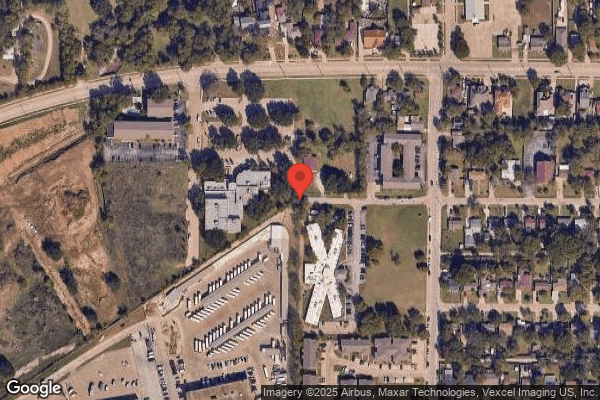
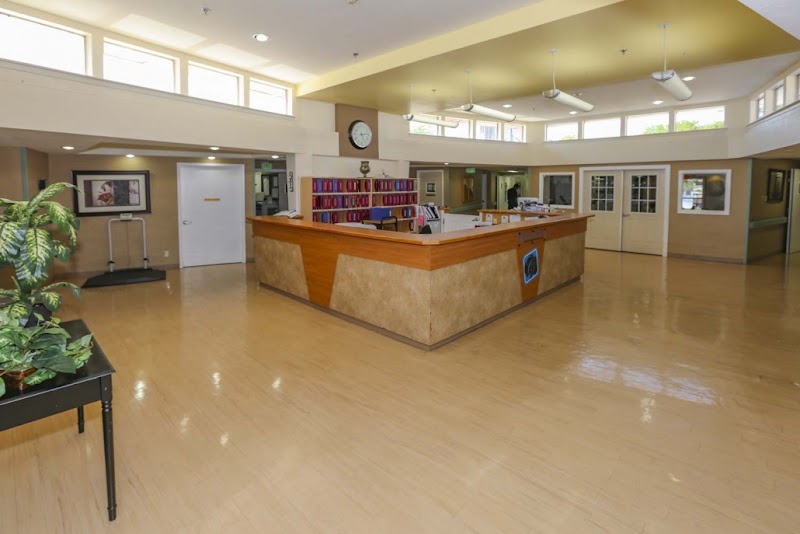
1618 KIRBY RD, CARROLLTON, TX 75006 (972) 245-1573
For profit - Corporation 120 Beds THE ENSIGN GROUP Data: November 2025 1 Immediate Jeopardy citation
Trust Grade
11/100
#665 of 1168 in TX
Last Inspection: May 2025

Inspected within the last 6 months. Data reflects current conditions.

Overview

Carrollton Health and Rehabilitation Center has received a Trust Grade of F, indicating significant concerns about the quality of care provided. Ranking #665 out of 1168 facilities in Texas places it in the bottom half, and at #41 of 83 in Dallas County, it is one of the less favorable options available locally. The facility has shown some improvement, reducing reported issues from eight in 2024 to six in 2025. While staffing is rated at 3 out of 5 stars, the turnover rate is concerning at 63%, which is higher than the Texas average. Additionally, there are serious issues to consider, such as a resident being able to leave the facility unnoticed, and a staff member physically abusing a resident, highlighting the need for caution despite some strengths like good RN coverage that exceeds 98% of state facilities.

Trust Score
F
11/100
In Texas
#665/1168
Bottom 44%
Safety Record
High Risk
Review needed
Inspections
Getting Better
8 → 6 violations
Staff Stability
⚠ Watch
63% turnover. Above average. Higher turnover means staff may not know residents' routines.
Penalties
○ Average
$22,435 in fines. Higher than 61% of Texas facilities. Some compliance issues.
Skilled Nurses
✓ Good
Each resident gets 48 minutes of Registered Nurse (RN) attention daily — more than average for Texas. RNs are trained to catch health problems early.
Violations
⚠ Watch
26 deficiencies on record. Higher than average. Multiple issues found across inspections.
★★☆☆☆
2.0
Overall Rating
★★★☆☆
3.0
Staff Levels
★★★☆☆
3.0
Care Quality
★★☆☆☆
2.0
Inspection Score
Stable
2024: 8 issues
2025: 6 issues

The Good

  • Full Sprinkler Coverage · Fire safety systems throughout facility
  • No fines on record

Facility shows strength in fire safety.

The Bad

2-Star Overall Rating

Below Texas average (2.8)

Below average - review inspection findings carefully

Staff Turnover: 63%

17pts above Texas avg (46%)

Frequent staff changes - ask about care continuity

Federal Fines: $22,435

Below median ($33,413)

Minor penalties assessed

Chain: THE ENSIGN GROUP

Part of a multi-facility chain

Ask about local staffing decisions and management

Staff turnover is elevated (63%)

15 points above Texas average of 48%

The Ugly 26 deficiencies on record

1 life-threatening 1 actual harm
May 2025 5 deficiencies
CONCERN (D)

Potential for Harm - no one hurt, but risky conditions existed

Infection Control (Tag F0880)

Could have caused harm · This affected 1 resident

**NOTE- TERMS IN BRACKETS HAVE BEEN EDITED TO PROTECT CONFIDENTIALITY** Based on observation, interview, and record review the facility failed to establish and maintain an infection prevention and con...

Read full inspector narrative →
**NOTE- TERMS IN BRACKETS HAVE BEEN EDITED TO PROTECT CONFIDENTIALITY** Based on observation, interview, and record review the facility failed to establish and maintain an infection prevention and control program designed to provide a safe, sanitary, and comfortable environment and to help prevent the development and transmission of communicable diseases and infections for 1 of 2 (RN D) staff members and 1 of 5 residents (Residents #56) reviewed for infection control procedures. RN D failed to disinfect the blood pressure cuff in between blood pressure checks for Residents #56 and was observed using blood pressure cuffs on two other unknown residents. RN D failed to cleanse her hands following stoma care and prior to administering G-tube medications for Resident #56. The failures could place residents at risk for cross contamination and infections. Findings included: Record review of Resident #56's quarterly MDS assessment, dated 02/05/2025, revealed a [AGE] year-old male who was admitted to the facility on [DATE]. Resident #56 had diagnoses which included: Cerebrovascular Accident (stroke), hemiplegia (paralysis) and muscle weakness and atrophy with multiple sites (arms and legs weak). Resident #56 was cognitively confused at times and unable to make decisions and required assistance of two staff for activities of daily living. Record review of Resident #56's physician's orders dated 03/31/2025 reflected, midodrine HCL (high blood pressure) tablet 5 mg give 2 tablets via G-tube 3.125mg give one tab by mouth two times a day and to obtain blood pressure one time a day on each shift. Observation on 05/04/2025 at 9:12 a.m., revealed RN D taking the blood pressure machine into Resident #56's room to check his blood pressure and his oxygen saturation. The oxygen saturation was low and the RN D assessed and determined the stoma (opening in the neck that the resident breaths through) required cleaning and the resident was having difficulty breathing. RN D obtained a pair of tweezers that were in the room, began to pull out the crusted areas at the edge of the stoma on both sides, as the resident would allow. RN D then placed the tweezers back into the cup on the bedside table after cleaning with normal saline. Without removing her gloves or washing her hands, RN D used the blood pressure machine again to check the oxygen saturation of Resident #56, which had returned to normal. RN D then removed her gloves and gown, placing them in the trash and walked out of the room without washing her hands or using hand sanitizer. RN D then prepared Resident #56's medications and returned to Resident #56's room. RN D placed on another gown and a pair of gloves. RN D proceeded to give Resident #56 his medications via G-tube (feeding tube into stomach), and after completion RN D washed her hands after removing gown and gloves. RN D removed the blood pressure machine out of the room, did not wipe the machine down with Sani wipes and went into another resident's room to take a blood pressure. An interview on 05/04/2025 at 2:30 p.m., RN D stated if they did not wash their hands or use a hand sanitizer it could spread germs to other residents. RN D stated the equipment, like the blood pressures machine should be cleaned between every two residents, with Sani Wipes. The tweezers in Resident #56's room should be cleaned after each usage with Sani-Wipes. RN D stated she knew that, she was just nervous. An interview with the DON, who was the infection control preventionist, on 05/06/2025 at 9:15 a.m., revealed the DON stated that all direct care staff must clean equipment, including blood pressure cuffs after having contact with each resident, and Sani-wipes were available. The DON stated the staff should be wearing gowns and gloves and practicing infection control precautions when cleaning Resident #56's stoma. The staff should be washing their hands or using hand sanitizer after direct care contact with any resident. The DON stated when giving medications they should be cleaning their hands before and after and in between each resident. The DON stated, the staff had available the disinfectant wipes that would kill all germs. The DON stated the staff would be in-serviced on infection control and she would perform teaching concerning infection control. If they did not clean the blood pressure cuffs appropriately, they could spread germs to themselves and the residents. Record review of an in-service dated 04/23/2025 revealed RN D had received cleaning and properly storing equipment after each use, standard infection control precautions, and hand hygiene. Record review of the Facility's Policy titled Infection Prevention and Control dated revised 2007, reflected: I. Goals The goals of the Infection Control Program to: A. Decrease the risk of infection to patients and personnel II. Scope of the infection Control Program The Infection Control Program is comprehensive int hat it addressed detection, prevention, and control of infections among patients and personnel. The Major Activities of the Program are: . C. Prevention of Infection Staff and patient education is one to focus on risk of infection and practices to decrease risk. Policies, procedures and aseptic practices are followed by personnel in performing procedure and in disinfection of equipment. Record review of the Facility's Policy titled Routine Procedures Handwashing revised dated July 2014 reflected: It is the policy of this facility to cleanse hands to prevent transmission of possible infectious material and to provide clean, healthy environment for residents and staff. Purpose: hand washing/hand hygiene is generally considered the most important singe procedure for preventing the transmission.
CONCERN (E)

Potential for Harm - no one hurt, but risky conditions existed

Accident Prevention (Tag F0689)

Could have caused harm · This affected multiple residents

**NOTE- TERMS IN BRACKETS HAVE BEEN EDITED TO PROTECT CONFIDENTIALITY** Based on observation, interview and record review, the facility failed to ensure all assistive devices, wheelchairs were maintai...

Read full inspector narrative →
**NOTE- TERMS IN BRACKETS HAVE BEEN EDITED TO PROTECT CONFIDENTIALITY** Based on observation, interview and record review, the facility failed to ensure all assistive devices, wheelchairs were maintained and free of hazards for three (Residents #4, #40, and #55) of 6 residents reviewed for essential equipment. The facility failed to properly maintain wheelchairs for Residents #4, #40, and #55. The failure could place residents at risk for equipment that is in unsafe operating condition, that could cause injury. Findings included: Review of Resident #40's quarterly MDS assessment, dated 03/07/2025, reflected she was an [AGE] year-old male admitted to the facility on [DATE], with diagnoses of Dementia (confusion), cerebral vascular accident (stroke), and instability on feet. Review of the Resident #40's plan of care dated 04/17/2025 with updates reflected goals and approaches to include wheelchair mobility. Observation on 05/04/2025 at 12:00 p.m. revealed Resident #40 confused, was sitting in her wheelchair in the dining room and had no skin problems. The wheelchair's right armrest was cracked with exposed foam. Review of Resident #4's quarterly MDS assessment, dated 03/11/2025, reflected he was a [AGE] year-old female admitted to the facility on [DATE] with diagnoses of Heart Failure (weak heart), hypertension (high blood pressure), weakness, and unsteady on feet. Review of the Resident #4's plan of care dated 03/18/2025 with updates reflected goals and approaches to include wheelchair mobility for locomotion. Observation on 05/04/2025 at 12:07 p.m. revealed Resident #4, confused, was sitting in her wheelchair, in the dining room and had no skin problems. The wheelchair's right armrest was cracked with exposed foam. Review of Resident #55's quarterly MDS assessment, dated 03/11/2025, reflected she was a [AGE] year-old female admitted to the facility on [DATE], with diagnoses of Hypertension (high blood pressure) heart failure (weak heart), dementia (confusion), unsteadiness, and muscle weakness. Review of the Resident #55's plan of care dated 03/13/2025 with updates reflected goals and approaches to include wheelchair mobility. Observation on 05/04/2025 at 12:10 p.m. revealed Resident #55 was in her wheelchair in the dining room, and the wheelchair's right armrest was cracked with the foam exposed. There were no skin tears on the residents arms. In an interview on 05/04/2025 at 12:11 p.m. with Resident #55, who spoke broken English, and the assistance of her table mates Resident #55 stated she was fine with her wheelchair, but if she could get it fixed that would be better. In an interview on 05/05/24 at 11:20 a.m. CNA E stated when a resident's wheelchair needed repair she would report it to the nurse in charge. CNA E stated she had never written anything in the computer though; she usually told the nurse in charge. In an interview on 05/04/2025 at 12:00 p.m. RN F stated when a resident's wheelchair needed repair the staff were to tell the maintenance man. The RN stated he would try to find a new wheelchair that was not being used. In an interview on 05/05/2025 at 11:46 a.m. the Maintenance Director stated he and his assistant repaired the wheelchairs when there were needed repairs. He stated staff were to place the needed repairs in the electronic system. The Maintenance Director was informed about the residents' wheelchairs condition, and he stated if the wheelchairs' issues had not been placed in the electronic system for repair he would not know. The Maintenance Director stated that all staff could place information about needed repairs in the electronic system. The Maintenance Director stated the staff told him or his assistant about repairs that were needed , including wheelchairs, but he told the staff if they did not place the information in the electronic system, and he could not remember and keep up with the needed repairs. The Maintenance Director stated sometimes he would enter the information himself, so the equipment could be repaired. A review of the electronic maintenance system with the ADON on 05/06/2025 reflected there were no entries that indicated residents' wheelchairs needed the armrest repaired for the March- May 2025 In an interview on 05/06/2025 at 8:39 a.m. with the Administrator revealed the wheelchairs that required repair should be placed in the electronic system. Then Administrator stated they had in-serviced the staff on how to use the system. The staff would just forget and then the staff would just tell the maintenance department and then they could not keep up. The Administration stated they had started a new in-service yesterday with the entire staff. In an interview on 05/06/2025 at 11:00 a.m. the Administrator stated that the facility had no policy and procedure related to equipment repair.
CONCERN (E)

Potential for Harm - no one hurt, but risky conditions existed

Pharmacy Services (Tag F0755)

Could have caused harm · This affected multiple residents

**NOTE- TERMS IN BRACKETS HAVE BEEN EDITED TO PROTECT CONFIDENTIALITY** Based on observation, interview and record review, the facility failed to ensure the accurate acquitting, receiving, dispensing,...

Read full inspector narrative →
**NOTE- TERMS IN BRACKETS HAVE BEEN EDITED TO PROTECT CONFIDENTIALITY** Based on observation, interview and record review, the facility failed to ensure the accurate acquitting, receiving, dispensing, and administering of all drugs and biologicals to meet the needs of each resident for 1 of 4 (Resident #56) for medication pass 1. RN D failed to follow physician orders to administer Resident #56's ASA (aspirin) capsule 81 mg per G-tube (feeding tube), and instead administered chewable ASA 81 mg per G-tube. RN D failed to check the medication room and to inquire of the other nursing staff if the staff had the appropriate ASA on their medication carts. 2. RN D failed to follow physician order to administer Resident #56's Calcium D (vitamin supplement) oral tables 600-400 mg and administered Over the counter Calcium D. RN D did not mix the Calcium D completely prior to administering the medication per G-tube. 3. RN D failed to administer Resident #56's Maalox (anti-acid) (aluminum/magnesium) Suspension, Suspension 200-200-20 5 ml 30 cc per G-tube. RN D administered Geritol 5 ml instead. These failures could place residents at risk for not receiving therapeutic dosages of their medications as ordered by the physician and a decreased health status. Findings included: These failures could place residents at risk for not receiving therapeutic dosages of their medications as ordered by the physician and a decreased health status. Findings included: Record review of Resident #56's quarterly MDS assessment, dated 02/05/2025, revealed a [AGE] year-old male who was admitted to the facility on [DATE]. Resident #56 had diagnoses which included: Cerebrovascular Accident (stroke), hemiplegia (paralysis) and muscle weakness and atrophy with multiple sites (arms and legs weak). Resident #56 was cognitively confused at times and unable to make decisions and required assistance of two staff for activities of daily living. Review of Resident #56's Physician's Order dated 04/02/24 and updated 03/31/2025 reflected, ASA (used to prevent blood clots) capsules 81 mg via G-tube. Review of Resident #56's Medication Administration Record dated 04/01/2025 reflected there had been doses of the ASA 81 mg capsules via G-tube daily, prior to 05/04/2025. Observation on 05/04/2025 at 9:15 a.m., revealed RN D did not administered the following medication to Resident #56 correctly during morning medications. RN D did not provide the ASA 81 mg capsules to the resident, due to not having the medication available. RN D provided ASA 81 mg chewable instead, she had no available ASA 81 mg on her cart. RN D did not check the medication room and did not follow- up with the other staff to verify if any was available on the their medication carts. Review of Resident #56's physician's order dated 12/06/2023 and updated 03/31/2025 reflected Calcium-D oral tablets 600-400 mg-unit give one table via G-Tube. Review of Resident #56's Medication Administration Record 04/01/2025 reflected there had been doses of the Calcium-D oral tablets 600 mg-400 mg-unit daily, prior to 05/04/2025. Observation on 05/04/2025 at 9:16 a.m., revealed RN D administered the following medication to Resident #56 per G-tube Calcium-D oral tablets 600 mg one tab. The RN had attempted to crush the medicine, inappropriately, and the medication would not mix well with the water to be administered down the G-tube. There was no direction on the bottle, but the RN stated that she knew something was wrong because the medication did not mix properly. RN D stated she would need to talk to her DON about that sometime. Review of Resident #56's physician's orders dated 04/18/2025 reflected Maalox (aluminum/magnesium Suspension 200-200-20 5 ml give 30 cc via G-tube. Review of Resident#56's Medication Administration Record 04/01/2025 reflected there had been doses of the Maalox 5 ml 300 per G-Tube prior to 05/04/2025. Observation on 05/04/2025 at 9:17 a.m., revealed Maalox (anti-acid) (aluminum/magnesium) Suspension, Suspension 200-200-20 5 ml 30 cc per G-tube, RN D administered Geritol 5 ml instead. In an interview on 5/04/2025 at 11:45 a.m. with RN D, she stated they were supposed to let the DON know if they did not have medication available to give, reorder the medication, and sometimes the medication room was checked to see if there were medications available. If the medicines were not available and they gave a substitute medicine, the medication should be an equal substitute for the medication they did not have. RN D stated they had to inform the doctor of what they have given. RN D stated the resident could suffer harm if they did not get the medications the doctor had ordered correctly. The RN stated that the medications should be given using the rules of dispensing, 1) look at the order on the Medication Administration Record, 2) pull the medications and compare, 3) place in the cup and check one last time that they were giving the correct medication. Then they enter the room, explain to the resident what you were giving and stay with the resident while they take the medications and make sure they have taken them. The RN D stated Resident #56 received his medications by the G-tube, the nurse must administer. RN D stated she did not know why she had given all the medicine substitutes that she did, incorrectly. RN D stated she gave the resident his medications all the time and she did not understand why she gave the wrong ones. She stated she was just very busy and running behind. In an interview on 05/04/2025 at 1:00 p.m. with Resident #56 revealed the resident could answer some yes and no questions by shaking his head. Resident #56 agreed he was taken care of at the facility and the staff was nice. Resident #56 agreed that he felt safe at the facility. Resident #56 refused to answer anymore questions, he wanted to sleep. In an interview on 05/06/2025 at 4:45 p.m., the DON revealed the staff who administered medications should always practice best practices. The DON stated the best practice would be to follow the three basic rules prior to administering the medications. The DON stated if the medication was not available, she needed to know. She could order the medications and the resident could receive the medications as ordered. The DON stated she would see that the staff administering medications had additional training, with follow-up for compliance. The DON stated that if the administering staff was considering giving a substitute for any medication, they should consult her or the physician first prior to giving the medication, not after giving. Review of the facility policy and procedure Administration of Medications dated July 2023 reflected, It is the policy of this Facility, medication shall be administered as prescribed by the resident's physician, nurse practitioner, or physician's assistance. Procedure: . 3. Medications must be administered in accordance with the written orders of the attending physician .
CONCERN (E)

Potential for Harm - no one hurt, but risky conditions existed

Unnecessary Medications (Tag F0759)

Could have caused harm · This affected multiple residents

**NOTE- TERMS IN BRACKETS HAVE BEEN EDITED TO PROTECT CONFIDENTIALITY** Based on observation, interview and record review, the facility failed to ensure it was free of a medication error rate of five ...

Read full inspector narrative →
**NOTE- TERMS IN BRACKETS HAVE BEEN EDITED TO PROTECT CONFIDENTIALITY** Based on observation, interview and record review, the facility failed to ensure it was free of a medication error rate of five percent (5%) or greater for 3 of 30 opportunities during medication pass resulting in a 10 percent (10%) error rate for one (Residents #13) of 4 residents observed for medication pass. 1. RN D failed to administer Resident #56's ASA (aspirin) capsule 81 mg per G-tube (feeding tube), and instead administered chewable ASA 81 mg, as RN D had no ASA capsules 81 mg on her medication cart. 2. RN D failed to administer Resident #56's Calcium D (vitamin supplement) oral tables 600-400 mg correctly. RN D crushed the incorrect Calcium D (that was not supposed to be crushed) and delivered by G-tube. 3. RN D failed to administer Resident #56's Maalox (anti-acid) (aluminum/magnesium) Suspension, Suspension 200-200-20 5 ml 30 cc per G-tube. RN D administered Geritol 5 ml instead. These failures could place residents at risk for not receiving therapeutic dosages of their medications as ordered by the physician and a decreased health status. Findings included: Record review of Resident #56's quarterly MDS assessment, dated 02/05/2025, revealed a [AGE] year-old male who was admitted to the facility on [DATE]. Resident #56 had diagnoses which included: Cerebrovascular Accident (stroke), hemiplegia (paralysis) and muscle weakness and atrophy with multiple sites (arms and legs weak). Resident #56 was cognitively confused at times and unable to make decisions and required assistance of two staff for activities of daily living. Review of Resident #56's Physician's Order dated 04/02/24 and updated 03/31/2025 reflected, ASA (used to prevent blood clots) capsules 81 mg via G-tube. Review of Resident #56's Medication Administration Record dated 04/01/2025 reflected there had been doses of the ASA 81 mg capsules via G-tube daily, prior to 05/04/2025. Observation on 05/04/2025 at 9:15 a.m., revealed RN D did not administered the following medication to Resident #56 correctly during morning medications. RN D did not provide the ASA 81 mg capsules to the resident, due to not having the medication available. RN D provided ASA 81 mg chewable per G-tube instead, she had no available ASA 81 mg on her cart. Review of Resident #56's physician's order dated 12/06/2023 and updated 03/31/2025 reflected Calcium-D oral tablets 600-400 mg-unit give one table via G-Tube. Review of Resident #56's Medication Administration Record 04/01/2025 reflected there had been doses of the Calcium-D oral tablets 600 mg-400 mg-unit daily, prior to 05/04/2025. Observation on 05/04/2025 at 9:16 a.m., revealed RN D administered the following medication to Resident #56 per G-tube Calcium-D oral tablets 600 mg one tab per G-tube. The RN had attempted to crush the medicine, inappropriately, and the medication would not mix well with the water. There was no direction on the bottle, but the RN stated that she knew something was wrong because the medication did not mix properly. RN D stated she would need to talk to her DON about that sometime. Review of Resident #56's physician's orders dated 04/18/2025 reflected Maalox (aluminum/magnesium Suspension 200-200-20 5 ml give 30 cc via G-tube. Review of Resident#56's Medication Administration Record 04/01/2025 reflected there had been doses of the Maalox 5 ml 300 per G-Tube prior to 05/04/2025. Observation on 05/04/2025 at 9:17 a.m., revealed Maalox (anti-acid) (aluminum/magnesium) Suspension, Suspension 200-200-20 5 ml 30 cc per G-tube, RN D administered Geritol 5 ml instead. In an interview on 5/04/2025 at 11:45 a.m. with RN D, she stated they were supposed to let the DON know if they did not have medication available to give, reorder the medication, and sometimes the medication room was checked to see if there were medications available. If the medicines were not available and they gave a substitute medicine, the medication should be an equal substitute for the medication they did not have. RN D stated they had to inform the doctor of what they have given. RN D stated the resident could suffer harm if they did not get the medications the doctor had ordered correctly. The RN stated that the medications should be given using the rules of dispensing, 1) look at the order on the Medication Administration Record, 2) pull the medications and compare, 3) place in the cup and check one last time that they were giving the correct medication. Then they enter the room, explain to the resident what you were giving and stay with the resident while they take the medications and make sure they have taken them. The RN D stated Resident #56 received his medications by the G-tube, the nurse must administer. RN D stated she did not know why she had given all the medicine substitutes that she did, incorrectly. RN D stated she gave the resident his medications all the time and she did not understand why she gave the wrong ones. She stated she was just very busy and running behind. In an interview on 05/04/2025 at 1:00 p.m. with Resident #56 revealed the resident could answer some yes and no questions by shaking his head. Resident #56 agreed he was taken care of at the facility and the staff was nice. Resident #56 agreed that he felt safe at the facility. Resident #56 refused to answer anymore questions, he wanted to sleep. In an interview on 05/06/2025 at 4:45 p.m., the DON revealed the staff who administered medications should always practice best practices. The DON stated the best practice would be to follow the three basic rules prior to administering the medications. The DON stated if the medication was not available, she needed to know. She could order the medications and the resident could receive the medications as ordered. The DON stated she would see that the staff administering medications had additional training, with follow-up for compliance. The DON stated that if the administering staff was considering giving a substitute for any medication, they should consult her or the physician first prior to giving the medication, not after giving. Review of the facility policy and procedure Administration of Medications dated July 2023 reflected, It is the policy of this Facility, medication shall be administered as prescribed by the resident's physician, nurse practitioner, or physician's assistance. Procedure: . 3. Medications must be administered in accordance with the written orders of the attending physician .
CONCERN (E)

Potential for Harm - no one hurt, but risky conditions existed

Deficiency F0776 (Tag F0776)

Could have caused harm · This affected multiple residents

**NOTE- TERMS IN BRACKETS HAVE BEEN EDITED TO PROTECT CONFIDENTIALITY** Based on interview and record review, the facility failed to provide or obtain radiology and other diagnostic services to meet t...

Read full inspector narrative →
**NOTE- TERMS IN BRACKETS HAVE BEEN EDITED TO PROTECT CONFIDENTIALITY** Based on interview and record review, the facility failed to provide or obtain radiology and other diagnostic services to meet the needs of its residents. The facility is responsible for the quality and timeliness of the services. Promptly obtain the Chest X-ray per the ordering physician's orders for one (Resident #39) of five residents reviewed for radiology services. The facility failed to obtain the chest X-ray and the results for Resident #39's chest in a timely manner, resulting in a delay to diagnosis Resident #39. The routine X-ray should be completed on the same day as ordered. This failure could place residents at risk of injury, pain and a delay in treatment. Findings included: Record review of Resident #39's electronic admission record revealed a [AGE] year-old female who admitted on [DATE] with a diagnoses that included Coronary Artery Disease (blocked arteries), Hypertension (high blood pressure), and Pneumonia (infection of the lungs). Record review of Resident #39's Quarterly MDS assessment, dated 04/17/2025, reflected the resident was cognitively alert and oriented with short periods of confusion. Resident #39 required the assistance of one staff member to assist with activities of daily living. Record review of Resident #39's care plan, undated, reflected Resident #39 was at risk for decline in self-care related to unsteady balance and weakness. Further review of the care plan revealed Resident #39 required assistance to maintain cognitive function due to diagnosis of Dementia. Staff was to report on changes in cognition, alertness, increased confusion, or difficulty in expressing herself. Record review of Resident #39's nurse's note, dated 04/07/2025 at 10:58 p.m., written by RN A revealed the resident was seen by the Physician Assistant during clinical rounds and has new orders as follow: 1. Chest x-ray X two views DX: cough . Record review of Resident #39's physician orders dated 04/07/2025 reflected a chest X-ray ordered for Resident #39 due to a cough. Record review of Resident #39's nurse's note, dated 04/08/2025 at 12:30 p.m., written by RN A revealed no complications noted related to cough, still awaiting the chest x-ray. Record review of Resident #39's progress note, dated 04/09/2025 at 12:05 p.m., written by the Physician Assistance revealed . F/u visit. Called by nurse to review lab results. Pt remains anxious & upset about her overall health issues .reviewed lab results .pending CXR .monitor for sob con't with POC . Record review of Resident #39's nurse's note, dated 04/10/2024 at 2:31 p.m., written by RN B revealed Resident's X-ray . results received (CXR: Patchy Opacity is seen in the right lower lobe). Notified to PA. Got new order of tab cefdinir (antibiotic) 300 mg bid for 7 days for PNA (Pneumonia) and DuoNeb (inhalation treatment) q 8 hrs for 7 days. Order carried out and notified to resident and responsible party . Record review of Resident #39's Medication Administration Record dated 04/01/2025 reflected the Cefdinir 300mg BID and DuoNeb q 8 hrs for 7 days had been initiated on 04/10/2025 and continued for seven days. Record review of Resident #39's nurse's note dated 04/10/2025 through 04/17/2025 reflected the charge nurses were monitoring and documenting for any related changes of condition reflecting any side effects related to the antibiotics or changes noted related to the pneumonia. Further review reflected the nursing staff continued to monitor for seventy-two hours following the completion of the antibiotics for any related symptoms of the Pneumonia. Resident #39 had no further respiratory complications noted. Interview on 05/04/2025 at 2:00 p.m. with LVN C revealed the doctor or the Physician Assistant would order the X-ray, then the nurses must fill out a form and fax it to the X-ray company. The X-ray company would come and perform the X-ray, after the doctor reads the X-ray then the facility receive the X-ray results on the fax machine at the nurse's station. LVN C stated Resident #39, in April 2025, did have a chest X-ray ordered by the Physician Assistant because she had a cough, was weak and felt tired. The X-ray was not ordered STAT. The chest X-ray was ordered routine, that allowed the X-ray company to take their time to come and do the X-ray. The company took their time, instead of coming the same day or the next sometimes they came days after it was ordered. LVN C stated she continued to follow-up on Resident #39's X-ray but sometimes the X-ray company would tell them they were too busy to come. LVN C stated that sometimes they would refuse to come on the weekends, and they would have to send the resident to the hospital for the X-ray, the doctor had ordered. LVN C stated that had only happened one time, because she just started ordering everything STAT. LVN C stated this had been reported to the DON. Interview on 05/04/2025 at 2:07 p.m. with the Physician Assistant revealed that she had ordered a chest x-ray on Resident #39 as the charge had informed me she had a cough. I later spoke with the DON about the Chest X-ray not being completed timely. The DON tried to change the Chest X-ray to STAT, but the lab had already processed it as routine and did not change the order. The Chest X-ray was completed and the Resident was treated with antibiotics. The Physician Assistant stated the charge nurses were monitoring Resident #39 for any related changes, while we were waiting on the Chest X-ray. Interview on 05/04/2025 at 2:11 pm with RN D revealed she did not have problems related to having her residents X-rays completed timely, when the doctor ordered X-rays. RN D stated she ordered all her X-rays STAT and the X-ray company came no later than 5 hours on the same day. RN D stated she knew there had been a problem one time with getting an X-ray completed timely, so she just started ordering all her X-rays STAT. Interview on 05/06/2025 at 9:15 a.m., with the DON revealed she was aware there had been a failure with Resident #39. The DON stated the nursing staff had ordered the chest x-ray routine, due to a cough. Upon follow-up the chest X-ray was changed to a STAT order, but the X-ray company got that messed up, and the X-ray was completed later. The DON stated she had spoken to the Physician Assistant about the chest X-ray and they had suggested maybe looking into a different company that was more customer service oriented. The DON stated Resident #39 had no other noted changes in her condition, so they waited until the chest X-ray was completed. The DON stated she had all the charge nurses start ordering all their X-rays STAT, until the facility found another X-ray company. The DON stated she had a meeting with another company scheduled for tomorrow (05/07/2025) because she needed the residents taken care of and the test needed to be timely with timely results, so the residents could be treated. Interview on 05/06/2025 at 12:20 p.m. with the Administrator revealed he was not aware there was a problem with the X-ray company. The Administrator was informed by the Surveyor, that the DON had a meeting scheduled on tomorrow (05/07/2025). The Administrator stated that was good because the facility needed a reliable X-ray company to service the residents, so they could be treated timely. On 05/06/2025 at 1:28 p.m. the DON stated the facility did not have any policy and procedure specific to X-rays/test results.
Jan 2025 1 deficiency 1 Harm
SERIOUS (G) 📢 Someone Reported This

A family member, employee, or ombudsman was alarmed enough to file a formal complaint

Actual Harm - a resident was hurt due to facility failures

Free from Abuse/Neglect (Tag F0600)

A resident was harmed · This affected 1 resident

**NOTE- TERMS IN BRACKETS HAVE BEEN EDITED TO PROTECT CONFIDENTIALITY** Based on interviews and record review, the facility failed to ensure the right to be free from abuse was provided for one (Resid...

Read full inspector narrative →
**NOTE- TERMS IN BRACKETS HAVE BEEN EDITED TO PROTECT CONFIDENTIALITY** Based on interviews and record review, the facility failed to ensure the right to be free from abuse was provided for one (Resident #1) of seven residents reviewed for abuse. The facility failed to ensure Resident #1 was free from abuse. On 5/18/2024 at 2:10 p.m., CNA A hit Resident #1 with an open hand on the outer left thigh causing a red handprint. The noncompliance was identified as past noncompliance (PNC). The past noncompliance began on 05/18/24 and ended on 05/20/24. The facility had corrected the noncompliance before the state's investigation began. This failure could place residents at risk for abuse and psychological harm. Findings included: Record review of Resident #1's Annual MDS dated [DATE] revealed Resident #1 was an [AGE] year-old male admitted to the facility on [DATE] with diagnoses of dementia, stroke, and aphasia (disorder that affects a person's ability to communicate). Section E indicated there have been no changes in Resident #1's behavior, and Resident #1 was not exhibiting any behaviors. BIMS assessment was incomplete. Record review of Resident #1's BIMS assessment prior to the incident dated 4/25/2024 revealed a BIMS score of 0 (indicated severe cognitive impairment). Record review of Resident #1's care plan revealed Resident #1 had right sided weakness, impaired cognitive function, and was resistive to care. Interventions listed for being resistive to care included leaving the room, approaching the resident at a later time, and seeking assistance from another staff member. Another focus listed was that Resident #1 had a potential for behavior problems and interventions included to ensure the resident's safety and not jeopardize the staff's safety with care. Record review of PIR dated 5/20/2024 revealed on 5/18/2024 at 2:10 p.m., CNA A reported to MA B that Resident #1 hit her twice in the arm, and she reacted by hitting him back. CNA A was suspended and escorted out of the building by staff. In an interview on 1/14/2025 at 11:19 a.m., MA B reported on 5/18/2024 that CNA A came to her office and stated she had hit Resident #1 back after he hit her. MA B stated she immediately notified the DON and the ADM and MA B told CNA A to go to her car. MA B reported she saw a red handprint on Resident #1's left thigh, but it was gone when she went to change him two hours later. MA B stated Resident #1 did not slap at her hand or give her any indication that it hurt when she changed him. MA B stated Resident #1 was combative with care at times and hit hard. MA B stated there were no changes in Resident #1's behavior after the incident. MA B stated Resident #1 could have become afraid of staff but did not. In an attempted interview on 1/14/2025 at 12:10 p.m., a telephone call was made to CNA A and voicemail left. No return call received. In an interview on 1/14/2025 at 12:24 p.m., the DON reported CNA A was providing care for Resident #1. CNA A walked out of the room and told MA B that she had hit Resident #1. The DON stated CNA A told her it was a reaction, and she was sorry. The DON stated CNA A knew what abuse was and knew not to hit the residents. The DON stated CNA A had received abuse and neglect training, and CNA A was able to state what should have happened in the situation. The DON reported CNA A was walked out of the building and terminated after the investigation. The DON reported the red mark on Resident #1's leg was gone by the next day and Resident #1 did not have any behavior changes after the incident. The DON reported Resident #1 did not appear to be fearful of staff. The DON stated all staff received abuse and neglect training that was updated to include de-escalation techniques. The DON stated the risks to the residents if they were hit by staff would be behaviors, depression, isolation, and risk for fear. The DON reported everyone was responsible for monitoring staff interactions with residents, and everyone was trained to say something if they saw something. Record review of a skin assessment dated [DATE] at 2:25 p.m., revealed Resident #1 had a slight red discoloration to the outer left thigh. Record review of nursing progress note dated 5/18/2024 at 8:20 p.m., revealed Resident #1 did not have any bruises and did not have any signs or symptoms of pain. Record review of nursing progress note dated 5/19/2024 at 6:15 p.m., revealed Resident #1 did not have any bruises and did not have any signs or symptoms of pain. In an observation and attempted interview on 1/14/2025 at 1:19 p.m., Resident #1 was sitting up in his bed looking around the room. Resident #1 was unable to participate in an interview. Resident #1 did not verbally respond to questions and only grunted. Resident #1 appeared calm but gestured for people to leave by waving his hand at the door when he was spoken to. In an attempted interview on 1/14/2025 at 1:29 p.m., a telephone call was made to Resident #1's POA and voicemail left. No return call received. In an interview on 1/14/2025 at 5:29 p.m., the ADM stated he was immediately notified of the incident and interviewed CNA A with the DON over the phone. The ADM stated CNA A told him that she hit Resident #1 because it was a reaction to him hurting her. The ADM stated CNA A had training on abuse and neglect and was terminated after the incident because it was abuse. The ADM stated he did not remember if there initially a red mark on Resident #1 was, but there was nothing long-term. The ADM stated the risks to the residents if staff were to hit them would be that they could be hurt emotionally or physically. The ADM stated everyone was responsible for monitoring staff to resident interactions, and the expectation was that there was no tolerance for physical or verbal abuse. Review of training dated 05/18/25 and labeled 'Teachable Moment' and presented by the DON reflected the training included the Abuse Policy, Steps of de-escalation, residents with increased behaviors use two staff for all cares and notify the nurse. An interview on 01/14/25 at 3:25 p.m. with CNA C revealed she received training regarding abuse and neglect. She received abuse and neglect training on computer and during in-service. She stated it takes two aides to provide care due to Resident #1's behavior. An interview on 01/14/25 at 4:07 p.m. with CNA D revealed she received in-service training regarding abuse and has not seen any staff hit any residents, if she saw abuse she would report to the Administrator. She stated it takes two staff to provide care to Resident #1. An interview on 01/14/25 at 4:019 p.m. with CNA E revealed she received in-service training and received monthly on computer and in-services. She stated if the resident is aggressive staff should walk away and come back when resident is calm. She stated she has never seen a staff hit a resident. Record review of facility policy titled Reporting Alleged Violations of Abuse, Neglect, Exploitation or Mistreatment, with a revision date of 10/01/2024, revealed it is the policy of this facility that each resident has the right to be free from abuse and definitions included abuse - willful infliction of injury, unreasonable confinement, intimidation, or punishment with resulting physical harm, pain, or mental anguish .Willful, as used in this definition of abuse, means the individual must have acted deliberately, not that the individual must have intended to inflict injury or harm.
Apr 2024 7 deficiencies
CONCERN (D)

Potential for Harm - no one hurt, but risky conditions existed

Deficiency F0558 (Tag F0558)

Could have caused harm · This affected 1 resident

**NOTE- TERMS IN BRACKETS HAVE BEEN EDITED TO PROTECT CONFIDENTIALITY** Based on observation, interview, and record review, the facility failed to provide residents with reasonable accommodation of re...

Read full inspector narrative →
**NOTE- TERMS IN BRACKETS HAVE BEEN EDITED TO PROTECT CONFIDENTIALITY** Based on observation, interview, and record review, the facility failed to provide residents with reasonable accommodation of resident needs and preferences except when to do so would endanger the health or safety of the resident or other residents for one (Resident #45) of five residents reviewed for call lights. The facility failed to ensure Resident #45's call light was accessible. This failure could place the residents at risk of falling, further injury, and unnecessary pain from not being able to call for help. Findings included: Review of Resident #45's face sheet, dated 04/11/24, reflected the resident was a [AGE] year-old female who was originally admitted on [DATE] and readmitted on [DATE]. Her diagnoses included metabolic encephalopathy (a brain disorder caused by various diseases or toxins that affect the body's chemistry and disrupt the brain's function), acute kidney failure (a sudden condition where the kidneys lose their ability to filter waste products from the blood), and adjustment disorder with anxiety (a mental health condition that arises due to difficulty coping with significant life changes). Review of Resident #45's quarterly MDS assessment, dated 03/26/24, revealed there was not a BIMS score calculated for her. Review of Resident #45's care plan, dated 03/17/24, reflected the following: Focus: At risk for falls r/t Deconditioning, Gait/balance problems, Unaware of safety needs .Goal: Will not sustain serious injury through the review date .Interventions: Be sure the call light is within reach and encourage to use it to call for assistance as needed. Observation on 04/09/24 at 10:33 AM revealed Resident #45 was in her room sleeping in bed. Resident #45's call light was placed on top of the light above her bed, out of reach. Observation on 04/10/24 at 10:20 AM revealed Resident #45 was in her room sleeping in bed. Resident #45's call light was placed on top of the light above her bed, out of reach. Interview on 04/10/24 at 11:30 AM with LVN T revealed Resident #45's call light was placed on top of the light above her bed and out of her reach. LVN T said she was not sure why Resident #45's call light was on top of the light and did not notice it this morning when she checked on the resident. LVN T said the call light should always be where a resident could reach it. She stated everyone, including CNAs and nurses, were responsible for ensuring it was within the resident's reach. LVN T said the purpose of the call light was for the resident to call when they needed something. LVN T said the risk of a call light not being within reach was that an injury could happen, or the resident could miss out on food or drinks if they needed them. Interview on 04/11/24 at 3:22 PM with the DON revealed call lights should be within reach of the resident, and she was not sure who placed Resident #45's call light on the light above her bed. The DON said Angel Rounds were completed every morning, so it was the assigned Angel's responsibility to have noticed the call light placement, and if not, then the CNAs or nurses caring for her. The DON said the purpose of the call light was for the resident to be able to alert staff if they needed any assistance. The DON said the resident might have an emergency or a fall and staff would not know about it right away. Review of the facility's Call Lights/Bell policy, revised 08/03/21, reflected: .4 .Place the call device within resident's reach before leaving room.
CONCERN (D)

Potential for Harm - no one hurt, but risky conditions existed

Safe Environment (Tag F0584)

Could have caused harm · This affected 1 resident

**NOTE- TERMS IN BRACKETS HAVE BEEN EDITED TO PROTECT CONFIDENTIALITY** Based on observation, interview, and record review, the facility failed to ensure residents had a safe, clean, comfortable, and ...

Read full inspector narrative →
**NOTE- TERMS IN BRACKETS HAVE BEEN EDITED TO PROTECT CONFIDENTIALITY** Based on observation, interview, and record review, the facility failed to ensure residents had a safe, clean, comfortable, and homelike environment for 1 of 2 residents (Resident #46) reviewed for physical environment. The facility failed to ensure Resident #46's gastronomy tube (a tube placed through the abdominal wall with the aid of an endoscope into the stomach used for feeding patients unable to swallow food) pole and floor was clean. These failures could place the residents at risk for the spread of infection and disease, a diminished quality of life and a diminished clean, homelike environment. Findings included: Review of Resident #46's face sheet, dated 04/11/24, revealed the resident was a [AGE] year-old-female who admitted to the facility on [DATE] and readmitted on [DATE]. The resident's diagnoses included gastrostomy status (surgical procedure for inserting a tube through the abdomen wall and into the stomach, used for feeding), epilepsy (seizure disorder) and dysphagia (difficulty swallowing). Review of Resident #46's comprehensive MDS assessment, dated 03/19/24, revealed her BIMS score was 0, indicative of severe cognitive impairment. Resident #46's nutritional approach was feeding tube. Observation on 04/09/24 at 10:29 AM revealed Resident #46 lying in bed sleeping. A feeding pump was next to Resident #46's bed and was infusing. A bottle of enteral feeding was hanging from the pole with dried formula spills on the floor and pole, and there were trash behind the oxygen tank and under the bed. Observation and interview on 04/10/24 at 1:00 PM with LVN B revealed she was the nurse assigned to Resident #46. She stated g-tube poles were supposed to cleaned by the nurse on duty any time they spill the formula. She stated she had not noticed the g-tube poles being dirty. LVN B entered Resident #46's room and stated the g-tube poles and the floor around the g-tube poles were dirty and filthy. he stated she had not noticed the poles, or the floors had dried formula and trash behind the oxygen tank and under the bed when she assists the resident. She stated the potential risk of g-tube poles being dirty could be infection control. Observation/ Interview on 04/10/24 at 01: 20PM with the Housekeeper revealed she was the housekeeper assigned for the 200 hall. She stated she had noticed Resident #46's floor having plastic caps and g-tube pole to be dirty. She stated she had cleaned the room several times; however, the dried formula was hard to remove and also, she had not been cleaning under the bed because she only does that when performing deep cleaning . She stated dried formula piled up, and she had not she had not notified the housekeeping director that nurses were throwing the trash on the floor behind the oxygen tank and under the bed. Observation/ Interview on 04/11/24 at 02:15 PM with the Housekeeping Director revealed he could see the trash behind the oxygen tank and under the floor and also dried formula on the pole and the floor of Resident #46's room. He stated his expectation was for his staff to clean the room properly and in case of any problem to let him know. He stated he was not aware staff were putting trash behind the oxygen tank and under the bed. He stated he expected the housekeeper to move the oxygen tank, clean the area, clean under the bed, and ask for assistance to move the bed. Interview on 04/11/24 on 3:14 PM with the DON revealed nurses were responsible for cleaning the g-tube poles, and the housekeepers were responsible for cleaning the floors. She stated nurses should be wiping the spills down. She stated the potential risk was that it could be unsanitary. Record review of the facility's Comfortable Home Like Environment, dated January 2022, reflected the following: .2 .The facility staff and management shall miximize.to the extent possible. The characteristics of the facility that reflect a personalized, homelike setting. These characteristics include: a. Cleanliness and order
CONCERN (D)

Potential for Harm - no one hurt, but risky conditions existed

Assessment Accuracy (Tag F0641)

Could have caused harm · This affected 1 resident

**NOTE- TERMS IN BRACKETS HAVE BEEN EDITED TO PROTECT CONFIDENTIALITY** Based on interview and record review, the facility failed to ensure assessments accurately reflected the resident status for 1 o...

Read full inspector narrative →
**NOTE- TERMS IN BRACKETS HAVE BEEN EDITED TO PROTECT CONFIDENTIALITY** Based on interview and record review, the facility failed to ensure assessments accurately reflected the resident status for 1 of 5 residents (Resident #63) reviewed for MDS assessment accuracy in that: Resident #63's quarterly MDS assessment dated [DATE] was coded incorrectly in that it indicated she had a wound infection when she did not. This failure could place residents at risk of not receiving care and services to meet their needs. Findings included: Review of Resident #63's face sheet, dated 04/11/24, reflected the resident was a [AGE] year-old female who originally admitted to the facility on [DATE] and readmitted on [DATE]. Her diagnoses included unspecified dementia (a group of symptoms that affects memory, thinking and interferes with daily life) and cognitive communication deficit (problems with communication that have an underlying cause in a cognitive deficit rather than a primary language or speech deficit). Review of Resident #63's quarterly MDS assessment, dated 01/10/24, reflected no BIMS score was indicated. Further review reflected Resident #63 had a wound infection. Review of Resident #63's physician's orders, dated 01/01/24 to 04/30/24 revealed there were no orders for a wound or wound infection. Interview using a translator app on 04/09/24 at 10:42 AM with Resident #63 revealed she did not want to talk to the surveyor. Interview on 04/09/24 at 2:29 PM with the DON revealed Resident #63 did at some point during her stay at the facility had a hip replacement where a wound was infected but she was not sure when that was. Interview on 04/10/24 at 11:30 AM with LVN T revealed she was caring for Resident #63 and had been for a while now. LVN T said Resident #63 did not have any wounds or infected wounds since she had been caring for her. Interview on 04/11/24 at 10:29 AM with MDS Coordinator V revealed she found out about Resident #63's incorrect MDS assessment yesterday (04/10/24) when the DON asked her about it. MDS Coordinator V said she looked into it and saw that Resident #63 was incorrectly triggered for a wound infection, but it had been resolved already. MDS Coordinator V said MDS Coordinator U was the one who completed that section on Resident #63's MDS assessment where the wound infection was incorrectly triggered. MDS Coordinator V said the purpose of the MDS was to capture a resident's level of care being provided by the facility. MDS Coordinator V said the person completing the MDS assessment should make sure it was accurate but that there was not anyone who looked over the completed MDS assessments for accuracy. MDS Coordinator V said the inaccurate MDS assessment would not give a whole complete picture of the resident's level of care. Telephone interview on 04/11/24 at 11:24 AM with MDS Coordinator U revealed she completed Resident #63's MDS assessment from January 2024. MDS Coordinator U said she did not catch that Resident #63's wound infection had resolved after it automatically prepopulated from the last MDS assessment. MDS Coordinator U said she was responsible for ensuring the information in that section was accurate before it was completed. Review of the facility's Resident Assessment and Associated Processes policy, dated March 2022, reflected: It is the policy of this facility that resident's will be assessed and the findings documented in their clinical health record. These will be comprehensive, accurate, standardized reproductible assessment of each resident and will be conducted initially and periodically as part of an ongoing process through which each resident's preferences and goals of care, functional and health status, and strengths and needs will be identified .7. Each individual who completes a portion of the assessment will electronically sign and certify the accuracy of that portion of the assessment, as well as the date the data was obtained [sic].
CONCERN (D)

Potential for Harm - no one hurt, but risky conditions existed

Drug Regimen Review (Tag F0756)

Could have caused harm · This affected 1 resident

**NOTE- TERMS IN BRACKETS HAVE BEEN EDITED TO PROTECT CONFIDENTIALITY** Based on interview and record review, the facility failed to ensure any drug regimen irregularities reported by the Pharmacist C...

Read full inspector narrative →
**NOTE- TERMS IN BRACKETS HAVE BEEN EDITED TO PROTECT CONFIDENTIALITY** Based on interview and record review, the facility failed to ensure any drug regimen irregularities reported by the Pharmacist Consultant were acted upon, for 1 of 1 resident (Resident #49) reviewed for unnecessary medications, and medication regimen review. The facility's Pharmacist Consultant recommended Residents #49's Lidocaine External Patch 4 % (Lidocaine) required to be updated to read wear 12 hours and then off 12 hours. This failure could place residents on lidocaine patch at risk for possible adverse side effects, adverse consequences, and decreased quality of life. Findings included: Record review of Resident #49's face sheet dated 04/11/24 revealed the resident was a [AGE] year-old female who originally admitted to the facility 05/18/21. The diagnoses included disorder of muscles and multiple sclerosis (disorder in which the body's immune system attacks the protective covering of the nerve cells in the brain, optic nerve, and spinal cord, called the myelin sheath). Record review of Resident #49's comprehensive MDS dated [DATE] revealed a BIMS score of 12 indicating she was moderately cognitive impaired. Review of Resident #49's physician's orders reflected an order for: Lidocaine External Patch 4 % (Lidocaine) Apply to left wrist topically one time a day for pain, with a start date of 05/01/23. Review of Resident #49's April 2024 MAR reflected the following: Lidocaine External Patch 4 % (Lidocaine) Apply to Left wrist topically one time a day for pain and indicated Resident #49 received the patch every day and there was no order for removal. Review of Resident #49's care plan, revised on 08/10/23, reflected: potential for pain rule out neuropathy,debility,chronic back pain. Goal: will voice a level of comfort of through the review date .Intervention: administer analgesia medication as per orders. Review of Resident #49's Medication Regimen Review, dated 05/23/23, reflected the following: Please Update lidocaine patch 4% order to include the following wear for 12 hours on, then 12 hours off. Interview on 04/11/24 on 3:18 PM with the DON revealed she was not aware the recommendation for Resident #49 had not been acted upon. The DON revealed reviewing Pharmacist Consultant's recommendations was primarily her responsibility. When she had an ADON, the ADON assisted but she did check over her work because she did not triple check. She stated she assumed when the pharmacy reviews were put on the binder they were completed. The DON stated when she received the recommendations, she went through them, updated the orders, and indicate it was done. The facility was asked to provide the facility's Drug Regimen Reivew policy on 04/11/24 at 4:00 PM, and the DON started they did not have a policy. She could not tell of any guidance that was being used.
CONCERN (D)

Potential for Harm - no one hurt, but risky conditions existed

Deficiency F0760 (Tag F0760)

Could have caused harm · This affected 1 resident

**NOTE- TERMS IN BRACKETS HAVE BEEN EDITED TO PROTECT CONFIDENTIALITY** Based on interview and record review, the facility failed to ensure residents are free of any significant medication errors for ...

Read full inspector narrative →
**NOTE- TERMS IN BRACKETS HAVE BEEN EDITED TO PROTECT CONFIDENTIALITY** Based on interview and record review, the facility failed to ensure residents are free of any significant medication errors for 1 of 3 residents (Resident #45) reviewed for medication administration. The facility failed to prevent Resident #45 from being provided Losartan Potassium, a medication designed to lower a person's blood pressure, while Resident #45 was assessed with blood pressure lower than the physician recommended parameters for providing the medication. This failure could place residents at risk for not receiving therapeutic effects of their medications and possible adverse reactions. Findings included: Review of Resident #45's face sheet, dated 04/11/24, reflected the resident was a [AGE] year-old female with an initial admission date of 07/25/23 and admission date of 09/22/23. Her diagnoses included unspecified dementia (a group of symptoms that affects memory, thinking and interferes with daily life) and essential hypertension (a form of high blood pressure. Review of Resident #45's quarterly MDS assessment, dated 03/26/24, reflected there was not a BIMS score calculated for her. Review of Resident #45's Order Summary Report, dated 04/11/24, reflected an order that read Losartan Potassium Oral Tablet 25 MG (Losartan Potassium) Give 2 tablet by mouth two times a day for Hypertension [high blood pressure] hold for sbp less than 110, dbp less than 60 or HR less than 60. Review of Resident #45's March 2024 Medication Administration Record, dated 04/11/24, reflected of the 62 times the resident was scheduled to be administered losartan, 4 doses were administered out of physician parameters with Resident #45's systolic blood pressure being under 110 and diastolic blood pressure being under 60: 03/05/24 at AM 07 when Resident #45's systolic blood pressure was 100 and diastolic blood pressure was 52 administered by MA W; 03/10/24 at AM 07 when Resident #45's systolic blood pressure was 108 administered by MA Y; 03/20/24 at HS 19 when Resident #45's systolic blood pressure was 107 and diastolic blood pressure was 52 administered by MA X; and 03/21/24 at AM 08 when Resident #45's systolic diastolic blood pressure was 58 administered by MA W; Review of Resident #45's care plan, dated 03/17/24, reflected the following: Focus: potential for alteration in cardiovascular status r/t hypertension; Goal: will remain free of complications related to hypertension through review date.; Interventions: Blood pressure taken as ordered .Give anti hypertensive medications as ordered [sic]. Observation on 04/09/24 at 10:33 AM revealed Resident #45 was in her room sleeping in bed. Resident #45 did not wake up to the surveyor asking her questions. Interview on 04/10/24 at 11:38 AM with MA Z revealed he administered blood pressure medications to Resident #45. MA Z said he always referred to the parameters of the medications and checked Resident #45's blood pressure before he gave her the medication. MA Z said if the blood pressure was out of parameters, then he would let the nurse know about it and not give the medication. MA Z said he would document that the medication was not given on the resident's MAR using the number code but could not recall what that number was. MA Z said the purpose of this was to let others know that the medication was not given because the blood pressure was out of parameters. MA Z said anyone giving medications was responsible for ensuring that a medication was not given out of parameters. MA Z said if a medication was given out of parameters the blood pressure could be too elevated or too low because the resident will receive the medications. Interview on 04/11/24 at 3:22 PM with the DON revealed she saw that there was two medication aides who she noticed were giving Resident #45 her blood pressure medication out of parameters. The DON said she terminated one of the medication aides and he did not give a reason he administered the medication out of parameters. The DON said any medication should be held if the vitals were out of parameters. The DON said the medication aide should have notified the nurse and the nurse would have notified the doctor that the medication was not administered because the resident's vitals were out of parameters. The DON said the purpose of this was so that her blood pressure would not go too low to cause issues or any side effects. The DON said she was responsible for monitoring resident's MARs, but there were a lot of residents, and she was not able to review them all. Review of the facility's Medication Administration policy, dated May 2007, reflected: .2. Medications must be administered in accordance with the written orders of the attending physician.
CONCERN (D)

Potential for Harm - no one hurt, but risky conditions existed

Deficiency F0761 (Tag F0761)

Could have caused harm · This affected 1 resident

**NOTE- TERMS IN BRACKETS HAVE BEEN EDITED TO PROTECT CONFIDENTIALITY** Based on observation, interview, and record review, the facility failed to ensure in accordance with State and Federal laws, the...

Read full inspector narrative →
**NOTE- TERMS IN BRACKETS HAVE BEEN EDITED TO PROTECT CONFIDENTIALITY** Based on observation, interview, and record review, the facility failed to ensure in accordance with State and Federal laws, they stored all drugs and biologicals in locked compartments under proper temperature controls, and permit only authorized personnel to have access to the keys for 1 of 4 residents (Residents #36) reviewed for pharmacy services. The facility failed to ensure Resident #36 took her medications when they were administered, which resulted in the resident saving the medication in her room. This failure could place residents at risk of not receiving the therapy needed. Findings included: Review of Resident #36's face sheet, dated 04/11/24, revealed the resident was a [AGE] year-old female who admitted to the facility on [DATE] with diagnoses that included essential hypertension (high blood pressure) and depression (mood disorder that causes a persistent feeling of sadness and loss of interest). Review of Resident #36's MDS assessment, dated 04/02/24, revealed a BIMS score of 0 which indicated her cognition was severely impaired. Record review of Resident #36's April 2024 MAR revealed Resident #36's was administered hydrocodone-acetaminophen tablet 5-325 mg. Give 1 tablet by mouth every 8 hours for pain and meclizine oral tablet 25 mg. Give 25 mg by mouth every 8 hours for dizziness and Simethicone capsule 125 mg. Give 1 capsule by mouth every 8 hours for bloating at 6.00 AM. Review of Resident #36's physician order, dated 02/20/23, reflected the following order for Simethicone capsule 125 mg. Give 1 capsule by mouth every 8 hours for bloating, on 10/04/23 meclizine oral tablet 25 mg. Give 25 mg by mouth every 8 hours for dizziness and on 02/23/24 revealed hydrocodone-acetaminophen tablet 5-325 mg. Give 1 tablet by mouth every 8 hours for pain. Observation and interview on 04/09/24 at 11:06 AM with Resident #36 revealed she had one white pill on her bed side table in a medication cup. Resident #36 stated the nurse left the medication cup, and she would take the medications when she was ready. Resident #36 stated it was one of her gas pills, and she did not mean to get anybody in trouble. She always took it when she was ready though, and the staff told her she needed to take it before breakfast. She did not want to disclose whether she was left with the medication in the morning during medication pass, she only stated one staff gave it to her. Observation and interview on 04/09/24 at 11:11 AM with MA C revealed a white pill on the Resident #36's bedside table. MA C stated the resident should not have any medication in her room. MA C stated he provided Resident #36's medication that morning, and he did not notice the pill in the cup. MA C stated medication should not be left unsupervised or left in the room. He stated the risk of leaving meds was that it could lead to another resident taking it. MA C stated he had been trained on medication administration. Observation and interview on 04/09/24 11:19 AM with LVN B revealed a white pill on the Resident #36's bedside table. LVN B stated the resident should not have any medication in her room. LVN D stated she provided care to Resident #36's that morning, and she did not notice the pill in the cup. She stated maybe she had covered it with something. LVN B stated medication should not be left unsupervised or left in the room. She stated the risk of leaving meds was that it could lead to another resident taking it. LVN B stated she had been trained on medication administration, but she could not know when. She stated she thought the night shift nurse, who was an agency nurse, could have been the one that left the pill in the room. Interview on 04/09/24 at 2:12 PM with CNA E revealed she saw the white pill on Resident #36's bedside table when she was serving breakfast that morning. CNA E stated she reported to her charge nurse that there was a pill in a cup in Resident#36's room, but she did not follow-up. CNA E stated Resident #36 should not have any medication in her room. She stated the risk of leaving medications was that it could lead to another resident taking it. Interview on 04/11/24 at 03:11 PM with the DON revealed her expectation was the nurse should not leave medication in resident rooms unsupervised. The DON stated it was the nurse's responsibility to ensure residents took all the pills before they left the room. She stated the risk of leaving medication unsupervised was other residents could take them which could cause side effects. She stated the nurse that left the medication was an agency nurse. She stated her expectation was that the agency nurses follow the procedure because they were oriented before they started working in the facility. She stated she had done training on medication administration, but no records were provided. Record review of facility's Medication Administration policy, dated May 2007, revealed it did not address resident supervision until the resident took the medication they were given.
CONCERN (E)

Potential for Harm - no one hurt, but risky conditions existed

Deficiency F0694 (Tag F0694)

Could have caused harm · This affected multiple residents

**NOTE- TERMS IN BRACKETS HAVE BEEN EDITED TO PROTECT CONFIDENTIALITY** Based on observation, interview, and record review, the facility failed to ensure residents received parenteral fluids administe...

Read full inspector narrative →
**NOTE- TERMS IN BRACKETS HAVE BEEN EDITED TO PROTECT CONFIDENTIALITY** Based on observation, interview, and record review, the facility failed to ensure residents received parenteral fluids administered consistent with professional standards of practice and in accordance with physician orders for 2 of 4 resident (Resident #52 and Resident #3) reviewed for peripheral intravenous care. The facility did not ensure Residents #52's and #3's PICC line dressings were changed per the physician's order. This failure placed residents at risk of developing an infection. Findings included: Review of Resident #52's face sheet, dated 04/11/24, reflected the resident was a [AGE] year-old female who admitted to the facility on [DATE]. Her diagnoses included aftercare following joint replacement surgery, infection and inflammatory reaction due to internal right knee prosthesis, hypokalemia (low potassium), and essential hypertension (high blood pressure). Review of Resident #52's admission MDS assessment, dated 03/05/24, reflected a BIMS score of 15 indicating no cognitive impairment. The MDS further revealed Section O: Special Treatments, Procedures and Programs resident was receiving IV Medications. Review of Resident #52's care plan, undated, reflected Focus: Has infection r/t s/p left knee infected arthroplasty - on IV ATB X2 until 04/08/24. Goal: Will be free from complications related to infection through the review date. Interventions: Administer antibiotics as per MDS orders. Focus: Is on IV Medications r/t s/p infected left knee revision. Goal: Will not have any complications related to IV Therapy through the review date. Interventions: Check dressing at site daily. Labs as ordered. Review of Resident #52's physician's orders as of 03/01/24 reflected an order for PICC line Care: Change PICC Line Dressing Q7 Days if site is visible for assessment. Change dressing PRN if wet, soiled, saturated or loose. As needed. Order start date was 03/01/24. Review of Resident #52's physician's orders as of 03/01/24 reflected an order for PICC Line Care: Change PICC Line dressing Q7 days if site is visible for assessment. Change Dressing PRN if wet, soiled, Saturated or Loose. Every night shift every Fri. Order start date was 03/01/24. Review of Resident #52's March 2024 MAR/TAR revealed the dressing was changed on 03/29/24. Review of Resident #52's April 2024 MAR/TAR revealed there was no indication the dressing was changed on Friday 04/05/24 because it was left blank. Review of Resident #3's face sheet, dated 04/11/24, reflected the resident was an [AGE] year-old female who admitted to the facility on [DATE]. Her diagnoses included fracture of superior rim of right pubis (bones in pelvis), subsequent encounter for fracture with routine healing, spondylolisthesis lumbar region (spinal column fracture) and elevated white blood cell count. Review of Resident #3's care plan, undated, reflected Focus: Has infection r/t s/p left knee infected arthroplasty - on IV ATB X2 until 04/08/24. Goal: Will be free from complications related to infection through the review date. Interventions: Administer antibiotics as per MDS orders. Focus: Is on IV Medications r/t s/p infected left knee revision. Goal: Will not have any complications related to IV Therapy through the review date. Interventions: Check dressing at site daily. Labs as ordered. Review of Resident #3's admission MDS assessment, dated 03/22/24, reflected a BIMS score of 15 indicating no cognitive impairment. Review of Resident #3's care plan, undated, reflected Focus: Is on Antibiotic Therapy r/t bronchitis. Goal: Will be free of any discomfort or adverse side effects of antibiotic therapy through the review date. Interventions: Administer medication as ordered. Review of Resident #3's physician's orders as of 03/27/24 reflected an order for Central Line/Midline care: change central line/Midline Dressing Q3 days if not visible for assessment. Change dressing PRN if wet, soiled, saturated, or loose every day shift every 3 days (s) for midline for 8 days. Oder date 03/27/24. Review of Resident #3's March 2024 MAR/TAR revealed the dressing was changed on 03/31/24. Review of Resident #3's April 2024 MAR/TAR revealed there was no indication the dressing was changed on Wednesday 04/03/24 because it was left blank. Observation and interview on 04/09/24 at 10:51 AM with Resident #52 revealed she was sitting in her bed, and she stated she was doing well. Resident #52 had a PICC line in her left upper arm covered with a transparent dressing. The transparent dressing was dated 03/29/24. There was no redness, drainage, or swelling to the resident's left arm. Resident #52 stated she had knee replacement survey, and she was on antibiotics due to an infection on her left knee. Resident #52 stated her dressing had not been changed in the last week. She stated the date on the dressing was the last time it was changed, and she did not remember which staff had changed it. Resident #52 stated today 04/09/24 was her last day for antibiotics. Resident #52 denied any pain or discomfort. Observation and interview on 04/09/24 at 1:49 PM with Resident #3 revealed she was sitting in her wheelchair, and she stated she was doing well. Resident #3 had a mid-line in her left upper arm covered with a transparent dressing. The transparent dressing was dated 03/30/24. There was no redness, drainage, or swelling to the resident's left arm. Resident #3 stated she was on antibiotics due to a cough. Resident #3 stated she had been done with her antibiotics for a couple of days now. She stated she did not know when they would be removing her midline. Resident #3 denied any pain or discomfort. Interview on 04/09/24 at 2:34 PM with LVN A revealed she was the nurse assigned to Resident #3 and Resident #52. LVN A stated she was aware Resident #3's dressing needed to be changed. She stated she was waiting on another nurse to come assist her. LVN A stated Resident #52's PICC Line dressing needed to be changed every 7 days; however, she was unsure about Resident #3. She stated she had not changed Resident #3 and Resident #52's dressings in the last week. LVN A reviewed Resident #52 physician orders and MAR. She stated according to documentation Resident #52 dressing was last changed was on 03/29/24. She stated it needed to be changed on 04/05/24. She stated she was unaware and did not observe the date on the dressing when Resident #52's antibiotics were administered. LVN A stated she was unsure about Resident #3 physician orders. She stated she reviewed Resident #3's clinical records and could not locate physician orders. She stated Resident #3 completed her antibiotics on 04/05/24. LVN A stated she was going to get clarification on Resident #3 orders. She stated the potential risk for not changing PICC line/midline dressing was that it could cause an infection. Follow-up interview on 04/09/24 at 3:35 PM with LVN A revealed she received a physician order to remove midline. Interview on 04/11/24 at 3:06 PM with the DON revealed her expectation was for nurses to be checking the PICC lines every shift, flush before and after medication and to change the dressing every 7 days and as needed if soiled. The DON stated the PICC line dressing should be dated. She stated she had not changed any PICC line dressings in the last week and was unaware when was the last time Resident #3 and Resident #52's dressings were last changed. She stated the LVNs were responsible for changing and dating the dressings. The DON stated it was her responsibility to ensure PICC line dressings were being changed and dated. The DON stated the potential risk of not following physician orders was that it could lead to an infection. Record review of facility's PICC line dressing change policy, dated July 2013, reflected the following: Dressing Change Policy: The transparent dressings are changed every 7 days and sooner when it becomes loosened to the point of compromising sterility or presents a risk of accidental dislodgement of the catheter.
Mar 2024 1 deficiency 1 IJ
CRITICAL (J) 📢 Someone Reported This

A family member, employee, or ombudsman was alarmed enough to file a formal complaint

Immediate Jeopardy (IJ) - the most serious Medicare violation

Accident Prevention (Tag F0689)

Someone could have died · This affected 1 resident

**NOTE- TERMS IN BRACKETS HAVE BEEN EDITED TO PROTECT CONFIDENTIALITY** Based on observations, record reviews and interviews, the facility failed to ensure the resident environment remains as free of ...

Read full inspector narrative →
**NOTE- TERMS IN BRACKETS HAVE BEEN EDITED TO PROTECT CONFIDENTIALITY** Based on observations, record reviews and interviews, the facility failed to ensure the resident environment remains as free of accident hazards as is possible and that residents received adequate supervision to prevent accidents for one (Resident #1) resident of five residents reviewed for elopement. The facility failed to provide Resident#1 with adequate supervision to prevent him from eloping from the facility on 01/04/24. Resident #1 was able to leave the building without staff being aware that he left the building early morning on 01/04/24 and made it down the street, approximately 2/10ths of a mile from the facility. It was determined a past non-compliance Immediate Jeopardy existed from 01/04/24 to 01/05/24. The Immediate Jeopardy was determined to have been removed on 01/05/24 due to the facility's implemented actions that corrected the non-compliance. This failure placed residents at risk for harm and /or serious injury. Findings included: Record review of quarterly MDS assessment for Resident #1, dated 12/08/2023 reflected the Resident was a [AGE] year old male who admitted to the facility on [DATE] with a diagnosis of Schizophrenia, cerebral infarction, limited use of right side and limited use of left side, PTSD , aphasia (language disorder), and need for assistance with personal care. Resident #1 had a BIMS score of 7, which indicated severe cognitive impairment. MDS Section GG reflected Resident#1 required transfer assistance to wheelchair but was independent once in wheelchair. Record Review of Resident #1's Quarterly Care plan dated December 2023 reflected resident was placed on 15minute checks after the 05/06/23 incident but no current special supervision precautions. There were no current checks in place for elopement. Record review of Resident #1's Elopement assessment completed 11/28/2023 scored Resident #1 as low risk for elopement with a score of 4 of 15. Record review of Resident #1's Elopement assessment completed on 01/04/2024 scored Resident #1 as high risk for elopement with a score of 13 of 15. This assessment was completed after the elopement. Review of Provider Investigation Report dated 01/10/2024 reflected a finding of Unfounded for Neglect. Upon the return of the Resident to the facility by a staff member, the facility completed a physical head to toe assessment and the resident had no injuries. He was then placed on 1:1 supervision until transfer to new facility, referrals were placed to facilities with wander guard availability. The doors were checked for proper function, codes to the doors were changed. The facility started education on the elopement policy with all staff and conducted 4 elopement drills over 2 days for each shift. Facility timeline (attached to the Provider Investigation Report) 05:35 am Agency LVN notified CNAG that Resident #1 was unable to be located. 05:35 am CNA G notified LVN B of Resident #1's possible Elopement. 05:36 am LVN B gathered staff and started in house and perimeter search for Resident #1. 05:47 am LVN B notified ADON of possible elopement. 05:55 am CNA A Returned to the facility with Resident #1. 06:00 am Resident #1 assessed and vitals taken. 06:05 am Resident placed on 1:1 supervision until discharge. Description Environment; weather 38 degrees. Resident Dressed in red t-shirt, jeans, shoes and socks. In manual wheelchair with orange bag on the back with a cellphone. Record review of progress notes reflected Resident #1 had a previous elopement on 05/06/2023. Resident found in front of the building by a passerby. Resident had been observed in the building 15 minutes prior to being returned to the building. Facility put 15-minute checks in place for 3 days. Facility also requested a psychological assessment and an assessment by the Physician's Assistant. An Interview with CNA D on 03/18/2024 at 3:15 pm revealed the CNA was coming in to work, and night staff was looking for Resident #1. She volunteered to go look for him. She stated she got in her car and found him on the corner about a block away from the facility. She stated that he was on the sidewalk when she saw him. She stated she parked her car and walked him back to the building. She stated that was the second time he had done that. The first time he did it, she was not at the facility. She stated she did not know how he got out of the building. He told her he was going to the store. She stated he did not leave the building regularly. CNA D said they had 1:1 monitoring, and he sat with her most of the time. She said they were able to move him to a sister facility with Wander guard. CNA D said they have a book at the nurses' station with those people (Wander Risks) in it. She stated that none of the residents are exit seeking at this time. The facility did an in-service on elopement and had elopement drills. She stated they watch the residents and doors closer. When the alarms on the doors go off, they have to respond to the alarm. An interview with the DON on 03/18/2024 at 4:55 pm. The DON reported they paid staff to monitor Resident #1 one on one. She stated they maintained the one-to-one supervision until the resident left the facility. She stated they spoke with resident and his representative and placed him in their sister facility that has Wander guard. She stated they felt that a facility with Wander guard could better serve the resident's needs. She stated that Resident#1 told them that he wanted to go to the store. She stated that he was not one to sign himself out and leave the facility. She stated that since the incident back in May they had no indication that he would leave the facility. She stated the May incident was around the time his father was admitted to the hospital and had stopped visiting him daily. At that time, he told them he was going to see his father. This time there was no explanation or indication that Resident#1 would leave the building. It was determined these failures placed Resident #1 in an Immediate Jeopardy (IJ) situation from 01/04/24 to 01/05/24. The facility took the following action to correct the non-compliance on 01/05/24. Review of In-service dated 01.4.24 and 01/05/24 reflected All staff attend and the subject matter was regarding Facility policy on elopement, and Reducing the risk for elopement. An interview with CNA E on 03/18/2024 at 3:33 pm, revealed she knew Resident #1 and has cared for him. She stated she was not there the morning when he got out. She did not know that he could get out. She had never seen him trying to leave the building. None of the residents try to get out. She stated the last in-service was sometime last month (February 2024), and they get in-services all the time. She stated after Resident#1's elopement they all had to take in services and had drills about preventing elopement. An interview with CNA F on 03/18/24 at 3:45 pm revealed she works the 6am-6pm shift. She stated she does not work the overnight shifts at all. She stated she was not at the facility when Resident #1 eloped. Resident #1 was not exit seeking or trying to leave the building during the shifts she worked prior to his elopement. She stated there was in-service trainings on Elopement and drills after Resident #1 eloped. Now staff watch the doors more closely and do headcounts each shift. An interview with LVN C on 03/18/2024 at 4:20 pm revealed she works 6am-6pm shift. She stated the rotation requires work some weekends too. She revealed that she was aware of Resident#1 eloping. She stated it did not happen on her shift. She stated that she is unaware of any previous issues with him getting out. She stated none of the residents are exit seekers. They have had multiple in services trainings about Elopement, and they also have drills every so often. She stated that they discuss elopement risks during their daily meeting at the start of the shift. An interview with the DON on 03/19/24 9:30 am, revealed the facility implemented two in service trainings on 01/04/24. These trainings were for both the 6 am shifts and the 6 pm shifts. The [NAME] stated that they conducted elopement drills for all staff on both shifts on that day. The facility also had an in service and an elopement drill for all staff on 01/05/2024 for both the 6 am and 6 pm shifts as well. She stated the in-service training included the facility elopement policy and additional information on reducing the elopement risk training for all staff. She stated the facility also conducts monthly elopement drills and provided the documentation for all drills to date. The facility has added the elopement policy to the new hire packet and added it to the agency LMF training packet. She reveals that they review elopement in the weekly meetings. She added that none of the current residents exhibit wandering or exit seeking habits. She stated the facility maintains an Elopement Book, this book contains profiles of 7 residents who are known to walk up and down the halls. It also contains profiles of all other residents in the facility who have current wandering assessments in a separate section. The DON provided copies of the in-service training sign in sheets. She was able to provide dates and times of the elopement drills. An Interview with the Administrator on 03/20/2024 at 04:30 PM revealed he personally changed the door codes. He stated the security provider came out and taught him how to change the codes. He stated that he personally changes the codes every so often. He stated at the time of the elopement all doors were in working order. He stated there were no orders or notification of non-working doors. He stated the resident must have gotten the code, but he cannot be sure how he got out of the facility. An observation was made inside the facility on 03/20/2024 at 4:45 pm. There are 6 doors leading to the outside that are accessible to the residents. These 6 doors all have magnetic 15 second delay locks. All of these doors were tested, these doors emit an alarm when the bars are touched. They will not open until the 15 seconds have elapsed, or a code is entered on the keypad. The doors are locked at all times. An observation was made on the exterior of the facility on 03/20/2024 at 7:00 pm, Observation of the surrounding area, parking lot, and streets adjacent to the facility. The facility sits off a residential street with a very large grassy area in front of it. There is a street leading to the facility 75 yards from the door. The street is older with some rough spots, there are cars parked on one side of the street. There is another residential street that crosses the street leading to the facility, it has cars parked on both sides. The main street is about one block from the facility, it is a four lane street. There is an apartment complex on the left side of the facility that extends to the residential street in front of the facility. There is a sidewalk in front of the apartment complex that extends to the four-lane road. Traffic is moderate during the day. Review of Facility Policy's Section Administration Subject Elopement- Exit Seeking Profile , date January 2023 reflected the following: .Procedures: 1. An Exit seeking profile will be completed for every resident identified as and wander risk. The Exit Seeking Profile will be reviewed annually for continued accuracy. 2. Obtain a current photograph of the resident and attach to the page. 3. Determine the significant physical characteristics of the resident and record Physical characteristics may include but are not limited to eye color, gait variances or physical deformity
Mar 2023 12 deficiencies
CONCERN (D)

Potential for Harm - no one hurt, but risky conditions existed

Resident Rights (Tag F0550)

Could have caused harm · This affected 1 resident

Based on observations, interviews, and record review, the facility failed to treat each resident with respect and dignity and provide care in a manner that promotes maintenance or enhancement of his o...

Read full inspector narrative →
Based on observations, interviews, and record review, the facility failed to treat each resident with respect and dignity and provide care in a manner that promotes maintenance or enhancement of his or her quality of life for one (Confidential Resident) of ten residents reviewed for resident rights. The facility failed to ensure the Activity Director treated residents with dignity and respect when she was telling them to shh, stop talking, and to be quiet during a State initiated resident council meeting. This failure could place residents at an increased risk of embarrassment, isolation, and diminished quality of life. Findings included: In an observation on 02/28/23 at 2:00 PM, during a group meeting with ten residents for a state initiated resident council meeting, a resident asked the AD to stay for the meeting. During the meeting and while residents were speaking, the AD would tell them to shh, stop talking, and to be quiet multiple times and to multiple residents. In a confidential interview with a resident who attended the group meeting on 02/28/23, revealed the AD telling residents to be quiet, stop talking, and to shh made them not feel good. This resident said the AD talked that way to the Korean residents, not the American residents. The resident said that if they were Korean and were spoke to in that way they would feel that the AD was being rude, not respectful of their rights. In an interview on 03/01/23 at 9:06 AM with the AD revealed she was normally the only staff member who organized and participated in the resident council meetings. The AD said she had asked Resident #62 to interpret for any residents who only spoke Korean and while he was doing that the other residents were speaking at the same time, and she did not think the surveyor could hear everyone. The AD said she was expected to ensure resident rights were respected which was to ensure they were happy and to motivate them the best she could. The AD said she did not think any resident rights were not respected during the state initiated resident council meeting because she only told them to shh as she did not remember telling them to be quiet or to stop talking. In an interview on 03/01/23 at 2:46 PM with the DON revealed that residents had rights and if a staff member was telling residents during a meeting to stop talking or to be quiet that would not be okay since that was against their right to talk and communicate. The DON said if a resident felt their rights were infringed upon by those actions, then that would fall under resident rights. In an interview on 03/01/23 at 3:30 PM with the Administrator revealed he was not sure if telling residents to be quiet or stop talking went against resident rights because he was not there and was not a resident. On 03/02/23 at 9:15 AM a policy was requested but not provided prior to exit.
CONCERN (D) 📢 Someone Reported This

A family member, employee, or ombudsman was alarmed enough to file a formal complaint

Potential for Harm - no one hurt, but risky conditions existed

Safe Environment (Tag F0584)

Could have caused harm · This affected 1 resident

**NOTE- TERMS IN BRACKETS HAVE BEEN EDITED TO PROTECT CONFIDENTIALITY** Based on observation, interview, and record review the facility failed to ensure residents had the right to a safe, clean, comfo...

Read full inspector narrative →
**NOTE- TERMS IN BRACKETS HAVE BEEN EDITED TO PROTECT CONFIDENTIALITY** Based on observation, interview, and record review the facility failed to ensure residents had the right to a safe, clean, comfortable, and homelike environment, which included but not limited to receiving treatment and supports for daily living safely for one (Resident #225) of six residents reviewed for environment. The facility failed to ensure Resident #225's room ceiling was in good repair. This failure could place residents at risk for a diminished quality of life due to the lack of a homelike environment. Findings include: Review of Resident #225's Annual MDS assessment, dated 06/03/22, revealed she was a [AGE] year-old female who admitted to the facility on [DATE]. Her diagnoses included hypertension, gastroesophageal reflux disease, thyroid disorder, cerebrovascular accident, depression, bipolar disorder, and Non-Alzheimer's Dementia. Her BIMS score was 6 out of 15, which revealed she was severely cognitively impaired. Observation on 02/28/22 at 10:00 AM in Resident #225's room revealed there were brown circular spots in various sizes on her ceiling. Interview with Resident #225's RP on 02/28/22 at 10:10 AM revealed there were brown circular spots on the ceiling of Resident #225's room. The RP stated he believed the brown circular spots were water damage. He stated he did not know how long the spots had been on the ceiling. He stated he wanted the facility to repair the ceiling in Resident #225's room. He stated he wanted Resident #225's room to feel more home like. He stated he did not voice his concern with the facility. He stated facility staff were aware of the water damage on the ceiling in the room. Interview with the Dietary Manager on 03/02/23 at 2:03 PM revealed he was also the Maintenance Supervisor. He stated he was responsible for facility repairs and supervising the Maintenance Assistant. He stated the Maintenance Assistant was responsible for the upkeep of resident rooms. He stated he had not been made aware of any ceilings in residents' rooms needing repair. He stated he did not know how often the Maintenance Assistance looked at the ceilings in residents' rooms. He stated his expectation was for the Maintenance Assistant to complete daily rounding throughout the facility. He stated the ceiling in Resident #225's room appeared to have a water stain. He stated he did not know if the repair would improve the Resident #225's homelike environment. Interview with the Maintenance Assistant on 03/01/23 at 2:21 PM revealed he only made rounds when there were work orders or if he saw something that needed to be fixed. He stated he did not look at the ceilings in residents' rooms unless there was a work order. He stated there was a water leak in Resident #225's room [ROOM NUMBER] months ago and the leak was fixed. He stated repairs were needed to Resident #225's ceiling to remove the water stains. He stated the brown water stain on the ceiling in Resident #225's room did not create a home like environment. He stated he would not like to live in a room with brown water stains on the ceiling. He stated he was last in the room last week to paint the resident's door. He stated the Dietary Manager did not check his work after completing tasks. He stated he verbally informed the Dietary Manager of completed tasks. Record review of the facility policy titled Quality of Life: Environment, dated January 2022, revealed, Residents are provided with a safe, clean, comfortable and homelike environment and encouraged to use their belongings to the extent possible.
CONCERN (D) 📢 Someone Reported This

A family member, employee, or ombudsman was alarmed enough to file a formal complaint

Potential for Harm - no one hurt, but risky conditions existed

Abuse Prevention Policies (Tag F0607)

Could have caused harm · This affected 1 resident

**NOTE- TERMS IN BRACKETS HAVE BEEN EDITED TO PROTECT CONFIDENTIALITY** Based on interview and record review the facility failed to implement written policies and procedures that prohibit and prevent ...

Read full inspector narrative →
**NOTE- TERMS IN BRACKETS HAVE BEEN EDITED TO PROTECT CONFIDENTIALITY** Based on interview and record review the facility failed to implement written policies and procedures that prohibit and prevent resident abuse for one (Resident #62) of five residents whose records were reviewed for abuse. The AD failed to immediately report an allegation of abuse to the AC (the Administrator) when Resident #62 told her Resident #16 hit, kicked, or punched him. This deficient practices could affect any resident and could contribute to continued resident abuse. Findings included: Review of the facility's policy, titled Abuse: Prevention of and Prohibition Against, and dated January 2021, reflected: F. Investigation 1. All identified events are reporting to the Administrator immediately. [sic] Review of Resident #62's face sheet, dated 03/02/23, revealed he originally admitted to the facility on [DATE] and readmitted on [DATE]. His diagnoses included dementia, generalized anxiety disorder, and cognitive communication deficit. Review of Resident #62's most recent Admissions MDS, dated [DATE], revealed he had a BIMS of six indicating mild cognitive impairment . A confidential interview with a resident revealed that during the resident council meeting yesterday (02/28/23) Resident #62 told the AD that Resident #16 punched him in the head. In an interview on 03/01/23 at 9:06 AM with the AD revealed she was the person responsible for scheduling resident council meetings and held one yesterday after the state facilitated one ended. The AD said during the meeting Resident #62 told her that Resident #16 kicked him on an unknown date. The AD said she told Resident #62 that Resident #16 did not have any legs so therefore the resident could not have kicked him to which Resident #62 then made a punch motion to his head and told her that was what Resident #16 did to him. The AD said she went to speak to the SW about the allegation. The AD said she knew the AC was the Administrator but that he was already aware of the allegation since Resident #62 told the Administrator about it a few days ago. In an interview on 03/01/23 at 9:30 AM with the Administrator revealed Resident #62 told him on Monday (02/27/23) that Resident #16 was trying to make Resident #62 move out of his way but never mentioned any abuse between the two. The Administrator said he had heard today that Resident #62 said Resident #16 hit him and kicked him and that the AD had reported it to him a few minutes ago. The Administrator said he had not known that the AD knew about the allegation yesterday and failed to immediately report the allegation to him (the Administrator). The Administrator said the AD should have reported the allegation to him immediately because he had to report it to HHSC. In an interview on 03/01/23 at 11:25 AM with Resident #62 revealed he told the AD yesterday (02/28/23) during the meeting that Resident #16 hit him in the head and he did not like that. In an attempted interview on 03/01/23 at 11:30 AM with Resident #16 revealed he only spoke and understood Korean. In an interview on 03/01/23 at 12:12 PM with PT H revealed she spoke and understood Korean and helped interpret for residents and staff. PT H said she was asked to get the information related to a resident-to-resident altercation that occurred between Resident #62 and Resident #16 from Resident #16 since he only spoke and understood Korean. PT H said Resident #16 told her he admitted to hitting Resident #62 in the dining room because he was not moving out of his way. In an interview on 03/01/23 at 11:29 AM with the SW said she did speak with the AD and Resident #62 but never heard about an allegation of abuse. The SW said she knew to immediately report an abuse allegation to the AC who was the Administrator immediately . Based on interview and record review the facility failed to implement written policies and procedures that prohibit and prevent resident abuse for one (Resident #62) of five residents whose records were reviewed for abuse. The AD failed to immediately report an allegation of abuse to the AC (the Administrator) when Resident #62 told her Resident #16 hit, kicked, or punched him. This deficient practice could affect any resident and could contribute to continued resident abuse. Findings included: Review of the facility's policy, titled Abuse: Prevention of and Prohibition Against, and dated January 2021, reflected: F. Investigation 1. All identified events are reporting to the Administrator immediately. [sic] Review of Resident #62's face sheet, dated 03/02/23, revealed he originally admitted to the facility on [DATE] and readmitted on [DATE]. His diagnoses included dementia, generalized anxiety disorder, and cognitive communication deficit. Review of Resident #62's most recent Admissions MDS, dated [DATE], revealed he had a BIMS of six indicating mild cognitive impairment . A confidential interview with a resident revealed that during the resident council meeting yesterday (02/28/23) Resident #62 told the AD that Resident #16 punched him in the head. In an interview on 03/01/23 at 9:06 AM with the AD revealed she was the person responsible for scheduling resident council meetings and held one yesterday after the state facilitated one ended. The AD said during the meeting Resident #62 told her that Resident #16 kicked him on an unknown date. The AD said she told Resident #62 that Resident #16 did not have any legs so therefore the resident could not have kicked him to which Resident #62 then made a punch motion to his head and told her that was what Resident #16 did to him. The AD said she went to speak to the SW about the allegation. The AD said she knew the AC was the Administrator but that he was already aware of the allegation since Resident #62 told the Administrator about it a few days ago. In an interview on 03/01/23 at 9:30 AM with the Administrator revealed Resident #62 told him on Monday (02/27/23) that Resident #16 was trying to make Resident #62 move out of his way but never mentioned any abuse between the two. The Administrator said he had heard today that Resident #62 said Resident #16 hit him and kicked him and that the AD had reported it to him a few minutes ago. The Administrator said he had not known that the AD knew about the allegation yesterday and failed to immediately report the allegation to him (the Administrator). The Administrator said the AD should have reported the allegation to him immediately because he had to report it to HHSC. In an interview on 03/01/23 at 11:25 AM with Resident #62 revealed he told the AD yesterday (02/28/23) during the meeting that Resident #16 hit him in the head and he did not like that. In an attempted interview on 03/01/23 at 11:30 AM with Resident #16 revealed he only spoke and understood Korean. In an interview on 03/01/23 at 12:12 PM with PT H revealed she spoke and understood Korean and helped interpret for residents and staff. PT H said she was asked to get the information related to a resident-to-resident altercation that occurred between Resident #62 and Resident #16 from Resident #16 since he only spoke and understood Korean. PT H said Resident #16 told her he admitted to hitting Resident #62 in the dining room because he was not moving out of his way. In an interview on 03/01/23 at 11:29 AM with the SW said she did speak with the AD and Resident #62 but never heard about an allegation of abuse. The SW said she knew to immediately report an abuse allegation to the AC who was the Administrator immediately.
CONCERN (D) 📢 Someone Reported This

A family member, employee, or ombudsman was alarmed enough to file a formal complaint

Potential for Harm - no one hurt, but risky conditions existed

Report Alleged Abuse (Tag F0609)

Could have caused harm · This affected 1 resident

**NOTE- TERMS IN BRACKETS HAVE BEEN EDITED TO PROTECT CONFIDENTIALITY** Based on interview and record review, the facility failed to ensure that all alleged violations involving abuse, neglect, exploi...

Read full inspector narrative →
**NOTE- TERMS IN BRACKETS HAVE BEEN EDITED TO PROTECT CONFIDENTIALITY** Based on interview and record review, the facility failed to ensure that all alleged violations involving abuse, neglect, exploitation, or mistreatment, including injuries of unknown source and misappropriation of resident property, were reported immediately to the AC (the Administrator), but not later than 2 hours after the allegation is made, if the events that cause the allegation involve abuse or result in serious bodily injury, for one (Resident #62) of five residents reviewed for abuse in that: The AD failed to immediately report an allegation of abuse to the Abuse Coordinator when Resident #62 told her Resident #16 hit, kicked, or punched him. This failure could place the residents at risk for unreported allegations of abuse, neglect, and injuries of unknown origin. The findings were : Review of Resident #62's face sheet, dated 03/02/23, revealed he originally admitted to the facility on [DATE] and readmitted on [DATE]. His diagnoses included dementia, generalized anxiety disorder, and cognitive communication deficit. Review of Resident #62's most recent Admissions MDS, dated [DATE], revealed he had a BIMS of six indicating mild cognitive impairment. A confidential interview with a resident revealed that during the resident council meeting yesterday (02/28/23) Resident #62 told the AD that Resident #16 punched him in the head. In an interview on 03/01/23 at 9:06 AM with the AD revealed she was the person responsible for scheduling resident council meetings and held one yesterday after the state facilitated one ended. The AD said during the meeting Resident #62 told her that Resident #16 kicked him on an unknown date. The AD said she told Resident #62 that Resident #16 did not have any legs so therefore could not have kicked him to which Resident #62 then made a punch motion to his head and told her that was what Resident #16 did to him. The AD said she went to speak to the SW about the allegation. The AD said she knew the AC was the Administrator but that he was already aware of the allegation since Resident #62 told the Administrator about it a few days ago. In an interview on 03/01/23 at 9:30 AM with the Administrator revealed Resident #62 told him on Monday (02/27/23) that Resident #16 was trying to make Resident #62 move out of his way but never mentioned any abuse between the two. The Administrator said he had heard today that that Resident #62 said Resident #16 hit him and kicked him and that the AD had reported it to him a few minutes ago. The Administrator said he had not known that the AD knew about the allegation yesterday and failed to immediately report the allegation to him (the Administrator). The Administrator said the AD should have reported the allegation to him immediately because he has to report it to HHSC. In an interview on 03/01/23 at 11:25 AM with Resident #62 revealed he told the AD yesterday during the meeting about Resident #16 hit him in the head and he did not like that. In an attempted interview on 03/01/23 at 11:30 AM with Resident #16 revealed he only spoke and understood Korean. In an interview on 03/01/23 at 12:12 PM with PT H revealed she spoke and understood Korean and helped interpret for residents and staff. PT H said she was asked to get the information related to a resident-to-resident altercation that occurred between Resident #62 and Resident #16 from Resident #16 since he only spoke and understood Korean. PT H said Resident #16 told her he admitted to hitting Resident #62 in the dining room because he was not moving out of his way. In an interview on 03/01/23 at 11:29 AM with the SW said she did speak with the AD and Resident #62 but never heard about an allegation of abuse. The SW said she knew to immediately report an abuse allegation to the AC who was the Administrator immediately. Review of the facility's policy, titled Abuse: Prevention of and Prohibition Against, and dated 01/21, reflected: F. Investigation 1. All identified events are reporting to the Administrator immediately.
CONCERN (D) 📢 Someone Reported This

A family member, employee, or ombudsman was alarmed enough to file a formal complaint

Potential for Harm - no one hurt, but risky conditions existed

ADL Care (Tag F0677)

Could have caused harm · This affected 1 resident

**NOTE- TERMS IN BRACKETS HAVE BEEN EDITED TO PROTECT CONFIDENTIALITY** Based on interview and record review the facility failed to ensure residents who were unable to carry out activities of daily li...

Read full inspector narrative →
**NOTE- TERMS IN BRACKETS HAVE BEEN EDITED TO PROTECT CONFIDENTIALITY** Based on interview and record review the facility failed to ensure residents who were unable to carry out activities of daily living receives the necessary services to maintain good nutrition, grooming, and personal and oral hygiene for 2 of 8 residents (Resident #14 and #46) reviewed for ADLs. The facility failed to ensure Residents #14 and #46 received their scheduled showers. This failure could place residents at risk for not receiving care and services to meet their needs and ADL decline. Findings include: Record review of Resident #46's face sheet revealed an [AGE] year-old female who was admitted to the facility on [DATE]. Resident #46 diagnosis included dementia, kidney failure, lack of coordination, pain in the right knee, unsteadiness of feet, need for assistance with personal care and major depressive disorder. Record review of the Resident #46's care plan undated reflected, ADL Self Care Performance Deficit r/t history of CVA. Goal, Will maintain current level of function in .dressing . personal hygiene through the review date.PERSONAL HYGIENE: Requires a lot of encouragement for bathing. Refuses to go to the shower house but will allow bed bath. Record review of the Resident #46's annual MDS (Minimum Data Set) dated 7/8/22 reflected the resident needed extensive assistance with personal hygiene. Review of the shower sheets for Resident #46's for the month of February 2023 revealed Resident #46 had one shower on 2/15/23 Review of the shower records in point click care system for Resident #46 reflected the resident received shower for the month of February on; 2/3, 2/6, 2/8, 2/15, 2/17, 2/20 and 2/24. In an interview on 02/27/23 at 12:15 PM with Resident #46's stated she was not being offered showers regularly. She stated she did not remember the last time she was offered the shower. Resident #46 stated she did not refuse showers and she could like to receive showers routinely. Record review of Resident #14's face sheet dated 3/2/23 reflected she was [AGE] years old female, and she was admitted on [DATE]. Admitting diagnosis reflected need assistance with personal care, anxiety, muscle weakness, unsteadiness of feet and age-related physical debility. Record review of Resident #14's care plan undated reflected, ADL Self Care Performance Deficit. Goal, Will safely perform through the review date. Interventions, Resident prefers not to take a shower in the bath house. Clinical record review of Resident #14's on admission MDS (Minimum Data Set) dated 3/21/22 reflected the resident needed extensive assistance with activities of daily living and and needed assistance with personal hygiene. Clinical record review for the shower sheet for Resident #14's shower sheet reflected the resident received one shower for the month of February 02/24/23. Clinical record review for Resident #14's shower record in point click care reflected the resident was offered showers on 2/3, 2/6, 2/8, 2/17, 2/20, 2/24 and 2/27 In an interview on 02/27/23 at 12:38 PM with Resident #14 she stated she had missed some of her showers and that the staff did not offer her the showers. Resident #14 stated she did not refuse taking showers and she would like to be offered and assisted with the showers. She stated it had been a while since she was offered the shower. In an interview on 02/28/23 at 03:25 PM with CNA I she said she provided residents with assistance with ADLs. CNA I stated both Resident #14 and #46 needed assistance with showers. She stated both residents were to be offered showers three times weekly. CNA I stated she did not provide the residents with showers because there was a shower aide who showered all the residents in the facility. CNA I stated when she was made aware by the shower aide that the resident refused a shower she could document in the point click care. She stated she also documented when the residents received showers. In an interview on 02/28/23 at 03:28 PM with CAN C, she stated she was an agency nurse aide and she provided showers to all the residents in the facility. CNA C stated Residents #14 and #46 were to recieve showers on Mondays, Tuesdays and Wednsdays because they were on the odd rooms. She stated she completed shower sheets after giving the residents showers and she did not document in point click care because she did not access. CNA C stated both residents were to be offered showers three times every week. CNA C stated if the resident refused a shower, she did not fill the shower sheet rather she notified the charge nurse and the aide assigned to the resident. CNA C provided the shower sheet and upon review for the month of February there were no shower sheets for Resident #14 and #46. CNA C stated she will go look for the shower sheets. On 03/01/23 at 10:59 AM CNA C stated she had the shower sheets for Resident #14 and #46 and she provided 1 shower sheet for each of the residents for the month of February. CNA C stated those were the only shower sheets she had. CNA C stated the resident's showers were to be offered per the shower schedule and if the resident refused it was supposed to be documented and resident offered at a different time. CNA C stated the resident needed to be showered to make sure they were clean and well groomed. In an interview on 03/02/23 at 09:48 AM with LVN D revealed he was the charge nurse for the resident. LVN D stated he provided care to the resident and oversaw the resident's care. LVN D stated both residents needed assistance with ADLs and with showers. LVN D stated the resident showers were being provided by the shower aide and charge nurse would sign the shower sheets after the shower aide completed the showers. LVN D stated if the resident refused to shower the shower aide was to inform the charge nurse and the charge nurse will follow up with the resident. LVN D stated at times the residents would refuse showers, but it was supposed to be documented. LVN D stated he was the one responsible to making sure the residents offered showers per the schedule. LVN D stated the residents were supposed to be offered showers to make sure they were clean and were well groomed. In an interview on 03/02/23 at 10:17 AM with the DON she stated the resident should be offered shower/sponge bath per plan of care. DON stated the shower aide should notify the floor aide to document the showers in PCC after providing the showers and if the resident refused the shower aide was to inform the charge nurse and then the charge nurse was to follow up. DON stated if the resident refused a shower the charge nurse was to notify the resident responsible party. The DON stated the charge nurse and DON were responsible to follow up to make sure the showers are being provided per plan of care and shower schedule. DON stated showers were to be offered to the residents for their dignity and health. Review of the facility policy revised 5/2022 and titled Quality of Care. ADL, Services to carry out reflected, It is the policy of this facility that residents are given the appropriate treatment and services to maintain or improve his/her abilities.2. Residents who are unable to carry out activities of daily living (ADL) will receive necessary services to maintain: .Grooming, Personal hygiene .
CONCERN (D) 📢 Someone Reported This

A family member, employee, or ombudsman was alarmed enough to file a formal complaint

Potential for Harm - no one hurt, but risky conditions existed

Tube Feeding (Tag F0693)

Could have caused harm · This affected 1 resident

**NOTE- TERMS IN BRACKETS HAVE BEEN EDITED TO PROTECT CONFIDENTIALITY** Based on observation, interview, and record review, the facility failed to ensure residents who are fed by enteral means receive...

Read full inspector narrative →
**NOTE- TERMS IN BRACKETS HAVE BEEN EDITED TO PROTECT CONFIDENTIALITY** Based on observation, interview, and record review, the facility failed to ensure residents who are fed by enteral means receive the appropriate treatment and services to prevent complications of enteral feeding including but not limited to aspiration pneumonia, diarrhea, vomiting, dehydration, and metabolic abnormalities for one (Resident #38) of three residents reviewed for enteral nutrition. 1. The facility failed to follow Resident #38's g-tube enteral feeding physician's order regarding downtime on 02/28/23. 2. The facility failed to follow Dietician recommendations regarding Resident #38's feeding rate. These failure could place residents on enteral feeding at risk for not receiving appropriate enteral feeding and treatment services. Findings included: Review of Resident #38's Annual MDS assessment, dated 06/25/22, revealed she was a [AGE] year-old female who admitted to the facility on [DATE]. Her diagnoses included anemia, heart failure, orthostatic hypotension, gastroesophageal reflux disease, renal insufficiency, neurogenic bladder, septicemia, diabetes mellitus, thyroid disorder, aphasia, Non-Alzheimer's Dementia, Parkinson's Disease, malnutrition, anxiety disorder, depression, psychotic disorder, schizophrenia, respiratory failure, and dysphagia. Her BIMS score was 2 which indicated severe cognitive impairment. Her nutritional approach was a feeding tube. Her proportion of total calories received through parenteral or tube feeding was 51% or more. Her average fluid intake per day by IV or tube feeding was 501 cc/day or more. Review of Resident #38's care plan, undated, reflected Potential nutritional problem due to g-tube/swallowing issue, risk for protein calorie malnutrition. Will maintain adequate nutritional status as evidenced by maintaining weight with no signs/symptoms of malnutrition through review date. Enteral feedings as ordered/recommended by the physician/dietician-NPO status. Requires tube feeding due to dysphagia. Will remain free of side effects or complications related to tube feedings through review date. Dietician to evaluate quarterly and PRN. Monitor caloric intake, estimate needs. Make recommendations for changes to tube feeding as needed. Review of Resident #38's physician's order, dated 10/19/22, reflected Enteral feed order, one time a day for g-tube feeding down time from 8:00 AM to 10:00 AM. Review of Resident #38's physician's order, dated 01/10/23, reflected Enteral feed order, every shift enteral feeding Diabetasource AC at 55 ML/HR for 22 hours. Total 1452 kcals. Review of Resident #38's progress note, dated 01/08/23, reflected Enteral feed review: weight 135.6 [pounds] gradual loss noted, weight is within desired weight range, control is desired. Diabetasource AC 50 ml/hr for 22 hours to provide 1320 kcals and water H2O flush 300 ml every 6 hours. Due to mid loss and to aid in weight control recommend to increase the rate to 55 ml/hr for 22 hours to provide 1452 kcals and monitor for weight control written by the Dietician. Review of Resident #38's progress note, dated 02/09/23, reflected Weight review. Weight 134.4 [pounds]. Weight loss 11.2% in 2 months. Resident to increase the rate to 65 ml/hr x 22 hours to provide 1716 kcals to promote weight gain/control written by the Dietician. In an observation and interview of Resident #38 on 02/28/23 at 10:00 AM, 11:38 AM, and 12:15 PM revealed the resident had not been reconnected to her feeding pump. Her feeding pump reflected a feeding rate of 55 ml/hr. Resident #38 was sitting in a wheelchair near the nurse's station disconnected from her feeding pump. Resident #38 refused to speak with this surveyor. In an interview with LVN E on 02/28/23 at 1:43 PM revealed Resident #38 received g-tube feeding downtime from 8:00 AM to 12:30 PM. She stated Resident #38's feeding rate was 55 ml and ran for 22 hours. She stated the resident was supposed to receive downtime from 8:00 AM to 10:00 AM. She stated she reviewed Resident #38's physician orders regarding downtime and feeding rate. She stated she was unaware the Dietician had recommended an increased feeding rate. She stated there was no order reflecting an increased rate. She stated the importance of g-tube feeding downtime was for the resident to receive ADL care, therapy, and visitation with family. She stated the resident received therapy services while on downtime. She stated she was unaware Resident #38 had been sitting in a wheelchair at the nurse's station for an unspecified amount of time. She stated Resident #38 was at risk of receiving a decreased feeding rate than recommended which could lead to weight loss. In an interview with the PA on 03/01/23 at 9:41 AM revealed Resident #38's feeding rate was 55 ml and ran for 20 to 22 hours. She stated she was unaware the Dietician had made a recommendation in February 2023 to increase the feeding rate to 65 ml and run for 22 hours. She stated the Dietician provided the facility with direct orders regarding g-tube feeding rate and downtime. In an interview with the Dietician on 03/01/23 at 11:12 AM revealed the facility should have followed her recommendation regarding Resident #38's feeding rate of 65 ml/hr for 22 hours and downtime of two hours. She stated she did not know why the facility did not follow her recommendation for Resident #38's feeding rate and downtime. She stated she was responsible for making dietary recommendations at the facility and the PA agreed with her recommendations. She stated she completed progress notes in Resident #38's medical chart and discussed recommendations with the DON. She stated Resident #38 was at risk of potential weight loss due to the lack of caloric intake and the facility not following her recommendation. In an interview with the DON on 03/01/23 at 11:36 AM revealed Resident #38 had a feeding tube. She stated she was aware the Dietician recommended Resident #38's feeding rate increase to 65 ml/hr for 22 hours. She stated she was informed by the Dietician the week of 02/09/23. She stated she was unaware the Dietician's recommendation was being followed She stated she was unaware Resident #38 received over 4 hours of downtime on 02/28/23. She stated her expectation was for nurses to follow the Dietician recommendations. She stated she was responsible for ensuring the Dietician's recommendations were being followed. She stated the PA allowed the Dietician to make recommendations regarding Resident #38's feeding rate and downtime. She stated Resident #38 was at risk of weight loss due to Dietician recommendations not being followed. Review of the facility policy, Nursing Clinical, dated 08/03/21, reflected It is the policy of this facility to provide enteral nutrition to those residents that cannot or will not take necessary nutrients by mouth due to physical disorders of disease and have a functioning gastrointestinal tract.
CONCERN (D)

Potential for Harm - no one hurt, but risky conditions existed

Pharmacy Services (Tag F0755)

Could have caused harm · This affected 1 resident

**NOTE- TERMS IN BRACKETS HAVE BEEN EDITED TO PROTECT CONFIDENTIALITY** 2. Review of Resident #49's face sheet, dated 03/02/23, reflected she admitted on [DATE] and readmitted on [DATE]. Her diagnose...

Read full inspector narrative →
**NOTE- TERMS IN BRACKETS HAVE BEEN EDITED TO PROTECT CONFIDENTIALITY** 2. Review of Resident #49's face sheet, dated 03/02/23, reflected she admitted on [DATE] and readmitted on [DATE]. Her diagnoses included multiple sclerosis, generalized anxiety disorders, and major depressive disorder. In an interview on 02/27/23 at 8:38 AM with Resident #49 revealed she received all her medications and treatments as ordered. Review of Resident #49's undated care plan reflected a focus of potential nutritional problem, MS and vitamin deficiencies with interventions of provide vitamin supplements as ordered. Review of Resident #49's February 2023 physician's orders, dated 03/02/23, reflected: - Med Pass supplement 30 cc BID two times a day for Malnutrition - Lactulose Solution 20 GM/30ML, give 30 ml by mouth two times a day for High Ammonia - Refresh Tears Solution (Carboxymethylcellulose Sodium), Instill 1 drop in both eyes three times a day for dry eyes Review of Resident #49's February 2023 MAR/TAR reflected the following: - Med Pass supplement 30 cc BID two times a day for Malnutrition had blanks in the boxes for the 1700 time frame on 02/03/23 and 02/17/23. - Lactulose Solution 20 GM/30 ML, Give 30 ml by mouth two times a day for High Ammonia had blanks in the boxes for the 1700 time frame on 02/03/23 and 02/17/23. - Refresh Tears Solution (Carboxymethylcellulose Sodium), Instill 1 drop in both eyes three times a day for dry eyes had blanks in the boxes for the 1700 time frame on 02/03/23 and 02/17/23. 3. Review of Resident #54's face sheet, dated 03/02/23, reflected she admitted to the facility on [DATE] and readmitted on [DATE]. Her diagnoses included diabetes, dysphagia , and hyperkalemia. In an interivew on 02/27/23 at 8:45 AM with Resident #54 revealed she received all her medications and treatments as ordered. Review of Resident #54's February 2023 physician's orders, dated 03/02/23, reflected: - For diabetic ulcer #1 to left apply iodosorb as the primary dressing, alginate as the secondary dressing and cover with foam or dry dressing of choice and secure, daily m-f and prn. As needed for wound care. - For diabetic ulcer #2 to left apply iodosorb as the primary dressing, alginate as the secondary dressing and cover with foam or dry dressing of choice and secure, daily m-f and prn. Every day shift every Mon, Tue, Wed, Thu, Fri for wound care. - Systane Solution .4-.3% (Polyethyl Glyvol-Propyl Glycol) Instill 1 drop in both eyes four times a day for cornea repair Alternate with autologous serum drops - Autologous Serum Tears 100% Instill 1 drop in right eye four times a day for cornea repair To alternate with preservative free tears - Prednisolone acetate ophthalmic suspension 1% (Prednisolone Acetate (Opth)) Instill 1 drop in right eye four times a day for eye maintenance for 2 weeks - Ferrous Sulfate Tablet 325 (65 Fe) MG give 1 tablet by mouth three times a day for iron deficiency - Sodium Bicarbonate Oral Tablet 650 MG (Sodium Bicarbonate (Antacid)) Give 1 tablet by mouth three times a day for supplement Review of Resident #54's February 2023 MAR/TAR reflected the following: - For diabetic ulcer #1 to left foot apply lodosorb as the primary dressing, alginate as the secondary dressing and cover with foam or dry dressing of choice and secure, daily m-f and prn. Every day shift every Mon, Tue, Wed, Thu, Fri for wound care had a blank in the box on 02/08/23. - For diabetic ulcer #2 to left apply lodosorb as the primary dressing, alginate as the secondary dressing and cover with foam or dry dressing of choice and Secure, daily m-f and prn. Every day shift every Mon, Tue, Wed, Thu, Fri for wound care had blanks in the boxes on 02/08/23, 02/09/23, and 02/14/23. - Systane Solution .4-.3% (Polyethyl Glycol-Propyl Glycol) Instill 1 drop in both eyes four times a day for cornea repair Alternate with autologous serum drops for the 1500 (3:00 PM) time frame on 02/18/23. - Autologous Serum Tears 100% Instill 1 drop in right eye four times a day for cornea repair To alternate with preservative free tears had a blank in the box for the 1500 time frame on 02/18/23. - Prednisolone acetate ophthalmic suspension 1% (Prednisolone Acetate (Opth)) Instill 1 drop in right eye four times a day for eye maintenance for 2 weeks had a blank in the box for the 1600 (4:00 PM) time frame on 02/18/23. - Ferrous Sulfate Tablet 325 (65 Fe) MG give 1 tablet by mouth three times a day for iron deficiency had a blank for the 1700 time frame on 02/18/23. - Sodium Bicarbonate Oral Tablet 650 MG (Sodium Bicarbonate (Antacid)) Give 1 tablet by mouth three times a day for supplement had a blank in the box for the 1700 time frame on 02/18/23. 4. Review of Resident #67's face sheet, dated 03/02/23, reflected she originally admitted to the facility on [DATE] and readmitted on [DATE]. Her diagnoses included cerebral infarction (stroke), diabetes, bipolar disorder, and unspecified psychosis. Review of Resident #67's undated care plan reflected a focus of potential for mood problem r/t bipolar, personality d/o, andxiety with an intervention to administer medications as ordered [sic]. In an interview on 02/27/23 at 8:50 AM with Resident #67 revealed she received all her medications and treatments as ordered. Review of Resident #67's February 2023 physician's orders reflected the following: - Staple to L hip (18) Cleanse with normal saline apply ABD pad and secure daily and prn every day shift for post surgical care - Vanco trough prior to every 5th dose in the morning every 5 day(s) - Risperdal oral tablet 1 MG (Risperidone) Give 1 tablet by mouth at bedtime related to bipolar disorder - Risperdal oral tablet .5 MG (Risperidone) Give 1 tablet by mouth at bedtime related to bipolar disorder Review of Resident #67's February 2023 MAR/TAR reflected the following: - Staple to L hip (18) Cleanse with normal saline apply ABD pad and secure daily and prn every day shift for post surgical care had blanks in the box on 02/03/23, 02/08/23, 02/12/23, 02/19/23, 02/21/23, and 02/22/23. - Vanco trough prior to every 5th dose in the morning every 5 day(s) for vanco had blanks in the boxes on 02/15/23 and 02/25/23. - Risperdal oral tablet 1 MG (Risperidone) Give 1 tablet by mouth at bedtime related to bipolar disorder had blanks in the boxes for the 2100 time frame on 02/04/23 and 02/05/23. - Risperdal oral tablet .5 MG (Risperidone) Give 1 tablet by mouth at bedtime related to bipolar disorder had blanks in the boxes for the 2100 time frame on 02/04/23 and 02/05/23. 5. Review of Resident #66's face sheet, dated 03/02/23, reflected she admitted on [DATE] and readmitted on [DATE]. Her diagnoses included diabetes, quadriplegia, and chronic obstructive pulmonary disease. Review of Resident #66's February 2023 physician's orders reflected the following: - Right heel ulcer: Apply MediHoney gel to entire wound bed once daily, apply alginate as the primary dressing, cover with border foam. Secure. Change daily and PRN. Every day shift for diabetic ulcer - Santyl Ointment 250 Unit/GM (Collagenase), Apply to per additional directions topically every day shift every Mon, Tue, Wed, Thu, Fri for wound care left heel diabetic ulcer apply nickel thick ribbon of santyl, alginate and abd pad and secure m-f and prn - Left heel ulcer: apply santyl ointment in nickel thick layer to entire wound bed once daily, apply double layer of alginate as the primary dressing, cover with border foam. Secure. Change daily and PRN. Every day shift for diabetic ulcer - Sevelamer Carbonate 800 MG tablet give 2 tablet orally three times a day for gastrointestinal agent Review of Resident #66's February 2023 MAR/TAR reflected the following: - Right heel ulcer: Apply MediHoney gel to entire wound bed once daily, apply alginate as the primary dressing, cover with border foam. Secure. Change daily and PRN. Every day shift for diabetic ulcer had blanks in the boxes on 02/12/23, 02/18/23, 02/19/23, 02/21/23, 02/22/23. - Santyl Ointment 250 Unit/GM (Collagenase), Apply to per additional directions topically every day shift every Mon, Tue, Wed, Thu, Fri for wound care left heel diabetic ulcer apply nickel thick ribbon of santyl, alginate and abd pad and secure m-f and prn had blanks in the boxes on 02/03/23, 02/08/23, 02/21/23, and 02/22/23. - Left heel ulcer: apply santyl ointment in nickel thick layer to entire wound bed once daily, apply double layer of alginate as the primary dressing, cover with border foam. Secure. Change daily and PRN. Every day shift for diabetic ulcer had blanks in the boxes on 02/12/23, 02/18/23, 02/19/23, 02/21/23 and 02/22/23. - Sevelamer Carbonate 800 MG tablet give 2 tablet orally three times a day for gastrointestinal agent had blanks in the boxes for the 1700 time frame on 02/03/23 and 02/17/23. In an interview on 02/28/23 at 11:15 AM with LVN E revealed she was an agency nurse but still had access to the facility's electronic charting system and knew to mark off on the resident's MAR/TAR when they received a medication or treatment . In an interview on 02/28/23 at 11:20 AM with MA F revealed he provided medications to residents and always marked off on their MAR that the resident received them . In an interview on 03/01/23 at 2:46 PM with the DON revealed all staff, including agency staff, had access to the facility's electronic charting system to document medications and treatments administered/provided to the residents. The DON said when staff provide or administer a medication or treatment to a resident, they were expected to mark it off on the resident's MAR/TAR. The DON said she noticed at times there were blanks on resident's MAR/TAR's and had tried calling the staff to come back in, but they never showed back up. The DON said if the resident's MAR/TAR's are blank then it called in to question if they ever received the medication or treatment . Review of the facility's policy, titled Medication Administration, and dated 08/03/21, reflected: 8. The nurse administering the medication must record such information on the resident's MAR before administering the next resident's medication. 9. The nurse administering the medications must record in the resident's MAR. Based on observation, interview, and record review, the facility failed to ensure all drugs and biologicals were labeled in accordance with currently accepted professional principles for one (Hall 100 medication cart) of three medication carts reviewed for labeling and storage; and the facility failed to provide pharmaceutical services (including procedures that assured the accurate acquiring, receiving, dispensing, and administering of all drugs and biologicals) to meet the needs of each resident for four (Residents #49, #54, #66, and #67) of six residents reviewed for pharmacy services. 1. The facility failed to ensure insulin vial was dated after it were opened and removing the expired medications. 2. The facility failed to ensure the MAR and TAR for Resident #49 was initialed immediately after administering their medications. 3. The facility failed to ensure the MAR and TAR for Resident #54 was initialed immediately after administering their medications. 4. The facility failed to ensure the MAR and TAR for Residents #66 was initialed immediately after administering their medications. 5. The facility failed to ensure the MAR and TAR for Resident #67 was initialed immediately after administering their medications. These failures could place residents at risk of receiving medications that were ineffective due to not labeling with opening dates; and could place residents at risk of not receiving the therapeutic benefit of medications and/or adverse reactions to medications. Findings included: 1. Observation on 02/27/23 at 10:30 AM on the 100 hall medication cart on the 200 with LVN B revealed an insulin ASPART flex pen was labeled without an open date. In an interview on 02/27/23 at 10:34 AM with LVN B she stated she was an agency nurse and she had not worked on the hall before. She stated she was not aware of the insulin because she had not administered the insulins. LVN B stated the insulin was good for 28 days from the open date, and insulin was supposed to be dated so as to know when it expired. LVN B stated the expired insulin could not be effective and if the insulin was not dated it could be expired. In an interview on 03/02/23 at 10:10 AM with the DON she stated the charge nurses were responsible to make sure that expired medications were taken off the cart and all the insulin to be dated and removed after 28 days. The DON she was responsible to make sure there were no expired medications or undated insulin in the medication cart. The DON stated insulin was supposed to be dated and not administered after 28 days for the medication to be effective. The DON stated she expected the charge nurses to remove the expired medications and undated insulin from the cart. The DON stated the medication carts were checked monthly and also the drug destruction was completed monthly. Review of the facility policy revised 8/3/21 and titled, Care and Treatments. Medication Access and Storage reflected, .outdated, contaminated, or deteriorated medications and those in containers that are cracked, soiled, or without secure closures are immediately removed from stock, disposed of according to procedures for medication destruction Review of the medlineplus.gov/druginfo/meds on 03/20/23 reflected, Unrefrigerated unopened vials of insulin aspart suspension (NovoLog 70/30) can be used within 28 days and unrefrigerated, unopened pens can be used within 14 days; after that time they must be discarded
CONCERN (D)

Potential for Harm - no one hurt, but risky conditions existed

Deficiency F0761 (Tag F0761)

Could have caused harm · This affected 1 resident

Based on observation, interview, and record review, the facility failed to ensure all drugs and biologicals were labeled in accordance with currently accepted professional principles for one (Hall 100...

Read full inspector narrative →
Based on observation, interview, and record review, the facility failed to ensure all drugs and biologicals were labeled in accordance with currently accepted professional principles for one (Hall 100 medication cart) of three medication carts reviewed for labeling and storage. The facility failed to ensure unlabeled insulins was removed from the cart. The failure could place residents at risk of receiving medications that were ineffective due to not labeling with opening dates and removing the expired medications. Findings included: Observation on 02/27/23 at 10:30 AM on the 100 hall medication cart on the 200 with LVN B revealed an insulin Lispro Kwikpen that was dated 1/17/23 as the open date. In an interview on 02/27/23 at 10:34 AM with LVN B she stated she was an agency nurse and she had not worked on the hall before. She stated she was not aware of the insulin because she had not administered the insulins. LVN B stated the insulin was good for 28 days from the open date, and insulin was supposed to be dated so as to know when it expired. LVN B stated the expired insulin could not be effective and if the insulin was not dated it could be expired. In an interview on 03/02/23 at 10:10 AM with the DON she stated the charge nurses were responsible to make sure that expired medications were taken off the cart and all the insulin to be dated and removed after 28 days. The DON she was responsible to make sure there were no expired medications or undated insulin in the medication cart. The DON stated insulin was supposed to be dated and not administered after 28 days for the medication to be effective. The DON stated she expected the charge nurses to remove the expired medications and undated insulin from the cart. The DON stated the medication carts were checked monthly and also the drug destruction was completed monthly. Review of the facility policy revised 8/3/21 and titled, Care and Treatments. Medication Access and Storage reflected, .outdated, contaminated, or deteriorated medications and those in containers that are cracked, soiled, or without secure closures are immediately removed from stock, disposed of according to procedures for medication destruction Review of the mayoclinic.org/drugs-supplements/insulin-lispro-intravenous-route-subcutaneous-route/side-effects/drg, on 03/20/23 reflected, The vial that you are currently using may be kept in the refrigerator or at room temperature in a cool place, away from direct heat and light, for up to 28 days. The cartridge or pen that you are currently using should not be refrigerated. You should store the cartridge or pen at room temperature in a cool place, away from direct heat and light, for up to 28 days.
CONCERN (D) 📢 Someone Reported This

A family member, employee, or ombudsman was alarmed enough to file a formal complaint

Potential for Harm - no one hurt, but risky conditions existed

Menu Adequacy (Tag F0803)

Could have caused harm · This affected 1 resident

**NOTE- TERMS IN BRACKETS HAVE BEEN EDITED TO PROTECT CONFIDENTIALITY** Based on observation, interview and record review, the facility failed to ensure each resident is provided with a nourishing, pa...

Read full inspector narrative →
**NOTE- TERMS IN BRACKETS HAVE BEEN EDITED TO PROTECT CONFIDENTIALITY** Based on observation, interview and record review, the facility failed to ensure each resident is provided with a nourishing, palatable, well-balanced diet that meets his or her daily nutritional and special dietary needs, taking into consideration the preferences of each resident for four (Resident #34, #35, #40, and #53) of four residents reviewed for nutrition and dining. The facility failed to provide puree bread to Resident #34, #35, #40, and #53 with their meal during lunch. The failures could place residents at risk of not getting their full menu options to eat, potential weight loss and frustration. Findings included: Review of Resident #34's Significant change in status MDS assessment, dated 01/23/23, revealed she was an [AGE] year-old female who admitted to the facility on [DATE]. Her diagnoses included hypertension, gastroesophageal reflux disease, renal insufficiency, hip fracture, Non-Alzheimer's Dementia, malnutrition, anxiety disorder, depression, psychotic disorder, chronic obstructive pulmonary disease, and dysphasia. Her BIMS score was 1 out of 15, which revealed she was severely cognitively impaired. Her functional status revealed she required limited assistance with one-person assist when eating. Review of Resident #34's Care Plan, undated, reflected, Potential nutritional problem due to decreased cognition. Will maintain adequate nutritional status as evidenced by maintaining weight with no signs and symptoms of malnutrition through review date. Diet as ordered by physician. If eats less than 50%, offer meal replacement. Monitor/record/report to MD PRN signs and symptoms of malnutrition: emaciation (cachexia), muscle wasting, significant weight loss: needs assist and cues during meals-gets distracted easily. Review of Resident #34's physician's order, dated 09/26/22, reflected, regular diet puree texture, thin liquids consistency. Review of Resident #35's Significant change in status MDS assessment, dated 09/07/22, revealed she was a [AGE] year-old female who admitted to the facility on [DATE]. Her diagnoses included coronary artery disease, heart failure, gastroesophageal reflux disease, arthritis, Alzheimer's disease, Non-Alzheimer's Dementia, seizure disorder, malnutrition, anxiety disorder, and depression. Her BIMS score was 0 out of 15, which revealed she was severely cognitively impaired. Her functional status revealed she required extensive assistance with one-person physical assist when eating. Review of Resident #35's Care Plan, undated, reflected, ADL self care performance deficit due to cognitive losses, limited mobility. Will safely assist within her ability with bed mobility, transfers, eating, dressing, grooming, toilet use, and personal hygiene through the review date. Eating: she requires staff assistance to eat. Review of Resident #35's physician's order, dated 08/17/22, reflected, regular diet puree texture, nectar thick consistency. Review of Resident #40's admission MDS assessment, dated 09/01/22, revealed she was an [AGE] year-old female who admitted to the facility on [DATE]. Her diagnoses included hypertension, gastroesophageal reflux disease, renal insufficiency, diabetes mellitus, hyperlipidemia, arthritis, Non-Alzheimer's Dementia, Parkinson's disease, malnutrition, and adult failure to thrive. Her BIMS score was 7 out of 15, which revealed she was severely cognitively impaired. Her functional status revealed she required limited assistance with one-person assist when eating. Review of Resident #40's Care Plan, undated, reflected, ADL self care performance deficit due to impaired cognition, degenerative joint disease, back pain, and weakness. Will safely perform bed mobility, transfers, eating, dressing, grooming, toilet use, and personal hygiene through the review date. Eating: requires reminding, prompting, cueing, limited assistance to eat and complete meals. Review of Resident #40's physician's order, dated 09/26/22, reflected, reduced concentrated sweets diet pureed texture, honey thick consistency. Review of Resident #53's Annual MDS assessment, dated 04/08/22, revealed she was an [AGE] year-old female who admitted to the facility on [DATE]. Her diagnoses included hypertension, renal insufficiency, neurogenic bladder, hyperlipidemia, thyroid disorder, osteoporosis, cerebrovascular accident, Non-Alzheimer's Dementia, hemiplegia, depression, and adult failure to thrive. Her BIMS score was 3 out of 15, which revealed she was severely cognitively impaired. Her functional status revealed she required limited assistance with one-person assist when eating. Review of Resident #53's Care Plan, undated, reflected, Potential nutritional problem due to cognition, diagnosis adult failure to thrive. Will maintain adequate nutritional status as evidenced by maintaining weight with no signs and symptoms of malnutrition through review date. Meals in dining room if resident is in agreement. Provide assistance (set-up, limited, extensive, total) with meals as needed. Review of Resident #53's physician's order, dated 05/30/22, reflected, regular no added salt diet pureed texture, thin liquids consistency. An observation of Residents #34, #35, #40, and #53 on 02/27/23 at 12:05 PM revealed they were served a pureed meal for lunch but did not receive pureed bread. The menu posted on the wall reflected a roll would be served with their lunch meal. Interview with the Dietary Manager on 02/27/23 at 1:17 PM revealed dietary staff did not notice pureed bread was not served to residents. He stated Dietary [NAME] J was responsible for ensuring the pureed bread was made and provided to the residents. He stated if bread was listed on the menu, then all residents were supposed to receive bread. He stated residents on a pureed diet should receive all the items listed on the menu. He stated there were no risks associated with not receiving pureed bread. Interview with the Dietary [NAME] J on 02/27/23 at 1:23 PM revealed he was supposed to make pureed bread for lunch as reflected on the menu. He stated he forgot to make pureed bread due to lots of things going on such as the food truck being delayed and HHSC entering the facility. He stated he usually made pureed food for the residents but did not today. He stated he did not notice pureed bread was not served to residents until surveyor intervention. He stated the risks to residents not receiving pureed bread could be not receiving adequate amount of food for caloric intake and could lead to residents still being hungry. Review of the facility's policy titled, Food and Nutrition Service Menus, revised January 2022, reflected, It is the policy of this facility to assure that menus are developed and prepared to meet the nutritional needs of the resident choices including their nutritional, religious, cultural, and ethnic needs while using established national guidelines.
CONCERN (D) 📢 Someone Reported This

A family member, employee, or ombudsman was alarmed enough to file a formal complaint

Potential for Harm - no one hurt, but risky conditions existed

Food Safety (Tag F0812)

Could have caused harm · This affected 1 resident

Based on observation, interviews, and record review, the facility failed to store, prepare, distribute, and serve food in accordance with professional standards for food service safety in 1 of 1 kitch...

Read full inspector narrative →
Based on observation, interviews, and record review, the facility failed to store, prepare, distribute, and serve food in accordance with professional standards for food service safety in 1 of 1 kitchen reviewed for kitchen sanitation. The facility failed to ensure food was properly stored in the facility's kitchen. This failure could place residents at risk for food-borne illness. Findings Included: Observation of the facility's freezer on 02/27/23 at 7:15 AM revealed: - 1 box of tilapia opened and exposed to air. Observation of the facility's refrigerator on 02/27/23 at 7:20 AM revealed: -1 bag of sliced ham opened and exposed to air. In an interview with the Dietary Manager on 02/27/23 at 11:55 AM, revealed he and the dietary cooks checked the refrigerator and freezer Monday through Friday. He stated the weekend dietary staff were responsible for checking the freezer and refrigerator on the weekends. He stated he did not know why items in the freezers and refrigerator were unsealed. He stated improper food storage could cause residents to be exposed to food borne illnesses. The facility food policy was requested on 03/02/23 at 11:15 AM and was not provided. Review of the Food and Drug Administration Food Code, dated 2017, reflected, .3-305.11 Food Storage. (A) .food shall be protected from contamination by storing the food: (1) In a clean, dry location; (2) Where it is not exposed to splash, dust, or other contamination .
CONCERN (D)

Potential for Harm - no one hurt, but risky conditions existed

Infection Control (Tag F0880)

Could have caused harm · This affected 1 resident

**NOTE- TERMS IN BRACKETS HAVE BEEN EDITED TO PROTECT CONFIDENTIALITY** Based on observation, interview and record review, the facility failed to maintain an infection control program designed to prev...

Read full inspector narrative →
**NOTE- TERMS IN BRACKETS HAVE BEEN EDITED TO PROTECT CONFIDENTIALITY** Based on observation, interview and record review, the facility failed to maintain an infection control program designed to prevent the development and transmission of infection for one of five residents (Resident #41) observed for infection control. CNA A failed to perform hand hygiene during while providing incontinence care to Resident #41. This failure could placed the residents at risk for infection. Findings include: Record review of Resident #41's Quarterly MDS assessment dated [DATE] reflected Resident #41 was admitted to the facility on [DATE]. Had a BIMS (Brief Interview of Mental Status) score of 02 which indicated he had severely cognitive impairment. Resident #41 required extensive assistance with one person for his toilet use. Resident #41 was always incontinent for his bladder and frequent incontinence with his bowel. Observation on 02/28/23 at 01:04 PM revealed CNA A providing incontinent care to Resident #41. CNA A was observed bringing Resident #41 to his room and she left the room and said she was going to get the gait belt. After getting the gait belt CNA A gloved without any form of hand hygiene and then placed the gait belt on the resident. CNA A then transferred Resident #41 to bed. CNA A then proceeded to taking off Resident #41's pants, dirty brief which was soiled with urine, and placed them in the trash bags. CNA A then opened the resident's bedside cabinet and got the wipes and clean brief with the same dirty gloves. CNA A then positioned the resident in bed and started cleaning the resident. After CNA A cleaned Resident #41, with the same gloves she applied on the resident the barrier cream and the clean brief, fastened the resident's brief, and positioned the resident. CNA A then covered the resident and placed items within the resident's reach. Then CNA A took off the gloves and completed hand hygiene. In an interview on 02/28/23 at 01:15 PM with CNA A she said she had completed hand hygiene before getting the resident to the room and that was why she did not complete hand hygiene when she gloved. CNA A also said, she was an agency staff and she had worked in the facility for a few months. She said according to the agency training she was only supposed to complete hand hygiene before and after care, and she was not required to complete hand hygiene between care after cleaning the resident. CNA A stated she did not receive any training in the facility, but she had completed hand hygiene training with her agency last week. CNA A stated hand hygiene was completed to prevent the spread of infection. In an interview on 02/28/23 at 02:20 PM with CNA A, she came to the conference room and said she was not aware that the procedure for incontinent care had changed. CNA A stated when she talked to the agency personnel, she was made aware that the right procedure was to complete hand hygiene before care, change gloves and complete hand hygiene after cleaning the resident and before applying the clean brief. In an interview on 03/02/23 at 10:08 AM with the DON, she said CNA A had informed her that she did not complete incontinent care properly. The DON stated CNA A was supposed to complete hand hygiene. The DON stated her expectation was for the staff to complete hand hygiene during care to prevent the spread of infection. The DON stated she did not provide in-service to agency staff, but she could complete random checks to make sure the care was provided properly. Review of the facility policy dated 08/2014, titled Infection Control Prevention and Control Program - Hand Hygiene reflected, This policy considers hand hygiene the primary mean to prevent the spread of infections.Use an alcohol-based hand rub .or, alternatively soap and water for the following situations: .h. Before moving from a contaminated body site to a clean body site during resident care; i. After contact with a resident's intact skin.
CONCERN (F) 📢 Someone Reported This

A family member, employee, or ombudsman was alarmed enough to file a formal complaint

Potential for Harm - no one hurt, but risky conditions existed

Deficiency F0727 (Tag F0727)

Could have caused harm · This affected most or all residents

Based on interviews and record reviews, the facility failed to utilize the services of a RN for eight consecutive hours seven days a week for six (01/01/23, 01/14/23, 01/15/23, 01/28/23, 02/12/23, and...

Read full inspector narrative →
Based on interviews and record reviews, the facility failed to utilize the services of a RN for eight consecutive hours seven days a week for six (01/01/23, 01/14/23, 01/15/23, 01/28/23, 02/12/23, and 02/25/23) of 30 days. The facility failed to ensure there was eight hours of RN coverage on the following dates: 01/01/23, 01/14/23, 01/15/23, 01/28/23, 02/12/23, and 02/25/23. These failures placed all residents at risk for their clinical needs not being met. Findings included: Record review of RN G's timesheets revealed she worked the following hours on the following days: - 6.17 hours on 01/01/23 - 5.77 hours on 01/14/23 - 5.90 hours on 01/15/23 - 5.57 hours on 01/28/23 - 5.33 hours on 02/12/23 - 6.50 hours on 02/25/23 Record review of RN L's timesheets revealed she did not work on any of the above dates. Record review of RN M's timesheets revealed she did not work on any of the above dates. Record review of RN N's timesheets revealed she did not work on any of the above dates. Record review of RN O's timesheets revealed she did not work on any of the above dates. Record review of the DON's timesheets revealed she did not work on any of the above dates. In an interview on 03/01/23 at 2:46 PM with the DON revealed she was not aware that the facility had not met the requirement of having an RN in the building for at least eight hours every day. The DON said an RN was normally scheduled for eight hours on Saturday's and Sunday's and she (the DON) would supplement on those days when the RN could not work the full eight hours. The DON said the purpose of having an RN working at least eight hours a day on the weekends was because Medicare required it. The DON said there was no risk to the residents that an RN was not working for at least eight hours a day . In an interview on 03/02/23 at 9:54 AM with the Administrator revealed there was supposed to be an RN working at least eight hours a day, including Saturday's and Sunday's. The Administrator said there were days where the RN coverage was less than eight hours a day because the RN working went home sick or just left before completing the eight hours first. The Administrator said the purpose of having a RN working for at least eight hours was outside of CMS requirements, there would be a higher-level nursing degree available to residents and staff in case of an emergency. The Administrator said there was no risk to the residents that an RN was not working in the building for at least eight hours per day. In an interview on 03/02/23 at 12:25 PM with the Regional Nurse Consultant revealed there was not a facility policy regarding RN staffing.
Understanding Severity Codes (click to expand)
Life-Threatening (Immediate Jeopardy)
J - Isolated K - Pattern L - Widespread
Actual Harm
G - Isolated H - Pattern I - Widespread
Potential for Harm
D - Isolated E - Pattern F - Widespread
No Harm (Minor)
A - Isolated B - Pattern C - Widespread

Questions to Ask on Your Visit

  • "What changes have you made since the serious inspection findings?"
  • "What safeguards are in place to prevent abuse and neglect?"
  • "Why is there high staff turnover? How do you retain staff?"
  • "Can I speak with families of current residents?"
  • "What's your RN coverage like on weekends and overnight?"

Our Honest Assessment

Strengths
  • • Licensed and certified facility. Meets minimum state requirements.
Concerns
  • • Multiple safety concerns identified: Federal abuse finding, 1 life-threatening violation(s), 1 harm violation(s). Review inspection reports carefully.
  • • 26 deficiencies on record, including 1 critical (life-threatening) violation. These warrant careful review before choosing this facility.
  • • $22,435 in fines. Higher than 94% of Texas facilities, suggesting repeated compliance issues.
  • • Grade F (11/100). Below average facility with significant concerns.
Bottom line: This facility has a substantiated abuse finding. Extreme caution advised. Explore alternatives.

About This Facility

What is Carrollton Center's CMS Rating?

CMS assigns CARROLLTON HEALTH AND REHABILITATION CENTER an overall rating of 2 out of 5 stars, which is considered below average nationally. Within Texas, this rating places the facility higher than 0% of the state's 100 nursing homes. A rating at this level reflects concerns identified through health inspections, staffing assessments, or quality measures that families should carefully consider.
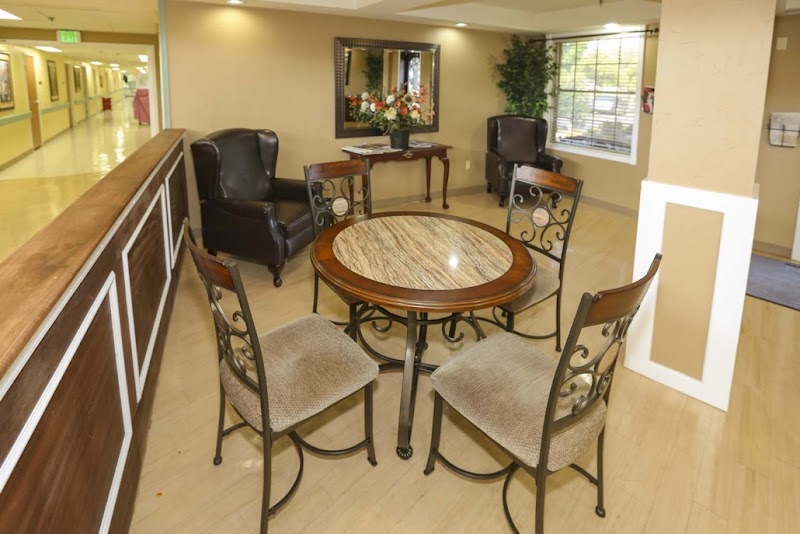
How is Carrollton Center Staffed?

CMS rates CARROLLTON HEALTH AND REHABILITATION CENTER's staffing level at 3 out of 5 stars, which is average compared to other nursing homes. Staff turnover is 63%, which is 17 percentage points above the Texas average of 46%. High turnover can affect care consistency as new staff learn residents' individual needs.

What Have Inspectors Found at Carrollton Center?

State health inspectors documented 26 deficiencies at CARROLLTON HEALTH AND REHABILITATION CENTER during 2023 to 2025. These included: 1 Immediate Jeopardy (the most serious level, indicating potential for serious harm or death), 1 that caused actual resident harm, and 24 with potential for harm. Immediate Jeopardy findings are rare and represent the most serious regulatory concerns. They require immediate corrective action.
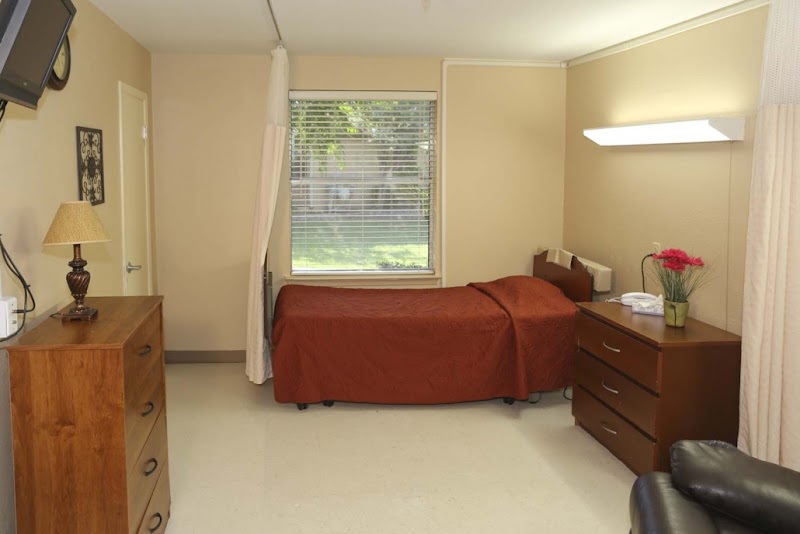
Who Owns and Operates Carrollton Center?

CARROLLTON HEALTH AND REHABILITATION CENTER is owned by a for-profit company. For-profit facilities operate as businesses with obligations to shareholders or private owners. The facility is operated by THE ENSIGN GROUP, a chain that manages multiple nursing homes. With 120 certified beds and approximately 75 residents (about 62% occupancy), it is a mid-sized facility located in CARROLLTON, Texas.
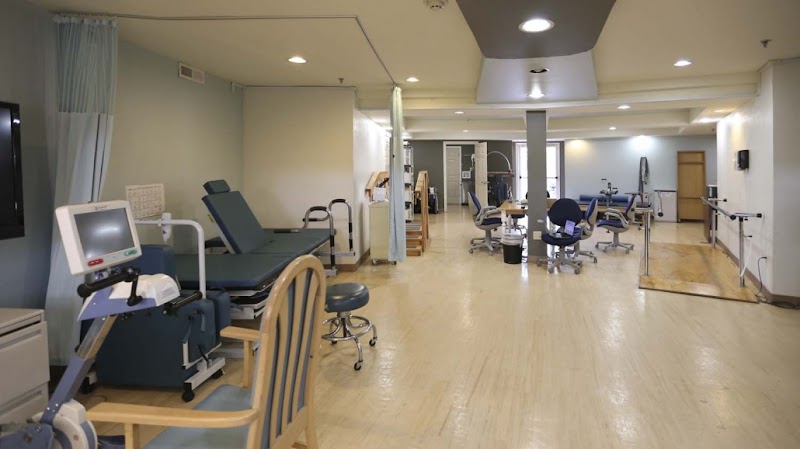
How Does Carrollton Center Compare to Other Texas Nursing Homes?

Compared to the 100 nursing homes in Texas, CARROLLTON HEALTH AND REHABILITATION CENTER's overall rating (2 stars) is below the state average of 2.8, staff turnover (63%) is significantly higher than the state average of 46%, and health inspection rating (2 stars) is below the national benchmark.

What Should Families Ask When Visiting Carrollton Center?

Based on this facility's data, families visiting should ask: "What changes have been made since the serious inspection findings, and how are you preventing similar issues?" "What safeguards and monitoring systems are in place to protect residents from abuse or neglect?" "How do you ensure continuity of care given staff turnover, and what is your staff retention strategy?" "Can I visit during a mealtime to observe dining assistance and food quality?" These questions are particularly relevant given the facility's Immediate Jeopardy citations, the substantiated abuse finding on record, and the facility's high staff turnover rate.

Is Carrollton Center Safe?

Based on CMS inspection data, CARROLLTON HEALTH AND REHABILITATION CENTER has documented safety concerns. The facility has 1 substantiated abuse finding (meaning confirmed case of resident harm by staff or other residents). Inspectors have issued 1 Immediate Jeopardy citation (the most serious violation level indicating risk of serious injury or death). The facility has a 2-star overall rating and ranks #100 of 100 nursing homes in Texas. Families considering this facility should ask detailed questions about what corrective actions have been taken since these incidents.

Do Nurses at Carrollton Center Stick Around?

Staff turnover at CARROLLTON HEALTH AND REHABILITATION CENTER is high. At 63%, the facility is 17 percentage points above the Texas average of 46%. High turnover means new staff may not know residents' individual needs, medications, or preferences. It can also be disorienting for residents, especially those with dementia who rely on familiar faces. Families should ask: What is causing the turnover? What retention programs are in place? How do you ensure care continuity during staff transitions?

Was Carrollton Center Ever Fined?

CARROLLTON HEALTH AND REHABILITATION CENTER has been fined $22,435 across 3 penalty actions. This is below the Texas average of $33,303. While any fine indicates a compliance issue, fines under $50,000 are relatively common and typically reflect isolated problems that were subsequently corrected. Families should ask what specific issues led to these fines and confirm they've been resolved.

Is Carrollton Center on Any Federal Watch List?

CARROLLTON HEALTH AND REHABILITATION CENTER is not on any federal watch list. The most significant is the Special Focus Facility (SFF) program, which identifies the bottom 1% of nursing homes nationally based on persistent, serious quality problems. Not being on this list means the facility has avoided the pattern of deficiencies that triggers enhanced federal oversight. This is a positive indicator, though families should still review the facility's inspection history directly.