Heritage Gardens Rehabilitation and Healthcare
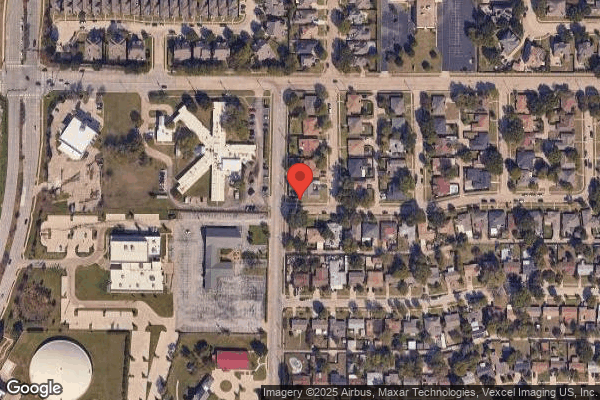
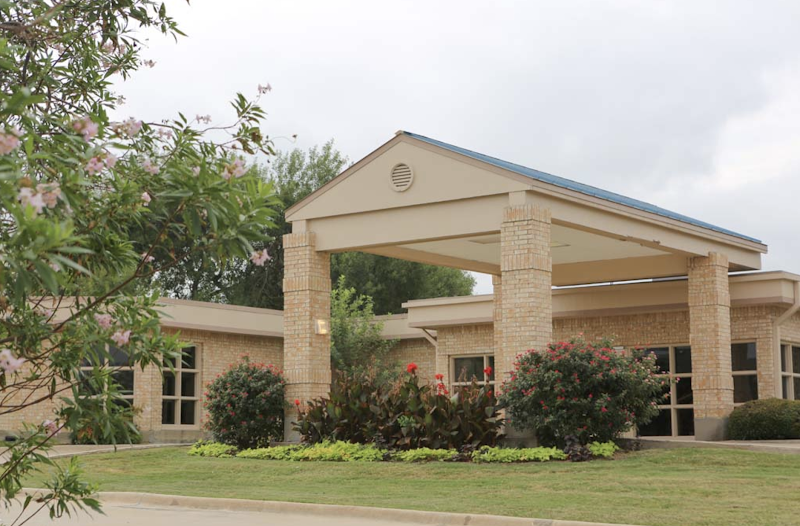
2135 N Denton Dr, Carrollton, TX 75006 (972) 242-0666
For profit - Individual 150 Beds THE ENSIGN GROUP Data: November 2025
Trust Grade
20/100
#1010 of 1168 in TX
Last Inspection: November 2024

Within standard 12-15 month inspection cycle. Federal law requires annual inspections.

Overview

Heritage Gardens Rehabilitation and Healthcare has received a Trust Grade of F, indicating significant concerns and poor performance. With a state rank of #1010 out of 1168 facilities in Texas, they are in the bottom half, and #72 out of 83 in Dallas County, suggesting limited local options that are better. Although the facility's trend is improving, with issues decreasing from 8 in 2024 to 3 in 2025, there are still serious concerns, including a recent incident where a resident was punched by another resident, resulting in a laceration. Staffing is a mixed bag, with a 1-star rating and a turnover rate of 46%, which is slightly below the Texas average but still reflects instability. On the positive side, the facility has not incurred any fines, indicating compliance with regulations, but issues with food safety practices were identified, raising concerns about residents' health.
Trust Score
F
20/100
In Texas
#1010/1168
Bottom 14%
Safety Record
High Risk
Review needed
Inspections
Getting Better
8 → 3 violations
Staff Stability
⚠ Watch
46% turnover. Above average. Higher turnover means staff may not know residents' routines.
Penalties
✓ Good
No fines on record. Clean compliance history, better than most Texas facilities.
Skilled Nurses
⚠ Watch
Each resident gets only 17 minutes of Registered Nurse (RN) attention daily — below average for Texas. Fewer RN minutes means fewer trained eyes watching for problems.
Violations
⚠ Watch
21 deficiencies on record. Higher than average. Multiple issues found across inspections.
★☆☆☆☆
1.0
Overall Rating
★☆☆☆☆
1.0
Staff Levels
★★★☆☆
3.0
Care Quality
★★☆☆☆
2.0
Inspection Score
Stable
2024: 8 issues
2025: 3 issues

The Good

  • Full Sprinkler Coverage · Fire safety systems throughout facility
  • No fines on record

Facility shows strength in fire safety.

The Bad

1-Star Overall Rating

Below Texas average (2.8)

Significant quality concerns identified by CMS

Staff Turnover: 46%

Near Texas avg (46%)

Higher turnover may affect care consistency

Chain: THE ENSIGN GROUP

Part of a multi-facility chain

Ask about local staffing decisions and management

The Ugly 21 deficiencies on record

1 actual harm
Jul 2025 1 deficiency 1 Harm
SERIOUS (G) 📢 Someone Reported This

A family member, employee, or ombudsman was alarmed enough to file a formal complaint

Actual Harm - a resident was hurt due to facility failures

Free from Abuse/Neglect (Tag F0600)

A resident was harmed · This affected 1 resident

**NOTE- TERMS IN BRACKETS HAVE BEEN EDITED TO PROTECT CONFIDENTIALITY** Based on observations, interviews, and record review, the facility failed to ensure residents were free from abuse for 1 of 5 re...

Read full inspector narrative →
**NOTE- TERMS IN BRACKETS HAVE BEEN EDITED TO PROTECT CONFIDENTIALITY** Based on observations, interviews, and record review, the facility failed to ensure residents were free from abuse for 1 of 5 residents (Resident #2) reviewed for abuse.The facility failed to ensure Resident #2 was free from abuse when Resident #1 punched him on 06/21/25, causing Resident #2 to have a laceration to his top lip.This failure could place residents at risk for severe and long-lasting impact for physical, psychological and emotional wellbeing. Findings included: Record review of Resident #2's MDS Assessment, dated 05/26/25, reflected the Resident#2 was a [AGE] year-old male who originally admitted to the facility on [DATE] and readmitted [DATE]. He had no BIMS score recorded. His MDS indicated he had no behaviors. His diagnoses included Autistic Disorder (is a developmental disability caused by differences in the brain), Gastrostomy Status (a feeding tube inserted through the abdominal wall into the stomach ), Anxiety Disorder (a group of mental health conditions characterized by excessive, persistent fear and worry that can significantly interfere with daily life ), Cerebrovascular Accident (a medical term for a condition where there's a sudden interruption of blood flow to the brain, causing damage to brain tissue). Record review of Resident #2's care plan, revised 08/15/2022, reflected the following: Focus: [Resident#2] has actual mood/behavior problem r/t Autistic Disorder AEB/ crying out loud/ compulsive behavior (will repeatedly ask or call for something)/ yelling out/ disrobes, takes clothes off and throws them on the floor. Interventions: Assist to identify strengths, positive coping skills and reinforce these, Monitor/record/report to MD risk of increased anger, labile mood or agitation threatened by others or thoughts of harming someone, possession of objects that could be used as weapons Review of Resident #2's Progress Notes reflected the following: 06/21/25 4:30 AM - This nurse was notified by the nurse staff on the floor that to come to the resident and check on the resident with urgency. Rushed to the resident's room and observed the resident sitting on the wheelchair with visible bleeding from his mouth on his upper lip. The [CNA A] stated that she observed the resident being hit by the [Resident#1] and separated them and supported the resident back to his room. Assessed the resident bleeding noted from the resident's upper lip, pressure applied, cleaned gauze, an open area noted measuring 2cm and about 0.5 cm deep. V/S BP 122/78, P 74, R 18, TEMP 98.4, OXY SAT 97% RA. Resident denies pain/discomfort. Administrator notified, [NP E] notified new order to transfer resident to ER for further evaluation and treatment. 911 called and [Resident#2] transferred to [local hospital] via on stretcher DON notified, RP notified. This entry was written by RN C. 06/21/2025 09:14AM [Resident#2] returned from ER and 4 stitches noted to upper lips, with dry blood and mild swelling noted. After care instruction noted: to keep the area clean and dry and not to pick at stitches. Monitor surgical wound daily and if bleeding persist sent to er. Wound care consults for stitches care. Resident denies pain or discomfort at this time. Call light in reach and bed in lowest position. This entry was written by LVN D.Record review of Resident #2's hospital records, dated 06/21/25, reflected that Resident #2 was treated in the ER after being hit in the mouth which caused a deep cut on his upper lip. The wound was cleaned and closed with stitches both inside and outside the lip, to help it heal well. Observation and interview on 07/08/25 at 1:57 PM with Resident #2 revealed he was sitting in a wheelchair in his room writing on a piece of paper with a black sharpie . Resident #2 said he was not in pain, laceration to top lip healed. He did not recall the incident, and stated that everyone was good to him and he just wanted to write his sister a letter. Record review of Resident #1's MDS Assessment, dated 05/15/25, reflected the Resident #1 was a [AGE] year-old male who originally admitted to the facility on [DATE]. He had a BIMS score of 09, indicating moderate cognitive impairment. His MDS indicated he had no behaviors. His diagnoses included Traumatic Brain Injury (TBI), Anxiety Disorder, and Non-Alzheimer's Dementia. Record review of Resident #1's care plan, revised 06/21/25, reflected the following: Focus: 6/21/25- [Resident #1] Potential to demonstrate physical behaviors r/t Anger, Dementia 6/21/25 resident to resident incident: Interventions [Resident#1] should remain on 1:1 observation and recommended for him to be transferred to [local hospital] ER for further psych evaluation. Record review of Resident #1's Progress Notes reflected the following: 06/21/25 4:30 AM - This nurse was notified by the nurse staff on the floor to come [Resident#2] room and check on the resident with urgency. Rushed to the resident's room and observed [Resident#2] sitting on the wheelchair with visible bleeding from his mouth on his upper lip. The [CNA A] stated that she observed [Resident#2] being hit by the [Resident#1] and separated them and supported [Resident#2] back to his room [Resident #1] sent back to his room and placed on one-on-one monitoring. On assessment no visible injuries noted. [Resident#1] is alert and oriented x3 verbalizes needs. Denies pain/discomfort. V/S 145/89. P 76, R 18, temperature 97.6, oxy sat 97% RA. Administrator notified, NP E notified, DON notified. The resident is self-representative. [Resident#1 contact] called, and a message was left. This entry was written by RN C. Record review of clinical note by the psychologist dated 06/21/2025 at 1:33PM by the psychologist reflected that [Resident#1] was seen after a reported altercation with another resident. Law enforcements were notified, and report filed with state per regulations. [Resident#1] presented as quite angry throughout session. When therapist entered the room, he asked Did you hear about what happened with the nut job this morning? [Resident#1] He expressed agitation about patient in question and reported that patient had been bothering him. [Resident#1] elaborated that patient he felt targeted by patient and that the patient had been going into his room and bothering him. [Resident#1] was unable to elaborate specifically the other resident was doing that was causing such concern to him. [Resident#1] did complain about him wandering around the facility and bothering everybody. When therapist attempted to challenge [Resident#1]'s thoughts about the patients' cognitive impairments, [Resident#1] was adamant that the resident in question was quite aware of his actions, and he further blamed facility staff for letting him get away with it. [Resident#1] reported that he was aware that the patient reportedly lost a tooth and [Resident#1]'s response was good. [Resident#1] continued to fixate about the patient in question. [Resident#1] denied being remorseful about his actions and indicated that he would not change what he did if faced with a similar situation. [Resident#1] also generalized his anger from the patient in question to anybody who bothered him or came in his room. Therapist attempted to intervene and encourage [Resident#1] to use calming strategies to improve his outcomes given the relationship between anger and negative physiological reactions including increases in high blood pressure, muscle tension etc. [Resident#1] presented as resistant to therapist attempts to reframe and redirect his attention to other activities or calming strategies. [Resident#1] reported that he did not care if he was removed from the facility. [Resident#1] further presented as quite incredulous at the prospect of law enforcement intervention other consequences of his actions as he feels justified in his actions. This entry was written by the psychologist. Record review of Psychiatric Subsequent assessment dated [DATE] at reflected Patient is a [AGE] year-old White/Caucasian Male admitted to the facility on [DATE] for Long Term Care. On 6/22, pt punched another resident. The other resident sustained a laceration on his lip which required ER transfer. Pt states he was tired of the other resident bothering him and constantly entering his room. PCP added Xanax PRN and buspirone. Pt was also sent to the ER for evaluation. Returned to facility with no new orders. Pt is now calm. Pt is not expressing remorse but states he does not want to harm anyone. Pt lacks understanding of the other resident's behaviors. Pt believed the other resident was bothering him intentionally. Currently calm and remorseful that he hit the other resident. No SI, HI, or delusions at this time. No significant mood changes. This entry was entered by NP F Record review of hospital records dated 6/21/2025 at 20:27 Department of behavioral Health, Social work progress note reflected that Resident #1 was psych cleared stating that the aggression was not due a psychiatric issue and that resident #1 was a volunteer patient, and he wanted to leave and return back to the nursing home and he cannot he held against his will. An interview on 07/08/2025 at 10:09 AM with Resident #1 revealed that around 4:00 AM, Resident #2 was yelling and making noise outside Resident #1's room that woke Resident #1 up. Resident #1 stated that he got up and went to the nurse station to complain about Resident #2 waking him up. Resident #1 stated that Resident #2 liked to spit all the time, and it looked like Resident #2 was spiting at Resident #1. Resident #1 stated that he was upset so he punched Resident #2 in the mouth, and he was going to do it again, but the staff separated them and took Resident #2 away. Resident #1 stated that Resident #2 was always in places where he was not supposed to be, and that Resident #2 spit all over the place. Resident #1 stated that it was not his responsibility to worry about Resident #2's medical problems because it was obvious that Resident #2 had issues. Resident #1 stated that he did not look for trouble; he minded his own business and had no problem with other residents. He stated that he felt safe, but did not like anyone coming to make noise at his door at night and waking him up. An interview on 7.08.2025 at 11:18AM with CNA A revealed that while doing rounds on the 300 hall Resident#2 requested for a pen and paper. She gave him the paper and pen, but he wanted a sharpie marker that she did not have at the time. CNA A stated finished her rounds on the 300 hall. She stated she passed by Resident#2's room, and Resident#2 was in his room. She stated he told her he was writing a letter to his sister. CNA A stated she went to hall 200 ;where she was assigned two rooms. She stated that after providing care to the residents on 200 hall, she saw Resident #1 wheeling himself to the nurse station, he appeared upset and was using curse words. She asked him what was wrong, he stated that he was upset because Resident#2 was making noise and woke him up. She stated that then she saw Resident#2 at the nurse's station next to the trash can, with his cup that he spits in. CNA A stated that Resident #1 punched Resident #2 in the face, and she got in between Resident#1 and Resident#2 to separate them. CNA A stated she turned Resident #2 around and stood between them. She stated Resident #1 was threatening to hit Resident #2 again. She re-directed Resident #1 to go to his room. CNA A stated took Resident #2 back to his room, she then notified LVN B who went and assessed Resident #2. CNA A stated that LVN B notified the supervisor RN C, DON and Administrator, and they sent Resident #2 to the hospital. CNA A stated that the laceration on Residengt#2 looked like it needed stiches, so the nurses sent Resident #2 to the ER. She stated that she had been in-serviced on abuse and neglect, and had received training and resident-to-resident altercation. She stated that if she witnessed resident to resident, she would separate the residents to ensure they were safe, then report to the charge nurse, abuse coordinator, and DON. An interview on 07.08.2025 at 11:42 AM with Resident #2's FM revealed that Resident #2 was her brother who had autism with developmental delays and was always writing her a letter. She stated that he also produced a lot of saliva and spat in a cup, but never spat on anyone. She stated that she got a call from LVN B at 5 am that Resident #2 was attacked by another resident and had been sent to the ER. She stated that she went to the emergency room, and she was met by the police. She stated that Resident #2 had a huge laceration and got sutures to close it up. She stated that the police gave her a police report number, but no charges were filed. She stated that the Administrator told her that the facility would ensure that Resident #2 was safe and would not have interactions with Resident #1. The FM stated that she had found a group home for Resident #2 that would cater to his needs and as adult with autism. She stated that she had a meeting scheduled with a local behavioral clinic, the group home provider, and the social worker to begin the transitioning Resident #2 to the group home. Attempted on 07.08.2025 at 12:24 PM to interview RN C via telephone. There was no answer voicemail left with call back number. Attempted on 07.08.2025 at 12:30 PM to interview LVN B via telephone. There was no answer voicemail left with call back number. Interview on 07.08.2025 at 1:30PM with the DON revealed that she was notified by the Administrator and LVN B that Resident #2 and Resident#1 had an altercation. Resident#2 was wheeling himself around looking and calling for the nurse to get him a sharpie. Resident#1 was upset that he was woken up by Resident#2's noise. Resident#2 had a behavior that made him spit in a cup and Resident#1 thought he was spitting at him. CNA A was coming from providing care and was headed to the nurse station she saw Resident#1 wheeling himself towards Resident#2, then punched Resident#2 in the face. CNA A separated the residents then she called the LVN B. RN C assessed and evaluated Resident#2 and Resident#1; Resident#2 had laceration to his upper lip. they notified the NP, and got new orders to send Resident#2 to the ER. Resident#2 returned to the facility the same day with sutures to his top lip. DON stated that immediately after the incident, Resident#1 and Resident#2 were placed on one-on-one monitoring. Psyche evaluated Resident#2 and gave orders to discontinue one on one monitoring because he was not a risk to himself or any other resident. The DON stated that the psych NP gave orders to send Resident#1 to Hospital for evaluation for inpatient psyche services. Resident#1 was evaluated at and sent back to the facility because per the hospital evaluation, Resident#1 was not exhibiting any aggressive behavior. The DON stated that psych and the physician gave orders to continue one on one on Resident#1 until he got him to inpatient psych. The DON stated that the facility had sent referrals to inpatient psych hospitals, but he did not qualify him for inpatient psych services. The facility continued one on one monitoring on Resident#1 for three days then psyche discontinued the one-on-one monitoring stating he had calm down, and he was not exhibiting any aggressive behavior. The DON stated that Resident#1 had not exhibited aggression towards other residents that was an isolated issue with Resident#2. An interview on 07.08.2025 at 1:43 PM with NP E revealed that he was notified by LVN B that Resident#1 punched Resident#2 in the face causing Resident #2 to have a laceration to his upper lip. NP E stated that he gave orders to send Resident#2 to the ER for sutures. Resident#2 returned to the facility the same day. NP E stated that Resident#1 had previously mentioned that Resident#2 spat all the time but never mentioned wanting to hurt him. NP E stated that Resident#2 continuously spat in a cup, a behavior that was caused by his developmental issues. He stated that Resident#1 was calm most of the time, and that Resident#1 told NP E that he was annoyed with the noise by Resident #2, at 4 o'clock in the morning and that was what ticked him off. NP E stated that it was possible that another altercation could happen again if the two residents came across each other. He stated that Resident#2's family had been looking for a group home and even before this happened. He stated he that he told the DON that one of the residents had to move out. He stated that he gave a referral for the psych team to evaluate and treat . An interview on 07.08.2025 at 3:48 pm with Social Worker revealed that she was not at the facility when the incident happened. She stated that she was notified in the morning meeting that Resident#2 was wheeling himself around following the nurse looking for a sharpie so he could write. Resident#1 woke up, and he tried telling Resident#2 to be quiet. then Resident#1 punched Resident#2 in the face. She stated that Resident#1 and Resident#2's families were notified. The facility made sure Resident#1 and Resident#2 did not have contact with each other by placing them on one-on-one monitoring. She stated that the facility sent out referrals to six inpatient psychiatric hospitals, but he was denied admission due to his medical acuity. The provider psych services evaluated Resident#2 and Resident#1. Resident#2 was discharged from one-on-one monitoring the same day. Resident#1 continued one on one monitoring while the facility tried to get him inpatient psych services but was later cleared by practitioners after few days. Resident#1 used to have outbursts, but he has not had any outbursts in a while. Resident#2 had autism with developmental delays, but he did not have behaviors. She stated that she was not aware of any other incident between Resident#1 and any other resident, and no residents had voiced that they did not feel safe. She stated that Resident#2's family had been trying to find him a group home that would be more appropriate for Resident#2's needs. Stated that Resident#2's sister had found him a group home and the behavioral health clinic had started the process to transition him to the group home. She stated that Resident#2 denied any psychosocial injury; all he wanted was to go to a group home. An interview on 07.08.2025 at 4:00pm with the Administrator revealed that LVN B called him early morning on 06/21/2025 and told him that Resident#1 hit Resident#2. He stated that LVN B reported that Resident#2 had gone down the hallway looking for a nurse to give him a sharpie marker. The noise of resident#2 calling for the nurse woke resident#1. Resident#1 got up headed to the nurse's station, Resident#1 asked Resident#2 why he woke him up, and then punched Resident#2 in the face. CNA A witnessed the incident and immediately separated Resident#1 and Resident#2. LVN B took Resident#2 to the room and assessed Resident#2s injuries then called the NP and sent Resident#2 to the ER. Administrator stated Resident#1 confirmed that he punched Resident#2 in the face because he woke him up. The administrator stated that Resident#1 was placed on one-on-one monitoring immediately, and Resident#2 was sent to the ER. The administrator called the police, they came to the facility, and tried to interview Resident#1. then the police went and interviewed Resident#2 but no charges we filed. Resident#1 was on one-on-one from Saturday 6/21/2025 until Wednesday 6/25/25. Resident#1 was seen by psyche on Saturday 06/21/2025 and the following Tuesday 06/24/2025.The Administrator stated that Psych reevaluated Resident#1 on 6/25/2025, and per psyche assessment he was calm with no intentions to hurt anyone psych discontinued One on One monitoring . He stated that prior to the incident on 06/21/2025, Resident#2's FM was already looking for places to move Resident#2 to a group home that specialized in adults with autism. The behavioral clinic suggested s group home setting for Resident#2, but most group homes could not admit Resident#2 because he had a gastronomy tube (a feeding tube inserted through the abdominal wall into the stomach). She found a place and was waiting for paperwork so that she can move him. Since the incident, the facility had sent out referral for in patient psych for Resident#1 to six hospital, and they all declined him due to Resident#1's medical acuity, and because he had dementia; some of their programs did not admit patients with dementia. He stated that the facility educated all the staff to make sure the Resident#1 and Resident#2 did not have contact with each other. Because Resident#1 was legally blind, he thought that Resident#2 was spitting at him. Resident#2 had a medical condition that caused him to over produce saliva. The Administrator stated that after the incident the staff was in serviced on abuse and resident to resident altercation. The Administrator stated that safe surveys conducted and all the residents in the facility stated that the felt safe in the facility. Record review of the facility's incidents/accidents report from 1/25/25 to 06/25/25 reflected there were no other incidents that involved Resident #1 or Resident #2. Record review of the facility's policy, revised April 2025, and titled Abuse: Prevention of and Prohibition Against reflected: 1. Abuse is willful infliction of injury, unreasonable confinement, intimidation, or punishment with resulting physical harm, pain, or mental anguish. This includes the deprivation by an individual, including a caretaker, of goods or services that are necessary to attain or maintain physical, mental, and psychosocial well-being. Instances of abuse of all residents, irrespective of any mental or physical condition, cause physical harm, pain, or mental anguish. It includes verbal abuse, sexual abuse, physical abuse, and mental abuse including abuse facilitated or enabled through the use of technology. 2.If the allegation of abuse, neglect, misappropriation of resident property, or exploitation involves another resident, the Facility will: Separate the residents so they do not interact with each other until circumstances of the reported incident can be determined. If a room change is appropriate, advise the residents and/or resident representatives of reason for the change in writing. Continue to assess, monitor, and intervene as necessary to maximize resident health and safety.
Apr 2025 1 deficiency
CONCERN (D) 📢 Someone Reported This

A family member, employee, or ombudsman was alarmed enough to file a formal complaint

Potential for Harm - no one hurt, but risky conditions existed

Infection Control (Tag F0880)

Could have caused harm · This affected 1 resident

Based on observations, interviews, and record review the facility failed to establish and maintain an infection prevention and control program designed to provide a safe, sanitary, and comfortable env...

Read full inspector narrative →
Based on observations, interviews, and record review the facility failed to establish and maintain an infection prevention and control program designed to provide a safe, sanitary, and comfortable environment and to help prevent the development and transmission of communicable diseases and infections for one (Resident #1) of three residents, reviewed for infection control. 1. The facility failed to ensure CNA A changed gloves and performed hand hygiene during incontinence care for Resident #1. This failure placed residents at risk for healthcare associated cross contamination and infections. Findings included: 1. Review of Resident #1's Quarterly MDS Assessment, dated 02/25/25, reflected the resident had a BIMs score of 1 and was severely cognitively impaired. The resident had diagnoses which included stroke and non-Alzheimer's dementia. The resident was occasionally incontinent of bowel and bladder. The functional abilities of the resident was not documented. Review of Resident #1's Comprehensive Care Plan, dated 11/01/24, reflected the resident had an activities of daily living selfcare performance deficit related to dementia and decreased mobility. Facility interventions included: Encourage resident to participate to the fullest extent possible. An observation on 04/09/25 at 3:05 PM revealed Resident #1 was in bed. She was awake, alert, and confused. CNA A prepared to perform incontinence care for the resident. The resident's brief was wet. CNA A performed peri-care and cleaned the buttocks. CNA A did not change her gloves or perform hand hygiene. CNA A put a clean brief on the resident and covered her with the linens. An interview on 04/09/25 at 3:15 PM revealed CNA A knew that she was supposed to change gloves and perform hand hygiene but did not want to because the resident played with the water in the sink. An interview on 04/09/25 at 4:10 PM with the Infection Preventionist revealed staff were supposed to clean a resident, change gloves, perform hand hygiene, and then put a clean brief on the resident. The Infection Preventionist said failure to change gloves and perform hand hygiene could cause issues with infection control. An interview with the DON on 04/09/25 at 5:20 PM revealed staff were supposed to change their gloves and perform hand hygiene after cleaning a resident. The DON said failure to do so could cause infection. Review of the facility policy, Handwashing, dated July 2021, reflected: It is the policy of this facility to cleanse hands to prevent transmission of possible infectious material and to provide clean, healthy environment for residents and staff.
Mar 2025 1 deficiency
CONCERN (E) 📢 Someone Reported This

A family member, employee, or ombudsman was alarmed enough to file a formal complaint

Potential for Harm - no one hurt, but risky conditions existed

Deficiency F0726 (Tag F0726)

Could have caused harm · This affected multiple residents

Based on interview and record review the facility failed to ensure that nurse aides were able to demonstrate competency in skills and techniques necessary to care for residents' needs, as identified t...

Read full inspector narrative →
Based on interview and record review the facility failed to ensure that nurse aides were able to demonstrate competency in skills and techniques necessary to care for residents' needs, as identified through resident assessments, and described in the plan of care for 2 Nurse Aides (NA A and NA B) of four nurse aides reviewed for proficiency of nurse aides. The facility failed to ensure NA A and NA B were CNAs after four months of being hired 06/03/24. This failure could place residents at risk of not being provided care by qualified staff, which could cause inadequate care and injury resulting in decreased health and psycho-social well-being. Findings include: 1. Record review of NA A's employee record revealed she was hired 06/03/24 as a Nurse Aide trainee. Her Texas Performance Nurse Aide Program training was completed on 06/24/24. and she completed skills checkoffs on resident care and services. There was no proof of her being a Certified Nurse Assistant. Record review of the [State Portal] website, dated 03/13/25, revealed NA A's certification status was Prospective. Record review of NA A's Timesheet at [This Facility] revealed her date of hire was 06/03/24. She was in orientation from 06/03//24 - 07/05/24 and she started working regular hours on 07/13/24. The last day she worked was 03/08/25. 2. Record review of NA B's employee record revealed she was hired on 06/03/24 as a Nurse Aide trainee. Her Texas Performance Nurse Aide Program training was completed on 06/24/24 and she completed skills checkoffs on resident care and services. There was no proof of her being a Certified Nurse Assistant. Record review of the [State Portal] website, dated 03/13/25, revealed NA B's certification status was Prospective. Record review of NA B's Timesheet at [This Facility] revealed she was hired on 06/03/24. She was in orientation from 06/03/24 - 07/05/24 and she started working regular hours on 07/13/24. The last day she worked was 03/07/25. Interview on 03/13/25 at 10:23 AM, NA A stated she worked at the facility since 06/03/24 in the NA training program. She completed the training on 06/24/24. She stated she tried to do the written portion of the test but the camera on her computer was not working properly to register for the test. She stated she had not taken the CNA written test and was told by the DON, she needed to take the test by 03/24/25. She stated she used to work PRN but as of this year, she worked full time taking care of the residents. She stated she was trained by a few nurses and CNA's. She was trained on how to bathe and change the residents, transferring to and from the bed, Hoyer lift transfer with a 2nd person and the nurses did everything else. She stated the DON said she exceeded her time and they wanted her to take the NA test before 03/24/25. She stated she was not sure what the timeframe was to get her CNA license but she kept having problems with her computer and she was finally able to get her paperwork to go through last month. She stated she was working on completing the written test on 03/24/25 . Interviews were attempted and messages left for NA B to return calls on 03/12/25 at 1:55 PM and 4:54 PM and 03/13/25 at 10:47 AM, but she did not call the HHSC State Surveyor. Interview on 03/13/25 at 11:51 AM, Staffing Coordinator E stated the facility had a CNA training program and they had three or four NA's in training, but they were not on the schedule yet. She stated when they worked they worked with somebody alongside another CNA. She stated the NA were not working independently. She stated she was not sure who was responsible for ensuring they got certified and the NA's had to work 120 hours as a Nurse aide then they could take the CNA test. Interview on 03/13/25 at 1:00 PM, the DON stated they had NA's who provided care to the residents but as of today NA A and NA B were not going to work until they passed the CNA test. She stated NA C was still within his 120 days and in the process of taking his CNA test this month and NA D just recently passed her certification test this week. She stated she did not have a date on when NA A and NA B were going to take their CNA test. She stated she received clarification today (03/13/25) about the timeframe the NA's needed to get certified. She stated she thought the NA's had a year to get certified. She stated she spoke to her Clinical Resource Consultant and he told her the NA's had within 120 days to take the test and get certified. She stated from the times NA A and NA B took the class, they were pushing them to take the test but they had problems with uploading the information to register. She stated the instructor had already approved their trainings and they just needed to register for the written test. She was not sure why they did not ask to use a computer at the facility. She stated NA A and NA B were PRN's initially and then they were assigned rooms and provided care to the residents. She stated they changed briefs, showers, feeding assistance, setting up meal trays, grooming and Hoyer lift transfers with a 2nd person. She stated her plan to prevent NA's from going over their 120 days was to make sure they got certified. She stated the NA's worked independently and nurse management checked the resident's Plan Of Care and the nurses assisted them with documentation and care. She stated she would be responsible for ensuring the CNA tests were completed in 120 days. Interview on 03/13/25 at 2:01 PM, the Operations Manager stated they had a few NA' and NA A had not obtained her certification because of an issue with her computer and had since taken her off the schedule until she passes her test. He stated he was not sure why NA B had not obtained her certification. He stated he found out this morning (03/13/25) from their Clinical Resource Consultant that the NA's had 120 days from the date of hire to get certified. He stated after they completed the class part, the NA's were able to work for a short period of time with CNA's to care for the residents. He stated the NA's gave their resident reports to the CNA they worked with, to document in the system. He stated NA A and NA B should have already become CNA's. He stated the HR Director G and the DON were responsible for tracking the NA's 120 days and keeping track of their certifications stayed active. He stated NA's caring for the residents may result in the residents not getting taken care of properly or may cause them frustration. He stated the NA could do anything a CNA could do, but document. He stated he was not sure why the NA's could not document and after reviewing the job descriptions for the NA and CNA, he said they were different but the CNA's were able to provide care without supervision. He stated the NA's had temporary licensures that prohibited them from being able to document but not the care they provided the residents. He stated he was not aware the NA's days were not being tracked to take their CNA testings. He stated that was why they reached out to their Corporate HR resource person to do employee audits to ensure there were no other issues with the employees certification deadlines. Interview on 03/13/25 at 3:11 PM, the Administrator stated the facility had four NA's and there was an ongoing effort to address the issue with the CNA certifications. He stated HR Director G was responsible for ensuring the NA's were certified and, he had spoken to their Corporate CNA Trainer F and they were going to do a full audit. He stated the NA's were not going to work until they were certified. He stated management needed to re-educate the DON and HR Director G on making sure the NA's were certified in 120 days. He did not want to say how it could affect a resident if a NA provided care to the residents. He stated the residents could potentially not get the care they needed. He stated they were going to have one of their Corporate HR people do an audit of all employees records to make sure there were no issues with other staff certifications. Interview by phone on 03/13/25 at 3:49 pm, the HR Director G stated the Corporate CNA Trainer F was the instructor for the training program and showed the NA's how to apply and get Certified. He stated he thought CNA trainer F was supposed to be checking to ensure the NA were certified in the 120 days. He stated the NA's were not supposed to do documentation but were able to provide care as long as a nurse or cna was watching over them. He stated he planned to get with the DON and Corporate to prevent this from happening again. Interview on 03/13/25 at 5:01 PM, Corporate CNA trainer F stated the NA's did three weeks of training with her. She stated she tracked when they started the NA trainings and that was it. She stated the facility was responsible for keeping up with getting NA's certified before the 120 days. She stated she told the NA's and the DON about the dates and timeframes to get certified. She stated telling the NA's and the DON the NA's had to choose the date and time to take the test and they needed to tell the DON and Administrator once it was scheduled. She stated the 120 days included the training, she had to call her counterpart because she was not sure. She stated once the NA's completed their training they needed to upload their information into the [State Portal] registration website so she could approve it. She stated then the NA could choose a date to take the test. She stated last year she approved NA A and NA B registrations in the [State Portal] to take the test because they went through the CNA training and was not sure why they had not taken the test yet. She stated she was going to speak to the facility management to ensure the oversight was over the NA's and to ensure the tracking of the 120 days were being done. She stated the difference between the NA and CNA was one was certified and the other was not. Interview on 03/13/25 at 5:33 PM, the DON stated after she reviewed the job descriptions for the Nurse Aides and CNA's, they were pretty much the same. She stated the NA's did what the CNA's did but the NA's could not document and needed a nurse or CNA to assist with their documentation. She stated she was not sure why the NA's could not do their own documentation and thought they should be able to. She stated she was not able to say what could happen if an uncertified NA provided care to a resident. Record review of the facility's, undated, Human Resources Employee Handbook page 14 revealed, You are responsible for: Maintaining current/valid license and credentials Record review of the facility's Job Description for Nurse Aide policy, dated 12/17/21, revealed Position Summary: The primary purpose of your job position as a full-time staff member is to acquire the knowledge, skills and certification as a Certified Nursing Assistant by participation in the facility's planned educational program consisting of classroom instructions, clinical practice, and on the job, supervised training, and to perform certain services for which you have been trained and found to be competent during the training period. Essential Duties and Responsibilities: Every effort has been made to identify the essential functions of this position. However, it in no way states or implies that these are the only duties you will be required to perform. The omission of specific statements of duties does not excluded them from the position if the work is similar, related, or is an essential function of the position.
Nov 2024 5 deficiencies
CONCERN (E) 📢 Someone Reported This

A family member, employee, or ombudsman was alarmed enough to file a formal complaint

Potential for Harm - no one hurt, but risky conditions existed

Resident Rights (Tag F0550)

Could have caused harm · This affected multiple residents

Based on interview and record review, the facility failed to ensure the resident had the right to exercise his or her rights as a resident of the facility and a citizen or resident of the United State...

Read full inspector narrative →
Based on interview and record review, the facility failed to ensure the resident had the right to exercise his or her rights as a resident of the facility and a citizen or resident of the United States for 5 of 8 residents (5 confidential residents) reviewed for resident rights. The facility failed to ensure the five confidential residents had the right to be able to vote in the current election cycle. This deficient practice could affect dependent residents and their families and contribute to feelings of shame and loss of dignity. Findings included: In a confidential group interview on 11/05/24 at 2:33 PM with five residents, they revealed they were never asked if they wanted to vote or informed on how they could vote in the upcoming Presidential election, while living in the facility. The five residents said they wanted to vote and knew that today was the last day to be able to do that for this election cycle but that no one had mentioned anything to them about their rights and ability or options to vote. The five residents expressed how important it was for them to be able to use their voice in the election cycle and it did not make them feel good to not be able to participate. Interview on 11/05/24 at 2:55 PM with the Activity Director revealed he had tried to get mail in ballots for the residents in the facility to use to be able to vote during this election cycle. The Activity Director said he also tried to find information on the resident's right to vote during this election cycle. The Activity Director said this was the first year he was responsible for ensuring residents were able to use their right to vote. The Activity Director said he had communicated once in October during a bingo activity with residents about the mail in ballots he had received. The Activity Director said he had no documentation as to how many residents, who the residents were that he talked to, or what date it was that he brought up voting during the bingo activity. The Activity Director said he did not want to hinder anyone from not being able to vote but he just was not sure on how exactly to assist the residents with their ballots. The Activity Director said he did mention voting by mail in ballot one other time to a resident who had asked and was able to mail their ballot off, but that was it. The Activity Director said he brought up the concern to the Operations Manager but he never followed-up with him about it . Interview on 11/05/24 at 3:16 PM with the Operations Manager revealed the Activity Director was responsible for ensuring residents used their right to vote in the election cycle this year. The Operations Manager said he went to each resident to ask if they were interested in voting and would have provided them a mail in ballot. The Operations Manager said he did not have a date or documentation of how many residents he spoke with regarding using their right to vote during this election cycle. The Operations Manager said he had only 2 residents who wanted to use the mail in ballot to vote from the conversations he had that day, though. The Operations Manager said yesterday (11/04/24) another resident had asked about being able to vote via mail in ballot, but he told the resident that window had closed to be able to vote that way. The Operations Manager said the facility made no plans to offer residents the right to vote in person at a polling location and only relied on the mail in ballots they had. The Operations Manager said he recognized he should have done a better job of helping the residents be able to vote during this election cycle. The Operations Manager said looking back he and the Activity Director only made initial attempts at providing the right to vote to the residents and did not have any follow-up. The Operations Manager said he wanted the residents to be able to exercise their right to vote. The Operations Manager said if residents did not have the right to vote that could lead to a lack of self-worth and not contributing to society as a whole and could have numerous repercussions. Review of the facility's Resident Rights and Responsibilities policy, dated January 2022, reflected it did not address what rights a resident had.
CONCERN (E)

Potential for Harm - no one hurt, but risky conditions existed

Deficiency F0727 (Tag F0727)

Could have caused harm · This affected multiple residents

Based on interviews and record review, the facility failed to use the services of a registered nurse for at least 8 consecutive hours a day, 7 days a week, for 7 of 61 days (11/05/23, 11/11/23, 11/12/...

Read full inspector narrative →
Based on interviews and record review, the facility failed to use the services of a registered nurse for at least 8 consecutive hours a day, 7 days a week, for 7 of 61 days (11/05/23, 11/11/23, 11/12/23, 11/19/23, 12/10/23, 12/24/23, and 12/31/23) reviewed for staffing. The facility failed to have an RN for at least 8 consecutive hours for the following 7 days: 11/05/23, 11/11/23, 11/12/23, 11/19/23, 12/10/23, 12/24/23, and 12/31/23. This failure placed all residents at risk of not receiving adequate medical care and supervision of an RN. Findings included: The facility was unable to provide proof they had RN coverage for the following dates: 11/05/23, 11/11/23, 11/12/23, 11/19/23, 12/10/23, 12/24/23, and 12/31/23. Record review of the facility's CMS PBJ Staffing Data report for FY Quarter 1 2024 (October 1- December 31) reflected No RN Hours were triggered. Further review reflected Infraction Dates of: 11/05 (SU); 11/11 (SA); 11/12 (SU); 11/19 (SU); 12/10 (SU); 12/24 (SU); 12/31 (SU). Interview on 11/06/24 at 10:47 AM with the DON revealed the facility did not have an RN working for the 7 dates the state surveyor had requested (11/05/23, 11/11/23, 11/12/23, 11/19/23, 12/10/23, 12/24/23, and 12/31/23). The DON said she checked the dates and saw that there was not an RN working in the building on those dates. The DON said usually she confirmed with the staffing coordinator that an RN had been scheduled for those dates, but she was not sure what happened. The DON said something must have been missed on those dates because only LVN's were working on those dates. The DON said usually an RN worked each day for at least 8 hours. The DON said if an RN was not in the building for 8 hours each day there could not be enough staff to complete a proper assessment that required an RN. Record review of the facility's current, undated Procedure and Guidance .483.35(b) reflected: .Facilities are responsible for ensuring they have an RN providing services at least 8 consecutive hours a day, 7 days a week.
CONCERN (E)

Potential for Harm - no one hurt, but risky conditions existed

Deficiency F0745 (Tag F0745)

Could have caused harm · This affected multiple residents

Based on interview and record review, the facility failed to provide medically related social services to attain or maintain the highest practicable physical, mental and psychosocial well-being of eac...

Read full inspector narrative →
Based on interview and record review, the facility failed to provide medically related social services to attain or maintain the highest practicable physical, mental and psychosocial well-being of each resident for 5 of 8 residents (5 confidential residents) reviewed for medically related social services. The facility failed to obtain needed services from outside entities, including absentee ballots, to ensure 5 confidential residents had the right to be able to vote in the current election cycle. This deficient practice could place residents at risk for their mental and psychosocial needs not being met and a decreased quality of life. Findings included: In a confidential group interview on 11/05/24 at 2:33 PM with five residents, they revealed they were never asked if they wanted to vote or informed on how they could vote in the upcoming Presidential election, while living in the facility. The five residents said they wanted to vote and knew that today was the last day to be able to do that for this election cycle but that no one had mentioned anything to them about their rights and ability or options to vote. The five residents expressed how important it was for them to be able to use their voice in the election cycle and it did not make them feel good to not be able to participate. Interview on 11/05/24 at 2:55 PM with the Activity Director revealed he had tried to get mail in ballots for the residents in the facility to use to be able to vote during this election cycle. The Activity Director said he also tried to find information on the resident's right to vote during this election cycle. The Activity Director said this was the first year he was responsible for ensuring residents were able to use their right to vote. The Activity Director said he had communicated once in October during a bingo activity with residents about the mail in ballots he had received. The Activity Director said he had no documentation as to how many residents, who the residents were that he talked to, or what date it was that he brought up voting during the bingo activity. The Activity Director said he did not want to hinder anyone from not being able to vote but he just was not sure on how exactly to assist the residents with their ballots. The Activity Director said he did mention voting by mail in ballot one other time to a resident who had asked and was able to mail their ballot off, but that was it. The Activity Director said he brought up the concern to the Operations Manager but he never followed-up with him about it . Interview on 11/05/24 at 3:16 PM with the Operations Manager revealed the Activity Director was responsible for ensuring residents used their right to vote in the election cycle this year. The Operations Manager said he went to each resident to ask if they were interested in voting and would have provided them a mail in ballot. The Operations Manager said he did not have a date or documentation of how many residents he spoke with regarding using their right to vote during this election cycle. The Operations Manager said he had only 2 residents who wanted to use the mail in ballot to vote from the conversations he had that day, though. The Operations Manager said yesterday (11/04/24) another resident had asked about being able to vote via mail in ballot, but he told the resident that window had closed to be able to vote that way. The Operations Manager said the facility made no plans to offer residents the right to vote in person at a polling location and only relied on the mail in ballots they had. The Operations Manager said he recognized he should have done a better job of helping the residents be able to vote during this election cycle. The Operations Manager said looking back he and the Activity Director only made initial attempts at providing the right to vote to the residents and did not have any follow-up. The Operations Manager said he wanted the residents to be able to exercise their right to vote. The Operations Manager said if residents did not have the right to vote that could lead to a lack of self-worth and not contributing to society as a whole and could have numerous repercussions. Record review of the facility's Resident Rights and Responsibilities policy, dated January 2022, reflected it did not address what rights a resident had.
CONCERN (E)

Potential for Harm - no one hurt, but risky conditions existed

Deficiency F0805 (Tag F0805)

Could have caused harm · This affected multiple residents

Based on observations, interviews, and record review, the facility failed to ensure food was prepared in a form designed to meet individual needs for 1 or 2 meals (lunch) reviewed for food meeting res...

Read full inspector narrative →
Based on observations, interviews, and record review, the facility failed to ensure food was prepared in a form designed to meet individual needs for 1 or 2 meals (lunch) reviewed for food meeting residents' needs. The facility failed to prepare and serve pureed rosemary roast pork and pureed corn as a pudding consistency for residents who required pureed diets. This deficient practice could affect residents who received pureed meals from the kitchen by contributing to dissatisfaction, poor intake, choking, and/or weight loss. The findings included: Record review of Week 4 Tuesday menu revealed the menu for the lunch service was Rosemary Roast Post, corn pudding . Observation on 11/05/24 at 11:49 AM of [NAME] A pureed corn with a hand blender, then proceeded to place it on the steam table. Then [NAME] A pureed the rosemary roasted pork with the hand blender then placed it on the steam table. [NAME] A did not check the consistency or ensure it was all blended to have a pudding consistency. Observation of test tray on 11/05/24 beginning at 1:00 PM, the test tray included the regular textured menu items and the pureed menu items. Pureed roasted pork and corn did not have a smooth/pudding consistency. The roasted pork had pieces of the pork and the corn had pieces of the corn and corn skin. Interview on 11/05/24 at 1:11 PM with [NAME] A revealed pureed food should be a pudding consistency. She stated she used the hand blender to blend the puree food, she stated she always used it. She stated depending on the meat she would also use the robot blender. She stated the facility had 5 residents who were on a pureed diet. She stated she normally tried the food to ensure it had a smooth consistency; however, today (11/05/24) she tried the food after trays were served. She stated when she tried it, she did not get any pieces of food. She stated it was her responsibility to cook and prepare resident food. She stated the risk if everything was not completely pureed, was the resident could choke. Interview on 11/05/24 at 1:24 PM with Dietary Manager revealed his expectation was for pureed food to have a smooth/ pudding consistency. He stated it was the responsibility of the cooks to puree food and it was his responsibility to ensure it was completed correctly. He stated [NAME] A informed him that she made a mistake, she grabbed the gravy from the regular texture, and placed it on top of the puree food. He stated that was how the chunks of pork were in the pureed meal. He stated the potential harm to residents was the possibility of chocking or aspirating. Record review of facility Pureed Diet policy, revised July 2022, reflected: Need to follow a pureed diet if [you] have trouble chewing, swallowing, or fully breaking down (digesting) solid foods. Pureed means that all food has a been ground, pressed, and/or strained to a soft, smooth consistency, like a pudding. Pureed Foods do not need chewing. They are completely smooth with no lumps, skins, strings or seeds.
CONCERN (E) 📢 Someone Reported This

A family member, employee, or ombudsman was alarmed enough to file a formal complaint

Potential for Harm - no one hurt, but risky conditions existed

Infection Control (Tag F0880)

Could have caused harm · This affected multiple residents

**NOTE- TERMS IN BRACKETS HAVE BEEN EDITED TO PROTECT CONFIDENTIALITY** Based on observations, interviews, and record review, the facility failed to establish and maintain an infection prevention and ...

Read full inspector narrative →
**NOTE- TERMS IN BRACKETS HAVE BEEN EDITED TO PROTECT CONFIDENTIALITY** Based on observations, interviews, and record review, the facility failed to establish and maintain an infection prevention and control program designed to provide a safe, sanitary, and comfortable environment and to help prevent the development and transmission of communicable diseases and infections for 2 of 5 residents (Residents #41 and #46) reviewed for infection control. 1. The facility failed to ensure LVN L put on appropriate PPE (gown) before entering Resident #46's room to administer medications via gastronomy tube to Resident #46, who was on enhanced barrier precautions. 2. The facility failed to ensure LVN D changed soiled gloves and performed hand hygiene during wound care for Resident #41. These failures placed residents at risk of cross contamination and the spread of infection. Findings included: 1. Record review of Resident #46's Quarterly MDS assessment dated [DATE] reflected the resident was a [AGE] year-old male, who admitted to the facility on [DATE]. The resident had moderate cognitive impairment with a BIMS score of 12, and his diagnoses included gastrostomy tube (a feeding tube placed through the skin and stomach wall), and the MDS reflected he had a feeding tube for nutrition. Record review of Resident #46's care plan dated 01/19/24 reflected: Focus: [Resident #46] requires tube feeding. Goal: [Resident #46] will remain adequate nutritional and hydration status through the next review date. Interventions: Enhanced barrier precaution: PPE required for high resident contact care activities. Indication wounds and gastronomy tube. Record review of Resident #46's physician order dated 04/14/24 reflected: Enhanced barrier precautions: PPE required for high contact care activities. Indication: wounds, indwelling medical device, infection, and MDRO status every shift. Observation on 11/05/24 at 12:16 PM revealed LVN L was preparing to provide Resident #46 medications. Resident #46's door had the following sign: Stop, enhanced barrier precautions -providers and staff must also wear Gown and Gloves. There was PPE inside the room. LVN L performed hand hygiene and donned a pair of gloves. Without donning a gown, LVN L then provided Resident #46 medication Norco 10/325mgs 1 tablet via his gastrostomy tube and then administered Jevity 237mls. Interview on 11/05/24 at 12:36 PM, LVN L stated she was the nurse assigned to Resident #46. LVN L stated she saw the PPE post at the door, but she was not aware Resident #46 was on enhanced barrier precautions. She stated she was not aware that PPE was supposed to be worn during care for Resident#46. She stated the risk of not donning PPE was that it could lead to the spread of infection. She stated she had done training on enhanced barrier precautions during COVID time, and she knew only those on isolation that required PPE she did not know about those on gastronomy tube. She stated she has not been using the gown on residents with a g-tube. 2. Record review of Resident #41's Entry MDS assessment dated [DATE] reflected the resident was [AGE] year-old female who admitted to the facility on [DATE]. The resident's cognition was moderately impaired. She had BIMS score of 11, and she had diagnoses of hypertension (high blood pressure) and a pressure ulcer. Record review of Resident #41's care plan dated 09/13/24 reflected: Focus: Resident#46 has pressure ulcer on sacrum rule out immobility. Goal: Pressure ulcer will show signs of healing and remain free from infection by/through review date. Interventions: Administer treatments as ordered and monitor for effectiveness. Record review of Resident #41's wound care orders, dated 09/18/24, reflected: Cleanse sacrum wound with normal saline or wound cleanser. Dry, apply collagen powder, apply calcium alginate, and cover with dry dressing daily and as needed if soiled or dislodged every day and as needed. Observation on 11/06/24 at 12:00 PM revealed LVN D did not change her gloves after removing the old dressing on Resident #41's wound. She went directly from removing the old dressing on the wound to cleansing the wound with clean gauze soaked with normal [NAME]. She then applied collagen and applied calcium alginate without changing the gloves or performing hand hygiene. She removed the gloves and the gown, she did not wash hands, put on new gloves, labeled the dressing, and then removed the gloves and the gown and washed her hands. Interview on 11/06/24 at 12:20 PM with LVN D revealed she did not change gloves and perform hand hygiene after removing the old dressing, and after cleansing the wound. LVN D stated she was not directed to perform hand hygiene between the procedure but before and after the procedure. LVN D stated she knew it was best standard of practice to remove dirty gloves and wash hands after removing the old dressing, but she forgot she, was nervous. LVN D stated changing gloves and performing hand hygiene during wound care would prevent contamination of the wound which could cause infection. She stated she had done training on infection control but not on wound care. Interview on 11/06/24 at 12:25 PM with the ADON who was helping LVN D perform wound care on Resident #41 revealed her expectation was for the nurse to remove gloves and perform hand hygiene after the removal of an old dressing and with contamination. The ADON stated the nurse was supposed to wash her hands after removing the old dressing and her gloves, and then again after cleansing the wound, the nurse was supposed to change her gloves and perform hand hygiene. The ADON stated LVN D failed to change gloves and wash hands. The risk of not changing gloves and performing hand hygiene during the wound care was that it would lead to cross contamination of the wound and then infection. She stated she had done trainings on wound care, and she will be doing training again with LVN D. Interview on 11/06/24 at 12:30 PM, the DON stated she expected staff to put on PPE when providing care to a resident who had a wound, catheter, or a g-tube. She stated residents who were on enhanced barrier precautions had signs on their doors to indicate the resident was on enhanced barrier precautions. The DON stated Resident #46 was on enhanced barrier precautions due to having a g-tube, and staff should put on PPE before providing any type of care. She stated the potential risk of not putting on PPE would be spread of infection. She stated the facility had done trainings on infection control and enhanced barrier precautions. Interview on 11/06/24 at 4:00 PM with the DON revealed her expectation was for the nurses to perform hand hygiene after removal of an old dressing and with contamination. The DON stated the nurse was supposed to wash her hands after removing the old dressing and her gloves, and then again between the procedure because she did not want the nurse to move from dirty to clean. The DON stated it was her responsibility to ensure staff were observing infection control protocols. The risk of not changing gloves and performing hand hygiene during the wound care was that it would lead to cross contamination of the wound and then infection. She stated she had done trainings on wound care and LVN D was assessed on skills, but no documentation was presented. The DON stated the person that did the skills assessment with LVN D was the resource personnel. Record review of training on enhanced barrier precautions, dated 04/24/24, reflected LVN L attended. Record review of Training on wound care, dated 06/06/24, reflected LVN D was in attendance. Record review of the facility's Infection Control policy, revised March 2024, reflected: .b. Personal protective equipment: 1. Wear gown and gloves for all interactions that may involve contact with the patient or the patient's environment. .3. Enhanced barrier precautions (EBP) are used in conjunction with standard precautions and expand the use of PPE through the use of gown and gloves and gloves during high contact resident care activities that provide opportunities for indirect transfer of MDROs to staff hands and clothing then indirectly transferred to residents or from resident to resident.(e.g., resident with wounds and indwelling medical devices are at especially high risk of both acquisition of and colonization with MDROs (multi-drug resistant organism). Record review of the facility's Dressing Change, Clean Technique policy, dated. September 2007, reflected: .1. Wash hands .5. [NAME] gloves 6. Use normal saline to soak dried dressings prior to removal 7. Remove old dry dressing and discards according to facility policy 8. Removes gloves and washes hands .11. clean wound according to physician's order moving from cleanest to dirtiest area .13. Apply dressings.
Mar 2024 1 deficiency
CONCERN (D) 📢 Someone Reported This

A family member, employee, or ombudsman was alarmed enough to file a formal complaint

Potential for Harm - no one hurt, but risky conditions existed

Tube Feeding (Tag F0693)

Could have caused harm · This affected 1 resident

**NOTE- TERMS IN BRACKETS HAVE BEEN EDITED TO PROTECT CONFIDENTIALITY** Based on observations, interviews, and record review, the facility failed to provide treatment and services to prevent complicat...

Read full inspector narrative →
**NOTE- TERMS IN BRACKETS HAVE BEEN EDITED TO PROTECT CONFIDENTIALITY** Based on observations, interviews, and record review, the facility failed to provide treatment and services to prevent complications of enteral feeding for 1 (Residents #1) of 4 residents reviewed for tube feeding management. The facility failed to ensure Resident #1's Piston syringe for G tube flushing was changed daily. (A piston syringe is a small, cylindrical piece that fits inside the barrel of a syringe. It is typically made of plastic or metal and moves back and forth within the barrel to draw in or expel fluids for tube feedings.) These failures could place residents at risk un-sanitized treatment and infections. Findings included : Record review of Resident #1's face sheet dated 03/08/24 reflected a [AGE] year-old male admitted on [DATE] with dx dysphagia, oropharyngeal phase dysphagia (the inability to empty material from the esophagus i.e. stomach) following cerebral infarction. Record review of Resident #1's quarterly MDS assessment dated [DATE] reflected a BIMS score of 3 indicating he was severely impaired cognitively. Section K enteral feeding list. Record review of Resident #1's Care plan dated 01/12/24 reflected Will remain free of side effects or complications related to tube feeding through review date . Flush g-tube with 30-50 ml of water before and after medication administration flush tubing with 5ml-10ml water between each medication administration. Record review of Resident #1's Physician orders report dated 03/08/24 reflected, .Enteral Feed every shift rinse syringe after each use Enteral Feed .Enteral feed every shift change syringe. An observation on 03/07/24 at 08:45 AM revealed a piston syringe on the bed side table dated 03/05/24. Resident #1 was not interviewable. In an interview with DON on 03/07/24 at 9:31 AM she stated the piston syringe should be changed every shift. The nurses were expected to check the date and condition of the resident's Piston syringe during rounds to assure equipment for treatment was performed. In the event the syringe was not changed and dated, she expected the nurse to change and date the new one. The residents could get infections when syringes aren't changed daily or as needed. In an interview with the ADM on 03/07/24 at 9:45 AM he revealed he expected the nursing staff to follow policy and procedure for resident care . ADM stated that he expects the DON and ADON to monitor all nursing task to ensure no complications with the resident. In an interview with LVN S on 03/08/24 at 1:00 PM she revealed she was not the assigned nurse on 03/07/24. LVN S said resident tubing was changed on 03/07/24, but she did not know what time. The nurses should change piston syringe daily, and the change occurred during the 10PM to 6 AM shift. LVN S tubing was checked during rounds by nursing staff. LVN S stated if a piston syringe was observed undated, the nurse would change immediately. LVN S stated that all nurses were responsible for checking resident devices and equipment during rounds. S stated that failing to change the piston syringe daily or as needed could lead to bacterial infection. In an interview with the ADON on 03/08/24 at 2:06 PM she revealed the piston syringes should be dated to assure that the tubing was changed. The ADON said nurses were expected to change piston syringe daily during the night shift, as needed, and when observed with dates that are more than 24 hours. The ADON stated that the nurses should be monitoring tube supplies in the resident's room during rounds, upon arrival to shift . ADON stated that failing to change piston tube could lead to infection. Record review of facility Inservice dated 03/08/24 reflected policy listed below for all nursing staff. Record review of the facility's Policy titled, Gastronomy Tube Care Management, dated January 2022, reflected, Syringe Storage and Replacement: Syringes used for gastrostomy care will be stored at the bedside; the plunger will be removed after use and stored separately. b. The syringe will be discarded and replaced on a daily basis .
Feb 2024 2 deficiencies
CONCERN (D) 📢 Someone Reported This

A family member, employee, or ombudsman was alarmed enough to file a formal complaint

Potential for Harm - no one hurt, but risky conditions existed

Deficiency F0655 (Tag F0655)

Could have caused harm · This affected 1 resident

**NOTE- TERMS IN BRACKETS HAVE BEEN EDITED TO PROTECT CONFIDENTIALITY** Based on interview and record review, the facility failed to develop and implement a baseline care plan for each resident that i...

Read full inspector narrative →
**NOTE- TERMS IN BRACKETS HAVE BEEN EDITED TO PROTECT CONFIDENTIALITY** Based on interview and record review, the facility failed to develop and implement a baseline care plan for each resident that included the instructions needed to provide effective and person-centered care of the resident that meet professional standards of quality care for one (Resident #1) of three residents reviewed for baseline care plan. Resident #1s baseline care plan was missing information related to dialysis. This failure could affect newly admitted residents and place them at risk of not receiving continuity of care and communication among nursing home staff to ensure their immediate care needs are met. Findings included: Review of Resident #1's Face Sheet revealed a [AGE] year-old female who was admitted to the facility on [DATE]. Resident #1's diagnoses included: peripheral vascular disease (narrowed blood vessels which reduce blood flow to the limbs), hyperlipidemia (high levels of fat particles in the blood), depression (depressed mood), diabetes mellitus (too much sugar in the blood) and end stage renal disease (kidneys cease functioning on a permanent basis). Review of Resident #1's Baseline Care Plan, dated 02/02/2024, revealed no focus area for dialysis. Further review of an initial care plan date initiated 02/03/24, revealed no focus area for dialysis. Review of Resident #1's physician orders dated 02/01/24 revealed Hemodialysis 5x/week every Monday-Friday at Provider A at Facility B. Observation and interview with the DON on 02/08/24 at 11:54 AM, the DON confirmed dialysis was not included in the baseline care plan. The DON revealed a care plan worksheet utilized by the facility as a baseline care plan. The DON further revealed the information from the worksheet carried over to the care plan to create the comprehensive care plan. The DON stated the worksheet does not have a dialysis option and does not allow for additional information to be added. The DON stated she was responsible for the completion of the baseline care plan and as the resident's admission continued it was expanded on. The DON acknowledged the importance of care service, such as dialysis, should be included on the baseline care plan. The DON stated it was important for a resident's specialized services to be included on the care plan as a true reflection of the care and services the resident requires, and it provided both . Record review of the facility's policy titled, Comprehensive Person-Centered Care Planning, revised December 2023, revealed, .The IDT team will also develop and implement a baseline care plan for each resident, within 48 hours of admission, that includes minimum healthcare information necessary to properly care for each resident and instructions needed to provide effective and person-centered care that meet professional standards of quality care . 2.The baseline care plan will include minimum healthcare information necessary to properly care for a resident including, but not limited to: a) initial goals based on admission orders, b) physician orders, c) dietary orders, d) therapy services, 3 social services: and f) PASARR recommendations, if applicable.
CONCERN (D) 📢 Someone Reported This

A family member, employee, or ombudsman was alarmed enough to file a formal complaint

Potential for Harm - no one hurt, but risky conditions existed

Deficiency F0698 (Tag F0698)

Could have caused harm · This affected 1 resident

**NOTE- TERMS IN BRACKETS HAVE BEEN EDITED TO PROTECT CONFIDENTIALITY** Based on interview and record review, the facility failed to ensure residents who require dialysis services, receive services co...

Read full inspector narrative →
**NOTE- TERMS IN BRACKETS HAVE BEEN EDITED TO PROTECT CONFIDENTIALITY** Based on interview and record review, the facility failed to ensure residents who require dialysis services, receive services consistent with professional standards of practice, the person-centered care plan and the resident's goals and preferences for one (Resident #1) of three residents, reviewed for in-house dialysis. The facility failed to ensure that Resident #1 was dialyzed Monday-Friday as ordered by the physician. This failure could place residents who received dialysis at risk for complications and not receiving proper care and treatment to meet their needs. Findings included: Review of Resident #1's Face Sheet revealed a [AGE] year-old female who was admitted to the facility on [DATE]. Resident #1's diagnoses included: peripheral vascular disease (narrowed blood vessels which reduce blood flow to the limbs), hyperlipidemia (high levels of fat particles in the blood), depression (depressed mood), diabetes mellitus (too much sugar in the blood) and end stage renal disease (kidneys cease functioning on a permanent basis). Review of Resident #1's physician orders dated 02/01/24 revealed Hemodialysis 5x/week every Monday-Friday at Provider A at Facility B. Review of nursing progress note dated 02/02/24 written by unknown staff member read Resident #1 was admitted from Hospital E to Facility B at 2250 PM . Review of text message provided by Administrator revealed on 02/01/24 the Administrator had received the following admission alert for Resident #1 from Case Manager D, 6:30 PM pick up from Hospital E and 7:00 PM estimated time of arrival to Facility B. Review of Hospital E progress note dated 01/31/24 for Resident #1 revealed hospital course .on hemodialysis Monday, Wednesday and Friday . Review of Facility's Leaving Facility Against Medical Advice Form revealed Resident #1 was signed out on 02/03/24 by her responsible party. Interview on 02/08/24 at 11:54 AM with the DON she stated Resident #1 was supposed to received dialysis from our in-house Provider A on Monday-Friday. The DON stated Resident #1 admitted to the facility on Thursday (02/01/24) very late that evening. The DON stated that Resident #1 admitted after hours on the 02/01/24, therefore Resident #1 was not on Provider A's schedule for dialysis on 02/02/24 and missed dialysis on Friday 02/02/24. The DON stated she had reviewed Resident #1's hospital paperwork and there was nothing stating when Resident #1 was last dialyzed however it read that Resident #1 had been receiving dialysis on Monday, Wednesday, and Friday in the hospital. The DON stated her expectation was for all residents who required dialysis to complete their dialysis as ordered by their physician. The DON stated the adverse effects of a resident not receiving dialysis as ordered could jeopardize their health or care. Interview on 02/08/24 at 12:42 PM with the ADON, she stated Resident #1 admitted to the facility on Thursday (02/01/24) late in the evening. The ADON stated on Friday morning (02/02/24) she was the nurse assigned to Resident #1. The ADON stated she was given report by the night shift LVN B and was told Resident #1 had dialysis at the hospital on [DATE] prior to her admission to Facility B . Interview on 02/08/24 at 12:50 PM with Provider A RN F, he stated that Resident #1 was not on the schedule for dialysis on 02/02/24. Interview on 02/08/24 at 1:17 PM with the Administrator, he stated he was aware that Resident #1 had missed her dialysis on Friday according to physician orders, but there was miscommunication with Facility B and Provider A to ensure her in-house dialysis was started on Friday 02/02/24 as ordered regardless of the time of her admission. The Administrator stated his expectation was for the facility to ensure residents received dialysis according to the physician orders. The Administrator stated that the communication the facility had received from Case Manager D with Hospital E was that Resident #1 was going to be picked up from Hospital E at 6:30 PM and arrive at the facility around 7:00 PM. She stated Resident #1 did not arrive until after 10:00 PM, around 11:00 PM. The Administrator stated that LVN C had been given report from Hospital E that Resident #1 had received dialysis on 02/01/24 prior to arrival at Facility B. The Administrator stated the late admission and the communication about Resident #1's last dialysis treatment resulted in the resident missing her dialysis treatment on 02/02/24. The Administrator stated that the hospital paperwork revealed Resident #1 was receiving dialysis Monday, Wednesday, and Friday while hospitalized . Interview on 02/08/24 at 7:15 PM with LVN C revealed he stated that he received report for Resident #1 on 02/01/24. LVN C stated that Hospital E stated, Resident #1 had received dialysis on 02/01/24 prior to discharge from Hospital E . Review of the facility's policy titled Dialysis (Renal), Pre-and Post-care dated December 2023, revealed It is the policy of this facility to: Assist resident in maintaining homeostasis per-and post-renal dialysis; .Participate in ongoing communication and collaboration with the dialysis facility regarding dialysis care and services .
Oct 2023 5 deficiencies
CONCERN (D)

Potential for Harm - no one hurt, but risky conditions existed

ADL Care (Tag F0677)

Could have caused harm · This affected 1 resident

**NOTE- TERMS IN BRACKETS HAVE BEEN EDITED TO PROTECT CONFIDENTIALITY** Based on observation, interview and record review the facility failed to provide the necessary services to maintain grooming and...

Read full inspector narrative →
**NOTE- TERMS IN BRACKETS HAVE BEEN EDITED TO PROTECT CONFIDENTIALITY** Based on observation, interview and record review the facility failed to provide the necessary services to maintain grooming and personal care for two (Resident #34 and Resident #54) of four residents reviewed for ADL care in that: Resident # 34 was not provided supervision with a razor for grooming and personal care. The facility failed to provide adequate supervision to Resident #54 while toileting. These failures could place residents requiring supervision with personal care, grooming, and toileting at risk of low self-esteem. Findings include: Record review of Resident #34s quarterly MDS assessment dated [DATE] reflected Resident #34 was a [AGE] year-old female admitted to the facility on [DATE] with diagnoses Dementia, depression, schizophrenia, bipolar type schizoaffective disorder, cognitive communication deficit , and stroke (disrupted blood flow to the brain due to problems with the blood vessels that supply it). The BIMS was left blank and Resident #34 required supervision for ADL's. Record review of Resident #34's Comprehensive Care Plan, dated 09/02/23, reflected she had an ADL self-care deficit related to Dementia and stroke. Interventions included personal hygiene and required supervision. The goal was to maintain highest level of grooming and personal care through the review date. Observation on 10/05/23 at 10:45 am revealed Resident #34 pulled a razor from drawer, broke the razor off, and put it back in her drawer. Resident #34 then went out into the hallway and asked the Activity Director for a razor. The Activity Director returned with a razor and gave it to Resident #34. Resident #34 went into the bathroom alone and closed the door. Interview on 10/05/23 at 11:00 AM, the Activity Director stated, I forgot [Resident #34 was] not supposed to have razors because of her stroke and Resident #34 had trouble with her balance. The Activity Director stated, I would not think there are any risk to [Resident #34] having the razor. If she was in a different mood, I probably would not have given her the razor. She does require supervision. The Activity Director stated, supervision with the one hand to make sure [Resident #34] does not cut herself. Interview on 10/05/23 with CNA P at 2:15 pm revealed Resident #34 should not keep razor in her room. CNA P stated she has never asked her to shave Resident #34. CNA P stated when Resident #34 needed help, she would call out her name. CNA P stated one side of Resident #34's right arm was paralyzed and she could cut herself. Interview on 10/05/23 at 4:34 PM, the DON stated Resident #34 was not allowed to have razors in the room. She has Dementia, and for safety, she was not supposed to have a razor by herself. The DON stated, someone is supposed to be with her to make sure she does not cut herself. The DON stated before giving the residents anything, non-nursing staff and nursing staff should check with the nurse on duty first and Resident #34 was care planned for supervision with ADL's . Review of Resident #54's quarterly MDS assessment, dated 07/26/23, revealed she was a [AGE] year-old female and admitted to the facility on [DATE]. Her diagnoses included hypertension (high blood pressure), hyperlipidemia, Parkinson's disease (involuntary movement disorder), anxiety, and depression. She was usually understood and usually understood others. Her BIMS score of 11 out of 15 revealed she was moderately cognitively impaired. Her functional status section indicated her she required extensive assistance and needed one-person physical assistance with toileting. Review of Resident #54's Care Plan, undated, reflected her focus was an ADL self-care performance deficit due generalized weakness and Parkinson's disease. Her goals were to maintain highest level of function in bed mobility, transfers, eating, dressing, grooming, toilet use, and personal hygiene. Her interventions were toilet use and required one staff participation to use toilet. In an observation of Resident #54 on 10/04/23 at 9:53 AM revealed Resident #54 was in the bathroom by herself without staff supervision. Her wheelchair was placed in front of the open bathroom door. Resident #54's room door was cracked open approximately six inches. She was not visible from the hall. There were no staff located in the hallway. After this observation CNA A exited another resident's room and instructed state surveyor to leave Resident #54's room door completely open. In an interview with CNA A on 10/05/23 at 11:28 AM revealed Resident #54 required total assistance with toileting before 9:00 AM. He stated after 9:00 AM Resident #54 required limited assistance with toilet use. He stated Resident #54 did not require supervision with toilet use depending on the time of day. He stated Resident #54's level of supervision was dependent on whether or not she received adequate sleep. He stated he left Resident #54's room door open to supervise her while toileting. He stated providing supervision meant to visually see Resident #54 while toileting. He stated Resident #54 could not be seen from the hallway while she was using the toilet. He stated Resident #54 preferred to use the toilet unsupervised. He stated Resident #54 would use her call light if she needed assistance while toileting. He stated there were no risks to Resident #54 not being supervised while toileting. In an interview with Resident #54 on 10/05/23 at 2:45 PM revealed staff did not provide assistance or supervise her while toileting. She stated she required assistance from staff to transfer into her wheelchair. She stated she used her call light when she needed assistance with toileting. She stated when staff do not answer her call light she toilets herself. She stated in the past she had fallen but did not sustain any injury. She stated she would like assistance with toilet use. In an interview with RN C on 10/05/23 at 2:53 PM revealed Resident #54 required assistance with toileting. She stated Resident #54 was a fall risk. She stated most of the time Resident #54 was not left unattended while toileting. She stated Resident #54 used her call light when toileting was needed. RN C stated she never left Resident #54 alone while toileting. She stated CNAs were not supposed to leave Resident #54 alone while toileting. She stated if Resident #54 wanted privacy while toileting staff was supposed to stay in her room with the door closed. RN C stated Resident #54 was at risk of falling if left unsupervised while toileting. In an interview with the DON on 10/05/23 at 4:39 PM revealed Resident #54 required assistance and supervision with toileting. She stated CNA A was supposed to stay in Resident #54's room with the door closed while toileting. She stated CNAs were responsible for ensuring Resident #54 received adequate assistance and supervision with toileting. She stated frequently rounding ensures Resident #54 received adequate assistance and supervision with toileting. She stated Resident #54 was at risk of falls due to lack of assistance and supervision during toileting. Record review of the facility policy titled Nursing Services , date revised July 2020, revealed It is the policy of this facility that residents are given the appropriate treatment and services to attain or maintain the highest practicable physical, mental, and psychosocial well-being of each resident in accordance with a written plan of care .2. If a resident is unable to carry out activities of daily living, the necessary services to maintain good nutrition, grooming, and personal oral hygiene will be provided by qualified staff. Resident #54 FTag Initiation
CONCERN (D)

Potential for Harm - no one hurt, but risky conditions existed

Incontinence Care (Tag F0690)

Could have caused harm · This affected 1 resident

**NOTE- TERMS IN BRACKETS HAVE BEEN EDITED TO PROTECT CONFIDENTIALITY** Resident #217 Urinary Catheter or UTI no sleeping medication last night, and itching medication, F/c bag too full, c/o staff n...

Read full inspector narrative →
**NOTE- TERMS IN BRACKETS HAVE BEEN EDITED TO PROTECT CONFIDENTIALITY** Resident #217 Urinary Catheter or UTI no sleeping medication last night, and itching medication, F/c bag too full, c/o staff not give been in the facility for more then on a week colostomy covered with colostomy bag in the left lower quadrant scratch marks on right arm no water at bedside. 10/03/23 11:35 AM aide come to rt room in response to the call light. 10/03/23 11:37 AM the aid give the rt water he asked for. revise it to resident room: 315 B at 12:36: the Foley catheter bag empty and of the floor. Interview on 10/04/23 01:33 PM CNA agency Tiwannia [NAME] The CNA S stated was not assigned to rt in room [ROOM NUMBER] today The process of taking care of resident with foley catheter The CNA stated to empty the resident foley catheter drain bag: wash hand , done glove, got the urinal from the bathroom, open the drain bag outlet, drain the bag into urinal without the drain outlet touching the urinal. CNA S stated close the drain outlet, and take the urinal to the bathroom emptied it rinse it, put in a clean disposable plastic bag and keep it in the bathroom CNA S stated check the residents with foley catheter at 6 am at the start of the her shift, before lunch time noon and before going home in afternoon. Revisit to resident room [ROOM NUMBER] B on 10/04/2023 at 11:20 am foley catheter bag hanging at the bed side and touching the floor. 10/05/23 08:12 AM up on entrained the resident Resident # 217 room LVN F was in the process of attaching the f/c drain bag to bed side frim the bag touching the floor. LVN F remove right hand glove and call the ADON stating do not know where to hang the f/c drain bag. [NAME] Fotsing LVN work with the facility 3 months. staff(ADON) come in to the room sanitize hands, done glove. LVN [NAME] put the bag over the bed, remove glove , sanitize hands, done clean glove both staff pulled rt up in bed, covered rt LVN remove the dirty lining put it in a plastic bag given to her by a CNA that come in to room to check what was going on. both staff (LVN and ADON) adjusted rt bed position. ADON secured the f/c drain bag to the bed frame tightening a knot with the privacy cover straps . ADON remove glove washed hands. LVN remove glove sanitized hands interview on 10/05/23 at 08:29 AM Kavathe, Mwinzi ADON ADON looked at a picture taking the first day of survey showing the f/c drain bag full and started leaking, and setting on the floor; she responded not acceptable Both staff acknowledge that the foley catheter drain bag was touching the floor, and full beyond capacity, and started leaking. ADON stated it was and issue of infection control explaining it would increase risk for development of infection to resident. ADON the resident had the f/c in r/t urine retention. ADON stated it was the responsible of the CNAs empty the foley catheter drain bag, at the start of the shift, and as needed. ADON stated it was the nurses assigned to the hall responsibilities to supervise the CNAs and make sure the residents' foley catheter drain bag was not full beyond capacity and of the floor at all time. LVN F stated for the in service r/t residents' care with the foley catheter: not sure if she had the in-service, and had to verify with the DON. LVN further acknowledged have training about taking care off rt with f/c during orientation to the facility at the hire time three months ago Interview on 10/05/23 03:31 PM with DON Chido Mawoyo-RN Had been in DON position since 10/02/2023: The DOn looked at picture of the Resident # 217 foley catheter drain bag taking last Tuesday and responded the foley catheter drain bag was full not drained, and the bed was low and the foley catheter drain bag was touching the floor. DON stated Resident # 217 wanted the bed in low position, and it was not acceptable for the drain bag to touch the floor. DON stated CNAs were usually responsibility of check on residents and emptying the drain bag, and the nurses too, were responsible of checking the foley catheter drain bags to make sure they are of floor, and not too full. DON stated the residents' direct care staff suppose to check the foley catheter bags through out the shifts. DON her expectation from the they suppose to check they should to check, the bag should not be like that. responsible the [NAME] and ADON, we also do rounds in service: Yes, the last done unable to report, and I have to check the log book. the DON brought in the in service for the last 3 months. Based on observation, interview, and record review, the facility failed to ensure a resident received appropriate treatment and services to prevent urinary tract infections for one (Resident #217) of eight residents observed for indwelling urinary catheters. The facility failed to ensure Resident #217's foley catheter drainage bag was not on the floor, and not full beyond capacity. This failure could place residents with urinary catheters at risk for urethral tears, dislodging of the catheter, and urinary tract infections. Findings include: Review of Resident #217's MDS assessment dated [DATE] revealed an [AGE] year-old male who was admitted to the facility on [DATE]. His diagnoses included: Pressure ulcer of sacral region stage 4, mild cognitive impairment, heart failure, acid reflux in the esophagus, Diabetes mellitus, depression, enlarged prostate. His BIMS score (11) revealed he had moderately impaired cognition. Further review of MDS reveled Resident#217 had an indwelling foley catheter related to urinary retention. Review of Resident #217's care plan dated 09/14/23, reflected: Focus: Resident#217 had an indwelling catheter: Pressure Ulcer (stage IV to lower back) and BPH (Benign prostate hyperplasia). Goal: Resident#217 Will remain free from catheter related trauma through review date. Intervention: Secure catheter to facilitate flow of urine, prevent kinking of tubing, and accidental removal. Review of Resident #217's physician orders, dated 09/14/23, reflected, Catheter Type:18 FR(French) # 10 ml to closed urinary drainage system-diagnosis for use: urinary retention. Observation on 10/03/2023 at 11:29 of Resident #217 revealed his foley catheter drainage bag covered with a privacy cover was hanging to the bed frame and the front side of the drainage bag was setting on the floor. The foley catheter drainage bag was full beyond capacity and stretched. Resident#217's bed was in a lowered position. Observation on 10/04/2023 at 11:20 am of Resident#217 revealed his catheter drainage bag was hanging to his bed frame and the bottom of the drainage bag was touching the floor. Resident#217's bed was in a lowered position. Interview on 10/05/23 at 08:29 AM with the ADON, and LVN F assigned to Resident#217 today revealed: The ADON looked at a picture taken the first day of survey showing the foley catheter drainage bag full beyond capacity and setting on the floor. Both staff stated that the foley catheter drainage bag was touching the floor, and full beyond capacity, and that was not acceptable. The ADON stated it was an issue of infection control explaining it would increase risk for development of infection to Resident#217. The ADON stated Resident#217 had the foley catheter in relation to urinary retention. The ADON stated it was the responsibility of the CNAs to empty the foley catheter drainage bag, at the start of their shift, and as needed. The ADON stated it was the nurses assigned to the Hall responsibility to supervise the CNAs and make sure the residents' foley catheter drainage bag was always not full beyond capacity and off the floor. LVN F stated had training about taking care of residents with indwelling foley catheter during orientation to the facility at the hire time three months ago. Interview on 10/05/23 03:31 PM with the DON revealed had been in DON position since 10/02/2023.The DON looked at picture of the Resident # 217's foley catheter drainage bag taken last Tuesday (10/03/23) and responded Resident#217's foley catheter drainage bag was full not drained, and the bed was low, and the foley catheter drainage bag was touching the floor. The DON stated Resident #217 wanted the bed in low position, and it was not acceptable for the foley catheter drainage bag to touch the floor. The DON stated the nurses and CNAs were responsible for ensuring Resident #217's catheter drainage bag was not on the floor and not too full. The DON stated the nurses and CNAs monitor catheter bags throughout their shifts by making rounds, and the DON and ADON make rounds, too. The DON stated staff were aware of the importance of the catheter drainage bag of floor and emptied as needed. The DON stated the risk to Resident#217 was development of urinary tract infection. The DON stated the residents' direct care staff had in service related to indwelling foley catheter care every month, and she brought in the in-service log for the last 3 months. Review of in service dated 07/24/2023 reflected: 1) Foley catheter care every shift. 2) Empty at end of shift or prn (as needed). 3) Privacy bag on at all times. 4) secured to leg to avoid trauma. 5) Keep off the floor and hang to gravity. Review of facility policy, Catheter care- Foley, dated 07/2015, reflected: . It is the policy of this facility that each resident with an indwelling catheter will receive catheter care daily and PRN for soiling.
CONCERN (D)

Potential for Harm - no one hurt, but risky conditions existed

Safe Environment (Tag F0921)

Could have caused harm · This affected 1 resident

Based on observation, interview, and record review, the facility failed to maintain a safe environment for residents who utilized 1(Shower Room A) of 2 shower rooms reviewed. The facility failed to e...

Read full inspector narrative →
Based on observation, interview, and record review, the facility failed to maintain a safe environment for residents who utilized 1(Shower Room A) of 2 shower rooms reviewed. The facility failed to ensure the water temperature was at a comfortable tempetature. This failure could place the residents at risk for an unsafe and uncomfortable environment. Findings included: On 10/04/23 at 10:34 am, during a confidential resident council meeting, a resident stated the shower water was too cold and they had notified staff. The resident could not recall the staff names that they had told. The resident said they had three cold showers this month and would not take any more cold showers. Observation and interview on 10/05/23 at 10:39 am revealed Maintenance L checked the temperature for shower room # 1. The water temperature did not get above 77 degrees. Maintenance L stated the water temperatures were checked weekly. Maintenance L stated residents were not at risk because the temperature can be adjusted, at this time it was adjusted to fair down. Maintenance L revealed the hot water temperature should be between 100 degrees and 110 degrees in the resident areas. Maintenance L has not had any complaint about the water not getting hot since the beginning of the summer. Maintenance L revealed the boiler had to be replaced. Record review of weekly checks revealed the water temperature was ranging between 103 degrees to 110 degrees. Interview on 10/05/23 at 04:36 PM with the DON revealed, no residents had complained to her about the water being too cold. Interview on 10/05/23 at 4:40 pm with the Administrator revealed, residents were not in any risk. The Administrator stated they can adjust the temperature on the hot water heater. The Administrator stated maintenance director or designee were responsible for overseeing hot water temperature and completed weekly checks. Record review of facility's policy titled Water Temperature policy (undated) revealed, maintenance director or designee are to perform weekly water temperature checks of the facility no later than Friday of each week. Temperatures in resident area are to range from 100 to no more than 110 degrees .
CONCERN (E)

Potential for Harm - no one hurt, but risky conditions existed

Deficiency F0925 (Tag F0925)

Could have caused harm · This affected multiple residents

Based on observation, interview, and record review, the facility failed to maintain an effective pest control program to keep the facility free of pest for one (Hall 300) of four halls. The facility f...

Read full inspector narrative →
Based on observation, interview, and record review, the facility failed to maintain an effective pest control program to keep the facility free of pest for one (Hall 300) of four halls. The facility failed to treat the facility flies for Hall 300. This failure could affect all residents by placing them at risk for the potential spread of infection, cross-contamination, food-borne illness, and decreased quality of life. Findings included: Observation and interview on 10/03/2023 at 11:00 am visit to Resident #35 revealed , fruit flies in the room. There was apple cider vinegar in two little cups and fly spray on top of the resident's refrigerator. Resident #35 stated flies were all over his food and staff would try to wave them away. Resident #35 stated the files would try to come in his mouth with the food. Resident #35 stated that he would refuse to eat sometimes because of the files. Observation on 10/03/2023 at 02:02 pm visit to Resident#45 and Resident#27 revealed fruit flies in the room. Observation on 10/03/2023 at 02:10 pm visit to Resident#39 revealed, fruit flies and resident's suctions supplies in plastic bags with wet stain underneath them. Resident # 39 stated there was fruit flies all the time in here. Observations on 10/04/2023 at 12:09 pm LVN B attended to the Resident #45 and Resident#27. LVN B waved the flies from her mobile workstation. LVN B stated oh yes especially in this area we have an issue with files. LVN B stated she worked on Hall 300 yesterday, and today and she noticed flies around. Interview on 10/04/2023 at 01:30 pm with Resident # 10 revealed, she noticed the flies and had seen them for the last 3 weeks. Resident#10 stated she reported it to Maintenance L, and after that they sprayed some product down Hall 300, and in the rooms. She further stated without result, flies were still around. Interview on 10/04/23 at 01:37 PM with Housekeeper M revealed, she noticed the small flies for at least one or two weeks in the Hall 300. Interview on 10/05/23 at 10:38 AM with Maintenance L stated the facility had a company that came out monthly to spray for the fruit flies. Maintenance L stated he does daily walk throughs of the facility to check for insect issues. Maintenance L stated residents should not be complaining about files were they live. Record review of the pest prevention service agreement dated 01/09/23 revealed, regular service was scheduled weekly. The last service inspection report on 09/26/23 revealed ,no pest activity found in common area and social workers office. Pervious inspection service on 09/19/23 revealed, target pest was American roach and treated exterior for general pest. Record review of pest prevention service revealed no reports of treatment of flies over the past month. Record review of the facility's policy titled Physical Environment and subject: Pest Control dated revised 05/2020 revealed, It is the policy of this facility to utilize pesticides and rodenticides in a safe and efficient manner to control pests with the least amount of contamination to the environment.
CONCERN (F)

Potential for Harm - no one hurt, but risky conditions existed

Food Safety (Tag F0812)

Could have caused harm · This affected most or all residents

Based on observation, interviews, and record review, the facility failed to store, prepare, distribute, and serve food in accordance with professional standards for food service safety in 1 of 1 kitch...

Read full inspector narrative →
Based on observation, interviews, and record review, the facility failed to store, prepare, distribute, and serve food in accordance with professional standards for food service safety in 1 of 1 kitchen reviewed for kitchen sanitation. The facility failed to ensure food was properly stored in the facility's kitchen. This failure could place residents at risk for food-borne illness. Findings Included: Observation of the facility's refrigerator on 10/03/23 at 9:34 AM revealed: - 3 tomatoes withered and 1 tomato with white spots - 2 heads of cabbage with black spots. Observation of the facility's freezer storage on 10/03/23 at 9:37 AM revealed: -1 box of country fried beef steak open and exposed to air - 1 bag of chicken undated; and -1 bag of fries undated. Observation of the facility's prep table on 10/03/23 at 9:40 AM revealed: -1 white onion with black spots. Observation of the facility's dry storage on 10/03/23 at 9:42 AM revealed: -1 container of corn flakes open and exposed to air. In an interview with the Dietary Supervisor on 10/05/23 at 6:02 PM, revealed he and dietary staff checked the kitchen (refrigerator, freezer, dry storage, and prep tables) daily to ensure food was stored properly. He stated he and the dietary staff use a first in and first out system regarding food storage. He stated he and the dietary staff were responsible for ensuring foods were not spoiled or unsealed and exposed to air. He stated improper food storage could cause residents to be exposed to food borne illnesses. Record review of the facility policy titled Infection Control Policy/Procedure: Dietary Services, dated October 2022, revealed It is the policy of this facility to prevent contamination of food products and therefore prevent foodborne illness. Review of the Food and Drug Administration Food Code, dated 2017, reflected, .3-305.11 Food Storage. (A) .food shall be protected from contamination by storing the food: (1) In a clean, dry location; (2) Where it is not exposed to splash, dust, or other contamination .
Apr 2023 4 deficiencies
CONCERN (D) 📢 Someone Reported This

A family member, employee, or ombudsman was alarmed enough to file a formal complaint

Potential for Harm - no one hurt, but risky conditions existed

Notification of Changes (Tag F0580)

Could have caused harm · This affected 1 resident

**NOTE- TERMS IN BRACKETS HAVE BEEN EDITED TO PROTECT CONFIDENTIALITY** Based on observation, interview, and record review, the facility failed to immediately consult with the resident's physician whe...

Read full inspector narrative →
**NOTE- TERMS IN BRACKETS HAVE BEEN EDITED TO PROTECT CONFIDENTIALITY** Based on observation, interview, and record review, the facility failed to immediately consult with the resident's physician when there was a need to alter treatment significantly for one (Resident #1) of three residents reviewed for physician notification. The facility failed to immediately notify the facility FNP /Physician when they were unable to administer ordered IV antibiotics. The facility failed to notify the facility FNP to receive wound care orders . These failures could place residents at risk of not having the physician notified when medications and treatments were not available. Findings included: Review of Resident #1's Face Sheet, not dated, reflected the resident was a [AGE] year-old female admitted on [DATE]. Her diagnoses included cellulitis (skin infection) of the left lower leg, sepsis (infection of the blood), and diabetes. Review of Resident #1's April 2023 Order Summary Report revealed the following: 04/08/23 12:18 AM Clindamycin (IV antibiotic) 900 MG/50ML, Use 50 ml intravenously every 8 hours for cellulitis. 04/08/23 1:47 AM Zosyn (IV antibiotic), use 4.5 gram intravenously every 8 hours for cellulitis. There were no orders for wound care . Review of Resident #1's April 2023 MARs reflected: 04/08/23 12:18 AM Clindamycin 900 MG/50ML, Use 50 ml intravenously every 8 hours for cellulitis. Dose scheduled at 6:00 AM, 2:00 PM, and 10:00 PM. Resident #1 did not receive any Clindamycin. 04/08/23 1:47 AM Zosyn, use 4.5 gram intravenously every 8 hours for cellulitis. Dose scheduled at 6:00 AM, 2:00 PM, and 10:00 PM. Resident #1 did not receive any Zosyn. There were no wound care treatments. Review of Resident #1's Nurse Notes reflected: 04/07/23 10:24 PM - LVN B Resident admitted . Diagnosis: cellulitis. Resident has blisters located on right lower extremity. No drainage noted. Treatment order in place. Resident admitted with midline (A midline catheter is an 8 - 12 cm catheter inserted in the upper arm with the tip located just below the axilla) located in left upper arm. Midline intact and patent (working). admitted with IV antibiotics Zosyn and Clindamycin until 04/30/23. FNP called and notified of resident arrival to the facility. Order given to continue discharge orders. 04/08/23 10:59 AM - LVN A Call received from pharmacist stating that resident clindamycin is on back order, writer notified FNP, new order received to change clindamycin IV to vancomycin (antibiotic) IV. Writer notified resident about changes on the clindamycin IV to vancomycin IV and resident verbalized understanding. 04/08/23 11:00 AM - LVN A Writer received a called from DON that asked about resident's medication and wound care . Writer at resident's bedside and reiterated to resident that she received her medication except for IV antibiotics. IV Vancomycin and medication will be delivered from pharmacy and will be administered when received. 04/08/23 3:05 PM - LVN A Resident's family members arrived to facility and voicing concerns about resident's statement about not receiving any of her medications .Writer again attempted to explain about changes in IV antibiotics and procedure of delivery of medication. Resident and resident family stated, they don't want to wait on medication and requesting to go back to the hospital. Resident's family called 911 for transportation. An interview with the family of Resident #1 on 04/19/23 at 11:05 am revealed Resident #1 was admitted to the facility on [DATE] at 8:30 PM. The resident was supposed to receive IV antibiotics around the clock, but she never received the IV antibiotics. The resident also had open sores on her left leg and did not receive wound care. The leg did not have dressings on and the leg had green, foul smelling drainage. The family said the facility placed a pad under the leg to catch the drainage . An observation of a photo provided by the family of Resident #1, dated 04/07/23 at 10:19 PM revealed a picture of Resident #1's left lower, outer leg. It had a large, open wound (unknown size) that was very red with green and yellow tissue. There was also a photo dated 04/07/23 at 10:19 PM of the left, lower, interior portion of the leg. There was an even larger, open wound that extended all the way down the left leg that was very red with green and yellow tissue. Neither wound had a dressing. The leg was laying on a bed pad. The leg was very reddened. There was no active drainage. A photo on 04/08/23 at 2:38 PM showed yellow-green drainage seeping from the wound on the outer left leg and a small amount of yellow-green drainage on the bed pad. An interview on 04/19/23 at 3:25 PM with LVN A revealed she provided care to Resident #1 on 04/08/23. She said she did not provide the resident with wound care, because she did not have an order for wound care. LVN A said she did not contact the doctor to get an order for wound care. She said she did try to call the hospital on [DATE] at 3:00 PM to see what wound care the hospital provided to her. LVN A said the resident had cellulitis. LVN A said she did not give the resident her IV antibiotics because they were not available from the pharmacy. LVN A said she did not call the physician to notify them the antibiotics were not available because she spoke to the pharmacy at 11:00 AM and they said they could give IV vancomycin instead of IV clindamycin. She said she called the doctor at that time to tell her they did not have IV clindamycin and received an order for the IV vancomycin. LVN A said she did not administer the IV vancomycin because the family was cursing and said the resident was returning to the hospital. The IV vancomycin was not scheduled to start until 2:00 PM on 04/08/23. LVN A said the IV Zosyn was still not available from the pharmacy on 04/08/23. An interview was attempted with LVN B on 04/19/23 at 4:40 PM. LVN B provided care to Resident #1 on 04/07/23, but he did not return the call of the Surveyor. An interview on 04/19/23 at 12:30 PM with the DON revealed she did not see Resident #1 while she was at the facility. The DON said the resident admitted to the facility at 04/07/23 at 9:30 PM and she was notified by LVN A on 04/08/23 that Resident #1 wanted to go back to the hospital. The DON said the resident was not provided with wound care, because there were no wound care orders. The DON said the IV antibiotics were not available from the pharmacy and were not administered. An interview on 04/19/23 at 2:45 PM with the FNP/Physician revealed the facility did not contact her to get wound care orders for Resident #1. She said she did not know if the facility contacted her about not receiving IV antibiotics and she said if the facility did, then there would be a nurse note. There no nurse notes indicating the FNP was notified about not administering the IV Zosyn. Review of the facility's policy titled Notification to Physician dated September 2022, reflected: It is the policy of this facility that care of or change in resident condition will be communicated to the physician.
CONCERN (D) 📢 Someone Reported This

A family member, employee, or ombudsman was alarmed enough to file a formal complaint

Potential for Harm - no one hurt, but risky conditions existed

Deficiency F0635 (Tag F0635)

Could have caused harm · This affected 1 resident

**NOTE- TERMS IN BRACKETS HAVE BEEN EDITED TO PROTECT CONFIDENTIALITY** Based on observation, interview, and record review, the facility failed to ensure that residents had physician's orders for the ...

Read full inspector narrative →
**NOTE- TERMS IN BRACKETS HAVE BEEN EDITED TO PROTECT CONFIDENTIALITY** Based on observation, interview, and record review, the facility failed to ensure that residents had physician's orders for the resident's immediate care for one (Resident #1) of four residents reviewed for quality of care. The facility failed to provide Resident #1 with wound care. The failure placed residents at risk of not receiving needed treatments to prevent conditions from worsening. Findings included: Review of Resident #1's Face Sheet, not dated, reflected the resident was a [AGE] year-old female admitted on [DATE]. Her diagnoses included cellulitis (skin infection) of the left lower leg, sepsis (infection of the blood), and diabetes. Review of Resident #1's April 2023 Order Summary Report revealed the following: There were no orders for wound care. There were no wound care treatments. Review of Resident #1's Nurse Notes reflected: 04/07/23 10:24 PM - LVN B Resident admitted . Diagnosis: cellulitis. Resident has blisters located on right lower extremity. No drainage noted. Treatment order in place. Resident admitted with midline (A midline catheter is an 8 - 12 cm catheter inserted in the upper arm with the tip located just below the axilla) located in left upper arm. Midline intact and patent (working). admitted with IV antibiotics Zosyn and Clindamycin until 04/30/23. FNP called and notified of resident arrival to the facility. Order given to continue discharge orders. 04/08/23 10:59 AM - LVN A Call received from pharmacist stating that resident clindamycin is on back order, writer notified FNP, new order received to change clindamycin IV to vancomycin (antibiotic) IV. Writer notified resident about changes on the clindamycin IV to vancomycin IV and resident verbalized understanding. 04/08/23 11:00 AM - LVN A Writer received a called from DON that asked about resident's medication and wound care. Writer at resident's bedside and reiterated to resident that she received her medication except for IV antibiotics. IV Vancomycin and medication will be delivered from pharmacy and will be administered when received. 04/08/23 3:05 PM - LVN A Resident's family members arrived to facility and voicing concerns about resident's statement about not receiving any of her medications .Writer again attempted to explain about changes in IV antibiotics and procedure of delivery of medication. Resident and resident family stated, they don't want to wait on medication and requesting to go back to the hospital. Resident's family called 911 for transportation. An interview with the family of Resident #1 on 04/19/23 at 11:05 am revealed Resident #1 was admitted to the facility on [DATE] at 8:30 PM. The resident was supposed to receive IV antibiotics around the clock, but she never received the IV antibiotics. The resident also had open sores on her left leg and did not receive wound care. The leg did not have dressings on and the leg had green, foul smelling drainage. The family said the facility placed a pad under the leg to catch the drainage. An observation of a photo provided by the family of Resident #1, dated 04/07/23 at 10:19 PM revealed a picture of Resident #1's left lower, outer leg. It had a large, open wound (unknown size) that was very red with green and yellow tissue. There was also a photo dated 04/07/23 at 10:19 PM of the left, lower, interior portion of the leg. There was an even larger, open wound that extended all the way down the left leg that was very red with green and yellow tissue. Neither wound had a dressing. The leg was laying on a bed pad. The leg was very reddened. There was no active drainage. A photo on 04/08/23 at 2:38 PM showed yellow-green drainage seeping from the wound on the outer left leg and a small amount of yellow-green drainage on the bed pad. An interview on 04/19/23 at 3:25 PM with LVN A revealed she provided care to Resident #1 on 04/08/23. She said she did not provide the resident with wound care, because she did not have an order for wound care. LVN A said she did not contact the doctor to get an order for wound care. She said she did try to call the hospital on [DATE] at 3:00 PM to see what wound care the hospital provided to her. LVN A said the resident had cellulitis. An interview was attempted with LVN B on 04/19/23 at 4:40 PM. LVN B provided care to Resident #1 on 04/07/23, but he did not return the call of the Surveyor. An interview on 04/19/23 at 12:30 PM with the DON revealed she did not see Resident #1 while she was at the facility. The DON said the resident admitted to the facility at 04/07/23 at 9:30 PM and she was notified by LVN A on 04/08/23 that Resident #1 wanted to go back to the hospital. The DON said the resident was not provided with wound care, because there were no wound care orders. An interview on 04/19/23 at 2:45 PM with the FNP/Physician revealed the facility did not contact her to get wound care orders for Resident #1. Review of the facility's policy titled Nursing Administration dated May 2022, reflected: 2. Initiate any required treatments . 4. Inform physician of admission and verify transfer and admission orders. 5. Order medications from pharmacy. 9. Note and initiate physician orders .
CONCERN (D) 📢 Someone Reported This

A family member, employee, or ombudsman was alarmed enough to file a formal complaint

Potential for Harm - no one hurt, but risky conditions existed

Quality of Care (Tag F0684)

Could have caused harm · This affected 1 resident

**NOTE- TERMS IN BRACKETS HAVE BEEN EDITED TO PROTECT CONFIDENTIALITY** Based on observation, interview, and record review, the facility failed to ensure that residents received treatment and care in ...

Read full inspector narrative →
**NOTE- TERMS IN BRACKETS HAVE BEEN EDITED TO PROTECT CONFIDENTIALITY** Based on observation, interview, and record review, the facility failed to ensure that residents received treatment and care in accordance with professional standards of practice, the comprehensive person-centered care plan, and the residents' choices for one (Resident #1) of four residents reviewed for quality of care. The facility failed to provide Resident #1 with wound care. The failure placed residents at risk of not receiving needed treatments to prevent conditions from worsening. Findings included: Review of Resident #1's Face Sheet, not dated, reflected the resident was a [AGE] year-old female admitted on [DATE]. Her diagnoses included cellulitis (skin infection) of the left lower leg, sepsis (infection of the blood), and diabetes. Review of Resident #1's April 2023 Order Summary Report revealed the following: There were no orders for wound care. There were no wound care treatments. Review of Resident #1's Nurse Notes reflected: 04/07/23 10:24 PM - LVN B Resident admitted . Diagnosis: cellulitis. Resident has blisters located on right lower extremity. No drainage noted. Treatment order in place. Resident admitted with midline (A midline catheter is an 8 - 12 cm catheter inserted in the upper arm with the tip located just below the axilla) located in left upper arm. Midline intact and patent (working). admitted with IV antibiotics Zosyn and Clindamycin until 04/30/23. FNP called and notified of resident arrival to the facility. Order given to continue discharge orders. 04/08/23 10:59 AM - LVN A Call received from pharmacist stating that resident clindamycin is on back order, writer notified FNP, new order received to change clindamycin IV to vancomycin (antibiotic) IV. Writer notified resident about changes on the clindamycin IV to vancomycin IV and resident verbalized understanding. 04/08/23 11:00 AM - LVN A Writer received a called from DON that asked about resident's medication and wound care. Writer at resident's bedside and reiterated to resident that she received her medication except for IV antibiotics. IV Vancomycin and medication will be delivered from pharmacy and will be administered when received. 04/08/23 3:05 PM - LVN A Resident's family members arrived to facility and voicing concerns about resident's statement about not receiving any of her medications .Writer again attempted to explain about changes in IV antibiotics and procedure of delivery of medication. Resident and resident family stated, they don't want to wait on medication and requesting to go back to the hospital. Resident's family called 911 for transportation. An interview with the family of Resident #1 on 04/19/23 at 11:05 am revealed Resident #1 was admitted to the facility on [DATE] at 8:30 PM. The resident was supposed to receive IV antibiotics around the clock, but she never received the IV antibiotics. The resident also had open sores on her left leg and did not receive wound care. The leg did not have dressings on and the leg had green, foul smelling drainage. The family said the facility placed a pad under the leg to catch the drainage. An observation of a photo provided by the family of Resident #1, dated 04/07/23 at 10:19 PM revealed a picture of Resident #1's left lower, outer leg. It had a large, open wound (unknown size) that was very red with green and yellow tissue. There was also a photo dated 04/07/23 at 10:19 PM of the left, lower, interior portion of the leg. There was an even larger, open wound that extended all the way down the left leg that was very red with green and yellow tissue. Neither wound had a dressing. The leg was laying on a bed pad. The leg was very reddened. There was no active drainage. A photo on 04/08/23 at 2:38 PM showed yellow-green drainage seeping from the wound on the outer left leg and a small amount of yellow-green drainage on the bed pad. An interview on 04/19/23 at 3:25 PM with LVN A revealed she provided care to Resident #1 on 04/08/23. She said she did not provide the resident with wound care, because she did not have an order for wound care. LVN A said she did not contact the doctor to get an order for wound care. She said she did try to call the hospital on [DATE] at 3:00 PM to see what wound care the hospital provided to her. LVN A said the resident had cellulitis. An interview was attempted with LVN B on 04/19/23 at 4:40 PM. LVN B provided care to Resident #1 on 04/07/23, but he did not return the call of the Surveyor. An interview on 04/19/23 at 12:30 PM with the DON revealed she did not see Resident #1 while she was at the facility. The DON said the resident admitted to the facility at 04/07/23 at 9:30 PM and she was notified by LVN A on 04/08/23 that Resident #1 wanted to go back to the hospital. The DON said the resident was not provided with wound care, because there were no wound care orders. An interview on 04/19/23 at 2:45 PM with the FNP/Physician revealed the facility did not contact her to get wound care orders for Resident #1. Review of the facility's policy titled Nursing Administration dated May 2022, reflected: 2. Initiate any required treatments . 4. Inform physician of admission and verify transfer and admission orders. 5. Order medications from pharmacy. 9. Note and initiate physician orders .
CONCERN (D) 📢 Someone Reported This

A family member, employee, or ombudsman was alarmed enough to file a formal complaint

Potential for Harm - no one hurt, but risky conditions existed

Deficiency F0760 (Tag F0760)

Could have caused harm · This affected 1 resident

**NOTE- TERMS IN BRACKETS HAVE BEEN EDITED TO PROTECT CONFIDENTIALITY** Based on observation, interview, and record review, the facility failed to ensure residents were free from significant medicatio...

Read full inspector narrative →
**NOTE- TERMS IN BRACKETS HAVE BEEN EDITED TO PROTECT CONFIDENTIALITY** Based on observation, interview, and record review, the facility failed to ensure residents were free from significant medication errors for one (Resident #1) of three residents reviewed for medication administration. The facility failed to administer 4 doses of ordered IV antibiotics to Resident #1. These failures placed residents at risk of not receiving ordered medication which could cause their condition to worsen. Findings included: Review of Resident #1's Face Sheet, not dated, reflected the resident was a [AGE] year-old female admitted on [DATE]. Her diagnoses included cellulitis (skin infection) of the left lower leg, sepsis (infection of the blood), and diabetes. Review of Resident #1's April 2023 Order Summary Report revealed the following: 04/08/23 12:18 AM Clindamycin (IV antibiotic) 900 MG/50ML, Use 50 ml intravenously every 8 hours for cellulitis. 04/08/23 1:47 AM Zosyn (IV antibiotic), use 4.5 gram intravenously every 8 hours for cellulitis. There were no orders for wound care. Review of Resident #1's April 2023 MARs reflected: 04/08/23 12:18 AM Clindamycin 900 MG/50ML, Use 50 ml intravenously every 8 hours for cellulitis. Dose scheduled at 6:00 AM, 2:00 PM, and 10:00 PM. Resident #1 did not receive any Clindamycin. 04/08/23 1:47 AM Zosyn, use 4.5 gram intravenously every 8 hours for cellulitis. Dose scheduled at 6:00 AM, 2:00 PM, and 10:00 PM. Resident #1 did not receive any Zosyn. Review of Resident #1's Nurse Notes reflected: 04/07/23 10:24 PM - LVN B Resident admitted . Diagnosis: cellulitis. Resident has blisters located on right lower extremity. No drainage noted. Treatment order in place. Resident admitted with midline (A midline catheter is an 8 - 12 cm catheter inserted in the upper arm with the tip located just below the axilla) located in left upper arm. Midline intact and patent (working). admitted with IV antibiotics Zosyn and Clindamycin until 04/30/23. FNP called and notified of resident arrival to the facility. Order given to continue discharge orders. 04/08/23 10:59 AM - LVN A Call received from pharmacist stating that resident clindamycin is on back order, writer notified FNP, new order received to change clindamycin IV to vancomycin (antibiotic) IV. Writer notified resident about changes on the clindamycin IV to vancomycin IV and resident verbalized understanding. 04/08/23 11:00 AM - LVN A Writer received a called from DON that asked about resident's medication. Writer at resident's bedside and reiterated to resident that she received her medication except for IV antibiotics. IV Vancomycin and medication will be delivered from pharmacy and will be administered when received. 04/08/23 3:05 PM - LVN A Resident's family members arrived to facility and voicing concerns about resident's statement about not receiving any of her medications .Writer again attempted to explain about changes in IV antibiotics and procedure of delivery of medication. Resident and resident family stated, they don't want to wait on medication and requesting to go back to the hospital. Resident's family called 911 for transportation. An interview with the family of Resident #1 on 04/19/23 at 11:05 am revealed Resident #1 was admitted to the facility on [DATE] at 8:30 PM. The resident was supposed to receive IV antibiotics around the clock, but she never received the IV antibiotics. An observation of a photo provided by the family of Resident #1, dated 04/07/23 at 10:19 PM revealed a picture of Resident #1's left lower, outer leg. It had a large, open wound (unknown size) that was very red with green and yellow tissue. There was also a photo dated 04/07/23 at 10:19 PM of the left, lower, interior portion of the leg. There was an even larger, open wound that extended all the way down the left leg that was very red with green and yellow tissue. Neither wound had a dressing. The leg was laying on a bed pad. The leg was very reddened. There was no active drainage. A photo on 04/08/23 at 2:38 PM showed yellow-green drainage seeping from the wound on the outer left leg and a small amount of yellow-green drainage on the bed pad. An interview on 04/19/23 at 3:25 PM with LVN A revealed she provided care to Resident #1 on 04/08/23. She said she did not provide the resident with wound care, because she did not have an order for wound care. LVN A said she did not contact the doctor to get an order for wound care. She said she did try to call the hospital on [DATE] at 3:00 PM to see what wound care the hospital provided to her. LVN A said the resident had cellulitis. LVN A said she did not give the resident her IV antibiotics because they were not available from the pharmacy. LVN A said she did not call the physician to notify them the antibiotics were not available because she spoke to the pharmacy at 11:00 AM and they said they could give IV vancomycin instead of IV clindamycin. She said she called the doctor at that time to tell her they did not have IV clindamycin and received an order for the IV vancomycin. LVN A said she did not administer the IV vancomycin because the family was cursing and said the resident was returning to the hospital. The IV vancomycin was not scheduled to start until 2:00 PM on 04/08/23. LVN A said the IV Zosyn was still not available from the pharmacy on 04/08/23. An interview was attempted with LVN B on 04/19/23 at 4:40 PM. LVN B provided care to Resident #1 on 04/07/23, but he did not return the call of the Surveyor. An interview on 04/19/23 at 12:30 PM with the DON revealed she did not see Resident #1 while she was at the facility. The DON said the resident admitted to the facility at 04/07/23 at 9:30 PM and she was notified by LVN A on 04/08/23 that Resident #1 wanted to go back to the hospital. The DON said the resident was not provided with wound care, because there were no wound care orders. The DON said the IV antibiotics were not available from the pharmacy and were not administered. An interview on 04/19/23 at 2:45 PM with the FNP/Physician revealed the facility did not contact her to get wound care orders for Resident #1. She said she did not know if the facility contacted her about not receiving IV antibiotics and she said if the facility did, then there would be a nurse note. There no nurse notes indicating the FNP was notified about not administering the IV Zosyn. Review of the facility's policy titled Ordering and Receiving Medications dated 11/13/18, reflected: Medications and related products are received .on a timely basis . b.) 1) A licensed nurse: c) promptly reports discrepancies and omissions to the issuing pharmacy and the charge nurse/supervisor.
Aug 2022 1 deficiency
CONCERN (F)

Potential for Harm - no one hurt, but risky conditions existed

Food Safety (Tag F0812)

Could have caused harm · This affected most or all residents

**NOTE- TERMS IN BRACKETS HAVE BEEN EDITED TO PROTECT CONFIDENTIALITY** Based on observation, interview, and record review, the facility failed to store, prepare, distribute and serve food in accordan...

Read full inspector narrative →
**NOTE- TERMS IN BRACKETS HAVE BEEN EDITED TO PROTECT CONFIDENTIALITY** Based on observation, interview, and record review, the facility failed to store, prepare, distribute and serve food in accordance with professional standards for food service safety in the facility's only kitchen. 1. The facility failed to ensure meats, when thawing, were done so in a safe manner, at refrigeration temperatures and were not replaced in the freezer after thawing. 2. The facility failed to discard items stored in the refrigerator or freezer that were not properly sealed/secured, damaged, or past the 'best use by', consume by or expiration dates. 3. The facility failed to ensure that staff were employing hygienic practices while preparing, handling, and storing food items to prevent cross-contamination. This failure could place residents at risk for food-borne illness and cross contamination. Findings included: Observations of Deep Freezer on 08/15/22 at 11:18 AM revealed the following: - The bottom of the deep freezer, it was noted to have light pink serous fluid spilled into it. -1 large box of meat, on its side, sitting in the spilled fluid. - Chicken pieces, repackaged in a zip top bag, dated 8/10, were not labeled with an opened date or use by date or the item description. Observations of the double door freezer on 08/15/22 at 11:25 AM revealed the following: -4 bags of chicken leg quarters, at the bottom of the right side of double door freezer, still in the original packaging and box, with the top removed. Clear plastic packaging had small amounts of light pink serous liquid, but chicken was frozen and had freezer burn. Box was labeled 8/10, but it was not clear if it was the received date or open date and there was not use by date reflected. -1 package of sliced ham, on the top shelf on the left side of the double door freezer, dated 8/10, unopened but had a dried out, darkened, aged appearance, indicating freezer burn. - 1 1/2 pork tenderloins (1 long cylindrical piece and ½ of cylindrical piece), repackaged in a zip top bag, dated 8/15, on bottom on left side. Items were not wrapped before being placed in zip top bag. There was no use by date, and both items had a dried-out, darkened, and aged appearance, indicating freezer burn. Observations of the single door freezer on 08/15/22 at 11:20 AM revealed the following: - Several sausages, repackaged in a zip top bag, no opened dated, and no use by date. -1 bag of meat in a blue plastic bag, tied shut, using the bag to tie a knot, with no item description label, dated 8/9 but no use by date was identified. Observations of reach-in refrigerator on 08/15/22 at 10:55 AM revealed the following: - 1 large clear plastic container of premade salad with plastic wrap covering it. It was dated 8/14 but it looked wilted and was past its due date. - 6- 2 oz. plastic condiment cups of white salad dressing and 2 -2 oz. plastic condiment cups of yellow vinaigrette dressing, with plastic wrap covering the plate. Handwritten with black marker, labeled Ranch 8/15. All the items on the plate were not of the same salad dressing and no use by date was reflected. - Yellow cheese slices repackaged in a zip top bag dated 8/12 without an item description, open or use by date. - House Recipe Brand chocolate syrup in a cylindrical plastic condiment bottle with squeeze top, dated 6/28, not clear if that is the received dated, the opened date and there was no use by date reflected. -Sliced turkey lunch meat, repackaged in a zip top bag, dated 7/12, there was no use by date reflected. -2 boiled eggs repackaged in a zip top bag dated 8/13 with no use by date listed. -Diced green peppers, repackaged in a medium sized clear bottom container with green lid, dated 8/13, no use by dated reflected. - Tartar sauce, repackaged in a small square clear container with clear lid with a plain white label affixed to lid, labeled Tartar sauce 8/13, no use by date reflected. - Diced pineapples in liquid, repackaged in large clear plastic container with green lid with clear tape label affixed, labeled Pineapples 8/13. - Salsa, repackaged in a medium sized clear square container with clear ill-fitting lid, labeled Salsa 8/12/22. No use by dated reflected. - Applesauce, repackaged in large clear square container with clear lid, labeled Applesauce 8/13, no use by dated reflected. - Bi-colored shredded cheese, repackaged in a large clear square container with lid, labeled cheese 8/13, no use by date reflected. - Diced peaches in liquid, repackaged in large square clear container with green lid, labeled Peaches 8/12, no use by date reflected. - Sliced pickles in a large clear plastic jar with white lid dated 7/6 on lid and a plain white sticker placed on side of the jar with 6/23/22 written on it, no clear date opened, received and no use by date listed. Observations of Walk-in Refrigerator on 08/15/22 at 11:32 AM revealed the following: -1 small metal container of pureed vegetables covered with plastic wrap, dated 8/14 but no use by date reflected. - 1 small metal container of pureed meat, covered with plastic wrap, dated 8/14 but no use by date reflected. - 1 small metal container of cream of wheat, covered with plastic wrap, dated 8/14 but no use by date reflected. - 1 medium clear container with green lid with several premade sandwich halves. Lunch meat noted on several of them, each in a sandwich bag, but not individually label or dated. The lid had a label that reflected PB sandwiches dated 8/13, no use by date reflected. - 1 clear square container with lid, filled with ketchup, no label, no opened dated and no received by date reflected. - 6 large bags of lettuce, cut up, dated 8/12 but no use by date reflected. Observations of Dry Storage Room on 08/15/22 at 11:02 AM revealed the following: - 2 bags of sliced white bread, opened and unsecured, no opened date or use by date reflected not even by manufacturer. - 10 bags of sliced white bread, closed but no dates of received or use by date, or manufacture Best By date reflected. - On 2nd shelf on the left side, there was a tray with 11 bowls of various types of dry cereal, each bowl covered with plastic wrap. A piece of white paper taped to tray labeled Cereal 8/15. It was unclear if the date was the open date or use by date. -1 large container of peanut butter, dated 8/10 but no clear use by date. Handwritten date smudged. -1 large container of peanut butter, no received by date reflected on container. - Small number of vanilla wafers (approximately 20 or more), repackaged in an extra-large clear jar with red lid and a previous label of Animal Crackers. There was a handwritten sticker labeled vanilla waffles, 8/9/22, no use by date reflected. -4 bags of gravy mix, no received by date, no manufacturer's expiration date/best by date, or no use by date reflected. -2 bags of cream soup base mix, no received by date reflected on packaging. -1 bag of country style cream gravy mix dated 6/9/22, manufacture expiration date was 2/01/22. -1 bag of home style old-fashioned gravy biscuit mix, no received by date, no use by date. -1 zip top bag, dated 8/13 contained 1 opened bag of brown gravy mix and 1 opened bag of Instant turkey flavor; there were no labels of used by dates for either item in the larger bag, no individual labels of descriptions. -1 opened cream base soup mix, repackaged in a zip top bag dated 8/8, no label with item description or use by date. -3 bags of banana pudding mix, no received by date or use by date reflected. -2 bags of vanilla pudding mix, no received by date or use by date reflected. -5 bags of gelatin packets, no received by date or use by date reflected. -1 bag of gelatin mix repackaged in a zip top bag, no label with item description, no use by date, or no received by date reflected. - [NAME] cracker crumbs, repackaged in an extra-large clear container with lid of, no use by date or no opened date reflected. - Freeze dried peas repackaged in extra-large clear container with lid, no use by date, no opened date. - 1 bag of plain potato chips, repackaged in a zip top bag, no use by date reflected. Observations of the kitchen on 08/15/22 at 10:48 AM revealed the following: - There were no hair nets stationed outside of kitchen, nor any inside the main door -There was a large roll of brown paper towels sitting on the eye wash station next to the handwashing sink. In the garbage, next to the staff handwashing sink, there was more than just paper towels in the trash can. There were product packaging and gloves but no food noted in the trash receptacle. - On the prep table next to the reach-in refrigerator, there was approximately 1/3 of a white onion, wrapped in plastic wrap but not labeled with item description or date cut/opened or use by date. -There was a damp blue cloth lying on the same prep table next to the reach-in fridge. - Vent hood cleaning sticker labeled cleaned: 3/22, expire: 6/22. -On the steam table, with water in it and lids covering each section, two of the lids had pre-made holes. On one of the lids, lying next to the hole, was a black sharpie marker. - On the floor, adjacent to the steam table, there was a small wet spot and a piece of a red wet food item, resembling watermelon. - A small stainless steel prep table, in between the stove and 2-sided sink, on the bottom shelf was a single potato. The potato was not wrapped, labeled, or dated. In a 2-sided sink, next to the dry storage room, there was a large bucket and a small bucket, each bucket had a towel sitting in them. On 08/15/22 at 10:47 AM, an interview with the Dietary Manger revealed had been there for 1 year. On 08/15/22 at 11:05 AM, an interview with the Dietary Manager revealed, we keep leftovers in fridge for 48 hours. Its company policy, 2 days. We do First in-First Out (in rotating inventory). We all label inventory, cooks do dry goods and the dietary aides, do the freezers, double door and single door, and walk-in fridge. We work as a team. We do not keep canned goods long, if they do not have a clear expiration date on the cans . if 3 months. The Dietary Manager said, we have in this kitchen, 1 single door freezer, 1 double door freezer, 1 deep freezer, 1 Ice cream freezer, 1walk-in Fridge, and one reach-in fridge. Also present in kitchen is [Cook A], who has been here 35 years. The Dietary Manager said, she steps in for me when I am out. The Dietary Manager said, If food item is open and in the walk-in refrigerator, it is kept 3 days and there is supposed to be a date in and date out. I have been working with them on labeling. We use the bread, a case at a time. We do not open another box until we have used the 1st box. The bread comes frozen in a box. Residents get menus with the alternative listed on it. The resident writes what they want, and the aides turn the ticket in. The Dietary Manager showed this surveyor his Cleaning Assignment sheets. Deep Cleaning is due to be done on the 4th, 11th, 18th and the 25th of each month per the sheets. Upon reviewing the schedule, the 11th of August was blank. The surveyor pointed that out. The Dietary Manager took the cleaning sheets back, he stated he would check into that. Observations of the kitchen for dinner service on 08/16/22 at 4:45 PM revealed the following: - [NAME] B replaced parchment paper that had blown to the floor back on top of half of the sandwiches, she prepared for dinner. -Tartar sauce in clear square container with lid, dated 8/13, but with no use by date, remained in the walk-in refrigerator with the date altered to 8/16. A yellow ring/line could clearly be seen around the top of the tartar sauce. -Salsa in a clear square container with lid, dated 8/12 with no use by date, remained in the reach-in fridge. -Green peppers, dated 8/13, with no use by date reflected, remained in the reach-in refrigerator. -Diced peaches in liquid in large clear container with green lid, dated 8/12 remained in the reach-in refrigerator. -Diced pineapples in liquid, in a clear container with a lid, was dated 8/13 with no use by date, remained in reach-in fridge. -The deep freezer was still soiled at the bottom. -Chicken Leg quarters, in the bottom of the double door freezer, were freezer burned and remained in freezer. Observation of kitchen and interview with [NAME] B on 08/16/22 at 04:45 PM. Back to kitchen to observe Dinner Service. Staff Present: [NAME] B and, Dietary Aide C. This surveyor noted a cart with premade sandwiches for dinner perpendicular to steam table, half covered by foil the other half by parchment. [NAME] B went to the prep table next to the reach-in, where she had a salad on a plate. The fan blew the parchment onto the floor. Just as this surveyor reached the reach-in refrigerator to check for items that should have been removed, 3 days in the fridge then discard item. I saw [NAME] B place parchment on top of the sandwiches. She stated she had turned it over (so the side that touched the floor, did not touch the sandwiches). There was no more parchment in the immediate area at the time to pull a new sheet from. The surveyor checked the reach-in refrigerator to find these items remained, from the kitchen visit on 08/15/22: Tartar Sauce dated 8/13, Salsa dated 8/12, Peppers dated 8/13, Peaches dated 8/12 and Pineapples dated 8/13, Chicken Leg quarters in bottom of Double door freezer, the freezer burned pork tenderloin and sliced ham. Deep Freezer had not been cleaned. On 08/17/22 at 12:38 PM Interview with the Dietitian. In speaking with her regarding the issues in the kitchen, she said, they (the facility) do not have a policy for canned goods. We, (the facility) goes by what the FDA says for how long cans can be held. The expectation for the staff, is we do not pick up things off the floor and place them back on food. We keep the freezers and other kitchen appliances clean. We did an in-service with staff this morning and [Cook B] comes in later, and [Cook A] will in-service her about what we talked about this morning. On 08/17/22 at 12:53 PM, Dietitian came to the kitchen, she stated she wanted to see what we were talking about in the kitchen. She entered the kitchen, saying, I know I do not have a hair net on. and proceeded to the dry storage room without first washing her hands. While in the dry storage room, she stated that the cans did have dates (handwritten) on them. She was shown cans that had no expiration dates. She said, they can be held for five years. And if the contents are higher acidity, then held for three years. This is a small kitchen and they do not keep things long here because of the size of the population. She was shown some gelatin and pudding packs and gravy mix bags, that had no receive by dates written on them or expiration dates printed by the manufacturer. She handled and looked at the items shown to her. She then said, they may not have labeled the gelatin and gravy mixes because they do not stay here long. [Dietary Manager] can tell you more, but he is not here today. If [Dietary Manager] was here, he could show you when he ordered them; probably within the last two weeks. He, would definitely, be able to look that up for you. I do not have access, nobody else can access it either. The thing is the items, they do not stay in here long. I would testify to that. Review of the Facility's Infection Control Policy/Procedure - Section: Departmental, Dietary Services Food Storage Policy and Procedure, effective October/ 2021, it reflected that It is the policy of the facility to prevent contamination of food products and therefore prevent foodborne illness. Procedures: 1. Director of Food Service Responsibilities: A. Provide safe food services for residents and employees C. Provide and document personnel education regarding personal hygiene and food handling sanitation 3. Personnel: B. Education 1) Basic orientation and annual in-services education will include personal hygiene, hand washing techniques, and food handling sanitation and employee health 4. Personal Hygiene: D. Adequate numbers of hand washing sinks with soap dispensers and single-use towels are provided. 1) Wash hands carefully with soap and water whenever they become soiled, immediately before work in the morning, after using the bathroom, after coughing, sneezing, or blowing the nose, after touching the hair, mouth or cigarettes, after handling raw unwashed food and dirty dishes; before touching food, clean dishes and silverware. 2) Handwashing procedure a. Wet hands thoroughly b. lather with soap to wrists and use friction c. Rinse; clean nails d. Lather second time e. Rinse with water running from wrist down f. Dry on paper towel g. Turn faucet off with paper towel 5. Food Storage: F. Frozen foods must be thawed at refrigeration temperatures of a 40 degrees F or below or quick-thaw as part of the cooking process. G. Old stock is rotated and used first 6. Proper Food Handling: K. Leftovers must be dated, labeled, covered, cooled and stored (within ½ hour) in a refrigerator, not at room temperature M. Any item or food that is dropped on the floor must be discarded if it cannot be properly sanitized 8. Dietary Housekeeping . C. Dirty equipment should never touch food F. All floor surfaces must be we-mopped daily and as needed using a [NAME] with wringer and germicide. G. Storage facilities for raw and cooked food must be cleaned and sanitized on a fixed schedule. Review of Facility's Dietary Services- Meals and Food Policy and Procedure, Policy number: 2D, effective 6/2017, it reflected that Policy: It is the policy of this facility to ensure dietary services are provided to our residents operating within the confines of the Texas state regulations. Procedure: . 8. Food purchased, stored, and served in this facility is labeled and dated according to all applicable food service regulations. 9. Food prepared for consumption by our residents is prepared according to all applicable food service regulations. Review of Facility's Dietary Services Food Storage of . Policy/ Procedure, effective of 08/ 2007, it reflected that Policy: It is the policy of this facility to ensure leftover food is maintained in a manner that is safe to eat and retains optimal nutrient content. Procedures: . 2. Food containers shall be labeled by date the food was originally prepared/ opened/purchased 4. Refrigerated leftover food will be used within seventy-two (72) hours of the prepared/opened date. 5. Items such as ketchup, peanut butter, etc. are to be dated when they are opened and may be store up to one (1) month if they are kept in the original container. 6. Foods with expiration dates must be discarded once expiration date is reached. Canned goods can be stored up to 18 months. 7. Any items which do not maintain their characteristic appearance or nutritional quality shall be disposed. FDA encourages its state, local, tribal, and territorial partners to adopt the latest version of the FDA Food Code. The benefits associated with complete and widespread adoption of the 2017 Food Code as statutes, codes and ordinances include: Reduction of the risk of foodborne illnesses within food establishments, thus protecting consumers and industry from potentially devastating health consequences and financial losses. Uniform standards for retail food safety that reduce complexity and better ensure compliance. The elimination of redundant processes for establishing food safety criteria (FDA Food Code 2017) 3-304.12 In-Use Utensils, Between-Use Storage c. if the in-use UTENSIL and the FOOD-CONTACT surface of the FOOD preparation table or cooking EQUIPMENT are cleaned and SANITIZED 3-201.11 Compliance with Food Law. (C) PACKAGED FOOD shall be labeled as specified in LAW, including 21 CFR 101 FOOD Labeling, 9 CFR 317 Labeling, Marking Devices, and Containers, and 9 CFR 381 Subpart N Labeling and Containers, and as specified under §§ 3-202.17 and 3-202.18 3-501.11 Frozen Food. Stored frozen FOODS shall be maintained frozen. (FDA Food Code 2017).
Understanding Severity Codes (click to expand)
Life-Threatening (Immediate Jeopardy)
J - Isolated K - Pattern L - Widespread
Actual Harm
G - Isolated H - Pattern I - Widespread
Potential for Harm
D - Isolated E - Pattern F - Widespread
No Harm (Minor)
A - Isolated B - Pattern C - Widespread

Questions to Ask on Your Visit

  • "What safeguards are in place to prevent abuse and neglect?"
  • "Can I speak with families of current residents?"
  • "What's your RN coverage like on weekends and overnight?"

Our Honest Assessment

Strengths
  • • No fines on record. Clean compliance history, better than most Texas facilities.
Concerns
  • • Multiple safety concerns identified: Federal abuse finding, 1 harm violation(s). Review inspection reports carefully.
  • • 21 deficiencies on record, including 1 serious (caused harm) violation. Ask about corrective actions taken.
  • • Grade F (20/100). Below average facility with significant concerns.
Bottom line: This facility has a substantiated abuse finding. Extreme caution advised. Explore alternatives.

About This Facility

What is Heritage Gardens Rehabilitation And Healthcare's CMS Rating?

CMS assigns Heritage Gardens Rehabilitation and Healthcare an overall rating of 1 out of 5 stars, which is considered much below average nationally. Within Texas, this rating places the facility higher than 0% of the state's 100 nursing homes. A rating at this level reflects concerns identified through health inspections, staffing assessments, or quality measures that families should carefully consider.
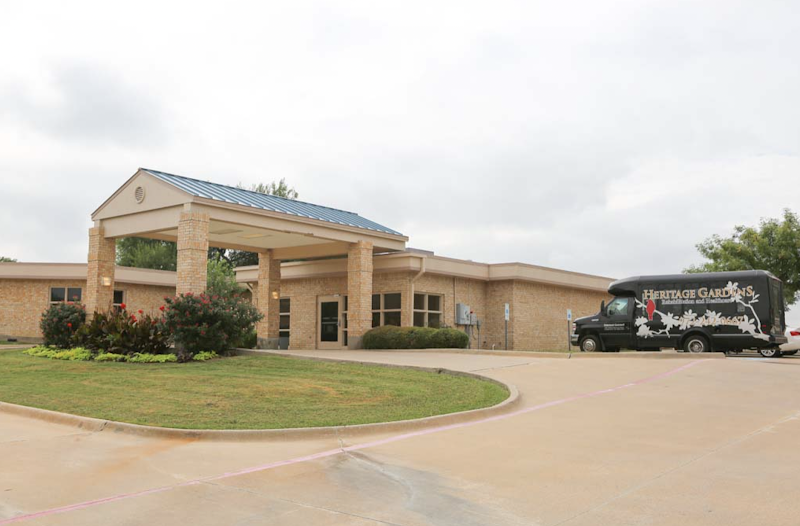
How is Heritage Gardens Rehabilitation And Healthcare Staffed?

CMS rates Heritage Gardens Rehabilitation and Healthcare's staffing level at 1 out of 5 stars, which is much below average compared to other nursing homes. Staff turnover is 46%, compared to the Texas average of 46%. This relatively stable workforce can support continuity of care.

What Have Inspectors Found at Heritage Gardens Rehabilitation And Healthcare?

State health inspectors documented 21 deficiencies at Heritage Gardens Rehabilitation and Healthcare during 2022 to 2025. These included: 1 that caused actual resident harm and 20 with potential for harm. Deficiencies causing actual harm indicate documented cases where residents experienced negative health consequences.
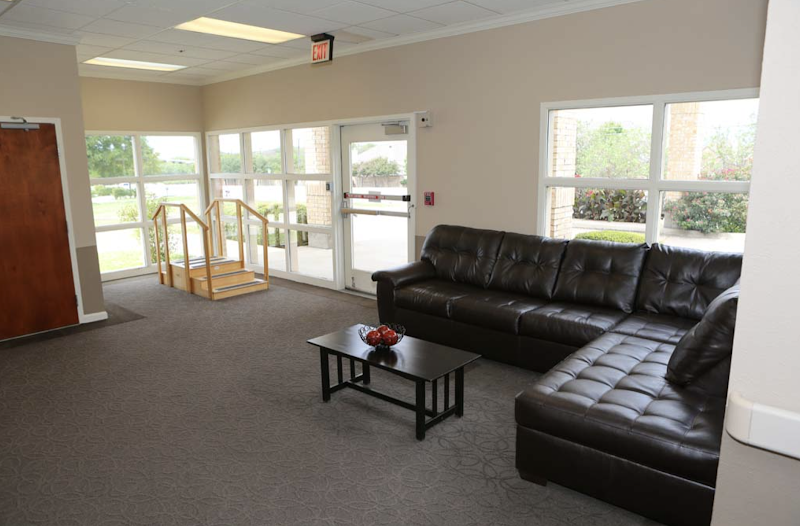
Who Owns and Operates Heritage Gardens Rehabilitation And Healthcare?

Heritage Gardens Rehabilitation and Healthcare is owned by a for-profit company. For-profit facilities operate as businesses with obligations to shareholders or private owners. The facility is operated by THE ENSIGN GROUP, a chain that manages multiple nursing homes. With 150 certified beds and approximately 75 residents (about 50% occupancy), it is a mid-sized facility located in Carrollton, Texas.

How Does Heritage Gardens Rehabilitation And Healthcare Compare to Other Texas Nursing Homes?

Compared to the 100 nursing homes in Texas, Heritage Gardens Rehabilitation and Healthcare's overall rating (1 stars) is below the state average of 2.8, staff turnover (46%) is near the state average of 46%, and health inspection rating (2 stars) is below the national benchmark.

What Should Families Ask When Visiting Heritage Gardens Rehabilitation And Healthcare?

Based on this facility's data, families visiting should ask: "What safeguards and monitoring systems are in place to protect residents from abuse or neglect?" "Can you walk me through typical staffing levels on day, evening, and night shifts?" "Can I visit during a mealtime to observe dining assistance and food quality?" "How do you handle medical emergencies, and what is your hospital transfer rate?" These questions are particularly relevant given the substantiated abuse finding on record and the below-average staffing rating.

Is Heritage Gardens Rehabilitation And Healthcare Safe?

Based on CMS inspection data, Heritage Gardens Rehabilitation and Healthcare has documented safety concerns. The facility has 1 substantiated abuse finding (meaning confirmed case of resident harm by staff or other residents). The facility has a 1-star overall rating and ranks #100 of 100 nursing homes in Texas. Families considering this facility should ask detailed questions about what corrective actions have been taken since these incidents.

Do Nurses at Heritage Gardens Rehabilitation And Healthcare Stick Around?

Heritage Gardens Rehabilitation and Healthcare has a staff turnover rate of 46%, which is about average for Texas nursing homes (state average: 46%). Moderate turnover is common in nursing homes, but families should still ask about staff tenure and how the facility maintains care continuity when employees leave.

Was Heritage Gardens Rehabilitation And Healthcare Ever Fined?

Heritage Gardens Rehabilitation and Healthcare has no federal fines on record. CMS issues fines when nursing homes fail to meet care standards or don't correct problems found during inspections. The absence of fines suggests the facility has either maintained compliance or corrected any issues before penalties were assessed. This is a positive indicator, though families should still review recent inspection reports for the full picture.

Is Heritage Gardens Rehabilitation And Healthcare on Any Federal Watch List?

Heritage Gardens Rehabilitation and Healthcare is not on any federal watch list. The most significant is the Special Focus Facility (SFF) program, which identifies the bottom 1% of nursing homes nationally based on persistent, serious quality problems. Not being on this list means the facility has avoided the pattern of deficiencies that triggers enhanced federal oversight. This is a positive indicator, though families should still review the facility's inspection history directly.