THE MADISON ON MARSH
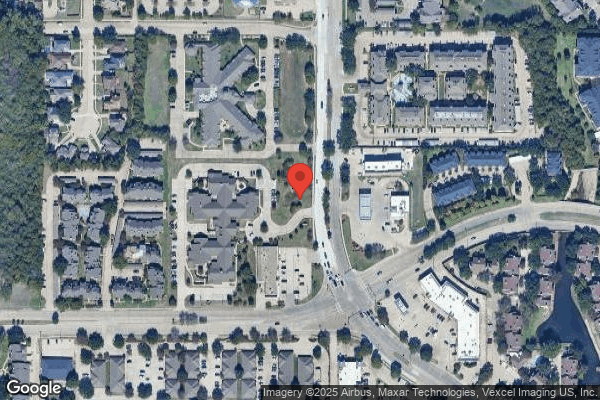

2245 MARSH LN, CARROLLTON, TX 75006 (972) 416-1764
For profit - Corporation 125 Beds CANTEX CONTINUING CARE Data: November 2025 1 Immediate Jeopardy citation
Trust Grade
61/100
#357 of 1168 in TX
Last Inspection: December 2024

Within standard 12-15 month inspection cycle. Federal law requires annual inspections.

Overview

The Madison on Marsh has a Trust Grade of C+, indicating it is slightly above average but not exceptional. It ranks #357 out of 1,168 nursing homes in Texas, placing it in the top half of facilities in the state, and #19 out of 83 in Dallas County, meaning only a few local options are better. However, the facility is experiencing a worsening trend, with issues increasing from 3 in 2024 to 7 in 2025. While the staffing rating is below average at 2 out of 5 stars with a turnover rate of 51%, it does have good RN coverage, surpassing 87% of Texas facilities. Recent inspections revealed serious concerns, including a critical incident where a resident eloped from the facility due to inadequate supervision, raising significant safety issues. Additionally, the kitchen failed to meet food safety standards, with unlabeled and undated food items that could pose health risks. There were also concerns about unsecured medication carts, which could lead to misuse or diversion of medications. Despite these weaknesses, the facility does provide excellent quality measures and has taken steps to address some compliance issues.

Trust Score
C+
61/100
In Texas
#357/1168
Top 30%
Safety Record
High Risk
Review needed
Inspections
Getting Worse
3 → 7 violations
Staff Stability
⚠ Watch
51% turnover. Above average. Higher turnover means staff may not know residents' routines.
Penalties
○ Average
$12,740 in fines. Higher than 71% of Texas facilities. Some compliance issues.
Skilled Nurses
○ Average
Each resident gets 36 minutes of Registered Nurse (RN) attention daily — about average for Texas. RNs are the most trained staff who monitor for health changes.
Violations
⚠ Watch
19 deficiencies on record. Higher than average. Multiple issues found across inspections.
★★★★☆
4.0
Overall Rating
★★☆☆☆
2.0
Staff Levels
★★★★★
5.0
Care Quality
★★★☆☆
3.0
Inspection Score
Stable
2024: 3 issues
2025: 7 issues

The Good

  • 5-Star Quality Measures · Strong clinical quality outcomes
  • Full Sprinkler Coverage · Fire safety systems throughout facility
  • No fines on record

Facility shows strength in quality measures, fire safety.

The Bad

Staff Turnover: 51%

Near Texas avg (46%)

Higher turnover may affect care consistency

Federal Fines: $12,740

Below median ($33,413)

Minor penalties assessed

Chain: CANTEX CONTINUING CARE

Part of a multi-facility chain

Ask about local staffing decisions and management

The Ugly 19 deficiencies on record

1 life-threatening
Apr 2025 3 deficiencies 1 IJ
CRITICAL (J) 📢 Someone Reported This

A family member, employee, or ombudsman was alarmed enough to file a formal complaint

Immediate Jeopardy (IJ) - the most serious Medicare violation

Accident Prevention (Tag F0689)

Someone could have died · This affected 1 resident

**NOTE- TERMS IN BRACKETS HAVE BEEN EDITED TO PROTECT CONFIDENTIALITY** Based on interviews and record reviews, the facility failed to ensure residents received adequate supervision to prevent acciden...

Read full inspector narrative →
**NOTE- TERMS IN BRACKETS HAVE BEEN EDITED TO PROTECT CONFIDENTIALITY** Based on interviews and record reviews, the facility failed to ensure residents received adequate supervision to prevent accidents for 1 (Resident #2) of 4 residents reviewed for elopement. The facility failed to provide adequate supervision to Resident #2 and as a result, the resident eloped from the facility and was found by a passerby between 12:00 pm and 2:00 pm in front of a local store (8.9 miles) away from the facility. Resident # 2 was gone from the facility for over five and a half hours and last seen on 02/22/25 at 1:41 AM. Resident #2 was taken to a hospital on [DATE] at 2:00 PM, and a nurse from the hospital notified the facility. The above noncompliance was determined to be a past non-compliance Immediate Jeopardy that existed from 02/22/25 at 01:41 AM, and the Immediate Jeopardy was determined to have been removed on 03/01/25 due to the facility's implemented actions that corrected the non-compliance of re-educating staff about assessing and identifying wandering residents, elopement risks, and alarm management prior to the beginning of the HHSC investigation on 04/16/25. This failure could place residents at risk for accidents, falls and serious injury resulting in a decreased psycho-social well-being, physical decline, or death. Findings included: Review of Resident #2's Face Sheet dated 04/16/25 revealed a [AGE] year-old male who was admitted to the facility on [DATE] with diagnoses: Cirrhosis of liver (chronic liver damage from a variety of causes leading to liver failure), Hepatic encephalopathy ( the loss of brain function when a damaged liver does not remove toxins from the blood) , restlessness, and agitation. Review on Resident #2's Elopement risk assessment dated 01/25/25 revealed 1. No risk. Patient is able to make decisions regarding tasks of daily living e.g. decisions are consistent and reasonable . Review of Resident #2's admission MDS assessment dated [DATE] revealed Resident #1's BIMS score was 10/15 (moderate cognitive impairment), and the resident had no wandering behavior, was independent with locomotion off unit, with setup only, not steady, but able to stabilize without staff assistance with balance during transitions. Review of Resident #2's Care Plan dated 02/17/25 revealed, Problem. Potential for elopement as evidenced by: Exit seeking. Goal. Maintaining the least restrictive environment while providing for Resident #2 safety for 90 days. Intervention. Frequent monitoring. Have activities involved with favorite pastime. Photo in MARS and Elopement risk book. Further review revealed, Problem. Resident #2 demonstrates movement behavior that may be interpreted as wandering, pacing, or roaming r/t the diagnosis (es) of Hepatic Encephalopathy and problem understanding the immediate environment. Goal. Resident #2 will respond to staff direction to redirect attention from a potentially problematic situation (such as elopement or entering a peers' room) when any difficult behavior occurs by the next 90 days. Intervention. Implement preventative intervention strategies: Assess for potential elopement/unauthorized departure risk. Implement preventative intervention strategies: Make rounds/room checks per facility protocol to minimize chance of unauthorized leave. Implement preventative intervention strategies: Provide simple, clear directions to help the resident know what is expected. Review of ADL self-care performance revealed Resident #2 is capable of increased independence in at least some ADLs. Review of Resident #2's Nurse Progress dated 02/17/25 at 2:31 PM written by RN D revealed, [Resident#2] is attempting to exit through back doors &states he needs to go home. Management notified. Upcoming charge nurse notified. [Resident#2] . has been walking around back & forth from his room to dining area & halls. Resident#2 to be monitored for elopement. Review of Resident #2's Nurse Progress Note dated 02/17/25 at 8:46 PM written by RN C revealed, Patient attempting to exit the building. Review of Resident #2's Nurse Progress Note dated 02/23/25 at 7:53 PM, reflected the DON stated on 02/22/25 at 07:20 AM This nurse was notified by CN the [Resident#2] was not present in his room while rounding and that he had left AMA. This writer asked the CN to immediately do a facility door-to-door search with the team. Administrator and MD notified. Son of the resident called and notified that he had left AMA, and a search was initiated to ensure resident safety. Review of NP progress note dated 02/24/25 at 01:32 AM, reflected she saw Resident#2 on 02/20/25 at 01:32 AM .Subject: Patient seen today in room. Patient unable to answer questions clearly, confused. No pain or distress at this time. Spoke to nursing and therapy and they state that patient was exit seeking and with thrive in a memory care unit. Review of the Facility's Provider Investigative Report dated 03/01/25 revealed on 02/22/25 Resident #2 left the facility at 04:00 AM. At some point between 12:00 PM and 2:00 PM, the resident was located at nearby Wal-Mart and taken to a local hospital, where a nurse's note documented his presence shortly after 2:00 pm. The resident was found safe, without injuries, and expressed a desire to return home. notifications to [Resident #2] 's Doctor, Family member and Ombudsman was done. The Facility conducted several Staff and Resident interviews and could not figure out how [Resident #2] opened the door and exited the facility without anyone hearing the alarm, or if the alarm went off at the opening of the door. This incident prompted a comprehensive facility-wide response, staff training, and policy reinforcement to prevent future occurrences. The investigation remains ongoing, with continued audits, training, and elopement drills in place to strengthen security and resident safety. Life satisfaction rounds and interviews with the residents and education with staff about the elopement, elopement risks, alarm system and elopement were conducted, and staff statements were collected. The nurse assigned to Resident#2 on 02/22/25 shift 10 PM to 6 AM terminated. Findings: unconfirmed. Review of Resident #2's Physician medication order Recap Report dated 03/04/25 revealed the following medications orders: -Folic acid tab 1000 mcg given 1 tablet orally one time a day for vitamin deficiency. -Pantoprazole tab 40 mg give 1 tablet orally two times a day for GERD (a digestive disease in which stomach acid or bile irritates the food pipe lining). -Divalproex tab 125 mg given 1 tablet orally two times a day for restlessness and agitation. -Lactulose sol 10 gm/15ml give 60 milliliters orally four times a day for Cirrhosis of liver. Doxycycl HYC cap 100 mg give 1 capsule orally one time a day for bacterial peritonitis (a severe bacterial infection of abnormal accumulation of fluid in the abdomen). -Tamsulosin cap 0.4 mg give 1 capsule orally one time a day for BPH (non-cancerous enlargement of the prostate gland). -Finasteride tab 5 mg give 1 tablet orally one time a day for BPH. -Miralax oral packet 17 gm give 17 gm by mouth one time a day for constipation. -Thiamine HCL oral tablet 100 mg give 1 tablet by mouth one time a day for Thiamine deficiency. -There was no order for a Wander Guard. Review of the facility's Camera footage titled Video for the front door, revealed Resident #2 on 02/22/25 at 04:00 AM from inside pushed the door electric latch retraction, walked steadily via the front door, wearing beige shirt pants, beige long sleeve jacket, and outdoor shoes. Resident #2 was seen leaving the facility. The Camera was facing outside, and there was no camera facing inside the facility. The door had oval glass at the middle. The Video did not have any sound. Interview on 04/16/25 at 2:38 PM, CNA D stated she was working the 300 hall the day of the incident. She stated the staff searched for Resident #2 everywhere in the facility, and they could not find him. She stated she was thinking Resident#2 left sometime during the night shift. She stated she was trained to round every 2 hours or more frequent to check on residents. She stated she did not notice Resident#2 exit seeking behaviors to exit the facility. She stated Resident#2 was independent, used to walk around inside the facility, but she did not see him trying to leave until the incident happened. Interview on 04/16/25 at 3:09 PM, LVN I stated Resident #2 was last on 300 Hall. She stated she used to take care of him when he was in 100 Hall, and at that time, Resident#2 was most of the time, in bed. LVN I stated she rounded every two hours on the residents. LVN I stated the CNAs were in and out of the residents' rooms all the time. She stated when she was working during the night shift, she had some residents that would roam the facility and go to other halls and the staff would bring them back to their rooms. Interview on 04/16/25 at 4:10 PM, the Administrator stated Resident #2 was there for short term. He stated the staff were trained to round on the residents every 2 hours. He stated Resident#2 was in the library when the 10 PM-6 AM shift staff came in for their shift. He stated the CMA for 2 PM-10 PM gave Resident#2 his medications, and the 2 PM-10 PM nurse saw the resident around 7 PM. He stated the nursing progress note from the night shift for RN R was done at 1:41 AM on 02/22/25. The Administrator stated CNA P was sent to the hospital to identify Resident#2. The Administrator stated Resident#2 was found by a passerby in front of Local store door, and the passerby called the paramedics who took Resident#2 to the hospital. The Administrator stated Resident#2 may have the code for the door, because if the person exiting the door had the code, the alarm would not go off. He stated after the incident, the facility changed the code. He stated the alarm sound was louder in the nursing station, and the facility increased the volume by the main facility exit door. The Administrator stated, per the staff at the time of the incident, the alarm did not go off. He stated the Resident#2 did not follow anyone. Interview revealed the Administrator, DON and Maintenance Supervisor reviewed the Video for the front door and saw the resident exiting the front door by himself. He stated Resident#2 may have observed the staff entering in the key code and got the code. The Administrator stated the housekeeping staff did not work at night; they started their shift at 5 AM and went home at 4 PM. He denied any other resident had eloped from the facility before or after the incident. Interview on 04/17/25 at 06:11 AM, Housekeeper Q stated he started his shift at 5 AM all the time, except if he had to shampoo the carpet, then he comes in at 4 AM . He stated whenever he came in to work, the alarm was always on, and when the alarm goes off, he walked around and check if there was someone outside the door. He stated there were no supplies delivery early in the morning. Interview on 04/17/25 at 06:58 AM, the Administrator stated the door alarms engaged automatically, they were doing weekly checks, before the incident, by the Maintenance Supervisor. When the Administrator was asked if there was a power outage the night of the incident that can affect the alarm system, he replied he did not know, and did not know if the alarm system was connected to the generator. The Administrator stated the Maintenance Supervisor would have that information. He stated the facility sent LVN L to the hospital to assess and speak to Resident#2. He stated the Corporate Marketer and the Maintenance supervisor tried also to talk to Resident#2, but the local PD did not allow them to talk to Resident#2 because of the ongoing investigation. He stated he did not get the police report from the local police department. The Administrator stated the facility asked for it, and the local police department wanted $1000 to release the report, and it would take up to 6 months to get the full report. He stated Resident#2 wanted to leave the facility and go home. He stated the Resident lived near the Local store he was found in. When asked about the elopement risk to the residents, the Administrator stated they would contact the family, put the resident on one-to-one monitoring, and start the process of discharge to a safer facility. The Administrator mentioned that the facility did not have a secured unit and did not have wander guards for elopement risk residents. Interview on 04/17/25 at 07:28 AM, LVN D stated she was familiar with Resident #2, and he was not having exit seeking behavior. She stated he wanted to go home, and the family had known about it. LVN D stated the facility was trying to discharge him. Interview on 04/17/25 at 07:33 AM, RN M stated she did not work with Resident #2 and denied seeing him try to go out. Interview on 04/17/25 at 07:47 AM, LVN L stated, she was familiar with Resident#2 and he was not trying to go out of the facility. She stated she did not see him wandering. She stated after the incident, she went to the hospital to identify and assess Resident#2. She stated she went to his room in the hospital and talked to him but did not ask him how he got out of the facility. She stated Resident#2 was not in distress during the hospital visit and he was sitting at the edge of the bed. Interview on 04/17/25 at 07:57 AM, the Maintenance Supervisor stated he went with LVN L to the hospital to talk to Resident#2, but he could not talk to him. He stated Resident#2 was seen in a Video walking out the front door, the Camera was facing outside, and there was no sound. He stated after the incident, he had the local fire department come to the facility and check the alarms. Interview revealed the alarm testing showed all alarms were working. He stated the alarm should go off whenever the door opened from during the time from 6 PM to 6 AM. He stated the camera was situated outside the door, on the keypad side, and he did not know if the camera could capture the resident key in the code from inside. He stated he was not aware of any power outrage at the time, and even if there was a power outage the alarm, would still go off and sound. He stated the alarm was automatically set to engage at 6 PM and disengage at 6 AM. He stated the alarm would go off at the nursing station and by the front door area. He stated the door alarm cannot be disarmed by anyone unless they have the code to disarm it, and no one in the facility had that code. He stated the facility did not get any citation for the door's alarms during the last survey. He stated his guess was that someone entered the code at the nursing station to silence the alarm in the nursing station and did not enter the code at the front door to silence the alarm by the front door. He stated at that time the alarm by the door was not too loud. He stated after the incident, the local fire department came to the facility and tested the alarms. Interview revealed the alarm sound by the front door was set to a louder volume. Interview on 04/17/25 at 08:47 AM, the DON stated at first Resident#2 was ready to go home after he was done with rehabilitation, then his ascites (abnormal accumulation of fluid in the abdomen) was worsening, was sent to hospital. She stated after he came back from the hospital, he was A&O x4, stable, and wanted to go home. She stated the Resident#2 called his family and spoke to them, one or two days before the incident, about going home. Interview revealed the resident would walk around the facility without a walker. She stated a resident family member visited him the day before the incident and the resident told the family member that he wanted to go home but the son wanted him to stay in the facility. She stated the management informed the family that the resident had a desire to leave the facility. She stated the discharge protocol was initiated for his safety. The DON stated the resident had a cell phone, but the phone service was disconnected due to a lack of payment. Interview revealed the resident used the facility land line to call his cousin. When asked about the elopement risk to Resident#2, she stated the resident was not at risk for elopement prior to the incident. She stated it was a resident right to leave the facility and the facility could not hold the resident against his wishes to leave as per the facility policy. She stated the resident was appropriately dressed and had shoes on when he left the facility. She further stated the resident was fine and no alcohol or drugs were found on him when he taken to the hospital. She stated LVN L went to the hospital to see the resident. The DON stated the resident told LVN L that he walked out of the facility main door. The resident walked to Local store. The DON stated she did not speak to him face to face at the hospital and the facility wanted to ensure that he was safe. She stated after the incident the facility conducted elopement prevention drill, and all the staff were in service trained on the residents elopement prevention. She stated the night of the incident the staff denied hearing the alarm going off at any time. An attempt was made on 04/17/25 at 09:55 AM to interview Resident#2, but his Family Member answered the phone call. The family member stated Resident #2 did not have a cell phone and he moved to another facility after he was discharged from the hospital. He stated he did not recall the exact date of the incident, and what he know about the incident was that the resident walked through the facility front door and was found in local store parking lot by the local police and was taken to a hospital. He denied the resident was having any issues from the elopement. Interview over the phone on 04/17/25 at 10:29 AM, CNA S stated she was working the 300 hall the night of the incident. She stated the resident was on her assigned hall. She stated the resident walked around all the time. She said she laid eyes on him before she started her rounds. She stated she doesn't remember the exact time, but she rounds every 2 hours. She said the resident was present up until her last round around 3 AM or 4 AM. She said she didn't hear the door alarm, it's very sensitive, even when the wind blows, it goes off. She said staff ran to the door when the alarm went off to see if a resident tried to elope. She said she could hear the alarm from 300 hall. She said the resident was dressed in street clothes while lying in his bed that night because she changed his roommate. She said the resident may have eloped because he may have been watching staff, because around 3 AM, CNAs conducted rounds and nurses were giving medications. She said the resident was smart and may have been watching staff to see if they were preoccupied. She stated resident never voiced to her he wanted to leave. She said the resident would walk around in the middle of the night, some nights, but he was never go to the door. She stated she believed the nurse, can't remember her name, noticed he was gone. She stated she was contacted once she left and was told the resident eloped. Interview over the phone on 04/17/25 at 10:33 AM, LVN N stated, he worked with Resident#2 another night. He stated Resident#2 had the habit of wearing daytime attire even at night, walking around between his room, nursing station and dining area. He stated Resident#2 sometime would ask to call his wife and wanted his wife here at the facility. He stated, he did not see the Resident#2 wife or family member visiting at night. LVN N stated, he did not hear the door alarm going off during the night of the incident. He stated to enter or exit the facility after 6 PM, someone must key in the code from inside otherwise, the alarm would go off whenever the door opened. LVN N stated the facility was non-smoking and none of the staff went outside to smoke. Interview over the phone on 04/17/25 at 10:45 AM, CNA P stated she was not working on hall 300 the night of the incident. She said the resident was independent. She said she would see him walking around; he would go to the ice machine or come through the dining room. She said she never heard the alarm go off that night. She said when the alarm went off, staff would check at the nursing station to identify which alarm was going off, rush there and check to see if a resident eloped. She said all staff would check which door was alarming and go and check. She said the alarm was working that night because she stood at the door until someone let her in the building to start her shift. Interview over the phone on 04/17/25 at 12:02 PM, RN R stated, she knew Resident#2, and worked with him a couple of times. She stated the Resident spend most of his time up and walking around independently. She stated the day of the incident, she went in to work late at 10:20 PM. She stated, she rung the bill, and nobody came in to open the door for her. She stated when she put the code from outside and open the door, the alarm did not go off. She stated usually at night, the alarm would go off whenever the door was open without keying in the code from the inside, but that did not happen that night. When asked if she notified someone about the alarm not going off, RN R stated she voiced to the staff at the nursing station the door alarm did not go off when she was coming in. She stated she rounded on her residents at 11:30 PM, and went on with her usual shift rounding, assessing residents, giving medication, etc. She said she could not remember the last time she saw Resident#2 that night, and per her documents, she did his physical assessment at 01:41 AM. She stated she was contacted once she left and was told the resident eloped. She stated she was suspended pending the investigation and was let go afterwards. Review of the directions reflected the location the paramedics picked Resident#2 from was 8.9 miles from the nursing facility via the website https://www.mapquest.com. Observation on 04/17/25 at 05:05 AM revealed two surveyors entered the facility at 05:05 AM, using the four-digit code provided by the Administrator the day before (04/17/25), the alarm went off. Observation revealed RN O walked to the front door and saw the surveyors entering the facility. RN O entered the key code and turned off the alarm. Housekeeper Q walked to the lobby area too. The staff left the lobby area. One surveyor stayed in the front lobby and the other surveyor went to the nursing station. The surveyor opened the front door and heard the alarm in the lobby. The surveyor at the nursing station heard the alarm. Observation revealed staff going to the front lobby to see what was happening and saw the surveyor at the front door with the alarm going off. Observation revealed the door alarm would go off when the surveyor pulled or pushed the front door. Observation revealed RN O turning off the door alarm when she determined it was the surveyor who opened the door and set off the alarm. Observation on 04/17/25 at 12:20 PM, revealed the street facing this facility was a busy 2-lane street. Interview on 04/16/25 at 2:38 PM, CNA D stated she was working the 300 hall the day of the incident. She stated she received training on resident elopement prevention. Interview on 04/16/25 at 3:09 PM, LVN I stated Resident #2 was last on 300 Hall. She stated she had training on resident elopement, the steps to take with exit seeking residents, including, immediately informing the management. Interview on 04/17/25 at 05:27 AM, RN O stated he started working in the facility after the incident. He stated he was trained on the resident elopement prevention before starting to work with the residents. He stated when the alarm went off, staff would check at the nursing station which door alarm was going off, where, then go there and check, including outside, and see if a resident had eloped. He said all staff would check which door and go and check. He stated at night the staff round on the residents every hour. He stated at that time there was one resident wandering around and exit seeking, and all the staff had to keep an eye on him. Interview on 04/17/25 at 05:36 AM, CNA K stated she did not remember Resident#2. She stated was in serviced on preventing resident elopement. She stated the door alarm would go off, if the door was open from outside, and there is no code to get into the facility. She stated, then, whoever enter had to punch the code to silence the alarm, or ring the bell for someone to open the door from inside after punching the code in. Interview on 04/17/25 at 05:48 AM, LVN G stated she started working with the facility after the incident. She stated she received training on residents' elopement prevention during orientation. She stated at the start of her shift, she did rounds on the residents and check the residents' presence before she get the report from the outgoing nurses. Interview on 04/17/25 at 06:11 AM, Housekeeper Q stated he was in-serviced on residents' elopement prevention including to check all the rooms, look around the building, and notify the Administrator, and DON immediately. Interview on 04/17/25 at 7:17 AM, CNA F stated her first day working in the facility was last Saturday (04/12/25). She stated before she started working on the floor with the residents, she received training on residents' elopement prevention. She stated she was trained to pay attention to doors alarm and to answer as soon as she heard the alarm going off. She stated she was trained to do rounds on residents at the start of her shift, and at least every 2 hours. Interview on 04/17/25 at 07:22 AM, LVN H stated she returned to work three weeks ago and was not there during the resident elopement incident. She stated was trained on residents' elopement prevention. LVN H stated she was to follow the facility policy, that included doing a head count at change of shift, total facility resident head count if there was a missing resident and alert the Administrator . She stated for the residents with exit seeking behaviors she was to notify the administrator. LVN H stated she was to check the doors and put a plan in place; notify the family, the MD, and constantly do visual check on the resident. She stated the risk to resident, safety issue, and possible injury. LVN H stated there was a busy street by the facility. Interview on 04/17/25 at 07:28 AM, LVN D stated to prevent residents from eloping, the staff must look for the resident, do rounds and count the residents every shift; notify the Administrator, DON, and family if a resident left the facility. Interview on 04/17/25 at 07:33 AM, RN M stated she received an in-service on resident elopement prevention that included for the staff to do a head count, and see all the residents during their shift, and notify the Administrator if any resident was missing. RN M stated the staff must round on residents every two hours. She stated for any resident with exit seeking behavior, she notified the Administrator, the family, and the MD. She stated she would follow physician ordered for lab work to see if something was wrong with the resident. She stated the risks to residents were endanger their life and safety issues. Interview on 04/17/25 at 07:47 AM, LVN L stated she was trained on residents' elopement prevention. LVN L stated when she hears the alarm, she had to check outside, and inside for the resident before turning the alarm off. She stated for the resident with exit seeking behaviors, she would immediately notify the charge nurse, and the Administrator. She stated, she would make sure the resident was away from the front door, notify the MD, and the family. Interview on 04/17/25 at 08:47 AM, the DON stated after the incident the facility conducted elopement prevention drill, and all the staff were in service trained on the residents elopement prevention. Interview over the phone on 04/17/25 at 10:33 AM, LVN N stated he was in-serviced on preventing resident elopements. Review of the facility's Inservice trainings revealed on 02/22/25 the facility conducted the following trainings across all the three-shifts with staff in-person and over the phone: elopement drill; elopement policy; abuse and neglect prevention; Elopement policy a. alarms checks b. if Resident is missing notify within 15 minutes to DON/Administrator; shift to shift report: for all CNAs and nurses. Walking rounds verifying with census. Every 2 hours visually account for each resident; check elopement resident who is high risk. Do elopement assessment on admission; Elopement Drill and information about the electronic monitoring system to ensure the doors worked properly and securely and the staff were provided the door access code. Review of Daily Doors Alarms, Wandering System and Storage Area log Maintenance forms for the month of February 2025 did not reveal any problems with the exit door mechanisms prior to 02/22/25 and after. Review of the facility's Maintenance Front Door daily check log between 02/21/25 and 04/16/25(entrance date) revealed no issue with the front door alarm system. Review of the facility's Provider Investigation Report dated 03/01/25 revealed Elopement Drills initiated on 2/22/25 will be completed on 3 shifts in the next 24 hours. The Administrator and DON were educated by the Regional Director of Clinical Services on abuse prevention policy, resident rights, elopement policy; Timely Reporting/Recognizing Abuse, Neglect: Change in Condition; Documentation; Physician Notification and family and clinical rounds for assistance, supervision, and needs. The facility had a QAPI meeting on 02/22/25 at 2:00 PM , and on 03/19/25 at 11:00 AM to address the facility elopement prevention protocol. Review of the local weather history for the area near the facility, on February 02/22/2025, revealed the temperature at the time was 43 degrees Fahrenheit, and foggy.
CONCERN (D) 📢 Someone Reported This

A family member, employee, or ombudsman was alarmed enough to file a formal complaint

Potential for Harm - no one hurt, but risky conditions existed

ADL Care (Tag F0677)

Could have caused harm · This affected 1 resident

**NOTE- TERMS IN BRACKETS HAVE BEEN EDITED TO PROTECT CONFIDENTIALITY** Based on observation, interview, and record review, the facility failed to provide the necessary services for residents who are ...

Read full inspector narrative →
**NOTE- TERMS IN BRACKETS HAVE BEEN EDITED TO PROTECT CONFIDENTIALITY** Based on observation, interview, and record review, the facility failed to provide the necessary services for residents who are unable to carry out activities of daily living to maintain good grooming and personal hygiene for 1 (Resident #1) of 5 residents reviewed for ADLs. The facility failed to ensure Resident #1 had his fingernails cleaned and trimmed. This failure could place residents who were dependent on staff for ADL care at risk for loss of dignity, risk for infections, and a decreased quality of life. Findings include: A record review of Resident #1's Quarterly MDS assessment dated [DATE] reflected Resident #1 was a [AGE] year-old female originally admitted to the facility on [DATE] and readmitted on [DATE] with diagnoses including type 2 diabetes mellitus, muscle weakness, and cerebrovascular accident (CVA). Resident #1 had a BIMS score of 02 out of 15 which indicated Resident #1's cognition was severely impaired. She required extensive assistance of two-persons for physical assistance with personal hygiene. A record review of Resident #1's Comprehensive Care Plan, dated 04/29/21 to present, reflected the following: problem: Resident#1's ADL function are impaired related to Hx CVA .weakness/debility, Hand Contractures, . depends on staff with ADLs. Goal: will maintain a sense of dignity by being clean, dry, odor free, and well-groomed over next 90 days. Interventions: assist, give . nail care schedule and prn .Assist with all ADL's as needed. An observation on 04/16/25 at 09:55 AM revealed Resident #1 was laying in her bed. The nails on both hands were approximately 0.3 centimeter in length extending from the tip of her fingers. The nails were discolored tan and the underside had a dark brown colored residue. Resident #1 was unable to answer questions. Interview on 04/16/25 at 10:08 AM, CNA A stated CNAs were allowed to cut the residents' nails if they were not diabetic. CNA A stated he would talk to the nurse about Resident #1's long nails because she was diabetic. Interview on 04/16/25 at 10:14 PM, RN B stated CNAs were responsible to clean and trim residents' nails as needed. RN B stated only nurses cut residents' nails if they were diabetic. RN B stated no one notified her Resident #1's nails were long and dirty, and she had not noticed the nails himself. RN B stated Resident #1 was diabetic, and he would clean and trim his nails. Interview on 04/16/25 at 2:33 PM, the DON stated nail care should be completed as needed and every time aides washed the residents' hands. The DON stated nails should be observed daily. The DON stated nurses were responsible for trimming the nails of residents who were diabetic, and CNAs could trim other residents' nails. The DON stated she expected CNAs to offer to cut and clean nails if they were long and dirty. The DON stated residents having long and dirty nails could be an infection control issue. Record review of the facility's policy titled, Bath-Bed dated, March 2013, reflected, Purpose. To cleanse, refresh, and soothe the Patient; to stimulate circulation; and to inspect the body. Care for fingernails . is a part of the bath. Be sure nails are clean. Fingernails .of diabetic Patients are cut by the licensed nurses .
CONCERN (E) 📢 Someone Reported This

A family member, employee, or ombudsman was alarmed enough to file a formal complaint

Potential for Harm - no one hurt, but risky conditions existed

Food Safety (Tag F0812)

Could have caused harm · This affected multiple residents

Based on observations, interviews, and record review, the facility failed to store, prepare, distribute, and serve food in accordance with professional standards for food service safety for the facili...

Read full inspector narrative →
Based on observations, interviews, and record review, the facility failed to store, prepare, distribute, and serve food in accordance with professional standards for food service safety for the facility's only kitchen. The facility failed to ensure food items in the facility walk-in refrigerator were covered, labeled, and dated. These failures could affect residents who received their meals from the facility's only kitchen, by placing them at risk for food-borne illness, and food contamination. Findings included: Observation on 04/16/25 at 11:40 AM of the facility's walk-in refrigerator revealed: 1. A plastic container had food that looked like sausage was not labeled. 2. A plastic container had some kind of red sauce was not labeled or dated. 3. A gallon sized Ziplock bag had cooked Brownies that were not dated or labeled. 4. A gallon sized Ziplock bag had about 8-10 Bread slices with butter that were not dated or labeled 5. A quart sized Ziplock bag had 4-5 pieces of cooked Corn bread that were not dated or labeled 6. A plastic bag that had about 10-12 pieces of Danish bread were not dated, labeled, or covered. 7. A used block of unknown kind of cheese , wrapped loosely in a plastic wrap was not dated, labeled, or covered. 8. A quart sized Ziplock bag had about 7-8 slices of cooked meat that were not dated or labeled. 9. A bag of Grated Cheese that was not dated or labeled. In an interview on 04/16/25 at 01:33 PM with [NAME] C revealed he was working in the facility kitchen as an morning [NAME] since November 2024. He stated that all food items in the kitchen should be labeled, dated, and covered. He stated that the foods that were cooked should have a use-by date of three days after cooking. Other food items like ready-to-eat/serve items should have an expiry date on them. He stated everyone in the kitchen, including the cooks, dietary aides, and dietary manager, were responsible for dating, labeling, and covering all food items. He stated not covering, labeling, and dating food items could cause cross contamination and potentially cause illness in residents. In an interview on 04/16/25 at 01:45 PM, the Dietary Manager stated everyone, including the cooks and himself, were responsible for covering, dating, and labeling all food items in the kitchen. He stated that he had been working in the facility for last two years and ensured that all staff received multiple in-services about food labeling, dating, and covering appropriately. He stated her expectation was all food items in the kitchen should be marked with a cooked date once the food item was cooked and stored for use later and a use-by date for leftovers and opened food items. He stated it was his expectation that all foods should be properly sealed in Ziplock bags or containers with tight fitting lids. He stated the risk of not dating, labeling, covering food items could cause cross contamination resulting in food borne illness or food contamination. He added that he had thrown away the food items in the refrigerator that were not dated or labeled appropriately. Review of facility's policy titled Food Storage revised 3/2019 reflected, .13. Leftover food is stored in covered containers or wrapped carefully and securely. Each item is clearly labeled and dated before being refrigerated. Leftover food is used within 2-3 days or discarded 15. Refrigeration .e. All foods should be covered, labeled, and dated . Review of the Food and Drug Administration Food Code, dated 2022, reflected, .3-302.12 Food Storage Containers, Identified with Common Name of Food. Except for containers holding food that can be readily and unmistakably recognized such as dry pasta, working containers holding food or food ingredients that are removed from their original packages for use in the food establishment, such as cooking oils, flour, herbs, potato flakes, salt, spices, and sugar shall be identified with the common name of the food 3-305.11 Food Storage.(B) .refrigerated, ready-to eat time/temperature control for safety food prepared and packaged by a food processing plant shall be clearly marked, at the time the original container is opened in a food establishment and if the food is held for more than 24 hours, to indicate the date or day by which the food shall be consumed on the premises, sold, or discarded, based on the temperature and time combinations specified in (A) of this section and: (1) The day the original container is opened in the food establishment shall be counted as Day 1; and (2) The day or date marked by the food establishment may not exceed a manufacturer's use-by date if the manufacturer determined the use-by date based on food safety
Jan 2025 4 deficiencies
CONCERN (D) 📢 Someone Reported This

A family member, employee, or ombudsman was alarmed enough to file a formal complaint

Potential for Harm - no one hurt, but risky conditions existed

Deficiency F0583 (Tag F0583)

Could have caused harm · This affected 1 resident

**NOTE- TERMS IN BRACKETS HAVE BEEN EDITED TO PROTECT CONFIDENTIALITY** Based on observation, interview, and record review the facility failed to ensure residents had a right to personal privacy for o...

Read full inspector narrative →
**NOTE- TERMS IN BRACKETS HAVE BEEN EDITED TO PROTECT CONFIDENTIALITY** Based on observation, interview, and record review the facility failed to ensure residents had a right to personal privacy for one of three residents (Resident #3) reviewed for personal privacy in that: CNA C failed to ensure the door to Resident #3's room was closed while she assisted in dressing Resident #3. This failure could place residents at risk for low self-esteem, loss of dignity, and decreased quality of life due to a lack of privacy during their care. Findings included: Review of Resident #3's face sheet, printed 01/17/2025, revealed an [AGE] year-old female admitted to the facility on [DATE] with diagnosis that included but not limited to hypokalemia (high levels of potassium). Review of Resident #3's baseline care plan dated 1/10/2025 revealed Resident #3 was a fall risk, required 1 person assist and was incontinent in bladder. Review of Resident #3's electronic file revealed a MDS had not been completed. Observation on 01/17/2025 at 5:05 AM revealed CNA C was assisting with incontinent care of Resident#3 while the curtain was not drawn, and the door was open. Resident #3 was seen undressed from waist down and turned on her side exposed to the hallway. CNA B walked out of the room to get supplies leaving the door open and Resident #3 turned on her side undressed from waist down. Resident #3 did not have a roommate, and no one was observed on the hall. Attempted interview on 01/17/2025 at 2:00 PM with Resident#3 was unsuccessful. Resident #3 was observed laying in bed and would not respond to questions. Interview on 01/17/2025 at 5:54 AM with CNA C revealed when assisting with incontinent care, she should always close the curtains and resident door to ensure privacy. CNA B stated she did not pull the curtain and close the door due to rushing because she had to go get another resident up and ready for dialysis. CNA C stated the risk leaving the door open and not pulling the curtain would be that the resident would not have privacy. Interview on 1/17/2025 at 12:29 PM with the Administrator revealed staff were aware that the privacy curtain and door should be closed when assisting with incontinent care. The Administrator stated she would have a discussion with Caregiver B regarding her leaving the door open. The Administrator stated the risk of leaving the door open would be the resident privacy could be violated. Interview on 1/17/2025 at 2:45 PM with the Director of Nursing revealed staff were aware of closing the door and privacy curtain during incontinent care. The Director of Nursing stated the Surveyor completed observation at a busy time and staff were trying to change residents before the shift change and had a lot of things to do during that time. The Director of Nursing stated she had 5 CNAs scheduled for the night shift and felt there was enough staff to provide proper care to residents. The Director of Nursing did not acknowledge any risk due to not pulling the privacy curtain and closing the door. Review of the facility policy titled Resident rights- abuse, neglect exploitation undated did not address resident rights to privacy.
CONCERN (D) 📢 Someone Reported This

A family member, employee, or ombudsman was alarmed enough to file a formal complaint

Potential for Harm - no one hurt, but risky conditions existed

Deficiency F0657 (Tag F0657)

Could have caused harm · This affected 1 resident

**NOTE- TERMS IN BRACKETS HAVE BEEN EDITED TO PROTECT CONFIDENTIALITY** Based on interview and record review, the facility failed to ensure the comprehensive care plan was reviewed and revised by the ...

Read full inspector narrative →
**NOTE- TERMS IN BRACKETS HAVE BEEN EDITED TO PROTECT CONFIDENTIALITY** Based on interview and record review, the facility failed to ensure the comprehensive care plan was reviewed and revised by the interdisciplinary team after each assessment including both the comprehensive assessment and quarterly review assessments for two (Resident #1 and Resident #2) of four residents were reviewed for comprehensive care plans. The facility failed to ensure the interdisciplinary team revised and reviewed the care plan after each assessment for Resident #1 and Resident #2. This failure could affect residents by placing them at risk for not having their individual needs met. Findings included: Record review of Resident #1's face Sheet printed 01/17/2025, reflected a [AGE] year-old female who was admitted to the facility on [DATE] with diagnoses that included but not limited to acute chronic diastolic heart failure (causes a stiff left ventricle that prevents the heart from relaxing between beats),type 2 diabetes (a chronic condition characterized by insulin resistance and high blood sugar levels.) and high blood pressure. Record review of Resident #1's quarterly MDS, dated [DATE], reflected a BIMS score of 15 which indicated Resident#1 was cognitively intact. Review of section GG indicated Resident #1 was independent with eating, oral hygiene, and upper dressing. Review of Resident #1's care plan dated effective 8/8/2024 revealed Resident #1 was at risk for hyper/ hypoglycemic episodes secondary to diabetes. Interventions included: diet as ordered, meds as ordered, lab as ordered. Resident #1 received pain management with intervention to include review medication, frequency, and side effects. Review of Resident #1's care plan conference revealed the last care plan was held 09/18/2024. Review of Resident #2's face sheet printed 07/17/2025, reflected an [AGE] year-old female admitted to the facility 04/27/2022 with diagnoses that included stroke (occurs when the blood supply to part of the brain is blocked or reduced.) and dementia (diseases that affect memory, thinking, and the ability to perform daily activities.) Review of Resident#2's care plan dated effective 4/27/2022 revealed Resident #2 was incontinent with bowel and bladder. Interventions included monitor signs symptoms, document refusals and encourage fluid intake. Review of the quarterly MDS undated revealed a BIMS score of 10 which indicated Resident #2 was mildly cognitively impaired. Review of Resident #2's care plan conference notes revealed the last care plan was 07/16/2024. Interview on 01/17/2025 at 11:39 AM with the Social Worker revealed care plans were completed within 48 hours of admission and quarterly. The Social worker stated she checked the MDS calendar once a month to determine when care plan conferences were due. The Social Worker stated care plans should be updated quarterly however she was not sure of there was a risk if they were not updated quarterly. The Social Worker stated she was not sure why the care plan conferences had not been done timely stating it was likely an oversight due to her being busy with other task. Interview on 01/17/2025 at 12:29 PM with the Administrator revealed the Social Worker was responsible for ensuring care plans were completed timely. The administrator stated she would have to speak with the Social Worker to determine why care plans conference were not completed timely however stated he was sure that staff had been in continuous contact with residents and their responsible parties frequently however may not have documented the conversations. The Administrator did not acknowledge any risk associated with not completing care plan conferences timely. Review of the policy Care Plans, Comprehensive person- Centered revised September 2010 The Interdisciplinary Team must review and update the care plan at least quarterly,
CONCERN (D) 📢 Someone Reported This

A family member, employee, or ombudsman was alarmed enough to file a formal complaint

Potential for Harm - no one hurt, but risky conditions existed

Pharmacy Services (Tag F0755)

Could have caused harm · This affected 1 resident

**NOTE- TERMS IN BRACKETS HAVE BEEN EDITED TO PROTECT CONFIDENTIALITY** Based on observation, interview, and record review, the facility failed to provide pharmaceutical services (including procedures...

Read full inspector narrative →
**NOTE- TERMS IN BRACKETS HAVE BEEN EDITED TO PROTECT CONFIDENTIALITY** Based on observation, interview, and record review, the facility failed to provide pharmaceutical services (including procedures that assure the accurate acquiring, receiving, dispensing, and administering of all drugs and biologicals) for 1(Resident #4) of 5 reviewed for pharmaceutical services The facility failed to ensure Residents #4's medication administration was administered according to the physician order. This failure placed residents at risk of not having accurate clinical records completed to indicate if a medication was administered, resulting in potential medical errors and a decline in health. Findings included: Review of Resident #4's electronic face sheet printed 01/17/2025 revealed a 65- year -old male admitted to the facility on [DATE] with diagnosis that included but not limited to diabetes (body does not make enough insulin) and high blood pressure. Review of Resident #4's care plan effective 11/01/2024 revealed Resident #4 was hypo or hyperglycemic secondary to diabetes with interventions which included diet as ordered and medication as ordered. Review of Resident #4's admission MDS dated [DATE] revealed a BIMS score of 10 which indicated Resident #4 was mildly cognitively impaired. Review of Resident #4's order physician order revealed HumuLIN 70/30 U-100 Insulin 100 unit/mL subcutaneous suspension (40 units) VIAL (ML) Subcutaneous One Time Daily Starting 12/13/2024. Order Date: 12/13/2024 TYPE 2 DIABETES MELLITUS WITHOUT COMPLICATIONS Notes: Do not give insulin if EQUAL/less than (110). Alert MD if Blood Sugar greater than:(400) PR aware Review of the MAR dated 12/01/2024-12/31/2024 revealed on 12/18/2024 Resident #4 was recorded as 86 and documented that insulin was given by LVN C. On 12/19/2024 Resident #4 blood sugar was documented at 96 and insulin given by LVN C. Review of the document titled non prn medication notes for Resident #4 dated 12/01/2024-12/31/2024 revealed no documentation of medication not being given on 12/18/2024 or 12/19/2024. Attempted call on 01/17/2025 at 2: 00PM to LVN C was unsuccessful. Interview on 01/17/2025 11:50 AM with the Director of Nursing revealed she was not sure if LVN C had given Resident #4 the medication or not however nursing staff were aware that orders should have been followed. The Director of Nursing stated staff still had to put their initials on the MAR and she was not sure of how staff indicated that medication was not given. Interview on 01/17/2025 at 12:29PM with the Administrator revealed he was not sure why the MAR would show the medication was given if it should not have been given and stated he would have to speak with the Director of Nursing for clarification. Interview on 01/17/2025 at 1:45PM with the Regional Director of Clinical Services revealed the Director of Nursing was not pulling the correct document which showed when a medication was not given. The Director of Clinical Services revealed the non- prn medication notes would revealed if a medication was not provided. The Director of Clinical Services reviewed the non - prn medication notes along with the surveyor and confirmed that there was no documentation on 12/18/2024 or 12/19/2024 of Humulin not being given. The Regional Director of Clinical services stated the risk of Humulin being given outside of the order would be the residents blood sugar could drop. The Regional Director of Clinical Services stated all nursing staff would be in- serviced today (01/17/2025) regarding administering medication according to physician orders. The Regional Director of Clinical Services stated moving forward the Director of Nursing would be responsible for ensure MAR's were completed correctly and medication was being given as prescribed. The policy dated Medication labeling and storage did not discuss medication administration.
CONCERN (E) 📢 Someone Reported This

A family member, employee, or ombudsman was alarmed enough to file a formal complaint

Potential for Harm - no one hurt, but risky conditions existed

Deficiency F0761 (Tag F0761)

Could have caused harm · This affected multiple residents

Based on observation, interview and record review, the facility failed to store all drugs and biologicals in locked compartments for four (treatment cart #1 and medication cart #2, Medication cart #3 ...

Read full inspector narrative →
Based on observation, interview and record review, the facility failed to store all drugs and biologicals in locked compartments for four (treatment cart #1 and medication cart #2, Medication cart #3 and Medication cart 4) of 4 carts reviewed for locked drugs and biologicals. The facility failed to lock treatment Medication Cart #1, Medication Cart #2, Medication Cart #3, and Medication Cart #4 when not in use. This failures could affect residents at risk of drug diversion or misuse of medications. Findings included: Observation on 01/17/2025 at 5:25 AM revealed Medication Cart #1 and Medication Cart #2 unlocked on the hall while LVN A was in a Resident's room. LVN A walked out of the Resident room and down to the nurse's station leaving the Medication Cart #1 and Medication Cart #2 unlocked. Medication Cart #1 and Medication Cart #2 drawers were able to be pulled open and exposed routine medications. Medication Cart #1 and Medication Cart #2 continued to remain unlocked during an observation of LVN A passing medication to four different residents. Observation on 01/17/2025 at 5:30 AM LVN A walked back to the Medication Cart #1 and proceeded to pass medication entering a Resident room without locking the Medication Cart #1 or Medication Cart #2 Observation on 01/17/2025 at 5:53 AM revealed Medication Cart #3 and Medication Cart #4 on the hall with no staff members present or residents were present. The drawers to Medication Cart #3 and Medication Cart #4 were able to be pulled open and exposed routine medications. Medication Cart #3 and Medication Cart # 4 remained unlocked for approximately 10 minutes. Interview and Observation with LVN A on 01/17/2025 at 5:30 AM revealed she was using Medication Cart #1 and Medication Cart #2 because one cart contained routine medication and one cart contained overflow routine medication as well as PRN medication. LVN A stated she was aware that the Medication Cart should have been locked when not in eyesight however she was disorganized due to her being new to working this hall. LVN A stated the risk of leaving the medication carts unlocked would be someone could access the medication. During an observation of medication pass to 4 residents, LVN A continued to leave Medication Cart #1 and Medication Cart #2 unlocked when entering resident rooms. Interview on 01/17/2025 at 6:05 AM with LVN B revealed Medication Cart#3 and Medication Cart #4 should have been locked however she had just begun her shift at 6:00AM and the nurse before her would have been responsible for ensuring the medication cart was locked. Interview on 01/17/025 at 1:45 PM with the Regional Director of Clinical Services and the Director of Nursing revealed medication carts were expected to be locked when not within eyesight of the nursing. The Regional Director of Clinical Services and the Director of Nursing both agreed the risk of leaving the cart unlocked would be someone would be able to access the medication. Review of the facility policy Medication labeling and storage dated revised February 2023 revealed Medications are stored in an orderly manner in cabinets, drawers, carts, or automatic dispensing systems. Each resident's medications are assigned to an individual cubicle, drawer, or other holding area to prevent the possibility of mixing medications of several residents.
Dec 2024 3 deficiencies
CONCERN (E)

Potential for Harm - no one hurt, but risky conditions existed

Deficiency F0657 (Tag F0657)

Could have caused harm · This affected multiple residents

**NOTE- TERMS IN BRACKETS HAVE BEEN EDITED TO PROTECT CONFIDENTIALITY** Based on interviews, and record review the facility failed to review and revise the person-centered comprehensive care plan to r...

Read full inspector narrative →
**NOTE- TERMS IN BRACKETS HAVE BEEN EDITED TO PROTECT CONFIDENTIALITY** Based on interviews, and record review the facility failed to review and revise the person-centered comprehensive care plan to reflect the resident's current status, for 2 of 6 residents (Resident #37 and Resident #50) reviewed for care plans. The facility did not update Resident #37's care plan to reflect goals and interventions for Hospice. The facility did not update Resident #50's care plan to reflect goals and interventions for Hospice. This failure could place residents at risk for not receiving appropriate care and intervention to meet their current needs. The findings were: Review of Resident #37's MDS significant change assessment dated [DATE], reflected he was a [AGE] year-old female admitted on [DATE]. Her diagnoses included: Dementia (confusion), hypertension (high blood pressure), and diabetes (high blood sugar). She had a BIMS score of 2 which reflected his cognitive status was severely impaired. She required moderate to maximum assist of one staff member for activities of daily living. Section O of the MDS was marked for hospice. Record review of Resident #37's Care Plan initiated on 04/011/23 reflected, it had been edited/updated on 09/30/2024, [resident was on hospice services], further review reflected there was no goals and approaches for hospice. Record review of the consolidated physician orders dated 11/2024 reflected Resident #37 admitted to Hospice services on 09/18/2024. Review of Resident #50's MDS quarterly assessment dated [DATE], reflected she was a [AGE] year-old female admitted on [DATE] and readmitted on [DATE]. Her diagnoses included: Hypertension (high blood pressure), and dementia (confused). Her BIMS score of 3 reflected her cognitive status was severely impaired. She required moderate to maximum assist of one staff member for activities of daily living. Section O of the MDS was marked for hospice. Record review of Resident #50's Care Plan initiated on 06/24/24 reflected, the care plan had been edited/updated on 9/10/2024, [resident was on hospice services], further review reflected there was no goals and approaches for hospice. Record review of the consolidated physician orders dated 11/2024 reflected Resident #50 admitted to Hospice services on 07/24/2024 . In an interview on 12/04/24 at 9:30 a.m. the DON revealed, the MDS/care plan nurse should be aware of any changes with the residents and update the plan of care. The DON stated that they did not have permanent MDS coordinator nurse, the floater MDS nurse for the cooperation was coming when she could and completing the MDS, but not updating any plans of care. The DON stated that she and the ADONs were updating the plan of care. The DON stated that she supposed there had been some of the plan of care's that had not been updated appropriately with the goals and approaches. The DON was aware that Resident #37 and Resident #50 were on Hospice services. The DON stated if the care plans were not follow-up on appropriately then the staff would not know what the goals are. In an interview on 12/04/24 at 12:00 p.m. the Administrator revealed the MDS/care plan nurse position was open at this time and the facility was looking for a new one. The Administrator stated he was aware the MDS was being completed by the floating MDS nurse for the company. He was unclear who was following up on the care plans. Review of the facility's policy titled Care plan Process and Person-Centered Care dated March 2022, reflected the following: 7.The comprehensive, person-centered care plan: a. incudes measurable objectives and timeframes; b. describes the services that are to be furnished to attain or maintain the residents' highest particle, physical, mental, and psychosocial well-being .c. incudes the resident's goals .11. Assessments of the residents are ongoing and care plans are revised as information about the residents and the resident's condition change .12. the interdisciplinary team reviews and updates the care plan; a. when there is a significant change in the residents' condition; b. when the desired outcome is not meet.
CONCERN (E)

Potential for Harm - no one hurt, but risky conditions existed

Accident Prevention (Tag F0689)

Could have caused harm · This affected multiple residents

**NOTE- TERMS IN BRACKETS HAVE BEEN EDITED TO PROTECT CONFIDENTIALITY** Based on observation, interview and record review, the facility failed to ensure all assistive devices were maintained and free ...

Read full inspector narrative →
**NOTE- TERMS IN BRACKETS HAVE BEEN EDITED TO PROTECT CONFIDENTIALITY** Based on observation, interview and record review, the facility failed to ensure all assistive devices were maintained and free of hazards for three (Residents #22, #36, and #59) of 6 residents reviewed for essential equipment. The facility failed to properly maintain wheelchairs for Residents #22, #36, and #59. These failures could place residents at risk for equipment that is in unsafe operating condition, that could cause injury. Findings included: Review of Resident #22's significant change MDS assessment, dated 09/21/24, reflected she was a [AGE] year-old female admitted to the facility on [DATE] and readmitted on [DATE] with diagnoses of hypertension (high blood pressure), dementia (confusion), and diabetes (high blood sugar). Further review of the MDS reflected the resident was cognitively severely impaired and unable to make decisions for themselves. Review of the Resident #22's plan of care dated 09/21/2024 with updates reflected goals and approaches to include wheelchair mobility for locomotion. Observation on 12/02/2024 at 12:30 p.m., revealed Resident #22 was sitting in her wheelchair, in the dining room and had no skin problems. The wheelchair's right armrest was cracked with foam exposed. There was dried food substances on the back of the wheelchair and both wheels. Review of Resident #36's quarterly MDS assessment, dated 10/28/2024, reflected she was a [AGE] year-old female admitted to the facility on [DATE], with diagnoses of hypertension (high blood pressure), muscle weakness (muscle deterioration), and age-related physical debility (no balance). Further review of the MDS reflected the resident was cognitively severely impaired and unable to make decisions for themselves. Review of the Resident 36's plan of care dated 09/04/2024 with updates reflected goals and approaches to include wheelchair mobility. Observation on 12/02/24 at 12:45 p.m., revealed Resident #36 was sitting in her wheelchair in the dining room and the wheelchair's left armrest was cracked with exposed foam and the right arm rest was missing. There were no skin tears on arms. The wheels of the wheelchair had dried food substance on both wheels and on wheel rims and there was dried food on the seat and back of the wheelchair. Review of Resident #59's quarterly MDS assessment, dated 11/20/2024, reflected she was a [AGE] year-old female admitted to the facility on [DATE], with diagnoses of atrial Fib (heart rate is irregular) hypertension (high blood pressure), and Alzheimer's dementia (confusion). Further review of the MDS reflected the resident was cognitively severely impaired and unable to make decisions for themselves. Review of the Resident #59's updated plan of care dated 10/21/2024 with updates reflected goals and approaches to include wheelchair mobility. Observation and interview on 12/02/2024 at 12:47 p.m ., revealed Resident #59 was sitting in her wheelchair in the dining room and the wheelchair's left armrest was cracked with exposed foam. There were no skin tears on the arms. Resident #59 stated she was just fine, and she thought her wheelchair was fine also, she did not need another wheelchair of new arms. In an interview on 12/04/2024 at 10:30 a.m., MA A stated when a resident's wheelchair needed repair the staff were to report it to the maintenance director. MA A stated we report to the maintenance director by writing in the book at the nurse station. MA A was unaware of any wheelchair that required repair, even though she did served lunch in the dining room and saw all the residents. In an interview on 12/04/2024 at 10:59 a.m. with the DON revealed she had no cleaning schedule for wheelchairs. The DON stated if the wheelchairs were dirty the night shift would clean them if they saw them, there was no monitoring system for cleaning the wheelchairs, it was on an as needed basis. The DON stated if there were many dirty wheelchairs, then [we] (administrative staff) would power wash the wheelchair . The DON stated if the wheelchairs were left in bad repair and were not clean, it could affect the quality of life for the residents. In an interview and record review on 12/04/2024 at 11:00 a.m., the with Maintenance Director revealed the staff informs him of equipment repair by logging the needed repair in the maintenance book at the nurse's station . The Maintenance Director verified he was the person who repaired the wheelchairs, but he was unaware of any wheelchairs that required new armrest. Record review at the nurses' station of the maintenance logs reflected no wheelchairs that had been placed in the log for repairs. In an in interview on 12/04/2024 at 12:00 p.m., with the Administrator revealed he was not aware of any wheelchairs that required repair in the facility. The Administrator stated there were plenty of parts and he would see that the wheelchairs were repaired. Review of the Facility's Policy titled Maintenance services dated December 2009 reflected Maintenance service shall be provided to areas of the building, grounds, and equipment . f. establishing proprieties to providing repair services . j. others that may become necessary or appropriate .3. The maintenance director is responsible for developing and maintaining a schedule of maintenance services to assure that the buildings, grounds, and equipment are maintained in a safe and operable manner
CONCERN (E) 📢 Someone Reported This

A family member, employee, or ombudsman was alarmed enough to file a formal complaint

Potential for Harm - no one hurt, but risky conditions existed

Food Safety (Tag F0812)

Could have caused harm · This affected multiple residents

Based on observation, interview, and record review the facility failed to store, prepare, distribute, and serve food in accordance with professional standards for food service safety in the facility's...

Read full inspector narrative →
Based on observation, interview, and record review the facility failed to store, prepare, distribute, and serve food in accordance with professional standards for food service safety in the facility's only kitchen reviewed for food safety. 1. The facility failed to ensure food items were accurately labeled and dated with the received or expiration date. These failures could place residents at risk for food-borne illness and cross contamination. Findings Include: Observation of the walk-in refrigerator on 12/2/2024 at 9:18 am revealed the following: -1 large zip top bag of lettuce with no received date or expiration date. - 1 large container of unidentified food sauce dated 12/1/24. There was no label description. -1 large container of unidentified yellow dessert dated 12/1/24. There was no label description. Observation of the dry storage on 12/2/2024 at 9:25 am revealed the following: -1 10lb bag of potatoes opened with no received date or expiration date. Interview with DM on 12/2/2024 at 9:50am, he stated staff is expected to label and date all foods stored in the refrigerator, freezer, or dry storage. He stated the risks of the foods and liquids not being properly labeled and dated could cause food borne illness, and individuals could become sick. Interview with DA B on 12/2/2024 at 11:38am, she stated any items stored in the refrigerator, freezer, or dry storage should be labeled and dated with an open date or expiration date. She stated the risks of foods not being labeled and dated could result in residents being served expired foods. Review of the facility's Food Receiving and Storage Policy, dated March 2019, reflected Policy Statement: Sufficient storage facilities are provided to keep foods safe, wholesome, and appetizing. Food is stored , prepared, and transported at an appropriate temperature and by methods designed to prevent contamination. 4. All food items should be dated with the received date, unless labeled with a readable label from the food vendor. 13. Leftover food is stored in covered containers or wrapped carefully and securely. Each item is clearly labeled and dated before being refrigerated. Leftover food is used within 2-3 days or discarded. Review of the U.S. FDA Food Code 2022 reflected: Chapter 3 . section 3-201.11 Compliance and Food Law: . C. Packaged Food shall be labeled as specified in LAW, including 21 CFR 101 Food Labeling [* .(b) A food which is subject to the requirements of section 403(k) of the act shall bear labeling, even though such food is not in package form. (c) A statement of artificial flavoring, artificial coloring, or chemical preservative shall be placed on the food or on its container or wrapper, or on any two or all three of these, as may be necessary to render such statement likely to be read by the ordinary person under customary conditions of purchase and use of such food. The specific artificial color used in a food shall be identified on the labeling when so required by regulation in part 74 of this chapter to assure safe conditions of use for the color additive.], 9 CFR 317 Labeling, [*(a) When, in an official establishment, any inspected and passed product is placed in any receptacle or covering constituting an immediate container, there shall be affixed to such container a label .Marking Devices, and Containers, and 9 CFR 381 Subpart N Labeling and Containers, and as specified under § 3-202.18. Section 3-302.12 Food Storage Containers, Identified with Common Name of Food: Except for containers holding FOOD that can be readily and unmistakably recognized such as dry pasta, working containers holding food or food ingredients that are removed from their original packages for use in the food establishment, such as cooking oils, flour, herbs, potato flakes, salt, spices, and sugar shall be identified with the common name of the food. Section 3-501.17 . Commercial processed food: Open and hold cold . B. 1. The day the original container is opened in the food establishment shall be counted as Day 1. 2. The day or date marked by the food establishment may not exceed a manufacturer's use-by date if the manufacturer determined the use-by date based on food safety. C. 2. Marking the date or day of preparation, with a procedure to discard the food on or before the last date or day by which the food must be consumed on the premises, sold, or discarded as specified under (A) of this section. 3. Marking the date or day the original container is opened in a food establishment, with a procedure to discard the food on or before the last date or day by which the food must be consumed on the premises, sold, or discarded as specified under (B) of this section. eCFR- Code of Federal Regulations are indicating within the text by an *- www.ecfr.gov
Oct 2023 5 deficiencies
CONCERN (D) 📢 Someone Reported This

A family member, employee, or ombudsman was alarmed enough to file a formal complaint

Potential for Harm - no one hurt, but risky conditions existed

Abuse Prevention Policies (Tag F0607)

Could have caused harm · This affected 1 resident

**NOTE- TERMS IN BRACKETS HAVE BEEN EDITED TO PROTECT CONFIDENTIALITY** Based on observation, interview and record review the facility failed to implement written policies and procedures that prohibit...

Read full inspector narrative →
**NOTE- TERMS IN BRACKETS HAVE BEEN EDITED TO PROTECT CONFIDENTIALITY** Based on observation, interview and record review the facility failed to implement written policies and procedures that prohibit and prevent abuse,establish policies and procedures to investigate any such allegations for 1 (Resident #5) of 24 residents reviewed for abuse in that: LVN D failed to report Resident #5's allegation of physical abuse to the Abuse Coordinator on 10/16/23. This failure could place residents at risk of continued and unrecognized abuse which could result in emotional distress and diminished quality of life. Findings included: Review of facility's policy Abuse Protocol dated April 2019 reflected 1. The Patient has the right to be free from abuse .The Executive Director (Administrator), and in his/her absence, the Director of Nursing, will perform the duties of the Abuse Prevention Coordinator .Abuse is defined as the willful infliction of injury, unreasonable confinement, intimidation, or punishment resulting physical harm or pain or mental anguish, or deprivation by an individual, including a caretaker, of goods or services that are necessary to attain or maintain physical, mental, and psychosocial well-being .The Charge Nurse will immediately examine the Patient and notify the Abuse Prevention Coordinator upon receiving reports of mental, physical or sexual abuse. Findings of the examination will be record in the patient's medical record. (Protection) 10. The Abuse Prevention Coordinator will: a. Immediately (within 2 hours) report to The Department of Aging and Disability Services (DADS) and other appropriate authorities incident of Patient Abuse as required under applicable regulations and regulatory guidance. Review of Resident #5's face sheet dated 10/18/23 reflected Resident #5 was a [AGE] year-old female admitted to the facility on [DATE] with diagnoses of cerebral infarction, arthritis, chronic obstructive pulmonary disease, contractures of left and right hand, pain, bipolar disorder, and schizophrenia. She was her own responsible party. Review of Resident #5's Quarterly MDS assessment dated [DATE] reflected Resident #5 had a BIMS of 15 indicating she was cognitively intact. She required substantial to maximal assistance with toileting. Resident #5 was always incontinent of bladder and bowel. Review of Resident #5's comprehensive care plan last updated 10/02/23 reflected Resident #5 has history of refusing basic direct care from staff including incontinent care. Resident #5 has a well-known prior and current history of calling the state with accusations/complaints about staff and nursing facilities. Observation and Interview on 10/17/23 at 11:10 AM with Resident # 5 revealed she was lying in her bed. She stated the night before last (Sunday night) about 1 am or 2 am a female CNA who worked night shift was rough and grabbed on her right arm and leg when providing incontinent care. She reported yesterday to charge nurse who worked yesterday and today (LVN D) about how aide was rough with her. She could not recall the name of the CNA. She stated when female CNA was rough with her it hurt and caused her arthritis to bother her more. She stated she wanted to talk to the DON about it and asked for DON. She stated previous to this incident she did not like the CNA's attitude but denied any previous abuse allegations. She stated when female CNA was in her room to provide incontinent care, she was rude and nasty to her. She stated she told the CNA she did not want to be changed and wanted her to leave. Resident #5 stated she would rather be wet than be changed by her. She stated she fought back to female CNA who was rough with her to defend herself. Interview on 10/17/23 at 11:28 AM LVN D revealed he was aware of Resident #5 telling him yesterday at the end of shift change (2 pm) of an aide over the weekend being rough with her. He stated Resident #5 was not specific about who the aide was and when it occurred specifically. He stated he did not report it since it was around the end of his shift and was on his way out of the facility. He stated he did not report it to anyone even today about Resident #5's allegation of aide being rough. He stated he did not report it since he knew how Resident #5 was and her history of accusations in past. He stated he had not reported the allegation and did not tell his supervisor or the Administrator. Interview on 10/17/23 at 11:35 AM with the Administrator and DON revealed both were unaware of Resident #5's allegation of abuse. Surveyor reported the allegation of physical and verbal abuse to Administrator. The Administrator stated LVN D should have reported Resident #5's allegation of abuse. The Administrator and DON stated they would immediately investigate and look into this allegation of abuse. Interview on 10/17/23 at 11:55 AM with the Regional Director of Operations revealed the facility would self-report the abuse allegation to the state and initiate investigation into the alleged abuse allegation for Resident #5. He stated LVN D had been in-serviced recently on abuse protocol policy and reporting requirements. He stated LVN D would be suspended pending investigation. Surveyor attempted to contact CNA E on 10/19/23 at 10:28 AM but was unable to reach CNA E. Review of CNA E's statement dated 10/17/23 reflected On 10/15/23 I went in [Resident #5's] room and asked was she ready to be changed and she said yes. I gathered my supplies and laid her bed back. She said she can't use wipes so I went to get towels and wet them with warm water. She asked if there was soap on them I told her no. I then asked her to roll on left side so I could clean her and she asked for a towel so I provided her with one. She then rolled back on her left and I started cleaning her and she started kicking and swinging at me and said stop so I stopped and reported to the Charge Nurse. Interview on 10/19/23 at 2:00 PM with Administrator stated she had in-serviced LVN D prior with LVN just a day or two before about reporting any abuse/neglect allegations to Admin. She stated LVN D should have reported the allegation of abuse immediately to her. She stated it was important for her to be informed as the abuse coordinator of any allegations of abuse to ensure residents safety and to prevent any further abuse/neglect. She stated she had initiated an in-service now specifically to report to her as the abuse coordinator and let her decide what was reportable and what needs to be done as the abuse coordinator. She stated LVN D was terminated yesterday for failing to report allegation to Administrator as in-serviced. Review of No Excuse for Resident Abuse facility In-service dated 10/13/23 reflected all staff including LVN D were in-serviced on abuse protocol policy to call Administrator first, then DON immediately and failure to report could end in termination. Review of Tulip reflected facility self-reported intake #458368 to HHSC on 10/17/23 at 12:34 PM for Resident #5's allegation of abuse with alleged perpetrator CNA E.
CONCERN (D) 📢 Someone Reported This

A family member, employee, or ombudsman was alarmed enough to file a formal complaint

Potential for Harm - no one hurt, but risky conditions existed

Report Alleged Abuse (Tag F0609)

Could have caused harm · This affected 1 resident

**NOTE- TERMS IN BRACKETS HAVE BEEN EDITED TO PROTECT CONFIDENTIALITY** Based on observation, interview and record review the facility failed to ensure all alleged violations involving abuse were repo...

Read full inspector narrative →
**NOTE- TERMS IN BRACKETS HAVE BEEN EDITED TO PROTECT CONFIDENTIALITY** Based on observation, interview and record review the facility failed to ensure all alleged violations involving abuse were reported immediately to the Administrator (Abuse Coordinator), but not later than 2 hours after the allegations were made, if the events that cause the allegation involve abuse or result in serious bodily injury, or not later than 24 hours if the events that cause the allegation do not involve abuse and do not result in serious bodily injury, for 1 (Resident #5) of 24 residents reviewed for abuse in that: LVN D failed to report Resident #5's allegation of physical abuse to the Administrator (Abuse Coordinator) on 10/16/23. This failure could place residents at risk of continued and unrecognized abuse which could result in emotional distress and diminished quality of life. Findings included: Review of Resident #5's face sheet dated 10/18/23 reflected Resident #5 was a [AGE] year-old female admitted to the facility on [DATE] with diagnoses of cerebral infarction, arthritis, chronic obstructive pulmonary disease, contractures of left and right hand, pain, bipolar disorder, and schizophrenia. She was her own responsible party. Review of Resident #5's Quarterly MDS assessment dated [DATE] reflected Resident #5 had a BIMS of 15 indicating she was cognitively intact. She required substantial to maximal assistance with toileting. Resident #5 was always incontinent of bladder and bowel. Review of Resident #5's comprehensive care plan last updated 10/02/23 reflected Resident #5 has history of refusing basic direct care from staff including incontinent care. Resident #5 has a well-known prior and current history of calling the state with accusations/complaints about staff and nursing facilities. Observation and Interview on 10/17/23 at 11:10 AM with Resident # 5 revealed she was lying in her bed. She stated the night before last (Sunday night) about 1 am or 2 am a female CNA who worked night shift was rough and grabbed on her right arm and leg when providing incontinent care. She reported yesterday to charge nurse who worked yesterday and today (LVN D) about how aide was rough with her. She could not recall the name of the CNA. She stated when female CNA was rough with her it hurt and caused her arthritis to bother her more. She stated she wanted to talk to the DON about it and asked for DON. She stated previous to this incident she did not like the CNA's attitude but denied any previous abuse allegations. She stated when female CNA was in her room to provide incontinent care, she was rude and nasty to her. She stated she told the CNA she did not want to be changed and wanted her to leave. Resident #5 stated she would rather be wet than be changed by her. She stated she fought back to female CNA who was rough with her to defend herself. Interview on 10/17/23 at 11:28 AM LVN D revealed he was aware of Resident #5 telling him yesterday at the end of shift change (2 pm) of an aide over the weekend being rough with her. He stated Resident #5 was not specific about who the aide was and when it occurred specifically. He stated he did not report it since it was around the end of his shift and was on his way out of the facility. He stated he did not report it to anyone even today about Resident #5's allegation of aide being rough. He stated he did not report it since he knew how Resident #5 was and her history of accusations in past. He stated he had not reported the allegation and did not tell his supervisor or the Administrator. Interview on 10/17/23 at 11:35 AM with the Administrator and DON revealed both were unaware of Resident #5's allegation of abuse. Surveyor reported the allegation of physical and verbal abuse to Administrator. The Administrator stated LVN D should have reported Resident #5's allegation of abuse. The Administrator and DON stated they would immediately investigate and look into this allegation of abuse. Interview on 10/17/23 at 11:55 AM with the Regional Director of Operations revealed the facility would self-report the abuse allegation to the state and initiate investigation into the alleged abuse allegation for Resident #5. He stated LVN D had been in-serviced recently on abuse protocol policy and reporting requirements. He stated LVN D would be suspended pending investigation. Surveyor attempted to contact CNA E on 10/19/23 at 10:28 AM but was unable to reach CNA E. Review of CNA E's statement dated 10/17/23 reflected On 10/15/23 I went in [Resident #5's] room and asked was she ready to be changed and she said yes. I gathered my supplies and laid her bed back. She said she can't use wipes so I went to get towels and wet them with warm water. She asked if there was soap on them I told her no. I then asked her to roll on left side so I could clean her and she asked for a towel so I provided her with one. She then rolled back on her left and I started cleaning her and she started kicking and swinging at me and said stop so I stopped and reported to the Charge Nurse. Interview on 10/19/23 at 2:00 PM with Administrator stated she had in-serviced LVN D prior with LVN just a day or two before about reporting any abuse/neglect allegations to Admin. She stated LVN D should have reported the allegation of abuse immediately to her. She stated it was important for her to be informed as the abuse coordinator of any allegations of abuse to ensure residents safety and to prevent any further abuse/neglect. She stated she had initiated an in-service now specifically to report to her as the abuse coordinator and let her decide what was reportable and what needs to be done as the abuse coordinator. She stated LVN D was terminated yesterday for failing to report allegation to Administrator as in-serviced. Review of No Excuse for Resident Abuse facility In-service dated 10/13/23 reflected all staff including LVN D were in-serviced on abuse protocol policy to call Administrator first, then DON immediately and failure to report could end in termination. Review of Tulip reflected facility self-reported intake #458368 to HHSC on 10/17/23 at 12:34 PM for Resident #5's allegation of abuse with alleged perpetrator CNA E. Review of facility's policy Abuse Protocol dated April 2019 reflected 1. The Patient has the right to be free from abuse .The Executive Director (Administrator), and in his/her absence, the Director of Nursing, will perform the duties of the Abuse Prevention Coordinator .Abuse is defined as the willful infliction of injury, unreasonable confinement, intimidation, or punishment resulting physical harm or pain or mental anguish, or deprivation by an individual, including a caretaker, of goods or services that are necessary to attain or maintain physical, mental, and psychosocial well-being .The Charge Nurse will immediately examine the Patient and notify the Abuse Prevention Coordinator upon receiving reports of mental, physical or sexual abuse. Findings of the examination will be record in the patient's medical record. (Protection) 10. The Abuse Prevention Coordinator will: a. Immediately (within 2 hours) report to The Department of Aging and Disability Services (DADS) and other appropriate authorities incident of Patient Abuse as required under applicable regulations and regulatory guidance.
CONCERN (D)

Potential for Harm - no one hurt, but risky conditions existed

Medication Errors (Tag F0758)

Could have caused harm · This affected 1 resident

**NOTE- TERMS IN BRACKETS HAVE BEEN EDITED TO PROTECT CONFIDENTIALITY** Based on observation, interview and record review, the facility failed to ensure residents who had not used psychotropic drugs w...

Read full inspector narrative →
**NOTE- TERMS IN BRACKETS HAVE BEEN EDITED TO PROTECT CONFIDENTIALITY** Based on observation, interview and record review, the facility failed to ensure residents who had not used psychotropic drugs were not given these drugs unless the medication was necessary to treat a condition as diagnosed and documented in the clinical record, and the resident received behavioral interventions unless clinically contraindicated in an effort to discontinue these drugs for 1 (Resident #33) of 6 residents reviewed for unnecessary medications. The facility failed to have a documented clinical rationale by physician to disagree with Gradual Dose Reduction for Resident #33's Depakote (antipsychotic) and Lamictal (antipsychotic) medications. The facility failed to have specific behavior monitoring and side effect monitoring for Resident #33s Depakote and Lamictal medications. These failures could place residents at risk for possible adverse side effects, adverse consequences, and decreased quality of life. Findings included: Review of Resident #33's Quarterly MDS assessment dated [DATE] reflected Resident #33 was admitted to the facility on [DATE] and readmitted on [DATE] with diagnoses of Alzheimer's disease, arthritis, osteoporosis, Parkinson's disease, anxiety disorder, depression, and schizoaffective disorder. Resident #1 had a BIMS of 1 indicating she was severely cognitively impaired. Resident #33 had no behaviors. Resident #1 received antianxiety, antidepressant and antipsychotic medications. Resident #33 was on hospice services. Review of Resident #33's Comprehensive Care Plan effective 06/02/20 reflected the following: - Resident #33has altered thought processes r/t (related to) diagnosis of Alzheimer's/dementia .She displays consistent episodes of disorganized thinking throughout the day related to advanced disease processes and requires frequent redirection from staff. - Resident #33 was currently taking psychotropic medications as evidenced by anxiety, cognitive impairment (Depakote) and Schizoaffective disorder - bipolar type (Depakote/Lamictal). Intervention included Monitor and record any displayed behavior or mood changes, Monitor effectiveness of psychotropic meds, and Psych consult as needed. She is currently followed by .Psych services, GDR's to be completed timely (at least annually and quarterly as [Resident #33] can tolerate. Review of Resident #33's physician orders dated 10/18/23 reflected Resident #33 was on the following antipsychotic medications: - Dated 01/19/23 Lamictal 25 mg tablet - 2 tablets one time daily for schizoaffective disorder, bipolar type. - Dated 03/13/23 Depakote 125 mg - 1 tablet delayed release for Schizophrenia, generalized anxiety disorder, major depression disorder, bipolar disorder. Review of Resident #33's September and October 2023 Treatments reflected the following: - Resident #33 received Depakote 125 mg tablet at 8:00 AM and Lamictal 25 mg tablet daily at 9 AM. - Anti-depressant/Psychotropic [Side effect] monitoring each shift with start date of 05/18/22 No target behaviors required side effect monitoring only medication = Depakote It reflected none by charge nurses for September and October. - Anti-depressant/Psychotropic [Side effect] monitoring each shift with start date of 05/18/22 No target behaviors required side effect monitoring only medication = Lamictal It reflected none by charge nurses for September and October. Review of Resident #33's pharmacy recommendation dated 07/07/23 reflected Lamictal 25 mg 2 qd is due for GDR. NO recent behaviors documented. Please consider reducing dose to Lamictal25 mg qd and monitor behavior. It reflected disagree and signed by physician with no date. There was no clinical rationale documented for GDR disagreeing. Review of Resident #33's pharmacy recommendation dated 09/11/23 reflected Depakote 125 mg qd is due for GDR. NO recent behaviors. Please consider reducing dose to discontinuation and monitor behavior. It reflected disagree and signed by physician with no date. There was no clinical rationale documented for GDR disagreeing. Review of Resident #33's nurse notes reflected on 09/14/23 by LVN F Pharmacy recommendation qd due to GDR suggesting reduction of Depakote 125 mg was not agreed to by the Attending Physician. No changes were made to the orders It did not reflect clinical rationale. Review of Nurses notes from August to October 2023 reflected no behaviors noted for Resident #33. Review of Psychiatric assessment dated [DATE] for Resident #33 reflected Resident #33 had diagnoses of schizoaffective disorder bipolar type, generalized anxiety disorder and dementia. Resident #33 was very confused currently .Her confusion is baseline for her. It did not indicate any behaviors for Resident #33. Observation on 10/17/23 at 10:25 AM revealed Resident #33 was sleeping in her bed with low bed. Interview on 10/19/23 at 10:39 AM with LVN G reflected Resident #33 had confusion, was a fall risk and would try to get up on her own. She stated when Resident #33 was more confused she would refuse care and start fighting staff and push her bedside table out of the way. She stated usually when residents on psychotropic medications, the behavioral monitoring for each shift would have which specific behaviors and side effects to monitor the resident each shift. She stated when resident was on Lamictal medications she would monitor hallucinations, look for targeted behaviors of agitation and anxiety. She stated for Resident #33 on Depakote medication she would look for targeted behaviors of confusion, refusing care and wandering. She stated she would document resident behaviors in the nurse notes. She stated behavioral monitoring was on Treatment Administration Record and was to be monitored each shift by the nurse. Interview on 10/19/23 at 11:40 AM with LVN H revealed Resident #33 had behaviors of confusion, push things out of her way and getting up on her own. She stated side effects to Depakote medications could be mood swings, agitation, and anxiety. She stated side effects for Lamictal medications she was not certain about and would have to look up. LVN H stated medication side effects and behavioral monitoring were usually specific on the treatment record to monitor for each shift but Resident #33 did not have any target behavior or specific side effects monitoring. Interview on 10/19/23 on 10:58 AM with Consultant Pharmacist revealed residents on Depakote and Lamictal medications should have targeted behaviors to be monitored for side effects based on diagnosis and centered to the specific resident. She stated she would expect staff to monitor Resident #33 for hallucinations as a side effect to psychotropic medications. She stated she did make pharmacy recommendations of gradual dose reduction for Resident #33 but the facility followed up with the physician about the recommendations. Interview on 10/19/23 at 11:40 AM with Resident #33's physician revealed Resident #33 had multiple falls and gradual dose reduction was not indicated for Lamictal and Depakote medications. He stated Resident #33 was stable on both medications and was on Hospice services. He stated Resident #33 was resistive to care and aggressive towards staff. He stated his clinical rationale for disagreeing with GDR were stable on medications and for medical necessity. Interview on 10/19/23 at 12:10 PM with the DON revealed Resident #33 had hallucinations of auditory and visual. She stated Resident #33 had behaviors of acting up, pushing staff and was a fall risk . She stated hospice nurse reported to her about resident's hallucinations. She stated in the past she had been told of Resident #33's heightened behaviors and was stable at this time. She stated the psych notes had the clinical rationale to continue psychotropic medications and not attempt gradual dose reduction. She stated Resident #33 should be monitored for behaviors and side effects of agitation and restlessness for Depakote. The DON stated residents on Lamictal medication need to be monitored for hallucinations. Interview on 10/19/23 at 12:52 PM with CNA I revealed Resident #33 was difficult to change and aggressive towards staff by fighting in the morning but once she was given her morning medications Resident #33 was cooperative with care and calmer. She stated in the morning Resident #33 was more confused. She stated Resident #33 had behaviors of getting up on her own and moving items in her room around. She stated when Resident #33 was more confused she was more aggressive and fighting with staff. She stated Resident #33 did have hallucinations of seeing people not in the room. Interview on 10/19/23 at 1:10 PM with Regional Clinical Director of Operations reflected nurses should be documenting Resident #33's behaviors and monitoring residents for side effects/behaviors for residents on psychotropic medications specific to the resident each shift. He stated if nurses were unaware of specific behaviors and side effects to monitor for residents on psychotropic medications there was a potential for nurses to not know which resident specific behaviors and side effects to monitor each shift. Review of facility's policy Medications dated November 2017 reflected Patients who use psychotropic medications must receive gradual dose reductions, and behavioral interventions, unless clinically contraindicated, in an effort to discontinue these medications .8. Behaviors and side effects of the use of medication must be monitored and documented for Patient/Residents receiving psychotropic medication .
CONCERN (D)

Potential for Harm - no one hurt, but risky conditions existed

Deficiency F0761 (Tag F0761)

Could have caused harm · This affected 1 resident

Based on observation, interview, and record review the facility failed to ensure that drugs and biologicals used in the facility were labeled in accordance with currently accepted professional princip...

Read full inspector narrative →
Based on observation, interview, and record review the facility failed to ensure that drugs and biologicals used in the facility were labeled in accordance with currently accepted professional principles, and include the appropriate accessory and cautionary instructions, and the expiration dates for 1 of 4 medication carts (Medication cart #1) reviewed for medication storage. The facility failed to have Medication Cart #1 free of expired medications. This failure could place residents at risk for increased or decreased potency of medication. Findings included: Observation on 10/17/23 at 09:55 AM of medication cart #1 revealed, one bottle of Lanthanum Carbonate chewable tablet: 1000 mg with an expiration date of 9/2023. Interview on 10/17/23 at 10:08 AM, MA A stated, she checks her medication cart every 30 days for expired medications. MA A stated the expiration was 9/2023 and that she would pull the medication out now. MA A stated that giving expired medications could possibly hurt them (the resident). Interview on 10/19/23 at 10:30 AM with the DON revealed, that the nurses and medication aides were expected to check the carts weekly for expired medications. The DON stated the expired medications should be removed due to clutter of cart and that it might alter the effectiveness of medication. Record review of the facility's policy titled Storage of Medications revised November 2020, discontinued, outdated, or deteriorated drugs or biologicals are returned to the dispensing pharmacy or destroyed.
CONCERN (D)

Potential for Harm - no one hurt, but risky conditions existed

Infection Control (Tag F0880)

Could have caused harm · This affected 1 resident

**NOTE- TERMS IN BRACKETS HAVE BEEN EDITED TO PROTECT CONFIDENTIALITY** Based on observation, interview and record review, the facility failed to maintain an infection prevention and control Program d...

Read full inspector narrative →
**NOTE- TERMS IN BRACKETS HAVE BEEN EDITED TO PROTECT CONFIDENTIALITY** Based on observation, interview and record review, the facility failed to maintain an infection prevention and control Program designed to provide a safe, sanitary, and comfortable environment and to help prevent the development and transmission of communicable diseases and infections for one (Residents #28) of three residents reviewed for infection control in that: CNA C failed to perform hand hygiene when going from dirty to clean during Resident #28's incontinent care. This failure could place residents at risk for spread of infection through cross-contamination. Findings included: Review of Resident #28's quarterly MDS assessment, no dated given, reflected that the resident was a [AGE] year-old female admitted on [DATE]. Resident #28's BIM score was an 12 which reveals a moderately impaired cognition. Her active diagnoses included anemia, high blood pressure, and stroke. MDS section, bladder and bowel, reflects that Resident #28 is always incontinent of urine and bowel. Review of Resident #28's care plan dated 10/18/23, reflected, .[NAME] is incontinent of bowel and bladder and is at risk for skin break down and infection Check for incontinence every two hours and prn; clean and dry skin if wet or soiled. Observation on 10/17/23 at 10:34 a.m. revealed CNA C and CNA B entered Resident #28's room, and both did hand hygiene and placed gloves on. CNA C cleaned between the labia front to back. CNA C with same gloves, pulled on draw sheet to help with transfer then CNA B helped roll her. CNA C cleaned both buttocks and in between the buttocks. CNA C pulled out brief and put it directly into the trashcan. CNA C removed gloves and placed new gloves without performing hand hygiene. CNA C placed clean brief under Resident #28. CNA C placed powder into folds and on Resident #28's buttocks and clasped the brief closed. CNA C and CNA B covered her up with her sheet and pulled her up in bed. CNA C and B removed gloves after care was completed and did perform hand hygiene. In an interview on 10/17/23 at 10:45 a.m. CNA C stated that she has been taught to change gloves when going from dirty to clean, but not to do hand hygiene. She stated not doing hand hygiene from dirty to clean can cause infection . In an interview on 10/17/23 at 11:37 a.m. CNA B stated that he has been taught to change gloves and do hand hygiene when going from dirty to clean, to do hand hygiene anytime he changes his gloves, and before and after patient care. He stated not doing hand hygiene from dirty to clean can cause infection. In an interview on 10/19/23 at 10:30 a.m. the DON stated she expected staff to perform hand hygiene when entering a resident's room, anytime they change their gloves, anytime going from contaminated to clean, and before they leave the resident's room. The DON stated she is in charge of training for infection control and the DON does quarterly hand hygiene audits. The DON stated that doing hand hygiene was to prevent infection. Review of the facility's policy titled Infection Control, dated November 2017, reflected, .a system for preventing, identifying, reporting, investigating, and controlling infections . Review of the facility's policy titled Handwashing, revised March 2019, reflect, .handwashing is the single most important means of preventing the spread of infection .
Aug 2023 1 deficiency
CONCERN (D) 📢 Someone Reported This

A family member, employee, or ombudsman was alarmed enough to file a formal complaint

Potential for Harm - no one hurt, but risky conditions existed

ADL Care (Tag F0677)

Could have caused harm · This affected 1 resident

**NOTE- TERMS IN BRACKETS HAVE BEEN EDITED TO PROTECT CONFIDENTIALITY** Based on observation, interview, and record review the facility failed to provide the necessary services for residents who are u...

Read full inspector narrative →
**NOTE- TERMS IN BRACKETS HAVE BEEN EDITED TO PROTECT CONFIDENTIALITY** Based on observation, interview, and record review the facility failed to provide the necessary services for residents who are unable to carry out activities of daily living to maintain good grooming and personal hygiene for 1 (Resident #1) of 6 residents reviewed for ADLs. The facility failed to ensure Resident #1 had his fingernails cleaned and trimmed. This failure could place residents who were dependent on staff for ADL care at risk for loss of dignity, risk for infections and a decreased quality of life. Findings include: A record review of Resident #1's Quarterly MDS assessment dated [DATE] reflected Resident #1 was an [AGE] year-old female admitted to the facility on [DATE] with diagnoses included dementia, type 2 diabetes mellitus, muscle weakness, and lack of coordination. Resident #1 had a BIMS of 03 which indicated Resident #1's cognition was severely impaired. She required extensive assistance of two-person physical assistance with personal hygiene. A record review of Resident #1's Comprehensive Care Plan, dated 08/16/23, reflected the following: problem: ADL function are impaired related to gait imbalance/lack of coordination, history of bilateral shoulder pain, cognitive deficits. Goal: will maintain a sense of dignity by being clean, dry, odor free, and well-groomed over next 90 days. Interventions: assist with all ADL's as needed. An observation on 08/16/23 at 12:34 PM revealed Resident #1 was laying in her bed. The nails on both hands were approximately 0.3 centimeter in length extending from the tip of her fingers. The nails were discolored tan and the underside had dark brown colored residue. Resident #1 unable to answer questions. Interview on 08/16/23 at 12:52 PM, CNA A stated CNAs were allowed to cut the residents' nails if they were not diabetic. CNA A stated she would talk to the nurse about Resident #1's long nails because she was diabetic. Interview on 08/16/23 at 12:59 PM, LVN B stated CNAs were responsible to clean and trim residents' nails as needed. LVN B stated only nurses cut residents' nails if they were diabetic. LVN B stated no one notified him Resident #1's nails were long and dirty, and he had not noticed the nails himself. LVN B stated Resident#1 was diabetic he would clean and trim his nails. Interview on 8/16/23 at 2:33 PM, the DON stated nail care should be completed as needed and every time aides wash the residents' hands. The DON stated nails should be observed daily. The DON stated nurses were responsible for trimming the nails of residents who were diabetic, and CNAs could trim other residents' nails. The DON stated she expected CNAs to offer to cut and clean nails if they were long and dirty. The DON stated residents having long and dirty nails could be an infection control issue. 08/16/23 at 2:33 PM the surveyor requested the nail care policy. Not provided.
Aug 2022 3 deficiencies
CONCERN (D)

Potential for Harm - no one hurt, but risky conditions existed

Respiratory Care (Tag F0695)

Could have caused harm · This affected 1 resident

**NOTE- TERMS IN BRACKETS HAVE BEEN EDITED TO PROTECT CONFIDENTIALITY** Based on observation, interview and record review, the facility failed to ensure that a resident who needed respiratory care, in...

Read full inspector narrative →
**NOTE- TERMS IN BRACKETS HAVE BEEN EDITED TO PROTECT CONFIDENTIALITY** Based on observation, interview and record review, the facility failed to ensure that a resident who needed respiratory care, including tracheostomy care, was provided such care, consistent with professional standards of practice for one (Resident #42) of one resident reviewed for tracheostomy care. LVN E failed to provide daily tracheostomy (a surgical opening in the neck providing a direct airway through the trachea) care to Resident #42 on 08/13/22. LVN E failed to follow the procedure for tracheostomy care for Resident #42 on 08/14/22 when he failed to maintain a sterile/clean field for supplies necessary for care; failed to clean to the stoma site with only normal saline and failed to change his gloves and perform hand hygiene before applying a clean trach drainage sponge. These failures could place residents at risk for respiratory infections and skin irritation. Findings included: Review of Resident #42's quarterly MDS assessment, dated 07/12/22, reflected the resident was a [AGE] year-old female admitted to the facility on [DATE]. She was severely cognitively impaired with a BIMS of 7. Her active diagnoses included chronic respiratory failure with hypoxia (absence of oxygen), and tracheostomy status and traumatic brain injury. In Section O-Special Treatments, Procedures, and Programs it revealed she required tracheostomy (trach) care during the 14 days look back period. Review of Resident #42's care plan dated 08/16/22, reflected, [Resident #42] has a capped tracheostomy and is at risk for increased secretions/congesting and infection. She had episodes of non-compliance with trach care, removing trach cap, etc Goals- secretions/congestion will be relieved within five minutes and no occurrence of infections will occur in 90 days .Interventions .Provide O2, trach care, and tubing change per order. Encourage compliance with care. Educate [Resident #42] not to remove trach cap. MD aware of non-compliance episodes and staff replacing trach cap as needed . Review of Resident #42's Consolidated Physician's orders dated August 2022, reflected, .Tracheostomy care every shift and as needed .Tracheostomy Tie changes daily .Stoma (surgical opening) Care check stoma site every shift for signs and symptoms of infection .Cleanse Stoma and surrounding area with normal saline and apply dry dressing . with a start date of 11/10/21. Review of Resident #42's TAR printed on 08/14/22 at 11:58 a.m. reflected, Tracheostomy Care by shift starting 11/1/21 and Tracheostomy Tie Changes one time daily starting 11/10/21 at 9:00 a.m. LVN E documented on 08/13/22 that tracheostomy care and tie changes had been completed on 08/13/22 (Saturday). In an observation and interview with Resident #42 on 08/14/22 at 10:10 a.m. revealed the resident had a single lumen trach (no inner canula) that was uncapped. The tracheostomy stoma dressing was curled up, initially the date could not be seen. Resident #42 stated the staff was supposed to be changing the dressing every day but that was not happening, and it was causing her neck to itch. She also stated she was supposed to have a cap on the end of the trach tube, but it kept popping off and no one had [NAME] her a replacement cap. Resident #42 reached up and uncurled the dressing, revealing a date of 08/12/22. She stated she was waiting for the facility to get her scheduled to have the trach removed. She stated she was not having any difficulty in breathing, eating, or speaking. An observation on 08/14/22 at 1:15 p.m. revealed LVN E entered Resident #42's room. He washed his hands and put on gloves and lifted the edges of the tracheostomy dressing. Resident #42 told him it was supposed to be changed every day and stated it had not been changed. LVN E removed his gloves and told the resident he would be back and left the room. An observation on 08/14/22 at 1:30 p.m. revealed LVN E and RN D entered Resident #42's room to provide tracheostomy care. LVN E placed the unopened tracheostomy kit on the resident's bedside table without cleaning the table. Both staff washed their hands and put on clean gloves. LVNE E opened the tracheostomy care kit (holds sterile supplies for cleaning tracheostomy) and removed the sterile drape (used to create a sterile field for tracheostomy cleaning supplies) and placed it on the resident's chest. LVN E then removed the sterile gauze (while wearing non-sterile gloves) and placed them on the sterile drape, along with the package containing the stoma drainage pad and the package containing a pair of sterile gloves. LVN E then removed the bottle of sterile normal saline and poured it into the container in the tracheostomy kit and picked up the sterile gauze and placed it in the basin with the normal saline. LVN E then removed the old tracheostomy drainage pad from the around the resident's tracheostomy revealing a small amount of brownish colored drainage. LVN E discarded the draining pad in the trash can and removed his gloves and washed his hands. LVN E then put on clean gloves and reached back into the tracheostomy kit and opened the package of hydrogen peroxide and poured it on the saline soaked gauze in the tracheostomy kit tray. LVN E then removed his gloves and without performing hand hygiene opened the package containing the sterile gloves and put them on. LVN E then picked up the peroxide/normal saline soaked gauze and cleaned around the stoma area. LVN E then opened the package of trach ties and proceeded to remove the old trach ties. LVN E removed the old trach ties with the assistance of RN D. Both staff replaced the trach ties. LVN E then picked up the stoma drainage sponge and placed it around the tracheostomy tube while wearing the same gloves. LVN E them removed his gloves and dated the dressing for 08/14/22. In an interview with LVN E on 08/14/22 at 1:50 p.m. he stated he worked double weekends. He stated he did not normally change the tracheostomy dressing; he just assessed the tracheostomy site on 08/13/22. When asked what tracheostomy care meant to him, he stated he thought he was just supposed to assess the site and that the dressing was changed by the wound care nurse or the Respiratory Therapist. He stated he found out today, he was responsible for the tracheostomy dressing changes. He stated it had been over 4 months since he had tracheostomy care training. He stated he thought he had done everything right and stated he knew it was supposed to be as sterile a procedure as possible to prevent infections. In an interview with RN D on 08/14/22 at 1:55 p.m. revealed she was in orientation and had been assigned with LVN E. She stated it was her understanding that any tracheostomy dressing change was considered a sterile procedure. She stated they did not have enough sterile gloves for the procedure and the sterile field was not maintained. She stated it was not appropriate to place a sterile field on top of the resident. She stated the stoma site was only to be cleaned with normal saline. She stated the peroxide in the kit was for cleaning an inner cannula, which Resident #42 did not have. Review of LVN E's Competency checks for tracheostomy care reflected he was skills checked on 05/09/22 by RN C and deemed competent in trach care. In an interview with RT F on 08/14/22 at 2:20 p.m. revealed he worked on as needed basis for the facility. He stated he comes once or twice a week depending on how many trach patients the facility had. He stated he also does tracheostomy care training for the facility but stated it had been over 5 months since he had done any training with the staff. He stated Resident #42 had a single lumen (channel) trach. He stated the only care needed with this type of trach would be the stoma site care and cleaning the exterior of the trach with normal saline and changing the trach ties once a week unless they got soiled and needed to be changed more often. He stated any trach care needed to be with as much sterile technique as possible due to the risk of infections. He stated peroxide would not be used for cleaning the stoma site. He stated it was only used to clean an inner cannula and then it would be rinsed with normal saline before re-instilling into the trach. In an interview with ADON B, acting interim DON on 08/16/22 at 10:45 a.m. revealed staff are to assess residents before providing trach care and look for any signs and symptoms of infection. He stated it is the responsibility of the nurse assigned to the resident to perform the trach care, not the wound care nurse. He stated trach care is considered a sterile technique due to the risk of introducing containments into the trachea. He stated the sterile drape is not to be placed on the chest but on the table to create a sterile field and the table should be cleaned prior to placing the supplies on it. He stated only normal saline is used to clean the stoma site and outside of the trach tube. He stated using peroxide to clean the stoma site could cause skin irritation. He stated the nurse should have changed his gloves and performed hand hygiene after replacing the trach ties and before replacing the trach drainage sponge. He stated failure to follow the correct procedures could lead to infections. In an interview with the Corporate Nurse on 08/16/22 at 11:00 a.m. he stated corporate had reviewed the order options in the electronic records and had added more descriptive selections that were more patient specific related to the types of tracheostomy care a patient required. He stated they had also begun in servicing nursing staff on trach care procedures and going forward the ADON/Unit managers would be doing regular skills checks. He stated the ADON would be responsible for monitoring all new trach orders going forward. Review of the facility's policy, Trach Care Skills Checklist dated October 2021, reflected, .Check MD order .Gather Supplies .Assemble equipment and prepare dressing tray per procedure, placing trach sponge, Q-Tips, and trach brush on sterile/clean filed .Put on clean gloves .remove inner cannula .Immerse cannula in hydrogen peroxide. If single use discard and replace with new cannula .Remove used trach sponge and assess site. Discard sponge appropriately .Clean trach site with sterile/clean Q tips and normal saline. Use single swipe and move from stoma outward .Dry stoma with sterile/clean 2x2 or 4x4 .Change trach ties according to policy .Remove clean gloves and discard appropriately .Use Sterile technique: Use trach brush to clean the inside of the inner cannula and remove secretions .Apply new trach sponge .Document care given including assessment of secretions, dressing and stoma, as well as patient response
CONCERN (D)

Potential for Harm - no one hurt, but risky conditions existed

Deficiency F0808 (Tag F0808)

Could have caused harm · This affected 1 resident

**NOTE- TERMS IN BRACKETS HAVE BEEN EDITED TO PROTECT CONFIDENTIALITY** Based on observation, interview, and record review, the facility failed to provide the physician prescribed therapeutic diet for...

Read full inspector narrative →
**NOTE- TERMS IN BRACKETS HAVE BEEN EDITED TO PROTECT CONFIDENTIALITY** Based on observation, interview, and record review, the facility failed to provide the physician prescribed therapeutic diet for 1 of 15 residents (Resident #4) whose diets were reviewed for therapeutic diets, in that: The facility failed to provide Resident #4 a therapeutic diet as ordered by the physician. This failure could place residents on a therapeutic diet at risk for not having their nutritional needs met. Findings included: Record review of the undated face sheet for Resident #4 revealed a [AGE] year-old woman with an admission date of 06/07/21 and diagnoses to include: heart failure (a chronic condition in which the heart doesn't pump blood as well as it should), end stage renal disease (the kidney's cease functioning on a permanent basis leading to the need for a regular course of long-term dialysis or a kidney transplant to maintain life), dependence on renal dialysis (purifying the blood of a person whose kidneys are not working normally), anemia in chronic kidney disease (condition marked by a deficiency of red blood cells or of hemoglobin in the blood), type 2 diabetes mellitus (a chronic condition that affects the way the body processes blood sugar), vitamin deficiency (a deficiency of one or more essential vitamins), and moderate protein-calorie malnutrition (nutritional status in which reduced availability of nutrients leads to changes in body composition and function). Record review of the MDS for Resident #4, dated 06/01/22, revealed a BIMS of 13 which indicated she was cognitively intact. The MDS also revealed a triggered care area of nutritional status. Record review of the undated care plan for Resident #4 revealed a problem of, [Resident #4] is at risk for unintended weight loss related to ESRD/Dialysis, therapeutic diet, vitamin deficiencies, history of skin integrity impairment and complex morbidities, with a goal of, [Resident #4] will be without s/sx malnutrition through review period, and an intervention of, diet as ordered. Record review of the Physician's Order for Resident #4, dated 06/16/21, revealed a diet order of regular, low concentrated sweets, no salt on tray, cut meat into bite-sized pieces, and large portions. Record review of the Nutrition Assessment Update by the Registered Dietitian for Resident #4, dated 05/24/22, revealed a diet prescription of regular, low concentrated sweets, no salt on tray, large portions and cut meat into bite-sized pieces with a daily bedtime snack. Record review of the undated meal tray ticket for Resident #4 revealed it did not specify large portions. Interview on 08/14/22 at 10:45 a.m., Resident #4 stated she did not get enough to eat at the facility. She stated she often felt hungry and requested more food from the staff which she sometimes got. Resident #4 stated she previously spoke with someone in the dietary department and was under the impression she was going to get large portions, but she had not been. Observation on 08/15/22 at 12:17 p.m. revealed in the kitchen during meal service Resident #4's tray ticket did not specify large portions. The resident's lunch tray was prepared with a regular portion size of the menu items which consisted of 4 oz. beef, ½ cup rice, ½ cup vegetables and ½ cup dessert. Interview on 08/15/22 at 12:28 p.m., the Registered Dietitian stated Resident #4's meal tray ticket used to specify large portions and she was not sure why it no longer did. The Registered Dietitian stated it was possible when Resident #4 readmitted in May 2022 after being in the hospital, the diet order may have fallen through the cracks. The Registered Dietitian stated she was going to specify large portions on the meal tray ticket immediately. She stated the risk to Resident #4 was potential weight loss. Interview on 08/15/22 at 1:02 p.m., LVN A stated Resident #4 would ask for seconds, sometimes sandwiches, or extra cereal. LVN A stated when Resident #4 requested more food, they got something for her. Record review of the facility's Physician Orders Policy, dated February 2010, revealed, Orders to be carried out as stated by physician. Record review of [NAME] Y, [NAME] Q. Protein Nutrition and Malnutrition in CKD and ESRD. Nutrients. 2017 [DATE];9(3):208 revealed, Multiple studies have shown that in patients with CKD (chronic kidney disease) and ESRD (end stage renal disease), their resting energy expenditure is increased compared to non-CKD individuals. Inflammatory state and co-morbidities associated with CKD and ESRD such as cardiovascular disease, poorly controlled diabetes, and hyperparathyroidism can all contribute to the increased resting energy expenditure. Resting energy expenditure is shown to increase from 12% to 20% during dialysis. Thus, patients with renal failure require a higher amount of energy intake than healthy individuals. CKD and ESRD patients are, thus, susceptible to insufficient energy intake.
CONCERN (E)

Potential for Harm - no one hurt, but risky conditions existed

Infection Control (Tag F0880)

Could have caused harm · This affected multiple residents

**NOTE- TERMS IN BRACKETS HAVE BEEN EDITED TO PROTECT CONFIDENTIALITY** Based on observation, interview, and record review, the facility failed to maintain an Infection Prevention and Control Program ...

Read full inspector narrative →
**NOTE- TERMS IN BRACKETS HAVE BEEN EDITED TO PROTECT CONFIDENTIALITY** Based on observation, interview, and record review, the facility failed to maintain an Infection Prevention and Control Program designed to provide a safe, sanitary, and comfortable environment and to help prevent the development and transmission of communicable diseases and infections for three (Resident #42, Resident # 11, and Resident #27) of five residents observed for infection control. 1. LVN E failed to follow the procedure for tracheostomy care for Resident #42 on 08/14/22 when he failed to maintain a sterile/clean field for the supplies needed to provide trach care and failed to change his gloves and perform hand hygiene before applying a clean trach drainage sponge. 2. LVN E failed to prevent cross contamination of the bottle of testing strips used to obtain a fingerstick blood sugar on Resident's #27, failed to adequately sanitize the bottle of testing strips and failed to perform hand hygiene prior to administration of insulin. 3. LVN F failed to prevent cross contamination of the bottle of testing strips used to obtain a fingerstick blood sugar on Resident's #11 and failed to adequately sanitize the two contaminated glucometer and bottle of testing strips used to obtain a FSBS. Theses failure placed residents at risk for infection and cross contamination. Findings included: 1. Review of Resident #42's quarterly MDS assessment, dated 07/12/22, reflected the resident was a [AGE] year-old female admitted to the facility on [DATE]. She was moderately cognitively impaired with a BIMS of 7. Her active diagnoses included chronic respiratory failure with hypoxia (absence of oxygen), tracheostomy status and traumatic brain injury. In Section O-Special Treatments, Procedures, and Programs it revealed that she required tracheostomy (trach) care during the 14 days look back period. Review of Resident #42's Consolidated Physician orders dated August 2022, reflected, .Tracheostomy care every shift and as needed .Tracheostomy Tie changes daily . Stoma (surgical opening) Care check stoma site every shift for signs and symptoms of infection .Cleanse Stoma and surrounding area with normal saline and apply dry dressing .with a start date of 11/10/21. In an observation and interview with Resident #42 on 08/14/22 at 10:10 a.m. revealed Resident had a single lumen trach (no inner canula) that was uncapped. The tracheostomy stoma dressing was curled up initially the date could not be seen. Resident #42 stated the staff was supposed to be changing the dressing every day but stated that was not happening and it was causing her neck to itch. She also stated she was supposed to have a cap on the end of the trach tube, but it kept popping off and no one had [NAME] her a replacement cap. Resident #42 reached up and uncurled the dressing, revealing a date of 08/12/22. She stated she is waiting for the facility to get her scheduled to have the trach removed. She stated she was not having any difficulty in breathing, eating, or speaking. An observation on 08/14/22 at 1:15 a.m. revealed LVN E entered Resident #42's room. He washed his hands and put on gloves and lifted the edges of the tracheostomy dressing. Resident #42 told him it was supposed to be changed every day and stated it had not been changed. LVN E removed his gloves and told the resident he would be back and left the room. An observation on 08/14/22 at 1:30 p.m. revealed LVN E and RN D entered Resident #42''s room to provide tracheostomy care. LVN E placed the unopened tracheostomy kit on the resident's bedside table without cleaning the table. Both staff washed their hands put on clean gloves. LVNE E opened the tracheostomy care kit (holds sterile supplies for cleaning tracheostomy) and removed the sterile drape (used to create a sterile field for tracheostomy cleaning supplies) and placed it on the resident's chest. LVN E then removed the sterile gauze (with non-sterile gloves) and placed them on the sterile drape, along with the package containing the stoma drainage pad and the package containing a pair of sterile gloves. LVN E then removed the bottle of sterile normal saline and poured it into the container in the tracheostomy kit and picked up the sterile gauze and placed it in the basin with the normal saline. LVN E then removed the old tracheostomy drainage pad from around the resident's tracheostomy revealing a small amount of brownish colored draining. LVN E discarded the draining pad in the trash can and removed his gloves and washed his hands. LVN E then put on clean gloves and reached back into the tracheostomy kit and opened the package of hydrogen peroxide and poured it on the saline soaked gauze in the tracheostomy kit tray. LVN E then removed his gloves and without performing hand hygiene, opened the package containing the sterile gloves and put them on. LVN E then picked up the peroxide/normal saline soaked gauze and cleaned around the stoma area. LVN E then opened the package of trach ties and proceeded to remove the old trach ties. The stoma site remained uncovered. RN D and LVN E replaced the trach ties. LVN E then picked up the stoma drainage sponge and placed it around the tracheostomy tube while wearing contaminated gloves. LVN E them removed his gloves and dated the dressing for 08/14/22. In an interview with LVN E on 08/14/22 at 1:50 p.m. he stated he works double weekends. He stated he does not normally change the tracheostomy dressing; he just assessed the tracheostomy site on 08/13/22. When asked what tracheostomy care meant to him, he stated he thought he was just supposed to assess the site and that the dressing was changed by the wound care nurse or the Respiratory therapist. He stated he found out today, he was responsible for the tracheostomy dressing changes. He stated it had been over 4 months since he had tracheostomy care training. He stated he thought he had done everything right and stated he knew it was supposed to be as sterile a procedure as possible to prevent infections. In an interview with RN D on 08/14/22 at 1:55 p.m. revealed she was in orientation and had been assigned with LVN E. She stated it was her understanding that any tracheostomy dressing change was considered a sterile procedure. She stated they did not have enough sterile gloves for the procedure and the sterile field was not maintained. She stated it was not appropriate to place your sterile filed on top of the resident. She stated the stoma site was only to be cleaned with normal saline. She stated the peroxide in the kit was for cleaning an inner cannula, which Resident #42 does not have. Review of LVN E Competency checks for tracheostomy care reflected he was skills checked on 05/09/22 by RN C and deemed competent in trach care. Interview with RT F on 08/14/22 at 2:20 p.m. He stated Resident #42 had a single lumen trach. He stated the only care needed with this type of trach would be the stoma site care and cleaning the exterior of the trach with normal saline and changing the trach ties once a week unless they got soiled and needed to be changed more often. He stated any trach care needed to be as sterile technique as possible due to the risk of infections. He stated peroxide would not be used for cleaning the stoma site due to irritating the skin. Interview with the ADON B acting interim DON on 08/16/22 at 10:45 a.m. revealed staff are to assess residents before providing trach care and look for any signs and symptoms of infection. He stated trach care is considered a sterile technique due to the risk of introducing containments into the trachea. He stated the sterile drape is not to be placed on the chest but on the table to create a sterile field and the table should be cleaned prior to placing the supplies on it. He stated only normal saline is used to clean the stoma site and outside of the trach tube. He stated using peroxide to clean the stoma site could cause skin irritation. He stated the nurse should have changed his gloves and performed hand hygiene after replacing the trach ties and before replacing the trach drainage sponge. He stated failure to follow the correct procedures could lead to infections. Review of the facility's, Trach Care Skills Checklist dated October 2021, reflected, .Check MD order .Gather Supplies .Assemble equipment and prepare dressing tray per procedure, placing trach sponge, Q-Tips, and trach brush on sterile/clean filed .Put on clean gloves .remove inner cannula .Immerse cannula in hydrogen peroxide. If single use discard and replace with new cannula .Remove used trach sponge and assess site. Discard sponge appropriately .Clean trach site with sterile/clean Q tips and normal saline. Use single swipe and move from stoma outward .Dry stoma with sterile/clean 2x2 or 4x4 .Change trach ties according to policy .Remove clean gloves and discards appropriately .Use Sterile technique: Use trach brush to clean the inside of the inner cannula and remove secretions .Apply new trach sponge .Document care given including assessment of secretions, dressing and stoma, as well as patient response . 2. Record review of Resident #27's Face Sheet dated 08/15/22, reflected a [AGE] year-old male admitted to the facility on [DATE]. His diagnoses included type 2 diabetes mellitus and chronic kidney disease, stage 4. An observation on 08/14/22 at 11:30 a.m. revealed Agency LVN E at the medication cart preparing to perform Resident #27's fingers stick blood sugar (FSBS). Agency LVN E removed the glucometer and bottle of testing strips from the medication cart and wiped down the glucometer with a 3x3 germicidal wipe. Agency LVN E performed hand hygiene, donned gloves and entered the resident's room to perform the FSBS, carrying the glucometer, an alcohol wipe, a lancet, and the bottle of testing strips. Agency LVN E opened the bottle of testing strips, pulled one strip out of the bottle and placed the strip into the glucometer. Agency LVN E then pricked Resident #27's finger and obtained a blood sample for FSBS. Agency LVN E returned to the medication cart, removed the test strip from the glucometer, and disposed of it and the lancet and placed the glucometer and the bottle of testing strips on top of the medication cart. LVN E removed his gloves, performed hand hygiene and opened a single package of germicidal wipe which contained a 3x3 pre-moistened wipe and wiped the edges of the glucometer and swiped one time down one side of the bottle with the same wipe and laid them both back down on the uncleaned top of the medication cart. The bottle of strips was not completely wiped down with the germicidal wipe. LVN E then reached into the medication cart, retrieved a bottle of insulin, and drew up the required amount of insulin to be administered, re-gloved, entered the resident's room and administered the insulin. LVN E then removed his gloves and washed his hands. In an interview with LVN E 08/14/22 at 12:35 p.m. he stated she should not have carried the full bottle of test strips into the room and that by doing so he had contaminated the bottle of strips. He stated he thought he had washed his hands prior to drawing up the insulin. 3. Record review of Resident #11's Face Sheet dated 08/15/22, reflected a [AGE] year-old female admitted to the facility on [DATE]. Her diagnoses included type 2 diabetes mellitus, Crohn's disease (inflammation in the digestive tract) and epilepsy (disorder of the nerve cell activity in the brain). An observation on 08/14/22 at 11:55 a.m. revealed Agency LVN F at the medication cart preparing to perform Resident #11's fingers stick blood sugar (FSBS). Agency LVN F removed two glucometers and a bottle of testing strips from the medication cart and wiped down the glucometers with a 3x3 germicidal wipe. Agency LVN E performed hand hygiene, donned gloves and entered the resident's room to perform the FSBS, carrying the glucometers, an alcohol wipe, a lancet, and the bottle of testing strips. Agency LVN F opened the bottle of testing strips, pulled one strip out of the bottle and placed the strip into the glucometer. Agency LVN F then pricked Resident #11's finger and obtained a blood sample for FSBS. Agency LVN F returned to the medication cart, removed the test strip, disposed of it and the lancet, and placed the glucometers and the bottle of testing strips on a paper towel on top of the medication cart. LVN E removed her gloves and performed hand hygiene and opened a single package of a germicidal wipe which contained a 3x3 pre-moistened wipe and wiped the edges of both glucometers and the bottom of the bottle test strips with the same wipe and laid them both back down on top of a paper towel. The bottle of strips was not completely wiped down with the germicidal wipe. In an interview with LVN F 08/14/22 at 12:05 p.m. she stated she should not have carried the full bottle of test strips into the room and that by doing so she had contaminated the bottle of strips. She stated she does not normally do that and realized after she got in the room, she had carried the bottle of strips in with her. She stated she should have used a separate wipe for each glucometer and the bottle of strips, and by not doing that she had just spread germs from one item to the other. She stated she knew this failure could have the potential for cross contamination from one resident to the next. Interview with the ADON B acting interim DON on 08/16/22 at 10:50 a.m. revealed staff are not to carry in the full bottle of test strips into a resident's room for FSBS. He stated by doing so, they had contaminated the entire bottle of test strips since it is used for multiple patients. He stated staff should be using one germicidal wipe per item to be cleaned. He stated it may take multiple wipes to effectively clean the glucometer since the individual wipes are so small. He stated they should never use the same wipe for multiple devices or items to be sanitized. He stated staff were to always perform and hygiene before and after donning and doffing gloves. He stated failure to follow the correct procedures could lead to infections and cross contamination. Review of the CDC guidelines obtained on 08/18/22 https://www.cdc.gov/cliac/docs/addenda/cliac0313/07B_CLIAC_2013March_Glucose_Monitoring.pdf, reflected, .The Centers for Disease Control and Prevention (CDC) has become increasingly concerned about the risks for transmitting hepatitis B virus (HBV) and other infectious diseases during assisted blood glucose ( blood sugar) monitoring and insulin administration .Unsafe practices during assisted monitoring of blood glucose and insulin administration that have contributed to transmission of HBV or have put person at risk for infection include .Failing to change gloves and perform hand hygiene between fingerstick procedures .A simple rule for safe care .Blood glucose Meters .disinfected after every use .General .unused supplies and medications should be maintained in clean areas separate from used supplies and equipment .Do not carry supplies and medications in pockets .Hand hygiene .Perform hand hygiene immediately after removal of gloves and before touching other medical supplies intended for use on other person's Review of the facility's policy titled, Obtaining a Fingerstick Glucose Level, dated October 2011, reflected, .Place the equipment on the bedside stand or overbed table .Always ensure that blood glucose meters intended for reuse are cleaned and disinfected between resident uses .Wear gloves .Obtain a blood sample .dispose of the lancet in the sharps disposal container .discard disposable supplies .Clean and disinfect reusable equipment between uses .remove gloves .wash hands. Review of the facility's policy titled, Cleaning Multi Use Medical Equipment, dated March 2019, reflected, .Multi use medical equipment such as glucometers .that goes in and out of Patients' rooms will be disinfected before and after using the equipment with an antiviral wipe or approved disinfectant solution .Prior to entering the Patient's room clean any medical equipment you will be using on the Patient with the appropriate antiviral wipe. Allow to dry .Immediately after exiting the Patient's rooms clean the medical equipment you used with the appropriate antiviral wipe. Allow to dry .This must be done again prior to entering another Patient's room to use the same equipment
Understanding Severity Codes (click to expand)
Life-Threatening (Immediate Jeopardy)
J - Isolated K - Pattern L - Widespread
Actual Harm
G - Isolated H - Pattern I - Widespread
Potential for Harm
D - Isolated E - Pattern F - Widespread
No Harm (Minor)
A - Isolated B - Pattern C - Widespread

Questions to Ask on Your Visit

  • "What changes have you made since the serious inspection findings?"
  • "Can I speak with families of current residents?"
  • "What's your RN coverage like on weekends and overnight?"

Our Honest Assessment

Strengths
  • • Licensed and certified facility. Meets minimum state requirements.
Concerns
  • • Multiple safety concerns identified: 1 life-threatening violation(s). Review inspection reports carefully.
  • • 19 deficiencies on record, including 1 critical (life-threatening) violation. These warrant careful review before choosing this facility.
  • • $12,740 in fines. Above average for Texas. Some compliance problems on record.
Bottom line: Mixed indicators with Trust Score of 61/100. Visit in person and ask pointed questions.

About This Facility

What is The Madison On Marsh's CMS Rating?

CMS assigns THE MADISON ON MARSH an overall rating of 4 out of 5 stars, which is considered above average nationally. Within Texas, this rating places the facility higher than 99% of the state's 100 nursing homes. This rating reflects solid performance across the metrics CMS uses to evaluate nursing home quality.
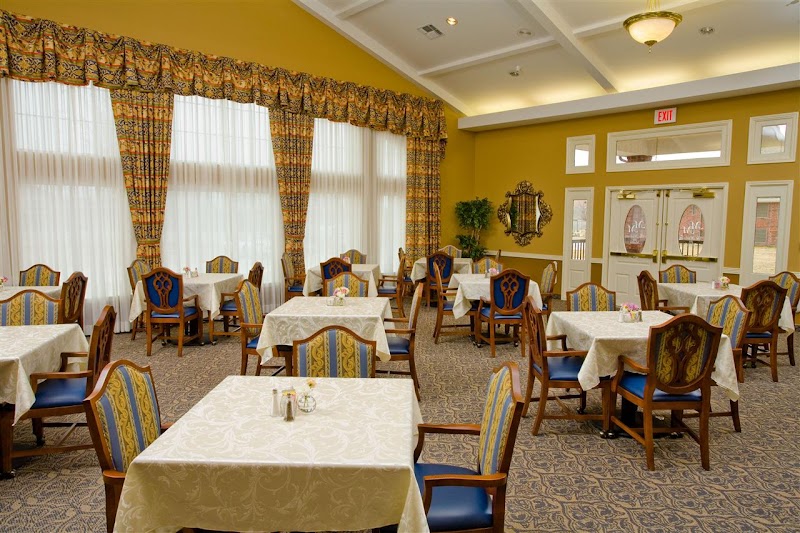
How is The Madison On Marsh Staffed?

CMS rates THE MADISON ON MARSH's staffing level at 2 out of 5 stars, which is below average compared to other nursing homes. Staff turnover is 51%, compared to the Texas average of 46%.

What Have Inspectors Found at The Madison On Marsh?

State health inspectors documented 19 deficiencies at THE MADISON ON MARSH during 2022 to 2025. These included: 1 Immediate Jeopardy (the most serious level, indicating potential for serious harm or death) and 18 with potential for harm. Immediate Jeopardy findings are rare and represent the most serious regulatory concerns. They require immediate corrective action.
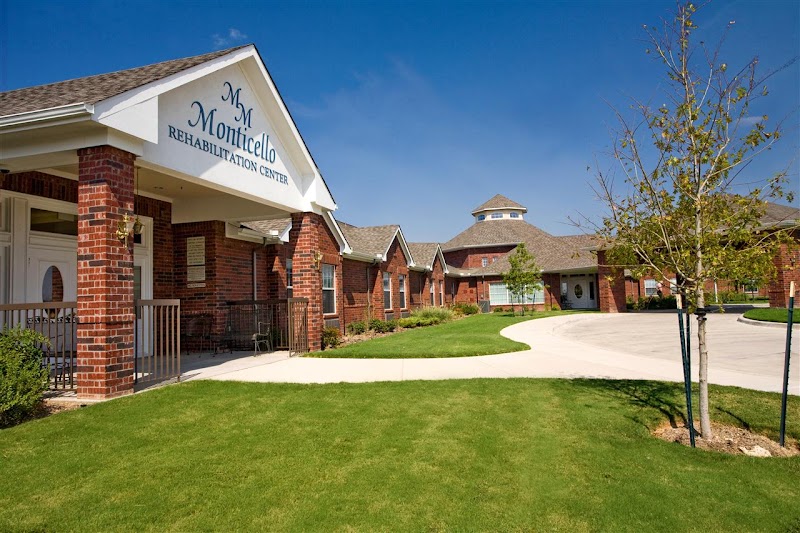
Who Owns and Operates The Madison On Marsh?

THE MADISON ON MARSH is owned by a for-profit company. For-profit facilities operate as businesses with obligations to shareholders or private owners. The facility is operated by CANTEX CONTINUING CARE, a chain that manages multiple nursing homes. With 125 certified beds and approximately 83 residents (about 66% occupancy), it is a mid-sized facility located in CARROLLTON, Texas.
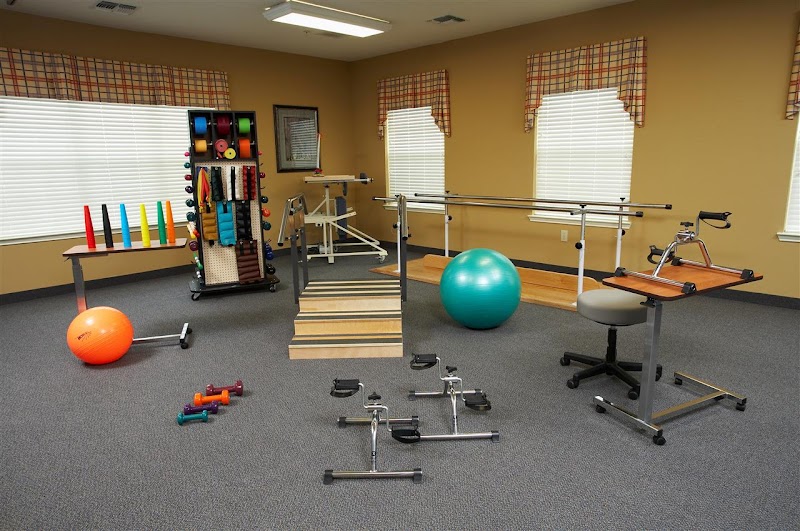
How Does The Madison On Marsh Compare to Other Texas Nursing Homes?

Compared to the 100 nursing homes in Texas, THE MADISON ON MARSH's overall rating (4 stars) is above the state average of 2.8, staff turnover (51%) is near the state average of 46%, and health inspection rating (3 stars) is at the national benchmark.

What Should Families Ask When Visiting The Madison On Marsh?

Based on this facility's data, families visiting should ask: "What changes have been made since the serious inspection findings, and how are you preventing similar issues?" "Can you walk me through typical staffing levels on day, evening, and night shifts?" "Can I visit during a mealtime to observe dining assistance and food quality?" "How do you handle medical emergencies, and what is your hospital transfer rate?" These questions are particularly relevant given the facility's Immediate Jeopardy citations and the below-average staffing rating.

Is The Madison On Marsh Safe?

Based on CMS inspection data, THE MADISON ON MARSH has documented safety concerns. Inspectors have issued 1 Immediate Jeopardy citation (the most serious violation level indicating risk of serious injury or death). The facility has a 4-star overall rating and ranks #1 of 100 nursing homes in Texas. Families considering this facility should ask detailed questions about what corrective actions have been taken since these incidents.

Do Nurses at The Madison On Marsh Stick Around?

THE MADISON ON MARSH has a staff turnover rate of 51%, which is 5 percentage points above the Texas average of 46%. Moderate turnover is common in nursing homes, but families should still ask about staff tenure and how the facility maintains care continuity when employees leave.

Was The Madison On Marsh Ever Fined?

THE MADISON ON MARSH has been fined $12,740 across 1 penalty action. This is below the Texas average of $33,206. While any fine indicates a compliance issue, fines under $50,000 are relatively common and typically reflect isolated problems that were subsequently corrected. Families should ask what specific issues led to these fines and confirm they've been resolved.

Is The Madison On Marsh on Any Federal Watch List?

THE MADISON ON MARSH is not on any federal watch list. The most significant is the Special Focus Facility (SFF) program, which identifies the bottom 1% of nursing homes nationally based on persistent, serious quality problems. Not being on this list means the facility has avoided the pattern of deficiencies that triggers enhanced federal oversight. This is a positive indicator, though families should still review the facility's inspection history directly.