Cedar Hill Healthcare Center
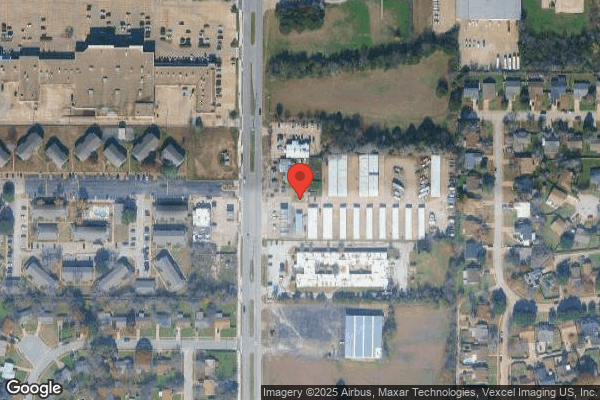
230 S Clark Rd, Cedar Hill, TX 75104 (972) 291-7877
For profit - Corporation 110 Beds SOUTHWEST LTC Data: November 2025 2 Immediate Jeopardy citations
Trust Grade
0/100
#956 of 1168 in TX
Last Inspection: June 2024

Within standard 12-15 month inspection cycle. Federal law requires annual inspections.

Overview

Cedar Hill Healthcare Center has received a Trust Grade of F, indicating significant concerns about the quality of care provided, placing it in the bottom tier of nursing homes. It ranks #956 out of 1168 facilities in Texas, meaning it's among the least favorable options in the state, and #68 out of 83 in Dallas County, suggesting that there are very few better local alternatives. The facility’s performance seems stable, with 10 issues reported consistently over the past two years. Staffing is rated average with a 3/5 star rating and a turnover rate of 43%, which is better than the Texas average but still indicates some staff instability. However, it's concerning that the facility faced $37,160 in fines, which is average but highlights ongoing compliance issues. Recent inspections revealed critical incidents, including a failure to provide adequate supervision, leading a resident to leave the facility unsupervised and cross a busy street. Additionally, there was a serious incident where one resident was not protected from sexual abuse by another resident. Food safety practices were also flagged, with issues like improper food storage and unsanitary kitchen conditions putting residents at risk of foodborne illnesses. Overall, while there are some staffing strengths, the alarming safety concerns and poor ratings suggest families should proceed with caution.

Trust Score
F
0/100
In Texas
#956/1168
Bottom 19%
Safety Record
High Risk
Review needed
Inspections
Holding Steady
10 → 10 violations
Staff Stability
○ Average
43% turnover. Near Texas's 48% average. Typical for the industry.
Penalties
✓ Good
$37,160 in fines. Lower than most Texas facilities. Relatively clean record.
Skilled Nurses
⚠ Watch
Each resident gets only 23 minutes of Registered Nurse (RN) attention daily — below average for Texas. Fewer RN minutes means fewer trained eyes watching for problems.
Violations
⚠ Watch
37 deficiencies on record. Higher than average. Multiple issues found across inspections.
★☆☆☆☆
1.0
Overall Rating
★★★☆☆
3.0
Staff Levels
★☆☆☆☆
1.0
Care Quality
★☆☆☆☆
1.0
Inspection Score
Stable
2024: 10 issues
2025: 10 issues

The Good

  • Full Sprinkler Coverage · Fire safety systems throughout facility
  • No fines on record
  • Staff turnover below average (43%)

    5 points below Texas average of 48%

Facility shows strength in fire safety.

The Bad

1-Star Overall Rating

Below Texas average (2.8)

Significant quality concerns identified by CMS

Staff Turnover: 43%

Near Texas avg (46%)

Typical for the industry

Federal Fines: $37,160

Above median ($33,413)

Moderate penalties - review what triggered them

Chain: SOUTHWEST LTC

Part of a multi-facility chain

Ask about local staffing decisions and management

The Ugly 37 deficiencies on record

2 life-threatening
Aug 2025 1 deficiency 1 IJ
CRITICAL (J) 📢 Someone Reported This

A family member, employee, or ombudsman was alarmed enough to file a formal complaint

Immediate Jeopardy (IJ) - the most serious Medicare violation

Accident Prevention (Tag F0689)

Someone could have died · This affected 1 resident

**NOTE- TERMS IN BRACKETS HAVE BEEN EDITED TO PROTECT CONFIDENTIALITY** Based on observation, record review and interview, the facility failed to provide adequate supervision for 1 (Resident#1) of 8 r...

Read full inspector narrative →
**NOTE- TERMS IN BRACKETS HAVE BEEN EDITED TO PROTECT CONFIDENTIALITY** Based on observation, record review and interview, the facility failed to provide adequate supervision for 1 (Resident#1) of 8 residents reviewed for supervision. The facility failed to ensure Resident #1 had adequate supervision on Saturday 07/19/25 for approximately 30 minutes. Resident#1 left out the front door and wheeled himself across 4 lanes (with two lanes that ran in the opposite direction) of traffic across the street to the gas station unsupervised. These failures could place residents' health and safety at risk. The non-compliance was identified as past non-compliance (PNC). The IJ began on 07/19/25 and ended on 07/31/25 the facility had corrected the non-compliance before the state's investigation began. Findings included: Record review of Resident#1's face sheet reflected, he was a [AGE] year old male who was originally admitted on [DATE] and readmitted on [DATE] and diagnosed with unspecified Dementia ( diagnosis used when a person exhibits symptoms of dementia, but the specific type or cause cannot be determined), partial traumatic trans phalangeal amputation of right middle finger (traumatic injury that causes the partial loss of a finger at the level of the joint between the finger bone (phalanx) and the hand bone (metacarpal)), subsequent encounter, major depressive disorder, recurrent, Epileptic seizures related to external causes, not intractable without status Epilepticus (neurological events characterized by abnormal electrical activity in the brain), heart failure, unspecified, catatonic schizophrenia (brain doesn't manage muscle movement signals), mixed receptive-expressive language disorder (communication disorder), Rhabdomyolysis (Break down of muscle tissue), unspecified abnormalities of gait and mobility. Record review of Resident#1's MDS, dated [DATE] reflected his BIMS score was 06 which indicated severe cognitive impairment. Record review of Resident#1 care plan, undated reflected on 07/14/25 The resident has limited physical mobility r/t weakness and debility. Goals reflected, the resident will maintain current level of mobility Interventions reflected, the resident requires supervision to limited assistance by staff for locomotion using manual wheelchair. Support and assistance fluctuate r/t cognitive deficit, weakness. Record review of Resident#1's Elopement Risk Assessment, dated 06/18/25 reflected in part: 1. Mobility - propels, 2. Mental Stability- Alert oriented times 3 (patient is aware of their identity, location, and the current date), 4. History of elopement attempts - no attempts, 5. Behavior Modification- Behavior redirected.7. Diseases (Dementia, any type of mental illness)- non-present. 8. Summary of the elopement risk assessment- The resident is not at risk for elopement. Record review of Resident#1's progress notes dated, 07/16/25 to 08/15/25 reflected in part: Dated 07/16/25 reflected Per social worker resident been attempting to push the front door yesterday, at this time resident sitting at the front lobby at this time resident did not want to talk to this nurse .NP notified , Dated 07/17/25 Resident#1 test results reflected (Enterococcus faecalis (Gram-positive bacterium commonly found in the gastrointestinal tract): Positive, Pseudomonas aeruginosa (can cause infections in the blood, lungs, urinary tract, or other parts of the body after surgery.: Positive) and resistance to multiple antibiotics, Noted by RN C Dated 07/18/25 Resident#1's First dose of IV Vancomycin (glycopeptide antibiotic used primarily to treat serious bacterial infections, particularly those caused by Gram-positive bacteria) 1g administered via midline to the right upper arm for treatment of UTI . Noted by RN C Dated 07/19/25 reflected Approximately [1:00 pm] resident with others were taken out to the smoking zone. After the resident finished smoking, he was let inside by the CNA. The resident noted sitting across the nurse station for a few minutes, then wheeled himself on the hallway towards his room. Approximately [1:30 pm] the activity staff notified this nurse that the resident was outside in the front side of the building. This nurse rushed to the front of the building immediately and noted resident sitting on his wheelchair on the driveway with the maintenance Director standing behind him. Maintenance director stated that the resident was across the street. Resident Assisted back into the building. This nurse asked the resident where are you coming from? Resident replied, I don't know, I don't know, I don't know.shaking his head left to right Head to toe assessment completed no injuries noted, Vitals: BP126/60, P68, RR17 T97.7, o2 96% on room air. Resident denies pain at the moment and no s/s of distress noted. Administrator, [FNP] DON and Family notified.[FNP] gave new orders to house the resident in the secure unit. Resident transferred to the secure unit. Report given to the unit nurse . ADM and nurse followed up with resident regarding incident from earlier today. Resident was asked if he went across the street, resident smiled while shaking his head stated I went to the front because I'm a strong man. Resident stated he's fine and asked ADM not to worry .ADM called resident RP again to inform her of resident going outside of facility with no supervision. Resident RP stated, .please don't discharge him, just put him in the locked unit. ADM explained to her the physician has already ordered for him to be in the unit for his safety.Resident received to secure unit due to elopement risk. Resident continuously self-propelling up and down unit and sitting at exit doors waiting for people to enter or exit. Resident voices desire to leave. Redirected through this shift. Noted by Admin. Record review of incident report dated 07/19/25, completed by RN C reflected: Approximately [1:00 pm] resident with others were taken out to the smoking zone. After the resident finished smoking, he was let inside by the CNA. The resident noted sitting across the nurse station for a few minutes, then wheeled himself on the hallway towards his room. Approximately [1:30 pm] the activity staff notified this nurse that the resident was outside in the front side of the building. This nurse rushed to the front of the building immediately and noted resident sitting on his wheelchair on the driveway with the maintenance Director standing behind him. Maintenance director stated that the resident was across the street. Resident Assisted back into the building. This nurse asked the resident where are you coming from? Resident replied, I don't know, I don't know, I don't know.shaking his head left to right Head to toe assessment completed no injuries noted, Vitals: BP126/60, P68, RR17 T97.7, o2 96% on room air. Resident denies pain at the moment and no s/s of distress noted. Administrator, [FNP] DON and Family notified.[FNP] gave new orders to house the resident in the secure unit. Resident transferred to the secure unit. Report given to the unit nurse. ADM and nurse followed up with resident regarding incident from earlier today. Resident was asked if he went across the street, resident smiled while shaking his head stated I went to the front because I'm a strong man. Resident stated he's fine and asked ADM not to worry.ADM called resident RP again to inform her of resident going outside of facility with no supervision. Resident RP stated, .please don't discharge him, just put him in the locked unit. ADM explained to her the physician has already ordered for him to be in the unit for his safety . In an interview on 08/14/25 at 12:25 pm the AAD stated she took Resident#1 outside to smoke on smoke break, and she returned to do activities with the residents. The AAD stated Resident#1 was outside with CNA A on his smoke break. The AAD stated she was leaving the facility out the front door when the DOM let her know the Resident#1 was across street. The AAD let the nurse know who met the Resident#1 in the parking lot with the DOM. In an interview on 08/14/25 at 12:33 pm the DOM stated the DOM left the facility at approximately 1:30 pm and spotted Resident#1 across the street at the gas station. The DOM brought Resident#1 from across the street, and he refused to go back into the building. The nurse came out and assisted Resident#1 in the building. In an interview and observation on 08/14/25 at 12:45 pm the Admin stated CNA A was coming down 200 hall and heard the front door alarm going off. The admin stated the CNA A stated she looked out the front door and did not see anyone. The admin stated CNA A turned the alarm off and clocked out for lunch. The admin stated she did a one-on-one training with CNA A because she should not have turned the alarm off. The Admin stated the charge nurse should have been notified that the front door alarm went off and a head count should have been completed. The Admin stated she did not believe CNA A looked outside for anyone but since CNA A stated she did look that was way she did an education training with her instead of disciplinary action. The admin showed surveyor from the front door window where the gas station could. be viewed from across the street. Record review of the Admin's statement on 07/19/25 regarding Resident#1's elopement reflected, [Admin] and nurse followed up with resident regarding incident from earlier today. [Resident#1] was asked if he went across the street, Resident smiled while shaking his head, stated. Went to the front because [his] a strong man. Resident stated he's fine and as admin not to worry. Admin call resident RP again to inform her of residents going outside of facility with no supervision .the physician has already ordered for him to be in the unit for his safety. Resident RP was very relieved and thankful to facility.Record Review of the AAD's statement on 07/19/25 reflected, At 1:00 PM, [she] saw [Resident #1] in the front lobby and told him it was time to smoke. [she] then took [residents]to the smoking area around 1:00 PM and then [she] went to go do my activity. Resident was outside and smoking areas singing. Another resident smoking when [she] left him. Record review of CNA B's statement on 07/19/25 reflected. Supervised [ resident] on smoking at around 1:00 PM, smoke break and soon after residents smoke one cigarette. [she] helped residents to come back in because Resident #1 was getting very angry and agitated at the time. [Then took resident#1 to] the nursing stations and then went back out to finish the smoke break for the rest of [residents]. Record review of the DOM's statement on 07/19/25 reflected, leaving the facility about 1:30 PM and notice Resident #1 was across the street at the store. And then went across the street to the store and got out of my car to approach Resident #1.brought resident back to the facility and told nurse that i found resident across the street and I left the resident with the nurse. Record review of RN C's statement on 07/19/25 reflected,The same as the above incident report and his statement to the admin. Record review of CNA A's statement on 07/19/25 reflected, [CNA A] was coming down 200 hall to clock out for lunch upon coming to hall I heard alarm sound. [She] then [looked] out the door and window to see if anyone was leaving and saw no one then [she] reset the alarm. Record review of CNA B time sheet, dated 07/19/25 reflected, she clocked out at 1:19 pm.Record review of DOM time sheet dated 07/19/25 reflected, he clocked out at 1:07 pm.Record review of AAD time sheet dated 07/19/25 reflected, she clocked out at 1:35pm. Attempted to call RN C on 08/14/25 at 1:15pm and was not able to leave voicemail. Attempted to call RN C on 08/15/25 at 8:30 am and was not able to leave voicemail. Attempted to call CNA A on 08/15/25 at 8:35 am was not able to leave a voicemail. Attempted to call CNA B on 08/15/25 at 9:30 am was not able to leave a voicemail. Record review of facility policy, revised 04/24, titled Accidents and Supervision reflected in part: .The resident environment will remain as free of accident hazards as is possible. Each resident will receive adequate supervision and assistive devices to decrease the risk of accidents.5. Supervision is an intervention and a means of mitigating accident risk. The facility will provide adequate supervision to prevent accidents. Record review of facility policy, revised 12/07, titled Elopements reflected in part: 4. If an employee discovers that a resident is missing from the facility, he/she shall:Determine if the resident is out on an authorized leave or pass.If the resident was not authorized to leave, initiate a search of the building(s) and premises.If the resident is not located, notify the Administrator and the Director of Nursing Services, the resident's legal representative (sponsor), the attending physician, law enforcement officials, and (as necessary) volunteer agencies (i.e. emergency management, Rescue squad, etc.).Provide search teams with resident identification information; andInitiate an extensive search of the surrounding area.5. When the resident returns to the facility, the Director of Nursing Services or Charge Nurse shall:Examine the resident for injuries.Contact the attending physician and report findings.Notify the resident's legal representative (sponsor)Notify search team that the resident has been located.Complete and file an incident report; andDocument relevant information in the resident's medical record. The non-compliance was identified as past non-compliance (PNC). The IJ began on 07/19/25 and ended on 07/31/25. The facility had corrected the non-compliance before the state's investigation began. The facility took the following actions to correct the non-compliance prior to the survey: Record review of Resident#1 elopement risk assessment, dated 07/19/25 reflected in part: 1. Mobility - propels self/some assist 2. Mental Stability - Wanders aimlessly 4. History of elopement attempts - has had one plus attempts 5. Behavior Modifications - Behavior redirected.7. Diseases (Dementia, any type of mental illness)- one present 8. Summary of the elopement assessment - the resident is at risk for elopement.B-1, Elopement Interventions- Secured unit placement. Record review of Resident#1's order summary report, dated 08/15/25 reflected in part: on 07/21/25 the PA put in a verbal order for Resident#1 to be admitted to the secure unit for wandering/elopement. On 07/22/25 PA put in a verbal order that Resident#1 may be on one-on-one watch. Record review of a training sign in sheet, dated 07/21/25 reflected in part: elopement process, every hour rounding on every exit door, and elopement drill Training sign in sheet dated 07/19/25 - 07/22/25 and 07/31/25 reflected, elopement drill, facility elopement process and missing person. Record review of Resident#1's care plan, revised on 07/21/25 reflected Resident#1 was an elopement risk/[wanderer] as evidenced by disoriented to place and leaving the building. Resident#1's goal reflected safety will be maintained. Resident#1's interventions reflected Attempt to engage in pleasant, meaningful, purposeful enjoyable, activities, during episodes of constant wandering, by playing music or engage him with other activities. Observe for changes in gait/mobility/balance and notify the nurse of any changes. Observe for fatigue and weight loss, report observations to nurse. During an observation and interview on 08/14/25 at 10:30 am revealed, Resident#1 in the secure unit in his wheelchair and transferred himself to the bed. Resident#1 did not want to talk about the elopement. Resident#1 shook his head no and laid down. Observed doors in the secure units worked properly. Observed Resident#1 on Q15 throughout the day. In an interview and observation on 08/14/25 at 10:40 am LVN D stated the elopement happened over the weekend and when he returned to work Resident#1 was in the secure unit. LVN D stated before the elopement Resident#1 was on 200 hall and was on Q15 monitoring. LVN D stated he had not experienced an elopement while working in the facility. LVN D stated he had been trained on the elopement process and procedures. LVN D stated staff should do a head count when the alarm goes off, contact the admin, make an intercom announcement, search for the resident inside and around the facility. In an interview and observation on 08/14/25 at 12:45 pm the Admin stated The Admin added she completed in-services with regular staff on 07/31/25. The admin stated the ADON completed in- services with the PRN staff over the phone in 07/22/25. The Admin stand she completed elopement drills on 07/31/25, The admin stated they did monthly elopement drills. The Admin stated the facility completed upgrades to the alarm system that included blinking strobe lights and horn that could be heard throughout the facility. In an Interview on 08/14/25 between 1:15pm to 2:30 pm revealed staff were knowledgeable about the policy and procedures for elopement and drills. LVN E, RN F, CNA G, CNA H, CNA I, CNA J, CNA K, RN L, CNA M, CNA N, LVN O, RN Q and CNA P stated they had been doing random drills for elopement. Staff stated when the alarm went off look outside, do head count, and let the charge nurse and admin know the alarm went off. The staff stated search the inside of the building then extend the search to the outside. The staff stated call code white for elopement over the intercom. RN L, RN F, RN Q and LVN O stated when the resident was found a head-to-toe assessment was to be completed and an incident report. During an observation on 08/14/25 at 4:15 pm revealed the Admin set the front door alarm off. The Admin lightly pushed the door and she stated that was the sound the door would make before the upgrade. The surveyor observed the sound was able to be heard in the front of the building but, was too low to be heard throughout the building. The surveyor heard the horn and flashing lights throughout the facility. Observed staff running to the front of the building. Observed exit doors throughout the building and no concerns noted at this time. In an interview on 08/15/25 at 9:35 am the PA stated the facility notified her on Saturday 07/19/25 that Resident#1 had eloped from the facility. The PA stated she gave the order for Resident#1 to be put on the secure unit. The PA stated Resident#1 was combative with staff and exit seeking. The PA stated at this time Resident#1 was appropriate for the secure unit. Record review of Tulip (A web- based system implemented for managing the licensure of long-term care facilities and agencies) reflected a self- report was submitted on 07/18/25. Record review of IC approved quote dated 08/04/25 reflected strobe white wall, amber lens and system sensor wall mini horn, white for installment for upgrades to alarm system.
Jul 2025 7 deficiencies
CONCERN (D) 📢 Someone Reported This

A family member, employee, or ombudsman was alarmed enough to file a formal complaint

Potential for Harm - no one hurt, but risky conditions existed

Comprehensive Assessments (Tag F0636)

Could have caused harm · This affected 1 resident

**NOTE- TERMS IN BRACKETS HAVE BEEN EDITED TO PROTECT CONFIDENTIALITY** Based on interview, observation and record review, the facility failed to make a comprehensive assessment of each residents' nee...

Read full inspector narrative →
**NOTE- TERMS IN BRACKETS HAVE BEEN EDITED TO PROTECT CONFIDENTIALITY** Based on interview, observation and record review, the facility failed to make a comprehensive assessment of each residents' needs, strengths, goals, life history, and preferences within 14 calendar days after admission for 1 of 5 residents (Resident #31) reviewed for accuracy of assessments. The facility failed to accurately complete Resident #31's Quarterly Minimum Data Set assessment on 6/3/25 by not accounting for the falls on 4/18/25, 5/8/25, 5/16/25, 5/17/25, 5/21/25, 5/22/25 which occurred prior to her re-admittance to the facility on 6/2/25. This failure could place residents at risk of not having their needs met. Findings included: Record review of a face sheet dated 7/2/25 indicated Resident #31 was a [AGE] year-old female admitted to the facility on [DATE] with a re-admission on [DATE]. Resident #31 had the following diagnoses: metabolic encephalopathy (condition in which brain dysfunction occurs resulting in altered mental state, confusion and changes in behavior), and Extrapyramidal Movement Disorder (a disorder characterized by involuntary movements, muscle stiffness and tremors). Record review of Resident #31's comprehensive Minimum Data Set assessment dated [DATE] section A0310 reflected it was a quarterly assessment. In section J1800 regarding falls indicated, Resident #31 had no falls since admission/entry or reentry. Record review of Resident #31's Care Plan dated 6/2/25 reflected . I am at risk for falls r/t confusionDate Initiated: 11/16/2022Revision on: 11/16/2023 My fall risk will be minimized.Date Initiated: 11/16/2022Revision on: 12/13/2023Target Date: 05/25/2025 Become familiar with my daily routine and attempt to anticipate and meet my needsdaily.Date Initiated: 11/16/2022Revision on: 11/21/2022CG Encourage me to stay in common areas to promote more supervision.Date Initiated: 11/16/2022CMCG Encourage my participation in activities that will increase strength and mobility.Date Initiated: 11/16/2022CMResident had an actual fall on 5/17with no injuries, 5/21/25 abrasion to left knee and redness to forehead, 5/22/25 Date Initiated: 05/17/2025Revision on: 05/23/202 Ms. [NAME] will not have anymajor injuries from falls throughreview dateDate Initiated: 05/17/2025Target Date: 05/25/2025 Redirect Ms. [NAME] to chair when she wants to sit downDate Initiated: 05/17/2025CG sent to ER for evaluation.Date Initiated: 05/22/2025CN Therapy referral for strength and mobility/balance post fall and as needed per MDorder.Date Initiated: 05/17/2025PT. Record review of the facility Accident/Incident Logs reflected the following falls for Resident #31:- 4/18/25 witnessed fall- 5/8/25 unwitnessed fall- 5/16/25 unwitnessed fall- 5/17/25 unwitnessed fall- 5/20/25 unwitnessed fall- 5/22/25 witnessed fall- 6/28/25 witnessed fall- 6/30/25 unwitnessed fall In an interview with CNA F on 7/1/25 at 11:40pm who stated Resident #31was a fall risk and the interventions they had in place for her were close supervision, provide non-slip socks and follow behind her when she was up and walking. She stated resident was hospitalized recently and believed it was due to a fall she had. In an interview with LVN G on 7/1/25 at 11:59am who stated Resident #31 was a fall risk and should be checked on hourly to prevent falls. Resident #31's bed should always be in the lowest position. In an interview with RN H on 7/1/25 at 3:02pm who stated when Resident #31 came from the hospital she was a fall risk. Staff would ensure her bed was in the lowest position and make sure her call light was in reach. Observation of Resident #31 in bed on 7/2/25 at 12:07pm revealed resident was asleep with her bed in the lowest position. She had non-slip socks on, and the call light was within reach for her. In an interview with Minimum Data Set Coordinator on 7/2/25 at 11:23am revealed she had completed Resident #31's Quarterly Minimum Data Set Assessment on 6/3/25. She was responsible for accurately completing all sections of the Minimum Data Set assessment except for sections B, C, D, and E. She used the documentation from Certified Nurses Aids and nurses to complete the sections on the Minimum Data Set. She stated if a resident had a fall since the last Minimum Data Set she would mark the fall on section J. She reviewed Resident #31's Minimum Data Set, dated [DATE] and noted there were no falls marked for her. She stated Resident #31 was discharged from the facility on 5/22/25 and re-admitted on [DATE]. When she completed Resident #31's Minimum Data Set assessment on 6/3/25 she looked at what had changed from resident's last Minimum Data Set on 5/22/25 and updated it. The Minimum Data Set Nurse Coordinator noted resident had a fall on 5/22/25 which led to her hospitalization and therefore should have included that fall in her updated Minimum Data Set on 6/3/25. She stated she should have noted on the 6/3/25 Minimum Data Set Assessment any falls that resident had after 4/6/25. She stated she must have overlooked the information related to the residents falls when completing the Minimum Data Set assessment on 6/3/25. She stated she did not know if there would be a risk to the resident of not having an accurate Minimum Data Set since there were no injuries during her last fall. She did not think the failure put the resident at risk because the staff didn't refer to the Minimum Data Set to provide care for the resident. In an interview with the DON on 7/2/25 at 12:56pm revealed Resident #31 had been hospitalized for several weeks due to her declining health. She stated Resident #31 was a fall risk. She did not complete Minimum Data Set assessments, but the expectation would be the Minimum Data Set Nurse complete the Minimum Data Set assessments based on Certified Nurses Aid notes, observations and assessments for the resident. She stated falls should be noted in the MDS assessment. She was unable to state whether there was a risk to the resident of not having an accurate Minimum Data Set assessment. In an interview with the Administrator on 7/2/25 at 1:45pm revealed the Minimum Data Set nurse used information in the resident's medical record to complete an Minimum Data Set. She stated the Minimum Data Set Nurse should use the Certified Nurses Aid observations, notes and assessments to complete an Minimum Data Set accurately. Falls should be noted in the Minimum Data Set. The only risk to the resident of not having falls listed on their Minimum Data Set was if the issues had not been care planned, if the falls were care planned then it would just be an oversight. The Minimum Data Set assessment should be used to accurately complete the Comprehensive Care Plan. Record review of the facility's Minimum Data Set Completion Policy: Compliance with RAI Guidelines reflected .A. Compliance with RAI Guidelines: All MDS Coordinators must adhere to the CMS RAI User's Manual when completing MDS assessments. This includes Correctly coding each MDS item per RAI specifications .3. Documentation and Accountability: Each MDS assessment must reflect the resident's status as of the Assessment Reference Date (ARD) and be supported by clinical documentation in the medical record. MDS Coordinators are responsible for certifying the accuracy of the assessments they complete by signing and dating the assessment as required. Record review of CMS's RAI Version 3.0 Manual effective October 2024 reflected .J1900: Number of Falls Since Admission/Entry or Reentry or Prior Assessment (OBRA or Scheduled PPS), whichever is more recent (cont.) Steps for Assessment 1. If this is the first assessment (A0310E = 1), review the medical record for the time period from the admission date to the ARD. 2. If this is not the first assessment (A0310E = 0), the review period is from the day after the ARD of the last MDS assessment to the ARD of the current assessment. 3. Review all available sources for any fall since the last assessment, no matter whether it occurred while out in the community, in an acute hospital, or in the nursing home. Include medical records generated in any health care setting since last assessment. All relevant records received from acute and post-acute facilities where the resident was admitted during the look-back period should be reviewed for evidence of one or more falls. 4. Review nursing home incident reports and medical record (physician, nursing, therapy, and nursing assistant notes) for falls and level of injury. 5. Ask the resident, staff, and family about falls during the look-back period. Resident and family reports of falls should be captured here, whether or not these incidents are documented in the medical record. 6. Review any follow-up medical information received pertaining to the fall, even if this information is received after the ARD (e.g., emergency room x-ray, MRI, CT scan results), and ensure that this information is used to code the assessment . Coding Instructions for J1900A, No Injury Code 0, none: if the resident had no injurious fall since the admission/entry or reentry or prior assessment (OBRA or Scheduled PPS). Code 1, one: if the resident had one non-injurious fall since admission/entry or reentry or prior assessment (OBRA or Scheduled PPS). Code 2, two or more: if the resident had two or more non-injurious falls since admission/entry or reentry or prior assessment (OBRA or Scheduled PPS). Coding Instructions for J1900B, Injury (Except Major) Code 0, none: if the resident had no injurious fall (except major) since admission/entry or reentry or prior assessment (OBRA or Scheduled PPS). Code 1, one: if the resident had one injurious fall (except major) since admission/entry or reentry or prior assessment (OBRA or Scheduled PPS). CMS's RAI Version 3.0 Manual CH 3: MDS Items [J] October 2024 Page J-38 J1900: Number of Falls Since Admission/Entry or Reentry or Prior Assessment (OBRA or Scheduled PPS), whichever is more recent (cont.) Code 2, two or more: if the resident had two or more injurious falls (except major) since admission/entry or reentry or prior assessment (OBRA or Scheduled PPS). Coding Instructions for J1900C, Major Injury Code 0, none: if the resident had no major injurious fall since admission/entry or reentry or prior assessment (OBRA or Scheduled PPS). Code 1, one: if the resident had one major injurious fall since admission/entry or reentry or prior assessment (OBRA or Scheduled PPS). Code 2, two or more: if the resident had two or more major injurious falls since admission/entry or reentry or prior assessment (OBRA or Scheduled PPS). Coding Tip If the level of injury directly related to a fall that occurred during the look-back period is identified after the ARD and is at a different injury level than what was originally coded on an assessment that was submitted to the Internet Quality Improvement and Evaluation System (iQIES), the assessment must be modified to update the level of injury that occurred with that fall.
CONCERN (D) 📢 Someone Reported This

A family member, employee, or ombudsman was alarmed enough to file a formal complaint

Potential for Harm - no one hurt, but risky conditions existed

Comprehensive Care Plan (Tag F0656)

Could have caused harm · This affected 1 resident

**NOTE- TERMS IN BRACKETS HAVE BEEN EDITED TO PROTECT CONFIDENTIALITY** Based on observation, interview, and record review, the facility failed to develop and implement a person-centered care plan for...

Read full inspector narrative →
**NOTE- TERMS IN BRACKETS HAVE BEEN EDITED TO PROTECT CONFIDENTIALITY** Based on observation, interview, and record review, the facility failed to develop and implement a person-centered care plan for each resident that included measurable objectives and timeframes to meet a resident's medical, nursing, and mental and psychosocial needs that were identified in the comprehensive assessment for 2 of 6 residents (Resident#8, and Resident#63) reviewed for comprehensive care plans in that: The facility failed to develop and implement a comprehensive person-centered care plan to address Resident #8's, and Resident#63's ADLs on the care plan revision dated 04/02/25. These deficient practices could place residents at risk of not receiving appropriate treatment and services. The findings included: Record review of Resident #8's Quarterly MDS assessment dated [DATE] reflected Resident #8 was an [AGE] year-old female admitted to the facility on [DATE]. Her diagnoses included Diabetes Mellitus, Non-Alzheimer's Dementia, and Muscles weakness (generalized). Resident #8 had a BIMS score of 09 which indicated Resident #8's cognition was moderately impaired. Further review reflected Resident #8 had a code of 4 (Supervision or touching assistance - Helper provides verbal cues and/or touching/steadying and/or contact guard assistance as resident completes activity. Assistance may be provided throughout the activity or intermittently) for eating and oral hygiene, and code 1 (Dependent - Helper does ALL of the effort. Resident does none of the effort to complete the activity. Or, the assistance of 2 or more helpers is required for the resident to complete the activity) for C. Toileting hygiene. E. Shower/bathe self. F. Upper body dressing. G. Lower body dressing. H. Putting on/taking off footwear. I. Personal hygiene. Review of Resident #8's Comprehensive Care Plan, dated 04/02/25, revealed the care plan did not identify the resident's ADLs interventions. An observation and interview on 06/30/25 at 10:31 AM revealed Resident#8 was lying in bed. The nails on both hands were approximately 0.8 centimeter in length extending from the tip of her fingers. Resident #8 stated she did not like her long nails; she wanted them trimmed, and could not do it herself, and the staff did not want to trim them for her. Resident #8 uncovered her feet, and stated she wanted her toenails trimmed, and the staff did not want to trim them for her. Record review of Resident #63's admission MDS assessment dated [DATE] reflected Resident #63 was a [AGE] year-old female admitted to the facility on [DATE]. Her diagnoses included spinal stenosis-cervical region, congestive heart failure, Morbid (Severe) obesity due to excess calories, and osteoarthritis of knee. Resident #63 had a BIMS score of 15 which indicated Resident #63's cognition was intact. Further review reflected Resident #63 had a code of 5 (Setup or clean-up assistance - Helper sets up or cleans up; resident completes activity. Helper assists only prior to or following the activity.) for eating and oral hygiene, and code 1 (Dependent - Helper does ALL of the effort. Resident does none of the effort to complete the activity. Or, the assistance of 2 or more helpers is required for the resident to complete the activity) for C. Toileting hygiene. E. Shower/bathe self. F. Upper body dressing. G. Lower body dressing. H. Putting on/taking off footwear. I. Personal hygiene. Review of Resident #64's Comprehensive Care Plan, dated 05/26/25, revealed the care plan did not identify the resident's ADLs interventions. An observation and interview on 06/30/25 at 11:37 AM revealed Resident#63 was up in wheelchair in her room. Resident#63 stated her understanding on admission was that she will get therapy to regain strength in her legs and hands, and she only got therapy for her hands, and have a better strength in her hands, and not on her legs. Interview on 07/02/25 at 11:15 AM OT Aide covering for the therapy department, she stated Resident#63 was admitted to facility on a long-term service and not skilled service. She stated the administration paid for the Resident to receivd five days of skilled services from 05/13/25 to 05/19/25. She stated the therapy department was only able to work on the Resident#63 upper extremities, and not on her lower extremities, because she was not able to come to the physical therapy room due to her refusal or the staff did not get her up in wheelchair. She stated the therapy department staff were able to get Resident#63 up out of wheelchair on Monday, Wednesday and Friday schedule, for lunch starting on 5/13/2025 to 5/19/2025 for the five days that were paid for by the facility. Follow up interview on 07/02/25 at 11:19 AM Resident#63 stated nobody talked to her about physical therapy in the morning. She stated the facility schedule her for showers MWF on the afternoon according to the position of her bed in the room (Bed B vs. Bed A). She stated, she asked to be accommodated for morning schedule shower and they refused. She stated the shower time was open all afternoon, and she never know the shower time exactly. Resident#63 stated it will be hard for her to be up in the wheelchair all day. She further stated on her shower schedule days, she got up in the wheelchair before lunch and go to bed after shower. Interview on 07/02/25 at 11: 25 AM with the Business Office Director, who stated Resident#63 was admitted to the facility with Medicaid insurance, and it only cover for her long-term care and not skilled services. She further stated, she explained the services to the Resident#63's family member over the phone, and the family want her to be in the facility for long-term service, because she was total care, and they could not take care of her at home. Interview on 07/02/25 at 11:43 AM the MDS coordinator stated as the MDS coordinator, she created the care plan and did the updates. The MDS coordinator stated do not know that the ADLs needed to be care planed, and the CNAs know the residents' needs since they are the ones reporting to her about those needs. When asked about the purpose of the care plan, she replied, the care plan was for the staff to know how to care for the residents. Interview on 07/02/25 at 1:20 PM the DON stated The MDS coordinator was responsible of updating the care plan and during IDT meeting every morning the staff go over the residents' needs. When asked about the risk to the residents if their ADLs had not been care planed, DON stated Resident#8 was care planed for; and she proceed to read Resident#8' care plan portion [Resident#8] prefer bed bath over Showers.; the DON stated that was enough to cover Resident#8's care plan for the ADLs intervention. Interview on 07/02/25 at 2:33 PM the Administrator stated, if the resident's care plan did not include the resident's ADLs, it could be just an oversight. She stated the facility staff do meeting every morning and discuss the intervention and ask the MDS coordinator to update the care plan. She further stated to complete the MDS assessment the MDS coordinator looked at the CNAs and nurses' notes. The Administrator stated the risk to the resident staff will not be able render his or her care. Record review of the facility ' s Comprehensive Person-Centered Care Planning policy, dated 08/01/24 reflected the following: Policy: It is the policy of this facility to develop and implement a comprehensive person-centered care plan foreach resident, consistent with resident rights, that includes measurable objectives and timeframes to meet a resident ' s medical, nursing, mental and psychosocial needs that are identified in the comprehensive assessmentPolicy Explanation and Compliance Guidelines: 1. The care planning will include an assessment of the resident's strengths and needs. 2. All Care Assessment Areas (CAAs) triggered by the MDS will be considered in developing the plan of care. Other factors identified by the interdisciplinary team, or in accordance with the resident's preference, will also be addressed in the plan of care. 3. 3. The comprehensive care plan will describe, at a minimum, the following:a. The services that are to be furnished to attain or maintain the resident's highest practicable physical, mental, and psychosocial well-being.b. Any services that would otherwise be furnished but are not provided due to the resident's exercise of his or her right to refuse treatment. The resident's goals for admission, desired outcome, and preferences for future discharge. 4. 4. The comprehensive care plan will be prepared by an interdisciplinary team, that includes, but is not limited to: .b. A registered nurse with responsibility for the resident. c. A nurse aide with responsibility forc. the resident. d. A member of the food and nutrition services staff. e. The resident and the resident's representative, to the extent practicable.
CONCERN (D) 📢 Someone Reported This

A family member, employee, or ombudsman was alarmed enough to file a formal complaint

Potential for Harm - no one hurt, but risky conditions existed

ADL Care (Tag F0677)

Could have caused harm · This affected 1 resident

**NOTE- TERMS IN BRACKETS HAVE BEEN EDITED TO PROTECT CONFIDENTIALITY** Based on observation, interview, and record review, the facility failed to provide the necessary services for residents who are ...

Read full inspector narrative →
**NOTE- TERMS IN BRACKETS HAVE BEEN EDITED TO PROTECT CONFIDENTIALITY** Based on observation, interview, and record review, the facility failed to provide the necessary services for residents who are unable to carry out activities of daily living to maintain good grooming and personal hygiene for 2 (Resident #8 and Resident #80) of 12 residents reviewed for ADLs. The facility failed on 06/30/2025 to ensure the following:1. Resident #8 had her fingernails trimmed.2. Resident #80 had fingernails trimmed and cleaned. This failure could place residents who were dependent on staff for ADL care at risk for loss of dignity, risk for infections, and a decreased quality of life. Findings included:1. Record review of Resident #8's Quarterly MDS assessment dated [DATE] reflected Resident #8 was an [AGE] year-old female admitted to the facility on [DATE]. Her diagnoses included Diabetes Mellitus, Non-Alzheimer's Dementia, and Muscles weakness (generalized). Resident #8 had a BIMS score of 09 which indicated Resident #8's cognition was moderately impaired. Resident #8 was dependent on the staff with personal hygiene. Review of Resident #8's Comprehensive Care Plan, dated 04/02/25, reflected the following: Problem: [Resident #8] has impaired cognitive r/t Dementia. Goal: [Resident #8] will be able to communicate basic needs on a daily basis through the review date. Intervention. Monitor/document/report.expressing self. Further review of care plan revealed Resident#8 had not been care planed for ADLS, and no documentation of her been resistive to care. An observation and interview on 06/30/25 at 10:31 AM with Resident#8 revealed she was lying in bed. The nails on both hands were approximately 0.8 centimeter in length extending from the tip of her fingers. Resident #8 stated she did not like her long nails; she wanted them trimmed, and could not do it herself, and the staff did not want to trim them for her. 2. Record Review of Resident#80's Quarterly MDS assessment dated [DATE] reflected Resident #80 was an [AGE] year-old male admitted to the facility with initial admission date of 02/24/2025. His relevant diagnoses included Heart failure (heart cannot pump adequate blood to meet body needs), Diabetes mellitus (high blood glucose), Cerebrovascular accident (disruption to blood flow to brain), Hyperlipidemia (high blood lipid levels), Renal insufficiency (kidney functioning at severely reduced capacity), Hypertension (high blood pressure). Resident #80's BIMS score was 8, which indicated his cognition was moderately impaired. The MDS assessment indicated Resident #80 was dependent on staff for all personal hygiene needs. Resident #80 was on hospice care. In an observation and interview on 6/30/25 at 12:08 PM with Resident #80 revealed Resident #80 had long, jagged fingernails. His fingernails on right hand were at least 0.75-1 inch in length extending from the tip of his fingers. The nails were discolored tan and had dark brown colored residue underside. Resident #80 stated he would like his fingernails trimmed and cleaned. He added he had asked the staff about trimming them some time ago, but he was not sure why it was not trimmed yet. In an interview on 06/30/25 at 12:23 PM with LVN D who stated she worked in the facility for last 2 years. She stated CNAs and Nurses were responsible for nail care. She added Resident #80 did not have any history of refusals and fingernails should be trimmed and cleaned. She added even if Residents were on hospice, nail care should be offered to all residents. She stated the risk of not cutting and cleaning nails was lapses in infection control and loss of quality of life. In an interview on 06/30/25 at 12:27 PM CNA E stated she had worked in the facility for last 10 months and was aware of Resident #80's care needs. She stated CNAs and LVNs were responsible for nail care. She added Resident #80 was on hospice and she had not recently offered nail care to the resident. She stated nail care should be done on shower days and as needed. She stated untrimmed , dirty nails could cause infection and injury. In an interview on 07/01/25 at 1:17 PM with the DON who she stated Resident#8 fingernail were long and needed to be trimmed. She added Resident#8 was alert and oriented X4 (person, place, time and event) and sometimes she could refuse. She added Resident#80 was on hospice and hospice aides take care of all ADLs for the resident. She also stated that Facility CNAs should be offering ADLs including nailcare for hospice residents on as needed basis and stated Resident #80 had long and dirty fingernails and should have been clipped and cleaned. DON stated her expectation was that nail care should be provided every shower day and as needed. She stated that both CNAs and Nurses were responsible for doing nail care on all residents; except Nurses were responsible for nailcare if resident had a diagnosis of diabetes. She stated Resident#8 was resistive to care. The DON stated residents who had long fingernails could scratch themself. Record Review of the facility policy titled Care of Fingernails/Toenails revised October 2010 reflected, The purposes of this procedure are to clean the nail bed, to keep nails trimmed, and to prevent infections 1. Nail care includes daily cleaning and regular trimming
CONCERN (D) 📢 Someone Reported This

A family member, employee, or ombudsman was alarmed enough to file a formal complaint

Potential for Harm - no one hurt, but risky conditions existed

Deficiency F0687 (Tag F0687)

Could have caused harm · This affected 1 resident

**NOTE- TERMS IN BRACKETS HAVE BEEN EDITED TO PROTECT CONFIDENTIALITY** Based on observations, interviews, and record review, the facility failed to ensure residents received proper treatment and care...

Read full inspector narrative →
**NOTE- TERMS IN BRACKETS HAVE BEEN EDITED TO PROTECT CONFIDENTIALITY** Based on observations, interviews, and record review, the facility failed to ensure residents received proper treatment and care to maintain mobility and good foot health for 1 Resident (Resident #8) of 6 residents reviewed for foot care. The facility failed on 06/30/2025 and did not provide adequate foot care for Resident #8 who was also a diabetic and had a standing order for podiatric services. Resident #8's Toenails were chipped, thick, and long. This failure could put residents at risk for infection, impaired mobility, and poor foot health as well as a decline in their quality of life. Findings included: Record review of Resident #8's Quarterly MDS assessment dated [DATE] reflected Resident #8 was an [AGE] year-old female admitted to the facility on [DATE]. Her diagnoses included Diabetes Mellitus, Non-Alzheimer's Dementia, and Muscles weakness (generalized). Resident #8 had a BIMS score of 09/15 which indicated Resident #8's cognition was moderately impaired. Further review revealed Resident #8 was dependent for personal hygiene. Review of Resident #8's Comprehensive Care Plan, dated 04/02/25, reflected the following: Problem: [Resident #8] has impaired cognitive r/t Dementia. Goal: [Resident #8] will be able to communicate basic needs on a daily basis through the review date. Intervention. Monitor/document/report.expressing self. Further review of care plan revealed Resident#8 had not been care planed for ADLS, and no documentation of Resident#8 been resistive to care. Record review 07/01/25 at 10:00 AM revealed since Resident#8 was diabetic, she had a standing order dated (01/15/25) for podiatric referral. Review of the podiatric referral list for the residents in the facility Date Range: 01/01/25-06/30/25 printed on 06/30/25 revealed Resident#8 was not included on the list. An observation and interview on 06/30/25 at 10:31 AM revealed Resident#8 was lying in bed. Resident #8 uncovered her feet, and stated she wanted her toenails trimmed, and the staff did not want to trim them for her. She further stated the other day someone came in and did her roommate toenails, and when she asked the person to do hers, the person replied that she was not on the list. Interview on 07/01/25 at 12:10 PM the Social Worker) revealed someone had to let her know that the resident needed a referralShe stated the facility audited the referral list and starting from the current census everyone was put on podiatric referral list. She stated Resident#8 had never been referred for podiatric care. In an interview on 07/01/25 at 1:17 PM with the DON who stated Resident#8 was alert and oriented X4 and sometimes she could refuse or be resistant to care. She stated toenails care was a part of grooming, and it was the responsibility of the nurses during their weekly assessment to check. The DON stated the CNAs also were responsible to let the nurses know if the resident's toenail needed trimming. The DON stated the staff should report to the social worker the residents in need of podiatric referral. The DON stated she had to check with the SW if Resident#8 was included in the referral list for Podiatric care. The DON stated did not see how toenails not been trimmed could be a risk to the Resident, and added may be if the Resident got hurt and it became a problem. Follow up interview with the DON on 07/02/25 at 1:20 PM who stated Resident#8 podiatric referral went to the SW and now she was on the list. When asked about the Doctor order for toenails referral since December 2024, and never been referred for podiatric care, she replied it was the responsibility of Resident#8 to ask the staff and SW for her toenails care. The DON stated the standing order for toenail care were there to respond to resident's needs, and Resident#8 did not express her needs for toenail care, and it was the responsibility of the SW to follow the Doctor order, do the referral and maybe it was an oversight. In an interview on 07/02/25 at 2:30 PM with the Administrator, she stated Resident#8 knew her needs and did not ask for toenail care. When reminded of the Resident BIMS score of 09/15, and having dementia, she stated Resident#8 did not have dementia and she was self-responsible for her care, and needs. The Administrator stated the standing Doctor orders for podiatric referral was as needed to be utilized when the needs were there, and since Resident#8 did not express her needs for toenails care, the facility did not have to do the referral. The administrator refused to answer the question about the risk for untrimmed toenails to the residents and stated did not see how a resident could get hurt from untrimmed toenails. Review of the facility policy titled Skin integrity- foot care date implemented 09/10/2024, with the revised date 05/23/2025 revealed It is the policy of this facility to ensure residents receive proper treatment and care within professional standards of practice and state scope of practice, as applicable, to maintain mobility and good foot health. This policy pertains to maintaining the skin integrity of the foot. Policy Explanation and Compliance Guidelines: 1. The facility will provide foot care and treatment in accordance with professional standards of practice, including the prevention of complications from the resident's medical conditions.b. If necessary, the facility will assist the resident in making appointments with a qualified person and arranging for transportation to and from such appointments. iii. Referrals to podiatrists, will be made when appropriate.
CONCERN (D) 📢 Someone Reported This

A family member, employee, or ombudsman was alarmed enough to file a formal complaint

Potential for Harm - no one hurt, but risky conditions existed

Infection Control (Tag F0880)

Could have caused harm · This affected 1 resident

**NOTE- TERMS IN BRACKETS HAVE BEEN EDITED TO PROTECT CONFIDENTIALITY** Based on observations, interviews, and record review, the facility failed to maintain an infection prevention and control progra...

Read full inspector narrative →
**NOTE- TERMS IN BRACKETS HAVE BEEN EDITED TO PROTECT CONFIDENTIALITY** Based on observations, interviews, and record review, the facility failed to maintain an infection prevention and control program designed to provide a safe, sanitary environment and to help prevent the development and transmission of communicable diseases and infections for 1 of 1 (Resident #41) resident reviewed for infection control. The facility failed on 06/30/2025 when CNA A failed to change gloves and perform hand hygiene when she went from dirty to clean during incontinence care for Resident #41. This deficient practice could place residents and nursing staff at risk of transmission of communicable diseases and infections. Findings included: Review of Resident #41's quarterly MDS, dated [DATE], revealed that Resident #41 was a [AGE] year-old female admitted on [DATE], her diagnoses included type 2 diabetes mellitus, Cerebrovascular accident, and weakness. Resident #41 had a BIMS score of 09 which indicated Resident #41's cognition was moderately impaired. Further review revealed Resident #41 was always incontinent of bowel and bladder. Review of Resident #41's care plan, dated 4/28/25, revealed, Problem. The resident has an ADL self-careperformance deficit r/t Confusion. Goal. The resident will maintain current level of function through the review date. Intervention. TOILET USE: The resident requires assistance by (1) staff for toileting. In an observation on 06/30/25 at 10:30am, CNA A entered Resident #41's room to provide incontinent care for the Resident. CNA A performed hands hygiene upon entering the room, and put on clean gloves, from handful of gloves, she was carrying in her uniform pocket. CNA A uncovered Resident#41 and unfastened the brief. CNA A cleaned Resident#41 front area using two to three wipes at a time. Resident#41 had a pasty large bowel movement. CNA A gloves got soiled with feces, she cleaned them with wipes, and helped Resident#41 turn toward the wall. CNA A cleaned Resident#41 buttocks area using two to three wipes at time. CNA A put the dirty wipes in the brief, folded the brief, and dispose of it in a plastic bag at the foot of the bed. CNA A folded the under pad and push it under Resident#41. CNA A with the same gloves got the clean brief and put it on the Resident. CNA A helped the Resident#41 turn back, and to her left finished putting the brief on her and tapped it. CNA A Covered Resident#41, put the trash bag together, removed gloves, washed hands, and took the bag to the dirty linens room, and sanitized hands. In an interview on 06/30/ 25 at 10:45am, CNA A stated that she was supposed to change glove and perform hands hygiene when going from dirty to clean task during the residents' care. She stated was not supposed to carry the gloves in her pocket. She stated her pocket could be dirty. She stated the risk of not following proper hands hygiene, and gloves use was the spread of infection to staff and other residents. In an interview on 07/02/25 at 1:20 PM, the DON who stated the staff are not supposed to put the gloves in their pocket, and just grab what they needed at the time. DON stated the issue with putting the gloves in their pocket cross contamination. DON stated during the incontinent care, the staff was supposed to change gloves with hands hygiene going from dirty to clean task, and any time they take off the gloves. She stated the purpose of that was to prevent infection. She stated she usually provided hand hygiene in-services when a concern occurs with infection control. Review of facility's Perineal care policy, dated 05/01/25, revealed . 9. Remove Gloves and discard. Perform hand hygiene. 10.Re-apply new set of gloves. 11. Place appropriate incontinent product under resident. 13 Remove gloves and discard. Perform hand hygiene .
CONCERN (E) 📢 Someone Reported This

A family member, employee, or ombudsman was alarmed enough to file a formal complaint

Potential for Harm - no one hurt, but risky conditions existed

Food Safety (Tag F0812)

Could have caused harm · This affected multiple residents

Based on observations, interviews, and record review, the facility failed to store, prepare, distribute, and serve food in accordance with professional standards for food service safety for the facili...

Read full inspector narrative →
Based on observations, interviews, and record review, the facility failed to store, prepare, distribute, and serve food in accordance with professional standards for food service safety for the facility's only kitchen reviewed for food and nutrition services. The facility failed to ensure food items were properly stored in the facility freezer on 06/30/25. These failures could affect residents who received their meals from the facility's kitchen, by placing them at risk for food-borne illness, and food contamination. Findings included: Observation on 6/30/25 at 9:48 AM in the facility freezer revealed frozen cinnamon rolls were left uncovered in an open brown box exposing them to frigid air. In an interview 07/01/25 12:44 PM with the Dietary Manager who stated that everyone including cooks, dietary aides and himself were responsible for covering, dating, and labeling all food items in the kitchen. He stated all foods should be appropriately covered and sealed. He stated he tossed away the cinnamon rolls that were left open inside the freezer. He added the risk to residents of improper food storage that included dating, labeling, and covering food items was possibility of food borne illness in residents and cross contamination of food. In an interview on 07/01/25 at 12:51 PM with [NAME] B who stated she was working in the facility for about 18 years. She stated that everyone in the kitchen including dietary aides, cooks, and managers were responsible for appropriate food storage. She stated all food items in the kitchen especially in the refrigerator and freezer should be tightly covered . She stated risk of not covering food appropriately can cause food borne illness in residents. In an interview on 07/01/25 at 12:56 PM with Dietary Aide C who revealed all food items in the kitchen should be covered appropriately and it was the responsibility of all kitchen staff. She added that the risk to residents of not appropriately covering food items was residents could get sick. Review of the facility's policy titled Food Storage revised June 1, 2019, reflected, . Policy: To ensure that all food served by the facility is. of good quality and safe for consumption, all food will be stored according to the state, federal and US Food Codes and HACCP guidelines. Review of the Food and Drug Administration Food Code, dated 2022, reflected, . Food Storage.(B) .refrigerated, ready-to eat time/temperature control for safety food prepared and packaged by a food processing plant shall be clearly marked, at the time the original container is opened in a food establishment and if the food is held for more than 24 hours, to indicate the date or day by which the food shall be consumed on the premises, sold, or discarded, based on the temperature and time combinations specified in (A) of this section and: (1) The day the original container is opened in the food establishment shall be counted as Day 1; and (2) The day or date marked by the food establishment may not exceed a manufacturer's use-by date if the manufacturer determined the use-by date based on food safety
CONCERN (E) 📢 Someone Reported This

A family member, employee, or ombudsman was alarmed enough to file a formal complaint

Potential for Harm - no one hurt, but risky conditions existed

Deficiency F0919 (Tag F0919)

Could have caused harm · This affected multiple residents

Based on observations, interviews and record review, the facility failed to ensure residents toileting facilities were adequately equipped to allow residents to call for assistance for 5 Residents (Re...

Read full inspector narrative →
Based on observations, interviews and record review, the facility failed to ensure residents toileting facilities were adequately equipped to allow residents to call for assistance for 5 Residents (Resident#13, Resident#16, Resident#57, Resident#63, and Resident#87) of 20 residents reviewed for residents' call systems. The facility failed on 06/30/2025 to ensure the call light system was accessible to a resident, lying on the floor in the shared residents' toilets located inside the residents' rooms when the call lights were missing the pull strings, for:. Resident#13. Resident#16 . Resident#57. Resident#63 . Resident#87 This failure could place residents in the facility at risk of being unable to have a means of directly contacting caregivers. Findings included: -Observation on 06/30/25 at 10:48 AM residents' toilet call light pull string was missing for Resident#13 and Resident#16. - -Observation on 06/30/25 at 11:30 AM residents' toilet call light pull string was missing for Resident#57 and Resident#87. -Observation on 06/30/25 at 11:37 AM resident's toilet call light pull string was missing for Resident#63 Interview and observation on 07/02/25 at 12:38 PM the Maintenance/Housekeeping Director who stated he looked at the call light outlets and stated the string were missing. The Maintenance/Housekeeping Director stated he did not know about the missing call lights strings, and he would fix them right away. The Maintenance/Housekeeping Director stated the risk to a resident was the resident could fall, not get help, and could cause someone to be lying there for hours. Interview on 07/02/25 at 1:20 PM the DON who stated call light string supposed to be replaced if it was missing, and it was supposed to be within the reach of the resident. DON stated missing call light strings was a safety concerns. Interview on 07/02/25 at 2:33 PM the Administrator who stated the call light string should be within resident reach, so they could call for help when they need it. She stated missing strings for the bathroom call lights could be a safety issue. Review of the facility policy titled Call Lights: Accessibility and Timely response, revised 05/01/25 revealed The purpose of this policy is to assure the facility is adequately equipped with a call light to allow residents to call for assistance. 5.Staff will ensure the call light is within reach of resident and secured, as needed. Findings included: -Observation on 06/30/25 at 10:48 AM residents' toilet call light pull string was missing for Resident#13 and Resident#16. - -Observation on 06/30/25 at 11:30 AM residents' toilet call light pull string was missing for Resident#57 and Resident#87. -Observation on 06/30/25 at 11:37 AM resident's toilet call light pull string was missing for Resident#63 Interview and observation on 07/02/25 at 12:38 PM the Maintenance/Housekeeping Director who stated he looked at the call light outlets and stated the string were missing. The Maintenance/Housekeeping Director stated he did not know about the missing call lights strings, and he would fix them right away. The Maintenance/Housekeeping Director stated the risk to a resident was the resident could fall, not get help, and could cause someone to be lying there for hours. Interview on 07/02/25 at 1:20 PM the DON who stated call light string supposed to be replaced if it was missing, and it was supposed to be within the reach of the resident. DON stated missing call light strings was a safety concerns. Interview on 07/02/25 at 2:33 PM the Administrator who stated the call light string should be within resident reach, so they could call for help when they need it. She stated missing strings for the bathroom call lights could be a safety issue. Review of the facility policy titled Call Lights: Accessibility and Timely response, revised 05/01/25 revealed The purpose of this policy is to assure the facility is adequately equipped with a call light to allow residents to call for assistance. 5.Staff will ensure the call light is within reach of resident and secured, as needed.
Mar 2025 2 deficiencies
CONCERN (D) 📢 Someone Reported This

A family member, employee, or ombudsman was alarmed enough to file a formal complaint

Potential for Harm - no one hurt, but risky conditions existed

Infection Control (Tag F0880)

Could have caused harm · This affected 1 resident

**NOTE- TERMS IN BRACKETS HAVE BEEN EDITED TO PROTECT CONFIDENTIALITY** Based on observations, interviews, and record review, the facility failed to maintain an infection prevention and control progra...

Read full inspector narrative →
**NOTE- TERMS IN BRACKETS HAVE BEEN EDITED TO PROTECT CONFIDENTIALITY** Based on observations, interviews, and record review, the facility failed to maintain an infection prevention and control program designed to provide a safe, sanitary environment and to help prevent the development and transmission of communicable diseases and infections for 1 of 1 (Resident #1) resident reviewed for infection control. CNA A did not perform hand hygiene after providing incontinent care for Resident #1. This deficient practice could place residents and nursing staff at risk of transmission of communicable diseases and infections. Findings included: Review of Resident #1's face sheet, dated 3/5/2025, revealed that Resident #1 was a [AGE] year-old female admitted on [DATE] with diagnoses of dementia, muscle wasting and atrophy (thinning of muscle mass), and convulsions (seizures). Review of Resident #1's care plan, dated 4/23/2024 , revealed that the goal for Resident #1 was to not have any signs and symptoms of infection through the target date of 3/21/2025. In an observation on 3/5/2025 at 10:30am, CNA A and CNA B entered Resident #1's room to provide incontinent care for the resident. Both staff performed hand hygiene upon entering the room, and put on gowns and gloves. CNA B assisted CNA A by turning Resident #1 to her side while CNA A wiped her bottom and changed her brief. After providing incontinent care to Resident #1, CNA B left the room to take the soiled linen to the linen room. CNA A was observed removing soiled gloves and discarded them in the trash but she did not perform hand hygiene after removing the gloves. She went in another resident's room to assist him because he was asking for a nurse. CNA A went down the hall to get the nurse to assist the resident. CNA A did not perform hand hygiene after providing incontinent care and in between resident's rooms. In an interview on 3/5/2025 at 10:45am, CNA A stated that she was trained to perform hand hygiene after providing incontinent care to a resident. She stated she got distracted with helping another resident and forgot to perform hand hygiene. She stated the risk of not practicing hand hygiene was the spread of infection to staff and other residents. In an interview on 3/5/2025 at 1:30pm, the DON stated that staff has to perform hand hygiene after providing care to residents, especially incontinent care when they have touched soiled linens and briefs. She stated the purpose of that is to prevent infection. She stated she usually provided hand hygiene in-services when a concern occurs with infection control. Review of facility's Hand hygiene policy, dated 6/13/2024, revealed that all staff should perform hand hygiene between resident contacts, before applying and after removing personal protective equipment (PPE), and before and after handling clean or soiled dressings, linens.
CONCERN (E) 📢 Someone Reported This

A family member, employee, or ombudsman was alarmed enough to file a formal complaint

Potential for Harm - no one hurt, but risky conditions existed

Deficiency F0558 (Tag F0558)

Could have caused harm · This affected multiple residents

**NOTE- TERMS IN BRACKETS HAVE BEEN EDITED TO PROTECT CONFIDENTIALITY** Based on observation, interview, and record review the facility failed to ensure each resident had the right to reside and recei...

Read full inspector narrative →
**NOTE- TERMS IN BRACKETS HAVE BEEN EDITED TO PROTECT CONFIDENTIALITY** Based on observation, interview, and record review the facility failed to ensure each resident had the right to reside and receive services in the facility with reasonable accommodation of resident needs and preferences for three of seven residents (Residents #2, #3, and #4) reviewed for accommodation of needs, in that: 1. The facility failed to ensure Resident #2's, and Resident #4's call lights were placed within their reach on 03/05/25. 2.The facility failed to ensure Resident #3's call light string was not obstructed by a mechanical lift sling which was placed on top of the call light string preventing Resident #3 to pull the string to activate the call light on 03/05/25. This failure could place residents at risk of injuries and unmet needs. Findings included: Resident #2 Review of Resident #2's admission Record dated 03/05/25 revealed a [AGE] year-old female who was admitted to the facility on [DATE]. Her diagnoses included Parkinson's disease (a progressive nervous system disorder, which affects the ability to move muscles), speech and language difficulty following stroke, pain in left knee and foot, chronic pain, type 2 diabetes (uncontrolled blood sugar), schizoaffective disorder (this is a disorder associated with episodes of mood swings ranging from depressive lows to manic highs). Resident #2 was her own responsible party. Record review of Resident #2's quarterly MDS dated [DATE], reflected a BIMS ( a standardized assessment to measure long and short-term memory) score of 4 out of 15, which suggested severe cognitive impairment. Continued review showed Resident #2 required partial/moderate assistance with staff doing less than half the effort for personal hygiene. Resident #2 was independent for toileting hygiene. Review of Resident #2's care plan dated 03/05/25 revealed Resident #2 had impaired visual function (difficulty seeing). The goal was for Resident #2 to have no indications of acute (immediate) eye problems. Her interventions were: Tell me where you have placed my items. Be consistent with location. Do not move my furniture or belongings unless requested and do not leave without telling me where things are located. Make sure that I have the call device (SPECIFY: pendant, pull cord, call light ) within easy reach before leaving the room. Further review of Resident #2's care plan revealed Resident #2 was at risk for falls related to unawareness of safety needs. Her goal was to be free of falls through the review date. Her interventions were to be sure that Resident #2's call light was within reach and encourage the resident to use it for assistance as needed. The resident needed a prompt response to all requests for assistance. During an observation and interview with Resident #2 on 03/05/25 at 09:57 AM, a string attached to a call switch dangled near bed B. The string had no clip to attach it to Resident #2's bed/bedding. Resident #2 was walking from the bathroom with her walker to her bed. Resident #2 was in bed A. She sat on her bed and stated she did not feel good. She said, my stomach hurts can you please reach the call light over there for me (pointing near bed B). Resident #2 stated she always had to get out of bed to reach the call light because it was never within reach from her bed. She stated she did not have the strength to get up from her bed to walk near bed B to activate the call light. She stated she knew how to use the call light and had used it many times by pulling the string to activate it. She stated it was nonsense having to get out of her bed to reach the call light. Resident #3 Review of Resident #3's admission record, dated 03/05/25, revealed a [AGE] year-old female with an original admission date of 11/27/18 and readmitted on [DATE]. Resident #3's diagnoses included hemiplegia (paralysis on one side of the body) and hemiparesis (weakness on one side of the body) following unspecified cerebrovascular disease (conditions that affect blood flow to the brain) affecting right dominant side. Review of Resident #3's quarterly MDS dated [DATE] revealed a BIMS score of 13 indicating intact cognition. Further review of the MDS revealed Resident #3 was dependent for bed mobility, transfers, toileting and personal hygiene. Review of Resident #3s careplan, dated 06/28/22, reflected she was resistive to care, including refusing to get out of bed for anything besides showers, and that she refused incontinence care. Her care plans dated 09/14/22 reflected she had chronic pain, and that she was a risk for falls related to gait/balance problems. A careplan dated 09/13/22 reflected Resident #3 had bladder incontinence. Review of Resident #3s careplan, dated 06/28/22, reflected she was resistive to care, including refusing to get out of bed for anything besides showers, and that she refused incontinence care. Her care plans dated 09/14/22 reflected she had chronic pain, and that she was a risk for falls related to gait/balance problems. A careplan dated 09/13/22 reflected Resident #3 had bladder incontinence. Observation on 03/05/25 at 9:58 AM, Resident #3's call light was within reach on the Resident's right side. Resident #3 attempted to pull the string and was not able to turn the light on. A mechanical lift sling was observed folded up on top of the string which was lying across the nightstand. Resident #3 stated she could not turn the light on. Resident #4 Review of Resident #4's admission record, dated 03/05/25, revealed an [AGE] year-old female who was admitted to the facility on [DATE]. Resident #4's diagnoses included unspecified dementia (cognitive decline), type 2 diabetes (uncontrolled blood sugar disorder), glaucoma (this is an eye disease that causes vision loss). Review of Resident #4's admission MDS dated [DATE] revealed a BIMS score of 10 out of 15, indicating Resident #4 had moderate cognitive impairment. Resident#4 could understand others and others could understand her. Further review of MDS revealed Resident #4 required extensive assistance with staff doing half the effort for toileting and bed mobility (turning left to right in bed and getting out of bed). Observation and interview with Resident #4 on 03/05/25 at 10:25 AM, revealed Resident #4's call light string was too far away from her bed, and she could not reach it. Resident #4 stated sometimes she had to holler (yell) out to the hallway to get a nurse or an aide to come and help her. She stated it was very inconvenient not having the call light within reach, which leads to her to not use it as often. She stated she would like for staff to check on her every 2 hours without having to wait for someone to pass by the room to call for help. In an interview with CNA C on 03/05/25 at 10:20 AM, she stated Resident #2 knew how to use the call light and had used it multiple times in the past. She stated she did not know who did not tie the call light string to Resident #2's overhead light string. CNA C stated it was hers and all nursing staffs' responsibility to make sure that the call lights were within reach for all residents. She stated the risk to the resident was not getting assistance when they needed it. She stated she would notify the nurses of Resident #2's stomach pain. In an interview with LVN D on 03/05/25 at 3:41 PM, it was revealed Resident #2 was one of the residents that used the call light for assistance on the unit. He stated he always made sure that he left her call light within reach by clipping it to her bedding or pillow when she was in her bed. He stated Resident #2 was independent, but she always called if she needed assistance. He stated Resident #2's call light string had a clip on it, but he did not know what happened to it. He stated it was hard on the unit to keep things intact because other residents removed items in other residents' rooms. He stated the risk of Resident #2 not having her call light with reach was delayed care. In an interview with the DON on 03/05/25 at 4:45 PM, she stated call lights in the unit were at times a safety hazard because a resident could wrap themselves and hurt themselves. She stated all residents in the secure units were independent and ambulatory and if they became bed bound and required a call light when in bed, then they are moved to another unit. She stated because the residents are constantly moving in the unit, they did not need a call light attached to their bed unless they were in bed. She stated the expectation was that if a resident was cognitive enough to use the call light while in bed then the expectation was that they should have a call light within reach. She stated all call lights should have a clip to help keep the call light in place by clipping it to the bedding or pillow. She stated the call light was important for safety. In an interview on 03/05/25 at 5:88 PM with the ADM she stated her expectation was for call lights to be reachable to the residents. If it was not within reach, the risk to the resident was they may not be able to get help as quickly as they would otherwise. She stated it was everyone's responsibility to answer call lights and when rounding to make sure that residents' call lights when in bed were within reach. Record Review of the facility policy tilted, Call lights: Accessibility and Timely Response revision date 05/01/24 reflected, in part , The purpose of this policy is to ensure the facility is adequately equipped with a call light to allow residents to call for assistance each resident will be evaluated for unique needs and preferences to determine any special accommodations that may be needed in order for the resident to utilize the call system Staff will ensure the call light is within reach of resident and secured, as needed .
Nov 2024 1 deficiency 1 IJ
CRITICAL (J) 📢 Someone Reported This

A family member, employee, or ombudsman was alarmed enough to file a formal complaint

Immediate Jeopardy (IJ) - the most serious Medicare violation

Free from Abuse/Neglect (Tag F0600)

Someone could have died · This affected 1 resident

**NOTE- TERMS IN BRACKETS HAVE BEEN EDITED TO PROTECT CONFIDENTIALITY** Based on observation, interview, and record review, the facility failed to ensure residents were free from abuse and exploitatio...

Read full inspector narrative →
**NOTE- TERMS IN BRACKETS HAVE BEEN EDITED TO PROTECT CONFIDENTIALITY** Based on observation, interview, and record review, the facility failed to ensure residents were free from abuse and exploitation for 1 of 3 residents (Resident #1) reviewed for abuse, neglect, and exploitation. The facility failed to ensure Resident #1 was protected from sexual abuse by Resident #2. Resident #2 was found in Resident #1's bed lying to top of Resident #1, both nude from the waist down and Resident #2 was observed to have his hand on Resident #1's vaginal area as he swayed his hips side to side. On 11/04/24 at 5:00 PM, an Immediate Jeopardy (IJ) was identified. While the IJ was removed on 11/05/24, the facility remained out of compliance at a scope of isolated and a severity level of potential for more than minimal harm due to the facility continuing to monitor the implementation and effectiveness of their Plan of Removal. This failure could place residents at risk of sexually inappropriate behaviors from other residents. Findings included: Record review of Resident #1's quarterly MDS dated [DATE] reflected the resident was a [AGE] year-old female admitted to the facility on [DATE]. Her diagnoses included Alzheimer's disease, anxiety disorder, depression, bipolar disorder, and psychotic disorder. Resident #1 had a BIMS score of 0 meaning her cognition was severely impaired. The MDS further reflected Resident #1 ambulated independently and she resided in the secure unit. Record review of Resident #1's care plan revised on 07/24/24 reflected she resided on the secure unit due to elopement history at prior placement and care planned for impaired safety awareness and wandering into other's rooms and to get in their bed. Interventions included distract from wandering and offering pleasant diversions or structured activities. The care plan further reflected Resident #1 had a communication problem and staff needed to anticipate the resident's needs. Record review of Resident #2's quarterly MDS dated [DATE] reflected the resident was a [AGE] year-old male admitted to the facility on [DATE]. His diagnoses included anxiety disorder, depression, schizophrenia, and suicidal ideations. Resident #2 had a BIMS score of 4, which indicated his cognition was severely impaired, he was usually understood by others and usually able to understand others. Per the MDS, Resident #2 ambulated independently and used a manual wheelchair for mobility. The MDS further reflected the resident had behavior problems related to paranoia, and was verbally and physically aggressive. Other behavior problems included taking clothes off down to brief in the hallway, shaking exit doors, becoming physical and verbal with staff, cursing and name calling. Interventions included to administer medications and analyze key times, places, circumstances, triggers, and what de-escalates behavior and document in the behavior tracking log. Record review of the facility's Provider Investigation Report dated 11/02/24 reflected during rounds Resident #2 was observed lying down with Resident #1 in her bed naked. Resident #1 was sent to the hospital for further evaluation and Resident #2 was put on one-on-one monitoring. Record review of the progress notes dated 11/02/24 documented by the Agency Nurse reflected the following: Rounds made on the hall this patient was noted lying naked on top of another patient in her room with his pants down. Her pants were also down and her brief was off and noted on the floor. This nurse immediately instructed patient to get up and exit room. Record review of Resident #2's progress notes dated 11/03/24 documented by LVN A reflected: 5:45am Remains on one-on-one till police took him away to their car Record review of the police report dated 11/03/24 reflected the following: .[Officer] then went to the offender's room and began to speak with him. The offender was hard of hearing and [Officer] had to type out messages for him to read to ask questions. When asked if he knew [Resident #1] he stated he did. When asked if he was in [Resident #1's] room, he stated he was. When asked why he was in [Resident #1's] room he advised because they were having sex. The offender advised he has had sex with her before and was invited into the room by the victim. He stated the victim never asked for sex today but invited him into the room, so he thought it was okay. [Resident #2] was ablet to tell [Officer] his name and birth date, what day of the week it was, and that he was currently in [City], showing that he was able to communicate and has his mental capacities. [Resident #2] was read his [NAME] Rights. When asked what the physical act of sex meant between him and [Resident #1] , [Resident #2] said my penis and her vagina. [Resident #2] said he did penetrate [Resident #2], did not wear a condom and did not ejaculate. [Resident #2] said he did not understand why he was being arrested because he did not hit [Resident #1] Observation on 11/04/24 at 10:28 AM revealed Resident #1 sitting in a chair in the common area of the locked unit. The locked unit was a long hall that was split up into two locked units, which were both co-ed with male and female residents. An attempt was made to interview Resident #1, but the resident did not respond nor did she make eye contact. The resident was asked simple basic yes/no questions, and the resident was not able to respond. A staff member, who was present, asked the resident if she wanted to color, and the resident did not make eye contact with the staff member. The resident was nodding her head to the music that was playing on the television. Resident #1 ambulated with no assistance and wandered through the secure unit hall. After wandering, she would sit back down in the chair in the common area. Interview with the Hospitality Aide on 11/04/24 at 10:30 AM revealed she worked with Resident #1 and #2 but was not working at the time of the incident. The Hospitality Aide said Resident #1 wandered through the halls and was totally dependent with care. Resident #1 was not able to communicate with others and at times may answer a simple yes/no question. The Hospitality Aide stated Resident #2 was independent with most all ADLs and was in his right mind meaning he could carry on conversations with others and make his own daily decisions. Interview on 11/04/24 at 11:28 PM with CNA B revealed Resident #1's dementia was very advanced. CNA B stated Resident #1 did not understand what was being said to her most of the time. When the resident was asked questions, she could not respond most of the time, and she mainly wandered the secure unit going in and out of other resident rooms looking for a bed to lie down on. CNA B said Resident #2 had some aggressive behaviors and could be very demanding but did not have any confusion CNA B stated Resident #2 was able to make all his needs known. Interview on 11/04/24 at 12:18 PM with CNA I revealed Resident #1 wandered the halls of the secure unit and at times would enter other resident rooms looking for a bed to lie on. The CNA said the resident was not able to hold or understand most conversations or commands. Resident #1 would at times say simple words like thank you and may or may not be able to answer yes/no questions. CNA I described Resident #2 as being more alert and oriented, independent with most all ADLs, and able to make his needs known. Resident #2 had moments where he displayed aggressive behaviors, mainly towards staff when things did not go his way or when he was not able to go outside and smoke. Interview on 11/04/24 at 12:27 PM with LVN C revealed she was working the night of the incident between Resident #1 and #2, on 11/02/24. LVN C said the Agency Nurse who was working the other side of the secure unit, told her that during her rounds, around 9:00 PM, she noticed Resident #2 was not in his bed, so they began to look in every room and bathroom on the unit because it was not normal for the resident to wander. LVN C said she when she opened the door to Resident #1's room she found Resident #2 lying on top of Resident #1, and both residents were nude. Resident #1's brief was on the floor and appeared to have been ripped off. Resident #1 was seen moving his hips side to side and because he was hard of hearing, they had to tap on him to get his attention. At that time, LVN C noted Resident #2's hand was in between Resident #1's vaginal area. Resident #2 then ran out of the room appearing embarrassed but with a smirk. At that time, Resident #1 was assessed and there was no redness, discharge, or trauma noted to her vaginal area. While in his room, Resident #2 was asked to pull down his pants to see if there was any evidence of semen to know if he had actually penetrated Resident #1, but none was found. Resident #2 told the staff Resident #1 had asked him to her room; however, due to her severely impaired cognition, LVN C said she did not see that being possible as Resident #1 was not able to communicate. LVN C said while the Agency Nurse was asking him questions, she did hear Resident #2 say everyone needs a little sex sometimes. LVN C further stated she was not aware of any previous history of sexually inappropriate behaviors. Interview on 11/04/24 at 11:57 AM with the Agency Nurse revealed she was making room rounds around 9:00 PM when she noticed Resident #2 was not in his room, so she alerted LVN C and the aides. They began to look for Resident #2. The Agency Nurse stated she was behind LVN C when she opened the door to Resident #1's room. Upon opening the door, they saw Resident #2 lying on top of Resident #1, and both residents were nude from the waist down. Resident #1's brief was on the floor. When they got Resident #2's attention, he quickly got off Resident #1 and left her room. They immediately assessed Resident #1. Resident #1 she did not appear to look fearful, and they did not see any redness or trauma on her vaginal area. After Resident #1 was assessed, the Agency Nurse went to talk to the Resident #2 in his room. She also called the Administrator to let her know about the incident and while the Administrator was asking questions, the Agency Nurse was writing the questions down because Resident #2 was hard of hearing. Resident #2 was asked if he had sex with Resident #1, and Resident #2 said yes. He was asked if Resident #1 was his girlfriend, and Resident #2 said no. Resident #2 was asked why he had done what he did, and he responded with sometimes a man needs sex. Resident #2 said Resident #1 had invited him to her room. Resident #1 was sent to the hospital for further evaluation and Resident #2 was put on one-on-one monitoring. The Agency Nurse stated she had not previously worked with Resident #2, but staff told her sexually inappropriate behaviors were not part of his history. Interview on 11/04/24 at 12:53 PM with CNA D revealed she was alerted by the Agency Nurse that Resident #2 was not in his room during her rounds, so they began to check every room and bathroom. When opened the doot to Resident #1's room, they saw Resident #2 lying on top of Resident #1. CNA D stated both residents were nude from the waist down, and Resident #1's brief was on the floor. She stated Resident #2 was seen moving his hips side to side, while he was on top of Resident #1, and his left hand was on her vaginal area. Resident #2 was hard of hearing, so they had to tap on him to get his attention and he immediately left the room. The nurse assessed Resident #1, and the resident did not look frightened. When Resident #1's vaginal area was checked, there was no redness or trauma noted. CNA D said she had worked with Resident #2, and she was not aware of the resident having a history of sexually inappropriate behaviors. Interview on 11/05/24 at 1:58 PM with LVN E revealed he worked the night of the incident, 11/02/24, and he got report from the Agency Nurse about what had occurred between Resident #1 and #2. Resident #2 was on one-on-one monitoring. LVN E said he asked Resident #2 what happened, and all the resident said was that Resident #1 had invited him to her room. LVN E said he had worked with both residents, and he did not believe Resident #1 was capable of making such a statement due to her severely impaired cognition. While working with Resident #2, he had never known the resident to have sexually inappropriate behaviors. LVN E said the police arrived during his shift, and they went to see Resident #1. After they left her room, they went to speak with Resident #2. LVN E stated he was not present during their interaction, but he was able to hear the resident tell the police he had been invited by Resident #2 to her room. He asked them if he had done anything wrong, and he was later taken by the police. Interview on 11/04/24 at 4:32 PM with the Social Worker revealed Resident #1 wandered the hall of the secure unit. She stated the resident was not able to answer yes or no questions due to her dementia. The Social Worker described Resident #2 as aggressive when it was time to smoke. She stated Resident #2 had a history of suicidal ideations, but she was not aware of Resident #2 having a history of sexually inappropriate behaviors. She further stated she had read about the incident between Resident #1 and #2 on 11/03/24, and she was asked to conduct safe surveys with the other residents on the secure unit today (11/04/24) as part of the investigation. The Social Worker said there were no other concerns identified during the safe surveys with the residents. Interview on 11/04/24 at 9:00 AM with the Administrator revealed she got a call from the Agency Nurse to let her know that during rounds they had found Resident #2 lying on top of Resident #1 and both residents were nude from the waist down. Resident #1 was assessed by the nursing staff and was sent to the hospital for further evaluation. She stated Resident #2 was put on one-on-one monitoring. The Administrator said she asked Resident #2 if he had sex with Resident #1, and Resident #2 responded, I think so. The Administrator asked him if Resident #1 had invited him to her room, and Resident #2 said yes she did. She stated Resident #2 told her he did not think he had done anything wrong. The staff were told to send Resident #1 to the hospital for further evaluation, and Resident #2 was later arrested by the police. The Administrator said Resident #1 was not alert and oriented, could not hold a conversation, and was always having to be redirected as she wandered in the secure unit. The Administrator stated Resident #2 did not have a history of having sexually inappropriate behaviors. The Administrator further stated Resident #2 had been placed in the locked unit because he had attempted to leave the facility in the past. Interview on 11/04/24 at 9:35 AM with the Hospital Sexual Assault Nurse Examiner revealed she had attempted to do a SANE exam on Resident #1 on 11/03/24 while the resident was at the hospital. She said the resident was responding to her name but was not making any sense. She stated Resident #1 had a sitter because she was trying to get out of bed. She said she was not able to do a swab or see if there was any trauma to her vaginal area because Resident #1 was not cooperative. Record review of the facility's Abuse, Neglect, and Misappropriation of Property policy, dated 2022, reflected: Subject: Prohibiting and preventing of Abuse, Neglect, Exploitation, and Misappropriation of Property .The Health Care Center will ensure a safe environment for residents by prohibiting physical and mental abuse including involuntary seclusion, neglect, exploitation, and misappropriation of resident property. .Protection 1. All residents will be immediately protected from harm This was determined to be an IJ on 11/04/24 at 3:41 PM. The Administrator and the DON were notified. The Administrator was provided with the IJ template on 11/04/24 at 5:00 PM. The following Plan of Removal was submitted by the facility and was accepted on 11/05/24 at 11:03 AM and reflected the following: Plan of Removal: F600- Free from Abuse and Neglect Deficient practice: 1.The facility failed to ensure a resident had the right to be free from abuse when resident #1 sexually abused Resident #2. Procedures to address Deficient Practice: 1.) [Agency Nurse] Immediately separated the residents at around 9pm on 11/2/2024. 2.) [Agency Nurse] immediately completed head to toe assessment on identified female resident. 11/2/2024 3.) [Agency Nurse] was ordered by [Physician] to send identified female resident to the hospital for further evaluation. 11/2/24 4.) [Administrator] instructed Agency Nurse to place male resident that was observed in female residents' bed on 1:1 until alternate placement is found. 5.) Physicians and families were notified on 11/2/2024 by the (Administrator). 6.) City police department was notified by [Hospital] and male resident was arrested and taken to jail on 11/3/2024. 7.) All female residents that reside on the secure unit had a head-to-toe assessment completed by [LVN C]. No injuries or signs or symptoms of trauma observed. 11/2/24 8.) Directed re-in-service initiated on 11/2/2024, by the Administrator, with secured unit staff present at time of incident, on Abuse Prohibition Policy and Procedure. 9.) Safe Surveys were conducted by the [Social Service Director] on 11/4/2024. Actions to decrease risk of Occurrence/Re-Occurrence: 1.) Directed re-in-service, by the Administrator and Director of Nursing, with all staff, on Abuse Prohibition Policy and Procedure with emphasis on sexual abuse to be completed by 11/4/2024. 2.) Pre and post test will be completed for redemonstration of training by all staff prior to working assigned shift. Starting 11/5/24 3.) Administrator will be responsible for ensuring all staff are educated and complete a pre-and -post test to show understanding of the training. 4.) Administrator and Director of Nursing will complete random testing with staff weekly for four weeks and monthly for 3 months . 5.) All new hires will be educated by Director of Nursing, Administrator, on Facility's policy on Abuse and neglect. 6.) [Behavioral Health Services] will complete Comprehensive training for staff on recognizing signs of abuse, appropriate response protocols, reporting procedures, and de-escalation techniques by 11/5/2024. 7.) [Behavioral Health Services] /[Administrator] to complete Specific training for staff working with residents with cognitive impairments regarding potential triggers for aggressive behavior by 11/5/2024. 8.) Regular refreshers on abuse prevention policies and procedures to be completed during facility monthly employee meeting. 9.) Facility will separate the female resident from the male resident to avoid further interaction 11/5/2024. Resident Assessment and Monitoring: 10.) The charge nurses will weekly, quarterly, and as needed assess residents for potential risk factors, for abusive behavior, including cognitive decline, behavioral changes, and medical conditions and notify the physician of any changes. 11.) [MDS Nurse] to complete Individualized care plans for residents at risk, including strategies to manage potential aggressive behavior. Monitoring of the facility's Plan of Removal included the following: Record review of Resident #1's and other female resident's clinical records revealed the resident had been assessed by nursing after the incident. Interviews on 11/05/24 from 11:03 AM to 3:47 PM with staff from various shifts to include the Social Worker, HR, BOM, Receptionist, Activity Assistant, Hospitality Aide, Restorative Aide, Activity Director, MDS Nurse, LVN A, CNA B, LVN C, CNA D, LVN E, CNA F, CNA G, [NAME] H, CNA I, Housekeeping J, [NAME] K, RN L, Laundry Aide M, CNA N, Housekeeping O, CNA P, CNA Q, OTA, OT, CNA R, CNA S, CNA T, RN U, RN V, LVN W, CNA X, CNA Y, CNA Z, CNA AA, and Housekeeping BB. All staff were able to identify: - the the different types of abuse; - definition of sexual abuse; - what to do if they observed two residents having sexual contact; - consensual and non-consensual sexual contact; and - what to do when residents wandered and entered other residents' rooms. Observation on 11/05/24 at 3:20 PM revealed the secure unit was split in two, separated by a secure door that required a code to open. The units were split into a male unit and a female unit. The Corporate Administrator and Corporate RN were informed the Immediate Jeopardy was removed on 11/05/24 at 4:03 PM. On 11/04/24 at 5:00 PM, an IJ was identified. While the IJ was removed on 11/05/24, the facility remained out of compliance at a scope of isolated and a severity level of potential for more than minimal harm due to the facility continuing to monitor the implementation and effectiveness of their Plan of Removal.
Jun 2024 9 deficiencies
CONCERN (D)

Potential for Harm - no one hurt, but risky conditions existed

Respiratory Care (Tag F0695)

Could have caused harm · This affected 1 resident

**NOTE- TERMS IN BRACKETS HAVE BEEN EDITED TO PROTECT CONFIDENTIALITY** Based on observation, interview, and record review, the facility failed to ensure residents who needed respiratory care were pro...

Read full inspector narrative →
**NOTE- TERMS IN BRACKETS HAVE BEEN EDITED TO PROTECT CONFIDENTIALITY** Based on observation, interview, and record review, the facility failed to ensure residents who needed respiratory care were provided such care, consistent with professional standards of practice and the comprehensive person-centered care plan for one of two (Resident #84) reviewed for quality of care. The facility failed to ensure the supplemental O2 was provided at the physician ordered rate for Resident #84. This failure could place residents who received oxygen therapy at risk of oxygen toxicity. Findings Included: Record review of Resident #84's admission MDS assessment dated [DATE], reflected an [AGE] year-old male admitted to the facility on [DATE]. He had a BIMS score of 9 which indicated he was moderately cognitively impaired. Diagnoses included pulmonary hypertension ( type of high blood pressure that affects the arteries in the lungs and heart), diabetes, heart failure and respiratory failure. He was dependent on ADL's and required maximum assistance with transfers. Resident #84 had received Oxygen therapy in the last 14 days. Record review of Resident #84's care plan initiated on 03/14/24 and revised on 04/09/24 reflected, [Resident 84] has altered respiratory status/difficulty breathing related respiratory failure .Interventions .Oxygen settings: O2 via n/c @2 liters continuous. Humidified . Record of Resident #84's Active Physician orders dated 06/26/24, reflected, oxygen at 2 Liters per minute via n/c (nasal cannula) every shift ., with a start date of 03/13/24. Record review of Resident #84's TAR dated June 2024 reflected, .O2 @ 2Liters per minute via N/C continuous every shift with a start date of 03/13/24 . The TAR was signed off by staff on the day shift, evening shift and night shift from 06/01/24 through the day shift on 06/25/24 which indicated O2 was administered at 2 liters per minute An observation on 06/24/24 at 12:45 p.m. revealed Resident #84 had a nasal cannula in place and the oxygen flow rate was set to deliver 4.5 liters per minute via an oxygen concentrator. In an interview with Resident #84 on 06/24/24 at 12:46 p.m. he stated he had been on O2 continuously. He stated he had not felt well the past few days and complained of his hands being swollen and stiff. An observation on 06/25/24 at 08:50 a.m. revealed CNA O and CNA P transferred Resident #84 from the bed to his wheelchair with a mechanical lift. Resident #84 had a nasal cannula in place and the oxygen flow rate was set to deliver 5.5 liters per minute. In an interview with Resident #84 on 06/25/24 at 08:55 a.m., he stated he had not adjusted to the Oxygen flow rate and stated he could not reach the oxygen concentrator from his bed. An observation made with the ADON on 06/25/24 at 09:10 a.m. revealed the O2 flow rate was set to deliver 5.5 liters per minute. The ADON stated Oh no, that is not right, and turned the flow rate to 2 liters. The ADON asked the resident who had adjusted the flow rate and he stated he did not know. An interview with the ADON on 06/25/4 at 09:15 a.m. revealed any resident with oxygen had to have an order with the number of liters per minute to be delivered. She stated providing inaccurate amounts of oxygen could make the resident's breathing worse and could result in increased carbon dioxide levels. She stated the nurses were supposed to check the oxygen levels each shift. In an interview with RN A on 06/25/24 at 10:00 a.m., she stated she had assessed Resident #84 when she came on duty and had checked his O2 saturation level but did not look to see what the O2 concentrator was set on. RN A stated she should had checked the levels instead of assuming it was set on the correct rate. She stated too much oxygen could result in oxygen toxicity. Record review of the facility's policy titled, Oxygen Administration, dated October 2010, reflected, The purpose of this procedure is to provide guidelines for safe oxygen administration .Verify that there is a physician's order for this procedure .Before administering oxygen, and while the resident is receiving oxygen therapy, assess for the following .signs or symptoms of oxygen toxicity .lung sounds .Unless otherwise orders, start the flow of oxygen at the rate of 2 to 3 liters per minutes .
CONCERN (E) 📢 Someone Reported This

A family member, employee, or ombudsman was alarmed enough to file a formal complaint

Potential for Harm - no one hurt, but risky conditions existed

Safe Environment (Tag F0584)

Could have caused harm · This affected multiple residents

Based on observations, interview, and record review, the facility failed to provide a safe, clean, comfortable and homelike environment for two (End of Hall 100 shower room and Hall 200 shower room) o...

Read full inspector narrative →
Based on observations, interview, and record review, the facility failed to provide a safe, clean, comfortable and homelike environment for two (End of Hall 100 shower room and Hall 200 shower room) of three shower rooms reviewed for physical environment. The facility failed to ensure shower rooms were clean for the end of hall 100 shower room and Hall 200 shower room. These failures could place residents at risk for a diminished quality of life and an unsanitary environment. Findings included: Interview on 06/24/24 at 12:24 PM with Resident #78's family member revealed she would often do Resident #78's shower because she would not let the staff shower her. She stated the shower room was filthy on hall 200. She stated she had seen feces on the floor and diapers in the shower room. Observation on 06/25/24 at 10:49 AM revealed unoccupied shower room for end of hall 100 revealed several blackish marks on shower tile in one of two shower room areas along with black debris in shower room area. Interview on 06/25/24 at 10:51 AM with LVN S revealed end of hall 100 shower room was unoccupied and it needed to be cleaned including the resident shower room area. She stated she would notify housekeeping to clean the shower room. Observation on 06/25/24 at 12:26 PM of shower room for Hall 200 with Housekeeper R revealed seven dark brown spots and particles on the floor tile near wall to the left of the toilet and sink. Interview on 06/25/24 at 12:27 PM with Housekeeper R revealed he had not cleaned the shower room yet for hall 200. He stated he cleaned it after lunch when it was not in use. He had not cleaned it yet on his shift. Interview on 06/26/24 at 10:02 AM with CNA Q revealed the resident shower rooms were cleaned twice daily by housekeeping and as needed. She stated CNAs were responsible to clean between resident showers. Observation on 06/26/24 at 10:09 AM revealed the dark brown particles and spots were still on the floor tile near the left of the toilet in unoccupied shower room for Hall 200. Observation on 06/26/24 at 10:10 AM of shower room for Hall 200 revealed a thick dark brown substances on floor tile about 3 inches by 3 inches in the corner behind shower door with a plastic cup and debris. Interview on 06/26/24 at 10:18 AM with Maintenance/Housekeeping Supervisor revealed the resident shower rooms should be checked 2 times daily and cleaned at least daily or more often as needed. He stated housekeeping should be cleaning the shower rooms. He stated the resident shower rooms should be cleaned including the floor and shower areas. He stated the dark brown spots on the floor tiles in the 200 hall shower should have been cleaned since yesterday when it was brought to attention of the Housekeeper. He stated the brown spots on the 200 hall shower room were able to be scrubbed. He stated the housekeepers should be checking the shower rooms in the morning and cleaning them if need to be. He stated they should be moving items and cleaning the showers. He stated right behind shower door on 200 hall did not look like it had been cleaned daily due to the buildup and debris. He stated he would in-service housekeeping staff on the shower rooms to be cleaned properly to ensure resident rooms were clean and sanitary. He stated not cleaning the shower rooms placed residents at risk of an unsanitary environment. Interview on 06/26/24 at 01:18 PM with the Administrator revealed she had received a complaint from a resident's family member on the lack of cleanliness of the shower room earlier this week. She stated they had a manager doing spot checks in shower room so resident shower rooms should have been cleaned. She stated she went to hall 200 shower room and moved the items. She stated the resident shower rooms should be cleaned by housekeeping. Review of the facility's policy Bathrooms last revised April 2006 reflected Bathrooms shall be maintained in a clean and sanitary manner and shall be cleaned on a daily basis .1. Bathrooms, include showers will be cleaned daily in accordance with our established procedures. 2. Daily bathroom cleaning includes i. Sweeping, mopping and scrubbing floors.
CONCERN (E) 📢 Someone Reported This

A family member, employee, or ombudsman was alarmed enough to file a formal complaint

Potential for Harm - no one hurt, but risky conditions existed

ADL Care (Tag F0677)

Could have caused harm · This affected multiple residents

**NOTE- TERMS IN BRACKETS HAVE BEEN EDITED TO PROTECT CONFIDENTIALITY** Based on observation, interview, and record review, the facility failed to provide the necessary services for residents who are ...

Read full inspector narrative →
**NOTE- TERMS IN BRACKETS HAVE BEEN EDITED TO PROTECT CONFIDENTIALITY** Based on observation, interview, and record review, the facility failed to provide the necessary services for residents who are unable to carry out activities of daily living to maintain good grooming and personal hygiene for 3 (Resident #47, Resident #71, and resident #3) of 8 residents reviewed for quality of life. The facility failed to ensure: 1- Resident #47 had his fingernails cleaned and trimmed. 2- Resident #71 had her fingernails cleaned and trimmed. 3- Resident #3 had his fingernails cleaned. This failure could place residents who were dependent on staff for ADL care at risk for loss of dignity, risk for infections and a decreased quality of life. Findings include: 1. Record review of Resident #47's Quarterly MDS assessment dated [DATE] reflected Resident #47 was a [AGE] year-old male admitted to the facility on [DATE]. His diagnoses included cerebral infarction (occurs because of disrupted blood flow to the brain due to problems with the blood vessels that supply it), Hemiplegia (paralysis that affects only one side of the body) affecting left side, and cognitive communication deficit. Resident #47 had a BIMS score of 11 which indicated Resident #47's cognition was moderately impaired. Resident #47 required assistance with personal hygiene. Review of Resident #47's Comprehensive Care Plan, revised 11/15/23, reflected the following: Problem: [Resident #47] has an ADL self-care performance deficit related to limited mobility, weakness. Goal: [Resident #47] will remain free of complications related to immobility. An observation and interview on 06/24/24 at 2:38 PM revealed Resident #47 was sitting in the wheel chair in his room. The nails on both hands were approximately 0.3 centimeter in length extending from the tip of his fingers and the underside had dark brown colored residue. Resident #47 stated he did not like his long nails; he wanted them clean and short, but he did not tell the staff because he did not want to be in trouble. 2. A record review of Resident #71's Quarterly MDS assessment dated [DATE] reflected Resident #71 was a [AGE] year-old female admitted to the facility on [DATE] with diagnoses included dementia, lack of coordination, and cognitive communication deficit. Resident #71 had a BIMS score of 00 which indicated Resident #74 was unable to complete the interview. She required moderate assistance of one-person physical assistance with personal hygiene. A record review of Resident #71's Comprehensive Care Plan, revised 01/26/24, reflected the following: Focus: [Resident #71] has an ADL self-care performance deficit. Goal: [Resident #71] will maintain current level of function in through the review date. An observation and interview on 06/24/24 at 2:45 PM revealed Resident #71 was laying in her bed. The nails on both hands were approximately 0.3 centimeter in length extending from the tip of his fingers and the underside had dark brown colored residue. Resident #71 was unable to answer questions. In an interview with CNA G on 06/24/24 at 2:52 PM, she stated both CNAs and LVNs were responsible for nail care. She stated if a resident had diabetes, only nurses were allowed to provide nailcare. She stated the risk for not performing nailcare was increased risk of infection. She stated Resident #47 was not diabetic and she offered to clean and trim his fingernails after the interview. In an interview with LVN F on 06/24/24 at 2:58 PM, he stated in the secured unit, nurses were responsible for fingernails care because most of the resident had behaviors. He stated the risk for not performing nailcare was increased risk of infection and skin break down. He offered to clean and trim Resident #71's fingernails after the interview. 3. Review of Resident #3's Quarterly MDS assessment dated [DATE] reflected Resident #3 was a [AGE] year-old male with initial admission date to the facility on [DATE]. His diagnoses included coronary artery disease (chronic condition of plaque buildup in heart), hypertension (high blood pressure), Renal insufficiency (poor functioning of kidneys), Diabetes Mellitus (high blood glucose levels), hyperlipidemia (high blood lipid levels), Depression (serious mood disorder), and Schizophrenia ( chronic brain disorder that affects a person's ability to think, feel, and behave clearly). Resident #3 had a BIMS score of 03 which indicated he had severe cognitive impairment. Resident #3 required supervision with personal hygiene. Review of Resident #3's Comprehensive Care Plan, revised 12/08/2023, reflected the following: Problem: [Resident #3] had ADL self-care deficit related to limited physical mobility. Problem: [Resident #3] has an ADL self-care performance deficit related to impaired balance. Goal: The resident will maintain current level of function in ADLs through the review date. Interventions: The resident requires supervision completing hygiene and oral care. An observation on 06/24/24 at 1:49 PM revealed Resident#3's nail on both hands had dirt under the nail bed. Resident #3 was unable to participate in an interview related to poor BIMS score. An Interview and Observation with RN K on 06/24/24 at 3:52 PM revealed Resident #3 had dirty nails and they needed to be cleaned. He stated that nail care should be provided on shower days and as needed, and Nurses were responsible for cleaning fingernails for residents who had diagnosis of diabetes. He stated the risk of not providing adequate nail care was increased infections. He offered to clean Resident #3's fingernail after the interview. In an interview on 6/26/24 at 9:37 AM with the ADON revealed her expectation was that nail care should be provided every shower day and as needed. She stated that both CNAs and Nurses were responsible for doing nail care on all residents; except Nurses were responsible for nailcare if resident had a diagnosis of diabetes. She also stated that as the ADON she conducted spot checks and daily rounds for monitoring. The ADON stated residents who had dirty fingernails could be an infection control issue. Record Review of the facility policy titled Care of Fingernails/Toenails revised October 2010 reflected, The purposes of this procedure are to clean the nail bed, to keep nails trimmed, and to prevent infections 1. Nail care includes daily cleaning and regular trimming
CONCERN (E)

Potential for Harm - no one hurt, but risky conditions existed

Unnecessary Medications (Tag F0759)

Could have caused harm · This affected multiple residents

**NOTE- TERMS IN BRACKETS HAVE BEEN EDITED TO PROTECT CONFIDENTIALITY** Based on observation, interview, and record review, the facility failed to ensure that the medication error rate was not 5% or g...

Read full inspector narrative →
**NOTE- TERMS IN BRACKETS HAVE BEEN EDITED TO PROTECT CONFIDENTIALITY** Based on observation, interview, and record review, the facility failed to ensure that the medication error rate was not 5% or greater. The facility had a medication error rate of 9.38 %, based on 3 errors of 32 opportunities, which involved two of six residents (Residents #23 and #39) and one (MA D) of four staff reviewed for pharmacy services. 1. The facility failed to ensure MA D administered Resident #23's Flonase allergy relief nasal suspension 50 mcg on 06/25/24 as ordered by the physician. 2. The facility failed to ensure MA D administered Resident #39's Namenda 5 mg and Polyethylene Glycol powder 17 gm on 06/25/24 as ordered by the physician. This failure could place residents at risk for not receiving therapeutic effects of their medications and possible adverse reactions. The findings include: 1. A record review of Resident #23's Quarterly MDS assessment, dated 05/26/24, reflected a [AGE] year-old male with an admission date of 04/16/22. He had a BIMS score of 3, which indicated he was severely cognitively impaired. Diagnoses included coronary artery disease (damage or disease in the heart's major blood vessels), dementia, and chronic obstructive pulmonary diseases (lung disease that blocks air flow) A record review of Resident #23's Physician's order Summary report dated 06/25/24, reflected Resident #23 was to receive the following medications daily: Flonase Allergy Relief Nasal suspension 50 mcg/act 2 sprays in both nostrils one time a day for allergy. Record Review of Resident #23's medication administration record on 06/25/24 at 10:45 a.m. reflected Flonase Allergy Relief Nasal suspension 50 mcg/act 2 sprays in both nostrils one time daily at 0900 (09:00 a.m.). The medication was signed out as given by MA D on 06/25/24. A medication pass observation on 06/25/24 at 07:40 a.m. revealed MA D administered the following medications to Resident #23: Colace Capsule 100 mg (Stool softener) 1 capsule, Aspirin 81 mg 1 tablet, Ativan (anti-anxiety) 0.5 mg ½ tablet, Divalproex delayed release (mood stabilizer) 250 mg 1 tablet, Donepezil (cognition enhancing)10 mg 1 tablet, Gabapentin (anti-convulsant) 300 mg 1 capsule, Omeprazole (acid reducer) 20 mg 1 capsule, and Paroxetine (anti-depressant) 20 mg 1 tablet. 2. A record review of Resident #39's Annual MDS assessment, dated 04/14/24, reflected a [AGE] year-old male with an admission date of 07/01/22. He had a BIMS score of 2, which indicated he was severely cognitively impaired. Diagnoses included hypertension, Alzheimer's, and fecal impaction. A record review of Resident #39's Physician's order Summary report dated 06/25/24, reflected Resident #39 was to receive the following medications: Namenda (cognition enhancement) Oral tablet 5 mg 1 tablet two times a day and Polyethylene glycol 1450 powder 17 grams by mouth one time a day. Record Review of Resident #39's medication administration record on 06/25/24 at 10:50 a.m. reflected: Namenda Oral tablet 5 mg 1 tablet by mouth two times a day at 0800 (8:00 a.m.) and 1700 (05:00 p.m.) and Polyethylene glycol 1450 powder 17 grams by mouth one time a day at 0900 (09:00 a.m.). Both medications were signed out as given by MA D on 06/25/24. During a medication pass observation on 06/25/24 at 07:50 a.m. revealed MA D administered the following medications to Resident #39: Lorazepam (antianxiety) 0.5 mg 1 tablet, Rivastigmine (used to treat dementia) Patch 24 Hour 4.6 MG/24 HR, Cetirizine (anti-histamine) 10 mg 1 tablet, Senna (laxative) 8.6 mg 1 tablet, Plavix (blood thinner) 75 mg 1 tablet, Gemtesa (overactive bladder)75 MG 1 tablet, Hydralazine (vasodilator) 25 mg 1 tablet, Nifedipine (anti-hypertensive) extended release 60 mg 1 tablet, Potassium (mineral) 20 meq 1 tablet and Sertraline (Antidepressant) 50 mg 1 tablet, Sertraline (Antidepressant) 25 mg 1 tablet. 3. In an interview with MA D on 06/25/24 11:55 a.m., he stated he had not administered any additional medication to Resident #23 or Resident #39 prior to or since the medication observation on 06/25/24 at 07:40 a.m. for Resident #23 and 07:50 a.m. for Resident #39. A record review on 06/25/24 at 11:56 a.m. of the medication administration record with MA D for Resident #23 which indicated the Flonase had been administered, MA D verified he had not given the Flonase even though he had signed it off as given. He stated he had overlooked it. A record review on 06/25/24 at 11:57 a.m. of the medication administration record with MA D for Resident #39, which indicated he had administered Namenda 5 mg and Polyethylene glycol 1450 powder 17 grams. MA D verified he had not given the Polyethylene glycol 1450 powder 17 grams, but stated he thought he had given the Namenda. He stated he was supposed to check the medication against the medication administration record and physician orders and only sign off on a medication once it had been administered. He stated failing to give prescribed medications could result in the resident not receiving the medication as ordered by the physician and could impact their health. In an Interview with the ADON on 06/25/24 at 01:00 p.m., she stated staff were required to verify the physician orders and match it to the medication administered. She stated they were supposed to sign off on the medication once it was administered. She stated not giving the prescribed medications could impact the resident depending on the medication that was overlooked. She stated this could cause a decline in cognition if it was something for behaviors, it could cause constipation if they were not giving the laxatives as ordered, and it could cause an increase in allergy symptoms if a resident is not administered there ordered nasal spray. She stated the medication aides were checked off annually for competency. Record Review of MA D Skill assessment dated [DATE] reflected he was proficient in administration of medications. Record review of the facility policy titled Administrating Medications, dated December 2012, reflected, .Medications shall be administered in a safe and timely manner, and as prescribed .The individual administering the medication must check the label THREE (3) times to verify the right resident, right medication, right dosage, right time and right method (route) of administration before giving the medication .The individual administering the medication must initial the resident's MAR on the appropriate line after giving each medication and before administering the next ones .
CONCERN (E) 📢 Someone Reported This

A family member, employee, or ombudsman was alarmed enough to file a formal complaint

Potential for Harm - no one hurt, but risky conditions existed

Laboratory Services (Tag F0770)

Could have caused harm · This affected multiple residents

**NOTE- TERMS IN BRACKETS HAVE BEEN EDITED TO PROTECT CONFIDENTIALITY** Based on interview and record review, the facility to provide or obtain laboratory services to meet the needs of its residents f...

Read full inspector narrative →
**NOTE- TERMS IN BRACKETS HAVE BEEN EDITED TO PROTECT CONFIDENTIALITY** Based on interview and record review, the facility to provide or obtain laboratory services to meet the needs of its residents for 1 (Resident #51) of 4 residents reviewed for labs. The facility failed to ensure labs for Depakote levels (used to monitor the level of Depakote) were not drawn monthly after December 2023 as ordered by the physician for Resident #51. This failure could place residents at risk for a delay in identifying or diagnosing a problem, adjusting medications, and ensuring treatment needs were identified and addressed. Findings include: Record review of Resident #51's quarterly MDS assessment dated [DATE] revealed Resident #51 was a [AGE] year-old Male with admission date of 10/4/2023. Relevant diagnoses included Stroke (damage to the brain from interruption to blood supply), Hypertension (high blood pressure), Anxiety (feeling of fear and uneasiness), Psychotic disorder (mental disorder characterized by a disconnection from reality), Mood disturbances (mental health condition that affects emotional state). Resident #51 had BIMS score of 00 which indicated he had severe cognitive impairment. Record review of Resident #51's Physician order dated 5/21/2024 reflected, Depakote Tablet Delayed Release 250 MG (Divalproex Sodium) Give 1 tablet by mouth two times a day for Mood. Record review of Resident #51's Physician order dated 3/16/2023 reflected, Depakote Levels every 30 days one time a day every 30 day(s) related to unspecified Dementia, psychotic Disturbance, Mood Disturbance. Record review of Resident #51's Medication Administration Record from January 1, 2024, to June 26, 2024, reflected Resident #51 received Depakote tablets daily by mouth. Record Review of Resident #51 Lab results dated 12/22/2023 revealed Depakote levels were drawn for the month of December 2023 Record Review of Resident #51 lab results from January 2024 to June 25,2024 indicated there were no lab results for Depakote levels. An interview on 06/25/24 at 1:55 PM with RN A revealed that she had been working in the facility since December 2023. She stated Resident #51 had Depakote tablets ordered daily and had been receiving it as ordered. She stated that Resident #51 had Lab orders for Depakote to be drawn once every 30 days as noted on physician orders. She stated she searched EHR for Depakote levels and stated she could only see Depakote laboratory values drawn until December 2023 and did not observed lab values for Depakote levels from January 2024 until June 25, 2024. She stated that nurses and Nursing Management were responsible to ensure that Labs are drawn per physician orders. She stated she was not sure why Depakote levels were not drawn monthly despite having physician orders and will need to check with the facility ADON. She stated the risk to residents for not drawing physician ordered labs in a timely manner could lead to delays in receiving needed care. An interview on 6/25/24 at 2:46 PM with the ADON revealed her expectation was Labs should be drawn on all residents per physician orders. She stated that they changed their pharmacy system in January 2024, which could have affected why Resident #51 did not have a Depakote level drawn since January. She stated that despite the change in the lab ordering system, Nurses and herself were responsible for checking that physician ordered lab values were ordered and drawn in a timely manner. She stated that it was a system failure since nurses and Nursing Management, including herself, did not check if Resident #51 received his monthly Depakote labs and will follow-up with the Physician about it. She stated the risk to the resident for not following physician ordered lab draws was a decrease in quality of care and possibly timely intervention, if needed, to adjust Depakote dose. In a phone interview on 6/25/24 at 3:15 PM with the Nurse Practitioner revealed that her expectation was that all physician orders including lab draws should be completed by the nursing facility. She stated Resident #51 had been stable, and she would recommend Depakote labs quarterly. She further added, she was not sure why Resident #51 had monthly lab draws for Depakote. However since the labs were ordered by the physician previously, the facility should have been drawing them. She stated that she looked at quarterly labs for all residents and noted that Depakote labs were not drawn for Quarter 1 in 2024. She stated Resident #51 was using Depakote for a mood disorder, which is an off-label use, and periodic lab draws were only necessary to determine toxicity. She stated the risk for Resident #51 not having lab draws for Depakote was very low since Resident #51 was stable. However, she added, in general the risk for not following physician ordered lab draws could lead to delay in needed interventions for the care of the resident. Record Review of Resident #51 lab drawn on 06/26/2024 reflected, Valproic Acid < 12.5 ug/mL , Normal Range: 50.0 - 100.0 ug/mL. (Lab values below normal range indicate resident is not at risk for depoakote toxicity.) Review of the facility policy titled Lab and Diagnostic Test Results - Clinical Protocol revised September 2012, reflected, Assessment and Recognition 1. The physician will identify, and order diagnostic and lab testing based on diagnostic and monitoring needs. 2. The staff will process test requisitions and arrange for tests
CONCERN (E) 📢 Someone Reported This

A family member, employee, or ombudsman was alarmed enough to file a formal complaint

Potential for Harm - no one hurt, but risky conditions existed

Infection Control (Tag F0880)

Could have caused harm · This affected multiple residents

**NOTE- TERMS IN BRACKETS HAVE BEEN EDITED TO PROTECT CONFIDENTIALITY** Based on observation, interview, and record review, the facility failed to maintain an infection prevention and control program ...

Read full inspector narrative →
**NOTE- TERMS IN BRACKETS HAVE BEEN EDITED TO PROTECT CONFIDENTIALITY** Based on observation, interview, and record review, the facility failed to maintain an infection prevention and control program designed to provide a safe, sanitary, and comfortable environment and to help prevent the development and transmission of communicable diseases and infections for three (Resident #22, Resident #34, and Resident #39) of eight residents reviewed for infection control. 1. The facility failed to ensure LVN E prevented cross contamination of a bottle of test strips used to obtain glucose levels when she carried the bottle of test strips into Resident #22's room and returned it to the medication cart without sanitizing it. 2. The facility failed to ensure CNA B and CNA C performed hand hygiene during incontinence care for Resident #34. 3. The facility failed to ensure MA D sanitized the blood pressure cuff between uses on Resident #34 and Resident # 39. These failures could place residents at risk for infection and cross contamination. Findings include: 1. Record review of Resident #22's face sheet, dated 07/26/24, reflected a [AGE] year-old male who was admitted to the facility on [DATE]. Resident #22 had a diagnosis which included type 2 diabetes mellitus. Observation during medication pass on 06/25/24 at 11:30 a.m. revealed LVN E preparing to obtain fingerstick blood sugar for Resident #22. LVN E pulled a glucometer, a bottle of test strips, 3 lancets and an alcohol wipe and gauze from the medication cart and entered the resident's room. LVN E placed the supplies on the prepared barrier on his bedside table. LVN E performed hand hygiene and put on gloves and proceeded to obtain the blood sugar reading. LVN E removed her gloves and gathered the glucometer, lancets and used alcohol wipe, and the bottle of test strips and returned to the medication cart where she disposed the lancet in the sharps container and laid the glucometer and bottle of test strips on the medication cart. LVN E performed hand hygiene and put on gloves and cleaned the glucometer with a germicidal wipe but did not clean the bottle of test strips. LVN E removed her gloves and performed hand hygiene and then opened the medication cart and retrieved the Resident's insulin pen and placed the un-sanitized bottle of test strips back into the medication cart. In Interview with LVN E on 06/25/24 at 11:40 a.m., she stated she should have only carried in the supplies she needed. She stated she just was not thinking. She stated anything carried in the room was considered contaminated and needed to be sanitized prior to placing it back in the cart. She stated the risk for not sanitizing the bottle of strips was cross contamination. In an interview with the ADON on 06/25/24 at 01:00 p.m., she stated nurses were only to carry in required supplies when doing a blood sugar test and should not carry in the entire bottle of test strips. She stated the nurse should not put anything back in the cart without first sanitizing it due to the risk of cross contamination. 2. Record review of Resident #34's quarterly MDS assessment, dated 05/11/24, reflected a [AGE] year-old female with an admission date of 11/27/18. Resident #34 had a BIMS score of 14, which indicated she was cognitively intact. She required extensive assistance of one-to-two-persons with toileting and was frequently incontinent of bowel and bladder. Her diagnoses included diabetes and hemiplegia (partial paralysis of one side). Record review of Resident #34's care plan, revised on 01/05/24, reflected . The resident has bladder incontinence related to activity intolerance .Interventions .Clean peri-area with each incontinence episode . An observation on 06/24/24 at 03:25 p.m. revealed CNA B and CNA C entered Resident #34's room preparing to provide incontinence care. Both staff performed hand hygiene and put on gowns and gloves. CNA C unfastened Resident #34's brief to reveal the resident had been incontinent of urine and bowel. CNA C pushed the soiled brief back toward the residents' buttocks and both staff assisted the resident to roll on her side. CNA B took a peri- wipe and cleaned the resident's perineal area, wiping from front to back, changed wipes and wiped each of the resident's buttocks and cleaned the anal area from front to back, removing the small bowel movement. CNA B removed the soiled brief and with the same gloves, placed a clean brief under the resident and rolled her back onto her back and fastened the brief. CNA B and CNA C covered the resident with a sheet, repositioned her in the bed, and placed her personnel belongings back in the bed with her and repositioned her bedside table, while still wearing the gloves used to perform incontinence care. Staff then removed their gloves and gowns and left the room without performing hand hygiene. In an interview with CNA B and CNA C on 06/24/24 at 3:40 p.m., both stated they were supposed to wash their hands before and after performing incontinence care. Both staff then stated they were supposed to change their gloves during incontinence care, once they had cleaned the resident, they were supposed to perform hand hygiene and change their gloves before they put the clean brief on her. They stated they were supposed to perform hand hygiene before they left the room and verified, they had failed to do that. Both staff members stated failure to perform hand hygiene placed the resident at risk of infections and stated they had been in-serviced on hand hygiene and infection control. In an interview with the ADON on 06/25/24 at 10:00 a.m., she stated staff were to change their gloves and perform hand hygiene after they performed incontinence care and before applying the clean brief and always before they left a resident's room. She stated by not following proper hand hygiene it placed residents at risk of urinary tract infections. She stated they had done extensive in-services with the staff on infection control, especially hand hygiene and the use of PPE. She stated in addition they made rounds and watched care to ensure the staff were following correct procedures. 3. Record review of Resident #34's quarterly MDS assessment, dated 05/11/24, reflected a [AGE] year-old female with an admission date of 11/27/18. Her diagnoses included diabetes and hemiplegia (partial paralysis of one side). Record review of Resident #39's Annual MDS assessment, dated 04/14/24, reflected a [AGE] year-old male with an admission date of 07/01/22. Diagnosis included hypertension, Alzheimer's, and fecal impaction. Observation during medication pass on 06/25/24 at 7:30 a.m. revealed MA D entered Resident #34's room to obtain her blood pressure. After performing the blood pressure reading, MA D returned to the medication cart and placed the blood pressure cuff on top of the medication cart. MA D obtained the resident's morning medications and administered them. MA D proceeded to Resident # 39's room and with the un-sanitized blood cuff, entered his room and obtained his blood pressure without sanitizing the blood pressure cuff. MA D returned to the medication cart and obtained the resident's morning medications and administered them. MA D performed hand hygiene but did not sanitize the blood pressure cuff. In an interview with MA D on 06/25/24 at 9:20 a.m., he stated he was supposed to clean the blood pressure cuff with a germicidal wipe after each use. He stated he knew he was supposed to clean all the equipment between residents to prevent the spread of infection, he just forgot. In an interview with the ADON on 01/10/24 at 06/25/24 at 10:10 a.m., she stated the staff were required to clean the equipment used after each use before using it on another resident. She stated failure to do this could potentially spread germs. Record review of the facility's policy titled, Cleaning, Disinfection of Environmental Surfaces, dated June 2009, reflected The following categories are used to distinguish the level of sterilization/disinfection necessary for items used in resident care .non-critical items are those that come in contact with intact skin but not mucous membranes .Non-critical surface will be disinfected with an EPA-registered intermediate or low level hospital disinfectant according to the labels safety precautions and use directions Record review of the facility's policy titled, Hand Hygiene, dated June 2024, reflected, .All staff will perform proper hand hygiene procedure to prevent the spread of infection to other personnel, residents, and visitors .The use of gloves does not replace hand hygiene. If your task requires gloves, perform hand hygiene prior to donning gloves, and immediately after removing gloves .Hand Hygiene Table .Hands are visibly soiled .When, during resident care, moving from a contaminated body sit to a clean body site .
CONCERN (E)

Potential for Harm - no one hurt, but risky conditions existed

Deficiency F0925 (Tag F0925)

Could have caused harm · This affected multiple residents

**NOTE- TERMS IN BRACKETS HAVE BEEN EDITED TO PROTECT CONFIDENTIALITY** Based on observation, interview, and record review, the facility failed to ensure an effective pest control program was implemen...

Read full inspector narrative →
**NOTE- TERMS IN BRACKETS HAVE BEEN EDITED TO PROTECT CONFIDENTIALITY** Based on observation, interview, and record review, the facility failed to ensure an effective pest control program was implemented so the facility was free of pests and rodents for the facility's only kitchen, dining room and one of three halls (Hall 200) reviewed for pest control. The facility failed to keep an effective pest control program to ensure the kitchen, dining room, and residents' rooms were free of flies. This failure could place residents at risk for reduced quality of life. Findings included: Observation on 06/24/24 at 12:22 PM in facility's dining area revealed 6 house flies on a resident's food plate and tables during the lunch service. Observation on 06/25/24 at 8:56 AM revealed two residents in room [ROOM NUMBER] eating breakfast. A fly landed on Resident #138's plate while she was eating her breakfast. Observation on 6/25/24 at 11:30 AM on facility's kitchen preparation and serving area revealed 2 houseflies sitting on a tray of cornbread that was left uncovered. Observation on 6/25/24 at 11:42 AM in facility's kitchen preparation and serving area revealed flies sitting on the serving scoop, and [NAME] I used the same scoop to serve food to the residents. Observation on 6/25/24 at 12:02 PM in facility's kitchen preparation and serving area revealed [NAME] I and Dietary Aide J were shooing away the flies while serving lunch. Interview on 6/25/24 at 12:18 PM with the Dietary Manager stated he was aware that the facility had concerns with flies, but he had only seen flies in the resident dining area. He stated the flies came through the back door of the facility and he had ordered a blower that was to be delivered at a future date in July 2024 to the facility. He also added that the facility had conducted a pest control in June 2023, however that was not as effective to control flies. He stated that he had never seen flies in the kitchen area before, however later stated that since there is a door between the kitchen and dining room, the flies could easily come into the kitchen from the dining area. He stated that he threw away corn bread because he observed flies sitting on the corn bread. He stated that risk of having flies in the kitchen or dining room could possibly lead to food borne illness in residents. Interview on 6/25/24 at 12:47 PM with Dietary Aide J stated she had been working in the facility for 9 months. She stated that she has always seen house flies in the kitchen and had informed the Dietary Manager about it. She stated that having flies in the kitchen posed a risk to the resident and can cause food borne illness. Interview on 6/25/24 at 12:26 PM with [NAME] I revealed she had been working in the facility for 4 months. She stated they have seen flies in the kitchen since she started working at the facility. She stated that the scoop was left on the top of the tray line since they were going to use it for serving food and had not seen the flies on the scoop but was aware that they had flies in the kitchen. She stated she was aware that the flies had sat on the scoop, she would not have used the scoop for serving food. She stated that risk to resident with having flies in the kitchen area was food borne illness. Observation on 06/24/24 at 1:04 PM revealed, in resident room [ROOM NUMBER], 1 fly was observed in resident's room while Resident #65 was lying in bed. Interview on 06/25/24 at 04:32 PM with the Administrator revealed the facility were aware of concerns with flies in the facility for about 9-12 months, however she was not aware that they had flies in the kitchen area. She stated that flies are nature and they are unable to control them. She stated they conducted a thorough pest control of the kitchen in June 2023 to mitigate the risk. She stated that the dietary manager was looking for a device that could prevent flies, however they do not have any device in place at the time of interview to prevent flies in the kitchen at the time of this interview. She stated that the risk to residents with flies in kitchen was food contamination and food safety concerns. Interview on 06/26/24 at 9:25 AM with Maintenance /Housekeeping Supervisor stated the facility had ordered blower fans to be placed on hall 200 to keep the flies from entering the facility which would assist in keeping the flies off of the 200 hall and in the dining room which was located on hall 200. He stated the facility did not have anything ordered to deal with the flies in the kitchen. He stated he had noticed flies in the facility for the last 2 months. He stated pest control came out at least monthly. Interview on 06/26/24 at 10:02 AM with CNA Q revealed she noticed the flies in the last month or two at the facility. She stated when the resident meal trays were out on the hallways and in the dining room she would notice flies would come out. She stated the shower rooms were cleaned twice daily by housekeeping and as needed. She was not sure what pest control was doing to assist with the fly issues. Interview o n 06/26/24 at 10:06 AM with CNA G revealed she started noticing flies and gnats in the facility starting end of April 2024 and had seen flies in dining room. She stated when resident meal trays were sitting out and residents eating their resident meals in their rooms in hall 200 she would see flies attracted to the resident meal trays. CNA G did not know what pest control measures had been put in place by the facility. Interview on 06/26/24 12:55 PM with Consultant Dietitian revealed per facility policy, the kitchen should be free of any pest infestation to prevent risk of any food borne illness for the residents. Interview on 06/26/24 at 01:18 PM with the Administrator revealed pest control had been coming out at least monthly or more often to address the pests. She stated they had ordered some blower fans to keep the flies from coming in when staff open the door. She did not have anything ordered to address the pests in the kitchen. Review of Contract Pest Control service visits documentation from April to June 2024 reflected the following about gnats and flies: -dated 04/04/24 pest control found active gnats at the dish pit area. An areosol fly bait was applied to this area to reducate gnats pressure. Pest control placed a granular fly bait scattered at the dumpter area. -dated 05/11/24 pest control observed gnat activity in the kitchen and applied a liquid residual product in the dish pit and kitchen areas. Review of facility's policy Pest Control revised May 2008 reflected Our facility shall maintain an effective pest control program. 1. This facility maintains an on-going pest control program to ensure that the building is kept free of insects and rodents.
CONCERN (E) 📢 Someone Reported This

A family member, employee, or ombudsman was alarmed enough to file a formal complaint

Potential for Harm - no one hurt, but risky conditions existed

Deficiency F0940 (Tag F0940)

Could have caused harm · This affected multiple residents

Based on interviews, and record review, the facility failed to develop, implement, and maintain an effective training program for all existing staff, individuals providing services under a contractual...

Read full inspector narrative →
Based on interviews, and record review, the facility failed to develop, implement, and maintain an effective training program for all existing staff, individuals providing services under a contractual arrangements and volunteers, consistent with their expected roles for 2 of 5 employees (CNA L and CNA M) reviewed for required trainings. The facility failed to ensure the new hire orientation training was completed for CNA L and CNA M. This failure could place residents at risk of being cared for by staff who have been insufficiently trained. Findings included: Record review of CNA L personnel file revealed a hire date of 05/09/2024 and there was no new hire orientation training. Record review of CNA M personnel file revealed a hire date of 04/11/2024 and there was no new hire orientation training. Interview on 06/25/2024 at 11:24 AM with CNA M revealed when she was hired in April 2024, she had a tour of facility and read a binder of information on each resident with their care plans and did not remember if she completed any other training by the facility other than monthly in-services. Interview on 06/25/2024 at 3:42 PM with CNA L revealed she had worked at the facility for 2 months, had monthly in-services on various topics, and did not recall if she completed any onboarding or orientation training. Interview on 06/26/2024 at 3:51 PM with CNA M revealed she was hired in April 2024 and did not complete the new hire orientation training until 06/26/2024 after being told by the Human Resources Supervisor (HRS) that it had to be completed. CNA M stated she was aware that she had not completed the trainings and was told by the HRS about 2 weeks ago by text and by email to complete the trainings. CNA M stated the orientation trainings were online and she was not proficient with using computers and believed the onboarding training to be redundant to her CNA licensure training and had not completed it until 06/26/2024. CNA M stated there was no risk to a resident by not having the onboarding training completed because she had her CNA license training. Interview on 06/26/2024 at 2:00 PM with the Administrator and the HRS revealed they were looking for CNA L and CNA M's orientation training and it should have been completed when the staff were first onboarded. They stated the ADON, DON, or Administrator provided in-services for staff, skills check offs, and one-on-one training as needed and the HRS was responsible for ensuring employees had their training requirements up to date. Interview on 06/26/2024 at 3:00 PM with the HRS revealed when staff were hired, they were required to complete trainings through an online computer system before being trained in person at the facility for their respective role.The HRS stated that she had worked at facility for one month and was in the process of going through every employee's training record and some staff were missing required training including CNA L and CNA M. The HRS stated that she informed the Administrator and facility department heads which employees were past due in their training in a weekly morning meeting and did not remember if she had mentioned CNA L and CNA M in those meetings. The HRS stated she was responsible to follow up with staff and ensure the required trainings were completed. The HRS stated that staff who had not completed the initial online training should not work on the floor until it was completed. The HRS stated that staff not being appropriately trained before working with residents could put residents at risk of poor quality of care. Review of the facility's staff development policy titled Orientation Program for Newly Hired Employees, Transfers and Volunteers dated, 2001 and revised January 2008, reflected: An orientation program shall be conducted for all newly hired employees, transfers from other departments, and volunteers . 1. All newly hired personnel/volunteers/transfers must attend a 10-hour orientation program within their first five (5) days of employment. (Note: The orientation program is not included in the basic 75-hour Nurse Aide Training Program.) 2. Our orientation program includes, but is not limited to: a. A tour of the facility . b. Instructions in procedures to be followed in an emergency which includes, but is not limited to: (1) Unusual occurrences with residents (i.e., accidents, wandering, missing, ect.); (2) Fire safety; (3) Disaster Preparedness; and (4) Accident prevention and emergency first aid procedures .
CONCERN (F) 📢 Someone Reported This

A family member, employee, or ombudsman was alarmed enough to file a formal complaint

Potential for Harm - no one hurt, but risky conditions existed

Food Safety (Tag F0812)

Could have caused harm · This affected most or all residents

Based on observations, interviews and record review, the facility failed to store, prepare, distribute, and serve food in accordance with professional standards for food service safety for the facilit...

Read full inspector narrative →
Based on observations, interviews and record review, the facility failed to store, prepare, distribute, and serve food in accordance with professional standards for food service safety for the facility's only kitchen in that: 1. The facility failed to ensure food items in the facility freezer and preparation area had use-by date. 2. The facility failed to perform hand hygiene while preparing food for lunch service. 3. The facility failed to maintain sanitary conditions in the kitchen that was free of flies. These failures could affect residents who received their meals from the facility's only kitchen, by placing them at risk for food-borne illness, and food contamination. Findings included: Observation on 06/24/24 at 11:59 AM in facility's walk-in freezer revealed 2 packets of frozen broad beans did not had a use by date. Observation on 06/24/24 at 12:22 PM in facility's dining area revealed 6 house flies on resident's food plate and tables during the lunch service. Observation on 6/25/24 at 11:30 AM on facility's kitchen preparation and serving area revealed 2 houseflies sitting on a tray of cornbread that was left uncovered. Observation on 6/25/24 at 11:42 AM in facility's kitchen preparation and serving area revealed flies sitting on the serving scoop, and [NAME] I used the same scoop to serve food to the residents. Observation on 6/25/24 at 11:45 AM in facility's kitchen preparation and serving area revealed a quart size bag of cookies without a use by date. Observation on 6/25/24 at 11:54 AM in facility's kitchen preparation and serving area revealed the Dietary Manager was cooking a grilled cheese sandwich. The Dietary Manager donned gloves without washing hands, then proceeded to add bread to the skillet that was heating on the gas stove. He then went to the walk-in refrigerator, opened the door of the refrigerator with the same gloves, grabbed a packet of sliced cheese, came back to the gas stove, removed cheese slices from the packet and added cheese slices onto the bread without changing gloves or performing hand hygiene. The Dietary Manager then proceeded to move utensils to the dishwashing area, without changing gloves. He came back to the gas stove to remove the previous grilled cheese sandwich and added additional bread slices to the skillet, all by using the same set of gloves or without performing hand hygiene. Observation on 6/25/24 at 12:02 PM in facility's kitchen preparation and serving area revealed [NAME] I and Dietary Aide J were shooing away the flies while serving lunch. In an interview on 6/25/24 at 12:18 PM with the Dietary Manager, he stated he was not aware that he needed to wash hands between kitchen tasks and just changing gloves would be adequate. He stated that if he touched raw meats then he would have changed gloves and washed his hands. He stated he should have changed gloves and performed hand hygiene when he went from different tasks that included meal prep to refrigerator to dishwasher area. He stated the risk to resident for not performing adequate hand hygiene while cooking or serving food was infection control and possibility of residents getting food borne illness. He also stated he was aware that the facility had concerns with flies, but he had only seen flies in the resident dining area. He stated the flies came through the back door of the facility and he had ordered a blower that was to be delivered at a future date in July 2024 to the facility. He also added that the facility had conducted pest control in June 2023. However, that was not as effective to control flies. He stated that he had never seen flies in the kitchen area before, however later stated that since there was a door between the kitchen and dining room, the flies could easily come into the kitchen from the dining area. He stated that he threw away corn bread because he observed flies sitting on the corn bread. He stated that risk of having flies in the kitchen or dining room could possibly lead to food borne illness in residents. He stated that frozen broad beans should have a use-by date on them and the cook, dietary aide , and himself were responsible for dating the foods. He stated that frozen beans were out of their original box and mixed with other pre-cut vegetables such as spinach and hence labeling the box alone would not be sufficient. He stated that cookies were prepared on 6/24/24 as a PM snack and should had been dated with the use-by date and the dietary aide forgot to date it. His expectation was that all food items should have a use-by date. He stated the risk of not dating food items was infection control. In an interview on 6/25/24 at 12:47 PM with Dietary Aide J stated she had been working in the facility for 9 months. She stated that she had always seen house flies in the kitchen and had informed the Dietary Manager about it. She stated that having flies in the kitchen posed a risk to the resident and can cause food borne illness. She stated that the cookies were made on 6/24/24 as a night snack for the residents; however, she forgot to date the cookies with use-by date on them. She stated that cooks and herself were responsible for dating all food items and the risk for not dating food items correctly could cause residents being sick. An interview on 6/25/24 at 12:26 PM with [NAME] I revealed she had been working in the facility for 4 months. She stated they had seen flies in the kitchen since she started working at the facility. She stated that the scoop was left on the top of the tray line since they were going to use it for serving food and had not seen the flies on the scoop but was aware that they had flies in the kitchen. She stated if she was aware that the flies had sat on the scoop, she would not have used the scoop for serving food. She stated that risk to resident with having flies in the kitchen area was food borne illness. She stated that they received in-services for dating and labeling all food items. She stated cooks, dietary aides and the Dietary Manager were all responsible for labeling and putting use-by dates on all food items. She stated she did not work on 6/25/24 but stated the cookies should had a use-by date on them. She stated the risk for not dating food items was infection control lapses in the kitchen. An interview on 06/25/24 at 04:32 PM with the Administrator revealed the facility were aware of concerns with flies in the facility for about 9-12 months, however she was not aware that they had flies in the kitchen area. She stated that flies are nature and they are unable to control them. She stated they conducted a thorough pest control of the kitchen in June 2023 to mitigate the risk. She stated that the Dietary Manager was looking for a device that could prevent flies, however they did not have any device in place, at the time of interview, to prevent flies in the kitchen. She stated that the risk to residents with flies in kitchen was food contamination and food safety concerns. In an interview on 06/26/24 at 12:55 PM with the Consultant Dietitian revealed that it was her expectation that all kitchen staff should be changing gloves and performing hand hygiene in-between kitchen tasks to prevent any cross contamination and food borne illness. She stated that all kitchen staff were in-serviced about dating food items with the use-by date and her expectation was that all kitchen staff adhered to food storage facility policy. She stated that she was new to the facility and was not aware of flies in the kitchen or dining room; however, per facility policy the kitchen should be free of any pest infestation to prevent risk of any food borne illness for the residents. Record Review of the facility's policy titled Sanitation dated October 2008 reflected.All kitchens, kitchen areas and dining areas shall be kept clean, free from litter and rubbish and protected from rodents, roaches, flies and other insects. Record Review of the facility's policy titled Handwashing dated October 2018 reflected, . Use of Gloves - a. Gloves are not a substitute for thorough and frequent hand washing. When using gloves, always wash hands before touching or putting on new glove . c. Use single use gloves for one task. d. Change gloves: i. Between each food preparation task. ii. After touching items, utensils or equipment not related to task. iii. After touching hair, face, or any other source of contamination iv. When leaving food preparation area for any reason. v. When damaged, soiled or when interrupted. vi. Every hour for all tasks taking longer than one hour. Record Review of facility's policy titled, Food Receiving and Storage revised July 2014, reflected Foods shall be received and stored in a manner that complies with safe food handling practices .7. All foods stored in the refrigerator or freezer will be covered, labeled, and dated (use-by-date). Review of the Food and Drug Administration Food Code, dated 2022, reflected, .3-302.12 Food Storage Containers, Identified with Common Name of Food. Except for containers holding food that can be readily and unmistakably recognized such as dry pasta, working containers holding food, or food ingredients that are removed from their original packages for use in the food establishment, such as cooking oils, flour, herbs, potato flakes, salt, spices, and sugar shall be identified with the common name of the food 3-305.11 Food Storage.(B) .refrigerated, ready-to eat time/temperature control for safety food prepared and packaged by a food processing plant shall be clearly marked, at the time the original container is opened in a food establishment and if the food is held for more than 24 hours, to indicate the date or day by which the food shall be consumed on the premises, sold, or discarded, based on the temperature and time combinations specified in (A) of this section and: (1) The day the original container is opened in the food establishment shall be counted as Day 1; and (2) The day or date marked by the food establishment may not exceed a manufacturer's use-by date if the manufacturer determined the use-by date based on food safety
Jul 2023 1 deficiency
CONCERN (D) 📢 Someone Reported This

A family member, employee, or ombudsman was alarmed enough to file a formal complaint

Potential for Harm - no one hurt, but risky conditions existed

Assessment Accuracy (Tag F0641)

Could have caused harm · This affected 1 resident

**NOTE- TERMS IN BRACKETS HAVE BEEN EDITED TO PROTECT CONFIDENTIALITY** Based on interview and record review the facility failed to ensure assessments accurately reflected the each resident's status f...

Read full inspector narrative →
**NOTE- TERMS IN BRACKETS HAVE BEEN EDITED TO PROTECT CONFIDENTIALITY** Based on interview and record review the facility failed to ensure assessments accurately reflected the each resident's status for 2 of 6 residents (Resident #2 and Resident #6) reviewed for accuracy of assessment . The facility failed to ensure Resident #2 and Resident #6's MDS assessment correctly noted their behaviors. This failure could place residents at risk for not receiving care and services to meet their needs. Findings include: 1. A record review of Resident #2's face sheet, dated 07/06/23, reflected a [AGE] year-old male who was admitted to the facility on [DATE]. Resident #2's had diagnoses which included Chronic Diastolic Congestive heart failure (a condition where the lower left chamber of the heart is not able to fill properly with blood during the diastolic phase, reducing the amount of blood pumped out to the body), Schizophrenia (delusions (false beliefs), hallucinations (seeing or hearing things that don't exist), unusual physical behavior, and disorganized thinking and speech and Type 2 diabetes (a condition that happens because of a problem in the way the body regulates and uses sugar as a fuel). Resident #2 was discharged to the hospital on [DATE]. A record review of Resident #2's admisson MDS , section E, dated 06/26/23, revealed no behaviors were exhibited in the 7-day look-back period. No behavior of rejection of care had occurred during that time. A record review of Resident #2 care plan, last revised on 06/20/23, revealed he required secure unit placement related to being an elopement risk. Resident #2 had poor impulse control, on 06/19/23. Resident #2 made a sexual comment to the aide and yelled loudly. On 06/20/23 Resident #2 refused incontinent care. The interventions included educating the resident regarding the outcome of not complying. Give Resident #2 a clear explanation of care activities and encourage Resident #2 to make his own choices and remain independent during care. 2. A record review of Resident #6's face sheet, dated 07/10/23, reflected an [AGE] year-old female who was admitted to the facility on [DATE]. Her diagnoses included Dementia (a group of symptoms affecting memory, thinking, and social abilities severely enough to interfere with your daily life), Delusional disorder, and Major depressive disorder . Resident #2 was located on the facility's secure unit. A record review of Resident #6's quarterly MDS, dated [DATE], revealed section E, for behaviors, reflected no delusions and no behaviors were documented. A record review of Resident #6's care plan, dated 03/25/22, revealed the resident was a wander and elopement risk. No other behaviors were noted on the care plan. A record review of Resident#6's progress notes from 05/26/23 to 06/02/23 reflected the following: 06/02/23- Was a behavior observed? Yes, completed by Nurse D 06/01/23- Was a behavior observed? Yes, completed by Nurse D 05/31/23- Was a behavior observed? Yes, completed by Nurse D 05/30/23- Was a behavior observed? Yes, completed by Nurse D 05/29/23- Was a behavior observed? Yes, completed by Nurse D An interview with the SW on 07/10/23 at 11:09 AM revealed she completed section E of the residents MDS. She completed the section based on the 7-day look-back period for the residents. She would review the records of the residents before completing the section. She was not aware of Resident #2 or Resident #6 displaying behaviors within the look-back period . The SW revealed she had not documented behaviors for each resident , though records reflected that Resident #2 and Resident #6 had behaviors. The SW stated she reviewed the records and had not seen any documentation of behaviors for each of the residents. An interview with the ADM on 07/10/23 at 12:52 PM revealed Resident #2's care plan reflected there had been behaviors within the look-back period. She had no knowledge of why the SW had not documented correctly on the MDS. Resident #6 had behaviors, and the SW should have completed the MDS to reflect those behaviors. The ADM stated the facility did not have a policy regarding MDS accuracy, however, the facility followed the RAI manual for completing MDS assessments. An interview on 07/10/23 at 2:34 PM with Nurse D, revealed Resident #6 had behaviors non-stop. The nurse stated Resident #6's behaviors included wandering into other residents' rooms. Resident #6's behaviors also included exit-seeking throughout the secure unit. Nurse D stated Resident #6 would often be redirected after attempting to push other residents that were in the wheelchair, to be helpful . Record review of the CMS RAI manual, dated 10/19, reflected Steps for Assessment 1. Review the resident's medical record for the 7-day look-back period. 2. Interview staff members and others who have had the opportunity to observe the resident in a variety of situations during the 7-day look-back period. 3. Observe the resident during conversations and the structured interviews in other assessment sections and listen for statements indicating an experience of hallucinations, or the expression of false beliefs (delusions).
May 2023 6 deficiencies
CONCERN (D) 📢 Someone Reported This

A family member, employee, or ombudsman was alarmed enough to file a formal complaint

Potential for Harm - no one hurt, but risky conditions existed

Tube Feeding (Tag F0693)

Could have caused harm · This affected 1 resident

**NOTE- TERMS IN BRACKETS HAVE BEEN EDITED TO PROTECT CONFIDENTIALITY** Based on observation, interview, and record review, the facility failed to ensure residents fed by enteral means received the ap...

Read full inspector narrative →
**NOTE- TERMS IN BRACKETS HAVE BEEN EDITED TO PROTECT CONFIDENTIALITY** Based on observation, interview, and record review, the facility failed to ensure residents fed by enteral means received the appropriate treatment and services to prevent complications of enteral feedings for 1 of 3 residents (Resident #7) reviewed for tube feeding. 1. LVN H failed to check for residual (the amount of fluid/contents that are in the stomach) for Resident #7 prior to initiating a bolus feeding (feeding method using a syringe to deliver formula through feeding tube) and failed to follow physician orders. 2. LVN H failed to ensure Resident #7's head was elevated at a minimum of 30-degree angle while receiving bolus feeding. This deficient practice could place residents who require enteral feedings at risk for weight loss, dehydration, metabolic abnormalities, and hospitalizations. Findings included: Record review of Resident #7's Face Sheet, dated 05/04/23, revealed Resident #7 was a [AGE] year-old male who initially admitted to the facility on [DATE] and readmitted on [DATE] with a diagnosis of encounter for fitting and adjustment of other gastrointestinal appliance and device (surgical opening into the stomach), unspecified protein-calorie malnutrition, gastro-esophageal reflux disease without esophagitis (stomach acid), and essential hypertension (high blood pressure). Record review of Resident #7's MDS Quarterly Assessment, dated 04/13/23, revealed Resident #7's had a BIMS score of 11, which indicated the resident's cognition was moderately impaired. Resident #7's MDS Assessment Section K revealed nutritional approach was feeding tube. Record review of Resident #7's Care Plan, revised on 11/30/22, reflected the following: The resident requires tube feeding r/t swallowing problem. Goal: The resident will remain free of side effects or complications related to tube feeding through review date. Interventions: The resident needs the HOB elevated 45 degrees during and thirty minutes after tube feeding. Monitor/document/report PRN any s/sx of: Aspiration - fever, SOB, Tube dislodged, Infection at tube site, Self-extubation, Tube dysfunction or malfunction, Abnormal lab values, abdominal pain, distention, tenderness, constipation or fecal impaction, diarrhea, nausea/vomiting, dehydration. Record review of Resident #7's physician order dated 09/09/22 revealed an order for: Elevate HOB at least 30 degrees. Record review of Resident #7's physician order dated 09/09/22 revealed an order for: If gastric residuals are >50ml and presence of abdominal distention, nausea and/or vomiting, hold feeding and recheck in 1 hour, if gastric residual remains elevated after 2 hours notify physician for further orders. Record review of Resident #7's physician order dated 09/09/22 revealed an order for: Flush tube with 30 cc before and after feeding Record review of Resident #7's physician order dated 11/28/22 revealed an order for: Bolus 75ML of water via peg tube before and after bolus feeding. Record review of Resident #7's physician order dated 11/28/22 revealed an order for: six times a day Isosource 1.5 carton bolus 1 carton. Observation on 05/03/23 at 11:49 AM revealed LVN H preparing to provide Resident #7 his bolus feeding. The resident's bed was horizontal against the wall, and Resident #7 sat at the edge of the bed and leaned back vertical with his head leaning against the wall. The resident's chin was touching his chest. LVN H checked Resident #7's g-tube placement and flushed the g-tube with 30 cc of water. LVN H did not check for residual. LVN H provided Resident #7 one carton of Isosource 1.5 via gravity, and then flushed with 30 cc of water. Interview on 05/03/23 at 12:08 PM with LVN H revealed he had been employed for three days. He stated he was the nurse for Resident #7. LVN H stated the procedure before providing a resident with a bolus feeding, was to check for placement and residual and the resident's head had to be elevated at 30-45 degrees. LVN H stated he always checked for residual; however, he forgot to do it this time. LVN H stated based on his observation Resident #7 was sitting and was leaned back with his head against the wall. LVN H stated that was fine. LVN H stated he reviewed Resident #7's MAR prior to entering his room. LVN H and the surveyor reviewed Resident #7's physician orders, which reflected Resident #7 had an order for 75 ml of water to be administered before and after a bolus feeding. LVN H stated Resident #7 did have an order; however, it did not show on Resident #7's MAR. He stated if the order did not show on Resident #7's MAR he would not provide that to the resident. LVN H stated the risk for not checking for residual was that it could cause aspiration, and the risk for not following physician orders was that it could cause dehydration. During this interview, ADON E was next to LVN H, and she stated she checked Resident #7's orders. ADON E stated the order for 75 ml of water should be discontinued. Interview on 05/04/23 at 11:48 AM with the Dietitian revealed she had been seeing Resident #7 since November 2022 when she acquired this facility. The Dietitian stated Resident #7 had two orders: one being 75 ml of water before and after bolus feeding and another order for 30 ml before and after bolus feeding. She stated on 03/13/23 another Dietitian was overseeing her patients due to her being off and after reviewing Resident #7's clinical records it was determined that Resident #7 was only receiving the 30 ml of water before and after his bolus feedings. She stated Resident #7 had not been receiving his 75 ml of water before and after bolus feeding. The Dietitian stated the last time she met with Resident #7 was on 04/17/23, and she discontinued the orders of 75 ml of water and kept the order for 30 ml of water before and after his feedings because 30 ml of water had been meeting Resident #7's needs. The Dietitian stated Resident #7 did have an active order for 75 ml of water; however, it should had been discontinued and removed from Resident #7's order summary. Interview on 05/04/23 at 1:51 PM with the DON revealed her expectations were for her nurses to follow physician orders and the orders on the MAR. The DON stated prior to providing a resident with a bolus feeding her nurses should assess the patient by checking for placement and residual. She stated if the resident was in bed, depending on the order, the resident's head should be at least 30 degrees elevated to prevent aspiration. The DON stated LVN H spoke with her yesterday regarding Resident #7's orders, and it was determined the order for 75 ml of water before and after bolus feeding should had been discontinued. The DON stated she contacted the Dietitian yesterday (05/03/23) and asked the Dietitian to visit today (05/04/23) so that she could review Resident #7's orders and have her talk to the surveyor regarding Resident #7's clinical records. The DON stated she did not want to discontinue Resident #7's orders just yet because she did not want the surveyor to think bad about the orders. The DON stated the order for 75 ml of water was placed as standing orders, and they failed to discontinue the order. The DON stated there was no risk to the resident because Resident #7 was not dehydrated. Record review of the facility's current Enteral Tube Feeding via Syringe (Bolus) policy, revised date March 2015, reflected the following: .Preparation: 1. Verify that there is a physician order for the procedure. Steps in the Procedure .4. Elevate head of bed 30* - 45* (semi-Fowler's position) 7. Verify placement of tube 10. Check gastric residual volume. 11. If acceptable GRV has been verified, flush tubing with at least 30 mL warm water (or prescribed amount). Initiate Feeding: 1. Attach sixty (60) mL syringe (with transition adapter if necessary) to the tube and unclamp the tube. 2. Fill the syringe with prescribed amount of enteral feeding to be given. Unclamp the tube and allow feeding to flow by gravity .4. Unless otherwise ordered, follow the feeding with 30-60 mL of warm water
CONCERN (D)

Potential for Harm - no one hurt, but risky conditions existed

Deficiency F0727 (Tag F0727)

Could have caused harm · This affected 1 resident

Based on interview and record review the facility failed to use the services of a registered nurse for at least eight consecutive hours a day, seven days a week for 7 of 35 days (01/21/23, 01/22/23, 0...

Read full inspector narrative →
Based on interview and record review the facility failed to use the services of a registered nurse for at least eight consecutive hours a day, seven days a week for 7 of 35 days (01/21/23, 01/22/23, 01/29/23, 02/12/23, 02/19/23, 02/26/23, and 03/18/23) reviewed for nursing services. The facility failed to have RN coverage for eight consecutive hours for 7 days (Saturdays and Sundays) beginning 01/01/23 until 04/30/23. This failure could place residents at risk for missed resident nursing assessments, interventions, care, and treatment. Findings included: Record review of timecards for RN F, and RN G for the time-period of 01/01/23 to 04/30/23 revealed there was not eight consecutive hours of RN coverage for 7 out of 35 days (01/21/23, 01/22/23, 01/29/23, 02/12/23, 02/19/23, 02/26/23, 03/18/23) reviewed for weekend RN coverage on Saturdays and Sundays. Record review of the Employee Timesheets for the time-period of 01/01/23 to 04/30/23 revealed the following for RN F: - Saturday 01/21/23, RN F timesheet: Time in 9:46 PM (Saturday) - Out 6:13 AM (Sunday); 2.23 hours worked on Saturday 01/21/23. - Sunday 01/22/23, RN F timesheet: Time in 9:34 PM (Sunday) - Out 6:30 AM (Monday); 2.43 hours worked on Sunday 01/22/23. - No RN coverage for Sunday (01/29/23). - Sunday 02/12/23, RN F timesheet: Time in 9:42 PM (Sunday) - Out 6:38 AM (Monday); 2.30 hours worked on Sunday 02/12/23. - Sunday 02/19/23, RN F timesheet: Time in 9:49 PM (Sunday)- Out 6:31 AM (Monday); 2.18 hours worked on Sunday 02/19/23. - Sunday 02/26/23, RN F timesheet: Time in 9:36 PM (Sunday)- Out 6:34 AM (Monday); 2.40 hours worked on Sunday 02/26/23. Record review of the Employee Timesheets for the time-period of 01/01/23 to 03/31/23 revealed the following for RN G: - No RN coverage for Sunday (01/29/23). - Saturday 03/18/23, RN G timesheet: Time in 9:51 PM (Saturday)- Out 7:24 AM (Sunday); 2.15 hours worked on Saturday 03/18/23. Interview on 05/04/23 at 10:23 AM with the Staffing Coordinator revealed she has been working at the facility since December 2022. She stated she was responsible for completing the nursing schedules. She stated she was only aware of the 8 consecutive hours. She stated the Administrator and the DON reviewed the nursing schedules. She stated she was aware of the 8 hours but not aware RN coverage needed to be eight consecutive hours a day. She stated she thought the weekends were being covered by the RNs. She stated it was important to have an RN in the facility because they oversaw the LVNs and could provide resource skills and clinical guidance to other staff. Interview on 05/04/23 at 1:34 PM with the DON revealed the Staffing Coordinator was responsible for completing the nursing schedule. She stated she was responsible for overseeing the schedules and if she was not working the Administrator was responsible. The DON stated she just started working at the facility on 04/18/23; however, she was not aware RN coverage needed to be eight consecutive hours a day. She stated she came from a different facility, and they would do things differently. Interview on 05/04/23 at 2:06 PM with the Administrator revealed the Staffing Coordinator was responsible for completing nursing schedules, and the DON was responsible for overseeing the schedules. She stated the DON started working on 04/18/23; however, before her she had another DON. She stated she reviewed her nurses' timecards before providing them to the surveyor, and she did not observe any discrepancies regarding weekend RN Coverage. The Administrator and the surveyor reviewed the RN timecards from 01/01/23 through 04/30/23. The Administrator stated she was not aware the RN coverage needed to be 8 consecutive hours a day. A policy was requested; however, the Administrator stated they did not have one.
CONCERN (D)

Potential for Harm - no one hurt, but risky conditions existed

Deficiency F0925 (Tag F0925)

Could have caused harm · This affected 1 resident

**NOTE- TERMS IN BRACKETS HAVE BEEN EDITED TO PROTECT CONFIDENTIALITY** Based on observation, interview, and record review, the facility failed to maintain an effective pest control program to keep th...

Read full inspector narrative →
**NOTE- TERMS IN BRACKETS HAVE BEEN EDITED TO PROTECT CONFIDENTIALITY** Based on observation, interview, and record review, the facility failed to maintain an effective pest control program to keep the facility free of pest in two of two rooms (room [ROOM NUMBER] and #217) on Hall 200. The facility failed to ensure room [ROOM NUMBER] was free of roaches. The facility failed to ensure room [ROOM NUMBER] was free of ants. This failure could affect residents by placing them at risk for the potential spread of infection, cross-contamination, food-borne illness, and decreased quality of life. Findings included: 1. Review of Resident #42's Face Sheet, dated 05/04/23, revealed the resident was a [AGE] year-old male admitted to the facility on [DATE] with diagnoses that included Schizoaffective Disorder, Bipolar Type, Malignant Neoplasm of Prostate (cancer of the groin area), cognitive communication deficit, alcohol abuse (unhealthy alcohol drinking), nicotine dependence (habitual smoker), Hypertension (high blood pressure), protein calorie malnutrition (not eating enough calories). Review of Resident #42's MDS, dated [DATE], revealed a BIMS score of 03 indicating his cognition was severely impaired. His Functional Status indicated he required supervision in all his ADLs. Resident #42 required supervision with one person assist with personal hygiene. Review of Resident #42's care plan revised on 10/14/22, revealed Resident #42's does not address his ability or inability to have or keep a safe or clean personal environment. 2. Review of Resident #73's Face Sheet, dated 05/04/23, revealed the resident was a [AGE] year-old male admitted to the facility on [DATE] with diagnoses that included disorders or nose and sinuses, alcohol abuse (unhealthy alcohol drinking), hypertension (high blood pressure), protein calorie malnutrition (not eating enough calories). Review of Resident #73's MDS, dated [DATE], revealed a BIMS score of 11 indicating his cognition's was moderately impaired. His Functional Status indicated he required supervision in all his ADLs. Resident #73 required supervision with one person assist with personal hygiene. Review of Resident #73's care plan revised on 01/26/22 revealed the care plan did not address his ability or inability to have or keep a safe or clean personal environment. 3. Review of Resident #47's Face Sheet, dated 05/04/23, revealed the resident was a [AGE] year-old female admitted to the facility on [DATE] with diagnoses that included Dementia, lack of coordination, Hypertension (high blood pressure), Major Depressive Disorder, Anxiety, muscle wasting, protein calorie malnutrition (not eating enough calories). Review of Resident #47's MDS, dated [DATE], revealed a BIMS score of blank. Her Functional Status indicated she required total dependance in all his ADLs. Review of Resident #47's care plan revised on 03/17/23 revealed Resident #47 required tube feeding. The care plan reflecte: Goal: I will maintain adequate nutrition, hydration status, and stable weight. Intervention: Assist me with administration of tube feeding and water flushes per doctor orders. Observation and interview on 05/02/23 at 2:33 PM with Resident #42, revealed the resident's room had an odor and roaches were observed crawling up the wall into the corner over his bed. Resident #42 was standing in front of his bed and expressed that he did not know how long the roaches had been in his room. Resident #42 stated he saw the roaches crawling in his personal belongings, in drawers, and around the room. Resident #42 stated the facility was aware there were roaches in his room. Resident #42 stated he did see housekeeping come in and clean; however, he had not seen anyone come in and spray for bugs. Resident #42 stated he was going to move to a new room but was not sure when. Observation on 05/03/23 at 10:11 AM, of Resident #47's room revealed ants crawling along the baseboard beside the bed, behind the IV pole. Observation also revealed a sticky substance on the floor near the baseboard underneath the pole. Resident #47 was observed sitting in her wheelchair watching television. Resident #47 was nonverbal and could not respond to interview. Observation and interview on 05/03/23 at 10:14 AM with Resident #73 standing in his room next to his bed. Resident #73 stated he was responsible for moving his personal items from one room to the other. Observation of 15-20 roaches crawling over the walls heading towards Resident #42's side of the room to the top of the ceiling. Resident #73 stated it was decided a couple of days ago that we would be moving to another room due to the roaches, but they were just now moving today. Resident #73 stated he was not sure why the move did not take place until now. Resident #73 stated he was glad to be moving because he did not like that all these roaches were around. Resident #73 stated there was an infestation of roaches. Resident #73 stated the facility was notified about the roaches, but he did not know they were not supposed to be here and that they were in the room for a while before anyone did anything about it. Resident #73 stated he saw housekeeping come in just to take out the trash, but no one did anything about the roaches. During interview on 05/03/23 at 3:00 PM with CNA I revealed Resident #42 liked to snack and keep food in the drawers in the room and did not let staff clean. CNA I said, I enter the room. I attempt to take out the trash and pick up where I can. He stated Resident #42 liked to keep soda in his room which led to the roaches and ants that were in the rooms. CNA I stated, When I saw the roaches and ants, I notified the nurse, not sure who the nurse was because I was new to the facility. CNA I stated he had seen ants in Resident # 47's room, probably due to her being on tube feeding diet. CNA I stated, I feel like all the staff knew about the rooms having sugar ants and roaches. It has been a few days since I told the nurse about the pest. During interview on 05/03/23 at 3:39 PM with Housekeeping Aide J revealed Resident #42's room had roaches and ants. He stated he observed them in the rooms at least three days ago, last Sunday. Housekeeping Aide J stated he notified his manager, together they had gone into Resident #42 and #73's room together and seen the pest all over the room. Housekeeping Aide J stated he expected his supervisor to follow-up with a resolution to get rid of the pest. Housekeeping Aide J stated he had not returned to the room for any cleaning or disinfection. During interview on 05/03/23 at 4:00 PM, with LVN D revealed Resident #42 would refuse showers. LVN D stated yesterday was the first day she learned of the pest in the rooms on the 200 Hall. LVN D stated he had not received any complaints from residents of the pest or had not received any concerns of residents with skin conditions. LVN D stated having pest in the facility could cause harm to residents by creating illness. During interview on 05/03/23 at 4:35 PM with Pest Control Technician revealed he acquired the building on 04/20/23, which he came in and attended to rooms on the 200 hall and 100 Hall. He stated today he was called to enter the facility to treat room [ROOM NUMBER] and would return in two weeks for a follow-up. The Pest Control Technician treated only room [ROOM NUMBER] today. According to Pest Control Technician, having pest in the facility could lead to an unclean environment. The Pest Control Technician stated when he was alerted to the problem it was his responsibility to come and treat the facility. During interview on 05/03/23 at 4:36 PM, with the Housekeeping Manager K revealed about a week ago he went into Rooms #216 and #217 and saw roaches. Housekeeping Manager K stated Resident #42 hoards a lot of food in the refrigerator and drawers. The Housekeeping Manager K stated he notified the Administrator in the stand-up meeting of the ants and roaches on the hall. The Housekeeping Manager K stated once he notifies the Administrator it was her responsibility to reach out for pest control service. According to the Housekeeping Manager K he had not seen or heard anything about ants. During interview on 05/03/23 at 4:47 PM, with The Administrator revealed in April the facility transitioned to a new pest control service. According to the Administrator she was alerted to the room on yesterday. The Administrator stated she saw issues with roaches in Rooms #216 and #217 and called for services to have the room treated. The Administrator stated at that time she relocated residents to a new room. During interview on 05/04/23 at 5:09 PM, with the Administrator stated she thought about the conversation on yesterday when asked about pest control. The Administrator stated on 04/20/23 new pest control services came out to the facility to treat the kitchen, hall 100 and specific rooms (217 & 223) on 200 hall that had prior issues. The Administrator further revealed that due to Surveyor finding medications in other resident rooms she told staff to do a sweep of the building. The Administrator stated the only reason she saw the roaches in the room was due to the sweep of the building looking for medications and this is when she saw the roaches. The Administrator stated no one had notified her about the room prior to the sweep of the building being done. The Administrator stated on 04/20/23 there were no roaches identified in Resident#42 and 73's room when pest control came for treatment, she stated she had ants in room [ROOM NUMBER] with no issues on 200 Hall. The Administrator stated she was not aware of a current ant problem. The Administrator stated she currently did not have a Maintenance Director therefore she had stepped into the role of contacting pest control. The Administrator stated she walked the halls of the facility, and she was able to identify the pest control needs of the facility and take action. The Administrator stated due to the population in the facility, this led to having pest in the building. The Administrator stated she was actively doing something about the pest in the building. Record review of the previous pest control visits revealed a date of March 2022. Review of facility policy titled Pest Control revised May 2008 reflected: .Our facility shall maintain an effective pest control program. 1. This facility maintains an on-going pest control program to ensure that the building is kept free of insects and rodents .
CONCERN (E) 📢 Someone Reported This

A family member, employee, or ombudsman was alarmed enough to file a formal complaint

Potential for Harm - no one hurt, but risky conditions existed

Deficiency F0761 (Tag F0761)

Could have caused harm · This affected multiple residents

**NOTE- TERMS IN BRACKETS HAVE BEEN EDITED TO PROTECT CONFIDENTIALITY** Based on observation, interview, and record review the facility failed to ensure all drugs and biologicals were stored securely ...

Read full inspector narrative →
**NOTE- TERMS IN BRACKETS HAVE BEEN EDITED TO PROTECT CONFIDENTIALITY** Based on observation, interview, and record review the facility failed to ensure all drugs and biologicals were stored securely for 5 (Resident# 40, Resident#43, Resident #72, Resident #139, and Resident #47) of 18 residents observed for medication administration and storage. The facility failed to ensure insulin pen was labeled with opening date. The facility failed to ensure a bottle of multivitamin gummies was not left unsupervised in Resident #40's room in security unit. The facility failed to ensure - clonazepam 2 tablets of Resident#43 and Resident #72 were both stored in one cup, -Eliquis 1 tablets of Resident # 139 were not left in MA A cart unlabeled, and -Resident #47 medication was popped at the right time and stored properly. This failure could place residents at risk of overmedication, misuse, adverse drug reactions, and not receiving the intended therapeutic effects. Findings included: 1.Review of Resident #40's Face sheet, dated [DATE], revealed the resident was a [AGE] year-old male with an original admission date to the facility on [DATE] and readmission on [DATE]. Resident #40's had a diagnosis that included unspecified schizoaffective disorder), bipolar type (mental health condition), iron deficiency and dementia (a group of thinking and social symptoms that interferes with daily functioning) with behavioral disturbance. Review of Resident #40's MDS assessment, dated [DATE], reflected the resident was cognitively severely impaired.He need assistance with ADLS. Record review of Resident #40's physician order, dated [DATE], revealed she had an order for centrum 50+ multivitamin one time a day for supplement. Record Review of Resident #40's care plan dated [DATE] revealed Resident#40 was unable to self-administer medication rule out cognitive impairment. Interventions where medications will be administered by licensed or certified members. Observation and interview on [DATE] at 11:16 AM, revealed Resident #40 was in his room on his bed. Observation revealed a bottle of multivitamin gummies on Resident's #40 nightstand. Resident #40 stated he takes the medication daily. He stated his brother brought the bottle of multivitamin gummies and he had been keeping it in his room. He stated he administers to himself once a day. Interview and observation on [DATE] at 12:30 PM, RN B revealed she mainly works with Resident #40. She stated when a resident had a prescribed medication the nurses keep the medication in the nurse's cart. RN B and State Surveyor went into Resident #40's room and observed the bottle of multivitamin. RN B stated she was aware that she had a bottle of multivitamins in his room. RN B stated they were supposed to lock the medication in Resident #40 locker after they received an order from the nurse practitioner. She stated the risk of leaving the medication in the room was that it could cause the resident to miss use the medication, and the medication could fall into the wrong hands considering Resident #40 was in security unit. She stated she had done training on medication storage. Interview on [DATE] at 01:23 PM with the DON revealed the facility does not have residents who self-administer medications. She stated she was aware of Resident #40 having the bottle of calcium gummies in his room .She stated she had called the nurse practitioner who had given the order for resident to keep the gummies in the room and told her it was unacceptable, and she had told the nurse to exchange the gummies with fruit gummies .DON stated she did not know the nurses did not do as she had instructed them to remove the medication from Resident #40's room. The DON stated Resident #40 had no assessment done to self-administer medication. She stated her expectations was staffs lock the medications in the nurses' carts or at the resident locker. She stated the risk of leaving medications in Resident #40 room could be harmful to other residents in the locked unit. Interview on [DATE] at 01:34 PM with the MA A, revealed she was aware of Resident #40 having the bottle of calcium gummies in his room. MA A stated Resident #40 take the medication by himself she does not administer to him. She stated the staff were supposed to lock the medications in the carts or at the resident locker but resident #40 locker does not have a lock and key. She stated the risk of leaving medications in residents' room, other residents could take them. She stated she has done training on medication storage and resident safety. 2.Review of Resident #72's Face sheet, dated [DATE], revealed the resident was an [AGE] year-old female with an original admission date to the facility on [DATE]. Resident #72 had a diagnosis that included unspecified dementia, anxiety, and major depression. Review of Resident #72's MDS assessment, dated [DATE], reflected the resident had a BIMS score of 3 that revealed Resident #72 was cognitively severely impaired. Record review of Resident #72's physician order, dated [DATE], revealed she had an order for clonazepam 0.5mgs 1 tablet by mouth two times a day for agitation. 3.Review of Resident #43's Face sheet, dated [DATE], revealed the resident was a [AGE] year-old female with an original admission date to the facility on [DATE]. Resident #43 had a diagnosis that included schizophrenia, anxiety, and major depression. Review of Resident #43's MDS assessment, dated [DATE], reflected the resident had a BIMS score of 4 that revealed Resident #43 was cognitively severely impaired. Record review of Resident #43's physician order, dated [DATE], revealed she had an order for clonazepam 1 mgs 1 tablet by mouth two times a day for anxiety. 4.Review of Resident #139's Face sheet, dated [DATE], revealed the resident was an [AGE] year-old male with an original admission date to the facility on [DATE]. Resident #139 had a diagnosis that included schizophrenia, anxiety, and hypertension (high blood pressure). Review of Resident #139's MDS assessment, dated [DATE], reflected the resident had a BIMS score of 1 that revealed Resident #139 was cognitively severely impaired. Record review of Resident #139's physician order, dated [DATE], revealed he had an order for Eliquis 5 mgs 1 tablet by mouth two times a day for encephalopathy (a brain disease that alters brain function or structure). Observation on [DATE] at 08:11AM on MA A cart revealed there were 3 medication cups with medications that were not labeled. Interview on [DATE] at 08:13 AM with MA A revealed she had kept the medication with cups in her cart and were not labeled. She stated she was aware not to mix medication for two different residents in one cup. She also stated she was aware it was wrong to keep medications with cups not labeled in the cart. She stated she put different resident medications together in one cup because she was short of medication cups. She stated the facility have enough cups, but she could not explain why she did so. She mentioned the two medications in one cup were for Resident #43 and Resident #72. She revealed the other medication cup was for Resident #139. MA A revealed the risk of leaving medications with cups in her cart not labelled and mixing two residents' medication in one cup may lead to medication error. She stated she had done training on medication storage and administration. Interview on [DATE] at 09:46 AM with the DON revealed her expectation was her staffs to follow the five rights of administering medication. She stated when resident states they will not take the medication she expected MA A to have labeled and try again later. She stated MA A was not supposed to put two residents' medication in one cup, and the facility do not have shortage with medication cups. She stated storing medications on MA A cart without labelling was an opportunity of medication error. DON stated she is new in this facility, she has not done training with staffs on medication storage and administration, but she expects the staffs to have done some trainings since the facility was preparing for the survey. Observation on [DATE] at 02:29 PM of the nurse's medication cart used for the 200 Hall front with LVN C revealed, one insulin pen of Levemir which was opened partially used and was not labelled with opening date. Interview on [DATE] at 02:36 PM with LVN C revealed it was all nurses' responsibility to check the carts every shift for expired medication and labelling. LVN C stated it is the responsibility of the nurse that remove insulin from the fridge to label with an opening date. He stated he is aware all insulins need to have an opening date so that they can know when they expire. He stated failure to label with opening date may affect the potency of insulin after it has expired. He stated he has done training on insulin labeling and storage. Observation on [DATE] at 02:42 PM of the nurse's medication cart used for the 200 Hall back with LVN D revealed, I tablet of cefuroxime was missing when counting medication locked on the narcotic box. LVN D was observed removing the tablet from her pocket and put it on the medication plastic envelop. Interview on [DATE] at 02:52 PM with LVN D revealed she had pulled the medication from the bubble pack so that when it is time to administer, she will administer to Resident # 47. She stated she was aware she only needs to pop the medication when it is time to administer knows putting in the pocket will contaminate it was all nurses' responsibility to check the carts every shift for expired medication and labelling. LVN C stated it is the responsibility of the nurse that remove insulin from the fridge to label with a opening date. He stated he is aware all insulins need to have an opening date so that they can know when they expire. He stated failure to label with opening date may affect the potency of insulin after it has expired. He stated he has done training on insulin labeling and storage. Interview on [DATE] at 3:22 PM with the DON revealed her expectation was for staff to pop the medication only when they were ready to administer the medications to residents. She stated she understood her staff were having problems with pharmacy services and since she was new, she had realized the staff needed more training on of pharmacy services. She also stated she expected the staff to label inulin pens with opening dates once they were removed from the refrigerator. She stated the ADONs were responsible of following up behind the nurses to ensure the insulins have opening dates. She stated it was the facility requirement for ADONs to audit the carts weekly or biweekly. She stated putting an opening date on insulin was a standard process for quality of care. She stated the importance of the opening date was so the staff would know when the insulin expired. Interview on [DATE] at 3:33 PM with the ADON revealed her expectation was for the staffs to follow the facility policy on medication administration and storage. She stated she expect the nurse when they open insulin, they put an opening date. She stated she do audit the carts weekly and the last time she checked was [DATE]. Record review of the facility's Administering Medication policy, revised date [DATE], reflected the following: .7. The individual administering medication must check the label verify the right resident, right medication, right dosage, right time, and right method(route) before administering medications. 9 .When opening a multi-dose container, the date opened shall be recorded on the container 24.Residents may self-administer their own medications only if the attending physician in conjunction with the interdisciplinary care planning team, has determined that they have the decision-making capacity to do so safely. Record review of facility's Storage of Medication policy, revised date [DATE], reflected the following: .1. Drugs and biologicals shall be stored in the packaging, containers, or other dispensing systems in which they are received. 8.Drugs shall be stored in an orderly manner in cabinets, drawers, carts, or automatic dispensing systems. Each resident's medications will be assigned to an individual cubicle, drawer, or other holding area to prevent the possibility of mixing medications of several residents
CONCERN (E)

Potential for Harm - no one hurt, but risky conditions existed

Dental Services (Tag F0791)

Could have caused harm · This affected multiple residents

**NOTE- TERMS IN BRACKETS HAVE BEEN EDITED TO PROTECT CONFIDENTIALITY** Based on observation, interview, and record review, the facility failed to assist residents in obtaining routine and 24-hour eme...

Read full inspector narrative →
**NOTE- TERMS IN BRACKETS HAVE BEEN EDITED TO PROTECT CONFIDENTIALITY** Based on observation, interview, and record review, the facility failed to assist residents in obtaining routine and 24-hour emergency dental care for two (Residents #36 and #71) of 18 residents reviewed for dental services. The facility failed to assist in providing routine dental services for Resident #36 and #71. This failure could affect residents by placing them at risk for oral complications, dental pain, and diminished quality of life. Findings included: Review of Resident #36's face sheet revealed the resident was a [AGE] year-old male admitted to the facility on [DATE] and readmitted on [DATE] with diagnoses that included end stage renal disease, repeated falls, difficulty walking, hypertension (high blood pressure), protein calorie malnutrition, dysphagia, oropharyngeal phase (inability to initiate the act of swallowing). Review of Resident #36's MDS, dated [DATE], revealed a BIMS score of 11 indicating the resident had moderately impaired cognition. His Functional Status indicated he required supervision in all his ADLs. Resident #36 required supervision with oral hygiene. His Oral/Dental Status did not indicate broken or loose-fitting dentures or no pain with chewing. Review of Resident #36's Order Summary Report revealed Resident #36 had a regular diet, regular texture, regular consistency with start date of 02/22/23. Resident #36 had Dental Care PRN with a start date of 02/14/22. The Order Summary Report reflected to provide double meat portions with a start date of 03/23/22. Review of Resident #36's care plan was requested but not provided. Interview and observation on 05/02/23 at 11:48 AM, Resident #36 revealed he needed to see a dentist about getting dentures because it was sometimes hard to eat some of the food the facility served. He denied any pain when eating. He stated he had lost his teeth over time due to not seeing a dentist. Observation of his mouth revealed Resident #36 was without teeth in his upper and lower gums. Resident #36 stated he did not get assistance or daily reminders to complete oral hygiene. Resident #36 stated he had mentioned it before that he would like to have dentures, but he was unsure whom he told. Resident #36 stated no one had followed up with him about seeing a dentist for a check-up or to receive dentures. He stated having dentures would give him more options to eat better foods. Review of Resident #71's Face Sheet, dated 05/04/23, revealed the resident was a [AGE] year-old male admitted to the facility on [DATE] with diagnoses that included malignant neoplasm (cancer growth and division of abnormal cells), chronic viral hepatitis C (infection that causes liver inflammation), hypertension (high blood pressure), mild protein calorie malnutrition, chronic kidney disease, cognitive communication deficit, and unsteadiness on feet. Review of Resident #71's MDS, dated [DATE], revealed a BIMS score of 11, indicating the resident's cognition was moderately impaired. His Functional Status indicated he required assistance with all of his ADLs and set up with help from staff with eating and one person assist with personal hygiene. His Oral/Dental Status did not indicate broken or loose-fitting dentures or no pain with chewing. Review of Resident #71's Order Summary Report revealed Resident #71 had a regular diet, regular texture, regular consistency with a start date of 03/01/23. The Order Summary Report reflected Resident #71 had Dental Care PRN with a start date of 10/01/22. Review of Resident #71's progress note dated 04/13/23 at 4:08 PM, revealed during care plan meeting Resident #71 requested to see the dentist, wants dentures. Review of Resident #71's care plan, dated 10/14/22, revealed he had oral/dental health problems related to poor oral hygiene. Goal included resident will be free of infection, pain, or bleeding in the oral cavity. Intervention included administer medications as ordered. Coordinate arrangements for dental care, transportation as needed/as ordered. Diet as ordered. Consult with dietitian and change if chewing/swallowing problems are noted. Interview and observation on 05/03/23 at 9:50 AM, Resident #71 revealed the care he received from staff was good; however, the services such as dental care was not good. Resident #71 stated the facility did not provide him with services outside of the facility. Resident #71 stated he had requested dentures a couple of times, and no one has followed up with him or provided the service. Observation of his mouth revealed Resident #71 was without teeth in his upper and lower gums. Resident #71 stated he did not get assistance or daily reminders to complete oral hygiene. Resident #71 stated he spoke with the previous Social Worker concerning dental services. Interview on 05/04/23 at 3:10 PM, the Social Worker revealed she was new to the facility and the facility was phasing out from one dental agency to another that would start soon. The Social Worker stated the new dental company had reached out to the facility to enter the building so it would be very soon. The Social Worker stated she did not see anything about dental in Resident #36's file or progress notes. The Social Worker stated when looking in the previous Social Worker's binder, Resident #36 was on the list to be seen but was not seen. The Social Worker stated Resident #36 had documents showing a request for the resident's representative signature which was signed and returned, but no services had been provided. During the interview, the Social Worker contacted the current provider who stated Resident #36's doctor signature was needed for services. The current provider informed the Social Worker the request had been made the middle of March 2023, and the resident had never been seen, and there were no notes indicating where they were getting doctor's signature. The Social Worker stated she did not see anything about dental in Resident #71's file or progress notes. The Social Worker stated she did not see Resident #71 on the list to be seen by the dentist or for dentures. The Social Worker stated the last dental visit for him was in May 2022. The Social Worker stated dental services were provided to residents at least quarterly. The Social Worker stated the dental services provided by the current dental services were at the facility on a monthly basis. The Social Worker stated she could not give any details why all residents were not seen at some point or on a regular basis. The Social Worker stated it was important to have regular dental check-ups for proper oral hygiene, and that residents had a right to request dentures to promote self-dignity. Review of facility policy titled Dental Services revised December 2016 reflected the following: .Routine and emergency dental services are available to meet the resident's oral health services in accordance with the resident's assessment and plan of care. 1. Routine and 24-hour emergency dental services are provided to our residents through: A. A contract agreement with a licensed dentist that comes to the facility monthly. B. Referral to the resident's personal dentist. C. Referral to community dentists; or D. Referral to other health care organizations that provide dental services. .Social services representatives will assist residents with appointments, transportation arrangements, .
CONCERN (E)

Potential for Harm - no one hurt, but risky conditions existed

Deficiency F0804 (Tag F0804)

Could have caused harm · This affected multiple residents

Based on observation, interview, and record review, the facility failed to provide food prepared by methods, which conserved nutritive value, flavor, and appearance for 10 of 10 pureed diets reviewed ...

Read full inspector narrative →
Based on observation, interview, and record review, the facility failed to provide food prepared by methods, which conserved nutritive value, flavor, and appearance for 10 of 10 pureed diets reviewed for nutritive value. The facility failed to ensure [NAME] L following the menu when preparing the pureed lunch meal. The failure could place residents, who were on a pureed diet, at risk for a decrease in nutritive status, loss of appetite, decreased intake and unwanted weight loss. Findings included: Observation of [NAME] L preparing pureed lunches on 05/02/23 at 11:09 AM, revealed [NAME] L put steaming water, Salisbury steak, milk, and thickener into a blender. She then blended the mixture. The pureed meat appeared to have a pudding consistency. [NAME] L then moved to mixing mashed potatoes, mixing instant mashed potato flakes with steaming water, milk, and butter. During interview on 05/02/23 at 11:11 AM, [NAME] L revealed she was the cook on the morning shift and was responsible for preparing resident meals. [NAME] L stated she did not have a recipe for the Salisbury Steak puree. [NAME] L stated she had worked in the kitchen for 17 years, that most menu items were add water based and water was mostly used to create food items such as the mashed potatoes and purees. [NAME] L stated she will fortify the items with milk and butter. [NAME] L was asked if she would ever consider using broth or the juice from cooking the Salisbury Steak, she replied, Residents will be having gravy for the added flavor. [NAME] L stated she did not see any risk to the resident by using water to prepare meals. During interview on 05/02/23 at 11:11 AM, the Dietary Manager M revealed kitchen staff should follow the recipe when preparing pureed food. The Dietary Manager M stated when staff prepared pureed foods the [NAME] should use broth from the food. He stated using water could change the flavor and would take away the nutritive value. The Dietary Manager M stated there was a recipe that the [NAME] should have followed for all meal items, and he expected for the Cooks to refer to the recipe when they have questions. During interview on 05/03/23 at 10:26 AM, the Registered Dietitian revealed all menu items have a recipe that should be followed. The Registered Dietitian stated no water should be added to a menu item, this could be a risk to all residents. The Registered Dietitian stated broth was the suggested alternative liquid to be used even when preparing fortified foods. The Registered Dietitian stated she expected for Cooks to follow all recipes for preparing meals. Record review of the facility's recipe dated 04/12/23 for pureed meals reflected: Measure number of servings using the regular prepared recipe portion. Drain well to minimize the use of thickener to obtain appropriate consistency. Place food in blender or food processor. Add liquid, if needed (ex. Reserved liquid, broth, juice, milk, gravy or sauce), to assist with pureeing. Puree with the blender or food processor until smooth. NOTE: Water should not be used as a liquid to puree foods. Record review of the facility policy revised November 2015 titled Therapeutic Diets reflected: .Routine menus are planned by the Food Services Manager, and approved by a Registered Dietitian for nutritional adequacy
Apr 2023 1 deficiency
MINOR (C) 📢 Someone Reported This

A family member, employee, or ombudsman was alarmed enough to file a formal complaint

Minor Issue - procedural, no safety impact

Staffing Information (Tag F0732)

Minor procedural issue · This affected most or all residents

Based on observation, interview, and record review the facility failed to ensure the daily nursing staffing was posted as required for staffing for one (4/18/23) of one days observed. The facility fai...

Read full inspector narrative →
Based on observation, interview, and record review the facility failed to ensure the daily nursing staffing was posted as required for staffing for one (4/18/23) of one days observed. The facility failed to post the current staffing schedule for 4/18/2023. This failure could place residents, their families, and facility visitors at risk of not having access to information regarding staffing data and facility census. Findings included: Observations on 4/18/2023 2:13PM revealed the posting of the nurse staffing ratio was dated 4/15/2023. Interview on 4/18/2023 at 2:15PM with the administrator revealed she was not sure why the nurse staffing ratio was not updated and stated she would get it updated. Follow up interview on 4/18/2023 at 2:20 PM the administrator stated the updated staffing ratio was printed however was located behind the ratio currently posted however the staffing coordinator did not make the current staffing ratio visible. A policy was requested from the administrator however she stated the facility did not have a policy related to staffing ratio and that the facility followed the regulation for direction. Interview on 4/18/2023 at 2:27PM with the staffing coordinator revealed she was responsible for ensuring the staffing ratio was printed and posted for the current day. The staffing coordinator stated she was trained by the Administrator regarding what information was needed on the staffing ration each day and ensuring it was posted daily. The staffing Coordinator stated the correct posting should have been up today however following the morning meeting she got straight to work due to state being in the building. The Staffing coordinator revealed the risk of not posting the correct staffing ratio would be residents or families not knowing how many people were staffed.
Mar 2023 1 deficiency
CONCERN (E) 📢 Someone Reported This

A family member, employee, or ombudsman was alarmed enough to file a formal complaint

Potential for Harm - no one hurt, but risky conditions existed

Infection Control (Tag F0880)

Could have caused harm · This affected multiple residents

Based on observation, interview and record review, the facility failed to maintain an infection control program designed to prevent the development and transmission of disease and infection for 7 of 1...

Read full inspector narrative →
Based on observation, interview and record review, the facility failed to maintain an infection control program designed to prevent the development and transmission of disease and infection for 7 of 15 residents (#1, #2, #3, #4, #5, #6 and #7) reviewed for infection control. *MA A failed to clean blood pressure cuff between residents(#1,#2#3#4 and #5). *Unit Nurse B failed to sanitize the top of the insulin vial before syringe was inserted for Resident#6 and Resident#7. These failures could place, residents at risk of cross contamination and exposure to infectious diseases. The findings included: During an observation on 03/02/23 from 8:23 AM through 9:20 AM of blood pressure checks and medication pass with MA A revealed the following: * MA A sanitized hands, walked into Resident #1's room with face mask, did not sanitized the blood pressure cuff, took blood pressure, sanitized hands, administered medication and sanitized hands. MA A did not sanitize the blood pressure cuff before proceeding to Resident#2 room. * MA A sanitized hands, walked into Resident #2's room with face mask, did not sanitized the blood pressure cuff, took blood pressure, sanitized hands, administered medication and sanitized hands. MA A did not sanitize the blood pressure cuff before proceeding to Resident#3 room. * MA A sanitized hands, walked into Resident #3's room with face mask, did not sanitized the blood pressure cuff, took blood pressure, sanitized hands, administered medication and sanitized hands. MA A did not sanitize the blood pressure cuff before proceeding to Resident#4 room. * MA A sanitized hands, walked into Resident #4's room with face mask, did not sanitized the blood pressure cuff, took blood pressure, sanitized hands, administered medication and sanitized hands. MA A did not sanitize the blood pressure cuff before proceeding to Resident#5 room. * MA A sanitized hands, walked into Resident #5's room with face mask, did not sanitized the blood pressure cuff, took blood pressure, sanitized hands, administered medication and sanitized hands. MA A did sanitize the blood pressure cuff at the medication cart. During an interview on 03/02/23 at 9:21AM, MA A stated she forgot to wipe down blood pressure cuff between each resident. MA A stated the medication cart was out of wipes and wipes should be on the medication cart at all times. MA A stated bacteria cross contamination could happen between residents when the blood pressure cuff is not sanitized. During an observation on 03/02/23 from 11:10 AM through 11:20 AM Unit Nurse B, checked blood sugars and administered insulin in the secured unit revealed the following: *Unit Nurse B wiped down both glucose meters with sanitizing wipes. Unit Nurse B sanitized her hands and continued to the next resident. *Unit Nurse B opened the syringe from the wrapper and insert the syringe in the vial without wiping the vial top for Resident #6. Unit Nurse B sanitized her hands and continued to the next resident. *Unit Nurse B opened the syringe from the wrapper and insert the syringe in the vial without wiping the vial top for Resident #7. Unit Nurse B sanitized her hands and wiped her medication cart down. During interview on 03/02/23 at 11:21 AM, the Unit Nurse B stated she wiped down the insulin vials in the morning so the alcohol would dry and be ready to use later. Unit Nurse B stated she has been a nurse in the facility for 4 years and had been trained on insulin administration. Unit Nurse B stated the vial was cleaned because she put it back inside the box. During an interview on 03/20/23 at 11:51 AM, the unit Nurse C stated the insulin vials must be wiped down before it was used and reusable equipment must be wiped down between each resident to prevent the spread of infection. During an interview on 03/02/23 at 3:10 PM, the DON and administrator revealed the DON had been in the facility for 5 days. The DON stated the Insulin vials have to be wiped down right before use. The DON stated was best practice and nurses are trained on that in school. The Administrator stated the nurse was nervous and she forgot. The DON stated not sanitizing the vials before use can cause contamination and not wiping down the blood pressure cuff between each resident was an infection control issue. Review of the facility policy, Cleaning and Disinfection of Resident Care -Items and Equipment revised July 2014 revealed, D . Reusable items are cleaned and disinfected or sterilized between residents . 3. Durable medical equipment (DME) must be cleaned and disinfected before reuse by another resident.
Dec 2022 2 deficiencies
CONCERN (D) 📢 Someone Reported This

A family member, employee, or ombudsman was alarmed enough to file a formal complaint

Potential for Harm - no one hurt, but risky conditions existed

Report Alleged Abuse (Tag F0609)

Could have caused harm · This affected 1 resident

**NOTE- TERMS IN BRACKETS HAVE BEEN EDITED TO PROTECT CONFIDENTIALITY** Based on interview and record review the facility failed to ensure that all alleged violations involving abuse, were reported im...

Read full inspector narrative →
**NOTE- TERMS IN BRACKETS HAVE BEEN EDITED TO PROTECT CONFIDENTIALITY** Based on interview and record review the facility failed to ensure that all alleged violations involving abuse, were reported immediately, but not later than 2 hours after the allegation was made, if the events that caused the allegation involved abuse, to the State Survey Agency in accordance with State law through established procedures for one (Resident #1) of five residents reviewed for abuse. CNA B and CNA C failed to immediately report an allegation of suspected abuse to the abuse coordinator on 12/01/22 after CNA C suspected that CNA D hit Resident #1 in her face. This failure could place residents at risk for abuse and neglect. Findings include: A record review of the facility's policy, dated 2022, and titled Abuse Prohibition Guideline 2022 reflected: Reporting: 1. Any employee who becomes aware of an allegation of abuse, neglect or misappropriation of resident property, shall report the incident to a supervisor, DON or Administrator immediately. 2. Any supervisor of an employee or any employee without a supervisor present at the time of the allegation will report the allegation directly to the DON or Administrator immediately. Review of Resident #1's face sheet, dated 12/19/22, revealed she was a [AGE] year-old female who was admitted to the facility on [DATE]. Her diagnoses included dementia, diabetes, and anxiety disorder. Review of Resident #1's Care Plan, dated 11/07/22, reflected a problem of The resident has physically aggressive behavior r/t Dementia [sic] with a goal of The resident will demonstrate effective coping skills through the review date. and interventions of Assess and address for contributing sensory deficits. Review of Resident #1's Quarterly MDS Assessment, dated 10/07/22, revealed she had a BIMS score of 00 indicating severe cognitive impairment. Review of Resident #1's Progress Notes reflected the following: - [This note was struck out for incorrect chart] The aide reported to the writer that patient was accidentally hit in her left side lip on the 12/01/22 when patient care was anticipated. The writer noted the discoloration to the affected lip and completed head-to-toe assessment done and nothing abnormality found other than the discoloration to the lip. The writer made the PA aware and she order to monitor until it healed. Also the son came and the writer made him know that it happened accidentally. The administrator made aware and the DON. WCTM [sic] by RN A on 12/02/22 at 15:43 (3:43 PM). - This writer noted patient to have a purple discoloration to the left side of her lip. The patient is unable to described what happened due to cognitive impairments. Completed head-toe assessment done and nothing abnormal noted. The writer made the PA aware and she order to monitor until it healed. Also the son came and the writer informed him of the discoloration to his mother's lip. The administrator made aware and the DON. Safety measure inn place, will continue to monitor. By RN A at 18:35 (6:35 PM). Review of the Provider Investigation Report dated 12/02/22 revealed the incident occurred on 12/01/22 at 4:00 PM. The description of the allegation was: Staff [(CNA B)] reported to DON that [CNA C] (CNA) told her that one of our staff [CNA D] (CNA D's shorter name) hit resident [Resident #1] after she tried to bite her. The description of the injury was: Discoloration on the bottom lip around [sic]. Review of an in-service dated 12/02/22 that multiple staff signed included information on reporting abuse and neglect, report actual or suspected abuse immediately when it occurs, report to the charge nurse, DON/Administrator, the Administrator is the Abuse Coordinator. An observation on 12/19/22 at 8:45 AM of the facility's hallway revealed a sign posted listing the Interim Administrator by name as the abuse coordinator and included a phone number to reach her at. In an interview on 12/19/22 at 9:00 AM with Resident #1 was asked if she had ever been hit by a staff member and she replied no; she was then asked if she had ever been abused while in the facility and she replied no. Resident #1 then wheeled away and refused to answer any more questions. In an interview on 12/19/22 at 10:24 AM with RN A revealed she could not remember the date, but she came to work and CNA B called her and told her to go look at Resident #1's lips. RN A said she observed a bruise or discoloration on Resident #1's lips. RN A said she asked Resident #1 what happened and Resident #1 said nothing. RN A said she asked CNA C what happened and CNA C told her that CNA D was changing her and hit her in the mouth or something like that she thought. RN A said she went and told the DON and Interim Administrator and filled out an incident report after completing a head-to-toe assessment of Resident #1. RN A said she called Resident #1's doctor and son and was told to monitor the discoloration and Resident #1. RN A said CNA B did not witness CNA D allegedly hitting Resident #1 but that CNA C told her it happened. RN A said CNA B told her it happened on the evening shift the night before (on 12/01/22). RN A said she did not understand why CNA B or CNA C did not tell the nurse on the shift with them last night, the DON, or Interim Administrator. RN A said she knew to immediately report any allegation of abuse to the DON and/or Interim Administrator which was what she did when CNA B called her about the alleged abuse to Resident #1. An attempted interview via phone on 12/19/22 at 10:35 AM to CNA D was unsuccessful . Review of a witness statement written by CNA D on 12/02/22 reflected: On the 1st of December 2022, I [CNA D] went to room [Resident #1's room number] on 100 hall to changed [Resident #1's] brief when I got there, I met her on her wheel chair, and I drove her to the shower room for convenience of both me and her, because I know she always wanted to bite or scrach when doing anything for her, even if you met her on the hallway trying to unlock her chair so she would be able to ride smoothly she is always ready to fight, (very combative), on my way I called the (agency lady [CNA C]) that was on the floor to come with me to the shower room, which she followed me, so she can assist me to change her, when we got there I asked her to hold her hand so she can stood up and hold the pole, while she held her hand she wanted to bit her, then I told her to let go the left hand and I put the hand on the pole, she stood up and we pull the dirty brief down cleaned her and wore her a clean brief (medium pull up) sat her back on her chair, open the shower room door and let her go. [sic] In an interview via phone on 12/19/22 at 10:36 AM with CNA B revealed CNA C told her on 12/01/22 that Resident #1 was being combative and saw that CNA D hit Resident #1 in the face. CNA B said she went to look at Resident #1 herself and did not see anything. CNA B said she came in the next day (12/02/22) for the morning shift and noticed Resident #1 had a bruise to her lip now. CNA B said she went to report it to RN A since she now saw that the abuse could have actually happened. CNA B said CNA C told her she was not sure if CNA D actually hit Resident #1 or not. CNA B said she had not been told by anyone who to report abuse to because she was an agency CNA. CNA B said after she told RN A about the alleged abuse, she then went to the DON to tell her about the alleged abuse. CNA B said she knew to immediately report any allegation of abuse to the DON and/or Interim Administrator. An attempted interview via phone on 12/19/22 at 10:40 AM to CNA C was unsuccessful. Review of an undated witness statement written by CNA C reflected: To Whom it May Concern I [CNA C] write my sworm statement. I took [Resident #1] to the shower room to get dress for bed when I started to undress her she started to fight so I stop moments later [CNA D] came in the shower room I informed her that [Resident #1] was fighting so I'll just let you undress her [CNA D] undress [Resident #1] and put her cloths on [Resident #1] was agitated the hold time then [Resident #1] started hitting [CNA D] and [CNA D] was holding [Resident #1] arm say (you stop you stop) I proceed to pick up the cloths of the floor to take them to the barrels on the hallway when I exit the shower room [Resident #1] was still been combative hitting the nursing assistant [sic] signed [CNA C]. Review of a piece of paper titled INVESTIGATION SUMMARY FOR [RESIDENT #1] STATEMENT OF [RESIDENT #1] TAKEN BY INTERIM ADMINISTRATOR [INTERIM ADMINISTRATOR] AND [MAINTENANCE DIRECTOR] reflected: On December 2, 2022, Administrator [Interim Administrator] and Maintenance Director [Maintenance Director] (Spanish Speaker) asked Resident [Resident #1] what happened to her lips. [Resident #1] replied in Spanish- 'a dog bit me'. [Maintenance Director] asked resident [Resident #1]- what happened to your forehead? Resident replied in Spanish- 'I fell, and the dog bit me. I don't know why dogs act like that'. In an interview on 12/19/22 at 2:41 PM with the Interim Administrator revealed she came in to work the morning on 12/02/22 and was called to the DON's office who told her that CNA B had mentioned to the DON about CNA C telling her something. The Interim Administrator said the DON continued by saying CNA C told CNA B one of the staff had hit Resident #1 while changing her. The Interim Administrator said she called CNA C to ask her exactly what happened. The Interim Administrator said CNA C told her nothing happened, but that CNA C and CNA D were trying to change Resident #1 in the shower room and Resident #1 was being combative and trying to bite both CNA C and CNA D. The Interim Administrator said CNA C continued by saying CNA C left the room and heard Resident #1 fussing and trying to bite CNA D and she assumed CNA D hit Resident #1 since she was being combative but did not see it actually happen. The Interim Administrator said CNA C told her she did not report this alleged abuse because CNA C did not actually see it happen. The Interim Administrator said CNA C told her she told CNA B about the allegation of abuse. The Interim Administrator said both CNA C and CNA D should have reported the allegation of abuse whether or not it actually happened, even suspected abuse needed to be reported. The Interim Administrator said when she was told about the alleged abuse, she reported it to the state and began her investigation. The Interim Administrator said through the investigation she asked the Maintenance Director to help interview Resident #1 since they both spoke Spanish. The Interim Administrator said Resident #1 told them a dog bit her. The Interim Administrator said she suspended CNA D pending the outcome of the investigation and in-serviced staff on how and when to report abuse/neglect. The Interim Administrator said agency staff do receive information on who to report allegations of abuse to and have it posted in the facility.
CONCERN (F) 📢 Someone Reported This

A family member, employee, or ombudsman was alarmed enough to file a formal complaint

Potential for Harm - no one hurt, but risky conditions existed

Deficiency F0885 (Tag F0885)

Could have caused harm · This affected most or all residents

Based on interview and record review, the facility failed to notify residents and/or the residents' Responsible Party (RP) or families by 5:00 PM the following day, when one (the DM) of one staff memb...

Read full inspector narrative →
Based on interview and record review, the facility failed to notify residents and/or the residents' Responsible Party (RP) or families by 5:00 PM the following day, when one (the DM) of one staff member tested positive for COVID-19. The facility failed to inform residents and/or the residents' RP's or families of a confirmed infection of COVID-19 in the facility after the DM tested positive on 12/05/22. This failure placed residents, families, and RP's at risk of not being kept informed of the COVID-19 status in the facility. Findings included: Review of the facility's Provider Investigation Report, dated 12/07/22, revealed the DM tested positive for COVID-19 on 12/05/22. Review of a letter dated 12/12/22 with the facility's name at the top and address with phone and fax numbers on the right side reflected the following: Dear Family Member, I am sending this letter to inform you of [Facility Name]'s Covid updates. I will be sending you this communication periodically to give updates of any positive cases in the facility for residents or staff. If you have questions once the communication is received, please feel free to contact the facility. All staff and residents will be tested twice weekly, at this time we have 1 (one) staff and 0 (zero) residents that have tested positive. You are still able to visit the facility and can also take your loved one out of the facility for a visit. Visitors are still required to wear face coverings while in the facility. If you would like this communication to be sent to your email, please let me know. My email is [facility staff's email address] and I will be happy to send via email. [SW] Social Services Director. Attached to this letter was a list, dated 12/12/22, of residents' RP's mailing addresses with the word mailed next to each one. In an interview on 12/19/22 at 2:35 PM with the SW revealed he was responsible for notifying residents/RP's/families of any new COVID cases in the facility. The SW confirmed that he wrote the letter dated 12/12/22 and mailed them to the residents' RP's and families on 12/12/22. The SW said he previously emailed the letter but since so many residents had been in and out of the building, they did not have everyone's email addresses, so he chose to mail the letter instead. The SW said he was not sure when he was supposed to inform residents' RP's and families of new cases in the facility. The SW said he thinks it should be within a few days, but he had other obligations and was busy with those since he's the only SW for the building. In an interview on 12/19/22 at 2:41 PM with the Interim Administrator revealed the DM did test positive for COVID on 12/05/22. The Interim Administrator said the facility had not had any positive cases in a long time but the SW was responsible for informing residents' RP's and families of the new cases. The Interim Administrator said she thought the SW had mailed a letter to the residents' RP's and families to inform them of the new cases but was unsure of when he did that. The Interim Administrator said ideally the SW should have informed the residents' RP's and families as soon as possible but was unsure if there was a specific timeframe to do so. Review of the facility's policy, dated 03/02/20 and revised 10/17/22, and titled COVID-19, Prevention and Control- Texas only reflected: If A Resident Or Staff Is Identified With A COVID-19 Diagnosis .1 If a resident and/or staff member is identified with a COVID-19 diagnosis, the facility shall: .c. Family members and responsible parties of all residents (in all levels of care within the facility shall be informed immediately by phone, text message, or email. Document time and method of notification.
Nov 2022 1 deficiency
CONCERN (D) 📢 Someone Reported This

A family member, employee, or ombudsman was alarmed enough to file a formal complaint

Potential for Harm - no one hurt, but risky conditions existed

Infection Control (Tag F0880)

Could have caused harm · This affected 1 resident

**NOTE- TERMS IN BRACKETS HAVE BEEN EDITED TO PROTECT CONFIDENTIALITY** Based on observation and interview, the facility failed to ensure that a resident was free of any significant medication errors ...

Read full inspector narrative →
**NOTE- TERMS IN BRACKETS HAVE BEEN EDITED TO PROTECT CONFIDENTIALITY** Based on observation and interview, the facility failed to ensure that a resident was free of any significant medication errors for 1 of 2 residents (Resident #1) for whom medication administration was observed. MA gave Resident #1 a pill that was dropped on the floor prior to administration. This failure could place residents at risk of discomfort or errors related to medication safety. The findings included: Review of face sheet for Resident #1 revealed that this resident was a [AGE] year old female admitted to the facility on [DATE] with diagnoses of type 2 diabetes mellitus (high sugar), chronic obstructive pulmonary disease (disease of lungs that makes it difficult to breathe), dementia with behavioral disturbance, psychosis (mental illness with hallucinations/delusions), bipolar disorder (manic depression), major depressive disorder (depression), seizures, anxiety disorder, schizoaffective disorder (mental illness with hallucinations/delusions and manic depression), difficulty walking, hyperlipidemia (high cholesterol), insomnia, hypertension (high blood pressure), generalized muscle weakness, auditory hallucinations (hearing things), lack of coordination, restlessness and agitation, and unsteadiness on feet. Review of physician orders revealed an order for Lorazepam tablet 1 mg by mouth three times daily for restlessness and agitation. During a Medication Pass Observation on 11/02/22 at 12:20 PM, observed MA prepare lorazepam 1 mg (1 tablet) to give to Resident #1. During preparation, MA dropped the lorazepam tablet on the floor, picked it up, put it in a medication cup, and then gave it to Resident #1, who ingested the medication. In an interview on 11/02/22 at 1:16 PM The MA stated that if a resident ingested a medication that had been dropped on the floor: They could get in infection. In an interview on 11/02/22 at 3:03 PM, the DON said, If they drop a pill on the floor, they should grab a nurse, waste it, correct the count, and then initial it. The DON went on to say that it was not acceptable to give a medication that had been dropped on the floor. With regard to administering a dropped pill to a resident, the DON said, The floor is nasty. You could get sick. Review of agency policy (dated December 2012) titled Administering Medications read in part, Staff shall follow established facility infection control procedures . for the administration of medications, as applicable.
Mar 2022 5 deficiencies
CONCERN (D)

Potential for Harm - no one hurt, but risky conditions existed

Investigate Abuse (Tag F0610)

Could have caused harm · This affected 1 resident

**NOTE- TERMS IN BRACKETS HAVE BEEN EDITED TO PROTECT CONFIDENTIALITY** Based on observation, interviews and record review, the facility failed to ensure that all alleged violations of abuse, neglect,...

Read full inspector narrative →
**NOTE- TERMS IN BRACKETS HAVE BEEN EDITED TO PROTECT CONFIDENTIALITY** Based on observation, interviews and record review, the facility failed to ensure that all alleged violations of abuse, neglect, and misappropriation of property were thoroughly investigated and to prevent further abuse while the investigation is in progress for 1 (Residents #62) of 24 residents reviewed for abuse, neglect, and misappropriation of property. 1). The facility failed to have evidence a thorough investigation was conducted, including obtaining signed written statements from CNA A, CNA B, CMA D when CNA A alleged to the facility Administrator on 02/04/2022 that Resident #62 had been slapped by CMA D while providing care. 2). The facility failed to ensure that CMA D did not have continued access to Resident #62 after CNA A made allegation known to the facility, and while they investigated the allegation . These failures could place residents at risk for continued abuse, neglect and misappropriation of property which could result in diminished quality of life. Findings included: Record review of Resident #62's face sheet dated 02/04/2022 revealed she was a [AGE] year-old female initially admitted to the facility on [DATE] readmitted on [DATE]. Her diagnoses included: Dementia in other diseases classified elsewhere with behavioral disturbance, Major Depressive Disorder recurrent severe with Psychotic symptoms, Cognitive communication Deficit, Bipolar Disorder current episode depressed severe with Psychotic features, and Schizophrenia Record review of Resident #62's Quarterly Minimum Data Set (MDS) dated [DATE] indicated Resident #62 had a Brief Interview for Mental Status (BIMS) score of 03 out of 15 indicating severely cognitive impairment and was not interview-able. Review of Resident #62's care plan undated revealed: have history of combative behavior during ADL care date initiated: 02/09/2022 goal: I will demonstrate effective coping skills. Date initiated on 02/09/2022 target date 05/10/2022. Interventions Administer medication as ordered after attempting non-medicinal approaches. Observe for and repro to the nurse side effects(Specify) and effectiveness if medication is not effective notify the nurse. Date initiated: 02/09/2022. If behavior is a threat to myself or others, immediately call for assistance. Date initiated: 02/09/2022. If I show signs of agitation, intervene before it escalates: remain calm, take a deep centering breath, stand out of reach, listen and respond with empathy, guide away from source of distress, calmy engaged in conversation. If response is aggressive, team member is to calmy walk away, ask others to leave the area, ensure everyone is safe, and immediately report this to nurse, discuss other approaches and approach later date initiated on 02/09/2022. Notify family of all behaviors as they occur. Date initiated on 02/09/2022.Psychiatric/psychological consult as indicated and ordered by MD date initiated: 02/09/2022. Review of Resident #62's Nurse's progress notes, dated 02/04/2022, revealed: at 6:00PM Resident continue to resist incontinent care. Continue to curse and yell at staff. Difficult to redirect. Will continue to encourage to all staff to perform incontinent care. Completed by RN G Review of Resident #62's Nurse's progress notes dated 02/04/2022 revealed: 2:58 PM late entry for 02/03/2022 6:00 PM Resident continue to resist care. Resident cursing staff, hitting staff, while staff is attempting to provide incontinent care. Difficult to redirect. Cursing this nurse when encouraged to allow Aides to provide incontinent care. Will continue to monitor, encourage and redirect. Completed by RN G Review of the facility provider's investigation report dated 02/04/2022 revealed [intake #331588] alleged perpetrator CMA D, and witness CNA B. Description of the allegation: [Resident #62] was accidentally hit by [CMA D] during care when resident was being combative and aggressive with care. Description of injury: No injury. Assessment on 02/04/2022. Description of Assessment: Head to toe assessment. Provider Response: Alleged perpetrator was immediately separated. [Resident #62] was assessed by charge nurse with no new findings. Charge nurse completed incident report. Staff witnessed reported to administrator that there was no abuse and she did not witness any abuse. [Resident #62] physician, family and Ombudsman were notified. [Resident #62] was placed on Q 15 behavior monitoring. Investigation Summary: After interviewing staff witnesses' allegation of abuse was not confirmed. There was no abuse incident. [Resident #62] had been combative and refused care from night shift and also the morning shift and was very dirty and needed to be clean. The two aides assigned to her tried multiples times and were unable to do it. [CMA D] saw the need for resident to be cleaned so she stepped in as a team player and asked the assigned aide [CNA B] to come in with her to take care the resident. During the care [Resident #62] continued to be aggressive and tried multiple times to hit [CMA D] with her bible and shoe.[ CMA D] politely told resident please do not hit me I am only trying to help you, please do not hit me. [Resident #62] hit [CMA D] in the face an in an attempt to remove and block [Resident #62's] hand she accident hit her with the hand she moved. Both [CMA D ] and [CNA B] confirmed that there was no intent to harm resident. [CNA B] witness in the room stated [CMA D] genuinely was only trying to keep resident clean and stated she do not know how someone will report abuse when they were not in the room with them. Investigation Findings: Unconfirmed. Provider Action Taken Post-investigation: Alleged staff was released to work. [Resident #62] did not recall and incident and was grateful for [CMA D] for cleaning her up and giving her the soda, she requested for. Social Worker completed wellness check with no further issues. Social Worker completed safe surveys and no similar allegations were identified. Staff were educated on working with residents with difficult behaviors, abuse and neglect policy and customer service. [Resident #62] was taken off Q15 behavior monitoring. Resident care plan was updated. Facility secured unit hallway continues to be under electronic monitoring. Signed on 02/11/2022 by the Administrator. Review of Resident #62's Incident report dated 02/04/2022 revealed: Nursing Description: CNA reported she was having a difficult time performing incontinent care on resident who was visibly stated resident was cursing swinging arms and throwing stuff at her. CNA continued that the Med Aide resident and assist with incontinent care. CNA reported while performing incontinent care resident hit the Med Aide had tried to move back and her hand had touched the resident. On assessment no injury, when Resident was asked about the incident resident began cursing and asked this nurse to leave. Immediate Action Taken: Q 15 mins monitoring. Injuries observed at time of incident: No injuries observed at the time of incident. Level of consciousness: Alert. Mental Status: Oriented to person. Predisposing Physiological Factor: Confused, Incontinent, and impaired memory. Witnesses [CNA B] Agencies/People Notified [Resident #62's family member] on 02/04/2022 at 12:23 PM physician notified on 02/04/2022 at 12:00 PM. Completed by RN G Review of facility form titled Investigation Summary for [Resident #62's ] witness by [DON name] undated revealed: Statement of [Resident #62]: was unclear and could not remember the course of events. She only stated that God is good, and everybody must be good. She then lifted her bible. -Statement of [CMA D]: [CMA D] stated that [Resident #62] was full of feces from he previous shift because [Resident #62] refused to let the other shift clean her. [CMA D] stated that she went to help with incontinent care of [Resident #62] because she frequently works with her. [Resident #62] was still combative motion, swinging her bible, arms and legs. In an attempt to provide the care and calm [Resident #62] [CMA D] moved, and her hand touched [Resident #62]. Signed by Administrator. -Statement of CNA B : Administration asked [CNA B] if she had witnessed any abuse allegation regarding [Resident #62] and [CNA B] response was no [CMA D] never abused [Resident #62]; she was only trying to help us care for [Resident #62] she truly was. [CNA B] also stated that [Resident #62] refused to be changed on the previous shift by her and the other aide, [CNA A]. [Resident #62] really needed to be changed so [CMA D] was being a team player and stepped up to help. Signed by Administrator. -Statement of [CNA A]: CNA A notified the administration by phone that [Resident #62] had been slapped by a staff member. Administrator followed up with CNA A and asked if she had seen the abuse. CNA A stated that CNA B was in the room and that she really did not know what had happened. Singed by Administrator. -Statement of [RN G]: [ RN G] is the charge nurse RN and stated that he did not witness any abuse and neither was there any abuse allegations reported to him. All witness statements were signed by the administrator. Review of in-service training form titled Abuse Neglect, Customer Services dated 02/04/2022 revealed Presenter Administrator, and CMA D name and signature Interview and observation conducted on 03/22/2022 at 4:05 PM with Resident #62, she stated the brown man hit her cussed her out, called her a bitch. Resident #62 was unable to provide any details pertaining to the incident involving CMA D. Resident #62 was observed sitting down in wheelchair, dressed and groomed appropriately. Resident #62 stated she does not know if the brown man works at the facility. Interview conducted on 03/24/2022 8:36 AM at with Social Worker revealed he was able to verbalize the different types of abuse, and signs of abuse. He stated that the administrator was the abuse coordinator, and staff were instructed to report abuse right away. He stated if residents are combative, staff were instructed to notify the hall nurse. He stated that Resident #62 resided on the facility secured unit. He stated Resident #62 is verbally combative, she curses at other resident, it is a part of her disease process. He stated he did not know much of about the incident involving Resident #62. He stated the administrator informed him that the staff completed care on Resident #62 and she did not want it completed at that time. He did not specify what staff completed care. He stated that Resident #62 hit CMA D. He stated that he completed the safe surveys with the other residents and found no negative findings where CMA D had been abusive towards any of the other residents. He stated did not know if CMA D was suspended pending investigation. Interview conducted on 03/25/2022 at 9:07 AM with DON revealed Resident #62 was alert, oriented to herself, room and unit. DON stated whenever she sees Resident #62 she says the same thing about the brown man touched her on her cheek bone. DON stated that Resident #62 always carries her bible, she self-propels herself in a wheelchair. DON stated that Resident #62 has some cognitive issues, and sometimes does not allow the staff to provide care. DON stated that staff has to do a lot of coaching with Resident #62 to try to talk her into letting the staff provide care. DON stated the day the incident happened Resident #62 had refused to let previous shift provide incontinent care. DON stated that CMA D worked on the unit as CNA and felt like she could intervene. DON stated that Resident #62 struck CMA D. DON stated that CMA D put her hands up to block Resident #62 and CMA D hands hit Resident #62 hands. DON stated that CNA B was in the room when the incident happened. DON stated the incident was reported to the Administrator. DON did not specify when the incident was reported to the Administrator. DON stated the investigation started with the Administrator. DON stated that she did not think any of the staff were suspended. DON stated that all the staff involved in the incident wrote a statement and the Administrator over saw the investigation. DON stated whenever a resident becomes combative during care, staff are instructed to stop providing care, make sure the resident is safe, and notify the nurse. DON stated sometimes the nurse will have orders if to give resident medication. DON stated staff have been provided in-service training regarding abuse/neglect and customer service. DON stated that none of the other residents have reported any concerns regarding CMA D. DON stated that she was present when CNA B was interviewed. DON did not specify the day she was present for the interview with CNA B She stated that CNA B stated she was present inside of the room during incident and from CNA B observations it was not CMA D intent to be physical with Resident #62, and that CMA D and Resident #62 hands touched when she was trying to block Resident#62 from hitting her. Interview conducted on 03/25/2022 at 10:21 AM with CMA D revealed she works on the facility secure unit. CMA D stated that Resident #62 is very combative and aggressive and will not allow staff to do anything. She stated staff have to bribe Resident #62 with sodas and drinks. She stated if Resident #62 becomes combative, and is super wet, staff have to give her drink to calm her down. She stated not many people can handle Resident #62. CMA D stated the day the incident happened there was a new CNA (CNA B) working with Resident #62. CMA D stated that Resident #62 was super wet. CMA D stated that she tried to help and wanted to get Resident #62 out of that condition. She stated that Resident #62 did not want anybody to help her. CMA D stated she asked Resident #62 if she could change her and Resident #62 told her to mind her damn business. CMA D stated that she pushed Resident #62 wheelchair into her room. CMA D stated as soon as she pushed Resident #62 into her room she started to throw things, Resident #62 stood up and slapped her in the face. CMA D stated she had to change Resident #62 because she was really dirty. CMA D stated that Resident #62 charged towards her and hit her again, CMA D stated that she grabbed Resident #62 forearm, to prevent her from hitting her and sat Resident #62 down in the chair. CMA D stated that Resident #62 did not sit down easily in the chair it was struggle. CMA D stated that CNA B was in the room. CMA D stated when she sat Resident #62 down in the chair she told the Resident #62 that she was going to give her soda. CMA D stated that Resident #62 asked if she want her to be still so that CMA D could change her brief. CMA D stated she told the Administrator to come and see what she did in Resident #62 room. CMA D stated that she grabbed Resident #62 arm for safety and sat her down in the chair. CMA D stated she was not scheduled as CNA she was passing medication. She stated the CNA B was new with working with Resident #62. She stated when CNA B went in to take care of Resident #62, she refused. CMA D stated that she changed Resident #62 and her bed. CMA D stated that someone reported something to the administrator, and CMA D stated she informed the administrator her side of the story. CMA D did not specify the date someone reported the incident to the administrator. CMA D did not specify what the something that was reported to the Administrator. CMA D stated she was not assigned to take care of Resident #62 that day she was only helping. CMA D stated next time she will not help because someone reported her. CMA D stated she informed the administrator the same thing that she reported to the state Surveyors. CMA D stated she was not suspended. She stated she did not do anything offensive, and that she was only trying to assist Resident #62. CMA D stated she did not feel it was necessary to report the incident involving Resident #62 to the nurse. CMA D stated she did not know the nurse that was on duty the day the incident happened. CMA D stated if a resident is combative during care she has been instructed to leave the resident if they refuse care unless the situation is necessary. She stated she did not want to leave Resident #62 in that mess. CMA D stated that residents do have the right to refuse care. CMA D stated she did not walk away from the situation involving Resident #62. CMA D stated she just wanted to take care Resident #62 that was her main concern. CMA D stated she has been provided in-service training regarding abuse/neglect, and the way staff should handle residents. She stated she were instructed to be polite; resident have the right to refuse care, staff are to walk away if the resident becomes combative during care. CMA D was able to verbalize the different types of abuse/neglect and reported Administrator was the abuse coordinator. CMA D stated if someone intentionally held a resident down that would be abuse. Interview conducted on 03/25/2022 at 10:58 AM with CNA A revealed on the incident happened she was working with CNA B. CNA A stated that Resident #62 did not want to be changed. CNA A stated that she told CNA B to wait they were going to go back and try again to change Resident #62. CNA A stated that she left to take the dirty linen off the unit. She said when she returned CNA B was nowhere to be found. She said that she heard Resident #62 in her room, yelling get off me and that she did not want to be touched. CNA A stated she opened the door and saw CMA D. She said that Resident #62 calls CMA D the brown man. CNA A stated when she saw CMA D in the room she closed the door. She said that CMA D was observed wiping something off the floor. CNA A stated that she saw CNA B inside of the room. She stated CMA D told her (CNA B) to come change Resident #62. CNA B informed her that she went inside of Resident #62 room, to change the resident. Resident #62 told CMA D no , and CMA D replied, come on I'm sick of you, I need to change you. CNA B informed her that CMA D proceeded to grab Resident #62 by her shirt to pull her up out of the wheelchair. CNA B told her Resident #62 would not get up, and Resident #62 held the bible up like she was going to hit CMA D. CNA B told her that CMA D slapped Resident #62 on the right side of her face and told Resident #62 she was going to bed her down. CNA B told her that she left the room to come look for her (CNA A). When CNA B told her about the incident she called the Administrator and told the administrator everything that she reported to state surveyors. The next day the Administrator called her, CNA B and CMA D to her office. She said she did not know if CMA D was suspended. She stated she was provided in-service training after the incident regarding abuse, neglect and customer service. She said if a resident becomes combative she has been instructed to let the resident calm down, rest, and let the nurse know and document the behavior. Interview conducted on 03/25/2022 at 11:17 AM with CNA B revealed the day CMA D and Resident #62 had incident it happened in Resident #62 room, she and CNA A was assigned to work back on the unit. She said she and CNA A attempted to changed Resident #62 but she refused. She stated that CNA A informed her to wait and let Resident #62 calm down. She stated that CMA D said no lets go in the room and change Resident #62. Resident #62 was going off, she acted like she was going to hit the staff with her bible. CMA D told Resident #62 to stand up that Resident #62 was not going to do this. Resident #62 told CMA D to leave her alone she did not want to be changed. CMA D told Resident #62 if she hit her she was going to beat her ass. CMA D was holding Resident #62 shirt with one hand. Resident #62 told CMA D to get her hands off her. Resident #62 swung her bible at CMA D. CMA D as a reflex slapped Resident #62 on the right side of her face. She said that she did not write a statement regarding the incident. CNA B stated she left the room, took off her gloves and went straight to the Administrator office and reported the incident to her. She stated she talked to the DON regarding the incident over the phone. She said that Resident #62 keeps repeating the story that man hit her so hard and told her to shut the fuck up. She thinks CMA D is the man Resident #62 is talking about because her hair is short and she had on a mask. CNA B stated the same day the incident happened CMA D continued working and has been working ever since that day. CNA B stated she reported the same information that she provided to State Surveyors to the administrator. She said if Resident #62 is combative she has been instructed to buy her soda so that she will calm down. She said CMA D asked her why she left and went to the office and asked if she told her on. She said the residents are not here to be abused or hit on. She said if a staff member feels like she need to react she did not need to be there at the facility. CNA B did not specify which staff member. She said she did not remember the Administrator ever asking her to write a statement regarding the incident. She said she thought the Administrator was going to brush the incident under the rug. Interview conducted on 03/25/2022 at 12:04 PM with Administrator revealed CNA A called her and reported CMA D hand hit Resident #62 on the day the alleged incident happened 02/04/2022. Administrator stated that CNA A stated that CMA D kept coming to her and CNA B that they needed to change Resident #62. Administrator stated that CNA A informed her that she left the unit to drop off her barrels of linen. Administrator stated CNA A stated when she came back to the unit CMA D and CNA B went in Resident #62's room. She asked CNA A how she knew that CMA D hit Resident #62, and she informed her (Administrator) that CNA B informed her. CNA A reported CNA B was in the room with CMA D. Administrator stated that she immediately called RN G to have CMA D separated from Resident #62. She called CNA B and told her she needed to know what happened. CNA B came to office and stated nothing happened and that she did not know what the Administrator was talking about. Administrator stated that she informed CNA B that it was reported that CMA D hit Resident #62. Administrator stated that CNA B stated no that did not happen if any abuse took place she would tell the Administrator. CNA B told her that Resident #62 was being combative and refused to be changed. CNA B informed her that Resident #62 was soaking wet, and she guess CMA D was frustrated how Resident #62 was looking. CNA B reported that CMA D was trying to intervene or Resident #62 was going to be wet all day. CNA B told her CMA D said to her let go in and change Resident #62. CNA B informed her when she and CMA D got inside of Resident #62 room, Resident #62 continuously was swinging her arms at CMA D. CNA B told Resident #62 do not hit her, she was just trying to help her. CNA B reported that Resident #62 kept cursing, and CMA D asked Resident #62 if she wanted to go get a soda, let her clean her up so that she could get a soda. CNA B reported Resident #62 hit CMA D, and CMA D was trying to block her hand, and mistakenly touched Resident #62 hands. Administrator stated she called CMA D and asked her what happened, and CMA D informed her that Resident #62 was not her assigned resident, but Resident #62 was soaking wet. CMA D told her she tried to intervene and the other girl would not intervene. Administrator did not specify what other girl she was referring to. CMA D informed her she went to CNA A and CNA B and told them Resident #62 needed to be change. CMA D said CNA A and CNA B informed her that Resident #62 was refusing to allow them to change her. CMA D reported she informed CNA A that she could help change Resident #62. CMA D told her nothing happened Resident #62 kept swinging her bible, and Resident #62 hit CMA D. CMA D reported she blocked the resident from hitting with her hand, and her hand touched Resident #62 hand. Administrator stated that the nurse went into Resident #62 room and completed a head-to-toe assessment on Resident #62 , The resident was placed on close behavior monitoring. Administrator stated that the facility has to do a lot things to help change Resident #62. Administrator stated that sometimes that she has to turn on cell phone and play music from various singers. She stated sometimes playing the music does not work. Administrator states that the staff have to redirect Resident #62. Administrator states that Resident #62 talks about imaginary brown man that she sees, and Resident #62 states the brown man is going to get her family, calls her a bitch, fuck you and Resident #62 points to her face states feel right here. Administrator stated that the facility has got psych involved in Resident #62 care, her care plan updated regarding statements about the brown man. Administrator stated CMA D did not report that she grabbed Resident #62 by the arm, nor did CNA B. Administrator stated she interviewed CNA B and took her statement with a witness. Administrator stated when she conducts interview with the staff she always has a witness, either the DON, Social Worker, or the AIT. She stated that AIT was in the room with her when she interviewed with CNA B and DON was on the phone. Administrator stated when she interviewed CNA B she revealed that the allegation did not occur. Administrator stated that somebody stated something happened but the actual person that was in the room CNA B did not observed any abuse. Administrator stated that the facility completed safe surveys. Administrator stated that she got the staff witness statements and signed them herself. Administrator stated that CNA B never reported to her that CMA D stated she was going to beat the Resident #62 ass or slapped her. Administrator stated she had no idea why CNA B would change her story about the incident. Interview conducted on 03/25/2022 at 12:57 PM with AIT revealed she and Administrator gathers the information whenever there is an incident, and the facility has to inform the state with a reportable. AIT stated that the administrator informed her that she has to take the staff statements. AIT stated she got the statements from CNA B and CMA D . AIT stated that she typed up the witness statements that were provided by the staff and the Administrator reviewed the documents. AIT stated the incident was reported the facility completed in-service training. Interview conducted on 03/25/2022 at 2:05 PM with Administrator revealed that she talked with CNA B and she said she did not change her statement, she said reported to surveyors nothing happened. Administrator stated CNA B stated she came to the administrator, and she reported her opinion. Administrator stated that informed CNA B to come to her office and she reported nothing happened, and that she reported to the Administrator that she would be the first person she would talk to if there was an allegation of abuse. Administrator stated that CNA B stated that CMA D came to help change Resident #62 and resident was being combative. Administrator stated she asked CNA B if CMA D had shoved Resident #62 in her bed, and CNA B stated that Resident #62 was standing trying to move her pants down. Administrator stated that CNA B stated that Resident #62 used her bible and swung at CMA D. Administrator stated that CNA B reports that CMA D reflex what to keep Resident #62 from hitting her. Administrator stated she asked CNA B who the brown man was, and CNA B reported CMA D was the brown man. Administrator stated she asked CNA B did Resident #62 make a gesture, say something, and how did she identify CMA D as the brown man. Administrator stated that CNA B stated she assumed what she witness with Resident #62, and what Resident #62 said that CMA D was the brown man, because of the story Resident #62 stated. Administrator stated Resident #62 has been talking about the brown man since last year. Administrator stated she asked CNA B if she knew CMA D was the brown man why did she tell her. Administrator stated that CNA B stated she thought it had already been reported. Administrator stated that Resident #62 has never made any gestures that CMA D was the brown man. Administrator stated she has talked to her Regional Director regarding Resident #62 statements about the brown man and was informed that Resident #62 has a diagnosis of Schizophrenia, she likes singer [last name Brown] and the facility need to monitor Resident #62 and make sure nothing is going on. Administrator stated that there has been no incident that has identified CMA D as the brown man. Administrator stated if CNA B would have reported that there was allegation of abuse, she would have treated the investigation different, and would have suspended CMA D, CMA D would not have been in the building, and would have called the police. Administrator stated that CMA D has been working at the facility for a 1 year and Resident #62 loves her. Administrator stated at this time she has pulled CMA D off the floor and is at the nurses station. Administrator that she informed CMA D that she needed to validate her statement, and cannot have her working on the floor. Administrator stated that she talked to CMA D and she stated she was done with the facility, she was only trying to take care of the patients and trying to do her job. Administrator stated she expected CNA D to report what she wanted to her about the incident. Administrator stated that when Resident #62 assessment was completed it happened in real time, and if someone had hit Resident #62 the nurse would have been able to see it. Administrator stated that the facility completed interactive in-service training on what abuse looked like. Interview conducted on 03/25/2022 at 4:15 PM with Administrator revealed she had interviewed CMA D for the fourth and fifth time. Administrator stated that CMA D stated that she saw Resident #62 was supper dirty with pee and poop, she could not walk by Resident #62 with her being in that condition. Administrator stated that CMA D reports the CNA A and CNA B could not change Resident #62 so she asked Resident #62 if she could change her. Administrator stated that CMA D stated that Resident #62 was observed in her wheelchair, displaying her normal behavior cussing CNA B out. Administrator stated that CMA D stated that Resident #62 got up out of her wheelchair and hit CMA D on her face. Administrator stated that CMA D stated that CNA B was standing by, and Resident #62 charged towards CMA D. Administrator stated that CMA D stated Resident #62 hit her in the face, CMA D held Resident #62 arm to calm her down, asked the Resident #62 if she would let her change her she would buy her a soda. Administrator stated that CMA D stated the resident asked CMA D if she wanted her to calm down she that CMA D could change her. Administrator stated that CMA D stated that CNA B left Resident #62 room and came back. Administrator stated that CMA D stated after she got Resident #62 cleaned up she brought her a soda. Administrator stated that CNA B came to the facility and stated that she just assumed that CMA D was the brown man and did not know that Resident #62 has repeated the brown man before. Administrator stated she informed CNA B anytime she has a suspicion of abuse she report to the Administrator. Administrator stated that CNA B stated she does not think that CMA D needs to get in trouble. Administrator stated she asked CNA B did CMA D abuse or harm Resident #62 and she replied no. Administrator stated that CNA B stated that she would rather be terminated than CMA D. Administrator stated that CNA B stated she thought being new staff that the brown man was CMA D. Administrator stated that CNA B has only worked at the facility since January 2022. Administrator stated that when CNA B started working for the facility she did not start working on the secure unit. Administrator stated on the previous shift Resident #62 resisted care. Administrator stated that CMA D was trying to help Resident #62, she needed to be changed. Administrator stated s[TRUNCATED]
CONCERN (D)

Potential for Harm - no one hurt, but risky conditions existed

Accident Prevention (Tag F0689)

Could have caused harm · This affected 1 resident

**NOTE- TERMS IN BRACKETS HAVE BEEN EDITED TO PROTECT CONFIDENTIALITY** Based on observations, interviews, and record reviews, the facility failed to ensure that the resident environment remained as f...

Read full inspector narrative →
**NOTE- TERMS IN BRACKETS HAVE BEEN EDITED TO PROTECT CONFIDENTIALITY** Based on observations, interviews, and record reviews, the facility failed to ensure that the resident environment remained as free of accident hazards as was possible for 2 of 2 residents (Resident #63 and #46) reviewed for smoking. 1. Resident #63 was observed smoking without supervision and carried his lighter and cigarettes in his pant pockets. 2. Resident #46 was observed picking through cigarette butts out of the ashtray in the resident smoking area. This deficient practice could affect residents by contributing to accident hazards such as fire and burns. The findings were: 1. Record review of Resident #63's face sheet dated March 23, 2022 revealed a [AGE] year-old male admitted to the facility on [DATE] with diagnoses including schizophrenia, Type 2 Diabetes, lack of coordination, muscle weakness, epilepsy, hearing loss, impaired vision, heart attack, and a history of falls. He was documented as being his own responsible party. Review of Resident #63's smoking-safety screen, dated 03/22/2022, revealed that he was safe to smoke with supervision. Review of Resident #63's care plan initiated on 02/21/2022 reflected the resident problem was not following doctors' orders for x-rays and under the interventions was Resident#63 triggered for resisting care when he or when he is noted not complying with smoking policy. Review of Resident #63's care plan initiated on 03/23/2022, the resident required staff supervision when using tobacco products and at times snuck cigarettes on him. Interventions included the community would keep all tobacco and fire-starting materials for safety, keep smoking supplies stored at nurses' station or other secured area, and to notify the nurse of signs of cigarette burns or violations of the smoking policy. In an interview on 03/22/22 at 10:45 AM with Resident #63, he said he was a smoker and once he had given his cigarettes to a staff employee to put in a box behind the nurse station where all smoking paraphernalia was kept, and three packs of his cigarettes went missing. Since then, he has kept his cigarettes and lighters in his room or in his pocket. He was able to smoke by himself until a week or so ago and now he has been told he will be discharged from the facility. He pulled out a box of cigarettes and a lighter from his left pant pocket and showed the surveyor. In an interview with the Social Worker on 03/24/22 at 09:06 AM he said Resident #63 was an independent all-around person and did as he liked. He said the resident had been caught smoking without supervision and with smoking materials on him many times since he admitted to the facility and every Administrator the facility had talked with the resident about not following the smoking policy. The social worker said the resident had always kept his lighter and cigarettes on him and smoked when he wanted to. The resident had been reprimanded many times but that had not stopped him from breaking the smoking rules. The social worker said in the past, the administrative staff had searched the resident's room when they caught him smoking alone but the last time was a few months ago. The social worker said as long as the resident did not smoke inside the facility it was not a problem. In an interview with the DON on 03/24/22 at 1:25 PM she said residents who smoke were to have a smoking assessment completed by a nurse on the residents' admission and every quarter following the admission. She said she did not know who was responsible for following up to see if the assessments had been completed. She said Resident #63 had been caught smoking in the courtyard on 03/23/2022 by the administrator or the maintenance director. She did not know if there was a follow-up completed. She said the resident signed himself out of the facility and went to the store across the street to buy cigarettes for himself and maybe for other residents as well. She said there were risks for Resident #63 for keeping his smoking paraphernalia on him and smoking alone because he was a diabetic and smoking effected his diabetes and gave an example of the resident passing out or something like that while he was smoking. In an interview with the administrator held on 03/22/22 at 05:04 PM she said in 2020 she had met with Resident # 63 and had given him the facility's smoking policy, he signed it and then put it in his file. She said they had numerous conversations about him not following the smoking policy. She observed the resident smoking by himself approximately two weeks ago and told him it was unacceptable for him to continue breaking the smoking policy and that he knew better. She called her regional associate and was told to give the resident another verbal warning if he continues not to follow the smoking rules he will be discharged . She said two days later she found him smoking again without supervision and told him he would be issued a discharge letter. When she presented Resident #63 with a discharge letter, he tore the letter up in front of her. She said the resident leaves the facility when he wants to and gets his cigarettes across the street. She said she had done everything but was unable to prevent the resident from obtaining cigarettes, keeping them, and smoking whenever he wanted to. Observation on 03/23/22 at 10:33 AM a resident smoke break revealed the DON, administrator and one other staff member supervising 11 residents. 2. Review of Resident #46's face sheet, dated March 23, 2022, reflected a [AGE] year-old male admitted to the facility on [DATE] with diagnoses including paranoid schizophrenia, muscle weakness, abnormal gait and mobility, lack of coordination, unsteadiness on feet, difficulty walking, severe glaucoma, chronic obstructive pulmonary disease, and nicotine dependence. Review of Resident #46's Smoking-Safety Screen-SWLTC, dated 03/22/2022, revealed he had no cognitive loss, no visual deficits, no coordination problem and could light, hold, and dispose of cigarettes and ash safely. He required supervision when he smoked. Review of Resident #46's quarterly MDS assessment dated Feb. 13, 2022 revealed he had problems with his vision, a BIMS score of 5, indicating he had a severe cognitive impairment, and was unsteady while walking, standing up from a seated position, and turning around while walking. Review of Resident #46's care plan dated March 23, 2022 revealed on page 1 of 13, an initiation date of 03/23/2022 for the problem and interventions that included the resident needed supervision when using tobacco products. Interventions included the community would keep all tobacco and fire-starting materials for safety, keep smoking supplies stored at nurses' station or other secured area, and to notify the nurse of suspected or observed violations of the smoking policy. Observation on 03/22/2022 at 4:33 PM revealed Resident #46 was outside in the facility's smoking area digging in red canister used to dispose of cigarette butts and ashes. Resident #46 removed a cigarette butt out of the red canister and lit it. In an interview on 03/22/2022 at 4:35 PM, the surveyor reported to CMA I what she observed Resident #46 had done. The CMA I went outside to the area and instructed the resident to put the cigarette out and return inside the facility. CMA I said the resident was not supposed to be smoking alone and the resident had just finished a smoke break. During an interview on 03/24/2022 at 11:10 AM Resident #20 grabbed the surveyor and told her Resident #42 had always taken cigarettes butts out of the red canister to smoke. In an interview with the DON on 03/24/22 at 1:25 PM she said residents who smoke were to have a smoking assessment completed by a nurse on the residents' admission and every quarter following the admission. She said she did not know who was responsible for following up to see if the assessments had been completed. She said there was no process in place for limiting ashtray access to prevent residents picking a cigarette butt out and smoking it. In an interview with the administrator held on 03/22/22 at 05:04 PM she said only one resident, Resident #63, had been caught with smoking material on him and she had given him a discharge letter. She was unaware of any resident that picked cigarette butts out of the container to smoke. She said she knew of one resident that was a hoarder and kept cigarettes and other stuff in a drawer in his room, so the facility staff had to go in his room and take out/clear his room of the smoking items. She said it was a behavior of hoarding and not a smoking issue. She said on 03/22/2022 it was brought to her attention there was another resident, Resident #6 that had put a cigarette behind his ear and had been walking around in the facility. She did not know how the residents obtained the cigarettes. On 03/24/22 at 10:28 AM in an interview with CNA H, she said there were some residents that tried to go smoke by themselves and when she supervised the residents on smoke breaks. The residents have 5 smoke breaks every day; all the smoking residents got 2 cigarettes at a time. If a resident had not smoked both cigarettes during the break, the residents took the one not smoked back into the facility with them. Review of the facility's policy titled Smoking policy page 60 without a date, revealed It is the policy of the facility to provide a smoke-free environment for the residents. A. Smoking Infraction 1. The first infraction of the smoking policy results in a warning. 2. This warning may be verbal 3. The warning is given to both the resident and the responsible party 4. The second infraction of the smoking policy may result in notice of discharge a. The reason for discharge would be endangerment to the health and safety of residents I hereby acknowledge that the Health Care Center is a non-smoking facility. Residents may not use or keep cigarettes, cigars, matches or any smoking paraphernalia in their room or on their person at any time during their stay at the facility. Failure to adhere to this policy may result in immediate discharge. The form had a place for the resident or legal representative, responsible party to sign and date. Review of the Smoking/Tobacco Residents list, dated 3/15/2022, there were 26 residents at the facility who smoked.
CONCERN (E)

Potential for Harm - no one hurt, but risky conditions existed

Pharmacy Services (Tag F0755)

Could have caused harm · This affected multiple residents

**NOTE- TERMS IN BRACKETS HAVE BEEN EDITED TO PROTECT CONFIDENTIALITY** Based on observation, interview, and record review, the facility failed to provide pharmaceutical services (including procedures...

Read full inspector narrative →
**NOTE- TERMS IN BRACKETS HAVE BEEN EDITED TO PROTECT CONFIDENTIALITY** Based on observation, interview, and record review, the facility failed to provide pharmaceutical services (including procedures that assure the accurate acquiring, receiving, dispensing, and administering of all drugs and biologicals) to meet the needs of each resident for one of three medication carts and one of two medication rooms reviewed for the storage of drugs and biologicals. Medication Storage room [ROOM NUMBER]'s Refrigerator contained an expired bag of IV antibiotic, entrapenum, (expired [DATE]). Medication Cart #1 contained expired Bisacodyl suppositories (expired [DATE]). These deficient practices could place residents at risk for administration of medications that were expired, medications with no physician orders, or medications that were beyond the discard date. Findings included: An observation and interview on [DATE] at 10:48 AM of the locked Medication Storage room [ROOM NUMBER]'s Refrigerator with LVN E revealed it contained a syringe, not labeled or dated, with a needle attached containing 1.5 ml of clear fluids, and an expired bag of IV antibiotic, entrapenum. LVN E said the refrigerator was supposed to be checked by the night shift routinely to remove expired and discontinued medications. She said the expired and discontinued medications were supposed to be removed and given to the DON for disposal. An observation on [DATE] at 11:26 AM of Medication Cart #1 with RN F revealed it contained Azelastine HCl Solution 0.05 %, eye drops with no open date and expired Bisacodyl suppositories (expired [DATE]) . RN F said the nurses were supposed to check the medication carts for expired or discontinued medications. An interview on [DATE] at 11:05 AM with the DON revealed expired and discontinued medications were supposed to be given to her. She said she did not know what the medication was in the unlabeled syringe of clear fluids. She said nurses were not supposed to draw up medications and leave them in a syringe in the medication room refrigerator. A record review of the facility's policy titled, Storage of Medications, dated [DATE], revealed: 1. Drugs and biologicals shall be stored in the packaging, containers or other dispensing systems in which they are received . 4. The facility shall not use discontinued, outdated, or deteriorated drugs or biologicals. All such drugs shall be returned to the dispensing pharmacy or destroyed.
CONCERN (E)

Potential for Harm - no one hurt, but risky conditions existed

Deficiency F0761 (Tag F0761)

Could have caused harm · This affected multiple residents

**NOTE- TERMS IN BRACKETS HAVE BEEN EDITED TO PROTECT CONFIDENTIALITY** Based on observation, interview, and record review, the facility failed to ensure drugs and biologicals used in the facility wer...

Read full inspector narrative →
**NOTE- TERMS IN BRACKETS HAVE BEEN EDITED TO PROTECT CONFIDENTIALITY** Based on observation, interview, and record review, the facility failed to ensure drugs and biologicals used in the facility were labeled in accordance with currently accepted professional principles, and included the appropriate accessory and cautionary instructions, and the expiration date when applicable, for one of three medication carts and one of two medication rooms reviewed for the storage of drugs and biologicals. Medication Storage room [ROOM NUMBER]'s Refrigerator contained a syringe with a needle attached containing 1.5 ml of clear fluids. It was not labeled or dated. Medication Cart #1 contained Azelastine HCl Solution 0.05 %, eye drops, with no open date. These deficient practices could place residents at risk for administration of medications that were expired, medications with no physician orders, or medications that were beyond the discard date. Findings included: An observation and interview on [DATE] at 10:48 AM of the locked Medication Storage room [ROOM NUMBER]'s Refrigerator with LVN E revealed it contained a syringe, not labeled or dated, with a needle attached containing 1.5 ml of clear fluids, and an expired bag of IV antibiotic, entrapenum. LVN E said the refrigerator was supposed to be checked by the night shift routinely to remove expired and discontinued medications. She said the expired and discontinued medications were supposed to be removed and given to the DON for disposal. An observation on [DATE] at 11:26 AM of Medication Cart #1 with RN F revealed it contained Azelastine HCl Solution 0.05 %, eye drops with no open date and expired Bisacodyl suppositories (expired [DATE]) . RN F said the nurses were supposed to check the medication carts for expired or discontinued medications. An interview on [DATE] at 11:05 AM with the DON revealed expired and discontinued medications were supposed to be given to her. She said she did not know what the medication was in the unlabeled syringe of clear fluids. She said nurses were not supposed to draw up medications and leave them in a syringe in the medication room refrigerator. A record review of the facility's policy titled, Storage of Medications, dated [DATE], revealed: 1. Drugs and biologicals shall be stored in the packaging, containers or other dispensing systems in which they are received . 4. The facility shall not use discontinued, outdated, or deteriorated drugs or biologicals. All such drugs shall be returned to the dispensing pharmacy or destroyed.
CONCERN (E)

Potential for Harm - no one hurt, but risky conditions existed

Food Safety (Tag F0812)

Could have caused harm · This affected multiple residents

**NOTE- TERMS IN BRACKETS HAVE BEEN EDITED TO PROTECT CONFIDENTIALITY** Based on observation, interview, and record review, the facility failed to store, prepare, distribute and serve food in accordan...

Read full inspector narrative →
**NOTE- TERMS IN BRACKETS HAVE BEEN EDITED TO PROTECT CONFIDENTIALITY** Based on observation, interview, and record review, the facility failed to store, prepare, distribute and serve food in accordance with professional standards for food safety in the facility's only kitchen. The facility failed to ensure food items in the walk-in refrigerator, and outside dry storage area were labeled and dated. Dietary Manager and [NAME] Z failed to wear their face mask properly covering their mouth and nose while food was being prepared inside of the kitchen. These failures could affect residents by placing them at risk for food-borne illness and food contamination. Findings included: Observation on 03/22/2022 at 9:32 AM of the facility's walk-in refrigerator freezer revealed the following: -2 trays of 8oz cups filled with brown liquid that was not labeled or dated. ( the date the item was received, prepared, opened or discard by) -A plastic container approximately 1.4 liter of yellow pudding that was not labeled or dated. ( the date the item was received, prepared, opened, or discard by ) - A cantaloupe that cut in half, was covered with plastic and was not labeled or dated. ( the date the item was received, prepared ,opened, discard by) -A plastic container approximately 1.4 liter of tuna that was not labeled or dated. ( the date the item was receieved, prepared, opened, or discard by) Interviewed conducted on 03/22/2022 at 9:35 AM with Dietary Manger revealed the 2 trays of drinks that were stored in the refrigerator was prepared this morning. He stated he had just arrived at the facility. He stated the cook and dietary aides were responsible for labeling and dating the food items stored inside of the refrigerator. He stated every morning when he comes into work, he checks to ensure that the food stored inside of the refrigerator are labeled and dated. He stated if the food is not and dated properly the facility could run the risk of not knowing how long the food items have been in the refrigerator. He stated if food is not labeled or dated, he throws the food in the trash. He stated that he would complete an in-service with the kitchen staff regarding labeling and dating food stored inside of the refrigerator. Observation/interview on 03/22/2022 at 9:40 AM of the facility's dry storage area revealed the following: -A clear bag of dinner rolls that were opened, not closed, or labeled or dated. Dietary Manager stated that he was going to throw the bag of dinner rolls in the trash into the trash. Observation on 03/23/2022 at 9:01 AM revealed the Dietary manager with his surgical face mask below his mouth and nose while he stirred cake mixture of pumpkin spice inside of a bowel. [NAME] Z was observed with her surgical face mask below her mouth and nose standing near of the prep table while Dietary Manager was stirring the cake mixture. Observation conducted on 03/23/22 at 9:12 AM revealed [NAME] Z opening a can of chicken flavored base, a can of cream mushroom [ROOM NUMBER] oz while her surgical face mask was below her mouth and nose. Interview conducted on 03/23/2022 at 9:13 AM with Dietary Manager revealed that facility dietary staff were required to wear the following PPE inside of the kitchen: gloves, apron, face mask, and googles when they were handling chemical. He stated that face mask should cover the staff mouth and nose. He stated the risks of staff not covering their mouth and nose while preparing food, as they could spread the virus. He did not indicate which virus. Interview conducted on 03/23/2022 at 9:16 AM with [NAME] Z revealed that staff were required to wear gloves, face mask and aprons while inside of the facility kitchen. She stated the face mask must cover their mouth and nose. She stated if staff needs to take off their mask due to being hot, they have been instructed to walk outside to pull their mask down. Interview conducted on 03/23/2022 at 9:39 AM with Administrator revealed that the kitchen staff wear a face mask and hair net inside of the kitchen. She stated the face mask should be worn properly, and mask should not below mouth or nose while preparing food. She stated every food that the kitchen staff opens and place in the refrigerator should be dated and labeled. She stated the risk of food not being labeled or dated the facility does not want to utilize expired foods. She stated that the Dietary Manager was responsible for ensuring the staff label and date food properly. Observation conducted on 03/23/2022 at 11:05 AM revealed the milk delivery staff standing next to the facility milk cooler with no face mask on inside of the kitchen. Observation conducted on 03/23/2022 at 11:09 AM revealed the milk delivery staff enter the facility kitchen with cloth face mask on. Review of the facility's Food Storage, policy, dated October 2018 revised June 1, 2019, reflected, To ensure that all food severed by the facility is of good quality and safe for consumption, all food will be stored according to the state, federal and US food codes and [company name] guidelines. Dry storage rooms- D. To ensure freshness, store opened and bulk items in tightly covered containers. All containers must be labeled and dated. Refrigerators D. Date, label and tightly seal all refrigerated foods using clean, nonabsorbent, covered containers that are approved for food storage. Review of the facility's COVID-19 Prevention and Control policy dated March 2, 2020 reflected, COVID-19 viruses have been though to spread from person to person primarily through small-particles respiratory droplet transmission ( when an infected person coughs or sneezes near a susceptible person). Mask: Per CMS and the CDC all staff must wear at least a facemask when working in any area of the building regardless of vaccination status. Review of the CDC website: https://www.cdc.gov/coronavirus/2019-ncov/prevent-getting-sick/masks.html?CDC_AA_refVal=https%3A%2F%2Fwww.cdc.gov%2Fcoronavirus%2F2019-ncov%2Fprevent-getting-sick%2Fdiy-cloth-face-coverings.html updated August 12, 2021 Website accessed on 04/08/2022 revealed: Masking is a critical public health tool and it is important to remember that any mask is better than no mask.Wear the most protective mask you can that fits well and that you will wear consistently.Wearing a well-fitted mask along with vaccination, self-testing, and physical distancing, helps protect you and others by reducing the chance of spreading COVID-19. The Food and Drug Administration Food Code, dated 2017, reflected, .3-302.12 Food Storage Containers, Identified with Common Name of Food. Except for containers holding food that can be readily and unmistakably recognized such as dry pasta, working containers holding food or food ingredients that are removed from their original packages for use in the food establishment, such as cooking oils, flour, herbs, potato flakes, salt, spices, and sugar shall be identified with the common name of the food 3-305.11 food storage. (a) .food shall be protected from contamination by storing the food: (1) in a clean, dry location; (2) where it is not exposed to splash, dust, or other contamination .(b) .refrigerated, ready-to-eat time/temperature control for safety food prepared and packaged by a food processing plant shall be clearly marked, at the time the original container is opened in a food establishment and if the food is held for more than 24 hours, to indicate the date or day by which the food shall be consumed on the premises, sold, or discarded, based on the temperature and time combinations specified in (a) of this section and: (1) the day the original container is opened in the food establishment shall be counted as day 1; and (2) the day or date marked by the food establishment may not exceed a manufacturer's use-by date if the manufacturer determined the use-by date based on food safety
Understanding Severity Codes (click to expand)
Life-Threatening (Immediate Jeopardy)
J - Isolated K - Pattern L - Widespread
Actual Harm
G - Isolated H - Pattern I - Widespread
Potential for Harm
D - Isolated E - Pattern F - Widespread
No Harm (Minor)
A - Isolated B - Pattern C - Widespread

Questions to Ask on Your Visit

  • "What changes have you made since the serious inspection findings?"
  • "What safeguards are in place to prevent abuse and neglect?"
  • "Can I speak with families of current residents?"
  • "What's your RN coverage like on weekends and overnight?"

Our Honest Assessment

Strengths
  • • 43% turnover. Below Texas's 48% average. Good staff retention means consistent care.
Concerns
  • • Multiple safety concerns identified: Federal abuse finding, 2 life-threatening violation(s), $37,160 in fines, Payment denial on record. Review inspection reports carefully.
  • • 37 deficiencies on record, including 2 critical (life-threatening) violations. These warrant careful review before choosing this facility.
  • • $37,160 in fines. Higher than 94% of Texas facilities, suggesting repeated compliance issues.
  • • Grade F (0/100). Below average facility with significant concerns.
Bottom line: This facility has a substantiated abuse finding. Extreme caution advised. Explore alternatives.

About This Facility

What is Cedar Hill Healthcare Center's CMS Rating?

CMS assigns Cedar Hill Healthcare Center an overall rating of 1 out of 5 stars, which is considered much below average nationally. Within Texas, this rating places the facility higher than 0% of the state's 100 nursing homes. A rating at this level reflects concerns identified through health inspections, staffing assessments, or quality measures that families should carefully consider.

How is Cedar Hill Healthcare Center Staffed?

CMS rates Cedar Hill Healthcare Center's staffing level at 3 out of 5 stars, which is average compared to other nursing homes. Staff turnover is 43%, compared to the Texas average of 46%. This relatively stable workforce can support continuity of care.

What Have Inspectors Found at Cedar Hill Healthcare Center?

State health inspectors documented 37 deficiencies at Cedar Hill Healthcare Center during 2022 to 2025. These included: 2 Immediate Jeopardy (the most serious level, indicating potential for serious harm or death), 34 with potential for harm, and 1 minor or isolated issues. Immediate Jeopardy findings are rare and represent the most serious regulatory concerns. They require immediate corrective action.

Who Owns and Operates Cedar Hill Healthcare Center?

Cedar Hill Healthcare Center is owned by a for-profit company. For-profit facilities operate as businesses with obligations to shareholders or private owners. The facility is operated by SOUTHWEST LTC, a chain that manages multiple nursing homes. With 110 certified beds and approximately 87 residents (about 79% occupancy), it is a mid-sized facility located in Cedar Hill, Texas.

How Does Cedar Hill Healthcare Center Compare to Other Texas Nursing Homes?

Compared to the 100 nursing homes in Texas, Cedar Hill Healthcare Center's overall rating (1 stars) is below the state average of 2.8, staff turnover (43%) is near the state average of 46%, and health inspection rating (1 stars) is much below the national benchmark.

What Should Families Ask When Visiting Cedar Hill Healthcare Center?

Based on this facility's data, families visiting should ask: "What changes have been made since the serious inspection findings, and how are you preventing similar issues?" "What safeguards and monitoring systems are in place to protect residents from abuse or neglect?" "Can I visit during a mealtime to observe dining assistance and food quality?" "How do you handle medical emergencies, and what is your hospital transfer rate?" These questions are particularly relevant given the facility's Immediate Jeopardy citations and the substantiated abuse finding on record.

Is Cedar Hill Healthcare Center Safe?

Based on CMS inspection data, Cedar Hill Healthcare Center has documented safety concerns. The facility has 1 substantiated abuse finding (meaning confirmed case of resident harm by staff or other residents). Inspectors have issued 2 Immediate Jeopardy citations (the most serious violation level indicating risk of serious injury or death). The facility has a 1-star overall rating and ranks #100 of 100 nursing homes in Texas. Families considering this facility should ask detailed questions about what corrective actions have been taken since these incidents.

Do Nurses at Cedar Hill Healthcare Center Stick Around?

Cedar Hill Healthcare Center has a staff turnover rate of 43%, which is about average for Texas nursing homes (state average: 46%). Moderate turnover is common in nursing homes, but families should still ask about staff tenure and how the facility maintains care continuity when employees leave.

Was Cedar Hill Healthcare Center Ever Fined?

Cedar Hill Healthcare Center has been fined $37,160 across 3 penalty actions. The Texas average is $33,450. While any fine indicates a compliance issue, fines under $50,000 are relatively common and typically reflect isolated problems that were subsequently corrected. Families should ask what specific issues led to these fines and confirm they've been resolved.

Is Cedar Hill Healthcare Center on Any Federal Watch List?

Cedar Hill Healthcare Center is not on any federal watch list. The most significant is the Special Focus Facility (SFF) program, which identifies the bottom 1% of nursing homes nationally based on persistent, serious quality problems. Not being on this list means the facility has avoided the pattern of deficiencies that triggers enhanced federal oversight. This is a positive indicator, though families should still review the facility's inspection history directly.