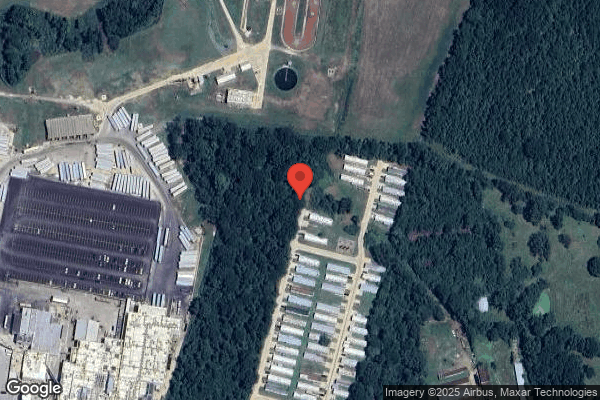
Avir at Center

280 MOFFITT DR, CENTER, TX 75935 (936) 598-3371
For profit - Limited Liability company 137 Beds AVIR HEALTH GROUP Data: November 2025 1 Immediate Jeopardy citation
Trust Grade
56/100
#187 of 1168 in TX
Last Inspection: July 2025

Inspected within the last 6 months. Data reflects current conditions.

Overview

Avir at Center has a Trust Grade of C, indicating average performance among nursing homes, placing them in the middle of the pack. They rank #187 out of 1168 facilities in Texas, meaning they are in the top half, and #1 out of 3 in Shelby County, the best local option available. Unfortunately, the facility is worsening, with issues increasing from 4 to 7 in the past year. Staffing is a concern, with a 66% turnover rate, significantly higher than the Texas average of 50%, which can affect the consistency of care. They have received fines totaling $14,020, which is average, but they do provide more RN coverage than most facilities, ensuring better oversight of resident care. However, there have been some serious incidents that raise concerns. One critical finding involved a resident eloping from a secured unit, highlighting a failure in supervision that could have led to serious injury. Additionally, the facility restricted visiting hours, which can isolate residents and negatively impact their emotional well-being. Food safety practices were also criticized, with issues such as improper handwashing and unlabelled food items in the kitchen, posing risks for residents. Overall, while Avir at Center has some strengths, the increasing issues and specific incidents point to the need for improvement.

Trust Score
C
56/100
In Texas
#187/1168
Top 16%
Safety Record
High Risk
Review needed
Inspections
Getting Worse
4 → 7 violations
Staff Stability
⚠ Watch
66% turnover. Above average. Higher turnover means staff may not know residents' routines.
Penalties
✓ Good
$14,020 in fines. Lower than most Texas facilities. Relatively clean record.
Skilled Nurses
⚠ Watch
Each resident gets only 21 minutes of Registered Nurse (RN) attention daily — below average for Texas. Fewer RN minutes means fewer trained eyes watching for problems.
Violations
⚠ Watch
17 deficiencies on record. Higher than average. Multiple issues found across inspections.
★★★★☆
4.0
Overall Rating
★★★☆☆
3.0
Staff Levels
★★★☆☆
3.0
Care Quality
★★★★☆
4.0
Inspection Score
Stable
2024: 4 issues
2025: 7 issues

The Good

  • Full Sprinkler Coverage · Fire safety systems throughout facility
  • No fines on record

Facility shows strength in fire safety.

The Bad

Staff Turnover: 66%

19pts above Texas avg (46%)

Frequent staff changes - ask about care continuity

Federal Fines: $14,020

Below median ($33,413)

Minor penalties assessed

Chain: AVIR HEALTH GROUP

Part of a multi-facility chain

Ask about local staffing decisions and management

Staff turnover is elevated (66%)

18 points above Texas average of 48%

The Ugly 17 deficiencies on record

1 life-threatening
Jul 2025 5 deficiencies
CONCERN (D)

Potential for Harm - no one hurt, but risky conditions existed

Infection Control (Tag F0880)

Could have caused harm · This affected 1 resident

**NOTE- TERMS IN BRACKETS HAVE BEEN EDITED TO PROTECT CONFIDENTIALITY** Based on observations, interviews, and record reviews the facility failed to establish and maintain an infection prevention and ...

Read full inspector narrative →
**NOTE- TERMS IN BRACKETS HAVE BEEN EDITED TO PROTECT CONFIDENTIALITY** Based on observations, interviews, and record reviews the facility failed to establish and maintain an infection prevention and control program designed to provide a safe, sanitary, and comfortable environment and to help prevent the development and transmission of communicable diseases and infections for 2 of 6 residents (Resident #10 and Resident #17) and 2 of 5 staff (LVN A and CNA B) reviewed for infection control. The facility failed to ensure LVN A and CNA B followed enhanced barrier precautions for Residents #10 and #17 on 07/21/2025. These failures could place residents at risk of exposure to infectious diseases due to improper infection control practices.Findings included:Resident #10Record review of Resident #10's facility face sheet dated 07/21/2025 revealed that Resident #10 was a [AGE] year old female that admitted on [DATE]. Record review of Resident #10's order summary report dated 07/21/2024 revealed Resident #10 had a diagnosis of dementia and required EBP every shift related to pressure wound. Record review of Resident #10's Quarterly MDS assessment dated [DATE] revealed Resident #10 had a BIMS of 9 indicating moderately impaired cognition, required maximal assistance with toileting and was incontinent of bowel and bladder. Record review of Resident #10's comprehensive care plan dated 07/03/2025 revealed Resident #10 required EBP during contact care and staff to provide and utilize appropriate PPE along with standard precautions while providing resident care. During an observation and interview on 07/21/2025 at 9:45 am Resident #10 had a yellow dot by her name outside her room. She said the staff wore gloves but not a gown when providing care to her. During an observation on 07/21/2025 at 2:45 pm CNA B provided incontinent care to Resident #10 with the ADON present for assistance. CNA B removed Resident #10's linens, provided incontinent care and turned and positioned Resident #10 with only gloves in place. Resident #17Record review of Resident #17's facility face sheet dated 07/22/2025 revealed that Resident #17 was a [AGE] year-old male that admitted on [DATE]. Record review of Resident #17's order summary report dated 07/22/2024 revealed Resident #17 had a diagnosis of cerebral infarction (stroke) and required EBP every shift related to urinary tract infection. Record review of Resident #17's Annual MDS assessment dated [DATE] revealed Resident #17 had a BIMS of 9 indicating moderately impaired cognition, required maximal assistance with toileting and was incontinent of bowel and bladder. Record review of Resident #17's comprehensive care plan dated 07/21/2025 revealed Resident #17 required EBP during contact care and staff to provide and utilize appropriate PPE along with standard precautions while providing resident care. During an observation and interview on 07/21/2025 at 10:00 am Resident #17's name at his door had a yellow dot and he said the staff did not wear a gown when providing care. During an observation on 07/21/2025 at 4:05 pm CNA B was observed providing incontinent care to Resident #17. CNA B performed incontinent care, changed the resident's linens and gown and assisted with positioning the resident with only gloves in place. During an observation and interview on 07/21/2025 at 4:30 PM LVN A did not wear a gown while administering intravenous medication to Resident #17. LVN A stated the resident had a yellow dot indicator on his name plate outside his door. She stated the yellow dot indicated the resident was on enhanced barrier precautions. She stated staff were to wear gowns, gloves and mask when providing care to residents on enhanced barrier precautions. LVN A stated staff should wear proper PPE when providing care to residents on enhanced barrier precautions to prevent the possible exposure and spread of germs to other residents and staff. During an interview on 07/21/2025 at 4:34 pm CNA B said the yellow dot on the name at the door meant the resident required a gown and gloves for EBP. She said she overlooked that Residents #10 and #17 had a yellow dot and should have applied a gown along with gloves. She said she knew what EBP was but could not recall the specific training she received. She said by not following EBP infections could spread. During an interview on 07/21/2025 at 4:37 pm the DON said she oversaw the infection control program, and all staff were educated on EBP along with other infection control measures on hire, annually and as needed. She said LVN A and CNA B had been trained and expected that the staff to follow the infection control program to prevent the spread of infections. During an interview on 07/23/2025 at 8:44 am the Administrator said that the DON was responsible for the infection control program. He said all staff were trained on hire and throughout the year on infection control including EBP. He said when a resident required EBP the resident name outside the door would have a yellow dot and the staff should wear a gown and gloves to provide care. He said he expected all staff followed the facilities infection control program to prevent the spread of infections. Record review of LVN A's nurse proficiency dated 08/30/2024 revealed LVN A had satisfactory completed training on infection control. Record review of CNA B's CNA proficiency dated 06/05/2025 revealed CNA B had satisfactory completed training on infection control. Record review of a facility policy titled Infection Control dated 03/2024 indicated, or residents for whom EBP are indicated, EBP is employed [NAME] performing the following high-contact resident care activities dressing, bathing, transferring, providing hygiene, changing linens, toileting, device care or use central line .
CONCERN (D)

Potential for Harm - no one hurt, but risky conditions existed

Room Equipment (Tag F0908)

Could have caused harm · This affected 1 resident

Based on observations, interviews, and record review, the facility failed to maintain all mechanical, electrical, and patient care equipment in safe operating condition for 1 of 1 kitchen reviewed for...

Read full inspector narrative →
Based on observations, interviews, and record review, the facility failed to maintain all mechanical, electrical, and patient care equipment in safe operating condition for 1 of 1 kitchen reviewed for essential equipment. The facility did not ensure the gas stove was in safe operating condition with the pilot light burner staying lit for 1 of 6 burners and allowing gas to leak on 07/21/25 and 07/22/25. This failure could place the residents at risk of a fire and not receiving their meals in a timely manner.Findings included: During an observation on 07/21/25 at 9:00 a.m. the back right burner on the stovetop was observed to not light. Dietary Manager retrieved a striker and proceeded to light the pilot light with the striker. Pilot light behind the back right burner was observed behind the back right burner and was observed to be out. Dietary manager was unable to relight pilot light with striker and proceeded to light the burner. The burner lit with the striker. During an observation and interview on 07/22/25 at 9:15 a.m. the right back burner pilot light was observed to be out again. Dietary Manager was observed to light burner with striker. She said the vent in the ceiling would blow toward the pilot light on the back burner and cause it to blow out. During an observation and interview on 07/22/25 at 10:30 a.m. a vent was observed in the ceiling directly in front of the stove. Air was felt blowing straight down. There was a large pot observed on the back burner of the stove. [NAME] moved the pot and pilot light was observed to be lit. Burner lit with no issues. Dietary manager was in kitchen and said she knew it could be dangerous for the pilot light to keep going out and having to light the burner with a striker. She said she had been at this facility on and off for about 14 years and it had been a constant issue. She said she did not know what the facility had tried in the past to avoid the air from the vent blowing the pilot light out. She said maintenance had been made aware, but she could not remember the last time she had reported it to him. She said she would report it again and get it taken care of. She said she knew it could be a fire hazard having to relight the burner with a striker. During an interview on 07/22/25 at 1:14 p.m. the Maintenance Director said he was aware the pilot light did go out at times. He said the gas would still be running if the pilot light was out and it could potentially be a fire hazard. He said he would look at the issue and see if he could possibly divert the air flow to prevent the pilot light from being blown out. During an interview on 07/22/25 at 8:30 a.m. the Administrator said they did not have a facility policy for maintaining equipment. During an interview on 07/23/25 at 8:20 a.m. the Administrator said he was an interim and had only been here for a couple of months. He said the risks of fire should be low on the stove because they have the exhaust fan running all the time, but it still would be fixed. He said he was going to look into ways to try and divert the airflow from the vent to try and prevent the pilot light from being blown out. He said going forward, he would expect the stove to work properly.
CONCERN (D)

Potential for Harm - no one hurt, but risky conditions existed

Deficiency F0919 (Tag F0919)

Could have caused harm · This affected 1 resident

**NOTE- TERMS IN BRACKETS HAVE BEEN EDITED TO PROTECT CONFIDENTIALITY** Based on observation, interview, and record review, the facility failed to be adequately equipped to allow residents to call for...

Read full inspector narrative →
**NOTE- TERMS IN BRACKETS HAVE BEEN EDITED TO PROTECT CONFIDENTIALITY** Based on observation, interview, and record review, the facility failed to be adequately equipped to allow residents to call for staff through a communication system which relays the call directly to a staff member or a centralized staff work area from toilet and bathing facilities for 1 of 4 residents reviewed for call lights. (Resident #11).The facility failed to ensure Resident #11's emergency call light in the bathroom would reach the floor. The call light cord for Resident #11 was three feet above the floor level.This failure could place residents at risk of not receiving timely assistance. Findings include: Record review of a face sheet dated 07/21/2025 indicated that Resident #11 was an [AGE] year-old female admitted to the facility on [DATE] with diagnoses including: dementia (confusion due to aging with inability to remember), difficulty ambulating, and muscle wasting.Record review of a Quarterly MDS assessment dated [DATE] for Resident #11 indicated she had a BIMS score of 9, indicating that she had moderate cognitive impairment. The MDS indicated that the resident required supervision or touch assist of one person for toilet use and ambulated with a walker.Record review of a comprehensive care plan with a revision date 6/06/2025, revealed Resident #11 was at risk for injuries related to falls. During an interview and observation on 07/22/2025 09:15 AM Housekeeper A said the call light in Resident #11's bathroom was too short to be reached at floor level, the string was 3 feet from the floor. Housekeeper A said if Resident #11 had a fall she would not be able to reach the call light. She said if the resident fell, she could lay on the floor until someone heard her or when the next rounds were made by staff.During an interview on 07/22/25 at 10:00 AM, the Maintenance Director said the call lights in bathrooms needed to be accessible because if a resident were to fall, they needed to be able to reach the string to call for help. He said he would make a facility sweep to correct all strings to the required length. During an interview with the ADON on 07/22/2025 10:20 AM, the ADON said she would in-service staff to notify maintenance if the bathroom call strings did not reach floor level. The ADON said all staff members were responsible for ensuring call lights were in place. Residents could be at risk of not being able to call for help in an emergency, such as falls. Going forward, she would expect call lights to be checked every shift to make sure they are available. During an interview on 7/22/25 at 10:50 AM the Administrator said that the CNAs were responsible for ensuring that all call lights were in place and in working order and report to maintenance if there are no problems. He said that residents may not be able to call for help when needed if they can't reach their call light. Going forward, he would expect that all call lights be in place and functioning. Record review of a facility policy titled Call light - use of dated 12/2017 read .it is the policy of this home to ensure residents have a call light within reach and that they are physically able to access and that they have been instructed on its use .
CONCERN (F)

Potential for Harm - no one hurt, but risky conditions existed

Deficiency F0563 (Tag F0563)

Could have caused harm · This affected most or all residents

Based on observation, interview, and record review, the facility failed to ensure residents maintained the right to receive visitors of his or her choosing at the time of his or her choosing for 1 of ...

Read full inspector narrative →
Based on observation, interview, and record review, the facility failed to ensure residents maintained the right to receive visitors of his or her choosing at the time of his or her choosing for 1 of 1 facility. The facility failed to ensure all residents had the right to receive visitors between 10:00 PM and 6:00 AM.The deficient practice could place residents at risk of isolation, decreased emotional well-being, and diminished quality of life. Findings include:Observation on 07/22/2025 at 6:15 AM revealed a sign posted on the main entrance Visitation hours: 6:00 AM to 10:00 PM During a confidential resident council meeting on 07/22/2025 the residents in attendance were not aware of limitation of visiting hours.Record review of a letter dated 06/24/2025 presented on 7/22/2025 by the Administrator addressed to families and visitors indicated the designated visiting hours as daily 6:00 AM to 10:00 PM. The letter indicated any visits outside of regular visiting hours were to be arranged with the administrative staff. The letter was signed by the social service director. During an interview with the interim Administrator on 07/23/2025 at 8:20 AM, he stated visiting hours were enacted in the middle of June 2025 due to complaints by more than one resident, relating to family members coming to the facility late at night and disturbing residents in the facility. He stated a family member had visited the facility after midnight while under the influence of intoxicants. He stated late night visits occurred on more than one occasion and involved more than one resident. The decision was made to limit visiting hours from 6:00 AM to 10:00 PM. He stated phone calls were made to all resident representatives regarding visiting hours and there were no complaints or concerns with limiting the visiting hours. The administrator stated a letter was sent to all resident representatives notifying them of the facility's visiting hours. He stated the decision was made to limit visiting hours to all visitors so that one family or resident would not be singled out, and equal treatment was being provided to all residents. He stated he has not received any resident complaint related to establishing visiting hours. The administrator stated the hours were to deter late night visitations that would disturb other residents. He stated limiting visitation hours could have a negative impact on the residents by causing emotional distress and fear related to the inability to see their family members.In an interview with the social worker on 07/23/2025, she stated the decision was made to limit visitation hours in the facility after complaints by residents related to family members visiting the facility late at night and waking them. She said one resident had a family member who had come into the facility on several occasions after midnight under the influence of intoxicants and disturbed the roommate and other residents. She stated a meeting was conducted with the family member related to the complaint and discussed how the late visits were disturbing other residents during hours of rest and the family member verbalized understanding of the concern but continued to make late night visits. After complaints continued by the residents, the administrative staff made the decision to limit visitation hours. The social worker stated phone calls were made to all family representatives to inform them of the visitation hours and there were no concerns or complaints during the telephone communications. The social worker stated no residents had voiced concern or complained about the visiting hours. She stated a letter was mailed to all resident representatives that indicated visiting hours were daily from 6:00 AM to 10:00 PM. She stated there has been no complaints or signs of negative effects to the residents related to limiting visitation hours. Record review of facility admission packet, a document titled Resident Rights revised 12/1/2018 indicated residents have the right to receive visitors.
MINOR (B)

Minor Issue - procedural, no safety impact

Deficiency F0912 (Tag F0912)

Minor procedural issue · This affected multiple residents

**NOTE- TERMS IN BRACKETS HAVE BEEN EDITED TO PROTECT CONFIDENTIALITY** Based on observation, interview, and record review, the facility failed to ensure bedrooms measured at least 80 square feet per ...

Read full inspector narrative →
**NOTE- TERMS IN BRACKETS HAVE BEEN EDITED TO PROTECT CONFIDENTIALITY** Based on observation, interview, and record review, the facility failed to ensure bedrooms measured at least 80 square feet per resident, in 3 of 11 resident rooms reviewed for required square footage. (Resident room #s 300, 309 and 310). The facility did not have at least 80 square feet per resident in resident room #s 300, 309, and 310. This failure could place residents at risk of having inadequate space for personal belongings, guests, and limit the resident's ability to move about in the room. Based on observation, interview, and record review, the facility failed to ensure bedrooms measured at least 80 square feet per resident, in 3 of 11 resident rooms reviewed for required square footage. (Resident room #s 300, 309 and 310). The facility did not have at least 80 square feet per resident in resident room #s 300, 309, and 310. This failure could place residents at risk of having inadequate space for personal belongings, guests, and limit the resident's ability to move about in the room. Findings included: During an observation on 07/21/25 from 10:00 am until 10:30 am, room [ROOM NUMBER] was used for maintenance, room [ROOM NUMBER] was used for an office and room [ROOM NUMBER] was used as a sitting area in the locked unit. The rooms measured approximately as follows: * room [ROOM NUMBER]- 6 x 4 feet at entry and the main area was 13.4 x 10.4 feet.* room [ROOM NUMBER]- 12 x 12.4 feet; and * room [ROOM NUMBER]- 12.8 x 12.3 feet.Record review of a bed classification worksheet, completed by the facility administrator, dated 07/22/2025 indicated there were 11 resident rooms on the secured unit, including Resident room #s 300, 309, and 310. (Hall 300) During an interview on 07/21/25 at 10:30 am, the Administrator said there had been no structural changes to the building and he knew there had been a waiver granted in the past for three rooms on the secured unit. The Administrator said he would complete HHSC form 3762 (room size waiver for facilities).
Mar 2025 2 deficiencies 1 IJ
CRITICAL (J) 📢 Someone Reported This

A family member, employee, or ombudsman was alarmed enough to file a formal complaint

Immediate Jeopardy (IJ) - the most serious Medicare violation

Accident Prevention (Tag F0689)

Someone could have died · This affected 1 resident

**NOTE- TERMS IN BRACKETS HAVE BEEN EDITED TO PROTECT CONFIDENTIALITY** Based on observation, interview, and record review, the facility failed to ensure residents received adequate supervision to pre...

Read full inspector narrative →
**NOTE- TERMS IN BRACKETS HAVE BEEN EDITED TO PROTECT CONFIDENTIALITY** Based on observation, interview, and record review, the facility failed to ensure residents received adequate supervision to prevent accidents for 1 of 6 residents (Resident #1) reviewed for accidents. The facility failed to prevent Resident #1 from eloping on 7/23/2024 when he was able to exit the secured unit and exited the facility through the main entrance. The noncompliance was determined to be PNC (past non-compliance) . The IJ (Immediate Jeopardy) began on 7/23/24 and ended on 7/23/24. The facility had corrected the noncompliance before the survey began. These failures could place residents at risk for serious injury and accidents. Findings include: Record review of an admission Record dated 3/25/2025 for Resident #1 reflected he admitted to the facility on [DATE] and was [AGE] years old with diagnosis of dementia with behavioral disturbances (A group of symptoms that affects memory, thinking and interferes with daily life), Post Traumatic Stress Disorder (a mental health condition that's caused by an extremely stressful or terrifying event), psychosis (a collection of symptoms that happen when a person has trouble telling the difference between what's real and what's not), and Alzheimer's Disease (a neurodegenerative disease that usually starts slowly and progressively worsens). Record review of a Brief Interview for Mental Status (BIMS) assessment dated [DATE] reflected the Resident #1 had severe cognitive impairment with a score of 5. Record review of the baseline care plan dated 7/22/2024 reflected that Resident #1 was cognitively impaired and was at risk for elopement. Record review of a hospital Physician's Progress Note dated 7/17/24 reflected Resident #1 required a secure nursing facility placement related to his wandering behaviors and elopement risk. During an interview on 03/25/2025 at 1:30 PM, LVN A, who was the nurse on duty at the time of Resident #1's elopement, said she could not recall an elopement occurring in the last 12 months. During an interview with the Social Worker on 3/25/25 at 2:00 PM, she indicated there was an incident of a missing resident occurring in 2024. She was not able to recall the exact date. She said a resident from the secured unit was reported missing and she was able to recall assisting in looking for the resident in the facility. She stated the resident was located across the highway and was not injured. She said the resident was transferred to a behavioral health hospital shortly after the incident. During an interview with LVN B on 3/25/25 at 3:30 PM, she stated she recalled an elopement incident occurring with a resident last year. She stated that the resident no longer resided in the facility. She stated she was not working at the time of the incident therefore she did not know the details. During an interview with CNA C on 3/25/25 at 3:45 PM she stated that she recalled an elopement incident that occurred within the last 12 months. She could not remember any details. She stated she was not working at the time of the incident, but recalled the incident being discussed. During an interview with the Maintenance Supervisor on 3/25/25 at 4:00 PM, he was able to recall an elopement incident that involved Resident #1 during his stay. He stated he was unsure how the resident was able to exit the building. He stated the resident was located across the highway at the shopping center's parking lot. He stated at the time of the incident, all doors were secured and locking mechanisms were functioning properly. He denied any failures to the keypad systems required to open doors at the main entrance and the secured unit . During a telephone interview with Resident #1's responsible party on 3/26/25 at 8:45 AM she stated Resident #1 was admitted to the facility for a short period of time July 2024. She stated she received a telephone call from the facility second day the resident was at the facility in reference to Resident #1 leaving the facility unattended. She stated the facility reported that Resident #1 had exited the facility and was found across the highway at the shopping center's parking lot. She said the resident did not suffer any injuries as a result of the incident. She stated the facility reported that visitors opened the doors that allowed the resident to exit the facility. She stated Resident #1 was transferred to a behavioral health hospital shortly after the incident related to his aggressive behaviors. During an interview on 3/25/25 at 3:15 PM, the ADON said that she initiated the one-on-one monitoring for Resident #1 on 7/23/24 related to his aggressive behaviors and exit seeking. She said the resident had torn down curtains and was exhibiting aggressive behaviors on 7/23/24. She stated the resident was placed on continuous monitoring to ensure the safety of the resident as well as the other residents located in the secured unit . During an interview with the Administrator ADM on 3/25/25 at 1:00 PM he stated he was not able to recall any elopement incident occurring in the last 12 months. During a follow up interview, with ADON on 3/26/25 at 11:15 AM, she stated one on one observations were initiated related to Resident #1's elopement from the facility. She said on 7/23/24, LVN A asked her if she had seen Resident #1 and that she could not locate him in the secured unit. She said all staff were alerted and began looking for Resident #1. She said shortly after starting the search, Resident #1 was found by another staff member across the highway in the shopping center parking lot. She said Resident #1 was assessed, with no injuries noted. She said one on one monitoring was initiated. She stated she notified the physician of the incident. She stated the Administrator notified the responsible party. The ADON was not able to provide an explanation as to why an incident report was not completed During a follow up interview on 3/26/25 at 11:26 AM, the Administrator stated he was able to recall an elopement incident that occurred 7/23/24 with Resident #1. He said it was reported that Resident #1 was missing from the secured unit and the facility's missing resident protocol was initiated. He said Resident #1 was located within 10 minutes. He said the resident was found by staff across the highway and was escorted back to the facility without incident. During the interview, the Administrator presented a file containing in-services, written statements, and the resident elopement assessments completed on the date of the incident. During a follow up interview with LVN A on 3/26/25 at 1:00 PM she confirmed she was the nurse on duty on 7/23/24. She stated she could not recall an elopement incident with Resident #1. A written statement by LVN A written on 7/23/24 provided to her for review and she was unable to provide any details of the incident. During an observation performed 3/25/25 between 9:30 AM and 10:00 AM and 3/26/25 between 2:00 PM and 2:20 PM of the secured unit access door revealed visitors were unable to access the area from the main building unless a large red button located on the adjoining wall was pushed. A sign above the door reflected for anyone entering to not allow anyone out of the area and to ensure the door had shut after entering. Observation of the door from the secured unit to outdoor patio area revealed it required a 4 digit code to access the outside area and to enter from the outside back into the secured unit. Observation of the gate located in outdoor secured area revealed it required a 4 digit code to open to the parking area. A code was also required to enter the patio area from the parking lot. A 4 digit code was required to exit the secured unit to the main hallway. The doors or gate could not be opened without a code. Observation of the outdoor patio area revealed no loose or broken fencing noted. Observation of the main lobby area revealed the door was secured and unable to enter or exit building without a 4 digit code. Outside of the building was a doorbell used by visitors and staff entered a code to the door to allow entrance. A sign was observed at the entrance that reflected visitors not allow residents outside without notifying staff. During an observation performed on 3/25/25 10:00 AM of the windows located in secured unit revealed no cracked or broken glass to any windows. Windows were secured and closed. to the [NAME] were unable to be raised to a height that would allow a person to exit the room. During an observation performed on 3/25/25 at 12:00 PM of the facility entrance to the location that Resident #1 was found indicated that the resident had to walk across a 2 lane highway and approximately 100 yards to the parking lot of the shopping center. Review of the local weather conditions according to the National Weather Service on 7/23/24 reflected that the recorded high temperature was 94 degrees Fahrenheit and the recorded low temperature was 76 degrees Fahrenheit. Record review of the facility incident reports for July 2024 revealed there were no completed incident reports for Resident #1. Record review of Resident #1's progress notes dated 7/22/24 to 7/25/24 revealed the resident's length of stay, and did not reflect any elopement incident. Record review of one-on-one observation sheets for Resident #1 revealed the one-on-one started on 7/23/24 at 10:30 AM and were initiated by the ADON. One on one observations continued until 7/25/24 at 4:45 PM, when the resident was transferred to a behavioral health hospital. Record review of the Administrator's investigation file dated 7/23/2024 indicated an in service titled Resident Safety/ Elopement was performed for all staff on 7/23/24. The resident elopement/wandering risk assessments were performed on all residents. Written statements by the ADON, LVN A, CNA D and ADM dated 7/23/24 were contained in the file. Record review of written statement dated 7/23/24 at 10:00 AM written by the Administrator revealed Resident #1 was not in the building and a search was initiated. Resident#1 was found and returned to the building with no injury assessed. Staff education was initiated, and the resident was placed on one-on-one supervision. The statement indicated resident was out of the building for approximately 10 minutes. Record review of written statement dated 7/23/24 at 10:00 AM written by the ADON indicated LVN A approached the ADON and stated she could not find Resident #1. The ADON stated all staff were notified and a search for the resident was started. The ADON's statement reflected all doors and windows were checked for signs of exit. The statement reflected the resident was confused and agitated when he returned to the building. A head-to-toe assessment was performed by LVN A with no injuries noted. Record review of a statement by LVN A dated 7/23/24 indicated LVN A observed the resident walking up the hallway toward the front. The statement reflected no other details were provided. Record review of a statement by CNA D dated 7/23/24 indicated CNA D observed Resident #1 ambulating up hallway towards front. The statement reflected no other details were provided. The facility took the following actions to correct the noncompliance on 7/23/24: Record review of the documentation provided by the Administrator indicated in-services were conducted on 7/23/24 with all staff on resident safety and elopement. During an interview on 3/26/25 at 8:45 AM with Resident #1's responsible party, she indicated she was notified of the incident on 7/23/24. Record review of a progress note dated 7/23/24 indicated Resident #1's physician was notified and an order for behavioral health evaluation was obtained. Record review of the elopement/wandering assessments revealed assessments were performed on all residents in the facility on 7/23/2024. Record review of one-on-one observation for Resident #1 revealed the observations were started 7/23/24 at 10:30 AM and ended on 7/25/2024 at 4:45 PM. During interviews on 3/25/25 and 3/26/25 with 3 CNAs, 4 LVNs, 2 housekeeping staff and 1 dietary staff on day and evening shifts revealed the employees indicated they would report a missing resident to administrative staff. All staff indicated a search of the facility and grounds was to be performed and that law enforcement was to be contacted if a resident not located within 30 minutes. All staff indicated Code Orange was communicated to alert all facility personnel of a missing resident. All staff reported doors were to remain closed and secure. Staff reported door codes were not shared with residents or visitors. Record review of facility policy titled Abuse/ Reportable Events reflected It is everyone's responsibility to recognize, report, and promptly investigate actual or alleged abuse, neglect .and situations that may constitute abuse or neglect to any resident in the facility. The noncompliance was determined to be PNC (past non-compliance) . The IJ (Immediate Jeopardy) began on 7/23/24 and ended on 7/23/24. The facility had corrected the noncompliance before the survey began.
CONCERN (D) 📢 Someone Reported This

A family member, employee, or ombudsman was alarmed enough to file a formal complaint

Potential for Harm - no one hurt, but risky conditions existed

Report Alleged Abuse (Tag F0609)

Could have caused harm · This affected 1 resident

**NOTE- TERMS IN BRACKETS HAVE BEEN EDITED TO PROTECT CONFIDENTIALITY** Based on interview and record review, the facility failed to ensure that all alleged violations involving abuse, neglect, exploi...

Read full inspector narrative →
**NOTE- TERMS IN BRACKETS HAVE BEEN EDITED TO PROTECT CONFIDENTIALITY** Based on interview and record review, the facility failed to ensure that all alleged violations involving abuse, neglect, exploitation, or mistreatment that did not result in bodily injury were reported to the state agency within 24 hours for 1 of 7 residents (Resident #1) reviewed for abuse and neglect. The Administrator failed to report to the state agency withing 24 hours concerning an allegation of neglect on 07/23/2024 when Resident #1 eloped from the secured unit out of the entrance doors to the unit and out of the front entrance of the facility. This failure could place residents at risk for harm and injury. Findings include: Record review of an admission Record dated 3/25/2025 for Resident #1 indicated he admitted to the facility on [DATE] and was [AGE] years old with diagnoses of dementia with behavioral disturbances (A group of symptoms that affects memory, thinking and interferes with daily life), Post Traumatic Stress Disorder (a mental health condition that's caused by an extremely stressful or terrifying event), psychosis (a collection of symptoms that happen when a person has trouble telling the difference between what's real and what's not), and Alzheimer's Disease(a neurodegenerative disease that usually starts slowly and progressively worsens). Record review of a Brief Interview for Mental Status (BIMS) assessment for Resident #1, dated 7/25/24, indicated severe cognitive impairment with a score of 5. Record review of baseline care plan dated 7/22/2024 indicated that Resident #1 was cognitively impaired and was at risk for elopement. Record review of hospital's physician progress note dated 7/17/24 indicated that the resident required a secure nursing facility placement related to his wandering behaviors and elopement risk. Record review of one-on-one observation sheets for Resident #1 revealed the one-on-one started on 7/23/24 at 10:30 AM and were initiated by the ADON. One on one observations continued until 7/25/24 at 4:45 PM when the resident was transferred to a behavioral health hospital. During an interview with the Social Worker on 3/25/25 at 2:00 PM, she indicated there was an incident of a missing resident occurring in 2024. She was not able to recall the exact date. She said a resident from the secured unit was reported missing and she was able to recall assisting staff in looking for the resident in the facility. She stated the resident was located across the highway and was not injured. She said the resident was transferred to a behavioral health hospital shortly after the incident. She was not certain if the incident was reported. She stated the administrator was responsible for reporting incidents. During an interview with the ADON on 3/26/25 at 11:15 AM, she stated one on one observations were initiated related to Resident #1's elopement from the facility. She said on 7/23/24, LVN A asked her if she had seen Resident #1 and she could not locate him in the secured unit. She said all staff were alerted and began looking for Resident #1. She said shortly after starting the search, Resident #1 was found by another staff member across the highway in the shopping center parking lot. She said Resident #1 was assessed with no injuries noted. She said one on one monitoring was initiated. She stated she notified the physician of the incident. She stated the Administrator notified the responsible party. The ADON did not complete an incident report. She stated the administrator was responsible for reporting incidents to the state agency. During an interview with the Administrator on 3/26/25 at 11:26 AM, he was able to recall an elopement incident that involved Resident #1 that occurred 07/23/24. He said it was reported that Resident #1 was missing from the secured unit and that the facility's missing resident protocol was initiated. He said Resident #1 was located within 10 minutes. He said the resident was found by staff across the highway and was escorted back to the facility without incident. He stated he did not report the incident due to the resident being found quickly and without injury. Record review of a nurse progress notes for Resident #1 dated 7/23/24 to 7/25/24 showed no documentation of the elopement that occurred on 07/23/2024. Record review of facility incident reports for July 2024. There were no completed incident reports for Resident #1. During an interview with the DON on 3/25/25 at 2:15 PM, she stated she had no knowledge of the incident because she was on approved leave during that time. Record review of a facility policy titled Elopement effective 12/2018 indicated, The following steps are to be followed when a resident is noted absent and is not found on initial search of home. This also includes when a resident leaves the home grounds without staff notification. Administrative staff will: Determine if elopement is reportable to state regulatory agency. Record review of a facility policy titled Abuse/Reportable Event no dated printed on policy, indicated, The facility administrator or designee will report the allegation to HHSC . If the allegation does not involve abuse or serious bodily injury, the report must be made within 24 hours of the allegation. The policy defined an adverse event as untoward, undesirable, and usually unanticipated event that causes death or serious injury, or the risk thereof.
Jun 2024 4 deficiencies
CONCERN (D)

Potential for Harm - no one hurt, but risky conditions existed

Respiratory Care (Tag F0695)

Could have caused harm · This affected 1 resident

**NOTE- TERMS IN BRACKETS HAVE BEEN EDITED TO PROTECT CONFIDENTIALITY** Based on observation, interview and record review the facility failed to ensure that a resident who needed respiratory care was ...

Read full inspector narrative →
**NOTE- TERMS IN BRACKETS HAVE BEEN EDITED TO PROTECT CONFIDENTIALITY** Based on observation, interview and record review the facility failed to ensure that a resident who needed respiratory care was provided such care, consistent with professional standards of practice, the comprehensive person-centered care plan, the residents' goals, and preferences for 1 of 4 residents (Residents #19) reviewed for respiratory care. The facility failed to ensure Resident #19's oxygen tubing was changed per the physician orders. These deficient practices could place residents at risk of developing respiratory infections and complications. Findings include: Record review of a facility face sheet dated 6/03/2024 indicated Resident # 19 was an [AGE] year-old female and readmitted to the facility on [DATE] with -diagnoses of dementia and urinary tract infection (infection of the urine). Record review of a physician ordered dated 5/01/2023 indicated change oxygen tubing every 7 days on Thursday. Record review of a comprehensive care plan dated 3/12/2024 indicated Resident # 19 had oxygen therapy and give as ordered by the physician. Record review of a quarterly MDS assessment dated [DATE] indicated Resident # 19 had a BIMS of 01 indicating severely impaired cognition and required oxygen therapy. During an observation on 06/03/24 at 9:45 am Resident # 19 had oxygen in place at 3 liters per nasal cannula and the oxygen tubing was dated 5/17. During an observation on 06/04/24 at 7:45 am Resident #19 had oxygen in place at 3 liters per nasal cannula and the oxygen tubing was dated 5/17. During an interview on 06/04/24 at 9:29 AM LVN A said she had worked at the facility for 6 years. She said the nurses were responsible for changing the oxygen tubing weekly and was normally completed on the night shift. She said that the nurses should be checking oxygen flow rate and tubing on each shift and rounds to ensure the tubing is in date. She said that outdated oxygen tubing could cause an infection or ineffective oxygen delivery . During an interview on 06/05/24 at 7:46 AM the DON said she had been the DON for almost 2 years. She said the nurses on night shift were responsible for changing the oxygen tubing weekly. She said there had not been a specific training for the oxygen tubing and the nurse should be following the physician order. She said there was no monitoring system in place to ensure the tubing was changed. She said if oxygen tubing was not changed it could cause infections or affect the oxygen flow. She said she expected the nurses to follow the oxygen orders and change the tubing per the orders. During an interview on 06/05/24 at 9:33 AM the Administrator said he had been at the facility for 1 year and that the DON was responsible for oversight of the nursing department, but the nurses were responsible and had been trained on oxygen therapy and following orders. He said the oxygen tubing should be changed per the orders and policy to prevent infections and expected the nurses to follow the orders. Record review of a facility policy dated 12/2017 titled Respiratory indicated, .Oxygen therapy is administered as ordered by a physician. 15. replace entire setup every seven days
CONCERN (E)

Potential for Harm - no one hurt, but risky conditions existed

Infection Control (Tag F0880)

Could have caused harm · This affected multiple residents

**NOTE- TERMS IN BRACKETS HAVE BEEN EDITED TO PROTECT CONFIDENTIALITY** Based on observations, interviews, and record reviews the facility failed to establish and maintain an infection prevention and ...

Read full inspector narrative →
**NOTE- TERMS IN BRACKETS HAVE BEEN EDITED TO PROTECT CONFIDENTIALITY** Based on observations, interviews, and record reviews the facility failed to establish and maintain an infection prevention and control program designed to provide a safe, sanitary, and comfortable environment and to help prevent the development and transmission of communicable diseases and infections for 2 of 6 residents (Resident #34 and #25) and 2 of 4 staff (CNA E and CNA G) reviewed for infection control. The Hospice Aide did not follow enhanced barrier precautions when she provided care to Resident #34 on 6/3/2024. CNA C did not sanitize or wash her hands between glove changes and wiped a female resident from back to front when providing incontinent care to Resident #25 on 6/4/2024. These failures could place residents at risk of exposure to infectious diseases due to improper infection control practices. Findings included: 1. Record review of a face sheet dated 6/4/2024 for Resident #34 indicated he admitted to the facility on [DATE] and was [AGE] years old with diagnoses of heart failure (heart not able to pump effectively), dementia (may cause the inability to remember, think, or make decisions) and atrial fibrillation (an irregular heartbeat). Record review of active physician orders for Resident #34 indicated an order for enhanced barrier precautions due to chronic wounds that started on 4/26/2024. Record review of a Significant Change MDS assessment dated [DATE] for Resident #34 indicated he had severe impairment in thinking with a BIMS score of 7. He had a pressure ulcer/injury with three stage 2 wounds that were partial thickness/loss of dermis (skin) that was present on admission. Record review of a care plan for Resident #34 dated 4/30/2024 indicated he required EBP (Enhanced Barrier Precautions- an approach of targeted gown and glove use to prevent the spread of germs ) during contact care related to chronic wounds with interventions for staff to provide/utilize appropriate PPE along with standard precautions while providing resident care for ADL's (dressing, grooming, personal hygiene, transfers, linen changes), incontinent care/toileting, wound care, care to enteral tubes (use of a feeding tube to supply nutrients and fluids to the body if they are unable to safely chew or swallow), IV sites, catheters, tracheostomy (a surgical opening in the windpipe to breathe). Record review of a Quarterly MDS assessment dated [DATE] for Resident #34 was in process. During an observation on 6/3/2024 at 2:13 PM, the Hospice Aide was in the room of Resident #34 providing care that included shaving the resident. She was not wearing a gown and only had gloves on. During an interview on 6/3/2024 at 2:24 PM, the Hospice Aide said she saw Resident #34 five days a week and on Mondays, Wednesdays and Fridays were his shower days. She said he had just received a bed bath, skin, foot care and she shaved him. She said she was aware that when care was provided to Resident #34 that she had to wear a gown and gloves. She said she only wore gloves during care provided. She said she did not know why she did not put on a gown today. She said residents could be at risk for making things worse. 2. Record review of a face sheet dated 6/4/2024 for Resident #25 indicated she admitted to the facility on [DATE] and was [AGE] years old with diagnoses of dementia, atherosclerotic heart disease (narrowed arteries that causes limited blood flow to the heart) and osteoporosis (brittle bones). Record review of a care plan revised 6/3/2024 for Resident #25 indicated an ADL self-care performance deficit related to weakness, osteoporosis (a condition that causes bones to become weak and brittle), and cognitive impairment. She required the assist of one direct care staff member for ADL completion for toilet use. Record review of a Quarterly MDS assessment dated [DATE] for Resident #25 indicated she had severe impairment in thinking with a BIMS score of 4. She was occasionally incontinent of bladder and frequently incontinent of bowel. During an observation on 6/4/2024 at 8:55 AM, CNA B and CNA C were in the room of Resident #25 to provide incontinent care. Both washed their hands and put on gloves. Supplies were in a plastic bag on the over bed table. CNA B assisted with positioning and holding the resident. CNA C opened the brief and pulled it down between Resident #25's thighs. CNA C removed a wipe from the plastic bag and wiped the resident's right inner thigh and folded it over and wiped the left inner thigh and placed the wipe in the trash. CNA C removed her gloves and placed gloves on both hands without washing or sanitizing them. CNA C removed a wipe from the plastic bag and wiped down the middle of the vagina from front to back. CNA C removed her gloves and placed them in the trash and sanitized her hands. CNA B rolled Resident #25 onto her left side. CNA C removed wipes from the plastic bag and wiped Resident #25's rectal area from back (buttocks) to front (vagina) and them removed her gloves and placed them in the trash. CNA C placed gloves on her hands without washing or sanitizing them and removed another wipe from the plastic bag and wiped both buttocks in a circular motion and removed the brief, gloves and placed them in the trash. CNA C placed gloves on her hands without washing or sanitizing them. CNA C removed a brief from the plastic bag and placed it underneath the resident's buttocks. Resident #25 was rolled onto her back and the brief was secured and the resident was repositioned in the bed. Both CNAs removed their gloves and washed their hands. During an interview on 6/4/2024 at 11:50 AM, CNA C said she had been employed at the facility for 1 1/2 years and worked on the 6 am-2 pm shift. She said the incontinent care provided to Resident #25 earlier, she should have washed her hands between glove changes and should have wiped her rectal area from front to back instead of back to front. She said she had a check off on skills not long ago by the ADON. She said residents could be at risk of infections if staff did not wash or sanitize their hands between gloves changes and wiping from back to front. Record review of a CNA Proficiency Skills Check dated 1/10/2024 conducted by the ADON for CNA C indicated she was satisfactory in perineal care for a female along with infection control on hand washing. During an interview on 6/4/2024 at 4:05 PM, the ADON said that Resident #34 was on enhanced barrier precautions because he had a history of ESBL (a bacteria that is resistant to some antibiotics that is usually found in the bowel). She said staff were required to wear a gown, gloves, and a mask according to their policy when providing care to him. She said staff were aware of the residents in the facility that were on enhanced barrier precautions as they had a yellow dot sticker on their name place as a reminder. She said she was not aware the Hospice Aide did not wear the appropriate PPE when she provided care to him on 6/3/2024. She said she had conducted an in-service with the staff on enhanced barrier precautions but did not in-service any of the hospice staff. She said hand hygiene should be performed before care was started, between glove changes and when care was finished. She said when incontinent care was provided to a female resident, staff should wipe them from front to back. She said residents could be at risk for UTI's and vaginal infections if staff did not wipe appropriately and were at risk for spreading germs if they did not wash or sanitize their hands between glove changes. She said they would plan to in-service staff and would conduct visual spot checks with staff. She said there was a risk of spreading infections to other residents if staff did not follow the enhanced barrier precautions. Record review of a list of residents in the facility listed for EBP undated indicated Resident #34 was on the list and had chronic wounds. During an interview on 6/4/2024 at 9:35 AM, the DON said she had been employed at the facility for 2 years and was the IP and was responsible for all things related to infection control. She said EBP was for any resident that had a history of MDRO's (multi drug resistant organisms), current chronic wounds, feeding tubes, and foley catheters. She said EBP would stay in place for residents that had MDRO's indefinitely. She said Resident # 34 was on EBP. She said staff were supposed to wear a gown and gloves when they are providing care up close and personal, when linens were changes, bathing, incontinent care, and wound care. She said she in-serviced staff in April on EBP. She said staff were aware of the residents that had EBP in place because they had yellow dot stickers by the resident's name plate outside their room door to let them know who was on EBP. She said there was a risk of spreading MDRO's to other residents if staff did not follow EBP. She said hand hygiene should be performed before care, between care, before and after glove changes and after care was provided. She said when incontinent care was provided to a female resident, staff should wipe them from front to back. She said she started an in-service with staff on yesterday 6/4/2024 on incontinent care. She said residents could be a risk of infections if staff did not wash or sanitize their hands and if they did not wipe appropriately when providing care to a female resident. Record review of an in-service training report dated 4/25/2024 on enhanced barrier precautions by the DON to staff. Record review of an in-service training report dated 6/4/2024 on incontinent care by the DON and ADON to staff. Record review of an in-service training report dated 6/4/2024 on enhanced barrier precautions by the DON to staff . During an interview on 6/4/2024 at 9:45 AM, the Administrator said EBP was for residents that had MDRO's, chronic wounds, and implanted devices to prevent spreading of bacteria. He said the facility started the EBP in April 2024 and the IP/DON and ADON started training the staff on the new requirements. He said staff should don (put on) and doff (take off) gown and gloves to prevent cross contamination for residents who were on EBP. He said they started in-servicing staff on yesterday 6/4/2024 to ensure they were following the new requirements. He said staff should wash or sanitize their hands anytime gloves were changed, and female residents should be wiped from front to back. He said there was a risk of contamination and infections if staff did not wipe appropriately when care was provided to female residents and if staff did not wash their hands after glove changes. Record review of a memo dated 3/20/2024 from CMS titled Enhanced Barrier Precautions in Nursing Homes indicated, .EBP recommendations now include use of EBP for residents with chronic wounds. EBP are used in conjunction with standard precautions and expand the use of PPE to donning of gown and glove during high-contact resident care activities that provide opportunities for transfer of MDROs to staff hands and clothing . Record review of a facility policy titled Infection Control-Precautions-Categories and Notices revised 3/2024 indicated, .It is the policy of this home to assure that appropriate precautions will be established to ensure that the necessary isolation techniques are implemented. Precaution notices will be posted when isolation precautions are implemented. Enhanced Barrier Precaution Guidance: 1. For residents for whom EBP are indicated, EBP is employed when performing the following high-contact resident care activities; dressing, bathing/showering, transferring, providing hygiene, changing linens, changing briefs, or assisting with toileting, and wound care: any skin opening requiring a dressing. 2. Ensure PPE and alcohol-based hand rub are readily accessible to staff. Record review of a facility policy titled Hand Washing dated 12/2017 indicated, .It is the policy of this home that hand hygiene is the primary means to prevent the spread of infection. Employees must wash their hands for at least twenty seconds using antimicrobial or non-antimicrobial soap and water under the following conditions. After removing gloves .
CONCERN (F)

Potential for Harm - no one hurt, but risky conditions existed

Food Safety (Tag F0812)

Could have caused harm · This affected most or all residents

Based on observation, interview, and record review the facility failed to store, prepare, distribute, and serve food in accordance with professional standards for food service safety in the facility's...

Read full inspector narrative →
Based on observation, interview, and record review the facility failed to store, prepare, distribute, and serve food in accordance with professional standards for food service safety in the facility's only kitchen reviewed for food safety requirements and kitchen sanitation 1.The dietary aide failed to effectively wear a hair net to cover all her hair on 6/03/2024 and 6/04/2024. 2. The facility failed to ensure foods stored in the refrigerator and freezer were labeled, dated, and not kept past their expiration dates. 3. The cook and dietary manager failed to properly perform hand washing when performing duties in the kitchen. These failures could place residents at risk of foodborne illness and food contamination. Findings included: During an observation on 6/03/2024 at 9:06 am the dietary aide had hair from under her hairnet on her forehead. During an observation and interview on 6/03/2024 at 9:16 AM one bag of green, purple, and orange shreds was in a bag located in the refrigerator with no date or label. The dietary manager said the bag contained cold slaw. The dietary manager said the cold slaw was delivered on 5/30/24 and someone had taken it out of its original box. During an observation on 6/03/2024 at 9:20 AM one bag of round small brown balls was in the freezer and expired and two pies with no label or date were in the freezer. During an observation and interview on 6/03/2024 at 9:25 AM one gallon zip lock bag with flat, round, white, hard disc like objects were in the freezer with no date or label. One bag of frozen hash browns was in the freezer and had an expiration date of 2/2024. During an observation on 6/04/2024 between 9:25 AM to 10:34 AM the cook did not wash her hands between putting food on the steam table and preparing puree food and did not wash her hands when leaving the preparation area and using the dish machine to wash the food processor. The dietary aide did not have her hair fully covered by the hairnet and hair was out on her forehead. During an observation on 6/04/2024 at 10:40 AM the dietary manager entered the kitchen without washing her hands, put gloves on, and helped with prepping the steam table. During an interview on 6/04/2024 at 11:30 AM the dietary aide said all hair should be under the hairnet and if hair was not completely covered hair could fall in the food. The dietary aide said she had received training on hair coverage/nets but was not sure when or how often. She said she did not think about having her bangs in the front sticking out of her hair net. She said all food should be dated, labeled, and stored correctly. She said if food was not stored right the food could spoil, be old and get resident's sick. She said hands must be washed going in and out of the kitchen or when changing chores. She said proper glove use and hand washing was important to control spreading bad germs and bacteria that may cause residents to become ill. During an interview on 6/04/2024 at 11:35 AM the cook said all hair should be covered or it may fall in the food causing contamination. She said she had been trained on proper hair covering regularly. She said if proper hand sanitation was not done correctly the residents may get germs or bacteria causing the residents to get sick. She said proper use of gloves was mandatory and if not used properly food can be contaminated and residents may become ill. She said all food should be dated and labeled as well as expiration dates visible. She said all outdated foods should be discarded immediately and it was the responsibility of all staff to check the refrigerator and freezer for properly labeled and expired foods. During an interview on 6/04/2024 at 11:45 AM the dietary manager said she oversaw all kitchen staff were trained once per month on different policies. She said she provided training on hand washing, glove use, cleaning, dating/labeling, and temperatures. She said she did notice her aide having hair out in the front of her face. She said uncovered hair could get into the food and cross contaminate it. She said improper use of gloves and not washing hands correctly puts residents at risk of food borne illness and make them ill. She said all staff should wash hands when entering the kitchen. She said all food should be dated/labeled and all outdated items should be discarded if not residents may consume the wrong food or spoiled food. During an interview on 06/05/24 at 9:47 AM the Administrator said the dietary manager was responsible for the oversight of the kitchen. He said all food items should be dated, labeled, and stored properly upon receipt. He said all kitchen staff was responsible for dating, storing and labeling food upon delivery and monitoring for outdated and expired items. He said the dietary manager was responsible for training the kitchen staff. He said hands were to be washed when entering the kitchen, between each change of duty and after handling dirty supplies. He said gloves were to be worn and removed between tasks with proper hand hygiene. He said the risk of poor hand hygiene, not wearing hairnets appropriately and improperly stored food could cause infections, food that was served could be spoiled and residents to become ill. He said he expected the policy was followed, everyone was trained, and the kitchen was maintained daily. Record review of a facility policy dated October 1 2018 titled Employee Sanitation indicated, .The Nutrition and Food service employees of the facility will practice good sanitation practices in accordance with the stat and US Food Codes in order to minimize the risk of infection and food borne illness;3a. hairnets must be worn to keep hair from food and food contact surfaces, 5a. employees must wash their hands immediately before engaging in food preparation, during food preparation, 6a. gloves are not a substitute for thorough and frequent handwashing. When using gloves, always wash hands before touching or putting on new gloves .
MINOR (B)

Minor Issue - procedural, no safety impact

Deficiency F0912 (Tag F0912)

Minor procedural issue · This affected multiple residents

**NOTE- TERMS IN BRACKETS HAVE BEEN EDITED TO PROTECT CONFIDENTIALITY** Based on observation, interview, and record review, the facility failed to ensure bedrooms measured at least 80 square feet per ...

Read full inspector narrative →
**NOTE- TERMS IN BRACKETS HAVE BEEN EDITED TO PROTECT CONFIDENTIALITY** Based on observation, interview, and record review, the facility failed to ensure bedrooms measured at least 80 square feet per resident, in 5 of 18 resident rooms reviewed for required square footage. (Resident room #s 300, 306, 308, 309 and 310). The facility did not have at least 80 square feet per resident in resident room #s 300, 306, 308, 309, and 310. This failure could place residents at risk of having inadequate space for personal belongings, guests, and limit the resident's ability to move about in the room. Findings included: During an interview on 06/03/24 at 10:30 p.m., the Administrator said there had been no structural changes to the building and he knew there had been a waiver granted in the past for five rooms on the secured unit. The Administrator said he would complete HHSC form 3762 (room size waiver for facilities). During an observation on 06/03/24 from 10:00 a.m. until 10:24 a.m., room [ROOM NUMBER] was used for maintenance, rooms [ROOM NUMBERS] were used for the dining area, room [ROOM NUMBER] was used for an office and room [ROOM NUMBER] was used as a sitting area. The rooms measured approximately as follows: * room [ROOM NUMBER]- 6 x 4 feet at entry and the main area was 13.4 x 10.4 feet; * room [ROOM NUMBER]/308- 25.8 x 12.3 feet; * room [ROOM NUMBER]- 12 x 12.4 feet; and* room [ROOM NUMBER]- 12.8 x 12.3 feet. Record review of a bed classification worksheet, completed by the facility administrator, dated 06/03/2024 indicated there were 18 resident rooms on the secured unit. (Hall 300) Record review of the facility census report dated 06/03/2024 indicated 8 residents resided on the secured unit. Resident room #s 300, 306, 308, 309 and 310 were not occupied by residents.
May 2023 6 deficiencies
CONCERN (D)

Potential for Harm - no one hurt, but risky conditions existed

Resident Rights (Tag F0550)

Could have caused harm · This affected 1 resident

**NOTE- TERMS IN BRACKETS HAVE BEEN EDITED TO PROTECT CONFIDENTIALITY** Based on observation, interview, and record review the facility failed to promote care for residents in a manner and in an envir...

Read full inspector narrative →
**NOTE- TERMS IN BRACKETS HAVE BEEN EDITED TO PROTECT CONFIDENTIALITY** Based on observation, interview, and record review the facility failed to promote care for residents in a manner and in an environment that maintained or enhanced each resident's dignity for one (Resident #19) of three residents reviewed for dignity in that: The facility failed to ensure Resident #19's feeding pump had a dignity/privacy cover while out of her room. This deficient practice could place residents in the facility at risk for a diminished quality of life, loss of dignity and self-worth. The findings included: Record review of a face sheet for Resident #19 dated 5/2/2023 indicated she admitted to the facility on [DATE] and was [AGE] years old with diagnoses of gastrostomy (feeding tube placed in the stomach), functional quadriplegia (complete inability to move due to severe disability), bipolar disorder (mental illness that causes shifts in a person's mood), and dementia with behavioral disturbance (mental disorder that causes a person to lose the ability to think, remember, learn, make decisions, and solve problems). Record review of an admission MDS dated [DATE] for Resident #19 indicated she had severe impairment in cognition with a BIMS score of 4. She was totally dependent in bed mobility, dressing, eating and personal hygiene with one-person physical assist. She had a nutritional approach that was performed during the last 7 days of the look back period for a feeding while not a resident and while a resident. Record review of a care plan for Resident #19 dated 2/21/2023 indicated a problem for nutritional status with an approach to continue primary nutrition per feeding tube in accordance with physician order. Record review of a physician order for Resident #19 dated 2/15/2023 indicated an order for enteral feeding with Isosource 1.5 at 55 ml/hr with a two-hour break on night shift from 8 pm to 10 pm. During an observation on 5/01/2023 at 11:14 AM, CNA D was pushing Resident #19 in a reclining chair to the dining room with her feeding pump uncovered. During an observation on 5/1/2023 at 11:18 AM, Resident #19 was sitting in a reclining chair in the dining room with her feeding pump uncovered. During an observation on 5/01/2023 at 11:45 AM, CNA D was pushing Resident #19. back to her room from the dining room without a privacy cover on the feeding pump. During an interview on 5/02/2023 at 11:05 AM, CNA D said she had been employed at the facility for 2 years. She said when a resident had a feeding tube, she would cover the resident's body with a sheet, so the g-tube was not exposed, but had never been told anything about covering the feeding pump when the resident was out of their rooms. During an interview on 5/2/2023 at 2:45 PM, the DON said she had been employed at the facility since August 2022. She said she was made aware of Resident #19 being out of her room without her feeding pump being covered. She said she was not aware nor was any of her staff that anything attached to a pole had to be covered when leaving the room. She said she was informed by the Regional Nurse about the feeding pump needed to be covered when leaving the room. She said she would in-service staff about privacy and dignity. She said dignity could be an issue for a resident if taken out of their rooms without the feeding pump being covered. She said she never thought about a feeding pump needed to be covered when a resident was out of their room. During an interview on 5/2/2023 at 2:50 PM, the Regional Nurse said she was notified by the DON earlier that day about Resident #19 being out of her room without her feeding pump being covered. She said any resident who has anything attached to a pole should be covered when they leave their rooms. She said going forward she would provide education to staff and all feeding pumps would be covered with a pillowcase or something to cover it. She said the facility did not have a policy on dignity. She said a resident could have negative feelings about not having their feeding pump covered. During an interview on 5/3/2023 at 9:25 AM, the Administrator said he was made aware of Resident #19 being taken out of her room without a dignity cover on her feeding pump. He said going forward residents with a pole would have dignity covers if out of their rooms. He said the facility started an in-service on yesterday 5/2/2023 with all staff about dignity and privacy covers. He said a resident could feel embarrassed or feel like the odd one out compared to anyone else because this was their home. Record review of the facility's statement of resident rights with a revised date of 12/1/2018 indicated, .You, the resident, do not give up any rights when you enter a nursing facility. The facility must encourage and assist you to fully exercise your rights. 5. Be treated with courtesy, consideration, and respect and in recognition of the individual's dignity and individuality .
CONCERN (D)

Potential for Harm - no one hurt, but risky conditions existed

PASARR Coordination (Tag F0644)

Could have caused harm · This affected 1 resident

**NOTE- TERMS IN BRACKETS HAVE BEEN EDITED TO PROTECT CONFIDENTIALITY** Based on interview and record review the facility failed to refer all residents with newly evident or possible serious mental di...

Read full inspector narrative →
**NOTE- TERMS IN BRACKETS HAVE BEEN EDITED TO PROTECT CONFIDENTIALITY** Based on interview and record review the facility failed to refer all residents with newly evident or possible serious mental disorder, intellectual disability, or a related condition for level II resident review upon a significant change of condition for 1 of 4 Residents (Resident #19) reviewed for PASSAR (Preadmission Screening and Resident Review Services). The SW failed to refer Resident #19 for a resident review after being diagnosed with bipolar disorder current episode manic severe with psychotic features. The onset of the diagnosis was 3/11/2022. This deficient practice could place residents at risk of not receiving the needed PASSAR services. The findings were: Record review of a PL1 (PASSR Level 1 Screening) for Resident #19 was completed on 1/24/2023 following a hospital stay and indicated the resident was negative for mental illness (MI). Record review Record review of a face sheet for Resident #19 dated 5/2/2023 indicated she admitted to the facility on [DATE] and was [AGE] years old with diagnoses of gastrostomy (feeding tube placed in the stomach), functional quadriplegia (complete inability to move due to severe disability), bipolar disorder (mental illness that causes shifts in a person's mood), and dementia with behavioral disturbance (mental disorder that causes a person to lose the ability to think, remember, learn, make decisions, and solve problems) Record review of an admission MDS dated [DATE] for Resident #19 indicated she was not considered by the state level 2 PASSR process to have serious mental illness and/or intellectual disability or a related condition. She had severe impairment in cognition with a BIMS score of 4. She had a psychiatric mood disorder with diagnoses of anxiety disorder and bipolar disorder. Record review of a care plan dated 2/14/2023 for Resident #19 indicated she has increased potential for psychosocial well-being/mood problem related to diagnoses of mood affective disorder and bipolar disorder with anxiety. Approaches included to consult with the physician and daughter about medicinal intervention as indicated. Record review of Form 1012 titled Mental Illness/Dementia Resident Review for Resident #19 was submitted to the physician signed on 5/2/2023 and indicated the resident does not have a dementia diagnosis or has a dementia diagnosis but it is not primary. The nursing facility action was a new positive PASSR Level 1 Screening that was submitted on 5/2/2023 according to the instructiond on the form since it was indicated that Resident #19 had a mood disorder under mental illness. If any of the responses were yes, the nursing facility must complete a new PASSR Level 1 Screening and a full PASSR evaluation would be conducted after the nursing facility submits the new positive PASSR Level 1 Screening. Record review of a new PASSR Level 1 Screening was completed on 5/2/2023 and indicated the resident was positive for mental illness. Record review of a certificate of achievement dated 5/2/2023 certified that the SW and MDS nurse completed the course An Overview of the PASSR Process FY 2023 which was an online computer-based training offered by the Texas Health and Human Services Commission. During an interview on 5/2/2023 at 2:30 PM, the SW said Resident #19 had a negative PL1 and was not referred based on the screening that was completed by hospital staff prior to admission to the facility on 1/24/2023. She said the only time she referred residents for a PASSR evaluation was if the PL1 indicated the resident was positive for mental illness, intellectual disability, or developmental delay and Resident #19 did not have a mental illness. During an interview on 5/3/2023 at 9:00 AM, the SW said she had been employed at the facility for many years. She said if a resident identified as having a newly evident or possible MI, ID, or related condition after admission, the MDS nurse entered the diagnoses in the charting system as an active diagnosis and they would discuss in the care plan meetings with new diagnoses, new medications, or changes. She said the facility did have a psychiatrist and counseling services that came to the facility and Resident #19 was not receiving any counseling services and was not taking any antipsychotic medications. She said she was responsible for making the referrals to the local authority and entering the PASSR information into the portal. She said she resubmitted a new PL1 for Resident #19 on yesterday 5/2/2023 after this surveyor questioned if Resident #19 had a mental illness diagnoses without a PASSR evaluation to indicate Resident #19 was positive for MI and sent the form 1012 (Mental Illness/Dementia Resident Review) to the physician for review. During an interview on 5/3/2023 at 9:15 AM, the MDS nurse said she had been employed at the facility for 3 1/2 years and was responsible for completing the MDS assessments for all the residents in the facility. She said she was aware that Resident #19 had a diagnosis of bipolar and schizophrenia but was not responsible for the PASSR information. She said she reviewed diagnoses from hospital records and physician orders and would enter them into the charting system as active diagnoses for the residents. She said the physician would review the diagnoses and sign the orders if applicable. She said if a resident had a new diagnosis, the SW was aware, and the information came from hospital records after a hospital stay or a change in condition. During an interview on 5/3/2023 at 9:25 AM, the Administrator said he had been employed at the facility for a few months and was not aware of the circumstances for Resident #19. He said the SW informed him on yesterday 5/2/2023 that she had submitted a new PL1 for Resident #19 related to her diagnoses. He said going forward the facility would ensure all residents would receive correct services and follow the regulations. He said the PASSR information and diagnoses would be reviewed from day one of admission. He said a resident was at risk of not being appropriately cared for and or receiving needed services. He said the facility did not have policy related to PASSR, but they did follow the rules and regulations by Texas Health and Human Services Commission.
CONCERN (D)

Potential for Harm - no one hurt, but risky conditions existed

Pharmacy Services (Tag F0755)

Could have caused harm · This affected 1 resident

**NOTE- TERMS IN BRACKETS HAVE BEEN EDITED TO PROTECT CONFIDENTIALITY** Based on observation, interview, and record review, the facility failed to provide pharmaceutical services, including procedures...

Read full inspector narrative →
**NOTE- TERMS IN BRACKETS HAVE BEEN EDITED TO PROTECT CONFIDENTIALITY** Based on observation, interview, and record review, the facility failed to provide pharmaceutical services, including procedures that assures the accurate acquiring, receiving, dispensing, and administering of medications for 1 of 5 residents (Resident # 2) reviewed for medication administration. LVN C failed to administer Resident # 2's water flush through his feeding tube as ordered by the physician with medication administration. This failure could place residents who receive medications through a feeding tube at risk of not receiving the intended therapeutic benefit of the medications. Findings included: Record review of facility face sheet dated 05/02/2023 indicated Resident #2 admitted to the facility on [DATE] with a diagnosis of sepsis (blood infection), hypotension (low blood pressure), and encounter for gastrotomy (feeding tube). Record review of physician order dated 4/10/2023 indicated enteral feeding flush with 30-60 ml of water before and after medication administration and 5-15 ml of water between each medication. Record review of admission MDS dated [DATE] indicated Resident # 2 had a BIMS of 06 indicating severely impaired cognition and required nutritional and hydration support of a feeding tube. Record review of comprehensive care plan indicated Resident # 2 required a feeding tube and to provide flushes as ordered by physician. During a medication pass observation on 05/02/23 at 07:25 AM LVN C administered Resident #2's medications per his feeding tube without flushing the feeding tube with water before and after medication administration and between each medication as ordered by the physician. During an interview on 05/02/2023 at 0755 LVN C stated she should have flushed Resident #2's feeding tube before and after medication administration and between each medicine. She reviewed Resident #2's orders and stated the order was for 30-60ml water flush before and after medication administration and 5-15 ml water flush between each medication. She stated she had been trained on proper flush technique during medication administration through a feeding tube and knew the orders but was nervous. She stated she had been a nurse for 20 years and employed at the facility 5 years. She stated the risk of not flushing medications through a feeding tube as ordered could be improper medication delivery or feeding tube occlusion. During an interview on 05/03/23 at 09:28 AM the DON stated the nurses have had yearly proficiencies and LVN C had been properly trained on feeding tube medication pass and water flushes. She stated she and the ADON were responsible for overseeing the nurses and the risk to the resident could be dehydration or a clogged feeding tube. She stated her plan was to retrain all nurses and expects that each nurse understands the risk to the resident. During an interview on 05/03/23 at 09:48 AM the Admin stated the DON and ADON were responsible for nurse training and oversight of residents with feeding tubes. He stated the risk could be a clogged tube and prevent proper delivery of medication. He stated his expectation is that all nurses appropriately administer medications through a feeding tube. Record review of policy and procedure titled Medication Administration dated 12/2017 section nasogastric/gastric medication administration indicated, .procedure 12. attach the barrel of the syringe to the tube and pour water into the syringe per physician order 13. flush the tube between medications as ordered, 14. pour additional water as ordered by the physician into the tube and instill to clear the tube of medication.
CONCERN (D)

Potential for Harm - no one hurt, but risky conditions existed

Infection Control (Tag F0880)

Could have caused harm · This affected 1 resident

**NOTE- TERMS IN BRACKETS HAVE BEEN EDITED TO PROTECT CONFIDENTIALITY** Based on observations, interviews, and record reviews the facility failed to establish and maintain an infection prevention and ...

Read full inspector narrative →
**NOTE- TERMS IN BRACKETS HAVE BEEN EDITED TO PROTECT CONFIDENTIALITY** Based on observations, interviews, and record reviews the facility failed to establish and maintain an infection prevention and control program designed to provide a safe, sanitary, and comfortable environment and to help prevent the development and transmission of communicable diseases and infections for 1 of 1 resident's reviewed for infection control. The facility failed to ensure that the urinary catheter bag for Resident #2 did not touch the floor. This failure could place residents at risk for infection. Findings Included: Record review of Resident #2's face sheet dated 5/2/23 revealed a [AGE] year-old male originally admitted to the facility on [DATE] and most recent admission on [DATE] with diagnoses including: sepsis (a serious condition in which the body responds improperly to an infection), hypotension (low blood pressure), pressure ulcer of sacral region (bedsore - injury to skin and underlying tissue), and functional quadriplegia (the complete inability to move due to severe disability or frailty caused by another medical condition without physical injury or damage to the spinal cord). Record review of care plan with start date of 2/27/23 for Resident #2 revealed that he had indwelling catheter related to pressure area to coccyx. Interventions included .check tubing for kinks and maintain the drainage bag off the floor . Record review of the Resident #2's admission MDS dated [DATE] revealed the resident had a BIMS of 6 out of 15 indicating the resident had severe cognitive impairment. Question H0100 indicated that resident had an indwelling catheter. Record review of physicians' orders dated 5/2/23 for Resident #2 revealed that he had an order for Foley catheter care every shift and prn with start date of 4/11/23. During an observation on 5/2/23 at 9:45 a.m. Resident #2's urinary drainage bag was observed on floor next to bed. Bed was observed in lowest position with drainage bag hanging on side of bed frame covered by a privacy bag which was open at the bottom allowing the bottom of drainage bag to touch the floor. During an interview with LVN C on 5/2/23 at 9:45 a.m. she said that she knew the bag was not supposed to be on the floor due to risk for infection. She said she had received training on infection control, and it was just an oversight. She said that she would ensure it was hung elsewhere to ensure it was not touching the floor. During an interview with DON on 5/2/23 at 11:15 a.m. she said that she had never seen his drainage bag on the floor. The charge nurse was to ensure that bag was properly positioned and not touching the floor. She said that she would ensure all staff were keeping it off the floor. She said that the drainage bag being on the floor placed the resident at risk for infection. She said that she would begin in-servicing staff on infection control and catheter care. She said that going forward she would expect her staff to keep drainage bags off the floor and follow proper infection control procedures. During an interview with Admin on 5/3/23 at 9:20 a.m. he said that the charge nurse was to ensure that urinary drainage bags are cared for properly and he would expect his staff going forward to keep all urinary drainage bags off the floor. He also said that if the bag was on the floor, it could put the resident at risk for infection. Record review of facility policy titled Catheters - Insertion and Care - Indwelling, Straight, Suprapubic and External dated 12/2017 stated .Properly position bag below level of bladder (must not touch floor) . Record review of facility policy titled Infection Control - Prevention and Control Program dated 12/2017 stated .Implementing measures to prevent to transmission of infectious agents and to reduce risks for device and procedure-related infections .
CONCERN (E)

Potential for Harm - no one hurt, but risky conditions existed

Deficiency F0761 (Tag F0761)

Could have caused harm · This affected multiple residents

**NOTE- TERMS IN BRACKETS HAVE BEEN EDITED TO PROTECT CONFIDENTIALITY** Based on observation, interview, and record review, the facility failed to ensure drugs and biologicals used in the facility wer...

Read full inspector narrative →
**NOTE- TERMS IN BRACKETS HAVE BEEN EDITED TO PROTECT CONFIDENTIALITY** Based on observation, interview, and record review, the facility failed to ensure drugs and biologicals used in the facility were stored in accordance with currently accepted professional principles, and included the appropriate accessory and cautionary instructions, and the expiration date when applicable for 2 of 2 medication carts (nurse cart unit 1 and unit 2) and 1 of 2 medication storage rooms (unit 2) reviewed for labeling and storage. The facility failed to remove expired insulin from the nurse medication cart on unit 1 and unit 2 for Resident # 11 and Resident # 21. The facility failed to remove expired tuberculin PPD (purified protein derivative) Mantoux testing solution from the medication storage room on unit 2. These failures could place residents who receive medications at risk of not receiving the intended therapeutic benefit of the medications. Findings included: Record review of facility face sheet dated 05/01/2023 indicated Resident # 11 admitted to the facility on [DATE] with diagnoses of sepsis (infection in blood), urinary tract infection, diabetes (blood sugar disorder). Record review of comprehensive care plan dated 1/30/23 indicated Resident # 11 had a diagnosis of diabetes and to administer insulin as ordered. Record review of Quarterly MDS dated [DATE] indicated Resident # 11 had a BIMS of 09 indicating moderately impaired cognition and required insulin injections. Record review of physician order dated 1/30/2023 indicated Resident # 11 required Humulin R insulin per sliding scale three times a day as needed for elevated blood sugar. Record review of face sheet dated 05/01/2023 indicated Resident # 21 admitted to the facility on [DATE] with diagnoses dementia, diabetes, and anxiety. Record review of Annual MDS dated [DATE] indicated Resident # 21 had a BIMS of 03 indicating severely impaired cognition and required insulin injections. Record review of comprehensive car plan dated 04/30/2023 indicated Resident # 21 had diabetes mellitus and to provide diabetes medication as ordered by doctor. Record review of physician order dated 09/22/2022 indicated Resident #21 required insulin lispro (Humalog) per sliding scale two times a day as needed for elevated blood sugar. Order dated 04/10/2023 indicated Resident # 21 required insulin glargine 100 units/ml inject 30 ml subcutaneous once a day. During an observation on 05/01/23 at 11:06 AM the nurse medication cart located on unit 1 stored Humulin R belonging to Resident # 11 with an open date of 3/23/2023. Medication storage directions indicated Humulin R was good for 31 days after opening and should have been discarded on 4/23/23. During an interview on 05/01/2023 at 11:16 am LVN A stated the nurses were responsible for checking all medications before administering including the open dates to ensure the medication can be given. She stated she had been trained on how long insulin was good for once opened or stored at room temperature and they had a table to follow as well. She stated she did not realize Resident # 11's Humulin R had passed the use by date. She stated the risk could be inaccurate blood sugars and adverse reactions. During an observation on 05/01/23 at 11:20 am the nurse medication cart located on unit 2 stored Humalog with an open date of 3/31/23 and insulin glargine with an open date of 4/01/23 belonging to Resident # 21. Medication storage directions stated Humalog was good for 28 days after opening and should have been discarded on 4/28/23 and insulin glargine was good for 28 days after opening and should have been discarded on 4/29/23. During an observation on 05/01/23 at 11:28 AM the medication storage room on unit 2 had 1 vial of tuberculin (Tubersol) PPD Mantoux solution in the refrigerator with an open date of 6/27/2022. The medication storage directions indicated Tubersol solution was to be discarded after 30 days of opening. During an interview on 05/01/23 at 11:33 AM LVN B stated that the nurses were responsible for checking all medication dates before administering. She stated the tuberculin solution was given by the nurses and tuberculin solution was good for 30 days once opening. She stated the admitting nurses administer tuberculin to the residents most of the time. She stated insulin expires at different times and she thought they had all been checked and updated. She stated they had been trained on medication expiration dates and was provided a table to follow as well. She stated the risk of residents receiving expired medication could be any complication. During an interview on 05/01/23 at 11:50 AM the DON stated the night shift nurses and the weekend RN supervisor were responsible for checking medication carts and the medication refrigerator for expired medications, but it was all nurse's responsibility before administering medications that they are in date. She stated the nurses had a table at each station to reference for expiration dates for multiuse vials. She stated the risk could be blood sugar abnormalities and incorrect tuberculin readings. She stated she would retrain all nursing staff on following expiration dates and expects that each nurse follows the policy and regulation. During an interview on 05/03/23 at 09:52 AM the Admin stated the DON, ADON and nurses were responsible for ensuring medications were labeled and stored correctly and that the use by date was followed. He stated the risk could be medication effectiveness. He stated the expectation going forward was that all nurses are retrained and understand the use by date and remove those medications when they have expired. Record Review of policy and procedure titled Medication Vials and ampoules of injectable dated 12/2017 indicated, .#4. Medication may be used until manufacturer's expiration date or for the length of time allowed by state law if inspection reveals problems. Record review of facility document titled Medication Open Vial Expiration Dates dated December 2017 indicated, Humalog and Lantus duration 28 days for opened vial at room temperature or in fridge, Humulin R duration 31 days after opening, and TB test solution duration 30 days after opening. Record review of the FDA reference 22. [NAME] S, et al. Effect of oxidation on the stability of tuberculin purified protein derivative (PPD) In: International Symposium on Tuberculins and BCG Vaccine. Basel: International Association of Biological Standardization, 1983. Dev Biol Stand 1986;58:545-552. Accessed at https://www.fda.gov dated 11/9/2020 indicated .A vial of TUBERSOL which has been entered and in use for 30 days should be discarded. Do not use after expiration date .
MINOR (B)

Minor Issue - procedural, no safety impact

Deficiency F0912 (Tag F0912)

Minor procedural issue · This affected multiple residents

**NOTE- TERMS IN BRACKETS HAVE BEEN EDITED TO PROTECT CONFIDENTIALITY** Based on observation, interview, and record review, the facility failed to ensure bedrooms measured at least 80 square feet per ...

Read full inspector narrative →
**NOTE- TERMS IN BRACKETS HAVE BEEN EDITED TO PROTECT CONFIDENTIALITY** Based on observation, interview, and record review, the facility failed to ensure bedrooms measured at least 80 square feet per resident, in 5 of 18 resident rooms reviewed for required square footage. (Resident room #s 300, 306, 308, 309 and 310). The facility did not have at least 80 square feet per resident in resident room #s 300, 306, 308, 309, and 310. This failure could place residents at risk of having inadequate space for personal belongings, guests, and limit the resident's ability to move about in the room. Findings included: During an interview on 05/02/23 at 2:30 p.m., the Administrator said there had been no structural changes to the building and he knew there had been a waiver granted in the past for five rooms on the secured unit. The Administrator said he would complete HHSC form 3762 (room size waiver for facilities). During an observation on 05/02/23 from 10:00 a.m. until 10:24 a.m., room [ROOM NUMBER] was used for maintenance, rooms [ROOM NUMBERS] were used for the dining area, room [ROOM NUMBER] was used for an office and room [ROOM NUMBER] was used as a sitting area. The rooms measured approximately as follows: * room [ROOM NUMBER]- 6 x 4 feet at entry and the main area was 13.4 x 10.4 feet; * room [ROOM NUMBER]/308- 25.8 x 12.3 feet; * room [ROOM NUMBER]- 12 x 12.4 feet; and * room [ROOM NUMBER]- 12.8 x 12.3 feet. A bed classification worksheet dated 05/02/23 indicated there were 18 resident rooms on the secured unit. (Hall 300) The facility census report dated 05/02/23 indicated 9 residents resided on the secured unit. Resident room #s 300, 306, 308, 309 and 310 were not occupied by residents.
Understanding Severity Codes (click to expand)
Life-Threatening (Immediate Jeopardy)
J - Isolated K - Pattern L - Widespread
Actual Harm
G - Isolated H - Pattern I - Widespread
Potential for Harm
D - Isolated E - Pattern F - Widespread
No Harm (Minor)
A - Isolated B - Pattern C - Widespread

Questions to Ask on Your Visit

  • "What changes have you made since the serious inspection findings?"
  • "Why is there high staff turnover? How do you retain staff?"
  • "Can I speak with families of current residents?"
  • "What's your RN coverage like on weekends and overnight?"

Our Honest Assessment

Strengths
  • • Licensed and certified facility. Meets minimum state requirements.
Concerns
  • • Multiple safety concerns identified: 1 life-threatening violation(s). Review inspection reports carefully.
  • • 17 deficiencies on record, including 1 critical (life-threatening) violation. These warrant careful review before choosing this facility.
  • • $14,020 in fines. Above average for Texas. Some compliance problems on record.
  • • Grade C (56/100). Below average facility with significant concerns.
Bottom line: Mixed indicators with Trust Score of 56/100. Visit in person and ask pointed questions.

About This Facility

What is Avir At Center's CMS Rating?

CMS assigns Avir at Center an overall rating of 4 out of 5 stars, which is considered above average nationally. Within Texas, this rating places the facility higher than 99% of the state's 100 nursing homes. This rating reflects solid performance across the metrics CMS uses to evaluate nursing home quality.

How is Avir At Center Staffed?

CMS rates Avir at Center's staffing level at 3 out of 5 stars, which is average compared to other nursing homes. Staff turnover is 66%, which is 19 percentage points above the Texas average of 46%. High turnover can affect care consistency as new staff learn residents' individual needs.

What Have Inspectors Found at Avir At Center?

State health inspectors documented 17 deficiencies at Avir at Center during 2023 to 2025. These included: 1 Immediate Jeopardy (the most serious level, indicating potential for serious harm or death), 13 with potential for harm, and 3 minor or isolated issues. Immediate Jeopardy findings are rare and represent the most serious regulatory concerns. They require immediate corrective action.

Who Owns and Operates Avir At Center?

Avir at Center is owned by a for-profit company. For-profit facilities operate as businesses with obligations to shareholders or private owners. The facility is operated by AVIR HEALTH GROUP, a chain that manages multiple nursing homes. With 137 certified beds and approximately 35 residents (about 26% occupancy), it is a mid-sized facility located in CENTER, Texas.

How Does Avir At Center Compare to Other Texas Nursing Homes?

Compared to the 100 nursing homes in Texas, Avir at Center's overall rating (4 stars) is above the state average of 2.8, staff turnover (66%) is significantly higher than the state average of 46%, and health inspection rating (4 stars) is above the national benchmark.

What Should Families Ask When Visiting Avir At Center?

Based on this facility's data, families visiting should ask: "What changes have been made since the serious inspection findings, and how are you preventing similar issues?" "How do you ensure continuity of care given staff turnover, and what is your staff retention strategy?" "Can I visit during a mealtime to observe dining assistance and food quality?" "How do you handle medical emergencies, and what is your hospital transfer rate?" These questions are particularly relevant given the facility's Immediate Jeopardy citations and the facility's high staff turnover rate.

Is Avir At Center Safe?

Based on CMS inspection data, Avir at Center has documented safety concerns. Inspectors have issued 1 Immediate Jeopardy citation (the most serious violation level indicating risk of serious injury or death). The facility has a 4-star overall rating and ranks #1 of 100 nursing homes in Texas. Families considering this facility should ask detailed questions about what corrective actions have been taken since these incidents.

Do Nurses at Avir At Center Stick Around?

Staff turnover at Avir at Center is high. At 66%, the facility is 19 percentage points above the Texas average of 46%. High turnover means new staff may not know residents' individual needs, medications, or preferences. It can also be disorienting for residents, especially those with dementia who rely on familiar faces. Families should ask: What is causing the turnover? What retention programs are in place? How do you ensure care continuity during staff transitions?

Was Avir At Center Ever Fined?

Avir at Center has been fined $14,020 across 1 penalty action. This is below the Texas average of $33,219. While any fine indicates a compliance issue, fines under $50,000 are relatively common and typically reflect isolated problems that were subsequently corrected. Families should ask what specific issues led to these fines and confirm they've been resolved.

Is Avir At Center on Any Federal Watch List?

Avir at Center is not on any federal watch list. The most significant is the Special Focus Facility (SFF) program, which identifies the bottom 1% of nursing homes nationally based on persistent, serious quality problems. Not being on this list means the facility has avoided the pattern of deficiencies that triggers enhanced federal oversight. This is a positive indicator, though families should still review the facility's inspection history directly.