PINE GROVE NURSING CENTER

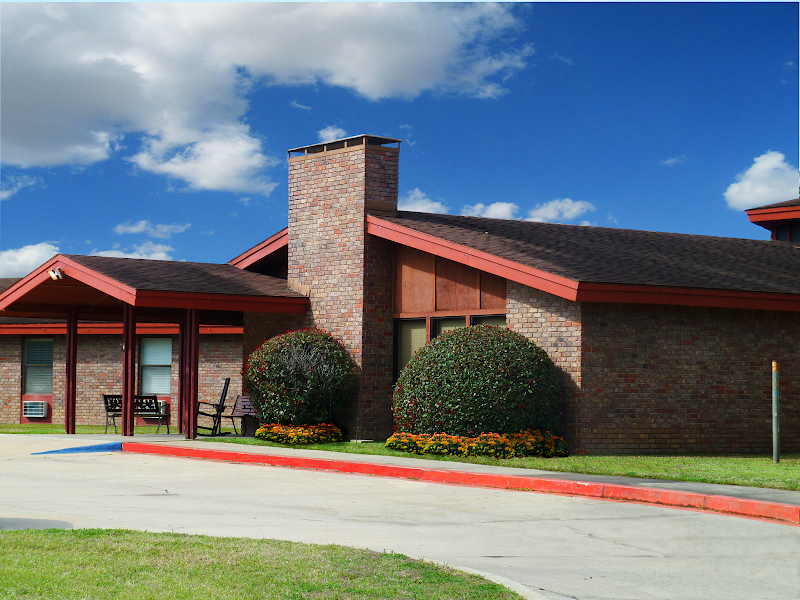
246 HALEY DR, CENTER, TX 75935 (936) 598-6286
Non profit - Corporation 120 Beds STONEGATE SENIOR LIVING Data: November 2025
Trust Grade
75/100
#315 of 1168 in TX
Last Inspection: July 2024

Within standard 12-15 month inspection cycle. Federal law requires annual inspections.

Overview

Pine Grove Nursing Center has a Trust Grade of B, indicating it is a good choice for care, positioned in the top half of Texas facilities at #315 out of 1168. In Shelby County, it ranks #2 out of 3, suggesting that only one local option is better. The facility is improving, with the number of reported issues decreasing from 8 in 2023 to 6 in 2024. Staffing is a notable concern, holding a rating of 2 out of 5 stars with a turnover rate of 23%, which is good compared to the state average of 50%. While there have been no fines, the kitchen has faced multiple concerns regarding food storage and sanitation, such as improperly stored items and a malfunctioning dish machine, which could potentially put residents at risk for foodborne illnesses. Overall, while Pine Grove has strengths in its trust grade and improvement trends, families should be aware of the staffing ratings and food safety issues.

Trust Score
B
75/100
In Texas
#315/1168
Top 26%
Safety Record
Low Risk
No red flags
Inspections
Getting Better
8 → 6 violations
Staff Stability
✓ Good
23% annual turnover. Excellent stability, 25 points below Texas's 48% average. Staff who stay learn residents' needs.
Penalties
✓ Good
No fines on record. Clean compliance history, better than most Texas facilities.
Skilled Nurses
⚠ Watch
Each resident gets only 24 minutes of Registered Nurse (RN) attention daily — below average for Texas. Fewer RN minutes means fewer trained eyes watching for problems.
Violations
⚠ Watch
21 deficiencies on record. Higher than average. Multiple issues found across inspections.
★★★★☆
4.0
Overall Rating
★★☆☆☆
2.0
Staff Levels
★★★★☆
4.0
Care Quality
★★★★☆
4.0
Inspection Score
Stable
2023: 8 issues
2024: 6 issues

The Good

  • 4-Star Quality Measures · Strong clinical quality outcomes
  • Low Staff Turnover (23%) · Staff stability means consistent care
  • Full Sprinkler Coverage · Fire safety systems throughout facility
  • No fines on record
  • Staff turnover is low (23%)

    25 points below Texas average of 48%

Facility shows strength in quality measures, staff retention, fire safety.

The Bad

Chain: STONEGATE SENIOR LIVING

Part of a multi-facility chain

Ask about local staffing decisions and management

The Ugly 21 deficiencies on record

Jul 2024 6 deficiencies
CONCERN (D)

Potential for Harm - no one hurt, but risky conditions existed

Accident Prevention (Tag F0689)

Could have caused harm · This affected 1 resident

**NOTE- TERMS IN BRACKETS HAVE BEEN EDITED TO PROTECT CONFIDENTIALITY** Based on observation, interview, and record review, the facility failed to ensure the residents' environment remains as free of ...

Read full inspector narrative →
**NOTE- TERMS IN BRACKETS HAVE BEEN EDITED TO PROTECT CONFIDENTIALITY** Based on observation, interview, and record review, the facility failed to ensure the residents' environment remains as free of accident hazards as possible for 1 of 1 facility reviewed for accident hazards. The facility failed to develop and implement a policy and procedure to properly handle care of Hoyer lift slings including interventions to inspect the Hoyer sling for signs of damage before each use and not removing damaged slings from service. This deficient practice could result in falls and injuries if damaged lift sling broke during mechanical lift transfers. The findings were: Record review of a facility face sheet dated 07/22/2024 indicated Resident #18 was a [AGE] year-old female that admitted to the facility on [DATE] with diagnosis of muscle weakness (generalized) and essential (primary) hypertension (high blood pressure). Record review of a comprehensive care plan revised 01/04/2024 indicated Resident #18 was at risk for problems with elimination and to check resident every two hours and assist with toileting as needed. Record review of a quarterly MDS assessment dated [DATE] indicated Resident #18 had a BIMS of 12 indicating moderately impaired cognition, impairment of both lower extremities and unable to stand. During an observation on 07/22/2024 at 10:11 AM, of a Hoyer lift sling in Resident #18's room, the colored connection tabs were faded light in color. The green edges are frayed with strings showing, the care label was illegible and shrunken, the sling has a handwritten date of 06/2018. During an observation on 7/23/2024 at 08:53 AM, Resident #18 was sitting in her chair with a Hoyer lift sling underneath her. The straps are faded light purple, light blue with the care tag illegible. During an observation and interview on 07/23/2024 at 08:58 AM, linen closet on A hallway accessed by CNA D, revealed there were 3 Hoyer lift slings inside that were faded in color, care tag labels are frayed and illegible. One of the three slings had a handwritten date 02/2019 on the label. CNA Daid she worked at the facility for months; she would take any Hoyer sling out of service that had tears or fraying and does not know how long they stay in service before they are removed. She said she had several residents that required a Hoyer lift for transfers. CNA D said that if a sling was not available on the hallway she would go to the linen closet and retrieve one for use. CNA D said the resident could suffer an injury or could be scared to get up with a lift if they were dropped. During an interview on 07/23/2024 at 09:05 AM, the ADON said she worked for the facility for many years. She said provided education to the staff regarding use of the Hoyer lift slings and when to remove them out of service. The ADON said she was not aware the manufacturer recommended for them to be taken out of service if the sling had a change in color or the label was illegible that indicated it had been worn, bleached or was compromised. The ADON said the resident could suffer in injury of the straps broke. During an interview with the DON on 07/23/2024 at 09:15 AM, the DON said she worked for the facility for almost 10 years. She said she removed slings if they have holes, frays or strings but she was not aware the manufacturer recommended for them to be taken out of service if the sling had a change in color or the label was illegible that indicated it had been worn, bleached or was compromised. The DON said the resident could suffer in injury of the straps broke. During an interview on 07/23/2024 at 9:30 AM, the Administrator said he was aware the slings required special care, the facility needed to follow manufacturers suggested practices but did not know the color change could indicate the Hoyer lift slings should not be used. He said if the sling broke it could cause injury to the resident being transferred. A record review of Full Body Slings- Medline, Instructions for use www.medline.com accessed 07/23/2024 reflected .Always inspect slings prior to each use. Signs of rips, tears, or frays indicate sling wear which is unsafe and could result in injury. Signs of color fading, bleached areas, or permanent wrinkles on the straps indicate improper laundering which is unsafe and could result in injury. Any slings with signs of wear or improper laundering should be immediately removed from use Sling maintenance best practices Check condition before each use. If there is any fraying or visible wear and tear, do not use. Reusable slings should be replaced every six months. Follow care instructions on wash tag. If illegible, do not use. Keep at least two reusable slings per patient on hand-one available and one in the laundry. A record review of a facility policy for Mechanical Lifts dated 05/2023 indicated .Residents will be assisted with their Activities of Daily Living, utilizing lifts according to manufacturer's guidelines . e. Check to ensure the sling is in good working condition with no torn or ripped area, etc.
CONCERN (D)

Potential for Harm - no one hurt, but risky conditions existed

Deficiency F0919 (Tag F0919)

Could have caused harm · This affected 1 resident

**NOTE- TERMS IN BRACKETS HAVE BEEN EDITED TO PROTECT CONFIDENTIALITY** Based on observations, interviews, and record review, the facility failed to be equipped to allow residents to call for staff th...

Read full inspector narrative →
**NOTE- TERMS IN BRACKETS HAVE BEEN EDITED TO PROTECT CONFIDENTIALITY** Based on observations, interviews, and record review, the facility failed to be equipped to allow residents to call for staff through a communication system which relayed the call directly to a centralized staff work area for 2 of 16 residents reviewed for call lights. (Resident #9 and Resident #19) The facility failed to ensure Resident #9's and Resident #19's emergency call light in the bathroom had a cord enabling it to be reachable from the floor. This failure could place residents at risk of injury, pain, hospitalization, and a diminished quality of life. Findings included: 1.Record review of a facility face sheet dated 07/22/2024 indicated Resident # 9 was a [AGE] year-old female that admitted to the facility on [DATE] with diagnosis of muscle weakness (generalized). Record review of a comprehensive care plan revised 01/04/2024 indicated to assist with toileting as needed and Resident # 9 had a history of falls while toileting. Record review of a quarterly MDS assessment dated [DATE] indicated Resident # 9 had a BIMS of 06 indicating severe impaired cognition, impairment of both lower extremities and unable to stand. 2. Record review of a facility face sheet dated 07/22/2024 indicated Resident #19 was a [AGE] year-old male that admitted to the facility on [DATE] with diagnosis of muscle weakness (generalized). Record review of a comprehensive care plan revised 06/06/2024 indicated Resident # 19 had intervention to take resident to the toilet at the same time every day. Record review of a quarterly MDS assessment dated [DATE] indicated Resident # 19 had a BIMS of 15 indicating intact cognition, no impairment of lower extremities, and received partial assistance with toileting including toilet transfers. During an observation and interview on 07/22/24 at 9:45 AM room [ROOM NUMBER], the bathroom call light had a metal string 4 inches long sticky out of the wall, no string attached. Resident #9 said she uses the restroom occasionally and the staff assist her to transfer to the toilet if she does use it. During an observation and interview on 07/23/24 at 10:00 AM room [ROOM NUMBER] Resident #19 says he uses the bathroom to wash up and uses the toilet. The call light string does not reach the floor by 2 feet. During an observation and interview on 07/23/24 2:15 PM, Housekeeper F was cleaning a resident bathroom in room [ROOM NUMBER]. Housekeeper F said she tried to pay attention to the call lights in the restrooms when cleaning residents' bathrooms. Housekeeper F said she did not see anything wrong with the restroom. Housekeeper F said she would report the missing string to the Maintenance Director for replacement. She said she has worked at the facility for about 5 months. She said she would go get the maintenance man to attach longer strings to rooms [ROOM NUMBERS]. Housekeeper F said there was risk of a resident lying on the floor after a fall if they could not reach the call light string. During an interview on 07/24/24 08:00 AM the Maintenance Director said the call light strings in the bathroom should be to the floor in case a resident falls they would be able to call for help. He said that the resident could lie on the floor until someone made rounds if the strings were missing. He said the housekeeper told he yesterday that room [ROOM NUMBER] and room [ROOM NUMBER] needed longer strings in the bathrooms and he corrected the problem. He said he made rounds in the rooms periodically to check functioning of the call light system, but there was no formal list for checking safety items in rooms. During an interview on 07/24/24 08:30 AM the Administrator said the bathroom call lights should have a string that fall near the floor. He said the resident could not be able to call for assistance if the string was missing or was not long enough for the resident to reach it. Record review of a facility policy dated 1/19/2023 Call lights Answering Policy: The staff will provide an environment that helps meet the resident's needs by answering call lights appropriately.
CONCERN (E)

Potential for Harm - no one hurt, but risky conditions existed

ADL Care (Tag F0677)

Could have caused harm · This affected multiple residents

**NOTE- TERMS IN BRACKETS HAVE BEEN EDITED TO PROTECT CONFIDENTIALITY** Based on observations, interviews, and record review, the facility failed to provide the necessary services to maintain personal...

Read full inspector narrative →
**NOTE- TERMS IN BRACKETS HAVE BEEN EDITED TO PROTECT CONFIDENTIALITY** Based on observations, interviews, and record review, the facility failed to provide the necessary services to maintain personal hygiene for 3 of 12 residents (Resident #12, #48, and #35) reviewed for ADLs. The facility failed to provide incontinent care to Residents #12 and #48 in a timely manner on 7/22/2024. The facility failed to provide denture care for Resident #35 on 7/23/2024. These failures could place residents who required assistance from staff for ADLs at risk of not receiving care and services to meet their needs which could result in feelings of poor self-esteem, lack of dignity, and poor health. Findings: 1. Record review of a facility face sheet dated 7/22/2024 indicated Resident #12 was an [AGE] year-old male that admitted to the facility on [DATE] with diagnosis of mild cognitive impairment. Record review of comprehensive care plan dated 4/14/2024 indicated Resident #12 was at risk for problems with elimination and an intervention was to provide peri-care after each incontinent episode. Record review of a quarterly MDS assessment dated [DATE] indicated Resident #12 had a BIMS of 8 indicating moderate cognitive impairment, was frequently incontinent of bowel and bladder and required maximal assistance with toileting hygiene. Record review of ADL flow sheet dated 7/22/2024 at 3:33 am indicated Resident #12 received care for bowel incontinence episode on 7/22/24 at 1:56 pm. Further review revealed there were no other entries dated prior to 7/22/24. During an interview on 7/22/2024 at 9:30 am, Resident # 12 said he needed to be changed and had a diaper full. He said the staff changed him this morning before breakfast and the staff get to him when they get to him, and it was irritating. During observations of on 7/22/2024 revealed Resident #12 was soiled with urine and feces at the following times: *10:05 am, *10:30 am, *10:55 am, and *11:10 am. 2. Record review of a facility face sheet dated 7/22/2024 indicated Resident #48 was a [AGE] year-old male that admitted to the facility on [DATE] with diagnosis of hemiplegia and hemiparesis following cerebral infarction (paralysis to one side following a stroke). Record review of a comprehensive care plan dated 3/14/2024 indicated Resident #48 was at risk for problems with elimination and an intervention was to check resident every two hours and assist with toileting as needed. Record review of a quarterly MDS assessment dated [DATE] indicated Resident #48 had a BIMS of 9 indicating moderately impaired cognition, always incontinent of bowel and bladder and dependent on toileting hygiene. During an interview on 7/22/2024 at 9:25 am Resident # 48 said he was wet and had not been changed since before breakfast. He said he was unsure of exact time but said breakfast was around 8:00 am and the lady came in but did not change his brief. During observations and interviews on 7/22/2024 at 10:05 am, 10:30 am, 10:55 am and 11:10 am Resident # 48 remained soiled with urine and had an odor. He said no one had been by to change him. During an interview on 7/22/2024 at 11:15 am, CNA A said she had been a CNA for 33 years and had been trained on ADL care and care should be given every 2 hours. She said she checked Resident #12 and #48 at 8:15 am and they were wet but did not change them at that time. She said she had not gotten back around to providing care to them. She said ADL care should be provided every 2 hours and by not doing so could cause skin breakdown. During an interview on 07/24/24 at 9:17 am, LVN B said she had been a nurse for 3 years and was the charge nurse for Resident #12 and #48. She said she had not noticed that Residents #12 and #48 were soiled when she rounded. She said incontinent care should be done every 2 hours to prevent skin breakdown and infections. 3. Record review of a facility face sheet dated 7/22/2024 indicated Resident #35 was an [AGE] year-old female that admitted to the facility on [DATE] with diagnosis of unspecified dementia (a group of symptoms that affects memory, thinking and interferes with daily life) and cognitive communication deficit (which can affect social language skills, attention, memory, reasoning, judgment, and executive functions). Record review of comprehensive care plan dated 6/6/24 indicated Resident #35 had self-care deficits and to assist with ADL's and had altered nutritional status had required dentures. Record review of a quarterly MDS assessment dated [DATE] indicated Resident #35 had a BIMS of 6 indicating severe cognitive impairment, section L indicated no natural teeth. Record review on 7/23/2024 of Resident #35's CNA ADL flow sheet dated 7/23/2024 revealed no interventions for denture care were included. Record review on 7/24/2024 of Resident #35's CNA ADL flow sheet dated 7/24/2024 indicated corrections had been made to include interventions for denture care. During an interview on 7/23/2024 at 2:40 pm, CNA D said was assigned to work to Resident #35 care most evening shifts. CNA D said she helped Resident #35 with oral hygiene every day and Resident #35 does not have dentures. During an observation and interview on 7/23/2024 at 3:20 pm, Resident #35 removed both upper and lower dentures to demonstrate how she cleans them. The dentures had a brown discoloration and a white crusty build up on the outside. Resident #35 wiped the dentures with sanitary wipes and large white and brown food particles were removed and fell on her dress. CNA D said she thought Resident #35 had her real teeth and had only been assisting with brushing them. During an interview on 7/23/2024 at 3:25 pm with ADON she said she was not aware CNA D was not providing denture care. During an interview on 7/23/2024 at 3:42 pm with ADON she said Resident #35 had been identified as having full top and bottom dentures at admission, but interventions were not included in CNA ADL flow sheet. During an interview on 7/24/2024 at 11:56 am, the DON said she and the ADON and charge nurses were responsible for oversight of ADL's. She said ADL care documentation was reviewed almost daily by herself or the ADON. She said the CNA's should have been documenting each occurrence of incontinence and each resident that required denture care that task should have been on their ADL task for the CNA. She said she expected incontinent care to be provided timely to prevent skin breakdown and expected residents to receive denture care to prevent oral infections. During an interview on 7/24/2024 at 12:01 pm, the Administrator said the DON and ADON were responsible for oversight of all ADL's. He said nurse management should be reviewing ADL care documentation daily and expected all residents to receive all ADL care that they required per their care plan and policy. He said if ADL care was not completed it could affect the resident's health. Record review of a facility policy titled Perineal Care dated April 22, 2024 indicated, .staff will provide perineal care in accordance with the standard of practice to prevent skin breakdown and infection . Record review of policy revised 1/20/20 titled Denture Care policy Staff will provide denture care for residents in accordance with standard of practice guidelines.
CONCERN (E)

Potential for Harm - no one hurt, but risky conditions existed

Deficiency F0813 (Tag F0813)

Could have caused harm · This affected multiple residents

**NOTE- TERMS IN BRACKETS HAVE BEEN EDITED TO PROTECT CONFIDENTIALITY** Based on observation, interview, and record review, the facility failed to maintain and ensure safe and sanitary storage of resi...

Read full inspector narrative →
**NOTE- TERMS IN BRACKETS HAVE BEEN EDITED TO PROTECT CONFIDENTIALITY** Based on observation, interview, and record review, the facility failed to maintain and ensure safe and sanitary storage of residents' food items, per facility policy, for 3 of 12 resident's (Resident #5, Resident #43, and Resident #51) personal refrigerators reviewed for food and nutrition services. The facility failed to ensure the refrigerator for Resident #43 did not contain an unlabeled, undated clear container of an unknown food item with a green, powdery substance covering it. The facility failed to ensure the refrigerator for Resident #5 and Resident #51 did not contain an unlabeled, undated clear container with fruit with a whit, grey fuzzy growth on the fruit and a zipper bag of food not labeled or dated. This failure could place residents at risk for food borne illnesses. Findings include: Resident #5 Record reviews of a facility face sheet dated 7/23/2024 for Resident #5 indicated that she was a [AGE] year old female admitted to the facility on [DATE] with diagnosis including Parkinsonism (a group of conditions that affect movement and mimic Parkinson's disease) , Chronic Obstructive Pulmonary Disease (causes obstructed airflow from the lungs) , hypertension (High blood pressure) , and diverticulosis (development of small sacs in the wall of colon) . Record review of an annual MDS dated [DATE] for Resident #5 indicated she had a BIMS score of 15, which indicated that she is cognitively intact. She required set up assist with eating. Record review of a comprehensive care plan dated 7/15/2024 for Resident #5 indicated that she has a cognitive deficit in decision making. Resident #43 Record review of a facility face sheet dated 7/22/24 for Resident #43 indicated that she was a [AGE] year-old female admitted to the facility on [DATE] with diagnoses including: dementia (a group of symptoms affecting memory, thinking and social abilities), chronic atrial fibrillation (a type of heart arrhythmia that lasts longer than 12 months), and hypertension (high blood pressure). Record review of a quarterly MDS dated [DATE] for Resident #43 indicated that she had a BIMS score of 6, which indicated that she had severe cognitive impairment. She required set-up or clean up assist with eating. Record review of a comprehensive care plan dated 5/21/24 for Resident #43 indicated that she had severe cognitive impairment and poor decision making. Resident #51 Record review of a facility face sheet dated 7/24/2024 for Resident #51indicated that she was an [AGE] year old female admitted to the facility on [DATE] with diagnosis including dementia (A group of symptoms that affects memory, thinking and interferes with daily life) , arthritis (A condition with swelling and tenderness of one or more joints) , anxiety (Fear characterized by behavioral disturbances.) , and cerebral infarction (- the pathologic process that results in an area of necrotic tissue in the brain) . Record review of a quarterly MDS dated [DATE] for Resident #51 indicated that she had a BIMS score of 5, which indicated that she had severe cognitive impairment. She required set up assistance with eating. Record review of a comprehensive care plan dated 7/8/2024 for Resident #51 indicated that she had severe cognitive impairment and deficit in decision making. During an observation on 7/22/24 at 9:10 am a clear container was observed in Resident #43's refrigerator. The container was unlabeled and undated. A green, powdery substance was observed on an unknown food item that was inside container. During an observation on 7/22/24 at 12:00 pm Resident #43 was observed feeding self in dining room. She was unable to appropriately answer questions. During an observation on 7/22/2024 at 9:40 AM Resident #5 and Resident #51's personal refrigerator had food that was not labeled or dated. The refrigerator contained a clear plastic container of cut fruit that had an appearance of white, grey fuzzy growth on part of the fruit. There was a zipper bag that contained fried meat that was not labeled or dated. During an interview on 7/22/24 at 9:37 am CNA A said the housekeeping supervisor was responsible for cleaning out resident refrigerators. During an interview on 7/24/24 at 11:40 am Housekeeping Supervisor said was responsible for cleaning out residents' personal refrigerators and she cleans them out about once per month. She said she does not have a set schedule and does not have documentation showing where she had done it. She said if residents consumed old or outdated foods it could make them sick. During an interview on 7/22/2024 at 12:00 PM Resident #5 said her family brought her food from home and from the store and she stored it in the personal refrigerator. She said her roommate also stored things in the refrigerator at times. She said the fruit and the other food items belonged to her. She said she cleaned her refrigerator sometimes. She said that staff would clean the refrigerator out if she asked them to. Resident #5 said she would not eat spoiled food and that she would look at the items or smell them before consuming them. During an interview on 07/23/24 at 5:15 PM Administrator said he was aware that some rooms had items in the personal refrigerators that were not dated and appeared expired. He said the refrigerators were checked for unlabeled and expired items. He said resident families often brought in foods and that the family did not always label the food items and did not remove expired foods. He said housekeeping staff was responsible for cleaning the refrigerators monthly. During a joint interview on 07/24/24 at 10:30 AM with Administrator and DON, DON said her expectation was that all items in personal refrigerators be labeled with a date when brought in. Administrator said the facility was looking into adopting a new personal food policy. He said the personal refrigerators will become part of the QA/QI process. He said families were responsible for the items in the personal refrigerators and that more education with the families was needed. He said expired items could be consumed by the residents and cause illness. Record review of a facility policy titled Resident Personal Refrigerators dated March 19, 2024, read .Housekeeping staff will empty and clean resident refrigerators on a routine monthly basis . and .Education will be provided to family to label food with resident name, room number, and date brought into facility. All food items will be discarded at day 7 .
CONCERN (E)

Potential for Harm - no one hurt, but risky conditions existed

Infection Control (Tag F0880)

Could have caused harm · This affected multiple residents

**NOTE- TERMS IN BRACKETS HAVE BEEN EDITED TO PROTECT CONFIDENTIALITY** Based on observations, interviews, and record reviews the facility failed to establish and maintain an infection prevention and ...

Read full inspector narrative →
**NOTE- TERMS IN BRACKETS HAVE BEEN EDITED TO PROTECT CONFIDENTIALITY** Based on observations, interviews, and record reviews the facility failed to establish and maintain an infection prevention and control program designed to provide a safe, sanitary, and comfortable environment and to help prevent the development and transmission of communicable diseases and infections for 3 of 12 residents (Resident #12, #30 and #259) reviewed for infection control. CNA A failed to perform hand hygiene during incontinent care for Resident #12 and failed to properly bag soiled linen before leaving Resident #12's room on 7/23/2024. CNA C failed to perform hand hygiene and follow EBP (enhanced barrier precautions) during incontinent care for Resident #30 on 7/23/2024. CNA E failed to perform hand hygiene during incontinent care for Resident #259 on 7/22/2024. These failures could place residents at risk for cross contamination and infection. Findings: 1. Record review of a facility face sheet dated 7/22/2024 indicated Resident #12 was an [AGE] year-old male that admitted to the facility on [DATE] with diagnosis of mild cognitive impairment. Record review of comprehensive care plan dated 4/14/2024 indicated Resident #12 was at risk for problems with elimination and an intervention was to provide peri-care after each incontinent episode. Record review of a quarterly MDS assessment dated [DATE] indicated Resident #12 had a BIMS of 8 indicating mild cognitive impairment, was frequently incontinent of bowel and bladder and required maximal assistance with toileting hygiene. During an observation on 7/23/2024 at 9:55 am, CNA A provided incontinent care to Resident # 12. CNA A sanitized her hands and applied gloves. She opened Resident #12's brief, and he was soiled with feces. She cleaned the front area using disposable wipes. She then removed her gloves and applied new gloves without hand hygiene. Resident #12 was assisted to left side and back area was cleaned with disposable wipes. The soiled brief and bed pad was rolled under the resident and CNA A removed her soiled gloves and applied clean gloves without hand hygiene. She placed a clean linen pad and brief and assisted Resident #12 to his back. Soiled linen and brief were removed and placed at the foot of the bed. Clean brief applied and resident repositioned. CNA A then removed her glove from the right hand and carried soiled linen and brief openly with gloved left hand. CNA A exited the Resident #12's room with the soiled linen and soiled brief, walked down the hallway to the soiled linen closet and disposed of the linen and brief. She then removed her remaining glove and sanitized her hands. During an interview on 7/23/2024 10:05 am, CNA A said she had been a CNA for 33 years and had been trained on incontinent care and proper handling of soiled linen. She said she should have washed her hands in between glove changes, bagged the soiled linen, and removed her gloves and washed her hands before leaving the room. She said by not following infection control measures it could cause the spread of infection. 2. Record review of a facility face sheet dated 7/23/2024 for Resident # 30 indicated that she was a [AGE] year-old female admitted to the facility on [DATE] with diagnoses including: Alzheimer's disease, osteoporosis, and myocardial infarction. Record review of a comprehensive MDS dated [DATE] for Resident #30 indicated that she had a BIMS score of 9 which indicated that she had moderate cognitive impairment. She was dependent with toileting and was always incontinent of bowel and bladder. Record review of a comprehensive care plan dated 7/18/2024 for Resident #30 indicated that she was on enhanced barrier precautions to prevent spread of multi-drug resistant organisms due to having a wound. Intervention read .Enhanced Barrier Precautions: gown and glove use during high-contact resident care activities such as dressing, bathing/showering, transferring, providing hygiene, changing linens, changing briefs, assisting with toileting, wound care, and any skin opening requiring a dressing . Record review of resident's consolidated orders dated 7/23/2024 indicated that Resident #30 had the following order dated 7/18/24: .Enhanced Barrier Precautions (EBP) every shift Reason: stage 2 sacrum . During an observation and interview on 7/23/2024 at 9:58 am CNA C was asked what the blue dot beside Resident #30's name on door indicated. She said, I think it means they have an open wound She then was observed to provide incontinent care to Resident #30. She was observed to change gloves multiple times during care and did not wash or sanitize her hands between glove changes. She did not wear a gown while providing incontinent care. Upon exit from room, CNA C stated, I forgot to wash my hands when I changed my gloves. When asked if she was supposed to have worn a gown while providing resident care, she said Oh, yes, I think I was She then said they had been in-serviced multiple times and she knew she was supposed to be using enhanced barrier precautions due to residents wound, but she was nervous and forgot. Record review of an EBP Order Group Report provided by the facility indicated that Resident # 30 was on enhanced barrier precautions due to having a Stage 2 pressure ulcer to the sacrum. Record review of a facility in-service sign-in sheet dated 3/28/2024 and titled Enhanced Barrier Precautions (EBP) How to identify residents that require EBP, define and list high-contact care activities, PPE, and hand hygiene indicated that CNA C had signed indicating she had attended in-service and been trained on EBP. Record review of a facility in-service sign-in sheet dated 7/10/24 and titled EBP - Enhanced Barrier Precautions - Identifiers are blue bars by patient names on door indicated that CAN C had signed indicating she had attended in-service and been trained on how to identify residents with EBP. 3. Record review of a face sheet dated 6/4/2024 for Resident #259 indicated she admitted to the facility on [DATE] and was [AGE] years old with diagnosis of hypertension (high blood pressure), end stage renal disease (kidneys no longer work as they should to meet the body's needs), and chronic obstructive pulmonary disease (causes obstructed airflow from the lungs). Record review of a care plan revised 7/19/2024 for Resident #259 indicated an ADL self-care deficit and was dependent on staff for toileting hygiene. Record review of an Entry MDS assessment dated [DATE] for Resident #259. Resident #259 in facility for respite stay and discharged prior to admission MDS performed. During an observation on 7/22/2024 at 10:50 am, CNA E entered the room of Resident #259 to provide incontinent care. CNA E washed her hands and put on gloves. Supplies were in a plastic bag on the over bed table. CNA E opened the brief and pulled it down between Resident #259's thighs. CNA E removed a wipe from the plastic bag and wiped the resident's right inner thigh and folded it over and wiped the left inner thigh and placed the wipe in the trash. CNA E removed a wipe from the plastic bag and wiped down the middle of the vagina from front to back. CNA E rolled Resident #259 onto her left side. CNA E removed wipes from the plastic bag and wiped Resident #259's rectal area from front (vagina) to back (buttocks). CNA E removed a brief from the plastic bag and placed it underneath the resident's buttocks. Resident #259 was rolled onto her back and the brief was secured and the resident was repositioned in the bed. CNA E removed her gloves and washed her hands. CNA E failed to remove soiled gloves and wash hands after providing incontinent care and prior to placing clean brief on Resident #259. During an interview on 7/22/2024 at 12:25 am, CNA E said she had been employed at the facility for 4 years and worked on the 6 am-2 pm shift. She said the incontinent care provided to Resident #259 earlier, she should have washed her hands and changed her gloves between the soiled brief and clean brief. She said she had a check off on skills this year. She said residents could be at risk of infections if staff did not wash or sanitize their hands during incontinent care. During an interview on 7/24/2024 at 11:50 am, the DON said she and the ADON and Infection Preventionist were responsible for oversight of infection control in the facility. She said all staff had been trained on infection control measures when providing incontinent care and when a resident required EBP. She said training was completed on hire, annually and as needed throughout the year. She said if the infection control program was not followed by staff it could cause the spread of infections and expected all staff to follow the infection control program. During an interview on 7/24/2024 at 11:54 am, the Administrator said that the DON, ADON, and Infection Prevention nurse was responsible for the infection control program and oversight. He said he expected infection control measures to be followed daily and by not doing so could lead to the spread of infections. Record Review of a CNA competency evaluation dated 2/13/2024 indicated CNA A had been trained on incontinent care and infection control. Record review of a CNA Proficiency Skills Check dated 2/14/2024 conducted by the ADON for CNA C indicated she was satisfactory in perineal care, along with hand washing. Record Review of a CNA competency evaluation dated 2/13/2024 indicated CNA E had been trained on incontinent care and infection control. Record review of a facility policy titled Linen and Laundry Services dated January 2022 indicated, .6. soiled linen is bagged or put into carts where it is used (i.e., in the patient's/resident's room . Record review of a facility policy titled Hand Hygiene for Staff and Residents dated January 2022 indicated, .1. H. Hand hygiene is done after removal of medical gloves . Record review of a facility policy titled Enhanced Barrier Precautions dated April 1, 2024 read .This facility utilizes Enhanced Barrier Precautions (EBP) as a strategy to decrease transmission of CDC-targeted and epidemiologically important MDROs when Contact Precautions do not apply . and .Indications: .Wounds and/or indwelling medical devices even if the resident is not known to be infected or colonized with an MDRO.b. Chronic wounds include, but are not limited to, pressure ulcers .3. High Contact Resident Care Activities: .f. Changing briefs or assisting with toileting . and .C. Communication: 1. Indicate the residents who are on EBP by subtle means, such as an alternate color of the resident's name badge on door, to maintain a home-like environment .
CONCERN (F)

Potential for Harm - no one hurt, but risky conditions existed

Food Safety (Tag F0812)

Could have caused harm · This affected most or all residents

Based on observation, interview, and record review, the facility failed to store, prepare, distribute, and serve food in accordance with professional standards for food service safety for 1 of 1 kitch...

Read full inspector narrative →
Based on observation, interview, and record review, the facility failed to store, prepare, distribute, and serve food in accordance with professional standards for food service safety for 1 of 1 kitchen reviewed for dietary services. The facility failed to store food in accordance with professional standards in that: 1. Dry storage items were improperly stored. 2. Frozen foods were unlabeled and open to air. These failures could place residents at risk for food contamination and foodborne illness. Findings: During an observation of the facility kitchen on 7/22/24 at 9:10 am revealed the following: *Flour was stored with a scoop inside the container. *Salt was stored with a scoop inside of an unoriginal container with no date or label. During an observation of the freezer in the facility kitchen on 7/22/24 at 9:15 am revealed the following: *a bag of Okra was stored in an opened box in an unsealed bag. *Squash was stored in a box without any label or date. *A left-over pecan pie dated 6/28 was stored in an uncovered pie tin. During an interview on 07/22/24 at 9:30 AM with the Dietary manager she said her expectation was for the dietary staff to label and store all items according to policy and regulation. She said not storing food items could spread food borne illness. During an interview on 07/22/2024 at 2:00 PM the Administrator said he expected the dietary staff to label and store foods as required. He said there was a risk of food borne illness if storage regulations were in followed by the dietary staff. Record review of a Food Storage Policy: Sufficient storage facilities are provided to keep foods safe, wholesome, and appetizing. Food is stored . by methods designed to prevent contamination . Air-tight containers or bags are used for all opened packages of food. All containers are accurately labeled with the item and date opened .All foods are covered, labeled and dated .any item out of the original case must be properly secured and labeled.
Jun 2023 8 deficiencies
CONCERN (D)

Potential for Harm - no one hurt, but risky conditions existed

Resident Rights (Tag F0550)

Could have caused harm · This affected 1 resident

**NOTE- TERMS IN BRACKETS HAVE BEEN EDITED TO PROTECT CONFIDENTIALITY** Based on observation, interview, and record review the facility failed to ensure each resident was treated with respect, dignity...

Read full inspector narrative →
**NOTE- TERMS IN BRACKETS HAVE BEEN EDITED TO PROTECT CONFIDENTIALITY** Based on observation, interview, and record review the facility failed to ensure each resident was treated with respect, dignity, and care for 1 of 7 residents (Resident # 60) observed for care in that: CNA B failed to close the blinds and pull the privacy curtain during personal care for Resident #60. This failure could affect all residents in the facility who received care and could result in residents not being treated with dignity and respect and being exposed during care. Findings: Record review of facility face sheet dated 6/06/2023 indicated Resident # 60 admitted to the facility on [DATE] with diagnosis of acute respiratory failure with hypoxia (impaired breathing that causes low oxygen to the brain), severe sepsis (infection in the body), and urinary tract infection. An admission MDS dated [DATE] indicated Resident #60 had a BIMS of 08 indicating moderate cognitive impairment and required extensive assistance with transfers, dressing, and toileting. A Care plan dated 05/04/2023 indicated a self-care deficit and required extensive assistance. During an observation on 06/05/23 at 10:12 AM CNA B provided personal care to Resident # 60 without closing the window blinds and pulling the privacy curtain. Resident # 60 was not interviewable and resided in a private room. During an interview on 06/05/23 at 10:41 AM CNA B stated she had been a CNA for 1 year and she should have pulled the privacy curtain and closed the window blinds before providing personal care to Resident # 60. She stated she had been trained on how to maintain resident privacy and dignity when she was hired, and it was her mistake for not doing it correctly. She stated the resident's dignity could be affected and she should have protected them. During an interview on 06/07/23 at 09:01 AM the IP nurse stated she oversees all staff training and education. She stated all nursing staff are trained on hire, annually and as needed regarding maintaining dignity. She stated blinds are to be closed and the curtain pulled anytime personal care is being provided. She stated the risk could be embarrassment. She stated she expects all staff to maintain residents' dignity and privacy and will start retraining. During an interview on 06/07/23 at 09:06 AM the DON stated IP oversees the staff training program. The DON stated she reviewed the trainings and reports. She stated all residents should be treated with dignity to avoid embarrassment and expects all staff to follow facility policy and procedures for maintaining dignity. During an interview on 06/07/23 at 1:09 PM the Admin stated everyone was responsible for ensuring resident privacy and dignity. He stated the resident could be affected psychosocially and make them uncomfortable if their dignity and privacy were not maintained. He stated his expectation going forward was that all residents are cared for with privacy and dignity. Record review of facility policy and procedure titled Resident Rights dated August 14, 2022, indicated' .the staff will abide by and protect resident rights in accordance with state and federal guidelines.
CONCERN (D)

Potential for Harm - no one hurt, but risky conditions existed

Deficiency F0813 (Tag F0813)

Could have caused harm · This affected 1 resident

**NOTE- TERMS IN BRACKETS HAVE BEEN EDITED TO PROTECT CONFIDENTIALITY** Based on observation, interview, and record review, the facility failed to maintain and ensure safe and sanitary storage of resi...

Read full inspector narrative →
**NOTE- TERMS IN BRACKETS HAVE BEEN EDITED TO PROTECT CONFIDENTIALITY** Based on observation, interview, and record review, the facility failed to maintain and ensure safe and sanitary storage of residents' food items for 2 of 16 resident personal refrigerators reviewed for food safety (Resident #315 & Resident #11). The facility failed to ensure the refrigerator for Resident #315 had a thermometer for checking the temperature and that the refrigerator for Resident #11 did not contain an unlabeled, undated sandwich, or expired cranberry juice. This failure could place residents at risk for food borne illnesses. Findings include: Record review of a resident face sheet dated 6/7/23 indicated that Resident #315 was a [AGE] year-old male admitted to the facility on [DATE] with diagnoses including: Chronic Obstructive Pulmonary Disease (COPD), Heart failure, unspecified, and opioid dependence, uncomplicated. Record review of a BIMS assessment dated [DATE] for Resident #315 indicated that he had a BIMS score of 15 indicating that the resident was cognitively intact. Record review of a face sheet dated 6/7/23 indicated that Resident #11 was an [AGE] year-old female admitted to the facility on [DATE] with diagnoses including: Cerebral infarction, End stage renal disease, Type 2 diabetes mellitus, and Dependence on renal dialysis. Record review of a comprehensive MDS dated [DATE] for Resident #11 revealed that she had a BIMS score of 15 indicating that she was cognitively intact. During an observation and interview on 06/05/23 at 09:35 a.m., Resident #315's personal refrigerator was observed with no thermometer to allow staff to check temperature. Resident #315 stated that he was unaware if any staff had checked his refrigerator as he had only admitted to the facility a few days ago and the refrigerator was in the room when he admitted . The refrigerator was observed to contain several protein shakes. During an observation on 06/05/23 at 10:17 a.m., Resident #11's personal refrigerator was observed with a sandwich in an open plastic bag with no date and no label. Bread on the sandwich was hard; also observed a bottle of cranberry juice with an expiration date of April 17, 2023. During an interview on 06/05/23 at 11:00 a.m. the DON was unable to say who was responsible for checking resident refrigerators for temperature and expired food items. During an interview on 06/07/23 at 10:11 a.m. the HSK supervisor said that she was responsible for checking the temperatures in resident refrigerators, but that some days she did not have time to do it. She said that she does keep a log when she checks the temperatures. She said that she was unaware until yesterday that she was also responsible for cleaning out the refrigerators in resident rooms and ensuring that all expired foods were disposed of. She said that she would be doing that going forward. She said that residents could be at risk of consuming ruined foods if the refrigerator was not keeping foods at the correct temperature or if they consumed expired foods. During an interview on 06/07/23 at 09:55 a.m., the DON said that if the temperature checks on resident refrigerators were not done appropriately and the temperature started fluctuating and no one realized it, that it could potentially cause food spoilage and food borne illnesses. She said that housekeeping was responsible for checking the temperatures in resident refrigerators and going forward would be responsible for disposing of expired food items. During an interview on 06/07/23 at 01:14 p.m., the ADMIN said that he expected that his staff would routinely check the temperatures in resident refrigerators to prevent residents from getting sick. Record review of temperature logs for June 2023 indicated that the refrigerator in Resident #315's room had not had a temperature check for the months of April, May, or June. Record review of facility policy titled Storage and Handling of food from outside sources dated August 1, 2018, indicated .The facility will record routine temperature logs and provide cleaning and sanitation as necessary .
CONCERN (D)

Potential for Harm - no one hurt, but risky conditions existed

Room Equipment (Tag F0908)

Could have caused harm · This affected 1 resident

**NOTE- TERMS IN BRACKETS HAVE BEEN EDITED TO PROTECT CONFIDENTIALITY** Based on observation, interview, and record review the facility failed to maintain all mechanical, electrical, and patient care ...

Read full inspector narrative →
**NOTE- TERMS IN BRACKETS HAVE BEEN EDITED TO PROTECT CONFIDENTIALITY** Based on observation, interview, and record review the facility failed to maintain all mechanical, electrical, and patient care equipment in safe operating condition for 1 of 1 stove in the kitchen reviewed for essential equipment. The facility did not ensure the stove was in working order. Two of the six burners on the stove did not light, when the knobs were turned. DM turned knobs on for the middle burners to light (they did not) and left gas on, when the burners on the right side of the stove lit the [NAME] shot across the top of the stove and lit the middle burners. This failure could place the residents at risk of a fire and not having safe operating equipment. Findings included: During an observation on 06/05/23 at 9:12 AM, the DM was turning the knobs to light the burners on the stove. The middle burners on the stove did not light when the knob was turned. The DM had her head down close to the burners looking under a pot on the stove to see if the burner lit. When she turned the knob and lit the burners on the left side of the stove, the flames shot across the top of the stove and lit the middle burners. During an interview on 06/06/23 at 2:45 PM, the DM said she had the maintenance supervisor check the stove and he cleaned out the tubes and the pilot lights were staying lit now. She said it was her responsibility to notify the maintenance supervisor if equipment in the kitchen was not operating properly. She said the maintenance supervisor had just checked the stove last week and it was working fine. She said she was not aware it was not working at time of survey. She said if the gas builds up it could cause a fire or for someone to get burned. A policy Title: Equipment Maintenance, not dated, indicated: 1. The maintenance director is responsible for ensuring the building, grounds and equipment are maintained in a safe and operable manner.
CONCERN (D)

Potential for Harm - no one hurt, but risky conditions existed

Deficiency F0919 (Tag F0919)

Could have caused harm · This affected 1 resident

**NOTE- TERMS IN BRACKETS HAVE BEEN EDITED TO PROTECT CONFIDENTIALITY** Based on observation, interview, and record review, the facility failed to be equipped to allow residents to call for staff thro...

Read full inspector narrative →
**NOTE- TERMS IN BRACKETS HAVE BEEN EDITED TO PROTECT CONFIDENTIALITY** Based on observation, interview, and record review, the facility failed to be equipped to allow residents to call for staff through a communication system which relays the call directly to a centralized staff work area for 2 of 21 residents reviewed for call lights. (Resident #6 and Resident #316). The facility failed to ensure Resident #6 and #316's emergency call light in the bathroom would reach the floor. The call light cord for Resident #6 was too short and Resident #316's was wrapped around the support bar. This failure could place residents at risk of injury, pain, hospitalization, and a diminished quality of life. Findings include: Record review of a face sheet dated 6/6/23 indicated that Resident #6 was an [AGE] year-old female admitted to the facility on [DATE] with diagnoses including: Parkinson's disease, Chronic obstructive pulmonary disease, and Type 2 diabetes. Record review of a Quarterly MDS dated [DATE] for Resident #6 indicated that she had a BIMS score of 15 indicating that she was cognitively intact. MDS Section G indicated that the resident required supervision and setup help only for toilet use. Record review of a face sheet dated 6/7/23 for Resident #316 indicated that he was an [AGE] year-old male admitted to the facility on [DATE] with diagnoses including: Repeated falls, chest pain, Gastro-esophageal reflux disease, and Chronic obstructive pulmonary disease. Record review of a comprehensive MDS dated [DATE] indicated that Resident #316 had a BIMS score of 03, indicating severe cognitive impairment. MDS section G indicated that the resident required maximum assist of two or more persons to use the toilet. During an observation on 06/05/23 at 10:08 a.m. the call light in the restroom of room [ROOM NUMBER] (Resident #6's room) was observed to be too short, and the end of the string ended above the grab bar. During an interview on 06/05/23 at 12:25 p.m., Resident #6 said that she used the restroom independently. She said she had not fallen, but if she were on the floor that she would not be able to reach the string to pull the light. During an observation and interview on 06/05/23 at 09:40 a.m. the call light in room [ROOM NUMBER] (Resident #316's room) was observed to be wrapped around the grab bar in the restroom. Resident #316 said that it had been like that since he had been admitted on [DATE]. He said that if he fell, he would not be able to reach the string to pull it. During an interview on 06/05/23 at 04:15 p.m., CNA E said that staff were always in the restroom with Resident #316, and he would never be in there alone. She said that Resident #6 used the restroom independently. Upon observing the call light in the restroom of Resident #6, she said that if the resident were to fall, she would be unable to reach the string to call for help. During an interview on 06/05/23 at 04:19 p.m. the maintenance director said that he was responsible for ensuring call lights in restrooms were accessible. He said that if the resident fell, she would be unable to reach the call light and call for help if the string were too short. During an interview on 06/07/23 at 01:14 p.m. the ADMIN said that going forward, he would expect his staff to ensure all call lights were accessible to residents and in proper working order. He said that if residents were not able to reach the call light, it could delay them getting the help they needed. Record review of facility policy titled Safety systems for residents with a date of January 12, 2020, indicated .Call light is in place and attached within reach of resident at all times .
CONCERN (D)

Potential for Harm - no one hurt, but risky conditions existed

Smoking Policies (Tag F0926)

Could have caused harm · This affected 1 resident

**NOTE- TERMS IN BRACKETS HAVE BEEN EDITED TO PROTECT CONFIDENTIALITY** Based on observation, interview, and record review, the facility failed to follow established policy regarding smoking, smoking ...

Read full inspector narrative →
**NOTE- TERMS IN BRACKETS HAVE BEEN EDITED TO PROTECT CONFIDENTIALITY** Based on observation, interview, and record review, the facility failed to follow established policy regarding smoking, smoking areas, and smoking safety for 1 of 6 residents reviewed for smoking (Resident #53). The facility failed to keep cigarette butts out of the trash can in the smoking area (Front Porch of the Facility), and there were no ash trays or a red metal trash cans available for residents to extinguish their cigarettes. The residents were putting there cigarettes out on the bricks of the building. The residents were then placing the cigarettes in a plastic garbage can with paper goods in it This failure could place residents who smoke at risk of physical harm and lead to an unsafe smoking environment. Findings included: Record review of the Face Sheet dated 07/13/21, indicated Resident #53, admitted [DATE], was [AGE] years old with diagnosis of Schizophrenia (mental Disorder), Atherosclerotic heart disease of native coronary artery, (hardening of the arteries), Anemia, Essential (primary) hypertension, (high blood pressure). Record review of a Quarterly MDS assessment for Resident #53 dated 4/8/23 indicated he had a moderate impairment in thinking with a BIMS score of 12. A BIMS of 8-12 indicates the resident is moderately impaired. Record review of the care plan for Resident # 53 dated 4/14/23 indicated he was a smoker with interventions of safe smoking assessment as needed, staff supervision and he was an unsafe smoker. Counseled on designated smoking areas. During an observation on 06/05/23 at 1:55 PM the front porch of the facility was designated as a smoking area. There were no ash trays or red trash cans available for residents to extinguish their cigarettes. There was a large plastic trash can with cigarette butts and paper in the trash can. During an interview on 06/06/23 at 2:30 PM with Resident #53 he said they only smoke out front on the porch when it is raining, otherwise they use the smoking gazebo, located out back. He said they use the bricks on the building to extinguish their cigarettes. During an observation on 06/07/23 at 11:20 AM of the smoking area on the front porch there were multiple ash marks on the bricks, and concrete near the sitting area. There were multiple burn holes in the cushions of the furniture. During an interview on 6/7/23 at 1:00 PM, the Administrator said that the front porch area was used for smoking by staff, residents, and visitors during bad weather. He said there was a fire extinguisher out on the front porch. The Administrator said there were no ash trays or a smoking can out there because he preferred, they used the smoking area out back. He said he was not aware that cigarettes were being put out on the side of the building. He said he was going to reevaluate the front of the building being used as a smoking area. He said there was a risk of fire and injury if the cigarettes were not extinguished properly. Record review of a smoking risk assessment for Resident # 53 dated 4/6/23 indicated he was a safe smoker. Record review of a facility policy titled Smoking Policy, undated, reflected .Residents will smoke with appropriate supervision in the designated smoking area. The designated smoking areas are as follows: Front porch of the facility, smoking gazebo, located outside c hall exit and bench area/under tree outside c hall exit .
CONCERN (E)

Potential for Harm - no one hurt, but risky conditions existed

Pharmacy Services (Tag F0755)

Could have caused harm · This affected multiple residents

Based on interview and record review the facility failed to establish a system of records of receipt and disposition of all controlled drugs in sufficient detail to enable an accurate reconciliation a...

Read full inspector narrative →
Based on interview and record review the facility failed to establish a system of records of receipt and disposition of all controlled drugs in sufficient detail to enable an accurate reconciliation and follow a policy to provide pharmacy services in accordance with State and Federal laws or rules of the Drug Enforcement Administration for 9 of 12 months (May 2022, June 2022, July 2022, August 2022, October 2022, December 2022, January 2023, February 2023, and March 2023) reviewed for pharmacy services. The facility did not have a licensed pharmacist and two witnesses initial the attached pages of controlled medication destruction inventory sheets. This failure could put residents at risk for misappropriation and drug diversion. Findings: During a record review of the facility's drug destruction log for the last 12 months, the drug destructions for controlled drugs dated 05/24/22, 06/24/22, 07/26/22, 08/26/22, 10/21/22, 12/16/22, 01/13/23, 02/08/23, and 03/10/23 indicated that the attached pages of medication destruction did not include the initials of the consultant pharmacist and two witnesses. During an interview on 06/07/23 at 9:50 a.m., the ADON said that she was unaware that there had to be two witnesses initialing each page and that she thought the cover sheet was all that was needed. She said that she took this position in late 2022 and would implement a new system that would ensure all attachment pages were witnessed appropriately going forward. During an interview on 06/07/23 at 9:55 a.m., the DON said that she was unaware of the need for each attachment page to be witnessed by two witnesses. She said that she would ensure all pages were signed and initialed appropriately going forward. She said that she did not think a drug diversion could happen and could not think of any negative outcomes that could occur. During an interview on 06/07/23 at 1:14 p.m., the ADMIN said that he would check the regulations with the pharmacist to ensure the drug destruction occurred appropriately, and said that going forward, he expected his staff to follow correct policy regarding drug destruction. Record review of facility policy titled Disposal of medications, syringes, and needles: Disposal of Medications dated 2007 indicated .Medications included in the Drug Enforcement Administration (DEA) classification as controlled substances (or those classified as such by state regulation) are subject to special handling, storage, disposal, and record keeping in the nursing care center in accordance with federal and state laws and regulations . Record review of 22 TAC §303.1 Destruction of Dispensed Drugs accessed online 06/07/2023 at https://texreg.sos.state.tx.us/ indicated; (a) Drugs dispensed to patients in health care facilities or institutions. (1) Destruction by the consultant pharmacist. The consultant pharmacist, if in good standing with the Texas State Board of Pharmacy, is authorized to destroy dangerous drugs dispensed to patients in health care facilities or institutions. A consultant pharmacist may destroy controlled substances as allowed to do so by federal laws or rules of the Drug Enforcement Administration. Dangerous drugs may be destroyed provided the following conditions are met. (A) A written agreement exists between the facility and the consultant pharmacist. (B) The drugs are inventoried, and such inventory is verified by the consultant pharmacist. The following information shall be included on this inventory: (i) name and address of the facility or institution. (ii) name and pharmacist license number of the consultant pharmacist. (iii) date of drug destruction. (iv) date the prescription was dispensed; (v) unique identification number assigned to the prescription by the pharmacy; (vi) name of dispensing pharmacy; (vii) name, strength, and quantity of drug; (viii) signature of consultant pharmacist destroying drugs; (ix) signature of the witness(es); and (x) method of destruction. C) The signature of the consultant pharmacist and witness(es) to the destruction and the method of destruction specified in subparagraph (B) of this paragraph may be on a cover sheet attached to the inventory and not on each individual inventory sheet, provided the cover sheet contains a statement indicating the number of inventory pages that are attached and each of the attached pages are initialed by the consultant pharmacist and witness(es). v) any two individuals working in the following capacities at the facility: (I) facility administrator; (II) director of nursing; (III) acting director of nursing; or (IV) licensed nurse.
CONCERN (E)

Potential for Harm - no one hurt, but risky conditions existed

Infection Control (Tag F0880)

Could have caused harm · This affected multiple residents

**NOTE- TERMS IN BRACKETS HAVE BEEN EDITED TO PROTECT CONFIDENTIALITY** Based on observation, interview, and record review, the facility failed to establish and maintain an infection prevention and co...

Read full inspector narrative →
**NOTE- TERMS IN BRACKETS HAVE BEEN EDITED TO PROTECT CONFIDENTIALITY** Based on observation, interview, and record review, the facility failed to establish and maintain an infection prevention and control program designed to provide a safe, sanitary, and comfortable environment and to help prevent the development and transmission of communicable diseases and infections for 3 of 7 residents (Resident # 24, Resident # 35, and Resident #60) reviewed for infection control. 1. CNA A failed to properly handle soiled linen and soiled brief for Resident #24 after personal care. 2. CNA B failed to properly handle soiled linen and soiled brief for Resident #60 after personal care and failed to appropriately perform hand hygiene after incontinent care. 3. Treatment nurse failed to clean the scissors used to cut wound care dressings for Resident #35 and she stored the scissors in her pocket. This failure could place residents at risk of exposure to communicable diseases and infections. Findings included: 1. Record review of facility face sheet dated 6/06/2023 indicated Resident # 24 admitted to the facility on [DATE] with diagnosis of acute respiratory failure with hypercapnia (impaired breathing that causes increased carbon dioxide in the blood). An admission MDS dated [DATE] indicated Resident #24 had a BIMS of 10 indicating moderate cognitive impairment and required maximum assistance with bathing and toileting. A Care plan dated 04/11/2023 indicated a self-care deficit and required assistance with self-care. During an observation on 06/05/23 at 09:57 AM Resident #24 was receiving personal care from CNA A. During an observation on 06/05/23 at 10:06 AM Resident # 24 had soiled linen including a bed sheet, incontinent pad, and a soiled brief on the floor bedside their bed. During an interview on 06/05/23 at 10:21 AM CNA A stated she had been a CNA for 5 years. She stated when she provided incontinent care to Resident #24, she should have placed her soiled linen and soiled brief in a bag to prevent contaminating the floor in the resident's room. She stated she had been trained on proper handling of soiled linens annually and by not doing so could be an infection control issue for the resident and others. 2. Record review of facility face sheet dated 6/06/2023 indicated Resident # 60 admitted to the facility on [DATE] with diagnosis of acute respiratory failure with hypoxia (impaired breathing that causes low oxygen to the brain), severe sepsis (infection in the body), and urinary tract infection. An admission MDS dated [DATE] indicated Resident #60 had a BIMS of 08 indicating moderate cognitive impairment and required extensive assistance with transfers, dressing, and toileting. A Care plan dated 05/04/2023 indicated a self-care deficit and required extensive assistance. During an observation on 06/05/23 at 10:12 AM Resident #60 received incontinent care from CNA B. CNA B placed soiled wet washcloths and towels on the floor beside the resident bed and did not change her gloves after providing incontinent care. CNA B wore the same soiled gloves to dress and transfer Resident #60 into her wheelchair. During an interview on 06/05/23 at 10:41 AM CNA B stated she had been a CNA for 1 year. She stated she should have had a bag for her dirty linens and placed the soiled washcloths and towels in a bag not on the resident's floor. She stated she should have removed her gloves after incontinent care, washed her hands, and applied clean gloves before applying a clean pullup, dressing the resident, and transferring her to the wheelchair. She stated she had been trained on infection control measures including handling soiled linens. She stated the risk of not following infection control measures could be increased risk of infection to the resident. During an interview on 06/07/23 at 09:01 AM the IP nurse stated she oversees the infection prevention program and staff training. She stated all nursing staff are trained on hire, annually and as needed regarding infection control measures. She stated staff should change their gloves after incontinent care, wash their hands and then apply new gloves before performing the next task. She stated all soiled linen should be disposed of using standard precautions and not placed on the floor. She stated the risk of not following infection control measures would be cross contamination. She stated she expected all staff to following the training they have had and will begin retraining all staff. 3. Record review of a face sheet dated 6/6/2023 for Resident #35 indicated she admitted to the facility on [DATE] and was [AGE] years old with diagnoses of nutritional deficiency (body does not get enough vitamins and minerals), anorexia (loss of appetite for food), hypertensive chronic kidney disease (damage to the kidney caused by high blood pressure), and hypertension. Record review of active physician orders dated 5/17/2023 for Resident #35 indicated an order to clean a wound to the sacrum (tailbone) and lower back with normal saline or wound cleanser, pat dry, cover wound bed with calcium alginate (an absorbent wound dressing that promotes healing) and cover with dry dressing every shift until resolved. Record review of a care plan for Resident #35 dated 6/6/2023 indicated she had skin breakdown as evidenced by stage 4 (deep wound reaching the muscles and bones) to her sacrum and lower back with interventions to cleanse stage 4 to lower back and sacrum with normal saline or wound cleanser, pat dry, cover wound bed with calcium alginate and cover with dry dressing until resolved daily. Record review of a Quarterly MDS assessment dated [DATE] for Resident #35 indicated she had severe impairment in thinking with a BIMS score of 3. She required total dependence with personal hygiene with one person assist. She had two pressure ulcer/injuries at stage 4. During an observation on 6/6/2023 at 10:00 AM, the Treatment nurse provided wound care to Resident #35. The Treatment nurse gathered supplies in the hallway prior to entering Resident #35's room and placed the items on a tray. Wound care was provided to Resident #35's sacrum and lower back. LVN washed and sanitized her hands, and wore gloves throughout the treatment. The Treatment nurse removed scissors from her pocket and cut the calcium alginate to fit the wound and placed it on Resident #35's lower back and sacrum without cleaning them. During an interview on 6/6/2023 at 10:20 AM, the Treatment nurse said she had been employed at the facility since January 16, 2023. She said she had received training on wound care from the previous ADON and the IP. She said she should have sanitized her scissors before the treatment and placed them on the tray and not have them in her pocket. She said she should have precut the calcium alginate beforehand. She said corporate staff did checkoffs with her on basic dressing and wound care in February 2023. She said a resident could be at risk for contamination from the scissors being in her pocket and cutting the dressing before cleaning them. She said it could cause an infection. Record review of a facility training for the Treatment nurse dated 2/22/2023 indicated she had a competency skills checkoff on infection control for wound care training by the Regional nurse consultant. During an interview on 6/6/2023 at 10:30 AM, the IP nurse said she had been employed at the facility since July 2022. She said she did not train the treatment nurse on wound care and that the wound care training was done by the previous ADON. She said she did provide the Treatment nurse training on hand washing and infection control but not anything related to wound care. During an interview on 6/06/2023 at 11:35 AM, the DON said the Treatment nurse had been trained on wound care by the previous ADON. She said the treatment nurse had received a computer-based training on wound care and would be taking another online course on wound care soon. She said residents could be at risk for infection. She said going forward the treatment nurse would be enrolled in another wound care training and staff would receive more education on wound care. During an interview on 6/7/2023 at 11:00 AM, the Regional nurse said she had been at the facility since November 2022. She said she did train with the Treatment nurse on wound care and documentation. The Regional Nurse said she observed the Treatment nurse perform wound care treatments and was instructed on cleaning equipment before use such as scissors. She said scissors were never to be stored in the pockets of staff. She said a resident could be at risk of infection. During an interview on 06/07/23 at 09:06 AM the DON stated the IP oversees the staff training program and reviewed training and reports. She stated she expected all staff to follow standard precautions to avoid spread of infection. She stated she would see that all staff were retrained on infection measures. During an interview on 06/07/23 at 1:11 PM the Admin stated the DON was responsible for overseeing the infection control program and the IP was responsible for training. The risk to resident could be a negative effect from exposure to something that was infectious. The DON stated he expected that all staff follow infection control guidelines. Record review of undated facility policy titled Linens indicated, .The facility staff should handle all used laundry as potentially contaminated and use standard precautions. Contaminated laundry is bagged or contained at the point of collection. Record review of facility policy and procedure dated January 12, 2020, titled Perineal Care indicated' .Staff will provide perineal care in accordance with the standard of practice to prevent skin breakdown and infection. 9. Dispose of gloves and used supplies and perform hand hygiene. 10. Apply new gloves and place new brief. Record review of a facility policy titled Treatment of Wounds: Dressing Changes dated July 2018 indicated, .2. Follow standard precautions and infection control methods .
CONCERN (F)

Potential for Harm - no one hurt, but risky conditions existed

Food Safety (Tag F0812)

Could have caused harm · This affected most or all residents

Based on observation, interview, and record review, the facility failed to ensure food was stored, prepared, and distributed under sanitary conditions in 1 of 1 kitchen reviewed for kitchen sanitation...

Read full inspector narrative →
Based on observation, interview, and record review, the facility failed to ensure food was stored, prepared, and distributed under sanitary conditions in 1 of 1 kitchen reviewed for kitchen sanitation. The dish machine tested at 10 ppm of chlorine and the temperature gauge was stuck at 110 degrees F. The grease in the deep fryer was black. These failures could place the residents at risk of foodborne illnesses. Findings include: During an observation and interview on 06/05/23 at 9:04 AM surveyor entered the kitchen and noted the calendar log for the dish machine had not been completed for 06/05/23, and the sanitizer bottle attached to the dish machine was empty. Dietary Staff F was standing at the dish machine, and it was running washing dishes. The surveyor requested staff to test the dish machine. Nutrition Aide F tested the dish machine with Auto-Chlor precision chlorine test strip. The machine tested at 10 ppm and the thermometer on the dish machine never moved off 110-degrees F. Nutrition Aide F showed the test strip to the surveyor, and she was unable to tell the surveyor what correct reading the test strip should read. (50-100 ppm). The temperature of the water should reach 120 degrees F. during the final rinse. Nutrition Aide F said she had worked at the facility for 28 years and was taught to test the dish machine by the previous dietary manager. Nutrition Aide G attempted to test the dish machine and it tested at 10 ppm. She showed the test strip to the surveyor and did not know what it should read. Nutrition Aide G said she has worked at the facility for five years and was taught to test the machine by the previous dietary manager. During an observation on 06/05/23 at 09:15 AM, the grease in the deep fryer was black. During an interview on 06/05/23 at 9:18 AM the Dietary Manager said they usually changed the oil in the fryer every two weeks. She said they change the oil after they fry fish. Black oil indicates the oil is dirty and could become rancid. During an interview on 06/06/23 at 9:20 AM, The DM said they did not have any cooking oil available to change the oil in the fryer over the weekend. She said they usually change it on Saturday or Sunday after they fry fish on Friday. She said she had to go to the store and buy oil to change the grease in the fryer. She said not changing the oil could make the residents sick. During an interview on 06/06/23 at 9:15 AM with the Dietary Manager she said that she usually tested the dish machine herself first thing every morning, but she had not gotten to it yet. She said her expectation for the dish machine was for the staff to be able to correctly test the dish machine as required. She said they called ECO-Lab, and they came out and replaced the thermostat on the dish machine this morning. She said the dish machine not sanitizing the dishes could make the residents sick. During an interview on 06/07/23 at 1:30 PM, the Administrator said his expectations was for the kitchen staff to follow the policy and keep the dish machine in working order and check the sanitizer and temperature of water at the start of use. Record review of a policy, Titled: Cleaning Dishes in the Dish Machine, effective August 1, 2018 reflected: Dishes and cookware are washed and sanitized after each meal. Procedure: 1. Check the dish machine gauges and chemicals at the start and throughout the use to ensure proper temperatures/adequate supply, respectively. Log data as instructed. Refer to the manufacturer's directions for correct temperature and sanitizer (low temperature dish machine only) setting.
Apr 2022 7 deficiencies
CONCERN (D)

Potential for Harm - no one hurt, but risky conditions existed

Resident Rights (Tag F0550)

Could have caused harm · This affected 1 resident

**NOTE- TERMS IN BRACKETS HAVE BEEN EDITED TO PROTECT CONFIDENTIALITY** Based on observation, interview and record review, the facility failed to treat each resident with respect and dignity and care ...

Read full inspector narrative →
**NOTE- TERMS IN BRACKETS HAVE BEEN EDITED TO PROTECT CONFIDENTIALITY** Based on observation, interview and record review, the facility failed to treat each resident with respect and dignity and care in a manner that promotes maintenance or enhancement of his or her quality of life for 3 of 19 residents reviewed for resident rights. (Resident #13, Resident # 28, and Resident #31) The facility did not ensure Resident #13, Resident #28, or Resident #31 were assisted with eating their lunch meal in a dignified manner. This failure could place residents at risk for decreased quality of life, quality of care, and self-esteem. Findings included: 1.Record review of Face Sheet dated 4/27/22 indicated Resident #13 was [AGE] years old and admitted on [DATE] with diagnoses including: unspecified dementia with behavioral disturbance (behavioral disturbances in dementia are often globally described as agitation including verbal and physical aggression, wandering, and hoarding), Peripheral vascular disease (a circulatory condition in which narrowed blood vessels reduce blood flow to the limbs), and hypertension (a condition in which the force of the blood against the artery walls is too high) Record review of most recent MDS dated [DATE] indicated Resident #13 usually made himself understood, and usually understood others, and had severe cognitive impairment with BIMS of 07. The MDS indicated Resident #13 required limited assistance with ADL's. Record review of care plan dated 2/27/22 indicated Resident #13 had an altered nutritional status and had a need for assistance/cueing with meals. It indicated he would receive necessary assistance with food and fluids over the next 90 days. The intervention was to provide assistance with food and fluids. During an observation on 04/25/22 12:12 PM CNA G stood beside Resident #13 who was seated in a chair in front of the table and tried to give him a bite of food, and he shook his head and refused. 2.Record review of Face Sheet dated 4/27/22 indicated Resident #28 was [AGE] years old and admitted on [DATE] with diagnoses including: wedge compression fracture (this fracture usually occurs in the front of the spine and leaving the back of the same bone unchanged, which results in the vertebra taking on a wedge shape), acute kidney failure (a condition in which the kidneys suddenly can't filter waste from the blood), and hydronephrosis (a condition characterized by excess fluid in a kidney due to a backup of urine). Record review of the most recent MDS dated [DATE] indicated Resident #28 was able to make herself sometimes understood, sometimes understood others and had severe cognitive impairment with a BIMS summary score of 0. The MDS indicated Resident #28 required extensive assistance with eating. Record review of the care plan dated 4/15/22 indicated Resident #28 had an altered nutritional status and had a need for assistance due to dysphagia and chewing difficulties/cueing with meals. It indicated she would receive necessary assistance with food and fluids over the next 90 days. The intervention was to monitor oral intake of food and fluid. During an observation on 04/25/22 at 12:05 PM ADON stood over Resident #28 while she was in her wheelchair encouraging her to eat and gave her a bite while standing over her. During an observation on 04/25/22 at 12:07 PM ADON walked back by encouraging Resident #28 to eat a bite and gave her a bite while standing over her. During an observation on 04/25/22 at 12:09 PM ADON walked back over to Resident #28 encouraging her to eat and gave her a bite standing up beside her. 3.Record review of Face Sheet dated 4/27/22 indicated Resident #31 was [AGE] years old and admitted on [DATE] with diagnoses including: unspecified dementia without behavioral disturbance (it is a mental disorder in which a person loses the ability to think, remember, learn, make decisions, and solve problems), dysphagia, oropharyngeal phase (swallowing problems occurring in the mouth and/or the throat), and history of falling. Record review of the most recent MDS dated [DATE] indicated Resident #31 was able to make herself understood, usually understood others and had moderate cognitive impairment with a BIMS summary score of 11. The MDS indicated Resident #31 required supervision with eating. Record review of the care plan dated 4/15/22 indicated Resident #31 had an altered nutritional status and had a need for assistance/cueing with meals. It indicated she would receive necessary assistance with food and fluids over the next 90 days. The intervention was to monitor oral intake of food and fluid. During an observation and interview on 04/25/22 at 12:33 PM CNA J stood over Resident #31 feeding her in her room. Resident #31 was in her wheelchair and food was on the bedside table. CNA J stood beside Resident #31 feeding her directly in front of her roommate who was seated in a chair feeding herself. CNA J said that she was feeding Resident #31 while she stood. During an interview on 04/27/22 at 9:15 AM with CNA J, said staff were trained on the appropriate way to assist a resident with eating. She said while assisting Resident #31, she should have sat in a chair to assist her. She said staff should sit while assisting so Residents don't feel like you are in a hurry to assist. CNA J said she stood to feed Resident #31 because there was not enough space to put a chair to sit in. During an interview on 04/27/22 at 10:38 AM with CNA G, she said staff should sit beside a resident when helping them eat. She said staff should never stand so that staff have the right angle and not put too much food in their mouth. She said staff should not stand because it would make residents feel like they were being forced and she (CNA G) wouldn't like somebody standing over her. She said if staff sit down and talk to a resident they may eat more. CNA G said she should not have stood beside Resident #13 and gave him a bite. She said staff were trained on the appropriate way to assist a resident with eating. CNA G said she was standing when she gave him a bite, because she was just trying to get him to eat a little more. During an interview on 04/27/22 at 10:15 AM with ADON, she said staff were supposed to sit down while assisting a resident with eating. She said some with dementia have to be encouraged to eat more and sometimes if you talk to them a little bit they will eat more. She said that she should have sat down when she was assisting Resident #28 with eating. She said you should be at eye level when you are assisting a resident. ADON said you are at eye level so they can see you and you are not standing over them putting food in their mouth. She said staff were trained on how to assist a resident with eating. ADON said CNA's were trained to sit to assist a resident with eating. She said if she saw a staff feeding a resident standing, she would redirect them to sit. ADON said she did not see CNA G standing over Resident #13, but if she did, she would have redirected her to sit had she seen it. ADON said she stood because she was trying to assist multiple residents with their needs. During an interview on 04/27/22 at 11:37 AM with DON said staff were supposed to sit down when feeding a resident and staff should be eye level or below and this was done so they feel equal to you. DON said residents were not as comfortable if staff were standing up. DON said staff had received training on proper way to assist a resident with eating and they were re-in-servicing right now. During an interview on 04/27/22 01:43 PM with Administrator, he said he would expect a staff to be seated in most instances when assisting a residence with feeding. Administrator said he would expect staff to do whatever promotes the most dignity for a specific resident regarding whether they were sitting or standing while feeding. Administrator said with Resident #31 staff should have been sitting. Administrator said with Resident #13 he can feed himself and understand more and there were times that his abilities fail. Administrator said verbal cues were okay standing with Resident #13, but if they were assisting with eating staff would need to be seated. Administrator said he would expect staff to be seated while feeding Resident #28. Administrator said staff were trained to be seated at eye level while feeding a resident. Administrator said a staff being seated was a safety and dignity issue. Administrator said for example if a resident choked a staff would need to be seated so they would know that a resident was having an issue. An undated Statement of Resident Rights policy indicated, If anyone hurts you, threatens you, neglect your care, takes your property, or violates your dignity, you have the right to file a complaint with the facility administrator or with the Texas Department of Human Services by calling [PHONE NUMBER] you have a right to be treated with courtesy, consideration and respect . Review of a Policy dated 2/12/20 Assisting Residents with eating indicated, Qualified nursing staff will assist the resident who is unable to feed self in order to promote adequate nutrition and to help the resident enjoy a satisfying meal .sit down if possible .
CONCERN (D)

Potential for Harm - no one hurt, but risky conditions existed

Report Alleged Abuse (Tag F0609)

Could have caused harm · This affected 1 resident

**NOTE- TERMS IN BRACKETS HAVE BEEN EDITED TO PROTECT CONFIDENTIALITY** Based on interview, and record review, the facility failed to ensure that all alleged violations involving abuse, neglect, or mi...

Read full inspector narrative →
**NOTE- TERMS IN BRACKETS HAVE BEEN EDITED TO PROTECT CONFIDENTIALITY** Based on interview, and record review, the facility failed to ensure that all alleged violations involving abuse, neglect, or mistreatment, including injuries of unknown source are reported immediately or not later than 24 hours for 1 of 19 residents reviewed for abuse and neglect. (Resident #36) Resident #36 sustained an injury of unknown source that was not reported timely as required. This failure could place residents at risk for abuse and neglect. Findings included: Record review of consolidated physician orders dated 4/27/2022 indicated Resident #36 was [AGE] years old and admitted on [DATE] with diagnoses chronic obstructive pulmonary disease (lung disease), Alzheimer's (dementia), and heart disease. Record review of the MDS dated [DATE] indicated Resident #36 was rarely/never understood and rarely/never understood others. A BIMS (Brief Interview for Mental Status) was not conducted due to Resident #36 being rarely to never understood. The MDS indicated Resident #36 required extensive assistance with ADLs. Record review of a care plan dated 3/2/22 indicated Resident #36 had a cognitive deficit. The care plan indicated the resident missed intent/part of messages at times and had trouble expressing self at times. Record review of nurse's note in the electronic chart for Resident #36 dated 3/18/2022 at 11:22 AM revealed, CNA A reports that while getting resident up and dressed, she noticed bruise to the left eye and notified the nurse. Bruise is 3x1 on upper eyelid. Resident was observed by this nurse rubbing both eyes several times, upon further investigation, noted bruising to left side of forehead above eye measuring 2x1. It appears resident bumped her head against something, possibly the wall that her bed is against, and bruising went down into eyelid. She appears unafraid. She is alert and confused, as is her norm. Family member notified, who stated that resident keeps a bowl of snacks by her bed and could have bumped her head against that table while getting a snack. Will be getting witness statement from 10-6 shift. Will monitor area until resolved. MD notified with n/o (new order) for CBC. DON notified. Neuros started. The note was signed by LVN B. Record review of the facility's Incident/Accident Report dated 3/18/2022 for Resident #36 revealed, .Type of Incident - Bruise/discoloration - left eyelid, left forehead .Witnesses - No .Injury Report - Type of Injury - Bruise/discoloration .Description of Incident - 6-2 CNA A noted bruise to resident's left eye when she was getting her up and dressed. Notified LVN C. Resident was observed rubbing her eyes several times but does not have the cognitive ability to tell us how she obtained the bruise. Upon further inspection noted bruise to left side of forehead just above eye. It appears she bumped head and bruising to eye is result of that . The incident report was electronically signed by the DON and the Administrator. The incident report was completed by the Administrator on 3/31/2022 at 3:14 PM. Record review of a Witness Statement by NCNA (Non Certified Nurse's Aide) H, dated 3/18/2022 revealed, .Date of Accident/Incident 3/17/2022 .When I came in March 17, 22 to work A Hall doing my first round, I noticed a bruise on Resident #36's left eye . The witness statement was signed by NCNA H. During an interview on 04/26/22 at 3:52 p.m., LVN C revealed she was the one that assessed Resident #36 on 3/18/2022. She said the bruising was on her forehead just above her left eye and went down onto her left eye. She said because the resident's cognition ability she was unable to say what happened to her eye. LVN C said she notified the DON. During an attempted interview on 4/27/22 at 8:30 a.m., revealed Resident #36 was unable to answer questions concerning the incident from 3/18/2022. During an interview on 4/27/22 at 8:52 a.m., the DON revealed the injury to the face of Resident #36 on 3/18/2022 was not reported to the state because of her anemia. She said the resident was unable to communicate what happened to her eye. She said the injury consisted of a bump on her forehead a small area of a purple discolored are to her eyelid. She said the injury was not a bruise. She said she did not report this injury because she was pretty sure of what happened. She felt the injury was not unknown even though the resident cannot verbalize what happened. She said a family member had suggested that maybe Resident #36 had bumped her eye. She said she believed this to be true because of the resident's history. She said the resident had bruising to her arm previously from a blood pressure cuff. She said she did not know at the time that the injury on 3/18/22 was considered an injury of unknown origin. The DON did agree an injury of the face was a suspicious injury. She said the Administrator was the Abuse Coordinator. During an interview on 4/27/22 at 1:41 a.m. The Administrator revealed he was notified of the injury to the left eye by a family member of Resident #36. He said he was unsure of the date the family member reported the injury to him. He said he did not report the injury to the state because the family member told him they were not concerned about the injury. He said, We do not have a ton of self-reports and the family member wanted me to know that she wasn't concerned. He said he did not attempt to interview Resident #36 because she was non-interviewable and the family member was her legal advocate. He said normally this type of injury would be concerning to him but since the family member said they were not worried about it, he did not feel it needed to be reported. He said injuries of unknown origin should be reported within 24 hours. Review of a facility Abuse Prohibition Management Program - Screening, Training, and Prevention Policy dated 9/1/2005 indicated, .When an alleged or suspected case of mistreatment,, neglect, injuries of unknown source, or abuse is reported the facility administrator, or his/her designee, will notify the following persons or agencies of such incident; the State licensing/certification agency responsible for surveying/licensing the facility .The facility's Administrator, and in his/her absence, the Director of nursing will perform the duties of the Abuse Prevention Coordinator. Duties include .assuring that the timely identification, investigation, and report of incidences .the Abuse Prevention Coordinator will immediately report to the State Agency and other appropriate authorities, incidents of resident abuse as required under applicable regulations and regulatory guidance .
CONCERN (D)

Potential for Harm - no one hurt, but risky conditions existed

ADL Care (Tag F0677)

Could have caused harm · This affected 1 resident

**NOTE- TERMS IN BRACKETS HAVE BEEN EDITED TO PROTECT CONFIDENTIALITY** Based on observation, interview and record review, the facility failed to ensure residents who were unable to carry out activiti...

Read full inspector narrative →
**NOTE- TERMS IN BRACKETS HAVE BEEN EDITED TO PROTECT CONFIDENTIALITY** Based on observation, interview and record review, the facility failed to ensure residents who were unable to carry out activities of daily living with the necessary services to maintain good personal hygiene for 2 (Resident #15 and Resident #50) of 19 residents reviewed for ADL care. The facility failed to remove unwanted facial hair from Resident #15 and Resident #50. The facility failed to provide scheduled bath/showers for dependent Resident #50. This failure could place residents who required assistance from staff for personal hygiene at risk of not receiving care and services to meet their needs. Findings included: 1. Record review of the consolidated physician orders dated 4/27/22 revealed Resident #15 was [AGE] years old, female and admitted on [DATE] with diagnoses including chronic obstructive pulmonary disease (lung disease), dementia, muscle weakness, muscle wasting and atrophy (shortening). Record review of the MDS dated [DATE] revealed Resident #15 was usually understood and usually understood others. The MDS revealed Resident #15 had a BIMS score of 7 which indicated severe cognitive impairment and required extensive assistance-total dependence for ADLs. The MDS revealed Resident #15 rejected evaluation or care 1 to 3 days but had improved current behaviors and care rejection from prior assessment. Record review of the undated care plan revealed Resident #15 had cognitive deficit with decision making, misses intent/part of message at times and trouble expressing herself at times. The care plan revealed Resident #15 had self-care deficit related to fluctuating cognition and diagnoses. Goal to maintain or improve self-cared area of dressing, grooming hygiene, and bathing over 90 days. Interventions of aid with self-care as needed. The care plan revealed Resident #15 required full weightbearing due to impaired physical mobility. No documentation of rejection of care or evaluation. Record review of the ADL flow record dated April 2022 revealed Resident #15 received extensive-total dependence for personal hygiene 26 out 26 days. The ADL flow record dated April 2022 revealed Resident #15 received extensive-total dependence for bathing 10 out 13 scheduled days. No documentation of rejection of care. Record review of the B hall bath schedule dated 3/25/22 revealed Resident #15 scheduled bath days were Tuesdays, Thursdays, and Saturdays on the 6am-2pm shift. 2. Record review of the consolidated physician orders dated 4/27/22 revealed Resident #50 was [AGE] years old, male, and admitted on [DATE] with diagnoses including Parkinson's disease (nerve cell damage in the brain), weakness, chronic kidney disease, abnormal gait (manner of walking) and mobility, and type 2 diabetes. Record review of the MDS dated [DATE] revealed Resident #50 was usually understood and usually understood others. The MDS revealed Resident #50 had a BIMS score of 7 which indicated severe cognitive impairment and required extensive assistance to total dependence for ADLs. The MDS revealed Resident #50 did not reject care or evaluation. Record review of the undated care plan revealed Resident #50 had cognitive deficit effecting decision-making, misses intent part of message at times and expressing self-related to dementia as evidence by short term memory loss. The care plan revealed Resident #50 had self-care deficit related to diagnoses and limited joint mobility which interferes with dressing and hygiene. Goal to maintain or improve self-care of dressing, grooming hygiene, and bathing over the next 90 days. Intervention included aid with self-care as needed and prefers bath in the morning. Record review of the ADL flow record dated February 2022 revealed Resident #50 received extensive assistance to total dependence for personal hygiene 28 out of 28 days and 4 out of 12 days for bathing. Record review of the ADL flow record dated ADL flow record dated March 2022 revealed Resident #50 received extensive assistance to total dependence for personal hygiene 30 out 31 days and 4 out of 15 days for bathing. Record review of the ADL flow record dated April 2022 revealed Resident #50 received extensive assistance to total dependence for personal hygiene 25 out of 26 days and 9 out of 13 days for bathing. Record review of the B hall bath schedule dated 3/25/22 revealed Resident #50 bath days were Tuesdays, Thursdays, and Saturdays on the 2pm-10pm shift. During an observation and interview on 4/25/22 at 10:03 a.m., Resident #50 was sitting in his wheelchair talking to a family member with facial hair. Resident #50 said he had not had a shower in 3 days and could not remember his scheduled days. Resident #50 said he liked to be clean shaved. During an observation and interview on 4/25/22 at 2:19 p.m., Resident #15 was lying in bed reading a book. Resident #15 had frizz, disheveled hair, and hair on her upper lip. Resident #15 was hard of hearing and only nodded her head when questions were asked. During an interview and observation on 4/26/22 at 11:54 a.m., Resident #50 was sitting in his wheelchair looking out the window. Resident #50 still had facial hair. Resident #50 said he got a shower last night and would have liked his beard shaved. He said it was starting to itch and get irritating. Resident #50 said he did not know why the CNA did not shave him. During an observation on 4/26/22 at 3:45 p.m., Resident #15 was asleep in her bed. She had frizz, oily hair with hair on her upper lip. During a phone interview on 4/26/22 at 3:53 p.m., the family member of Resident #15 said she got showers at least twice a week but could not remember the days. She said her and her other family members had to remove Resident #15's facial hair before. The family member said she had not been able to visit in 3 weeks due to other family obligations. She said Resident #15 would not like to have facial hair. The family member said she sometimes refused shower but would normally accept bed baths. During an interview on 4/27/22 at 9:15 a.m., CNA J said she has worked at the facility for 7 years. She said her duties included bathing, showering, and feeding residents. CNA J said Resident #15 scheduled shower days were Mondays, Wednesdays, and Fridays on the 6-2pm shift. She said CNAs were responsible for removal of facial hair. CNA J said she did not work last Friday to know if Resident #15 had a bed bath and facial hair removal but Resident #15 had upper lip hair on Monday. CNA J said Resident #15 does not refuse facial hair removal. She said she gave Resident #15 a bath on Monday and planned to go back to remove her facial hair but got tied up. CNA J said Resident #15 should not have facial hair and it could be embarrassing to the residents to have it. She said she was trained to remove facial hair with each shower/bath day. CNA J said Resident #50 requires assistance with his ADLs. She said Resident #50 gets his shower on the evening shift but could not remember what days. CNA J said he did have a beard the last three days and should not have it if he got showered. She said Resident #50 liked to be cleaned shaved and would not want his facial hair. CNA J said Resident #50 having facial hair probably makes him feel unkempt. During an interview on 4/27/22 at 10:15 a.m., the ADON said she had been working at the facility since 1994. She said Resident #50 was a neat man and would rather be cleaned shaved. The ADON said if Resident #50 had facial hair, he was not getting his showers or not getting shaved on shower days. She said she did not know if Resident #15 would let CNAs remove her facial hair, but she did prefer bath bed instead of showers. During an interview on 4/27/22 at 10:38 a.m., CNA G said she had worked at the facility for 5 years. She said her duties included making beds, take care of daily tasks, feeding residents, and providing ADLs assistance. CNA G said she had bathed Resident #15 but not Resident #50. She said the couple of times she gave Resident #15 a shower, she did have upper lip hair. CNA G said she did not shave Resident #15 facial hair with her shower. CNA G said Resident #50 liked to be clean shaved and stayed on top of his hygiene. She said if Resident #50 had facial hair then staff was no aiding with his ADLs. During an interview on the 4/27/22 at 11:37 a.m., the DON said she had worked at the facility for 8 years. She said her duties included incidents and accidents, coordinate infection control, and oversee nursing staff and CNAs. The DON said she expected ADL assistance to be resident driven. She said some residents prefer baths every other day and others like it once a week. The DON said the scheduled bath/shower days was on the computer system and posted on the door. She said staff should document when a resident was showered and if they refused. The DON said there was no separate documentation for shaving or nail care it should be included with baths and showers. She said if a resident consistently refused, it would be in their care plan. The DON said staff should be documenting if the resident does not want facial hair removal. During an interview on 4/27/22 at 1:43 p.m., the Administrator said he had worked at the facility for 3 years. He said he expected residents to received showers/bed bath on their scheduled day. The Administrator said if a resident refused it should be documented by the CNAs and reported to the nurse then placed on the care plan and 24 hours report sheet. Record review of a facility bathing policy dated 2/12/20 revealed .staff will provide bathing services for residents within standard practice guidelines .assist resident with bathing .in the event of refusal or behaviors associated with bathing .to assist with managing behaviors .
CONCERN (D)

Potential for Harm - no one hurt, but risky conditions existed

Accident Prevention (Tag F0689)

Could have caused harm · This affected 1 resident

**NOTE- TERMS IN BRACKETS HAVE BEEN EDITED TO PROTECT CONFIDENTIALITY** Based on observation, interview and record review, the facility failed to ensure residents received adequate supervision and ass...

Read full inspector narrative →
**NOTE- TERMS IN BRACKETS HAVE BEEN EDITED TO PROTECT CONFIDENTIALITY** Based on observation, interview and record review, the facility failed to ensure residents received adequate supervision and assistance to prevent accidents for 1 of 19 residents reviewed for accidents. (Resident #50) The facility failed to ensure Resident #50 was transferred with a gait belt. This failure could place resident at risk of injury, pain, hospitalization, and a diminished quality of life. Findings included: Record review of the consolidated physician orders dated 4/27/22 revealed Resident #50 was [AGE] years old, male, and admitted on [DATE] with diagnoses including Parkinson's disease (nerve cell damage in the brain), weakness, chronic kidney disease, abnormal gait (manner of walking) and mobility, and type 2 diabetes. Record review of the MDS dated [DATE] revealed Resident #50 was usually understood and usually understood others. The MDS revealed Resident #50 had a BIMS score of 7 which indicated severe cognitive impairment and required extensive assistance to total dependence for ADLs. The MDS revealed Resident #50 required extensive assistance with two persons assist for transfer and bed mobility. The MDS revealed Resident #50 was not steady, only able to stabilize with staff assistance for moving from seated to standing position, moving on and off toilet, and transfer between bed and chair or wheelchair. Record review of the undated care plan revealed Resident #50 had cognitive deficit effecting decision-making, misses intent part of message at times and expressing self-related to dementia as evidence by short term memory loss. The care plan revealed Resident #50 had self-care deficit related to diagnoses and limited joint mobility which interferes with dressing and hygiene. Goal to maintain or improve self-care of dressing, grooming hygiene, and bathing over the next 90 days. The care plan revealed Resident #50 had impaired physical mobility related to history of Parkinson's disease, cardiovascular (heart) disease, limited joint mobility cause resident to have a higher risk of falling, and limited joint mobility interferes with walking as evidence by assist rails, use of wheelchair, extensive assistance with ADLs, generalized weakness, right upper extremity weakness, right hip joint pain, right knee joint pain, and left hip joint pain. Goal to maintain or improve physical function in bed mobility, transfer, ambulation, locomotion, and range of motion over the next 90 days. Intervention included provide appropriate level of assistance to promote safety of resident. Record review of the ADL flow record dated 4/2022 revealed Resident #50 required extensive assistance (while resident perform part of activity, help of weight-bearing support was provided) with one person assist for transfers 20 out of 26 days. The ADL flow record revealed Resident #50 required total dependence (full staff performance of activity) with one person assist for transfer 1 out of 26 days. The ADL flow record revealed Resident #50 required supervision with transfer 4 out of 26 days. During an interview and observation on 4/25/22 at 10:15 a.m., Resident #50 was sitting in wheelchair visiting with a family member. He said he used to be able to walk with a walker but had to use a wheelchair now. Resident #50 said staff do not use a gait belt and one person assist when transferring him. During an interview on 4/27/22 at 9:15 a.m., CNA J said she has worked at the facility for 7 years. She said her duties included bathing, showering, and feeding residents. CNA J said staff did not use a gait belt with Resident #50 transfer because he could bear weight and turn with one person assistance. During an interview on 4/27/22 at 10:15 a.m., the ADON said she had been working at the facility since 1994. She said for a one person assist transfer they do not always use a gait belt. The ADON said if a resident was extensive assistance then a gait belt should be used. She said Resident #50 would need a gait belt and she would prefer two people to help transfer him. During an interview on 4/27/22 at 10:38 a.m., CNA G said she had worked at the facility for 5 years. She said her duties included making beds, take care of daily tasks, feeding residents, and providing ADLs assistance. CNA G said Resident #50 was a one person assist for transfers but had only worked with him once or twice. She said she uses a gait belt when transferring Resident #50. CNA G said using a gait belt during transfers protects you and the resident from harm. During an interview on 4/27/22 at 11:37 a.m., the DON said during a one person assisted transfer she expected staff to use good body mechanics and let the resident perform as much as possible to keep their independence. She said if a resident was a limited or standby transfer, then a gait belt may not be necessary. The DON said for an extensive assistance during transfer, a gait belt would be used. She said the computer system informed staff which type of assistance a resident required. The DON said therapy trained staff on how to properly transfer residents. During an interview on 4/27/22 at 1:28 p.m., the Rehab manager said one of her duties was to provide in-services for transfers to CNAs. She said she was doing in-services once a month to CNAs but since COVID she had not done any. The rehab manager said residents that required any type of assistance from supervision to total required a gait belt. She said using a gait belt helped the staff member protect their back and easier on the resident. The rehab manager all staff have been trained to use a gait belt except new CNAs. She said she had been laxed in providing in-services on transfers to new staff. The rehab manager said she did not know if CNAs were taught properly transfer skills in school. She said the facility used to do checkoffs on new hires to assess their skills, but no longer do that. The rehab manager said before COVID she tried to train the new CNAs on transfers the first couple of weeks from hire. She said Resident #50 required max assist and use of a gait belt was the minimum option to use for transfer. The rehab manager said if the CNA was small, she would recommend the use of a lift for Resident #50's transfer. She said she would not expect a CNA to transfer Resident #50 without a gait belt. The rehab manager said she did not know if CNAs received check offs thought out employment or if they were monitored by staff on proficiency. During an interview on 4/27/22 at 1:43 p.m., the Administrator said he expected staff to transfer a resident per their care plan. He said he would expect staff to follow the policy and procedures outlined for 1 or 2 persons assist for transfers. Record review of a facility ADL care-transfer techniques policy and procedure dated 2/12/20 revealed .staff will provide safe and effective transfer techniques for residents .review medical record, patient's order with range of motion limits and weight bearing status .use stand and pivot technique with one caregiver if appropriate .apply gait/transfer belt snugly and low .grasp transfer/gait belt keeping palm along resident's side .
CONCERN (D)

Potential for Harm - no one hurt, but risky conditions existed

Deficiency F0804 (Tag F0804)

Could have caused harm · This affected 1 resident

**NOTE- TERMS IN BRACKETS HAVE BEEN EDITED TO PROTECT CONFIDENTIALITY** Based on observation, interview, and record review, the facility failed to provide food that was palatable and served at an appe...

Read full inspector narrative →
**NOTE- TERMS IN BRACKETS HAVE BEEN EDITED TO PROTECT CONFIDENTIALITY** Based on observation, interview, and record review, the facility failed to provide food that was palatable and served at an appetizing temperature for 2 of 19 residents reviewed for palatable food. (Residents #16 and #62) The facility failed to provide palatable food served at an appetizing temperature or taste to Residents #16 and #62 who complained the food was served cold and did not taste good. This failure could place residents who ate food from the kitchen at risk of weight loss, altered nutritional status, and diminished quality of life. Findings included: 1. Record review of consolidated physician orders dated 4/27/2022 indicated Resident #16 was [AGE] years old and admitted on [DATE] with diagnoses to include diabetes, chronic obstructive pulmonary disorder (lung disease), and chronic atrial fibrillation (an irregular heart rhythm). Record review of the MDS dated [DATE] indicated Resident #16 was understood and understood others. A BIMS (Brief Interview for Mental Status) score of 15 indicated Resident #16 was cognitively intact. The MDS indicated Resident #16 required supervision to extensive assistance with ADLs. Record review of a care plan dated 2/16/22 indicated Resident #16 had impaired physical mobility and a self-care deficit. The care plan indicated the resident had altered nutrition status. 2. Record review of consolidated physician orders dated 4/27/2022 indicated Resident #62 was [AGE] years old and admitted on [DATE] with diagnoses to include diabetes, dementia, and chronic pain. Record review of the MDS dated [DATE] indicated Resident #62 was understood and understood others. A BIMS (Brief Interview for Mental Status) of 14 indicated Resident #61 was cognitively intact. The MDS indicated Resident #36 was independent with ADLs. Record review of a care plan dated 4/24/22 indicated Resident #62 was at risk for cognitive deficit related to diagnosis of dementia. The care plan indicated a BIMS score between 13-15 and was cognitively intact. The care plan indicated altered nutritional status due to being edentulous (lacking teeth). Record review of Resident #62's Weight Record indicated on 8/5/2019, Resident #62 weighed 204.9. On 4/4/2022, weighed 153.6. Record review of a lunch menu for 4/24/2022 revealed a lunch of orange glazed chicken, savory rice, broccoli florets, and a roll. There was a substitute of pork roast and gravy, potatoes, and confetti slaw. During an interview on 4/25/22 at 10:50 a.m., Resident #16 revealed the food is horrible. It is slop. They do not cook it right. Some of it is edible. Everything is cold. She said sandwiches were served every night. I've been getting stuff to make my own. She said she did not eat the beans and rice that were served on 4/24/22. She said the beans were cold and greasy. She said she was served a little pile of beans served with a little pile rice and cornbread. She said she told the aide, and the aide came back and told them there was no substitute. She said the food was bad every day and the food was very unattractive. During an interview on 4/25/22 at 10:51 a.m., Resident # 62 revealed she had lost close to 50 pounds since being admitted because she has been sick and doesn't like the food. She said she was told by an aide there was no substitute for lunch on 4/24/22 . She said she was hungry. She said all she had for lunch was an oatmeal cream pie and coffee. She said some of the food on the menu sounds good, but she never gets the food on the menu. She said their food did not appeal to her. She did not want the red beans and rice and was told there was no substitute. She said when hotdogs were served it just a bun and weenie and it was cold. She said because she did not have teeth, she cannot even chew a hotdog. During an observation on 4/26/22 at 12:55 p.m., the Dietician and three surveyors tasted a sample tray. The dietary supervisor said she did not want to sample the tray. The tray consisted of pork roast, brussel sprouts, sweet potato, cornbread, and banana cake. The pork roast was dry and the brussel sprouts were overcooked and mushy. During an interview on 4/26/22 at 2:35 p.m., Resident #62 revealed there was no bacon on her breakfast tray, and she cannot eat sausage. She said sausage was on her tray . She said, they know this. She said she did not like what they were having for the evening meal on 4/25/22 and she was provided a grilled cheese, but it was cold. She said they do not take pride in what they put out of that kitchen. I would be embarrassed. She said she had been told on several occasions that there was no more food and there was no substitute. She said she voiced complaints to the aides that bring her tray. During an interview on 4/26/22 at 03:01 p.m., Resident #16 revealed she had wanted milk at breakfast and was told they were out of milk. She said ate the black bean soup on 3/25/22 and it tasted terrible. She said she was told the egg sandwich also listed on the menu was considered the alternate. She was told she could only get one or the other. I guess if they do not fix enough, they don't have it to give out. She said she had complained to an aides about her food. During an interview on 4/26/22 at 2:48 p.m., CNA D revealed she said she had often heard food complaints especially from Resident #16 and #62. She said she reported complaints to the kitchen staff. She said the kitchen frequently did not have the substitute on the menu. She said the meals were usually not the same as what was listed on the menu. She said there was always a substitute, but it might not be what a resident wanted. During an interview on 4/26/22 03:10 p.m., LVN C revealed she had heard a few food complaints. She said most were that the residents were tired of eating the same things over and over. She said she reports resident complaints to the kitchen staff. During an interview on 4/27/22 at 9:00 a.m., [NAME] F revealed she had not heard a lot of food complaints. She said anytime food was sent back to the kitchen she always offered something else. She said there was always an alternate on the menu but sometimes they do change the menu and it could be something different. During an interview on 04/27/22 9:10 a.m., with the Dietary Supervisor revealed she had heard a few food complaints . She said anytime she gets a food complaint she goes and talks to the residents or family to make them aware of an alternate . She said, we can do anything they want within reason. She said she was unaware of staff telling residents there was no substitute for the day. She said she this was not the kitchen staff. She said there were days when the residents had 2 or maybe 3 choices. She said peanut butter and jelly sandwiches were always available. She said the black bean soup and the egg salad was the main evening meal on 4/25/2022. She said the chef salad was the alternate. She said she was not sure who told the resident the resident could have one or the other. During an interview on 4/27/22 at 10:00 a.m., the ADON revealed she had heard food complaints. She said the complaints were usually because the residents did not want sandwiches in the evening. She said the residents were served sandwiches in the evening, but she could not say how often. She said there was always an alternate in the house. She said if someone complained, she would verbally notify the Dietary Supervisor of the complaint. During an interview on 04/27/22 at 10:24 a.m., CNA G revealed she does assist the residents with eating. She said she has heard a few food complaints from the residents. She said the residents told her they would like more food options. She said she reports any complaints to the kitchen staff. She said at times the kitchen does run out of items on the menu. She said she works 6-2 pm shift and had not seen sandwiches served . She said some residents had told her they were served sandwiches for supper on a regular basis. During an interview on 4/27/22 at 11:44 a.m., the DON said she had heard from certain residents that sandwiches were served too often for dinner. She said there were times the kitchen did not have exactly what was on the menu, but it was because food items were backordered due to be unavailable to the supplier. During an interview on 4/27/22 at 1:41 p.m., the Administrator revealed it was not acceptable for any staff member to go back to a resident and tell them they cannot have anything else out of the kitchen. He said he has 3 or 4 chronic complainers about the food. He said Resident #16 and Resident #62 complained often. He said he did go talk to them and tried to resolve the issue . He said there was always going to be something served that someone does not like to eat. He said there had been complaints of sandwiches being served too often in the evenings. He said the dietary manager was addressing the issue. He said he had been observing the lunch and dinner menu daily Monday through Friday to make sure it agrees with the menu and the ADON was checking when breakfast was served. A Food Palatability facility policy was requested on 4/27/2022 from the Dietary Supervisor and the Administrator and was not provided.
CONCERN (F)

Potential for Harm - no one hurt, but risky conditions existed

Food Safety (Tag F0812)

Could have caused harm · This affected most or all residents

Based on observation, interview, and record review the facility failed to store, prepare, distribute, and serve food in accordance with professional standards in 1 of 1 kitchen reviewed for food servi...

Read full inspector narrative →
Based on observation, interview, and record review the facility failed to store, prepare, distribute, and serve food in accordance with professional standards in 1 of 1 kitchen reviewed for food service safety. The facility failed to ensure all food items were labeled and dated in the freezer and two refrigerators. The facility failed to ensure Refrigerator #1 and Refrigerator #2 maintained a safe storage temperature. These failures could place residents at risk of foodborne illness. Findings included: Record review of a week 3 regular menu indicated for the evening meal on Monday black bean soup, egg salad sandwich, beet and onion salad, winter fruit cup, milk, iced tea and oil and vinegar dressing. The alternate was chef salad, garlic bread stick, salad dressing, milk whole, coffee, hot tea, hot chocolate and buttery spread. The breakfast menu for Tuesday morning indicated orange juice, oatmeal, French toast casserole, sausage patty, coffee, milk 1%, water, and syrup. The alternate breakfast menu indicated apple juice, cranberry juice, fruit loops, cheerios, cornflakes, raisin bran, cream of wheat, egg to order, bacon, sausage patty, Biscuit gravy, whole milk, hot tea, and jelly. Record review of a Refrigerator /Freezer Temperature Log dated April indicated Unit #3 (Refrigerator #2) on April 25 PM the refrigerator temperature was 55 degrees. The entry was initialed by the Dietary Supervisor. On April 26 AM the temperature for Unit #3 (Refrigerator #2) was 60 degrees. The entry was initialed by the Dietary Supervisor. During an observation on 4/25/22 at 9:18 a.m., revealed in the small chest type cooler in the kitchen there were two glasses with thick white liquid labeled BM with no date and 4 small round plastic to-go containers with lids with thick white substance sitting on a tray with no date or label. During an interview and observation on 4/25/22 at 9:12 a.m., revealed in refrigerator #1 in the pantry 2 clear plastic bags with yellow cornbread with no date or label. There was a plastic bag opened to air with an unknown cooked meat inside with no date or label. There was a metal container covered in foil labeled Red beans with no date. There was a metal container covered in foil with an unknown cooked green vegetable inside with no date or label. The dietary supervisor said the refrigerators were cleaned out twice a week. She said she checks the refrigerators on Mondays and throws out anything that does not have a date on it. She said there was a substitute cook working over the weekend and they may not have known to date or label the food. She said the full-time staff does know they were supposed to date and label food. During an observation on 4/25/22 at 9:27 a.m., revealed in refrigerator #2 inside the pantry a tray with beverages (4 glasses with a clear liquid, 2 glasses with an amber liquid, 1 glass with an orange liquid, and 1 glass with a red liquid), with no date or label. There was 1 plastic zip bag with grated cheese, sliced cheese, and lunch meat inside with no date or label. There were cheese slices wrapped in plastic wrap with no date or label. There was a plastic zip bag with an unknown meat salad with no date or label. There was a tray with 25 small round plastic to-go contains with lids with a thick red substance in each sitting on a tray with no date or label. During an observation on 4/25/22 9:33 a.m., revealed in the freezer a plastic zip bag with brown frozen sticks of an unknown food item with no date or labels. There were 2 white bowls covered in plastic wrap with a frozen orange substance with no date or label. There were 3 pints of ice cream in a black plastic shopping bag with no date. There was a box labeled cheese pizza with 3 plastic bags of frozen unknown meat inside the box with no date or label. There was 1 gallon of Vanilla ice cream with no received date. There were 2 packages of unknown meat with no date of label. During an observation on 4/25/22 at 9:40 a.m., revealed 5 trays of glasses filled with an amber liquid and a clear liquid sitting next to the sink with no date or labels. During an interview and observation on 04/25/22 at 10:05 a.m., revealed refrigerator #1 the outside thermometer read 51 degrees and refrigerator #2 read 61 degrees . Refrigerator #1 contained a clear plastic bags with yellow cornbread with no date or label. There was a plastic bag opened to air with an unknown cooked meat inside with no date or label. There was a metal container covered in foil labeled Red beans with no date. There was a metal container covered in foil with an unknown cooked green vegetable inside with no date or label. , eggs, lettuce, and tomatos. Refrigerator #2 contained condiments, pickles, sliced cheese, grated cheese, lunchmeat pudding, an unknown fruit, an unknown green vegetable, 2 containers of sour cream, a box with 6 bags of sour cream and a container of cottage cheese. Both were checked with the thermometers on the outside of the refrigerators. [NAME] E said the refrigerators were not cooling like they should. She said fridge #1 had quit working 3 months ago and had to be worked on. She said she did not know when it had quit cooling again. She said it began leaking water on 4/24/22. The floor was wet near refrigerator #1. During an interview on 4/25/22 at 10:15 a.m., the Dietary Supervisor revealed the refrigerator temperatures were checked 3 times a day. She said the higher temperatures had not been reported to anyone because the temperature was normal when it had been checked earlier in the morning. She did not give a time the temperatures were checked. She said she had issues off and on with the refrigerators. She agreed both refrigerators were not cooling properly . She said the Maintenance Supervisor had been working on them and replaced a seal on refrigerator #1. During an observation on 4/25/22 at 11:25 a.m., the external thermometer on refrigerator #1 read the temperature at 52 degrees. The external thermometer on refrigerator #2 read 60.8 degrees. During an observation on 4/25/22 at 2:11 p.m., the external thermometer on refrigerator #1 read the temperature at 46 degrees. The external thermometer on refrigerator #2 read 59 degrees. During an interview on 4/25/22 at 2:13 p.m., the Maintenance Supervisor revealed there was a temperature log on all of the refrigerators. He said no one had reported to him any issues with refrigerators today. He said he had not seen a request for refrigerator repair in repair request logbook. During an observation on 4/25/22 at 2:15 p.m., revealed a black notebook at the nurse's station labeled for repair request from Maintenance. There was not a request for refrigerator repair. The last entry was 4/25/2022 for repair in the front bathroom. During an interview on 04/25/22 at 02:16 p.m., the Dietary Supervisor revealed she had reported the issue with the refrigerators not cooling properly to the maintenance supervisor on the morning of 4/25/2022. She said she reported the issue to him when he came in her office this morning. She said she was working on removing the food. She said no food would be served out of the refrigerators and most of the evening meal would come out of the freezer. She said they were working on renting a refrigerator. During an interview on 4/25/2022 at 3:45 p.m., the Maintenance Supervisor said the temperatures were too high in refrigerator #1 and refrigerator #2 when he had checked them. He said he had turned them both down and refrigerator #1 was now down to 45 degrees. During an observation on 04/26/22 at 8:20 a.m., Refrigerator #1 was at 45 degrees on a thermometer on the inside of the refrigerator and refrigerator #2 was at 59 degrees based on the external thermometer. Refrigerator #1 contained 1 full box of eggs and a partial box of eggs, lettuce, and tomato. Refrigerator #2 contained yellow mustard, ketchup, unknown fruit in a pitcher, 2 cartons of sour cream, 1 cottage cheese, pickles, 1 pudding, butter, unknown thick red substance with no label, jalapeno peppers, a box of broccoli, 2 bags containing chopped vegetables, and a box containing 6 bags of sour cream. During an interview on 4/26/2022 at 8:57 a.m., the Dietary Supervisor said the only thing served out of either of the refrigerators were the eggs used for egg salad sandwiches for dinner on 4/25/2022 and eggs were used for breakfast the morning the morning of 4/26/2022. During an interview on 04/27/22 at 09:00 a.m., [NAME] F revealed she was unaware of any cooling problems with the refrigerators. She said she does not check the temperatures on the refrigerators. She said the cook on the evening shift was the one that checks the temperatures. She said there was no log to record the refrigerator temperatures and if there was one she was not sure where it was kept. During an interview on 04/27/22 at 09:10 a.m., the Dietary Supervisor revealed on the morning of 4/25/2022 when she became aware of the high temperatures in the refrigerators, she mentioned it in passing to the maintenance supervisor. She said she could not find the repair request logbook. She said the process for reporting repair request was to tell the maintenance supervisor, the administrator and enter the request into a repair request logbook. She said no food was removed after she became aware of the issue and the eggs were still served for the evening meal and the next morning for breakfast. She agreed the refrigerators were at an unsafe temp for at least 4 hours on Monday. She said it was the cooks' job to check the refrigerator temperatures and put the temperatures on the log 3 times a day. She said the temperature log was kept in a notebook in the kitchen. She did not give an exact time for the temperatures to be recorded each day. She said if a food was stored at an unsafe temperature, it depends on what the food item was if it could possibly make residents sick or not. She said undated food could make residents sick because if it was undated you don't know how long it has been in the refrigerator. She said if any staff puts food in a refrigerator or freezer the food should be dated and labeled as it is being put in the fridge. She said she checks the refrigerators several times a week for undated and unlabeled food. She said anything undated or unlabeled is thrown away. She said she especially checks on Mondays for undated or unlabeled food because she had been off two days. During an interview on 4/27/22 at 01:41 PM, the Administrator revealed on 4/25/2022 the Dietary Supervisor came directly to him to notify him of the refrigerators not working properly. He said Corporate Maintenance was present. He said he immediately started making calls and had difficulty finding someone to come in to repair the refrigerators. He wanted someone to come in from directly from the outside to repair the refrigerator and not have the Maintenance Supervisor work on them. He said the facility has limited resources. He said he felt the eggs were still safe to eat. He said eggs can be at a certain temperature and still be ok. He said the Dietary Supervisor has documentation on this . He said when the Dietary Supervisor left at 7 pm on 4/25/2022, the temperature for refrigerator #1 was 40 degrees. On 4/27/2022 at 1:45 p.m., the egg safety documentation was requested from the Administrator and was not received prior to exit. Review of a facility Hot and Cold Food Temperatures policy dated August 1, 2008 indicated, .The temperatures of the food items will be managed to conserve maximum nutritive value and flavor and to be free of harmful organisms and substances . Review of a facility Food Storage policy dated August 1, 2018 indicated, .Sufficient storage facilities are provided to keep foods safe .food is stored, prepared, and transported at an appropriate temperature and by methods designed to prevent contamination .Refrigerator: .temperatures are at or below 40 degrees Fahrenheit .all foods are covered, labeled, and dated .Freezer: .all foods are covered, labeled, and dated . Review of an article published by the Food and Drug Administration What you need to know about egg safety, https://www.fda.gov/food/buy-store-serve-safe-food/what-you-need-know-about-egg-safety, dated March 2021 indicated, .Fresh eggs, even those with clean, uncracked shells, may contain bacteria called Salmonella that can cause foodborne illness, often called food poisoning .Certain people are at greater risk for severe illness and include children, older adults .Safe Handling Instructions to prevent illness from bacteria: keep eggs refrigerated .store promptly in a clean refrigerator at a temperature of 40 degrees F or below .
CONCERN (F)

Potential for Harm - no one hurt, but risky conditions existed

Room Equipment (Tag F0908)

Could have caused harm · This affected most or all residents

Based on observation, interview and record review the facility failed to maintain all mechanical and electrical equipment in safe operating condition for 1 of 1 kitchen reviewed for safe operating con...

Read full inspector narrative →
Based on observation, interview and record review the facility failed to maintain all mechanical and electrical equipment in safe operating condition for 1 of 1 kitchen reviewed for safe operating condition. The facility failed to ensure Refrigerator #1 and Refrigerator #2 maintained a safe storage temperature. This failure poses a risk of essential kitchen equipment malfunctions causing foods to be held at an unsafe temperature and cause food borne illness. Findings included: Record review of a Refrigerator /Freezer Temperature Log dated April indicated Unit #3 (Refrigerator #2) on April 25 PM the refrigerator temperature was 55 degrees. The entry was initialed by the Dietary Supervisor. On April 26 AM the temperature for Unit #3 (Refrigerator #2) was 60 degrees. The entry was initialed by the Dietary Supervisor. During an interview and observation on 04/25/22 at 10:05 a.m., revealed refrigerator #1 the outside thermometer read 51 degrees and refrigerator #2 read 61 degrees. Both were checked with the thermometers on the outside of the refrigerators. [NAME] E said the refrigerators were not cooling like they should. She said fridge #1 had quit working 3 months ago and had to be worked on. She said she did not know when it had quit cooling again. She said it began leaking water on 4/24/22. The floor was wet near refrigerator #1. During an interview on 4/25/22 at 10:15 a.m., the Dietary Supervisor revealed the refrigerator temperatures were checked 3 times a day. She said the higher temperatures had not been reported to anyone because the temperature was normal when it had been checked earlier in the morning. She did not give a time the temperatures were checked. She said she had issues off and on with the refrigerators. She agreed both refrigerators were not cooling properly. She said the Maintenance Supervisor had been working on them and had replaced a seal on refrigerator #1. During an observation on 4/25/22 at 11:25 a.m., the external thermometer on refrigerator #1 read the temperature at 52 degrees. The external thermometer on refrigerator #2 read 60.8 degrees. During an observation on 4/25/22 at 2:11 p.m., the external thermometer on refrigerator #1 read the temperature at 46 degrees. The external thermometer on refrigerator #2 read 59 degrees. During an interview on 4/25/22 at 2:13 p.m., the Maintenance Supervisor revealed there was a temperature log on all of the refrigerators. He said no one had reported to him any issues with refrigerators today. He said he had not seen a request for refrigerator repair in repair request logbook. During an observation on 4/25/22 at 2:15 p.m., revealed a black notebook at the nurse's station labeled for repair request from Maintenance. There was not a request for refrigerator repair. The last entry was 4/25/2022 for repair in the front bathroom. During an interview on 04/25/22 at 02:16 p.m., the Dietary Supervisor revealed she had reported the issue with the refrigerators not cooling properly to the maintenance supervisor on the morning of 4/25/2022. She said she reported the issue to him when he came in her office that morning. During an interview on 4/25/2022 at 3:45 p.m., the Maintenance Supervisor said the temperatures were too high in refrigerator #1 and refrigerator #2 when he had checked them. He said he had turned them both down and refrigerator #1 was now down to 45 degrees. During an observation on 04/26/22 at 8:20 a.m., Refrigerator #1 was at 45 degrees on a thermometer on the inside of the refrigerator and refrigerator #2 was at 59 degrees based on the external thermometer. Refrigerator #1 contained 1 full box of eggs and a partial box of eggs, lettuce, and tomato. Refrigerator #2 contained yellow mustard, ketchup, unknown fruit in a pitcher, 2 cartons of sour cream, 1 cottage cheese, pickles, 1 pudding, butter, unknown thick red substance with no label, jalapeno peppers, a box of broccoli, 2 bags containing chopped vegetables, and a box containing 6 bags of sour cream. During an interview on 04/27/22 at 09:00 a.m., [NAME] F revealed she was unaware of any cooling problems with the refrigerators. She said she does not check the temperatures on the refrigerators. She said the cook on the evening shift was the one that checks the temperatures. She said there was no log to record the refrigerator temperatures and if there was one she is not sure where it was kept. During an interview on 04/27/22 at 09:10 a.m., the Dietary Supervisor revealed on the morning of 4/25/2022 when she became aware of the high temperatures in the refrigerators, she mentioned it in passing to the maintenance supervisor. She said she could not find the repair request logbook. She said the process for reporting repair request was to tell the maintenance supervisor, the administrator and enter the request into a repair request logbook. She said no food was removed after she became aware of the issue and the eggs were still served for the evening meal and the next morning for breakfast. She agreed the refrigerators were at an unsafe temp for at least 4 hours on Monday. She said it was the cooks' job to check the refrigerator temperatures and put the temperatures on the log 3 times a day. She said the temperature log was kept in a notebook in the kitchen . She did not give an exact time for the temperatures to be recorded each day. She said if a food was stored at an unsafe temperature, it depends on what the food item is if it could possibly make residents sick or not. During an interview on 4/27/22 at 01:41 PM, the Administrator revealed on 4/25/2022 the Dietary Supervisor came directly to him to notify him of the refrigerators not working properly . He said Corporate Maintenance was present. He said he immediately started making calls and had difficulty finding someone to come in to repair the refrigerators. He wanted someone to come in from directly from the outside to repair the refrigerator and not have the Maintenance Supervisor work on them. He said the facility has limited resources. He said he felt the eggs were still safe to eat. He said eggs can be at a certain temperature and still be ok. He said the Dietary Supervisor has documentation on this. He said when the Dietary Supervisor left at 7 pm on 4/25/2022, the temperature for refrigerator #1 was 40 degrees. The Administrator said the only policy available was concerning the dish washer and the ice machine. He said there was no policy available for the refrigerators. On 4/27/2022 at 1:45 p.m., a refrigerator policy was requested from the Dietary Supervisor and the Administrator on 4/27/2022. The Administrator said there was not one available.
Understanding Severity Codes (click to expand)
Life-Threatening (Immediate Jeopardy)
J - Isolated K - Pattern L - Widespread
Actual Harm
G - Isolated H - Pattern I - Widespread
Potential for Harm
D - Isolated E - Pattern F - Widespread
No Harm (Minor)
A - Isolated B - Pattern C - Widespread

Questions to Ask on Your Visit

  • "Can I speak with families of current residents?"
  • "What's your RN coverage like on weekends and overnight?"

Our Honest Assessment

Strengths
  • • No major safety red flags. No abuse findings, life-threatening violations, or SFF status.
  • • No fines on record. Clean compliance history, better than most Texas facilities.
  • • 23% annual turnover. Excellent stability, 25 points below Texas's 48% average. Staff who stay learn residents' needs.
Concerns
  • • 21 deficiencies on record. Higher than average. Multiple issues found across inspections.
Bottom line: Generally positive indicators. Standard due diligence and a personal visit recommended.

About This Facility

What is Pine Grove Nursing Center's CMS Rating?

CMS assigns PINE GROVE NURSING CENTER an overall rating of 4 out of 5 stars, which is considered above average nationally. Within Texas, this rating places the facility higher than 99% of the state's 100 nursing homes. This rating reflects solid performance across the metrics CMS uses to evaluate nursing home quality.

How is Pine Grove Nursing Center Staffed?

CMS rates PINE GROVE NURSING CENTER's staffing level at 2 out of 5 stars, which is below average compared to other nursing homes. Staff turnover is 23%, compared to the Texas average of 46%. This relatively stable workforce can support continuity of care.

What Have Inspectors Found at Pine Grove Nursing Center?

State health inspectors documented 21 deficiencies at PINE GROVE NURSING CENTER during 2022 to 2024. These included: 21 with potential for harm.

Who Owns and Operates Pine Grove Nursing Center?

PINE GROVE NURSING CENTER is owned by a non-profit organization. Non-profit facilities reinvest revenue into operations rather than distributing to shareholders. The facility is operated by STONEGATE SENIOR LIVING, a chain that manages multiple nursing homes. With 120 certified beds and approximately 57 residents (about 48% occupancy), it is a mid-sized facility located in CENTER, Texas.

How Does Pine Grove Nursing Center Compare to Other Texas Nursing Homes?

Compared to the 100 nursing homes in Texas, PINE GROVE NURSING CENTER's overall rating (4 stars) is above the state average of 2.8, staff turnover (23%) is significantly lower than the state average of 46%, and health inspection rating (4 stars) is above the national benchmark.

What Should Families Ask When Visiting Pine Grove Nursing Center?

Based on this facility's data, families visiting should ask: "Can you walk me through typical staffing levels on day, evening, and night shifts?" "Can I visit during a mealtime to observe dining assistance and food quality?" "How do you handle medical emergencies, and what is your hospital transfer rate?" "Can I speak with family members of current residents about their experience?" These questions are particularly relevant given the below-average staffing rating.

Is Pine Grove Nursing Center Safe?

Based on CMS inspection data, PINE GROVE NURSING CENTER has a clean safety record: no substantiated abuse findings (meaning no confirmed cases of resident harm), no Immediate Jeopardy citations (the most serious violation level indicating risk of serious injury or death), and is not on the Special Focus Facility watch list (a federal program monitoring the lowest-performing 1% of nursing homes). The facility has a 4-star overall rating and ranks #1 of 100 nursing homes in Texas. While no facility is perfect, families should still ask about staff-to-resident ratios and recent inspection results during their visit.

Do Nurses at Pine Grove Nursing Center Stick Around?

Staff at PINE GROVE NURSING CENTER tend to stick around. With a turnover rate of 23%, the facility is 22 percentage points below the Texas average of 46%. Low turnover is a positive sign. It means caregivers have time to learn each resident's needs, medications, and personal preferences. Consistent staff also notice subtle changes in a resident's condition more quickly.

Was Pine Grove Nursing Center Ever Fined?

PINE GROVE NURSING CENTER has no federal fines on record. CMS issues fines when nursing homes fail to meet care standards or don't correct problems found during inspections. The absence of fines suggests the facility has either maintained compliance or corrected any issues before penalties were assessed. This is a positive indicator, though families should still review recent inspection reports for the full picture.

Is Pine Grove Nursing Center on Any Federal Watch List?

PINE GROVE NURSING CENTER is not on any federal watch list. The most significant is the Special Focus Facility (SFF) program, which identifies the bottom 1% of nursing homes nationally based on persistent, serious quality problems. Not being on this list means the facility has avoided the pattern of deficiencies that triggers enhanced federal oversight. This is a positive indicator, though families should still review the facility's inspection history directly.