COLONIAL MANOR NURSING CENTER

2035 N GRANBURY ST, CLEBURNE, TX 76031 (817) 645-9134
For profit - Corporation 137 Beds RUBY HEALTHCARE Data: November 2025 2 Immediate Jeopardy citations
Trust Grade
36/100
#213 of 1168 in TX
Last Inspection: February 2025

Within standard 12-15 month inspection cycle. Federal law requires annual inspections.

Overview

Colonial Manor Nursing Center has a Trust Grade of F, indicating significant concerns regarding the quality of care provided. It ranks #213 out of 1,168 nursing homes in Texas, placing it in the top half of facilities in the state, and #1 out of 9 in Johnson County, meaning it is the best option locally despite its poor grade. The facility is improving, with issues decreasing from 11 in 2023 to just 2 in 2025. Staffing is rated 4 out of 5 stars, though the turnover rate of 58% is average, suggesting some staff may not stay long-term. However, the facility has faced serious problems, including incidents of sexual abuse between residents that were not adequately addressed through updated care plans, which is a significant red flag for families considering placement. Additionally, there were concerns about food safety practices, which could pose health risks to residents.

Trust Score
F
36/100
In Texas
#213/1168
Top 18%
Safety Record
High Risk
Review needed
Inspections
Getting Better
11 → 2 violations
Staff Stability
⚠ Watch
58% turnover. Above average. Higher turnover means staff may not know residents' routines.
Penalties
✓ Good
$35,539 in fines. Lower than most Texas facilities. Relatively clean record.
Skilled Nurses
⚠ Watch
Each resident gets only 21 minutes of Registered Nurse (RN) attention daily — below average for Texas. Fewer RN minutes means fewer trained eyes watching for problems.
Violations
⚠ Watch
25 deficiencies on record. Higher than average. Multiple issues found across inspections.
★★★★☆
4.0
Overall Rating
★★★★☆
4.0
Staff Levels
★★★★★
5.0
Care Quality
★★★☆☆
3.0
Inspection Score
Stable
2023: 11 issues
2025: 2 issues

The Good

  • 4-Star Staffing Rating · Above-average nurse staffing levels
  • 5-Star Quality Measures · Strong clinical quality outcomes
  • Full Sprinkler Coverage · Fire safety systems throughout facility
  • No fines on record

Facility shows strength in staffing levels, quality measures, fire safety.

The Bad

Staff Turnover: 58%

12pts above Texas avg (46%)

Frequent staff changes - ask about care continuity

Federal Fines: $35,539

Above median ($33,413)

Moderate penalties - review what triggered them

Chain: RUBY HEALTHCARE

Part of a multi-facility chain

Ask about local staffing decisions and management

Staff turnover is elevated (58%)

10 points above Texas average of 48%

The Ugly 25 deficiencies on record

2 life-threatening
Sept 2025 1 deficiency
CONCERN (D) 📢 Someone Reported This

A family member, employee, or ombudsman was alarmed enough to file a formal complaint

Potential for Harm - no one hurt, but risky conditions existed

Deficiency F0561 (Tag F0561)

Could have caused harm · This affected 1 resident

**NOTE- TERMS IN BRACKETS HAVE BEEN EDITED TO PROTECT CONFIDENTIALITY** Based on interview and record review the facility failed to ensure residents had the right to and the facility promoted and faci...

Read full inspector narrative →
**NOTE- TERMS IN BRACKETS HAVE BEEN EDITED TO PROTECT CONFIDENTIALITY** Based on interview and record review the facility failed to ensure residents had the right to and the facility promoted and facilitated resident self-determination through support of resident choice, which included but not limited to the right to make choices about aspects of his or her life in the facility that were significant to the resident for 1 of 4 residents (Resident #1) reviewed for self-determination. 1. The facility failed to ensure Resident #1's brief was changed when soiled when staff insisted she use the commode instead of her brief. This failure could place residents at risk for being denied the opportunity to exercise his or her autonomy regarding things that were important in their life and a decrease in their quality of life.Findings included: Review of Resident #1 face sheet reflected a [AGE] year-old female admitted on [DATE] with diagnoses of hemiplegia and hemiparesis following cerebral infarction affecting right dominant side (neurological conditions that result from a stroke), transient cerebral ischemic attack (temporary interruption of blood flow or stroke), bipolar disorder (mood swings ranging from depressive lows to manic highs), schizoaffective disorder (mental health condition that combines symptoms of schizophrenia and depression or bipolar disorder), muscle weakness, unspecified lack of coordination, muscle wasting and atrophy right lower leg (loss of muscle mass and strengths), muscle wasting and atrophy left lower leg (loss of muscle mass and strength), and unsteadiness on feet. Review of Resident #1 quarterly MDS dated [DATE] reflected a BIMS of 15 (no cognitive impairment). Further review reflected that resident did not reject any evaluation or care such as ADL assistance. Resident #1 had functional limitation in range of motion with upper extremity impairment on both sides of her body. Review reflected a urinary toileting program had not been trialed with Resident #1 which included scheduled toileting, prompted voiding or bladder training. Review of urinary and bowel continence reflected Resident #1 was frequently incontinent for both. Review reflected Resident #1 was at risk of developing pressure ulcers but had no pressure ulcers. Review reflected Resident #1 had no skin conditions. Review of Resident #1 care plan dated 07/02/2021 reflected Resident #1 had an ADL self-care deficit and was at risk for not having her needs met in a timely manner with a goal for Resident #1 to maintain a sense of dignity by being clean, dry, odor free and well-groomed through 11/19/2025. Review reflected Resident #1 was frequently incontinent of bowel/bladder related to disease process and physical limitations and needed encouragement to get up and use her toilet with date of 06/25/2025. Goal included that resident will be clean and odor free through the next review date of 11/19/2025. Interventions included to check frequently of wetness and soiling and change as needed, use briefs or incontinent products as needed for protections, and assist to the toilet as needed. Review of care plan dated 08/03/2021 reflected Resident #1 was at risk for development of pressure ulcers with interventions to check frequently for soiling or wetness and provide incontinence care as needed, and briefs of adult incontinence products as needed for protections. Review of Resident #1 visual or bedside Kardex (electronic health record) report as of 09/04/2025 reflected under bowel and bladder Resident #1 was incontinent and to check frequently for wetness and soiling and change as needed. Review of Resident #1 bowel and bladder program screener dated 02/12/2025 reflected Resident #1 was not continent of bladder or bowel function which has remained the same since the last three months. Resident #1 was not on a toileting plan and had not been evaluated or found appropriate for a trial toileting plan. Review of bowel and bladder program screener dated 08/14/2025 reflected Resident #1 was continent of bladder and bowel function. Review of bladder continent POC (point of care or electronica health record) response history for 14 days reflected Resident #1 had a continent episode on 08/22/2025, two episodes on 08/31/2025, two episodes on 09/01/2025 and a continent episode on 09/03/2025. Further review reflected resident had 2 incontinent episodes on 08/22/2025, three on 08/23/2025, three on 08/24/2025, two on 08/25/2025, three on 08/26/2025, two on 08/27/2025, two on 08/28/2025, one on 08/30/2025, one on 08/31/2025, one on 09/01/2025, three on 09/02/2025 and one on 09/03/2025. Review of bowel continent POC response history for 14 days reflected Resident #1 had one continent episode on 08/22/2025, one on 08/28/2025, two on 08/30/2025, two on 09/01/2025 and one on 09/03/2025. Further review reflected Resident #1 had one incontinent episode on 08/22/2025, two on 08/24/2025, one on 08/25/2025, three on 08/26/2025, one on 08/27/2025, one on 08/28/2025, one on 08/31/2025, one on 09/01/2025, two on 09/02/2025 and one on 09/03/2025. Review of care plan conference notes dated 07/15/2025 reflected meeting was held on 07/14/2025 at 11:00 AM. Nursing summary reflected there were no concerns, issues or changes and discussed resident's independence. Social services summary reflected discussed resident working towards being more independent w/ADLs as well as being more self sufficient and able to do something on her own or little assistance. Resident in agreement and states she would like to be more independent. Discussed toileting and resident states she can transfer to toilet by herself but needs [assistance] wiping after urinating or having a [bowel movement]. Review did not reflect that staff would offer toileting and leave resident in brief when she requested to be changed and return later after initial refusal to be toileted. Review of Resident #1's weekly skin assessment dated [DATE] reflected there were no impairments in skin integrity. Review of nursing progress note dated 08/22/2025 at 11:20 AM by LVN B reflected resident was incontinent of bladder and bowel. Other observations reflected resident laid in bed and refused to get up. Resident #1 at times will use toilet but frequently refuses and is incontinent and required incontinent care for bowel and bladder. Review of nursing progress note dated 08/24/2025 at 9:35 AM by LVN B reflected Resident #1 was incontinent of bladder and pads or briefs were used and resident was incontinent of bowel. Review of nursing progress note dated 08/25/2025 by LVN B reflected aides attempted to toilet Resident #1 but she refused. Review of nursing progress note dated 08/25/2025 at 10:48 AM by LVN A reflected Resident #1 was continent of bladder with no changes noted and continent of bowel. Review of nursing progress note dated 08/26/2025 at 12:07 PM by LVN A reflected Resident #1 is incontinent of bladder with pads/briefs used and that resident is incontinent of bowel. Review of nursing progress note dated 08/27/2025 at 11:04 AM by LVN A reflected Resident #1 is incontinent of bladder with pads/briefs used and that resident is incontinent of bowel. Review of nursing progress note dated 08/29/2025 at 1:06 PM by LVN A reflected Resident has refused to get up out of bed and use toilet all shift. Resident states No it is y'alls job to change me in bed and that is what y'all are going to do. Both aides turned and walked out to notify supervisors. It is care plan that resident is capable to get up to use toilet. Resident has been offered several times to get up and use toilet before trays come out and has refused. During an interview on 09/04/2025 at 9:50 AM, Resident #1 stated that she and the ADM do not get along. Resident #1 stated that the ADM told everyone she had to get up and use the toilet instead of her brief, but she is incontinent. Resident #1 stated she has been incontinent since 2015 after her stroke. Resident #1 stated that she cannot tell when she urinates she just knows when she is wet and she wanted her brief changed. Resident #1 stated staff told her they were told that Resident #1 was supposed to get up and go to the toilet and that was in her care plan. Resident #1 stated that she can get in and out of bed to transfer if her wheelchair is next to her bed, but she cannot tell when she needs to get up and use the bathroom so she used her brief and asked staff to be changed. During an interview on 09/04/2025 at 12:28 PM, CNA C stated that she works PRN at the facility and is not often. CNA C stated that residents required brief change every hour and a half or two hours and that she checked the residents to see if they were dry and clean. CNA C stated that there are a few residents that will put on their call light to be changed. CNA C stated that Kardex or POC told her which residents used a brief and which needed assistance. CNA C stated that Resident #1 could get up and use the bathroom with assistance. CNA C stated Resident #1 wore briefs. CNA C stated they told CNA C that Resident #1 was supposed to get up and use the bathroom with assistance. CNA C stated by they she meant the ADM, charge nurses and ADONs. CNA C stated that when she did rounds because Resident #1 was a heavy wetter she went to see if Resident #1 had an accident. CNA C stated that if Resident #1 had an accident she would get Resident #1 up to the bathroom to get her cleaned up. CNA C stated it was a title war (conflict) with Resident #1 because she refused care often. CNA C stated Resident #1 was and was not incontinent. CNA C stated Resident #1 can get up with assistance. CNA C stated that Resident #1 refused to get up and go to the toilet. CNA C stated that they told CNA not to change Resident #1 in bed and that a refusal to go to the toilet meant a refusal to be changed and stated that Resident #1 was supposed to get up and go to the toilet. CNA C stated that if Resident #1 refused the first time to get up and use the toilet she would leave Resident #1 in her brief and return later to try and get Resident #1 to use the toilet. CNA C stated it was important for residents to get changed to prevent breakdown and irritation. CNA C stated it was in Resident #1's care plan that she can get up and use the toilet and she also had to go by what the ADM told her. During an interview on 09/04/2025 at 12:52 PM, CNA D stated a resident's needs were determined based on what their care plan said and it listed what the resident could and could not do for themselves. CNA D stated the Kardex told staff if a resident was incontinent or if they could get up and go to the toilet and what assistance from staff was needed. CNA D stated that Resident #1 was not incontinent and refused when asked to get up and go to the toilet and Resident #1 stated she did not want to sit on the toilet and wanted to use her brief. CNA D stated she knows Resident #1 is not incontinent because Resident #1 told staff when she was wet or had a BM and stated residents who are incontinent don't know that they've gone to the bathroom. CNA D stated that rounds were done at least every two hours and it included to provide anything the resident needed and check and change residents, unless they call before and ask to be changed. CNA D stated that if Resident #1 stated she was wet and refused to get up and use the toilet CNA D would leave for a few minutes and then ask Resident #1 a second time and if Resident #1 refused to get up and use the toilet again then CNA D would change Resident #1. CNA D stated that she knew residents had the right to refuse.During an interview on 09/04/2025 at 1:09 PM, COTA E stated she had worked with Resident #1 from 08/04/2025 to 08/27/2025 when Resident #1 was getting occupational therapy. COTA E stated that she was not sure if Resident #1 was continent or incontinent. COTA E stated Resident #1 was physically able to get up and go to the toilet but could not clean herself and Resident #1 was offered a tool to assist with cleaning. During an interview on 09/04/2025 at 1:10 PM, OT F stated Resident #1 was at her highest practicable level which is why she was discharged from therapy. Resident #1 was able to walk to the bathroom with aide supervision, but required max encouragement to get up. OT F stated she asked Resident #1 why she did not get up and go to the bathroom and Resident #1 told OT F it was a hassle. OT F stated that cognitively Resident #1 knows when she needs to go to the bathroom. During an interview on 09/04/2025 at 1:15 PM, LVN A stated that she has worked at the facility on and off for 17 years. LVN A stated that bowel and bladder screenings are done quarterly and with any kind of change. LVN A stated that Resident #1's recent assessment said she was continent because Resident #1 was able to go to the bathroom. LVN A stated Resident #1 used the call light and said ‘I had a bowel movement I need you to change me' or calls the aides and says she is wet. LVN A stated that Resident #1 stated several times she is able to use the toilet but chose not to. LVN A stated that she was educated to try and help Resident #1 keep her independence as much as she can. LVN A stated Resident #1 was reevaluated by therapy and Resident #1 told therapy, aides and nurses she was able to get up and use the bathroom but she did not want to. LVN A stated they had a care plan meeting with Resident #1 and that LVN A was told when staff go in and Resident #1 stated she was wet to try and get her up to the toilet, so linens can be changed if needed and Resident #1 refuses and said I'm not going anywhere. LVN A stated she knew Resident #1 had mental problems but Resident #1 was hateful and only allowed certain care when it was convenient for Resident #1. LVN A stated if Resident #1 is wet and in bed and refused to go to the toilet they had to do what is in her care plan and that Resident #1 usually did not get her brief changed 9 times out of 10 because she has gotten mad with staff and aides. LVN A stated that if she refused to get up and use the toilet, staff will leave her and do not change her brief and have to go back later. LVN A stated that if she refused a 2nd time to get up and use the toilet then staff will change her brief then. LVN A stated she had not read Resident #1's care plan, but administration said she was capable to get up and go to the bathroom. LVN A stated she received an in-service about Resident #1 getting up and going to the bathroom and was instructed if Resident #1 refused the first time try again and let the nurse know and then if she refused again to let administration know. LVN A stated rounds were done every two hours or as needed when a call light is put on. During rounds residents were checked to see if they needed to be changed, needed any drinks or whatever else they may need. LVN A stated that she knew if a resident was incontinent based on information in their chart, rounds and knowing most of the residents as she has worked with them. During an interview on 09/04/2025 at 1:45 PM, LVN B stated that she completed bowel and bladder assessments when they populated in PCC (point click care or electronic health record) to be done. LVN B stated incontinent meant that a resident frequently wet their brief. LVN B stated just because a resident could tell you they had a wet brief did not mean they were continent because they may not feel the urgency. LVN B stated that she was familiar with Resident #1 and she was usually continent and could go to the bathroom. LVN B stated on 09/04/2025 Resident #1 refused to go to the bathroom when staff tried to toilet her at 9:45 AM and 10:26 AM. LVN B stated she did not think Resident #1's brief was wet during those times. LVN B Stated Resident #1 will have times she will get up and go to the bathroom and Resident #1 will say she does not want to get up and go to the bathroom. LVN B stated that if Resident #1 lets staff know her brief is wet, staff should try to get Resident #1 to the toilet, but if she refused then they were supposed to change her brief. LVN B stated rounds were done every two hours and during rounds aides checked residents to see if they needed help to the bathroom or changed residents if they needed to be changed. During an interview on 09/04/2025 at 2:19 PM, MD stated that she was familiar with Resident #1 and Resident #1 had not complained about being incontinent and had not mentioned issues about not being able to go to the bathroom. MD Stated staff should motivate Resident #1 to sit on the commode. MD stated staff should of course change Resident #1 and check her and if she was wet staff should change Resident #1. MD stated if a resident was incontinent before and is not continent the resident should be encouraged to go to the toilet. MD stated testing a resident's incontinence required urological follow up, but she had not received information about a request for a urological follow up for Resident #1. MD stated she would refer to a urologist for issue with incontinence. During an interview on 09/04/2025 at 2:33 PM, SW stated that there was a care plan meeting held with Resident #1 recently and Resident #1 thought the facility wanted her to do more than she could actually do. SW stated Resident #1 was difficult to get along with sometimes. SW stated during the care plan Resident #1 stated she needed assistance wiping after a BM and understood to push her call light for assistance. SW stated that it was discussed that when Resident #1 needed to be changed staff would offer toileting to her, which resident was in agreement with. SW stated Resident #1 stated she could transfer to toilet, but needed help with wiping and will agree, but then chooses not to do it sometimes and demands assistance from staff. SW stated if Resident #1 asked to be changed then staff should go in and change her. During an interview on 09/04/2025 at 2:33 PM, the DON stated that Resident #1 was independent with toileting and can take herself and if she needed help getting up staff could assist with that. The DON stated that on the Kardex staff marked incontinent to indicate the resident had an incontinent episode. The DON stated that a resident was incontinent when the resident could not tell you after they urinated or had a bowel movement. The DON stated that meant the resident did not have the sensation to know they needed to go. The DON stated that the resident may be able to tell after they went, but not while or when the needed to urinate or have a bowel movement The DON stated staff were supposed to offer to take Resident #1 to the toilet and if she refused they were supposed to leave and reapproach her again in thirty minutes to an hour and this included if the resident had a soiled or wet brief. The DON then stated she was not positive if staff were leaving and returning to change Resident #1 right away, but expected staff to go back and unsure what the time frame was for staff to go back. The DON stated if Resident #1 refused to go to the toilet staff would not change her because Resident #1 was independent. The DON stated she was unsure how often bowel and bladder screenings are redone. The DON stated that rounds were done every two hours and staff were to ensure residents were breathing and this included changing the resident if they were wet if they were incontinent. The DON stated that staff can find in PCC if a resident was incontinent. The DON stated that Resident #1's chart should say she is continent. The DON stated it was important that a resident be changed to prevent skin breakdown. The DON stated if a resident was incontinent they may be able to feel after they are wet or soiled, but they don't know when it is happening. During an interview on 09/04/2025 at 3:28 PM, the ADM stated Resident #1 being toileted was prompted by facility looking at residents who often needed help and that the facility wanted to ensure they rehabilitated not debilitated resident. The ADM stated that obviously residents would still be assisted, but wanted to promote residents independence who could do a lot of things on their own. The ADM stated that staff stated Resident #1 would sit and pee and let staff know to go and change her. The ADM stated that they met with ombudsman and set up care plan so aides can take care of residents who really need assistance and promote independence. The ADM stated that he expected if Resident #1 stated she was wet that he would ask why she did not get up and go to the bathroom because she can go. He stated staff should offer to take Resident #1 to the bathroom and she should get up. The ADM stated before the care plan meeting staff were going in and changing Resident #1's brief and also offering her to get up and get toiled and waiting on her hand and foot. The ADM stated he was not present during the care plan meeting. The ADM stated that if Resident #1 refused to get up and go to the toilet he expected staff to change her brief and if she starts cussing then care ends and staff could return when she was in a better mood. The ADM stated that he did not know how often staff would go back and check on Resident #1 because two staff were required and sometimes it was quick and sometimes it was 30 minutes to an hour. The ADM stated that Resident #1 admitted she was continent otherwise to determine incontinence a physician would have to be consulted. The ADM stated Resident #1 does not have issues when she goes out on pass and takes herself to the toilet then. The ADM stated it was in the POC for staff to find if a resident was continent or incontinent. The ADM stated that Resident #1's POC should say she was continent. During exit conference interview on 09/04/2025 at 4:20 PM, the ADM and DON were notified of findings. The ADM stated that surveyor was citing that she has the right to be lazy. The ADM stated that staff provided care residents needed not wanted and asked if Resident #1 asked for a colostomy bag if he would have to provide her with one. The ADM stated, I haven't even taken the briefs away from her yet. Review of facility in-service dated 07/16/2025 reflected Resident #1 required two person assist for all interactions. Review of facility in-service titled August in-service dated 08/28/2025 reflected incontinent- difference between can't and won't. Take residents to the bathroom when possible. Review of undated facility policy titled Statement of Resident Rights reflected residents had the right to all care necessary to have the highest possible level of health, and safe, clean and decent conditions. Further review reflected The facility must encourage and assist you to fully exercise your rights.
Feb 2025 1 deficiency
CONCERN (E) 📢 Someone Reported This

A family member, employee, or ombudsman was alarmed enough to file a formal complaint

Potential for Harm - no one hurt, but risky conditions existed

Infection Control (Tag F0880)

Could have caused harm · This affected multiple residents

**NOTE- TERMS IN BRACKETS HAVE BEEN EDITED TO PROTECT CONFIDENTIALITY** Based on observation, interview and record review the facility failed to establish and maintain an infection prevention and cont...

Read full inspector narrative →
**NOTE- TERMS IN BRACKETS HAVE BEEN EDITED TO PROTECT CONFIDENTIALITY** Based on observation, interview and record review the facility failed to establish and maintain an infection prevention and control program designated to provide a safe, sanitary, and comfortable environment and to help prevent the development and transmission of communicable diseases and infections for 4 of 6 residents (Resident #6, Resident #20, Resident #40, and Resident #42) reviewed for infection control. 1. MA C failed to properly sanitize the blood pressure cuff when moving from one resident to another resident when administering medications and obtaining blood pressures for Residents #6 and #20. 2. CNA A failed to wash or sanitize her hands while going from a dirty to clean surface while performing incontinent care on 02/05/25 at 9:20 AM for Resident #40. 3. LVN B failed to wash or sanitize his hands after removing a soiled dressing while performing wound care on Resident #42. These failures could place residents at-risk of cross contamination which could result in spreading infections or illness. Findings include: 1. Record review of Resident # 6 face sheet, dated 2/5/25, reflected a [AGE] year-old female who was admitted to the facility on [DATE]. Resident #6 had diagnoses which included Malignant neoplasm of unspecified part if the Bronchus or lung (cancer of the lung), Chronic obstructive pulmonary disease (a group of diseases of the lung causing difficulty breathing), bipolar disorder (a disorder affecting mood and behavior), and major depressive disorder. Record review of Resident #6 quarterly MDS reflected she had a BIMS score of 15, which indicated she was cognitively intact. Resident #6 was independent with eating, personal hygiene, and required set up clean-up assistance assist with bathing. Record review of Resident #6's care plan, dated 10/21/14 and revised on 03/05/24, reflected: The resident has Emphysema/ Chronic obstructive pulmonary disease ((a group of diseases of the lung causing difficulty breathing) related to Smoking. Goal: The resident, will be free of signs and symptoms of respiratory infections through review date. Interventions: Monitor/document/report to Medical Doctor PRN any signs and symptoms of respiratory infection: Fever, Chills, increase in sputum (document the amount, color, and consistency), chest pain, increased difficulty breathing (Dyspnea), increased coughing and wheezing. 2. Record review of Resident # 20 face sheet, dated 2/5/25, reflected a [AGE] year-old male who was admitted to the facility on [DATE]. Resident #20 had diagnoses which included atherosclerotic heart disease (a hardening of the arteries), Hypertension (elevated blood pressure), Type 2 Diabetes (elevated blood sugar), and bipolar disorder (a disorder affecting mood and behavior). Record review of Resident #20 quarterly MDS, dated [DATE], reflected he had a BIMS score of 9, which indicated he was cognitively impaired. Resident #20 required set-up or clean up assist with eating and personal hygiene, required partial to moderate assist with bathing, and was dependent on staff with toileting. Record review of Resident #20's care plan, dated 04/02/24, reflected: The resident requires Enhanced Barrier Precautions due to Vascular ulcer. Goal The resident will remain free from active infection with MDROs through the review date. Interventions: Notify the physician of any Signs and symptoms of active infection. Wear gown and gloves during high-contact resident care activities. In an observation of medication pass on 02/05/25 at 8:50 AM revealed MA C did not sanitize the blood pressure cuff when going from Resident #20 to Resident #6. In an interview on 02/05/25 at 9:27 AM, MA C stated she normally cleaned the blood pressure cuff between residents. She stated she just forgot to do it this time. MA C stated she was trained on infection control by the DON by in-services. She stated negative effects for not cleaning the blood pressure cuff between residents would be cross contamination. 3. Record review of Resident #40's face sheet, dated 02/05/25, reflected Resident #40 was an [AGE] year-old female with an admission date of 03/08/21. Resident #40's diagnoses included atrial fibrillation (a common heart arrhythmia that causes the upper chambers of the heart to beat irregularly and often rapidly), dementia (a general name for a decline in cognitive abilities that impacts a person's ability to perform everyday activities), anxiety (intense, excessive, and persistent worry and fear about everyday situations), and osteoarthritis (a degenerative joint disease that causes the cartilage and bone in a joint to break down over time). Record review of Resident #40's most recent quarterly MDS assessment, dated 12/20/24, reflected Resident #40 had a BIMS score of 11, which indicated Resident #40 was moderately cognitively impaired. Resident #40 required set-up or clean up assist with eating and personal hygiene, required partial to moderate assist with bathing, and was dependent on staff with toileting. Resident #40 was always incontinent of bowel and bladder. Record review of Resident #40's care plan, dated 04/21/21 and revised on 07/26/21, reflected: [Resident #40] was incontinent of bowel and bladder. Goal: The resident will remain free from skin breakdown due to incontinence and brief use through next review date. Interventions: Check frequently for wetness and soiling and change as needed. Monitor for and report to Medical Doctor signs and symptoms of urinary tract infection: pain, burning, blood-tinged urine, cloudiness, no output, deepening of urine color, increased pulse, increased temperature urinary frequency, foul smelling urine, fever, chills, altered mental status, change in behavior, change in eating patterns. In an interview on 02/05/25 at 9:35 AM, Resident #40 stated she was doing well, and the staff took good care of her. She stated she had no concerns for her care and her needs were met. Resident #40 was in bed with blankets that covered her to her chest area and her call light was in reach. In an observation on 02/05/25 at 09:20 AM, CNA A performed incontinent care for Resident #40. CNA A washed her hands, applied gloves, and began the incontinent care. CNA A began by cleansing the perineal area on the front of the resident then turned the resident to the side and continued incontinent care to the resident's backside. CNA A removed the residents dirty brief and applied a clean brief. CNA A did not wash her hands when she went from a dirty to clean surface. In an interview on 02/05/25 at 09:29 AM, CNA A stated she had not washed her hands when she performed incontinent care on Resident #40. She stated she usually only changed her gloves and washed or sanitized her hands during incontinent care if there was feces present. She stated she was trained on infection control, hand washing, and incontinent care, and she knew she was supposed to change her gloves and wash her hands when she went from a dirty to clean surface. She stated if incontinent care was done incorrectly or she had not washed her hands and changed her gloves when going from a dirty to clean surface, it could cause cross contamination. 4. Record review of Resident # 42 face sheet, dated 2/5/25, reflected a [AGE] year-old female who was admitted to the facility on [DATE]. Resident #42 had diagnoses which included Hemiplegia and Hemiparesis following Cerebral Infarction affecting Rights Dominant Side (paralysis of the right side after a stroke or brain bleed), encounter for surgical aftercare following surgery on the digestive system, Type 2 Diabetes Mellitus (elevated blood sugar), Hypertension (elevated blood pressure), and Morbid Obesity. Record review of Resident #42 quarterly MDS, dated [DATE], reflected she had a BIMS score of 15, which indicated she was cognitively intact. Resident #42 was independent with eating and required substantial/maximal assistance with personal hygiene bathing, dressing and toileting. Resident #42 had a surgical wound that required wound care. Record review of Resident #42's care plan, dated 05/23/24 and revised on 08/28/24, reflected: Surgical Wound: Post surgical wounds of anterior abdomen Resident has a surgical wound and is at risk for infection, pain, and a decrease in functional abilities. Goal: Resident's surgical wound will show signs of healing through the next review date. Interventions: Monitor and document for signs and symptoms of infection such as foul-smelling drainage, redness, swelling, tenderness, fever, and red lines or streaking originating at the wound. Notify the physician when detected. In an observation of wound care on 02/05/25 at 9:37 AM revealed LVN B did not wash his hands or use hand sanitizer after he removed a soiled wound dressing, cleansed the wound, changed his gloves, and applied a clean dressing to Resident #42's abdominal wound. In an interview on 02/05/25 at 10:04 AM, LVN B stated he normally would have washed his hands between changing gloves, but the sink in the residents' room was out of order. It had a been temporarily shut off due to a leak this morning. He stated normally it was a non-issue but with the sink out he didn't think about having alcohol-based hand sanitizer in the room with him. He stated he was in serviced on infection control by the DON. He stated the risk for residents for not washing hands would be wound infection. In an interview on 02/06/25 at 12:27 PM, the DON stated it was her expectation all staff cleansed their hands in-between gloving, during peri care and wound care. She expected staff to clean hands with either soap and water or alcohol-based hand sanitizer when going from a dirty or soiled surface to a clean surface area. She stated she expected the blood pressure cuff to be cleaned in-between residents. The DON stated she in-services staff monthly and as needed on infection control. She stated the department head staff made rounds and monitored for infection control practices through observations and checking competency yearly and as needed. She stated the risk placed on residents for not washing hands and cleaning the blood pressure cuff between residents included the introduction of pathogens to staff and residents' leading to infections. Record review of the facility's Infection Prevention and Control Program policy, dated 03/26/24, reflected the following: All reusable items and equipment requiring special cleaning, disinfection, or sterilization shall be cleaned in accordance with our current procedures governing the cleaning and sterilization of soiled or contaminated equipment . Reusable items potentially contaminated with infectious material shall be placed in an impervious clear plastic bag. Label bag as 'Contaminated' and placed in soiled utility room for pickup and processing. The central supply clerk will decontaminate equipment with a germicidal detergent prior to storing for reuse. Record review of the facility's Hand Hygiene policy, dated 11/12/2017, reflected the following: Policy Statement: Staff involved in direct resident contact will perform proper hand hygiene procedures to prevent the spread of infection to other personnel, residents, and visitors. Policy Explanation and Compliance Guidelines: Hand hygiene is a general term that applies to either handwashing or the use of an antiseptic hand rub, also known as alcohol-based hand rub (ABHR). 2. Staff will perform hand hygiene when indicated, using proper technique consistent with accepted standards of practice. 3. Hand hygiene is indicated and will be performed under the conditions listed in, but not limited to, the attached hand hygiene table Record review of the facility's, undated, facility form Hand Hygiene Table reflected the following for when hand hygiene should be performed: Before performing resident care procedures. After handling items potentially contaminated with blood, body fluids, secretions, or excretions. When, during resident care, moving from a contaminated body site to a clean body site. After assistance with personal body functions (elimination, hair grooming, smoking)
Dec 2023 6 deficiencies 2 IJ (2 affecting multiple)
CRITICAL (K) 📢 Someone Reported This

A family member, employee, or ombudsman was alarmed enough to file a formal complaint

Immediate Jeopardy (IJ) - the most serious Medicare violation

Free from Abuse/Neglect (Tag F0600)

Someone could have died · This affected multiple residents

**NOTE- TERMS IN BRACKETS HAVE BEEN EDITED TO PROTECT CONFIDENTIALITY** Based on Observations, interviews, and record review, the facility failed ensure residents had the right to be free from sexual ...

Read full inspector narrative →
**NOTE- TERMS IN BRACKETS HAVE BEEN EDITED TO PROTECT CONFIDENTIALITY** Based on Observations, interviews, and record review, the facility failed ensure residents had the right to be free from sexual abuse for 3 of 7 residents (RES #40, RES #18, and RES #27) who were investigated for sexual abuse. 1. The facility failed to stop RES #28 from having climbed into RES #18's bed and having sexually touched RES #18 penis on 9/7/2023, which prompted to a law enforcement investigation, a facility self-reported incident of Resident Abuse, with no care plan update for behaviors to protect residents from further abuse. RES #18's LAR expressed RES #18 had no known history of homosexual behaviors. 2. The facility failed to stop RES #18 from having reached out and having grabbed RES #27's left breast on 11/20/2023, which led to a facility self-reported incident of Resident Abuse with no care plan update for RES #18's behaviors to protect residents from further abuse. RES #27 expressed that she did not remember the incident and maybe it was a good thing that I do not remember. 3. The facility failed to stop RES #28 from initially having kissed RES #40 on 8/3/2023, which did not prompt a care plan update for RES #28 inappropriate sexual behaviors to protect residents from further abuse or a facility self-reported incident for RES #28's behaviors; the facility failed to stop RES #28 from having kissed RES #40 a second time, on 9/29/2023, after the facility was aware of RES #28's previously known inappropriat sexual behaviors. While RES #40 recalled the second kissing incident but was unable to verbally express details, having had severely impaired cognitive impairment and having applied the reasonable person concept, RES #40 would not want a man having approached and kissed her on two separate occasions. An IJ, Immediate Jeopardy, was identified on 12/22/2023 at 6:30 PM. While the IJ was removed on 12/23/2023 at 4:00 PM, the facility remained out of compliance at a scope of pattern that was actual harm, due to the facility's need to protect its residents from sexual abuse. This failure placed residents in the facility at risk for sexual abuse. Findings included: Record review of the facility's PIR dated 9/7/2023, reflected RES #28 was observed in RES # 18's bed spooning, which was two bodies lying against each other, while masturbating on 9-7-2023 at 9:10 PM. The residents were immediately separated, police were called, and responded, then RES #28 was placed on ono-on-one supervision. RES #18 received a skin assessment by the ADON, which included an assessment of buttocks and penis. The assessment for RES #18 reflected no trauma. Staff were in-serviced on ANE; Residents were interviewed with no issues identified; Staff were interviewed with no issues identified; and RES #28 voluntarily admitted to a psych hospital on 9/8/2023. Attached to the PIR were signed statements from the ADM, DON, ADON, and SS. The narrative of the statements reflected CNA A entered RES #28 and RES #18's room on 9-7-2023 around 9:00 PM to 9:15 PM and discovered RES #28 laying behind RES #18 in RES #18's bed. RES #28 was observed masturbating with one hand and grabbing RES #18's penis with his other hand. The narrative continued where LVN D was notified and responded to enter RES #28 and RES #18's room. Upon entering, LVN D observed RES #28 laying behind RES #18 spooning. LVNA told RES #28 to get up and go back to bed, which he did. The narrative continued where the ADON was notified and responded to enter RES #28 and RES #18's room. RES #18 allegedly stated that someone crawled in bed with him, but could not remember who, and that he denied being in any pain. RES #28 stated that he and RES #18did not have sex, but that he, RES #28, only masturbated. Residents were separated, medically assessed, RES #28 placed on one-to-one, and police were notified. The narrative continued as the ADM wrote RES #18 showed no signs of psychological distress or pain since the incident. After multiple interviews, the ADM believed RES #28 was masturbating (on his own admission) and that RES #28 inappropriately touched RES #18. The narrative closed as the ADM stated disbelief that anything else happened between the two residents. The facility's PIR contained written interviews with CNA A, LVN D, SS, ADON, DON and the ADM. The PIR also contained RES #18's skin assessment performed by the ADON post incident on 9-7-2023. Record review of the facility's PIR dated 11/20/23 at 5:45 PM reflected RES #18 was observed reaching out and grabbing RES #27's left breast on 11/20/2023 at 4:15 PM on the facility's secure unit. The nurse immediately intervened and separated them; and no injuries for either resident. Staff received in-service for ANE; and RES #18 was to be kept more than an arms distance from other residents. Record review of RES # 27's AR, dated 11/28/2023, reflected RES # 27 was an [AGE] year-old female who was admitted to the facility on [DATE]. RES # 27 was diagnosed with (1) Alzheimer's Disease, which was a progressive disease beginning with mild memory loss and possibly leading to loss of the ability to carry on a conversation and respond to the environment; and (2) Schizoaffective Disorder, which was a mental health disorder that is marked by a combination of hallucinations, delusions, depression, and mania. Record review of RES # 27's Quarterly MDS, dated [DATE], reflected RES # 27 had a BIMS of 8. A BIMS of 8 indicated RES # 27 had moderate cognitive impairment. Section E- Behaviors, RES #18 was coded as 0, zero, for (1) physical aggression directed towards others, such as hitting, kicking, pushing, scratching, grabbing, abusing others sexually; (2) verbal behaviors directed towards others, such as threatening others, screaming at others, cursing at others; and (3) other behaviors direction towards others, such as physically hitting or scratching self, pacing, rummaging, public sexual acts, disrobing in public, growing food or body wastes, or verbal and vocal symptoms like screaming and disruptive sounds. A code of 0, zero, indicated RES #27 did not exhibit these behaviors. Record review of RES #27 CP, dated 7/10/2021, indicated RES #27 add a focus plan for behavior problems exhibited by problems associated with the cognitive decline related to Alzheimer's disease; (2) ineffective means to cope with individuals with moderate dementia; and (3) aggressive behaviors towards others due to confusion and related to dementia. Record review on 11/28/2023 of RES #27's medical records did not indicate and documentation that would suggest RES #27 possessed the cognitive ability to consent to sexual activity. Interview on 11/27/2023 at 2:28 PM with CNA B revealed staff were instructed to keep RES #18 separated from other residents after RES #18 reached out and grabbed Res #27's breast on 11/20/2023. CNA B stated staff keep a good eye on all the residents, since they were on the secure unit. Men were not allowed in women's rooms and women were not allowed in men's rooms. CNA B has been instructed that residents were not allowed to have sex. She had been instructed to intervene with residents engaged in sexual behaviors and redirect them to an alternate activity; also, to let the charge nurse know for follow up assessments. Interview on 11/27/2023 at 2:40 PM with RES #27 revealed she did not remember the incident where RES #18 reached out and touched her breast. RES #27 stated maybe it was a good thing that I do not remember. RES #27 did not demonstrate anger and she stated she felt safe at the facility. RES #27 resided in the facility's secure unit. Record review of RES #18's AR, dated 11/28/2023, reflected RES #18 was a [AGE] year-old male who was admitted to the facility on [DATE]. RES #18 was diagnosed with (1) Transient Cerebral Ischemic Attack (a brief interruption of blood flow to the brain), Alzheimer's Disease (a progressive disease beginning with mild memory loss and possibly leading to loss of the ability to carry on a conversation and respond to the environment), Vascular Dementia(a description for problems with reasoning, planning, judgment, memory and other thought processes R/T impaired blood flow to the brain), Unspecified Dementia (a description for when a person lost the ability to think, remember, learn, make decisions, and solve problems). Record review of RES #18's Quarterly MDS, dated [DATE], reflected RES #18 had a BIMS of 7. A BIMS of 7 indicated RES #18 had severe cognitive impairment. Section E- Behaviors, RES #18 was coded as 0, zero, for (1) physical aggression directed towards others, such as hitting, kicking, pushing, scratching, grabbing, abusing others sexually; (2) verbal behaviors directed towards others, such as threatening others, screaming at others, cursing at others; and (3) other behaviors direction towards others, such as physically hitting or scratching self, pacing, rummaging, public sexual acts, disrobing in public, growing food or body wastes, or verbal and vocal symptoms like screaming and disruptive sounds. A code of 0, zero, indicated RES #18 did not exhibit these behaviors. Section GG- Functional Abilities and Goals, RES #18 was coded as an 88, eighty-eight, for lying to sitting on side of bed. A code of 88, eighty-eight, indicated RES #18 did not attempt this procedure due to medical condition of safety concerns. Record Review of RES #18's CP initiated a Focus for a behavioral problem on 9/20/2023 which indicated RES #18 inappropriately touched staff's breasts, buttocks, or used sexually inappropriate verbiage. The goal, with a target date of 2/01/2024, indicated RES #18's's behavior would not interfere with the delivery of care or services, or result in harm to self or others through the target date, 2/1/2024, called for interventions such as (1) administer medications as ordered. Monitor and document for effectiveness and potential side effects- initiated 9/20/2023; (2) assess and anticipate resident's needs; food, thirst, toileting needs, comfort level, body positioning, and pain- initiated 9/20/2023; (3) approach resident in calm manner, call by name, speak slowly, and maintain eye contact. Talk while providing care, allow tie for a response, and do not rush- initiated 9/20/2023; (4) and give a clear explanation of daily care activities prior to and as they occur during each contact. Encourage as much participation and interaction by the residents as possible- initiated- 9/20/2023. Record review of RES #18's medical records did not indicate any documentation that would suggest RES #18 possessed the cognitive ability to consent to sexual activity. Interview on 11/28/2023 at 8:24 AM with RES # 18 revealed RES #28, crawled into his bed. When RES #28 was in his bed touching his penis, he said he asked RES #28 to stop, but RES #28 did not stop. RES #18 stated he did not get hurt and he was only touched. RES #18 denied his anus was penetrated by RES #28's body parts. RES #18 felt safe at the facility. RES #18 remembered the incident where he reached out and grabbed RES #27's breast. RES #18 stated that he was sitting next to her and felt like grabbing her breast, so he did it. RES#18 and RES #27 both resided in the facility's secure unit on 11/20/2023. Record review of RES #28's AR, dated 11/27/2023, reflected RES #28 was a [AGE] year-old male who was admitted to the facility on [DATE]. RES #28 was diagnosed with Schizophrenia (a serious mental illness that affected how a person thought, felt, and behaved), and Cognitive Communication Deficit (described as difficulty with a person's thought or how a person used language). Record review of RES #28's Quarterly MDS, dated [DATE], reflected RES #28 had a BIMS of 14. A BIMS of 14 indicated RES #28 was cognitively intact. Section E- Behaviors, RES #28 was coded as 0, zero, for (1) physical aggression directed towards others, such as hitting, kicking, pushing, scratching, grabbing, abusing others sexually; (2) verbal behaviors directed towards others, such as threatening others, screaming at others, cursing at others; and (3) other behaviors direction towards others, such as physically hitting or scratching self, pacing, rummaging, public sexual acts, disrobing in public, growing food or body wastes, or verbal and vocal symptoms like screaming and disruptive sounds. A code of 0, zero, indicated RES #28 did not exhibit these behaviors. Section G- Functional Status , RES #28 was coded as 0, zero, for (1) bed mobility, which was how a resident moved to and from the lying position, turning side to side, and positioned body while in bed or alternative sleep furniture; (2) transfer, which was how a resident moved between surfaces to and from bed, chair, wheelchair, and standing; and (3) locomotion off the unit, which is how a resident move between locations in his room and adjacent corridor on same floor. A code of 0, zero, indicated RES #28 did not exhibit these behaviors performed independent, which meant no help or staff oversight needed. Record review of RES #28's CP did not reflect an intervention for resident-on-resident sexual abuse, which occurred on 9/7/2023 with RES #18. RES #28's CP did not reflect any interventions, for any sexual behaviors, directed towards any other residents for any previous incidents. Record review of RES #28's medical records did not indicate any documentation that would suggest RES #28 possessed the cognitive ability to consent to sexual activity. Interview on 11/28/2023 at 9:05 AM with RES #28 he revealed remembered the night when he crawled into his roommate's bed, RES #18, to engage in sexual activity. He stated, his penis did not penetrate his roommate; furthermore, there was only consensual touching. He thought it was ok to have sex in a nursing home. He stated no one ever told him he was not allowed to have sex or that he did not have the ability to consent. RES #28 did not think he was doing anything wrong. Afterwards, he thought he might have made a bad decision because everyone was asking questions, so he figured he was not supposed to do it again. He stated the DON told him he was not allowed to display sexual behaviors with anyone. RES #28 resided in his own private room since the resident-on-resident sexual abuse, with RES #18, on 9/7/2023. RES #28 stated he went to the psych hospital on 9/8/2023 and returned on 9/20/2023. Record review of RES #28's PN reflected (1) on 9/7/2023 at 9:20 PM entered by RN N, the PN indicated RES #28 was placed on one-to-one monitoring until further notice after the incident on 9-7-2023 with RES #18; (2) on 9/7/2023 at 2:00 AM entered by RN N, the PN indicated RES #28 was monitored one-to-one; (3) on 9/8/2023 at 11:13 entered by the DON, the PN indicated RES #28 continued one-to-one monitoring; (4) on 9/12/2023 at 6:04 PM entered by the SS, the PN indicated SS spoke to RES #28 on 9/8/2023, which regarded RES #28 and RES #18 being in bed on 9/7/2023. The PN reflected a discussion with RES #28 that addressed understanding of the events on 9/7/2023, mental confusion, and urges. The PN reflected the decision to send RES #28 to a psych hospital; (5) on 9/8/2023 at 9:37 PM entered by LVN M, the PN indicated RES #28 departed the facility to a psych hospital; and (6) on 9/20/2023 at 4:24 PM entered by LVN M, the PN indicated RES #28 readmitted to the facility. Interview and record review on 11/28/2023 at 2:00 PM with CNA A revealed she entered RES #28 and RES #18's room on 9-7-2023 around 9:00 PM or 9:15 PM. CNA A stated she observed RES #28 and RES #18 spooning. RES #28's hand was on RES #18's penis. CNA A stated she immediately went to LVN D to let her know what happened in the resident's room. CNA A was presented with her written interviews with the ADM on 9/8/2023 and 9/13/2023 and concurred the interviews were accurate. Interview on 11/28/2023 2:35 PM with LPN A revealed residents on the secure unit were not allowed to have sexual contact. Men and women were not allowed in each other's rooms. RES #18 was supposed to be kept separated from other residents. LPN A has been instructed that residents are not allowed to have sex. The residents were constantly watched. Interview and record review on 11/28/2023 at 3:00 PM with LVN D revealed she responded to RES #28 and RES #18's room on 9/7/2023 after being told there was an incident by CNA A. LVN D stated she went to the room, saw RES #28 and RES #18 spooning with RES #28's hand on RES #18's penis. LVN D stated she separated the residents and informed the ADON of what had occurred. LVN D was presented with her written interviews with the ADM from 9/8/2023 and 9/12/2023 and concurred the interview were accurate. The last time LVN D saw RES #28 and RES #18 was at 8:30 PM, 9-7-2023, during med pass on the night of the incident. RES #28 and RES #18 were roommates up until that night. Res #18 moved to another hall the night of the incident. Interview on 11-29-2023 with the ADON at 3:30 PM revealed she worked on 9-7-2023 and responded to the incident with RES #18 and RES #28. She stated she made sure the residents were separated immediately and checked RES #18 for any harm, she stated she placed RES #28 on a one-to-one while she performed a skin check of RES #18's body, which revealed no trauma. The ADON stated she called the police, who responded. The ADON stated the officer learned of RES #18 and RES #28's diagnosis and determined it would be too hard to try to determine consent. The ADON stated RES# 28 had not demonstrated similar behaviors prior to 9/7/2023. Interview and record review on 11/29/23 at 3:45 PM with the DON revealed there was no mention of an intervention for RES #28's behavior on 9/7/2023 with RES #18 in RES #28's current CP. The DON stated there was an intervention in RES #28's CP, but it must have been deleted when he discharged to the psych hospital on 9/8/2023 at 9:27 PM. The DON stated his orders and CP were updated upon his return on 9-20-2023 at 4:24 PM, but the intervention for what happened on 9-7-2023 (between RES #28 and RES #18) must not have been added back. The DON revealed the ADM did not want to make every detail of the incident known to everyone who had access to RES #28's CP and wanted to protect RES #28's privacy. The DON stated the interventions put in place for RES #28, which were not in RES #28's CP current care plan on 11/28/2023, were for him to have his own private room, keep him out of other people's rooms, continued psychological services, and be watched for behaviors and redirect as needed. The DON stated that the interventions in place were working. The DON stated RES #28 was placed on a medication, on 9-29-2023, called Medroxy Progesterone Acetate 5 MG by mouth daily for impulse control (a libido reducing medication.) RES #28 and RES #18 had not been evaluated, prior to 9/7/2023, for the cognitive ability to consent to sexual activity. During the interview, the DON entered a Focus, Goal, and Intervention in RES #28's CP directed at Sexual Behaviors and how RES #28's Goal, having pertained to sexual behaviors, would not interfere with the delivery of ADL care by staff. The interventions were to (1) administer medications as ordered by the physician and monitor for effectiveness and potential adverse side effects; (2) monitor behavior episodes and attempt to determine underlying cause. Consider location, time of day, persons involved, and situations. Document behaviors and interventions in behavior log; (3) approach resident in a calm manner, call by name, speak slowly, and maintain eye contact. Talk while providing care, allow time for a response, and do not rush.; and (4) Give a clear explanation of daily care activities prior to and as they occur during each contact. Encourage as much participation and interaction by the resident as possible. The Focus, Goal, and Interventions, added to RES #28's CP on 11/29/2023 by the DON, were not the result of an IDT collaboration. The DON added them during the interview. The interview further revealed there was no intervention for RES #18's sexual behavior exhibited on 11/20/2023 in RES #18's CP. The DON stated RES #18 had exhibited groping behaviors with staff in the past and the behavior was annotated his CP on 9/20/2023; however, RES #18 having groped a resident on 11/20/2023 was a new behavior, and was not updated in RES #18's CP. The DON felt the interventions in place from 9/20/2023 would continue to provide safety to the resident, staff, and other residents. During the interview on 11/29/2023, the DON updated RES #18's CP, which addressed the Focus for behavioral problems evidenced by sexually inappropriately behaviors with a female resident witnessed by staff groping resident breast. The existing Goal from 9/20/2023 was that RES #18's behavior will not interfere with the delivery of care or services or result in harm to self or others, was not edited. The interventions, initiated on 11/29/2023, were to (1) provide resident with as many choices as possible with their daily cares and activities. Provide a program of activities that accommodates the residents cognitive and functional abilities; (2) intervene as necessary to protect the rights and safety of others. Remove resident to an alternate location when needed to protect the rights and safety of others; and (3) Assist to develop more appropriate methods of coping and interacting. Encourage to express feelings appropriately. The Focus, Goal, and Interventions, added to RES #18's CP on 11/29/2023, were not the result of an IDT collaboration. The DON added them during the interview. Interview on 11/29/2023 at 4:43 PM with the ADM revealed he did not want to enter detailed information about RES #28's sexual behavior with RES #18, in his (RES #28) CP. The ADM stated he did not want everyone in the facility, with access to RES #28's CP, to have access to confidential information. The ADM stated he did not know PCC (which was the electronic platform to record facility documentation) very well and did not know why the intervention placed in RES #28's CP prior to his discharge to the psych hospital, on 9-8-2023, was not still on the care plan upon his return, on 9-20-2023. The ADM stated he feels the interventions in place, such as monitoring and redirecting as needed, were effective. The ADM considered the interaction with RES #18 and RES #28 on 9/7/2023 was consensual. Interview further revealed that the interventions in place for RES #18, such as keeping RES #18 at arm's length from other residents was working and was adequate to keep the staff and residents safe. The ADM was not aware that RS #18's care plan had not been updated for RES #18's recent behavior of groping a RES #27 on 11/20/2023. Interview on 11/30/2023 at 4:00 PM with LAR # 18 revealed the facility called her on the night on 9-7-2023 to let her know about the incident between RES# 18 and RES #28. LAR # 18 stated the initial call was made by an employee, whose name she could not recall, that stated RES #18 was heard calling out from the room on 9-7-2023; LAR # 18 stated that a secondary phone call, with the DON, also described RES #18 as having called out for help from his room on 9-7-2023. LAR # 18 expressed, to the best of her knowledge, that RES #18 had no known history of homosexual relations; furthermore, LAR # 18 expressed she did not believe that RES #18 consented to RES #28 having been in his bed and having touched his penis. Record Review on 11/30/2023 of RES #28's PN, entered on 10/2/2023 at 11:10 AM by the SS, reflected RES #28 was observed kissing a female resident (RES #40) on the mouth on 9/29/2023. The PN reflected the SS and the Administration spoke with RES #28 and RES #28 admitted he pecked a female resident (RES #40) on the mouth on 9/29/2023. A PN (regarded the kissing incident on 9/29/2023), entered on 10/2/2023 at 11:28 AM by the SS, reflected the SS gave RES #28 specific instructions on things that were not acceptable between him and other residents in the facility. SS informed RES #28 he was not allowed to kiss, touch, hug or have physical contact at any time. RES # 28 was educated to ask nursing staff, or management, questions about anything he thought of doing with another resident. RES #28 was made aware that more inappropriate incidents could initiate a transfer to another facility. RES # 28 acknowledge he understood and stated he did not want to leave the facility. A PN (regarded the kissing incident on 9/29/2023), entered on 10/2/2023 at 11:46 AM by the SS, reflected PS DR was contacted for a medication intervention and RES #28 moved to another room, away from the female resident he encountered (RES #40.) Record review of the facility's Abuse, Neglect, and Exploitation Policy dated, 10/24/2022, indicated it was the policy of the facility to provide protections for the health, welfare, and rights of each resident by developing and implementing written policies and procedures that prohibit and prevent abuse, neglect, exploitation, and misappropriation of resident property. III. Prevention of Abuse, Neglect, and Exploitation The facility will make every effort to prevent and prohibit all types of abuse, neglect, misappropriation of resident property, and exploitation that achieves: A. Establishing a safe environment that supports, to the extent possible, a residence consensual sexual relationship and to the extent possible prevent sexual abuse. (1) The consent to sexual contact will be made by the social worker / designee completing an evaluation that determines the resident has capability to engage in consensual sexual contact, or (2) the residents representative agrees to the resident's participation in consensual sex contact, and (3) the documentation of a resident's capacity for consensual sex contact is located in the medical record. B. Identifying, correcting, and intervening in situations in which abuse, neglect, exploitation, and/or misappropriation of resident's property is suspected or identified by. (1) taking immediate action to correct any issues that can reduce the risk of further harm continuing or occurring to residents or other residents, and (2) review and evaluation of like instances to determine if the appropriate actions to correct the noncompliance was taken and documented. V. Investigations of alleged Abuse, Neglect, and Exploitation A. An immediate thorough investigation is warranted when suspicion of abuse, neglect, or exploitation or reports of abuse, neglect, or exploitation occur. B. Abuse investigation procedure include, (1) Identifying staff responsible for the investigation, (2) exercising caution in handling evidence that could be used in a criminal investigation, (3) investigating different types of alleged violations, (4) identifying and interviewing all involved parties, including the alleged victim, alleged perpetrator, witnesses, and others who might have knowledge of the allegations, (5) focusing the investigation on determining if the abuse, neglect, exploitation, and or mistreatment has occurred, the extent, and cause, and (6) providing complete and thorough documentation of the investigation. VI. Protection of Resident With facility makes efforts to ensure all residents are protected from physical and psychosocial harm, as well as additional abuse, during and after the investigation. Examples include but are not limited to: A. Responding immediately to protect the alleged victim and integrity of the investigation. B. Physical exam of the alleged victim for any sign of injury. C. Increase supervision of the alleged victim and residents. D. Room or staffing changes, if necessary, to protect the residents from the alleged perpetrator. E. Protection from retaliation. F. Providing emotional support and counseling to the resident during and after the investigation, as needed. G. Revision of the residence care plan if the residents medical, nursing, physical, mental, or psychosocial needs or preferences change as the result of an incident of abuse. Record review of the facility's Abuse and Prevention and Reporting training, dated 9/8/2023, reflected 30 staff participated in the training. Record review of the facility's Resident's Rights and Sexual Survey, dated 9/8/2023, reflected 41 staff participated in the training. Record review of the facility's Safety Patient Questionnaire, dated 9-8-23, reflected the census for 9-8-2023 was 100 residents. The QAA Patient Questionnaire reflected a sample of twenty-seven residents who responded Yes- Do you feel safe at the facility; and responded No- Has a resident ever touched you in a manner that made you feel uncomfortable. Record review of the facility Quality Assurance Staff Questionnaire, dated 9-18-23, reflected 64 facility employees who responded No-have you ever seen a resident touch a female or male in an inappropriate manner; No-Are there any patients that touch another patient in an inappropriate manner; and No- Are there any patients that say sexually inappropriate things to another. Records review of RES #28's Order Summary Report indicated RES #28 was prescribed Medroxy Progesterone Acetate 5 MG by mouth every morning for impulse control disorder, which began on 9/29/2023. Record review of Local Police Department, Report #23-02094, dated 9/7/2023 at 10:15 PM reflected a visit by Police Officer A to the facility in response to sexual assault of a [AGE] year-old male. The report indicated that RES #18 was asked if he wanted RES #28 in his bed and RES #18's response was |I think so. | The report indicated that RES #18 has a long list of mental deficits to include Alzheimer's, dementia, cognitive communication; and RES #28 has also been diagnosed with a list of disorders to include Schizophrenia, cognitive communication deficit, and major depressive disorder. The closing statement on the report stated |With these disorders it was determined that it would be difficult to determine if there was consent or not. RES #18 was not given a sexual assault exam. Print out of each party`s diagnoses have been included with this report. My report has been uploaded; I have nothing further at this time. | Observations on 12/22/2023 at 8:29 AM of RES #28 reflected him having sat quietly on his bed, in his room watching TV, alone. Interview on 12/22/2023 at 8:30 AM with RES #28 revealed he had kissed RES #40 on 9/29/2023. After the kissing incident, which occurred on 9/29/2023, he stated he was approached by the SS, who explained that his behaviors were not acceptable. RES # 28 stated he was moved to a different room and that he started a new medication. RES # 28 thought the medication had helped him by reducing feelings of [NAME] and sexual desire, but he was still able to attain an erection and masturbate. RES #28 did not feel sedated, or different, because of the medication; in fact, RES #28 stated that his quality of life had improved. He denied any desires to kiss, or sexually touch, another resident since he started the medication on 9/29/2023. Record review on 12/22/2023 of RES #28's Medication Administration Record for December 2023, indicated RES #28 had received his Medroxy Progesterone Acetate 5 MG by mouth every morning for impulse control disorder. Interview on 12/22/2023 at 9:30 AM with NA A revealed that she had been working at facility as a NA since 12/18/2023. She was informed that there were residents in the facility that have displayed sexual behaviors in the past and that it could still happen. If she observed sexual behavior, she was instructed to get help immediately and report it to a charge nurse or the ADM. Interview on 12/22/2023 at 10:00 AM with the SS revealed RES #18, in general, possessed the cognitive faculties to consent to sexual activity; however, the SS was unable to determine if the interaction between RES #28 and RES #18, on the night of 9/7/2023, was consensual or not consensual. The SS stated she knew about the incident on 9/7/2023 but did not participate in an IDT meeting for an CP update. The SS stated that the incident, which occurred on 9/7/2023, between RES #28 and RES #18, should have received a CP update, to include a Focus, Goal, and Intervention. The SS stated she checked on RES #28 often, after the incident on 9/7/2023, and would redirect as needed. When asked, the SS was unable to elaborate on other staff's methods of intervention. When asked if resident #28 had displayed inappropriate
CRITICAL (K)

Immediate Jeopardy (IJ) - the most serious Medicare violation

Comprehensive Care Plan (Tag F0656)

Someone could have died · This affected multiple residents

**NOTE- TERMS IN BRACKETS HAVE BEEN EDITED TO PROTECT CONFIDENTIALITY** Based on observations, interviews, and record review, the facility failed to develop, update, and implement a comprehensive pers...

Read full inspector narrative →
**NOTE- TERMS IN BRACKETS HAVE BEEN EDITED TO PROTECT CONFIDENTIALITY** Based on observations, interviews, and record review, the facility failed to develop, update, and implement a comprehensive person-centered care plan for each resident, after four separate instances of resident abuse, that included measurable objectives and time frames to meet a resident medical, nursing, mental, and psychosocial needs for 2 of 7 residents (Resident #28 and RES #18) whose CPs were reviewed for regulatory compliance. The facility failed to update RES #28 and RES #18's CP after four separate incidents of sexual abuse: 1. The facility failed to update RES #28's CP after having climbed into RES #18's bed and having sexually touched RES #18 penis on 9-7-2023. 2. The facility failed to update RES #28's CP after having kissed RES #40 on 8-3-2023 and after having kissed RES #40 on 9-29-2023. 3. The facility failed to update RES #18's CP after having reached out and having grabbed RES #27's left breast on 11-20-2023. An IJ, Immediate Jeopardy, was identified on 12/22/2023 at 6:30 PM. While the IJ was removed on 12/23/2023 at 4:00 PM, the facility remained out of compliance at a scope of pattern that was actual harm, due to the facility's need to protect its residents through measurable Focus, Goals, and Interventions in Comprehensive Care Plans for residents who exhibited inappropriate sexual behavior. This failure placed residents in the facility at risk for sexual abuse. Findings included: Record review of the facility's PIR dated 9/7/2023, reflected RES #28 was observed in RES # 18's bed spooning, which was two bodies lying against each other, while masturbating on 9-7-2023 at 9:10 PM. The residents were immediately separated, police were called, and responded, then RES #28 was placed on ono-on-one supervision. RES #18 received a skin assessment by the ADON, which included an assessment of buttocks and penis. The assessment for RES #18 reflected no trauma. Staff were in-serviced on ANE; Residents were interviewed with no issues identified; Staff were interviewed with no issues identified; and RES #28 voluntarily admitted to a psych hospital on 9/8/2023. Attached to the PIR were signed statements from the ADM, DON, ADON, and SS. The narrative of the statements reflected CNA A entered RES #28 and RES #18's room on 9-7-2023 around 9:00 PM to 9:15 PM and discovered RES #28 laying behind RES #18 in RES #18's bed. RES #28 was observed masturbating with one hand and grabbing RES #18's penis with his other hand. The narrative continued where LVN D was notified and responded to enter RES #28 and RES #18's room. Upon entering, LVN D observed RES #28 laying behind RES #18 spooning. LVNA told RES #28 to get up and go back to bed, which he did. The narrative continued where the ADON was notified and responded to enter RES #28 and RES #18's room. RES #18 allegedly stated that someone crawled in bed with him, but could not remember who, and that he denied being in any pain. RES #28 stated that he and RES #18did not have sex, but that he, RES #28, only masturbated. Residents were separated, medically assessed, RES #28 placed on one-to-one, and police were notified. The narrative continued as the ADM wrote RES #18 showed no signs of psychological distress or pain since the incident. After multiple interviews, the ADM believed RES #28 was masturbating (on his own admission) and that RES #28 inappropriately touched RES #18. The narrative closed as the ADM stated disbelief that anything else happened between the two residents. The facility's PIR contained written interviews with CNA A, LVN D, SS, ADON, DON and the ADM. The PIR also contained RES #18's skin assessment performed by the ADON post incident on 9-7-2023. Record review of the facility's PIR dated 11/20/23 at 5:45 PM reflected RES #18 was observed reaching out and grabbing RES #27's left breast on 11/20/2023 at 4:15 PM on the facility's secure unit. The nurse immediately intervened and separated them; and no injuries for either resident. Staff received in-service for ANE; and RES #18 was to be kept more than an arms distance from other residents. Record review of RES # 27's AR, dated 11/28/2023, reflected RES # 27 was an [AGE] year-old female who was admitted to the facility on [DATE]. RES # 27 was diagnosed with (1) Alzheimer's Disease, which was a progressive disease beginning with mild memory loss and possibly leading to loss of the ability to carry on a conversation and respond to the environment; and (2) Schizoaffective Disorder, which was a mental health disorder that is marked by a combination of hallucinations, delusions, depression, and mania. Record review of RES # 27's Quarterly MDS, dated [DATE], reflected RES # 27 had a BIMS of 8. A BIMS of 8 indicated RES # 27 had moderate cognitive impairment. Section E- Behaviors, RES #18 was coded as 0, zero, for (1) physical aggression directed towards others, such as hitting, kicking, pushing, scratching, grabbing, abusing others sexually; (2) verbal behaviors directed towards others, such as threatening others, screaming at others, cursing at others; and (3) other behaviors direction towards others, such as physically hitting or scratching self, pacing, rummaging, public sexual acts, disrobing in public, growing food or body wastes, or verbal and vocal symptoms like screaming and disruptive sounds. A code of 0, zero, indicated RES #27 did not exhibit these behaviors. Record review of RES #27 CP, dated 7/10/2021, indicated RES #27 add a focus plan for behavior problems exhibited by problems associated with the cognitive decline related to Alzheimer's disease; (2) ineffective means to cope with individuals with moderate dementia; and (3) aggressive behaviors towards others due to confusion and related to dementia. Record review on 11/28/2023 of RES #27's medical records did not indicate and documentation that would suggest RES #27 possessed the cognitive ability to consent to sexual activity. Interview on 11/27/2023 at 2:28 PM with CNA B revealed staff were instructed to keep RES #18 separated from other residents after RES #18 reached out and grabbed Res #27's breast on 11/20/2023. CNA B stated staff keep a good eye on all the residents, since they were on the secure unit. Men were not allowed in women's rooms and women were not allowed in men's rooms. CNA B has been instructed that residents were not allowed to have sex. She had been instructed to intervene with residents engaged in sexual behaviors and redirect them to an alternate activity; also, to let the charge nurse know for follow up assessments. Interview on 11/27/2023 at 2:40 PM with RES #27 revealed she did not remember the incident where RES #18 reached out and touched her breast. RES #27 stated maybe it was a good thing that she did not remember. RES #27 did not demonstrate anger and she stated she felt safe at the facility. RES #27 resided in the facility's secure unit. Record review of RES #18's AR, dated 11/28/2023, reflected RES #18 was a [AGE] year-old male who was admitted to the facility on [DATE]. RES #18 was diagnosed with (1) Transient Cerebral Ischemic Attack (a brief interruption of blood flow to the brain), Alzheimer's Disease (a progressive disease beginning with mild memory loss and possibly leading to loss of the ability to carry on a conversation and respond to the environment), Vascular Dementia(a description for problems with reasoning, planning, judgment, memory and other thought processes R/T impaired blood flow to the brain), Unspecified Dementia (a description for when a person lost the ability to think, remember, learn, make decisions, and solve problems). Record review of RES #18's Quarterly MDS, dated [DATE], reflected RES #18 had a BIMS of 7. A BIMS of 7 indicated RES #18 had severe cognitive impairment. Section E- Behaviors, RES #18 was coded as 0, zero, for (1) physical aggression directed towards others, such as hitting, kicking, pushing, scratching, grabbing, abusing others sexually; (2) verbal behaviors directed towards others, such as threatening others, screaming at others, cursing at others; and (3) other behaviors direction towards others, such as physically hitting or scratching self, pacing, rummaging, public sexual acts, disrobing in public, growing food or body wastes, or verbal and vocal symptoms like screaming and disruptive sounds. A code of 0, zero, indicated RES #18 did not exhibit these behaviors. Section GG- Functional Abilities and Goals, RES #18 was coded as an 88, eighty-eight, for lying to sitting on side of bed. A code of 88, eighty-eight, indicated RES #18 did not attempt this procedure due to medical condition of safety concerns. Record Review of RES #18's CP initiated a Focus for a behavioral problem on 9/20/2023 which indicated RES #18 inappropriately touched staff's breasts, buttocks, or used sexually inappropriate verbiage. The goal, with a target date of 2/01/2024, indicated RES #18's's behavior would not interfere with the delivery of care or services, or result in harm to self or others through the target date, 2/1/2024, called for interventions such as (1) administer medications as ordered. Monitor and document for effectiveness and potential side effects- initiated 9/20/2023; (2) assess and anticipate resident's needs; food, thirst, toileting needs, comfort level, body positioning, and pain- initiated 9/20/2023; (3) approach resident in calm manner, call by name, speak slowly, and maintain eye contact. Talk while providing care, allow tie for a response, and do not rush- initiated 9/20/2023; (4) and give a clear explanation of daily care activities prior to and as they occur during each contact. Encourage as much participation and interaction by the residents as possible- initiated- 9/20/2023. RES #18's CP did not contain an update after the incident on 11/20/2023, after RES #27 reached out and grabbed RES #27's left breast. Record review of RES #18's medical records did not indicate any documentation that would suggest RES #18 possessed the cognitive ability to consent to sexual activity. Interview on 11/28/2023 at 8:24 AM with RES # 18 revealed RES #28, crawled into his bed. When RES #28 was in his bed touching his penis, he said he asked RES #28 to stop, but RES #28 did not stop. RES #18 stated he did not get hurt and he was only touched. RES #18 denied his anus was penetrated by RES #28's body parts. RES #18 felt safe at the facility. RES #18 remembered the incident where he reached out and grabbed RES #27's breast. RES #18 stated that he was sitting next to her and felt like grabbing her breast, so he did it. RES#18 and RES #27 both resided in the facility's secure unit on 11/20/2023. Record review of RES #28's AR, dated 11/27/2023, reflected RES #28 was a [AGE] year-old male who was admitted to the facility on [DATE]. RES #28 was diagnosed with Schizophrenia (a serious mental illness that affected how a person thought, felt, and behaved), and Cognitive Communication Deficit (described as difficulty with a person's thought or how a person used language). Record review of RES #28's Quarterly MDS, dated [DATE], reflected RES #28 had a BIMS of 14. A BIMS of 14 indicated RES #28 was cognitively intact. Section E- Behaviors, RES #28 was coded as 0, zero, for (1) physical aggression directed towards others, such as hitting, kicking, pushing, scratching, grabbing, abusing others sexually; (2) verbal behaviors directed towards others, such as threatening others, screaming at others, cursing at others; and (3) other behaviors direction towards others, such as physically hitting or scratching self, pacing, rummaging, public sexual acts, disrobing in public, growing food or body wastes, or verbal and vocal symptoms like screaming and disruptive sounds. A code of 0, zero, indicated RES #28 did not exhibit these behaviors. Section G- Functional Status , RES #28 was coded as 0, zero, for (1) bed mobility, which was how a resident moved to and from the lying position, turning side to side, and positioned body while in bed or alternative sleep furniture; (2) transfer, which was how a resident moved between surfaces to and from bed, chair, wheelchair, and standing; and (3) locomotion off the unit, which is how a resident move between locations in his room and adjacent corridor on same floor. A code of 0, zero, indicated RES #28 did not exhibit these behaviors performed independent, which meant no help or staff oversight needed. Record review of RES #28's CP did not reflect an intervention for resident-on-resident sexual abuse, which occurred on 9/7/2023 with RES #18. RES #28's CP did not reflect any interventions, for any sexual behaviors, directed towards any other residents for any previous incidents. Record review of RES #28's medical records did not indicate any documentation that would suggest RES #28 possessed the cognitive ability to consent to sexual activity. Interview on 11/28/2023 at 9:05 AM with RES #28 he revealed remembered the night when he crawled into his roommate's bed, RES #18, to engage in sexual activity. He stated, his penis did not penetrate his roommate; furthermore, there was only consensual touching. He thought it was ok to have sex in a nursing home. He stated no one ever told him he was not allowed to have sex or that he did not have the ability to consent. RES #28 did not think he was doing anything wrong. Afterwards, he thought he might have made a bad decision because everyone was asking questions, so he figured he was not supposed to do it again. He stated the DON told him he was not allowed to display sexual behaviors with anyone. RES #28 resided in his own private room since the resident-on-resident sexual abuse, with RES #18, on 9/7/2023. RES #28 stated he went to the psych hospital on 9/8/2023 and returned on 9/20/2023. Record review of RES #28's PN reflected (1) on 9/7/2023 at 9:20 PM entered by RN N, the PN indicated RES #28 was placed on one-to-one monitoring until further notice after the incident on 9-7-2023 with RES #18; (2) on 9/7/2023 at 2:00 AM entered by RN N, the PN indicated RES #28 was monitored one-to-one; (3) on 9/8/2023 at 11:13 entered by the DON, the PN indicated RES #28 continued one-to-one monitoring; (4) on 9/12/2023 at 6:04 PM entered by the SS, the PN indicated SS spoke to RES #28 on 9/8/2023, which regarded RES #28 and RES #18 being in bed on 9/7/2023. The PN reflected a discussion with RES #28 that addressed understanding of the events on 9/7/2023, mental confusion, and urges. The PN reflected the decision to send RES #28 to a psych hospital; (5) on 9/8/2023 at 9:37 PM entered by LVN M, the PN indicated RES #28 departed the facility to a psych hospital; and (6) on 9/20/2023 at 4:24 PM entered by LVN M, the PN indicated RES #28 readmitted to the facility. Interview and record review on 11/28/2023 at 2:00 PM with CNA A revealed she entered RES #28 and RES #18's room on 9-7-2023 around 9:00 PM or 9:15 PM. CNA A stated she observed RES #28 and RES #18 spooning. RES #28's hand was on RES #18's penis. CNA A stated she immediately went to LVN D to let her know what happened in the resident's room. CNA A was presented with her written interviews with the ADM on 9/8/2023 and 9/13/2023 and concurred the interviews were accurate. Interview on 11/28/2023 2:35 PM with LPN A revealed residents on the secure unit were not allowed to have sexual contact. Men and women were not allowed in each other's rooms. RES #18 was supposed to be kept separated from other residents. LPN A has been instructed that residents are not allowed to have sex. The residents were constantly watched. Interview and record review on 11/28/2023 at 3:00 PM with LVN D revealed she responded to RES #28 and RES #18's room on 9/7/2023 after being told there was an incident by CNA A. LVN D stated she went to the room, saw RES #28 and RES #18 spooning with RES #28's hand on RES #18's penis. LVN D stated she separated the residents and informed the ADON of what had occurred. LVN D was presented with her written interviews with the ADM from 9/8/2023 and 9/12/2023 and concurred the interview were accurate. The last time LVN D saw RES #28 and RES #18 was at 8:30 PM, 9-7-2023, during med pass on the night of the incident. RES #28 and RES #18 were roommates up until that night. Res #18 moved to another hall the night of the incident. Interview on 11-29-2023 with the ADON at 3:30 PM revealed she worked on 9-7-2023 and responded to the incident with RES #18 and RES #28. She stated she made sure the residents were separated immediately and checked RES #18 for any harm, she stated she placed RES #28 on a one-to-one while she performed a skin check of RES #18's body, which revealed no trauma. The ADON stated she called the police, who responded. The ADON stated the officer learned of RES #18 and RES #28's diagnosis and determined it would be too hard to try to determine consent. The ADON stated RES# 28 had not demonstrated similar behaviors prior to 9/7/2023. Interview and record review on 11/29/23 at 3:45 PM with the DON revealed there was no mention of an intervention for RES #28's behavior on 9/7/2023 with RES #18 in RES #28's current CP. The DON stated there was an intervention in RES #28's CP, but it must have been deleted when he discharged to the psych hospital on 9/8/2023 at 9:27 PM. The DON stated his orders and CP were updated upon his return on 9-20-2023 at 4:24 PM, but the intervention for what happened on 9-7-2023 (between RES #28 and RES #18) must not have been added back. The DON revealed the ADM did not want to make every detail of the incident known to everyone who had access to RES #28's CP and wanted to protect RES #28's privacy. The DON stated the interventions put in place for RES #28, which were not in RES #28's CP current care plan on 11/28/2023, were for him to have his own private room, keep him out of other people's rooms, continued psychological services, and be watched for behaviors and redirect as needed. The DON stated that the interventions in place were working. The DON stated RES #28 was placed on a medication, on 9-29-2023, called Medroxy Progesterone Acetate 5 MG by mouth daily for impulse control (a libido reducing medication.) RES #28 and RES #18 had not been evaluated, prior to 9/7/2023, for the cognitive ability to consent to sexual activity. During the interview, the DON entered a Focus, Goal, and Intervention in RES #28's CP directed at Sexual Behaviors and how RES #28's Goal, having pertained to sexual behaviors, would not interfere with the delivery of ADL care by staff. The interventions were to (1) administer medications as ordered by the physician and monitor for effectiveness and potential adverse side effects; (2) monitor behavior episodes and attempt to determine underlying cause. Consider location, time of day, persons involved, and situations. Document behaviors and interventions in behavior log; (3) approach resident in a calm manner, call by name, speak slowly, and maintain eye contact. Talk while providing care, allow time for a response, and do not rush.; and (4) Give a clear explanation of daily care activities prior to and as they occur during each contact. Encourage as much participation and interaction by the resident as possible. The Focus, Goal, and Interventions, added to RES #28's CP on 11/29/2023 by the DON, were not the result of an IDT collaboration. The DON added them during the interview. The interview further revealed there was no intervention for RES #18's sexual behavior exhibited on 11/20/2023 in RES #18's CP. The DON stated RES #18 had exhibited groping behaviors with staff in the past and the behavior was annotated his CP on 9/20/2023; however, RES #18 having groped a resident on 11/20/2023 was a new behavior, and was not updated in RES #18's CP. The DON felt the interventions in place from 9/20/2023 would continue to provide safety to the resident, staff, and other residents. During the interview on 11/29/2023, the DON updated RES #18's CP, which addressed the Focus for behavioral problems evidenced by sexually inappropriately behaviors with a female resident witnessed by staff groping resident breast. The existing Goal from 9/20/2023 was that RES #18's behavior will not interfere with the delivery of care or services or result in harm to self or others, was not edited. The interventions, initiated on 11/29/2023, were to (1) provide resident with as many choices as possible with their daily cares and activities. Provide a program of activities that accommodates the residents cognitive and functional abilities; (2) intervene as necessary to protect the rights and safety of others. Remove resident to an alternate location when needed to protect the rights and safety of others; and (3) Assist to develop more appropriate methods of coping and interacting. Encourage to express feelings appropriately. The Focus, Goal, and Interventions, added to RES #18's CP on 11/29/2023, were not the result of an IDT collaboration. The DON added them during the interview. Interview on 11/29/2023 at 4:43 PM with the ADM revealed he did not want to enter detailed information about RES #28's sexual behavior with RES #18, in his (RES #28) CP. The ADM stated he did not want everyone in the facility, with access to RES #28's CP, to have access to confidential information. The ADM stated he did not know PCC (which was the electronic platform to record facility documentation) very well and did not know why the intervention placed in RES #28's CP prior to his discharge to the psych hospital, on 9-8-2023, was not still on the care plan upon his return, on 9-20-2023. The ADM stated he feels the interventions in place, such as monitoring and redirecting as needed, were effective. The ADM considered the interaction with RES #18 and RES #28 on 9/7/2023 was consensual. Interview further revealed that the interventions in place for RES #18, such as keeping RES #18 at arm's length from other residents was working and was adequate to keep the staff and residents safe. The ADM was not aware that RS #18's care plan had not been updated for RES #18's recent behavior of groping a RES #27 on 11/20/2023. Interview on 11/30/2023 at 4:00 PM with LAR # 18 revealed the facility called her on the night on 9-7-2023 to let her know about the incident between RES# 18 and RES #28. LAR # 18 stated the initial call was made by an employee, whose name she could not recall, that stated RES #18 was heard calling out from the room on 9-7-2023; LAR # 18 stated that a secondary phone call, with the DON, also described RES #18 as having called out for help from his room on 9-7-2023. LAR # 18 stated, to the best of her knowledge, that RES #18 had not previously engaged in homosexual activity; furthermore, LAR # 18 stated she did not believe that RES #18 consented to RES #28 having been in his bed and having touched his penis. Record Review on 11/30/2023 of RES #28's PN, entered on 10/2/2023 at 11:10 AM by the SS, reflected RES #28 was observed kissing a female resident (RES #40) on the mouth on 9/29/2023. The PN reflected the SS and the Administration spoke with RES #28 and RES #28 admitted he pecked a female resident (RES #40) on the mouth on 9/29/2023. A PN (regarded the kissing incident on 9/29/2023), entered on 10/2/2023 at 11:28 AM by the SS, reflected the SS gave RES #28 specific instructions on things that were not acceptable between him and other residents in the facility. SS informed RES #28 he was not allowed to kiss, touch, hug or have physical contact at any time. RES # 28 was educated to ask nursing staff, or management, questions about anything he thought of doing with another resident. RES #28 was made aware that more inappropriate incidents could initiate a transfer to another facility. RES # 28 acknowledge he understood and stated he did not want to leave the facility. A PN (regarded the kissing incident on 9/29/2023), entered on 10/2/2023 at 11:46 AM by the SS, reflected PS DR was contacted for a medication intervention and RES #28 moved to another room, away from the female resident he encountered (RES #40.) Record review of the facility's Abuse, Neglect, and Exploitation Policy dated, 10/24/2022, indicated it was the policy of the facility to provide protections for the health, welfare, and rights of each resident by developing and implementing written policies and procedures that prohibit and prevent abuse, neglect, exploitation, and misappropriation of resident property. III. Prevention of Abuse, Neglect, and Exploitation The facility will make every effort to prevent and prohibit all types of abuse, neglect, misappropriation of resident property, and exploitation that achieves: A. Establishing a safe environment that supports, to the extent possible, a residence consensual sexual relationship and to the extent possible prevent sexual abuse. (1) The consent to sexual contact will be made by the social worker / designee completing an evaluation that determines the resident has capability to engage in consensual sexual contact, or (2) the residents representative agrees to the resident's participation in consensual sex contact, and (3) the documentation of a resident's capacity for consensual sex contact is located in the medical record. B. Identifying, correcting, and intervening in situations in which abuse, neglect, exploitation, and/or misappropriation of resident's property is suspected or identified by. (1) taking immediate action to correct any issues that can reduce the risk of further harm continuing or occurring to residents or other residents, and (2) review and evaluation of like instances to determine if the appropriate actions to correct the noncompliance was taken and documented. V. Investigations of alleged Abuse, Neglect, and Exploitation A. An immediate thorough investigation is warranted when suspicion of abuse, neglect, or exploitation or reports of abuse, neglect, or exploitation occur. B. Abuse investigation procedure include, (1) Identifying staff responsible for the investigation, (2) exercising caution in handling evidence that could be used in a criminal investigation, (3) investigating different types of alleged violations, (4) identifying and interviewing all involved parties, including the alleged victim, alleged perpetrator, witnesses, and others who might have knowledge of the allegations, (5) focusing the investigation on determining if the abuse, neglect, exploitation, and or mistreatment has occurred, the extent, and cause, and (6) providing complete and thorough documentation of the investigation. VI. Protection of Resident With facility makes efforts to ensure all residents are protected from physical and psychosocial harm, as well as additional abuse, during and after the investigation. Examples include but are not limited to: A. Responding immediately to protect the alleged victim and integrity of the investigation. B. Physical exam of the alleged victim for any sign of injury. C. Increase supervision of the alleged victim and residents. D. Room or staffing changes, if necessary, to protect the residents from the alleged perpetrator. E. Protection from retaliation. F. Providing emotional support and counseling to the resident during and after the investigation, as needed. G. Revision of the residence care plan if the residents medical, nursing, physical, mental, or psychosocial needs or preferences change as the result of an incident of abuse. Record review of the facility's Abuse and Prevention and Reporting training, dated 9/8/2023, reflected 30 staff participated in the training. Record review of the facility's Resident's Rights and Sexual Survey, dated 9/8/2023, reflected 41 staff participated in the training. Record review of the facility's Safety Patient Questionnaire, dated 9-8-23, reflected the census for 9-8-2023 was 100 residents. The QAA Patient Questionnaire reflected a sample of twenty-seven residents who responded Yes- Do you feel safe at the facility; and responded No- Has a resident ever touched you in a manner that made you feel uncomfortable. Record review of the facility Quality Assurance Staff Questionnaire, dated 9-18-23, reflected 64 facility employees who responded No-have you ever seen a resident touch a female or male in an inappropriate manner; No-Are there any patients that touch another patient in an inappropriate manner; and No- Are there any patients that say sexually inappropriate things to another. Records review of RES #28's Order Summary Report indicated RES #28 was prescribed Medroxy Progesterone Acetate 5 MG by mouth every morning for impulse control disorder, which began on 9/29/2023. Record review of Local Police Department, Report #23-02094, dated 9/7/2023 at 10:15 PM reflected a visit by Police Officer A to the facility in response to sexual assault of a [AGE] year-old male. The report indicated that RES #18 was asked if he wanted RES #28 in his bed and RES #18's response was |I think so. | The report indicated that RES #18 has a long list of mental deficits to include Alzheimer's, dementia, cognitive communication; and RES #28 has also been diagnosed with a list of disorders to include Schizophrenia, cognitive communication deficit, and major depressive disorder. The closing statement on the report stated |With these disorders it was determined that it would be difficult to determine if there was consent or not. RES #18 was not given a sexual assault exam. Print out of each party`s diagnoses have been included with this report. My report has been uploaded; I have nothing further at this time. Record review of the facility's Comprehensive Care Plan Policy, dated 2/10/2021, reflected (4) the comprehensive care plan will be prepared by an IDT, that includes, but is not limited to: attending physician, a nurse with knowledge of resident, the residents representative if applicable, other appropriate staff such as RAI coordinator, activities director, social services director/social worker, licensed therapist, administration, and a mental health professional; and (8) qualified staff responsible for carrying out interventions specified in the care plan will be notified of their roles and responsibilities for carrying out the interventions, initially and when changes are made. Observations on 12/22/2023 at 8:29 AM of RES #28 reflected him having sat quietly on his bed, in his room watching TV, alone. Interview on 12/22/2023 at 8:30 AM with RES #28 revealed he had kissed RES #40 on 9/29/2023. After the kissing incident, which occurred on 9/29/2023, he stated he was approached by the SS, who explained that his behaviors were not acceptable. RES # 28 stated he was moved to a different room and that he started a new medication. RES # 28 thought the medication had helped him by reducing feelings of [NAME] and sexual desire, but he was still able to attain an erection and masturbate. RES #28 did not feel sedated, or different, because of the medication; in fact, RES #28 stated that his quality of life had improved. He denied any desires to kiss, or sexually touch, another resident since he started the medication on 9/29/2023. Record review on 12/22/2023 of RES #28's Medication Administration Record for December 2023, indicated RES #28 had received his Medroxy Progesterone Acetate 5 MG by mouth every morning for impulse control disorder. Interview on 12/22/2023 at 9:30 AM with NA A revealed that she had been working at facility as a NA since 12/18/2023. She was informed that there were residents in the facility that have displayed sexual behaviors in the past and that it could still happen. If she observed sexual behavior, she was instructed to get help immediately and report it to a charge nurse or the ADM. Interview on 12/22/2023 at 10:00 AM with the SS revealed RES #18, in general, possessed the cognitive faculties to consent to sexual activity; however, the SS was unable to determine if the interaction between RES #28 and RES #18, on the night of 9/7/2023, was consensual or not consensual. The SS stated she knew about the incident on 9/7/2023 but did not participate in an IDT meeting for an CP update. The SS stated that the incident, which occurred on 9/7/2023, between RES #28 and RES #18, should have received a CP update, to include a Focus, Goal, and Intervention. The SS stated she checked on RES #28 often, after the i[TRUNCATED]
CONCERN (D)

Potential for Harm - no one hurt, but risky conditions existed

Deficiency F0655 (Tag F0655)

Could have caused harm · This affected 1 resident

**NOTE- TERMS IN BRACKETS HAVE BEEN EDITED TO PROTECT CONFIDENTIALITY** Based on observation, interview and record review, the facility failed to develop a baseline care plan within 48 hours of a resi...

Read full inspector narrative →
**NOTE- TERMS IN BRACKETS HAVE BEEN EDITED TO PROTECT CONFIDENTIALITY** Based on observation, interview and record review, the facility failed to develop a baseline care plan within 48 hours of a resident's admission for 1 (Resident #90) of 5 residents reviewed for baseline care plans. The facility failed to develop baseline care plans within the required 48-hour timeframe for Resident #90. This failure could place residents at risk for not receiving necessary care and services or having important care needs identified and met. Findings included: Review of Resident #90's face sheet dated 11/29/23 reflected Resident #90 was a [AGE] year-old female admitted on [DATE] with diagnoses including dysphagia (difficulty in swallowing), muscle wasting and atrophy (when muscles waste away, hypertension (high blood pressure), and pneumonitis (lung inflammation due to inhalation of food and vomit). Review of the admission MDS dated [DATE] reflected Resident #90 had a BIMS score of 11 indicating Resident #90 was moderately cognitively impaired. Resident # 90 was dependent on staff for toileting hygiene, showers, and upper and lower body dressing. Review of Resident #90's clinical record reviewed on 11/29/23 reflected a baseline care plan was not completed in the 48-hour timeframe. Baseline care plan was completed on 10/31/23. During an observation on 11/27/23 at 10:50 AM, Resident #90 was resting quietly in bed. Resident #90 appeared clean and comfortable with no sign of pain or distress noted. Resident #90 did not respond to verbal stimuli. Resident #90's room was clean and clutter free and the temperature was good. Resident #90's call light was in reach and head of bed was elevated. In an interview on 11/29/23 at 1:18 PM with the DON, she stated every resident that admitted to the facility should have had a baseline care plan completed within 24 to 48 hours. She stated she was responsible for completing the baseline care plans and the MDS nurse or charge nurses sometimes initiated a baseline care plan which she checked to ensure was done. She stated Resident #90's baseline care plan was completed late, and it should have been completed per policy. She stated staff responsible for completing care plans had been trained on baseline care plans. She stated if a baseline care plan was not completed in the expected timeframe, staff may not know the amount of care needed to be provided to care for residents correctly. In an interview on 11/29/23 at 1:25 PM with MDS A, she stated baseline care plans should have been completed for every resident that admitted to the facility. She stated baseline care plans should have been done within 24 to 48 hours after a resident admitted . She stated Resident #90's baseline care plan was completed on 10/31/23 and resident was admitted on [DATE] which meant the baseline care plan was done late. She stated the nurses completed the baseline care plans when they initiated an initial admission assessment after residents admitted into the facility. She stated if a baseline care plan was not completed for a resident it could be detrimental to the resident and an injury or health issue could have occurred. In an interview on 11/29/23 at 1:29 PM with MDS B, she stated baseline care plans should be completed within 24 to 48 hours for every resident that admitted into the facility. She stated if a resident did not have a baseline care plan completed, staff would not know what to do to care for the resident correctly and the baseline care plan was used as a guideline for the plan of care for the residents. In an interview on 11/29/23 at 1:35 PM with LVN C, she stated she completed baseline care plans for newly admitted residents which were assigned to her when she did the residents initial admission assessments. She stated if she could not get to a baseline care plan to complete it, the nurse on the following shift would try to get it done. She stated baseline care plans should have been done as soon as possible. She stated she had been trained on completing baseline care plans. She stated if a baseline care plan was not completed in a timely manner, the staff might have missed out on if a resident could feed themselves, if a resident was incontinent or not, or how much care a resident may have needed. Record review of the facility policy titled Baseline Care Plans dated 11/8/16 with a revision date of 05/13/21 Resident person centered baseline care plans are developed and implemented for new admission and readmission residents. Fundamental Information: Resident person centered baseline care plans communicate fundamental care approaches and goals for resident related clinical diagnosis, identified concerns and as a result of the admission evaluation/assessment of each healthcare discipline. The baseline care plans are inclusive to support effective individualized resident care that meet professional standards of quality care and services. Baseline care plans are developed and implemented within 48 hours of a resident new admission and/or readmission. The baseline care plans includes measurable objectives to address the residents' immediate medical, clinical, functional, mental, and psychosocial person centered needs. Process: The baseline care plans will be developed and implemented from minimum healthcare information necessary to properly care for a resident including, but not limited to initial goals based on admission orders, admission evaluation/assessments, physician orders, dietary orders, therapy services, social services, and resident choices.
CONCERN (D)

Potential for Harm - no one hurt, but risky conditions existed

Respiratory Care (Tag F0695)

Could have caused harm · This affected 1 resident

**NOTE- TERMS IN BRACKETS HAVE BEEN EDITED TO PROTECT CONFIDENTIALITY** Based on observation, interview, and record review, the facility failed to ensure respiratory care was provided consistent with ...

Read full inspector narrative →
**NOTE- TERMS IN BRACKETS HAVE BEEN EDITED TO PROTECT CONFIDENTIALITY** Based on observation, interview, and record review, the facility failed to ensure respiratory care was provided consistent with professional standards of practice for two of six residents (Residents #11 and #8) reviewed for respiratory care. A) The facility failed to ensure Resident #11's oxygen concentrator filter was clean, humidifier was dated, and tubing were dated. B) The facility failed to ensure Resident #8's oxygen concentrator filter was clean, humidifier was dated, and her oxygen tubing were dated. This failure could place all residents who use respiratory equipment at risk for respiratory infections. Findings included: A) Record review of Resident #11's undated Face Sheet reflected she was a [AGE] year-old female admitted to the facility on [DATE] with a diagnosis of Chronic Obstructive Pulmonary Disease (group of diseases that cause airflow blockage and breathing related problems) Record review of Resident #11s quarterly MDS dated [DATE] reflected resident had a BIMS score of 15 showing she was cognitively intact. Resident #11 required extensive assistance with activities of daily living, personal hygiene, toilet use, and dressing. Record Review of Resident #11s Care plan dated 12/1/21 reflected Resident required oxygen therapy routinely and is at risk for ineffective gas exchange. This is related to Chronic Obstructive Pulmonary Disease. Record review of Resident 11's Physicians Order Summary Report dated 11/28/2023 reflected an order for Oxygen at three (3) Liters per minute around the clock for treatment of shortness of breath. There were no orders to reflect the policy process of changing the tubing, washing the filter, or dating and ensuring the humidifier was full of water. Observation on 11/27/2023 at 10:30 AM revealed Resident #11 had oxygen in place on her nose. Resident #11's oxygen concentrator filter was full of white dust. Her humidifier bottle was empty and undated. Her oxygen tubing was undated. Observation on 11/28/23 at 09:53 AM Resident #11s humidifier on oxygen concentrator remained empty and undated, oxygen tubing was not dated, and the filter was full of white dust. B) Record review of Resident #8's undated Face Sheet reflected she was a [AGE] year-old female admitted to the facility on [DATE] with a diagnosis of Chronic Obstructive Pulmonary Disease (group of diseases that cause airflow blockage and breathing related problems). Record review of Resident #8's annual MDS dated [DATE] reflected she required extensive assistance with activities of daily living, personal hygiene, toilet use, and dressing. Record review of Resident #8's Treatment Administration Record dated 11/29/2023 reflected an order to change O2 tubing and date every night shift every Sunday. This order was signed as having been completed on 11/26/2023. There was an order to clean the O2 concentrator filters every night shift every Sunday. This order was initialed as having been completed on 11/26/2023. There was an order to change humidifier bottle every night shift every Sunday. This order was initialed as having been completed on 11/26/2023. Record review of Resident #8's Physicians Order Summary Report dated 11/28/2023 reflected Resident #8 required Oxygen at 3 liters per minute around the clock for Chronic Obstructive Pulmonary Disease. Record review of Resident #8's Order Summary Report also reflected Resident #8 had an order to change humidifier bottle on Sunday every Sunday night, change oxygen tubing every Sunday night, and clean oxygen concentrator filter every Sunday night. Observation on 011/27/2023 at 10:38 AM in Resident #8 was using her oxygen. Resident #8's room observation reflected her oxygen tubing was not dated, the oxygen concentrator filter was covered in white dust and the humidifier bottle was empty of water and undated. Interview on 11/28/2023 at 10:31 AM LVN A stated she had worked in the facility for 4 months. She stated the staff do check the oxygen tanks every shift to ensure they were on and in place. She stated staff were expected to clean the concentrators and change the tubing if needed. She stated she was not aware of any specific orders to change and date the tubing or humidifiers or clean oxygen filters. She stated she was not sure if she has been in serviced on the oxygen policy. She stated the risk to the resident for having dirty oxygen equipment would be respiratory distress. Interview on 11/29/2023 at 11:45 AM LVN B stated she had worked at the facility for 4 months. She stated she was trained to ensure oxygen tubing and tanks were clean. She stated tubing and humidifier should have a date and initials in place to reflect the most recent change. She stated the oxygen tank care was completed weekly on night shift. She stated the risk to resident for unclean oxygen equipment would be infection respiratory illness. Interview on 11/29/2023 at 12:23 PM the DON stated the tubing to respiratory equipment should be changed on Sundays and the filters washed on Sunday nights. She stated the risk to the resident if these procedures were not followed was respiratory infections. She further stated it was their policy to change tubing, clean filters and ensure humidifiers are clean and full. The DON stated she was responsible for educating and overseeing the staff regarding the oxygen administration policy. Interview on 11/29/2023 at 1:45 PM the ADM stated the expectation for the cleaning and care of the oxygen equipment was to follow facility policy. He stated the risk to the Resident for dirty filters and equipment was that it could potentially drop a residents oxygen level. He stated it was the responsibility of nursing management to ensure the staff were educated on the oxygen administration policy. Record review of facility policy titled Oxygen Administration dated 9/12/14 and revised 1/5/20 reflected: A) humidification 1.use prefilled humidifier bottle label bottle with date, change bottle when empty. B) completion of procedure 3.Change disposable parts once a week and label with date. C) Concentrator 1. clean filter weekly 2. remove filter from back of concentrator 3. rinse filter with water 4. shake off excess water
CONCERN (E)

Potential for Harm - no one hurt, but risky conditions existed

Deficiency F0558 (Tag F0558)

Could have caused harm · This affected multiple residents

**NOTE- TERMS IN BRACKETS HAVE BEEN EDITED TO PROTECT CONFIDENTIALITY** Based on observations, interviews, and record review, the facility failed to make reasonable accommodation for residents to rece...

Read full inspector narrative →
**NOTE- TERMS IN BRACKETS HAVE BEEN EDITED TO PROTECT CONFIDENTIALITY** Based on observations, interviews, and record review, the facility failed to make reasonable accommodation for residents to receive services in the facility for 3 of 6 residents (RES #18, RES #35, and RES #7) who were observed for access to facility services. The facility failed to ensure RES #18, RES #35, and RES #7 always had access to their individual call buttons. This failure could place residents at risk for unmet needs. Findings include: Record review of RES #18's AR, dated 11/28/2023, reflected RES #18 was a [AGE] year-old male who was admitted to the facility on [DATE]. RES #18 was diagnosed with Transient Cerebral Ischemic Attack (a brief interruption of blood flow to the brain), Alzheimer's Disease (a progressive disease beginning with mild memory loss and possibly leading to loss of the ability to carry on a conversation and respond to the environment), Vascular Dementia (a description for problems with reasoning, planning, judgment, memory and other thought processes R/T impaired blood flow to the brain), Unspecified Dementia (a description for when a person lost the ability to think, remember, learn, make decisions, and solve problems). Record review of RES #18's Quarterly MDS, dated [DATE], reflected RES #18 had a BIMS of 7. A BIMS of 7 indicated RES #18 had severe cognitive impairment. Record review of RES #18's CP indicated a Focus area for ADL Self Care initiated on 9/25/2020. The Goals for the Focus area, revised on 9/1/2023 with a target date of 2/1/2024, indicated (1) RES #18 would be cleaned and well-groomed through next review date; (2) RES #18 would maintain current level of function in bed mobility, transfers, eating, dressing, toilet use and personal hygiene; and (3) RES #18 would demonstrate the appropriate use of rolling [NAME] and wheelchair to increase ability and safety awareness and safe mobility. The intervention for the CNA, initiated on 9-25-2020, was to encourage resident to use call light to call for assistance before attempting any activities of daily living that resident cannot do independently. The CP indicated a Focus are for Falls initiated on 7/11/2022. The goal for the focus area, revised on 9/1/2023 with a target date of 2/1/2024, indicated RES #18 would be free of falls during the next 90 days. The intervention for the CNA, revised on 7-9-2021, was to be sure the residents call light is within reach and encourage and resident to use it for assistance as needed. Observations on 11/27/2023 at 10:25 AM reflected RES #18's call light button was on the floor to the resident's right side. The call light button was not in RES #18's reach. Observations and interview on 11/29/2023 at 8:28 AM reflected RES #18's call light button was clipped to the pull string that controlled the wall light behind RES #18's bed. The call light button was 3-4 feet from resident and was unreachable. Resident stated the call light being placed so far away from him makes him feel terrible. Observation on 11/29/23 at 9:38 AM reflected RES #18's call light button was clipped to the pull string that controlled the wall light behind RES #18's bed. Call device out of reach hanging on a light switch 3-4 feet from resident. Record review of RES #35's AR, dated 11/28/2023, reflected RES #35 was a [AGE] year-old male who was admitted to the facility on [DATE]. RES #35 was diagnosed with Chronic Obstructive Pulmonary Disease (which caused airflow blockage and breathing related problems), Cognitive Communication Deficit (which caused difficulty with thinking and how someone uses language) history of falling and acquired absence of right leg above knee. Record review of RES #35's Annual MDS, dated [DATE], reflected RES #35 was not assigned a BIMS Score; instead, RES #35 had a Staff Assessment for Mental Status, which indicated a score of 3. A Staff Assessment for Mental Status which resulted in a score of 3 indicated that RES #35 's cognitive skills regarding tasks of daily life were moderately impaired. Moderately impaired indicated decisions are poor / cures and supervision required. Record review of RES #35's CP indicated a focus area for ADL Self Care initiated on 2/4/2021. The goal for the Focus area, revised on 8/24/2023 with a target date of 10/6/2023, indicated RES #35 would maintain a sense of dignity by being clean, dry, odor free, and well-groomed through the next review date. The intervention for the CNA, initiated on 4/16/2021, was to encourage resident to use call light to call for assistance before attempting any activities of daily living that resident cannot do independently. RES #35's CP indicated a Focus area for impaired respiratory status initiated 6/14/2022. The goals for the Focus area, revised on 8/24/2023 with a target date of 10/6/2023 indicated (1) RES #35 would not have reports of unrelieved shortness of breath through the next review date; (2) RES #35 would not have reports of increase anxiety due to shortness of breath through the next review date; and (3) RES #35 would not have signs or symptoms of pneumonia through the next review date. The intervention for the CNA, initiated on 6/14/2022 was to encourage and remind RES #35 to use call light to call top report of shortness of breath immediately. RES #35's CP indicated a Focus area for Behavioral problems, initiated on 9/18/2023, evidence from resident removing his call white from reach and placing it on the floor. The goals for the Focus area, initiated on 9/18/2023 with a target date of 10/6/2023, indicated RES #35's behaviors would not interfere with the delivery of ADL care by staff through the next review date. The interventions for the CNA, initiated on 9/18/2023, was for staff to monitor the call light placement and place within reach as needed. RES #35's CP indicated a Focus area for Falls initiated on 2/4/2021. The goals for the Focus area, revised on 8/24/2023 with a target date of 10/6/2023, indicated RES #35's behaviors would not sustain a fall related injury by utilizing fall precautions through the next review date. The interventions for the CNA, initiated on 2/4/2021, was to keep call light within reach when in bed. Observations on 11/27/23 at 12:21 PM reflected RES #35's call light button was on the floor under the bed on the resident's right side. The call light button was not in Res #35's reach. Observations and interview on 11/27/23 at 02:15 PM reflected RES #35's call light button was on the floor under the bed on the resident's right side. RES #35 was observed pulling at his privacy curtain and communicated through tone (verbal sounds) and body language (motioning towards the cord protruding from the wall) that he was looking for his call light button. RES #35 was cued to the location of his call light button, and he attempted to it reach it, but it was too far from his reach. RES #35 's call light button was clipped to the bottom portion of his bed without enough slack between the clip and the actual button to reach the level of RES #35's bed. RES #35 did not appear to be happy, but seemed to appear more secure when he was able to secure the call light button in his hand. After he had his call light in his hand, he was observed back under the covers resting. Record review of RES #7's AR, dated 11/28/2023, reflected RES #7 was a [AGE] year-old male who was admitted to the facility on [DATE]. RES #7 was diagnosed with Unspecified Dementia (a description for when a person lost the ability to think, remember, learn, make decisions, and solve problems), Muscle wasting and muscle deterioration, Difficulty Walking; and history of falling. Record review of RES #7's Quarterly MDS, dated [DATE], reflected RES #7 had a BIMS Score of 00. A BIMS Score of 00 indicated RES #7 had severe cognitive impairment. Record review of RES # 7's CP indicated a focus area for altered cardiovascular status initiated on 6/14/2022. The goal for the Focus area, revised on 9/1/2023 with a target date of 11/11/2023, indicated RES # 35 (1) RES # 7 would be free from signs and symptoms of complications of cardiac problems to the next review date; (2) RES # 7 will exhibit reduction of cardiac symptoms through the review date; (3) and RES # 7 will have an understanding of the disease process and the importance of compliance with treatment as evidenced by verbal feedback and compliance with treatment through the review date. The intervention for the CNA, initiated on 6/14/2022 was to enforce the need to call for assistance if pain starts. Record review of RES # 7's CP indicated a focus area for ADL Self Care initiated on 1/7/2019. The goal for the Focus area, revised on 9/1/2023 with a target date of 11/11/2023, indicated RES # 7 would maintain current level of function in bed mobility, transfers, eating, dressing, toilet use and personal hygiene through the next review date. The intervention for the CNA, revised on 6/2/2021, was to encourage resident to use bell to call for assistance before attempting any ADLs that resident cannot do independently. RES # 7's CP indicated a Focus area for Behavioral problems, initiated on 9/18/2023, evidenced by resident removing his call white from reach and placing it on the floor. The goals for the Focus area, initiated on 9/18/2023 with a target date of 11/11/2023, indicated Res # 7's behaviors will not interfere with the delivery of ADSL care by staff through the next review date. The interventions for the CNA, initiated on 9/18/2023, was for staff to monitor the call light placement and place within reach as needed. RES # 7's CP indicated a Focus area for Falls initiated on 6/20/2022. The goals for the Focus area, initiated on 9/1/2023 with a target date of 11/11/2023, indicated Res # 7's will not sustain a fall related injury by utilizing fall precautions through next review date. The interventions for the CNA, revised on 6/2/2021 was for staff to make sure you residents call light is within reach and encourage the resident to use it for assistance as needed. Observations on 11/28/23 at 8:35 AM reflected RES # 7's call light button was on the far end of his bed near his left shin. The call light button did was not in RES #7's reach. Observations on 11/28/23 at 11:19 AM reflected RES # 7's call light button was on the far end of his bed near his left shin. The call light button did was not in RES #7's reach. Observations and interview on 11/29/23 at 8:25 AM reflected RES # 7's call light button was on the far end of his bed near his left knee. The call light button was clipped to the blanket and was not in reach. Res # 7 was able to verbalize that he gets mad when the call light button is not close enough for him to reach. Interview on 11/29/2023 at 10:40 AM with LVN A revealed Call lights were supposed to be in arms reach of the resident, whether they are in bed or in a chair. LVN A stated that staff have been instructed to go through the rooms every other hour to make sure the call light buttons are in the proper place. LVN A stated call lights were important so residents can call for help if they need something. Interview in 11/29/2023 at 3:45 PM with the DON revealed that call light buttons were used by the residents to call staff if they needed any help. The staff were trained to place the call button within arm's reach of the residents whether they are in bed or in a chair. If a resident could not reach their call light button, the DON stated the resident might try to reach for it and have an accident; may have wet clothes that could lead to skin breakdown; or get angry or frustrated because they could not call for help. Interview on 11/29/2023 with the ADM revealed call light buttons were used for resident to call for staff's help if they needed something. If the call light was not near the resident, the ADM stated a resident has the potential for falls and skin breakdown. The ADM stated the responsibility for call light placement is the last person in the room with the resident. Record review of the facility's Call Light Response, dated 2/10/2021 reflected that (1) all staff will be educated on the proper use of the resident call system, including how the system works in ensuring resident access to the call light; (2) all residents will be educated on how to call for help using the resident call system; (3) each resident will be evaluated for unique needs and preferences to determine any special accommodations that may be needed in order for the resident to utilize the call system; and (4) With each interaction in the residence room or bathroom, staff will ensure the call light is within reach of the resident and secured, as needed.
CONCERN (F)

Potential for Harm - no one hurt, but risky conditions existed

Food Safety (Tag F0812)

Could have caused harm · This affected most or all residents

Based on observation, interview, and record review, the facility failed to store food under sanitary conditions for 1 of 1 kitchens reviewed for dietary services. The facility failed to safely store ...

Read full inspector narrative →
Based on observation, interview, and record review, the facility failed to store food under sanitary conditions for 1 of 1 kitchens reviewed for dietary services. The facility failed to safely store food containers in the facility's only pantry, walk-in cooler, and freezer with labels to signify the date a product was open and a date to signify expiration. The facility failed to store food in properly sealed containers to prevent the growth of food borne pathogens. These failures could place residents at risk of exposure to food-borne pathogens. Finding include: Observations on 11/27/2023 at 8:56 AM of the facility's refrigerator revealed: 1 package of sliced luncheon meat stored in an unsealed plastic bag without the date it was opened or the date it expired; 2 slices of a pie stored in its original pie tin loosely covered without the date it was opened or the date it expired; 1 chicken breast in a plastic bag without the date it was opened or the date it expired; a plastic tub of beef without the date it was opened or the date it expired; 1 gallon BBQ sauce without the date it was opened or the date it expired; 1 gallon of Italian dressing without the date it was opened or the date it expired; 1 plastic container of cranberries without the date it was opened or the date it expired; 1 plastic container of vegetable soup without the date it was opened or the date it expired; and 1 plastic bag of hard-boiled eggs without the date it was opened or the date it expired. Observations on 11/27/2023 at 9:00 AM of the facility's freezer revealed: 1 clear plastic bag of frozen burritos removed from its original container without name of the product, the date it was opened or the date it expired; 1 blue plastic bag of frozen hamburger patties removed from its original container without the name of the product, the date it was opened, or the date it expired; 1 blue plastic bag of fish patties removed from its original container without the name of the product, the date it was opened, or the date it expired; 1 clear plastic bag of frozen eggrolls removed from its original container without name of the product, the date it was opened, or the date it expired; and 1 clear plastic bag of frozen sausage patties removed from its original container without the name of the product, the date it was opened, or the date it expired. Observations on 11/27/2023 at 9:10 AM of the facility's pantry revealed: 1 open bag of dry elbow macaroni twisted to close at the top, which was not sealed properly, without the date it was opened, or the date it expired; 1 open bag of dry spaghetti twisted to close at the top, which was not sealed properly, without the date it was opened, or the date it expired; 1 open bag of tri-color pasta twisted to close, which was not sealed properly, without the date it was opened, or the date it expired; and 1 open package of lemon gelatin stored in a zip lock bag without the date it was opened or the date it expired. Interview on 11/29/2023 at 2:47 PM with a DA revealed food stored in the facility needed to have a label with the name of the product, the date it was opened, and the date it was due to expire. The DA stated the label system was utilized for foods in the pantry, the refrigerator, and the freezer. The DA stated she was trained to label and date all food items. Interview on 11-29-2023 at 2:58 with the KM revealed the foods in the pantry, the refrigerator, and the pantry needed labels that signified the product name, the date the product was open, and the date the product was to expire. The KM stated the dates on the labels were important to avoid the growth of foodborne pathogens. Foods that were not consumed by the end of the day on the use by date were thrown away. The KM stated food-borne pathogens would make people sick and caused diarrhea, vomiting, and unintended weight loss. KM was responsible for the daily operations in the kitchen. Interview on 11/29/2023 at 3:45 PM with the DON revealed food storage was important to keep out bugs, dirt, and other pathogens. The DON stated the facility dated its food to keep it fresh and to avoid food-borne pathogens such as salmonella, E. coli, Norovirus. Food-borne pathogens would cause diarrhea, intestinal problems, unintended weight loss. The DON stated improper food labeling was a failure of management and lack of training. Interview on 11/29/2023 at 4:34 PM with the ADM revealed food safety was important the residents because it reduced the opportunity for food-borne pathogens to grow. Some of the negative outcomes of residents getting sick because of food-borne pathogens were diarrhea, stomach issues, and the potential for other health concerns. Record review of the facility's policy for Frozen and Refrigerated Food Storage, dated 08/2005, reflected (9) items stored in the refrigerator must be dated upon receipt, unless they contain a manufacturer use by, cell by, best by date, or a date delivered. They must also be dated with an expiration date unless they have one from the manufacturer. (10) packaged frozen items that are open and not used in their entirety must be properly sealed, labeled, and dated for continued storage. (11) all refrigerated and frozen items in storage would contain a minimum label of common name of product and a date as noted above. Record review of the facility's policy for Dry Food and Supplies Storage, dated 11/2006, reflected (9) all opened products must be sealed effectively and properly labeled, dated, and rotated for use. This may require storage in an approved container or food grade storage bag. Record review of FDA Food Code 2022 indicated [(C) PACKAGED FOOD shall be labeled as specified in LAW, including 21 CFR 101 FOOD Labeling, 9 CFR 317 Labeling, Marking Devices, and Containers, and 9 CFR 381 Subpart N Labeling and Containers, and as specified under § 3-202.18]
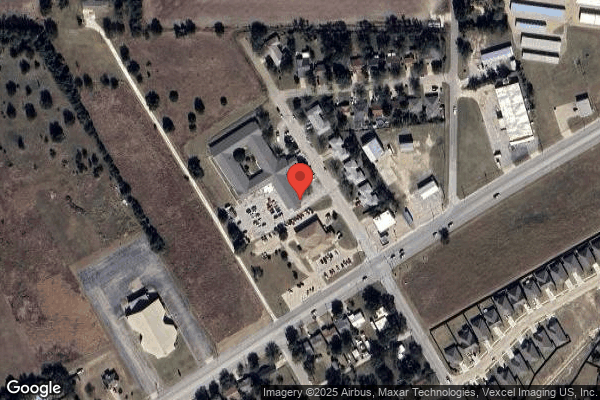
Sept 2023 1 deficiency
CONCERN (E) 📢 Someone Reported This

A family member, employee, or ombudsman was alarmed enough to file a formal complaint

Potential for Harm - no one hurt, but risky conditions existed

Quality of Care (Tag F0684)

Could have caused harm · This affected multiple residents

**NOTE- TERMS IN BRACKETS HAVE BEEN EDITED TO PROTECT CONFIDENTIALITY** Based on observations, interviews, and record reviews, the facility failed to ensure that each resident received treatment and c...

Read full inspector narrative →
**NOTE- TERMS IN BRACKETS HAVE BEEN EDITED TO PROTECT CONFIDENTIALITY** Based on observations, interviews, and record reviews, the facility failed to ensure that each resident received treatment and care in accordance with professional standards of practice for one (Resident #1) of four residents reviewed for quality of care, in that: The facility failed to assess and document complete neurological assessments for Resident #1 after he experienced unwitnessed falls on 08/15/2023, 08/29/2023, and 09/14/2023. This deficient practice could place residents at risk of pain, physical harm, and a diminished quality of life. Findings included: Review of Resident #1's face sheet, dated 09/21/2023, reflected a [AGE] year-old male who was admitted to the facility on [DATE] with diagnoses including unspecified dementia, sick sinus syndrome (a group of heart rhythm problems due to problems with the sinus node), unspecified acute kidney failure, unspecified and other lack of coordination, difficulty in walking, history of falling, cognitive communication deficit, generalized muscle weakness, and pain in unspecified joint. Review of Resident #1's quarterly MDS assessment, dated 08/11/2023, reflected he did not have a BIMS conducted because he was rarely/never understood and had a short- and long-term memory problem. Resident #1 was non-ambulatory and required extensive assistance of one staff for transfers. Review of Resident #1's quarterly care plan, dated 08/18/2023, reflected he had potential for falls related to gait/balance, exhibited verbally aggressive behavior at times and was at risk for harm and not having needs met in a timely manner, had a communication problem related to dementia, had an ADL self-care performance deficit related to dementia, had a pacemaker related to a cardiac dysrhythmia (an abnormal or irregular heartbeat) and was at risk for pacemaker failure and altered cardiac output, had impaired cognitive function/dementia or impaired thought processes related to dementia, and had a history of disorganized thinking. Review of the facility's incident logs from 08/01/2023 through 09/21/2023 reflected Resident #1 had unwitnessed falls on 08/15/2023 at 1:41 PM, 08/29/2023 at 4:30 PM, and 09/14/2023 at 5:00 PM. Review of Resident #1's incident report, dated 08/15/2023 and completed by LVN A, reflected the following: [LVN A] was called into [Resident #1]'s room and observed him laying on the floor with blood on the floor. [Resident #1] was assessed befpre rolling him on his back. Upon assesment, a skin tear was observed to left upper eye, which was cleaned and steristrips was placed. Skin tears were noted to left hand/wrist and bruising to bilateral hand/writs. [Resident #1] was assisted back to bed and is being monitired. [Resident #1] is AAOx1, and does not know wat happened . Nuero checks in progress. Review of Resident #1's neurological assessments, dated 08/15/2023, reflected completed assessments on 08/15/2023 at 1:30 PM, 1:45 PM and 2:00 PM, 08/16/2023 at 12:00 AM and 2:15 PM, and 08/17/2023 at 2:15 PM. There were incomplete assessments dated 08/15/2023 at 2:45 PM, 3:15 PM, 4:15 PM, 5:15 PM, 6:15 PM and 7:15 PM; they were missing Resident #1's current orientation, level of consciousness, pupil sizes, responses, pain level, and range of movement. Review of Resident #1's incident report, dated 08/29/2023 and completed by LVN B, reflected the following: [Resident #1] had an unwitnessed fall in which a CNA found him seated on the floor in another resident's room with his back and head laying against the wall and facing the lower side of the bed (facing dressers). She (CNA) immediately reported to the charge nurse (LVN B), who quickly moved into the room to assess [Resident #1] and ascertain any injuries he sustained. [Resident #1] told staff he wanted to get to bed. [Resident #1] was assessed by the charge nurse (LVN B), denied pain, and upon assessment, found to have two hematomas (abrasions) on the back of his head. Review of Resident #1's neurological assessments, dated 08/29/2023, reflected staff completed assessments on 08/29/2023 at 4:30 PM, 4:45 PM, 5:00 PM, 5:15 PM and 5:45 PM. There were incomplete assessments dated 08/29/2023 at 6:15 PM, 7:15 PM, 8:15 PM and 9:15 PM; they were missing Resident #1's current orientation, level of consciousness, pupil sizes, responses, pain level, and range of movement. Review of Resident #1's incident report, dated 09/14/2023 and completed by LVN B reflected the following: A nurse aide called the charge nurse (LVN B) and informed her that she found [Resident #1] on the hallway by the television area bleeding from his forehead. The charge nurse (LVN B) immediately ran to [Resident #1] and put pressure on his wound opening/injury to stop the bleeding and she called for help from the other staff. [Resident #1] told staff he fell and had a head injury. Staff called EMS and had [Resident #1] taken to the hospital for further diagnosis and evaluation. Review of Resident #1's neurological assessments, dated 09/14/2023, reflected staff completed assessments on 09/14/2023 at 9:45 PM, 10:45 PM and 11:45 PM, 09/15/2023 at 12:45 AM, 4:35 AM and 12:35 PM, 09/16/2023 at 1:00 AM, and 09/17/2023 2:08 AM. There were incomplete assessments dated 09/14/2023 at 5:00 PM, 5:15 PM, 5:30 PM, 5:45 PM, 6:15 PM, 6:45 PM, 7:45 PM and 8:45 PM; they were missing Resident #1's current orientation, level of consciousness, pupil sizes, responses, pain level, and range of movement. During an observation and interview on 09/21/2023 at 1:59 PM, Resident #1 was sitting in his wheelchair in the secure unit's living area. Resident #1 had a laceration on the right side of his forehead and bruises on the right side of his face. Resident #1 was unable to answer any questions. During an interview on 09/21/2023 at 2:02 PM, LVN A stated on 08/15/2023, Resident #1 tried to get out of bed by himself and fell. LVN A stated she was not working on the days Resident #1 had his subsequent falls. LVN A stated Resident #1 often tried to get up on his own. LVN A stated Resident #1's other falls were due to him trying to get up on his own. LVN A stated staff checked on Resident #1 every two hours or more. LVN A stated LVNs completed neurological assessments for 72 hours after a resident had an unwitnessed fall. LVN A stated she was trained and in-serviced on abuse, neglect, falls, neurological checks, and resident rights. LVN A stated if a resident was observed on the ground, she was trained to assess the resident, notify staff for assistance, assess the resident's head and pain levels, and notify all appropriate parties. During an interview on 09/21/2023 at 2:22 PM, CNA A stated on 09/14/2023, Resident #1 was taking off his shoes in the hallway. CNA A stated she took Resident #1's shoes and placed them on a nearby table. CNA A stated she had her back to Resident #1 when she placed his shoes on the table. CNA A stated as she turned back around, she observed Resident #1 on the ground. CNA A stated she notified an LVN and another CNA. CNA A stated the LVN put pressure on Resident #1's head and staff notified EMS. CNA A stated on 08/29/2023, Resident #1 attempted to get out of bed on his own, fell on his right side, and sustained bruises to the right side of his body. CNA A stated she often checked on Resident #1. CNA A stated LVNs conducted neurological checks on residents after they had a fall. During an interview on 09/21/2023 at 3:18 PM, DON stated Resident #1 often tried to get up from his bed and chair on his own. DON stated on 09/14/2023, Resident #1 was in the hallway near the dining area in the secure unit. DON stated a nurse aide was completing documentation when Resident #1 fell on the right side of his body. DON stated staff notified EMS, Resident #1 was transported to the hospital, obtained sutures to his laceration injury, and returned to the facility. DON stated she investigated the fall incident. DON stated Resident #1 could not recall his fall on 09/14/2023. DON stated she knew the neurological checks were incomplete. DON stated she did not know why the neurological checks were incomplete. DON stated she trained staff on how to complete neurological checks. During an interview on 09/21/2023 at 3:39 PM, ADM stated he was notified of Resident #1's falls on 08/15/2023, 08/29/2023, and 09/14/2023. ADM stated he was shocked the neurological checks were not completely documented. She stated a negative outcome could be a serious injury going unnoticed. Review of the facility in-services from August 2023 through September 2023 reflected staff were trained on call lights on 08/18/2023 and abuse, neglect, and resident rights on 09/08/2023. There were no in-services given to staff regarding neurological assessments. Review of the facility's neurological assessment policy and procedure, dated 04/29/2014, reflected the following: 1. Complete and document neurological assessments as indicated on Neurological Assessment Flow Sheet. Complete neurologic assessments for 72 hours and PRN with vital signs every 15 minutes for 1 hour, then every hour for 4 hours, then every eight hours for 72 hours. 2. Complete Neurological assessment with vital signs every 15 minutes times 4 equaling 1 hour, then every hour times 4 equaling 4 hours, then every 8 hours times 9 equaling a minimum of 72 hours. 3. More frequent or continued neurologic assessments may be indicated and conducted as assessment findings compared to prior assessments and evaluated. 4. Observe for any changes from baseline assessment such as refusal to eat, drink, restlessness, confusion, drowsiness or other progressive deterioration. Continue to compare assessment findings against prior assessments to determine if there has been a change. Compare current assessments to baseline assessments done prior to the incident/occurrence to determine if there is a neurological change. The elderly may experience neurologic changes later than younger people. Assessing for a minimum of 72 hours allows for possible changes to be documented and reported. 8. Communicate episode and actions taken and to be taken using Center specific systems such as shiftto-shift verbal report, 24-hour report, and daily stand-up meetings, and alert charting. Suggested Documentation o Completion of assessment o Notification of Family/Legal representative, Physician notification, abnormal assessment findings, diagnostic studies ordered by Physician, and response to interventions. Review of the facility's fall management system policy and procedure, dated 02/19/2021, reflected the following: Procedure: D. Documentation requirements for residents sustaining a fall: 3. The licensed nurse will assess and document the condition of the resident at least once per shift for at least 72 hours post fall. 5. Un-witnessed falls are considered potential head injury and require completion of Neurochecks.
Aug 2023 3 deficiencies
CONCERN (D) 📢 Someone Reported This

A family member, employee, or ombudsman was alarmed enough to file a formal complaint

Potential for Harm - no one hurt, but risky conditions existed

Food Safety (Tag F0812)

Could have caused harm · This affected 1 resident

Based on observations, interviews, and record reviews the facility failed to store, prepare, distribute, and serve food in accordance with professional standards for one of one kitchen reviewed for ki...

Read full inspector narrative →
Based on observations, interviews, and record reviews the facility failed to store, prepare, distribute, and serve food in accordance with professional standards for one of one kitchen reviewed for kitchen sanitation, in that: The facility failed to ensure a 50-pound bag of onions was stored properly in the dry storage area. The deficient practice placed residents who were served from the kitchen at risk for health complications and foodborne illnesses. Findings include: During an observation on 8/18/2023 at 12:22 p.m., in the kitchen hallway leading to the outside, a 50-pound netted bag of yellow onions was seen sitting directly on the floor. The netted bag was on the floor and the floor was observed to have debris on it. The bag was propped up against a wall that had visible dirt on it as well as brown stains near the base and a rusty nail laying between the bag and the base of the wall. During an interview on 8/18/2023 at 12:22 p.m., the Dietary Manager was shown the bag of onions on the floor and stated, I know, I know. She stated they just had a truck come in earlier that morning. She stated they had been short staffed and had not had time to put the onions away. She stated the facility policy states nothing (food) is to be stored on the floor. She stated the onions could get dirty, could get bugs in it, and could make the residents sick. Review of the facility policy Dry Food and Supplies Storage dated 11/15/2017 reflected The focus of protection for dry storage is to keep non-refrigerated food, disposable dishware, and napkins in a clean, dry area, which is free from contaminants. Food and food products should always be kept off the floor and clear of ceiling sprinklers, sewer/waste, disposal pipes and vents to maintain food quality and prevent contamination.
CONCERN (D) 📢 Someone Reported This

A family member, employee, or ombudsman was alarmed enough to file a formal complaint

Potential for Harm - no one hurt, but risky conditions existed

Infection Control (Tag F0880)

Could have caused harm · This affected 1 resident

**NOTE- TERMS IN BRACKETS HAVE BEEN EDITED TO PROTECT CONFIDENTIALITY** Based on observation, interview, and record review, the facility failed to establish and maintain an infection prevention and co...

Read full inspector narrative →
**NOTE- TERMS IN BRACKETS HAVE BEEN EDITED TO PROTECT CONFIDENTIALITY** Based on observation, interview, and record review, the facility failed to establish and maintain an infection prevention and control program designed to provide a safe, sanitary, and comfortable environment and to help prevent the development and transmission of communicable diseases and infections for 1 of 2 residents (Resident #4) reviewed for blood sugar checks. LVN A failed to appropriately sanitize her hands with ABHR and failed to appropriately clean Resident #4's finger with an alcohol pad before performing a blood sugar check. This failure could result in the spread of diseases to residents which could result in decreased quality of life, illness, and hospitalization. Findings include: Review of Resident #4's face sheet dated 8/18/2023, reflected an [AGE] year-old female admitted on [DATE] with diagnoses that included: Type 2 Diabetes (blood sugar disorder), Heart Disease, Hypertension (high blood pressure), Stroke, Chronic Kidney Disease, Hyperlipidemia (elevated levels of cholesterol), Anemia (low red blood cells) and Vascular Dementia (brain damage caused by strokes). Review of Resident #4's MDS dated [DATE] reflected in the Staff Assessment for Mental Status that resident had a short- and long-term memory problem. During a blood sugar observation on 8/18/2023 at 11:22 a.m., LVN A applied ABHR to her hands and then began fanning her hands in the air to dry them. LVN A then took an alcohol prep pad and wiped Resident #4's fingertip in preparation of a blood sugar check. Immediately after wiping Resident #4's fingertip, LVN A began fanning her hand over the fingertip to dry it. During an interview on 8/18/2023 at 11:25 a.m., LVN A stated she was not sure what the facility policy was for checking blood sugars. She stated she was not sure if the policy said you could fan your hands around in the air or fan a resident's finger after wiping with alcohol pad. She stated she had received training on infection control but was not aware if she could not fan her hands in the air to dry them. She stated she was not aware if it's allowed or not, it's just a habit I have. She was not able to verbalize the procedure for properly using ABHR to sanitize one's hands. She stated it could be an infection control issue for the resident. During an interview won 8/18/2023 at 2:14 p.m., the DON stated her expectation around blood sugar checks is that the nurse would not fan their hands because it doesn't allow time for the sanitizer to work if they don't let it dry without fanning. She stated it would be an infection control issue. She stated the same with a resident's finger, after wiping with an alcohol prep pad - they should not fan it; they should let it dry then take the blood sugar. She stated a negative outcome could be that it doesn't fully disinfect the site prior to puncturing the skin. Review of facility policy Hand Hygiene dated 2/11/2022 reflected: 4. Hand hygiene technique when using an alcohol-based hand rub: a. Apply to palm of one hand the amount of product recommended by the manufacturer. B. Rub hands together, covering all surfaces of hands and fingers until hands feel dry. C. This should take about 20 seconds. A policy on infection control was requested but not provided by the time of facility exit.
CONCERN (E) 📢 Someone Reported This

A family member, employee, or ombudsman was alarmed enough to file a formal complaint

Potential for Harm - no one hurt, but risky conditions existed

Deficiency F0558 (Tag F0558)

Could have caused harm · This affected multiple residents

**NOTE- TERMS IN BRACKETS HAVE BEEN EDITED TO PROTECT CONFIDENTIALITY** Based on observations, interviews, and record reviews the facility failed to ensure residents received services in the facility ...

Read full inspector narrative →
**NOTE- TERMS IN BRACKETS HAVE BEEN EDITED TO PROTECT CONFIDENTIALITY** Based on observations, interviews, and record reviews the facility failed to ensure residents received services in the facility with reasonable accommodations of each resident's needs for 3 of 9 residents (Resident #5, Resident #7, and Resident #9) reviewed for call lights in that: Resident #5, Resident #7, and Resident #9 were observed in their rooms with call lights not within reach. This failure could affect all residents who needed assistance with activities of daily living and could result in needs not being met. Findings included: Review of Resident #5's face sheet dated 8/18/2023 reflected a [AGE] year-old male admitted on [DATE] with diagnoses that included: Type 2 Diabetes (blood sugar disorder), Hypertension (high blood pressure), Neuropathy (weakness, numbness, and pain from nerve damage), Chronic Obstructive Pulmonary Disease (breathing disorder), Dysphagia (difficulty swallowing), Anemia (low red blood cells), Hyperlipidemia (high cholesterol) and Cognitive Communication Deficit. Review of Resident #5's MDS dated [DATE] reflected a short and long memory problem under section Staff Assessment for Mental Status . and reflected Resident #'s functional status as: required extensive assistance with transfers, dressing, toilet use and personal hygiene. Bathing was listed as total dependence and eating listed as supervision assistance for Resident #5. Review of Resident #5's care plan dated 8/18/2023 revealed the problems: Resident has the potential for falls related to right above the knee amputation. Interventions included: Keep call light in reach when in bed; Resident has an ADL Self Care performance Deficit and is at risk for not having their needs met in a timely manner. Intervention included: Encourage resident to use call light to call for assistance before attempting any ADLs. Review of Resident #7's face sheet dated 8/18/2023 reflected a [AGE] year-old female admitted on [DATE] with diagnoses that included: Chronic Obstructive Pulmonary Disease (breathing disorder), Type 2 Diabetes (blood sugar disorder), Hyperlipidemia (high cholesterol), Difficulty in walking, Hypertension (high blood pressure), Peripheral Vascular Disease (blood circulation disorder), and Vascular Dementia (brain damage caused by strokes). Review of Resident #7's MDS dated [DATE] reflected A BIMS score of 4 indicating severe cognitive impairment . Resident #7's functional status reflected resident required no assistance for eating, extensive assistance for dressing, toilet use, and personal hygiene; and total assistance for bathing. Review of Resident #7's care plan dated 8/18/23 revealed it did not address the use of the call light for this resident. Review of Resident #9's face sheet dated 8/18/2023 reflected an [AGE] year-old male admitted on [DATE] with diagnoses that included: Congestive Heart Failure, Vascular Dementia (brain damage caused by strokes), History of Falling, Alzheimer's Disease (progressive memory loss disorder), Type 2 Diabetes (blood sugar disorder), Hypertension (high blood pressure), Stroke, Kidney Disease and Bipolar Disorder (behavioral health disorder). Review of Resident #9's MDS dated [DATE] reflected a BIMS of 8 indicating moderate cognitive impairment. Resident #9's function status reflected resident required no assistance for eating, extensive assistance for bathing and total dependence for dressing, toileting use and personal hygiene. Review of Resident #9's care plan dated 8/18/2023 revealed the problem: Resident has a communication problem related to Stroke; cerebral infarction. Interventions included: Ensure/provide a safe environment: Call light in reach, Adequate low glare light, bed in lowest position and wheels locked, avoid isolation. During an observation in Resident #7's room on 8/18/2023 at 11:35 a.m., her call light was seen draped over her nightstand out of reach. During an interview with Resident #7 on 8/18/2023 at 11:35 a.m., she stated she could not reach the call light where it was laid on the nightstand and would have to yell to get help if she needed something. During an observation in Resident #9's room on 8/18/2023 at 11:58 a.m., his call light was seen clipped to the divider curtain out of reach. During an interview with Resident #9 on 8/18/2023 at 11:58 a.m., he stated he could not reach his call light from his bed but could yell if he needs help. He stated he knew how to use his call light and would get a staff to move it for him. During an observation in Resident #5's room on 8/18/2023 at 12:17 p.m., his call light was seen laying under the foot of his bed out of reach. During an interview with Resident #5 on 8/18/2023 at 12:17 p.m., Resident #5 stated he was doing ok but could not get to his call light. He stated he knew how to use the call light but would not be able to right now with it under the bed. During an interview with the DON on 8/18/2023 at 6:23 p.m., she stated her expectation was that staff would keep call lights in reach for residents to ensure their safety. She stated they have been in-serviced on this frequently and staff should follow the facility policy. Review of facility policy Call Light Response dated 2/10/2021 reflected The purpose of this policy is to assure the facility is adequately equipped with a call light at each residents' bedside, toilet and bathing facility to allow residents to call for assistance. And further: 5. With reach interaction in the resident's room or bathroom, staff will ensure the call light is within reach of resident and secured as needed. Review of facility policy Resident Rights dated 2/20/2021 reflect The resident has a right to a safe, clean, comfortable and homelike environment, including but not limited to receiving treatment and supports for daily living safely.
Jan 2023 1 deficiency
CONCERN (D) 📢 Someone Reported This

A family member, employee, or ombudsman was alarmed enough to file a formal complaint

Potential for Harm - no one hurt, but risky conditions existed

Deficiency F0602 (Tag F0602)

Could have caused harm · This affected 1 resident

**NOTE- TERMS IN BRACKETS HAVE BEEN EDITED TO PROTECT CONFIDENTIALITY** Based on interview and record review, the facility failed to ensure the right to be free from misappropriation of property was p...

Read full inspector narrative →
**NOTE- TERMS IN BRACKETS HAVE BEEN EDITED TO PROTECT CONFIDENTIALITY** Based on interview and record review, the facility failed to ensure the right to be free from misappropriation of property was provided for 1 of 5 resident (Resident #1) reviewed for misappropriation of property. The facility failed to prevent the misappropriation of Resident #1's Norco medication (hydrocodone). This failure could place residents at risk for not receiving prescribed medications. Findings included: A record review of Resident #1's face sheet revealed, a [AGE] year-old female who was admitted to the facility on [DATE] with diagnoses which included metabolic encephalopathy (A problem in the brain that is caused by an imbalance in the blood), cognitive communication deficit (Difficulty thinking & speaking, & chronic pain syndrome (excess and prolonged pain). A record review of physician's orders dated 01/13/23 revealed resident was prescribed Hydrocodone-Acetaminophen (10-325mg) give 1 tablet by mouth every 6 hours as needed for moderate pain. 01/23/2023 at 10:30 AM, an interview was conducted with the CN who stated she and the LVN checked the medication at 2:00pm and all medication were there, but she received a call around 10:00 pm saying 20 pills of hydrocodone were missing. CN stated that she did not take the medication and all the medications were there when she left the facility. CN stated the facility no longer lets resident use their medication from home. The facility will order the medication from pharmacy to prevent an incident like that from occurring in the future. CN stated she believed the resident are well taken care of at the facility. CN states no other medications have come up missing since this incident. 01/23/2023 at 10:45 AM, an interview was conducted with the ADON A who stated, to her knowledge of the situation was the at count at 10:00pm the count was missing 20 hydrocodone. ADON #1 stated that those were the only medications that were missing. ADON A stated the facility will not take medication from home from a resident. The facility now will call the primary care physician for an order until the resident can be seen for pain management. ADON A stated that Resident #1 did not miss any medications. Medication charts are audited weekly. At admission, resident and family were educated that no outside medication will be brought in and inventory is done at admission so outside medication would be identified at that time. ADON B did a chart audit the night of the incident and search the medication room that night too. ADON A and ADON B did a chart audit the next day and search the medication room together. The medication was not found. 01/23/2023 at 9:00 AM, an interview was conducted with the Admin who stated Resident #1's hydrocodone pills were on the medication chart and accounted for at 6:00am and 2:00pm on 01-03-22. Admin stated that it was not until shift change at 10:00pm on 01/03/23 that it was noticed that Resident #1's hydrocodone medication was missing. Admin stated that the nurses stated they never gave their keys or gave any access to the medication chart. Admin also stated that the nurses involved had no history of drug diversions. Admin stated one of the three staff involved transferred to a sister facility but the other two are still employed at this facility. A record review of the facility's Abuse policy, dated 02/02/2021, revealed, Residents have the right to be free of abuse, neglect, misappropriation of resident property, and exploitation, physical and chemical restraint not required to treat the resident's symptoms, involuntary seclusion and corporal punishment. A record review of the facility's Drug Diversion policy, dated 02/10/2020, revealed, the following recommendations are designed to reduce and limit drug diversions: 1. Do not sign for receipt of controlled substances until you have inspected the delivery from the pharmacy that all ordered medications have arrived. 2. The narcotic count sheet should be signed and quantity received should be indicated. 3. Medications should be put in storage areas immediately and not left at nurses station or on medication room counters. 4. Controlled substances should be stored in a double locked compartment at times including discontinued and overstocked medications. 5. A drug count must be done at each shift change and should be done whenever the keys to the narcotic storage areas are exchanged from one staff to another. 6. ALL controlled substances should be counted including those in the lock box in the refrigerator and overstock narcotics in medication room. 7. Access to refrigerator lock box and overstock narcotics in medication room should be limited. 8. Signing the narcotic shift count sheet means you are accepting responsibility for the controlled substances. Therefore, do not sign unless you are certain that all of the controlled substances are present and have not been adulterated/tampered with or altered in any way. 9. Document usage both on MARs and narcotic count sheet as soon as possible after administration of medication. 1O. Document administration of PRNs controlled substances on the MARs including dose, date, time, route and effectiveness of medication. 11. Do not return capsule or tablet to a container or a medication card once it has been removed. NEVER USE TAPE ON A MEDICATION CONTAINER OR BLISTER PACK. o Do not use white-out or obliterate an entry if you make an error. Draw one line thru the error and provide an explanation with your signature. o Do not use the double locked storage areas to store personal items (keys, cash, resident/personal property, etc ). o Check medication containers and cards for signs of tampering or drug substitution (ie. tape on back of blister cards) o Check ampules to make certain they have not been opened and glued back together.
Sept 2022 12 deficiencies
CONCERN (D)

Potential for Harm - no one hurt, but risky conditions existed

Deficiency F0583 (Tag F0583)

Could have caused harm · This affected 1 resident

Based on observations, interview and record review, the facility failed to respect the residents' right to confidentiality in his or her personal and medical records for 1 Resident (Resident #141) of ...

Read full inspector narrative →
Based on observations, interview and record review, the facility failed to respect the residents' right to confidentiality in his or her personal and medical records for 1 Resident (Resident #141) of 19 residents reviewed for resident rights. The facility failed to ensure the computer located in the nurses' station between, the south and north hallway, was locked. This resulted in the exposing of Resident #141's private health information. This failure could place residents at risk of resident-identifiable information being accessed by the public. Findings included: Observation on 09/29/22 at 1:30 p.m. revealed a computer in the nurses' station, located between the north and south hallway, was left unlocked and unattended with Residents #141's information available. 4 Residents were observed walking by the nurses' station, 4 staff members were standing near the nurses' station on the opposite side of the counter, a visitor was seen entering the building and walking by the computer, while the screen was in view. Observation on 09/29/22 at 1:47 p.m. revealed the same computer in the nurses' station was still displaying Resident #141's private health information. The screen displayed Resident #141's room location, gender, DOB, age, physician, medical record number, and all current orders. Observation on 09/29/22 at 1:53 p.m. revealed the same computer in the nurses' station was still displaying Resident #141's private health information. The screen was left unlocked and unattended for approximately 23 minutes before this surveyor asked a staff member about the computer. In an interview on 09/29/22 at 1:53 p.m. LVN A stated she did not know who was using or signed into the computer in the nurses' station. LVN A closed the browser screen when this surveyor pointed it out to her. LVN A stated the computer should not be open displaying patient information like that. In an interview on 09/29/2022 at 4:00 p.m. the DON stated everyone had their own medical record log in. The DON stated it was not acceptable to have a computer open displaying patients' private health information and it was not allowed. Review of the facility's policy titled Maintenance of Electronic Clinical Record, dated 01/4/2022, stated This Facility will maintain electronic clinical record for each resident in accordance with acceptable standards of practice .4. HIPPAA standards should be used when sharing confidential medical information about residents with employees or other providers from the clinical record. 5. The facility shall not release resident-identifiable information to the public .
CONCERN (D)

Potential for Harm - no one hurt, but risky conditions existed

Deficiency F0645 (Tag F0645)

Could have caused harm · This affected 1 resident

Based on interview, and record review, the facility failed to ensure that each resident in a nursing facility was screened for a mental disorder prior to admission for 1 of 6 Residents (Resident # 40)...

Read full inspector narrative →
Based on interview, and record review, the facility failed to ensure that each resident in a nursing facility was screened for a mental disorder prior to admission for 1 of 6 Residents (Resident # 40) reviewed for a PASRR. The facility failed to provide an accurate PASRR Level I assessment for Resident #40 when he had a diagnosis of a bipolar disorder which would have triggered Resident #40 for a positive assessment for mental illness. This failure could place residents with an inaccurate PASRR Level 1 evaluation at risk for not receiving care and services to meet their needs. The Findings include: Review of Resident #40's face sheet dated 09/30/2022 revealed an original admission date of 03/24/2021, and readmission date of 11/11/2021, with diagnoses which included peripheral vascular disease (a slow and progressive circulation disorder. Narrowing, blockage, or spasms in a blood vessel), diabetes type 2 (a chronic (long-lasting) health condition that affects how your body turns food into energy), amputation of left leg above the knee (removing the leg from the body by cutting through both the thigh tissue and femoral bone), osteoarthritis (when the protective cartilage that cushions the ends of the bones wears down over time), hypertension (a common condition in which the long-term force of the blood against your artery walls is high enough that it may eventually cause health problems, such as heart disease, major depressive disorder (A mental health disorder characterized by persistently depressed mood or loss of interest in activities, causing significant impairment in daily life), bipolar disorder ( a disorder associated with episodes of mood swings ranging from depressive lows to manic highs) and cognitive communication deficit (difficulty with thinking and how someone uses language). Record review of Resident #40's last PASRR Level 1 Screening dated 08/25/2022, under Section C0100 revealed documentation indicating Resident #40 does not have a mental illness. The PASRR Level I Screening was also certified by the Assessor on 08/25/2022 indicating the information was true and accurate. Resident #40 has had the diagnosis of bipolar disorder since 02/28/2020. Review of Resident #40's consolidated physician's orders for September 2022 revealed the Resident was receiving Lexapro for depression. Review of Resident #40's original admission MDS assessment, dated 03/31/2021, revealed in section A Identification Information, A0050- New Record, A1500 (1510 A-C), Preadmission Screening Resident Review (PASRR) The resident currently is not considered by the state level II PASRR process to have a serious mental illness and/or intellectual disability or related condition. Review of Resident #40's admission MDS assessment, dated 11/29/2021, under section A1500 indicated the same as MDS 03/31/21 and, also Resident #40 had a BIMS score of 15, which indicated Resident #40's cognitive response was intact. Record review of the Resident #40's care plan, dated 03/31/2021, revealed Resident #40 did not have a care plan addressing his bipolar disorder. During an interview on 09/30/2022 at 09:31 a.m. with LVN D revealed the last social worker handled the PASRR information. LVN D stated yes Resident #40 should have had an accurate PASRR Screening and a PASRR Level 2 should have been completed and the local authorities could have provided extra therapy services, durable medical equipment (DME), psychological services and day programs. LVN D stated if the mental illness was not recognized the resident could miss out on services. LVN D further stated once a person was determined to be PASRR positive a quarterly PASRR Care Plan Meeting needs to be done. Review of the facility's PASRR Screening Guidelines, dated 04/26/2016, with the last revision on 05/29/2019 stated in part If the resident has a qualifying mental illness (MI) diagnosis. The Local Mental Health Authority (LMHA) is notified to conduct a physical exam (PE) .
CONCERN (D)

Potential for Harm - no one hurt, but risky conditions existed

Quality of Care (Tag F0684)

Could have caused harm · This affected 1 resident

Based on observation, interview and record review, the facility failed to provide treatment and care in accordance with professional standards of practice for 1 (Resident #32) of 3 reviewed for qualit...

Read full inspector narrative →
Based on observation, interview and record review, the facility failed to provide treatment and care in accordance with professional standards of practice for 1 (Resident #32) of 3 reviewed for quality of care. LVN P failed to provide intervention to Resident #32 once she identified the Resident was experiencing a hypoglycemic (when a person's blood sugar is low) episode. This deficient practice could affect residents requiring assistance from staff for diabetic management and could place them at risk for harm and not attaining the highest practicable well-being. The findings included: Record review of Resident #32's admission record, dated 09/29/22, revealed an admission date of 01/19/2019 and a readmission date of 05/07/2021. Resident #32 had diagnoses of type 2 diabetes mellitus, high blood pressure, muscle weakness, morbid obesity, and a history of falling. Record review of Resident #32's physician orders, dated 09/29/2022, revealed an order for Novolog Flexpen solution Pen-injector 100 UNIT/ML, inject as per sliding scale: if 201-250=5; 251-300=7; 301-350=9; 351-400=11, subcutaneously before meals for DM start date 09/21/2022 and no end date. Another order stated Glucagon (rDNA) Kit 1 MG, inject 1 syringe intramuscularly every 24 hours as needed for low blood sugar start date 04/06/2022 and no end date. Record review of Resident #32's careplan, with revision date of 06/14/2022, revealed Diabetes: Resident has a diagnosis of diabetes and is at risk for unstable blood sugars and abnormal lab results .Interventions: .Monitor blood sugar .HYPOGLYCEMIA: Monitor for signs and symptoms of hypoglycemia such as: diaphoresis (Sweating that does not occur due to heat), dizziness, headache, confusion, hunger, irritability, pallor (Unusual loss of brightness in complexion visible in skin), tachycardia (fast hear rate), slurred speech, tremor (shaking), lack of coordination, and staggering gait. Document and report to physician as needed. During an observation on 09/28/2022 at 12:23 p.m. LVN P entered Resident #32's room. The resident was sitting up in the bed with her head pointed down, touching her chest, and her eyes were closed. LVN P loudly called the resident's name several times before she opened her eye and picked her head up slightly. LVN P checked Resident #32's blood glucose. It was 67. LVN P asked Resident #32 if she had eaten her breakfast. Resident #32 stated no. LVN P told Resident #32 to make sure she ate her lunch. No lunch tray was in the room for the resident at this time. Two pieces of bread in bags were observed on the bed side table. LVN P turned to walk out of the residents room and stated to this surveyor, she knew the resident's sugar was low because she was never that tired. LVN P did not return to the resident's room and continued passing medications to other residents on the hallway. During an interview on 09/29/22 at 11:13 a.m. LVN P stated a glucose reading below 60 or above 600 would be out of parameters. She stated symptoms of hypoglycemia could be lethargic (A feeling of fatigue, tiredness, and exhaustion), talking gibberish, not responsive, sweating, and chest pain. She stated they only give Resident #32 insulin if her blood sugar was above 201 now. She stated anything below 60 for a blood glucose reading she would provide interventions such as administering orange juice, or glucagon, notify the provider, or send the resident to the hospital if needed. When asked if she provided the appropriate interventions, she stated she knew the Resident had muffins close to her yesterday. She stated they had a verbal policy of waiting until blood glucose was below 60 before they need to provide interventions. During an interview on 09/29/22 the DON stated parameters for resident's blood glucose and insulin were in the orders and was on a per resident basis. She stated nurses needed to use nursing judgement to assess if a Resident was experiencing hypoglycemia. She stated the resident could show symptoms such as cold, clammy (wet or sweaty skin), and decreased mentation. She stated a normal blood sugar was between 80-120 and anything below 80 or per the PRN order needed to be assessed. She stated if the resident was responsive the nurse should have checked the PRN order. The DON stated the nurse should get them a snack, provide it to them at that time, get a drink of orange juice or depending on what the order states, open the snack, encourage them to eat it, watch and observe, read the orders again, and recheck the blood glucose to make sure it has come up. The DON stated they provided training and education on diabetic management along with a skill check off upon entry to the company. Record review of the Facility's Policy titled Diabetic Management, dated 09/09/22, stated It is the policy of the facility to provide effective management for diabetic residents .10. Hypoglycemia Response: Hypoglycemia is typically defined as a blood glucose level below 70mg.dL .b. If the resident can eat regular food/fluid consistency administer a protein along with a carbohydrate. For example, 8oz milk and 2 graham crackers . 11. A bedside blood glucose test should be administered initially and 15-20 min post treatment for any resident reporting or experiencing symptoms of hypoglycemia such as .f. confusion .k. feeling sleepy .l. weakness or having no energy .p. coordination problems .12. Notify the practitioner of hypoglycemic episode and resident response to treatment. 13. Nursing will continue to follow up and observe for any further hypoglycemic episodes post treatment and notify the practitioner of any changes.
CONCERN (D)

Potential for Harm - no one hurt, but risky conditions existed

Pressure Ulcer Prevention (Tag F0686)

Could have caused harm · This affected 1 resident

**NOTE- TERMS IN BRACKETS HAVE BEEN EDITED TO PROTECT CONFIDENTIALITY** Based on observation, interview, and record review the facility failed to ensure a resident having pressure ulcers received care...

Read full inspector narrative →
**NOTE- TERMS IN BRACKETS HAVE BEEN EDITED TO PROTECT CONFIDENTIALITY** Based on observation, interview, and record review the facility failed to ensure a resident having pressure ulcers received care and treatment consistent with professional standards of practice to promote healing and prevent further development of skin breakdown or pressure ulcers for 1 of 1 resident (Residents #37) reviewed for pressure ulcers. 1. Registered Nurse (RN) R failed to provide Resident #37's pressure ulcer treatments as prescribed by the physician. 2. RN R failed to perform hand hygiene practices per the facility's policy and procedure, prior to initiating Resident #37's wound care on her pressure ulcers and during wound care. 3. RN R contaminated clean gloves she used while providing Resident #37's wound care on her pressure ulcers. These failures could place residents with pressure ulcers at risk of worsening in size and staging, and result in pain and infection. The findings included: Record review of Resident #37's admission record, dated 09/29/22, revealed the resident was admitted to the facility on [DATE] and readmitted on [DATE], with diagnoses that cellulitis of unspecified part of limb (A serious bacterial infection of the skin.), peripheral vascular disease (affects the blood vessels), and pressure ulcer of the left heel stage 4. Record review of Resident #37's wound care orders, dated 09/29/2022, revealed Site 3 (non pressure wound to left medial ankle) Continue Hypochlorite Gel (Anasept) Once Daily 9, Collagen Powder Once Daily for 9 (days), Discontinue Alginate Calcium w/silver. Continue Gauze Roll (Kerlix) 3.4 Once Daily for 9 (days), ACE Bandage 6 Once Weekly for 9 (days). Site 10 (Venous wound to left proximal dorsal foot) Continue Hypochlorite Gel (Anasept) Once Daily for 9 (days), Collagen Powder Once Daily for 9 (days), Discontinue Alginate Calcium w/silver, Continue Gauze Island w/ bdr Once Daily for 9 (days), Gauze Roll (Kerlix) 3.4 Once Daily 9 (days), ACE Bandage 6 Once Weekly 9 Site 12 (non pressure wound to left posterior lateral leg) Continue Hypochlorite Gel (Anasept) Once Daily for 9 (days), Collagen Powder Once Daily for 9 (days), Discontinue Alginate Calcium w/silver Continue Gauze Roll (Kerlix) 4.5 Once Daily for 9 (days), Gauze Island w/ bdr Once Daily for 16 (days). Site 13 (Stage 4 pressure wound of left heel) add Sodium Hypochlorite Solution (Dakins), Once Daily, for 30 (days) Cleanse wound prior to tx (treatment) application and as needed, pack with lightly soaked gauze. Continue Alginate Calcium w/silver Once Daily for 16 (days) and continue Santyl Once Daily for 16 (days). Discontinue Betadine. Continue Gauze Roll (Kerlix) 4.5 Once Daily for 16 (days). No orders were provided or found for wound care performed on the right leg. Record review of Resident 37's Order Summary, dated 09/29/22, start date 09/22/22 and end date 10/22/22. The order did not match the physicians' last orders. It stated stage 4 wound left posterior heel, cleanse with NS, wound cleanser pat dry apply betadine, Santyl, calcium alginate with silver, and wrap with gauze roll daily. Every day shift for wound healing for 30 Days. An Observation on 09/30/22 at 9:12 a.m. revealed Preparation: Resident #37 was sitting in a wheelchair near his bed. RN R placed wax paper on the floor in front of Resident #37's wheelchair and on a bedside table near the foot of the bed. RN R went to the nurse's cart and pulled out 3 plastic medicine cups. RN R placed Santyl ointment in one cup, placed her bare hand over the next cup, positioned a spray bottle sodium hypochlorite solution under her hand, and began to spray the sodium hypochlorite solution into the medicine cup. RN R sprayed derm cleanse, containing Benzethonium chloride, into a 3rd medicine cup (no order for this). No hand hygiene was performed, and no gloves were worn. RN R gathered various supplies in her arms, held them against her body, and brought them to the bedside table in Resident 37's room. RN R performed hand hygiene, then touched a light cord to turn on a light, and moved and locked the Resident's wheelchair. RN R went back to the nurse's cart, and poured Hibiclens, containing chlorhexidine gluconate, into a medicine cup (no order for this). RN R went to the sink, turned on the water, returned to wax paper on the floor, and placed a towel and clean gloves on the wax paper. RN N went back to the nurse cart, grabbed scissors, and placed them on the wax paper on the floor. RN R took a towel to the sink and placed in in the sink. RN R donned gloves. RN R brought the towel to Resident 37 and asked him to feel it. Resident 37 touched the wet towel. RN R opened a trash bag and placed it under Resident 37's right foot. Site Right leg: LVN T performed hand hygiene, donned clean gloves, knelt on the ground, and held the Resident's right leg. RN R cut bandage dated 9/29/22 off the right foot with non-sanitized scissors. RN R removed her gloves, sanitized her hands, and donned clean gloves from a box on the floor. RN R dampened a gauze with chlorhexidine gluconate solution, wiped the Resident's right leg, and used the contaminated washcloth from the sink to wipe the Resident's right leg and foot. RN R moved quickly while cleaning Resident #37's leg, with a gauze with unknown solution, stating she cleaned from inside out, and then wiped the leg with a dry washcloth. RN R rolled up the wax paper on the floor with discarded trash and threw it away. RN R slid over another piece of wax paper on the floor from behind her, to in front of the Resident's wheelchair. RN R removed gloves, sanitized her hands, touched her jeans, and donned clean gloves. RN R picked up collagen gauze and places on the wax paper on the floor. RN R stated she could not use an island dressing for wounds on the Resident's right leg because the coban wrap she planned to use, instead of the ACE wrap, will trap moisture. RN R then stepped on the wax paper on the floor. RN R grabbed gauze, from the contaminated wax paper, applied skin prep around wounds on the right leg, and placed dry gauze on them. RN R wrapped the Resident's right leg up to his knee with a medicated gauze wrap, containing zinc and calamine dermerite, then applied a dry gauze wrap, and coban instead of an ACE wrap (no order for this). Site 3, 10, 12, and 13: RN R then removed her gloves, went to the bathroom sink, washed her hands, and touched the handle with her bare hand to turn off the water. RN R grabbed a trash bag off her cart, brought in another package of coban, placed boxes of gloves on the floor, kicked the box out of the way. RN R adjusted the Resident's wheelchair. RN R put wax paper from the Resident's bed onto the floor, placed a sheet or pillowcase on the floor, used alcohol wipes to clean scissors. LVN T and RN R both lifted the Resident's left leg and placed a trash bag under it, removed the ace bandage, and cut coban off the left leg. RN R stepped on wax paper, removed gauze from wounds on the Resident's left leg, used trash bag to pick gauze off Resident's foot, removed and threw gloves into trash bag under Resident's foot, sanitized her hands, applied new gloves, dipped gauze into chlorhexidine gluconate solution (no order), placed cup of liquid on the floor on top of contaminated wax paper, poured liquid onto leg, removed bandages, removed bandage from left heel, wiped with chlorhexidine gluconate gauze (no order), touched wound areas with gloved hand and poured saline onto left bottom of Resident's foot while moving hand to splash solution on to the bottom of the foot. RN R removed gloves, sanitized hands, and donned new gloves. LVN T continued to hold Resident's leg up. RN R stated the bottom heel of the left foot got the dikins solution applied. RN R placed gauze on it and held it on the left foot. RN R has a pair of new clean gloves in her hand and was touching them directly on the floor. RN R stood up and placed contaminated gloves under her arm in her arm pit, sanitized her hands, touched gauze on table, opened a skin prep, sanitized hands, put contaminated gloves from under arm pits on. RN R returned to wax paper on the floor, opened calcium alginate and collagen pads, and placed them on contaminated wax paper. RN R removed gauze with dikins on it, used a piece of a package from the trash pile on the floor to apply ointment to the Resident's left foot wound, put a dry gauze pad on the left foot, then a stained gauze back on the foot, and dropped alginate gauze. LVN T removed gloves, sanitized hands, and grabbed a new alginate gauze. LVN T donned clean gloves. RN R pressed alginate gauze pad into left heel, placed towel from residents lap under left foot, removed gloves, sanitized hands, put wax paper on the floor, put betadine into cup on the floor (no order), grabbed gloves from box on the floor, sanitized hands, donned clean gloves, opened dry gauze roll, opened gauze wrap with zinc and calamine dermerite (no order), wrapped up all stuff on the floor into wax paper including a cup of betadine (never used the betadine), spilled betadine all over floor, used pillow case to clean up floor, put wax paper on the floor, washed hands, touched sink handle with bare hands to turn off the water, went to get cups off cart, sprayed saline into cups, held gauze packages under arm, brought in cup of saline, sanitized hands, donned clean gloves, bunched up a trash bag in her hands, opened gauze placed in it in cup with spray/liquid/clear, moved wax paper across the floor with supplies on it, put another trash bag under residents left leg, removed gloves, sanitized hands, donned gloves, placed cups of gauze and liquid inside each other, moved down to floor separated the cups, removed dressing from left anterior ankle area, removed gloves, sanitized hands, donned gloves, cleansed left posterior ankle area wound with saline, removed gloves, no hand hygiene, donned clean gloves, threw dirty gloves onto floor next to clean supplies. RN R removed the trash bag from under the Resident's foot, picked up wax paper off the floor, and placed it under the Resident's foot. Sanitized hands, donned gloves, moved wax paper from floor behind her with supplies on it to in front of her by resident. RN R opened the calcium alginate gauze package, and stated she will put calcium alginate first, then the collagen pad, tore the medicated pads in half. LVN T continued holding Resident 37's left leg. RN R threw some supplies into trash can behind her, removed a skin prep from package, rubbed it around wound on left anterior ankle area, placed calcium alginate gauze in wound, then collagen gauze, covered with dry gauze, applied alginate to left posterior ankle area, then collagen was packed into wound covered with dry gauze. RN R removed gloves, sanitized hands, donned gloves, placed alginate and collagen to wound on left posterior side of foot, covered with dry gauze, wrapped foot with zinc calamine dermerite gauze wrap (no order), then wrapped left leg up to knee with dry gauze roll, and the wrapped left leg up to knee in coban (no order). RN N did not date any bandages. During an interview on, 09/30/22, 10:21 a.m., RN R stated normally Resident #37 would be in bed the hours between 3:30 a.m. and 6:00 a.m. and she tried to do wound care at that time. She stated she also performed wound care while the resident was in the shower. RN R stated if it had a barrier, the stuff on the ground was clean. RN R stated if she stepped on the wax paper it was dirty. RN R denied using the towel from the sink on the Resident's legs during wound care. When asked why she used the wrap containing zinc calamine dermerite she stated she would call the doctor and have him add it to the order. She stated she could not use an island dressing under the wrap and she will have the doctor modify the orders. She stated she liked to alternate between the ACE wrap and coban because it was a better barrier. When asked about using contaminated gloves during wound care she stated they are dirty wounds. If she dropped it or held it under her arm she was still in a dirty area. She stated she did catch that she stepped on one of the wax papers. She stated it was best practice to do wound care on the Resident in the bed and not on the floor. She stated normally she used a wooden spoon or a sterile 4x4 to apply ointment to a wound, but she used a 2x2 package to measure how much ointment she would apply. During an interview on, 09/29/22, at 10:48 a.m., the DON stated typically the bedside table was disinfected and used for wound care. She stated there would never be a time they would set up wound care on the floor because the floor was not a clean area. The DON stated there was risk for infection when doing wound care on the floor. The DON stated they should always follow physician's orders and if they have a question, they should contact the physician and clarify it. The DON stated not following proper wound care techniques and orders could place the Resident at risk of a multitude of things including worsening wounds and infections. Record review of facility policy titled Wound Management dated 02/07/2019, stated To promote wound healing of various types of wounds .1. Wound treatments will be provided in accordance with physician orders, including cleansing method, type of dressing, and frequency of dressing change .6. Guidelines for dressing selection may be utilized in obtaining physician orders .c. The facility will follow specific physician orders for providing wound care. Record review of facility policy titled Infection Control Guidelines, dated 09/22/2017, stated The purpose for this policy is to reduce and prevent the spread of infections by the use of evidenced based techniques established infection control policies and procedures .3 .c. Direct care staff use infection control practices in patient care procedures established to prevent spread of microorganisms.
CONCERN (E)

Potential for Harm - no one hurt, but risky conditions existed

Deficiency F0657 (Tag F0657)

Could have caused harm · This affected multiple residents

**NOTE- TERMS IN BRACKETS HAVE BEEN EDITED TO PROTECT CONFIDENTIALITY** Based on observations, interviews and record reviews, the facility failed to review and revise the person-centered comprehensive...

Read full inspector narrative →
**NOTE- TERMS IN BRACKETS HAVE BEEN EDITED TO PROTECT CONFIDENTIALITY** Based on observations, interviews and record reviews, the facility failed to review and revise the person-centered comprehensive care plan after each assessment for 4 (Residents #23, #78, #35 and #144) of 16 residents reviewed for care plan revisions in that: 1. Resident #23's comprehensive person-centered care plan was not revised to address an order for oxygen or the admission to hospice. 2. Resident #78's comprehensive person-centered care plan contained a goal and intervention for tube feeding when resident did not have a feeding tube. 3. Resident #35's comprehensive care plan was initiated on 08/01/22 and was not closed out when the resident was discharged with return not anticipated on 08/22/22 and readmitted on [DATE]. and the previous care plan was used. 4. Resident #144's comprehensive care plan was initiated on 08/01/18 and was not closed out when Resident #144 was discharged with return not anticipated on 08/28/19. Resident #144 was readmitted on [DATE] and the previous care plan was used. These failures could place residents at risk of their needs being missed and not receiving appropriate care and treatment. The findings included: 1. Record review of Resident #23's electronic admission record dated 09/28/22 documented a [AGE] year-old male originally admitted to facility 07/12/22 and most recently admitted on [DATE] following a hospital stay. Resident #23's diagnoses included lobar pneumonia, unspecified dementia with behavioral disturbance, dysphagia, oropharyngeal phase (difficulty swallowing), cognitive communication deficit and acute and chronic systolic (congestive) heart failure (the heart does not pump blood as it should). Record review of Resident #23's Care Plan last revised on 09/27/22, did not have a plan of care for hospice or use of oxygen. Record review of Resident #23's physician orders as of 09/28/22 revealed he was admitted to hospice services on 07/18/22. There were no orders for oxygen listed. Record review of hospice orders in a separate hospice binder for Resident #23 contained an order dated 7/18/22 for Oxygen (O2) 2-3L Liter inhaled, PRN Shortness of Breath. Record review of Resident #23's Significant Change MDS assessment, dated 07/18/22, revealed the resident was marked as being on oxygen. The significant change payer was noted as Hospice Medicaid Forms Pending. During an observation of Resident #23 on 09/28/22 at 12:54 p.m., resident was noted to be in bed with his eyes closed and using oxygen. During an interview on 09/30/22 at 11:38 p.m. with ADON E, oxygen orders were discussed. ADON E stated The oxygen orders should be on PCC (Electronic Medical Record). When hospice did the admission, they talked with the charge nurses and then the orders were supposed to be put in PCC. It was an oversight that the oxygen orders were not put in PCC. ADON E also stated the orders for oxygen and hospice should have been put in the care plan. 2. Record review of Resident #78's electronic admission Record dated 09/28/22 documented a [AGE] year-old male admitted to facility 08/24/22. The diagnoses included chronic obstructive pulmonary disease (lung disease that blocks airflow and makes it difficult to breathe), unspecified dementia, and Tourette's disorder (a nervous system disorder involving repetitive movements or unwanted sounds). Record review of Resident #78's care plan documented focus, goals and interventions initiated on 09/22/22 for a feeding tube. Record review of Resident #78's admission MDS assessment dated [DATE] documented in section K that he did not have any complaints or difficulty or pain when swallowing but Parenteral/IV feeding and Feeding tube - nasogastric or abdominal (PEG) sections were checked Yes indicating he had a feeding tube. Record review of Resident #78's physician order summary as of 09/28/22 documented a dietary order for double portions diet mechanical soft texture, thin liquids consistency. During an interview with Resident #78 on 09/28/22 at 12:12 p.m., resident stated he was able to feed himself and was waiting for lunch to be served in his room. Resident #78 stated he did not have a feeding tube. During an interview with charge nurse, LVN F, on 09/28/22 at 12:20 p.m., LVN F was asked if Resident #78 had ever had a feeding tube. LVN F stated he was not aware he had ever had one and went to check Resident #78 to see if he had any type of scar. LVN F stated there was no scar on Resident #78 that would indicate he had a feeding tube previously. During an interview on 09/30/22 at 9:56 a.m. with LVN D, MDS Coordinator, stated she did not know why Resident #78 had a feeding tube on his care plan as well as on his MDS. LVN D stated she would modify the MDS as well as the Care Plan to ensure they were accurate. LVN D stated she did not attend the care plan meetings but the staff who attend placed a note in the electronic medical record and then changes are discussed in morning meetings. 3. Record review of Resident #35's Face Sheet dated 09/30/2022 revealed the resident was originally admitted to the facility on [DATE] and was discharge with return not anticipated on 08/22/2022 and then readmitted on [DATE] with diagnoses which included peripheral vascular disease (a slow and progressive circulation disorder. narrowing, blockage, or spasms in a blood vessel), diabetes Type 2(a chronic (long-lasting) health condition that affects how your body turns food into energy), dementia (impaired ability to remember, think, or make decisions that interferes with doing everyday activities), anxiety (a normal reaction to stress an intense, excessive, and persistent worry and fear about everyday situations), pressure ulcer (localized areas of tissue necrosis that typically develop when soft tissue is compressed between a bony prominence and an external surface for a long period of time). Record review of Resident #35's comprehensive care plan on 09/30/2022 revealed the initiated date was 08/01/2022 with the next review date on 09/29/2022. Record review of Resident #35's Minimum Data Sets (MDS) assessment history from 07/29/2022 to 09/19/2022 revealed an MDS dated [DATE], Discharge Return Not Anticipated an MDS dated [DATE], Entry and an MDS dated [DATE], Admission. Record review of Resident #144's Face Sheet dated 09/30/2022 revealed the resident was originally admitted to the facility on [DATE] and discharged on with return not anticipated on 08/28/2019, then readmitted on [DATE] with diagnoses which included cognitive communication deficit (difficulty with thinking and how someone uses language), Parkinson's Disease (a progressive disease of the nervous system marked by tremor, muscular rigidity, and slow, imprecise movement, chiefly affecting middle-aged and elderly people), Bipolar Disorder (a disorder associated with episodes of mood swings ranging from depressive lows to manic highs), Dementia (impaired ability to remember, think, or make decisions that interferes with doing everyday activities), Psychotic Disturbance (are severe mental disorders that cause abnormal thinking and perceptions), Mood Disturbance (can be feelings of distress, sadness or symptoms of depression, and anxiety), Anxiety (a normal reaction to stress an intense, excessive, and persistent worry and fear about everyday situations) and Benign Prostatic Hyperplasia (Age-associated prostate gland enlargement that can cause urination difficulty). Record review of Resident #144's comprehensive care plan on 09/30/22 revealed the initiated date was 08/01/2018 with the next review date on 09/27/2022. Record review of Resident #144's Minimum Data Sets (MDS) assessment history from 07/29/2019 to 09/19/2022 revealed an MDS dated [DATE] Discharge Return Not Anticipated an MDS dated [DATE], Entry and an MDS dated [DATE], Admission. During an interview on 09/30/2022 at 10:11a.m. with LVN D revealed if an old care plan might not have been closed out and deactivated it would go into the new care plan. LVN D stated the old care plan could be used against us and may no longer apply to the resident. LVN D confirmed the old care plans for Resident #35 and Resident #144 should have been deactivated. Record review of the Facility Care Plan Guidelines dated 01/21/2015 and revised on 05/06/2016 revealed in part and states The purpose of this is to ensure that interdisciplinary (IDT) approach is utilized in addressing the Care Area Triggers (CAT) that were generated by the completion of the Minimum Data Set (MDS) in order to effectively address the Care Area Assessments (CAAs) and ultimately achieve the completion of an effective comprehensive plan of care for each resident Care Plan Updates The IDT will review the care plans Annually, Quarterly and as needed to ensure all goals and approaches are appropriate Acute Care Plans As acute problems or changes to intervention or goals are identified, as appropriate care plan will be developed or modified Procedure All comprehensive care plans will be completed utilizing the Point Click Care electronic system . Record review of the Facility Comprehensive Care Plans Policy and Procedure dated 02/10/2021 states in part 3. The comprehensive care plan will describe, at a minimum, the following: a. The services that are to be furnished to attain or maintain the resident's highest practicable physical, mental, and psychosocial well-being. b. Any services that would otherwise be furnished but, are not provided due to the resident's exercise of his or her right to refuse treatment. c. Any specialized services or specialized rehabilitation services the nursing facility will provide as a result of PASARR recommendations. d. The resident's goals for admission, desired outcomes, and preferences for future discharge. e. Discharge plans as appropriate . Review of the Center for Medicare Services (CMS), Resident Assessment Instrument (RAI), Version 3.0 manual, dated 10/2019 page 2-42, states in part Care Plan Completion- The care plan completion date, must be either later than or the same date as the CAA completion date but, no later than 7 calendar days after the CAA completion date. The MDS completion date must be earlier than or the same date as the care plan completion date Resident's preferences and goals may change throughout their stay, so facilities should have ongoing discussions with the resident and resident's representative, so changes can be reflected in the comprehensive care plan . Review of the facility's electronic system Point Click Care, modified 04/07/21, page 1/11 and page 6/11, the area for care plans states in part Care Plans: Navigating the Care Plan Tab . 2. Date Initiated and Review Date a. Date Initiated- Date the Care Plan was started. b. Next Review Date-Date for next Care Plan review Closing the Care Plan: Residents that are discharged without anticipated return will have their care plans closed automatically by the completion of the MDS Discharge Return not anticipated . (https://cfc.freshdesk.com/support/solutions/articles/4000171354-pcc-care-plans-and tasks)
CONCERN (E)

Potential for Harm - no one hurt, but risky conditions existed

Accident Prevention (Tag F0689)

Could have caused harm · This affected multiple residents

Based on observation, interview, and record review, the facility failed to ensure each resident received adequate supervision to prevent accidents for 3 (#62, #41, and #13) of 3 residents reviewed for...

Read full inspector narrative →
Based on observation, interview, and record review, the facility failed to ensure each resident received adequate supervision to prevent accidents for 3 (#62, #41, and #13) of 3 residents reviewed for accidents, hazards, and supervision. 1. Resident #13 had a package of razors in his room. 2. Resident # 62 had a cup of razors in his room. 3. Resident #41 was unsupervised during meals. This failure could place residents at risk of harm or injury and contribute to avoidable accidents. The findings were: 1. Record review of Resident #13's MDS assessment, dated 06/24/22, revealed an admission date of 09/12/20 and a readmission date of 06/28/21. Resident #13 had a diagnoses of alzheimer's disease, stroke, dementia, schizophrenia, and hip fracture. Resident #13 had a BIMS of 5 (severely impaired cognition). Under section G functional status resident was an extensive, one-person assist with personal hygiene. Observation on 09/27/22 at 10:00 a.m. revealed Resident #13's bottom dresser drawer was opened, and a package of disposable razors was observed. During an interview on 09/27/22 with Nurse Aide N and Nurse Aide O stated the razors were in the room because hospice left them there. They stated normally they kept them in a locked closet. 2. Record review of Resident #62's admission Record dated 09/29/22, revealed an admission date of 07/28/20. Resident #62 has diagnoses including mild intellectual disabilities, muscle wasting and atrophy, schizoaffective disorder, and anxiety. Record review of Residents #62's MDS assessment, dated 08/24/2022, revealed a BIMS of 8 (moderately impaired cognition). Under section G functional status, resident required supervision- oversight, encouragement, or cueing and setup help for personal hygiene. Observation on 09/27/22 at 10:46 a.m. revealed Resident #62 had a cup of disposable razors on the top of his dresser. In an interview on 09/29/22 at 11:13 a.m. with LVN P revealed, residents were not supposed to have sharp objects such as scissors, knives, or razors in their possession or in their rooms. LVN P stated Resident #62 has an electric razor but not a manual one. LVN P stated this was because they could hurt themselves or someone else by using it as a weapon. LVN P stated if they have dementia, they could forget what it was used for or try to eat it. This surveyor informed LVN P a cup of razors was observed in the resident's room on 09/27/22. LVN P entered Resident #62's room and lifted some items on the resident's dresser. Under the items was one disposable razor. In an interview on 09/29/22 at 3:57 p.m., the DON stated residents were not allowed to have items such as knives, razors, disposable razors, lighters, cigarettes, vapes, guns, and medications in their possession with out supervision. The DON stated to her knowledge she does not know of any residents who were allowed to have these items unsupervised. 3. Record review of Resident #41's admission record dated 09/28/22, revealed an admission date of 12/01/1985 and a readmission date of 09/12/2020. Resident #41 has diagnoses of cerebral palsy (A group of disorders that affect movement, muscle tone, balance, and posture.), apraxia (A neurological syndrome characterized by difficulty in performing daily tasks even if the instructions are understood. The person affected finds it difficult to tie shoelace, button the shirt, difficulty in making certain facial expressions etc.), lack of coordination, dysarthria (Difficulty in speech due to weakness of speech muscles.) and anarthria (inability to articulate remembered words as a result of a brain lesion), abnormal posture, muscle weakness, unspecified convulsions (Sudden, uncontrolled electrical disturbance in the brain which can cause changes in behavior, movements, feelings, and consciousness.), and dysphagia oropharyngeal phase (A small pouch that forms and collects food particles in your throat, often just above your esophagus, leads to difficulty swallowing, gurgling sounds, bad breath, and repeated throat clearing or coughing). Record review of Resident #41's MDS assessment, dated 08/05/22, revealed under section C Cognitive Patterns the resident was severely impaired-never/rarely made decisions. Under section G Functional Status eating- limited assistance-resident highly involved in activity; staff provide guided maneuvering of limbs or other non-weight-bearing assistance and One-person physical assist. Record review of Resident #41's care plan last revised on 05/16/22, stated The resident has, a swallowing problem r/t loss of food/liquids from mouth while eating, Coughing or choking during meals or swallowing med, Swallowing assessment results, Dysphagia. Resident failed swallow study and refused G-Tube. puree diet with fortified foods, divided plate .Resident to eat only with supervision. Record review of Resident #41's document labeled Restorative Care Program ST dated 06/17/2017, stated Precautions: Choke and aspiration precautions. Should be supervised for all intake .RNA training provided to all shifts as indicted. The document is signed by Speech Therapist S. An observation on 09/27/22 at 12:10 PM, revealed Resident #41 sitting in the dinning room at a table alone. The Resident had two cups in front of her with straws in them. Later RN Q served this Resident a meal tray. RN Q left the table and served approximately 4 other Residents in the dining room their lunch trays. RN Q left the area several times for various times during the meal service. No other staff were assisting with meal service in the dinning room. Resident #42 used a weighted spoon to serve herself. Resident #41's food appeared pureed (soft, moist, and smooth). Resident #41 moves the spoon slowly to her mouth while shaking and dropping food from the spoon. The Resident #41's tongue rest outside her mouth at all times and while eating. RN Q was observed standing at the Resident 41's table assisting her to place condiments on her food and overheard telling Resident #41 that she will be back later to help her finish her food. RN Q left the dining room area again. In an interview with Resident #41's Representative on 9/28/2022 at 9:46 a.m. stated Resident #41 liked her snack at night. She stated Resident #65 came in and gives it to her at night. Resident #41's Representative stated the staff could not be relied on to help her with her nightly snack, she gave a key to Resident #65 to feed Resident #41 her snack at night in her room. In an interview on 09/29/22 at 3:39 p.m. the DON stated Resident #41 was on a puree diet. She stated staff helped her set up her meal and supervised her during meals. She stated Resident #41 slept in till noon and sometimes did not get up for breakfast. Resident #41 liked a nightly snack. The kitchen staff ensured the item required for her snack follows her diet. She stated she had heard Resident #65 did assist with Resident #41's nightly snacks. She stated Resident #41 had Vienna sausages for a snack and Resident #65 prepared them for Resident #41. She stated it was not acceptable for Resident #65 to prepare the snack and assist Resident #41 with eating because she could choke or have other issues. Record review of facilities policy document titled Investigation of Incidents and Accidents dated 12/3/20, states The residents environment will remain as free of accidents hazards as is possible. Each resident will receive adequate supervision and assistive devices to prevent accidents. This includes: .3. Implementing interventions to reduce hazard(s) and risk(s).
CONCERN (E)

Potential for Harm - no one hurt, but risky conditions existed

Pharmacy Services (Tag F0755)

Could have caused harm · This affected multiple residents

**NOTE- TERMS IN BRACKETS HAVE BEEN EDITED TO PROTECT CONFIDENTIALITY** Based on observation, interview, and record review, the facility failed to provide pharmaceutical services, including a system o...

Read full inspector narrative →
**NOTE- TERMS IN BRACKETS HAVE BEEN EDITED TO PROTECT CONFIDENTIALITY** Based on observation, interview, and record review, the facility failed to provide pharmaceutical services, including a system of records of receipt and disposition of all controlled drugs in sufficient detail to enable an accurate reconciliation of controlled drugs for 3 of 10 (#3, #37, #74) residents reviewed for medication administration in that: The medication cart for rooms 137-154, contained an inaccurate narcotic log for Residents #3, #37, and #74. This deficient practice could place residents at risk of inaccurate care due to improper procedures. The findings were: Record review of Resident #3's admission Record, dated 09/29/2022, revealed an admission date of 04/11/2017, and a readmission date of 07/25/2013, with diagnoses that included stroke affecting the right side, speech and language deficits, pain, heart failure, high blood pressure, and muscle weakness. Record review of Resident #3's physician orders for September 2022 revealed an order for Acetaminophen-Codeine #4 Tablet 300-60MG (a narcotic used to treat moderate to severe pain) Give 1 tablet by mouth four times a day for pain, with an order date 10/29/21 and no end date. Record review of Resident #37's admission record, dated 09/29/22, revealed the resident was admitted to the facility on [DATE] and readmitted on [DATE], with diagnoses that cellulitis of unspecified part of limb (A serious bacterial infection of the skin.), peripheral vascular disease (affects the blood vessels), chronic pain, and pressure ulcer of the left heel stage 4. Record review of Resident #37's physician orders for September 2022 revealed an order for Oxycodone HCl Tablet 20 MG (a narcotic used to treat severe pain) Give 1 tablet by mouth five times a day for chronic pain, with an order date 09/13/22 and no end date. Record review of Resident #74's admission Record, dated 09/29/2022, revealed an admission date of 11/12/2021, with diagnoses that included chronic pain syndrome, glaucoma, muscle weakness, and stroke. Record review of Resident #74's physician orders for September 2022 revealed an order for Morphine Sulfate Tablet 15 MG (a narcotic used to treat severe pain) Give 1 tablet via G-Tube every 4 hours for pain, with an order date 06/30/22 and no end date. During an observation on 09/28/22 at 12:19 p.m., LVN P administered Resident #37 20 MG of Oxycodone from a blister pack that contained 17 remaining pills after administration. LVN P did not document in the MAR or narcotic logbook at this time and continued down the hallway to administer medications to a different resident. During an observation on 09/28/22 at 12:36 p.m., LVN P administered Resident #3 1 tablet of 300-60MG of Acetaminophen-Codeine from a blister pack that contained 28 remaining pills after administration. LVN P did not document in the MAR or narcotic logbook at this time and continued down the hallway to administer medications to a different resident. During an observation on 09/28/22 at 12:40 p.m., LVN P administered Resident #74 15 MG of Morphine Sulfate tablet from a blister pack that contained 15 remaining pills after administration. LVN P did not document in the MAR or narcotic logbook at this time and stated she was done with medication administration at that time. Record review on 09/28/22 at 12:56 p.m. of the narcotic count logbook located on nurse cart for rooms 137-154 showed Resident #37's count sheet for 20 mg of Oxycodone documented 2 blister packs of 30 and one with 18 remaining pills. The blister pack had 17 remaining. 1 pill was not signed out on the count sheet. Record review on 09/28/22 at 12:57 p.m. of the narcotic count logbook located on nurse cart for rooms 137-154 showed Resident #3's count sheet for 300-60MG of Acetaminophen-Codeine documented 3 blister packs of 30. 1 Blister pack had 29 remaining. 1 pill was not signed out on the count sheet. Observation on 09/28/22 from 12:08 p.m. to 12:46 p.m. revealed LVN P did not document any medications administered to residents between these times. During an interview on 09/28/22 at 12:56 p.m., LVN P stated she was supposed to document medications in the narcotic count logbook and medication administration record as she gave them. She stated if she did not document at the time she gave the medication, she could forget to sign them out, she could be pulled away, forget she gave something, and it would not be signed out. She stated she did not have a pen on her, it was at her desk, to document in the paper medication records located on the nursing cart. During an interview on 09/29/22 at 4:03 p.m. the DON stated staff should follow the medication administration, administer the medications, and then sign them out. The DON stated it would not be acceptable for a nurse to administer medication to the whole hallway then document after. The DON stated if they did not have a pen, then they needed to get one. The DON stated the process for narcotics was to sign it out whenever was it popped out of the blister pack. Record review of the Facilities Policy titled Medication- Treatment Administration and Documentation Guidelines, dated 2/2/2014, stated Anticipated Outcome, to provide a process for accurate, timely administration and documentation of medication and treatments .5. Document initials and/or signature for medications and treatments administered on the MAR or TAR immediately following administration. 6. When controlled medication is administered the licensed nurse obtains the medication from the locked area. The licensed nurse administering the medication immediately enters the following information on the accountability record when removing the dose from controlled storage; date and time of administration, amount administered, signature of the nurse administering the dose. (Also document controlled medication dose administered on the MAR).
CONCERN (E)

Potential for Harm - no one hurt, but risky conditions existed

Food Safety (Tag F0812)

Could have caused harm · This affected multiple residents

Based on observation, interview and record review, the facility failed to store, prepare, and distribute food in accordance with professional standards for food service safety for 1 of 1 kitchen revie...

Read full inspector narrative →
Based on observation, interview and record review, the facility failed to store, prepare, and distribute food in accordance with professional standards for food service safety for 1 of 1 kitchen reviewed for kitchen sanitation in that: 1. 3 of 4 food racks in the dry storage area were rusted. 2. Ice machine had dust buildup on the left vent and a heavy buildup of a gray substance running down the right side of the ice machine. 3. Refrigerator #4 had 3 of 3 doors with a brown color midway up each door and the rubber gasket inside the right door was broken. 4. Freezer #2 did not have a thermometer. 5. Floor drain in front of the walk-in Refrigerator #5 had pooled water beside the floor drain. 6. The drain from the vegetable preparation sink had the ice machine drain connected to the side of the sink drain and was connected directly to the floor drain. The drain pipe was covered with a black substance. 7. Air conditioner vent on the left side of the steam table was covered with a black substance. This failure could place residents who ate from the kitchen at risk for cross-contamination and food-borne illnesses. The Findings included: Observations on 09/28/2022 from 08:39 a.m. to 09:07 a.m. revealed the following: 1. Dry food storage area- 3 of 4 racks use to store food were rusted. 2. The ice machine had a buildup of dust on the left vent and a heavy buildup of a gray substance running down the right side. 3. Refrigerator #4 had 3 of 3 doors with a brown color midway up each door and the rubber gasket was broken on the inside right door causing ice buildup along the door edge and condensation. 4. Freezer #2 did not have a thermometer. 5. Floor drain in front of walk-in Refrigerator#5 had pooled water beside the floor drain. 6. The drainpipe from the ice machine was attached to the vegetable preparation sink drainpipe and draining directly into a floor drain and was also covered with a black substance. 7. The air conditioner vent on the left side of the stem table was covered with a black substance. Observations on 09/28/2022 at 08:50 a.m. at the vegetable preparation sink and the ice machine revealed the drainpipe from the ice machine was connected to the drainpipe from the vegetable preparation sink straight into the drainpipe into the floor. The drainpipe from the ice machine to the other drainpipe was covered in a black substance. Observation on 09/28/2022 at 9:07 a.m. revealed the air conditioner vent on the left side of the steam table was heavily covered with a black substance. During an interview on 09/08/2022 at 8:48 a.m. with the Food Service Supervisor (FSS), she confirmed there were 3 of 4 racks used for dry food storage was rusted, the ice machine had a buildup of dust on the left vent and a heavy buildup of a gray substance running down the right side and no thermometer in freezer#2. The FSS stated further the rubber gasket for the right door on freezer#2 was broken and was ordered yesterday, 10/27/2022 and had been like that since she came to work on 10/2020. The FSS stated she knows the rusted racks in the dry storage area can cause rust to get into food and the seal on the door not being fixed can cause food to ruin. The FSS stated the water pooled by the floor drain by the walk-in refrigerator #5 has been that way for years and it is coming from the sewer. She stated it does that every time it rains or if you use the vegetable prep sink. During an interview on 09/28/2022 at 8:55 a.m. with the FSS revealed the drain had been connected directly to the vegetable preparation sink and the black substance on the pipes since she had been working at the facility. The FSS further stated when the vegetable preparation sink was used, the drain in the floor by the walk-in freezer will also have water coming up. During an interview on 09/28/2022 at 9:00 a.m. with the cook/dietary aide revealed she had worked at the facility for 3 years, the drainpipe from the vegetable preparation sink and the ice machine drainpipe have been connected straight into the drainpipe. During an interview on 09/28/2022 at 09:10 a.m. with the FSS confirmed the air conditioner vent was covered with a black substance and was the only vent operating in the kitchen. The FSS stated maintenance was in charge of cleaning the air conditioner vent and did not know when it was to be cleaned. Further the FSS stated the black substance could possibly blow down into the food on the steam table. During an interview on 09/30/2022 at 8:15 a.m. with the Administrator stated the air conditioner vent was not taken care of on 09/29/2022 because the vent was going to have to be cut out and replaced and did not want to remove it while cooking was going on. Review of the Facility Policy for Food Service Safety and Sanitation Plan dated 09/2005 and revised on 11/20/2017, pages 1 of 8, 2 of 8, 7 of 8 and 8 of 8, stated in part: It is the policy of the facility to follow an effective, proactive food safety program that is based on preventing food safety hazards before they occur Food contaminations means the unintended presence of potentially harmful substance including but not limited to microorganisms, chemicals or physical objects in food Ice- Appropriate ice and water handling practices prevent contamination and the potential for waterborne illness. Keeping the ice machine clean and sanitary will help prevent contamination of the ice. Contamination risks associated with ice and water handling practices may include but, are not limited to: Unclean equipment, to include internal components of ice machines that are not drained and sanitized as needed according to manufacturer's specifications . Review of the Easyice Ice Machine Safety requirements dated 05/16/2018, states in part: What is an Air Gap? An air gap is the amount of space that separates a water line from an ice machine drain to a sewer. Proper air gap installation makes sure dirty water does not contaminate the municipal water supply According to health codes, any piece of equipment where food, drinkable liquids or eating utensils are placed cannot have a direct line into the sewage system. Since the Food and Drug Administration classifies ice as a food, ice machines must follow these guidelines as well. Health codes require two air gap instillations for each ice machine. The first air gap must exist between an ice machine's drain lines and the water supply line that directly connects to the city water supply. The other air gap, or backflow prevention, must be between an ice machine drain and the sewer drain. This makes sure the sewer lines can't create a vacuum which allows water to flow back up into the machine contaminating ice that could end up in someone's drink . (https://Easyice.com/air-gap-tips-health inspector) Review of the Texas Commission on Environmental Quality Chapter 290- Public Water System Effective 01/03/2019, 290.38 Definitions states in part: 2. Air gap- The unobstructed vertical distance through the free atmosphere between the lowest opening from any pipe The vertical, physical separation must be at least twice the diameter of the pipe . (www.aitceq.texas.gov)
CONCERN (E)

Potential for Harm - no one hurt, but risky conditions existed

Garbage Disposal (Tag F0814)

Could have caused harm · This affected multiple residents

Based on observation, interview, and record review, the facility failed to dispose of garbage and refuse properly for 2 of 2 dumpsters and the grounds along the side and around the dumpsters reviewed ...

Read full inspector narrative →
Based on observation, interview, and record review, the facility failed to dispose of garbage and refuse properly for 2 of 2 dumpsters and the grounds along the side and around the dumpsters reviewed in that: 1. The two dumpsters had the doors open and 1 had a large bag of soiled items hanging out the side door. 2. There was broken, discarded furniture alongside and behind the dumpster (couch, recliner, beds, mattresses, oxygen concentrators and a torn up disposable blue pad with a soiled brief and numerous pairs of used disposable gloves strung around on the ground). These failures could place residents at risk of infection and vermin from improperly disposed garbage and furniture. Findings include: An observation on 09/30/2022 at 07:45 a.m., behind the facility, revealed 2 dumpsters with the doors open on both sides and one of the dumpsters had a large bag of soiled items hanging out one of the doors. Alongside and behind the dumpsters, there was a wooden pallet, wall panel, couch, a portion of a recliner, a torn up disposable blue pad, and a soiled disposable brief. There were also 3 beds, 3 mattresses, an over the bed table, 2 wooden shelves, 3 oxygen concentrators, and numerous soiled disposable gloves left on the ground. An interview on 09/30/2022 at 8:07 a.m. with the Administrator revealed the city picked up trash every Monday, Wednesday and Friday. The Administrator stated he was in the facility that morning when they came to empty the dumpsters . He stated because the dumpster doors were open and the items around the dumpsters could fly around and attract bugs and flies. Review of a statement, dated 09/30/2022 at 10:25 a.m., by the Administrator revealed trash was to be picked up every Monday, Wednesday and Friday of each week. Housekeeping and Maintenance went out afterwards to ensure trash that was dropped was picked up and lids are closed on the dumpsters. Failure to ensure lids are closed could result in trash being blown around, attracting insects or rodents. Review of an invoice statement, dated 08/01/2022 from the facility, revealed 8 yards 3 X week by the city was being picked up. Review of the facility Dietary Policy and Procedure - Garbage and Refuse Disposal dated 11/2006 and revised on 03/2012 stated in part: The dietary department will hold, transfer and dispose of garbage and refuse in a manner that does not create a nuisance or a breeding place for insect and rodents or otherwise permit transmission of disease Proper disposal of garbage and refuse are required to protect food and equipment from contamination. Insects and rodents and other pets are less likely to be attracted when garbage and refuse are properly managed Dumpster lids and doors must be kept closed when not in use. Garbage pick-up should prevent odors and conditions that would promote the harboring of insects and rodents frequent enough to prevent objectionable odors that would promote the harboring of insects and rodents . A record review of the August 2021 version of the TFER reflected the following: (b) The department adopts by reference the U.S. Food and Drug Administration (FDA) Food Code 2017 (Food Code) and the Supplement to the 2017 Food Code. Record review of the Food Code, U.S. Public Health Services, U.S. FDA, 2017, U.S. Department of H&HS, 5-501.110 Storing Refuse, Recyclables, and Returnables, revealed Refuse, recyclables, and returnables shall be stored in receptacles or waste handling units so that they are inaccessible to insects and rodents .
CONCERN (E)

Potential for Harm - no one hurt, but risky conditions existed

Infection Control (Tag F0880)

Could have caused harm · This affected multiple residents

**NOTE- TERMS IN BRACKETS HAVE BEEN EDITED TO PROTECT CONFIDENTIALITY** Based on observation, interview, and record review, the facility failed to maintain an infection prevention and control program ...

Read full inspector narrative →
**NOTE- TERMS IN BRACKETS HAVE BEEN EDITED TO PROTECT CONFIDENTIALITY** Based on observation, interview, and record review, the facility failed to maintain an infection prevention and control program designed to provide a safe, sanitary and comfortable environment and to help prevent the development and transmission of communicable diseases and infections for 1 of 19 residents (Resident #37) reviewed for infection control in that: The facility failed to ensure RN R used proper infection control protocol as evidenced by the following failures: 1. Completed wound care on the floor. 2. Stepped on the wax paper several times that she had on the floor with wound care supplies on it. 3. Contaminated clean gloves. 4. Used a towel from the sink during wound care. 5. Threw trash onto the floor on top of the wax paper mixing clean and dirty supplies. 6. Used a piece of discarded wrapper to apply ointment to a wound. 7. Touched a sink handle with her bare hands after washing them. These deficient practices could place residents who received wound care at risk for infection. The findings were: Record review of Resident #37's admission record, dated 09/29/22, revealed the resident was admitted to the facility on [DATE] and readmitted on [DATE], with diagnoses that cellulitis of unspecified part of limb (A serious bacterial infection of the skin.), peripheral vascular disease (affects the blood vessels), and pressure ulcer of the left heel stage 4. Record review of Resident #37's wound care orders, dated 09/29/2022, revealed Site 3 (non pressure wound to left medial ankle) Continue Hypochlorite Gel (Anasept) Once Daily 9, Collagen Powder Once Daily for 9 (days), Discontinue Alginate Calcium w/silver. Continue Gauze Roll (Kerlix) 3.4 Once Daily for 9 (days), ACE Bandage 6 Once Weekly for 9 (days). Site 10 (Venous wound to left proximal dorsal foot) Continue Hypochlorite Gel (Anasept) Once Daily for 9 (days), Collagen Powder Once Daily for 9 (days), Discontinue Alginate Calcium w/silver, Continue Gauze Island w/ bdr Once Daily for 9 (days), Gauze Roll (Kerlix) 3.4 Once Daily 9 (days), ACE Bandage 6 Once Weekly 9 Site 12 (non pressure wound to left posterior lateral leg) Continue Hypochlorite Gel (Anasept) Once Daily for 9 (days), Collagen Powder Once Daily for 9 (days), Discontinue Alginate Calcium w/silver Continue Gauze Roll (Kerlix) 4.5 Once Daily for 9 (days), Gauze Island w/ bdr Once Daily for 16 (days). Site 13 (Stage 4 pressure wound of left heel) add Sodium Hypochlorite Solution (Dakins), Once Daily, for 30 (days) Cleanse wound prior to tx (treatment) application and as needed, pack with lightly soaked gauze. Continue Alginate Calcium w/silver Once Daily for 16 (days) and continue Santyl Once Daily for 16 (days). Discontinue Betadine. Continue Gauze Roll (Kerlix) 4.5 Once Daily for 16 (days). No orders were provided or found for wound care performed on the right leg. Record review of Resident 37's Order Summary, dated 09/29/22, start date 09/22/22 and end date 10/22/22. The order did not match the physicians' last orders. It stated stage 4 wound left posterior heel, cleanse with NS, wound cleanser pat dry apply betadine, Santyl, calcium alginate with silver, and wrap with gauze roll daily. Every day shift for wound healing for 30 Days. An Observation on 09/30/22 at 9:12 a.m. revealed Preparation: Resident #37 was sitting in a wheelchair near his bed. RN R placed wax paper on the floor in front of Resident #37's wheelchair and on a bedside table near the foot of the bed. RN R went to the nurse's cart and pulled out 3 plastic medicine cups. RN R placed Santyl ointment in one cup, placed her bare hand over the next cup, positioned a spray bottle sodium hypochlorite solution under her hand, and began to spray the sodium hypochlorite solution into the medicine cup. RN R sprayed derm cleanse, containing Benzethonium chloride, into a 3rd medicine cup (no order for this). No hand hygiene was performed, and no gloves were worn. RN R gathered various supplies in her arms, held them against her body, and brought them to the bedside table in Resident 37's room. RN R performed hand hygiene, then touched a light cord to turn on a light, and moved and locked the Resident's wheelchair. RN R went back to the nurse's cart, and poured Hibiclens, containing chlorhexidine gluconate, into a medicine cup (no order for this). RN R went to the sink, turned on the water, returned to wax paper on the floor, and placed a towel and clean gloves on the wax paper. RN N went back to the nurse cart, grabbed scissors, and placed them on the wax paper on the floor. RN R took a towel to the sink and placed in in the sink. RN R donned gloves. RN R brought the towel to Resident 37 and asked him to feel it. Resident 37 touched the wet towel. RN R opened a trash bag and placed it under Resident 37's right foot. Site Right leg: LVN T performed hand hygiene, donned clean gloves, knelt on the ground, and held the Resident's right leg. RN R cut bandage dated 9/29/22 off the right foot with non-sanitized scissors. RN R removed her gloves, sanitized her hands, and donned clean gloves from a box on the floor. RN R dampened a gauze with chlorhexidine gluconate solution, wiped the Resident's right leg, and used the contaminated washcloth from the sink to wipe the Resident's right leg and foot. RN R moved quickly while cleaning Resident #37's leg, with a gauze with unknown solution, stating she cleaned from inside out, and then wiped the leg with a dry washcloth. RN R rolled up the wax paper on the floor with discarded trash and threw it away. RN R slid over another piece of wax paper on the floor from behind her, to in front of the Resident's wheelchair. RN R removed gloves, sanitized her hands, touched her jeans, and donned clean gloves. RN R picked up collagen gauze and places on the wax paper on the floor. RN R stated she could not use an island dressing for wounds on the Resident's right leg because the coban wrap she planned to use, instead of the ACE wrap, will trap moisture. RN R then stepped on the wax paper on the floor. RN R grabbed gauze, from the contaminated wax paper, applied skin prep around wounds on the right leg, and placed dry gauze on them. RN R wrapped the Resident's right leg up to his knee with a medicated gauze wrap, containing zinc and calamine dermerite, then applied a dry gauze wrap, and coban instead of an ACE wrap (no order for this). Site 3, 10, 12, and 13: RN R then removed her gloves, went to the bathroom sink, washed her hands, and touched the handle with her bare hand to turn off the water. RN R grabbed a trash bag off her cart, brought in another package of coban, placed boxes of gloves on the floor, kicked the box out of the way. RN R adjusted the Resident's wheelchair. RN R put wax paper from the Resident's bed onto the floor, placed a sheet or pillowcase on the floor, used alcohol wipes to clean scissors. LVN T and RN R both lifted the Resident's left leg and placed a trash bag under it, removed the ace bandage, and cut coban off the left leg. RN R stepped on wax paper, removed gauze from wounds on the Resident's left leg, used trash bag to pick gauze off Resident's foot, removed and threw gloves into trash bag under Resident's foot, sanitized her hands, applied new gloves, dipped gauze into chlorhexidine gluconate solution (no order), placed cup of liquid on the floor on top of contaminated wax paper, poured liquid onto leg, removed bandages, removed bandage from left heel, wiped with chlorhexidine gluconate gauze (no order), touched wound areas with gloved hand and poured saline onto left bottom of Resident's foot while moving hand to splash solution on to the bottom of the foot. RN R removed gloves, sanitized hands, and donned new gloves. LVN T continued to hold Resident's leg up. RN R stated the bottom heel of the left foot got the dikins solution applied. RN R placed gauze on it and held it on the left foot. RN R has a pair of new clean gloves in her hand and was touching them directly on the floor. RN R stood up and placed contaminated gloves under her arm in her arm pit, sanitized her hands, touched gauze on table, opened a skin prep, sanitized hands, put contaminated gloves from under arm pits on. RN R returned to wax paper on the floor, opened calcium alginate and collagen pads, and placed them on contaminated wax paper. RN R removed gauze with dikins on it, used a piece of a package from the trash pile on the floor to apply ointment to the Resident's left foot wound, put a dry gauze pad on the left foot, then a stained gauze back on the foot, and dropped alginate gauze. LVN T removed gloves, sanitized hands, and grabbed a new alginate gauze. LVN T donned clean gloves. RN R pressed alginate gauze pad into left heel, placed towel from residents lap under left foot, removed gloves, sanitized hands, put wax paper on the floor, put betadine into cup on the floor (no order), grabbed gloves from box on the floor, sanitized hands, donned clean gloves, opened dry gauze roll, opened gauze wrap with zinc and calamine dermerite (no order), wrapped up all stuff on the floor into wax paper including a cup of betadine (never used the betadine), spilled betadine all over floor, used pillow case to clean up floor, put wax paper on the floor, washed hands, touched sink handle with bare hands to turn off the water, went to get cups off cart, sprayed saline into cups, held gauze packages under arm, brought in cup of saline, sanitized hands, donned clean gloves, bunched up a trash bag in her hands, opened gauze placed in it in cup with spray/liquid/clear, moved wax paper across the floor with supplies on it, put another trash bag under residents left leg, removed gloves, sanitized hands, donned gloves, placed cups of gauze and liquid inside each other, moved down to floor separated the cups, removed dressing from left anterior ankle area, removed gloves, sanitized hands, donned gloves, cleansed left posterior ankle area wound with saline, removed gloves, no hand hygiene, donned clean gloves, threw dirty gloves onto floor next to clean supplies. RN R removed the trash bag from under the Resident's foot, picked up wax paper off the floor, and placed it under the Resident's foot. Sanitized hands, donned gloves, moved wax paper from floor behind her with supplies on it to in front of her by resident. RN R opened the calcium alginate gauze package, and stated she will put calcium alginate first, then the collagen pad, tore the medicated pads in half. LVN T continued holding Resident 37's left leg. RN R threw some supplies into trash can behind her, removed a skin prep from package, rubbed it around wound on left anterior ankle area, placed calcium alginate gauze in wound, then collagen gauze, covered with dry gauze, applied alginate to left posterior ankle area, then collagen was packed into wound covered with dry gauze. RN R removed gloves, sanitized hands, donned gloves, placed alginate and collagen to wound on left posterior side of foot, covered with dry gauze, wrapped foot with zinc calamine dermerite gauze wrap (no order), then wrapped left leg up to knee with dry gauze roll, and the wrapped left leg up to knee in coban (no order). RN N did not date any bandages. During an interview on, 09/30/22, 10:21 a.m., RN R stated normally Resident #37 would be in bed the hours between 3:30 a.m. and 6:00 a.m. and she tried to do wound care at that time. She stated she also performed wound care while the resident was in the shower. RN R stated if it had a barrier, the stuff on the ground was clean. RN R stated if she stepped on the wax paper it was dirty. RN R denied using the towel from the sink on the Resident's legs during wound care. When asked why she used the wrap containing zinc calamine dermerite she stated she would call the doctor and have him add it to the order. She stated she could not use an island dressing under the wrap and she will have the doctor modify the orders. She stated she liked to alternate between the ACE wrap and coban because it was a better barrier. When asked about using contaminated gloves during wound care she stated they are dirty wounds. If she dropped it or held it under her arm she was still in a dirty area. She stated she did catch that she stepped on one of the wax papers. She stated it was best practice to do wound care on the Resident in the bed and not on the floor. She stated normally she used a wooden spoon or a sterile 4x4 to apply ointment to a wound, but she used a 2x2 package to measure how much ointment she would apply. During an interview on, 09/29/22, at 10:48 a.m., the DON stated typically the bedside table was disinfected and used for wound care. She stated there would never be a time they would set up wound care on the floor because the floor was not a clean area. The DON stated there was risk for infection when doing wound care on the floor. The DON stated they should always follow physician's orders and if they have a question, they should contact the physician and clarify it. The DON stated not following proper wound care techniques and orders could place the Resident at risk of a multitude of things including worsening wounds and infections. Record review of facility policy titled Wound Management dated 02/07/2019, stated To promote wound healing of various types of wounds .1. Wound treatments will be provided in accordance with physician orders, including cleansing method, type of dressing, and frequency of dressing change .6. Guidelines for dressing selection may be utilized in obtaining physician orders .c. The facility will follow specific physician orders for providing wound care. Record review of facility policy titled Infection Control Guidelines, dated 09/22/2017, stated The purpose for this policy is to reduce and prevent the spread of infections by the use of evidenced based techniques established infection control policies and procedures .3 .c. Direct care staff use infection control practices in patient care procedures established to prevent spread of microorganisms.
CONCERN (E)

Potential for Harm - no one hurt, but risky conditions existed

Deficiency F0947 (Tag F0947)

Could have caused harm · This affected multiple residents

Based on interview and record review, the facility failed to maintain the required minimum of 12 hours annual in-service records for 7 of 7 CNAs (CNAs G, H, I, J, K, L, and M) records reviewed for sta...

Read full inspector narrative →
Based on interview and record review, the facility failed to maintain the required minimum of 12 hours annual in-service records for 7 of 7 CNAs (CNAs G, H, I, J, K, L, and M) records reviewed for staff training. The facility failed to provide CNAs G, H, I, J, K, L, and M with 12 hours of in-service training per year. This failure could place residents at risk of being cared for by untrained staff. Findings included: Record review of training hours for CNAs G, H, I, J, K, L, and M, on 09/30/22 revealed: CMA G had a hire date of 09/15/17 and had 9.25 hours of training in the past year. The training transcript did not include evidence of training in abuse, dementia, QAPI, Ethics, Behavioral Health or Emergency Preparedness. CNA H had a hire date of 01/07/21 and had 1 hour of training in the past year. The training transcript did not include evidence of training in communication, resident rights, abuse, dementia, QAPI, ethics, behavioral health, falls, restraints or emergency preparedness. CNA I had a hire date of 09/30/15 and had 8.25 hours of training in the past year. The training transcript did not include evidence of training in abuse, dementia, QAPI, ethics, behavioral health, falls or emergency preparedness. CNA J had a hire date of 08/16/11 and had 10.75 hours of training in the past year. The training transcript did not include evidence of training in communication, dementia, QAPI, ethics or emergency preparedness. CNA K had a hire date of 04/14/20 and had 10.50 hours of training in the past year. The training transcript did not include evidence of training in abuse, dementia, QAPI, ethics, behavioral health, falls, restraints or emergency preparedness. CNA L had a hire date of 09/24/19 and had 4.25 hours of training in the past year. The training transcript did not include evidence of training in resident rights, abuse, dementia QAPI, infection control, ethics, behavioral health, falls, restraints or emergency preparedness. CNA M had a hire date of 01/03/19 and had 4.25 hours of training in the past year. The training transcript did not include evidence of training in resident rights, abuse, dementia, QAPI, infection control, ethics, behavioral health, falls, restraints or emergency preparedness. An interview with the ADM on 09/30/22 at 5:00 PM revealed that the corporation chose to use an online training program whereby staff could do the training either at work or at home. The ADM, who was hired in March 2022, stated he did not realize that staff had not met the required training hours.
MINOR (C)

Minor Issue - procedural, no safety impact

Staffing Information (Tag F0732)

Minor procedural issue · This affected most or all residents

Based on interview and record review the facility failed to post the nurse staffing data on a daily basis at the beginning of each shift for 4 (09/15/2020 and 09/16/2020) of 7 days reviewed for staffi...

Read full inspector narrative →
Based on interview and record review the facility failed to post the nurse staffing data on a daily basis at the beginning of each shift for 4 (09/15/2020 and 09/16/2020) of 7 days reviewed for staffing in that: The daily posted nurse staffing data was not posted in the facility from 9/24/2022 to 9/27/2022. This deficient practice could place residents and visitors at risk of not being unaware of staffing levels in the facility. Findings include: Record review on 9/27/2022 at 8:43 AM of the Facility Staffing Disclosure posting on a bulletin board near the front entry revealed a date of 9/23/2022. The census was blank and actual staff count for the evening and night shift were blank. It had not been updated for 4 days upon entry. In an interview on 9/30/2022 at 11:30 AM, the ADON E confirmed the Daily Nurse Staffing posting was dated 9/23/2022, was not updated for 4 days. When asked who filled out the Daily Nursing Staff posting she stated she handled staffing. She stated when she came in, she got bombarded, and it was hard to get to it. She stated if she did not have it updated daily this could cause inaccurate reporting, or not enough staffing for how many people they have in the building. In an interview on 9/29/2022 at 4:05 PM, the DON stated the posting should have been updated daily and reflect a live time scheduling. She stated ADON E was responsible for updating this posting daily. No facility policy was provided for the nurse staffing data posting.
Understanding Severity Codes (click to expand)
Life-Threatening (Immediate Jeopardy)
J - Isolated K - Pattern L - Widespread
Actual Harm
G - Isolated H - Pattern I - Widespread
Potential for Harm
D - Isolated E - Pattern F - Widespread
No Harm (Minor)
A - Isolated B - Pattern C - Widespread

Questions to Ask on Your Visit

  • "What changes have you made since the serious inspection findings?"
  • "Why is there high staff turnover? How do you retain staff?"
  • "Can I speak with families of current residents?"
  • "What's your RN coverage like on weekends and overnight?"

Our Honest Assessment

Strengths
  • • Licensed and certified facility. Meets minimum state requirements.
Concerns
  • • Multiple safety concerns identified: 2 life-threatening violation(s), $35,539 in fines. Review inspection reports carefully.
  • • 25 deficiencies on record, including 2 critical (life-threatening) violations. These warrant careful review before choosing this facility.
  • • $35,539 in fines. Higher than 94% of Texas facilities, suggesting repeated compliance issues.
  • • Grade F (36/100). Below average facility with significant concerns.
Bottom line: Trust Score of 36/100 indicates significant concerns. Thoroughly evaluate alternatives.

About This Facility

What is Colonial Manor Nursing Center's CMS Rating?

CMS assigns COLONIAL MANOR NURSING CENTER an overall rating of 4 out of 5 stars, which is considered above average nationally. Within Texas, this rating places the facility higher than 99% of the state's 100 nursing homes. This rating reflects solid performance across the metrics CMS uses to evaluate nursing home quality.

How is Colonial Manor Nursing Center Staffed?

CMS rates COLONIAL MANOR NURSING CENTER's staffing level at 4 out of 5 stars, which is above average compared to other nursing homes. Staff turnover is 58%, which is 12 percentage points above the Texas average of 46%. High turnover can affect care consistency as new staff learn residents' individual needs.

What Have Inspectors Found at Colonial Manor Nursing Center?

State health inspectors documented 25 deficiencies at COLONIAL MANOR NURSING CENTER during 2022 to 2025. These included: 2 Immediate Jeopardy (the most serious level, indicating potential for serious harm or death), 22 with potential for harm, and 1 minor or isolated issues. Immediate Jeopardy findings are rare and represent the most serious regulatory concerns. They require immediate corrective action.

Who Owns and Operates Colonial Manor Nursing Center?

COLONIAL MANOR NURSING CENTER is owned by a for-profit company. For-profit facilities operate as businesses with obligations to shareholders or private owners. The facility is operated by RUBY HEALTHCARE, a chain that manages multiple nursing homes. With 137 certified beds and approximately 70 residents (about 51% occupancy), it is a mid-sized facility located in CLEBURNE, Texas.

How Does Colonial Manor Nursing Center Compare to Other Texas Nursing Homes?

Compared to the 100 nursing homes in Texas, COLONIAL MANOR NURSING CENTER's overall rating (4 stars) is above the state average of 2.8, staff turnover (58%) is significantly higher than the state average of 46%, and health inspection rating (3 stars) is at the national benchmark.

What Should Families Ask When Visiting Colonial Manor Nursing Center?

Based on this facility's data, families visiting should ask: "What changes have been made since the serious inspection findings, and how are you preventing similar issues?" "How do you ensure continuity of care given staff turnover, and what is your staff retention strategy?" "Can I visit during a mealtime to observe dining assistance and food quality?" "How do you handle medical emergencies, and what is your hospital transfer rate?" These questions are particularly relevant given the facility's Immediate Jeopardy citations and the facility's high staff turnover rate.

Is Colonial Manor Nursing Center Safe?

Based on CMS inspection data, COLONIAL MANOR NURSING CENTER has documented safety concerns. Inspectors have issued 2 Immediate Jeopardy citations (the most serious violation level indicating risk of serious injury or death). The facility has a 4-star overall rating and ranks #1 of 100 nursing homes in Texas. Families considering this facility should ask detailed questions about what corrective actions have been taken since these incidents.

Do Nurses at Colonial Manor Nursing Center Stick Around?

Staff turnover at COLONIAL MANOR NURSING CENTER is high. At 58%, the facility is 12 percentage points above the Texas average of 46%. High turnover means new staff may not know residents' individual needs, medications, or preferences. It can also be disorienting for residents, especially those with dementia who rely on familiar faces. Families should ask: What is causing the turnover? What retention programs are in place? How do you ensure care continuity during staff transitions?

Was Colonial Manor Nursing Center Ever Fined?

COLONIAL MANOR NURSING CENTER has been fined $35,539 across 1 penalty action. The Texas average is $33,434. While any fine indicates a compliance issue, fines under $50,000 are relatively common and typically reflect isolated problems that were subsequently corrected. Families should ask what specific issues led to these fines and confirm they've been resolved.

Is Colonial Manor Nursing Center on Any Federal Watch List?

COLONIAL MANOR NURSING CENTER is not on any federal watch list. The most significant is the Special Focus Facility (SFF) program, which identifies the bottom 1% of nursing homes nationally based on persistent, serious quality problems. Not being on this list means the facility has avoided the pattern of deficiencies that triggers enhanced federal oversight. This is a positive indicator, though families should still review the facility's inspection history directly.