HERITAGE TRAILS NURSING AND REHABILITATION CENTER
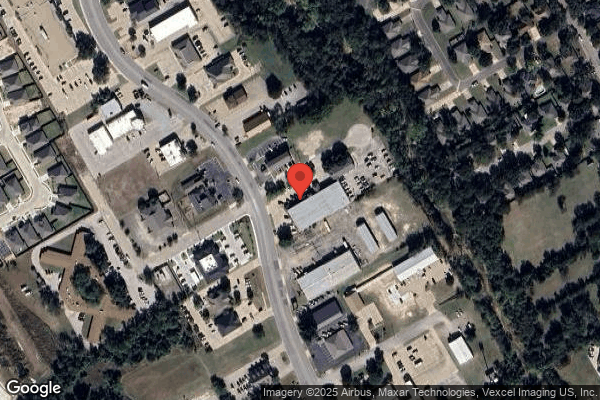
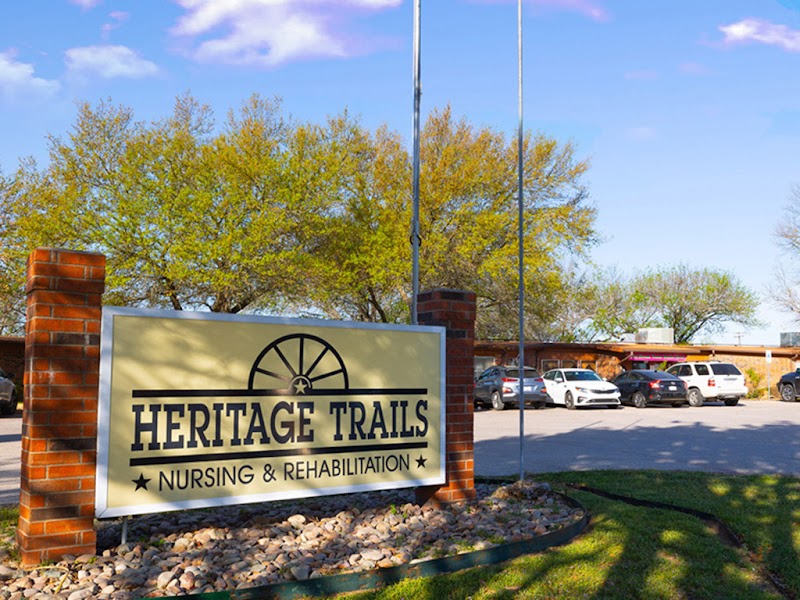
301 LINCOLN PARK DR, CLEBURNE, TX 76033 (817) 558-8999
For profit - Limited Liability company 122 Beds EDURO HEALTHCARE Data: November 2025 2 Immediate Jeopardy citations
Trust Grade
41/100
#251 of 1168 in TX
Last Inspection: August 2025

Inspected within the last 6 months. Data reflects current conditions.

Overview

Heritage Trails Nursing and Rehabilitation Center has a Trust Grade of D, which means it is below average and has some concerns. It ranks #251 out of 1,168 facilities in Texas, placing it in the top half, and #2 out of 9 in Johnson County, indicating that only one other local facility is rated higher. The facility is currently improving, having reduced its issues from eight in 2024 to just one in 2025. Staffing is a weakness, with a rating of 2 out of 5 stars and a turnover rate of 48%, slightly below the Texas average. However, it provides more RN coverage than most facilities, which is a positive aspect since RNs can catch problems that CNAs might miss. Despite these strengths, there are serious concerns highlighted by recent inspections. For example, the facility failed to provide CPR to a resident who had requested a change in their code status, leading to tragic consequences when the resident was found unresponsive. Additionally, there was a serious incident where two residents were involved in a physical altercation, raising concerns about the facility's ability to protect residents from harm. Families should weigh these strengths against the evident weaknesses before making a decision.

Trust Score
D
41/100
In Texas
#251/1168
Top 21%
Safety Record
High Risk
Review needed
Inspections
Getting Better
8 → 1 violations
Staff Stability
⚠ Watch
48% turnover. Above average. Higher turnover means staff may not know residents' routines.
Penalties
✓ Good
$67,124 in fines. Lower than most Texas facilities. Relatively clean record.
Skilled Nurses
⚠ Watch
Each resident gets only 24 minutes of Registered Nurse (RN) attention daily — below average for Texas. Fewer RN minutes means fewer trained eyes watching for problems.
Violations
⚠ Watch
12 deficiencies on record. Higher than average. Multiple issues found across inspections.
★★★★☆
4.0
Overall Rating
★★☆☆☆
2.0
Staff Levels
★★★☆☆
3.0
Care Quality
★★★★☆
4.0
Inspection Score
Stable
2024: 8 issues
2025: 1 issues

The Good

  • Full Sprinkler Coverage · Fire safety systems throughout facility
  • No fines on record

Facility shows strength in fire safety.

The Bad

Staff Turnover: 48%

Near Texas avg (46%)

Higher turnover may affect care consistency

Federal Fines: $67,124

Well above median ($33,413)

Moderate penalties - review what triggered them

Chain: EDURO HEALTHCARE

Part of a multi-facility chain

Ask about local staffing decisions and management

The Ugly 12 deficiencies on record

2 life-threatening 1 actual harm
May 2025 1 deficiency
CONCERN (D) 📢 Someone Reported This

A family member, employee, or ombudsman was alarmed enough to file a formal complaint

Potential for Harm - no one hurt, but risky conditions existed

Safe Environment (Tag F0584)

Could have caused harm · This affected 1 resident

**NOTE- TERMS IN BRACKETS HAVE BEEN EDITED TO PROTECT CONFIDENTIALITY** Based on observation, interview, and record review, the facility failed to provide a safe, clean, comfortable, and homelike envi...

Read full inspector narrative →
**NOTE- TERMS IN BRACKETS HAVE BEEN EDITED TO PROTECT CONFIDENTIALITY** Based on observation, interview, and record review, the facility failed to provide a safe, clean, comfortable, and homelike environment for 2 of 6 residents (Resident #1 and #2) reviewed for a clean and homelike environment. The facility failed to ensure Resident #1's bedside commode was emptied appropriately on 05/08/25. The facility failed to ensure Resident #2's urinal was emptied appropriately on 05/08/25. This failure placed residents at risk of decreased feelings of self-worth and a diminished quality of life. Findings included: A record review of Resident #1's face sheet dated 05/08/25 reflected a [AGE] year-old female who was readmitted to the facility on [DATE]. Resident #1's diagnoses included unspecified dementia (a decline in mental abilities), acute on chronic systolic congestive heart failure (heart condition where the heart's left ventricle isn't pumping blood effectively), muscle weakness (loss of muscle strength), and essential primary hypertension (high blood pressure that doesn't have a known secondary cause). A record review of Resident #1's Quarterly MDS assessment, dated 04/09/2025, reflected Resident #1 had a BIMS score of 15, which indicated cognitively intact. Resident #1's Quarterly MDS Section GG Functional Abilities and Goals reflected that Resident #1 required supervision or touch assistance in the areas of toileting hygiene, upper body dressing, lower body dressing, putting on/taking off footwear, and personal hygiene. A record review of Resident #1's care plan, dated 05/08/2025, reflected Resident #1 was care planned for: Resident #1 has bladder incontinence r/t does not always feel urge to void with an intervention for Resident uses bariatric disposable briefs. During an observation and interview on 05/08/2025 at 9:15am, Resident #1's bedside commode had yellowish liquid in it that appeared to be urine. Resident #1 stated that urine had been there all morning. Resident #1 stated she last used the bedside commode around 6:45am. Resident #1 stated that it's normal for urine to be in her bedside commode due to staff not making rounds. Resident #1 stated the CNA A had been in her room a few times since she last used the bedside commode but did not empty it. During an observation and interview on 05/08/2025 at 11:30am, Resident #1's bedside commode had a brief and yellowish liquid in it that appeared to be urine. Resident #1 stated her bedside commode had not been emptied since I last observed it. A record review of Resident #2's face sheet dated 05/08/25 reflected a [AGE] year-old male who was readmitted to the facility on [DATE]. Resident #1's diagnoses included epilepsy unspecified not intractable without status epilepticus (a seizure disorder where the specific cause of the seizures isn't known), unspecified fracture of right lower leg sequela (a last problem that's a result of a broken right leg), fracture of left lower leg squeal (a long-term condition that develops after the initial break has healed but still affects the leg), and muscle weakness (loss of muscle strength). A record review of Resident #2's Quarterly MDS assessment, dated 02/09/2025, reflected Resident #1 had a BIMS score of 15, which indicated cognitively intact. Resident #2's Quarterly MDS Section GG Functional Abilities and Goals reflected that Resident #2 was dependent in the areas of toileting hygiene, lower body dressing, putting on/taking off footwear. Resident #2 required substantial/maximal assistance in the areas of shower/bathe self, upper body dressing, and personal hygiene. A record review of Resident #2's care plan, dated 05/08/2025, reflected Resident #2 was care planned for: Resident #2 has potential for complications r/t fracture of fracture of unspecified parts of lumbosacral spine and pelvis (lower part of spine that connect to the pelvis, sequela: unspecified fracture of right lower leg, lower leg, sequela; other fracture of left lower leg, sequela. During an observation and interview on 05/08/2025 at 10:50am, Resident #2's urinal had yellowish liquid in it that appeared to be urine. Resident #2 stated that he used his urinal around 9:00am and the CNA had not emptied it. Resident #2 stated that his urinal usually doesn't get emptied until shift change. Resident #2 stated that his CNA for the day was CNA B. During an observation on 05/08/2025 at 11:57am, Resident #2's urinal appeared to have yellowish liquid in it that appeared to be urine. During an observation on 05/08/2025 at 1:09pm, Resident #2's had 1 full urinal and a partially full urinal that appeared to have yellowish liquid in it that appeared to be urine. During an interview on 05/08/2025 at 1:45pm, CNA B stated that he was the CNA working with Resident #2 for the day. CNA B stated that rounds were made at least every two hours. CNA B stated that during rounds CNAs should be checking to see if bed commodes and urinal need emptying. CNA B stated that he had been working assisting other resident and didn't realize that Resident #2 urinals needed to be emptied. CNA B stated that if a resident's urinal or bedside commode was not emptied could cause flies and odors in the resident's room. During an interview on 05/08/2025 at 1:55pm, LVN A stated she emptied Resident #1's bedside commode around 11:45am. LVN A stated when she emptied Resident #1 beside commode there was urine and a brief in it. LVN A stated she was not sure how long the urine and brief had been there. LVN A stated that anyone that enters the resident room could have emptied the bedside commode. LVN A stated that CNAs should make rounds at least every two hours. LVN A stated during the CNAs round they should be checking to see if a resident needs assistance, ensure call lights are within reach, and emptying bedside commodes and urinal. LVN A stated a negative outcome of not emptying a bedside commode or urinal could be odor and flies. During an interview on 05/08/2025 at 2:15pm, CNA A stated that she was the CNA working with Resident #1 for the day. CNA A stated that rounds were made at least every two hours. CNA A stated that during rounds CNAs should be checking to see if bed commodes and urinal need emptying. CNA A stated that Resident #1 urinates frequently so there are times that her bedside commode is not emptied. CNA A stated that if a bedside commode was not emptied timely that could cause odors and the resident may not be able to use the bedside commode if it was full. During an interview on 05/08/2025 at 3:30pm, the DON stated any nursing staff such as CNAs, Medication Aides, or nurses could empty a bedside commode/urinal. The DON stated that CNAs made rounds every two hours or as needed. The DON expected for bedside commodes and urinal to be emptied in a timely manner. The DON stated if bedside commode or urinal was not emptied in a timely manner that could cause odors, and flies. During an interview on 05/08/2025 at 4:00pm, the ADM stated that nursing staff were responsible for ensuring that bedside commodes and urinals are emptied appropriately. The ADM stated that CNAs are to made rounds every two hours or as needed. The ADM stated that a negative outcome of a resident's bedside commode or urinal not being emptied in a timely manner would be odors. The ADM stated she expected for nursing staff to empty bedside commode and urinals in a timely manner to prevent odors. Review of the facility's Bedpan/Urinal, Offering/Removing policy, dated Qrt 3, 2018, reflected, Purpose: The purpose of the procedure is to provide the resident with bedpan and/or a urinal assistance. Preparation 1. Review the resident's care plan to assess for any special needs of the resident. 2. Assemble the equipment and supplies as needed. General Guidelines 1. Check to see if the resident is on intake and output before discarding the urine and feces. 2. Do not allow the resident to sit on a bedpan for extended periods. This is not only uncomfortable to the resident, it also causes skin breakdown. 3. If the resident prefers to keep a urinal at his bedside, check if frequently. Empty and clean it as necessary.
Sept 2024 2 deficiencies 2 IJ
CRITICAL (J) 📢 Someone Reported This

A family member, employee, or ombudsman was alarmed enough to file a formal complaint

Immediate Jeopardy (IJ) - the most serious Medicare violation

Deficiency F0678 (Tag F0678)

Someone could have died · This affected 1 resident

**NOTE- TERMS IN BRACKETS HAVE BEEN EDITED TO PROTECT CONFIDENTIALITY** Based on interviews and record reviews, the facility failed to provide basic life support, including CPR, to a resident requirin...

Read full inspector narrative →
**NOTE- TERMS IN BRACKETS HAVE BEEN EDITED TO PROTECT CONFIDENTIALITY** Based on interviews and record reviews, the facility failed to provide basic life support, including CPR, to a resident requiring emergency care prior to the arrival of emergency medical personnel in accordance with professional standards for one (Resident #1) of four residents reviewed for CPR. The facility failed to update Resident #1's records to reflect he requested a change in his code status on [DATE] from DNR (do not resuscitate) to Full Code. As a result, basic life support measures, including CPR (Cardiopulmonary Resuscitation) were not provided to Resident #1 when Resident #1 was found unresponsive and expired on [DATE]. An Immediate Jeopardy (IJ) was identified on [DATE]. The IJ Template was provided to the facility on [DATE] at 4:25 pm. While the IJ was removed on [DATE] at 5:03 pm, the facility remained out of compliance at a level of no actual harm at a scope of isolated because the facility's need to evaluate the effectiveness of the corrective systems. This failure could result in injury, harm, impairment or death to a resident receiving care in this facility. Findings included: Review of Resident #1's face sheet dated [DATE] reflected a [AGE] year-old male admitted [DATE] with diagnoses that included Dementia (progressive memory loss), Heart Disease, Heart Failure, Chronic Obstructive Pulmonary Disease (COPD - a lung disease that blocks airflow and makes it difficult to breathe), Diabetes Mellitus (blood sugar regulation disorder), Hyperlipidemia (high cholesterol levels) and Liver Failure. Review of Resident #1's quarterly MDS dated [DATE] reflected a BIMS score of 6, suggesting severe cognitive impairment. Further review of the MDS reflected Resident #1 could make himself understood and was able to understand verbal content. Review of Resident #1's care plan dated [DATE] reflected the focus: (Resident #1) has an advance Directive as evidenced by: Do not Resuscitate. Review of Resident #1's care plan meeting notes dated [DATE] signed by SW reflected under the Summary of Social Services section: Change to Full Code Status SDPOA provided Review of Resident #1's progress notes dated [DATE] to [DATE] (date of Resident #1's death), reflected no entry from any NF staff correcting Resident #1's care plan meeting notes on [DATE] listing resident's desire to change to code status as a mistake or error and that Resident #1 wanted to remain a code of DNR. Review of Resident #1's progress notes dated [DATE] @ 12:55 pm reflected: PT WAS PROPELLING SELF IN W/C THIS MORNING. NURSE PRACTITIONER (redacted) SAW PT THIS AM DURING ROUNDS. PT HAD NO S/S OF DISTRESS THIS AM. FSBS WAS OBTAINED AT 11:00AM PT WAS ALERT AND ORIENTED X 1WNL. FSBS 107. @ 1230 RESIDENT ROOMMATE REPORTED THAT PT WAS ON FLOOR IN BATHROOM. DON PERFORMED ASSESSMENT AND PRONOUNCED PT DEATH AT 1245. Review of Resident #1's DNR form dated [DATE] reflected a form signed by FM #2 and two witnesses. Review of Resident #1's SDPOA form dated [DATE] reflected Resident #1 had signed a SDPOA appointing FM #2 as his DPOA. During an interview with FM #1 on [DATE] at 1:29 pm, they stated they were at the care plan meeting on [DATE] when Resident #1 verbally expressed a desire to change his code status from DNR to full code. She stated she remembered this distinctly because she did not agree with Resident #1 being a Full Code due to his health issues, but she supported Resident #1's decision. They stated at this meeting they provided the facility staff with a Statutory Durable Power of Attorney (SDPOA) paperwork as well as a marriage certificate. FM #1 stated the facility did not ask Resident #1 to fill out any forms or paperwork redacting his DNR status in this meeting, nor requested Resident #1 put the request in writing. FM #1 stated after Resident #1's death, they went to the NF on [DATE] and DON informed FM #1 that Resident #1 had been found on the floor of the bathroom and that the NF had not provided any lifesaving measures because Resident #1 had a DNR. FM #1 stated they reminded the DON at that time that Resident #1 had changed his mind in the care plan meeting on [DATE] and wanted to be a Full Code and the DON denied that Resident #1 had said that. During an interview with FM #2 on [DATE] at 2:26 pm, they stated they had attended the care plan meeting on [DATE] with Resident #1, FM #1 and facility staff. FM #2 stated in that meeting, Resident #1's code status was reviewed, and Resident #1 stated he wanted to be a Full Code. FM #2 stated they received a call from FM #3 on [DATE] telling her that Resident #1 had been found on the floor at the NF and had passed. FM #2 stated she called the facility on [DATE] and spoke to the SW who informed her that Resident #1 had passed away. FM #2 stated they went to the facility shortly after this call and FM #2 informed her of what the DON had said regarding Resident #1's code status and the NF not doing CPR. FM #2 stated they were very upset and felt the NF lied about Resident #1's code status because they had not done CPR. During an interview with the SW on [DATE] at 2:36 pm, she stated she was at the care plan meeting on [DATE] with Resident #1, his family members and other NF staff. She stated Resident #1's FM #2 was very adamant during that meeting that he change his code status from DNR to Full Code. The SW stated due to FM #2's insistence, Resident #1 initially stated he wanted to change his code status from DNR to Full Code. The SW stated they reminded [FM#2] that it was Resident #1's decision to make and then asked Resident #1 directly and he stated he wanted his code status to stay as DNR. The investigator recited the care plan meeting notes to the SW and the SW confirmed the care plan meeting notes in the EMR were completed by her and that she had signed the notes stating Resident #1 wanted to change his code status from DNR to Full Code. She stated in that meeting on [DATE], there was a period of time that he (Resident #1) was in agreement with (FM #2) and that's probably when I typed in Change to Full Code, and I did not go back in and review that before I finalized the note. The SW stated she made a mistake in her documentation. When informed there were no other progress notes on this care plan meeting in the EMR, the SW stated she does not recall whether she made any additional notes in the EMR, and she was no longer working at the facility so she could not check and does not recall if she went back and correct it. The SW stated that whatever notes were in the EMR was what was documented. During an interview with the DON on [DATE] at 3:48 pm she stated she was in the care plan meeting on [DATE] with Resident #1, [FM#1, FM#2] and SW. The DON stated that the SW reviewed Resident #1's DNR status and [[FM#2] wanted him to be a Full Code. She stated Resident #1 had his head down and was mumbling so the DON asked him if he wanted to be a DNR. The DON stated she explained the Resident #1 what that meant, and Resident # 1 stated he wanted to keep it like it is as a DNR. She stated she did not put in any progress notes related to what was said or happened in the meeting but remembered the [FM#2] pushing him to change it and Resident #1 ultimately saying he wanted to remain a DNR. She stated there were no forms filled out or anything put in writing because Resident #1 was already a DNR, and he stated he did not want to change. During an interview with the AD on [DATE] at 3:29 pm the AD stated he was not aware that Resident #1 had expressed a desire to change his code status from DNR to Full code in the care plan meeting on [DATE] . The AD stated his expectation was that if a resident changes their mind about a code status they can let any staff know and they will direct resident to the SW and make sure the change takes place. The AD stated his expectations were that any request to change code status by a resident would be turned around in less than 72 hours and that if it would be changed - a resident has a right to have advanced directives. The AD was shown the care plan meeting notes from [DATE] showing the SW documented that Resident #1 wanted a change in code status from DNR to Full Code and AD stated he was not aware of those notes and that if the SW had made a mistake in documentation, it should have been corrected. Attempts to reach the MD on [DATE] by phone at 12:36 pm and by text on [DATE] at 12:39 pm, [DATE] at 8:54 am and 9:45 am were unsuccessful, however the MD did leave a return voicemail that they were out of the country traveling and MD responded to texts, but we were unable to connect. Review of facility policy dated [DATE] entitled Charting and Documentation revealed the following policy statement: All services provided to the resident, progress toward the care plan goals, or any changes in the resident's medical, physical, functional or psychosocial condition, shall be documented in the resident's medical record. The medical record should facilitate communication between the interdisciplinary team regarding the resident's condition and response to care and additionally: 2. The following information is to be documented in the resident medical record: a. Objective observations; b. Medications administered; c. Treatments or services performed; d. Changes in the resident's condition; e. Events, incidents or accidents involving the resident; and f. Progress toward or changes in the care plan goals and objectives. 3. Documentation in the medical record will be objective (not opinionated or speculative), complete, and accurate. The AD was notified on [DATE] at 4:24 pm, that an Immediate Jeopardy had been identified due to the above failures and an IJ template was provided. The following POR was accepted on [DATE] at 2:00 pm. On [DATE], an investigation was initiated at [name of facility]. At approximately 4:25 p.m. on [DATE], a surveyor provided verbal notification that Texas Health and Human Services had determined the conditions at [name of facility] constitute immediate jeopardy to resident health and safety. The Immediate Jeopardy findings were identified in the following areas: F-0842 - The facility failed to update Resident #1's records to reflect that Resident #1 requested a change in his code status on [DATE] from DNR (do not resuscitate) to Full Code. As a result, basic life support measures, including CPR were not provided to Resident #1 on [DATE] when Resident #1 was found unresponsive. Corrective Actions and Identification of Others: Immediate Resident Review and Audit: Action: Conduct a comprehensive audit of all current residents' advance directives and code status forms to identify any discrepancies, incomplete documentation, or missing physician signatures. No discrepancies were found. Moving forward, if any discrepancies are found they will be corrected. Responsible party and MD will be notified. Plan of care will be updated to reflect current status if needed. Responsible Party: Director of Nursing (DON), Social Worker. Timeline: Completed on [DATE] Measurement of Success: 100% of residents will have an accurate, up-to-date code status documented in their medical records and reflected in plan of care. Systemic Change: Staff Education and Training: Action: Implement mandatory in-service training for all staff members involved in resident care (nurses, CNAs) to review the policy on DNR vs. Full Code status, including the correct processes for verifying and documenting code status. Our policy for Advance Directives was provided to all staff. Comprehension will be verified by the staff verbalizing and signing the in-service. Focus on key areas: advance directives, communication with families, and identifying/flagging code status on medical records. Responsible Party: DON, ADONs, and Chief of Clinical Services. Timeline: Completed on [DATE], Measurement of Success: Chief of Clinical services provided training to Admin team. From there, the Director of Nursing/Designee will utilize a signed staff roster to track those who have received education and to determine those who still require it. Anyone not in attendance at education sessions, as evidenced by missing signatures on the staff roster sheet, due to vacation, sick leave, or casual work status will be educated upon their return, prior to their first shift worked. Staff Education and Training: Action: Corporate Clinical consultant completed education with IDT team on proper steps to follow upon family or resident requesting to revoke or change current code status. This should include, verifying resident responsible party or POA, notification to all responsible parties, notification to MD, and complete documentation in resident record to reflect what current code status will be. Our policy for Advance Directives was provided to all staff. Comprehension will be verified by the staff verbalizing and signing the in-service. Responsible Party: Corporate Clinical Consultant Timeline: Completed on [DATE], Measurement of Success: 100% of clinical IDT team, including DON, SSW, Nurse managers, Administrator, will complete education on code status Enhanced Documentation Protocol: Action: Implement an improved documentation protocol that includes: A standardized advance directive form that must be completed upon admission. Clear placement of code status (DNR or Full Code) in the resident's chart, electronic health record, and daily care plan. Responsible Party: Nursing Department, Social Worker. Timeline: Documentation protocols will be revised and implemented by [DATE] Measurement of Success: 100% of residents will have complete and correct advance directives documented using the new protocol. Communication with Residents and Families: Action: Establish a clear communication plan with residents and their families regarding the code status decision-making process: At admission, all residents/families will receive education on the differences between DNR and Full Code, and the options for advance directives. Families will be notified immediately of any changes in the residents' condition that may prompt a review of the advance directive. Responsible Party: Social Services Director, Admissions Coordinator. Timeline: Communication plan to be implemented and completed by [DATE] with current and new residents/families. Measurement of Success: 100% of families will be contacted to confirm their understanding of the resident's advance directive and code status within 5 days of admission or change in condition. Monitoring and Quality Improvement: Action: Integrate advance directive and code status accuracy into the facility's ongoing Quality Assurance and Performance Improvement (QAPI) process: Conduct review of all new admissions and 10% of current resident files, weekly, to ensure that code status is documented correctly and that the DNR/Full Code status is being followed. Include code status tracking as part of the quarterly QAPI meetings to review any issues or incidents related to discrepancies. Responsible Party: QAPI Committee, Administrator, Director of Nursing, Social Worker. Timeline: Audits will begin immediately, on [DATE], and results will be reviewed in the next QAPI meeting. Measurement of Success: A 100% compliance rate for correct advance directive documentation in audits, with any errors identified and corrected within 48 hours. QAPI REVIEW Action: Ad hoc QAPI meeting held with IDT team and MD to review policy on CPR, Advanced directives, and Plan of removal/response to Immediate Jeopardy Citation on [DATE] Start Date: [DATE] Completion Date: [DATE] Responsible: Administrator Monitoring for Effectiveness: Any trends or concerns were/will be addressed with Quality Assurance Performance Committee and continue until a lessor frequency deemed appropriate through QAPI review The surveyor monitored the POR on as followed: A comprehensive audit of all current residents an advanced directives and code status forms was completed on [DATE]. In an interview on [DATE] at 1:00pm with the DON, she stated they went down the resident roster on all residents and called families to verify code status on all residents. The staff then ensured all advanced directives and DNRs were signed on the chart, in the red code book at the nurses' station and the order in the computer correlated with the residents wishes. That was completed on [DATE]. The DNR status was correct on all residents the day of audit and day of entry from state. During an interview on [DATE] at 1:00pm with The DON staff education and training was completed on [DATE] including policy review on DNR vs Full Code. This education included verifying documents, location of documents process for verifying and documenting code status. All staff were given a policy for advanced directives. Staff confirmed they had received training and were able to verbalize the process of code status, where it would be located and procedures on what to do if a resident or RP would like to change their code status. The DON stated that the AD and DON were trained first By the Cooperate clinical consultant along with the IDT team. The DON stated the IDT team then instructed all staff, she stated night shift was educated first, we had the policy reviewed it with each employee including where to look for DNR status. The DON reviewed the DNR book at each nurse's station with the staff and informed them that if a resident changes their mind related to code status, they need to inform the DON and ADON so the proper process can be verified and updated. In an interview on [DATE] at 1:00pm with The DON and AD they confirmed an enhanced documentation protocol plan was completed [DATE]. The plan included A standardized advance directive form that must be completed upon admission. Clear placement of code status (DNR or Full Code) in the resident's chart, electronic health record, and daily care plan. The DON explained that the plan would ensure that if a resident wants to make a change to their code status and completing the advanced directive upon admission. She stated the nursing department heads would be responsible for ensuring documentation was correct. The DON stated the IDT would monitor daily with new admission. She stated the Team are reviewing and monitoring this process daily in morning meeting. During an interview on [DATE] at 1:00pm with The DON and AD, The AD stated communication with Residents and Families should start upon admission. Upon admission all residents/families will receive education on the differences between DNR and Full Code, and the options for advance directives. The DON stated that she and the admissions coordinator would be responsible for explaining the differences between full code and DNR educating residents and family on life savings protocols. The DON stated this would include suppling and assisting with the proper paperwork to ensure resident wishes were made clear. The DON stated they do break the explanation down in layman's terms and ensure families understand and give examples of what it means to be Full Code vs DNR. The AD stated the process would be reviewed every day in morning meeting with the internal document system. The DON stated at times the family doesn't always agree and in those cases, we have a meeting with the family and the resident together and again make it as simple as possible in layman's terms. We address it heavily on care plan day always. During an interview on [DATE] at 1:00pm The AD and DON stated Monitoring and Quality Improvement plan was to Conduct review of all new admissions and 10% of current resident files, weekly, to ensure that code status is documented correctly and that the DNR/Full Code status is being followed. The ADON and DON will be responsible for the monitoring and review daily as well as during the QAPI meeting. The AD stated the QAPI will be held monthly. During interviews on [DATE] at 2:30pm Staff interviews were completed on [DATE] with 3 LVNs, 1RN, 2 CNA, 1 MA- reflected that staff were aware of code status policy. The staff were able to verbally demonstrate how to check for code status. They were able to locate the red code book on each hall and verify code status within the EMR. Staff were able to verbalize steps of notification to DON/ADON for resident request in changing code status. Staff stated they were confident they would be able to effectively complete a code blue (full code) if needed. Staff verbalized they had received a copy of full code, DNR policy and education provided by the IDT including the correct processes for verifying and documenting code status. Staff were also able to locate each AED at the nurses station on crash carts readily available. Review of an in-service, dated [DATE] and conducted by the CNO, reflected the AD and the DON were in-serviced on the following: - Review policy on DNR vs. Full Code status - Review process for verifying and documenting code status - Review process on how to change or revoke a resident's current code status - Review policy on advanced directives. Review of in-service dated [DATE], conducted by the AD, reflected all staff from all shifts were being inserviced on the following: - DNR / Advanced Directives Policy - Charting and Documentation Record review of Advanced Directives audit reflected all residents were reviewed for code status on [DATE]. Review of an Ad Hoc QAPI Agenda, dated [DATE], reflected the AD, MD, DON, ADONS, Dietary and Director of Rehabilitation were in attendance. While the IJ was removed on [DATE] at 5:03 pm, the facility remained out of compliance at a level of no actual harm at a scope of isolated because the facility's need to evaluate the effectiveness of the corrective systems.
CRITICAL (J) 📢 Someone Reported This

A family member, employee, or ombudsman was alarmed enough to file a formal complaint

Immediate Jeopardy (IJ) - the most serious Medicare violation

Medical Records (Tag F0842)

Someone could have died · This affected 1 resident

**NOTE- TERMS IN BRACKETS HAVE BEEN EDITED TO PROTECT CONFIDENTIALITY** Based on Interviews and record reviews, the facility failed to ensure that medical records were accurately documented for one (R...

Read full inspector narrative →
**NOTE- TERMS IN BRACKETS HAVE BEEN EDITED TO PROTECT CONFIDENTIALITY** Based on Interviews and record reviews, the facility failed to ensure that medical records were accurately documented for one (Resident #1) of four residents reviewed for accurate clinical records, in that: The facility failed to update Resident #1's records to reflect he requested a change in his code status on [DATE] from DNR (do not resuscitate) to Full Code. As a result, basic life support measures, including CPR (Cardiopulmonary Resuscitation) were not provided to Resident #1 when Resident #1 was found unresponsive and expired on [DATE]. An Immediate Jeopardy (IJ) was identified on [DATE]. The IJ Template was provided to the facility on [DATE] at 4:25 pm. While the IJ was removed on [DATE] at 5:03 pm, the facility remained out of compliance at a level of no actual harm at a scope of isolated because the facility's need to evaluate the effectiveness of the corrective systems. This failure could result in injury, harm, impairment or death to a resident receiving care in this facility. Findings included: Review of Resident #1's face sheet dated [DATE] reflected a [AGE] year-old male admitted [DATE] with diagnoses that included Dementia (progressive memory loss), Heart Disease, Heart Failure, Chronic Obstructive Pulmonary Disease (COPD - a lung disease that blocks airflow and makes it difficult to breathe), Diabetes Mellitus (blood sugar regulation disorder), Hyperlipidemia (high cholesterol levels) and Liver Failure. Review of Resident #1's quarterly MDS dated [DATE] reflected a BIMS score of 6, suggesting severe cognitive impairment. Further review of the MDS reflected Resident #1 could make himself understood and was able to understand verbal content. Review of Resident #1's care plan dated [DATE] reflected the focus: (Resident #1) has an advance Directive as evidenced by: Do not Resuscitate. Review of Resident #1's care plan meeting notes dated [DATE] signed by SW reflected under the Summary of Social Services section: Change to Full Code Status SDPOA provided Review of Resident #1's progress notes dated [DATE] to [DATE] (date of Resident #1's death), reflected no entry from any NF staff correcting Resident #1's care plan meeting notes on [DATE] listing resident's desire to change to code status as a mistake or error and that Resident #1 wanted to remain a code of DNR. Review of Resident #1's progress notes dated [DATE] @ 12:55 pm reflected: PT WAS PROPELLING SELF IN W/C THIS MORNING. NURSE PRACTITIONER (redacted) SAW PT THIS AM DURING ROUNDS. PT HAD NO S/S OF DISTRESS THIS AM. FSBS WAS OBTAINED AT 11:00AM PT WAS ALERT AND ORIENTED X 1WNL. FSBS 107. @ 1230 RESIDENT ROOMMATE REPORTED THAT PT WAS ON FLOOR IN BATHROOM. DON PERFORMED ASSESSMENT AND PRONOUNCED PT DEATH AT 1245. Review of Resident #1's DNR form dated [DATE] reflected a form signed by FM #2 and two witnesses. Review of Resident #1's SDPOA form dated [DATE] reflected Resident #1 had signed a SDPOA appointing FM #2 as his DPOA. During an interview with FM #1 on [DATE] at 1:29 pm, they stated they were at the care plan meeting on [DATE] when Resident #1 verbally expressed a desire to change his code status from DNR to full code. She stated she remembered this distinctly because she did not agree with Resident #1 being a Full Code due to his health issues, but she supported Resident #1's decision. They stated at this meeting they provided the facility staff with a Statutory Durable Power of Attorney (SDPOA) paperwork as well as a marriage certificate. FM #1 stated the facility did not ask Resident #1 to fill out any forms or paperwork redacting his DNR status in this meeting, nor requested Resident #1 put the request in writing. FM #1 stated after Resident #1's death, they went to the NF on [DATE] and DON informed FM #1 that Resident #1 had been found on the floor of the bathroom and that the NF had not provided any lifesaving measures because Resident #1 had a DNR. FM #1 stated they reminded the DON at that time that Resident #1 had changed his mind in the care plan meeting on [DATE] and wanted to be a Full Code and the DON denied that Resident #1 had said that. During an interview with FM #2 on [DATE] at 2:26 pm, they stated they had attended the care plan meeting on [DATE] with Resident #1, FM #1 and facility staff. FM #2 stated in that meeting, Resident #1's code status was reviewed, and Resident #1 stated he wanted to be a Full Code. FM #2 stated they received a call from FM #3 on [DATE] telling her that Resident #1 had been found on the floor at the NF and had passed. FM #2 stated she called the facility on [DATE] and spoke to the SW who informed her that Resident #1 had passed away. FM #2 stated they went to the facility shortly after this call and FM #2 informed her of what the DON had said regarding Resident #1's code status and the NF not doing CPR. FM #2 stated they were very upset and felt the NF lied about Resident #1's code status because they had not done CPR. During an interview with the SW on [DATE] at 2:36 pm, she stated she was at the care plan meeting on [DATE] with Resident #1, his family members and other NF staff. She stated Resident #1's FM #2 was very adamant during that meeting that he change his code status from DNR to Full Code. The SW stated due to FM #2's insistence, Resident #1 initially stated he wanted to change his code status from DNR to Full Code. The SW stated they reminded [FM#2] that it was Resident #1's decision to make and then asked Resident #1 directly and he stated he wanted his code status to stay as DNR. The investigator recited the care plan meeting notes to the SW and the SW confirmed the care plan meeting notes in the EMR were completed by her and that she had signed the notes stating Resident #1 wanted to change his code status from DNR to Full Code. She stated in that meeting on [DATE], there was a period of time that he (Resident #1) was in agreement with (FM #2) and that's probably when I typed in Change to Full Code, and I did not go back in and review that before I finalized the note. The SW stated she made a mistake in her documentation. When informed there were no other progress notes on this care plan meeting in the EMR, the SW stated she does not recall whether she made any additional notes in the EMR, and she was no longer working at the facility so she could not check and does not recall if she went back and correct it. The SW stated that whatever notes were in the EMR was what was documented. During an interview with the DON on [DATE] at 3:48 pm she stated she was in the care plan meeting on [DATE] with Resident #1, [FM#1, FM#2] and SW. The DON stated that the SW reviewed Resident #1's DNR status and [[FM#2] wanted him to be a Full Code. She stated Resident #1 had his head down and was mumbling so the DON asked him if he wanted to be a DNR. The DON stated she explained the Resident #1 what that meant, and Resident # 1 stated he wanted to keep it like it is as a DNR. She stated she did not put in any progress notes related to what was said or happened in the meeting but remembered the [FM#2] pushing him to change it and Resident #1 ultimately saying he wanted to remain a DNR. She stated there were no forms filled out or anything put in writing because Resident #1 was already a DNR, and he stated he did not want to change. During an interview with the AD on [DATE] at 3:29 pm the AD stated he was not aware that Resident #1 had expressed a desire to change his code status from DNR to Full code in the care plan meeting on [DATE] . The AD stated his expectation was that if a resident changes their mind about a code status they can let any staff know and they will direct resident to the SW and make sure the change takes place. The AD stated his expectations were that any request to change code status by a resident would be turned around in less than 72 hours and that if it would be changed - a resident has a right to have advanced directives. The AD was shown the care plan meeting notes from [DATE] showing the SW documented that Resident #1 wanted a change in code status from DNR to Full Code and AD stated he was not aware of those notes and that if the SW had made a mistake in documentation, it should have been corrected. Attempts to reach the MD on [DATE] by phone at 12:36 pm and by text on [DATE] at 12:39 pm, [DATE] at 8:54 am and 9:45 am were unsuccessful, however the MD did leave a return voicemail that they were out of the country traveling and MD responded to texts, but we were unable to connect. Review of facility policy dated [DATE] entitled Charting and Documentation revealed the following policy statement: All services provided to the resident, progress toward the care plan goals, or any changes in the resident's medical, physical, functional or psychosocial condition, shall be documented in the resident's medical record. The medical record should facilitate communication between the interdisciplinary team regarding the resident's condition and response to care and additionally: 2. The following information is to be documented in the resident medical record: a. Objective observations; b. Medications administered; c. Treatments or services performed; d. Changes in the resident's condition; e. Events, incidents or accidents involving the resident; and f. Progress toward or changes in the care plan goals and objectives. 3. Documentation in the medical record will be objective (not opinionated or speculative), complete, and accurate. The AD was notified on [DATE] at 4:24 pm, that an Immediate Jeopardy had been identified due to the above failures and an IJ template was provided. The following POR was accepted on [DATE] at 2:00 pm. On [DATE], an investigation was initiated at [name of facility]. At approximately 4:25 p.m. on [DATE], a surveyor provided verbal notification that Texas Health and Human Services had determined the conditions at [name of facility] constitute immediate jeopardy to resident health and safety. The Immediate Jeopardy findings were identified in the following areas: F-0842 - The facility failed to update Resident #1's records to reflect that Resident #1 requested a change in his code status on [DATE] from DNR (do not resuscitate) to Full Code. As a result, basic life support measures, including CPR were not provided to Resident #1 on [DATE] when Resident #1 was found unresponsive. Corrective Actions and Identification of Others: Immediate Resident Review and Audit: • Action: Conduct a comprehensive audit of all current residents' advance directives and code status forms to identify any discrepancies, incomplete documentation, or missing physician signatures. No discrepancies were found. Moving forward, if any discrepancies are found they will be corrected. Responsible party and MD will be notified. Plan of care will be updated to reflect current status if needed. • Responsible Party: Director of Nursing (DON), Social Worker. • Timeline: Completed on [DATE] • Measurement of Success: 100% of residents will have an accurate, up-to-date code status documented in their medical records and reflected in plan of care. Systemic Change: Staff Education and Training: • Action: Implement mandatory in-service training for all staff members involved in resident care (nurses, CNAs) to review the policy on DNR vs. Full Code status, including the correct processes for verifying and documenting code status. Our policy for Advance Directives was provided to all staff. Comprehension will be verified by the staff verbalizing and signing the in-service. • Focus on key areas: advance directives, communication with families, and identifying/flagging code status on medical records. • Responsible Party: DON, ADONs, and Chief of Clinical Services. Timeline: Completed on [DATE], • Measurement of Success: Chief of Clinical services provided training to Admin team. From there, the Director of Nursing/Designee will utilize a signed staff roster to track those who have received education and to determine those who still require it. Anyone not in attendance at education sessions, as evidenced by missing signatures on the staff roster sheet, due to vacation, sick leave, or casual work status will be educated upon their return, prior to their first shift worked. Staff Education and Training: • Action: Corporate Clinical consultant completed education with IDT team on proper steps to follow upon family or resident requesting to revoke or change current code status. This should include, verifying resident responsible party or POA, notification to all responsible parties, notification to MD, and complete documentation in resident record to reflect what current code status will be. Our policy for Advance Directives was provided to all staff. Comprehension will be verified by the staff verbalizing and signing the in-service. • Responsible Party: Corporate Clinical Consultant • Timeline: Completed on [DATE], • Measurement of Success: 100% of clinical IDT team, including DON, SSW, Nurse managers, Administrator, will complete education on code status Enhanced Documentation Protocol: • Action: Implement an improved documentation protocol that includes: • A standardized advance directive form that must be completed upon admission. • Clear placement of code status (DNR or Full Code) in the resident's chart, electronic health record, and daily care plan. • Responsible Party: Nursing Department, Social Worker. • Timeline: Documentation protocols will be revised and implemented by [DATE] • Measurement of Success: 100% of residents will have complete and correct advance directives documented using the new protocol. Communication with Residents and Families: • Action: Establish a clear communication plan with residents and their families regarding the code status decision-making process: • At admission, all residents/families will receive education on the differences between DNR and Full Code, and the options for advance directives. • Families will be notified immediately of any changes in the residents' condition that may prompt a review of the advance directive. • Responsible Party: Social Services Director, Admissions Coordinator. • Timeline: Communication plan to be implemented and completed by [DATE] with current and new residents/families. • Measurement of Success: 100% of families will be contacted to confirm their understanding of the resident's advance directive and code status within 5 days of admission or change in condition. Monitoring and Quality Improvement: • Action: Integrate advance directive and code status accuracy into the facility's ongoing Quality Assurance and Performance Improvement (QAPI) process: • Conduct review of all new admissions and 10% of current resident files, weekly, to ensure that code status is documented correctly and that the DNR/Full Code status is being followed. • Include code status tracking as part of the quarterly QAPI meetings to review any issues or incidents related to discrepancies. • Responsible Party: QAPI Committee, Administrator, Director of Nursing, Social Worker. • Timeline: Audits will begin immediately, on [DATE], and results will be reviewed in the next QAPI meeting. • Measurement of Success: A 100% compliance rate for correct advance directive documentation in audits, with any errors identified and corrected within 48 hours. QAPI REVIEW Action: Ad hoc QAPI meeting held with IDT team and MD to review policy on CPR, Advanced directives, and Plan of removal/response to Immediate Jeopardy Citation on [DATE] Start Date: [DATE] Completion Date: [DATE] Responsible: Administrator Monitoring for Effectiveness: Any trends or concerns were/will be addressed with Quality Assurance Performance Committee and continue until a lessor frequency deemed appropriate through QAPI review The surveyor monitored the POR on as followed: A comprehensive audit of all current residents an advanced directives and code status forms was completed on [DATE]. In an interview on [DATE] at 1:00pm with the DON, she stated they went down the resident roster on all residents and called families to verify code status on all residents. The staff then ensured all advanced directives and DNRs were signed on the chart, in the red code book at the nurses' station and the order in the computer correlated with the residents wishes. That was completed on [DATE]. The DNR status was correct on all residents the day of audit and day of entry from state. During an interview on [DATE] at 1:00pm with The DON staff education and training was completed on [DATE] including policy review on DNR vs Full Code. This education included verifying documents, location of documents process for verifying and documenting code status. All staff were given a policy for advanced directives. Staff confirmed they had received training and were able to verbalize the process of code status, where it would be located and procedures on what to do if a resident or RP would like to change their code status. The DON stated that the AD and DON were trained first By the Cooperate clinical consultant along with the IDT team. The DON stated the IDT team then instructed all staff, she stated night shift was educated first, we had the policy reviewed it with each employee including where to look for DNR status. The DON reviewed the DNR book at each nurse's station with the staff and informed them that if a resident changes their mind related to code status, they need to inform the DON and ADON so the proper process can be verified and updated. In an interview on [DATE] at 1:00pm with The DON and AD they confirmed an enhanced documentation protocol plan was completed [DATE]. The plan included A standardized advance directive form that must be completed upon admission. Clear placement of code status (DNR or Full Code) in the resident's chart, electronic health record, and daily care plan. The DON explained that the plan would ensure that if a resident wants to make a change to their code status and completing the advanced directive upon admission. She stated the nursing department heads would be responsible for ensuring documentation was correct. The DON stated the IDT would monitor daily with new admission. She stated the Team are reviewing and monitoring this process daily in morning meeting. During an interview on [DATE] at 1:00pm with The DON and AD, The AD stated communication with Residents and Families should start upon admission. Upon admission all residents/families will receive education on the differences between DNR and Full Code, and the options for advance directives. The DON stated that she and the admissions coordinator would be responsible for explaining the differences between full code and DNR educating residents and family on life savings protocols. The DON stated this would include suppling and assisting with the proper paperwork to ensure resident wishes were made clear. The DON stated they do break the explanation down in layman's terms and ensure families understand and give examples of what it means to be Full Code vs DNR. The AD stated the process would be reviewed every day in morning meeting with the internal document system. The DON stated at times the family doesn't always agree and in those cases, we have a meeting with the family and the resident together and again make it as simple as possible in layman's terms. We address it heavily on care plan day always. During an interview on [DATE] at 1:00pm The AD and DON stated Monitoring and Quality Improvement plan was to Conduct review of all new admissions and 10% of current resident files, weekly, to ensure that code status is documented correctly and that the DNR/Full Code status is being followed. The ADON and DON will be responsible for the monitoring and review daily as well as during the QAPI meeting. The AD stated the QAPI will be held monthly. During interviews on [DATE] at 2:30pm Staff interviews were completed on [DATE] with 3 LVNs, 1RN, 2 CNA, 1 MA- reflected that staff were aware of code status policy. The staff were able to verbally demonstrate how to check for code status. They were able to locate the red code book on each hall and verify code status within the EMR. Staff were able to verbalize steps of notification to DON/ADON for resident request in changing code status. Staff stated they were confident they would be able to effectively complete a code blue (full code) if needed. Staff verbalized they had received a copy of full code, DNR policy and education provided by the IDT including the correct processes for verifying and documenting code status. Staff were also able to locate each AED at the nurses station on crash carts readily available. Review of an in-service, dated [DATE] and conducted by the CNO, reflected the AD and the DON were in-serviced on the following: - Review policy on DNR vs. Full Code status - Review process for verifying and documenting code status - Review process on how to change or revoke a resident's current code status - Review policy on advanced directives. Review of in-service dated [DATE], conducted by the AD, reflected all staff from all shifts were being inserviced on the following: - DNR / Advanced Directives Policy - Charting and Documentation Record review of Advanced Directives audit reflected all residents were reviewed for code status on [DATE]. Review of an Ad Hoc QAPI Agenda, dated [DATE], reflected the AD, MD, DON, ADONS, Dietary and Director of Rehabilitation were in attendance. While the IJ was removed on [DATE] at 5:03 pm, the facility remained out of compliance at a level of no actual harm at a scope of isolated because the facility's need to evaluate the effectiveness of the corrective systems.
Jul 2024 4 deficiencies
CONCERN (D)

Potential for Harm - no one hurt, but risky conditions existed

Deficiency F0582 (Tag F0582)

Could have caused harm · This affected 1 resident

**NOTE- TERMS IN BRACKETS HAVE BEEN EDITED TO PROTECT CONFIDENTIALITY** Based on interview and record review, the facility failed to provide advance notice of change in services and charges not covere...

Read full inspector narrative →
**NOTE- TERMS IN BRACKETS HAVE BEEN EDITED TO PROTECT CONFIDENTIALITY** Based on interview and record review, the facility failed to provide advance notice of change in services and charges not covered under Medicare for 1 of 3 residents (Residents #3) reviewed for Medicaid and Medicare Coverage Liability Notices. The facility failed to ensure Resident #3 was provided a Skilled Nursing Facility Advance Beneficiary Notice of Non-coverage Form CMS-10055 (SNF ABN) when she was discharged from Medicare Part A skilled nursing services. This failure placed residents, or their representatives, at risk of not being fully informed about services covered by Medicare Part A. Findings Included: Record review of Resident #3's AR, dated 7/11/2024, reflected a [AGE] year-old woman who admitted to the facility on [DATE]. She was diagnosed with congestive heart failure (which was a long-term condition that happened when the heart could not pump blood well enough to give your body a normal supply.) Record review of Resident #3's Quarterly MDS, dated [DATE], Section C., Cognitive Patterns indicated Resident #3 had a BIMS Score of 14. A BIMS Score of 14 indicated Resident #3 did not have cognitive impairment . Record review of Resident #3's census data, viewed 7-11-2024, indicated Resident #3 admitted to the facility on Medicare Part A on 2/13/2024 and discharged from Medicare Part A to private pay on 3/3/2024. Resident #3 was not taking part in skilled nursing services as of 3/3/2024. Interview on 7/11/2024 at 9:01 AM with MDSC P revealed Resident #3 was admitted to the facility on [DATE] for skilled nursing services having utilized Medicare Part A. The resident initiated a move from skilled nursing services, Medicare Part A, to private pay because she did not want to pay the co-pay for skilled nursing services. Resident #3 stayed at the facility on private pay. Resident #3 did not utilize the full 100 days of Medicare Part A, so she had days remaining. She should have received a SNF ABN. The facility did not have SNF ABN on file with the resident's acknowledgement. Resident #3 did not receive the SNF ABN due to human error. The error did not place the resident in any harm or risk her ability to receive care. The error did not deny the resident the ability to have utilized Medicare Part A later. Interview on 7/11/2024 at 11:21 AM with the DON revealed SNF ABN forms were handled by the MDSC. Staff was supposed to follow the Medicare Part A guidelines for SNF ABN dispersal. The omission in dispersing a SNF ABN to Resident #3 fell upon human error and the unique situation that Resident #3 chose to drop Medicare Part A and stayed at the facility with private pay. Resident #3 was not placed in any harm and her opportunities to participate in Medicare Part A later were not altered. Interview on 7/11/2021 at 11:34 AM with the ADM revealed she expected her staff to follow the rules of Medicare Part A and the Medicare Claims Processing Manual for financial liability protections. The failure for the SNF ABN having not been provided was human error. Resident #3 was never placed in any harm. She was not placed at risk for denial to participate in Medicare Part A moving forward. Record review of the facility's guidelines for determination to issue a SNF ABN was the Medicare Claims Processing Manual, dated 12/20/2023. Section 70.4 of the Medicare Claims Processing Manual indicated : When completing and delivering the SNF ABN, skilled nursing facilities must meet the written notice standards of this chapter, unless otherwise specified. Failure to provide a proper SNF ABN in situations where a physician has ordered the extended care item or service may result in the skilled nursing facilities being held financially liable under the provisions, where such provisions apply. skilled nursing facilities may also be sanctioned for violating the conditions of participation regarding resident (beneficiary) rights.
CONCERN (D)

Potential for Harm - no one hurt, but risky conditions existed

Assessment Accuracy (Tag F0641)

Could have caused harm · This affected 1 resident

**NOTE- TERMS IN BRACKETS HAVE BEEN EDITED TO PROTECT CONFIDENTIALITY** Based on observation, interview, and record review the facility failed to ensure the resident assessment accurately reflected th...

Read full inspector narrative →
**NOTE- TERMS IN BRACKETS HAVE BEEN EDITED TO PROTECT CONFIDENTIALITY** Based on observation, interview, and record review the facility failed to ensure the resident assessment accurately reflected the resident's status for 1 of 7 Residents (Resident #51) who were reviewed for accuracy of assessments. The facility incorrectly coded Resident #51 with weight loss on the quarterly MDS. This failure placed residents at risk of incorrect care and services necessary for their physical, mental, and psychosocial well-being. Findings included: Record review of Resident #51's AR, dated 7/9/2024, reflected an [AGE] year-old woman who admitted to the facility on [DATE]. She was diagnosed with encounter for removal of internal fixation device (which was admittance to remove a medical device post-surgical procedure.) Record review of Resident #51's Quarterly MDS, dated [DATE], reflected Section C., Cognitive Patterns: Resident #51 had a BIMS Score of 12. A BIMS Score of 12 indicated the resident had moderate cognitive impairment. Record review of Resident #51's order summary report reflected an order, initiated on 6/13/2024, to weigh the resident upon admission, then monthly, if gain/loss greater than 3 pounds, reweigh, notify medical doctor. Record review of Resident #51's CP reflected a focus area for nutritional problem, initiated on 6/21/2024, evidenced by potential weight loss. The goal, initiated on 6/21/2024, was for the resident to maintain weight. The intervention, initiated 6/21/2024, was for nursing staff to monitor weight and report significant weight loss: 3 pounds loss in a week; greater than 5% in a month; greater than 7.5% in 3 months; and greater than 10% in 6 months. Record review of Resident #51's documented weights and vitals in PCC (the facility documentation platform,) taken on 6/13/2024, reflected her weight of 174.6 pounds. Weight taken and recorded by LVN M. Record review of Resident #51's documented weights and vitals in PCC, taken on 6/18/2024, reflected her weight of 157 pounds. Weight taken and recorded by the RD. (Having utilized the LTCSP software: On 06/13/2024, the resident weighed 174.6 lbs. On 06/18/2024, the resident weighed 157 pounds which was a -10.08 % loss.) Record review of the facility's monthly weight report (loose paper copy; not in PCC,) dated 7/1/2024, reflected Resident #51 weighed 171 pounds. Weight taken and recorded by the AAD. (Having utilized the LTCSP software: On 06/13/2024, the resident weighed 174.6 lbs . On 07/01/2024, the resident weighed 171 pounds which was a -2.06 % loss.) Record review of Resident #51's documented weights and vitals in PCC, taken on 7/4/2024, reflected her weight of 146 pounds. Weight taken and recorded by LVN N. (Having utilized the LTCSP software: (Having Utilized the LTCSP software: On 06/13/2024, the resident weighed 174.6 lbs . On 07/04/2024, the resident weighed 146 pounds which is a -16.38 % Loss.) Record review of Resident #51's Quarterly MDS, dated [DATE], reflected Section K., Swallowing/Nutritional Status: Resident #51 weighed 146 pounds. Resident #51's weight of 146 pounds reflected a loss of 5% or more in the last month, or more than 10% in the last 6 months, and was not on a physician-prescribed weight loss regimen. Record review of Resident #51's documented weights and vitals in PCC, taken on 7/8/2024, reflected her weight of 157 pounds. Weight taken and recorded by LVN O. (Having Utilized the LTCSP software: (Having Utilized the LTCSP software: On 06/13/2024, the resident weighed 174.6 lbs . On 07/08/2024, the resident weighed 157 pounds which was a -10.08 % Loss.) Interview and record review on 7/10/2024 at 11:10 AM with the KM revealed she was unaware that Resident #51 was flagged for weight loss on her most recent MDS assessment, dated 7/5/2024. The KM stated she and the RD had weights taken on 7/1/2024 and Resident #51 weighed 171 pounds, which did not result in any significant weight loss. The KM produced a loose paper copy of residents' weights of indicated the weights taken on 7/1/2024 was the weight information used for dietary management and the weight of 171 pounds did not reflect the need for weight loss intervention for Resident #51. The weights recorded from 7/1/2024 had not been uploaded in the facility weights and vitals summary in PCC. Interview on 07/10/24 at 11:28 AM with Resident #51 revealed she had been at the facility for a few weeks. She claimed she felt good and that she hoped to go home soon. She was at a healthy body weight and did not feel she had any significant weight loss. Interview on 07/11/24 at 9:01 AM with MDSC P revealed Resident #51's Quarterly MDS, dated [DATE], was documented with the most recent weights on the weights and vitals summary in PCC, which was 146 pounds taken on 7/4/2024. If the weights were incorrect on the weights and vitals summary in PCC, it would have been incorrect on the MDS also. The MDS identifier for weight loss was triggered incorrectly based on inaccurate weights on the weights and vitals summary in PCC. Interview and observation on 7/11/2024 at 9:45 AM with the AAD revealed he was the staff member who weighed residents listed the 7/1/2024 monthly weight report. He, along with other staff who weighed Resident #51, had access to two distinct types of scales at the facility. One was a wheelchair scale, which weighed residents while seated in a wheelchair, and the other was a mechanical chair, which weighed residents from on a cushioned seat (not in a wheelchair.) He stated he wanted to be the only staff member to weigh the residents so they would be weighed using the same scale in the same body position, which would reflect the most accurate weight. He stated sometimes residents rested their foot/feet on a small bar under the seat of the mechanical scale, which resulted in inaccurate weights. If a different staff member weighed the resident on a different scale than before or did not notice the resident having rested their foot on the bar under the seat, the weights would have been inaccurate. Observations reflected the wheelchair scale accurate. Observations reflected the mechanical scale 5 pounds greater. A second weight was taken with the mechanical scale with a foot placed on the bar under the seat. The second weight taken, with a foot on the bar, was 100 pounds lighter and did not reflect an accurate weight. Interview on 7/11/2024 at 11:21 AM with the DON revealed Resident #51 had been coded for weight loss in her most recent Quarterly MDS, dated [DATE]. The DON was not aware of any significant weight loss because she participated in the facility's monthly weight loss meetings, where Resident #51 had not been discussed with the KM or RD. When the DON reviewed Resident #51 weights recorded in the weights and vitals summary in PCC, she remarked how the weights fluctuated and how she would have liked for one person to weight the residents, so the same scales were used and weights more accurate. Interview and record review on 7/11/2024 at 1:00 PM with the ADM revealed she expected her staff to follow the facility policies for Weight Assessment and Interventions as well as Resident Assessments. Record review of Resident #51's documented weights and vitals in PCC, taken on 7/11/2024 at 12:14 PM by LVN O, reflected Resident #51's weight of 169.8 pounds. The inaccurate weights in the weights and vitals summary in PCC was a failure for staff having been consistent with the scale used, the resident's body position at the time of being weighed and making corrections to observable weight errors. The failure of the accurate MDS Assessment fell upon the use of inaccurate weights documented in the weights and vitals summary in PCC. Resident #51 had not suffered any significant weight loss and was never at risk of harm due to weight loss. Record review of the facility's Weight Assessment and Intervention Policy, dated March 2022, reflected weights were supposed to be recorded in each unit's weight record chart and in the individual's medical record. Any weight change of 5% or more since the last weight assessment was supposed to be retaken the next day for confirmation. If the weights were verified, nursing would immediately notify the dietitian in writing. Unless notified of significant weight change, the dietician would review the unit weight record monthly to follow individual weight trends over time. Record review of the facility's Resident Assessment Policy, dated March 2022, reflected the resident assessment coordinator was responsible for ensuring the IDT team conducts timely and appropriate resident assessments.
CONCERN (E)

Potential for Harm - no one hurt, but risky conditions existed

Respiratory Care (Tag F0695)

Could have caused harm · This affected multiple residents

**NOTE- TERMS IN BRACKETS HAVE BEEN EDITED TO PROTECT CONFIDENTIALITY** Based on observation, interview, and record review, the facility failed to ensure residents who needed respiratory care were pro...

Read full inspector narrative →
**NOTE- TERMS IN BRACKETS HAVE BEEN EDITED TO PROTECT CONFIDENTIALITY** Based on observation, interview, and record review, the facility failed to ensure residents who needed respiratory care were provided such care, consistent with professional standards of practice and the comprehensive person-centered care plan for 2 of 7 Resident (Resident #64 and Resident #24) reviewed for quality of care. 1. The facility failed to ensure Resident #64 had a clean air filter in his CPCP Machine and the facility towel dried Resident #64's CPAP mask versus allowing to air dry. 2. The facility failed to ensure Resident #24 had an air filter in his CPAP Machine and the facility failed to allow Resident #64's CPAP mask, along with the head strap, to air dry. The failures placed residents who use CPAP treatment at risk of respiratory infection. Findings included: 1. Record review of Resident #64's AR, dated 7/9/2024, reflected a [AGE] year-old-male who admitted to the facility on [DATE]. He was diagnosed with critical illness myopathy (which was a disease having involved muscles of the extremities, trunk, and respiration) and obstructive sleep apnea (which was a medical condition marked by throat muscles having relaxed and having blocked the person's airway while sleeping.) Record review of Resident #64's admission MDS, dated [DATE], reflected Section C., Cognitive Patterns: Resident #64 had a BIMS Score of 13. A BIMS Score of 13 indicated the resident had no cognitive impairment. Section O., Special Treatments, Procedures, and Programs reflected Resident #64 utilized Non-invasive Mechanical Ventilator while a resident. Record review of Resident #64's CP reflected a focus area for sleep apnea support, initiated 6/27/2024, evidenced by resident having sleep apnea. The goal, initiated on 6/27/2024, was for resident to be free from complications. The intervention, initiated on 6/27/2024, was for the resident to utilize a CPAP machine. Record review of Resident #64's order summary report reflected an order, initiated on 6/25/2024, to cleanse CPAP mask and tubing with soap and water daily after use in the morning. Record review on 7/11/2024 of Resident #64's CPAP Machine manufacturer guidelines , issued June 2021, which was a Resvent Model, reflected the machine required an undamaged filter for proper operation. Dirty inlet filters may have caused high operating temperatures that may have affected the CPAP device's performance. Regular examination was required for the inlet filters as needed for integrity and cleanliness. Interview and observation on 07/09/24 at 10:29 AM with Resident #64's revealed he utilized a CPAP machine for his sleep apnea every night. Interview reflected he was not able to recall the last time his filter was changed in his CPAP machine, when the last time his CPAP mask was washed, or the last time his CPAP tubing was changed. Observations of Resident #64's CPAP machine revealed the filter, utilized to keep contaminates out of his CPAP machine, was dirty. The filter, which was originally white, was approximately 1.5 inches long x .75 inches wide x .125 inches deep. The filter was no longer white. It was grey from dust and the filter had a larger accumulation of dust in a circle. The heavier concentration of dust was in the shape of a circle was where the filter fit directly over the air inlet vent on the back side of the CPAP Machine. There were no date markings to signify the last date the CPAP machine was cleaned or serviced . Interview and observation on 07/10/24 at 9:12 AM Resident #64 stated staff cleaned his CPAP mask today. Observation of the filter in the CPAP machine filter revealed a grey filter with a darker collection of dirt in the shape of a circle where the filter covered the inlet vent. It had not been cleaned or changed since yesterday's observation. The resident's mask was on the resident's lap; he complained that there was water in the mask, left from when staff washed it, and that he needed it to be dry because water leaked into his mouth. Interview and observation on 07/10/24 at 9:14 AM with LVN O revealed she cleaned Resident #64's mask this morning and had done so every morning. The TAR notified the nurse team to clean his mask daily. She stated she cleaned his air inlet filter yesterday and was about to clean it again today. She was observed removing the filter from the CPAP machine and entered the bathroom; she said to wash the filter out. When she emerged from the restroom, she stated she dropped it, the filter, down the drain. She stated she was going to get another filter for Resident #64's CPAP machine. She did not know where to get new filters and said she was going to find out. Observations revealed the CPAP air filter in the drainpipe in Resident #64's bathroom. LVN O was observed returning to Resident #64's room where she was observed having towel-dried Resident #64's CPAP mask. 2. Record review of Resident #24's AR, dated 7/9/2024, reflected a [AGE] year-old male who admitted to the facility on [DATE]. He was diagnosed with a fracture to the thoracic vertebrae (breaks in the discs that composed the spine) and obstructive sleep apnea (which was a medical condition marked by throat muscles having relaxed and having blocked the person's airway while sleeping.) Record review of Resident #24's Quarterly MDS, dated [DATE], reflected Section C., Cognitive Patterns: Resident #24 had a BIMS Score of 12. A BIMS Score of 12 indicated the resident had moderate cognitive impairment. Section O., Special Treatments, Procedures, and Programs reflected Resident #24 utilized Non-invasive Mechanical Ventilator while a resident. Record review of Resident #24's CP reflected a focus area for sleep patterns, initiated 9/29/2023, evidenced by resident having sleep apnea. The goal, initiated on 9/29/2023, was for resident to have adequate sleep. The intervention, initiated on 5/10/2024, was for the resident to utilize a CPAP machine. Record review of Resident #24's order summary report reflected an order, initiated on 5/10/2024, to cleanse mask and tubing with soap and water daily after use in the morning. Record review, on 7/11/2024 of Resident #24's CPAP Machine manufacturer guidelines , undated, which was a ResMed Model, reflected the filter was supposed to be regularly checked for any damage; replaced every 6 months or earlier if there was any sign of holes of blockage. The filter was supposed to be in place at all times to prevent water and dust from entering the device. Interview and observation on 07/09/24 at 10:14 AM with Resident #24 revealed he was diagnosed with sleep apnea and utilized a CPAP machine to help him breathe every night when he slept. He was unable to recall the last time he observed staff clean his CPAP mask, change his filter, or change the tubing. He denied respiratory illnesses. Observation of his CPAP machine revealed his mask was contained in a plastic bag while not in use. The compartment on the CPAP machine, which was supposed to have a filter for clean air intake, was empty. There were no dates on any of the tubing or CPAP machine. Interview and observation on 07/10/24 at 9:33 AM with Resident #24 revealed staff cleaned his CPAP mask this morning. He denied respiratory distress. Observation reflected the mask was tucked away in a closed plastic bag. The CPAP mask and the headband for the mask were damp to the touch. Observation of the chamber for the air filter reflected an empty chamber; there was no filter. Interview and observation on 07/10/24 at 9:34 AM with LVN O revealed she cleaned Resident #24's mask with soap and water this morning under the water in the bathroom sink and the placed the mask back into the plastic bag. She did not clean his filter and did not recall the last time it was changed. She was observed checking the resident's filter and discovered the resident did not have a filter in its machine. LVN O stated she told the ADON B, who got the filters . LVN O stated the TAR prompted masks to be washed daily, but the orders and the TAR did not indicate anything about the filter . Interview on 07/10/24 at 9:44 AM with the DON reflected replacement filters, and parts, for CPAP Machines were not kept at the facility. The facility coordinated with either the resident's family, or with a third-party vendor, for CPAP supplies . Interview on 7/10/24 at 11:15 AM ADON B revealed the facility contacted the third-party vendor for Resident #64's CPAP supplies and a responsible party for Resident #24's CPAP supplies. ADON B stated the facility had initiated contact for the supplies needed. Interview on 7/11/2024 at 10:40 AM with LVN P revealed staff were trained in caring for CPAP machines. LVN P stated staff was trained to wash the CPAP mask with soap and water and let them air dry. She stated the training did not cover filters. She stated a dirty air filter on a CPAP machine, or uncleaned CPAP components, placed the resident at risk for respiratory illness. She stated the failure to have clean filters, or to know to check for dirty ones fell on education, no changes specified as an order, or notifications prompted in the TAR. Interview and record review on 7/11/2024 at 11:21 AM with the DON revealed nursing staff had been trained on how to care for CPCP machines. Training entailed CPAP masks were washed daily and placed on a towel to air dry. The filter was supposed to be checked weekly and changed, as necessary. Per policy, it was the facility's responsibility to provide routine supplies and routine cleaning for residents' CPAP machines. Per policy, the facility was also responsible to follow specific cleaning instruction obtained from the manufacturer of the CPAP device. If a CPCP machine was not maintained per policy and manufacturer recommendations, the resident was placed at risk of respiratory infection. The failure for proper care for the CPAP fell upon general knowledge, not being specified in the orders, or listed on the TAR. Interview on 7/11/2024 at 11:30 AM with the ADM revealed she expected the staff to clean resident's CPAP machines according to the policy and manufacturer guidelines. The failure of staff to maintain the CPAP machines, items such as air filters and air drying the masks, full upon education, vague written orders, and the lack of instructions on the TAR. Residents with poorly maintained CPAP machines were placed at risk for respiratory illnesses. Record review on 7/15/2024 of URL: Sleepfoundation.org (2024); CPAP machines were a form of positive airway pressure therapy, which used compressed air to open and support the upper airway during sleep. A portable machine generated the pressurized air and directed it to the user's airway via a hose and mask system. The machines were humid and often warm, having made them the perfect home for mold, bacteria, viruses, and other harmful microbes. Having cleaned your machine components regularly washed these microbes away and prevented them from reaching dangerous levels, but having neglected your machine's hygiene could have led to both acute and chronic respiratory illnesses. Record review of the Facility's CPAP Support Policy, dated March 2015, reflected CPAP therapy's purpose was to provide spontaneous breathing residents with continuous positive airway pressure to improve obstructive sleep, resident comfort, and resident safety. The policy indicated directed nursing staff to rinse washable filters under running water once a week to remove dust and debris and replace at least once a year. Disposable filters were supposed to be replaced monthly. CPAP masks were supposed to be cleaned by placing them in warm soapy water and soaking/agitating for 5 minutes. Then, rinse with warm water and allowed to air dry between uses. The CPCP mask head strap was supposed to be washed with warm soap and water and allowed to air dry. Per policy, the facility was also responsible to follow specific cleaning instruction obtained from the manufacturer of the CPAP device.
CONCERN (E)

Potential for Harm - no one hurt, but risky conditions existed

Infection Control (Tag F0880)

Could have caused harm · This affected multiple residents

Based on observation, interview and record review the facility failed to establish and maintain an infection prevention and control program designed to provide a safe, sanitary, and comfortable enviro...

Read full inspector narrative →
Based on observation, interview and record review the facility failed to establish and maintain an infection prevention and control program designed to provide a safe, sanitary, and comfortable environment and to help prevent the transmission of communicable diseases and infections for 1 of 1 laundry. The facility failed to ensure laundry staff handled and transported linens in a manner to ensure cleanliness and protect from dust and soil to prevent cross-contamination and the spread of infections. This failure could place residents at risk for development of communicable diseases and infections that could diminish a residents' quality of life. Findings were: Observation on 07/09/24 at 02:05 pm revealed the LS walking down the hall delivering linens to residents on an uncovered linen cart. Clothing for multiple residents was hanging openly on the cart. There were other residents, staff, and visitors in the hall when she was delivering the linens. In an interview on 07/09/24 at 02:05 pm the LS stated that staff normally covered laundry from the laundry building to the residents building. She stated once inside the residents building, they took= the cover off to deliver the clothes to the resident's room. The LS stated the linen/clothing was not kept covered as it went down the halls. In an interview on 07/10/24 at 11:55 am the LM stated that laundry was taken from the laundry to the residents building covered and left covered as they go down the hall. She stated they moved the cover enough to remove a single resident's clothing then recovered the cart. The LM stated the LS delivered the laundry yesterday and she was kind of new. The LM stated the policy was that laundry should be covered at all times to prevent contamination and cross-contamination. The LM stated the outcome of laundry not being covered could be infections for residents. In an interview on 07/11/24 at 08:57 am the DON stated the policy for transporting clean linens to residents was to bring the linen into the building covered with plastic or a sheet. She stated the purpose of covering the linen is to keep stuff from getting all over the clean linen and that they want it to be as clean as possible for the residents. The DON stated the outcome if the linen is not covered, is that you could introduce bacteria to a resident and make them sick. In an interview done on 07/11/24 at 09:22 am ADM stated the policy for transporting clean linens to residents was to bring the linen from laundry to the linen closet covered and resident clothing should be bagged or covered during transport. She stated the purpose of covering the linen is to prevent cross contamination. The ADM stated if linen was not covered, the staff would need reeducation and the laundry would need to be rewashed. The ADM stated the outcome if linen is not covered is that residents could get germs. In an interview done on 07/11/24 at 09:26 am ADON-A stated the policy for transporting clean linens to residents was to bring the linen from laundry in a bag. She stated the purpose of covering the linen was to prevent the linen from touching our clothing and keep it clean for residents. ADON-A stated the outcome if linen was not covered. is that it could spread infection to residents if it touches something else. On 7/11/24 a Record review of the facility's undated policy titled, Laundry and Bedding, Soiled-Transport Section reflected, Clean linen is protected from dust and soiling during transport and storage to ensure cleanliness. The policy also reflected for storing clean linens that the use of separate rooms, closets, or other designated spaces with a closing door are used to reduce the risk of accidental contamination.
May 2024 1 deficiency
CONCERN (D) 📢 Someone Reported This

A family member, employee, or ombudsman was alarmed enough to file a formal complaint

Potential for Harm - no one hurt, but risky conditions existed

Respiratory Care (Tag F0695)

Could have caused harm · This affected 1 resident

**NOTE- TERMS IN BRACKETS HAVE BEEN EDITED TO PROTECT CONFIDENTIALITY** Based on observations, interviews, and record reviews, the facility failed to ensure that a resident who needs respiratory care,...

Read full inspector narrative →
**NOTE- TERMS IN BRACKETS HAVE BEEN EDITED TO PROTECT CONFIDENTIALITY** Based on observations, interviews, and record reviews, the facility failed to ensure that a resident who needs respiratory care, including tracheostomy care and tracheal suctioning, is provided such care, consistent with professional standards of practice, the comprehensive person-centered care plan, the residents' goals and preferences, and 483.65 of this subpart and ensure infection control measures during implementation of care, handling, cleaning, storage and disposal of equipment, supplies, biohazardous waste and including infection control practices for mechanical ventilation/tracheostomy care including the use of humidifiers were followed by staff for 2 (Residents #1 and #2) of 5 residents reviewed for respiratory care, in that: 1. The facility failed to ensure Resident #1's nasal cannulas and tubing and Resident #1's and 2's CPAP masks and tubing were properly stored when not in use. These failures could place residents at risk of cross-contamination and illness. Findings included: Record review of Resident #1's admission record, dated 04/30/24, revealed an [AGE] year-old female who was admitted to the facility on [DATE] with diagnoses including other specified sepsis (a life-threatening complication of an infection), unspecified dementia, systolic congestive heart failure (a specific type of heart failure that occurs in the heart's left ventricle) and cognitive communication deficit. Record review of Resident #1's comprehensive MDS assessment, dated 04/19/24, revealed a BIMS score of 3, which indicated she had severe cognitive impairment. Resident #1 also required oxygen therapy. Record review of Resident #1's baseline care plan, dated 04/12/24, revealed she required a C-pap machine (a machine that uses mild air pressure to keep breathing airways open while a person sleeps) and oxygen therapy of two liters per minute continuously delivered by a nasal cannula. Record review of Resident #1's order summary report, dated 04/30/24, revealed Resident #1 was ordered, and started on 04/12/24, the following: -Check oxygen saturation levels q shift every shift -Oxygen: Obtain SPO2 >90% at 2-3lpm via nasal cannula every shift -Change CPAP/BIPAP distilled water every night before bed at bedtime -CPAP-Use CPAP QHS at bedtime -CPAP/BIPAP setting 5 at 30% at bedtime Resident #1 was also ordered on 04/12/24 and started on 04/15/24 the following: -Change nebulizer mask and tubing q week every day shift every Monday Record review of Resident #2's admission record, dated 05/01/24, revealed an [AGE] year-old male who was admitted to the facility on [DATE] with diagnoses including left side orbital floor fracture (when the bones of the rim of your eye socket push back), multiple left rib fractures, unspecified dysphagia (difficulty swallowing), presence of cardiac pacemaker, generalized muscle weakness, other lack of coordination, and cognitive communication deficit. Record review of Resident #2's comprehensive MDS assessment, dated 04/21/24, revealed a BIMS score of 14, which indicated he was cognitively intact . Resident #2 did not require any respiratory treatments. Record review of Resident #2's baseline care plan, dated 04/14/24, revealed he did not require respiratory treatments, had no altered respiratory status, and did not use supplemental oxygen. Record review of Resident #2's order summary report, dated 05/01/24, revealed he was ordered, and started on 04/24/24, the following: -O2 at 2-4 LPM VIA NC TO MAINTAIN SATS >95% PRN every 24 hours as needed for ABN CXR Resident #2 was also ordered on 04/14/24 and started on 04/15/24 the following: -Monitor and record Temperature and O2 sats once daily, Monitor for the following: Fever >99.0, Cough, Chest pain, Runny nose, SOB, Chills, Muscle pain, Headache, Loss of smell or taste, N/V or diarrhea and loss of appetite, or sore throat. If source of symptoms has not yet been determined or treatment implemented, follow up with MD for any positive findings. one time a day An observation on 04/30/24 at 1:05 p.m. in Resident #1's room revealed Resident #1 was sitting in her wheelchair. Resident #1's tubing and nasal cannula for her oxygen tank were hanging over her wheelchair back support. There was no plastic bag attached to the wheelchair to store the tubing and nasal cannula. Resident #1 was not using the oxygen tank at the time of the observation. A C-PAP mask was also sitting on top of a mini refrigerator that was sitting directly on top of Resident #1's night stand next to Resident #1's bed. There was no plastic bag to store the C-PAP mask. Resident #1 was not using the C-PAP machine at the time of the observation. An attempt to interview Resident #1 was made, but Resident #1 was unable to answer the surveyor's questions. During an interview on 04/30/24 at 2:08 p.m., LVN A revealed nurses were responsible for wrapping the oxygen tubing and nasal cannula in a plastic bag and hanging the plastic bag over the oxygen concentrator if a resident was not using it. LVN A did not know why Resident #1's oxygen tubing and nasal cannula were not stored away in a bag when not in use. LVN A also did not know why Resident #1's C-PAP mask was not bagged when not in use. LVN A did not know when she was last trained on oxygen storage. LVN A stated residents' health, safety, and wellbeing could be affected if oxygen tubing, nasal cannula, and C-PAP mask were not properly stored when not in use. During an interview on 04/30/24 at 2:48 p.m., LVN B revealed oxygen tubing and nasal cannula should be bagged, hung on a resident's concentrator, and with the resident's name and date of last tubing and nasal cannula change out, on it, when not in use. LVN B stated a resident's C-PAP mask should also be bagged when not in use. LVN B did not know why Resident #1's oxygen tubing and nasal cannula were not stored away in a bag when not in use. LVN B also did not know why Resident #1's C-PAP mask was not bagged when not in use. LVN B did not indicate when she was last trained on oxygen storage. LVN B stated residents' health, safety, and wellbeing could be affected because residents could pick up germs if staff were not properly storing oxygen supplies away when not in use. During an interview on 04/30/24 at 3:22 p.m., CNA C revealed nurses were responsible for storing oxygen tubing, nasal cannula, and C-PAP masks when not in use. CNA C stated residents' health, safety, and wellbeing could be affected if tubing, nasal cannula, and C-PAP masks were not properly stored when not in use. During an interview on 04/30/24 at 4:03 p.m., LVN D revealed if a resident's oxygen tank or machine was not in use, the oxygen tubing and nasal cannula were stored by rolling it up and placing it on the resident's bedside table or on the oxygen tank or machine. LVN D did not observe residents' oxygen tubing and nasal cannula being bagged when not in use. LVN D also stated resident's C-PAP mask was bagged when not in use. LVN D stated he did not observe Resident #1's oxygen tank and machine and C-PAP machine tubing, nasal cannula, and C-PAP mask storage. LVN D did not indicate if residents' health, safety, and wellbeing could be affected by staff not bagging and storing oxygen tubing, nasal cannula, and C-PAP mask when not in use and when he was last trained on oxygen storage. An observation on 04/30/24 at 4:55 p.m. in Resident #2's room revealed Resident #2's C-PAP mask was sitting on his bedside table. There was no bag. Resident #2 was not using his C-PAP machine at the time of the observation. During an interview on 04/30/24 at 4:55 p.m., Resident #2 revealed he last used his C-PAP machine on 04/29/24. Resident #2 stated he had no concerns or issues with his care. During an interview on 04/30/24 at 4:57 p.m., the DON revealed nurses were responsible for storing resident's oxygen tubing and nasal cannula in drawers and a bag if not in use. The DON also stated resident's C-PAP masks were to be bagged when not in use. The DON stated she last checked on residents' oxygen storage last week. The DON stated she did not document checking residents' oxygen tubing, nasal cannula, and C-PAP masks. The DON also stated residents' health, safety, and wellbeing could not be affected if oxygen tubing, nasal cannula, and C-PAP masks were not properly stored when not in use. Record review of the facility's in-services, from 02/01/24 through 04/30/24, revealed staff were in-serviced on oxygen tank storage and changing out oxygen supplies on 03/12/24 and 04/10/24. Record review of the facility's Departmental (Respiratory Therapy) Prevention of Infection policy and procedure, revised November 2011, revealed staff were required to do the following, 8. Keep the oxygen cannulae and tubing used PRN in a plastic bag when not in use. Record review of an email sent by the DON, dated 05/01/24 at 12:57 p.m., revealed she would apply the same oxygen tubing storage policy for C-PAP storage.
Apr 2024 1 deficiency
CONCERN (F) 📢 Someone Reported This

A family member, employee, or ombudsman was alarmed enough to file a formal complaint

Potential for Harm - no one hurt, but risky conditions existed

Antibiotic Stewardship (Tag F0881)

Could have caused harm · This affected most or all residents

Based on interview and record review the facility failed to establish an infection prevention and control program that must include, at minimum, an antibiotic stewardship program that included antibio...

Read full inspector narrative →
Based on interview and record review the facility failed to establish an infection prevention and control program that must include, at minimum, an antibiotic stewardship program that included antibiotic use protocols and a system to monitor antibiotic use for 1 of 1 facility reviewed for an antibiotic stewardship program. The facility did not have pharmacist review for antibiotic stewardship. The facility did not have protocols incorporated in the overall infection prevention and control program and had no system of reports related to monitoring antibiotic usage and resistance data such as the rate of new antibiotic starts, types prescribed or days of antibiotic treatment per 1,000 resident days; antibiotic resistance based on laboratory data from, for example the last 18 months; or tracking measures of outcome surveillance related to antibiotic use. This failure could place residents receiving antibiotics at risk for unnecessary antibiotic use, inappropriate antibiotic use, and increased antibiotic-resistant infections. Findings include: Record review of Facility Infection Control Log for January 2024 through March 2024 revealed facility maps with color coded rooms and the legend revealed the color to coordinate with the type of infection. There was no tracking form that included if a resident had a lab completed before starting an antibiotic, if they met/did not meet the surveillance criteria in the electronic health record for antibiotic therapy, or if the infections were facility or community acquired. There were no reports that combined all the antibiotic usage. In an interview on 04/17/2024 at 5:20 pm the DON reported she was the infection preventionist. She said the facility was able to monitor the antibiotic use in the facility through the electronic health record. She said the system tracked the number of antibiotics prescribed, the prescriber, the length of time the prescription was utilized, and the diagnosis leading to the prescription for each individual resident. She stated if a resident exhibited symptoms of an infection the nurse completed an assessment for a change of condition and notified the doctor. If an antibiotic was ordered the information was entered on the infection surveillance form in the electronic health record for each individual resident. Information could be located by researching each individual electronic health record, but the facility did not have a list of residents that were on antibiotics. The team, which consisted of the DON, ADON, SW, admission Nurse, and Therapy evaluated the antibiotic usage daily. She reported they informed the doctor of their evaluation, and the doctor accessed the electronic health record for labs. She stated the facility's antibiotic stewardship documentation was contained in the electronic health record. The facility did not have a licensed pharmacist to assess, monitor and communicate antibiotic use. The DON stated she was unaware that a pharmacist was required to monitor antibiotics. In an interview on 04/17/2024 at 5:40 pm with Administrator he reported the facility tracked infections and antibiotics through the Infection Surveillance form in the electronic health record for each resident. He reported the team discussed the antibiotic therapy in the morning meetings to determine the appropriateness of the antibiotics prescribed and inform the doctor of their findings. He reported the Infection Preventionist, who was the DON, was responsible for maintaining infection control. Review of Infection Control Policy dated Qtr. 3, 2018, reflected in part: 3. Surveillance a. Surveillance tools are used for recognizing the occurrence of infections, recording their number and frequency, detecting outbreaks and epidemics, monitoring employee infections, and detecting unusual pathogens with infection control implications. 4. Antibiotic Stewardship a. Culture reports, sensitivity data and antibiotic usage reviews are included in surveillance activities. 5. Data Analysis a. Data gathered during surveillance is used to oversee infections and spot trends. b. One method of data analysis is by manually calculating number of infections per 1,000 resident days as follows: 1. The infection preventionist collects data from the nursing units, categorizes each infection by body site (these can also be categorized by organism or according to whether they are facility or community-acquired), and records the absolute number of infections. 2. To adjust for differences in bed capacity or occupancy on each unit, and to provide a uniform basis for comparison, infection rates can be calculated as the number of infections per 1,000 patient days (a patient day refers to one patient in one bed for one day), both for each unit and for the entire facility. 3. Monthly rates can then be plotted graphically or otherwise compared side-by-side to allow for trend comparison; and 4. Finally calculating means and standard deviations (using computer software) allows for screening of potentially clinically significant rates of infections (greater than two standard deviations above the mean). c. The Medical director will help design data collection instruments, such as infection reports and antibiotic usage surveillance forms, used by the Infection Preventionist.
Nov 2023 1 deficiency 1 Harm
SERIOUS (G) 📢 Someone Reported This

A family member, employee, or ombudsman was alarmed enough to file a formal complaint

Actual Harm - a resident was hurt due to facility failures

Free from Abuse/Neglect (Tag F0600)

A resident was harmed · This affected 1 resident

**NOTE- TERMS IN BRACKETS HAVE BEEN EDITED TO PROTECT CONFIDENTIALITY** Based on interview and record review, the facility failed to protect a resident's right to be free from abuse for 2 (RES # 1 and...

Read full inspector narrative →
**NOTE- TERMS IN BRACKETS HAVE BEEN EDITED TO PROTECT CONFIDENTIALITY** Based on interview and record review, the facility failed to protect a resident's right to be free from abuse for 2 (RES # 1 and RES #2) of 15 residents who were reviewed for abuse. The facility failed to protect RES# 1 and RES # 2 from engaging in a resident-on-resident physical altercation on 10-3-2023 at 8:30 PM in the front lobby of the facility, which resulted in physical harm to both residents. This failure could place all residents at the facility at risk for physical harm. Findings included: Record review of the facility's PIR, dated 10-3-2023 at 8:45 PM, reflected a resident-on-resident altercation occurred on 10-3-2023 at 8:30 PM in the front lobby at the facility. The resident-on-resident altercation was between RES # 1 and RES # 2, which resulted in physical harm to both residents. The PIR Summary, written by the ADM, reflected the facility attempted to send RES # 1 to a psych hospital, but the EMTs refused to transport; instead, sent her, RES # 1, to the local hospital. RES # 1 was tested and proved positive for a UTI, and infection of the urinary system. RES # 1 was treated and prescribed antibiotics for her UTI. When RES # 1 returned to the facility, she, RES # 1, was placed on observation for at least 24 hours after the antibiotics were in place and working. RES # 1 was relocated to the other side of the facility to prevent and further interaction and incidents. In the days following the incident, both residents, RES # 1 and RES # 2, became more cooperative with their communication and began to speak about the incident. RES # 1 was seen by the psych NP, nurse practitioner, and communicated that RES # 2 was the one that initiated the incident. The results of the PIR indicated RES # 1 and RES # 2, were both at fault in the incident. Record review of RES # 1's AR, dated 11/21/2023, indicated RES # 1 was a [AGE] year-old female and was admitted to the facility on [DATE]. RES # 1 was diagnosed with paralysis and muscle weakness to side of her body R/T, related to, disrupted blood flow to her brain; decreased in size and wasting of muscle; loss of ability to understand or express speech; impaired ability to remember, think, or make decisions, difficulty with thought and how to understand language; and an infection of her urinary tract. Record review of RES # 1's Quarterly MDS, dated [DATE], Section C-Cognitive Patterns was not completed and did not indicate a BIMS Score. Section E-Behavior reflected a code of 0, zero, for (A.) Physical behavior symptoms directed towards others, such as kicking, pushing, scratching, grabbing, and abusing others sexually; (B.) Verbal behavioral symptoms directed toward others, such as threatening others, screaming at others, or cursing others; and (C.) Other behavioral symptoms not directed toward others, such as hitting or scratching self, pacing, rummaging, public sexual acts, disrobing in public, throwing or smearing food or bodily wastes, or verbal and vocal symptoms like screaming or making disruptive sounds. A code of 0, zero, indicated that the behavioral symptoms for A., B., and C. were not exhibited by RES # 1. Record review of RES # 1's PN reflected RES # 1 engaged in a physical altercation with RES # 2 in the lobby of the facility on 10/03/2023. The PN, entry dated 10/03/2023 at 8:48 PM by the ADON, reflected she responded to a report from a visitor that two residents were actively involved in an altercation in the lobby of the facility. The ADON wrote that she went to the front of the building immediately and noticed RES # 2 with scratch marks to her face and arms yelling stop it! The ADON wrote that she separated the residents immediately. After the separation, the ADON wrote that RES # 1 denied hitting or scratching RES # 2. The ADON wrote that an examination of RES # 1's hands revealed blood under her fingernails. Upon the examination, RES # 1 stated 'I did do it; furthermore, RES # 1 was sent to the hospital to be evaluated for harm to self and others. Record review of RES # 1's PN reflected an Event Follow-up note for the resident-on-resident altercation. The PN, entry dated 10/04/2023 at 3:15 AM by RN/LPN A, indicated a follow up visit with RES # 1, who expressed no new injury and no complaint of pain. RES # 1 received visual checks every 30 minutes. Record review of RES # 1's PN reflected a Physician's Order Note on 10/04/2023 at 7:56 AM. The PN, entry date 10/04/2023 at 7:56 AM by the ADON, indicated RES # 1 was prescribed an antibiotic, Ciprofloxacin 500 MG by mouth 2 times daily, for a UTI, which was an infection of RES # 1's urinary tract. Record review of RES # 1's PN reflected a Nurses Note on 10/04/2023 at 9:06 AM. The PN, entry date 10/04/2023 at 9:06 AM by LPN A, indicated RES # 1 received consent, from her responsible party, for a psychological evaluation. Record review of RES # 1's PN reflected an Event Follow-up note for the resident altercation. The PN, entry date 10/04/2023 at 12:15 PM by LPN B, reflected RES # 1 complained of no new injury was compliant with separating from RES # 2 by staying in room. Record review of RES # 1's PN reflected an Event Follow-up Note for the resident-on resident altercation. The PN, entry date 10/04/2023 at 5:35 PM by LN C, indicated RES # 1 was prescribed Melatonin 3 MG by mouth at bedtime, as a sleep aid, and Lexapro 10 MG by mouth daily, for depression and anxiety. RES # 1 complained of no new injury and received visual checks every 30 minutes for behavioral monitoring, while RES # 1 and RES # 2 remained separated. Record review of RES # 1's PN reflected an Event Follow-up note for the resident-on resident altercation. The PN, entry date 10/05/2023 at 2:54 AM by RN/LPN B, indicated that RES # 1 had no new injuries and no complaints of pain. RES # 1 was compliant with staying in room and received visual checks every 30 minutes. Record review of RES # 1's PN reflected an Event Follow-up note for the resident-on resident altercation. The PN, entry date 10/05/2023 at 12:19 PM by LPN B, indicated that RES # 1 had no new issues and RES # 1 moved to room [ROOM NUMBER]A, which was on the opposite side of the facility to separate the residents. Record review of RES # 1's PN reflected an Event Follow-up note for the resident-on resident altercation. The PN, entry date 10/06/2023 at 2:38 PM by LN B, indicated that RES # 1 had no new issues. Record review of RES # 1's CP, initiated 8/2/2021, indicated RES # 1 had impaired cognitive function/dementia or impaired thought process related to dementia. The goal, revised on 6/26/2023, indicated RES # 1 would maintain current level of decision-making ability by the target date of 12/26/2023. The interventions for the CNA were to monitor and document any changes in cognitive function, specifically changes in decision making ability, memory, recall, general awareness, difficulty expressing self, difficulty understanding others, level of consciousness, and mantal status. Record review of RES # 1's CP, initiated 09/29/2023, indicated RES # 1 refused to allow staff to cut her fingernails. The goal, initiated on 9/29/2023, reflected RES # 1's goal was to allow staff to maintain nails short, trimmed, and filed through the target date of 12/26/2023. The interventions on RES # 1's CP indicated RES # 1 refused the ADON to cut her nails on 9/29/2023, so RES # 1 was encouraged to attend an activity called 'pretty nails,' in the activity room. On 10/02/2023, RES # 1 refused to allow the DON to cut her fingernails. An update to RES # 1's CP, initiated on 10/03/2023, reflected RES # 1 agreed to allow staff to cut her fingernails; on 10/04/2023, RES # 1 allowed staff to trim her nails. Record review of RES # 1's CP, initiated 10/2/2023, indicated RES # 2 had an altercation with another resident related to her mood and a UTI, which was an infection of her urinary tract. The goal, initiated on 10/2/2023, was for RES # 1 to be free of altercations through the target date of 12/26/2023. The interventions on RES # 1's CP indicated RES # 1 received antibiotics for her UTI initiated on 10/04/2023; changed rooms on 10/09/2023; has trim nails beginning on 10/9/2023; and was referred for psychological assessment on 10/9/2023. Interview on 11-21-2023 at 10:10 AM with RES # 1 revealed no memory or knowledge of the resident-on-resident altercation, which occurred on 10-3-2023 at 8:30 PM. RES # 1 stated she felt safe at the facility. Record review of RES # 2's AR, dated 11/21/2023, indicated RES # 2 was a [AGE] year-old female and was admitted to the facility on [DATE]. RES # 2 was diagnosed with a disorder that affected her ability to move and maintain balance, a mental disorder marked by extreme changes in mood, thought, energy, and behavior, and limitations with social skill, language, and self-care. Interview and observation on 11-21-2023 at 10:00 AM with RES # 2 revealed some details of the resident-on-resident altercation, which took place on 10-3-2023 at 8:30 PM. RES # 2 recalled that she and RES # 1 engaged in a physical altercation, which occurred by the front door in the lobby of the facility. RES # 2 stated that she struck RES # 1 with her right hand and mimicked her actions when she demonstrated with her right arm. RES # 2 stated that RES # 1 scratched her arm and her face; and RES # 2 pointed to her right arm, where three visible marks to the skin were still present. RES # 2 was unable to explain how the argument happened and was unable to recall who was the first to assault the other. Res # 2 stated that she did not interact with RES # 1 anymore because RES # 1 moved. Record review of RES # 2's Quarterly MDS, dated [DATE], Section C-Cognitive Patterns indicated RES # 2 had a BIMS Score of 8. A BIMS Score of 8 suggested RES # 2 was assessed with moderate cognitive impairment. Section E-Behavior indicated a code of 1, one, for (A.) Physical behavior symptoms directed towards others, such as kicking, pushing, scratching, grabbing, and abusing others sexually. A code of 1, one, indicated that the behavioral symptoms for A. occurred with RES # 2 one to three days since the last MDS assessment. Section E-Behavior indicated a code of 0, zero, for (B.) Verbal behavioral symptoms directed toward others, such as threatening others, screaming at others, or cursing others; and (C.) Other behavioral symptoms not directed toward others, such as hitting or scratching self, pacing, rummaging, public sexual acts, disrobing in public, throwing or smearing food or bodily wastes, or verbal and vocal symptoms like screaming or making disruptive sounds. A code of 0, zero, indicated that the behavioral symptoms for B. and C. were not exhibited by RES # 2 at the time of the assessment. Record review of RES # 2's PN reflected Res # 2 engaged in a physical altercation with RES # 1 in the lobby of the facility on 10/03/2023. The PN, entry dated 10/03/2023 at 8:49 PM by the ADON, reflected she responded to a report from a visitor that two residents were actively involved in an altercation in the lobby of the facility. The ADON wrote that she went to the front of the building immediately and noticed RES # 2 with scratch marks to her face and arms yelling stop it! The ADON wrote that she separated RES # 1 and RES # 2 immediately and brought RES # 2 back to the nurse's station for assessment. RES # 2 stated that RES # 1 'hit me, she hit me, she scratched me.' The ADON wrote vital signs were obtained, head-to-toe assessment was completed, then ADM, the DON, and responsible party were notified. Record review of RES # 2's PN reflected an Event Follow-up note for the resident-on-resident altercation. The PN, entry dated 10/04/2023 at 5:37 AM by LN A, indicated a follow up visit with RES # 2, who expressed no new injury and did not ask for pain medications. RES # 2 received wound care with normal saline and triple antibiotic ointment monitored for infection. Record review of RES # 2's PN reflected an Event Follow-up note for the resident-on-resident. The PN, entry dated 10/04/2023 at 1:04 PM by LPN A, indicated a follow up visit with RES # 2, who expressed no new injury, but discomfort to scratches above mouth. RES # 2 received wound care with normal saline and triple antibiotic ointment. Record review of RES # 2's PN reflected an Event Follow-up note for the resident-on-resident altercation. The PN, entry dated 10/04/2023 at 6:31 PM by SM A, indicated a follow up visit with RES # 2, who expressed no new injury, but complained of scratches that itched and hurt. RES # 2 received PRN Acetaminophen, which was pain reducer, and ointment for the scratches. Record review of RES # 2's PN reflected an Event Follow-up note for the resident-on-resident altercation. The PN, entry dated 10/05/2023 at 2:48 AM by LN A, indicated a follow up visit with RES # 2, who expressed no new injury. RES # 2 was monitored for infections. Record review of RES # 2's PN reflected an Event Follow-up note for the resident-on-resident altercation. The PN, entry dated 10/05/2023 at 3:12 PM by LPN A, indicated a follow up visit with RES # 2, who expressed no new injury. RES # 2 received triple antibiotic ointment and was monitored for infection. Record review of RES # 2's PN reflected an Event Follow-up note for the resident-on-resident altercation. The PN, entry dated 10/06/2023 at 3:18 AM by LN A, indicated a follow up visit with RES # 2, who expressed no new injury. RES # 2 received triple antibiotic ointment. Record review of RES # 2's CP, initiated on 10/02/2023, indicated that RES # 2 had another altercation with another resident, which resulted with scratches to face and right arm R/T, related to, behaviors. The goal, initiated on 10/2/2023, was for RES # 2 to be free of altercations within the next review period with a target date of 1/8/2023. The interventions on RES # 2's CP indicated psychological services initiated on 10/9/2023; avoid altercations to other residents initiated on 10/9/2023; and provided medical care to the scratches on RES # 2's face and right arm. Interview on 11-21-2023 at 11:50 AM with the ADON revealed a family member of a resident at the facility pointed out to the ADON that two residents, RES # 1 and RES # 2, were observed hitting each other in the front of the facility. The ADON immediately went to the front of the facility where RES # 2 was observed with scratches to her face and arms and overheard yelling 'stop it.' The ADON immediately separated the residents. RES # 2 was brought to the nurse's stations for medical assessment and treated for scratches. Next, RES # 1refused medical assessment and denied hitting or scratching RES # 2. When blood was discovered under RES # 1's fingernails on her right hand, RES # 1 admitted she scratched RES # 2. RES # 1 was unable to expressed why she did it. RES # 1 was sent to the local hospital where she was diagnosed with a UTI, an infection to her urinary tract, and returned to the facility with antibiotics. The ADON stated that neither resident have displayed aggression towards each other or other residents Interview on 11-21-2023 at 12:30 PM with the AAD revealed residents involved in a resident-on-resident altercation were to be immediately separated and medically assessed by a member of nursing staff. The next steps were to report the incident to the abuse coordinator, who was the ADM. The AAD stated staff has received training and in-service education on abuse. Interview on 11-21-2023 at 2:45 PM with CNA A revealed how she was trained to immediately separate residents if they engaged in an altercation and let nursing staff know to have the residents medically assessed. CNA A stated that the nursing staff made necessary notifications to the DON and the ADM. CNA A stated she was trained on how to respond to resident-on-resident altercations. Interview on 11-21-2023 at 2:50 PM with MA A revealed to immediately separate residents if they engaged in a resident-on-resident altercation and let the nursing staff know right away. The nursing staff would then medically assess the residents and inform the DON and the ADM. MA A stated she wrote a statement on 10-4-2023, which indicate RES # 2 admitted to hitting RES # 1 first. Interview on 11-21-2023 at 3:00 PM with CNA B revealed that residents involved in an altercation were to be separated immediately and let nursing staff know so that could provide medial assessment. CNA B stated she recently attended an in-service on abuse. Interview on 11-21-2023 at 3:05 PM with RN A revealed that residents were to be immediately separated if involved in an altercation. After the residents were safe from more harm, the nursing staff would medically assess. The DON and the ADM were to be notified immediately. RN A stated she recently attended an in-service class on abuse. Interview and record review on 11-21-2023 at 3:30 PM with the DON revealed RES # 2 was not on a behavior monitoring plan at the time of the resident-on-resident altercation on 10/3/2023 but had been receiving psychological services since her admission date of 1/18/2022. The DON presented RES # 2's psychiatric progress notes for 8/22/2023 and 10/11/2023, which indicated RES # 2 was seen by Physician A for medication review and displayed behaviors. The progress note, dated 8/22/2023, reflected remarks to continue counseling, increase Seroquel (an antipsychotic) to 150 MG by mouth twice a day, and commence Ativan (anti-anxiety) 1 MG by mouth every 12 hours. The progress note, dated 10/11/2023, reflected remarks to continue to monitor mood, behaviors, and potentials side effects of medications; and to increase Seroquel (an antipsychotic) to 170 MG by mouth twice a day. Interview on 11-21-2023 at 4:00 PM with the LPC revealed RES # 2 received counseling services since January 2022. The LPC stated goals were for RES # 2 to keep hands to self and respect boundaries. The LPC stated counseling serviced continued two times a week. Interview on 11-21-2023 at 4:45 PM with the DON revealed staff was instructed to monitor RES # 2 to ensure RES # 2 did not ambulate to the other side of the facility where RES # 1 resided. Both RES # 1 and RES # 2 had updated CP that addressed the resident-on-resident altercation on 10/3/2023 and that all the residents were safe. The DON stated that the resident-on-resident altercation was not the result of staff failure. Interview on 11-21-2023 at 5:00 PM with the ADM revealed RES # 2 received psychological and counseling services and continued to do so. The facility staff were educated and made aware of RES # 1 and RES # 2's behavior and instructed to anticipate similar incidents and provide preemptive redirection. It was important to protect residents from physical altercations because it could cause physical and emotional pain. The facility staff cannot stop a behavior from happening but can only respond to behaviors, and work to correct them moving forward. The ADM stated that the resident-on-resident altercation was not a result of staff failure. Record review of a statement written by MA A, written 10/4/2023, stated RES # 2 admitted she struck RES # 1 first on 10/3/2023 at 8:30 PM and that she continued hitting RES # 1. Record review of a facility in-service education for staff dated 10-10-2023 reflected training on Alzheimer's Disease, Abuse, Neglect, and Trauma Informed Care. Record review of the facility's Abuse Prevention Program, dated 10-3-2018, reflected the facility's policy statement, which stated 'Our residents have the right to be free from abuse, neglect, misappropriation of resident property and exploitation. This includes but is not limited to freedom from corporal punishment, involuntary seclusion, verbal, mental, sexual or physical abuse, and physical or chemical restraint not required to treat the resident's symptoms. The facility policy defined abuse as: Abuse is the willful infliction of injury, unreasonable confinement, intimidation, or punishment with resulting physical harm, pain or mental anguish. Abuse also includes the deprivation by an individual, including a caretaker, of goods or services that are necessary to attain or maintain physical, mental, and psychosocial well-being. Instances of abuse of all residents, irrespective of any mental or physical condition, cause physical harm, pain or mental anguish. It includes verbal abuse, sexual abuse, physical abuse, and mental abuse including abuse facilitated or enabled through the use of technology. The facility policy defined willful as: The individual must have acted deliberately, not that the individual must have intended to inflict injury or harm.
May 2023 2 deficiencies
CONCERN (D)

Potential for Harm - no one hurt, but risky conditions existed

Dental Services (Tag F0791)

Could have caused harm · This affected 1 resident

**NOTE- TERMS IN BRACKETS HAVE BEEN EDITED TO PROTECT CONFIDENTIALITY** Based on observation, interview, and record review, the facility failed to assist residents in obtaining routine dental care for...

Read full inspector narrative →
**NOTE- TERMS IN BRACKETS HAVE BEEN EDITED TO PROTECT CONFIDENTIALITY** Based on observation, interview, and record review, the facility failed to assist residents in obtaining routine dental care for one (Resident #194) of 18 residents reviewed for dental services. The facility failed to assist in providing routine dental services for Resident #194 after learning of lost dentures. This failure could place residents at risk for oral complications, dental pain, and a diminished quality of life. Findings included: Record review of Resident #194's face sheet revealed a [AGE] year-old female who was originally admitted to the facility on [DATE] and readmitted on [DATE]. Resident #194 had diagnoses which included Metabolic encephalopathy (a problem in the brain, caused by a chemical imbalance in the blood), acute pulmonary edema (an abnormal buildup of fluid in the lungs), bipolar disorder, without psychotic features (Mood is elevated out of keeping with the patient's circumstances and may vary from carefree joviality to almost uncontrollable excitement), and cognitive communication deficit (difficulty with thinking and how someone uses language). Record review of Resident #194's modified MDS, dated [DATE], revealed a BIMS score of 9, which indicated the resident had moderately impaired cognition. Her functional status revealed she required extensive assistance with bed mobility, transfer, and toilet use. She required limited assistance personal hygiene and set up with oral hygiene. Record review of Resident #194's Order Summary Report revealed Resident #194 had a regular diet with a start date of 05/01/2021. Review of Resident #194's care plan, dated 03/10/2023, revealed she had an activities of daily living (ADL) self-care performance deficit related to dementia, fatigue, weakness, and debility. Record review of Resident #194's Certification of no medical contradiction - dental and Attending physician request for services form revealed they were signed by the physician on 02/06/2023. A review of the facility's medical authorization form revealed it was signed by Resident #194 and dated 2/22/2023. An interview on 05/23/2023 at 9:48AM with Resident #194 revealed she was missing her bottom denture for a long time. She said she did not recall how long and was not sure what happened to them. She said she told the social worker but had not heard back. She said her family members also spoke to the administrator about it. She said she did not have trouble eating most food but would like to have them replaced. An interview on 05/24/2023 at 4:19PM with the Social Worker revealed she did not recall when she was informed Resident #194's bottom dentures were missing. She said Resident #194's family member did contact her about it but she did not recall when. She said she had not documented the issue but did recall going to Resident #194's room to have her sign the consents for dental services. She said she did send a referral to the dentist on 02/22/2023 but would have to check her records to see if Resident #194 was ever seen by the dentist. She said she should have followed up with the referral. An interview on 05/25/2023 at 11:22AM with ADON A revealed she was not sure if Resident #194 had seen the dentist recently. She said Resident #194 was sent to the emergency room on [DATE] and when she returned tested positive for COVID-19 which placed her in quarantine. ADON A stated the physician signed the request on 02/06/2023 so the dental referral should have been sent then. She stated she was not sure why the social worker had not sent the referral until 02/22/2023 but it was the social worker's responsibility to follow up wiht referrals. She said not having dentures could impact Resident #194's self-esteem and her ability to eat certain foods. She stated Resident #194 also had the right to have dental services in a timely manner. An interview on 05/25/2023 at 9:46AM with the Administrator revealed Resident #194's family had spoken to him about her missing dentures, and he informed the Social Worker who then started a referral. He said he did not know why there was no follow up on the dental referral but expected the Social Worker to do that within days of getting the consents signed. He said he hated that Resident #194's referral Fell through the cracks, and was not followed up with. An interview on 05/25/2023 at 10:22AM with the DON revealed she had worked in the facility for fourteen months and Resident #194 had not had her bottom dentures the entire time. She stated the missing dentures were brought up during Resident #194's care plan meeting but was not sure about the follow up. She said the Social Worker would follow up with the dental referral to ensure appointments were timely. An interview on 05/25/2023 at 11:45AM with the Social Worker revealed the dental service providers were in the facility on 4/14/2023 and 05/12/2023 to provide services to other residents but Resident ##194 was not seen on either of those dates. She said she followed up with the dentist's office on 05/12/2023 and was informed the physician's printed name was not on the forms sent on 02/22/2023. She stated that was why Resident #194 did not get seen. The SW stated she corrected the form and resent the referral on 05/12/2023. She stated she had not followed up after sending the initial referral on 02/22/2023 and should have. She stated Resident #194 had a right to ensure her dental appointment was timely. An interview on 05/25/2023 at 12:10PM with the Speech Therapist revealed he was not currently working with Resident #194 and no triggers of choking or loss of appetite had been brought to his attention. He said nursing staff had not brought any issue with eating to his attention. He stated regardless of if Resident #194 had any physical issues as a result of not having her lower dentures, she had a right to see a dentist timely. Record review of the facility's policy titled , Dental Services, dated 12/2016, stated .Routine and 24-hour emergency dental services are provided to our residents through: a contract agreement with a dentist that comes to the facility monthly; referral to the dentist . social services representatives will assist residents with appointments, transportation arrangements, and for reimbursement of dental services under the state plan . if dentures are damaged or lost, residents will be referred for dental services within 3 days Record review of the facility's policy titled, Availability of Services, Dental, stated .Social services will be responsible for making necessary dental appointments . all requests for routine and emergency dental services should be directed to Social Services to assure that appointments can be made in a timely manner . residents with lost or damaged dentures will be promptly referred to a dentist
CONCERN (E)

Potential for Harm - no one hurt, but risky conditions existed

Comprehensive Care Plan (Tag F0656)

Could have caused harm · This affected multiple residents

**NOTE- TERMS IN BRACKETS HAVE BEEN EDITED TO PROTECT CONFIDENTIALITY** Based on interview and record review the facility failed to develop and implement a comprehensive person-centered care plan for ...

Read full inspector narrative →
**NOTE- TERMS IN BRACKETS HAVE BEEN EDITED TO PROTECT CONFIDENTIALITY** Based on interview and record review the facility failed to develop and implement a comprehensive person-centered care plan for each resident, consistent with the resident rights that included measurable objectives and timeframes to meet a resident's medical, nursing, and mental and psychosocial needs that were identified in the comprehensive assessment for 8 of 12 residents (Residents #74, #48, #26, #47, #61, #71, #59 and #25) reviewed for care plans. The facility failed to address Residents #74, #48, #26, #47, #61, #71, #59 and #25's Code Status on their comprehensive person-centered care plan. This failure could place residents at risk of receiving cardiopulmonary resuscitation (CPR) against their wishes. Findings include: Record review of Residents #74, #48, #26, #47, #61, #71, #59 and #25 revealed no care plan for their code status. Record review of Resident #74's face sheet revealed the Code Status was Full Code. Record review of Resident #48's face sheet revealed the Code Status was DNR. Record review of Resident #26's face sheet revealed the Code status was Full Code. Record review of Resident #47's face sheet revealed a Code Status of DNR. Record review of Resident #61's face sheet revealed a Code status of DNR. Record review of Resident #71's face sheet revealed a Code Status of DNR. Record review of Resident #59's face sheet revealed the Code Status was Full Code. Record review of Resident #25's face sheet revealed the Code Status was Full Code. Interview on [DATE] at 11:24 AM with the R.N., she stated the purpose of a care plan was to ensure all resident needs were being provided and Plan of Care was comprehensive. The R.N. stated physician orders for each resident should be reflected in the plan of care. The R.N. stated Code status should be on each plan of care. The R.N. stated Code status was the residents' final wishes. The R.N. stated if she wanted to know Resident Code Status she would check the plan of care. Interview on [DATE] at 11:44 AM, LVN C stated a Care Plan described the resident needs and everything about the resident was included in the plan of care. LVN C stated her expectation of Physician's orders would be reflected in the residents plan of care. LVN C stated it was very important to include Code Status in the plan of care so staff would know how to treat a resident in an emergency. LVN C stated failure to follow Code status could have legal implications. LVN C stated failure to perform CPR on a resident with Full Code status could cause resident death. Interview on [DATE] at 11:58 AM, ADON A stated all disciplines were involved in individual care plan development. ADON A stated a care plan incorporated all of a residents needs and the plan was used by all disciplines to ensure resident needs were met. ADON A stated Physician Orders should be reflected in a care plan and Code Status should be included in all care plans so all staff would know the resident's wishes. ADON A stated DON, ADON, nurses and the Social Worker were all responsible for checking care plans to ensure plans were a correct reflection of resident needs. ADON A stated all care plans were reviewed quarterly and staff would talk to the family, resident, and doctor to ensure all needs were included. ADON A stated it was very important for code status to be included because staff had to know whether to perform CPR or not; and whether to send a resident to the hospital (even if resident was a DNR). ADON A stated everyone was responsible to obtain a DNR form if that was the residents wishes. ADON A stated failure to follow code orders was failure to follow physician orders and residents last wishes. Interview on [DATE] at 8:00 AM with the Social Worker, she stated she discussed Code Status with family/administration and if she needed to initiate a DNR, she would go over required paperwork with the family/resident. The Social Worker stated after discussion with resident/family, a care plan meeting was held, and she discussed Code Status with the care-plan team and Code Status would become part of the Care Plan. The Social Worker stated Code Status was discussed with resident/family at admission. The Social Worker stated the Care Plan described how the resident was to be cared for and it was important for all staff to know Code Status in the event of an emergency. The Social Worker stated all staff referred to care plans. The Social Worker stated she was not sure why Code Status would not be in the Care Plan. The Social Worker stated she usually obtained Code Status and gave information to the ADON or the charge nurse and they entered the information into the computer and into the care plan. The Social Worker stated failure to follow resident wishes was a failure to follow physician orders, as well. The Social Worker stated a Care Plan should reflect Physician Orders. Interview on [DATE] at 8:24 AM with ADON B, she stated the Admissions Coordinator provided Code Status to ADON B and to the nurses on Side One and she was not sure about how Side Two acquired Code information. ADON B stated she notified the physician of code status, and he initiated an order. ADON B stated she then entered status into the computer. ADON B stated the Code Status was entered into the Care Plan as a Team effort. ADON B stated no one person was responsible for entering Code Status into the Care Plan. ADON B stated the DON was responsible for ensuring Care Plans were complete. ADON B stated a resident plan of care should reflect Physician Orders. ADON B stated all nurses, Social Worker, therapy and dietary staff used information in Care Plans. ADON B stated when care plans were incomplete the resident did not receive all required needs. ADON B stated the impact of not including Code Status in the Care plan would be staff would not know how to treat a resident in an emergency. Interview on [DATE] at 10:35 AM with the DON stated the admission Coordinator would provide Code Status on some residents and some residents did not have a code status on admission and the SW would discuss with the resident/family and initiate DNR paperwork as needed. The DON stated once Code Status was ascertained, the information would be given to the ADON's to enter into the computer. The DON stated all nursing staff were responsible for ensuring Code Status was included in the Plan of Care. The DON stated each Plan of Care should reflect the physician orders. The DON stated failure to include Code Status in the Plan of Care was a failure to follow the physician orders. Interview on [DATE] at 10:45 AM, the Administrator stated each resident should have a comprehensive care plan. The Administrator stated a resident plan of care should encompass all physician orders and failure to include Code Status in the plan of care was a failure to follow physician orders and could cause harm to the resident. Record review of the facility policy Care Plans, Comprehensive Person-Centered, dated 2001 (Revised [DATE]), reflected Policy Statement: A comprehensive person-centered care plan that includes measurable objectives and timetables to meet the resident's physical, psychosocial and functional needs is developed and implemented for each resident. Policy Interpretation and Implementation: The comprehensive, person-centered care plan: b. describes the services that are to be furnished to attain or maintain the resident's highest practicable physical, mental, and psychosocial well-being, including . exercising his or her rights, including the right to refuse treatment.
Understanding Severity Codes (click to expand)
Life-Threatening (Immediate Jeopardy)
J - Isolated K - Pattern L - Widespread
Actual Harm
G - Isolated H - Pattern I - Widespread
Potential for Harm
D - Isolated E - Pattern F - Widespread
No Harm (Minor)
A - Isolated B - Pattern C - Widespread

Questions to Ask on Your Visit

  • "What changes have you made since the serious inspection findings?"
  • "Can I speak with families of current residents?"
  • "What's your RN coverage like on weekends and overnight?"

Our Honest Assessment

Strengths
  • • Licensed and certified facility. Meets minimum state requirements.
Concerns
  • • Multiple safety concerns identified: 2 life-threatening violation(s), 1 harm violation(s), $67,124 in fines. Review inspection reports carefully.
  • • 12 deficiencies on record, including 2 critical (life-threatening) violations. These warrant careful review before choosing this facility.
  • • $67,124 in fines. Extremely high, among the most fined facilities in Texas. Major compliance failures.
  • • Grade D (41/100). Below average facility with significant concerns.
Bottom line: Trust Score of 41/100 indicates significant concerns. Thoroughly evaluate alternatives.

About This Facility

What is Heritage Trails's CMS Rating?

CMS assigns HERITAGE TRAILS NURSING AND REHABILITATION CENTER an overall rating of 4 out of 5 stars, which is considered above average nationally. Within Texas, this rating places the facility higher than 99% of the state's 100 nursing homes. This rating reflects solid performance across the metrics CMS uses to evaluate nursing home quality.

How is Heritage Trails Staffed?

CMS rates HERITAGE TRAILS NURSING AND REHABILITATION CENTER's staffing level at 2 out of 5 stars, which is below average compared to other nursing homes. Staff turnover is 48%, compared to the Texas average of 46%.

What Have Inspectors Found at Heritage Trails?

State health inspectors documented 12 deficiencies at HERITAGE TRAILS NURSING AND REHABILITATION CENTER during 2023 to 2025. These included: 2 Immediate Jeopardy (the most serious level, indicating potential for serious harm or death), 1 that caused actual resident harm, and 9 with potential for harm. Immediate Jeopardy findings are rare and represent the most serious regulatory concerns. They require immediate corrective action.

Who Owns and Operates Heritage Trails?

HERITAGE TRAILS NURSING AND REHABILITATION CENTER is owned by a for-profit company. For-profit facilities operate as businesses with obligations to shareholders or private owners. The facility is operated by EDURO HEALTHCARE, a chain that manages multiple nursing homes. With 122 certified beds and approximately 83 residents (about 68% occupancy), it is a mid-sized facility located in CLEBURNE, Texas.

How Does Heritage Trails Compare to Other Texas Nursing Homes?

Compared to the 100 nursing homes in Texas, HERITAGE TRAILS NURSING AND REHABILITATION CENTER's overall rating (4 stars) is above the state average of 2.8, staff turnover (48%) is near the state average of 46%, and health inspection rating (4 stars) is above the national benchmark.

What Should Families Ask When Visiting Heritage Trails?

Based on this facility's data, families visiting should ask: "What changes have been made since the serious inspection findings, and how are you preventing similar issues?" "Can you walk me through typical staffing levels on day, evening, and night shifts?" "Can I visit during a mealtime to observe dining assistance and food quality?" "How do you handle medical emergencies, and what is your hospital transfer rate?" These questions are particularly relevant given the facility's Immediate Jeopardy citations and the below-average staffing rating.

Is Heritage Trails Safe?

Based on CMS inspection data, HERITAGE TRAILS NURSING AND REHABILITATION CENTER has documented safety concerns. Inspectors have issued 2 Immediate Jeopardy citations (the most serious violation level indicating risk of serious injury or death). The facility has a 4-star overall rating and ranks #1 of 100 nursing homes in Texas. Families considering this facility should ask detailed questions about what corrective actions have been taken since these incidents.

Do Nurses at Heritage Trails Stick Around?

HERITAGE TRAILS NURSING AND REHABILITATION CENTER has a staff turnover rate of 48%, which is about average for Texas nursing homes (state average: 46%). Moderate turnover is common in nursing homes, but families should still ask about staff tenure and how the facility maintains care continuity when employees leave.

Was Heritage Trails Ever Fined?

HERITAGE TRAILS NURSING AND REHABILITATION CENTER has been fined $67,124 across 7 penalty actions. This is above the Texas average of $33,750. Fines in this range indicate compliance issues significant enough for CMS to impose meaningful financial consequences. Common causes include delayed correction of deficiencies, repeat violations, or care failures affecting resident safety. Families should ask facility leadership what changes have been made since these penalties.

Is Heritage Trails on Any Federal Watch List?

HERITAGE TRAILS NURSING AND REHABILITATION CENTER is not on any federal watch list. The most significant is the Special Focus Facility (SFF) program, which identifies the bottom 1% of nursing homes nationally based on persistent, serious quality problems. Not being on this list means the facility has avoided the pattern of deficiencies that triggers enhanced federal oversight. This is a positive indicator, though families should still review the facility's inspection history directly.