COLUMBUS OAKS HEALTHCARE COMMUNITY

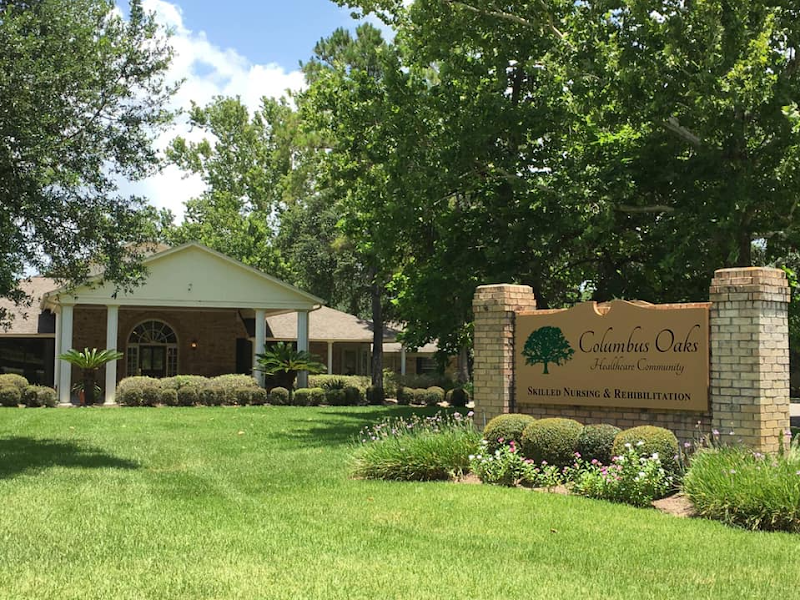
300 NORTH ST, COLUMBUS, TX 78934 (979) 732-2347
For profit - Limited Liability company 137 Beds DYNASTY HEALTHCARE GROUP Data: November 2025
Trust Grade
58/100
#214 of 1168 in TX
Last Inspection: May 2024

Within standard 12-15 month inspection cycle. Federal law requires annual inspections.

Overview

Columbus Oaks Healthcare Community has a Trust Grade of C, which means it is average compared to other nursing homes, placing it in the middle of the pack. In the state of Texas, it ranks #214 out of 1,168 facilities, indicating it is in the top half, and locally, it is #3 of 4 in Colorado County, showing that only one nearby option is better. The facility is improving; it went from 6 issues in 2024 to just 1 in 2025, but it still had some concerning findings. Staffing is rated 3 out of 5 stars with a 60% turnover rate, which is around the Texas average, while the good RN coverage means they have more registered nurses than 97% of other state facilities. However, there have been specific issues noted, such as a failure to address skin concerns for a resident and improper food storage practices that could pose health risks. Overall, while there are strengths, particularly in RN coverage, families should be aware of the facility's weaknesses in quality of care and food safety.

Trust Score
C
58/100
In Texas
#214/1168
Top 18%
Safety Record
Moderate
Needs review
Inspections
Getting Better
6 → 1 violations
Staff Stability
⚠ Watch
60% turnover. Above average. Higher turnover means staff may not know residents' routines.
Penalties
○ Average
$9,750 in fines. Higher than 62% of Texas facilities. Some compliance issues.
Skilled Nurses
✓ Good
Each resident gets 45 minutes of Registered Nurse (RN) attention daily — more than average for Texas. RNs are trained to catch health problems early.
Violations
⚠ Watch
21 deficiencies on record. Higher than average. Multiple issues found across inspections.
★★★★☆
4.0
Overall Rating
★★★☆☆
3.0
Staff Levels
★★☆☆☆
2.0
Care Quality
★★★★☆
4.0
Inspection Score
Stable
2024: 6 issues
2025: 1 issues

The Good

  • Full Sprinkler Coverage · Fire safety systems throughout facility
  • No fines on record

Facility shows strength in fire safety.

The Bad

Staff Turnover: 60%

14pts above Texas avg (46%)

Frequent staff changes - ask about care continuity

Federal Fines: $9,750

Below median ($33,413)

Minor penalties assessed

Chain: DYNASTY HEALTHCARE GROUP

Part of a multi-facility chain

Ask about local staffing decisions and management

Staff turnover is elevated (60%)

12 points above Texas average of 48%

The Ugly 21 deficiencies on record

1 actual harm
Apr 2025 1 deficiency
CONCERN (E) 📢 Someone Reported This

A family member, employee, or ombudsman was alarmed enough to file a formal complaint

Potential for Harm - no one hurt, but risky conditions existed

Pharmacy Services (Tag F0755)

Could have caused harm · This affected multiple residents

**NOTE- TERMS IN BRACKETS HAVE BEEN EDITED TO PROTECT CONFIDENTIALITY** Based on interview and record review the facility failed to provide pharmaceutical services (including procedures that assure th...

Read full inspector narrative →
**NOTE- TERMS IN BRACKETS HAVE BEEN EDITED TO PROTECT CONFIDENTIALITY** Based on interview and record review the facility failed to provide pharmaceutical services (including procedures that assure the accurate acquiring, receiving, dispensing, and administering of all drugs and biologicals) to meet the needs of 1of 5 residents (CR#1). The facility failed to ensure that CR#1's Lorazepam was ordered, received, and dispensed when CR#1 was admitted to the facility. This failure could place the residents at risk of not receiving the intended therapeutic benefit of the medications, decreased quality of life and hospitalization. Findings included: Record review of CR#1's admission face sheet, revealed he was a [AGE] year-old who was admitted on [DATE] and discharged on 03/14/2025. His diagnoses included hyperlipidemia (high level of fat in the blood), aggressive behavior (type of behavior intending to cause physical or mental harm), hypothyroidism (thyroid not producing adequate thyroid hormone), anxiety (mental health condition characterized by excessive worry and fear), Parkinson (disorder of the central nervous system that affects movement), psychosis (mental disorder characterized by a disconnection from reality) and schizoaffective (mood disorder). Record review of CR#1's admission MDS dated [DATE] revealed the resident BIMS score was 07 indicating the resident was severely impaired, he was set up only for eating, needed substantial/maximal assistance with shower/bathe self, and upper body dressing. He was partial/moderate assist with oral hygiene, toileting, lower body dress, and personal hygiene. For Behavior he was coded had having physical, verbal, or other behavioral symptoms every 1-3 days and reject care every 1-3 days. For bowel and bladder, he was occasionally incontinent of bladder and always incontinent of bowel. Record review of CR#1's physician's orders dated 03/12/2025 revealed an order for Lorazepam Oral Tablet 0.5 mg by mouth two times a day at 8:00am and 8:00pm for mental health. Record review of CR#1's medication administration record for March 2025 revealed the medication Lorazepam was documented as not given at 8:00pm on 3/12/2025, 3/13/2025 at 8:00am and 8:00pm and on 3/14/2025 at 8:00am. Record review of CR#1's nurse's notes revealed medication Lorazepam 0.5mg was not given on 3/12/2025 at 8:00pm, 3/13/2025 at 8:00am and 8:00pm and on 3/14/2025 at 8:00 am due to the following Administration Notes, Lorazepam Oral Tablet 0.5 mg. Give 1 tablet by mouth two times a day for mental health was pending delivery. In an interview on 3/14/2025 at 2:50pm with LVN C she said she was the one who admitted CR#1. She said the Lorazepam was a controlled medication and needed a triplicate to be ordered. She said she called the Nurse Practitioner and gave her the order and she said she would call the pharmacy. She said she thought the medication was in the facility as no one said anything to her. At that point she said she was going to call the pharmacy. The pharmacy was called in the presence of the Surveyor, and they said the medication was on order, but they did not get permission from the doctor to dispense the medication. She then called the Nurse Practitioner and she said she called her office and asked them to call the medication in to the pharmacy and she did not know what happened. At that point the Nurse Practitioner said she was going to call the office. The Nurse Practitioner later called back and said the medication was never call into the pharmacy. Further interview with LVN C on 4/3/2025 at 11:30am she said that if the medication was not delivered then the nurse was expected to call the pharmacy and find out why it was not delivered. She said if at the end of the shift they did not get the medication then it should be passed on to the next shift and if things were not resolved they should inform the DON. In an interview with on 3/14/2025 at 5:15pm with LVN D she said she had gotten a report from the outgoing nurse regarding the order for CR#1 and she called the Nurse Practitioner and left a message, and she did not get a call back and she passed the message on to the day nurse. She said she did not know that the medication was not delivered because she was off. She said medications can be had from the E-kit but control medications need to get the pharmacist permission to dispense. She said if the medication was not acquired within a timely manner the DON should be notified. Interview on 04/03/2025 at 12:30 PM with the Director of Nursing she said if there was an order for controlled medication the physician or Nurse Practitioner should be called for them to call the triplicate to the pharmacy. She said if the medications were not received in a timely manner, the nurses are expected to inform the DON or the Administrator. She said residents not getting their medication in a timely manner could cause them to take longer to get well. She said she will be in-servicing the staff. Record review of the facility undated Pharmacy Services read in part . Policy Statement The facility shall accurately and safely provide or obtain pharmaceutical services, including the provision of routine and emergency medications and biologicals, and the services of a licensed consultant pharmacist. Policy Interpretation and Implementation 1.Pharmaceutical services consists of: a. The processes of receiving and interpreting prescriber's orders; acquiring, receiving, storing, controlling, reconciling, compounding (e.g., intravenous antibiotics), dispensing, packaging, labeling, dis-tributing, administering, monitoring responses to, using and/or disposing of all medications, biologicals, chemicals; 2.The facility shall contract with a licensed consultant pharmacist to help it obtain and maintain timely and appropriate pharmacy services that support residents' needs, are consistent with current standards of practice, and meet state and federal requirements. 3.Pharmacy services are available to residents 24 hours a day, seven days a week 4.Residents have sufficient supply of their prescribed medications and receive medications (routine, emergency or as needed) in a timely manner. 5.Nursing staff communicate prescriber orders to the pharmacy and are responsible for contacting the pharmacy if a resident's medication is not available for administration. 6.Medications acquired or dispensed in this facility are FDA approved for use by the residents and meet the requirements established by the Federal Food, Drug and Cosmetic Act. 7.Medications are received, labeled, stored, administered, and disposed of according to all applicable state and federal laws and consistent with standards of practice. 8.Specific procedures governing pharmacy services are developed by the consultant pharmacist in collaboration with the medical director and the director of nursing services. c. Administration of medications. f. Documentation of processes, as applicable.
May 2024 4 deficiencies
CONCERN (D) 📢 Someone Reported This

A family member, employee, or ombudsman was alarmed enough to file a formal complaint

Potential for Harm - no one hurt, but risky conditions existed

Pharmacy Services (Tag F0755)

Could have caused harm · This affected 1 resident

**NOTE- TERMS IN BRACKETS HAVE BEEN EDITED TO PROTECT CONFIDENTIALITY** Based on observations, interviews, and record review, the facility failed to provide pharmaceutical services (including procedur...

Read full inspector narrative →
**NOTE- TERMS IN BRACKETS HAVE BEEN EDITED TO PROTECT CONFIDENTIALITY** Based on observations, interviews, and record review, the facility failed to provide pharmaceutical services (including procedures that assure the accurate acquiring, receiving, dispensing, and administering of all drugs and biologicals) to meet the needs of each resident for 1 of 6 residents reviewed for medications (Resident #67). The facility did not administer Resident #67's Divalproex Sodium (medication used to treat certain types of seizures, to treat manic episodes of bipolar disorder, and to prevent migraine headaches) as per pharmaceutical recommendation . These failures could place residents at risk of experiencing side effect of medications which could result in the exacerbation of their medical conditions and a decline in health status. The findings included: Resident #67 Record review of the face sheet dated 05/31/24, for Resident #67 revealed that the resident was admitted to the facility on [DATE]. The resident was an [AGE] year old female and had diagnoses of Parkinson's disease without dyskinesia ( chronic brain disorder that causes progressive damage to nerve cells in the brain over many years), without mention of fluctuations, neuromuscular dysfunction of bladder ( condition that affects the nerves and muscles that control body movement), hypotension ( low blood pressure), obstructive and reflux uropathy ( a condition where urine flows backward from the bladder into the ureters and sometimes the kidney). Record review of the significant change MDS assessment dated [DATE] revealed that Resident #67 had a BIMS score of 99 indicating that the resident was severely cognitively impaired. Resident #67 had impaired range of motion, both upper and lower body, on both sides of his body, and was totally dependent on staff for all his ADL's and movement in bed. Record Review of Resident #67's MAR dated from 05/01/24-05/31/24 revealed Divalproex Sodium 250 mg Give 1 tablet by mouth two times a day for involuntary movement related to other seizures (date order 4/22/24). Record review of Resident #67's Physician's Order Summary revealed Divalproex Sodium 250 mg Give 1 tablet by mouth two times a day for involuntary movement related to other seizures. The date of the order was 4/22/24. Observation and interview during medication observation on 05/30/2024 from at 8:37 AM revealed LVN A picked up a blister packet of Divalproex Sodium 250 mg 1 tab and punched it in a medication cup with other medications. LVN A then placed each medication in a medication plastic pouch and crushed and mixed the medication all in vanilla pudding and administered it by mouth to Resident #67. The Divalproex Sodium 250 mg blister packet had reflected swallow whole, do not chew/crush Interview on 5/30/24 at 3:15 PM with LVN A regarding Divalproex Sodium 250 mg 1tab crushed= blister packet had swallow whole, DON do not chew/crush., sShe said she was not aware of it and she had in-services on medication administration, and can not remember when and she knew to check the right resident, the MAR and she did not see it. LVN A knew not administering Divalproex as recommended by the pharmacist could eaffect medication absorption. Interview with the DON and the Administrator on 5/30/24 at 4:30 PM they would be having in-services and the doctor to change the medication direction. Interview with the ADMN on 05/30/2024 at 4:40 PM, revealed that he expects nursing staff to follow the facility policy
CONCERN (E)

Potential for Harm - no one hurt, but risky conditions existed

Unnecessary Medications (Tag F0759)

Could have caused harm · This affected multiple residents

**NOTE- TERMS IN BRACKETS HAVE BEEN EDITED TO PROTECT CONFIDENTIALITY** Based on observation, interview, and record review, the facility failed to ensure the medication error rate was not 5 percent (5...

Read full inspector narrative →
**NOTE- TERMS IN BRACKETS HAVE BEEN EDITED TO PROTECT CONFIDENTIALITY** Based on observation, interview, and record review, the facility failed to ensure the medication error rate was not 5 percent (5%) or greater for 3 of 30 opportunities resulting in a 10 percent medication error rate for 2 (Residents #11 and #67) of 6 residents observed for medication pass. Facility failed to ensure Resident #11 Sertraline dosage (Medication that works by increasing levels of a mood-enhancing chemical called serotonin in your brain: many people recover from depression and has fewer unwanted side effects than older antidepressants) was administered as per physician order. Facility failed to ensured Resident # 11 received Potassium Chloride as ordered. MA A initialed on MAR that Potassium Chloride was administered. Potassium Chloride ( ( medication use to prevent and treats low levels of potassium in your body. Potassium plays an important role in maintaining the health of your kidneys, heart, muscles and nervous system) Facility failed to ensure Resident #67 received Divalproex Sodium (medication used to treat certain types of seizures, to treat manic episodes of bipolar disorder, and to prevent migraine headaches) crushed without a pharmaceutical recommendation These failures could place residents at risk for medication errors and jeopardize the resident health and safety. Finding included: Resident #11 Record review of the face sheet, dated 05/31/24, for Resident #11 revealed that the resident was admitted to the facility on [DATE]. The resident was a [AGE] year old female and had diagnoses of seasonal allergic rhinitis, edema,(swelling), hypokalemia (low potassium level in the blood), depression ( common mental health condition that can affect how people feel, think, and behave, characterized by a persistent feeling of sadness and loss of interest in activities), essential (primary) hypertension( increased blood pressure), anxiety disorder( natural human response to stress or fear experienced through thoughts, feelings and physical sensations. Record review of the quarterly MDS assessment dated [DATE] revealed that Resident #11 had a BIMS score of 04 indicating that the resident was severely cognitive impaired. Resident #11 had impaired range of motion, both upper and lower body, on both sides of his body, and was completely dependent on staff for all her ADLs and movement in bed. Record Review of Resident #11's MAR dated from 05/01/24-05/31/24 revealed Sertraline HCl Oral Capsule 150 MG Give 1 capsule by mouth one time a day related to depression. Potassium Chloride [NAME] ER Oral Tablet Extended Release 10 MEQ (Potassium Chloride Microencapsulated Crystals ER) 1 tablet one time a day. Record review of Resident #11's Physician's Order Summary revealed Sertraline HCl Oral Capsule 150 MG (Sertraline HCl) Give 1 capsule by mouth one time a day related to DEPRESSION order date was 1/27/24. Potassium Chloride [NAME] ER Oral Tablet Extended Release 10 MEQ (Potassium Chloride Microencapsulated Crystals ER) Give 1 tablet by mouth one time a day related to hypokalemia order date was 9/23/23. Observation and interview during medication observation on 05/29/2024 from 8:35AM revealed MA A picked up blister packet of Sertraline Hcl 50 mg from the medication cart and punched 1 tablet of Sertraline HCL( 50 mg) in the medication cup with other medications and administered by mouth Resident #11. The blister pack of Sertraline HCL had take 3 tablets total 150 mg) by mouth daily. MA did not administer Potassium Chloride [NAME] ER Oral Tablet Extended Release 10 MEQ (milliequivalent) to Resident #11. During medication administration on 05/29/24 at 8:35 AM, Resident #11 lying was in bed, she asked MA A if she should take all her medications before breakfast. MA A response was yes. Record review of the MAR dated 5/29/24 revealed MA A had initialed Sertraline HCl Oral Capsule 150 MG (Sertraline HCl) Give 1 capsule by mouth one time a day and Potassium Chloride Microencapsulated Crystals ER 10 meq 1 tablet one time a day as given. During an interview on 05/30/24 at 4:20 PM, after showing her the blister packet of Sertraline HCl 50 mg (take 3 tablets total 150 mg) by mouth daily, MA A said she was very sorry, she would be very careful. MA A was asked about Potassium Chloride initial as given. MA A then picked up Potassium Chloride blister packet from the medication cart. Potassium Chloride (take with food with plenty of water) had blister had 30 tablets, that was dispensed to the facility on 5/21/24. MA A said she used another Potassium Chloride blister. Further interview with MA A regarding medication training, she said had been working with the facility for over 13 years and she has not had medication training for a while and she did remember it. During telephone interview with the local Pharmacy on 5/30/24 at 4:30 PM, Pharmacist A said Potassium Chloride was delivered to the facility on 3/26/24, ( 30 tablets), 4/23/24 ( 30 tablets) and 5/21/24 (30 tablets). Pharmacist A said they always deliver the Potassium Chloride 2 days before it ran out. Pharmacist A stated the Potassium Chloride delivered to the facility on 4/23/24 should been used up on 5/23/24. Resident #67 Record review of the face sheet, dated 05/31/24, for Resident #67 revealed that the resident was admitted to the facility on [DATE]. The resident was a [AGE] year old female and had diagnoses of Parkinson's disease without dyskinesia ( chronic brain disorder that causes progressive damage to nerve cells in the brain over many years), without mention of fluctuations, neuromuscular dysfunction of bladder ( condition that affects the nerves and muscles that control body movement), hypotension ( low blood pressure), obstructive and reflux uropathy ( a condition where urine flows backward from the bladder into the ureters and sometimes the kidney). Record review of the significant change MDS assessment dated [DATE] revealed that Resident #67 had a BIMS score of 99 indicating that the resident was severely cognitive impaired. Resident #67 had impaired range of motion, both upper and lower body, on both sides of his body, and was total dependent on staff for all his ADL's and movement in bed. Record Review of Resident #67's MAR dated from 05/01/24-05/31/24 revealed Divalproex Sodium 250 mg Give 1 tablet by mouth two times a day for involuntary movement related to OTHER SEIZURES ( date order 4/22/24) Record review of Resident #67's Physician's Order Summary revealed Divalproex Sodium 250 mg Give 1 tablet by mouth two times a day for involuntary movement related to other seizures date of order was 4/22/24. Observation and interview during medication observation on 05/30/2024 from 8:37 AM revealed LVN A picked up blister packet of Divalproex Sodium 250 mg 1tab punched it in a medication cup with other medications. LVN A then placed each medication in medication plastic pouch and crushed mixed all in vanilla pudding and administered it by mouth to Resident #67. Divalproex Sodium 250 mg blister packet had swallow whole, Do Not chew/crush Interview on 5/30/24 at 3:15 PM with LVN A regarding Divalproex Sodium 250 mg 1tab crushed= blister packet had swallow whole, Do Not chew/crush, she said she was not aware of it and she had in-services on medication administration, and can not remember when and she knew to check the right resident, the MAR and she did not see it. LVN A knew not administering Divalproex as recommended by the pharmacist could effect medication absorption. Interview with the DON and the Administrator on 5/30/24 at 4:30 PM they would be having in-services and the doctor to change the medication direction. Interview with the Administrator on 05/30/2024 at 4:40 pm, revealed that he expects nursing staff to follow the facility policy. Review of the facility policy Administering Oral Medications, undated, reflected . 6 Check the label on the medication and confirm the medications name and dose with the MAR .
CONCERN (E) 📢 Someone Reported This

A family member, employee, or ombudsman was alarmed enough to file a formal complaint

Potential for Harm - no one hurt, but risky conditions existed

Deficiency F0760 (Tag F0760)

Could have caused harm · This affected multiple residents

**NOTE- TERMS IN BRACKETS HAVE BEEN EDITED TO PROTECT CONFIDENTIALITY** Based on interview, and record review, the facility failed to ensure 1 of 6 residents (Resident #11) reviewed for medication adm...

Read full inspector narrative →
**NOTE- TERMS IN BRACKETS HAVE BEEN EDITED TO PROTECT CONFIDENTIALITY** Based on interview, and record review, the facility failed to ensure 1 of 6 residents (Resident #11) reviewed for medication administration were free of significant medication errors. Facility failed to administered Potassium Chloride Microencapsulated Crystals ER for 7 Days to Resident #11 This failure could place residents at risk of harm, injury, illness or hospitalization. Findings included: Record review of the face sheet, dated 05/31/24, for Resident #11 revealed that the resident was admitted to the facility on [DATE]. The resident was a [AGE] year old female and had diagnoses of seasonal allergic rhinitis, edema,(swelling), hypokalemia (low potassium level in the blood), depression ( common mental health condition that can affect how people feel, think, and behave, characterized by a persistent feeling of sadness and loss of interest in activities), essential (primary) hypertension( increased blood pressure), anxiety disorder( natural human response to stress or fear experienced through thoughts, feelings and physical sensations. Record review of the quarterly MDS assessment dated [DATE] revealed that Resident #11 had a BIMS score of 04 indicating that the resident was severely cognitive impaired. Resident #11 had impaired range of motion, both upper and lower body, on both sides of his body, and was completely dependent on staff for all her ADLs and movement in bed. Record Review of Resident #11's MAR dated from 05/01/24-05/31/24 revealed Potassium Chloride [NAME] ER Oral Tablet Extended Release 10 MEQ (Potassium Chloride Microencapsulated Crystals ER) 1 tablet one time a day and time on MAR was 8:00 AM. Record review of Resident #11's Physician's Order Summary revealed, Potassium Chloride [NAME] ER Oral Tablet Extended Release 10 MEQ (Potassium Chloride Microencapsulated Crystals ER) Give 1 tablet by mouth one time a day related to hypokalemia order date was 9/23/23. Observation and interview during medication observation on 05/29/2024 from 8:35AM revealed MA A did not administer Potassium Chloride [NAME] ER Oral Tablet Extended Release 10 MEQ (milliequivalent) to Resident #11. Record review of the MAR dated 5/29/24 revealed MA A had initialed Potassium Chloride Microencapsulated Crystals ER 10 meq 1 tablet one time a day as given at 8:00 AM During an interview on 05/30/24 at 4:20 PM, MA A was asked about Potassium Chloride initial as given at 8:00 AM. MA A then picked up Potassium Chloride blister packet from the medication cart. Potassium Chloride (take with food with plenty of water) had blister had 30 tablets, that was dispensed to the facility on 5/21/24. MA A said she used another Potassium Chloride blister. Further interview with MA A regarding medication training, she said had been working with the facility for over 13 years and she has not had medication training for a while and she did remember it. During telephone interview with the local Pharmacy on 5/30/24 at 4:30 PM, Pharmacist A said Potassium Chloride was delivered to the facility on 3/26/24, ( 30 tablets), 4/23/24 ( 30 tablets) and 5/21/24 (30 tablets). Pharmacist A said they always deliver the Potassium Chloride 2 days before it ran out. Pharmacist A stated the Potassium Chloride delivered to the facility on 4/23/24 should been used up on 5/23/24. Interview with DON on 5/30/24 at 5:33 PM, she said MA A should have administered what the physician order. DON said she was going to call the doctor for the stat order for Potassium lab level. The DON said that she was responsible for and over saw the training of all staff administering medications and that staff had been trained on medication administration. Record review of comprehensive metabolic profile (CMP): Potassium level result on 04/30/2024 was 4.6. Potassium level result on 05/30/24 was 3.9 ( therapeutic reference range 3.5-5.2 mmol/L
CONCERN (E) 📢 Someone Reported This

A family member, employee, or ombudsman was alarmed enough to file a formal complaint

Potential for Harm - no one hurt, but risky conditions existed

Food Safety (Tag F0812)

Could have caused harm · This affected multiple residents

Based on observation and interview, the facility failed to store, prepare, distribute, and serve food in accordance with professional standards for food service safety in 1 of 1 kitchen reviewed for f...

Read full inspector narrative →
Based on observation and interview, the facility failed to store, prepare, distribute, and serve food in accordance with professional standards for food service safety in 1 of 1 kitchen reviewed for food procurement. 1. The facility failed to ensure expired foods were discarded. 2. The facility failed to ensure foods were labeled and dated. 3. The Facility failed to ensure food is properly stored in designated areas at all times. These failures could place residents who ate food from the kitchen at risk of food borne illness and disease. Findings Included: Observation of the facility kitchen on 05/29/24 at 8:15 AM revealed the following. 1. A Plastic Container of Sliced American Cheese was dated 5/21/24 use by date 5/23/24 2. A Plastic Container of sliced Bologna had no label and was not dated. 3. A Plastic Container of sliced deli ham had no label and was not dated 4. A Plastic Container of Sour Cream had no label and was not dated 5. A Plastic Container of canned sliced apple with a use by date 5/23/24 6. A Plastic Containers of mashed Potato with a use by date 5/26/24 Observation of the facility walk in freezer on 05/29/24 at 8:20 AM revealed 1 case of frozen chicken breast and 1 case of frozen French fries stored on the floor. Interview with the Dietary Food Service Manager on 05/30/24 at 8:25 AM she stated the leftover food stored in the refrigerator should have been used or discarded prior to use by date, she further stated that all food shall be stored 6 inches off the floor. Record review of facility's policies and procedures for Food Safety for Residents dated 2018 read in part .cover, label with name, date stored and date it must be used or discarded. Recommend a use by date of 3 days after the food was prepared or purchased. Record review of facility's policies and procedures for Food Storage dated June 1, 2019, read in part .store all items at least 6 inches above the floor with adequate clearance between goods and other contamination.
Apr 2024 2 deficiencies
CONCERN (D) 📢 Someone Reported This

A family member, employee, or ombudsman was alarmed enough to file a formal complaint

Potential for Harm - no one hurt, but risky conditions existed

Transfer Requirements (Tag F0622)

Could have caused harm · This affected 1 resident

**NOTE- TERMS IN BRACKETS HAVE BEEN EDITED TO PROTECT CONFIDENTIALITY** Based on interview and record review, the facility failed to ensure the discharge was documented in the resident's medical recor...

Read full inspector narrative →
**NOTE- TERMS IN BRACKETS HAVE BEEN EDITED TO PROTECT CONFIDENTIALITY** Based on interview and record review, the facility failed to ensure the discharge was documented in the resident's medical record and appropriate information was communicated to the receiving health care institution or provider for 1 (Resident #1) of 18 residents reviewed for discharge. The facility failed to have the resident's physician document their discharge and all other necessary information in the medical records. This failure could place residents at risk of not getting the necessary care and services in a new facility to meet their physical and psychological needs. The findings were: Record review of Resident #1's face sheet revealed a [AGE] year-old who was initially admitted to the facility on [DATE] and discharged on 2/28/2024. Resident #1's medical diagnoses included Alzheimer's disease, Type 2 Diabetes Mellitus, Generalized Anxiety Disorder, Bipolar Disorder (severe), Depression, schizoaffective disorder (bipolar type), and unspecified dementia (unspecified severity, with other behavioral disturbance). Record review of Resident #1's MDS (Minimum Data Set, a standardized resident assessment tool) dated 02/15/2024 revealed their BIMS score (Brief Interview for Mental Status, which measures for cognitive impairment) was an 8. Record review of Resident #1's care plan dated 02/28/2024 revealed they were care-planned for physical and verbal aggression with a target date of 3/1/24: Focus: I have a diagnosis of Schizophrenia and am at risk for Disturbed Thought Processes, non-compliant with care, physical and verbal aggression. Goals: I will be free from delusions and demonstrate the ability to function without responding to persistent delusional thoughts & aggression . Interventions included monitoring behavior episodes, document behavior and potential causes, and psychiatric/psychogeriatric consult as indicated. Record review of Resident #1's medication administration record (MAR) for February 2024 revealed that they were taking quetiapine fumarate oral tablet 100 mg for schizoaffective disorder (bipolar type), Fluoxetine HCL 20mg capsule for depression, and Aripiprazole oral tablet 5mg for dementia. Record review of Resident #1's wandering risk scale assessment dated [DATE] revealed Resident #1 was residing on the secure unit due to their history of exit-seeking behaviors. Record review of Resident #1's medical records revealed no documentation stating the reasons for the resident's discharge from the facility. Further review found no discharge summary for Resident #1. Interview with Resident #1's representative on 2/12/2024 at 8:50 a.m., they said the facility staff were all nice but that they just could not handle Resident #1's behaviors. They said the hospital Resident #1 was discharged to was trying to look for another facility for them but was unable to do so as of this interview. They said they just wanted Resident #1 to have the right dose of medication so they can be calm. Interview with the facility's Ombudsman on 2/12/2024 at 2:37 p.m., they said that they were notified of Resident #1's transfer to the hospital but did not receive verbal or written notice of Resident #1's discharge from the facility. Interview with the facility's Social Worker (SW) on 4/12/24 at 1:23 p.m., they said Resident #1 was sent to the hospital for a psychiatric evaluation due to his behaviors and then they left. When asked to specify what behaviors meant, the SW said Resident #1 was physically abusive to staff and that the staff are doing okay now. The SW said if Resident #1 came back it would be considered an unsafe placement which is why the resident could not return. They said they attempted to call Resident #1's representative multiple times with an interpreter (due to language barrier) to inform the family of the discharge but the facility was unable to reach them. Interview with the facility''s SW on 4/12/24 at 2:30 p.m., they said they had Resident #1's discharge documentation the previous day but could not locate them now. Interview with the previous DON (Director of Nursing) on 4/12/24 at 1:40 p.m., they stated that Resident #1 was sent to the psychiatric unit of a hospital, who told the facility they would find a new place for the resident. The DON does not know where Resident #1 was transferred to since the hospitals usually never inform the facility of that information. When asked what information gets sent to the hospital upon discharge, the DON stated that discharge paperwork can include medication lists, history and physical if the hospital requests it. Interview with the Regional Administrator (RA) on 4/12/24 at 3:40 p.m., they stated that Resident #1 was physically aggressive with staff and that the resident could not be properly taken care of at the facility. They stated that the hospital told the facility they would take charge of finding a new facility for the resident, so the facility did not need to have any discharge plans for this resident. They stated they also could not send any information to the new facility because Resident #1 was being discharged from the hospital. The facility would not know where Resident #1 was to be discharged . When asked if they had documentation regarding the hospital's statement, the Regional Administrator stated they did not have any records of this conversation. When asked if the facility informed the Ombudsman, the RA stated that the facility is supposed to inform the Ombudsman and that they believed someone at the facility did do that. Record review of the Resident #1's admission Agreement dated 2/8/2024 and signed by the resident representative, the Statement of Resident Rights include the right to not be discharged from the facility, except as provided in the nursing facility regulations. Record review of the facility's Transfer or Discharge policy statement, undated, stated that When a resident is scheduled for transfer or discharge, the facility will coordinate the transfer or discharge so that appropriate proceudres can be implemented. Further review revealed that a post-discharge plan is to be reviewed with the resident, their responsible party. Nursing services is responsible for actions such as: obtaining orders for discharge or transfer, preparing the medications to be discharged , packing and collecting personal possessions, and informing appropriate departments of the resident's transfer or discharge.
CONCERN (D) 📢 Someone Reported This

A family member, employee, or ombudsman was alarmed enough to file a formal complaint

Potential for Harm - no one hurt, but risky conditions existed

Transfer Notice (Tag F0623)

Could have caused harm · This affected 1 resident

**NOTE- TERMS IN BRACKETS HAVE BEEN EDITED TO PROTECT CONFIDENTIALITY** Based on interview and record review, the facility failed to send a copy of the discharge notice to the Office of the State Long...

Read full inspector narrative →
**NOTE- TERMS IN BRACKETS HAVE BEEN EDITED TO PROTECT CONFIDENTIALITY** Based on interview and record review, the facility failed to send a copy of the discharge notice to the Office of the State Long-Term Care Ombudsman and failed to record the reasons for transfer or discharge in the resident's medical record for 1 (Resident #1) of 18 residents reviewed for discharge. The facility failed to notify the Ombudsman of Resident #1's discharge status after hospitalization. This failure could place residents at risk of being improperly discharged and not having access to available advocacy services, discharge/transfer options, and the appeal process. The findings were: Record review of Resident #1's face sheet revealed a [AGE] year-old who was initially admitted to the facility on [DATE] and discharged on 2/28/2024. Resident #1's medical diagnoses included Alzheimer's disease, Type 2 Diabetes Mellitus, Generalized Anxiety Disorder, Bipolar Disorder (severe), Depression, schizoaffective disorder (bipolar type), and unspecified dementia (unspecified severity, with other behavioral disturbance). Record review of Resident #1's MDS (Minimum Data Set, a standardized resident assessment tool) dated 02/15/2024 revealed their BIMS score (Brief Interview for Mental Status, which measures for cognitive impairment) was an 8. Record review of Resident #1's care plan dated 02/28/2024 revealed they were care-planned for physical and verbal aggression with a target date of 3/1/24: Focus: I have a diagnosis of Schizophrenia and am at risk for Disturbed Thought Processes, non-compliant with care, physical and verbal aggression. Goals: I will be free from delusions and demonstrate the ability to function without responding to persistent delusional thoughts & aggression . Interventions included monitoring behavior episodes, document behavior and potential causes, and psychiatric/psychogeriatric consult as indicated. Record review of Resident #1's medication administration record (MAR) for February 2024 revealed that they were taking quetiapine fumarate oral tablet 100 mg for schizoaffective disorder (bipolar type), Fluoxetine HCL 20mg capsule for depression, and Aripiprazole oral tablet 5mg for dementia. Record review of Resident #1's wandering risk scale assessment dated [DATE] revealed Resident #1 was residing on the secure unit due to their history of exit-seeking behaviors. Record review of Resident #1's medical records revealed no documentation stating the reasons for the resident's discharge from the facility. Interview with Resident #1's representative on 2/12/2024 at 8:50 a.m., they said the facility staff were all nice but that they just could not handle Resident #1's behaviors. They said the hospital Resident #1 was discharged to was trying to look for another facility for them but was unable to do so as of this interview. They said they just wanted Resident #1 to have the right dose of medication so they can be calm. Interview with the facility's Ombudsman on 2/12/2024 at 2:37 p.m., they said that they were notified of Resident #1's transfer to the hospital but did not receive verbal or written notice of Resident #1's discharge from the facility. Interview with the facility's Social Worker (SW) on 4/12/24 at 1:23 p.m., they said Resident #1 was sent to the hospital for a psychiatric evaluation due to his behaviors and then they left. When asked to specify what behaviors meant, the SW said Resident #1 was physically abusive to staff and that the staff are doing okay now. The SW said if Resident #1 came back it would be considered an unsafe placement which is why the resident could not return. They said they attempted to call Resident #1's representative multiple times with an interpreter (due to language barrier) to inform the family of the discharge but the facility was unable to reach them. Interview with the facility''s SW on 4/12/24 at 2:30 p.m., they said they had Resident #1's discharge documentation the previous day but could not locate them now. Interview with the previous DON (Director of Nursing) on 4/12/24 at 1:40 p.m., they stated that Resident #1 was sent to the psychiatric unit of a hospital, who told the facility they would find a new place for the resident. The DON does not know where Resident #1 was transferred to since the hospitals usually never inform the facility of that information. When asked what information gets sent to the hospital upon discharge, the DON stated that discharge paperwork can include medication lists, history and physical if the hospital requests it. Interview with the Regional Administrator (RA) on 4/12/24 at 3:40 p.m., they stated that Resident #1 was physically aggressive with staff and that the resident could not be properly taken care of at the facility. They stated that the hospital told the facility they would take charge of finding a new facility for the resident, so the facility did not need to have any discharge plans for this resident. They stated they also could not send any information to the new facility because Resident #1 was being discharged from the hospital. The facility would not know where Resident #1 was to be discharged . When asked if they had documentation regarding the hospital's statement, the Regional Administrator stated they did not have any records of this conversation. When asked if the facility informed the Ombudsman, the RA stated that the facility is supposed to inform the Ombudsman and that they believed someone at the facility did do that. Record review of the Resident #1's admission Agreement dated 2/8/2024 and signed by the resident representative, the Statement of Resident Rights include the right to not be discharged from the facility, except as provided in the nursing facility regulations. Record review of the facility's Transfer or Discharge policy statement, undated, stated that When a resident is scheduled for transfer or discharge, the facility will coordinate the transfer or discharge so that appropriate proceudres can be implemented. Further review revealed that a post-discharge plan is to be reviewed with the resident, their responsible party. Nursing services is responsible for actions such as: obtaining orders for discharge or transfer, preparing the medications to be discharged , packing and collecting personal possessions, and informing appropriate departments of the resident's transfer or discharge.
Mar 2023 10 deficiencies 1 Harm
SERIOUS (G) 📢 Someone Reported This

A family member, employee, or ombudsman was alarmed enough to file a formal complaint

Actual Harm - a resident was hurt due to facility failures

Quality of Care (Tag F0684)

A resident was harmed · This affected 1 resident

**NOTE- TERMS IN BRACKETS HAVE BEEN EDITED TO PROTECT CONFIDENTIALITY** Based on interviews, record reviews, and observations, the facility failed to ensure residents received treatment and care in ac...

Read full inspector narrative →
**NOTE- TERMS IN BRACKETS HAVE BEEN EDITED TO PROTECT CONFIDENTIALITY** Based on interviews, record reviews, and observations, the facility failed to ensure residents received treatment and care in accordance with professional standards of practice for one of three residents (Resident #1) reviewed for quality of care. - The facility failed to promptly identify skin redness to the peri area and buttocks, which had tiny openings on Resident #1, and failed to ensure interventions were implemented to treat and prevent skin deterioration. This failure could place residents at risk for a delay of care or treatment, pain, and suffering. Findings include: Record review of Resident #1's face sheet revealed a 58 year - old female who was admitted to the facility on [DATE] and readmitted on [DATE]. Her diagnoses were non- pressure chronic ulcer buttock with unspecified severity, Cellulitis of buttock, dementia, and diabetes mellitus Record review of Resident #1's quarterly MDS dated [DATE] indicated a BIMS score of 00 revealed severely impaired cognitively. It further revealed the resident was extensive to totally dependent on staff with all ADL care, with one to two staff assist. Record review of Resident #1's care plan dated 11/09/22 revealed the resident had redness to the peri - area and bilateral buttocks Interventions: apply barrier cream per physician order was initiated 12/27/22, apply barrier cream to peri area and bilateral buttocks every shift and PRN (as needed) initiated 03/16/23 Record review of Resident #1's order summary report dated 03/01/23 revealed Resident #1 had an order dated 03/15/23 and it read apply barrier cream to peri area and bilateral buttocks Q (every) shift and PRN brief changes. Record review of Resident #1 weekly skin assessment dated [DATE] revealed no skin issues apart from the sacrum wound. Record review of Resident #1's weekly skin assessment dated [DATE] revealed no skin issues apart from the sacrum wound Record review of Resident #1's weekly skin assessment dated [DATE] revealed no skin issues apart from the sacrum wound Record review of Resident #1's weekly skin assessment dated [DATE] revealed the redness in the groin area. Record review of Resident #1's weekly skin assessment dated [DATE] revealed no skin issues apart from the sacrum wound. Record review of Resident #1's weekly wound observation tool dated from 12/12/22 through 03/13/23 did not reveal any redness to the buttocks area, except for the wound on the sacrum. Record review of CNA's intervention documentation for March 23 2023 under the section for monitor skin observation was blank. Record review of Resident #1's progress not documentation date 03/15/23 at 12:30 p.m., written by read in part . This writer spoke with Resident #1's doctor via phone with DON and Regional nurse present-concern chronic redness of buttocks and posterior upper thigh-area . Resident #1's doctor gave order continue barrier cream every shift and after each incontinent episodes . During an observation and interview on 03/15/23 at 9:54 a.m., Resident #1's whole buttocks to the upper part of thigh below the buttock and peri area were bright red. There were tiny open skin all over her buttocks, and some were bleeding. The Treatment Nurse stated the resident's buttocks were not like this yesterday, and this was the first time she saw the buttocks like this, she applied pressure, and the area on the buttocks was non - blanchable. During an interview on 03/15/23 at 10:31 a.m., CNA C said she was Resident #1's aide for today, and she said she saw the buttock red with skin break down and the peri area. CNA C said she did not report to the nurse because it did not look like the redness and the open areas had just happened this morning, and she did not apply any barrier cream on the resident. During an interview on 03/15/23 at 10:33 a.m., Resident #1 could not verbalize if she was in pain or how her buttocks became red with openings. During an interview and record review on 03/15/23 at 11:56 p.m., LVN A said Resident #1's redness on her buttock had been ongoing for a while, and when they applied barrier cream, the area got better. She said Resident #1 had an order for barrier cream, and she said you could come and see it for yourself. This surveyor and LVN A reviewed Resident #1's TAR and order summary report, and there was no order for barrier cream. LVN A said she had an order for barrier cream before she went to the hospital in December, and she did not know why it was not put back in her order when she returned from the hospital in the middle of December. LVN A said she applied the cream on her and charted it because she thought she had the order for the barrier cream. She also stated if she were the only person using the barrier cream, it would not be effective. LVN A said she saw the area yesterday, and it was red with open spots on the buttocks. She said the floor nurses do weekly head-to-toe skin assessments and did not know if the buttocks areas were identified. During an observation and interview on 03/16/23 at 10:30 a.m., the DON saw Resident #1's buttocks and stated the resident's buttock was red and had some small open areas, but it had been ongoing. The DON said the site would heal and then becomes red again, and they have treated it with different creams, and she was even sent to a dermatologist. The Surveyor requested for the treatments that were done before and the current treatment. During a telephone interview on 03/16/23 at 2:21 p.m., the Wound Care Doctor said Resident #1 had dermatitis that flared up. He had recommended barrier cream and zinc ointment and suggested colostomy, and it did not go anywhere. He said the family member and the primary care were talking about putting her on hospice about two weeks ago. He said the area never had normal skin color for the resident. The Wound Care Doctor said he saw Resident #1 on Monday (03/13/23), and her buttocks were red, but he did not see any open area. He said the first time he saw the resident was last year in September, and the resident had erythema on her buttocks, and he prescribed barrier cream, which he resolved on October 24, 2022. He said he told the facility to keep Resident #1 changed timely and dry her to help prevent the redness. During an interview on 03/16/23 at 4:03 p.m., with the DON and the Corporate Nurse, the Corporate Nurse said she caught the end of the conversation between the doctor and the DON, and he said there was not a whole lot to do for Resident #1's buttocks area. The corporate Nurse said she did not know the treatment that was in place for the buttocks. The DON stated that it was a chronic area on Resident #1's buttocks, and she could see what was done in the past, but she could not print it out. She said the resident doctor gave an order on 03/15/23 after the surveyors saw the area. The DON said the doctor gave to apply barrier cream, and she was about to be put on hospice. The Corporate Nurse said there was no standing order for barrier cream, but the nurses could use their judgment. She said the aides would tell the Nurse and the Nurse would assess Resident #1 and then tell the aide to apply the barrier cream. The DON said the tape from the wound care caused the tiny opening all over the resident's buttocks. This Surveyor asked what was done to prevent the tape from causing the openings on Resident #1 buttocks, and she did not respond. The Corporate Nurse said they had to evaluate Resident #1 and see if the tape was causing the redness and tiny opens, and if it were the tape, then they would reevaluate and see what could be done. During an interview on 03/17/23 at 4:40 p.m., the Administrator and Corporate Nurse said the facility did not have any policy on quality of care.
CONCERN (D)

Potential for Harm - no one hurt, but risky conditions existed

Deficiency F0583 (Tag F0583)

Could have caused harm · This affected 1 resident

**NOTE- TERMS IN BRACKETS HAVE BEEN EDITED TO PROTECT CONFIDENTIALITY** Based on observation, interview and record review, the facility failed to ensure the residents' right to privacy during personal...

Read full inspector narrative →
**NOTE- TERMS IN BRACKETS HAVE BEEN EDITED TO PROTECT CONFIDENTIALITY** Based on observation, interview and record review, the facility failed to ensure the residents' right to privacy during personal care for 2 of 3 residents (Resident #1 and Resident #175) reviewed for privacy in that: -The facility failed to ensure the Treatment Nurse and CNA C provided privacy during wound care for Resident #1. -The facility failed to ensure the Treatment Nurse and RA D provided privacy during wound care for Resident #175. These failures could place residents at risk of having their bodies exposed to the public, resulting in low self-esteem and a diminished quality of life. Findings included: Record review of Resident #1's face sheet revealed 58 years - old female was admitted to the facility on [DATE] and readmitted on [DATE]. Her diagnose were non- pressure chronic ulcer buttock with unspecified severity, Cellulitis of buttock, dementia, and diabetes mellitus Record review of Resident #1's quarterly MDS dated [DATE] indication BIMS (Brief Interview for Mental Status) of 00 revealed severe impaired. It further revealed the resident was extensive to totally dependent on staff with all ADL care, with one to two staff assist. It also revealed the resident was incontinent of bowel and bladder. Record review of Resident #1's care plan dated 11/09/22 revealed the resident dependent on staff for all ADL care related to cerebral palsy. Interventions: the resident is totally dependent on staff for all ADL care. During an observation on 03/15/23 at 9:54 a.m., Resident #1 was provided wound care by the Treatment Nurse and CNA C. The resident's room door and blind were closed, the privacy curtain was pulled halfway, and the foot of the bed was open. Resident # 1 was not provided complete privacy because if anybody had walked into her section, the person would have seen the exposed sacrum and buttocks. During an interview on 03/15/23 at 11:17 a.m., the Treatment nurse said during wound care for Resident #1, the door and the blind were closed, but she pulled the privacy curtain halfway, and the foot of the bed was left open. She said they should have drawn the curtain around to cover the foot of the bed for complete privacy. During an interview on 03/15/23 at 11:33 a.m., CNA C said when she assisted the Treatment Nurse with Resident #1 wound care, she thought the curtain was pulled, but they did not pull the privacy curtain around the bed, then Resident #1 would be exposed. During an interview on 03/16/23 at 4:30 p.m., the corporate Nurse said the Treatment Nurse and CNA C should have provided complete privacy for Resident #1 if they had pulled the privacy curtain completely, even when the door and the blind were closed, Resident #1 would not be exposed to anybody that might have walked to her section of the room. During an interview on 03/16/23 at 4:30 p.m., the corporate Nurse said the Treatment Nurse and CNA C should have provided complete privacy for Resident #1 if they had pulled the privacy curtain completely, even when the door and the blind were closed, Resident #1 would not be exposed to anybody that might have walked to her section of the room. Resident #175 Record review of Resident #175 's face sheet revealed 64 years - old female was admitted to the facility on [DATE] and readmitted on [DATE]. Her diagnoses were metabolic encephalopathy, protein - calorie malnutrition, acute kidney failure and depression. Record review of Resident #175's significant change MDS dated [DATE] indicating BIMS (Brief Interview for Mental Status) of 99 revealed it was not reviewed. It further revealed the resident was extensive to totally dependent on staff with all ADL care, with one to two staff assist. Record review of Resident #175's care plan dated 02/19/23 revealed resident has an ADL self -care performance deficit related to confusion and psychosis. Intervention: the resident extensive assistance with personal hygiene and shower or bathing. Skin assessed during shower and peri care. During an observation on 03/15/23 at 10:31 a.m., while the Treatment Nurse and RA D provided wound care for Resident #175, the door and the window blind was closed, but the privacy curtain was not pulled(open). Therefore, resident #175 section was by the door, and if anybody opened the door, the person would have seen the resident exposed area. During an interview on 03/15/23 at 11:01 a.m., RA D said she did not realize they did not pull the privacy curtain. She said Resident #175 was not provided privacy during wound care. She said that for complete privacy, the door and the blind would be closed, and the privacy curtain pulled around the bed. During an interview on 03/16/23 at 11:54 a.m., the DON said to provide complete privacy for Resident # 175 during wound care, the door, and the blind, were closed, and the curtain should be pulled around the bed to prevent exposing the resident. Record review of the facility undated policy for privacy read in part . each resident shall be cared for in a manner that promotes ana enhances quality of life, dignity, respect . policy interpretation and implementation . #9 . staff shall promote, maintain and protect resident privacy, during assistance with personal care and during treatment procedures .
CONCERN (D) 📢 Someone Reported This

A family member, employee, or ombudsman was alarmed enough to file a formal complaint

Potential for Harm - no one hurt, but risky conditions existed

ADL Care (Tag F0677)

Could have caused harm · This affected 1 resident

**NOTE- TERMS IN BRACKETS HAVE BEEN EDITED TO PROTECT CONFIDENTIALITY** Based on observation, interview, and record review, the facility failed to ensure residents who were unable to carry out activit...

Read full inspector narrative →
**NOTE- TERMS IN BRACKETS HAVE BEEN EDITED TO PROTECT CONFIDENTIALITY** Based on observation, interview, and record review, the facility failed to ensure residents who were unable to carry out activities of daily living received necessary services to maintain personal hygiene for two (Resident #1, and Resident #175) out of four residents reviewed for ADLs, in that: The facility failed to provide personal hygiene to Resident #1 and Resident #175, which resulted in Resident #1 toenails being overgrown and Resident # 175 feet being dry and having patches of dry skin. These deficient practices placed residents at risk of a decline in hygiene, at risk of skin breakdown, and reduced feelings of self-worth. Findings included: Resident #1 Record review of Resident #1's face sheet revealed 58 years - old female was admitted to the facility on [DATE] and readmitted on [DATE]. Her diagnose were non- pressure chronic ulcer buttock with unspecified severity, Cellulitis of buttock, dementia, and diabetes mellitus Record review of Resident #1's quarterly MDS dated [DATE] indication BIMS (Brief Interview for Mental Status) of 00 revealed severe impaired. It further revealed the resident was extensive to totally dependent on staff with all ADL care, with one to two staff assist. It also revealed the resident was incontinent of bowel and bladder. Record review of Resident #1's care plan dated 11/09/22 revealed the resident dependent on staff for all ADL care related to cerebral palsy. Interventions: the resident is totally dependent on staff for all ADL care. During an observation and interview on 03/15/23 at 9:54 a.m., revealed Resident #1 had long toenails about 0.75 inches long on both feet. During an interview on 03/15/23 at 11:58 a.m., LVN A said the nurses do the weekly head-to-toe assessment, and the resident's toenails were included in the assessment. LVN A said Resident # 1 needed her toenails cut the nurse would cut the toenails if it was not calcified. She said if the nurses could not cut the toenails, the nurse would tell the social worker and add the resident to the podiatrist list. She said she was not aware Resident #1 needed to see the podiatrist. During an observation on 03/16/23 at 11:01 a.m. revealed Resident #1 still has long toenails on both feet. LVN B assessed both feet and stated Resident #1 left foot had two long toenails, the second and fourth, while the right foot had the second and third toenails were long. During an interview on 03/15/23 at 11:58 a.m. LVN A said the nurses do the weekly head-to-toe assessment. LVN A said Resident # 1 toenails were included in the evaluation, and if the resident needed her toenails cut, the nurse would cut the toenails if it was not calcified. LVN A said if the nurses could not cut the toenails, the nurse would tell the social worker, and she would add the resident to the podiatrist list. She said she needed to be made aware Resident #1 was required to see the podiatrist. During an interview on 03/16/23 at 4:50 p.m., the corporate nurse said the nurses do the toenails, and the aide could do the toenails if Resident # 1 were not a diabetic. During an interview on 03/16/23 at 4:52 p.m., the DON said the nurse would tell the DON if Resident #1 needed a podiatrist. She said she was not told the resident required to be seen by a podiatrist. During an interview on 03/17/23 at 9:24 a.m., LVN B said the podiatrist does the resident's toenails. She said the nurse would tell the social worker that the resident needed to see the podiatrist. She said she told the social worker yesterday after she saw the resident's toenails. LVN B said she only looked at the resident feet yesterday. During an interview on 03/17/23 at 2:29 p.m., the Treatment Nurse said Resident #1 had long toenails on both feet. She stated the podiatrist came in to cut the resident's toenails, and the nurse could cut the toenails, too. she said the nurse would notify social service and put the resident's name on the list to see the foot doctor. During an interview on 03/17/23 at 9:41 a.m. with the Social Worker, she said the nurse would tell her that a resident needed to see a foot doctor. She said Resident #1 was not seen in January because she was in isolation and was unsure if her name was on the list to be seen. She said she was told yesterday (03/16/23) that she needed to be seen by podiatry. Resident #175 Record review of Resident #175 's face sheet revealed 64 years - old female was admitted to the facility on [DATE] and readmitted on [DATE]. Her diagnoses were metabolic encephalopathy, protein - calorie malnutrition, acute kidney failure and depression. Record review of Resident #175's significant change MDS dated [DATE] indicating BIMS (Brief Interview for Mental Status) of 99 revealed it was not reviewed. It further revealed the resident was extensive to totally dependent on staff with all ADL care, with one to two staff assist. Record review of Resident #175's care plan dated 02/19/23 revealed resident has an ADL self -care performance deficit related to confusion and psychosis. Intervention: the resident extensive assistance with personal hygiene and shower or bathing. Heck shin during shoer and peri care. During an observation on 03/15/23 at 1045 a.m., Resident # 175 's feet revealed both feet from the ankle to the toes were caked up with dry skin, and some of the skin was flaking off when RA D touched her feet, and there was dry flaked off skin in the boots. The Treatment Nurse and RA D stated that Resident #175 feet had dry skin patches, and some skin was flaked off in the boots. During an observation and interview on 03/15/23 at 11:10 a.m., RA D said the aides are responsible for applying lotion on Resident #175's feet on shower days and as needed to prevent patches of skin and dry flakey skin. During an interview on 03/15/25 at 11:55 a.m., LVN A said the aides are responsible for applying lotion on Resident #175 body on shower days and as needed, which included the resident feet. She stated the nurses do the weekly skin assessment, including observing the resident feet. LVN A said if Resident# 175 skin was dry during an assessment, the nurse could apply the lotion or tell the aides to apply the cream. During an interview on 03/16/23 at 4:58 p.m., the Corporate Nurse said the aide should apply the cream daily to Resident #1's feet to prevent her skin from drying and caking up. During an interview on 03/17/23 at 12:25 p.m., the Treatment Nurse said she observed Resident #175's feet, which had dry patching and flakey skin. She stated the nurse or the aide should apply lotion and check Resident #175 skin daily. She said the nurse does the skin assessment, and they should check the resident feet too. Record review of undated facility policy on activities of daily living read in part . policy interpretation and implementation #2 appropriate care and service will be provided for residents who are unable to carry out ADLs . including 2a . hygiene (bathing, dressing, grooming, .
CONCERN (D) 📢 Someone Reported This

A family member, employee, or ombudsman was alarmed enough to file a formal complaint

Potential for Harm - no one hurt, but risky conditions existed

Accident Prevention (Tag F0689)

Could have caused harm · This affected 1 resident

**NOTE- TERMS IN BRACKETS HAVE BEEN EDITED TO PROTECT CONFIDENTIALITY** Based on interview and record review the facility failed to provide a safe, functional, sanitary and comfortable environment for...

Read full inspector narrative →
**NOTE- TERMS IN BRACKETS HAVE BEEN EDITED TO PROTECT CONFIDENTIALITY** Based on interview and record review the facility failed to provide a safe, functional, sanitary and comfortable environment for residents, staff and the public for 1 of 3 residents (Resident #19) reviewed for environment. 1. The facility failed to monitor resident during smoke breaks. These failures could place residents at risk for accidental fire hazard. Findings Include: Record Review of Resident #19's Facesheet dated 03/16/23 revealed resident is a [AGE] year-old male who was admitted to the facility on [DATE]. Resident's diagnosis are atherosclerotic heart disease of native coronary artery without angina pectoris (restriction of oxygen to the heart), hyperlipidemia (high cholesterol), unspecified, essential (primary) hypertension (high blood pressure), aortic ectasia (blood flowing into the heart in the unintended direction, causing a risk for strokes), unspecified site, history of falling, dysarthria and anarthria (motor speech disorder), undifferentiated schizophrenia, other cerebrovascular disease (a group of conditions that affect blood flow and the blood vessels in the brain), edema (fluid trapped in the body tissues).unspecified, encounter for immunization, Parkinson's disease, anemia, unspecified, personal history of covid-19, depression, unspecified, anxiety disorder, unspecified, insomnia, unspecified, muscle wasting and atrophy, not elsewhere classified, unspecified site, weakness, other lack of coordination, and difficulty in walking, not elsewhere classified. Record Review of Resident #125's Facesheet dated 03/16/23 revealed resident is a [AGE] year-old female who was admitted to the facility on [DATE]. Resident's diagnosis are malignant neoplasm of overlapping site of right female breast (cancer), secondary malignant neoplasm of liver and intrahepatic bile duck, anemia due to antineoplastic chemotherapy, agranulocytosis secondary to cancer chemotherapy, magnesium deficiency, nausea, weakness, depression, unspecified, other seizures, atherosclerotic heart disease of native coronary artery without angina pectoris, anxiety disorder, unspecified, type 2 diabetes mellitus without complications, and other abnormalities of gain and mobility. Record Review of Resident #19's MDS dated [DATE] revealed resident's BIM was a 10. Record Review on 03/15/23 at 11:43 AM Resident #19 Care Plan dated 08/13/22 Tasks, Goals, Interventions revealed Resident #19 is a smoker. Nursing and CNA to monitor while smoking. Nursing and CNA to notify charge nurse immediately if it is suspected resident has violated facility smoking policy. Ensure that I have a staff to supervise me when I smoke. Record Review on 03/16/23 at 11:43 AM Resident #125 Care Plan dated 11/16/22 Tasks, Goals, Interventions revealed Resident #125 is a smoker, had metastatic cancer and had been reminded of smoking risks. I will stop only when God asks me to stop. Resident experienced complications related to tobacco use. Resident reminded of smoking risks and hazards and about smoking cessation aids that are available. Resident instructed about the facility's policy on smoking: locations, times, safety concerns. Record Review Resident #19's Assessment Outcomes. Smoking Assessments dated 11/09/22, safe to smoke with supervision, 08/08/22, safe to smoke with supervision, 05/16/22 at 13:37, safe to smoke with supervision, 01/14/22 at 13:33, safe to smoke with supervision, and 09/08/19 at 13:39, safe to smoke with supervision. Record Review Resident #125's Smoking Assessments dated 03-09-23. Resident had no cognitive loss, no visual deficit, no dexterity problems, had 5-10 cigarettes per day, resident likes to smoke mornings afternoons, evenings, and nights, resident can light own cigarette, does not need adaptive equipment, does need facility to store lighter and cigarettes, and safe to smoke without supervision. Record Review Resident #19's Smoking Assessments dated 03/15/23 at 15:18 PM, Resident had no cognitive loss, no visual deficit, no dexterity problems, had 5-10 cigarettes per day, resident likes to smoke mornings afternoons, evenings, and nights, resident can light own cigarette, does not need adaptive equipment, does need facility to store lighter and cigarettes, and safe to smoke without supervision. Notes on Safety from IDTC (i.e. resources required to support resident, other resident safety, potential injury, capabilities: Resident is alert x 4. He is mentally stable now. He has no problems with dexterity. Rational and Condition: Resident is mentally stable know. He able to light cigarettes without difficulty. He is now alert to time place and person. Observation on 03-15-23 at 09:09 AM Resident #19 and Resident #125 passing a lit cigarette back and forth between themselves in the designated smoking area. There were no staff supervising Resident #19. Resident #125 holding blue lighter. Observation on 03-15-23 at 12:39 PM blue lighter sitting on Resident #125's walker inside resident's room. Interview on 03-15-23 at 09:13 AM Administrator was asked to provide facility's Smoking Policy and Smoking assessments for all smokers. Interview on 03-15-23 at 12:39 PM Resident #125 stated staff (all staff) leave Resident #19 outside with her. She stated that staff leave the resident outside with more than one cigarette, 2 or 3 at a time and no lighter. She stated she has her lighter and she lights Resident #19's cigarettes. She stated that staff are supposed to put the smoking apron on Resident #19, but do not. She stated that Resident #19 gets extremely upset with staff, yelling, hollering and screams when they do not bring him outside for his smoke breaks. She stated staff do not have time to sit with resident during his smoke breaks and do not want to deal with his behaviors. She stated as a result, staff leave resident outside with her to supervise. She stated that staff ask her if she will stay outside with him until it is time for him to come inside. She stated it is the expectation from staff for her to supervise him. She stated that during the 09:00 AM smoke break today she lit Resident #19's cigarettes and passed it to him. Interview on 03-15-23 at 12:46 PM Resident #19 stated that sometimes the staff leave him outside by himself to smoke. He stated that staff never put on the smoker's apron. He stated that the smoker's apron is to make sure he does not get burned when he smokes. He states that the staff take him outside to the smoking area, light his cigarettes, and then they go back inside. He stated that he sometimes he has more than one cigarette when he is outside smoking. He stated on various dates and times, Resident #125 is outside and will light his cigarettes for him. Interview on 03-16-23 at 12:29 PM the DON stated Resident #19 is a smoker. She stated she was not aware that Resident #19 was smoking unsupervised. Resident #19's last smoking assessment was 11/09/22 and at that time it was determined that resident was safe to smoke with supervision. She stated she does not know on what date, nor by which staff it was determined and translated to the other staff that Resident #19 could smoke unsupervised. She stated that Resident #19 is in a wheelchair due to a diagnosis history of edema in his legs. She stated all residents are considered a fall risk. She stated that resident had a history of falls prior to November 2022. She stated resident had delusional and schizophrenic episodes and was sent to Psych Hospital for psychotic services in November 2022. She stated that Resident #19 underwent psychiatric and psychosocial services and had been prescribed psychosis medication during his services at Pysch Hospital. She stated smoking residents receive a smoking assessment upon admission and thereafter quarterly. She stated that the smoking assessments determines if a resident can keep their cigarettes and lighter and smoke with or without supervision. The assessment measures a resident's dexterity, fall risks, AIMS (patients with psychotropics) assessment, pain management, and mental and cognitive ability. The smoking assessment is performed by herself or unit managers. She stated that resident had a change in condition and has been able to smoke unsupervised for some time, but no update of the smoking assessment was performed. She stated the nursing unit managers, MDS or herself can complete the quarterly smoking assessment. Record Review undated Smoking Policy - Resident: 6. The resident will be evaluated on admission to determine if he or she is a smoker or nonsmoker. 7. The staff shall consult with the Attending Physician and the Director of Nursing Services to determine if safety restrictions need to be placed on a resident's smoking privileges based on the Smoking Evaluation. 11. Any resident with restricted smoking privileges requiring monitoring shall have the direct supervision of a staff member, family member, visitor, or volunteer worker at all times while smoking. 13. Residents are not permitted to give smoking articles to other residents. 14. Resident without independent smoking privileges many not have smoking articles, including cigarettes, tobacco, etc., except when they are under direct supervision. Record Review undated Smoking Schedule: 9:00 AM, 11:00 AM, 1:00 PM, 3:00 PM, 6:00 PM, and 8:00 PM. Record Review undated List of Smokers: Resident #19 and Resident #125. Record Review undated Designated Smoking area: Station A Exit. Record Review on 03-15-23 at 02:22 PM Incident by Incident Report revealed, Resident #19: Witness Falls: 12/11/22 at 07:09 PM, Unwitnessed Falls: 12/5/22 at 01:45 PM, 12/12/22 at 8:07 AM, and 12/14/22 at 01:25 PM. Record Review 807 Matrix revealed Resident #19 has a history of falls and history of falls with injuries. He is, MD, ID or RC and no PASARR Level II. Record Review Resident #19's Physician Orders Psych Hospital Referral (psychology and psychiatry) No directions specified. Active 3/11/2021.
CONCERN (D)

Potential for Harm - no one hurt, but risky conditions existed

Incontinence Care (Tag F0690)

Could have caused harm · This affected 1 resident

**NOTE- TERMS IN BRACKETS HAVE BEEN EDITED TO PROTECT CONFIDENTIALITY** Based on observation, interview, and record review, the facility failed to ensure a resident received appropriate treatment and ...

Read full inspector narrative →
**NOTE- TERMS IN BRACKETS HAVE BEEN EDITED TO PROTECT CONFIDENTIALITY** Based on observation, interview, and record review, the facility failed to ensure a resident received appropriate treatment and services to prevent urinary tract infections for one (Resident #1) of 2 residents observed for indwelling urinary catheters. LVN B failed to provide appropriate care for Resident #1 during Foley catheter care. This failure could affect residents, who were incontinent or had a catheter, and placed them at risk for urinary tract infection, discomfort, skin breakdown and decreased quality of life. Findings include: Record review of Resident #1's face sheet revealed 58 years - old female was admitted to the facility on [DATE] and readmitted on [DATE]. Her diagnose were non- pressure chronic ulcer buttock with unspecified severity, Cellulitis of buttock, dementia, and diabetes mellitus Record review of Resident #1's quarterly MDS dated [DATE] indication BIMS (Brief Interview for Mental Status) of 00 revealed severe impaired. It further revealed the resident was extensive to totally dependent on staff with all ADL care, with one to two staff assist. It also revealed the resident was incontinent of bowel and bladder. Record review of Resident #1's care plan dated 12/13/23 revealed the resident has an indwelling foley catheter related to the wound on the sacrum. Interventions: provide catheter cleaning and perineal hygiene every shift and PRN (as needed) if soiled. Record review of Resident #1 order summary report dated 03/01/23 did not have any diagnosis for Resident #1 Foley Catheter. During an observation on 03/16/23 at 10:35 a.m., Foley care provided LVN B, and the Treatment Nurse for Resident # 1 revealed LVN B folded a washcloth into four and applied body wash soap. She cleaned the insertion site four times with different sections of the washcloth. In addition, she wiped the Foley catheter and the tube two times with two extra washcloths. However, she did not rinse off the soap on the insertion site or clean the peri and groin areas. She also did not check the Foley bag or assess the urine. During an interview on 03/16/23 at 11:00 a.m., LVN B said she did not clean Residne#1 peri area because she does not clean the peri area when she does Foley care. LVN B said she should have cleaned off the soap with clean water from the labia area (insertion site). LVN B said if the labia area was not rinsed off and appropriately cleaned, the resident could develop an infection, and she could also develop rashes and irritation. During an interview on 02/16/23 at 11:16 a.m., the Treatment Nurse said LVN B wiped the insertion site with soap water, and she cleaned the Catheter for Resident #1. She said LVN B did not clean the insertion site with a clean wet towel. She said LVN B should have cleaned the peri area, had if Resident #1 was not appropriately cleaned, the resident could get an infection. The Treatment Nurse said LVN B should have assessed the urine in the bag and drained it if needed. During an interview on 03/16/23 at 12:18 p.m., the DON said LNV B should have changed her gloves and rinsed the labia with a clean wet towel to rinse the soap. In addition, she stated LVN B should have provided complete incontinent care by cleaning the peri area and groin. The DON said Resident #1 would get UTI (urinary tract infection) and skin breakdown if the resident were not provided appropriate incontinent care. During an interview on 03/16/23 at 4:36 p.m., the Corporate Nurse said she expected LVN B to clean the peri area, groin, insertion site, and the Foley tube and tugged gently on the foley to make sure it was in place. She said LVN B should have checked the bag to assess the urine and how much urine was in the bag. The Corporate Nurse said Resident #1 could have UTI and yeast infection, and her skin may have red irritation. Record review of the facility undated policy on Catheter care read in part . the purpose of this procedure is to prevent catheter associated urinary tract infection . steps in the procedure . # 15 . use wash clothes with warm water and soap to clean the labia . then with clean washcloths rinse with warm water . # 19. check drainage tubing and bag to ensure that the catheter is draining properly .
CONCERN (D)

Potential for Harm - no one hurt, but risky conditions existed

Tube Feeding (Tag F0693)

Could have caused harm · This affected 1 resident

**NOTE- TERMS IN BRACKETS HAVE BEEN EDITED TO PROTECT CONFIDENTIALITY** Based on observation, interview and record review, the facility failed to ensure that a resident fed by enteral means received t...

Read full inspector narrative →
**NOTE- TERMS IN BRACKETS HAVE BEEN EDITED TO PROTECT CONFIDENTIALITY** Based on observation, interview and record review, the facility failed to ensure that a resident fed by enteral means received the appropriate treatment and services to prevent complications of enteral feedings, for 1 (Resident #175) of 1 resident that was reviewed for feeding tubes, in that: -The facility failed to ensure LVN B appropriately verified placement and amount of fluid to be used for Resident #175 during medication administration and unclogging the feeding tube. This failure could place residents at risk for adverse reactions, inadequate therapy, and a decreased quality of life. Finding include: Record review of Resident #175 's face sheet revealed a 64 year - old female admitted to the facility on [DATE] and readmitted on [DATE]. Her diagnoses were metabolic encephalopathy(a problem in the brain), protein - calorie malnutrition(reduced availability of nutrients lead to changes in body composition and function), acute kidney failure (stop working and are not able to remove waste and extra water from the blood) and depression(constant feeling of sadness and loss of interest with normal activities). Record review of Resident #175's significant change MDS dated [DATE] indicated a BIMS (Brief Interview for Mental Status) of 99 revealed it was not reviewed. It further revealed the resident was extensive to totally dependent on staff with all ADL care, with one to two staff assist. It also revealed the resident was incontinent of bowel and has indwelling catheter and G - tube (gastrostomy tube). Record review of Resident #1's care plan dated 12/13/22 revealed resident had gastrostomy tube related to resisting eating. Interventions: check for tube placement and gastric volume per facility protocol and record. Record review of Resident #175's order summary report dated 03/01/23 did not reveal the resident had order for G - tube or how much fluid to flush before and after medication administration, in between medication administration and how much water to dissolve medication. During an observation on 03/16/23 at 7:40 a.m., revealed LVN B crushed the following medication equate 81mg give I tablet per G - tube qd (every day), folic acid 1 mg per g- tube every day, sertraline HCL 50 mg I tablet per g - tube every day. LVN B crushed each medication and dissolved with 15 ml(milliliter) of fluid in each portion cup. She also filled three potion cups with 10 ml of fluid. LVN B paused the feeding, inserted the syringe with the plunger in the g- tube, and stated she was checking for placement. She aspirated for the stomach content when she drew up 30 cc, and there was no stomach content in the syringe, so she pushed the 30 cc of air back into the resident stomach. Next, LVN B poured 30ml of fluid into the syringe, and the water was not going down through gravity. She milked the tube, and the 30 ml went down. She poured the first medication, and the medication would not flow down. She milked the tube, and a few minutes later, the medicine went down. LVN B then poured 10 ml of water, and she continued to milk the g-tube, but the flush would not go down. LVN B pushed the plunger into the syringe halfway and pulled it back up, and she repeated it three times. The bottom of the g tube became clear, and the top of the tube, too, and a small portion of feeding in the middle would not clear out. The 10 CC of water would not flow down. Then LVN B stated she would have to stop giving the medication and get a de-clogger to the unclog, the G tube. She called the DON and told her to get the de-clogger, but the DON stated she should not do that but to call the doctor and notify the doctor that the G tube was clogged and follow the doctor's instructions. During an interview on 03/16/23 at 8:15 a.m., LVN B stated she did not see the quantity of water needed to dissolve the medication in the MAR(medication administration record), flush in between in Medication, or before and after administration of Medication. So, she had to use 15ML to dissolve, 10ML to flush between Medications, and 30ML before and after Medication. LVN B said she needed to find out if it was the right or wrong quantity of water she used when she administered Resident #175's Medication. She also stated she was unaware that she should not have pushed the 30 CC of air back into Resident #175 since there was no residual. LVN B said she could have caused Pain to the resident when she pushed the air back into Resident #175's stomach. She also said if she used the wrong amount of water flush, the residents might have a negative outcome if Resident # 175 was on fluid restriction. She said she did not know the flush policy during g tube administration. LVN B said she should not have tried to force the water down by repeatedly pushing the plugger down in the syringe severally. During an interview on 03/16/23 at 12:03 p.m., the DON said LVN B should not have pushed back the air into Resident #175's stomach since there was no residual content in the syringe. She said when she checked for placement and did not get anything residual, she should have stopped and called the doctor. The DON said LVN B was not supposed to push anything into the tube because she did not know if the tube was in the right place. She said the amount of water needed for flushing was on Resident #175 order, which was the amount to be used when medication was administered. She said if Resident # 175 was on a fluid restriction, then more fluid would have caused fluid overload, but she was not on fluid restriction. During an interview on 03/16/23 at 4:42 p.m., the Corporate Nurse said LVN B should have checked residual by pulling 5 to 10 ml and then pushed back the stomach content, not air. She should also listen to the bowel sounds. She then placed the syringe back and administered the medications. The Corporate Nurse said LVN B should not have pushed the air back because she could have given Resident # 175 a stomach arch. Record review of undated facility policy on maintain patency of a feeding tube read in part . general guidelines . #3 . flush enteral feeding tube with prescribed amount, with water before and after administration of medications. If administering more than one medication, flush with 15 ml, or prescribed amount of water . water between each medication .
CONCERN (D) 📢 Someone Reported This

A family member, employee, or ombudsman was alarmed enough to file a formal complaint

Potential for Harm - no one hurt, but risky conditions existed

Deficiency F0761 (Tag F0761)

Could have caused harm · This affected 1 resident

Based on observation, interview and record review, the facility failed to ensure drugs and biologicals used in the facility were secured and stored properly for one of six medication carts (400 Hall N...

Read full inspector narrative →
Based on observation, interview and record review, the facility failed to ensure drugs and biologicals used in the facility were secured and stored properly for one of six medication carts (400 Hall Nurse Medication Cart) reviewed for drug storage. - LVN B failed to ensure 400 hall Nurse medication cart was locked when left unattended on 03/16/23. - LVN B failed to ensure a bottle of Aspirin was left on top of the 400 hall Nurse medication cart when left unattended. These failures could place residents at risk for possible drug diversions or accidental ingestion. Findings include: During an observation and interview on 03/16/23 at 7:40 a.m. revealed, LVN B left the 400-nurse medication cart unlocked and all the drawers easily opened. She also left a bottle of aspirin on top the cart while administering medication in a Resident's room. There were several residents and visitors, and staff walked up and passed the nurse medication cart in the hallway. During an interview on 3/16/23 at 8:18 a.m., LVN B said she did not realize she left the medication cart unlocked and a bottle of aspirin on top of the cart. She said some residents walking in the hallway could have gotten into the cart or taken the medication on top of the cart. LVN B said they would have taken medication they should not have taken, and it could have caused harm to the residents. She stated nurses' skills check-off were, including medication administration and medication cart. During an interview on 03/16/23 at 12:25 p.m., the DON said LVN B should have locked the 400-hall nurse's cart before she went into the resident's room. She said LVN B should have made sure all the medication was inside the cart and then locked the cart to prevent the resident from taking medication which could cause harm to the resident. Interview on 03/16/23 at 4:26 p.m., the Corporate nurse said all medication carts should be locked at all times before the cart is left unattended. She also stated all medications should be put away and the cart locked before LVN B left the cart. The corporate nurse said when LVN B left the medicine on top of the cart, the residents were walking around so they could get to the medication. She said if the resident took the drug, the resident might have an adverse reaction. Record review of undated facility policy on storage of medication read in part . the facility stores all drugs . in a safe, secure and orderly manner . unlocked medication carts are not left unattended .
CONCERN (E) 📢 Someone Reported This

A family member, employee, or ombudsman was alarmed enough to file a formal complaint

Potential for Harm - no one hurt, but risky conditions existed

Pharmacy Services (Tag F0755)

Could have caused harm · This affected multiple residents

Based on observation, interview, and record review, the facility failed to provide pharmaceutical services, which included procedures that assured the accurate acquiring, receiving, dispensing, and ad...

Read full inspector narrative →
Based on observation, interview, and record review, the facility failed to provide pharmaceutical services, which included procedures that assured the accurate acquiring, receiving, dispensing, and administering of all drugs and biologicals, for 3 of 4 medication carts (100-200 Hall Medication Nurses Cart and 300-400 Hall Nursing Cart,100 and 4 00 hall medication aide cart) reviewed for pharmacy services. - The facility failed to discard an expired medications located in the 300-400 Hall Medication Nurse Cart. - The facility failed to ensure accurate count of control medications in the locked box in 100 - 400 Hall Medication Aide Cart. - The facility failed to discard an expired medications and store medication in it's original packet located in the 100 and 200 hall nurse's medication cart. These failures could place residents at risk of not receiving the therapeutic benefit of medications adverse reactions to medications and/or drug diversion. Findings include: During an observation on 03/15/23 at 2:00 p.m., the 300 - 400 Hall Medication Nurse Cart revealed the following medication was found: -saline nasal spray opened on 12/16/22 after the saline expired on 10/22, medication currently in use. -Travoprost 0.004 % eye drops was opened on 12/20 and there was no discard date after opened, the bottle indicated discard 4 weeks after it has been opened. -Lantanoprost 0.005% eye drop was opened on 11/20 and there was no discard date after it was opened, it read to be discarded after 42 days of being opened. During an interview on 03/15/23 at 2:15 p.m., LVN A said she would own up to normal saline nasal spray because she administered it today and did not check the expiration date. She said the other two eye drops were given at night and had nothing to do with her. She said she did not know when to discard the eye drop after it had been opened. During an observation on 03/15/2 at 2:39 p.m., of the 300- 400 Hall Medication Aide cart control medication count with MA A and MA B revealed a discrepancy on Diazepam 2mg, give 0.5 mg 1 tab po BID. The count sheet read 8 pills while the blister pack had 7 pills . During an interview on 03/15/23 at 2:48 p.m., MA A said LVN C gave her the control key for the medication cart, and she did not count with her; it was her fault . During an interview on 03/15/23 at 2:54 p.m., LVN C from assisted living said she may have missed it and she should have signed it and counted before the control medication before she gave the key to MA A and she could not tell why she did not sign or count with MA A before she gave her the key. LVN C stated she just came from the assisted living to help put out and did not respond if she was in - serviced on medication pass and the control count. During an observation on 03/15/23 at 2:00 p.m., the 100 - 200 Hall Medication Nurse Cart revealed that the following medications were found: -albuterol sulfate HFA was found in the cart, and it was not in the original packet, and it did not have any resident name or open date. -Advair 20/50 was opened on 1/27/23, and it had 27 puffs left, and there was no discard date. -Advair 20/50 was opened on 2/09/23, and it had 52 puffs left, and there was no discard date. Both Advair was for the same resident. During an interview on 03/15/23 at 3:15 p.m., the ADON stated she did not know why the nurse opened the same medication for one resident. She also said all medication should be stored in its original packet to prevent administering the wrong medication to the wrong resident. She said she did to know when to discard opened Advair if it did not have a discard date written on the medication container when it was opened. She said if a medication was administered to any resident after it had expired, it could cause a negative out for the resident. She stated the nurses and medication aides should check their medication carts and pull all expired medication weekly. Interview on 03/16/23 at 12:30 p.m., the DON said the nurses and the medication aides should date all the medications in their carts with open and discard dates. The DON said the medicines should be discarded when the directions on the medication packet stated that they should be discarded after being opened. They could also ask the pharmacist about the discard date if they needed clarification. She said all medications should be stored in their original delivered packet to avoid administering the wrong, which could cause harm to the resident. She stated the oncoming and outgoing nurse and medication aide should count the control medications to prevent drug diversion. She also stated the nurse and medication aide should check the expiration of drugs before they are administered to maintain the medication efficacy. Record review of the facility undated policy on pharmacy services read in part . pharmaceutical services consists of #1a, . storing, packaging, labeling . #7, . medications are received, labeled, stored, administered and disposed of .
CONCERN (E) 📢 Someone Reported This

A family member, employee, or ombudsman was alarmed enough to file a formal complaint

Potential for Harm - no one hurt, but risky conditions existed

Infection Control (Tag F0880)

Could have caused harm · This affected multiple residents

Based on observation, interview, and record review, the facility did not maintain an infection prevention program designed to provide a safe, sanitary, and comfortable environment to help prevent the ...

Read full inspector narrative →
Based on observation, interview, and record review, the facility did not maintain an infection prevention program designed to provide a safe, sanitary, and comfortable environment to help prevent the development and transmission of communicable diseases and infections for 7 of 8 Staff (Housekeeper F, LVN B, and CNA C, Treatment Nurse, Housekeeping supervisor, Laundry Aide E) reviewed for infection control. 1. The facility failed to ensure Laundry Aide E followed proper use of PPE and infection control procedure while picking dirty linen from 400 hall to 200 hall. 2. The facility failed to ensure Housekeeper F followed proper use of PPE and infection control procedure while picking up trash from residents' rooms in 400. 3. The facility failed to ensure proper infection procedure when clean linen was stored in 400 hall clean linen closet. 4. The facility failed to ensure the Housekeeping Supervisor demonstrated how to perform hand hygiene properly. 5. The facility failed to ensure the Treatment Nurse proper infection control procedure during wound care for Resident #1. 6. The facility failed to ensure CNA C followed proper PPE and infection control while assisted with Resident # 1 wound care. 7. The facility failed to ensure MA A followed proper hand hygiene during medication administration. 8. The facility failed to ensure LVN B followed proper PPE and infection control after providing care for Resident # 45 These deficient practices could affect residents and place them at risk for infection, and reinfection. Findings include: 1.During an observation and interview on 03/14/23 at 6:29 a.m., revealed Laundry Aide E was walking from the 400 hall to the 200 hall with gloved hands. Laundry Aide E said she was going to the 200 hall to pick up dirty linen because she had just picked up the dirty linen from the 400 hall. She said she was supposed to take off her gloves and wash her hands before going to the 200 hall, but she forgot. Laundry Aide E said wearing dirty gloves on the hall was an infection control issue. She said she was in - serviced on infection control and hand hygiene, and PPE was part of the in-service. 2.During an observation and interview on 03/14/23 at 7:02 a.m., revealed Housekeeper F wore gloves on her hands in 400 hallways. Housekeeper F stated she should have removed her gloves and not worn them in the hallway because she was not supposed to wear gloves going from room to room picking up trash from residents' trash can. She said it was an infection control issue. Housekeeper F also stated she was in service on Infection Control, PPE (personal protective equipment), and hand washing. She said she could transfer germs from one room to another, and the resident could get sick. 3. An observation on 03/15/23 at 8:12 a.m., revealed that the linen closet in 400 hall had a box containing socks on the sideways floor, and the socks were on the floor. There were incontinent briefs and trash under the racks. They also had incontinent briefs, four boxes of gloves all opened, and the three incontinent briefs packets on the self; they were open from both sides, and some were on top of the clean linens on different racks, as well as the gloves and wipes. During an interview on 03/15/23. at 8: 25 a.m., the Housekeeping Supervisor stated she did not know who put the incontinent supplies (gloves, wipes, and incontinent briefs) with the clean linen in 400 hall clean linen closet. She said she observed a box lying on the floor with nonslip gripper socks, and the socks were touching the floor, and they should not be on the floor, and they are contaminated with the germs from the floor, which is an infection control issue. The Housekeeping supervisor picked the box from the floor and placed it on the second rack, and it touched a stack of bed linen. She said she should not have set the box on the clean linen rack because she contaminated the linen. The Laundry supervisor said gloves, wipes, and briefs were on the floor. During an interview on 03/15/23 at 9:30 a.m., The Central Supply Supervisor said he stocks up the nurses' closet with incontinent supplies and the central supply room. However, he said he did not know who placed all the incontinent care supplies in the clean linen closet, and he was wondering if those supplies should be stored in the clean linen closet. During an interview on 03/16/23 at 11:38 a.m., the DON said the incontinent supplies are stored in a different area, and the clean linen closet is just for the clean line to prevent infection control issues. 4. During an observation and interview on 03/15/23 at 9:10 a.m., the Housekeeper supervisor washed her hands and turned off the water faucet with the same wet paper towel she had dried her hands. She said she did not know the Housekeeper supervisor was not supposed to use the wet paper towel to turn off the water tap and did not understand why she should not have used it. She said the ADON did in-service her on infection control and hand washing. 5. During an observation on 03/15/23 at 9:54 a.m., the Treatment nurse provided wound care for Resident #1 and was assisted by CNA C. The surveyor observed the Treatment nurse did not clean the top of the treatment care before she placed the wax paper as the barrier. She took the wound care supplies in the wax paper to Resident #1's room and put them on Resident # 1 bedside table. The treatment nurse wiped the wound area four times, and she wiped the area with one wet gauze twice instead of once. Despite the wound having some drainage, she did not clean all the areas where the wound was covered before she applied a clean dressing. When the Treatment Nurse finished with the wound care, she did not clean Resident #1 's bedside table. During an interview on 03/15/23 at 11:17 a.m., the Treatment Nurse said she did not clean the top of the treatment cart before she placed the wax paper and set up her wound care supplies. She also stated she did not clean Resident #1's bedside table before and after she used it to provide wound care. As a result, the Treatment Nurse said the barrier on the cart could be contaminated, and she may have transferred it to the resident bedside table. She said if Resident #1 came in contact with the germs, she could be sick. In addition, the Treatment Nurse said she did not clean all the areas the wound dressing covered, and if the peri-wound were not cleaned, it could cause the skin around the wound to decolorate, which meant harm to the resident. During an interview on 03/16/23 at 12:07 p.m., the DON said the Treatment Nurse should have wiped the wound bed and peri area once. The DON said the Treatment Nurse should have cleaned all the sites the wound dressing covered. She said if the wound was not cleaned well, she knew what could happen to the pressure ulcer. The DON said she could not put into words what could happen to a bed sore that was not cleaned appropriately. During an interview on 03/16/23 at 4:34 p.m., the Corporate nurse said the Treatment nurse should use the wet gauze once, and if she used the gauze more than once when she wiped the wound bed or peri-wound, she would be spreading the germs around not cleaning the wound. 6. During an observation on 03/15/23 at 9:54 a.m., CNA C donned gloves she took from her uniform pocket and assisted the Treatment Nurse during wound care for Resident #1. During an interview on 05/13/22 at 10:31 a.m., CNA C said she should not have carried gloves or used gloves from her uniform pocket to attend to the resident because she would transfer her germs to the resident, and the resident could have become sick. During an interview on 03/16/23 at 12:00 p.m., the DON said CNA C should not carry gloves in her uniform pocket because it is contaminated and is infection control. Additionally, she stated CNA C could transfer her germs to the residents. During an interview on 03/16/23 at 4:31 p.m., the Corporate Nurse said CNA C was not supposed to carry gloves in her uniform pockets because it is contaminated and dirty and is an infection control issue. 7. During an observation on 03/15/23 at 12:01 p.m., MA A sanitized her hand and was about to open the medication card, and it was locked. She put her hand into her uniform pocket, pulled out her medication cart Key, and unlocked the cart. She placed the key back into her uniform pocket. She did not sanitize or wash her hand before removing medication from the blister pack. She had to open up a bottle of pills, and she took her marker from her uniform pocket, jabbed it into the bottle, and broke the seal. When she was about to give the medication, she did not sanitize her hand before entering the residence room and administering the medicine to the resident. During an interview on 03/15/202 at 12:15 p.m., MA A stated she should have washed or sanitized her hands after placing the cart key from her uniform pocket before she started pouching the medications from the blister packet. She also stated she should have peeled the seal with her hand from the bottle instead of punching a hole in the seal with her marker from her uniform pocket. She also said she should have washed her hand before administering the medications to the resident. She said all these are infection control issues. She said she would have transferred any germs from her hand or her pocket to the resident, which may or could have caused the resident to be sick. She also stated she was in - serviced on hand hygiene. During an interview on 03/16/23 at 11:41 a.m., the DON said MA A should have pulled the seal off the medication container with her hands and not her pen because she contaminated the medication container. She said MA A had been writing with the pen from her uniform pocket, and it was dirty. She said MA A should have washed or sanitized her hands after she used the key from her uniform pocket before she pouched out medication to prevent contaminating the pills. During an interview on 03/16/23 at 4:23 p.m., the Corporate Nurse said MA A should have sanitized her hands before she touched the medication, she said MA A should not have used her sharpie pen to punch a hole on the medication bottle because it was not clean. 8. During an observation and interview on 03/16/23 at 7:35 a.m., LVN B came out of a resident room with gloved hands, opened the nurse's medication cart with the same used glove, wiped the glucometer, and placed it in the cart. LVN B said she forgot to remove the gloves and sanitize her hands before leaving the resident's room. She said it was an infection control issue and was in - serviced on PPE and hand hygiene. During an interview on 03/16/23 at 12:00 p.m., the DON said LVN B should not have worn used gloves out of the resident's room or touched the medication cart. She said it was an infection control issue and germs, could spread to other residents. Record review of the facility undated hand washing/hand hygiene policy read in part . this facility considers hand hygiene the primary means to prevent the spread of infection . the final step after removing and disposing of personal protective equipment . The use of gloves does not replace hand washing or hand hygiene . Hand Washing #4 . dry hands thoroughly with paper towels and then turn off water faucet with a clean, dry paper towel . Record review of the facility undated wound care policy read in part . the purpose of this procedure is to provide . to wound healing . clean overbed table with EPA registered disinfectant . Record review of the facility undated laundry and linen policy read in part . the purpose of this procedure is to provide a process for safe . and storage of linen .
CONCERN (F) 📢 Someone Reported This

A family member, employee, or ombudsman was alarmed enough to file a formal complaint

Potential for Harm - no one hurt, but risky conditions existed

Food Safety (Tag F0812)

Could have caused harm · This affected most or all residents

Based on observation, interview and record review the facility failed to store, prepare, distribute and serve food in accordance with professional standards for food service safety for the facility on...

Read full inspector narrative →
Based on observation, interview and record review the facility failed to store, prepare, distribute and serve food in accordance with professional standards for food service safety for the facility only kitchen, in that: The facility failed to ensure: One food item in the freezer was not secured in package. Several food items in the refrigerator were not secured in package. Several food items in the refrigerator were not labeled/had a use-by date. These failures have the potential to affect all residents who ate food from the facility's kitchen placing them at risk of foodborne illness. Findings included: During an observation of the kitchen on 3/14/23 at 6:40 AM the following was noted: Freezer: a. Frozen turkey breakfast patties in a plastic bag and box unsecured. Refrigerator: a. Sauce later identified as jelly in a plastic box unlabeled and unsecured in refrigerator. b. Previously used ham in Ziplock bag unsecured in refrigerator. No use by date. c. Spoiled leaves on top of the lettuce box and around edible lettuce. d. Chopped onions and peppers in plastic containers spoiled/expired in refrigerator. During observation of the kitchen on 3/15/23 at 9:30 AM the following was noted: a. Previously used lettuce in Ziplock bag on top of box of lettuce unsecured and no use by date in refrigerator. Interview on 3/14/23 at 8:15 AM, the DM stated she disposed of the items in the refrigerator and freezer. DM reported she would complete in-services for the opened and expired food. She reported she threw out the turkey breakfast patties that was observed opened in the freezer as well as the jelly-like substance that was observed open and unlabeled in the plastic container. DM stated she disposed of the open ham and old sides that were in the refrigerator. DM was asked what would happen if the expired and opened food items were used and later distributed to residents. DM reported she is glad they were not used, but people could get sick. She reported usually when she arrives at 8:00 AM she looks everything over. Interview on 3/15/23 at 12:30 PM, DM stated [NAME] A was previously using the lettuce and will probably use the rest later today. DM closed Ziplock bag of lettuce after being notified. Record review of the facility's Food Receiving, and Storage Policy (not dated) revealed all foods stored in the refrigerator or freezer will be covered, labeled, and dated (use by date). Record Review of the facility's Food Receiving, and Storage Policy (not dated) revealed all other opened containers must be dated and sealed or covered during storage. Partially eaten food may not be kept in the refrigerator. Record Review of the facility's Food Receiving, and Storage Policy (not dated) revealed dietary staff, or other designated staff, will maintain clean food storage areas at all times. Record Review of the facility's Food Receiving, and Storage Policy (not dated) revealed uncooked and raw animal products and fish will be stored separately in drip-proof containers and below fruit, vegetables and other ready-to-eat foods.
Dec 2021 4 deficiencies
CONCERN (D)

Potential for Harm - no one hurt, but risky conditions existed

Pressure Ulcer Prevention (Tag F0686)

Could have caused harm · This affected 1 resident

**NOTE- TERMS IN BRACKETS HAVE BEEN EDITED TO PROTECT CONFIDENTIALITY** Based on observation, interview, and record review, the facility failed to provide necessary treatment and services, based on th...

Read full inspector narrative →
**NOTE- TERMS IN BRACKETS HAVE BEEN EDITED TO PROTECT CONFIDENTIALITY** Based on observation, interview, and record review, the facility failed to provide necessary treatment and services, based on the comprehensive assessment and consistent with professional standards of practice, to promote healing and prevent new pressure ulcers from developing for 1 of 2 residents reviewed for pressure ulcers (Resident #8). The facility failed to ensure Resident #8's daily wound care order was implemented as ordered by the physicians. This failure placed facility residents with pressures ulcers at [NAME] of decline of their wounds. Findings included: Record review of Resident #8 's , admission record, revealed Resident #8 is 95 years-old and was admitted to the facility on [DATE]. Resident #8 diagnoses included, Peripheral Vascular disease unspecified and muscle wasting and atrophy. Record review of Resident #8 's physician order revealed order start date of 12/17/2021/ Order summary revealed, Cleanse wound to L eft heel with NS, pad dry apply collagen fibers, apply A & D ointment to peri wound, and wrap with kerlix Q daily. Record review of Resident #8's physician order revealed order start date of 12/23/2021 Order summary revealed, Ensure dressing to Left heel is dry and intact every shift. Record review of care plan, last reviewed on 09/09/21, revealed Resident #8 requires assistance from staff with ADLs. Requires assist from 1 staff for Bed mobility; Transfers; Locomotion on unit; Locomotion off unit; Dressing; Eating; Toilet use; Personal hygiene; Bathing. A goal stated R#8 will remain clean, comfortable, well groomed, and will maintain optimal mobility on a daily basis through the review date. Interventions revealed CNA, LPN, RN will Provide devices for mobility and assist as indicated. Resident #8 care plan revealed Resident #8 is at risk for skin breakdown due to decreased mobility. A goal stated Resident #8 will have no new skin breakdown in the next 90 days. Interventions indicated nursing to apply moisture barrier PRN, Braden quarterly and prn per facility policy, monitor lab values as ordered, notify MD and family of any change in condition, provide diet/fluids as ordered, provided needed assist with ADL's, provide pressure reduction mattress to bed, weekly PRN skin assessment. Record review of Resident #8 Wound weekly observation tool left heel dated 12/17/2021 revealed the pressure ulcer stage current as unstageable, overall impression as improving, epithelial tissue present (pink) Granulation tissue present ( beefy red), drainage as serosanguinous, amount as scant, length 1cm, width 2cm, depth 0.1cm. Skin wound note stated, Wound Update: Telemed with , NP on 12/16/21; wound measurements 1 cm x 2 x cm x 0.1 cm, dry skin noted to peri-wound; wound bed pink with granulating tissue; continues on Vitamin C, Promod and Med Pass for wound healing; arterial doppler performed on 12/16/21 which indicated: bilateral PAD characterized by low amplitude monophasic waveforms seen distally, left popliteal cyst, and additional scattered proximal plaque noted with variable amplitude biphasic waveforms. Resident continues with heel protectors and air mattress overlay; wound treatment updated to cleanse wound bed with NS, pad dry and apply collagen fibers to wound bed, apply A&D ointment to peri-wound and wrap with kerlix Q daily; RP and MD updated on wound status, MD in agreement to sign unavoidable; awaiting on form to be filled out; will continue plan of care. Observation of wound care on 12/29/2021 at 2:38 p.m. revealed R#8 left heel bandage had a date of 12/27/2021. Interview on 12/29/2021 at 3:04 p.m., LPN C stated she looked at wound on 12/28/2021 and it was not soiled so she did not change it . Interview on 12/29/2021 at 2:55pm with ADON/wound care nurse revealed physician's orders stated wound care to be completed daily. ADON/wound care nurse stated wound care is completed by herself or shift nurse when she is not on duty or is called to the floor. Interview on 12/29/2021 at 3:05 p.m., the DON stated wound care for Resident #8 was supposed to be done by nurse on duty as ordered and that she was not aware why it was not completed as directed in physician orders. Record review of the facility's policy on, Physician Services, revealed: Physician orders will be followed by nursing staff and progress notes shall be maintained at the facility.
CONCERN (D)

Potential for Harm - no one hurt, but risky conditions existed

Infection Control (Tag F0880)

Could have caused harm · This affected 1 resident

**NOTE- TERMS IN BRACKETS HAVE BEEN EDITED TO PROTECT CONFIDENTIALITY** Based on observation, interview and record review, the facility failed to establish and maintain an infection prevention and con...

Read full inspector narrative →
**NOTE- TERMS IN BRACKETS HAVE BEEN EDITED TO PROTECT CONFIDENTIALITY** Based on observation, interview and record review, the facility failed to establish and maintain an infection prevention and control program designed to provide a safe, sanitary and comfortable environment and to help prevent the development and transmission of communicable diseases and infections for one (Residents #22) of two residents observed during glucometer blood sugar check. LVN C failed to sanitize the glucometer before or after checking Resident #22 blood sugar. These failures could affect the diabetic residents at risk for spread of infection through cross-contamination of pathogens and illness. Findings included: Record review of Resident #22's E-chart revealed a [AGE] year-old female admitted to the facility on [DATE]. Diagnoses included unspecified dementia without behavioral disturbance, altered mental status, and type 2 diabetes mellitus with diabetic chronic kidney disease. Record review of Resident #22's annual minimum data sets (MDS) dated [DATE] revealed a (BIMS) brief interview for mental status of 11 indicating mild cognitive impairment. She also was identified as having diabetes mellitus. Record review of Resident #22's care plan read in part .Resident #22 had a diagnoses of diabetes . Interventions: monitoring, medication administration . Record review of Resident #22's MAR (Medication Administration Record) print date 12/30/21 read in part .Novolog Solution 100/ units/ ML: inject as per sliding scale: 7:30 a.m., 11:30 a.m., 4:30 p.m. and 8:00 p.m. Subcutaneously before meals related to type 2 diabetes mellitus with diabetic chronic kidney disease . Observation on 12/29/21 at 11:29 a.m. revealed LVN C gathered the glucometer machine, testing strip, gloves, and an alcohol pad from the nurse's cart. She placed all her supplies in a small disposable cup. LVN C applied hand sanitizer and entered Resident #22's room. The LVN placed her supplies on the nightstand and applied gloves. She inserted a glucometer testing strip into the glucometer machine. LVN C then wiped the resident's finger with an alcohol pad and poked the resident's finger with the lancet. She obtained a drop of blood from Resident #22's finger and placed the glucometer strip up to the resident's finger. LVN used the same alcohol pad she had opened and applied pressure to Resident #22 finger. LVN C then gathered her used supplies and removed her gloves with her supplies inside the used gloves, she left the room and placed into the trash. She placed the glucometer machine in her nurse cart and rolled it back to the nurses' station. She did not wash her hands or use hand sanitizer before sitting down at the computer to chart Resident #22's blood sugar. An interview on 12/31/21 at 11:40 a.m. with LVN C after the glucometer check. LVN C said she was not aware that she did not need to sanitize the glucometer machine before or after the procedure. She said she was an agency nurse and she had not been trained on sanitizing the glucometer after it was used. During an interview on 12/30/21 at 12:22 p.m. the DON said LVN C was an agency nurse. She said she had not trained LVN C about sanitizing a glucometer after it was used. DON said sanitizing the glucometer after use was a common practice for nursing. She said the agency was supposed to do a nurse check off for LVN C before she was placed into the facility. Record review of facility policy Cleaning and Disinfection of Resident Care Items and Equipment undated read in part .Durable medical equipment (DME) must be cleaned and disinfected before reuse by another resident . Reusable resident
CONCERN (E)

Potential for Harm - no one hurt, but risky conditions existed

Pharmacy Services (Tag F0755)

Could have caused harm · This affected multiple residents

**NOTE- TERMS IN BRACKETS HAVE BEEN EDITED TO PROTECT CONFIDENTIALITY** Based on observation, interview, and record review, the facility failed to provide pharmaceutical services including procedures ...

Read full inspector narrative →
**NOTE- TERMS IN BRACKETS HAVE BEEN EDITED TO PROTECT CONFIDENTIALITY** Based on observation, interview, and record review, the facility failed to provide pharmaceutical services including procedures that assure the accurate acquiring, receiving, dispensing and administering of all drugs to meet the needs of three of seven resident ( Resident # 349, #12 and # 149) reviewed for pharmacy services in that, LPN A crushed all of Resident #349 medication together and administering them via gastrostomy tube . LPN D prepared and was about to administer Metoprolol outside ordered Blood pressure parameters to Resident #12 until the Surveyor intervened. Resident #149's medication was nor administered with food as ordered These failures could place facility resident at risk of not achieving desired therapeutic effects of ordered medications to treat their health conditions. Findings Include: Resident #349 Record review of Resident #349's face sheet revealed an [AGE] year-old male admitted to the facility on [DATE] with diagnoses which included dementia, acute kidney failure, hypertension, dialysis, pressure ulcer, fluid overload bipolar disorder and dysphagia (difficulty swallowing). Record review of Resident #349's admission Minimum Data Set (MDS), dated [DATE], revealed: the resident had moderate cognitive impairment as indicated by a Brief Interview of Mental Status( BIMS) score of 08 out of 15, required extensive assistance with all activities of daily living and was always incontinent of bowel and had an indwelling catheter Record review of Resident #349's care plan, printed 12/23/21, revealed Focus- [Resident #349] requires tube feeding related diagnosis of dysphagia, a swallowing problem. Record review of Resident #349's Physician Orders, dated 12/22/21, revealed Enteral Feed Order, flush feeding tube with 30 milliliters of water before and after medication administration. Flush with 5 milliliters water between each medication. An observation and interview on 12/22/21 at 08:32 AM revealed LPN B prepared medication for administration via G-tube for Resident #349. She retrieved each solid medication, placed them in the same medication cup and crushed them together; liquid medication was poured into a medication cup. All crushed medications were poured in the same cup including liquid medication and dissolved in water. The medications crushed together included the following: 1. Amiodarone HCl 20 mg 1 tablet 2. Carbidopa -Levo 25-250 mg 3 tablets 3. Furosemide 40 mg 1 tablet 4. Eliquis 2.5 mg 1 tablet 5.Januvia 100 mg 1 tablet 6. Liothyronine Sodium 5mcg 1 tablet 7.Sevelamer Carb 800 mg 1 tablet 8. Magnesium Oxide 400 mg 1 tablet 9.Vitamin C 500 mg 2 tablets 10. Zinc 50 mg 1 tablet 11.Cetirizine Hydrochloride 10 mg 1tablet 12. Prostat sugar free 30 mg At 08:30 AM, LPN B entered into Resident #349's room, introduced herself to the resident and dissolved all medications in a cup and added water. At 08:45 AM, she attached the syringe to the resident's G-tube. LPN B proceeded to check for residual feeding and perform a flush with 15 cc of water before she administered Resident #349's all medications mixed together and flushed after medications as ordered. In an interview on 12/30/21 at 09:35 AM, LPN B said regarding dissolving all medications in the same cup and administering via Resident's 349 G-tube that she has been mixing all medications together and did not have any problem. LPN B said she had G-tube medication administration skilled check sometimes in May 2021. In an interview on 12/30/21 at 12:56 PM, the DON said LPNs was taught to crush each medication and dissolved in water individually in the medication cup and administer via G-tube and flushed with water as ordered by the physician. DON said by not administering each medication separately could cause drug interaction and risk of tube clogging/obstruction. Resident #12 Record review of Resident #12's clinical record revealed a 72- years old male, admitted to the facility on [DATE] with the following diagnoses: hemiplegia and hemiparesis, repeated falls, muscle wasting and atrophy, vitamin D Deficiency and convulsion. Record review of Resident #12's Physician Orders for 09/23/2021 revealed an active order for: Metoprolol Tartrate tablet 50 mg Give 1 tablet orally two times a day related to Essential (Primary) Hypertension (110) Hold for SBP < ( less than ) 110, DBP < 60 or HR < 60. Notify nurse if out of parameters. Record review of Resident #12's Medication Administration Record (MAR) for 9/23/2021 revealed the Metoprolol Tartrate tablet 50 mg Give 1 tablet orally two times a day related to Essential ( Primary) Hypertension (110) Hold for SBP < ( less than ) 110, DBP < 60 or HR < 60. Observation and interview during medication pass on 12/28/2021 at 10:13 AM revealed LPN D checked Resident #12's blood pressure and was (BP 108/65) removed a blister packet of Metoprolol Tartrate tablet 50 mg from medication cart and punched 1 tablet in a medication cup, and she punched other medications and was about to administer to Resident #12 at 10:30 AM, when the nurse surveyor intervene and stopped LPN D and was asked to check Metoprolol Tartrate tablet 50 mg blister packet blood pressure parameter. After checking the blister packet Metoprolol Tartrate tablet 50, she said I should not give Metoprolol because Resident # 12's blood pressure was (BP 108/65). During an interview on 12/28/2021 at 10:30 AM, LPN D stated she overlook the Metoprolol Tartrate tablet 50 mg blister packet. LPN D said Resident #12 blood pressure would have been lower if she did not hold the medication. Resident #149 Record review of Resident #149's clinical record revealed a 68 years- old female admitted to the facility on [DATE] with the following diagnoses: altered mental status, urinary tract infection, hypoglycemia ( low blood glucose in the blood) type 2 diabetes mellitus without complications and major depressive disorder. Record review of Resident #149's Physician Orders for 12/15/ 2021 revealed an active order for: Metformin HCL tablet 1000 mg . Give 1 tablet by mouth two times a day ( give with breakfast and supper) Record review of Resident #149's MAR for December 2021 revealed the Metformin HCL tablet 1000 mg . Give 1 tablet by mouth two times a day (give with breakfast and supper) at 8:00 am and 5:00 pm. Observation during medication pass on 12/29/2021 at 4:13 pm. LPN A picked up blister packet of metformin from the medication cart and punched it in a medication cup and administered. Blister packet of Metformin had ( medication has boxed warning. Take this med with a meal). During an interview on 12/29/2021 at 4:37 pm LPN A was asked by the Surveyor when Resident #149 would be served supper, LPN A said at 5:00 PM. Surveyor observed kitchen wheeling food out of the kitchen at 5:10 PM for the residents. Further interview with LPN A on 12/30/21 at 9:20 AM and showing her blister of Metformin HCL tablet 1000 mg. Give 1 tablet by mouth two times a day (Take this with a meal). LPN A said she was not aware of giving Resident #149 metformin with meal. LPN A said not giving Resident #149's Metformin with meal could upset her stomach. During an interview with DON on 12/30/21 at 1:00 PM, she said Metformin HCL tablet 1000 mg should be given as ordered by the physician and pharmacy recommendation. The DON said the nurse could give medication scheduled with meal with crackers or pudding. Record review of the facility's policy entitled; Administering Medications dated 12/2012 revealed the following: .3. Medications must be administered in accordance with the orders, including any required time frame. .8. The individual administering the medication must check the label THREE (3) times to verify the right resident, right medication, right dosage, right time and right method (route) of administration before giving the medication. Record review of the Licensed Nurse Proficiency Audit revealed LPN B had G-tube skilled check done on 5/19/2021. Record review of the facility policy titled Administering Medications through an Enteral Tube, not dated, revealed . General Guidelines, 3- Administer each medication separately and flush between medication . 10. Administer each medication separately
CONCERN (E)

Potential for Harm - no one hurt, but risky conditions existed

Unnecessary Medications (Tag F0759)

Could have caused harm · This affected multiple residents

**NOTE- TERMS IN BRACKETS HAVE BEEN EDITED TO PROTECT CONFIDENTIALITY** Based on observation, interview, and record review, the facility failed to ensure a medication error rate of less than 5 percent...

Read full inspector narrative →
**NOTE- TERMS IN BRACKETS HAVE BEEN EDITED TO PROTECT CONFIDENTIALITY** Based on observation, interview, and record review, the facility failed to ensure a medication error rate of less than 5 percent. There were 3 errors out of 29 opportunities, resulting in a 10 percent medication error involving for 3 of 7 residents (Resident #12, Resident #149 and Resident #349) reviewed for medication errors. LPN D prepared and was about to administer Metoprolol outside ordered Blood pressure parameters to Resident #12 until the Surveyor intervened. Resident #149's medication was not administered with food as ordered. LPN A crushed all of Resident #349 medication together and administering them via gastrostomy tube. These failures could place residents at risk for inaccurate drug administration and cause adverse reaction to residents if medications are not taken as directed. Findings Include: Error #1- Resident #12 Record review of Resident #12's clinical record revealed a 72- years old male, admitted to the facility on [DATE] with the following diagnoses: hemiplegia and hemiparesis, repeated falls, muscle wasting and atrophy, vitamin D Deficiency and convulsion. Record review of Resident #12's Physician Orders for 09/23/2021 revealed an active order for: Metoprolol Tartrate tablet 50 mg Give 1 tablet orally two times a day related to Essential (Primary) Hypertension (110) Hold for SBP < ( less than ) 110, DBP < 60 or HR < 60. Notify nurse if out of parameters. Record review of Resident #12's Medication Administration Record (MAR) for 9/23/2021 revealed the Metoprolol Tartrate tablet 50 mg Give 1 tablet orally two times a day related to Essential ( Primary) Hypertension (110) Hold for SBP < ( less than ) 110, DBP < 60 or HR < 60. Observation and interview during medication pass on 12/28/2021 at 10:13 AM revealed LPN D checked Resident #12's blood pressure and was (BP 108/65) removed a blister packet of Metoprolol Tartrate tablet 50 mg from medication cart and punched 1 tablet in a medication cup, and she punched other medications and was about to administer to Resident #12 at 10:30 AM, when the nurse surveyor intervene and stopped LPN D and was asked to check Metoprolol Tartrate tablet 50 mg blister packet blood pressure parameter. After checking the blister packet Metoprolol Tartrate tablet 50, she said I should not give Metoprolol because Resident # 12's blood pressure was (BP 108/65). During an interview on 12/28/2021 at 10:30 AM, LPN D stated she overlook the Metoprolol Tartrate tablet 50 mg blister packet. LPN D said Resident #12 blood pressure would have been lower if she did not hold the medication. Error # 2- Resident #149 Record review of Resident #149's clinical record revealed a 68 years- old female admitted to the facility on [DATE] with the following diagnoses: altered mental status, urinary tract infection, hypoglycemia ( low blood glucose in the blood) type 2 diabetes mellitus without complications and major depressive disorder. Record review of Resident #149's Physician Orders for 12/15/ 2021 revealed an active order for: Metformin HCL tablet 1000 mg . Give 1 tablet by mouth two times a day ( give with breakfast and supper) Record review of Resident #149's MAR for December 2021 revealed the Metformin HCL tablet 1000 mg . Give 1 tablet by mouth two times a day (give with breakfast and supper) at 8:00 am and 5:00 pm. Observation during medication pass on 12/29/2021 at 4:13 pm. LPN A picked up blister packet of metformin from the medication cart and punched it in a medication cup and administered. Blister packet of Metformin had ( medication has boxed warning. Take this med with a meal). During an interview on 12/29/2021 at 4:37 pm LPN A was asked by the Surveyor when Resident #149 would be served supper, LPN A said at 5:00 PM. Surveyor observed kitchen wheeling food out of the kitchen at 5:10 PM for the residents. Further interview with LPN A on 12/30/21 at 9:20 AM and showing her blister of Metformin HCL tablet 1000 mg. Give 1 tablet by mouth two times a day (Take this with a meal). LPN A said she was not aware of giving Resident #149 metformin with meal. LPN A said not giving Resident #149's Metformin with meal could upset her stomach. During an interview with DON on 12/30/21 at 1:00 PM, she said Metformin HCL tablet 1000 mg should be given as ordered by the physician and pharmacy recommendation. The DON said the nurse could give medication scheduled with meal with crackers or pudding. Error #3-Resident #349 Record review of Resident #349's face sheet revealed an [AGE] year-old male admitted to the facility on [DATE] with diagnoses which included dementia, acute kidney failure, hypertension, dialysis, pressure ulcer, fluid overload bipolar disorder and dysphagia (difficulty swallowing). Record review of Resident #349's admission Minimum Data Set (MDS), dated [DATE], revealed: the resident had moderate cognitive impairment as indicated by a Brief Interview of Mental Status( BIMS) score of 08 out of 15, required extensive assistance with all activities of daily living and was always incontinent of bowel and had an indwelling catheter Record review of Resident #349's care plan, printed 12/23/21, revealed Focus- [Resident #349] requires tube feeding related diagnosis of dysphagia, a swallowing problem. Record review of Resident #349's Physician Orders, dated 12/22/21, revealed Enteral Feed Order, flush feeding tube with 30 milliliters of water before and after medication administration. Flush with 5 milliliters water between each medication. An observation and interview on 12/22/21 at 08:32 AM revealed LPN B prepared medication for administration via G-tube for Resident #349. She retrieved each solid medication, placed them in the same medication cup and crushed them together; liquid medication was poured into a medication cup. All crushed medications were poured in the same cup including liquid medication and dissolved in water. The medications crushed together included the following: 1. Amiodarone HCl 20 mg 1 tablet 2. Carbidopa -Levo 25-250 mg 3 tablets 3. Furosemide 40 mg 1 tablet 4. Eliquis 2.5 mg 1 tablet 5.Januvia 100 mg 1 tablet 6. Liothyronine Sodium 5mcg 1 tablet 7.Sevelamer Carb 800 mg 1 tablet 8. Magnesium Oxide 400 mg 1 tablet 9.Vitamin C 500 mg 2 tablets 10. Zinc 50 mg 1 tablet 11.Cetirizine Hydrochloride 10 mg 1tablet 12. Prostat sugar free 30 mg At 08:30 AM, LPN B entered into Resident #349's room, introduced herself to the resident and dissolved all medications in a cup and added water. At 08:45 AM, she attached the syringe to the resident's G-tube. LPN B proceeded to check for residual feeding and perform a flush with 15 cc of water before she administered Resident #349's all medications mixed together and flushed after medications as ordered. In an interview on 12/30/21 at 09:35 AM, LPN B said regarding dissolving all medications in the same cup and administering via Resident's 349 G-tube that she has been mixing all medications together and did not have any problem. LPN B said she had G-tube medication administration skilled check sometimes in May 2021. In an interview on 12/30/21 at 12:56 PM, the DON said LPNs was taught to crush each medication and dissolved in water individually in the medication cup and administer via G-tube and flushed with water as ordered by the physician. DON said by not administering each medication separately could cause drug interaction and risk of tube clogging/obstruction. Record review of the facility's policy entitled; Administering Medications dated 12/2012 revealed the following: .3. Medications must be administered in accordance with the orders, including any required time frame.8. The individual administering the medication must check the label THREE (3) times to verify the right resident, right medication, right dosage, right time and right method (route) of administration before giving the medication.
Understanding Severity Codes (click to expand)
Life-Threatening (Immediate Jeopardy)
J - Isolated K - Pattern L - Widespread
Actual Harm
G - Isolated H - Pattern I - Widespread
Potential for Harm
D - Isolated E - Pattern F - Widespread
No Harm (Minor)
A - Isolated B - Pattern C - Widespread

Questions to Ask on Your Visit

  • "Why is there high staff turnover? How do you retain staff?"
  • "Can I speak with families of current residents?"
  • "What's your RN coverage like on weekends and overnight?"

Our Honest Assessment

Strengths
  • • Licensed and certified facility. Meets minimum state requirements.
Concerns
  • • 21 deficiencies on record, including 1 serious (caused harm) violation. Ask about corrective actions taken.
  • • Grade C (58/100). Below average facility with significant concerns.
  • • 60% turnover. Above average. Higher turnover means staff may not know residents' routines.
Bottom line: Mixed indicators with Trust Score of 58/100. Visit in person and ask pointed questions.

About This Facility

What is Columbus Oaks Healthcare Community's CMS Rating?

CMS assigns COLUMBUS OAKS HEALTHCARE COMMUNITY an overall rating of 4 out of 5 stars, which is considered above average nationally. Within Texas, this rating places the facility higher than 99% of the state's 100 nursing homes. This rating reflects solid performance across the metrics CMS uses to evaluate nursing home quality.
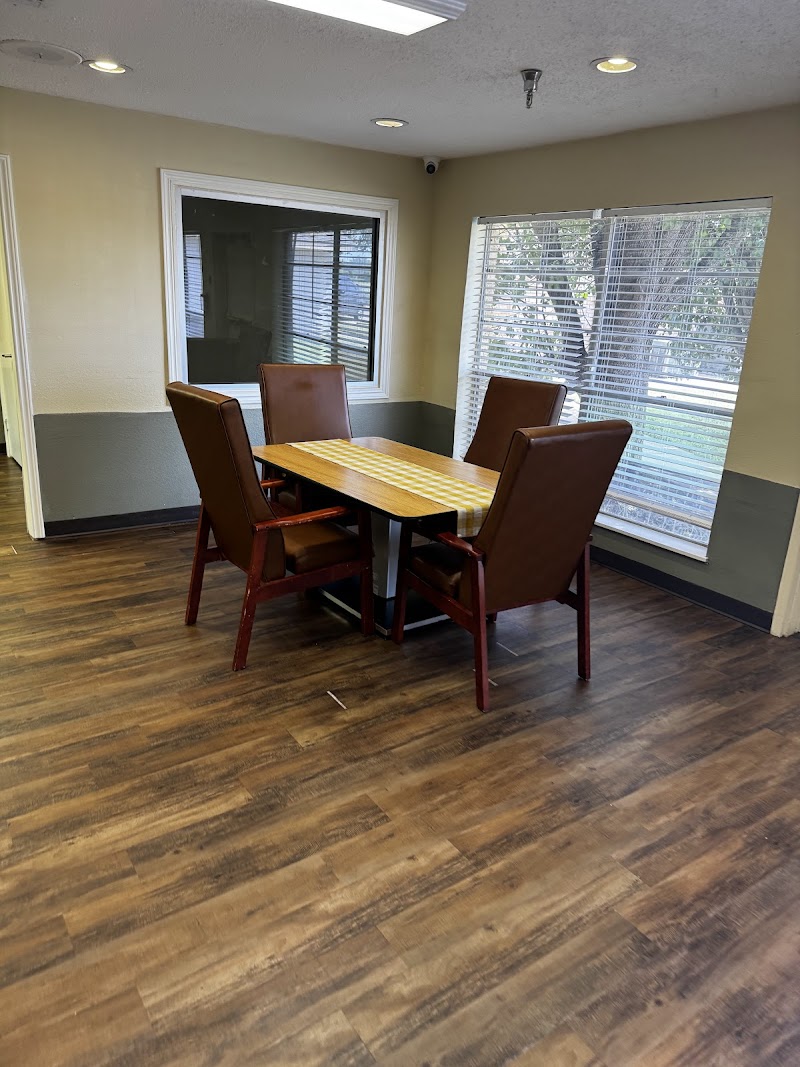
How is Columbus Oaks Healthcare Community Staffed?

CMS rates COLUMBUS OAKS HEALTHCARE COMMUNITY's staffing level at 3 out of 5 stars, which is average compared to other nursing homes. Staff turnover is 60%, which is 14 percentage points above the Texas average of 46%. High turnover can affect care consistency as new staff learn residents' individual needs. RN turnover specifically is 83%, which is notably high. RNs provide skilled clinical oversight, so turnover in this role can affect medical care quality.

What Have Inspectors Found at Columbus Oaks Healthcare Community?

State health inspectors documented 21 deficiencies at COLUMBUS OAKS HEALTHCARE COMMUNITY during 2021 to 2025. These included: 1 that caused actual resident harm and 20 with potential for harm. Deficiencies causing actual harm indicate documented cases where residents experienced negative health consequences.
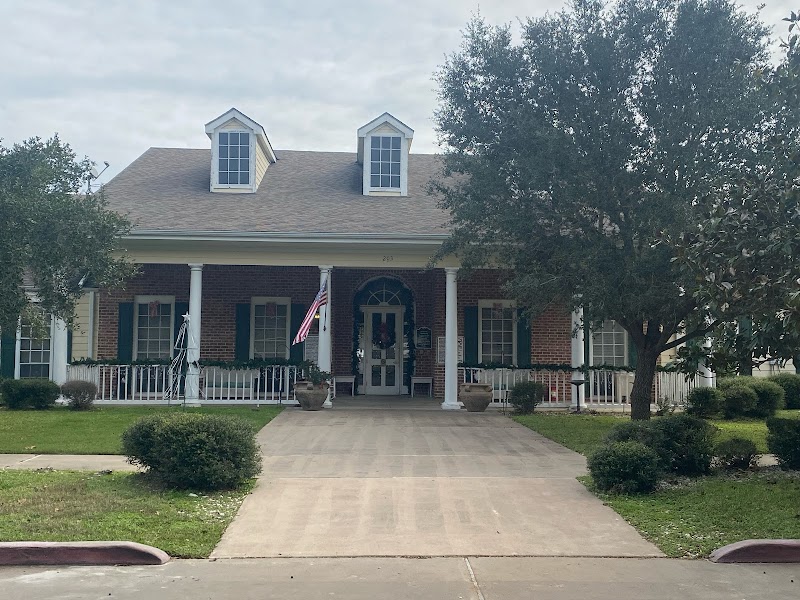
Who Owns and Operates Columbus Oaks Healthcare Community?

COLUMBUS OAKS HEALTHCARE COMMUNITY is owned by a for-profit company. For-profit facilities operate as businesses with obligations to shareholders or private owners. The facility is operated by DYNASTY HEALTHCARE GROUP, a chain that manages multiple nursing homes. With 137 certified beds and approximately 77 residents (about 56% occupancy), it is a mid-sized facility located in COLUMBUS, Texas.
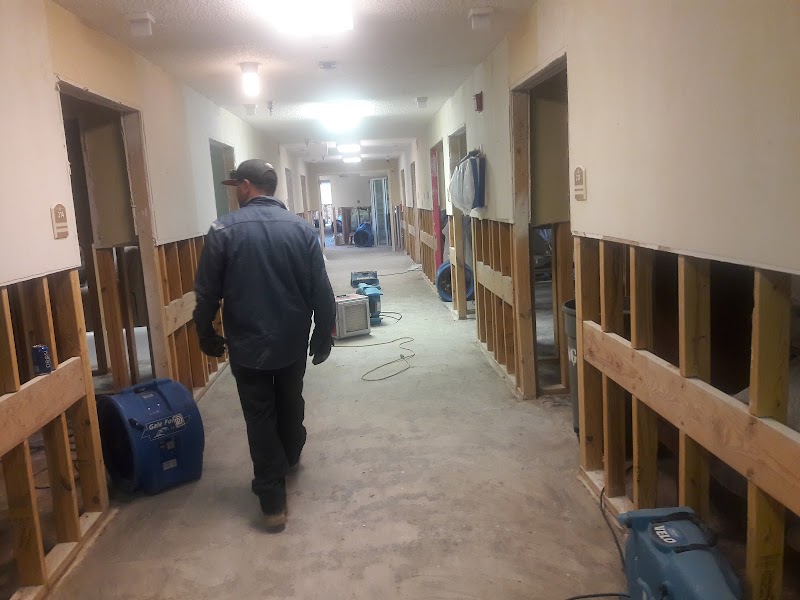
How Does Columbus Oaks Healthcare Community Compare to Other Texas Nursing Homes?

Compared to the 100 nursing homes in Texas, COLUMBUS OAKS HEALTHCARE COMMUNITY's overall rating (4 stars) is above the state average of 2.8, staff turnover (60%) is significantly higher than the state average of 46%, and health inspection rating (4 stars) is above the national benchmark.

What Should Families Ask When Visiting Columbus Oaks Healthcare Community?

Based on this facility's data, families visiting should ask: "How do you ensure continuity of care given staff turnover, and what is your staff retention strategy?" "Can I visit during a mealtime to observe dining assistance and food quality?" "How do you handle medical emergencies, and what is your hospital transfer rate?" "Can I speak with family members of current residents about their experience?" These questions are particularly relevant given the facility's high staff turnover rate.

Is Columbus Oaks Healthcare Community Safe?

Based on CMS inspection data, COLUMBUS OAKS HEALTHCARE COMMUNITY has a clean safety record: no substantiated abuse findings (meaning no confirmed cases of resident harm), no Immediate Jeopardy citations (the most serious violation level indicating risk of serious injury or death), and is not on the Special Focus Facility watch list (a federal program monitoring the lowest-performing 1% of nursing homes). The facility has a 4-star overall rating and ranks #1 of 100 nursing homes in Texas. While no facility is perfect, families should still ask about staff-to-resident ratios and recent inspection results during their visit.

Do Nurses at Columbus Oaks Healthcare Community Stick Around?

Staff turnover at COLUMBUS OAKS HEALTHCARE COMMUNITY is high. At 60%, the facility is 14 percentage points above the Texas average of 46%. Registered Nurse turnover is particularly concerning at 83%. RNs handle complex medical decisions and coordinate care — frequent RN changes can directly impact care quality. High turnover means new staff may not know residents' individual needs, medications, or preferences. It can also be disorienting for residents, especially those with dementia who rely on familiar faces. Families should ask: What is causing the turnover? What retention programs are in place? How do you ensure care continuity during staff transitions?

Was Columbus Oaks Healthcare Community Ever Fined?

COLUMBUS OAKS HEALTHCARE COMMUNITY has been fined $9,750 across 1 penalty action. This is below the Texas average of $33,176. While any fine indicates a compliance issue, fines under $50,000 are relatively common and typically reflect isolated problems that were subsequently corrected. Families should ask what specific issues led to these fines and confirm they've been resolved.

Is Columbus Oaks Healthcare Community on Any Federal Watch List?

COLUMBUS OAKS HEALTHCARE COMMUNITY is not on any federal watch list. The most significant is the Special Focus Facility (SFF) program, which identifies the bottom 1% of nursing homes nationally based on persistent, serious quality problems. Not being on this list means the facility has avoided the pattern of deficiencies that triggers enhanced federal oversight. This is a positive indicator, though families should still review the facility's inspection history directly.