PARKVIEW MANOR NURSING AND REHABILITATION
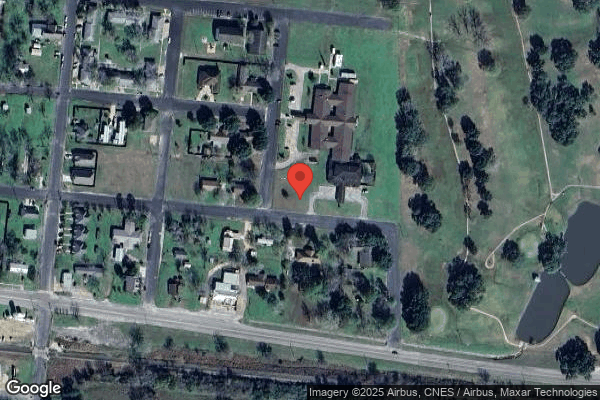
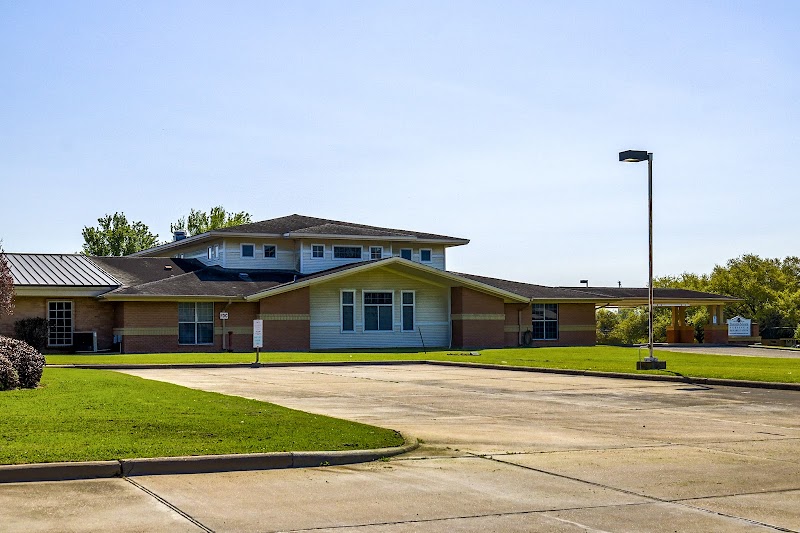
206 N SMITH ST, WEIMAR, TX 78962 (979) 725-8564
For profit - Individual 94 Beds CREATIVE SOLUTIONS IN HEALTHCARE Data: November 2025
Trust Grade
65/100
#543 of 1168 in TX
Last Inspection: August 2024

Within standard 12-15 month inspection cycle. Federal law requires annual inspections.

Overview

Parkview Manor Nursing and Rehabilitation has a Trust Grade of C+, indicating it is slightly above average but not without its concerns. It ranks #543 out of 1168 nursing homes in Texas, placing it in the top half. However, it is at the bottom of the list in Colorado County, ranking #4 out of 4 local facilities. The facility is showing improvement, with issues decreasing from 8 in 2024 to 2 in 2025. Staffing is a notable weakness with a rating of 2 out of 5 stars and a concerning incident where there was insufficient nursing staff during weekends, which could impact resident care. On a positive note, there have been no fines reported, and the nursing home has no critical or serious issues but does have concerns about cleanliness, such as mold on ceiling tiles and unclean shower rooms, which may pose risks to resident health.

Trust Score
C+
65/100
In Texas
#543/1168
Top 46%
Safety Record
Low Risk
No red flags
Inspections
Getting Better
8 → 2 violations
Staff Stability
○ Average
Turnover data not reported for this facility.
Penalties
✓ Good
No fines on record. Clean compliance history, better than most Texas facilities.
Skilled Nurses
⚠ Watch
Each resident gets only 18 minutes of Registered Nurse (RN) attention daily — below average for Texas. Fewer RN minutes means fewer trained eyes watching for problems.
Violations
⚠ Watch
15 deficiencies on record. Higher than average. Multiple issues found across inspections.
★★★☆☆
3.0
Overall Rating
★★☆☆☆
2.0
Staff Levels
★★☆☆☆
2.0
Care Quality
★★★☆☆
3.0
Inspection Score
Stable
2024: 8 issues
2025: 2 issues

The Good

  • Full Sprinkler Coverage · Fire safety systems throughout facility
  • No fines on record

Facility shows strength in fire safety.

The Bad

3-Star Overall Rating

Near Texas average (2.8)

Meets federal standards, typical of most facilities

Chain: CREATIVE SOLUTIONS IN HEALTHCARE

Part of a multi-facility chain

Ask about local staffing decisions and management

The Ugly 15 deficiencies on record

Aug 2025 1 deficiency
CONCERN (F) 📢 Someone Reported This

A family member, employee, or ombudsman was alarmed enough to file a formal complaint

Potential for Harm - no one hurt, but risky conditions existed

Safe Environment (Tag F0921)

Could have caused harm · This affected most or all residents

**NOTE- TERMS IN BRACKETS HAVE BEEN EDITED TO PROTECT CONFIDENTIALITY** Based on observations, interviews, and record review, the facility failed to provide a safe, functional, sanitary, and comfortab...

Read full inspector narrative →
**NOTE- TERMS IN BRACKETS HAVE BEEN EDITED TO PROTECT CONFIDENTIALITY** Based on observations, interviews, and record review, the facility failed to provide a safe, functional, sanitary, and comfortable environment for residents, staff, and the public for 1 of 1 facility reviewed for physical environment.The facility failed to clean and/or remove ceiling tiles throughout the facility that a had black, moldlike substance on them.This failure could place residents at risk for respiratory issues, infection, and hospitalization.Findings included:In an observation on 8/14/25 the following observations were made of a black, moldlike substance:- 10:23am: Ceiling tiles outside of the Soiled Utility room, across from room [ROOM NUMBER].- 10:31am: Ceiling tiles outside of room [ROOM NUMBER].- 10:33am: Ceiling tiles outside of room [ROOM NUMBER].- 10:35am: Ceiling tiles across from the entrance to the Therapy Gym.- 10:36am: Ceiling tiles over Nurse's Station 3.- 10:47am: Ceiling tiles in the Therapy Room.In an interview on 8/14/25 at 10:36 a.m., LVN W said they did not have a Maintenance Director at the moment and the last one left 2 weeks ago. She said the previous Maintenance Director would empty the air conditioner's drain pan regularly, that was in the attic. She said he would clean the mold with acid and bleach and then replace the tiles in the ceiling. She said he would also clean the walls with bleach/acid and then put new plaster over it and re-paint. LVN W said no one had done any repairs since he left.In an interview on 8/14/25 at 10:45 a.m., the ADM said, How do you know that is black mold, did you test it? after she was shown pictures of what was found.In an interview on 8/14/25 at1:32 p.m., the ADM said they were making repairs as they were made aware. She said they had been fixing issues since the building was bought a year ago, but it took time to get everything done because it was an old building. She said she would have the maintenance people from some of the sister buildings come out and check the blackened areas on the tiles to see if they were mold.In an anonymous interview, it was said if the patch in room [ROOM NUMBER] was pulled back, black mold would be seen all over the beams and the Maintenance Director was told to spray bleach on it, patch the wall and paint it. The anonymous person said the ADM told the Maintenance Director; the smell of paint would cover the mold smell so the residents would stop complaining. The anonymous person said there was black mold everywhere, and the Maintenance Director spent his time bandaging the a/c system and replacing black mold tiles. The anonymous person said the drip pans from the a/c constantly got full and the pans had eroded away so much they were falling apart, causing the drains to clog from the particles and leak water into the ceiling, walls, and light fixtures. The anonymous person said the Maintenance Director was in the attic every day fixing the drains or the stains from the black mold.A policy on Physical Environment was requested and the ADM said they did not have one.Record review of the facility's policy on Resident Rights (no dates) read in part: The resident has a right to a dignified existence.in an environment that promotes maintenance or enhancement of his or her quality of life.The facility must protect and promote the rights of the resident. The facility must provide equal access to quality care.The resident has a right to be treated with respect and dignity, including.The right to reside and receive services in the facility with reasonable accommodation of resident needs and preferences .
Jan 2025 1 deficiency
CONCERN (D) 📢 Someone Reported This

A family member, employee, or ombudsman was alarmed enough to file a formal complaint

Potential for Harm - no one hurt, but risky conditions existed

Free from Abuse/Neglect (Tag F0600)

Could have caused harm · This affected 1 resident

**NOTE- TERMS IN BRACKETS HAVE BEEN EDITED TO PROTECT CONFIDENTIALITY** Based on observation, interview and record review, the facility failed to ensure residents were free from abuse for 1 of 5 resid...

Read full inspector narrative →
**NOTE- TERMS IN BRACKETS HAVE BEEN EDITED TO PROTECT CONFIDENTIALITY** Based on observation, interview and record review, the facility failed to ensure residents were free from abuse for 1 of 5 residents (Resident #1) reviewed for resident abuse. The facility failed to prevent Resident #1 from being physically abused by MA D who hit Resident #1 on the face during patient care on 11/10/2024. The noncompliance was identified as past noncompliance. The noncompliance began on 11/10/2024 and ended on 11/11/2024. The facility corrected the noncompliance before the survey began. This failure could place residents at risk of experiencing and enduring abuse causing a decreased quality of life. Findings included: Record review of Resident#1's face sheet dated 01/24/2025, reflected a [AGE] year-old female initially admitted to the facility on [DATE] and re-admitted on [DATE]. Resident #1 had a diagnosis of Unspecified Dementia, Moderate, With Agitation (the loss of cognitive functioning, thinking, remembering, and reasoning, to such an extent that it interferes with a person's daily life and activities). Record review of Resident #1's quarterly MDS assessment, dated 06/26/2024, reflected a BIMS score of 1 out of 15, which indicated the severe cognitive impairment. Further review of Resident #1's MDS reflected the resident needed assistance with ADL care. The MDS did not indicate Resident #1 had a history behaviors experience of hallucinations, or the expression of false beliefs (delusions). Record review of Resident#1's, undated, comprehensive care plan reflected a focus area initiated on 11/08/2024, Resident #1 had impaired cognitive function or impaired thought processes related to diagnosis of Dementia. Interventions: Engage the resident in simple, structured activities that avoid overly demanding tasks. The resident had a history of trauma that may have a negative impact. The trauma is related to: a negative interaction with staff member. Goal: Maintain resident's safety and integrity during post trauma episode, using appropriate interventions. Intervention: If the resident has escalated, if possible do not touch the resident unless necessary for resident's or others safety. Two staff members while providing care. Date Initiated: 11/11/2025. Record review of the provider investigation report dated 11/10/2025 revealed MA D's written statement read in part At 2:23a.m, I heard someone yelling mama I went and checked all the rooms to see who was calling out for help. It was Resident #1. I walked in the room to find her on the floor she was lying flat on her face and her right leg was bent. I called out for the nurse a couple times in the meantime CNA J, and I went back to the room. Resident #1 was still yelling mama we told her we had to wait for the nurse the nurse came asked her was she hurt Resident # 1 said her face and leg hurt me and CNA J started to position her to get her off the floor and she got upset and said to leave her alone because the two boys in the corner would get her up. We told her we would help her. Resident #1 started swinging as we lifted her from the floor. My head was down, and the tip of her hand brushed across my glasses. We got her in bed, and I said you can't be upset. We are trying to help you Record review of LVN C written statement dated 11/10/204 read in part November 10, 2024, at approximately 2:30 a.m. Resident#1 was found lying on her abdomen and her head facing towards the wall resident one did not appear in any distress. Assessment completed Resident#1 was returned to her bed by CNA J and MA Resident#1 was waving her arms in the air trying to be left alone. Resident #1 managed to hit MA D in the face. As a reaction MA D hit Resident#1 in her face Record review of CNA J's written statement dated 11/10/2024 read in part On Saturday night I was called to help MA pick Resident # 1 off the ground we waited until LVN C completed her assessment MA and I proceeded to pick up Resident # 1 She started swinging her hand trying to fight us Resident # 1 hit MA D in the face Resident # 1 was slapped back by MA D Observation and interview on 01/24/2025 at 5:00 p.m., Resident #1 was in bed, and she was dressed in her casual clothes. Resident #1 was not able to say if the staff was abusive to her. Resident #1 was a poor historian. During an interview on 01/24/2025 at 5:30 p.m., the DON stated there was an incident on 11/10/2024 with Resident #1 when MA D along with other staff was attempting to assist the resident off the ground back to bed. At this time the resident proceeded with slapping MA D across the face. The charge nurse witnessed MA D reacted and returned the slap to the resident. DON stated there was no reason for MA D to physically abuse Resident #1. DON stated the Administrator notified by the charge nurse of the incident on 11/10/2024. She stated MA D was suspended immediately on 11/10/2024, pending the facility's investigation. During interviews on 01/24/2025 between 12:47 a.m. and 4:50 p.m., (LVN W, CNA T, and MA C) from day shift were interviewed All staff interviewed were able to verbalize understanding of abuse/neglect in-services received. During an interview on 01/22/2025 at 6:00 p.m., the Administrator stated the facility had QAPI meeting about the incident; staff was in-serviced on abuse/neglect; safe surveys with residents; and the DON would train new staff upon hire on abuse/neglect. Record review reflected the following action were implemented by the facility: On 11/10/2024 immediately after the incident Resident #1 was assessed for pain/Injury/emotional distress - No pain or injury noted; however resident did appear upset per charge nurse. The three staff members (MA D, LVN C, and CNA J) involved were suspended on 11/10/2024, pending facility's investigation. Incident reported to HHSC. 1/1 in servicing regarding reporting of abuse and neglect provided to staff members on 11/10/24 by Administrator. Law enforcement was notified by Administrator on 11/10/24. Resident #1 medical provider and responsible party was made aware of incident on 11/10//24 by Administrator. Risk management assessments completed for all residents on 11/10/24 by DON. Ad hoc QAPI completed on 11/10/24 with IDT team. In servicing initiated on Abuse and neglect on 11/10/24 by Administrator. In servicing initiated on Handling aggressive behaviors by DON 11 /11 /24. Trauma informed care assessment completed by charge nurse on 11/10/24. Resident #1 revised care plan for trauma informed care completed on 11 /11 /24. Resident #1 referred to psych services by DON on 11 /11 /24. Follow up assessment on Resident #1 completed on 11 /11 /24. No indication of pain and emotional distress was noted. State Surveyor verified the following: Record review of MA D employee file reflected the following: DOH: 06/21/2024 and MA D was training on abuse and neglect upon hire. Criminal background checks completed 07/09/2024. HHS check completed 06/28/2024. DOT: 11/10/2024 due to substantiated allegation of physical of abuse. The three staff ((LVN C, CNA J, and MA D) had previously had abuse and neglect training as well as behavior management for residents training prior to 11/10/2024. EMR/Criminal background/License check were current for three staff members (LVN C, CNA J, and MA D) involved. The facility policy on abuse dated 03/09/2018, reflected in part The resident has the right to be free from abuse Residents should not be subjected to abuse by anyone, including, but not limited to, facility staff, . The facility will provide and ensure the promotion and protection of resident rights. It is each individual's responsibility to recognize, report, and promptly investigate actual or alleged abuse, . and situations that may constitute abuse or neglect to any resident in the facility Physical Abuse: Includes, hitting, slapping, punching, and kicking. It also includes controlling behavior through corporal punishment
Aug 2024 8 deficiencies
CONCERN (D) 📢 Someone Reported This

A family member, employee, or ombudsman was alarmed enough to file a formal complaint

Potential for Harm - no one hurt, but risky conditions existed

Deficiency F0558 (Tag F0558)

Could have caused harm · This affected 1 resident

**NOTE- TERMS IN BRACKETS HAVE BEEN EDITED TO PROTECT CONFIDENTIALITY** Based on Observations & Interviews, the facility failed to ensure that residents had the right to reside and receive services in...

Read full inspector narrative →
**NOTE- TERMS IN BRACKETS HAVE BEEN EDITED TO PROTECT CONFIDENTIALITY** Based on Observations & Interviews, the facility failed to ensure that residents had the right to reside and receive services in the facility with reasonable accommodation of resident needs and preferences except when to do so would endanger the health or safety of the resident or other residents for 1 of 6 residents (Resident # 31) reviewed for call light. The facility failed to ensure Resident # 31's call light was within reach. This failure could place residents at risk of achieving independent functioning, dignity, and well-being. Findings include: Record review of Resident # 31's face sheet dated 7/30/24 revealed a 64 - year old female admitted to the facility on [DATE]. Resident # 31 had diagnoses that included Chronic obstructive pulmonary disease (lung disease that damages the airways or other parts of the lungs, making it difficult to breathe), Major Depressive Disorder ( a severe mood disorder that can affect a person's thoughts, feelings, and ability to perform daily activities) and Paraplegia( is a term used to describe the inability to voluntarily move the lower parts of the body). Record review of Resident # 31's admission MDS assessment dated [DATE] reflected a BIMS score of 13 which suggested intact cognition. under section G, G0300, option # 3, which stated that the patient was unsteady on their feet and required assistance X 2. Record review of Resident 31's care plan dated 7/09/24 did not address the use of call light. Observation and interview on 7/30/24 in Resident # 31's room at 9:45 AM revealed that the call light was found on the floor under the bed. Resident # 31 stated, I would be in a pickle if I need to call for help. Resident # 31 expressed that they did not know how the call light ended up on the floor. On 7/30/24 at 9:50 AM, during an interview, CNA A stated that she was the assigned nursing assistant for Resident #31. She mentioned that she did not know how Resident #31's call light ended up on the floor, but she picked it up and clipped it to Resident #31's bedspread. She also noted that if Resident #31 lacked access to the call light, it could potentially lead to a fall if Resident #31 needed assistance. During an interview with the DON on 7/30/24, at 10:05 AM, she mentioned that she was the assigned nurse for Resident # 31. She emphasized the importance of ensuring that the call light was accessible to all residents, stating that the lack of accessibility to a call light for any resident could lead to a potential negative outcome if assistance is needed. The DON also mentioned that charge nurses currently monitored this task during their morning rounds daily, and she was responsible for overseeing this process. Record review of the facility policy Call System, Resident, dated 2001, revealed call lights are placed within reach of resident.
CONCERN (D) 📢 Someone Reported This

A family member, employee, or ombudsman was alarmed enough to file a formal complaint

Potential for Harm - no one hurt, but risky conditions existed

Deficiency F0810 (Tag F0810)

Could have caused harm · This affected 1 resident

**NOTE- TERMS IN BRACKETS HAVE BEEN EDITED TO PROTECT CONFIDENTIALITY** Based on observation, interview and record review revealed the facility did not provide special eating equipment and utensils fo...

Read full inspector narrative →
**NOTE- TERMS IN BRACKETS HAVE BEEN EDITED TO PROTECT CONFIDENTIALITY** Based on observation, interview and record review revealed the facility did not provide special eating equipment and utensils for residents who need them for 1 of 1 Residents (Resident #37) who were observed during meal service. Staff failed to ensure Resident #37 had a built-up spoon and a straw. Based on observation, interview and record review revealed the facility did not provide special eating equipment and utensils for residents who need them for 1 of 1 Residents (Resident #37) who were observed during meal service. Staff failed to ensure Resident #37 had a built-up spoon and a straw. This failure could affect residents who depended on assistive devices and infringe on the resident's dignity and feeding independence. The findings were: Record review of Resident #37's face sheet, dated 7/30/24, revealed Resident #37 was an [AGE] year-old female who was originally admitted to the facility on [DATE]. Resident #37 was diagnosed with muscle wasting and atrophy and feeding difficulties. Record review of Resident #37's care plan, dated 07/30/2024, revealed Resident #37 has a swallowing problem r/t Dysphasia. Resident #37's care plan also notes all meals to be served on a divided plate. Drinks to be in mug with no ice and a straw. Res. to have built up spoons for all meals. Record review of Resident#37's meal ticket dated 07/30/2024, revealed resident was to receive a built-up spoon and straw with meal tray. Dining observation of the facility's dining room on 07/30/2024 at 11:44 AM revealed Resident #37 was presented her lunch but was not provided a straw or built-up spoon. Resident #37 was provided a regular fork. Interview with Resident #37 on 07/30/2024 at 1:56 PM revealed resident was not provided a built-up spoon or straw at lunch. Resident #37 stated that the built-up spoon was uncomfortable to use, and she did not need a straw anymore. Resident #37 stated she had asked to be given a regular fork a few days before and the facility had not provided the built-up spoon since. Interview with the Dietary Manager on 08/01/2024 at 1:45 PM revealed Resident #37 had requested to get a regular fork instead of the built-up spoon but could not recall the date. The Dietary Manager stated by not providing Resident #37 a built-up spoon or straw Resident #37 could have a difficult time eating and drinking. Record review of facility's policy named Adaptive Eating Devices dated 2012 revealed dietary department: sanitizes the utensils after each use and places the devices on the resident's tray as needed.
CONCERN (D) 📢 Someone Reported This

A family member, employee, or ombudsman was alarmed enough to file a formal complaint

Potential for Harm - no one hurt, but risky conditions existed

Deficiency F0813 (Tag F0813)

Could have caused harm · This affected 1 resident

**NOTE- TERMS IN BRACKETS HAVE BEEN EDITED TO PROTECT CONFIDENTIALITY** Based on observation, interview, and record review the facility failed to maintain and ensure safe and sanitary storage of resid...

Read full inspector narrative →
**NOTE- TERMS IN BRACKETS HAVE BEEN EDITED TO PROTECT CONFIDENTIALITY** Based on observation, interview, and record review the facility failed to maintain and ensure safe and sanitary storage of residents' food items for 1 (refrigerator in resident room [ROOM NUMBER]-A) of 3 residents' refrigerators reviewed in that: The personal refrigerators in one residents' rooms contained food items which were unlabeled and undated. This failure could place residents at risk of foodborne illness due to consuming foods which are spoiled. The findings were: Observations on 7/30/24 at 9:45 A.M. revealed that the personal refrigerator in resident room [ROOM NUMBER]-A contained sliced summer sausage in an unlabeled and undated zip-lock bag. Further observation on 07/30/2024 at 11:34 a.m. revealed sliced summer sausage in an unlabeled and undated zip-lock bag was still present. During an interview with CNA C on 07/30/24 at 9:50 a.m., CNA C confirmed that the personal refrigerator in resident room [ROOM NUMBER]- A contained sliced summer sausage in an unlabeled and undated zip-lock bag. During an interview with the Director of Nursing on 7/30/24, at 1:20 p.m., the DON confirmed that perishable food and drinks in residents' personal refrigerators should be labeled and dated to prevent residents from consuming spoiled foods. The DON stated that the night shift nurses were responsible for overseeing this task, but currently, this was not being monitored. Record review of the facility policy, Foods Brought by Family/Visitors, dated 2001, revised October 2017, revealed, .Perishable foods must be stored in a resealable container tightly fitting lids in refrigerator, container will be labeled with Residents name, the item and use by date.
CONCERN (D) 📢 Someone Reported This

A family member, employee, or ombudsman was alarmed enough to file a formal complaint

Potential for Harm - no one hurt, but risky conditions existed

Medical Records (Tag F0842)

Could have caused harm · This affected 1 resident

**NOTE- TERMS IN BRACKETS HAVE BEEN EDITED TO PROTECT CONFIDENTIALITY** Based on interview and record review the facility failed to ensure Medical records in accordance with accepted professional stan...

Read full inspector narrative →
**NOTE- TERMS IN BRACKETS HAVE BEEN EDITED TO PROTECT CONFIDENTIALITY** Based on interview and record review the facility failed to ensure Medical records in accordance with accepted professional standards and practices, were complete and accurately documented for 1 of 5 (Resident #25) residents, in that: Resident #25's care plan meeting was documented as a DNR status and order was a full code status. This failure could result in residents' records not accurately documenting the administration of medications and could result in a decline in heath. The Findings were: Record review of Resident #25' admission Record dated 8/1/2024 revealed she was admitted on [DATE], re- admitted in 12/28/2022 with a full code status. Record review of Resident # 25's consolidated orders for August 2024 revealed an order for a full code status. Record review of Resident # 25's care plan dated 7/6/2024 revealed she was a full code status. Record review of Resident # 25's care plan conference dated 6/8/2024 revealed she was a DNR. Interview on 8/01/2024 at 12:12 PM with the ADM stated maybe an error on the care plan conference with the MDS signature. no policy on record accuracy. Interview on 8/1/2024 at 1:00 PM with the MDS revealed she lead the care plan conferences and was a mistake. The MDS stated the risk was low to residents because the charge nurses look at code status book for all residents and get updated. The MDS stated the charge nurses look at the orders not the care plan conferences.
CONCERN (E) 📢 Someone Reported This

A family member, employee, or ombudsman was alarmed enough to file a formal complaint

Potential for Harm - no one hurt, but risky conditions existed

Safe Environment (Tag F0584)

Could have caused harm · This affected multiple residents

**NOTE- TERMS IN BRACKETS HAVE BEEN EDITED TO PROTECT CONFIDENTIALITY** Based on observations, interviews and record review the facility failed to ensure the resident has a right to a safe, clean, com...

Read full inspector narrative →
**NOTE- TERMS IN BRACKETS HAVE BEEN EDITED TO PROTECT CONFIDENTIALITY** Based on observations, interviews and record review the facility failed to ensure the resident has a right to a safe, clean, comfortable and homelike environment for 2 of 2 shower rooms, in that: 1. Shower room [ROOM NUMBER] had an area on tile that had soap scum and hard water stains, the shower mat was dirty with black stains, shower chair back rest had hard water stains, and under shower chair was dirty with reddish substance. 2. Shower room [ROOM NUMBER] had a tile missing, the shower chair under the seat had reddish substance. This failure could affect any resident and contribute to feelings of low self-esteem. The Findings were: 1. Observation on 8/01/2024 at 1:49 PM with Laundry/Housekeeper revealed in Shower room [ROOM NUMBER] had an area on tile that had soap scum and hard water stains, the shower mat was dirty with back stains, shower chair back rest had hard water stains, and under shower chair was dirty with reddish substance. Observation on 8/01/2024 at 2:03 PM with Maintenance Supervisor revealed Shower room [ROOM NUMBER] water temp was 96.8 Degrees Fahrenheit. Interview on 8/01/2024 at 1:50 AM with Laundry/Housekeeper stated Shower room [ROOM NUMBER] had an area on tile that had soap scum, and hard water stains, the shower mat was dirty with back stains, shower chair back rest had hard water stains, and under shower chair was dirty with reddish substance. The housekeeper stated staff clean the shower rooms, but the stains do not come off. Interview on 8/01/2024 at 2:17 PM with Maintenance Supervisor in Shower #1 stated an area on tile that had soap scum, and hard water stains, the shower mat was dirty with back stains, shower chair back rest had hard water stains, and under shower chair was dirty with reddish substance. Housekeeper stated staff clean the shower rooms, but the stains do not come off. Interview on 8/01/2024 at 2:04 PM with the Maintenance Supervisor stated the water temperature near shower #1 was 96.8 Degrees Fahrenheit. 2. Observation on 8/01/2024 at 1:55 PM with Shower room [ROOM NUMBER] had a tile missing, the shower chair under the seat had reddish substance. Observation on 8/01/2024 at 2:03 PM of Maintenance Supervisor (started 2 weeks ago) observed in Shower #2 revealed a tile missing, had tile had mildew build up on vent, the shower chair under the seat had reddish substance. The Maintenance Supervisor stated shower water temp was 96.8 Degrees Fahrenheit. Observation on 8/1/2024 at 2:16 PM with the Maintenance Supervisor of the water heater unit 1 outside near Shower #2 was at 125 Degrees Fahrenheit. Observation of the 2nd water heater, near kitchen was at 100 Degrees Fahrenheit. Interview on 8/01/2024 at 2:17 PM with the Maintenance Supervisor in Shower #2 had tile missing, had mildew build up on vent, shower room water temp was 124.1 Degrees Fahrenheit. The Maintenance Supervisor stated that was too hot, would like it no more than 110 Degrees Fahrenheit Interview on 8/01/2024 at 3:25 PM with the Maintenance Supervisor stated he had not gone in the resident showers. Interview on 8/02/2024 10:45 AM with the HSK D stated she did not lift or clean the mat on floor to clean it and does not clean the tile floor or tiled walls. Interview on 8/02/2024 at 11:21 AM with the ADM/DON stated no residents had any injuries of burn skin due to shower water being too hot. no water temperature logs for the building. The ADM stated the Maintenance Supervisor started 2 weeks ago. Record review of policy Resident Rights revision date 11/28/2016 revealed Safe environment-The resident has a right to a safe, clean, comfortable and homelike environment, including but not limited to receiving treatment and supports for daily living safely.
CONCERN (E) 📢 Someone Reported This

A family member, employee, or ombudsman was alarmed enough to file a formal complaint

Potential for Harm - no one hurt, but risky conditions existed

Deficiency F0727 (Tag F0727)

Could have caused harm · This affected multiple residents

Based on interviews and record review, the facility failed to have sufficient nursing staff to provide nursing and related services to assure resident safety and attain or maintain the highest practic...

Read full inspector narrative →
Based on interviews and record review, the facility failed to have sufficient nursing staff to provide nursing and related services to assure resident safety and attain or maintain the highest practicable physical, mental, and psychosocial well-being of each resident for one of four quarters in 2024 (Quarter 2) reviewed for sufficient nursing staff. According to the PBJ report for Quarter 1 2024 (January 1 through March 31), the facility did not have sufficient weekend staff. This failure could place residents at risk of diminished quality of life and quality of care. Findings: Record review of the CMS PBJ report for Quarter 2 2024 (January 1,2024 through March 31,2024) indicated the facility had excessively low weekend staffing. Record review of the RN staffing hours for January 1, 2024, to March 31, 2024, revealed that there was no RN coverage on 2/10/24, 2/11/2024, 2/25/24,3/23/24,3/24/24,3/30/24, and 3/31/24. August 1, 2024, interview at 11:50 AM: The Director of Nursing (DON) stated that the shortage of weekend RN coverage 2/10/24, 2/11/24, 2/25/24,3/23/24,3/24/24,3/30/24, 3/31/24.was due to the facility's remote location; she added that lack of weekend RN coverage can lead to possibly increased readmission rates. Interview on 8/01/24 at 12:18 PM, with the Administrator stated that no RN coverage was available on 2/10/24, 2/11/24, 2/25/24,3/23/24,3/24/24,3/30/24, and 3/31/24 because the staffing agency contracted could not provide a weekend RN. She stated she currently had an RN weekend position posted, but no one has applied due to the facility's location. Record review of facility policy Departmental Supervision, 2001, revised August 2006, revealed an RN/LPN is on duty 24 hours per day, seven days a week.
CONCERN (E) 📢 Someone Reported This

A family member, employee, or ombudsman was alarmed enough to file a formal complaint

Potential for Harm - no one hurt, but risky conditions existed

Food Safety (Tag F0812)

Could have caused harm · This affected multiple residents

Based on observation, interview, and record review, the facility failed to store, prepare, distribute, and serve food in accordance with professional standards for 1 of 1 kitchen observed for food ser...

Read full inspector narrative →
Based on observation, interview, and record review, the facility failed to store, prepare, distribute, and serve food in accordance with professional standards for 1 of 1 kitchen observed for food service. The facility failed to ensure that items stored in the walk-in in refrigerator were labeled after opened or prepared. In dry storage a dented can of tomatoes, received date 07/16/24, observed on 07/30/24 on rack with all other can goods to be used. This failure affects the residents who received meals from the kitchen and place them at risk for foodborne illness. Findings included: Observation of the facility's only kitchen on 07/30/2024 at 10:08 AM revealed the facility's dry storage had a can of dented tomatoes, dated 07/16/24, on rack with all other cans. Three trays of unlabeled drinks were observed in the walk-in refrigerator. Milk jug, small jar of jalapeno, small jar of mayonnaise and small squeeze bottle of mayonnaise, all opened, were also observed in the walk-in refrigerator unlabeled with open dates. Interview with the Dietary Manager on 08/01/2024 at 1:45 pm revealed all open foods in the walk-in refrigerator were to be labeled with the date opened. The Dietary Manager also stated that any foods or drinks prepared and then stored in the refrigerator were to be labeled with the date prepared. The Dietary Manager stated that all staff were responsible to label all items before storing them in the refrigerator. The Dietary Manager stated cans were inspected when they were received, and any dented cans were placed on a shelf designated for dented cans. Dented cans were returned to the vendor for credit. The Dietary manager stated that whoever puts the delivery away was responsible to identify any dented cans, but one must have been missed. The Dietary Manager stated, by not labeling open items in the refrigerator or using the dented cans, there could be an increased risk for food born illness. Record review of the policy named Food receiving and storage dated 2022, revealed 1. All foods stored in the refrigerator or freezer are covered, labeled and dated (use by date) and 3. Dry foods and good are handled and stored in a manner that maintains the integrity of the packaging until they are ready to use Record review of the Food Code, U.S. Public Health Service, U.S. FDA, 2022, on 04/24/2024, states 3-101.11 Safe, Unadulterated, and Honestly Presented. Depending on the circumstances, rusted and pitted or dented cans may also present a serious potential hazard.
CONCERN (E) 📢 Someone Reported This

A family member, employee, or ombudsman was alarmed enough to file a formal complaint

Potential for Harm - no one hurt, but risky conditions existed

Safe Environment (Tag F0921)

Could have caused harm · This affected multiple residents

**NOTE- TERMS IN BRACKETS HAVE BEEN EDITED TO PROTECT CONFIDENTIALITY** Based on observations, interviews and record review the facility failed to provide a safe, functional, sanitary, and comfortable...

Read full inspector narrative →
**NOTE- TERMS IN BRACKETS HAVE BEEN EDITED TO PROTECT CONFIDENTIALITY** Based on observations, interviews and record review the facility failed to provide a safe, functional, sanitary, and comfortable environment for residents for 2 of 2 shower rooms, in that 1. Shower room [ROOM NUMBER] water temperature was 96.8 Degrees Fahrenheit. 2. Shower room [ROOM NUMBER] water temperature was 124.1 Degrees Fahrenheit. 3. No water temperature logs were kept. This failure could affect any resident and contribute to feelings of low self-esteem. The Findings were: 1. Observation on 8/01/2024 at 2:03 PM with the Maintenance Supervisor revealed Shower room [ROOM NUMBER] water temp was 96.8 Degrees Fahrenheit. Interview on 8/01/2024 at 2:04 PM with the Maintenance Supervisor stated the water temperature near shower #1 was 96.8 Degrees Fahrenheit. 2. Observation on 8/01/2024 at 2:03 PM with the Maintenance Supervisor (started 2 weeks ago) observed in Shower #2 water temperature was 96.8 Degrees Fahrenheit. Observation on 8/1/2024 at 2:16 PM with Maintenance Supervisor of the water heater unit 1 outside near Shower #2 was at 125 Degrees Fahrenheit. Observation of the 2nd water heater, near kitchen was at 100 Degrees Fahrenheit. Interview on 8/01/2024 at 2:17 PM with Maintenance Supervisor in Shower #2 had shower room water temperature was 124.1 Degrees Fahrenheit. The Maintenance Supervisor stated that was too hot,would like it no more than 110 Degrees Fahrenheit Interview on 8/01/2024 at 3:25 PM with Maintenance Supervisor stated he had not gone in the resident showers to take water temperatures. Interview on 8/02/2024 at 11:21 AM with ADM/DON stated no residents had any injuries of burn skin due to shower water being too hot. The ADM stated no water temperature logs for the building. ADM stated the Maintenance Supervisor started 2 weeks ago and was still training. Asked for policies. ADM stated the Maintenance Supervisor was getting trained today. Record review of the incident reports, grievances, and resident council minutes for 6 months revealed no concerns with hot water or cold water during showers. Record review of the policy, Bath, Tub/shower [NAME] dated 2003 revealed 7. run water in the tub and test the temperature with the thermometer to obtain in rand of 98-104 degrees Fahrenheit or run water into the shower and test on the inner arm for comfortable, temperature. Record review of Hot water systems dated [NAME] 2003 revealed 1. The hot water system will be checked weekly for temperature variants. The temperature [NAME] be recorded on the water temperature log weekly and maintained by the Maintenance Supervisor. The facility will be responsible for maintaining at least twelve months of water temperatures logs for review. 3. The following area wills be checked and logged weekly: c. shower temperature. 6. Water temperatures should be maintained at 100 Degrees Fahrenheit, and 110 Degrees Fahrenheit fat maximum. Record review of the policy Resident Rights revision date 11/28/2016 revealed Safe environment-The resident has a right to a safe, clean, comfortable and homelike environment, including but not limited to receiving treatment and supports for daily living safely.
Apr 2023 5 deficiencies
CONCERN (D)

Potential for Harm - no one hurt, but risky conditions existed

Incontinence Care (Tag F0690)

Could have caused harm · This affected 1 resident

**NOTE- TERMS IN BRACKETS HAVE BEEN EDITED TO PROTECT CONFIDENTIALITY** Based on observation, interview, and record review, the facility failed to ensure residents who were incontinent of bladder rece...

Read full inspector narrative →
**NOTE- TERMS IN BRACKETS HAVE BEEN EDITED TO PROTECT CONFIDENTIALITY** Based on observation, interview, and record review, the facility failed to ensure residents who were incontinent of bladder received appropriate treatment and services to prevent urinary tract infections and to restore continence to the extent possible for 1 of 3 residents (Resident #37) reviewed for incontinent care. - The facility failed to ensure CNA D followed proper infection control procedures and completely clean Resident #37 during incontinent care. This failure could place residents at risk for pain, infection, injury, and hospitalization. Findings included: Record review of Resident #37's face sheet revealed a [AGE] year-old female admitted to the facility on [DATE]. Resident #37 had diagnoses which included type one diabetes mellitus (high blood glucose level is too high because the pancreas con not produce insulin), major depressive disorder (persistent feeling of sadness and loss of interest), cerebral infraction (disrupted blood flow to the brain) and hypertension (a condition in which the blood vessels have persistently raised pressure). Record review of Resident #37's quarterly MDS assessment, dated 03/16/2023, revealed a BIMS score of 11 out of 15, which indicated the resident's cognition was moderately impaired. Resident #37's functional status revealed she required extensive assistance with one to two staff assistance for bed mobility, transfer, dressing, and personal hygiene. Resident #37 was incontinent of bladder and occasionally incontinent of bowel. Record review of Resident #37's undated care plan, revealed: Resident #37 had bladder/bowel incontinence related to impaired mobility. Interventions: monitor for signs and symptoms of UTI (urinary tract infection), foul smelling urine, altered mental status and no output. 1.During an observation on 04/11/23 at 1:00 p.m. of Resident #37's incontinent care, provided by CNA D, revealed CNA D walked into the resident room and she did not sanitize or washed her hands. She took gloves from her uniform pockets and donned the gloves. She placed an incontinent brief and a packet of wipes on the resident bedside table with the resident personal items, water pitcher, and snack on the table. She did not disinfect the table before and after use or placed a protective barrier on the table. CNA D used the same gloves, pulled wipes from the container, and placed them on the bedside table. CNA D did not separate the labia or the buttock when she cleaned the resident. When the surveyor intervened, she was about to apply barrier cream on Resident # 37. CNA D separated the resident labia and cleaned them three times; a brown substance was on the wipe. When she separated the buttocks and cleaned them twice, there was a bowel movement. She used her dirty gloved hands and pulled wipes from the container when she ran out of the wipes she pulled before she started incontinent care. She used the same gloves to apply barrier cream and a clean brief. She did not wash or use sanitizer before leaving the resident's room. During an interview on 04/11/23 at 1:13 p.m., CNA D said she was trained to perform incontinent care. CNA D did not respond when asked why she did not disinfected , removed the resident's personal items and place a barrier on the table, or separated the labia and the buttocks. CNA D stated if she did not thoroughly clean Resident# 37, the resident could get an infection. CNA D did not respond when asked if she was supposed to carry and use the gloves from her uniform pocket when she provided incontinent care to Resident #37. During an interview on 04/12/23 at 5:44 p.m., the DON said CNA D should had knocked on Resident # 37's door, introduced herself, and explained to Resident #37 what she would do, washed her hands, set up, and provided care and observed infection control and proper incontinent care procedures. She said she taught the staff to set up a clean field on the foot of the bed and then set up supplies. The DON said CNA D should have washed her hands before, during, and after care. She said CNA D should not had pulled more wipes with the dirty gloves because she contaminated the wipes. The DON said CNA D should not have carried gloves in her uniform pocket because her uniform was dirty, and it was cross-contamination. The DON said Resident # 37 could have contacted infections such as UTI, rash, and yeast when Resident #37 was not cleaned appropriately and from the contaminated gloves. Record review of the facility's nurse aide proficiency training revealed CNA D signed the form on 03/10/23, which indicated she was trained on procedural guidelines which included perineal care for female. Record review of the facility procedural guideline #20 for perineal care/incontinent care -female Revised 1/2022 read in part . the purpose: to clean the female perineum without contaminating the urethral area with germs from the rectal area .
CONCERN (E)

Potential for Harm - no one hurt, but risky conditions existed

Safe Environment (Tag F0584)

Could have caused harm · This affected multiple residents

Based on observation, interview, and record review, the facility failed to provide a safe, functional, sanitary, and comfortable environment for residents, staff, and the public in 1 of 3 halls (Memor...

Read full inspector narrative →
Based on observation, interview, and record review, the facility failed to provide a safe, functional, sanitary, and comfortable environment for residents, staff, and the public in 1 of 3 halls (Memory Care Unit) observed for environmental conditions. The facility failed to prevent three of the Memory Care Unit's chairs and sofas' exterior covering from being ripped with the interior stuffing exposed. This failure could place residents at risk of harm from furniture pieces and at risk for diminished quality of life due to the lack of a well-kept environment. Findings included: Observation on 4/11/2023 at 7:16 AM of the memory care unit's common room revealed three chairs and sofas were ripped, and the interior stuffing was visible. Residents were seated on the chairs. Interview on 4/12/2023 at 2:41 PM with the AD revealed she was in the Memory Care Unit daily. The AD said the furniture in the Memory Care Unit had been ripped for a couple of months. The AD said the facility was in the process of obtaining new furniture. The AD said she had seen the residents picking at the furniture. The AD said when staff saw the residents picking at the furniture, the staff would redirect the residents. The AD said the staff had attempted to move the residents to ensure they did not continue to pick at the furniture. Interview on 4/12/2023 at 2:54 PM with MA A revealed she worked in Memory Care Unit daily. MA A said the furniture in the Memory Care Unit had been ripped for some time and had in the past two weeks become more ripped. MA A said the residents in the Memory Care Unit would pick at the rips increasing the ripped area. MA A said if the staff observed a resident picking at the furniture the staff would redirect the resident and possibly move the resident. Interview on 4/12/2023 at 8:46 AM with CNA A revealed she had been employed by the facility for eight months. CNA A said the furniture in the common room of Memory Care Unit had been peeling for the entirety of that time. CNA A said there were residents who picked at the peeling furniture. CNA A said she would redirect those residents and move them to another seat Interview with the Admin on 4/12/2023 at 1:17 PM revealed she had ordered replacement couches for the Memory Care Unit common room. The Admin said the replacements would not arrive until 6/2/2023. She said she would provide all communication related to the ripped chairs in the Memory Care Unit concerns she had with the corporate representatives for the facility. Interview on 4/13/2022 at 12:33 PM with the Admin revealed she had been employed as The Admin since 9/27/2022 and received an Administrator's license in August of 2022. The Admin said the furniture in the Memory Care Unit had smaller rips when she was hired, but it had become worse because Memory Care Unit residents would pick at the already open areas. The Admin said that is why the corporate offices agreed to purchase new furniture. The Admin said due to the condition of the furniture and the acuity of the residents in the Memory Care Unit the residents could pick the furniture and put the pieces in their mouths. The Admin said she was not aware of any residents putting furniture pieces in their mouths. Interview on 4/13/2023 at 3:41 PM with The Admin, revealed she would provide all communication related to the ripped furniture concerns in the memory care area she had with the corporate representatives for the facility. Record review of an invoice dated 4/12/2023 revealed the facility ordered six couches and six loveseats from Direct Supply. The delivery date for the couches and loveseats was 6/2/2023. No other documentation related to the furniture in the memory care unit was provided by the facility prior to exit.
CONCERN (E)

Potential for Harm - no one hurt, but risky conditions existed

Deficiency F0727 (Tag F0727)

Could have caused harm · This affected multiple residents

Based on interview and record review, the facility failed to use the services of a Registered Nurse (RN) for at least eight consecutive hours a day, seven days a week in the facility for 54 of 56 week...

Read full inspector narrative →
Based on interview and record review, the facility failed to use the services of a Registered Nurse (RN) for at least eight consecutive hours a day, seven days a week in the facility for 54 of 56 weekend days reviewed for RN coverage. -The facility failed to maintain RN coverage of eight consecutive hours a day for 54 days. This failure could place residents at risk of not having their nursing and medical needs met and receiving improper care and supervision. Findings included: Record review of the facility's March and April 2023 schedules revealed 24-hour LVN and routine CNA coverage. The schedules did not document any RN coverage during the months of March or April 2023. Record review of an invoice from TLC staffing dated 4/11/2023 revealed the staffing agency provided RN coverage to the facility on 3/19/2023 and 4/9/2023. The facility was unable to provide documentation of eight-hour RN coverage on the following weekend dates: o 10/1-2 o 10/8-9 o 10/15-16 o 10/22-23 o 10/29-30 o 11/5-6 o 11/12-13 o 11/19-20 o 11/27-28 o 12/3-4 o 12/10-11 o 12/17-18 o 12/24-25 o 12/31 o 1/1 o 1/7-8 o 1/14-15 o 1/21-22 o 1/28-29 o 2/4-5 o 2/11-12 o 2/18-19 o 2/25-26 o 3/4-5 o 3/11-12 o 3/18 o 3/25-26 o 4/4-5 o 4/8 Interview on 4/12/2023 at 3:47 PM with the CM. The CM said the facility did not have RN coverage every day. The CM said the facility utilized agency staff occasionally and the DON provided RN coverage as often as she was able, but there were days with no RN coverage. The CM said he knew the facility was out of compliance because there was not RN coverage daily. Interview on 4/13/2022 at 12:33 PM with the Admin revealed she had been employed as the Admin since 9/27/2022. The Admin said the facility had no tracking system to verify when RN coverage was present at the facility. The Admin said the DON was salaried and did not clock in or out and there was no other tracking mechanism to track the DON's time at the facility. The Admin said the facility had one fulltime RN, the DON, on staff. The Admin said the facility had been actively recruiting for another RN to ensure eight-hour RN coverage daily. The Admin said the facility had relied on agency coverage to ensure RN coverage when the DON was not available. The Admin said the facility would typically not have eight-hour RN coverage one to two times monthly. The Admin said she had been actively recruiting for additional RN help, but that no applicants had accepted the position. The Admin said daily eight-hour RN coverage was mandated to maintain compliance, and RN's were more highly trained than LVN's. Interview on 4/14/2023 at 8:41 AM with the DON revealed she worked most days. The DON said when she was unable to work the facility obtained agency RN coverage to ensure coverage. The DON said she only lived three miles from the facility and would come up to the facility anytime needed. The DON said she did not know of anytime the facility did not have eight hours of RN coverage daily. The RN said if the facility did not have eight hours of RN coverage daily then LVN oversight would not be provided as needed. The DON said there were tasks RNs were required to perform as LVNs were not allowed including staging ulcers and intravenous drug administration.
CONCERN (E)

Potential for Harm - no one hurt, but risky conditions existed

Infection Control (Tag F0880)

Could have caused harm · This affected multiple residents

**NOTE- TERMS IN BRACKETS HAVE BEEN EDITED TO PROTECT CONFIDENTIALITY** Based on observation, interview, and record review, the facility did not maintain an infection prevention program designed to pr...

Read full inspector narrative →
**NOTE- TERMS IN BRACKETS HAVE BEEN EDITED TO PROTECT CONFIDENTIALITY** Based on observation, interview, and record review, the facility did not maintain an infection prevention program designed to provide a safe, sanitary, and comfortable environment to help prevent the development and transmission of communicable diseases and infections for 3 of 5 Staff (CNA D, Laundry Aide E, and MA C) reviewed for infection control. 1. The facility failed to ensure CNA D followed proper infection control procedures and did not completely clean Resident #37 during incontinent care. 2. The facility failed to ensure Laundry Aide E followed PPE and infection control procedures while picking up dirty linen from the memory care to 200 hall. 3. The facility failed to ensure MA C followed proper hand hygiene and infection control procedure during medication administration. 4. The facility failed to ensure proper infection procedures were in place when clean linen was stored in memory hall, 200 hall and 300 hall clean linen closet 5. The facility failed to ensure Laundry Aide E followed proper use of PPE and infection control procedure while cleaning resident rooms in 300. These deficient practices could affect residents and place them at risk for infection, and reinfection. Findings include: Record review of Resident #37's face sheet revealed a [AGE] year-old female admitted to the facility on [DATE]. Resident #37 had diagnoses which included type one diabetes mellitus (high blood glucose level is too high because the pancreas con not produce insulin), major depressive disorder (persistent feeling of sadness and loss of interest), cerebral infraction (disrupted blood flow to the brain) and hypertension (a condition in which the blood vessels have persistently raised pressure). Record review of Resident #37's quarterly MDS assessment, dated 03/16/2023, revealed a BIMS score of 11 out of 15, which indicated the resident's cognition was moderately impaired. Resident #37's functional status revealed she required extensive assistance with one to two staff assistance for bed mobility, transfer, dressing, and personal hygiene. Resident #37 was incontinent of bladder and occasionally incontinent of bowel. Record review of Resident #37's undated care plan, revealed: Resident #37 had bladder/bowel incontinence related to impaired mobility. Interventions: monitor for signs and symptoms of UTI (urinary tract infection), foul smelling urine, altered mental status and no output. 1.During an observation on 04/11/23 at 1:00 p.m. of, Resident #37's incontinent care, provided by CNA D, revealed CNA D walked into the resident room and she did not sanitize or washed her hands. She took gloves from her uniform pockets and donned the gloves. She placed an incontinent brief and a packet of wipes on the resident bedside table with the resident personal items, water pitcher, and snack on the table. She did not disinfect the table before and after use or placed a protective barrier on the table. CNA D used the same gloves, pulled wipes from the container, and placed them on the bedside table. CNA D did not separate the labia or the buttock when she cleaned the resident. When the surveyor intervened, she was about to apply barrier cream on Resident # 37. CNA D separated the resident labia and cleaned them three times; a brown substance was on the wipe. When she separated the buttocks and cleaned them twice, there was a bowel movement. She used her dirty gloved hands and pulled wipes from the container when she ran out of the wipes she pulled before she started incontinent care. She used the same gloves to apply barrier cream and a clean brief. She did not wash or use sanitizer before she left the resident's room. During an interview on 04/11/23 at 1:13 p.m., CNA D said she was trained to perform incontinent care. CNA D did not respond when asked why she did not disinfected , removed the resident's personal items and place a barrier on the table, or separated the labia and the buttocks. CNA D stated if she did not thoroughly clean Resident# 37, the resident could get an infection. CNA D did not respond when asked if she was supposed to carry and use the gloves from her uniform pocket when she provided incontinent care to Resident #37. During an interview on 04/12/23 at 5:44 p.m., the DON said CNA D should had knocked on Resident # 37's door, introduced herself, and explained to Resident #37 what she would do, washed her hands, set up, and provided care and observed infection control and proper incontinent care procedures. She said she taught the staff to set up a clean field on the foot of the bed and then set up supplies. The DON said CNA D should have washed her hands before, during, and after care. She said CNA D should not had pulled more wipes with the dirty gloves because she contaminated the wipes. The DON said CNA D should not have carried gloves in her uniform pocket because her uniform was dirty, and it was cross-contamination. The DON said Resident # 37 could have contacted infections such as UTI, rash, and yeast when Resident #37 was not cleaned appropriately and from the contaminated gloves. 2.During an observation and interview on 04/11/23 at 1:41 p.m., Laundry Aide E wore gloves while she walked and pushing the laundry cart with clothes in the 200 hall from memory hall. Laundry Aide E said she forgot to remove the dirty gloves she wore when she picked up dirty laundry from the memory hall. She said she should have removed the gloves after she picked up the dirty linen and washed her hands. She said gloves were not worn in the hallway to prevent cross-contamination. During an interview on 04/12/23 at 10:01 a.m., the Laundry Supervisor said laundry aide E should not have worn gloves in the hallway when she picked up dirty linen. She was supposed to remove the gloves after placing the soiled linens in the barrel and washed her hands before going to another hall to pick up more linens to prevent cross-contamination. She said she had not in-serviced Laundry Aide E, but the previous supervisor had in-serviced all the staff. She stated the staff was told not to wear gloves in the hallway. 4. During an observation and interview on 04/12/23 at 7:54 a.m., MA C washed her hand and turned off the water tap with the same paper towel that she dried her hands with, and she also used it to pick a piece of paper off the restroom floor. MA C did not wash or sanitize her hands before she entered another resident's room right after she washed hand and picked the paper from the resident restroom floor. During an interview on 04/12/23 at 8:45 a.m., MA C said she should have used a dry paper towel to turn off the water faucet to prevent contaminating her hand, and she should have washed her hand after she picked the paper from the restroom floor. MA C said she could transfer the germs from the floor, and the water faucet to the resident, and the resident could become sick. She said she was in - serviced on PPE and hand hygiene . During an interview on 04/12/23 at 6:05 p.m., the DON said MA C was supposed to dry her hands and trash the paper towel and use a dry paper towel to turn off the water tap. She stated they had an in-service to use a dry paper towel to turn off the faucet. She said the wet paper would cause cross-contamination. She said the staff was also taught to wash their hands when they picked stuff off the floor. During an observation on 04/12/23 at 7:56 a.m., MA C took the medication cart keys from her uniform, opened the cart, placed it back in her pocket, and did not wash or sanitize her hands before she popped medications for a resident. During an interview on 04/12/23 at 8:47 a.m., MA C said she should not have gone into the resident's room without washing her hand after she picked something from another resident's restroom floor. MA C also said she should have washed her hand after taking the cart key from her uniform pocket to prevent germs from passing to the resident and the blister pack. She said the resident could become sick. During an interview on 04/12/23 at 6:10 p.m., the DON said MA C should have used the sanitizer on her hands before she touched the medication bottle and blister pack after she took and returned the cart keys from her pocket. Again, it was an infection control issue. During an observation on 04/12/23 at 9:15 a.m., MA C placed a resident's nasal spray and eye drop in her left uniform pocket and walked into the resident's room. She took the eye drop from the left uniform pocket and removed it from the packet, and placed the eye drop container in her right pocket. Then she applied her gloves, took the eye container from her left uniform pocket, and administered the eye drop to the resident's eyes. Next, she placed it back into her pocket. Then she took the nasal spray, administered it to the resident nostrils, put it back into her uniform pocket, and walked out of the resident's room. Then she placed them back into the cart. During an interview on 04/12/23 at 9:25 a.m., MA C said she should not have placed the medications in her uniform pockets because it was cross-contamination. MA C stated she may have passed her germs to the resident, who could get sick. MA C said she should have cleaned the medication containers because she had contaminated the inside of the medication cart. She said she was in - serviced on a medication pass, and staff should not carry medication in their uniform pocket. During an interview on 04/12/23 at 6:13 p.m., the DON said MA C was not supposed to carry medication in her uniform pocket because it is an infection control issue. She said she could have contaminated the resident eyes and nose. She said MA C contaminated the top and inside of the medication in the cart when she placed it without disinfecting it. 5. During an observation and interview on 04/12/23 at 10:00 a.m., the locked unit's clean linen room revealed a black egg crate with socks on the floor and a couple of linen on the floor too. The laundry supervisor said the egg crate and the linen were not supposed to be placed on the floor because the floor was considered dirty. The Laundry supervisor said the linen and socks were contaminated and should not be used on any resident because germs from the floor had contaminated the linens and socks. She said if linen or sock was used on any resident, the germs could be transferred to the resident. During an observation and interview on 04/12/23 at 10:17 p.m., the clean linen in 200 hall had an egg crate full of socks, and it was on the floor and had one mechanical lift pad that was hung, but some parts of it were touching the floor. The Laundry supervisor said none of the linen should brush the floor, and it was an infection control issue. During an observation and interview on 04/12/23 at 10:20 a.m. the clean linen in 300 hall had five Hoyer lift pads which were hung, but all the straps were touching the floor, and an egg crate filled with socks were on the floor, the disposable draw sheet for the bed was on the floor, and it had about 15 incontinent bed liners. The Laundry supervisor said she knew her staff did not place these items on the floor. She stated laundry made rounds in the morning and evening, and when they brought clean linen from the laundry room. The Laundry supervisor said the egg crate, disposable draw sheet, and the Hoyer lift pads that were touching the floor had been contaminated and could not be used on any resident. 6. During an observation and interview on 04/12/23 at 2:17 p.m. Laundry Aide E came out of a resident's room on 300 hall with gloves on, and she was pushing her cart to another resident's room. Laundry Aide E said she had just cleaned the resident's room and was going to clean the next room. Then she asked this surveyor why she should not wear gloves in the hall, and she then said she would go and verify with her supervisor. During an interview on 04/12/23 at 2:55 p.m., the Laundry supervisor and Laundry Aide E came to this surveyor, and Laundry Aide E said she clarified with her supervisor and she should have removed her gloves after she cleaned one resident's room and washed her hands before she left the resident's room. She also said she would washed or sanitized her hands and donned clean gloves before she cleaned the next resident's room. Record review of facility policy on hand hygiene dated 2001 MED - PASS, Inc. (Revised August 2019 0) read in part .this facility considers hand hygiene the primary means to prevent the spread of infection .washing hands . #3 . dry hands thoroughly with a disposable towel . #4 . use towel to turn off the faucet . Record review of the facility policy on laundry and linen dated 2001 MED - PASS, Inc.(Revised January 2014) read in part . the purpose of this procedure is to provide a process for the safe, aseptic . and storage of linen . Record review of the facility policy on infection control dated 2001 MED - PASS, Inc (Revised October 2018) read in part . the policies and practices are intended to . help prevent and manage transmission of disease and infections . Record review of the facility procedural guideline #20 for perineal care/incontinent care -female Revised 1/2022 read in part . the purpose: to clean the female perineum without contaminating the urethral area with germs from the rectal area .
CONCERN (E)

Potential for Harm - no one hurt, but risky conditions existed

Room Equipment (Tag F0908)

Could have caused harm · This affected multiple residents

**NOTE- TERMS IN BRACKETS HAVE BEEN EDITED TO PROTECT CONFIDENTIALITY** Based on observation, interview, and record review, the facility failed to maintain all mechanical, electrical, and patient care...

Read full inspector narrative →
**NOTE- TERMS IN BRACKETS HAVE BEEN EDITED TO PROTECT CONFIDENTIALITY** Based on observation, interview, and record review, the facility failed to maintain all mechanical, electrical, and patient care equipment, in safe operating condition, for 1 of 1 freezers reviewed for essential equipment. The facility failed to ensure the walk-in freezer's door closed or sealed properly causing the interior of the freezer to be iced over, and water to gather on the floor outside the door after the ice melted. This failure could place residents at risk of being exposed to damaged foods causing a loss of nutrition and flavor, and possibly freezer burned foods. Findings include: Observation on 4/11/2023 at 6:16 AM of the kitchen revealed the freezer door would not close properly. The freezer was keeping items below 0 degrees Fahrenheit, but there was a layer of frost or ice on all the items in the freezer. The door and the bottom of the door did not seal and a gap of approximately twelve inches at the bottom of the door was always open and cold air escaped from the gap. The interior floor, all shelves, and the boxes on the [NAME] and back of the freezer were covered in a layer of ice and/or frost. Interview on 4/11/2023 at 8:49 AM with the DS revealed the door to the freezer was broken and would not close properly. The DS said the dietary staff used a rope to help close the door and keep the items in the freezer cold. The DS said the door would not close all the way even with the use of the rope because of the door and the wall of the freezer. The DS opened a box of frozen cheese sticks which was covered in ice particles. The DS used a knife to break the ice off the box. The DS observed ice crystals in the bag the cheese sticks were in inside the box. The DS said those ice crystals were indicative of freezer burned foods. The DS said the other boxes in the freezer covered in ice particles may have freezer burned food. The DS said she would go through all the items that were covered in ice particles to ensure there was no freezer burn and remove any foods with freezer burn. The DS said the freezer door had been broken for a long time. Interview on 4/11/2023 at 8:55 AM with the DC. The DC said she had been employed by the facility since September of 2022 and the door to the freezer had been broken since that time. The DC said she had never cooked any food that was freezer burned. Interview on 4/11/2023 at 8:57 AM with the Admin. The Admin said she was unsure how long the door to the freezer had been broken. The Admin said she had informed the corporate offices of the issue through regular weekly email correspondence. The Admin said she had weekly communication with the corporate offices. The Admin said she contacted the freezer manufacturer. The Admin said the manufacturer reported they did not repair the structures but would have to rebuild it. Interview on 4/13/2022 at 12:33 PM with the Admin revealed she had been employed as the administrator since 9/27/2022 and received an Administrator's license in August of 2022. The Admin said because of the freezer's broken door the food provided to the residents could be freezer burned and reduce the quality of the food. Interview on 4/13/2023 at 3:41 PM with the Admin said he would provide all communication related to the freezer repair concerns that she had with the corporate representatives for the facility. No documentation of contact with the corporate office was ever provided by the facility before exit. Record review of an invoice dated 4/12/2023 revealed the facility requested an estimate from Refrigeration Gaskets of Texas, Inc. with email correspondence noting the technician would be at the facility on 4/13/2023. No other records related to the maintenance or repair of the freezer were provided by the facility prior to exit.
Understanding Severity Codes (click to expand)
Life-Threatening (Immediate Jeopardy)
J - Isolated K - Pattern L - Widespread
Actual Harm
G - Isolated H - Pattern I - Widespread
Potential for Harm
D - Isolated E - Pattern F - Widespread
No Harm (Minor)
A - Isolated B - Pattern C - Widespread

Questions to Ask on Your Visit

  • "Can I speak with families of current residents?"
  • "What's your RN coverage like on weekends and overnight?"

Our Honest Assessment

Strengths
  • • No major safety red flags. No abuse findings, life-threatening violations, or SFF status.
  • • No fines on record. Clean compliance history, better than most Texas facilities.
Concerns
  • • 15 deficiencies on record. Higher than average. Multiple issues found across inspections.
Bottom line: Mixed indicators with Trust Score of 65/100. Visit in person and ask pointed questions.

About This Facility

What is Parkview Manor Nursing And Rehabilitation's CMS Rating?

CMS assigns PARKVIEW MANOR NURSING AND REHABILITATION an overall rating of 3 out of 5 stars, which is considered average nationally. Within Texas, this rating places the facility higher than 99% of the state's 100 nursing homes. This mid-range rating indicates the facility meets federal standards but may have areas for improvement.

How is Parkview Manor Nursing And Rehabilitation Staffed?

CMS rates PARKVIEW MANOR NURSING AND REHABILITATION's staffing level at 2 out of 5 stars, which is below average compared to other nursing homes.

What Have Inspectors Found at Parkview Manor Nursing And Rehabilitation?

State health inspectors documented 15 deficiencies at PARKVIEW MANOR NURSING AND REHABILITATION during 2023 to 2025. These included: 15 with potential for harm.

Who Owns and Operates Parkview Manor Nursing And Rehabilitation?

PARKVIEW MANOR NURSING AND REHABILITATION is owned by a for-profit company. For-profit facilities operate as businesses with obligations to shareholders or private owners. The facility is operated by CREATIVE SOLUTIONS IN HEALTHCARE, a chain that manages multiple nursing homes. With 94 certified beds and approximately 41 residents (about 44% occupancy), it is a smaller facility located in WEIMAR, Texas.
How Does Parkview Manor Nursing And Rehabilitation Compare to Other Texas Nursing Homes?

Compared to the 100 nursing homes in Texas, PARKVIEW MANOR NURSING AND REHABILITATION's overall rating (3 stars) is above the state average of 2.8 and health inspection rating (3 stars) is at the national benchmark.

What Should Families Ask When Visiting Parkview Manor Nursing And Rehabilitation?

Based on this facility's data, families visiting should ask: "Can you walk me through typical staffing levels on day, evening, and night shifts?" "Can I visit during a mealtime to observe dining assistance and food quality?" "How do you handle medical emergencies, and what is your hospital transfer rate?" "Can I speak with family members of current residents about their experience?" These questions are particularly relevant given the below-average staffing rating.

Is Parkview Manor Nursing And Rehabilitation Safe?

Based on CMS inspection data, PARKVIEW MANOR NURSING AND REHABILITATION has a clean safety record: no substantiated abuse findings (meaning no confirmed cases of resident harm), no Immediate Jeopardy citations (the most serious violation level indicating risk of serious injury or death), and is not on the Special Focus Facility watch list (a federal program monitoring the lowest-performing 1% of nursing homes). The facility has a 3-star overall rating and ranks #1 of 100 nursing homes in Texas. While no facility is perfect, families should still ask about staff-to-resident ratios and recent inspection results during their visit.

Do Nurses at Parkview Manor Nursing And Rehabilitation Stick Around?

PARKVIEW MANOR NURSING AND REHABILITATION has not reported staff turnover data to CMS. Staff turnover matters because consistent caregivers learn residents' individual needs, medications, and preferences. When staff frequently change, this institutional knowledge is lost. Families should ask the facility directly about their staff retention rates and average employee tenure.

Was Parkview Manor Nursing And Rehabilitation Ever Fined?

PARKVIEW MANOR NURSING AND REHABILITATION has no federal fines on record. CMS issues fines when nursing homes fail to meet care standards or don't correct problems found during inspections. The absence of fines suggests the facility has either maintained compliance or corrected any issues before penalties were assessed. This is a positive indicator, though families should still review recent inspection reports for the full picture.

Is Parkview Manor Nursing And Rehabilitation on Any Federal Watch List?

PARKVIEW MANOR NURSING AND REHABILITATION is not on any federal watch list. The most significant is the Special Focus Facility (SFF) program, which identifies the bottom 1% of nursing homes nationally based on persistent, serious quality problems. Not being on this list means the facility has avoided the pattern of deficiencies that triggers enhanced federal oversight. This is a positive indicator, though families should still review the facility's inspection history directly.