TRUCARE LIVING CENTERS-COLUMBUS
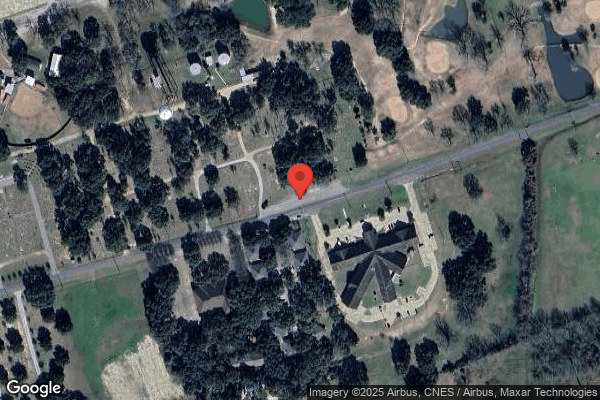
1511 MONTEZUMA STREET, COLUMBUS, TX 78934 (979) 733-0500
For profit - Corporation 104 Beds Independent Data: November 2025
Trust Grade
93/100
#160 of 1168 in TX
Last Inspection: February 2025

Within standard 12-15 month inspection cycle. Federal law requires annual inspections.

Overview

TruCare Living Centers-Columbus has received an excellent Trust Grade of A, indicating a high level of care and quality. They rank #160 out of 1,168 nursing facilities in Texas, placing them in the top half, and are the best option among the four facilities in Colorado County. However, the facility's trend is worsening, having increased from two issues in 2024 to four in 2025. Staffing is average with a rating of 3 out of 5 stars and a turnover rate of 29%, which is better than the state average. While there have been no fines, which is a positive sign, the coverage from registered nurses is concerning as it is lower than 90% of Texas facilities. Specific incidents include concerns about food sanitation, such as dirty baking sheets and steam pans, which could pose a risk of foodborne illnesses. Additionally, there were issues with maintaining accurate clinical records for residents and ensuring adequate supervision during transfers, leading to avoidable injuries. Overall, while there are strengths in care quality and staff retention, families should be aware of the recent decline in compliance and specific health and safety concerns.

Trust Score
A
93/100
In Texas
#160/1168
Top 13%
Safety Record
Low Risk
No red flags
Inspections
Getting Worse
2 → 4 violations
Staff Stability
✓ Good
29% annual turnover. Excellent stability, 19 points below Texas's 48% average. Staff who stay learn residents' needs.
Penalties
✓ Good
No fines on record. Clean compliance history, better than most Texas facilities.
Skilled Nurses
⚠ Watch
Each resident gets only 13 minutes of Registered Nurse (RN) attention daily — below average for Texas. Fewer RN minutes means fewer trained eyes watching for problems.
Violations
○ Average
9 deficiencies on record. Average for a facility this size. Mostly minor or procedural issues.
★★★★★
5.0
Overall Rating
★★★☆☆
3.0
Staff Levels
★★★★☆
4.0
Care Quality
★★★★★
5.0
Inspection Score
Stable
2024: 2 issues
2025: 4 issues

The Good

  • 4-Star Quality Measures · Strong clinical quality outcomes
  • Low Staff Turnover (29%) · Staff stability means consistent care
  • Full Sprinkler Coverage · Fire safety systems throughout facility
  • No fines on record
  • Staff turnover is low (29%)

    19 points below Texas average of 48%

Facility shows strength in quality measures, staff retention, fire safety.

The Bad

No Significant Concerns Identified

This facility shows no red flags. Among Texas's 100 nursing homes, only 1% achieve this.

The Ugly 9 deficiencies on record

Feb 2025 4 deficiencies
CONCERN (D)

Potential for Harm - no one hurt, but risky conditions existed

Accident Prevention (Tag F0689)

Could have caused harm · This affected 1 resident

**NOTE- TERMS IN BRACKETS HAVE BEEN EDITED TO PROTECT CONFIDENTIALITY** Based on observation, interview and record review, the facility failed to ensure that each resident received adequate supervisio...

Read full inspector narrative →
**NOTE- TERMS IN BRACKETS HAVE BEEN EDITED TO PROTECT CONFIDENTIALITY** Based on observation, interview and record review, the facility failed to ensure that each resident received adequate supervision to prevent accidents for 1 of 6 residents (Resident #55) reviewed for supervision. -Resident #55 was observed with a skin tear on 02/04/2025 which she stated resulted from a CNA transferring the resident into bed. This failure could place residents at risk of being injured from being improperly transferred. Findings included: Record review of Resident #55's face sheet last captured on 02/06/2025 revealed an [AGE] year-old female originally admitted on [DATE]. Her medical diagnoses included Parkinson's Disease (a degenerative neurological disease-causing loss of motor function control), osteoarthritis (inflammation and pain at joints), hypertension (high blood pressure), vertigo (dizziness), intervertebral disc degeneration lumbar region (lower spine bone loss), muscle weakness, and general pain. Record review of Resident #55's Comprehensive MDS (a resident assessment tool) dated 11/13/2024 revealed a BIMS (Brief Interview for Mental Status) score of 15, meaning she was cognitively intact. Resident #55 was usually able to make herself understood and usually understood others. Resident #55 was documented having a wheelchair. She required some supervision with toileting and upper body dressing and partial assistance with transferring from the chair to bed and bed to chair and going to the toilet. Record review of Resident #55's care plan last reviewed 11/26/2024 revealed on 11/10/2023 she had an initiated focus area for being at risk for falls related to vertigo, muscle weakness and muscle spasms, with interventions including educating resident on using call light for assistance with ADLs and transfers and being monitored frequently for unspoken needs. Record review of Resident #55's progress notes revealed no documentation regarding her bruising or skin tear. Record review of Resident #55's weekly/monthly skin evaluation completed on 01/12/2025 revealed no skin concerns and no pain. Record review of Resident #55's Physician Orders revealed she had an order for monthly skin assessment every shift for one month starting on the 12th for 1 day with an order date of 03/14/2024. Record review of Resident #55's TAR (Treatment Administration Record) for January and February 2025 revealed she had no orders related to a skin tear or bruising. Record review of the facility's Incident and Accidents from 08/05/2025 to 02/05/2025 revealed no record of injuries for Resident #55. Observation and interview with Resident #55 on 02/04/2025 at 9:38 a.m., Resident #55 said she was doing well, and that staff treated her well. She was observed having a reddish bruise with purple outline on her left outer forearm shaped like a half-moon and had two white strips taped over another part of the bruise at the center of her forearm with a short black line drawn connecting both strips. The bruising appeared to be healing. She denied pain from the bruise. Resident #55 said she got the injury when a CNA was helping her from her wheelchair to the bed. The CNA told Resident #55 to hug her to help with the transfer and when Resident #55 reached for the aide, the aide's nails scratched her arm. Resident #55 said this incident happened the previous week on 01/30/2025. She said she was not complaining and did not want to disclose the CNA's name. She said no one had done any treatment on the injury since it was bandaged that night. A later observation and interview on 02/06/2025 at 10:50 a.m., she said that staff told her the two strips would fall out on its own, and she said she got the injury due to staff taking her to the restroom at night and it must've been the staff member's jewelry or nails that scratched her. Interview with LVN B on 02/06/2025 at 11:43 a.m., she said she was the treatment nurse as well. LVN A said head-to-toe skin assessments are done after incidents, monthly as scheduled, or if residents are triggered for pressure sources. LVN A was not aware of Resident #55's skin tear and said she would look at it. LVN A said CNAs have shower sheets and if they notice anything they'll add it on there and that would be reviewed by the DON and treatment nurse. Interview with CNA A on 02/06/2025 at 01:43pm, she said she worked with Resident #55 on 02/06/2025 and said she saw the two strips on her left arm but could not remember when she noticed it. She denied doing any documentation on Resident #55 as she was not under CNA A's direct care that day. Attempted interview with CNA C on 02/06/2025, she documented on 2/2/25 at 12:21a.m., that Resident #55 had no skin issues. The phone number did not have voicemail capabilities and the phone call was not returned. Interview with CNA D on 02/06/2025 at 12:23 pm, she documented on 01/31/2025 at 9:59 p.m., that Resident #55 had no skin issues. CNA D said Resident #55 had no changes in condition that she was aware of. She said she saw Resident #55's skin tear after she returned to work. CNA D asked Resident #55 told her someone took her to the restroom and accidentally scratched her. CNA D said she did not ask for further details, but that Resident #55 was in her right mind and could tell who did it. CNA D documented she had no skin issues because Resident #55 already brought up her skin tear to someone else. Interview with RN A on 02/06/2025 at 12:01 p.m., she was the evening shift nurse on 01/30/2025 for Resident #55's hall. RN A was not aware of Resident #55's skin tear and that Resident #55 did not talk to her about it. Interview with MA A on 02/06/2025 at 12:16 p.m., she was the medication aide on 01/30/2025 for evening shift. MA A denied seeing any bruising or injuries on Resident #55 and that if she saw anything she would've reported it. Interview with CNA B on 02/06/2025 at 01:51 p.m., she was the evening and night aide on 01/30/2025 for Resident #55's hall. She said she did not notice any bruising or skin tears on Resident #55 that night. She said Resident #55 could vocalize her needs. Interview with LVN A on 02/06/2025 at 2:30 p.m., she was the night shift nurse on 1/30/2025 for Resident #55's hall. She said that she was not aware of Resident #55's skin tear. Interview with the DON on 2/6/25 at 12:29 p.m., he said that he first heard of the skin tear on 02/06/2025. In a later interview on 02/06/2025 at 03:19 p.m., he said a risk to residents from not recognizing and documenting a skin tear would be an infection could happen later on. Interview with the Administrator on 02/06/2025 at 11:30 a.m., the facility did not have a policy on skin assessments. At a later interview on 04:49 p.m., she said that if Resident #55 was scratched by staff, she expected that it should be reported up so the wound care nurse could treat it and see if the facility needed to do any further action on it. The Administrator said that changes in condition should be reported to the charge nurse, and that a risk of not reporting would be a resident's decline. Record review of the facility's Charting and Documentation policy statement last revised 03/01/2022 read in part, All services provided to the resident, progress towards the care plan goals, or any changes in the resident's medical, physical, functional, or psychosocial condition, shall be documented in the resident's medical records. The medical record should facilitate communication between the interdisciplinary team regarding the resident's condition and response to care, which included objective observations, treatments or services performed, and changes in the resident's condition and events.
CONCERN (D)

Potential for Harm - no one hurt, but risky conditions existed

Unnecessary Medications (Tag F0759)

Could have caused harm · This affected 1 resident

**NOTE- TERMS IN BRACKETS HAVE BEEN EDITED TO PROTECT CONFIDENTIALITY** Based on observations, interviews, and record review the facility failed to ensure that its medication error rate was less than ...

Read full inspector narrative →
**NOTE- TERMS IN BRACKETS HAVE BEEN EDITED TO PROTECT CONFIDENTIALITY** Based on observations, interviews, and record review the facility failed to ensure that its medication error rate was less than 5 percent. The facility had a medication error rate of 10 % based on 2 errors out of 28 opportunities, which involved 3 of 4 residents (Resident # 47, #53 and Resident #63) reviewed for medication administration. 1. MA D failed to administer Citalopram (antidepressants is used to treat depression) to Resident #47, according to physician orders. 2. MA D failed to administer Refresh tear Ophthalmic solution (used to treat dry eyes) to Resident #53. MA D used Resident # 36's Systane ( eyedrop used to lubricate the eyes and treat symptoms of dry eyes) to Resident # 53 These failures could place residents at risk of incomplete therapeutic outcomes, increased negative side effects, and decline in health. Findings included: 1. Record review of Resident #47's face sheet dated 2/4/25 revealed a [AGE] year-old female with an admission date of 12/28/24. Resident #47 had diagnoses which included: acute on chronic systolic (congestive) heart failure ( the left chamber of your heart responsible for pumping blood throughout the body is weakened over time and cannot squeeze hard enough to push out enough blood with each beat, causing symptoms like shortness of breath, fatigue and swelling in the legs) altered mental status, unspecified, age-related cognitive decline Record review of Resident #47's quarterly MDS dated 12/4//24, BIMS score was not checked, which indicated the resident was severely impaired cognitively. Record review of Resident #47's current physicians orders revealed an order with a start date of 2/3/25, for Citalopram tab 10 mg 1 tablet po by mouth one time per day for anxiety at 08:00 AM. Record review of Resident #47's medication administration record (MAR) dated 2/3/25 reflected Citalopram tab 10 mg 1 tablet po by mouth one time per day for anxiety at 08:00 AM. MA D initialed as given on 2/4//25. During a medication administration observation on 2/4/25 at 8:20 AM for Resident #63, MA A dispensed one Citalopram tab 20 mg 1 tablet into a medication cup and administered the medication to Resident #47 by mouth. 2. Record review of Resident #53's face sheet dated 2/4/25 revealed a [AGE] year-old female with an admission date of 12/17/24. Resident #53 had diagnoses which included: multiple fractures of pelvis with stable disruption of pelvic ring, subsequent encounter for fracture with routine healing, dry eyes and glaucoma. Record review of Resident #53's admission MDS dated 12/24//24, BIMS score was 7, which indicated the resident was moderately impaired cognitively. Record review of Resident #53's current physicians orders revealed an order with a start date of 1/22/25, for Refresh tear ophthalmic solution (Carboxymethylcellulose Sodium Ophthalmic) instill 2 drop in each eye, two times a day for dry eyes. Record review of Resident #53's medication administration record (MAR) dated 2/3/25 reflected Refresh tear ophthalmic solution (Carboxymethylcellulose Sodium Ophthalmic) Instill 2 drop in each eye, two times a day for dry eyes. MA A initialed as given on 2/4/25. During a medication administration observation on 2/4/25 at 9:24 AM for Resident #53, MA D picked up Systane Lubricant and instill 1 drop to each eye for Resident #53 belonging a Resident #36. Interview with MA D on 2/6/25 at 9:45 AM regarding not giving the right medication and using another Resident's medication, she said it was medication error she should have checked it several times before giving and she was nervous. During an interview on 2/6/25 at 4:21 PM, the DON said he expected the medications to be given as ordered. He said the resident could suffer decline or adverse side effects. He expected both the medication aides to give the medications as ordered. He would have to in-service MA's. DON was asked what would happen when rights dose of medication not given , DON said if the right dose of medication was not given, Residents would not receive the right strength of the medication for its effectiveness He said the pharmacist observed MA's with medication administration last month and sometimes the cooperate nurse does. DON was asked for the in-services the pharmacist and the corporate nurse did for medication aide but was not provided before exit. During an interview on 2/6/25 at 5:10 PM, the Administrator said she expected the staff to administer the medications per the physician's order. She said she expected the medication aide to notify the nurse and medication aides so that the doctor can get the medication that appropriate form. She said she expected the correct medication to be given. She said the resident could suffer harm as a result of errors in medication administration. Interview Administration on 2/6/25 at 5:26 PM, she stated that her expectation for medication pass was timely and accurately, zero errors, but errors were to be reported immediately. She was made aware of the observe eye drop errors. Stated nursed used the wrong eye drops for Resident #53. The nurse said she made the error because the Surveyor makde her extremely nerve. She stated that the adverse effect of residents receiving the wrong medications can be different for each resident, dependent upon their diagnosis. Resident #53 had no adverse effects, checked with MD, no issue with the medication resident received. No issues post either. Staff has been in-served on policy for medication pass, and answered her questions. Requested for medication skilled check for MA A and MA D from DON but was not provided before exit. Record review of facility-provided policy titled Administering Medications, Revised dated 11/25/2017, revealed: Policy Statement Medications are administered in a safe and timely manner, and as prescribed. Policy Interpretation and Implementation 4. Medications are administered in accordance with prescriber orders, including any required time frame. . 7. The individual administering the medications checks the label THREE (3) times to verify the right resident, right medication, right dosage, right time, and right method (route) of administration before giving the medication.
CONCERN (D)

Potential for Harm - no one hurt, but risky conditions existed

Deficiency F0761 (Tag F0761)

Could have caused harm · This affected 1 resident

**NOTE- TERMS IN BRACKETS HAVE BEEN EDITED TO PROTECT CONFIDENTIALITY** Based on observation and interview the facility failed to ensure drugs and biologicals used in the facility were labeled in acco...

Read full inspector narrative →
**NOTE- TERMS IN BRACKETS HAVE BEEN EDITED TO PROTECT CONFIDENTIALITY** Based on observation and interview the facility failed to ensure drugs and biologicals used in the facility were labeled in accordance with professional principles, and included the appropriate accessory and cautionary instructions, and the expiration date when applicable for and 1 (shared medication cart between Hall 100 and 300 ) of 4 medication carts reviewed for medication storage. - The facility failed to ensure the back of 100 and 300 hall medication carts did not contain eyedrops and nasal spray that were opened but not labeled with the resident's name and not dated. This failure could place residents at risk of adverse medication reactions and infections. Findings Include: During observation on 02/05/25 at 9:49 AM, the following medications were found in the medication carts for back of 100 and 300 hall with MA A: 1. Timolol ophthalmic solution USP 0.5% eyedrop open not dated 2. Dorzol/Timolol solution - eyedrop open and not dated 3. Brimonidine Solution 0.2 % eyedrop open and not dated 4. Fluticasone USP 50 mcg nasal spray open and not dated 5. Fluticasone USP 50 mcg nasal spray open and not dated 6. Fluticasone USP 50 mcg nasal spray open and not dated Interview with MA D on 2/5/25 at 10:00 Am, regarding above medication open and not dated, MA D said eyedrops and nasal spray should be dated when open to alert the nurse about how long it is good for 30 days. MA D said the MA's where responsible to date nasal spray and eyedrops when open Interview with DON on 2/5/25 at 5:15PM regarding the medication open not dated she said it should be dated when open for it effectiveness and when open it's should be good for 30 days . Requested for medication labels policy on 2/5/25 at 5:15 PM, 2/6/25 at 9:50 AM, 2:00 PM and at 4:30PM from DON and the Administrator, none provided before exit. According to the United [NAME] health trust, recommendations were that drops and ointments are used within one month (https://www.ghc.nhs.uk/wp-content/uploads/CHST-Expiry-Dates-of-Medication.pdf).
CONCERN (D)

Potential for Harm - no one hurt, but risky conditions existed

Medical Records (Tag F0842)

Could have caused harm · This affected 1 resident

**NOTE- TERMS IN BRACKETS HAVE BEEN EDITED TO PROTECT CONFIDENTIALITY** Based on observation, interview and record review, the facility failed to maintain medical records in accordance with accepted p...

Read full inspector narrative →
**NOTE- TERMS IN BRACKETS HAVE BEEN EDITED TO PROTECT CONFIDENTIALITY** Based on observation, interview and record review, the facility failed to maintain medical records in accordance with accepted professional standards and practices for 1 of 6 residents (Resident #55) reviewed for resident assessments. -RN A failed to document pain level for Resident #55 on 1/30/2025 during the 2pm to 10pm shift. -Resident #55 was observed with a skin tear on 02/04/2025 that was not documented in her medical records. -Resident #55's Physician Orders for Calcium + Vitamin D (Calcium = used to help build and maintain bones and teeth. Vitamin D (Cholecalciferol = used for vitamin D deficiency = also used with calcium to maintain bone strength) did not match with their MAR when MA A failed to administer this medication according to Physician Orders. This failure could lead to a resident's decline in health due to incomplete reflection of a resident's current condition and failure to act on potential changes in condition. Findings included: Record review of Resident #55's face sheet last captured on 2/6/25 revealed an [AGE] year-old female originally admitted on [DATE]. Her medical diagnoses included Parkinson's Disease (a degenerative neurological disease causing loss of motor function control), osteoarthritis (inflammation and pain at joints), hypertension (high blood pressure), vertigo (dizziness), intervertebral disc degeneration lumbar region (lower spine bone loss), muscle weakness, and general pain. Record review of Resident #55's Comprehensive MDS ( a resident assessment tool) dated 11/13/2024 revealed a BIMS (Brief Interview for Mental Status) score of 15, meaning she was cognitively intact. Resident #55 was usually able to make herself understood and usually understood others. Resident #55 was documented having a wheelchair. She required some supervision with toileting and upper body dressing and partial assistance with transferring from the chair to bed and bed to chair and going to the toilet. Record review of Resident #55's care plan last reviewed 11/26/2024 revealed on 11/10/23 she had an initiated focus area for being at risk for falls related to vertigo, muscle weakness and muscle spasms, with interventions including educating resident on using call light for assistance with ADLs and transfers and being monitored frequently for unspoken needs. Record review of Resident #55's progress notes revealed no documentation regarding her bruising or skin tear. Record review of Resident #55's weekly/monthly skin evaluation completed on 1/12/2025 revealed no skin concerns and no pain. Record review of Resident #55's Physician Orders revealed she had pain evaluation every shift with a start date of 11/09/2023. Record review of Resident #55's TAR (Treatment Administration Record) for January 2025 revealed she was not assessed for pain levels during the evening shift on 1/30/2025, when she allegedly was scratched. There were no other concerns related to pain for the month. Observation and interview with Resident #55 on 2/4/25 at 09:38am, Resident #55 said she was doing well and that staff treat her well. She was observed having a reddish bruise with purple outline on her left outer forearm shaped like a half-moon and had two white strips taped over another part of the bruise with a short black line drawn connecting both strips. It appeared to be healing. She denied pain from the bruise. Resident #55 said she got the injury when a CNA was helping her from her wheelchair to the bed. The CNA told Resident #55 to hug her to help with the transfer and when Resident #55 reached for the aide, the aide's nails scratched her arm. Resident #55 said this incident happened the previous week on 01/30/2025. She said she was not complaining and did not want to disclose the CNA's name. She said no one had done any treatment on the injury since it was bandaged that night. A later observation and interview on 2/6/25 at 10:50am, she said that staff told her the two strips would fall out on its own, and she said she got the injury due to staff taking her to the restroom at night and it must've been the staff member's jewelry or nails that scratched her. Interview with LVN B on 2/6/25 at 11:43am, she said she was the treatment nurse as well. LVN A said head-to-toe skin assessments are done after incidents, monthly as scheduled, or if residents are triggered for pressure sources. LVN A was not aware of Resident #55's skin tear and said she would look at it. LVN A said CNAs have shower sheets and if they notice anything they'll add it on there and that would be reviewed by the DON and treatment nurse. Interview with CNA A on 2/6/25 at 1:43pm, she said she worked with Resident #55 on 2/6/25 and said she saw the two strips on her left arm but could not remember when she noticed it. She denied doing any documentation on Resident #55 as she was not under CNA A's direct care that day. Attempted interview with CNA C on 2/6/25, she documented on 2/2/25 at 12:21am that Resident #55 had no skin issues. The phone number did not have voicemail capabilities and the phone call was not returned. Interview with CNA D on 2/6/25 at 12:23pm, she documented on 1/31/25 at 9:59pm that Resident #55 had no skin issues. CNA D said Resident #55 had no changes in condition that she was aware of. She said she saw Resident #55's skin tear after she returned to work. CNA D asked Resident #55 told her someone took her to the restroom and accidentally scratched her. CNA D said she did not ask for further details, but that Resident #55 was in her right mind and could tell who did it. CNA D documented she had no skin issues because Resident #55 already brought up her skin tear to someone else. Interview with RN A on 2/6/25 at 12:01pm, she was the evening shift nurse on 01/30/2025 for Resident #55's hall. She stated that she documented pain for Resident #55 on PCC (Point Click Care, a medical records system) and that when staff ask Resident #55 how she is doing she always said she was fine. RN A said that if pain levels are not documented, the pain could increase for a resident and staff would not be aware about the pain in order to treat it. RN A was not aware of Resident #55's skin tear and that Resident #55 did not talk to her about it. Interview with MA A on 02/06/2025 at 12:16 p.m., she was the medication aide on 01/30/2025 for evening shift. MA A denied seeing any bruising or injuries on Resident #55 and that if she saw anything she would've reported it. Interview with CNA B on0 2/06/2025 at 01:51 p.m., she was the evening and night aide on 01/30/2025 for Resident #55's hall. She said she did not notice any bruising or skin tears on Resident #55 that night. She said Resident #55 could vocalize her needs. Interview with LVN A on 02/06/2025 at 2:30 p.m., she was the night shift nurse on 1/30/2025 for Resident #55's hall. She said that she was not aware of Resident #55's skin tear. Interview with the DON on 02/06/2025 at 12:29 p.m. he said that he first heard of the skin tear on 2/6/25. In a later interview on 2/6/25 at 3:19pm, he said a risk to residents from not recognizing and documenting a skin tear would be an infection could happen later on, and that pain assessments, including vitals and non-verbal signs of pain should be observed and done so that pain can be addressed in that moment. The DON said missing pain assessments should not happen and that staff have 24 hours to chart if they are aware of anything. Interview with the Administrator on 02/06/2025 at 11:30 a.m., the facility did not have a policy on skin assessments. At a later interview on 4:49pm, she said that if Resident #55 was scratched by staff, it should be reported so the wound care nurse could treat it and see if the facility needed to do any further action on it. The Administrator said that changes in condition should be reported to the charge nurse, and that a risk of not reporting would be a resident's decline. Record review of Resident #63's face sheet dated 2/4/25 revealed a [AGE] year-old female with an admission date of 12/28/24. Resident #63 had diagnoses which included: venous insufficiency (chronic peripheral = occurs when leg veins do not allow blood to flow back up to your heart), cystitis without hematuria ( inflammation of the bladder without blood in the urine), gastro-esophageal reflux disease without esophagitis ( back flow of stomach content or heartburn). Record review of Resident #63's quarterly MDS dated 1/28//25 revealed a BIMS of 08, which indicated the resident was moderately impaired cognitively. Record review of Resident #63's current physicians orders revealed an order with a start date of 1/1/25, for Calcium 600 mg +Vitamin D10 mcg, 1 tablet by mouth one time per day for anemia at 08:00 AM. Record review of Resident #63's medication administration record (MAR) dated 1/1/25 reflected Calcium 600 mg +Vitamin D3.125mg, 1 tablet by mouth one time per day for supplement at 08:00 AM. MA A initialed as given on 2/4//25. During a medication administration observation on 2/4/25 at 8:20 AM for Resident #63, MA A dispensed one Calcium 600 mg +Vitamin D10 mcg 1 tablet into a medication cup and administered the medication to Resident #63 by mouth. During an interview on 2/6/25 at 4:21 PM, the DON said he expected the medications to be given as ordered. He said the resident could suffer decline or adverse side effects. He expected both the medication aides to give the medications as ordered. He said the medication aide should have notified the DON about the Calcium 600mg + D3.125mg not available in house and he would have reached out to the doctor about Calcium 600mg + D3.125mg order. He would have to in-service MA's. DON was asked what would happen when rights dose of medication not given , DON said if the right dose of medication was not given, Residents would not receive the right strength of the medication for its effectiveness He said the pharmacist observed MA's with medication administration last month and sometimes the cooperate nurse does. DON was asked for the in-services the pharmacist and the corporate nurse did for medication aide but was not provided before exit. During an interview on 2/6/25 at 5:10 PM, the Administrator said she expected the staff to administer the medications per the physician's order. She said she expected the medication aide to notify the nurse and medication aides so that the doctor can get the medication that appropriate form. She said she expected the correct medication to be given. She said the resident could suffer harm as a result of errors in medication administration. Interview with the Administrator on 2/6/25 at 5:26 PM, she stated that her expectation for medication pass was timely and accurately, zero errors, but errors were to be reported immediately. She was made aware of the observe eye drop errors. Stated nursed used the wrong eye drops for Resident #53. The nurse said she made the error because the Surveyor makde her extremely nerve. She stated that the adverse effect of residents receiving the wrong medications can be different for each resident, dependent upon their diagnosis. Resident #53 had no adverse effects, checked with MD, no issue with the medication resident received. No issues post either. Staff has been in-served on policy for medication pass, and answered her questions. Requested for medication skilled check for MA A and MA D from DON but was not provided before exit. Record review of the facility's Charting and Documentation policy statement last revised 03/01/2022 read in part, All services provided to the resident, progress towards the care plan goals, or any changes in the resident's medical, physical, functional, or psychosocial condition, shall be documented in the resident's medical records. The medical record should facilitate communication between the interdisciplinary team regarding the resident's condition and response to care, which included objective observations, treatments or services performed, and changes in the resident's condition and events. Record review of facility-provided policy titled Administering Medications, Revised dated 11/25/2017, revealed: Policy Statement Medications are administered in a safe and timely manner, and as prescribed. Policy Interpretation and Implementation 4. Medications are administered in accordance with prescriber orders, including any required time frame. . 7. The individual administering the medications checks the label THREE (3) times to verify the right resident, right medication, right dosage, right time, and right method (route) of administration before giving the medication.
Jan 2024 2 deficiencies
CONCERN (D) 📢 Someone Reported This

A family member, employee, or ombudsman was alarmed enough to file a formal complaint

Potential for Harm - no one hurt, but risky conditions existed

Incontinence Care (Tag F0690)

Could have caused harm · This affected 1 resident

**NOTE- TERMS IN BRACKETS HAVE BEEN EDITED TO PROTECT CONFIDENTIALITY** Based on observations, interviews, and record review, the facility failed to ensure a resident who was incontinent of bladder re...

Read full inspector narrative →
**NOTE- TERMS IN BRACKETS HAVE BEEN EDITED TO PROTECT CONFIDENTIALITY** Based on observations, interviews, and record review, the facility failed to ensure a resident who was incontinent of bladder received appropriate treatment and services to prevent urinary tract infections for 1 of 1 resident (Residents #49) reviewed for indwelling catheters. -The facility failed to ensure Resident #49's Foley catheter (F/C) (tubing inserted into the bladder to drain urine) was placed below the bladder during incontinent care. These failures could place residents at risk for discomfort and urinary tract infections. Findings included: Record review of Resident #49's face sheet revealed an [AGE] year-old male was admitted to the facility on [DATE]. His diagnoses were, dementia ( impaired ability to remember, think, or make decisions that interferes with doing everyday activities), with other behavioral disturbance, age-related cognitive decline, anxiety disorder, unspecified, benign prostatic hyperplasia (enlarged prostate gland) with lower urinary tract symptom, major depressive disorder ( a mental health condition that causes a persistently low or depressed mood and a loss of interest in activities that once brought joy), neuromuscular dysfunction of bladder ( A hollow organ in the lower abdomen that stores urine) and retention of urine. Record review of Resident #49's quarterly MDS assessment, dated 11/04/2023, revealed a BIMS score of 09 out of 15, which indicated the resident's cognition was moderately impaired. Resident #49's functional status revealed he required total assistance with one to two staff for bed mobility, transfer, dressing, and personal hygiene. Resident #49 was always incontinent of bowel and continent of bladder using a suprapubic catheter ( a medical device that helps drain urine from your bladder) Record review of Resident #49's care plan dated 11/07/2023 revealed the resident had ADL (activity of daily living) self-care performance deficit: Intervention included: the resident needed total assist with one to two person assistance with personal hygiene. It also revealed the resident had a suprapubic catheter related to neuromuscular dysfunction bladder and was at risk for increased urinary tract infections. Interventions included: Monitor/record/ report to MD (medical doctor) for signs and symptoms of UTI, pain, burning, blood tinted urine, cloudiness, and no output. Record review of Resident #49's care plan of on 1/19/2024 revealed he was treated for a UTI (Urinary Tract Infection) with antibiotic treatment (ABT) on following dates with their completed dates. ABT for UTI 8/5/23 completed on 8/10/23. ABT for UTI 8/20/23 completed on 8/27/23. ABT for UTI 10/25/23 at hospital. Observation during incontinent care on 01/19/24 at 10:53 AM with CNA A and CNA B revealed, Resident #49 was lying in bed with a suprapubic catheter. During incontinent care, CNA A placed the suprapubic catheter bag, with 225 cc of urine, ion the bed throughout the procedure. CNA A used wet wipes and did not clean around Resident # 49's buttocks. In an interview with CNA A on 1/19/24 at 11:10 AM, she stated she forgot to wipe the buttocks and should not have placed the catheter on the bed. She stated it was wrong because it could cause an infection. She stated she had training on infection control and forgot to place the catheter below the resident's bladder. In an interview with the DON on 01/19/24 at 3:30 PM, she stated CNA A was one of the facility's lead aides that monitored other staff during orientation with incontinent care. The DON said the catheter bag should not be place on the bed, it would result with urine in the bag flowing back in Resident #49's bladder and cause urinary tract infection. DON said C.NA A knew she should clean around the buttocks before placing a cleaned brief. DON said he would be performing more in-services for incontinent care. In an interview on 01/19/2024 at 3:35 PM, the Administrator stated his expectation was that the catheters were always placed below the bladder to prevent infection. Record review for CNA A's skilled checkoff list for incontinent care and F/C care revealed, she had an in-service on 11/14/2023 done by the DON. The policy requested for incontinent/catheter care did not address placement of the catheter bag with urine during incontinent care. The C.NA A competency checked dated 11/14/23: Perineal Care . Male: Cleanse pubic area across, wipe the rectal area and buttocks thoroughly . extending over the buttocks . changing area of wipe with each stroke. Wipe across sacrum.
CONCERN (D) 📢 Someone Reported This

A family member, employee, or ombudsman was alarmed enough to file a formal complaint

Potential for Harm - no one hurt, but risky conditions existed

Garbage Disposal (Tag F0814)

Could have caused harm · This affected 1 resident

Based on observation, interview and record review, the facility must dispose of garbage and refuse properly for 1 of 1 dumpster reviewed for garbage disposal. -The facility failed to ensure the dumpst...

Read full inspector narrative →
Based on observation, interview and record review, the facility must dispose of garbage and refuse properly for 1 of 1 dumpster reviewed for garbage disposal. -The facility failed to ensure the dumpster lids and doors were secured. This failure could place residents at risk of infection from improperly disposed garbage. Findings included: Observation on 01-17-24 at 9:10 am, revealed the facility's dumpster area, which was in the lot behind the dietary department had a commercial -size dumpster ¾ full of garbage and the door was wide open. Interview on 01-17-23 at 9:20 am, with the Food Service Manager, she stated that the dumpster doors always must be closed to keep vermin, pests, and insects out of the dumpster and from entering the facility. Record review of facility's, revised 9/16/ 2016 Sanitation Policy Interpretation and Implementation revealed . 2.All garbage and rubbish must be kept covered. 5. Garbage and rubbish containing food wastes will be stored in a manner that is inaccessible to vermin . 7. Outside Dumpster provided by garbage pick up service will be kept closed and free with surrounding litter.
Nov 2022 3 deficiencies
CONCERN (D)

Potential for Harm - no one hurt, but risky conditions existed

PASARR Coordination (Tag F0644)

Could have caused harm · This affected 1 resident

**NOTE- TERMS IN BRACKETS HAVE BEEN EDITED TO PROTECT CONFIDENTIALITY** Based on interviews and record review, the facility failed to coordinate assessments for the PASARR program for 2 of 7 residents...

Read full inspector narrative →
**NOTE- TERMS IN BRACKETS HAVE BEEN EDITED TO PROTECT CONFIDENTIALITY** Based on interviews and record review, the facility failed to coordinate assessments for the PASARR program for 2 of 7 residents (Residents #20 and #14) reviewed for PASARR. The facility failed to re-screen Residents #20 and #14 for specialized mental disorder services after the residents received new diagnoses of major depressive disorder, and schizoaffective disorder and, bipolar disorder respectively. This failure could place residents with mental illness at risk for not receiving appropriate services and a decreased quality of life. Findings included: A face sheet dated 11/17/22 indicated Resident #20 was an [AGE] year-old female admitted on [DATE] with a diagnosis of schizophrenia and anxiety disorder. On 09/07/22, a new diagnosis of major depressive disorder, recurrent severe without psychotic features was added. PASARR Level 1 Screening dated 08/18/21 Section C was answered No for mental illness, intellectual disability and developmental disability. A face sheet dated 11/17/22 indicated Resident #14 was an [AGE] year-old female admitted on [DATE] with an original admit date of 12/29/2009 with a diagnosis anxiety disorder. On 09/13/22 a new diagnosis schizoaffective disorder, bipolar type was added. PASARR Level 1 Screening dated 04/01/2018 Section C was answered No for mental illness, intellectual disability and developmental disability. During an interview on 11/17/2022 at 09:52 a.m., the DON said the conference he was at was covering the psychosocial and PASARR. He said he realized that the PASARR 2 had not been done . He said going forward, he would be focusing more on PASARR and the evaluations for the residents and would make sure they were complete. He said he was responsible along with the MDS in making sure the PASARR screening was done correctly. During an interview on 11/17/22 at 11:03 a.m., the MDS Nurse said every resident must be screened for PASSAR when admitted . She said if the resident's PASARR was positive, it triggered in the portal. She said she then notified the DON, the Administrator, and the PASSAR Ccoordinator with LMHA. An email is also sent to the PASARR Coordinator. She said in a perfect world, she would have alerted the PASARR Coordinator that a PASARR Level 2 was needed, and an assessment needed to be done due to new diagnosis. During an interview on 11/17/22 at 12:36 p.m., the DON said they did not have a policy and procedure for PASARR. He said they followed CMS guidelines. He said he had also received information from the PASARR Coordinator with LMHA. On 11/17/22 at 12:38 p.m., an unsuccessfil attempt was made, by phone made to contact the PASARR Coordinator. A voice message was left.
CONCERN (E)

Potential for Harm - no one hurt, but risky conditions existed

Food Safety (Tag F0812)

Could have caused harm · This affected multiple residents

Based on observation, interview, and record review, the facility failed to store, prepare, distribute, and serve food under sanitary conditions in 1 of 1 kitchen. 1. The facility did not keep baking s...

Read full inspector narrative →
Based on observation, interview, and record review, the facility failed to store, prepare, distribute, and serve food under sanitary conditions in 1 of 1 kitchen. 1. The facility did not keep baking sheets free of carbon build-up. 2. The facility did not keep steam pans clean. These failures could place residents who receive meals from the kitchen at risk for food borne illnesses. Findings included: During an observation and interview on 11/15/22 at 10:55 a.m. there were 5 large cookie sheets stacked together. Two had a dark brown substance build up on the outside and inside of the pans. There were two 1/2 sized cookie sheets stacked together. One had a dark brown substance build up inside the corners and along the outer edge. There were 4 large deep steam table pans stacked together. Two of the pans had a brown sticky substance and build up on the outer edge. The DM said she was not aware of the condition of the pans and would get them cleaned or replaced. DM said she did not realize the cookie sheets had the carbon build up on them. She said she would clean them. During an interview on 11/16/22 at 11:27 p.m., the DM said she was not able to get the cookie sheets and pans clean, so she was ordering new ones. According to the Texas Food Establishment Rules revised October 2015 §228.113. Cleaning of Equipment and Utensils. Equipment, food-contact surfaces, nonfood-contact surfaces, and utensils. (1) Equipment food-contact surfaces and utensils shall be clean to sight and touch. (2) The food-contact surfaces of cooking equipment and pans shall be kept free of encrusted grease deposits and other soil accumulations
CONCERN (E)

Potential for Harm - no one hurt, but risky conditions existed

Medical Records (Tag F0842)

Could have caused harm · This affected multiple residents

**NOTE- TERMS IN BRACKETS HAVE BEEN EDITED TO PROTECT CONFIDENTIALITY** Based on interview and record review, the facility failed to maintain clinical records on each resident in accordance with accep...

Read full inspector narrative →
**NOTE- TERMS IN BRACKETS HAVE BEEN EDITED TO PROTECT CONFIDENTIALITY** Based on interview and record review, the facility failed to maintain clinical records on each resident in accordance with accepted professional standards and practices that are complete and accurately documented for 1 of 1 resident (Resident# 65) reviewed for dialysis and for 4 of 5 months reviewed for in-room and one on one activities. 1. The facility did not have an order for Resident #65's dialysis 2. The facility AD did not keep records of in-room and one on one activities for June, July, August, September, and October 2022. The AD did not have the records scanned into the EMRs. These failures could place residents at risk of not receiving care and services to meet their needs. Findings included: 1. Record review of a face sheet dated 11/17/22 indicated Resident #65 was a [AGE] year-old male admitted on [DATE]. His diagnoses included end stage renal disease (a medical condition in which a person's kidneys cease functioning on a permanent basis leading to the need for a regular course of long-term dialysis or a kidney transplant to maintain life), hypertension (high blood pressure), and type 2 diabetes (an impairment in the way the body regulates and uses sugar). Record review of a care plan dated 04/01/22 indicated Resident #65 had end stage renal disease and received dialysis. Record review of an admission MDS assessment dated [DATE] indicated Resident #65 received dialysis. Record review of a quarterly MDS assessment dated [DATE] indicated Resident #65 received dialysis. Record review of the physician orders for November 2022 had no indication Resident #65 had an order for dialysis. During an interview on 11/16/22 at 07:23 a.m. Resident #65 indicated he received dialysis three times a week on Tuesday, Thursday, and Saturday. He said he had no issues with his transportation to and from dialysis. During an interview on 11/17/2022 at 11:40 LVN A indicated she was unsure if there were supposed to be an order for dialysis in the chart. During an interview on 11/17/22 at 11:45 a.m. the DON indicated that there should have been an order in the batch orders for dialysis for any resident on dialysis. He indicated the order should include what days dialysis took place and his chair time. He indicated that the process for physician orders was the nurse receives the orders, the orders were entered into the EMR, and then QA ensured received orders were entered. He indicated the nurse who received the resident at the time of reentry would have been responsible for obtaining an order for dialysis and entering the order into the EMR. 2. Record review of the in-room and one on one activities documentation indicated there was no documentation for July, August, September, and October 2022. During an interview on 11/15/22 at 10:30 a.m. the AD said she did not have the documentation of the In-Room and One on One Activity except for November 2022. During an interview on 11/17/22 at 11:16 a.m. the AD said she did not realize her documentation of one-on-one and in-room activities were part of the resident clinical record, so she did not keep copies. She said there were 8 residents who received one-on-one or in-room activities. Record review of the policy provided was not relevant to the lack of documentation. A policy for physician orders was not provided prior to exit.
Understanding Severity Codes (click to expand)
Life-Threatening (Immediate Jeopardy)
J - Isolated K - Pattern L - Widespread
Actual Harm
G - Isolated H - Pattern I - Widespread
Potential for Harm
D - Isolated E - Pattern F - Widespread
No Harm (Minor)
A - Isolated B - Pattern C - Widespread

Questions to Ask on Your Visit

  • "Can I speak with families of current residents?"
  • "What's your RN coverage like on weekends and overnight?"

Our Honest Assessment

Strengths
  • • Grade A (93/100). Above average facility, better than most options in Texas.
  • • No major safety red flags. No abuse findings, life-threatening violations, or SFF status.
  • • No fines on record. Clean compliance history, better than most Texas facilities.
  • • 29% annual turnover. Excellent stability, 19 points below Texas's 48% average. Staff who stay learn residents' needs.
Concerns
  • • No significant concerns identified. This facility shows no red flags across CMS ratings, staff turnover, or federal penalties.
Bottom line: Generally positive indicators. Standard due diligence and a personal visit recommended.

About This Facility

What is Trucare Living Centers-Columbus's CMS Rating?

CMS assigns TRUCARE LIVING CENTERS-COLUMBUS an overall rating of 5 out of 5 stars, which is considered much above average nationally. Within Texas, this rating places the facility higher than 99% of the state's 100 nursing homes. This rating reflects solid performance across the metrics CMS uses to evaluate nursing home quality.

How is Trucare Living Centers-Columbus Staffed?

CMS rates TRUCARE LIVING CENTERS-COLUMBUS's staffing level at 3 out of 5 stars, which is average compared to other nursing homes. Staff turnover is 29%, compared to the Texas average of 46%. This relatively stable workforce can support continuity of care. RN turnover specifically is 60%, which is notably high. RNs provide skilled clinical oversight, so turnover in this role can affect medical care quality.

What Have Inspectors Found at Trucare Living Centers-Columbus?

State health inspectors documented 9 deficiencies at TRUCARE LIVING CENTERS-COLUMBUS during 2022 to 2025. These included: 9 with potential for harm.

Who Owns and Operates Trucare Living Centers-Columbus?

TRUCARE LIVING CENTERS-COLUMBUS is owned by a for-profit company. For-profit facilities operate as businesses with obligations to shareholders or private owners. The facility operates independently rather than as part of a larger chain. With 104 certified beds and approximately 59 residents (about 57% occupancy), it is a mid-sized facility located in COLUMBUS, Texas.

How Does Trucare Living Centers-Columbus Compare to Other Texas Nursing Homes?

Compared to the 100 nursing homes in Texas, TRUCARE LIVING CENTERS-COLUMBUS's overall rating (5 stars) is above the state average of 2.8, staff turnover (29%) is significantly lower than the state average of 46%, and health inspection rating (5 stars) is much above the national benchmark.

What Should Families Ask When Visiting Trucare Living Centers-Columbus?

Based on this facility's data, families visiting should ask: "Can I visit during a mealtime to observe dining assistance and food quality?" "How do you handle medical emergencies, and what is your hospital transfer rate?" "Can I speak with family members of current residents about their experience?"

Is Trucare Living Centers-Columbus Safe?

Based on CMS inspection data, TRUCARE LIVING CENTERS-COLUMBUS has a clean safety record: no substantiated abuse findings (meaning no confirmed cases of resident harm), no Immediate Jeopardy citations (the most serious violation level indicating risk of serious injury or death), and is not on the Special Focus Facility watch list (a federal program monitoring the lowest-performing 1% of nursing homes). The facility has a 5-star overall rating and ranks #1 of 100 nursing homes in Texas. While no facility is perfect, families should still ask about staff-to-resident ratios and recent inspection results during their visit.

Do Nurses at Trucare Living Centers-Columbus Stick Around?

Staff at TRUCARE LIVING CENTERS-COLUMBUS tend to stick around. With a turnover rate of 29%, the facility is 17 percentage points below the Texas average of 46%. Low turnover is a positive sign. It means caregivers have time to learn each resident's needs, medications, and personal preferences. Consistent staff also notice subtle changes in a resident's condition more quickly.

Was Trucare Living Centers-Columbus Ever Fined?

TRUCARE LIVING CENTERS-COLUMBUS has no federal fines on record. CMS issues fines when nursing homes fail to meet care standards or don't correct problems found during inspections. The absence of fines suggests the facility has either maintained compliance or corrected any issues before penalties were assessed. This is a positive indicator, though families should still review recent inspection reports for the full picture.

Is Trucare Living Centers-Columbus on Any Federal Watch List?

TRUCARE LIVING CENTERS-COLUMBUS is not on any federal watch list. The most significant is the Special Focus Facility (SFF) program, which identifies the bottom 1% of nursing homes nationally based on persistent, serious quality problems. Not being on this list means the facility has avoided the pattern of deficiencies that triggers enhanced federal oversight. This is a positive indicator, though families should still review the facility's inspection history directly.