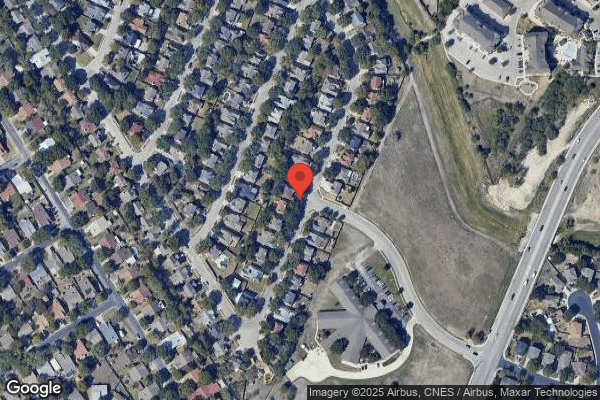
Avir at Converse

7700 MESQUITE PASS, CONVERSE, TX 78109 (210) 650-0551
For profit - Limited Liability company 100 Beds FOURCOOKS SENIOR CARE Data: November 2025 6 Immediate Jeopardy citations
Trust Grade
0/100
#929 of 1168 in TX
Last Inspection: April 2025

Within standard 12-15 month inspection cycle. Federal law requires annual inspections.

Overview

Avir at Converse has received a Trust Grade of F, indicating significant concerns about the quality of care provided. With a state rank of #929 out of 1168, they are in the bottom half of Texas facilities, and their county rank of #44 out of 62 suggests that there are only a few local options that are better. The facility is improving, having reduced issues from 20 in 2024 to 19 in 2025, but the overall situation remains concerning. Staffing is a weakness here, rated at 1 out of 5 stars with a 59% turnover rate, which is higher than average, indicating instability among caregivers. Serious incidents were reported, including critical failures to provide CPR to a resident in distress and inadequate supervision that allowed a resident to exit the facility unsupervised, both of which pose significant risks to resident safety.

Trust Score
F
0/100
In Texas
#929/1168
Bottom 21%
Safety Record
High Risk
Review needed
Inspections
Getting Better
20 → 19 violations
Staff Stability
⚠ Watch
59% turnover. Above average. Higher turnover means staff may not know residents' routines.
Penalties
✓ Good
$79,111 in fines. Lower than most Texas facilities. Relatively clean record.
Skilled Nurses
⚠ Watch
Each resident gets only 11 minutes of Registered Nurse (RN) attention daily — below average for Texas. Fewer RN minutes means fewer trained eyes watching for problems.
Violations
⚠ Watch
44 deficiencies on record. Higher than average. Multiple issues found across inspections.
★☆☆☆☆
1.0
Overall Rating
★☆☆☆☆
1.0
Staff Levels
★★★☆☆
3.0
Care Quality
★☆☆☆☆
1.0
Inspection Score
Stable
2024: 20 issues
2025: 19 issues

The Good

  • Full Sprinkler Coverage · Fire safety systems throughout facility
  • No fines on record

Facility shows strength in fire safety.

The Bad

1-Star Overall Rating

Below Texas average (2.8)

Significant quality concerns identified by CMS

Staff Turnover: 59%

13pts above Texas avg (46%)

Frequent staff changes - ask about care continuity

Federal Fines: $79,111

Well above median ($33,413)

Moderate penalties - review what triggered them

Chain: FOURCOOKS SENIOR CARE

Part of a multi-facility chain

Ask about local staffing decisions and management

Staff turnover is elevated (59%)

11 points above Texas average of 48%

The Ugly 44 deficiencies on record

6 life-threatening
Apr 2025 16 deficiencies
CONCERN (D)

Potential for Harm - no one hurt, but risky conditions existed

Deficiency F0558 (Tag F0558)

Could have caused harm · This affected 1 resident

**NOTE- TERMS IN BRACKETS HAVE BEEN EDITED TO PROTECT CONFIDENTIALITY** Based on observation, interview, and record review the facility failed to ensure residents received services in the facility wit...

Read full inspector narrative →
**NOTE- TERMS IN BRACKETS HAVE BEEN EDITED TO PROTECT CONFIDENTIALITY** Based on observation, interview, and record review the facility failed to ensure residents received services in the facility with reasonable accommodation of resident needs for 1 of 8 residents (Resident #18) who were observed for call light placement. The facility failed to ensure the call light was within reach for Resident #18. This failure could affect any resident and keep them from calling for help as needed. The findings were: Record review of Resident #18's face sheet, dated 04/02/2025, revealed he was admitted to the facility on [DATE] with diagnoses which included: epilepsy (disorder in which nerve cell activity in the brain is disturbed, causing seizures), unspecified, not intractable, with status epilepticus (a seizure that lasts longer than 5 minutes or when seizures occur in rapid succession without the person regaining consciousness between them), essential hypertension (high blood pressure), muscle weakness generalized, and unspecified dementia (a group of symptoms affecting memory, thinking and social abilities, unspecified severity, without behavioral disturbance, psychotic disturbance and anxiety. Record review of Resident #18's Quarterly MDS assessment, dated 02/21/2025, revealed the resident's BIMS score was 00, which indicated severe cognitive impairment. The Quarterly MDS assessment further revealed Resident #18 was dependent (helper does all of the effort) for toileting hygiene, shower/bathe self, upper body dressing, lower body dressing, personal hygiene, putting on/taking off footwear, sit to lying, lying to sitting on side of bed, sit to stand, chair/bed to chair transfer, tub/shower transfer, and roll left and right. Record review of Resident #18's care plan, last care plan review completed date of 03/31/2025, revealed Resident #18 had a focus of [resident's name] is at risk for fall due to periods of unsteady gait, resident also noncompliant with staff assistance. and interventions read Call light in reach in room and answered promptly. Encourage and remind him to use call light to ask for assistance. Observation on 04/01/2025 at 10:50 a.m. revealed Resident #18 sleeping in his bed, bed in the lowest position to the floor with call light clipped to privacy curtain. Observation on 04/02/2025 at 9:36 a.m. revealed Resident #18 sleeping in his bed, bed in the lowest position to the floor, lying on his side with the call light clipped to the privacy curtain. Observation and interview on 04/02/2025 at 9:57 a.m. CNA E stated Resident #18 would scream a lot at times and would yell for things. CNA E further stated normally he does not use his call light, but she goes in there to check on him during her rounds. CNA E revealed Resident #18 would not have been able to reach the call light if he needed it. CNA E then removed the call light from the curtain and clipped to his blanket and explained to him what she was doing when he began yelling as he was resting in the bed. CNA E stated to Resident #18 I'm giving you your call light, and Resident #18 responded okay as he went back to sleep. CNA E stated the call light was used for residents to ask for help if they needed her and it was her responsibility to place it where he could reach it. During interview on 04/04/2025 at 2:17 p.m. the DON stated the call light should be near the resident where they can grab it. The DON further stated when in the bed it should be always accessible. The DON stated the CNA and the nurse on the floor were responsible for placing it within reach and when they went in the room, they should have seen it and corrected it. The DON stated by being out of reach the resident would not be able to press it if they needed assistances. During an interview on 04/04/2025 at 2:21 p.m. the administrator stated staff in general were responsible for call light placement, but usually the CNA. The administrator further stated when anyone went in or during rounds anyone can place within reach. The administrator stated by not having the call light a resident might not get their needs met. The administrator stated he believed Resident #18 did not use it and the staff rounded on him frequently. Record review of facility's Call Lights policy, no date, read The purpose of this procedure is to respond to the resident's requests and needs., General Guidelines .5. When the resident is in bed or confined to a chair be sure the call light is within easy reach of the resident.
CONCERN (D)

Potential for Harm - no one hurt, but risky conditions existed

MDS Data Transmission (Tag F0640)

Could have caused harm · This affected 1 resident

**NOTE- TERMS IN BRACKETS HAVE BEEN EDITED TO PROTECT CONFIDENTIALITY** Based on interview and record review, the facility failed to transmit encoded, accurate, and complete MDS data to the CMS System...

Read full inspector narrative →
**NOTE- TERMS IN BRACKETS HAVE BEEN EDITED TO PROTECT CONFIDENTIALITY** Based on interview and record review, the facility failed to transmit encoded, accurate, and complete MDS data to the CMS System for 1 of 16 residents (Resident #6) reviewed for MDS transmission. Resident #6's discharge MDS assessment was not completed and transmitted within 14 days of completion. This failure could place residents at risk of not having assessments completed and submitted in a timely manner as required. The findings were: Review of Resident #6's face sheet, dated 04/04/2025, revealed an admission date of 07/13/2021 with diagnoses that included: chronic systolic (congestive) heart failure, respiratory failure, unspecified, unspecified whether with hypoxia (state of insufficient oxygen supply to the body's tissues, leading to a deficiency in oxygen delivery) or hypercapnia (occurs when the body's ability to eliminate carbon dioxide through breathing is impaired, leading to a buildup of carbon monoxide in the blood), essential hypertension (high blood pressure), atherosclerotic heart disease of native coronary artery without angina pectoris (symptom, not a disease itself, that indicates a problem with blood flow to the heart muscle), and unspecified dementia, unspecified severity, without behavioral disturbance, mood disturbance and anxiety. Review of Resident #6's Discharge MDS Assessment, dated 01/02/2025, revealed the assessment had not been completed and transmitted to CMS. During an interview on 04/04/2025 at 2:58 p.m. the MDS coordinator revealed the Discharge MDS assessment was open for Resident #6, but it was not finished. The MDS coordinator further stated the Discharge MDS assessment should have been done right away after the resident discharged . The MDS coordinator stated it should be completed by day 14. The MDS coordinator was not sure why it was not completed for Resident #6 after her discharge on [DATE]. The MDS coordinator stated she did not really know how was overlooked. The MDS Coordinator stated it was her responsibility to complete the Discharge MDS assessment. The MDS coordinator stated the MDS assessments were for CMS tracking, CMS reporting and by not completing the MDS assessment could affect possibly the QMs (quality measures). The MDS coordinator stated she kept a calendar and clinicals there was a schedule that would give a list. During an interview on 04/04/2025 at 3:10 p.m. the DON stated the MDS coordinator was responsible for the accuracy and completion of MDS assessments. The DON stated monitoring was done by the MDS coordinator, ADON, DON and administrator in the stand-up meeting. The DON was not sure why Resident #6's Discharge MDS assessment would have been missed. The DON did not believe there was another system other than PCC to track the MDS assessments. During an interview on 04/04/2025 at 3:19 p.m. the administrator stated the MDS coordinator was responsible for completion of the MDS assessments and the tracking of the MDS assessments. The administrator further stated there was a MDS in progress report in PCC and for some reason Resident #6's Discharge MDS assessment was not showing on the in-progress report in PCC when she pulled up the report. The administrator stated by not completing and submitting the MDS assessments could affect the quality measures of the facility. Record review of facility's policy titled Implementation of the Minimum Data Set (MDS), no date, read It is the policy of this facility to ensure a comprehensive assessment of each resident is completed and submitted according to the RAI guidelines manual set forth by CMS. Procedure: Monitor the schedule of the MDS. Complete a comprehensive, quarterly, significant change or other appropriate MDS according to the guidelines of the RAI manual set forth by CMS.
CONCERN (D)

Potential for Harm - no one hurt, but risky conditions existed

Assessment Accuracy (Tag F0641)

Could have caused harm · This affected 1 resident

**NOTE- TERMS IN BRACKETS HAVE BEEN EDITED TO PROTECT CONFIDENTIALITY** Based on interview and record review, the facility failed to ensure the assessment accurately reflected the resident's status fo...

Read full inspector narrative →
**NOTE- TERMS IN BRACKETS HAVE BEEN EDITED TO PROTECT CONFIDENTIALITY** Based on interview and record review, the facility failed to ensure the assessment accurately reflected the resident's status for 1 of 20 residents (Resident #1) reviewed for assessments: Resident #1's quarterly MDS, dated [DATE], identified the resident had anticoagulant (blood thinner). However, Resident #1 did not have anticoagulant. This failure could place residents at risk for inadequate care due to inaccurate assessments. The findings included: Record review of Resident #1's face sheet, dated 04/04/2025, revealed the resident was [AGE] years old female, originally admitted on [DATE], and re-admitted to the facility on [DATE] with diagnoses of urinary tract infection (bladder infection), cerebral palsy (congenital disorder of movement, muscle tone, or posture), heart failure (the heart did not pump enough blood to the body), peripheral vascular disease (narrowed blood vessels reduced blood flow to the limbs), hypothyroidism (low level of thyroid hormone in the body), and cognitive communication deficit. Record review of Resident #1's quarterly MDS, dated [DATE], revealed the resident's BIMS score was 3 out of 15, which indicated the resident had severe cognitive impairment and was taking anticoagulant in Section N (Medications). Record review of Resident #1's physician order, dated 03/01/2025, revealed the resident had the order of Clopidogrel Bisulfate Oral Tablet 75 mg. Give 1 tablet by mouth one time a day for blood thinner. Record review of Resident #1's medication administration record, from 04/01/2025 to 04/30/2025, revealed the resident was receiving Clopidogrel Bisulfate Oral Tablet 75 mg at 9:00 am for blood thinner as ordered. Record review of CMS's RAI version 3.0 Manual for MDS, dated 10/2024, page N-8, revealed Antiplatelets (prevent platelets from sticking together and decrease the body's ability to from blood clots): check if an antiplatelet medication (e.g., aspirin/extended release, dipyridamole, clopidogrel) was taken by the resident at any time during the 7-day observation period (or since admission/entry or reentry if less than 7 days). Interview on 04/04/2025 at 2:43 p.m. with MDS nurse stated Resident #1 was taking Clopidogrel Bisulfate Oral Tablet 75 mg one tablet by mouth once a day at 9:00 am for blood thinner, and it was not anticoagulant but antiplatelet. MDS nurse said that coding it as anticoagulant was MDS nurse's mistake. It should have been coded as antiplatelet, and inaccurate MDS might cause improper care to the resident. Record review of the facility policy, titled MDS, undated, revealed It is the policy of this facility to ensure a comprehensive assessment of each resident is completed and submitted according to the RAI guidelines manual set forth by CMS.
CONCERN (D)

Potential for Harm - no one hurt, but risky conditions existed

Comprehensive Care Plan (Tag F0656)

Could have caused harm · This affected 1 resident

**NOTE- TERMS IN BRACKETS HAVE BEEN EDITED TO PROTECT CONFIDENTIALITY** Based on observation, interviews, and record review, the facility failed to develop and implement a comprehensive person-centere...

Read full inspector narrative →
**NOTE- TERMS IN BRACKETS HAVE BEEN EDITED TO PROTECT CONFIDENTIALITY** Based on observation, interviews, and record review, the facility failed to develop and implement a comprehensive person-centered care plan for each resident that included measurable objectives and timeframes to meet a resident's medical, nursing, and mental needs that were identified in the comprehensive assessment, and described services that were to be furnished to attain or maintain the resident's highest practicable physical, mental, and psychosocial well-being for 1 of 20 residents (Resident #58) reviewed for care plans. The facility failed to ensure Resident #58's care plan reflected his smoking status and included a care plan regarding how to take care of the resident's smoking. This failure could place residents at risk for not receiving proper care and services due to inaccurate care plans. The findings included: Record review of Resident #58's face sheet, dated 04/04/2025, revealed the resident was a [AGE] year-old male, originally admitted to the facility on [DATE], and re-admitted to the facility on [DATE] with diagnoses of transient cerebral ischemic attacks (temporary blockage of blood flow to the brain), cerebral vascular disease (stroke), hyperlipidemia (high level of fat), hypertension (high blood pressure), and muscle weakness. Record review Resident #58's quarterly MDS, dated [DATE], revealed the resident's BIMS score was 10 out of 15, which indicated the resident had moderate cognitive impairment, and the resident was dependent to most activities of daily living such as eating, sit-to-stand, and chair-to-bed transfer. Record review of Resident #58's smoking assessment, dated 01/31/2025, revealed the resident was a smoker and need for adaptive equipment such as smoking apron when smoking. Record review of Resident #58's comprehensive care plan, dated 01/15/2025, revealed there was no care plan related to smoking. Observation on 04/04/2025 at 11:06 a.m. revealed Resident #58 was smoking at the smoking area with a staff, and he was wearing a smoking apron. Interview on 04/01/2025 at 3:02 p.m. with Resident #58 said the resident was a smoker and used a smoking apron when smoking. Interview on 04/04/2025 at 11:56 a.m. with the MDS nurse stated MDS nurse should have developed Resident #58's comprehensive care plan related to his smoking status because the resident was a smoker. Further interview with MDS nurse said she overlooked it, and it was her mistake. MDS nurse said developing care plan was her responsibility and not care planning potentially caused improper care to Resident #58. Record review of the facility policy, titled Comprehensive Care plan, undated, revealed The facility will develop and implement a comprehensive person-centered care plan for each resident, consistent with the resident rights that includes measurable objectives and timeframes to meet a resident medical, nursing, and mental, and psychosocial needs that are identified in the comprehensive assessment. The comprehensive care plan will describe the following: the services that are to be furnished to attain resident highest practicable physical, mental, and psychosocial well-being.
CONCERN (D)

Potential for Harm - no one hurt, but risky conditions existed

Incontinence Care (Tag F0690)

Could have caused harm · This affected 1 resident

**NOTE- TERMS IN BRACKETS HAVE BEEN EDITED TO PROTECT CONFIDENTIALITY** Based on observations, interviews, and record review, the facility failed to ensure a resident who was incontinent of bowel and ...

Read full inspector narrative →
**NOTE- TERMS IN BRACKETS HAVE BEEN EDITED TO PROTECT CONFIDENTIALITY** Based on observations, interviews, and record review, the facility failed to ensure a resident who was incontinent of bowel and bladder receives appropriate treatment and services to prevent urinary tract infections and to restore continence to the extent possible for 1 of 3 residents (Resident #4) reviewed for incontinence care. When CNA-A was providing incontinent care to Resident #4 on 04/03/2025, CNA-A did not separate the resident's labia and did not clean the base of her labia. This failure could place residents who required incontinence care at risk for cross contamination and the development of new or worsening urinary tract infections. The findings included: Record review of Resident #4's face sheet, dated 04/04/2025, revealed a [AGE] year-old female, admitted to the facility originally on 03/24/2015, and re-admitted to the facility on [DATE] with diagnoses of vascular disorder of intestine (blood flow to the intestines slows), pervasive developmental disorder (developmental delays that affect social and communication skills), hemiplegia (brain damage that leads to paralysis on one side of the body), dysphagia (difficulty swallowing), and hyperlipidemia (high level of fat). Record review of Resident #4's quarterly MDS, dated [DATE], revealed the resident's BIMS score was 0 out of 15, which indicated the resident had severe cognitive impairment, the resident had frequently urinary bladder incontinence and always bowel incontinence, and required dependent assistance (helper does all of the efforts) to all activities of daily living such as chair-to-bed and toilet transfer. Record review of Resident #4's comprehensive care plan, dated 07/23/2015, revealed the resident had bowel and bladder incontinence related to impaired mobility - Monitor/document for signs and symptoms of urinary tract infection. Observation on 04/03/2025 at 10:00 a.m. revealed CNA-A cleaned Resident #4's left and right groin area, then just cleaned the middle one of the resident's genital areas without separating the resident's labia area. Further observation revealed CNA-A turned the resident to her left side and cleaned the resident's bottom area, then put a new and clean brief and closed it. Interview on 04/03/2025 at 10:12 a.m. with CNA-A stated she did not separate Resident #4's labia area and did not clean the base of the resident's labia area. Further interview with CNA-A said she forgot to separate the resident's labia area to clean the base of labia because she was so nervous. CNA-a stated she should have separated Resident #4's labia area and cleaned the base of the resident's labia area. Interview on 04/03/2025 at 1:56 p.m. the DON stated CNA-A should have separated Resident #4's labia area to clean the base of labia to prevent possible urinary tract infection. Checking CNA-A's skills for perineal care was DON's responsibility, and DON conducted the skill check-off of CNA-A on 03/13/2025, and CNA-A demonstrated correct skills for perineal care on 03/13/2025. Record review of the facility policy, titled Perineal Care, undated, revealed . 9. Female perineal care F. use one gloves hand to stabilize and separate the labia, with other hands wash from front to back.
CONCERN (D)

Potential for Harm - no one hurt, but risky conditions existed

Respiratory Care (Tag F0695)

Could have caused harm · This affected 1 resident

**NOTE- TERMS IN BRACKETS HAVE BEEN EDITED TO PROTECT CONFIDENTIALITY** Based on observation, interviews, and record review, the facility failed to ensure that a resident who needs respiratory care, i...

Read full inspector narrative →
**NOTE- TERMS IN BRACKETS HAVE BEEN EDITED TO PROTECT CONFIDENTIALITY** Based on observation, interviews, and record review, the facility failed to ensure that a resident who needs respiratory care, is provided such care, consistent with professional standards of practice for 1 of 2 (Resident #20) reviewed for respiratory care. Resident #20's oxygen nasal cannula was not covered in a plastic bag when it was not used on 04/01/2025. This failure could affect residents with oxygen therapy and could lead them to lack of care including possible infection by not following infection control. The findings included: Record review of Resident #20's face sheet, dated 04/04/2025, revealed the resident was a [AGE] year-old female, originally admitted to the facility on [DATE], and re-admitted to the facility on [DATE] with diagnoses of hemiplegia and hemiparesis (weakness on one side of the body), heart failure (not pumping blood enough), type 2 diabetes mellitus (not control blood sugar), chronic respiratory failure (lung cannot get enough oxygen), and cerebral vascular disease (stroke). Record review of Resident #20's annual MDS assessment, dated 03/18/2025, revealed the resident's BIMS score was 15 out of 15 which indicated her cognition was intact, and the resident was receiving oxygen therapy. Record review of Resident #20's comprehensive care plan, dated 07/01/2024, revealed the resident had Using oxygen therapy at times per nasal cannula. For intervention - oxygen as ordered and indicated. Record review of Resident #20's physician order, dated 05/28/2024, revealed the resident had the order of as needed oxygen 2 to 5 liter per minutes to maintain oxygen saturation more than 90 %. Further record review of the resident's physician order, dated 05/26/2024, revealed Check if face mask and tubing weekly. May replace if appears soiled or known contamination. Replace personal bag at bedside for items when not in use. Observation on 04/01/2025 at 10:09 a.m. revealed Resident #20 was not in her room. Resident #20's nasal cannula was on the nightstand uncovered. Interview on 04/01/2025 at 11:06 a.m. with LVN-B stated Resident #20's nasal cannula was on the nightstand without a plastic bag. Further interview with LVN-B said the resident's nasal cannula should have been covered in a plastic bag when it was not used to prevent possible infection. Interview on 04/04/2025 at 4:00 p.m. with the DON stated Resident #20's nasal cannula should have been covered in a plastic bag when it was not used to prevent possible infections as ordered. Further interview with the DON said the facility did not have a policy related to specifically covering a nasal cannula and mask in a plastic bag when not used. Record review of professional guidelines, titled HomeCare (https://www.homecaremag.com/february-2020/dont-let-oxygen-concentrator-lead-infection), dated 01/29/2020, revealed Patients receiving supplemental oxygen via an oxygen concentrator in the home are common. Unfortunately, compliance issues related to infection prevention and control are also common. To prevent these compliance issues-and, more importantly, to prevent respiratory infections-provide education based on the manufacturer's instructions for use. When none are provided, follow these five infection prevention and control strategies for a patient on oxygen at a liter flow of up to 5 liters per minute (L/min) in the home except those with an artificial airway, with cystic fibrosis, or who are severely immunosuppressed. These patients and those on higher liter flows of oxygen may require a higher standard of respiratory equipment management and additional disinfection activities.
CONCERN (D)

Potential for Harm - no one hurt, but risky conditions existed

Deficiency F0813 (Tag F0813)

Could have caused harm · This affected 1 resident

**NOTE- TERMS IN BRACKETS HAVE BEEN EDITED TO PROTECT CONFIDENTIALITY** Based on observation, interview, and record review, the facility failed to enact a policy regarding use and storage of foods bro...

Read full inspector narrative →
**NOTE- TERMS IN BRACKETS HAVE BEEN EDITED TO PROTECT CONFIDENTIALITY** Based on observation, interview, and record review, the facility failed to enact a policy regarding use and storage of foods brought to residents by family and other visitors to ensure safe and sanitary storage, handling, and consumption, for 1 (Resident #3) of 3 residents reviewed, in that: Resident #'3s personal refrigerator located in her room was observed on 04/01/2025. There was a small plastic cup inside the refrigerator, with no date and no label on the plastic cup. This failure could place residents at risk of foodborne illness due to consuming foods which might be spoiled. The findings included: Record review of Resident #3's face sheet, dated 04/04/2025, reflected the resident was [AGE] years old female and was initially admitted to the facility on [DATE] and readmitted on [DATE] with diagnoses included: type 2 diabetes mellitus (not control blood sugar in the body), cholelithiasis (stone in the gallbladder), rheumatoid arthritis (chronic inflammatory affecting small joints in the hands and feet), intestinal obstruction (digested material is prevented from passing normally through the bowel), and dysphagia (difficulty of swallowing). Record review of Resident #3's annual MDS, dated [DATE], reflected the resident's BIMS score was 15 out of 15 which indicated the resident's cognitive function was intact, and the resident was independent with eating and was dependent (helper does all of the efforts) for dressing and bed mobility. Record review of Resident #3's comprehensive care plan, dated 02/12/2025, revealed the resident had Resident at nutritional risk. On mechanical soft and low concentrated sweet and for interventions - Encourage resident to eat meal out of bed and upright position for intake by mouth. Observation on 04/01/2025 at 10:42 a.m. revealed Resident #3 was on the bed and sleeping in her room. There was a personal refrigerator in the room, and inside the refrigerator there was a small plastic cup with food, but no date and no label on the cup. Interview on 04/01/2025 at 11:13 a.m. LVN-B stated Resident #3's refrigerator in her room had a small plastic cup with food, but it was not dated and labeled. LVN-B said that it looked like some kind of desert. The facility night nurses were supposed to check it every day. Interview on 04/04/2025 at 4:00 p.m. the DON stated facility night nurses were responsible for overseeing Resident #3's personal refrigerator and also responsible for monitoring it daily. The DON stated the resident might have illness due to food. Record review of the facility policy, titled Foods brought by family/visitors, undated, revealed . 6. Perishable foods must be stored in re-sealable containers with tightly fitting lids in the refrigerator. Containers will be labeled with the resident's name, the item, and the use by date.
CONCERN (D)

Potential for Harm - no one hurt, but risky conditions existed

Infection Control (Tag F0880)

Could have caused harm · This affected 1 resident

**NOTE- TERMS IN BRACKETS HAVE BEEN EDITED TO PROTECT CONFIDENTIALITY** Based on observations, interviews, and record review, the facility failed to establish and maintain an infection control program...

Read full inspector narrative →
**NOTE- TERMS IN BRACKETS HAVE BEEN EDITED TO PROTECT CONFIDENTIALITY** Based on observations, interviews, and record review, the facility failed to establish and maintain an infection control program designed to provide a safe, sanitary, and comfortable environment and to help prevent the development of communicable diseases and infections for 1 resident (Residents #24) of 7 residents reviewed for infection control practices. MA C did not clean the blood pressure cuff between use and prior to taking Resident #24's blood pressure. These deficient practice could place residents at risk for cross contamination and infections. The findings included: Record review of Resident #24's face sheet, dated 04/042025, revealed the resident an [AGE] year-old male and admitted to the facility on [DATE] with the diagnoses of chronic kidney disease (the kidneys cannot filter waste and excess fluid from the body), heart failure (the heart cannot pump blood), type 2 diabetes mellitus (not control blood sugars in the body), and hypertension (high blood pressure). Record review of Resident #24's significant change MDS, dated [DATE], revealed the resident's BIMS was 0 out of 15 which indicated the resident had severe cognitive impairment, and the resident required supervision or touching assistance (Helper provides verbal cues and/or touching/steadying and/or contact guard assistance as resident completes activity) for eating and dependent (helper does all of the effort) to chair-to-bed and toilet transfer. Record review of Resident #24's care plan, dated 05/22/2024, revealed Resident has chronic non-healing wound. This places the resident at an increased risk of transmission of infection and for intervention - change personal protective equipment before caring of other residents. Observation on 04/03/2025 at 9:02 a.m., revealed MAC took a resident's blood pressure and then moved to Resident #24's room. Further observation on 04/03/2025 at 09:18 a.m., revealed MAC entered Resident #24's room and measured the resident's blood pressure without cleaning the blood pressure cuff . MAC then gave a medication to Resident #24 for high blood pressure. Interview on 04/03/2025 at 9:29 a.m., MA C stated she used the same blood pressure cuff of the monitor machine without cleaning it when she measured Resident #24's blood pressure. She said she forgot and she should have cleaned the blood pressure cuff before using it on Resident #24 to prevent possible infection. Interview on 04/03/2025 at 2:01 p.m., the DON stated MA C should have cleaned the blood pressure cuff of the machine before using it on Resident #24 to prevent possible infection. Record review of the facility policy, titled Housekeeping and maintenance, undated, revealed . d. Reusable items are cleaned and disinfected or sterilized between residents (e.g., stethoscopes, durable medical equipment).
CONCERN (E)

Potential for Harm - no one hurt, but risky conditions existed

Pharmacy Services (Tag F0755)

Could have caused harm · This affected multiple residents

**NOTE- TERMS IN BRACKETS HAVE BEEN EDITED TO PROTECT CONFIDENTIALITY** Based on observation, interview, and record review, the facility failed to provide pharmaceutical services (including procedures...

Read full inspector narrative →
**NOTE- TERMS IN BRACKETS HAVE BEEN EDITED TO PROTECT CONFIDENTIALITY** Based on observation, interview, and record review, the facility failed to provide pharmaceutical services (including procedures that assure the accurate acquiring, receiving, dispensing, and administering of all drugs and biologicals) to meet the needs of each resident for 5 of 8 residents (Residents ##28, #25, #37, #31. and #38) reviewed for pharmacy services. 1. Resident #28's insulin flex pen (Humalog) for diabetes had an open date of [DATE] found inside the 100/200-hall nursing cart on [DATE]. It should have been discarded 28 days after opening. 2. Resident #25's insulin (Lispro) for diabetes had an open date of [DATE] found inside the 100/200-hall nursing cart on [DATE]. It should have been discarded 28 days after opening. 3. Resident #37's insulin (Novolog) for diabetes had an open date of [DATE] found inside the 100/200-hall nursing cart on [DATE]. It should have been discarded 28 days after opening. 4. Resident #31's insulin (Novolog) for diabetes had an open date of [DATE] found inside the 100/200-hall nursing cart on [DATE]. It should have been discarded 28 days after opening. 5. The facility nurses did not administer Resident #38's Lorazepam 0.5 mg oral one tablet at bedtime for anxiety on [DATE], [DATE], [DATE], [DATE], [DATE], [DATE], [DATE], [DATE], [DATE], and [DATE] (total 10 days) because the medication was not available, and nurses did not re-order it on time. These failures could place residents at risk of inaccurate drug administration and not having appropriate therapeutic effects. The findings included: 1. Record review of Resident #28's face sheet, dated [DATE], revealed Resident #28 was a [AGE] year-old female and admitted to the facility [DATE] with diagnoses of schizoaffective disorder (mental health problem psychosis as well as mood symptoms), type 2 diabetes mellitus (body does not insulin properly, resulting in high blood sugar levels), muscle weakness, dysphagia (difficulty of swallowing), and hyperlipidemia (high level of fat). Record review of Resident #28's Quarterly MDS assessment, dated [DATE], revealed the resident's BIMS score was 0 out of 15, which indicated the resident had severe cognitive impairment, and the resident was receiving insulin injections every day as ordered. Record review of Resident #28's physician's order, dated [DATE], revealed the resident had the order of Humalog Kwik Pen subcutaneous Solution Pen Injector 100 unit/ml (insulin Lispro) inject as per sliding scale: if 70-150=no insulin, 151-200=1 units, 201-250=2 units, 251-300=3 units, 301-350= 4 units, if blood sugar over 350 5 units, subcutaneously before meals for diabetes. Record review of Resident #28's medication administration record, dated from [DATE] to [DATE], revealed Resident #28 was receiving Humalog Kwik Pen subcutaneous Solution Pen Injector 100 unit/ml (insulin Lispro) inject as per sliding scale at 7:00 am, 11:00 am, and 4:00 pm. Observation on [DATE] at 2:41 p.m. revealed Resident #28's insulin Kwik pen (Lispro=Humalog) for diabetes with open date of [DATE] inside the 100/200-hall nursing cart. Interview on [DATE] at 2:41 a.m. with LVN-D stated Resident #28's insulin Kwik pen (Lispro=Humalog) for diabetes with open date of [DATE] inside the 100/200-hall nursing cart. Further interview, LVN-D said Resident #28's insulin Kwik pen (Lispro=Humalog) for diabetes should have been discarded 28 days after opening, which was [DATE] because the nurses opened it on [DATE]. LVN-D did not know what reason the nurses did not discard the insulin pen. 2. Record review of Resident #25's face sheet, dated [DATE], revealed Resident #25 was an [AGE] year-old male and admitted to the facility [DATE] with diagnoses of type 2 diabetes mellitus (body does not insulin properly, resulting in high blood sugar levels), neurocognitive disorder (decreased mental function), psychosis, and hyperlipidemia (high level of fat). Record review of Resident #25's Quarterly MDS assessment, dated [DATE], revealed the resident's BIMS score was 7 out of 15, which indicated the resident had severe cognitive impairment, and the resident was receiving insulin injections every day as ordered. Record review of Resident #25's physician's order, dated [DATE], revealed the resident had the order of Insulin Lispro injection solution subcutaneous - inject as per sliding scale: if 0-150=no insulin, 151-200=2 units, 201-250=4 units, 251-300=6 units, 301-350= 8 units, 351-400=10 units if blood sugar over 400 give 12 units and notify doctor, subcutaneously two times a day for diabetes. Record review of Resident #25's medication administration record, dated from [DATE] to [DATE], revealed Resident #25 was receiving Insulin Lispro subcutaneous Solution - inject as per sliding scale at 8:00 am and 8:00 pm. Observation on [DATE] at 2:41 p.m. revealed Resident #25's insulin (Lispro) for diabetes with open date of [DATE] inside the 100/200-hall nursing cart. Interview on [DATE] at 2:41 a.m. with LVN-D stated Resident #25's insulin (Lispro) for diabetes with open date of [DATE] inside the 100/200-hall nursing cart. Further interview, LVN-D said Resident #25's insulin (Lispro) for diabetes should have been discarded 28 days after opening, which was [DATE] because the nurses opened it on [DATE]. LVN-D did not know what reason the nurses did not discard the insulin pen. 3. Record review of Resident #37's face sheet, dated [DATE], revealed Resident #37 was a [AGE] year-old male and admitted to the facility [DATE] and re-admitted to the facility [DATE] with diagnoses of paraplegia (inability to voluntarily move the lower parts of the body), radiculopathy (injury or damage to nerve roots in the area where they leave the spine), type 2 diabetes mellitus (body does not insulin properly, resulting in high blood sugar levels), and muscle weakness. Record review of Resident #37's Quarterly MDS, dated [DATE], revealed the resident's BIMS score was 15 out of 15, which indicated the resident's cognition was intact, and the resident was receiving insulin injections every day as ordered. Record review of Resident #37's physician's order, dated [DATE], revealed the resident had the order of Insulin Novolog injection solution subcutaneous - inject 16 units subcutaneously before meals for diabetes. Record review of Resident #37's medication administration record, dated from [DATE] to [DATE], revealed Resident #37 was receiving Insulin Novolog injection solution subcutaneous - inject 16 units subcutaneously before meals for diabetes at 7:00 am, 11:00 am, and 4:00 pm. Observation on [DATE] at 2:41 p.m. revealed Resident #37's insulin (Novolog) for diabetes with open date of [DATE] inside the 100/200-hall nursing cart. Interview on [DATE] at 2:41 p.m. with LVN-D stated Resident #37's insulin (Novolog) for diabetes with open date of [DATE] inside the 100/200-hall nursing cart. Further interview, LVN-D said Resident #37's insulin (Novolog) for diabetes should have been discarded 28 days after opening, which was [DATE] because the nurses opened it on [DATE]. LVN-D did not know what reason the nurses did not discard the insulin pen. 4. Record review of Resident #31's face sheet, dated [DATE], revealed Resident #31was a [AGE] year-old female and admitted to the facility [DATE] and re-admitted to the facility [DATE] with diagnoses of type 2 diabetes mellitus (body does not insulin properly, resulting in high blood sugar levels), hemiplegia and hemiparesis (muscle weakness or partial paralysis on one side of the body), cerebral infarction (disrupted blood flow to the brain due to problems with the blood vessels that supply it), and muscle weakness. Record review of Resident #31's Quarterly MDS, dated [DATE], revealed the resident's BIMS score was 1 out of 15, which indicated the resident had severe cognitive impairment, and the resident was receiving insulin injections every day as ordered. Record review of Resident #31's physician's order, dated [DATE], revealed the resident had the order of Insulin Aspart (Novolog) injection solution subcutaneous - inject as per sliding scale: if 150-199=4 units, 200-249=8 units, 250-299=12 units, 300-349=16 units, 350-400= 20 units and notify doctor, subcutaneously every 6 hours for diabetes. Record review of Resident #31's medication administration record, dated from [DATE] to [DATE], revealed Resident #31 was receiving Insulin Aspart (Novolog) injection solution subcutaneous - inject as per sliding scale: if 150-199=4 units, 200-249=8 units, 250-299=12 units, 300-349=16 units, 350-400= 20 units and notify doctor, subcutaneously every 6 hours for diabetes at 2:00 am, 8:00 am, 4:00 pm, and 8:00 pm. Observation on [DATE] at 2:41 p.m. revealed Resident #31's insulin (Novolog) for diabetes with open date of [DATE] inside the 100/200-hall nursing cart. Interview on [DATE] at 2:41 p.m. with LVN-D stated Resident #31's insulin (Novolog) for diabetes with open date of [DATE] inside the 100/200-hall nursing cart. Further interview, LVN-D said Resident #31's insulin (Novolog) for diabetes should have been discarded 28 days after opening, which was [DATE] because the nurses opened it on [DATE]. LVN-D did not know what reason the nurses did not discard the insulin pen. Interview on [DATE] at 2:42 p.m. the DON stated facility nurses should have discarded insulins for diabetes to 28 days after opening and it was nurse's responsibility. The DON said DON and ADON sometimes reviewed nursing carts, but they did not know what reason these insulins were in the nursing cart. The potential harm was the insulins might be less effective. 5. Record review of Resident #38's face sheet, dated [DATE], revealed the resident was a [AGE] year-old male, originally admitted on [DATE], and re-admitted to the facility on [DATE] with diagnosis of hypertension (high blood pressure), type 2 diabetes mellitus (body does not insulin properly, resulting in high blood sugar levels), hypokalemia (low level of potassium in the blood), anxiety disorder, muscle weakness, and insomnia (difficulty of sleeping). Record review of Resident #38's Annual MDS, dated [DATE], revealed the resident's BIMS score was 15 out of 15, which indicated the resident's cognitive function was intact and receiving antianxiety medication every day as ordered. Record review of Resident #38's comprehensive care plan, revised [DATE], revealed At risk for side effects to medications, increased anxiety and anxiousness related to his anxiety. For intervention - encourage and remind resident to ask for and provide assistance as needed and monitor for side effects to medications. Record review of Resident #38's physician order, dated [DATE], revealed the resident had the order of Lorazepam oral tablet 0.5 mg - Give one tablet by mouth at bedtime for anxiety. Record review of Resident #38's medication administration record, dated from [DATE] to [DATE], revealed the resident was taking Lorazepam 0.5 mg one tablet by mouth at bedtime for anxiety at 7:00 pm as ordered. However, the resident did not receive his Lorazepam 0.5 mg one tablet by mouth at bedtime for anxiety at 7:00 pm on [DATE], [DATE], [DATE], [DATE], [DATE], [DATE], [DATE], [DATE], [DATE], and [DATE] (total 10 days) because of no medication. Further record review of the medication administration record revealed Resident #38 did not have any anxiety episode and side effect of anti-anxiety medication such as agitation or appetite change for [DATE]. Record review of Resident #38's primary care physician's progress note, dated [DATE], revealed Anxiety - on Lorazepam. Will continue on it. No increased anxiety noted. Will monitor for any worsening symptoms and No specific pain issues noted. Interview on [DATE] at 8:53 a.m. with Resident #38 stated that he was supposed to receive his Lorazepam every day for his anxiety but did not receive it some days in [DATE] because nurses said they did not have the medication. However, he was receiving his Lorazepam every day in [DATE] without any issues. Further interview with the resident said he did not have any anxiety or side effects in [DATE]. Interview on [DATE] at 3:00 p.m. with LVN-B stated that LVN-B received the list of Resident #38's medications that needed to have refill and gave the list to ADON on [DATE]. The medication aide reported to LVN-B that the medication aide could not give Resident #38's Lorazepam on [DATE] to the resident because the medication was not available. LVN-B re-ordered it by calling to the pharmacy. LVN-B stated per the facility policy, nurses had responsibility to reorder medications before medications ran out. LVN-B did not know what reason nurses did not reorder it before Resident #38's Lorazepam ran out. Resident #38 did not have any sign or symptom related to anxiety. Interview on [DATE] at 3:15 p.m. with ADON stated she did not receive the list of Resident #38's medications that needed to have refill. Per the facility policy, medication aides should click reorder button on the electronic medication administration record before medications ran out. If medications were not delivered on time, medication aides should report it to charge nurses, and charge nurse should contact physician or pharmacy to make sure reorder and gave medications to residents from emergency kit located in the medication room if the emergency kit had medications. Further interview with ADON said lack of communication among nurses and medication aides might cause missing administrations of Resident #38's Lorazepam for 10 days in [DATE]. Interview on [DATE] at 3:16 p.m. with DON said DON became aware of missing administrations of Resident #38's Lorazepam for 10 days in [DATE] on [DATE] because the medication was not available. The DON called the primary care physician and reported it, and Resident #38's primary care physician visited and assessed the resident on face to face on [DATE] and noted the resident did not have any problem or negative outcomes regarding missing administrations of Resident #38's Lorazepam for 10 days in [DATE]. There was Resident #38's Lorazepam in the medication aide cart now, and medication aides administered it to the resident as ordered without any problem. However, it was medication error. The facility nurses should have contacted physician or pharmacy before the medication ran out. The DON said not receiving the medication may cause anxiety to Resident #38. Record review of the facility policy, titled Administering medications, undated, revealed . 7. For unavailable, missing or missed medications: a. Notify the charge nurse. b. Unavailable medication: charge nurse will check the ekit to see if dose is available. If not in the ekit, the charge nurse will reach out to facility pharmacy to initiate emergency refill of the cutoff time has already passed for the next scheduled delivery. Record review of the facility's policy, titled Insulin Expiration, undated, revealed . 2. All insulin, once opened or removed from the refrigerator must be dated. 3. All insulin, once or removed from refrigerator expired in 28 days and must be taken out of use and be replaced.
CONCERN (E)

Potential for Harm - no one hurt, but risky conditions existed

Deficiency F0761 (Tag F0761)

Could have caused harm · This affected multiple residents

**NOTE- TERMS IN BRACKETS HAVE BEEN EDITED TO PROTECT CONFIDENTIALITY** Based on observations, interviews, and record review, the facility failed to ensure all drugs and biologicals were stored in loc...

Read full inspector narrative →
**NOTE- TERMS IN BRACKETS HAVE BEEN EDITED TO PROTECT CONFIDENTIALITY** Based on observations, interviews, and record review, the facility failed to ensure all drugs and biologicals were stored in locked compartments for 4 of 8 residents (Residents #37, #49, #31, and #54) reviewed for storage. 1. Resident #37's insulin Glargine (Lantus) for diabetes had no open date, found inside 100/200-hall nursing cart on [DATE]. Per the label of the insulin said, Discard 28 days after date opened. 2. Resident #49's insulin Glargine (Lantus) for diabetes had no open date, found inside 100/200-hall nursing cart on [DATE]. Per the label of the insulin said, Discard 28 days after date opened. 3. Resident #31's insulin Glargine (Lantus) for diabetes had no open date, found inside 100/200-hall nursing cart on [DATE]. Per the label of the insulin said, Discard 28 days after date opened. 4. Resident #54's insulin (Novolog) for diabetes had no open date, found inside 100/200-hall nursing cart on [DATE]. Per the label of the insulin said, Discard 28 days after date opened. These failures could place residents at risk of having not therapeutic effects by using old insulins. The findings were: 1. Record review of Resident #37's face sheet, dated [DATE], revealed Resident #37 was a [AGE] year-old male and admitted to the facility [DATE] and re-admitted to the facility [DATE] with diagnoses of paraplegia (inability to voluntarily move the lower parts of the body), radiculopathy (injury or damage to nerve roots in the area where they leave the spine), type 2 diabetes mellitus (body does not insulin properly, resulting in high blood sugar levels), and muscle weakness. Record review of Resident #37's Quarterly MDS, dated [DATE], revealed the resident's BIMS score was 15 out of 15, which indicated the resident's cognition was intact, and the resident was receiving insulin injections every day as ordered. Record review of Resident #37's physician's order, dated [DATE], revealed the resident had the order of Insulin Glargine (Lantus) subcutaneous solution pen-injector 100 unit/ml - inject 50 unit subcutaneously two times a day for type 2 diabetes mellitus. Record review of Resident #37's medication administration record, dated from [DATE] to [DATE], revealed the resident was receiving Insulin Glargine (Lantus) subcutaneous solution pen-injector 100 unit/ml - inject 50 unit subcutaneously two times a day for type 2 diabetes mellitus at 8:00 am and 8:00 pm. Observation on [DATE] at 2:47 p.m. revealed Resident #37's insulin Glargine (Lantus) for diabetes with no open date inside the 100/200-hall nursing cart. Interview on [DATE] at 2:51 p.m. LVN-D stated Resident #37's insulin Glargine (Lantus) for diabetes with no open date was inside the 100/200-hall nursing cart. Further interview, LVN-D said Resident #37's insulin Glargine (Lantus) for diabetes should have been discarded 28 days after opening per the label. However, LVN-D did not know if he should discard the insulin pen because the insulin pen did not have open date. The LVN-D did not know when the facility nurses opened Resident #37's insulin pen. 2. Record review of Resident #49's face sheet, dated [DATE], revealed Resident #49 was a [AGE] year-old male and admitted to the facility [DATE] and re-admitted to the facility [DATE] with diagnoses of atherosclerosis of coronary artery bypass graft (over time arteries can become narrowed and hardened by the build-up of fatty called plaques), hemiplegia and hemiparesis (muscle weakness or partial paralysis on one side of the body), type 2 diabetes mellitus (body does not insulin properly, resulting in high blood sugar levels), and hypertension (high blood pressure). Record review of Resident #49's Annual MDS, dated [DATE], revealed the resident's BIMS score was 13 out of 15, which indicated the resident's cognition was intact, and the resident was receiving insulin injections every day as ordered. Record review of Resident #49's physician's order, dated [DATE], revealed the resident had the order of Insulin Glargine (Lantus) subcutaneous solution pen-injector 100 unit/ml - inject 15 unit subcutaneously at bedtime for type 2 diabetes mellitus. Record review of Resident #49's medication administration record, dated from [DATE] to [DATE], revealed the resident was receiving Insulin Glargine (Lantus) subcutaneous solution pen-injector 100 unit/ml - inject 15 unit subcutaneously at bedtime for type 2 diabetes mellitus at 8:00 pm. Observation on [DATE] at 2:47 p.m. revealed Resident #49's insulin Glargine (Lantus) for diabetes with no open date inside the 100/200-hall nursing cart. Interview on [DATE] at 2:51 p.m. LVN-D stated Resident #49's insulin Glargine (Lantus) for diabetes with no open date was inside the 100/200-hall nursing cart. Further interview, LVN-D said Resident #49's insulin Glargine (Lantus) for diabetes should have been discarded 28 days after opening per the label. However, LVN-D did not know if he should discard the insulin pen because the insulin pen did not have open date. The LVN-D did not know when the facility nurses opened Resident #49's insulin pen. 3. Record review of Resident #31's face sheet, dated [DATE], revealed Resident #31 was a [AGE] year-old female and admitted to the facility [DATE] and re-admitted to the facility [DATE] with diagnoses of type 2 diabetes mellitus (body does not insulin properly, resulting in high blood sugar levels), hemiplegia and hemiparesis (muscle weakness or partial paralysis on one side of the body), cerebral infarction (disrupted blood flow to the brain due to problems with the blood vessels that supply it), and muscle weakness. Record review of Resident #31's Quarterly MDS, dated [DATE], revealed the resident's BIMS score was 1 out of 15, which indicated the resident had severe cognitive impairment, and the resident was receiving insulin injections every day as ordered. Record review of Resident #31's physician's order, dated [DATE], revealed the resident had the order of Insulin Glargine (Lantus) subcutaneous solution pen-injector 100 unit/ml - inject 10 unit subcutaneously two times a day for type 2 diabetes mellitus. Record review of Resident #31's medication administration record, dated from [DATE] to [DATE], revealed the resident was receiving Insulin Glargine (Lantus) subcutaneous solution pen-injector 100 unit/ml - inject 10 unit subcutaneously two times a day for type 2 diabetes mellitus at 10:00 am and 4:00 pm. Observation on [DATE] at 2:47 p.m. revealed Resident #31's insulin Glargine (Lantus) for diabetes with no open date inside the 100/200-hall nursing cart. Interview on [DATE] at 2:51 p.m. LVN-D stated Resident #31's insulin Glargine (Lantus) for diabetes with no open date was inside the 100/200-hall nursing cart. Further interview, LVN-D said Resident #31's insulin Glargine (Lantus) for diabetes should have been discarded 28 days after opening per the label. However, LVN-D did not know if he should discard the insulin pen because the insulin pen did not have open date. The LVN-D did not know when the facility nurses opened Resident #31's insulin pen. 4. Record review of Resident #54's face sheet, dated [DATE], revealed Resident #54 was a [AGE] year-old female and admitted to the facility [DATE] and re-admitted to the facility [DATE] with diagnoses of senile degeneration of brain (progressive decline in cognitive function, impacting memory, and reasoning), pneumonia (infection to the lung), type 2 diabetes mellitus (body does not insulin properly, resulting in high blood sugar levels), and muscle weakness. Record review of Resident #54's Quarterly MDS, dated [DATE], revealed the resident's BIMS score was 4 out of 15, which indicated the resident had severe cognitive impairment, and the resident was receiving insulin injections every day as ordered. Record review of Resident #54's physician's order, dated [DATE], revealed the resident had the order of Novolog injection solution 100 unit/ml - inject per sliding scale subcutaneously before meals for type 2 diabetes mellitus. Record review of Resident #54's medication administration record, dated from [DATE] to [DATE], revealed the resident was receiving Novolog injection solution 100 unit/ml - inject per sliding scale subcutaneously before meals for type 2 diabetes mellitus at 7:00 am, 11:00 am, and 4:00 pm. Observation on [DATE] at 2:47 p.m. revealed Resident #54's insulin Novolog for diabetes with no open date inside the 100/200-hall nursing cart. Interview on [DATE] at 2:51 p.m. LVN-D stated Resident #54's insulin Novolog for diabetes with no open date was inside the 100/200-hall nursing cart. Further interview, LVN-D said Resident #54's insulin Novolog for diabetes should have been discarded 28 days after opening per the label. However, LVN-D did not know if he should discard the insulin pen because the insulin pen did not have open date. The LVN-D did not know when the facility nurses opened Resident #54's insulin pen. Interview on [DATE] at 2:57 p.m. the DON said the facility nurses should have written open dates on insulins when they opened them to discard them 28 days after opened. Nurses would not know when they have to discard insulins if insulins did not have open dates, and it might cause improper use, and residents might not have therapeutic effects. DON said that it was nurse' responsibility, and DON and ADON sometimes reviewed nursing carts, but they did not know what reason nurses did not write the open dates. Record review of the facility's policy, titled Insulin Expiration, undated, revealed . 2. All insulin, once opened or removed from the refrigerator must be dated. 3. All insulin, once or removed from refrigerator expired in 28 days and must be taken out of use and be replaced.
CONCERN (E)

Potential for Harm - no one hurt, but risky conditions existed

Deficiency F0940 (Tag F0940)

Could have caused harm · This affected multiple residents

Based on interview and record review the facility failed to develop, implement, and maintain an effective training program for all new and existing staff for 11 of 23 (Housekeeper N, CMA F, CNA G, LVN...

Read full inspector narrative →
Based on interview and record review the facility failed to develop, implement, and maintain an effective training program for all new and existing staff for 11 of 23 (Housekeeper N, CMA F, CNA G, LVN H, Dietary Aide I, RN J, CNA K, CNA L, LVN M, LVN/MDS, Dietary Manager) employees reviewed for training requirements. The facility failed to implement and maintain a training program that ensured Housekeeper N, CMA F, CNA G, LVN H, Dietary Aide I, RN J, CNA K, CNA L, LVN M, LVN/MDS, Dietary Manager received required trainings annually. The facility failed to implement and maintain a training program that ensured Dietary Manager received required trainings upon hire. This failure could affect residents and place them at risk of being uninformed due to lack of staff training. Findings include: Record review of the personnel records for Housekeeper N revealed a hire date of 10/04/2016. Review of a training in-services for Housekeeper N from the previous 12 months, provided by the HR Coordinator revealed no evidence of communication training, QAPI training, ethics training, or falls training being provided annually. Record review of the personnel records for CMA F revealed a hire date of 01/27/2020. Review of a training in-services for CMA F from the previous 12 months, provided by the HR Coordinator revealed no evidence of communication training, QAPI training, HIV training, restraint training or emergency preparedness training being provided annually. Record review of the personnel records for CNA G revealed a hire date of 07/31/2023. Review of a training in-services for CNA G from the previous 12 months, provided by the HR Coordinator revealed no evidence of communication training, QAPI training or ethics training being provided annually. Record review of the personnel records for LVN H revealed a hire date of 09/14/2023. Review of a training in-services for LVN H from the previous 12 months, provided by the HR Coordinator revealed no evidence of communication training being provided annually. Record review of the personnel records for Dietary Aide I revealed a hire date of 12/08/2022. Review of a training in-services for Dietary Aide I from the previous 12 months, provided by the HR Coordinator revealed no evidence of QAPI training or behavioral health training being provided annually. Record review of the personnel records for RN J revealed a hire date of 02/17/2023. Review of a training in-services for RN J from the previous 12 months, provided by the HR Coordinator revealed no evidence of QAPI training or Ethics training being provided annually. Record review of the personnel records for CNA K revealed a hire date of 01/29/2024. Review of a training in-services for CNA K from the previous 12 months, provided by the HR Coordinator revealed no evidence of ethics training, falls training, restraint training or emergency preparedness training being provided annually. Record review of the personnel records for CNA L revealed a hire date of 03/18/2022. Review of a training in-services for CNA L from the previous 12 months, provided by the HR Coordinator revealed no evidence of ethics training being provided annually. Record review of the personnel records for LVN M revealed a hire date of 02/10/2015. Review of a training in-services for LVN M from the previous 12 months, provided by the HR Coordinator revealed no evidence of ethics training being provided annually. Record review of the personnel records for LVN/MDS revealed a hire date of 03/18/2022. Review of a training in-services for LVN/MDS from the previous 12 months, provided by the HR Coordinator revealed no evidence of ethics training, HIV training, or emergency preparedness training being provided annually. Record review of the personnel records for Dietary Manager revealed a hire date of 10/23/2024. Review of a training in-services for Dietary Manager from the previous 12 months, provided by the HR Coordinator revealed no evidence of behavior health training or HIV training being provided upon hire. Interview with the HR Coordinator on 04/04/2025 at 1:34 PM, revealed she initiates in-service trainings every month and every month was a different topic. The HR Coordinator stated she presented the in-services to the department heads, and they present them to their staff. The HR Coordinator stated it was the responsibility of the department heads to complete the in-services and her responsibility to verify all staff have completed the assigned in-service each month. The HR Coordinator stated staff were notified they need to complete in-service trainings only when department heads present the trainings to them. The HR Coordinator stated she followed an on-boarding checklist for new employees that includes trainings. The HR Coordinator stated she was not sure why all Dietary Manager's trainings were not completed upon hire. The HR Coordinator stated it was important that staff received their initial and annual trainings to ensure they are providing quality care to the residents. The HR Coordinator stated this could affect the residents leaving them vulnerable to abuse, neglect, and exploitation. Interview with the DON on 04/04/2025 at 2:34 PM, revealed she received the in-services from the HR Coordinator monthly and presented them to her staff. The DON stated it is the responsibility of department heads to present the in-services to their staff. The DON stated once the in-services were complete the HR Coordinator verifies all employees had completed the in-service. The DON stated completing the in-services was important to ensure staff had the knowledge to complete their jobs effectually and safely. The DON stated if staff were not trained annually, it could leave resident's vulnerable to receiving poor care. Interview with the Administrator 04/04/2025 at 2:43 PM revealed the facility provides staff with an in-service each month and each month the in-service reflected a different required training topic. The Administrator stated HR Coordinator initiated each in-service and provided them to the department heads so that they could train their staff. The Administrator stated it was the responsibility of department heads to train their staff each month and the responsibility of the HR Coordinator to verify each staff completed the in-services. The Administrator stated having untrained staff could lead to negative outcomes such as staff not knowing how to comminate or care for residents properly. Record review of facility policy titled In-Service Education, undated, revealed 1. Each year the administration or other designee will develop and implement an educational calendar to include (but not limited to) the following topics: 1. Range of Motion 2. Communication 3. QAPI Program 4. Sensory and Communication Impairments 5. Dementia Care/ Alz management (Quarterly: see Dementia Education Policy 20.01) 6. Resident Rights 7. Skin Care and Pressure Ulcer Prevention 8. Universal/Standard Precautions 9. AED Training (Nurses Quarterly; use manufacturers recommendation) I 0. Fire Safety 11. Toileting Programs 12. Incontinence 13. Disaster Plan/Emergency Preparedness 14. Wandering/Elopement 15. General Safety Precautions 16. Smoking Policy 17. Infection Control Program 18. Grievance Policy 19. Incidents and Accidents 20. Mechanical Transfers and Lifts (use manufacturers recommendation) 21. Falls and Fall Prevention 22. Infection Diseases (TB Hep B overview incl. vaccinations) 23. Sexual Harassment 24. Professional & Appropriate Communication 25. Geriatric Pharmacology (Nurses/CMAs) 26. Advanced Directive and Guardianship 27. Pain Assessment and Management 28. ADL's 29. Catheter Care 30. Urinary and Fecal Incontinence 3 I. Workplace Violence 32. Constipation 33. HIV/AIDS 34. UTIs 35. Unusual Occurrences Policy 36. Material Safety Data Sheets (MSDS) 37. Nutrition and Hydration 38. HIPAA 39. Abuse, Neglect, Exploitation Prevention and Reporting Program 40. Compliance and Ethics Program 41. Behavior Interventions 42. Intellectual/Mental Disability 43. Trauma Informed Care 44. Hand Washing Return Demonstration 45. Appropriate use of PPE 46. Restraints 47. Antibiotic Stewardship Policy 48. HR 49 - 1105B - Elder Justice Act 49. Facility Assessment 50. Respiratory and Trach Care (Nurses) 51. Narcan (naloxone) (Nurses) 52. Enhanced Barrier Precautions 53. Psychological Changes of Aging 54. Common Emergencies in Geriatrics 55. IV Therapy (Nurses) 56. Assisting Residents with Eating
CONCERN (E)

Potential for Harm - no one hurt, but risky conditions existed

Deficiency F0941 (Tag F0941)

Could have caused harm · This affected multiple residents

Based on interview and record review, the facility failed to provide communications training for 4 of 23 employees (Housekeeper N, CMA F, CNA G, LVN H) reviewed for training, in that: The facility fai...

Read full inspector narrative →
Based on interview and record review, the facility failed to provide communications training for 4 of 23 employees (Housekeeper N, CMA F, CNA G, LVN H) reviewed for training, in that: The facility failed to ensure effective communication training was provided to Housekeeper N, CMA F, CNA G and LVN H annually. This failure could affect residents and place them at risk of being uninformed due to lack of staff training. Findings include: Record review of the personnel records for Housekeeper N revealed a hire date of 10/04/2016. Review of a training in-services for Housekeeper N from the previous 12 months, provided by the HR Coordinator revealed no evidence of communication training being provided annually. Record review of the personnel records for CMA F revealed a hire date of 01/27/2020. Review of a training in-services for CMA F from the previous 12 months, provided by the HR Coordinator revealed no evidence of communication training being provided annually. Record review of the personnel records for CNA G revealed a hire date of 07/31/2023. Review of a training in-services for CNA G from the previous 12 months, provided by the HR Coordinator revealed no evidence of communication training being provided annually. Record review of the personnel records for LVN H revealed a hire date of 09/14/2023. Review of a training in-services for LVN H from the previous 12 months, provided by the HR Coordinator revealed no evidence of communication training being provided annually. Interview with the HR Coordinator on 04/04/2025 at 1:34 PM, revealed she initiates in-service trainings every month and every month was a different topic. The HR Coordinator stated she presented the in-services to the department heads, and they present them to their staff. The HR Coordinator stated it was the responsibility of the department heads to complete the in-services and her responsibility to verify all staff have completed the assigned in-service each month. The HR Coordinator stated staff were notified they need to complete in-service trainings only when department heads present the trainings to them. The HR Coordinator stated she followed an on-boarding checklist for new employees that includes trainings. The HR Coordinator stated she was not sure why all Dietary Manager's trainings were not completed upon hire. The HR Coordinator stated it was important that staff received their initial and annual trainings to ensure they are providing quality care to the residents. The HR Coordinator stated this could affect the residents leaving them vulnerable to abuse, neglect, and exploitation. Interview with the DON on 04/04/2025 at 2:34 PM, revealed she received the in-services from the HR Coordinator monthly and presented them to her staff. The DON stated it is the responsibility of department heads to present the in-services to their staff. The DON stated once the in-services were complete the HR Coordinator verifies all employees had completed the in-service. The DON stated completing the in-services was important to ensure staff had the knowledge to complete their jobs effectually and safely. The DON stated if staff were not trained annually, it could leave resident's vulnerable to receiving poor care. Interview with the Administrator 04/04/2025 at 2:43 PM revealed the facility provides staff with an in-service each month and each month the in-service reflected a different required training topic. The Administrator stated HR Coordinator initiated each in-service and provided them to the department heads so that they could train their staff. The Administrator stated it was the responsibility of department heads to train their staff each month and the responsibility of the HR Coordinator to verify each staff completed the in-services. The Administrator stated having untrained staff could lead to negative outcomes such as staff not knowing how to comminate or care for residents properly. Record review of facility policy titled In-Service Education, undated, revealed 1. Each year the administration or other designee will develop and implement an educational calendar to include (but not limited to) the following topics: 2. Communication
CONCERN (E)

Potential for Harm - no one hurt, but risky conditions existed

Deficiency F0944 (Tag F0944)

Could have caused harm · This affected multiple residents

Based on interview and record review the facility failed to include as part of its QAPI program mandatory training that outlines and informs staff of the elements and goals of it's QAPI program for 5 ...

Read full inspector narrative →
Based on interview and record review the facility failed to include as part of its QAPI program mandatory training that outlines and informs staff of the elements and goals of it's QAPI program for 5 of 23 employees (Housekeeper N, CNA G, Dietary Aide I, CMA F, RN J) employees reviewed for training requirements. The facility failed to ensure required QAPI trainings was provided to Housekeeper N, CNA G, Dietary Aide I, CMA F, and RN J annually. This failure could affect residents and place them at risk of being uninformed due to lack of staff training. Findings include: Record review of the personnel records for Housekeeper N revealed a hire date of 10/04/2016. Review of a training in-services for Housekeeper N from the previous 12 months, provided by the HR Coordinator revealed no evidence of QAPI training being provided annually. Record review of the personnel records for CMA F revealed a hire date of 01/27/2020. Review of a training in-services for CMA F from the previous 12 months, provided by the HR Coordinator revealed no evidence of QAPI training being provided annually. Record review of the personnel records for CNA G revealed a hire date of 07/31/2023. Review of a training in-services for CNA G from the previous 12 months, provided by the HR Coordinator revealed no evidence of QAPI training being provided annually. Record review of the personnel records for Dietary Aide I revealed a hire date of 12/08/2022. Review of a training in-services for Dietary Aide I from the previous 12 months, provided by the HR Coordinator revealed no evidence of QAPI training being provided annually. Record review of the personnel records for RN J revealed a hire date of 02/17/2023. Review of a training in-services for RN J from the previous 12 months, provided by the HR Coordinator revealed no evidence of QAPI training being provided annually. Interview with the HR Coordinator on 04/04/2025 at 1:34 PM, revealed she initiates in-service trainings every month and every month was a different topic. The HR Coordinator stated she presented the in-services to the department heads, and they present them to their staff. The HR Coordinator stated it was the responsibility of the department heads to complete the in-services and her responsibility to verify all staff have completed the assigned in-service each month. The HR Coordinator stated staff were notified they need to complete in-service trainings only when department heads present the trainings to them. The HR Coordinator stated she followed an on-boarding checklist for new employees that includes trainings. The HR Coordinator stated she was not sure why all Dietary Manager's trainings were not completed upon hire. The HR Coordinator stated it was important that staff received their initial and annual trainings to ensure they are providing quality care to the residents. The HR Coordinator stated this could affect the residents leaving them vulnerable to abuse, neglect, and exploitation. Interview with the DON on 04/04/2025 at 2:34 PM, revealed she received the in-services from the HR Coordinator monthly and presented them to her staff. The DON stated it is the responsibility of department heads to present the in-services to their staff. The DON stated once the in-services were complete the HR Coordinator verifies all employees had completed the in-service. The DON stated completing the in-services was important to ensure staff had the knowledge to complete their jobs effectually and safely. The DON stated if staff were not trained annually, it could leave resident's vulnerable to receiving poor care. Interview with the Administrator 04/04/2025 at 2:43 PM revealed the facility provides staff with an in-service each month and each month the in-service reflected a different required training topic. The Administrator stated HR Coordinator initiated each in-service and provided them to the department heads so that they could train their staff. The Administrator stated it was the responsibility of department heads to train their staff each month and the responsibility of the HR Coordinator to verify each staff completed the in-services. The Administrator stated having untrained staff could lead to negative outcomes such as staff not knowing how to comminate or care for residents properly. Record review of facility policy titled In-Service Education, undated, revealed 1. Each year the administration or other designee will develop and implement an educational calendar to include (but not limited to) the following topics: 3. QAPI Program
CONCERN (E)

Potential for Harm - no one hurt, but risky conditions existed

Deficiency F0946 (Tag F0946)

Could have caused harm · This affected multiple residents

Based on interview and record review, the facility failed to provide mandatory ethics training for 7 of 23 employees (Housekeeper N, CNA G, RN J, CNA K, CNA L, LVN M, LVN/MDS) employees reviewed for t...

Read full inspector narrative →
Based on interview and record review, the facility failed to provide mandatory ethics training for 7 of 23 employees (Housekeeper N, CNA G, RN J, CNA K, CNA L, LVN M, LVN/MDS) employees reviewed for training, in that: The facility failed to ensure ethics training was provided to Housekeeper N, CNA G, RN J, CNA K, CNA L, LVN M, and LVN/MDS annually. This failure could affect residents and place them at risk of being uninformed due to lack of staff training. The findings include: Record review of the personnel records for Housekeeper N revealed a hire date of 10/04/2016. Review of a training in-services for Housekeeper N from the previous 12 months, provided by the HR Coordinator revealed no evidence of ethics training being provided annually. Record review of the personnel records for CNA G revealed a hire date of 07/31/2023. Review of a training in-services for CNA G from the previous 12 months, provided by the HR Coordinator revealed no evidence of ethics training being provided annually. Record review of the personnel records for RN J revealed a hire date of 02/17/2023. Review of a training in-services for RN J from the previous 12 months, provided by the HR Coordinator revealed no evidence of Ethics training being provided annually. Record review of the personnel records for CNA K revealed a hire date of 01/29/2024. Review of a training in-services for CNA K from the previous 12 months, provided by the HR Coordinator revealed no evidence of ethics training being provided annually. Record review of the personnel records for CNA L revealed a hire date of 03/18/2022. Review of a training in-services for CNA L from the previous 12 months, provided by the HR Coordinator revealed no evidence of ethics training being provided annually. Record review of the personnel records for LVN M revealed a hire date of 02/10/2015. Review of a training in-services for LVN M from the previous 12 months, provided by the HR Coordinator revealed no evidence of ethics training being provided annually. Record review of the personnel records for LVN/MDS revealed a hire date of 03/18/2022. Review of a training in-services for LVN/MDS from the previous 12 months, provided by the HR Coordinator revealed no evidence of ethics training being provided annually. Interview with the HR Coordinator on 04/04/2025 at 1:34 PM, revealed she initiates in-service trainings every month and every month was a different topic. The HR Coordinator stated she presented the in-services to the department heads, and they present them to their staff. The HR Coordinator stated it was the responsibility of the department heads to complete the in-services and her responsibility to verify all staff have completed the assigned in-service each month. The HR Coordinator stated staff were notified they need to complete in-service trainings only when department heads present the trainings to them. The HR Coordinator stated she followed an on-boarding checklist for new employees that includes trainings. The HR Coordinator stated she was not sure why all Dietary Manager's trainings were not completed upon hire. The HR Coordinator stated it was important that staff received their initial and annual trainings to ensure they are providing quality care to the residents. The HR Coordinator stated this could affect the residents leaving them vulnerable to abuse, neglect, and exploitation. Interview with the DON on 04/04/2025 at 2:34 PM, revealed she received the in-services from the HR Coordinator monthly and presented them to her staff. The DON stated it is the responsibility of department heads to present the in-services to their staff. The DON stated once the in-services were complete the HR Coordinator verifies all employees had completed the in-service. The DON stated completing the in-services was important to ensure staff had the knowledge to complete their jobs effectually and safely. The DON stated if staff were not trained annually, it could leave resident's vulnerable to receiving poor care. Interview with the Administrator 04/04/2025 at 2:43 PM revealed the facility provides staff with an in-service each month and each month the in-service reflected a different required training topic. The Administrator stated HR Coordinator initiated each in-service and provided them to the department heads so that they could train their staff. The Administrator stated it was the responsibility of department heads to train their staff each month and the responsibility of the HR Coordinator to verify each staff completed the in-services. The Administrator stated having untrained staff could lead to negative outcomes such as staff not knowing how to comminate or care for residents properly. Record review of facility policy titled In-Service Education, undated, revealed 1. Each year the administration or other designee will develop and implement an educational calendar to include (but not limited to) the following topics: 40. Compliance and Ethics Program
CONCERN (E)

Potential for Harm - no one hurt, but risky conditions existed

Deficiency F0947 (Tag F0947)

Could have caused harm · This affected multiple residents

Based on interview and record review, the facility failed to ensure CNA received the required minimum 12 hours annual in-service for 3 of 6 CNAs (CNA G, CNA K, CNA L) reviewed for training. The facil...

Read full inspector narrative →
Based on interview and record review, the facility failed to ensure CNA received the required minimum 12 hours annual in-service for 3 of 6 CNAs (CNA G, CNA K, CNA L) reviewed for training. The facility failed to provide the required 12 hours of annual training to CNA G, CNA K, CNA L. This failure could affect residents and place them at risk of being uninformed due to lack of staff training. The findings include: Record review of the personnel records for CNA G revealed a hire date of 07/31/2023. Review of a training in-services for CNA G from the previous 12 months, provided by the HR Coordinator revealed no evidence that the facility provided the required 12 hours of in-service trainings including communication training, QAPI training or ethics training being provided annually. Record review of the personnel records for CNA K revealed a hire date of 01/29/2024. Review of a training in-services for CNA K from the previous 12 months, provided by the HR Coordinator revealed no evidence that the facility provided the required 12 hours of in-service trainings including ethics training, falls training, restraint training or emergency preparedness training being provided annually. Record review of the personnel records for CNA L revealed a hire date of 03/18/2022. Review of a training in-services for CNA L from the previous 12 months, provided by the HR Coordinator revealed no evidence that the facility provided the required 12 hours of in-service trainings including ethics training being provided annually. Interview with the HR Coordinator on 04/04/2025 at 1:34 PM, revealed she initiates in-service trainings every month and every month was a different topic. The HR Coordinator stated she presented the in-services to the department heads, and they present them to their staff. The HR Coordinator stated it was the responsibility of the department heads to complete the in-services and her responsibility to verify all staff have completed the assigned in-service each month. The HR Coordinator stated staff were notified they need to complete in-service trainings only when department heads present the trainings to them. The HR Coordinator stated she followed an on-boarding checklist for new employees that includes trainings. The HR Coordinator stated she was not sure why all Dietary Manager's trainings were not completed upon hire. The HR Coordinator stated it was important that staff received their initial and annual trainings to ensure they are providing quality care to the residents. The HR Coordinator stated this could affect the residents leaving them vulnerable to abuse, neglect, and exploitation. Interview with the DON on 04/04/2025 at 2:34 PM, revealed she received the in-services from the HR Coordinator monthly and presented them to her staff. The DON stated it is the responsibility of department heads to present the in-services to their staff. The DON stated once the in-services were complete the HR Coordinator verifies all employees had completed the in-service. The DON stated completing the in-services was important to ensure staff had the knowledge to complete their jobs effectually and safely. The DON stated if staff were not trained annually, it could leave resident's vulnerable to receiving poor care. Interview with the Administrator 04/04/2025 at 2:43 PM revealed the facility provides staff with an in-service each month and each month the in-service reflected a different required training topic. The Administrator stated HR Coordinator initiated each in-service and provided them to the department heads so that they could train their staff. The Administrator stated it was the responsibility of department heads to train their staff each month and the responsibility of the HR Coordinator to verify each staff completed the in-services. The Administrator stated having untrained staff could lead to negative outcomes such as staff not knowing how to comminate or care for residents properly. A policy addressing required minimum 12 hours annual in-service for CNA was requested from the HR Coordinator on 04/04/2025 at 1:34 PM but was not provided prior to exit. A policy addressing required minimum 12 hours annual in-service for CNA was requested from the DON on 04/04/2025 at 2:34 PM but was not provided prior to exit. A policy addressing required minimum 12 hours annual in-service for CNA was requested from the Administrator on 04/04/2025 at 2:43 PM but was not provided prior to exit.
CONCERN (E)

Potential for Harm - no one hurt, but risky conditions existed

Deficiency F0949 (Tag F0949)

Could have caused harm · This affected multiple residents

Based on interview and record review, the facility failed to provide behavioral health training consistent with the requirements at §483.40 and as determined by the facility assessment at §4...

Read full inspector narrative →
Based on interview and record review, the facility failed to provide behavioral health training consistent with the requirements at §483.40 and as determined by the facility assessment at §483.71 for 2 of 28 (Dietary Aide I and Dietary Manager) employees reviewed for training, in that: The facility failed to ensure behavioral health training was provided to Dietary Aide I annually. The facility failed to ensure behavioral health training was provided to Dietary Manager upon hire. This failure could affect residents and place them at risk of being uninformed due to lack of staff training. The findings include: Record review of the personnel records for Dietary Aide I revealed a hire date of 12/08/2022. Review of a training in-services for Dietary Aide I from the previous 12 months, provided by the HR Coordinator revealed no evidence of behavioral health training being provided annually. Record review of the personnel records for Dietary Manager revealed a hire date of 10/23/2024. Review of a training in-services for Dietary Manager from the previous 12 months, provided by the HR Coordinator revealed no evidence of behavior health training being provided upon hire. Interview with the HR Coordinator on 04/04/2025 at 1:34 PM, revealed she initiates in-service trainings every month and every month was a different topic. The HR Coordinator stated she presented the in-services to the department heads, and they present them to their staff. The HR Coordinator stated it was the responsibility of the department heads to complete the in-services and her responsibility to verify all staff have completed the assigned in-service each month. The HR Coordinator stated staff were notified they need to complete in-service trainings only when department heads present the trainings to them. The HR Coordinator stated she followed an on-boarding checklist for new employees that includes trainings. The HR Coordinator stated she was not sure why all Dietary Manager's trainings were not completed upon hire. The HR Coordinator stated it was important that staff received their initial and annual trainings to ensure they are providing quality care to the residents. The HR Coordinator stated this could affect the residents leaving them vulnerable to abuse, neglect, and exploitation. Interview with the DON on 04/04/2025 at 2:34 PM, revealed she received the in-services from the HR Coordinator monthly and presented them to her staff. The DON stated it is the responsibility of department heads to present the in-services to their staff. The DON stated once the in-services were complete the HR Coordinator verifies all employees had completed the in-service. The DON stated completing the in-services was important to ensure staff had the knowledge to complete their jobs effectually and safely. The DON stated if staff were not trained annually, it could leave resident's vulnerable to receiving poor care. Interview with the Administrator 04/04/2025 at 2:43 PM revealed the facility provides staff with an in-service each month and each month the in-service reflected a different required training topic. The Administrator stated HR Coordinator initiated each in-service and provided them to the department heads so that they could train their staff. The Administrator stated it was the responsibility of department heads to train their staff each month and the responsibility of the HR Coordinator to verify each staff completed the in-services. The Administrator stated having untrained staff could lead to negative outcomes such as staff not knowing how to comminate or care for residents properly. Record review of facility policy titled In-Service Education, undated, revealed 1. Each year the administration or other designee will develop and implement an educational calendar to include (but not limited to) the following topics: 41. Behavior Interventions
Mar 2025 2 deficiencies
CONCERN (D) 📢 Someone Reported This

A family member, employee, or ombudsman was alarmed enough to file a formal complaint

Potential for Harm - no one hurt, but risky conditions existed

Deficiency F0583 (Tag F0583)

Could have caused harm · This affected 1 resident

Based on interview, record review, and observation, the facility failed to ensure residents have a right to personal privacy for 1 of 2 resident (Resident #6) reviewed for privacy, in that: CNA A and ...

Read full inspector narrative →
Based on interview, record review, and observation, the facility failed to ensure residents have a right to personal privacy for 1 of 2 resident (Resident #6) reviewed for privacy, in that: CNA A and CNA B did not close Resident #6's privacy curtain while providing incontinent care on 3/27/25. This deficient practice could place residents at-risk of loss of dignity due to lack of privacy. The findings included: Record review of Resident #6's face sheet, dated 03/27/2025, revealed an admission date of 03/14/2014 and, a readmission date of 05/18/2021 and, a readmission date of 11/09/2024, with diagnoses which included: Type 2 diabetes mellitus (high level of sugar in the blood), Vascular dementia (decline in cognitive abilities), Anxiety (A group of mental illnesses that cause constant fear and worry), Depression (mood disorder that causes a persistent feeling of sadness and loss of interest) and, Hyperlipidemia (Elevated level of any or all lipids(fat) in the blood). Record review of Resident #6's Annual MDS assessment, dated 02/07/2025, revealed the resident had a BIMS score of 3, indicating he was severely impaired. Resident #6 was frequently incontinent of bowel and bladder. Record review of Resident #6's care plan, dated 05/31/2022, revealed a problem of I have an ADL Self Care Performance (Bed Mobility, Transfers, Eating, Bathing, Dressing, and Personal Hygiene) Deficits r/t: impaired cognition, muscle weakness, impaired balance,, with an intervention of TOILET USE: Resident is limited to extensive care for toilet use/Incontinence management. They do not participate in process. Provide incontinence checks every 2 hours and PRN. Provide incontinence care as needed and position for comfort after care Resident does attempt to toilet self. Observation on 03/27/2025 at 1:50 p.m. revealed CNA A and CNA B did not completely close the privacy curtain while they provided incontinent care for Resident #6, exposing the resident's genital area during care. The resident's end of the bed was completely uncovered and the resident's roommate was in the room at the time of care. During an interview with CNA A and CNA B on 03/27/2025 at 1:56 p.m., CNA A and CNA B confirmed the privacy curtain was not completely closed while they provided care for Resident #6 but it should have been. They confirmed they received resident rights training within the year. During an interview with the DON on 03/27/2024 at 2:30 p.m., the DON confirmed privacy must be provided during nursing care and Resident #6's privacy curtain should have been closed completely. She confirmed the staff had received training on resident rights within the year and the training was provided by the ADON and herself. They also checked the staff skills annually and as needed. Review of the facility's policy titled Privacy, undated, revealed, When providing resident care, always provide privacy [ .] pulling a curtain around the bed [ .]
CONCERN (E) 📢 Someone Reported This

A family member, employee, or ombudsman was alarmed enough to file a formal complaint

Potential for Harm - no one hurt, but risky conditions existed

Medical Records (Tag F0842)

Could have caused harm · This affected multiple residents

**NOTE- TERMS IN BRACKETS HAVE BEEN EDITED TO PROTECT CONFIDENTIALITY** Based on interview and record review, the facility failed to maintain clinical records in accordance with accepted professional ...

Read full inspector narrative →
**NOTE- TERMS IN BRACKETS HAVE BEEN EDITED TO PROTECT CONFIDENTIALITY** Based on interview and record review, the facility failed to maintain clinical records in accordance with accepted professional standards and practices that are complete and accurately documented for 1 of 8 residents (Resident #7) reviewed for accuracy of medical records in that: 1. a. The facility failed to have an accurate fall risk assessment for Resident #7 when the resident had 4 falls between February and August 2024 and the assessment on 08/19/2024 indicated Resident#7 was at low risk. b. The facility failed to accurately document neuro checks for Resident #7 for every 30 min Neurological checks times 3 after the fall on 09/17/2024. This deficient practice could place residents at risk for errors in care and treatment. The findings included: 1. Record review of Resident #7's face sheet, dated 03/28/25, revealed Resident #7 was admitted to the facility on [DATE] and, readmitted on [DATE], with diagnoses that included: Type 2 diabetes mellitus (high level of sugar in the blood), Vascular dementia (decline in cognitive abilities), Flaccid Hemiplegia (Complete lack of voluntary movement in a limb), Dysphasia (Difficulty swallowing), Hyperlipidemia(Elevated level of any or all lipids(fat) in the blood) , Hypertension (High blood pressure). Record review of Resident #7's quarterly MDS dated [DATE] revealed a BIMS of 9, indicating the resident was moderately cognitively impaired. Further review of this MDS revealed the resident had a fall since the prior assessment. a. Review of Resident #7's Fall risk assessment dated [DATE] revealed Resident #7 was at low risk for falls. Further review revealed under History of falls within last six months, no history of falls noted/reported. Review of Resident #7's incidents log from 12/2/2022 to 03/18/2025 revealed, between February 2024 and August 2024, Resident #7 had 4 falls. During an interview with the DON on 03/28/25 at 10:45 a.m., she confirmed the resident had falls between February 2024 and August 2024 and the falls risk document dated 08/19/2024 was inaccurate. She stated Resident #7 was a moderate to high risk for fall. She added the fall prevention interventions in place to prevent further fall for Resident #7 had not been changed after the assessment. Record review of facility's policy, titled purpose and requirements medical records, dated 2015, revealed The medical record is a legal document that serves the purpose of: 1. providing an accurate assessment of each resident's condition. During an interview with the DON on 3/28/2025 at 3:00 p.m., she stated there was no policy regarding the accuracy of clinical record and assessment. She added the ADON and herself checked the records for accuracy frequently. b. Review of Resident #7's clinical record and progress notes revealed the resident had an unwitnessed fall on 9/17/2024. Further review revealed documentation of neurocheck at 1 hour after the fall were documented but there were no record of neurocheck at 30 minutes time 3. During an interview with the ADON on 03/28/25 at 12:41 p.m., she stated the nurse providing care for Resident #7 at the time of the fall had told her the next morning the neurocheck had been done but she had to document in the electronic record. The ADON stated and confirmed the documentation was not done accurately. During an interview with the DON on 3/28/2025 at 3:00 p.m., She confirmed the documentation of the neurocheck for Resident #7 after the fall on 09/17/2024 was not done accurately. She stated they had in serviced the staff to ensure all care provided was accurately documented. Further interview revealed the facility did not have a policy regarding the accuracy of clinical record. She added the ADON and herself checked the records for accuracy frequently.
Mar 2025 1 deficiency
CONCERN (D) 📢 Someone Reported This

A family member, employee, or ombudsman was alarmed enough to file a formal complaint

Potential for Harm - no one hurt, but risky conditions existed

Comprehensive Care Plan (Tag F0656)

Could have caused harm · This affected 1 resident

**NOTE- TERMS IN BRACKETS HAVE BEEN EDITED TO PROTECT CONFIDENTIALITY** Based on interview and record review, the facility failed to develop and implement a comprehensive person-centered care plan for...

Read full inspector narrative →
**NOTE- TERMS IN BRACKETS HAVE BEEN EDITED TO PROTECT CONFIDENTIALITY** Based on interview and record review, the facility failed to develop and implement a comprehensive person-centered care plan for each resident, consistent with the resident rights, that includes measurable objectives and timeframes to meet a resident's medical, nursing, and mental and psychosocial needs that were identified in the comprehensive assessment, and describes services that are to be furnished to attain or maintain the resident's highest practicable physical, mental, and psychosocial well-being for 1 of 4 residents (Resident #1) reviewed for care plans. The facility failed to ensure a care plan was developed to address Resident #1's high risk for falls which was identified in his admission fall risk assessment, and failed to include a care plan regarding how to prevent falls. This deficient practice could place residents at risk for not receiving proper care and services due to incomplete care plans. The findings included: Record review of Resident #1's face sheet, dated 03/23/2025, revealed a 74- year- old male, who was admitted to the facility on [DATE] and with re-admission on [DATE]. Resident #1 had diagnoses which included: Chronic Obstructive Pulmonary Disease (lung disease that blocks airflow and makes it difficult to breathe); Respiratory Failure (occurs when the lungs can't properly exchange gases, causing abnormal levels of oxygen and carbon dioxide in the blood); Atrial Fibrillation (irregular, often rapid heart rate that can cause poor blood flow), and Diabetes Mellitus Type 2 (disease that results in too much sugar in the blood). Record review of Resident #1's admission MDS assessment, dated 02/17/2025, revealed Resident #1's BIMS score was 2 which indicated severe cognitive impairment. Resident #1 was assessed as requiring substantial/maximal assistance (Helper does more than half the effort) for chair-to-bed transfer and lying to sitting on side of bed. Record review of Resident #1's admission fall risk assessment dated [DATE] revealed a total score of 10 or greater which ndicated a high risk for falls. Record review of Resident #1's comprehensive care plan, dated 02/20/2025, revealed a focus area Resident is at risk for falls due to unsteady gait, decreased balance, medications, poor safety awareness. Resident uses a mobility device. Requires assistance with Transfers. Fall risk score moderate/severe. The initiation date for this focus area was 3/17/2025, 2 days after Resident #1 had an actual fall on 3/15/2025, at which time the Care Plan was revised to add fall risk. Interventions included having call light in rieach and answered promptly, encourage use of non-slips foorwear, and encouarge resdient to change positions slowly. During an interview with the DON on 03/23/2025 at 10:42 a.m., the DON stated Resident #1's admission fall risk assessment showed him to be a high fall risk, and risk for falls should have been addressed in his Comprehensive Care Plan but it had not been added until he had an actual fall. The DON stated the MDS-Nurse, LVN-A, was responsible for completing the initial and quarterly Care Plans, but she was also responsible for ensuring all needs are addressed in a Resident's Care Plan. The DON stated, it just got missed and they were very busy, and noted she had to work the floor more, as she had some staff turnover. The DON stated it was important all of a resident's needs were included in the Care Plan along with needed interventions, so all of a resident's health and safety needs could be addressed. Telephone interview on 03/23/2025 at 11:30a.m. with LVN-A revealed she was the MDS Nurse and she was responsible for the initial and quarterly Care Plans. After reviewing Resident #1's initial fall risk assessment showing he was at high risk for falls, LVN-A stated high risk for falls should have been included and addressed in his Comprehensive Care Plan and she did not know how she missed it, other than stating they have been very busy. Record review of the facility's undated policy, titled Fall and Post-Fall Management revealed Each resident must be assessed on admission, quarterly and any change in condition for potential risk for falls in order to take a preventative approach for resident as well as staff safety Develop interventions to address residents identified as at risk for falling and implement interdisciplinary plan of care. Interventions should be based on level of risk. Record review of the facility's undated policy titled Comprehensive Care Plans revealed The facility will develop and implement a comprehensive person-centered care plan for each resident, consistent with the residents' rights that includes measurable objectives and timeframes to meet a resident's medical, nursing and mental and psychosocial needs that are identified in the comprehensive assessment The comprehensive care plan will describe the following: a. The services that are to be furnished to attain the resident's highest practicable physical, mental, and psychosocial well-being.
Sept 2024 1 deficiency
CONCERN (D) 📢 Someone Reported This

A family member, employee, or ombudsman was alarmed enough to file a formal complaint

Potential for Harm - no one hurt, but risky conditions existed

Incontinence Care (Tag F0690)

Could have caused harm · This affected 1 resident

**NOTE- TERMS IN BRACKETS HAVE BEEN EDITED TO PROTECT CONFIDENTIALITY** Based on observation, interview, and record review, the facility failed to ensure a resident who was incontinent of bladder rece...

Read full inspector narrative →
**NOTE- TERMS IN BRACKETS HAVE BEEN EDITED TO PROTECT CONFIDENTIALITY** Based on observation, interview, and record review, the facility failed to ensure a resident who was incontinent of bladder receives appropriate treatment and services to prevent urinary tract infections and to restore continence to the extent possible for 1 of 1 resident (Resident #1) reviewed for incontinence care, in that: Resident #1 was provided with inadequate incontinence care by CNA A and CNA B. This failure could place residents who required incontinence care at risk for the development of new or worsening urinary tract infections. The findings included: Record review of Resident #1's face sheet, dated 9/5/24 revealed an [AGE] year-old male admitted to the facility on [DATE] with diagnoses that included type 2 diabetes (a long-term condition in which the body has trouble controlling blood sugar and using it for energy), dementia without behavioral disturbance (impaired ability to remember, think, or make decisions that interferes with doing everyday activities), heart disease, hyperlipidemia (high fat levels in the blood), and hypothyroidism (abnormally low activity of the thyroid gland resulting in slowing of metabolic changes in adults). Record review of Resident #1's most recent MDS quarterly assessment, dated 7/30/24 revealed the resident was severely cognitively impaired for daily decision-making skills and was always incontinent of bowel and bladder. Record review of Resident #1's comprehensive care plan with initiation date 8/12/24 revealed the resident was at risk for abdominal discomfort related to constipation with interventions that included to provide incontinence checks every two hours and as needed. Observation on 9/5/24 at 3:04 p.m. during incontinence care revealed CNA A retracted the foreskin from Resident #1's penis and wiped the tip of the penis with one wipe in a back-and-forth motion. CNA A continued with incontinence care but did not clean the shaft of the penis to Resident #1. During a joint interview on 9/5/24 at 3:16 p.m., CNA B, who assisted CNA A with incontinence care to Resident #1 stated she noticed CNA A did not properly provide incontinence care to Resident #1 because CNA A used several passes with one wipe to clean Resident #1's penis. CNA B stated, CNA A should have used one wipe in a clockwise motion and then tossed it out and then should have taken another wipe to continue cleaning the tip of the penis counterclockwise and then toss the wipe. CNA B stated, you should not wipe the area in a circular motion or rubbing motion. CNA A stated, initially she was not aware she had wiped Resident #1's penis with multiple passes using one wipe until the interview with the State Surveyor. CNA A stated she had been taught to wipe the area once and then toss the wipe. CNA A stated, it seems that when you wipe in a circle it's like wiping the dirt around and not away. CNA A could neither confirm nor deny she had not wiped the shaft of Resident #1's penis. CNA A revealed, improper incontinence care could lead to the resident developing an infection. During an interview on 9/5/23 at 3:32 p.m., the Staffing Coordinator revealed she had been responsible for providing the training to the CNAs including incontinence care. The Staffing Coordinator stated she and the former DON and the ADON helped with training and competencies. The Staffing Coordinator stated she was also a CNA and revealed when CNA A cleaned Resident #1's penis she should have cleaned the shaft of the penis and use one pass per wipe in an outward motion to clean the area correctly and not cause skin breakdown. The Staffing Coordinator stated, wiping back and forth with the same wipe does not actually clean the area, you are only moving the soiled area back and forth. The Staffing Coordinator stated, improper incontinence care could result in the resident having pain, odor or a urinary tract infection. During an interview on 9/5/23 at 3:50 p.m., the ADON stated, when providing incontinence care to a male resident, the shaft of the penis must be cleaned and should be wiped once in a circular motion then toss the wipe. The ADON further stated, the area should not be wiped multiple times with the same wipe because you are just spreading germs, you're not really cleaning anything. The ADON stated, improper incontinence care could result in the resident developing an infection. Record review of the facility policy and procedure titled, Perineal Care, undated, revealed in part, .PURPOSE .To cleanse the perineum .To prevent infection and odor .EQUIPMENT .Disposable wipes or Washcloths .PROCEDURE .PERINEAL CARE .10. Male perineal care .Gently wash pubis and penis. If uncircumcised, pull back foreskin and wash gently and return foreskin to normal position .
Jul 2024 1 deficiency 1 IJ
CRITICAL (J) 📢 Someone Reported This

A family member, employee, or ombudsman was alarmed enough to file a formal complaint

Immediate Jeopardy (IJ) - the most serious Medicare violation

Deficiency F0678 (Tag F0678)

Someone could have died · This affected 1 resident

**NOTE- TERMS IN BRACKETS HAVE BEEN EDITED TO PROTECT CONFIDENTIALITY** Based on interview and record review the facility personnel failed to provide basic life support, including CPR, to a resident r...

Read full inspector narrative →
**NOTE- TERMS IN BRACKETS HAVE BEEN EDITED TO PROTECT CONFIDENTIALITY** Based on interview and record review the facility personnel failed to provide basic life support, including CPR, to a resident requiring such emergency care prior to the arrival of emergency medical personnel and subject to related physician orders and the resident's advance directives for 1 of 6 residents (Resident #1) whose records were reviewed for code status. The facility failed to ensure nursing staff followed emergency protocol and failed to ensure staff provided Resident #1, who had a Full Code in place, CPR, after the resident was found unresponsive with no pulse or respirations, according to professional standards of practice. On [DATE] at 4:51 p.m., and Immediate Jeopardy (IJ) was identified. While the IJ was removed on [DATE] at 4:05 p.m., the facility remained out of compliance due to the facility continuing to monitor the implementation and effectiveness of its Plan of Removal (POR). This failure could place residents at risk of not receiving life-saving measures, decline in health resulting in serious injury and or death. The findings included: Record review of Resident #1's face sheet, dated [DATE], reflected she was an [AGE] year-old female who admitted to the facility on [DATE] with diagnoses to include cerebral infarction (a disruption in the brain's blood flow), dysphagia (inability to speak), hyperlipidemia (high fat levels in the blood) and malignant neoplasm of the colon (tumor). Resident #1's face sheet listed her as a full code. Record review of Resident #1's Quarterly MDS assessment dated [DATE] reflected her BIMS score was 11 indicating moderate cognitive impairment and was usually able to understand others and be understood by others. She required substantial assistance for ADL's. The MDS did not reflect the code status. Record review of Resident #1's care plan, dated [DATE], reflected Resident/Family are requesting full code status. The goal stated resident/family wishes will be honored through next review and CPR will be initiated as needed through next review. The goal had a date initiated [DATE], revision date [DATE] and target date [DATE]. The care plan interventions included: activate EMS as indicated, if transferred out of the facility notify receiving facility and EMS of full code, initiate CPR as indicated, mark chart per facility policy, observe for changes in condition and notify MDs and RP, resident is a full code, observe for change when assisting with care and notify the nurse, review code status with resident/family quarterly and prn. Interventions had an initiation date of [DATE]. Record review of Resident #1's admission notes, created by the DON on [DATE] with an effective date of [DATE], reflected Resident #1 was a full code resident and stated resident/family reports code status as full code. Record review of Resident #1's active physician orders for [DATE] reflected she had an order for full code with original date [DATE]. In addition, Resident #1's orders reflected an order to admit to hospice with original date [DATE]. Record review of Resident #1's Social Service admission assessment dated [DATE] stated Resident #1 was a full code status and did not have and out of hospital do not resuscitate form, advanced directives or a medical/financial power of attorney. The assessment reflected resident rights were explained to Resident #1. Record review of Resident #1's Social Service quarterly assessment, dated [DATE], reflected Resident #1 was a full code and did not have an out of hospital do not resuscitate form. Record review of Resident #1's [DATE] MAR reflected Advanced Directive: Full Code listed on the top of each page of Resident #1's MAR. Record review of Resident #1's EMR profile reflected Code Status: Full Code listed at top of the profile page directly under resident name, status, physician, and allergies. Record review of Resident #1's paper chart reflected a yellow binder with a green sheet in the front of the chart that stated, Full Code and a copy of Resident #1's face sheet that stated full code. Record review of Resident #1's progress note, dated [DATE] at 10:02 p.m., authored by LVN A read as follows was called to resident room. No breathes assess. No pulse. Call out to [hospice company name]. Awaiting call back. DON informed. Record review of Resident #1's progress note, dated [DATE] at 10:40 p.m., authored by LVN A read as follows upon retrieving residents face sheet out of resident chart, this nurse realized that resident was a full code. Contacted [hospice company name] in regard to code status. They stated they thought she was a DNR and was looking through their paperwork and stated to wait until hospice RN arrived at facility. [10:46 p.m.] Contacted DON in reference to code status. While on phone with DON, [hospice company name] nurse [name]RN entered facility and was informed of code status. She stated she would need to contact her supervisor to see what needed to be done. Hospice Nurse [name] then called 911 per directions of her supervisor and EMS came to the facility. Initiated life saving measures and resident was then pronounced deceased at 12:01 a.mXXX[DATE]. During an interview on [DATE] at 4:54 p.m., the Hospice Executive Director revealed the Hospice Triage RN received a call from LVN A at 10:06 p.m. on [DATE] and was told there was a patient death at the facility. Hospice triage RN told LVN A than an RN would be headed to the facility as soon as she finished another case. The Hospice Executive Director stated the Hospice RN arrived at the facility at 10:58 p.m., spoke to LVN A who was on the phone with the Hospice Triage RN again, and said LVN A told them the patient was a full code, and she did not start CPR and did not know what to do. The Hospice Executive Director said the Hospice RN spoke to the DON who stated she was twenty minutes away and did not know what to do. The Hospice RN called 911 at 11:10 p.m. and then called and reported the incident to the Hospice Executive Director at 11:17 p.m. The Executive Director stated Resident #1 admitted to hospice services on [DATE] and was a full code status from the time of admission. The Hospice Executive Director stated a full code status means a resident should be resuscitated. During an interview, [DATE] at 4:48 p.m., the Law Enforcement Officer stated the police department received a call regarding a deceased female around 11:30 p.m. on [DATE]. The Officer stated when he arrived, he was told by EMS staff that the facility nurse said she thought Resident #1 was a DNR and did not initiate CPR since she was on hospice. The Officer stated the Hospice RN and EMS said no one had initiated CPR at the facility for Resident #1 until the EMS personnel arrived around 11:30 p.m. The Officer stated he was notified by a staff member, Resident #1 had been checked on around 9 p.m. prior to being found unresponsive at 10 p.m. on [DATE]. During an interview, [DATE] at 5:36 p.m., the Hospice RN revealed she received a text from the Hospice Triage RN stating there was a death at this facility. The Hospice RN stated she finished providing care to another patient and then arrived at this facility at 10:58 p.m. on [DATE]. When she arrived, she stated LVN A was on the phone and very distraught and said, I didn't realize the patient was a full code and I called your office again to find out what to do. Hospice RN said she asked LVN A what the facility protocol was, and LVN A said she did not know and the DON was on the way. LVN A called the DON and Hospice RN spoke to the DON and asked her what the protocol was when this happens and Hospice RN said the DON said, I am not sure. The Hospice RN said she told the DON, I am not comfortable with this and I am calling EMS, and the DON said ok. Hospice RN said she called EMS and notified them of the situation and that Resident #1 had been passed away for over an hour. Hospice RN stated EMS arrived at the facility at 11:23 p.m., ran a lead (refers to the process of attaching and monitoring electrocardiogram leads on a patient) on Resident #1 at 11:29 p.m. The result revealed the patient was deceased . Hospice RN stated EMS called their EMS command and were instructed to initiate CPR. Hospice RN said EMS performed CPR for 31 minutes and then the EMS physician pronounced Resident #1 deceased at 12:01 a.m. on [DATE]. Hospice RN stated hospice records reflect Resident #1 was a full code and Resident #1 was listed as a full code at the facility and had a yellow binder with a green sheet in the front indicating Resident #1 was a full code. Hospice RN stated the facility should have initiated CPR for Resident #1. During an interview, [DATE] at 11:49 a.m., CNA D revealed she had checked on Resident #1 around 9:35 p.m. and Resident #1 was lying in bed and CNA D said, she looked ok, and I made sure she was clean and dry. CNA D said she made a final round at 10:00 p.m. and when she entered Resident #1's room, CNA D observed blackish brown liquid emesis on Resident #1's chest and CNA D said Resident #1 looked like she was gone. CNA D stated she yelled for LVN A to come to the room and when LVN A entered the room CNA D said, I gave LVN A space to check on her and I stepped out of the room. CNA D said she did not recall how long LVN A was in the room but said LVN A exited the room and said, she's gone. CNA D said she was aware Resident #1 was a full code and said a resident's code status is located in the EMR chart. CNA D was asked if anyone performed CPR and she said I don't know if anyone did, I went to get items to clean her up. All I know is I was told she was gone and that's it. When asked if she had received any training on code status or been contacted by leadership to discuss the incident she responded no. CNA D said full code status meant that a resident should get CPR if unresponsive. During an interview, [DATE] at 12:12 p.m., the Hospice Triage RN stated she received a call from the answering service at 10:02 p.m. on [DATE] and was notified to contact LVN A. The Hospice Triage RN called LVN A at 10:04 p.m. and LVN A said a resident on hospice services passed away. She said the conversation was very brief and they did not discuss code status because the Hospice Triage Nurse said, we would send a nurse out regardless of code status, so the facility is responsible for following their protocol for code status, and LVN A did not mention code status or CPR. The Hospice Triage RN notified the Hospice RN and the Hospice RN she would go to the facility as soon as she finished care with another patient. The Hospice Triage RN revealed another call came in around 10:48 p.m. to the answering service. The Hospice Triage RN said she called the facility back and spoke to LVN A at 10:55 p.m., at which time, LVN A told the Hospice Triage RN that Resident #1 was a full code, and she did not start CPR or call EMS. The Hospice Triage RN said she told LVN A she needed to follow facility protocol and LVN A said the Hospice RN had arrived and hung up the phone. The Hospice Triage RN revealed that Hospice RN called her at 10:59 p.m. and said Resident #1 was a full code and the Hospice Triage RN said she told her to hang up and call 911 and notify the Hospice Director of the incident and that the facility did not follow their protocol. When asked what a licensed nurse should do if they find a hospice patient unresponsive, the Hospice Triage RN said they should follow their facility protocol for responding to DNR and full code status and stated a full code resident should receive full resuscitation. Record review of the facility active staff roster, dated [DATE], reflected LVN A's name, position, status, hire date and phone number were not listed. During an interview, [DATE] at 12:25 p.m., the Administrator was asked by the surveyor why LVN A's name was not listed on the employee roster. The Administrator stated, that is because she was terminated. The Administrator stated LVN A was terminated on [DATE] and provided the surveyor LVN A's phone number. During an interview on [DATE] at 12:44 p.m., the DON revealed she received a call around 10 p.m. on [DATE] from LVN A who notified her that Resident #1 was deceased , and hospice was on the way to pronounce Resident #1. The DON stated she received another call from LVN A approximately 40 minutes later and LVN A said, I made a mistake. The DON said she asked LVN A what she meant and LVN A revealed Resident #1 was a full code and then hung up the phone stating the Hospice RN had arrived. The DON said she left her home to go to the facility and when she arrived, EMTs were performing CPR on Resident #1 and pronounced her deceased at 12:01 a.m. on [DATE]. The DON stated no one performed CPR for Resident #1 from 10:02 p.m. until the EMT's arrive and started CPR at 11:30 p.m. The DON was asked what the facility protocol was for finding a resident unresponsive and the DON stated the nurse should verify the resident code status, go to the room and assess the resident, and initiate CPR if the resident is a full code, and instruct another person to call 911. When asked if LVN A checked Resident #1's code status at the time she was found unresponsive, the DON said LVN A reported she did not check Resident #1's EMR or chart for the correct code status. The DON stated the resident code status is listed on the resident profile in the EMR, on the face sheet, MAR/TAR, care plan and in the paper binder labeled with a red or green sheet as a code status identifier. When asked why it is important for staff to adhere to a resident's code status preference, the DON stated, because the resident has the right to choose whether we perform CPR or not. The DON was asked about prior code status training for the licensed nurses, and she stated the licensed nurses had received training in February 2024 on code status, how to respond to a code, where to find code status in resident charts and where to input the order so it populates throughout the EMR. The DON stated she suspended LVN A after the incident on [DATE] and terminated LVN A's employment on [DATE] for not performing CPR on a full code resident. The DON was asked if the facility completed an investigation or gathered statements of the incident and the DON said no. Record review of facility document titled Employee Disciplinary Action Form, dated [DATE], reflected LVN A was terminated on [DATE] for failure to follow facility policy regarding code status and to provide full code response for a resident that was found unresponsive. The document was signed by the DON and Administrator. The document stated LVN A refused to sign. Record review of LVN A's CPR certification reflected LVN A had successfully completed the requirements in accordance with American Health Care Academy's curriculum for the course, Healthcare Provider CPR/AED: Adult, Child, Infant and First Aide (BLS). The certification was completed [DATE] and valid until [DATE]. Record review of an in-service training attendance roster, dated [DATE], reflected the topic of the in-services was patient code status and how to enter a code in the EMR. The in-service also included a document that stated every resident's code status is located in the EMR toward the top of the screen under allergies and provided visual references of the EMR. The in-service was signed by LVN A. Record review of facility document titled Cardiopulmonary Resuscitation (CPR), undated, listed steps for licensed nurses that included 1. Determine unresponsiveness by tapping or gently shaking resident and shouting are you ok? If you suspect a neck or spinal injury, do not shake the resident. 2. If the resident does not respond, call out for help. 3. Delegate a specific individual to check the resident's orders and care plan for CPR or no CPR order, have individual call paramedics, attending physician and administrative personnel per facility procedure and report back to you as soon as possible. 4. Do not start cardiopulmonary resuscitation (CPR) if the resident is breathing and has a pulse. 5. Place the resident on his or her back, supporting head and neck, on a hard surface. Perform CPR if the resident is unresponsive and not breathing or no normal breathing (i.e., only gasping). This was determined to be an Immediate Jeopardy (IJ) on [DATE] at 4:51 p.m. The Administrator was notified at 4:51 p.m. and was provided with the IJ template on [DATE]. During an interview, [DATE] at 6:15 p.m., LVN A verified she was the charge nurse for Resident #1 on [DATE]. LVN A said the last time she observed Resident #1 was around 8 p.m. when she administered a medication and said Resident #1 spoke to her and her vitals were within normal limits. LVN A said CNA D came to her at 10 p.m. and said she needed to go check on Resident #1 and CNA D said she did not think Resident #1 was breathing. LVN A said she entered the room and observed the patient with no pulse and no breath. LVN A said she thought Resident #1 was a DNR and did not go and check her code status. LVN A said she called the DON and hospice and proceeded with doing an end of shift report. LVN A said about 40 minutes later, she went to Resident #1 chart to document and realized Resident #1 was a full code and that I never started CPR. LVN A said she called hospice and was told to wait for the RN to arrive. LVN A said the Hospice RN arrived and LVN A told her what happened, and Hospice RN called 911. LVN A said she called the DON again and was informed that the DON was on her way to the facility. LVN A said, I don't know why I did not do anything, when I realized it, it was too late. LVN A was asked what the facility protocol was for finding a resident unresponsive and/or without a pulse and she said, we are supposed to look at the chart and the computer to verify code status. LVN A said she received training on code status around February or March. LVN A was asked what the facility protocol was if a resident is found unresponsive and is a full code and she said I should of verified the code status and I should have started CPR but it had already been 40 minutes by that time. I was pulling out her face sheet to make a copy and that is when I noticed the error I made LVN A stated she was CPR certified and just renewed my certification last week. LVN A said she was suspended on [DATE] and quit on [DATE]. LVN A stated she was aware that a patient can be on hospice and be a full code. The following Plan of Removal (POR) was accepted on [DATE] at 12:20 p.m. and indicated the following: Events Leading to the Alleged Deficient Practice (narrative format): On [DATE], State Surveyor entered [Facility name] at 8:22am on a Complaint investigation. IJ was called at 4:51pm for the following as quoted on the IJ template: F678 Quality of Life The facility failed to provide a full code resident (Resident #1) with CPR when resident was observed without a pulse from 10:02pm till EMS arrived at 11:23pm. The alleged failure is as follows (summary format, bullet points) 1. Failed to initiate Full Code procedures timely when Nurse found resident unresponsive. The Medical Director, [Physician name] was notified at 12:02pm on [DATE]. No additional instructions or plans obtained. Facilities response was discussed. What action was taken for the staff directly involved in the failure? Nurse was terminated. Staff will be educated/trained in regard to Resident Code Status and Hospice Services and initiating CPR timely for resident who are a Full Code. A 100% audit of Resident Code Status for all residents was completed by [name], Director of Nursing in which Code status on Resident Face Sheet was verified by order for code status and if code status is a DNR the executed OOHDNR document was verified in Miscellaneous section in [EMR name] and copy verified in Resident hard chart. An audit will be completed monthly by the Director of Nursing. Alleged Failure #1 - Failed to follow facility policy regarding code status and initiate CPR/Full Code procedures timely when resident was found unresponsive. In-servicing/education provided in response (bullet point narrative): Start/stop time and date: On [DATE] at 12:30pm education began for Nurses (LVN and RN) staff in regards to Resident Code Status and Hospice Services and initiating CPR timely for resident who are a Full Code. Education Code Status and Hospice: Hospice residents can elect to be a Full Code. Resident with no pulse or respirations: Nurse will check code status in, [EMR name] call the Code Blue, initiate CPR and have another staff call 911. Flow chart of How to respond when a resident has no pulse or is unresponsive is posted at the nurses station as a reminder. When to provide CPR. When resident has no pulse or no respirations, Nurses are to check code status in [EMR name] which will determine how to respond appropriately. What will you do for staff not present? Nurses that aren't present will be in-serviced before the start of their next regularly scheduled shift What will you do with newly hired staff? The education/in-service of facility policy regarding Code Status and Hospice Services and initiating CPR timely for resident who are a Full Code. Who did the education/in-servicing? The education will be completed by [name] Director of Nursing What time did the education/in-servicing complete? All the education on this topic will be complete [DATE] by 5:00pm for Nurse staff present. A 4 question post-test will be given to verify retention of knowledge related Hospice Services and Code Status and initiating CPR timely for resident who are a Full Code. How will you monitor for effectiveness of the Plan of Removal? Administrator will randomly issue post test regarding education/in-service on Hospice Services and Code Status and initiating CPR timely for resident who are a Full Code for 4 weeks to ensure knowledge has been maintained and compliance has been achieved. Director of Nursing will randomly request a Nurse to communicate Code Status on a resident on Hospice and initiating CPR timely for resident who are a Full Code for 4 weeks to ensure knowledge has been maintained and compliance has been achieved. Nurse responses will be documented on a Response LOG that will identify staff name, date, shift, answer/response and if correct, resident name. The facility's POR verification was as follows: During an interview with the DON, [DATE] at 2:19 p.m., the DON stated LVN A was terminated from the facility on [DATE]. The DON stated the Medical Director was notified of the incident on [DATE] at 12:02 p.m. and the Medical Director did not give any additional instructions. The DON stated staff training was initiated on [DATE] and was completed on the morning of [DATE]. The training was provided to 100% of licensed nurses and covered the topics of where to find resident code status in the resident chart, importance of verifying code status if a resident is found unresponsive, what actions to take if a resident is a full code or DNR and hospice resident's right to be full code. During an interview with the Administrator, [DATE] at 2:28 pm, the Administrator stated LVN A was terminated on [DATE]. The Administrator stated the Medical Director was notified of the incident at [DATE] at 12:02 pm and provided no further guidance. The Administrator stated training for licensed nurses was initiated on [DATE] and was completed on the early morning on [DATE] and the training was completed by the DON. Record review of document labeled, Employee Disciplinary Action Form, dated [DATE], revealed the name of LVN A, type of offense is listed as violation of company policy. The document revealed LVN A as suspended on [DATE] at 11 pm and was terminated due to the result of the event on [DATE]. Record review of staff roster dated [DATE] reflected 13 licensed nurses (11 full time nurses and 2 prn nurses). Record review of an in-service training attendance roster, dated [DATE], reflected the in-service topics included hospice resident and code status, resident rights and where to find code status. The instructor was facility DON and roster was signed by 16 nurses (3 agency employees). Documents attached to the in-service included an action tree describing how to respond when a resident is found with no pulse or unresponsive and listed the first action as go to [EMR name] and check code status. Record review of a document titled Hospice Residents/Code Status/Resident Rights Post Test listed 4 questions which included 1. What do you immediately check when a patient is found unresponsive? 2. Can you be on hospice and still be a full code? 3. Where do you find the code status? 4. Resident has the right to decide their code status True or False?. There are 18 (13 facility nurses and 5 agency nurses) completed posttests by nurses. Record review of a Hospice list, dated [DATE], reflected 10 resident names. 3 residents are listed as full code. Record Review of a document labeled [facility name] Ordering Listing Report, dated [DATE] at 8:03am, reflected a list of all facility residents and their code status. The document revealed there are 28 residents with orders for DNR and 31 residents with Full code orders. Record review of resident roster, dated [DATE], reflected 59 resident names. Record review of 59 resident face sheets, dated [DATE], reflected code status on the resident face sheets matched the resident physician order for code status. Interviews conducted with 10 of 11 full time licensed nurse employees (5 -6 a.m.-2p.m., 1- 2 p.m.-10 p.m., 1 - 10 p.m.-6 a.m., 3- double weekends 6 a.m.-10 p.m.). Interviews conducted with 2 agency LVNs (1- 6 a.m.-2 p.m. and 1- 2 p.m.-10 p.m.). 2 PRN employees were unable to be reached by phone and were not on the schedule. The employees interviewed revealed they had received training from the DON regarding where a resident's code status is located in the chart, when to verify code status, what to do if a resident is a full code or DNR and hospice patients can be a full code. The licenses nurses were all able to answer the questions correctly, validating understanding of the in-service topic. During an interview with the Administrator, [DATE] at 2:28 p.m., the Administrator stated the DON would provide training to new hires during the orientation process and would provide training to agency employees prior to their assigned shift. The Administrator stated random post tests would be given to licensed nurses, weekly for 4 weeks, starting on [DATE] by the Administrator. The test would include questions regarding code status and initiating CPR timely for residents that are a full code. During an interview with the DON, [DATE] at 2:19 p.m., the DON stated new hires would receive training on code status, hospice and full code, and what to do when a resident is DNR or full code, during the orientation process and the DON would provide the education. DON stated agency staff would be educated on code status prior to beginning their shift and the DON would be providing the education. DON stated she had created an audit log and would conduct random audits with the licensed nurses. The audit would include asking the nurse to identify the residents code status, identify if the patient is on hospice, identify if the resident is a full code and how the nurse would respond to the code status. Record review of a document titled Monitoring for Knowledge Retention, undated, listed the names of all facility nurses and had a section for agency staff. There are 4 forms listed as week 1, 2, 3, and 4 and stated it will be conducted by the Administrator. Record review of audit logs labeled Week 1, undated, listed date, shift, nurse, resident, code status, hospice y/n, correctly identified code status y/n and correct response of what to do if full code y/n. There were 5 blank audit lines per sheet. There are 3 additional correlating documents labeled Week 2, Week 3 and Week 4. The audit would be completed by the DON. On [DATE] the surveyor confirmed the facility implemented their plan of removal sufficiently to remove the IJ after verifying their POR had been initiated and/or completed. The Administrator was informed the Immediate Jeopardy was removed on [DATE] at 4:05 p.m. While the IJ was removed the facility remained out of compliance at a severity level of actual harm that was not an Immediate Jeopardy and a scope of isolated, due to the facility was still monitoring the effectiveness of their Plan of Removal.
May 2024 1 deficiency
CONCERN (D) 📢 Someone Reported This

A family member, employee, or ombudsman was alarmed enough to file a formal complaint

Potential for Harm - no one hurt, but risky conditions existed

Medical Records (Tag F0842)

Could have caused harm · This affected 1 resident

**NOTE- TERMS IN BRACKETS HAVE BEEN EDITED TO PROTECT CONFIDENTIALITY** Based on interviews and record review, the facility failed to maintain clinical records in accordance with accepted professional...

Read full inspector narrative →
**NOTE- TERMS IN BRACKETS HAVE BEEN EDITED TO PROTECT CONFIDENTIALITY** Based on interviews and record review, the facility failed to maintain clinical records in accordance with accepted professional standards and practices that were complete and accurately documented for 1 of 6 residents (Resident #1) reviewed for accuracy of medical records. The facility failed to ensure Resident #1 had physician orders for crushed medications on the electronic medication administration record (EMAR ). This deficient practice could affect residents whose records were maintained by the facility and could place them at risk for errors in care and treatment. The findings included: Record review of Resident #1's face sheet, and Health Record information revealed an admission date of 5/17/24 with diagnosis to include Alzheimer's disease. Record review of Resident #1's initial MDS dated [DATE] revealed a BIMS score of 00/15 which indicated unable to perform due to cognitive status. Record review of Resident #1's care plan dated 5/17/24 revealed needs anticipated by the staff. Required total assistance with activities of daily living. Record review of Resident #1's physician orders provided by hospice dated 5/17/2024, revealed order for Medication pass: crush medications. Record review of Resident #1's EMAR dated 5/17/2024- 5/18/2024 showed no order for medications to be crushed . During an interview on 5/21/2024 at FM of Resident #1 stated he required his medications to be crushed as he had difficulty in swallowing pills. She further revealed she had informed a staff member at the facility. She could not remember the name of the staff member. During an interview on 5/21/2024 at 2:45 pm LVN B stated she assisted LVN A with admission paperwork for Resident #1 and LVN C placed Resident #1's physician orders in his EMAR. She further revealed Hospice Nurse E informed her that Resident #1 required his medications to be crushed. She stated there should have been an order placed in the EMAR so that the staff would know to crush Resident #1's medications. She further revealed it was the practice of the facility to place a separate order in the EMAR for medications to be crushed if the physician orders indicated that . LVN B stated it was the responsibility of the primary nurse to make sure physician orders were properly placed in the computer. She further revealed Resident #1 could potentially choke if his medications were not crushed. During a telephone interview on 5/22/2024 at 9:16 am LVN A stated she was the charge nurse on 5/18/2024 for Resident #1 when she was asked by Agency CMA if his medications were crushed before administering them. LVN A stated she learned from Resident #1's FM (Family Member) that he could not swallow pills without them being crushed . During an interview on 5/22/2024 at 10:31 am LVN C stated he entered the medication orders for Resident #1 in the EMAR on 5/17/2024. He further revealed he did not place a separate order saying to crush medications for Resident #1 . LVN C stated I thought I checked all of the boxes. He further revealed if a resident has an order to crush medications then they should have them crushed so that they did not choke. During a telephone interview on 5/22/24 at 10:05 am Agency CMA D stated she was working 5/18/2024 on the 2-10 pm shift and Resident #1's FM asked her to give him a pain medication. She stated she obtained a Hydrocodone-Acetaminophen tablet to give to Resident #1. She stated the daughter stopped her and said you need to crush the pill he cannot swallow it whole. She stated there was no indication on Resident #1's EMAR to crush the medications before giving them. She said she then went to ask LVN A if Resident #1 needed his medications crushed and an order was found in his EMR. She further revealed normally there [NAME] an order on any other residents EMAR that says to crush medications so that she knows to crush the medications. She stated she did not know why there was no order for medications to be crushed on Resident 1's EMAR . Agency CMA D further revealed residents can choke if they need their medications crushed and they are not. During an interview on 5/22/2024 at 10:22 am the facility DON stated when a resident's medication [NAME] to be crushed, put in another order, and have it trigger to the resident's electronic medication record so that the staff know to crush medications . She further revealed the admitting nurse should check physician order entries and make sure they are correct. If physician orders are not followed a resident can be at risk for harm. Record review of the facility's undated policy titled Administering medication-oral: To ensure that medications [NAME] administered within the restrictions of employee licensure and per regulation and best practice in the industry. Section 5: Follow the SIX Rights of medication administration. Right Patient, Right Drug, Right Dose, Right Route, Right Time, Right Documentation. Assessments: 1. Check medication card or MAR against physician's orders or medication [NAME].
Apr 2024 4 deficiencies 1 IJ
CRITICAL (J) 📢 Someone Reported This

A family member, employee, or ombudsman was alarmed enough to file a formal complaint

Immediate Jeopardy (IJ) - the most serious Medicare violation

Accident Prevention (Tag F0689)

Someone could have died · This affected 1 resident

**NOTE- TERMS IN BRACKETS HAVE BEEN EDITED TO PROTECT CONFIDENTIALITY** Based on observation, record review, and interviews, the facility failed to provide adequate supervision, for 1 of 4 residents (...

Read full inspector narrative →
**NOTE- TERMS IN BRACKETS HAVE BEEN EDITED TO PROTECT CONFIDENTIALITY** Based on observation, record review, and interviews, the facility failed to provide adequate supervision, for 1 of 4 residents (Resident #3) reviewed for accidents, hazards, and supervision. Resident #3 walked out of the facility through an alarming door without staff responding. This deficient practice placed residents at risk for being unsupervised, accidents, and injury. This failure resulted in the identification of an Immediate Jeopardy (IJ) on 4/8/2024 at 2:05 PM. While the immediacy was removed on 4/9/2024, the facility remained out of compliance at a severity level of potential for more than minimal harm that was not an Immediate Jeopardy and a scope of isolated due to the facility's need to monitor the implementation of the plan of removal. The findings included: Record review of Resident #3's admission record, dated 03/09/2024, reflected an [AGE] year-old resident with an admission date of 05/26/2020, and diagnoses of Parkinson's disease (a disorder of the central nervous system that affects movement, often including tremors) and dementia (group of thinking and social symptoms that interferes with daily functioning). Record review of Resident #3's Annual MDS, dated [DATE], reflected Resident #3 had not exhibited behaviors of wandering, and that the residents BIMS score was a 4, indicating the resident was severely cognitively impaired. Record review of Resident #3's Wandering Risk Assessment History of Outcomes, dated 03/09/2024, reflected that Resident #3 had consistently scored in the category of being a Moderate Risk of wandering on Resident #3's Wandering Risk Assessments completed on the following dates: 11/26/2020, 03/11/2021, 03/11/2022, 03/10/2023, 06/13/2023, 09/18/2023, 12/19/2023, and 03/07/2024. Record review of Resident #3's Comprehensive Person-Centered Care Plan, dated 03/09/2024, reflected Resident loves to wander around facility with/without purpose d/t her cognitive impairment and 3/7/24 Resident to utilize wander guard with interventions that included if wandering increases and place resident at risk for injury, or leaving facility, Notify MD, RP, ADMIN, DON, SS and assess, discuss possible need for secure unit. In an interview on 03/09/2024 at 4:03 PM, [NAME] C stated that she was taking a break in the smoking area outside when she heard banging and the alarm going off at the fire exit door. [NAME] C stated that when she looked up after a while, she noticed Resident #3 was standing next to her. [NAME] C stated that at this point, the Maintenance Director came over and proceeded to redirect the resident, and that the alarm had been going off for probably 3 or 4 minutes before she or the Maintenance Director noticed. [NAME] C then went on to state they had not had an elopement training at this facility. In an interview on 03/09/2024 at 4:12 PM, Maintenance Director stated that while walking up to the facility building from his workshop, which was not connected to the main building of the facility he noticed Resident #3 was standing outside pushing her wheelchair and using it as a walker. The Maintenance Director stated that this is when he realized he heard the door alarm going off, he proceeded to help the resident sit back in her wheelchair and brought her back inside. The Maintenance Director then stated that he brought the resident to the nurses' station and asked the nurses if they heard the alarm, to which they responded no. The Maintenance Director stated that the alarm was easy to hear at the nurses' station, and he was not sure why the nurses did not respond to it. The maintenance director stated he believed the staff may have chosen to ignore the alarm, as it goes off at times while staff members take residents out for smoking break. In an interview on 03/09/2024 at 4:37 PM, CNA D stated that on the date Resident #3 walked out of the facility, she was providing a shower to a resident in a closed shower room down the 100 hallway and heard the alarm going off but did not feel comfortable leaving the resident alone in the shower room to respond to the alarm. CNA D stated that the alarm was loud and easy to hear, and it should be easily heard at the nurse's station. CNA D stated that Resident #3 walked around a lot, but that she has not observed exit seeking behavior from the resident. In an interview on 03/09/2024 at 4:40 PM, CNA E stated that while Resident #3 walked out of the facility, he was with a resident when he heard the alarm going off and was unable to respond to it. CNA E stated the alarm was loud, and you could hear it well from most common areas as it was near the dining room and nurse's station. CNA E stated that Resident #3 walked around a lot and they sometimes had to bring her wheelchair to her because she would walk to another area of the building without it. Otherwise, she has never seen her try to exit the facility. CNA E stated that usually someone was always near Resident #3, so they were able to help her if necessary. Observation on 03/09/2024 at 4:50 PM revealed Resident #3 resting in her bedroom wearing a wander guard. In an interview on 03/10/2024 at 11:06 AM, LVN F stated she was at the nurse's station when Resident #3 walked out of the door, looked at the doors in and out of the facility when the alarm went off until the maintenance director brought Resident #3 inside. LVN F stated she heard the alarm, and that Resident #3 had not tried to exit seek before but would walk around the facility a lot. In an interview on 03/10/2024 at 1:09 PM, the DON stated that the expectation was that if staff heard the door alarm, they need to investigate why the alarm went off. The DON stated they have not had an in-service training relating to elopement since the event. She then stated that RN I was unavailable for interview and that RN I would call as soon as she was available for an interview. The DON stated that they did not treat this as a true elopement. She stated they did not notify the physician or the resident's representative as the resident did not leave the property, and thus did not create an incident report. The DON stated a true elopement was when the resident leaves the property entirely. The DON stated they assessed the resident when she returned inside the facility, and this was when the wander guard was placed. In an interview on 03/10/2024 at 1:18 PM, the Administrator stated that the expectation was that all staff who heard the door alarm were to respond to it and investigate as to why it went off. The administrator stated they did not treat this as a true elopement and did not notify the physician or the resident's representative as the resident did not get very far outside. The administrator stated there was no incident report made. In an interview on 03/10/2024 at 1:40 PM, RN I stated she was at the nurses' station when Resident #3 walked out of the door. RN I stated that she and LVN F were documenting in residents charts and realized they had been hearing a beeping. RN I stated this was when she began to look around for a moment and saw the maintenance director bring in Resident #3. RN I stated that she and LVN F were caught up in report and talking that by the time they realized the alarm was going off, the maintenance director was bringing Resident #3 back inside. RN I stated it was the expectation that when any beeping or any kind of alarm was going off you were to answer it. Record review of a policy titled, Elopement, undated, reflected Nursing personnel must report and investigate all reports of missing residents. This was determined to be an Immediate Jeopardy (IJ) on 4/8/2024 at 2:05 PM The facility Administrator and the DON were notified. The Adminsitrator was provided with the IJ template on 4/8/2024 at 2:05 PM. The following Plan of Removal submitted by the facility was accepted on [4/9/2024 at 5:09 PM ]: Plan of Removal Guidelines Events Leading to the Alleged Deficient Practice: On 04/08/2024, Surveyor entered the facility to change an IJ issued on 3/22/24 to a current IJ. IJ was called at 2:05pm for the following as quoted on the IJ template: F689 The facility failed to ensure Resident #3 was as free of accident hazards as was possible and received adequate supervision to prevent accidents in that Resident #3 walked out of the facility through an alarming door without staff responding. The alleged failure is as follows (summary format, bullet points) 1. Staff failed to respond to a door alarm when a resident was exiting out the door. The Medical Director, was notified at 2:20pm on 4/8/2024. No additional instructions or plans obtained. Facilities response was discussed. Medical Director was notified of the incident regarding Resident#3 on March 9th, 2024. What action was taken for the staff directly involved in the failure? Staff will be educated/trained on door alarm response. Alleged Failure #1 - Staff failed to respond to a door alarm that was activated by a resident. In-servicing/education provided in response (bullet point narrative): - Start/stop time and date: - On 3/11/2024 at 9:00am education began for all staff in regards to responding to a door alarm. - What will you do for staff not present? o Staff that aren't present will be in-serviced before the start of their next regularly scheduled shift - What will you do with newly hired staff? o The education/in-service for Door Alarm Response will be included in the new hire process for all staff. - Who did the education/in-servicing? o The education will be completed by Administrator. - What time did the education/in-servicing complete? o All the education on this topic was completed by 3/22/2024. How will you monitor for effectiveness of the Plan of Removal? - Administrator will randomly perform door alarm testing for staff response. o Start date March 11, 2024, Weekly on various shifts for 6 weeks, ending April 20th, 2024. What will be the procedure in the event the door alarm is activated? o Staff will respond by going to the door in which the alarm is activated. Who will be the point of contact to report door alarm activity. o The staff member(s) that respond to the alarmed door and they will notify the Administrator or the Director of Nursing. Verification of Plan: Observations: Observations on 3/22/2024 at 3:30 PM and 5:09 PM revealed no door alarms were sounding and no residents were outside in front or side of the building. Observations on 4/8/2024 at 1 PM revealed no door alarms were sounding and no residents were outside in front or side of the building. Observations on 4/9/2024 at 9 AM revealed no door alarms were sounding and no residents were outside in front or side of the building. Observation on 4/9/2024 at 10:51 AM revealed a mock door alarm was opened in the dining area by the Administrator and 5 staff immediately responded and went towards the door. Records: Resident #3 was discharged on 3/14/2024 to a facility with a secure unit. Record review of Resident #3's consolidated physician orders and care plan for wander guard was dated 3/7/2024. In-service sheets with staff signature. In service dated 3/11/2024 Door Alarm Response, Elopement (nursing personnel must report and investigate all reports of missing residents). Record review of In-services signed by staff: 73 out of 74 of their staff were in-serviced. (part-time and full time). One staff person was out on FMLA and when they return to work, they will be in-serviced. 8 out of 11 therapy staff have been in-serviced. The other 3 staff had not been to work. 5 out of 6 agency staff that had worked had been in-serviced. One agency staff that normally worked has not been into work. Staff interviews: Interview on 4/9/2024 at 4:07 PM with MD stated the facility did notify her of the current IJ and when Resident #3 had left out a door in the facility. MD stated she was not sure why it was a an IJ. MD she had nothing else to say. Interviewed a total of 18 out of 74 regular staff. Interviewed all 3 shifts, including 2 CMA, 7 CNA's, 4 LVNS, 1 RN, 2 dietary aide, 1 housekeeper, and 1 staffing coordinator, 3 therapy staff, and 2 agency staff. Interviewed a total of 23 staff on all 3 shifts, prn, weekends, therapy, and agency staff that have been on the schedule since 3/7/ 2024. In an interview on 3/22/2024 at 5:28 PM with CNA A (6-2 PM, 2-10 PM) he stated he was in-serviced on door alarms, immediate check if alarm doors sounded, and make sure residents were not trying to go out. If resident does go out, staff were to bring back the resident. Staff were to guide the resident back safely and notify the Administrator or charge nurse. In an interview on 3/22/2024 at 5:34 PM with dietary aide B (6-2 PM) stated she was in-serviced on the door alarm and if a resident leaves the facility via the door. Dietary aide B stated if she heard the alarm sound, she would go check the door, and look to see if the resident left the facility. Dietary aide B stated she would bring the resident back in the facility and notify the nurse or DON. In an interview on 3/22/2024 at 5:36 PM with housekeeper C (3-8 PM, prn) stated she was in-serviced when she started her shift at the facility. Housekeeper C stated the in-service was about making sure no residents go out the door and they did a demonstration of the process. She was to notify the DON/nurse/manager of any residents leaving through the doors. In an interview on 3/22/2022 at 5:43 PM with RN D (6-2 PM) stated she did receive the in-service for checking the door if it alarms, immediately go see if a resident was nearby or had left the facility. If they did see a resident, bring back the resident inside the SNF and notify the Administrator. The nurses have a daily reminder to check for residents that were trying to go out the door. In an interview on 3/22/2022 at 5:47 PM with LVN E (2-10 PM) he stated he had been in-serviced on checking the door alarm if a resident had gone out, go over to resident, and re-direct the resident if the resident did not want to come into the facility. LVN E stated he would notify the Administrator, RP, and MD and document event. In an interview on 3/22/2022 at 6 PM with CNA F (2-10 PM) she stated she was in-serviced on if an alarm door sounds, she will go see which door it was, see if resident had gone out of the facility, and bring them back in the facility. CNA F stated if the resident did not want to come back in, CAN F would re-direct the resident back inside, stay with the resident to make sure they don' t go back outside, and notify the nurse. In an interview on 3/22/2022 at 6:06 PM with CMA G (2-10PM) she stated she was in-serviced on the door alarm. If she heard the alarm, she would locate the door, and see if a resident went outside. If she did see that a resident was outside, or near the door, she would re-direct the resident back inside into a safe place. CMA G stated she would notify the nurse. In an interview on 3/22/2022 at 6:09 PM with LVN H (agency) (6-2 PM, 2-10 PM) she stated she was in-serviced when she first started her shift on the door alarms. LVN H stated she would go see where the sound was coming from, she would immediately see if resident went out, and if a resident did re-direct them. LVN H stated she would assess the resident for an injury, if no injury re-direct them back to the SNF. If the resident had an injury, she would call 911, notify the charge nurse that resident left out the door and document. In an interview on 3/22/2022 at 6:16 PM with CNA I (2-10 PM) she stated she was in-serviced on the door alarm, if it alarms, she would walk towards the door to see if the resident went outside or not. If the resident did bring them back in, give them something to eat or drink and notify the nurse. In an interview on 3/22/2022 at 6:20 PM with MA J (2-10 PM) she stated she was in-serviced on the door alarm. MA J stated if she heard the door alarm, go see if resident went outside, and if so bring them back in. If resident refused, let the nurse know and stay with resident. In an interview on 3/22/2022 at 6:34 PM with CNA K (2-10 PM) he stated he was in-serviced on the door alarm. CNA K stated he would go outside immediately to door that was alarming, to see if the resident went outside. If the resident did go outside, he would bring the resident back inside. He would make sure the resident was safe and notify the nurse. In an interview on 3/22/2022 at 6:37 PM with HR coordinator L (8-5 PM) she stated she was in-serviced on door alarms. If a door alarm were heard she would go towards the door, to see if the resident went outside the facility. If the resident did go outside the facility, she would bring them back, and notify the nurse and/or the DON/Administrator. In an interview on 3/22/2022 at 7:30 PM with LVN M (2-10 PM) she stated she was in-serviced for door alarms. LVN M would immediately go to door to see if the resident was outside, bring the resident back in, she would notify the Administrator, the MD/family, and document. In an interview on 3/22/2022 at 7:31 PM with Staffing Coordinator N (8:30-5:30 PM) she stated she was in-serviced on door alarms, exit doors alarms (15 minutes egress alarm), and to go to door to see if resident was outside of the door. If resident was outside, go out immediately and secure the resident, bring the resident back in, and notify the DON. In an interview on 3/22/2022 at 7:35 PM with ADON O (7-4 PM) she stated she had an in-service training on door alarms. Staff should get up immediately if they heard the alarm and make sure all the residents were in the building. Check to see if a resident got out, then bring the resident back, re-direct the resident, staff stay out there with the resident, notify Administrator, the nurse, family, the DON, the ADON, the STATE, and the MD. In an interview on 3/22/2022 at 7:39 PM with CNA P (10-6 AM) she stated she was in-serviced on the door alarms. CNA P was to check all exit doors and secure the doors and make sure no residents were outside. If a resident was outside, bring them back in and notify the nurse. In an interview on 3/22/2022 at 7:41PM with CNA Q (10-6 AM) he stated he had training on the door alarms. To make sure residents did not get out of the building, re-direct into building, keep the resident safe, and notify the nurse and management. In an interview on 4/9/2024 at 11:41 AM with LVN R (6-2pm, prn) she stated she worked as needed at the facility. LVN R stated she had training on the door alarm and stated he would go to door and make sure a resident did not exit. LVN R stated all staff should check where the alarm was sounding and watch the exit doors. LVN R stated she would to make sure resident does not go out, and, if resident was outside, she would bring the resident back inside the facility. LVN R stated she would notify the chain of command, the Administrator, DON, family, charge nurse and document. In an interview on 4/9/2024 at 11:51 AM with CNA S (6-2 PM) stated she was in-serviced on the door alarms. CNA S stated she would see which door it was and look to see if a resident went outside. CNA S stated if resident went outside, she would go outside with resident and would bring them back into the facility. CNA S would notify the nurse and the Administer/DON. Interview on 4/9/2024 at 12:06 PM with CNA T (agency) (6-2 Pm, 2-10 PM) stated she was in serviced when she started work on the floor on door alarms. CNA T stated she would go to door that was alarming, see if resident were near the door or outside. CAN T stated if she saw a resident outside, she would bring them back to their room, and notify the nurse. In an interview on 4/9/2024 at 5:01 PM with the DON/Administrator stated the expectations for the door alarms were if it should sound all staff were responsible for immediately going to the door that was alarming. If staff were busy with resident care, there were other staff in the building that could respond to the alarm from the exit doors. When the door alarms alarm, the staff should notify the DON/Administrator about why the door alarm was sounding and what they did. They stated they would notify the resident physician and family if a resident was to elope. The Admin/DON stated they were responsible for ensuring staff were educated/trained on door alarms and ensuring residents were safe. The DON stated the risk of if a resident eloped would be that they would get hurt. The Administrator provided a copy of the Random Door Alarm testing LOG. In an interview on 4/9/2024 at 4:40 PM with the Administrator she stated, education was started for staff on 3/11/2024 responding to the door alarm. The Administrator/DON stated as staff were hired and work on the floor, she would educate the staff and the new hire process would include the door alarm response education/training. The Administrator stated she had a door alarm record log that she kept for the random door alarm checks on staff. The Administrator stated when the door alarm sounds, staff were to go to the door that was sounding off. She stead the egress exits doors have a 15 second delay. The staff were educated on making the response to the door alarm urgent and immediately. The Administrator stated any staff should go to door that was alarming and all staff must respond unless caring for a resident. The Administrator stated all staff were to notify the Administrator/DON if a false alarm or why the alarm sounded and what they did. The Administrator stated she would provide oversight to her staff in regard to the door alarms and responses. The Administrator and the DON were in charge of the training /education of staff. If not here the point of contact was the charge nurse, then the charge nurse would notify the Administrator/DON. The Medical Director would be contacted if the resident was harmed or impacted. The Administrator stated she notified the Medical Director of the IJ. The Administrator was informed the Immediate Jeopardy was removed on 4/9/2024 at 5:09 PM. The facility remained out of compliance at a severity level of potential for more than minimal harm that was not Immediate Jeopardy and a scope of isolated due to the facility's need to monitor the implementation of the plan of removal.
CONCERN (D) 📢 Someone Reported This

A family member, employee, or ombudsman was alarmed enough to file a formal complaint

Potential for Harm - no one hurt, but risky conditions existed

Deficiency F0583 (Tag F0583)

Could have caused harm · This affected 1 resident

**NOTE- TERMS IN BRACKETS HAVE BEEN EDITED TO PROTECT CONFIDENTIALITY** Based on observation, interview, and record review the facility failed to protect the confidentiality of personal health care in...

Read full inspector narrative →
**NOTE- TERMS IN BRACKETS HAVE BEEN EDITED TO PROTECT CONFIDENTIALITY** Based on observation, interview, and record review the facility failed to protect the confidentiality of personal health care information for 1 of 4 residents (Resident #1) reviewed for confidentiality of records during the survey in that: The facility failed to ensure LVN A locked and closed the laptop during the medication pass exposing Resident #1's personal information. This failure could affect residents by placing them at risk for loss of privacy and dignity. The findings included: Review of Resident #1's face sheet dated 3/10/2024 revealed a resident was admitted to the facility on [DATE] with diagnoses which included Cerebral Infarction (a pathological process that results in an area of necrotic, or dead, tissue of the brain), dysphagia (difficulty swallowing foods and/or liquids), depression (a mental health disorder characterized by persistently depressed mood or loss of interest in activities, causing significant impairment in daily life). Observation on 03/09/2024 at 12:13 PM of LVN A's medication cart revealed the medication cart was left unattended for approximately 5 minutes while LVN A was not present. The screen showed Resident #1's picture, name and a progress note relating to Resident #1's dietary intake via their PEG tube. Interview on 03/09/2024 at 12:18 PM, LVN A stated she did not remember leaving the laptop open and that she had only left a few minutes ago to get something for an unspecified residents family member. LVN A stated the potential risk would be someone seeing or going into a residents medical records. Interview on 03/09/2024 at 2:01 PM, the DON stated her expectation was for the screen to be set to a privacy screen with no sort of identifiable resident information left on the screen. Record review of a facility's policy titled Confidentiality undated reflected assure that sensitive and personal information about residents is not shared with other residents by staff members.
CONCERN (D) 📢 Someone Reported This

A family member, employee, or ombudsman was alarmed enough to file a formal complaint

Potential for Harm - no one hurt, but risky conditions existed

Assessment Accuracy (Tag F0641)

Could have caused harm · This affected 1 resident

**NOTE- TERMS IN BRACKETS HAVE BEEN EDITED TO PROTECT CONFIDENTIALITY** Based on interviews and record review the facility failed to ensure assessments accurately reflected the resident's status for 1...

Read full inspector narrative →
**NOTE- TERMS IN BRACKETS HAVE BEEN EDITED TO PROTECT CONFIDENTIALITY** Based on interviews and record review the facility failed to ensure assessments accurately reflected the resident's status for 1 of 1 (Resident #3) residents reviewed for assessments. Resident #3 was discharged and did not have a discharge MDS in the electronic record. This could affect all resident discharged and could result in residents missing services. The findings included: Record review of Resident #3's admission record, dated 03/09/2024, reflected an [AGE] year-old resident with an admission date of 05/26/2020, and diagnoses of Parkinson's disease (a disorder of the central nervous system that affects movement, often including tremors) and dementia (group of thinking and social symptoms that interferes with daily functioning). The discharge date was 3/14/2024. Record review of Resident #3's telephone order for discharge was signed by the physician on 3/14/2024. Record review of Resident #3's Annual MDS assessment, dated 1/19/2024, reflected Resident #3 had not exhibited behaviors of wandering, and that the residents BIMS score was a 4, indicating the resident was severely cognitively impaired. Record review of Resident #3's chart revealed in the section for MDS's no discharge MDS. Record review of Resident #3's Post discharge plan of care dated 3/14/2024. Record review of Resident #3's Physician discharge summary was signed and dated by the physician on 3/18/2024. In an interview on 4/9/2024 at 4:20 PM with the MDS stated she was the staff responsible for MDS and care plans for the facility. The MDS stated Resident #3's discharge was on 3/14/2024. The MDS stated she did not do hers and should have done it timely. The MDS stated she usually hand writes in a calendar all the resident due dates for the MDS and care plans. The MDS stated she missed the discharge MDS for Resident #3 . In an interview on 4/9/2024 at 4:27 PM with the DON stated, she was not aware Resident #3's discharge MDS was not completed timely . In an interview on 4/9/2024 at 4:46 PM with the Administrator she stated, she was not aware Resident #3's discharge MDS was not completed timely . Record review of the Policy on Implementation of the minim date set (MDS) (no date) was documented It is the policy of thit facility to ensure a comprehensive assessment of each resident is completed and submitted according to the RAI guidelines [NAME] set forth by CMS. Monitor the scheduling of MDS and Complete a comprehensive . MDS according to the guidelines of the RAI [NAME] set forth by CMS.
CONCERN (D) 📢 Someone Reported This

A family member, employee, or ombudsman was alarmed enough to file a formal complaint

Potential for Harm - no one hurt, but risky conditions existed

Deficiency F0761 (Tag F0761)

Could have caused harm · This affected 1 resident

Based on observations, interviews, and record reviews the facility failed to store all drugs and biologicals in locked compartments under proper temperature controls, and permit only authorized person...

Read full inspector narrative →
Based on observations, interviews, and record reviews the facility failed to store all drugs and biologicals in locked compartments under proper temperature controls, and permit only authorized personnel to have access to the keys, for 1 of 2 medication cart s (Medication Cart 4), reviewed for security, in that, A medication cart was unattended and unlocked. This failure placed residents at risk for harm by misappropriation of property and not receiving the therapeutic effects of their medications. The findings included: During an observation on 03/09/2024 at 12:13 PM, it was revealed that the medication cart assigned to LVN A was unattended and unlocked. The medication cart was observed to have the lock button unengaged and unlocked. During an interview on 03/09/2024 at 12:18 PM, LVN A stated she was assigned to the medication cart. LVN A stated she had only been gone for a few minutes and was getting something for a resident's family member. LVN A stated that the medication cart should have been locked. During an interview on 03/09/2024 at 01:06 PM, RN B stated that she was the RN Supervisor at the facility this weekend and that it was the expectation for medication carts to be locked if they are unattended . She further stated that she ensures medication carts are locked by observing them on the floor. RN B stated the risk to residents could include residents getting in to medication carts and taking medication that was not theirs. During an interview on 03/09/2024 at 2:01 PM, the DON stated her expectations were for all nursing staff who have control of medications, secure the medications and to lock medication carts when left unattended. The DON stated the risk for harm to residents were varied and could include residents getting into the medication cart and taking medications out of it. A record review of the facility's undated Storage of Medications policy revealed, Procedure: . Compartments containing medications are locked when not in use. Trays or carts used to transport such items are not left unattended. (Compartments include, but are not limited to, drawers, cabinets, rooms, refrigerators, carts, and boxes.)
Feb 2024 13 deficiencies 2 IJ
CRITICAL (J)

Immediate Jeopardy (IJ) - the most serious Medicare violation

Deficiency F0578 (Tag F0578)

Someone could have died · This affected 1 resident

**NOTE- TERMS IN BRACKETS HAVE BEEN EDITED TO PROTECT CONFIDENTIALITY** Based on interviews and record reviews, the facility failed to ensure residents had the right to request, refuse, and/or discont...

Read full inspector narrative →
**NOTE- TERMS IN BRACKETS HAVE BEEN EDITED TO PROTECT CONFIDENTIALITY** Based on interviews and record reviews, the facility failed to ensure residents had the right to request, refuse, and/or discontinue treatment, to participate in experimental research, and to formulate an advance directive for 1(Resident #69) of 24 residents reviewed for advanced directives. The facility failed to honor the rights of Resident #69's wishes to die a dignified death by failing to honor a signed OOH DNR order on [DATE] at 9:30 AM when Resident #69 was found unresponsive without a pulse and had a full code initiated to include CPR for approximately 25 minutes. An IJ was identified on [DATE]. The IJ template was provided to the facility on [DATE] at 5:55 p.m. While the IJ was removed on [DATE] at 2:55 p.m., the facility remained out of compliance at a scope of isolated and severity level of no actual harm with a potential for more than minimal harm that is not immediate jeopardy due to facility's need to evaluate the plan of removal. This facility failure placed residents at risk of not having their rights honored, to include pain, fractures, psychological and physical harm. The findings included: Record review of Resident #69's electronic face sheet dated [DATE] reflected he was originally admitted to the facility on [DATE] and readmitted on [DATE]. His diagnoses included: diabetes mellitus (a disease of inadequate control of blood glucose levels), cognitive communication deficit (difficulty with thinking and how someone uses language), chronic kidney disease (when the kidneys have become damaged over time (for at least 3 months) and have a hard time doing all their functions), CVA (cerebral vascular accident or brain attack) and osteomyelitis (an inflammation or swelling of bone tissue that is usually the result of an infection. Resident #69's electronic face sheet reflected he had Full Code (desired CPR) status. Record review of Resident #69's significant change MDS assessment dated [DATE] reflected he scored a 12/15 on his BIMS which signified he was cognitively intact. He could usually understand others and could usually be understood. He required extensive assistance with his ADL's. Record review of Resident #1's comprehensive care plan revised on [DATE] reflected Focus, the resident/family are requesting DNR status, Goal, resident/family wishes will be honored through next review, Interventions/Tasks, Activate EMS as indicated, if transferred out of facility, notify receiving facility and EMS of DNR status, initiate CPR as indicated. Record review of Resident #69's readmission assessment dated [DATE] reflected resident desired to have DNR status under advanced directives. Record review of Resident #69's Order Details dated [DATE] reflected Admit to .under .Hospice, DX. CVA, Code Status: DNR. Record review of the facility shift change report dated [DATE] from the night shift nurse (LVN B) to the day shift nurse (LVN C) reflected ADMISSIONS: Resident #69 admitted at 01:00 AM to .Hospice, on pleasure feedings, regular diet, multiple breakdowns noted. No mention of Code Status. Record review of Resident #69's progress notes written by LVN E dated [DATE] at 10:45 AM, reflected Resident #69 was found unresponsive without a pulse. PCC checked and resident listed as Full Code status. Crash cart was brought into room, Resident #69 placed on the floor. CPR was initiated at 09:28 AM, no respirations, no pulse, no BP, pupils fixed and dilated, skin cool to touch, non-responsive, EMS arrived at 09:45 AM and took over CPR, artificial airway placed. CPR stopped at 09:53 AM after electronic DNR located and provided to EMT's. Pronounced at 09:59 AM via phone by MD for EMS Fire/EMS, and local police. Record review of Resident #69's progress notes dated [DATE] at 1:21 PM, reflected that during an interview with the local police, LVN A located an OOH DNR for Resident #69 under the miscellaneous tab in PCC. Record review of Resident #69's OOH DNR reflected it was signed and dated on [DATE], prior to his readmission to the facility. Interview on [DATE] at 10:46 AM with LVN C, she stated she and LVN A initiated the code for Resident #69. LVN C stated that LVN A found him, called for help, and came out of his room and they checked PCC and found Full Code status was noted on his electronic face sheet. LVN C stated she did not check his orders. LVN C stated the police and EMS was notified and they arrived within 5 minutes. LVN C stated she was trained on how to put a resident's code status and orders into PCC. LVN C stated she did not recall being told Resident #69 was admitted with DNR status from LVN B. LVN C stated it was important to honor a resident's wishes for advanced directives otherwise their rights would be violated. Interview on [DATE] at 10:58 AM with LVN A, she stated she found Resident #69 and called for help. LVN A stated she and LVN C checked his EMR and found he was full code status in PCC. LVN A stated she did not check his admission orders. LVN A stated when a police officer asked her about his medications, she looked under his miscellaneous tab in PCC and saw the OOH DNR. LVN A stated she felt bad when that happened and immediately took the OOH DNR to show to the EMT responders and they stopped CPR. LVN A stated Resident #69 was pronounced deceased by the MD. Interview on [DATE] at 11:44 AM with LVN B, she stated she was the nurse that did the admission assessment for Resident #69. LVN B stated she put his information into PCC, to include his code status, and she did not know why it was not reflected on Resident #69's face sheet because she felt like she did everything right. LVN B stated his code status was reflected in his admission orders and she communicated it to the night shift nurse LVN C. LVN B stated it was important for the resident's rights and advanced directive desires to be noted and communicated to the nursing staff because if he had a cardiac event, he did not want to be resuscitated. Interview on [DATE] at 12:00 PM with the DON, she stated she was called by LVN A, and she told her to check Resident #69's chart. The DON stated she did not realize that Resident #69 received a full course of CPR, and when she realized what had happened, she knew she needed to in-service the nurses on the PCC order entry process. The DON stated LVN B must have failed to discontinue the previous full code order, and this resulted in the change of code status not populating onto the face sheet. Interview on [DATE] at 12:15 PM with the Administrator, she stated she reported Resident #69's death as required under long term care death notifications for a death within 24 hours of transfer, however she did not realize the issue with Resident #69's advanced directives not being honored, or she would have reported it to HHSC right away. Record review of the facility policy and procedure titled Resident Rights (undated) reflected Purpose, to ensure the resident rights are respected and protected. Further review of the policy and procedure reflected, The resident has a right: To a dignified existence, self-determination, and communication with and access to persons and services inside and outside the facility. Record review of the facility pamphlet (undated) titled Treatment Choices reflected Code Status Policy. Purpose, to provide each resident/responsible party with the education and opportunity to make an informed decision regarding their code status. The facility will maintain a system of clearly identifying, documenting, and communicating the resident's code status decisions to essential facility personnel. The Administrator was notified of an IJ on [DATE] at 5:55 p.m. and was given a copy of the IJ Template and a Plan of Removal (POR) was requested. The Plan of Removal accepted on [DATE] at 2:55 p.m. and included the following: Alleged Failure #1 - Failed to properly input code status in the Point Click Care (PCC) Electronic Medical Record (EMAR) upon admission. Alleged Failure #2 - Failed to honor the rights of Resident # 1's wishes to die a dignified death by failing to honor a signed out of hospital do not resuscitate (DNR). Director of Nursing completed an audit of all resident code statuses on [DATE], 8:00pm, and all were found to be accurate. In-servicing/education provided in response (bullet point narrative): -Start/stop time and date: -On [DATE] at 6:30pm education began for Nurses (LVN and RN) staff in regards to properly complete Order Entry of code status in the PCC/EMAR of a resident. Nurses will reference PCC in the event of an emergency situation. -o Nurses that aren't present will be in-serviced by the DON before the start of their next regularly scheduled shift, utilizing a staff roster to ensure training and ensure a passing score on Post Test. -o The education/in-service of Order Entry of Code Status in a Resident PCC/EMAR will be included in the new hire process for all Nurses. o The education will be completed by the DON -o All the education on this topic will be complete [DATE] by 10:00pm for Nurse staff present. o A 4 question post-test will be given to verify retention of knowledge related Order Entry of code status into resident PCC/EMAR. -Administrator will randomly issue post test regarding education/in-service on Order Entry of code status into PCC/EMAR provided for 4 weeks to ensure knowledge has been maintained and compliance has been achieved. -Director of Nursing will randomly request a Nurse to perform order entry of code status into PCC/EMAR and will document competence for 4 weeks to ensure knowledge has been maintained and compliance has been achieved. Record reviews of sampled residents #9, #14, #22, #23, #26, #33, #35, #36, #38, #43, #44 and #56 EMR's and face sheets reflected code status was accurate. Verification of the POR Record review of facilities incident response binder revealed the facility completed the in-service with nursing staff on topics where to find the resident's code, how to enter resident's code status for new admissions and status changes, the purpose of code status, and resident's rights-choosing their code status. -Record review of facilities incident response binder revealed the facility conducted a post test for each nursing staff that received the in-service. Facility has documented 100% of their nursing (all 19 nurses) staff have completed the posttest and received a 100% on the post test. Interview on [DATE] at 1:05 p.m. with the DON revealed she in-serviced 100% (all 19 nurses) staff were on [DATE] after 6 PM and the remainder were in serviced on [DATE]. OUT OF 19 TOTAL NURSES-16 WERE INTERVIEWED FOR VERIFICATION (84%) Phone interview with RN N at 9:40 AM on [DATE]. She stated she received training on [DATE] on how to enter the code status, where to enter the code status and the importance of ensuring the code status is accurate. -Administrator will randomly issue posttest regarding education/in-service on Order Entry of code status into PCC/EMAR provided for 4 weeks to ensure knowledge has been maintained and compliance has been achieved. -Director of Nursing will randomly request a Nurse to perform order entry of code status into PCC/EMAR and will document competence for 4 weeks to ensure knowledge has been maintained and compliance has been achieved. -5 DAY SHIFT NURSES -Interview with LVN D on [DATE] at 12:21 p.m. revealed she had training on code status, how to put in the code status and to respect their rights. -Interview with the DON, RN at 9:51 AM on [DATE]. RN conducted the training with all nursing staff. RN started training on [DATE] and completed training on [DATE]. RN had all staff complete a posttest to ensure they understood the in-service. -Interview with MDS Nurse at 10:42 AM on [DATE]. Received training yesterday, [DATE], on how to enter the code status, where to enter the code status and the importance of ensuring the code status is accurate. -Interview with LVN E ADON, at 11:02 AM on [DATE]. Received training yesterday, [DATE], on how to enter the code status, where to enter the code status and the importance of ensuring the code status is accurate. -Interview with LVN F on [DATE] at 11:52 AM revealed she just had training on DNR and how to put in the code status into PCC. We also check the chart. It is important because it is the resident rights. -4 EVENING SHIFT NURSES -Interview with LVN G, on [DATE] at 11:39 AM, and I went in this am and had training. The training was how to find the code status of a resident. Why code status is important because it is their rights. We also were advised to check the chart. -Interview with LVN C, at 10:46 AM on [DATE]. Received training yesterday, [DATE], on how to enter the code status, where to enter the code status and the importance of ensuring the code status is accurate. -Interview with LVN H on [DATE] at 11:45 AM, she stated she had code training on updating the code, and we check the orders. We check the paper chart. Respect wishes of resident. -Interview with LVN I at 11:36 AM on [DATE]. She stated she received training yesterday on DNR status and full code. We went over where to find the code status and how to change it in PCC. We would check the chart also. -2 NIGHT SHIFT NURSES -Interview with LVN J at 11:25 AM on [DATE]. Received training today at 08:00 a.m. [DATE]. The training was on DNR and code status, how to enter PCC properly. What the code status means. We were trained to also check the chart. The importance of code status indicates the resident's rights. -Interview with LVN B on [DATE] at 11:47 AM she stated she had code training on updating the code and we check the orders. We check the paper chart. It is important because it is their rights. -Interview with RN K on [DATE] at 11:58 AM revealed she had training on code status. Following the resident wishes. How to change in PCC. It is their rights. -Interview with RN L, at 11:06 AM on [DATE]. She received training on [DATE], of how to enter the code status, where to enter the code status and the importance of ensuring the code status is accurate. -Interview with LVN M, at 11:11 AM on [DATE]. Received training yesterday, [DATE], on how to enter the code status, where to enter the code status and the importance of ensuring the code status is accurate. -Interview with LVN A, at 10:58 AM on [DATE]. Received training yesterday, [DATE], on how to enter the code status, where to enter the code status and the importance of ensuring the code status is accurate. -Phone interview with RN N at 9:40 AM on [DATE]. Received training on [DATE] on how to enter the code status, where to enter the code status and the importance11:36 of ensuring the code status is accurate. Interview on [DATE] at 1:32 PM, with the DON, she stated the auditing for the effectiveness of the Plan of Removal will begin on Monday [DATE]. Nurses will be randomly selected, and observed and evaluated with the post test, and this will continue for 4 weeks. Record Review of facilities incident response binder revealed the facility has implemented a procedure to make random observations with licensed nursing staff by DON for the next 4 weeks starting [DATE]. Post observation the Administrator will administer a posttest to ensure staff understand they understand the training. On [DATE] at 08:48 AM, the Administrator was notified the IJ was removed. However, the facility remained out of compliance at a scope of isolated and severity level of no actual harm with a potential for more than minimal harm that is not immediate jeopardy due to facility's need to monitor the implementation and effectiveness of its plan of removal.
CRITICAL (J)

Immediate Jeopardy (IJ) - the most serious Medicare violation

Deficiency F0678 (Tag F0678)

Someone could have died · This affected 1 resident

**NOTE- TERMS IN BRACKETS HAVE BEEN EDITED TO PROTECT CONFIDENTIALITY** Based on interviews and record reviews, the facility failed to provide basic life support , including CPR, to a resident requiri...

Read full inspector narrative →
**NOTE- TERMS IN BRACKETS HAVE BEEN EDITED TO PROTECT CONFIDENTIALITY** Based on interviews and record reviews, the facility failed to provide basic life support , including CPR, to a resident requiring such emergency care prior to the arrival of medical personnel and subject to related physician orders and the resident's advanced directives for 1(Resident #69) of 24 residents reviewed for advanced directives. The facility failed to provide emergency care subject to physician orders and the resident's advanced directives when Resident #69 was readmitted to the facility. On [DATE] at 09:30 AM Resident #69 was found unresponsive without a pulse and had a full code initiated to include CPR for approximately 25 minutes when he had an OOH DNR. An IJ was identified on [DATE]. The IJ template was provided to the facility on [DATE] at 5:55 p.m. While the IJ was removed on [DATE] at 2:55 p.m., the facility remained out of compliance at a scope of isolated and severity level of no actual harm with a potential for more than minimal harm that is not immediate jeopardy due to facility's need to evaluate the plan of removal. This facility failure placed residents at risk of not having their rights honored, to include pain, fractures, psychological and physical harm. The findings included: Record review of Resident #69's electronic face sheet dated [DATE] reflected he was originally admitted to the facility on [DATE] and readmitted on [DATE]. His diagnoses included: diabetes mellitus (a disease of inadequate control of blood glucose levels), cognitive communication deficit (difficulty with thinking and how someone uses language), chronic kidney disease (when the kidneys have become damaged over time (for at least 3 months) and have a hard time doing all their functions), CVA (cerebral vascular accident or brain attack) and osteomyelitis (an inflammation or swelling of bone tissue that is usually the result of an infection. Resident #69's electronic face sheet reflected he had Full Code (desired CPR) status. Record review of Resident #69's significant change MDS assessment dated [DATE] reflected he scored a 12/15 on his BIMS which signified he was cognitively intact. He could usually understand others and could usually be understood. He required extensive assistance with his ADL's. Record review of Resident #1's comprehensive care plan revised on [DATE] reflected Focus, the resident/family are requesting DNR status, Goal, resident/family wishes will be honored through next review, Interventions/Tasks, Activate EMS as indicated, if transferred out of facility, notify receiving facility and EMS of DNR status, initiate CPR as indicated. Record review of Resident #69's readmission assessment dated [DATE] reflected resident desired to have DNR status under advanced directives. Record review of Resident #69's Order Details dated [DATE] reflected Admit to .under .Hospice, DX. CVA, Code Status: DNR. Record review of the facility shift change report dated [DATE] from the night shift nurse (LVN B) to the day shift nurse (LVN C) reflected ADMISSIONS: Resident #69 admitted at 01:00 AM to .Hospice, on pleasure feedings, regular diet, multiple breakdowns noted. No mention of Code Status. Record review of Resident #69's progress notes written by LVN E dated [DATE] at 10:45 AM, reflected Resident #69 was found unresponsive without a pulse. PCC checked and resident listed as Full Code status. Crash cart was brought into room, Resident #69 placed on the floor. CPR was initiated at 09:28 AM, no respirations, no pulse, no BP, pupils fixed and dilated, skin cool to touch, non-responsive, EMS arrived at 09:45 AM and took over CPR, artificial airway placed. CPR stopped at 09:53 AM after electronic DNR located and provided to EMT's. Pronounced at 09:59 AM via phone by MD for EMS Fire/EMS, and local police. Record review of Resident #69's progress notes dated [DATE] at 1:21 PM, reflected that during an interview with the local police, LVN A located an OOH DNR for Resident #69 under the miscellaneous tab in PCC. Record review of Resident #69's OOH DNR reflected it was signed and dated on [DATE], prior to his readmission to the facility. Interview on [DATE] at 10:46 AM with LVN C, she stated she and LVN A initiated the code for Resident #69. LVN C stated that LVN A found him, called for help, and came out of his room and they checked PCC and found Full Code status was noted on his electronic face sheet. LVN C stated she did not check his orders. LVN C stated the police and EMS was notified and they arrived within 5 minutes. LVN C stated she was trained on how to put a resident's code status and orders into PCC. LVN C stated she did not recall being told Resident #69 was admitted with DNR status from LVN B. LVN C stated it was important to honor a resident's wishes for advanced directives otherwise their rights would be violated. Interview on [DATE] at 10:58 AM with LVN A, she stated she found Resident #69 and called for help. LVN A stated she and LVN C checked his EMR and found he was full code status in PCC. LVN A stated she did not check his admission orders. LVN A stated when a police officer asked her about his medications, she looked under his miscellaneous tab in PCC and saw the OOH DNR. LVN A stated she felt bad when that happened and immediately took the OOH DNR to show to the EMT responders and they stopped CPR. LVN A stated Resident #69 was pronounced deceased by the MD. Interview on [DATE] at 11:44 AM with LVN B, she stated she was the nurse that did the admission assessment for Resident #69. LVN B stated she put his information into PCC, to include his code status, and she did not know why it was not reflected on Resident #69's face sheet because she felt like she did everything right. LVN B stated his code status was reflected in his admission orders and she communicated it to the night shift nurse LVN C. LVN B stated it was important for the resident's rights and advanced directive desires to be noted and communicated to the nursing staff because if he had a cardiac event, he did not want to be resuscitated. Interview on [DATE] at 12:00 PM with the DON, she stated she was called by LVN A, and she told her to check Resident #69's chart. The DON stated she did not realize that Resident #69 received a full course of CPR, and when she realized what had happened, she knew she needed to in-service the nurses on the PCC order entry process. The DON stated LVN B must have failed to discontinue the previous full code order, and this resulted in the change of code status not populating onto the face sheet. Interview on [DATE] at 12:15 PM with the Administrator, she stated she reported Resident #69's death as required under long term care death notifications for a death within 24 hours of transfer, however she did not realize the issue with Resident #69's advanced directives not being honored, or she would have reported it to HHSC right away. Record review of the facility policy and procedure titled Resident Rights (undated) reflected Purpose, to ensure the resident rights are respected and protected. Further review of the policy and procedure reflected, The resident has a right: To a dignified existence, self-determination, and communication with and access to persons and services inside and outside the facility. Record review of the facility pamphlet (undated) titled Treatment Choices reflected Code Status Policy. Purpose, to provide each resident/responsible party with the education and opportunity to make an informed decision regarding their code status. The facility will maintain a system of clearly identifying, documenting, and communicating the resident's code status decisions to essential facility personnel. The Administrator was notified of an IJ on [DATE] at 5:55 p.m. and was given a copy of the IJ Template and a Plan of Removal (POR) was requested. The Plan of Removal accepted on [DATE] at 2:55 p.m. and included the following: Alleged Failure #1 - Failed to properly input code status in the Point Click Care (PCC) Electronic Medical Record (EMAR) upon admission. Alleged Failure #2 - Failed to honor the rights of Resident # 1's wishes to die a dignified death by failing to honor a signed out of hospital do not resuscitate (DNR). Director of Nursing completed an audit of all resident code statuses on [DATE], 8:00pm, and all were found to be accurate. In-servicing/education provided in response (bullet point narrative): -Start/stop time and date: -On [DATE] at 6:30pm education began for Nurses (LVN and RN) staff in regards to properly complete Order Entry of code status in the PCC/EMAR of a resident. Nurses will reference PCC in the event of an emergency situation. -o Nurses that aren't present will be in-serviced by the DON before the start of their next regularly scheduled shift, utilizing a staff roster to ensure training and ensure a passing score on Post Test. -o The education/in-service of Order Entry of Code Status in a Resident PCC/EMAR will be included in the new hire process for all Nurses. oThe education will be completed by the DON -o All the education on this topic will be complete [DATE] by 10:00pm for Nurse staff present. oA 4 question post-test will be given to verify retention of knowledge related Order Entry of code status into resident PCC/EMAR. -Administrator will randomly issue post test regarding education/in-service on Order Entry of code status into PCC/EMAR provided for 4 weeks to ensure knowledge has been maintained and compliance has been achieved. -Director of Nursing will randomly request a Nurse to perform order entry of code status into PCC/EMAR and will document competence for 4 weeks to ensure knowledge has been maintained and compliance has been achieved. Record reviews of sampled residents #9, #14, #22, #23, #26, #33, #35, #36, #38, #43, #44 and #56 EMR's and face sheets reflected code status was accurate. Verification of the POR Record review of facilities incident response binder revealed the facility completed the in-service with nursing staff on topics where to find the resident's code, how to enter resident's code status for new admissions and status changes, the purpose of code status, and resident's rights-choosing their code status. -Record review of facilities incident response binder revealed the facility conducted a post test for each nursing staff that received the in-service. Facility has documented 100% of their nursing (all 19 nurses) staff have completed the posttest and received a 100% on the post test. Interview on [DATE] at 1:05 p.m. with the DON revealed she in-serviced 100% (all 19 nurses) staff were on [DATE] after 6 PM and the remainder were in serviced on [DATE]. OUT OF 19 TOTAL NURSES-16 WERE INTERVIEWED FOR VERIFICATION (84%) Phone interview with RN N at 9:40 AM on [DATE]. She stated she received training on [DATE] on how to enter the code status, where to enter the code status and the importance of ensuring the code status is accurate. -Administrator will randomly issue posttest regarding education/in-service on Order Entry of code status into PCC/EMAR provided for 4 weeks to ensure knowledge has been maintained and compliance has been achieved. -Director of Nursing will randomly request a Nurse to perform order entry of code status into PCC/EMAR and will document competence for 4 weeks to ensure knowledge has been maintained and compliance has been achieved. -5 DAY SHIFT NURSES -Interview with LVN D on [DATE] at 12:21 p.m. revealed she had training on code status, how to put in the code status and to respect their rights. -Interview with the DON, RN at 9:51 AM on [DATE]. RN conducted the training with all nursing staff. RN started training on [DATE] and completed training on [DATE]. RN had all staff complete a posttest to ensure they understood the in-service. -Interview with MDS Nurse at 10:42 AM on [DATE]. Received training yesterday, [DATE], on how to enter the code status, where to enter the code status and the importance of ensuring the code status is accurate. -Interview with LVN E ADON, at 11:02 AM on [DATE]. Received training yesterday, [DATE], on how to enter the code status, where to enter the code status and the importance of ensuring the code status is accurate. -Interview with LVN F on [DATE] at 11:52 AM revealed she just had training on DNR and how to put in the code status into PCC. We also check the chart. It is important because it is the resident rights. -4 EVENING SHIFT NURSES -Interview with LVN G, on [DATE] at 11:39 AM, and I went in this am and had training. The training was how to find the code status of a resident. Why code status is important because it is their rights. We also were advised to check the chart. -Interview with LVN C, at 10:46 AM on [DATE]. Received training yesterday, [DATE], on how to enter the code status, where to enter the code status and the importance of ensuring the code status is accurate. -Interview with LVN H on [DATE] at 11:45 AM, she stated she had code training on updating the code, and we check the orders. We check the paper chart. Respect wishes of resident. -Interview with LVN I at 11:36 AM on [DATE]. She stated she received training yesterday on DNR status and full code. We went over where to find the code status and how to change it in PCC. We would check the chart also. -2 NIGHT SHIFT NURSES -Interview with LVN J at 11:25 AM on [DATE]. Received training today at 08:00 a.m. [DATE]. The training was on DNR and code status, how to enter PCC properly. What the code status means. We were trained to also check the chart. The importance of code status indicates the resident's rights. -Interview with LVN B on [DATE] at 11:47 AM she stated she had code training on updating the code and we check the orders. We check the paper chart. It is important because it is their rights. -Interview with RN K on [DATE] at 11:58 AM revealed she had training on code status. Following the resident wishes. How to change in PCC. It is their rights. -Interview with RN L, at 11:06 AM on [DATE]. She received training on [DATE], of how to enter the code status, where to enter the code status and the importance of ensuring the code status is accurate. -Interview with LVN M, at 11:11 AM on [DATE]. Received training yesterday, [DATE], on how to enter the code status, where to enter the code status and the importance of ensuring the code status is accurate. -Interview with LVN A, at 10:58 AM on [DATE]. Received training yesterday, [DATE], on how to enter the code status, where to enter the code status and the importance of ensuring the code status is accurate. -Phone interview with RN N at 9:40 AM on [DATE]. Received training on [DATE] on how to enter the code status, where to enter the code status and the importance11:36 of ensuring the code status is accurate. Interview on [DATE] at 1:32 PM, with the DON, she stated the auditing for the effectiveness of the Plan of Removal will begin on Monday [DATE]. Nurses will be randomly selected, and observed and evaluated with the post test, and this will continue for 4 weeks. Record Review of facilities incident response binder revealed the facility has implemented a procedure to make random observations with licensed nursing staff by DON for the next 4 weeks starting [DATE]. Post observation the Administrator will administer a posttest to ensure staff understand they understand the training. On [DATE] at 08:48 AM, the Administrator was notified the IJ was removed. However, the facility remained out of compliance at a scope of isolated and severity level of no actual harm with a potential for more than minimal harm that is not immediate jeopardy due to facility's need to monitor the implementation and effectiveness of its plan of removal.
CONCERN (D) 📢 Someone Reported This

A family member, employee, or ombudsman was alarmed enough to file a formal complaint

Potential for Harm - no one hurt, but risky conditions existed

Safe Environment (Tag F0584)

Could have caused harm · This affected 1 resident

Observation, interview and record review revealed the facility failed to ensure the residents had a right to a safe, clean, comfortable and homelike environment, including but not limited to receiving...

Read full inspector narrative →
Observation, interview and record review revealed the facility failed to ensure the residents had a right to a safe, clean, comfortable and homelike environment, including but not limited to receiving treatment and supports for daily living safely for 1 of 4 hallways (100) and in 2 of 2 shower rooms (men and women's) observed for environmental conditions. 1. The facility failed to ensure the floor on 100 hall was a flat and even surface. 2. The facility failed to ensure the men and women's shower stall had an even floor surface and the water drained while residents were showered. These deficient practices could affect any resident and could contribute to trips, falls and unsatisfactory shower room condition for residents. The findings were: 1. Review of an invoice revealed from a local contractor revealed on 2/29/16 the wing 100 and 200 were lifted and stabilized. Observation on 02/20/24 at 1 PM revealed an area at the end of 100 hall which was cracked, buckled and uneven. Observation and interview on 02/23/24 at 03:05 PM revealed an area at the end of 100 hall which was cracked, buckled and uneven. The MS stated he had worked at the facility for about 2 years and the floor on the 100 hallway had always been in its present condition. He stated the 100 wing was leveled and it created the floor surface to shift and crack. He stated it could be a trip hazard. The MS measured the area and the diameter was 2'.5 x 1'. Interview on 02/22/24 at 3:00 PM during a group meeting revealed Resident #23, Resident #26 and Resident #32 expressed concern about the floor being uneven and cracked in the main hallway on the 100 hall. They stated it made it difficult to propel over the area and it made it a trip hazard. 2. Observation and interview on 02/23/24 at 3:15 PM of the 100 women's shower room revealed there were 2 shower stalls. The tiled floor in each shower room was uneven. The MS stated he believed the shower room was updated in house and was a poor design. He stated the floor was uneven and the water did not drain properly because the drain was not positioned lower that the floor to allow the water to drain. The MS stated the water flowed backwards beyond the black seal/threshold into the shower room itself. Further observation revealed the MS demonstrated and turned on the water. The water started to gather on the floor and started to flow backwards and beyond the threshold. The MS stated it could be a major slip hazard. The MS stated staff had mentioned these problems and stated he had talked with the ADM about it but he had not reached out to contractors to get a bid. He stated staff had been using a squeegee to push the water back into the stall so it would drain. The MS further stated he had worked at the facility for 2 years and the showers had been in their present condition since his employment. Observation and interview on 02/23/24 at 3:15 PM of 400 men's shower room revealed the same evidence noted in the 100 women's shower room was also noted in the 400 men's shower room. The MS stated the shower tiled floors were uneven, the water would gather and flow backwards beyond the threshold and into the shower room itself. Interview on 02/22/24 at 3:00 PM during a group meeting revealed Resident #23, Resident #26 and Resident #32 expressed concern about the 100 women's shower room. They stated the water would gather and flow backwards into the shower room itself. They stated staff had to use a squeegee to push the water back towards the stall. The Resident's commented it was not very homelike and they did not feel comfortable with the conditions of the shower room. Interview on 02/23/24 at 03:53 PM with CNA W revealed he showered residents in the 100 and 400 shower rooms. CNA W stated the water would flow back beyond the black strip and would have to squeegee the water back into the stall. Interview on 02/23/24 at 04:05 PM with CNA U and CNA X revealed they showered residents in the 100 and 400 shower rooms. CNAs U and X stated the water would gather, flow backwards beyond the black strip and would have to squeegee the water back into the stall. Interview on 02/25/24 at 10:00 AM with the ADM revealed the MS talked with her about the shower rooms and the uneven surface on the 100 hallway. The ADM stated she did not realize the floors were uneven in the women's and men's shower stalls causing the water to flow backwards into the shower room itself. The ADM stated the MS also mentioned to her that it was a poor design. The ADM stated nursing staff would have reported any incidents or accidents during the morning meetings and there had not been any reported problems. The ADM further stated she was aware the floor on the 100 hallway was uneven since the wing was leveled but again stated it had not created a problem for the residents. Although, the ADM stated she understood the safety risks the condition of the shower stalls and the uneven surface on the 100 hallway created for the residents.
CONCERN (D) 📢 Someone Reported This

A family member, employee, or ombudsman was alarmed enough to file a formal complaint

Potential for Harm - no one hurt, but risky conditions existed

Report Alleged Abuse (Tag F0609)

Could have caused harm · This affected 1 resident

**NOTE- TERMS IN BRACKETS HAVE BEEN EDITED TO PROTECT CONFIDENTIALITY** Based on interviews and record reviews, the facility failed to ensure alleged violations involving abuse, neglect, exploitatione...

Read full inspector narrative →
**NOTE- TERMS IN BRACKETS HAVE BEEN EDITED TO PROTECT CONFIDENTIALITY** Based on interviews and record reviews, the facility failed to ensure alleged violations involving abuse, neglect, exploitationexploitation, or mistreatment, including injuries, of unknown source and misappropriation of resident property are reported immediately, but not later than 2 hours after the allegation was reported for 1 (Resident #69) of 4 residents reviewed for reporting of alleged violations. The facility failed to report that Resident #69's wishes to die a dignified death was not honored and that nursing staff failed to honor a signed OOH DNR order on [DATE] at 09:30 AM when Resident #69 was found unresponsive without a pulse and had a full code initiated to include CPR for approximately 25 minutes. This facility failure affects residents involved in incidents and could result in alleged violations not being investigated in a timely and proper manner. The findings included: Record review of Resident #69's electronic face sheet dated [DATE] reflected he was originally admitted to the facility on [DATE]. His diagnoses included: diabetes mellitus (a disease of inadequate control of blood glucose levels), cognitive communication deficit (difficulty with thinking and how someone uses language), chronic kidney disease (when the kidneys have become damaged over time (for at least 3 months) and have a hard time doing all their functions), CVA (cerebral vascular accident or brain attack) and osteomyelitis (an inflammation or swelling of bone tissue that is usually the result of an infection. Resident #69's electronic face sheet reflected he had Full Code (desired CPR) status. Record review of Resident #69's significant change MDS assessment dated [DATE] reflected he scored a 12/15 on his BIMS which signified he was cognitively intact. He could usually understand others and could usually be understood. He required extensive assistance with his ADL's. Record review of Resident #69's comprehensive care plan revised on [DATE] reflected Focus, the resident/family are requesting DNR status, Goal, resident/family wishes will be honored through next review, Interventions/Tasks, Activate EMS as indicated, if transferred out of facility, notify receiving facility and EMS of DNR status, initiate CPR as indicated. Record review of Resident #69's readmission assessment dated [DATE] reflected resident desired to have DNR status under advanced directives. Record review of Resident #69's Order Details dated [DATE] reflected Admit to .under .Hospice, DX. CVA, Code Status: DNR. Record review of the facility shift change report dated [DATE] from the night shift nurse (LVN B) to the day shift nurse (LVN C) reflected ADMISSIONS: Resident #69 admitted at 01:00 AM to .Hospice, on pleasure feedings, regular diet, multiple breakdowns noted. No mention of Code Status. Record review of Resident #69's progress notes written by LVN E dated [DATE] at 10:45 AM, reflected Resident #69 was found unresponsive without a pulse. PCC checked and resident listed as Full Code status. Crash cart was brought into room, resident #69 placed on the floor. CPR was initiated at 09:28 AM, no respirations, no pulse, no BP, pupils fixed and dilated, skin cool to touch, non-responsive, EMS arrived at 09:45 AM and took over CPR, artificial airway placed. CPR stopped at 09:53 AM after electronic DNR located and provided to EMT's. Pronounced at 09:59 AM via phone by MD for EMS Fire/EMS, and local police. Record review of Resident #69's progress notes dated [DATE] at 1:21 PM, reflected that during an interview with the local police, LVN A located an OOH DNR for Resident #69 under the miscellaneous tab in PCC. Record review of Resident #69's OOH DNR reflected it was signed and dated on [DATE], prior to his readmission to the facility. Interview on [DATE] at 10:46 AM with LVN C, she stated she and LVN A initiated the code for Resident #69. She stated that LVN A found him, yelled for help, and came out of his room and they checked PCC and found Full Code status was noted on his electronic face sheet. She stated she did not check his orders. She said that the police and EMS was notified and they arrived within 5 minutes. She said that she was trained on how to put a resident's code status and orders into PCC. She did not recall being told Resident #69 was admitted with DNR status from LVN B. She stated it was important to honor a resident's wishes for advanced directives otherwise their rights would be violated. Interview on [DATE] at 10:58 AM with LVN A, she stated she found Resident #69 and called for help. She stated she and LVN C checked his EMR and found he was full code status in PCC. She stated she did not check his admission orders. She stated when a police officer asked her about his medications, she looked under his miscellaneous tab in PCC and saw the OOH DNR. She stated she felt bad when that happened and immediately took the OOH DNR to show to the EMT responders and they stopped CPR. She stated Resident #69 was pronounced deceased by the MD. Interview on [DATE] at 11:44 AM with LVN B, she stated she was the nurse that did the admission assessment for Resident #69. She stated she put his information into PCC, to include his code status, and she did not know why it was not reflected on Resident #69's face sheet because she felt like she did everything right. She stated his code status was reflected in his admission orders and she communicated it to the night shift nurse LVN C. She stated it was important for the resident's rights and advanced directive desires to be noted and communicated to the nursing staff because if he had a cardiac event, he did not want to be resuscitated. Interview on [DATE] at 12:00 PM with the DON, she stated she was called by LVN A, and she told her to check Resident #69's chart. She stated she did not realize that Resident #69 received a full course of CPR, and when she realized what had happened, she knew she needed to in-service the nurses on the PCC order entry process. Interview on [DATE] at 12:15 PM with the Administrator, she stated she reported Resident #69's death as required under long term care death notifications for a death within 24 hours of transfer, however she did not realize the issue with Resident #69's advanced directives not being honored, or she would have reported it to HHSC right away. Review of the facility policy and procedure titled Prevention and Reporting of Suspected Resident Abuse and Neglect (undated) reflected This facility has designed and implemented processes, which strive to ensure the prevention and reporting of suspected or alleged resident abuse and neglect. This facility has implemented the following processes to provide residents and staff a comfortable and safe environment.
CONCERN (D) 📢 Someone Reported This

A family member, employee, or ombudsman was alarmed enough to file a formal complaint

Potential for Harm - no one hurt, but risky conditions existed

Assessment Accuracy (Tag F0641)

Could have caused harm · This affected 1 resident

**NOTE- TERMS IN BRACKETS HAVE BEEN EDITED TO PROTECT CONFIDENTIALITY** Based on observation, interview, and record review, the facility failed to ensure the assessment accurately reflected the reside...

Read full inspector narrative →
**NOTE- TERMS IN BRACKETS HAVE BEEN EDITED TO PROTECT CONFIDENTIALITY** Based on observation, interview, and record review, the facility failed to ensure the assessment accurately reflected the resident's status for 1 resident (Resident #35) of 24 residents reviewed for MDS assessments. Resident #35's MDS assessment did not accurately reflect she had limitations on her upper extremities and she was on continuous oxygen therapy. This deficient practice could result in missed or inaccurate care. The findings included: Record review of Resident #35's electronic face sheet dated 02/21/2024 reflected she was originally admitted to the facility on [DATE] and readmitted on [DATE]. Her diagnoses included: Alzheimer's Disease (a type of dementia that affects memory, thinking and behavior. Symptoms eventually grow severe enough to interfere with daily tasks), bacteremia (viable bacteria in the blood), pressure ulcer of right hip, stage IV (may look like a reddish crater in the skin. Muscles, bones, and/or tendons may also be visible at the bottom of the stage IV), dementia (impaired ability to remember, think, or make decisions that interferes with everyday activities), end stage renal disease (a medical condition in which a person's kidneys cease functioning on a permanent basis), dysphagia (difficulty swallowing) and contracture of muscle multiple sites (muscles, tendons, joints, or other tissues tighten or shorten causing a deformity). Record review of Resident #35's quarterly MDS assessment with an ARD of 01/09/2024 reflected she was not a candidate for a BIMS which signified she was severely cognitively impaired. She could usually understand and usually be understood. She was noted to have No impairment of her Upper extremities (shoulder, elbow, wrist, and hand). She was not coded to have oxygen therapy while a resident. She required total assistance with her ADL's. Record review of Resident #35's comprehensive person-centered care plan revised date 01/19/2024, Focus, has an ADL, self-care performance deficit, mobility, transfers, eating, bathing, dressing and personal hygiene. Resident #35's comprehensive care plan did not address her contractures or oxygen therapy. Record review of Resident #35's Active Orders as of: 02/02/2024 reflected 02 at 2-5L per NC to maintain sp02 >90% every shift .for dyspnea .Active 01/02/2024. Record review of Resident #35's progress notes for the week of 01/02/2024 to 01/09/2024 reflected she was on Oxygen therapy at 2L/NC. Observation on 02/22/2024 at 09:30 AM of Resident #35 revealed she was lying in bed and had oxygen infusing at 2.5 L/min via NC. Observation on 02/20/2024 at 10:23 AM of Resident #35 revealed she was lying in bed and had oxygen infusing at 2.5 L/min via NC, and she had a rolled-up washcloth in her right hand which appeared contracted. Her left hand was contracted. Observation and interview on 02/22/2024 at 11:50 AM, RN F provided G-tube (is a tube inserted through the belly that brings nutrition directly to the stomach) medication to Resident #69, she was in bed on oxygen therapy and her bilateral hands contracted. RN F stated Resident #69's hands wasere contracted and was on continuous oxygen therapy for at least a month. Interview on 02/24/2024 at 2:00 PM with the MDS nurse, she stated Resident #69's quarterly MDS with an ARD of 01/09/2024 was inaccurate. She stated the resident was on oxygen therapy and it was within the look back time and it should have been coded. She stated Resident #69's upper limitations should have been coded. She did not know why they were not. She stated it was important for the MDS to be accurate because it provides information for the resident's care plan and she could miss needed care without it being addressed. Interview on 02/24/2024 at 2:10 PM with the DON, she stated Resident #69's MDS was inaccuratei, and it was important to be correct to communicate to nursing staff the care required for the resident. She stated she was accountable for overseeing the MDS's. Record review of the CMS MDS 3.0 Manual dated October 2023 revealed in part, .The OBRA regulations require nursing homes that are Medicare certified, Medicaid certified or both, to conduct initial and periodic assessments for all their residents. The Resident Assessment Instrument (RAI) process is the basis for the accurate assessment of each resident. The MDS 3.0 is part of that assessment process and is required by CMS .
CONCERN (D) 📢 Someone Reported This

A family member, employee, or ombudsman was alarmed enough to file a formal complaint

Potential for Harm - no one hurt, but risky conditions existed

PASARR Coordination (Tag F0644)

Could have caused harm · This affected 1 resident

**NOTE- TERMS IN BRACKETS HAVE BEEN EDITED TO PROTECT CONFIDENTIALITY** Based on interview and record review the facility failed to refer all residents with possible serious mental disorder or a relat...

Read full inspector narrative →
**NOTE- TERMS IN BRACKETS HAVE BEEN EDITED TO PROTECT CONFIDENTIALITY** Based on interview and record review the facility failed to refer all residents with possible serious mental disorder or a related condition for level II resident review upon a significant change in status assessment for 2 of 6 Residents (Resident #9 and Resident #43) whose records were reviewed for mental disorders. The facility failed to refer Resident #9 for a PASARR evaluation based on mental disorder diagnoses including Major Depressive Disorder and Psychosis. The facility failed to refer Resident #43 for a PASARR evaluation based on mental disorder diagnoses including Major Depressive Disorder and Psychosis. This deficient practice could affect residents with a mental illness and contribute to a delay in services needed. The findings were: 1. Review of Resident #9's face sheet, dated 2/24/24, revealed she was admitted to the facility on [DATE] with diagnoses including Major Depressive Disorder (MDD) recurrent, dated 9/28/21 and Unspecified Psychosis not due to a substance or known physiological condition, dated 6/1/19. Review of Resident #9's Care Plan, revised 2/3/24, revealed she had a diagnosis of Major Depressive Disorder and Psychosis. Review of Resident #9's EHR revealed a PASARR Level 1 screening completed 12/5/18. Further review revealed it did not reflect Resident #9 had diagnoses of Major Depressive Disorder and Psychosis or that she had a mental illness or indicator that Resident #9 had a mental illness. Review of psychiatry follow up note, dated 1/31/24, revealed follow up evaluation for medication management for MDD, Psychosis, and Vascular Dementia. Interview on 02/22/24 at 02:04 PM with MDS Coordinator revealed she had not considered referring Resident #9 to the local authority for a PASARR evaluation. She stated Resident #9 was admitted prior to her employment. She confirmed Resident #9 was diagnosed with MDD and Psychosis which should trigger a referral for PASARR evaluation. MDS Coordinator stated she would want to refer Resident #9 for the evaluation to ensure she received the services she needed per local authority recommendation. 2. Review of Resident #43's annual MDS assessment, dated 12/11/23, revealed she was admitted to the facility on [DATE]. Further review revealed diagnoses including Depressive Disorder (MDD) and Psychosis. Review of Resident #43's Care Plan, revised 2/20/24, revealed she had a diagnosis of Major Depressive Disorder and Psychosis. Review of Resident 43's EHR revealed a PASARR Level 1 screening completed 11/2/22. Further review revealed it did not reflect Resident #43 had diagnoses of Major Depressive Disorder and Psychosis or that she had a mental illness or indicator that Resident #43 had a mental illness. Interview on 02/22/24 at 01:58 PM with MDS Coordinator revealed she had not considered referring Resident #43 to the local authority for a PASARR evaluation. She stated Resident #43 was admitted prior to her employment. She confirmed Resident #43 was diagnosed with MDD and Psychosis which should trigger a referral for PASARR evaluation. MDS Coordinator stated she would want to refer Resident #43 for the evaluation to ensure she received the services she needed per local authority recommendation. Review of a facility policy, undated, read It is the policy of this facility to ensure that all residents are screened and appropriately addressed via the PASARR process as outlined by regulations. The results of this process will be used to develop, review and revise the residents care plan. Procedures: 1. The facilities designated staff will review all potential admission for possible positive PASARR conditions and ensure that CMS Preadmission guidelines are followed.
CONCERN (D) 📢 Someone Reported This

A family member, employee, or ombudsman was alarmed enough to file a formal complaint

Potential for Harm - no one hurt, but risky conditions existed

Deficiency F0657 (Tag F0657)

Could have caused harm · This affected 1 resident

**NOTE- TERMS IN BRACKETS HAVE BEEN EDITED TO PROTECT CONFIDENTIALITY** Based on interview and record review, the facility failed to ensure the comprehensive care plan was reviewed and revised by the ...

Read full inspector narrative →
**NOTE- TERMS IN BRACKETS HAVE BEEN EDITED TO PROTECT CONFIDENTIALITY** Based on interview and record review, the facility failed to ensure the comprehensive care plan was reviewed and revised by the interdisciplinary team after each assessment including both the comprehensive and quarterly review assessments for 1 of 24 (Resident #35) residents reviewed for care plan revisions. The facility failed to ensure Resident #35's care plan was updated to reflect the resident was on oxygen therapy. This deficient practice could place residents at risk of not receiving appropriate interventions to meet their current needs. The findings included: Record review of Resident #35's electronic face sheet dated 02/21/2024 reflected she was originally admitted to the facility on [DATE] and readmitted on [DATE]. Her diagnoses included: Alzheimer's Disease (a type of dementia that affects memory, thinking and behavior. Symptoms eventually grow severe enough to interfere with daily tasks), bacteremia (viable bacteria in the blood), pressure ulcer of right hip, stage IV (may look like a reddish crater in the skin. Muscles, bones, and/or tendons may also be visible at the bottom of the stage IV), dementia (impaired ability to remember, think, or make decisions that interferes with everyday activities), end stage renal disease (a medical condition in which a person's kidneys cease functioning on a permanent basis), dysphagia (difficulty swallowing) and contracture of muscle multiple sites (muscles, tendons, joints, or other tissues tighten or shorten causing a deformity). Record review of Resident #35's quarterly MDS assessment with an ARD of 01/09/2024 reflected she was not a candidate for a BIMS which signified she was severely cognitively impaired. She could usually understand and usually be understood. She was not coded to have oxygen therapy while a resident. She required total assistance with her ADL's. Record review of Resident #35's comprehensive person-centered care plan revised date 01/19/2024, Focus, has an ADL, self-care performance deficit, mobility, transfers, eating, bathing, dressing and personal hygiene. Resident #35's comprehensive care plan did not address oxygen therapy. Record review of Resident #35's Active Orders as of: 02/02/2024 reflected 02 at 2-5L per NC to maintain sp02 >90% every shift .for dyspnea (difficulty breathing) .Active 01/02/2024. Record review of Resident #35's progress notes for the week of 01/02/2024 to 01/09/2024 reflected she was on Oxygen therapy at 2L/NC. Observation on 02/20/2024 at 10:23 AM of Resident #35 revealed she was lying in bed and had oxygen infusing at 2.5 L/min via NC. Observation on 02/22/2024 at 09:30 AM of Resident #35 revealed she was lying in bed and had oxygen infusing at 2.5 L/min via NC. Observation on 02/22/2024 at 11:50 AM of RN F provide G-tube medication to Resident #35 revealed Resident #69 was on oxygen therapy. Interview on 02/22/2024 at 11:55 AM with RN F who was Resident #35's nurse, she stated the resident was on continuous oxygen therapy for at least a month. Interview on 02/24/2024 at 2:00 PM with the MDS nurse, she stated Resident #35 was on oxygen therapy and it was within the look back time and it should have been coded and the care plan revised. She did not know why they were not. She stated it was important for the resident's care plan to be revised as changes in care occur to keep nursing staff informed. Interview on 02/24/2024 at 2:10 PM with the DON, she stated Resident #35's care plan was not revised as required and it was important to be correct to communicate to nursing staff the care required for the resident. She stated she was accountable for overseeing the care plans. Record review of the facility's undated Comprehensive Care Planning policy, from the Nursing Policy & Procedure Manual, revealed, The facility will develop and implement a comprehensive person-centered care plan for each resident, consistent with the resident rights that includes measurable objectives and timeframes to meet a resident's medical, nursing, and mental and psychosocial needs that are identified in the comprehensive assessment .Each resident will have a person-centered comprehensive care plan developed and implement to meet his other preferences and goals, and address the resident's medical, physical, mental and psychosocial needs . The resident's care plan will be reviewed after each Admission, Quarterly, Annual and/or Significant Change MDS assessment, and revised based on changing goals, preferences and needs of the resident and in response to current interventions.
CONCERN (D) 📢 Someone Reported This

A family member, employee, or ombudsman was alarmed enough to file a formal complaint

Potential for Harm - no one hurt, but risky conditions existed

Accident Prevention (Tag F0689)

Could have caused harm · This affected 1 resident

**NOTE- TERMS IN BRACKETS HAVE BEEN EDITED TO PROTECT CONFIDENTIALITY** Based on observation, interview and record review the facility failed to ensure each resident received assistance devices to pre...

Read full inspector narrative →
**NOTE- TERMS IN BRACKETS HAVE BEEN EDITED TO PROTECT CONFIDENTIALITY** Based on observation, interview and record review the facility failed to ensure each resident received assistance devices to prevent accidents for 1 of 3 Residents (Resident #14) reviewed for accidents and hazards. CNA X did not widen the base of the mechanical lift while transferring Resident #14 from bed to his wheelchair on 2/23/24. This deficient practice could placed residents transferred via mechanical lift at risk of falls which could result in injury and hospitalization. The findings were: Review of Resident #14's face sheet, dated 2/24/24, revealed he was admitted to the facility on [DATE] with diagnoses including Parkinson's disease (a progressive disorder that affects the nervous system and the parts of the body controlled by the nerves) without Dyskinesia (a condition that causes involuntary, erratic movements of different body parts), and Cerebral Infarction (Stroke). Review of Resident #14's quarterly MDS assessment, dated 1/2/24, revealed his BIMS was 11 reflective of moderate cognitive impairment and he was dependent to go from a sit to stand position. Review of Resident #14's Care Plan, revised 2/1/24, revealed he had an ADL performance deficit and required TOTAL ASSIST for transfers and requires Mechanical Hoyer lift for transfers. Provide 2 person for transfer. Observation on 2/23/24 at 03:55 PM revealed CNA X and CNA U transferring Resident #14 from the bed to his wheelchair. CNA X was operating the mechanical lift and positioned it under the bed. Further observation revealed CNA X did not widen the base and did not lock the lift. CNA U secured the harness to the lift and CNA X lifted Resident #14 from the bed while CNA U guided him. CNA X pulled the mechanical lift back and away from the bed and turned the lift towards the wheelchair. CNA X then widened the base and CNA U positioned the wheelchair between the base of the lift. CNA X did not lock the lift. CNA X lowered Resident #14 into the wheelchair. Once sitting in the wheelchair CNA U unfastened the harness from the lift. Interview on 2/23/24 at 4:00 PM with CNA X and CNA U, revealed CNA X stated she did not widen the base of the mechanical lift until she positioned Resident #14 over the wheelchair. CNA X also stated she did not remember locking the lift at any point. CNA U stated she did not notice that CNA X did not widen the base; she stated she was not paying attention. CNA X stated she should have widened the base and locked the lift once she positioned the base under the bed. She stated this would provide stability while lifting Resident #14 up in the air. She stated the lift could tilt over because she did not widen the base or lock the lift and the Resident could have fallen. Review of an in-service conducted on mechanical lift policy dated 5/15/23 revealed neither CNA X or CNA U signed the in-service to reflect they received the training. Interview on 2/23/24 at 5:29 PM with the ADON and the DON revealed staff should widened the base of the mechanical lift and lock it before lifting a resident into the air to provide stability and to prevent the lift from tilting over. The ADON and the DON stated the lift could tilt over and a resident could fall if the base was not widened and or locked. The DON stated nursing staff should provide periodic oversight for the CNA's while operating a mechanical lift to ensure correct operation. They should also provide corrective training as needed and stated the last inservice they provided staff was during June 2023. Review of facility policy, Mechanical or Hydraulic Lift, undated, read: They hydraulic lift is a mechanical device used to transfer a resident from and to the bed and chair. It is reserved for those who are paralyzed or obese, or too weak to transfer without complete assistance. It requires two or three staff members to safely operate and accomplish the transfer. Procedure: 7. Raise the bed to accommodate the lift under the bed. 8. Prepare the lift by setting the adjustable base to its widest position and lock in place. Review of the Patient lift owners manual and instructions for the patient lift, undated, read: Safety Summary, Warning! When using an adjustable base lift, the legs much be in the maximum opened/locked position before lifting the patient.
CONCERN (D) 📢 Someone Reported This

A family member, employee, or ombudsman was alarmed enough to file a formal complaint

Potential for Harm - no one hurt, but risky conditions existed

Respiratory Care (Tag F0695)

Could have caused harm · This affected 1 resident

**NOTE- TERMS IN BRACKETS HAVE BEEN EDITED TO PROTECT CONFIDENTIALITY** Based on observation, interview and record review the facility failed to ensure that a resident who needs respiratory care is pr...

Read full inspector narrative →
**NOTE- TERMS IN BRACKETS HAVE BEEN EDITED TO PROTECT CONFIDENTIALITY** Based on observation, interview and record review the facility failed to ensure that a resident who needs respiratory care is provided such care, consistent with professional standards of practice and the comprehensive person-centered care plan for 1 of 1 Resident (Resident #38) whose records were reviewed for oxygen care. The facility failed to ensure Resident #38's oxygen concentrator was cleaned and the filter was not covered in lint. This deficient practice could affect residents residents on oxygen at risk of decreased efficiency of the concentrator and infection. The findings were: Review of Resident #38's face sheet, dated 2/21/24, revealed she was admitted to the facility on [DATE] with diagnoses including Chronic Obstructive Pulmonary Disease (lungs are susceptible to infections) and Chronic Systolic (Congestive) Heart Failure. Review of Resident #38's quarterly MDS assessment, dated 1/28/23, revealed her BIMS was a 15 reflective of no cognitive impairment and she was receiving Hospice care and on oxygen therapy. Review of Resident #38's Care Plan, revised on 1/24/24, revealed Resident #38 had oxygen therapy related to Congestive Heart Failure. Review of Resident #38's consolidated physician orders revealed an order for oxygen, 2l-5l via n/c continuous. Further review did not reveal instructions for the maintenance of the filter, oxygen tubing or humidifier. Observation on 02/20/24 at 11:14 AM revealed there was an oxygen sign on Resident #38's door. Resident #38 was sitting on the side of the bed, in lower position, with oxygen infusing via a nasal cannula at 3 liters per hour. Further observation revealed the oxygen concentrator's filter had built up lint on the filter that was white in color. Observation on 02/21/24 at 9:21 AM revealed Resident #38 was lying in bed with oxygen infusing via nasal cannula at 3 liters per hour. Further observation revealed the oxygen concentrator's filter had built up lint on the filter that was white in color. Interview with MA V and LVN H on 02/21/24 at 9:21 AM, at the same time as the observation, revealed MA V and LVN H stated Resident #38's oxygen concentrator's filter was white because of the built up lint. LVN H stated she was new and did not know the process of cleaning the filters but would find out. MA V stated the oxygen concentrator filter was, really dirty. Interview on 02/23/24 at 4:00 PM with the DON revealed the nursing staff should clean the oxygen filters every Sunday. The DON further stated if it was a hospice oxygen concentrator then nursing staff should call hospice and they would provide clean filters. The DON stated either way nursing staff should ensure the filter was cleaned to ensure it provided a clean air path because residents using oxygen were susceptible to upper respiratory infections. The DON stated it was her responsibility to ensure this was done. The DON stated the Administrator had audited all oxygen concentrators last week and Resident #38's filter was probably skipped over because she was receiving hospice services. Review of facility policy, Oxygen Administration undated, read: Purpose: To administer oxygen to the resident when insufficient oxygen is being carried by the blood to the tissues. Procedures 9. Check and clean oxygen equipment (including filter), masks, tubing and cannula. If visibly soiled, or otherwise known to be contaminated, replace masks, tubing and/or cannula. Regular replacement intervals are not required, but not otherwise prohibited.
CONCERN (D) 📢 Someone Reported This

A family member, employee, or ombudsman was alarmed enough to file a formal complaint

Potential for Harm - no one hurt, but risky conditions existed

Medical Records (Tag F0842)

Could have caused harm · This affected 1 resident

**NOTE- TERMS IN BRACKETS HAVE BEEN EDITED TO PROTECT CONFIDENTIALITY** Based on interviews and record reviews, the facility failed to maintain medical records on each resident that are-accurately doc...

Read full inspector narrative →
**NOTE- TERMS IN BRACKETS HAVE BEEN EDITED TO PROTECT CONFIDENTIALITY** Based on interviews and record reviews, the facility failed to maintain medical records on each resident that are-accurately documented for 1 (Resident #44) of 24 residents reviewed for accurate medical records in that: LVN F initialed off on Resident #44's MAR that the resident's compression stockings were applied on 02/22/2024, when they were not. This deficient practice could affect residents who have medical records and could result in misinformation about professional care provided. The findings included: Record review of Resident #44's electronic face sheet, dated 02/20/2024, revealed the resident was originally admitted to the facility on [DATE], and readmitted on [DATE], with diagnoses that included: diabetes mellitus (a disease of inadequate control of blood levels of glucose), atherosclerotic heart disease (a common condition that develops when plaque builds up inside the arteries), obstructive sleep apnea (when the throat muscles relax and block the airway), Alzheimer's disease (a progressive disease beginning with mild memory loss and possibly leading to loss of the ability to carry on a conversation and respond to the environment) and heart failure (occurs when the heart muscle doesn't pump blood as well as it should). Record review of Resident #44's quarterly MDS assessment with an ARD of 12/22/2023 revealed the resident scored a 15/15 on his BIMS which signified he was cognitively intact, and required moderate assistance with his ADL's. Further review revealed the resident was coded to have an active diagnosis of congestive heart failure (CHF) (a long-term condition that happens when the heart cannot pump blood well enough to give a body a normal supply, blood and fluid can collect in the lungs and legs). Record review of Resident #44's comprehensive care plan, revised date 10/01/2020, revealed, Focus, at risk for breakdown r/t decreased mobility, occasional incontinence, edema and CHF (Congestive Heart Failure). Further review revealed the resident's need for compression stockings were not reflected as an intervention for the resident's edema. Record review of Resident #44's Active Orders as of: 02/20/2024 reflected Check edema every shift every shift Active 12/28/2022 .Compression stockings to BLE. Apply in AM and remove at HS one time a day for edema Active 12/05/2023. Record review of Resident #44's MAR for February 2024 revealed the resident was being checked for edema each shift and his compression stockings were applied in the morning and taken off in the evening to include 02/22/2024 being initialed off as having been applied. Observation on 02/22/2024 at 09:30 AM of Resident #44 revealed he was sitting in his room in a wheelchair. Further observation revealed the resident had [NAME] stockings on. In an interview on 02/22/2024 at 09:40 AM with Resident #44, he stated he did not always get his special stockings applied. Interview with LVN F on 02/23/2024 at 1:00 PM, LVN F stated she relied on the aides to put on Resident #44's compression stockings. LVN F stated the resident was supposed to get them put on in the morning and taken off at bedtime. LVN F stated she had not checked and initialed off that the resident had them put on. LVN F stated she should have checked, but she relied on the aides to tell her if they were not applied. Interview with the DON on 02/24/2024 at 2:10 PM, the DON stated LVN F should not have initialed off on Resident #44's MAR that the resident's compression stockings were applied because they were not, and that would be false documentation. The DON stated she was accountable for the nursing staff and needed to remind them to check the residents prior to initialing off in the MAR. Review of the facility policy and procedure titled Documentation-Nursing (undated) reflected Nursing documentation will be concise, clear, pertinent, accurate and evidence based .medication administration records and treatment administration records are completed with each medication or treatment completed.
CONCERN (D) 📢 Someone Reported This

A family member, employee, or ombudsman was alarmed enough to file a formal complaint

Potential for Harm - no one hurt, but risky conditions existed

Infection Control (Tag F0880)

Could have caused harm · This affected 1 resident

**NOTE- TERMS IN BRACKETS HAVE BEEN EDITED TO PROTECT CONFIDENTIALITY** Based on observation, interviews, and record reviews, the facility failed to establish and maintain an infection prevention and ...

Read full inspector narrative →
**NOTE- TERMS IN BRACKETS HAVE BEEN EDITED TO PROTECT CONFIDENTIALITY** Based on observation, interviews, and record reviews, the facility failed to establish and maintain an infection prevention and control program designed to provide a safe, sanitary, and comfortable environment and to help prevent the development and transmission of communicable diseases and infections for 1 (Resident #44) of 5 residents reviewed for infection control in that: Resident #44's ventilator mask and oxygen nasal cannula tubing were left unbagged for 2 days when not in use. This facility failure affects residents on oxygen therapy and could result in upper respiratory infections. The findings included: Record review of Resident #44's electronic face sheet, dated 02/20/2024, revealed the resident was originally admitted to the facility on [DATE], and readmitted on [DATE], with diagnoses that included: diabetes mellitus (a disease of inadequate control of blood levels of glucose), atherosclerotic heart disease (a common condition that develops when plaque builds up inside the arteries), obstructive sleep apnea (when the throat muscles relax and block the airway), Alzheimer's disease (a progressive disease beginning with mild memory loss and possibly leading to loss of the ability to carry on a conversation and respond to the environment) and heart failure (occurs when the heart muscle doesn't pump blood as well as it should). Record review of Resident #44's quarterly MDS assessment with an ARD of 12/22/2023 reflected the resident scored a 15/15 on his BIMS which signified he was cognitively intact, and required moderate assistance with his ADL's. Further review revealed the resident was coded to have an active diagnosis of congestive heart failure (CHF) (a long-term condition that happens when the heart cannot pump blood well enough to give a body a normal supply, blood and fluid can collect in the lungs and legs). Record review of Resident #44's comprehensive care plan, revised date 02/03/2024, revealed, Focus, altered respiratory status r/t DX of CHF, and acute/chronic respiratory failure, use of oxygen PRN and ventilator machine at NOC. Record review of Resident #44's Active Orders as of: 02/20/2024 .Change O2 tubing, humidifier water, and bag to place tubing in weekly . 07/26/2023. May apply O2 via Nasal Cannula PRN SOB/hypoxia (a state in which oxygen is not available in sufficient amounts at the tissue level to maintain homeostasis): Titrate O2 2-5LPM to keep SPO2 equal or greater than 90%. Write liters per min of O2 as needed for SOB/Hypoxia Active 07/26/2023. Observation on 02/22/2024 at 09:30 AM of Resident #44 revealed he was sitting in his room in a wheelchair and his ventilator mask was unbagged and his oxygen nasal cannula was hanging over the concentrator and was unbagged. In an interview on 02/22/2024 at 09:40 AM with Resident #44, he stated he used the ventilator and oxygen at night. Observation on 02/23/2024 at 10:00 AM of Resident #44 revealed he was sitting in his room in a wheelchair and his ventilator mask was unbagged and his oxygen nasal cannula was hanging over the concentrator and was unbagged. Interview with LVN F on 02/23/2024 at 1:00 PM, LVN F stated Resident #44's oxygen tubing and ventilator mask needed to be bagged when not in use. LVN F stated it was important to put the tubing and mask in a bag to prevent dirt particles and dust from getting into the system and it could result in an infection. LVN F stated she had not checked it. Interview with the DON on 02/24/2024 at 2:10 PM, the DON stated Resident #44's oxygen tubing and ventilator mask needed to be bagged when not in use to prevent cross contamination. Record review of the facility titled Cleaning and Disinfecting Equipment (undated) reflected Resident care-equipment, including reusable items and durable medical equipment will be cleaned and disinfected.
CONCERN (E) 📢 Someone Reported This

A family member, employee, or ombudsman was alarmed enough to file a formal complaint

Potential for Harm - no one hurt, but risky conditions existed

Comprehensive Care Plan (Tag F0656)

Could have caused harm · This affected multiple residents

**NOTE- TERMS IN BRACKETS HAVE BEEN EDITED TO PROTECT CONFIDENTIALITY** Based on observation, interviews, and record review, the facility failed to develop and implement a comprehensive person-centere...

Read full inspector narrative →
**NOTE- TERMS IN BRACKETS HAVE BEEN EDITED TO PROTECT CONFIDENTIALITY** Based on observation, interviews, and record review, the facility failed to develop and implement a comprehensive person-centered care plan for each resident, consistent with the resident rights, that includes measurable objective and timeframe's to meet a resident's medical, nursing, and mental and psychosocial needs that are identified in the comprehensive assessment for 4 (Residents #35, #36, #44 and #56) of 16 residents reviewed for care plans. 1. Resident #35's comprehensive care plan did not address she was contracted in her hands. 2. Resident #36's comprehensive care plan did not address all areas affected by the resident's hemiplegia. 3. Resident #44's compression stockings were not reflected in the resident's care plan. 4. Resident #56's Renal Diet was not reflected in his care plan. These failures placed residents at risk of not receiving needed care and services in accordance with their individually assessed needs which could result in not having their needs met and a decreased quality of life and quality of care. The findings included: 1. Record review of Resident #35's electronic face sheet dated 02/21/2024 reflected she was originally admitted to the facility on [DATE] and readmitted on [DATE]. Her diagnoses included: Alzheimer's Disease (a type of dementia that affects memory, thinking and behavior. Symptoms eventually grow severe enough to interfere with daily tasks), bacteremia (viable bacteria in the blood), pressure ulcer of right hip, stage IV (may look like a reddish crater in the skin. Muscles, bones, and/or tendons may also be visible at the bottom of the stage IV), dementia (impaired ability to remember, think, or make decisions that interferes with everyday activities), end stage renal disease (a medical condition in which a person's kidneys cease functioning on a permanent basis), dysphagia (difficulty swallowing) and contracture of muscle multiple sites (muscles, tendons, joints, or other tissues tighten or shorten causing a deformity). Record review of Resident #35's quarterly MDS assessment with an ARD of 01/09/2024 revealed the resident was not a candidate for a BIMS which signified she was severely cognitively impaired. Further review revealed the resident could usually understand and usually be understood, was noted to have No impairment of her Upper extremities (shoulder, elbow, wrist, and hand), and required total assistance with her ADL's. Record review of Resident #35's comprehensive person-centered care plan revised date 01/19/2024, Focus, has an ADL, self-care performance deficit, mobility, transfers, eating, bathing, dressing and personal hygiene. Further review revealed Resident #35's comprehensive care plan did not address her contractures. Observation on 02/20/2024 at 10:23 AM of Resident #35 revealed she was lying in bed and had a rolled-up washcloth in her right hand which appeared contracted. Further observation revealed the resident's left had was contracted. Observation on 02/22/2024 at 11:50 AM of RN F provided G-tube medication to Resident #69 and the resident had contracted hands. Interview on 02/22/2024 at 11:55 AM with RN F who was Resident #69's nurse, she stated Resident #69's hands were contracted. Interview on 02/24/2024 at 2:00 PM with the MDS Nurse, she stated Resident #69's comprehensive care plan did not reflect the resident's hand contractions. The MDS Nurse stated it was important for the care plan to be accurate because it provides information for the resident's care, she could miss needed care without it being addressed. Interview on 02/24/2024 at 2:10 PM with the DON, she stated Resident #69's care plan did not reflect her contractions and it was important to be in the care plan to communicate to nursing staff the care required for the resident. She stated she was accountable for overseeing the care plans. 2. Review of Resident #36's face sheet, dated 2/24/24, revealed the resident was admitted to the facility on [DATE], with diagnoses including Hemiplegia and Hemiparesis (paralysis on one side) following Cerebral Infarction (stroke) affecting non-dominant side and memory deficit following Cerebral Infarction. Review of Resident #36's MDS assessment, dated 1/25/24, revealed her BIMS was 3 reflecting severe cognitive impairment and she was dependent for eating, toileting hygiene, shower, upper and lower body dressing, putting and taking off footwear and personal hygiene. Review of Resident #36's Care Plan, revised 2/2/24 revealed, The resident requires assistance with ADLs. bed mobility, transfers, locomotion, dressing, toilet use, eating, personal hygiene and bathing. The interventions only addressed Resident #36 was totally dependent for bed mobility and transfers. It did not reflect the level of assistance Resident #36 required for the other ADLs. Further review revealed the Care Plan identified Resident #36 was hemiplegic but there were no interventions included on how staff would assist Resident #36 related to being hemiplegic. Interview on 02/23/24 at 11:26 AM with MDS Coordinator revealed Resident #36's Care Plan's interventions only addressed bed mobility and transfer and there were no interventions for hermiparesis. The MDS Coordinator stated the Care Plan was started but never completed. MDS Coordinator stated it was important to ensure the Care Plan accurately reflected the care and services Resident #36 needed because the information transferred to Resident #36's [NAME]. The MDS Coordinator further stated the CNA's relied on this information to determine the level of care Resident #36 required. Interview on 02/24/2024 at 2:10 PM with the DON revealed it was important for it to be her care plan to communicate to nursing staff the care required for the resident. The DON stated she was accountable for overseeing the care plans. 3. Record review of Resident #44's electronic face sheet, dated 02/20/2024, revealed the resident was originally admitted to the facility on [DATE], and readmitted on [DATE], with diagnoses that included: diabetes mellitus (a disease of inadequate control of blood levels of glucose), atherosclerotic heart disease (a common condition that develops when plaque builds up inside the arteries), obstructive sleep apnea (when the throat muscles relax and block the airway), Alzheimer's disease (a progressive disease beginning with mild memory loss and possibly leading to loss of the ability to carry on a conversation and respond to the environment) and heart failure (occurs when the heart muscle doesn't pump blood as well as it should). Record review of Resident #44's quarterly MDS assessment with an ARD of 12/22/2023 revealed the resident scored a 15/15 on his BIMS which signified he was cognitively intact, and required moderate assistance with his ADL's. Further review revealed the resident was was coded to have an active diagnosis of congestive heart failure (CHF) (a long-term condition that happens when the heart cannot pump blood well enough to give a body a normal supply, blood and fluid can collect in the lungs and legs). Record review of Resident #44's comprehensive care plan revised date 10/01/2020 reflected Focus, at risk for breakdown r/t decreased mobility, occasional incontinence, edema and CHF (Congestive Heart Failure). Further review revealed the resident's need for compression stockings was not reflected as an intervention for his edema. Record review of Resident #44's Active Orders as of: 02/20/2024 reflected Check edema every shift every shift Active 12/28/2022 .Compression stockings to BLE. Apply in AM and remove at HS one time a day for edema Active 12/05/2023. Record review of Resident #44's MAR for February 2024 reflected he was being checked for edema each shift and his compression stockings were applied in the morning and taken off in the evening. Observation on 02/22/2024 at 09:30 AM of Resident #44 revealed he was sitting in his room in a wheelchair and the resident had [NAME] (a pattern used on items of clothing such as socks or sweaters, consisting of diamond shapes of various colors) socks on. In an interview on 02/22/2024 at 09:40 AM with Resident #44, he stated he does not always get his special stockings applied. Observation on 02/23/2024 at 10:00 AM of Resident #44 revealed he was sitting in his room in a wheelchair. Further observation revealed the resident had black compression stockings on his BLE's. Interview on 02/23/2024 at 10:05 AM with Resident #44, he stated he wore the special stockings to keep his lower legs from swelling. Interview on 02/23/2024 at 1:00 PM with LVN F, she stated she relied on the aides to put on Resident #44's compression stockings. LVN F stated he was supposed to get them put on in the morning and taken off at bedtime. LVN F stated the resident's compression stockings should be in his care plan because he needed them. Interview on 02/24/2024 at 2:00 PM with the MDS Nurse, she stated Resident #44's comprehensive care plan did not reflect the resident's compression stockings. The MDS Nurse stated it was important for the care plan to be accurate because it provides information for the resident's care, the resident could miss needed care without it being addressed. Interview on 02/24/2024 at 2:10 PM with the DON, she stated Resident #44's care plan did not reflect the resident's compression stockings, she stated it was important for it to be in his care plan to communicate to nursing staff the care required for the resident. The DON stated she was accountable for overseeing the care plans. 4. Record review of Resident #56's electronic face sheet, dated 02/20/2024, revealed the resident was originally admitted to the facility on [DATE] and readmitted on [DATE], with diagnoses that included: hypertension (when the pressure in the blood vessels is too high), diabetes mellitus (a disease of inadequate control of blood levels of glucose), chronic atrial fibrillation (an irregular heart rhythm), renal disease (when chronic kidney disease causes loss of kidney function) and unspecified protein-calorie malnutrition (the lack of sufficient energy or protein to meet the body's metabolic demands). Record review of Resident #56's quarterly MDS assessment with an ARD of 11/17/2023 reflected he scored a 14/15 on his BIMS which signified he was cognitively intact, and required extensive assistance with his ADL's. Further review revealed the resident was on a therapeutic diet and had an active diagnosis of renal disease. Record review of Resident #56's comprehensive care plan revised 02/28/2022 reflected, Focus, has DX/HX Renal Disease, Interventions/Tasks, ensure resident is ready for dialysis, remind dietary of need for to go meal to take with them. Further review revealed the resident's therapeutic diet, a renal diet was not addressed in his care plan. Record review of Resident #56's Active Orders as of: 02/20/2024 reflected, Renal diet Regular texture, Regular/Thin consistency Active 05/04/2023. Observation on 02/20/2024 at 12:30 PM of Resident #56 in the dining room and record review of his meal ticket reflected, Renal Diet. In an interview on 02/20/2024 at 12:35 PM with Resident #56, he stated he received extra protein servings, and was on a special diet. Interview on 02/24/2024 at 2:00 PM with the MDS Nurse, she stated Resident #56's comprehensive care plan did not reflect his renal diet. The MDS Nurse stated it was important for the care plan to be accurate because it provides information for the resident's care, she could miss needed care without it being addressed. Interview on 02/24/2024 at 2:10 PM with the DON, she stated Resident #56's care plan did not reflect the resident's renal diet, she stated it was important for it to be in his care plan to communicate to nursing staff the care required for the resident. The DON stated she was accountable for overseeing the care plans. Record review of the facilities policy and procedure titled Comprehensive Care Plans (undated) reflected, The facility will develop and implement a comprehensive person-centered care plan for each resident, consistent with the resident rights that includes measurable objectives and time frames to meet a resident's medical, nursing, and mental and psychosocial needs that are identified in the comprehensive assessment.
CONCERN (E) 📢 Someone Reported This

A family member, employee, or ombudsman was alarmed enough to file a formal complaint

Potential for Harm - no one hurt, but risky conditions existed

Food Safety (Tag F0812)

Could have caused harm · This affected multiple residents

Based on observation, interview, and record review, the facility failed to store, prepare, distribute, and serve food in accordance with professional standards for 1 of 1 kitchen observed for food ser...

Read full inspector narrative →
Based on observation, interview, and record review, the facility failed to store, prepare, distribute, and serve food in accordance with professional standards for 1 of 1 kitchen observed for food service. 1. [NAME] P and DA S did not properly wear hair restraints in a way that covered all their hair. 2. DA Q and DA R were wearing jewelry while preparing food in the kitchen. 3. The walk-in freezer contained: a. A clear, plastic bag of food that was knotted at the top, contents unknown, without a label or date. b. There was a single serve ice cream cup on the floor of the walk-in freezer. 4. Excessive amount of debris and food scraps on the floor between meal serves. 5. Wall behind the clean dish storage was dirty. These failures could affect the residents who received meals from the kitchen and place them at risk for foodborne illness. Findings include: Observation of the facility's kitchen at 9:08 AM on 02/20/2024 revealed the wall behind and above the clean dish's storage appeared to be dirty with what looked like dust. Observation of the facility's walk-in freezer, at 9:10 AM on 02/20/2024 revealed two bags of frozen meat unlabeled and undated on top shelf of the freezer and a prepackaged individual ice cream cup on the floor under the shelf. Observation of the kitchen at 9:10 AM on 02/22/2024 revealed [NAME] P's hair net not covering all of her hair while preparing lunch. [NAME] P's hair appeared to be pulled back into a hair tie with a hair restraint covering hairs pulled back into hair tie. [NAME] P's hair on her neck was not restrained in hair restraint. DA Q had four bracelets on her left wrist while preparing food for lunch. DA R had two low hanging necklaces and large hoop earrings on while preparing food for lunch. There were plastic disposable lids for food containers and food scraps on the floor next to steam table. The wall behind the clean dishes storage was dirty with dust. Observation of the facility's walk-in freezer, at 9:30 AM on 02/22/2024 revealed two bags of frozen meat unlabeled and undated on top shelf of the freezer and a prepackaged individual ice cream cup on the floor under the shelf. Interview with [NAME] P at 9:33 AM on 02/22/2024, [NAME] P stated staff were trained to wear hair restraints while in the kitchen prior to working in the kitchen. [NAME] P stated she held a current food handler certificate. [NAME] P stated the facility also had a policy manual that staff were to read prior to working in the kitchen. [NAME] P stated it was the responsibility of the Dietary Manager to train new staff on proper hygiene for the kitchen, and staff were to wear hair restraints to prevent hair or dandruff from getting into food and to prevent contamination causing food born illness. [NAME] P stated it was the responsibility of all staff to ensure that food being stored was labeled with what the contents were and the use by date. [NAME] P stated food was to be stored at least 6 inches off the floor. Interview with DA Q at 9:38 AM on 02/22/2024, DA Q stated she always wore her bracelets while at work. DA Q stated she was not aware of any polices regarding jewelry in the kitchen. DA Q stated she held a current food handler certificate and received training on proper hygiene prior to working in the kitchen. DA Q stated hair restraints were worn to prevent contamination to the food, and all food in the kitchen was to be labeled with contents and date used by. DA Q stated it was everyone's responsibility to ensure food was labeled before storing it. DA Q stated food was to be stored on a shelf off the floor. DA Q stated the facility has a dietary manual, with policies, that was kept in the manager's office. Interview with DA R at 9:40 AM on 02/22/2024, DA R stated she did not usually wear her jewelry at work but decided to put it on today. DA R stated she was not aware of any policy regarding jewelry in the kitchen. DA R stated she held a current food handler certificate. DA R stated she had received training on hygiene prior to working in the kitchen. DA R stated hair restraints prevented hair getting into the food, and contaminated foods could cause food born illness. DA R stated that all food was to be stored with labels that had the contents and date used by on it. DA R stated labeling food was everyone's responsibility. Interview with DM T at 12:40 PM on 02/22/24, DM T stated all kitchen staff must hold a current food handler certificate in order to work in the kitchen. DM T stated he trained all staff on proper hygiene, food storage, and cleaning responsibilities when they start in the kitchen. DM T stated the facility had a cleaning schedule that the staff were to initial off the task they had completed. DM T stated tasks included washing and sanitizing equipment, cleaning the stove top and other surfaces, and cleaning the floors daily. DM T further stated staff were instructed to wear hair restraints while in the kitchen but not trained on how to wear them properly. DM T stated it was assumed that since staff take a food handler course, they understood how to wear a hair restraint. DM T state it was the responsibility of all staff to ensure any food being stored in the kitchen was labeled with what the contents were and the use by date to prevent food born illness. DM T stated food was to be stored 6 inches off the floor. DM T stated the facility kept a dietary manual that includes policies and procures in the office for staff to reference. DM T further state it was expected that cleaning of all surfaces and equipment was an ongoing practice while preparing and serving foods, staff were to clean as they went, and there was a cleaning checklist that staff signed off on when cleaning was completed. Observation of the kitchen at 12:50 PM on 02/22/2024 revealed there were plastic disposable lids for food containers and food scraps on the floor next to the steam table. Further observation revealed the wall behind the clean dish storage was covered with what appeared be dust. Observation of the facility kitchen at 7:55 AM on 02/23/2024 revealed DA S was wearing a hair restraint without covering all of her hair. DA S's hair was pulled up into a hair tie but did not capture loose hairs at the base of her head. DA S's hairnet was not covering the loose hair on the back of her neck. DA S had loose hairs about three inches in length not contained in her hair restraint. Interview with DA S at 7:58 AM on 02/23/24, DA S stated wearing hair restraints prevented hair from getting into food causing contamination, and it was important to wear hair restraints to prevent hair from contaminating food causing food born illness. DA S stated she held a current food handler certificate. DA S stated she was trained on proper hygiene, food storage and cleaning the kitchen prior to working in the kitchen. DA S stated she was aware of the dietary manual in the manager's office. Record review of the facility's Dietary/Food Service manual, not dated, includes, Policy: Cleaning. Policy stated, The floor of the kitchen must be cleaned daily and after each spill or contamination and Wall surfaces that become splattered during the food preparation process must be cleaned daily. Hygiene. Policy states While preparing food, employees may not wear jewelry on their arms and hands. Record review of the facility's Dietary/Food Service manual, not dated, includes, Policy: Employee except for a plain ring and Employees must keep hair from contacting exposed food, clean equipment, utensils and linens. Record review of the facility's Dietary/Food Service manual, not dated, includes, Policy: Hair Nets that stated, It is MANDATORY that All Dietary Staff wear hairnets while on duty in any food preparation area this facility. The policy regarding Freezer storage was requested from AND on 02/23/24 but not provided. Facility provided Policy: Storage Refrigerator that stated, All Storage Refrigerators shall be maintained clean and have a proper temperature for food storage and to ensure a proper environment and temperature for food storage. Review of the Food Code, U.S. Public Health Service, U.S. FDA, 2022, U.S. Department of H&HS, revealed 3-305.11 Food Storage (A) Except as specified in (B) and (C) of this section, FOOD shall be protected from contamination by storing the FOOD: (3) At least 15 cm (6 inches) above the floor. Review of the Food Code, U.S. Public Health Service, U.S. FDA, 2022, U.S. Department of H&HS, revealed 2-303.11 Prohibition. (Jewelry) 2-304.11 Clean Condition. (Outer Clothing) 2-401.11 Eating, Drinking, or Using Tobacco. 2-402.11 Effectiveness. (Hair Restraints) 1. Code of Federal Regulations, Title 21, Sections 110.10 Personnel. (b) (1) Wearing outer garments suitable to the operation (4) Removing all unsecured jewelry (6) Wearing, where appropriate, in an effective manner, hair nets, head bands, caps, beard covers, or other effective hair restraints. (8) Confining .eating food, chewing gum, drinking beverages or using tobacco and (9) Taking other necessary precautions .
Aug 2023 1 deficiency
CONCERN (D) 📢 Someone Reported This

A family member, employee, or ombudsman was alarmed enough to file a formal complaint

Potential for Harm - no one hurt, but risky conditions existed

Comprehensive Assessments (Tag F0636)

Could have caused harm · This affected 1 resident

Based on interview and record review, the facility failed conduct an initial Comprehensive Assessment within 14 days calendar days after admission 1 of 18 residents (Resident #1) reviewed for Comprehe...

Read full inspector narrative →
Based on interview and record review, the facility failed conduct an initial Comprehensive Assessment within 14 days calendar days after admission 1 of 18 residents (Resident #1) reviewed for Comprehensive Assessments and timing. The facility failed to ensure an MDS Assessment for Resident #1 was completed within 14 days after admission. This failure could place residents at risk for improper or incorrect care and services necessary for their physical, mental, and psychosocial well-being. The Findings include: Record review of Resident #18's face sheet dated 08/18/2023, revealed an original admission date of 01/16/2020 while the resident was on Respite Care (short period of rest or relief) and each time he would be Discharge Return Anticipated. The resident never returned until 07/21/2023 when he was officially admitted to the facility on Hospice. Resident #1 had diagnoses which included cerebral infarction (occurs as a result of disrupted blood flow to the brain due to problems with the blood vessels that supply it), Type 2 diabetes (a chronic (long-lasting) health condition that affects how your body turns food into energy), hemiplegia and hemiparesis (defined as paralysis of partial or total body function on one side of the body, whereas hemiparesis is characterized by one?sided weakness, but without complete paralysis), dysphagia (difficulty swallowing), peripheral vascular disease (a slow and progressive circulation disorder. narrowing, blockage, or spasms in a blood vessel), anxiety (a normal reaction to stress an intense, excessive, and persistent worry and fear about everyday situations), hypertension (a common condition in which the long-term force of the blood against your artery walls is high enough that it may eventually cause health problems, such as heart disease) and depression (mood disorder). Record review of Resident #1's medical record revealed that as of 08/18/2023, no admission assessment MDS had been completed. Section A of the MDS assessment was still showing section V as incomplete RN Signature missing and not sent. Interview on 08/18/2023 at 10:32 a.m. with the DON revealed she only signed the Minimum Data Sets (MDSs) and knew nothing about the MDS. Interview on 08/18/2023 at 10:45 a.m. with the MDS Coordinator revealed the admission MDS for Resident #1 was due within 14 days of admission and the admission MDS was due on 08/03/2023. The MDS Coordinator further replied when the MDS is completed she will wait 2 or 3 days before she transmits the MDS. The MDS Coordinator stated the MDS should have already been signed by the DON and the admission MDS for Resident #1 was late. When this surveyor asked the MDS Coordinator what could happen when there is a delay in transmitting the MDS. The MDS Coordinator stated well corporate will be down on me, we will get a deficiency for the state and resident care could be affected. Interview with the Administrator on 08/18/2023 at 5 p.m. revealed the Administrator was not aware the admission Assessment MDS was late. Review of the Facility Implemintation of the Minimum Data Set (MDS), no date provided stated in part: It is the policy of this facility to ensure a comprehensive assessment of each resident is completed and submitted according to the RAI manual set forth by CMS. Record review of the MDS 3.0 RAI-Manual, V1.17.1,October 2019 revealed The admission assessment is a comprehensive assessment for a new resident and, under some circumstances, a returning resident that must be completed by the end of day 14, counting the date of admission to the nursing home as day 1 if: this is the resident's first time in this facility, OR the resident has been admitted to this facility and was discharged return not anticipated, OR the resident has been admitted to this facility and was discharged return anticipated and did not return within 30 days of discharge.
Jan 2023 2 deficiencies
CONCERN (D)

Potential for Harm - no one hurt, but risky conditions existed

MDS Data Transmission (Tag F0640)

Could have caused harm · This affected 1 resident

Based on interview and record review, the facility failed to ensure a Minimum Data Set (MDS) assessment was electronically completed and transmitted to the CMS System within 14 days after completion f...

Read full inspector narrative →
Based on interview and record review, the facility failed to ensure a Minimum Data Set (MDS) assessment was electronically completed and transmitted to the CMS System within 14 days after completion for 2 of 24 residents (Residents #31 and #61) reviewed for transmitting assessments, in that: 1. Resident #31's quarterly MDS assessment was not completed and transmitted within 14 days of completion. 2. Resident #61's quarterly MDS assessment was not completed and transmitted within 14 days of completion. This deficient practice could place residents at risk of not having records completed and submitted in a timely manner as required. Findings include: 1. Review of Resident #31's face sheet, dated 01/06/2023, revealed an admission date of 10/11/2016 and re-admission date of 05/15/2020 with diagnoses that included dementia, chronic obstructive pulmonary disease, heart disease, kidney disease, gastro-esophageal reflux disease, hypertension (high blood pressure), and dementia. Review of Resident #31's electronic quarterly MDS assessment revealed a completion date of 08/15/2022. Record review of the most recent electronic quarterly MDS assessment revealed the target date for completion was 11/15/2022, and the assessment was in process, meaning it had not been electronically transmitted to CMS. 2. Review of Resident #61's face sheet, dated 01/06/2023 revealed an admission date of 03/18/2022 with diagnoses that included metabolic encephalopathy (neurologic disorder caused by a systemic illness); chronic kidney disease, cognitive communication deficit, bipolar disorder, dementia, and repeated falls. Review of Resident #61's electronic quarterly MDS assessment revealed a completion date of 08/31/2022. Review of the most recent electronic quarterly MDS assessment revealed the target date for completion was 12/01/2022 and the assessment was in process, meaning it had not been electronically transmitted to CMS. Interview on 01/05/2023 at 3:30 p.m. with the MDS Coordinator, the MDS Coordinator confirmed Resident #31's quarterly MDS assessment with target date 11/15/2023 was not completed and transmitted within the required 14 days and Resident #61's quarterly MDS assessment with target date 12/01/2022 was not completed and transmitted within the required 14 days. When asked why these reports were not submitted in a timely manner, the MDS Coordinator stated that she knew she was behind on completing and submitting the MDS' for several residents in a timely manner, and that the quarterly MDS for resident #31 was complete and would be sent in that day but the quarterly MDS for Resident #61 was not complete. The MDS Coordinator further stated she knew the timeframes during which they needed to be completed and turned in; however, she'd been ill and had several deaths in her immediate family which put her behind in her work. The MDS Coordinator further stated that she knew that not submitting the MDS' on time could result in incomplete resident records which could result in inadequate care. When asked who did her work when she was not there, the MDS Coordinator stated that her counterpart at the facility's corporate headquarters filled in. Interview with the Administrator on 01/05/2023 at 4:30 PM, the Administrator stated that when the MDS Coordinator was absent, regional staff filled in. The Administrator further stated that the MDS Coordinator had experienced significant family losses that likely contributed to the residents' quarterly MDS' not being submitted in a timely manner. Review of the facility's policy Section 18 - Minimum Data Set (MDS) revealed, It is the policy of this facility to ensure a comprehensive assessment of each resident is completed and submitted according to the RAI guidelines manual set forth by CMS. Procedure: Monitor the scheduling of MDS; Complete a comprehensive, quarterly, significant change or other appropriate MDS according to the guidelines of the RAI manual set forth by CMS.
CONCERN (E)

Potential for Harm - no one hurt, but risky conditions existed

Food Safety (Tag F0812)

Could have caused harm · This affected multiple residents

Based on observation, interview, and record review, the facility failed to store, prepare, distribute, and serve food in accordance with professional standards for food service safety for 1 of 1 kitch...

Read full inspector narrative →
Based on observation, interview, and record review, the facility failed to store, prepare, distribute, and serve food in accordance with professional standards for food service safety for 1 of 1 kitchen, in that: 1. There was a bag of tortilla chips in the dry storage room that had been opened and was not properly sealed. 2. There was a bag of corn tortillas in the walk-in cooler that had been opened, was not properly sealed, and was past its use-by date, and unopened bags of corn tortillas that were past their use-by date. 3. There was an open bag of diced carrots in a box in the walk-in freezer. 4. There was a bag of biscuits in the freezer that was not properly sealed and without a label indicating the date it was received or stored. These deficient practices could place residents who ate food from the kitchen at risk for food borne illness. The findings included: 1. Observation on 01/03/2023 at 10:25 AM in the dry storage room revealed a 1 lb. bag of tortilla chips had been opened, was rolled down, and was loosely secured with a small office clip. The clip was not adequate to seal the bag in a manner to prevent contents of the bag from being exposed to air and deteriorating. Interview on 01/03/2023 on 01/03/2023 at 10:26 AM, [NAME] A confirmed that the bag of chips was not properly sealed. 2. Observation on 01/03/2023 at 10:30 AM in the walk-in cooler revealed one package of corn tortillas that had been opened. The package was not in a sealed bag or container, and the 8 tortillas in the bag had hardened and were unfit for consumption. The manufacturer's date on the bag was 09/28/2023. Further observation revealed an additional package of corn tortillas (24) in a plastic bag closed at the top with a knot. The manufacturer's date on the bag was 09/28/2023. There was also an unopened bag of corn tortillas (60 count) with the same date of 09/28/2023. Interview with the Dietary Manager (DM) on 01/03/2023 at 10:32 AM, the DM confirmed that the open package of tortillas was not properly sealed and open to cross contamination and that all three packages of tortillas were past their use-by date. 3. Observation on 01/03/2023 at 10:34 AM in the walk-in freezer revealed there was a 30-lb. box of diced carrots on a shelf. The box was open and inside the box the carrots were in a bag that was also completely open. 4. Observation on 01/03/2023 at 10:35 AM revealed there was a plastic bag containing 18 biscuits in the freezer that was closed with a knot and was not labeled with the date it was received or a use-by date. Interview with the DM on 01/03/2023 at 10:36 AM, the DM confirmed the diced carrots were completely exposed to the air in the freezer and the biscuits were in a bag that was not properly sealed and without a label indicating the date it was received or a use-by date. The DM stated that sometimes the cooks were in a rush and did not properly seal the items as they should in the walk-in cooler and freezer, and that the biscuits had been used that morning. The DM stated that the cooks and dietary aides were responsible for properly sealing, labeling and dating food items stored in the dry storage room, coolers and freezer. The DM further stated that it was important that food items be sealed and labeled/dated to maintain product quality, prevent cross contamination and serving residents food that could potentially contain harmful bacteria. The DM stated he had trained all staff on labeling and dating foods shortly after he had assumed the position in August 2022. Review of training logs revealed the DM trained all dietary staff on labeling and dating food items on 08/03/2022. Review of facility policy, Nutrition Center, undated, revealed: Procedure: 2. All foods will be covered with clear plastic wrap and dated or will be in the original sealed individual serving container. 4. The refrigerator will be cleaned out weekly. Review of the Food Code, U.S. Public Health Service, U.S. FDA, 2017, U.S. Department of H&HS, revealed: 3-305.1, Food Storage, (A) Food shall be protected from contamination by storing the food: (1) in a clean, dry location; (2) Where it is not exposed to splash, dust, or other contamination. Review of the Food Code, U.S. Public Health Service, U.S. FDA, 2017, U.S. Department of H&HS, revealed 3-501.17 Ready-to-Eat/Time Temperature Control for Safety Food, Date Marking. Except as specified in paragraphs (E) -(G) of this section, refrigerated, ready-to-eat, time/temperature control for safety food prepared and packaged by a food processing plant shall be clearly marked, at the time the original container is opened in a food establishment and if the food is held for more than 24 hours, to indicate the date or day by which the food shall be consumed on the premises, sold, or discarded, based on the temperature and time combinations specified in paragraph (A) of this section and: (1) The day the original container is opened in the food establishment shall be counted as Day 1; and (2) The day or date marked by the food establishment may not exceed a manufacturer's use-by date if the manufacturer determined the use-by date based on food safety.
Dec 2022 2 deficiencies 2 IJ
CRITICAL (J) 📢 Someone Reported This

A family member, employee, or ombudsman was alarmed enough to file a formal complaint

Immediate Jeopardy (IJ) - the most serious Medicare violation

Notification of Changes (Tag F0580)

Someone could have died · This affected 1 resident

**NOTE- TERMS IN BRACKETS HAVE BEEN EDITED TO PROTECT CONFIDENTIALITY** Based on observation, interviews and record reviews the facility failed to immediately inform the physician of a significant cha...

Read full inspector narrative →
**NOTE- TERMS IN BRACKETS HAVE BEEN EDITED TO PROTECT CONFIDENTIALITY** Based on observation, interviews and record reviews the facility failed to immediately inform the physician of a significant change of condition to a resident's physical status for 1 of 8 residents (Resident#1) reviewed for change in condition in that: The facility failed to implement their process for ongoing monitoring of residents on oxygen and notify the physician when Resident #1's O2 saturations remained at 81% on oxygen. This change of condition resulted in Resident #1 expiring. This failure resulted in identification of Immediate Jeopardy (IJ) on [DATE] at 12:18 p.m. The IJ was removed on [DATE], the facility remained out of compliance at a level of actual harm with a scope identified as an isolated pattern until the facility has completed all in-service and monitoring interventions. This deficient practice place residents with a change in condition at-risk for harm and quality of life. The findings were: Record review of Resident #1's face sheet, dated [DATE], revealed an admission date of [DATE] and diagnoses that included: morbid (severe) obesity due to excess calories, obstructive sleep apnea, chronic obstructive pulmonary disease (COPD), and dependence on supplemental oxygen. Record review of Resident #1's Care Plan (start date of [DATE]) for risk of shortness of breath, respiratory distress, and increased anxiety due to a diagnosis of chronic obstructive pulmonary disease revealed interventions which included Resident #1 was known to be non-compliant with wearing oxygen at times and Observe for SOB (shortness of breath), respiratory distress, wheezing, fatigue, increased anxiety and implement appropriate ordered interventions and notify MD (doctor of medicine) if interventions are not effective. Record review of Resident #1's Quarterly MDS, dated [DATE], revealed a Brief Interview for Mental Status (MDS) score of 11, which indicated the resident had moderate cognitive impairment, and the resident required supervision of one staff member physical assistance with transfers, dressing, and hygiene. Review of Resident #1's Clinical Physician Orders, dated [DATE] revealed the resident had order for oxygen at 2-4 liters per minute via nasal cannula as needed to keep O2 saturations above 92%, with a start date of [DATE]. There was another order with a start date of [DATE] to monitor O2 saturations every shift for shortness of breath. Record review of Resident #1's oxygen saturations (O2) for September and [DATE] revealed they ranged between 90-97% on room air or oxygen via nasal cannula. On [DATE] the resident's O2 was at 78% on room air, on [DATE] the resident's O2 was at 88% on room air, on [DATE] the resident's O2 was at 89% on room air, on [DATE] the resident's O2 was at 88% on c-pap, and on [DATE] the resident was at 87% on room air. Additional O2 saturations for Resident #1 during the month of November and [DATE] was 90-97%. Record review of Nurse Practitioner's (NP) progress note, dated [DATE], revealed the resident was wheezing on exam, denied any cough, chest pain or shortness of breath, and continued to be a daily smoker. The progress note revealed the NP ordered chest x-ray, 2 views. Record review of a nurses' progress note dated [DATE] at 10:02 p.m. revealed Resident #1's chest x-ray showed prominent intestinal lung markings which may be due to pulmonary edema or atypical pneumonitis and the physician ordered Prednisone (a steroid used to treat conditions especially associated with inflammation) 40 mg by mouth 2 times a day for 5 days for shortness of breath and abnormal chest x-ray. Review of a nurses' progress note, dated [DATE] at 11:12 p.m., revealed Resident #1's oxygen saturations were at 92% on 2 liters via nasal cannula. Record review of nurses' progress note, dated [DATE] at 5:50 a.m. by LVN A, revealed at 5:20 a.m. she entered resident #1's room to reposition the resident with LVN B's assistance and reapplied her oxygen at 2 liters per nasal cannula for chronic COPD. The nurse further reported she returned to the resident's room at 5:42 a.m. and checked Resident #1's O2 saturations which was at 81%. The nurse documented she left the resident's room to allow privacy while CNA C provided peri-care and that, There were only two nurses and two CNAs in the building this nurse stayed on the floor to continue monitoring the other residents. Record review of nurses' progress note, dated [DATE] at 6:27 a.m. by LVN A, revealed Resident #1 was lying with her neck pressed against the bed. Her face was turning blue and this nurse and the other nurse on duty were able to convince the resident to wear her oxygen and lay with her head sitting up. Review of a nurses' progress note, dated [DATE] at 1:17 p.m. by LVN D, revealed around 7:25-7:30 a.m. the LVN went to check Resident #1's blood sugar and found the resident on her right side, the resident's face noted blueish and when she shook the resident, there was no response, and the resident was not breathing. LVN D called for assistance, Cardiopulmonary resuscitation (CPR) was started, and 911 was called. The LVN documented the automated external defibrillator (AED) pads were placed on the resident's chest and the AED advised no shock. The facility continued CPR until EMS arrived and EMS personnel took over. LVN D documented the resident passed at 8:34 a.m. Record review of Resident #1's Provider Investigative Report, dated [DATE], revealed the resident was found by LVN A at 5:21 a.m. laying on her side with blue lips, pallor, oxygen was off. The LVN requested assistance from LVN B to reposition the resident. The report revealed Resident#1 was somewhat responsive and after she was repositioned up right and oxygen was applied at 2 liters per nasal cannula the resident was responsive and alert. LVN A encouraged the resident to do deep breathing exercises and then left the room. LVN A returned to the resident's room at 5:42 a.m. to assist CNA C with peri-care and at that time LVN A checked Resident #1's oxygen saturations and it was at 81% on two liters per nasal cannula. The nurse indicated she would continue to monitor and left the room. LVN D came on duty for the following shift. LVN D had gone into Resident #1's room at approximately 8:00 a.m. and found the resident unresponsive, not breathing and her oxygen was laying on the floor. CPR was initiated by LVN D, EMS was called, and they continued CPR, however Resident #1 expired at 8:34 a.m. Review of LVN A's progress note dated [DATE] at 5:50 a.m. revealed the LVN applied Resident #1's oxygen at 2 liters per nasal cannula after the resident was sat upright. The LVN documented the resident was non-compliant with her oxygen and her c-pap. The LVN reported she left the room but returned at 5:42 a.m. and checked the resident's O2 saturations and the resident was stating at 81%. LVN A told the resident to take deep breaths and left the room. The LVN documented there were only 2 nurses and 2 CNAs, and she would stay on the floor to continue monitoring the other residents. Review of LVN A's progress note, dated [DATE] at 6:27 a.m., revealed when the LVN had found the resident in bed without oxygen, and the resident's face was turning blue. Review of LVN D's progress note dated[DATE] at 1:17 p.m. revealed when she entered Resident #1's room around 7:25-7:30 a.m. The resident was laying on her side and her face was bluish. The LVN shook the resident, but there was no response, and the resident was not breathing. The LVN called for assistance from other staff began CPR and 911 was called. EMS continued CPR after they arrived on the scene, but the resident was pronounced dead at 8:34 a.m. Review of Resident #1's Record of Death, located in the resident's medical record confirmed the resident passed away on [DATE] at 8:34 a.m. Review of a written statement by CNA D (undated) revealed Resident #1 refused peri-care so she contacted LVN A. The nurse was able to convince the resident to allow the CNA to change her. The CNA's statement revealed the resident was awake and talking the entire time the CNA was in the room and the resident thanked the CNA afterwards. Review of a written statement by CNA E (undated) revealed she went into Resident #1's room at 6:56 a.m. and found the resident sleeping on her side, facing the window and in no distress. During an interview on [DATE] at 9:59 a.m., the Administrator reported Resident #1 had an order to use oxygen and had a history on non-compliance with the oxygen. The Administrator also reported LVN A did not pass on Resident #1's condition during the overnight shift to the oncoming shift, LVN D, on the morning the resident passed away. An interview on [DATE] at 10:58 a.m. with LVN A revealed she had verbally told the oncoming shift LVN, LVN D, about Resident #1's condition during the overnight shift, including that she had found the resident without her oxygen off and she was turning blue. LVN A revealed staff had to frequently reposition Resident #1 to sit up and replace her oxygen, and that the night before the resident passed, was not the first time the LVN found the resident without her oxygen and having some blue color to her and around her lips. LVN A stated when she reported to the oncoming staff how she had found the resident without her oxygen and turning blue, They all agreed this was the resident's normal condition. The LVN reported when they gave report, they wrote some things down but the report she gave to LVN D was mostly verbal because they did not see Resident #1's condition as a change in condition since this was the usual habits of the resident. The LVN reported she was aware Resident #1 recently had an abnormal x-ray of her chest and was started on new medication. LVN A revealed, again, that she and the on-coming nurse, LVN D, did not think anything unusual about what had happened the evening before the resident passed, because that was the resident's usual condition. An interview on [DATE] at 11:07 a.m. with LVN B revealed she worked the overnight shift with LVN A and assisted LVN A with repositioning Resident #1. LVN B reported when she entered the room to assist LVN A to reposition Resident #1 she noted the resident was blue ashen (paleness or gray tint) in color. The LVN stated the resident was initially resistive to rolling over on her back but eventually agreed and they were able to sit her up and place her O2 on that she had removed. The LVN stated when the O2 was placed she noted the resident cognition improved. LVN B stated the resident frequently lay on her side, removed her oxygen, and refused to wear her c-pap. The LVN stated Resident #1 was gaining her color back and responding the last time she saw her. LVN B stated she had never seen Resident #1 with the blue ashen color she was the night before she passed. LVN B stated typically in situations such as this, the LVN would notify her supervisors and the resident's physician about the resident's condition. LVN B stated she thought LVN A had notified Resident #1's physician. The LVN stated the resident frequently removed her oxygen and they kept an eye on her during the overnight shift. LVN B stated they were short of staff that evening but did not think that had anything to do with what was going on with Resident #1. During an interview on [DATE] at 11:36 a.m., LVN D reported when she came on duty on the morning of [DATE], she received report from off-going nurse, LVN A. LVN D reported LVN A stated during the overnight shift, she had found Resident #1 without her oxygen and her face turning blue and LVN A had repositioned her, applied her oxygen and that the resident was doing good. LVN D stated she had never seen Resident #1's face turned blue as LVN A described. LVN D stated she did not check on Resident #1 immediately, because LVN A stated the resident was doing good. LVN D stated the CNAs were on the floor and no CNAs reported any concerns. LVN D stated when she entered Resident #1's room, she found the resident laying on her side, she was blue without her oxygen or c-pap on. The LVN stated Resident #1 removed her oxygen and c-pap. LVN D stated when she entered the resident's room to check her blood sugar level, the resident's face was discolored so she shook her, and the resident did not respond. LVN D stated she called for help from the other staff, and they began CPR and EMS was called. The LVN stated she was not aware Resident #1 had started new medication related to a chest x-ray. LVN D reported LVN A acted as if it was not an emergency and stated Resident #1 was good to go and never in any distress. LVN D stated anyone with their saturations in their 80's, she would place oxygen on the resident, call the primary care physician, and send the resident out to the hospital. An interview on [DATE] at 12:02 p.m. with the DON revealed when a resident had oxygen saturations that were low, staff were instructed to place the oxygen on the resident to get them stabilized with oxygen saturations above 90%. The DON went on to say if the resident's saturations did not increase then the staff should call 911. The DON reported the resident had COPD, was obstinate about taking her O2 off and the resident always had an ill appearance. The DON stated it was hard to say if ashen color meant the resident was in distress because everyone was different, but blue around the lips was concerning and should have been reported to the physician. The DON reported during the overnight shift prior to Resident 1's passing, they were short on nurses' aides but not on nurses. The DON reported she had never had any previous complaints about LVN A. An interview on [DATE] at 2:07 p.m. with CNA E revealed when she came on duty on the morning Resident #1 passed, no one had shared information with her about the resident's condition during the overnight shift. The CNA revealed she had wished the facility shared information about the resident's during the change of shift because she did not know who fell or any other changes during the previous shift. CNA E stated when she checked on Resident #1 around 7:00 a.m. that morning the resident was lying on her side facing the window and thought she was asleep. The CNA revealed she did not see the resident's face, could not confirm if the resident was wearing her oxygen and could not confirm if the resident was still alive and breathing. During an interview on [DATE] at 12:12 p.m. with the Medical Director, she revealed, typically, she was notified when a resident's O2 saturations was less than 91% but the physician was available anytime a nurse had concerns about a resident's condition. When questioned what may have contributed to Resident #1's passing, the Medical Director stated she could not confirm anything at that time as she had not had a chance to review all of Resident #1's medical record. Review of the Order Listing Report, dated [DATE], revealed there were 29 residents with orders for oxygen. Review of the facility policy, Notification to Physician, Family and Others, not dated, revealed, The facility will inform the resident; consult with the resident's physician; and notify, consistent with his or her authority, the resident representative and document in the resident's medical record were applicable, when there is: A significant change in the resident's physical, mental, or psychosocial status (that is, a deterioration in health, mental, or psychosocial status in either life-threatening conditions or clinical complications) The Administrator was notified of an IJ on [DATE] at 12:18 p.m. and was given a copy of the IJ Template and a Plan of Removal was requested. The Plan of Removal was accepted on [DATE] at 7:16 p.m. and included the following: Plan of Removal [DATE] Immediate Action #1 - Medical Director was notified on [DATE] at 12:19 p.m. about the incidents surrounding the passing of Resident #1 and the facility response was discussed. - LVN A was terminated [DATE]. - on [DATE] at 1:30 p.m. education began for all LVNs and CNAs in-regards to completing walking rounds and/or bedside rounds at shift change. - LVNs and CNAs not already in-serviced would be in-serviced before the start of their next regularly scheduled shift. - These in-services would be included in the new hire process for LVNs and CNAs. - A post-test would be given to verify retention of knowledge related to walking rounds. - All education on this topic would be completed on [DATE] by 3:00 p.m. for LVNs and CNAs present. Monitoring: - At shift change LVNs and CNAs would sign off on 24-hour report acknowledging they received information regarding each resident on their assignment. - The signed-off 24-hour report would be reviewed by the Director of Nursing or Administrator for 4 weeks until compliance had been achieved. - The Administrator would randomly view video footage and/or be present during shift change 5 times a week to assure walking rounds were completed for 4 weeks until compliance had been achieved and maintained. Immediate Action #2 - On [DATE] at 1:30 p.m. education for LVNs and CNAs began in-regards to notifying the physician/Medical Director for a significant change in a resident's condition and nursing best practice of when to follow up on vital signs out of parameters. - LVNs and CNAs that were not already in-serviced would be in-serviced before the start of their next regular shift. - These in-services would be included in the new hire process for LVNs and CNAs. - A post-test would be given to verify retention of knowledge related to notification of the physician for a significant change in the resident and follow up for vital signs out of parameters. - All the education on this topic would be completed on [DATE] by 3:00 p.m. for LVNs and CNAs. Monitoring: - Director of Nursing would review 10% of resident charts weekly for all significant events for physician notification and would be documented on monitoring log. - Monitoring would continue for 4 weeks until compliance had been achieved and maintained. Verification of the Plan of Removal was as follows: a. Reviewed in-service training on [DATE] for all nursing staff. The nursing staff were in-serviced on when to report to the physician for notification of changes of a resident. b. Reviewed in-service training on [DATE] for all nursing staff. The nursing staff were in-serviced on nurse-to-nurse-reporting and walking rounds at exchange of shift to assure communication of issues related to care of the residents from previous shift and to always ensure continuity of care. c. Reviewed in-service training on [DATE] for all nursing staff. The nursing staff were in-serviced on vital signs and best practice for follow up for vital signs out of parameters. d. Review of the post-tests for 52 nursing staff members, with 3 post tests given to each staff member related to their in-services on notification of physicians, walking rounds at change of shift and vital sign/O2 parameters revealed they had written understanding and knowledge of the in-service teachings. e. Review of the Nurse walking rounds Sign Off Sheet revealed the charge nurses and CNAs were completing rounds with the on-coming shifts on [DATE], [DATE], and [DATE] and the sheets were reviewed and signed by the Administrator. f. Review of the Chart Review Log for week 1 for dates of [DATE]-[DATE], revealed 10 resident charts would be reviewed each week by administrative nursing. g. Review of the Random Video History Review revealed random observations of shift change both in person and viewed on video would be conducted 5 times a week for 4 weeks. h. Observation on [DATE] at shift 2-10 shift change revealed off-going staff were exchanging information on the residents' condition to on-coming staff. i. In an interview between [DATE] at 8:54 a.m. to [DATE] at 10:12 a.m. 2 nurses (LVN F and LVN G) from 6-2 shift, 2 nurses (LVN H and LVN I) from 2-10 shift, 2 nurses (LVN B and LVN J) from 10-6 shift, 3 medication aides (MA K, MA L, and MA M) from 6-2 and 2-10 shifts, 2 CNAs (CNA E and CNA N) from 6-2 shift, 2 CNAs (CNA O and CNA P) from 2-10 shift, 4 CNAs (CNA Q, CNA R, CNA S, and CNA T) from 10-6 shift, 1 prn (as needed) CNA (U) , 1 CNA/van driver (CNA V) 3 administrative staff/LVN (HR W, LVN X, LVN Y) and 3 agency CNA's (CNA Z), CNA AA, and CNA BB) were interviewed (with a total of 25 nursing staff interviewed) regarding the in-servicing provided by the facility as part of the plan of removal and all had knowledge and understanding of the in-services provided. j. During an interview with the Administrator on [DATE] at 7:56 a.m. the Administrator confirmed the new logging and tracking were being implemented this date. k. During an interview on [DATE] with the Administrator she confirmed the new logging and tracking worksheets for Chart Review and Random Video History Review were being implemented this date. The Administrator reported she had been able to visually monitor staff shift change with exchange of resident information since the incident occurred on [DATE]. l. During an interview on [DATE] at 7:56 a.m. the Administrator reported she believed the incident occurred because LVN A had lack of experience with only 3 years as a nurse. The Administrator reported the LVN had worked only the overnight shift. The Administrator revealed the facility required anybody working the overnight shift had to work the day shift a couple of days first so they could get the training needed. The Administrator reported LVN A had worked for the facility before, left and came back and the Administrator did not think LVN A did the day training when she returned because she had worked at the facility before. The Administrator reported any new nurse hired was shadowed by an experienced nurse for 3 days and if they still felt the nurse was not ready then they would continue training. The Administrator revealed they were starting new training program next week with all the nurses, to include general nurses training, change of condition and a Nurse Educator Toolkit that was provided by Texas Health and Human Services. The Administrator revealed as far as what they could have done different to prevent the incident was to implement nurse training and one-on-one with instructors. The Administrator reported because they did not recognize LVN A's weaknesses and her level of critical thinking skills they were at fault as well. While the IJ was removed on [DATE] the facility remained out of compliance at a level of actual harm with a scope identified as isolated until all staff was in-serviced and showed proficiency on vital sign parameters, notification of physician and change of condition, walking rounds through monitoring of change of shift observations and chart reviews.
CRITICAL (J) 📢 Someone Reported This

A family member, employee, or ombudsman was alarmed enough to file a formal complaint

Immediate Jeopardy (IJ) - the most serious Medicare violation

Respiratory Care (Tag F0695)

Someone could have died · This affected 1 resident

**NOTE- TERMS IN BRACKETS HAVE BEEN EDITED TO PROTECT CONFIDENTIALITY** Based on observations, interviews, and record reviews, the facility failed to implement respiratory care services to prevent res...

Read full inspector narrative →
**NOTE- TERMS IN BRACKETS HAVE BEEN EDITED TO PROTECT CONFIDENTIALITY** Based on observations, interviews, and record reviews, the facility failed to implement respiratory care services to prevent residents from respiratory failure for 1 of 8 residents (Residents #1) whose care was reviewed for quality of care, in that: The facility failed to have structures in place to ensure Resident #1 received oxygen to maintain O2 saturations at 92% as per physician orders. This change of condition resulted in Resident #1 expiring. This failure resulted in identification of Immediate Jeopardy (IJ) on [DATE] at 12:18 pm. The IJ was removed on [DATE], the facility remained out of compliance at a level of actual harm with a scope identified as an isolated pattern until the facility has completed all in-service and monitoring interventions. This deficient practice place residents requiring oxygen at-risk for harm and quality of life. The findings were: Record review of Resident #1's face sheet, dated [DATE], revealed an admission date of [DATE] and diagnoses that included: morbid (severe) obesity due to excess calories, obstructive sleep apnea, chronic obstructive pulmonary disease (COPD), and dependence on supplemental oxygen. Record review of Resident #1's Care Plan (start date of [DATE]) for risk of shortness of breath, respiratory distress, and increased anxiety due to a diagnosis of chronic obstructive pulmonary disease revealed interventions which included Resident #1 was known to be non-compliant with wearing oxygen at times and Observe for SOB (shortness of breath), respiratory distress, wheezing, fatigue, increased anxiety and implement appropriate ordered interventions and notify MD (doctor of medicine) if interventions are not effective. Record review of Resident #1's Quarterly MDS, dated [DATE], revealed a Brief Interview for Mental Status (MDS) score of 11, which indicated the resident had moderate cognitive impairment, and the resident required supervision of one staff member physical assistance with transfers, dressing, and hygiene. Review of Resident #1's Clinical Physician Orders, dated [DATE] revealed the resident had order for oxygen at 2-4 liters per minute via nasal cannula as needed to keep O2 saturations above 92%, with a start date of [DATE]. There was another order with a start date of [DATE] to monitor O2 saturations every shift for shortness of breath. Record review of Resident #1's oxygen saturations (O2) for September and [DATE] revealed they ranged between 90-97% on room air or oxygen via nasal cannula. On [DATE] the resident's O2 was at 78% on room air, on [DATE] the resident's O2 was at 88% on room air, on [DATE] the resident's O2 was at 89% on room air, on [DATE] the resident's O2 was at 88% on c-pap, and on [DATE] the resident was at 87% on room air. Additional O2 saturations for Resident #1 during the month of November and [DATE] was 90-97%. Record review of Nurse Practitioner's (NP) progress note, dated [DATE], revealed the resident was wheezing on exam, denied any cough, chest pain or shortness of breath, and continued to be a daily smoker. The progress note revealed the NP ordered chest x-ray, 2 views. Record review of a nurses' progress note dated [DATE] at 10:02 p.m. revealed Resident #1's chest x-ray showed prominent intestinal lung markings which may be due to pulmonary edema or atypical pneumonitis and the physician ordered Prednisone (a steroid used to treat conditions especially associated with inflammation) 40 mg by mouth 2 times a day for 5 days for shortness of breath and abnormal chest x-ray. Review of a nurses' progress note, dated [DATE] at 11:12 p.m., revealed Resident #1's oxygen saturations were at 92% on 2 liters via nasal cannula. Record review of nurses' progress note, dated [DATE] at 5:50 a.m. by LVN A, revealed at 5:20 a.m. she entered resident #1's room to reposition the resident with LVN B's assistance and reapplied her oxygen at 2 liters per nasal cannula for chronic COPD. The nurse further reported she returned to the resident's room at 5:42 a.m. and checked Resident #1's O2 saturations which was at 81%. The nurse documented she left the resident's room to allow privacy while CNA C provided peri-care and that, There were only two nurses and two CNAs in the building this nurse stayed on the floor to continue monitoring the other residents. Record review of nurses' progress note, dated [DATE] at 6:27 a.m. by LVN A, revealed Resident #1 was lying with her neck pressed against the bed. Her face was turning blue and this nurse and the other nurse on duty were able to convince the resident to wear her oxygen and lay with her head sitting up. Review of a nurses' progress note, dated [DATE] at 1:17 p.m. by LVN D, revealed around 7:25-7:30 a.m. the LVN went to check Resident #1's blood sugar and found the resident on her right side, the resident's face noted blueish and when she shook the resident, there was no response, and the resident was not breathing. LVN D called for assistance, Cardiopulmonary resuscitation (CPR) was started, and 911 was called. The LVN documented the automated external defibrillator (AED) pads were placed on the resident's chest and the AED advised no shock. The facility continued CPR until EMS arrived and EMS personnel took over. LVN D documented the resident passed at 8:34 a.m. Record review of Resident #1's Provider Investigative Report, dated [DATE], revealed the resident was found by LVN A at 5:21 a.m. laying on her side with blue lips, pallor, oxygen was off. The LVN requested assistance from LVN B to reposition the resident. The report revealed Resident#1 was somewhat responsive and after she was repositioned up right and oxygen was applied at 2 liters per nasal cannula the resident was responsive and alert. LVN A encouraged the resident to do deep breathing exercises and then left the room. LVN A returned to the resident's room at 5:42 a.m. to assist CNA C with peri-care and at that time LVN A checked Resident #1's oxygen saturations and it was at 81% on two liters per nasal cannula. The nurse indicated she would continue to monitor and left the room. LVN D came on duty for the following shift. LVN D had gone into Resident #1's room at approximately 8:00 a.m. and found the resident unresponsive, not breathing and her oxygen was laying on the floor. CPR was initiated by LVN D, EMS was called, and they continued CPR, however Resident #1 expired at 8:34 a.m. Review of LVN A's progress note dated [DATE] at 5:50 a.m. revealed the LVN applied Resident #1's oxygen at 2 liters per nasal cannula after the resident was sat upright. The LVN documented the resident was non-compliant with her oxygen and her c-pap. The LVN reported she left the room but returned at 5:42 a.m. and checked the resident's O2 saturations and the resident was stating at 81%. LVN A told the resident to take deep breaths and left the room. The LVN documented there were only 2 nurses and 2 CNAs, and she would stay on the floor to continue monitoring the other residents. Review of LVN A's progress note, dated [DATE] at 6:27 a.m., revealed when the LVN had found the resident in bed without oxygen, and the resident's face was turning blue. Review of LVN D's progress note dated[DATE] at 1:17 p.m. revealed when she entered Resident #1's room around 7:25-7:30 a.m. The resident was laying on her side and her face was bluish. The LVN shook the resident, but there was no response, and the resident was not breathing. The LVN called for assistance from other staff began CPR and 911 was called. EMS continued CPR after they arrived on the scene, but the resident was pronounced dead at 8:34 a.m. Review of Resident #1's Record of Death, located in the resident's medical record confirmed the resident passed away on [DATE] at 8:34 a.m. Review of a written statement by CNA D (undated) revealed Resident #1 refused peri-care so she contacted LVN A. The nurse was able to convince the resident to allow the CNA to change her. The CNA's statement revealed the resident was awake and talking the entire time the CNA was in the room and the resident thanked the CNA afterwards. Review of a written statement by CNA E (undated) revealed she went into Resident #1's room at 6:56 a.m. and found the resident sleeping on her side, facing the window and in no distress. During an interview on [DATE] at 9:59 a.m., the Administrator reported Resident #1 had an order to use oxygen and had a history on non-compliance with the oxygen. The Administrator also reported LVN A did not pass on Resident #1's condition during the overnight shift to the oncoming shift, LVN D, on the morning the resident passed away. An interview on [DATE] at 10:58 a.m. with LVN A revealed she had verbally told the oncoming shift LVN, LVN D, about Resident #1's condition during the overnight shift, including that she had found the resident without her oxygen off and she was turning blue. LVN A revealed staff had to frequently reposition Resident #1 to sit up and replace her oxygen, and that the night before the resident passed, was not the first time the LVN found the resident without her oxygen and having some blue color to her and around her lips. LVN A stated when she reported to the oncoming staff how she had found the resident without her oxygen and turning blue, They all agreed this was the resident's normal condition. The LVN reported when they gave report, they wrote some things down but the report she gave to LVN D was mostly verbal because they did not see Resident #1's condition as a change in condition since this was the usual habits of the resident. The LVN reported she was aware Resident #1 recently had an abnormal x-ray of her chest and was started on new medication. LVN A revealed, again, that she and the on-coming nurse, LVN D, did not think anything unusual about what had happened the evening before the resident passed, because that was the resident's usual condition. An interview on [DATE] at 11:07 a.m. with LVN B revealed she worked the overnight shift with LVN A and assisted LVN A with repositioning Resident #1. LVN B reported when she entered the room to assist LVN A to reposition Resident #1 she noted the resident was blue ashen (paleness or gray tint) in color. The LVN stated the resident was initially resistive to rolling over on her back but eventually agreed and they were able to sit her up and place her O2 on that she had removed. The LVN stated when the O2 was placed she noted the resident cognition improved. LVN B stated the resident frequently lay on her side, removed her oxygen, and refused to wear her c-pap. The LVN stated Resident #1 was gaining her color back and responding the last time she saw her. LVN B stated she had never seen Resident #1 with the blue ashen color she was the night before she passed. LVN B stated typically in situations such as this, the LVN would notify her supervisors and the resident's physician about the resident's condition. LVN B stated she thought LVN A had notified Resident #1's physician. The LVN stated the resident frequently removed her oxygen and they kept an eye on her during the overnight shift. LVN B stated they were short of staff that evening but did not think that had anything to do with what was going on with Resident #1. During an interview on [DATE] at 11:36 a.m., LVN D reported when she came on duty on the morning of [DATE], she received report from off-going nurse, LVN A. LVN D reported LVN A stated during the overnight shift, she had found Resident #1 without her oxygen and her face turning blue and LVN A had repositioned her, applied her oxygen and that the resident was doing good. LVN D stated she had never seen Resident #1's face turned blue as LVN A described. LVN D stated she did not check on Resident #1 immediately, because LVN A stated the resident was doing good. LVN D stated the CNAs were on the floor and no CNAs reported any concerns. LVN D stated when she entered Resident #1's room, she found the resident laying on her side, she was blue without her oxygen or c-pap on. The LVN stated Resident #1 removed her oxygen and c-pap. LVN D stated when she entered the resident's room to check her blood sugar level, the resident's face was discolored so she shook her, and the resident did not respond. LVN D stated she called for help from the other staff, and they began CPR and EMS was called. The LVN stated she was not aware Resident #1 had started new medication related to a chest x-ray. LVN D reported LVN A acted as if it was not an emergency and stated Resident #1 was good to go and never in any distress. LVN D stated anyone with their saturations in their 80's, she would place oxygen on the resident, call the primary care physician, and send the resident out to the hospital. An interview on [DATE] at 12:02 p.m. with the DON revealed when a resident had oxygen saturations that were low, staff were instructed to place the oxygen on the resident to get them stabilized with oxygen saturations above 90%. The DON went on to say if the resident's saturations did not increase then the staff should call 911. The DON reported the resident had COPD, was obstinate about taking her O2 off and the resident always had an ill appearance. The DON stated it was hard to say if ashen color meant the resident was in distress because everyone was different, but blue around the lips was concerning and should have been reported to the physician. The DON reported during the overnight shift prior to Resident 1's passing, they were short on nurses' aides but not on nurses. The DON reported she had never had any previous complaints about LVN A. An interview on [DATE] at 2:07 p.m. with CNA E revealed when she came on duty on the morning Resident #1 passed, no one had shared information with her about the resident's condition during the overnight shift. The CNA revealed she had wished the facility shared information about the resident's during the change of shift because she did not know who fell or any other changes during the previous shift. CNA E stated when she checked on Resident #1 around 7:00 a.m. that morning the resident was lying on her side facing the window and thought she was asleep. The CNA revealed she did not see the resident's face, could not confirm if the resident was wearing her oxygen and could not confirm if the resident was still alive and breathing. During an interview on [DATE] at 12:12 p.m. with the Medical Director, she revealed, typically, she was notified when a resident's O2 saturations was less than 91% but the physician was available anytime a nurse had concerns about a resident's condition. When questioned what may have contributed to Resident #1's passing, the Medical Director stated she could not confirm anything at that time as she had not had a chance to review all of Resident #1's medical record. Review of the Order Listing Report, dated [DATE], revealed there were 29 residents with orders for oxygen. Record review of HHF Safety-Communication with the Physician: Parameters dated [DATE] and provided by the facility revealed, under the heading, Considerations, staff should alert the physician if O2 Saturations are less than 92% and 5. Clinicians are always expected to adhere to professional practice standards and to use sound clinical judgement in assessing patients and making determinations of need to contact the physician. Review under the heading, Procedure, revealed f. Compare patient's measurements against normal parameters and g. If parameters are outside normal parameters (or agency's parameter policy), notify the physician. The Administrator was notified of an IJ on [DATE] at 12:18 p.m. and was given a copy of the IJ Template and a Plan of Removal was requested. The Plan of Removal was accepted on [DATE] at 7:16 p.m. and included the following: Plan of Removal [DATE] Immediate Action #1 - Medical Director was notified on [DATE] at 12:19 p.m. about the incidents surrounding the passing of Resident #1 and the facility response was discussed. - LVN A was terminated [DATE]. - on [DATE] at 1:30 p.m. education began for all LVNs and CNAs in-regards to completing walking rounds and/or bedside rounds at shift change. - LVNs and CNAs not already in-serviced would be in-serviced before the start of their next regularly scheduled shift. - These in-services would be included in the new hire process for LVNs and CNAs. - A post-test would be given to verify retention of knowledge related to walking rounds. - All education on this topic would be completed on [DATE] by 3:00 p.m. for LVNs and CNAs present. Monitoring: - At shift change LVNs and CNAs would sign off on 24-hour report acknowledging they received information regarding each resident on their assignment. - The signed-off 24-hour report would be reviewed by the Director of Nursing or Administrator for 4 weeks until compliance had been achieved. - The Administrator would randomly view video footage and/or be present during shift change 5 times a week to assure walking rounds were completed for 4 weeks until compliance had been achieved and maintained. Immediate Action #2 - On [DATE] at 1:30 p.m. education for LVNs and CNAs began in-regards to when to follow up on vital signs out of parameters. - LVNs and CNAs that were not already in-serviced would be in-serviced before the start of their next regular shift. - These in-services would be included in the new hire process for LVNs and CNAs. - A post-test would be given to verify retention of knowledge related to follow up for vital signs out of parameters. - All the education on this topic would be completed on [DATE] by 3:00 p.m. for LVNs and CNAs. Monitoring: - Director of Nursing would review 10% of resident charts weekly for all significant events for physician notification and would be documented on monitoring log. - Monitoring would continue for 4 weeks until compliance had been achieved and maintained. Verification of the Plan of Removal was as follows: a. Reviewed in-service training on [DATE] for all nursing staff. The nursing staff were in-serviced on nurse-to-nurse-reporting and walking rounds at exchange of shift to assure communication of issues related to care of the residents from previous shift and to always ensure continuity of care. b. Reviewed in-service training on [DATE] for all nursing staff. The nursing staff were in-serviced on vital signs, oxygen parameters, and best practice for follow up for vital signs out of parameters. c. Review of the post-tests for 52 nursing staff members, with 3 post tests given to each staff member related to walking rounds at change of shift and vital sign/O2 parameters revealed they had written understanding and knowledge of the in-service teachings. d. Review of the Nurse walking rounds Sign Off Sheet revealed the charge nurses and CNAs were completing rounds with the on-coming shifts on [DATE], [DATE], and [DATE] and the sheets were reviewed and signed by the Administrator. e. Review of the Chart Review Log for week 1 for dates of [DATE]-[DATE], revealed 10 resident charts would be reviewed each week by administrative nursing. f. Review of the Random Video History Review revealed random observations of shift change both in person and viewed on video would be conducted 5 times a week for 4 weeks. g. Observation on [DATE] at shift 2-10 shift change revealed off-going staff were exchanging information on the residents' condition to on-coming staff. h. In an interview between [DATE] at 8:54 a.m. to [DATE] at 10:12 a.m. 2 nurses (LVN F and LVN G) from 6-2 shift, 2 nurses (LVN H and LVN I) from 2-10 shift, 2 nurses (LVN B and LVN J) from 10-6 shift, 3 medication aides (MA K, MA L, and MA M) from 6-2 and 2-10 shifts, 2 CNAs (CNA E and CNA N) from 6-2 shift, 2 CNAs (CNA O and CNA P) from 2-10 shift, 4 CNAs (CNA Q, CNA R, CNA S, and CNA T) from 10-6 shift, 1 prn (as needed) CNA (U) , 1 CNA/van driver (CNA V) 3 administrative staff/LVN (HR W, LVN X, LVN Y) and 3 agency CNA's (CNA Z), CNA AA, and CNA BB) were interviewed (with a total of 25 nursing staff interviewed) regarding the in-servicing provided by the facility as part of the plan of removal and all had knowledge and understanding of the in-services provided. i. During an interview with the Administrator on [DATE] at 7:56 a.m. the Administrator confirmed the new logging and tracking were being implemented this date. j. During an interview on [DATE] with the Administrator she confirmed the new logging and tracking worksheets for Chart Review and Random Video History Review were being implemented this date. The Administrator reported she had been able to visually monitor staff shift change with exchange of resident information since the incident occurred on [DATE]. k. During an interview on [DATE] at 7:56 a.m. the Administrator reported she believed the incident occurred because LVN A had lack of experience with only 3 years as a nurse. The Administrator reported the LVN had worked only the overnight shift. The Administrator revealed the facility required anybody working the overnight shift had to work the day shift a couple of days first so they could get the training needed. The Administrator reported LVN A had worked for the facility before, left and came back and the Administrator did not think LVN A did the day training when she returned because she had worked at the facility before. The Administrator reported any new nurse hired was shadowed by an experienced nurse for 3 days and if they still felt the nurse was not ready then they would continue training. The Administrator revealed they were starting new training program next week with all the nurses, to include general nurses training, change of condition and a Nurse Educator Toolkit that was provided by Texas Health and Human Services. The Administrator revealed as far as what they could have done different to prevent the incident was to implement nurse training and one-on-one with instructors. The Administrator reported because they did not recognize LVN A's weaknesses and her level of critical thinking skills they were at fault as well. While the IJ was removed on [DATE] the facility remained out of compliance at a level of actual harm with a scope identified as isolated until all staff was in-serviced and showed proficiency on vital sign parameters, notification of physician and change of condition, walking rounds through monitoring of change of shift observations and chart reviews.
Understanding Severity Codes (click to expand)
Life-Threatening (Immediate Jeopardy)
J - Isolated K - Pattern L - Widespread
Actual Harm
G - Isolated H - Pattern I - Widespread
Potential for Harm
D - Isolated E - Pattern F - Widespread
No Harm (Minor)
A - Isolated B - Pattern C - Widespread

Questions to Ask on Your Visit

  • "What changes have you made since the serious inspection findings?"
  • "Why is there high staff turnover? How do you retain staff?"
  • "Can I speak with families of current residents?"
  • "What's your RN coverage like on weekends and overnight?"

Our Honest Assessment

Strengths
  • • Licensed and certified facility. Meets minimum state requirements.
Concerns
  • • Multiple safety concerns identified: 6 life-threatening violation(s), $79,111 in fines, Payment denial on record. Review inspection reports carefully.
  • • 44 deficiencies on record, including 6 critical (life-threatening) violations. These warrant careful review before choosing this facility.
  • • $79,111 in fines. Extremely high, among the most fined facilities in Texas. Major compliance failures.
  • • Grade F (0/100). Below average facility with significant concerns.
Bottom line: This facility has 6 Immediate Jeopardy findings. Serious concerns require careful evaluation.

About This Facility

What is Avir At Converse's CMS Rating?

CMS assigns Avir at Converse an overall rating of 1 out of 5 stars, which is considered much below average nationally. Within Texas, this rating places the facility higher than 0% of the state's 100 nursing homes. A rating at this level reflects concerns identified through health inspections, staffing assessments, or quality measures that families should carefully consider.

How is Avir At Converse Staffed?

CMS rates Avir at Converse's staffing level at 1 out of 5 stars, which is much below average compared to other nursing homes. Staff turnover is 59%, which is 13 percentage points above the Texas average of 46%. High turnover can affect care consistency as new staff learn residents' individual needs. RN turnover specifically is 71%, which is notably high. RNs provide skilled clinical oversight, so turnover in this role can affect medical care quality.

What Have Inspectors Found at Avir At Converse?

State health inspectors documented 44 deficiencies at Avir at Converse during 2022 to 2025. These included: 6 Immediate Jeopardy (the most serious level, indicating potential for serious harm or death) and 38 with potential for harm. Immediate Jeopardy findings are rare and represent the most serious regulatory concerns. They require immediate corrective action.

Who Owns and Operates Avir At Converse?

Avir at Converse is owned by a for-profit company. For-profit facilities operate as businesses with obligations to shareholders or private owners. The facility is operated by FOURCOOKS SENIOR CARE, a chain that manages multiple nursing homes. With 100 certified beds and approximately 53 residents (about 53% occupancy), it is a mid-sized facility located in CONVERSE, Texas.

How Does Avir At Converse Compare to Other Texas Nursing Homes?

Compared to the 100 nursing homes in Texas, Avir at Converse's overall rating (1 stars) is below the state average of 2.8, staff turnover (59%) is significantly higher than the state average of 46%, and health inspection rating (1 stars) is much below the national benchmark.

What Should Families Ask When Visiting Avir At Converse?

Based on this facility's data, families visiting should ask: "What changes have been made since the serious inspection findings, and how are you preventing similar issues?" "How do you ensure continuity of care given staff turnover, and what is your staff retention strategy?" "Can you walk me through typical staffing levels on day, evening, and night shifts?" "Can I visit during a mealtime to observe dining assistance and food quality?" These questions are particularly relevant given the facility's Immediate Jeopardy citations, the facility's high staff turnover rate, and the below-average staffing rating.

Is Avir At Converse Safe?

Based on CMS inspection data, Avir at Converse has documented safety concerns. Inspectors have issued 6 Immediate Jeopardy citations (the most serious violation level indicating risk of serious injury or death). The facility has a 1-star overall rating and ranks #100 of 100 nursing homes in Texas. Families considering this facility should ask detailed questions about what corrective actions have been taken since these incidents.

Do Nurses at Avir At Converse Stick Around?

Staff turnover at Avir at Converse is high. At 59%, the facility is 13 percentage points above the Texas average of 46%. Registered Nurse turnover is particularly concerning at 71%. RNs handle complex medical decisions and coordinate care — frequent RN changes can directly impact care quality. High turnover means new staff may not know residents' individual needs, medications, or preferences. It can also be disorienting for residents, especially those with dementia who rely on familiar faces. Families should ask: What is causing the turnover? What retention programs are in place? How do you ensure care continuity during staff transitions?

Was Avir At Converse Ever Fined?

Avir at Converse has been fined $79,111 across 4 penalty actions. This is above the Texas average of $33,870. Fines in this range indicate compliance issues significant enough for CMS to impose meaningful financial consequences. Common causes include delayed correction of deficiencies, repeat violations, or care failures affecting resident safety. Families should ask facility leadership what changes have been made since these penalties.

Is Avir At Converse on Any Federal Watch List?

Avir at Converse is not on any federal watch list. The most significant is the Special Focus Facility (SFF) program, which identifies the bottom 1% of nursing homes nationally based on persistent, serious quality problems. Not being on this list means the facility has avoided the pattern of deficiencies that triggers enhanced federal oversight. This is a positive indicator, though families should still review the facility's inspection history directly.