THE ARMY RESIDENCE COMMUNITY HEALTH CARE CENTER
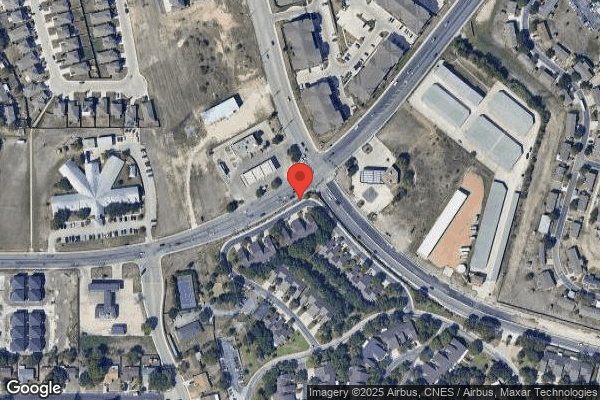
7400 CRESTWAY DR, SAN ANTONIO, TX 78239 (210) 646-5200
Non profit - Corporation 91 Beds Independent Data: November 2025
Trust Grade
85/100
#142 of 1168 in TX
Last Inspection: June 2025

Inspected within the last 6 months. Data reflects current conditions.

Overview

The Army Residence Community Health Care Center has received a Trust Grade of B+, which means it is recommended and performs above average compared to other facilities. It ranks #142 out of 1,168 nursing homes in Texas, placing it in the top half, and #5 out of 62 in Bexar County, indicating that only four other local options are better. The facility is improving, with a decrease in issues from 5 in 2024 to 3 in 2025. However, staffing is a concern, as it has a rating of 2 out of 5 stars and RN coverage is lower than 75% of Texas facilities, although it boasts a very low staff turnover of 0%, which is well below the state average. While there are no fines on record, there have been several concerning incidents, such as improper food handling and storage practices that could lead to foodborne illness, and care plans for some residents were not updated to reflect their current health conditions. Overall, the facility has strengths in staff retention and health inspections, but it needs to address its staffing and food safety practices to ensure resident well-being.

Trust Score
B+
85/100
In Texas
#142/1168
Top 12%
Safety Record
Low Risk
No red flags
Inspections
Getting Better
5 → 3 violations
Staff Stability
○ Average
Turnover data not reported for this facility.
Penalties
✓ Good
No fines on record. Clean compliance history, better than most Texas facilities.
Skilled Nurses
⚠ Watch
Each resident gets only 22 minutes of Registered Nurse (RN) attention daily — below average for Texas. Fewer RN minutes means fewer trained eyes watching for problems.
Violations
⚠ Watch
18 deficiencies on record. Higher than average. Multiple issues found across inspections.
★★★★★
5.0
Overall Rating
★★☆☆☆
2.0
Staff Levels
★★★★★
5.0
Care Quality
★★★★★
5.0
Inspection Score
Stable
2024: 5 issues
2025: 3 issues

The Good

  • 5-Star Quality Measures · Strong clinical quality outcomes
  • Full Sprinkler Coverage · Fire safety systems throughout facility
  • No fines on record

Facility shows strength in quality measures, fire safety.

The Bad

No Significant Concerns Identified

This facility shows no red flags. Among Texas's 100 nursing homes, only 0% achieve this.

The Ugly 18 deficiencies on record

Jun 2025 3 deficiencies
CONCERN (D)

Potential for Harm - no one hurt, but risky conditions existed

Incontinence Care (Tag F0690)

Could have caused harm · This affected 1 resident

**NOTE- TERMS IN BRACKETS HAVE BEEN EDITED TO PROTECT CONFIDENTIALITY** Based on observation, interview, and record review the facility failed to ensure a resident with an indwelling foley catheter re...

Read full inspector narrative →
**NOTE- TERMS IN BRACKETS HAVE BEEN EDITED TO PROTECT CONFIDENTIALITY** Based on observation, interview, and record review the facility failed to ensure a resident with an indwelling foley catheter received appropriate treatment and services to prevent urinary tract infections and to restore continence to the extent possible for 1 of 3 residents (Resident #16) reviewed for quality of care. Resident #16's foley catheter came apart from the drainage bag during incontinent care after being stretched and fell on the resident's bed. The nurse attempted to reconnect the same drainage bag and tubing to the indwelling foley catheter. These failures could result in pain, urinary tract infections, and urinary complications. The findings were: Record review of Resident #16's undated face sheet revealed the resident was a [AGE] year-old female admitted to the facility on [DATE]. The resident's diagnoses included flaccid neuropathic bladder (an underactive bladder doesn't contract enough leading to urinary retention or the inability to fully empty the bladder), muscle weakness, and other abnormalities of gait and mobility (abnormal walking pattern and the ability to move freely, coordination). Record review of Resident #16's admission MDS dated [DATE] revealed the resident's speech was clear, she was able to understand and make herself understood. The resident had a BIMS of 15 indicating she was cognitively intact. The resident used a manual wheelchair and a walker and was dependent on staff for perineal hygiene and for rolling left and right. The resident had an indwelling foley catheter and was frequently incontinent of bowel and the resident had no infections including urinary tract infections. Record review of Resident #16's undated care plan revealed a problem with a start date of 4/20/25 for the indwelling foley catheter for urinary retention. The goal was to manage catheter care appropriately to prevent infection or trauma. The interventions included to provide catheter care as scheduled and PRN, change the catheter bag per physician's order, keep the catheter system a closed system as much as possible , and to manipulate tubing as little as possible during care. And another problem with a start date of 4/20/25 for indwelling catheter for urinary retention and a failed voiding trial on 4/30/25 with a goal to show minimal signs of UTI's or complications with the catheter. Interventions included to change the foley catheter, tubing and bag per physician's order. Record review of Resident #16's consolidated physician orders dated 6/5/25 revealed an order with a start date of 5/14/25 to change the foley bag as indicated such as infection, obstruction, or when the closed system was compromised PRN. In an observation and interview on 6/4/25 at 2:00 p.m. of perineal and incontinent care for Resident #16 performed by RNA A and RNA B. RNA A and RNA B assisted the resident to turn on her left side towards RNA B with the foley bag still connected to the bed railing on the opposite side (right side of the bed) and it was stretched from the rail to the leg strap support on the resident's right thigh. The resident was assisted to turn even more which stretched the catheter drainage bag tubing tightly, and I brought staff's attention to the tubing being stretched from the bed rail to the resident's leg strap on her right thigh area to avoid injury to the resident. Before staff could correct the stretched tubing, it came apart from the foley catheter with a popping sound with the foley catheter still being attached to the leg band and the bag tubing end laying on the bed behind the resident. RNA A continued incontinent care and the back of his gloved hand touched the drainage tubing connection port that was laying on the bed. I stopped the staff from continuing incontinent care to address the foley catheter system and Resident #16 denied any pain, pulling, or discomfort to the indwelling foley catheter. The resident was assisted to turn on her back and RNA B went to notify the nurse while RNA A picked up and held the foley catheter before the Y area of the end of the catheter before the connection point and drainage tubing port just before the connection ending. The foley catheter remained strapped into the leg band on the residents right thigh. LVN C entered the room and took the end of the drainage bag tubing from RNA A and was about to connect the foley catheter back to the same drainage tubing and I intervened and stopped her from continuing to prevent injury to the resident. I asked her if she was going to connect the foley catheter back to the same drainage tubing and she stated yes, she was. I explained that the drainage tubing had been lying on the bed and had touched the back of RNA A's glove. LVN C stated she was not aware the tubing port had touched anything and would get a new foley drainage bag and tubing and did not connect the same drainage bag to the foley catheter. In an interview on 6/4/25 at 2:25 p.m. LVN C stated she did not know the tubing had touched any other surface and thought it was held the entire time by RNA A when she took it from him to reconnect it. LVN C stated if she had known it had touched another surface, she would have gotten a new foley bag and tubing immediately. LVN C stated she had been trained on foley catheter care. LVN C stated the possible consequences of not using a new foley catheter drainage bag and tubing could be the possibility of introducing bacteria and infection to the resident. In a joint interview on 6/4/25 at 2:50 p.m., RNA A and RNA B both stated they should have moved the foley drainage bag prior to turning the resident and they normally did but they were both really nervous being observed by the state surveyor and that was what made them forget to do it. RNA A and RNA B both stated they had never had a catheter come apart before and were so nervous they did not act immediately. RNA A and RNA B both stated they had been trained on perineal, incontinent, and catheter care. In an interview on 6/4/25 at 3:00 p.m. LVN C stated she had been trained on foley catheters and she should have replaced it immediately with a new foley drainage bag regardless of whether it touched anything or not. LVN C stated the possible risks or consequences of not replacing the drainage bag and tubing with a new one were exposing the resident to bacteria and possibly a UTI. In an observation and interview on 6/5/25 at 11:00 a.m. the DON stated both RNA A and RNA B were trained on perineal care, catheter care, and incontinent care and return demonstrated for their skills review and LVN C had been trained on foley catheter insertion and care. The trainings were provided and verified. RNA A and RNA B training and skills checklist was completed on 2/19/25. LVN C training and skills checklist was completed on 2/11/25. In an interview on 6/5/25 at 1:30 p.m. the DON stated the staff had been trained and were very good and stated they were very nervous. The DON stated the catheter drainage bag should have been moved from the side of the bed with the resident and replaced with a new one once the system was disconnected. The DON stated the possible consequences of connecting the same catheter drainage tubing was it was a risk for infection. The DON stated there was no policy specific to the catheter becoming disconnected and supplied the guidance used by the facility titled Catheter Care Do's and Dont's by AHRQ dated March 2017 which references the CDC, NHSN (National Healthcare Safety Network). Review of the guidance supplied by the facility titled Catheter Care Do's and Dont's by AHRQ dated March 2017 which references the CDC, NHSN (National Healthcare Safety Network) . Do keep the catheter system closed when using the urine collection or leg bags, Do replace catheters and urine collection bags that become disconnected.
CONCERN (D)

Potential for Harm - no one hurt, but risky conditions existed

Drug Regimen Review (Tag F0756)

Could have caused harm · This affected 1 resident

**NOTE- TERMS IN BRACKETS HAVE BEEN EDITED TO PROTECT CONFIDENTIALITY** Based on interview and record review the facility failed to ensure the attending physician documented in the resident's medical ...

Read full inspector narrative →
**NOTE- TERMS IN BRACKETS HAVE BEEN EDITED TO PROTECT CONFIDENTIALITY** Based on interview and record review the facility failed to ensure the attending physician documented in the resident's medical record that the identified drug irregularity had been reviewed and what, if any, action had been taken to address it. If there was to be no change in the medication, the attending physician should document his or her rationale in the resident's medical record for 1 of 1 Resident (Resident #18) whose psychotropic medications were reviewed. Resident #18's attending physician failed to address the pharmacist's recommendation to consider a gradual dose reduction. Resident #18 had been receiving Prozac (antidepressant) 20 mg everyday since 6/4/24. This deficient practice could contribute to Residents receiving a higher medication dose than necessary and result in adverse side effects. The findings were: Review of Resident #18's face sheet, undated, revealed she was admitted to the facility on [DATE] with diagnoses which included unspecified Dementia, Adjustment Disorder with Depressed Mood, Recurrent Depressive Disorders and Generalized Anxiety Disorder. Review of Resident #18's quarterly MDS assessment, dated 5/10/25, revealed her BIMS score was 3 of 15 reflective of severe cognitive impairment. It was noted Resident #18 received an antidepressant, a high risk drug. Review of Resident #18's Care Plan, dated 5/14/25, revealed she was receiving Psychotropic medications including an antidepressant medication. It was noted she had the potential for drug related complications, The targeted goal was that she remain free of drug related complications and receive the lowest therapeutic dose for control of symptoms through next review. One of the interventions was to consult with pharmacist and the MD was to consider dose reduction when clinically appropriate. Review of Resident #18's consolidated physician orders for June 2025 revealed she was receiving Prozac 20 mg everyday with the start date of 6/4/24. Review of Consultant Pharmacist review, dated 4/29/25, revealed Resident #18's MD was noted as the prescriber and the recommendation read This resident has been taking the antidepressant Prozac 20 mg po QD since 6/4/24. Please evaluate the current dose and consider a dose reduction. Further review revealed NP ? signed in lieu of Resident #18's MD. Review of Resident #18's MD progress notes from May 2025 to June 2025 did not reveal documentation which addressed the Consultant Pharmacist review, dated 4/29/25. Interview on 06/05/25 at 02:40 PM with the DON revealed psychotropic medications could have adverse side affects. She stated Resident #18 had been receiving Prozac since 6/4/24 and it was important the physician review and answer the Consultant Pharmacist recommendation, dated 4/29/25, related to a gradual dose reduction. The DON stated RN F was responsible for reviewing all Consultant Pharmacist reviews and ensure the MD received it for review for consideration of the Consultant Pharmacist's recommendation. The DON stated MD D should sign the Consultant Pharmacist's recommendation. She stated NP E, who signed the recommendation, worked for a psychiatric consulting agency and did not work under MD D. Interview with RN F on 06/05/25 at 4:15 PM revealed she was responsible for reviewing the Consultant Pharmacy reviews. She stated she would contact a Resident's MD, in this case, Resident #18's prescribing MD was MD D and would review the recommendations with the MD. The MD would either agree or disagree based on their conversation. She stated she did not remember exactly when she contacted MD D and did not document their discussion anywhere in Resident #18's clinical record. RN F also stated she did not send Resident #18's Consultant Pharmacist's review to MD D for review. RN F stated NP E who signed the Consultant Pharmacist's review, dated 4/29/25, worked for a psychiatric consulting agency and was not MD D's extender (a healthcare professional who performed essential functions in patient care). Review of facility policy, Tapering Medications and Gradual Drug Dose Reduction, undated, read in relevant part POLICY STATEMENT 1. After medications are ordered for a resident, the staff and practitioner shall seek an appropriate dose and duration for each medication that also minimizes the risk of adverse consequences. 2. All medications shall be considered for possible tapering. Tapering that is applicable for psychotropic medications are referred to as gradual dose reductions. 3. Resident who use psychotropic medications shall receive gradual dose reductions and behavioral interventions, unless clinically contraindicated to discontinue these drugs. POLICY INTERPRETATION AND IMPLEMENTATION 10. Residents who use psychotropic medications shall receive gradual dose reductions, unless clinically contraindicated, to discontinue the use of such drugs. Pertinent behavioral interventions will also be attempted. (Behavioral interventions refer to non-pharmacological attempts to influence an individual's behavior, including environmental alterations and staff approaches to care.) 11. Within the first year after a resident is admitted on a psychotropic medication or after the resident has been started on a psychotropic medication, the staff and practitioner shall attempt a GDR in two separate quarters (with at least one month between the attempts), unless clinically contraindicated.
CONCERN (D)

Potential for Harm - no one hurt, but risky conditions existed

Infection Control (Tag F0880)

Could have caused harm · This affected 1 resident

**NOTE- TERMS IN BRACKETS HAVE BEEN EDITED TO PROTECT CONFIDENTIALITY** Based on observation, interview, and record review the facility failed to maintain an infection prevention and control program d...

Read full inspector narrative →
**NOTE- TERMS IN BRACKETS HAVE BEEN EDITED TO PROTECT CONFIDENTIALITY** Based on observation, interview, and record review the facility failed to maintain an infection prevention and control program designed to provide a safe, sanitary, and comfortable environment and to help prevent the development and transmission of communicable diseases and infections for 1 of 4 residents (Resident #16), reviewed for infection control. Resident #16 was provided perineal and incontinent care with an indwelling foley catheter without the use of PPE. This failure could result in pain and infection. The findings were: Record review of Resident #16's undated face sheet revealed the resident was a [AGE] year-old female admitted to the facility on [DATE]. The resident's diagnoses included flaccid neuropathic bladder(an underactive bladder doesn't contract enough leading to urinary retention or the inability to fully empty the bladder), muscle weakness, and other abnormalities of gait and mobility (abnormal walking pattern and the ability to move freely, coordination). Record review of Resident #16's admission MDS dated [DATE] revealed the resident's speech was clear, she was able to understand and make herself understood. The resident had a BIMS of 15 indicating she was cognitively intact. The resident used a manual wheelchair and a walker and was dependent on staff for perineal hygiene and for rolling left and right. The resident had an indwelling foley catheter and was frequently incontinent of bowel and the resident had no infections including urinary tract infections. Record review of Resident #16's undated care plan revealed a problem with a start date of 4/20/25 for risk of infection related to the foley catheter and the goal was MDRO transmission will be contained with proper EBP practices. Interventions included to ensure proper use of gloves and gowns for all high-contact care activities, and foley care to be performed using EBP with 100% compliance. Record review of Resident #16's consolidated physician orders dated 6/5/25 revealed an order with a start date of 5/13/25 to maintain EBP during high-contact care activities (ie dressing, bathing/showering, transferring, providing hygiene, linen changes, pericare/changing briefs/toileting, wound care, and all indwelling devices care) every shift. In an observation on 6/4/25 at 2:00 p.m. of perineal and incontinent care for Resident #16. An EBP sign was on the wall under the room number and resident name. There was an EBP cart with supplies in the resident's bathroom next to the handwashing sink. RNA A and RNA B washed their hands and proceeded to perform perineal and incontinent care for Resident #16 without the use of a gown for EBP. LVN C entered the room to assist with the foley catheter and held the drainage tubing port in her right gloved hand without utilizing a gown for EBP. In an interview on 6/4/25 at 2:28 p.m. the ADON stated the EBP sign on the wall under the room number and resident's name was for Resident #16. In a joint interview on 6/4/25 at 2:50 p.m., RNA A and RNA B both stated they should have used the PPE and RNA B stated they washed their hands right next to the cart with PPE and they both stated they use the PPE every time they provide care for the resident and further stated they were really nervous and was why they did not utilize it. RNA A and RNA B both stated the possible risks or consequences of not wearing PPE was risk for bacteria or infection. In an interview on 6/4/25 at 3:00 p.m. LVN C stated she had been trained on foley catheters and she should have utilized the PPE. LVN C stated the possible risks or consequences of not wearing PPE were possibly exposing the resident to bacteria and possible UTI. In an interview on 6/5/25 at 1:30 p.m. the DON stated RNA A, RNA B, and LVN C should have worn PPE during perineal and catheter care. The DON stated the staff had been trained and stated they were very nervous. The DON stated the possible consequences of failing to wear PPE was a risk for infection. Review of guidance provided by the DON for EBP dated 3/29/24 indicated Enhanced Barrier Precautions include use of PPE for residents with chronic wounds or indwelling medical devices during high-contact resident care, regardless of their multidrug-resistant organism status . don the gown and gloves . changing briefs . and device care use of urinary catheter .
Jul 2024 2 deficiencies
CONCERN (D) 📢 Someone Reported This

A family member, employee, or ombudsman was alarmed enough to file a formal complaint

Potential for Harm - no one hurt, but risky conditions existed

Pharmacy Services (Tag F0755)

Could have caused harm · This affected 1 resident

**NOTE- TERMS IN BRACKETS HAVE BEEN EDITED TO PROTECT CONFIDENTIALITY** Based on interview and record review, the facility failed to provide pharmaceutical services (including procedures that assure t...

Read full inspector narrative →
**NOTE- TERMS IN BRACKETS HAVE BEEN EDITED TO PROTECT CONFIDENTIALITY** Based on interview and record review, the facility failed to provide pharmaceutical services (including procedures that assure the accurate administration of all drugs and biologicals) to meet the needs of each resident for 1 (Resident #5) of 7 residents reviewed for pharmacy services. Resident #5's March 2024 medication record reflected an order for Levaquin 500mg tab QD with a start date of 03/29/2024 9:00 a.m. and end date of 03/29/2024. The record reflected the medication was not administered on 03/29/2024. This deficient practice could affect residents who receive antibiotic mediations and could result in residents not receiving a therapeutic dose. The findings included: Record review of Resident #5's face sheet, undated, reflected Resident #5 was a [AGE] year-old female who admitted to the facility on [DATE] with diagnoses of osteoporosis (brittle and fragile bones), atrial fibrillation (a quivering, irregular heartbeat), and chronic respiratory failure (syndrome in which the respiratory system fails in one or both of its gas exchange functions: oxygenation and carbon dioxide elimination). Record review of Resident #5's admission MDS, dated [DATE], reflected Resident #5 had a BIMS score of 13, indicating no cognitive impairment. Record review of Resident #5's progress notes reflected an entry by LVN E, dated 03/28/2024 at 5:53p.m. The entry stated a UA result was sent to Resident #5's physician and the physician gave an order to start Levaquin 500mg PO QD x 7 days. The entry stated the initial dose was pulled from the medication safe. Record review of Resident #5's progress notes reflected an entry by LVN C, dated 03/28/2024 at 6:50p.m. The entry stated Resident #5 received the initial dose of Levaquin 500 mg for a UTI, Resident #5 tolerated it well and the medication would be continued for the next 7 days. Record review of Resident #5's March 2024 medication record reflected an order for Levaquin 500 mg tablet, one time only for UTI, start date 03/28/2024 at 6:00 p.m. and end date 03/29/2024. The medication is initialed as administered. Record review of Resident #5's March 2024 medication record reflected an order for Levaquin 500mg tab QD with a start date of 03/29/2024 9:00 a.m. and end date of 03/29/2024. The record reflected the medication was not administered on 03/29/2024. Record review of Resident #5's March 2024 medication record reflected an order for Levaquin 500mg tab QHS at hour of sleep for a UTI x 7 days with a start date of 03/30/24 at 9:00p.m. and end date of 04/03/2024. The record reflected the medication was administered daily. Record review of Resident #5's care plan reflected the absence of a care plan for a urinary tract infection and antibiotic medication. During an interview with LVN C, 07/24/2024 at 1:44p.m., LVN C stated she was the Charge Nurse responsible for giving Resident #5 medication on 03/29/2024. LVN C stated she did not give the medication to Resident #5 on 03/29/2024 at 9:00a.m. and said she thought someone else was going to change the order for the medication to be administered at 9:00p.m but could not recall all of the details. During an interview with LVN D, 07/24/2024 at 2:10p.m., LVN D stated she was responsible for reviewing laboratory results for the facility and notified Resident #5's physician of Resident #5's elevated white blood cell count and UA results on 03/28/2024 at 3:42pm. LVN D said the physician ordered Levaquin 500mg QD for 7 days. She stated she entered a one-time dose order for Levaquin for 03/28/2024 at 6:00p.m. so the initial dose would be pulled from the medication safe. LVN D stated she put in an additional order for the Levaquin to start on 03/29/2024 with an end date of 04/04/2024. LVD D stated when she was reviewing Resident #5's MAR on 03/30/2024 around 8:00 p.m., she noticed Resident #5's Levaquin had been discontinued on 03/29/2024. LVN D said she notified the DON and was told to reinstate the medication. LVN D said she wrote another order for Levaquin to be administered with a start date of 03/30/2024 at 9:00p.m. and an end date of 04/04/2024. LVN D stated she called and notified the charge nurse, and the medication was administered. Record review of Resident #5's medication audit log revealed LVN C modified Resident #5's Levaquin order on 03/29/2024 at 8:44a.m. and changed medication stop date from 04/04/2024 to 03/29/2024. During an interview with LVN C, 07/24/2024 at 3:15p.m., LVN C verified it was her name on the audit log that reflected LVN C changed the Levaquin order stop date at 8:44a.m. LVN C said, my only explanation could be that I was going to change the time to give the antibiotic to the evening and never put the order in. LVN C stated antibiotics are important when treating a UTI because the infection can get really bad and if they do not take all the doses, they could become antibiotic resistant. During an interview with Resident #5's physician, 07/25/2024 at 9:37a.m., the physician stated he did not give an order to discontinue the medication on 03/29/2024. The physician stated he was notified by the DON that Resident #5 missed a dose of the antibiotic and instructed the DON to continue the antibiotic. The physician stated it was important for an antibiotic to be given daily as prescribed for a resident with an infection but stated missing one dose of the medication would not cause harm to the resident. During an interview with the DON, 07/25/2024 at 11:50a.m., the DON stated she was informed on the missed antibiotic dose by LVN D on 03/30/2024 and notified the physician of the missed dose. The DON stated she thought the nurse was planning to change the order from 9:00a.m. to 9:00p.m. and never entered the order. The DON stated it was important to not miss a dose of the antibiotic because it needs to be a consistent treatment and we are to follow the physician orders. Record review of facility in-service, dated 03/18/2024, stated administering medications: the licensed nurse will follow medication administration guidelines, the licenses nurse/medication aide will ensure that all medications are given as scheduled. At the end of the shift the licensed nurse/medication aide will check using the missing medication tab to ensure all medications and treatments were given as scheduled. If there is medication missing a call to the physician will be made by the licensed nurse and seek physician guidance to see if medication can still be given. In addition, the in-service stated, The licensed nurse will notify the director of nurses of any missing doses, as soon as the nurse is aware. The in-service has 8 nurse signatures, including LVN C.
CONCERN (E) 📢 Someone Reported This

A family member, employee, or ombudsman was alarmed enough to file a formal complaint

Potential for Harm - no one hurt, but risky conditions existed

Comprehensive Care Plan (Tag F0656)

Could have caused harm · This affected multiple residents

**NOTE- TERMS IN BRACKETS HAVE BEEN EDITED TO PROTECT CONFIDENTIALITY** Based on interview and record review the facility failed to ensure that the comprehensive person-centered care plan described se...

Read full inspector narrative →
**NOTE- TERMS IN BRACKETS HAVE BEEN EDITED TO PROTECT CONFIDENTIALITY** Based on interview and record review the facility failed to ensure that the comprehensive person-centered care plan described services that are furnished to maintain the resident's highest practicable physical, mental, and psychosocial well-being for 3 of 4 residents (#5, #6 and #7) reviewed for care plans in that: 1. Resident #5's care plan, undated, did not indicate that Resident #5 had an urinary tract infection, onset date 03/28/2024, and was on an antibiotic, initiated 05/28/2024. 2. Resident #6's care plan, undated, did not indicate that Resident #6 had an upper respiratory infection, onset date 07/20/2024, and was on an antibiotic, initiated 07/20/2024, prior to 07/25/2024. 3. Resident #7's care plan, undated, did not indicate that Resident #7 had an upper respiratory infection, onset date 07/21/2024, and was on an antibiotic, initiated 07/21/2024, prior to 07/25/2024. This deficient practice could affect residents who were on antibiotics. The findings included: 1) Record review of Resident #5's face sheet, undated, reflected Resident #5 was a [AGE] year-old female who admitted to the facility on [DATE] with diagnoses of osteoporosis (brittle and fragile bones), atrial fibrillation (a quivering, irregular heartbeat), and chronic respiratory failure (syndrome in which the respiratory system fails in one or both of its gas exchange functions: oxygenation and carbon dioxide elimination). Record review of Resident #5's admission MDS, dated [DATE], reflected Resident #5 had a BIMS score of 13, indicating no cognitive impairment. Record review of Resident #5's progress notes reflected an entry by LVN E, dated 03/28/2024 at 5:53p.m. The entry stated a UA result was sent to Resident #5's physician and the physician ordered Levaquin 500mg PO QD x 7 days. Record review of Resident #5's care plan, undated, reflected the absence of a care plan for a urinary tract infection and antibiotic medication. During an interview with LVN D, 07/24/2024 at 2:10p.m., LVN D stated during the interview, Resident #5 had a UTI and received an order from Resident #5's physician for an antibiotic with a start date of 03/28/2024. 2. Record review of Resident #6's face sheet, undated, reflected Resident #6 was a [AGE] year-old male who originally admitted to the facility on [DATE]. Resident #6 admitted with diagnoses of a Parkinson's disease (a disorder of the nervous system that affects movement, often including tremors), type 2 diabetes (is a chronic condition that happens when you have persistently high blood sugar levels) and dementia (a general term for impaired ability to remember, think, or make decisions). Record review of Resident #6's admission MDS, dated [DATE], reflected Resident #6 had a BIMS score of 08, indicating moderate cognitive impairment. Record review of Resident#6's infection report, undated, reflected Resident #6 was diagnosed with an upper respiratory infection on 07/20/2024. Record review of Resident #6's July 2024 physician orders reflected an order for Levaquin 500mg tablet QD for infection. The order had a start date of 07/20/2024 and stop date of 07/27/2024. Record review of Resident #6's care plan reflected a care plan for an antibiotic for 7 days related to an infection with a care plan start date of 07/25/2024. During an interview with LVN C, 07/25/2024 at 8:35a.m., LVN C stated Resident #6 was on an antibiotic medication that was scheduled to be administered at 9:00p.m. daily until 07/27/2024. 3. Record review of Resident #7's face sheet reflected Resident #7 was an [AGE] year-old female who admitted to the facility on [DATE] with a diagnosis of multiple sclerosis (a potentially disabling disease of the brain and spinal cord), type 2 diabetes (is a chronic condition that happens when you have persistently high blood sugar levels), and hyperlipidemia (high fat levels in the blood). Record review of Resident #7's MDS, dated [DATE], reflected a BIMS score of 10 indicating moderate cognitive impairment. Record review of Resident#7's infection report, undated, reflected Resident #7 was diagnosed with an upper respiratory infection on 07/21/2024. Record review of Resident #7's July 2024 physician orders reflected an order for Levaquin 500mg QD x 7days, start date 07/21/2024 and stop date of 07/28/2024. Record review of Resident #7's care plan reflected a care plan for an antibiotic for 7 days related to an infection with a care plan start date of 07/25/2024. During an interview with the MDS Coordinator, 07/25/2024 at 10:04a.m., the MDS Coordinator stated the DON was responsible for care planning any resident infections and antibiotics. The MDS Coordinator stated she was told by the DON in March of 2023 that the DON would be doing the infection and antibiotic care plans. The MDS Coordinator stated the infection and antibiotic care plan would be included in a resident's comprehensive care plan and would be care planned at the time of the infection and antibiotic order. The MDS Coordinator stated the importance of updating a resident care plan at the time of the new infection or order was to have an accurate picture of the resident's condition and to inform staff of the medication and infection related to the resident's quality of care. During an interview with the DON, 07/25/2024 at 11:50a.m. who stated the MDS Coordinator was responsible for updating the resident care plan. The DON said the care plan should be updated at the time of a new infection or medication order and it would be added to a resident's comprehensive care plan. The DON stated updating a resident care plan timely was important because everyone needs to know there is a change in the plan of care and what they need to monitor. The DON further stated the care plan is what we do for the residents, the goals and risks for the resident based on our assessments. We provide resident care based on the care plan. During an interview with the MDS Coordinator, 07/25/2024 at 2:32p.m. stated Resident #5 did not have a care plan for an infection or antibiotic. The MDS Coordinator stated Resident #6 and Resident #7 had upper respiratory infections and stated she added their care plans for the infection and antibiotic after her previous interview, 07/25/2024 at 10;04a.m. and acknowledged by stating, Resident #6 and Resident #7 did not have a care plan prior to 07/25/2024. Record review of facility policy titled Care Plans, Comprehensive Person-Centered, dated 2001 and revision date December 2016) stated a comprehensive, person-centered care plan that includes measurable objectives and timetables to meet the resident's physical, psychosocial, and functional needs is developed and implemented for each resident. The policy also stated, The interdisciplinary team must review and update the care plan: a. when there has been a significant change in the residents condition.
Apr 2024 3 deficiencies
CONCERN (D) 📢 Someone Reported This

A family member, employee, or ombudsman was alarmed enough to file a formal complaint

Potential for Harm - no one hurt, but risky conditions existed

Report Alleged Abuse (Tag F0609)

Could have caused harm · This affected 1 resident

**NOTE- TERMS IN BRACKETS HAVE BEEN EDITED TO PROTECT CONFIDENTIALITY** Based on interview and record review the facility failed to ensure that all alleged violations involving abuse were reported imm...

Read full inspector narrative →
**NOTE- TERMS IN BRACKETS HAVE BEEN EDITED TO PROTECT CONFIDENTIALITY** Based on interview and record review the facility failed to ensure that all alleged violations involving abuse were reported immediately, but not later than 2 hours after the allegation was made, if the events that cause the allegation involve abuse to the administrator of the facility and to other officials (including to the State Survey Agency) for 1 of 8 Residents (Resident #25) whose records were reviewed for abuse. CNA D failed to immediately report a witnessed act of verbal abuse to the ADM, the abuse coordinator on 2/28/24. Instead CNA D told RN E the following day and then left a message for the facility HR. As a result, the ADM did not learn about the witnessed abuse until 3/8/24, 8 days after the incident. These deficient practices could affect any resident and contribute to continued and avoidable resident abuse. The findings were: Review of facility policy, Review of Facility Policy on Abuse and Neglect undated read: The philosophy and policy of [name of nursing facility] is to protect residents from any and all forms of abuse, neglect and misappropriation of property. Standard: The system will include but is not limited to: 4. Identification. Note: All concerns are to be brought to the Administrator immediately. Review of facility policy Abuse Investigations, undated, read: Purpose It is the purpose of the Abuse Investigations Policy to ensure that there is a systematic means in place for investigating all reports of resident abuse and related incidents. Responsibility Administrator Policy It is the policy of the Army Residence Community Health Care Center that all reports of resident abuse, neglect, mistreatment, and misappropriation of resident property will be promptly and thoroughly investigated by facility management. Review of Resident #25's face sheet, undated, revealed his original admission date to the facility was 10/4/23 with diagnoses including secondary Parkinsonism and Cognitive Communication Deficit. Review of Resident #25's quarterly MDS, dated [DATE], revealed his BIMS was severely impaired never/rarely made decisions. Review of Resident #25's Care Plan, dated 4/18/24, revealed Resident #25 required maximum assistance with all ADL's and that he used a Foley catheter for toileting. Review of Provider Investigation Report, dated 3/12/24 revealed CNA D left a Google text with the facility HR that RN F told Resident #25 to quit crying like a baby. CNA D stated she also reported the incident to RN E. RN E did not report the allegation of abuse to the ADM. HR reported the allegation of abuse to the ADM on 3/8/24. Review of a statement, dated 3/8/24, provided by CNA D revealed during care Resident #25 was holding his catheter and slowly started to pull it and yelled out very loudly. RN F stuck his head in the room, looked around but did not ask if CNA D needed any help. He closed the door and CNA D yelled out at RN F telling him Resident #25 would need a patch for his breakdown. CNA D stated RN F never replied and returned a few minutes later. RN F told Resident #25 why was he yelling like a baby three or four times. CNA D stated Resident #25 stayed quiet and so did. She because she was in shock. CNA D stated she told RN E about it the following evening on the 11 PM to 7 AM shift. RN E did not respond. CNA D stated she did not know who else to tell at the moment and was concerned that someone would retaliated against her. Interview on 04/24/24 at 12:56 PM with the facility HR revealed CNA D left a Google text for her and she did not answer the text right away. She commented, It must have been a missed call. HR stated her response to CNA D was delayed and did not call CNA D on the same date she left the text. Attempted to call RN F on 04/25/24 at 5:30 PM. Left a voicemail asking he return the call but he did not return the call. Interview on 04/25/24 at 2:20 PM with the ADM, DON and ADON revealed RN E never reported the incident. The DON and ADON stead they met with RN F and he basically denied the incident and stated he did not know what incident they were talking about. Interview on 04/25/24 at 2:42 PM with CNA D revealed she reiterated what she reported in her statement dated, 3/8/24. In addition, she stated her perception of the incident was that RN F was getting onto Resident #25 for yelling out and insulted Resident #25 by telling him to quit crying like a baby. CNA D stated she believed RN F was disrespectful and was putting Resident #25 down. She stated she understood that she should report the incident to the ADM and her number was available at the nurse's desk. However, she was reluctant because RN F was her immediate supervisor and RN E was related to RN F. Telephone interview on 04/26/24 at 9:21 AM with RN E revealed she denied that any staff approached her about an allegation of verbal abuse involving RN F and Resident #25. She denied knowing about it and stated had she had not been told about it or it would have required she report the allegation to the ADM right away. Attempted to call RN F on 04/26/24 at 9:30 AM. Left a voicemail asking he return the call but he did not return the call. Interview on 04/26/24 at 9:35 AM with the ADM revealed there were multiple failures in reporting the allegation of abuse: CNA D, RN E and HR did not report an allegation of abuse to her right away. She stated CNA D had worked at the facility for about 15 years and stated she was a reliable and a trustworthy staff member.
CONCERN (D) 📢 Someone Reported This

A family member, employee, or ombudsman was alarmed enough to file a formal complaint

Potential for Harm - no one hurt, but risky conditions existed

ADL Care (Tag F0677)

Could have caused harm · This affected 1 resident

**NOTE- TERMS IN BRACKETS HAVE BEEN EDITED TO PROTECT CONFIDENTIALITY** Based on observation, interview and record review the facility failed to ensure that a resident who was unable to carry out acti...

Read full inspector narrative →
**NOTE- TERMS IN BRACKETS HAVE BEEN EDITED TO PROTECT CONFIDENTIALITY** Based on observation, interview and record review the facility failed to ensure that a resident who was unable to carry out activities of daily living received the necessary services to maintain good personal hygiene for 1 of 8 Residents (Resident #25) who whose records were reviewed for hygiene. Nursing staff failed to ensure Resident #25 received a bed bath for five days, from 4/19/24 to 4/24/24. This deficient practice could affect any resident who required assistance with showers/bed baths and could result in poor hygiene. The findings were: Review of Resident #25's face sheet, undated, revealed his original admission date to the facility was 10/4/23 with diagnoses including secondary Parkinsonism (nervous system disorder due to reduced levels of dopamin) and Cognitive Communication Deficit. Review of Resident #25's quarterly MDS, dated [DATE], revealed his BIMS was severely impaired never/rarely made decisions and he was dependent for all activities of daily living including baths. Review of Resident #25's Care Plan, dated 4/18/24, revealed Resident #25 required maximum assistance with bathing by 1 staff. Review of Resident #25's monthly shower sheet for April 2024 revealed his last bed bath was provided on 4/19/24. A CNA initialed Resident #25 was provided a bed bath and LVN C did not sign to confirm Resident #25 had received a bed bath. Review of Resident #25's nurse's notes did not reveal documentation stating he refused a bed bath on 4/22/24 or on 4/24/24. Observation and interview on 04/24/24 02:55 PM revealed Resident #25 was lying in bed with the head of bed elevated to about 30 degrees. Attempted interview with Resident #25 revealed he was not understandable. Further observation revealed Resident #25's hair was tangled and matted on the top of his head. Interview on 04/24/24 at 2:58 PM with Resident #25's caregiver revealed staff provided Resident #25 with a bed bath on Monday, Wednesday and Friday's, during the morning. Caregiver A stated staff washed his hair. Caregiver A stated he worked Monday through Friday from 8:00 AM to 8:00 PM and Resident #25 did not get bathed this morning, 04/24/24. Interview on 04/24/24 at 03:00 PM with CNA B revealed he did not shower Resident on Monday, 4/22/24 or on this date, 04/24/24. He stated he had worked all week from 7:00 AM to 3:00 PM. CNA B stated today was hectic and he had 2 Residents who had very large bowel movements and he spent a lot of time with them. He stated he did not have time to shower Resident #25. CNA B stated he should let the charge nurse know he did not get to shower Resident #25 on his scheduled shower days. CNA B stated they had started giving Resident #25 bed baths instead of showers. Upon review of Resident #25's shower schedule and log for April 2024, CNA B confirmed Resident #25 was scheduled for a bed bath on Monday, Wednesday and Fridays. CNA B stated Resident #25's last bed bath was provided on 4/19/24. CNA B stated he did not tell charge nurse, LVN C, about not bathing Resident #25 on 4/22/24 and on 4/24/24 Interview on 04/24/24 at 03:05 PM with LVN C revealed she did not know Resident #25 had not received a bed bath on Monday, 4/22/24 or on this date, 4/24/24 according to his shower schedule. Upon review it was noted LVN C signed on most days Resident #25 received a bed bath. She did not sign off on 4/22/24 or on date 4/24/24. LVN C stated she would get second shift to bathe Resident #25. Interview on 04/25/24 at 09:45 AM with LVN C revealed CNAs were expected to try to talk the residents into a shower or bed bath at least a couple of times before they told her the resident had refused. She stated the CNA would initial when a resident was provided a shower/bed bath or write in refused on their scheduled day for a shower/bed bath. She stated Resident #25 would refuse bed baths at times, but the aides should document when he refused a bed bath and let her know. She stated last Friday, 4/19/24, Resident #25 received 1/2 bed bath because he became agitated. On Monday, 4/22/24, he refused a bed bath for her; after she found out Resident #25 refused a bed bath. LVN C stated yesterday was kind of a crazy morning but she had the 2nd shift CNA bathe Resident #25. She stated she was not good about documenting and didn't think she documented Resident #25 refused his bed bath on Monday, 4/22/24. Interview on 04/25/24 at 2:30 PM with the ADON revealed he provided multiple policies about activities of daily living. However, upon review the policies did not address staff providing care for residents who required assistance.
CONCERN (F) 📢 Someone Reported This

A family member, employee, or ombudsman was alarmed enough to file a formal complaint

Potential for Harm - no one hurt, but risky conditions existed

Food Safety (Tag F0812)

Could have caused harm · This affected most or all residents

Based on observation, interview and record review the facility failed to store, prepare, distribute and serve food in accordance with professional standards for food service safety in 2 of 2 kitchens ...

Read full inspector narrative →
Based on observation, interview and record review the facility failed to store, prepare, distribute and serve food in accordance with professional standards for food service safety in 2 of 2 kitchens Satelite Kitchen and Main Kitchen) reviewed for sanitation. 1. The freezer in the satellite kitchen did not have a thermometer inside of it. 2. Multiple sheet pans were stacked on a shelf underneath the microwave while wet. 3. The DM and DA put their hands on the surface of the sheet pans to check if wet. DA dried the wet sheet pans with a cloth towel and stacked the sheet pans back on the shelf under the microwave. 4. Three Dietary Staff in the main kitchen and one DW in the satellite kitchen did not have a beard restraint on while in the kitchen. The Dietary Service Director (DSD) had a mask on and it did not cover his facial hair along the jaw line. 5. A pot of rue was left on the stove for about 15 minutes and it was not covered. 6. There were 3 round trash barrels and 2 rectangular trash cans in the main kitchen. They did not have a lid. These deficient practices could affect all residents who received food from the kitchen and could contribute to foodborne illnesses and the spread of diseases. The findings were: Observation and interview on 04/23/24 at 9:21 AM during a brief tour of the satellite kitchen revealed there was not a thermostat inside the freezer. Interview with the DM revealed there was not a thermostat in the freezer but there should be one. Observation on 04/23/24 at 9:40 AM revealed the DM pulling out multiple sheet pans from the shelf underneath the microwave. There were multiple sheet pans that were wet; there was water dripping down the sheet pans as the DM turned them over. Further observation revealed the DM and DA touching the inside surface for multiple sheet pans with their bare hands; checking if they were wet. DA proceeded to get a cloth towel and dried the wet sheet pans with the cloth towel. The DM and DA did not wash their hands before or after handling the dish pans with their bare hands. Interview on 04/23/24 at 9:42 AM with the DM and DA G revealed the DM washed her hands before the Surveyor walked into the kitchen but did not wash her hands at any other point. DA G stated she washed her hands after handling the sheet pans and then put on a clean pair of gloves before drying the sheet pans. DA G further stated she would regularly towel dry the sheet pans when wet. Observation and interview on 04/23/24 at 9:50 AM in the main kitchen revealed 4 round trash barrels and 2 rectangular trash cans without a lid. Interview with Chef H revealed all trash barrels should have a lid on them to avoid attracting insects and rodents. Observation and interview 04/23/24 at 9:55 AM revealed the DSD wearing a surgical mask. He had a full facial beard. The hair on the sides of his face around the jaw line were not covered. He stated he was wearing the beard restraint underneath the face mask earlier but took it off and then walked back into the kitchen. Observation and interview on 04/23/24 at 9:50 AM at 9:10 AM revealed a pot on the stove. It was not covered. Chef I stated it was rue which they used for thickening soups and it had been sitting out about 15 minutes. Chef I stated they would be using it for the lunch. Interview on 04/23/24 at 10 AM with the Dietician revealed all kitchen equipment in the main kitchen was shared with the satellite kitchen affecting all residents in the facility. Observation and interview on 04/23/24 at 10:15 AM revealed [NAME] J walked into the kitchen. He had a mustache and did not have a beard restraint on. Interview with [NAME] J revealed he didn't have a beard restraint on but stated he would put one on. Interview on 04/23/24 at 10:20 AM with the DSD stated [NAME] J should have a beard restraint on covering his mustache before walking into the kitchen to prevent from hair falling into the food. Interview on 04/23/24 at 10:30 AM with the Dietician revealed it was standard practice to ensure staff wore beard/facial restraints before walking into the kitchen to prevent hair falling into the food which would contaminate it. Observation and interview on 04/25/24 at 11:10 AM revealed the DW in the satellite kitchen had facial hair and had a beard restraint pulled under his chin. Interview with the DW revealed he had stepped out of the kitchen and forgot to put it back on. He stated he should have it on while in the kitchen. Interview with the DS K on 04/25/24 at 11:20 AM revealed she did not notice the DW did not have a beard restraint on. She stated she would reinforce the use of a hair restrain or beard restraint anytime she saw a staff member walk into the kitchen without one on. DS K stated she was focused on prepping for lunch. Interview on 04/24/24 at 1:10 PM with the DM revealed hair and beard restraints were used to ensure hair did not fall into the food. She stated it could contaminate the food and make the residents sick. She stated she talked to the dietary staff who said they had put a thermostat in the freezer. She stated there was not a thermostat in the freezer and there should have been one. The purpose was to make sure they had a second reading in the event the digital thermostat located outside the freezer was not working. The goal was to ensure the food was maintained at 41 degrees or under. The DM confirmed some of the sheet pans were wet and confirmed both she and the DA G touched the inside of some of the pans to feel if they were wet. She stated DA G dried the pans with a clean cloth towel but they typically air dried all dishes, pots and pans. The DM stated they had their linens laundered and they received them back in a sealed plastic bag. Each bag had multiple towels in it and staff pulled them from the bag as needed. Review of a facility policy, Uniform Dress Code revised 1/24, read: Personal cleanliness and a neat appearance are essential for the food service worker. Associates Working with Food, Wear the approved hair restraint when on duty regardless of length or presence of hair. Restrain all facial hair with a beard net/restraint. Review of facility policy, Sanitation and Infection Prevention/Control, revised 1/23 read Pots, dishes, and flatware are stored in such a way as to prevent contamination by splash, dust, pests, or other means. Air dry all food contact surfaces including pots, dishes, flatware, and utensils before storage, or store in a self-draining position. Do not stack or store when wet. Wash hands before touching clean flatware.
Mar 2023 10 deficiencies
CONCERN (D)

Potential for Harm - no one hurt, but risky conditions existed

Resident Rights (Tag F0550)

Could have caused harm · This affected 1 resident

**NOTE- TERMS IN BRACKETS HAVE BEEN EDITED TO PROTECT CONFIDENTIALITY** Based on observation, interview, and record review the facility failed to treat each resident with dignity and respect in a mann...

Read full inspector narrative →
**NOTE- TERMS IN BRACKETS HAVE BEEN EDITED TO PROTECT CONFIDENTIALITY** Based on observation, interview, and record review the facility failed to treat each resident with dignity and respect in a manner and environment that enhances his and her quality of life for 1 of 13 residents (Resident #22) reviewed for, in that: CNA E referred to Resident #22's brief as a, diaper. This deficient practice could affect residents at the facility who receive assistance with incontinent care and could place them at-risk for diminished quality of life, loss of dignity and low self-esteem. The findings were: Record review of Resident #22's face sheet, dated 03/03/2023, revealed an initial admission date of 11/05/2014 and a readmission date of 04/14/2020 with diagnoses that included generalized muscle weakness and unspecified pain in hip. Record review of Resident #22's MDS, a Quarterly assessment dated [DATE], revealed under Section C her BIMS (Brief Interview for Mental Status) score was 14 out of 15, which indicated her cognition was intact. Review of Section G functional status revealed the resident required extensive assistance and 1 person assist with toileting. Review of Section H urinary continence and bowel continence showed the resident was always incontinent. Record review of Resident #22's care plan, dated 02/26/2022, revealed a category for incontinence for urinary and bowel with a goal to maintain resident #22's dignity during episodes of incontinence and incontinent care by checking every 2 hours and providing care as needed, perineal cleansing and apply protective skin barrier after each incontinent episode, provide adult incontinent products and monitor for incontinence every 2 hours, assess and report signs of impaired skin integrity or breakdown, and encourage to turn and reposition as tolerated. During an observation on 03/02/2023 at 4:07 p.m. CNA E was providing incontinent care for Resident #22. CNA E stated to Resident #22, I am going to take off your diaper. During an interview on 03/02/2023 at 4:22 p.m. CNA E stated it believed it was acceptable to call a brief underwear or a diaper. CNA E stated she was not aware of any issues with using the word diaper and had not been trained to use alternative words. During an interview on 03/02/2023 the ADON stated staff were verbally trained staff not to use words such as, honey, and, diaper, because it was a dignity issue. The ADON stated the facility did not have a policy that listed prohibited words. The ADON stated they had trained staff not to use the word, diaper, specifically and some residents did correct stated and say it was a diaper. The ADON stated for him personally he would not want someone to use the word diaper, he would prefer them say brief or depends. Record review of Facility's policy titled, Dignity, dated 02/2021, revealed, policy statement: each resident shall be cared for in a manner that promotes and enhances his or her sense of well-being, level of satisfaction with life, and feelings of self-worth and self-esteem. 1. Residents are treated with dignity and respect at all times .8. Staff speak respectfully to residents at all times, including addressing the resident by his or her name of choice and not labeling more referring to the resident by his or her room number, diagnosis, or care needs.
CONCERN (D)

Potential for Harm - no one hurt, but risky conditions existed

Deficiency F0578 (Tag F0578)

Could have caused harm · This affected 1 resident

**NOTE- TERMS IN BRACKETS HAVE BEEN EDITED TO PROTECT CONFIDENTIALITY** Based on interview and record review, the facility failed to ensure residents have the right to formulate an advance directive f...

Read full inspector narrative →
**NOTE- TERMS IN BRACKETS HAVE BEEN EDITED TO PROTECT CONFIDENTIALITY** Based on interview and record review, the facility failed to ensure residents have the right to formulate an advance directive for 1 of 13 residents (Resident #9) reviewed for advanced directives, in that: Resident #9's OOHDNR order did not contain a printed physicians name, the physician's license number, and date which made the advance directive invalid. This deficient practice could place residents at risk of not having their wishes known, which could affect whether they receive emergency medical treatment. Findings included: Record review of Resident #9's admission record, dated 03/03/23, reveled an original admission date of 09/09/21, and a current admission date of 08/01/2022, with diagnoses of fracture (broken bone) and muscle weakness. Record review of Resident #9's quarterly MDS, dated [DATE], revealed the resident had intact cognition. Record review of Resident #9's order summary, dated 03/03/23, revealed an order for DNR with an order date of 12/24/22 and no end date. Review of Resident #9's clinical record revealed an OOHDNR form contained resident and witness signatures. The form was blank in the section requiring a Physician signature and did not contain the Physician's printed name or license number. During an interview on 03/03/23 at 5:02 p.m. the Social Worker stated she was responsible for ensuring the residents DNRs were filled out correctly. The Social Worker stated she had corrected Resident #9's OOHDNR and showed this surveyor a new copy dated 03/03/23 correctly filled out. During an interview on 03/03/23 at 2:10 p.m. the DON stated Resident #9's OOHDNR if EMS came, they would not take the DNR. The DON stated they would need to fix the DNR. The DON stated she did not review the DNRs before but would start doing this to be sure they were filled out correctly. During an interview on 03/03/23 at 6:54 PM the Administrator stated the Social Worker was responsible for the DNR paperwork. The Administrator stated the Social Worker had the discussions with the resident and their families and coordinated filling out the DNRs. The Administrator stated if the DNR was not filled out correctly for whatever reason then the DNR was not valid. The Administrator stated Resident #9's DNR needed to be corrected. Record review of the facility's policy titled, Do Not Resuscitate Order, dated 03/2021, revealed, Policy Statement: Are facility will not use cardiopulmonary resuscitation and related from emergency measures to maintain life functions on a resident when there is a do not resuscitate order in effect .2. A do not resuscitate (DNR) order form must be completed and signed by the attending physician and resident (or residence legal surrogate, as permitted by state law) and placed in the front of the residence medical record. A. use only state approved DNR forms .
CONCERN (D)

Potential for Harm - no one hurt, but risky conditions existed

Report Alleged Abuse (Tag F0609)

Could have caused harm · This affected 1 resident

Based on observation, interview, and record review the facility failed to ensure that all alleged violations involving misappropriation of resident property, are reported immediately, but not later th...

Read full inspector narrative →
Based on observation, interview, and record review the facility failed to ensure that all alleged violations involving misappropriation of resident property, are reported immediately, but not later than 24 hours after the allegation is made for 1 of 1 resident (Resident #23) reviewed for, reporting allegations of misappropriation of property, in that: The facility failed to report an incident to the State Survey Agency (HHSC), when Resident #23 reported a pair of earrings missing on 12/16/2022. This failure could place the residents at risk for unreported allegations of abuse, neglect, and injuries of unknown origin and misappropriation of resident property. The findings were: Record Review of a facility Concern Worksheet, completed by the Social Worker, revealed Resident #23 reported a pair of earrings missing with a value of $300.00 on 12/16/2022. During an interview on 3/03/2023 at 4:30 p.m. the Social Worker stated the Resident lost some earrings in Resident #23's room, the resident nor the family wanted to report the earrings missing to anyone outside the facility. The Social Worker further stated the family drove to the facility from out of town, to assist the resident in searching for the missing earrings, however the earrings were not found. During an interview on 3/03/2023 at 6:36 p.m. the Administrator stated Resident #23 did not want the facility to, report the incident to the state, and the resident did not consider the earrings to be of significant value; therefore, the facility did not report the missing property to the police or HHSC. Review of the records in the state on-line self-reporting website on 3/02/2023 revealed no record of a facility reported incident regarding Resident #23's missing earrings to the State Survey Agency within Texas, Health and Human Services Commission. Record review of the facility's policy titled, Abuse Investigations, undated, revealed, Purpose: It is the purpose of the Abuse Investigations Policy to ensure that there is a systematic means in place for investigating all reports of resident abuse and related incidents. Policy: It is the policy of [Facility Name] that all reports of resident abuse, neglect, mistreatment, and misappropriation of resident property will be promptly and thoroughly investigated by facility management. Should the investigation reveal that abuse occurred, the Administrator will report such findings to the local police department, the state licensing agency or other as may be required by state of local laws.
CONCERN (D)

Potential for Harm - no one hurt, but risky conditions existed

Incontinence Care (Tag F0690)

Could have caused harm · This affected 1 resident

**NOTE- TERMS IN BRACKETS HAVE BEEN EDITED TO PROTECT CONFIDENTIALITY** Based on observation, interview, and record review, the facility failed to ensure each resident who was incontinent of bowel/bla...

Read full inspector narrative →
**NOTE- TERMS IN BRACKETS HAVE BEEN EDITED TO PROTECT CONFIDENTIALITY** Based on observation, interview, and record review, the facility failed to ensure each resident who was incontinent of bowel/bladder received appropriate treatment and services to prevent urinary tract infections for 1 of 2 residents (Resident #22) reviewed for incontinent care, in that: CNA E did not use proper technique when providing incontinent care for Resident #22. This deficient practice could place residents at risk for infection and skin break down due to improper care practices. The findings were: Record review of Resident #22's face sheet, dated 03/03/2023, revealed an initial admission date of 11/05/2014 and a readmission date of 04/14/2020 with diagnoses that included generalized muscle weakness and unspecified pain in hip. Record review of Resident #22's MDS, a Quarterly assessment dated [DATE], revealed under Section C her BIMS (Brief Interview for Mental Status) score was 14 out of 15, which indicated her cognition was intact. Review of Section G functional status revealed the resident required extensive assistance and 1 person assist with toileting. Review of Section H urinary continence and bowel continence showed the resident was always incontinent. Record review of Resident #22's care plan, dated 02/26/2022, revealed a category for incontinence for urinary and bowel with a goal to maintain resident #22's dignity during episodes of incontinence and incontinent care by checking every 2 hours and providing care as needed, perineal cleansing and apply protective skin barrier after each incontinent episode, provide adult incontinent products and monitor for incontinence every 2 hours, assess and report signs of impaired skin integrity or breakdown, and encourage to turn and reposition as tolerated. During an observation on 03/02/2023 at 4:07 p.m. CNA E provided incontinent care for Resident #22. CNA E washed his hands and explained the care he would be providing to Resident #22. CNA E cleansed Resident #22's anterior (front) perineal area and between the vaginal labia wiping front to back direction. CNA E then cleaned the posterior (back) perineal and buttocks area wiping from back to front direction stopping at the perineum (area between the vaginal opening and anus) area each time. During an interview on 03/02/2023 CNA E stated he wiped Resident #23 in a down and out direction. CNA E stated staff were trained this was acceptable as long as they turned in an outward direction before they got all the way to the front vaginal area. During an interview on 03/02/2023 at 4:32 p.m. with the DON and ADON stated staff were trained to wipe from front to back on a female. The DON and ADON stated there were no area staff should be wiping in a back to front direction during incontinent care, it should always be an front to back direction. The DON and ADON stated the risk to the resident would be an infection. Record review of document titled Skills Checklist- Peri Cre, no date, stated .Female peri care: wash perineal area of female from front to back, opening labia to cleanse. Use a new wipe with each contact with skin, wipe from outer side to side closer to the attendant. (At least three wipes to clean perineal area.) Record review of facility provided CNA E skills check off list did not contain a check off list for Peri Care. Record review of facility's policy tiled Urinary Continence and incontinence- Assessment and Management, dated 08/2022, stated Policy statement: 1. The staff and practitioner will appropriately screen for, and manage, individuals with urinary incontinence. 2. Management of incontinent will follow relevant clinical guidelines. 3. The physician and staff will provide appropriate services and treatment to help residents restore or improve bladder function and prevent urinary tract infections to the extent possible .
CONCERN (D)

Potential for Harm - no one hurt, but risky conditions existed

Deficiency F0849 (Tag F0849)

Could have caused harm · This affected 1 resident

**NOTE- TERMS IN BRACKETS HAVE BEEN EDITED TO PROTECT CONFIDENTIALITY** Based on interview and record review, the facility failed to collaborate with hospice representatives and coordinate the hospice...

Read full inspector narrative →
**NOTE- TERMS IN BRACKETS HAVE BEEN EDITED TO PROTECT CONFIDENTIALITY** Based on interview and record review, the facility failed to collaborate with hospice representatives and coordinate the hospice care planning process for each resident receiving hospice services, to ensure quality of care for the resident, ensuring communication with the hospice medical director, the resident's attending physician, and others participating in the provision of care for 2 of 2 (Residents #30 and #17) reviewed for hospice services, in that: 1. The facility did not have Resident #30's hospice election form and the physician certification of terminal illness from the Resident's hospice provider. 2. The facility did not have Resident #17's hospice election form and the physician certification of terminal illness from the Resident's hospice provider. These failures could place the resident who received hospice services at-risk of receiving inadequate end-of-life care due to a lack of documentation, coordination of care and communication of resident needs. The findings were: 1. Record review of Resident #30's face sheet, dated 02/28/2023, revealed and original and current admission date of 04/17/2020 and revealed the following diagnoses: Unspecified Dementia without behavioral disturbance, hypothyroidism, Senile Degeneration of the Brain, Essential Hypertension, and Other Depressive Episodes. Record review of Resident #30's quarterly MDS, dated [DATE], indicated the resident was receiving hospice services, however did not contain HHSC Form 2189 (Nursing Facility Palliative Care) or a HHSC Form 3074 (Physician's Certification of Terminal Illness). Record review of Resident #30's most recent care plan indicated the resident had a terminal prognosis related to Dementia with a start date for hospice services of 10/13/2022. Record review of Resident #30's physician orders, dated 3/01/2023, revealed a physician's order for hospice services on 9/05/2022 with an additional date of 5/28/2020 indicating a need to contact hospice services for, concerns and changes in condition. 2. Record review of Resident #17's face sheet dated 2/28/2023, revealed the resident was initially admitted on [DATE] with a most recent admission date of 11/29/2018 and included the following diagnoses: senile degeneration of the brain, age related physical debility and adult failure to thrive. Record review of Resident #17's quarterly MDS, dated [DATE], revealed the resident was receiving hospice services, however did not contain HHSC Form 2189 (Nursing Palliative Care), the last HHSC Form 3074, (Physician's Certification of Terminal Illness) was completed certification, 12/02/2018, with no recertification date indicated on the provided form. Record review of Resident #17's most recent care plan indicated the resident had a terminal prognosis related to senile dementia with a start date for hospice services on 3/14/2019. Record review of Resident #17's physician orders dated 3/01/2023, revealed the resident was admitted to hospice for senile dementia of the brain with a start date of 9/05/2022. During an interview with the ADON on 03/03/2023 at 3:06 p.m., the ADON stated the facility was not able to locate any completed, hospice forms, for Resident #30, prior to the surveyor inquiring about the documents, including the hospice election form and the physician certification of terminal illness, in addition to the hospice care plan. The ADON further stated there were no, hospice state forms, for Resident #17 in the current electronic medical record, he went on to explain he believed they may be in another portion of the chart, which financial services controlled, however was unable to locate those forms prior to the survey team exit. The ADON further stated the Social Worker was responsible for ensuring any forms needed for hospice services. During an interview with the Social Worker on 3/03/2023 at 4:11 p.m., the Social Worker stated, I have nothing to do with hospice forms at the facility. During an interview with the Administrator on 3/03/2023 at 6:40 p.m., the Administrator stated the facility did not have to complete the state hospice election form or the physician's certification of terminal illness form because the facility did not accept residents whose payer source was Medicaid. The facility's hospice policy was requested prior to exit, however it was not provided prior to exit.
CONCERN (E)

Potential for Harm - no one hurt, but risky conditions existed

Deficiency F0565 (Tag F0565)

Could have caused harm · This affected multiple residents

Based on interview, and record review, the facility failed to ensure residents had a right to organize and participate in resident groups in the facility for 3 of 51 residents (Residents #9, #18, and ...

Read full inspector narrative →
Based on interview, and record review, the facility failed to ensure residents had a right to organize and participate in resident groups in the facility for 3 of 51 residents (Residents #9, #18, and #37) reviewed for resident groups, in that: The facility failed to organize and allow Residents #9, #18, and #37 to participate in monthly resident council groups. This failure could place residents who reside at the facility at risk of not being feeling comfortable voicing concerns. Findings included: Record review of Resident Council Meetings, presented to the survey team by the Administrator, for a 12 month period, from February 2022 to February 2023, revealed attendees of the offered Resident Council meetings were attended by residents whom did not reside in the long term care facility exclusively and also included residents from an assisted living facility. Record review further revealed there were no Resident Council Meetings for either facility for a 3 month period (October, November, and December 2022) during the year preceeding the survey. During an interview with the Administrator on 03/01/2023 at 9:29 a.m., the Administrator stated the facility's resident council meeting was held monthly and combined with their sister facility, an assited living facility on the same campus, in their building. During an interview on 03/01/2023 at 2:07 p.m., located in an identified location by the facility Administrator as the most confidential setting available in the facility that was not completely behind closed doors, Residents #9, #18, and #37 stated they would like additional information about their current placement independent of the assisted living facility or other communities affiliated. Resident #9 stated she had previously lived at the assisted living facility, but it was very different from her current placement. During an interview on 3/03/2023 at 5:28 p.m., Activity Director H stated there were no resident council meetings held for either the assisted living facility or the long-term care facility during October 2022, November 2022, or December 2022, due to a shortage of staff. During an interview on 3/03/2023 at 6:56 p.m., the Administrator stated there were no resident council meetings for 3 months, for either facility, due to a staff members being on leave. The Administrator further stated the nursing facility did not have a resident council meeting that was independent of the assisted living facility's resident council meeting due to a lack of space and staffing. The Administrator stated all resident council meetings were held at the assisted living facility. During an interview with the the Administrator on 03/03/2023 at 6:56 p.m., the Administrator stated, the two facilities [the nursing facilty and the assisted living facility] have always had a joint resident council. Record revealed there was no facility policy regarding Resident Council provided by the facility.
CONCERN (E)

Potential for Harm - no one hurt, but risky conditions existed

Deficiency F0583 (Tag F0583)

Could have caused harm · This affected multiple residents

**NOTE- TERMS IN BRACKETS HAVE BEEN EDITED TO PROTECT CONFIDENTIALITY** Based on observations, interview, and record review the facility failed to maintain the residents right to confidentiality in hi...

Read full inspector narrative →
**NOTE- TERMS IN BRACKETS HAVE BEEN EDITED TO PROTECT CONFIDENTIALITY** Based on observations, interview, and record review the facility failed to maintain the residents right to confidentiality in his or her personal and medical records for 7 (Resident #19, #22, #26, #31, #36, #37, #48) of 7 residents in that: The facility failed to ensure a code status binder that included residents out-of-hospital do-not-resuscitate forms and face sheets were in a secure location. These failures could affect residents who reside at the facility and place them at risk of having personal and medical information accessible to the public. The findings included: Observation on [DATE] at 12:55 PM in the resident dining room revealed there was a binder labeled Code Status sitting below the daily menu board. When the binder was opened, the completed out-of-hospital do-not-resuscitate forms for residents, and resident face sheets were observed. In an interview on [DATE] at 1:00 PM, Dietary Manager stated the code status binder always sat on an entry table below the daily menu. The dietary manager stated the social worker was responsible for the binder. In an observation and interview on [DATE] at 1:03 PM, with the Social Worker the code status binder was no longer on the table in the dining room. The social worker stated she was responsible for the binder. When asked the reason for the code status binder being in the dining room, the social worker responded that it was in there in case of an emergency in the dining room. Record review on [DATE] at 9:45 AM of code status binder obtained from dining room held the following resident's out-of-hospital do-not-resuscitate form: Resident #19, Resident #22, Resident #26, Resident #31, Resident #37, Resident #48. Record review on [DATE] at 9:45 AM of code status binder obtained from dining room held complete face sheets for residents Resident #48 and Resident #36. Further review of Resident #48's face sheet in the Code Status binder revealed his face sheet contained the residents full name, social security number, date of birth , Medicare beneficiary identification number, as well as the resident's diagnosis. Further review of Resident #36's face sheet inside of the code status binder also revealed their full name, social security number, date of birth and their Medicare beneficiary identification number. In an interview and record review on [DATE] at 4:11 PM, th e Facility's Social Worker stated there were a total of three code status binders, one in the dining room, one in A wing behind the nurse's station, and one in B wing on top of the crash cart. SW stated that the code status book was kept in the dining room on the table as you walk in and is not locked up in the event of an emergency for the convenience of getting it immediately. The SW stated that family members eat in the dining room, and anyone is free to go into the dining room as they please. She then stated, to my knowledge, no one has opened the code status book except for me. The SW stated that the face sheet in the binder meant the resident was full code, while the DNR form in the binder meant they were not to perform CPR on the resident. When reviewing the face sheets, the social worker indicated that the face sheets do have the resident's social security numbers on them. The social worker stated there is little to no risk for the face sheets to have the resident's social security numbers on them, and that there is no risk to the resident. When asked if this would be a HIPPA violation, the social worker stated that it would be. In an interview on [DATE] at 4:39 PM with the DON, the DON stated she and the social worker had created the binders together, and it was the responsibility of the social worker to update the binders as needed. The DON stated there are code status binders in A hall, B hall, and in the memory care locked unit. According to the DON, the code status binder being reviewed during the interview was the code status binder from the dining room. The DON stated the code status binder should not be in the dining room in a public area, and it should be in a secure location. The DON stated it should not have been out so that anyone could access it. The DON stated there is potential for a HIPPA violation as it does have social security numbers for full code residents as well as their diagnosis. In an interview on [DATE] at 6:53 PM, The facility administrator stated she did not want to look in the binder, and that she knew what was in it. The facility administrator stated the purpose of the binder is to protect the residents and that it does have medical information.
CONCERN (E)

Potential for Harm - no one hurt, but risky conditions existed

Unnecessary Medications (Tag F0759)

Could have caused harm · This affected multiple residents

Based on observation, interview, and record review the facility failed to ensure their medication error rate was not 5 percent or greater and had a medication error rate of 32% percent with 28 medicat...

Read full inspector narrative →
Based on observation, interview, and record review the facility failed to ensure their medication error rate was not 5 percent or greater and had a medication error rate of 32% percent with 28 medications administration opportunities observed with 9 errors for 4 of 5 residents (Residents #19, #28, #44, and #49) and 3 of 3 staff (MA B, MA C and LVN A) reviewed for medication administration, in that: 1. Medication Aide B administered the incorrect dosage of a vitamin to Resident #44. 2. LVN A did not administered a medication to Resident #19. 3. LVN A did not administer the full dose of a medication to Resident #28. 4. Medication Aide C did not observe administration of 6 medications for Resident #49. These deficient practices could place residents at risk of not receiving therapeutic effects from their medications as intended by the prescribing physician order. The findings include: 1. Record review of Resident #44's orders, dated 03/01/23, revealed a physician order for, Glucosamine Chondroitin Maximum Strength 500 mg-400 mg capsule 1 capsule by mouth twice per day for joint health, start date 01/23/23, and no end date. An observation on 10/26/2022 at 9:20 a.m. MA B dispensed 1 tablet of 550 mg of Glucosamine Chondroitin which also contained 60 mg of vitamin C and 2 mg of manganese. 2. Record review of Resident #19's orders, dated 03/03/23, revealed a physician order for lubiprostone 24 mcg capsule one by mouth twice per a day for chronic constipation with a start date of 02/28/23 and no end date. During an observation on 03/02/23 at 8:59 a.m. LVN A stated she needed to go to the medication storage room to locate the lubiprostone 24 mcg for Resident #19. LVN A stated the resident had returned from the hospital the previous day and did not have the medication yet. LVN A stated she would mark the medication as pending from the pharmacy. The LVN A informed the ADON. The ADON stated the medication was pending at the pharmacy due to a prior authorization. 3. Record review of Resident #28's orders, dated 03/03/23, revealed a physician order for polyethylene glycol 17 grams/dose oral powder, 1 cap=17 grams by mouth everyday for constipation. Dissolve in 4 to 6 oz of water/juice with a start date of 10/13/22 and no end date. During an observation on 03/02/23 at 9:30 a.m. LVN A dissolved 17 grams of polyethylene glycol in a cup of water. LVN A administered medications to Resident #28. Resident #28 took a few sips of water from the mixture of water and polyethylene glycol. LVN A then took the cup with the mixture still present and threw the remainder of in the trash can. During an interview on 03/02/23 at 9:42 a.m. LVN A stated she forgot the water had medication in it. LVN A stated she could give Resident #28 more polyethylene glycol and water at lunch. LVN A stated the resident did not like to drink water. LVN A stated she was not sure how much of the dosage the resident had been administered and how much she discarded. LVN A stated she would monitor the resident for bowel movements. LVN A stated she did not think Resident #28 was currently constipated. 4. Record review of Resident #49's orders, dated 03/03/23, revealed physician orders for: - Metoprolol succinate extended release 25 mg tablet 1 tab by mouth every day for hypertension (high blood pressure) with a start date of 01/24/23 and no end date. - Furosemide 20 mg tablet 1 tab by mouth twice per a day for COPD (Chronic obstructive pulmonary disease is a chronic inflammatory lung disease that causes obstructed airflow from the lungs) with a start date of 01/24/23 and no end date. - Eliquis 2.5 mg tablet by mouth twice per a day for Afib (A disease of the heart characterized by irregular and often faster heartbeat) with a start date of 01/24/23 and no end date. - Potassium chloride 10 mEq tablet extended release by mouth daily for hypokalemia (a condition where your blood has too little potassium, a mineral that helps your nerves, muscles, and heart function properly) with a start date of 02/01/23 and no end date. - Docusate 100 mg capsule 1 by mouth twice per a day for constipation with a start date of 02/02/23 and no end date. - Polyethylene glycol 17 grams/dose oral powder dissolve 17 gram/dose in 4-6 oz of water by mouth every day for constipation with a start date of 02/16/23 and no end date. During an observation on 03/03/23 at 8:29 a.m. MA C dispensed 25 mg of metoprolol, 20 mg of furosemide, Eliquis 2.5 mg, half a potassium chloride 20 mEq tablet, 100 mg docusate capsule, and mixed 17 grams of polyethylene glycol with water. MA C entered Resident #49's room and stated she usually left the medications in the room for the resident's family member to give to the resident. MA C left the medications in Resident #49's room and documented on the paper MAR that she administered the medications to the resident. During an interview on 03/03/23 at 8:50 a.m. MA C stated she technically was not supposed to leave the medications with the resident but because Resident #49's family member was in the room she could. MA C stated it had always been a verbal policy that they were allowed to leave the resident's medications in the room without administering them if the resident's family member was in the room. MA C stated she would go back within an hour and see if Resident #49 had taken the medications and if not she would help the resident take them at that time. During an observation on 03/03/23 at 9:04 a.m. this surveyor entered Resident #49's room. MA C was in the room standing at the bedside. MA C stated she returned to the room to correct the issue of not administering the medications. Resident #49 was sitting up in the bed with an albuterol inhaler in her hand and was coughing. The resident had liquid coming out of her mouth and continued to cough and the resident stated a medication was suck halfway. Resident #49's family member, who was present in the room, stated the resident was choking on a medication, and this had never happened before. During an interview on 03/03/23 at 2:26 p.m. the DON stated staff should not be leaving medications in residents' rooms for a family member to administer to the resident. The DON stated a family member would encourage residents, but they should not be administering medications to the residents. The DON stated she was not aware Resident #49 had difficulty taking a medication earlier that day and placed a call to the RN on duty to go take the resident's vitals. Record review of the facility's policy titled, Medication and Preparation Administration, undated, revealed, staff should comply with facility policies, applicable by law, and the state operations manual in preparing medications period prior to the preparation of administering medications, staff should follow the facilities infection control policy . Medication administration: during medication administration, with the facility staff should observe the six rights, ensure that the resident is properly positioned, administer medications at the appropriate medication administration time, document federal medication administration per facility policy, reserve resident privacy rights per applicable law, observe manufacturer medication administration guideline, and confirm the resident consumption of the medication. Medications are administered within 60 minutes before or after scheduled time, except for orders to administer with meals which must be administered based on meal times period otherwise specifically by the prescriber, routine medications are administered according to the established medication administration schedule for the facility period to maintain the resident highest level of independence, residents who desire to self-administer medications are permitted to do so with the facilities interdisciplinary team has determined that the practice would be safer for the resident and other residents of the facility and if there is a prescribers order to self-administer .
CONCERN (E)

Potential for Harm - no one hurt, but risky conditions existed

Infection Control (Tag F0880)

Could have caused harm · This affected multiple residents

**NOTE- TERMS IN BRACKETS HAVE BEEN EDITED TO PROTECT CONFIDENTIALITY** Based on observation, interview, and record review, the facility failed to maintain an infection prevention and control program ...

Read full inspector narrative →
**NOTE- TERMS IN BRACKETS HAVE BEEN EDITED TO PROTECT CONFIDENTIALITY** Based on observation, interview, and record review, the facility failed to maintain an infection prevention and control program designed to provide a safe, sanitary, and comfortable environment to help prevent the development and transmission of infections for 3 of 3 residents (Residents #5, #22, and #28) reviewed for infection control, in that: 1. MA B dropped a glove on the floor, put the glove on, and dispensed medications for Resident #5. 2. LVN A touched a medication with her hand while dispensing medication for Resident #28. 3. CNA D used the same paper towel to dry her hands, turn off the sink faucet, and dry her hands again prior to incontinent care for Resident #22. These deficient practices could place residents who receive medication or incontinent care at-risk for infections. The findings included: 1. Record review of Resident #5's face sheet, dated 03/03/23, revealed an initial admission date of 03/11/21 and a current date of 04/28/22 with diagnoses that included: osteoarthritis (a degenerative disease with joint pain and stiffness that worsens over time, often resulting in chronic pain), hypothyroidism (underactive thyroid is a condition in which your thyroid gland does not produce enough of certain crucial hormones), and dementia (a group of symptoms affecting memory, thinking and social abilities severely enough to interfere with your daily life). During an observation on 03/01/23 at 11:41 a.m. MA B was dispensing medications for Resident #5. MA B went into Resident #5's room to obtain a pair of gloves from a box on the wall inside the resident's room. MA B was observed picking a glove up off the floor. MA B returned to the medication cart and put the glove on that had fallen on the floor. MA B then opened a capsule of medication for Resident #5 and dumped the contents into a medication cup with other crushed medications for Resident #5. During an interview on 03/01/23 at 11:49 a.m. MA B stated she did not know if she dropped an item. MA B stated she may have dropped a glove on the floor, but she was not sure. MA B stated she should not use a glove that fell on the floor because it could be contaminated. 2. Record review of Resident #28's face sheet, dated 03/03/23, revealed an initial admission date of 06/19/17 and a current admission date of 07/15/21 with diagnoses that included: chronic kidney disease (a condition characterized by a gradual loss of kidney function) and chronic respiratory failure with hypercapnia (Presence of higher-than-normal level of carbon dioxide in the blood). During an observation on 03/02/23 at 9:27 a.m. LVN A was dispensing medications for Resident #28. LVN A placed a pill in a pill splitter to cut it in half. LVN A touched the pill with her bare hands, cut the pill, and placed it in a medication cup to give to the resident. During an interview on 03/02/23 at 9:42 a.m. LVN A stated she should have put gloves on when splitting the pill in half. LVN A stated she should put on gloves when touching medications to prevent contamination of the medication. 3. Record review of Resident #22's face sheet, dated 03/03/2023, revealed an initial admission date of 11/05/2014 and a readmission date of 04/14/2020 with diagnoses that included: generalized muscle weakness and unspecified pain in hip. Record review of Resident #22's MDS, a Quarterly assessment dated [DATE], revealed under Section C her BIMS (Brief Interview for Mental Status) score was 14 out of 15, which indicated her cognition was intact. Review of Section G functional status revealed the resident required extensive assistance and 1 person assist with toileting. Review of Section H urinary continence and bowel continence showed the resident was always incontinent. Record review of Resident #22's care plan, dated 02/26/2022, revealed a category for incontinence for urinary and bowel with a goal to maintain resident #22's dignity during episodes of incontinence and incontinent care by checking every 2 hours and providing care as needed, perineal cleansing and apply protective skin barrier after each incontinent episode, provide adult incontinent products and monitor for incontinence every 2 hours, assess and report signs of impaired skin integrity or breakdown, and encourage to turn and reposition as tolerated. During an observation on 03/02/23 at 4:07 p.m. CNA D washed her hands at a sink inside Resident #22's bathroom to prepare for incontinent care. CNA D washed her hand with soap and water, grabbed a few paper towels, dried her hands, used the same towels to turn off the handle to the faucet, dried her hands again with the same paper towel, and discarded the paper towel into a trash can in the bathroom. During an interview on 03/02/23 at 4:22 p.m. CNA D stated she should wash her hands for at least 20 seconds, grab a paper towel to dry her hands, use the same towel to turn off the sink, and discard to paper towel into the trash. CNA D stated it was acceptable to use the same paper towel to dry her hands and turn off the sink. CNA D stated she did not think she dried her hands again with the same paper towels after touching the sink handle. CNA D stated she dried her hands before touching the sink handle with the same paper towel to prevent contamination of germs. During and interview on 03/02/23 at 4:32 p.m. the DON and ADON stated staff should adjust the water temperature, soap and lather hands for 20 seconds, rinse hands, once they rinse their hands leave the water running, grab a paper towel, dry their hands till dry, grab a new paper towel and turn off the sink, The DON and ADON stated if staff used the same paper towel to dry their hands and turn off the sink they had the potential to catch germs from the sink handle. The DON and ADON stated staff had done an inservice with glo germs and a black light to demonstrate to staff how to perform hand washing appropriately. Record review of document titled, In Service, dated 01/01/23, revealed, Glo Germ Handwashing, for 15 minutes. Objective at the end of the in-service the employee will understand infection control transmission prevention and hand washing protocol use the glo-germ solution. Further review revealed CNA D's information was not present on the in-service. Record review of document titled, Skills checklist: Handwashing, dated 09/17/22, revealed CNA D had met handwashing requirements. Record review of document titled, Skills checklist: Handwashing, no date, revealed, turn on the water, wet hand, applied skin cleanser or soap to hand, rum hands together for at least 20 seconds, wash all surfaces of the hands at least up to the wrist, rinse hands thoroughly under running water, dry hands on clean towel, turn off faucet with dry towel and avoid contact with sink or other dirty surfaces during rinsing, and discard wet towel appropriately. Record review of facility's policy titled, Medication and Preparation Administration, no date, revealed, . before you staff should comply with facility policy, applicable law, and the state operations manual prior to administering medications. Facility staff should insert the six rights and verify right resident, right drug, right base, right row and right time and right documentation for each medication being administered. Hand washing and hand sanitization: the person administering the medication appears to good hand hygiene, which includes washing or sanitizing hands thoroughly: before beginning a medication pack, prior to handling any medication, after coming into direct contact with a resident, before and after administering an ophthalmic, topical, vaginal, rectal, and parenteral preparation, and before and after administration of medication via internal tubes. A. examination gloves are worn in necessary. B. hand sanitization is done with an approved sanitizer. between hand washing, and returning to the medication or preparation area [assuming hands have not touched a resident or potentially contaminated surface]. that regular intervals during medication pass such as after each drink, again assuming hand washing is not indicated.
CONCERN (F)

Potential for Harm - no one hurt, but risky conditions existed

Food Safety (Tag F0812)

Could have caused harm · This affected most or all residents

Based on observation, interview, and record review, the facility failed to ensure food was prepared and served in a manner that prevented foodborne illness for 1 of 1 kitchen reviewed for food prepara...

Read full inspector narrative →
Based on observation, interview, and record review, the facility failed to ensure food was prepared and served in a manner that prevented foodborne illness for 1 of 1 kitchen reviewed for food preparation and serving, in that: 1. Food temperatures for the several meal items were not checked or recorded properly prior to the serving of residents. 2. An unknown staff member walked into the kitchen and failed to wash their hands before retrieving ice out of the ice machine. These failures could affect residents who reside at the facility and place them at risk of foodborne illness. These findings include: A full kitchen observation of food preparing, temperature checking, and serving was performed on 3/1/2023 between approximately 11:45 AM and 1:00 PM. The Dietary Manager and Dietician were present. 1. In an interview and observation on 3/1/2023 at 11:45 AM, the Dietician stated the food was cooked at a different kitchen and brought to the kitchen that served the residents residing in the skilled nursing facility sector of the community. The Dietitian further stated food temperatures were taken at the time of cooking, as well as on the truck used to bring over the food. The Dietician then explained the food should be checked for appropriate temperature again on the steam tables before serving to residents. Observation of the temperature logs for the food before and during transport were appropriate. In an observation on 3/1/2023 at 11:58 AM, mechanical soft chicken was not checked for the holding temperature in steam tables before serving. In an observation on 3/1/2023 at 12:03 PM, mechanical soft broccoli was not checked for the holding temperature in steam table before serving. In an observation on 3/1/2023 at 12:18 PM, the soup was not checked for holding temperature in the steam table before serving. In an interview with the Dietary Manager on 3/1/2023 at 12:20 PM, the Dietary Manager stated that all temperature must be taken and written down in their temperature log binder before serving. In an interview with the Dietician and Dietary Manager on 3/1/2023 at 12:20 PM, the Dietician stated she was full-time at the facility and helped out the Dietary Managers. The Dietician stated she had to leave the kitchen because she did not feel like things were going well with service. The Dietitian stated that all staff members going into the kitchen must wash their hands, regardless of whether they are kitchen staff. 2. In an observation on 3/1/2023 at 12:31 PM, an unknown staff member walked into the kitchen, past the hand washing station approximately 50 feet to the ice machine, got ice out of the ice machine, and walked back out a different exit approximately 100 feet from the ice machine without washing their hands. In an interview with the Dietician on 3/3/2023 at 11:00 AM, the Dietician stated the Dietary Manager was not available for interview, as she was working as food service staff as the kitchen was understaffed. Review of the Food Code, U.S. Public Health Service, U.S. FDA, 2017, U.S. Department of H&HS, revealed, 4-204.112, Temperature Measuring Devices.cold or hot holding equipment used for time/temperature control for safety food shall be designed to include and shall be equipped with at least one integral or permanently affixed temperature measuring device that is located to allow easy viewing of the device's temperature display.
Understanding Severity Codes (click to expand)
Life-Threatening (Immediate Jeopardy)
J - Isolated K - Pattern L - Widespread
Actual Harm
G - Isolated H - Pattern I - Widespread
Potential for Harm
D - Isolated E - Pattern F - Widespread
No Harm (Minor)
A - Isolated B - Pattern C - Widespread

Questions to Ask on Your Visit

  • "Can I speak with families of current residents?"
  • "What's your RN coverage like on weekends and overnight?"

Our Honest Assessment

Strengths
  • • Grade B+ (85/100). Above average facility, better than most options in Texas.
  • • No major safety red flags. No abuse findings, life-threatening violations, or SFF status.
  • • No fines on record. Clean compliance history, better than most Texas facilities.
Concerns
  • • 18 deficiencies on record. Higher than average. Multiple issues found across inspections.
Bottom line: Generally positive indicators. Standard due diligence and a personal visit recommended.

About This Facility

What is The Army Residence Community Health's CMS Rating?

CMS assigns THE ARMY RESIDENCE COMMUNITY HEALTH CARE CENTER an overall rating of 5 out of 5 stars, which is considered much above average nationally. Within Texas, this rating places the facility higher than 99% of the state's 100 nursing homes. This rating reflects solid performance across the metrics CMS uses to evaluate nursing home quality.

How is The Army Residence Community Health Staffed?

CMS rates THE ARMY RESIDENCE COMMUNITY HEALTH CARE CENTER's staffing level at 2 out of 5 stars, which is below average compared to other nursing homes.

What Have Inspectors Found at The Army Residence Community Health?

State health inspectors documented 18 deficiencies at THE ARMY RESIDENCE COMMUNITY HEALTH CARE CENTER during 2023 to 2025. These included: 18 with potential for harm.

Who Owns and Operates The Army Residence Community Health?

THE ARMY RESIDENCE COMMUNITY HEALTH CARE CENTER is owned by a non-profit organization. Non-profit facilities reinvest revenue into operations rather than distributing to shareholders. The facility operates independently rather than as part of a larger chain. With 91 certified beds and approximately 52 residents (about 57% occupancy), it is a smaller facility located in SAN ANTONIO, Texas.

How Does The Army Residence Community Health Compare to Other Texas Nursing Homes?

Compared to the 100 nursing homes in Texas, THE ARMY RESIDENCE COMMUNITY HEALTH CARE CENTER's overall rating (5 stars) is above the state average of 2.8 and health inspection rating (5 stars) is much above the national benchmark.

What Should Families Ask When Visiting The Army Residence Community Health?

Based on this facility's data, families visiting should ask: "Can you walk me through typical staffing levels on day, evening, and night shifts?" "Can I visit during a mealtime to observe dining assistance and food quality?" "How do you handle medical emergencies, and what is your hospital transfer rate?" "Can I speak with family members of current residents about their experience?" These questions are particularly relevant given the below-average staffing rating.

Is The Army Residence Community Health Safe?

Based on CMS inspection data, THE ARMY RESIDENCE COMMUNITY HEALTH CARE CENTER has a clean safety record: no substantiated abuse findings (meaning no confirmed cases of resident harm), no Immediate Jeopardy citations (the most serious violation level indicating risk of serious injury or death), and is not on the Special Focus Facility watch list (a federal program monitoring the lowest-performing 1% of nursing homes). The facility has a 5-star overall rating and ranks #1 of 100 nursing homes in Texas. While no facility is perfect, families should still ask about staff-to-resident ratios and recent inspection results during their visit.

Do Nurses at The Army Residence Community Health Stick Around?

THE ARMY RESIDENCE COMMUNITY HEALTH CARE CENTER has not reported staff turnover data to CMS. Staff turnover matters because consistent caregivers learn residents' individual needs, medications, and preferences. When staff frequently change, this institutional knowledge is lost. Families should ask the facility directly about their staff retention rates and average employee tenure.

Was The Army Residence Community Health Ever Fined?

THE ARMY RESIDENCE COMMUNITY HEALTH CARE CENTER has no federal fines on record. CMS issues fines when nursing homes fail to meet care standards or don't correct problems found during inspections. The absence of fines suggests the facility has either maintained compliance or corrected any issues before penalties were assessed. This is a positive indicator, though families should still review recent inspection reports for the full picture.

Is The Army Residence Community Health on Any Federal Watch List?

THE ARMY RESIDENCE COMMUNITY HEALTH CARE CENTER is not on any federal watch list. The most significant is the Special Focus Facility (SFF) program, which identifies the bottom 1% of nursing homes nationally based on persistent, serious quality problems. Not being on this list means the facility has avoided the pattern of deficiencies that triggers enhanced federal oversight. This is a positive indicator, though families should still review the facility's inspection history directly.