SANDY LAKE REHABILITATION AND CARE CENTER


1410 E SANDY LAKE RD, COPPELL, TX 75019 (972) 304-4444
Government - Hospital district 123 Beds FUNDAMENTAL HEALTHCARE Data: November 2025 3 Immediate Jeopardy citations
Trust Grade
4/100
#832 of 1168 in TX
Last Inspection: July 2024

Within standard 12-15 month inspection cycle. Federal law requires annual inspections.

Overview

Sandy Lake Rehabilitation and Care Center has received a Trust Grade of F, indicating significant concerns about the facility's overall care quality and safety. It ranks #832 out of 1168 nursing homes in Texas, placing it in the bottom half of facilities in the state, and #53 out of 83 in Dallas County, meaning there are only a few options that are better. While the facility is showing signs of improvement, reducing issues from 9 in 2024 to 5 in 2025, there are still serious concerns, including critical incidents where residents were not adequately supervised, leading to a resident eloping from the facility and another sustaining a leg fracture due to improper transport. Staffing is rated 2 out of 5 stars, with a turnover rate of 56%, which matches the state average, but the facility does have good RN coverage, exceeding 90% of Texas facilities, suggesting that nursing staff are present to catch potential issues. However, the total fines of $31,703 and 31 deficiencies noted during inspections indicate there are ongoing compliance challenges that families should consider when evaluating this nursing home.

Trust Score
F
4/100
In Texas
#832/1168
Bottom 29%
Safety Record
High Risk
Review needed
Inspections
Getting Better
9 → 5 violations
Staff Stability
⚠ Watch
56% turnover. Above average. Higher turnover means staff may not know residents' routines.
Penalties
⚠ Watch
$31,703 in fines. Higher than 79% of Texas facilities, suggesting repeated compliance issues.
Skilled Nurses
○ Average
Each resident gets 40 minutes of Registered Nurse (RN) attention daily — about average for Texas. RNs are the most trained staff who monitor for health changes.
Violations
⚠ Watch
31 deficiencies on record. Higher than average. Multiple issues found across inspections.
★★☆☆☆
2.0
Overall Rating
★★☆☆☆
2.0
Staff Levels
★★★★☆
4.0
Care Quality
★★☆☆☆
2.0
Inspection Score
Stable
2024: 9 issues
2025: 5 issues

The Good

  • 4-Star Quality Measures · Strong clinical quality outcomes
  • Full Sprinkler Coverage · Fire safety systems throughout facility
  • No fines on record

Facility shows strength in quality measures, fire safety.

The Bad

2-Star Overall Rating

Below Texas average (2.8)

Below average - review inspection findings carefully

Staff Turnover: 56%

Near Texas avg (46%)

Frequent staff changes - ask about care continuity

Federal Fines: $31,703

Below median ($33,413)

Moderate penalties - review what triggered them

Chain: FUNDAMENTAL HEALTHCARE

Part of a multi-facility chain

Ask about local staffing decisions and management

Staff turnover is elevated (56%)

8 points above Texas average of 48%

The Ugly 31 deficiencies on record

3 life-threatening
Jun 2025 1 deficiency
CONCERN (D) 📢 Someone Reported This

A family member, employee, or ombudsman was alarmed enough to file a formal complaint

Potential for Harm - no one hurt, but risky conditions existed

Deficiency F0726 (Tag F0726)

Could have caused harm · This affected 1 resident

**NOTE- TERMS IN BRACKETS HAVE BEEN EDITED TO PROTECT CONFIDENTIALITY** Based on observation, interview, and record review, the facility failed to ensure nurses were able to demonstrate competency in ...

Read full inspector narrative →
**NOTE- TERMS IN BRACKETS HAVE BEEN EDITED TO PROTECT CONFIDENTIALITY** Based on observation, interview, and record review, the facility failed to ensure nurses were able to demonstrate competency in assessment related to fall risk for 1 of 23 residents reviewed for fall risk assessments (Resident # 1). The facility failed to ensure LVN B was competent to accurately assess fall risks on 04/03/2025 and 06/03/2025. This failure could place the residents at risk for insufficient assessments and insufficient interventions for fall risk. Findings included: Review of Resident #1's Face Sheet dated 06/05/2025 revealed he was a [AGE] year-old male admitted to the facility on [DATE] for hospice care. Diagnoses included narcotic poisoning (overdose,) dementia (group of symptoms affecting memory, thinking, and social abilities,) vascular dementia (dementia caused by brain damage from impaired blood flow,) contractures of left lower leg (stiffening of muscles to prevent body movement,) pain disorder (chronic pain experienced in one or more areas of the body) and glaucoma (damage to the optic nerve affecting vision.) Diagnosis related to incident included displaced intertrochanteric (points where the muscles of the thigh and hip attach) fracture of the left femur (left hip fracture) and pain in left hip. Review of Resident #1's Comprehensive Care Plan, rev. 06/04/2025, revealed: 1.Resident #1 was at risk for falling related to medication use, cognition, vision, weakness, and history of falls. He required assistance for all mobility. Interventions included: -Verbal reminders to not ambulate/transfer without assistance -Close monitoring by staff while up on chair -Keep bed in lowest position with brakes locked -Call light in reach at all times -Personal items within reach -Provide resident an environment free of clutter -Provide toileting assistance 2. Resident #1 had a fracture to his left femur and was at risk for uncontrolled pain and infection. Interventions included: -Administration and monitoring of anticoagulants -Assessment of affected area every shift for changes -Maintain body in functional alignment -Report signs of venous thrombosis (blood clot) 3.Resident had an actual fall on 01/10/2025, 02/12/2025, 03/08/2025, and 04/02/2025. Interventions included: -Wheelchair brakes locked -Keep personal items and frequently used items within reach -Occupy resident with meaningful distractions -Observe frequently and place in a supervised area when out of bed Review of Resident #1's re-admission MDS dated [DATE] revealed his BIMS score was not completed because resident was rarely/never understood. Additionally, Resident #1 was scored as having short- and long-term memory problems, and his cognitive skills for daily decision making were moderately impaired. Resident #1 was assessed as having both lower and upper impairments of his extremities; but did not use any mobility aides. Resident #1 required substantial/maximal assistance with oral hygiene, toileting, upper body dressing, personal hygiene. Resident #1 was dependent upon staff for shower/baths, lower body dressing, and putting on/taking off footwear. Review of facility's Morse Fall Scale Assessment completed by LVN B, after the fourth documented fall, on 04/03/2025 reflected she documented Resident #1 had a history of falling, was on bed rest, had a weak gait, and was oriented to his own abilities. This data scored Resident #1 as a low fall risk. Review of facility's Morse Fall Scale Assessment completed 06/03/2025 at 12:25 AM by LVN B revealed Resident #1 had a history of falling, was on bed rest, and was oriented to his own abilities. This data scored Resident #1 as a low risk for falls. Review of facility's incident report dated 06/05/2025 revealed: 01/10/2025 at 11:55 PM Resident #1 was in the dining room found on floor, with no apparent injury 02/12/2025 at 4:45 AM Resident #1 was in the TV room found on floor, with no apparent injury 03/08/2025 at 4:10 PM Resident #1 was at the nurses' station, unwitnessed fall, with no apparent injury 04/02/2025 at 3:30 AM Resident #1 was found in his room on the floor, with no apparent injury Review of facility's post-fall assessments between 01/10/2025 and 04/02/2025 for Resident #1's falls revealed no evidence of documented injuries or signs and/or symptoms of pain from each assessment. Review of facility Progress Notes on 05/28/2025 at 2:33 PM, reflected RN S wrote that [Resident #1] was on his wheelchair with his left leg turned inward and looked uncomfortable. RN S stated she tried to fix left leg but seems like resident has pain while moving leg . Resident #1's provider was notified, radiology was ordered and obtained, and results were pending. In interview with RN S on 06/06/2025 on 11:52 AM, she stated she was Resident #1's nurse on 05/28/2025 and assisted Resident #1 to the wheelchair that day without any issue. She stated later during her shift she observed Resident #1's leg turned inward while he was in his wheelchair and that he appeared to be in pain. She stated she reported this to the provider and received an order for radiology. Review of Resident #1's Final X-Ray Report, dated 05/28/2025 revealed Examination Left Hip, Pelvis . Findings . Acute, transverse intertrochanteric fracture femur . In observation of Resident #1 on 06/05/2025 at 9:36 AM, resident appeared in his bed resting, clapping his hands. Resident #1's call light was observed nearby and within reach, personal items observed nearby on his bedside table, his immediate environment was observed to be free of clutter; but Resident #1's bed was not observed in its lowest position. Additionally, no fall mat was present at this time. CNA A entered the room and lowered Resident #1's bed to its lowest position. Interview with Resident #1 was not successful due to his cognitive abilities. In interview with CNA A on 06/05/2025 at 9:40 AM, he stated he lowered Resident #1's bed to its lowest position for safety. CNA A stated Resident #1 was a fall risk; but stated Resident #1 had no history of previous falls that he was aware of. In interview on 06/05/2025 at 11:35 AM with the facility nurse who assessed Resident #1 as a low fall risk, LVN B stated her overall impression of Resident #1 was that he was alert but confused. She stated Resident #1 would get up from bed without using his call light and was known to get out of bed without assistance. When asked if Resident #1 was aware of his abilities, she stated he was not aware at all. When asked if she completed Resident #1's Morse Fall Scale Assessments on 04/03/2025 and 06/03/2025 she said that she did. When asked how she assessed the resident, she stated I need more training on the assessment tool. After reviewing the assessments, she stated the assessments were not accurate, and that he was a high fall risk. She stated it was important to complete accurate assessments for the safety of the resident so proper interventions can be put in place. She stated inaccurate assessments can lead to incidents. She stated it was her responsibility as the nurse to complete accurate assessments so sufficient safety interventions can be put into place. In interview with the DON on 06/06/2025 at 9:13 AM she stated Resident #1 was a high fall risk. When provided with facility's Morse Fall Scale Assessments from 04/03/2025 and 06/03/2025 she stated, that's not right. She stated she expected her nurses to complete accurate assessments because accurate assessments lead to appropriate interventions and good outcomes. She stated CNA A should ensure Resident #1's bed was at its lowest position for his safety and per his comprehensive care plan, and CNA A should have been aware of his fall history. She stated this information was accessible to all CNAs via the facility's POC system but this was populated from resident assessments so it might not have been indicated. DON further stated that Resident #1 had no injuries and accidents between April and the recent diagnoses of fracture, and that he probably obtained the fracture during a previous fall at the facility. She stated that the interventions the facility have implemented have been effective, but she would re-assess if a fall mat would be appropriate. In a follow up interview with the DON on 06/06/2025 at 2:41 PM she stated I think we've done everything to prevent [Resident #1's] falls. She stated that the fracture appeared to be in the healing stages and was not an acute injury. She stated she still thought it was a residual injury from the fall in April . She stated she has now implemented a fall mat for Resident #1 and will work on getting a low low bed. She stated these interventions were not in place previously but will be in place moving forward to prevent further incidents and/or injury. In interview with the facility Administrator on 06/06/2025 at 10:22 AM, she stated she felt the interventions they had in place for Resident #1 to prevent injury were effective. She stated she was not aware of what more could be implemented to prevent further falls, incidents, and injury. She stated it was the DON's responsibility to review each resident's falls and add needed interventions as necessary. She stated she expected her nurses to complete accurate assessment data and this was the responsibility of the clinical team led by the DON. Review of facility policy, Fall Management, rev. 05/05/2023, revealed The facility will identify each resident who is at risk for falls and will plan care and implement interventions to manage falls . The Fall Risk Evaluation assists in identifying the appropriate preventative interventions that will be recorded on the resident's care plan . The care plan reflects individualized interventions that are reassessed and revised as needed . Review of facility policy, Care Plan Process, Person Centered Care, rev 05/05/2023, revealed The facility will develop and implement a baseline and comprehensive care plan for each resident that includes the instructions needed to provide effective and person-centered care of the resident that meets professional standards of quality care . Thru ongoing assessment, the facility will initiate person-centered care plans when the resident's clinical status or change of condition dictates the need such as . falls.
May 2025 1 deficiency
CONCERN (E) 📢 Someone Reported This

A family member, employee, or ombudsman was alarmed enough to file a formal complaint

Potential for Harm - no one hurt, but risky conditions existed

Deficiency F0558 (Tag F0558)

Could have caused harm · This affected multiple residents

**NOTE- TERMS IN BRACKETS HAVE BEEN EDITED TO PROTECT CONFIDENTIALITY** Based on observations, interviews, and record review, the facility failed to ensure the right to reside and receive services in ...

Read full inspector narrative →
**NOTE- TERMS IN BRACKETS HAVE BEEN EDITED TO PROTECT CONFIDENTIALITY** Based on observations, interviews, and record review, the facility failed to ensure the right to reside and receive services in the facility with reasonable accommodation of resident needs and preferences for three (Resident #1, Resident #2, and Resident #3) of eight residents reviewed for Reasonable Accommodation of Needs. The facility failed to ensure the call light system in Resident #1, Resident #2, and Resident #3's rooms were in a position that was accessible to the residents on 05/13/2025. This failure could place the residents at risk of being unable to obtain assistance when needed and help in the event of an emergency. Findings included: 1. Record review of Resident #1's Face Sheet, dated 05/13/25, reflected he was a [AGE] year-old male admitted on [DATE]. Relevant diagnoses included nausea with vomiting, and sepsis (complications from an infection). Record review of Resident #1's Quarterly Minimum Data Set (MDS) assessment, dated 03/07/25, reflected he had a BIMS score of 15 (intact cognitive response). For ADL care, it reflected the resident required extensive assistance. Record review of Resident #1's Comprehensive Care Plan, dated 03/03/2025, reflected the resident was a fall risk and one of the interventions was to be ensure the resident's call light was within reach. In an observation on 05/13/25 at 8:05 AM, Resident #1 was observed lying in bed and his call light was observed on the floor, near a wall, and out of reach for the resident. In an observation and interview on 05/13/25 at 8:07 AM, ADON F observed Resident #1's call light on the floor and out of reach for the resident's use. She stated the resident was capable of pressing the call light button whenever he needed assistance. She stated the call light should have been clipped near the resident so that he can alert staff if care was needed. She stated the risk of not having the call light near the resident could result in him having an emergency and not being able to contact anyone. She said staff should make sure the call lights were within reach of the residents before they leave the room so that the needs of the residents could be addressed and also to prevent falls. 2. Record review of Resident #2's Face Sheet, dated 05/13/25, reflected he was a [AGE] year-old male admitted on [DATE]. Relevant diagnoses included vomiting, and unsteadiness on feet. Record review of Resident #2's Quarterly Minimum Data Set (MDS) assessment, dated 02/28/25, reflected he had a BIMS score of 14 (intact cognitive response). For ADL care, it reflected the resident required extensive assistance. Record review of Resident #2's Comprehensive Care Plan, dated 02/13/25, reflected the resident had a history of falls and one of the interventions was to be ensure the resident used his call light for assistance. In an observation and interview on 05/13/25 at 8:10 AM, Resident #2 was observed lying in bed and his call light pad was observed on the floor, under the bed, and out of reach for the resident. Resident #2 stated he was soak and wet earlier in the morning and could not contact staff for assistance because he could not reach his call light. The resident stated he had cerebral Palsy, which causes him to shake a lot and could fall out of the bed. In an observation and interview on 05/13/25 at 8:11 AM, RN S was shown a picture of where Resident #2's call light pad was positioned under the bed, and she stated the call light should have been clipped near him. She stated she had checked on the resident earlier in the morning and the call light pad was positioned on the bed. She stated the call light should have been clipped near the resident so that he can alert staff if care was needed. She stated the risk of not having the call light near the resident could result in him having an emergency and not being able to notify staff. 3. Record review of Resident #3's Face Sheet, dated 05/13/25, reflected he was a [AGE] year-old male admitted on [DATE]. Relevant diagnoses included sepsis (complications from an infection), and unsteadiness on feet. Record review of Resident #3's Quarterly Minimum Data Set (MDS) assessment, dated 014/30/25, reflected he had a BIMS score of 13 (intact cognitive response). For ADL care, it reflected the resident required supervision or touching assistance. Record review of Resident #3's Comprehensive Care Plan, dated 04/25/25, reflected the resident was a risk for falls and needed a one person assist for ADL and mobility. In an observation on 05/13/25 at 8:20 AM, Resident #3 could be heard from the hall calling for assistance. After entering the resident's room, the call light was observed hanging on the wall, wrapped around a plugged-in air freshener, and out of reach for the resident. In an observation and interview on 05/13/25 at 8:22 AM, CNA L, RN E, and the DON was shown where Resident #3's call light was positioned hanging on the wall, and the DON stated the call light should have been placed in reach of the resident. The DON stated the resident was a fall risk and his call light She have been placed near him just in case he had a fall or needed assistance. The DON stated she was unsure how the call light was placed there. In an interview on 05/13/25 at 10:20 AM, the DON stated she had in-serviced her staff today on ensuring call lights were placed in reach of the residents, making more frequents rounds to ensure call lights were in reach, and care planned residents who had a habit of moving their call lights. She stated the risk of the call lights not being in reach of the residents could prevent them from notifying staff if there was an emergency. Record review of the facility's policy Call Lights (05/05/23), revealed When leaving the patient or resident room, ensure the call light is placed within the patient's/resident's reach.
Apr 2025 1 deficiency 1 IJ
CRITICAL (J) 📢 Someone Reported This

A family member, employee, or ombudsman was alarmed enough to file a formal complaint

Immediate Jeopardy (IJ) - the most serious Medicare violation

Accident Prevention (Tag F0689)

Someone could have died · This affected 1 resident

**NOTE- TERMS IN BRACKETS HAVE BEEN EDITED TO PROTECT CONFIDENTIALITY** Based on observations, interviews, and record reviews, the facility failed to ensure residents received adequate supervision to ...

Read full inspector narrative →
**NOTE- TERMS IN BRACKETS HAVE BEEN EDITED TO PROTECT CONFIDENTIALITY** Based on observations, interviews, and record reviews, the facility failed to ensure residents received adequate supervision to prevent accidents for one (Resident #1) of four residents reviewed for supervision. The facility failed to provide adequate supervision to prevent Resident #1, who had severe cognitive impairment from eloping from the facility on 03/21/25. The resident was found at an intersection, across the street from the facility. The resident did not sustain any injuries and was found by a pedestrian. The noncompliance was identified as PNC IJ. The noncompliance began on 03/21/25 and ended on 03/21/25. The facility corrected the noncompliance before the investigation began. This failure could place residents at risk for injury and/or death. Findings included: Review of Resident #1's Face Sheet, dated 03/21/25, revealed the resident was a [AGE] year-old male admitted to the facility on [DATE]. His diagnoses included Senile Degeneration of Brain (encompasses a range of neurological disorders characterized by a progressive decline in cognitive function, impacting memory, reasoning, and the ability to perform everyday activities), Cerebral Infarction (also called ischemic stroke, a cerebral infarction occurs as a result of disrupted blood flow to the brain), Alzheimer's Disease (a brain disorder that slowly destroys memory and thinking skills, and eventually, the ability to carry out the simplest tasks), Dementia (the loss of cognitive functioning - thinking, remembering, and reasoning - to such an extent that it interferes with a person's daily life and activities), Anxiety Disorder (symptoms of intense anxiety or panic that are directly caused by a physical health problem), Depression (a mood disorder that causes a persistent feeling of sadness and loss of interest), and Cognitive Communication Deficit (a communication difficulty caused by a cognitive impairment). Review of Resident #1's MDS (Minimum Data Set) assessment, dated 01/06/25, revealed the resident was sometimes understood by others and sometimes understood others, had a BIMS (Brief Interview for Mental Status) was 04, which indicates severe cognitive impairment, had impairment of his lower extremities and used a wheelchair to ambulate independently, able to ambulate without support from staff. Review of the Elopement Risk Observation assessment dated [DATE], identified Resident #1 as having exit-seeking behaviors, as it indicated t he had attempted to leave the healthcare facility. Review of Resident #1's Care Plan, last Care Conference dated 08/29/24, revealed the resident had cognitive loss/Dementia as evidenced by long term memory recall, inability to understand commands/communication, poor decision-making; Related to diagnoses of Dementia and Cerebrovascular Accident, also known as a stroke. Goal: Resident #1 will understand helpful reminders, will have needs met by staff as identified or anticipated, will have minimal negative emotional distress related to cognitive issues. As evidenced by documentation in the medical record. Approach: Continue to assess periodically for changes in cognition, encourage decision-making when able, reinforce use of memory cues. Review of Resident #'1's Care Plan, revised 03/21/25, revealed the resident will not have negative events related to wandering, will remine safely in the facility as evidence by documentation in the medical record. Approach: find placement for secured unit Approach: assist with 1:1 supervision at all times Approach: Attempt to identify patterns to time of increased wandering (shift change, evening, after family visits, when hungry or near mealtimes .- not if no patterns identified.) Approach: Resident will be assessed by activities and potential intervention are identified as: activities of interest include: (add preferences) The interventions will be noted on the POC. Approach: Resident will be identified to staff through the facility alert system as an elopement risk. Approach: Resident's physical needs will be met; hunger, thirst, toileting Review of Resident #1's Care Plan, last reviewed/revised on 03/25/25, revealed the Category of Behavioral Symptoms: Problem - Resident #1 wanders through out the facility, is a risk for 1. Elopement . Related to diagnosis of Dementia. Goal(s): Resident will not have negative events related wo wandering, will remain safely in the facility as evidence by documentation in the medical record. Approach(es): Resident eloped on 03/21/25. Resident receiving one and one monitoring. Social Worker working with Responsible Party to locate secure unit. Attempt to identify patters to time of increased wandering (shift change, evening, after family visits, when hungry or near mealtimes .not if no patters identified.) Resident will be assessed by activities and potential intervention are identified as: activities of interest include: The interventions will be noted on the Plan of Corrections. Resident will be identified to staff through the facility alert system as an elopement risk. Resident's physical needs will be met; hunger, thirst, toileting. Review of Resident #1's admission Elopement Risk Observation Assessment, dated 04/30/24, revealed the resident was cognitively impaired with poor decision-making skills, confused, independent with aide (wheelchair) in mobility, and had a known history of wandering, placing him at significant risk for getting to potentially dangerous places (stairs, outside of facility). Review of Resident #1's Progress Notes, dated 03/21/25 at 3:24 PM, revealed the resident propelled himself out of the front entrance door and was noted outside the building. The resident was noted at the intersection from which the resident was assisted back to facility by responding staff. No acute s/s of distress noted. Call placed to the Responsible Party to notify. The Responsible Party stated, Resident #1 use to be in the military and is super-fast and quiet. I know he's a pain in the butt. The Responsible Party apologized and thanked this writer for notifying her. The resident is currently with the assigned charge nurse head to toe assessment, skin assessment, hydration and Activities of Daily Living care implemented. Resident is currently in line of sight, one on one supervision of 1 staff. No signs/symptoms of distress noted. Call placed to physician; no new orders received. Date & Time Template Progress Notes 4/17/25, 3:18 PM Observation of the intersection on 04/16/25 at 9:00 AM, revealed the intersection began at the corner of the parking lot's west entrance. The intersection consists of three, eastbound lanes with the outermost lane for moving straight ahead or turning right onto another street. The innermost lane being a left turning lane, which leads into the facility's parking lot's west entrance. The intersection also consists of three westbound lanes with the innermost lane being a left turning lane and the outermost lane for moving straight ahead or turning right, into the facility's parking lot's west entrance. There was a median separating the two directions of traffic and there were traffic lights for both directions of traffic. The resident would have had to exit from the parking lot's west entrance, heading southbound, cross the street, stop at the median to avoid eastbound traffic, and then cross the eastbound lanes to reach the corner where the pedestrian stopped him and kept him, until the Administrator arrived. There were businesses on the block which the pedestrian stopped the resident and across the street, west of the businesses, was a gated senior living community. The resident had to cross six lanes to get to the other side of the street. The speed limit for the lanes going east and west bound was 40 miles per hour. An interview with the Receptionist on 04/16/25 at 10:11 AM, revealed the day of Resident #1's elopement, the front area was busy with a group of residents playing a card game and staff were passing through and talking. She stated she saw Resident #1 in the lobby area; however, he was not near the entrance door at the time. She stated when the vendor came in with another resident, they stopped at the counter, and she was talking to the vendor and the resident. She stated she did not notice that Resident #1 had reached the door and exited. She stated she contacted the vendor and told them that they had to make sure the door was closed behind them, whenever they entered and exited the facility, and they stated they understood. She stated she was instructed to contact the vendor, by the Administrator. She stated that day, the orange notice was placed on the door, telling visitors and vendors to make sure the door was closed when they enter and/or exit the facility. An interview with the Director of Nursing (DON) on 04/16/25 at 5:19 PM, revealed Resident #1 was an exit-seeker, he was already in the Elopement Risk Binder prior to the incident. She stated she did not know the last time he attempted or if he had ever been successful at eloping, prior to this date. She stated he had not attempted to elope since she had been at the facility, prior to the day of the incident. She stated the Elopement Risk Binder with residents' pictures are at the reception desk, and both nurses' stations. She stated the books are reviewed when new staff start and if there was an elopement attempt on the 24-hour Report, the binders are updated, and it was discussed during their shift changes and morning meetings. She stated they had not had an elopement, since she was at the facility. She stated they had Elopement Drills monthly and as needed. She stated they monitored Elopement Risk residents for change in condition, whether they declined, or their behavior increased, she stated any change in the resident, was discussed and they would update the binder and their care plans. She stated when this incident happened, they educated the staff, and the vendor was contacted to ensure they understood to make sure the door closed behind them. An observation on 04/16/18 at 6:28 PM, revealed the facility front door, which lead to the lobby, had a bright orange sign placed at eye-level, which instructed visitors and vendors to make sure all doors were closed behind them when they entered and exited the facility, to ensure residents were not able to leave the building unassisted. Interview with the Administrator on 04/17/25 at 9:25 AM, revealed Resident #1 had eloped from the facility through the front entrance. She stated the facility received a call from a pedestrian who found the resident on the corner of the intersection, across the street from the facility. The Administrator stated she was notified and immediately told other administrative staff. She stated she exited the building and saw Resident #1 across the street. She stated she went to the resident and asked him where he was going and he replied, I was trying to get away. She stated she assessed him and did not observe any signs of injury or distress. She told him he had to go back home and that she would take him. She stated the resident agreed. She stated by then, other staff had arrived, and they all escorted the resident back to the facility. She stated resident was assessed by a nurse and no injuries or signs of distress were noted. She stated the resident was placed on 1:1 monitoring, and the monitoring continued until he was discharged . She stated the resident's physician and Responsible Party was notified. She stated they reviewed video footage to determine how the resident exited the facility, and they saw that he stopped the door from closing, after a vendor entered the facility with another resident. She stated the vendor stopped at the reception desk and as was talking to the receptionist, the resident exited without being seen. She stated a Care Conference was set up and during the Care Conference, they discussed the resident requiring a secured unit being a more suitable placement for the resident and the Responsible Party agreed. She stated the Social Worker, assisted the Responsible Party with finding a facility with a secured unit. She stated the resident was discharged to the new facility on 03/26/25. She stated on the day of the elopement, all staff were in-serviced on Elopements, and she instructed the DON to post signs telling visitors and vendors to ensure the door closes completely, behind them. Review of the facility's Elopement Policy, dated 11/01/17, revealed Policy: To safely and timely redirect patients/residents to a safe environment. A prompt investigation and search will be conducted if a patient/resident is considered missing. The facility will determine a signal code, e.g. Code [NAME] to designate a missing patient/resident. Procedures: 1. Once it has been established that a patient/resident is missing, all employees are notified immediately by paging overhead Purple. 2. The DON/designee completes a missing resident profile. 3. The DON or designee organizes and institutes an immediate and thorough search of the center and surrounding grounds. The search should include but is not limited to a search of the area outside the nearest exit to the patient/resident's room or the exit where he/she was last seen, and the entire unit where the patient/resident resides or was last seen, the remainder of the facility (all rooms, closets - including storage facilities - and bathroom) and grounds, extending beyond the fence line. 4. The entire search process of the facility and grounds, from the time the patient/resident is missing, will be completed within (30) thirty minutes. 5. If the search fails to locate the missing patient/resident within (30) thirty minutes from the time the patient/resident is found missing, the Administrator or designee contacts the appropriate community agencies (Police, Local Health Department) and Administration, the patient/resident's legal representative and attending physician. Staff will provide the Police with all physical identifying information including but not limited to physical appearance, height, weight, age, sex, and clothing if known. 6. The search is continued. Two staff members search the surrounding streets by car for a (2) two-mile radius around the facility. 7. When the patient/resident is located, the Charge Nurse completes a head-to-toe assessment. The Social Services designee assesses the patient/resident for emotional distress. The Charge Nurse reports any findings to the DON or designee. The DON or designee notifies the Administrator/designee and notifies the appropriate community agencies, attending physician, and patient/resident's legal representative .11. Facilities Quality Assurance Committee investigates the incident and implements interventions to prevent reoccurrences. The Administrator and DON were notified on 04/17/25 at 4:10 PM, that a Past Non-Compliance IJ situation had been identified due to the above failures. It was determined these failures placed Resident #1 in an IJ situation on 03/21/25. The facility implemented the following interventions: Interventions initiated prior to surveyor entry on 03/25/25: * Daily inspection log of all exits beginning 03/21/25 * Elopement drills with all staff on 03/21/25 * Updated Care plan for Resident #1 on 03/21/25 * 100 % audit all residents for elopement risk. 03/21/25 * The facility conducted appropriate in-service trainings, on 03/21/25, in regard to: Elopement Risk What to do if resident is missing Abuse, Neglect, and Exploitation * Resident #1 was discharged from the facility to another facility, accompanied by a C.N.A. via transport in wheelchair. The resident departed in stable condition with all remaining belongings and medication. Copy of face sheet and Continuity of Care Documents were sent with the resident on 03/26/25. There had been no previous and no new incidents for any additional residents as of 03/21/25. Interviews: 04/16/25 at 5:41 PM with C.N.A. A, revealed Elopement In-services on checking doors to make sure they are closed. Check on the residents. They had to always try to keep residents who moved around all the time, in an area where everyone could see them and know where they were. If an alarm went off, they would check the doors to see if they could see who went out or was trying to go out. They were then supposed to go outside and look around the parking lot and the sidewalk out front, to see if they could see a resident. If no residents were found, they were supposed to come back in and locate all of their assigned residents. They would check the Elopement Binder to make sure those residents were in the building. They would report to the nurse that all of their people were in the building. She stated if a resident eloped, they would call Code Purple over the speakers. She stated they would round on their residents every 15 to 30 minutes because they had to constantly be working and making sure the residents were ok and to see if they needed something. She stated if she saw a resident going toward an Exit door, she would run and get them and redirect them. If its someone who was combative, she would call for help and then try to redirect them. She stated they were told to not give the door code to visitors and vendors. She stated they were also told to tell visitors and vendors to make sure the door closed behind them. She stated the back door was only used for staff and vendors who were bringing in supplies. She stated everyone else had to use the front door to enter and exit the building. She stated they never used the side doors that had a sign saying This is not an Exit. She stated they were for emergencies only. She stated when they were doing 1:1 monitoring, they would have to stay with that resident at all times. She stated if they need to go to the restroom, they have to get someone to sit with the resident until they get back. She stated even if the resident is asleep, they have to stay in the room with them, in case they get up. She stated 1:1 monitoring would last as long as they were told to do it. She stated she was not assigned to be on 1:1 monitoring for Resident #1. She stated she worked with Resident #1 and she never saw him trying to get out of the building. She stated if she witnessed any type of abuse, she would report it to the nurse and to the Administrator. She stated if it was resident-to-resident abuse, she would separate them and call for help, then report it. 04/16/25 at 5:38 PM with ADON R, revealed the last time they had an Elopement in-service was when they had an elopement in March. She stated they talked about what to do when an elopement occurs. She stated they were to check the doors to see if they can see who was at the door or went out of the door. She stated if they did not see anyone, they were supposed to go outside and search the parking lot and up and down the street. She stated if they did not see anyone, they were to come back in the building and search for the residents who were in the Elopement Binder, then make sure the rest of the residents were in the building. She stated once everyone had been accounted for, the aides were to report to the CNAs who would report to the ADONs The ADONs reported to the DON and Administrator. She stated the code word for an elopement was Purple. She stated in the in-service, they were told to tell visitors and vendors to make sure they physically close the door behind them, going and coming. She stated if they saw a resident attempting to exit, they would gently redirect them away from the door and would take them to where they could engage in an activity or where they could be seen by other staff. Such as at the nurses' stations. 04/16/25 at 6:12 PM with ADON S, revealed she stated they had elopement skills drills every three months. She stated if an elopement happened, they would call a code purple and everyone had to search for the missing resident. She stated some staff would ensure that all of their residents were accounted for, while also looking for the missing resident. She stated other staff would search closets, empty rooms, storage rooms, and outside. She stated once the missing resident was found, they would assess the resident and a report would be written. She stated they had to notify the physician, family, Administrator, and DON. She stated staff were to remind vendors and visitors to make sure the doors closed behind them, when they entered and exited the facility. 04/17/25 at 7:15 AM called RN E, no answer, and not able to leave a voice message. 04/17/25 at 7:25 AM called C.N.A. P, no answer, and not able to leave a voice message. 04/17/25 at 7:30 AM called LPN H, no answer, and not able to leave a voice message. 04/17/25 at 10:31 AM with LVN J, revealed in-services were done quarterly and whenever there was an elopement incident. She stated if there was an elopement, the person who noticed a resident was missing, they were to call Code Purple. She stated some of them looked for the missing resident, while the others were going room-to-room counting everyone else to make sure everyone else was accounted for. She stated they looked throughout the building and outside. She stated there were signs on the doors for the visitors or vendors know to make sure the doors close behind them before walking off. She stated this was important so residents could not get out. She stated they walked around and made sure they knew where the residents were, who were an elopement risk. She stated even residents who were not at their baseline of behaviors, she watched them more diligently to make sure they did not slip out of the building or attempt to. 04/17/25 at 11:09 AM with C.N.A. W, revealed they had an in-service no Elopement about a week ago. She stated she was not sure how often they had Elopement Drills, but they had them frequently. She stated they went around saying Code Purple, so staff had to drop everything and start looking. She stated she rounded on her residents every 30 minutes, for the bed-bound residents. She stated for residents who were an elopement risk, she looked for them frequently. She stated most of the time, they gave them a coloring book or some activity to keep them busy at the nurses' station, so they could see them at all times. She stated in the in-services, they were told to tell visitors and vendors to make sure the doors closed behind them and to make sure they did not let residents out the door, like did not hold the door open for them. 04/17/25 at 11:50 AM with LVN U, revealed the last time they had an in-service on Elopement was maybe a couple of weeks ago. She stated they had Elopement Drills quarterly, and when an elopement occurred. She stated if someone eloped, they would call a Code Purple and everyone would be hands on, looking for the missing resident. She stated staff were to round on the residents every two hours or more often if needed. She stated for residents who were elopement risk, they had to know where they were at all times. She stated they kept them busy with activities and they took them to the bathroom regularly. She stated they had Elopement books at the nurses' stations and the front desk. She stated they were to remind visitors and vendors to be mindful of residents around them and make sure the doors closed behind them, so the residents did not get out of the building. 04/17/25 at 1:44 PM called LPN K, left a voice message. 04/17/25 at 1:47 PM called RN M, left a voice message. 04/17/25 at 2:49 PM with LVN K, revealed they recently had an elopement, and they had an in-service a few weeks ago. She stated she was not sure how often Elopement Drills occurred through the week, but she knew they had them. She stated they had not had one during the weekends. She stated the code word for an elopement was Purple. She stated they were to immediately alert the staff of the Code Purple, then start searching for the resident, and they did a head count of all residents. Then once everyone was accounted for or if they still could not find the resident, they were to let the DON and Administrator know. 04/17/25 at 9:00 PM with RN K, revealed they had an in-service on Elopement about two weeks. She stated the vendors and visitors had to look at the door to make sure the door was closed so residents could not get out. She stated if there was an Elopement, they would call Code Purple, and everyone knew to start searching for the missing resident. She stated they counted to make sure everyone was there. She stated they had to report it to the DON and Administrator. She stated they had an Elopement binder at each nurses' station and at the front desk. She stated they did not have Elopement Drills on the night shift, but they had been educated on what to do. 04/17/25 at 9:11 PM with C.N.A. C, revealed the last in-service on Elopement was last month. She stated they had the in-service because a resident had eloped. She stated if they had an elopement, the staff were to make sure all staff were aware and then they all would look all over the building to make sure they saw all of the residents, while others looked outside to try to find the missing resident, if they did not find them inside. She stated once all of the residents were located, they would tell the nurse. She stated if they could not find a resident, they would call 9-1-1. She stated she was not sure what the code word was for elopement, but she knew that it was in the Elopement books which were located at both nurses' stations and at the front desk. 04/17/25 at 9:22 PM with LPN L, revealed the last in-service on Elopement was a few weeks ago. She stated they were told to tell vendors and visitors to make sure the doors closed behind them, so the residents could not get out. She stated they had Elopement binders at the front desk and at the nurses' stations. She stated if someone was missing, they would call code purple and the aides check to see if all of their people were in the building, while the nurses looked, and other staff looked outside in the parking lot and the back of the building and up and down the street. She stated once the missing resident was found, a report would be written, and the DON and Administrator would be notified. She stated they had an elopement a few weeks ago and that was why they had the in-service.
Feb 2025 1 deficiency
CONCERN (D) 📢 Someone Reported This

A family member, employee, or ombudsman was alarmed enough to file a formal complaint

Potential for Harm - no one hurt, but risky conditions existed

Comprehensive Care Plan (Tag F0656)

Could have caused harm · This affected 1 resident

**NOTE- TERMS IN BRACKETS HAVE BEEN EDITED TO PROTECT CONFIDENTIALITY** Based on observations, interviews, and record review, the facility failed to develop and implement a comprehensive person-center...

Read full inspector narrative →
**NOTE- TERMS IN BRACKETS HAVE BEEN EDITED TO PROTECT CONFIDENTIALITY** Based on observations, interviews, and record review, the facility failed to develop and implement a comprehensive person-centered care plan for each resident, consistent with the resident rights set forth that included measurable objectives and timeframes to meet a resident's medical, nursing, and mental and psychosocial needs that were identified in the comprehensive assessment for a resident for 1 of 3 (Resident #1) residents reviewed for Care Plans. The facility failed to ensure Resident #1's bed was in the lowest position and ensure his bedside table was in a safe location to assist in fall prevention. These failures could place residents at risk of injury. Findings include: Record review of Resident #1's Face Sheet, dated 02/27/25, reflected he was a [AGE] year-old male admitted on [DATE]. Relevant diagnoses included unsteadiness on feet, dementia (cognitive decline), and muscle weakness. Record review of Resident #1's Quarterly Minimum Data Set (MDS) assessment dated [DATE] reflected, he had a BIMS score of 07 (severe cognitive impairment). For ADL care it reflected for transfers, toileting, and bathing and the resident was totally dependent for assistance. For active diagnosis it reflected muscle weakness and lack of coordination. Record review of Resident #1's Quarterly Care Plan, dated 02/13/25, reflected the resident had a history of falls and interventions were to provide a clutter free area, and bed in low position. Record review of Resident #1's progress notes dated 02/12/25, revealed the resident had a fall. An observation on 02/27/25 at 08:10 AM, revealed Resident #1 lying on his bed. He had a fall mat placed alongside his bed. His bed was not lowered to the lowest position and the bed side table was placed alongside his bed and not in an area that allows the resident to safely reach items on the bedside table. In an interview and observation on 02/27/25 at 08:12 AM, LVN J stated Resident #1 was a fall risk and his bed needed to be lowered to the lowest position and his living area needed to be free of any hazards. She stated the risk of the bedside table being placed alongside his bed could result in a form of restraint and was a fall risk for the resident. In an interview on 02/27/25 at 10:43 AM, Resident #1's family member stated she resided in the room with the resident. She stated ever since the resident had a fall, she preferred his bed to be in a low position. She stated the only time the resident's bed was in a raised position, was when he was receiving incontinent care. In an interview on 02/27/25 at 11:43 AM, the DON stated the resident, and his family member raises the bed. She stated the risk of the resident's bed not being in the lowest position and the bedside table not being in a safe location could result in the resident having a fall and injuring himself. The facility's policy Fall Management System (12/2023) reflected It is the policy of this facility to provide an environment that remains as free of accident hazards as possible. It is also the policy of this facility to provide each resident with appropriate assessment and interventions to prevent falls and to minimize complications if a fall occurs.
Jan 2025 1 deficiency
CONCERN (E) 📢 Someone Reported This

A family member, employee, or ombudsman was alarmed enough to file a formal complaint

Potential for Harm - no one hurt, but risky conditions existed

Deficiency F0604 (Tag F0604)

Could have caused harm · This affected multiple residents

**NOTE- TERMS IN BRACKETS HAVE BEEN EDITED TO PROTECT CONFIDENTIALITY** Based on observations, interviews, and record reviews, the facility failed to ensure that residents' bed was free from any physi...

Read full inspector narrative →
**NOTE- TERMS IN BRACKETS HAVE BEEN EDITED TO PROTECT CONFIDENTIALITY** Based on observations, interviews, and record reviews, the facility failed to ensure that residents' bed was free from any physical or chemical restraints imposed for purposes of discipline or convenience for 2 (Resident #1 and Resident #2) of 5 residents reviewed for physical restraints, The facility failed to obtain physician orders or a physician assessment as of 01/08/25 for Residents #1 and Resident #2 for the usage of a scoop mattress prior to installing the mattress to assist in fall prevention. This failure could prevent residents from having an environment that was free from any physical or chemical restraints. Findings included: Record review of Resident #1's Face Sheet, dated 01/09/25, reflected he was an [AGE] year-old male admitted on [DATE]. Relevant diagnoses included unsteadiness on feet, dementia, and muscle weakness. Record review of Resident #1's Quarterly Minimum Data Set (MDS) assessment dated [DATE] reflected, he had a Brief Interview for Mental Status (BIMS) score of 03, ( score of 0-7 indicates severe cognitive impairment) and for ADL care it reflected for transfers, toileting, and bathing and the resident was totally dependent for assistance. Record review of Resident #1's physician orders, dated 01/09/25, reflected no physician orders for a scoop mattress. An observation on 01/09/25 at 09:00 AM revealed Resident #1 had a scoop mattress on his bed. Record review of Resident #2's Face Sheet, dated 01/09/25, reflected he was a [AGE] year-old male admitted on [DATE]. Relevant diagnoses included unsteadiness on feet, history of falls, and muscle weakness. Record review of Resident #2's Quarterly Minimum Data Set (MDS) assessment dated [DATE] reflected, he had a Brief Interview for Mental Status (BIMS) score of 01, (score of 0-7 indicates severe cognitive impairment) and for ADL care it reflected for transfers, toileting, and bathing and the resident was totally dependent for assistance. Record review of Resident #2's physician orders, dated 01/09/25, reflected no physician orders for a scoop mattress. An observation on 01/09/25 at 09:00 AM revealed Resident #2 had a scoop mattress on his bed. An interview on 01/09/25 at 10:00 AM, LVN Y stated that she had been at the facility for 6 months and she had known Resident #1 and Resident #2 to both have a scoop mattress while she had been at the facility. She stated she was unsure if Resident #1 was a fall risk, but she was sure Resident #2 was a fall risk. She stated both residents should have physician orders for use of the scoop mattress. She stated she reviewed both residents' physician orders on 01/09/25, and no physician orders were found for the residents. She stated she had communicated this information to the DON for further action. She stated the risk of the residents not having physician orders for the scoop mattress could result in them injuring themselves. In an interview on 01/09/25 at 10:00 AM, the DON stated LVN Y had brought to her attention that Resident #1 and Resident #2 did not have physician orders for the scoop mattresses. She stated that physician orders were needed for both residents because the residents could injure themselves falling out of their bed. She stated she had already gotten physician orders for Resident #2 on 01/09/25 from her physician and was attempting to contact Resident #1's physician so that they could obtain physician orders for the resident to have the scoop mattress. The facility's policy Fall Management System (12/2023) reflected It is the policy of this facility to provide an environment that remains as free of accident hazards as possible. It is also the policy of this facility to provide each resident with appropriate assessment and interventions to prevent falls and to minimize complications if a fall occurs.
Dec 2024 2 deficiencies
CONCERN (D) 📢 Someone Reported This

A family member, employee, or ombudsman was alarmed enough to file a formal complaint

Potential for Harm - no one hurt, but risky conditions existed

Respiratory Care (Tag F0695)

Could have caused harm · This affected 1 resident

**NOTE- TERMS IN BRACKETS HAVE BEEN EDITED TO PROTECT CONFIDENTIALITY** Based on observation, interviews, and record review, the facility failed to ensure that a resident who needed respiratory care w...

Read full inspector narrative →
**NOTE- TERMS IN BRACKETS HAVE BEEN EDITED TO PROTECT CONFIDENTIALITY** Based on observation, interviews, and record review, the facility failed to ensure that a resident who needed respiratory care was provided such care consistent with professional standards of practice, the comprehensive person-centered care plan, and the residents' goals and preferences for one (Resident #1) of three residents reviewed for Respiratory Care. The facility failed to ensure Resident #1's nasal cannula was properly stored when not in use. This failure could place residents at risk for respiratory infection and not having their respiratory needs met. Findings included: Review of Resident #1's Face Sheet, dated 12/19/2024, reflected the resident was an [AGE] year-old female admitted on [DATE]. The resident was diagnosed with chronic obstructive pulmonary disease (a chronic inflammatory lung disease that causes obstructed airflow from the lungs). Review of Resident #1's Quarterly MDS Assessment, dated 12/16/2024, reflected the resident was cognitively intact with a BIMS score of 13. The Quarterly MDS Assessment indicated Resident #1 was on oxygen therapy while a resident of the facility. Review of Resident #1's Comprehensive Care Plan, dated 10/10/2024, reflected the resident required oxygen therapy related to COPD and one of the interventions was administer oxygen at 2 - 3 L via nasal cannula. Review of Resident #1's Physician Order, dated 03/19/2021, reflected O2 @ 2-3L/MIN CONTINUES VIA NC. Observation on 12/19/2024 at 9:49 AM, revealed Resident #1 was not inside her room. It was observed that there was an oxygen concentrator beside her bed. A nasal cannula was attached to the oxygen concentrator. The nasal cannula was hanging on top of the oxygen concentrator and was not bagged. Observation and interview with CNA B on 12/19/2024 at 9:57 AM, CNA B said she assisted Resident #1 to transfer to her wheelchair. She said she took off the nasal cannula before she transferred her and put it on top of the oxygen concentrator. She said it should be placed inside a plastic bag to keep it clean. She looked for a plastic bag behind the oxygen concentrator but did not see one. While in the process of looking for a plastic bag, CNA B placed the nasal cannula on top of the bed. She said she would call the nurse to get plastic bag. Observation and interview with RN A on 12/19/2024 at 10:08 AM, she said the nasal should be bagged when not in use to keep it clean and prevent respiratory infection. RN A went inside Resident #1's room and saw the nasal cannula on top of the bed. She disconnected the nasal cannula and threw it in the trash can. She said she would get a new nasal cannula and a plastic bag. RN A went out of the room and returned with a new nasal cannula and a plastic bag. She said sometimes the resident would take it off but was not an excuse for her to check if the nasal cannula was bagged. In an interview with the DON on 12/19/2024 at 10:49 AM, the DON stated the nasal cannula should not be left hanging on the oxygen concentrator or placed on top of the bed to prevent respiratory infections and exacerbations of respiratory issues for those residents that already had respiratory challenges. The DON said the expectation was for the staff to make sure the nasal cannula were bagged. She said, actually, it was not the resident's responsibility to put the nasal cannula but management could educate the resident to put the nasal cannula in a bag if she would take it off. She said she do an in-service about bagging the nasal cannula and would personally monitor their adherence to the policy. In an interview with the Administrator on 12/19/2024 at 12:10 PM, the Administrator stated the nasal cannula connected to the oxygen concentrator should be in a bag when the resident was not using it to prevent cross contamination and infection. She said the expectation was the nasal cannula would be bagged when the resident was not using it. She said the DON already started an in-service to remind the staff to place a plastic bag near the oxygen concentrator and to bag the nasal cannula when not in use. Record review of facility policy, RESPIRATORY TREATMENT, CARE AND SERVICES PROGRAM Nursing Policies and Procedures revised May 5, 2023 revealed POLICY: The Facility ensures the safe, appropriate and effective provision of respiratory treatment, care and services . 5. Respiratory Equipment Maintenance . B. Handling of equipment, including cleaning, storage.
CONCERN (D) 📢 Someone Reported This

A family member, employee, or ombudsman was alarmed enough to file a formal complaint

Potential for Harm - no one hurt, but risky conditions existed

Infection Control (Tag F0880)

Could have caused harm · This affected 1 resident

**NOTE- TERMS IN BRACKETS HAVE BEEN EDITED TO PROTECT CONFIDENTIALITY** Based on observations, interviews, and record review, the facility failed to maintain an infection control program designed to h...

Read full inspector narrative →
**NOTE- TERMS IN BRACKETS HAVE BEEN EDITED TO PROTECT CONFIDENTIALITY** Based on observations, interviews, and record review, the facility failed to maintain an infection control program designed to help prevent the development and transmission of disease and infection for 1 (Resident #22) of 2 residents reviewed for infection control. The facility failed to ensure Resident #22's foley catheter bag (collects urine drained from the bladder) was not touching the floor on 12/19/24. This failure could place the residents at risk for the development and transmission of infections. Review of Resident #22's Face Sheet, dated 12/19/24, reflected Resident #22 was a [AGE] year-old male admitted to the facility on [DATE] with neuromuscular dysfunction of the bladder (nerves controlling bladder function are damaged). Review of Resident #22's Comprehensive Care Plan, dated 12/02/24, reflected Resident #22 had an indwelling foley catheter and was at risk for urinary tract infections. One intervention was to always apply appropriate infection precautions during care. Record review reflected a physician's order, dated 10/03/24, for Resident #22 to have an indwelling foley catheter for a neurogenic bladder (bladder dysfunction cause by nervous system conditions) and to empty the foley catheter bag every shift and document output. Review of Resident #22's Quarterly MDS (tool to measure health status) Assessment, dated 09/29/24, does not reflect a BIMS (tool to evaluate cognitive function) score because resident refused to answer/provided nonsensical answers. Section H reflected Resident #22 had an indwelling foley catheter. During observation and interview on 12/19/24 at 09:35 AM, Resident #22 was lying in bed looking at his cell phone. Resident #22's foley catheter bag was on the floor next to the bed. Resident #22 stated he had to get the catheter a couple of months ago and that it was usually hung on the side of the bed. In an interview 12/19/24 at 09:39 AM, LVN G stated the foley bag should not have been on the floor. LVN G entered Resident #22's room and hooked the foley bag on the side of Resident #22's bed. The bottom of the foley bag was touching the floor. When asked about this, LVN G adjusted the bed height to prevent the catheter bag from touching the floor. LVN G stated it was important to keep the foley bag off the floor to prevent Resident #22 from getting an infection. In an interview 12/19/24 at 01:45 PM, the ADON stated Resident #22's foley catheter bag should not have been touching the floor. The ADON stated it was important to ensure foley catheter bags did not come in contact with the floor because that was an infection control issue. The ADON stated she was going to in-service staff about it. Review of the facility's policy Indwelling Urinary Catheter Care and Removal reflected Do not place the drainage bag on the floor, to reduce the risk of contamination and subsequent catheter associated urinary tract infections. Undated.
Jul 2024 6 deficiencies 2 IJ
CRITICAL (J) 📢 Someone Reported This

A family member, employee, or ombudsman was alarmed enough to file a formal complaint

Immediate Jeopardy (IJ) - the most serious Medicare violation

Notification of Changes (Tag F0580)

Someone could have died · This affected 1 resident

**NOTE- TERMS IN BRACKETS HAVE BEEN EDITED TO PROTECT CONFIDENTIALITY** Based on interviews and record reviews the facility failed to notify the physician of an accident that resulted in an injury and...

Read full inspector narrative →
**NOTE- TERMS IN BRACKETS HAVE BEEN EDITED TO PROTECT CONFIDENTIALITY** Based on interviews and record reviews the facility failed to notify the physician of an accident that resulted in an injury and required the physician intervention for 1 (Residents #25) of 1 resident reviewed for notification of changes. The Director of Therapy failed to notify Resident #25's physician when the resident injured her left leg on 04/02/24 while being transported in her wheelchair without footrests. Resident #25 sustained a fracture which was not discovered until 04/06/24 when the NP was notified and ordered an x-ray. This failure placed the resident at risk of not receiving immediate medical attention and at risk of further damage to her leg. The noncompliance was identified as past noncompliance (PNC) The IJ began on 04/02/24 and ended on 04/08/24. The facility had corrected the noncompliance before the state's investigation began. Findings included: Record review of Resident #25's face sheet, dated 07/23/2024, revealed she was a [AGE] year-old female admitted on [DATE]. Relevant diagnoses included diabetes (high blood sugar) and hemiplegia. Record review of Resident #25's Quarterly Minimum Data Set (MDS) dated [DATE] revealed, she had a Brief Interview for Mental Status (BIMS) score of 15 (cognitively intact) and for ADL care it stated, for transfers, toileting, and bathing, the resident required moderate assistance. Record review of Resident #25's progress notes from 04/02/24 thru 04/05/24, revealed no indication of the resident complaining of pain. Pain assessments were completed, and all documentation indicated Resident Denies of Pain or Discomfort for This Shift. Record review of Resident #25's progress notes on 04/06/24 indicated that the resident had complained of pain in her left leg to LPN M, who completed a pain assessment, and notified the Nurse Practitioner who ordered an x-ray be completed of Resident #25's left leg. Further review of Resident #25's progress notes entered by LPN M dated 04/06/24 at 6:53 PM, revealed Xray diagnostic company called and reported that x-ray is positive for Left knee FX, NP notified and gave order to send out to ER, Daughter family member, Resident notified, ADON, DON and Administrator notified. PRN pain medication administered. In an interview on 07/23/24 at 01:57 PM, Resident #25 stated the Director of Therapy had caused her to break her leg. She stated the on 04/02/24 the DOT was pushing her back to her room from the dining room. She stated that on her way back to her room, her sneakers had gripped the floor, and it caused her left leg to get caught under her wheelchair. She stated the accident caused her to break her knee. She stated that she had to lay in bed for 8 weeks until she was able to sit in her wheelchair and begin moving again. She stated the facility had terminated the DOT for injuring her. She stated she was in pain when the accident occurred, and she had complained about her leg hurting her unto the weekend nurse on 04/06/24. She contacted the physician, and the physician advised the nurse to send the resident out for an x-ray, which was when she was advised that she had fractured her leg. She stated she had no concerns with staff and felt safe at the facility. In an interview on 07/24/24 at 11:31 AM, the Physical Therapist stated she had been at the facility for over 2 years. She stated she was familiar with Resident #25, but she was not at the facility when the incident occurred on 04/02/24. She stated she heard the resident was being wheeled by the Occupational Therapist Assistant, who was also the DOT, from the dining room and for some reason the DOT failed to install the footrest for the resident. She stated she heard that the resident's leg had gotten caught under the wheelchair and she injured her leg. She stated the DOT did not report the incident until the resident had complained about the injury. She stated because of this, she was terminated. The PT stated staff was in-serviced on reporting any injuries or changes in condition on 04/08/24. She stated the risk of not notifying the resident's physician could result in the resident going untreated for a severe injury. In an interview on 07/25/24 at 09:45 AM, the Regional Director of Operations, stated she had been the director since January 2024 and the Area Director prior to her new role. She stated the resident had complained of pain throughout the weekend (04/06/24 and 04/07/24), they found out about the resident being injured, and it was not reported. They stated they immediately placed the Director of Therapy on leave and removed her from all resident responsibility. She stated the team was in-serviced on transporting residents in wheelchairs, using the footrest, and reporting incidents. She stated the resident had increased pain over the weekend and it was discussed during the morning meeting on 04/08/24. The DOT did not report the incident that occurred on 04/02/24 until the morning meeting on 04/08/24. The Administrator immediately suspended her, and ultimately terminated her employment. She stated the risk of the Director of Therapy not reporting the incident until 04/08/24 could have resulted in the resident experiencing a severe injury and having pain. In an interview on 07/25/24 at 09:53 AM, RN K stated she had been at the facility for almost two years. She stated that she managed the 100-Hall, and she was familiar with Resident #25. She stated the resident only complained about her normal pain and she was not aware of any new pain the resident was having. She stated the resident did not like getting out of bed, only for special events, and the resident council meetings. She stated she was made aware of the resident's injury when she returned to work on 04/08/24. She acknowledged completing an in-service on reporting changes in condition and notifying the physician. She stated the risk of not reporting the pain the resident had could result in serious injury like a broken bone. In an interview on 07/25/24 at 10:05 AM, the ADON stated she was familiar with the incident regarding Resident #25. She stated she heard the DOT was taking the resident back to her room and she had failed to put the footrests on the resident's wheelchair and the resident injured her leg. She stated she had not heard the resident complaining of pain until 04/06/24, and the weekend nurse contacted the physician, who referred her to the hospital for x-rays. She stated she had heard a couple of days later of what happened after speaking with the resident. She stated the CNA was supposed to notify the nurse of any pain a resident was having so that the nurse can follow up with the resident to assess what was wrong. She stated she nor the nursing staff received any reports of the resident having any new pains. She stated the resident rarely got out of her bed and she had not gotten out of bed that week (04/03/24 to 04/05/24). She stated the risk of not reporting the incident could result in the resident experiencing a severe injury and having pain untreated. In an interview on 07/25/24 at 10:25 AM, the Administrator stated that he knew of the incidents that occurred with Resident #25, and he stated it should have been reported sooner, which was why he had suspended and later terminated the DOT for being neglectful. He stated he had met with all staff and had in-serviced them on reporting injuries, fall protocols, and proper wheelchair transport and positioning on 04/08/24. He stated that he decided to terminate the DOT because of her not reporting the incident and her being neglectful in not using the resident footrest. He stated he had made several attempts to contact the DOT to interview her, but she had not returned his call. He stated the risk for not using the footrest and not reporting the incident once the incident had occurred was not good for the resident because she had a serious injury that went unnoticed for several days. In an interview on 07/25/24 at 03:10 PM, the Nurse Practitioner stated he was advised of the incident that occurred with the resident on 04/06/24. He stated when he was advised that the resident was complaining of pain in her leg, he immediately had her sent out for x-rays. He stated he was made aware that there was an incident involving a wheelchair and she had twisted her left leg. He stated the resident sustained a fracture below her knee, but it did not result in her needing a cast on her leg but instead a leg immobilizer. He stated the resident rarely left her bed and could have had pain when readjusting herself in bed. Attempts were made to contact the DOT for an interview on 07/24/24 at 12:00 PM, on 07/25/23 at 11:00 AM, and on 08/06/24. Each time the phone went directly to voicemail. Record review of the facility policy referencing PHYSICIAN AND OTHER COMMUNICATION/CHANGE IN CONDITION dated 05/05/23, To improve communication between physicians and nursing staff to promote optimal patient/resident care, provide nursing staff with guidelines for making decisions regarding appropriate and timely notification of medical staff regarding changes in a patient's/resident's condition, and provide guidance for the notification of patients/residents and their responsible party regarding changes in condition. The facility took the following actions to correct the noncompliance prior to the investigation: The facility re-educated the staff on Policy and procedure for Wheelchair transport and positioning, Patient Safety and Incident Reporting; and Fall Protocol. The facility conducted an AD Hoc Quality Assurance Meeting and terminated the previous Director of Therapy prior to the beginning of the HHSC investigation on 07/22/24. The Staff confirmed when interviewed they were adequately trained to report immediately to the Administrator, if they heard or suspected abuse, neglect or exploitation
CRITICAL (J) 📢 Someone Reported This

A family member, employee, or ombudsman was alarmed enough to file a formal complaint

Immediate Jeopardy (IJ) - the most serious Medicare violation

Accident Prevention (Tag F0689)

Someone could have died · This affected 1 resident

**NOTE- TERMS IN BRACKETS HAVE BEEN EDITED TO PROTECT CONFIDENTIALITY** Based on interviews and record reviews the facility failed to ensure the resident received adequate supervision and assistance d...

Read full inspector narrative →
**NOTE- TERMS IN BRACKETS HAVE BEEN EDITED TO PROTECT CONFIDENTIALITY** Based on interviews and record reviews the facility failed to ensure the resident received adequate supervision and assistance devices to prevent accidents for 1 (Residents #25) of 1 resident reviewed for accidents and hazards. On 04/02/24, Director of Therapy failed to utilize Resident #25's footrest when transporting her which resulted in a fracture to her left leg. This failure placed the resident at risk of further injury due to improper use of equipment. The noncompliance was identified as past noncompliance (PNC) The IJ began on 04/02/24 and ended on 04/08/24. The facility had corrected the noncompliance before the state's investigation began. Findings included: Record review of Resident #25's face sheet, dated 07/23/2024, revealed she was a [AGE] year-old female admitted on [DATE]. Relevant diagnoses included diabetes (high blood sugar) and hemiplegia. Record review of Resident #25's Quarterly Minimum Data Set (MDS) dated [DATE] revealed, she had a Brief Interview for Mental Status (BIMS) score of 15 (cognitively intact) and for ADL care it stated, for transfers, toileting, and bathing, the resident required moderate assistance. Record review of Resident #25's progress notes from 04/02/24 thru 04/05/24, revealed no indication of the resident complaining of pain. Pain assessments were completed, and all documentation indicated Resident Denies of Pain or Discomfort for This Shift. Record review of Resident #25's progress notes on 04/06/24 indicated that the resident had complained of pain in her left leg to LPN M, who completed a pain assessment, and notified the Nurse Practitioner who ordered an x-ray be completed of Resident #25's left leg. Further review of Resident #25's progress notes entered by LPN M dated 04/06/24 at 6:53 PM, revealed Xray diagnostic company called and reported that x-ray is positive for Left knee FX, NP notified and gave order to send out to ER, Daughter family member, Resident notified, ADON, DON and Administrator notified. PRN pain medication administered. In an interview on 07/23/24 at 01:57 PM, Resident #25 stated the Director of Therapy had caused her to break her leg. She stated the on 04/02/24 the DOT was pushing her back to her room from the dining room. She stated that on her way back to her room, her sneakers had gripped the floor, and it caused her left leg to get caught under her wheelchair. She stated the accident caused her to break her knee. She stated that she had to lay in bed for 8 weeks until she was able to sit in her wheelchair and begin moving again. She stated the facility had terminated the DOT for injuring her. She stated she was in pain when the accident occurred, and she had complained about her leg hurting her unto the weekend nurse on 04/06/24. She contacted the physician, and the physician advised the nurse to send the resident out for an x-ray, which was when she was advised that she had fractured her leg. She stated she had no concerns with staff and felt safe at the facility. In an interview on 07/24/24 at 11:31 AM, the Physical Therapist stated she had been at the facility for over 2 years. She stated she was familiar with Resident #25, but she was not at the facility when the incident occurred on 04/02/24. She stated she heard the resident was being wheeled by the Occupational Therapist Assistant, who was also the DOT, from the dining room and for some reason the DOT failed to install the footrest for the resident. She stated she heard that the resident's leg had gotten caught under the wheelchair and she injured her leg. She stated the DOT did not report the incident until the resident had complained about the injury. She stated because of this, she was terminated. The PT stated staff was in-serviced on reporting any injuries or changes in condition on 04/08/24. She stated the risk of not notifying the resident's physician could result in the resident going untreated for a severe injury. In an interview on 07/25/24 at 09:45 AM, the Regional Director of Operations, stated she had been the director since January 2024 and the Area Director prior to her new role. She stated the resident had complained of pain throughout the weekend (04/06/24 and 04/07/24), they found out about the resident being injured, and it was not reported. They stated they immediately placed the Director of Therapy on leave and removed her from all resident responsibility. She stated the team was in-serviced on transporting residents in wheelchairs, using the footrest, and reporting incidents. She stated the resident had increased pain over the weekend and it was discussed during the morning meeting on 04/08/24. The DOT did not report the incident that occurred on 04/02/24 until the morning meeting on 04/08/24. The Administrator immediately suspended her, and ultimately terminated her employment. She stated the risk of the Director of Therapy not reporting the incident until 04/08/24 could have resulted in the resident experiencing a severe injury and having pain. In an interview on 07/25/24 at 09:53 AM, RN K stated she had been at the facility for almost two years. She stated that she managed the 100-Hall, and she was familiar with Resident #25. She stated the resident only complained about her normal pain and she was not aware of any new pain the resident was having. She stated the resident did not like getting out of bed, only for special events, and the resident council meetings. She stated she was made aware of the resident's injury when she returned to work on 04/08/24. She acknowledged completing an in-service on reporting changes in condition and notifying the physician. She stated the risk of not reporting the pain the resident had could result in serious injury like a broken bone. In an interview on 07/25/24 at 10:05 AM, the ADON stated she was familiar with the incident regarding Resident #25. She stated she heard the DOT was taking the resident back to her room and she had failed to put the footrests on the resident's wheelchair and the resident injured her leg. She stated she had not heard the resident complaining of pain until 04/06/24, and the weekend nurse contacted the physician, who referred her to the hospital for x-rays. She stated she had heard a couple of days later of what happened after speaking with the resident. She stated the CNA was supposed to notify the nurse of any pain a resident was having so that the nurse can follow up with the resident to assess what was wrong. She stated she nor the nursing staff received any reports of the resident having any new pains. She stated the resident rarely got out of her bed and she had not gotten out of bed that week (04/03/24 to 04/05/24). She stated the risk of not reporting the incident could result in the resident experiencing a severe injury and having pain untreated. In an interview on 07/25/24 at 10:25 AM, the Administrator stated that he knew of the incidents that occurred with Resident #25, and he stated it should have been reported sooner, which was why he had suspended and later terminated the DOT for being neglectful. He stated he had met with all staff and had in-serviced them on reporting injuries, fall protocols, and proper wheelchair transport and positioning on 04/08/24. He stated that he decided to terminate the DOT because of her not reporting the incident and her being neglectful in not using the resident footrest. He stated he had made several attempts to contact the DOT to interview her, but she had not returned his call. He stated the risk for not using the footrest and not reporting the incident once the incident had occurred was not good for the resident because she had a serious injury that went unnoticed for several days. In an interview on 07/25/24 at 03:10 PM, the Nurse Practitioner stated he was advised of the incident that occurred with the resident on 04/06/24. He stated when he was advised that the resident was complaining of pain in her leg, he immediately had her sent out for x-rays. He stated he was made aware that there was an incident involving a wheelchair and she had twisted her left leg. He stated the resident sustained a fracture below her knee, but it did not result in her needing a cast on her leg but instead a leg immobilizer. He stated the resident rarely left her bed and could have had pain when readjusting herself in bed. Attempts were made to contact the DOT for an interview on 07/24/24 at 12:00 PM, on 07/25/23 at 11:00 AM, and on 08/06/24. Each time the phone went straight to voicemail. The noncompliance was identified as past noncompliance (PNC) The IJ began on 04/02/24 and ended on 04/08/24. The facility had corrected the noncompliance before the state's investigation began: The facility re-educated the staff on Policy and procedure for Wheelchair transport and positioning, Patient Safety and Incident Reporting; and Fall Protocol. The facility conducted an AD Hoc Quality Assurance Meeting and terminated the previous Director of Therapy prior to the beginning of the HHSC investigation on 07/22/24. The Staff confirmed when interviewed they were adequately trained to report immediately to the Administrator, if they heard or suspected abuse, neglect or exploitation.
CONCERN (D) 📢 Someone Reported This

A family member, employee, or ombudsman was alarmed enough to file a formal complaint

Potential for Harm - no one hurt, but risky conditions existed

Resident Rights (Tag F0550)

Could have caused harm · This affected 1 resident

**NOTE- TERMS IN BRACKETS HAVE BEEN EDITED TO PROTECT CONFIDENTIALITY** Based on observations, interviews, and record review, the facility failed to treat each resident with respect and dignity and ca...

Read full inspector narrative →
**NOTE- TERMS IN BRACKETS HAVE BEEN EDITED TO PROTECT CONFIDENTIALITY** Based on observations, interviews, and record review, the facility failed to treat each resident with respect and dignity and care for each resident in a manner and in an environment that promoted maintenance or enhancement of his or her quality of life for one (Resident #53) of 5 residents reviewed for dignity. The facility failed to treat Resident #53 with dignity and promote enhancement of his quality of life when the resident was not provided a privacy bag for his catheter bag. This failure placed residents at risk of not having their right to a dignified existence maintained. Findings included: Review of Resident #53's Face Sheet, dated 07/23/2024, reflected resident was a [AGE] year-old male admitted on [DATE]. Resident #53 was diagnosed with neuromuscular dysfunction of bladder (the muscles and nerves that control the bladder do not work properly due to illness). Review of Resident #53's Quarterly MDS Assessment, dated 06/25/2024, reflected Resident #53 was cognitively intact with a BIMS score of 15. The Quarterly MDS Assessment indicated that the resident had an indwelling catheter. Review of Resident #53's Comprehensive Care Plan, dated 06/05/2024, reflected Resident #53 had an indwelling catheter and one of the interventions was assist/provide catheter care every shift. Review of Resident #53's Physician Order, dated 05/30/2024, reflected Continuous indwelling foley catheter, 16 French (French: unit used to indicate the size of the catheter) for neurogenic bladder (the normal bladder function is disrupted due to nerve damage). Review of Resident #53's Physician Order, dated 05/30/2024, reflected Privacy bag in place, every shift. Place Foley (device used to help drain urine from bladder) bag in privacy bag. Observation and interview with Resident #53 on 07/23/2023 at 9:18 AM revealed Resident #53 was on his bed, awake. Resident #53 had a catheter bag hanging at the railings below the bed. The urine inside catheter bag was observed visible upon entrance to the room. The catheter bag did not have a privacy bag. Resident #53 stated he had the catheter for the longest time due to a bladder dysfunction. Resident #53 said he was not aware his catheter bag was exposed. Observation on 07/23/2024 at 10:49 AM revealed Resident #53's catheter bag still did not have a privacy bag. The content of the catheter bag was still visible upon entrance to the room. In an interview with LVN A on 07/23/2024 at 11:21 AM, LVN A confirmed Resident #53's catheter bag did not have a privacy bag. LVN A said there should be a privacy bag for the urine drainage bag so that it will not be visible to other residents or visitors. She said without the privacy bag, the resident might be embarrassed, humiliated, or uncomfortable going out of the room. She said she did not notice the urine drainage bag was exposed. She said she would get a privacy bag for Resident #53's catheter. She said she was responsible in making sure the catheter bag had a privacy bag. In an interview with CNA B on 07/23/2024 at 11:36 AM, CNA B stated she just emptied Resident #53's catheter bag and put it inside a privacy bag as instructed by LVN A. She said she emptied the catheter bag earlier but forgot to put a privacy bag on the catheter bag. She said there should be a privacy bag whether the resident was inside the room or outside the room to prevent embarrassment. In an interview with the DON on 07/24/2023 at 4:00 PM, the DON stated the catheter bag should have been placed inside a privacy bag to avoid embarrassment and humiliation. The DON said all the residents had the right for a dignified existence and not having a privacy bag was not one of them. She said all the staff, including her, were responsible in providing dignity to the residents with catheter. The DON said the expectation was for the staff to make sure the catheter bag had a privacy bag when the resident was on the bed or in the wheelchair. She concluded that she would continually remind the staff the importance of dignity and privacy for residents with catheter through an in-service. In an interview with ADON E on 07/24/2024 at 5:03 PM, ADON E stated all the residents should be treated with dignity. She said caring with dignity could be pulling the privacy curtain while providing care or making sure the resident's profile could not be read by other residents or visitors. She said, for a resident with catheter, there should be privacy bag to maintain dignity. She added without the privacy bag, the resident might prefer to stay inside the room so that other residents would not see he had a catheter. She said the expectation was for the staff to be mindful of the feelings of the residents with catheter. She said they would do an in-service pertaining to maintaining the residents' dignity. In an interview with the Administrator on 07/24/2024 at 5:11 PM, the Administrator stated his expectation was for all the staff to provide dignity to all the residents. He said a catheter bag without a privacy bag was a dignity issue because if the urine bag was visible, it could cause embarrassment. He said he would coordinate with the clinicians concerning the privacy bag. Review of facility policy, Resident Rights Leadership Policies and Procedures revised 11/1/2017 revealed Policy: The facility staff will provide the patient/resident with the right to an environment that preserves dignity and contributes to a positive self-image. Review of facility policy, Catheter Care revealed Purpose: To promote hygiene, comfort, and decrease the risk of infection for a resident with an indwelling urinary catheter . Procedure . 14. Cover the drainage bag with a privacy bag to maintain dignity.
CONCERN (D) 📢 Someone Reported This

A family member, employee, or ombudsman was alarmed enough to file a formal complaint

Potential for Harm - no one hurt, but risky conditions existed

Respiratory Care (Tag F0695)

Could have caused harm · This affected 1 resident

**NOTE- TERMS IN BRACKETS HAVE BEEN EDITED TO PROTECT CONFIDENTIALITY** Based on observations, interviews, and record review, the facility failed to ensure that residents, who needed respiratory care,...

Read full inspector narrative →
**NOTE- TERMS IN BRACKETS HAVE BEEN EDITED TO PROTECT CONFIDENTIALITY** Based on observations, interviews, and record review, the facility failed to ensure that residents, who needed respiratory care, were provided such care consistent with professional standards of practice, the comprehensive person-centered care plan, and the residents' goals and preferences for two (Residents #20 and Resident #45) of eight residents reviewed for Respiratory Care. 1. The facility failed to ensure Resident #20's breathing mask was properly stored. 2. The facility failed to ensure Resident #45's nasal cannula (flexible tube used to deliver oxygen to the nose through two prongs) was properly stored. These failures could place the residents at risk for respiratory infection and not having their respiratory needs met. Findings included: 1. Review of Resident #20's Face Sheet, dated 07/23/2024, reflected that the resident was an [AGE] year-old female admitted on [DATE]. Relevant diagnoses included chronic obstructive pulmonary disease (a chronic inflammatory lung disease that causes obstructed airflow from the lungs) and shortness of breath. Review of Resident #20's Comprehensive MDS Assessment, dated 07/05/2024, reflected that the resident had a moderate impairment in cognition with a BIMS score of 12. The Comprehensive MDS Assessment indicated Resident #20 was on oxygen therapy while a resident of the facility. Review of Resident #20's Comprehensive Care Plan, dated 07/09/2024, reflected that the resident had diagnosis of COPD, was at risk for shortness of breath, and one of the interventions was to administer medications/breathing treatment as ordered. Review of Resident 20's Physician's Order, dated 09/19/2023, reflected budesonide suspension for nebulization 0.5 mg/2 mL 1 vial via nebulizer twice a day for chronic obstructive pulmonary disease. Observation and interview with Resident #20 on 07/23/2024 at 9:37 AM revealed Resident #20 was on her bed, awake. Resident #20's nebulizer machine was noted sitting on top of the resident's side table. A breathing mask was connected to the nebulizer machine. The breathing mask was on top of the nebulizer machine. The breathing mask was not bagged. The part of the nebulizer mask that touched the face when in use was in contact with the top of the nebulizer machine. Resident #20 said she was on a breathing treatment for the longest time because of her breathing problem. Resident #20 said the nurse would put a solution on the container connected to the mask, would turn it on, and would put the mask on her face. Resident #20 continued that the nurse would go out of the room and would sometimes come back to take off the mask and put it on the table. Resident #20 said she was not sure if the nurse was putting it in a bag but she never saw a bag for her nebulizer mask. 2. Record review of Resident #45's Face Sheet, dated 07/23/2024, revealed that the resident was a [AGE] year-old female admitted on [DATE]. Relevant diagnoses included COPD and shortness of breath. Review of Resident #45's Comprehensive MDS Assessment, dated 05/05/2024, reflected that the resident had a moderate impairment in cognition with a BIMS score of 10. The Comprehensive MDS Assessment indicated Resident #45 was on oxygen therapy while a resident of the facility. Review of Resident #45's Comprehensive Care Plan, dated 05/21/2024, reflected that the resident had diagnosis of COPD, was at risk for shortness of breath, and one of the interventions was administer O2 as ordered. Review of Resident #45's Physician Order, dated 08/18/2023, reflected O2 at 2-3 liters per minute via nasal cannula Every Shift - PRN. Observation on 07/23/24 at 10:30 AM revealed Resident #45 was on her bed sleeping. It was observed that the resident had an oxygen concentrator at bedside. A nasal cannula was attached to the oxygen concentrator. The nasal cannula was hanging on the oxygen concentrator. The nasal cannula was not bagged and there was no plastic bag on the concentrator. Observation and interview with LVN H on 07/23/2024 at 11:08 AM, LVN H stated the breathing mask, and the nasal cannula should not be exposed nor touching anything because it could cause cross contamination and infection. LVN H said the breathing mask and the nasal cannula should be bagged when not in use. LVN H went inside Resident #20's room and confirmed the breathing mask on top of the nebulizer machine. LVN H said he administered the resident's breathing treatment but was not able to put the mask in the plastic bag when the treatment was done. LVN H disconnected the breathing mask, said he would get a new one and would put it in a plastic bag. LVN H then went to Resident #45's room and confirmed the resident's nasal cannula was hanging on the oxygen concentrator. LVN H disconnected the nasal cannula attached to the oxygen concentrator, said he would replace it, and would get a plastic bag for it. In an interview with the DON on 07/24/2023 at 4:00 PM, the DON stated the breathing mask, and the nasal cannula should be bagged when not in use. The DON said the proper way of storing the breathing mask and the nasal cannula was putting them inside the plastic bag when the resident was done with the breathing treatment or when the resident was not using the nasal cannula. She said if those breathing apparatus were not bagged, exposed, or touching surfaces that were not clean, then oxygen administration could be compromised. The DON said the staff, including her, were responsible in monitoring that the apparatus used in oxygen therapy were bagged when not in use. She said the expectation was the breathing mask and the nasal cannula would be stored properly. The DON said she would continually remind the staff to be diligent in making sure the procedures for respiratory care were followed. She said she re-educated the staff providing direct care. In an interview with ADON E on 07/24/2024 at 5:03 PM, ADON E stated the breathing mask, and the nasal cannula should be bagged when the resident was not using it to prevent cross contamination and infection. She said it would only take a few seconds to bag the breathing mask and the nasal cannula. She said the staff who took off the mask should put it in a bag. She said if the resident was the one taking it off, there should be a bag ready for them to put the mask in. She also said that the resident should be educated why the mask should be bagged. She said the expectation was for the staff to bag the breathing mask and the nasal cannula. She said she would coordinate with the DON to do an in-service pertaining to bagging the nasal cannula and the breathing mask when the residents were not using them. She said she would round to check if there were bags for those residents using a breathing mask and nasal cannula and check if they were bagged when not in use. In an interview with the Administrator on 07/24/2024 at 5:11 PM, the Administrator stated everything used by the residents should be kept clean. He said the nasal cannula and the breathing mask should be stored properly to prevent respiratory infections. The Administrator said the expectation was for the staff to do their due diligence in order to provide the highest level of respiratory care. The Administrator said he would coordinate with the clinicians to address the issue. Review of facility policy Respiratory Treatment, Care, and Services Program Nursing Policies and Procedures revised May 5, 2023, revealed, Policy: The Facility ensures the safe, appropriate, and effective provision of respiratory treatment, care, and services in accordance with professional standards of practice . 6. Infection control practices including standard and transmission-based precautions are followed during . B. Handling of equipment, including cleaning, storage, and disposal of regular and biohazardous waste.
CONCERN (E) 📢 Someone Reported This

A family member, employee, or ombudsman was alarmed enough to file a formal complaint

Potential for Harm - no one hurt, but risky conditions existed

Safe Environment (Tag F0584)

Could have caused harm · This affected multiple residents

**NOTE- TERMS IN BRACKETS HAVE BEEN EDITED TO PROTECT CONFIDENTIALITY** Based on observations, interviews, and record review the facility failed to provide a safe, clean, comfortable, and homelike env...

Read full inspector narrative →
**NOTE- TERMS IN BRACKETS HAVE BEEN EDITED TO PROTECT CONFIDENTIALITY** Based on observations, interviews, and record review the facility failed to provide a safe, clean, comfortable, and homelike environment including but not limited to receiving treatment and supports for daily living safely for areas in the facility for 12 (room [ROOM NUMBER], #106, #107, #108, #109, #110, #112, #113, #115, #116, #117, and #120) of 12 resident rooms and the facility common areas observed for cleanliness and sanitization. The facility failed to ensure that Resident Room ##105, #106, #107, #108, #109, #110, #112, #113, #115, #116, #117, and #120 were thoroughly cleaned, and sanitized. The facility failed to ensure the handrails on the hallways of the facility, were thoroughly cleaned, and sanitized. These deficient practices could place residents at risk of living in an unclean and unsanitary environment which could lead to a decreased quality of life. Findings included: An observation on 07/23/24 at 10:45 AM of the facility hallways revealed areas of the halls where the handrails had long streaks of a dark thick brownish stain going down the length of the handrails. An observation on 07/23/24 at 10:56 AM of Resident room [ROOM NUMBER] reflected a vent in the resident bathroom shower area had dust and dirt debris. The corners of the floor in the resident bathroom had dirt particles and built-up dirt stains. The shower floor had dark stains in the corners. There was a dark stain circling the toilet. An air vent on the wall had dark stains and dust all over it. The air conditioning unit in the room had dust and dirt on the outside of the unit and in the vents. The air filter had thick dirt and dust in it. An observation on 07/23/24 at 11:01 AM of Resident room [ROOM NUMBER] reflected the corners and along the walls of the floor in the resident bathroom had dirt particles and built-up dirt stains. The shower floor had dark stains in the corners. The air conditioning unit in the room had dust and dirt on the outside of the unit and in the vents. The air filter had thick dirt and dust in it. An observation on 07/23/24 at 11:08 AM of Resident room [ROOM NUMBER] reflected the corners and along the walls of the floor in the resident bathroom had dirt particles and built-up dirt stains. The shower floor had dark stains in the corners. An observation on 07/23/24 at 11:13 AM of Resident room [ROOM NUMBER] reflected the shower curtain having white stains along the lower portion of the curtain. The shower floor had dark stains in the corners. An observation on 07/23/24 at 11:19 AM of Resident room [ROOM NUMBER] reflected the resident bathroom floor had dirt and dark stains in the corners, along the walls of the floor, and behind the toilet in the resident bathroom had dirt particles and built-up dirt stains. An observation on 07/23/24 at 11:27 AM of Resident room [ROOM NUMBER] reflected the air conditioning unit in the room had dust and dirt on the outside of the unit and in the vents. The air filter had thick dirt and dust in it. An observation on 07/23/24 at 11:27 AM of Resident room [ROOM NUMBER] reflected the air conditioning unit in the room had dust and dirt on the outside of the unit and in the vents. The handrails in the resident's bathroom had dark rust along the edges and the rails had black speckles peppered all over them. An observation on 07/23/24 at 11:48 AM of Resident room [ROOM NUMBER] reflected the corners and along the walls of the floor in the resident bathroom had dirt particles and built-up dirt stains. The shower floor had dark stains in the corners. The air conditioning unit in the room had dust and dirt on the outside of the unit and in the vents. The air filter had thick dirt and dust in it. An observation on 07/23/24 at 11:53 AM of Resident room [ROOM NUMBER] reflected the corners and along the walls of the floor in the resident bathroom had dirt particles and built-up dirt stains. The shower floor had dark stains in the corners. The air conditioning unit in the room had dust and dirt on the outside of the unit and in the vents. The air filter had thick dirt and dust in it. An observation on 07/23/24 at 11:55 AM of Resident room [ROOM NUMBER] reflected the air conditioning unit in the room had dust and dirt on the outside of the unit and in the vents. An observation on 07/23/24 at 12:02 PM of Resident room [ROOM NUMBER] reflected the air conditioning unit in the room had dust and dirt on the outside of the unit and in the vents. The air filter had thick dirt and dust in it. A white air vent on the wall had light brownish stains all over it. An observation on 07/23/24 at 11:27 AM of Resident room [ROOM NUMBER] reflected the air conditioning unit in the room had dust and dirt on the outside of the unit and in the vents. The air filter had thick dirt and dust in it. A white air vent on the wall had light brownish stains all over it. The corners and along the walls of the floor in the resident bathroom had dirt particles and built-up dirt stains. The shower floor had dark stains in the corners. In an interview on 07/25/24 at 12:13 PM, Housekeeping S stated she had been at the facility for two weeks. She stated she was trained by shadowing the housekeeping for the 200 Hall. She stated they mop the floor, clean the bathroom, and wipe down the mirrors. She stated they were supposed to clean the air conditioning units in the resident rooms. She stated they [NAME] supposed to clean the air filters. She was shown pictures of the concerns observed in Resident rooms #105, #106, #107, #108, #109, #110, #112, #113, #115, #116, #117, and #120. She stated she was not sure who cleaned the handrails in the hallways. She stated they deep cleaned 2 to 3 rooms a day and she was usually done by the end of the week. She stated laundry cleaned the curtains. She stated if the resident rooms [NAME] not thoroughly cleaned the residents could get sick, bacteria could spread, and the residents would not want to take a shower in a dirty shower. In an interview on 07/25/24 at 12:30 PM, the Housekeeping Supervisor stated staff were supposed to clean the entire rooms, including the bathrooms, sweep and mop floor, clean the air conditioning units, and wipe the furniture down. He was shown pictures of the concerns observed in Resident rooms #105, #106, #107, #108, #109, #110, #112, #113, #115, #116, #117, and #120. He stated the resident rooms, handrails, and showers were to be cleaned daily. He stated there was no excuse why those areas were not clean. He stated he tried to inspect the rooms. He stated he was responsible for ensuring the resident shower curtains were cleaned. He stated he did not have a schedule to have them cleaned. He stated the risk of the issues not being resolved could result in residents getting sick and the spread of bacteria. In an interview on 07/25/24 at 12:40 PM, the Administrator stated he had he was working very closely with his housekeeping and maintenance staff to improve the cleanliness and the physical appearance of the facility. He was shown some pictures of the concerns observed in rooms #105, #106, #107, #108, #109, #110, #112, #113, #115, #116, #117, and #120. He was also shown pictures of the dirty handrails. He stated his expectation for his housekeeping supervisor was to ensure that they were thoroughly cleaning rooms and the commons areas of the facility. He stated key leadership were supposed to complete Angel rounds, which consisted of key leadership visiting the residents daily to ensure that they were doing well. He stated that they were not doing this on a consistent basis, but he would re-enforce it. He stated the risk of not thoroughly cleaning resident rooms and common areas of the facility, could result in contamination. Review of the facility's policy on Safe/Comfortable/Homelike Environment (Revised 2022) reflected Housekeeping and Maintenance services include the cleaning, sanitization, and care for rooms and common areas of the facility to ensure that the facility is safe for all who reside, work, and visit.
CONCERN (E) 📢 Someone Reported This

A family member, employee, or ombudsman was alarmed enough to file a formal complaint

Potential for Harm - no one hurt, but risky conditions existed

Infection Control (Tag F0880)

Could have caused harm · This affected multiple residents

**NOTE- TERMS IN BRACKETS HAVE BEEN EDITED TO PROTECT CONFIDENTIALITY** Based observations, interviews, and record review, the facility failed to maintain an Infection Prevention and Control Program d...

Read full inspector narrative →
**NOTE- TERMS IN BRACKETS HAVE BEEN EDITED TO PROTECT CONFIDENTIALITY** Based observations, interviews, and record review, the facility failed to maintain an Infection Prevention and Control Program designed to provide a safe, sanitary, and comfortable environment and to help prevent the development and transmission of communicable diseases and infections for seven (Resident #100, Resident #20, Resident #18, Resident #10, Resident #30, Resident # 36, and Resident #53) of eighteen residents observed for Infection Control. 1. The facility failed to ensure that CNA C changed her gloves and performed hand hygiene while providing incontinent care to Resident #100. 2. The facility failed to ensure that RN G would not bring the whole container of test strips for checking blood sugar inside Resident #100's room. 3. The facility failed to ensure that MA D completed hand hygiene during medication administration. 4. The facility failed to ensure that RN F and CNA B completed hand hygiene during Resident #53's wound care and incontinent care. These failures could place the residents at risk of cross-contamination and development of infections. Findings included: 1. Review of Resident #100's Face Sheet, dated 07/23/2024, reflected the resident was a [AGE] year-old female admitted on [DATE]. Relevant diagnoses included kidney failure and pneumonia (inflammation and fluid in the lungs caused by a bacterial, viral, or fungal infection). Review of Resident #100's Comprehensive MDS Assessment, dated 07/25/2024, reflected Resident #100 had a severe impairment in cognition with a BIMS score of 07. The Comprehensive MDS Assessment indicated Resident #100 needed assistance for personal hygiene. Observation on 07/23/2024 at 4:11 PM, CNA C stated she would provide incontinent care for Resident #100. She said the resident was a new admission and she would change her before dinner. CNA C prepared the brief and wipes. CNA C washed her hands and then put on a pair of gloves. CNA C raised the bed and lowered the head of the bed. After lowering the head of the bed, CNA C unfastened the brief on both sides, and pushed the front part of the brief between the legs of the resident. CNA C pulled some wipes and started to clean the front part of the resident from front to back. She did it five times. CNA C rolled the resident towards the wall and cleaned the bottom of the resident. After cleaning the resident's bottom, CNA C rolled the soiled brief and the bed padding altogether towards the middle of the bed. After rolling the soiled brief and padding, CNA C rolled back the resident and instructed the resident to roll to the other side. After rolling the resident to the other side, CNA C pulled the soiled brief and padding and threw them in the trash can. CNA A took the new brief and put it at the bottom of the resident and fixed it. CNA A did not change her gloves nor sanitize her hands before touching the new brief. CNA A rolled the resident back, fixed the new brief, and taped the brief on both sides. In an interview with CNA C on 07/23/2024 at 4:26 PM, CNA C stated she washed her hands before and after doing incontinent care. She said she did roll the soiled brief and padding altogether and then threw them into the trash can. She said she did not change her gloves nor did hand hygiene before touching the new brief. She said she should have changed her gloves after pulling the soiled brief and padding because her gloves were considered soiled after they came in contact with the soiled brief. She said the padding was also considered dirty because it came in contact with the soiled brief. She said not doing hand hygiene and not changing the gloves could cause transfer of contaminants from dirty to clean. She said cross contamination could eventually cause infection. 2. Review of Resident #100's Face Sheet, dated 07/23/2024, reflected resident was a [AGE] year-old female admitted on [DATE]. Resident #100 was diagnosed with type 2 diabetes mellitus (high blood sugar). Review of Resident #100's Comprehensive MDS Assessment, dated 07/25/2024, reflected Resident #100 had a severe impairment in cognition with a BIMS score of 07. The Comprehensive MDS Assessment indicated Resident #100 needed assistance for personal hygiene. Review of Resident #100's Physician's Order, dated 07/22/2024, reflected Novolog Mix 70-30FlexPen U-100 (insulin aspart) twice a day for type 2 diabetes mellitus. Observation on 07/23/2024 at 4:38 PM revealed RN G was about to check Resident #100's blood sugar. RN G pushed the nurse's cart to Resident #100's room. RN G sanitized her hands and sanitized the glucometer. RN G then prepared three alcohol wipes and a lancet. RN G then put a test strip on the glucometer. RN G went inside Resident #100's room and told the resident she would be checking her blood sugar. RN G brought with her the wipes, the lancet, the glucometer with test strip, and the whole container of the test strips inside resident #100's room. RN G put the container of the test strip on Resident #100' overbed table. RN G put on a pair of gloves, wiped the resident's right index finger, wait for it dry up, and then pricked the right index finger with the lancet. RN G scooped a drop of blood from the resident's index finger with the tip of the test strip that was inserted in the glucometer. After scooping the blood, the glucometer displayed error. RN G took another test strip from the container placed on top of the resident's overbed table and inserted it again to the glucometer. RN G repeated the process. After checking the blood sugar, RN went back to nurse's cart to prepare Resident #100's required insulin. After administering the insulin, RN G went back to the cart. When RN G was about to push the cart, she went back to the resident's room, took the container of test strip from the resident's overbed table, and put the container inside the first drawer of the cart. In an interview with RN G on 07/23/2024 at 4:54 PM, RN G stated she sanitized the glucometer before using it for Resident #100. She said when she went inside Resident's 100 room, she brought with her the alcohol wipes, a lancet, and the glucometer with a testing strip. She said she also brought with her the container of the test strips. She said she brought it inside in case she needed another test strip. She said she should have left the container of test strips on top of the cart because the strip was for all the residents that needed their blood sugar checked. She said if the if the container of test strip was for Resident #100 only, she could bring it inside. She said bringing an item inside the resident's room, putting it on the resident's table, and then using it to another resident could result to cross contamination. 3. Review of Resident #18's Face Sheet, dated 07/24/2024, reflected that resident was a [AGE] year-old female admitted on [DATE]. Resident #18 was diagnosed with anxiety disorder. Review of Resident #18's Comprehensive MDS Assessment, dated 04/07/2024, reflected that the resident had a severe impairment in cognition with a BIMS score of 03. The Comprehensive MDS Assessment indicated Resident #18 had anxiety disorder. Review of Resident #18's Comprehensive Care Plan, dated 07/09/2024, reflected that the resident received antianxiety medication related to anxiety. Review of Resident #18's Physician Order, dated 12/20/2023, reflected lorazepam tablet 0.5 mg. Give 1 tablet by mouth for anxiety, PRN. Observation on 07/24/2024 at 7:17 AM revealed MA D was preparing Resident #18's medication. He did not wash his hands nor sanitize his hands before preparing Resident #18's medication. After preparing the medications, MA D went inside the resident's room and gave the medication. After giving the medications, MA D went back to his medication cart and pushed the cart to Resident #10's room. He did not do hand hygiene. Review of Resident 10's Face Sheet, dated 07/24/2024, reflected resident was an [AGE] year-old female admitted on [DATE]. Resident #10 was diagnosed with major depressive disorder. Review of Resident #10's Quarterly MDS Assessment, dated 05/05/2024, reflected resident was cognitively intact with a BIMS score of 15. The Quarterly MDS Assessment indicated Resident #10 had depression. Review of Resident #10's Comprehensive Care Plan, dated 05/13/2024, reflected resident had a diagnosis of depression and was at risk for potential isolation, decreased/increased appetite, and changes in mood. Review of Resident #10's Physician's Order, dated 07/31/2023, reflected Escitalopram oxalate tablet 10 mg, one tablet by mouth once a day for depression. Observation on 07/24/2024 at 8:13 AM revealed MA D was preparing Resident #10's medications. He did not wash his hands nor sanitize his hands before preparing Resident #10's medication. After preparing the medications, MA D went inside the resident's room and gave the medications. After giving the medications, MA D went back to his medication cart and pushed the medication cart to Resident #36's room. He did not do hand hygiene. Review of Resident 36's Face Sheet, dated 07/24/2024, reflected resident was a [AGE] year-old male admitted on [DATE]. Resident #36 was diagnosed with dementia. Review of Resident #36's Quarterly MDS Assessment, dated 05/05/2024, reflected resident had a severe impairment in cognition with a BIMS score of 03. The Quarterly MDS Assessment indicated Resident #36 had dementia. Review of Resident #36's Comprehensive Care Plan, dated 05/13/2024, reflected resident had a diagnosis of dementia and was at risk for increased confusion, and decline in ADLs as the disease progresses. Review of Resident #36's Physician's Order, dated 10/01/2023, reflected Aricept tablet 5 mg 1 tablet by mouth once a day for dementia. Observation on 07/24/2024 at 8:22 AM revealed MA D was preparing Resident #36's medication. He did not wash his hands nor sanitize his hands before preparing Resident #36's medication. After preparing the medications, MA D went inside the resident's room and gave the medications. After giving the medications, MA D went back to his medication cart. He did not do hand hygiene. Observation and interview with MA D on 07/24/2024 at 9:48 AM, MA D stated he must wash his hands or sanitize his hands before and after administering medications. MA D said hand hygiene was the most effective way to prevent transfer of contamination. MA D went inside Resident #36's room and pointed to the hand sanitizer dispenser located inside Resident #36's room. He said he should have sanitized his hands on his way out of the residents' room. MD D said not washing or sanitizing his hands could cause cross contamination and probable infection. 4. Review of Resident #53's Face Sheet, dated 07/23/2024, reflected resident was a [AGE] year-old male admitted on [DATE]. Resident #53 was diagnosed with a pressure ulcer of the left buttock. Review of Resident #53's Quarterly MDS Assessment, dated 06/25/2024, reflected Resident #53 was cognitively intact with a BIMS score of 15. The Quarterly MDS Assessment indicated that resident had a pressure ulcer at the time of admission. Review of Resident #53's Comprehensive Care Plan, dated 06/05/2024, reflected Resident #53 had an actual pressure ulcer on sacral (bone at the buttocks) related to dependent on mobility/paraplegia (paralysis of the legs and the lower body). Review of Resident #53's Physician Order, dated 06/27/2024, reflected BID Wound Treatment: Location left buttocks: clean with Dakins and apply alginate rope with silver cover with gauze island with border dressing and tape every day. Observation on 07/24/2024 at 10:51 AM revealed RN F was about to do Resident #53's wound care to left ischium. CNA B was with RN F to assist the resident to turn. RN F and CNA B both washed their hands and then both put on a gown and gloves. RN F positioned herself on the left side of the resident while CNA B was on the right side. RN F placed the resident's overbed table at the left side of the resident's bed. On the table were Dakins solution, calcium alginate with silver, gauze, border dressings, and a box of gloves. There was no hand sanitizer on the table. CNA B unfastened the resident's brief and assisted the resident to turn to his right side. RN F took off the old dressing, threw it in the trash can, and took off her gloves. RN F put on a new pair of gloves. She did not sanitize her hands before putting on the new pair of gloves. RN F started to clean the wound. During the process of cleaning the wound, Resident #53 had a bowel movement. RN F temporarily stopped wound care and started cleaning the resident's bottom. CNA B assisted with incontinent care. When incontinent care was done, RN F and CNA B both took off their gloves and put on new pair of gloves. They did not do hand hygiene before putting on new pair of gloves. RN F proceeded and finished with wound care. Both staff washed their hands after wound care. In an interview with RN F on 07/24/2024 at 11:29 AM, RN F stated she did change her gloves but did not do hand hygiene in between changing of gloves while doing Resident #53's incontinent care and wound care. She said she should have sanitized her hands before putting on a new pair of gloves or when changing the gloves to prevent the spread of germs from the hands to the new pair of gloves. She said she would include hand sanitizer on her wound care treatment list to make sure the sanitizer would be on the wound care treatment table every time she would do wound care. In an interview with CNA B on 07/24/2024 at 12:01 PM, CNA B stated she assisted RN F during wound care. She said the resident had a bowel movement while RN F was doing wound care. She said they cleaned Resident #53's bottom before RN F continued with wound care. She said she changed her gloves but did not sanitize when she changed her gloves. She said it was important to do hand hygiene after removing the gloves because the germs from the used gloves could have touched the hands or wrist and could transfer to the new gloves if the hands were not sanitized. She said this could cause cross contamination and infection. In an interview with the DON on 07/24/2023 at 4:00 PM, the DON stated all the staff should know that hand hygiene was the most effective way to prevent cross contamination and infection. She said, first, the gloves should be changed after touching any soiled items. She said for this case, the gloves should have been changed after pulling the soiled brief. She continued that secondly, every time staff change their gloves, they should do hand hygiene before putting on a new pair of gloves. She said there could be instances that while they were providing care, the staff did not notice the gloves were torn, and the germs could enter the gloves and soil the hands. She said that was why it was important to do hand hygiene when changing the gloves. She said this should have been done during incontinent care and wound care. She said, third, the staff should do hand hygiene before and after any care including medication administration. She said, fourth, the test strips for blood sugar checks that were being used for all the residents with diabetes should stay on the cart and not be brought inside any resident's room. She said this also could cause cross contamination. She said any germs from the resident's overbed table could transfer to the container of the test strips. She said there might be no procedure specific for not bringing the container inside, but the best practice was to not take the container inside. She said the expectation was for the staff to do hand hygiene before and after any care, to change their gloves from dirty to clean, to do hand hygiene in between residents, and not to bring any item used by other residents inside a resident's room. She said she will do an in-service about infection control immediately after the interview. She said she needed to know the root cause of this issue to address the infection control issues. In an interview with ADON E on 07/24/2024 at 5:03 PM, ADON E stated hand hygiene was included in all the procedures of any care. She said the staff should be mindful that they were to take care of the residents and not give them additional issues or aggravate any medical issue the residents already had. She said gloves should be changed after touching the soiled brief and padding. She said the hands should be washed or sanitized before putting on a new pair of gloves. She said hand hygiene should be done after administering medications. She also said the test strips container should stay in the cart and the staff should have just brought a couple of strips in case there was an error in checking the blood sugar. She said the strips brought inside the resident's room should be discarded if not used. She said all the issues discussed were causes of cross contaminations and probable development of infections. She said the expectation was for the staff to do hand hygiene before and after every care including medication administration, after they change their gloves when transitioning from a dirty area to a clean area, sanitizing their hands when changing their gloves, and not bringing any item inside the resident's room if used for other residents. ADON E said she would coordinate with the DON on how to go forward. In an interview with the Administrator on 07/24/2024 at 5:11 PM, the Administrator stated not doing hand hygiene before and after any care, not changing the gloves after touching soiled items, not sanitizing the hands in between changing of gloves, and bringing items used by other residents inside a resident's room could contribute to cross contamination and probable infection. He said the expectation was for the staff to follow the policy and procedures pertaining to infection control. He said he would collaborate with the clinicians to in-service the staff about infection control. Review of facility policy, Hand Hygiene/Handwashing Infection Prevention and Control Policies and Procedures revised May 15, 2023, revealed Policy: proper hand hygiene/handwashing will be accomplished at all times . Note: Hand hygiene/handwashing is the most important component for preventing the spread of infection . Procedures: 1. Hand hygiene/handwashing is done . Before . A. Before patient/resident contact . After . A. After contact with soiled or contaminated articles such as articles that are contaminated with body fluids . B. After patient/resident contact . H. After removal of medical/surgical or utility gloves . I. Contact with a patient's/resident's intact skin (e.g. taking the pulse or blood pressure . Contact with environmental surfaces in the immediate vicinity of patient/resident. Review of facility policy, Infection Prevention and Control Program and Plan Infection Prevention and Control Policies and Procedures revised May 15, 2023, revealed Purpose: to establish . a system for preventing . controlling infections . Procedures . 6. Proper handling of linens, wastes, equipment, and supplies.
Feb 2024 1 deficiency
CONCERN (D) 📢 Someone Reported This

A family member, employee, or ombudsman was alarmed enough to file a formal complaint

Potential for Harm - no one hurt, but risky conditions existed

Deficiency F0810 (Tag F0810)

Could have caused harm · This affected 1 resident

**NOTE- TERMS IN BRACKETS HAVE BEEN EDITED TO PROTECT CONFIDENTIALITY** Based on observations, interviews, and records review, the facility failed to provide appropriate assistive devices to residents...

Read full inspector narrative →
**NOTE- TERMS IN BRACKETS HAVE BEEN EDITED TO PROTECT CONFIDENTIALITY** Based on observations, interviews, and records review, the facility failed to provide appropriate assistive devices to residents who need them to maintain or improve their ability to eat or drink independently for 1 (Resident #1) of 3 residents reviewed for nutrition services. The facility failed to provide Resident #1 with an adaptive drinking aid (specialized cup) to assist with mobility issues and prevent accidental spills. On 02/03/24, CNA B served Resident #1 hot coffee in a 12-ounce insulated handle-free tumbler. Resident #1 did not have a grasp on the handle-free tumbler; coffee spilled and scalded the skin to [Resident #1's] right upper chest. This failure could place residents at risk for loss of self-worth and empowerment for independent drinking, which could lead to unplanned dehydration or more than minimal harm. Findings included: Record review of Resident #1's Face Sheet revealed the resident was a [AGE] year-old female, who admitted to the facility on [DATE] with the following diagnoses: Acute and chronic respiratory failure with hypoxia (having too little oxygen); Malignant neoplasm (cancerous tumor) of overlapping sites of bone and articular cartilage of unspecified limb; anxiety disorder; Depression; and other lack of coordination. The most recent re-entry date was 10/16/23. Record review of Resident #1's Quarterly MDS assessment, dated 01/18/24, revealed a BIMS Summary Score of 15 which suggested Resident #1 was cognitively intact. Resident #1's functional abilities required one-person physical assist with ADLs, two-person assist with transfers, and partial assistance (less than half the effort) to use suitable utensils to bring food and/or liquid to the mouth once the meal or drink is placed before the resident. Record review of Resident #1's active Physician Orders revealed: Start date: 02/02/23 Eating with assist of setup tray. Start date: 02/02/23 EQUIPMENT: Geri-chair (large, padded chairs with wheeled bases), Hoyer lift (a mobility tool used to transfer individuals with mobility challenges out of bed or between surfaces). Record review of Resident #1's comprehensive care plan, last care conference dated, 01/11/24, reflected the following Problem(s), Goals, and Approaches (interventions): - .contractures (a fixed tightening of muscle, tendons, ligaments, or skin) to bilateral (both sides) upper extremities (Start date: 02/08/24; Created: 02/08/24) - Hoyer lift for transfers (Start date: 02/08/24; Edited: 02/08/24) - [Resident #1] insisted to continue to use her personal cup which has no cup handles . (Start date: 02/05/24; Edited: 02/08/24) Resident #1's care plan goals reflected contractures would not worsen over the next 90 days; will be transferred safely and without injury over the next 90 days; and will make an informed choice about the benefits of care, options in care, and possible consequences/outcomes for resisting care. (Target Date: 05/08/24). Resident #1's care plan approach(es) created: 02/08/24, revealed to assess areas contractures, physician notification, OT/PT evaluation, use of devices, splints, appliances as tolerated; two-person assist to transfer with Hoyer lift; and [Resident #1] to use cup with handles (Created: 02/06/24). Record review of Resident #1's Progress notes revealed: 01/24/24 at 1:19 PM: Dietary note. The Dietician wrote, . remains within stable weight range; receiving house diet; preferences being honored as appropriate; assisted at meals . 02/03/24 at 1:13 PM: Nurse Note. LVN A wrote, [Resident #1] reported . she spilt coffee on herself, [LVN A] immediately went to get and apply ice pack after assessing, noted redness . 02/04/24 at 2:11 AM: Nurse Note. LVN D wrote, Monitoring continued for burn to right chest. Redness present. reports 3/10 pain. Ice pack applied. 02/04/24 at 10:23 AM: Nurse Note. LVN A wrote, [Resident #1] insisted to continue to use her personal cup which is not safe as the cup is handless. MDS will put in a care plan for resident. Nurse educated resident on the use of facility provided cup. Resident refuse. AM will follow up with MDS on Monday [02/05/24]. 02/05/24 at 4:50 AM: RN E wrote, Continues Monitoring for burn to right chest Day #3. Redness is still present. Denies any pain During an interview on 02/08/24 at 2:45 PM, the M-DON stated that RN C notified her that Resident #1 spilled coffee on herself that caused redness to her chest. The M-DON stated that she spoke with LVN A and inquired about the cause of the spill, actions taken, and if the MD and RP were notified. The M-DON said that she instructed RN C to initiate an in-service on the topic of serving hot beverages. The M-DON said that she went to the SNF the next day (Sunday morning [02/04/24]) to oversee in-service participation and to conduct skin sweeps to ensure other residents were not affected by hot beverage spills. During an observation and interview on 02/08/24 at 3:30 PM, Resident #1 was sitting up in bed, head of bed raised approximately 45 degrees. Resident #1's right and left hands/wrists appeared claw-like, 1 or more fingers were (contracted) or pulled in toward the palms. The bedside table was placed across the bed over Resident #1's lower body. Personal belongings, a plastic handle-free tumbler with a lid and straight straw, and a cell phone were on table within the resident's reach. A touchpad call light was to Resident #1's right side and within reach. During an interview, Resident #1 said that a male aide [later identified as CNA B] brought her coffee per request. Resident #1 said when she requested coffee, the staff would normally mix cream and sugar in the coffee firse in a facility dining cup, then poured it in a small plastic handle-free cup with a lid and straight plastic straw for her to drink from. Resident #1 said that CNA B took an insulated handle-free tumbler she had at her bedside to fill with coffee. Resident #1 said that a family member gave her the insulated tumbler as a gift to keep her coffee warm to drink. [Resident #1 pointed to the dresser where the insulated handle-free tumbler was placed and instructed not to use]. Resident #1 said that CNA B returned with the handle-free insulated tumbler and placed it in front of her on the bedside table. Resident #1 said she reached for the insulated handle-free tumbler to take a sip coffee, but it was difficult to grasp, it slid from her grip, and the coffee spilled on her chest. Resident #1 denied that the incident happened before and did not want to make a big deal or get anyone in trouble. Resident #1 said that it was an accident. Resident #1 was asked to press the call light touchpad for assistance. Resident #1 was able to do so without difficulty. Resident #1 said that the facility did not provide cups with handles or suggested that she should not use her personal cups. Resident #1 said that there was no special equipment provided when she eats or drinks. During an interview and observation on 02/08/24 at 3:45 PM, CNA D entered the room to answer the call light. CNA D said that she was unaware of the incident, but it made sense why an in-service was conducted over the weekend about serving hot beverages. CNA D demonstrated how she assisted Resident #1 with drinking. CNA D assisted Resident #1 to a comfortable position and raised the head of the bed to a 60-degree upright position. CNA D placed Resident #1's plastic handle-free tumbler with a lid and straight straw at the edge of the bedside table. Resident #1 reached and placed her wrists on opposite sides of the handle-free tumbler and pulled toward her to drink from the straw. CNA D aided with placing the cup back on the table. CNA D presented an 8-oz plastic handle-free cup with lid and straight straw that staff filled with coffee when served to Resident #1. CNA D said that the 8-oz plastic handle-free cup with lid and straight straw was used for coffee and the 12-ounce plastic handle-free tumbler was used for water and soda. CNA D said that Resident #1 had two 12-ounce handle-free tumblers. CNA D said that she was unaware of any special equipment available for Resident #1 to assist with eating or drinking. CNA D said that she assisted Resident #1 with eating unless finger foods or sandwiches were served that Resident #1 could eat without assistance. During an observation on 02/08/24 at 4:00 PM, CNA D assisted Resident #1 with raising her blouse for visual inspection of the right upper chest where the hot coffee spilled (on 02/03/24). Inspection of Resident #1's right upper chest revealed a pale, reddish pink discoloration at the identified burn area. The site looked like a minor superficial burn injury, or scald injury caused by a wet agent such as hot water or steam. The skin was intact, and no blisters were noted. Resident #1 denied pain or discomfort. On 02/08/24 at 4:30 PM, an outbound call was placed to CNA B. The call was unanswered and unable to leave a message. The M-DOM said that CNA B was scheduled to work on Saturday, 02/10/24. On 02/08/24 at 4:40 PM, the Dietary Manager was not present. The NFA stated the Dietary Manager was unavailable due to personal reasons. During an interview on 02/10/24 at 12:22 PM, RN C, the weekend supervisor said that LVN A notified that Resident #1 had spilled coffee on herself and the MD had already been notified. RN C said she went to assess Resident #1. RN C said that she noted some redness at the right upper chest, but no blistering. RN C said she notified the M-DON and then sent an email to HHS as a self-report incident. During a phone interview on 02/10/24 at 12:34 PM, the DOR stated that she and the other therapists (PT/OT/ST) were contracted by the facility. The DOR said that she screened Resident #1 after the incident. When asked to clarify, the DOR said that she screened the progress note entered by LVN A that Resident #1 spilled her coffee on herself and determined the plan of care was in place. The DOR stated that she was responsible for assessing residents for mobility issues and particular adaptive equipment needs. The DOR indicated that Resident #1 had been evaluated by PT and OT in the past. The DOR stated Resident #1 was at her highest level of ADL function without adaptive aids or assistive equipment. The DOR said that Resident #1 was re-evaluated by OT the following day (02/04/24) after the incident. The DOR provided the name and phone number to reach the OT that re-evaluated Resident #1 for mobility issues and assistive needs. During a phone interview on 02/10/24 at 1:19 PM, the OT stated she was consulted to follow up on a burn and evaluate Resident #1 for ADL mobility and adaptive equipment needs. The OT stated she saw Resident #1 the same day she was consulted (on 02/09/24). The OT stated she immediately had a concern for Resident #1's safety and the staff's safety awareness. The OT stated that Resident #1 could benefit from adaptive equipment for eating and drinking. The OT said when she discussed her findings, the DOR replied that Resident #1 had a long straw for assistance. The OT indicated that the long straw was ineffective because it was not flexible. The OT said that she would need to research the appropriate eating and drinking aide for Resident #1, locate a vendor, obtain an order from the physician for the facility to order the selected adaptive equipment for safety, nutritional intake, and functional eating skills in use of utensils, cups, and bowls for independence. The OT stated that the resident and staff would require training in use and assistance with adaptive equipment. Record review of OT progress notes revealed an OT Evaluation and Plan of Treatment, dated 10/17/23, was completed by the DOR. It did not reflect recommendations for adaptive eating equipment and utensils and revealed: Patient Goals: [Resident #1] to be able to be up in wheelchair. Potential for Achieving Rehab Goals: [Resident #1] demonstrates good rehab potential as evidenced by motivated to participate. Current Referral Reason for Referral: [Resident #1] exhibits new onset of compromised physical exertion level during activity, decrease in functional mobility, decrease in range of motion (ROM), decrease in strength, decreased coordination, decreased neuromotor control, falls/fall risk, functional limitation with ambulation, increased need for assistance from others, reduced dynamic balance, reduced static balance and reduced ADL participation. Review of the most recent OT Evaluation and Plan of Treatment dated 02/09/24 (after the 10/17/23 OT progress note) indicated: Patient Goals: [Resident #1] able to use adaptive equipment safely to decrease burden of care. Potential for Achieving Rehab Goals: [Resident #1] demonstrates good rehab potential as evidenced by ability to follow multi-step directions and motivated to participate. Current Referral Reason for Referral: [Resident #1] referred to OT due to decline in strength, ability to perform functional activities without physical assistance, ADL participation, coordination, range of motion (ROM) and postural alignment. During an interview on 02/10/24 at 1:38 PM, LVN A said that she worked a double shift (6:00 AM-2:00 PM and 2:00 PM-10:00 PM) on Saturday, 02/03/24. LVN A described Resident #1 as having bilateral contracted hands, could feed self, but needed intermittent assistance and stated, Resident #1 wants to feed herself. LVN A said on 02/03/24, in the afternoon, she saw Resident #1's call light on (around lunch time). LVN A said when she entered Resident #1's room to answer the call light, Resident #1 informed her that she spilled her coffee, but [Resident #1] said it was not a big deal. LVN A said that Resident #1 kept saying that she did not want to make it an issue. LVN A said she asked what happened and Resident #1 said that [CNA B] had helped her change her top. LVN A said she assessed Resident #1's right upper chest, right above her breast, and noted some redness. LVN A said she ran to get some ice and placed it on the site. LVN A said she called the MD and the MD said to continue to monitor. LVN A said she located CNA B and had a verbal 1:1 about notifying the nurse about any change or possible harm to a resident regardless how small the CNA may think the concern was. LVN A said an in-service was initiated by RN C on the topic of serving hot beverages. An outbound call was placed to CNA B on 02/10/24 at 3:00 PM. The call was unanswered and not returned before exit conference. Review of the facility's policy titled, Assistance with meals, dated March 2022, reflected: Residents shall receive assistance with meals in a manner that meets the individual needs of each resident. Residents who may benefit from assistive devices: 1. Adaptive devices (special eating equipment and utensils) will be provided for residents who need or request them. These may include devices such as silverware with enlarged/padded handles, plate guards, and/or specialized cups. 2. Assistance will be provided to ensure than residents can use and benefit from special eating equipment and utensils. 3. Residents may choose not to use adaptive devices.
Aug 2023 4 deficiencies
CONCERN (D) 📢 Someone Reported This

A family member, employee, or ombudsman was alarmed enough to file a formal complaint

Potential for Harm - no one hurt, but risky conditions existed

Deficiency F0558 (Tag F0558)

Could have caused harm · This affected 1 resident

**NOTE- TERMS IN BRACKETS HAVE BEEN EDITED TO PROTECT CONFIDENTIALITY** Based on observation, interview, and record review, the facility failed to ensure residents had the right to reside and receive ...

Read full inspector narrative →
**NOTE- TERMS IN BRACKETS HAVE BEEN EDITED TO PROTECT CONFIDENTIALITY** Based on observation, interview, and record review, the facility failed to ensure residents had the right to reside and receive services in the facility with reasonable accommodation of resident needs were provided for one (Resident #1) of five residents reviewed for accommodation of needs. The facility failed to ensure Resident #1's call light was placed within his reach. This failure could place dependent residents at risk of injuries and unmet needs. Findings included: Review of Resident #1's face sheet, dated 08/30/23, revealed he was a [AGE] year-old male who admitted to the facility on [DATE]. His diagnoses included senile degeneration of brain (a group of symptoms that affects memory, thinking and interfers with daily life), cerebral palsy (a group of disorders that affect movement, muscle tone, balance, and posture), and anxiety disorder. Review of Resident #1's admission MDS Assessment, dated 08/08/23, reflected he had a BIMS score of 00, indicating severe cognitive impairment. Review of Resident #1's care plan, dated 08/04/23, reflected the following: Category: ADLS Functional Status/Rehabilitation Potential .Approach: Keep call light within reach of resident to call for assistance with bed mobility as needed . Observation on 08/26/23 at 2:00 PM of Resident #1 in his room revealed he was lying in bed and not responding to any verbal stimuli. Resident #1's call light was hanging on the light above and behind his bed, out of his reach. Observation on 08/26/23 at 2:16 PM of Resident #1 in his room revealed he was still lying in bed and not responding to any verbal stimuli. Resident #1's call light was still hanging on the light above and behind his bed, out of his reach. In an interview on 08/26/23 at 2:26 PM with LVN A revealed she checked on Resident #1 earlier in the day. LVN A said Resident #1's call light should be within reach of him and acknowledged that it was not within reach since it was hanging on the light above and behind his bed. LVN A said she was not sure how or why Resident #1's call light was not within reach. In an interview on 08/26/23 at 2:55 PM with the DON revealed all call lights should be within reach of the resident. The DON said the purpose of the call light was to maintain safety for the resident for them to be able to call if they needed assistance. The DON said it was the nursing staff's responsibility to ensure the call light was always within reach of the resident. Review of the facility's Call Lights policy, revised 05/05/23, reflected: .6. When leaving the patient or resident room, ensure the call light is placed within the patient's/resident's reach
CONCERN (D) 📢 Someone Reported This

A family member, employee, or ombudsman was alarmed enough to file a formal complaint

Potential for Harm - no one hurt, but risky conditions existed

Pharmacy Services (Tag F0755)

Could have caused harm · This affected 1 resident

**NOTE- TERMS IN BRACKETS HAVE BEEN EDITED TO PROTECT CONFIDENTIALITY** Based on interview and record review, the facility failed to provide pharmaceutical services (including procedures that assure t...

Read full inspector narrative →
**NOTE- TERMS IN BRACKETS HAVE BEEN EDITED TO PROTECT CONFIDENTIALITY** Based on interview and record review, the facility failed to provide pharmaceutical services (including procedures that assure the accurate administering of all drugs and biologicals) to meet the needs of each resident for one (Resident #2) of four residents reviewed for pharmacy services. The facility failed to ensure Resident #2 was administered her medications within the one hour before and one hour after timeframe. These failures placed residents at risk for not receiving therapeutic effect of their medications as ordered by the physician. Findings included: Review of Resident #2's face sheet, dated 08/30/23, reflected she was a [AGE] year-old female who admitted to the facility on [DATE]. Her diagnoses included depression and anxiety disorder. Review of Resident #2's August 2023 physician's orders reflected the following: - Gabapentin tablet, 600 mg; amt: 1 tab; oral [dx: trigeminal neuralgia[, three times a day; 09:00 - Zyrtec (cetirizine) [OTC] tablet; 10 mg; amt: 1 tab; oral [dx: other allergy, initial encounter] once a day; 09:00 - Xanax (alprazolam)- Schedule IV tablet; .25 mg; amt: 1 tab; oral [dx: anxiety disorder due to known physiological condition] twice a day; 09:00 - Sertraline tablet; 50 mg; amt: 1; oral [dx: depression, unspecified] once a day; 09:00 - Acidophilus (lactobacillus acidophilus) capsule; -; amt: 1 cap; oral twice a day; 09:00 - Losartan tablet; 50 mg; amt: 1; oral .once a day; 09:00 - Mucinex (guaifenesin) [OTC] tablet; 600 mg; amt: 1 tab; oral [dx: cough, unspecified] twice a day; 09:00 Review of Resident #2's August 2023 MAR reflected the following medications were administered late by MA B as indicated by a reason/comment on 08/26/23 at 10:57 AM: Zyrtec, Xanax, sertraline, Mucinex, losartan, gabapentin, and acidophilus. Observation and interview on 08/24/23 at 10:04 AM revealed MA B was at the medication cart preparing to pass Resident #2 her medications. MA B prepped the following medications: gabapentin, Zyrtec, Xanax, sertraline, acidophilus, losartan, and Mucinex for Resident #2. (The facility's electronic health record on the computer showed the medications colored as red in the system with the word late associated with the prepped medications.) When asked about the red color on the prepped medications, MA B said Resident #2's medications were due at 9:00 AM and she had until 11:00 AM to administer them to be on time. MA B explained that she had an hour before and an hour after when the medication was due to before it was considered late. Further observation of MA B revealed she administered Resident #2 her medications at 10:49 AM due to the resident being occupied in the bathroom and unavailable to receive her medications until then. In an interview on 08/24/23 at 10:55 AM with Resident #2 revealed her medications were normally on time as far as she knew. In an interview on 08/26/23 at 2:55 PM with the DON revealed staff have a window of time to administer resident's medications which was an hour before and an hour after it was ordered. The DON explained that if a medication was due at 9:00 AM, the staff had from 8:00 AM to 10:00 AM to administer the medication on time as ordered. The DON said if the staff administer the medication outside of that window it is considered a late administration. The DON said the concern for late medications depended on the medication being administered but said that all medications should be given at the right time as ordered by the doctor. Review of the facility's Medication Management Program policy, revised 05/05/23, reflected: .Preparing for the Medication Pass .7. Medications are administered no more than one (1) hour before to one (1) hour after the designated medication pass time
CONCERN (D) 📢 Someone Reported This

A family member, employee, or ombudsman was alarmed enough to file a formal complaint

Potential for Harm - no one hurt, but risky conditions existed

Deficiency F0760 (Tag F0760)

Could have caused harm · This affected 1 resident

**NOTE- TERMS IN BRACKETS HAVE BEEN EDITED TO PROTECT CONFIDENTIALITY** Based on interview and record review, the facility failed to ensure one (Resident #3) of five residents reviewed for medication ...

Read full inspector narrative →
**NOTE- TERMS IN BRACKETS HAVE BEEN EDITED TO PROTECT CONFIDENTIALITY** Based on interview and record review, the facility failed to ensure one (Resident #3) of five residents reviewed for medication errors was free of significant medication errors. The WCN administered the wrong medication (buspirone) to Resident #3 when it was intended for Resident #4. This failure placed the resident at risk of complications of taking a medication not prescribed to him. Findings included: Review of Resident #3's face sheet, dated 08/30/23, reflected he was an [AGE] year-old male who admitted to the facility on [DATE]. His diagnoses included dementia, anxiety, and cerebral ischemia (a stroke). Review of Resident #3's August 2023 physician's orders revealed he did not have an order for buspirone. Review of Resident #3's quarterly MDS Assessment, dated 07/20/23, reflected he had a BIMS of 03, indicating severe cognitive impairment. Review of Resident #3's progress notes reflected the following: - 08/25/2023 at 3:30: patient received buspar 5 mg, [Physician C] notified and vs and patient assessed, no c/o distress or comfort noted as documented by the WCN. - 08/25/2023 at 3:30: b/p 147/86, hr 68, temperature 97.9, O2 sat 94% as documented by the WCN - 08/25/2023 at 3:50: b/p 153/78, hr 78, [sic] as documented by the WCN - 08/25/2023 at 16:10 b/p 148/85, hr 89 temp 97.9, respirations even and unlabored as documented by the WCN - 08/25/2023 at 16:23: 98.1, 139/76, hr61, respirations even and unlabored [sic] as documented by the WCN - 08/26/2023 at 3:45: pt stable this shift. Vital signs within normal limits. Pt sleeping peacefully his room. Will continue to monitor. As documented by LVN D. Review of Resident #4's face sheet, dated 08/30/23, reflected he was a [AGE] year-old male who admitted to the facility on [DATE]. His diagnoses included senile degeneration of brain (a group of symptoms that affects memory, thinking and interfers with daily life), cognitive communication deficit, and anxiety disorder. Review of Resident #4's August 2023 physician's orders reflected he was ordered the following: - buspirone tablet; 5 mg; amt: 1 tab; oral [dx: anxiety disorder due to known physiological condition] three times a day; 08:00, 13:00, and 20:00. In an observation and interview on 08/26/23 at 9:30 AM with Resident #3 revealed he was feeling great but was unable to answer any questions about his medications. Resident #3 was wearing a hat and glasses while sitting in his wheelchair. In an observation and interview on 08/26/23 at 9:33 AM with Resident #4 revealed he was doing really good and got all his medications from the staff. Resident #4 was bald and wore glasses as he was ambulating on his own around the facility. In an interview on 08/26/23 at 11:09 AM with Resident #3's RP revealed she got a call from Physician C (Resident #3's doctor) yesterday (08/25/23) telling her that Resident #3 received another resident's medication by accident. Resident #3's RP said the medication was buspar (buspirone) which was an anti-anxiety medication to which Resident #3 had never been prescribed. Resident #3's RP said she knew the medication could make Resident #3 drowsy. Resident #3's RP said she came to the facility last night (08/25/23) and asked LVN D about the medication error that occurred. Resident #3's RP said she was told by LVN D that MA F had left early from her shift and MA E came to the hall to assist in passing medications. Resident #3's RP said MA E motioned with her hand to point towards a resident (Resident #4) and told the WCN that was the resident who needed the buspar. Resident #3's RP said she was told Resident #4 had left the area and only Resident #3 remained, so the WCN mixed the residents up and administered the buspar meant for Resident #4 to Resident #3. Resident #3's RP said that Resident #3 can say his name and would have told the WCN who he was so she would have known the medication was not meant for him. Resident #3's RP said Resident #3 did not exhibit any side effects from the medication or suffer any adverse effects. An attempted interview via phone on 08/26/23 at 1:26 PM with the WCN was unsuccessful. In an interview via phone on 08/26/23 at 1:29 PM with MA E revealed she cared for Resident #3 on 08/25/23 after the medication error occurred and did not observe any adverse effects until 10:00 PM when her shift ended. MA E said Resident #3 was his normal self. MA E said she only provided Resident #3 his normal bedtime medications and had nothing to do with the medication error made by the WCN earlier in the day. In an interview via phone on 08/26/23 at 1:52 PM with LVN D revealed she was caring for Resident #3 when the medication error occurred but she did not have anything to do with it. LVN D said she was told that there was one pill left to administer when the WCN came to the hall to assist. LVN D said the pill was buspar and was meant for Resident #4 but was administered on accident to Resident #3 by the WCN. LVN D said Resident #4 was walking around the facility and did have a similar appearance to Resident #3 based on the pictures in their charts and how they appeared in person since both were bald and wore glasses. LVN D said the WCN told her about the medication error and they immediately assessed Resident #3. LVN D said Resident #3's vitals were within normal ranges and he did not have any adverse effects that she could see at that time. LVN D said they continued to monitor Resident #3 the rest of the shift and through the night and kept him at the nurse's station, checking his vital signs periodically. LVN D said she cared for Resident #3 until the next morning and he did not experience any adverse effects. In an interview via phone on 08/26/23 at 3:21 PM with Physician C revealed he was called yesterday (08/25/23) at 3:49 PM by the DON and was told that Resident #3 was administered buspar 5 mg when he was not prescribed that medication. Physician C said the buspar was intended for another resident. Physician C said he was called immediately about the medication error and the buspar was the lowest possible dose used for depression and anxiety so he was not very concerned about any adverse effects. Physician C said the medication had a half life so therefore the medication was completely out of Resident #3's system after eight to twelve hours after the administration. Physician C said he instructed the nurses to check Resident #3's vitals on an hourly basis for at least two hours. Physician C said he also saw Resident #3 via telemedicine and noticed the resident was much more alert than normal which was great to see. Physician C said Resident #3 did not suffer any adverse effects from the medication error. In an interview on 08/30/23 at 9:15 AM with the DON revealed on 08/25/23 a MA left early and so she asked the WCN to help pass medications on the 300-hall. The DON said at the end of the medication count, there was one pill left to be administered (buspar). The DON said the buspar was supposed to be given to Resident #4 as ordered. The DON said the WCN was on the cart at the time and saw Resident #4's picture in the resident's electronic health record pulled up but Resident #3 was nearby her and she got the resident's (Resident #3 and #4) mixed up since they looked alike. The DON said the other MA had pointed to Resident #4 who was near Resident #3 at the time but had since walked away, leaving Resident #3 in that general area where the MA had pointed to. The DON said both Resident #3 and Resident #4 were bald and wore glasses and in the pictures, one had the flash used in it and the other did not so they especially looked the same. The DON said the WCN administered the buspar intended for Resident #4 to Resident #3 and immediately realized her mistake. The DON said the WCN came and told her what happened, and Resident #3 was assessed with no vital signs out of normal range. The DON said she called Resident #3's doctor (Physician C) who told them to monitor Resident #3 for any adverse effects of the medication but that it was a low dose so it should not affect the resident too much. The DON said she had the WCN sit with Resident #3 and monitor him the rest of her shift. The DON said she also completed a one-on-one in-service training with the WCN on 08/25/23 regarding medication administration. The DON said the medication error was not intentional and was an honest mistake. The DON said Resident #3 did not have any adverse effects and actually had lower blood pressure and appeared happier after receiving the medication. The DON said the WCN ended up resigning yesterday (08/29/23) and was only hired about two weeks ago which was why she was unfamiliar with Residents #3 and #4. Review of an in-service dated 08/25/23 and titled Medication Administration revealed the WCN had signed it. Review of the facility's Medication Management Program policy, revised 05/05/23, reflected: .Preparing for the Medication Pass .4. Authorized staff must understand: 4. D. The '8 Rights' for administering medication: 1) The Right Patient/Resident, 2) The Right Drug, 3) The Right Dose, 4) The Right Time, 5) The Right Route, 6) The Right Charting, 7) The Right Results, 8) the Right Reason .8. The authorized staff member or licenses nurse must identify the resident before administering any medication and provide privacy for the resident
MINOR (C) 📢 Someone Reported This

A family member, employee, or ombudsman was alarmed enough to file a formal complaint

Minor Issue - procedural, no safety impact

Staffing Information (Tag F0732)

Minor procedural issue · This affected most or all residents

Based on observation, interview, and record review, the facility failed to ensure that the daily nurse staffing was posted as required each day from 08/24/23 to 08/26/23 reviewed for nursing services ...

Read full inspector narrative →
Based on observation, interview, and record review, the facility failed to ensure that the daily nurse staffing was posted as required each day from 08/24/23 to 08/26/23 reviewed for nursing services and postings. The facility failed to update the daily staffing information posting since 08/24/23. This failure could affect residents, their families, and facility visitors by placing them at risk of not having access to information regarding staffing data and facility census. Findings included: Observation on 08/26/23 at 9:34 AM of the facility's hallway revealed the daily nurse staffing posting was dated 08/24/23. Observation on 08/26/23 at 2:50 PM of the facility's hallway revealed the daily nurse staffing posting was dated 08/24/23. In an interview on 08/26/23 at 2:55 PM with the DON revealed the staffing coordinator was supposed to post the daily nurse staffing posting each day. The DON clarified and said the Staffing Coordinator only updated the posting during the week, so on the weekend it was supposed to be the weekend supervisor who was not at the facility today. The DON said the staffing coordinator had a family emergency and was not in the building yesterday which was why the daily nurse staffing posting was not updated yesterday (08/25/23). The DON said the purpose of the daily nurse staff posting was to allow everyone to know what the staffing ratio was for the day. The DON said there was not a concern with the daily nurse staffing posting not being updated since 08/24/23. Review of the facility's Posting of Licensed and Unlicensed Direct Care Staff policy, revised 11/01/17, reflected: .1. Direct care staffing for licensed and unlicensed staff is posted on a daily basis
Jun 2023 6 deficiencies
CONCERN (D) 📢 Someone Reported This

A family member, employee, or ombudsman was alarmed enough to file a formal complaint

Potential for Harm - no one hurt, but risky conditions existed

Assessment Accuracy (Tag F0641)

Could have caused harm · This affected 1 resident

**NOTE- TERMS IN BRACKETS HAVE BEEN EDITED TO PROTECT CONFIDENTIALITY** Based on observation, interview, and record review the facility failed to conduct initially and periodically a comprehensive, ac...

Read full inspector narrative →
**NOTE- TERMS IN BRACKETS HAVE BEEN EDITED TO PROTECT CONFIDENTIALITY** Based on observation, interview, and record review the facility failed to conduct initially and periodically a comprehensive, accurate, and standardized reproducible assessment of each resident's functional capacity for 1 of 5 (Resident #49) reviewed for accuracy of assessments. The facility to ensure Resident #49's Minimum Data Set (MDS) was accurate to reflect her dialysis care. This failure could place residents at risk of not receiving proper care and not having their needs met. Findings Included: Review of Resident #49's Face Sheet, dated 06/07/23, revealed she was a [AGE] year-old female re-admitted on [DATE] from an acute care hospital. Relevant diagnoses included acute respiratory failure, end stage renal disease, dependence on renal dialysis, seizures, schizophrenia, cardiac pacemaker. Review of Resident #49's active physician orders revealed: Cinacalet tablet 30 mg . 1 tablet . oral . once a day for end stage renal disease with a start date of 04/06/23. Sevelamer carbonate 0.8 gm . 2 packets . oral . with meals . for N/A with a start date of 05/02/23. Bed mobility with assist of 2 staff members with a start date of 04/06/23. Cognitive impairment: Moderate to severe with a start date of 04/06/23. Monthly weights once day on the 1st of the month with a start date of 05/06/2023. No documentation of physician orders related dialysis port management, care, or monitoring was observed. Review of facility provided CMS-802, Matrix for Providers, dated 06/06/23, revealed no documentation of any dialysis residents at the facility in column 13. Review of Resident #49's Comprehensive Care Plan, dated 03/31/23, revealed Problem start date 02/23/23 [Resident #49] has a diagnosis of ESRD and receives dialysis. Resident is at risk for increased of SOB, chest pain, hyper/hypotension, itchy skin, nausea/vomiting, weight gain/loss, and infection at the access site. Dialysis out of the facility on Monday, Wednesday, Friday at [Dialysis Center] Dialysis Center . Approach . Assess site for s/s of infection . Do not take blood pressure or perform lab draws in extremity with access site. Review of Resident #49's most recent quarterly MDS assessment, dated 04/10/23, revealed she was severely impaired with a BIMS score of 0. Resident #49 was totally dependent on two staff with transfers, bathing. She required extensive assistance of two staff with bed mobility. Resident #49's active diagnoses included Renal insufficiency, Renal Failure, or End Stage Renal Disease and Dependence on renal dialysis. No evidence of dialysis documentation was observed in Section O - Special Treatments, Procedures, and Programs. In an observation and interview with Resident #49 on 06/06/23 at 11:55 AM revealed her resting in her bed. She was clean, dressed, and was exhibiting no signs or symptoms of distress. She stated she had a dialysis port on her left upper arm. Upon observation, gauze and tape was present on the inner portion of her left upper arm. Dressing was clean, dry, and intact. Resident denied pain or discomfort from site. In an interview with the facility's MDS nurse on 06/07/23 at 1:38 PM, she stated she completed the re-admission MDS for Resident #49, and she had specifically signed off on Section O. She stated it must have been an oversight to not complete the section indicating Resident #49 required dialysis. She stated that there were three dialysis residents currently at the facility. When provided the facility's Matrix, she agreed that it was a mistake that the document stated that there were no dialysis residents at the facility. Initially, she stated MDS mistakes did not affect resident care, stating it only affects the billing. Later in the interview, MDS nurse stated the MDS information she was responsible for completing populated the information found in the Matrix provided to the surveyor team. She then stated that no one looks at it except for the interdisciplinary quality of care team meetings. In conclusion, she agreed that perhaps in a way it does affect [resident] care. She stated it was ultimately her responsibility to ensure the information on the MDS was accurate. In an interview with the facility's DON on 06/07/23 at 1:53 PM, she stated that she thought the facility had a total of three dialysis residents. When provided with the facility's Matrix for review, she stated that there were no residents marked as receiving dialysis. She stated this was a problem. She stated it was the MDS nurse's responsibility to ensure the MDS data was accurate to reflect the care needs of the resident. She stated this was important so the most accurate information can be provided for interdisciplinary team meetings. In an interview with the facility's Administrator on 06/08/23 at 12:39 PM, he expected Resident #49's MDS to accurately reflect her care needs, otherwise the care of the resident can be compromised. He stated it was the facility's MDS nurse responsibility to ensure the MDS data was accurate to reflect the care needs of the resident. Review of facility policy, Minimum Data Set, rev. 05/05/23, revealed Policy: A licensed nurse will conduct or coordinate each assessment with the interdisciplinary team. A MDS, which is a comprehensive, accurate, and standardized reproducible assessment will be completed for each resident . 9. Each assessment must represent an accurate picture of the resident's status during the observation period of the MDS.
CONCERN (D) 📢 Someone Reported This

A family member, employee, or ombudsman was alarmed enough to file a formal complaint

Potential for Harm - no one hurt, but risky conditions existed

Accident Prevention (Tag F0689)

Could have caused harm · This affected 1 resident

**NOTE- TERMS IN BRACKETS HAVE BEEN EDITED TO PROTECT CONFIDENTIALITY** Based on observation, interview, and record review, the facility failed to ensure residents remained as free of accident hazards...

Read full inspector narrative →
**NOTE- TERMS IN BRACKETS HAVE BEEN EDITED TO PROTECT CONFIDENTIALITY** Based on observation, interview, and record review, the facility failed to ensure residents remained as free of accident hazards as is possible and ensure that each of these residents received adequate supervision and assistance devices to prevent accidents for one of the six residents (Resident #39) reviewed for accidents hazards and devices. The facility failed to ensure Resident #39's bed was in the lowest position as an accident intervention. These failures could place residents at risk of falling and sustaining injuries. Findings include: Record review of Resident #39 face sheet dated 06/08/23 revealed a [AGE] year-old male admitted on [DATE], with relevant diagnosis of Dementia and a history of Falls. Record review of Resident #39's Comprehensive Care Plan dated 05/05/23 indicated that the resident was a fall risk and physical interventions included the resident's bed being placed in its lowest position and a floor mat placed alongside the bed. Record Review of the facility's incident report for the past 60 days indicated Resident #39 had a recent falls occurring on 02/12/23 and on 05/13/23, which none of them resulted in injury. Observation on 06/06/23 at 11:50 AM revealed Resident #39 sleeping in his bed. The bed was observed to have a fall mat alongside the resident's bed. The bed was also observed to be raised to a high position. Interview with Licensed Practical Nurse (LPN) D on 06/07/23 at 11:45 AM revealed Resident #39 did have a history of falls with his last incident occurring on May 13, 2023. She advised that the resident should have had a fall mat alongside his bed and his bed lowered to the lowest position. She stated the resident did try to get out of bed on his own, which resulted in him falling or sliding off the bed. She stated not having the bed lowered to the lowest position could result in the resident falling off the bed and injuring himself. She advised that often staff provides care to the resident and forget to lower the bed. Interview with the Administrator on 06/08/2023 at 1:00 PM revealed his DON advised him of the concern regarding Resident #39. He stated he is working with his leadership to get better at conducting more effective rounds when checking in on residents, which include ensuring the residents' rooms were free of accidents and hazards. He advised the risk of not ensuring Resident #39's care plan is followed could result in him having a fall and injuring himself. Interview with the DON on 06/08/23 at 2:15 PM revealed she had only been the DON for less than a month. She stated she was familiar with Resident #39 and she advised that he is a fall risk and he is required to have a fall mat in place and also his bed should have been lowered to the lowest position. She was advised that Resident #39 was observed sleeping in his bed and although his bed had a fall mat alongside his bed but his bed was not lowered to the lowest position. She stated that this is a concern for the resident because he did have behavioral concerns and he did attempt to get out of bed. She stated the risk Resident #39 had of not having is bed lowered to the lowest position was that he could attempt to get out of bed, have a fall, and injure himself. She advised that all staff were responsible for ensuring the resident's area is set up based on the Care Plan. She advised that at the very least, this should be checked every two hours. Record review of facility policy on Resident Rights, revised 11/28/16, revealed The Resident has the right to safe, clean, comfortable and homelike environment, including but not limited to receiving treatment and supports for daily living safely. The facility had no policy referencing accidents.
CONCERN (D) 📢 Someone Reported This

A family member, employee, or ombudsman was alarmed enough to file a formal complaint

Potential for Harm - no one hurt, but risky conditions existed

Deficiency F0698 (Tag F0698)

Could have caused harm · This affected 1 resident

**NOTE- TERMS IN BRACKETS HAVE BEEN EDITED TO PROTECT CONFIDENTIALITY** Based on observation, interview, and record review the facility failed ensure that a resident who required dialysis care was pro...

Read full inspector narrative →
**NOTE- TERMS IN BRACKETS HAVE BEEN EDITED TO PROTECT CONFIDENTIALITY** Based on observation, interview, and record review the facility failed ensure that a resident who required dialysis care was provided with care consistent with professional standards of practice, the comprehensive person-centered care plan, and the residents' goals and preferences for 1 of 3 residents (Resident #49) reviewed for dialysis care. 1. The facility failed to ensure MA A provided safe care consistent with professional standards of practice when she obtained Resident #49's vital signs upon observation on 06/07/23 at 9:36 AM. 2. The facility failed to ensure Resident #49's Atriovenous (AV) shunt, essential for her dialysis treatments, received care consistent professional standards of practice. 3. The facility failed to ensure Resident #49 had physician orders reflecting care consistent with professional standards of practice. These failures could place residents at risk of not receiving proper dialysis care and not having their needs met. Findings Included: Review of Resident #49's Face Sheet, dated 06/07/23, revealed she was a [AGE] year-old female re-admitted on [DATE] from an acute care hospital. Relevant diagnoses included acute respiratory failure, end stage renal disease, dependence on renal dialysis, seizures, schizophrenia, cardiac pacemaker. Review of Resident #49's active physician orders revealed: Cinacalet tablet 30 mg . 1 tablet . oral . once a day for end stage renal disease with a start date of 04/06/23. Sevelamer carbonate 0.8 gm . 2 packets . oral . with meals . for N/A with a start date of 05/02/23. Bed mobility with assist of 2 staff members with a start date of 04/06/23. Cognitive impairment: Moderate to severe with a start date of 04/06/23. Monthly weights once day on the 1st of the month with a start date of 05/06/2023. No documentation of physician orders related to dialysis port management, care, or monitoring was observed. Review of Resident #49's Comprehensive Care Plan, dated 03/31/23, revealed Problem start date 02/23/23 [Resident #49] has a diagnosis of ESRD and receives dialysis. Resident is at risk for increased of SOB, chest pain, hyper/hypotension, itchy skin, nausea/vomiting, weight gain/loss, and infection at the access site. Dialysis out of the facility on Monday, Wednesday, Friday at [Dialysis Center] Dialysis Center . Approach . Assess site for s/s of infection . Do not take blood pressure or perform lab draws in extremity with access site. Review of Resident #49's most recent quarterly MDS assessment, dated 04/10/23, revealed she was severely impaired with a BIMS score of 0. Resident #49 was totally dependent on two staff with transfers, bathing. She required extensive assistance of two staff with bed mobility. Resident #49's active diagnoses included Renal insufficiency, Renal Failure, or End Stage Renal Disease and Dependence on renal dialysis. No evidence of dialysis documentation was observed in Section O - Special Treatments, Procedures, and Programs. In observation and interview with Resident #49 on 06/06/23 at 11:55 AM revealed her resting in her bed. She was clean, dressed, and was exhibiting no signs or symptoms of distress. She stated she had a dialysis port on her left upper arm. Upon observation, gauze and tape was present on the inner portion of her left upper arm. Dressing was clean, dry, and intact. Resident denied pain or discomfort from site. She stated that the staff do not take vitals with her left arm. No signage was present in resident's room with care instructions. No wrist band was present on resident's wrist indicating the location of the port. In an observation of MA A obtaining Resident #49's vitals prior to medication administration on 06/07/23 at 9:36 AM, resident was resting in her bed. No signage was present in resident's room with care instructions. No wrist band was present on resident's wrist indicating the location of the port. MA A entered room and placed a wrist blood pressure machine on Resident #49's left wrist. MA A attempted to obtain her blood pressure twice. Resident #49's was observed saying you're not supposed to take the blood pressure on that arm. MA A then removed the blood pressure cuff on Resident #49's left wrist and placed it on her right wrist. MA A then obtained Resident #49's blood pressure and then provided her with her medications. In an interview with MA A on 06/07/23 at 9:55 AM she stated she obtained Resident #49's blood pressure on her left wrist accidently. She stated she was aware that her dialysis port access was on her left arm. She stated she was not to take blood pressure on the left arm because it could cause complications with her dialysis port. In an interview with the facility's Medical Director 06/07/23 at 4:03 PM, he stated that Resident #49 had an AV fistula on her left upper arm for dialysis. He stated his expectations were for the facility to have obtained physician orders for care the maintenance, ensure nurses were completing daily assessments of the fistula, and to only take vital signs on the opposite/right arm for safety reasons. In an interview with ADON C on 06/07/23 at 12:38 PM, she stated she expected nursing staff to have obtained physician orders for care and maintenance, nursing staff to have completed daily assessments of the fistula, and to only take vital signs on the opposite/right arm because you don't want to compress that side as it can possibly ruin the integrity of the port, function and patency. She stated that because there were no orders in the electronic medical record, there was no evidence to show the nursing staff has been assessing and monitoring the fistula site for safety. In an interview with ADON F on 06/07/23 at 12:57 PM, she stated she expected nursing staff to have obtained physician orders for care and maintenance, nursing staff to have completed daily assessments of the fistula, and to only take vital signs on the opposite/right arm because it can cause a malfunction. She stated that because there were no orders in the electronic medical record as a list of special instructions for the care and maintenance of the fistula site. She stated there was no evidence to show the nursing staff has been assessing and monitoring the fistula site for safety and the risk to the resident would be potentially missing out on signs of infection, redness, or other complications. In an interview with the facility's DON on 06/07/23 at 1:53 PM, she stated she expected nursing staff to have obtained physician orders for care and maintenance, nursing staff to have completed daily assessments of the fistula, and to only take vital signs on the opposite/right arm because you run the risk of damaging the fistula. She stated that because there were no orders in the electronic medical record, there was no evidence to show the nursing staff has been assessing and monitoring the fistula site for safety. She stated if it was not documented, it was not done. She stated that these responsibilities ultimately were her tasks to ensure were completed. In an interview with the facility's Administrator on 06/08/23 at 12:39 PM, he expected the nursing staff to provide safe and consistent dialysis care for Resident #49. He stated it was the DON's responsibility to ensure these tasks were completed at the facility. Review of facility policy, Shunt Care - Arteriovenous, rev 05/05/23, revealed Policy: Care will be directed by qualified licensed nursing staff in order to maintain the patency of the ateriovenous shunt, prevent complications, i.e. infection, bleeding, and trauma, and identify specific measures to follow, if complications occur . 2. Routine shunt care: A. Shunt care is provided with a physicians order and by qualified licensed nurses. B. Blood pressure readings . are not performed on the extremity where the shunt is located. Review of facility policy, Infection Prevention and Control Program and Plan, rev. 05/15/23, revealed Purpose to establish a facility wide program that incorporates a system for preventing, identifying, reporting, investigating, and controlling infections and communicable diseases . 8. Department Responsibilities . B. Department Managers take responsibility for implementing such standards, and to verify staff understand and take an active role in infection prevention and control. Review of facility policy, Medication Management Program, rev. 05/05/23, Administering the Medication Pass . 3. Prior to administering medications, the nurse is responsible for: A. Obtaining and recording necessary vital signs . Review of NIH's National Library of Medicine, Taking care of your vascular access for hemodialysis, rev. 10/19/22, revealed Problems to watch for . Grafts and catheters are more likely than fistulas to become infected. Signs of infection are redness, swelling, soreness, pain, warmth, pus, around the site, and fever . Day-to-day care of your vascular access . Following these guidelines will help you avoid infection, blood clots, and other problems . Do not let anyone take your blood pressure . from your access arm . Alternate names . Ateriovenous fistula, A-V fistula, A-V graft, Tunneled catheter. < https://medlineplus.gov/ency/patientinstructions/000591.htm>
CONCERN (D) 📢 Someone Reported This

A family member, employee, or ombudsman was alarmed enough to file a formal complaint

Potential for Harm - no one hurt, but risky conditions existed

Infection Control (Tag F0880)

Could have caused harm · This affected 1 resident

**NOTE- TERMS IN BRACKETS HAVE BEEN EDITED TO PROTECT CONFIDENTIALITY** Based observation, interview, and record review the facility failed to maintain an Infection Prevention and Control Program desi...

Read full inspector narrative →
**NOTE- TERMS IN BRACKETS HAVE BEEN EDITED TO PROTECT CONFIDENTIALITY** Based observation, interview, and record review the facility failed to maintain an Infection Prevention and Control Program designed to provide a safe, sanitary, and comfortable environment and to help prevent the development and transmission of communicable diseases and infections for three (Resident #16, Resident #36, and Resident #49) of five residents observed reviewed for infection control. The facility failed to ensure MA A sanitized the blood pressure device and cuff between use with Resident #16, Resident #36, and Resident #49. These failures could place residents at risk of cross contamination and the spread of infection. Findings Included: Review of Resident #16's Face Sheet, dated 06/08/23, revealed he was an [AGE] year-old male re-admitted on [DATE] from home. Relevant diagnoses included dementia, difficulty swallowing, major depressive disorder, and stroke. Review of Resident #36 Face Sheet, dated 06/08/23, revealed he was an [AGE] year-old male admitted on [DATE] from an acute care hospital. Relevant diagnoses included dementia, type 2 diabetes with nerve malfunction, and depressive episodes. Review of Resident #49's Face Sheet, dated 06/07/23, revealed she was a [AGE] year-old female re-admitted on [DATE] from an acute care hospital. Relevant diagnoses included acute respiratory failure, end stage renal disease, dependence on renal dialysis, seizures, schizophrenia, cardiac pacemaker. In an observation with Resident #16 on 06/07/23 at 9:06 AM, MA A obtained his blood pressure on his right wrist. MA A failed to sanitize the blood pressure device and cuff before or after resident use. In an observation with Resident #36 on 06/07/23 at 9:20 AM, MA A obtained his blood pressure on his right wrist. MA A failed to sanitize the blood pressure device and cuff before or after resident use on Resident #16 and Resident #36. In an observation with Resident #49 on 06/07/23 at 9:36 AM, MA A obtained her blood pressure on her left wrist, then obtained her blood pressure on her right wrist. MA A failed to sanitize blood pressure device and cuff before or after resident use on Resident #16, Resident #36, and Resident #49. In an interview with MA A on 06/07/23 at 9:55 AM she stated she should have sanitized the blood pressure device and cuff between resident use. She stated she did not sanitize the equipment because this particular device stays wet for too long when she sanitizes it. She stated there was a risk of infection and cross-contamination when shared use equipment was not sanitized between resident use. In an interview with ADON C on 06/07/23 at 12:38 PM, she stated her expectations were for staff to sanitize equipment between resident use to prevent the spread of infection. She stated it was the facility's infection control preventionist's, ADON F, responsibility to ensure the staff adheres to infection control policy and procedures. In an interview with ADON F on 06/07/23 at 12:57 PM, she stated she was the facility's current infection control preventionist. She stated her expectations were for staff to sanitize equipment between resident use to prevent the spread of infection and the risk of cross-contamination. She stated it was the DON's responsibility to ensure the staff adhere to infection control policy and procedures. In an interview with the facility's DON on 06/07/23 at 1:53 PM, she stated her expectations were for staff to sanitize equipment between resident use to prevent the spread of infection. The DON stated it was her responsibility to ensure the facility staff adhere to infection control policy and procedures. In an interview with the facility's Administrator on 06/08/23 at 12:39 PM, he stated his expectations were for staff to sanitize equipment between use to prevent the spread of pathogens to other residents. He stated it was the DON's responsibility to ensure the facility staff adhere to infection control policy and procedures. Review of facility policy, Disinfection of Patient/Resident Care Equipment ., rev. 05/15/23, revealed Non-critical items ( . blood pressure cuffs) . may be a source of transmission of . pathogens an other microorganisms to the next resident/patient if the equipment is not adequately cleaned and disinfected . 4. The facility uses a two-step cleaning and disinfecting procedure between every patient/resident use. Review of facility policy, Infection Prevention and Control Program and Plan, rev. 05/15/23, revealed Purpose to establish a facility wide program that incorporates a system for preventing, identifying, reporting, investigating, and controlling infections and communicable diseases . 8. Department Responsibilities . B. Department Managers take responsibility for implementing such standards, and to verify staff understand and take an active role in infection prevention and control. Review of facility policy, Medication Management Program, rev. 05/05/23, Administering the Medication Pass . 3. Prior to administering medications, the nurse is responsible for: A. Obtaining and recording necessary vital signs .
CONCERN (E) 📢 Someone Reported This

A family member, employee, or ombudsman was alarmed enough to file a formal complaint

Potential for Harm - no one hurt, but risky conditions existed

Safe Environment (Tag F0584)

Could have caused harm · This affected multiple residents

**NOTE- TERMS IN BRACKETS HAVE BEEN EDITED TO PROTECT CONFIDENTIALITY** Based on Observations, interviews and record reviews the facility failed to provide a safe clean, comfortable, and homelike envi...

Read full inspector narrative →
**NOTE- TERMS IN BRACKETS HAVE BEEN EDITED TO PROTECT CONFIDENTIALITY** Based on Observations, interviews and record reviews the facility failed to provide a safe clean, comfortable, and homelike environment including but not limited to receiving treatment and supports for daily living safely for three of eight rooms (Room # 208, #211, and #215) reviewed for cleanliness. The facility failed to ensure that resident rooms were cleaned and sanitized daily, and in accordance with the facility's Housekeeping Workers' Checklist. This failure could place residents at risk of negatively impact the facility's ability in preventing the spread of disease-causing organisms in residents' living areas and on resident care equipment. Findings include: Observations on 06/06/23 at 09:10 AM, 06/07/23 at 11:00 am, and 06/08/23 at 08:30 AM in room [ROOM NUMBER] revealed a pink in color fluid splashed on the floor near the resident's nightstand. The stain was observed there for three days and was not cleaned up until presented to staff. The Air Condition unit in the room was dirty and had dirt spots and dirt particles all over the unit. Observation on 06/06/23 at 11:37 AM in room [ROOM NUMBER] revealed the bottom of the bathroom door frame was extremely dirty and it appeared to have accumulated dried-up fluid along the bottom of the door frame. The Air Condition unit in the room was dirty and had dirt spots and dirt particles all over the unit. Observations on 06/06/23 at 09:15 AM, 06/07/23 at 11:10 AM, and 06/08/23 at 08:40 AM in room [ROOM NUMBER] revealed the room floor had dirt spots in the corner or the room, the Air Condition unit in the room was dirty and had dirt spots and dirt particles all over the unit, and the bottom of the bathroom toilet, located in the resident's room, was very dirty. Interview with LVN D on 06/08/23 at 08:30 AM revealed she was shown the concern in the room [ROOM NUMBER] and she stated it was housekeeping's responsibility to ensure the rooms are cleaned daily. She stated when she makes her rounds, one of her responsibilities were to ensure the rooms were cleaned. She observed room [ROOM NUMBER] that had the pinkish stain on the floor and advised that it was some type of paint spilled on the tile. She stated she had reported this to the Housekeeping Manager a few weeks ago, but nothing had happened. She stated the risk of the residents' rooms not being thoroughly cleaned could result in an airborne illness and unpleasing to the resident. Interview with the Environmental Supervisor on 06/08/23 beginning at 08:45 AM revealed, he was shown all the concerns in the rooms observed. He stated his housekeeping staff uses a checklist and was required to clean all common areas of the room, which included cleaning the floors, cleaning the bathrooms, dusting, cleaning the AC units, and cleaning the AC filters. He stated he did not require them to fill out the checklist but to use it as a guideline when cleaning rooms. He advised housekeeping cleans resident rooms at least once a day. He stated he helped with cleaning the facility and he is fully staffed. He stated he often checks the rooms for cleanliness. When shown the areas for concern, he did not have a response. He was asked the risk to residents with rooms not being thoroughly cleaned, and he replied not good for the resident. He denied being aware of the fingernail paint on the resident's floor. Interview on 06/08/23 at 12:30 PM with Housekeeping Aide H she stated she had been at the facility for 3 years. She stated she knows what to clean in the room and gave some examples of what she cleans in the room, including mopping the floor. She stated she normally covers the 400- hall. She stated she was aware of the fingernail paint, and she stated it had been there for 2 weeks and she admitted to being aware of the stain and said the floor had fingernail paint spilled on it. She stated LPN D advised her to clean the spill up and she just took some fingernail polish remover and cleaned it up. She stated she had no reasons why she had not cleaned it up earlier. She stated the risk of not thoroughly cleaning residents' rooms could result in them getting sick. Interview with the Administrator on 06/08/2023 at 01:00 PM revealed that it was housekeeping's responsibility to clean the residents' rooms daily and it is the Environmental Supervisor's responsibility to ensure that housekeepers are completing their tasks daily. The Administrator was advised of the photos taken at the facility, which displayed dirty air condition units, dirty door frames, dirty floors, and dirty air filters. He advised that he was made aware of the findings by his Environmental Supervisor. He advised that it was housekeeping's responsibility to ensure that the resident's rooms are clean thoroughly, based on daily, weekly, and monthly requirements. He advised that housekeeping is responsible for the cleanliness of the air condition unit, including cleaning the air filters and it is maintenance's responsibility to ensure that the air condition units are cleaned internally and serviced. The Administrator advised the risk of not cleaning residents' rooms thoroughly and not cleaning and servicing the air condition units could negatively impact infection control. He advised that he was implementing Angel rounds with the leadership and once of the responsibilities would be to check the cleanliness of the rooms. Review of the facility's Housekeeping Workers' Checklist dated 7/2017, revealed that the residents' room were expected to be cleaned daily, including the cleaning of all fixtures and furniture, walls, and dusting and mopping floors.
CONCERN (E) 📢 Someone Reported This

A family member, employee, or ombudsman was alarmed enough to file a formal complaint

Potential for Harm - no one hurt, but risky conditions existed

Food Safety (Tag F0812)

Could have caused harm · This affected multiple residents

Based on observation, interviews and record reviews the facility failed to ensure food was stored, prepared, distributed and served in accordance with professional standards for food service safety fo...

Read full inspector narrative →
Based on observation, interviews and record reviews the facility failed to ensure food was stored, prepared, distributed and served in accordance with professional standards for food service safety for the facility's only kitchen reviewed for kitchen sanitation. The facility failed to effectively clean and sanitize kitchen storage containers in the dry storage area. The facility failed to ensure foods in the facility's refrigerator and freezer were stored and dated according to guidelines. The facility failed to ensure outside food source was properly labeled, dated, and sealed. These failures could place residents at risk for cross contamination and other air-borne illnesses. Findings included: Observation on 06/06/23 at 09:05 AM in the facility's only kitchen revealed the following: One Large [NAME] container of Thickener was observed to be very dirty on the outside of the container. One Large [NAME] container of [NAME] was observed to be very dirty on the outside of the container. One Large [NAME] container of Breadcrumbs was observed to be very dirty on the outside of the container. Six large flat containers with green tops, which contained miscellaneous dry food items, were very dirty on the outside of the containers. One unsealed, undated, and unlabeled storage bag of approximately 6 raw drumsticks, with the name Tara written on the storage bag. One 2-lb bag of Winter Vegetable Blend with an expiration date of 04/06/23 was observed in the facility freezer. One 2.5-lb bag of Pepper and Onions observed in the freezer with no expiration date nor was it dated with stored date. One unsealed and undated bag of frozen chicken tenders observed in the freezer. Interview with [NAME] T on 06/07/23 at 1:15 PM revealed all cooks were required to date and label foods that were received with the date stored. She advised that it was also the cooks' responsibility to to discard expired foods in the freezer and refrigerator. She was advised of the concerns found and she advised that all cooks are not consistent in ensuring food delivered are dated and labeled with the date the food was received. She was also shown a picture of unsealed raw chicken drumsticks (Approximately 6) that was in the refrigerator, in a zip lock bag that was not labeled, but did have the name Tara. [NAME] T advised that the chicken belonged to an employee. She advised that all these concerns could result in a food-borne illness for the residents. She advised all cooks were trained this by the Dietary Manager. Interview with the Dietary Manager on 06/08/23 at 11:16 AM revealed she had been the Dietary Manager for a month but working in the facility kitchen for 5 years. She was shown the pictures of the concerns observed in the storage area and freezer area. She stated she trained everyone label and date inventory as shipment comes in and she stated everyone was responsible for labeling and dating food when it comes in. The DM advised she was responsible for identifying and disposing of expired foods. She stated the kitchen staff was responsible for the cleanliness of the kitchen and she goes behind them to ensure it was done. She stated she was overall responsible for the concerns observed in the kitchen. She stated the risk to the residents of these concerns being present could result in food poison. Interview with the Administrator on 06/08/23 at 12:30 PM revealed he was made aware of the concerns observed in the kitchen and he advised that he had already met with his Dietary Manager and was informed of the findings. He advised that he would collaborate with dietary manager to implement a plan to address the concerns to meet the required standards. He advised the concerns observed could result in air-borne illnesses and cross contamination occurring and making residents ill. Record Review of facility's policy on Food Safety in Receiving and Storage, dated 08/01/20 revealed Food will be Received and Stored by methods to minimize contamination and bacterial growth. Expiration dates and use-by dates to ensure the dates are within acceptable parameters.
Mar 2023 2 deficiencies
CONCERN (D) 📢 Someone Reported This

A family member, employee, or ombudsman was alarmed enough to file a formal complaint

Potential for Harm - no one hurt, but risky conditions existed

Deficiency F0725 (Tag F0725)

Could have caused harm · This affected 1 resident

**NOTE- TERMS IN BRACKETS HAVE BEEN EDITED TO PROTECT CONFIDENTIALITY** Based on observation, interview and record review the facility failed to ensure sufficient nursing staff with the appropriate co...

Read full inspector narrative →
**NOTE- TERMS IN BRACKETS HAVE BEEN EDITED TO PROTECT CONFIDENTIALITY** Based on observation, interview and record review the facility failed to ensure sufficient nursing staff with the appropriate competencies and skills sets to provide nursing and related services to assure resident safety and attain or maintain the highest practicable physical, mental, and psychosocial wellbeing for 1 (200 hall) of 7 resident halls reviewed for staffing. 1. The facility failed to ensure there were sufficient staff administer Residents #1's medications within the scheduled administration time, on more than one occasion. 2. The facility failed to ensure there was sufficient staff scheduled for residents on the 200 hall of the facility on the 2PM to 10PM shift to provide medication to Resident #1. This failure could place residents at risk of decrease in services, decreased quality of care and decreased quality of life. Findings included: Record review of Resident #1's electronic face sheet dated 03/27/2023, revealed she was a [AGE] year-old female admitted to the facility on 11//09/2022 with diagnoses to include: Degeneration of the Brain (Decline or death of nerve cells and neurons) , Cognitive Communication Deficit (communication deficit), Hypertension (High blood Pressure), Anxiety Disorder (excessive worrying or fear), Cerebral Infarction (stroke), Myalgia (pain from muscles spasm). Record review of Resident #1's most recent quarterly MDS dated [DATE] revealed the following: .Section C revealed a BIMS score of 13, which indicated she had minimal cognitive impairment, .Section G indicated that resident was extensive assistance for ADLs Section J pain assessments should be conducted .resident received scheduled pain medication. A record review of Resident #1's care plan d ated 03/06/2023 revealed the following: Problem: Provide and assist with ADLs as needed . Problem: .the resident is unable to independently change position while in bed, as evidenced by not being able to turn, sit, or move to the head of the bed. instruct the resident in proper bed mobility techniques . Resident #1 has experienced significant weight loss related to progressive decline. Resident #1 receives anti-anxiety medication related to an anxiety disorder. Buspirone, clonazepam, and lorazepam: the goal is that Resident #1 will not experience sedation or side effects over the next 90 days. Resident is at risk for falls related to Cerebral infarction and muscle weakness. Interventions .encourage using call light, ensure appropriate footwear, neuro checks remind resident of wheelchair. Resident is at risk for pain r/t Myalgia (pain from muscles spasm) resident will have reduction in pain within 1 hour of intervention .interventions include assess pain, administer medication on time, report changes to MD. Record Review of facility MAR dated 03/18/2023 through 03/27/2023 revealed Resident #1 missed her Norco pain medication dose at 4PM and received her 8PM medication at 9PM (1 hour and a half late) on 03/18/2023. Record review of the facility Direct Care Daily Staff Report for 03/18/2023 reflected there were 72 residents in the facility and 3 nurses and 1 aide working the 2PM to 10PM shift. Record Review of staff schedule dated 03/08/2023 revealed 3 nurses, 1 MA, ADON, and 4 CNA s on the 100-200 hall. On the 300-400 hall 2 nurses, 4 aides, and 1 MA. Observation on 03/27/2023 at 12:15 PM revealed 3 nurses (LVN, RN, ADON), 1 MA (100 and 200), 2 CNA s with the resident census 18 on 100 hall. The staffing on the 200-hall included 2 nurses and 3 aids and residents census was 23 on the 200 hall. The staffing on the 300 and 400 hall included 1 nurse and 2 aides, and the resident census was 31. Observation and interview on 03/27/2023 at 12:04 p.m. revealed Resident #1 lying in bed, awake, alert, and able to answer questions. She resided on the 200 hall. She said staff transferred, and supported her as needed, assessed her pain and administered her medication when she was in pain. She said she was told by staff to use her call light when she needed assistance with ADLs and to notify them with concerns of pain. Resident #1 said that staffing had been short, and she had to wait for assistance, and this caused her to experience long wait times and delayed medication administration. Resident #1 said she would contact FM when she did not receive care or medication on time. An interview with ADON on 03/27/2023 at 12:40 p.m. revealed LVN-D, LVN-B, and LVN- C should have administered the residents medications or the ADON and DON should have traveled to the facility to administer medications until a plan was implemented. The ADON said she there were 4 nurse working at the facility when the MA left. ADON said LVN-D was given directions by the DON to meet with the nurses and determine who to assign to conduct med pass on the 200 hall . She said she did not give any one nurse specific direction to pass medications on 03/18/23. The ADON confirmed MA called prior to leaving. An interview on 03/27/2023 at 3:45PM with MA revealed he was scheduled to work 1st shift (6:00 a.m. to 2:00 p.m.) on 03/18/2023 on the 100/200 hall. He said he was assigned to administer medications per MD orders for more than 17 residents. He said LVN-D was working on the 100 hall, and LVN-B was working on the 200 hall. He said he was scheduled to administer medications on both halls. He said LVN-D was the charge nurse and she could not assist with medication count at the end of his shift, because she was assisting with patient care on 300 and 400 hall, as they only had one nurse assigned and the census on these halls were high for 1 nurse. An interview on 03/27/2023 at 4:00 PM with LVN-D revealed the facility did not schedule enough staff to provide the level of care to the residents on the weekend shifts. She said many times she called leadership to remind them of open shifts and staff not showing. On 03/18/2023 LVN-D stated there were 4 nurses and 1 CNA working 4 halls on the 2P-10PM shift and this delayed resident response time to care, medication administration, and other care needs. She said resident behaviors escalated with the poor response time. LVN-D reported to leadership, and she was asked to call and reach out to staff not working to cover shifts. LVN-D said the DON and ADON were notified of the low staff to resident ratio preventing medication pass and did not report to the facility to assist. Despite continued communication of the need for assistance, staffing remained the same. She said at approximately 8:30 PM , on 03/18/2023 the 3rd shift nurse agreed to come early and assist on the 200 hall with residents needs and medication administration. LVN D also stated that she had recently stepped down as an ADON because of the DON's lack of response and follow through for any concerns brought up to her. She said she stepped down she felt the DON was not taking weekend staffing concerns seriously and she did not want to be held responsible for the DON's lack of action. LVN D denied bringing this concern to the ADM. In an interview on 03/23/2023 at 4:30 PM with the DON revealed, she was notified of the staffing needs on 03/18/2023 by LVN-D after the MA left at 2PM. She proceeded to call the agency contractor for help, but they were unable to provide staff immediately, so she called staff seeking assistance to fill the shifts, and the 3rd shift nurse agreed to work at approximately 7:45 PM. The DON said she lived in Waco Texas, approximately 2 hours away from the facility. The DON said as a result of the low staffing, Resident #1 missed her PM medication for pain. She said she and the ADON were responsible for ensuring the facility was sufficiently staffed. She said she did not direct any specific person to pass the medication on the 200 hall on 03/18/23. She said it was her expectation that they work together and figure it out. The DON confirmed that the residents would have a delay in care and services due to not having sufficient staff. The DON said that she had put in her notice and would be leaving the facility but did not specify a date. In an interview with the ADM on 03/27/2023 at 4:45 PM revealed that he was notified of the staffing shortage on 03/18/2023 by LVN-D and he advised the nursing managers DON, ADON, and LVN-D to seek off duty staff for coverage and offer a $100 incentive. He said he believed the nurse managers had resolved the staffing issues, due to the DONs response to LVN D in the text group directing her to meet with the nurses on duty and determine who would be the medication administrating nurse for 200. He said on the evening shift of 03/18/23 there were 4 nurses on shift, and it was his expectation that one of the 4 nurses would have passed medications. On 03/20/2023 ADM was notified of the overnight nurse agreeing to come in early and administer medications . The ADM said he expects the nursing managers to review and assign shifts to cover the residents nursing needs for each shift. The Facility Staffing policy on sufficient staffing was requested from the facility on 03/27/2023 but was not provided prior to exit.
CONCERN (D) 📢 Someone Reported This

A family member, employee, or ombudsman was alarmed enough to file a formal complaint

Potential for Harm - no one hurt, but risky conditions existed

Pharmacy Services (Tag F0755)

Could have caused harm · This affected 1 resident

**NOTE- TERMS IN BRACKETS HAVE BEEN EDITED TO PROTECT CONFIDENTIALITY** Based on observation, interview, and record review, the facility failed to provide pharmaceutical services, including procedures...

Read full inspector narrative →
**NOTE- TERMS IN BRACKETS HAVE BEEN EDITED TO PROTECT CONFIDENTIALITY** Based on observation, interview, and record review, the facility failed to provide pharmaceutical services, including procedures that assure the accurate administering of all drugs and biologicals, to meet the needs of 1 (Resident #1) of 7 residents reviewed for pharmacy services, in that: LVN B, LVN-C, and LVN-D failed to administer Resident #1's pain medication as ordered. Resident #1 did not receive the 4:00 p.m. medication and received her 8:00 p.m. medication after 9:00 p.m. This failure could place residents at risk for not receiving medications as ordered.to meet the resident's needs, resulting in increased anxiety, and mood changes. Findings included: Record review of Resident #1's electronic face sheet dated 03/27/2023, revealed she was a [AGE] year-old female admitted to the facility on 11//09/2022 with diagnoses to include: Degeneration of the Brain (Decline or death of nerve cells and neurons) , Cognitive Communication Deficit (communication deficit), Hypertension (High blood Pressure), Anxiety Disorder (excessive worrying or fear), Cerebral Infarction (stroke), Myalgia (pain from muscles spasm). A record review of Resident #1s physicians order reflected an order for NORCO (narcotic medication for pain) tablet, 10/325 every 4 hours PRN order date 3/13/2023 .open ended. NORCO at 4:00 PM 10/325 every 4 hours PRN order date 3/10/2023, and Robaxin 500 mg tablet (Robaxin is a muscle relaxer. It works by blocking nerve impulses (or pain sensations) that are sent to your brain. Muscle relaxant) 4 times a day order date 01/10/2023 open ended. Record review of Resident #1's most recent quarterly MDS dated [DATE] revealed the following: .Section C revealed a BIMS score of 13, which indicated she had minimal cognitive impairment, .Section G indicated that resident was extensive assistance for ADLs . Section J pain assessments should be conducted .resident received scheduled pain medication. A record review of Resident #1's care plan d ated 03/06/2023 revealed the following: Problem: Provide and assist with ADLs as needed . Problem: .the resident is unable to independently change position while in bed, as evidenced by not being able to turn, sit, or move to the head of the bed. instruct the resident in proper bed mobility techniques . Resident #1 has experienced significant weight loss related to progressive decline. Resident #1 receives anti-anxiety medication related to an anxiety disorder. Buspirone, clonazepam, and lorazepam: the goal is that Resident #1 will not experience sedation or side effects over the next 90 days. Resident is at risk for falls related to Cerebral infarction and muscle weakness. Interventions .encourage using call light, ensure appropriate footwear, neuro checks remind resident of wheelchair. Resident is at risk for pain r/t Myalgia (pain from muscles spasm) resident will have reduction in pain within 1 hour of intervention .interventions include assess pain, administer medication on time, report changes to MD. Record Review of facility MAR dated 3/18/2023 revealed Resident missed her Norco (pain medication) dose at 4PM and received her 8PM medication 1 hour and a half late on 03/18/2023. Record review of Direct Care Daily Staff Report for 03/18/2023 reflected there were 72 residents in the facility and 3 nurses and 1 aide working the 2PM to 10PM shift. A review of Resident #1's administration compliance report dated 03/20/2023, reflected Resident #1's , pain medication was missed at requested time of resident at 4:00 PM. Resident#1's Robaxin and NORCO, was documented with an administration time of 9:15PM on 03/18/2023 administered late, reason busy. Observation and interview on 03/27/2023 at 12:04 p.m. revealed Resident #1 lying in bed, awake, alert, and able to answer questions. She resided on the 200 hall. She said staff transferred and supported her as needed, assessed her pain and administered her medication when she was in pain unless they were short staffed. She said she was told by staff to use her call light when she needed assistance with ADLs and notify them with concerns with pain. Resident #1 said that staffing had been short, and she had to wait for assistance, and this caused her to experience long wait times and delayed medications administration. Resident #1 said she would contact her FM when she does not receive care or medication on time. Resident #1 stated she experienced increased pain on 03/18/2023. An interview with the ADON on 03/27/2023 at 12:40 p.m. revealed LVN-D, LVN-B, and LVN- C should have administered the residents medications or the ADON and DON should have traveled to the facility to administer medications until a plan was implemented. The ADON said she there were 4 nurse working at the facility when the MA left. The charge nurse, LVN-D, was given directions the DON to meet with the nurses and determine who to assign to med pass on the 200 hall. The ADON confirmed MA called prior to leaving. An interview on 03/27/2023 at 3:45 PM with MA revealed he was scheduled to work 1st shift (6:00 a.m. to 2:00 p.m.) on 03/18/2023 on 100/200 hall. He said he was assigned to administer medications per MD orders for more than 17 residents. He said LVN-D was working on the 100 hall, and LVN-B was working on the 200 hall. He was scheduled to administer medications on both halls. He said LVN-D was the charge nurse and she could not assist with medication count at the end of his shift, because she was assisting with patient care on 300 and 400 hall, as they only had one nurse assigned to carry out nursing and care needs of residents. An interview was attempted with LVN-B on 03/27/2023 at 3:30 PM by phone, and no one answered. A voicemail was left requesting a return call regarding an investigation. LVN-B had not returned surveyors call as of 04/01/2023. An interview was attempted with LVN-C on 03/27/2023 at 3:30 PM by phone, and no one answered. A voicemail was left requesting a return call regarding an investigation. An interview with LVN D on 03/27/2023 at 4:00 PM reflected she did not pass medications as the MA left his shift without conducting a medication count with oncoming nurse on 03/18/23. LVN D said the MA left the keys unattended in the medication binder prior to leaving. She stated LVN B and LVN-C both refused to assist with medication administration when asked. She said the ADM was notified by the FM and DON. In an interview on 03/23/2023 at 4:30 PM with the DON revealed, she was notified of the staffing needs on 03/18/2023 by LVN-D after the MA left at 2PM. She proceeded to call the agency contractor for help, but they were unable to provide staff immediately, so she called staff seeking assistance to fill the shifts, and the 3rd shift nurse agreed to work at approximately 7:45 PM. The DON said she lived in Waco Texas, approximately 2 hours away from the facility. The DON said as a result of the low staffing, Resident #1 missed her PM medication for pain. In an interview on 03/27/2023 at 4:45 PM with the ADM revealed he was not notified that Resident #1 had missed her pain medication on 03/18/2023 until the Monday morning staff meeting on 03/20/2023. He said the FM and DON reported that Resident #1 had not received her 4 PM medication on 03/18/2023. He said he reported the incident to the state agency and proceeded to investigate., The ADM was notified in a text message on 03/18/23 that there was no staff on duty to pass medication on the 200 hall, and the ADON was responsible for scheduling staff since the staffing coordinator was leaving. The ADM said he expected the DON and ADON to monitor resident medication administration schedule along with staffing to identify possible concerns in advance to prevent missed medication. The ADM said that there were 4 nurses on duty that were obligated to assess and monitor pain in the absence of an MA. The ADM said he would be making a board of nursing report on all nursing that were working on 03/18/23.
Jan 2023 4 deficiencies
CONCERN (D) 📢 Someone Reported This

A family member, employee, or ombudsman was alarmed enough to file a formal complaint

Potential for Harm - no one hurt, but risky conditions existed

Deficiency F0657 (Tag F0657)

Could have caused harm · This affected 1 resident

**NOTE- TERMS IN BRACKETS HAVE BEEN EDITED TO PROTECT CONFIDENTIALITY** Based on interview and record review the facility failed to ensure the comprehensive care plan was developed within seven days a...

Read full inspector narrative →
**NOTE- TERMS IN BRACKETS HAVE BEEN EDITED TO PROTECT CONFIDENTIALITY** Based on interview and record review the facility failed to ensure the comprehensive care plan was developed within seven days after completion of the comprehensive assessment for one (Residents #1) of 5 residents reviewed for comprehensive care plans. The facility failed to complete a comprehensive care plan for Residents #1 within seven days after completion of their comprehensive assessment. This failure placed residents at risk of not receiving the appropriate care and services to maintain their highest practicable well-being. Findings include: Review of Resident #1's MDS assessment dated [DATE] revealed she was a [AGE] year-old female who admitted to the facility on [DATE]. Her diagnoses included: metabolic encephalopathy, orthostatic hypotension , heart failure, anemia, renal failure/ESRD/renal failure , UTI, DM, hyperlipidemia , Parkinson's disease, depression, unspecified cirrhosis of liver, muscle weakness, unspecified abnormalities of gait and mobility, other lack of coordination, and cognitive communication deficit. Her BIMS was a 12 indicating moderate cognitive impairment. Resident #1's MDS revealed the following CAAs were triggered to be care planned: Cognitive Loss/Dementia, visual function, ADL functional status/rehabilitation potential, urinary incontinence, and indwelling catheter, falls, nutritional status, dehydration/fluid maintenance, pressure ulcer/injury, and psychotropic medication use. Review of Resident #1's care plan, last revised 12/23/22, revealed the care plan consisted of 2 CAA's: falls and nutritional status. The care plan did not address the following CAAs: Cognitive Loss/Dementia, visual function, ADL functional status/rehabilitation potential, urinary incontinence, and indwelling catheter, dehydration/fluid maintenance, pressure ulcer/injury, or psychotropic medication use. In an interview on 01/10/23 at 11:40 AM the interim DON stated the MDS Nurse was responsible for completing comprehensive care plans. She stated she was not aware Resident #1's comprehensive care plan was incomplete. The Interim DON stated her expectation was that comprehensive care plans were to be completed within 14 days of admission. She stated it was important for care plans to be completed timely as it helped staff provide the care specific to the resident. In an interview on 01/09/23 at 1:25 PM, the MDS Nurse stated it was her second day at the facility, but she previously worked at the facility about 6 weeks prior. The MDS Nurse stated that the MDS Nurse was responsible for completing the comprehensive care plans. She stated comprehensive care plans were to be completed 14 days after admission. The MDS Nurse stated she could not speak as to why Resident #1's care plan was not completed timely, as she did not work at the facility when it was due. The MDS Nurse stated the other MDS Nurse was no longer employed at the facility. The MDS Nurse stated it was important for the care plan to be completed on time so staff would know what care to provide and how to provide that care to a resident. Review of the facility's policy titled Person Centered Care Plan Process revised 07/01/16 reflected: The Interdisciplinary Team (IDT) will review for effectiveness and revise the care plan after each assessment. This includes both the comprehensive and quarterly assessment. For the comprehensive assessment the review will be completed with seven (7) days of the V0200B2 and no more than 21 days after admission.
CONCERN (D) 📢 Someone Reported This

A family member, employee, or ombudsman was alarmed enough to file a formal complaint

Potential for Harm - no one hurt, but risky conditions existed

Pressure Ulcer Prevention (Tag F0686)

Could have caused harm · This affected 1 resident

**NOTE- TERMS IN BRACKETS HAVE BEEN EDITED TO PROTECT CONFIDENTIALITY** Based on observation, record review and interview the facility failed to ensure that a resident receives care, consistent with p...

Read full inspector narrative →
**NOTE- TERMS IN BRACKETS HAVE BEEN EDITED TO PROTECT CONFIDENTIALITY** Based on observation, record review and interview the facility failed to ensure that a resident receives care, consistent with professional standards of practice, to prevent pressure ulcers and does not develop pressure ulcers unless the individual's clinical condition demonstrates that they were unavoidable; and a resident with pressure ulcers receives necessary treatment and services, consistent with professional standards of practice, to promote healing, prevent infection and prevent new ulcers from developing for one (Resident #3) of two residents reviewed for pressure ulcers. The facility failed to ensure treatment for Resident #3's wound on the left heel was completed daily as ordered by the physician. This failure could place residents with wounds at an increased and unnecessary risk of complications such as pain, acquiring new pressure ulcers, worsening of existing pressure ulcers and infection. Findings included: Review of Resident #3's, significant change MDS assessment dated [DATE] revealed she was a [AGE] year-old female who admitted to the facility on [DATE]. Her diagnoses included: melanoma and non-Alzheimer's dementia. Her BIMS was a 02 indicating she was severely cognitively impaired. Section G (functional status) of the MDS indicated she was an extensive two person assist for bed mobility, eating; extensive one person assist for dressing, personal hygiene. Section M (skin issues) of the MDS revealed Resident #3 had unhealed pressure ulcers/injuries. Treatments included: pressure reducing device for bed, nutrition or hydration intervention, pressure ulcer/injury care, applications of ointments/medications, application of dressings to feet. Review of Resident #3's consolidated physician's orders for the month of December 2022 reflected the following order: As of 12/9/2022 Left Heel: cleanse with NS and pat dry, apply Mupirocin (antibacterial ointment), cover with calcium alginate (medicated wound dressing) and wrap with kerlix (rolled gauze) daily and PRN. Observation of wound care for Resident #3 on 01/10/2023 at 1:30 PM revealed care was provided by LVN B. Resident #3 had dressings on both feet, upon completion of the wound care on the right foot, LVN B removed the old dressings on the left foot. Wound #1 was located on the inside of the heel, the wound had a slash like appearance. Wound #2 was located in the middle to the outer region of the heel. LVN B provided the treatment as prescribed to wound #1 and covered the wound and wrapped the left foot in the gauze dressing without identifying the second wound on the left heel. LVN B placed the protective boots on both feet, gathered the garbage, repositioned Resident #3 for comfort and exited the room. In an interview on 01/10/2023 at 2:33 PM LVN B stated that she did not see a second wound on Resident's #3 left heel. She explained that while she reviewed the treatment orders, she had not taken care of Resident #3 for a long time and was unfamiliar with her wounds. LVN B verbalized that not providing wound care as ordered could cause wounds to get worse. In an interview on 1/10/2023 at 3:17 PM, Interim DON stated that it was the responsibility of each nurse to know their residents assigned to them.
CONCERN (D) 📢 Someone Reported This

A family member, employee, or ombudsman was alarmed enough to file a formal complaint

Potential for Harm - no one hurt, but risky conditions existed

Infection Control (Tag F0880)

Could have caused harm · This affected 1 resident

**NOTE- TERMS IN BRACKETS HAVE BEEN EDITED TO PROTECT CONFIDENTIALITY** Based on observation and interview the facility failed to establish and maintain an infection prevention and control program des...

Read full inspector narrative →
**NOTE- TERMS IN BRACKETS HAVE BEEN EDITED TO PROTECT CONFIDENTIALITY** Based on observation and interview the facility failed to establish and maintain an infection prevention and control program designed to provide a safe, sanitary and comfortable environment and to help prevent the development and transmission of communicable diseases and infections for one (Resident #3) of three residents reviewed for infection control. 1. LVN B failed to utilize appropriate infection control practices during wound care to Resident #3. 2. LVN B failed to utilize appropriate hand hygiene and infection control practices during wound care to Resident #3. These deficient practices could place residents at risk of infection, slow wound healing and or a decline in health. Findings include: Review of Resident #3's, significant change, MDS assessment dated [DATE] revealed she was a [AGE] year-old female who admitted to the facility on [DATE]. Her diagnoses included: melanoma and non-Alzheimer's dementia, Her BIMS was a 02 indicating she was severely cognitively impaired. Section G (functional status) indicated she was an extensive two person assist for bed mobility, eating; extensive one person assist for dressing, personal hygiene. Section M (skin issues) revealed Resident #3 had unhealed pressure ulcers/injuries. Treatments included: pressure reducing device for bed, nutrition or hydration intervention, pressure ulcer/injury care, applications of ointments/medications, application of dressings to feet. Review of Resident #3's consolidated physicians orders for the month of December 2022 reflected the following orders: As of 12/9/2022 Left heel: cleanse with NS and pat dry. Apply Mupirocin (anti-bacterial ointment), cover with calcium alginate (medicated gauze) and wrap with Kerlix (rolled gauze) daily and PRN. Right Ankle: Cleanse with NS, pat dry, apply Mupirocin and cover with calcium alginate then wrap with kerlix daily and PRN Right Heel: Cleanse with NS, pat dry, apply Mupirocin and cover with calcium alginate and cover with kerlix daily and PRN Right Lateral Foot: Cleanse with NS, pat dry, apply Mupirocin, calcium alginate and wrap with kerlix daily and PRN. Right Medial Foot: Cleanse with NS, pat dry, apply Mupirocin, cover with calcium alginate and wrap with Kerlix daily and PRN. Observation of wound care for Resident #3 on 01/10/2023 at 1:30 PM revealed care was provided by LVN B. LVN B placed the treatment supplies on the bedside table without a barrier between the table and the supplies. LVN B washed her hands and put on non-sterile gloves. Upon removal of the old dressing on Resident #3's right foot an unknown CNA entered the room and handed LVN B a marking pen, LVN B took the marking pen in her gloved right hand and placed the pen on the barrier containing the supplies to be used for the treatment. Without changing gloves LVN B used wound cleanser and gauze to clean the wounds on Resident #3's right foot. The gauze was placed in the red biohazard bag, LVN B removed her gloves and without washing her hands or using hand sanitizer LVN B put on clean gloves and picked up un-sanitized scissors from the bedside table and cut the medicated gauze to the size needed to cover the wounds. LVN B squeezed the anti-bacterial ointment onto her gloved index finger and directly applied the ointment to one of the wounds. She squeezed ointment onto her middle finger and directly applied the ointment to a second wound on the right foot. LVN B removed the glove from her left hand and without washing her hand or using hand sanitizer, LVN B put on a clean glove. LVN B applied the medicated gauze to each wound and covered them with a cover dressing. At 1:53 PM LVN B washed her hands and began wound care on the left foot. After removal of the old dressing LVN B removed her gloves and without washing her hands or using hand sanitizer she put on clean gloves. She then picked up the un-sanitized scissors and cut the medicated gauze to the size needed to cover the wounds. LVN B removed her gloves and without washing hands or using hand sanitizer put on new gloves and applied the medicated gauze to the wounds and covered them with a cover dressing. LVN B collected the garbage, removed her gloves and washed her hands. In an interview on 01/10/2023 at 2:33 PM LVN B stated hands were washed before starting wound care and after completion. She said gloves were changed in place of hand washing or sanitizing. Different fingers were used to apply the anti-bacterial ointment to prevent cross contamination. In an interview on 1/10/2023 at 3:17 PM the Interim DON stated hand hygiene should be performed each time gloves were changed. The Interim DON stated non-disposable items used during wound care should be sanitized before and after use. Review of facility Handwashing/Employee Hygiene Skills Check 1 undated reflected: Procedures: 2. Wash Hands (J) after contact with soiled or contaminated articles; (K) After contact with an object of source where there is a concentration of microorganisms such as .wounds. When is hand washing indicated? (9) after touching sores or bandages. (13) Before putting gloves on and after removing gloves.
CONCERN (E) 📢 Someone Reported This

A family member, employee, or ombudsman was alarmed enough to file a formal complaint

Potential for Harm - no one hurt, but risky conditions existed

Pharmacy Services (Tag F0755)

Could have caused harm · This affected multiple residents

**NOTE- TERMS IN BRACKETS HAVE BEEN EDITED TO PROTECT CONFIDENTIALITY** Based on interview, and record review, the facility failed to provide pharmaceutical services (including procedures that assure ...

Read full inspector narrative →
**NOTE- TERMS IN BRACKETS HAVE BEEN EDITED TO PROTECT CONFIDENTIALITY** Based on interview, and record review, the facility failed to provide pharmaceutical services (including procedures that assure the accurate acquiring, receiving, dispensing, and administering of all drugs and biologicals) to meet the needs of each resident for one (Resident #1) of 5 residents being reviewed for pharmacy services. The facility failed to administer Resident #1's Ondansetron 4MG, as ordered by the physician. This failure placed residents at risk for medical complications by not receiving medications as ordered by their physician. Findings included: Review of Resident #1's MDS assessment dated [DATE] revealed she was a [AGE] year-old female who admitted to the facility on [DATE]. Her diagnoses included: metabolic encephalopathy , orthostatic hypotension, heart failure, anemia, renal failure/ESRD/renal failure , UTI, DM, hyperlipidemia , Parkinson's disease, depression, unspecified cirrhosis of liver, muscle weakness, unspecified abnormalities of gait and mobility, other lack of coordination, and cognitive communication deficit. Her BIMS was a 12 indicating moderate cognitive impairment. Review of Resident #1's electronic medical chart revealed Resident #1 discharged home on [DATE] . Resident #1's comprehensive care plan, last revised 12/23/22, did not address dialysis or her medications. Review of Resident #1's consolidated physician's orders for the month of December 2022 reflected the following orders: - PT is to have dialysis MWF @ [Dialysis Company Name and Location] Chair time @ 11:45 AM P/U @ 10:30, Once a day on Mon, Wed, Fri. - Ondansetron tablet; 4MG, 1 tab oral, once a day on Mon, Wed, Fri; give prior to HD; DX: Nausea; Start Date 11/29/22-Open Ended Review of Resident #1's MAR for December 2022 reflected Resident #1 did not receive her Ondansetron table 4MG every Monday, Wednesday, and Friday before dialysis on the following days : - 12/02/22 at 1:00 PM, Not Administered: other, Comment: dialysis - 12/05/22 at 1:00 PM, Not Administered: other, Comment: dialysis - 12/07/22 at 1:00 PM, Not Administered: Resident Unavailable Comment: dialysis - 12/09/22 at 1:00 PM, Not Administered: other, Comment: dialysis - 12/12/22 at 1:00 PM, Not Administered: other, Comment: out for dialysis - 12/14/22 at 1:00 PM, Not Administered: other, Comment: dialysis - 12/16/22 at 1:00 PM, Not Administered: other, Comment: dialysis - 12/19/22 at 1:00 PM, Not Administered: Resident Unavailable, Comment: dialysis - 12/21/22 at 1:00 PM, Not Administered: other, Comment: dialysis - 12/23/22 at 1:00 PM, Not Administered: other, Comment: dialysis - 12/26/22 at 1:00 PM, Not Administered: other, Comment: dialysis - 12/28/22 at 1:00 PM, Not Administered: other, Comment: dialysis - 12/30/22 at 1:00 PM, Not Administered: other, Comment: b/p In an interview on 01/10/23 at 1:12 PM, RN A stated Resident #1 was to receive Zofran (ondansetron) before dialysis to prevent her from feeling nauseous. RN A stated the medication aide did not make here aware that the administration time was in the middle of Resident #1's dialysis chair time. RN A stated had she been made aware, then she would have called the MD and had the administration time changed to before Resident #1 left for dialysis. In an interview on 01/09/23 at 2:09 PM, the MD stated he was aware that residents could receive their medication 1 hour before or after the administration time. The MD stated he was not aware that the administration time of Resident #1's ondansetron was at 1:00 PM, in the middle of her chair time for dialysis. He stated his expectation was for the staff to notify him if a resident was constantly missing their medication dose so he could adjust the administration time. In an interview on 01/10/23 at 3:13 PM, when shown the December 2022 MAR for Resident #1 the Interim DON stated her expectation was that staff administer Resident #1's ondansetron before hemodialysis as the order reflected. The Interim DON stated staff should have contacted the MD and adjusted the administration time of Resident #1's ondansetron 4MG so she could receive the medication before dialysis as the order reflected to administer. She stated it was important to administer the medication before dialysis so it could be effective for the nausea Resident #1 experienced. Review of facility policy titled Medication Management Program revised 07/13/21 reflected: the facility will ensure the schedule for administering medications: 1) maximize the effectiveness of medications .3) honor resident choices and activities, as much as possible, consistent with the person-centered care plan.
Apr 2022 1 deficiency
CONCERN (D)

Potential for Harm - no one hurt, but risky conditions existed

Incontinence Care (Tag F0690)

Could have caused harm · This affected 1 resident

**NOTE- TERMS IN BRACKETS HAVE BEEN EDITED TO PROTECT CONFIDENTIALITY** Based on observation, interview, and record review the facility failed to ensure a resident was incontinent of bladder received ...

Read full inspector narrative →
**NOTE- TERMS IN BRACKETS HAVE BEEN EDITED TO PROTECT CONFIDENTIALITY** Based on observation, interview, and record review the facility failed to ensure a resident was incontinent of bladder received services and assistance to prevent urinary tract infections for one of two residents (Resident #1) reviewed for urinary incontinence. The facility failed to prevent Resident #1's indwelling urinary foley catheter device from contact with the floor during observation on 04/26/2022 at 11:26am and 04/27/2022 at 10:23am. Failure to prevent resident urinary catheter devices from contact with the floor could affect a total of two residents with indwelling urinary foley catheters whom resided at the facility at risk for urinary tract infections. This deficient practice could result in the development of new or worsening urinary tract infections. Findings included: Review of Resident #1's Face Sheet, dated 04/27/2022, revealed he was a [AGE] year-old male admitted to the facility on [DATE] with diagnoses that included disorder of the skeletal muscles, pneumonia due to coronavirus disease 2019, lack of bladder control/incontinence, pressure ulcer of the left buttock stage 3, brain disease, and paralysis of all four limbs. Review of Resident #1's MDS, dated [DATE], revealed he was moderately impaired. Resident #1 required extensive assistance of two or more staff for bed mobility, dressing, toilet, use, bathing, and personal hygiene. Review of Resident #1's Care Plan, dated 02/02/2022, revealed resident has an indwelling foley catheter r/t: pressure ulcer . resident will be free from complications r/t the indwelling catheter over the next 90 days or until the catheter is removed . encourage adequate fluid intake . ensure proper position of tubing to prevent kinks or backflow of urine . foley cath care q shift and prn . monitor for s/s of infection such as increased temperature, hematuria . cloudy urine. Notify physician of abnormal findings . Review of Resident #1's physician orders, dated 12/16/2021, stated Dx: Critical Illness Myopathy, PNA d/t COVID19, Acute Respiratory Failure, Encephalopathy. Dated 02/09/2022, Indwelling foley catheter . for neurogenic bladder. Additional orders reveal, dated 01/21/2022, Foley catheter: Empty Foley bag QSHIFT. Observation on 04/26/2022 at 11:26am revealed Resident #1 resting in bed. Resident #1's indwelling foley catheter was observed positioned to the resident's right side, hanging off the bed touching the floor. Observation on 04/27/2022 at 10:23am revealed LVN A and CNA B exiting Resident #1's room. LVN A stated they just completed wound care for Resident #1. Upon entrance to the room, Resident #1's indwelling foley catheter was observed positioned to the resident's right side, hanging off the bed touching the floor. At this time, AIT C enters Resident #1's room and observed Resident #1's indwelling foley catheter on the floor. In interview on 04/27/2022 at 10:28am, AIT C stated she saw the indwelling foley catheter bag on the floor and stated she was going to report this finding to LVN A. In interview and observation on 04/27/2022 between 10:33am-10:38am ADON D entered Resident #1's room with a new indwelling foley catheter bag and changed out Resident #1's bag. After, ADON D stated she did see Resident #1's indwelling foley catheter bag on the floor. She further stated she changed it out to prevent infection, as the foley bag should not touch the floor. She stated she expected the nursing staff to ensure the foley bag was kept off the floor. In interview with LVN A on 04/27/2022 at 10:42am, she stated she was the nurse for Resident #1 that day. She stated she did see Resident #1's indwelling foley catheter on the floor once the AIT C brought it to her attention. LVN A stated before she left Resident #1's room, she did not notice his indwelling foley catheter bag on the floor. She stated that it is important to maintain a resident's indwelling foley catheter off the floor to prevent infection. In interview with CNA B on 04/27/2022 10:45am, he stated he was the CNA for Resident #1 today and yesterday. He stated he remembered seeing the indwelling foley catheter bag touching the floor but did not state why he did not perform any intervention. He stated that the potential outcome for the foley bag touching the floor is infection. In interview with CSD E on 04/28/2022 at 10:33am, she stated it was her expectation for her nursing staff to ensure residents at the facility have their indwelling foley catheter bag kept off the floor. She stated it was best practice for infection control prevention purposes. In a follow up interview with CDS E on 04/28/2022 at 11:50am, she stated there was no specific policy on indwelling foley catheter bags; but she provided the in-services that were conducted after it was brought to the facility's attention regarding Resident #1's indwelling foley catheter. Interview with Administrator on 04/28/2022 5:45pm, he stated his expectations were for the resident's indwelling foley catheter bags should not be on the floor. He stated it is the responsibility of the CNA and the nurse to ensure compliance. He stated that infection can occur if a resident's indwelling foley catheter bag was in contact with the floor. Record review of a facility in-service, conducted 02/27/2022 by ADON D stated In-Service Title . foley bags and all tubing's (infection control) . Make sure no foley bags or any tubing's touch the floor . This is to make sure we are practicing infection control. Review of facility policy, Nursing Policies and Procedures , rev. 07/01/2016 stated Subject: Catheter - Urinary Catheter, Cleaning and Maintenance . Policy: Indwelling urinary catheters will be cleaned and maintained to reduce risk of urinary tract infections or other urinary complications. Review of Memorial [NAME] Cancer Center's instructions, titled Caring for your Urinary (Foley) Catheter, rev. 08/25/2021, stated Preventing Infections . Follow these guidelines to prevent getting infections . Keep your drainage bag off the floor at all times. (https://www.mskcc.org/cancer-care/patient-education/caring-your-urinary-foley-catheter) Review of HHSC's Agency for Healthcare Research and Quality online toolkit for available to Long Term Care facilities for education titled, Reducing CAUTI in LTC Facilities: Catheter Care and Maintenance, rev. 03/2017, stated keep drainage bag below level of bladder and off the floor at all times . (https://www.ahrq.gov/hai/quality/tools/cauti-ltc/modules/implementation/education-bundles/indwelling-urinary-catheter-use/catheter-care/slides.html)
Understanding Severity Codes (click to expand)
Life-Threatening (Immediate Jeopardy)
J - Isolated K - Pattern L - Widespread
Actual Harm
G - Isolated H - Pattern I - Widespread
Potential for Harm
D - Isolated E - Pattern F - Widespread
No Harm (Minor)
A - Isolated B - Pattern C - Widespread

Questions to Ask on Your Visit

  • "What changes have you made since the serious inspection findings?"
  • "Why is there high staff turnover? How do you retain staff?"
  • "Can I speak with families of current residents?"
  • "What's your RN coverage like on weekends and overnight?"

Our Honest Assessment

Strengths
  • • Licensed and certified facility. Meets minimum state requirements.
Concerns
  • • Multiple safety concerns identified: 3 life-threatening violation(s), $31,703 in fines. Review inspection reports carefully.
  • • 31 deficiencies on record, including 3 critical (life-threatening) violations. These warrant careful review before choosing this facility.
  • • $31,703 in fines. Higher than 94% of Texas facilities, suggesting repeated compliance issues.
  • • Grade F (4/100). Below average facility with significant concerns.
Bottom line: This facility has 3 Immediate Jeopardy findings. Serious concerns require careful evaluation.

About This Facility

What is Sandy Lake Rehabilitation And's CMS Rating?

CMS assigns SANDY LAKE REHABILITATION AND CARE CENTER an overall rating of 2 out of 5 stars, which is considered below average nationally. Within Texas, this rating places the facility higher than 0% of the state's 100 nursing homes. A rating at this level reflects concerns identified through health inspections, staffing assessments, or quality measures that families should carefully consider.
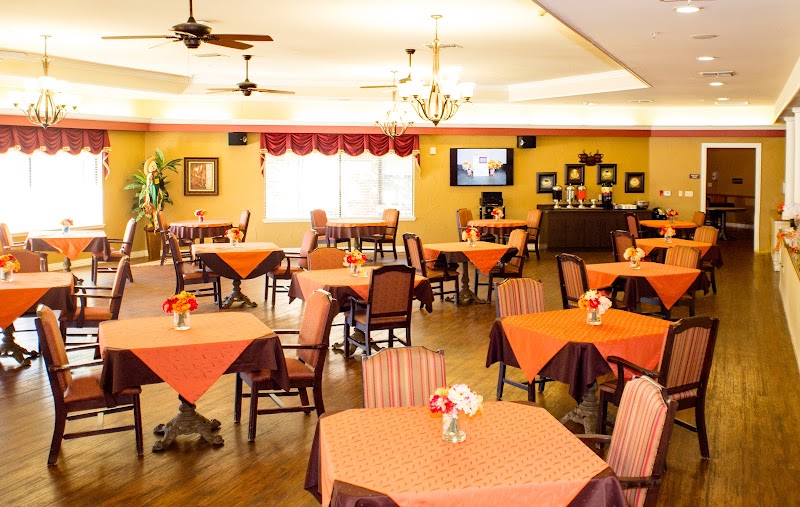
How is Sandy Lake Rehabilitation And Staffed?

CMS rates SANDY LAKE REHABILITATION AND CARE CENTER's staffing level at 2 out of 5 stars, which is below average compared to other nursing homes. Staff turnover is 56%, which is 10 percentage points above the Texas average of 46%. High turnover can affect care consistency as new staff learn residents' individual needs.

What Have Inspectors Found at Sandy Lake Rehabilitation And?

State health inspectors documented 31 deficiencies at SANDY LAKE REHABILITATION AND CARE CENTER during 2022 to 2025. These included: 3 Immediate Jeopardy (the most serious level, indicating potential for serious harm or death), 27 with potential for harm, and 1 minor or isolated issues. Immediate Jeopardy findings are rare and represent the most serious regulatory concerns. They require immediate corrective action.
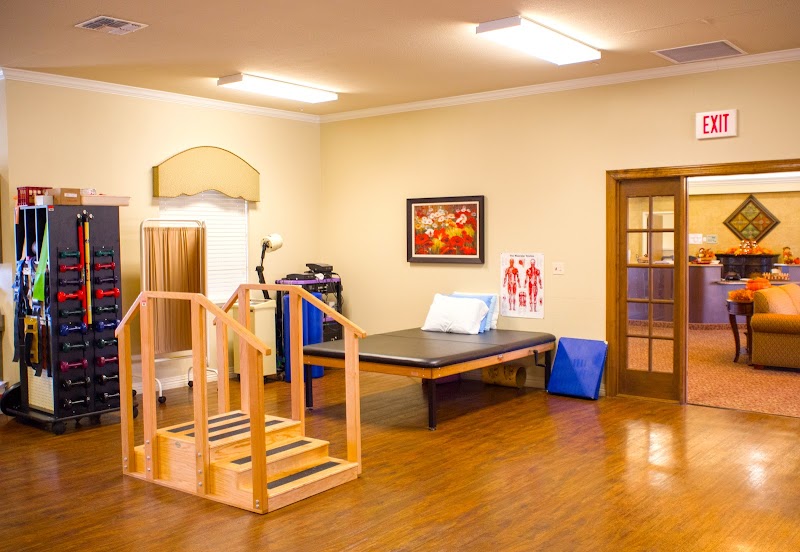
Who Owns and Operates Sandy Lake Rehabilitation And?

SANDY LAKE REHABILITATION AND CARE CENTER is owned by a government entity. Government-operated facilities are typically run by state, county, or municipal agencies. The facility is operated by FUNDAMENTAL HEALTHCARE, a chain that manages multiple nursing homes. With 123 certified beds and approximately 84 residents (about 68% occupancy), it is a mid-sized facility located in COPPELL, Texas.
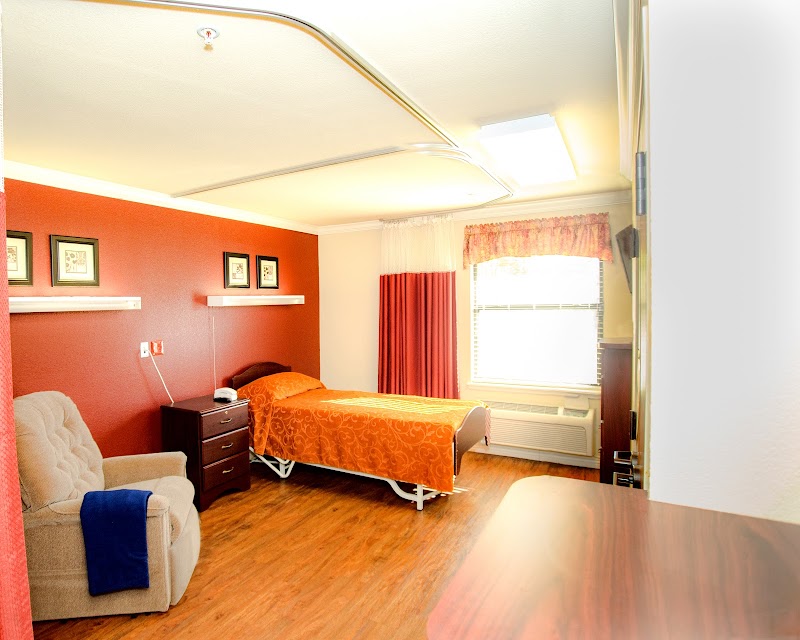
How Does Sandy Lake Rehabilitation And Compare to Other Texas Nursing Homes?

Compared to the 100 nursing homes in Texas, SANDY LAKE REHABILITATION AND CARE CENTER's overall rating (2 stars) is below the state average of 2.8, staff turnover (56%) is near the state average of 46%, and health inspection rating (2 stars) is below the national benchmark.

What Should Families Ask When Visiting Sandy Lake Rehabilitation And?

Based on this facility's data, families visiting should ask: "What changes have been made since the serious inspection findings, and how are you preventing similar issues?" "How do you ensure continuity of care given staff turnover, and what is your staff retention strategy?" "Can you walk me through typical staffing levels on day, evening, and night shifts?" "Can I visit during a mealtime to observe dining assistance and food quality?" These questions are particularly relevant given the facility's Immediate Jeopardy citations, the facility's high staff turnover rate, and the below-average staffing rating.

Is Sandy Lake Rehabilitation And Safe?

Based on CMS inspection data, SANDY LAKE REHABILITATION AND CARE CENTER has documented safety concerns. Inspectors have issued 3 Immediate Jeopardy citations (the most serious violation level indicating risk of serious injury or death). The facility has a 2-star overall rating and ranks #100 of 100 nursing homes in Texas. Families considering this facility should ask detailed questions about what corrective actions have been taken since these incidents.

Do Nurses at Sandy Lake Rehabilitation And Stick Around?

Staff turnover at SANDY LAKE REHABILITATION AND CARE CENTER is high. At 56%, the facility is 10 percentage points above the Texas average of 46%. High turnover means new staff may not know residents' individual needs, medications, or preferences. It can also be disorienting for residents, especially those with dementia who rely on familiar faces. Families should ask: What is causing the turnover? What retention programs are in place? How do you ensure care continuity during staff transitions?

Was Sandy Lake Rehabilitation And Ever Fined?

SANDY LAKE REHABILITATION AND CARE CENTER has been fined $31,703 across 3 penalty actions. This is below the Texas average of $33,396. While any fine indicates a compliance issue, fines under $50,000 are relatively common and typically reflect isolated problems that were subsequently corrected. Families should ask what specific issues led to these fines and confirm they've been resolved.

Is Sandy Lake Rehabilitation And on Any Federal Watch List?

SANDY LAKE REHABILITATION AND CARE CENTER is not on any federal watch list. The most significant is the Special Focus Facility (SFF) program, which identifies the bottom 1% of nursing homes nationally based on persistent, serious quality problems. Not being on this list means the facility has avoided the pattern of deficiencies that triggers enhanced federal oversight. This is a positive indicator, though families should still review the facility's inspection history directly.