San Rafael Nursing and Rehabiliation
3050 Sunnybrook Rd, Corpus Chrisit, TX 78415 (361) 853-9981
Government - Hospital district 168 Beds BOOKER HOSPITAL DISTRICT Data: November 2025 5 Immediate Jeopardy citations
Trust Grade
0/100
#1108 of 1168 in TX
Last Inspection: March 2025

Within standard 12-15 month inspection cycle. Federal law requires annual inspections.

Overview

San Rafael Nursing and Rehabilitation has received a Trust Grade of F, indicating poor quality and significant concerns about care. It ranks #1108 out of 1168 nursing homes in Texas, placing it in the bottom half of facilities, and #13 out of 14 in Nueces County, meaning only one local option is better. The facility's condition is worsening, with issues increasing dramatically from 4 in 2024 to 21 in 2025. Staffing is somewhat of a strength with a turnover rate of 41%, which is better than the Texas average of 50%, but the overall staffing rating is only 2 out of 5 stars. However, there are serious concerns, including a critical finding where residents were kept in rooms exceeding safe temperatures, risking dehydration and heat-related illness, and incidents where residents were not adequately supervised, leading to falls and injuries.

Trust Score
F
0/100
In Texas
#1108/1168
Bottom 6%
Safety Record
High Risk
Review needed
Inspections
Getting Worse
4 → 21 violations
Staff Stability
○ Average
41% turnover. Near Texas's 48% average. Typical for the industry.
Penalties
✓ Good
$46,541 in fines. Lower than most Texas facilities. Relatively clean record.
Skilled Nurses
⚠ Watch
Each resident gets only 7 minutes of Registered Nurse (RN) attention daily — below average for Texas. Fewer RN minutes means fewer trained eyes watching for problems.
Violations
⚠ Watch
57 deficiencies on record. Higher than average. Multiple issues found across inspections.
★☆☆☆☆
1.0
Overall Rating
★★☆☆☆
2.0
Staff Levels
★☆☆☆☆
1.0
Care Quality
★☆☆☆☆
1.0
Inspection Score
Stable
2024: 4 issues
2025: 21 issues

The Good

  • Full Sprinkler Coverage · Fire safety systems throughout facility
  • No fines on record
  • Staff turnover below average (41%)

    7 points below Texas average of 48%

Facility shows strength in fire safety.

The Bad

1-Star Overall Rating

Below Texas average (2.8)

Significant quality concerns identified by CMS

Staff Turnover: 41%

Near Texas avg (46%)

Typical for the industry

Federal Fines: $46,541

Above median ($33,413)

Moderate penalties - review what triggered them

Chain: BOOKER HOSPITAL DISTRICT

Part of a multi-facility chain

Ask about local staffing decisions and management

The Ugly 57 deficiencies on record

5 life-threatening 1 actual harm
Aug 2025 4 deficiencies 1 IJ
CRITICAL (J) 📢 Someone Reported This

A family member, employee, or ombudsman was alarmed enough to file a formal complaint

Immediate Jeopardy (IJ) - the most serious Medicare violation

Accident Prevention (Tag F0689)

Someone could have died · This affected 1 resident

**NOTE- TERMS IN BRACKETS HAVE BEEN EDITED TO PROTECT CONFIDENTIALITY** Based on observation, interviews, and record reviews the facility failed to ensure residents received adequate supervision to pr...

Read full inspector narrative →
**NOTE- TERMS IN BRACKETS HAVE BEEN EDITED TO PROTECT CONFIDENTIALITY** Based on observation, interviews, and record reviews the facility failed to ensure residents received adequate supervision to prevent accidents and/or hazards as possible for 1 of 5 residents (Resident #1) reviewed for supervision, accidents, and hazards. The facility failed to keep Resident #1 free from accident and/or hazards when she fell on [DATE] which caused her to sustain a left hip fracture by not providing the necessary monitoring and supervision for Resident #1 with known history of behaviors of wandering into other resident rooms. The three staff assigned to supervise the secure unit were at the nurse's station distracted and engaged in personal conversation when Resident #1 wandered out of her room and into another resident's room. An IJ was identified on 08/20/25. The IJ template was provided to the facility on [DATE] at 3:22 PM. While the IJ was removed on 08/21/25, the facility remained out of compliance at a scope of isolated and a severity level of potential for more than minimal harm because new procedures implemented to prevent future errors were still in process. This failure could place residents at risk for injuries and a decline in health.The findings included: Record review of Resident #1's face sheet dated 07/31/25 revealed an [AGE] year-old female with an original admission date of 01/12/23 and a current admission date of 06/05/25. Pertinent diagnoses included Displaced Intertrochanteric Fracture of Left Femur (a common hip fracture which occurs in the upper part of the femur which typically required surgical intervention); Other Abnormalities of Gait and Mobility, Dementia (a decline in cognitive function which affects daily life, memory, reasoning, and language skills), Alzheimer's Disease (the most common form of dementia, characterized by problems with memory, thinking, and behavior), and Blindness to the Left Eye. Record review of Resident #1's care plan initiated 06/15/2023 and revised 07/25/25 revealed Resident #1 was at risk for falls related to gait and balance problems. Interventions included anticipate and meet the resident's needs, follow facility fall protocol, and evaluate and treat as ordered. Resident #1's care plan initiated 01/16/2023 and revised 01/03/2025 revealed Resident #1 was an elopement risk as evidenced by wandering; interventions included distracting Resident #1 from wandering by offering diversions, structured activities, food, conversation, television, books, and/or listening to the radio in her room. Other interventions included Resident #1 would be redirected when wandering into other residents' rooms or as needed, and Resident #1 would reside in the memory care unit for safety. Resident #1's care plan also included the actual fall on 06/01/25 with serious injury. It was initiated on 06/03/25. Interventions included determine and address causative factors of the fall. Record review of Resident #1's Quarterly MDS assessment dated [DATE], section C, cognitive patterns, revealed a BIMS score of 00 (severe cognitive impairment). This MDS revealed no falls since admission, entry, reentry, or prior assessment. Record review of Resident #1's Quarterly MDS assessment dated [DATE], section C, cognitive patterns, revealed a BIMS score of 00 (severe cognitive impairment). This MDS revealed fall with major injury requiring surgical intervention. There was no provider investigation or internal investigation for the fall of the unsupervised Resident #1 done by the facility, so there was no review done of a provider or facility investigation. Record review of Resident #1's Fall Risk Evaluation dated 03/04/25 revealed Resident #1 wanders; no falls in the past 3 months; regularly incontinent; balance problem while standing/walking. Resident was considered a high risk for falls. Record review of Resident #1's progress note dated 06/01/25, written by LVN-I, revealed a male resident came out of his room and said there was a woman in his room on the floor. Resident #1 was found on her left side, and two CNAs were called to the room for assistance. The skin check was done, and there was a small hematoma to the left brow. Resident #1 was in severe pain to left thigh. Staff assisted Resident #1 into the wheelchair and then assisted her to bed. Left leg was noted to be shorter than the right leg. Record review of Resident #1's Hospital Summary - Orthopedic Discharge Instructions dated 06/05/25 revealed Resident #1 underwent open reduction with internal fixation (surgical procedure to repair broken bones) on 06/02/25. Pertinent information included per family member, [Resident #1] was found in another resident's room and had fallen. The Assessment and Plan portion of the hospital summary revealed unwitnessed fall. The Hospital Diagnoses portion of the hospital summary revealed unwitnessed fall. Record review of the Staffing Schedule for the locked unit revealed a census of 26 and the following staff: 05/31/25 revealed 6AM - 6PM had 2 CNAs and an LVN (from 6AM-1:30PM) and another LVN (from 1:30PM-12AM). 6Pm - 6AM had 2 CNAs and an LVN (from 12AM-6AM).06/01/25 revealed 6AM - 6PM had 2 CNAs and an LVN (from 6AM-1:30PM) and another LVN (from 1:30PM-6PM). 6PM - 6AM had 2 CNAs and an LVN.06/02/25 revealed 6AM - 6PM had 2 CNAs and 2 LVNs. 6PM - 6AM had 2 CNAs and an LVN. In an observation on 08/19/25 at 9:40 AM revealed Resident #1 lying in bed. She smiled and nodded her head to every question asked. Attempted to interview Resident #1, but she was pleasantly confused. In an observation on 08/19/25 at 9:45 AM the locked unit revealed 5 residents walking down the hallway assisted by 1 CNA. LVN was off the unit (had stepped away) and 2nd CNA was providing patient care. In an observation on 08/20/25 at 1:05 PM the locked unit revealed some residents sitting in the television room, some residents sitting in the activities/dining room, while multiple other residents were wandering up and down the hall. Three residents were noted to have gone into rooms which did not belong to them, and staff did redirect these residents. In an observation on 08/20/25 at 1:30 PM the locked unit revealed 8 camera monitors located at the nurses' station to be able to view all angles of the hallway. In an interview on 07/30/25 at 3:35 PM LVN-I stated she had not seen Resident #1 fall as she was sitting at the nurses' station at the time. She stated it was an unwitnessed fall, and Resident #2 had found her on the floor in his room. Resident #2 came out of his room and notified staff there was a woman on the floor in his room. She stated Resident #1 had severe pain with facial grimacing and moaning. LVN-I stated she assessed Resident #1, and she was noted to have had some bruising, as well as a deformity in which one leg was noted to be longer than the other leg as a result of the fall. She stated two CNAs assisted her with getting Resident #1 up and to the wheelchair, then to the bed in her room, and LVN-I notified the provider and Emergency Medical Services. In an interview on 07/30/25 at 3:48 PM ADON-A stated Resident #1 had not had any other recent falls since 09/04/24 in which she had wandered into another resident's room and had a fall. She also stated she only knew what she had read about the fall from LVN-I's progress note as an investigation had not been done. In an interview on 07/30/25 at 4:21 PM the DON stated Resident #1's fall was reported to him during the morning meeting the next morning. The DON stated he did not further investigate the incident after he was made aware. DON also stated he did not investigate the staffing supervision at the time of the incident. In an interview on 07/30/25 at 4:45 PM the Administrator stated he remembered an incident report was done, and Resident #1 had a fracture from the fall. He stated another resident reported there was a lady on the floor. The Administrator stated he did not conduct an investigation regarding the supervision of the staff or how the fall occurred. The Administrator stated he had not done any further interviews or investigations into this incident because he had not thought it was necessary or a reportable incident at the time, but he stated now looking back, he felt like this incident should have been investigated further, and if he would have realized it was an unwitnessed fall with a major injury, he would have reported it within 2 hours. In an interview on 07/31/25 at 11:05 AM CNA-J stated she heard Resident #2 say there was a woman on the floor in his room. She stated no one questioned Resident #2 as to what happened to Resident#1 or how she ended up on the floor. CNA-J stated she did not remember exactly what she was doing at the time she was notified of the fall, but she believed she was either assisting or watching another resident. In an interview on 07/31/25 at 11:20 AM CNA-K stated she was could not remember what she was doing at the time, but believed she was at the nurses' station with the nurse because she remembered Resident #2 came out and told them at the same time Resident #1 had fallen in his floor. She stated she remembered seeing Resident #2 go in his room, but did not recall seeing Resident #1 go in Resident #2's room. She stated Resident #2 was in his room a minute or two before he came out to notify staff about Resident #1. In an interview on 08/19/25 at 10:09 AM ADON-A stated all residents in the locked unit have wandering behaviors, and this was why they were located on the locked unit, so they are monitored more closely and cannot exit the facility unattended. In an interview on 08/19/25 at 1:45 PM the DON stated he was not here when the fall occurred, but the facility called him to tell him Resident #1 had fallen and he called the Administrator to report there was a fall. He stated not all the residents in the locked unit wander, and if one CNA was off the floor doing patient care the other CNA or nurse was monitoring the hall. He also stated the staff monitor residents, if they attempt to go into the wrong room, staff would redirect them with things such as the tv room or activities to keep them entertained. The DON stated he was not sure how Resident #1 got missed by staff when she wandered into another resident's room on the night of 06/01/25. The DON stated he felt like 2 CNAs and one LVN were enough staff to monitor the locked unit, but he felt like it was more manageable at night because not as many residents wandered. He stated he did not remember interviewing the staff about where they were or what they were doing when Resident #1 entered Resident #2's room and had the fall. He also stated he felt like he should have interviewed and investigated this incident further. In an interview on 08/19/25 at 1:55 PM the Administrator stated he got a call and was told Resident #1 had fallen. He stated he was not sure where the CNAs or nurse were when the fall occurred because he never asked or interviewed the staff. The Administrator stated there were always 2 CNAs and a nurse on the locked unit, and the residents were free to move around the locked unit as they pleased. The Administrator stated if one of the CNAs was performing patient care, the other CNA was watching the hall, and if both the CNAs were busy, then the LVN steps forward to watch the hall. He stated he did have cameras back there, but he never went back and looked at the footage because at the time he was not investigating the fall, and he stated you cannot go back more than 72 hours, so he would not be able to review it now. The Administrator stated the staff get training upon hire on monitoring and handling dementia patients, as well as routine in-services, so they understand the concerns and needs of dementia patients. He also stated staff redirect the residents as needed, but he was unsure what redirection techniques were used. The Administrator stated he felt like 2 CNAs and 1 LVN were enough staff for the locked unit. In an interview on 08/19/25 at 6:09 PM CNA-K stated she remembered she was standing in the hallway talking to the nurse when Resident #2 stated a lady had fallen. She was not sure if CNA-J was standing with her and the nurse, or if she was doing something else. CNA-K stated she saw Resident #1 approximately 3 minutes prior to Resident #2 coming out of his room to notify them Resident #1 had fallen. She stated she was not sure how she missed seeing Resident #1 walk into Resident #2's room since they were standing in the hallway observing. CNA-K stated if she saw residents wandering around she would guide them back to the activities room or living room. CNA-K stated she felt like 2 CNAs and 1 LVN were enough staff to take care of the residents, and if one of the CNAs was doing patient care, the other was observing the residents in the hall, but if both CNAs were busy, the nurse would sit outside of the nurses desk in the hall so she was able to observe both ends of the hall. She also stated she recalled being in-serviced regarding monitoring and redirecting residents that wander. In an interview on 08/19/25 at 6:30 PM CNA-J stated she was at the nurses' station with CNA-K and LVN-I on the night of 06/01/2025 just chatting and talking about life in general. She stated she could see down both halls, so she was unsure how she missed Resident #1 walking into Resident #2's room. CNA-J stated it had only been a matter of minutes since she had last seen Resident #1 in the hallway, but she was unsure of how many minutes it had been. CNA-J stated Resident #1 was a quick walker and hard to keep up with sometimes, and she would redirect her often to keep her occupied or sometimes sit Resident #1 close to the nurses' station so as to keep a closer eye on her. CNA-J stated hanging out at the nurses' station and chatting maybe was not the best idea because they weren't as focused as they should have been on the residents. She also stated she recalled being in-serviced regarding monitoring and redirecting residents that wander. 08/20/25 at 1:05 PM Requested policy regarding staffing the locked unit, as well as a policy regarding monitoring and redirecting on the locked unit. Regional personnel and Administrator both stated there were no such policies, so this surveyor requested any general policies regarding staffing/adequate staffing, as well as any general policies regarding monitoring and redirecting residents. Both stated they would look for something. 08/20/25 at 2:00 PM the Administrator brought a policy regarding behavioral assessment, intervention and monitoring and stated this was all they had in regard to monitoring a resident. They did not have any other policy outlining staffing, monitoring, redirecting, or the locked unit in general. Record review of the facility's Wandering and Elopements policy, revised March 2019, revealed The facility will identify residents who are at risk of unsafe wandering and strive to prevent harm while maintaining the least restrictive environment for residents. IJ template and notification of immediacy was provided to both the Administrator and the DON on 08/20/2025 at 3:21 PM. Plan of Removal 08/20/2025Issue identified by surveyor: The facility failed to ensure the safety of Resident #1 by not providing consistent supervision to prevent Resident #1 from entering another resident's room on the secure unit, resulting in a fall with left femur fracture. Corrective Actions: **On 7/30/2025 LVN-I was terminated.**On 7/30/2025 the DON, ADON-A, and ADON-B in-serviced all direct care staff on the Fall Policy with focus on assessment after incident and including monitoring specific to the secure unit. Any new employee would be educated prior to start of shift.- One person conducts peri care while another was sitting in the hall monitoring the other residents.- Redirect residents back into activities room or living area when trying to enter other residents' rooms, and occupy them with a distraction (TV, coloring, games.)- Nurse should be positioned at the end of the nurse's station where she could visibly see down the hall when/if the CNAs were providing care.**On 7/30/2025, safe surveys were completed with residents by the DON and ADON. **On 7/30/2025, the Administrator and Director of Nursing were in-serviced on Reportable Guidelines, to include investigating all unwitnessed falls.**On 7/31/2025, all falls within the last 3 months were reviewed for documentation and assessment accuracy with no other issues noted.**On 7/31/2025, Ad Hoc QAPI was conducted with the Medical Director to review the plan of action and monitoring results will be reviewed monthly X 3 months in monthly QAPI.**On 7/31/2025 and going forward, all falls will be reviewed after morning meeting by the DON, the Administrator, ADON-A, and ADON-B to ensure a thorough assessment had been completed.**On 8/19/2025, 8 cameras were installed on the secure unit with a screen for viewing all angles of the hall at the nurse's station in the event the nurse was unable to position themselves at the end of the station.**On 8/20/2025, the IDT determined which residents were at highest risk of wandering into other rooms and care plans were updated to indicate on the Kardex for staff communication. Assessments would be conducted by DON/ADON/MDS nurses on admission, quarterly, and with a change of condition.**On 8/20/2025, the IDT in coordination with secure unit staff determined 4 residents required additional supervision due to daily redirection from other residents' room. Care Plan updated for supervision to hourly while awake and CNAs to document in the plan of care. **Starting 8/20/2025 the Administrator, the DON, or the ADON will round 3x a week for 3 months, and monthly thereafter, to ensure staff were effectively supervising residents.This plan of removal was developed, implemented, and completed as designed in this document. It was requested the Plan of Removal be accepted. Record review and verification of Plan of Removal implemented action performed 08/21/25: -On 07/30/25 LVN-I was terminated; verified by record review. -On 07/30/25 the DON and ADON in-serviced all direct care staff on the fall policy with a focus on assessment after incident and including monitoring specific to the secured unit; verified by record review of the in-service and staff signature page. -On 07/30/25 safe surveys were completed; verified by record review of the safe surveys completed. -On 07/30/25 the Administrator and the DON were in-serviced on Reportable Guidelines, to include investigating all unwitnessed falls; verified by record review of the e-mail containing the in-service. -On 07/31/25 a three-month review of all falls was reviewed for documentation and assessment accuracy. No tool was utilized. It was a discussion between the Administrator and the DON. -On 07/31/25 an Ad Hoc QAPI was conducted to review the plan of action; verified by record review of the QAPI signature page. -On 07/31/25 and moving forward, all falls are being reviewed after the morning meeting by the DON, the Administrator, and ADONs; no tool was being utilized to verify this process. It was being discussed after morning meetings. No fall assessments available at this time for review. -0n 08/19/25 8 cameras were installed on the secured unit with a monitor at the nurse's station for viewing all angles of the hall; surveyor verified by visually inspecting and observing all cameras and the monitor at the nurse's station. -On 08/20/25 the IDT determined 4 residents at highest risk for wandering and required additional supervision due to daily redirection; verified by reviewing the care plans for Residents #6, #7, #8, and #9 were updated to reflect hourly supervision while awake. -On 08/20/25 and moving forward, the Administrator, DON, or ADON will round three times per week for three months and monthly thereafter to ensure staff were effectively supervising residents; there was no tool being utilized to verify this, so unable to observe or verify. In an interview on 08/19/2025 at 10:09 AM, ADON-A stated all staff have been in-serviced regarding monitoring residents, fall policies and procedures, abuse and neglect, as well as procedures on providing appropriate supervision In an interview on 08/19/25 at 10:25 AM, CNA-O stated there were always two CNAs on the unit, and most of the residents on the locked unit wander. The CNAs and nurse watch up and down the halls to see who was wandering and tried to redirect them to either their room, the dining area, or the activity area. If one CNA was in a room providing assistance, the other CNA was in the hall monitoring the other residents. If they had to assist the other CNA with care, they inform the nurse to keep an eye on the residents in hall. If a resident had a fall or was found on the floor, the CNA would notify the charge nurse to assess them. Do not move the resident unless the nurse stated they were okay. CNA-L stated the staff try different things to keep the residents from wandering such as sit and do puzzles, read books, eat snacks, or watch television to occupy their mind and time. CNA-L stated she had been in-serviced regarding monitoring and redirecting residents, fall policies and protocols, abuse and neglect, documenting and reporting. In an interview 08/19/125 at 10:45 AM, CNA-P stated there was always someone monitoring the halls when the other staff were doing patient care, as well as the person from activities was there a lot during the daytime hours to do activities with many of the residents on the locked unit. CNA-M stated they do a lot of redirection while monitoring residents who wander, which could include sitting them in the tv area, or giving them a magazine or book, sometimes providing an activity such as a puzzle works as well, and many of them would sit to have a snack. CNA-M stated she had been in-serviced regarding monitoring and redirecting residents, fall policies and protocols, abuse and neglect, documenting and reporting. In an interview 08/19/125 at 10:55 AM, LVN-Q stated she had been in-serviced regarding monitoring and redirecting residents, fall policies and protocols, abuse and neglect, documenting and reporting. She stated most of the residents were easily redirected with things such as activities, snacks, television, radio, etc. She stated there was always someone watching the halls. If both CNAs had to be in a room providing care, the nurse was monitoring the halls, and if the nurse had to step away from the locked unit, the ADON or another nurse would monitor the unit until the nurse returns. In an observation on 08/19/25 at 1:30 PM it was revealed many of the residents on the locked unit were in the dining/common room doing activities with 1 staff from activities. There were 5 residents noted to be wandering in the hallways, but CNA's were monitoring and redirecting them as needed, and the charge nurse was seated at the nurse's station across from the living area where some residents were seated watching television. In an interview on 08/19/25 at 1:45 PM the DON stated there were always 2 CNAs and a nurse on the locked unit, and there was always at least one of the CNAs or nurses in the hallways observing at all times. If the two CNAs were busy providing patient care, the LVN steps forward, and if the LVN had to step off the locked unit, the ADON or another nurse would cover until they return. The DON stated most of the residents on the locked unit only needed one staff to assist with incontinent or patient care, so it rarely required both CNA's to be in a room together and off the hall at the same time, but if it did, they just notify the charge nurse, and the charge nurse monitored the halls until the CNAs returned. The DON stated staff had been in-serviced regarding monitoring and redirecting residents, fall policies and protocols, abuse and neglect, documenting and reporting. In an interview on 08/19/25 at 1:45 PM the Administrator stated there was always 2 CNAs and a nurse on the locked unit, and the residents were free to move around the locked unit as they pleased. He stated he would perform random spot checks which would always reveal one of the CNAs or nurses in the hallways observing any residents who may be wandering. The Administrator stated if both CNAs were busy performing patient care, then the charge nurse steps forward to monitor the halls. In an interview on 08/20/25 at 10:55 AM, LVN-R stated there were always at least two CNAs and the charge nurse on the locked unit, and many times during the day there were others such as the person from activities, or the DON or ADON rounding. He stated someone was always watching the hall, and if both CNAs must be in a room providing care, he was the one on the hall monitoring for residents who wander. He stated he had been in-serviced regarding monitoring and redirecting residents, fall policies and protocols, abuse and neglect, documenting and reporting. The Administrator was informed the Immediate Jeopardy was removed on 08/21/25 at 4:35 PM. The facility remained out of compliance at a scope of isolated and a severity level of potential for more than minimal harm due to the facility's need to evaluate the effectiveness of the corrective systems which were put into place.
SERIOUS (G) 📢 Someone Reported This

A family member, employee, or ombudsman was alarmed enough to file a formal complaint

Actual Harm - a resident was hurt due to facility failures

Quality of Care (Tag F0684)

A resident was harmed · This affected 1 resident

**NOTE- TERMS IN BRACKETS HAVE BEEN EDITED TO PROTECT CONFIDENTIALITY** Based on observations, interviews and record reviews, the facility failed to ensure residents received treatment and care in acc...

Read full inspector narrative →
**NOTE- TERMS IN BRACKETS HAVE BEEN EDITED TO PROTECT CONFIDENTIALITY** Based on observations, interviews and record reviews, the facility failed to ensure residents received treatment and care in accordance with professional standards of practice for 1 (Resident #1) of 5 residents reviewed for quality of care. The facility failed to enforce the post-fall assessment policy leading to Resident #1 being moved from the floor to her wheelchair, and from her wheelchair to her bed after a fall while having severe pain and an obvious hip and leg deformity. The failure could affect residents currently residing in the facility, resulting in them not receiving the needed care to maintain optimal health and placing them at risk for injury or deterioration in their condition. The findings included: Record review of Resident #1's face sheet dated 07/31/25 revealed an [AGE] year-old female with an original admission date of 01/12/23 and a current admission date of 06/05/25. Pertinent diagnoses included Displaced Intertrochanteric Fracture of Left Femur (a common hip fracture which occurs in the upper part of the femur which typically requires surgical intervention); Other Abnormalities of Gait and Mobility, Dementia (a decline in cognitive function which affects daily life, memory, reasoning, and language skills), Alzheimer's Disease (the most common form of dementia, characterized by problems with memory, thinking, and behavior), and Blindness to the Left Eye. Record review of Resident #1's Fall Risk Evaluation dated 06/05/25 revealed a history of 1-2 falls in the past 3 months, regularly incontinent, requires use of assistive devices, and Resident #1 was considered high risk for potential falls. Record review of Resident #1's Quarterly MDS assessment dated [DATE] section C, cognitive patterns, revealed a BIMS score of 0 (severe cognitive impairment). Record review of Resident #1's care plan initiated 06/15/2023 and revised 07/25/25 revealed resident was at risk for falls related to gait and balance problems. Interventions included anticipate and meet the resident's needs, be sure call light was within reach, follow facility fall protocol, and evaluate and treat as ordered. Record review of Resident #1's care plan initiated 01/16/23 and revised 01/03/25 revealed resident was an elopement risk related to dementia, as evidenced by wandering around unit and into other residents' rooms. Interventions include distract resident from wandering, evaluate and screen quarterly for memory unit, redirect when wandering into other residents' rooms, and Resident #1 would reside in memory care unit for safety. Record review of Resident #1's care plan initiated 06/03/2025 revealed resident had an actual fall on 06/01/25. Interventions included continue post fall follow up x 72 hours, determined and addressed causative factors, and physical therapy to consult for strength and mobility. Record review of Resident #1's fall risk dated 03/04/25 revealed Resident #1 had a balance problem while standing and/or walking. Record review of Resident #1's progress noted dated 06/01/25, written by LVN-I, revealed a male resident came out of his room and said there was a woman in his room on the floor. Resident #1 was found on her left side, and two CNAs were called to room for assistance. The skin check was done, and there was a small hematoma to left brow. Resident #1 was in severe pain to left thigh. Staff assisted Resident #1 into wheelchair and assisted her to bed. Left leg was shorter than right leg. Record review of Resident #1's progress noted dated 06/01/25 revealed Resident #1's family member called to let the facility know Resident #1 had a hip fracture, and they were waiting to speak with Orthopedic Doctor regarding options. Record review of Resident #1's Hospital Summary - Orthopedic Discharge Instructions dated 06/05/25 revealed Resident #1 underwent open reduction with internal fixation (surgical procedure to repair broken bones) on 06/02/25. Pertinent information included per [daughter], [Resident #1] was found in another resident's room and had fallen. The Assessment and Plan portion of the hospital summary revealed unwitnessed fall. The Hospital Diagnoses portion of the hospital summary revealed unwitnessed fall. In an interview on 07/30/25 at 3:35 PM LVN-I stated she had not seen Resident #1 fall. She stated it was an unwitnessed fall, and another (male) resident had found her on the floor in his room. The male resident came out of his room and notified staff there was a woman on the floor in his room. She stated Resident #1 was having severe pain with facial grimacing and moaning. LVN-I stated she assessed Resident #1, and she was noted to have had some bruising, as well as a deformity in which one leg was noted to be longer than the other leg. She then had two CNAs assist her with getting Resident #1 up and to the wheelchair, then to the bed in her room, and notified provider and EMS. LVN-I stated severe pain and a deformity with the hip and leg could mean an injury or possible fracture, and the resident should not have been moved because movement could possibly have made the injury worse. In an interview on 07/30/25 at 3:48 PM ADON-A stated Resident #1's fall on 06/01/25 with a hip fracture was the most recent fall, and she had not had any other recent falls. ADON-A stated she was informed another resident walked in and found Resident #1 on the floor in his room. She stated she only knew what she had read about the fall from LVN-I's progress note, and Resident #1 had severe pain, the left leg was shorter than the right leg, and the staff moved Resident #1 to the wheelchair and then to the bed. ADON-A stated Resident #1 should not have been moved, but assessed for injuries, vital signs checked, neuro checks started, and the nurse should have checked to see if she had anything for pain. The nurse should have kept her there on the floor and not moved her until EMS arrived to evaluate and stabilize her. LVN-I should have notified the on-call for the facility, the DON, the Administrator, and the family. She stated if the resident was moved while having severe pain and a leg deformity, indicating a major injury, this could cause further injury to the resident. In an interview on 07/30/25 at 4:21 PM the DON stated Resident #1's fall was reported to him during the morning meeting the next morning. He stated LVN-I reported to whomever was on-call the night of the fall, then it was discussed at the morning meeting the next morning. The DON stated he went over clinical needs and reviewed the incidents and accidents in the morning meetings. He stated what he knew about the fall was Resident #1 entered another resident's room, and the other resident reported Resident #1 had fallen. He also stated LVN-I assessed Resident #1 for pain. He stated if Resident #1 was identified to have had an injury, then moving her might have exacerbated the injury. He stated the protocol for falls included body and skin assessment, vital sign assessment, neuro checks, and if any abnormalities were noted, she should not have been moved until EMS arrived to evaluate. If a fall was unwitnessed the administrator should have been notified, and he would have then determined the next step. The DON stated Resident #1's fall was reported to the administrator in the morning meeting as well, but he and the administrator both assumed it was a witnessed fall because they interpreted the note as there was a resident in the room with Resident #1 when she fell, and they did not feel it needed to be investigated any further or reported to the state. In an interview on 07/30/25 at 4:45 PM the Administrator stated he remembered an incident report was done, and Resident #1 had a fracture from the fall. He stated another resident reported there was a lady on the floor. The other resident had found her on the floor and she had a fall. The Administrator stated he did not recall who reported it to him, but it would have been reported and discussed in the morning clinical meeting. He also stated he did not consider this a reportable type of incident as he did not believe it was an unwitnessed fall, but he did state unwitnessed falls with major injuries would be reported. The Administrator stated he had not done any further interviews or investigations into this incident because he had not thought it was necessary at the time. He also stated it was probably questionable as to whether or not the resident who reported the fall was competent enough to answer questions with a BIMS of 3, which indicated severely impaired cognition. The Administrator stated now looking back he felt like this incident should have been investigated further, and if he would have realized it was an unwitnessed fall with a major injury, he would have reported it within 2 hours. In an interview on 07/31/25 at 8:32 AM ADON-S stated she was the one who did fall trending and tracking as well as fall investigations. She stated Resident #1 had only had 1 fall this year, and it was this unwitnessed fall with a major injury. ADON-A stated she completed her report based on the note written by the nurse, and according to the documentation, the nurse called the DON and reported fall. ADON-A state she followed up with the resident and nurse post fall, and LVN-I told her Resident #1 was found in floor, and after assessing Resident #1, LVN-I asked the CNAs to transport Resident #1 to the wheelchair and then to her bed. ADON-A stated LVN-I should not have moved Resident #1 while in severe pain or after noting one leg was longer than the other because it could have meant there was a fracture or major injury, and movement could have caused further injury. In an interview on 07/31/25 at 11:05 AM, CNA-J stated she heard the male resident say there was a woman on the floor in his room. She stated no one questioned the male resident as to what happened Resident#1 and how she ended up on the floor. CNA-J stated LVN-I went and assessed the Resident #1 while she was lying on the floor, and Resident #1 kept moaning and groaning in pain as well as making faces like she was in severe pain. She stated the LVN-I never said anything to about one leg being longer than the other, so both CNAs assumed it was okay to move Resident #1. CNA-J stated she realized moving a resident with an injury could make it worse. Record review of an all-staff in-service dated 04/30/25 revealed a fall is signified as any break in plane regardless of where the patient lands. If a resident fall occurred it must be immediately reported to the charge nurse so they can assess resident and situation and determine if resident is safe to move or transfer, then incident report must be completed by charge nurse. Record review of the facility's Fall, and Fall Risk, Managing Policy, revised March 2018, revealed Unless there is evidence suggesting otherwise, when a resident is found on the floor, a fall is considered to have occurred. The staff will implement a fall prevention plan to reduce the specific risk factors of falls for each resident at risk or with a history of falls.
CONCERN (D) 📢 Someone Reported This

A family member, employee, or ombudsman was alarmed enough to file a formal complaint

Potential for Harm - no one hurt, but risky conditions existed

Report Alleged Abuse (Tag F0609)

Could have caused harm · This affected 1 resident

**NOTE- TERMS IN BRACKETS HAVE BEEN EDITED TO PROTECT CONFIDENTIALITY** Based on interview and record review the facility failed to ensure that all alleged violations involving abuse, neglect, exploit...

Read full inspector narrative →
**NOTE- TERMS IN BRACKETS HAVE BEEN EDITED TO PROTECT CONFIDENTIALITY** Based on interview and record review the facility failed to ensure that all alleged violations involving abuse, neglect, exploitation, or mistreatment were reported immediately to the appropriate State Agency, but no later than 2 hours after the allegation was made, for 1 of 5 Residents (Resident #1) reviewed for reporting allegations of abuse and/or neglect. The facility failed to report Resident #1's fall with a major injury on 06/01/25 in which Resident #1 sustained a left hip fracture. State Agency was not notified of the fall with injury. This failure could result in placing residents at increased risk for not receiving a proper or thorough investigation. The findings included: Record review of Resident #1's face sheet dated 07/31/25 revealed an [AGE] year-old female with an original admission date of 01/12/23 and a current admission date of 06/05/25. Pertinent diagnoses included Displaced Intertrochanteric Fracture of Left Femur (a common hip fracture which occurs in the upper part of the femur which typically required surgical intervention); Other Abnormalities of Gait and Mobility, Dementia (a decline in cognitive function which affects daily life, memory, reasoning, and language skills), Alzheimer's Disease (the most common form of dementia, characterized by problems with memory, thinking, and behavior), and Blindness to the Left Eye. Record review of Resident #1's care plan initiated 06/15/2023 and revised 07/25/25 revealed resident was at risk for falls related to gait and balance problems. Interventions included anticipate and meet the resident's needs, follow facility fall protocol, and evaluate and treat as ordered. Resident #1's care plan initiated 01/16/2023 and revised 01/03/2025 revealed Resident was an elopement risk as evidenced by wandering; interventions included distracting Resident #1 from wandering by offering diversions, structured activities, food, conversation, television, books, and/or listening to the radio in her room. Other interventions included Resident #1 would be redirected when wandering into other residents' rooms or as needed, and Resident #1 would reside in memory care unit for safety. Resident #1's care plan also included the actual fall on 06/01/25 with serious injury. It was initiated on 06/03/25. Interventions included determine and address causative factors of the fall. Record review of Resident #1's Quarterly MDS assessment dated [DATE] section C, cognitive patterns, revealed a BIMS score of 00 (severe cognitive impairment). This MDS revealed no falls since admission, entry, reentry, or prior assessment. Record review of Resident #1's Quarterly MDS assessment dated [DATE] section C, cognitive patterns, revealed a BIMS score of 0 (severe cognitive impairment). This MDS revealed fall with major injury requiring surgical intervention. There was no provider investigation or internal investigation for the fall of the unsupervised Resident #1 done by the facility, so there was no review done of a provider or facility investigation. Record review of Resident #1's Fall Risk Evaluation dated 03/04/25 revealed Resident #1 wanders; no falls in past 3 months; regularly incontinent; balance problem while standing/walking. Resident was considered High Risk for falls. Record review of Resident #1's progress note dated 06/01/25, written by LVN-I, revealed a male resident came out of his room and said there was a woman in his room on the floor. Resident #1 was found on her left side, and two CNAs were called to room for assistance. There was a small hematoma to left brow. Resident #1 was in severe pain to left thigh. Staff assisted Resident #1 into wheelchair and assisted her to bed. Left leg was shorter than right leg. Record review of Resident #1's Hospital Summary - Orthopedic Discharge Instructions dated 06/05/25 revealed Resident #1 underwent open reduction with internal fixation (surgical procedure to repair broken bones) on 06/02/25. Pertinent information included per [family member], [Resident #1] was found in another resident's room and had fallen. The Assessment and Plan portion of the hospital summary revealed unwitnessed fall. The Hospital Diagnoses portion of the hospital summary revealed unwitnessed fall. In an interview on 07/30/25 at 3:35 PM LVN-I stated she had not seen Resident #1 fall. She stated it was an unwitnessed fall, and Resident #2 had found Resident #1 on the floor in his room. LVN-I stated Resident #1 had severe pain with facial grimacing and moaning, and when she assessed Resident #1 she was noted to have had some bruising as well as a deformity in which one leg was noted to be longer than the other leg. She stated two CNAs assisted her with getting Resident #1 up and to the wheelchair, then to the bed in her room, then notified provider and EMS. LVN-I stated she notified the facility on-call number (the afterhours number to be notified) of the fall like she was supposed to, as well as documented the fall in Resident #1's chart. In an interview on 07/30/25 at 3:48 PM ADON-A stated Resident #1 had not had any other recent falls since 09/04/24 in which she had wandered into another resident's room and had a fall. She also stated she only knew what she had read about the fall from LVN-I's progress note as an investigation had not been done. ADON-A stated she had discussed Resident #1's fall with the DON, and an incident report had been done, but an investigation was not done. She stated the DON and Administrator determine if an investigation should be completed and if an incident was considered a reportable incident. In an interview on 07/30/25 at 4:21 PM the DON stated Resident #1's fall was reported to him during the morning meeting the next morning. The DON stated he did not further investigate the incident after he was made aware. The DON also stated he did not investigate the staffing supervision at the time of the incident. He also stated LVN-I reported to whomever was on-call the night of the fall, then it was discussed at the morning meeting the next morning, in which he went over clinical needs and reviewed the incidents and accidents. The DON stated Resident #1's fall was reported to the administrator in the morning meeting as well, but he and the administrator both assumed it was a witnessed fall because they interpreted LVN-I's progress note as there was a resident in the room with Resident #1 when she fell, and they did not feel it needed to be investigated any further or reported to the state. In an interview on 07/30/25 at 4:45 PM the Administrator stated he remembered an incident report was done, and Resident #1 had a fracture from the fall. He stated Resident #2 had reported there was a lady on his floor, and Resident #2 had found her on the floor. The Administrator stated he did not conduct an investigation regarding the supervision of the staff or how the fall occurred, and he had not done any further interviews or investigations into this incident because he had not thought it was necessary or a reportable at the time, but he stated now looking back he felt like this incident should have been investigated further, and if he would have realized it was an unwitnessed fall with a major injury, he would have reported it within 2 hours. The administrator stated unwitnessed falls with major injuries should always be reported, and he was the person who should have, and typically did, report incidents to the state. The Administrator stated there was no specific policy on how or what to report, but he followed the stated and CMS guidelines on how and what to report. Record Review of the Long-Term Care Regulation Provider Letter, issued 08/29/2024, revealed 2.1 Incidents that a NF must report to HHSC: A NF must report to CII the following types of incidents, in accordance with applicable state and federal requirements: Abuse, Neglect, Suspicious injuries of unknown source, and/or Emergency situations that pose a threat to resident health and safety. When to report: Immediately, but not later than two hours after the incident occurs or is suspected.
CONCERN (D) 📢 Someone Reported This

A family member, employee, or ombudsman was alarmed enough to file a formal complaint

Potential for Harm - no one hurt, but risky conditions existed

Investigate Abuse (Tag F0610)

Could have caused harm · This affected 1 resident

**NOTE- TERMS IN BRACKETS HAVE BEEN EDITED TO PROTECT CONFIDENTIALITY** Based on interview and record review the facility failed to have evidence that all alleged violations were thoroughly investigat...

Read full inspector narrative →
**NOTE- TERMS IN BRACKETS HAVE BEEN EDITED TO PROTECT CONFIDENTIALITY** Based on interview and record review the facility failed to have evidence that all alleged violations were thoroughly investigated and measures were taken to prevent further potential abuse, neglect, exploitation or mistreatment in accordance with State law, and if the alleged violation was verified appropriate, corrective action must have been taken for 1 (Resident #1) of 5 residents reviewed for abuse, neglect, and/or misappropriation. The facility failed to do a thorough investigation to include interviewing Resident #1, as well as other residents or staff which may have been involved in or witnessed the incident. This failure placed residents at risk of not having their allegations investigated thoroughly or timely. The findings included: Record review of Resident #1's face sheet dated 07/31/25 revealed an [AGE] year-old female with an original admission date of 01/12/23 and a current admission date of 06/05/25. Pertinent diagnoses included Displaced Intertrochanteric Fracture of Left Femur (a common hip fracture which occurs in the upper part of the femur which typically requires surgical intervention); Other Abnormalities of Gait and Mobility, Dementia (a decline in cognitive function which affects daily life, memory, reasoning, and language skills), Alzheimer's Disease (the most common form of dementia, characterized by problems with memory, thinking, and behavior), and Blindness to the Left Eye. Record review of Resident #1's Quarterly MDS assessment dated [DATE] section C, cognitive patterns, revealed a BIMS score of 0 (severe impairment). Record review of Resident #1's care plan initiated 06/15/2023 and revised 07/25/25 revealed resident was at risk for falls related to gait and balance problems. Interventions included anticipate and meet the resident's needs, be sure call light was within reach, follow facility fall protocol, and evaluate and treat as ordered. Record review of Resident #1's care plan initiated 01/16/23 and revised 01/03/25 revealed resident was an elopement risk related to dementia, as evidenced by wandering around unit and into other residents' rooms. Interventions included distract resident from wandering, evaluate and screen quarterly for memory unit, redirect when wandering into other residents' rooms, and Resident #1 would reside in memory care unit for safety. Record review of Resident #1's care plan initiated 06/03/2025 revealed resident had an actual fall on 06/01/25. Interventions included continue post fall follow up x 72 hours, determined and addressed causative factors, and physical therapy to consult for strength and mobility. Record review of Resident #1's fall risk dated 03/04/25 revealed Resident #1 had a balance problem while standing and/or walking. Record review of Resident #1's progress noted dated 06/01/25, written by LVN-I, revealed a male resident came out of his room and said there was a woman in his room on the floor. Resident #1 was found on her left side, and two CNAs were called to room for assistance. The skin check was done, and there was a small hematoma to left brow. Resident #1 was in severe pain to left thigh. Staff assisted Resident #1 into wheelchair and assisted her to bed. Left leg was shorter than right leg. Record review of Resident #1's progress noted dated 06/01/25 revealed Resident #1's family member called to let the facility know Resident #1 had a hip fracture, and they were waiting to speak with Orthopedic Doctor regarding options. Record review of Resident #1's Hospital Summary - Orthopedic Discharge Instructions dated 06/05/25 revealed Resident #1 underwent open reduction with internal fixation (surgical procedure to repair broken bones) on 06/02/25. Pertinent information included per [family member], [Resident #1] was found in another resident's room and had fallen. The Assessment and Plan portion of the hospital summary revealed unwitnessed fall. The Hospital Diagnoses portion of the hospital summary revealed unwitnessed fall. In an interview on 07/30/25 at 3:35 PM LVN-I stated she had not seen Resident #1 fall. She stated it was an unwitnessed fall, and another (male) resident had found her on the floor in his room. The male resident came out of his room and notified staff there was a woman in the floor in his room. She stated Resident #1 was having severe pain with facial grimacing and moaning. LVN-I stated she assessed Resident #1, and she was noted to have had some bruising, as well as a deformity in which one leg was noted to be longer than the other leg. She then had two CNAs assist her with getting Resident #1 up and to the wheelchair, then to the bed in her room, and notified provider and EMS. LVN-I stated severe pain and a deformity with the hip and leg could mean an injury or possible fracture, and the resident should not have been moved because movement could possibly have made the injury worse. She stated she notified the facility on-call of the fall, as well as documented it. In an interview on 07/30/25 at 3:48 PM ADON-A stated Resident #1's fall on 06/01/25 with a hip fracture was the most recent fall, and she had not had any other recent falls. ADON-A stated she was informed another resident walked in and found Resident #1 on the floor in his room. She stated she only knew what she had read about the fall from LVN-I's progress note, and Resident #1 had severe pain, the left leg was shorter than the right leg, and the staff moved Resident #1 to the wheelchair and then to the bed. ADON-A stated Resident #1 should not have been moved, but assessed for injuries, vital signs checked, neuro checks started, and the nurse should have checked to see if she had anything for pain. The nurse should have kept her there on the floor and not moved her until EMS arrived to evaluate and stabilize her. LVN-I should have notified the on-call for the facility, the DON, the administrator, and the family. She stated if the resident was moved while having severe pain and a leg deformity, indicating a major injury, this could cause further injury to the resident. In an interview on 07/30/25 at 4:21 PM the DON stated Resident #1's fall was reported to him during the morning meeting the next morning. He stated LVN-I reported to whomever was on-call the night of the fall, then it was discussed at the morning meeting the next morning. The DON stated he went over clinical needs and reviewed the incidents and accidents in the morning meetings. He stated what he knew about the fall was Resident #1 entered another resident's room, and the other resident reported Resident #1 had fallen. He also stated LVN-I assessed Resident #1 for pain. He stated if Resident #1 was identified to have had an injury, then moving her might have exacerbated the injury. He stated the protocol for falls included body and skin assessment, vital sign assessment, neuro checks, and if any abnormalities were noted, she should not have been moved until EMS arrived to evaluate. If a fall was unwitnessed the administrator should have been notified, and he would have then determined the next step. The DON stated Resident #1's fall was reported to the administrator in the morning meeting as well, but he and the administrator both assumed it was a witnessed fall because they interpreted the note as there was a resident in the room with Resident #1 when she fell, and they did not feel it needed to be investigated any further or reported to the state. In an interview on 07/30/25 at 4:45 PM the Administrator stated he remembered an incident report was done, and Resident #1 had a fracture from the fall. He stated another resident reported there was a lady on the floor. The other resident had found her on the floor and she had a fall. The Administrator stated he did not recall who reported it to him, but it would have been reported and discussed in the morning clinical meeting. He also stated he did not consider this a reportable type of incident as he did not believe it was an unwitnessed fall, but he did state unwitnessed falls with major injuries would be reported. The Administrator stated he had not done any further interviews or investigations into this incident because he had not thought it was necessary at the time. He also stated it was probably questionable as to whether or not the resident who reported the fall was competent enough to answer questions with a BIMS of 3, which indicated severely impaired cognition. The Administrator stated now looking back he felt like this incident should have been investigated further, and if he would have realized it was an unwitnessed fall with a major injury, he would have reported it within 2 hours. The Administrator stated there was no specific policy on how or what to report, but he followed the stated and CMS guidelines on how and what to report. In an interview on 07/31/25 at 8:32 AM ADON-S stated she was the one who did fall trending and tracking as well as fall investigations. She stated Resident #1 had only had 1 fall this year, and it was this unwitnessed fall with a major injury. ADON-A stated she completed her report based on the note written by the nurse, and according to the documentation, the nurse called the DON and reported the fall. ADON-A stated she followed up with the resident regarding post-fall questions and the reporting nurse, and LVN-I told her Resident #1 was found in floor, and after assessing Resident #1, LVN-I asked the CNAs to transport Resident #1 to the wheelchair and then to her bed. ADON-A stated LVN-I should not have moved Resident #1 while in severe pain or after noting one leg was longer than the other because it could have meant there was a fracture or major injury, and movement could have caused further injury. In an interview on 07/31/25 at 11:05 AM, CNA-J stated she heard the male resident say there was a woman on the floor in his room. She stated no one questioned the male resident as to what happened to Resident#1 and how she ended up on the floor. CNA-J stated LVN-I went and assessed the Resident #1 while she was lying on the floor, and Resident #1 kept moaning and groaning in pain as well as making faces like she was in severe pain. She stated the LVN-I never said anything to about one leg being longer than the other, so both CNAs assumed it was okay to move Resident #1. CNA-J stated she realized moving a resident with an injury could make it worse.
Mar 2025 12 deficiencies
CONCERN (D)

Potential for Harm - no one hurt, but risky conditions existed

Transfer Notice (Tag F0623)

Could have caused harm · This affected 1 resident

**NOTE- TERMS IN BRACKETS HAVE BEEN EDITED TO PROTECT CONFIDENTIALITY** Based on interview and record review, the facility failed to send a copy of the notice of transfer or discharge, and the reasons...

Read full inspector narrative →
**NOTE- TERMS IN BRACKETS HAVE BEEN EDITED TO PROTECT CONFIDENTIALITY** Based on interview and record review, the facility failed to send a copy of the notice of transfer or discharge, and the reasons for the transfer or discharge, in writing to the resident, resident representative, or the Office of the State Long-Term Care Ombudsman as soon as practicable before transfer or discharge when an immediate transfer or discharge was required for urgent medical needs for 2 of 5 residents (Resident #24 and Resident #66) reviewed for transfer and/or discharge. The facility failed to send written notice of transfer or discharge of Resident #24 ' s transfer on 01/28/25, and Resident #66 ' s transfer on 01/25/25. This failure could affect residents by placing them at risk of being discharged and not having access to available resources, advocacy services, discharge/transfer options, and the appeal processes. Findings included: 1.Record review of Resident #24 ' s face sheet dated 03/06/25 revealed a [AGE] year-old female with an original admission date of 02/15/19, and a current admission date of 03/28/24. Record review of Resident #24 ' s Quarterly MDS assessment, dated 02/06/25, Section C, revealed a BIMS score of 03 (severely impaired cognition). Record review of Resident #24 ' s hospital transfer form dated 01/28/24 revealed resident was transferred to the hospital status post fall, and the RP was notified via telephone. Form was completed and reviewed by ADON-F. Record review of Resident #24 ' s hospital note dated 06/18/25 revealed resident was transferred to the ER status post fall, and the family was notified via telephone. Record review of the miscellaneous and forms section, as well as the progress notes, on 03/05/25 of Resident #24 ' s electronic health record revealed no written discharge or transfer notifications to the RP or the state ombudsman. 2.Record review of Resident #66 ' s face sheet dated 03/06/25 revealed a [AGE] year-old male with an original admission date of 02/23/23, and a current admission date of 01/30/25. Record review of Resident #66 ' s Annual MDS assessment, dated 02/11/25, Section C, revealed a BIMS score of 05 (severely impaired cognition). Record review of Resident #66 ' s SBAR - Change in Condition form dated 01/25/25 revealed resident had an abnormal urinalysis and sent to the ER. RP was notified via telephone. Record review of Resident #66s hospital note dated 01/25/25 revealed Resident #66 was admitted to the hospital for observation and RP was notified. Record review of the miscellaneous and forms section on 03/05/25 of Resident #66 ' s electronic health record revealed no written discharge or transfer notifications to the RP or the state ombudsman. In an interview with the MDS nurse on 03/05/25 at 5:59 PM, she stated MDS did not handle anything to do with transfer or discharge notifications, and that information would come from either nursing, the business offices, or admissions personnel. In an interview with the Administrator on 03/05/25 at 6:15 PM, he stated after researching and looking for written discharge and/or transfer notifications, he was not able to find them, and they (the facility) did not have a specific written discharge or transfer notification they sent out to the RPs, and he also stated he had not known this was a requirement and did not believe that it was. In an interview with the DON on 03/06/25 at 11:00 AM, he stated the RPs were notified verbally by the nursing staff, and it was always documented in the SBAR or progress notes. He stated they did not do written notification. In an interview with the Business Office Manager on 3/6/25 at 11:07 AM, she stated the admissions person, who was currenlty out on leave, handles any transfer or discharge paperwork to the RP, as well as bed hold information, and other than the bed holds they could not find any specific written transfer or discharge paperwork on Resident #24 and Resident #66. She also stated they did not even really have bed holds because all residents were always allowed to come back to this facility. In an interview with ADON-F on 3/6/25 at 11:20 AM, she stated that written transfer and or discharge notices were not being given, or at least not by nursing. She stated the nurses notified the RPs by phone verbally when there was a transfer initiated, but they had never done a written notification except when there was a planned discharge home in advance. In an interview with the Ombudsman on 03/06/25 at 4:45 PM, she stated she had not received any written transfer or discharge notifications about any residents, and she was not aware that she was supposed to receive any notifications.
CONCERN (D) 📢 Someone Reported This

A family member, employee, or ombudsman was alarmed enough to file a formal complaint

Potential for Harm - no one hurt, but risky conditions existed

Comprehensive Care Plan (Tag F0656)

Could have caused harm · This affected 1 resident

**NOTE- TERMS IN BRACKETS HAVE BEEN EDITED TO PROTECT CONFIDENTIALITY** Based on interview, observation and record review, the facility failed to develop a comprehensive person-centered care plan base...

Read full inspector narrative →
**NOTE- TERMS IN BRACKETS HAVE BEEN EDITED TO PROTECT CONFIDENTIALITY** Based on interview, observation and record review, the facility failed to develop a comprehensive person-centered care plan based on assessed needs that included measurable objectives and timeframes to meet the resident's medical, nursing, mental, and psychosocial needs and describes the services that were to be furnished to attain or maintain the resident's highest practicable physical, mental, and psychosocial well-being for 1 (Resident #43) of 5 residents reviewed for comprehensive person-centered care plans. The facility failed to develop and implement Resident #43 ' s care plan to include oxygen therapy. This failure could affect the resident by placing them at risk for not receiving care and services to attain or maintain the resident's highest practicable physical, mental, and psychosocial well-being. The findings included: In an observation on 03/04/2025 at 11:00 AM of Resident #43, revealed he did not have any oxygen on, and there was no oxygen concentrator, tubing or other equipment in his room. Record review of Resident #43 ' s face sheet dated 03/05/25 revealed a [AGE] year-old-male with an admission date of 03/12/24. Diagnoses include COPD (Chronic Obstructive Pulmonary Disease is a lung condition caused by damage to the airways and alveoli, usually from smoking or other irritants). Record review of Resident #43 ' s Quarterly MDS assessment dated [DATE], Section C, Cognitive Patterns, revealed a BIMS score of 11 (moderately impaired cognition). The MDS did not indicate anything regarding oxygen or respiratory therapy. Record review of Resident #43 ' s physician orders revealed an order dated 03/04/25 for Oxygen 2 liters via nasal cannula to maintain saturations >92% as needed for SOB; it also revealed an order dated 01/08/25 and discontinued on 03/04/25 for Oxygen 2-4 LPM as needed for SOB with saturations <93%. Record review of Resident #43 ' s care plan on 03/05/25 revealed no care plan for oxygen, to include no oxygen diagnosis on the care plan, no oxygen status on the care plan, no oxygen orders on the care plan, no oxygen parameters on the care plan, and no oxygen equipment listed on the care plan. In an interview with LVN-G on 03/04/25 at 11:35 AM, she stated that the nurses utilized the care plans to determine specific things about the residents ' orders, such as oxygen parameters, foley catheters, EBP precautions, preferences, likes and/or dislikes. She stated that the care plans were updated by the MDS nurse and IDT team. In an interview with the MDS Nurse on 03/05/25 at 5:59 PM, she stated she reviewed Resident #43 ' s care plan, and the oxygen care plan was not there, but it should have been. She stated if things were not care planned appropriately residents may not get the appropriate care they needed. She also stated the care plan was usually updated by the IDT team. In an interview with the DON on 03/06/25 at 9:17 AM, he stated the MDS nurses typically updated the care plans, but they were new to it and still learning. He stated if he was putting an order in himself, he went ahead and clicked over to the care plan and updated it so that he knew it was done, but also the IDT team met, reviewed, revised, and updated care plans. He stated the care plan was there to help the nurses to understand more about what was went on with each resident, and without the care plan, the resident may not get the appropriate care or treatment they needed. He also stated that oxygen was something that should have been care planned. In an interview with ADON-F on 03/06/25 at 2:15 PM, she stated that care plans were updated by MDS and the IDT team. She stated if it was a clinical care plan, it was usually updated by the MDS nurse, and Oxygen was something that should have been care planned. She also stated that care plans were used by the nurses to determine specific things about the residents ' orders, diagnoses, preferences, likes, needs, wants, parameters, and if not added or updated, important care could be missed.
CONCERN (D)

Potential for Harm - no one hurt, but risky conditions existed

Accident Prevention (Tag F0689)

Could have caused harm · This affected 1 resident

**NOTE- TERMS IN BRACKETS HAVE BEEN EDITED TO PROTECT CONFIDENTIALITY** Based on observations, interview, and record review, the facility failed to ensure the resident environment remained as free of ...

Read full inspector narrative →
**NOTE- TERMS IN BRACKETS HAVE BEEN EDITED TO PROTECT CONFIDENTIALITY** Based on observations, interview, and record review, the facility failed to ensure the resident environment remained as free of accident hazards as was possible and each resident received assistance devices to prevent accidents for one of five residents (Resident #103) reviewed for accidents and hazards. The facility failed to ensure floor mats were in place beside Resident #103 ' s right side of the bed. This failure could place residents at risk for an injury or a major injury. The findings include: Record review of Resident #103 face sheet, dated 03/05/2025, reflected a [AGE] year-old female who was admitted to the facility on [DATE]. Resident #103 had a diagnosis which included Benign Paroxysmal Vertigo (a feeling of spinning), Unspecified Ear. Record review of Resident #103's Significant Change Minimum Data Set assessment dated [DATE] indicated she had Cerebrovascular accident (stroke), muscle wasting and other lack of coordination. The assessment indicated Resident #103's brief interview of mental status score was 12-moderately impaired mental status. The assessment did not indicate any prior falls. Record review of Resident #103's comprehensive care plan dated 03/03/25 indicated The resident was at risk for falls and had actual falls: 12/23/24 The resident had an actual fall with minor injury to right cheek related to poor balance, unsteady gait 02/17/25 The resident had an actual fall on 2/17/25 with no injury 02/22/25 with no injury. Record review of Resident #103's physician order summary dated 02/23/24 revealed Floor mats at bedside every day shift and in the evening. Observation on 03/04/25 at 9:30 AM revealed Resident #103 was lying in her bed watching television. There was a floor mat positioned on the left side of the bed and on the right side of her bed the mat was leaning against the wall instead of being positioned on the floor beside the right side of her bed. Interview with CNA A on 03/05/25 at 09:31 AM revealed Resident #103's mats were to be at each side of her bed on the floor. She stated the CNAs were responsible in making sure that mats were placed correctly on the floor every time they entered the resident's room. CNA A stated Resident #103 was bathed in the morning and the floor mat may have been moved to approach the wheelchair to take Resident #103 to the shower or the mat may have been moved during breakfast time to put the bedside table for Resident #103 to eat. CNA A said she did not remove the floor mat and could recall the right-side floor mat being on the floor beside the bed when she arrived on duty at 6:00 AM. CNA A said Resident #103 needed both floor mats on the floor beside the bed to prevent injury in case she fell because she had made prior attempts to get out of bed without assistance. In an interview with LVN B on 03/04/25 at 04:55 PM revealed he stated he did not notice Resident #103's floor mat not in position on the left side of the floor. LVN B said Resident #103 needed a floor mat beside each side of her bed to prevent injury in case of a fall. LVN B said it was the his and the CNA's responsibility to ensure the floor mats were correctly positioned throughout their shift. Interview with the DON on 03/06/25 at 2:35 PM, the DON stated the floor mats were used to prevent injuries in case of a fall. The DON stated the floor mats should be at each side of the bed if the bed was centered in the room. The DON said the nurses and CNAs were responsible for monitoring the position of the floor mats. The DON stated Resident #103 could injure herself if the floor mat was not properly placed on the floor beside the bed. The DON said injuries could include bruising, skin tears, and fractures. The DON said he and the ADON conducted daily rounds to monitor preventive devices were placed correctly. Record review of the facility's Fall Prevention Program policy dated 05/24/22 reflected All residents will be assessed for the risk for falls at the time of admissions, on a quarterly basis, and upon significant change in condition thereafter. Based on the results of this assessment, specific interventions will be to minimize falls and avoid repeat falls and minimize falls resulting in significant injury 3. The following is a list of commonly used interventions that may be considered to minimize falls and injury . K. Utilizing adaptive equipment such as - walker, cane, grab bars, etc.
CONCERN (D)

Potential for Harm - no one hurt, but risky conditions existed

Respiratory Care (Tag F0695)

Could have caused harm · This affected 1 resident

**NOTE- TERMS IN BRACKETS HAVE BEEN EDITED TO PROTECT CONFIDENTIALITY** Based on observation, interview and record review, the facility failed to ensure that residents who needed respiratory care were...

Read full inspector narrative →
**NOTE- TERMS IN BRACKETS HAVE BEEN EDITED TO PROTECT CONFIDENTIALITY** Based on observation, interview and record review, the facility failed to ensure that residents who needed respiratory care were provided such care consistent with professional standards of practice, physicians orders, the comprehensive person-centered care plan, and the resident's goals and preferences for 1 of 3 (Resident #7) residents reviewed for respiratory care. The facility failed to ensure Resident #7's oxygen concentrator administered oxygen at the correct setting of 2 liters per minute. Resident #7's oxygen concentrator was set at 3 liters per minute on 03/04/2025 at 8:33 AM and at 4:55 PM. This failure places residents who receive respiratory care at an increased risk of developing respiratory complications, and a decreased quality of care. The findings included: Resident #7's face sheet dated 03/04/25, reflected a [AGE] year-old female who was admitted to the facility on [DATE]. Resident #7 had a diagnosis which included Chronic Obstructive Pulmonary disease (a common lung disease causing restrictive airflow and breathing problems), with hypoxia (absence of enough oxygen in the tissues to sustain bodily functions), inflammation and narrowing of the airways, leading to restricted airflow and difficulty breathing , along with acute respiratory, failure, asthma uncomplicated. Record review of Resident #7's Minimum Data Set assessment section O, Special Treatments, Procedures and Programs, dated 01/20/25 reflected continuous oxygen use. Record review of Resident #7's comprehensive care plan dated 01/21/25 reflected The resident has altered respiratory status/difficulty breathing related to ACUTE RESPIRATORY FAILURE WITH HYPOXIA. Oxygen settings: Oxygen at 2 Liters nasal cannula as needed. Date Initiated: 12/11/2023. Record review of Resident #7's physician order summary dated March 2025 reflected Oxygen at 2 Liters a minute per Nasal Cannula as needed to maintain oxygen saturation greater than 92% as needed for hypoxia, start date 12/13/23. Observation and interview with Resident #7 on 03/04/25 at 8:33 AM revealed she was awake, alert and oriented to person, place and time. Resident #7 had a nasal cannula in place that was connected to an oxygen concentrator that was set at 3 liters per minute. Resident #7 said she was able to apply and remove the oxygen tubing at her convivence but did not touch the concentrator setting. Observation of Resident #7 on 03/05/25 at 4:45 PM revealed she had her oxygen cannula in both nares with the tubing connected to the oxygen concentrator that was set at 3 liters per minute. Interview with CNA A on 03/05/25 at 4:49 PM revealed she stated the oxygen concentrator was set at 3 liters. CNA A also stated she did not know how much oxygen Resident #7 was ordered. CNA A said she did not touch the oxygen, and the nurse was responsible for ensuring correct oxygen administration. Interview with LVN B on 03/05/25 at 4:55 PM revealed he stated that at the start of every shift the LVNs are responsible for ensuring the settings on the oxygen concentrators match the physician orders. Upon the state surveyors request, LVN B checked Resident #7's oxygen concentrator and said it was set at 3 liters per minute. LVN B said he thought the order could be between two to three liters per minute but could not recall the exact amount. After LVN B reviewed Resident #7's physician order he said the order indicated 2 liters per minute. LVN B said he had not checked Resident #7's oxygen concentrator settings yet, despite his shift beginning at 6 AM. LVN B stated not having the correct setting can cause high levels of carbon dioxide in the blood. Interview with the DON on 03/05/25 at 05:51 PM revealed he stated the physician orders should be followed as directed. The DON said the nurses were responsible for checking the oxygen concentrators for correct setting and administration in the morning at beginning of their shift. The DON stated since Resident #7 had Chronic Obstructive Pulmonary disease, too much oxygen could make her ill and increase her carbon dioxide levels. The DON said he and ADON conduct morning rounds to check oxygen concentrators, and he had not received any reports of inaccurate settings. Record review of the facility's Oxygen Administration policy and procedure dated October 2010 reflected The purpose of this procedure is to provide guidelines for safe oxygen administration .1. Verify that there is a physician's order for his procedure. Review the physician's orders or facility protocol for oxygen administration Steps in procedure .Adjust the oxygen delivery device so that it is comfortable for the resident and the proper flow of oxygen is being administered .
CONCERN (D)

Potential for Harm - no one hurt, but risky conditions existed

Deficiency F0761 (Tag F0761)

Could have caused harm · This affected 1 resident

**NOTE- TERMS IN BRACKETS HAVE BEEN EDITED TO PROTECT CONFIDENTIALITY** Based on observation, and interview, the facility failed to dispose of expired biologicals in 2 of 2 medication rooms reviewed f...

Read full inspector narrative →
**NOTE- TERMS IN BRACKETS HAVE BEEN EDITED TO PROTECT CONFIDENTIALITY** Based on observation, and interview, the facility failed to dispose of expired biologicals in 2 of 2 medication rooms reviewed for storage. The facility failed to discard 19 expired swab kits in the 100-hall medication room. The facility failed to discard an expired enteral feeding tube de-clogger device in the 200-hall medication room. These failures could place residents at risk of infection and diminished quality of life. Findings included: Observation of the 100 hall medication room on [DATE] at 8:32 AM revealed expired medication and specimen swabs: 1 glucagon pen (emergency use for low blood sugar) expired [DATE]. 1 urine-vaginal-STI (sexual transmitted infection) expired [DATE]. 1 wound swab kit expired [DATE]. 4 buccal (mouth) swab kits expired [DATE]. 2 vaginal swab kits expired [DATE]. 3 vaginal swab kits expired [DATE]. 7 wound/tissue swab kits expired [DATE]. Observation of the 200 hall medication room on [DATE] at 8:37 AM revealed 1 enteral feeding tube de-clogger expired [DATE]. In an interview with ADON F on [DATE] at 8:48 AM, she said the expired sterile swabs had lost their sterility and could alter results if used. She said the facility did not use the lab company for several years and had switched to a different lab company. She said someone unknowingly could have used the expired swabs and would cause more problems than helping because there might not be another opportunity to collect a swab for a specific encounter or since the swabs were expired, could potentially introduce bacteria into the resident. She said expired swabs and the de-clogging tube placed residents at risk for infections. She said she was responsible for checking the medication rooms and did not think about removing the swabs because it had been a couple of years since the facility changed companies. A policy for expired biologicals was requested at this time but not received. Best practices for Managing Medical supply expiration dates dated [DATE] titled, Biologicals are made from a variety of natural sources--human, animal, or microorganisms. Biologics are used to treat, prevent, or diagnose diseases and medical conditions .sterile wound swabs are designed to be used to clean wounds and prevent infection. They may include a wide range of products such as vaccines, blood and blood components, allergenics, somatic cells, gene therapy, tissues, and recombinant therapeutic proteins. Once the expiration date passes, the product may no longer be sterile, increasing the risk of introducing harmful bacteria or other pathogens into the wound.
CONCERN (D)

Potential for Harm - no one hurt, but risky conditions existed

Deficiency F0801 (Tag F0801)

Could have caused harm · This affected 1 resident

Based on interview and record review, the facility must employ sufficient staff with the appropriate competencies and skills sets to carry out the functions of the food and nutrition service, taking i...

Read full inspector narrative →
Based on interview and record review, the facility must employ sufficient staff with the appropriate competencies and skills sets to carry out the functions of the food and nutrition service, taking into consideration resident assessments, individual plans of care and the number, acuity and diagnoses of the facility's resident population in accordance with the facility assessment for 1 of 5 (RD) qualified dietary staff reviewed. The facility failed to ensure the registered dietician (RD) attended weekly weight meetings. This failure could affect residents who ate food from the kitchen and could result in the dietary needs of residents not being met. The findings included: In an interview with the ADON F on 03/06/25 at 1:52 pm, she said the RD was supposed to visit the facility weekly for weekly weight meetings but came in primarily for monthly meetings. She said the monthly meetings included the RD, ADONs, DM, wound care nurse, the DOR, and the DON. She said the RD did not call in to attend the weekly meetings. She said the RD would often miss meetings. She said dietary was responsible for updating preference cards and likes/dislikes. She said she did not know if the RD met with residents. She said she did not have concerns about weight loss based on the last meeting, which was Friday, 02/28/25 last week. She said when there was a concern for weight loss and the need for supplements or fortified foods the RD would make recommendations to the ADONs, the DM, and DON, then they informed the doctor so he could write the order. She said if a resident needed dietary changes, the ADONs in conjunction with the staff nurses and CNAs would let the doctor know and order a swallow evaluation. In an interview with the DM on 03/06/25 at 2:30 pm, she said she contacted the RD via phone 3-5 times a week and she was somewhat readily available for phone calls. She said the RD rarely attended the weekly weight meetings if at all and had the capacity to call in to them but did not. The DM said, after the RD's stroke in late October/early November 2024, she stopped coming to the weekly weight meetings but had always come to the monthly meetings. The DM said she was responsible for updating the preference cards and likes/dislikes. She said she had seen the RD visit 2 residents in the last year. She said ADON F was the first to bring up trending weight loss. ADON F would tell the DM for more urgent needs and inform the RD if need be. The DM said the RD was all clinical and she did not get involved with kitchen sanitation and food preparation. The DM said the RD did a walk through when she was there for the monthly meetings. The DM said the RD had never in-serviced or provided any training for the staff. The DM said the RD was involved with any changes to the menu because the food changed must be nutritionally equal. The DM said she emailed the RD her suggestions and the RD promptly answered. The DM said the RD's concerns during the walk throughs consisted of her making sure everyone was wearing hairnets, scoop sizes, menu compliance, general cleanliness, emergency supplies, and dry storage. She said the RD did not use a checklist for her walk-throughs. In a phone interview with the RD on 03/06/25 at 3:05 pm, she said she visited the facility every Friday, 32 hours a month. She said she communicated with the DM over the phone and would ask the DM if there were any problems. She said she had never done in-services or training with the staff. She said she was not involved with the cleaning schedules. She said she did a quick walk through when she got to the facility on every Friday. She said the DM really knew her stuff and weather the staff followed her instructions was a different story. For example, she said she saw the DM correct someone who had their beard guard under his chin about 4 weeks ago. She said she saw a purse on the shelf of the emergency food closet and a jacket on the door but did not know when. She said she visited residents when she was at the facility and those who were trending with weight loss. She said she could not say how many residents she spoke with every Friday, but it was 4-5 on average. She said she followed up 2 weeks after her recommendations on campus to see if her recommendations were working. The RD said nothing when asked if she could verify her on-site visits. In an interview with the ADM on 03/06/25 at 4:00 pm, he said he thought the RD came to the facility every week for their weekly weight meetings, but he could not validate that. He said he could probably get the sign-in sheets for the weekly weight meetings. He said he was unaware the RD was not going to the weekly weight meetings. Sign in sheets for the weekly weight meetings since October 2024 were requested at this time but not received. Record review of kitchen in-services dated 01/03/25, 02/05/25, 02/07/25, and 02/18/25 were not signed or conducted by the RD. Record review of the facility agreement for consultant dietician services signed and dated by the ADM on 12/13/23 and by the RD on 03/14/22 revealed under Responsibilities of consultant, 1.4 Provide guidance and training to dietary manager and dietary staff as required. 1.8 Inspect all areas of the dietary department, Including sanitatioin, equipment functioning, food service operations, and compliance with pertinent federal state and local laws as desired by Facility. Consultant shall be avialable at various mealtimes to observe dining operations. 1.13 Consultant shall be present for federal or state survey as requested by facility. However, if the presence of consultant is desired, consultant must be notified immediately following the arrival of surveyors to provide assistance in a timely manner.
CONCERN (D)

Potential for Harm - no one hurt, but risky conditions existed

Medical Records (Tag F0842)

Could have caused harm · This affected 1 resident

**NOTE- TERMS IN BRACKETS HAVE BEEN EDITED TO PROTECT CONFIDENTIALITY** Based on interview and record review, the facility failed to maintain medical records in accordance with accepted professional s...

Read full inspector narrative →
**NOTE- TERMS IN BRACKETS HAVE BEEN EDITED TO PROTECT CONFIDENTIALITY** Based on interview and record review, the facility failed to maintain medical records in accordance with accepted professional standards and practices that were complete and accurately documented for 1 of 8 residents (R #75) reviewed for accuracy of records. -The facility failed to ensure LVN C checked and/or documented an accurate blood pressure for Resident #75 before administering Resident #75's blood pressure decreasing medication that had physician ordered hold parameters on 5 of 12 opportunities from 02/01/25 to 03/04/25. -The facility failed to ensure LVN I checked and/or documented an accurate blood pressure for Resident #75 before administering Resident #75's blood pressure decreasing medication that had physician ordered hold parameters on 10 of 11 opportunities from 02/01/25 to 03/04/25. -The facility failed to ensure LVN I did not document a blood pressure reading for Resident #75 when he was not given his blood pressure medication due to being out of the facility on 2 of 2 opportunities from 02/01/25 to 03/04/25. This failure could place residents with falls at risk of not receiving adequate care and services. The findings included: Record review of Resident #75's admission record reflected [AGE] year-old male admitted to the facility on [DATE] with an original admission date of 03/01/24. Resident #75's diagnoses included essential (primary) hypertension (high blood pressure), hyperlipidemia (high cholesterol), peripheral vascular disease (reduced blood flow to the arms and legs due to narrowed blood vessels), and type 2 diabetes (condition in which the body does not use insulin properly resulting in persistently high blood sugars). Record review of Resident #75's quarterly MDS dated [DATE] reflected a BIMS score of 13 which indicated Resident #75 was cognitively intact. Record review of Resident #75's care plan dated 03/02/24 reflected the focus of, the resident has hypertension (HTN) with the goal, the resident will remain free of s/sx of hypertension through the review date. The interventions included, avoid taking the blood pressure reading after physical activity or emotional distress, and, give anti-hypertensive medications as ordered, monitor for side effects such as orthostatic hypotension (blood pressure decrease when changing position from laying to sitting or sitting to standing) and increased heart rate, and effectiveness, initiated on 03/03/25. Record review of Resident #75's order summary report reflected an order dated 11/20/24 to start on 11/21/24 at 9:00am for Lisinopril (a blood pressure decreasing medication) oral tablet 10mg. Give 1 tablet by mouth one time a day for High B/P. Hold if BP <110/60. Record review of Resident #75's February and March 2025 blood pressure tab and eMAR in PCC reflected Resident #75's blood pressure was checked 9 out of 24 days that Resident #75 was at the facility and received his blood pressure decreasing medication: On 02/01/25 at 9:43am, LVN C checked Resident #75's blood pressure; it was 136/78. LVN C documented that blood pressure on the eMAR and documented that Resident #75 received his Lisinopril. On 02/02/25 there was no record of Resident #75's blood pressure being checked; however, LVN C documented Resident #75's blood pressure on the eMAR as 136/78, the same BP as 02/01/25, and that Resident #75 received his Lisinopril. On 02/03/25 and 02/04/25, there was no record of Resident #75's blood pressure being checked; however, LVN I documented Resident #75's blood pressure on the eMAR as 136/78 on both days, the same BP as 02/01/25 and 02/02/25 and that Resident #75 received his Lisinopril on both days. On 02/05/25 at 8:56am, LVN C checked Resident #75's blood pressure; it was 141/83. LVN C documented that blood pressure on the eMAR and documented that Resident #75 received his Lisinopril. On 02/06/26, there was no record of Resident #75's blood pressure being checked; however, LVN C documented Resident #75's blood pressure on the eMAR as 141/83, the same BP as 02/05/25, and that Resident #75 received his Lisinopril. On 02/07/25, 02/08/25, and 02/09/25 there was no record of Resident #75's blood pressure being checked; however, LVN I documented Resident #75's blood pressure on the eMAR as 141/83 on all three days, the same BP as 02/05/25 and 02/06/25, and that Resident #75 received his Lisinopril. On 02/11/25 at 10:02am, LVN C checked Resident #75's blood pressure; it was 147/86. LVN C documented that blood pressure on the eMAR and documented that Resident #75 received his Lisinopril. On 02/12/25, there was no record of Resident #75's blood pressure being checked; however, LVN I documented Resident #75's blood pressure on the eMAR as 147/86, the same BP as 02/11/25, and that Resident #75 received his Lisinopril. On 02/13/25, Resident #75 was out of the facility; however, LVN I documented Resident #75's blood pressure on the eMAR as 147/86, the same BP as 02/11/25 and 02/12/25, and that Resident #75 did not receive his Lisinopril because he was out of the facility without medications. On 02/17/25 at 9:12am, LVN M checked Resident #75's blood pressure; it was 145/72. LVN M documented that blood pressure on the eMAR and documented that Resident #75 received his Lisinopril. On 02/18/25, there was no record of Resident #75's blood pressure being checked; however, LVN I documented Resident #75's blood pressure on the eMAR as 145/72, the same BP as 02/17/25, and that Resident #75 received his Lisinopril. On 02/19/25, there was no record of Resident #75's blood pressure being checked; however, LVN C documented Resident #75's blood pressure on the eMAR as 145/72, the same BP as 02/17/25 and 02/18/25, and that Resident #75 received his Lisinopril. On 02/20/25 at 9:11am, LVN C checked Resident #75's blood pressure; it was 146/82. LVN C documented that blood pressure on the eMAR and documented that Resident #75 received his Lisinopril. On 02/21/25, there was no record of Resident #75's blood pressure being checked; however, LVN I documented Resident #75's blood pressure on the eMAR as 146/82, the same BP as 02/20/25, and that Resident #75 received his Lisinopril. On 02/22/25 and 02/23/25, Resident #75 was not at the facility. On 02/24/25 and 02/25/25, there was no record of Resident #75's blood pressure being checked; however, LVN C documented Resident #75's blood pressure on the eMAR as 146/82, the same BP as 02/20/25 and 02/21/25, and that Resident #75 received his Lisinopril. On 02/26/25 and 02/27/25, there was no record of Resident #75's blood pressure being checked; however, LVN I documented Resident #75's blood pressure on the eMAR as 146/82, the same BP as 02/20/25, 02/21/25, 02/24/25, and 02/25/25, and that Resident #75 received his Lisinopril. On 02/28/25 at 8:29am, LVN C checked Resident #75's blood pressure; it was 136/78. LVN C documented that blood pressure on the eMAR and documented that Resident #75 received his Lisinopril. On 03/01/25, 03/02/25, and 03/03/25, Resident #75 was out of the facility; however, on 03/03/25, LVN I documented Resident #75's blood pressure on the eMAR as 136/78, the same BP as 02/28/25, and that Resident #75 did not receive his Lisinopril because he was out of the facility without medications. In an interview on 03/05/25 at 4:21pm, the NP stated she would expect the nurses to follow the provider's hold parameters on medications. The NP stated she would not expect the nurses to notify her or the physician every time a medication was held, because she was in the facility at least once a week and could talk to the nurses then, but if they were holding a medication for 3 or more days in a row, the nurses should at least call her to let her know what is going on. The NP stated it was important for the nurses to administer medications as they were ordered so the resident would receive the therapeutic effects that were intended when that or those medications were prescribed. The NP stated not following prescriber's administration or hold parameters could lead to adverse medication reactions and possibly hospitalization for the resident. In an interview on 03/06/25 at 9:30am, LVN C stated it was important to check blood pressures on every resident that had blood pressure medications to make sure that their pressure was not too low (or too high). LVN C stated she did not have a good reason as to why she sometimes did not check blood pressures on Resident #75 or Resident #110 before administering blood pressure altering medications. LVN C stated she did not recall when the last in-service on medication administration was, but they were pretty often. An interview was attempted with LVN I on 03/05/25 and 03/06/25 however this state surveyor did not receive a call back from LVN I. In an interview on 03/06/25 at 1:52 pm, ADON F stated her expectation was that the nurses follow the parameters as ordered and to always check and appropriately document vital signs when required. ADON F stated it was important to give medications as ordered to prevent bad outcomes for the residents. ADON F stated they were going to start doing secret monitoring along with weekly audits and the last in-service on medication administration and all the stuff that goes with it was about 3 weeks ago. Record review of the facility's Administering Medications Policy dated December 2012 reflected in part: Policy Statement: Medications shall be administered in a safe and timely manner, and as prescribed. Policy Interpretation and Implementation: 3. Medications must be administered in accordance with the orders, including any required time frame. 8. The following information must be checked/ verified for each resident prior to administering medications: . b. vital signs, if necessary. According to Lippincott's Nursing Procedures Eigth Edition 2018, pp 236-237 reflected Documentation is the process of preparing a complete record of a patient's care and is a vital tool for communication among health care team members. Accurate, detailed charting shows the extent and quality of care that nurses provide the outcomes of that care, and treatment and education that the patient still needs. Thorough, accurate documentation decreases the potential for miscommunication and errors. Documentation is a valuable method for demonstrating that the nurse has applied nursing knowledge, skills, and judgement according to professional nursing standards.
CONCERN (D)

Potential for Harm - no one hurt, but risky conditions existed

Safe Environment (Tag F0921)

Could have caused harm · This affected 1 resident

Based on observation, interview, and record review, the facility failed to provide a safe, clean, and sanitary environment for 1 of 1 kitchen. The facility failed to maintain an electrical outlet, lig...

Read full inspector narrative →
Based on observation, interview, and record review, the facility failed to provide a safe, clean, and sanitary environment for 1 of 1 kitchen. The facility failed to maintain an electrical outlet, lighting fixture, and two AC ducts from dripping water and water damage in the kitchen. These failures could place residents at risk for exposure to an unclean, unsanitary environment, risk of falls and other injuries due to an unsafe environment. The findings included: Observation and initial tour of the kitchen on 03/04/25 at 8:35 am revealed there was an electrical conduit box and a lighting fixture in the ceiling above the stove that were dripping water. The nearby AC return was dripping water. Observation and re-visit to the kitchen on 03/05/25 at 9:15 am revealed the AC return on the ceiling of the DM's office appeared to have water damage to the sheetrock around the frame, which was swollen and gaping open. In an interview and observation with the MS on 03/04/25 at 8:55 am, he said the leak around the electrical conduit, AC return, and lighting fixture had been dripping condensation for about 3 months because the stove was nearby. He said he tried to patch it up and was not aware the water continued to drip. He said he did walk throughs of the kitchen weekly and had not noticed any leaks. The MS was on a ladder and filling in the holes in the electrical conduit box with what appeared to be caulk. He said if he filled in the holes, condensation would continue to collect in the electrical conduit box and have nowhere to drain. He said the condensation could spark with the electrical wires in the box and cause a fire. In an interview with the ADM on 03/06/25 at 4:00 pm, he said one of the water heaters had a leak. He said the plumber came out Monday (03/03/25) and said the water heater was fine. The ADM said he checked the water heater after the plumber and that was when he found the water heater was not heating. The ADM said he called the plumber to the facility to check the water heater. The ADM said he did not check the water temperature in the kitchen on Monday (03/03/25). He said paper dishes were used on Monday because the water had not been hot enough to sanitize dishware and could make the residents sick. Record review of the undated facility kitchen document titled, Policy and Procedure Manual-General HACCP (Hazard Analysis Critical Control Point) Guidelines for Food Safety Ch. 4. Ceilings must be free from water .to protect the food from leaking pipes, heat, or contamination. References: FDA Food Code 2022 Ch. 3-305 Preventing contamination from the premises (2) Where it is not exposed to splash, dust, or other contamination. Ch. 4-501 Equipment 4-501.11 Good Repair and Proper Adjustment. (A) EQUIPMENT shall be maintained in a state of repair and condition that meets the requirements specified under Parts 4-1 and 4-2.
CONCERN (E)

Potential for Harm - no one hurt, but risky conditions existed

Pharmacy Services (Tag F0755)

Could have caused harm · This affected multiple residents

**NOTE- TERMS IN BRACKETS HAVE BEEN EDITED TO PROTECT CONFIDENTIALITY** Based on observation, interview and record review, the facility failed to provide pharmaceutical services (including procedures ...

Read full inspector narrative →
**NOTE- TERMS IN BRACKETS HAVE BEEN EDITED TO PROTECT CONFIDENTIALITY** Based on observation, interview and record review, the facility failed to provide pharmaceutical services (including procedures that assure the accurate acquiring, receiving, dispensing, and administering of all drugs and biologicals) to meet the needs of each resident for 2 of 8 (Resident #75 and Resident #110) residents reviewed for accurate procedures for medication administration. 1a. The facility failed to ensure LVN C checked and/or documented an accurate blood pressure for Resident #75 before administering Resident #75's blood pressure decreasing medication that had physician ordered hold parameters on 5 of 12 opportunities from 02/01/25 to 03/04/25. 1b. The facility failed to ensure LVN I checked and/or documented an accurate blood pressure for Resident #75 before administering Resident #75's blood pressure decreasing medication that had physician ordered hold parameters on 10 of 11 opportunities from 02/01/25 to 03/04/25. 2a. The facility failed to ensure LVN E checked and/or documented an accurate blood pressure for Resident #110 before administering or holding Resident #110's blood pressure decreasing medication that had physician ordered hold parameters on 5 of 6 opportunities from 02/13/25 to 03/04/25. 2b. The facility failed to ensure LVN B documented an accurate blood pressure and pulse for Resident #110 when he held Resident #110's blood pressure decreasing medication on 1 of 6 opportunities from 02/13/25 to 03/04/25. 2c. The facility failed to ensure LVN I checked and/or documented an accurate blood pressure reading for Resident #110 before administering Resident #110's blood pressure decreasing medication on 2 of 4 opportunities from 02/13/25 to 03/04/25. 2d. The facility failed to ensure LVN J did not administer Resident #110's blood pressure decreasing medication when Resident #110's blood pressure was below the physician ordered hold parameters on 4 of 5 opportunities from 02/13/25 to 03/04/25. 2e. The facility failed to ensure LVN E did not administer Resident #110's blood pressure decreasing medication when Resident #110's blood pressure was below the physician ordered hold parameters on 1 of 6 opportunities from 02/13/25 to 03/04/25. 2f. The facility failed to ensure LVN K did not administer Resident #110's blood pressure decreasing medication when Resident #110's blood pressure was below the physician ordered hold parameters on 1 of 1 opportunity from 02/13/25 to 03/04/25. 2g. The facility failed to ensure LVN L did not administer Resident #110's blood pressure decreasing medication when Resident #110's blood pressure was below the physician ordered hold parameters on 1 of 5 opportunities from 02/13/25 to 03/04/25. 2h. The facility failed to ensure LVN E checked and/or documented an accurate blood pressure reading for Resident #110 before administering Resident #110's blood pressure increasing medication on 6 of 6 opportunities from 02/13/25 to 03/04/25. 2i. The facility failed to ensure LVN B checked and/or documented an accurate blood pressure reading for Resident #110 before administering Resident #110's blood pressure increasing medication on 3 of 13 opportunities from 02/13/25 to 03/04/25. 2j. The facility failed to ensure LVN I checked and/or documented an accurate blood pressure reading for Resident #110 before administering Resident #110's blood pressure increasing medication on 2 of 7 opportunities from 02/13/25 to 03/04/25. 2k. The facility failed to ensure LVN J checked and/or documented an accurate blood pressure reading for Resident #110 before administering Resident #110's blood pressure increasing medication on 1 of 5 opportunities from 02/13/25 to 03/04/25. 2l. The facility failed to ensure LVN D checked and/or documented an accurate blood pressure reading for Resident #110 before administering Resident #110's blood pressure increasing medication on 1 of 11 opportunities from 02/13/25 to 03/04/25. 2m. The facility failed to ensure LVN L checked and/or documented an accurate blood pressure reading for Resident #110 before administering Resident #110's blood pressure increasing medication on 1 of 5 opportunities from 02/13/25 to 03/04/25. 2n. The facility failed to ensure LVN I did not administer Resident #110's blood pressure increasing medication when Resident #110's blood pressure was above the physician ordered hold parameters on 2 of 7 opportunities from 02/13/25 to 03/04/25. 2o. The facility failed to ensure LVN C did not administer Resident #110's blood pressure increasing medication when Resident #110's blood pressure was above the physician ordered hold parameters on 1 of 6 opportunities from 02/13/25 to 03/04/25. These failures could place residents at risk of medication administration errors, not receiving the intended therapeutic effects of the medications, and could contribute to adverse reactions resulting in a decline in health and/or , hospitalization. The findings included: 1. Record review of Resident #75's admission record reflected [AGE] year-old male admitted to the facility on [DATE] with an original admission date of 03/01/24. Resident #75's diagnoses included essential (primary) hypertension (high blood pressure), hyperlipidemia (high cholesterol), peripheral vascular disease (reduced blood flow to the arms and legs due to narrowed blood vessels), and type 2 diabetes (condition in which the body does not use insulin properly resulting in persistently high blood sugars). Record review of Resident #75's quarterly MDS dated [DATE] reflected a BIMS score of 13 which indicated Resident #75 was cognitively intact. Record review of Resident #75's care plan dated 03/02/24 reflected the focus of, the resident has hypertension (HTN) with the goal, the resident will remain free of s/sx of hypertension through the review date. The interventions included, avoid taking the blood pressure reading after physical activity or emotional distress, and, give anti-hypertensive medications as ordered, monitor for side effects such as orthostatic hypotension (blood pressure decrease when changing position from laying to sitting or sitting to standing) and increased heart rate, and effectiveness, initiated on 03/03/25. Record review of Resident #75's order summary report reflected an order dated 11/20/24 to start on 11/21/24 at 9:00am for Lisinopril (a blood pressure decreasing medication) oral tablet 10mg. Give 1 tablet by mouth one time a day for High B/P. Hold if BP <110/60. Record review of Resident #75's February and March 2025 blood pressure tab and eMAR in PCC reflected Resident #75's blood pressure was checked 9 out of 24 days that Resident #75 was at the facility and received his blood pressure decreasing medication: 1a, b. On 02/01/25 at 9:43am, LVN C checked Resident #75's blood pressure; it was 136/78. LVN C documented that blood pressure on the eMAR and documented that Resident #75 received his Lisinopril. On 02/02/25 there was no record of Resident #75's blood pressure being checked; however, LVN C documented Resident #75's blood pressure on the eMAR as 136/78, the same BP as 02/01/25, and that Resident #75 received his Lisinopril. On 02/03/25 and 02/04/25, there was no record of Resident #75's blood pressure being checked; however, LVN I documented Resident #75's blood pressure on the eMAR as 136/78 on both days, the same BP as 02/01/25 and 02/02/25 and that Resident #75 received his Lisinopril on both days. On 02/05/25 at 8:56am, LVN C checked Resident #75's blood pressure; it was 141/83. LVN C documented that blood pressure on the eMAR and documented that Resident #75 received his Lisinopril. On 02/06/26, there was no record of Resident #75's blood pressure being checked; however, LVN C documented Resident #75's blood pressure on the eMAR as 141/83, the same BP as 02/05/25, and that Resident #75 received his Lisinopril. On 02/07/25, 02/08/25, and 02/09/25 there was no record of Resident #75's blood pressure being checked; however, LVN I documented Resident #75's blood pressure on the eMAR as 141/83 on all three days, the same BP as 02/05/25 and 02/06/25, and that Resident #75 received his Lisinopril. On 02/11/25 at 10:02am, LVN C checked Resident #75's blood pressure; it was 147/86. LVN C documented that blood pressure on the eMAR and documented that Resident #75 received his Lisinopril. On 02/12/25, there was no record of Resident #75's blood pressure being checked; however, LVN I documented Resident #75's blood pressure on the eMAR as 147/86, the same BP as 02/11/25, and that Resident #75 received his Lisinopril. On 02/13/25, Resident #75 was out of the facility; however, LVN I documented Resident #75's blood pressure on the eMAR as 147/86, the same BP as 02/11/25 and 02/12/25, and that Resident #75 did not receive his Lisinopril because he was out of the facility without medications. On 02/17/25 at 9:12am, LVN M checked Resident #75's blood pressure; it was 145/72. LVN M documented that blood pressure on the eMAR and documented that Resident #75 received his Lisinopril. On 02/18/25, there was no record of Resident #75's blood pressure being checked; however, LVN I documented Resident #75's blood pressure on the eMAR as 145/72, the same BP as 02/17/25, and that Resident #75 received his Lisinopril. On 02/19/25, there was no record of Resident #75's blood pressure being checked; however, LVN C documented Resident #75's blood pressure on the eMAR as 145/72, the same BP as 02/17/25 and 02/18/25, and that Resident #75 received his Lisinopril. On 02/20/25 at 9:11am, LVN C checked Resident #75's blood pressure; it was 146/82. LVN C documented that blood pressure on the eMAR and documented that Resident #75 received his Lisinopril. On 02/21/25, there was no record of Resident #75's blood pressure being checked; however, LVN I documented Resident #75's blood pressure on the eMAR as 146/82, the same BP as 02/20/25, and that Resident #75 received his Lisinopril. On 02/22/25 and 02/23/25, Resident #75 was not at the facility. On 02/24/25 and 02/25/25, there was no record of Resident #75's blood pressure being checked; however, LVN C documented Resident #75's blood pressure on the eMAR as 146/82, the same BP as 02/20/25 and 02/21/25, and that Resident #75 received his Lisinopril. On 02/26/25 and 02/27/25, there was no record of Resident #75's blood pressure being checked; however, LVN I documented Resident #75's blood pressure on the eMAR as 146/82, the same BP as 02/20/25, 02/21/25, 02/24/25, and 02/25/25, and that Resident #75 received his Lisinopril. On 02/28/25 at 8:29am, LVN C checked Resident #75's blood pressure; it was 136/78. LVN C documented that blood pressure on the eMAR and documented that Resident #75 received his Lisinopril. On 03/01/25, 03/02/25, and 03/03/25, Resident #75 was out of the facility; however, on 03/03/25, LVN I documented Resident #75's blood pressure on the eMAR as 136/78, the same BP as 02/28/25, and that Resident #75 did not receive his Lisinopril because he was out of the facility without medications. 2. Record review of Resident #110's admission record reflected a [AGE] year-old male admitted to the facility on [DATE]. Resident #110's diagnoses included systolic (congestive) heart failure (when the heart cannot pump blood effectively through the body and results in decreased blood pressure and sometimes fluid build up in the legs and lungs), fluid overload, non-ST elevation myocardial infarction (a heart attack due to a partially blocked artery in the heart), idiopathic hypotension (low blood pressure), acute kidney failure (a sudden condition in which the kidneys cannot filter waste from the blood), and chronic kidney disease, stage 2 (mild decrease in kidney function). Record review of Resident #110's admission MDS dated [DATE] reflected a BIMS score of 11 which indicated Resident #110 was moderately cognitively impaired. Record review of Resident #110's care plan dated 03/04/25 reflected the focus of altered cardiovascular status r/t CHF, history of NSTEMI with a goal of no complications of cardiac problems through the review date, and interventions which included assess fingers and toes for warmth and color, assess for shortness of breath and cyanosis (blue tint to the lips/skin), diet consult as necessary, and monitor/document/report PRN and s/sx of CAD: chest pain or pressure, heartburn, nausea and vomiting, shortness of breath, excessive sweating, dependent edema (swelling of legs/feet), changes in capillary refill, and color/warmth of extremities, initiated on 02/21/25. The focus of Congestive Heart Failure with goals of clear lung sounds, normal heart rate and rhythm, and less difficulty breathing and interventions which included give cardiac medications as ordered, initiated on 02/21/25. Record review of Resident #110's order summary report reflected the following orders: Metoprolol Tartrate (Blood pressure decreasing medication) Oral Tablet. Give 12.5mg by mouth two times a day for HTN (high blood pressure). Hold if BP <110/60, pulse <60. Start date 02/13/25 at 9:00am. Midodrine HCl (Blood pressure increasing medication) Oral Tablet 10mg. Give 1 tablet orally three times a day for hypotension (low blood pressure). Hold for SBP (the top number in the blood pressure) >120. Start date 02/13/25 at 8:00am. 2a-o. Record review of Resident #110's February and March 2025 blood pressure tab and eMAR, as well as Resident #110's progress notes in PCC reflected the following: On 02/13/24 at 5:02pm, LVN B checked Resident #110's blood pressure; it was 99/53. On 02/13/24 at 7:30pm, LVN E checked Resident #110's blood pressure; it was 153/87 however LVN E documented 99/53 (the 5:02pm BP) as the blood pressure for Resident #110's 11:00pm Midodrine dose and documented that Resident #110 received his 11:00pm Midodrine dose, despite the blood pressure being above hold parameters at 7:30pm. LVN E did not check Resident #110's blood pressure before administering Resident #110's blood pressure increasing medication. On 02/13/25, LVN E documented 99/53 (the 5:02pm BP) as the blood pressure for Resident #110's 9:00pm Metoprolol dose and documented that Resident #110 did not receive his 9:00pm Metoprolol dose due to his blood pressure being outside of parameters for administration, even though LVN E checked Resident #110's blood pressure at 7:30pm and it was 153/87 and the 9:00pm Metoprolol dose would have been given if LVN E had gotten that blood pressure result if he had checked Resident #110's blood pressure between 8:00pm and 10:00pm. On 02/14/25 at 5:53pm, LVN D checked Resident #110's blood pressure; it was 113/65. On 02/14/25, LVN E documented 113/65 (the 5:53pm BP) as the blood pressure for Resident #110's 9:00pm Metoprolol dose and documented that Resident #110 received it. LVN E did not check Resident #110's blood pressure before administering Resident #110's blood pressure decreasing medication. On 02/14/25, LVN E documented 113/65 (the 5:53pm BP) as the blood pressure for Resident #110's 11:00pm Midodrine dose and documented that Resident #110 received it. LVN E did not check Resident #110's blood pressure before administering Resident #110's blood pressure increasing medication. On 02/15/25 at 5:22pm, LVN D checked Resident #110's blood pressure; it was 101/59. On 02/15/25, LVN E documented X as the blood pressure for Resident #110's 9:00pm Metoprolol dose and documented Resident #110 did not receive it. LVN E did not check Resident #110's blood pressure before non-administering Resident #110's blood pressure decreasing medication. On 02/15/25, LVN E documented 101/59 (the 5:22pm BP) as the blood pressure for Resident #110's 11:00pm Midodrine dose and documented that Resident #110 received it. LVN E did not check Resident #110's blood pressure before administering Resident #110's blood pressure increasing medication. On 02/16/25 at 5:28pm, LVN D checked Resident #110's blood pressure; it was 108/58. On 02/16/25, LVN E documented 108/58 (the 5:28pm BP) as the blood pressure for Resident #110's 9:00pm Metoprolol dose and documented that Resident #110 did not receive it. LVN E did not check Resident #110's blood pressure before non-administering Resident #110's blood pressure decreasing medication. On 02/16/25, LVN E documented 108/58 (the 5:28pm BP) as the blood pressure for Resident #110's 11:00pm Midodrine dose and that Resident #110 received it. LVN E did not check Resident #110's blood pressure before administering blood pressure increasing medication. On 2/18/25 at 8:51am, LVN B checked Resident #110's blood pressure; it was 96/57. On 02/18/25, LVN B documented 96/57 (the 8:51am BP) as the blood pressure for Resident #110's 4:00pm Midodrine dose and documented that Resident #110 received it. LVN B did not check Resident #110's blood pressure before administering blood pressure increasing medication. On 02/18/25 at 8:39pm, LVN J checked Resident #110's blood pressure; it was 101/52 and LVN J documented that blood pressure for Resident #110's 9:00pm Metoprolol dose and documented that Resident #110 received it, even though Resident #110's blood pressure was below the practitioner ordered parameters to not administer Resident #110's blood pressure decreasing medication. On 02/19/25 at 5:25pm, LVN D checked Resident #110's blood pressure; it was 102/52. On 02/19/25, LVN E documented 102/52 (the 5:25pm BP) as the blood pressure for Resident #110's 9:00pm Metoprolol dose and documented that Resident #110 received it, even though Resident #110's documented blood pressure was below the practitioner ordered parameters to not administer it. LVN E did not check Resident #110's blood pressure before administering blood pressure decreasing medication. On 02/19/25, LVN E documented 102/52 (the 5:25pm BP) as the blood pressure for Resident #110's 11:00pm Midodrine dose and documented that Resident #110 received it. LVN E did not check Resident #110's blood pressure before administering blood pressure increasing medication. On 02/21/25 at 9:43pm, LVN J checked Resident #110's blood pressure; it was 100/56 and LVN J documented that blood pressure for Resident #110's 9:00pm dose of Metoprolol and that Resident #110 received it, even though Resident #110's blood pressure was below the practitioner ordered parameters to not administer Resident #110's blood pressure decreasing medication. On 02/22/25 at 9:18am, LVN B checked Resident #110's blood pressure; it was 96/62 and LVN B documented that blood pressure for Resident #110's 9:00am Metoprolol dose and documented that Resident #110 received it, even though Resident #110's blood pressure was below the practitioner ordered parameters to not administer Resident #110's blood pressure decreasing medication. On 02/22/25, LVN B documented 96/62 (the 9:18am BP) as the blood pressure for Resident #110's 4:00pm Midodrine dose and documented that Resident #110 received it. LVN B did not check Resident #110's blood pressure before administering blood pressure increasing medication. On 02/22/25, LVN J documented 96/62 (the 9:18am BP) as the blood pressure for Resident #110's 9:00pm Metoprolol dose and documented that Resident #110 received it even though the documented blood pressure was below the practitioner ordered parameters to not administer. LVN J did not check resident #110's blood pressure before administering Resident #110's blood pressure decreasing medication. On 02/22/25, LVN J documented 96/62 (the 9:18am BP) as the blood pressure for Resident #110's 11:00pm Midodrine dose and documented that Resident #110 received it. LVN J did not check resident #110's blood pressure before administering Resident #110's blood pressure increasing medication. On 02/24/25 at 12:56am, LVN J checked Resident #110's blood pressure; it was 98/56 and LVN J documented that blood pressure for Resident #110's 02/23/25 11:00pm Metoprolol dose and documented that Resident #110 received it, even though Resident #110's blood pressure was below the provider ordered parameters to not administer. On 02/24/25 at 5:21pm, LVN D checked Resident #110's blood pressure; it was 102/61. On 02/24/25, LVN K documented 102/61 (the 5:21pm BP) as the blood pressure for Resident #110's 9:00pm Metoprolol dose and documented that Resident #110 received it even though the documented blood pressure was below the practitioner ordered parameters to not administer. LVN K did not check resident #110's blood pressure before administering Resident #110's blood pressure decreasing medication. On 02/25/25 at 5:29pm, LVN C checked Resident #110's blood pressure; it was 147/62 and LVN C documented that blood pressure for Resident #110's 4:00pm Midodrine dose and documented that Resident #110 received it, even though Resident #110's blood pressure was above the provider ordered parameters to not administer. On 02/25/25 at 8:10pm, LVN L checked Resident #110's blood pressure; it was 108/78 and LVN L documented that blood pressure for Resident #110's 9:00pm Metoprolol dose and documented that Resident #110 received it, even though Resident #110's blood pressure was below the provider ordered parameters to not administer. On 02/25/25 at 11:36pm, LVN L checked Resident #110's blood pressure; it was 122/62. On 02/26/25, LVN I documented 122/62 (the 02/25/25 at 11:36pm BP) as the blood pressure for Resident #110's 8:00am Midodrine dose and documented that Resident #110 received it even though Resident #110's documented blood pressure was above the provider ordered parameters to not administer. LVN I did not check resident #110's blood pressure before administering Resident #110's blood pressure increasing medication. On 02/26/25, LVN I documented 122/62 (the 02/25/25 at 11:36pm BP) as the blood pressure for Resident #110's 9:00am Metoprolol dose and documented that Resident #110 received it. LVN I did not check resident #110's blood pressure before administering Resident #110's blood pressure decreasing medication. On 02/26/25, LVN I documented 122/62 (the 02/25/25 at 11:36pm BP) as the blood pressure for Resident #110's 4:00pm Midodrine dose and documented that Resident #110 received it even though Resident #110's documented blood pressure was above the provider ordered parameters to not administer. LVN I did not check resident #110's blood pressure before administering Resident #110's blood pressure increasing medication. On 03/01/25 at 10:05am, LVN C checked Resident #110's blood pressure; it was 119/69. On 03/01/25, LVN C documented X as the blood pressure for Resident #110's 4:00pm Midodrine dose and documented that Resident #110 received it. LVN C did not check Resident #110's blood pressure before administering Resident #110's blood pressure increasing medication. On 03/02/25 at 10:03am, LVN C checked Resident #110's blood pressure; it was 108/60 and LVN C documented that blood pressure for Resident #110's 9:00am Metoprolol dose and documented that Resident #110 received it, even though Resident #110's blood pressure was below the provider ordered parameters to not administer. On 03/03/25 at 9:58am, LVN I checked Resident #110's blood pressure; it was 106/74 and LVN I documented that blood pressure for Resident #110's 9:00am Metoprolol dose and documented that Resident #110 received it, even though Resident #110's blood pressure was below the provider ordered parameters to not administer. On 03/03/25 at 9:18pm, LVN E checked Resident #110's blood pressure; it was 126/82 and LVN E documented that blood pressure for Resident #110's 8:00pm Midodrine dose and documented that Resident #110 received it, even though Resident #110's blood pressure was above the provider ordered parameters to not administer. In an interview on 03/05/25 at 4:21pm, the NP stated she would expect the nurses to follow the provider's hold parameters on medications. The NP stated she would not expect the nurses to notify her or the physician every time a medication was held, because she was in the facility at least once a week and could talk to the nurses then, but if they were holding a medication for 3 or more days in a row, the nurses should at least call her to let her know what is going on. The NP stated it was important for the nurses to administer medications as they were ordered so the resident would receive the therapeutic effects that were intended when that or those medications were prescribed. The NP stated not following prescriber's administration or hold parameters could lead to adverse medication reactions and possibly hospitalization for the resident. In an interview on 03/06/25 at 9:30am, LVN C stated it was important to check blood pressures on every resident that had blood pressure medications to make sure that their pressure was not too low (or too high). LVN C stated she did not have a good reason as to why she sometimes did not check blood pressures on Resident #75 or Resident #110 before administering blood pressure altering medications. LVN C stated she did not recall when the last in-service on medication administration was, but they were pretty often. In an interview on 03/06/25 at 11:24am, LVN D stated they were supposed to check blood pressures before administering any blood pressure altering medications and it was the same with medications that could affect the resident's heart rate. LVN D stated there was no reason to not check vital signs before giving blood pressure medications and it was very dangerous to not check it. LVN D stated it was important to follow provider hold parameters because they did not want to decrease the blood pressure too low or raise it too high. LVN D stated the last in-service on medication administration was within the previous 3 to 4 weeks. In an interview on 03/06/25 at 11:40am, LVN E stated it was important to check blood pressures prior to medication administration to prevent the resident's blood pressure from going too high or too low. LVN E stated if blood pressures were not checked and medications were administered, it could lead to a hypertensive crisis (very high blood pressure) or significant hypotension (very low blood pressure) which could lead to hospitalization or death. LVN E stated when he was on night shift, he would usually use the blood pressure reading that was taken by the day shift nurse because it was at the end of the day shift and close to the time he would start passing his night shift medications. LVN E stated the last in-service on medication administration was last week and they were usually in-serviced every couple of weeks. In an interview on 03/06/25 at 1:35pm, the DON stated his expectation was that the nurses would always check a resident's blood pressure before administering any blood pressure affecting medications and that those medications would not be given if the resident's blood pressure was outside of the parameters set by the provider. The DON stated if any medications were given outside of the provider's set parameters, it could cause a resident to have an adverse medication reaction. In an interview on 03/06/25 at 1:52 pm, ADON F stated her expectation was that the nurses follow the parameters as ordered and to always check and appropriately document vital signs when required. ADON F stated it was important to give medications as ordered to prevent bad outcomes for the residents. ADON F stated they were going to start doing secret monitoring along with weekly audits and the last in-service on medication administration and all the stuff that goes with it was about 3 weeks ago. Record review of the facility's Administering Medications Policy dated December 2012 reflected in part: Policy Statement: Medications shall be administered in a safe and timely manner, and as prescribed. Policy Interpretation and Implementation: 3. Medications must be administered in accordance with the orders, including any required time frame. 8. The following information must be checked/ verified for each resident prior to administering medications:
CONCERN (E)

Potential for Harm - no one hurt, but risky conditions existed

Infection Control (Tag F0880)

Could have caused harm · This affected multiple residents

**NOTE- TERMS IN BRACKETS HAVE BEEN EDITED TO PROTECT CONFIDENTIALITY** Based on observations, interviews, and record reviews, the facility failed to maintain an infection prevention and control progr...

Read full inspector narrative →
**NOTE- TERMS IN BRACKETS HAVE BEEN EDITED TO PROTECT CONFIDENTIALITY** Based on observations, interviews, and record reviews, the facility failed to maintain an infection prevention and control program designed to provide a safe, sanitary, and comfortable environment to help prevent the development and transmission of communicable diseases and infections for 5 (Resident #16, Resident #34, Resident #75, Resident #83, Resident #88) of 8 residents reviewed for infection control. 1. The facility failed to ensure LVN C sanitized the blood pressure cuff between use on Resident #83, Resident #88, Resident #34, Resident #75, and Resident #16 on 03/06/25. These failures could place the residents at risk of cross-contamination and development or spread of infection. Findings included: 1. Record review of Resident #83's admission record reflected a [AGE] year-old male that was admitted to the facility on [DATE] with an original admission date of 01/19/23. Resident #83's diagnoses included unspecified meningitis (inflammation of the tissues surrounding the brain and spinal cord usually caused by an infection), sepsis due to streptococcus pneumoniae (an overwhelming response to an infection that can lead to tissue damage, organ failure, and/or death), essential (primary) hypertension, and history of transient ischemic attack (a mini stroke caused by a brief blockage of blood flow to the brain) and cerebral infarction (stroke). Record review of Resident #83's quarterly MDS dated [DATE] reflected a BIMS score of 12 which indicated that Resident #83 was cognitively intact. Record review of Resident #83's order summary report and eMAR for March 2025 reflected the following orders: Hydrochlorothiazide Oral Tablet 25mg. Give 1 tablet by mouth in the morning for HTN. Start date 02/20/25 at 9:00am. Losartan Potassium Oral Tablet 100mg. Give 1 tablet by mouth one time a day for HTN. Hold if SBP less than 100. Start date 02/19/25 at 9:00am. Norvasc oral Tablet 5mg. Give 5mg by mouth every 12 hours as needed for HTN. Give for systolic b/p over 150. Start date 02/19/25 at 8:45am. Resident #83's eMAR required documentation of his blood pressure and pulse with Hydrochlorothiazide and Norvasc administration. Record review of Resident #88's admission record reflected a [AGE] year-old male admitted to the facility on [DATE] with an original admission date of 06/06/23. Resident #88's diagnoses included essential (primary) hypertension (high blood pressure), unspecified viral hepatitis (a liver infection that can cause liver inflammation and damage), and hypertensive retinopathy (damage to the blood vessels in the eye caused by high blood pressure). Record review of Resident #88's quarterly MDS dated [DATE] reflected a BIMS score of 15 which indicated Resident #88 was cognitively intact. Record review of Resident #88's order summary report and eMAR for March 2025 reflected an order for Lisinopril Oral Tablet 5mg. Give 1 tablet by mouth one time a day for HTN. Start date 08/03/23 at 9:00am. Resident #88's eMAR required documentation of his blood pressure and pulse with Lisinopril administration. Record review of Resident #34's admission record reflected a [AGE] year-old male admitted to the facility on [DATE] with an original admission date of 09/02/17. Resident #34's diagnoses included essential (primary) hypertension, atherosclerosis (build up of fats and cholesterol on the walls of the arteries causing obstruction of the blood flow), and hyperlipidemia (high cholesterol). Record review of Resident #34's quarterly MDS dated [DATE] reflected a BIMS score of 00 which indicated that Resident #34 was severely cognitively impaired. Record review of Resident #34's order summary report and eMAR for March 2025 reflected an order for Coreg Tablet 12.5mg. Give 12.5 mg by mouth two times a day for HTN. Hold if BP <110/60. Start dated 01/31/24 at 5:00pm. Resident #34's eMAR required documentation of his blood pressure and pulse with Coreg documentation. Record review of Resident #75's admission record reflected [AGE] year-old male admitted to the facility on [DATE] with an original admission date of 03/01/24. Resident #75's diagnoses included essential (primary) hypertension (high blood pressure), hyperlipidemia (high cholesterol), peripheral vascular disease (reduced blood flow to the arms and legs due to narrowed blood vessels), and type 2 diabetes (condition in which the body does not use insulin properly resulting in persistently high blood sugars). Record review of Resident #75's quarterly MDS dated [DATE] reflected a BIMS score of 13 which indicated Resident #75 was cognitively intact. Record review of Resident #75's order summary report and eMAR for March 2025 reflected an order for Lisinopril Oral Tablet 10mg. Give 1 tablet by mouth one time a day for high BP. Hold if BP <110/60. Start date 11/21/24 at 9:00am. Resident #75's eMAR required documentation of his blood pressure with Lisinopril administration. Record review of Resident #16's admission record reflected a [AGE] year-old female admitted to the facility on [DATE] with an original admission date of 08/28/24. Resident #16's diagnoses included essential (primary) hypertension, combined systolic and diastolic (congestive) heart failure (when the heart cannot pump blood effectively through the body and results in decreased blood pressure and sometimes fluid buildup in the legs and lungs), and chronic kidney disease stage 3a (mild to moderate loss of kidney function). Record review of Resident #16's quarterly MDS dated [DATE] reflected a BIMS score of 14 which indicated Resident #16 was cognitively intact. Record review of Resident #16's order summary report and eMAR for March 2025 reflected the following orders: Cardizem CD oral Capsule Extended Release 24 Hour 120mg. Give 1 capsule by mouth one time a day for hypertension. Hold if BP <110/60, Pulse <60. Start date 02/20/25 at 9:00am. Digoxin Oral Tablet 125mcg. Give 1 tablet by mouth one time a day for A-Fib. Hold if P <60. Start date 02/20/25 at 1:00pm. Resident #16's eMAR required documentation of her blood pressure and pulse with Cardizem administration and documentation of her pulse with Digoxin administration. Observation on 03/06/25 from 8:20am to 9:05am of LVN C during medication pass reflected the following actions: At 08:20am, LVN C took the blood pressure cuff from the top of her medication cart into Resident #83's room. LVN C obtained Resident #83's blood pressure and pulse then returned the blood pressure cuff to the top of her medication cart. LVN C administered Resident #83's medications to him. LVN C administered medications to 2 other residents, then at 8:36am she took the blood pressure cuff from the top of her medication cart into Resident #88's room. LVN C obtained Resident #88's blood pressure and pulse then returned the blood pressure cuff to the top of her medication cart. LVN C administered Resident #88's medications to him. At 8:45am, LVN C took the blood pressure cuff from the top of her medication cart into Resident #34's room. LVN C obtained Resident #34's blood pressure then returned the blood pressure cuff to the top of her medication cart. LVN C administered Resident #34's medications to him. At 8:55am, LVN C took the blood pressure cuff from the top of her medication cart into Resident #75's room. LVN C obtained Resident #75's blood pressure then returned the blood pressure cuff to the top of her medication cart. LVN C administered Resident #75's medications to him. LVN C administered medications to another resident, then at 9:06am LVN C picked up the blood pressure cuff from the top of her cart to take it into Resident #16's room. This surveyor then asked LVN C if there was something she was supposed to do with the blood pressure cuff after she obtained a resident's blood pressure. LVN C stated she was supposed to clean it but she had taken the sanitizing wipes out of her cart and forgot them at the nurse's station. LVN C then went to the nurse's station, retrieved the sanitizing wipes, and wiped down the blood pressure cuff. In an interview on 03/06/25 at 9:15am while the blood pressure cuff was drying, LVN C stated she was supposed to wipe the blood pressure cuff with sanitizing wipes in between each resident, but she had forgotten the canister of wipes at the nurse's station and forgot to clean the cuff. LVN C stated it was important to clean the blood pressure cuff between residents to prevent cross contamination. If the blood pressure cuff was not cleaned between residents it could have led to infection and/ or hospitalization. LVN C stated infection control in-services were every couple of months or more often as needed and last on infection control in-service was last week or the week before. In an interview on 03/06/25 at 11:24am, LVN D stated the blood pressure cuff was to be cleaned in between residents to prevent the spread of infection. LVN D stated she could not recall the last in-service on infection control. In an interview on 03/06/25 at 11:40am, LVN E stated the blood pressure cuff was to be wiped down with disinfecting wipes in between each resident. LVN E stated if it was not cleaned between residents, it could lead to infection being spread. LVN E stated they were in-serviced on infection control weekly and the last one was last week. In an interview on 03/06/25 at 1:35pm, the DON stated his expectation was that the nurses would always clean any equipment used on a resident before it was used on another resident to prevent the spread of bacteria or infection. In an interview on 03/06/25 at 1:52pm, ADON F stated her expectation was disposable or reusable equipment would be cleaned/sanitized between residents to prevent the spread of infection. ADON F stated the last in-service on medication administration and all that goes with it (documentation, cleaning equipment, and such) was done about 3 weeks ago. Record review of the facility's Administering Medications Policy dated December 2012 reflected in part: Policy Statement: Medications shall be administered in a safe and timely manner, and as prescribed. Policy Interpretation and Implementation: 22. Staff shall follow established facility infection control procedures (e.g., handwashing, antiseptic technique, gloves, isolation precautions, etc.) for the administration of medications, as applicable. Based on observations, interviews, and record reviews, the facility failed to maintain an infection prevention and control program designed to provide a safe, sanitary, and comfortable environment to help prevent the development and transmission of communicable diseases and infections for 7 (Resident #16, Resident #34, Resident #43, Resident #66, Resident #75, Resident #83, and Resident #88) of 10 residents reviewed for infection control. 1. The facility failed to ensure LVN C sanitized the blood pressure cuff between use on Resident #83, Resident #88, Resident #34, Resident #75, and Resident #16 on 03/06/25. 2. The facility failed to post Enhanced Barrier Precaution signs outside the rooms for Resident #43 and Resident #66. These failures could place the residents at risk of cross-contamination and development or spread of infection. Findings included: 1. Record review of Resident #83 ' s admission record reflected a [AGE] year-old male that was admitted to the facility on [DATE] with an original admission date of 01/19/23. Resident #83 ' s diagnoses included unspecified meningitis (inflammation of the tissues surrounding the brain and spinal cord usually caused by an infection), sepsis due to streptococcus pneumoniae (an overwhelming response to an infection that can lead to tissue damage, organ failure, and/or death), essential (primary) hypertension, and history of transient ischemic attack (a mini stroke caused by a brief blockage of blood flow to the brain) and cerebral infarction (stroke). Record review of Resident #83 ' s quarterly MDS assessment dated [DATE] reflected a BIMS score of 12 which indicated that Resident #83 was moderately impaired. Record review of Resident #83 ' s order summary report and eMAR for March 2025 reflected the following orders: Hydrochlorothiazide Oral Tablet 25mg. Give 1 tablet by mouth in the morning for HTN. Start date 02/20/25 at 9:00am. Losartan Potassium Oral Tablet 100mg. Give 1 tablet by mouth one time a day for HTN. Hold if SBP less than 100. Start date 02/19/25 at 9:00am. Norvasc oral Tablet 5mg. Give 5mg by mouth every 12 hours as needed for HTN. Give for systolic b/p over 150. Start date 02/19/25 at 8:45am. Resident #83 ' s eMAR required documentation of his blood pressure and pulse with Hydrochlorothiazide and Norvasc administration. Record review of Resident #88 ' s admission record reflected a [AGE] year-old male admitted to the facility on [DATE] with an original admission date of 06/06/23. Resident #88 ' s diagnoses included essential (primary) hypertension (high blood pressure), unspecified viral hepatitis (a liver infection that can cause liver inflammation and damage), and hypertensive retinopathy (damage to the blood vessels in the eye caused by high blood pressure). Record review of Resident #88 ' s quarterly MDS assessment dated [DATE] reflected a BIMS score of 15 which indicated Resident #88 was cognitively intact. Record review of Resident #88 ' s order summary report and eMAR for March 2025 reflected an order for Lisinopril Oral Tablet 5mg. Give 1 tablet by mouth one time a day for HTN. Start date 08/03/23 at 9:00am. Resident #88 ' s eMAR required documentation of his blood pressure and pulse with Lisinopril administration. Record review of Resident #34 ' s admission record reflected a [AGE] year-old male admitted to the facility on [DATE] with an original admission date of 09/02/17. Resident #34 ' s diagnoses included essential (primary) hypertension, atherosclerosis (buildup of fats and cholesterol on the walls of the arteries causing obstruction of the blood flow), and hyperlipidemia (high cholesterol). Record review of Resident #34 ' s quarterly MDS assessment dated [DATE] reflected a BIMS score of 00 which indicated that Resident #34 was severely cognitively impaired. Record review of Resident #34 ' s order summary report and eMAR for March 2025 reflected an order for Coreg Tablet 12.5mg. Give 12.5 mg by mouth two times a day for HTN. Hold if BP <110/60. Start dated 01/31/24 at 5:00pm. Resident #34 ' s eMAR required documentation of his blood pressure and pulse with Coreg documentation. Record review of Resident #75 ' s admission record reflected [AGE] year-old male admitted to the facility on [DATE] with an original admission date of 03/01/24. Resident #75 ' s diagnoses included essential (primary) hypertension (high blood pressure), hyperlipidemia (high cholesterol), peripheral vascular disease (reduced blood flow to the arms and legs due to narrowed blood vessels), and type 2 diabetes (condition in which the body did not use insulin properly resulting in persistently high blood sugars). Record review of Resident #75 ' s quarterly MDS assessment dated [DATE] reflected a BIMS score of 13 which indicated Resident #75 was cognitively intact. Record review of Resident #75 ' s order summary report and eMAR for March 2025 reflected an order for Lisinopril Oral Tablet 10mg. Give 1 tablet by mouth one time a day for high BP. Hold if BP <110/60. Start date 11/21/24 at 9:00am. Resident #75 ' s eMAR required documentation of his blood pressure with Lisinopril administration. Record review of Resident #16 ' s admission record reflected a [AGE] year-old female admitted to the facility on [DATE] with an original admission date of 08/28/24. Resident #16 ' s diagnoses included essential (primary) hypertension, combined systolic and diastolic (congestive) heart failure (when the heart cannot pump blood effectively through the body and results in decreased blood pressure and sometimes fluid buildup in the legs and lungs), and chronic kidney disease stage 3a (mild to moderate loss of kidney function). Record review of Resident #16 ' s quarterly MDS assessment dated [DATE] reflected a BIMS score of 14 which indicated Resident #16 was cognitively intact. Record review of Resident #16 ' s order summary report and eMAR for March 2025 reflected the following orders: Cardizem CD oral Capsule Extended Release 24 Hour 120mg. Give 1 capsule by mouth one time a day for hypertension. Hold if BP <110/60, Pulse <60. Start date 02/20/25 at 9:00am. Digoxin Oral Tablet 125mcg. Give 1 tablet by mouth one time a day for A-Fib. Hold if P <60. Start date 02/20/25 at 1:00pm. Resident #16 ' s eMAR required documentation of her blood pressure and pulse with Cardizem administration and documentation of her pulse with Digoxin administration. Observation on 03/06/25 from 8:20am to 9:05am of LVN C during medication pass reflected the following actions: At 08:20am, LVN C took the blood pressure cuff from the top of her medication cart into Resident #83 ' s room. LVN C obtained Resident #83 ' s blood pressure and pulse then returned the blood pressure cuff to the top of her medication cart. LVN C administered Resident #83 ' s medications to him. LVN C administered medications to 2 other residents, then at 8:36am she took the blood pressure cuff from the top of her medication cart into Resident #88 ' s room. LVN C obtained Resident #88 ' s blood pressure and pulse then returned the blood pressure cuff to the top of her medication cart. LVN C administered Resident #88 ' s medications to him. At 8:45am, LVN C took the blood pressure cuff from the top of her medication cart into Resident #34 ' s room. LVN C obtained Resident #34 ' s blood pressure then returned the blood pressure cuff to the top of her medication cart. LVN C administered Resident #34 ' s medications to him. At 8:55am, LVN C took the blood pressure cuff from the top of her medication cart into Resident #75 ' s room. LVN C obtained Resident #75 ' s blood pressure then returned the blood pressure cuff to the top of her medication cart. LVN C administered Resident #75 ' s medications to him. LVN C administered medications to another resident, then at 9:06am LVN C picked up the blood pressure cuff from the top of her cart to take it into Resident #16 ' s room. This surveyor then asked LVN C if there was something she was supposed to do with the blood pressure cuff after she obtained a resident ' s blood pressure. LVN C stated she was supposed to clean it but she had taken the sanitizing wipes out of her cart and forgot them at the nurse ' s station. LVN C then went to the nurse ' s station, retrieved the sanitizing wipes, and wiped down the blood pressure cuff. In an interview on 03/06/25 at 9:15am while the blood pressure cuff was drying, LVN C stated she was supposed to wipe the blood pressure cuff with sanitizing wipes in between each resident, but she had forgotten the canister of wipes at the nurse ' s station and forgot to clean the cuff. LVN C stated it was important to clean the blood pressure cuff between residents to prevent cross contamination. If the blood pressure cuff was not cleaned between residents it could have led to infection and/ or hospitalization. LVN C stated infection control in-services were provided every couple of months or more often as needed and last on infection control in-service was last week or the week before. In an interview on 03/06/25 at 11:24am, LVN D stated the blood pressure cuff was to be cleaned in between residents to prevent the spread of infection. LVN D stated she could not recall the last in-service on infection control. In an interview on 03/06/25 at 11:40am, LVN E stated the blood pressure cuff was to be wiped down with disinfecting wipes in between each resident. LVN E stated if it was not cleaned between residents, it could lead to infection being spread. LVN E stated they were in-serviced on infection control weekly and the last one was last week. In an interview on 03/06/25 at 1:35pm, the DON stated his expectation was that the nurses would always clean any equipment used on a resident before it was used on another resident to prevent the spread of bacteria or infection. In an interview on 03/06/25 at 1:52pm, ADON F stated her expectation was disposable or reusable equipment would be cleaned/sanitized between residents to prevent the spread of infection. ADON F stated the last in-service on medication administration and all that went with it (documentation, cleaning equipment, and such) was done about 3 weeks ago. 2. Record review of Resident #43 ' s face sheet dated 03/05/25 revealed [AGE] year-old male with an admission date of 03/12/24. Record review of Resident #43 ' s physician orders revealed an order dated 02/03/25 for Enhanced Barrier Precautions and an order dated 02/27/25 for wound care to left heel. Record review of Resident #43 ' s quarterly MDS assessment dated [DATE] revealed a BIMS of 11, which revealed moderately impaired cognition. Record review of Resident #43 ' s care plan revealed Enhanced Barrier Precautions care plan initiated 04/26/24 and revised on 03/04/25. The care plan also indicated the resident was resistive to wound care initiated 07/12/24 and revised on 01/30/2025. Record review of Resident #66 ' s face sheet dated 03/06/25 revealed a [AGE] year-old male with an original admission date of 02/23/23, and a current admission date of 01/30/2025. Record review of Resident #66 ' s physician orders dated 01/31/25 revealed an order for a Foley catheter and an order for Enhanced Barrier Precautions. Record review of Resident #66 ' s annual MDS assessment dated [DATE] revealed a BIMS of 05, which revealed severely impaired cognition. Record review of Resident #66 ' s care plan initiated 07/16/24 revealed a care plan for Enhanced Barrier Precautions and a care plan for an indwelling catheter initiated on 07/16/24 and revised on 03/04/25. During an observation on 03/04/25 at 11:11 AM of Resident #43 ' s room, revealed there were no Enhanced Barrier Precaution signs posted on the door or the wall outside of Resident #43 ' s room. During an observation on 03/04/25 at 11:34 AM of Resident #66 ' s room, revealed there were no Enhanced Barrier Precaution signs posted on the door or the wall outside of Resident #66 ' s room. In an interview with LVN-N on 03/04/25 at 11:20 AM, he stated if there was no sign outside the resident ' s room on the door or wall, he was not sure how he would tell that a resident was on EBP. He stated he could tell they were probably on some type of precautions by the PPE cart outside of the room, but without seeing the sign he would not have known which precautions the cart was for. He stated that residents that had things such as wounds or Foley catheters should be on EBP as opposed to just standard precautions because there could be cross-contamination if not. In an interview with LVN-B on 03/04/25 at 11:25 AM, he stated there were no signs on any of the EBP rooms, but there should be. He stated there was no way for anyone to be able to tell that a resident was on EBP when entering the room. He stated that most of the rooms had the EBP precautions on the inside of the room, but not on the outside. He also stated that someone would be able to tell that a resident was on some type of precautions because there was a PPE cart outside of the room, but they would not be able to be sure of the exact type of precaution until they had seen the sign inside the resident ' s room. He stated EBP precautions were put into place to help prevent cross-contamination and spread of infection. In an interview with LVN-G on 03/04/25 at 11:35 AM, she stated she was not sure why Resident #66 ' s door or wall did not have an EBP sign. She stated there should have at least been a sign in the room posted over the bed, but there was not. She stated the signs should be posted outside the residents ' rooms on either the door or the wall to notify other staff of the precautions needed prior to entering the room. That was done to help prevent cross-contamination and the spread of infection. She stated the ADON and DON were in charge of handling and placing EBP signs. In an interview on 03/05/25 at 8:35 AM with ADON-H, he stated standard precautions was using gloves with any residents, and EBP was for things such as open wounds, catheters, and g-tubes. He stated the EBP carts went outside door or near the room hung above the bed to be able to identify the resident had EBP. He stated that their policy allowed the facility to communicate to staff which residents required the use of EBP, but it was not specific to the way they communicated it. He stated he was not sure what the CDC requirement specifically was for EBP signs, but he realized that the signage needed to be posted outside the room on the wall or door so that others knew which precautions to take prior to entering the room. In an interview on 03/06/25 at 2:15 PM with ADON-F, she stated EBP was used for residents that needed more than standard precautions, such as wounds, catheters, or g-tubes. She stated that signs should be posted visibly outside of the resident ' s rooms so that staff could determine which protocol to use and what PPE to put on prior to entering the resident ' s rooms. She stated the signs were previously inside the residents ' rooms above the beds but realized they should be posted outside the room on the door or wall next to the door. Record review of CDC Guidelines: Implementation of Personal Protective Equipment (PPE) Use in Nursing Homes to Prevent Spread of Multidrug-resistant Organisms (MDROs), updated 07/12/22, revealed Enhanced Barrier Precautions (EBP) were an infection control intervention designed to reduce transmission of resistant organisms that employs targeted gown and glove use during high contact resident care activities. Examples of high-contact resident care activities requiring gown and glove use for Enhanced Barrier Precautions included: dressing, bathing/showering, transferring, providing hygiene, changing linens, changing briefs or assisting with toileting, device care or use: central line, urinary catheter, feeding tube, tracheostomy/ventilator, wound care: any skin opening requiring a dressing When implementing Contact Precautions or Enhanced Barrier Precautions, it was critical to ensure that staff had awareness of the facility ' s expectations about hand hygiene and gown/glove use, initial and refresher training, and access to appropriate supplies. To accomplish this: *Implementation of Personal Protective Equipment (PPE) Use in Nursing Homes to Prevent Spread of Multidrug-resistant Organisms (MDROs) *Post clear signage on the door or wall outside of the resident room indicating the type of Precautions and required PPE (e.g., gown and gloves) *For Enhanced Barrier Precautions, signage should also clearly indicate the high-contact resident care activities that required the use of gown and gloves https://www.cdc.gov/hai/containment/PPE-Nursing-Homes.html Record review of the Enhanced Barrier Precautions policy, dated 04/2024, revealed EBP precautions were implemented for the prevention of transmission of multidrug-resistant organisms. The facility had the discretion on how to communicate to staff which residents required the use of EBP, as long as staff were aware of which residents required the use of EBP prior to providing high-contact care activities.
CONCERN (F)

Potential for Harm - no one hurt, but risky conditions existed

Food Safety (Tag F0812)

Could have caused harm · This affected most or all residents

Based on observation, interviews and record review, the facility failed to store, prepare, distribute, and serve food in accordance with professional standards for food service safety for 1 of 1 kitch...

Read full inspector narrative →
Based on observation, interviews and record review, the facility failed to store, prepare, distribute, and serve food in accordance with professional standards for food service safety for 1 of 1 kitchen reviewed and 2 of 2 nutrition rooms for storage, preparation, and sanitation. The facility failed to use internal thermometers in 2 freezers. The facility failed to maintain cleanliness of shelves, the ice machine, coffee cups, and microwave oven throughout the kitchen. The facility failed to follow a proper cleaning schedule. The facility failed to ensure kitchen utensils were in good working order. The facility failed to ensure dented holding pans were not in use and on the clean rack. The facility failed to ensure the dumpster side doors were kept closed. The facility failed to ensure all containers of food in the refrigerator was labeled. The facility failed to ensure boxes of food were not stacked too close to the ceiling in the walk-in refrigerator. The facility failed to ensure personal items were not on the shelves with dry storage items and canned goods. The facility failed to ensure male staff members with beards and mustaches were wearing their beard guards correctly. The facility failed to ensure a kitchen staff member washed his hands after touching his phone and beard guard before returning to prep in the kitchen. The facility failed to ensure the items in the resident nutrition refrigerators in the 100-hall and 200-hall medication rooms were labeled and dated. The facility failed to maintain one oven door in good working order. The facility failed to maintain proper water temperatures for the dishwashing machine, 3-compartment sink, sanitizer sink, and hand washing sink. These failures could place residents who received meals and/or snacks from the kitchen at risk for food contamination, weight loss, and food borne illness. Findings included: Observation and initial tour of the kitchen on 03/04/25 at 8:35 am revealed no internal thermometers in the 3-door freezer or the chest type supplement freezer. The microwave oven a had thick baked on dark brown substance in a splattered pattern on the inside. There was large a wooden handled spatula that had multiple splinters chaffing off the handle. There was a large rubber spatula with pieces missing around the edges. There were 4 heavily dented holding pans in use. The underside of the shelf directly over the stove had a flaking dark red and brown substance. The ice machine had a removable brownish substance on the ice chute. There were dirty cups on a cart used for serving. 2 of 2 dumpsters had the side doors open. The handle on the right side of the oven was loose. There were roaches in the upper mechanical part of the ice machine. The dishwashing machine, 3-compartment sink, sanitizer sink, and hand washing sink were below temperature at 90-100 degrees. Observation and re-visit to the kitchen on 03/05/25 at 9:15 am revealed 1 of 3 containers of food in the refrigerator was dated but not labeled. 5 dented pans remained on a clean rack. 2 large boxes of food were approximately 8 inches from the ceiling in the walk-in refrigerator. There were multiple personal items on the shelves with dry storage items and canned goods: 1 purse, 1 backpack, 3 used aprons, 3 hoodies, a partially full and opened 16-ounce bottle of water, and a thin, tin box of colored pencils. 2 male staff members with beards and mustaches were wearing their beard guards under their chins, exposing their facial hair. 1 staff member did not wash his hands after touching his phone and beard guard before returning to prep in the kitchen. 2 of 2 dumpsters had the side doors open. Observation of the resident nutrition refrigerator in the 100-hall medication room on 03/06/25 at 8:40 am revealed a large partial tray of store-bought sandwiches that was unlabeled and undated. Observation of the resident nutrition refrigerator in the 200-hall medication room on 03/06/25 at 8:44 am revealed two large disposable boxes of food from a local restaurant that were unlabeled and undated. In an interview with the DM on 03/04/25 at 8:45 am, she said she did not know where the thermometers for the freezers were. She said she knew the thermometers were in there, but a shipment was coming today and the staff must have taken them out. She said staff was using the external digital thermometers on the 3-door freezer. She said she was not aware of the dirty microwave or spatulas. She said the microwave should have been cleaned as soon as whoever saw it that way. She said the wood on the spatula was coming off, could get in the food and make residents sick or get stuck in their teeth. She said the rubber spatula had pieces missing from the edges and probably got in the food because the rubber spatula was only used for the pureed foods in the puree machine. She said the holding pans had a lot of dents in them. She said the crevasses could harbor bacteria, which would get in the food and could make residents sick. She said the shelf above the stove was pretty dirty. She ran her fingers on the underside of the shelf and had bits of dark red and black flakes on her fingers. She said the substances were probably rust, could get into the food, and make residents sick or get in their teeth. She said she had cleaned the ice machine not too long ago but could not say when. She said the removable brownish substance on the ice chute was mold. She said the dirty cups were on the serving tray. She said the process for reporting equipment that needed to be repaired or replaced was for her to place the request in the facility's electronic reporting system, the MS received a text, and all requests were discussed in the daily morning meetings. She said staff were following a cleaning schedule, but did not have one posted and said my cleaning schedules are a mess. The DM said she had been trying to get the handle on the oven door fixed for several weeks. She said the water in the kitchen had not been hot enough since they caught it Sunday 03/02/25. Temperature logs for the last 2 weeks were requested at this time. She said they would start using disposable dishes today. In an interview and re-visit to the kitchen with the DM on 03/05/25 at 9:40 am, she identified a container of egg salad in the refrigerator that was not labeled and the use by date was today. She said the dented pans were not supposed to be in use because they were identified yesterday. She said she would have an in-service including dented pans. She said the boxes in the walk-in refrigerator were supposed to be 18 inches from the ceiling because they could block the sprinklers and become a fire hazard. She said personal items were not allowed in the dry storage area she identified as the emergency food closet. She said staff were supposed to use the hangers behind the door of the closet that was easier to get to than the shelves. She said she had told staff Over and over about this (personal items on the shelves). She said she had in serviced and trained staff about proper use of hair nets and beard guards, handwashing, and personal items. Cleaning schedules, facility policies for safe equipment, Proper disposal of trash, food storage and temperatures, in-services/training, and electronic request logs, were requested at this time. In an interview with DA 1 on 03/05/25 at 9:50 am, she said the purse and one of the hoodies in the emergency food closet belonged to her. She said personal items were not supposed to be stored on the shelves of the emergency food closet or any dry storage area because of cross contamination and make other staff and resident's sick. She said the food she and others touched would have to be thrown away. She said she had been trained on where to store personal items, which was behind the door approximately 2 feet away from the shelves. In an interview with DA 2 on 03/05/25 at 9:55 am, he said the backpack, water, and one of the hoodies belonged to him. He said personal items were not supposed to be stored on the shelves of the emergency food closet because outside items mixed with kitchen items could cause cross contamination and make other staff and resident's sick. He said he had been trained on where to store personal items, which was on the door approximately 2 feet away from the shelves. He said he washed his hands before and after he entered the area where his personal items were kept. In an interview and observation with DA 3 on 03/05/25 at 10:00 am revealed his beard guard was under his chin, exposing his facial hair. He was standing over the main prep table in the kitchen and using his phone with bare hands. He said he forgot to put his beard and mustache guard up because it did not fit properly over his nose. He said exposed hair of any kind could cause cross contamination and make other staff and resident's sick. He said he had been trained on where to store personal items, which was on the door approximately 2 feet away from the shelves in the emergency food closet. He was observed returning to the prep table without washing his hands after touching his face and his phone. In an interview with the MS on 03/05/25 at 3:30 pm, he said the process for reporting kitchen repairs or problems was the problem would be entered into the facility electronic reporting system. He said the ADM, himself, and corporate got a text alert from the electronic reporting system. He said he followed weekly and monthly tasks to stay prioritized. He said it was a collective effort to keep the dumpster doors closed and pick up trash around the dumpster. He said the side doors were to be closed at all times when not in use. The MS said the process for reporting kitchen repairs or problems was the problem would be entered into the facility electronic reporting system. He said the ADM, himself, and corporate got a text alert from the electronic reporting system. He said he followed weekly and monthly tasks to stay prioritized. He said he had work orders for the AC returns. He said one of the 4 water heaters was dedicated to the kitchen, 2 were dedicated to the halls. He said the 4th one was out of commission, and they were trying to source one or get a new one. In an interview with ADON F on 03/06/25 at 8:48 am, she said all items in the resident refrigerators should be dated and labeled with the resident's names. She said she did not know how long the tray of store-bought sandwiches had been in the 100-hall resident refrigerator or who might have put it there. She said the food containers in the 200-hall resident refrigerator should not have been in there if it belonged to a staff member. She said cross contamination of outside unlabeled and undated food items could occur with resident items, and potentially make the residents sick. In an interview with the ADM on 03/06/25 at 4:00 pm, he said he was notified Sunday (03/02/25) regarding the water temperature in the kitchen. He said one of the water heaters had a leak. He said the plumber came out Monday (03/03/25) and said the water heater was fine. The ADM said he checked the water heater after the plumber and that was when he found the water heater was not heating. The ADM said he called the plumber to the facility to check the water heater. The ADM said he did not check the water temperature in the kitchen on Monday (03/03/25). He said paper dishes were used on Monday because the water had not been hot enough to sanitize dishware and could make the residents sick. Record review of the facility's undated Competency Checklist- Dishwasher revealed each dietary personnel received the training and were deemed competent in the following areas: Sanitation, meal service, dishroom, and kitchen safety. Record review of the facility's undated Competency Checklist- [NAME] revealed each dietary personnel received the training and were deemed competent in the following areas: Sanitation, meal service, menus, food orders, and kitchen safety. Record review of the facility's undated Competency Checklist- Dietary Aide revealed each dietary personnel received the training and were deemed competent in the following areas: Sanitation, meal service, menus, food preparation/service, and kitchen safety. Record review of the facility's In-Service Log revealed all dietary personnel received the following in-service and each staff person signed the in-service that indicated receiving the in-service and understanding: 01/03/25 - Topic: Sanitation, uniforms, eating in kitchen 02/05/25 - Fire extinguisher and fire safety 02/07/25 - Cleaning and sanitation, state readiness 02/18/25 - Timeliness and attendance Record review of the undated facility's Orientation/Pre-Survey In-service Checklist revealed all dietary personnel were provided the in-service regarding the following topics: Review menu, Tray line sanitation/Tray line Service, Pot and pan sink, Dishwasher, Food storage, Food preparation, and Meal service. Record review of the facility's Daily and weekly cleaning schedules dated 01/01/25-01/31/25 included a 25-task list including can opener, food processsor, cutting boards, prep tables/countertops, beverage table, coffee ursn, pots and pans, stovetop/grill, floor, microwave, handwashing sink, and pot and pan sink. All tasks for all days of the month were checked off as having been done. Record review of the facility's Daily and Weekly cleaning schedules dated 02/03/25-03/01/25 included a 26-task list including for mornings: dining room tables, juice dispenser, tea dispenser, coffee dispenser, thickened beverage dispenser, condiment/silverware bins, ice machine/scoop, 200-hall nutrition refrigerator, ice chest, service doors, and condiment holders. The morning schedule indicated no tasks were done on 02/03, 02/04, 02/06, 02/07, 02/08, or 02/09. For evenings: service carts and trays, dishroom, garbage cans and lids, hand sinks/soap/papertowels, service hall/back dock area, dishroom sinks, floors, mop bucket, mops, dry storage area, storeroom floor, water pitchers, drains, and dishmachine filters. The schedule indicated no tasks were done for 02/03, 02/07, and 02/08. Partial tasks were done the other days of the week for mornings and evenings. Record review of the undated facility kitchen document titled, Policy and Procedure Manual-General HACCP (Hazard Analysis Critical Control Point) Guidelines for Food Safety Ch. 3:Food Production and Safety pg. 3-18 revealed under 9.Refrigerator/Freezer Temperatures a. Take the internal temperatures of each unit. 10. A. Be sure the wash and rinse temperatures are appropriate for the dish machine (Low Temp Type). Under Food Storage pg. 3-22 9. Food will be stored a minimum of 6 inches above the floor, 18 inches from the ceiling, and 2 inches from the wall with adequate space on all sides of stored items to permit ventilation. Racks and other storage surfaces will be clean and protected from splashes, overhead pipes, or other contamination (ceiling sprinklers .etc.) pg. 3-23 11. Leftover food will be stored in covered containers. Each item will be clearly labeled and dated before being refrigerated. 12. Refrigerated food storage: c. Every refrigerator must be equipped with an internal thermometer. F. All foods should be covered, labeled, and dated. Ch. 4 pg. 4-1:Food Safety and Sanitation 2. Employees a. All staff will be in good health, will have clean personal habits and will use safe food handling practices. C. Hair restraints are required and should cover all hair on the head. [NAME] nets are required when facial hair is visible. D. Employees will wash their hands just before they start to work in the kitchen and after smoking, sneezing, using the restroom, handling dirty dishes, touching face, hair, other people or surfaces or items with potential for contamination. Pg. 4-2 Food Storage a. stored food is handled to prevent contamination and growth of pathogenic organisms. Food is protected from contamination (dust, flies, rodents, and other vermin). Pg. 4-29 Pest Control under policy: .Appropriate action will be taken to eliminate any reported pest situation in the department. Pg. 4-21 Dry Storage areas under Policy: Dry storage areas will be maintained to keep food safe and free of infestation or contamination. 4. Ceilings must be free from water .to protect the food from leaking pipes, heat, or contamination. Pg. 4-4 Employee Sanitary Practices under Policy: All food and nutrition services employees will practice good personal hygiene and safe food handling procedures. 1. Wear hair restraints (hairnet, hat, and/or beard restraint to prevent hair from contacting exposed food. 2. Wash hands before handling food .6. Avoid touching mouth or face while preparing food and wash hands if contaminated. food storage, personal items, nutrition rooms under section 10. Dishwashing a. Be sure the wash and rinse temperatures are appropriate for the dish machine. Record review of facility kitchen policy revised 09/16/16, titled, Food-Related Garbage and Rubbish Disposal 7. Outside dumpsters provided by garbage pick up services will be kept closed . Record review of the facility's undated Competency Checklist- Diet Aide/Wait Staff/Hostess revealed each dietary personnel received the training and were deemed competent in the following areas: sanitation, meal service, specific approved and corporate menus, food preparation/service, and kitchen safety. Record review of the facility's Personal Hygiene and Health Reporting Chapter 4: Sanitation and Infection Control 4-7 policy and procedure dated 03/05/25 reflected Policy: All food and nutrition services employees will be trained on appropriate personal hygiene and health reporting 5. Hair should be neat and clean. Hair restraints must be worn around exposed foods, in the kitchen or food service areas and dining areas. 6. [NAME] and mustaches should be closely cropped and neatly trimmed. When around exposed foods, beards must be restrained using beard covers .9. Hands should be washed in the designated hand washing sinks . References: FDA Food Code 2022 Ch. 2-4 Hygienic Practices 2-401 Food Contamination Prevention 2-401.11 Eating, Drinking, or Using TOBACCO PRODUCTS an EMPLOYEE shall eat, drink, or use any form of TOBACCO PRODUCTS only in designated areas where the contamination of exposed FOOD; clean EQUIPMENT, UTENSILS, and LINENS; unwrapped SINGLE-SERVICE and SINGLE-USE ARTICLES; or other items needing protection cannot result. (B) A FOOD EMPLOYEE may drink from a closed BEVERAGE container if the container is handled to prevent contamination of: (1) The EMPLOYEE'S hands; (2) The container; and (3) Exposed FOOD; clean EQUIPMENT, UTENSILS, and LINENS; and unwrapped SINGLE-SERVICE and SINGLE-USE ARTICLES. Ch. 3-305 Preventing contamination from the premises 3-305.11 Food Storage (A) Except as specified in (B) and (C) of this section, FOOD shall be protected from contamination by storing the FOOD: (1) In a clean, dry location; (2) Where it is not exposed to splash, dust, or other contamination. Ch. 4-202 Cleanability 4-202.11 Food-Contact Surfaces. (A)Multiuse FOOD-CONTACT SURFACES shall be: (1) Smooth; (2) Free of breaks, open seams, cracks, chips, inclusions, pits, and similar imperfections; (3) Free of sharp internal angles, corners, and crevices; 501 Equipment 4-501.11 Good Repair and Proper Adjustment. (A) EQUIPMENT shall be maintained in a state of repair and condition that meets the requirements specified under Parts 4-1 and 4-2. 4-602 Frequency 4-602.11 Equipment Food-Contact Surfaces and Utensils. (A) Equipment food-contact surfaces and utensils shall be cleaned: (5) At any time during the operation when contamination may have occurred. (C) Except as specified in (D) of this section, if used with TIME/TEMPERATURE CONTROL FOR SAFETY FOOD, EQUIPMENT FOOD-CONTACT SURFACES and UTENSILS shall be cleaned throughout the day at least every 4 hours.
CONCERN (F)

Potential for Harm - no one hurt, but risky conditions existed

Deficiency F0925 (Tag F0925)

Could have caused harm · This affected most or all residents

Based on observations, interviews, and record reviews, the facility failed to maintain effective pest control for 1 of 1 kitchen reviewed for pests. The facility failed to have pest control effectivel...

Read full inspector narrative →
Based on observations, interviews, and record reviews, the facility failed to maintain effective pest control for 1 of 1 kitchen reviewed for pests. The facility failed to have pest control effectively treat the kitchen for roaches. This deficient practice could place residents at risk of exposure to pests, diseases, infections, and diminished quality of life. Findings included: Observation and initial tour of the kitchen with the DM on 03/04/25 at 8:35 am revealed there were roaches in the upper mechanical part of the ice machine. She opened the upper part of the ice machine, and a roach ran across the opening, then several more roaches emerged from under the front edging. She said the roaches could carry diseases and could make the residents sick. In an interview with the DM on 03/04/25 at 8:45 am, she said the process for reporting equipment that needed to be repaired or replaced was for her to place the request in the facility's electronic reporting system, the MS received a text, and all requests were discussed in the daily morning meetings. Observation and re-visit to the kitchen on 03/05/25 at 9:15 am revealed there were roaches crawling on the floor under the oven and in the outer hallway under the dirty tray carts. There was a screw in the upper section of the ice maker to prevent it from opening. In an interview with the DM on 03/05/25 at 9:40 am, she said the roaches under the stove were a problem because they always seemed be there. She said a roach fell from the AC return in her office onto her head two days ago and she had to move her desk from underneath the AC return. She said the pest control company came every Thursday and the MS kept the invoices. In an interview with the MS on 03/05/25 at 3:30 pm, he said roaches were a problem since he got here 01/13/25. He said there were only hot spots in some rooms but not everywhere. He said there was weekly pest control. He said he was not aware of the pest sighting logs. He said his experience at the facility was that sometimes roaches came in on the residents' belongings. He said he called the pest control company whenever anyone said there was a lot of roaches somewhere and he had to call for that only twice; Monday (03/03/25) for the kitchen on the wall next to the stove under the sink, and 3 weeks ago in the dresser of a resident's room. The MS said the pest control company drilled holes into the wall earlier last month so the spray could better penetrate. He said he had never met the pest control guy until today when he came out for the roaches in the kitchen. The MS said today he saw some roaches under the stove when he was fixing the oven handle. He said he was unaware of the roaches in the hallway outside the kitchen under the dirty tray carts. He said the process for reporting kitchen repairs or problems such as pest control, was the problem would be entered into the facility electronic reporting system. He said the ADM, himself, and corporate got a text alert from the electronic reporting system. He said he did not have the invoices for pest control and did not know who would. Electronic request logs, and pest control logs since 01/01/25 were requested at this time. In an interview with the ADM on 03/06/25 at 11:45 am, he said the local pest control treated the entire facility every week on Thursdays and as needed. He said pest prevention was done each time a complaint was made and logged onto the pest sighting logs which were kept in each nurse's station-1 in the 100 hall and 1 in the 200 hall. He said the process to report any kind of bug was the sightings were logged, the pest control company looked at the logs weekly and treated accordingly. He said he had invoices from when the pest control company came to the facility outside of their normal Thursday visits. Pest prevention service reports outside of regular visits requested at this time but not received. In a phone interview with the RD on 03/06/25 at 3:05 pm, she said she had never seen roaches in the kitchen but knew they were there because the DM told her. In an interview with the ADM on 03/06/25 at 4:00 pm, He said the pest control company told him they could not use the same chemical in a certain period and that was why the pest control company had to come back so often. Record review of the facility's pest sighting log dated 01/03/24-03/05/25 from the 200 hall revealed sightings of roaches in the kitchen on 03/04/25 and 03/05/25. The pest sighting log dated 02/04/25-03/05/25 from the 100 hall revealed sightings of roaches in the kitchen on 02/04/25 in the dry storage emergency food closet, 02/05/25 roaches and mice in the dry storage emergency food closet, 03/03/25 3 mice were found in the dry storage room bread box, 03/03/25 roaches in the dietary office at 8:30 am and 10:00 am, 03/04/25 roaches in the ice machine, and 03/05/25 roaches under the ovens. Record review of the facility's pest prevention kitchen service report dated 03/05/25 indicated the facility interior was inspected, cracks and crevices on interior were treated and baited for roaches. Record review of the facility's Pest Sighting Logs dated 07/15/23 through 03/05/25 revealed eight sightings of roaches in the kitchen: 07/20/23 flies/roaches in kitchen under cooks side, 12/20/23 mice and roaches in kitchen area, 07/24/24 roaches in serving area, 08/06/24 roaches in kitchen, 06/11/24 roaches-kitchen, 06/27/24 roaches/gnats kitchen, 09/19/24 roaches behind oven and deep fryer, 10/01/24 roaches in kitchen.
Feb 2025 3 deficiencies
CONCERN (D) 📢 Someone Reported This

A family member, employee, or ombudsman was alarmed enough to file a formal complaint

Potential for Harm - no one hurt, but risky conditions existed

Free from Abuse/Neglect (Tag F0600)

Could have caused harm · This affected 1 resident

**NOTE- TERMS IN BRACKETS HAVE BEEN EDITED TO PROTECT CONFIDENTIALITY** Based on observation, interview, and record review the facility failed to ensure the resident had the right to be free from abus...

Read full inspector narrative →
**NOTE- TERMS IN BRACKETS HAVE BEEN EDITED TO PROTECT CONFIDENTIALITY** Based on observation, interview, and record review the facility failed to ensure the resident had the right to be free from abuse, neglect, misappropriation of resident property, and exploitation for two of five residents (Resident #1 and Resident #2) reviewed for abuse. The facility failed to ensure Resident #1 was free from abuse. On 09/28/24, Resident #2 pushed Resident #1 backward. Resident #1 tripped, then fell and hit the back of her head on the floor which resulted in a hematoma (swelling) to the back of her head. This failure could place residents at risk for abuse and physical, mental, and psychosocial harm. The findings included: 1. Record review of Resident #1's admission record reflected an [AGE] year-old female who was admitted to the facility on [DATE]. Her diagnoses included dementia (several diseases that affect memory, thinking, and the ability to perform daily activities, Alzheimer's (a progressive disease that destroys memory and other important mental functions), blindness left eye, muscle wasting and atrophy (decreased muscle size and strength), gait abnormality (abnormal walking pattern) and lack of coordination. Record review of Resident #1's annual MDS, dated [DATE], reflected a BIMS score of 1, which indicated Resident #1 had severe cognitive impairment. Record review of Resident #1's comprehensive care plan, dated 01/13/23 to 01/24/25, reflected Resident #1 was an elopement risk, had a behavior of wandering into other resident's rooms and was appropriate for placement in the secure unit r/t dementia. Resident #1 had a behavior problem r/t dementia and would become physically aggressive when staff assisted with hygiene and ADLs. Resident #1 had an actual fall on 9/28/24 with minor injury r/t resident to resident altercation after Resident #1 wandered into Resident #2's room. Interventions prior to the incident included distract resident from wandering by offering pleasant diversion, structured activities, food, conversation, television, or a book, and she would be redirected when she wandered into other residents' rooms initiated 01/16/23 and refer resident for psychiatric services and medication management initiated on 02/19/24. Interventions after the altercation included administer medications as ordered and monitor/ document for side effects and effectiveness, caregivers to provide opportunity for positive interaction and attention with resident by stopping and talking with her when passing by and intervene as necessary to protect the rights and safety of others by approaching/speaking in a calm manner, diverting attention, and removing from the situation as needed initiated on 10/01/24. 2. Record review of Resident #2's admission record reflected a [AGE] year-old female who was admitted to the facility on [DATE]. Her diagnoses included schizophrenia (a disorder characterized by hallucinations- seeing or hearing things that aren't real, disorganized thinking, and disorganized speech), schizoaffective disorder, bipolar type (a combination of the symptoms of schizophrenia and manic episodes (periods of extreme energy and impulsivity) and depressive episodes (periods of sadness, loss of interest, or fatigue). Record review of Resident #2's quarterly MDS prior to the altercation dated 07/03/24 reflected a BIMS score of 11 which indicated Resident #2 had moderate cognitive impairment. Record review of Resident #2's comprehensive care plan, dated 03/08/24, reflected Resident #2 had behavior problems of making accusations toward staff, physical and verbal aggressiveness towards others, r/t poor impulse control, ineffective coping skills, and mental/ emotional illness. Resident #2 was an elopement risk and was appropriate for placement in the secure unit r/t schizophrenia and elopement risk. Resident #2 was physically aggressive with Resident #1 on 09/28/24 . Interventions prior to the incident included assist the resident to develop more appropriate methods of coping and interacting, encourage the resident to express feelings appropriately, intervene as necessary to protect the rights and safety of others, approach/speak in a calm manner, divert attention, and remove from situation initiated on 03/08/24 and analyze/document the circumstances and de-escalation techniques regarding the resident's physical aggression and provide physical and verbal cues to alleviate anxiety, assist the resident in verbalization of source of agitation, setting goals for more pleasant behavior, encouragement to seek out a staff member when agitated initiated on 04/30/24 and referral to psychiatric services on 06/25/24. Interventions after the incident included all of the prior interventions as well as continue psychiatric services, continue medications to reduce anxiety and promote relaxation every 8 hours as needed initiated on 10/01/24. Record review of the facility's reported incident report, dated 09/29/24, reflected Resident #2 stated, [Resident #1] was going into my room to get my things. I stood at the door to deny her entrance, so she grabbed me by my neck, so I pushed her, and she fell to the floor. The facility reported incident also reflected Resident #1 was not able to say what happened. Record review of Resident #1's progress notes, dated 09/28/24 at 4:00 pm, reflected an entry that stated, CNA heard a loud thump in the hallway and noted resident (#1) on the floor on her back in front of another resident's room. Resident (#1) was unable to give details as to what happened. Observation on 02/04/25 from 3:58 pm to 4:14 pm of Resident #1 and Resident #2 in the secured unit of the facility reflected Resident #1 was in her bed with eyes closed and appeared to be asleep. Resident #2 was in the common room with other residents watching television. Resident #2 would occasionally interact with other residents and staff with no aggressive behavior. In an interview on 02/04/25 at 3:58 pm, LVN C stated she had been employed at the facility for a week and had not seen or heard Resident #2 be aggressive with Resident #1 or any other residents. LVN C stated Resident #2 would tell her she was hearing voices and LVN C would talk with her to ensure she was not a risk to herself or any of the other residents. In an interview on 02/05/25 at 11:02 am, ADON E stated Resident #1 was a wanderer and on 09/29/24, Resident #1 wandered into Resident #2's room and Resident #2 told her to get out. Resident #1 would not leave, so Resident #2 pushed Resident #1 who tripped and hit her head. ADON E stated she did not recall if Resident #1 went to the hospital. ADON E stated Resident #1 was redirected often in her wandering; sometimes it worked, sometimes it did not. ADON E stated sometimes Resident #1 got agitated so they got another staff member to convince her to come out and listen to music or something. ADON E stated Resident #1 was redirected as needed and there had not been any other incidents with her that she could recall. ADON E stated Resident #2 had a few other incidents with other residents previously, but she did not recall any incidents since this one with Resident #1. ADON E stated Resident #2 said her voices told her to do things and she was on psychiatric services and psychiatric medications to help control the voices. ADON E stated the secured unit had 1 nurse and 2 aids working as well as the activities assistant who worked with the residents during the day. ADON E stated staff were in-serviced on ANE and misappropriation at least monthly and more frequently as needed and the last in-service was last week. In an interview on 02/04/25 at 4:15 pm, Resident #2 stated she felt safe here and liked the staff. Resident #2 stated she got along with the other residents and did not have any issues with anyone. Record review of the facility's in-service records reflected staff had an in-service on abuse and neglect as well as resident rights on 09/30/24. Record review of the facility's Abuse and Neglect-Clinical Protocol policy dated 03/2018 reflected: 4. Willful, as used in the definition of abuse means the individual must have acted deliberately, not that the individual must have intended to inflict injury or harm. Assessment and Recognition: 4. The physician and staff will help identify risk factors for abuse within the facility; for example, significant numbers of residents/patients with unmanaged problematic behavior. Cause Identification: 1. The staff, with the physician's input as needed, will investigation alleged abuse and neglect to clarify what happened and identify possible causes. Treatment/Management: 1. The facility management and staff will institute measures to address the needs of residents and minimize the possibility of abuse and neglect. 4. The physician and staff will address appropriately causes of problematic resident behavior where possible, such as mania, psychosis, and medication side effects.
CONCERN (D) 📢 Someone Reported This

A family member, employee, or ombudsman was alarmed enough to file a formal complaint

Potential for Harm - no one hurt, but risky conditions existed

Deficiency F0602 (Tag F0602)

Could have caused harm · This affected 1 resident

**NOTE- TERMS IN BRACKETS HAVE BEEN EDITED TO PROTECT CONFIDENTIALITY** Based on observation, interview, and record review the facility failed to ensure each resident had the right to be free from abu...

Read full inspector narrative →
**NOTE- TERMS IN BRACKETS HAVE BEEN EDITED TO PROTECT CONFIDENTIALITY** Based on observation, interview, and record review the facility failed to ensure each resident had the right to be free from abuse, neglect, misappropriation of property, and exploitation for 1 of 6 residents (Resident #3) reviewed for misappropriation of property. The facility failed to prevent the misappropriation of Resident #3's lorazepam (a controlled medication [benzodiazepine] used to relieve symptoms of anxiety) and Tramadol (a schedule IV controlled opioid medication used to treat pain) tablets. This failure could place residents at risk for not receiving prescribed medications which could lead to physical, mental, or psychosocial harm. The findings included: Record review of Resident #3's admission record reflected an [AGE] year-old female, who was admitted to the facility on [DATE]. She had diagnosed which included dementia (the loss of cognitive functioning), anxiety disorder (a mental health disorder characterized by feelings of worry, fear, or nervousness that are strong enough to interfere with a person's daily activities), stiffness to right shoulder, broken nasal bones, and muscle weakness. Record review of Resident #3's admission MDS assessment, dated 01/17/25, reflected based on Section C: Cognitive Patterns, the resident had a BIMS score of 1, which indicated severe cognitive impairment. Based on Section N: Medications, the resident received an antianxiety medication. Record review of Resident #3's comprehensive care plan reflected a Focused area, initiated on 01/10/25, of pain medication therapy r/t stiffness of right shoulder, fracture of nasal bones, and age related osteoporosis (a condition in which the bones become weak and brittle) with pathological fracture (broken bone caused by the weakness of the bone structure). The goal initiated on 01/10/25, was that the resident would be free of any discomfort or adverse side effects from pain or medication through the review date. The interventions, initiated 01/10/25, were staff were to administer pain medications as ordered by the physician and review frequently for pain medication effectiveness. Record review of Resident #3's January 2025 eMAR reflected the physician's order for Lorazepam 1mg, 1 tablet to be given by mouth every 4 hours as needed for anxiety or agitation and Tramadol 50mg, 1 tablet to be given by mouth every 6 hours as needed for pain. For both medications the order start date was 01/11/25 and stop date was 01/15/25. Record review of the facility's self-reporting template, dated 01/15/25, reflected an allegation of misappropriation of property occurred on 01/13/25. The alleged victim was Resident #3 who all allegedly had 7 lorazepam tablets and 19 tramadol tablets misappropriated. The self-reporting template did not name an alleged perpetrator. Record review on 02/04/25 of the controlled drug receipt/record/disposition form for Resident #3's Lorazepam reflected the facility received 25 tablets of Lorazepam on 01/10/25. The controlled drug receipt/record/disposition form reflected that the starting count of Lorazepam 1mg tablets was 25 tablets. This form also reflected 1 tablet of Lorazepam 1mg was administered to Resident #3 as follows: 01/10/25 at 8:00pm by LVN N with 24 tablets remaining. 01/11/25 at 1:30am by LVN N with 23 tablets remaining. 01/11/25 at 9:00am by LVN B with 22 tablets remaining. 01/11/25 at 5:00pm by LVN B with 21 tablets remaining. 01/11/25 at 10:00pm by LVN J with 20 tablets remaining. 01/12/25 at 2:00am by LVN J with 19 tablets remaining. 01/12/25 at 7:00pm by LVN N with 18 tablets remaining. 01/12/25 at 11:00pm by LVN N with 17 tablets remaining. 01/13/25 at 4:00am by LVN N with 16 tablets remaining. 01/13/25 at 10:00am by LVN I with 15 tablets remaining. Record review on 02/04/25 of the controlled drug receipt/record/disposition form for Resident #3's Tramadol reflected the facility received 54 tablets of Tramadol on 01/10/25. The controlled drug receipt/record/disposition form reflected the starting count of Tramadol 50mg tablets was 54 tablets. The form also reflected 1 tablet of Tramadol 50mg was administered to Resident #3 as follows: 01/10/25 at 8:00pm by LVN N with 53 tablets remaining. 01/11/25 at 2:00am by LVN N with 52 tablets remaining. Record review of ADON D's, undated, typed statement to the facility reflected: To whom it may concern on 1/13/24 @ about 4:18 pm I was in the 300 hall assisting [LVN G] with [Resident #3], and I called [LVN I] via phone to bring all medications for [Resident #3] who was just transferred from 200 hall to 300 hall earlier in the day, I instructed the CNA to take [Resident #3] to activities and doorbell rang to secured unit [LVN G] was on phone so I went to answer Secured unit door where [LVN I] handed me a purple bag of Resident medications I then walked to nurses station with purple bag in hand and left purple bag with [LVN G] at nurses station. Typed name [ADON D] Signature of ADON D [sic] Record review of LVN F's written statement that was e-mailed to the facility on [DATE] reflected: To Whom it May Concern- On January 13, 2025, I worked an overnight shift from 10-6 and relieved [LVN H]. Throughout the evening I noticed [Resident #3] was restless and had increased anxiety. After looking at her MAR I noticed that she did have medications to assist with decreasing her anxiety. I then looked in narcotic box for her medications and she did not have medications other than ABH cream. I then went to 200 hall nurses to see if medications were in their cart as a patient was recently moved into the 300 unit that day and medications were possibly left behind. Approached [LVN J] regarding medications and he stated he didn't have them wither [sic] and they were transferred to 300 halls earlier in the day when patient was moved. I informed [LVN J] that the medications were not in 300, he then looked in his medication cart and then assisted me in again looking in 300 hall cart- to which medications were not seen. He then began stating when patient came from home her medications were sent in a purple bag, I then began looking around nurses' station, cabinets, medication room, in patients' room and patients' prior room for bag and/or medications to where they were not found. [LVN J] then notified on call nurse regarding medications missing. At approximately 0530 in the morning both ADONs [ADON D and ADON E] entered 300 and also began looking for medication. At 6am on coming nurse asked for keys to medication room, unlocked door and found purple bag with medications in it. Report was given; narcotics that were in the narcotic drawer were counted. When this nurse was leaving the day shift nurse was on the phone with ADON and stated that narcotics were in the bag, this nurse then left shift. [LVN F] [phone number]. [sic] Record review of LVN G's written statement to the facility, dated 01/14/25, reflected: I, [LVN G] Charge Nurse on 300 hall took the bag of home medication for a resident transferring from 200 hall without examining the medications and placed them in the Nurse's cart and locked it. [sic] It was signed by [LVN G] with the date 1/14/25 below the signature. Record review of LVN H's written statement to the facility, dated 01/16/25, reflected: I was called to [DON's] office at 11:20 am where I spoke with the DON and [Admin]. I was asked about medications for patient [Resident #3]. When asked which narcotics she had I stated Abd [sic] gel, that was only narcotic in drawer when I went to administer meds and saw she had Vimpat and another narc. Tramadol. I called 200 hall spoke w/ [LVN J] to ask if they were still on order should come in tonight. So I clicked them out as not administered. I did see a purple bag next to clients [sic] cigarettes in med room but did not go through it. Signed by [LVN H] with 1-16-25 under signature. Record review of LVN I's e-mailed statement to the facility, dated 01/20/25, reflected: A resident of mine was transferred from my hall on 200 to 300, around 4pm I was called by [ADON D] and asked to take all of the residents' medications to 300 hall. I packed all of the residents' medications in a purple zipper bag (that belonged to the resident) and walked the medications to 300 hall. I rang the doorbell, [ADON D] answered the door and I handed the bag of medication to him and returned to my hall. The following morning after clocking into work, I walked in the hallway and ran into [ADONs D and E], I was asked if I had administered any medication to the resident the day prior to which I responded that I did. I was also asked if the count for the medication was correct when I received the drawer the morning prior to which I answered yes. After that they informed me that medications were missing or lost from the resident's purple bag that I had given [ADON D]. I told [ADONs E and D] that I was unaware of what happened to the medication and that the count was correct when I left them with [ADON D]. [sic] Observation of the 300 hall medication room on 02/04/25 at 4:00 pm reflected a wooden cabinet measuring approximately 24 inches tall by 30 inches wide to the left of the doorway at approximately shoulder height. There was a keyed lock on the cabinet, but it was not locked. LVN C stated she had never seen the cabinet locked. In the cabinet on the left side there was a sealed box that had Nix on it, another box that resembled the first box, but was not facing out, and an opened box on top that had OHC and OHC COVID -19 Antigen Self-Test on it. On the back wall of the cabinet was a white spray bottle approximately 3 inches tall, facing the back wall of the cabinet, a clear spray bottle approximately 4 inches tall that was full of a blue liquid with the word Fresh visible and a humidifier bottle in a plastic bag. In the back right corner of the cabinet there were 4 pill bottles with over the counter medications in them that were sealed. There was a glucometer in the front right corner of the cabinet. In an interview on 02/04/25 at 3:13 pm, LVN A stated when a resident was admitted and they had medications, the nurse looked at the medications, asked the resident or representative if they were current medications and confirmed the order with the physician. LVN A stated when they received a narcotic medication from the resident a drug receipt/record/disposition form was filled out and was utilized when the resident was given their home narcotic medication. LVN A stated narcotic medication administration was documented in the eMAR and on the narcotic log sheet. LVN A stated he did not recall Resident #3 specifically but if a resident was transferred to another hall, he would count the narcotic medication and verify it with the receiving nurse, but they did not sign the narcotic log sheet. LVN A stated it was just visually verified by both nurses. LVN A stated the last in-service on medication administration/documentation was within the last month and they were in-serviced about every 3 months. LVN A stated they were in-serviced on abuse/neglect/misappropriation/resident rights frequently. In an interview on 02/04/25 at 3:44 pm, LVN B stated when a resident came in with medications, they would get a list of the medications and if there were narcotics, 2 nurses would count them and sign them into the narcotic lock box on the medication cart and put them on the narcotic log. LVN B stated the facility administered the resident's home narcotics when there was an order for them and once the pharmacy delivered the resident's narcotics, if there were any of the resident's narcotics remaining, the medications were given to the ADONs to destroy, and the narcotic sheets were given to them to file. LVN B stated if a resident transferred to another hall, the transferring nurse would count the narcotics with the receiving nurse, and they would both sign the narcotic form that was put in the narcotic log for the receiving hall. LVN B stated the last in-service on abuse/neglect/resident rights/misappropriation was within the last couple of weeks and medication administration/documentation was about 3 weeks ago. In an interview on 02/04/25 at 3:58 pm, LVN C stated if a resident came in with narcotics, 2 nurses would count it, a narcotic log page was made, and 2 nurse signed it and put it into the narcotic logbook for that hall. LVN C stated the narcotics always had to be locked up in the medication cart lock box and not put into the medication room because there was no way to secure them there. LVN C stated it was the same procedure if the resident came from another hall. LVN C stated she would verify with the physician if the medication was to be continued. LVN C stated if a narcotic medication was to be discontinued, the medication was given to the DON to dispose of. LVN C stated the facility would try to use up the resident's home narcotics because the pharmacy would not send narcotics if it was not time for a refill. In an interview on 02/04/25 at 4:32 pm, ADON D stated if a resident was admitted with narcotics, he counted them with another nurse, got a narcotic sheet to document it, put the sheet into the main narcotic log, then locked them up in the narcotic box on the medication cart. ADON C stated the doctor was contacted to confirm orders. ADON D stated the physician had the facility use up the resident's home narcotics so the narcotic script could be filled. ADON D stated if a resident transferred from one hall to another, the sending nurse took both the narcotic and non-narcotic medications and narcotic sheet(s) to the receiving nurse, they would verify the count and then locked the narcotics up in the medication cart lock box for the hall the resident was transferred to. ADON D stated he was in the 300 hall on 01/13/25 to help LVN G because she was passing medications and the CNAs were busy, so he went to help watch Resident #3, as she kept trying to get up and walk but was not safe to walk . ADON D stated Resident #3's medications were handed to him in a purple zipper bag that belonged to Resident #3 by LVN I on 01/13/25 at approximately 4:15 pm. ADON D stated LVN I did not take any narcotic sheets to him, so he was not aware there were narcotics in the purple zipper bag. ADON D stated he handed the bag to LVN G and left the unit. ADON D stated he was not sure what LVN G did with the medications. ADON D stated the Admin and DON may have reviewed the camera footage , but he was not sure. ADON D stated Resident #3 transferred from the 200 hall to the 300 hall within the previous hour of when he received the medications from LVN I. ADON D stated ADON E was the on call for the night on 01/13/25 early morning on 01/14/25 and she notified him of the missing narcotics at approximately 5:00 am on 01/14/25. ADON D stated he and ADON E arrived at the facility around 6:00 am. ADON D stated he called LVN G before he went to the facility, and she told him she put the bag inside the medication cart. ADON D stated he went to the 300 hall with LVN F, checked the medication cart and Resident #3's medications were not there so he stopped the medication pass to do a narcotic count and there were no missing narcotics on the cart. ADON D stated he did not check the unit or the medication room for the missing purple bag. ADON D stated the narcotic sheets were found at the 200 hall nurse's station the morning of 01/14/25. ADON D stated when he told ADON E they could not find the medications, ADON E had the narcotic sheets for the missing narcotics but also had not located the medications. ADON D stated LVN G called to let them (him and ADON E) know she found the bag inside the medication room in the cubby area so he and ADON E went back to the 300 hall to count those specific medications (lorazepam and tramadol) and was when they discovered the 7 missing lorazepam and 19 missing tramadol. ADON D stated they then notified the DON, Resident #3's responsible party, and the physician. ADON D stated he thought the DON may have the lorazepam and tramadol narcotic pages in his office now. ADON D stated the pharmacist came in monthly to destroy narcotics. ADON D stated when the physician discontinued a medication, it was discontinued in PCC, then narcotics went to the DON and were locked up until the pharmacist went to the facility for narcotic destruction. ADON D stated they did in-services on ANE at least monthly and usually more frequently and the last in-service was within the last couple of weeks. In an interview on 02/05/25 at 9:46 am, the DON stated ADON E called him on 01/14/25 and said there was potentially a drug diversion. The DON stated he went into the facility and had her tell him what happened. The DON stated after ADON E told him there were narcotics missing, he, and ADONs D and E checked all of the medication carts to make sure no other narcotics were missing. The DON stated he got Resident #3's medications and narcotic sheets and there was no way to account for the 7 missing lorazepam tablets and 19 missing tramadol tablets, so he reported it to the Admin. The DON stated after notifying the Admin, he called every nurse involved and got their statement. The DON stated after getting all of the nurse's statements, he and the Admin compared statements, looked at the video feed and determined LVN H's statement did not match what the video showed . The DON stated it was then reported to the state survey agency, LVN H was suspended and then terminated. The DON stated they did an in-service with staff to make sure everyone knew how to transfer residents and their medications, specifically narcotics, to another hall. The DON stated when they told LVN H they were going to suspend her, she just said, OK. The DON stated LVN H did not offer any explanation or argument and he did not get the opportunity to talk to her after that because she was terminated right away. The DON stated LVN G was the morning nurse who came in on 01/14/25 and found the purple bag with the medications. The DON stated the nurses usually worked 12-hour shifts, but on 01/13/25, LVN H worked as a medication aide in the 100 hall during the day (6:00am to 6:00pm), then transferred to the 300 hall to work as a nurse until 10:00 pm, then LVN F worked 10:00 pm to 6:00 am. The DON stated LVN F was looking for the narcotic sheet for Resident #3's ABH cream (a cream containing Ativan (brand name for lorazepam, a controlled antianxiety medication), Benadryl (brand name for diphenhydramine, a non- controlled antihistamine), and Haldol (brand name for haloperidol, a controlled antipsychotic), so she called the 200 hall and LVN J took the sheet to her. The DON stated LVN F told him neither the lorazepam or tramadol were in the 300 hall medication cart nor were the narcotic log sheets for those medications. The DON stated the purple bag was found in the 300 hall medication room in a closed cabinet and the narcotic log sheets for the lorazepam and tramadol were found in the ADON basket in the 200 hall that was for records to be scanned. The DON stated ADON E found the log sheets and LVN G found the medication bag. The DON stated the video showed on 01/13/25 around 9:20-9:30 pm, LVN H was on the facility phone, hung up, turned around, opened the next to bottom drawer of the medication cart, looked inside, closed it, then opened the bottom drawer of the medication cart, took the purple bag out of it, stood up and placed the purple bag on top of the cart, opened the purple bag, then picked up and read the labels of each of the medication bottles that was inside. The DON stated LVN H then took the whole purple bag in the medication room and came out with nothing. The DON stated at the end of LVN H's shift, she and LVN F counted the narcotics in the medication cart and LVN H left. The DON stated he could not remember if LVN H worked on the 14th or 15th and she worked primarily in the 300 hall. The DON stated when narcotic medications were administered, the nurse was supposed to document it on the narcotic log as well as on the eMAR. The DON stated his expectation was that nurses documented accurately and timely when medications were administered. In an interview on 02/05/25 at 11:02 am, ADON E stated on the night of 01/13/25 (the early morning hours of 01/14/25) she was asked by LVN J, the night shift 200 hall nurse (by call or text, she could not remember which) sometime in the middle of the night, if a day shift nurse had handed her the bag of medications for Resident #3 and she told him no. ADON E stated LVN J told her he would look around there to see if he could find them. ADON E stated she woke up to a text message that LVN J had reached out to the day nurse, LVN I, and he was waiting for a response from her. ADON E stated she then called ADON D and let him know LVN F and LVN J could not find Resident #3's purple bag of medications and they should probably go in and do a narcotic count and help look for the missing medications. ADON E stated when she and ADON D got to the facility, she went to the 200 hall where LVN J was and he showed her the control sheets for the lorazepam and tramadol were in the ADON box which was the box for any paperwork that needed to go to medical records to get scanned into PCC. ADON E stated LVN J had already taken the narcotic sheets out of the box and put them on the nurse's station desk to show her the narcotic sheets were there, but the narcotics were not. ADON E stated she and LVN J verified the narcotic count in the 200 hall side 1 and side 2 nurse medication carts and the 200 hall medication aide cart and there were no discrepancies, nor was the purple bag of medications found. ADON E stated she and LVN J also checked the 200 hall medication room and did not find the missing medications. ADON E stated ADON D had already finished the 100 hall so they both went to the 300 hall. ADON E stated she took the control sheets with her, and LVN G called ADON D and told him she found the purple bag. ADON E stated LVN G told them it was in the 300 hall medication room in a cabinet. ADON E stated LVN G opened the bag while she and ADON D were watching, went through the bottles, emptied the lorazepam bottle onto the counting tray, asked how many tablets were supposed to be there and the count was short by 7 tablets. LVN G put the tablets back into the lorazepam bottle, set it aside, then counted the tramadol which was short by 19 tablets. ADON E stated she and ADON D recounted both medications 2 times to confirm the amount missing. ADON E stated she and ADON D called the Admin and the DON to let them know. ADON E stated the DON asked them to secure the 2 medication bottles, so they were locked in the 300 hall narcotic box until he got there. ADON E stated they then handed the bottles of lorazepam and tramadol and the count sheets to the DON. ADON E stated neither she nor ADON D saw LVN G find the bag, she just told them she found it. ADON E stated she had asked LVN I if she remembered if she took the medications and the narcotic sheets over to the 300 hall she said she did not send them over. ADON E stated when the Admin and the DON arrived, she handed the investigation over to them. ADON E stated LVN H had worked at the facility less than 6 months, and LVN G had been there for 1 to 2 years. ADON E stated there had not been any other missing medication incidents with either LVN G or LVN H prior to this. ADON E stated there were no indications that LVN H had ever gone to work under the influence. ADON E stated the facility did not drug test prior employment. ADON E stated they did an in-service regarding the policy of transferring medications with a resident to another hall and the rule was to count the narcotics and sign the narcotic log sheet with 2 nurses. ADON E stated medication administration and medication storage was in-serviced once every month or three months and as needed. In a telephone interview on 02/05/25 at 11:54 am, LVN F stated she went in at 10:00 pm on 01/13/25 and got report on a resident (Resident #3) who transferred into the unit that day. LVN F stated that night Resident #3 was restless, and she gave Resident #3 the ABH cream already. LVN F stated she checked Resident #3's eMAR and saw she had other medications available PRN for anxiety and agitation. LVN F stated at about 1:00 am, she went over to the 200 hall and asked LVN J about Resident #3's PRN medications for anxiety and agitation. LVN F stated LVN J looked in his cart and told her he did not find the medications but did find the sign off sheets for the PRN lorazepam and tramadol. LVN F stated LVN J told her when Resident #3 was admitted she had her medications in a purple bag. LVN F stated she went back to the 300 hall and looked for the PRN medications in the medication room where she went through the cabinets and shelves, then went through the nurse's station drawers, looked all through the medication cart and even checked the floors. LVN F stated she also went to Resident #3's 300 hall room and to her previous 200 hall room to look but did not find any medications or the purple bag. LVN F stated at about 1:30 am, LVN J called the on call nurse to let them know that neither he nor LVN F could find Resident #3's medications. LVN F stated the ADON D and ADON E got to the facility at about 5:30 am (on 01/14/25) and they started looking for the medication. LVN F stated ADON D said he gave this purple bag to the day shift nurse on 01/13/25. LVN F stated she did not know anything about those medications, and they were not counted when she went on shift at 10:00 pm. LVN F stated ADON D and ADON E left the 300 hall and LVN G came in for shift change. LVN F stated when she was trying to give LVN G report, LVN G asked for the keys to the medication room then came out and said she found the bag in a wooden box; she opened the door to the box and the bag was in there. LVN F stated she felt like she had checked there, and the bag was not there, but maybe she missed it. LVN F stated she and LVN G had already done the narcotic count on the medication cart and signed off before LVN G went into the medication room and found the bag. LVN F stated LVN G told her, Yesterday was a crazy day. LVN F stated she felt like LVN G may have already known those medications were being looked for. LVN F stated as soon as LVN G walked into the medication room, she opened the box thing and then walked out with the bag. LVN F stated the usual process was when the resident transferred, their medications and narcotics were given directly to the receiving nurse from the sending nurse and the narcotics were counted and signed for by both nurses. LVN F stated anytime narcotics were given, it was documented in the narcotic log and in the eMAR. In a telephone interview on 02/05/25 at 12:46 pm, LVN G stated 01/13/25 was a very busy day when Resident #3 was transferred to the 300 hall. LVN G stated she was on the phone when Resident #3's medication was taken over to her. LVN G stated ADON D took the ABH cream out of the purple bag and told her that it belonged to Resident #3. LVN G stated she put the ABH cream in the lock box on the medication cart, but there were no narcotic documentation sheets. LVN G stated she finished what she was doing and put the purple bag in the cart, but not in the narcotic box part. LVN G stated she put the purple bag in the bottom drawer and did not look through it before she put it there. LVN G stated when things slowed down, she went to look for the ABH cream narcotic log sheet in the 200 hall. LVN G stated the night shift nurse, LVN J, gave her the ABH cream sheet. LVN G stated when she received Resident #3, They really did not give me report on her. I also did not have time to review her medications, so I did not know about the lorazepam and tramadol. LVN G stated she did not sign off on the ABH cream with any other nurses. LVN G stated the cream was in little packets and the count was correct according to the narcotic log sheet. LVN G stated LVN J did not tell her anything about Resident #3 having any other narcotics and no other sheets were given to her. LVN G stated she resigned on 01/14/25 because it was getting a little too much for her and she was getting frustrated. LVN G stated ADON E called her before she went to work on 01/14/25 and was asking her about Resident #3's medications. LVN G stated when she got to work, she got report from LVN F and did the medication cart check off with her. LVN G stated LVN F also asked about the lorazepam that was on the eMAR that could not be found . LVN F stated later on, she asked LVN H in person where the purple bag was and LVN F told her it was in the cabinet in the 300 hall where the cigarettes were kept. LVN G stated she went and found it and then told ADON D and ADON E that it was there. LVN G stated ADON E and ADON D told her the narcotic log sheets were found in the records box in the 200 hall. LVN G stated she did not know who found them. LVN G stated when the medications and the sheets were found, she, ADON D and ADON E did the count and found out it there were 7 missing lorazepam tablets and 19 missing tramadol tablets. LVN G stated when narcotics were given, it was documented on the eMAR and on the narcotic sheet in the narcotic log. LVN G stated they were in-serviced on medication administration and storage, specifically narcotics, at least annually and more frequently as needed. LVN G stated if she had known there were narcotics in the purple bag, she would have locked the narcotics in the lock box in the medication cart and made sure to find the sheets to them. LVN G stated when they brought Resident #3 into the 300 hall, She was just wiggling and everything. LVN G stated at that time, another CNA was visiting the 300 hall and she told her to watch Resident #3 while the other CNA was on break. LVN G stated she went to ADON D and E's office in the 100 hall to tell them Resident #3 needed to be a 1:1, and she could not do that with her. LVN G stated during the time she was talking to the ADONs in their office, Resident #3 had a fall. LVN G stated it appeared Resident #3 just slid off her chair, but it was still a fall. LVN G stated Resident #3 was near the nurse's station at a table but had managed to move around and slid out of her chair. LVN G stated when ADON D brought the purple bag to her and took out the ABH cream, she was on the phone with Resident #3's RP to tell her about the fall. LVN G stated, It had not been 5 minutes since they brought Resident #3 to the 300 hall that she fell. LVN G stated the 200 hall nurse brought Resident #3 to the 300 hall and told her she needed to be a 1:1, but LVN G felt she could not provide that. LVN G stated she put the ABH cream and the purple bag into the medication cart at the same time. LVN G stated on that particular day, there was only 1 CNA on the unit. LVN G stated normally there were 2, but someone called in and it was during the time the CNA went to do her rounds that Resident #3 fell. In a telephone interview on 02/05/25 at 2:47 pm, LVN H stated on 01/13/25, It was a weird thing, I stayed over because LVN G did not want to stay and when I went over there it was a mess. LVN H stated Resident #3 was transferred to the 300 hall because she was trying to get out. LVN H stated LVN G told her they brought some of Resident #3's medications over, but not all of them. LVN H stated LVN G said there were still some narcotics belonging to Resident #3 in the 200 hall. LVN H stated LVN G told her they brought the ABH gel to the 300 hall, but none of the narcotic sheets. LVN H stated, It was a mess. Resident #3 had some of the medications there and some were not. LVN H stated when she documented the administration of Resident #3's nighttime medications, 2 were missing. LVN H stated when she called LVN J, he told her they were on order. LVN H stated, I grabbed the purple bag from the bottom of the med cart in the drawer and put it in the med room on the shelf to the left next to the med box. There were 2 or 3 meds that I clicked as not administered because she did not have them. When asked what medications were in the purple bag, LVN H stated, It was the famotidine and some others, but not the ones that were missing. When asked how
CONCERN (E) 📢 Someone Reported This

A family member, employee, or ombudsman was alarmed enough to file a formal complaint

Potential for Harm - no one hurt, but risky conditions existed

Medical Records (Tag F0842)

Could have caused harm · This affected multiple residents

**NOTE- TERMS IN BRACKETS HAVE BEEN EDITED TO PROTECT CONFIDENTIALITY** Based on observation, interview, and record review the facility failed to, in accordance with accepted professional standards an...

Read full inspector narrative →
**NOTE- TERMS IN BRACKETS HAVE BEEN EDITED TO PROTECT CONFIDENTIALITY** Based on observation, interview, and record review the facility failed to, in accordance with accepted professional standards and practices, maintain medical records on each resident that were complete and accurately documented for 3 of 5 residents (Resident #3, Resident #4, and Resident #5) reviewed for accuracy and completeness of clinical records. 1. The facility failed to ensure administration of narcotic medication was accurately documented in the electronic medication administration record when Resident #3 received Lorazepam (a controlled medication [benzodiazepine] used to relieve symptoms of anxiety) 9 times between 01/10/25 and 01/13/25. 2. The facility failed to ensure administration of narcotic medication was accurately documented in the electronic medication administration record when Resident #3 received Tramadol (a schedule IV controlled opioid medication used to treat pain) 2 times between 01/10/25 and 01/11/25. 3. The facility failed to ensure administration of narcotic medication was accurately documented in the electronic medication administration record when Resident #3 received ABH gel (a cream containing Ativan (brand name for lorazepam, a controlled antianxiety medication), Benadryl (brand name for diphenhydramine, a non- controlled antihistamine), and Haldol (brand name for haloperidol, a controlled antipsychotic) 9 times between 01/11/25 and 01/14/25. 4. The facility failed to ensure administration of narcotic medication was accurately documented in the electronic medication administration record when Resident #4 received Acetaminophen with codeine #3 (a schedule III controlled opioid medication used to treat pain) 33 times between 01/01/25 and 02/04/25. 5. The facility failed to ensure administration of narcotic medication was accurately documented in the electronic medication administration record when Resident #4 received Tramadol (a schedule IV controlled opioid medication used to treat pain) 2 times between 01/23/25 and 01/29/25. 6. The facility failed to ensure administration of narcotic medication was accurately documented in the electronic medication administration record when Resident #5 received Lorazepam (a controlled medication [benzodiazepine] used to relieve symptoms of anxiety) 4 times between 02/03/25 and 02/06/25. These failures could put residents at risk of improper medication administration based on inaccurate documentation. The findings included: 1. Record review of Resident #3's admission record reflected an [AGE] year-old female, who was admitted to the facility on [DATE]. Her diagnoses included dementia (the loss of cognitive functioning), anxiety disorder (a mental health disorder characterized by feelings of worry, fear, or nervousness that are strong enough to interfere with a person's daily activities), stiffness to right shoulder, broken nasal bones, and muscle weakness. Record review of Resident #3's admission MDS assessment, dated 01/17/25, reflected based on Section C: Cognitive Patterns, the resident had a BIMS score of 1, which indicated severe cognitive impairment. Record review of Resident #3's comprehensive care plan reflected a focused area, initiated on 01/10/25, of pain medication therapy r/t stiffness of right shoulder, fracture of nasal bones, and age-related osteoporosis (a condition in which the bones become weak and brittle) with pathological fracture (broken bone caused by the weakness of the bone structure). The goal initiated on 01/10/25, was the resident would be free of any discomfort or adverse side effects from pain or medication through the review date. The interventions, initiated 01/10/25, were staff was to administer pain medications as ordered by the physician and review frequently for pain medication effectiveness. Record review of Resident #3's January 2025e MAR reflected the physician's order for Lorazepam 1mg, 1 tablet to be given by mouth every 4 hours as needed for anxiety or agitation. The order start date was 01/11/25 and stop date was 01/15/25. Resident #3's eMAR reflected this medication was documented as administered to Resident #3 1 time as follows: 01/13/25 at 10:00 am by LVN I. Record review of Resident #3's controlled drug receipt/record/disposition form for Lorazepam, dated 01/10/25 to 01/13/25, reflected 1 tablet of Lorazepam 1mg was administered to Resident #3 and not documented in the January 2025 eMAR for 9 of the 10 administrations as follows: 1/10/25 at 8:00 pm by LVN N. 1/11/25 at 1:30 am by LVN N. 1/11/25 at 9:00 am by LVN B. 1/11/25 at 5:00 pm by LVN B. 1/11/25 at 10:00 pm by LVN J. 1/12/25 at 2:00 am by LVN J. 1/12/25 at 7:00 pm by LVN N. 1/12/25 at 11:00 pm by LVN N. 1/13/25 at 4:00 am by LVN N. Record review of Resident #3's January 2025 eMAR reflected the physician's order for ABH gel (Lorazepam 1mg, Diphenhydramine 25mg, Haloperidol 1mg) to be applied to the inner wrist every 4 hours as needed for agitation. The order start date was 01/11/25 and stop date was 01/15/25. Resident #3's eMAR reflected this medication was documented as administered to Resident #3, 1 of the 10 times that it was documented as administered on the controlled drug receipt/record/disposition form from 01/11/25 to 01/14/25. Record review of Resident #3's controlled drug receipt/record/disposition form for ABH gel reflected the ABH gel was administered to Resident #3 and documented in the January 2025 eMAR for 9 of the 10 administrations as follows: 01/10/25 at 9:30 pm by LVN N. 01/11/25 at 1:40 am by LVN N. 01/11/25 at 2:00 pm by LVN B. 01/11/25 at 11:00 pm by LVN J. 01/12/25 at 8:00 pm by LVN N. 01/13/25 at 1:00 am by LVN N. 01/13/25 at 5:00 am by LVN N. 01/13/25 at 10:00 pm by LVN F. 01/14/25 at 2:00 am by LVN F. Record review of Resident #3's January 2025 eMAR reflected the physician's order for Tramadol 50mg, 1 tablet to be given by mouth every 6 hours as needed for pain. The order start date was 01/11/25 and stop date was 01/15/25. Resident #3's MAR reflected this medication had no documented administrations. Record review of Resident #3's controlled drug receipt/record/disposition form for Tramadol reflected 1 tablet of Tramadol 50mg was administered to Resident #3 and was not documented in the January 2025 MAR for 2 of the 2 administrations as follows: 1/10/25 at 8:00 pm by LVN N. 1/11/25 at 2:00 am by LVN N. 2. Record review of Resident #4's admission record reflected a [AGE] year-old male who was admitted to the facility on [DATE] with an original admission date of 10/04/24. His diagnoses included a local infection of the skin and subcutaneous (below the skin) tissue, infection of the right leg amputation stump (the end part of healthy tissue that remains after the diseased or injured part was surgically removed), and phantom limb syndrome with pain (a condition in which a person experiences pain sensations in a limb or part of a limb [in this case his right leg] that was surgically removed). Record review of Resident #4's comprehensive care plan reflected a focused area, initiated on 11/15/24, of pain medication therapy (acetaminophen-codeine, tramadol) r/t bilateral (both sides) above the knee amputations. The goal initiated on 11/15/24, was the resident would be free of any discomfort or adverse side effects from pain or medication through the review date. The interventions, initiated 11/15/24, were staff were to administer pain medications as ordered by the physician and monitor/document for side effects and pain medication effectiveness. Record review of Resident #4's physician orders reflected an order for Acetaminophen-Codeine 300-30mg, 1 tablet to be given by mouth every 6 hours as needed for pain level over 4. The order start date was 12/13/24 and modified on 01/16/25 to add not to exceed 3 grams (of acetaminophen) in 24 hours. Record review of Resident #4's January and February 2025 eMARs reflected 1 tablet of Acetaminophen-Codeine 300-30mg was documented as administered to Resident #4 20 of the 54 times it was documented as administered on the controlled drug receipt/record/disposition form from 01/01/25 to 02/04/25. Record review of Resident #4's controlled drug receipt/record/disposition form for Acetaminophen-Codeine reflected 1 tablet of Acetaminophen-Codeine 300-30mg was administered to Resident #4 and not documented in the January or February 2025 MARs 30 of the 50 administrations as follows: 01/01/25 at 8:00 am by LVN R. 01/02/25 at 11:00 pm by LVN J. 01/03/25 at 5:00 am by LVN J. 01/03/25 at 10:00 am by LVN S. 01/04/25 at 8:00 am by LVN S. 01/04/25 at 6:00 pm by LVN R. 01/05/25 at 12:00 am by LVN R. 01/05/25 at 8:00 pm by LVN R. 01/06/25 at 8:00 pm by LVN R. 01/07/25 at 9:00 pm by LVN R. 01/08/25 at 9:00 am by LVN S. 01/08/25 at 8:00 pm by LVN Q. 01/09/25 at 8:00 am by LVN S. 01/10/25 at 8:00 pm by LVN J. 01/12/25 at 6:00 pm by LVN J 01/15/25 at 6:00 pm by LVN J. 01/16/25 at 9:30 pm by LVN U. 01/17/25 at 3:20 am by LVN Q. 01/18/25 at 8:00 pm by LVN Q. 01/20/25 at 8:00 pm by LVN U. 01/24/25 at 8:00 pm by LVN B. 01/25/25 at 9:00 pm by LVN J. 01/26/25 at 1:00 am by LVN J. 01/26/25 at 5:00 am by LVN J. 01/26/25 at 7:00 pm by LVN R. 01/28/25 at 1:24 pm by ADON D. 01/29/25 at 1:07 pm by LVN P. 01/30/25 at 1:45 am by LVN Q. 01/30/25 at 3:42 pm by LVP P. 01/31/25 at 4:42 pm by LVN P. 02/03/25 at 6:00 pm by LVN J. 02/04/25 at 12:00 am by LVN J. 02/04/25 at 8:00 pm by LVN J. Record review of Resident #4's physician orders reflected an order for Tramadol 50m g, 1 tablet to be given by mouth every 6 hours as needed for pain level over 5. The order start date was 12/15/24. Record review of Resident #4's January 2025 eMAR reflected 1 tablet of Tramadol 50mg was documented as administered to Resident #4, 5 of the 7 times it was documented as administered on the controlled drug receipt/record/disposition form from 01/19/25 to 01/29/25. Record review of Resident #4's controlled drug receipt/record/disposition form for Tramadol reflected 1 tablet of Tramadol 50mg was administered to Resident #4 and not documented in the January 2025 [DATE] of the 7 administrations as follows: 01/23/25 at 1:00pm by LVN P. 01/28/25 at 7:45pm by LVN Q. 3. Record review of Resident #5's admission record reflected a [AGE] year-old male who was admitted to the facility on [DATE]. His diagnoses included schizophrenia (a disorder characterized by hallucinations- seeing or hearing things that aren't real, disorganized thinking, and disorganized speech) schizoaffective disorder (mental health condition characterized by symptoms of schizophrenia and symptoms of a mood disorder such as depression), depression (a common mental health condition characterized by persistent low mood, loss of interest or pleasure in activities, and other symptoms that interfere with daily functioning), and generalized anxiety disorder (severe, ongoing anxiety that interferes with daily activities). Record review of Resident #5's quarterly MDS reflected a BIMS score of 14, which indicated he was cognitively intact. Record review on of Resident #5's comprehensive care plan reflected a focused area initiated on 07/10/24 of the use of antianxiety medication r/t anxiety disorder. The goal initiated on 07/10/24 was the resident would be free from discomfort or adverse reactions r/t antianxiety therapy through the review date. The interventions initiated on 07/10/24 included staff was to administer antianxiety medications as ordered by the physician and monitor for side effects and effectiveness every shift. The care plan also reflected a focused area initiated on 06/24/24 of a mood problem r/t schizoaffective disorder, depression, and anxiety. The goal initiated on 06/24/24 was the resident would have improved mood state (no s/sx of depression, anxiety, or sadness) through the review date. The interventions initiated on 06/24/24 included staff was to administer medications as ordered and monitor/ document for side effects and effectiveness. Record review of Resident #5's physician orders reflected an order for Ativan 0.5mg, 1 tablet to be given by mouth every 8 hours as needed for anxiety. The order start date was 01/31/25. Record review of Resident #5's February 2025 eMAR reflected 1 tablet of Ativan 0.5mg was documented as administered to Resident #5, 5 of the 8 times it was documented as administered on the controlled drug receipt/record/disposition form from 02/02/25 to 02/05/25. Record review of Resident #5's controlled drug receipt/record/disposition form for Ativan reflected 1 tablet of Ativan 0.5mg was administered to Resident #5 and not documented in the February 2025 MAR, 3 of the 8 administrations as follows: 02/03/25 at 5:03 pm by LVN V. 02/04/25 at 8:00 pm by LVN J. 02/05/25 at 4:00 am by LVN J. In an interview on 02/04/25 at 3:44 pm, LVN B stated LVN B stated anytime narcotics were administered it was supposed to be documented in the computer and on the narcotic log. LVN B stated he sometimes forgot to document it on the computer MAR. LVN B stated if it was not documented accurately, it could lead to a resident being over or under medicated. LVN B stated the last in-service on medication administration and documentation was last month and it was usually done about every 3 months. In an interview on 02/05/25 at 9:46 am, the DON stated when narcotic medications were administered the nurse was supposed to document it on the narcotic log as well as on the eMAR. The DON stated his expectation was nurses documented accurately and timely when medications were administered otherwise residents could receive their medications too early or too late which could lead to a resident having an uncontrolled medical issue related to the specific medication. In an interview on 02/05/25 at 11:02 am, ADON E stated her expectation was all nurses documented all information, not just medication administration, timely and accurately so that the residents received the care needed and the medications as prescribed. ADON E stated they had an in-service regarding medication administration, medication storage last month and in-services were done once every month or three months and as needed. In a telephone interview on 02/05/25 at 11:54 am, LVN F stated any time narcotic medications were given, it was to be documented in the narcotic log and in the eMAR, but she forgot to document it in the computer sometimes if she was busy. In an interview on 02/05/25 at 4:30 pm, LVN I stated when narcotics were administered, they were documented in the narcotic log and the eMAR. LVN I stated if it was not documented correctly she would get into trouble and it would possibly lead to a medication error such as a resident being over medicated or under medicated because a medication was given too soon or too late. LVN I stated the last in-service on medication administration, documentation, and narcotics was in January. In an interview on 02/05/25 at 5:51 pm, LVN J stated when a narcotic was administered, it was documented in the narcotic logbook and the eMAR. LVN J stated he sometimes forgot to document it in the eMAR which could lead to the resident being overmedicated and could result in a medication error, possible overdose, respiratory depression, hospitalization, or even death if the nurse after him gave an as needed narcotic or sedative medication and did not check the log first. LVN J stated the last in-service on medication administration and narcotics was a couple of weeks ago and they were in-serviced anytime a new nurse was hired or at least every 3 months. In interview on 02/06/25 at 9:55 am, LVN L verbalized the proper procedure for narcotic check and signed off at shift change. LVN L stated the last in-service on medication administration/ storage and narcotic checks/ documentation was in the evening of 02/05/25. In an interview on 02/06/25 at 11:15 am, LVN N stated when a narcotic was given, it was supposed to be written in the narcotic log and documented in the eMAR but when it was really busy, she would sometimes get sidetracked and not document it in the eMAR. LVN N stated she had never not logged it on the narcotic log. LVN N stated if a medication administration was not documented in the eMAR and another nurse gave the same medication again, it could cause a resident to be over medicated which could lead to increased side effects, hospitalization, etc . LVN N stated the last in-service on medication/narcotic administration/documentation was last month and were done at least quarterly. Record review of the facility's Administering Medications policy. dated April 2019. reflected in part: 23. The individual administering the medication initials the resident's MAR on the appropriate line after giving each medication and before administering the next ones. 24. As required or indicated for a medication, the individual administering the medication records in the resident's medical record: a. the date and time the medication was administered . f. any results achieved and when those results were observed; and g. the signature and title of the person administering the drug. Record review of the facility's Documentation of Medication Administration policy, dated April 2007, reflected in part: Policy Statement The facility shall maintain a medication administration record to document all medications administered. Policy Interpretation and Implementation 1. A Nurse or Certified Medication Aide (where applicable) shall document all medications administered to each resident on the resident's medication administration record (MAR). 2. Administration of medication must be documented immediately after (never before) it is given. 3. Documentation must include, at a minimum: d. date and time of administration; f. signature and title of the person administering the medication; and g. resident response to the medication, if applicable (e.g., PRN, pain medication, etc.).
Jan 2025 2 deficiencies
CONCERN (D) 📢 Someone Reported This

A family member, employee, or ombudsman was alarmed enough to file a formal complaint

Potential for Harm - no one hurt, but risky conditions existed

Accident Prevention (Tag F0689)

Could have caused harm · This affected 1 resident

**NOTE- TERMS IN BRACKETS HAVE BEEN EDITED TO PROTECT CONFIDENTIALITY** Based on observation, interviews, and record review, the facility failed to ensure that each resident received adequate supervis...

Read full inspector narrative →
**NOTE- TERMS IN BRACKETS HAVE BEEN EDITED TO PROTECT CONFIDENTIALITY** Based on observation, interviews, and record review, the facility failed to ensure that each resident received adequate supervision to prevent accidents for 1 of 5 resident's (Residents #1) reviewed for accidents/supervision in that: CNA B failed to have a second staff assist her with care for Resident #1 and Resident was left unattended and rolled off her bed during incontinent care on 06/12/24. This failure could place residents at risk for injuries related to falls. The findings were: Record review of Resident #1's Face Sheet dated 06/16/21 documented a [AGE] year-old female with diagnoses including Cerebral Palsy (abnormal brain development that affect's a person's ability to control their muscles), muscle wasting, Parkinson's (a brain disorder that causes unintended or uncontrollable movements, such as shaking, stiffness, and difficulty with balance and coordination), seizures, Alzheimer's, heart failure, and mild intellectual disabilities. She was her own self representative. Record review of Resident #1's comprehensive MDS dated [DATE] documented a BIMS score of 8, indicating she was moderately cognitively intact. Further, Resident #1's level of assistance with Activities of Daily Living (ADLs) was dependent on staff for showering, and transfers. Resident #1 required maximal assistance (helper lifts or holds trunk or limbs and provides more than half the effort) for eating, toileting, bed mobility, personal hygiene, dressing, oral hygiene, and 2-person assistance with bed mobility and mechanical lifting. She was always incontinent of bladder and bowel. Resident #1's quarterly functional abilities dated 03/20/24 indicated she was dependent on staff of all ADL's. Record review of Resident #1's interim functional abilities and goals dated 06/17/24 indicated she was impaired on both sides of her upper and lower body, she required substantial/maximal assistance with self-care-eating, oral and personal hygiene, toileting, shower/bathing, all dressing and footwear, and mobility-roll left and right. She was dependent for chair/bed-to-chair transfers and utilizing her manual wheelchair. Record review of Resident #1's annual Care Plan dated 11/14/24 indicated the resident had an ADL self-care performance deficit r/t Parkinson's, cerebral palsy, mild intellectual disabilities, anoxic (lack of oxygen) brain damage, seizure disorders, contractures to upper and lower extremities. Date Initiated and revised: 01/09/21. Interventions included Roll left and right- (Dependent), BED MOBILITY: The resident is total dependent of (X2) staff for repositioning and turning in bed. Date Initiated: 01/09/21. Revision on 03/03/21. The resident is at risk for falls related to gait/balance problems, incontinence, poor communication/comprehension through the review date, Date Initiated: 01/09/21. Psychoactive drug use , unaware of safety needs Date Initiated: 01/09/21, Revision on: 11/26/24. Interventions included review information on past falls and attempt to determine cause of falls. Record possible root causes and remove any potential causes if possible. Educate resident/family/caregivers/interdisciplinary team as to causes. Date Initiated: 01/09/21. The resident had an actual fall on 6/12/24 with minor injury. Date initiated and revision on 06/19/24. Interventions included Record, Monitor/document /report PRN (as needed) x 72 hours to physician for signs or symptoms: Pain, bruises, change in mental status, new onset: confusion, sleepiness, inability to maintain posture, agitation. Neuro-checks x 72 hours. Wing Mattress in place. Date Initiated: 06/19/24. Record review of Resident #1's fall risk evaluation dated 03/25/24 documented a score of 15 indicating she was a high fall risk. Resident #1's fall risk evaluation dated 06/12/24 (the same day she fell from her bed) documented a score of 7 indicating she was a low fall risk. Record review of the facility provider investigation report dated 06/19/24 revealed Resident #1 had a diagnosis of Cerebral Palsy and Intellectual Disability Disorder (IDD). She was obese. She lived in a nursing home. She was supposed to have 2 staff assigned for ADL's. On 6/13/24, only one staff was cleaning her up/changing bed sheets, and Resident #1 fell from her bed when staff rolled her to the side. This caused injury to legs and back. Resident #1 went to a local hospital for x-ray with no breaks noted, but still had some pain and soreness. This has happened in the past which is why she had 2 staff assigned for changing/bathing and used a mechanical lift. Staff should have asked for assistance from an additional staff. Checked and released from the hospital. Expectation/Desire for resolution: staff need to follow Resident #1's plan to have 2 staff assist with ADL's. Record review of the facility incident reports dated 06/01/24-06/30/24 indicated Resident #1 experienced an un-witnessed fall on 06/12/24 at 4:05 pm. During a phone interview with the complainant/case worker on 01/15/25 at 12:29 pm, she said Resident #1 told her how she fell and was complaining of ankle pain, (resultant to the fall) because staff was providing incontinent care in bed with one staff member. Resident #1 told her she was bruised, had pain in her ankle and back, and they gave her Tylenol for her pain. Resident #1 told her that 2 staff was required and was in her orders. The Case Worker said the facility did not prevent it (the fall) because they were not following orders. She said she nor Resident #1 knew the names of the staff. She said Resident #1 was able to use her call light and kept it in her right, contractured hand and could press the button with her thumb. In an interview with ADON C on 01/15/25 at 4:15 pm, he said the resident should have had 2 staff for incontinent care. He said he recalled when he was informed that Resident #1 rolled out of bed. He said CNA B no longer worked at the facility and was suspended for the incident then terminated because she admitted to performing incontinent care alone. In an interview with Resident #1 on 01/16/25 at 11:10 am she stated she remembered falling out of bed in June 2024. She could not remember which side of the bed she fell from. She said it made her mad and she was still mad because they were supposed to use two people and they did not. She remembered having to go to the hospital and being in pain. In an interview with CNA E on 01/16/25 at 11:55 am, she said she mainly worked on the 100 hall and had worked at this facility for 15 years. She said she knew Resident #1 very well. She said CNA B went in to change Resident #1 by herself and she fell. She said the next thing she knew, there was an ambulance picking Resident #1 up. She said she heard other staff members saying CNA B thought she had enough room on the bed to turn her by herself. She said she did not really know what was going on at first because she was showering another resident at the time. She said Resident #1 was and is a 2-person assist for everything. She said she did not know why CNA B did not find or ask anyone for help. She said CNA B wasn't very talkative. She said Resident #1 returned to the facility later the same night. She asked Resident #1 if she was ok the next day and she gave her a hug and Resident #1 said ow, and that her right side hurt. CNA E said she did not notice any bruising at that time. She said Resident #1 was hurting for several days. She said Resident #1 was afraid to turn on the shower bed. Resident #1 required reassurance from herself and her partner CNA (whoever it was on her shift). She said Resident #1 had never been able to help turn, even with ¼ rails-she has not had them for a very long time. CNA E said when Resident #1 did, we would put her hand on it because it made her feel like she was helping. She said she thought Resident #1 had gotten better. CNA E said Resident #1 had no family but had a case worker. She said staff knew which residents required 2-person assists by looking at their charts and care plans on the kiosk. She said Resident #1 always had a scoop mattress. She said once Resident #1 got moving to turn, she would just keep going because of her weight and contractures. She said she had not heard of any other falling incidents since. CNA E said it was important to know what they were getting into (the resident's needs) not only for their safety but the resident's safety too. She said the CNA's had skills checkoffs every few months. She said ADON C did the monitoring. He would say, I want to see you wash your hands, or I want to see you do peri care. She said she had not witnessed any type of abuse in the past year. She said staff were in-serviced over ANE (abuse, neglect and exploitation) probably 2-3 times per month. She said the ADM was the abuse coordinator. If she witnessed abuse she would intervene, make sure resident was safe, report to the ADM, then have a nurse assess. If you see resident to resident altercation, you intervene and separate and call the nurse or the ADM. They are typically taken to their rooms, and from there they are assessed by the nurse. In an interview with ADON D on 01/16/25 at 1:05 pm, she said she recalled the incident in June 2024. She said before and after the incident the resident told her she fell off the bed and hit her head and wanted to go to the hospital. She said the resident could not move enough by herself to fall out of bed. She said she spoke to the CNA B who told her the resident fell out of bed. She said CNA B was suspended pending the investigation. She said she and ADON C typically conducted suspensions, and they suspended CNA B for not doing what she was supposed to, meaning performing incontinent care without another staff member. ADON D said the facility educated staff on kardex's and checking the kardex's to make sure if the residents were a 1- or 2-person assist to prevent harm to the resident. She said they had monthly mandatory in-services with different topics with all staff attending. She said they held the monthly mandatory in-services over a period of 2 days so both shifts got the education. She said Resident #1 requested to be sent to the ER. She said if Resident #1 hit her head, they would start the neuro checks regardless for the required 72 hours. She said the process for evaluating if a resident needed to transfer, they call the doctor to let them know they were transferring a resident and there should be an order for it. She said there was no order for the transfer. She said the resident returned to the facility at 11:04 pm the same day. She said this was a witnessed fall because CNA B was in the room. She said the nurse documented it as an unwitnessed fall, but it didn't make sense because CNA B told her she was in the room. emergency room record requested at this time. In an interview with ADON D on 01/16/25 at 2:33 pm, she said the emergency room records were not in Resident #1's chart. She said the receptionist was supposed to scan hospital, emergency room, any kind of transfer notes. She said each nurse's station had a box for documents including after hours, and she and/or ADON C checked the documents for appointments, new orders, etc., then took them to the receptionist to scan in. During a phone interview with LVN F on 01/16/25 at 2:08 pm, she said she knew Resident #1 . She recalled when she fell out of bed and that was the only time she had ever fallen out of bed. She said CNA B told her that she rolled the resident onto her side and left her to go out of the room to get something and when she came back, the resident had already fallen. She asked her what happened after she assessed Resident #1, and the resident told her CNA B left and then she fell, and CNA B was in there by herself. She said CNA B was terminated because of the incident. She said Resident #1 was crying and upset and she had worked with her for a long time. She said Resident #1 was credible. She said the facility sent her out just to make sure she was ok. She said she did not think Resident #1 hit her head. She said she took care of Resident #1 the next day and did not recall any bruising. She said she did not recall if the resident was in pain. She recalled the resident did not break anything. Attempted phone interview with CNA B on 01/16/25 at 11:48 am, -left voice message with call back number. 2nd attempt for phone interview with CNA B on 01/16/25 at 2:30 pm. Left message. Record review of the facility policy revised March 2018, titled, Activities of Daily Living (ADL), Supporting: Policy Statement-Residents will be provided with care, treatment and services as appropriate to maintain or improve their ability to carry out activities of daily living (ADLs). Residents who are unable to carry out activities of daily living independently will receive the services necessary to maintain good nutrition, grooming, and personal and oral hygiene. 5. A resident's ability to perform ADLs will be measured using clinical tools, including the MDS. Functional decline or improvement will be evaluated in reference to the Assessment Reference Date and the following MDS definitions: e. Total Dependence - Full staff performance of an activity with no participation by resident for any aspect of the ADL activity. 6. Interventions to improve or minimize a resident's functional abilities will be in accordance with the resident's assessed needs, preferences, stated goals and recognized standards of practice. Record review of the facility policy revised April 2021, titled, Abuse, Neglect, Exploitation or Misappropriation -Reporting and Investigating: All reports of resident abuse (including injuries of unknown origin), neglect, exploitation, or theft/misappropriation of resident property are reported to local, state and federal agencies (as required by current regulations) and thoroughly investigated by facility management. Findings of all investigations are documented and reported.
CONCERN (D) 📢 Someone Reported This

A family member, employee, or ombudsman was alarmed enough to file a formal complaint

Potential for Harm - no one hurt, but risky conditions existed

Deficiency F0761 (Tag F0761)

Could have caused harm · This affected 1 resident

Based on observation, interview and record review the facility failed to ensure that drugs and biologicals were stored behind a closed and locked door in a secured unit (Hall 300) in one of 3 medicati...

Read full inspector narrative →
Based on observation, interview and record review the facility failed to ensure that drugs and biologicals were stored behind a closed and locked door in a secured unit (Hall 300) in one of 3 medication rooms. The medication door was left open on hall 300.This failure could place residents at risk of access and ingestion of medication in the medication room. Findings were: Observation on 1/8/2025, at 4:23 p.m., revealed the medication room door was open and unlocked. The medication door was unlocked for 5 minutes until LVN A exited a room and returned to the nurses station (medication room door located inside of nurses ' station). The refrigerator door was locked, and the discontinued tub of medications were locked. No medication was immediately accessible including over the counter medications without a key to the refrigerator and the tub of medications. During an interview on 1/8/2025 at 4:28 p.m., LVN A verbalized she was in a room helping a resident with sit to stand equipment. She verbalized she thought she shut and locked the door of the medication room before leaving the area. LVN A stated it was proper process to close and lock the door to the medication room at all times. She also stated all the medication in the medication room were locked in the refrigerator or in the discontinued medication lock box of the medication room and all other medications are stored and locked in the 300 hall cart. During an interview on 1/8/2024 at 4:33 p.m., the Director of Nursing (DON) stated it was the expectation of the facility for all staff to keep all the medication doors closed and locked. The DON stated LVN A should have closed and locked the medication room door before leaving the area. During an interview on 1/10/2025 at 1:47 p.m., the Administrator stated LVN A is received corrective action to include 1:1 in-servicing on the medication policy. It is the policy of the facility to keep all medication rooms closed and locked. The Administrator also stated they added a pneumatic door (a door that uses compressed air to open and close) and lock that cannot be unlocked on the medication room door in the 300 hall. A review of the medication policy dated 2001 Medpass (revised November 2020) revealed #1 Drugs and biologicals used in the facility are stored in locked compartments under proper temperature, light, and humidity control. Only persons authorized to prepare, and administer medications have access to locked medication, #2 The nursing staff is responsible for maintaining medication storage, and preparation areas in a clean, safe and sanitary manner, and #6 Compartments, including, but not limited to drawers, cabinets, rooms, refrigerators, carts, and boxes containing drugs and biologicals are locked when not in use.
Sept 2024 2 deficiencies
CONCERN (D) 📢 Someone Reported This

A family member, employee, or ombudsman was alarmed enough to file a formal complaint

Potential for Harm - no one hurt, but risky conditions existed

Deficiency F0558 (Tag F0558)

Could have caused harm · This affected 1 resident

**NOTE- TERMS IN BRACKETS HAVE BEEN EDITED TO PROTECT CONFIDENTIALITY** Based on observation, interview, and record review the facility failed to provide reasonable accommodation of resident needs and...

Read full inspector narrative →
**NOTE- TERMS IN BRACKETS HAVE BEEN EDITED TO PROTECT CONFIDENTIALITY** Based on observation, interview, and record review the facility failed to provide reasonable accommodation of resident needs and preferences for one of one residents reviewed for call lights. The facility did not ensure Resident #1's call light was with in reach. This failure could place residents at risk for illness due to cross contamination in the kitchen and left a resident without access to staff and at risk for falling. Findings included: Record review of a face sheet dated 9/4/2024 indicated Resident #1 was a [AGE] year old who was admitted on [DATE] with diagnoses of Hemiplegia and hemiparesis of the left side following a cerebral infarction affecting the left non-dominant side (a stroke causing weakness or total paralysis of the left side of the body), Vascular Dementia (a progressive or persistent loss of intellectual functioning, especially with impairment of memory and abstract thinking), lack of coordination, and abnormalities of gait and ambulation (walking). Review of a quarterly MDS assessment dated [DATE] indicated Resident #1 had a BIMS score of 10 which indicated moderate cognitive impairment. Record review of Resident #1's care plan, undated revealed, Resident #1 has functional limitation in range of motion of extremities, to encourage the resident to use the call light, and the resident needs the assistance of 1-2 staff members for transfers (from bed to wheelchair and return from wheelchair to bed). The care plan also revealed the resident is at risk for falls and interventions include ensuring the call light is within reach. On 9/4/2024 at 2:42 pm, observation of Resident #1 in her room in her wheelchair with the door closed and no call light within reach (call light was attached to side of bed.) The resident stated she was uncomfortable and wanted to go to bed. On 9/4/2024 at 3:22 pm, during an interview with LVN A she stated, anything could have happened with Resident #1 being in the room by herself with no call light, she could have thrown herself down in the floor and hurt herself. LVN B stated I was on break, but next time I will check on her before I go on break. The aides should know what to do. I am unsure who left her in the room without her call light. On 9/5/2024 at 11:50 am, during a second interview with LVN A, she stated, the other nurse (LVN B) took the resident to her room and tried to get an aide to help her but got sidetracked and left Resident #1 alone in the room without the call light. On 9/5/2024 at 11:58 am, during an interview with LVN B, she stated, Resident #1 asked if she could go to bed, I rolled her to her room, there wasn't an aide immediately available, but I left the room to get one and got sidetracked with a critical lab result of another patient. Next time I will hand the resident the call light. The resident was not in the room very long, maybe 3 minutes. On 9/5/2024 at 12:06 pm, during an interview with the DON, he stated Resident #1 should not have been left without her call light, she is usually left in the living area with nursing staff observing her until an aide is available or a nurse can help put the resident to bed. LVN B is a new staff member and is learning the residents and she has been counseled/re-educated on this matter. On 9/5/2024 at 12:31 pm, during an interview with the Administrator, he stated Resident #1 should not have been left without her call light. The nurse (LVN B) was transporting the resident back from eating lunch and got sidetracked. The expectation was for all staff to leave the call light within reach of the resident. They have counseled the staff member about this concern and instructed her on the right things to do. Record review of nursing in-service dated 9/4/2024 included the topic of ensuring call lights are always within the reach of residents with 25 staff members in attendance to include LVN B.
CONCERN (D) 📢 Someone Reported This

A family member, employee, or ombudsman was alarmed enough to file a formal complaint

Potential for Harm - no one hurt, but risky conditions existed

Safe Environment (Tag F0921)

Could have caused harm · This affected 1 resident

Based on observation, interview, and record review the facility failed to provide a safe, functional, sanitary, and comfortable environment for one of one kitchens reviewed for safety. The kitchen ven...

Read full inspector narrative →
Based on observation, interview, and record review the facility failed to provide a safe, functional, sanitary, and comfortable environment for one of one kitchens reviewed for safety. The kitchen vent was drpiping condensation from the ceiling to the surface beneath the area creating slipping hazards and possible contamination during food prepartation. This failure could place residents at risk for illness due to cross contamination in the kitchen and left a resident without access to staff and at risk for falling. Findings included: Observation and interview on 9/4/2024 at 11:51 am, revealed the kitchen area the ceiling ventilation was dripping onto the floor space very near a table. During the interview of the Kitchen Manager, she stated I didn't notice it was dripping, but there is no cross contamination due to the water not being directly over the food preparation area. The Kitchen Manager also stated, all residents are served out of the kitchen except one resident that has a feeding tube. During an interview with the Maintenance Director on 9/5/2024 at 3:00 pm, he stated the dripping from the ceiling could cause cross contamination into the food. He also stated he was unaware of the condensation dripping from the vent. The Maintenance Director stated the kitchen staff usually inform him of items needing repairs as well as performing daily and weekly observations of items needing repairs. He stated there was a work order book available for staff to report needed repairs. Record review of the Maintenance work orders dated 8/1/2024-9/5/2024 indicated no work orders placed or completed for ventilation system in the ceiling of the kitchen area. On 9/5/2024 at 12:31 pm, during an interview with the Administrator, he stated I was not aware of the condensation leaking from the vent in the kitchen. We are working to get it rubberized which should fix the issue. This could have been a slipping hazard, but I don't think cross contamination is an issue because food should be covered and there is not a table directly beneath the dripping from the vent. On 9/6/2024 at 8:45 am, during an interview with the Assistant Director of Nurses, she stated, the kitchen serves all but one resident that is on NPO (nothing by mouth) status and has a feeding tube.
Jun 2024 1 deficiency
CONCERN (D) 📢 Someone Reported This

A family member, employee, or ombudsman was alarmed enough to file a formal complaint

Potential for Harm - no one hurt, but risky conditions existed

Medical Records (Tag F0842)

Could have caused harm · This affected 1 resident

**NOTE- TERMS IN BRACKETS HAVE BEEN EDITED TO PROTECT CONFIDENTIALITY** Based on interview and record review, the facility failed to maintain clinical records in accordance with accepted professional ...

Read full inspector narrative →
**NOTE- TERMS IN BRACKETS HAVE BEEN EDITED TO PROTECT CONFIDENTIALITY** Based on interview and record review, the facility failed to maintain clinical records in accordance with accepted professional standards and practices that are complete and accurately documented for 1 of 5 Residents (Resident #1) reviewed for medical records accuracy, in that: Resident #1's clinical record was incomplete. Staff did not document Residents #1's fall that occurred on 06/21/24 in the shower room. This deficient practice could affect residents whose records are maintained by the facility and could place them at risk for errors in care, and treatment. The findings included: Record review of Resident #1's face sheet, dated 06/30/24, revealed the resident was a [AGE] year-old female who was admitted to the facility on [DATE] with diagnoses that included: Hemiplegia (paralysis to one side of body) and hemiparesis (weakness to one side of body) following cerebral infarction (ischemic stroke -occurs when the blood flow to brain is disrupted) affecting left dominant side. Record review of Resident #1's annual Minimum Data Set assessment, dated 04/06/24, revealed Resident #1 had a BIMS score of 14, indicating no impaired cognition. The MDS revealed Resident #1 required substantial/maximal assistance (help does more than half the effort) for showers, upper body and lower body dressing and to put on and take off footwear. Resident #1's MDS revealed she required substantial/maximal assistance (help does more than half the effort) for chair to bed, toilet and tub/shower transfers, Resident #1's sit to stand had not been attempted to due to medical condition or safety concerns. Record review of Resident #1's fall risk evaluation dated 06/19/24 revealed she was a low risk with a score of a 9. Record review of Resident #1's care plan was retrieved on 06/30/24 but did not have a date on actual document revealed Resident #1 had a focus of, The resident is HIGH risk for falls r/t gait/balance problems, and interventions of, Anticipate and meet the Resident's needs., Be sure the resident's call light is within reach and encourage the resident to use it for assistance as needed. The resident needs prompt response to all requests for assistance. and Educate the resident/family/caregiver about safety reminders and what to do if a fall occurs. All interventions had an initiation date of 10/06/22. Resident #1's care plan revealed no documentation related to a fall in the shower room on 06/21/24. Record review of Resident #1's progress notes from 03/25/24 - 06/29/24 revealed no documentation related to a fall in the shower room on 06/21/24. Record review of Resident #1's uploaded miscellaneous documents in the residents electronic record from 03/20/24 - 06/30/24 revealed no documentation related to a fall in the shower room on 06/21/24. Record review of Resident #1's assessments from 03/28/24 - 06/29/24 revealed no documentation related to a fall in the shower room on 06/21/24. Record review of the facility's incident history list dating back to 03/29/24 revealed no documentation related to a fall or incident with Resident #1 on 06/21/24 or any other date. Record review of a statement dated 06/21/24 written by CNA A stated Resident #1 seemed kind of off and jittery to which CNA A asked Resident #1 if she was high and Resident #1 stated no. CNA A's statement stated Resident #1 slipped and had an assisted fall in the shower and was assisted off the floor and back to her chair by CNA A and CNA C. CNA A's statement stated Resident #1 stated she had not hurt herself and CNA A informed the nurse. During a telephone interview with CNA A on 06/30/24 at 12:24pm CNA A stated weather a resident has a full or assisted fall they asked if the resident was okay and pulled the call light and waited for someone to come and call a nurse to assess the resident and tell them what to do. CNA A stated she was trained over falls often but could not provide a specific date for her last training. CNA A stated on 06/21/24 Resident #1 was seated in her shower chair after she had finished her shower. CNA A stated she was assisting Resident#1 to stand from her shower chair to get her dressed when Resident #1 started to go down after standing up. CNA A stated she assisted Resident #1 to the floor. CNA A stated before standing up Resident #1 looked off, like she was anxious. CNA A stated she pressed the call light and CNA C responded and entered the shower room. CNA A stated another aide also responded but she was not sure who it was and stated that aide went to call the nurse. CNA A stated she recalled a nurse assessing Resident #1 before CNA A and CNA C got her up off the floor but could not recall who the nurse was. CNA A stated Resident #1 did not voice any pain or injuries and said she was okay. CNA A stated once Resident #1 was back in the chair CNA C took her to her room to dress her. CNA A stated she emailed her statement to both ADON D and ADON E and stated she thought she had told ADON D about what happened with Resident #1. CNA A stated she had followed her accidents/incidents policy and stated she was not aware if the DON or Administrator had conducted an investigation to rule out neglect. CNA A stated not reporting, investigating, or documenting accidents and incidents could negatively impact residents because the situation would not be assessed properly and they would not get proper care, CNA A further stated if a resident were to break something, and if it is not reported you would not know If they were okay. During a telephone interview with CNA C on 06/30/24 at 1:00pm CNA A stated when a resident had fallen, they asked if the resident was okay, called for the nurse and would wait till the nurse examined the resident before they would be picked up. CNA C stated she was last trained over falls within the last couple of weeks. CNA C stated she responded to an emergency call light in the shower when she entered and saw Resident #1 already on the floor. CNA C stated CNA A asked her to help pick up Resident #1. CNA C stated her, and CNA A picked up Resident #1 and placed her back in her chair and CNA C took Resident #1 back to her room to get her dressed. CNA C stated she did not witness Resident #1 fall and had not witnessed any nurse assess Resident #1. CNA C stated a nurse should have assessed Resident #1 before getting her up. CNA C stated she did not notify anybody of Resident #1's fall because she assumed since the fall occurred with CNA A that she would report it. CNA C stated Resident #1 had not voiced any pain and had stated she was okay. CNA C stated her accidents/incidents policy stated to report right away and notify a nurse. CNA C stated regarding reporting right away she had not followed the facility policy regarding accidents/incidents. CNA C stated she was not aware if the administrator or DON had investigated to rule out neglect. CNA C stated not reporting, investigation or documenting accidents/incidents could negatively impact residents because they would not know if a resident was injured. During a telephone interview with the DON on 06/30/24 at 4:26pm he stated when a resident had a fall the nurse was to be notified, complete an assessment, and make a judgment call on if the resident was injured or in pain. The DON stated if a resident was in pain, they would send them out to hospital and if no pain they would assist them back up. The DON stated they would also make notification to the on-call person, or himself, come up with interventions to prevent a fall and complete an incident report along with the selected assessments. The DON stated they had completed in services over falls within the last 6 months. The DON stated he could not talk about Resident #1's fall because he did not know there was a fall until Surveyor intervention on 06/29/24. The DON stated he had talked to Resident #1 who stated she was guided down in the shower room by CNA A and had no pain and was okay. The DON stated he had not spoken to CNA A or LVN G. The DON stated there was no documentation of the incident and if there was, he would have caught it. The DON stated LVN G was the nurse who was responsible for completing the documentation that day and should have completed an incident report and made notifications. The DON stated he was just finding out there was an emailed statement from CNA A to ADON D. The DON stated regards to the facility policy for accidents/incidents staff did not follow the policy as far as paperwork and notification to the nurse managers. The DON stated he could not answer if there was an investigation conducted because he was just now finding out what was going on. The DON stated usually when an incident report is completed there is an investigation completed to make sure the resident was okay and to put proper intervention in place so it would not happen again. The DON stated the impact of not reporting, investigation or documenting would depend, and stated the resident would be negatively impacted if they were hurt. During an interview with the Administrator on 06/30/24 at 4:36pm he stated Resident #1 had a controlled descent, and stated with a true fall they would get the nurse and presumed they would complete an assessment, complete documentation, and incident report. The Administrator stated he had not seen anything about Resident #1 falling and was not aware she had any descents. The Administrator stated he had only spoken to Resident #1 and stated he had not specifically asked her if she was assessed before being picked up. The Administrator stated if Resident #1 had a real fall, then the nurse should have assessed her first and stated he would always get a nurse for himself because he was not trained clinically. The Administrator stated he did not know who was notified and stated he was unaware of the incident until Surveyor intervention. The Administrator stated he would not normally be notified of falls unless there was a fall with injury. The Administrator stated the nurse on shift was responsible for completing documentation. The Administrator stated he had not gone through the documentation. The Administrator stated Resident #1 stated she had no injury and no pain. The Administrator was asked if staff followed their accident/incident policy to which he stated to him Resident #1 had a controlled descent and that did not meet the definition of a fall. The Administrator stated generally falls were investigated but stated Resident #1 had a controlled descent and not a fall. The Administrator stated if they were not aware of an injury on somebody that could negatively impact a resident if it was not treated. During an interview on 07/02/24 at 8:23pm with LVN G she stated when a resident had a fall a nurse needed to be called to assess the area, take vitals, and assess the resident to make sure they did not need to be sent out. LVN G stated it was protocol to always assess a resident for any trauma before they are moved. LVN G stated she was last trained over this topic within the last 2 months. LVN G stated on 06/21/24 CNA A was with Resident #1 in the shower room when Resident #1's strong side gave out during a transfer, and she was assisted by CNA A to the floor. LVN G stated no one assessed Resident #1 before she was picked up off the floor and stated she was not notified of fall until 5 or 10 minutes later. LVN G stated she assessed Resident #1 after she had already been taken to her room and placed back in bed and stated Resident #1 was alert and oriented with no bruising, cuts or pain identified or voiced. LVN G stated she was responsible for completing documentation of the incident and making the notifications. LVN G stated she contacted Resident #1's family member and the nurse practitioner but did not notify the DON or ADON and stated she should have. LVN G stated she had started the documentation for the incident and her assessment but had not finished it. LVN G stated because she did not make the notification to her ADON she had not followed the facility accident/incident policy. LVN G was not aware if the DON or Administrator had completed an investigation to rule out neglect. LVN G stated not reporting, investigating, or documenting accidents/incident could negatively impact residents because something could go unnoticed and if the resident was hurt then they may go without the clinical assessment that was needed. During an interview with ADON D on 06/30/24 at 3:18pm she stated if a resident had a fall with an aide, then they would need to notify the nurse so they could assess for injuries. ADON D stated depending on assessment they would either call 911 or assist resident off the floor. ADON D stated an incident report would be completed and the appropriate notifications would be made to the MD, RP, ADON DON or on call. ADON D stated staff received trainings over falls regularly. ADON D stated from what she gathered CNA C responded to an emergency call light and assisted CNA A get Resident #1 off the floor. ADON D stated CNA C then took Resident #1 to her room and dressed her. ADON D stated LVN G stated she did assess Resident #1 however ADON D was not sure if that assessment occurred before or after Resident #1 was picked up off the floor but stated Resident #1 should have been assessed before being moved. ADON D stated LVN G did notify Resident #1's family member of the fall. ADON D stated nobody notified anyone of the fall that day and stated she was not aware of a statement that was emailed to her from CNA A until Surveyor F asked her about Resident #1's fall and she checked her email and found a statement from CNA A. ADON D stated LVN G should have notified the DON or ADON D or ADON E. ADON D stated per her conversation with LVN G on 06/29/24 Resident #1 did not have any injuries, pain or discomfort. The ADON D stated she would have to review documentation to see what LVN G did but stated it should have been documented. ADON D stated staff had not followed their accidents/incident policy. ADON D did not know if the DON or Administrator had conducted an investigation to rule out neglect. ADON D stated it would depend on the situation on how not reporting, investigating, or documenting accidents/incidents could negatively impact a resident. During an interview with Resident #1 on 06/28/24 at 4:59pm she stated about a week ago she had fallen in the shower with CNA A. Resident #1 stated she was using the grab bars with CNA A behind her to get up and get dressed but stated she had gotten up on her weak side when getting up from the shower chair when she fell and was helped by CNA A to the floor. Resident #1 stated no nurse went to check her and she was picked up by CNA A and CNA C and taken back to her room. Resident #1 stated LVN G went to check her blood pressure in her room about an hour after. Resident #1 stated she had no injuries. Record review of facility in-service dated 02/09/24 revealed LVN G had been trained on completing risk management forms which included completing all categories of an incident report (details, injuries, factors, witnesses, and action). The Inservice also covered completion of a change in condition to be completed with all incident reports and written statements from staff. This Inservice stated all pertinent documentation must be turned in at the end of shift and to the ADON office. Record review of facility in-service dated 04/17/24 revealed CNA A, CNA C, ADON D and LVN G had been trained over falls. Record review of facility in-service dated 05/09/24 revealed CNA A had been trained over the proper way to perform transfers with residents. Record review of facility policy titled, Accidents and Incident - Investigating and Reporting with a revised date of July 2017 included a policy statement that stated, All accidents or incidents involving residents, employees, visitors, vendors, etc., occurring on our premises shall be investigated and reported to the administrator. The section titled Policy Interpretation and Implementation included verbiage that reflected, 1. The nurse supervisor/charge nurse and/or the department director or supervisor shall promptly initiate and document investigation of the accident or incident.
Jun 2024 1 deficiency
CONCERN (E) 📢 Someone Reported This

A family member, employee, or ombudsman was alarmed enough to file a formal complaint

Potential for Harm - no one hurt, but risky conditions existed

Safe Environment (Tag F0921)

Could have caused harm · This affected multiple residents

**NOTE- TERMS IN BRACKETS HAVE BEEN EDITED TO PROTECT CONFIDENTIALITY** Based on observation, interview, and record review, the facility failed to provide a safe, functional, sanitary, and comfortable...

Read full inspector narrative →
**NOTE- TERMS IN BRACKETS HAVE BEEN EDITED TO PROTECT CONFIDENTIALITY** Based on observation, interview, and record review, the facility failed to provide a safe, functional, sanitary, and comfortable environment for one of one facility reviewed for environment. 1. The facility failed to ensure resident rooms were safe and in good repair 2. The facility failed to ensure the smoking area had self-closing lids for discarded cigarette butts 3. The facility failed to ensure the maintenance log work orders were fulfilled before signing off 4. The facility failed to ensure resident closet ceilings and hallways were safe and in good repair These failures could place residents at risk for diminished quality of life due to the lack of a well-kept environment. Findings included: Observations of the facility and hall 300 (locked unit) beginning on 06/04/24 at 10:00 am revealed the side lobby, employee restroom, and the 300 Hall including the activity area, rooms 304-316 revealed what appeared to be water damage in almost every resident's closet near the baseboards, as the sheetrock was bubbling and soft when pressed. The baseboards were buckling and peeling from the walls. Some of the closets had a plywood ceiling that had been removed and stored inside the closets with the resident's belongings and leaving the air conditioning ductwork exposed in the ceiling. The closet in room [ROOM NUMBER] had no door. The closet door in room [ROOM NUMBER] was very difficult to open, as it was stuck shut. There were yellow-grey stains on the bathroom floors and leaking toilets in rooms [ROOM NUMBER]. There was no inner knob on the closet door in room [ROOM NUMBER]. The bedside dresser in room [ROOM NUMBER] was missing the face of one of the drawers. The bedside dresser in room [ROOM NUMBER] was missing a knob on one of the drawers. There were electrical cords outside of the conduit protecting them in several rooms, and the thermostat was dangling from the wall in room [ROOM NUMBER]. Observation of the smoking area on 06/04/24 at 3:30 pm revealed 2 metal butt cans: one yellow for trash and one red for cigarette butts. Both cans had water in them, the lids were up, and both had trash and cigarette butts in them. There were also several discarded cigarette butts in various places on the ground under benches and strown about in the open. Observation of room [ROOM NUMBER] on 06/05/2024 at 11:00 am revealed a ladder on top of blankets and sheets in the closet. The blankets and sheets were soaking wet. There was a plastic bucket catching dripping water near the ladder, on top of the wet blankets and sheets. The wooden ceiling of the closet was warped and dripping water. Observations of signed-off (closed) work orders and the rooms and areas coinciding with the closed work orders, with the ADM, MS A, and MS B on 06/06/24 beginning at 11:45 am revealed: work Order #3278 Replace broken and stained ceiling tiles was opened on 01/31/24 at 10:45 pm and closed on 04/ 24/24 by MS A at 5:38 pm. The ceiling tiles were still broken and stained. Order # 2962 Dresser needs replacement, needs new dresser second drawer trimming was opened on 07/31/23 at 02:22 pm and closed on 02/26/24 at 10:56 pm by ADM. Bed A in rm. 308 was still missing the trimming on the 2nd drawer of the dresser and there was a missing handle from the 3rd dresser drawer. Bed B was missing 2 drawer handles from the dresser-one from the 2nd drawer and one from the 3rd drawer. Order #3141 Base board fix 311 B was opened on 09/27/23 at 9:46 pm and closed on 04/24/24/ at 5:34 pm by MS A. The base board in room [ROOM NUMBER] B was still coming apart from the wall and the conduit covering electrical cords from the floor plug to the overbed light was dangling off the wall, leaving the electrical cords exposed. Order #3178 Wall between closets bulging was opened on 10/11/23 at 1:44 pm and closed on 3/15/24 at 7:57 pm by MS A. The closet walls in room [ROOM NUMBER] A, as well as the wall adjacent to the corridor were still bulging from appeared to be water damage. Order #3355 Broken blinds was opened on 3/22/24 at 1:46 pm and closed on 04/08/24 at 3:38 pm by ADM. The broken blinds in room [ROOM NUMBER] were now missing, and there were no handles on the dresser drawers. The toilet had thick caulking around the base and there was an odor of feces in the restroom. Order #3356 Closet door warped 316 B was opened on 03/22/24 at 1:47 pm and closed on 04/08/24 at 9:38 pm by ADM. The closet door in room [ROOM NUMBER] B was missing and the tiles around the closet door jamb were cracked and damaged, creating a possible trip hazard. Order #3416 Needs blinds 305 was opened on 04/26/24 at 1:17 pm and closed on 05/15/24 at 6:31 pm by MS B. The blinds in room [ROOM NUMBER] did not fit the window; they barely covered half of the entire width of the window. The drawer in room [ROOM NUMBER]A was missing the 2nd drawer from the dresser. The closet in room [ROOM NUMBER] B was missing the ceiling, approximately 4 feet by 2 feet, exposing the air conditioner vent. Order #3193 316 sink falling off was opened on 10/24/23 at 6:58 pm and closed on 01/31/24 at 8:22 pm by MS B. The sink in the restroom of room [ROOM NUMBER] could be lifted up and down approximately 1 inch-it was not fully secured to the wall. The restroom was a shared restroom with room [ROOM NUMBER]. In room [ROOM NUMBER], both closet doors were badly delaminated. #Order #3223 311 wall plug was opened on 11/13/23 at 5:40 pm and closed on 01/31/24 at 6:51 pm by MS B. The conduit covering electrical cords from the floor plug to the overbed light was dangling off the wall, leaving the electrical cords exposed. There was a strong odor of urine and what appeared to be urine on the floor around the base of the toilet. The restroom was a shared restroom with room [ROOM NUMBER]. The thermostat in rooms [ROOM NUMBERS] were hanging off the wall. In room [ROOM NUMBER] A, the conduit covering electrical cords from the floor plug to the overbed light was dangling off the wall, leaving the electrical cords exposed. Nearly the entire mattress in 306 A was badly stained with a yellow orange color. The resident in room [ROOM NUMBER]A was non interviewable. Interview with the ADM on 06/05/2024 at 9:15 am revealed he had initiated a 90-day plan beginning May 1st, 2024, and would end at the end of August 2024-his goal was Sept. 1, 2024, to repair the resident's rooms. He stated the residents were staying in their rooms during some of the construction such as working on the air conditioner, or work being done in their closets where the condensate pans were. He stated other residents were being temporarily (overnight) moved out of their rooms, depending on the type of construction, such as painting, stripping & waxing the floors. He stated he attended the resident council meeting this month and it was mostly positive, but they were concerned about what they saw on TV last week, where a couple of people were degrading the facility. He stated he told them the facility was working on repairs for the entire facility. He stated he was actively advertising on a job posting site for a permanent floor technician. He had received 3 resumes since yesterday (06/04/24) for the position. He stated a team could fix 4 rooms a day to include painting, floor repair, baseboards, ceilings, stains, toilets re-seated, if faucets corroded, replace them. He stated the FT was doing 2 rooms a day-the stripping and waxing. The ADM stated the water damage in room [ROOM NUMBER] A closet was from the air conditioner. However, the air conditioner vent was over the closet in room [ROOM NUMBER] B. Interview with Resident #1 on 06/05/2024 at 11:03 am in RM [ROOM NUMBER] stated the water had been leaking for about a week. She stated a staff member (did not know who) discovered the water today because the water had leaked from the closet to the middle of the floor. She stated she was concerned her clothes would get mold on them. Interview with HSK A on 06/05/2024 at 11:15 am stated she had been here for 4 years. She stated the building was very old and it needed a lot of work throughout. She stated she felt housekeeping did a good job on what they could clean. She stated there was a lot they had no control over, such as the walls (sheetrock) and the toilets. She stated she could not tell how the residents felt because they were in the memory care unit, and they would answer differently to every question. Interview with the ADM on 06/05/24 at 2:15 pm stated, The facility had a behavioral policy for the alert smokers to review and it had a little blurb about the smoking policy about abiding by it; what you might be safe from over others or not. He stated he told the smokers if they did not abide by the policy, they could lose their smoking privileges. He stated none of the residents had lost their smoking privileges. Regarding the disrepair of the building, he stated, he put himself on a 90-day plan because that was what they figured out how long it would take to fix everything. He stated he was advertising like crazy right now to get a dedicated floor tech. He stated, some of the residents were getting moved out of their rooms during some of the construction, depending on what they were doing, like when they were painting and until the paint dried, or when using any chemicals. He stated, some of the residents were staying in their rooms during some of the construction, depending on what they were doing, such as while working on an air conditioner over the closets where the condensate pans start dripping in them there, and that was up to the resident's. He stated, when we do the floors now, they need to leave the room for a little bit until we strip and re-wax. Some residents relocate just temporarily overnight and then go back to their rooms, others if they don't need to be out of the room, we just got it done then, like all those flush mounted receptacles of fourplex things (electrical boxes and conduits), they will catch those on beds and things and yank them off the wall so we would fix those while they were in there still too, and like a hole in the wall or a cove base (base boards). Those were things we could do. It was up to them if they want to be in their rooms or not. We did not use anything that had any type of fumes or whatever. He stated, we have a resident we were gonna put plastic up on the wall because he spits on the wall. Housekeeping can't clean it but so many times, so we're going to get the plastic-not plexiglass. With the plastic siding stuff that you can wash. He stated he went to the smoking area and picked up any visible trash, including soda cans. He stated he would go back out there and find more cans and cups strown about and in the metal butt cans. He stated his 90-day renovation plan was an active 90-day plan so we got as many rooms done as we could, trying to focus on the ones that needed the most work to begin with. It ends at the end of August 2024, but his goal was to be ready by September 1st 2024. He stated he firmly believed they could do it. The person he had doing floors right now would get one or two rooms done but he knew they could get at least four of them done in a day. He stated, one of his maintenance workers could whip out painting rooms very, very quickly depending on how much they had to patch and retexture and wait for the mud to dry to get 4 rooms a day going, starting with the ones that need more work. He stated, we completed a bunch of rooms on 200 hall and some of those floors don't look that bad right now. He stated, right now the floor tech was only getting two done, because he was hired as a janitor. He stated that was why he was advertising for the floor tech. He stated he did not have that person in place yet but that was the plan. The goal was to do 4 rooms a day. He stated he had a Maintenance Room Rounds form to utilize so the rooms would be ready for repair, depending on what needed to be done. He stated they could just rattle it (the work) off the form. He stated some of the repairs already identified were painting the walls, patching the holes in the walls, the cove base (baseboards), anything with the ceiling, such as staining or leaking, the bathrooms-pulling the commodes because they had all that thick caulk around them that did not fix the leaks, corroded or leaking faucets. He stated he wanted to just get it all done at once. He stated they needed to either patch the holes or replace the sheetrock. When asked if he had been checking the patches that were on the walls now, he stated, yeah, yeah. Do you have something that I need to go look at that are not properly patched? Like maybe just have the tape on there or the mud ? That's not from my current guys then, I don't think it is. I don't think it's from the current house but if it's not painted and it has mud, it may be. He stated the floor tech he was advertising for would be an additional person, they could do more than just work on floors. He stated this building-there's so many little fires that pop up right and left and maintenance getting pulled so he had to be pretty well dedicated to this. Interviews with MS A, MS B, and the ADM on 06/06/24 at 12:25 pm regarding closed work orders that were still needing repair revealed they all stated that all work orders signed off by MS A, MS B and the ADM, they thought they had completed the orders. When asked if the orders appeared to be complete, they all said no and made no other remarks. Interview with HSK B on 06/07/24/at 12:30 pm revealed she had worked at the facility for 6 years as a housekeeper. She stated she worked on the 200 hall. She stated the plaster and the toilets had already been fixed on her hall. She stated the process she used to get things done was to ask the maintenance man to fix it directly and they would usually do it right then and there. She stated the CNAs normally cleaned the beds and did the linen changes, but if she saw they were busy, she would do it, and that was most of the time. She stated if there was a mattress with stains on it, she would scrub it with wipes. She stated if the stains did not come off, she would tell her supervisor. She stated her supervisor would have the mattress changed or it might need to be thrown away. She stated the mattress would be thrown away if it was peeling really bad or torn. Interview with the HS on 06/07/24 at 12:34 pm stated she noticed there was some painting, baseboards, and some dressers throughout the building that needed repairs. She stated hall 200 was mostly done. Regarding mattresses, she stated stained or [NAME] looking mattress were out the door. She stated she took it upon herself to swap out or throw mattresses away. She stated the process for getting mattresses changed was by word of mouth-she usually did not know unless the nurse called her and let her know or a CNA might mention it to her, and she would swap it out in a heartbeat. She stated sometimes she would go and change linens, or her housekeepers would if the bed had not been made or if the CNAs were busy. She stated she would rather have a made bed than an unmade bed and make sure it was clean and safe. She stated if a mattress was [NAME] looking it was supposed to go. She stated she had new mattresses on site she could use to replace the ones that need to be replaced. Record review of facility timeline dated 05/28/24 for QAPI 90-day plan revealed: QAPI Maintenance 90-day Plan 80 patient rooms 13 weeks from June 3rd to August 30th Average 6 rooms per week to ensure repairs as needed to: o Bed lights o Call lights o Privacy curtains o Windows and window blinds o Cove base o Walls and ceilings no penetrations o Walls and ceiling finish intact, painting as needed o Floors intact o Bathroom lights, bulbs covered o Bathroom wall finish o Bathroom sink and faucet o Toilets sealed o Closets, no leaks, painting as needed o Grab bars secure o Any other items noted in need of repair. Hiring of floor tech, committed to stripping and refinishing floors as needed. Minimum two per day X 5 days per week. Record review of the facility timeline dated 05/28/24 for QAPI 90-day plan revealed: Maintenance Room Rounds Worksheet Room Number: --------- Item Yes, Okay No, Needs Comments, Details, Work Bed light working? Pull Chain? Call light working? Clips on cords? Privacy Curtain Window and window blinds working, no, broken or missing slates? Cove base intact? Walls & ceiling intact, no penetration? Resident Room wall finish intact, no painting needed? Floors intact, no uneven surfaces? Bathroom light working, bulbs covered? Bathroom wall finish intact, no painting needed? Bathroom sink and faucet, working, no corrosion? Toilet, caulked, caps on floor bolts? Closet, no leaks, wall and ceiling intact? Grab bar secure? Record review of the facility resident council meeting minutes revealed on 11/03/23, the residents complained of housekeeping not cleaning or sanitizing the restrooms. Housekeeping was mopping the restrooms first, and not changing out the mop head before moving on to another area. On 11/21/23, they complained about the 100 hall not being cleaned and room [ROOM NUMBER]'s closet was always leaking. On 11/28/23, they complained about the 200 hall not being cleaned. Record review of the facility policy for smoking titled Smoking Policy-residents revised July 2017 revealed the policy statement: This facility shall establish and maintain safe resident smoking practices. 4. Metal containers, with self-closing cover devices, are available in smoking areas. 5. Ashtrays are emptied only into designated receptacles. 6. The resident will be evaluated on admission to determine if he or she is a smoker or non-smoker. If a smoker, the evaluation will include: d. ability to smoke safely with or without supervision (per a completed Safe Smoking Evaluation) Record review of the undated facility smoking agreement revealed 2. Abide by the facility's smoking policy. While you may be perfectly capable of smoking safely and without risk to others, others may not. Abiding bby the facility smoking policy ensures the safety of all residents. There was a signature box for the resident under the last paragraph that revealed I have read and understand the above-listed behavioral expectations. I also understand that failure to meet these expectations may result in immediate termination of the relationship between me and this provider/organization.
Dec 2023 2 deficiencies 1 IJ
CRITICAL (J) 📢 Someone Reported This

A family member, employee, or ombudsman was alarmed enough to file a formal complaint

Immediate Jeopardy (IJ) - the most serious Medicare violation

Accident Prevention (Tag F0689)

Someone could have died · This affected 1 resident

**NOTE- TERMS IN BRACKETS HAVE BEEN EDITED TO PROTECT CONFIDENTIALITY** Based on interviews, and record review, the facility failed to ensure that each resident received adequate supervision to preven...

Read full inspector narrative →
**NOTE- TERMS IN BRACKETS HAVE BEEN EDITED TO PROTECT CONFIDENTIALITY** Based on interviews, and record review, the facility failed to ensure that each resident received adequate supervision to prevent accidents for one resident (Resident #1) reviewed for supervision. The facility failed to ensure Resident #1 received adequate supervision while Resident #1 eloped from the facility at night. This failure could place residents requiring supervision at risk for injury and accidents with potential for more than minimal harm. The noncompliance was identified as Past Non-Compliance. The IJ began on 12/18/23 and ended on 12/18/2023. Verifcation of corrections ended on 12/22/2023. The facility had corrected the noncompliance before the investigation began. Findings included: Record review of Resident #1's face sheet reflected a [AGE] year-old male admitted to the facility on [DATE]. Diagnoses included Alzheimer's Disease (brain condition that causes a progressive decline in memory, thinking, learning, and organizing skills), Dementia (cognitive decline in a person's ability to perform everyday activities), bipolar disorder (periods of depression and periods of abnormally elevated mood), personality disorder (disruptive patterns of thinking, behavior, and mood), Chronic Obstructive Pulmonary Disease, and heart disease. Record review of Resident #1's MDS dated [DATE] reflected a BIMS score of 4 (Severe Impairment) and required Partial/moderate assistance (Helper does less than half the effort. Helper lifts, holds, or supports trunk or limbs, but provides less than half the effort) for toileting, transfers dressing, bathing and Resident #1 utilized a manual wheelchair. Record review of Resident #1's quarterly Wandering assessment dated [DATE] reflected Resident #1 was not a wandering risk. Care Plan dated 12/21/2021 reflected Resident #1 was at risk for falls related to poor safety awareness, and history of falls. Resident # 1 had impaired cognitive function and impaired thought processes related to alzheimers, dementia, and CVA (cerecrocascular Accident/ Stroke). Record review of Resident #1's nursing documentation dated 12/18/2023 at 4:17AM by LVN A reflected: SN received a call from local hospital in regards of resident (Resident #1) being at the ER due to resident being spotted by law enforcement and picked up by the ambulance at an unknown location away from the facility. The ER physician informed SN that the resident was not in any distress and no injuries were noted to the resident's body upon arrival, and the resident was to be sent back to facility shortly. When asked how the incident occurred, the resident stated I don't remember as he smiled and laughed. The DON and Administrator were immediately notified. The staff were instructed to check all rooms in the facility to account for all residents and to ensure that all doors were locked, and alarms were set and working correctly, and for the resident to be transferred to 300-hall (secured unit) as an extra precaution upon the resident's return to facility. The resident returned to facility 2:20 AM on this day, 12/18/2023. A head to toe assessment performed by the SN. No s/s of distress noted. Vitals WNL. The resident resumed to original function and mobility. No visible injuries were noted. No new or abnormal markings noted to the resident's body. Resident denies any pain/discomfort. The resident assisted into clean clothes, clean and dry incontinent brief without any difficulties. The resident was compliant with the room change and safely transferred to 300-hall. The Administrator aware resident's return. Resident #1's RP, physician, social worker, and Ombudsman were notified of incident. Interview on 12/22/2023 at 10:51AM the Administrator stated the elopement of Resident #1 occurred sometime right before or after midnight on 12/18/2023 and the Administrator believed Resident #1 eloped from the front lobby doors but the door alarm either did not go off or had turned off as staff was not aware the front lobby doors had been opened. The Administrator stated staff at the local hospital notified the facility after noticing Resident #1 had his name written in his shirt/sweater and the hospital assumed he was a resident at a nursing facility. The Administrator stated staff were unaware that Resident #1 had eloped until the call from the local hospital came in. The Administrator stated the resident was transported back to the facility that night as the resident had no injuries and was placed in the 300-hall secured unit for closer observation. The Administrator stated staff-initiated elopement protocols immediately once learning of Resident #1's elopement. The Administrator stated there was weekly checks of all the doors and alarms but stated there was nothing wrong with the front lobby doors on the day of the elopement of Resident #1. According to the Administrator, the door alarms, after trying to be pushed open without the code, but will open after 15 seconds of pushing on the handlebar but the alarm should [NAME] sounding off until a staff member enters the code to turn alarm off. The Administrator stated front lobby doors are always locked, alarmed, and required a code to enter and exitd through the front lobby doors. Interview on 12/22/2023 at 10:58AM the Administrator stated he contracted an alarm company on 11/14/2023, 11/19/2023, and 12/4/2023 as the front lobby doors were having some issues after the contracted alarm company stated the issue was corrected. The Administrator stated on 12/18/2023, a new technician from the alarm company was requested and the front lobby doors were fixed and alarm was in working order. The Administrator stated that recently, the doors were given a new motherboard and had to be reprogramed and the Administrator believed that is what caused the alarm to stop alarming after Resident #1 had eloped. Record review on 12/22/2023 at 2:00PM of contracted alarm company statements reflected a new technician was sent to the facility on [DATE] and was able to correct the door alarms by reprogramming. Obsereved second lock were installed an in working order by this surveyor on 12/22/2023 at 4:00PM. Observed door alarms by this surveyor on 12/22/2023 at 11:35AM and by Life Safety on 12/23/2023 at 1:10PM and were in working order. Interview on 12/22/2023 at 10:58AM the Administrator stated an additional second lock was placed on the front lobby doors and double doors leading to the front lobby that will alarm and could only be turned off with a key after Resident #1 eloped. The Administrator stated Resident #1 did not show signs of exit seeking behaviors prior to this incident but has since been transferred to a memory care facility on 12/18/2023 at 4:50PM with consent from the RP. The Administrator stated staff completed a wandering assessment on all residents beginning on 12/18/2023 and a head count was conducted for all residents when the elopement was identified, and procedures were followed as per protocols. Interview on 12/22/23 at 12:48PM the Social Worker stated the front lobby door has always had ongoing issues, but they were addressed by the Administrator and the contracted alarm company had been coming out to correct the issue. Interview on 12/22/2023 with ADON B at 3:13PM revealed he was notified Resident #1 had eloped around midnight on 12/18/2023 but did not see the notification until later that morning. ADON B stated the resident did return to the facility uninjured and was placed in the 300-hall secured unit and wandering assessment conducted and changed to high risk by the Social Worker. Attempted to contact Charge Nurse (LVN A) on 12/23/2023 at 9:43AM, 12/23/2023 at 11:08AM, 12/23/2023 at 1:28PM and on 12/23/2023 at 1:49PM, with no answer and messages left. LVN A was the Charge Nurse for Resident #1 during the night of the eloepement. The Administrator attempted to call LVN A on 12/23/2023 at 1:39PM, with no answer. Phone interview on 12/23/2023 at 1:20PM CNA A stated the last time she saw Resident #1 was at 10:00PM on 12/17/2023, rolling around in his wheelchair as Resident #1 usually did and was not displaying exit seeking behaviors at that time. CNA A stated she did not hear any door alarms go off or she would have followed protocol and went to front lobby doors to turn off the alarm. CNA A stated the night of 12/17/2023 and early morning of 12/18/2023 the facility was shorthanded of CNA's due to a CNA calling in which made it very difficult to round every two hours as she was busy with other residents and was not aware Resident #1 left the facility until the hospital had called. CNA A stated once staff learned of the elopement, a head count of all residents was conducted, and elopement protocols were initiated. CNA A was the CNA providing care for Resident #1 at the time of the elopement. Beginning on 12/22/2023 at 10:00AM this surveyor verified through record review, observation, and interviews of in-services and corrective action implemented by the facility beginning on 12/18/2023 which included; This surveyor verified through interviews, observation and record review beginning on 12/22/2023 at 10:00AM. -Outside contractor, worked on door, new mother board installed, set door alarm to remain on indefinitely until the code is entered and staff have determined why the alarm is sounding. -Second alarm added to Lobby door. Second alarm is 100 decibels and will sound when someone attempts an unauthorized exit. This second alarm will be active from 5:00 PM to 8:00 AM Monday through Friday and from 5:00 PM Friday to 8:00 AM Monday. The front lobby door will not be used except in case of an emergency during the above hours. (observed) -Lobby smoke doors to be closed and alarm turned on from 5:00 PM to 8:00 AM Monday - Friday and from 5:00 PM Friday through 8:00 AM Monday. Staff are not to enter the lobby or use the lobby restroom during these times. -All residents have a current wandering evaluation. (verified) -Re-educated and in-serviced staff (all shifts) beginning on 12/20-21/23 regarding elopment procedures and verified through interviews beginning on 12/22/2023 at 10:00AM. -This portion of the plan of correction will be ongoing. -Elopement -What to do if a resident is seen trying to get out. -Out on pass procedure, nurse is only one allowed to let patient out once (OOP) book signature has been verified and counter-signed by nurse. -Door code not to be provided to anyone who is not a current employee. -Staff need to let visitors in and out, do not give anyone the code to the doors. -What to do when door alarm sounds, locate cause of alarm, locate person who went out or in the door. Do not reset alarm without determining who entered or exited. -If unable to determine who went in or out the door to cause the alarm to sound, a complete resident head count must be completed to determine is any residents are unaccounted for. If a resident is missing, activate the missing resident emergency procedures. -Additional Alarm on lobby (reception desk) door to be activated from 5:00 PM to 8:00 AM Monday - Friday and from 5:00 PM Friday through 8:00 AM Monday. -Smoke doors to be closed and alarm turned on from 5:00 PM to 8:00 AM Monday - Friday and from 5:00 PM Friday through 8:00 AM Monday. Staff are not to enter the lobby or use the lobby restroom during these times. -Location of residents at risk for elopement binders. (observed) -All new admissions will sign and acknowledge out on pass procedures. -All new admissions will have wandering assessment completed within 12 hours. -All residents who are determined to be at risk of wandering will have care plan updated. -Weekly door checks by maintenance, notify administrator and maintenance immediately if any of the doors appear to malfunction. All residents have updated wandering assessments. Any resident who is designated at risk - which will be determined by the IDT Team and will be moved to the secure unit. -All staff will know which residents are at risk of elopement by accessing the elopement binder which includes a picture, face sheet, elopement care plan, and wandering assessment. -DON, ADON A and ADON B will be responsible for updating elopement binders with change of condition or new admission. -All new admissions will have a wandering assessment completed within 12 hours. -All staff have been in-serviced that only a nurse can let a resident out the exit door once it has been confirmed a resident has signed out on pass. This should eliminate the risk of residents who have been deemed incompetent from going outside unsupervised. 1.All residents who are determined to be at risk of wandering have an updated care plan and was verified by this surveyor on 12/22/2023 at 4:36PM. 2.All residents have an updated wandering assessment and was verified by this surveyor on 12/22/2023 at 5:02PM. 3.Maintenance personnel, a nurse, or the administrator, will conduct an inspection of all exit doors to confirm the doors are locked and the alarm sounds after 15 seconds. An audit log for each door is kept at the corresponding nurse's station and was verified by this surveyor on 12/22/2023 at 4:33PM. -This portion of the plan of correction will be ongoing. 4.All staff have been educated on the definition of elopement, if an employee observes a resident leaving the premises, he/she should: (verified by this surveyor through in-services and interviews) -Attempt to prevent the resident from leaving in a courteous manner. -Get help from other staff members in the immediate vicinity if necessary. -Stay with the patient at all times. -Instruct another staff member to inform the charge nurse or DON services that a resident is attempting to leave or has left the premises. Call if necessary. -This portion of the plan of correction will be ongoing. 5.If door alarm sounds, but no resident is found outside the premises a complete resident head count must be completed to determine if any residents are unaccounted for. If a resident is missing, initiate the elopement/missing resident emergency procedure. -Determine if the resident is out on an authorized Leave or Pass. -If the resident was not authorized to leave, initiate a search of the building and premises. All staff members will conduct a thorough search for the resident in the facility, including areas such as kitchen, closets, and bathroom to ensure all residents are accounted for. -If the resident is not located, notify the Administrator and DON services, the legal representative, the attending physician, law enforcement officials, and if needed volunteer agencies. When the resident returns to the facility the DON and/or charge nurse shall -Examine the resident for injuries. -Contact the physician, report finding and condition of resident. -Notify resident's legal representative (RP) -Notify everyone in search that the resident has been located. -Complete incident report -Document relevant information in PCC (point click care) 6.Residents will utilize the binder located at each nurse's station to sign out on pass and binder was observed at nurse's station by this surveyor on 12/23/2023 at 11:03AM. -This portion of the plan of correction will be ongoing. 7.A nurse will escort resident out of facility that have properly signed out and/or leaving Against Medical Advice All door codes are changed periodically to ensure no resident or visitor is aware of the code. Staff have been informed not to share the code with residents and/or visitors. -This portion of the plan of correction will be ongoing. 8.All residents who are cognitively intact, not in the secure unit or bed ridden have received a behavioral contract regarding the requirement to sign out on pass prior to leaving the facility. -This portion of the plan of correction will be ongoing. 9.Administrator, DON, and ADON will monitor by randomly questioning 5 staff members per week for 30 days to ensure comprehension of what an elopement is, what he/she should do if they observe a resident trying to elope, escorting residents out who have properly signed out, and not providing the door code to residents or visitors. The random checks will be documented on a log that is kept in the Administrator's office. -This portion of the plan of correction will be ongoing. 10.The process to ensure residents will not follow visitors when exiting the building will be to not provide visitors with the door code and require staff to enter code for visitors. -This portion of the plan of correction will be ongoing. 11.The nurse will countersign when the resident signs out on pass to ensure he/she is aware that the resident has left the building. Interviews beginning on 12/22/2023 at 10:10am with RN A, LVN A, LVN B, LVN C, CNA A, CNA B, and Social Worker about the elopement process and protocols. All staff were able to identify the policy and procedures implemented and what actions to take during an elopement.
CONCERN (D) 📢 Someone Reported This

A family member, employee, or ombudsman was alarmed enough to file a formal complaint

Potential for Harm - no one hurt, but risky conditions existed

Report Alleged Abuse (Tag F0609)

Could have caused harm · This affected 1 resident

**NOTE- TERMS IN BRACKETS HAVE BEEN EDITED TO PROTECT CONFIDENTIALITY** Based on interview and record review, the facility failed to ensure that all alleged violations involving abuse, neglect, or mis...

Read full inspector narrative →
**NOTE- TERMS IN BRACKETS HAVE BEEN EDITED TO PROTECT CONFIDENTIALITY** Based on interview and record review, the facility failed to ensure that all alleged violations involving abuse, neglect, or mistreatment, were reported immediately to the State Survey Agency, within two hours if the events that cause the allegation involve abuse or result in serious bodily injury, or not later than 24 hours if the events that cause the allegation do not involve abuse and do not result in serious bodily injury for 1 residents (Resident #1) of 1 resident reviewed for abuse/neglect. The facility did not report the allegation of resident neglect to the State Survey Agency within the allotted time frame for Resident #1 who had eloped from the facility on 12/18/2023. This failure could place all residents at risk for injuries, abuse, and/or neglect due to not reporting or completing investigations of elopements. Findings included : Record review of Resident #1's face sheet reflected a [AGE] year-old male admitted to the facility on [DATE]. Diagnoses included Alzheimer's Disease (brain condition that causes a progressive decline in memory, thinking, learning, and organizing skills), Dementia (cognitive decline in a person's ability to perform everyday activities), bipolar disorder (periods of depression and periods of abnormally elevated mood), personality disorder (disruptive patterns of thinking, behavior, and mood), Chronic Obstructive Pulmonary Disease, and heart disease. Record review of Resident #1's MDS dated [DATE] reflected a BIMS score of 4 (Severe Impairment ). Record review of Resident #1's quarterly Wandering assessment dated [DATE] reflected Resident #1 was not a wandering risk. Care Plan dated 12/21/2021 reflected Resident #1 was at risk for falls related to poor safety awareness, and history of falls. Resident # 1 had impaired cognitive function and impaired thought processes related to alzheimers, dementia, and CVA (cerecrocascular Accident/ Stroke). Record review of Resident #1's nursing documentation dated 12/18/2023 at 4:17AM by LVN A reflected: SN received a call from local hospital in regards of resident (Resident #1) being at the ER due to resident being spotted by law enforcement and picked up by the ambulance at an unknown location away from the facility. The ER physician informed the SN that the resident was not in any distress and no injuries were noted to the resident's body upon arrival, and the resident was to be sent back to facility shortly. When asked how the incident occurred, the resident stated I don't remember as he smiled and laughed. The DON and Administrator were immediately notified. The staff were instructed to check all rooms in the facility to account for all residents and to ensure that all doors were locked, and alarms were set and working correctly, and for the resident to be transferred to 300-hall (secured unit) as an extra precaution upon the resident's return to facility. The resident returned to the facility 2:20 AM on this day, 12/18/2023. A head to toe assessment was performed by the SN. No s/s of distress noted. Vitals WNL. The Resident resumed to original function and mobility. No visible injuries were noted. No new or abnormal markings noted to the resident's body. The resident denied any pain/discomfort. The resident was assisted into clean clothes, clean and dry incontinent brief without any difficulties. The resident was compliant with the room change and safely transferred to 300-hall. The Administrator was aware of the resident's return. Resident #1's RP , physician, social worker, and Ombudsman were notified of incident. Interview on 12/22/2023 at 10:51AM the Administrator stated the elopement of Resident #1 occurred sometime right before or after midnight on 12/18/2023 and the Administrator believed Resident #1 eloped from the front lobby doors but the door alarm either did not go off or had been turned off as staff was not aware the front lobby doors had been opened. The Administrator stated staff at the local hospital notified the facility after noticing Resident #1 had his name written in his shirt/sweater and the hospital assumed he was a resident at a nursing facility. The Administrator stated staff were unaware that Resident #1 had eloped until the call from the local hospital came in. The Administrator stated the resident was transported back to the facility that night as the resident had no injuries and was placed in the 300-hall secured unit for closer observation. The Administrator stated staff-initiated elopement protocols immediately once learning of Resident #1's elopement. Interview on 12/22/2023 at 10:51 AM the Administrator stated he was told by corporate that they would handle reporting the elopement of Resident #1 to State Office. The Administrator stated he thought it was handled and was unaware it had not been reported within the 24-hour period. Phone interview on 12/22/2023 at 3:24 PM the CFO stated the facility learned that Resident #1 eloped on 12/18/2023 and incident report was not made until 12/21/2023. he usually does not report incidents to State Office but was instructed to do so via email on 12/19/2023 from the COO since the Administrator was busy with Life Safety being in the facility, and the DON was out sick. The CFO stated he got distracted and forgot to send in the report. Interview on 12/22/2023 at 3:35 PM the ADON B stated Resident #1 did return to the facility uninjured and was told that corporate was going to handle reporting the actual elopement. Record Review of TULIP (Texas Unified Licensure Information Portal, online system for submitting long term care licensure applications and activities) reflected pending QA intake, received on 12/21/2023 2:54 PM. Record review of emails between CFO and COO, dated 12/19/2023 at 10:07am reflected; From COO: With DON sick, Life Safety going on, and everything else .appreciate you volunteering to look over this and submitting for Administrator. On 12/21/2023 at 2:54pm CFO responded via email: Sir/Ma'am, My administrator just asked me for an intake number, and I realized that I dropped the ball and never forwarded this (incident report). Apologies for the delay. Record review of Abuse and Neglect - Clinical Protocol Policy dated March 2018 reflected: 2. Neglect as defined at §483.1, means the failure of the facility, its employees or service providers to provide goods and services to a resident that are necessary to avoid physical harm, pain, mental anguish, or emotional distress. Treatment/Management 2. The management and staff, with physician support, will address situations of suspected or identified abuse and report them in a timely manner to appropriate agencies, consistent with applicable laws and regulations. §483.12(c)(1) Ensure that all alleged violations involving abuse, neglect, exploitation or mistreatment, including injuries of unknown source and misappropriation of resident property, are reported immediately, but not later than 2 hours after the allegation is made, if the events that cause the allegation involve abuse or result in serious bodily injury, or not later than 24 hours if the events that cause the allegation do not involve abuse and do not result in serious bodily injury, to the administrator of the facility and to other officials (including to the State Survey Agency and adult protective services where state law provides for jurisdiction in long-term care facilities) in accordance with State law through established procedures.
Dec 2023 8 deficiencies
CONCERN (D) 📢 Someone Reported This

A family member, employee, or ombudsman was alarmed enough to file a formal complaint

Potential for Harm - no one hurt, but risky conditions existed

Accident Prevention (Tag F0689)

Could have caused harm · This affected 1 resident

Based on observation, record review, and interview, the facility failed to ensure the resident environment was as free of accident hazards as is possible, on the 100 hall, for 1 of 3 shower rooms obse...

Read full inspector narrative →
Based on observation, record review, and interview, the facility failed to ensure the resident environment was as free of accident hazards as is possible, on the 100 hall, for 1 of 3 shower rooms observed for hazards. The facility failed to secure the shower room door and securely store chemicals to keep out of reach from any resident that resided within the first-floor unit. These failures could place residents at risk for accidental poisonous hazards. The finding include: During an observation on 12/12/2023 at 8:34AM, Observed a 100 hall shower room and door slightly opened, and upon further inspection on the left side of the slightly opened door, observed a sign that stated shower room. Through the door opening a visible red/white tubing was observed. To proceed with further inspection, this surveyor retrieved ADON and inquired if the door was opened, to which he responded by physically pushing the entry shower room door. On a shelf to the left of the room, was a red/white tube with a label of All-purpose Caulk: Use on tubs, sinks, windows, trim and more. Warning! May cause eye and skin irritation. On the back of the label Caution! Irritant. May irritate eyes. May irritate skin. Do not mix with other chemicals. Do not get in eyes. Do not get on skin or clothing. Do not breathe fumes. Keep out of reach of children. Not for internal consumption. Warning: This product contains chemicals known to the State of California to cause cancer, birth defects or other reproductive harm .If swallowed, call a poison control center or doctor immediately. The ADON A retrieved the chemically filled tube product from the shelf and exited the shower room and proceeded to store item in a secured location. During an interview on 12/12/2023 at 8:39AM, the ADON A stated that all shower rooms are supposed to be closed and locked so residents are unable to enter by themselves. The ADON A stated by the shower door being open and easily accessible, residents' safety could be compromised. The ADON A stated the shower door in question is not supposed to be easily opened without unlocking. The ADON A stated this chemically filled tube should not be accessible to any resident and should have been stored in another secured location. The ADON A stated if a resident got ahold of the tube, residents could ingest the poisonous chemical and could have severe poisoning which could affect a resident's health severely. The ADON A stated the poisonous chemical could go down a resident's airway and prevent them from breathing. ADON A stated the caulking should not be where residents can attain and had no idea how the tube got there. Requested documentation of any in-services conducted regarding storage of hazardous material. During an interview on 12/12/2023 at 11:00AM, the Maintenance Assistant stated he grinded down the door strike on the door lock system to allow the shower door to properly close and lock. The Maintenance Assistant stated he was not certain if there was anyone working in the 100 hall showers recently, or specifically yesterday 12/11/2023, but the caulking was not part of his supplies. The Maintenance Assistant stated he kept all his maintenance supplies, including drills and liquid maintenance items in a secured room, with an only accessible numerical pad entry door, on the 300 Hall. The Maintenance Assistant stated he retrieved the caulking from ADON A, and stated the caulking was not his and placed it in his storage room where it was away from resident's reach and behind a locked door. The Maintenance Assistant stated the use of locks and numerical keypads are used to keep residents from getting in, and to keep residents from getting ahold of tools, and hurting themselves. The Maintenance Assistant stated shower rooms are not supposed to be opened to maintain resident safety and to keep residents out of shower room for safety reason, so they do not fall. The Maintenance Assistant stated he was unaware of whose responsibility it was to ensure shower doors are locked accordingly, and stated he was aware that maintenance materials were to be stored in a secure room but had no idea how the caulking tube ended up in the shower room. The Maintenance Assistant stated he was not knowledgeable of how the chemical material could affect a resident and stated it would not be good. During an interview on 12/12/2023 at 2:10PM, the DON stated from her clinical perspective ingesting hazardous or poisonous chemicals could, worst case scenario, cause death. The DON stated since the label of the red/white tube had a warning label that read that the product contained chemicals known to cause cancer, would lead her to believe that the substance could lead to a negative outcome of irritating the lining of a resident's esophagus or cause a burn and in a worst-case scenario cause death. for any resident. The DON stated she was unaware if the shower was used by residents, however stated that all shower rooms should be locked to maintain every resident's safety, and only opened by clinical staff. The DON stated she was unaware of where the tube substance came from but should have been locked in a secure room away from all residents. The DON stated, she spoke to the maintenance team to rectify the situation and notified them that harmful materials cannot be lying around, or easily accessible to residents. During an interview on 12/12/2023 at 2:48PM, CNA A stated she has used the 100-hall shower recently and it was her preferred shower room due to its spacious double shower size. CNA A stated she had never seen a red and white tube of caulking while utilizing the shower recently and stated she did not know how the tube ended in the shower. CNA A stated anything that has a warning label should be kept away from all residents as it may lead to a negative outcome on a resident's health. CNA A stated if she saw the tube, she would have removed it, and secured it with a nurse. CNA A stated she was aware that the shower door was not closing or locking properly but did not think about it. Record review of the facility's Hazardous Areas, Device and Equipment policy revised July 2017 stated. 1. As part of the facility's overall safety and accident prevention program, hazardous areas and objects in the resident environment will be identified and addressed by the safety committee. Identification of Hazards 1. A hazard is defined as anything in the environment that has the potential to cause injury or illness. Examples d. Open areas or items that should be locked when not in use. g. Access to toxic chemicals
CONCERN (D) 📢 Someone Reported This

A family member, employee, or ombudsman was alarmed enough to file a formal complaint

Potential for Harm - no one hurt, but risky conditions existed

Unnecessary Medications (Tag F0759)

Could have caused harm · This affected 1 resident

**NOTE- TERMS IN BRACKETS HAVE BEEN EDITED TO PROTECT CONFIDENTIALITY** Based on observation, interview, and record review, the facility failed to ensure a medication error rate of less than 5 percent...

Read full inspector narrative →
**NOTE- TERMS IN BRACKETS HAVE BEEN EDITED TO PROTECT CONFIDENTIALITY** Based on observation, interview, and record review, the facility failed to ensure a medication error rate of less than 5 percent. There were 2 errors out of 25 opportunities which resulted in an 8 percent error rate involving Resident #1. 1. LVN A administered another resident's IV Vancomycin 1gram/250mL normal saline to Resident #1. The name on the Vancomycin IV medication bulb label had another person's name the label which was not Resident #1's name. 2. CMA A did not follow the physician's order to hold medication if the blood pressure was less than 110/60 mmHg. Resident #1's blood pressure was 107/77 mmHg, and CMA A administered Resident #1's Metoprolol Tartrate 25mg tablet. These failures could affect residents that are sensitive to cardiac medication which could lower blood pressure which could lead to life-threatening outcomes, as well as affect residents who are not on Vancomycin by damaging their kidney function. Findings Included: Record review of Resident #1's face sheet, dated 12/11/2023, revealed she was admitted to the facility on [DATE] with diagnoses which included osteomyelitis (bone infection), sepsis (infection), and methicillin resistant staphylococcus aureus infection. Record review of Resident #1's MDS assessment dated [DATE] documented Resident #1: -had a BIMS score of 15/15 indicating she was cognitively intact -was frequently incontinent of bowel and bladder -was coded for Multidrug-Resistant Organism and Septicemia (blood infection) -was not coded for hypertension Record review of Resident#1's care plan date initiated 12/11/2023 documented Focus: The resident is on antibiotic therapy r/t Osteomyelitis. Goal: The resident will be free of any discomfort or adverse side effects of antibiotic therapy through the review date. Record review of Resident#1's care plan date initiated 12/11/2023 documented Focus: The resident has hypertension. Goal: The resident will remain free of complications related to hypertension through review date. Interventions: Avoid taking the blood pressure reading after physical activity or emotion distress. Metoprolol Tartrate Oral Tablet. Give anti-hypertensive medications as order. Monitor for side effects such as orthostatic hypotension (drop in blood pressure when standing after sitting or lying down) and increased heart rate (Tachycardia) and effectiveness. Monitor for and document any edema (swelling). Notify medical doctor. Monitor/ document/ report PRN of malignant hypertension: headache, visual problems, confusion, disorientation, lethargy, nausea and vomiting, irritability, seizure activity, difficulty breath (dyspnea). Record review of Resident#1's Physician Orders dated 11/21/2023 documented, - administer Metoprolol Tartrate 25 MG tablet: 1 tablet by mouth two times a day for hypertension; hold if blood pressure less than 110/60. - IV Vancomycin 1gram/250ML NS: Open clamp and infuse IV Vancomycin 1gram over 85minutes every 12 hours for MRSA (infection), Discitis osteomyelitis (infection of the spine) until 01/01/2024 (total volume 250ML with rate of 175ML/HR) Record review of Resident #1's blood pressure taken on 12/11/2023 at 16:12 (4:12p.m.) reflected it was 107 / 77mmHg. Record review of Resident #1's Medication Administration Record documented on 12/11/2023, the administration of Vancomycin 1gram/250ml IV at approximately 10AM, and Metoprolol Tartrate Oral Tablet 25 MG at approximately at 4:16PM During an observation on 12/11/2023 at 11:40AM, Resident#1 had a medicine bulb that appeared to have infusion completed. The label read 1gram Vancomycin total volume 250ml with rate of 175ml/HR over 85minutes. The label also had the facility's name as well as another resident's name on the label During an observation on 12/11/2023 at 4:12PM MA A entered Resident #1's room and assessed Resident #1's blood pressure by using an automatic self-inflating, blood pressure cuff. The reading displayed 107/77mmHg. MA A then retrieved the Metoprolol Tartrate 25mg tablet and put it in a clear cup. MA A administered the medication. The instructions directed the medication administrator to hold the blood pressure medication if the blood pressure was less than 110/60mmHg. During an interview on 12/11/2023 at 12:14PM LVN A stated she started the 1gram of Vancomycin around approximately 10AM. LVN A stated the IV antibiotic medication infused the exact dosage amount by pressure. LVN A stated the medication bulb is prepared prior to the arrival to the facility. LVN A stated Resident #1 receives 1gram of Vancomycin every 12 hours for Discitis osteomyelitis. LVN A stated Resident #1's Vancomycin medication was ready to administer, and was labeled with resident's name, medication name, dosage, route, and used by date. LVN A continued by entering Resident #1's room and disconnecting the Vancomycin medication from Resident #1's IV catheter. LVN A was requested to read the label to which she read the medication name, and dosage and attempted to discard the medication label within her gloves. The LVN A was then requested to retrieve the discarded medication from her gloves and read the resident's name on the label. LVN A read out the name and it was not Resident #1's name. LVN A then left the room, and walked down the hall to a medication room, and entered the medication room. LVN A then came out and stated she had no idea how that label had another person's name on it. LVN A stated her process when administering Resident #1's medication was to verify the five rights i.e., the right patient, the right drug, the right time, the right dose, and the right route. LVN A stated she checked Resident #1's medication and did not see a different name. LVN A stated she saw the medication and verified the right medication and dosage and then looked at the picture of the resident and administered the 1gram of Vancomycin IV. LVN A stated, administering a medication that is not a part of a Resident's medication order could potentially have a severe and damaging effect on a resident's well-being. LVN A stated administering a wrong medication could lead to an adverse reaction, could make the resident sick and have nausea, vomit, or itching, or worse have a reaction that would close the resident's airway. LVN A stated Vancomycin is a strong antibiotic. LVN A stated she does usually check the name on resident's medications, however, did not realize nor checked the name on this label due to, reading what the medication was, and verifying the physician's order and picture on the computer. LVN A stated she received a competency regarding medication administration upon hire and was In-serviced 2-3weeks ago about medication administration. LVN A stated she usually always checks the labels for resident's names, however she did not realize Resident #1's medication had another person's name on it. During an interview on 12/11/2023 at 4:16PM, MA A stated 107/77mmHg was an appropriate blood pressure to administer the Metoprolol 25 Tartrate tablet medication. MA A stated the 77mmHg diastolic pressure was higher than 60mmHg pressure and that was why she administered the medication. MA A read the physician's order regarding holding the medication if the blood pressure was lower than 110/60mmHg, and MA A stated twice that 107/77mmHg was higher than 110/60mmHg. MA A stated she had taken several pharmacology classes and knew that Metoprolol was taken for blood pressure purposes. MA A stated if a blood pressure was low, residents could experience symptoms of dizziness or fainting. MA A stated twice that it was acceptable to administer the Metoprolol medication due to the higher diastolic blood pressure of 77mmHg. MA A stated she was last in-serviced about medication administration approximately 3-5 months ago. During an interview on 12/12/2023 at 2:10PM, the DON stated the expectation of the facility was to follow the five rights when administering any medication. The DON stated the five rights encompass, the resident's name, medication name, dosage, route, and time/frequency. The DON stated following the five rights is a way to prevent any medication errors or cause any harm to the residents. The DON stated, especially if a patient is allergic or if the dosage that is given is too strong, the resident' s well-being could be negatively impacted. The DON stated depending on medication allergies worst case scenario, a resident could go into anaphylactic shock, or death. The DON stated administering a medication to whom it is not intended for could lead to minor things and hopes it would never lead to the potential of a worst-case scenario. The DON stated her relief that Resident #1 received the right medication, but also verbalized her disappointment that LVN A did not check label to verify that the medication was being appropriately administered to Resident #1. The DON stated she was aware of LVN A administering a medication that had another person's name on the label. The DON stated that LVN A stated she could not see the label because it was crinkled, however the DON stated that LVN A should have looked more intently to the label to ensure the right resident was getting the right medication, and dosage. The DON stated she actively conducts various in-servicing on different things. The DON stated she recently conducted an in-service regarding a resident's five-rights for medication administration. The DON stated the clinical staff who administer medications should follow the five rights when administering medications. The DON stated LVN A should have checked the medication label regardless and it was the expectation of the facility, and as a standard of nursing practice, to check the medication label and double verify that the medication is being administered to the right person. The DON stated Vancomycin is very strong medication and could potentially hurt or damage a resident's kidneys which could potentially lead to kidney failure. The DON stated this medication error should not have happened and LVN A would be reprimanded as well as be receiving a write up. The DON stated 107/77 mmHg blood pressure was lower than 110/60 mmHg blood pressure. The DON stated MA A should have double checked the blood pressure with a manual blood pressure cuff. and should have gotten the manual blood cuff. The DON stated, when she spoke to MA A, MA A stated the diastolic pressure of 77 was higher than 60mmHg. The DON stated MA A verbalized her remorse for administering the cardiac medication of Metoprolol outside of the physician's ordered parameter. The DON stated MA A should have rechecked the blood pressure manually after the first reading of 107/77mmHg, to ensure the accuracy of blood pressure reading. The DON stated Metoprolol or any blood pressure medication, if taken outside of the recommended parameter could potentially affect a resident negatively by lowering the blood pressure. The DON stated Metoprolol can affect a person by decreasing a blood pressure to the point of a hypotensive crisis which could in worst case scenario become life-threatening. The DON stated MA A should have held the medication by not administering it to the resident, notified the nurse of the blood pressure reading, and waited for a directive. The DON stated, she herself, conducted an impromptu in-service regarding medication administration, regarding the resident's five rights. The DON stated the resident's responsible party, and physician were notified, and maintained surveillance of Resident #1 throughout the night, and had no adverse reactions. The DON stated this medication error should not have happened and MA A would be reprimanded as well as be receiving a write up. Record review of the facility's Resident Rights in-service dated 12/11/2023 reflected MA A and LVN A were in attendance. Record review of the facility's Medication Administration in-service dated 12/11/2023 reflected LVN A was in attendance but not MA A. Record review of the facility's Medication Administration in-service dated 12/08/2023 reflected MA A and LVN A were in attendance. Record review of the facility's Competency Assessment Administering Oral Medication dated, 12/11/2023, 10/11/2023, 07/13/2023 had CMA A in completion status. Record review of the facility's Competency Assessment Intravenous Administration dated 10/13/2023, and 12/11/2023 had LVN A in completion status. Record review of the facility's Administering Medications revised April 2019 stated, 4. Medications are administered in accordance with prescriber orders, including any required time frame. 9. The individual administering medications verifies the resident's identity before giving the resident his/her medications. 10. The individual administering the medication checks the label THREE (3) times to verify the right resident, right medication, right dosage, right time and right method (route) of administration before giving the medication.
CONCERN (D) 📢 Someone Reported This

A family member, employee, or ombudsman was alarmed enough to file a formal complaint

Potential for Harm - no one hurt, but risky conditions existed

Deficiency F0760 (Tag F0760)

Could have caused harm · This affected 1 resident

**NOTE- TERMS IN BRACKETS HAVE BEEN EDITED TO PROTECT CONFIDENTIALITY** Based on observation, interview and record review, the facility failed to ensure that 1 (Resident #1) of 7 residents reviewed fo...

Read full inspector narrative →
**NOTE- TERMS IN BRACKETS HAVE BEEN EDITED TO PROTECT CONFIDENTIALITY** Based on observation, interview and record review, the facility failed to ensure that 1 (Resident #1) of 7 residents reviewed for significant medication errors, was administered his medication as per his physician's order. The facility did not carry out Physician's Orders to hold Resident#1's Metoprolol Tartrate 25mg tablet for blood pressure less than 110/60mmHg. This failure could affect multiple residents who reside in the facility who are taking blood pressure medication by causing a decline in their quality of care and quality of life due to not only the lack of competent blood pressure monitoring but also the lack of adherence to physician's orders. The findings were : Record review of Resident #1's face sheet, dated 12/11/2023, revealed she was admitted to the facility on [DATE] with diagnoses which included osteomyelitis (bone infection), sepsis (infection), and methicillin resistant staphylococcus aureus infection. Record review of Resident #1's MDS assessment dated [DATE] documented Resident #1: -had a BIMS score of 15/15, indicating she was cognitively intact -was frequently incontinent of bowel and bladder -was coded for Multidrug-Resistant Organism and Septicemia (blood infection) -was not coded for hypertension or orthostatic hypotension Record review of Resident#1's care plan date initiated 12/11/2023 documented Focus: The resident has hypertension. Goal: The resident will remain free of complications related to hypertension through review date. Interventions: Avoid taking the blood pressure reading after physical activity or emotion distress. Metoprolol Tartrate Oral Tablet. Give anti-hypertensive medications as order. Monitor for side effects such as orthostatic hypotension (drop in blood pressure when standing after sitting or lying down) and increased heart rate (Tachycardia) and effectiveness. Monitor for and document any edema (swelling). Notify medical doctor. Monitor/ document/ report PRN of malignant hypertension: headache, visual problems, confusion, disorientation, lethargy, nausea and vomiting, irritability, seizure activity, difficulty breath (dyspnea). Record review of Resident#1's Physician Orders dated 11/21/2023 documented, - administer Metoprolol Tartrate 25 MG tablet: 1 tablet by mouth two times a day for hypertension; hold if blood pressure less than 110/60. Record review of Resident #1's blood pressure taken on 12/11/2023 at 16:12 (4:12p.m.) reflected it was 107 / 77mmHg Record review of Resident #1's Medication Administration Record documented on 12/11/2023, the administration of Metoprolol Tartrate Oral Tablet 25 MG at approximately at 4:16PM During an observation on 12/11/2023 at 4:12PM MA A entered Resident #1's room and assessed Resident #1's blood pressure by using an automatic self-inflating, blood pressure cuff. The reading displayed 107/77mmHg. MA A then retrieved the Metoprolol Tartrate 25mg tablet and put it in a clear cup. MA A administered the medication. The instructions directed the medication administrator to hold the blood pressure medication if the blood pressure was less than 110/60mmHg. During an interview on 12/11/2023 at 4:16PM, MA A stated 107/77mmHg was an appropriate blood pressure to administer the Metoprolol 25 Tartrate tablet medication. MA A stated the 77mmHg diastolic pressure was higher than 60mmHg pressure and that was why she administered the medication. MA A read the physician's order regarding holding the medication if the blood pressure was lower than 110/60mmHg, and MA A stated twice that 107/77mmHg was higher than 110/60mmHg. MA A stated she had taken several pharmacology classes and knew that Metoprolol was taken for blood pressure purposes. MA A stated if a blood pressure was low, residents could experience symptoms of dizziness or fainting. MA A stated twice that it was acceptable to administer the Metoprolol medication due to the higher diastolic blood pressure of 77mmHg. MA A stated she was last in-serviced about medication administration approximately 3-5 months ago. During an interview on 12/11/2023 at 4:36PM LVN A stated she was taking care of Resident #1. LVN A stated the blood pressure of 107/77mmHg was lower than 110/60mmHg. LVN A stated the Metoprolol 25mg tablet should have been withheld. LVN A stated CMA A should have withheld the medication and should have notified LVN A. LVN A stated the blood pressure could have potentially ended up in a hypotensive (low blood pressure) state where the well-being of Resident #1 could have been compromised and ended in a life-threatening negative outcome. LVN A stated she would notify the responsible party and physician immediately. LVN A stated the latest medication administration, regarding resident's five rights had just been conducted earlier that day on 12/11/2023. During an observation and interview on 12/11/2023 at 4:41PM Resident #1 was sitting in her wheelchair in her room. Resident #1 was actively moving around within her room. Resident #1 stated she felt fine and wanted to continue watching television. No signs or symptoms of distress noted. During an interview on 12/12/2023 at 2:10PM, the DON stated 107/77 mmHg blood pressure was lower than 110/60 mmHg blood pressure. The DON stated MA A should have double checked the blood pressure with a manual blood pressure cuff. and should have gotten the manual blood cuff. The DON stated, when she spoke to MA A, MA A stated the diastolic pressure of 77 was higher than 60mmHg. The DON stated MA A verbalized her remorse for administering the cardiac medication of Metoprolol outside of the physician's ordered parameter. The DON stated MA A should have rechecked the blood pressure manually after the first reading of 107/77mmHg, to ensure the accuracy of blood pressure reading. The DON stated Metoprolol or any blood pressure medication, if taken outside of the recommended parameter could potentially affect a resident negatively by lowering the blood pressure. The DON stated Metoprolol can affect a person by decreasing a blood pressure to the point of a hypotensive crisis which could in a worst-case scenario become life-threatening. The DON stated MA A should have held the medication by not administering it to the resident, notified the nurse of the blood pressure reading, and waited for a directive. The DON stated, she herself, conducted an impromptu in-service regarding medication administration, regarding the resident's five rights. The DON stated the resident's responsible party, and physician were notified, and maintained surveillance of Resident #1 throughout the night, and had no adverse reactions. The DON stated this medication error should not have happened and MA A would be reprimanded as well as be receiving a write up. Record review of the facility's Resident Rights in-service dated 12/11/2023 reflected MA A and LVN A were in attendance. Record review of the facility's Medication Administration in-service dated 12/11/2023 reflected LVN A was in attendance but not MA A. Record review of the facility's Medication Administration in-service dated 12/08/2023 reflected MA A and LVN A were in attendance. Record review of the facility's Competency Assessment Administering Oral Medication dated, 12/11/2023, 10/11/2023, 07/13/2023 reflected MA A was in completion status. Record review of the facility's Competency Assessment Intravenous Administration dated 10/13/2023, and 12/11/2023 reflected LVN A was in completion status. Record review of the facility's Administering Medications revised April 2019 stated, 4. Medications are administered in accordance with prescriber orders, including any required time frame. 9. The individual administering medications verifies the resident's identity before giving the resident his/her medications. 10. The individual administering the medication checks the label THREE (3) times to verify the right resident, right medication, right dosage, right time and right method (route) of administration before giving the medication.
CONCERN (D) 📢 Someone Reported This

A family member, employee, or ombudsman was alarmed enough to file a formal complaint

Potential for Harm - no one hurt, but risky conditions existed

Medical Records (Tag F0842)

Could have caused harm · This affected 1 resident

**NOTE- TERMS IN BRACKETS HAVE BEEN EDITED TO PROTECT CONFIDENTIALITY** Based on observation, interview and record review, the facility failed to ensure that the wound care nurse (LVN B) had the speci...

Read full inspector narrative →
**NOTE- TERMS IN BRACKETS HAVE BEEN EDITED TO PROTECT CONFIDENTIALITY** Based on observation, interview and record review, the facility failed to ensure that the wound care nurse (LVN B) had the specific competencies and skills sets necessary to care for 1 of 5 residents (Resident #101) that required wound care. 1.LVN B did not provide wound care for Resident #101 for 2 days but documented wound was provided.Resident #101's physician orders stated wound care be performed every day and as needed. This deficient practice could place residents requiring wound care at risk for adverse effects and have the potential to result in the development of infection, sepsis, and pain. The Findings: Review of the clinical record for Resident #101 reflected a [AGE] year-old female with an admission original date of 6/28/2023 and a readmission dated of 11/8/2023. Diagnoses included, type 2 diabetes (insufficient production of insulin in the body), end stage renal (kidney) disease, hypertension (high blood pressure), surgical aftercare following surgery on the skin and subcutaneous tissue, skin graft (involves the transplantation of skin tissue) infection. Record review of Resident #101's care plan dated 11/9/2023 reflected; -noncompliant with wound care, takes dressings off, continues to communicate with staff that wounds needed to be air out -noncompliant with scheduled dialysis appointments. Care Plan interventions included; Allow the resident to make decisions about treatment regimen, to provide sense of control. Educate resident/family/caregivers of the possible outcome(s) of not complying with treatment or care. Give clear explanation of all care activities prior to and as they occur during each contact. Praise the resident when behavior is appropriate. Record review of Resident #101's physician orders reflected; Cleanse Unstageable D/T Necrosis (full thickness tissue loss) Left Upper Lateral Hip with wound cleanser pat dry with 4x4 gauze apply medihoney, calcium alginate cover with dressing every day and PRN (as needed), one time a day and as needed. Dated 11/9/2023. Right Thigh Post- Surgical Skin Graft apply Xeroform gauze cover with ABD pad wrap with kerlix and secure with tape every day and as needed and one time a day Dated 11/9/2023. Observation on 12/12/23 at 01:40 PM revealed Resident # 101's wound care bandage was dated 12/9/2023. Record review of (TAR) reflected wound care for Resident # 101 was administered as ordered on 12/10/2023 and 12/11/2023 but was not administered according to wound care nurse and was only documented as wound care administered. Interview with Resident #101 on 12/12/2023 at 1:45 PM stated she does not refuse wound care often and has not had wound care done since 12/9/2023. Resident #101 stated that sometimes the wound care nurse, or charge nurse, did not do wound care everyday because Resident #101 goes to dialysis treatments at 2:00 PM. Interview with wound care nurse (LVN B) on 12/12/23 at 02:16 PM stated Resident #101's wound care was ordered to be done daily. LVN B stated she did not do wound care yesterday (12/11/2023) because Resident #101 refused and then went to dialysis. Resident #101 stated she did not refuse wound care on 12/11/2023. LVN B asked Resident #101 if she could perform wound care and Resident # 101 stated yes. LVN B stated she was going to get the supplies and perform wound care immediately and was observed. Interview with the DON on 12/13/23 at 04:01 PM stated Resident #101 does have a history of refusing wound care at times and cannot answer why it was documented in the (TAR) that wound care for Resident #101 was given on 12/10/2023 and 12/11/2023. DON stated It was important to follow doctor orders as it is resident centered care and Resident #101's wound could become infected and become septic. DON stated she oversaw all wound care and does quarterly skin sweeps to ensure wound care is being performed as ordered. DON stated wound care skills check off was conducted in October with LVN B and moving forward, the DON was going to increase spot checks on wound care and would immediately start in-services on wound care, documentation, and following physicians orders. There was no policy to clarify documenting accuratley on care provided or not provided.
CONCERN (E)

Potential for Harm - no one hurt, but risky conditions existed

Deficiency F0558 (Tag F0558)

Could have caused harm · This affected multiple residents

**NOTE- TERMS IN BRACKETS HAVE BEEN EDITED TO PROTECT CONFIDENTIALITY** Based on observation, interview, and record review, the facility failed to provide services in the facility with reasonable acco...

Read full inspector narrative →
**NOTE- TERMS IN BRACKETS HAVE BEEN EDITED TO PROTECT CONFIDENTIALITY** Based on observation, interview, and record review, the facility failed to provide services in the facility with reasonable accommodation of resident needs and preferences, for 4 residents Resident # 83 (R#83), Resident #35 (R#35), Resident #414 (R#414 ), Resident #49 (R#49) of 10 residents reviewed for accommodation of needs. The facility staff did not provide R#83, R#35, R#414, R#49 with a call light that was within reach. This failure could place residents who utilized call lights at risk for not having their needs met. Findings included: R #83: Review of R #83's Face Sheet dated 12/14/23 documented a [AGE] year-old male admitted on [DATE] with the diagnoses of: Cerebral Palsy, Unspecified and Chronic Kidney Disease, Unspecified. Review of R #83's Quarterly Minimum Data Set assessment dated [DATE] revealed R #83: -required extensive assistance with two-person physical assist for bed mobility, transfers, dressing, toilet use, and personal hygiene -had impairment on both sides of lower extremity (hip, knee, ankle, foot) Review of R #83's comprehensive care plan dated 10/23/23 documented: Resident is at risk for falls related to FRONTOTEMPORAL NEUROCOGNITIVE DISORDER, Gait/balance problems, Psychoactive drug use interventions: Anticipate and meet the resident's needs, Call light within reach . Observation and interview on 12/13/23 at 8:48 AM revealed R #83 was lying in bed and is not able to get out of bed on his own. On 12/11/23 at 10:32 AM and 12/12/23 at 1:12 PM, the call light was placed at the foot part of the bed on the far side where the resident could not utilize it if there was an emergency. On 12/13/23 at 8:48 AM, the call light was placed in R #83's nightstand that is located at the foot area of R #83's bed. R #35: Review of R #35's Face Sheet dated 12/14/23 revealed a [AGE] year-old male admitted on [DATE] with the diagnoses of: Lack of Coordination, DEMENTIA IN OTHER DISEASES CLASSIFIED ELSEWHERE, UNSPECIFIED SEVERITY, WITHOUT BEHAVIORAL DISTURBANCE, PSYCHOTIC DISTURBANCE, MOOD DISTURBANCE, AND ANXIETY, Dysphagia, hypertension, and type 2 Diabetes. Review of R #35's Quarterly Minimum Data Set assessment dated [DATE] revealed R #35: -had clear speech -required extensive assistance with two-person physical assist for bed mobility, transfers, and dressing. -had impairment on one side of upper and lower extremities Review of R #35's comprehensive care plan dated 05/22/23 documented: Resident is at risk for falls r/t impaired balancing, impaired cognition, requires w/c for mobility and assistance with transfers . Interventions: · Anticipate and meet the resident's needs · call light within reach. Observation and interview on 12/11/23 at 11:51 AM revealed R #35 was in his room lying in bed and the call light was pinned to the light string behind him against the wall. R #35 stated that when he needs help he normally just yells out, but that the call light was not given to him. He revealed when the call light is not given to him or within reach, he will usually yell out to the hallway for someone. R #414: Review of R #414's Face Sheet dated 12/14/23 revealed a [AGE] year-old female admitted on [DATE] with the diagnoses of: UNSPECIFIED SEQUELAE OF CEREBRAL INFARCTION, Lack of Coordination, Unsteadiness on feet, Dementia, Type 2 Diabetes, Hypertension, and Major Depressive Disorder. Review of R #414's Quarterly Minimum Data Set assessment dated [DATE] revealed R #414: -had clear speech, usually understood . -required extensive assistance with two-person physical assist for bed mobility and toilet use. -required supervision with one-person physical assist for transfers, dressing, and personal hygiene. Review of R #414's comprehensive care plan dated 01/13/21 documented: Resident is at risk for falls r/t impaired balancing, cognitive loss, poor safety awareness . Interventions: -Anticipate and meet the resident's needs. -call light within reach. R #49: Review of R #49's Face Sheet dated 02/04/21 documented a [AGE] year-old female admitted on [DATE] and re-admitted on [DATE] with the diagnoses of: Alzheimer's Disease, Urinary Tract Infection, Type 2 Diabetes, Anxiety, Hypertension, and lack of coordination. Review of R #49's Quarterly Minimum Data Set assessment dated [DATE] revealed R #49: -required extensive assistance with two-person physical assist for bed mobility, transfers, dressing, toilet use, and personal hygiene -had impairment on both sides of lower extremity (hip, knee, ankle, foot) Review of R #49's comprehensive care plan dated 12/13/23 documented: Resident is at risk for falls related to Dementia, Gait/balance problems, Psychoactive drug use interventions: Anticipate and meet the resident's needs, Call light within reach . Observation and interview on 02/01/21 at 03:00 PM revealed R #49 was noted yelling lady from her room to attempt to get the attention of staff. R #49 was sitting in bed with call light clipped onto itself near the wall that was behind R #49's bed. R #49 revealed she could not find the call light and stated that she requires helps from staff. R #49 revealed she could not reach her button and she knows how to use it. Observation and interview on 12/11/23 at 10:37 AM revealed R #49 was laying in her bed. R #49 stated she was attempting to call a staff member to request that her brief be changed but was unable to reach her call light. R #49 stated she was unable to reach the call light because it was clipped too high above her head and she cannot reach that high up by herself. Observation on 12/12/23 at 12:01 PM revealed Shower Aide entered R #49's room and untied the call light, that was wrapped multiple times around the bed's right-side rail. Shower Aide placed the call light across the bed within reach of R #49. In an interview with Shower Aide A on 12/12/23 at 12:02 PM revealed that she works 6 am-2 pm shift and had not been in R #49's room. Shower Aide A stated that the night shift staff must have clipped the call light on the bed and forgot to give it to R #49 when they got her up in the morning. She stated, The call light should be next to the resident, where she can grab it and within reach at all times because it's important in case she needs anything. In an interview with LVN A on 12/12/23 at 12:02 PM revealed that she works 6 am-2 pm shift and had not been in R #49's room. CNA B stated that the night shift staff must have tied the call light on the bed and forgot to give it to R #49 when they got her up in the morning. She stated, The call light should be next to the resident, laying across her lap and within reach at all times because it's important in case she needs anything. In an interview on 12/14/21 at 8:58AM, DON revealed call lights are used by patients to tell the staff that they need assistance. She stated, call lights should be close to the residents at all times because if the call lights are not close to the resident then they can't call for help. DON revealed the facility policy documented that the call lights have to be within reach of the resident. She stated, The staff is taught in school and orientation to put the call light within reach and upon hire the staff shadows another staff member and during orientation the staff are shown what they are supposed to do. Review of the facility's policy for Resident Call System dated 4/26/21 and revised on 7/08/23 documented procedure: The call light must always be positioned within reach of the resident. Return demonstrations must be used when educating the resident about call light use. If the resident is unable to demonstrate appropriate call light use, the nurse must be notified to determine an adequate alternative.
CONCERN (E)

Potential for Harm - no one hurt, but risky conditions existed

Safe Environment (Tag F0584)

Could have caused harm · This affected multiple residents

**NOTE- TERMS IN BRACKETS HAVE BEEN EDITED TO PROTECT CONFIDENTIALITY** Based on observation, interview, and record review, the facility failed to provide a safe, functional, sanitary, and comfortable...

Read full inspector narrative →
**NOTE- TERMS IN BRACKETS HAVE BEEN EDITED TO PROTECT CONFIDENTIALITY** Based on observation, interview, and record review, the facility failed to provide a safe, functional, sanitary, and comfortable environment for 33 residents (Residents 57 (room [ROOM NUMBER]), 109 (room [ROOM NUMBER]), 24 (room [ROOM NUMBER]), 88 (room [ROOM NUMBER]), 15 (room [ROOM NUMBER]), 64 (room [ROOM NUMBER]), 103 (room [ROOM NUMBER]), 6 (room [ROOM NUMBER]), 19 (room [ROOM NUMBER]), 26 (room [ROOM NUMBER]), 16 (room [ROOM NUMBER]), 25 (room [ROOM NUMBER]), 106(room [ROOM NUMBER]), 56 (room [ROOM NUMBER]), 41 (room [ROOM NUMBER]), 27 (room [ROOM NUMBER]), 52 (room [ROOM NUMBER]), 21 (room [ROOM NUMBER]), 230 (room [ROOM NUMBER]), 40 (room [ROOM NUMBER]), 60 (room [ROOM NUMBER]), 73 (room [ROOM NUMBER]), 82 (room [ROOM NUMBER]), 37 (room [ROOM NUMBER]), 34 (room [ROOM NUMBER]), 8 (room [ROOM NUMBER]), 32 (room [ROOM NUMBER]), 55 (room [ROOM NUMBER]), 39 (room [ROOM NUMBER]), 51 (room [ROOM NUMBER]), 99 (room [ROOM NUMBER]), 107(room [ROOM NUMBER]) and 102(room [ROOM NUMBER]) of 41 residents residing in rooms 312, 311, 310, 309, 308, 307, 306, 305, 304, 229, 230, 231, 232, 233, 235, 236, 237 and 238. The facility failed to ensure floors, walls, and ceilings were clean, safe, in good repair. The facility failed to ensure toilets worked properly. The facility failed to ensure bedroom lights worked properly. This deficient practice could place residents at risk for a diminished quality of life and a diminished clean, homelike environment. Findings included: During an observation of the dementia unit, room [ROOM NUMBER] on 12/12/2023 at 1:00 PM water was seen leaking from a resident's closet. Plastic bins with the resident's belongings were on the floor of the resident's closet filled to the brim with water. Water was leaking steadily from the ceiling into the closet, and overflowing onto the floor, forming a puddle. The wall was discolored with brown and black streaks in the closet and in the restroom. Base boards were pulled away from the wall and a profuse odor of urine hung in the shared restroom between rooms [ROOM NUMBERS]. Peeling paint was on the walls and ceiling in the shared restroom between room [ROOM NUMBER] and 311. room [ROOM NUMBER] and 312 shared a restroom with peeling paint. room [ROOM NUMBER] and 306 shared a restroom with peeling paint. room [ROOM NUMBER] and 305 shared a restroom with peeling paint. During an observation of the dementia unit, room [ROOM NUMBER] on 12/14/2023 at 2:00 PM it was noted the toilet was inoperable and appeared to have waste in it. During an observation on 12/14/23 at 11:16 AM it was noted the toilet was missing from room [ROOM NUMBER] and a bucket had been placed near the uncovered sewer hole. During an observation on 12/14/23 at 11:16 AM it was noted the bedroom lights were inoperable in rooms 229, 230, 231, 232, 233, 236, and 237. Bedroom light pull cords were 3 inches or less in rooms 229, 232, 235, 237 and unreachable from resident's beds, and the room lights were missing in rooms [ROOM NUMBERS]. During an interview on 12/12/2023 at 1:00 PM with Resident #57 he said that he did not use the restroom next to his bedroom because it smelled bad. During an interview with Resident #16 on 12/14/2023 at 2:00 PM she said it felt like room [ROOM NUMBER] was going to fall in on her sometimes. During an interview with the maintenance assistant on 12/12/2023 at 1:40 PM he said he was the only one at the facility that made repairs. The maintenance assistant said the corporate maintenance man had the flu, and the maintenance assistant said he guessed he was in charge. He said he had been at the facility for 3 months and was still trying to figure out what was going on. The maintenance assistant said he was just trying to catch up. He said he thought he could fix the leak in room [ROOM NUMBER]. The maintenance assistant said he could see the paint was bubbling and peeling in the restroom shared by rooms [ROOM NUMBERS]. He said it could be fixed, but it needed work. The maintenance assistant said he had to unclog toilets three times a week. During an interview with housekeeper M on 12/14/2023 at 2:00 PM she said she had seen the peeling paint and a lot of it was in the restrooms. She said the toilet tank was broken in room [ROOM NUMBER] and the water had been turned off for two days. The housekeeper said she had to put water in the toilet to flush it. The housekeeper said she told the maintenance assistant. The housekeeper said the toilet was full of waste that morning. On 12/14/2023 the maintenance assistant was unavailable for interview and did not attend work. There were no maintenance personnel. During an interview with Resident #99 on 12/14/23 at 11:16 AM she said she wanted a light in her room so she could do crossword puzzles. Resident # 99 said it was hard to see her puzzles. During an interview with Resident #7 on 12/14/23 at 11:30 AM he said his toilet broke yesterday and he fell off it. He said he was not injured. He said he was told a new toilet would be installed soon. During an interview with the administrator on 12/14/23 at 11:45 AM he said the bedroom lights should be operable. The administrator said a toilet had been ordered for room [ROOM NUMBER]. During a Record review of the Building and Physical Environment in the facility assessment tool on 12/14/2023 it was indicated there was 1 private room and no shared rooms. Under the heading of building elements, it labeled common restroom(s) as clean. During a record review of the facility admission packet on 12/14/2023 it indicated that items and services included Housekeeping and Maintenance Services to promote a clean, safe, comfortable environment.
CONCERN (F) 📢 Someone Reported This

A family member, employee, or ombudsman was alarmed enough to file a formal complaint

Potential for Harm - no one hurt, but risky conditions existed

Food Safety (Tag F0812)

Could have caused harm · This affected most or all residents

**NOTE- TERMS IN BRACKETS HAVE BEEN EDITED TO PROTECT CONFIDENTIALITY** Based on observation , interview, and record review, the facility failed to store, prepare, distribute, and serve food in accord...

Read full inspector narrative →
**NOTE- TERMS IN BRACKETS HAVE BEEN EDITED TO PROTECT CONFIDENTIALITY** Based on observation , interview, and record review, the facility failed to store, prepare, distribute, and serve food in accordance with professional standards for food service safety for 1 of 1 kitchen reviewed for sanitation in that: 1. The facility failed to ensure dishes were clean and sanitized 2. The facility failed to ensure equipment was clean and sanitized 3. The facility failed to ensure food in the freezer was properly contained 4. The facility failed to ensure dry storage items and spices were sealed properly 5. The facility failed to maintain cleanliness of the floor in the kitchen 6. The facility failed to properly label and date items in the refrigerator These failures could place residents at risk of foodborne illnesses. Findings include: Observation of the kitchen beginning 12/11/23 at 10:20 a.m. revealed 17 of 36 plastic bowls, 14 of 25 plastic coffee cups, and 10 of 10 plastic drinking glasses had a whitish residue in them, some heavier than others. The ice machine had a removable dark reddish substance on the ice chute. The steam table wells had floating food particles and very murky water, so that the bottoms of the wells could not be seen. The floor behind the stove had debris behind it. The vent hood manifolds were badly rusted. There were 2, 16 oz. bags of dried pasta, undated and open to the air. There was a 16 oz. bag of instant potatoes, undated and open to the air. There were 5 of 11, 16 oz. containers of spices open to the air . There was a bag labeled green onions in the walk-in freezer that was open to the air, and 1, 1-gallon bag of sliced cheese open to the air. There were 2, 2 qt. containers in the refrigerator dated but unlabeled. All items in the refrigerator did not have use-by dates. There were several 1-gallon bags containing a snack and a drink that were not labeled. Interview with the CFM on 12/11/23 at 10:25 a.m. during the initial tour of the kitchen stated the plastic dishes observed during the initial tour were on the clean rack and should not have been there. The CFM stated the dark reddish substance on the ice machine was removable and it did not look like mold, because mold was [NAME], but it looked like something that should not be there. The CFM stated the exterior of the ice machine was cleaned daily and maintenance cleaned the inside monthly. The CFM stated the steam table wells were supposed to be drained and cleaned nightly, but it looked like that did not happen last night. The CFM stated she was trying really hard to get the staff completely on board with the cleaning schedule. The CFM stated the vent hood was due for its quarterly cleaning. The CFM stated the dry goods, spices and bags in the walk-in freezer should have been labeled and closed. The CFM stated all items in the refrigerators and freezers should have dates, labels, and use-by dates. The CFM stated the gallon bags with the snack and a drink would get a sandwich added to them as needed for the dialysis patients on days when they left the facility for dialysis. The CFM stated it was important to have use-by dates because serving out dated food could make the residents sick. Interview with the CFM on 12/12/23 at 3:30 p.m. stated the dish washer machine was being serviced at this time, and they told her it needed a water softener and an additional chemical to take away the mineral stains. Interview with the CFM on 12/14/23 11:08 a.m. stated the cook had sprayed off the beans in the pan prior to putting the pan in the dish washer, but clearly did not spray the pan entirely and as a result, beans got in the washer. The CFM stated the cook was not at the facility and was unavailable for interview. Record review of facility policy titled Use-By Dates on Refrigerated Items revised 10/17/22 documented under Labeling & Dating Standards: Enter Use-By Dates on all food once opened and stored under refrigeration. There was a 5-page Refrigerated Storage Quick Reference guide (also posted in the kitchen), a 5-page Dry Storage Chart (also posted in the kitchen), and charts for the Freezers, Snacks and Supplements, Special Nutrition Program, and a Nutrition Risk Review, all with posttests. Record review of In-Services for the kitchen: 11/01/23 cleaning, labels & dating, 10/17/23 duty assignments, 10/12/23 food storage, use-by dates, dialysis sack lunches, proper cleaning, cleaning schedules, sanitation bucket, pest control, food-borne illness, proper handwashing, personal hygiene, gloves and hairnets.
CONCERN (F) 📢 Someone Reported This

A family member, employee, or ombudsman was alarmed enough to file a formal complaint

Potential for Harm - no one hurt, but risky conditions existed

Room Equipment (Tag F0908)

Could have caused harm · This affected most or all residents

Based on observation, interviews, and record reviews, the facility failed to maintain all equipment in safe operating condition for 1 of 1 kitchen reviewed for safe operating equipment: 1. Bowls, cups...

Read full inspector narrative →
Based on observation, interviews, and record reviews, the facility failed to maintain all equipment in safe operating condition for 1 of 1 kitchen reviewed for safe operating equipment: 1. Bowls, cups, and glasses had whitish residue in them 2. The vent hood manifolds were rusted 3. Two freezers were inoperable These failures could place residents and staff at risk of foodborne illnesses and injury. Findings included: Observation of the kitchen beginning 12/11/23 at 10:20 a.m. revealed 17 of 36 plastic bowls, 14 of 25 plastic coffee cups, and 10 of 10 plastic drinking glasses with a whitish residue in them, some heavier than others. The vent hood manifolds were badly rusted. Two large freezers were unplugged and not operating. Both of the freezers were warm inside and had an odor. Interview with the CFM on 12/11/23 at 10:25 a.m. during the initial tour of the kitchen stated parts had been ordered for the freezers and she had invoices for them. The CFM stated one of the freezers went out a month ago and the other one, 2 weeks later, and she took them both out of service, leaving two smaller freezers. The CFM stated the two smaller freezers were adequate for meeting the resident's needs. The CFM stated the dishwasher had been serviced by the dishwasher machine company 3 times in November. The CFM stated the dishwasher machine company told her the white residue was from the hard water, but she did not believe them and that was why she kept calling them. The CFM stated she had invoices for the services. Interview with the ADM on 12/12/23 at 8:58 a.m. stated he needed to order a new washer, as the current one had been acting up (not getting the dishes clean) for several weeks and the maintenance company could not seem to figure out what was wrong with it. Interview with the ADM on 12/12/23 at 5:19 p.m. stated the washer maintenance company from yesterday recommended a new chemical that would cut the residue on the plastic dishes. The ADM stated it was a rented machine and he told the washer machine representative yesterday, he would rather get a new machine at this point due to all the trouble the present machine was having. The ADM stated the machine was repaired yesterday. Invoices were asked for. Interview and record review with the ADM on 12/14/23 at 9:10 a.m. stated he was able to find the invoices and produced two invoices from the dishwasher maintenance company; one dated 11/17/23 documented: 4-week service, run and test machine, check for proper operation, calibrate chemicals for proper operation, test sanitizer and set to 100 ppm, tested the quadrilent sanitizer and set to 300 ppm, drop off chemicals needed. The other invoice dated 12/13/23 documented: customer called with complaint of machine spraying water and not cleaning right. Upon arrival after testing chemicals, found a pump mode was inoperable. Also found low temperature detergent set too high. While working on machine, employee put a pan with beans in machine without pre-rinsing, filling bottom of machine with beans and juice. Calibrated all pumps and machine is working properly. Interview with the CFM on 12/14/23 at 11:08 a.m. stated the COOK, had sprayed off the beans in the tray prior to putting the pan in the washer, but clearly did not spray the pan entirely and as a result, a lot of beans got in the washer. The CFM stated the COOK was not at the facility and was unavailable for interview. An interview with the ADM on 12/14/2023 at 2:00 p.m. stated the vent hood was due to be cleaned in January 2024. The ADM stated he looked at the manifolds and did not see a problem with them. The MS was not in the facility and unavailable for interview. Record review of the facility's life safety inspection manual listed in the table of contents as Kitchen hood suppression: semiannual. The last completion dates were listed as 01/16/23 and 07/05/23. Under the Range Hood Tab, the invoices for vent hood cleaning were dated 08/10/23 for kitchen exhaust maintenance, 02/16/23 for kitchen exhaust system cleaning and maintenance report, and 08/01/22 for kitchen exhaust system cleaning and maintenance report. References: TAC 228.186 (d) (1) Intake and exhaust air ducts shall be cleaned, and filters changed so they are not a source of contamination by dust, dirt, and other materials. References: TAC 228.111 (p) Warewashing equipment (three-compartment-sink) determining chemical sanitizer concentration: concentration of the sanitizing solution shall be accurately determined by using a test kit or other device. Figure: 25 TAC 228.111(n)(1) Sanitizer Concentration range: 25-49 ppm, when the minimum temperature is 150 degrees Fahrenheit.
Nov 2023 1 deficiency
CONCERN (D) 📢 Someone Reported This

A family member, employee, or ombudsman was alarmed enough to file a formal complaint

Potential for Harm - no one hurt, but risky conditions existed

Comprehensive Care Plan (Tag F0656)

Could have caused harm · This affected 1 resident

**NOTE- TERMS IN BRACKETS HAVE BEEN EDITED TO PROTECT CONFIDENTIALITY** Based on observation, interview, and record review, the facility failed to develop and implement a comprehensive person-centered...

Read full inspector narrative →
**NOTE- TERMS IN BRACKETS HAVE BEEN EDITED TO PROTECT CONFIDENTIALITY** Based on observation, interview, and record review, the facility failed to develop and implement a comprehensive person-centered care plan for each resident that included measurable objectives and time frames to meet a resident's medical, nursing, and mental and psychosocial needs, for one Resident (R #1) of six residents reviewed for care plans, in that: The facility failed to update R #1's care plan to include history of fabricating stories, as well as failed to update R#1's care plan to reflect actual event that transpired on 11/12/2023. This failure could place residents at risk for not having their needs met and psychosocial complications. The findings included: Record review of R #1's Face Sheet dated 11/26/2023 documented an [AGE] year-old male initially admitted [DATE] and re-admitted [DATE] with the diagnoses of: cerebral infarction, dementia, encephalopathy, and abnormalities of gait and mobility. Record review of R #1's Minimum Data Set, dated [DATE] documented R #1: -BIMS score 07 out of 15 revealing severe cognitive impairment -had clear speech -made self-understood and understood others -required supervision/touching assistance for toileting hygiene, dressing, and personal hygiene. -occasionally incontinent of bladder and frequently incontinent of bowel. Record review of R #1's Comprehensive Care Plan date initiated 06/07/2023, documented, the resident is/has potential to be physically aggressive/accusatory towards staff and other residents r/t Dementia. Goals, the resident will demonstrate effective coping skills through the review date. The resident will not harm self or others through the review date. Interventions were to analyze times of day, places, circumstances, triggers, and what de-escalates behavior and document. Assess and anticipate resident's needs: food, thirst. toileting needs, comfort level, body positioning, pain etc. Communication: provide physical and verbal cues to alleviate anxiety; give positive feedback, assist verbalization of source of agitation, assist to set goals for more pleasant behavior, encourage seeking out of staff member when agitated. Further review revealed the Care Plan did have a revision date of 11/16/2023, but no additional documentation of what the revision was reflective of. The Care Plan did not address R#1's history of fabricating stories, nor the accusatory allegation that transpired on 11/12/2023. On 11/26/2023 R#1's Care Plan was updated with additional information of incidental event date 11/12/2023 after State Surveyor inquired about R#1's Care Plan. During an interview on 11/25/2023 at 1:44 PM, the DON stated that RN A was notified by R#1's family member, of an allegation that was told to her while visiting R#1 on 11/12/2023. The DON stated RN A, with the family member present, filed out a grievance form with R#1. The family member initially notified RN A that R#1 stated two unknown ladies, while he was in the hallway, requested that R#1 perform the sexual act of putting his hand in one of the lady's pants, and when he refused, the same lady requested an alternate request for him to touch the second lady's breast while the second lady lifted her shirt. The DON stated while she began her investigation, R#1 was adamant to state he was not gay, and could not recall who the ladies were, but gave a vague description of what both ladies looked like. The DON stated she explored all viable options of who these ladies were, and stated she thought she pinpointed a viable option. In attempt to find the perpetrators, the DON and SW took R#1 by wheelchair, throughout the entire facility, and while in front of the two ladies, R#1 did not recognize the ladies as the perpetrators. The DON stated in the midst of her investigation, RN A stated that R#1 was in his room throughout RN A's shift on 11/12/2023. The DON stated R#1's main allegation subject stayed the same, of the two women asking for inappropriate sexual acts, however the details surrounding the story changed several times, and as time progressed R#1 could not remember incident. The DON stated that R#1 had a previous incident regarding R#1 alleging that a resident ran over his foot with a wheelchair, and proceeded to state the allegation may have been a fabrication of R#1, and that the facility investigation was inconclusive. During an interview on 11/25/2023 at 2:03 PM RN A stated towards the evening time, R#1's sister-in-law approached him and stated that R#1 stated that two women were trying to coax him into inappropriately touching them. RN A stated once he heard the allegation he went to R#1's room, and R#1 verbalized the details of the event. RN A stated that R#1 told him that two women spoke to R#1 and were requesting and gesturing for R#1 to put his hand down her pants, and when he declined the second lady requested that R#1 touch her breast while she elevated her shirt. RN A stated on this day, RN A recalls that R#1 was sleeping through his shift, as well as recalls that R#1 ate breakfast and lunch in his room on the event day. RN A stated he did not witness R#1 outside of his room and believed that the event may have been a vivid dream, and that R#1 may have been confusing his dream from reality. RN A reiterated that the sister-in-law was the one to notify him, of R#1's tendency to fabricate stories. During an interview on 11/26/2023 at 12:16 PM the MDS Coordinator stated updating R#1's care plan to be reflective of the actual accusatory event would be beneficial for R#1's care. The MDS Coordinator stated by updating R#1's care plan, staff would have the knowledge to provide individualized care for R#1 as well as have an actual noted event reference to provide the monitoring R#1 needs. The MDS Coordinator stated by not updating R#1 care plan, staff would not have accurate reference of an actual documented event and could limit monitoring of R#1. The MDS Coordinator stated if R#1 continually verbalizes accusations or story fabrications more often, and the care plan is not updated accordingly, R#1 could be overlooked and kept from potential needed counseling services, or if necessary, psych consults. The MDS Coordinator stated she recalled speaking about the allegation (the two women requesting R#1 to inappropriately touch their reproductive genitalia) regarding R#1 at a morning meeting, and during the meeting she recalls being confused of how to update R#1's care plan and proceeded to state that she saw that R#1 had already been care planned for being accusatory (date initiated 06/07/2023) and stated this event fell under the care area and left as is, with an updated revision date. The MDS Coordinator stated, the revision date should prompt staff personnel to understand that something happened on the revision date and to investigate R#1's chart and investigate to figure out what happened. When questioned how non-staff clinical members, or as needed clinical staff, who are caring for R#1, would know a revision date meant that an actual event happened, to then know that they need to investigate by looking into R#1's entire chart, the MDS Coordinator stated, I see what you mean, but did not give a definitive answer. The MDS Coordinator stated the actual event should have been put on the care plan, due to the story did not change within the day of when the allegation was made. The MDS Coordinator stated she was in limbo with how to word the allegation in the care plan, because it was an accusatory allegation that was determined inconclusive and wanted to believe and acknowledge R#1's need for individualized care. The MDS Coordinator stated it is important to update care plans so staff are aware of what's going on and provide a safe environment. The MDS Coordinator stated, if a care plan is not updated, R#1's well-being could be compromised, if staff are not aware of their needed care, R#1 could end up staying in the room, be fearful, and refuse care. The MDS Coordinator stated it is important for all staff to know the most current plan of care to provide the appropriate care for R#1, which would allow R#1 to feel safe to socialize amongst the nursing facility community, and not be afraid that something may happen to him. During a second interview on 11/26/2023 at 1:41 PM with the DON and Administrator, both stated any facility reported incident would warrant a review and update of a care plan. Both stated care plans are good for staff to know how modify and maintain a continuity of care. Both stated care plans are tools used by clinical staff to provide good communication and monitorization for all residents. When asked what could potentially happen if care plans are not updated, the Administrator informed the DON she did not have to answer the question, and no answer was given. The DON and Administrator reiterated the clinical staff have the physician orders, and MARS to assist in guiding the staff on the most updated and current plan of care. The DON and Administrator stated that previously R#1 had made an allegation of being ran over by a wheelchair, but investigative results were inconclusive. Both stated the initial care plan regarding R#1's potential to be accusatory towards staff and other residents (dated 06/07/2023), blankets the inconclusive allegation that transpired on 11/12/2023. The Administrator stated the facility has QUAPI meetings, as well as daily morning meetings where the managerial staff discuss any changes needed and will implement the changes by notifying staff through verbal directions or possibly conducting impromptu staff in-services. The DON and Administrator stated that R#1 has a history of fabricating stories and reiterated that the care plan regarding R#1's potential of being accusatory (06/07/2023) blankets R#1's history of fabricating stories. The Administrator and DON stated, while conducting their investigation into R#1's allegation of being requested to inappropriately touch two women, R#1 stated that he prayed hard, and God told him to tell his sister-in-law, and when R#1 opened his eyes, his sister-in-law appeared. The Administrator stated that to R#1, the allegation did happen, but the facility could not definitively determine who the perpetrators were, nor could determine if the allegation occurred. The DON physically nodded in an upward/downward motion when asked if it would be beneficial if the accusatory allegation event on 11/12/2023 be documented on R#1's care plan for staff to be aware of. No definitive answer was provided when questioning about R#1's history of fabricating stories was not care planned. The DON stated after R#1's allegation on 11/12/2023, her ADONs conducted an in-service regarding Abuse and Neglect. The DON stated she and her ADONs will conduct various in-services when needed, nights and weekends when implementing any type of changes, whether that is care planning, abuse and neglect, or any other needed area. During a second interview on 11/26/2023 at 2:07 PM, while in the MDS Coordinator's office, the MDS Coordinator provided an additional modified care plan, with a documented revision that read Incident 11/12/2023, revision date 11/26/2023. The MDS Coordinator then stated she documented the revision after the State Surveyor initially inquired about R#1's care plan. The MDS reiterated that a revision date (11/16/2023) means to look and investigate (review R#1's comprehensive chart) what was care planned. When asked, if the care plan does not have an actual updated event documented, how would any clinical personnel caring for R#1 understand the meaning of a revision date, the MDS Coordinator gave no definitive answer. The MDS Coordinator stated if R#1 had a history of fabricating stories it should be care planned. The MDS Coordinator stated staff and patient would benefit from an updated plan of care as it would protect staff and patient from unwanted negative outcomes. The MDS Coordinator gave no definitive answer as to why R#1's history of fabricating stories was not care planned. Record review of facility policy titled, Care plans, comprehensive Person-Centered with a revision date of 12/2016 revealed, 7. The care planning process will: b. include an assessment of the resident's strengths and needs; and incorporate the resident's personal and cultural preferences in developing the goals of care.8. The comprehensive, person-centered care plan will: a. include measurable objectives and timeframes; b. describe the services that are to be furnished to attain or maintain the resident's highest practicable physical, mental, and psychosocial well-being; c. describe services that would otherwise be provided for the above, but are not provided due to the resident exercising his or her rights, including the right to refuse treatment; 9. Areas of concern that are identified during the resident assessment will be evaluated before interventions are added to the care plan. 10. Identifying problem areas and their causes and developing interventions that are targeted and meaningful to the resident, are the endpoint of an interdisciplinary process. 11. Care plan interventions are chosen only after careful data gathering, proper sequencing of events, careful consideration of the relationship between the resident's problem areas and their causes, and relevant clinical decision making. a. When possible, interventions address the underlying source(s) of the problem area(s), not just addressing only symptoms or triggers. 13. Assessments of residents are ongoing and care plans are revised as information about the residents and the residents' conditions change. 14. The interdisciplinary team must review and update the care plan: a. when there has been a significant change in the resident's condition; b. when the desired outcome is not met; c. when the resident has been readmitted to the facility from a hospital stay; and d. at least quarterly, in conjunction with the required quarterly MDS assessment.
Oct 2023 1 deficiency
CONCERN (D) 📢 Someone Reported This

A family member, employee, or ombudsman was alarmed enough to file a formal complaint

Potential for Harm - no one hurt, but risky conditions existed

Incontinence Care (Tag F0690)

Could have caused harm · This affected 1 resident

**NOTE- TERMS IN BRACKETS HAVE BEEN EDITED TO PROTECT CONFIDENTIALITY** Based on observation, interview, and record review the facility failed to ensure that one resident with an indwelling urinary ca...

Read full inspector narrative →
**NOTE- TERMS IN BRACKETS HAVE BEEN EDITED TO PROTECT CONFIDENTIALITY** Based on observation, interview, and record review the facility failed to ensure that one resident with an indwelling urinary catheter received appropriate treatment and services for one (Resident #1) of three residents reviewed for urinary catheters, in that: CNA A did not ensure Resident #1's indwelling catheter tubing was allowed to flow freely via gravity drainage. Resident #1's catheter bag was incorrectly positioned on top of the resident's bed, which was situated above the resident's bladder for an undetermined amount of time, during the entire duration of cleaning care. These failures could place residents with indwelling urinary catheters at risk of infection. The findings include: Record review of Resident #1's Face Sheet dated 10/06/2023, documented a [AGE] year-old male initially admitted [DATE], with readmission date 09/22/2023, with the diagnoses of: Cerebral palsy (disorder that affect a person's ability to move and maintain balance and posture), Neurocognitive disorder (damage of the brain), dysphagia (swallowing difficulties), atrophy (muscle wasting), and contracture of left upper arm muscle. Record review of Resident #1's Minimum Data Set, dated [DATE] revealed Resident #1 had a Brief Interview of Mental Status score of 2 -severely impaired cognitive skills for decision making. Resident #1 maintained extensive assistance with two-person physical assist for bed mobility, transfers, and personal hygiene. Resident #1 was coded for indwelling catheter. Record review of Resident #1's Comprehensive Care Plan dated 10/05/2023 documented: -Focus: Resident#1 has urinary retention and has 16Fr, 10cc indwelling foley catheter. -Goal: Resident#1 will be/remain free from catheter related trauma through review date. -Intervention: The resident has (16 Fr, 10cc) (Indwelling). Position catheter bag and tubing below the level of the bladder and away from entrance room door. Monitor for s/sx of discomfort on urination and frequency. Monitor/document for pain/discomfort due to catheter. During an observation on 10/06/2023 at 12:25PM, CNA A removed catheter drainage bag from metal bed frame and held drainage bag above the bladder while readjusting catheter from in between Resident #1's legs, observed visible red tinge urine drainage backflow. CNA A then positioned the catheter drainage bag on top of the bed, for an undetermined amount of time. The foley catheter drainage bag remained on resident's bed throughout care procedure. During an interview on 10/06/2023 at 12:44PM, CNA A stated he left drainage bag on the bed to avoid dislodgement of catheter from insertion area. CNA A stated he did not realize she held the bag in midair and continued by stating he should have put the foley drainage bag back onto the metal bedframe. CNA A stated contraindications could potentially occur regarding backflow of urine. CNA A stated Resident#1 could get an infection, that could lead to a urinary tract infection, that could lead to death. CNA A stated Resident #1 did have a leg anchor that was specifically used for ensuring dislodgement would not occur. CNA A stated he does attend mandatory in-services and does recall an in-service regarding perineal/foley catheter care 3-4 months ago. During an interview on 10/06/2023 at 1:47PM the DON stated that foley catheters must be positioned below the bladder to prevent urine from reentering bladder, which could potentially be detrimental to a resident's safety. The DON stated that re-entry of urine could lead to potential infection of excreted microorganisms. The DON stated the drainage bag should not be positioned in midair nor on bed and must remain below the level of bladder to minimize chance of potential infection. The DON stated she conducted an in-service on perineal catheter care procedures. The DON stated CNA A did attend the perineal catheter care competency check off on 03/29/2023. The DON stated collaboratively, she and her ADONs, conduct competencies checkoffs regarding perineal catheter to all care staff upon hire, annually, and as needed. Record review of the facility competency assessment urinary catheter care skills check-off did have CNA A in attendance on 03/29/2023. Record review of facility's Urinary Catheter Care Policy revised September 2014 stated, Maintaining Unobstructed Urine Flow: The urinary drainage bag must be held or positioned lower than the bladder at all times to prevent the urine in the tubing and drainage bag from flowing back into the urinary bladder.
Sept 2023 2 deficiencies
CONCERN (D) 📢 Someone Reported This

A family member, employee, or ombudsman was alarmed enough to file a formal complaint

Potential for Harm - no one hurt, but risky conditions existed

Accident Prevention (Tag F0689)

Could have caused harm · This affected 1 resident

**NOTE- TERMS IN BRACKETS HAVE BEEN EDITED TO PROTECT CONFIDENTIALITY** Based on observation, interview, and record review the facility failed to ensure adequate supervision and services were provided...

Read full inspector narrative →
**NOTE- TERMS IN BRACKETS HAVE BEEN EDITED TO PROTECT CONFIDENTIALITY** Based on observation, interview, and record review the facility failed to ensure adequate supervision and services were provided to prevent accident hazards for 1 of 5 resident reviewed for accidents, Resident #1 (R #1) in that: The facility failed to recognize a trapeze bar hanging above resident's bed installed by a family member without consent from facility. The device was attached to the resident's bed overnight from 6/23/23 until morning of 6/24/23. The trapeze equipment fell onto R #1 when he was adjusting himself in bed which resulted in R #1 sustaining a serious injury of a left tibia and fibula fracture and concussion. This failure of identifying and preventing the installment and use of unapproved medical equipment could lead serious injury. The findings included: Record review of R#1 clinical file revealed a [AGE] year-old male, with an original admission date of 1/17/2023. Diagnosis included Paraplegia (paralysis of the legs and lower body, typically caused by spinal injury or disease), Fracture of left tibia (also called the shin) and fiula (outer smaller bone between the knee and ankle), sacral spinal cord injury (bottom of the spine between the lumbar spine and tailbone), and unstageable sacral (tail bone area) pressure ulcer (full thickness skin and tissue loss that is obscured by slough or eschar. Slough and eschar are necrotic tissue that prevent the assessment of the true depth and extent of the ulcer). Record review of R #1's Physician Orders dated 04/25/23 revealed R #1 May use trapeze bar to aid in bed mobility and to help reposition in bed. Record review of R #1's Minimum Data Set, dated [DATE] revealed R#1 had a BIMS of 11 (Moderate Impairment), required extensive assistance with transfers, and limited assistance with bed mobility. Record review of hospital records (radiology report) dated 6/26/2023 revealed R #1 suffered from a left tibia/fibula fracture and a concussion. Record review of R #1's Care Plan dated 7/19/2023 revealed R#1 had no care plan for the use of a trapeze bar. Interview with ADON A on 9/19/2023 at 11:31am. ADON A stated, that the trapeze had fallen on R #1, and R #1 was sent out. ADON A stated R #1 would use call light but not sure if R #1 used call light that early morning. ADON A stated that all he knows is that he got a call by staff when incident occurred, and that R #1 was sent out to ER. Interview with ADON B on 9/19/2023 at 11:33am stated that allegedly family member installed the trapeze bar against facility advice but not sure when it was installed. ADON B stated she does not know if maintenance had checked it out after it was installed but did not see family member install it and does not know exactly what happened as ADON B was not at the facility at the time of incident. Interview with DON on 9/19/2023 at 11:35am revealed that the family member of R #1 stated he was going to install the trapeze bar and the previous administrator told R #1's family member that maintenance would install it. The DON stated family member stated no and would install it himself. DON stated maintenance staff member at that time was let go and DON was not sure if maintenance personnel checked to see if a trapeze bar was installed correctly. The DON stated she was not working at the facility of the time of the incident. The DON said the expectation of rounding by nurses should be done every two hours but since she was not working at the time of the incident, she is unaware if rounding was done every two hours as required. Interview with the Administrator on 9/19/2023 11:44am revealed that family was not allowed to install equipment. The Administrator provided the facility admission packet with policy about outside medical equipment and stated new measures have been put into place regarding medical equipment being installed. The Administrator stated the facility had a new Maintenance Director and all medical equipment needing to be set up was done only by maintenance and work order was submitted either through TELS system or through a maintenance log. The Administrator stated that all family were made aware upon admission that no personal medical equipment were to be installed by anyone other than maintenance and resident must have an MD order for medical equipment. The Administrator stated there were no sign in sheets for the month of June 2023 to show when R #1's family member may have entered the building around the time of incident. The Administrator stated he would be in-servicing staff on 9/20/2023 on the Process of family brining in medical equipment and other items from home to use in the facility and maintenance would check medical equipment and other items brought in by family members to ensure safety. The Administrator stated that he could not locate all of the files (investigation) conducted by the previous Administrator. Interview on 9/19/2023 at 1:33pm with the Maintenance Director revealed she had been working at the facility as of June 28, 2023 (after incident). The Maintenance Director searched the work order system TELS, for the month of June 2023 for any prior work orders for a trapeze bar and none were found. Telephone interview on 9/19/2023 at 2:08pm with CNA A revealed she arrived at work on 6/24/2023 at approximately 6:00am, clocked in, and she started checking in on residents, that is when CNA A noticed that there was something behind R #1's bed, and turned on the light and realized there was a trapeze bar and headboard on the floor behind R #1's head of bed. CNA A stated she worked on 6/23/2023 and the trapeze bar was not there on her shift, explaining she routinely worked 6:00am and 6:00pm (record review of facility schedule confirmed CNA A did work on 6/23/2023). CNA A stated when she turned on R #1's light, she noticed R #1 was half covered with his blanket and resident was laying in an unusual position, CNA A started covering resident and getting him straightened up in bed when she saw redness on R #1's left leg and started asking R #1 if he was hurting and what happened. CNA A stated R #1 told her that the bar fell on him. CNA A stated R #1 was acting confused, and immediately got the charge nurse. CNA A said the oncoming charge nurse came into R #1's room and assessed R #1 and then R #1 was sent out to ER. CNA A stated that during shift report with CNA B, CNA B stated she did not know what happened and did not say if she heard anything loud or noise coming from R #1's room. Telephone interview on 9/20/2023 at 1:31pm with LVN A revealed she had just come on shift on 6/24/2023 and it was reported to her by CNA A and CNA B about R #1's left leg. LVN A said she went to assess R #1 and noted his left leg was bruised/discolored with no other obvious injuries noted on R #1. LVN A said R #1 answered questions appropriately at that time and told LVN A that he was adjusting himself in bed and the bar fell on him. R #1 denied pain due to him being paralyzed from the waist down. A non-emergent transportation van was called due to no change in altered mental status and resident was transported to local hospital. LVN A stated during shift report, the charge nurse she was relieving did not report anything about a trapeze bar or having any knowledge about the incident or injury. Interview on 9/20/2023 at 2:25pm with R #1's roommate. Roommate was only able to nod or shake head no in response to a question. R #1's roommate shook head no stating he did not hear or see anything at time of incident. Telephone interview on 9/20/2023 at 9:32am with CNA B revealed R #1 turned on the call light and when CNA B went to answer R #1's call light, R #1 requested a sheet to cover himself. CNA B stated she went and grabbed two flat sheets and went to assist R #1 with covering up and that is when CNA B noticed a bruise to R #1's left leg. CNA B asked R #1 if he fell and how he got the bruise. R #1 stated the weight (from trapeze bar) fell on him. CNA B stated that R #1 told her that they already had to tighten it (trapeze bar) once because it came loose. CNA B stated that she does not know who tightened the trapeze bar and did not see it before and did not see anyone come in and install it but thinks a family member did because it was installed with wood, and it did not look right. CNA B stated she went and told LVN A of her findings and does not know what happened after that. CNA B stated that was suppose to round every two hours but usually more often than that because she stays busy answering call lights. CNA B stated that she heard nothing fall or any noises coming out of R #1's room and R #1 never complained of pain or called for help. Interview with SW on 9/20/2023 at 1:24pm stated, she did not know anything about R #1's situation since it happened on a weekend. The SW stated she heard from the previous administrator that R #1's family member had installed the trapeze bar over the weekend and apparently no one saw when the family member came to install the trapeze bar. Interview on 9/20/2023 at 1:42pm with the Chief Compliance Officer stated, the administrator called him and informed him about R #1's incident. Chief Compliance Officer was told R #1's family member installed a trapeze bar and when R #1 was adjusting himself, the headboard came off with the trapeze bar still attached to headboard. Chief Compliance Officer stated R #1's family member installed the trapeze bar between Friday (6/23/2023) night or Saturday (6/24/2023) morning but does not know for sure. Chief Compliance Officer was not in the building and has no knowledge if the former maintenance staff checked the trapeze bar for safety. Telehone interview on 9/20/23 at 3:31pm with LVN B stated R #1's incident was discovered at shift change but did not hear anything during the shift (6pm-6am). LVN B stated she went into R #1's room approximately 5 times during her shift, but R #1 did have a roommate so at times she was in there for the roommate and not R #1. LVN B denied seeing any trapeze equipment in R #1's room.LVN B stated CNAs were supposed to round every two hours and if she had to guess, the CNA 's went into R #1's room at least 6 times but was not sure. LVN B stated she just started working at the facility around the 2nd or 3rd week of June 2023 and did not know R #1 well at that time and did not know who installed the trapeze bar. Telehone interview on 9/202023 at 2:29pm with R #1 stated, at first the VA installed the trapeze bar then stated the facility maintenance staff installed the trapeze bar. R #1 stated his family member did not install the trapeze bar. R #1 stated he did not remember what time the incident occurred, stating maybe during the day or evening, then stated it was probably during the day, but R #1 did say the trapeze bar fell on him when he was trying to adjust himself in bed. R #1 stated he thought it was the next day when a CNA came into his room and found out what happened but did not remember what CNA or when this was. R #1 remembered he was taken to the hospital and said he did not recall anything else. Telephone interview with previous Administrator on 9/27/2023 at 9:56am stated he recalled a bit of information about the incident involving R #1. The Administrator stated R #1's family member apparently installed the trapeze bar on R #1's headboard over that weekend and when R #1 was adjusting himself in bed, the trapeze bar fell on R #1 and R #1 was sent out to the hospital for further evaluation. The Administrator said to his knowledge, no staff member saw the family member install the trapeze bar. The Administrator stated he had no idea the trapeze bar was installed until after the incident ocurred and that is when the Administrator spoke with R #1's family member about facility protocols of medical equipment being installed by maintenance for safety. The Administrator stated that the family member stated he was just trying to help R #1 and did not know it could cause harm. Telephone interview on 9/27/2023 at 10:13am. with previous Maintenance Director stated he did not install the trapeze bar and had no knowledge of the trapeze bar ever being installed until after the incident with R #1 took place. Previous Maintenance Director said that usually, the nurse or therapist would notify him that medical equipment needed to be installed and put the order into the workorder system identified as the TELS system. Previous Maintenance Director stated that no work order was placed and was not requested by nurses or by the therapy department and had no knowledge of a trapeze bar needing to be installed or that it was ever installed. Interview on 9/27/2023 at 2:17pm. stated there was no DON at the time of the incident. Chief Officer of Compliance was not the DON but acting as the go to person for DON concerns/duties. Interview with the Administrator on 9/27/2023 at 2:20pm. revealed the current management team, Monday-Friday all resident rooms were checked for any new equipment so it could be checked by maintenance. The Administrator stated as far as weekend maintenance check on equipment, he [NAME] unsure of what policy was put in place for that. The Administrator stated there is no current policy for Medical Equipment installation other than what is in the admission packet. Interview on 9/27/2023 at 5:05pm with the Administrator stated the facility now requireed a key code (new code has been installed) to enter the building that only staff will have, and all visitors would now have to ring the doorbell to have staff personnel to let them into the building and sign in so visitor monitoring would be set into place as of 9/27/2023. The Administrator stated that staff have been re-educated on not allowing any equipment brought in by families or residents without the approval by Administrator. The Administrator gave this surveyor three logs dated 5/10/2023, 7/26/2023, and 9/21/2023 of bed check reviews making sure beds are working in each hall and if any new equipment had been installed. The Administrator stated that there is a logbook of any new equipment brought in by family or residents that the administrator will review and will approve if able and would get maintenance to install. Interview on 9/28/2023 at 10:54am with Director of Housekeeping stated R#1's family member came in around 10:00am or 11:00am (date unknown) and asked the Previous Maintenance Director about installing the trapeze bar. Previous Maintenance director told family member that the trapeze bar R #1's family member was wanting to bring in from home was not made for that kind of bed (R #1's bed). R #1's family member asked why, and previous Maintenance Director stated that there would need to be a doctor's order and does not remember what day this took place. R #1's family member stated alright, and Director of Housekeeping was not sure if R #1's family member left with the equipment. The Director of Housekeeping and previous Maintenance Director did a room check after lunch and equipment was not installed in R #1's room. The Director of Housekeeping stated that her last room check was around 5:00pm or 6:00pm that day (date unknown) and equipment was not in R #1's room. The Director of Housekeeping stated on the next day in the morning around 9:00am (date unknown) a room check was conducted in R #1's room, and trapeze bar was not installed. The Director of Housekeeping stated another room check was done at end of day around 5:00pm or 6:00pm and trapeze bar was not in R #1's room. Director of Housekeeping stated that she was off weekends and did not see any equipment installed during her weekly shift after having conversation with R #1's family member prior to incident. The Director of Housekeeping stated that she did not report her knowledge of this information until 9/27/2023 after hearing why state surveyor was in the building. The Director of Housekeeping said she was never asked about her knowledge of events by anyone prior to her advising current Administration on 09/27/23. Interview on 9/28/2023 at 11:02am with MA A stated she was at the end of the 200 hall passing meds and overhead a conversation with the Housekeeping Director and Previous Maintenance Director with R #1's family member about a trapeze bar being installed in R #1's room. MA A said the previous Maintenance Director informed R #1's family member he was not allowed to install the trapeze equipment. MA A stated the next day (June 23, 2023) when MA A returned to work, the trapeze bar was already installed around 10:30am. MA A stated she did not report it to anyone because she assumed that they (R #1's family member and facility) came to an agreement of trapeze bar being installed. MA A stated the equipment was up over the bed but could not describe how it was installed and only saw the triangle bar hanging down. MA A said she never saw R #1 using the trapeze bar. MA A said she did not know there was an issue with the trapeze bar prior to 09/27/23 until the Director of Houskeeping informed her of the incident. MA A said she then informed the Administrator that she had overheard the conversation between R #1's family member, previous Maintenance Director, and hDirector of Housekeeping. MA A stated no other staff members asked her about the trapeze bar prior to 9/27/2023. MA A stated on June 23, 2023, around 8:00am to 8:00pm was the last time she saw the trapeze bar on R #1's bed. MA A stated the next day (June 24, 2023), R #1 was not in his room and MA A was informed R #1 was in the hospital and saw the trapeze equipment down laying on R #1's bed. Telephone interview on 9/28/2023 at 2:48pm with R #1's family member stated, R #1 was having trouble transferring and moving around in bed and R #1 requested to have his trapeze bar he used at home. R #1's family member went and spoke to the previous Administrator about installing his personal home trapeze bar. R #1's family member had asked previous Administrator if he could bring in the bed R #1 used at home to the facility, but previous Administrator said no. R #1's family member stated previous Administrator said that maintenance would install the trapeze bar, but after weeks went by, and nothing was installed R #1's family member spoke with previous Administrator again and previous Administrator stated R #1's family member could go ahead and install the equipment himself. R #1's family member stated that no one ever told him no he could not install the equipment after the second request. The family member then stated that previous Administrator initially stated he had to wait for maintenance to install it so after waiting for a long period of time, that is when previous Administrator said R #1's family member could install the trapeze bar. R #1' family member and another family member installed the trapeze bar onto R #1's headboard like it was installed at home using wood and bolts. R #1's family member stated he installed the trapeze bar and was in use at the facility for about a month in a half but cannot remember the exact date of installation. Record review of in-service dated 6/25/2023, 6/26/2023, 6/29/2023, and 09/27/23 revealed multiple signatures of staff receiving Abuse and Neglect in-servicing. Record review of in-service dated 9/20/2023 on process of family brining in medical equipment and other items from home to use in the facility. Maintenance to check all equipment and other items brought in by family members to ensure safety. Record review of facility admission packet states, Personal Furnishings and Medical Equipment- Residents may use his or her personal furniture, medical equipment, and similar items to the extent practicable, and provide that such items meet facility safety standards and do not infringe upon the rights of other residents or pose a danger to the health or safety of individuals in the facility. For safety reasons, Facility must approve any addition or rearrangement of furniture, appliances, hanging of pictures, posters, or other similar activities.
CONCERN (D) 📢 Someone Reported This

A family member, employee, or ombudsman was alarmed enough to file a formal complaint

Potential for Harm - no one hurt, but risky conditions existed

Room Equipment (Tag F0908)

Could have caused harm · This affected 1 resident

**NOTE- TERMS IN BRACKETS HAVE BEEN EDITED TO PROTECT CONFIDENTIALITY** Based on observation, interview, and record review the facility failed to ensure all essential equipment is maintained in safe o...

Read full inspector narrative →
**NOTE- TERMS IN BRACKETS HAVE BEEN EDITED TO PROTECT CONFIDENTIALITY** Based on observation, interview, and record review the facility failed to ensure all essential equipment is maintained in safe operating condition for 1 (Resident #1/R #1) of 5 residents reviewed for maintenance of medical equipment, in that: The facility failed to recognize a trapeze bar hanging above resident's bed installed by family member without consent from facility. The device was attached to the resident's bed overnight from 6/23/23 until morning of 6/24/23. The trapeze equipment fell onto R #1 when he was adjusting himself in bed which resulted in R #1 sustaining a serious injury of a left tibia and fibula fracture and concussion. This failure of identifying and preventing the installment and maintenance of unapproved medical equipment could lead serious injury for residents requiring medical equipment. The findings included: Record review of R#1 clinical file revealed a [AGE] year-old male, with an original admission date of 1/17/2023. Diagnosis included Paraplegia (paralysis of the legs and lower body, typically caused by spinal injury or disease), Fracture of left tibia (also called the shin) and fiula (outer smaller bone between the knee and ankle), sacral spinal cord injury (bottom of the spine between the lumbar spine and tailbone), and unstageable sacral (tail bone area) pressure ulcer (full thickness skin and tissue loss that is obscured by slough or eschar. Slough and eschar are necrotic tissue that prevent the assessment of the true depth and extent of the ulcer). Record review of R #1's Physician Orders dated 04/25/23 revealed R #1 May use trapeze bar to aid in bed mobility and to help reposition in bed. Record review of R #1's Minimum Data Set, dated [DATE] revealed R#1 had a BIMS of 11 (Moderate Impairment), required extensive assistance with transfers, and limited assistance with bed mobility. Record review of hospital records (radiology report) dated 6/26/2023 revealed R #1 suffered from a left tibia/fibula fracture and a concussion. Record review of R #1's Care Plan dated 7/19/2023 revealed R#1 had no care plan for the use of a trapeze bar. Interview with ADON A on 9/19/2023 at 11:31am. ADON A stated, that the trapeze had fallen on R #1, and R #1 was sent out. ADON A stated R #1 would use call light but not sure if R #1 used call light that early morning. ADON A stated that all he knows is that he got a call by staff when incident occurred, and that R #1 was sent out to ER. Interview with ADON B on 9/19/2023 at 11:33am stated that allegedly family member installed the trapeze bar against facility advice but not sure when it was installed. ADON B stated she does not know if maintenance had checked it out after it was installed but did not see family member install it and does not know exactly what happened as ADON B was not at the facility at the time of incident. Interview with DON on 9/19/2023 at 11:35am revealed that the family member of R #1 stated he was going to install the trapeze bar and the previous administrator told R #1's family member that maintenance would install it. The DON stated family member stated no and would install it himself. DON stated maintenance staff member at that time was let go and DON was not sure if maintenance personnel checked to see if a trapeze bar was installed correctly. The DON stated she was not working at the facility of the time of the incident. The DON said the expectation of rounding by nurses should be done every two hours but since she was not working at the time of the incident, she is unaware if rounding was done every two hours as required. Interview with the Administrator on 9/19/2023 11:44am revealed that family was not allowed to install equipment. The Administrator provided the facility admission packet with policy about outside medical equipment and stated new measures have been put into place regarding medical equipment being installed. The Administrator stated the facility had a new Maintenance Director and all medical equipment needing to be set up was done only by maintenance and work order was submitted either through TELS system or through a maintenance log. The Administrator stated that all family were made aware upon admission that no personal medical equipment were to be installed by anyone other than maintenance and resident must have an MD order for medical equipment. The Administrator stated there were no sign in sheets for the month of June 2023 to show when R #1's family member may have entered the building around the time of incident. The Administrator stated he would be in-servicing staff on 9/20/2023 on the Process of family brining in medical equipment and other items from home to use in the facility and maintenance would check medical equipment and other items brought in by family members to ensure safety. The Administrator stated that he could not locate all of the files (investigation) conducted by the previous Administrator. Interview on 9/19/2023 at 1:33pm with the Maintenance Director revealed she had been working at the facility as of June 28, 2023 (after incident). The Maintenance Director searched the work order system TELS, for the month of June 2023 for any prior work orders for a trapeze bar and none were found. Telephone interview on 9/19/2023 at 2:08pm with CNA A revealed she arrived at work on 6/24/2023 at approximately 6:00am, clocked in, and she started checking in on residents, that is when CNA A noticed that there was something behind R #1's bed, and turned on the light and realized there was a trapeze bar and headboard on the floor behind R #1's head of bed. CNA A stated she worked on 6/23/2023 and the trapeze bar was not there on her shift, explaining she routinely worked 6:00am and 6:00pm (record review of facility schedule confirmed CNA A did work on 6/23/2023). CNA A stated when she turned on R #1's light, she noticed R #1 was half covered with his blanket and resident was laying in an unusual position, CNA A started covering resident and getting him straightened up in bed when she saw redness on R #1's left leg and started asking R #1 if he was hurting and what happened. CNA A stated R #1 told her that the bar fell on him. CNA A stated R #1 was acting confused, and immediately got the charge nurse. CNA A said the oncoming charge nurse came into R #1's room and assessed R #1 and then R #1 was sent out to ER. CNA A stated that during shift report with CNA B, CNA B stated she did not know what happened and did not say if she heard anything loud or noise coming from R #1's room. Telephone interview on 9/20/2023 at 1:31pm with LVN A revealed she had just come on shift on 6/24/2023 and it was reported to her by CNA A and CNA B about R #1's left leg. LVN A said she went to assess R #1 and noted his left leg was bruised/discolored with no other obvious injuries noted on R #1. LVN A said R #1 answered questions appropriately at that time and told LVN A that he was adjusting himself in bed and the bar fell on him. R #1 denied pain due to him being paralyzed from the waist down. A non-emergent transportation van was called due to no change in altered mental status and resident was transported to local hospital. LVN A stated during shift report, the charge nurse she was relieving did not report anything about a trapeze bar or having any knowledge about the incident or injury. Interview on 9/20/2023 at 2:25pm with R #1's roommate. Roommate was only able to nod or shake head no in response to a question. R #1's roommate shook head no stating he did not hear or see anything at time of incident. Telephone interview on 9/20/2023 at 9:32am with CNA B revealed R #1 turned on the call light and when CNA B went to answer R #1's call light, R #1 requested a sheet to cover himself. CNA B stated she went and grabbed two flat sheets and went to assist R #1 with covering up and that is when CNA B noticed a bruise to R #1's left leg. CNA B asked R #1 if he fell and how he got the bruise. R #1 stated the weight (from trapeze bar) fell on him. CNA B stated that R #1 told her that they already had to tighten it (trapeze bar) once because it came loose. CNA B stated that she does not know who tightened the trapeze bar and did not see it before and did not see anyone come in and install it but thinks a family member did because it was installed with wood, and it did not look right. CNA B stated she went and told LVN A of her findings and does not know what happened after that. CNA B stated that was suppose to round every two hours but usually more often than that because she stays busy answering call lights. CNA B stated that she heard nothing fall or any noises coming out of R #1's room and R #1 never complained of pain or called for help. Interview with SW on 9/20/2023 at 1:24pm stated, she did not know anything about R #1's situation since it happened on a weekend. The SW stated she heard from the previous administrator that R #1's family member had installed the trapeze bar over the weekend and apparently no one saw when the family member came to install the trapeze bar. Interview on 9/20/2023 at 1:42pm with the Chief Compliance Officer stated, the administrator called him and informed him about R #1's incident. Chief Compliance Officer was told R #1's family member installed a trapeze bar and when R #1 was adjusting himself, the headboard came off with the trapeze bar still attached to headboard. Chief Compliance Officer stated R #1's family member installed the trapeze bar between Friday (6/23/2023) night or Saturday (6/24/2023) morning but does not know for sure. Chief Compliance Officer was not in the building and has no knowledge if the former maintenance staff checked the trapeze bar for safety. Telehone interview on 9/20/23 at 3:31pm with LVN B stated R #1's incident was discovered at shift change but did not hear anything during the shift (6pm-6am). LVN B stated she went into R #1's room approximately 5 times during her shift, but R #1 did have a roommate so at times she was in there for the roommate and not R #1. LVN B denied seeing any trapeze equipment in R #1's room.LVN B stated CNAs were supposed to round every two hours and if she had to guess, the CNA 's went into R #1's room at least 6 times but was not sure. LVN B stated she just started working at the facility around the 2nd or 3rd week of June 2023 and did not know R #1 well at that time and did not know who installed the trapeze bar. Telehone interview on 9/202023 at 2:29pm with R #1 stated, at first the VA installed the trapeze bar then stated the facility maintenance staff installed the trapeze bar. R #1 stated his family member did not install the trapeze bar. R #1 stated he did not remember what time the incident occurred, stating maybe during the day or evening, then stated it was probably during the day, but R #1 did say the trapeze bar fell on him when he was trying to adjust himself in bed. R #1 stated he thought it was the next day when a CNA came into his room and found out what happened but did not remember what CNA or when this was. R #1 remembered he was taken to the hospital and said he did not recall anything else. Telephone interview with previous Administrator on 9/27/2023 at 9:56am stated he recalled a bit of information about the incident involving R #1. The Administrator stated R #1's family member apparently installed the trapeze bar on R #1's headboard over that weekend and when R #1 was adjusting himself in bed, the trapeze bar fell on R #1 and R #1 was sent out to the hospital for further evaluation. The Administrator said to his knowledge, no staff member saw the family member install the trapeze bar. The Administrator stated he had no idea the trapeze bar was installed until after the incident ocurred and that is when the Administrator spoke with R #1's family member about facility protocols of medical equipment being installed by maintenance for safety. The Administrator stated that the family member stated he was just trying to help R #1 and did not know it could cause harm. Telephone interview on 9/27/2023 at 10:13am. with previous Maintenance Director stated he did not install the trapeze bar and had no knowledge of the trapeze bar ever being installed until after the incident with R #1 took place. Previous Maintenance Director said that usually, the nurse or therapist would notify him that medical equipment needed to be installed and put the order into the workorder system identified as the TELS system. Previous Maintenance Director stated that no work order was placed and was not requested by nurses or by the therapy department and had no knowledge of a trapeze bar needing to be installed or that it was ever installed. Interview on 9/27/2023 at 2:17pm. stated there was no DON at the time of the incident. Chief Officer of Compliance was not the DON but acting as the go to person for DON concerns/duties. Interview with the Administrator on 9/27/2023 at 2:20pm. revealed the current management team, Monday-Friday all resident rooms were checked for any new equipment so it could be checked by maintenance. The Administrator stated as far as weekend maintenance check on equipment, he [NAME] unsure of what policy was put in place for that. The Administrator stated there is no current policy for Medical Equipment installation other than what is in the admission packet. Interview on 9/27/2023 at 5:05pm with the Administrator stated the facility now requireed a key code (new code has been installed) to enter the building that only staff will have, and all visitors would now have to ring the doorbell to have staff personnel to let them into the building and sign in so visitor monitoring would be set into place as of 9/27/2023. The Administrator stated that staff have been re-educated on not allowing any equipment brought in by families or residents without the approval by Administrator. The Administrator gave this surveyor three logs dated 5/10/2023, 7/26/2023, and 9/21/2023 of bed check reviews making sure beds are working in each hall and if any new equipment had been installed. The Administrator stated that there is a logbook of any new equipment brought in by family or residents that the administrator will review and will approve if able and would get maintenance to install. Interview on 9/28/2023 at 10:54am with Director of Housekeeping stated R#1's family member came in around 10:00am or 11:00am (date unknown) and asked the Previous Maintenance Director about installing the trapeze bar. Previous Maintenance director told family member that the trapeze bar R #1's family member was wanting to bring in from home was not made for that kind of bed (R #1's bed). R #1's family member asked why, and previous Maintenance Director stated that there would need to be a doctor's order and does not remember what day this took place. R #1's family member stated alright, and Director of Housekeeping was not sure if R #1's family member left with the equipment. The Director of Housekeeping and previous Maintenance Director did a room check after lunch and equipment was not installed in R #1's room. The Director of Housekeeping stated that her last room check was around 5:00pm or 6:00pm that day (date unknown) and equipment was not in R #1's room. The Director of Housekeeping stated on the next day in the morning around 9:00am (date unknown) a room check was conducted in R #1's room, and trapeze bar was not installed. The Director of Housekeeping stated another room check was done at end of day around 5:00pm or 6:00pm and trapeze bar was not in R #1's room. Director of Housekeeping stated that she was off weekends and did not see any equipment installed during her weekly shift after having conversation with R #1's family member prior to incident. The Director of Housekeeping stated that she did not report her knowledge of this information until 9/27/2023 after hearing why state surveyor was in the building. The Director of Housekeeping said she was never asked about her knowledge of events by anyone prior to her advising current Administration on 09/27/23. Interview on 9/28/2023 at 11:02am with MA A stated she was at the end of the 200 hall passing meds and overhead a conversation with the Housekeeping Director and Previous Maintenance Director with R #1's family member about a trapeze bar being installed in R #1's room. MA A said the previous Maintenance Director informed R #1's family member he was not allowed to install the trapeze equipment. MA A stated the next day (June 23, 2023) when MA A returned to work, the trapeze bar was already installed around 10:30am. MA A stated she did not report it to anyone because she assumed that they (R #1's family member and facility) came to an agreement of trapeze bar being installed. MA A stated the equipment was up over the bed but could not describe how it was installed and only saw the triangle bar hanging down. MA A said she never saw R #1 using the trapeze bar. MA A said she did not know there was an issue with the trapeze bar prior to 09/27/23 until the Director of Houskeeping informed her of the incident. MA A said she then informed the Administrator that she had overheard the conversation between R #1's family member, previous Maintenance Director, and hDirector of Housekeeping. MA A stated no other staff members asked her about the trapeze bar prior to 9/27/2023. MA A stated on June 23, 2023, around 8:00am to 8:00pm was the last time she saw the trapeze bar on R #1's bed. MA A stated the next day (June 24, 2023), R #1 was not in his room and MA A was informed R #1 was in the hospital and saw the trapeze equipment down laying on R #1's bed. Telephone interview on 9/28/2023 at 2:48pm with R #1's family member stated, R #1 was having trouble transferring and moving around in bed and R #1 requested to have his trapeze bar he used at home. R #1's family member went and spoke to the previous Administrator about installing his personal home trapeze bar. R #1's family member had asked previous Administrator if he could bring in the bed R #1 used at home to the facility, but previous Administrator said no. R #1's family member stated previous Administrator said that maintenance would install the trapeze bar, but after weeks went by, and nothing was installed R #1's family member spoke with previous Administrator again and previous Administrator stated R #1's family member could go ahead and install the equipment himself. R #1's family member stated that no one ever told him no he could not install the equipment after the second request. The family member then stated that previous Administrator initially stated he had to wait for maintenance to install it so after waiting for a long period of time, that is when previous Administrator said R #1's family member could install the trapeze bar. R #1' family member and another family member installed the trapeze bar onto R #1's headboard like it was installed at home using wood and bolts. R #1's family member stated he installed the trapeze bar and was in use at the facility for about a month in a half but cannot remember the exact date of installation. Record review of in-service dated 6/25/2023, 6/26/2023, 6/29/2023, and 09/27/23 revealed multiple signatures of staff receiving Abuse and Neglect in-servicing. Record review of in-service dated 9/20/2023 on process of family brining in medical equipment and other items from home to use in the facility. Maintenance to check all equipment and other items brought in by family members to ensure safety. Record review of facility admission packet states, Personal Furnishings and Medical Equipment- Residents may use his or her personal furniture, medical equipment, and similar items to the extent practicable, and provide that such items meet facility safety standards and do not infringe upon the rights of other residents or pose a danger to the health or safety of individuals in the facility. For safety reasons, Facility must approve any addition or rearrangement of furniture, appliances, hanging of pictures, posters, or other similar activities.
Jul 2023 4 deficiencies 2 IJ (1 facility-wide)
CRITICAL (J) 📢 Someone Reported This

A family member, employee, or ombudsman was alarmed enough to file a formal complaint

Immediate Jeopardy (IJ) - the most serious Medicare violation

Accident Prevention (Tag F0689)

Someone could have died · This affected 1 resident

**NOTE- TERMS IN BRACKETS HAVE BEEN EDITED TO PROTECT CONFIDENTIALITY** Based on observation, interview, and record review the facility failed to ensure each resident received adequate supervision to ...

Read full inspector narrative →
**NOTE- TERMS IN BRACKETS HAVE BEEN EDITED TO PROTECT CONFIDENTIALITY** Based on observation, interview, and record review the facility failed to ensure each resident received adequate supervision to prevent accidents for 2 of 20 residents (Resident #10, Resident #11) reviewed for accidents and hazards: 1. The facility failed to ensure Resident #10 did not elope from facility. Resident #10 eloped on 07/01/23 at around 5:30pm and was found on 07/01/23 at around 10:30pm. 2. The facility failed to ensure Resident #11 did not elope from the facility after he was identified as a moderate elopement risk. Resident #11 eloped from the facility on 07/15/23 at around 6:30pm. The facility failed to implement measures to prevent elopements for Resident #10 and #11. An IJ was identified on 07/16/23. The IJ template was provided to the facility on [DATE] at 8:08pm. While the IJ was removed on 07/17/23, the facility remained out of compliance at a scope of pattern and a severity level No actual harm with potential for more than minimal harm because all staff had not been trained over elopement procedures. This deficient practice could place the residents at risk for harm, serious injury or death. The findings were: 1. Review of Resident #10's face sheet dated 07/15/23 reflected a [AGE] year-old male who was admitted to the facility on [DATE] with diagnoses including, Parkinson's disease (A disorder that affects a person's ability to think, feel, and behave clearly.), schizophrenia (A disorder that affects a person's ability to think, feel, and behave clearly.), peripheral vascular disease (A circulatory condition in which narrowed blood vessels reduce blood flow to the limbs), vascular dementia ( problems with reasoning, planning, judgment, memory and other thought processes caused by brain damage from impaired blood flow to your brain), unspecified severity, without behavioral disturbance, psychotic disturbance, mood disturbance, and anxiety and essential (primary) hypertension (high blood pressure). Resident #10 was not identified as his own responsible party. Review of Resident #10's quarterly MDS, dated [DATE], reflected a BIMS of 10, indicating moderate cognitive impairment. It further reflected that Resident #10 did not require a cane, crutch or walker and when walking was not steady, but able to stabilize without staff assistance. Record review of Resident #10's wandering assessment dated [DATE] revealed he was categorized as low risk with a score of 4, with no history of wandering/elopement noted on assessment. Record review of Resident #10's wandering assessment dated [DATE] revealed he was categorized as low risk with a score of 3, with no history of wandering/elopement noted on assessment. Record review of Resident #10's wandering assessment dated [DATE] revealed he was categorized as low risk with a score of 3, with no history of wandering/elopement noted on assessment. Record review of Resident #10's comprehensive care plan with a start date of 06/13/23 revealed Resident #10 had impaired cognitive function/dementia or impaired though processes due to Dementia Record review of Resident #10's nursing notes dated 07/01/23 at 5:30pm by LVN H revealed staff were unable to find Resident #10 in the facility and had to initiate a code silver (missing person). Record review of Resident #10's nursing noted dated 07/01/23 at 10:30pm by ADON D revealed Resident #10 had been found by ADON D. Resident was found approximately 2.5 miles away from the facility (high temp for that day 98 degrees Fahrenheit). ADON D assessed Resident #10 when found and was alert and oriented x4, with no signs or symptoms of distress, Resident #10 denied pain or discomfort, even and unlabored respirations, Resident #10 was able to recognize ADON D and other family member who had also found Resident #10 at the same time. RP for Resident #10 requested Resident #10 be taken to her house by family member and then she would drop him off at the facility later. Record Review of TULIP (HHSC online incident reporting application) on 07/15/23 at 9:00AM revealed the facility made a self-reported incident on 07/02/23 Record review of resident sign out binder revealed Resident #10 did not sign out of facility on 07/01/23. During an interview on 07/15/23 at 11:20AM the Administrator stated he was no longer able to access video clip of Resident #10 leaving the facility stating their video surveillance systems do not save recordings for that much time. The Administrator stated on the video Resident #10 was seen pushing and tugging at the door and stated the door will open after pushing it for a while and pointed to written notice on door of 15 seconds. The Administrator stated the video did not have sound and was unable to determine if the alarm had gone off and state he did check to see if anyone had come up to keypad to enter code to turn off alarm. The Administrator stated the facility began a search and then started a perimeter search and continued to widen the area, stating an ADON found the resident. During an interview on 07/15/23 at 11:30AM with Resident #10's responsible party (RP) she stated Resident #10 was going the right way to her house and was only a couple of blocks off. Resident #10's responsible party stated Resident #10 was found by a staff member and s family member and stated Resident #10 chose to not go back to the facility right then and instead went to his responsible parties home and was later returned to the facility by his RP. Interview with CNA J on 7/15/23 at 1:10pm revealed she last saw Resident #10 by the vending machines at 5:15pm on the day he eloped. During on 07/15/23 at 1:15pm with ADON D she stated Resident #10 had no history of elopement, ambulated on his own, was independent, cognitively aware and never identified as an elopement risk. ADON D stated she found Resident #10 at around 10:30pm the night he left the facility further stating Resident #10's brother-in-law was there with the resident. ADON D stated she assessed Resident #10 and stated he was fine and safe. During an interview with Resident #10 on 07/15/23 at 1:30pm he stated he recalled when he left the facility, stating he did not tell anybody and did not sign out. Resident #10 stated he busted down the door and kicked it to get out of the facility. Resident #10 stated he wanted to go for an outing and wanted to go to his RP's house. Resident #10 stated he walked far, got lost and was picked up by a friend who dropped him off at his RP's home and later was [NAME] back to the facility by his daughter. Resident #10 stated that was the first time he had done anything like that and was told that now his RP had to sign him out. Interview on 07/15/23 with LVN H at 11:20 am revealed she was working on 07/01/23 when Resident #10 eloped from the facility and stated she had not heard any alarm go off around 5PM-6PM on 07/01/23, stating she was not near the door at that time. Interview on 07/15/23 with LVN R at 11:25am revealed she was working on 07/01/23 when Resident #10 eloped from the facility and stated she had not heard any alarm go off around 5PM-6PM on 07/01/23, stating she was not near the door at that time. Interview on 07/15/23 with CNA F, G and AF at 12:58pm revealed all 3 staff members were working on 07/01/23 when Resident #10 eloped from the facility and stated none of them had heard any alarm go off around 5PM-6PM on 07/01/23, stating none of them were near the door at that time. Interview with CNA F on 07/16/23 at 5:49pm revealed the magnet on the side entrance had fallen off on 07/01/23. CNA F stated Maintenance E had fixed it about 3 hours before Resident #10 eloped from facility. CNA F stated he checked if the door was working correctly at 3:30pm or 4:00pm on the day Resident #10 eloped and stated it was working. Maintenance E was attempted to be reached via telephone on 07/15/23 at 1:50pm and 2:00pm. No phone call was returned by Maintenance E. During an interview with CNA B on 07/17/23 at 6:58am she stated Resident #10 was not allowed to leave the facility on his own and could only leave with his RP. CNA B stated Resident #10 had no history of elopement or wandering and have never heard of him doing something like that. CNA B stated she worked on 07/01/23 and noticed Resident #10 was not in his room when she was doing meal tray rounds. CNA B stated she asked LVN H who stated she had not seen Resident #10 since passing out medications, CNA B stated she did not think Resident #10 signed himself out and sated they searched rom by room and all areas. CNA B stated it was identified around 5:30pm that Resident #10 was missing and stated he returned around 9 or 10pm that night. CNA B stated the facility elopement policy said for a CNA to get in touch with nurses and administrator right away. CNA B stated she followed the facility policy. CNA B stated Resident #10 had not mentioned wanting to leave the facility and stated he was independent, able to ambulate on his own and was not cognitively impaired. CNA B stated when Resident #10 returned an Inservice was provided to everyone. CNA B stated Resident #10 was appropriate to be outside of the locked unit. During an interview with LVN H on 07/17/23 at 8:36am she stated Resident #10 was not allowed to leave the facility on his own and had never asked to leave the facility on his own and would only leave with his RP. LVN H stated she last saw the resident at around 4:30 when she gave him meds. LVN H stated an aide notified asked her where Resident #10 was at about 5:30pm and that's when she went to check Resident #10's room, restroom, dining area and other areas he visits around the facility. LVN H stated when she could not find Resident #10 she called his RP and checked the sign out book to see if Resident #10 had been signed out, which she stated he had not been. LVN H stated she initiated code silver around 5:50pm. LVN H stated the facility elopement policy was to take a head count, search around the building and then call out a code silver and notify everyone. LVN H stated she followed the facility policy. LVN H stated Resident #10 had no history of elopement or wandering and had not stated he wanted to leave. LVN H stated Resident #10 was independent, able to ambulate on his own and was not cognitively impaired. LVN H stated she had been in serviced afterwards over code silver, and procedures to follow such as who to notify, head counts and doing walking rounds. LVN H stated when she asked Resident #10 why he left he stated he wanted to go for a walk. LVN H stated Resident #10 was appropriate to be outside of the locked unit. LVN H stated if a resident elopes without the facility being aware it can cause a negative impact on the resident such as stress, anxiety, or they can fall, hit their heads or head up hospitalized . During an interview with the DON on 07/17/23 at 1:08pm she stated the facility policy on elopement stated if a resident wanted to go out they needed to sign out properly and if they don't then it would be considered elopement, further clarifying that staff should escort the resident out of the building. The DON stated if a resident is not found the first thing staff should do is check if they signed out. The DON stated the level of supervision for residents is determined by their assessments like BIMS, fall risk and elopement assessment. The DON stated those assessment will determine if the resident required to be moved closer to the nurse's station or be placed in the locked unit. The DON stated she used quarterly assessments to monitor residents for any changes that may require a change in supervision levels. The DON stated getting hurt, having a negative impact from the heat, something happening on the road with all the vehicles or residents seeking drugs are some of the negative impacts a resident by experience if eloping from the facility. 2. Review of Resident #11's face sheet dated 07/16/23 reflected a [AGE] year-old male who was admitted to the facility on [DATE] with diagnoses including, dementia (A group of thinking and social symptoms that interferes with daily functioning)in order diseases classified elsewhere, unspecified severity, with agitation, senile degeneration of brain (a decrease in cognitive abilities or mental decline), not elsewhere classified, encephalopathy ( a decrease in blood flow or oxygen to the brain), atherosclerotic heart disease (caused by buildup of plaque) of native coronary artery without angina pectoris (chest pain), chronic embolism (occurs when a piece of a blood clot, foreign object, or other bodily substance becomes stuck in a blood vessel and largely obstructs the flow of blood) and thrombosis (occurs when a thrombus, or blood clot, develops in a blood vessel and reduces the flow of blood through the vessel) of other specified veins, and essential (primary) hypertension (high blood pressure). Resident #11 was not identified as his own responsible party. Review of Resident #11's quarterly MDS, dated [DATE], reflected a BIMS of 12, indicating moderate cognitive impairment. It further reflected that Resident #10 did not require a cane, crutch, walker or wheelchair and when walking was not steady, but able to stabilize without staff assistance. Record review of Resident #11's elopement risk assessment dated [DATE] revealed resident was categorized as a moderate risk with a score of 8. Based on elopement risk assessment Resident #11 was not a known wanderer or had a history of wandering. Record review of Resident #11's elopement risk assessment dated [DATE] revealed resident was categorized as a moderate risk with a score of 10. Based on elopement risk assessment Resident #11 was a known wanderer or had a history of wandering. Record review of Resident #11's elopement risk assessment dated [DATE] revealed resident was categorized as a moderate risk with a score of 10. Based on elopement risk assessment Resident#11 was a known wanderer or had a history of wandering. Record review of Resident #11's elopement risk assessment dated [DATE] revealed resident was categorized as a low risk with a score of 5. Based on elopement risk assessment Resident #11 was not a known wanderer or had a history of wandering. Record review of Resident #11's nursing note dated 02/03/23 at 3:31pm by the Social Worker revealed Resident #11 had previously walked out of building and sat on a chair outside and refused to reenter the facility. Record review of Resident #11's comprehensive care plan with a start date of 05/03/23 revealed Resident #11 had impaired cognitive function/dementia or impaired though processes due to Dementia. Resident #11's care plan had no documentation related to resident previously leaving facility and refusing to come back in on 02/03/23. Resident #11's care plan had no documentation of his moderate elopement risk identified through his elope risk assessments. Record review of staff Inservice dated 07/01/23 covering topics of elopement, code silver and attending to the door when the alarm is on revealed CNA K had received the in service. Observation of video footage caught on facility recording system from camera facing the side entrance door from the inside of building revealed Resident #11 eloped from the facility on 07/15/23. At 6:29:05 PM, Resident #11 was seen standing less than approximately 5 feet away from the locked side door. At 6:29:26 PM, a visitor approached the side door area waiting for someone to unlock the door. At 6:29:49-52 PM, Resident #11 was seen pushing and pulling the door in attempt to open the door. At 6:30:02 PM, CNA K was seen approaching and deactivating the keypad to unlock the door and watched Resident #11 exit the building. At 6:30:10 PM, Resident #11 quickly walks out the door towards the facility parking lot while CNA K walked back towards the 100 hall. At 6:30:56 PM CNA K and CNA B were seen running toward and out the side door of the facility towards the parking lot. At 6:31:03 PM, LVN L was seen running towards and exiting the facility side door towards the parking lot. On 07/15/23 at 6:32pm Resident #11 was observed by this surveyor in the parking lot on his knees with multiple staff members around him. During an interview with LVN L on 07/15/23 at 7:09pm she stated CNA K was at the entrance door and asked LVN K if a man she described as Resident #11 was supposed to go out. LVN L stated she said no and ran out to catch Resident #11. LVN L stated she caught Resident #11 before he reached the street. LVN K stated she required to get a wheelchair for Resident #11 because Resident #11 had placed himself on the ground. She stated Resident #11 had a history of this before but was not sure how many times. During an interview with CNA K on 07/15/23 at 7:37pm she stated she saw Resident #11 standing right at the door and stated she did not know anybody from that hall, stating she only worked the 300 hall. She stated she was putting in the code for the door for a visitor while Resident #11 was at the door. CNA K stated Resident #11 pushed the door open after she put in the code and walked out of the building. CNA K stated she went back to the hallway and yelled for additional staff to ask if Resident #11 was allowed to leave, to which staff members, LVN L and CNA B responded no. CNA K stated, something told her Resident #11 was not allowed to leave. During an interview on 07/16/23 at 9:34am LVN L stated she was working on 07/15/23 when Resident #11 eloped from the building. She stated she was asked by CNA K if a man described as Resident #11 was allowed to leave the building. LVN L stated when notified she locked her med cart and proceeded to run outside to Resident #11. LVN L stated Resident #11 did not want to go back inside the facility and was stating he was leaving and was going to kill himself. LVN L stated she notified the Administrator and the DON who assisted her outside with Resident #11. LVN L stated Resident #11 placed himself on the ground and she went to retrieve a gait belt and a wheelchair. LVN L stated Resident #11 became aggressive and combative and she notified his nurse practitioner who gave new orders to send Resident #11 to the hospital. LVN L stated she called 911 and police and ambulance arrived. LVN L stated all staff is responsible for supervising residents. LVN L stated Resident #11 had not verbalized wanting to leave the facility but stated he has done this before, stating he had gone outside on the front porch before and stated the Social Worker was involved and stated during that incident they were able to calm him down and get him to sit in a chair. LVN L stated Resident #11 was not able to sign himself out. LVN L stated Resident #11 was confused and an elopement risk, and stated was appropriately placed outside of the locked unit. (a secured unit) During an interview with the Social Worker on 07/16/23 at 9:59AM she stated Resident #11 had done this previously, stating one time Resident #11 was sitting outside the side door and did not want to go back into facility when being redirected During an interview with the DON on 07/16/23 at 10:49am she stated usually the aides, and the nurses are responsible for supervising residents. The DON stated Resident #11 had not verbalized that he wanted to leave the facility since she had been working there since 07/03/23. The DON stated she was not aware of Resident #11 attempting to elope. The DON stated she did not think Resident #11 was allowed to sign himself out, stating he is not his own responsible party. The DON stated the day before on 07/15/23 she was pulling into the parking lot of the facility where she saw Resident #11 on his knees with his hands down and his head on his hands. The DON stated he said, I don't want to live anymore I just want to die. The DON stated Resident #11 was with LVN L, and CNA B and K. The DON stated Resident #11 was making himself heavy and stated they retrieved a wheelchair and her, LVN L, CNA B and CNA K got Resident #11 up off the floor and onto the wheelchair. The DON stated Resident #11's knees, hands and face had no scrapes, marks or indentations. The DON stated Resident #11 was appropriately placed outside of the locked unit. The DON was asked if Resident #11 was cognitively aware and stated he does have dementia and stated that behavior was not his regular behavior stating she did think there was some issues there. The DON did not know what caused Resident #11's elopement assessment score increases or decrease. The DON she stated the facility policy on elopement stated if a resident wanted to go out they needed to sign out properly and if they don't then it would be considered elopement, further clarifying that staff should escort the resident out of building. The DON stated if a resident is not found the first thing staff should do is check if they signed out. The DON stated the policy was followed in regard to Resident #11 eloping from facility and stated nothing else should have been done. The DON stated level of supervision for residents is determined by their assessments like BIMS, fall risk and elopement assessment. The DON stated those assessment will determine if the resident required to be moved closer to the nurse's station or be placed in the locked unit. The DON stated she used quarterly assessments to monitor residents for any changes that may require a change in supervision levels. The DON stated getting hurt, having a negative impact from the heat, something happening on the road with all the vehicles or residents seeking drugs are some of the negative impacts a resident by experience if eloping from the facility. During an interview with CNA K on 07/16/23 at 1:46pm she stated on 07/15/23 at around 6:30pm she saw Resident #11 standing at the door, she stated she did not know who he was and did not know if he was a resident or a visitor. She stated by the time she put in the code to unlock the door Resident #11 pushed the door open and went out. CNA K stated she walked backwards to keep an eye on Resident #11 and asked LVN L and CNA B if a person described as Resident #11 was allowed to leave. CNA K stated her, and CNA B ran out of facility towards Resident #11 in parking park where CNA B held on to Resident #11's left elbow and CNA K held on to the left part of Resident #11's sweater. CNA K stated LVN L came out and stood in front of Resident #11. CNA K stated she went back inside the facility to retrieve and wheelchair and did not observe Resident #11 placing himself on the ground. CNA K stated all staff members were responsible for supervising resident and stated Resident #11 had not previously verbalized he wanted to leave the facility stating he had not done this before, and she did not think Resident #11 was an elopement risk. CNA K stated she did not know if she should have gone after Resident #11 stating she did not know who could and could not leave the facility. During an interview with CNA B on 07/17/23 at 6:58am she stated on 07/15/23 CNA K from 300 hall had asked her if Resident #11 was allowed to go outside. CNA B stated she heard LVN L state no and she proceeded to run outside to get Resident #11 stating he walks real fast. CNA B stated he was walking towards the highway, and she was able to reach him and attempted to encourage him to go back to facility. CNA B stated Resident #11 did not want return, stating he wanted to die. CNA B stated Resident #11 started to go down because he did not want staff to hold him up. CNA B stated everyone including hall nurses, aides, the Administrator and DON are all responsible for supervision of the resident. CNA B stated Resident #11 was not allowed to leave the facility on his own and stated she had previously been trained on elopement. Record review of facility's wandering and elopements policy revised on March 2019 revealed 1. If residents are identified as at risk for wandering, elopement or other safety issues, the residents care plan will include strategies and interventions to maintain the resident's safety. 2. If an employee observes a resident leaving the premises, he/she should: a. attempt to prevent the resident from leaving in a courteous manner; b. Get help from other staff member in the immediate vicinity, if necessary and c. Instruct another staff member to inform the charge nurse or director of nursing services that a resident is attempting to leave or has left the premises. The COO and CFO were notified of an IJ on 07/16/23 at 8:08PM p.m. and was given a copy of the IJ Template and a Plan of Removal (POR) was requested. The Plan of Removal accepted on 07/17/23 at 3:44pm. and included the following: PLAN OF REMOVAL 7/17/2023 On 7/11/2023, an off-cycle survey was initiated at (facility). On 7/16/2023, the facility was notified by the surveyor that an immediate jeopardy had been called and needed to submit a plan of removal. The Facility respectfully submits this plan of removal pursuant to Federal and State regulatory requirements. Submission of the plan of removal does not constitute an admission or agreement of the facts alleged or the conclusions set forth in the verbal and written notice of immediate jeopardy and/or any subsequent Statement of Deficiencies. Issue identified by surveyor: The facility failed to ensure each resident received adequate supervision and assistance devices to prevent accidents. All residents have the potential to be affected by the alleged deficient practice. Corrective Actions: 1. By 7/17/2023, all residents have updated wandering assessments. Any resident who is designated at risk - which will be determined by the IDT (DON- (DON), ADON- (ADON D), LVN and ADON E), and (social worker, LMSW) will be moved to the secure unit. - All staff will know which residents are at risk of elopement by accessing the elopement binder which includes a picture, face sheet, elopement care plan, and wandering assessment. o DON- (DON), ADON- (ADON D), LVN and (ADON E) will be responsible for updating elopement binders with change of condition or new admission. - All new admissions will have a wandering assessment completed within 12 hours. - All staff will be in-service not to disable the locked door until it has been confirmed a resident has signed out on pass. This should eliminate the risk of residents who have been deemed incompetent from going outside unsupervised. 2. All residents who are determined to be at risk of wandering will have a care plan updated by 7/17/2023 - MDS- (MDS nurse M and N) 3. As of 7/17/2023 door inspections will be conducted daily x 30 days and then weekly indefinitely. During the week, Maintenance Director, (Maintenance Director C), will conduct an inspection of all exit doors to confirm the door is locked and the alarm sounds after 15 seconds, in her absence, the weekend charge nurses will be responsible for the next 30 days. - An audit log for each door will be kept at the corresponding nurse's station. 4. All staff have been educated by DON- (DON), ADON- (ADON D), LVN and (ADON E) on the definition of elopement, if an employee observes a resident leaving the premises, he/she should: - Attempt to prevent the resident from leaving in a courteous manner. - Get help from other staff members in the immediate vicinity if necessary. - Stay with the patient at all times. - Instruct another staff member to inform the charge nurse or Director of Nursing services that a resident is attempting to leave or has left the premises. Call if necessary. If door alarm sounds, but no resident is found outside the premises all staff members will conduct a thorough search for the resident in the facility, including areas such as kitchen, closets, and bathroom to ensure all residents are accounted for. If a resident is missing, initiate the elopement/missing resident emergency procedure. - Determine if the resident is out on an authorized Leave or Pass. - If the resident was not authorized to leave, initiate a search of the building and premises. - If the resident is not located, notify the Administrator and Director of Nursing services, the legal representative, the attending physician, law enforcement officials, and if needed volunteer agencies. When the resident returns to the facility the DON and/or charge nurse shall - Examine the resident for injuries. - Contact the physician, report finding and condition of resident. - Notify resident's legal representative (RP) - Notify everyone in search that the resident has been located. - Complete incident report - Document relevant information in PCC Residents will utilize the binder located at each nurse's station to sign out on pass. Staff will escort resident out of facility that have properly signed out and/or leaving Against Medical Advice 5. All door codes have been changed to ensure no resident is aware of the code. Staff have been informed not to share the code with residents and/or visitors. 6. All residents who are cognitively intact, not in the secure unit or bed ridden have received a behavioral contract regarding the requirement to sign out on pass prior to leaving the facility. 7. Director of Nurses (DON)- (DON), RN, ADON- (ADON D), LVN and (ADON E), LVN will monitor by randomly questioning staff 5 members staff a week for 30 days to ensure comprehension of what an elopement is, what he/she should do if they observe a resident trying to elope, escorting residents out who have properly signed out, and not providing the door code to residents or visitors. The random checks will be documented on a log that is kept in the Plan of Removal binder in the DON's office. 8. Staff are required to verify that any resident exiting the facility through an exit door has signed out on pass. If the staff is unlocking the door for a visitor and a resident walks to the door to exit, the staff member must first verify if the resident has signed out on pass before opening the door. 9. The process to ensure residents will not follow visitors when exiting the building will be to not provide visitors with the door code and require staff to enter code for visitors. 10. The nurse will countersign when the resident signs out on pass to ensure he/she is aware that the resident has left the building. All the above-mentioned education/in-services should serve to resolve questions regarding adequate supervision to prevent elopements. In addition to procedures for monitoring and initiating interventions to ensure residents safety. This plan of removal was developed, implemented, and completed as designed in this document. It is requested that the Plan of Removal be accepted, and the Immediate Jeopardy is lowered as of 7/17/2023. Respectfully, (COO) The surveyor verification of the Plan of Removal on 07/17/23 was as follows: Record review on 07/17/23 revealed all sampled residents (Resident #1-#20) had updated wandering assessments completed. <[TRUNCATED]
CRITICAL (L) 📢 Someone Reported This

A family member, employee, or ombudsman was alarmed enough to file a formal complaint

Immediate Jeopardy (IJ) - the most serious Medicare violation

Safe Environment (Tag F0584)

Someone could have died · This affected most or all residents

⚠️ Facility-wide issue

**NOTE- TERMS IN BRACKETS HAVE BEEN EDITED TO PROTECT CONFIDENTIALITY** Based on observation, interview, and record review, the facility failed to maintain a safe, clean, sanitary, comfortable, and ho...

Read full inspector narrative →
**NOTE- TERMS IN BRACKETS HAVE BEEN EDITED TO PROTECT CONFIDENTIALITY** Based on observation, interview, and record review, the facility failed to maintain a safe, clean, sanitary, comfortable, and homelike environment for 5 of 86 resident rooms (room [ROOM NUMBER], 132, 133, 233, and 306) 1of 2 resident common areas in hall 100 and 1 of 1 resident common areas in 300 hall and 1 of 3 hallway (hall 100) reviewed for environment, in that: The facility failed to ensure resident rooms and the facility maintained a temperature of 71-81 degrees. These residents were not being screened for signs and symptoms of dehydration or heat related illness. The temperature in the residents' rooms reached 88.5 degrees on 07/11/23, the temperature outside reached 100 degrees on 07/11/23. These failures placed residents at risk of, and a diminished quality of life. An IJ was identified on 07/12/23. The IJ template was provided to the facility on [DATE] at 5:40pm. While the IJ was removed on 07/14/23, the facility remained out of compliance at a scope of widespread and a severity level of No actual harm with potential for more than minimal harm because all staff had not been trained over Inservice covering heat exhaustion, S/S (signs and symptoms) med pass, policy on recognizing dehydration, protecting from workers the effects of heat, nutrition and hydration care, emergency procedure staff severe hot weather procedures and vent temp checks, room temp checks, temp log. Findings included: Review of Resident #1's face sheet dated 07/15/23 reflected a [AGE] year-old male who resided in room [ROOM NUMBER]-B and was admitted to the facility on [DATE] with diagnoses including rheumatoid arthritis (an autoimmune and inflammatory disease), chronic obstructive pulmonary disease (a group of diseases that cause airflow blockage and breathing-related problems. ), heart failure (a condition that develops when your heart doesn't pump enough blood for your body's needs), dementia (impaired ability to remember, think, or make decisions that interferes with doing everyday activities), unspecified severity, without behavioral disturbance, psychotic disturbance, mood disturbance and anxiety. Review of Resident #1's quarterly MDS, dated [DATE], reflected a BIMS of 11, indicating a moderate cognitive impairment. It further reflected he was able to ambulate in room and corridor with supervision. Review of Resident #2's face sheet dated 07/15/23 reflected a [AGE] year-old female who resided in room [ROOM NUMBER]-A and was admitted to the facility on [DATE] with diagnoses including, hypothyroidism (underactive thyroid gland), dementia(impaired ability to remember, think, or make decisions that interferes with doing everyday activities) in other diseases classified elsewhere, mild with agitation, senile degeneration of brain (a decrease in cognitive abilities or mental decline), essential hypertension(high blood pressure) Review of Resident #2's admission MDS, dated [DATE], reflected a BIMS of 05, indicating severe cognitive impairment. It further reflected she required extensive assistance for bed mobility and transfers. Review of Resident #3's face sheet dated 07/15/23 reflected a [AGE] year-old male who resided in room [ROOM NUMBER]-A and was admitted to the facility on [DATE] with diagnoses including chronic kidney disease (a condition in which the kidneys are damaged and cannot filter blood as well as they should), stage 5, cerebral infarction (occurs as a result of disrupted blood flow to the brain due to problems with the blood vessels that supply it), type 2 diabetes mellitus (A chronic condition that affects the way the body processes blood sugar ), and essential (primary) hypertension (high blood pressure) Review of Resident #3's quarterly MDS, dated [DATE], reflected a BIMS of 13, indicating no cognitive impairment. It further reflected he required limited assistance for transfers and required use of a wheelchair. Review of Resident #4's face sheet dated 07/15/23 reflected a [AGE] year-old female who resided in room [ROOM NUMBER]-B and was admitted to the facility on [DATE] with diagnoses including, Alzheimer's disease (A progressive disease that destroys memory and other important mental functions), squamous cell carcinoma of skin (the second most common form of skin cancer, characterized by abnormal, accelerated growth of squamous cells.), cerebral infarction (occurs as a result of disrupted blood flow to the brain due to problems with the blood vessels that supply it), type 2 diabetes mellitus (A chronic condition that affects the way the body processes blood sugar ), end stage renal disease (occurs when the kidneys are no longer able to work at a level needed for day-to-day life). Review of Resident #4's quarterly MDS, dated [DATE], reflected a BIMS of 11, indicating moderate cognitive impairment. It further reflected she required limited assistance for transfers and bed mobility. Review of Resident #5's face sheet dated 07/15/23 reflected a [AGE] year-old female who resided in room [ROOM NUMBER]-A and was admitted to the facility on [DATE] with diagnoses including, rhabdomyolysis (breakdown of muscle tissue that releases a damaging protein into the blood), hepatic failure (Loss of liver function), unspecified without coma, unspecified dementia (impaired ability to remember, think, or make decisions that interferes with doing everyday activities), unspecified severity, without behavioral disturbance, psychotic disturbance, mood disturbance and anxiety, and rheumatoid arthritis (an autoimmune and inflammatory disease). Review of Resident #5's quarterly MDS, dated [DATE], reflected a BIMS of 12, indicating moderate cognitive impairment. It further reflected she required extensive assistance bed mobility and was total dependent for transfers. Review of Resident #6's face sheet dated 07/15/23 reflected an [AGE] year-old female who resided in room [ROOM NUMBER]-A and was admitted to the facility on [DATE] with diagnoses including, Alzheimer's disease (A progressive disease that destroys memory and other important mental functions), unspecified combined systolic (congestive) and diastolic (congestive) heart failure (In systolic heart failure, the heart muscle is weak, and the ventricle can't contract normally. With diastolic heart failure, the heart muscle is stiff, and the left ventricle can't relax normally), dysphagia (swallowing difficulties), type 1 diabetes mellitus without complications (A chronic condition in which the pancreas produces little or no insulin), essential (primary) hypertension (high blood pressure), and hyperlipidemia (high levels of fat in the blood). Review of Resident #6's quarterly MDS, dated [DATE], reflected a BIMS of 00, indicating severe cognitive impairment. It further reflected she required extensive assistance bed mobility and transfers. Record review of facility documents revealed HVAC service order invoices for the following dates: 07/05/23, 07/06/23, 07/09/23, 07/10/23, 07/11/23 and 07/12/23. Record review of HVAC service order dated 07/05/23 by HVAC Company revealed a section titled, DESCRIPTION OF WORK PERFORMED had the following verbiage written, Work on chiller and solenoid valves for the dining room. Section titled; recommendations was blank. Record review of HVAC service order dated 07/06/23 by HVAC Company revealed a section titled, DESCRIPTION OF WORK PERFORMED had the following verbiage written, Raise temp. for water coming out of chiller to 40 degrees to 45 degrees. Manually open 2 solenoid valves for dining room Section titled; recommendations was blank. Record review of HVAC service order dated 07/09/23 by HVAC Company revealed a section titled, DESCRIPTION OF WORK PERFORMED had the following verbiage written, Reset the chiller. Checked and watched it make sure it runs properly and doesn't shut off Section titled; recommendations was blank. Record review of HVAC service order dated 07/10/23 by HVAC Company revealed a section titled, DESCRIPTION OF WORK PERFORMED had the following verbiage written, Checked out chiller found unit tripping out on high load pressure. Raised out condenser coil. Waited for coil to dry. Checked head pressure. Unit staying online. Chiller back to normal operation. Section titled; recommendations was blank. Record review of HVAC service order dated 07/11/23 and 7/12/23 by HVAC Company revealed a section titled, DESCRIPTION OF WORK PERFORMED had the following verbiage written, Found unit down new on low oil circuit A alarm. Got with carrier tech support to find type of oil and low much. Unable to valve off oil separator refrost pressure continue to pass threw. Had to recover 13 1/9 from chiller to add oil. Needed 3 out of 5 gallons ordered thermistor for water inlet and outlet. Had code for freeze also due to bad temp thermistor. 3 to 5days. Added oil pulled vacuum system recharged chiller online. Day 2 checked several Section titled; recommendations was blank. Record review of outside temperature on 07/05/23 was a high of 95 degrees. Record review of outside temperature on 07/06/23 was a high of 85 degrees. Record review of outside temperature on 07/09/23 was a high of 98 degrees. Record review of outside temperature on 07/10/23 was a high of 98 degrees. Record review of outside temperature on 07/11/23 was a high of 100 degrees. Record review of outside temperature on 07/12/23 was a high of 99 degrees. Record review of facility temperature logs dated 07/10/23 provided by the Maintenance Director revealed all rooms in the facility were checked at 8:00am and 9:00am with all documented temperatures over 81 degrees, reaching as high as 85 degrees. Observation of the temperature in Resident #3's room, room [ROOM NUMBER] on 07/11/23 at 7:17pm revealed Resident #3 present in his room while the ambient room air reached 85 degrees, temperature of ambient room air was taken by this surveyor with use of a wireless thermometer. Observation of temperature in Resident #4's and Resident #5's room, room [ROOM NUMBER], on 07/11/23 at 7:55pm revealed Residents #4 and #5 were present in room when the ambient room air was 82 degrees. Temperature of ambient room air was taken by this surveyor with use of a wireless thermometer. Observation of Resident #4's and Resident #5's room, room [ROOM NUMBER] on 07/11/23 at 8:55PM revealed an oscillating fan was present and in use in room [ROOM NUMBER]. Observation of Resident #1's room, room [ROOM NUMBER]on 07/11/23 at 9:36PM revealed no fan or portable air conditioner present in room [ROOM NUMBER]. Observation of temperature in Resident #1's room, room [ROOM NUMBER], on 07/11/23 at 9:46pm revealed Resident #1 was present in his room while the ambient room air was 84 degrees and the temperature coming out of the air vent in room [ROOM NUMBER] was 88.5 degrees. Temperature of ambient room air was taken by this surveyor with use of a wireless thermometer. Temperature of air coming out of air vent was taken by this surveyor with use of an infrared thermometer Observation of temperature in Resident #2's room, room [ROOM NUMBER], on 07/11/23 at 10:04pm revealed Resident #2 was present in the room while the ambient room air was 83 degrees. Temperature of ambient room air was taken by this surveyor with use of a wireless thermometer. Observation of temperature in Resident #6's room, room [ROOM NUMBER], on 07/11/23 at 11:40pm revealed the resident was in her room while the ambient room air was 84 degrees. Temperature of ambient room air was taken by this surveyor with use of a wireless thermometer. Observation of hall 100 common area located in front of the physical therapy gym (room [ROOM NUMBER]) on 07/11/23 at 7:31pm revealed no residents present in common area while the ambient air temperature was 84. Temperature of ambient room air was taken by this surveyor with use of a wireless thermometer. Observation of air vent in hall 100 about 3 feet away from hall 100 common area located in front of room [ROOM NUMBER]/128 on 07/11/23 at 7:39pm revealed the air vent temperature to be at 85.5 degrees. Temperature of air coming out of air vent was taken by this surveyor with use of an infrared thermometer Observation of temperature of air vent in front of room [ROOM NUMBER] and 132 in 100 hall on 7/11/23 at 10:05pm revealed the temperature to be 83 degrees. Temperature of air coming out of air vent was taken by this surveyor with use of an infrared thermometer Observation of temperature of hall 100 taken outside of room [ROOM NUMBER] on 7/11/23 at 10:06pm revealed the ambient temperature in the hall to be 84 degrees. Temperature of ambient room air was taken by this surveyor with use of a wireless thermometer. Observation of temperature of air vent in front of room [ROOM NUMBER] in 100 hall on 7/11/23 at 10:07pm revealed the temperature to be 84 degrees. Temperature of air coming out of air vent was taken by this surveyor with use of an infrared thermometer Observation of temperature of hall 300 nurse station/common area taken 7/11/23 at 11:23pm revealed the ambient temperature in the hall to be 83 degrees. Temperature of ambient room air was taken by this surveyor with use of a wireless thermometer. Record Review of TULIP (HHSC online incident reporting application) on 07/11/23 at 11:25pm revealed the facility had not made a self-report regarding air conditioning issues or temperatures in building. During an interview with Resident #3 on 07/11/23 at 7:17pm, Resident #3 stated it had been warm, with temperature issues starting a couple weeks prior. Resident #3 stated it had been hard to sleep with no circulation of air. During an interview with CNA A on 07/11/23 at 7:45pm she stated the temperature has been worse the days before and stated she was sweating because of the temperature. During an interview with the Administrator on 07/11/23 at 8:00pm he stated the problems with the temperature stated on 07/01/23 when their chiller(system that uses a method of producing chilled water and sending water to the chilled water coil of the air conditioner shut itself off. The Administrator stated since then the air conditioning company they use had come out multiple times and had finally identified and fixed the issue with their chiller on 07/11/23. The Administrator stated he had some residents complain and stated they were moved to cooler rooms. The Administrator stated staff had been monitoring temperatures throughout the facility and stated the highest temperature gathered was 82. The Administrator did not state who was responsible for doing temperature checks, stating water temps are taken but not necessarily air temps. The Administrator was asked what the policy stated in regard to what to do when heating/cooling go out, and he stated he would follow CMS guidelines. The Administrator stated he had not seen a specific policy he had regarding heating and cooling. The Administrator stated his backup plan was to evacuate if they were not able to take care of the situation and temperatures got out of hand. The Administrator stated temperatures would have to be at 85-90 degrees to be out of hand. The Administrator stated he had 10 portable air conditioners in use and stated staff is checking temperatures throughout the facility but not necessarily logging them. During an interview with Resident #4 on 07/11/23 at 8:55pm she stated the facility had been hot the previous days and had just gotten better the evening of 07/11/23. During an interview on 07/11/23 at 9:36pm Resident #1 stated its hot, way too hot. Resident #1 continued to say that the entire building had been this way for the last 3 days. Resident #1 stated he had complained about the heat the day before on 07/10/23 and the day of our interview on 07/11/23. When asked if the facility had offered him anything to combat the heat he stated, the entire building was this way. During an interview with the Administrator on 07/11/25 at 10:15PM, the Administrator stated he was not aware and had not been told about Resident #1's complaint about the temperature in his room. The Administrator stated complaints were talked about during morning meetings and stated he had not been made aware. During an interview on 07/11/23 at 9:19pm with Resident #7 who's room was in hall 100 stated her room had been hot and she had to scream and holler for a fan to be placed in her room. She stated she was sweating and uncomfortable. During an interview on 07/11/23 at 9:30pm with Resident #8 who's room was in hall 100 stated, it was hotter than hell stating the air conditioner at the facility had gone out a month ago. He stated he had to buy a fan because he could not stand it anymore. During an interview with Resident #5 on 07/12/23 at 10:38 AM she stated a family member of Resident #4 had provided them a fan due to the heat in the building. Resident #5 stated it had been hot for 2 weeks and stated she had been sweating. She stated staff was helpful, but it was hot. During a telephone interview with CNA B on 07/12/23 at 2:32pm CNA B stated she worked the evening of 07/11/23 and stated that was the first night it started to feel better in the facility. She stated it had been hot before and she would be sweating at work. During an interview with the Maintenance Director on 07/12/23 at 9:35pm he stated the facility started having issues with their air conditioner on 07/01/23. The Maintenance Director stated he started taking room temperatures on 07/01/23 for certain rooms. The Maintenance Director stated he did not remember which rooms he had checked the temperature in, stating he had logs but did not know where they were and had misplaced them. The Maintenance Director stated he knew he should have written down the temperatures he took. The Maintenance Director stated he only had temperature logs for 07/09/23 and 07/10/23 and 2 other papers that had hand written numbers without any other details or times or dates documented. While reviewing the temperature log dated 07/10/23 the Maintenance Director stated the highest temperature he identified was 85. The Maintenance Director stated he only used a temperature laser gun and averaged the temperature in the room by getting the temp of the air vent, wall and floor. The Maintenance Director stated he did not have a thermometer to capture the ambient room temperature. When asked what should be done when temperature that high are identified the Maintenance Director stated he would call an air conditioning company and move residents to a cooler place with fans added for residents who refused to move rooms. The Maintenance Director stated he had called and had an air conditioning company come to the facility multiple times in the previous week to fix the air conditioner. The Maintenance Director stated it took the air conditioning company multiple visits to fix the issue, stating on 07/11/23 the chiller was found to be low on oil. The Maintenance Director stated the facility had provided 10 or 12 portable air conditioners, and 4 commercial fans throughout the facility. The Maintenance Director stated they have provided fans to residents, but he was unsure the exact number During an interview with the DON on 07/12/23 at 11:56am she stated staff was going in and checking on every resident and making sure they were comfortable during the rounds the CNAs completed. The DON stated if any complaints were verbalized they would get fans in the room or move the resident to a cooler area. The DON stated it had been a challenge. The DON stated she did not know if they were documenting room changes but stated she had nursing staff scan everybody's body temp for fever and stated everyone had been okay so far. The DON stated staff did their normal rounds, the DON stated if concerns such as dehydration came up or had been reported that nursing would have documented it, further stating she checked in with nurses in the mornings to see if these concerns had come up. The DON stated residents who are relocated to cooler rooms are assessed the same as all other residents by taking temperatures, checking for signs of dehydration, and asking them if they are okay. The DON stated they had not had to send anybody out. The DON stated if a resident did not wish to relocate and the building was above 81 degrees they would check for skin tenting, urinary output and stated a decrease in urinary output is a sign of dehydration. The DON stated they would also assess for dry mouth, elevated temperature and stated that would be completed by the hall nurse and the aides reporting urinary output. The DON stated a body temperature over 99 would be when she would encourage ice cold water and relocation to a cooler area. During an interview with Resident #5 on 7/13/23 at 2:12pm she stated she did not think the facility would ever fix the air conditioner, stating it had not worked for a couple of weeks. Resident #5 stated it was unbearable and she thought she was going to faint. Resident #5 stated she was sweating so much that her clothes and bed were wet. Resident #5 stated there were 2 nights in row that she could not sleep because of the heat. During an interview on 07/23/23 at 4:30pm with Resident #9 in hall 300 she stated it was hot and it had been hot for weeks. Resident #9 stated the staff did not offer anything and stated they did not have any rooms. Resident #9 stated she had felt sick with the heat stating she has felt nauseous sine the heat has been going on. Resident #9 stated she sweats from the heat and stated the temperature had not improved today During a telephone interview with the Maintenance Director on 07/16/23 at 7:40am he stated he was not sure what the temperatures should have been but stated he had been told by the facility that temperatures should have been between 70-72. The Maintenance Director stated he had identified rooms over 81 degrees on 07/10/23 and 07/11/23. The Maintenance Director was read the temperatures he documented on the temperature log on 07/10/23 with the highest documented as 85, the Maintenance Director stated that was hot and stated the temperatures should have been less than 85. The Maintenance Director stated temperatures over 81 are uncomfortable and stated its important to keep temperatures within the appropriate range to keep the residents comfortable. The Maintenance Director stated temperatures over 81 could negatively affect the residents by making them sweaty and uncomfortable in the bed or could lead to them being hospitalized . During an interview with the Administrator on 07/16/23 at 3:23pm he stated the temperature in the facility should be between 71 and 80 degrees. The Administrator stated 1 or 2 rooms had been identified to be at 81-82 degrees. The Administrator stated the problem was not having the right air conditioning company to come out to the facility. The Administrator stated the temperatures should have been lower, stating temperatures over 81 are not okay. The Administrator stated if resident would complain they would move their rooms and stated the facility did not find any indication of anyone getting dehydrated or any heat related illness. The Administrator stated its important to keep temperatures within range because it's a safety situation, stating some residents are fragile and could dehydrate very easily. The Administrator stated dehydration could lead to heat related situations were some ways temperatures over 81 could negatively impact residents. The Administrator was notified on 07/12/23 at 5:09pm, that an Immediate Jeopardy (IJ) had been identified due to the above failures. The IJ template was provided to the Administrator on 07/12/23 at 5:32 PM. A Plan of Removal (POR) was first submitted by the Administrator on 07/12/23 at 9:47 PM and the 4th revision POR was accepted on 07/14/23 at 1:01 PM and read as follows: PLAN OF REMOVAL 7/14/2023 On 7/11/2023, an off-cycle survey was initiated at (facility). On 7/12/2023, the facility was notified by the surveyor that an immediate jeopardy had been called and needed to submit a plan of removal. The Facility respectfully submits this plan of removal pursuant to Federal and State regulatory requirements. Submission of the plan of removal does not constitute an admission or agreement of the facts alleged or the conclusions set forth in the verbal and written notice of immediate jeopardy and/or any subsequent Statement of Deficiencies. Issue identified by surveyor: The facility did not maintain comfortable and safe temperatures. All residents have the potential to be affected by the alleged deficient practice. Corrective Actions: 1. Temporary portable A/C units were placed throughout the facility while air conditioning vendor performed troubleshooting and repairs. 2. (HVAC Company) completed final repair to chiller 7/11/2023 at 5:45 p.m. 3. New Maintenance Director (Maintenance Director C) verified all resident rooms and common area temperatures were below 81 degrees as of 7/12/2023. 4. (Maintenance Director C)- Maintenance Director to continue monitoring and recording temperature logs on morning and evening shift for 24 hours from 7/12/2023 to ensure sustained compliance. Temperatures will be logged on to the audit sheet to include vent temperature and room temperature. Vent temperature will be performed with an infrared thermometer used to measure surface temperature without contact. Vent temperature will be used to identify any malfunctioning air conditioners. This reading is instantaneous. Room temperatures will be performed with digital thermometer that takes ambient reading. The thermometer should be allowed to stabilize for a minimum of 30 seconds prior to recording the reading. This reading will be used to determine if immediate action (which is outlined below in #6) is required for the comfort of the resident. 5. An extra infrared thermometer and digital thermometer will be kept in 100 hall medication cart to ensure nurses have the ability to check vent/room temperature as needed. Charge nurses have been educated on the proper method of taking room temperatures. 6. All resident rooms and common areas have been verified to be below 81 degrees: 7/12/2023 4:57 pm, 8:43pm, 7/13/2023 9:55 am, and 6:46pm. 7. If any resident room exceeds 81 F moving forward, room temperature checks will be performed on every resident room on that hall every 4 hours by that hall's Charge Nurse. These temperature checks will be documented on the Temperature Log template and stored in a binder at each respective nurse's station. Should any resident refuse to relocate from a room with an out of specification temperature, room temperature and resident dehydration checks will be performed hourly. The Administrator, Director of Nursing, and Maintenance Supervisor shall be notified within 1 hour if a resident refuses to move and will be exposed, albeit willingly, to temperatures in excess of 81 F. During normal working hours, the Administrator or Director of Nursing may assign an alternate, qualified individual to perform these checks and documentation if prudent. 8. Any resident whose room exceed 81 F, will be monitored for indications of dehydration and said indications will be documented in the resident's medical record by the Charge Nurse. The Charge Nurse for the hall is responsible for ensuring the resident heat stress and dehydration checks are performed and documented in the medical record. The Administrator and Director of Nursing will be notified within 1 hour of any signs of dehydration or heat stress when a resident is exposed to temperatures in excess of 81 F. The Charge Nurse on each hall is responsible for performing and documenting these checks. Once temperature is restored in the resident's room, Charge Nurses will monitor vital signs and record resident BP, pulse, Respiration, and temperatures once per shift for 24hrs. If any abnormal vital signs are identified, the Director of Nursing and the Medical Director will be notified with 1 hour. 9. Should any resident complain of uncomfortable temperatures, or a member of the staff notice a room or area feels warm, the air temperature of said area shall be measured with a thermometer. If the air temperature exceeds 81 F, the actions specified above shall be taken. 10. If internal air temperatures exceed 81 degrees in the future, Certified Nursing Assistants, Certified Medication Aides, Charge Nurses (LVN/RN), and Activities will offer fresh cool fluids/popsicles every two hours while resident is awake. Documentation will be kept on a Log at the nurse's station. 11. Previous Maintenance Director (Maintenance Director) terminated 7/13/2023. 12. Maintenance Director, (Maintenance Director C) sealed side entrance and smoking exit doors with weather stripping and air curtain to improve insulation on 7/13/2023. 13. Administrator (Administrator) LNFA, DON (DON), RN, ADON- (ADON D), LVN and (ADON E) and (Social Worker), LMSW interviewed all residents to confirm they are comfortable with current room temperature completed 7/13/2023. If any resident expressed discomfort, alternate room options will be made available. 14. All residents are currently being monitored by charge nurses once per shift for 24 hrs, and vital signs will be documented in the MAR. 15. DON- (DON), RN, ADON- (ADON D), LVN and (ADON E), LVN developed training to in- service all Registered Nurses, Licensed Vocation Nurses, Certified Medication Aides, and Certified Aides on recognizing and taking appropriate immediate actions for signs and symptoms of dehydration and heat exhaustion. Training is complete for all scheduled staff as of 7/13/2023 and all current staff are required to complete said in-services prior to their first shift. Signs and symptoms according to OSHA: Heat Exhaustion Headache Nausea Dizziness Weakness Irritability Confusion Thirst Heavy sweating Body Temperature greater than 100.4F Med Pass Policy on recognizing Dehydration Drinks less than 6 cups of liquid per day Has more of the following: &nbs[TRUNCATED]
CONCERN (D) 📢 Someone Reported This

A family member, employee, or ombudsman was alarmed enough to file a formal complaint

Potential for Harm - no one hurt, but risky conditions existed

Comprehensive Care Plan (Tag F0656)

Could have caused harm · This affected 1 resident

**NOTE- TERMS IN BRACKETS HAVE BEEN EDITED TO PROTECT CONFIDENTIALITY** Based on observation, interview and record review, the facility failed to develop and implement a person-centered care plan for ...

Read full inspector narrative →
**NOTE- TERMS IN BRACKETS HAVE BEEN EDITED TO PROTECT CONFIDENTIALITY** Based on observation, interview and record review, the facility failed to develop and implement a person-centered care plan for each resident that included measurable objectives and timeframes to meet a resident's medical, nursing, and mental and psychosocial needs that were identified in the comprehensive assessment for 1 of 20 residents (Resident #11) reviewed for comprehensive care plans in that: The facility did not update Resident #11's comprehensive care plan to include history of elopement and moderate risk of elopement identified on Resident #11's elopement assessment. This deficient practice could place residents at risk for not receiving appropriate treatment and services. The findings were: Review of Resident #11's face sheet dated 07/16/23 reflected a [AGE] year-old male who was admitted to the facility on [DATE] with diagnoses including, dementia (A group of thinking and social symptoms that interferes with daily functioning)in order diseases classified elsewhere, unspecified severity, with agitation, senile degeneration of brain (a decrease in cognitive abilities or mental decline), not elsewhere classified, encephalopathy ( a decrease in blood flow or oxygen to the brain), atherosclerotic heart disease (caused by buildup of plaque) of native coronary artery without angina pectoris (chest pain), chronic embolism (occurs when a piece of a blood clot, foreign object, or other bodily substance becomes stuck in a blood vessel and largely obstructs the flow of blood) and thrombosis (occurs when a thrombus, or blood clot, develops in a blood vessel and reduces the flow of blood through the vessel) of other specified veins, and essential (primary) hypertension (high blood pressure). Resident #11 was not identified as his own responsible party. Review of Resident #11's quarterly MDS, dated [DATE], reflected a BIMS of 12, indicating moderate cognitive impairment. It further reflected that Resident #11 did not require a cane, crutch, walker or wheelchair and when walking was not steady, but able to stabilize without staff assistance. Record review of Resident #11's elopement risk assessment dated [DATE] revealed resident was categorized as a moderate risk with a score of 8. Based on elopement risk assessment Resident #11 was not a known wanderer or had a history of wandering. Record review of Resident #11's elopement risk assessment dated [DATE] revealed resident was categorized as a moderate risk with a score of 10. Based on elopement risk assessment Resident #11 was a known wanderer or had a history of wandering. Record review of Resident #11's elopement risk assessment dated [DATE] revealed resident was categorized as a moderate risk with a score of 10. Based on elopement risk assessment Resident#11 was a known wanderer or had a history of wandering. Record review of Resident #11's elopement risk assessment dated [DATE] revealed resident was categorized as a low risk with a score of 5. Based on elopement risk assessment Resident #11 was not a known wanderer or had a history of wandering. Record review of Resident #11's nursing note dated 02/03/23 at 3:31pm by the Social Worker revealed Resident #11 had previously walked out of building and sat on chair outside and refused to reenter the facility. Record review of Resident #11's comprehensive care plan with a start date of 05/03/23 revealed Resident #11 had impaired cognitive function/dementia or impaired though processes due to Dementia. Resident #11's care plan had no documentation related to resident previously leaving facility and refusing to come back in on 02/03/23. Resident #11's care plan had no documentation of his moderate elopement risk identified through his elopement risk assessments. Observation of video footage caught on facility recording system from camera facing the side entrance door from the inside of building revealed Resident #11 eloped from the facility on 07/15/23. At 6:29:05 PM, Resident #11 was seen to be standing less than approximately 5 feet away from the locked side door. At 6:29:26 PM, a visitor approached the side door area waiting for someone to unlock the door. At 6:29:49-52 PM, Resident #11 was seen pushing and pulling the door in attempt to open the door. At 6:30:02 PM, CNA K was seen approaching and deactivating the keypad to unlock the door and watched Resident #11 exit the building. At 6:30:10 PM, Resident #11 quickly walks out the door towards the facility parking lot while CNA K walked back towards the 100 hall. At 6:30:56 PM CNA K and CNA B were seen running toward and out the side door of the facility towards the parking lot. At 6:31:03 PM, LVN L was seen running towards and exiting the facility side door towards the parking lot. On 07/15/23 at 6:32pm Resident #11 was observed by this surveyor in the parking lot on his knees with multiple staff members around him. Resident #11 was unable to be interviewed due to being sent of the facility on 07/15/23 and had not returned at time of exit. During an interview with LVN L on 07/15/23 at 7:09pm she stated earlier that evening CNA K was at the entrance door and asked LVN L if a man she described as Resident #11 was supposed to go out. LVN L stated she said no and ran out to catch Resident #11. LVN L stated she caught Resident #11 before he reached the street. LVN K stated she required to get a wheelchair for Resident #11 because Resident #11 had placed himself on the ground. She stated Resident #11 had a history of this before but was not sure how many times. During an interview with the Social Worker on 07/16/23 at 9:59AM she stated Resident #11 had done this previously, stating one time Resident #11 was sitting outside the side door and did not want to go back into facility when being redirected. During an interview on 07/17/23 at 1:59pm with MDS nurse M and N they both stated neither of them were working at the facility when Resident #11 eloped from facility on 02/03/23 but were aware of the incident on 07/15/23. MDS nurse M stated Resident #11's care plan had not been updated with recent elopement because it was not active in their system due to not being in the facility at that time. Furthermore, MDS nurse M stated it was her understanding that 07/15/23 was the first time he had done anything like that and apologized they had not updated the care plan. MDS nurse M and N reviewed Resident #11's care plan with this surveyor and stated they did not see anything regarding elopement or wandering on the resident's care plan. MDS nurse M was asked if Resident #11's care plan should have been updated after the incident on 02/03/23 and she stated, I would say so and continued to clarify that if a resident is a moderate risk based on the elopement assessment they would put it on the care plan. When asked who is responsible for updating care plans MDS nurse M stated everybody has their own section to complete on the care plan. Record review of facility's wandering and elopements policy revealed 1. If residents are identified as at risk for wandering, elopement or other safety issues, the residents care plan will include strategies and interventions to maintain the resident's safety. 2. If an employee observes a resident leaving the premises, he/she should: a. attempt to prevent the resident from leaving in a courteous manner; b. Get help from other staff member in the immediate vicinity, if necessary and c. Instruct another staff member to inform the charge nurse or director of nursing services that a resident is attempting to leave or has left the premises. Record review of facility policy titled, Care plans, comprehensive Person-Centered with a revision date of 12/2016 revealed, 7. The care planning process will: b. include an assessment of the resident's strengths and needs; and incorporate the resident's personal and cultural preferences in developing the goals of care.8. The comprehensive, person-centered care plan will: a. include measurable objectives and timeframes; b. describe the services that are to be furnished to attain or maintain the resident's highest practicable physical, mental, and psychosocial well-being; c. describe services that would otherwise be provided for the above, but are not provided due to the resident exercising his or her rights, including the right to refuse treatment; 9. Areas of concern that are identified during the resident assessment will be evaluated before interventions are added to the care plan. 10. Identifying problem areas and their causes and developing interventions that are targeted and meaningful to the resident, are the endpoint of an interdisciplinary process. 11. Care plan interventions are chosen only after careful data gathering, proper sequencing of events, careful consideration of the relationship between the resident's problem areas and their causes, and relevant clinical decision making. a. When possible, interventions address the underlying source(s) of the problem area(s), not just addressing only symptoms or triggers. 13. Assessments of residents are ongoing and care plans are revised as information about the residents and the residents' conditions change. 14. The interdisciplinary team must review and update the care plan: a. when there has been a significant change in the resident's condition; b. when the desired outcome is not met; c. when the resident has been readmitted to the facility from a hospital stay; and d. at least quarterly, in conjunction with the required quarterly MDS assessment.
CONCERN (D) 📢 Someone Reported This

A family member, employee, or ombudsman was alarmed enough to file a formal complaint

Potential for Harm - no one hurt, but risky conditions existed

Smoking Policies (Tag F0926)

Could have caused harm · This affected 1 resident

**NOTE- TERMS IN BRACKETS HAVE BEEN EDITED TO PROTECT CONFIDENTIALITY** Based on observation, interview, and record review, the facility failed to follow their established smoking policy regarding smo...

Read full inspector narrative →
**NOTE- TERMS IN BRACKETS HAVE BEEN EDITED TO PROTECT CONFIDENTIALITY** Based on observation, interview, and record review, the facility failed to follow their established smoking policy regarding smoking safety for 1 (resident #3) of 3 residents reviewed for safe smoking. The facility failed to ensure Resident #3 did not have a vape pen in his possession. Resident #3 was observed to have a vape pen in his possession while in the building on 07/14/23 at 11:39AM. These failures could place the residents with exit seeking behaviors at risk for injury or death and could place residents at risk for smoking-related injuries. Findings were: Review of Resident #3's face sheet dated 07/15/23 reflected a [AGE] year-old male who was admitted to the facility on [DATE] with diagnoses including chronic kidney disease (a condition in which the kidneys are damaged and cannot filter blood as well as they should), stage 5, cerebral infarction (occurs as a result of disrupted blood flow to the brain due to problems with the blood vessels that supply it), type 2 diabetes mellitus (A chronic condition that affects the way the body processes blood sugar ), and essential (primary) hypertension (high blood pressure) Review of Resident #3's quarterly MDS, dated [DATE], reflected a BIMS of 13, indicating no cognitive impairment. It further reflected he required limited assistance for transfers and required use of a wheelchair. Record review of Resident #3's care plan reviewed on 07/14/23 at 11:42AM did not identify him as a smoker. Record review of Resident #3's assessments reviewed on 07/14/23 at 11:42AM did not reveal any smoking evaluations in Resident #3's electronic medical record. Observation and interview with Resident #3 on 07/14/23 at 11:39am Resident #3 stated he had a vape pen in his possession and proceeded to take it out of his pocket and show it to this surveyor. Observation of Resident #3 on 07/14/23 at 1:04pm revealed Resident #3 smoking his vape pen in front of the facility without supervision. During an interview with the Administrator on 07/14/23 at 4:55pm he stated residents could not have contraband on them, further clarifying contraband to include, cigarettes, lighters and vape pens. The Administrator stated the facility had high level residents who would go out and buy items that have to be confiscated by the facility. The Administrator stated nobody should have vape pens or cigarettes on them and stated residents should be supervised when smoking. The Administrator stated when he had to confiscate items from residents he would go over the rules and the regulation that have to be followed with the resident. The Administrator stated he tried to utilize he ombudsman as a 3rd party to speak to the resident. During an interview with CNA F on 07/15/23 at 2:48pm he stated he was aware Resident #3 had a vape, stating Resident #3 has the vape pen about a year and a half. CNA F stated he wasn't aware if Resident # 3 was allowed to have a vape pen in his possession he stated he did not know. CNA F stated Resident #3 got the vape pen in the mail. During a interview with CNA G on 07/15/23 at 2:50pm she stated she had seen Resident #3 with a vape pen and cigarettes twice, stating she was not sure if Resident #3 was allowed to have those items in his possession but stated the facility was allowing him to have them now. Record review of Resident #3's electronic medical record reviewed on 07/15/23 revealed an updated care plan to identify Resident #3 as a smoker and a smoking safety screen was identified as created on 07/15/23. Facility made these changes to Resident #3's electronic medical record after this surveyor made the Administrator aware of Resident #3 having a vape pen in his possession on 07/14/23 at 4:55pm. During an interview with the Administrator on 07/15/23 at 5:30pm he stated he had spoken to the activities department who did not have Resident #3 identified as a smoker and stated he was not aware that Resident #3 was a smoker until it was brought to his attention by this surveyor and stated Resident #3 had not been seen with a vape pen. The Administrator stated he spoke to Resident #3 about him having his vape pen and stated it was picked up by the Activities Director. The Administrator stated a new smoking policy was put in place on 07/14/23 because the old one was outdated. The Administrator stated the new policy put in place stated if a resident was deemed a safe smoker after staff completed a smoking safety evaluation, then they would be allowed to have their cigarettes or vape pens in their possession. The Administrator stated nursing would now be doing smoking safety evaluations, stating Resident #3 had one done earlier that morning. When asked if this should have been completed before the Administrator was made aware by this surveyor he stated, when things came up and they needed to be reevaluated this was the process they are doing, further stating, are we perfect? No. The Administrator stated the smoking safety evaluations would be completed quarterly. The Administrator was asked if the facility policy was followed, the Administrator stated based on the facility old policy residents were not allowed to have contraband on him because when a resident would smoke they required supervision, stating that based on old smoking policy Resident #3 should not have had his vape pen in his possession. The Administrator stated Resident #3 did not have a previous smoking evaluation completed because the facility was unaware he was a smoker, stating if smoking evaluations are not complete residents can burn themselves or cause harm to other people. Record review of initial smoking policy provided on 07/14/23 with a revision date of 06/12/19 included a section titled, Policy statement that stated, This facility shall establish and maintain safe resident smoking practices. Section titled, Policy Interpretation and Implementation stated, 6. The resident will be evaluated on admission to determine if he or she is a smoker or non-smoker. If a smoker, the evaluation will include: a. current level of tobacco consumption; b. method of tobacco consumption (traditional cigarettes; electronic cigarettes; pipe, etc.); c. desire to quit smoking, if a current smoker; and d. ability to smoke safely with or without supervision (per a completed Safe Smoking Evaluation). 7. The staff shall consult with the attending physician and the director of nursing services to determine if safety restrictions need to be placed on a resident's smoking privileges based on the Safe Smoking Evaluation. 8. A resident's ability to smoke safely will be re-evaluated quarterly, upon a significant change (physical or cognitive) and as determined by the staff. 9. Any smoking-related privileges, restrictions, and concerns (for example, need for close monitoring) shall be noted on the care plan, and all personnel caring for the resident shall be alerted to these issues. 12. Residents who have independent smoking privileges are permitted to keep cigarettes, e-cigarettes, pipes, tobacco, and other smoking articles in their possession. Only disposable safety lighters are permitted. All other forms of lighters, including matches, are prohibited.13. Residents are not permitted to give smoking articles to other residents. 14. Residents without independent smoking privileges may not have or keep any smoking articles, including cigarettes, tobacco, etc., except when they are under direct supervision. Record review of updated smoking policy provided on 07/15/23 with no revision date included a section titled, Process that stated, 1. For Centers that allow smoking: 1.1 Smoking (including electronic cigarettes) will only be allowed in designated areas. 1.3 The admitting nurse will perform a Smoking Evaluation on each patient who chooses to smoke. This is for safety during smoking and for use of smoking apron. 1.4 The patient will be allowed to smoke only with direct supervision. 1.5 All patients who smoke will have a smoking status of supervised and will be noted in their care plan. 1.6 Smoking supplies (including, but not limited to, tobacco, matches, lighters, lighter fluid, etc.) will be labeled with the patient's name, room number, and bed number, maintained by staff, and stored in a suitable cabinet/container kept at the nursing station.
Apr 2023 2 deficiencies
CONCERN (D) 📢 Someone Reported This

A family member, employee, or ombudsman was alarmed enough to file a formal complaint

Potential for Harm - no one hurt, but risky conditions existed

Resident Rights (Tag F0550)

Could have caused harm · This affected 1 resident

**NOTE- TERMS IN BRACKETS HAVE BEEN EDITED TO PROTECT CONFIDENTIALITY** Based on observation, record review, and interview, the facility failed to ensure residents were treated with respect and dignit...

Read full inspector narrative →
**NOTE- TERMS IN BRACKETS HAVE BEEN EDITED TO PROTECT CONFIDENTIALITY** Based on observation, record review, and interview, the facility failed to ensure residents were treated with respect and dignity and care for each resident in a manner and in an environment, that promotes maintenance or enhancement of his or her quality of life, for one (R#1) of five reviewed for dignity issues. R #1's foley catheter drainage bag did not have a privacy bag, leaving the urine in the bag visually exposed. This failure could place residents at risk of feeling uncomfortable and disrespected and could decrease residents' self-esteem and/or quality of life. Findings were: Record review of R #1's Face sheet dated 04/13/2023 documented a [AGE] year-old male, initially admitted on [DATE] with the diagnosis of Cerebral Infarction (commonly referred to as a stroke, this affects your blood flow to the brain), Dementia (impaired ability to remember, think, or make decisions that interferes with doing everyday activities) Encephalopathy (disease of the brain that alters brain function or structure), Cerebrovascular Disease (condition that affect blood flow and the blood vessels in the brain) , and Hypertension (high blood pressure). Record review of R #1's Physician's Orders dated 02/04/2023, states, Privacy bag for drainage bag at all times while in bed, while walking or in wheelchair. Record review of R #1's MDS dated [DATE], documented a BIMS 5/15 score indicating severe cognitive impairment, as well as extensive need of assistance for activities of daily living. R #1 was also documented to have an indwelling catheter. Record review of R #1's Care plan dated 02/03/2023, stated, the resident has indwelling Catheter: 16 FR 30CC change as directed. Dx Urinary retention. Goal: The resident will be/remain free from catheter-related trauma through review date. The resident will show no s/sx of urinary infection through review date. Interventions: CATHETER: The resident has 16Fr 30cc indwelling catheter. Position catheter bag and tubing below the level of the bladder and away from entrance room door. Monitor and document intake and output as per facility policy. Monitor/record/report to MD for s/sx UTI: pain, burning, blood-tinged urine, cloudiness, no output, deepening of urine color, increased pulse, increased temp, Urinary frequency, foul smelling urine, fever, chills, altered mental status, change in behavior, change in eating patterns. Resident repeatedly throws catheter bag onto the floor. Resident throws urinary bag on floor and removes privacy bag. Record review of R #1's Care Plan dated 02/03/2023, after surveyor inquiry regarding dignity/privacy bag, the provided care plan was revised on 4/13/2023 that documented Patient prefers to remove privacy bag from foley bag with documented interventions staff to continue to encourage [Resident #1] to keep privacy bag in place, and staff to monitor privacy bag placement and cover if needed , the initial care plan date was 02/03/2023, did not have this revision. Observation of R #1 on 04/13/2023 at 9:26AM, upon observation through the hallway, many staff and visitors were seen passing by R #1's room. R#1 was observed, with door widely opened, to be sitting on the side of bed and eating breakfast on a bedside table. R #'1's foley drainage bag was visible and holding 200ml of bright yellow urine with no privacy bag. Interview of R #1 on 04/13/2023 at 9:32AM, R #1 verbalized the foley drainage bag didn't have privacy bag and requested a dignity bag be applied onto the foley drainage bag. Resident #1 stated he was unaware of the purpose of the dignity/privacy bag and was thankful for the explanation. During an interview on 04/13/2023 at 9:39AM, LVN A stated upon walking by room, foley bag drainage is visible from hallway. LVN A stated foley bags do need a dignity bag to promote and maintain R #1's right to privacy. LVN A stated that it is a collaborative effort to ensure that R#1's right to privacy remains intact, and that she should have located a privacy/dignity bag to place onto the foley drainage bag. LVN A verbalized that she is aware that privacy/dignity bags are necessary to promote R #1's right to privacy. LVN A stated she could not recall the last in-service regarding foley catheters. During an interview on 04/13/2023 at 3:31PM, ADON stated all foley catheters must have a dignity bag to promote resident's right to dignity and privacy. The ADON continued by stating it is the responsibility of nurses as well as assistive nursing staff to ensure dignity bags are on all foley catheters. The ADON proceeded to state nursing staff are educated through competencies annually, in-services periodically, as well as check offs done annually by the DON. The ADON stated the nursing staff were in-serviced about foley catheters March 2023. Record Review of the facility's Resident Rights Policy dated February 2021, states; 1(t) right to privacy and confidentiality. Record Review of the facility's Urinary Continence and Incontinence- Assessment and Management Policy dated 9/2010 states; Line 19(c) check and change .The primary goals are to maintain dignity and comfort and to protect the skin.
CONCERN (D) 📢 Someone Reported This

A family member, employee, or ombudsman was alarmed enough to file a formal complaint

Potential for Harm - no one hurt, but risky conditions existed

Infection Control (Tag F0880)

Could have caused harm · This affected 1 resident

Based on observation, interview, and record review, the facility failed to maintain an infection prevention and control program designed to provide a safe, sanitary, and comfortable environment to hel...

Read full inspector narrative →
Based on observation, interview, and record review, the facility failed to maintain an infection prevention and control program designed to provide a safe, sanitary, and comfortable environment to help prevent the development and transmission of disease and infection for one staff (LVN B) of three staff reviewed for infection control, in that: 1. LVN B exited the Red Zone break room into the COVID-19 Red Zone (COVID positive monitoring zone) hallway, without a mask on, and proceeded to speak with a resident that was also unmasked. 2. Vendors did not put on appropriate PPE before entering facility. These failures could place residents at risk for contamination and infection. The findings included: Observation on 4/13/2023 at 8:30AM, the front entrance door of the building, had a sign that stated, Attention family, visitors, vendors, the facility currently has an outbreak of COVID WE ASK THAT YOU WEAR A MASK DURING YOUR ENTIRE VISIT in our home. Observation on 04/13/2023 at 10:05 AM of the Red Zone revealed seven residents on droplet precautions. A sign was posted on partition that read RED ZONE, and on the wall a sign that read Doffing Station. This area was used to monitor residents of COVID-19 infection. Droplet Precautions: Wear N95, face shield, gown, and gloves. A separate sign posted read CDC [Centers for Disease Control]: How to Safely Remove Personal Protective Equipment (PPE) Perform hand hygiene between steps if hands become contaminated and immediately after removing all PPE. During an observation on 04/13/2023 at 10:27AM, this surveyor as well as an additional surveyor, concurrently observed LVN B exit the designated Red Zone break room into the main Red Zone hallway, without any form of mask on. LVN B proceeded to speak to an unmasked resident in the Red Zone unit hallway. During an observation and interview on 04/13/2023 at 10:48AM, this surveyor observed a back entry/exit door, near a high traffic hallway, located near the dietary entry door, opened wide with delivery vendors entering the facility with no masks. The vendors proceeded to state they were unaware of any COVID-19 outbreak currently transpiring within facility. The vendors continued by stating no facility staff provided any notification nor any signage of current outbreak event. Upon further observation, no signage indicating COVID- 19 outbreak was visible, nor any signage for PPE usage outside the entry/exit door. No PPE observed around the back entry/exit door area. During an interview on 04/13/2023 at 10:18AM, LVN B stated he was in-serviced about COVID-19 precautions and procedures two weeks ago. LVN B stated that the use of gowns, goggles, N95 masks, and gloves, as well as performing hand hygiene when entering/exiting room were mandated interventions while in the Red COVID-19 Zone. LVN B continued by stating facility does allow staff to remove mask while in the designated break room but must always have mask on while outside the break room. LVN B continued to state the reason why mask usage was necessary is to keep residents as well as staff members from contracting and spreading the virus. LVN B proceeded to state PPE usage were to protect the facility's staff and residents. LVN B denied answering questions about the observed non-mask usage. During an interview on 04/13/2023 at 10:56AM, ADON B stated, staff are required to use mask when in resident accessible areas, and always while in the facility. ADON B stated nurses and nurse assistants were mandated to wear full PPE which include goggles, gown, and masks while in Yellow and Red Zones, to not only prevent spread and contraction of the COVID-19 virus, but also to protect the facility's staff and residents. ADON B continued by stating that all visitors must comply with facility's request to wear masks while in the facility. ADON B proceeded to state that all visitors and vendors were educated upon entry into facility by the receptionist staff, and that on every entry door there were signs that serve as notification of COVID-19 outbreak as well as need for PPE usage upon entry. However, ADON B gave no definitve answer when asked about who was the main person responsible for providing PPE, education, and notification of the current COVID-19 outbreak at the back entry door. ADON B stated she was last in serviced about COVID-19 precautions and procedures within the past week or two. During an interview on 04/13/2023 at 5:01PM, The Administrator stated, that all visitors, vendors, and staff were mandated to wear masks throughout their time at the facility to mitigate the COVID-19 outbreak. The administrator continued by stating that if visitors refuse to wear masks, the facility will not grant those visitors access to the premises. The administrator proceeded to state that all staff were mandated to wear proper PPE throughout the facility and under no circumstances were permitted to remove PPE in areas accessible to residents. The Administrator stated that his DON as well as ADONs facilitated the in services regarding COVID-19 precautions and procedures. The Administrator continued by stating the facility does follow CDC Guidelines. During an interview on 04/14/2023 at 11:28AM with The Regional Administrator and Regional RN, both stated that all personnel working in the hot zones must always wear N-95 as well as proper PPE to decrease the chance of spreading the COVID-19 virus. Both continued by stating the facility was following CDC guidelines, and permit staff to not use mask while in secluded rooms, away from resident accessible areas. The Regional Administrator and Regional RN stated that visitors were encouraged to wear mask but not mandated. The Regional RN and Regional Administrator were asked about signage visible upon front door entrance that stated, Attention family, visitors, vendors, the facility currently has an outbreak of COVID WE ASK THAT YOU WEAR A MASK DURING YOUR ENTIRE VISIT in our home . they had no further comment. Record review of the Coronavirus Disease (COVID-19)-Infection Prevention and Control Measures Policy dated September 2021 stated, 1. The infection prevention and control measure that are implemented to address the SARS-CoV2 pandemic are incorporated into the facility infection prevention and control plan. These measures include: a. Screening residents, staff, and visitors for symptoms g. universal source control h. appropriate use of PPE Record review of Standard Precautions dated October 2018 stated, Visitors are reminded and encouraged to maintain hand hygiene and follow instructions regarding infection prevention and control while in the facility. Record review of the CDC Guidelines Recommendation dated Sept. 27, 2022, When SARS-CoV-2 Community Transmission levels are high, source control is recommended for everyone in a healthcare setting when they are in areas of the healthcare facility where they could encounter patients.
Feb 2023 1 deficiency
CONCERN (D) 📢 Someone Reported This

A family member, employee, or ombudsman was alarmed enough to file a formal complaint

Potential for Harm - no one hurt, but risky conditions existed

Resident Rights (Tag F0550)

Could have caused harm · This affected 1 resident

**NOTE- TERMS IN BRACKETS HAVE BEEN EDITED TO PROTECT CONFIDENTIALITY** Based on observation, record review, and interview, the facility failed to ensure residents were treated with respect and dignit...

Read full inspector narrative →
**NOTE- TERMS IN BRACKETS HAVE BEEN EDITED TO PROTECT CONFIDENTIALITY** Based on observation, record review, and interview, the facility failed to ensure residents were treated with respect and dignity and care for each resident in a manner and in an environment, that promotes maintenance or enhancement of his or her quality of life, for two Resident's (R#1 and R#2) reviewed for dignity issues. R #1's and R #2's foley catheter drainage bag did not have a privacy bag, leaving the urine in the bag visually exposed. This failure could place residents at risk of feeling uncomfortable and disrespected and could decrease residents' self-esteem and/or quality of life. Findings were: 1.Record review of R #1's Face sheet dated 2/3/2023 documented a [AGE] year-old male, initially admitted on [DATE] with the diagnosis of Cerebral Infarction (commonly referred to as a stroke, this affects your blood flow to the brain) , Alzheimer's Disease (a progressive neurologic disorder that causes the brain to shrink and brain cells to die). Record review of R #1's Orders dated 2/4/23, states, Privacy bag for drainage bag at all times while in bed, while walking or in wheelchair. Record review of R #1's Care plan dated 1/10/23, states, the resident has indwelling Catheter: 16 FR 30CC change as directed. Dx (diagnosis) Urinary retention. The resident will be/remain free from catheter-related trauma through review date. The resident will show no s/sx (signs and symptoms) of Urinary infection through review date. CATHETER: The resident has 16Fr 30cc indwelling catheter. Position catheter bag and tubing below the level of the bladder and away from entrance room door. Monitor and document intake and output as per facility policy. Monitor/record/report to MD for s/sx UTI: pain, burning, blood-tinged urine, cloudiness, no output, deepening of urine color, increased pulse, increased temp, Urinary frequency, foul smelling urine, fever, chills, altered mental status, change in behavior, change in eating patterns. Resident repeatedly throws catheter bag onto the floor. Observation of R #1 on 2/3/2023 at 4:27 PM revealed a urinary catheter drainage bag that was visible from the hallway. The drainage bag was on the right side of the bed facing the door. The drainage bag had about 100 milliliters of yellow colored urine, that was visible to anyone passing by R #1's room. R#1 was unable to to answer this surveyor's questions appropriately at that time. Record review of R #2's Face sheet dated 02/03/2023 documented a [AGE] year-old female, initially admitted on [DATE] and re-admitted on [DATE] with the diagnosis of Cerebral Palsy (group of disorders that affect a person's ability to move and maintain balance and posture), Muscle Wasting and Atrophy (decrease in size and wasting of muscle tissue), Intellectual Disabilities (limits to a person's ability to learn at an expected level and function in daily life). Record review of R #2's Physician's orders dated 12/07/2022 revealed Position catheter bag and tubing below the below the level of the bladder and away from entrance room door. Record review of R #2's Care plan dated 12/07/2022, states, the resident has indwelling Catheter:16FR 10CC r/t wound healing. The resident will be/remain free from catheter-related trauma through review date. The resident will show no s/sx (signs and symptoms) of Urinary infection through review date. CATHETER: The resident has (Change 16Fr. catheter 10cc bulb q month and PRN Dx: WOUND HEALING. Position catheter bag and tubing below the level of the bladder and away from entrance room door. Change catheter Every 30 days starting on the last day of month and as needed. Monitor and document intake and output as per facility policy. Monitor for s/sx of discomfort on urination and frequency. Monitor/document for pain/discomfort due to catheter. Monitor/record/report to MD for s/sx UTI: pain, burning, blood-tinged urine, cloudiness, no output, deepening of urine color, increased pulse, increased temp, Urinary frequency, foul smelling urine, fever, chills, altered mental status, change in behavior, change in eating patterns. Secure catheter with leg strap every shift. Observation of R #2 on 02/03/2023 at 4:00PM, revealed catheter drainage bag filled with 200 milliliters of yellow color urine. Drainage bag was easily visible from hallway and entry into room. It was placed on left side of bed facing the direction of the entry door. Interview with CNA C on 02/03/2023 at 11:57AM revealed CNA C stated she did not know dignity bags were to be placed over the urinary catheter drainage system. This surveyor asked CNA C if the facility gave any education about resident's rights to privacy, which included dignity bag covers? CNA C could not recall any education being provided. Interview with LVN A on 02/03/2023 at 4:00 PM. LVN A stated, it does need a cover (foley catheter bag). LVN A did not indicate why not and did not know where to get covers due to not being stationed on this unit/wing usually. Interview with CNA D and CNA E, on 02/03/2023 at 4:33 PM CNA D, and CNA E stated, the facility had foley catheter bags that have a privacy covering on them. CNA D, and CNA E, stated a covering was needed for all foley bags to maintain the resident's dignity. Interview with DON on 2/3/23 at 5:45 PM revealed the facility does have privacy bags and foley bags with a covering on them. The DON stated the facility recently had in-services on catheter care and all employees should know privacy bags are used for all residents with foleys to maintain dignity. In-service of Foley Catheters, Providing Privacy with Care dated 9/14/2022 consisted of the urinary catheter or urinary tract infection critical element pathway; when to review the most current comprehensive and most recent quarterly, physician's orders (catheter care, UTI, medications), pertinent diagnosis; and how to identify concerns with catheter care such as kinking of tubing, leakage, pain, skin integrity, securing catheter to prevent excessive avoiding tugging on the catheter and how are interventions used to prevent inadvertent catheter removal or tissue injury from dislodging the catheter. Record Review of the facility's Urinary Continence and Incontinence- Assessment and Management Policy dated 9/2010 states; Line 19(c) check and change .The primary goals are to maintain dignity and comfort and to protect the skin.
Jan 2023 2 deficiencies 1 IJ
CRITICAL (J) 📢 Someone Reported This

A family member, employee, or ombudsman was alarmed enough to file a formal complaint

Immediate Jeopardy (IJ) - the most serious Medicare violation

Deficiency F0678 (Tag F0678)

Someone could have died · This affected 1 resident

**NOTE- TERMS IN BRACKETS HAVE BEEN EDITED TO PROTECT CONFIDENTIALITY** Based on interviews, and record reviews, the facility failed to provide basic life support, including CPR, to a resident requiri...

Read full inspector narrative →
**NOTE- TERMS IN BRACKETS HAVE BEEN EDITED TO PROTECT CONFIDENTIALITY** Based on interviews, and record reviews, the facility failed to provide basic life support, including CPR, to a resident requiring such emergency care and subject to related physician orders and the resident's advance directives for 1 of 7 residents (Resident #1) reviewed for basic life support, including CPR, in that: 1. LVN A, CNA B, and CNA J failed to check the code status of Resident #1 when Resident #1 was found unresponsive on [DATE]. 2. LVN A, CNA B, and CNA J failed to provide resuscitative measures after assessing Resident #1 and finding him in a state of deterioration with shallow, rapid respirations, pulse 42, blood pressure 90/40, and no verbal response. 3. The facility staff failed to call 911 when Resident #1 was found to have a change in condition and was deteriorating. 4. LVN R did not have a CPR card on file and LVN S's CPR card was expired. Resident #1 received hospice services but remained a full code status (indicating he wished to receive resuscitative measures). Resident #1 expired in the facility on [DATE]. An Immediate Jeopardy (IJ) situation was identified on [DATE] at 1:00 PM. While the IJ was removed on [DATE] at 4:16 p.m., the facility remained out of compliance at a severity level of actual harm that was not immediate jeopardy and a scope of isolated due to the facility's need to complete in-service training and evaluate the effectiveness of the corrective systems. These failures could place all residents who requested a full code status at risk of not receiving necessary life-saving measures, declining health and death. Findings included: Record review of Resident #1's Face Sheet/admission Record dated [DATE] documented a [AGE] year-old male initially admitted on [DATE] and re-admitted from the hospital on [DATE] with the diagnoses of Asthma, heart failure, muscle wasting, abnormality of gait and mobility, diabetes mellitus (high blood sugar), chronic kidney disease, stage 3, and old myocardial infarction (heart attack). Resident #1 expired in the facility on [DATE]. The record indicated Resident #1 had an advance directive of full code status. A record review of Resident #1's Minimum Data Set (MDS) revealed he did not have a complete MDS available due to recent admission. A record review of Resident #1's Brief Interview of Mental Status (BIMS) assessment dated [DATE] documented a score of 9 - moderate cognitive impairment. A record review of Resident #1's Admit/Readmit Screener dated [DATE] indicated Resident #1 was admitted from the hospital with vital signs of blood pressure: 120/70, pulse: 55 and regular, respiration: 17. Resident #1 verbalized/demonstrated use of call bell, bed controls, side rails, and television. Resident #1 required extensive assistance with bed mobility, dressing, and personal hygiene. Resident #1 was alert, oriented to person, place, time, and situation, and was verbally appropriate. A record review of the hospice admission packet dated [DATE] documented I do not have an advanced directive signed by HN M and Resident #1. A record review of Resident #1's initial baseline/advanced care plan dated [DATE] documented: Resident #1's representative relationship was himself, Resident #1 had no advanced directives, and his code status was full code. A record review of Resident #1's [DATE] Physician Orders documented [DATE] - Admit to hospice services effective [DATE] for diagnoses of end-stage heart failure. For any questions, concerns, or change in condition, do not call 911, call hospice triage . Record review of Resident #1's care plan detail dated [DATE] documented in the focus, I chose to have Full Code. In goals, status will be maintained through the next review date. Interventions were Inform staff of code status. Monitor for decreases in a change of condition-report to MD and responsible party. Record review of Resident #1's [DATE] Physician Orders documented [DATE]- Discontinue service for MD Q to MD L. Record review of Resident #1's [DATE] Physician Orders documented [DATE]-**Code Status ***FULL CODE*** There was no order for oxygen. Record review of Resident #1's [DATE] vital signs dated [DATE] at 1:30 AM documented a normal heart rate of 74 beats per minute. His blood pressure was normal at 125/77. His respirations were normal at 18 breaths per minute. His oxygen saturation was normal at 98% (out of 100%). Record review of daily staffing sheets dated [DATE] and [DATE] revealed full staff on duty, on all shifts; 3 CNAs and 2 nurses. Record review of Resident #1's Nursing Progress Notes documented: -[DATE] 6:10 AM - written by LVN A, Note Text: called by CNA to resident's room. resident presented with shallow rapid respirations, on 4 liters of oxygen via nasal cannula, pulse 42, blood pressure 90/40, no verbal response. CNA posted to monitor resident until hospice arrives hospice contacted at this time for change of condition. answering service stated RN would be here asap. will continue to monitor for changes. [DATE] 6:12 AM - written by: LVN A Note Text: addendum to previous note: CNA in room with this nurse. mouth care given, skin care given, brief changed hob up 30 degrees. foley intact and patent draining dark urine to bedside drainage. no swelling noted. skin warm and dry. resp 22 shallow and rapid O2 increased to 5 liters resp (respirations) appeared to deepen and slow. spo2 (oxygen saturation) 94 at this time. will continue to monitor. -[DATE] 6:39 AM -written by: LVN A Data Entry Error -?Note Text: upon entering the floor for my shift, I was informed by the CNA that this resident was altered. upon examination, resident (Resident #1) appears to have declined to the point of actively dying. Hospice was contacted. Unable to get a reading for bp or pulse ox. resp 12 o2 in place at 4 l per min. mouth breathing eyes fixed non-responsive to verbal stimuli will continue to monitor for changes. -[DATE] 6:57 AM - written by: LVN A Data Entry Error -Note Text: called to resident's room by CNA. Resident #1 has eyes fixed upward, unable to obtain vital signs. Hospice RN on the way to pronounce. -[DATE] 7:29 AM - written by: LVN A Note Text: Hospice nurse arrived. came to this nurse stating that the resident had passed. stated he had pronounced resident and would handle all further arrangements and contact family. [DATE] 9:02 AM - written by: LVN A Note text: SW P spoke with facility nurse who stated she notified hospice of Resident #1's decline in condition. Additionally, SW P spoke with HN M who denied initiating any attempts of CPR and/or calling EMS however he stated he pronounced Resident #1 as deceased . Record review of the hospice call center transcription dated [DATE]: 06:35 AM received a call from LVN A at nursing facility- Resident #1 is not doing so well. He is unresponsive, (I) can't get a pulse or pressure. Respirations are shallow around 10. Caller requesting nurse visit for decline in status/imminent death. Escalated to [HN M. 6:49 AM]. Please acknowledge message receipt. 07:01 Received message by HN M. 07:45 AM Patient expired. During an interview with LVN A on [DATE] at 5:33 PM revealed her shift started at 6:00 AM on [DATE]. She said she assessed Resident #1 around 6:15 AM on [DATE], and he was not doing so well. LVN A stated his breathing was shallow and rapid, he was unresponsive, his heart rate was in the low 40s, and his blood pressure was low. LVN A said he was breathing when she left his room about five minutes later. LVN A said she did not assign anyone to stay with Resident #1. LVN A said she called the hospice call center and left a message for the hospice nurse. She said she did not know whom she talked to. LVN A said she knew of Resident #1's full code status. LVN A said there was an order that read, . do not call 911, call hospice. LVN A stated she did not initiate CPR and she did not call Resident #1's doctor. LVN A said after she called hospice, she passed meds to her other residents. LVN A said around 7:10 AM, the hospice nurse walked up to her and told her Resident #1 was dead. LVN A said the hospice nurse did not say anything else to her. LVN A said she was unaware that the hospice nurse was in the building until he approached her. LVN A said she did not check on Resident #1 after the initial assessment at 6:15 AM, nor did she assign anyone to monitor him Because I only had one CNA for 24 residents, and I was busy. During an interview with the DON on [DATE] at 5:46 PM revealed he was off on [DATE] and just noticed LVN A had texted him at 7:46 AM. The DON said the text read, please come to 200 (hall). He said he was asleep and did not see the text for hours. The DON said the ADM was supposed to have been there. The DON said he received a phone call at 8:56 AM from the MDS coordinator to inform him the hospice nurse was there and had pronounced Resident #1 dead. The DON said the MDS coordinator told him she was concerned because she discovered Resident #1 was a full code. The DON said he was told no one initiated CPR on Resident #1. During an interview with the ADM on [DATE] at 5:55 PM revealed Resident #1 was his own responsible party. The ADM said LVN A should have known Resident #1 was a full code. The ADM said he was unaware of the situation with Resident #1 as it was happening and LVN A made no attempt to contact him. During an interview with LVN A on [DATE] at 6:07 PM revealed she knew Resident #1 was a full code before he went south but didn't check to make sure. LVN A said she did not assign anyone to sit with Resident #1 because everybody was too busy. LVN A said when she went back to check on him (an hour later), that was when she ran into HN M and he told her about Resident #1's death. LVN A said she had another hospice patient declining, she was very busy passing meds, and there was only her and one CNA caring for 24 residents. LVN A said she would have checked on Resident #1 sooner, but she could not leave the CNA because she only had one CNA. She said there was not anyone else she could have asked for help. During an interview with the BOM on [DATE] at 6:24 PM she said Resident #1 was cognitive when he was admitted on [DATE] and he was his own representative. During an interview with LVN A on [DATE] at 7:19 PM revealed she said Resident #1 was breathing and moaning and she could not do CPR on someone who was still breathing. Regarding Resident #1's pulse in the 40's, she said she did not take any manual vital signs, they were all done by the machine. She said she did not ask for help. LVN A said Resident #1 was bradycardic (slower than expected heart rate, generally beating less than 60 beats per minute) since he was admitted on [DATE]. She said she did not administer any breathing treatments and could not recall if Resident #1 was on oxygen. A record review of Resident #1's vital sign log dated 12/2022 revealed there was no documented pulse rate lower than 55 beats per minute. During an interview with CNA D on [DATE] at 8:10 PM revealed she looked at every resident's profile she was assigned to every shift for their code status. CNA D said the code status was found on the 1st page, of the profile, in the electronic chart. CNA D said CPR should be started when there was no pulse and the resident unconscious. During an interview with LVN E on [DATE] at 8:12 PM revealed she would start CPR when the resident was unresponsive and/or had no pulse. She said the code status could be found on the resident's profile. During an interview with CNA C on [DATE] at 8:14 PM revealed CPR should be started when a resident was not breathing or did not have a pulse. She said we (CNAs) don't look at code status because the nurse should know. During an interview with CNA F on [DATE] at 8:16 PM revealed CPR should be started when someone stops breathing and she would call the nurse. During an interview with LVN G on [DATE] at 8:18 PM revealed she would start CPR when she knew their (a resident) code status. She said she looks every shift for her resident's code status because she never knew when it could change. So even if she took care of the same residents on consecutive shifts, she would look at each shift. During an interview with the DON on [DATE] at 8:20 PM revealed he said CPR should be started for cardiac or respiratory arrest, when there was no pulse or when breathing stopped; If someone did not know the code status, CPR should be done until the code status was determined. During a phone interview with NP K on [DATE] at 8:21 AM revealed he had been running into some issues trying to change the culture at the facility and was afraid something like this would eventually happen. He said as soon as Resident #1 was discovered to be in distress, and LVN A knew his code status, she should have started resuscitative measures immediately once he stopped breathing or no longer had a heartbeat. [LVN A] should have called the doctor, she should have put oxygen on [Resident #1], and she should have contacted the family while he was still breathing. During a phone interview with MD L on [DATE] at 8:50 AM revealed he was unaware of any resident's death, as he had not seen any of the residents at the facility since taking over for the previous doctor on [DATE] and was surprised to learn his name was on the full code order dated [DATE]. He also said that it was ok for full-code residents to be in hospice to get the benefits that hospice offered. MD L said the resident had to go to the hospital if they were not doing well. MD L said CPR was not necessarily helpful for nursing home patients, and that it did not matter if they were full code. He informed this surveyor that only 1% of nursing home residents who receive CPR survive. During a phone interview with HN N and HN O on [DATE] at 10:42 AM revealed all calls made to the hospice call center were transcribed. HN O said that while the order HN M had written was confusing, Resident #1 should have been sent to the hospital regardless-that was what normally happened, and/or follow the facility's protocol. HN N said Resident #1 was a full code, they should have initiated CPR. HN O said do not call 911 was not a common thing to write as part of an order-the facility should have modified the order or sent him (Resident #1) out to the hospital. During an interview with the DON on [DATE] at 2:38 PM, he said he and the Administrator were responsible for initiating an internal investigation. The DON said he began an internal investigation regarding Resident #1's death approximately on the afternoon of [DATE]. The DON said he interviewed LVN A and conducted in-service training. The DON said LVN A- stated to him that LVN A was informed by CNA B that Resident #1 Was not looking good. The DON said LVN A assessed Resident #1, retrieved vitals, and decided to call hospice to inform hospice of Resident #1's condition. The DON said LVN A told him that she was aware of Resident #1 being a full code. The DON said LVN A said she was not informed upon the hospice nurse's arrival but was approached by the male hospice nurse who told LVN A that Resident #1 had expired and that he pronounced Resident #1. The DON said LVN A said she had not re-entered Resident #1's room from the time she first assessed Resident #1 and made the decision to call hospice until she was approached by the hospice nurse. During an interview with CNA B on [DATE] at 2:48 PM revealed she was the CNA assigned to care for Resident #1 on [DATE] from 6:00 AM to 6:00 PM. CNA B said at approximately 6:00 AM she noticed Resident #1 was going downhill. Around 6:15 AM on [DATE], she saw Resident #1 not breathing right. CNA B said Resident #1 had oxygen on, and he was just lying there. CNA B said she informed LVN A which LVN A assessed Resident #1 and said she was going to notify hospice of his change in condition. CNA B said she went in and out of Resident #1's room several times to check on Resident #1 because she knew Resident #1 was not doing good however she was also checking on other residents she was assigned to. CNA B said she was not instructed by LVN A to stay at Resident #1's bedside for monitoring. CNA B said at 6:57 AM, she entered Resident #1's room and saw that he was no longer breathing. CNA B said she looked at her phone which indicated the time of 6:57 AM. CNA B said she called out for LVN A, who was sitting at the nursing station, and yelled He's not breathing, come on. CNA B said she did not know what Resident #1's code status was and was waiting for the direction of LVN A. CNA B said LVN A entered the room and confirmed Resident #1 was not breathing but did not initiate any CPR measures. CNA B said she left the room after the nurse confirmed Resident #1 was not breathing. CNA B said her practice was that if she saw that a resident showed a change in condition, she would immediately call the nurse to assess the resident. CNA B said she would get to the kiosk to review the resident's care plan to check the code status. When asked if she checked Resident #1's code status, she said she did not. CNA B said since the nurse was calling hospice and going through his records, the nurse should have informed all the staff of Resident #1 being a full code so everyone could intervene by initiating CPR, calling 911, and the doctor. CNA B said since Resident #1 was a full code, CPR should have been initiated as soon as he was found not breathing or had no heart rate. CNA B said she was not there when HN M got there because her shift had ended. During a phone interview with HN M on [DATE] at 4:09 PM revealed that around 6:40 AM on [DATE], a nurse (LVN A) called the hospice triage line and reported: [Resident #1] had no pulse, no blood pressure, low respirations, and she thought [Resident #1] was declining. HN M said he called the facility around 6:50 AM and the SW told him Resident #1 was a full code. He said he showed up at the facility around 7:15-7:20 AM and saw LVN A standing at a med cart, and LVN A said to him he (Resident #1) checked out at 6:30 (AM). HN M said he assumed LVN A called 911 and that she should have followed facility protocol of when to initiate CPR. HN M said he could understand why the order he wrote that read, .do not call 911. Call hospice . could have been misconstrued and why she could have been confused, but nothing in the orders said not to start CPR. HN M said after he pronounced Resident #1's death, LVN A asked him if he started any CPR measures for Resident #1 when he assessed Resident #1 however, HN M said he had not since Resident #1 had already been deceased since 6:30 AM as reported to him by LVN A. HN M said he found it odd that LVN A asked him if he had the DNR papers for Resident #1 to which he replied, I understand he's a full code and she responded, Oh f**k and then walked away. During an interview with CNA J on [DATE] at 8:55 AM revealed she worked for the facility for one year and a half. CNA J said she worked on [DATE] 6:00 AM - 6:00 PM. CNA J said she worked the 200 hall, rooms 215-229, and, CNA B had rooms 230-239. CNA J said she arrived on shift at 6:10 AM. She said she got a shift report from the night shift CNA, and she told CNA B and CNA J to look after Resident #1 because his breathing was irregular, and they had to turn up the oxygen overnight. The night shift CNA said he (Resident #1) could go anytime today either later or in a matter of minutes. CNA J said at approximately 6:30, AM she and CNA B cleaned Resident #1 up, saw his lips were chapped, and his skin was ashy (dry). CNA J said Resident #1 was nodding his head to answer questions appropriately. CNA J said she did not think LVN A got a shift report from the night nurse because she would have made them aware of his condition and she didn't; she just sat at the desk and did not get up at all. CNA B came out of Resident #1's room and said, come here I don't think he is breathing anymore. CNA J said she looked for Resident #1's chest which was not going up and down, then touched him and he was not breathing. CNA B went to tell LVN A that Resident #1 was not breathing. LVN A went to the room, asked CNA B what time it was - 6:57 AM, and LVN A stood by the door, looked at Resident #1, and said, yes he's dead. Then LVN A walked up to Resident #1, put her hand on his chest, and again said Yes, he's dead. LVN A never checked Resident #1's pulse. CNA J said she saw HN M sitting on the living room couch but at the time she did not know who he was. CNA J said she did not see LVN A tell HN M what was happening with Resident #1. I do not think he knew what was happening. When we were trying to figure out who HN M was, Resident #1 was still alive. There was a lot of screaming, SW P saw Resident #1 in the body bag and stopped the morticians and asked who it was. They told her, and SW P said he was a full code, what are you doing? CNA J said LVN A was asking us (CNA C and CNA J) to lie for her; LVN A told us If state comes out to talk to you tell them that you went to Resident #1's room to change him and then you went to change another resident and we did not know Resident #1 was dead. She told us 4 or 5 times about telling you all (state) that. CNA J said she did not know Resident #1's code status. CNA J said the facility had the code status book on the kiosk and Kardex. CNA J said she did not think to check it at the time. CNA J said she did not have a current CPR card and said she put her name on the facility sign-up list a while ago but no class was offered yet. When asked what the procedure was to check a resident's code status, CNA J said she would check the DNR list located at the nurse's station and would ask the nurse for his code status. CNA J said the nurses should be aware of their resident's code status. CNA J said she did not think LVN A knew Resident #1 was a full code because she would have immediately done CPR, which she did not. CNA J said the nurse is the one that calls a CODE BLUE. She said she had been in a code before. She said LVN H, the other nurse, and HN M were in the building when all this was going on with Resident #1 before he passed away, So she had help but she didn't call for any help. Several attempts were made to contact HN M on [DATE] from 09:36 AM-11:30 AM for clarification as to his whereabouts alluded to in the above statement. Messages were left but no return call was received During an interview with the DON on [DATE] at 11:32 AM revealed the facility had two AEDs in the building. The DON said a vast majority of staff had been trained on AED usage. The DON said the AED should be used when the resident stops breathing or has no pulse. The DON said AED pads would be put on as CPR is initiated. The DON said no one attempted to use any AED on Resident #1 on [DATE]. During an interview with LVN H on [DATE] at 12:29 PM revealed he said he was working on [DATE]. He said he did not know what was happening with Resident #1, and that he only found out when HN M showed up at approximately 7:00 AM. He said HN M asked him when the last time he saw Resident #1 and LVN H told him he was not his nurse, (he was working on the opposite end of the hallway) and that LVN A was his nurse. LVN H said he did not know why LVN A did not inform him of Resident #1's change in condition or death. LVN H said if he had a resident declining too fast, he would monitor vitals, initiate CPR and call 911, and notify supervisors. LVN H said he would get assistance or get a CNA to notify another nurse on duty to assist him. LVN H said a Code Blue and another nurse should have been called. LVN H said if the CNAs were CPR certified, they could have initiated CPR. He said AEDs were available but not used for Resident #1. LVN H said he would have started CPR because Resident #1 was full code. Attempts to contact HN M on [DATE] at 01:54 PM, and at 5:45 PM- messages were left. No return call was received for the rest of the day or the following day. A record review of LVN R's personnel file documented a hire date of [DATE]. Her nursing license was due for renewal on [DATE]. As of [DATE], her license had not been renewed. LVN R's CPR card had an expiration date of 9/2022. A record review of LVN S's personnel file documented a hire date of [DATE] and documented a CPR card with an expiration date of 10/2022. An interview with the DON on [DATE] at 9:41 AM revealed licenses and certifications including a Covid card, were verified during the hiring process. When asked if he was aware of LVN R's expired license and CPR cards, and LVN S's expired CPR card, he said he did not know, that they just fell through the cracks. An interview with the DON on [DATE] at 9:44 AM revealed LVN R had taken a 1-hour online CPR class and presented this surveyor with her new CPR card dated [DATE]. When asked how LVN R could have taken a full-day course and completed the hands-on skills portion, as required by the AHA guidelines when a CPR card lapsed, he said nothing. In addition, the CPR card documented eligible for skills session within 90 days indicating the required skills portion was not complete. An interview with HR on [DATE] at 2:40 PM revealed potential new employees required a background check and an application that contained license information, education, employer history, certifications, and references. She said the DON and the ADM approve applications for all licensed personnel and other department heads handle their respective areas. HR said she did not know of any policies or guidelines for the hiring process other than the background check and application. An interview with the CCO on [DATE] at 3:55 PM revealed the HR process was supposed to be checking the credentialing. He said the DON and/or the ADM were also supposed to be checking the credentialing before hiring. The CCO said he did not know who dropped the ball. LVN R and LVN S were unavailable for interviews. Record review of In-services:[DATE]: .resident change of condition ., [DATE]: automated external defibrillator, use and care of, [DATE]: how and when to call a code, advanced directives, what to do if unsure about code status, not leaving resident during a crisis situation, getting help, [DATE]: code status binder/DNR binder in the nurse's station, cardiopulmonary resuscitation, code review, verification of all orders (admission and hospice), cardiopulmonary resuscitation, code procedure, how to verify a resident's code status, (DNR vs FULL), change in a resident's condition or status, resident code status binder location, (for nursing and non-nursing), [DATE]: Policies read verbatim-change in a resident's condition or status, code procedure, emergency procedure-cardiopulmonary resuscitation, location of DNR binders for clinical and non-clinical. A record review of all licensed personnel and their CPR cards revealed 2 expired CPR cards and 1 expired license. A record review of the facility's Emergency Procedure-Cardiopulmonary Resuscitation policy and procedure dated February 2018 documented Personnel has completed training on initiation of cardiopulmonary resuscitation (CPR) and basic life support (BLS), including defibrillation, for victims of sudden cardiac arrest: General Guidelines: .5. Early delivery of a shock with a defibrillator plus CPR within 3-5 minutes of collapse can further increase chances of survival. 6. If an individual (resident, visitor, or staff member) is found unresponsive and not breathing normally, a licensed staff member who is certified in CPR/BLS shall initiate CPR unless: a. it is known that a Do Not Resuscitate (DNR) order that specifically prohibits CPR and/or external defibrillation exists for that individual; or b. there are obvious signs of irreversible death (rigor mortis) 7. If the resident's DNR status is unclear, CPR will be initiated until it is determined that there is a DNR or a physician's order not to administer CPR . Emergency Procedure -Cardiopulmonary Resuscitation: 1. If an individual is found unresponsive, briefly assess for abnormal or absence of breathing. If sudden cardiac arrest is likely, begin CPR: a. Instruct a staff member to activate the emergency response system (code) and call 911. b. Instruct a staff member to retrieve the automatic defibrillator. c. Verify or instruct a staff member to verify the DNR or code status of the individual. d. Initiate the basic life support (BLS) sequence of events. 2. The BLS sequence of events is referred to as C-A-B (chest compressions, airway, breathing . 6. All rescuers, trained or not, should provide chest compressions to victims of cardiac arrest. Trained rescuers should also provide ventilations with a compression-ventilation ratio of 30:2. 7. When AED arrives, assess for need and follow AED protocol as indicated. 8. Continue with CPR/BLS until emergency medical personnel arrive. A record review of the facility's Change in Condition or Status policy and procedure dated February 2021 documented Our facility promptly notifies the resident, his or her attending physician, and the resident representative of changes in the resident's medical/mental condition and/or status: 1. The nurse will notify the resident's attending physician or physician on call when there has been a (an): .d. significant change in the resident's physical/emotional/mental condition . 3. Prior to notifying the physician or healthcare provider, the nurse will make detailed observations and gather relevant and pertinent information for the provider, including information prompted by the Interact SBAR Communication Form . A record review of the facility's Advance Directives policy and procedure dated [DATE] documented Advance directives will be respected in accordance with state law and facility policy: 1. Upon admission, the resident will be provided with written information concerning the right to refuse or accept medical or surgical treatment and to formulate an advance directive if he or she chooses to do so. A record review of the American Heart Association guidelines for cardiopulmonary resuscitation and emergency cardiovascular care documents in Part 3, page 1, top 10 take-home messages for adult cardiovascular life support 1) On recognition of a cardiac arrest, a layperson should simultaneously and promptly activate the emergency response system and initiate cardiopulmonary resuscitation. On [DATE] at 1:12 PM, the facility Administrator, DON, and Chief Compliance Officer (CCO) were notified that an Immediate Jeopardy situation had been identified due to the above failures. The Administrator was provided with the Immediate Jeopardy Templates via e-mail on [DATE] at 1:14 PM. On [DATE] at 2:44 PM, the facility was notified of the acceptance of the Plan of Removal (POR). The facility's Plan of Removal documented: PLAN OF REMOVAL [DATE] On [DATE], an off-cycle survey was initiated at San [NAME] Nursing and Rehabilitation Center. On [DATE], the facility was notified by the surveyor that an immediate jeopardy had been called and needed to submit a letter of credible allegation. The Facility respectfully submits this Letter of Credible Allegation pursuant to Federal and State regulatory requirements. Submission of the Letter of Credible Allegation does not constitute an admission or agreement of the facts alleged or the conclusions set forth in the verbal and written notice of immediate jeopardy and/or any subsequent Statement of Deficiencies. Issue identified by the surveyor: The facility failed to ensure staff was knowledgeable of when to initiate basic life support and ensure staff was familiar
CONCERN (D) 📢 Someone Reported This

A family member, employee, or ombudsman was alarmed enough to file a formal complaint

Potential for Harm - no one hurt, but risky conditions existed

Deficiency F0839 (Tag F0839)

Could have caused harm · This affected 1 resident

**NOTE- TERMS IN BRACKETS HAVE BEEN EDITED TO PROTECT CONFIDENTIALITY** Based on interviews and record reviews, the facility failed to ensure services provided met professional standards of quality fo...

Read full inspector narrative →
**NOTE- TERMS IN BRACKETS HAVE BEEN EDITED TO PROTECT CONFIDENTIALITY** Based on interviews and record reviews, the facility failed to ensure services provided met professional standards of quality for 2 (LVN R and LVN S) of 23 licensed staff reviewed for valid nursing licenses and CPR cards in that: -LVN R's nursing license was expired This failure could place residents who requested a full code status at risk of not receiving necessary life-saving measures, declining health and death. Findings included: A record review of LVN R's personnel file documented a hire date of [DATE]. Her nursing license was due for renewal on [DATE]. As of [DATE], her license had not been renewed. LVN R's CPR card had an expiration date of 9/2022. An interview with the DON on [DATE] at 9:41 AM revealed licenses and certifications, were verified during the hiring process. When asked if he was aware of LVN R's expired license and CPR cards, and LVN S's expired CPR card, he said he did not know, that they just fell through the cracks. An interview with the DON on [DATE] at 9:44 AM revealed LVN R had taken a 1-hour online CPR class and presented this surveyor with her new CPR card dated [DATE]. When asked how LVN R could have taken a full-day course and completed the hands-on skills portion, as required by the AHA guidelines when a CPR card lapsed, he said nothing. In addition, the CPR card documented eligible for skills session within 90 days indicating the required skills portion was not complete. An interview with HR on [DATE] at 2:40 PM revealed potential new employees required a background check and an application that contained license information, education, employer history, certifications, and references. She said the DON and the ADM approve applications for all licensed personnel and other department heads handle their respective areas. HR said she did not know of any policies or guidelines for the hiring process other than the background check and application. An interview with the CCO on [DATE] at 3:55 PM revealed the HR process was supposed to be checking the credentialing. He said the DON and/or the ADM were also supposed to be checking the credentialing before hiring. The CCO said he did not know who dropped the ball. LVN R and LVN S were unavailable for interviews. A record review of the facility's Emergency Procedure-Cardiopulmonary Resuscitation policy and procedure dated February 2018 documented Personnel has completed training on initiation of cardiopulmonary resuscitation (CPR) and basic life support (BLS), including defibrillation, for victims of sudden cardiac arrest.
Sept 2022 9 deficiencies
CONCERN (D)

Potential for Harm - no one hurt, but risky conditions existed

Deficiency F0583 (Tag F0583)

Could have caused harm · This affected 1 resident

**NOTE- TERMS IN BRACKETS HAVE BEEN EDITED TO PROTECT CONFIDENTIALITY** Based on observation, record review, and interview, the facility failed to ensure resident privacy and confidentiality were main...

Read full inspector narrative →
**NOTE- TERMS IN BRACKETS HAVE BEEN EDITED TO PROTECT CONFIDENTIALITY** Based on observation, record review, and interview, the facility failed to ensure resident privacy and confidentiality were maintained for medical treatment and personal care for two Residents ( Resident #124 and Resident #53 ) of 10 residents reviewed for dignity issues. 1. Resident #53's brief was visually exposed to the hallway due to NA B leaving the door open and privacy curtain open while preparing to provide a brief change. 2.The facility failed to ensure Resident # 124's foley catheter drainage bag was covered with a privacy bag; leaving the urine in the bag visually exposed. This failure could place residents at risk of feeling uncomfortable and disrespected and could decrease residents' self-esteem and/or quality of life. Findings were: 1.)Record review of Resident # 53's face sheet dated 9/13/2022 documented a [AGE] year old female with an admission date of 2/15/19 and re-admitting on 12/22/20 with the diagnosis of mild protein calorie malnutrition (nutritional problems), rheumatoid arthritis (inflammatory disorder affecting joints), anxiety, age-related cognitive decline, chronic obstructive pulmonary disease (lung disease that blocks airflow and makes it difficult to breathe), dysphagia (difficulty swallowing), lack of coordination, muscle wasting and atrophy (the waste away of body tissue), atrial fibrillation (irregular rapid heart rate), heart failure, and anemia (lack of red blood cells). Record review of Resident # 53's MDS [Minimum Data Set] dated 7/26/22 documented: - Resident #53 had severe cognitive impairment with a BIMS score of 5. - required extensive assistance with on person physical assist for transfers, dressing, toilet use, and personal hygiene. -had frequent incontinence with bowel and bladder. During an observation on 9/11/22 at 12:13 PM, NA B was noted preparing to change Resident #53's brief and clothes with the door open and the privacy curtain open. NA B had removed Resident #53's blankets exposing her blue brief which was visible from the hallway. NA B left the room to get her cart leaving Resident #53 exposed and returned to the room, washed her hands and pulled the privacy curtain around the resident's bed and began to change the resident with the door open. Resident # 53 was unable to be interviewed due to confusion and severe cognitive impairment as documented on resident's MDS. In an interview on 9/11/22 at 12:25 PM with NA B revealed the curtain should be closed when providing care and exposing the resident. She stated she usually closes the door to provide care but the roommate doesn't like the door closed and will start yelling, so she left the door open and closed the curtain when she realized she had not provided privacy while Resident #53's brief was exposed. She revealed it's important to close the curtain to provide residents with dignity and provide privacy. In an interview with DON on 9/14/22 at 10:24 AM revealed during resident care the staff should always close the door to the residents room to provide care and pull the privacy curtains at all times. He stated, NA B should have provided privacy by closing the door and pull the privacy curtain around the resident before exposing her brief. He revealed it's important to provide privacy for the dignity of the resident. He revealed CNAs and Nurses have been educated on providing privacy for the residents during care. The managers are constantly up and down the facility and making rounds to make sure the staff are doing what they should be doing, to check on residents, and to make sure any identified concerns are handled. Record review of the facility's Dignity policy dated February 2021 documented Each resident shall be cared for in a manner that promotes and enhances his or her sense of well-being, level of satisfaction with life, and feelings of self-worth and self-esteem. Staff are to promote, maintain and protect resident privacy, including bodily privacy during assistance with personal care and during treatment procedures. 2.)Record review of Resident #124's Face sheet dated 09/13/22 documented a [AGE] year-old female with an admission date of 6/6/2022 and a re-admission date of 8/30/22 with a diagnoses of osteomyelitis (inflammation of bone caused by infection), intellectual disabilities, cerebral palsy (congenital disorder of movements), bipolar disorder, anxiety disorder, and chronic ulcer (open wound) of skin. Record review of Resident # 124's physician order summary dated 08/30/22 documented an order for 16 French Catheter 10cc bulb. Record review of Resident # 124's Minimum Data Set (MDS) assessment dated [DATE] revealed: - BIMS of 6 = Severe cognitive impairment -required extensive two-person physical assistance with bed mobility and dressing. -required extensive one-person physical assistance with transfers, eating, toileting, and personal hygiene. -had an indwelling catheter and was occasionally incontinent. Record review of Resident # 124's Care plan dated 8/30/22 documented The resident has indwelling catheter: 16 French 10 cc related to wound healing. Goals: The resident will be/remain free from catheter-related trauma, the resident will show no signs or symptoms of urinary infection. During an observation on 9/11/22 at 12:27 PM, Resident #124 was noted lying in bed and her Foley catheter urinary bag was noted hanging on the right side of the bed frame, visible and facing the open door and hallway. Urinary bag noted with yellow colored urine. During an observation on 09/11/22 at 1:35 PM, Resident # 124 continued with Foley catheter urinary bag visible from the hallway. An interview with Resident #124 on 9/11/22 at 1:38 PM revealed she was aware she had a Foley catheter. When asked if it bothered her that her urinary bag was showing, she stated, It's something I have to get use to. She was unable to voice if it bothered her. Record review of physician orders, dated 9/11/22, documented order start date 9/1/2022 for Privacy bag for drainage bag at all times while in bed, while walking or in wheel chair every shift. An interview with NA B on 9/11/22 at 3:46 PM revealed the Foley Catheter drainage catheter should be covered for the privacy of the resident. She revealed she didn't work with the Resident # 124, and was unsure where the CNA for the hall is. She stated she is unsure why it was not covered, but would get the charge nurse. She revealed it's everyone responsibility to make sure the Foley catheter bag is covered. She stated, it's important to keep the urinary bag covered or in a privacy bag for the privacy of the resident. An interview with LVN C on 9/11/22 at 3:49 PM revealed there should be a privacy cover over Resident # 124's Foley catheter drainage bag. He stated he was unaware the drainage bag was not covered. He revealed it should be a privacy bag covering it to provide privacy and for the dignity of the resident to not show everyone her urine bag. An interview with the DON on 9/14/22 at 10:24 AM revealed Resident #124's Foley should have had a privacy bag for the urinary bag for dignity purposes. He revealed the charge nurse and CNAs should be a team and should be checking the Foley catheter system every shift at least. He revealed the facility had plenty of covers for the residents, when needed. So he is unsure why her Foley catheter urinary bag was not in a privacy bag. Record review of the facility's Dignity policy dated February 2021 documented, Each resident shall be cared for in a manner that promoted and enhances his or her sense of well-being, level of satisfaction with life, and feelings of self-worth and self-esteem. Demeaning practices and standards of care that compromise dignity are prohibited. Staff are expected to promote dignity and assist residents; for example. a. Helping the resident to keep urinary catheter bags covered.
CONCERN (D)

Potential for Harm - no one hurt, but risky conditions existed

PASARR Coordination (Tag F0644)

Could have caused harm · This affected 1 resident

**NOTE- TERMS IN BRACKETS HAVE BEEN EDITED TO PROTECT CONFIDENTIALITY** Based on interview and record review, the facility failed to coordinate assesment with the pre-admission screenning and resident...

Read full inspector narrative →
**NOTE- TERMS IN BRACKETS HAVE BEEN EDITED TO PROTECT CONFIDENTIALITY** Based on interview and record review, the facility failed to coordinate assesment with the pre-admission screenning and resident review program to the maximum extent practicable to avoid duplicative effort for 1 of 5 residents (Resident #104) reviewed for PASRR Level 1 screenings, in that: The facility failed to ensure Resident #104's mental illness was reflected in the Level 1 screening. This failure could place residents at risk for a diminished quality of life and not receiving necessary care and services in accordance with individually assessed needs. Findings include: Record review of Resident #104's face sheet dated 05/11/22 revealed a [AGE] year-old male admitted on [DATE] with medical diagnoses of pressure ulcers, paraplegia (paralysis of the legs and lower body), muscle wasting, abnormalities of gait and mobility, lack of coordination, heart disease, high blood pressure, bipolar disease, suicidal ideations, and colostomy (an opening into the intestine from the outside of the body that provides a new path for waste material to leave the body.) Record review of Resident #104's care plan dated 05/12/22 revealed: Focus: Resident #104 had a mood problem related to a history of bipolar disorder (there was no mention of suicidal ideation); Goal: Resident #1044 will have improved mood state through the review date; Interventions: Administer medications, monitor/document side effects & effectiveness. Record review of Resident #104's admission MDS dated [DATE] revealed his BIMS score was 8 out of 15, indicative of mildly impaired. His active diagnoses included suicidal ideation and bipolar disease. Record review of Resident #104's medication administration record (MAR) medications received during the last 7 days were antipsychotics (depakote) and antidepressants (trazodone and cymbalta). Record review of Resident # 104's clinical physician orders dated 05/11/22 to 09/14/22 revealed no mention of psychological services. He was ordered to receive an antipsychotic (Depakote) and 2 antidepressants (Trazodone and Cymbalta) for suicidal ideation. Record review of Resident # 104's physician progress notes to date revealed no mention of psychological services. Record review of Resident #104's PASRR level 1 screening section C dated 05/11/22 revealed his PASRR screening was documented no for the question, was there evidence or indicator the individual had a mental illness. An interview with MDS J on 09/14/22 at 09:36 am revealed: The negative Level 1 PASRR should have been positive. A 1012 form (a form to assist nursing facilities with a negative PASRR level 1 needing further evaluation) should have been filled out and submitted by the SW to the regional MDS coordinator. She said, usually the social worker or herself would have caught it. She said they did not typically look over the PASRR a resident came in with. She said bipolar and suicidal ideation were diagnoses that would qualify for a positive level 1. She said the risk of not having a correctly coded level 1 PASRR was the resident could miss out on services, especially if they were discharged home. She said if a resident was displaying behaviors that would alert staff to them potentially needing psychiatric services, then they would let the doctor or nurse know. She said a resident could get psychiatric services without having to have a Level 2. When asked if medications such as antipsychotics and/or antidepressants the resident was getting were indicative of a resident potentially needing psychiatric services, she said nothing.
CONCERN (D)

Potential for Harm - no one hurt, but risky conditions existed

Accident Prevention (Tag F0689)

Could have caused harm · This affected 1 resident

**NOTE- TERMS IN BRACKETS HAVE BEEN EDITED TO PROTECT CONFIDENTIALITY** Based on observation, interview, and record review, the facility failed to ensure each resident received adequate supervision an...

Read full inspector narrative →
**NOTE- TERMS IN BRACKETS HAVE BEEN EDITED TO PROTECT CONFIDENTIALITY** Based on observation, interview, and record review, the facility failed to ensure each resident received adequate supervision and assistance devices to prevent accidents for one (Resident #53) of four residents reviewed for accidents and hazards. The facility failed to ensure Residents #53's floor mats were proper placed, due to high fall risk. This failure could place residents at risk for injury and decreased quality of life. Findings included: Record review of Resident # 53's face sheet dated 9/13/2022 documented a [AGE] year old female with an admission date of 02/15/19 and re-admitting on 12/22/20 with the diagnosis of mild protein calorie malnutrition (nutritional problems), rheumatoid arthritis (inflammatory disorder affecting joints), anxiety, age-related cognitive decline, chronic obstructive pulmonary disease (lung disease that blocks airflow and makes it difficult to breathe), dysphagia (difficulty swallowing), lack of coordination, muscle wasting and atrophy (the waste away of body tissue), atrial fibrillation (irregular rapid heart rate), heart failure, and anemia (lack of red blood cells). Record review of Resident # 53's MDS (Minimum Data Set) assessment dated [DATE] documented: - Resident #53 had a BIMS score of 5 which indicated severe cognitive impairment. - required extensive assistance with on person physical assist for transfers, dressing, toilet use, and personal hygiene. -had frequent incontinence with bowel and bladder. Record review of Resident #53's physician's order documented start date 07/25/22 Fall mats on floor for safety. Record review of Resident # 53's care plan dated 08/18/22 documented: The resident is high risk for falls related to gait/balance problems. Interventions include Fall mats at bedside. An observation on 09/11/22 at 11:40 AM revealed Resident #53's room was noted with two floor mats laying against the wall behind the bed. An interview with LVN C on 09/11/22 at 3:51 PM revealed he observed the two floor mats were noted against the wall while Resident #53 was in bed. He stated, the mats should be at each bedside. He stated, he is unsure why the floor mats are laying against the wall, but they should be on the floor because Resident #53 is at risk for fall. He stated he communicates with the CNA's about the devices needed for the residents and that floor mats should be on the floor for the safety of the resident. He stated it's the nurses' jobs to make sure the CNA's are following the care plan/[NAME]. The care plan and [NAME] are tools the facility uses to communicate what care and services to provide for that specific resident. He revealed it's important to follow the care plans and keep the floor mats on the floor to prevent injury from a fall. In an interview with MDS J on 09/14/22 at 8:58 AM revealed the resident had an order for floor mats at bedside. She stated when an order was a intervention for falls, they would put the order into the intervention section of the care plan under the main focus, which was falls. She revealed it was important to have a care plan to know how to care for the resident and the charge nurse's responsibility to oversee the staff taking care of the resident as described in the plan of care. In an interview with DON on 09/14/22 at 10:24 AM, he stated the floor mats in Resident # 53's room should be in the proper place at her bedside on the floor. He revealed Resident #53 was at risk for falls and the floor mats are used to decrease the severity of any potential injury due to a fall. He revealed if the floor mats are not on the floor and used as they should, the risk for injury due to a fall can increase. He revealed, he believed the resident had a previous fall and that the floor mats were one of the interventions set in place for the resident. He stated in the morning the clinical staff will communicate with staff and nurses about interventions that are set in place are implemented. He stated nursing staff have been educated on falls, and making sure nurses and CNAs are rounds. Record review of the facility's Falls and fall risk, managing policy dated March 2018 documented: The staff, with the input of the attending physician, will implement a resident-centered fall prevention plan to reduce the specific risk factor(s) of falls for each resident at risk or with a history of falls.
CONCERN (E)

Potential for Harm - no one hurt, but risky conditions existed

Safe Environment (Tag F0584)

Could have caused harm · This affected multiple residents

**NOTE- TERMS IN BRACKETS HAVE BEEN EDITED TO PROTECT CONFIDENTIALITY** Based on observation, interview, and record review, the facility failed to provide a safe, functional, sanitary, and comfortable...

Read full inspector narrative →
**NOTE- TERMS IN BRACKETS HAVE BEEN EDITED TO PROTECT CONFIDENTIALITY** Based on observation, interview, and record review, the facility failed to provide a safe, functional, sanitary, and comfortable environment for 4 residents. The facility failed to ensure floors, walls, and ceilings were clean, safe, in good repair. This deficient practice could place residents at risk for a diminished quality of life and a diminished clean, homelike environment. Findings included: 09/12/22 at 11:49 AM Observation of room [ROOM NUMBER] showed what appeared to be black stains on the walls consistent with extensive mold and peeling paint in both closets. There was a puddle of water on the floor of the closets migrating into the common hallway. Wet clothes were on the floor in the Resident's closet. There was water damage to both closets in room [ROOM NUMBER] and the adjacent room [ROOM NUMBER]. Housekeeping staff notified maintenance and clothes lying on floor were removed to be washed. Trash can was placed under a leak to catch drip from the ceiling. 09/14/22 at 11:19 AM Interview with LVN A, charge nurse for lock down hall. He stated it looked like mold when questioned about the closets. LVN A related that residents may acquire respiratory issues or skin issues related to mold. He stated no one was displaying respiratory symptoms. Medical records indicate Resident of room [ROOM NUMBER], (R# 20, admitted on [DATE]) has a dx of COPD. Her roommate (R# 7, admitted on [DATE]) has a dx of COPD, the opposing room [ROOM NUMBER], Resident (R# 23, admitted on [DATE]) has a dx of COPD, her roommate (R#14, admitted on [DATE]) does not. According to their medical records, three out of four residents that have mold in their room have a diagnosis of respiratory illness. Health detriments from mold exposure per CDC.gov (https://www.cdc.gov/mold accessed 9/28/2022 @9:30 AM): Allergic reactions to mold are common. They can be immediate or delayed. Molds can also cause asthma attacks in people with asthma who are allergic to mold. In addition, mold exposure can irritate the eyes, skin, nose, throat, and lungs of both mold-allergic and non-allergic people. Symptoms other than the allergic and irritant types are not commonly reported because of inhaling mold.
CONCERN (E)

Potential for Harm - no one hurt, but risky conditions existed

Comprehensive Care Plan (Tag F0656)

Could have caused harm · This affected multiple residents

**NOTE- TERMS IN BRACKETS HAVE BEEN EDITED TO PROTECT CONFIDENTIALITY** Based on observation, interview, and record review, the facility failed to develop and implement a comprehensive person-centered...

Read full inspector narrative →
**NOTE- TERMS IN BRACKETS HAVE BEEN EDITED TO PROTECT CONFIDENTIALITY** Based on observation, interview, and record review, the facility failed to develop and implement a comprehensive person-centered care plan that includes measurable objectives and timeframe's to meet a resident's medical and nursing needs for four (Residents #17, Resident #53, Resident #114, and Resident #104) of 26 residents reviewed for person-centered care plans: 1. The facility failed to recognize, develop, and implement mental illness objective and care interventions in Resident #17's comprehensive person-centered care plan. 2. The facility failed to implement the intervention of fall matts at bedside for Resident #53, who is at risk for falls. 3. The facility failed to recognize, develop, and implement care plan interventions for Resident #104's supra-pubic catheter. 4. The facility failed to recognize, develop, and implement interventions in the care plan for Resident #114 requiring assistance with her oxygen mask. These failures could affect residents in the facility by placing them at risk of not being provided necessary care and services, and not having plans developed to address their needs. The findings included: 1. Record review of Resident #17's face sheet dated 09/14/22 documented a [AGE] year-old male admitted [DATE] with the diagnoses of bipolar disorder (A disorder associated with episodes of mood swings ranging from depressive lows to manic [showing wild, deranged, excitement and energy] highs), current episode manic severe with psychotic features. Record review of Resident #17's admission Minimum Data Set, dated [DATE] revealed she had a brief interview of mental status score of 13- cognitively intact. The assessment documented an active diagnoses of bipolar disorder. Record review of Resident #17's comprehensive care plan dated 06/23/22 and revised 07/12/22 revealed the care plan did not include/address her mental illness or interventions that address her mental illness. Observation and interview with Resident #17 on 09/12/22 at 9:26 AM revealed she was sitting in her wheelchair, propelling herself through the hallway. Resident #17 was alert and oriented to person, place and time. Resident #17 said she was not feeling well. When asked if she needed a nurse to assist her she said No, it's my mind that's not right. I am Bipolar and I have my good and bad days. Interview with MDS J on 9/14/22 at 9:12 AM revealed she reviewed Resident #17's current comprehensive care plan and said Resident #17's care plan did not include/address her mental illness. MDS J said it was the responsibility of the MDS coordinators, including her, to ensure her mental illness diagnoses was included in her care plan, MDS J said it was important to include Resident #17's mental illness in her care plan so that all staff could effectively care for and meet Resident #17's needs. MDS J said the care plan was a communication tool for staff to ensure all staff provide consistent and effective care for the resident. 2. Record review of Resident # 53's face sheet dated 9/13/2022 documented a [AGE] year old female with an admission date of 2/15/19 and re-admitting on 12/22/20 with the diagnosis of mild protein calorie malnutrition (nutritional problems), rheumatoid arthritis (inflammatory disorder affecting joints), anxiety, age-related cognitive decline, chronic obstructive pulmonary disease (lung disease that blocks airflow and makes it difficult to breathe), dysphagia (difficulty swallowing), lack of coordination, muscle wasting and atrophy (the waste away of body tissue), atrial fibrillation (irregular rapid heart rate), heart failure, and anemia (lack of red blood cells). Record review of Resident # 53's MDS [Minimum Data Set] dated 7/26/22 documented: - Resident #53 had severe cognitive impairment with a BIMS score of 5. - required extensive assistance with on person physical assist for transfers, dressing, toilet use, and personal hygiene. -had frequent incontinence with bowel and bladder. Record review of Resident #53's physician's order documented start date 7/25/22 Fall mats on floor for safety. Record review of Resident # 53's care plan dated 8/18/22 documented : The resident is high risk for falls related to gait/balance problems. Interventions include Fall matts at bedside. During an observation on 9/11/22 at 11:40 AM revealed Resident #53 room was noted with two floor mats laying against the wall behind the bed. In an observation and interview with LVN C on 9/11/22 at 3:51 PM revealed two floor mats were noted against the wall while Resident #53 was in bed and he stated, the mats should be at each bedside. He stated, he is unsure why the floor mats are laying against the wall but they should be on the floor because Resident #53 is at risk for fall. He stated he communicates with the CNA's about the devices needed for the residents and that floor mats should be on the floor for the safety of the resident. He stated it's the nurses jobs to make sure the CNA's are following the care plan/[NAME]. The care plan and [NAME] are tools the facility uses to communicate what care and services to provide for that specific resident. He revealed it's important to follow the care plans and keep the floor mats on the floor to prevent injury from a fall. In an interview with MDS J on 9/14/22 at 8:58 AM revealed the resident had an order for floor mats at bedside. She stated when an order is a intervention for falls, they will put the order into the intervention section of the care plan under the main focus, which was falls. She revealed it's important to have a care plan to know how to care for the resident and it's the charge nurse responsibility to oversee the staff taking care of the resident as described in the plan of care. In an interview with DON on 9/14/22 at 10:24 AM, he stated the floor mats in Resident # 53's room should have been in the proper place at her bedside on the floor. He revealed Resident #53 was at risk for falls and the floor mats are used to decrease the severity of any potential injury due to a fall. He revealed if the floor mats are not on the floor and used as they should, the risk for injury due to a fall can increase. He revealed, he believed the resident had a previous fall and that the floor mats were one of the interventions set in place for the resident. He stated in the morning the clinical staff will communicate with staff and nurses about interventions that are set in place are implemented. He stated nursing staff have been educated on falls, and making sure nurses and CNA's are rounding every 2 hours. 3. Record review of Resident #104's face sheet dated 5/11/22 revealed a [AGE] year-old male admitted on [DATE] with medical diagnoses of pressure ulcers, paraplegia (paralysis of the legs and lower body), muscle wasting, abnormalities of gait and mobility, lack of coordination, heart disease, high blood pressure, bipolar disease, suicidal ideations, and colostomy. His BIMS score was 8, indicative of mildly impaired. During an interview with Resident #104 on 9/12/22 at 11:48 am, he said he had a suprapubic catheter because he's incontinent and it was there to promote the healing of his pressure ulcers. He said it was supposed to be changed out by the urologist every month, but it hadn't been changed in 4 months. Observation of the suprapubic catheter on 09/12/22 at 11:50 am revealed no date, time, or initials to indicate the last change, and the catheter was not secured to Resident #104's leg. Record review of Resident # 104's care plan dated 05/12/22 revealed no mention of the catheter or suprapubic catheter and subsequently no interventions such as leg straps, frequency of changing, privacy cover, size, or monitoring for symptoms of infection, discomfort, or pain. A record review of Resident # 104's clinical orders revealed no order for the suprapubic catheter. During an interview and record review with LVN L on 09/14/22 at 11:55 am LVN L said she wasn't sure when Resident # 104's catheter was last changed. (admit date was 05/11/2022) She was unable to find any documentation about his catheter. The catheter was not dated anywhere nor timed or initialed. She said he was on the covid unit and that delayed him getting the catheter changed. She said one week was not enough to delay a urologist appointment and could not say what happened to cause a delay in getting a urologist appointment. Record review of progress notes revealed Resident # 104 was covid + on 6/30/22 and isolated until 7/8/22. She said it was important to have orders for everything and care plans, so things don't get missed. She said it was the nurse's responsibility to assure care plans and orders were completed timely. 4. Record review of Resident #114's face sheet revealed a [AGE] year-old female admitted on [DATE] with medical diagnoses of Parkinson's disease, stroke, insomnia, muscle wasting, lack of coordination, sepsis, heart failure, sleep apnea, COPD, PTSD, Bipolar disorder, arthritis, morbid obesity, suicidal ideations, dementia, and seizures. Her BIMS score was 12, indicative of moderately impaired. During an interview with Resident #114 on 9/12/22 at 11:32 am revealed she was supposed to use her BiPAP at night but needed help putting on the mask. She said she could not put it on herself. She said, at first, they (the staff) were really good about it (helping me with the mask) but it (the help) tapered off, then they just stopped coming in and she would have to call and remind them. She said, they don't do it at all now unless I remind them every night. She said she just leaves it off most of the time now. A record review of Resident #114's care plan acknowledged her sleep apnea but had no interventions for help with the BiPAP mask, and no focus, goals, settings, or interventions for the oxygen therapy necessary for BiPAP. It read: The resident has altered respiratory status/difficulty breathing r/t Sleep Apnea. The resident will have no complications related to SOB through the review date. The resident will have no s/sx of poor oxygen absorption through the review date. Administer medication/puffers as ordered. Monitor for effectiveness and side effects. Assist resident/family/ caregiver in learning signs of respiratory compromise. Maintain a clear airway by encouraging resident to clear own secretions with effective coughing. If secretions cannot be cleared, suction as ordered/required to clear secretions. (There were also no orders for suctioning.) During an interview with the DON on 9/14/22 at 10:47 am said he didn't realize the resident needed the help because she never voiced that concern to him, and he talked with her frequently and she always said nice things about the staff. There should have been an order for it, and they should be helping her with her mask. Record review of the facility's care planning- Interdisciplinary Team dated September 2013 documented, Our facility's care planning/interdisciplinary team is responsible for the development of an indicidualized comprehensive care plan for each resident. Record review of the facility's care plans- baseline policy dated December 2016 documented: to assure that the resident's immediate care needs are met and maintained, a baseline care plan will be developed within forty-eight hours of the residents admission. The resident and thier representative will be provided a summary of the baseline care plan that includes, but is not limited to the following, any services and treatment to be administered by the facility and peronnel acting on behalf of the facility.
CONCERN (E)

Potential for Harm - no one hurt, but risky conditions existed

Incontinence Care (Tag F0690)

Could have caused harm · This affected multiple residents

**NOTE- TERMS IN BRACKETS HAVE BEEN EDITED TO PROTECT CONFIDENTIALITY** Based on observation, interview, and record review the facility failed to ensure that a resident with a urinary catheter receive...

Read full inspector narrative →
**NOTE- TERMS IN BRACKETS HAVE BEEN EDITED TO PROTECT CONFIDENTIALITY** Based on observation, interview, and record review the facility failed to ensure that a resident with a urinary catheter received appropriate treatment and services for three (Resident #124, Resident #104, and Resident #114) of six Residents reviewed for catheter care, in that: 1. The facility did not ensure Resident #124's urinary catheter tubing was secured. The facility did not ensure Resident #124's urinary catheter was changed as per ordered by physician. 2. The facility did not ensure Resident #104's Supra-pubic catheter was secured. 3. The facility did not ensure Resident #114's Urinary catheter tubing was secured. 4. The facility failed to obtain orders for Residents #104 and #114 for their urinary catheters including the purpose, care, and monitoring. These failures could place residents with urinary catheters at risk for discomfort, trauma, and possibly urinary tract infections. The findings included: 1. Record review of Resident #124's Face sheet dated 9/13/22 documented a [AGE] year old female with an admission date of 6/6/2022 and a re-admission date of 8/30/22 with a diagnosis of osteomyelitis [inflammation of bone caused by infection], intellectual disabilities, cerebral palsy, bipolar disorder, anxiety disorder, and chronic ulcer of skin. Record review of Resident # 124's Physician order summary dated 8/30/22 documented an order for 16 French Catheter 10cc bulb. Record review of Resident # 124's Minimum Data Set (MDS) dated [DATE] revealed: - BIMS of 6 = Severe cognitive impairment -required extensive two-person physical assistance with bed mobility and dressing. -required extensive one-person physical assistance with transfers, eating, toileting, and personal hygiene. -had an indwelling catheter and is occasionally incontinent. Record review of Resident #124's Physician orders with a start date of 8/30/22 documented, change 16Fr. catheter 10cc bulb every month and as needed at bedtime every month starting on the last day of month for 30 day(s) and as needed. Record review of Resident #124's Physician ordered with a started date of 8/30/22 documented, Secure catheter with leg strap every shift. During an observation on 9/11/22 at 12:27 PM revealed Resident # 124's urinary catheter drainage bag was noted with the date of 7/28/22 and unknown initials. During an observation of Resident #124 on 9/12/22 at 3:21 PM revealed her urinary catheter tubing was not secured with a leg strap. There was a foley catheter stabilization sticker device noted to be attached to the foley catheter tubing, that was not attached and secure to the resident's leg to stabilize the tubing. During an observation on 9/13/22 at 10:17 AM with LVN D revealed Foley catheter urinary drainage bag was noted with the sticker that read Foley catheter insertion dated 7/28/22 with unknown initials. In an interview on 9/12/22 at 3:21 PM with NA L revealed she didn't know what the foley catheter stabilization sticker device was, or why it was hanging off the catheter tubing. She stated the Foley catheter stabilization sticker device was dated 7/28/22. She revealed she has no idea if that should be attached to the resident's leg to secure the foley. She stated, there should be a leg strap to secure the tubing from pulling but I don't know where it is. She stated she had never seen a stabilization sticker device used to secure the tubing but has been educated on securing the catheter tubing. In an interview with LVN G on 9/12/22 at 3:28 PM revealed the catheter stabilization sticker device for the foley catheter tubing was not attached to the resident's leg as it should be. She revealed it's important to have the catheter tubing strapped and secured to the leg so that it is not pulling or accidently pulled out causing trauma. She stated if the tubing is not secured it could cause tension and pain. In an interview with LVN D on 9/13/22 at 10:24 AM revealed the foley catheter should have been changed already according to the orders. She revealed she is unsure why the foley catheter had not be changed. She revealed Resident #124 had gone to the hospital on 7/21/22 without a foley catheter and returned from the hospital on 8/30/22. When Resident #124 returned from the hospital she had the foley catheter. She stated the charge nurses should have checked the date on the foley catheter and seen the date and known that it should have been changed. She revealed it's important to change the Foley catheter every 30 days as ordered to prevent urinary tract infections. In an interview with ADON E on 9/13/22 at 10:30 AM revealed the order documented the Foley catheter should be changed once a month and as needed. She revealed if the date is 7/28/22 on the foley catheter, it has not been changed. She revealed the charge nurses should have assessed the foley catheter bag and tubing of Resident #124 and noted the date on the foley and that it needed to be changed. She revealed nursing staff have been educated on foley catheter care. She stated not changing the foley catheter at least monthly Resident #124 could possibly get a urinary tract infection. In an interview with DON on 9/14/22 at 10:24 AM revealed the charge nurses are supposed to be making sure all and CNA's as a team are checking the foley catheter every shift at least. They should be checking that the foley is secured with a leg strap to prevent tension or trauma. He revealed for the safety of the patient the foley catheter should be secured to the leg with a leg strap and it's important to secure the foley to the leg strap to prevent any kinks or any other problems that could possibly occur. He stated as per the order the foley catheter should have been changed, because the order is to change every month and the date on the foley catheter bag was past 30 days. He stated it's important to change a foley catheter as ordered to prevent infections. 2. Record review of Resident #104's face sheet dated 5/11/22 revealed a [AGE] year-old male admitted on [DATE] with medical diagnoses of pressure ulcers, paraplegia (paralysis of the legs and lower body), muscle wasting, abnormalities of gait and mobility, lack of coordination, heart disease, high blood pressure, bipolar disease, suicidal ideations, and colostomy. His BIMS score was 8, indicative of mildly impaired. During an interview with Resident #104 on 9/12/22 at 11:48 am, he said he had a suprapubic catheter because he's incontinent and it was there to promote the healing of his pressure ulcers. He said it was supposed to be changed out by the urologist every month, but it hadn't been changed in 4 months. Observation of the suprapubic catheter on 9/12/22 at 11:50 am revealed no date, time, or initials to indicate the last change, and the catheter was not secured to Resident #104's leg. Record review of Resident # 104's care plan dated 05/12/22 revealed no mention of the catheter or suprapubic catheter and subsequently no interventions such as leg straps, frequency of changing, privacy cover, size, or monitoring for symptoms of infection, discomfort, or pain. A record review of Resident # 104's clinical orders revealed no orders for the suprapubic catheter, a reason for the catheter, care of the catheter, monitoring of the catheter, including leg straps, or when it should be changed. A record review of Resident # 104's care plans revealed no mention of, interventions, or goals for the suprapubic catheter, a reason for the catheter, care of the catheter, monitoring for pain, discomfort, or signs of UTI (urinary tract infection) of the catheter, including leg straps, or when it should be changed. During an interview and record review with LVN L on 09/14/22 at 11:55 am LVN L said she wasn't sure when Resident # 104's catheter was last changed. (admit date was 05/11/2022) She was unable to find any documentation about his catheter. The catheter was not dated anywhere nor timed or initialed. She said he was on the covid unit for a week and that delayed him getting the catheter changed. She said the one week on the covid unit was not enough to delay a urologist appointment and could not say what happened to cause a delay in getting a urologist appointment. She said it was important to have orders for everything and for care plans to be updated, so things don't get missed. She said it was the nurse's responsibility to assure care plans and orders were completed timely. She said catheters were normally changed every month. She said a doctor's order was required for the foley and for the care of it, including leg straps, etc. Record review of progress notes revealed Resident # 104 was covid positive on 6/30/22 and isolated until 7/8/22. 3. Record review of Resident #114's face sheet revealed a [AGE] year-old female admitted on [DATE] with medical diagnoses of Parkinson's disease, stroke, insomnia, muscle wasting, lack of coordination, sepsis, heart failure, sleep apnea, COPD, PTSD, Bipolar disorder, arthritis, morbid obesity, suicidal ideations, dementia, and seizures. Her BIMS score was 12, indicative of moderately impaired. During an interview with Resident #114 on 9/12/22 at 11:32 am revealed she had an indwelling urinary catheter because of retention. She said she was getting a diuretic (a class of medications causing increased passing of urine to rid the body of excess salt and water) for her heart and lung conditions. She required an explanation as to what a securing device was, and it was revealed the catheter was not secured in any way and never had been. Resident #114 lifted the bedsheet to reveal the catheter tubing laying over her leg and there was no securing device visible where it should have been. A record review of Resident # 114's clinical orders revealed no orders for the indwelling catheter, a reason for the catheter, care of the catheter, monitoring of the catheter, including leg straps, or when it should be changed. A record review of Resident #114's care plan revealed no mention of interventions or goals for the indwelling catheter, a reason for the catheter, care of the catheter, monitoring for pain, discomfort, or signs of UTI (urinary tract infection) of the catheter, including leg straps, or when it should be changed. During an interview and record review with LVN L on 9/14/22 at 11:55 am LVN L said she wasn't sure when Resident #114's catheter was placed. (admit date was 08/18/2022) She was unable to find any documentation about her catheter. The catheter was not dated anywhere nor timed or initialed. She said it was important to have orders for everything and for care plans to be updated, so things don't get missed. She said it was the nurse's responsibility to assure care plans and orders were completed timely. She said catheters were normally changed every month. She said a doctor's order was required for the foley and for the care of it, including leg straps, etc. During an interview with the DON on 9/14/22 at 01:47 pm, he said he didn't realize there were no orders or care plans reflecting Resident #104 and #114's catheter. He said there should have been an order for it, and it should have been care-planned. He said not securing the tubing on a catheter could cause skin breakdown, promote infections, and cause discomfort. Record review of the facility's Catheter care, Urinary policy dated September 2014 documented the purpose of this procedure is to prevent catheter-associated urinary tract infections. Ensure that the catheter remains secured with a leg strap to reduce friction and movement at the insertion site. (Note: Catheter tubing should be strapped to the resident's inner thigh.)
CONCERN (E)

Potential for Harm - no one hurt, but risky conditions existed

Deficiency F0925 (Tag F0925)

Could have caused harm · This affected multiple residents

**NOTE- TERMS IN BRACKETS HAVE BEEN EDITED TO PROTECT CONFIDENTIALITY** Based on observation, interview and record review, the facility failed to maintain an effective pest control program for 1 of 1 ...

Read full inspector narrative →
**NOTE- TERMS IN BRACKETS HAVE BEEN EDITED TO PROTECT CONFIDENTIALITY** Based on observation, interview and record review, the facility failed to maintain an effective pest control program for 1 of 1 facility reviewed for pests. Flies were observed in multiple areas of the facility. These failures could affect residents by placing them at an increased risk of exposure to pests and vector-borne diseases and infections. Findings included: During an observation on 9/11/22 at 11:29 AM revealed Resident #328 in room [ROOM NUMBER] was in bed resting with about 3 flies in his room on him and his blanket. During an observation and interview on 9/11/22 at 11:34 AM revealed Resident #46 in room [ROOM NUMBER] revealed there was about 3 to 5 flies on his blanket and foot. He was able to voice that the flies bothered him and they are hard to swat away. He was able to move his arms to swat at the flies. He was unable to answer if the facility was doing anything to help prevent flies or pests. In an interview with Resident #42 and Resident #328 on 9/11/22 at 11:45 AM revealed his room [ROOM NUMBER] always had a bunch of flies. They stated the flies are everywhere in the facility and in their room. They both stated the flies bothered them while they are sleeping and while awake, and when they are trying to eat. They stated the maintenance workers are aware of the flies, but they are unsure what is being done about the flies. In an interview on 9/11/22 at 1:31 PM with Housekeeper F, revealed She's noticed there are a lot of flies everywhere down every hall, dining room, and in resident rooms. She revealed they clean all the rooms and try to make sure there is no old food in the rooms or trash every day to keep the facility clean. She revealed maintenance had tried to put fly catchers/traps up to catch flies, but it doesn't seem to be working. She stated residents go out for smoke breaks and the residents would leave the door open and let the flies into the facility, so it was hard to control. During an observation on 9/11/22 at 1:42 PM Resident #83 in room [ROOM NUMBER] was noted in bed laying down about 5 flies noted all over the resident's bed and blanket. Resident was unable to be interviewed. In an interview on 9/11/22 at 1:44 PM with Resident #107 revealed she had noted flies all over this facility and in her room. She stated they are everywhere in the facility, and she stated the facility is doing something about them, but she is unsure what. She stated she's seen staff with fly swatters around the facility, but she didn't have one to help get rid of the flies. In an interview on 9/11/22 at 2:16 PM with LVN G and CNA H revealed there were a lot of flies in the facility. They stated, We feel like there are a lot of flies down this hall and in the dining area. They revealed the maintenance had a pest control company in the facility to spray for the flies recently but was unable to give a date. During an observation on 9/12/22 at 8:33 AM of Resident #53, revealed she was in bed sitting up with her breakfast tray in front of her on her bedside table. She was no longer eating her food, but the tray was noted with about 3 flies on the food and around her. She was unable to voice concern about flies during the time of observation due to confusion. During an observation and interview with CNA I on 9/12/22 at 8:35 AM revealed she was picking up Resident #53's tray and noted flies on and around the tray. She revealed the flies in the facility were noticeable and bothersome. She revealed the maintenance and house keepers are aware of the fly problem and they have put up fly catchers near the entrances or exit of the building. During an observation and interview of Resident #4 on 9/12/22 at 8:41 AM revealed there was about 8 gnats and 2 flies in her room during medication pass. Resident #4 was able to verbalize that there is always a lot of gnats around and the maintenance man has put up a sticky fly traps once but hasn't put up another, but she will have to tell him. Resident #4 was noted swatting at the flies with her arm and hand constantly. She revealed she needed a new straw to her drink because there's always flies on it and inside of it. In an interview with LVN D 9/12/22 at 9:02 AM revealed she noticed the flies and gnats around the facility and in Resident #4's room. She stated the flies are hard to ignore and they are bothering the staff and residents. She stated she's been working at the facility for about 4 months and the fly problem just started about a week ago. She revealed the maintenance staff have tried to do some stuff for the flies, but she is unsure what they do for them. She stated when they have issue about pests in the facility the staff will write it down in the maintenance log. During an observation on 9/12/22 at 9:15 AM of Resident #328 and Resident #42 room revealed both men are in bed laying down with eyes closed resting with about 6 flies in their room on top of resident #328's blanket and flying around. During an observation of entrance and exit to the courtyard where residents and staff smoke on 9/12/22 at 9:41 AM revealed there was a fly light/catcher wall mounted. Under the fly wall mount there are about 20 dead flies and about 10 flies around the couch and chair in the lounge area near the exit door. In an interview with the ADM on 9/13/22 at 3:30 PM revealed during the summertime when there is no rain there is no issues with bugs. The city had a drought situation until August, so when the rain came in August the facility staff have noticed more flies and bugs in the facility. Administrator stated he has the pest control company coming every Friday to help take care of the flies and roaches in the facility. During the interview in the room, there was a roach on the wall and the administrator noted the roach and stepped on it with his shoe. He stated the best control was just out today to spray for pests. He revealed its important to keep pests out of the building and try to control them because the pests can carry diseases and other infections to keep the facility as sanitary as possible. He revealed he was trying to get a reversed fan that turns on when the doors are open to try to keep flies and mosquitoes from coming into the facility. In an interview with MD K on 9/14/22 at 9:18 AM he revealed due to the fly problem they have sprayed for the pest, fixed the caulking around the room's windows, and they try keep the facility clean. He revealed the pest company have put in about 10 fly lights around the facility. He stated the pest control go into the residents to spray around the rooms but there is nothing specific treatment daily to the residents' rooms to prevent the flies from bother them. He stated if a resident or staff complains about flies in a resident's room, they will go with a fly swatter to attempt to kill the flies. He stated the pest control company would go to the facility any time they call them. He revealed it was important to keep pests out of the facility and from bothering the residents and staff because it's uncomfortable to live and work around so many flies. Record review of the facility's undated pest sighting log documented: -12/8/21 Time of sighting 4pm gnats in admission area. -7/27/21 Time of sighting 4:30 PM flies location: room108. -9/13/22 no time of sighting documented flies location: room [ROOM NUMBER]. Record review of Maintenance log dated 9/9/22 at 10 AM documented room [ROOM NUMBER]A has Flies on his bed/Room. entered by Unknown LVN. Record review of Commercial Pest Control Agreement with ABC home and commercial Services dated 6/30/2020 documented service frequency is twice a month for General pest control, Rodent baiting, and large fly management (includes fly lights and replacing glue boards monthly and bulbs annually). Record review of undated Notice of pest control treatment from ABC home and commercial services documented dates of planned treatment 1st and 3rd Monday. Record review of ABC Home and commercial Service information and summary dated 9/9/22 revealed Pest summary and device inspection: 1 roach found, 30 flies, and 210 flying insects founded in the facility during the visit.
CONCERN (F)

Potential for Harm - no one hurt, but risky conditions existed

Food Safety (Tag F0812)

Could have caused harm · This affected most or all residents

Based on observation, interview and record review, the facility failed to store, prepare distribute and serve food according to professional standards for food safety for 1 of 1 kitchen and 3 of 3 nut...

Read full inspector narrative →
Based on observation, interview and record review, the facility failed to store, prepare distribute and serve food according to professional standards for food safety for 1 of 1 kitchen and 3 of 3 nutrition room refrigerators in that: The dishwasher and the right oven door handle were in disrepair The sanitation logs in the kitchen were forged There was an abundance of flies in the building There were dirty cups in the clean dishes area of the kitchen The nutrition rooms had expired, unlabeled, and undated items in the refrigerators The emergency water supply was deficient This failure could place residents at risk of food-borne illnesses. Findings were: Observation ans interview on 09/11/22 at 11:25 AM during the Initial tour of the kitchen: DWA said he had worked here for 3 months. He said the dishwasher did not get to temp. He said the thermometer on the dishwasher had been broken since he started work here. He said he was taking the dishwasher water temp manually until it just wasn't worth it anymore, in that the temp was never above 100F. He said he told the DS multiple times. He said she told him to run the dishes through the washer anyway. He said he took it upon himself to rinse/sanitize the unclean dishes by hand and then rinse them in the 3-compartment sink after the dishes came out of the washer, still dirty. He was told not to do that by the DS and that the 3-compartment sink was for pots & pans. He said she never gave him instructions to sanitize the dishes in another way and kept telling him the washer was going to get fixed. The Logbook was filled out with normal readings for the washer for September 2022. The right oven door handle was very loose. There was a fuzzy black substance resembling mold on the outside of the ice machine, at the top of the bin opening. There were a lot of flies in the kitchen. There was one lightbox for flies near an exit door-there were 2 exit doors. During an interview with ADS on 09/11/22 at 11:30 am revealed the washer had not been running right for a little while but could not say how long. She said when something needed to be fixed, they told the DS who told MDK (maintenence director). During an interview with the DS on 09/11/22 at 01:54 PM, she said she was not aware of the dishwasher. She said the contract company for the dishwasher was here on 9/1/22. She said there was no call back placed to the contract company. She said she could not explain why the dishwasher was not functioning. She said they should be using paper (disposable plates, cups and cutlery) and had she known about the washer, she would have called asap. If the logs don't have the right numbers, they have been falsified. She explained the dishwasher had to be run at least three times before it reached a temp of 120F. She said that was not normal. She said it would be serviced tomorrow. She did not say anything when asked who was responsible for training and monitoring the staff on kitchen procedures. She said the potential risk to residents due to this failure could be them getting sick because the water was not hot enough to kill bacteria. A record review of the sanitizer logs from June, July & August 2022 was examined with the DS. All pages of the logs had the exact same numbers; 100ppm(parts per million) and 120ppm. The DS identified the initials/signatures were those of dietary staff. Observation on 9/11/22 at 2:05 pm of the DS performing chem strip tests with the 2 different chem strips used to determine the sanitization levels of the water used for dishwashing revealed they were the correct ones, per the DS, but neither of them had testing level numbers of 100ppm or 120ppm which were the numbers written in the logs. Her numbers were 50ppm and 200ppm. During an interview with the DS on 09/11/22 at 2:10 pm revealed the DS said she thought all the sanitation logs had false entries based on the chem strips she checked in my presence. She said the ppm should be 200ppm. She said, I'm not even gonna lie and the logs are falsified. She said the staff, maintenance & administration all know about the flies but can't figure out where they're coming from or how. During an interview with MDK on 09/11/22 at 02:39 PM revealed the dishwasher was down 2 months ago, serviced and fixed. He said the process of reporting repairs was dietary called him when something broke and he called the contractors if he could not fix it. He said he had not been notified of the dishwasher not working. He said it was dietary's responsibility to notify maintenance of repairs. A record review of the pest control log showed 1 treatment dated 07/06/2020. The pest sighting log showed flies being reported since 07/23/2018. During an interview with the DS on 09/13/22 at 08:55 AM, she was asked for policies on the process for reporting equipment needing repair and she said she just talks to the MDK directly. She was also asked for the policy on sanitizer/refrigeration logs, and asked to see the Emergency Water supply and she said she would have to get a key for the shed where the water was stored. Observation of the nutrition room on the 100-hall on 09/13/22 beginning at 09:10 AM revealed: 2 unlabeled & undated applesauce (identified by DON), and 4 unlabeled cups of a thick yellow substance. The 200-hall nutrition room revealed 1 quart of unlabeled & undated sherbet. The 300-hall nutrition room revealed an open, undated, and unlabeled 4 oz. container of pudding and a 1-quart pitcher of an unlabeled container of a dark liquid. Observation and interview of the emergency water supply on 09/13/22 at 09:53 AM revealed 21, 5-gallon jugs of water for the emergency supply stored in a shed in the back parking lot. The DS said there was no other water stored on the premises. Observation of a newly washed tray of coffee cups on 09/13/22 at 03:33 PM, identified as such by DWB, was inspected in the kitchen and revealed a significant powdery white substance inside 16 of 16 cups. In some of them, a thick-looking dark brown substance was on top of the white powdery substance, and in others, a pale-yellow substance was on top of the white powdery substance, and in others, a thick white substance was on top of the powdery white substance. During an interview with the ADM and the DS on 09/13/22 at 03:35 PM: the coffee cups described above were shown to ADM & DS. They could not readily identify the substance in the clean cups. The ADM said, the brown stuff looked like it could be coffee. The DS said she couldn't believe the cups were clean, and slowly shook her head from side to side. During an interview with the ADM on 09/13/22 at 03:46 PM regarding the emergency water supply, revealed that he did not know where to find the emergency water guidelines, and he did not know how to calculate the facility's needs. A record review of an undated policy DEP 5.2-Emergency Food Supply produced by the ADM, revealed locations that do not exist for water storage. For example, in Appendix R under resource, emergency water supply (minimum three-day supply) and location listed water room on 300-hall and kitchen dry storage. Observation of all the halls in the facility on 09/13/22 at 4:00 pm revealed no water room nor any room on the 300-hall where water was supplied in. Also, under resource, on-site water storage listed boiler room by the kitchen, mech room, and 400 therapy. There was no water in the boiler room nor mech room and 400 therapy did not exist.
CONCERN (F)

Potential for Harm - no one hurt, but risky conditions existed

Deficiency F0922 (Tag F0922)

Could have caused harm · This affected most or all residents

Based on observation, interview, and record review, the facility failed to establish procedures to ensure that enough water was available in the facility in the event of a loss of normal water supply,...

Read full inspector narrative →
Based on observation, interview, and record review, the facility failed to establish procedures to ensure that enough water was available in the facility in the event of a loss of normal water supply, for 1 of 1 facility The facility's emergency water supply consisted of 105 gallons (21, 5-gallon jugs) of water on hand for a census of 126 residents and 50 employees stored in a shed in the back parking lot. This failure could place all residents in the facility at serious risk for complications from dehydration and sanitation. Findings included: Observation and interview of the emergency water supply accompanied by the DS on 09/13/22 at 09:53 AM revealed 21, 5-gallon jugs of water for the emergency supply stored in a shed in the back parking lot. The DS said there was no other water stored on the premises and she had no idea how to calculate how much they should have. An interview with ADM on 09/13/22 at 03:46 PM regarding the emergency water supply revealed that he did not know where to find the emergency water guidelines, and he did not know how to calculate the facility's needs. He said if the facility needed more water, he himself would drive fast to a local department store to get more water. He did not have an answer when asked what if he was unable to drive or if the store was already out of water due to the demand of the rest of the community, or if the store was damaged or inaccessible due to the nature of the emergency. He said he was responsible for the emergency water. Record review on 09/14/22 at 08:51 AM of an undated policy DEP 5.2-Emergency Food Supply revealed locations that do not exist for water storage. For example, in Appendix R - disaster water supplies, indicated under resource, emergency water supply (minimum three-day supply) and location listed water room on 300-hall and kitchen dry storage. Also, the document stated: that to ensure safe water for residents, staff, and visitors during a crisis, our facility maintains an emergency water supply that is suitable and accessible, consistent with applicable regulatory requirements, and methods for water treatment when supplies are low. The document also stated: an emergency water supply that exceeds a minimum three-day supply (five to seven-day supply preferred) alluded that a local water supplier would deliver more water as needed. Observation of the interior of the facility on 09/14/22 at 09:05 AM revealed there was no water room nor any room on the 300-hall where water was supplied in. Also, under resource, on-site water storage listed boiler room by the kitchen, mech room, 400 therapy. There was no water in the boiler room or mech room and 400 therapy did not exist. Record review of local water supplier letter to facility dated 05/17/2021 stated .due to the high demand for emergency water when a hurricane approaches, .we strongly recommend you take delivery of additional water (prior to a hurricane) .we will make every effort to provide water to your location, but when a hurricane approaches (within 48 hours of landfall) the water business becomes very hectic, and supply and demand become an issue. Furthermore, (the local water supplier) will be closed 24 hours before landfall, and if the city water supply were shut off, we would be unable to produce bottled water. Recommended supply on hand: 2 gallons per resident per day, Dietary: 40 gallons per day, Sanitary: 40 gallons per day. (2 gallons x 126 residents = 252 gallons + 80 gallons for sanitary & dietary = 332 gallons per day) Record review of Policy OP6 0508.00 (Rev. 10/21), Emergency Preparedness; Loss of Water Supply: Under procedure; Preparation, 1. Each center maintains a supply of drinking water based on state-specific requirements (see OP6 1511.00, state emergency water requirements). It is recommended that, at minimum, the center have on hand two gallons of water per resident (2 gallons per resident x 126 residents = 252 gallons needed per day) and per employee (2 gallons x 50 employees = 100 gallons per day) per day for at least three days (252 gallons for residents + 100 gallons for employees = 352 gallons x 3 days = 1,056 gallons needed for residents and employees for 3 days), or more, for patients who are on medications or who are at risk for dehydration. Record review of Policy OP6 1511.00 (Rev. 06/2015), state emergency water requirements for Texas: Keep at least a three-day supply of water per person; each person will need a gallon per day. (126 residents + 50 employees = 176 gallons x 3 days = 528 gallons) Record review of the facility policy titled, water supply disruption due to repairs or emergencies (Rev 01/2012): 1.our facility has estimated the basic water needs for the entire facility for three days (e.g., 1-3 liters per resident per day for hydration plus 50 gallons per day per 100 residents for general use) and has secured provisions for those needs with their municipal water source. [3.785 liters = 1 gallon] [50 gallons per 100 residents = 62.5 gallons](3.785 liters x 126 residents = 476.91 liters (125.986 gallons) + 62.5 gallons per day = 188.486 gallons x 3 days = 565.458 gallons for 3 days
Understanding Severity Codes (click to expand)
Life-Threatening (Immediate Jeopardy)
J - Isolated K - Pattern L - Widespread
Actual Harm
G - Isolated H - Pattern I - Widespread
Potential for Harm
D - Isolated E - Pattern F - Widespread
No Harm (Minor)
A - Isolated B - Pattern C - Widespread

Questions to Ask on Your Visit

  • "What changes have you made since the serious inspection findings?"
  • "Can I speak with families of current residents?"
  • "What's your RN coverage like on weekends and overnight?"

Our Honest Assessment

Strengths
  • • 41% turnover. Below Texas's 48% average. Good staff retention means consistent care.
Concerns
  • • Multiple safety concerns identified: 5 life-threatening violation(s), 1 harm violation(s), $46,541 in fines. Review inspection reports carefully.
  • • 57 deficiencies on record, including 5 critical (life-threatening) violations. These warrant careful review before choosing this facility.
  • • $46,541 in fines. Higher than 94% of Texas facilities, suggesting repeated compliance issues.
  • • Grade F (0/100). Below average facility with significant concerns.
Bottom line: This facility has 5 Immediate Jeopardy findings. Serious concerns require careful evaluation.

About This Facility

What is San Rafael Nursing And Rehabiliation's CMS Rating?

CMS assigns San Rafael Nursing and Rehabiliation an overall rating of 1 out of 5 stars, which is considered much below average nationally. Within Texas, this rating places the facility higher than 0% of the state's 100 nursing homes. A rating at this level reflects concerns identified through health inspections, staffing assessments, or quality measures that families should carefully consider.
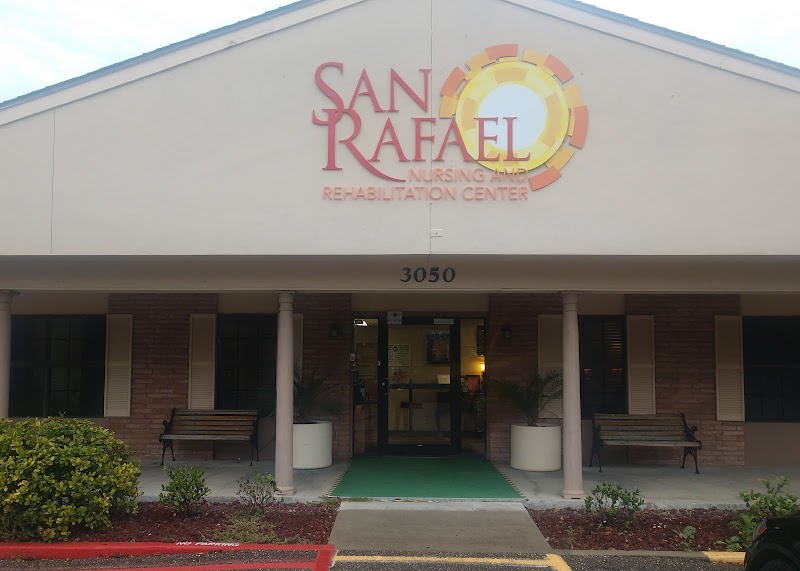
How is San Rafael Nursing And Rehabiliation Staffed?

CMS rates San Rafael Nursing and Rehabiliation's staffing level at 2 out of 5 stars, which is below average compared to other nursing homes. Staff turnover is 41%, compared to the Texas average of 46%. This relatively stable workforce can support continuity of care.

What Have Inspectors Found at San Rafael Nursing And Rehabiliation?

State health inspectors documented 57 deficiencies at San Rafael Nursing and Rehabiliation during 2022 to 2025. These included: 5 Immediate Jeopardy (the most serious level, indicating potential for serious harm or death), 1 that caused actual resident harm, and 51 with potential for harm. Immediate Jeopardy findings are rare and represent the most serious regulatory concerns. They require immediate corrective action.
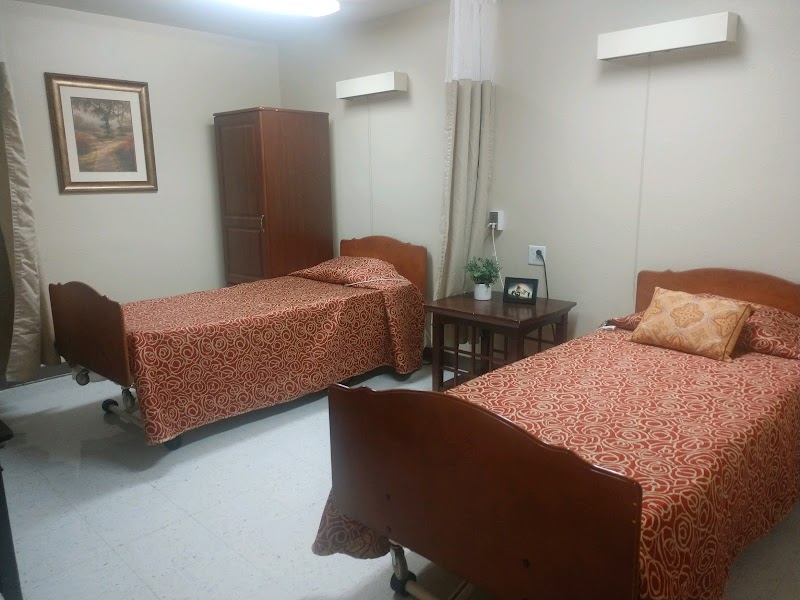
Who Owns and Operates San Rafael Nursing And Rehabiliation?

San Rafael Nursing and Rehabiliation is owned by a government entity. Government-operated facilities are typically run by state, county, or municipal agencies. The facility is operated by BOOKER HOSPITAL DISTRICT, a chain that manages multiple nursing homes. With 168 certified beds and approximately 113 residents (about 67% occupancy), it is a mid-sized facility located in Corpus Chrisit, Texas.
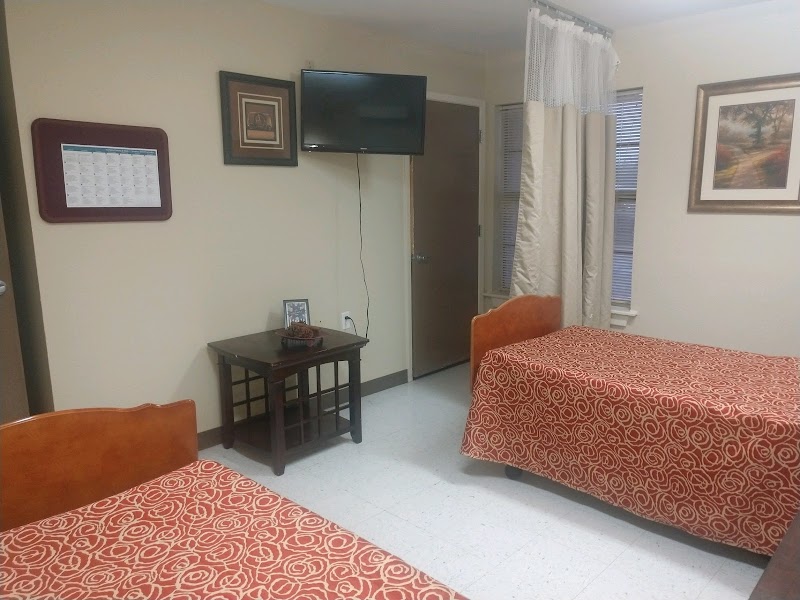
How Does San Rafael Nursing And Rehabiliation Compare to Other Texas Nursing Homes?

Compared to the 100 nursing homes in Texas, San Rafael Nursing and Rehabiliation's overall rating (1 stars) is below the state average of 2.8, staff turnover (41%) is near the state average of 46%, and health inspection rating (1 stars) is much below the national benchmark.

What Should Families Ask When Visiting San Rafael Nursing And Rehabiliation?

Based on this facility's data, families visiting should ask: "What changes have been made since the serious inspection findings, and how are you preventing similar issues?" "Can you walk me through typical staffing levels on day, evening, and night shifts?" "Can I visit during a mealtime to observe dining assistance and food quality?" "How do you handle medical emergencies, and what is your hospital transfer rate?" These questions are particularly relevant given the facility's Immediate Jeopardy citations and the below-average staffing rating.

Is San Rafael Nursing And Rehabiliation Safe?

Based on CMS inspection data, San Rafael Nursing and Rehabiliation has documented safety concerns. Inspectors have issued 5 Immediate Jeopardy citations (the most serious violation level indicating risk of serious injury or death). The facility has a 1-star overall rating and ranks #100 of 100 nursing homes in Texas. Families considering this facility should ask detailed questions about what corrective actions have been taken since these incidents.

Do Nurses at San Rafael Nursing And Rehabiliation Stick Around?

San Rafael Nursing and Rehabiliation has a staff turnover rate of 41%, which is about average for Texas nursing homes (state average: 46%). Moderate turnover is common in nursing homes, but families should still ask about staff tenure and how the facility maintains care continuity when employees leave.

Was San Rafael Nursing And Rehabiliation Ever Fined?

San Rafael Nursing and Rehabiliation has been fined $46,541 across 3 penalty actions. The Texas average is $33,544. While any fine indicates a compliance issue, fines under $50,000 are relatively common and typically reflect isolated problems that were subsequently corrected. Families should ask what specific issues led to these fines and confirm they've been resolved.

Is San Rafael Nursing And Rehabiliation on Any Federal Watch List?

San Rafael Nursing and Rehabiliation is not on any federal watch list. The most significant is the Special Focus Facility (SFF) program, which identifies the bottom 1% of nursing homes nationally based on persistent, serious quality problems. Not being on this list means the facility has avoided the pattern of deficiencies that triggers enhanced federal oversight. This is a positive indicator, though families should still review the facility's inspection history directly.