WINDSOR NURSING AND REHABILITATION CENTER OF CORPU
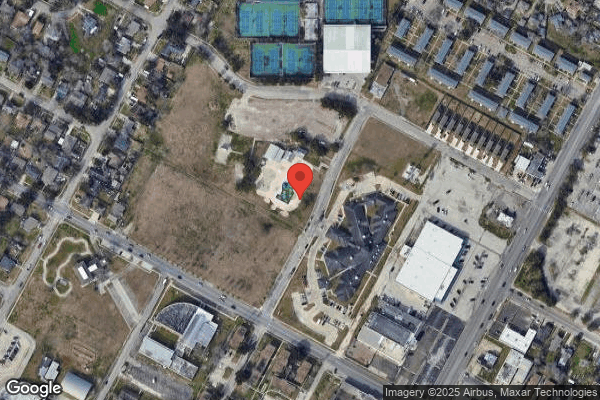
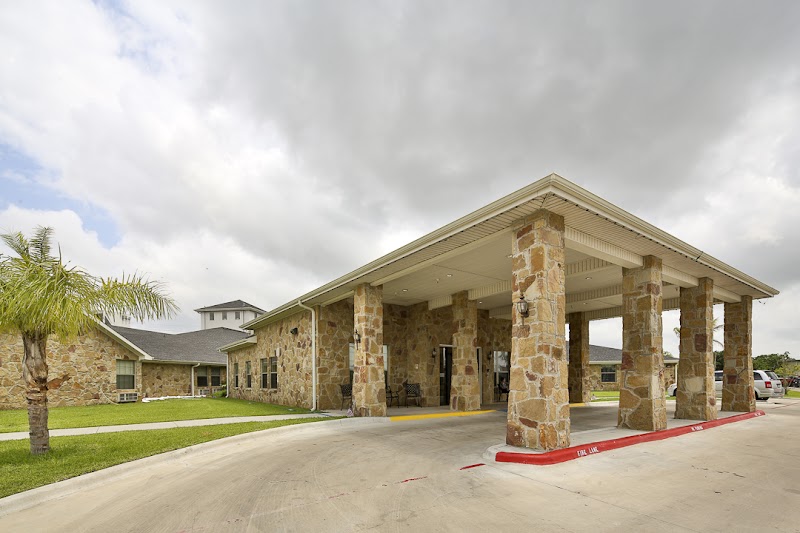
3030 FIG ST, CORPUS CHRISTI, TX 78404 (361) 888-5619
For profit - Limited Liability company 120 Beds WELLSENTIAL HEALTH Data: November 2025
Trust Grade
83/100
#173 of 1168 in TX
Last Inspection: March 2025

Within standard 12-15 month inspection cycle. Federal law requires annual inspections.

Overview

Windsor Nursing and Rehabilitation Center of Corpus Christi has received a Trust Grade of B+, indicating it is above average and recommended for families considering care options. In Texas, it ranks #173 out of 1,168 facilities, placing it in the top half, and #2 out of 14 in Nueces County, suggesting only one nearby facility is rated higher. The facility's trend is improving, with issues decreasing from 5 in 2023 to 3 in 2025, although it still faces concerns related to food safety practices, such as staff not using gloves when handling raw food, which could risk residents' health. Staffing is a mixed bag, rated 2 out of 5 stars, with a turnover rate of 41%, which is better than the state average, but the RN coverage is concerning as it is lower than 83% of Texas facilities. While the facility has fines totaling $12,237, which is average, it is crucial to note that it has faced incidents related to the mishandling of medication and failure to report abuse allegations, highlighting areas needing improvement for resident safety and care.

Trust Score
B+
83/100
In Texas
#173/1168
Top 14%
Safety Record
Low Risk
No red flags
Inspections
Getting Better
5 → 3 violations
Staff Stability
○ Average
41% turnover. Near Texas's 48% average. Typical for the industry.
Penalties
⚠ Watch
$12,237 in fines. Higher than 85% of Texas facilities, suggesting repeated compliance issues.
Skilled Nurses
⚠ Watch
Each resident gets only 13 minutes of Registered Nurse (RN) attention daily — below average for Texas. Fewer RN minutes means fewer trained eyes watching for problems.
Violations
⚠ Watch
13 deficiencies on record. Higher than average. Multiple issues found across inspections.
★★★★★
5.0
Overall Rating
★★☆☆☆
2.0
Staff Levels
★★★★☆
4.0
Care Quality
★★★★★
5.0
Inspection Score
Stable
2023: 5 issues
2025: 3 issues

The Good

  • 4-Star Quality Measures · Strong clinical quality outcomes
  • Full Sprinkler Coverage · Fire safety systems throughout facility
  • No fines on record
  • Staff turnover below average (41%)

    7 points below Texas average of 48%

Facility shows strength in quality measures, fire safety.

The Bad

Staff Turnover: 41%

Near Texas avg (46%)

Typical for the industry

Federal Fines: $12,237

Below median ($33,413)

Minor penalties assessed

Chain: WELLSENTIAL HEALTH

Part of a multi-facility chain

Ask about local staffing decisions and management

The Ugly 13 deficiencies on record

Mar 2025 2 deficiencies
CONCERN (D)

Potential for Harm - no one hurt, but risky conditions existed

Deficiency F0761 (Tag F0761)

Could have caused harm · This affected 1 resident

**NOTE- TERMS IN BRACKETS HAVE BEEN EDITED TO PROTECT CONFIDENTIALITY** Based on observation, interview, and record review, the facility failed to dispose of expired medications for 1 of 4 medication ...

Read full inspector narrative →
**NOTE- TERMS IN BRACKETS HAVE BEEN EDITED TO PROTECT CONFIDENTIALITY** Based on observation, interview, and record review, the facility failed to dispose of expired medications for 1 of 4 medication carts (Hall #3 med-cart, a mobile cart used to pass medication) reviewed for storage and 1 of 1 medication room (med-room [ROOM NUMBER]) reviewed for storage, as well as the facility failed to ensure all drugs and biologicals were stored in accordance with currently accepted professional principles for 1 of 4 med-carts (Hall #3 med-cart) reviewed for storage. 1). The facility failed to dispose from hall #3 med-cart a bottle of antacids that had expired in March of 2022 and a saline enema that had expired in January of 2025. 2.) The facility failed to dispose from med-room [ROOM NUMBER] a box of single dose, prefilled Pneumonia vaccine syringes. 3.) The facility failed to keep Hall #3 med-cart free from employee personal items on 03/12/25 as there was a personal cell phone and a personal aluminum water bottle in bottom drawer of Hall #3 med-cart. 4.) This deficient practice could place residents at risk of receiving medications that were both expired and possibly cross-contaminated by personal items. The findings included: During an observation on 03/12/25 at 12:50 PM of med-pass from Hall #3 med-cart revealed Hall #3 med-cart had an open generic bottle of antacids, approximately 75% full, that had expired in March of 2022, as well as an unopened saline enema that had expired January of 2025, and a personal cell phone and personal aluminum water bottle in the bottom drawer with the blood pressure cuff, plastic cups and disinfecting wipes. During an observation on 03/12/24 at 1:15 PM of the medication refrigerator in med-room [ROOM NUMBER] revealed an open box of 5 single dose, prefilled, Pneumonia vaccine syringes that had expired on 02/05/25. In an interview with MA-D on 03/12/25 01:18 PM, she stated that personal items were not supposed to be in a med-cart because it can cause cross contamination with the medication, but that the items in the cart were not hers, and she did not know who they belonged to. She also stated that she usually checked her med-cart for expired medications, and she had not realized that there were expired medications in the cart. She stated that if expired medications were administered to the residents, they might be ineffective or could possibly make them sick. In an interview with the DON on 03/12/25 01:10 PM, she stated that the nurses knew they were not supposed to have personal items in the med-cart, and that water bottle did belong to MA-D because she had overheard her earlier in the day saying that she used it to give residents tap water. She stated she was not sure about the phone, but assumed it was MA-D ' s since it was with her water bottle, and she did not understand why she lied about it when she should have just told the truth. The DON also stated it was everyone's responsibility to check for expired meds, and ADONs checked carts weekly, and if an expired medication was left on the cart or the in the med-room nurses could possibly give a medication that was less effective or not effective at all. In an interview with ADON-A on 03/12/25 at 5:21 PM, she stated that it was all the nurses and medication aides ' responsibilities to check their med-carts for expired meds, as well as the ADONs checked them weekly, so she was unsure of how the expired medications got missed on Hall #3 ' s med-cart, and giving expired medications to residents could make them sick. She also stated that the nurses were not supposed to keep personal belongings in the med-carts due to possible cross-contamination with the medications. In an interview with DON 03/13/25 12:25 PM, she stated that she looked for a policy on med storage, personal items in the med cart and expired meds, but she could not find any policies specific to these things. Record review of Medication Policies revised 10/01/19 revealed drugs, which have been dispensed for individual residents, were not to be used beyond the expiration date indicated by the manufacturer, by the pharmacy. It was the responsibility of all nurses who administer medications to monitor the expiration dates of the medication. Expired medications would not be administered in the facility. All expired medications would be disposed of per facility policy. Record review of Medication Administration: Medication Carts and Supplies for Administering Meds policy revised 10/01/19 revealed the facility maintains equipment and supplies necessary for the preparation and administration of medication to residents. The purpose of the mobile medication system was to ensure appropriate control and surveillance of resident assigned medications.
CONCERN (D)

Potential for Harm - no one hurt, but risky conditions existed

Infection Control (Tag F0880)

Could have caused harm · This affected 1 resident

**NOTE- TERMS IN BRACKETS HAVE BEEN EDITED TO PROTECT CONFIDENTIALITY** Based on observation, interview, and record review, the facility failed to maintain an infection prevention and control program,...

Read full inspector narrative →
**NOTE- TERMS IN BRACKETS HAVE BEEN EDITED TO PROTECT CONFIDENTIALITY** Based on observation, interview, and record review, the facility failed to maintain an infection prevention and control program, designed to provide a safe, sanitary, and comfortable environment, and to help prevent the development and transmission of communicable diseases and infections, for 5 of 25 residents observed for infection control practices, in that: 1. The facility failed to ensure LVN H and the RA appropriately followed infection control practices when the RA grabbed the top of resident cups by top rims with bare hands, and LVN H grabbed sliced bread, while passing out meal trays to 5 of 25 residents in the dining room during lunch on 03/11/25. 2. The facility failed to post Enhanced Barrier Precaution signs outside the rooms of Resident #88 and #105, so staff and visitors were unaware of what if any precautions were need prior to entering the room. These failures could place residents at risk for cross contamination and infection. Findings include: 1.) During an observation of lunch on 03/11/25 at 12:46 PM LVN H was observed using bare hands to grab the bread slices out of the plastic wrap and placed it on resident trays. An RA was seen grabbing resident cups by the top rim with bare hands and placing it on resident trays. In an interview on 03/11/25 at 12:50 PM LVN H stated she had training once on passing out meal trays since she's been working at facility. LVN H stated staff are not allowed to grab the resident ' s bread or any food with bare hands and did not realize she was doing so. LVN H stated by grabbing resident ' s bread with bare hands, it could spread infections to residents. LVN H stated the last infection control in-service was about a month ago. In an interview on 03/11/25 at 12:59 PM the RA stated he was trained about a few months ago on food handling and passing out meal trays. The RA stated he thought he was grabbing the cups on the sides. The RA stated, well did you see my sanitize my hands? The RA stated the top rim of the cups should not be touched with bare hands as it could spread infection to the residents. The RA sated the last infection control service was about a month and a half ago. In an interview on 03/13/25 at 09:14 AM the DON stated staff should not be grabbing the resident cups by the top rim or grabbing food items such as bread with their bare hands due to infection control. The DON stated by grabbing food items and touching the top rims of resident cups could spread germs to residents. The DON stated an In-service for all staff on food handling and tray set up was conducted on 3/11/25 (observed through record review). In an interview on 03/13/25 at 09:31 AM ADON A stated staff should not be touching the top rims of the resident cups and food items with bare hands because it could contaminate the residents food with bacteria that could potentially be on their hands and spread those germs to the residents who will be putting the items in their mouths. ADON A stated an in-service with all staff was conducted on food handling and tray set up beginning on 3/11/25. Record review of the facility's Infection Prevention and Control Program dated 05/13/23 reflected: Policy This facility has established and maintains an infection prevention and control program designed to provide a safe, sanitary, and comfortable environment and to help prevent the development and transmission of communicable diseases and infections as per accepted national standards and guidelines. Policy Explanation and Compliance Guidelines: The designated Infection Preventionist is responsible for oversight of the program and serves as a consultant to our staff on infectious diseases, resident room placement, implementing isolation precautions, staff and resident exposures, surveillance, and epidemiological investigations of exposures of infectious diseases. 2.) Record review of Resident #88's face sheet dated 03/13/25 revealed a [AGE] year-old-female with an original admission date of 09/25/24 and a current admission date of 01/22/2025. Record review of Resident #88 ' s admission MDS dated [DATE] revealed a BIMS of 15, intact cognition. The MDS also revealed urinary continence not rated as resident had a catheter. Record review of Resident #88 ' s care plan initiated 03/11/25 revealed a care plan for EBP due to foley catheter. Record review of Resident #88 ' s physician orders with a start date of 03/11/25 revealed an order for EBP: use gown and gloves for high contact resident care activities for those with known to be colonized or infected with a CDC targeted MDRO as well as those with increased risk of MDR (residents with wounds or indwelling medical devices). The physician ' s orders also revealed an order with a start date 01/28/25 Foley catheter change 16 French (size of the barrel of the catheter) with 30 milliliter bulb as needed. During an observation on 03/11/25 at 10:14 AM of Resident #88 ' s door and room, there were no EBP signs posted, and there was not EBP - PPE cart posted. Resident #88 was also observed at this time to be wheeling out of her room with her Foley bag connected under her wheelchair in a privacy bag. Record review of Resident #105 ' s face sheet dated 03/13/25 revealed an [AGE] year-old-female with an original admission date of 02/25/25. Record review of Resident #105 ' s admission MDS dated [DATE] revealed a BIMS of 14, intact cognition. The MDS also revealed cardiopulmonary surgery involving the respiratory system, including lungs, bronchi, trachea, larynx, or vocal cords, as well as tracheostomy care. Record review of Resident #105 ' s care plan initiated 02/26/25 revealed a care plan for EPB due to trach. Record review of Resident #105 ' s physician orders with a start date of 03/02/25 revealed an order to change trach collar and tubing with oxygen condensation trap. It also revealed an order with a start date of 02/26/25 for EBP: use gown and gloves for high contact resident care activities for those with known to be colonized or infected with a CDC targeted MDRO as well as those with increased risk for MDR (residents with wounds or indwelling medical devices). During an observation on 03/11/25 at 9:37 AM revealed no EBP sign or EBP - PPE cart on Resident #105 ' s door or wall. In an interview with the wound care nurse on 03/12/25 at 9:25 AM, she stated precaution signs were there to keep the residents and staff safe, and if they were missing it puts all the residents at risk for cross-contamination and infection. She stated that typically the infection control nurse, one of the ADONs, or the DON put up the EBP signs and PPE carts. In an interview with CNA-F on 03/12/25 at 9:54 AM, he stated the ADONs typically put up the signs for EBP. CNA-F stated EBP included the use of gown and gloves with high contact due to them having a possible infection. He stated the precautions were there to keep from spreading infections, and if they did not have the proper signs, infections could spread. He stated that gloves and gowns were typically kept inside the room, but no carts outside that he has seen on the EBP rooms. CNA-F also stated it would be easier if the signs and PPE were outside the room so he would have known what precaution to take and what PPE to put on before entering the room. In an interview with the ICP / ADON-A on 03/13/25 09:20 AM, she stated the DON, ADONs and staff nurses were responsible for putting up EBP signage and carts. She stated that one of the rooms signs must have fallen, and the other room just got missed. If the proper signage and carts were not there, cross contamination could occur, and infections could spread. She also stated that there were no EBP - PPE carts on the doors our outside the rooms because corporate wanted supplies kept in the supply closets, so they kept EBP supplies in the closets, and staff get them from there prior to going into the room and delivering care. In an interview with the DON on 03/13/25 at 9:20 AM, she stated the DON or ADON was responsible for putting up EBP signage, and there was no reason that they were not put up, and they should have been there. The DON also stated the residents would not be protected if staff were not using the proper PPE, especially if they had not known the residents were on EBP. She stated a corporate decision was made to leave the PPE in the supply closets, but CDC recommendation and best practice was to have it available near the room with EBP. Record review of CDC: Long-Term Care Facilities: Implementation of Personal Protective Equipment Use in Nursing Homes to Prevent Spread of Multidrug-Resistant Organisms, dated 04/02/24, revealed the use of gown and gloves for high-contact resident care activities was indicated, when Contact Precautions do not otherwise apply, for nursing home residents with wounds and/or indwelling medical devices regardless of MDRO colonization as well as for residents with MDRO infection or colonization. Post clear signage on the door or wall outside of the resident room indicating the type of Precautions and required PPE (e.g., gown and gloves); For Enhanced Barrier Precautions, signage should also clearly indicate the high-contact resident care activities that required the use of gown and gloves; Make PPE, including gowns and gloves, available immediately outside of the resident room. Website reviewed on 03/13/25 at 10:00 AM: https://www.cdc.gov/long-term-care-facilities/hcp/prevent-mdro/ppe.html?CDC_AAref_Val=https://www.cdc.gov/hai/containment/PPE-Nursing-Homes.html Record review of Enhanced Barrier Precautions policy dated 04/05/24 revealed 2) Initiation of Enhanced Barrier Precautions: b. an order for enhanced barrier precautions would be obtained for residents with any of the following: wounds, indwelling medical devices, infection, and/or colonization with a CDC-targeted MDRO when contact precautions do not otherwise apply. 3) Implementation of Enhanced Barrier Precautions: a. make gowns and gloves available immediately near or outside of the resident ' s room.
Jan 2025 1 deficiency
CONCERN (D) 📢 Someone Reported This

A family member, employee, or ombudsman was alarmed enough to file a formal complaint

Potential for Harm - no one hurt, but risky conditions existed

Deficiency F0657 (Tag F0657)

Could have caused harm · This affected 1 resident

**NOTE- TERMS IN BRACKETS HAVE BEEN EDITED TO PROTECT CONFIDENTIALITY** Based on observation, interview, and record review, the facility failed to review and revise the care plans for 1 of 5 residents...

Read full inspector narrative →
**NOTE- TERMS IN BRACKETS HAVE BEEN EDITED TO PROTECT CONFIDENTIALITY** Based on observation, interview, and record review, the facility failed to review and revise the care plans for 1 of 5 residents (Resident #1) whose care plans were reviewed, in that: The facility failed to ensure Resident #1's care plans accurately reflected current mobility and activity level and status. These failures could place residents at risk of receiving inadequate individualized care and services. Findings included: Record review of Resident #1's face sheet revealed an [AGE] year-old female with an original admission date of 4/20/23 and current admission date of 1/13/25. Record review of quarterly MDS dated [DATE] revealed Resident #1 had a BIMS of 08, which suggests moderate cognitive impairment. The MDS also revealed that resident had functional impairment on one side of lower extremity, utilized a wheelchair for mobility, and was dependent with dressing, hygiene, and toileting. Record review of Resident #1's Care Plan revealed resident enjoyed attending group activities, and she ambulated independently via wheelchair, but may needed assistance at times, initiated 7/17/23 and no revision. It also revealed Resident #1 had an activities of daily living self-care performance deficit related to impaired mobility and Dementia; limited physical mobility related to weakness and disease processes; high risk for fall related to impaired mobility and Dementia. In an observation on 1/27/25 at 1:10 PM, 2:00 PM, and 3:00 PM, Resident #1 was not in her bed because she was at dialysis. In an observation on 1/28/25 at 8:40 AM and 10:15 AM, Resident #1 was observed to be lying in her bed. She raised her head to acknowledge surveyor but did not turn or rotate her body. In an interview with CNA-A on 1/27/25 at 1:20 PM, she stated Resident #1 did not fall frequently that she knew of because she was bed bound. CNA-A stated the resident was trying to get up by herself, and she was not supposed to, and that was how she fell previously in July 2024, and since that fall the resident had declined physically and mentally, and she stays in bed all the time, except when she had to go to dialysis. CNA-A stated that when she went to change the resident, she found her on the floor on her side by the bed. She stated Resident #1 was cognitive enough to push the light when she needed something prior to the fall, but she had declined a lot, and she was more confused since that fall. CNA-A stated she immediately called the nurse to check Resident #1 when she found her on the floor. She stated staff were in-serviced over falls at monthly meetings and every time there was an incident, as well as their annual in-services. She also stated abuse and neglect was in-services monthly and in between as needed. CNA-A stated Resident #1 never complained about abuse or neglect to her, but if she had seen or heard about it, she would have reported it to her charge nurse and the Administrator, who was the abuse and neglect coordinator. In an interview with CNA-B on 1/27/25 at 1:30 PM, he stated he had worked on Hall 4 for a while and knew Resident #1 fairly well but did not work with her often because she preferred to have female staff to take care of her. He stated Resident #1 did not ambulate, nor did she use her wheelchair for mobility since declining after the fall in July 2024. He also stated that Resident #1 was no longer able to roll or turn herself in bed to assist with any of her care. CNA-B stated Resident #1 had not been able to move much or reposition herself in bed for many months now. In an interview with LVN-C on 1/27/25 at 2:10 PM, she stated that Resident #1 did not fall a lot. Resident #1 used to get in her chair and go to the bathroom before she started to decline quite a bit. The decline seemed to happen after the big fall with hip fracture in July 2024 from her trying to transfer herself to get ready for dialysis. She stated that Resident #1 no longer got herself up, transferred herself, or assisted with rolling or repositioning in bed. Resident #1 had gotten a lot weaker, and she only gets up for dialysis, and at times therapy, if it was ordered, but she mostly did not get up anymore. She stated that Resident #1 can tell you if she wanted to get out of bed or if she was in pain. She knows how to use her call light. LVN-C stated that care plans were updated by the MDS nurse and the social worker typically. She stated that Resident #1 had not had any further falls since the major fall that caused the hip fracture in July 2024. In an interview with the ADON on 1/27/25 at 2:30 PM, she stated that Resident did not fall a lot. She had declined so much that she only gets out of bed to go to dialysis. The fall occurred when resident was trying to get or transfer out of bed to get ready for dialysis, but she was confused because she did not have dialysis that day. She no longer tries to transfer self or get out of bed except dialysis days, and she was typically transferred by staff to wheelchair or stretcher. She stated the MDS nurse was the one who updated the care plan, but she can see that the care plan needs to be updated and personalized as it still says Resident #1 was ambulatory with her wheelchair. In an interview with the MDS Nurse on 1/27/25 at 2:55 PM, she stated she realized Resident #1's care plan still showed ambulatory with wheelchair and limited mobility, but she was changing it to impaired mobility, as well as removing the activities care plan stating that Resident #1 attends group activities and ambulates independently via wheelchair. She stated the Activities Director updated the activities care plans, and the care plans were done at minimum with the MDS assessment and with acute changes. She stated that Resident #1 had declined so much that her dialysis sessions were decreased to twice a week and less time. She stated Resident #1 no longer likes to get out of bed other than having go to dialysis. She was still able to verbalize wants and needs and could answer questions depending on the complexity of questions. She stated Resident #1 had been refusing dialysis recently, and she was more tired and wanted to be left alone. MDS Nurse did not remember the exact situation but remembered Resident #1's fall in July 2024. She stated she did not fall frequently and had not fallen since then. The MDS Nurse stated she will get with the Activities Director right now to have her update and change the care plan, so it did not reflect that Resident #1 was still mobile with wheelchair as she was only transferred from bed to stretcher/chair for dialysis now. In an interview with the Activities Director on 1/27/25 at 3:12 PM, she stated she reviewed and updated the activity care plans quarterly and with any changes. She stated Resident #1 had a fall a while back and a recent hospital stay, and her care plan needed to be updated to accurately reflect these things. She also stated that the care plan should have been updated in November, but the activities portion had not been revised since July 2024 due to Resident #1 being in and out of the hospital. The Activities Director stated that there was a corporate person who used to look over the care plans to check that they were complete and accurate, and to see if anything was missed, but right now there was no system in place to show the care plans were being checked or updated as needed. She stated Resident #1 no longer gets up to activities, and she was going to update this in the care plan, even though it was already updated in her assessment. In an interview with the Administrator on 1/27/25 at 3:19 PM, he stated vaguely remembered Resident #1's fall from July 2024, and typically with a fall, the CNA will alert the nurse to assess resident for pain and the physical condition. They were in-serviced on falls at least monthly as well, and if there was an incident. Administrator stated the care plans were covered in QAPI meetings, and he had noticed there was a deficit with them. The MDS nurse and Interdisciplinary team updated the care plans driven by the care management nurse. As a plan of correction, the Administrator stated they were care planning individuals who were triggering more on metrics, such as the residents who had the most needs. The Interdisciplinary Team reports whether or not the care plans were updated, including the activities portion, and we have recognized that care planning needs to be brought up to speed, and more person centered. The Administrator stated that the Director of Nursing was much more versed in this process as a former MDS coordinator with experience looking at the quality of the care plan and given the fact that Resident #1 had a fall recently, as well as a hospital stay, her care plan should have been reviewed more thoroughly and updated.
Dec 2023 2 deficiencies
CONCERN (E) 📢 Someone Reported This

A family member, employee, or ombudsman was alarmed enough to file a formal complaint

Potential for Harm - no one hurt, but risky conditions existed

Food Safety (Tag F0812)

Could have caused harm · This affected multiple residents

Based on observations, interviews, and record reviews, the facility failed to store, prepare, distribute, and serve food in accordance with professional standards for food service safety in 1 of 1 kit...

Read full inspector narrative →
Based on observations, interviews, and record reviews, the facility failed to store, prepare, distribute, and serve food in accordance with professional standards for food service safety in 1 of 1 kitchen reviewed for kitchen sanitation The facility failed to ensure kitchen staff used proper hand washing and sanitation procedures when handling and serving food. These failures placed residents who received food from the kitchen at risk for food borne illness. Findings include: During an observation on 12/12/2023 beginning at 11:31 a.m., observed the Morning [NAME] as she picked up a piece of round, raw frozen sausage out of a small box with no gloves on, only using her bare hand. Observed the Morning [NAME] as she took the raw, round, frozen sausage and wrapped a napkin around the patty and placed the sausage in the microwave. Observed the Morning [NAME] as she immediately poured flat noodles out of plastic bag into a pan of water on the stove and then poured the extra, uncooked noodles into a zip lock bag and closed the seal on the bag. Observed the Morning [NAME] as she removed a plate from the plate warmer and placed the plate on the counter, then she removed two slices of bread from a bag and placed both in the toaster with no gloves on, only using her bare hand. Observed the Morning [NAME] as she went to the stove and removed a small frying pan and sprayed cooking spray on the inside of the pan without washing her hands. Observed the Morning [NAME] as she cracked an egg into the pan not using gloves. Observed the Morning [NAME] as she walked across the kitchen to the 33-gallon rubber trash can and lifted the lid with her bare hand and discarded the eggs shells. Observed the Kitchen [NAME] as she walked back to the stove and picked up a spoon and stirred the noodles, then picked up a spatula to stir the egg. Observed the Morning [NAME] as she removed the sausage patty from the microwave by holding the item with her bare hand and the napkin and placed the sausage on the plate. Observed during the time frame that the Morning [NAME] did not wear gloves or wash her hands. During an observation on 12/12/2023 at 11:40 a.m., observed a dark gray 33-gallon plastic trash can that was placed next to the wall approximately eight (8) feet from the stove. Observed the trashcan was over-filled with trash items with the lid sitting above the rim of trashcan. Observed the lid of the trashcan was stained with yellow and orange substances and had black marks and smudges on the top and rim of the lid. During an observation on 12/12/2023 at 11:42 a.m., observed the Morning [NAME] as she picked up a plate and spooned beef tips onto the plate and then sat the plate down on the counter and walked over to the 33-gallon rubber trash can and lifted the lid and placed a piece of paper into the rubber trash can. Observed the Morning [NAME] as she walked back to the stove and resumed spooning beef tips onto a plate. The Morning [NAME] did not wash her hands after touching the rubber trash can. During an interview on 12/12/23 at 11:45 a.m., the Dietary Manager said the kitchen staff were required to wear gloves when touching food. During an observation on 12/12/2023 at 11:49 a.m., observed the Morning [NAME] as she picked up multiple slices of bread and tore the bread into pieces with her bare hands and placed the bread into the puree machine. The Morning [NAME] had not washed her hands. Observed the Morning [NAME] as she walked over to the 33-gallon rubber trashcan and lifted the lid and threw away the plastic bag and walked back to the counter and pureed the bread by placing the lid the on machine and turning the machine on. At no time was the Morning [NAME] observed wearing gloves or washing her hands. During an observation on 12/12/2023 at 12:04 p.m., observed the Morning [NAME] as she put food on a plate and handed plate to the Dietary Aide, with her thumb on the inside of the plate touching the butter noodles. Observed the Morning [NAME] as she took her hand and wiped the food off her thumb onto her pants. Observed the Morning [NAME] was not wearing gloves. During an interview on 12/12/23 at 1:35 p.m., the Dietary Aide said she had been at the facility for 11 years. The Dietary Aide said when she touched raw or cooked food with her hands, she was required to wear gloves and had been in-serviced on the requirement. The Dietary Aide said the trash can with the lid that had to be lifted with her hand to place trash in was unacceptable and a source of cross-contamination. The Dietary Aide said she had been trained on employee sanitation and food storage. During an interview on 12/12/2023 at 1:48 p.m., the Morning [NAME] said she had been at the facility for nine (9) years. The Morning [NAME] said she knew that she was not supposed to touch food items with her bare hands, and she was required to wear gloves when she handled food. The Morning [NAME] said she aware that during lunch preparation on that day, she touched a frozen sausage patty, the bread she had put in the toaster, and bread she had crumbled to puree without wearing gloves and without washing her hands. The Morning [NAME] said she was in a hurry and forgot to put gloves on. The Morning [NAME] said she was aware that she needed to wash her hands after she changed her gloves, when she touched the trash can including the lid, or touch her face or hair. The Morning [NAME] said that when she touched the trash can lid with her bare hand and then touched food without washing her hands or wearing gloves was cross contamination. The Morning [NAME] said cross contamination could make the residents who were served out of the kitchen sick. The Morning [NAME] said she was trained on employee sanitation, food storage, and food preparation and handling. During an interview on 12/14/2023 at 1:51 p.m., the Dietary Manager said she had been at the facility for 11 years. The Dietary Manager said the Morning [NAME] touching food with her bare hands instead of wearing gloves was unacceptable and she said the Morning [NAME] knew better. The Dietary Manager said what had occurred during observations on 12/12/2023 did not meet her expectations. The Dietary Manager said the Morning [NAME] touching the trash can lid and not washing her hands was unacceptable. The Dietary Manager said the action would cause cross contamination and could contaminate the food and make the residents sick. The Dietary Manager said kitchen staff were required to wear gloves when they touched food. The Dietary Manager said kitchen staff were required to wash their hands when they touched the trash cans, touched their face, went to the bathroom, or changed gloves. The Dietary Manager said the Morning [NAME] putting her thumb in the noodles when she served the plate and then handing the plate to the Dietary Aide did not meet her expectations. Record review of the facility's policy, Food Preparation and Handling, dated 06/01/2019, revealed to ensure that all food served by the facility was of good quality and safe for consumption, all food would be prepared and handled according to the state and US Food Codes and HACCP guidelines. Procedure included preparing food with the least manual contact possible. Do not allow bare hands to touch raw food directly. Record review of the facility's policy, Employee Sanitation, dated 10/01/2018, revealed employees must wash their hands and exposed portions of their arms at designated hand washing facilities immediately before engaging in food preparation including working with exposed food, clean equipment and utensils, and unwrapped single-service and single-use articles; during food preparation, as often as necessary to remove soi and contamination and prevent cross contamination when changing tasks.
MINOR (C) 📢 Someone Reported This

A family member, employee, or ombudsman was alarmed enough to file a formal complaint

Minor Issue - procedural, no safety impact

Deficiency F0727 (Tag F0727)

Minor procedural issue · This affected most or all residents

Based on interviews and record reviews, the facility failed to utilize the services of an RN for 8 consecutive hours 7 days a week for 49 days out of 438 days reviewed. The facility failed to have an ...

Read full inspector narrative →
Based on interviews and record reviews, the facility failed to utilize the services of an RN for 8 consecutive hours 7 days a week for 49 days out of 438 days reviewed. The facility failed to have an RN for 8 consecutive hours 7 days a week for 49 days out of 438 days reviewed from September 30, 2022, through December 11, 2023. These failures could place all residents at risk for their clinical needs not being met. Findings included: Review of daily staffing data revealed the facility did not provide the services of an RN on the following dates: October 16, 2022, October 29, 2022 October 30, 2022, December 25, 2022, December 31, 2022, January 28, 2023, March 05, 2023, March 15, 2023, April 08, 2023, April 15, 2023, May 01, 2023, May 28, 2023, June 04, 2023, June 17, 2023, June 25, 2023, July 01, 2023, July 02, 2023, July 16, 2023, July 19, 2023, July 30, 2023, August 01, 2023, August 14, 2023, August 16, 2023, August 17, 2023, August 18, 2023, and October 01, 2023. Review of daily staffing data revealed the facility did not provide the services of an RN for 8 consecutive hours on the following dates: October 10, 2022 an RN was onsite for 7.94 hours, November 09, 2022 an RN was onsite for 7.12 hours, November 12, 2022 an RN was onsite for 1.02 hours, November 13, 2022 an RN was onsite for 7.52 hours, December 24, 2022 an RN was onsite for 7.82 hours, January 01, 2023 an RN was onsite for 3 hours, January 10, 2023 an RN was onsite for 5.6 hours, January 15, 2023 an RN was onsite for 7.59 hours, January 21, 2023 an RN was onsite for 7.43 hours, January 22, 2023 an RN was onsite for 4.03 hours, February 20, 2023 an RN was onsite for 7.43 hours, February 26, 2023 an RN was onsite for 2.88 hours, March 12, 2023 an RN was onsite for 7.83 hours, March 18, 2023 an RN was onsite for 2.04 hours, April 11, 2023 an RN was onsite for 7.95 hours, April 28, 2023 an RN was onsite for 7.85 hours, May 07, 2023 an RN was onsite for 6.82 hours, May 23, 2023 an RN was onsite for 5.57 hours, June 24, 2023 an RN was onsite for 2.08 hours, July 15, 2023 an RN was onsite for 2.40 hours, July 17, 2023 an RN was onsite for 5.10 hours, August 15, 2023 an RN was onsite for 5.80 hours, October 21, 2023 an RN was onsite for 1.90 hours. Review of the Payroll Based Journal report dated 12/06/2023 revealed No RN hours triggered as an area of concern. The following dates were identified: May 20, 2023, June 03, 2023, June 7, 2023, June 16, 2023, June 18, 2023, and June 19, 2023. The facility provided records indicating RN hours as follows: May 20, 2023, 8.17 hours, June 03, 2023, 11.29 hours, June 7, 2023, 20.32 hours, June 16, 2023, 11.15 hours, June 18, 2023, 11.25 hours, and June 19, 2023, 11.48 hours. During an interview on 12/14/23 at 1:30 PM, the administrator stated his expectation of Registered Nurse coverage was at least 8 hours a day, 7 days a week. He stated staying in compliance with regulations was important for the facility and the residents. He stated the importance was because of the expertise an RN had to handle critical issues that may occur. The administrator explained the discrepancy on the payroll-based journal report was due to agency nurse coverage that was not captured in the system for the report. During an interview on 12/14/23 at 1:45 PM, the DON stated her expectation of Registered Nurse coverage was for an RN to be on-site the required number of hours. She stated she was a stickler for making sure to meet the requirement. The DON explained the purpose of complying with the requirement was due to the advanced training and knowledge an RN had to deal with complex issues such as in an emergency. The DON stated the quality of care was improved when an RN was onsite for at least 8 hours every day of the week. During an interview on 12/14/23 at 2:06 PM, the ADON stated having an RN onsite everyday was necessary due to an RN's increased scope of practice. She stated RNs were equipped to perform more advanced tasks in resident care. During an interview on 12/14/23 at 2:13 PM, RN A stated an RN was trained to perform an in-depth assessment. She stated an RN's advanced skills could make a difference in being able to care for a resident's needs in the facility versus transferring a resident to an acute care facility. RN A explained the facility protocol if an RN did not show up for a shift, staff had been instructed to call the DON. She stated all nursing staff aware an RN must be in the building for 8 hours every day. Review of the facility policy titled Nursing Services - Registered Nurse (RN) dated October 2022 revealed under the Policy Explanation and Compliance Guidelines section, item 1. The facility will utilize the services of a Registered Nurse for at least 8 consecutive hours per day, 7 days per week.
Dec 2023 1 deficiency
CONCERN (D) 📢 Someone Reported This

A family member, employee, or ombudsman was alarmed enough to file a formal complaint

Potential for Harm - no one hurt, but risky conditions existed

Infection Control (Tag F0880)

Could have caused harm · This affected 1 resident

**NOTE- TERMS IN BRACKETS HAVE BEEN EDITED TO PROTECT CONFIDENTIALITY** Based on observation, interview and record review the facility failed to establish and maintain an infection prevention and cont...

Read full inspector narrative →
**NOTE- TERMS IN BRACKETS HAVE BEEN EDITED TO PROTECT CONFIDENTIALITY** Based on observation, interview and record review the facility failed to establish and maintain an infection prevention and control program designed to provide a safe, sanitary, and comfortable environment and to help prevent the development and transmission of communicable diseases and infections for one of five residents (Resident #1) reviewed for infection control. 1. CNA A did not perform hand hygiene or glove changes after touching Resident #1's purple foot pad/foam on Resident #1's foot, nor did she perform hand hygiene during perineal care . This failure could place residents at risk for infection. The findings include: Record review of Resident #1's face sheet, dated 12/01/2023, reflected the resident was initially admitted to the facility on [DATE], and readmitted [DATE]. Resident #1 was an [AGE] year-old female with diagnoses which included: Acute Kidney Failure (kidney failure), Type 2 Diabetes mellitus (A chronic condition that affects the way the body processes blood sugar ) , Cerebral Infarction (disrupted blood flow to the brain due to problems with the blood vessels that supply it), and malignant neoplasm of left kidney (cancer left kidney). Record review of Resident #1's admission MDS, dated [DATE], documented a 14/15 BIMS score, which indicated the resident was cognitively intact. Resident #1 was coded to have an indwelling catheter. Resident #1 also required extensive assistance of staff to assist in activities of daily living. Record review of Resident #1's Comprehensive Care Plan, date initiated 12/13/2022, reflected Focus: Resident #1 has bladder incontinence. Goal: The resident will remain free from skin breakdown due to incontinence and brief use through review date. Interventions: brief use: The resident uses disposable briefs. Change (Q 2 hrs.) and PRN. Clean peri -area with each incontinence . During an observation on 12/01/2023 at 3:16 PM, revealed CNA A applied two sets of clean gloves, followed by removal and adjustment of Resident #1's purple foot pad/foam, and continued by retrieving cleaning wipes, and began cleaning Resident #1's perineal area. CNA A did not perform hand hygiene nor glove changing after touching Resident #1's foot and prior to beginning perineal care. While CNA A performed perineal care, CNA A removed the first set of contaminated gloves, but did not perform hand hygiene when she completed cleaning Resident #1's perineal area and began cleaning Resident #1's gluteal fold area. During an interview on 12/01/2023 at 3:32 PM, CNA A stated by her changing her gloves throughout the perineal care would be an adequate form of hand hygiene. CNA A stated she was nervous, and usually just changed gloves when cleaning front (perineum) to back (gluteal folds). CNA A did not give a definitive answer when asked what could happened if hand hygiene was not performed. CNA A stated washing her hands was a way to keep infection from being passed on to the resident or staff. CNA A stated infection could affect the well-being of a resident. CNA A stated she performed hand hygiene before perineal care and after perineal care, and continued by stating she was not aware to perform hand hygiene during perineal care. CNA A did not give a definitive answer as to why she did not change her second pair of gloves. CNA A stated she was last in-serviced about hand hygiene about three weeks ago, CNA A stated she was given a competency check off yearly on perineal care . During an interview on 12/01/2023 at 3:59 PM, the DON stated the facility followed CDC guidelines regarding hand hygiene infection control. The DON stated CNA A after touching Resident #1's foot pad/foam, CNA A should have removed her contaminated gloves and performed hand hygiene prior to commencement of perineal care. The DON stated by not performing hand hygiene and changing gloves, CNA A potentially introduced infection by cross-contamination from Resident #1's foot to perineal area. The DON stated cross contamination of the microorganism that lived on the surface of Resident #1's skin into Resident #1's vaginal area could cause infection. The DON stated infection could potentially lead to urinary tract infections, or sepsis which could jeopardize the well-being of Resident #1's health. The DON stated once CNA A completed Resident #1's perineal care, CNA A should have removed her gloves, performed hand hygiene, applied new clean gloves, and continued with cleaning Resident #1's gluteal area. The DON reiterated the potential adverse reaction of cross-contamination and infection severity. The DON stated the ADON administers competency checkoffs upon hire, annually, and as needed. The DON stated the ADON in serviced the clinical staff on perineal care. Record review of the facility's Infection Control (Handwashing/PPE) in-service, dated 11/09/2023, reflected CNA A was in attendance. Record review of the facility's CNA Orientation Skills Checklist competency checkoff, dated 02/15/2023, reflected CNA A completed Infection Control: Handwashing/gloves and Personal care: peri-care/female. Record review of the facility's Perineal Care Policy, dated 10/24/2022, reflected: .6. Perform hand hygiene and put on gloves 9. If perineum is grossly soiled, turn resident on side, remove any fecal material with toilet paper, then remove and discard. 10. Change gloves if soiled and continue with perineal care Record review of the Hand Hygiene Policy, dated 10/24/22, reflected, .2. Hand Hygiene is indicated and will be performed under the conditions listed in, but not limited to, the attached hand hygiene table. (no table attached) . 6. The use of gloves does not replace hand hygiene. Record review of the facility's Peri-Care: Female procedure, undated, policy reflected, .2. Wash hands thoroughly; . 9. With non-dominant hand separate and hold labia 10. Remove gloves, perform hand hygiene. DON (put on) new gloves. Record review of the CDC Guidelines online at https://www.cdc.gov/handhygiene/providers/index.html, regarding Hand Hygiene in Healthcare Settings, dated January 8, 2021, reflected Healthcare personnel should use an alcohol-based hand rub or wash with soap and water for the following clinical indications: Immediately before touching a patient, before performing an aseptic task (e.g., placing an indwelling device) or handling invasive medical devices, before moving from work on a soiled body site to a clean body site on the same patient, after touching a patient or the patient's immediate environment, after contact with blood, body fluids or contaminated surfaces, and immediately after glove removal.
Oct 2023 1 deficiency
CONCERN (D) 📢 Someone Reported This

A family member, employee, or ombudsman was alarmed enough to file a formal complaint

Potential for Harm - no one hurt, but risky conditions existed

Safe Environment (Tag F0584)

Could have caused harm · This affected 1 resident

**NOTE- TERMS IN BRACKETS HAVE BEEN EDITED TO PROTECT CONFIDENTIALITY** Based on Observations and interviews, the facility failed to provide a safe, sanitary, and comfortable environment for 1 of 1 ha...

Read full inspector narrative →
**NOTE- TERMS IN BRACKETS HAVE BEEN EDITED TO PROTECT CONFIDENTIALITY** Based on Observations and interviews, the facility failed to provide a safe, sanitary, and comfortable environment for 1 of 1 hall reviewed for the environment in that: The facility failed to prohibit a gas-powered [NAME] from being driven inside the building. This failure could place residents at risk of living in an unsafe, unsanitary, and uncomfortable environment Findings were: Observation on 10/19/23 at 3:15 p.m. revealed the MS unlocked, disarmed, and opened two doors at the end of hall 400 that led to the outside of the front of the facility, the other door was directly across the hallway leading outside to the courtyard. A person on a stand-up type lawn [NAME] drove the running [NAME] inside the building, through the doors, mowed the courtyard, and drove the running [NAME] back through the doors, into the building, across the hallway, and out of the facility. The MS closed, locked, and re-armed the doors after the [NAME] was outside the facility. An interview with the MS on 10/20/23 at 10:50 a.m. stated the maintenance department had been allowing the gas-powered [NAME] to come through the doorways forever. The MS stated, Yesterday, they came through the doors with the gas-powered lawn [NAME], across the hall, and into the courtyard to [NAME], then back through the doors, across the hallway. The MS stated the facility had a new lawn service, and they did not have access to open the doors. When asked who opened the locked doors for the [NAME] driver, the MS stated, That's a good question. The MS stated the maintenance department opened the doors. This surveyor stated, That would be you? The MS nodded his head up and down and stated, Yes, the maintenance department. The MS stated the lawn service used to weed-eat the courtyard and when asked what had changed, stated, That's a really good question, and could not say. The MS stated the maintenance department let them (the lawn service) in and opened the doors and it should not be allowed. The MS stated the maintenance department stood between the doors while the [NAME] crossed the hall to ensure no one got run over by the stand-up gas-powered [NAME]. When asked why gas-powered machinery should not be inside the facility, the MS stated, That's a really good question, then stated it was not good to allow a gas-powered [NAME] to go through the building because the combustion and exhaust could cause respiratory issues with the residents and staff, especially since the physical therapy department was only about 10 feet from the doors that were used to allow the gas-powered [NAME] to go through the building. The MS stated there was another way to get to the courtyard without driving a [NAME] through the building, but it was a long way around (on the sidewalk). An interview with the ADM on 10/20/23 at 4:33 p.m. stated since he had been at the facility, that was the first time he had heard of it (allowing a gas-powered [NAME] to go through the doors, cross the hallway, and return the same way). The ADM stated he spoke with the MS who told him it was a rare occurrence, and they usually only used a weed eater to [NAME] the courtyard. The ADM stated the MS told him the reason they did it (drive the [NAME] through the building) was because the grass was higher than usual. He told the MS to contact the lawn [NAME] company to tell them not to do that again, and the MS told the ADM he would call them ASAP. The ADM stated the MS had made that call and the lawn [NAME] company would speak with their staff. The ADM stated it could pose a situation where people (residents, staff, surveyors, visitors) could get hurt. The ADM stated, It was stupid for them to do that. It was lazy. The Adm stated that would never be okay (to drive a gas-powered [NAME] through the building). References: NFPA 99 Health Care Facilities Code (2012) 15.3 Special Hazard Protection for Flammable Liquids and Gases. 15.3.1 The storage and handling of flammable liquids or gases shall be in accordance with the following applicable standards: (1) NFPA 30, Flammable and Combustible Liquids Code NFPA 30 Flammable and Combustible Liquids Code (2012) 6.5 Control of Ignition Sources 6.5.1 General. Precautions shall be taken to prevent the ignition of flammable vapors by sources such as the following: (1) Open flames (2) Lightning (3) Hot surfaces (4) Radiant heat (5) Smoking (6) Cutting and [NAME] (7) Spontaneous ignition (8) *Frictional heat or sparks (9) Static electricity (10) Electrical sparks (11) Stray currents (12) Ovens, furnaces and heating equipment
May 2023 1 deficiency
CONCERN (E) 📢 Someone Reported This

A family member, employee, or ombudsman was alarmed enough to file a formal complaint

Potential for Harm - no one hurt, but risky conditions existed

Report Alleged Abuse (Tag F0609)

Could have caused harm · This affected multiple residents

**NOTE- TERMS IN BRACKETS HAVE BEEN EDITED TO PROTECT CONFIDENTIALITY** Based on observations, interviews, and record review, the facility failed to ensure that all alleged violations involving abuse,...

Read full inspector narrative →
**NOTE- TERMS IN BRACKETS HAVE BEEN EDITED TO PROTECT CONFIDENTIALITY** Based on observations, interviews, and record review, the facility failed to ensure that all alleged violations involving abuse, are reported immediately, but not later than 2 hours after the allegation is made, if the events that cause the allegation involve abuse, to other officials including adult protective services and law enforcement, for 3 of 5 residents reviewed for abuse (Residents #1, #2, and #4) The facility failed to report: -Resident #1's breast was grabbed on 01/23/23 occasion and slapped on the buttocks on 02/09/23 by (Resident #3) -Resident #2's breast was grabbed on 02/20/23 by Resident #3 -Resident #4 was slapped on the head on 01/29/23 by Resident #5 - The facility failed to implement the facility's policies and procedures for reporting to the proper authorities for Residents #1, #2, and #4 This failure could place residents at risk for unreported allegations of abuse without proper investigation and reporting Findings were: A record review of Resident #1's face sheet with an initial admission date of 04/13/21, and most recent admission of 06/21/21 documented an independent and self-representative [AGE] year-old female with relevant diagnoses of vascular dementia, without behavioral disturbance, chronic obstructive pulmonary disease, insomnia, heart disease, high blood pressure, anxiety disorder, major depressive disorder, muscle wasting and atrophy. A record review of Resident #1's MDS dated [DATE] documented she was a smoker had a BIMS score of 14, indicating intact cognition, was cognitively and functionally independent with a walker, was frequently incontinent of bowel and occasionally incontinent of the bladder and was receiving Psyche services. A record review of Resident #3's face sheet dated 07/31/21 and discharged [DATE] documented a [AGE] year-old male with diagnoses of vascular dementia, without behavioral disturbance, insomnia, heart disease, heart failure, chest pain, high blood pressure, reflux, muscle wasting and atrophy. Resident #3. Was his own representative. A record review of Resident #3's MDS dated [DATE] documented he was a smoker and had a BIMS score of 12, indicating moderately impaired cognition, and a cognitive and functional ability to transfer himself with 1 staff to assist and was continent. MDS dated [DATE] documented a BIMS score of 12 and Physical behavioral symptoms directed toward others (e.g., hitting, kicking, pushing, scratching, grabbing, abusing others sexually) for 1-3 days, and remained continent. A record review of Resident #3's Change in Condition Report dated 02/09/23 documented: the resident stated he hit Resident #1 on her bottom to tell her to keep moving in the hallway, whereas he was separated from the other resident and placed on q15-minute monitoring. There were no other changes documented. A record review of Resident #3's Discharge Plan and Summary dated 02/22/23 documented the Reason for Discharge was inappropriate behaviors and discharge to a sister facility all-male unit. A record review of Resident #3's Care Plan dated 01/30/23 documented Resident #3 had the potential for inappropriate touching behavior. Date Initiated: 01/30/2023. Resident #3 will have no evidence of behavior problems by the review date. Date Initiated: 01/30/202. Intervene as necessary to protect the rights and safety of others. Approach/Speak in a calm manner. Divert attention. Remove from the situation and take to an alternate location as needed. Date Initiated: 01/30/2023.: Resident #3 was to be monitored by staff when interacting with Resident #1, whom he had previously touched. Date Initiated: 01/30/2023. Resident #3 was receiving Psychiatric services and was taking sedatives/hypnotics, and antidepressants. He was also being treated for his heart condition, high cholesterol, and high blood pressure. A record review of Resident #1's progress notes dated 01/23/23 at 3:50 pm documented Resident #1 was returning to the facility from a scheduled smoke break with Resident #3. When entering the building Resident #3 grabbed Resident #1's breast from behind. Resident #1 then came to the nurse's station and stated, I don't want him to be grabbing my breast. and pointed toward Resident #3. The nurse followed Resident #1 into her room to verify what had happened. Resident #1 stated, I don't want to get him in trouble I just want him to stop doing that. When Resident #1 was asked if it had happened before, Resident #1 stated, No he usually asks me to grab my breast, but I tell him no, but today he did it when I wasn't looking. A record review of the facility investigation report, completed by the ADM, dated 01/23/23 documented a resident-to-resident incident involving Resident #1 and Resident #3 upon returning from a smoke break wherein Resident #1 reported to a charge nurse that Resident #3 had grabbed her breast. She stated that she did not want to get him into trouble, she just wanted him to stop doing that. When asked if she would rather Resident #3 not attend smoking with her, she said, Oh, no, he is fine to continue to smoke with me as long as he doesn't do that again. She stated that they don't really talk much, and he doesn't bother her. She is not afraid of him. The SW and nurse visited Resident #3 and asked the resident if he had touched the other resident inappropriately. He stated yes, I don't know why, it just felt good to do. When told Resident #3 did not want him to do that again, he said okay, fine, I won't do it again. He said he was sorry and understood he was not to touch any resident in an inappropriate manner. Conclusion: Substantiated. This was a resident-to-resident incident. No further incidents between residents. Staff notified to monitor residents during smoke breaks and activities. An interview with the ADM on 05/09/23 at 2:15 PM stated he was surprised to find out that Resident #3 had been asking Resident #1 if he could touch her breasts, and after all the plans the facility put into place because of it, Resident #3 spanked Resident #1 on her butt. The ADM stated Resident #3 was discharged to another facility after moving to another hall, away from the female resident, which did not work out. An interview with the ADM on 05/09/23 at 3:50 PM stated he had not notified the local authorities about this sexual abuse. A record review of the facility investigation report, completed by the ADM, dated 02/09/23 documented a resident-to-resident incident involving Resident #1 and Resident #3; While returning from smoking, Residents #1 and #3 turned onto the hallway where they both resided. Resident #1 suddenly stopped with her walker due to obstacles and other residents in wheelchairs blocking her way. Resident #3 was directly behind her when she stopped. Resident #3 reportedly slapped Resident#1 on her bottom and told her to keep moving. Resident #1 cried out Stop that, which alerted staff to the incident. Conclusion: Substantiated. This was a resident-to-resident incident. No further incidents between residents. Staff notified to monitor residents during smoke breaks and activities. Residents now reside in different units so that they no longer walk together in the hallway to and from smoking. They no longer sit at the same table for activities and meals. We do not believe Resident #3 meant anything sexual with his slap on Resident #1's bottom. An interview with Resident #1 on 05/09/23 at 2:45 PM stated Resident #3 asked her if he could kiss her and she did a couple of times in the beginning, but that one time, he grabbed my breast from behind and she didn't like it. Another time he swatted her on her butt, and she was not expecting that, either. Resident #1 stated the facility got rid of him for it, and she was sad about that because he was a good guy and they all miss him. Resident #1 stated, he was just a dirty old man-it was no big deal, he just got a little too comfortable. Resident #1 stated they could have worked something out (she and Resident #3). Resident #1 stated she did not appreciate it when Resident #3 smacked her on the rear. Resident #1 stated, No one had the right to do that except her husband, and he was dead. Resident #1 stated she didn't want Resident #3 to get moved-he was a good friend, and his getting moved was worse than him smacking her. A record review of Resident #2's face sheet dated 07/08/21 documented a [AGE] year-old female with relevant diagnoses of Alzheimer's, major depressive disorder, recurrent, high blood pressure, diabetes, abnormalities of gait and mobility, muscle wasting and atrophy, dysphasia, and had total blindness in both eyes. A record review of Resident #2's MDS dated [DATE] documented a BIMS score of zero, indicating severely impaired cognition, as it was upon admission on [DATE]. A record review of the facility investigation report, completed by the ADM, dated 02/20/23 documented Resident #6 reported he had witnessed Resident #3 grab Resident #2's breasts. The report documented Resident #6 stated that Resident #3 had gone up to Resident #2 in the hallway and grabbed her breasts and she elbowed him, and he went back to his room. A full body assessment of Resident #2 showed no bruising. Residents #2 and #3 denied the incident but Resident #6 that reported the incident was alert and oriented and had a BIMS of 11, indicating moderate cognitive impairment. Resident #6 was unavailable for an interview during this investigation. An interview with the ADM on 05/09/23 at 3:50 PM stated he had not notified the local authorities about this sexual abuse. Observation and attempted Interview with Resident #2 on 05/10/23 at 10:37 AM revealed she was seated at a table in activities with 2 other female residents, observing per AA. Resident #2 was awake and sitting upright with her eyes closed in a wheelchair (she is totally blind). Resident #2 swung her feet with her ankles crossed. Resident #2 did not speak and would occasionally utter a low-pitched sound. The AA stated the resident could answer some questions. When asked by this surveyor if she enjoyed her lunch, she slurred, Yes. When asked what she had to eat, she slurred, Yes. A record review of Resident #5's face sheet documented an initial admission of 01/11/22 and re-admission on [DATE] and documented a [AGE] year-old male with relevant diagnoses of stroke, chronic viral hepatitis, seizures, alcoholic cirrhosis of the liver, traumatic subarachnoid hemorrhage (bleeding in the brain from trauma) without loss of consciousness, dysphagia, reflux, wasting and atrophy, and high blood pressure. A record review of Resident #5's MDS dated [DATE] documented he was a smoker, at risk for wandering, and had a BIMS score of 6, indicating severe cognitive impairment. A record review of Resident #4's face sheet dated 03/04/13 documented a [AGE] year-old male with relevant diagnoses of obstructive hydrocephalus, (too much fluid on the brain), heart disease, high blood pressure, stroke- affecting the left side, cataracts, epilepsy, osteoarthritis, kidney cancer, and abnormalities of gait and mobility. A record review of Resident #4's MDS dated [DATE] documented a BIMS score of 11, indicating moderately impaired cognition. A record review of the facility investigation report, completed by the ADM, dated 01/29/23 documented a resident-to-resident incident involving Resident #4 and Resident #5 wherein Resident #4 reported that Resident #5 came up to him in the dining room and slapped him on the head. Observation of Resident #5 in activities on 05/10/23 at 10:33 AM revealed he was seated at a table by himself. An interview with Resident #4 on 05/10/23 at 10:14 AM recalled the incident on 01/29/23-Resident #5 stated he was in the dining room waiting for breakfast and talking to his friend at the table and Resident #5 came up to him and hit him on the head for no reason. Resident #4 stated he asked Resident #5, How come you hit me? I didn't do nothing to you. Resident #4 stated he did not know Resident #5 was behind him. Resident #4 stated Resident #5 told him he needed to hush. Resident #4 stated he was singing, and he sang every morning about Jesus and thanked him for a beautiful morning. Resident #4 stated after Resident #5 hit him, LVN A took him away somewhere (he did not know where), and he ate his breakfast. Resident #4 stated he could not go into the dining room anymore until Resident #5 leaves (the dining room). Resident #4 stated he did not have any pain or anything (after he was slapped). Resident #4 stated the staff tells Resident #5 to leave him alone because he sang well. Resident #4 stated Resident #5 had not hit him again since. A record review of the facility investigation report witness statement written by LVN A stated Resident #4 reported to her after Resident #5 slapped him on the head. LVN A interviewed Resident #5 as to why he struck Resident #4. Resident #5 stated, Because he's mean, and I don't like him and the noise he makes. LVN A described Resident #5's behavior when he left the dining room as, Resident #5 got upset, threw his chair, and told her to go to hell as he left the dining room. LVN A was not available for an interview during this survey. An interview with Resident #5 on 05/10/23 at 1:20 PM stated he did not recall the incident but stated he gets mad sometimes for no reason and that he had hit people before. Resident #5 stated his head was messed up. Resident #5 then stated he hit someone a long time ago but no one since then. When asked why he hit the other resident, he stated, I forgot. Resident #5 stated he gets upset easily sometimes but did not know why. Resident #5 had nothing else to say. An interview with the ADM on 05/10/23 at 1:45 PM stated there had been any other incidents with Resident #5. An interview with CNA A on 05/10/23 at 2:25 PM stated if she saw something, she would tell the ADM and put that person in safety or use the chain of command-tell the nurse. CNA A stated she had never had to report abuse in her 22 years of experience. An interview with CNA B on 05/10/23 at 2:28 PM stated she had never had to report abuse. CNA B stated abuse was any molestation or anything the residents might do, like hitting or biting-things like that. CNA B stated she would report any kind of abuse to the ADON or the charge nurse or the DON, and especially the ADM. CNA B stated she gets training on abuse & reporting-last time was last month. An interview with the ENV on 05/10/23 at 2:28 PM stated she had never had to report abuse for anybody like a resident or staff. The ENV stated she would tell the ADM because he was the Abuse coordinator. The ENV stated she gets training on abuse at least monthly or if something happened-last training was last month. An interview with the RCS on 05/10/23 at 2:40 PM stated the ADM was the Abuse Coordinator. The RCS stated the ADM had not called the local authorities and he should have. The RCS stated the ADM had not called the local authorities because it was not in the latest guideline he referred to. The RCS stated the ADM was advised to go by the facility policy. The RCS stated her director of clinical operations said the same thing. The RCS stated multiple in-services on abuse and reporting abuse have been done. The RCS stated she did not know if the ADM had attended one. An interview with the DON on 05/10/23 at 2:44 PM stated abuse should be reported immediately to the abuse coordinator (ADM) first, then her, whom she would report to the ADM. The DON stated reporting to the local authorities should be part of the reporting requirements. The DON stated she placed the plan (care plans) that staff had to be with the smokers, and a staff member was always with the smokers and individually if only one of the residents wanted to go to smoke. The DON stated she was responsible for care planning and in-services to the nursing staff. The DON stated the ADM did not ask her advice on whether he should or should not call the local authorities. An interview with the ADM on 05/10/23 at 3:00 PM stated he did not call the local authorities because he had not associated the sexual abuse and abuse with a crime. The ADM stated that had the sexual abuse and the abuse had been from an outside person, it would have triggered to call the local authorities. The ADM stated he was not advised by anyone to not call the authorities when he consulted with corporate. The ADM stated it was important to tell local authorities if there were a crime. The ADM stated he didn't think the sexual abuse and abuse was a crime. The ADM stated he called HHSC, had a group meeting with corporate and it did not come up and he could not say why he did not report the sexual abuse and abuse to the local authorities. The ADM stated he could understand if the sexual abuse was an aggressive kind of situation, but it was not, and it just did not click. The ADM provided police reports for intakes 407620, 402567, and 405763. The reports were dated 05/09/23 at 4:29 PM. The ADM stated he had not read the facility policy on abuse. A record review of the facility policy, Abuse, Neglect, and Exploitation dated 08/15/22 documented that abuse means the willful infliction of injury . willful means the individual must have acted deliberately, not that the individual must have intended to inflict injury or harm. Sexual abuse is non-consensual sexual contact of any type with a resident. Physical abuse includes, but is not limited to, hitting, slapping, punching, biting, and kicking. Law enforcement is the full range of potential responders to elder abuse, neglect, and exploitation including police, sheriffs, detectives, public safety officers . Under Policy Explanation and Compliance Guidelines: 1. The facility will develop and implement written policies and procedures that: a. Prohibit and prevent abuse . 2. The facility will designate an Abuse Prevention Coordinator in the facility who is responsible for reporting allegations or suspected abuse . to the state survey agency and other officials in accordance with state law. 3. The facility will provide ongoing oversight and supervision of staff in order to assure that its policies are implemented as written. Under II. Employee Training, C. Topics will include 1. Prohibiting and preventing all forms of abuse .2. Identifying what constitutes abuse .3. Recognizing signs of abuse .4. Reporting process for abuse . Under VII. Reporting/Response, A. 1. Reporting of all alleged violations to the Administrator, state agency, adult protective services, and to all other required agencies (e.g., law enforcement when applicable) within specified time frames: a. Immediately, but not later than 2 hours after the allegation is made, if the events that cause the allegation involve abuse .
Sept 2022 5 deficiencies
CONCERN (D)

Potential for Harm - no one hurt, but risky conditions existed

Deficiency F0583 (Tag F0583)

Could have caused harm · This affected 1 resident

**NOTE- TERMS IN BRACKETS HAVE BEEN EDITED TO PROTECT CONFIDENTIALITY** Based on observation, interview, and record review, the facility failed to ensure that each resident had a right to secure and c...

Read full inspector narrative →
**NOTE- TERMS IN BRACKETS HAVE BEEN EDITED TO PROTECT CONFIDENTIALITY** Based on observation, interview, and record review, the facility failed to ensure that each resident had a right to secure and confidential personal and medical records for one Resident (#85) of five residents reviewed for medical record confidentiality. LVN E failed to ensure confidential and medical information were kept private for Resident #85. This deficient practice placed residents at risk of loss of privacy and dignity and decreased quality of life. Findings included: Record review of Resident #85's face sheet dated 09/29/22 documented a [AGE] year-old female admitted [DATE] with the diagnoses of: dementia, diabetes mellitus, hypertension (high blood pressure), and muscle wasting. Observation of 09/28/22 at 7:45 AM of the 200 Hall medication nurse cart revealed the cart was unlocked and not attended to by any staff. The computer screen displayed Resident #85's Medication Administration Record which this surveyor, another surveyor and an unknown female visitor saw while approaching and/or passing by the screen. The screen was easy to read when passing in front of it. At 7:47 AM, LVN E opened the door, walked out of Resident #85's room, which was located across from her medication cart and cleared the computer screen. Interview with LVN E on 09/28/22 at 07:47 AM revealed she said the computer screen should be locked and not dispaying any resident records when not using it to protect the resident's privacy and confidentiality. LVN E said she was aware of the Health Information Protection laws and was re-trained on the laws upon her employment at the facility approximately 10 months ago. Interview with the Director of Nurses (DON) and the Administrator on 09/30/22 at 08:53 AM revealed the DON said all resident medical records were confidential. The DON said staff were to lock their computer screens when not in use in order to prevent resident medical information from being exposed. The DON and the Administrator said they conducted rounds daily, throughout the day, to check for locked computer screens and locked medication carts. Record review of the facility's undated Resident Rights admission Packet documented Our Responsibilities: In addition to providing you your rights, as detailed above, the federal privacy standard requires us to: -Maintain the privacy of your health information, including implementing reasonable and appropriate physical, administrative, and technical safeguards to protect the information . -Train our personnel concerning privacy and confidentiallity .
CONCERN (D)

Potential for Harm - no one hurt, but risky conditions existed

Deficiency F0657 (Tag F0657)

Could have caused harm · This affected 1 resident

**NOTE- TERMS IN BRACKETS HAVE BEEN EDITED TO PROTECT CONFIDENTIALITY** Based on observation, interview, and record review, the facility failed to ensure that the comprehensive care plans were reviewe...

Read full inspector narrative →
**NOTE- TERMS IN BRACKETS HAVE BEEN EDITED TO PROTECT CONFIDENTIALITY** Based on observation, interview, and record review, the facility failed to ensure that the comprehensive care plans were reviewed and revised by the interdisciplinary team after each assessment, for 2 Residents (#82 and #84) of 24 residents reviewed for care plan revision, in that: Resident #84 care plan was not reviewed or revised after the quarterly MDS assessment dated [DATE]. These failures could place residents at risk for inadequate care. The findings included: Resident #82- Record review of Resident # 82 admission record dated [DATE] documented a [AGE] year-old male admitted on [DATE] and readmitted on [DATE] after hospitalization with a diagnosis of: Cerebral Infarction, unspecified (a pathologic process that results in an area of necrotic tissue in the brain); Paroxysmal Atrial Fibrillation (A disease of the heart characterized by irregular and often faster heartbeat).; Hemiplegia (paralysis on one side of the body) and Hemiparesis (weakness on one side of the body) following Cerebral Infarction affecting Left Non-Dominant Side. The admission record also indicated Resident #82 advance directive as Do Not Resusitate. Record review of Care Plan for Resident # 82 dated [DATE] revealed the resident is a FULL CODE (If a person's heart stopped beating and/or if they stopped breathing, all resuscitation procedures would be provided to keep them alive) with interventions to provide cardiopulmonary resuscitation and to mark chart and all pertinent documents with FULL CODE. Record review of Resident # 82 electronic medical record included a physician's order dated [DATE] which stated Do Not Resuscitate. Further review of the orders in the electronic medical record included a physician's order dated [DATE] which stated Admit to Hospice. Record review of Resident # 82's Minimum Data Set, dated [DATE] revealed a brief interview of mental status could not be conducted due to moderately impaired cognitive skills for daily decision making. Resident # 82 required extensive assistance with two-person physical assist for bed mobility, transfers, dressing, and personal hygiene On [DATE] at 04:16PM an interview was conducted with Minimum Data Set coordinators LVN K, LVN I and DON regarding Resident # 82 Care Plan. LVN I stated the most current care plan available is [DATE] and the care plan was due on [DATE]. LVN I did not give a verbal response and shook head no as to the reason the care plan was not completed. LVN I stated yes the resident had a significant change since the last care plan was completed and agreed that a care plan revision would have been warranted following the resident's significant change and a care plan revision was not completed. LVN I stated the resident has a Do Not Resuscitate order in place, which is correct and the reason why resident is a Full Code remains in the Care Plan is that the Care Plan was not updated. LVN K states the consequence of not having the correct information on the Care Plan is that the patient could receive chest compressions at end of life which would go against his wishes. Interview with LVN G, Charge Nurse for Resident # 82, on [DATE] at 11:17AM. LVN G stated Resident #82's most current Care Plan is dated [DATE]. The Care Plan indicated that the resident is a FULL CODE. LVN G went on to state that the resident had recently went to the hospital and came back and stated, I thought he was on hospice. After reviewing the orders, LVN G stated resident had an order to DO NOT RESUSCITATE dated [DATE]. LVN G stated he, did not ever look at the Care Plan, that is mainly for dietary and activities and that the information regarding the residents could be found on the resident's profile in the electronic medical record. LVN G also indicated, in an emergent situation, he would not look at the Care Plan, he would look at the profile in the electronic medical record, which indicated Do Not Resusitate. LVN G stated the consequence of not having an updated Plan of Care could result in the resident receiving incorrect care. R#84- Record review of Resident # 84 face sheet dated [DATE] documented a [AGE] year-old female admitted on [DATE] with a diagnosis of Alzheimer's disease, Cerebral infarction (stroke), Insomnia (sleeplessness), Type II Diabetes, Hyperlipidemia (excess lipids), Hypertension (high blood pressure). A record review of Resident #84's Quarterly Minimum Data Set, dated revealed she had a brief interview of mental status score of 11, indicating moderate cognitive impairment. Resident #84 care plan was not reviewed or revised for a quarterly MDS assessment with a review date of [DATE]. During an interview with Ombudsman on [DATE] at 10:00 AM she stated the facility is attempting to discharge Resident #84 for falls. During an interview on [DATE] at 10:39 AM Resident #84 stated she had a fall a couple of weeks ago. During an interview with LVN I on [DATE] at 3:30 PM she stated: So, I look at the care plan often, it looks like I missed it. Her (Resident # 84) care plan was up for review. I haven't done the annual update yet. It was supposed to done in July, but it didn't happen. I am aware that the facility wants to discharge her, but the care plan does not reflect that. The care plan from [DATE] does not have a one-to-one requirement for the resident for falls. I should have a care plan in there. There are repercussions. If the staff does not see it, then they don't know. She could get hurt and fall if they don't know. During an interview with DON on [DATE] at 3:30 PM she stated: So, ahh Resident #84, entrance [DATE] (BIMS of 11 indicating moderate mental impairment), is, was a nurse .she has had several falls, and I try to put interventions in place after each fall. The interventions are not put in the care plan. We will make an updated care plan for her. I missed it. It will be done today. During an interview with LVN R on [DATE] at 3:30 PM she stated: the resident has fallen after the care plan has expired. A care plan was not revised after a fall. Record review nurses note: [DATE] 10:13 NURSING - Nurse Note Note Text: Resident #84 resting in room and continues on 1:1 care when family not present. When exiting room resident laughs and states I don't need anyone here to watch me resident noncompliant with asking staff for assistance with transfers and spoke to resident of why 1:1 care in place for safety, resident laughs. Will continue to monitor. [DATE] 01:13 Orders - General Note from eRecord Note Text: Resident #84 is sleeping at present, with no signs of discomfort and no behaviors noted. Resident continues on 1/1 r/t falls due to noncompliance and behaviors. Resident is toileted every 2 hrs or as needed. Resident is reminded to use call light to call for staff assistance with transferring and ambulating with walker. Call light remains within resident's reach. Will continue to monitor and educated on call light use, for alerting staff for assistance. During an interview with the DON on [DATE] @ 10:20 AM she stated the facility care plan policy and procedures guide did not have references for quarterly or annual re-assessment requirements.
CONCERN (D)

Potential for Harm - no one hurt, but risky conditions existed

Incontinence Care (Tag F0690)

Could have caused harm · This affected 1 resident

**NOTE- TERMS IN BRACKETS HAVE BEEN EDITED TO PROTECT CONFIDENTIALITY** Based on observation, interview, and record review, the facility failed to ensure that two Residents (#34 and #-83) of two resid...

Read full inspector narrative →
**NOTE- TERMS IN BRACKETS HAVE BEEN EDITED TO PROTECT CONFIDENTIALITY** Based on observation, interview, and record review, the facility failed to ensure that two Residents (#34 and #-83) of two residents reviewed with indwelling urinary catheters received the appropriate treatment and services to prevent Urinary Tract Infection (UTI's): 1. The facility failed to ensure Resident #34's indwelling urinary catheter drainage bag and tubing was kept off the floor and had the catheter tubing anchored to her thigh to prevent the tubing from pulling. 2. The facility did not ensure Resident #83's urinary catheter and tubing were secured. This deficient practice could affect any resident with an indwelling urinary catheter, without physician's orders at risk for not receiving proper catheter care and/or development of UTI's. The findings included: 1. Record review of Resident #34's face sheet dated 09/29/22 documented a [AGE] year-old female admitted [DATE] with the diagnoses of: urinary tract infection and obstructive uropathy (occurs when urine cannot drain through the urinary tract and backs up into the kidney and causes the kidney to become swollen). Record review of Resident #34's comprehensive care plan dated 05/11/22 documented ·The resident has a Urinary Tract Infection; ·The resident has Indwelling Catheter: Obstructive Uropathy .Interventions: CATHETER: .Position catheter bag and tubing below the level of the bladder and away from entrance room door; CATHETER: Change catheter every month and as needed; Check tubing for kinks each shift; Monitor for signs and symptoms of discomfort on urination and frequency. Record review of Resident #34's Quarterly Minimum Data Set, dated [DATE] revealed she had clear speech, made herself understood, understood others, and had a brief interview of mental status score of 3- severe cognitive impairment. Resident #34 required extensive assistance with one-person physical assist for bed mobility, transfers, dressing, and personal hygiene. Record review of Resident #34's September 2022 physician orders documented Foley Catheter (a thin, flexible catheter used especially to drain urine from the bladder by way of the urethra): Change 18 French with 10 milliliter bulb as needed for Obstructive Uropathy; Check Foley catheter every shift for placement. May use leg strap to secure Foley in place. Observation and interview of Resident #34 on 09/28/22 at 08:18 AM revealed she was lying in a low bed. Resident #34 had an indwelling urinary catheter drainage bag that rested on the floor of the right side of her bed. The drainage bag was in a blue privacy bag however, the top aspect of the indwelling urinary drainage bag was out of the privacy bag which had contact on the floor and the drainage bag tubing also rested on the floor. CNA D picked up the bag from the floor, adjusted it so that the entire drainage bag was in the privacy bag, and placed the bag in a grey basin. Interview with CNA D on 09/28/22 at 8:20 AM revealed she said the urinary drainage bags were not to touch the floor because the floor was dirty and that could place the resident at risk for infection. CNA D said she walked in the room and saw the bag on the floor so I corrected the problem by putting the bag in a basin since her bed was in a low position. CNA D said it was the responsibility of all nursing staff caring for Resident #34 to ensure her indwelling urinary drainage bag was not touching the floor. CNA D said she would inform Resident #34's nurse. Interview with LVN H on 09/28/22 at 11:44 AM revealed he was informed by CNA D that Resident #34's indwelling urinary catheter drainage bag was on the floor. LVN H said Resident #34 did not like the catheter and usually moved its position, sometimes dropping it on the floor. LVN H said he did not notice if Resident #34's catheter drainage bag was on the floor when he initially saw Resident #34 at the beginning of his shift because he was focused on her oxygen supplement. LVN H said he and CNA D should Always be monitoring the position of the drainage bag. LVN H said it was important to keep the drainage bag off the floor to prevent infection and accidents. Observation and interview with Resident #34 on 09/29/22 at 09:19 AM revealed she was lying in bed calling out for CNA G who was assisting Resident #34's roommate. At 9:30 AM, CNA G provided Resident #34 with incontinent care. While Resident #34 received incontinent care, it was observed that Resident #34's catheter tubing was hanging off the bed, pulled tight and stretched downward. Resident #34 did not have any device anchoring/securing her catheter tubing from pulling. Resident #34 said she could feel the catheter tubing pulling and it was uncomfortable. Resident #34 said she had not had anything placed on her thighs to hold her catheter tubing in place. Interview with CNA G on 09/29/22 at 9:35 AM revealed she said Resident #34 should have had a catheter holder attached to Resident #34's leg to prevent the tubing from pulling. CNA G said she and the nurse were responsible for ensuring a holder was in place. CNA G said it was first known to her that Resident #34 did not have a catheter holder at the time she changed Resident #34. CNA G said she would retrieve a holder and put it on Resident #34 and inform her nurse. CNA G said the catheter holder was used to prevent the catheter tubing from being pulled out and injury. Interview with LVN H on 09/29/22 at 9:38 AM revealed he said he did not know Resident #34 did not have a leg strap to hold her urinary catheter tubing. LVN H said leg straps were used to keep the catheter tubing in place, to keep the tubing from pulling or tugging which could cause discomfort, pain or injury. LVN H said it was the responsibility of the nurse and nurse aide to monitor that the leg strap was in place. LVN H said Resident #34 was Notorious for taking the leg strap off and hiding it or putting it under her pillow. LVN H said it was important for Resident #34 to have her catheter tubing anchored to prevent the catheter from being pulled out and prevent injury. 2. Record review of Resident #83's face sheet dated 12/03/21 revealed an [AGE] year-old female admitted on [DATE] with medical diagnoses of dementia, diabetes, heart failure, high blood pressure, acid reflux, kidney disease, obstructive and reflux uropathy (uterovaginal prolapse, when the uterus drops down to the vagina), arthritis, asthma, muscle weakness, lack of coordination, and anxiety. Record review of Resident #83's care plan dated 12/03/21 documented: Focus: The resident has a foley Catheter date Initiated: 12/03/21 Goal: The resident will be/remain free from catheter-related trauma through the review date. Date Initiated: 12/03/2021 Revision on 03/24/2022 Target Date: 07/24/2022. Interventions: 18 FR 30 ml foley catheter o Position catheter bag and tubing below the level of the bladder and away from entrance room door. Date Initiated: 04/27/2022 Revision on 04/27/2022 o Check tubing for kinks each shift. Date Initiated: 03/24/2022 Revision on 03/24/2022 o Monitor/document for pain/discomfort due to the catheter. Date Initiated: 03/24/2022 o Monitor/record/report to MD for s/sx UTI: pain, burning, blood-tinged urine, cloudiness, no output, deepening of urine color, increased pulse, increased temp, Urinary frequency, foul smelling urine, fever, chills, altered mental status, change in behavior, change in eating patterns date initiated 03/24/22. Record review of Resident #83's Minimum Data Set (MDS) dated [DATE] revealed: -BIMS of 5 = Severe cognitive impairment -required extensive two-person physical assistance with bed mobility, transfers, dressing, personal hygiene, and toileting. -had an indwelling catheter. Record review of Resident # 83's physician orders dated 12/03/21 documented an order to check foley catheter every shift for placement. May use leg strap to secure foley in place. An observation on 09/27/22 at 2:52 pm revealed Resident #83's urinary catheter tubing was not secured with a leg strap, and her urinary catheter drainage bag was noted to be undated. An observation on 09/29/22 at 9:22 am revealed the catheter still did not have a securing device in place, and the catheter was stretched tight over Resident #83's upper thigh. Resident #83 was exhibiting discomfort in that she was restless in bed (bending her legs up and down the mattress) and unable to articulate what the problem was until CNA G adjusted the catheter to release the tension. Once the tension was relieved, the resident stopped moving her legs back and forth. An interview with CNA G on 09/29/22 at 9:22 am revealed the CNAs were responsible for making sure leg straps were in place. She said the straps were to prevent what just happened with Resident #83-moving her legs around. She said she was not sure why Resident # 83 did not have one. She said she would replace it but there were none in the supply room and she would have to find one in another supply closet. An interview with LVN H/charge nurse on 09/29/22 at 01:19 pm revealed the CNAs were responsible for making sure leg straps were in place. He said leg straps were important because they kept the catheters from moving back and forth which could promote infection. An interview with the DON on 09/29/22 at 4:30 pm revealed the catheter securing device was more of an option. She said the purpose of the leg strap was for residents when getting up and there was a chance for dislodgement of the catheter. She also said it did not make a difference (for infection control) if the unstabilized catheter was moving in and out of the meatus and had diarrhea on it that could cause a UTI. She said the charge nurse made the decision about whether a leg strap was to be placed or not. Interview with the Director of Nurses (DON) on 09/29/22 at 4:34 PM revealed she said Leg straps are used as needed like when there is a risk of the catheter being dislodged or pulling. I don't know if a leg strap makes that much of a difference if they have diarrhea. The DON said the residents nurse would make the decision whether their resident needed it. The DON said if the resident verbalized that the catheter tubing was pulling or was uncomfortable for her Then yes the leg strap would be used. The DON said multiple in-services were conducted about putting the catheter drainage bag in a grey basin. There is a potential for infection with the catheter drainage bag being on the floor. It is all of the nurses and nurse aides responsibility to ensure there is the basin under the catheter drainage bag. Record review of the facility's undated Catheter Care, Urinary policy and procedure documented The purpose of this procedure is to prevent infection of the resident's urinary tract 1. Review the resident's care plan to assess for any special needs of the resident . 11. Be sure the catheter tubing and drainage bag are kept off the floor The facility's Catheter Care policy and procedure did not address securing of the catheter tubing for prevention of pulling and/or injury. Record review of Lippincott Nursing Procedures eighth edition pages 386-388 documented Implementation: Catheter Care: Make sure the catheter is properly secured. Assess for securement device daily and change it when clinically indicated and as recommendedby the manufacturer .If a securement device isn't available use piece of adhesive tape to secure the catheter. NURSING ALERT: Provide enough slack before securing the catheter to prevent tension on the tubing, which could injure the urethral lumen (produces a spiral stream of urine and has the effect of cleaning the opening) and bladder wall Record review of the CDC (centers for disease control and prevention) Guideline for Prevention of Catheter-Associated Urinary Tract Infections 2009, updated June 2019 indicated on Pg. 12 of 61 II. Proper Techniques for Urinary Catheter Insertion, under E. Properly secure indwelling catheters after insertion to prevent movement and urethral traction.
CONCERN (E)

Potential for Harm - no one hurt, but risky conditions existed

Deficiency F0761 (Tag F0761)

Could have caused harm · This affected multiple residents

Based on observation, interview and record review, the facility failed to store all drugs and biological's in locked compartments under proper temperature control, and permit only authorized personnel...

Read full inspector narrative →
Based on observation, interview and record review, the facility failed to store all drugs and biological's in locked compartments under proper temperature control, and permit only authorized personnel to have access to keys for one nurse medication cart (200 Hall) out of three medication carts reviewed for labeling and storage of biologicals, in that: 1a. LVN E left the 200 Hall medication cart unlocked and unattended. b. LVN E left Resident #85's insulin vial on top of the medication cart unlocked and unattended. 2. The facility failed to store controlled medications awaiting to be destroyed in a permanently affixed compartment for storage. These deficient practices could affect residents with medications and could result in missing or misuse of drugs by unauthorized personnel. The findings included: 1a &b. Observation of 09/28/22 at 7:45 AM of the 200 Hall medication nurse cart revealed the cart was unlocked and not attended to by any staff. At 7:47 AM, LVN E opened the door, walked out of Resident #85's room, which was located across from the medication cart, and immediately said I left it unlocked, I walked in the room and forgot to lock it. LVN E said the medication cart should be locked when not in use. LVN E said leaving the medication cart unlocked could lead to a resident or anyone else getting in the cart and taking medications that were not prescribed to them. Observation of medication pass on 08/28/22 at 07:47 AM revealed LVN E administered Resident #85 her medications. LVN E walked out of Resident #85's room holding Resident #85's Lantus (A drug used to control the amount of sugar in the blood of patients with diabetes) vial then set the vial on top of the medication cart. Approximately 30 seconds later, LVN E walked back into Resident #85's room and bathroom to wash her hands leaving the Lantus insulin vial on top of the medication cart, unsecured and out of her line of sight. Interview with LVN E on 09/28/22 at 7:58 AM revealed she said she forgot she left Resident #85's Lantus vial on top of the medication cart unsupervised. LVN E said she should have put the vial back in her medication cart and lock it. LVN E said she knew she should not leave medication unlocked and unsupervised but I wasn't thinking. LVN E said she did not recall when she last received any training on proper medication storage but had been a nurse working in a hospital and knew about keeping medications locked. LVN E said leaving the medication out unlocked and unsupervised could allow easy access to the medication by anyone and possibly cause an adverse reaction. Interview with the Director of Nurses (DON) and the Administrator on 09/30/22 at 8:53 AM revealed the DON said medication carts should be locked at all times, when not in use. The DON said medications should not be left on top of the medication cart unsupervised. The DON said medications should not be left unsupervised because anyone could get the medication and take it and possibly ingest it and have a reaction. The DON and Administrator said they both conducted rounds throughout the facility multiple times a day checking medication carts. Record review of LVN E's Orientation Skills Checklist dated 07/21/22 revealed she demonstrated competency in the areas of pharmacy services and medication administration. 2. Inspection of the facility's designated controlled medication storage located in the Director of Nurses (DON) office locked closet revealed 17 controlled medications were stored in the two drawer file cabinet. The file cabinet was not permanently affixed to the wall or floor. The DON demonstrated repositioning of the cabinet when removing the medications from the top drawer. The following medication blister packs and/or liquids were located in the top drawer: Tramadol (pain medication used to treat mild to moderate pain) 50 milligrams (mg) blister pack - 88 tablets Hydrocodone (narcotic analgesic agent for the treatment of moderate to moderately severe pain) 10mg-325 mg blister pack - 12 tablets Clonazepam (used to prevent and control seizures) 0.25 mg blister pack - 45 tablets Acetaminophen with Codeine (used to relieve mild to moderate pain) 100 mg/ 5 ml solution - 300 ml solution Hydrocodone 5 mg-325 mg blister pack - 34 tablets Morphine Sulfate (opioid drug used to treat moderate to severe pain) 100 mg/5 ml solution - 29.25 ml solution Lorazepam Intensol (used to treat anxiety) 2 mg/ml solution - 20.75 ml solution Alprazolam (used to treat anxiety and panic disorders) 0.5 mg tablets - 91 tablets Interview with the DON on 09/30/22 at 10:53 AM revealed she said she did not know the cabinet should be permanently affixed. The DON said she had not have a permanently affixed storage area for the controlled medications. The DON said the controlled medications should be in a permanently affixed area to prevent from someone taking the entire cabinet with the medications in it. Interview with the DON on 09/30/22 at 2:01 PM revealed she said she searched the facility's policy and procedures and did not have a policy regarding storage of controlled medications needing to be stored in a permanently affixed compartment storage. Record review of the facility's Controlled Substance Destruction policy and procedure dated 10/01/19 documented Policy: Medications included in the Drug Enforcement Administration (DEA) classification as controlled substances are subject to special handling, storage, disposal, and recordkeeping in the facility in accordance with federal and state laws and regulations. Record review of the facility's Medication Carts and Supplies for Administering Meds policy and procedure dated 10/01/19 documented .The mobile medication cart will be used to facilitate administration of medications to residents. The purpose of the mobile medication system is to ensure appropriate control and surveillance of resident assigned medications. Med Carts: .2. The medication cart is locked at all times when not in use. 3. Do not leave the medication cart unlocked or unattended in the resident care areas. 4. Wheel the medication cart to the resident's room when passing medications or park the medication cart in the doorway of the room with drawers facing the nurse as she/he stands in the room. The cart must maintain in your line of sight when it is not locked. Medication Administration Guidelines: .f. Don't leave bottles or cards. etc. out on top of the med cart or counter. Keep wandering or mentally impaired patients in mind. g. Wash you hands with soap and water or sanitize your hands before giving someone medication. h. Wash your hands after you give someone medication. P. During administration of medications, the medication cart is kept closed and locked when out of sight of the medication nurse or aide. No medications are kept on top of the cart. The cart must be clearly visible to the personnel administering medications, and all outward sides must be inaccessible to residents or others passing by .
CONCERN (E)

Potential for Harm - no one hurt, but risky conditions existed

Infection Control (Tag F0880)

Could have caused harm · This affected multiple residents

**NOTE- TERMS IN BRACKETS HAVE BEEN EDITED TO PROTECT CONFIDENTIALITY** Based on observation, interview, and record review, the facility failed to maintain an infection prevention and control program,...

Read full inspector narrative →
**NOTE- TERMS IN BRACKETS HAVE BEEN EDITED TO PROTECT CONFIDENTIALITY** Based on observation, interview, and record review, the facility failed to maintain an infection prevention and control program, including hand hygiene, designed to provide a safe, sanitary and comfortable environment, and to help prevent the development and transmission of communicable diseases and infections, for five Residents (#10, #9, #2, #34, #14) of 15 residents reviewed for infection control practices, in that: 1. CMA B failed to perform hand hygiene after touching various contaminated objects, prior to putting on clean gloves, and prior to administering Resident #10 her eye drops. After administering Resident #10 her eye drops, CMA C scrubbed her hands with soap and water for only 8 seconds. 2. CMA B failed to perform hand hygiene after touching various contaminated objects, prior to grabbing clean gloves and putting them on, and prior to administering Resident #9 his eye drops. After administering Resident #9 his eye drops, CMA C scrubbed her hands with soap and water for only 10 seconds. 3. LVN A failed to wash her hands for at least 20 seconds, stored clean gloves in her pockets contaminating them and using them to administer Resident #2's medication via his feeding tube. 4. CMA C failed to sanitize the shared electronic wrist blood pressure cuff between use on Resident #23 and Resident #34. 5. CNA F failed to perform hand hygiene prior to incontinent care and proceeded to don new gloves. Between glove change, CNA F failed to perform hand hygiene and donned new gloves. CNA F opened Resident #14 new brief and placed inside of new brief over Resident #14 footboard with inside of brief making contact with footboard. 6. CNA G failed to sanitize her hands in between glove changes x4 during incontinent care, touched Resident #34's pillows and clean bed covers with soiled gloves on. These failures could place residents that require assistance with personal care and medication administration at risk for healthcare associated cross-contamination and infections. The findings included: Record review of the facility's Handwashing- Hand Hygiene policy and procedure dated January 2018 documented The facility considers hand hygiene the primary means to prevent the spread of infection .All personnel shall follow the handwashing/ hand hygiene procedures to help prevent the spread of infections to other personnel, residents, and visitors . Wash hands with soap and water for the following situations: a. When hands are visibly soiled; and b. After contact with a resident with infectious diarrhea . Use alcohol-based hand rub for the following situations: .b. Before and after direct contact with residents; c. Before preparing and handling medications; . i. After contact with a resident's intact skin: . l. After contact with objects in the immediate vicinity of the resident; m. After removing gloves . Washing Hands: 1. Vigorously lather hands with soap and water and rub them together, creating friction to all surfaces, for a minimum of 20 seconds (or longer) under a moderate stream of running water, at a comfortable temperature . Applying and Removing Gloves: .4. Hold the removed glove in the gloved hand and remove the other glove by rolling it down the hand and folding it into the first glove. 5. Perform hand hygiene. 1. Record review of Resident #10's face sheet dated 07/24/19 documented an [AGE] year-old female with the diagnoses of: unspecified dementia, anxiety disorder, osteoporosis (condition in which bones become weak and brittle), glaucoma (group of eye conditions that can cause blindness) and diabetes mellitus (high blood sugar). Record review of Resident #10 September 2022 physician orders documented Brimonidine Tartrate Solution 0.2 % (used to treat glaucoma- high pressure in the eye) Instill 1 drop in both eyes two times a day for glaucoma. Observation of medication administration on 09/27/22 at 2:42 PM revealed CMA B retrieved Resident #10's Brimonidine Tartrate 2% Ophthalmic Solution from her medication cart. CMA B was observed to touch her computer, computer mouse, medication cart, and medication cart lock with her right hand. While entering Resident #10's room, CMA B used her right hand to knock on the door then immediately grabbed two gloves from the box of gloves that were located on a wall rack inside of Resident #10's room. CMA B put on the gloves and administered Resident #10 her eyedrops without performing any hand hygiene. After administering Resident #10's medication, CMA B washed her hands, scrubbed her hands with soap and water for a total of 8 seconds, before rinsing her hands. 2. Record review of Resident #9's face sheet dated 09/29/22 documented a [AGE] year-old male admitted [DATE] with the diagnoses of: Dementia, glaucoma (group of eye conditions that damage the optic nerve often from high pressure in the eye), cirrhosis of the liver (chronic liver damage from a variety of causes leading to scarring and liver failure), and heart failure. Record review of Resident #9 September 2022 physician orders documented Brimonidine Tartrate Solution 0.2 %, Instill 1 drop in both eyes two times a day for glaucoma; Levetiracetam (used to treat seizures) 500 mg orally daily for seizures. Observation of medication administration on 09/27/22 at 2:51 PM revealed CMA B retrieved Resident #9's Brimonidine Tartrate 0.2% Ophthalmic Solution and Levetiracetam 500 mg tablet from her medication cart. CMA B was observed to touch her computer, mouse, medication cart, various medication blister packs, and medication cart lock with her right hand. While entering Resident #9's room, CMA B used her right hand to knock on the door then immediately grabbed two gloves from the box of gloves that were located on a wall rack inside of Resident #9's room. CMA B put on the gloves and administered Resident #9 his tablet then the eyedrops, with the same gloves and without performing any hand hygiene. After administering Resident #9's medication, CMA B washed her hands, scrubbed her hands with soap and water for a total of 10 seconds, before rinsing her hands. Interview with CNA B on 09/27/22 at 2:56 PM revealed she said her medication cart, computer mouse, and medication blister packs and bottles in her cart were not considered clean. When asked what she should have done prior to putting on gloves and administering eye drops, CMA B said I should have washed my hands to prevent cross contamination. CMA B said hand washing should be performed for 5-8 seconds then said Ughhh, wait, I don't remember, I'm getting nervous. I get trained like every month and right now I can't remember how long I'm suppose to wash my hands. CMA B said she should have not put on her gloves when giving Resident #9 his Levetiracetam pill because then the gloves were considered contaminated when she administered the eye drops. CMA B said it was important to perform hand hygiene/hand washing to prevent transferring of germs and infection. CNA B said she was last trained on hand hygiene approximately one month ago and said she received continuous training on hand hygiene at least every month or sooner. 3. Record review of Resident #2's face sheet dated 09/29/22 documented a [AGE] year-old male admitted [DATE] with the diagnoses of: dementia, gastrostomy (tube inserted into the stomach used for hydration, feeding, and medication administration), and glaucoma. Observation of medication pass on 09/28/22 at 07:29 AM revealed LVN A retrieved gloves from her medication cart and stored them on each side of her shirt pocket. At 7:30 AM, LVN A entered Resident #2's room and washed her hands, scrubbed her hands with soap and water for a total of 10 seconds before rinsing her hands with water. At 7:32 AM, LVN A retrieved a pink glove from her left shirt pocket and put it on her left hand then retrieved a blue glove from her right shirt pocket and put it on her right hand. LVN A then administered Resident #2's medications via his feeding tube. After medication administration, LVN A removed her gloves and disposed of them into the trash can and walked out of the room holding a small tray. At 7:37 AM, LVN A placed the tray on her medication cart then used her left index finger to touch her computer screen. LVN A then struck her right hand in her right shirt pocket and retrieved a small hand sanitizer bottle then sanitized her hands, putting the hand sanitizer bottle back in her right shirt pocket. Interview with LVN A on 09/28/22 at 07:42 AM revealed she said she considered her shirt pockets partially clean. LVN A said her hand sanitizer bottle would be considered dirty because she touched it when her hands were dirty. LVN A said I put the gloves in my pocket because I was carrying the medications and did not have a spare hand to carry the gloves in the room. I guess putting them in my pocket would then contaminate them. LVN A said using contaminated gloves while conducting medication pass could place the resident at risk for cross-contamination and infection. LVN A said she was taught to wash her hands with soap and water for 20 seconds, before and after resident care. LVN A said she usually sang the ABC or Happy Birthday song once to herself while washing her hands to meet the 20 second time limit. LVN A said she I thought I sang it, I'm not sure. LVN A said she did not wash her hands after removing her gloves because she was holding the unsanitized tray and did not realize she touched her computer screen before sanitizing her hands. LVN A said touching the computer screen contaminated the screen and her hands. LVN A said she should have washed her hands after removing her gloves, prior to exiting the room and washed her hands with soap and water for 20 seconds to prevent risk of resident infection. LVN A said she was last trained on hand hygiene approximately one month ago. 4. Observation of medication pass on 09/28/22 at 8:04 AM revealed CMA C checked Resident #23's blood pressure using a wrist electronic blood pressure cuff/monitor. CMA C walked out of the room and placed the wrist blood pressure cuff on her medication cart. At 8:11 AM, CMA C grabbed the wrist blood pressure cuff from the top of her cart and used it on Resident #34 to check her blood pressure, without sanitizing the cuff/monitor. Interview with CMA C on 09/28/22 at 8:21 AM revealed she said she usually used her hand sanitizer to sanitize the blood pressure cuff/monitor. CMA C demonstrated rubbing hand sanitizer on her hands and then rubbing it sparingly on some areas of the blood pressure cuff. When asked if she did so between using the cuff/monitor between Residents #23 and #34, she said No, I forgot, I didn't even think about it. When asked if she felt that hand sanitizer was sufficient enough to disinfect equipment, CMA C said I think so. We also have wipes. CMA C pulled out Micro Kill Sani-wipes and said We can use these too. CMA C said it was important to sanitize equipment between resident use to kill bacteria and prevent transmission of viruses and disease. Interview with the Director of Nursing (DON) and Administrator on 09/30/22 at 8:49 AM revealed the DON said staff should be performing hand hygiene before and after resident contact, when in contact with various objects, and between glove changes. The DON said staff should be washing their hands, scrubbing for 20 seconds. The DON said storing gloves in their pockets was appropriate and that she would store gloves in her pocket. The DON said the gloves are not sterile so that is okay. When asked if staff pockets were considered clean, the DON said Yes. When asked what if staff were storing hand sanitizers, keys, and pens in their pocket and constantly putting their hands in their pockets to put in or remove the hand sanitizer, then would the pockets still be considered clean, the DON said Yes. When asked if she agreed with the DON, the Administrator said Yes, I do. The DON explained If I am doing a procedure, I am not going to walk away from the resident to get gloves when I can get them out of my pocket and stay with the resident. The DON said she would not expect staff to disinfect electronic blood pressure cuffs between resident use because Those are partly cloth and well if I knew the resident had something transmittable then I would say yes, disinfect it, but honestly, I would not disinfect it after each use. If disinfecting, we have disinfecting wipes for that purpose that the staff carry in the med carts. When asked if she agreed with the practice, the Administrator said she agreed. The DON said the negative outcome for the resident would be placing the resident at risk for exposure to infection. The DON said she was responsible for ensuring all staff were trained on hand hygiene/infection control practices and either she or her ADON conducted trainings and staff return demonstration hand hygiene audits weekly for compliance. 5. Record review of Resident 14's face sheet dated 9/29/22 documented a [AGE] year-old female admitted on [DATE] with a diagnosis of Type 2 diabetes(condition resulting from insufficient production of insulin, causing high blood sugar), Expressive language disorder (learning disability affecting communication of thoughts using spoken language), Hypertension (high pressure in the arteries, vessels that carry blood from the heart to the rest of the body), Cerebral infarction (pathologic process that results in an area of necrotic tissue in the brain), Hemiplegia and hemiparesis (weakness on half of the body), Muscle wasting and atrophy, Major depressive disorder , Dementia (a group of symptoms that affects memory, thinking and interferes with daily life), Hyperlipidemia (abnormally high concentration of fats or lipids in the blood), Nontraumatic subarachnoid hemorrhage (bleeding within the subarachnoid space, which is the area between the brain and the tissue covering the brain). Observation on 09/29/22 at 09:29 AM of CNA F performing incontinent care on Resident #14. CNA F did not perform hand hygiene prior to incontinent care and proceeded to put on gloves. CNA F then proceeded to perform peri care on Resident #14 and between glove change, CNA F failed to perform hand hygiene and put on new gloves. CNA F opened Resident #14 new brief and placed inside of new brief over Resident #14 footboard with inside of brief making contact with footboard. Interview with CNA F on 09/29/22 at 11:23 AM revealed she takes responsibility for not performing hand hygiene prior to performing incontinent care and between glove changes. CNA F stated placing the open brief over Resident #14 footboard is a breach in infection control. This surveyor asked what adverse effects could take place by placing open brief over footboard and not performing hand hygiene. CNA F stated, Resident can get an infection and UTI. CNA F stated she was nervous and does not normally provide care this way. 6. Record review of Resident #34's Face sheet dated 04/08/22 documented a [AGE] year-old female with an admission date of 04/08/2022 with diagnoses of Dementia, obstructive and reflux uropathy (from the prolapsed uterus), heart failure, high blood pressure, acid reflux, constipation, lung disease, muscle wasting, lack of coordination, anxiety, insomnia, depression, mood disorder, and stroke. Observation on 09/29/22 at 9:22 AM of CNA G at bedside for incontinent care. Washed hands, gathered supplies: trash bags, wipes, barrier cream, brief, gloves. Resident # 34 was able to assist turning. CNA G donned (put on) gloves, removed the brief (heavily soiled with thin unformed stool) and placed in trash bag. Gloves were doffed (taken off). No hand hygiene was performed. Gloves were donned. Peri area swiped with multiple wipes and each discarded into the trash bag. Gloves were doffed. No hand hygiene was performed. Gloves were donned. CNA G moved to other side of bed, Resident # 34 turned self to accommodate incontinent care. Swipes made with multiple wipes and discarded into the trash bag. Gloves were doffed. No hand hygiene was performed. Gloves were donned, clean brief applied. Pillows were touched with the same gloves. The soiled fitted sheet was removed and placed in a different trash bag. Gloves were not changed. The top sheet and blanket were placed over Resident # 34. Gloves were doffed. No hand hygiene was performed. The catheter did not have a securing device in place. Interview with CNA G on 09/29/22 at 9:32 AM said the CNAs were responsible for making sure leg straps were in place. She said she was not sure why Resident # 34 did not have one. She said she would replace it but there were none in the supply room. Interview with LVN H on 09/29/22 at 01:19 PM revealed Resident # 34 was notorious for removing her leg strap. He said the CNAs were responsible for making sure leg straps were in place. He said leg straps were important because they keep the catheters from moving back and forth which could promote infection. Interview with LVN V on 09/29/22 at 11:29 AM. LVN V was able to partially identify the proper steps of incontinence care. This surveyor asked if having an open brief over a resident's footboard was proper infection control standards for this facility. LVN V stated it was not. LVN V stated she has not performed incontinence care in a while and could not recall and verbalize the proper procedure for incontinence care at this time. Interview with housekeeping on 09/29/22 at 1:20 PM revealed housekeeping does disinfect high traffic areas daily starting at 8:00 AM. Housekeeper M and Housekeeper N stated they start disinfection in the common areas first, then facility restrooms, then resident hallways only after resident breakfast trays are picked up and removed from rooms. Breakfast trays in Resident #14 hall were noted at time incontinence care was to be performed. Interview with DON and Administrator on 9/30/22 at 8:52 AM. The DON stated proper hand washing should be done for at least 20 seconds. Should be done before donning gloves, in between glove changes and after doffing gloves. Negative outcome for residents could be potential risk of transferring germs from one resident to another, cross contamination. Latest training on Infection Control conducted on 9/21/22. The DON stated all staff received training. The DON conducts hand washing audits. Audits of hand washing is when facility administration watches staff wash hands and conducts checkoff sheets. This surveyor asked the DON, while performing incontinent care when should hands be washed. DON stated before and after incontinent care. This surveyor asked if hand hygiene should be performed during glove change while performing incontinent care and DON stated, not necessarily, it is a dirty procedure, so no. This surveyor asked the DON and Administrator if placing the inside of a residents clean brief over a residents footboard is acceptable practice. The Administrator stated, these briefs are packaged and handled over and over without gloves many times before coming to the facility so yeah, it is ok, it is not a sterile procedure. The DON stated, it is ok, it is not like the brief was on the floor or anything like that. I know that housekeeping cleans the residents' rooms including the head and footboards. I informed the DON and Administrator that this surveyor interviewed housekeeping and during that time of incontinent care with this particular resident, housekeeping had not disinfected this resident's footboard that day. The DON stated, it is not like a lot of people are going in there and touching residents footboards. Record review of the facility's Medication Administration policy and procedure dated 10/01/19 documented Procedure: B. Handwashing and Hand Sanitization: The person administering medications adheres to good hand hygiene, which includes washing hands thoroughly before beginning a medication pass, prior to handling any medication, after coming into direct contact with a resident, and before and after administration of ophthalmic, topical, vaginal, and parental preparations. Hand sanitization is done with an approved sanitizer between handwashings, when returning to the medication cart or preparation area (assuming hands have not touched a resident or potentially contaminated surface) . Record review of the facility's Medication Administration: Medication Carts and Supplies for Administering Meds policy and procedure dated 10/01/19 documented The facility maintains equipment and supplies necessary for the preparation and administrations of medication .Administration: I. Hands are washed before putting on examination gloves and upon removal for administration of topical, ophthalmic, injectable, enteral, rectal and vaginal medications. Record review of the facility's Cleansing and Disinfection of Resident - Care Items and Equipment dated January 2018 documented Resident care equipment, including reusable items and durable medical equipment will be cleaned and disinfected according to current CDC recommendations for disinfection .
Understanding Severity Codes (click to expand)
Life-Threatening (Immediate Jeopardy)
J - Isolated K - Pattern L - Widespread
Actual Harm
G - Isolated H - Pattern I - Widespread
Potential for Harm
D - Isolated E - Pattern F - Widespread
No Harm (Minor)
A - Isolated B - Pattern C - Widespread

Questions to Ask on Your Visit

  • "Can I speak with families of current residents?"
  • "What's your RN coverage like on weekends and overnight?"

Our Honest Assessment

Strengths
  • • Grade B+ (83/100). Above average facility, better than most options in Texas.
  • • No major safety red flags. No abuse findings, life-threatening violations, or SFF status.
  • • 41% turnover. Below Texas's 48% average. Good staff retention means consistent care.
Concerns
  • • 13 deficiencies on record. Higher than average. Multiple issues found across inspections.
  • • $12,237 in fines. Above average for Texas. Some compliance problems on record.
Bottom line: Generally positive indicators. Standard due diligence and a personal visit recommended.

About This Facility

What is Windsor Of Corpu's CMS Rating?

CMS assigns WINDSOR NURSING AND REHABILITATION CENTER OF CORPU an overall rating of 5 out of 5 stars, which is considered much above average nationally. Within Texas, this rating places the facility higher than 99% of the state's 100 nursing homes. This rating reflects solid performance across the metrics CMS uses to evaluate nursing home quality.
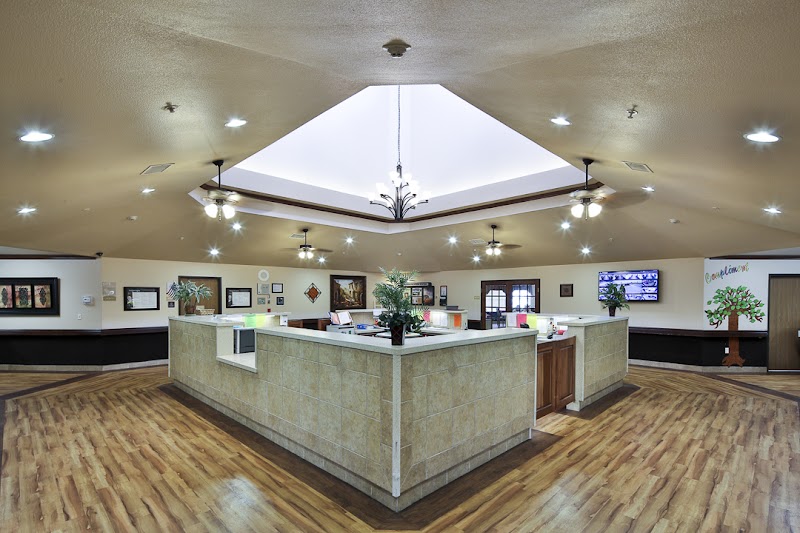
How is Windsor Of Corpu Staffed?

CMS rates WINDSOR NURSING AND REHABILITATION CENTER OF CORPU's staffing level at 2 out of 5 stars, which is below average compared to other nursing homes. Staff turnover is 41%, compared to the Texas average of 46%. This relatively stable workforce can support continuity of care.

What Have Inspectors Found at Windsor Of Corpu?

State health inspectors documented 13 deficiencies at WINDSOR NURSING AND REHABILITATION CENTER OF CORPU during 2022 to 2025. These included: 12 with potential for harm and 1 minor or isolated issues.
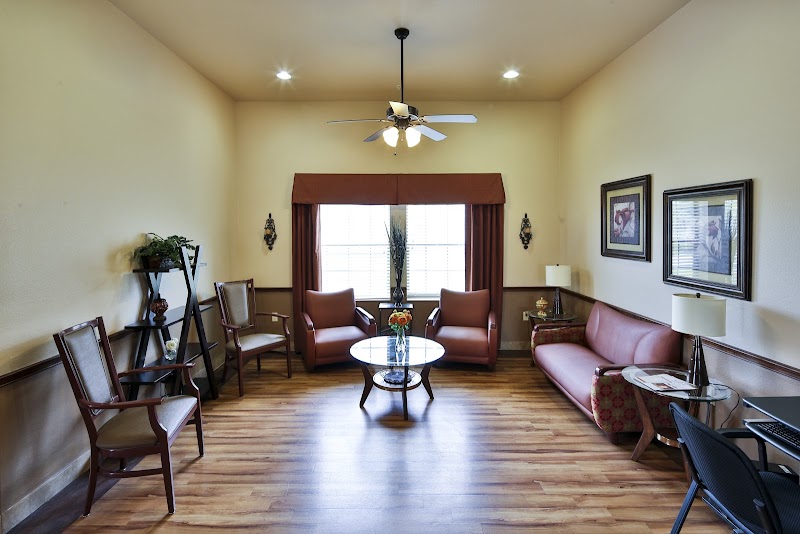
Who Owns and Operates Windsor Of Corpu?

WINDSOR NURSING AND REHABILITATION CENTER OF CORPU is owned by a for-profit company. For-profit facilities operate as businesses with obligations to shareholders or private owners. The facility is operated by WELLSENTIAL HEALTH, a chain that manages multiple nursing homes. With 120 certified beds and approximately 111 residents (about 92% occupancy), it is a mid-sized facility located in CORPUS CHRISTI, Texas.
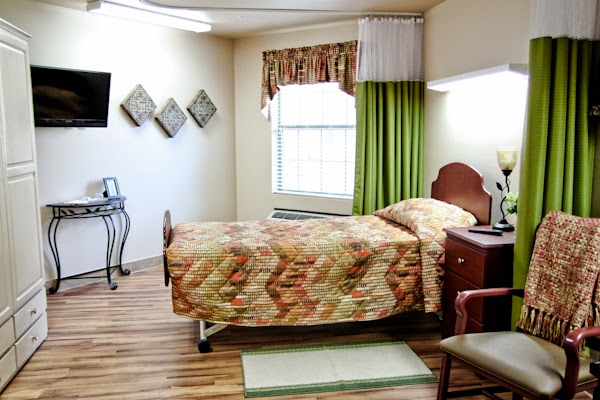
How Does Windsor Of Corpu Compare to Other Texas Nursing Homes?

Compared to the 100 nursing homes in Texas, WINDSOR NURSING AND REHABILITATION CENTER OF CORPU's overall rating (5 stars) is above the state average of 2.8, staff turnover (41%) is near the state average of 46%, and health inspection rating (5 stars) is much above the national benchmark.

What Should Families Ask When Visiting Windsor Of Corpu?

Based on this facility's data, families visiting should ask: "Can you walk me through typical staffing levels on day, evening, and night shifts?" "Can I visit during a mealtime to observe dining assistance and food quality?" "How do you handle medical emergencies, and what is your hospital transfer rate?" "Can I speak with family members of current residents about their experience?" These questions are particularly relevant given the below-average staffing rating.

Is Windsor Of Corpu Safe?

Based on CMS inspection data, WINDSOR NURSING AND REHABILITATION CENTER OF CORPU has a clean safety record: no substantiated abuse findings (meaning no confirmed cases of resident harm), no Immediate Jeopardy citations (the most serious violation level indicating risk of serious injury or death), and is not on the Special Focus Facility watch list (a federal program monitoring the lowest-performing 1% of nursing homes). The facility has a 5-star overall rating and ranks #1 of 100 nursing homes in Texas. While no facility is perfect, families should still ask about staff-to-resident ratios and recent inspection results during their visit.

Do Nurses at Windsor Of Corpu Stick Around?

WINDSOR NURSING AND REHABILITATION CENTER OF CORPU has a staff turnover rate of 41%, which is about average for Texas nursing homes (state average: 46%). Moderate turnover is common in nursing homes, but families should still ask about staff tenure and how the facility maintains care continuity when employees leave.

Was Windsor Of Corpu Ever Fined?

WINDSOR NURSING AND REHABILITATION CENTER OF CORPU has been fined $12,237 across 3 penalty actions. This is below the Texas average of $33,201. While any fine indicates a compliance issue, fines under $50,000 are relatively common and typically reflect isolated problems that were subsequently corrected. Families should ask what specific issues led to these fines and confirm they've been resolved.

Is Windsor Of Corpu on Any Federal Watch List?

WINDSOR NURSING AND REHABILITATION CENTER OF CORPU is not on any federal watch list. The most significant is the Special Focus Facility (SFF) program, which identifies the bottom 1% of nursing homes nationally based on persistent, serious quality problems. Not being on this list means the facility has avoided the pattern of deficiencies that triggers enhanced federal oversight. This is a positive indicator, though families should still review the facility's inspection history directly.