AVIR AT CORPUS CHRISTI

202 FORTUNE DR, CORPUS CHRISTI, TX 78405 (361) 252-0734
For profit - Corporation 121 Beds AVIR HEALTH GROUP Data: November 2025 1 Immediate Jeopardy citation
Trust Grade
56/100
#183 of 1168 in TX
Last Inspection: July 2024

Within standard 12-15 month inspection cycle. Federal law requires annual inspections.

Overview

Avir at Corpus Christi has a Trust Grade of C, which means it is average and in the middle of the pack among nursing homes. It ranks #183 out of 1,168 facilities in Texas, placing it in the top half, and #3 out of 14 in Nueces County, indicating only two local options are better. The facility is improving, having reduced its issues from 11 in 2024 to 3 in 2025. However, staffing is a concern with a rating of 2 out of 5 stars and a turnover rate of 36%, which is better than the state average but still below ideal levels. The facility has faced $14,069 in fines, which is average for Texas facilities, suggesting some compliance issues, and there is less RN coverage than 83% of facilities in the state, which is a potential risk for resident care. Specific incidents include a resident being left unsupervised and falling, leading to a serious head injury, as well as multiple failures in food safety practices, such as not properly labeling and storing food, which could lead to contamination. While there are strengths in certain quality measures, these weaknesses are important for families to consider when evaluating the care provided.

Trust Score
C
56/100
In Texas
#183/1168
Top 15%
Safety Record
High Risk
Review needed
Inspections
Getting Better
11 → 3 violations
Staff Stability
○ Average
36% turnover. Near Texas's 48% average. Typical for the industry.
Penalties
✓ Good
$14,069 in fines. Lower than most Texas facilities. Relatively clean record.
Skilled Nurses
⚠ Watch
Each resident gets only 13 minutes of Registered Nurse (RN) attention daily — below average for Texas. Fewer RN minutes means fewer trained eyes watching for problems.
Violations
⚠ Watch
24 deficiencies on record. Higher than average. Multiple issues found across inspections.
★★★★☆
4.0
Overall Rating
★★☆☆☆
2.0
Staff Levels
★★★★★
5.0
Care Quality
★★★☆☆
3.0
Inspection Score
Stable
2024: 11 issues
2025: 3 issues

The Good

  • 5-Star Quality Measures · Strong clinical quality outcomes
  • Full Sprinkler Coverage · Fire safety systems throughout facility
  • No fines on record
  • Staff turnover below average (36%)

    12 points below Texas average of 48%

Facility shows strength in quality measures, fire safety.

The Bad

Staff Turnover: 36%

10pts below Texas avg (46%)

Typical for the industry

Federal Fines: $14,069

Below median ($33,413)

Minor penalties assessed

Chain: AVIR HEALTH GROUP

Part of a multi-facility chain

Ask about local staffing decisions and management

The Ugly 24 deficiencies on record

1 life-threatening
Jul 2025 1 deficiency
CONCERN (D) 📢 Someone Reported This

A family member, employee, or ombudsman was alarmed enough to file a formal complaint

Potential for Harm - no one hurt, but risky conditions existed

Medical Records (Tag F0842)

Could have caused harm · This affected 1 resident

**NOTE- TERMS IN BRACKETS HAVE BEEN EDITED TO PROTECT CONFIDENTIALITY** Based on record review and interview, the facility failed to maintain clinical records in accordance with accepted professional ...

Read full inspector narrative →
**NOTE- TERMS IN BRACKETS HAVE BEEN EDITED TO PROTECT CONFIDENTIALITY** Based on record review and interview, the facility failed to maintain clinical records in accordance with accepted professional standards of practice, that were complete and accurately documented, for one resident (Resident #1) of three residents reviewed for personal inventory log. When Resident #1 was admitted on [DATE], LVN A failed to complete an accurate inventory log for Resident #1's belongings. This failure could jeopardize a resident from having their valuables properly recorded, which in turn could result in a resident's valuables being misplaced and/or not returning home with the correct resident. The findings included: Record review of Resident #1's admission record dated 07/15/2025, revealed Resident #1 was a [AGE] year-old female who was initially admitted on [DATE] and readmitted on [DATE] and later discharged [DATE] to home with hospice. Resident #1's primary stay was for Respite Hospice. Resident #1 had diagnoses of acute diastolic (congestive) heart failure, and type 2 diabetes (sugar irregularity). Record review of Resident #1's Discharge MDS dated [DATE] revealed Resident #1 had a BIMS score of 4 which meant she had severe cognitive impairment and additionally was independent for ADLs. Record review of Resident #1's Care Plan date initiated 06/15/2025 revealed the resident has an ADL self-care performance deficit. Goal: The resident will maintain current level of function through review date. Interventions: BATHING/SHOWERING: Check nail length and trim and clean on bath day and as necessary. Report any changes to the nurse. DRESSING: Assist the resident to choose simple comfortable clothing that enhances the resident's ability to dress self. Record review of the facility provider investigation report date of incident 06/18/2025 revealed On Wednesday 6/18/25 resident [Resident #1] was bathed by [hospice agency] C.N.A. Hospice C.N.A left [facility], later in the day [ADON A] received a phone call from [hospice agency], to inform us that the C.N.A who bathed [Resident #1] verbalized resident [Resident #1]'s gold chain with Crucifix pendant was not on her. [ADON A] and [Social Worker] went to speak to [Resident #1] about the jewelry in question. [Resident #1] verbalized she isn't sure what happened to it. [Social Worker] questioned [Resident #1] if resident recalls anyone taking it off of her or taking it in general. [Resident #1] verbalized No, no one took it off of me. [Social Worker] and [ADON A] looked in the resident room, around [facility] nursing facility and the assisted living side, since resident was noted going over to assisted living area and enjoying spending time there. The jewelry was unable to be located on the day it was noted to be missing. [Resident #1] 's [family member] was informed [facility] nursing staff were unable to locate jewelry, but staff will continue to look for it. At this time there were no allegations of theft and [facility] team members continued to look for jewelry in laundry and throughout the nursing home. During an interview on 07/12/2025 at 3:57PM, LVN A stated she recalled admitting Resident #1 into the facility on [DATE]. LVN A stated she recalled Resident #1 wearing a necklace, alongside a matching purple sweater, pants, and shoe attire. LVN A stated typically when admitting a resident, she would fill out all admission documents which included several types of assessments and a personal inventory log of all belongings. LVN A stated on the day of 06/15/2025 there were multiple residents being admitted and during the commotion of the day, she forgot to complete Resident #1's inventory log. LVN A reiterated she recalled seeing a necklace but could not recall the specific details of what the necklace looked like. LVN A stated although filling out the inventory log was a collaborative effort amongst the clinical staff, all personnel were busy on 06/15/2025 and therefore the inventory log was forgotten. LVN A stated filling out Resident #1's inventory was important, as it aided in ensuring Resident #1's belongings returned with her when she returned home. LVN A stated by not filling out Resident #1's inventory log, it jeopardized accurate monitoring of Resident #1's belongings and furthermore resulted in Resident #1 returning home without her sentimental valuables. LVN A stated she should have filled out Resident #1's inventory log but reiterated that day she had multiple admissions and forgot to complete Resident #1's inventory log. LVN A stated after the incident, she ensured to procedurally conduct the admission process which included filling out residents' inventory log of belongings. During an interview on 07/15/2025 at 5:15PM, the DON stated LVN A should have completed Resident #1's inventory log of personal belongings. The DON stated the importance of filling out an inventory log was to ensure a resident's belongings are itemized and accounted for during the resident's stay. Furthermore, once a resident is discharged the inventory log would ensure that the resident's belongings are all returned accurately. The DON reiterated LVN A should have completed Resident #1's inventory log but was not completed due to LVN A having multiple admissions on 06/15/2025. The DON stated Resident #1's well-being could have been negatively affected as the necklace held sentimental value. The DON stated if LVN A had completed Resident #1's inventory log, potentially, Resident #1's crucifix necklace could have been accurately monitored. The DON stated all clinical nurses were educated on admission requirements upon their hiring orientation. The DON stated the incident regarding Resident #1's crucifix necklace was an isolated event and accident. Record review of the facility's Admissions Checklist (Must be checked off by Documenting Nurse) undated revealed, Inventory Sheet Record review of the facility's Personal Property policy revised August 2022 revealed, 10. The resident's personal belongings and clothing are inventoried and documented upon admission and updated as necessary.
Mar 2025 2 deficiencies 1 IJ
CRITICAL (J) 📢 Someone Reported This

A family member, employee, or ombudsman was alarmed enough to file a formal complaint

Immediate Jeopardy (IJ) - the most serious Medicare violation

Accident Prevention (Tag F0689)

Someone could have died · This affected 1 resident

**NOTE- TERMS IN BRACKETS HAVE BEEN EDITED TO PROTECT CONFIDENTIALITY** Based on observations, interviews, and record review, the facility failed to ensure that each resident received adequate supervi...

Read full inspector narrative →
**NOTE- TERMS IN BRACKETS HAVE BEEN EDITED TO PROTECT CONFIDENTIALITY** Based on observations, interviews, and record review, the facility failed to ensure that each resident received adequate supervision to prevent accidents for one (Resident #1) of 5 residents reviewed for supervision. The facility failed to ensure Resident #1 received adequate supervision while Resident #1 was unaccounted for approximately 10 minutes from 9:05 PM to 9:15 PM on 12/13/24 before LVN C found Resident #1 alone in the 100-hall shower room on the floor. Resident #1 sustained an injury to his head from the fall and was taken to a local hospital where he was diagnosed with an acute on chronic intracranial subdural hematoma (occurs when a new, acute bleed happens to a pre-existing chronic subdural hematoma, often triggered by even minor trauma. A subdural hematoma is a collection of blood that accumulates between the brain and the innermost layer of the skull). The noncompliance was identified as PNC. The PNC began on 12/13/24 and ended on 12/14/24. The facility had corrected the noncompliance before the investigation began. This failure could place residents requiring supervision at risk for injury and accidents with potential for more than minimal harm. The findings included: Record review of Resident #1's face sheet dated 03/25/25 revealed a [AGE] year-old male with an original admission date of 09/17/21 and a current admission date of 12/18/24. Pertinent diagnoses included abnormalities of gait and mobility and lack of coordination. Record review of Resident #1's Quarterly MDS assessment dated [DATE] section C, cognitive patterns, revealed a BIMS score of 5 (Severe Impairment). Section GG, functional abilities, revealed no attempt was made for Resident #1 to walk 10 feet due to medical conditions or safety concerns, but Resident #1 was able use his wheelchair to travel 150 feet with partial assistance (helper does less than half the effort). Section J, health conditions, revealed the resident had not had any falls since admission/entry or reentry or the pior assessment, whichever was more recent. Record review of Resident #1's care plan dated 03/24/25 revealed the problem [Resident #1] is at risk for falls and injuries r/t Confusion, Gait/balance problems, Incontinence, and episodes of generalized weakness, poor safety awareness and forgets limitations, does not call for assistance with transfers or use call light, hx of falls initiated on 03/01/23 and revised on 12/16/24. Interventions listed for the problem included: -Orthostatic Blood Pressures [drop in blood pressure that occurs when a person stands up from a sitting or lying position] to be taken when resident gets up in AM and again before he does to bed at night initiated on 12/11/24 and revised on 12/16/24. -9/11/24 Intervention: assessment, neurological checks, encouraged to utilize call bell, medication review, RP and MD notified initiated on 09/11/24. -Anticipate and meet the resident's needs initiated on 03/01/23. -Be sure the resident's call light is within reach and encourage the resident to use it for assistance as needed. The resident needs prompt response to all requests for assistance initiated on 03/01/23. -Ensure that the resident is wearing appropriate footwear or non-skid socks during transfers or mobilizing in w/c initiated on 03/01/23. -The resident needs a safe environment with: even floors free from spills and/or clutter; adequate, glare-free light; a working and reachable call light, the bed in low position, personal items within reach initiated on 03/01/23. -Toileting program Q 2HRS to aide in prevention of falls[.] Placed in tasks for aides to assist initiated on 12/26/24. Record review of Resident #1's order summary revealed an active order titled Toileting program Q 2HRS to aide in prevention of falls[.] Placed in tasks for aides to assist initiated on 12/19/24. Record review of the provider investigation report dated 12/20/24 revealed the following report of the incident: It was reported on 12/13/24 around 9:15 pm that [Resident #1] was observed in 100 hall shower room about 10 minutes after being seen by [LVN C] while he was making his way to his room. [Resident #1] scheduled shower on the 2-10 [PM shift] but was not getting a shower at the time. Currently being treated for UTI. Resident self propels in wheelchair and self transfers at times. Requires frequent education on call light and assistance with transferring. [Resident #1] sustained laceration to left ear, unable to determine the severity initially due to bleeding. Sent to [local hospital] ER for evaluation. [Resident #1] is there currently under observation. [Resident #1's] room is two doors down from the shower room and we believe he mistook it for the correct door. Record review of LVN C's progress note dated 12/13/24 at 9:36 PM revealed the following narrative of the incident: [LVN C] observed resident on the floor of 100 hall's common bathroom/shower room laying on his left side with his pants around his ankles, brief intact, no shoes and only wearing socks on. Resident's wheelchair noted beside him facing his back. Resident noted to be alone in 100 hall bathroom. [LVN C] observed blood on the floor of resident's cephalic [head] region. Upon further assessment laceration noted to left ear. Resident stated, I was trying to go to the bathroom. This nurse pulled call light located in bathroom then stood at entrance of 100 hall bathroom doorway and shouted Help for additional assistance. Immediately after [LVN D] and [LVN E] arrived at restroom to assist. [LVN E] initiated 911 call after observing resident's condition. This nurse immediately provided treatment to left ear wound while resident in supine [lying down face upward] position. Dressing noted intact to old skin tear to right and left forearm. During treatment this nurse assessed resident's mental status. Resident noted to be alert and oriented to person, place, and situation. Resident answered questions appropriately. Vitals obtained BP 142/97 HR 76 T 97.4 O2 96% on room air PAIN 0/10. Head to toe assessment completed. Patient continued to deny pain and discomfort to this nurse. EMS arrived at scene at approximately 9:30 PM and took over care. EMS transported resident to [local hospital] ER for further evaluation and treatment. MD notified. DON notified. RP notified. Record review of Resident #1's hospital Discharge summary dated [DATE] revealed Resident #1 was diagnosed with an acute on chronic intracranial subdural hematoma while at the local hospital after his fall on 12/13/24. Record review of Resident #1's fall risk assessment dated [DATE] revealed Resident #1 was a high risk. During an observation at 8:30 AM on 03/25/25, the shower rooms on the 100, 200, and 300 halls were all locked and secured with a number combination lock. During an observation at 10:55 PM on 03/25/25, the shower rooms on the 100, 200, and 300 halls were all locked and secured with a number combination lock. During an observation of Resident #1's room at 11:00 AM on 03/25/25, Resident #1's room was free from clutter, fall mats were in position by his bedside, his bed was in the low position, and his call light was within reach of his bed. In an interview with Resident #1 at 11:07 AM on 03/25/25, Resident #1 stated he remembered falling in December, 2024. Resident #1 stated he tripped, went down, and hit his face while he was walking. Resident #1 was not able to recall any more details about the fall on 12/13/24. An interview was attempted with LVN C at 3:06 PM on 03/25/25, but LVN C could not be reached so this state surveyor left a message on her voicemail. In an interview with the ADM at 3:59 PM on 03/25/25, the ADM stated he remembered getting a call that the resident fell in the shower room and nobody knew how he got in there. The ADM stated the shower door was supposed to be locked, and that Resident #1 should not have been allowed in the room without an employee present. The ADM stated before Resident #1's fall, they used to have a lock and key mechanism on the shower doors, with the key hanging from a chain by the door. The ADM stated they did not know if Resident #1 used the key to enter the shower room or an employee left the door slightly open on accident. The ADM stated the DOM came up to the facility that evening to change the lock on the 100-hall shower door to a number combination lock. The ADM stated the locks on the shower rooms in the 200 and 300 halls were changed the following day. In an interview with LVN E at 5:50 PM on 03/25/25, LVN E stated he was working the night Resident #1 fell in the 100-hall shower room. LVN E stated both LVN C and LVN D arrived at the resident before him, so LVN C told him to go call 911. LVN E stated after he called 911, he started getting paperwork ready for EMS and waited for them by the door to direct them to Resident #1 as fast as possible. LVN E stated he did not know how Resident #1 got in the shower room, but that the shower rooms were supposed to be locked at all times. In an interview with the DON at 8:57 AM on 03/26/25, the DON stated LVN C notified her that Resident #1 fell in the shower room on the night it occurred. The DON stated she recommended Resident #1 wear a helmet to protect him from future injuries, but the family did not want him to wear it to protect his dignity. The DON stated the shower room doors were always supposed to be locked and Resident #1 was not supposed to be in a shower room without an employee present. The DON stated she did not know how Resident #1 got in the shower room. The DON stated they provided in-services for all staff on ensuring shower room doors were closed and functioning properly at all times, fall prevention, and abuse/neglect. The DON stated they changed the locks on all shower room doors to require a keypad entry instead of just a lock and key. The DON stated Resident #1 had many fall prevention tasks implemented, which included fall mats, keeping his bed in the low position, toileting program to ask him if he needs to go to the bathroom every 2 hours, medication reviews, encouraging Resident #1 to use his call light, keeping his phone and glasses on a bedside table near him, and a camera in his room for his RP to help keep an eye on him. The DON stated it was important for residents to not enter the shower rooms without staff because a resident could fall in the shower room and not be able to call for help. In an interview with the DOT at 9:18 AM on 03/26/25, the DOT stated Resident #1 has not regressed physically due to his fall on 12/13/24. The DOT stated any decline Resident #1 has had since then has been due to his natural disease processes. In an interview with the DOM at 9:33 AM on 03/26/25, the DOM stated he was notified of Resident #1's fall on 12/13/24 the night it happened. The DOM stated he came up that night and replaced the lock on the 100-hall shower door. The DOM stated he would have replaced all three shower door locks at that time, but they only had one replacement lock in the facility. The DOM stated he went out to a local department store on the morning of 12/14/24 and bought two more locks to replace the locks on the 200 and 300-hall shower doors. The DOM stated all three shower rooms had a new lock on them before the afternoon of 12/14/24. The DOM stated the old locks required a key, but the key was hung by a chain next to the door. The DOM stated he checked the shower doors daily for functionality and they never failed during the month of December, 2024. In an interview with LVN D at 2:14 PM on 03/26/25, LVN D stated he worked the night Resident #1 fell in the 100-hall shower room. LVN D stated he heard LVN C call for help, and by the time he got there another staff member had placed a towel on Resident #1's ear to help with the bleeding. LVN D stated he did not remember much about the incident, but that LVN C was the charge nurse at that time, and she provided most of the care that night to Resident #1. LVN D stated he did not know how Resident #1 got in the shower room and that he should not have been in there on his own. This surveyor requested a facility policy from the ADM at 4:00 PM on 03/25/25 regarding proper shower room use and keeping the doors locked, but none was provided. In interviews beginning at 11:28 AM on 03/25/25 with staff from multiple shifts, the DON, DOT, DOM, ADM, LVN D, LVN E, LVN F, LVN H, MA G, CNA I, CNA J, CNA K, CNA L, CNA M, and CNA N were able to identify the proper procedures to follow when responding to a witnessed or unwitnessed fall. All staff understood the importance of keeping the shower doors locked and secured and were familiar with proper abuse and neglect policies and procedures. Record review and verification of the corrective action implemented by the facility beginning on 12/13/24: All staff in-serviced on the following procedures: - Keeping the shower room doors closed at all times, - Ensuring shower room doors function properly, - Fall precautions, - Abuse/Neglect, Verified by observations, record review and interviews with various staff. All shower door locks replaced by 12/14/24 to provide additional security verified by interview with the DOM. Medication review conducted for Resident #1 to help prevent future falls by 12/18/24 verified by record review and interview with the DON. Ordered a soft helmet for Resident #1 to wear throughout the day verified by interview with the DON. Instituted bathroom checks every 2 hours for Resident #1 to limit him trying to perform a self-transfer verified by interviews with the DON and various CNAs. The noncompliance was identified as PNC. The PNC began on 12/13/24 and ended on 12/14/24. The facility had corrected the noncompliance before the investigation began.
CONCERN (E) 📢 Someone Reported This

A family member, employee, or ombudsman was alarmed enough to file a formal complaint

Potential for Harm - no one hurt, but risky conditions existed

Pharmacy Services (Tag F0755)

Could have caused harm · This affected multiple residents

**NOTE- TERMS IN BRACKETS HAVE BEEN EDITED TO PROTECT CONFIDENTIALITY** Based on interview, and record review, the facility failed to provide pharmaceutical services (including procedures that assure ...

Read full inspector narrative →
**NOTE- TERMS IN BRACKETS HAVE BEEN EDITED TO PROTECT CONFIDENTIALITY** Based on interview, and record review, the facility failed to provide pharmaceutical services (including procedures that assure the accurate acquiring, receiving, dispensing, documenting, and administering of all drugs and biologicals) to meet the needs of each resident for 3 of 5 residents (Residents #4, #2, and #3) reviewed for pharmacy services. The facility failed to ensure LVN-A signed her MAR when she administered PRN narcotics to Residents #4, #2 and #3. The facility failed to ensure LVN-A wasted her PRN narcotic medications with another licensed nurse. These failures could place residents at risk for not receiving, or receiving more than intended amount of, PRN narcotic medications. Findings included: Record review of Resident #4's face sheet dated 03/26/25 revealed a [AGE] year-old female with an admission date of 08/25/2024, and a discharge date of 09/06/24. One of her diagnoses included Systemic Inflammatory Response Syndrome (an exaggerated defense response of the body to a harmful stressor, such as infection, trauma, or inflammation, and can cause intense pain). Record review of Resident #4's admission MDS assessment dated [DATE] revealed a BIMS score of 15, indicating intact cognition. Record review of Resident #4's physician orders dated 08/25/24 revealed an order for Hydrocodone-Acetaminophen (a narcotic pain medication) Oral Tablet 5-325 MG for pain. Record review of Resident #4's MAR dated September 2024 revealed no signatures for the whole month of September 2024 for Hydrocodone-Acetaminophen 5-325 MG. Record review of Resident #4's Controlled Substance Administration Record - Hydrocodone/APAP 5-325 MG dated 08/28/24 revealed the starting count was 30 tablets and the ending count was 18 tablets on 09/05/24 with 1 tablet documented as dropped with no witnessed waste on 09/04/24. Record review of Resident #2's face sheet dated 03/26/25 revealed a [AGE] year-old male with an original admission date of 07/29/23, and a current admission date of 03/22/25. Resident #2 had a diagnosis of Pain Unspecified. Record review of Resident #2's quarterly MDS assessment dated [DATE] revealed a BIMS score of 15, indicating intact cognition. Record review of Resident #2's physician orders started on 08/26/24 revealed an order for Hydrocodone-Acetaminophen 5-325 MG for pain. Record review of Resident #2's MAR dated September 2024 revealed only two signatures for the whole month of September 2024 for Hydrocodone-Acetaminophen 5-325 MG. Record review of Resident #2's Controlled Substance Administration Record - Hydrocodone/APAP 5-325 MG, dated 08/30/24, revealed the starting count was 30 tablets and the ending count was 8 tablets on 09/16/24 with 1 extra tablet pulled but no witnessed waste on 09/01/24. Record review of Resident #3's face sheet dated 03/25/25 revealed an [AGE] year-old male with a current admission date of 07/30/24, and a discharge date of 02/07/25. Resident #3 had a diagnosis of Gout (a type of arthritis that includes sudden attacks of severe pain). Record review of Resident #3's quarterly MDS assessment dated [DATE] revealed a BIMS score of 10, indicating moderately impaired cognition. Record review of Resident #3's physician orders started on 08/01/24 revealed an order for Hydrocodone-Acetaminophen 7.5-325 MG for pain. Record review of Resident #3's MAR dated September 2024 revealed no signatures for the whole month of September 2024 for Hydrocodone-Acetaminophen 5-325 MG. Record review of Resident #3's Controlled Substance Administration Record - Hydrocodone/APAP 7.5-325 MG, dated 08/31/24, revealed the starting count was 30 tablets and the ending count was 15 tablets on 09/16/24. Interview with LVN-A attempted, but she no longer worked for the facility, and her phone number was disconnected. Interview with Resident #4 attempted, but she is no longer living at this facility, and she refused to be interviewed by phone. In an interview with the ADON on 03/25/25 at 9:30 AM, she stated she never realized the MAR was not being signed off accordingly because with PRN medications there was really no way to tell if they were signed or any type of alert since they were PRN medications and not scheduled. She denied that there was any sort of check or audit in place during that timeframe in which they were checking the MARs against the narcotic count sheets for signatures or accuracy. She stated she and the DON were trying to be more proactive and aware and follow-up on reviewing the PRN medications at the weekly meetings. She stated this could have been an issue because residents may or may not have been getting any or the appropriate amounts of pain medication, which could ultimately not relieve their pain at all or cause the resident harm if too much pain medication was administered. In an interview with Resident #2 on 3/25/25 at 9:40 AM, he stated he remembered the nurse, and she was always nice to him. He stated he did not use much pain medication, but she was always good about bringing him his medication. In an interview with the DON on 03/25/25 at 9:50 AM, she stated she was not here during this time frame, so she was not sure if any audits were being completed to verify that the MARs were being signed appropriately and checked or verified against the narcotic count logs, or if medications were being wasted appropriately, but she stated she felt like if there were any systems in place to check, this would not have happened, and it should have been noticed or caught by someone. She stated this could have been an issue because if the MARs were not signed appropriately residents may end up getting inappropriate amounts of pain medication, which could ultimately not relieve their pain at all or cause harm if too much pain medication was administered. She stated she was trying to be more proactive and aware and follow-up on reviewing the PRN medications at the weekly meetings. She also stated she and the facility were currently putting a system into place to perform random audits of the MARs of residents with narcotics and compare to the narcotic logs, as well as compare the MARs and logs to resident interviews. In an interview with LVN-B on 3/25/25 at 1:37 PM, she stated she never paid attention to whether things were being signed off on the MARs or narcotic logs by other nurses, and she never paid attention to whether other nurses were wasting medications with or without a witness. She stated they had previously been in-serviced over documentation and passing medications so as to keep the residents safe from harm. In an interview with the pharmacy director on 3/25/25 at 3:18 PM, he stated he did an audit around September 17th or 18th 2024 and sent the report to the interim DON at the time. He stated he provided dispensing information, but no further recommendations since there were no red flags or discrepancies with the areas that were observed during their audit. He stated they did an observational reconciliation to make sure there were not any discrepancies in medication counts. He stated they did not audit to check against MARS or nursing narcotic count logs because that was not something they performed in their audits, but they basically just checked to make sure the count was correct and that nothing seemed off, so their audits would not have noticed or recognized unsigned MARS or unsigned wasted narcotic medications. In an interview with the Administrator on 3/26/25 at 2:30 PM, he stated he did not know what systems or checks were in place during the time frame between August and October to verify that MARs and narcotic logs were being checked for accuracy, but the DON and ADON had been discussing these areas in their weekly meetings in which they review from the previous Friday to the current Friday to look for any red flags with the residents who were on PRN medications. He stated that he did not understand how these things were missed before, and that could have caused harm to the residents if they had been given incorrect or inaccurate dosages of medications. He was unsure if any in-services since September of 2024 had been conducted regarding verification of signing MARS appropriately and wasting narcotics with another licensed nurse. In an interview with the DON on 3/26/25 at 2:35 PM, she stated they had been doing spot checks here and there of MARs and Narcotic logs but not performing any actual audits. She stated during the weekly meetings they review pain, pain medications, and other areas of concern. She also stated she met with the nurses each morning went over any concerns with the residents, but she did not think any in-services since September of 2024 had been conducted regarding verification of signing MARS appropriately and wasting narcotics with another licensed nurse. The DON stated after consulting with her regional nurse, and as of today, she would be putting a system check or audit into place where she would look at three residents with a BIMS of 13 or greater on each hall weekly to ensure they received their PRN pain medication, and that it was signed out appropriately on the narcotic log and MAR. Record review of the Controlled Substance Policy, 2001 Med-Pass revised November 2022, revealed 6. Unless otherwise instructed by the director of nursing services, when a resident refuses a dose (or it was not given), or a resident receives a partial dose (or it was not given) the medication was destroyed and may not be returned to the container. 7. Waste and/or disposal of controlled medication were done in the presence of the nurse and a witness who also signs the disposition sheet. Record review of the Pharmacy Medication Administration Policy (no date listed on policy) revealed 9.4 Following resident medication administration, facility staff should appropriately document medication administration, dispose of unused medication per facility policy, discard used supplies per facility policy, and clean reusable equipment and supplies.
Jul 2024 10 deficiencies
CONCERN (D)

Potential for Harm - no one hurt, but risky conditions existed

Transfer Notice (Tag F0623)

Could have caused harm · This affected 1 resident

**NOTE- TERMS IN BRACKETS HAVE BEEN EDITED TO PROTECT CONFIDENTIALITY** Based on interviews and record review, the facility failed to send a copy of the notice of transfer or discharge and the reasons...

Read full inspector narrative →
**NOTE- TERMS IN BRACKETS HAVE BEEN EDITED TO PROTECT CONFIDENTIALITY** Based on interviews and record review, the facility failed to send a copy of the notice of transfer or discharge and the reasons for the transfer or discharge in writing to the Office of the State Long-Term Care Ombudsman for two (Resident #82 and Resident 93) of two residents reviewed for transfer and discharge. The facility failed to send a transfer or discharge notice in writing to the facility's Ombudsman as soon as practicable when Resident #82 was discharged home on 7/25/24. The facility failed to send a transfer or discharge notice in writing to the facility's Ombudsman as soon as practicable when Resident #93 was discharged to another facility on 5/11/24. This failure could affect residents at the facility by placing them at risk of being discharged and not having access to available advocacy services, discharge/transfer options, and the appeal processes. Findings included: 1. Resident #82 Record Review of Resident #82's face sheet dated 7/31/2024 indicated she was a [AGE] year-old female admitted on [DATE] with the diagnosis of Cellulitis (a deep infection of the skin caused by bacteria), Muscle Wasting and Atrophy, Muscle Weakness, Type 2 Diabetes Mellitus, Essential Hypertension (high blood pressure), and Morbid Obesity (more than 80 to 100 pounds above their ideal body weight). Reviewed Discharge summary dated [DATE]. During an interview on 7/30/24 at 4:10pm with SW, stated that Resident #82's discharge was a planned discharge. The facility got a medical provider notice. She got a signed a NOMNC (a notice that indicates when Medicare coverage is about to end). She stated this medical provider sends them these notices for all WellMed patients. It tells her when the residents last day of therapy will be. This information was provided to Resident #82 and the resident's responsible party. She stated they both received a copy of the medical provider NOMNC, and both were made aware of Resident #82 was going to be discharged on 7/25/24. She was not aware that she needed to notify the Ombudsmen. She stated she did not notify Ombudsmen but will from here on out. 2. Resident #93 Record review of Resident #93's face sheet dated 7/30/24 reflected a [AGE] year-old male with an original admission date of 5/9/24. Diagnoses included cerebral infarction (type of stroke that occurs when a blood vessel that supplies blood to the brain is blocked) and diabetes type two (insufficient insulin production in the body). There was no discharge notice reviewed. In an interview on 07/30/24 at 03:02 PM the SW stated Resident #93 was discharged to another facility due to resident needed to be in a memory care unit since Resident #93 was exit seeking. The SW stated the doctor made the referral for Resident #93 to be discharged to a memory unit. The SW sated a referral was discussed with Resident #93's family and the family agreed to the transfer. The SW stated she was not sure if a written notice was done and provided to Resident #93, Resident #93's responsible party, and local Ombudsman. The SW stated she was responsible for discharge procedures and notifying residents, resident's family, and the local Ombudsman. In an interview on 07/31/24 at 09:30 AM the SW stated she felt the discharge process the facility conducted was appropriate due to Resident #93 was being immediately discharged because the family was in agreeance and the facility spoke with the other facility and they accepted Resident #93. The SW She stated Resident #93 was a certain insurance patient and that insurance company sends them the notices and information about transfers. The SW stated after talking with the facility team, they felt they completed the transfer appropriately. The SW stated with every discharge, the family and resident are aware of the discharge and discharge plan wither through a care plan meeting or through a 30-day discharge notice. The SW stated for Resident #93's transfer to another facility, written notice was not given to Resident #93, Resident #93's family, or the local Ombudsman but they were made aware of the transfer. Record review of the facility's Transfer or Discharge, Facility-Initiated policy dated October 2022, revealed 3. A copy of the notice is sent to the Office of the State Long-Term Care Ombudsman at the same time the notice of transfer or discharge is provided to the resident and representative.
CONCERN (D)

Potential for Harm - no one hurt, but risky conditions existed

Pharmacy Services (Tag F0755)

Could have caused harm · This affected 1 resident

Based on interview and record review, the facility failed to provide pharmaceutical services including procedures that assure the accurate dispensing and administering of all drugs and biologicals to ...

Read full inspector narrative →
Based on interview and record review, the facility failed to provide pharmaceutical services including procedures that assure the accurate dispensing and administering of all drugs and biologicals to meet the needs of each resident for one glucometer (Hall 100 Glucometer check log) of three glucometers reviewed for proper calibration. The facility failed to ensure the 100 hall glucometer was calibrated daily for accuracy of reading on 10 separate days in July 2024. This failure could place residents at risk of not receiving accurate blood glucose measurements to assure reliable results and treatment. The findings included: Record review of the 100 hall glucometer log dated July 2024 reflected no entries to indicate calibration was performed on the following days: 07/02/24, 07/03/24, 07/10/24, 07/11/24, 07/12/24, 07/13/24, 07/16/24, 07/25/24, 07/26/24, 07/30/24. Interview with LVN F on 07/31/24 at 9:55 AM revealed she said glucometer calibrations were performed by the night shift nurse every night. LVN F said she had not checked or noticed that the 100 hall glucometer was not calibrated because she assumed the night shift had done it. LVN F said had she known that the calibration was not done, she would have done one before using the glucometer machine. LVN F said it was important to calibrate the glucometer machines to ensure accuracy of readings. Interview with the DON on 07/31/24 at 10:00 AM revealed he stated the glucometer checks are to be done each shift. The DON said calibration of the glucometer checks are the responsibility of the nurses. The DON said the nurse were to check the log for completion of calibration at the beginning of each shift. The DON said he had not reviewed the glucometer logs for completion and did not know the calibration of the glucometer was not being performed consistently, and I need to be more aware of the logs. The DON said the purpose of glucometer calibration was to receive accurate readings and appropriate treatment. The DON said an inaccurate reading could place the resident at risk for inaccurate treatment. The DON said he did not know if the facility had a policy and procedure regarding glucometer calibrations. Subsequent interview with the DON on 07/31/24 at 1:35 PM, the DON stated there was no policy that addressed calibration of the glucometers.
CONCERN (D)

Potential for Harm - no one hurt, but risky conditions existed

Medical Records (Tag F0842)

Could have caused harm · This affected 1 resident

**NOTE- TERMS IN BRACKETS HAVE BEEN EDITED TO PROTECT CONFIDENTIALITY** Based on observations, interview, and record review, the facility failed to maintain clinical records in accordance with accepte...

Read full inspector narrative →
**NOTE- TERMS IN BRACKETS HAVE BEEN EDITED TO PROTECT CONFIDENTIALITY** Based on observations, interview, and record review, the facility failed to maintain clinical records in accordance with accepted professional standards and practices that are complete and accurately documented for 1 of 3 residents (Resident #36 ) reviewed for medication administration. Resident #36's Medication Administration Record (MAR) and Treatment Administration Record (TAR) reflected the administration of oxygen was not accurately documented, the order was not reconciliated or recorded and administration of oxygen was completed and not accurately documented. The deficient practice placed resident #36 and 2 additional residents who receive medications from facility staff at risk for less than therapeutic benefits, and/or not receiving ordered medications/treatments due to inaccurate documentation. The findings included: Record Review of Order Summary for Resident #36 dated 07/30/24 reflected the last order review was 04/19/24 and there is no active order for oxygen on resident profile. Record review of the admission record for Resident #36 reflected Resident #36 was readmitted to the facility on [DATE], was a [AGE] year-old female with diagnoses that included Chronic respiratory failure, Hypercapnia, chronic obstructive pulmonary disease (chronic inflammatory lung disease that causes obstructed airflow from the lungs), iron deficiency anemia(a condition in which blood lacks adequate healthy red blood cells.), sleep apnea(sleep disorder in which breathing repeatedly stops and starts) and other pulmonary embolism without acute cor pulmonale (blood clot that blocks and stops blood flow to an artery in the lung but does not cause sudden enlargement of the right ventricle of the heart) Record review of Resident #36's Care Plan with admission date of 07/18/24 and last revised 03/14/24 stated the resident has congestive heart failure, at risk for activity intolerance, edema, fluid overload, OXYGEN SETTINGS: O2 prn as ordered. The care plan also stated the resident has oxygen therapy r/t CHF, ineffective gas exchange, respiratory illness, OXYGEN @3L/min via NC at HS and PRN at bedtime for the relieve [sic]of s&sx of hypoxia r/t SOB. AND as needed for relive [sic] of sign and symptoms of hypoxia. The care plan also noted that the resident has altered respiratory status/difficulty breathing r/t CHF, OXYGEN SETTINGS: O2 as ordered. Record review of Resident #36's Quarterly MDS assessment dated [DATE] reflected a BIMS score of 15, indicating intact cognition. Section O Special Treatments, Procedures, and Programs: Respiratory Treatments has an X on C1 selecting Oxygen Therapy. Record Review of Nurse's Note for Resident #36 by LVN F dated 07/18/24 stated Resident readmit from [hospital] via [ambulance company] stretcher. Alert x 4. Was admitted pain/SOB and Rt arm pain. Resident states has a Fx Rt arm is wearing a wrapped cast, from voice pain with movement. Has multiple bruising to bi-lat arms/legs abd., yeast under ab and groin area. Remains on routine o2 at 3L per N/C with stats at 98%. Is on 1200 cc flu F/U appt. with cardiologist. Did not receive D/C med list from hospital sent Dr. [NAME] for now pending fax. Observation on 07/29/24 at 09:04 AM revealed Resident #36 was observed in bed with oxygen via NC at 2.5L/min. Interview on 07/30/24 at 02:02 PM with Resident #36, she stated that she had always had oxygen on since return from hospital and prior to going to hospital. It was observed that resident# 36 had oxygen via NC at 2.5L/min. Interview on 07/30/24 at 02:02 PM with CNA A, stated she thought Resident #36's oxygen wass usually at 3L. Interview on 07/30/24 at 02:11 PM with LVN B without reviewing chart stated Resident #36 was on oxygen at 3L via NC. When asked for order LVN B could not find an order for oxygen for Resident #36. LVN B stated that there should have been an order for Resident #36's oxygen, and it must have been overlooked. LVN B stated that order should have been on there, if O2 was on prior orders. LVN stated that when a resident returned from the hospital they call the doctor, reconcile orders with the physician or fax orders. LVN B stated that a negative outcome for giving a treatment without an order for Resident #36 could be shortness of breath. LVN B stated that MDS Nurse reviews resident orders for interventions residents are receiving and accuracy. Interview on 07/30/24 at 02:56 PM with MDS Nurse, she stated that she pulled out orders for care plans or orders are discussed during morning meetings with IDT made up of morning floor nurse, ADON, DON, Rehabilitation, Social Worker, MDS nurse, Dietary and Administrator; however, if order wass not written then the IDT will not be aware of it but should have been noted during rounds but for Resident #36 they must have not caught it. MDS nurse questioned if she care planned it and checked and stated she did care plan it but must have went by Resident #36's primary diagnosis and not reviewed the orders. MDS nurse stated that if something was care planned then there should be an order. MDS nurse stated that in Resident #36's case if they had a history and go to the hospital for COPD , respiratory failure and with O2 on, when they come back it is a continuation of care, and yes there should be an order. MDS nurse stated that if no order staff should question and should renew as per physician orders. MDS nurse stated for Resident #36 there would be no negative outcome because the major diagnosis is COPD, but that nurses should flag and verify orders for residents that are on oxygen. MDS nurse stated that anything on a patient even if a Band-Aid, requires a physician order because there can be negative outcomes in any situation if treatment is given with no order. Interview on 07/30/24 at 03:34 PM DON stated that resident orders are reconciled on admission when they come. DON stated that there wass nursing discretion for applying oxygen and then notifying the physician and then write the order later like within 24 hours. or late entry, but as soon as possible. DON stated that there was an order because the hospital order stated oxygen. DON stated that the procedure for transferring hospital orders to facility orders was, the nurse reviews hospital orders and notifies the MD, and the MD will continue hospital orders until he reviews or discontinues orders. DON stated that he and ADON review new orders, new admits, with floor nurse as part of morning meeting. DON stated that the order most likely was not reactivated because it was ordered before, but he stated again there was a hospital order. DON stated that upon Resident #36's return on 7/18/24 the facility should have inputted orders that day. DON stated they would have reviewed Resident #36's admission and orders the next day but obviously they had a break in chain of process to ensure there was an order. DON stated there was no negative impact to Resident #36 because she was on oxygen, and she is cognitively able to inform her needs. The order for oxygen for Resident #36 despite audits and rounds was missed and slipped by . Interview on 07/31/24 at 10:44 AM with LVN F stated she started the admission for Resident # 36 on 07/18/24 but did not finish because another nurse relieved her since patient arrived during shift change and then she was off and did not return until 3 days later. LVN F stated that she had reviewed the chart upon her return but missed that there was no oxygen order because she did look through the orders to make the appointments necessary for Resident #36. LVN F stated that she missed the order was not entered because Resident #36 has been on oxygen continuously at the same rate before, and hospital report also stated that she was at same rate of oxygen. LVN F assumed there was a facility order for oxygen and no treatment should be given without an order. If a medication that is not ordered is given there could be a negative outcome . Record Review of Order Summary and order details on 07/30/24 after staff interviews, noted physician order with start date 07/30/24 at 15:41 (3:41pm) Oxygen @ 3 L/pm via NC continuous to relieve s/s of hypoxia r/t COPD was noted in resident #36's point click care (electronic health record) profile. Observation on 07/30/24 at 03:54 PM revealed Resident #36 was observed in bed with oxygen via NC still set at 2.5L/min. Observation on 07/31/24 at 10:18 AM revealed Resident #36 was observed in bed with oxygen via NC at 3L/min. Record Review of the facility's oxygen administration policy dated October 2010, reflected Oxygen therapy is administered by way of an oxygen nasal cannula, and/or nasal catheter. The nasal cannula is a tube that is placed approximately one-half inch into the resident's nose. It is held in place by an elastic band placed around the resident's head. Check the tubing connected to the oxygen cylinder to assure that it is free of kinks. Verify that there is a physician's order for this procedure. Review the physician's orders or facility protocol for oxygen administration.
CONCERN (D)

Potential for Harm - no one hurt, but risky conditions existed

Infection Control (Tag F0880)

Could have caused harm · This affected 1 resident

**NOTE- TERMS IN BRACKETS HAVE BEEN EDITED TO PROTECT CONFIDENTIALITY** Based on observation, interview, and record review, the facility failed to maintain an infection prevention and control program,...

Read full inspector narrative →
**NOTE- TERMS IN BRACKETS HAVE BEEN EDITED TO PROTECT CONFIDENTIALITY** Based on observation, interview, and record review, the facility failed to maintain an infection prevention and control program, designed to provide a safe, sanitary, and comfortable environment, and to help prevent the development and transmission of communicable diseases and infections, for one Resident (Resident #44) of four residents observed for infection control practices during personal care, in that: 1.) The facility failed to ensure LVN D performed hand hygiene for 20 seconds or greater after wound care for Resident #44. This failure could place residents that require assistance with personal care at risk for healthcare associated cross-contamination and infection. The Findings included: Record review of Resident #44's face sheet dated 7/31/24 reflected a [AGE] year-old-male with an original admission date of 12/18/20. Diagnoses included type two diabetes (insufficient insulin production in the body), chronic obstructive pulmonary disease (chronic inflammatory lung diseases that causes obstructed air flow from the lungs), and dementia (general decline in cognitive abilities that affects a person's ability to perform everyday tasks). During an observation on 07/31/24 08:21 AM LVN D performed wound care on Resident #44 as ordered. After wound care, LVN D removed her gloves and performed hand hygiene for 15 seconds. Record review of Resident #44's MD orders dated 7/2/24 stated: Apply Santyl External Ointment 250 UNIT/GM to left lateral (to side) lower leg topically one time a day for arterial ulcer. Clean with normal saline, pat dry with 4x4 gauze (fabric that allows fluids from the wound to be absorbed), apply Santyl (used to treat severe skin ulcers in adults) and moistened Hydrofera Blue (antibacterial foam that promotes healing), cover with dry dressing daily and as needed. Record review of Resident #44's care plan with a revision date of 5/7/24 stated: Resident #44 was at risk for pain r/t diabetes mellitus, Parkinson's, pressure ulcer, arterial ulcer, diabetic ulcers. Interventions included: Administer analgesia as per orders. Give half hour before treatments or care as needed prior to wound care. -Monitor/record/report to nurse any s/s of non-verbal pain: Changes in breathing -Notify physician if interventions are unsuccessful or if current complaint was a significant change from residents past experience of pain. -Provide nonpharmacological interventions for pain In an interview on 07/31/24 at 08:42 AM LVN D stated it was important to wash hands appropriately as to clean hands and to prevent the spread of infections to residents. LVN D sated she thought she counted to 20 seconds while lathering hands but thought she may have counted too fast. LVN D stated she was nervous and could not remember when the last handwashing in-service was conducted as she usually works nights and could have missed the in-services that were provided. In an interview on 07/31/24 10:44 AM the DON sated all staff are expected to wash hands for 20 seconds or greater between glove changes and after removing gloves as it is part of the infection prevention process. The DON stated the wound care nurse should have lathered her hands for the allotted time of 20 seconds or greater. The DON stated by not washing hands as per CDC guidelines it could cause cross contamination and the goal of the facility is to stop the spread of germs and infections. The DON stated he could not recall when the last in-service was, but in-services are done annually and as needed. The DON stated an in-service on hand hygiene was going to be conducted immediately. Record review of facility's Handwashing/Hand Hygiene policy dated revised 08/2019 documented: The facility considers hand hygiene the primary means to prevent the spread of infections . -Use an alcohol-based hand rub containing at least 62% alcohol; or, alternatively, soap (antimicrobial or non-antimicrobial) and water for the following situations: b. Before and after direct contact with residents d. Before performing any non-surgical invasive procedures g. Before handling clean or soiled dressings, gauze pads, etc. j. After contact with blood or bodily fluids k. After handling used dressings, contaminated equipment, etc. m. After removing gloves. www. cdc.gov guidelines states: Washing your hands is easy, and it's one of the most effective ways to prevent the spread of germs. Follow these five steps every time. Wet your hands with clean, running water (warm or cold), turn off the tap, and apply soap. Lather your hands by rubbing them together with the soap. Lather the backs of your hands, between your fingers, and under your nails. Scrub your hands for at least 20 seconds. Need a timer? Hum the Happy Birthday song from beginning to end twice.
CONCERN (E)

Potential for Harm - no one hurt, but risky conditions existed

Deficiency F0558 (Tag F0558)

Could have caused harm · This affected multiple residents

**NOTE- TERMS IN BRACKETS HAVE BEEN EDITED TO PROTECT CONFIDENTIALITY** Based on observations, interview and record review, the facility failed to ensure residents had the right to reside and receive ...

Read full inspector narrative →
**NOTE- TERMS IN BRACKETS HAVE BEEN EDITED TO PROTECT CONFIDENTIALITY** Based on observations, interview and record review, the facility failed to ensure residents had the right to reside and receive services in the facility with reasonable accommodation of resident needs and preference for four (Residents #254, #26, #66, #86) of fourteen residents reviewed for call light. The facility failed to ensure Residents #254, #26, #66, #86's call lights were within reach. This failure could place residents at risk of being unable to obtain assistance when needed and help in the event of an emergency. Findings were: 1.Record Review of Resident #254's face sheet dated 7/31/2024 indicated she was a [AGE] year-old female admitted on [DATE] with the diagnoses of Chronic Respiratory Failure, Chronic Obstructive Pulmonary Disease (a chronic lung disease that causes air flow limitation), Encephalopathy (damage or disease that affects the brain), Muscle Weakness, Chronic Kidney Disease Stage 3 (kidneys have mild to moderate damage, and they are less able to filter waste and fluid out of your blood), and Dementia. Record Review of Resident #254's Care Plan revised 7/30/24 revealed Resident #254 was at risk for falls r/t confusion, gait/balance problems. Intervention: Be sure the resident's call light is within reach and encourage the resident to use it for assistance as needed. Record Review of Resident #254's BIMS assessment dated [DATE] revealed Resident #254's score was 0.0. Resident #254 was severely cognitively impaired. During an observation on 07/29/24 at 09:48 AM Resident #254 was lying in bed, alert, with the push button call light cord wrapped on the right side rail towards the back end of the rail. Resident #254 attempted to find and reach her call light using her left arm. Resident #254 stated she could not reach the call light. During an interview with LVN A on 07/29/24 at 09:05 AM stated that all staff are responsible for placing the call light within resident's reach. She stated it was important for the residents to have call lights within reach so that they can call them for help. The negative outcome was it keeps the resident from falling out of the bed by being able to call for assistance. The resident may not be feeling well and it may take long to have her needs being met if she cannot reach the call light. During an interview with CNA D on 07/29/24 at 09:55 AM, stated she normally checks that the call lights are within the resident's reach every day. She has not done that this morning. She stated when she does her rounds, she checks that the call lights are within reach. During an interview with Residents #254's family member, on 07/29/24 at 10:38 AM, stated he stays and visits with Resident #254 from 9am until around 2pm. Then another family member comes and after that another family member. He stated if the resident needs anything, he will call staff for assistance. During an interview with CNA E on 07/31/24 at 10:00 AM, stated she was responsible for call lights being within resident's reach. She was assigned the first five rooms. She stated some residents tend to mess with the call lights. She tries not to wrap them too much; she prefers to clip them. She stated that Resident #254 usually has family member with her during the day. CNA E stated that the resident should have the call light within reach in case they need something. She rounds every two hours, but she got behind on her rounds today. The negative outcome of the resident not having the call light within reach is that they can be grasping for air, or may need to be changed, and repositioned but they are not able to call them. During an interview with ADON on 07/29/24 at 10:10 AM, stated all staff are responsible for placing the call light within the resident's reach. The negative outcome of resident not having the call light within reach was that a resident can have an emergency or fall. During an interview with DON on 07/31/24 at 4:04 PM, stated nurses, CNAs, and department heads do rounds for quality-of-life. They are responsible for placing the call lights within the resident's reach. He stated there is no negative outcome except customer service. DON stated the facility has no Policy available for call lights on 7/31/24 at 3:30pm. 2. Record review of the admission record for Resident #86 reflected Resident #86 was admitted to the facility on [DATE], was an [AGE] year-old male with diagnoses that included Unspecified Dementia (loss of cognitive functioning that interferes with daily life), other abnormalities of gait and mobility, other lack of coordination, muscle wasting and atrophy, cognitive communication deficit. Record review of Resident #86 Care Plan revised on 05/14/24 noted the resident is at risk for falls r/t impaired balance, cognitive deficits, psychoactive med use, Be sure the resident's call light is within reach and encourage the resident to use it for assistance as needed. The resident needs prompt response to all requests for assistance; and the resident needs a safe environment with: (even floors free from spills and/or clutter; adequate, glare-free light; a working and reachable call light, the bed in low position, personal items within reach) Record review of Resident #86's MDS assessment dated [DATE] reflected a BIMS score of 03, indicating severely impaired cognition. Section GG Functional Abilities and Goals stated the resident uses a walker and is independent in sit to stand movement, and setup assistance with walk of 10ft, 50ft and 150ft. Observation on 07/29/24 at 09:15 AM revealed Resident #86 was observed in bed, with the call light clipped on the privacy curtain out of reach of the resident. Observation on 07/31/24 at 10:09 AM revealed Resident #86 lying in bed asleep with the call light clipped to the bedcover within reach of resident. 3. Record review of the admission record for Resident #26 reflected Resident #26 was admitted to the facility on [DATE], was a [AGE] year-old male with diagnoses that included Alzheimer's Disease (progressive brain disorder that causes gradual decline in memory, thinking behavior and social skills), lack of coordination, muscle wasting and atrophy (wasting or thinning of muscle mass. It can be caused by disuse of your muscles or neurogenic conditions), Chronic Obstructive Pulmonary Disorder (a chronic inflammatory lung disease that causes obstructed airflow from the lungs), and Hemiplegia (one-sided paralysis caused by brain, spinal cord or nerve problems) and Hemiparesis (one-sided muscle weakness caused by brain, spinal cord or nerve problems)following cerebral infarct (or stroke, is a brain lesion in which a cluster of brain cells die when they don't get enough blood.) affecting left non-dominant side. Record review of Resident #26's Care Plan revised on 07/29/24 noted the resident is at risk for falls or injuries r/t impaired balance, Be sure the resident's call light is within reach and encourage the resident to use it for assistance as needed. The resident needs prompt response to all requests for assistance; and the resident needs a safe environment with: (even floors free from spills and/or clutter; adequate, glare-free light; a working and reachable call light, the bed in low position, personal items within reach) Record review of Resident #26's MDS assessment dated [DATE] reflected a BIMS score of 99, indicating the resident was unable to complete the interview. Section GG Functional Abilities and Goals stated the resident is independent in sit to stand movement and is independent in sit to stand movement, and setup assistance with walk of 10ft, 50ft and 150ft. Observation on 07/29/24 at 09:17 AM revealed Resident #26 was observed in bed, with the call light wrapped down on the left side rail hinge between the rail and mattress, not within reach of the resident. Resident #26 did not respond or answer when asked about call light. Observation on 07/31/24 at 10:10 AM revealed Resident #26 lying in bed with the call light clipped to the bed within reach of resident. 4. Record review of the admission record for Resident #66 reflected Resident #66 was admitted to the facility on [DATE], was a [AGE] year-old female with diagnoses that included Unspecified Dementia (loss of cognitive functioning that interferes with daily life), other abnormalities of gait and mobility, other lack of coordination, muscle wasting and atrophy, cognitive communication deficit and unspecified mood disorder. Record review of Resident #66's Care Plan revised on 04/19/24 noted the resident is at risk for falls r/t gait/balance problems, incontinence, psychoactive med use, Be sure the resident's call light is within reach and encourage the resident to use it for assistance as needed. The resident needs prompt response to all requests for assistance; and the resident needs a safe environment with: (even floors free from spills and/or clutter; adequate, glare-free light; a working and reachable call light, the bed in low position, personal items within reach) Record review of Resident #66's MDS assessment dated [DATE] reflected a BIMS score of 03, indicating severely impaired cognition. Section GG Functional Abilities and Goals stated the resident is independent in sit to stand movement and is independent with walk of 10ft, 50ft and 150ft. Observation on 07/29/24 at 09:27 AM revealed Resident #66 was observed in bed, with the call light clipped on the privacy curtain out of reach of the resident. Resident #66 did not respond when attempted to interview, she continued to watch television. Observation on 07/31/24 at 10:07 AM revealed Resident #66 lying in bed with the call light clipped to the bedcover within reach of resident. Interview on 07/31/24 at 10:42 AM LVN F stated call lights should be within reach of residents. If the call light is not within reach, the resident would be unable to ask for help if they need assistance or something such as water, or not feeling well, or they could get out of bed and fall. LVN F sated that CNAs and Nursing staff to include herself and any staff including Administration staff do rounds throughout the day to ensure call lights are within reach during rounds. Interview on 07/30/24 at 10:58 AM CNA D stated that resident call lights should be within reach. CNA D stated that a call light is usually placed on a resident's chest or close to their upper body based on the resident's preference, abilities or functional ability . CNA D stated that if a call light was not within reach of the resident and if a resident was in pain or had an accident staff would not know their needs. CNA D stated that in addition to rounds throughout the shift, she completes a general walk through in the mornings as soon as she comes in and spot checks rooms as well to ensure call lights are within reach. Interview on 07/30/24 at 03:48 PM DON stated that in-services on call lights and rounds are done at least once a month, with the last in-service done in June or end of May 2024. Interview on 07/31/24 at 01:49 PM DON stated that every employee that works with the residents is responsible to ensure that call lights are within reach. DON stated that they do Guardian Angel or Interdisciplinary (IDT) rounds by department heads assigned to specific areas daily before morning meeting, before lunch and at the end of day to check for call light placement and any other issues in the resident rooms. He stated that they had in-serviced all staff over a month ago on call lights and customer service. Record review of the facility policy titled Resident Rights provided by DON when asked for Call light or Call light system policy reflected it does not have information pertaining to call light. On 07/31/24 at 09:17 AM DON stated the facility does not have a policy specific for the call lights or call light system.
CONCERN (E)

Potential for Harm - no one hurt, but risky conditions existed

Safe Environment (Tag F0584)

Could have caused harm · This affected multiple residents

**NOTE- TERMS IN BRACKETS HAVE BEEN EDITED TO PROTECT CONFIDENTIALITY** Based on observation, interview, and record review, the facility failed to ensure residents had a safe, clean, comfortable, and ...

Read full inspector narrative →
**NOTE- TERMS IN BRACKETS HAVE BEEN EDITED TO PROTECT CONFIDENTIALITY** Based on observation, interview, and record review, the facility failed to ensure residents had a safe, clean, comfortable, and homelike environment for 1 of 27 residents (Resident #4) reviewed for homelike environment. The facility failed to fix a broken face plate covering an outlet, restore damaged walls, investigate a dark substance on the ceiling, and fix a sharps container that was attached to the wall at a single point allowing it to rotate freely. These failures place residents at risk of experiencing a diminished quality of life potentially leading to psychosocial harm. The findings included: Record review of Resident #4's face sheet dated 07/29/2024 reflected a [AGE] year-old female with an initial admission date of 10/17/2017 and a current admission date of 05/08/2023. Pertinent diagnoses included Alzheimer's disease, major depressive disorder with psychotic symptoms and schizoaffective disorder (chronic mental illness causing symptoms of both schizophrenia and a mood disorder at the same time). Record review of Resident #4's MDS assessment section C, cognitive patterns, dated 06/01/2024 reflected a BIMS score of 9 (moderate impairment). In an attempted interview with Resident #4 on 07/29/2024 at 11:07 AM, Resident #4 was not responding to questions. Subsequently, no interview information was obtained. During an observation inside Resident #4's room at 07/30/24 at 8:30 AM, a sharps container was seen hanging on the wall to the left immediately after walking in. The sharps container was attached to the wall by a single point, allowing it to spin freely. Sharps could be heard inside moving around as the container spun. Approximately 24 inches off the ground on the wall an outlet face plate had been cracked and pieces broken off exposing a hole in the wall. Inside the hole a wire could be seen barely protruding out of the hole. On the ceiling of the room closer to the window were dark colored streaks. The streaks were approximately 5 feet long and when combined were approximately 12 inches wide. There were several small holes in the walls. Part of the wall approximately 12 inches below the cracked face plate appeared to be sloughing off. In an interview with CNA C on 07/31/2024 at 2:29 PM, CNA C stated Resident #4's room is not a homelike environment and that she would not want to live in a room with similar amounts of damage. CNA C stated that she was not aware of the damage to the outlet face plate or the general damage to the walls. CNA C stated she did not know what the dark stains were on the ceiling and that she did not know how long they have been there. In an interview with LVN E on 07/31/2024 at 2:42 PM, LVN E stated Resident #4's room looked raggedy. LVN E stated that he did not think the room posed any harm to Resident #4 as long as the exposed wire was not active. LVN E stated he has only been in Resident #4's room [ROOM NUMBER]-3 times before now. LVN E stated the dark stains on the ceiling looked like water damage. In an interview with MS on 07/31/2024 at 2:59 PM, MS stated that, prior to today, the last time he was in Resident #4's room was to fix a plumbing issue in her bathroom a few weeks ago. MS stated that to complete all of the work necessary to fix the walls and outlet face plate was approximately 3 hours not including drying time. MS stated that he would not want to live in a room with the damage that was on the walls. MS stated that the wire barely protruding out of the hole was an old phone line that had been disconnected. MS stated that the wire did not pose any risk of electrocution. MS stated that the only danger in the room was the jagged edges of the broken outlet face plate. MS stated that he was not sure what the dark stains on the ceiling were, but that they looked like water damage. MS stated that he thought the damage to the walls was from furniture moving around. In an interview with the DON on 07/31/2024 at 3:15 PM, the DON stated that he went in Resident #4's room daily. The DON stated that this morning was the first time he had noticed the damage to the outlet face plate. The DON stated that there was a 2nd bed in the room covering that part of the wall that was moved out of the room recently. The DON stated that it was possible that Resident #4 could have hurt herself on the jagged edges of the broken outlet face plate. The DON stated that if he had similar damage in his home then he would have fixed it. The DON stated that they have higher expectations for their facility than what was presented in Resident #4's room. The DON stated that he removed the sharps container from Resident #4's room and placed it in his office in the morning of 07/31/2024. On 07/31/2024 at 4:01 PM, policies were requested from the DON and ADM covering the expectations for a safe, homelike environment but none could be located.
CONCERN (E)

Potential for Harm - no one hurt, but risky conditions existed

Respiratory Care (Tag F0695)

Could have caused harm · This affected multiple residents

**NOTE- TERMS IN BRACKETS HAVE BEEN EDITED TO PROTECT CONFIDENTIALITY** Based on observation, interview and record review, the facility failed to ensure that residents who needed respiratory care were...

Read full inspector narrative →
**NOTE- TERMS IN BRACKETS HAVE BEEN EDITED TO PROTECT CONFIDENTIALITY** Based on observation, interview and record review, the facility failed to ensure that residents who needed respiratory care were provided such care consistent with professional standards of practice, the comprehensive person-centered care plan, and the resident's goals and preferences for 5 of 6 (Resident #12, Resident #7, Resident#254, Resident#396, and Resident #36) residents reviewed for respiratory care. 1. The facility failed to ensure Resident #12 had the required emergency supplies at bedside including a suction machine, supply of suction catheters, sterile gloves and flush solution on 07/30/2024 at 10:08 AM. 2.The facility failed to ensure Resident #7's oxygen tubing was connected to the concentrator and the oxygen was administered at the correct setting of 2 liters per minute on Resident #7's oxygen concentrator was set at 3 liters per minute 7/29/24 at 9:05 AM. 3.The facility failed to ensure Resident #254's had the oxygen sign posted outside his room entrance door on 7/29/24 at 8:40 AM. 4.The facility failed to ensure Resident #254's oxygen was administered at the correct setting of 2 liters per minute on 7/29/24 at 8:40 AM. 5.The facility failed to ensure Resident #396's oxygen was administered at the correct setting of 3 liters per minute on 7/29/24 at 9:30 AM. 6.The facility failed to ensure Resident #36's oxygen was administered at the correct setting of 3 as per physician order and received oxygen at 2.5L/min. This failure places residents who receive respiratory care at an increased risk of danger in a respiratory emergency due to a longer response time and at risk of developing respiratory complications, and a decreased quality of care. The findings included: 1.Record review of Resident #12's face sheet dated 07/30/2024 reflected a [AGE] year-old male with an initial admission date of 10/22/2012 and a current admission date of 06/16/2020. Pertinent diagnoses included Chronic Obstructive Pulmonary Disease (chronic inflammatory lung disease that makes it difficult to breathe) and Tracheostomy Status. Record review of Resident #12's annual MDS assessment section C, cognitive patterns, dated 06/04/2024 reflected a BIMS score of 15 (cognition intact). MDS assessment section O, Special Treatments, Procedures and Programs, reflected tracheostomy care has been performed while a resident of the facility within the last 14 days. Record review of Resident #12's order summary report revealed an active order stating Trach care to include changing disposable inner cannula every Tuesday and Saturday (patient will do himself). Inner cannula size #8. Trach tube size 8. Resident does own trach care. Resident #12 had no active orders for emergency respiratory equipment. Record review of Resident #12's care plan dated 06/21/2024 revealed there were no interventions mentioning keeping a suction machine, supply of suction catheters, sterile gloves and flush solution available at bedside in the case of a respiratory emergency. In an interview with Resident #12 on 07/30/2024 at 10:08 AM, Resident #12 stated that he takes care of his own tracheostomy. Resident #12 stated that the nurses assist him sometimes if he needs help. Resident #12 stated that he did not know if there were emergency supplies in his room incase he developed a respiratory emergency. During an observation of Resident #12's room on 07/30/2024 at 10:08 AM, no suction machine, supply of suction catheters, sterile gloves or flush solution could be located. In an interview with CNA B on 07/30/2024 at 3:52 PM, CNA B stated that in a respiratory emergency involving a tracheostomy she would make sure the resident's head was elevated and then go and get the nurse to let them know there was an emergency. Afterwards, CNA B stated she would assist the nurse with whatever they needed in caring for the resident. In an interview with LVN C on 07/30/2024 at 3:55 PM, LVN C stated that in a respiratory emergency involving a tracheostomy she would assess the air way and use a suction as needed to clear the airway. LVN C stated that Resident #12 handles his self-care for the most part. LVN C stated that Resident #12 is a full-code (medical directive that indicates a patient's wish for life saving measures in case of emergency) so she would bring the crash cart (wheeled container carrying medicine and equipment for use in emergency resuscitations) in as needed. LVN C stated she was unable to locate a suction machine, supply of suction catheters, sterile gloves or flush solution inside Resident #12's room. LVN C stated that she would have had to go get the crash cart during a respiratory emergency for Resident #12 to obtain the necessary supplies. LVN C stated that Resident #12 would receive care much quicker if the emergency supplies were by his bedside. LVN C stated that the nurses taking care of Resident #12 would be responsible for making sure the emergency supplies were in the room. During an observation of the crash cart on 7/30/2024 at 4:08 PM, a suction machine, supply of suction catheters, sterile gloves and flush solution were available on the cart. The cart was located at the entrance to the 100 hall, approximately 54 steps away from Resident #12's door. In an interview with the DON on 07/31/2024 at 3:15 PM, the DON stated the purpose of keeping emergency equipment by a resident with a tracheostomy is to provide a quick response time to the resident when they are experiencing a respiratory emergency. The DON stated that a resident could have worse outcomes with the emergency equipment not being in the room because it would take longer before emergency care could begin. The DON stated that it was the DON's responsibility to ensure emergency equipment was available in the room. 2.Record Review of Resident #7's face sheet dated 7/30/2024 indicated she was a [AGE] year old female initially admitted on [DATE], with the diagnoses of Chronic Obstructive Pulmonary disease (a common lung disease causing restrictive airflow and breathing problems), Hypothyroidism (a condition in which the thyroid gland does not produce enough thyroid hormone), Hypertension (a condition in which the force of the blood against the artery walls is too high), Hypomagnesemia (an electrolyte disturbance caused by low levels of magnesium in the blood). Record Review of Resident #7's comprehensive care plan dated 4/29/24 indicated Resident #7 has oxygen therapy related to ineffective gas exchange Diagnoses Chronic Obstructive Pulmonary D isease (lung disease), OXYGEN SETTINGS: OXYGEN at 2 liters per minute via Nasal cannula every shift for to relieve signs and symptoms of hypoxia related to shortness of breath, Date Initiated: 06/01/2022 and Revision on: 04/19/2023. Record Review of Resident #7's significant change Minimum Data Set assessment dated [DATE] indicated she received oxygen therapy while a resident. Record Review of Resident #7's July 2024 physician's orders indicated OXYGEN at 2 liters per minute via Nasal cannula every shift for to relieve signs and symptoms of hypoxia related to shortness of breath. Observation of Resident #7 on 07/29/24 at 9:05 AM revealed her oxygen tubing was not connected to the concentrator. Resident #7's oxygen concentrator was set at 3 liters per minute. LVN A checked oxygen level before and after connecting tubing. LVN A checked Resident #7's oxygen saturation and received a reading of 88%. After LVN A connected the tubing to the oxygen concentrator, Resident #7's oxygen saturation increased to 91%. Observation of Resident #7 on 07/31/24 at 09:44 AM revealed oxygen tubing was connected, oxygen setting was at 2 liters per minute, Resident #7 stated she was doing fine. No respiratory distress noted. 3.Record Review of Resident #254's face sheet dated 7/31/2024 indicated she was a [AGE] year-old female admitted on [DATE] with the diagnosis of Chronic Respiratory Failure, Chronic Obstructive Pulmonary Disease (a chronic lung disease that causes air flow limitation), Encephalopathy (damage or disease that affects the brain), Muscle Weakness, Chronic Kidney Disease Stage 3 (kidneys have mild to moderate damage, and they are less able to filter waste and fluid out of your blood), and Dementia. Record Review of Resident #254's physician's orders dated 7/29/24 indicated O2@2L via nasal cannula continuous. To relieve s/s of Hypoxia r/t Chronic Obstructive Pulmonary Disease. During an observation on 07/29/24 at 08:40 AM, Resident #254 was lying on a bed and had on a nasal cannula with the oxygen concentrator set at 3 liters per minute. Outside of the bedroom entrance door revealed there was not a sign indicating oxygen in use/no smoking. During an interview with LVN A on 07/29/24 at 9:05 AM revealed she was Resident #7's and Resident #254's nurse. She stated she was responsible for checking the oxygen setting on the oxygen concentrator. She stated she usually checked every shift, but she has not checked Resident #7 or Resident #254. She was not aware Resident #7 was not receiving oxygen until told by the surveyor. It is important to check if the tubing was connected to the concentrator because if it was not connected the resident is not receiving oxygen. Resident #7's oxygen setting was at 3 liters per minute and physician order written for 2 liters per minute continuous. LVN A stated a negative outcome can be cyanosis (bluish or grayish color of the skin, nails, lips, or around the eyes), and the resident will not be well oxygenated. LVN A stated that Resident #7's oxygen level was low and that she was going to contact the physician to make them aware about the incident. LVN A stated she cannot recall about respiratory in-service or training. 4.Record Review of Resident #396's face sheet dated 7/31/2024 indicated she was an [AGE] year old female initially admitted on [DATE], with the diagnoses of Chronic Obstructive Pulmonary disease (a common lung disease causing restrictive airflow and breathing problems), unspecified systolic (congestive) heart failure (a specific type of heart failure that occurs in the heart's left ventricle), Paroxysmal atrial fibrillation (an irregular, often rapid heart rate that commonly causes poor blood flow). Record review of Resident #396's comprehensive care plan dated 7/25/24 indicated Resident #396 has oxygen therapy related to The resident has Emphysema/Chronic Obstructive Pulmonary Disease OXYGEN at 3 Liters per minute via NASAL CANNULA CONTINUOUS TO RELIEVE Signs and Symptoms OF HYPOXIA Date Initiated: 07/30/2024 Revision on: 07/30/2024 Record review of Resident #396's July 2024 physician's orders indicated OXYGEN at 3 liters per minute via Nasal cannula every shift continuously for to relieve signs and symptoms of hypoxia related to Chronic Obstructive Pulmonary Disease. During an observation of Resident's #396 on 7/29/24 at 9:30am, her oxygen concentrator setting was at 5 Liters per minute via nasal cannula. During an observation of Resident #396 on 7/31/24 at 10:08am her oxygen concentrator setting was at 2.5 liters per minute via nasal cannula. LVN B verified setting at 2.5 liters per minute and stated that she had just been in resident's room, and it was at the correct setting. At this time LVN B was observed to adjust the concentrator setting at 3 liters per minute. During an interview with LVN B on 7/31/24 at 9:50 AM she stated the nurses are responsible to check oxygen tubing and settings once per shift. She stated she checked them this morning already except for one resident. She makes sure that the tubing was within date, oxygen level was correct and that there was water on concentrator for residents who are on continuous. She reconciled the physician order with the settings. LVN B said the CNAs are their extra eyes and ears so they would tell her if something was wrong with the resident or if the tubing was disconnected. LVN B said in December she had a skill check off on Respiratory care and it included how to use equipment. She said a negative outcome if the setting is low is that a resident can have hypoxia or if too high, LVN B stated the negative outcome will be that residents can be send out to the emergency room for evaluation. Skill check offs for oxygen use were done when she got hired. It was basically showing that they are competent on how to use equipment and check oxygen. LVN B stated the nurses are responsible for the oxygen signage on the outside of the room. If someone does not know the resident, they do not know where to look or how to identify the resident's needs for oxygen and it can cause a fire for example. The oxygen sign was an extra identifier. During an interview with the ADON on 07/29/24 at 10:10 AM she stated that all staff are responsible for placing the oxygen sign outside the room. She stated that Resident #254 was previously on isolation. She was then moved, and the sign did not get moved with her. She stated that all staff are responsible for checking the oxygen when they do their rounds. This includes changing the oxygen tubing. During an interview with the ADON on 7/31/24 at 09:37 AM she stated the nurses are the ones responsible for checking the settings on the concentrators every shift or periodically. The nurses are responsible to put the orders in the system. The negative outcome was over oxygenation or hypoxia, and the last skills check offs were done last December and they are done annually. The ADON said the nurse was responsible to check if tubing is connected appropriately and if a CNA sees it, they have to let the nurse know. If a resident was not receiving the oxygenation the negative outcome can be respiratory distress. During an interview with the DON on 7/31/24 at 4:04 PM he stated the nurses, ADON, staffing educators, and himself are responsible for checking the settings on the concentrators. He stated the managers check oxygen on the hall in the morning before the morning meeting then again at the end of the day. They are checking the tubing, setting, and every week they change filters. DON stated the Tubing is changed on Sundays. Negative outcome of setting not being accurate, not much could happen since a resident can be up to 5 liters per minute and resident can tolerate depending on acuity level . DON stated the facility does skill check offs for oxygen upon hire and annually. 5.Record review of the admission record for Resident #36 reflected Resident #36 was readmitted to the facility on [DATE], was a [AGE] year-old female with diagnoses that included Chronic respiratory failure, Hypercapnia, chronic obstructive pulmonary disease (chronic inflammatory lung disease that causes obstructed airflow from the lungs), iron deficiency anemia(a condition in which blood lacks adequate healthy red blood cells.), sleep apnea(sleep disorder in which breathing repeatedly stops and starts) and other pulmonary embolism without acute cor pulmonale (blood clot that blocks and stops blood flow to an artery in the lung but does not cause sudden enlargement of the right ventricle of the heart) Record review of Resident #36's Care Plan with admission date of 07/18/24 and last revised 03/14/24 stated the resident has congestive heart failure, at risk for activity intolerance, edema, fluid overload, OXYGEN SETTINGS: O2 prn as ordered. The care plan also stated the resident has oxygen therapy r/t CHF, ineffective gas exchange, respiratory illness, OXYGEN @3L/min via NC at HS and PRN at bedtime for the relieve[sic] of s&sx of hypoxia r/t SOB. AND as needed for relive[sic] of sign and symptoms of hypoxia. The care plan also noted that the resident has altered respiratory status/difficulty breathing r/t CHF, OXYGEN SETTINGS: O2 as ordered. Record review of Resident #36's Quarterly MDS assessment dated [DATE] reflected she has a BIMS score of 15, indicating intact cognition. Section O Special Treatments, Procedures, and Programs: Respiratory Treatments has an X on C1 selecting Oxygen Therapy. Record Review of Nurse's Note by LVN F for Resident # 36, dated 07/18/24 stated Resident readmit from [hospital] via [ambulance company] stretcher. Alert x 4. Was admitted pain/SOB and Rt arm pain. Resident states has a Fx Rt arm is wearing a wrapped cast, from voice pain with movement. Has multiple bruising to bi-lat arms/legs abd., yeast under ab and groin area. Remains on routine o2 at 3L per N/C with stats at 98%. Is on 1200 cc flu F/U appt. with cardiologist. Did not receive D/C med list from hospital sent [physician] for now pending fax. Observation on 07/29/24 at 09:04 AM revealed Resident #36 was in bed with oxygen via NC at 2.5L/min. Interview on 07/30/24 at 02:02 PM with Resident #36, she stated that she has always had oxygen on since return from hospital and prior to going to hospital. It was observed that resident# 36 had oxygen via NC at 2.5L/min. Interview on 07/30/24 at 02:02 PM with CNA A, stated she thinks resident #36's oxygen rate is usually at 3L. Interview on 07/30/24 at 02:11 PM with LVN B without reviewing chart stated Resident #36 is on oxygen at 3L via NC. When asked for order LVN B could not find an order for oxygen for Resident #36. Interview on 07/31/24 at 01:46 PM DON stated that they will conduct rounds frequently and in-services on oxygen rates. DON stated they are getting all staff involved to ensure oxygen rates are as ordered. DON stated they assumed it was already at 3 yesterday. This morning it was adjusted to correct rate during morning rounds . DON stated he was working on a plan of correction to in-service nursing staff by DON and designee on random rounds to ensure accuracy of orders being carried out. Record Review of Order Summary and order details on 07/30/24, noted physician order with start date 07/30/24 at 15:41 (3:41pm)Oxygen @ 3 L/pm via NC continuous to relieve s/s of hypoxia r/t COPD was noted in Resident #36's point click care (electronic health record) profile. Observation on 07/30/24 at 03:54 PM revealed Resident #36 observed in bed with oxygen via NC still set at 2.5L/min. Observation on 07/31/24 at 10:18 AM revealed Resident #36 observed in bed with oxygen via NC at 3L/min. Record Review of the facility policy Tracheostomy Care last revised August 2013 stated: A suction machine, supply of suction catheters, exam and sterile gloves, and flush solution, must be available at the bedside at all times. Record review of the facility's Oxygen Administration policy dated October 2010, revealed Purpose: The purpose of this procedure is to provide guidelines for safe oxygen administrations. Preparation: Verify that there is a physician's order for this procedure. Review the physician's orders or facility protocol for oxygen administration. General Guidelines: 1. Oxygen therapy is administered by way of an oxygen mask and nasal cannula. b. The nasal cannula is a tube that is placed approximately one-half inch into the resident's nose. It is held in place by an elastic band placed around the resident's head. Steps in the Procedure: 1.Place an Oxygen in Use sign on the outside of the room entrance door. Close the door. 3.Check the tubing connected to the oxygen cylinder to assure that is free of kinks. Record Review of the facility's oxygen administration policy dated October 2010, reflected Verify that there is a physician's order for this procedure. Review the physician's orders or facility protocol for oxygen administration.
CONCERN (E)

Potential for Harm - no one hurt, but risky conditions existed

Safe Environment (Tag F0921)

Could have caused harm · This affected multiple residents

**NOTE- TERMS IN BRACKETS HAVE BEEN EDITED TO PROTECT CONFIDENTIALITY** Based on observation and interview the facility failed to provide a safe, functional, sanitary, and comfortable environment for ...

Read full inspector narrative →
**NOTE- TERMS IN BRACKETS HAVE BEEN EDITED TO PROTECT CONFIDENTIALITY** Based on observation and interview the facility failed to provide a safe, functional, sanitary, and comfortable environment for 1 of 3 halls (Hall 200) reviewed for environment. 1) The facility failed to keep the soiled linen utility closet containing dirty linens locked when not in use. 2) The facility failed to keep the oxygen storage room containing empty and full oxygen canisters locked when not in use. 3) the facility failed to keep the central supply storage room containing approximately 40 individual shaving razors locked when not in use. These failures could result in injury for residents who come into contact with sharp implements or hazardous materials. The findings included: During an observation on 07/29/2024 at 10:53 AM, the soiled linen utility closet on hall 200 across from resident room [ROOM NUMBER] was noted to be partially ajar. The sign on the door read Authorized Personnel Only. Inside the room was soiled linens and trash. During an observation on 07/29/2024 at 3:03 PM, the oxygen storage room and central supply storage rooms at the end of hall 200 were unlocked. The signs on the oxygen storage room read Danger Flammable Gas and Danger Gas Cylinder Storage Area. Inside the oxygen storage room were approximately 50 oxygen canisters in racks. Half of them were in the section labeled O2 full and the other half were in the section labeled O2 empty. The door to central supply storage room had a locking mechanism with buttons for input, but the door could be opened without inputting any combination. Inside the central supply storage room were various hygiene supplies, including approximately 40 individual shaving razors in a basket on a shelf. In an interview with CNA C on 07/31/2024 at 2:29 PM, CNA C stated that the locking mechanism on the door to the central supply storage room stopped working about a year ago. CNA C stated that she was not certain if the oxygen room had ever been locked because she had never been in that room. CNA C stated that she had never seen a resident by the storage rooms at the end of hall 200. CNA C stated that she did not think any residents on the 200 hall would grab a razor in the central supply storage room and hurt themselves or others. CNA C stated that she was not sure whether or not the oxygen storage room should be locked, but that the central supply storage room should probably be locked. CNA C stated that it should be the responsibility of whoever stocks the supply rooms to inform the DON or administrator that the doors are unlocked. In an interview with LVN E on 07/31/2024 at 2:42 PM, LVN E stated that the oxygen storage room is usually locked at other facilities he has worked. LVN E stated that it was possible for a resident to go into the central supply storage room, grab a razor, and then hurt themselves or others. LVN E stated that if a resident walked into the central supply storage room and fell it could take a while before anyone would notice that the resident had fallen and injured themselves. In an interview with the DON on 07/31/2024 at 3:15 PM, the DON stated whether or not storage rooms should be locked depends on what is being stored. The DON stated that the soiled linens closet should be secured when not in use. The DON stated that he was fine with the oxygen supply room being unlocked because they are in racks. The DON stated that he was fine with the central supply door being unlocked as long as nothing dangerous was in there. The DON stated that shaving razors do not belong in the central supply storage room at the end of hall 200. The DON stated that there was potential for residents to harm themselves or others with the razors in the room. The DON stated that it was possible, but not likely, that a resident could go into the central supply storage room and fall causing them to injure themselves. On 07/31/2024 at 4:01 PM, a policy was requested from the DON and ADM covering the expectations for a safe, homelike environment but none could be located.
CONCERN (E)

Potential for Harm - no one hurt, but risky conditions existed

Deficiency F0925 (Tag F0925)

Could have caused harm · This affected multiple residents

Based on observation, interview, and record review the facility failed to maintain an effective pest control program so that the facility was free of pests in one of one kitchen reviewed for pests. 1....

Read full inspector narrative →
Based on observation, interview, and record review the facility failed to maintain an effective pest control program so that the facility was free of pests in one of one kitchen reviewed for pests. 1. There were multiple live flies and gnats in the kitchen. 2. There were multiple live flies in the dining room. These failures could put residents who consumed food from the kitchen and who ate in the dining room at risk for infection and/or food contamination. The findings included: Observation of the facility's kitchen dry storage area on 07/29/24 at 09:10am revealed 2 flies and approimately 10 gnats that were flying around in the area. Observation of the facility's kitchen food preparation and cooking area on 07/29/24 at 09:45am revealed multiple flies were flying around in the kitchen area and had landed on multiple food preparation surfaces. Observation on 07/29/24 at 11:45am of the facility's dining room revealed multiple flies in the dining room. One resident was noted to have a fly swatter on the dining room table that she was sitting at. In an interview on 07/30/24 at 1:43pm, the DM stated that they had ordered and received an air curtain for the dining room door to help keep the flies and gnats outside and they were waiting on an electrician to fix the electrical issue so that it could be installed. The DM stated the electrician should be out next week. In an interview on 07/31/24 at 10:36am, the ADM stated that the MS was out of the facility to get foggers to spray outside. The ADM stated they would be spraying outside at least weekly during peak seasons to help control the flies. The ADM stated the MS was also looking for fly traps for the kitchen. The ADM stated pest control was contracted for 2 times a month; one time to spray the inside and the next time outside, but that they could call them anytime to come in for additional treatment if needed. The ADM stated that pest control should be coming out today (07/31/24). In an interview on 07/31/24 at 11:24am, MS stated pest control came out 2 times a month and as needed. MS stated pest control had been out on 7/25/24 and 7/20/24. MS stated pest control should be out by about 1:00 pm today and that he was going to discuss how to control the flies in the facility and what recommendations or remedies the pest control company had. Record review of the facility's pest control request log on 7/31/24 at 10:50am revealed 13 entries dated 6/26/24 through 7/29/24. 12 of 13 entries were related to roaches and 1 of 13 entries was related to ants. There were no entries related to flies or gnats for any area of the facility. Record review of the facility's pest control invoices on 7/31/24 at 11:26am revealed the pest control company had been out on 7/20/24 and 7/25/24 and had treated for roaches and ants, but there was no mention of treating for flies inside or outside the facility.
CONCERN (F)

Potential for Harm - no one hurt, but risky conditions existed

Food Safety (Tag F0812)

Could have caused harm · This affected most or all residents

Based on observation, interview and record review, the facility failed to store, prepare, distribute, and serve food in accordance with professional standards for food service safety for one of one ki...

Read full inspector narrative →
Based on observation, interview and record review, the facility failed to store, prepare, distribute, and serve food in accordance with professional standards for food service safety for one of one kitchen reviewed for dietary services. 1. The facility failed to ensure that food items in the walk- in cooler were labeled and dated. 2. The facility failed to ensure that food items in the walk- in cooler were discarded after the use by date. 3. The facility failed to ensure that food containers in the walk- in cooler were tightly sealed. 4. The facility failed to ensure that items labeled keep frozen were kept in the freezer. 5. The facility failed to ensure that food items in the dry storage area were labeled and dated. 6. The facility failed to ensure that food items were refrigerated after opening per the manufacturer's label. 7. The facility failed to ensure that food items in the dry storage area were closed and/or sealed properly. 8. The facility failed to ensure that food items in the reach in cooler were labeled and dated. 9. The facility failed to ensure that food items in the reach in cooler were not expired. 10. The facility failed to ensure that there were no personal items stored in the reach in cooler. 11. The facility failed to ensure that food items were covered when not being actively prepared or served. 12. The facility failed to record food temperatures for all food at all meals. 13. The facility failed to serve some foods at safe temperatures. These failures could place all residents who consumed food from the kitchen at risk for food borne illness. Findings included: Observation of the facility's walk- in cooler on 07/29/24 at 08:59am revealed the following: An unknown reddish substance inside a clear, square plastic container with a green lid that had no label on it. An original carton that contained approximately half of a 1/3 pound block of cream cheese that was stamped, made 05/08/24 and a shipping type sticker that had 07/01/24 on it. This carton was sitting on top of another carton of the same type of cream cheese (unused) that was stamped, made on 04/09/24. Above that, a date of 6-24 was written in black marker. The above referenced carton containing approximately half of a 1/3 pound block of cream cheese had 2 stains of an unknown origin that were beige colored with a clear outer margin that covered approximately 2/3 of the top of the carton. Corn inside a clear, square plastic container with a green lid that had a label with only 7-22 on it. An unknown yellowish substance inside a clear, square plastic container with a green lid that had a label with ChNS and 7-22 on it. An unknown reddish brown substance inside a clear, square plastic container with a red lid that had a label with 7-20 marked out and 7-21 on it. Dill relish in its original container that was approximately 1/3 empty with no date on it. Texas One Step Chili in its original container that had KEEP FROZEN on the lid. 4 cartons of Pasteurized liquid egg product- Whole eggs- with an expiration date of July 28, 2024. A Ziplock bag that contained what appeared to be half of a green pepper and half of an avocado that was not labeled or dated. A Ziplock bag that contained what appeared to be half of a red onion and half of a tomato that was not labeled or dated. A large, black metal pot that contained an unknown substance with foil over the top that was not tightly sealed nor labeled or dated. The inside walls of the walk- in cooler had black spots of what appeared to be mold or mildew on them. Observation of the facility's dry food storage on 07/29/24 at 09:10am revealed: Karo corn syrup in its original 1 gallon container that was approximately ¼ full with a sticker that read Use First, writing in black marker that read open 3/25/24 and 7/1 written in black marker below that. There was a shipping type label on it that read 07/03/23. Maraschino cherries in liquid in the original container that had 6-3 written in black marker on the lid. The container had been opened and was approximately ¾ full. The manufacturer label read Refrigerate after opening. A Ziplock bag that contained bacon bits that was only sealed approximately 1/3 at the top. Teriyaki sauce in the original container that had 7/?? written in black marker on the lid. The container had been opened and was approximately ½ full. The manufacturer label read Refrigerate after opening. A bottle of ketchup that was opened with no date on it. Apple cider vinegar that was in the original container that did not have a date on it. The container had been opened and was approximately ½ full. On the outside of the above referenced vinegar container there were approximately 10 spots of a black crusty substance. Lemon and Pepper Seasoning salt in the original container that was approximately half full with the lid not tightly closed. A black milk type crate on its side with two stacks of tortillas in separate plastic bags sealed with twist ties. Neither bag had a date on it. The milk crate had a label that had corn tortillas 7/6/24 written in black marker on it. A black milk type crate on its side with 2 stacks of tortillas in separate plastic bags sealed with plastic bread clips. Neither bag had a date on it. There was a label on the inside of the top of the crate that had flour tortilla 7/6/24 written in black marker on it and another label on the inside of the back of the crate that had tortillas 6-2 written in black marker on it. Both labels were clearly visible. Coleslaw dressing that was in its original container with a use first sticker and 3-14-24 written in blue marker on the lid. The container had been opened, however it appeared full. The manufacturer label read Refrigerate after opening. Brown gravy mix in its original plastic bag that was cut open at the top and not sealed shut. 6/6 was written in black marker on the front of the bag. Brown gravy mix in its original plastic bag that was rolled down and sealed with a label that did not have a date on it. There was no date anywhere else on the bag. Instant mashed potatoes sealed with a label that did not have a date on it. There was no date anywhere else on the bag. 2 bags of unopened sweetened coconut flakes that had Best if used by Mar-20-2024 printed by the manufacturer on the front. A white five gallon bucket with a green lid on it that contained what appeared to be brown sugar. The lid was not on tight and fell off when the bucket was moved. Observation of the facility's reach in cooler on 7/29/24 at 09:30am revealed: A clear jelly like substance in a square, clear plastic container with a green lid that was not tightly sealed and did not have a label or date on it. A red jelly like substance in a square, clear plastic container with a green lid that did not have a label or date on it. A metal bin that had a label with Ranch 7-13-24 written in black marker on it. The bin contained 1 prepackaged vanilla pudding and approximately 20-25 portion cups that had what appeared to be ranch dressing, shredded cheese, and bacon bits in them (in separate portion cups) that had no identifiers or dates on them. A tub of sour cream in its original container that had a label that had opened 7-22 written in black marker on the top of it. The manufacturer printing on the side of the container read Best if used by 07/20/24. A metal bin that had a label with C,Ch 7-18 written in black marker on it. The bin contained approximately 10-12 portion cups that had what appeared to be shredded white cheese in them that had no identifiers or dates on them. A brown, plastic grocery store bag that had an opened container of coconut water in it. A white plastic pitcher with a blue lid that contained what appeared to be orange juice that was not labeled or dated. A tray that had snacks 7-19-24 written in orange marker on a label stuck on it that had 6 portion cups with a yellow pudding like substance in them, 17 portion cups with a white pudding like substance in them and 3 portion cups with a brown pudding like substance in them -none of them were dated; 3 portion cups with what appeared to be fruit salad with 7-22 written in black marker on the top of them; 1 portion cup with what appeared to be mixed fruit in it with no date on it; 1 portion cup with a yellowish liquid substance in it with no date on it. 3 cups that had red liquid in them with plastic wrap sealing the tops with no dates on them. A tray that had a paper liner on the bottom of it with red stains on it. The paper liner also had a sticker label with PM Drinks 7-24 written in black marker on the left front of it, a sticker label with Sands 7-13 written in black marker on the front center of it, and a sticker label with Sandwiches written on it in black marker on the right front of it. The left side of the tray had approximately 5-7 sandwiches in Ziplock bags that had 7/28 Tuna written in black marker on them; the center of the tray had approximately 15 sandwiches in Ziplock bags that had HC or HL written in black marker on the front of them; the right side of the tray had approximately 10 sandwiches in Ziplock bags that had 7/26 and possibly Ce written in black marker on the front of them. Observation kitchen on 07/29/24 at 09:45am revealed 3-24 capacity muffin tins and 1-12 capacity muffin tin that had uncooked biscuits in them sitting on top of the steam table. All 4 of the muffin tins were uncovered and a fly landed on the edge of one of the muffin tins. The DM was observed throwing away all the biscuit dough immediately after it was brought to her attention. In an interview on 7/30/24 at 1:43pm, the DM stated that everything in the refrigerators and dry food storage areas should have been sealed, labeled, and dated. The DM stated things needed to be sealed to prevent contamination. The DM stated that sauces and dressings should be refrigerated after opening per the manufacturer's labels to prevent spoiling or the possibility of bacterial growth. The DM stated that portion cups needed to be dated to make sure the contents did not go bad. The DM stated that most things should be disposed of 5-7 days after opening and that sandwiches and pudding were only good for 5 days after they were made. The DM stated pureed and cooked food were only good for 3 days. The DM stated she was going to throw away all the unlabeled and undated items that were in the walk in and reach in coolers. The DM stated she was also going to throw away the coconut water that was in the reach in cooler because it belonged to an employee, not the facility. In an interview on 7/31/24 at 9:33am, the DM stated that everyone was responsible for labeling and dating items and it should be done immediately before putting things into the freezer, refrigerators, or dry storage. The DM stated that she was ultimately responsible for making sure that everything was labeled, and the outdated things were disposed of. The DM stated she would go in every Monday morning to check labels/dates and throw away the things that were beyond their use by date. The DM stated the RD came in every week to make sure that labels were done and such and she had her own checklist that she did. The DM stated she had done an in-service on 07/30/24 on labeling and that she would be doing an in-service on 07/31/24 on temperatures and temperature logs. Record review of the facility's Food Storage Policy, Policy Number 03.003, dated October 1,2018 and revised on June 1, 2019 that was provided by the facility stated in part: Policy: To ensure that all food served by the facility is of good quality and safe for consumption, all food will be stored according to the state, federal, and US Food Codes and HACCP guidelines. Procedure: 1. Dry Storage Rooms d. To ensure freshness, store opened and bulk items in tightly covered containers. All containers must be labeled and dated. g. Use the first-in, first-out (FIFO) rotation method. Date packages and place new items behind existing supplies, so that the older items are used first. 2. Refrigerators d. Date, label, and tightly seal all refrigerated foods using clean, nonabsorbent, covered containers that are approved for food storage. e. Use all leftovers within 72 hours. Discard items that are over 72 hours old. Record review of the facility's Food Storage Policy, Policy Number 03.03.003, dated 12/01/11 that was attached to the in-service sign in done on 07/30/24 and provided by the DM stated in part: Policy: The consultant dietician will monitor the storage of foods to ensure that all food served by the facility is of good quality and safe for consumption. All food will be stored according to the state and Federal Food Codes. The following guidelines should be followed. Guidelines: 2. Refrigerators a. All refrigerated foods are stored per state and federal guidelines. e. All refrigerated foods are dated, labeled and tightly sealed, including leftovers, using clean, nonabsorbent, covered containers that are approved for food storage. All leftovers are used within 48 hours. Items that are over 48 hours old are discarded. Section 3-9 listed recommended maximum storage periods of unopened dry goods. Section 3-10 listed recommended maximum storage periods of unopened refrigerated items. Section 3-11 listed recommended maximum storage periods of frozen items. The policies differ on how long leftovers were to be used or discarded. Neither policy had guidance on how long other opened items were usable for whether frozen, refrigerated, or in dry storage. Observation of the kitchen on 07/29/24 at 10:03am revealed the food temperature log was not filled out or unsafe temperatures were recorded for 27 of 36 days reviewed: 6/23/24 Dinner: Regular vegetable temperature recorded as 35 by [NAME] A. 6/24/24 Dinner: Regular vegetable temperature recorded as 35 by [NAME] A. 6/26/24 Lunch: Milk and Supplement temperature recorded as 170 by [NAME] A. 6/25/24 Dinner: (filled out but whited out with no temps recorded). 6/26/24 Dinner: Regular starches temperature recorded as 35 by [NAME] A. 6/26/24 Dinner: Regular vegetable temperature recorded as 35 by [NAME] A. 6/26/24 Dinner: Pureed vegetable temperature recorded as 35 by [NAME] A. 6/28/24 Dinner: Regular vegetable temperature not recorded by [NAME] A. 7/1/24 Dinner: Blank- No temperatures recorded. 7/2/24 Dinner: Blank- No temperatures recorded. 7/3/24 Dinner: Blank- No temperatures recorded. 7/4/24 Dinner: Temperatures only recorded for soup, milk and supplemental, cold fruit, and hazardous dessert. No other temperatures recorded, and no initials documented. 7/5/24 Dinner: Blank- No temperatures recorded. 7/6/24 Dinner: Blank- No temperatures recorded. 7/7/24 Dinner: Blank- No temperatures recorded. 7/8/24 Dinner: Blank- No temperatures recorded. 7/13/24 Dinner: Blank- No temperatures recorded. 7/15/24 Dinner: Mechanically altered entrée temperature recorded as 35 by [NAME] A. 7/15/24 Dinner: Pureed entrée temperature recorded as 35 by [NAME] A. 7/15/24 Dinner: Regular starches temperature recorded as 35 by [NAME] A. 7/15/24 Dinner: Puree starches temperature recorded as 35 by [NAME] A. 7/15/24 Dinner: Regular vegetable temperature recorded as 35 by [NAME] A. 1/17/24 Dinner: Regular vegetable temperature recorded as 35 by [NAME] A, but [NAME] A's initials were scribbled out. 7/18/24 Dinner: Blank- No temperatures recorded. 7/20/24 Dinner: Regular vegetable temperature recorded as 35 by [NAME] A. 7/22/24 Dinner: Regular vegetable temperature recorded as 35 by [NAME] A. 7/23/24 Breakfast and Lunch: Blank- No temperatures recorded. 7/24/24 Breakfast, Lunch, and Dinner: Blank- No temperatures recorded. 7/25/24 Breakfast, Lunch, and Dinner: Blank- No temperatures recorded. 7/26/24 Breakfast and Lunch: Blank- No temperatures recorded. 7/27/24 Breakfast and Lunch: Blank- No temperatures recorded. 7/27/24 Dinner: Regular vegetable blank- no temperature recorded. 7/28/24 Breakfast and Lunch: Blank- No temperatures recorded. 7/28/24 Dinner: Regular vegetable temperature recorded as 35 by [NAME] A. 7/29/24 Breakfast: Blank- No temperatures recorded. In an interview on 7/30/24 at 1:00pm, [NAME] C was able to correctly explain and demonstrate the correct procedure for checking the temperatures of food items. [NAME] C was also able to explain the proper food storage and serving temperatures. Neither [NAME] A nor [NAME] B were available for interview. In an interview on 7/30/24 at 1:30pm, the DM stated they had a new cook (Cook B) who started around July 1st. The DM stated that [NAME] B's job performance was sub-par; [NAME] B had some issues with following directions and was not doing the temperature logs. The DM stated [NAME] B was off the schedule now. The DM stated the temperature logs were important so they could make sure food was cooked to the proper temperature to inhibit bacterial growth so residents would not get sick. The DM stated if foods were not at proper temperatures, residents could get sick which could cause dehydration, malnutrition, hospitalization, and even death. The DM stated undercooked foods could cause a facility wide outbreak of Salmonella. In an interview on 7/31/24 at 9:33am, the DM stated it was the cook's responsibility to fill out the temperature logs and the DM's responsibility to make sure they got done. The DM stated the cooks would typically write the temperatures on a piece of paper and then transfer them into the log, despite being told to write them directly in the book. The DM stated temperatures were done 5-10 minutes before serving the food. The DM stated they cooks were reminded daily about logging the temperatures and they had monthly in-services on labeling and storage, temperature logs, sanitizing, and other policies and procedures. The DM stated each in-service was on a single topic with quizzes afterward. The DM did not say why the temperature logs were not checked. Record review of the Facility's Nutrition Services in-service dated 7/31/24 revealed a sheet that stated in part: Recommended Safe Food Temperatures: 165 degrees Fahrenheit . Poultry, ground poultry. Stuffing with poultry. Meat and fish. Microwave cooking and reheating. Reheating leftovers. 155 degrees Fahrenheit . Ground meat and fish 145 degrees Fahrenheit . Meat, fish, and raw shell eggs 135 degrees Fahrenheit . Hot holding of foods -If hot foods are not meeting temperature of 140 degrees Fahrenheit or above - food needs to be reheated at 165 degrees Fahrenheit for 15 seconds until it reached ideal temperature. Temperature Logging When taking food temperatures, please ensure: 5. ALL foods (hot and cold) have temperatures recorded in food temperature log prior to meal service.
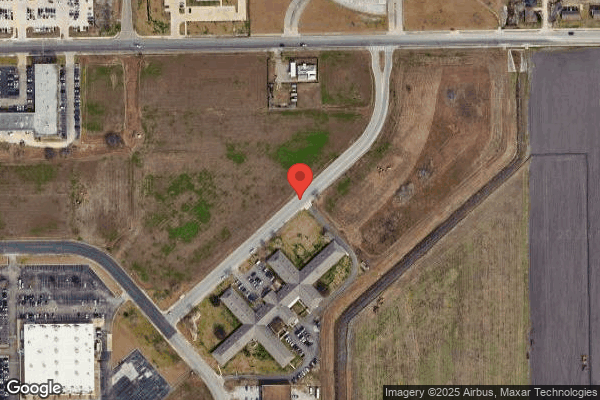
Feb 2024 1 deficiency
MINOR (B) 📢 Someone Reported This

A family member, employee, or ombudsman was alarmed enough to file a formal complaint

Minor Issue - procedural, no safety impact

Safe Environment (Tag F0584)

Minor procedural issue · This affected multiple residents

**NOTE- TERMS IN BRACKETS HAVE BEEN EDITED TO PROTECT CONFIDENTIALITY** Based on observation, interview and record review the facility failed to provide a safe, comfortable, and homelike environment f...

Read full inspector narrative →
**NOTE- TERMS IN BRACKETS HAVE BEEN EDITED TO PROTECT CONFIDENTIALITY** Based on observation, interview and record review the facility failed to provide a safe, comfortable, and homelike environment for 3 (RM# 304, RM#112 and RM#216) rooms observed for maintenance. The facility failed to maintain resident occupied RM#304, RM# 112 and RM#216: -RM# 304 had unaligned and broken floor tiles. -RM#112 had part of the ceiling texture was falling. -RM#216 had an unsecured door. These failures could place residents in rooms at risk for injury or a declined sense of worth. Findings were: On 2/15/2024 at 11:45 a.m. observation of RM#216 revealed an upside-down door propped up against the closet in the room. The door was unsecure. On 2/15/2024 at 12:01 p.m. observation of room [ROOM NUMBER] revealed popcorn ceiling texture peeling away from the rest of the ceiling. The ceiling area was above the television area across from the resident's bed. On 2/15/2024 at 12:15 p.m. observation of room [ROOM NUMBER] revealed uneven and disarray of tiles upon entrance to room [ROOM NUMBER]. The tiles were loose with uneven lines and portions of the tiles were missing. During an interview on 2/15/2024 at 11:00 a.m., Resident #1, residing in room [ROOM NUMBER], stated the floor is messed up and needs to be fixed. During an interview on 2/15/2024 at 12:02 p.m., Resident #2, residing in room [ROOM NUMBER], stated the ceiling does bother me. During an interview on 2/16/2024 at 1:26 p.m., the Maintenance Director stated, I know when things need repair by rounding (walking the halls and entering rooms) at the beginning of each day and through the work orders entered into the computer system by staff. He also stated he was unaware of the maintenance concerns in room [ROOM NUMBER], 216, and 304 until 2/15/2024 when it was brought to his attention by this Investigator. Record review of the printed maintenance record request dated 2/16/2024 revealed rooms [ROOM NUMBER] were not listed as needing repairs.
Nov 2023 2 deficiencies
CONCERN (D) 📢 Someone Reported This

A family member, employee, or ombudsman was alarmed enough to file a formal complaint

Potential for Harm - no one hurt, but risky conditions existed

Incontinence Care (Tag F0690)

Could have caused harm · This affected 1 resident

**NOTE- TERMS IN BRACKETS HAVE BEEN EDITED TO PROTECT CONFIDENTIALITY** Based on observation, interview and record review, the facility failed to ensure a resident who was incontinent of bladder recei...

Read full inspector narrative →
**NOTE- TERMS IN BRACKETS HAVE BEEN EDITED TO PROTECT CONFIDENTIALITY** Based on observation, interview and record review, the facility failed to ensure a resident who was incontinent of bladder received appropriate treatment and services to prevent urinary tract infections and restore continence to the extent possible for 1 of 3 residents (Resident #2) reviewed for indwelling catheters. The facility failed to prevent Resident #2's urinary catheter tubing from touching the floor. This failure could place residents at risk for urinary tract infections. Findings included: Record review of Resident #2' admission record dated 11/30/23 reflected Resident #2 was admitted to the facility on [DATE] and re-admitted on [DATE]. Resident #2 was a [AGE] year-old male with diagnosis which included end stage renal disease(kidney no longer work as they should), diabetes (high blood sugar levels), cirrhosis of the liver (permanent damage to the liver), obstructive and reflux uropathy( functional hinderance of normal urine flow),benign prostatic hyperplasia without lower urinary tract symptoms (non-cancerous increase in size of the prostate gland), and extrarenal uremia (high levels of urea in the blood). Record review of Resident #2's the physician orders dated 11/30/23, reflected orders for a foley catheter to be changed monthly one time, related to obstructive and reflux uropathy, start date 04/14/23. Record review of the quarterly MDS dated [DATE] reflected Resident #2 was moderately cognitively impaired, (decisions poor) and had an indwelling catheter in place. Record review of a care plan revised on 03/27/23 reflected Resident #2 had an indwelling urinary catheter. Interventions included to position catheter bag and tubing below the level of the bladder and away from the entrance of door, revised on 11/16/23. Observation and interview on 11/30/23 at 9:05 am with Resident #2 revealed Resident #2 was in his bed, alert and wearing a urinary catheter was clipped to the bedside rail below his bladder level. The tubing did not have a plastic sleeve and was on the floor and attached to the urinary catheter. Resident #2 said he could not see that the catheter tubing was on the floor. Interview on 11/30/23 at 9:18 am with CNA C revealed Resident #2's urinary catheter tubing was on the floor and did not have a plastic sleeve on the tubing. CNA C said CNAs and nurses were responsible to make sure the catheter bag and tubing were not not on floor the because the urinary catheter could get contaminated and lead to infections. CNA C said she was in-serviced on infection control and proper placement of urinary catheter bag and tubing. CAN C said she would go tell the nurse to come and replace the tubing since it was already contaminated while on the floor. Interview on 11/30/23 at 9:33 am with CNA D revealed she had gone into Resident #2's room earlier in the morning and she and another CNA had to reposition Resident #2 up for his breakfast and she removed the urinary catheter bag and tubing. CNA D said she clipped the urinary catheter bag on the bedside rail and forgot to place the tubing where it would not touch the floor. CNA D said the urinary catheter could get contaminated if it touched the floor. The urinary tubing should have had a plastic sleeve in case the tubing touched the floor. CNA D said the CNAs and nurses were responsible to ensure the urinary catheter tubing had a plastic tubing and did not touch the floor. Interview on 11/30/23 at 9:37 am with LVN B revealed Resident #2's urinary catheter bag and tubing should not be on the floor. The urinary catheter tubing should have a plastic sleeve to prevent contamination if the tubing touched the floor. LVN B said the CNAs and nurses were responsible to ensure the urinary catheter tubing had a plastic sleeve to prevent the tubing from contamination if it touched the floor. Interview on 11/30/23 at 9:54 am with the DON revealed the urinary catheter tubing should not be on the floor because the catheter could get contaminated. The DON said she and the charges nurses and CNAs were responsible to ensure the urinary catheter tubing had a plastic sleeve to prevent contamination. Record review of the facility policy's titled Catheter Care, Urinary dated September 2014 reflected under Infection Control Use standard precautions when handling or manipulating the drainage system. Be sure the catheter tubing and drainage bag are kept off the floor.
CONCERN (D) 📢 Someone Reported This

A family member, employee, or ombudsman was alarmed enough to file a formal complaint

Potential for Harm - no one hurt, but risky conditions existed

Safe Environment (Tag F0921)

Could have caused harm · This affected 1 resident

**NOTE- TERMS IN BRACKETS HAVE BEEN EDITED TO PROTECT CONFIDENTIALITY** Based on observation and, interview the facility failed to ensure the environment remained free of accident hazards as posible f...

Read full inspector narrative →
**NOTE- TERMS IN BRACKETS HAVE BEEN EDITED TO PROTECT CONFIDENTIALITY** Based on observation and, interview the facility failed to ensure the environment remained free of accident hazards as posible for 2 of 2 unlocked resident rooms reviewed for accidents and hazards. The facility failed to ensure the two resident rooms [ROOM NUMBERS] were free of cluttered storage of equipment, Hoyer lifts, furniture, boxes, walkers, wheelchairs in a secured manner. This failure could place residents at risk of being in an unsafe environment and at risk for accidents and injury. Findings include: Observation on 11/29/23 at 8:54 am revealed rooms #222 and #220 located at the end of the 200 hall, were filled to the doorway in an unorganized manner, beds, wheelchairs, furniture, desks, walkers, computers, televisions, closed and opened boxes stacked to the ceiling. Both rooms were unlocked and accessible to residents or staff to enter. A wooden pallet approximately eight feet by eight feet was placed against the wall outside in hallway by room [ROOM NUMBER]. Observation revealed 34 residents residing on hall 200. Interview on 11/30/23 at 9:25 am with Resident #1 revealed he was not aware there were rooms that were used for storage and were not locked. The resident stated there could be a potential for any resident to walk into these rooms and get hurt with all the storage items not placed in an orderly manner. Interview on 1/30/23 at 10:21 am with the Maintenance Supervisor revealed they would not have any stored items in resident rooms. The Maintenance Supervisor said they should not use resident rooms for storage because the resident census might need to use those rooms. Maintenance Supervisor said the two rooms were being used for storage because they had no other space to store these items. Interview on 11/30/23 at 3:15 pm with CNA A revealed rooms #222 and #220 currently were not occupied with residents. Rooms #222 and #220 were used for storage of furniture, equipment, boxes, etc and were kept unlocked. CNA A said most of the residents on the 200 hall were ambulatory. CNA A said she was not aware residents could walk into the unlocked rooms that were used for storage and could get hurt. Interview on 11/30/23 at 3:20 pm with the Maintenance Supervisor revealed room [ROOM NUMBER] was an office room that was used to store furniture, equipment, boxes, etc and was currently being cleared to use as an office. He said room [ROOM NUMBER] was not a resident's room. room [ROOM NUMBER] had not been kept locked. The Maintenance Supervisor said room [ROOM NUMBER] was a resident's room and had been temporarily used as storage and was full of furniture, boxes, equipment, etc. room [ROOM NUMBER] had not been kept locked. The Maintenance Supervisor said he could understand a resident might walk in and get hurt. Interview on 11/30/23 at 4:14 pm with LVN B revealed she was aware rooms #222 and #220 had furniture and equipment and the rooms were not locked. The residents on hall 200 were not wanderers and she didn't think anyone would just go into those rooms. LVN B said she had not seen any resident go towards those rooms. Interview on 11/30/23 at 4:04 pm with the Administrator revealed they had used room [ROOM NUMBER] to store equipment and was to be remodeled as of today for an office for one of their staff. room [ROOM NUMBER] was a resident's room that was formerly occupied by a resident who had an incident and they were in the process of remodeling, cleaning up the room to be used for residents. The Administrator said he understood both room [ROOM NUMBER] and #220 were temporarily used for storage with furniture, equipment, Hoyer lifts, boxes, etc. and were locked. The Administrator said there was a potential for residents to wander in and get hurt by the random manner the stored items were scattered all over these rooms. The Administrator said they would be locking these rooms until they cleared all the stored items. He stated they did not have a policy to address this concern. All staff were responsible to supervise residents to prevent them from wandering into these rooms and he was responsible to ensure these rooms were not used for storage and were kept locked to prevent accidents.
Oct 2023 1 deficiency
CONCERN (D) 📢 Someone Reported This

A family member, employee, or ombudsman was alarmed enough to file a formal complaint

Potential for Harm - no one hurt, but risky conditions existed

Report Alleged Abuse (Tag F0609)

Could have caused harm · This affected 1 resident

**NOTE- TERMS IN BRACKETS HAVE BEEN EDITED TO PROTECT CONFIDENTIALITY** Based on observation, interview and record review the facility failed to ensure that all allegations involving abuse, neglect, e...

Read full inspector narrative →
**NOTE- TERMS IN BRACKETS HAVE BEEN EDITED TO PROTECT CONFIDENTIALITY** Based on observation, interview and record review the facility failed to ensure that all allegations involving abuse, neglect, exploitation or mistreatment, including injuries of unknown source and misappropriation of resident property were reported immediately, but not later than 2 hours after the allegation was made, if the events that caused the allegation involved abuse or resulted in serious bodily injury, to the administrator of the facility and to other officials which included to the State Survey Agency, in accordance with State law through established procedures for one (Resident #1) of 18 residents reviewed for abuse/neglect. The facility staff did not report Resident #1's allegation of abuse to the state agency when Resident #1 voiced his concern of being threatened with a gun. This failure could place residents at risk for abuse or neglect. The findings include: Record review of Resident #1's Face Sheet, dated 10/07/2023, documented a [AGE] year-old male who was admitted to the facility on [DATE]. His diagnoses included: epilepsy (seizures), moderate intellectual disabilities, mood disorder (disruptions in emotions), delusional disorder (characterized by or holding false beliefs or judgments about external reality), and cognitive communication deficit. Record review of Resident #1's Annual Minimum Data Set, dated [DATE], noted the following: Brief interview of mental status summary score of 15, which indicated the resident's cognition was intact. The MDS coded Resident #1 to need supervision for toilet use, transfers, and bed mobility. Record review of Resident #1's Care Plan, dated 09/12/2023, reflected the resident had impaired cognitive function/dementia or impaired thought processes r/t DX ID. Cue, reorient and supervise as needed. Keep the resident's routine consistent and try to provide consistent caregivers as much as possible in order to decrease confusion. Monitor/document/report PRN any changes in cognitive function, specifically changes in: decision making ability, memory, recall and general awareness, difficulty expressing self, difficulty understanding others, level of consciousness, mental status. Patient to continue with interventions for cognitive retraining/remediation 3x/week x 60 days per PASSR mandated POC. During an interview and observation on 10/06/2023 at 7:08 PM, Resident #1 was in bed watching television. Resident #1 stated he felt safe living at the nursing facility, and nobody had ever hurt, hit, made him feel intimidated or uncomfortable. Resident #1 stated he liked living at the nursing facility . During an interview on 10/06/2023 at 7:32 PM, the DON stated the facility did not report the allegation of abuse to the state survey agency due to collaborating with the PASSR case manager on Resident #1's allegation of abuse. The DON stated she was told by the PASSR case manager that they would be notifying the state survey agency of Resident #1's allegation of abuse. The DON stated the PASSR personnel were not employees of the facility nor affiliated with the nursing facility. The DON stated the facility and PASSR personnel worked collaboratively regarding Resident #1's allegation of abuse. The DON stated Resident #1 was asked about his allegation of abuse but did not name a staff member. The DON stated Resident #1 notified the MDS nurse and Administrator during a PASSR meeting, to which the Administrator began an investigation into Resident #1's allegation. The DON stated this morning, of 10/06/2023, she called PASSR personnel to notify them of the facility's ongoing investigative actions. The DON stated the conclusion to the facility's investigation was inconclusive and determined there was no threat to the safety of the residents. The DON stated it was at the discretion of the administrator to make the decision to notify the state survey agency. The DON reiterated it was ultimately up to the administrator to notify the state survey agency of the allegation of abuse. The DON stated, according to the facility's policy, if the facility suspected abuse which included injuries, then they were to notify the state survey agency and other agencies. The DON stated once the investigation concluded within the 24 hr window, the results were inconclusive, and did not report the allegation of abuse to the state survey agency due to the PASSAR case manager already reporting the allegation to state, and their investigation's inconclusive conclusion . The DON stated ultimately it was the responsibility of the Administrator to notify the state survey agency regarding the allegation of abuse. During an interview on 10/07/2023 at 2:49 PM, the MDS Coordinator stated they had Resident #1's annual PASSR meeting. Once the meeting concluded Resident #1 left the meeting room and then re-entered, he proceeded to state while visiting a female friend, a unknown CNA spoke to him using profane words, and stated the CNA stated she would shoot him. The MDS Coordinator stated Resident #1 stated he felt comfortable living at the nursing facility but felt threatened. The MDS Coordinator stated Resident #1's story started to shift to another conversation and had a salad bowl (various subjects) type of conversation. The MDS Coordinator stated she attempted to refocus Resident #1, but saw he had a blank stare when she talked to him, and Resident #1 went on to speak about different subjects. The MDS Coordinator stated Resident #1 could not pinpoint exactly what day/date the allegation occurred but Resident #1 stated it may have been 1-2weeks ago. The MDS Coordinator stated Resident #1 was known to fabricate stories. The MDS Coordinator stated the facility launched an investigation into Resident #1's allegation of abuse and stated the PASSR case manager stated she was going to be reporting Resident #1's allegation of abuse to the state survey agency. The MDS Coordinator stated since the PASSR case manager was mandated to report Resident #1's allegation of abuse to the state survey agency, she believed the nursing facility would also be obligated to report any allegation of abuse to the state survey agency. The MDS Coordinator stated the Administrator was going to do an investigation, and when the investigation concluded the Administrator was going to call their corporate office. The MDS Coordinator stated the facility started the investigation on October 5th. The MDS Coordinator stated the facility policy stated if there was any allegation of abuse it needed to be reported within 24hrs and proceeded to state the nursing facility took all allegations of abuse seriously, and even if they were lying the facility needed to notify the state survey agency. The MDS Coordinator stated the Administrator is responsible for notifying the state survey agency of all allegations of abuse. During an interview on 10/09/2023 at 10:47AM with the Administrator, he stated he was notified of the allegation of abuse on 10/05/2023 at 3:30 PM after the conclusion of Resident #1's PASSR meeting. The Administrator stated Resident #1 began to exhibit out-of-the-box (abnormal) episode and began to voice his concern of a staff member threatening him with a gun and switched the subject of the meeting to his girlfriend. The Administrator stated, in conjunction with Resident #1's PASSR case manager, Resident #1 may have been experiencing delusional episodes. The Administrator stated when he was notified of the allegation of abuse, he facilitated an investigation into Resident #1's allegation of abuse. The Administrator stated once the investigation concluded, it was determined the allegation was inconclusive and determined this allegation of abuse was not reportable to state . The Administrator stated he was unaware of the allegation of verbal abuse regarding Resident #1 being cussed at. The Administrator stated the PASSR case managers were not employed by the facility nor were they affiliated with the nursing facility. The Administrator stated the expectation of the facility was to report allegations of all forms of abuse within 24hrs from when the allegation was stated, however this allegation was not reportable to state. Record review of TULIP on 10/06/2023 at 5:30PM, reflected no TULIP report noted regarding the allegation of abuse for Resident #1 Record review of the facility's Abuse Investigation and Reporting policy, revised July 2017, reflected, .1. All alleged violations involving abuse, neglect, exploitation, or mistreatment, including injuries of an unknown source and misappropriation of property will be reported by the facility Administrator, or his/her designee, to the following persons or agencies: a. The State licensing/certification agency responsible for surveying/licensing the facility; 2. An alleged violation of abuse, neglect, exploitation, or mistreatment (including injuries of unknown source and misappropriation of resident property) will be reported immediately, but no later than: a. Two (2) hours if the alleged violation involves abuse OR has resulted in serious bodily injury; or b. Twenty-four (24) hours if the alleged violation does not involve abuse AND has not resulted in serious bodily injury .
Aug 2023 1 deficiency
CONCERN (D) 📢 Someone Reported This

A family member, employee, or ombudsman was alarmed enough to file a formal complaint

Potential for Harm - no one hurt, but risky conditions existed

Report Alleged Abuse (Tag F0609)

Could have caused harm · This affected 1 resident

**NOTE- TERMS IN BRACKETS HAVE BEEN EDITED TO PROTECT CONFIDENTIALITY** Based on observation, interview, and record review, the facility failed to ensure that all allegations involving abuse, neglect,...

Read full inspector narrative →
**NOTE- TERMS IN BRACKETS HAVE BEEN EDITED TO PROTECT CONFIDENTIALITY** Based on observation, interview, and record review, the facility failed to ensure that all allegations involving abuse, neglect, exploitation or mistreatment, including injuries of unknown source, were reported immediately to the administrator of the facility and to the State Survey Agency, for one (R#1) of 18 residents reviewed for abuse/neglect. The facility staff did not report an incident of injury when R#1 was observed bleeding from eyebrow during perineal care. This failure could place residents at risk for neglect. The findings included: Record review of R #1's Face Sheet dated 08/07/2023 documented a [AGE] year-old female resident admitted to the facility on [DATE]. Her diagnoses were: muscle wasting, mobility abnormalities, dysphagia (swallowing difficulty), right knee contracture, and left knee contracture. Record review of R#1's Annual Minimum Data Set, dated [DATE] noted the following: Brief interview of mental status summary score of 99- (resident was unable to complete the interview). MDS coded R#1 to need total dependence for toilet use, transfers, and bed mobility. Functional Status: required extensive assistance with two-person physical assist/support for toileting, transfers, and bed mobility, as well as one-person physical assist with eating. R#1's Care Plan dated 05/27/2023 is has an ADL self-care performance deficit r/t Impaired balance, contracture BIL hips, knees, hx shoulder dislocation, cognitive impairments. Interventions: Position with pillows for comfort d/t contractures. ROM with adls as tolerated. Bathing/showering: Check nail length and trim and clean on bath day and as necessary. Report any changes to the nurse. Bathing/showering: The resident is totally dependent on 1 staff to provide shower. Bed mobility: The resident requires Total assistance by 1 staff to turn and reposition in bed. Dressing: The resident requires total assist by staff to dress. Eating: The resident requires Total assist by staff to eat. Personal hygiene: The resident requires (total assistance) by 1 staff with personal hygiene and oral care. Skin inspection: The resident requires SKIN inspection (daily with adls Observe for redness, open areas, scratches, cuts, bruises, and report changes to the Nurse. Toilet use: The resident requires (Total assistance) by one staff for toileting. Record review of R #1's Nurses Note date 08/03/2023 at 8:30 a.m. documented by LVN B, writer received report during change of shift 08/02/2023 6p-6a that resident had small area of discoloration to Lt eye. Upon assessment of resident, she was observed with discoloration to under Lt eye coming up around eye and small [NAME] to Lt eyebrow. Writer spoke to CNA A morning of 08/03/2023 who stated resident had band aid over eyebrow at start of shift morning 08/02/2023. CNA B also stated it was noted 08/02/2023 at beginning of shift. Writer reported findings to DON morning 08/03/2023. Record Review of additional progress notes for R#1's, and assessments on 08/04/2023, had no additional mention of R#1's injuries. During an observation and interview on 08/04/2023 at 5:45PM, R#1 was in a wheelchair, sitting at a dining room table, being assisted to eat by staff. R#1 was observed to have dark purple discoloration with light green on the left eye, in the eye-ball socket area. Attempted interview with R#1, but R#1 was non-verbal to the questions asked. During an interview on 08/04/02023 at 5:16PM, the Administrator stated injury of unknown origin, especially bruises are reportable injury to state. The administrator stated every morning the ADONs and DON, will discuss events that transpired during the previous 24hr. day before, during their morning clinical meeting. The Administrator stated during the morning meetings, any incident and accidents will also be discussed during the morning clinical meeting. with the 24hrs. The Administrator stated if an event transpired during the weekend, the event will be discussed during Monday morning meeting. The Administrator stated he was not aware of event regarding R#1 and would report the incident to state. The Administrator stated he needed to be notified of any injury small or large, to begin an investigation to determine how the injury happened, not just guess. The Administrator stated he was not made aware of any scratch, or bruise for R#1 from 08/02/2023-08/04/2023. The Administrator stated, had the DON known about R#1's injury, the DON should have begun internal investigation to rule out abuse, and should have instructed managerial staff to continue the investigation, while the DON was off. The Administrator stated no definitive answer as to why the internal investigation had not been done. The Administrator verbalized his dismay for his staff not reporting and investigating R#1's injury. During an interview on 08/04/2023 at 6:04pm, ADON A stated any time an unexplainable injury was observed, the charge nurse will notify the DON and fill out incident report. The ADON A stated if there was a large or small bruise or injury of unknown origin, there needs to be an incident report and the physician needs to be notified to attain recommendations. ADON A stated bruises are reportable to state. ADON A stated an investigation will begin by the DON to ensure the safety of resident and to rule out abuse. ADON A stated she was aware of the event with R#1, but does not know what transpired, and was not given directions to continue any investigation regarding R#1's bruise. ADON A stated she did not know if the DON had begun the internal investigation for R#1. ADON A stated the event with R#1 was not discussed at morning meeting on 08/03/2023. ADON A stated if the DON could not definitively state what happened, it should be investigated, and reported to state. During an interview on 08/04/2023 at 6:18PM ADON B stated she was in the room on 08/03/2023 at 8:30-8:45AM when the charge nurse notified the DON that she had noticed discoloration on R#1's left eye. ADON B stated, the charge nurse notified the DON, there was no documentation nor progress note on R#1's injury. ADON B stated she heard the charge nurse notify the DON, that LVN A had stated in report that R#1 had some slight red discoloration and upon the charge nurse's observation, there was dark purple bruising to R#1's left eye. ADON B stated the DON told the LVN B that she would investigate the injury and get with LVN A. ADON B stated during the morning meeting on 08/03/2023, the topic of R#1's bruising was not brought up and stated the bruising topic should have been discussed due to the injury's unknown origin. ADON B stated she was not given any direction to continue any internal investigations. ADON B stated both nurses LVN A and charge nurse should have filled out an incident report. ADON B stated she conducted an in-service regarding abuse/neglect and reporting criteria given about a month ago to all clinical staff. The ADON B stated the DON should have followed up on R#1's injury and should have begun an internal investigation to rule out abuse, especially due to not knowing of definitive origin of R#1's injury and should have been reported to state. ADON B stated when she was looking at R#1's electronic medical record , no was not incident report for R#1. During an interview on 08/04/2023 at 6:55pm, LVN A stated she went into work on 08/01/2023 6:00AM- 6:00PM, no redness or bruising were observed through her shift. On 08/02/2023 LVN A again went to work from 6:00AM- 6:00PM shift. LVN A stated that she was in R#1's room when two CNAs were getting R#1 up. LVN A stated she was notified while in R#1's room, that R#1 had red discoloration to left eye. LVN A stated she assessed the left eye and observed red discoloration on eye but did not feel a cause for concern. LVN A stated R#1 will at times curl hand near her left eye and utilized her previous experience with R#1 to determine the cause of the red discoloration was R#1 rubbing her left eye. LVN A stated there was no bruising on either of R#1's eyes or nose. LVN A allowed the CNAs to place R#1 in wheelchair and take to the dining area for breakfast and then back to bed. LVN A stated she checked and monitored the red discolored eye area throughout her shift on 08/02/2023 and did not fill out an incident report due to her previous experience with R#1 rubbing her eyes. LVN A stated she did not notify the DON nor Administrator about eye discoloration, due to her previous experience with R#1 self-inflicted red discoloration on left eye by scratching and rubbing eyes. LVN A stated she notified the incoming LVN B on 08/02/2023 at 6:00PM to keep an eye on red eye discoloration. LVN A stated when she left work on 08/02/2023 at 6:00PM R#1's left eye had slight red discoloration but nothing big like a black eye. LVN A stated she felt she acted and advocated appropriately for R#1. LVN A was asked if she witnessed R#1 rubbing and scratching her eye during her shift, to which she replied no and was asked how she then definitively ruled out abuse, given that she did not witness R#1 scratching her eyes, LVN A gave no definitive answer. LVN A stated she was last in-serviced about abuse and neglect early August 2023. During an interview on 08/11/2023 at 12:53PM the DON stated the expectation of the facility, when dealing with injuries was for the charge nurse to be notified, and for the charge nurse to assess the resident, file an incident report, notify family, doctor and according to injury will report according to the HHSC Guidelines. The DON stated on Thursday 8/3/2023 around 8:30AM in the morning, the night charge nurse notified the DON that she needed to speak with her. The DON stated the charge nurse told her that R#1 had a bruise to her left eye, and that nobody had done anything about it. The DON stated she had not heard anything about R#1's injury and stated she would investigate. The DON stated the injury was not brought up in morning clinical meeting because no incident report was done, no risk management report/incident report was done, and because she did not know extent of bruise. The DON stated on 08/03/2023 she observed R#1 to which she saw R#1 with light purple discoloration on left eye. The DON stated she interviewed LVN A on 08/03/2023, and was told by LVN A, that R#1 had self-inflicted injury with her hands. The DON stated R#1 had tendency to rub her eyes and rest her hands by face. The DON stated upon interviewing LVN A, LVN A stated she saw red discoloration during her 6:00AM- 6:00PM shift on 08/02/2023 but did not see a cause for concern or need for incident report. The DON stated, on 08/03/2023 she told LVN A to complete an incident report and dismissed because she knew R#1 rubbed her eyes. The DON stated she was off on 08/04/2023. The DON continued by stating she started her investigation on 08/03/2023, and assessed for safety hazards, spoke to all clinical staff, and on 08/05/2023 CNA A stated while she was changing R#1, CNA A observed R#1 rubbing her eye with hand on face, and when she turned R#1 back to supine position a little bit of blood was visualized. The DON stated, the CNA A stated she reported the injury to LVN A, and that LVN A forgot to do an incident report. The DON was asked how she ruled out abuse, the DON stated she did recall discussing R#1's injury in the clinical morning meeting on 08/03/2023 and notified the ADONs to continue the internal investigation while she was off on 08/04/2023. The DON stated she continued her investigation on Saturday 08/05/2023 as well as conducted an in-service regarding documenting/abuse/neglect on the same day. The DON stated has attempted to rectify situation by writing a formal write up for LVN A. During an interview on 08/11/2023 at 5:17 PM, CNA A stated on 08/01/2023 she went to R#1's room to perform perineal care on R#1 and when she turned R#1 to her left side, she visualized R#1 scratching her eye with her nails. CNA A stated when she turned R#1 back to supine position, she saw that R#1 had blood on the left eyebrow. The CNA A stated she notified LVN A of R#1's bloody eyebrow while LVN A was in the hallway, to which LVN A went into R#1's room and cleaned up R#1's eyebrow, then instructed CNA A to assist R#1 to wheelchair. The CNA A stated R#1's face just had a little bleeding in eyebrow and that was it. The CNA A stated the DON did not ask about the incident until 08/05/2023. The CNA A stated she attended in-service regarding documenting/abuse/neglect on 08/05/2023. Attempted interview with LVN B and was told she was not available for interview. Record review of facility's Documenting/Abuse/Neglect dated, 08/04/2023, did not have LVN A in attendance, but did have CNA A in attendance. Record review of facility's incident/accident reports on 08/04/2023, no report documented for R#1. Record review of facility's Accident and Incident-Investigating and Reporting Policy revised July 2020 stated, 1. The nurse supervisor/charge nurse and/or the department director or supervisor shall promptly initiate and document investigation of the accident or incident. 2. The following data, as applicable, shall be included in the Risk Management report; a. The date and time the accident or incident took place; b. The nature of the injury/illness (e.g. bruise, fall, nausea, etc.); c. Where the accident or incident took place; d. The name(s) of witnesses and their account of the accident or incident Record review of facility's Charting and Documentation Policy revised July 2017 stated, 1. All alleged violations involving abuse, neglect, exploitation, or mistreatment, including injuries of an unknown source and misappropriation of property will be report by the facility Administrator, or his/her designee, to the following persons or agencies: a. The State licensing/certification agency responsible for surveying/licensing the facility; 2. An alleged violation of abuse, neglect, exploitation, or mistreatment (including injuries of unknown source and misappropriation of resident property) will be reported immediately, but not later than: a. Two (2) hours if the alleged violation involves abuse OR has resulted in serious bodily injury; or b. Twenty-four (24) hours if the alleged violation does not involve abuse AND has not resulted in serious bodily injury.
Apr 2023 1 deficiency
CONCERN (E)

Potential for Harm - no one hurt, but risky conditions existed

Food Safety (Tag F0812)

Could have caused harm · This affected multiple residents

Based on observation, interview, and record review, the facility failed to store, prepare, distribute, and serve food by professional standards for food service safety for 1 of 1 kitchen reviewed. The...

Read full inspector narrative →
Based on observation, interview, and record review, the facility failed to store, prepare, distribute, and serve food by professional standards for food service safety for 1 of 1 kitchen reviewed. There was expired chocolate milk in the refrigerator There were dirty dishes on the clean rack There were dented and scratched pans This failure could place residents at serious risk for complications from food contamination. Findings were: Observation and initial tour of the kitchen on 04/18/23 at 09:30 AM revealed 8, 1/2 gallons of chocolate milk with expiration dates of 04/17/23 in the refrigerator with 2 other 1/2 gallons of unexpired chocolate milk. There were 4 full trays of dirty dessert cups on the clean rack mixed in with clean dessert cups. There were 4 Teflon-type pans that were badly scratched, flaking, and hanging on the rack of pans. A large colander that was badly dented was also hanging on the rack of pans. There were 8 small; size 4, 3 large; size 1/4-6, and 3 shallows; size 1/3-6 food-holding steam table pans, that were badly dented. Observation of the clean rack of dishes on 04/20/23 at 01:40 PM revealed stained and/or scratched plastic glasses, coffee cups, and dessert cups on multiple trays. An interview with the COOK on 04/18/23 at 09:45 AM stated the 4 full trays of dirty dessert cups on the clean rack were mixed in with clean dessert cups. The COOK stated the Teflon-type pans, and the large, dented colander were in use. The COOK stated the pans and colander should probably not be used in the state they were in because one of the pans was very rusty. The COOK stated whoever washed the dishes was responsible for checking if the dishes were clean. Interview with the DM on 04/18/23 at 09:50 AM stated she had ordered new pans about 3 weeks ago but had not received them because of back-orders. The DM stated the dented and scratched pans should not be used because the Teflon could flake off and get in the food and it might cause cancer. The DM stated the entire kitchen staff was responsible for making sure the dishes were clean. An interview with the DM and RD on 04/19/23 at 02:38 PM the RD stated the vendor came in weekly, removed expired goods, and credited the facility. The DM stated the expired chocolate milk was not separated from the unexpired chocolate milk or in any way marked for return. The DM stated expired goods could make residents sick if it was served and consumed by them. An interview with the DM on 04/20/23 at 01:45 PM stated she had a whole bunch of new dishes that she had not yet put out. The DM stated the dirty dishes got thrown away whenever staff saw them because they were all adults in the kitchen. The DM stated the dirty dishes on the clean racks would have potentially been used. An in-service dated 04/19/23 titled, Milk-Best by Dates, Credit, was provided by the DM on 04/19/23 at 2:55 PM. The in-service reflected the objective of the in-service was: if the milk date was prior to the current best-by date, do not use or throw it away. A vendor will arrive weekly on Thursdays to pick up any items and credit our account. A record review of the restaurant supply invoice #CS90270 for 2 full sheet pans, 2 small; size 1/6-4, 3 large; size 1/4-6, and 2 shallows; size1/3-6 food-holding steam table pans, dated 04/18/23, documented a cash sale/customer picked up on 04/18/23. Invoice #219576 dated 04/18/23 for 1, 8-inch, 1, 10 inches, and 1, 12-inch aluminum fry pan, 1 saucepan, 1 large and 1 small colander documented customer picked up on 04/18/23. The facility failed to produce a food storage policy. 8-101.10 Public Health Protection: (B) In enforcing the provisions of this Code, the REGULATORY AUTHORITY shall assess existing facilities or EQUIPMENT that were in use before the effective date of this Code based on the following considerations: (1) Whether the facilities or EQUIPMENT are in good repair and capable of being maintained in a sanitary condition; (2) Whether FOOD-CONTACT SURFACES comply with Subpart 4-101; 4-101.11 Characteristics. Materials that are used in the construction of UTENSILS and FOODCONTACT SURFACES of EQUIPMENT may not allow the migration of deleterious substances or impart colors, odors, or tastes to FOOD and under normal use conditions shall be: (A) Safe; (B) Durable, CORROSION-RESISTANT, and nonabsorbent; (C) Sufficient in weight and thickness to withstand repeated WAREWASHING; (D) Finished to have a SMOOTH, EASILY CLEANABLE surface; and (E) Resistant to pitting, chipping, crazing, scratching, scoring, distortion, and decomposition. 4-101.18 Nonstick Coatings, Use Limitation. Multiuse KITCHENWARE such as frying pans, griddles, sauce pans, cookie sheets, and waffle bakers that have a perfluorocarbon resin coating shall be used with nonscoring or nonscratching UTENSILS and cleaning aids. Refrigeration prevents food from becoming a hazard by significantly slowing the growth of most microbes. The growth of some bacteria, such as Listeria monocytogenes, is significantly slowed but not stopped by refrigeration. Over a period of time, this and similar organisms may increase their risk to public health in ready-to-eat foods. Based on a predictive growth curve modeling program for Listeria monocytogenes, ready-to-eat, time/temperature control for safety food may be kept at 5oC (41oF) a total of 7 days. Food which is prepared and held, or prepared, frozen, and thawed must be controlled by date marking to ensure its safety based on the total amount of time it was held at refrigeration temperature, and the opportunity for Listeria monocytogenes to multiply, before freezing and after thawing. Time/temperature control for safety refrigerated foods must be consumed, sold or discarded by the expiration date References: https://www.fda.gov/media/110822/download
Feb 2022 5 deficiencies
CONCERN (D)

Potential for Harm - no one hurt, but risky conditions existed

Deficiency F0691 (Tag F0691)

Could have caused harm · This affected 1 resident

**NOTE- TERMS IN BRACKETS HAVE BEEN EDITED TO PROTECT CONFIDENTIALITY** Based on interview and record review the facility failed to ensure residents who needed colostomy care were provided such care, ...

Read full inspector narrative →
**NOTE- TERMS IN BRACKETS HAVE BEEN EDITED TO PROTECT CONFIDENTIALITY** Based on interview and record review the facility failed to ensure residents who needed colostomy care were provided such care, consistent with professional standards of practice, the comprehensive person-centered care plan, and the resident's goals and preferences for 1 of 1 resident (Resident #70) reviewed for colostomies. Resident #70 had a colostomy and did not have an order for treatment/care to be provided. This failure could place residents with an ostomy at risk of in delay in treatment/care, risk of infection, ostomy occlusion, or decreasing feelings of self-esteem. Findings included: Review of Resident #70's Face sheet dated 02/10/2022 revealed an [AGE] year-old female admitted on [DATE] and re-admitted on [DATE] with the diagnosis of Hypertension, Heart failure, Pressure ulcer of Sacral region, Obesity, Chronic ulcer to right thigh, Peripheral vascular disease, Type 2 Diabetes. Record review of Resident # 70's Minimum Data Set, dated [DATE] revealed: -Resident # 70 had a BIM [BRIEF INTERVIEW FOR MENTAL STATUS] score of a 15 meaning she was cognitively intact. -required total dependence two-person extensive assist with Toilet use. -required extensive assistance two-person extensive assist with Bed mobility - how resident moves to and from lying position, turns side to side, and positions body while in bed or alternate sleep furniture. Record review of Resident #70 February 2022 MAR and TAR revealed that there was no documentation of orders being administered/provided related to the of care/treatment of Resident #1's colostomy being provided. Review of Resident #70 care plan, last revised on 12/28/21, revealed she was care planned for her colostomy. Goals included: Resident #1 would not have any complications r/t to ostomy use. Interventions included: change ostomy appliance as needed and report redness and inflammation of ostomy site. In an interview and record review with LVN E on 02/09/22 at 02:03 PM, LVN E stated that after review of Resident #70's active orders she did not see any physician orders for her colostomy bag care or treatment. She stated Resident #70's, admitting nurse, must have forgotten to put in the orders for changing the colostomy bag. She also stated Resident #70's colostomy bag was changed as needed and checked daily but was unable to provide documentation specific physician orders for colostomy care. In an interview on 02/10/22 at 09:45 AM, DON stated Resident #70 did have a colostomy and the nurses are responsible for making sure orders are inputted in the residents care plan for all care of residents. She also stated that the facility does not require orders unless there are special equipment needed for the care of the colostomy. Record review of the Facilities Colostomy and Ostomy care date 02/17/2020 documented it is the policy of the center to provide colostomy and ileostomy care assuring dignity, cleanliness and safety.
CONCERN (E)

Potential for Harm - no one hurt, but risky conditions existed

Respiratory Care (Tag F0695)

Could have caused harm · This affected multiple residents

**NOTE- TERMS IN BRACKETS HAVE BEEN EDITED TO PROTECT CONFIDENTIALITY** Based on observations, interviews and record reviews, the facility failed to ensure that a resident who needs respiratory care i...

Read full inspector narrative →
**NOTE- TERMS IN BRACKETS HAVE BEEN EDITED TO PROTECT CONFIDENTIALITY** Based on observations, interviews and record reviews, the facility failed to ensure that a resident who needs respiratory care is provided such care, consistent with professional standards of practice, and the comprehensive person-centered care plan for two (#14 and #63) of five residents observed for oxygen therapy in that: -Resident #14 received oxygen at 5 liters per minute via her tracheostomy (trach-an operative procedure that creates a surgical airway through the front of the neck and into the windpipe so a tube can be inserted to help breath) collar instead of receiving oxygen at 2 liters as per her physician's orders instructed. Resident #14's oxygen tubing was not dated 11/07/21, despite the physician's orders instructed for the tubing to be changed every Sunday of every week. -Resident #63's oxygen tubing and humidifier bottle had not been changed as directed by physician orders. These deficient practices could affect residents who have oxygen ordered by their physician and could result in respiratory compromise via moisture and dirt getting into the tubing if not changed at appropriate times. Findings included: Resident #14 Record review of Resident #14's Face Sheet dated 02/09/22 documented a [AGE] year old female initially admitted [DATE] and readmitted [DATE] with the diagnoses of: Acute and chronic respiratory failure, hypoxia [the absence of enough oxygen to tissues to sustain bodily functions], tracheostomy status, gastrostomy status (surgical procedure in which a tube is inserted through the abdomen into the stomach used for nutrition, hydration, and medication administration), contractures, seizures, severe intellectual disability, and cerebral palsy (a congenital disorder of movement, muscle tone or posture). Record review of Resident #14's Quarterly Minimum Data Set, dated [DATE] revealed she had no speech, rarely understood others, a memory problem with severely impaired cognitive status, was totally dependent on staff for all activities of daily living, was incontinent of bladder and bowel, had a tracheostomy and received oxygen therapy while at the facility. Record review of Resident #14's Comprehensive Care Plan dated 12/02/21 documented · The resident has a tracheostomy and is on oxygen therapy related to ineffective breathing and diagnoses of Respiratory Failure. Interventions: CHANGE TRACH MASK every week every night shift every Sun; Change oxygen tubing/water every week on Sunday and as needed, every night shift every Sunday; Oxygen at 2 Liters via Trach collar continuous, every shift . Record review of Resident #14's February 2022 Physician Orders documented 10/25/21- Change O2 tubing/water every week on Sunday and as needed,every night shift every Sunday; Oxygen at 2 liters via Trach collar continuous, every shift for acute and chronic respiratory failure with hypoxia . Observation of Resident #14 on 02/08/22 at 09:40 AM revealed she was lying in bed, on her back, with her eyes closed. Resident #14 did not awaken to verbal stimuli. Resident #14 had a tracheostomy and was receiving oxygen via trach collar. The oxygen concentrator was set at 5 liters per minute. Resident #14's oxygen tubing was dated 11/07/21. Observation of Resident #14 on 02/09/22 at 10:21 AM revealed she continued to receive oxygen via a trach collar at 5 liters per minute. Her oxygen tubing was dated 11/07/21. Observation and interview with Licensed Vocational Nurse (LVN) A on 02/09/22 at 10:26 AM revealed she said all oxygen tubing must be changed every week on Sunday's. LVN A explained that the night shift nurse taking care of the resident receiving oxygen was responsible for changing the oxygen tubing and all nurses, from every shift, caring for that resident was responsible for checking that the tubing was changed. LVN A accompanied the surveyor to Resident #14's room and LVN A checked the date written on the oxygen tubing and said It says 11/07/21. I had not checked it today. It should have been changed this last Sunday. We have orders to change it every Sunday. LVN A was asked to read the oxygen setting on Resident #14's oxygen concentrator and said She is receiving 5 liters of oxygen. LVN A walked out of Resident #14's room and toward her medication cart and checked Resident #14's physician orders and current Treatment Administration Record (TAR) and said Her orders and TAR both state she should receive 2 liters of oxygen continuously. I don't know how or when it got moved to 5 liters. I had not noticed it. Each shift nurse should be checking that she is receiving oxygen as ordered by the physician to ensure she is receiving proper care and treatment. The oxygen tubing should be checked and changed regularly for infection control purposes. Resident #63 Review of Resident #63's electronic face sheet dated 02/09/22 revealed a [AGE] year-old female, admitted to the facility on [DATE] with diagnoses of Peripheral Vascular disease, Gastro Esophageal Reflux Disease, Chronic obstructive pulmonary disease, Chronic kidney disease, Sclerosis, and Major depressive disorder. Review of Resident #63's comprehensive person-centered plan of care dated 07/14/21 documented: Problem: The resident has Emphysema/COPD [Chronic obstructive pulmonary disease] and takes steroids. Goal: The resident will be free of signs and symptoms of respiratory infections through review date. Interventions: Oxygen settings: O2 [oxygen] via Nasal cannula prn [as needed] as ordered. Change tubings per protocol. Record review of Resident # 63's Minimum Data Set, dated [DATE] revealed: -Resident # 63 had a BIM [BRIEF INTERVIEW FOR MENTAL STATUS] score of a 14 meaning she was cognitively intact. -required total dependence two-person extensive assist with Toilet use. -required extensive assistance two-person extensive assist with Bed mobility - how resident moves to and from lying position, turns side to side, and positions body while in bed or alternate sleep furniture. Review of Resident #63's physician orders dated 02/09/22 documented: Change O2 [oxygen] tubing/water every week on SUNDAY and PRN [as needed]. Observation on 02/08/22 at 10:02 AM Resident # 63 observed with an oxygen concentrator at bedside with the oxygen water humidifier bottle halfway full dated 01/10/22 and nasal cannula tubing dated 01/10/22. Oxygen was not being used. Resident #63 stated she used oxygen as needed. Observation on 02/09/22 at 08:45 AM revealed Resident #63 was noted using oxygen via nasal cannula. Observation of oxygen water humidifier and tubing noted with the date of 01/10/22. In an interview with LVN D on 02/09/22 at 09:01 AM, revealed Resident #63 used oxygen only as needed. LVN entered Resident #63's room and observed the water humidifier and tubing connected to the oxygen concentrator that was being used by the resident, and revealed the tubing was dated on 01/10/22 and the water humidifier was dated 01/10/22. She stated, The tubing and water humidifier should be changed every Sunday, and it had been almost a month since the oxygen water humidifier and tubing had been changed. She revealed it is important to change the oxygen water humidifier and tubing is to keep it clean to help prevent infections and bacteria growth. She revealed she is unsure when the last time the oxygen machine, tubing, and water humidifier was last seen because when she came on shift today, Resident #63 had the oxygen on. The resident's oxygen for the resident is checked every shift but the humidifier and tubing are only checked and changed on Sundays as ordered. In an interview with the Director of Nurses (DON) on 02/09/22 at 02:24 PM, the DON said the licensed nurses providing care were responsible for ensuring all physician orders are followed. The DON stated the nurse assigned to care for the resident was to ensure that oxygen was administered as ordered and the oxygen tubing was changed as ordered. The DON said after being informed by the survey team of oxygen tubing not changed and oxygen provided not as ordered, she said she reviewed all residents receiving oxygen therapy current TAR and found that although the TAR indicated that the tubing had to be changed every Sunday, the TAR did not have an assigned day for the nurse to sign that she did it. The DON said she fixed it to where all staff were to initial their name on the scheduled day the tubing should be changed. The DON said she made daily rounds on her assigned rooms but prior to this issue, she did not specifically look at each resident receiving supplemental oxygen to ensure oxygen was administered as ordered or that the tubing was changed, as ordered. The DON said it was important to provide treatments as ordered to ensure resident well-being. Record review of the facility's Oxygen Administration policy dated 2001 documented the purpose is to provide guidelines for safe oxygen administration. Preparation: Verify that there is a physician's order for this procedure. Review the physician's order or facility protocol for oxygen administration.
CONCERN (E)

Potential for Harm - no one hurt, but risky conditions existed

Food Safety (Tag F0812)

Could have caused harm · This affected multiple residents

Based on observation, interviews and record review, the facility failed to store, prepare, distribute, and serve food in accordance with professional standards for food service safety for 1 of 1 kitch...

Read full inspector narrative →
Based on observation, interviews and record review, the facility failed to store, prepare, distribute, and serve food in accordance with professional standards for food service safety for 1 of 1 kitchen reviewed for kitchen sanitation in that: 1. The three-compartment sink and a sanitizing bucket under the prep table in the kitchen did not reach the necessary sanitization concentration level. 2. Juice gun nozzles had a brownish substance inside the nozzles. 3. Return air vents were covered in dust and debris 4. Food Equipment was not air dried These failures could place residents at risk for food borne illness. Findings included: 1. Observation and interviews in the kitchen with the Dietary Manager and Dietary Staff A on 02/08/22 at 10:30 AM, revealed a three-compartment sink with Dietary Staff A washing dishes. Dietary Staff A had dishes in the sanitation compartment of the sink and cleaned dishes that were resting at the end of the sink air drying. The surveyors asked Dietary Staff A to test the chemical sanitizer level in the 3-compartment sink Dietary Staff A tested the liquid inside the sanitation sink and the test strip did not change color which indicated no chemical sanitizer concentration within the liquid in the sanitizer sink. The Dietary Staff A agreed the strip did not change color when inserted into the sanitizer solution in the 3-compartment sink. Dietary Staff A stated the test strip should have changed color and indicate the sanitizer level of at least 200 ppm. She also confirmed the chemical sanitation bottle/container under the sink was empty. The Dietary Manger then checked the chemical sanitizer bottle/container stored under the three-compartment sink and the chemical sanitizer bottle/container was empty and therefore, not dispensing any chemical sanitizer when the staff were using the equipment to dispense sanitizer. The surveyor observed that there were dishes in the sanitation sink indicating they had just been washed recently. The Dietary Manager stated that they would have to change the sanitizer bottle and re-wash the dishes they had just washed. The Dietary Manager located a bottle of the chemical sanitizer to change it and refiled the sanitation sink and sanitation bucket. The Dietary Manager then re-tested the water in the sanitation sink and sanitation bucket and the sanitizer test strip changed colors and registered the sanitizer concentration 200 ppm. The Dietary Manager stated that in the dietary staff is responsible for ensuring the sanitation levels are met and that morning when they filled the sink and sanitation bucket it was working, and the sanitizer container was about a ¼ full and that usually is not used within a few washes. She stated that Dietary Staff A also stated it was working as of that morning and that they were not able to determine when the chemical sanitizer had run out since they last checked it in the morning. Observation and interview with the Dietary Manager on 02/08/22 at 10:34 AM revealed a sanitation bucket stored under a kitchen prep table with sanitation rags in it. The Surveyors requested the chemical sanitizer level to be tested in the sanitation bucket. The Dietary Manager tested the liquid inside the sanitation bucket and the test strip surveyor and dietary manager observed the test strip did not change color which indicated no chemical sanitizer concentration within the liquid in the sanitizer bucket. The dietary Manager said that the sanitizer level in the bucket should have been at least 200 ppm. Observation on 02/08/22 at 10:40 AM The Dietary Manager located a bottle of the chemical sanitizer to change it and refiled the sanitation sink and sanitation bucket. The Dietary Manager then re-tested the water in the sanitation sink and sanitation bucket and the sanitizer test strip changed colors and registered the sanitizer concentration 200 ppm. Record review of the facility policy titled, General Kitchen Sanitation, dated 2018, revealed Sanitize kitchen surfaces and equipment with a solution of the proper concentration (100 PPM Chlorine; 200 PPM Quaternary Ammonia). 2. During the initial tour observation and interview in the kitchen with the Dietary Manager on 02/08/22 at 10:05 AM revealed Juice gun nozzles had a reddish, pink and brownish substance inside the nozzle head for the thickened liquid nozzle gun. She stated the nozzles needed to be cleaned and that dietary staff was responsible for cleaning the nozzles. She also stated that the guns had been broken for about 2 weeks and they were repaired the night before. 3. During the initial tour observation and interview with the Dietary Manager in the kitchen on 02/08/22 at 09:50 AM, revealed 3 of 3 return air vents covered with dust and debris throughout the kitchen. The Dietary Manager stated a maintenance request was placed to have the return air vents cleaned but that maintenance had not been to clean them. During an interview on 02/09/22 at 03:15 PM with Maintenance Staff he stated the return air vents were covered in dust and debris. He stated he had no record of a request to have the return air vents in the kitchen be cleaned. He also stated that the return air vents were on a 90-day cycle for cleaning and were not scheduled to be cleaned until the end of the month. 4. During the initial tour observation and interview with the dietary Manager on 02/08/22 at 10:06 AM, revealed plates, trays, plate covers, blenders and pans were left in stack in the dish washing area and serving area of the kitchen full of standing water. The Dietary Manager stated that plates, trays, plate covers, blenders and pans were left with standing water after washing and were not being properly air dried. During an observation on 02/10/2022 at 12:30 PM revealed plates, trays, and pans were left with standing water sitting on racks in the serving area of the kitchen. The Dietary Manager stated the plates, trays, and plate covers in the serving area of the kitchen were left with standing water that dripped off when the dishes were picked up after being washed from the breakfast serving. She also stated that dietary staff needed to properly hand and air dry the dishes to prevent standing water being left on the dishes to prevent the spend of airborne illnesses. Record review of the facility policy titled, Sanitization and Food Safety in Food and Nutrition Services, dated 2018, revealed All Foodservice employees will maintain clean sanitary kitchen facilities in accordance with the state US Food Codes in order to minimize risk of infection and food borne illness.
CONCERN (E)

Potential for Harm - no one hurt, but risky conditions existed

Infection Control (Tag F0880)

Could have caused harm · This affected multiple residents

**NOTE- TERMS IN BRACKETS HAVE BEEN EDITED TO PROTECT CONFIDENTIALITY** Based on observation interview and record review the facility failed to establish and maintain an infection prevention and contr...

Read full inspector narrative →
**NOTE- TERMS IN BRACKETS HAVE BEEN EDITED TO PROTECT CONFIDENTIALITY** Based on observation interview and record review the facility failed to establish and maintain an infection prevention and control program designed to provide a safe, sanitary and comfortable environment and to help prevent the development and transmission of communicable diseases and infection for two (Resident #59 and Resident #70) of two Residents that received wound care and reviewed for infection control. Licensed Vocational Nurse (LVN) B did not wash her hands for at least 20 seconds, did not perform hand hygiene between glove changes or between treating different wound sites, and wore gloves she stored in her pocket, which were considered contaminated, to perform wound care on Resident #70 and Resident #59. This deficient practice could place residents at risk for infection due to improper hand hygiene practices. The findings included: Resident #70 Review of Resident #70's Face sheet dated 02/10/2022 documented a [AGE] year-old female admitted on [DATE] and re-admitted on [DATE] with the diagnosis of Hypertension, Heart failure, Pressure ulcer of Sacral region, Obesity, Chronic ulcer to right thigh, Peripheral vascular disease, Type 2 Diabetes. Record review of Resident # 70's Minimum Data Set, dated [DATE] revealed: -Resident # 70 had a BIM [BRIEF INTERVIEW FOR MENTAL STATUS] score of a 15 meaning she was cognitively intact. -required total dependence two-person extensive assist with Toilet use. -required extensive assistance two-person extensive assist with Bed mobility - how resident moves to and from lying position, turns side to side, and positions body while in bed or alternate sleep furniture. -At risk for developing pressure ulcers Observation of Resident # 70's wound care to her stage 4 to the right Buttock/Sacral on 02/10/22 at 10:53 AM provided by LVN B revealed she put on gloves to begin wound care, cleansed the wound bed with a wet gauze, dried the wound, put ointment on the wound, and placed a clean dressing on wound with the same pair of gloves. LVN B moved to the next wound which was a Trauma Wound to Right Posterior Upper Thigh. With the same pair of gloves she cleansed the wound bed with a wet gauze, dried the wound, put ointment on the wound, and place a clean dressing. She then continued to provide wound care to Trauma Abrasion to left buttock with the same pair of gloves on. After wound care was completed for all three of Resident # 70's wounds, LVN B removed gloves and washed her hands for less than 10 seconds. In an interview with LVN B on 02/10/22 at 11:18 AM revealed she should wash her hands for as long as the ABC's or twinkle twinkle little stars song, so about a minute long. She revealed she didn't wash hands for very long after performing wound care. She revealed she didn't change her gloves during the actual wound care but verbalized the importance of changing gloves during wound care is so she does not cross contaminate wound and to prevent infections. Resident #59 Record review of Resident #59's Face Sheet dated 02/10/22 documented an [AGE] year-old female admitted [DATE] with the diagnoses of: Alzheimer's Disease, muscle wasting, morbid obesity, and Stage 3 chronic kidney disease. Record review of Resident #59's comprehensive care plan dated 11/04/21 documented 12/27/21 Stage 3 Sacral Ulcer, 1/13/22 Unstageable Right Lateral Heel changed to Stage 3 pressure ulcer per Doctor; Stage 3 Sacrum-Clean with normal saline, pat dry with 4x4 gauze, apply Triad, daily and leave open to air one time a day AND as needed; Santyl Ointment 250 UNIT/Gram (Collagenase) Apply to Rt Lateral Heel topically one time a day. Record review of Resident #59's Quarterly Minimum Data Set, dated [DATE] revealed she had a brief interview of mental status score of 13- cognitively intact, required extensive assistance for bed mobility, transfers, dressing, and personal hygiene, was always incontinent of bladder and bowel, was at risk for pressure ulcers/injuries. Resident #59 had two stage 3 pressure ulcers that were not present on admission/or prior assessment. Record review of Resident #59's February 2022 Physician's Orders documented Santyl Ointment 250 UNIT/Gram (Collagenase), Apply to Rt Lateral Heel topically one time a day for Unstageable add Silver Alginate, cover with dry dressing; Stage 3 Sacrum - Clean with normal saline, pat dry with 4x4 gauze, apply Triad, daily and leave open to air one time a day AND as needed. Observation of Resident #59 on 02/10/22 at 11:17 AM revealed her wound care physician entered the room accompanied by LVN B and LVN C. Resident #59 was repositioned to her right side. After the wound care physician assessed Resident #59's wounds, LVN B sanitized her hands and put on gloves that she retrieved from her right shirt pocket. Observation of LVN B's right shirt pocket revealed she had multiple gloves, scissors, keys, and a bottle of normal saline solution in her pocket. LVN B cleaned Resident #59's right lateral heel open wound with normal saline soaked gauze, removed her gloves, and put on gloves she retrieved from her right shirt pocket, without performing any hand hygiene. LVN B used her gloved right pinky finger to apply prescribed ointment on Resident #59's right lateral heel. LVN B removed her gloves and immediately put on gloves she retrieved from her right shirt pocket, without performing any hand hygiene and began to clean Resident #59's sacral pressure ulcer wound. After cleaning Resident #59's wound, LVN B removed her gloves, and put on gloves she retrieved from her right shirt pocket, without performing any hand hygiene. LVN B used her gloved right pinky finger to apply barrier cream onto Resident #29's wound. In an interview with LVN B and LVN C simultaneously on 02/10/22 at 11:55 PM, LVN B said she performed hand hygiene after she removed her gloves. LVN C informed LVN B that she did not sanitize her hands between glove changes. After asking LVN B why she felt she had to change her gloves, LVN B said They were contaminated after touching the wound so I did not want to cross-contaminate. LVN B said she should have performed hand hygiene with each glove change. LVN B was asked if she considered the gloves she stored in her pocket, touching her keys and scissors were considered clean, LVN B said yes. LVN B was asked if she considered using the same gloves she had stored in her pocket and used them to apply treatment in Resident #59's wound could contaminate the wound, LVN B paused and then said Yes. In an interview with Director of Nursing (DON) and Administrator on 02/10/22 at 02:37 PM revealed the LVN B had communicated to the administrator the errors that occurred while performing wound care. She revealed LVN B told them [DON and Administrator] that she did not perform hand hygiene between glove changes and did not changing gloves during wound care. DON and Administrator stated staff should wash hands with soap and water for at least 30 seconds, and hand washing or at least hand sanitizer should be used any time gloves are removed or changed. It was revealed during wound care glove changing and hand hygiene should be performed after removing dirty dressing, after cleaning the wound, after one wound is cleaned, and before starting treatment on another wound. Administrator stated, during wound care gloves should not be stored inside scrub pocket due to contamination. DON stated it is important to change gloves and perform hand hygiene because you don't want to put bacteria into a wound that you're about to close and care for. She revealed it is important to not store gloves in a scrub pocket and to not use gloves from a scrub pocket because the pocket is not clean and can cause contamination and infection. Record review of facility's Handwashing/Hand Hygiene policy dated revised 08/2019 documented: The facility considers hand hygiene the primary means to prevent the spread of infections . -Use an alcohol-based hand rub containing at least 62% alcohol; or, alternatively, soap (antimicrobial or non-antimicrobial) and water for the following situations: b. Before and after direct contact with residents; d. Before performing any non-surgical invasive procedures; g. Before handling clean or soiled dressings, gauze pads, etc.; j. After contact with blood or bodily fluids; k. After handling used dressings, contaminated equipment, etc.; m. After removing gloves. Record review of LVN B's Wound Care Skill Assessment: Clinical Proficiency dated 06/15/21 documented: 2. Wash hands . 8. Close door, pull privacy curtain, close blinds. 9. Wash hands. 13. Remove soiled dressing 14. Maintain clean field when discarding soiled dressing. 15. Wash hands and don gloves . 19. If more than one wound, complete steps #9-17. 20. If any area is contaminated- start over. 21. Wash hands . The assessment revealed LVN B demonstrated competency in Wound Care Skill.
CONCERN (E)

Potential for Harm - no one hurt, but risky conditions existed

Room Equipment (Tag F0908)

Could have caused harm · This affected multiple residents

Based on observation, interviews, and record reviews the facility failed to maintain essential kitchen equipment in 1 of 1 kitchen reviewed for safe operating conditions. The stove top griddle was dri...

Read full inspector narrative →
Based on observation, interviews, and record reviews the facility failed to maintain essential kitchen equipment in 1 of 1 kitchen reviewed for safe operating conditions. The stove top griddle was dripping grease on the floor. This failure poses a risk of essential kitchen equipment malfunctions causing delayed meal service to residents. Finding include: During the initial tour observation and interview with the dietary Manager on 02/08/22 at 9:55 AM, the stove top griddle was dripping grease into a serving pan placed under the griddle on the floor instead of collecting into the drip pan attached to the griddle. The Dietary Manager stated the stove top griddle was dripping grease on the floor from the drip pan and that it needed to be cleaned. She also stated that a work order was placed with maintenance to have the leak repaired but that they were not able to fix the leak, so kitchen staff placed a pan on the floor to catch grease as it drips down during cooking but are not always able to monitor the grease. The dietary manager stated she did not have a copy of the work order placed to repair the griddle but that maintenance staff would be looking at the griddle soon to try and repair it. She stated it is the responsibility of the dietary staff to ensure that all kitchen equipment is functioning correctly and cleaned properly. Record review of the facility policy titled, Sanitization and Food Safety in Food and Nutrition Services, dated 2018, revealed All Foodservice employees will maintain clean sanitary kitchen facilities in accordance with the state US Food Codes in order to minimize risk of infection and food borne illness.
Understanding Severity Codes (click to expand)
Life-Threatening (Immediate Jeopardy)
J - Isolated K - Pattern L - Widespread
Actual Harm
G - Isolated H - Pattern I - Widespread
Potential for Harm
D - Isolated E - Pattern F - Widespread
No Harm (Minor)
A - Isolated B - Pattern C - Widespread

Questions to Ask on Your Visit

  • "What changes have you made since the serious inspection findings?"
  • "Can I speak with families of current residents?"
  • "What's your RN coverage like on weekends and overnight?"

Our Honest Assessment

Strengths
  • • 36% turnover. Below Texas's 48% average. Good staff retention means consistent care.
Concerns
  • • Multiple safety concerns identified: 1 life-threatening violation(s). Review inspection reports carefully.
  • • 24 deficiencies on record, including 1 critical (life-threatening) violation. These warrant careful review before choosing this facility.
  • • $14,069 in fines. Above average for Texas. Some compliance problems on record.
  • • Grade C (56/100). Below average facility with significant concerns.
Bottom line: Mixed indicators with Trust Score of 56/100. Visit in person and ask pointed questions.

About This Facility

What is Avir At Corpus Christi's CMS Rating?

CMS assigns AVIR AT CORPUS CHRISTI an overall rating of 4 out of 5 stars, which is considered above average nationally. Within Texas, this rating places the facility higher than 99% of the state's 100 nursing homes. This rating reflects solid performance across the metrics CMS uses to evaluate nursing home quality.

How is Avir At Corpus Christi Staffed?

CMS rates AVIR AT CORPUS CHRISTI's staffing level at 2 out of 5 stars, which is below average compared to other nursing homes. Staff turnover is 36%, compared to the Texas average of 46%. This relatively stable workforce can support continuity of care.

What Have Inspectors Found at Avir At Corpus Christi?

State health inspectors documented 24 deficiencies at AVIR AT CORPUS CHRISTI during 2022 to 2025. These included: 1 Immediate Jeopardy (the most serious level, indicating potential for serious harm or death), 22 with potential for harm, and 1 minor or isolated issues. Immediate Jeopardy findings are rare and represent the most serious regulatory concerns. They require immediate corrective action.

Who Owns and Operates Avir At Corpus Christi?

AVIR AT CORPUS CHRISTI is owned by a for-profit company. For-profit facilities operate as businesses with obligations to shareholders or private owners. The facility is operated by AVIR HEALTH GROUP, a chain that manages multiple nursing homes. With 121 certified beds and approximately 89 residents (about 74% occupancy), it is a mid-sized facility located in CORPUS CHRISTI, Texas.

How Does Avir At Corpus Christi Compare to Other Texas Nursing Homes?

Compared to the 100 nursing homes in Texas, AVIR AT CORPUS CHRISTI's overall rating (4 stars) is above the state average of 2.8, staff turnover (36%) is significantly lower than the state average of 46%, and health inspection rating (3 stars) is at the national benchmark.

What Should Families Ask When Visiting Avir At Corpus Christi?

Based on this facility's data, families visiting should ask: "What changes have been made since the serious inspection findings, and how are you preventing similar issues?" "Can you walk me through typical staffing levels on day, evening, and night shifts?" "Can I visit during a mealtime to observe dining assistance and food quality?" "How do you handle medical emergencies, and what is your hospital transfer rate?" These questions are particularly relevant given the facility's Immediate Jeopardy citations and the below-average staffing rating.

Is Avir At Corpus Christi Safe?

Based on CMS inspection data, AVIR AT CORPUS CHRISTI has documented safety concerns. Inspectors have issued 1 Immediate Jeopardy citation (the most serious violation level indicating risk of serious injury or death). The facility has a 4-star overall rating and ranks #1 of 100 nursing homes in Texas. Families considering this facility should ask detailed questions about what corrective actions have been taken since these incidents.

Do Nurses at Avir At Corpus Christi Stick Around?

AVIR AT CORPUS CHRISTI has a staff turnover rate of 36%, which is about average for Texas nursing homes (state average: 46%). Moderate turnover is common in nursing homes, but families should still ask about staff tenure and how the facility maintains care continuity when employees leave.

Was Avir At Corpus Christi Ever Fined?

AVIR AT CORPUS CHRISTI has been fined $14,069 across 1 penalty action. This is below the Texas average of $33,220. While any fine indicates a compliance issue, fines under $50,000 are relatively common and typically reflect isolated problems that were subsequently corrected. Families should ask what specific issues led to these fines and confirm they've been resolved.

Is Avir At Corpus Christi on Any Federal Watch List?

AVIR AT CORPUS CHRISTI is not on any federal watch list. The most significant is the Special Focus Facility (SFF) program, which identifies the bottom 1% of nursing homes nationally based on persistent, serious quality problems. Not being on this list means the facility has avoided the pattern of deficiencies that triggers enhanced federal oversight. This is a positive indicator, though families should still review the facility's inspection history directly.