ALAMEDA OAKS NURSING CENTER
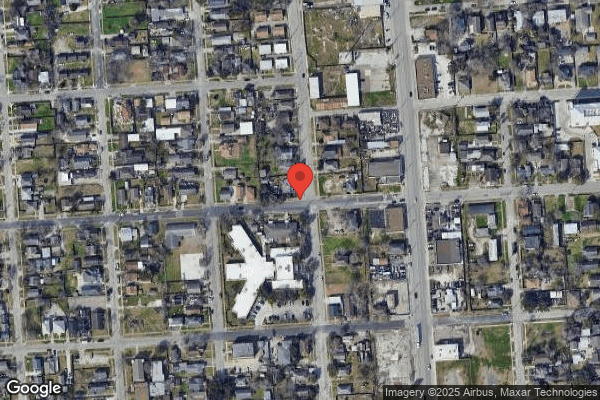
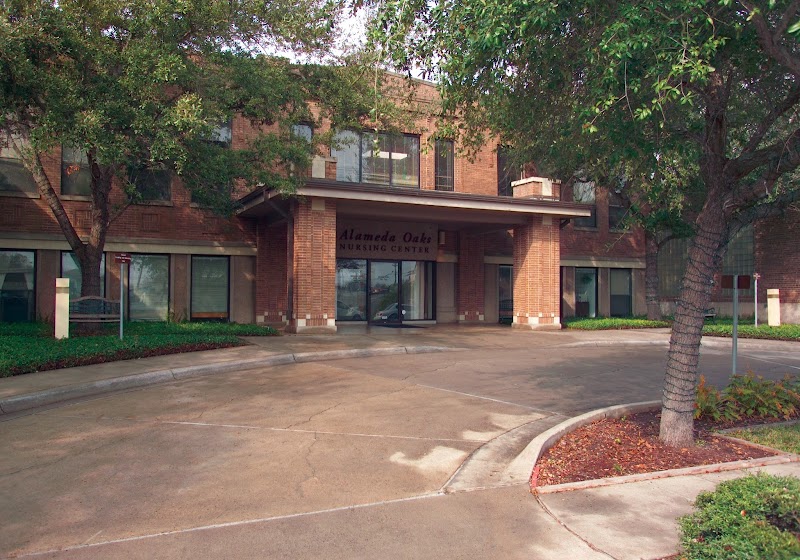
1101 S ALAMEDA, CORPUS CHRISTI, TX 78404 (361) 882-2711
For profit - Limited Liability company 146 Beds LIFE CARE CENTERS OF AMERICA Data: November 2025 1 Immediate Jeopardy citation
Trust Grade
41/100
#389 of 1168 in TX
Last Inspection: July 2024

Within standard 12-15 month inspection cycle. Federal law requires annual inspections.

Overview

Alameda Oaks Nursing Center has a Trust Grade of D, indicating below-average performance with some significant concerns. They rank #389 out of 1168 nursing homes in Texas, placing them in the top half, and #6 out of 14 in Nueces County, meaning only five local facilities are ranked higher. The facility is improving, as the number of issues decreased from eight in 2024 to four in 2025. Staffing is a notable weakness here, with a rating of 2 out of 5 stars and a 65% turnover rate, which is significantly higher than the Texas average of 50%. While the facility has average RN coverage, there are critical incidents that raise concerns, including a failure to evaluate a resident after an unwitnessed fall, resulting in serious fractures, and multiple sanitation issues in the kitchen, such as unclean ice machines and inadequate pest control. These findings suggest that, despite some strengths in quality measures, the facility has significant areas needing improvement to ensure residents' safety and well-being.

Trust Score
D
41/100
In Texas
#389/1168
Top 33%
Safety Record
High Risk
Review needed
Inspections
Getting Better
8 → 4 violations
Staff Stability
⚠ Watch
65% turnover. Above average. Higher turnover means staff may not know residents' routines.
Penalties
✓ Good
$22,925 in fines. Lower than most Texas facilities. Relatively clean record.
Skilled Nurses
⚠ Watch
Each resident gets only 21 minutes of Registered Nurse (RN) attention daily — below average for Texas. Fewer RN minutes means fewer trained eyes watching for problems.
Violations
⚠ Watch
23 deficiencies on record. Higher than average. Multiple issues found across inspections.
★★★☆☆
3.0
Overall Rating
★★☆☆☆
2.0
Staff Levels
★★★★☆
4.0
Care Quality
★★★☆☆
3.0
Inspection Score
Stable
2024: 8 issues
2025: 4 issues

The Good

  • 4-Star Quality Measures · Strong clinical quality outcomes
  • Full Sprinkler Coverage · Fire safety systems throughout facility
  • No fines on record

Facility shows strength in quality measures, fire safety.

The Bad

3-Star Overall Rating

Near Texas average (2.8)

Meets federal standards, typical of most facilities

Staff Turnover: 65%

19pts above Texas avg (46%)

Frequent staff changes - ask about care continuity

Federal Fines: $22,925

Below median ($33,413)

Minor penalties assessed

Chain: LIFE CARE CENTERS OF AMERICA

Part of a multi-facility chain

Ask about local staffing decisions and management

Staff turnover is elevated (65%)

17 points above Texas average of 48%

The Ugly 23 deficiencies on record

1 life-threatening
Apr 2025 2 deficiencies
CONCERN (D) 📢 Someone Reported This

A family member, employee, or ombudsman was alarmed enough to file a formal complaint

Potential for Harm - no one hurt, but risky conditions existed

Resident Rights (Tag F0550)

Could have caused harm · This affected 1 resident

**NOTE- TERMS IN BRACKETS HAVE BEEN EDITED TO PROTECT CONFIDENTIALITY** Based on observations, record review, and interviews, the facility failed to ensure residents were treated with respect and dign...

Read full inspector narrative →
**NOTE- TERMS IN BRACKETS HAVE BEEN EDITED TO PROTECT CONFIDENTIALITY** Based on observations, record review, and interviews, the facility failed to ensure residents were treated with respect and dignity and care for each resident in a manner and in an environment, that promoted maintenance or enhancement of his or her quality of life, for one Resident (Resident #2) of 5 residents reviewed for dignity issues. On 04/29/2025 at 11:04AM and 11:55AM Resident #2's foley catheter drainage bag did not have a privacy bag, leaving the urine visually exposed to visitors and staff. This failure could place residents at risk of feeling uncomfortable or embarrassed and could decrease a residents' self-esteem and/or quality of life. Findings were: Record review of Resident #2's admission record dated 04/29/2025 revealed Resident #2 was a [AGE] year-old-male who was admitted on [DATE]. Additionally, Resident #2 was admitted with a diagnosis of benign prostatic hyperplasia (urinary obstructions) with lower urinary tract symptoms. Record review of Resident #2's Admissions MDS was not yet completed due to Resident #2 being admitted on [DATE]. Record review of Resident #2's Care Plan date initiated:04/25/2025 revealed the resident has Indwelling Foley Catheter: 18F/10cc bulb r/t BPH, bilateral hydronephrosis, and urinary retention. Goal: Will have no complications r/t indwelling catheter use. Interventions: Catheter care every shift, educate resident and/or family regarding indwelling catheter and care. Record review of Resident #2's Physician Orders dated 4/24/2025 revealed, Indwelling catheter to straight drainage. Size: 18 Fr/ Bulb: 10 cc. Change for infection, obstruction or when the closed system is compromised. As needed for Change for infection, obstruction or when the closed system is compromised. During an observation on 04/29/2025 at 11:04AM and 11:55AM Resident #2 was in bed, with call light within reach. Additionally, upon further observation there was a visible foley catheter with roughly 200-300ml of yellow urine in the foley bag. Furthermore, while in the immediate hallway, where Resident #2's room was situated, there were roughly 4-5 people including staff and visitors, who walked past Resident #2's room. During an interview on 4/29/2025 at 12:09PM CNA A stated privacy bags were placed by nurses and not CNAs. CNA A stated CNAs were allowed to provide perineal care and incontinent care but could not place privacy bags. CNA A stated she did not know the reason as to why CNAs were not allowed to place privacy bags on foley catheters. CNA A stated privacy bags were utilized to ensure the resident maintained their right to privacy and to ensure resident's urine was not visible. CNA A stated if a foley catheter did not have a privacy bag, a resident could feel embarrassed or hurt. CNA A stated it was within the nurse's scope of practice to place a privacy bag on Resident #2's foley catheter. CNA A stated she did not recall when she attended an in-service regarding foley catheter care or privacy bags. During an interview on 04/29/2025 at 12:17PM LVN C stated Resident #2 was moved to the 300 hall over the weekend. LVN C stated prior to his room change, Resident #2 was in the 100 hall for several weeks. LVN C stated, while observing Resident #2 in his room, Resident #2 should have a privacy bag on his foley catheter but did not. LVN C stated all clinical staff could place privacy bags and it was not the sole responsibility of the nurses. LVN C did not give a definitive answer as to how a resident could have been affected given that Resident #2 was cognitively impaired. LVN C stated privacy bags were utilized to ensure Resident #2's right to privacy and it could have been compromised due to the catheter being visible to visitors and staff. LVN C stated he would rectify the situation by placing a privacy bag on Resident#2's foley catheter. LVN C stated he could not recall the last in-service he attended regarding foley catheter care and privacy bags. During a phone interview on 04/29/2025 at 2:23PM the DON stated the dignity bag or privacy bags were utilized to cover the urine output within the foley catheters. The DON stated the expectation was for all foley catheters to have some sort of covering. The DON stated privacy coverings were used to ensure that resident's urine output was not seen by the visitors to ensure the resident's right to privacy. The DON stated she could not definitively state how a lack of privacy covering could affect residents with foley catheters. The DON referenced her own familial experience to justify that a lack of privacy covering on a foley catheter may not compromise the psycho-social well-being of a person. The DON reiterated privacy bags/shields should be utilized for all foley catheters to ensure the resident's right to privacy. The DON stated she had been employed at the facility for roughly 1 week and did not recall attending an in-service regarding foley catheter privacy bags. Requested foley catheter care/privacy bag in-services on 04/29/2025 at 1:54PM to the Administrator, did not receive by the time of the exit conference. Record review of the facility's Dignity policy and procedure issued date: 05/19/2019; reviewed 09/26/2024 documented, Procedure: 2. Promoting resident independence and dignity while dining, such as avoiding: h. Refraining from practices demeaning to residents, such as leaving urinary catheter bags uncovered.
CONCERN (D) 📢 Someone Reported This

A family member, employee, or ombudsman was alarmed enough to file a formal complaint

Potential for Harm - no one hurt, but risky conditions existed

Report Alleged Abuse (Tag F0609)

Could have caused harm · This affected 1 resident

**NOTE- TERMS IN BRACKETS HAVE BEEN EDITED TO PROTECT CONFIDENTIALITY** Based on interviews and record review, the facility failed to ensure that all alleged violations involving the reasonable suspic...

Read full inspector narrative →
**NOTE- TERMS IN BRACKETS HAVE BEEN EDITED TO PROTECT CONFIDENTIALITY** Based on interviews and record review, the facility failed to ensure that all alleged violations involving the reasonable suspicion of a crime were reported immediately to a law enforcement entity for its political subdivision, within two hours if the events that caused the allegation involved abuse or resulted in serious bodily injury, or not later than 24 hours if the events that caused the allegation did not involve abuse and did not result in serious bodily injury, for 1 (Resident #1 ) of 5 residents reviewed for abuse/neglect. The facility failed to report to the local law enforcement agency within the allotted time frame of 24 hours on 11/24/2024 around 2 PM when Resident #1 notified LVN A that LVN B allegedly had thrown her into a wheel chair. This failure could place all residents at increased risk for potential abuse due to unreported allegations of abuse. The findings included: Record review of Resident #1's admission record dated 04/26/2025 revealed Resident #1 was a [AGE] year-old-female who was admitted on [DATE]. Additionally, Resident #1 was admitted with diagnoses Parkinson's disease (neurological disease that affected movement), and dysphagia (swallowing problem). Record review of Resident #1's Quarterly MDS dated [DATE] revealed Resident #1 had a BIMS score of 15 which meant she was cognitively aware and needed setup or clean-up assistance for her ADLs. Record review of Resident #1's care plan Date Initiated: 06/28/2024, The resident has an ADL self-care performance deficit r/t Confusion, impaired balance touch pad needed/ in place due to unable to press call bell. Observe and report PRN any changes, any potential for improvement, reasons for self-care deficit, expected course, declines in function. Praise all efforts at self-care. PT/OT evaluation and treatment as per MD orders . Record review of the written statement by LVN A dated 11/24/24 revealed during an interview, Resident #1 stated [LVN B] grabbed her by her arm and leg and threw her into a wheelchair . During a phone interview on 04/29/2025 at 2:23 PM the DON stated she had been employed with the facility for roughly 1 week. The DON stated once an allegation of abuse was made, the facility would activate their abuse protocols which would consist of protecting the resident, calling the police if needed, and reporting the allegation to state agencies. The DON stated she would assume any form of abuse would be a criminal offense and if proven true the person could get into a lot of trouble. The DON stated she could not speak to the actions or lack of actions regarding the previous DON, but in her professional opinion if there was an allegation of physical abuse, she would notify local law enforcement. The DON did not definitively state what could transpire if the local law enforcement were not notified of the allegation of abuse. During an interview on 04/29/2025 at 2:41PM the Administrator stated when she was made aware of the allegation on 11/24/2024, she enacted the facility abuse protocol. The Administrator stated she treated the allegation as a physical abuse allegation. The Administrator stated she ensured the LVN B who was the alleged perpetrator was removed from the facility and the facility schedule, pending the investigation results. The Administrator stated she notified Health and Human Services Commission of the allegation of physical abuse. The Administrator stated she directed her clinical staff to ensure the safety of Resident #1 and ensured the nursing staff performed a head-to-toe assessment. The Administrator stated Resident #1 stated the allegation of abuse transpired in June 2024 and therefore focused their record review for June 2024 to ensure there were no skin irregularities noted. The Administrator stated Resident #1 notified LVN A on 11/24/24 that LVN B threw her in a geriatric chair roughly in June 2024. The Administrator stated she did not contact the local law enforcement on 11/24/2024 regarding the allegation of physical abuse due to the allegation transpiring in June 2024. The Administrator stated her reason for not calling local law enforcement was due to the allegation timeframe of June 2024. The Administrator stated LVN B was allowed to return to the facility as there was no evidence of any physical abuse. The Administrator stated Resident #1 no longer resided within the facility. The Administrator did not verbalize a definitive answer when asked as to what could potentially happen if local law enforcement were not notified of an allegation of physical abuse. The Administrator stated once the investigation into Resident #1's allegation concluded there was no evidence of the physical abuse. The Administrator verbally clarified, going forward any allegation of abuse would be notified to the proper authorities and state agencies . Record review of the facility's Abuse-Protection of Residents policy and procedure issued:10/04/2022; Reviewed: 06/17/2024 documented, Procedure: The following methods to ensure the protection of residents during an investigation may include but are not limited to; 5. Notification of the alleged violation to other agencies or law enforcement authorities.
Mar 2025 2 deficiencies 1 IJ
CRITICAL (J) 📢 Someone Reported This

A family member, employee, or ombudsman was alarmed enough to file a formal complaint

Immediate Jeopardy (IJ) - the most serious Medicare violation

Quality of Care (Tag F0684)

Someone could have died · This affected 1 resident

**NOTE- TERMS IN BRACKETS HAVE BEEN EDITED TO PROTECT CONFIDENTIALITY** Based on interviews and record reviews, the facility failed to ensure residents received treatment and care in accordance with p...

Read full inspector narrative →
**NOTE- TERMS IN BRACKETS HAVE BEEN EDITED TO PROTECT CONFIDENTIALITY** Based on interviews and record reviews, the facility failed to ensure residents received treatment and care in accordance with professional standards of practice for 1 (Resident #1) of 5 residents reviewed for quality of care. The facility failed to have a nurse evaluate Resident #1 after an unwitnessed fall. Resident #1 sustained a left distal femoral shaft fracture and a right tibia and fibula fracture. The noncompliance was identified as PNC. The PNC began on 08/29/24 and ended on 09/05/24. The facility had corrected the noncompliance before the investigation began. The failure could affect residents, resulting in not receiving needed care to maintain optimal health and placing them at risk for injury or deterioration in their condition. The findings included: Record review of Resident #1's face sheet dated 03/04/25 revealed an [AGE] year-old female with an initial admission date of 02/29/24 and a current admission date of 09/16/24. Pertinent diagnoses included acquired absence of left leg above knee, unspecified dementia, and depression. Record review of Resident #1's discharge MDS assessment dated [DATE] section C, cognitive patterns, revealed a BIMS score of 2 (severe impairment). Record review of Resident #1's care plan dated 11/05/24 revealed the focus Resident is at risk for falls r/t impaired mobility, weakness, impaired cognition, and pain initiated on 09/17/24 and revised on 11/06/24. Interventions listed for the focus included: Anticipate and meet the resident's needs initiated on 05/29/24 and revised on 11/06/24. Assist with ADL's as needed initiated on 03/02/24 and revised on 11/06/24. Call light within reach initiated on 03/02/24 and revised ono 11/06/24. Complete fall risk assessment initiated on 03/02/24 and revised on 11/06/24. Educate the resident/family/caregivers about safety reminders and what to do if a fall occurs initiated on 06/04/24 and revised on 11/06/24. May have [non-slip mats] to wheelchair initiated on 08/07/24 and revised on 11/06/24. May have floor mats next to bed initiated on 06/04/24 and revised on 11/06/24. Orient resident to room initiated on 03/02/24 and revised on 11/06/24. Therapy evaluate and treat as ordered or PRN fall 05/28/24 resident currently on PT, therapy informed of fall resident DC'd off OT due to refusals initiated on 05/29/24 and revised on 11/06/24. Will review medications for adverse reactions initiated on 06/04/24 and revised on 11/06/24. Record review of the provider investigation report dated 09/05/24 revealed the following witness timeline: Timeline - 8.29.24 [Resident#1] Approximately 5:50 AM: [CNA A], rounding on 400 hall and she hears resident saying help me help me. [CNA A] attempts to get resident up. Resident states she cannot stand. [CNA A] leaves room to go get help. [CNA A] gets other [CNA B] and asks her to help get [Resident #1] up off floor. [CNA A] and [CNA B] enter [Resident #1's] room. Both get resident up from floor and assist her into wheelchair. Both aides then transfer her into bed and tuck her back into bed. Both aides leave room and continue with final rounds. Neither report fall to nurse or other aides on their shift or oncoming shift. Approximately 7:00 AM: [CNA C] is rounding on 400 hall and goes to check [Resident #1]. [Resident #1] reports pain in her leg and wanting to see the Dr. [CNA C] reports this to her nurse [RN D]. [RN D] calls doctor and Dr. order Xrays. Xray results come in and [Resident #1] is transferred to hospital with acute left femur fracture. Incident is reported to HHSC All staff interviewed from night before, no one reports [Resident #1] having a fall. [CNA B] and [CNA A] state they rounded on [Resident #1] was having increased weakness, however, was a self transfer and only required assistance to transfer into bed. Staff inserviced on: Abuse/Neglect/Exploitation, Falls, and Transfers Tuesday, September 2nd, 2024 Interview with aides [CNA A] and [CNA B] reveals that resident sometimes needed more assistance with transferring and toileting at night. [CNA B] states she asked [Resident #1] to pivot on transfer into bed but that there was no sign of pain [or] grimacing. [CNA A] agreed with interview. Wednesday, September 3rd, 2024 Aides [CNA A] and [CNA B] interview along with Nurses [RN E] and [RN D] [Resident #1] readmits to facility. Interview of resident by [ADM] and DON. Resident revealed that she fell in door way when ambulating back to bed after having gone to restroom. She states she does not remember who came to help her but a nurse came to help her. When the resident stated she could not stand the nurse went to get another nurse and they both picked her up off the floor and transferred her to bed. Resident stated at the time she felt nothing and went back to sleep. Later, around 7a she felt pain and requested from a different nurse to see the doctor. Aides interviewed again and statement of [CNA A] changes. Aides [CNA A] and [CNA B] suspended pending investigation. [CNA A] and [CNA B] terminated based off of investigation findings. Record review of the provider investigation revealed the following interviews: Resident #1 on 09/04/24 Around 7a I got up from bed to go to the restroom. I was going back to bed when I heard a pop and my leg gave out. I fell in my doorway. A nurse came right away and tried to help me off the floor but I could not stand. She left and came back with a second nurse. Both nurses helped get me off the floor and sat me in my wheelchair. They then wheeled me closer to my bed and transferred me into bed. I do not remember their names. I didn't feel any pain then. Later, another nurse came to check on me and I told her my leg was turned the wrong way and hurt and I needed to see the doctor. She said okay that she would tell someone. Another Nurse called the doctor and they did xrays on my leg and it was broken. CNA A on 09/04/24 I was walking down 400 hall when I heard a resident saying help me help me. I entered [Resident #1's] room and found her on the floor in the doorway of the bathroom. I went to get the other [CNA B]. [CNA B] and I got her up. We put her in her wheelchair and then put her in bed. I asked [Resident #1] if she was okay and she said she was. We then kept rounding. We never told the nurse. Record review of x-ray of Resident #1 dated 08/29/24 revealed a fracture through the left distal femoral shaft at the level tip of the intramedullary femoral stem, minimally comminuted (fracture that extends into the knee and up through the femur). Further review revealed a fracture of the right tibia and fibula. Record review of a local hospital's patient records for Resident #1 dated 08/30/24 revealed the following plan: Regarding patient's left distal femur fracture, this fracture is not fixable and unfortunately is not convertible either. At this time [Doctor] has recommended a left above-knee amputation. Interview was attempted with CNA A at 10:58 AM on 03/05/25, but CNA A could not be reached so a message was left. Interview was attempted with CNA B at 11:00 AM on 03/05/25, but CNA B could not be reached so a message was left. In an interview with the ADM at 11:22 AM on 03/05/25, the ADM stated they did not know Resident #1 had fallen from the incident on 08/29/24 until they interviewed her on 09/04/24. The ADM stated before they were able to interview Resident #1 they thought the breaks were from brittle bones. The ADM stated they originally thought the fractures caused the fall, and not the fall caused the fractures. The ADM stated Resident #1 had problems with her left knee, and she had several surgeries on it in the past few years. The ADM stated she believe the ultimate outcome of left leg above knee amputation of Resident #1 would not have changed even if the CNA's A and B had acted appropriately. The ADM stated CNA A and CNA B should have found a nurse to evaluate the resident on the floor before moving her at all. The ADM stated no employee had ever come to her to report another employee for possible abuse of a resident. The ADM stated the two CNA's involved in this incident had always been good CNA's. The ADM stated they conducted safe surveys after the incident and all residents reported they felt safe. The ADM stated they inserviced all employees on abuse, neglect, falls, and alerting staff if there was a fall. The ADM stated they made cards that all employees carried on their badges to inform them of the proper steps in case a resident fell. In an interview with Witness #1 at 1:40 PM on 03/05/25, Witness #1 stated she was a good friend of Resident #1. Witness #1 stated she visited Resident #1 when she was in the hospital after her fall on 08/29/24. Witness #1 stated Resident #1 told her she went to the bathroom and fell. Witness #1 stated Resident #1 told her the CNA's tried to move her several times while she was in the bathroom, but her legs kept hurting more and more. Witness #1 stated the two CNA's had a tough time picking up Resident #1, but one of them bear hugged her and threw her in bed. Witness #1 stated Resident #1 told her she asked for the nurses to come back and check on her legs, but they left the room. In an interview with the NP at 2:49 PM on 3/5/25, the NP stated Resident #1 had infective hardware with multiple revision surgeries (surgery to correct or modify the results of a previous surgery) on her left knee. The NP stated Resident #1 was on IV antibiotics for an extended period of time before the fall on 08/29/24. The NP stated she initially sent the resident out to the hospital for swelling and the fractures in her legs. The NP stated there was potential the CNA's could have caused more damage when they moved her. The NP stated in this condition Resident #1's leg was in, any fall or twist could have injured it. The NP stated she still had Resident #1 as her patient, and Resident #1 was doing much better with pain control after the amputation. In an interview with Resident #1 at 10:48 AM on 03/06/25, Resident #1 stated she remembered the facility she was at when she had her fall at the end of August. Resident #1 stated she was leaving her bathroom when her feet came out from under her. Resident #1 stated she did not remember hearing a pop before falling. Resident #1 stated he hips faced one way while her legs faced the other. Resident #1 stated it was very painful. Resident #1 stated when she told the nurses about her pain they did not believe her. Resident #1 stated one of the nurses told her bite the bullet for a bit while she moved her back into bed. Resident #1 stated she told the first two nurses that she wanted to see the doctor but they laughed at her. Resident #1 stated once she was back in bed she positioned her legs so they did not hurt as bad. Resident #1 stated it was not until a 3rd nurse came in 30 minutes later that started helping her for the pain. In an interview with CNA C at 1:59 PM on 03/06/25, CNA C stated when she entered Resident #1's room around 7:00 AM on 08/29/24 it looked like Resident #1 was in severe pain and very uncomfortable. CNA C stated Resident #1 told her she was in pain. CNA C stated she went and got the nurse as soon as she realized the condition Resident #1 was in. Record review of the facility policy titled Incident and Reportable Event Management issues 07/19/21, revised 08/15/23 and reviewed 09/25/24 revealed the following: Incident/Injury 1. The licensed nurse should evaluate the resident and render first aide if needed a. The nurses evaluation should be completed prior to moving a resident who has fallen, to determine presence of injury. 2. The licensed nurse should create an event note and include the following details; a. The assessment details of the resident (including location details of the resident) b. Presence or absence of injury, and any treatments rendered c. If resident is able to report what occurred, this should be included in the notes d. Notification of family or responsible party e. Notification of physician and any orders received 3. The licensed nurse should create a risk report in the electronic system and identify the most appropriate type of event from the available options in the system. 4. The licensed nurse should also notify the following in accordance with state and federal requirements a. Supervisor on duty and/or DON In interviews beginning at 2:12 PM on 03/04/25 with staff from multiple shifts, the DON, ADM, CNA C, CNA F, LVN G, CNA H, CNA I, CNA J, LVN K, LVN L, MA M, CNA N, CNA O, CNA P, and RN Q were able to identify the proper procedures to follow when responding to a witnesses or unwitnessed fall. All staff knew not to move the resident before getting the nurse and referenced the card attached to their name badges to demonstrate the proper protocol. All staff were familiar with different types of abuse and neglect. Record review and verification of the corrective action implemented by the facility beginning on 08/29/25: The facility terminated the employment of CNA A and CNA B effective 09/05/24 verified by record review of the provider investigation, staff roster, and interview with the ADM. Resident #1 was discharged to another nursing facility on 11/05/24 verified through record review of Resident #1's face sheet and interview with the ADM. teams Re-educated and in-services staff beginning on 08/29/25 verified through interviews with carious staff members and record review of in-services. Abuse and Neglect Exploitation Falls Transfers Ad-Hoc QAPI conducted on 09/05/24 regarding incidents/accidents verified by interview with the ADM. Reviewed all policies regarding falls on 09/05/24 verified by interview with the ADM. Badge cards created on 09/05/24 for all staff to be worn at all times detailing proper step-by-step procedures for what to do if a resident fell or was found on the ground verified by interviews with various staff. The noncompliance was identified as PNC. The PNC began on 08/29/24 and ended on 09/05/24. The facility had corrected the noncompliance before the investigation began.
CONCERN (D) 📢 Someone Reported This

A family member, employee, or ombudsman was alarmed enough to file a formal complaint

Potential for Harm - no one hurt, but risky conditions existed

Accident Prevention (Tag F0689)

Could have caused harm · This affected 1 resident

**NOTE- TERMS IN BRACKETS HAVE BEEN EDITED TO PROTECT CONFIDENTIALITY** Based on interview and record review, the facility failed to ensure that each resident received adequate supervision for one Res...

Read full inspector narrative →
**NOTE- TERMS IN BRACKETS HAVE BEEN EDITED TO PROTECT CONFIDENTIALITY** Based on interview and record review, the facility failed to ensure that each resident received adequate supervision for one Resident (Resident #2) of three residents reviewed for supervision. The facility failed to ensure Resident #2 received adequate supervision and did not exit the facility through the front door. This failure could place residents requiring supervision at risk for injury and accidents. The findings include: Record review of Resident #2's face sheet dated 03/05/35 reflected a [AGE] year-old male with an original admission date of 12/08/23. Diagnoses included heart failure, type two diabetes (insufficient insulin production in the body), Alzheimer's disease (disease that destroys memory and thinking skills), and Dementia (loss of memory, language, problem-solving, and other thinking abilities that are severe enough to interfere with daily life). Resident #2 was discharged on 11/12/24. Record review of Resident #2's quarterly MDS assessment dated [DATE] reflected a BIMS score of 1 (severe cognitive impairment). Record review of Resident #2's care plan dated 11/11/24 reflected Resident #2 was at risk for elopement related to confusion/disorientation to place, impaired safety awareness, and aimless wandering. Interventions included frequent monitoring and wandering behavior at times. The plan did not indicate any previous elopement attempts. In an interview on 3/5/25 at 9:26am the Central Supply staff member stated on 11/09/24 she was going to do a transport and was parking the facility bus upfront in the driveway when she saw Resident #2 sitting on the bench by the front door with no attempt to get up and walk. The Central Supply staff member stated she parked the facility bus and redirected Resident #2 back inside without incident. The Central Supply staff member stated Resident #2 stated he was just enjoying the fresh air. The Central Supply staff member stated a former maintenance assistant was outside at the time and stated Resident #2 was sitting outside for about 3-5 minutes according to a previous maintenance assistant who was outside at the time working. The Central Supply staff member said the former maintenance assistant said Resident #2 did not attempt to go anywhere or was not in any danger and if so, he would have intervened and called for assistance. In an interview on 3/5/25 at 9:38 am LVN G stated there was a new receptionist who went on break and did not set the door alarm correctly (no wander guard system in use at facility). LVN G stated Resident #2 was found sitting on the bench near front door by a Central Supply staff member and stated Resident #2 was brought back into the facility. LVN G stated a head-to-toe assessment was conducted with no noted injuries. LVN G said at the time of the assessment, Resident #2 stated he was just sitting outside getting some fresh air. LVN G stated Resident #2 was placed on one-to-one monitoring. LVN G stated the facility elopement protocols were conducted, and all other residents were accounted for. LVN G stated Resident #2 did not display any exit seeking behaviors prior but was discharged to a secured unit at another facility. Through interviews and record review, no residents were exit seeking and only had risks for elopement. In an interview on 3/5/25 at 2:12 pm the ADM stated Resident #2 was at the back station and the receptionist who was new was trying to leave for lunch and locked the door but did not realize the door only locks on the outside and not the inside. The ADM stated Resident #2 was outside for about 3-5 minutes the Maintenance Assistant (no longer employed with facility) saw Resident #2 sitting on the bench and watching him work. The ADM stated that a Central Supply staff member pulled up to the facility moments after and realized Resident #2 was not supposed to be outside and brought him back in immediately and notified the nurse. The ADM stated Resident #2 was found right by the front door sitting on the bench approximately 6-7 feet. The ADM stated Resident #2 was not trying to leave the facility and was simply sitting outside with no immediate danger noted at the time. The ADM stated Resident #2 was assessed with no injuries and was transferred to another facility with a secured unit. The ADM stated all staff were in-serviced on elopement and drills were conducted beginning on 11/09/24 with all staff on all shifts. In an interview on 3/5/25 at 2:45 pm the ADON stated Resident #2 would wander about the facility but was not exit seeking. The ADON stated she heard Resident #2 had exited the facility and was found sitting on the bench by the front door. The ADON stated Resident #2 was allowed to go outside but with supervision and usually goes outside in the courtyard area. The ADON stated staff were in-serviced on elopement, exit seeking behaviors, and elopement drills conducted beginning on 11/09/24 (verified through record review). In a phone interview on 3/5/25 at 4:40pm the previous Receptionist stated she was going to lunch and normally someone relieves her but, on that day, there was no one to relieve her at that moment and waited for someone to relieve her. The receptionist stated she spoke to a charge nurse who said she could leave but lock the front door. The Receptionist stated she locked the door but was fairly new and thought she locked it correctly but guess she didn't. The Receptionist stated when she returned after lunch, that was when she learned Resident #2 had exited through the front door. The Receptionist stated she was shown how to lock the door but guess she did not alarm it correctly. Record review of the facility's Elopement policy dated 01/03/2022 and revised on 11/19/2024 reflected: Elopement occurs when a resident leaves the premises or a safe area without authorization (i.e., an order for discharge or leave of absence) and/or any necessary supervision to do so. A resident who leaves a safe area may be at risk of (or has the potential to experience) heat or cold exposure, dehydration and/or other medical complications, drowning, or being struck by a motor vehicle. §483.25(d) Accidents. The facility must ensure that - §483.25(d)(1) The resident environment remains as free of accident hazards as is possible; and §483.25(d)(2) Each resident receives adequate supervision and assistance devices to prevent accidents.
Jul 2024 8 deficiencies
CONCERN (D)

Potential for Harm - no one hurt, but risky conditions existed

Deficiency F0558 (Tag F0558)

Could have caused harm · This affected 1 resident

**NOTE- TERMS IN BRACKETS HAVE BEEN EDITED TO PROTECT CONFIDENTIALITY** Based on observation, interview, and record review, the facility failed to provide services with reasonable accommodation of res...

Read full inspector narrative →
**NOTE- TERMS IN BRACKETS HAVE BEEN EDITED TO PROTECT CONFIDENTIALITY** Based on observation, interview, and record review, the facility failed to provide services with reasonable accommodation of resident needs and preferences, for 1 of 5 residents (Resident #300) reviewed for accommodation of needs. The facility did not provide Resident #300 an accessible call light that she could physically use. This failure could place residents who utilized call lights at risk for not having his/her needs met, help in event of an emergency or place residents with a history of falls at risk for additional falls and injuries. Findings included: Record review of the admission record for Resident #300 reflected Resident #300 was admitted to the facility on [DATE], was a [AGE] year-old female with diagnoses that included Parkinson's disease (chronic and progressive movement disorder that causes tremors, stiffness or slowing of movement), neuralgia (nerve pain) and neuritis (inflammation of the peripheral nervous system), lack of coordination, muscle weakness, anemia, muscle spasm, disorientation, and history of falling. Record review of Resident #300's Care Plan revised on 06/28/24 reflected a focus on the resident has an ADL self-care performance deficit r/t confusion, impaired balance with interventions/task, encourage the resident to use bell to call for assistance and observe and report PRN any changes, any potential for improvement, reasons for self-care deficit, expected course, declines in function. Record review of Resident #300's Skilled Nursing Documentation dated 06/30/24 noted primary reason for admission #2 as neurologic, section 6, musculoskeletal, abnormal. Section 6b. Muscle tone is mixed with Parkinson tremors. Record review of Resident #300's Incomplete MDS assessment dated for 07/05/24 reflected Section GG Functional Abilities and Goals was blank. MDS Section O 400, listed 70 minutes of Occupational Therapy given for 2 days started on 06/27/2024 and 61 minutes of Physical Therapy given for 2 days started on 06/27/2024. Section O 0500 Restorative Nursing Programs was blank. Observation on 07/03/24 at 08:43 AM Resident #300 was observed in bed, with the call light wrapped on the right-side rail. Observation on 07/03/2024 at 08:50 AM., LVN D administered medications to Resident #300. The call light was wrapped on the right-side rail. Observation on 07/03/24 at 09:03 AM, Resident #300 observed unable to get or use her call light that was on the right bedrail. Interview and observation on 07/03/24 at 09:28 AM DON observed Resident #300 in the room. DON asked resident to press call light, and resident attempted again to get the call light and was able to get the call light cord but was unable to grasp the portion of the call light and press for assistance. DON stated they would get Resident #300 a touch pad call light. DON stated that the resident would not get the help they need and could result in harm if they were unable to use the call light. She replied that the resident had two falls. DON stated that mobility issues or limited range of motion should be documented in the comprehensive assessment and MDS assessments, by admitting nurse or MDS nurse. Interview on 07/03/24 at 10:02 AM Resident #300 stated she has had not been able to push the button on the call light since she came into the facility but still tried to use it. She stated she would call out and the staff sometimes heard her and came or sometimes another resident heard her and called the staff. Interview on 07/03/24 at 10:14 AM CNA A stated that Resident #300 would call out or they would ask the resident during rounds if she needed anything prior to the resident getting the touch pad call light. Interview on 07/03/24 at 03:35 PM Administrator stated Resident # 300 was able to utilize the call light when she was first admitted , but that she has had seizures almost daily so that may be why she cannot now. She stated that when a resident has a change in condition, there is an assessment done in general where vitals are documented, and the physician notified but not specifically for the use of the call light. ADM stated that if a resident is unable to use the call light, they would be assisted during rounds, and what can happen is it may take a little longer than normal. Interview on 07/03/24 at 03:48 PM DON stated that in-service on call lights and rounds is done at least once a month, with last in-service done in June or end of May 2024. Interview on 07/03/24 at 05:10 PM Administrator stated that comprehensive assessments, change in condition assessments and MDS assessments are completed but that there is no specific item to assess a resident's ability to use the call light. Although assessment dated [DATE] documented Resident # 300 required assistance to eat, it is not the same losing fine motor skills to losing gross motor skills and Resident # 300 had her call light withing reach. Interview on 07/03/24 at 05:17 PM RN C stated she only had Resident #300 yesterday, and today. As far as she can tell Resident #300 was not able to use a call light. She does frequent checks to make sure Resident #300 is ok, every 30 minutes, besides the 2 hour rounds that CNAs do, but this is her self-practice. RN C said there is no procedure or policy for ensuring a resident can use the call light. The times she has had Resident #300, she has not seen her able to use the call light due to both cognitive and physical changes. RN C said most of the time in her shift Resident # 300 is asleep and has minimal communication. Interview on 07/03/24 at 05:22 PM LVN B stated Resident #300 would press her call light prior to today, and that today with the touch pad, she called about four times. Record review of the facility policy titled Resident Call System revised 01/04/23 and reviewed 01/15/24 reflected, the facility must be adequately equipped to allow residents to call for assistance through a communication system which relays the call directly to a staff member or to a centralized staff work area from each resident beside. Procedure: Facility associates should always be aware of call lights; associates should answer call lights whether they are assigned to provide care to that resident. The call light should be positioned within reach of the resident. Return demonstration may be used when educating the resident about call light use. If the resident is unable to demonstrate appropriate call light use, the nurse must be notified to determine an adequate alternative. The call system must be accessible to residents while in their bed or other sleeping accommodations within the resident's room.
CONCERN (D)

Potential for Harm - no one hurt, but risky conditions existed

Deficiency F0583 (Tag F0583)

Could have caused harm · This affected 1 resident

**NOTE- TERMS IN BRACKETS HAVE BEEN EDITED TO PROTECT CONFIDENTIALITY** Based on observation, interview and record review, the facility failed to ensure the residents' right to privacy for 1 of 10 res...

Read full inspector narrative →
**NOTE- TERMS IN BRACKETS HAVE BEEN EDITED TO PROTECT CONFIDENTIALITY** Based on observation, interview and record review, the facility failed to ensure the residents' right to privacy for 1 of 10 residents (Residents #22] reviewed for privacy. The facility failed to ensure Resident #22's bedroom door was closed for privacy as she requested. This failure could place residents at risk of having their bodies exposed to the public, resulting in emotional distress and a diminished quality of life. The findings included: Record review of Resident #22's face sheet dated 05/22/23 reflected an [AGE] year-old female with an original admission date of 03/07/23. Pertinent diagnoses included dementia, stroke, depression, anxiety, and limited range of motion. Record review of Resident #22's quarterly MDS assessment dated [DATE] reflected a BIMS score of 13, indicating she was cognitively intact. She required moderate assistance with oral and personal hygiene, substantial assistance with dressing and positioning, and was dependent on staff with toileting, showering, and footwear. She was incontinent of bladder and bowel. Her active diagnosis was medically complex conditions. Record review of Resident #22's care plan dated 06/06/2024 on page 1 reflected Resident #22 preferred that her door be kept closed with an initiation date of 03/16/23 and a revision date of 06/06/24. The goal documented resident will have her preference to keep door closed met with an initiation date of 03/16/23 and a revision date on 06/06/24. Interventions indicated close door after care, food delivery, any interactions with an initiation date of 03/16/23. Observation of Resident #22's door beginning on 07/01/24 at 11:00 am through 07/03/24 throughout all days of the survey revealed her door was open wide. In an interview with Resident #22 on 07/01/24 at 4:05 pm, Resident #22 stated she had requested her door be kept shut ever since she was admitted because she did not like the noise that came from the hallway. She stated the staff never shut her door and that made her angry. In an interview with the DON on 07/03/2024 at 2:29 PM, the DON stated residents should have their preferences acknowledged. The DON stated that if resident's privacy was not protected, they could get embarrassed, ultimately leading to emotional distress.
CONCERN (D)

Potential for Harm - no one hurt, but risky conditions existed

Respiratory Care (Tag F0695)

Could have caused harm · This affected 1 resident

**NOTE- TERMS IN BRACKETS HAVE BEEN EDITED TO PROTECT CONFIDENTIALITY** Based on observation, interview and record review, the facility failed to ensure that residents who needed respiratory care were...

Read full inspector narrative →
**NOTE- TERMS IN BRACKETS HAVE BEEN EDITED TO PROTECT CONFIDENTIALITY** Based on observation, interview and record review, the facility failed to ensure that residents who needed respiratory care were provided such care consistent with professional standards of practice, physicians orders, the comprehensive person-centered care plan, and the resident's goals and preferences for 1 of 1 (Resident #23) residents reviewed for respiratory care. The facility failed to ensure Resident #23's oxygen tubing was changed every night shift on Sunday as ordered. This failure places residents at an increased risk of infection leading to a decline in health. The findings included: Record review of Resident #23's face sheet dated 07/02/2024 reflected an [AGE] year-old female with an admission date of 08/31/2023. Pertinent diagnoses included Alzheimer's Disease (progressive brain disease that causes a mental decline affecting the quality of daily living) and Heart Failure (disease in which the heart can no longer pump enough blood to meet the body's needs). Record review of Resident #23's MDS assessment section C, cognitive patterns, dated 04/30/2024 reflected a BIMS score of 7 (severe cognitive impairment). Record review of Resident #23's MDS assessment section O, Special Treatments, Procedures and Programs, dated 04/30/2024 reflected no oxygen use. Record review of Resident #23's order summary report revealed an active order to Change oxygen tubing and nebulizer circuit every night shift every Sun[day] with a start date of 05/05/2024. The same order summary report also revealed an active order to Clean oxygen concentrator filter with soap and water every night shift every Sun[day] with a start date of 05/05/2024. The same order report summary also revealed an active order for Oxygen at 2 liters/minute continuously via nasal cannula while in bed with a start date of 06/23/2024. During an observation on 07/01/2024 at 10:10 AM, the tubing on the oxygen concentrator (medical device used to give an individual extra oxygen) in Resident #23's room contained a label dated 06/16/2024. At this time, the resident was lying in bed sleeping with the nasal cannula in place with 2 liters/minute flow rate. During an observation of the oxygen concentrator on 07/02/2024 at 1:34 PM in Resident #23's room, the tubing on the device contained the same label dated 6/16/2024. During an observation of the oxygen concentrator on 07/03/2024 at 11:01 AM in Resident #23's room, the tubing on the device contained the same label dated 6/16/2024. In an interview with Resident #23 on 07/01/2024 at 11:15 AM, Resident #23 was unable to remember if the oxygen tubing had been changed recently. In an interview with the DON on 07/03/2024 at 2:29 PM, the DON stated that they date oxygen tubing at the facility weekly. The DON stated that they try to change the tubing on Sundays, but that sometimes it may occur on a different day as necessary. The DON stated that if the oxygen tubing was not changed on time the resident could get sick from dirty tubing. In an interview with LVN D on 07/03/2024 at 3:00 PM, LVN D stated that oxygen tubing should be changed out every Sunday during the 10:00 PM - 6:00 AM shift. LVN D stated that the tubing should be dated when it was changed out. LVN D stated that if the tubing was not changed when ordered then the resident could get sick. Record Review of facility policy Oxygen Administration (Safety, Storage, Maintenance) last revised on 2/27/24 stated: Change oxygen supplies weekly and when visibly soiled. Equipment should be labeled with patient name and dated when setup or changed out.
CONCERN (D)

Potential for Harm - no one hurt, but risky conditions existed

Deficiency F0761 (Tag F0761)

Could have caused harm · This affected 1 resident

Based on observation, interview, and record review, the facility failed to store all drugs and biologicals in locked treatment cart for 1 of 1 treatment cart reviewed for storage of drugs. The facili...

Read full inspector narrative →
Based on observation, interview, and record review, the facility failed to store all drugs and biologicals in locked treatment cart for 1 of 1 treatment cart reviewed for storage of drugs. The facility's treatment/medication cart was left unlocked by the nurse's station (only one nurse's station) with the drawers facing outward. This deficient practices could affect residents who have medications in the nurse's treatment/medication cart and could result in lost medications, drug diversion, harm due to accidental ingestion of unprescribed medications. Findings included: Observation on 07/01/24 at 10:30am revealed an unlocked medication/treatment cart located by the nurse's station. The medication/treatment cart was against the nurse's station and one staff member (LVN B) was located at the nurse's station. There were two residents by the nurse's station near the treatment cart. This surveyor opened the top drawer recognizing the treatment cart being unlocked. Multiple medications in bulk bottles were easily assessable and removable. This surveyor was able to open all drawers and go through various medications and treatment supplies. In an interview on 07/01/24 at 10:31am, LVN B stated he did not know the treatment cart was unlocked. LVN B stated the treatment cart belonged to the LVN F and was unlocked because a resident was bleeding down the hall and LVN B came to grab supplies and left to tend to resident. LVN B stated all treatment/medication carts should be locked at all times so residents or visitors could not have access to supplies and medications. In an interview on 07/01/24 at 10:37am LVN F stated she was alerted there was a resident who was possibly bleeding. LVN F stated the resident just had a surgical procedure and had a history of picking at the surgical staples. LVN F stated all staff went to the resident's room to assist and she grabbed supplies needed and forgot to lock the treatment cart. LVN F stated the cart should be locked at all times for resident safety and so residents could not get into the treatment cart and gain access to supplies and medications. LVN F stated the last in-service on locked treatment/medication carts was approximately sometime last month but could not remember. In an interview on 07/01/24 at 10:53am the DON stated all treatment/medication carts should be locked at all times for the safety of residents and other unauthorized people. The DON stated anytime a staff member leaves the treatment/medication carts unattended, the treatment/medication cart should be locked even if there was a resident emergency. The DON stated the last in-service on locking treatment/medication carts was about a month ago. Record review of General Dose Preparation and Medication Administration Policy dated 1/1/22 stated: 7. Facility should ensure that medication carts are always locked when out of sight or unattended.
CONCERN (E)

Potential for Harm - no one hurt, but risky conditions existed

Quality of Care (Tag F0684)

Could have caused harm · This affected multiple residents

**NOTE- TERMS IN BRACKETS HAVE BEEN EDITED TO PROTECT CONFIDENTIALITY** Based on interview and record review, the facility failed to ensure that seight residents (Resident #4, Resident #32, Resident #...

Read full inspector narrative →
**NOTE- TERMS IN BRACKETS HAVE BEEN EDITED TO PROTECT CONFIDENTIALITY** Based on interview and record review, the facility failed to ensure that seight residents (Resident #4, Resident #32, Resident #23, Resident #26, Resident #22, Resident #28, Resident #18, and Resident #38) of twenty-four residents reviewed for professional standards, received care in accordance with professional standards of practice and the comprehensive person-centered care plan. 1.) The facility did not ensure that the Physician Order for monthly weight was followed for Resident #4. 2.) The facility did not ensure that the Physician Order for weekly weights was followed for Resident #32. 3.) The facility did not ensure that the Physician Order for monthly weight was followed for Resident #23. 4.) The facility did not ensure that the Physician Order for monthly weight was followed for Resident #26. 5.) The facility did not ensure that the Physician Order for monthly weight was followed for Resident #22. 6.) The facility did not ensure that the Physician Order for weekly weight was followed for Resident #28. 7.) The facility did not ensure that the Physician Order for weekly weight was followed for Resident #18. 8.) The facility did not ensure that the Physician Order for weekly weight was followed for Resident #39. These failures could affect residents who required regular weight monitoring and could result in severe weight loss or weight gain and place them at risk for not receiving the appropriate care and interventions resulting in a decreased quality of life. The findings included: 1.) Resident #4 Record review of Resident #4's face sheet dated 7/1/24 reflected a [AGE] year-old-male with an original admission date of 1/2/24. Diagnoses included dementia (general decline in cognitive abilities that affect the person's ability to perform everyday activities), cerebral infarction (when blood supply to part of the brain is blocked or reduced), contracture (shortening or hardening of muscles tendons or other tissues often reach deformity and rigidity of joints) to the left hand, type two diabetes (insufficient insulin production in the body), muscle wasting and atrophy (waste away). Record review of Resident #4's physician's orders dated 5/6/24 stated: Monthly weights. Record review of Resident #4's weight summary reflected weights of 199.4lbs on 5/4/24, and a weight of 196.1lbs on 7/2/24. A -1.65% weight loss. No weight was documented for the month of June 2024. Record review of #4's care plan with an initial date of 1/11/24 and a revision date of 5/29/24 stated: Resident #4 had a nutritional problem or potential nutritional problem: mechanically altered diet. Interventions/Tasks included: Monthly weights. Resident #4 was non-intervewable. 2.) Resident #32 Record review of Resident #32's face sheet dated 7/1/24 reflected a [AGE] year-old-male with an original admission date of 9/25/23. Diagnoses included cerebral palsy (group of conditions that affect movement and posture), scoliosis (sideways curvature of the spine), hypoglycemia (blood sugar/glucose level in the body is lower than the standard range), and muscle wasting. Record review of Resident #32's physician orders dated 5/8/24 stated: Weekly weights. Record review of Resident #32's weight summary reflected a weight of 120.2 lbs on 5/30/24, and a weight of 123.0 lbs on 7/2/24. A 2.33% weight gain. No weight was documented for the month of June 2024. Record review of Resident #32's care plan with an original date of 10/04/23 stated: Resident #32 had a nutritional problem related to BMI below normal and history of intravenous hydration needs, presence of a feeding tube related to impaired swallowing. Interventions/Tasks included: Weekly weights. Resdient #32 was non-interviewable. 3.) Resident #23 Record review of Resident #23's face sheet dated 07/02/2024 reflected an [AGE] year-old female with an admission date of 08/31/2023. Pertinent diagnoses included Alzheimer's Disease (progressive brain disease that causes a mental decline affecting the quality of daily living) and Heart Failure (disease in which the heart can no longer pump enough blood to meet the body's needs). Record Review of Resident #23's physician's orders dated 05/05/2024 stated: Monthly Weights Record review of Resident #23's weight summary reflected weights of 147.4lbs on 04/10/2024, 155.4lbs on 05/05/2024, and 141.0lbs on 07/03/2024 resulting in an overall -4.34% weight loss. No weight was documented in June 2024. Record review of Resident #23's care plan dated 05/13/2024 stated the resident was At risk for weight fluctuation related to current health status. Interventions included Monthly Weights. 4.) Resident #26 Record Review of Resident #26's face sheet dated 07/01/2024 reflected an [AGE] year-old male with an admission date of 11/30/2023. Pertinent diagnoses included Generalized Muscle Weakness, Nausea with Vomiting, and Paroxysmal Atrial Fibrillation (a type of irregular heartbeat in the upper chambers of the heart that can last up to a week but usually ends within 24 hours). Record review of Resident #26's physician orders dated 05/06/2024 stated Monthly Weights Record review of Resident #26's weight summary reflected weights of 103.6lbs on 04/10/2024, 108.4lbs on 05/05/2024, and 110.6lbs on 07/02/2024 resulting in an overall 6.76% weight gain. No weight was documented in June 2024. Record review of Resident #26's care plan dated 05/24/2024 stated the resident was at risk for weight fluctuation related to current health status. Interventions included Monthly Weights. 5.) Record review of Resident #22's face sheet dated 05/22/23 reflected an [AGE] year-old female with an original admission date of 03/07/23. Pertinent diagnoses included dementia, stroke, depression, anxiety, and limited range of motion. Record review of Resident #22's physician orders dated 05/08/2024 stated Monthly Weights. Record review of Resident #22's weight summary reflected weights of 160.0 lbs. on 04/09/2024, 162.4 lbs. on 05/05/2024, and 160.6 lbs. on 07/02/2024 resulting in an overall 1.8 % weight gain. No weight was documented in June 2024. Record review of Resident #22's care plan dated 06/06/2024 on page 4 reflected Resident #22 had a potential fluid deficit r/t impaired mobility/vision/communication, history of urinary tract infections with an initiation date of 06/06/23 and a revision date of 06/06/24. Interventions included observe and report as needed . recent/sudden weight loss .with an initiation date of 06/06/23. Page 7 reflected Resident #22 was at risk for weight fluctuation r/t current health status with an initiation date of 03/16/23. The goal indicated Resident #22 wished to maintain current weight through next review. 6.) Record review of Resident #28's face sheet dated 11/21/23 reflected a [AGE] year-old male with an original admission date of 07/06/21. Pertinent diagnoses included tracheostomy (a surgical hole through the neck into the trachea (windpipe) for breathing), throat cancer, protein-calorie malnutrition, a feeding tube, depression, anxiety, and diabetes. Record review of Resident #28's physician orders dated 05/08/2024 stated Weekly Weights. Record review of Resident #28's weight summary reflected weights of 139.0 lbs. on 04/09/2024, 140.0 lbs. on 05/05/2024, and 136.5 lbs. on 07/02/2024 resulting in an overall 1.5 % weight gain. No weight was documented in June 2024. A weekly weight was not done on May 14, 2024. Record review of Resident #28's care plan dated 06/06/2024 on page 9 reflected Resident #28 required tube feeding with an initiation date of 08/01/22 and a revision date of 01/11/23. Interventions included weekly weights with an initiation date of 08/28/23. Page 12 reflected Resident #28 was at risk for weight fluctuation r/t current health status with an initiation date of 07/06/21. The goal indicated Resident #28 wished to maintain current weight through next review with an initiation date of 08/02/21 and a revision date of 03/28/24. 7.) Resident #18 Record review of Resident #18's face sheet dated 07/01/24 indicated a [AGE] year old male admitted [DATE]. Pertinent diagnoses included dysphagia (difficulty swallowing), unspecified protein-calorie malnutrition (inadequate intake of food as a source of protein, calories, and other essential nutrients), hypothyroidism (the thyroid gland does not make enough thyroid hormone), and schizophrenia (a disorder that affects a person's ability to think, feel, and behave clearly). Record review of Resident #18's Physician Order Summary dated 07/01/24 revealed an order that read, Monthly Weights that was dated 05/08/24 with order status, Active. Record review of Resident #18's Weight Summary dated 07/01/24 revealed on 03/06/24 weight was 111.2lbs, on 04/09/24 weight was 104.8lbs, on 05/04/24 weight was 106.4lbs and on 07/02/24 weight was 111.1lbs which resulted in an overall even weight. There was no weight documented for the month of June 2024. Record review of Resident #18's Care Plan revealed FOCUS: At risk for weight fluctuation r/t current health status initiated 01/25/24, GOAL: Resident (#18) wishes to maintain current weight through next review initiated 01/25/24, and INTERVENTIONS/TASKS: Assistance with meals as needed and Diet order regular/puree/nectar (regular diet, pureed, with nectar thick fluids), double portions all meals, meals served in bowls initiated 01/25/24 and revised 06/06/24. There was no intervention or task for weight monitoring. 8.) Resident #39 Record review of Resident #39's face sheet dated 07/01/24 indicated a [AGE] year-old male originally admitted [DATE] and re-admitted [DATE]. Pertinent diagnoses included apraxia (neurological disorder that causes difficulty with speech), dysphagia following cerebrovascular accident (difficulty swallowing after damage to the brain from an interruption of its blood supply), nausea with vomiting, and hemiplegia/ hemiparesis (one side of the body is weak/ paralyzed) following a non-traumatic subarachnoid hemorrhage (bleeding in the brain not caused by an external force). Record review of Resident #39's Order Summary Report on 07/01/24 revealed an order that read, Monthly weights that was dated 05/06/24 with order status, Active. Record review of Resident #39's Weight Summary on 07/03/24 revealed on 04/09/24 weight was 177.8lbs, on 05/04/24 weight was 176.8lbs, and on 07/03/24 weight was 159.8lbs, which resulted in an overall -10.12% weight loss over 3 months. There was no weight documented for the month of June 2024. Record review of Resident #39's care plan revealed FOCUS: At risk for weight fluctuation r/t current health status initiated 05/17/22, GOAL: Resident (#39) wishes to maintain current weight through next review initiated 05/17/24, revision on 03/01/24, target date 06/19/24, and INTERVENTIONS/TASKS: Assistance with meals as needed. Date Initiated: 05/17/2022, Diet order: CCHO (Controlled carbohydrate) diet, regular texture, thin liquids, picante sauce with meals, divided plate, Double Portions per family request- Discontinued due to excessive weight gain, Date Initiated: 05/17/2022, Revision on: 10/03/2023, Educate resident and family regarding potential weight fluctuation, Date Initiated: 05/17/2022Monthly weights Date Initiated: 05/06/2024. Record review of Resident #39's Quarterly Nutrition Data Collection signed on 05/23/24, the RD stated in the summary, Resident's weight is stable x180 days with no significant changes this review. Resident receives a therapeutic diet due to Diabetes Mellitus Type 2 (a form of diabetes where the pancreas does not make enough insulin and the body has trouble controlling blood sugar) diagnoses. Glucose checks do not appear to be well-controlled, usually ranging between 200-400. Noted started on new diabetes medication Mounjaro. Therapeutic diet remains appropriate as a support for management of glucose levels. Resident consumes 50-100% of meals per documentation. Skin is free of pressure injuries. Intake appears adequate to meet nutritional needs. Recommend continue current nutritional Plan of Care. The RD also documented in the space for Comments on any updates to focus, goals, and/or interventions: Goals: (1) Maintain current weight with no significant change >5%/30 days (2) Maintain skin free of pressure injuries (3) Maintain positive hydration status with no s/s of dehydration. In an interview on 07/02/24 at 01:36pm the DON stated the facility's electronic patient chart was the only place weights should be recorded. The DON stated usually CNA A was in charge of weighing and recording resident weights. The DON stated CNA A got behind on weighing residents for the month of June 2024. The DON stated while CNA A was the main person who was in charge of weighing residents, any direct care and administrative nursing staff could weigh residents as well. The DON stated she and the Unit Manager were the ones to make sure resident weights were done as ordered. The DON stated it was unacceptable resident weights were not done as ordered. The DON stated there was no systematic approach to monitoring when and if resident weights were being done on a timely schedule other than verbal communication. The DON stated they became aware of the issues a couple days ago. The DON stated by not weighing residents as ordered, staff would not be aware of any significant issues with weight loss and residents could become ill. In an interview on 07/02/24 at 01:43pm the Unit Manager stated usually weekly weights were done on Sundays and monthly weights were done by the 10th of every month. The Unit Manager stated the DON and himself were in charge of overseeing that weights were done and entered in a timely manner, and they failed to do so. The Unit manager stated it was brought to their attention last Thursday during a QAPI meeting but did not remember who mentioned the issue or what the outcome was. The Unit manager stated by not weighing residents, staff would not be aware of any significant issues with weight loss and residents could become ill due to a significant weight loss. In an interview on 07/02/24 at 01:54 pm CNA A stated she was the main person that took and documented resident's weights but that anyone could take resident weights. CNA A stated she verbalized throughout the month of June 2024 to the Unit manager that she had fallen behind on taking resident weights and stated, everyone who was on shift was trying to help but they just did not get it done. CNA A stated she had no other explanation for why staff did not get resident weights done. CNA A stated that some weights were done but was unable to provide documentation of the resident weights that were taken for the month of June 2024. CNA A stated after resident weights were done, the RD usually went over the resident weights and if the RD had questions or concerns, the RD would follow up and ask questions regarding resident weights. CNA A stated the RD did not go to her about missing resident weights but that was usually discussed in the IDT meetings that were held once a week with administrative personnel. CNA A stated during the month of June, no administrative staff came to her with concerns about the missing resident's weights. In an interview on 07/02/24 at 02:06pm the ADM stated monthly weights were usually done by the 10th of every month. The ADM stated when she found out about resident weights not getting done for the month of June 2024, it was discussed in a QAPI meeting and the weight policy was reviewed with the IDT team. The ADM stated it was decided in the QAPI meeting that the resident weights would resume in July 2024. The ADM stated the medical director was part of the QAPI team and agreed to start resident weights in July 2024. The ADM stated the medical director did not express any concerns for any residents who resided in the facility. The ADM stated adverse effects of weight loss could happen such as loss of muscle mass, overall decline in resident health, and possible skin breakdown. In an interview on 07/02/24 at 02:14pm the RD stated she was usually at the facility once a week to see new and readmissions residents as well as conduct a full comprehensive assessment, resident BMI's, ideal body weight ranges, diet, diagnoses, and assess resident skin integrity. The RD stated she noticed the resident weights were not done for June 2024 and told the ADM approximately last week. The RD stated around the 10th of June 2024 she started to get concerned the resident weights were not done. The RD stated she usually ran the monthly weight report around the 10th of every month and completed a weight variance report on the residents that was automatically sent as a report to the facility administration. The RD stated she worked from home and was only in the facility once for the month of June 2024. The RD stated an email was sent on 6/20/24 to DON and the Unit Manager concerning the missing resident weights for the month of June. The RD stated she did not see a response from administration about her summary visit but usually did not get a response about her reports. The RD stated she expected to get a response from the facility since June 2024 resident weights were not entered but did not receive one. The RD stated severe weight loss could result in loss of muscle mass and overall decline in health, and skin breakdown. In an interview on 07/03/24 at 01:36 PM the RD stated weight range for Resident #39 was between 144-176 pounds. The RD stated Resident #39 is in his ideal weight class and she did not feel the weight loss had adversely affected the resident because he was in his ideal weight range. RD stated sugars have been more controlled and BMI is 24.2, which is considered normal for his age. RD stated resident was assessed 07/03/24 and was communicating at his baseline and did not display any signs or symptoms of a person who was experiencing severe weight loss. In an interview on 07/03/24 at 01:56 PM, the ADM stated that resident had uncontrolled blood sugars and was put on Mounjaro to control his blood sugars and that he had been refusing medications. The ADM stated a weight below 144 was when adverse effects of weight loss could happen like loss of muscle mass, overall decline in health, and skin breakdown. The ADM stated she felt the weight loss had not affected the resident but felt like the medication Mounjaro had been affecting his weight. ADM stated resident had been feeling nauseous and had been vomiting and was prescribed Zofran which he had been taking daily since 6/24/24. The ADM stated when she found out about weights not getting done, it was QAPI'd and policy was reviewed. The ADM stated it was decided that the weights would resume in July. The ADM stated the medical director was part of the QAPI team and was there when the missed weights were discussed, and he agreed to start the weights in July. The ADM stated the MD did not express any concern for any residents at that time. In a phone interview on 07/03/24 at 02:42 PM Resident #39's doctor stated that resident is being seen by the nurse practitioner and that the doctor had not seen him yet. The doctor stated that severe weight loss means, in general, a weight loss of 100lbs in 6 months. The doctor stated he was not aware of the weights not being done in June until someone in the facility told him. The doctor stated the facility definitely should have contacted someone about Resident #39's weight loss. The doctor stated severe weight loss, could shorten a resident's life span and cause malnutrition, skin issues, wounds, and so on. The doctor stated he would expect the facility to care plan things like weight monitoring and management. In a phone interview on 07/03/24 at 04:53 PM with the NP, she stated that Resident #39's weight loss was not unexpected because he was on Mounjaro and his double portions had been stopped. The NP stated that his blood sugars were doing better and his A1C (Hemoglobin AIC- test that measures the average amount of glucose attached to hemoglobin in red blood cells over the past three months) was lower. The NP stated Resident #39's labs were looking better also. The NP stated she did not believe that there were any adverse effects from his weight loss since he is still within his ideal body weight. She stated that if a resident had a large, unexpected weight loss, she would expect to be notified about it. She stated she was not aware of the weights not being done in June. She stated that a large, unexpected weight loss could lead to malnutrition, skin breakdown, delayed wound healing, possible hospitalization. The NP stated If residents were not weighed as ordered, it would not be possible to track if they were gaining or losing weight and the resident could have an unexpected significant or severe weight loss. Record review of the facility's Weights and Heights Policy dated 8/23/23 stated: Policy All residents are weighed within 24 hours of admission and weekly for 4 weeks and as needed thereafter or more as determined by the RAR committee and/or physician order. Height is measured on admission and annually. Documentation Documentation associated with weight measurement includes: Patient's weight in kilograms Date and time of measurement
CONCERN (E)

Potential for Harm - no one hurt, but risky conditions existed

Deficiency F0925 (Tag F0925)

Could have caused harm · This affected multiple residents

Based on observations, interviews, and record reviews, the facility failed to maintain as effective pest control program for 1 of 1 kitchen reviewed for sanitation. There were ants on a prep table on ...

Read full inspector narrative →
Based on observations, interviews, and record reviews, the facility failed to maintain as effective pest control program for 1 of 1 kitchen reviewed for sanitation. There were ants on a prep table on and around the can opener, all over the top of the prep table, and crawling up the wall into a crack. There was evidence of rodent droppings on the kitchen floor adjacent to the wall. There was a hole in the baseboard adjacent to the floor near the rodent droppings. These failures could place residents at risk of living in an unsafe, unsanitary environment, and cross contamination of food. Findings were: Initial observation of the kitchen on 07/01/24 beginning at 9:05 am revealed there were ants on the prep table next to the stove. The ants were on and around the can opener attached to the prep table. The ants were crawling across the top of the prep table to the other side and up the back wall into a moderate crack in the wall. There was a 25-pound container of powdered beef base on the lower shelf of the prep table (that had the ants on it) with the lid askew. There was a dark brown-black substance along the floor where it met the walls behind the stove and prep tables. There was an approximate 1-inch hole in the corner of the wall where it met the floor, with what appeared to be possible rodent droppings. In an interview with the Assistant DM on 07/01/24 at 9:15 am she stated she would tell maintenance about the ants. She would not answer regarding whether the ants were a problem, if they could get into any food type item, or what could happen to residents if the ants could get into any type of food type item. She did not answer as to whether she had ever seen mice or rodents in the kitchen. She stated she thought there were sticky traps in the kitchen, but she could not say where they were located, how long they had been there, or who was responsible for checking them. In an interview with the MS on 07/03/24 at 4:50 pm, he stated the facility kept a pest control log he was responsible for. He stated the pest control company was at the facility on 07/02/24 to treat the ants and would be back in two weeks. He stated the pest control company sprayed for ants whenever they (they pest control company) were there. He stated he had not seen any mice for a while and could not determine what a while meant. He stated there were sticky traps usually by the bread and in the back room of the kitchen. He stated he did not know exactly where they were or if the sticky traps were even there. He stated the pest control company was responsible for them. He stated the maintenance logs were hand-written and the facility did not use an electronic work order system. He stated the maintenance logs were kept at the nurse's station. He stated he did not know how he knew when items were resolved because he did not keep the requests after he addressed the problem(s). The pest control log and maintenance log were requested. In an interview with the DM on 07/03/24 at 5:10 pm, she stated the process of reporting problems in the kitchen was to go to maintenance. She stated there was a maintenance log specifically for the kitchen, separate from the other maintenance logs. She stated maintenance kept the kitchen maintenance log. She stated she had worked in the facility for 13 years. She said nothing when asked if she had ever seen mice, ants, or rodents in the kitchen. In an interview with the ADM on 07/03/24 at 5:20 pm, she stated she was aware the kitchen needed a lot. She stated she had been in the facility since 06/13/24 and was trying to get things done. She stated she was not aware of the extent of repairs the kitchen needed. She stated the MS had not made her aware of the condition of the walk-in freezer. Record review of the pest control service contract dated 07/14/16 included monthly interior and exterior service for insect control, rodent control, and fly control. Record review of pest control services rendered dated 04/02/24, 05/07/24, and 06/04/24 reflected none of the invoices had detailed what kind of prevention the pest control company treated for. There was no invoice for 07/02/24. Record review of the maintenance log reflected one entry dated 06/25 and regarded a leaking sink in the kitchen. Facility policy regarding physical environment or pest control was requested but not received.
CONCERN (F)

Potential for Harm - no one hurt, but risky conditions existed

Food Safety (Tag F0812)

Could have caused harm · This affected most or all residents

Based on observation, interviews, and record reviews, the facility failed to store, prepare, distribute, and serve food in accordance with professional standards for food service safety for 1 of 1 kit...

Read full inspector narrative →
Based on observation, interviews, and record reviews, the facility failed to store, prepare, distribute, and serve food in accordance with professional standards for food service safety for 1 of 1 kitchen reviewed for sanitation. 1. The facility failed to ensure the ice machine was clean. 2. The facility failed to ensure drinking glasses were clean. 3. The facility failed to ensure non-stick pans were not eroded. 4. The facility failed to ensure pots and pans were not dented. 5. The facility failed to ensure pest control was effective. 6. The facility failed to ensure personal items were not on prep carts or in walk-ins. 7. The facility failed to ensure proper cleaning was done according to their daily kitchen cleaning log. 8. The facility failed to ensure the walk-in freezer was in good operating condition. 9. The facility failed to ensure the lights in the walk-in refrigerator, freezer, and vent hood were in good operating condition. 10. The facility failed to maintain cleanliness of the ovens, floor, and air vents on the ceiling. These failures could place residents at risk of foodborne illnesses. Findings included: Observation and initial tour of the kitchen beginning on 07/01/24 at 9:05 am revealed the ice machine had a removable reddish substance along the entire edge of the ice chute. 25 of 25 drinking glasses had a heavily coated whitish yellow substance on the insides. There were 2 non-stick pans the finish was eroded from, one completely gone except the sides. The other non-stick pan was on the stove and had deep scratches throughout the center of the finish. There was one large pot that was heavily dented, and 5 small holding pans that had deep dents with crevices in the inside corners and scratches on the inside bottoms. There were ants on the prep table next to the stove. The ants were on and around the can opener attached to the prep table. The ants were crawling across the top of the prep table to the other side as well as up the back wall and into a moderate crack in the wall. There was a 25-pound container of powdered beef base on the lower shelf of the prep table (that had the ants on it) with the lid askew. There was a large block of ice build-up in the walk-in freezer that was so heavy, the ceiling of the walk-in freezer was drooping. There were 2 open, partially full 16-ounce sodas on the shelf of the walk-in refrigerator. There was a purse on the lower shelf of a prep cart. The walk-ins were dimly lit and there were no lights under the vent hood. The ovens were dirty with build-up inside and outside. There was a dark brown-black substance along the floor where it met the walls behind the stove and prep tables. There was an approximate 1-inch hole in the corner of the wall where it met the floor, with what appeared to be possible rodent droppings. The air vent and return air on the ceiling had thick layers of a dark brown/black substance covering them. In an interview with the Assistant DM, on 07/01/24 at 9:15 am she stated she did not know what the stuff on the ice chute was and it looked dirty. She stated they were having issues with their water softener, and that caused the haziness in the drinking glasses. She stated the drinking glasses were on the clean rack for use. She stated she would not want to drink from any of the 25 glasses. She stated the residents could get sick from whatever was inside the drinking glasses. She stated the kitchen staff did not really use the large, damaged non-stick pan and said it should have been removed from the pot rack it was on long ago because that rack was for the pans they used. She would not say why she did not remove it or what the risk was to residents from using a non-stick pan with an eroded finish. She stated the other damaged non-stick pan on the stove was not that bad. She stated the large, dented pot on the pot rack was used for boiling water that was used for food such as potatoes. She stated the dented holding pans were not being used right now because of the low census. She stated she did not know bacteria could grow in crevice's the dents made, and she guessed the residents could get sick from that. Regarding the 25-pound container of powdered beef base on the lower shelf of the prep table (that had the ants on it) with the lid askew, she stated there was probably not ants in there. (She did not check the contents of the container prior to replacing the lid) She stated the kitchen staff followed a daily cleaning schedule for the floors, prep tables, the stove and microwaves. She stated she could not remember what else was on the daily cleaning schedule. She stated she did not know where or how the large block of ice came from in the walk-in freezer, and that it was maintenance's job to fix it. She stated she did not know what they were doing about the ice build-up in the walk-in freezer, but it had been there a while. She stated the lights in the walk-ins had always been very dim and it was difficult to see anything in the walk-ins because if food went bad, it was not noticeable. She stated the lights in the vent hood just went out one day. She stated she never reported any of the lights because she assumed the DM and maintenance already knew. She stated the air vents on the ceiling could use some cleaning. She stated kitchen staff were not allowed to have personal items in the walk-in refrigerator because it could cause cross contamination and make residents sick. She stated the purse on the prep cart was hers because she was in a hurry this morning and just tossed it there. She stated she was going to move it. She stated she would tell maintenance about the ants. In an interview with the ADM on 07/03/24 at 5:20 pm, she stated she was aware the kitchen needed a lot. She stated she had been in the facility since 06/13/24 and was trying to get things done. She stated she was not aware of the extent of repairs the kitchen needed. She stated the MS had not made her aware of the condition of the walk-in freezer. Record review of the kitchen daily cleaning log dated 04/2024-06/29/24 revealed there was no section for the ice machine. The section for stove top and grill was blank for 04/26/24, 06/19/24, and 06/26/24 and 06/28/24. The section for floors was blank for 05/04/24, 06/28/24. Record review of kitchen in-services revealed no significant ongoing training on infection control and the prevention of food contamination, as stated in the facility's policy. Record review of the facility policy titled Prevention of Cross Contamination revised 04/26/23 documented under Policy, All food and nutrition services associates are trained in infections control techniques to prevent the contamination of food and the spread of infection to ensure that food is stored, prepared, distributed, and served in accordance with professional standards for safety, and per federal, state, and local requirements. Under Procedure, 1. The director of food and nutrition or designee provides training to departmental new hires on infection control techniques. Categories of infection control training will include a minimum of a. Biological contamination, b. Chemical contamination, c. physical contamination, f. equipment. 2. The director of food and nutrition services and registered dietician provide ongoing training on infection control and the prevention of food contamination. 3. The director of food and nutrition or designee will check food storage, food preparation, and food service areas daily to ensure proper steps are being followed. 4. Foodservice associates may drink from a closed beverage container if handled to prevent contamination of a. The associates' hands, b. the container, c. exposed food, clean equipment, utensils, linens, and unwrapped items. 5. The following assists in preventing contamination of food and spread of infection. G. All equipment, utensils, counters, workstations, and cutting boards are cleaned and sanitized per department guidelines. 6. Ice used in connection with food or drink will be obtained from a sanitary source and handled and dispensed in a sanitary manner. F. Inside of bin will be cleaned according to facility cleaning schedule. Routine Housekeeping 7. Rodent and pest control must be provided on an established schedule, and as needed. Record review of the facility policy titled, Cleaning Schedule revised 12/17/21 documented under Policy, The director of food and nutrition services develops a cleaning schedule, with assistance from the registered dietician, to ensure that the food and nutrition services department remains clean and sanitary at all times. Equipment and Utensil Cleaning and Sanitization, A potential cause of foodborne outbreaks is improper cleaning (washing and sanitizing) of equipment and protecting equipment from contamination via splash, dust, grease, etc., Procedure 1. The director of food and nutrition services develops a cleaning schedule to include all equipment and areas to be cleaned. 4. The director of food and nutrition services monitors the cleaning schedule to ensure the tasks are completed timely and appropriately. The facility policy on Food Storage was not received.
CONCERN (F)

Potential for Harm - no one hurt, but risky conditions existed

Room Equipment (Tag F0908)

Could have caused harm · This affected most or all residents

Based on observation, interview and record review, the facility failed to maintain all mechanical, electrical, and patient care equipment in safe operating condition for 1 of 1 walk-in freezers, 1 of ...

Read full inspector narrative →
Based on observation, interview and record review, the facility failed to maintain all mechanical, electrical, and patient care equipment in safe operating condition for 1 of 1 walk-in freezers, 1 of 1 walk-in refrigerators, 1 of 1 air intake vent, and 1 vent hood reviewed for essential equipment in the kitchen. The facility failed to ensure the walk-in freezer was free of ice build-up, the door properly closed, and the inside light was bright enough. The facility failed to ensure the light in the walk-in refrigerator was bright enough. The facility failed to ensure the air intake and return air vent was clean. The facility failed to ensure the vent hood lights and the exhaust fan worked. These failures could place the residents at risk of potential fire hazards. There findings were: Initial observation of the kitchen on 07/01/24 at 9:05 am revealed a large block of ice build-up in the walk-in freezer appearing to be attached to the ceiling that was so heavy, the ceiling of the walk-in freezer was drooping. The door of the walk-in freezer did not close properly and there was a large gap between the door and the floor when shut. The walk-in refrigerator and the walk-in freezer were so dimly lit it was difficult to identify the contents. There were no lights under the vent hood. The air vent and return air on the ceiling had thick layers of a dark brown/black substance covering them. The air from the vents was directed at the center of the kitchen where the food holding table and plates were. In an interview with the Assistant DM on 07/01/24 at 9:15 am she stated the lights in the walk-ins had always been very dim and it was difficult to identify what foods were in there. She stated the lights in the vent hood just went out one day. She stated the exhaust fan on the vent hood was making a screeching sound and she was not sure if the vent hood exhaust fan worked. She stated she never reported any of the lights because she assumed the DM and maintenance already knew. She stated the air vents on the ceiling could use some cleaning. She stated she did not know what they were doing about the ice build-up in the walk-in freezer, but it had been there a while. She stated the MS knew about the exhaust fan. She stated it was maintenance's job to fix things. In an interview with the MS on 07/03/24 at 4:50 pm, he stated he did not know about the dim lighting in the walk-ins. He stated he spoke with an electrician about new fixtures for the vent hood lights and a new belt for the exhaust motor because it screeches. He could not say when he had spoken to an electrician, or the name of the electrician he spoke to. Regarding the air vent and return vent, the MS stated he started cleaning them 2 weeks ago but got pulled away to work on something else. He stated the ice build-up in the walk-in freezer had been like that since before he started working at the facility over 1 ½ years ago. He stated he spoke to regional (did not know the name) and was told by them to support the ceiling in the walk-in freezer by putting beams up to support the ceiling. The MS stated, The walk-in freezer was condemned by two restaurant supply companies a year ago. He stated, They wouldn't touch it. The MS stated the temperatures in the walk-ins were ok. He stated the ceiling in the walk-in freezer could collapse. He stated the walk-in freezer needed to be replaced. In an interview with the DM on 07/03/24 at 5:10 pm, she stated she had not noticed the lights were dim in the walk-ins. She stated the walk-in freezer was a mess, meaning the door did not close properly and caused condensation. She stated the ice build-up in the walk-in freezer had been there 2-3 years. She stated the walk-in freezer could stop working at any time. The facility policy on food storage and maintaining equipment were requested. In an interview with the ADM on 07/03/24 at 5:20 pm, she stated she was aware the kitchen needed a lot. She stated she had been in the facility since 06/13/24 and was trying to get things done. She stated she was not aware of the extent of repairs the kitchen needed. She stated the MS had not made her aware of the condition of the walk-in freezer. Record review of the facility's paid kitchen invoices revealed the kitchen exhaust system was cleaned on 02/05/24 and 05/15/24. There were no invoices for the walk-in freezer, the walk-in cooler lights, or the vent hood. Record review of the maintenance log reflected one entry dated 06/25 and was for a leaking sink in the kitchen. The facility policy on Food Storage and maintaining equipment were not received.
Oct 2023 1 deficiency
CONCERN (D) 📢 Someone Reported This

A family member, employee, or ombudsman was alarmed enough to file a formal complaint

Potential for Harm - no one hurt, but risky conditions existed

Comprehensive Care Plan (Tag F0656)

Could have caused harm · This affected 1 resident

Based on observation, interview, and record review, the facility failed to develop and implement a comprehensive person-centered care plan for each resident, consistent with the resident rights, which...

Read full inspector narrative →
Based on observation, interview, and record review, the facility failed to develop and implement a comprehensive person-centered care plan for each resident, consistent with the resident rights, which included measurable objectives and time frames to meet resident's medical, nursing, and mental and psychological needs that were identified in the comprehensive assessment for 1 out of 3 residents (resident #1) reviewed for care plans. The facility failed to ensure care plans used by the hospice agency contained two person Hoyer lift transfer instructions. The hospice agency staff transferred Resident #1 using one person and no Hoyer lift, and because of that Resident #1 was injured. This failure could place residents at risk for their medical, physical, and psychosocial needs not being met. The findings were: Record review of a facility investigation report reflected Resident #1 was observed with a bruise to her left outer breast area on 8/28/2023. Nursing notes written on 8/28/2023 indicated a hospice CNA notified facility staff. Resident #1 was again found with a bruise on 9/4/2023, and the hospice CNA notified facility staff. Resident #1 was a 96 y/o female with diagnosis which included arthritis, osteoporosis, abnormalities of gait and mobility, lack of coordination, major depressive disorder, dementia, unspecified psychosis, and anxiety. Resident #1 has a BIMS score of 00 which indicated severe cognitive impairment. During an interview on 10/5/2023 at 4:45 PM with the DON, she said the hospice staff learned about the resident when they came in to provide care. During an interview on 10/6/2023 at 8:15 AM with the DON she said hospice staff evaluated the residents, looked at the resident's chart, and created their own care plan. The DON said the hospice chart did not have a care plan for Resident #1, but it should have one that was developed by the hospice agency. The DON said the hospice chart was separate from the facility chart. The DON said she was responsible for the staff who take care of Resident #1 which included hospice staff. During an interview on 10/6/2023 at 10:00 AM with the ADON, he revealed he did not train hospice CNAs. The ADON said Resident #1 was a two person lift for at least 4 years and it was in the resident's care plan. The ADON said he conducted the investigation of the bruises on Resident #1 and the facility CNAs knew Resident #1 was a two-person lift. The ADON said the hospice CNA was not aware Resident #1 was a two-person lift. During an interview on 10/6/2023 at 11:00 AM with the DON she said the facility needed to educate hospice CNAs on proper care for the residents. The DON said the facility notified the hospice nurse after discovery of the second bruise on 9/4/2023. The DON said the hospice nurse should have known the resident was a two person lift before giving care. The DON said there was supposed to be a hospice care plan in the hospice chart and there was not. The DON said if there was not a care plan in the hospice chart, the hospice CNA would not know what the resident needed. During an interview on 10/6/2023 at 1:00 PM, the DON said the hospice service should teach their CNAs their competencies. The DON said the facility nurses and CNAs discussed resident care with the hospice nurse, but there is no record of it. The DON said the bruises inflicted on Resident #1 were not her fault, the hospice nurse should have trained the hospice CNA in resident transfers. The DON said she was responsible for the staff that take care of Resident #1, including hospice staff earlier in the day. During an interview on 10/6/2023 at 1:35 PM with the hospice CNA, she said she got her care plan from the hospice company. She said the resident care plan was downloaded to her tablet and no one reviewed it with her. She said she only used the hospice chart at the facility to sign in and out. The hospice CNA said Resident #1's care plan did not indicate she was a two-person lift, and the facility did not tell her. The hospice CNA did not know who made the care plan she used. The hospice CNA said the facility just told her where the resident was. During an interview on 10/6/2023 at 2:00 PM with the hospice nurse, she said she had been seeing Resident #1 for more than a year and received an order on 9/6/2023 to increase Resident #1's transfer to 2 people. The hospice nurse said the hospice care plan was developed by the hospice interdisciplinary team, which included the nurse case manager, social worker, medical director, and possibly a chaplain. The hospice nurse said the resident was discussed every two weeks by the IDT. The hospice nurse said she did not know who wrote the initial hospice care plan, but the hospice care started on 3/1/2021. The hospice nurse did not know Resident #1 was a two person lift for more than 4 years. During an interview on 10/6/2023 at 2:20 PM with the hospice patient care manager, she said the nurse who made the original care plan for Resident #1 was no longer with the company. She said the hospice nurse who saw the resident developed the care plan and the hospice patient care manager approved it. The hospice patient care manager said she started with the facility 18 months ago. She said the hospice care plan was not developed with the facility care plan. The hospice patient care manager said it was very difficult to coordinate with the facility. Record review of facility nursing notes reflected Resident #1 was discovered with a bruise to her left upper arm on 9/4/2023. Nursing notes written on 9/4/2023 indicate a hospice CNA notified facility staff. During a record review of facility in-services, dated 8/28/2023, it was revealed facility staff were trained on abuse and neglect, resident rights, proper transferring of residents and that all mechanical lifts are two person lifts after Resident #1 was found with a bruise. Hospice staff were not in-serviced on proper transfers at that time. Hospice staff transferred the resident without proper procedures and Resident #1 was bruised again on 9/4/2023. Record review of the facility's Hospice policy, dated 11/23/2023, reflected the following: Hospice care means a comprehensive set of services identified and coordinated by an interdisciplinary group to provide for the physical needs of a terminally ill resident as delineated in a specific resident plan of care. The facility must designate a member of the interdisciplinary team to ensure hospice representatives are oriented to the facility and that the resident receives quality care in collaboration with the facility staff and the hospice staff. Record review of the facility's care plan policy, dated 12/5/2022, reflected the following: The baseline care plan must include the minimum health care information necessary to properly care for each resident immediately upon admission and a summary must be presented to the resident or their representative that includes initial goals of the resident, and treatments to be administered by the facility, and any updates.
Apr 2023 7 deficiencies
CONCERN (D) 📢 Someone Reported This

A family member, employee, or ombudsman was alarmed enough to file a formal complaint

Potential for Harm - no one hurt, but risky conditions existed

Resident Rights (Tag F0550)

Could have caused harm · This affected 1 resident

**NOTE- TERMS IN BRACKETS HAVE BEEN EDITED TO PROTECT CONFIDENTIALITY** Based on observation, interview, and record review, the facility failed to ensure the resident's a right to a dignified existenc...

Read full inspector narrative →
**NOTE- TERMS IN BRACKETS HAVE BEEN EDITED TO PROTECT CONFIDENTIALITY** Based on observation, interview, and record review, the facility failed to ensure the resident's a right to a dignified existence for 1 of 18 residents (Resident #51) reviewed for dignity, in that: Resident #51's catheter bag did not have a privacy cover while the resident was in a common area of the facility. This failure could lead to residents' loss of self-esteem and feelings of dignity. The findings were: Record review of Resident #51's face sheet, dated 04/05/2023, revealed the resident was admitted to the facility on [DATE] with diagnoses including: Cerebral Palsy, Epilepsy, and Hypotension. Record review of Resident #51's comprehensive MDS, dated [DATE], revealed a BIMS score of 5 which indicated severe cognitive impairment. Record review of Resident #51's of care plan, revised 02/28/2023, The resident has Indwelling Catheter . Observation on 04/05/2023 at 10:46 a.m. revealed Resident #51 was sitting in a common area of the facility, near the nurses' station, and was greeted by several staff members and fellow residents. Further observation revealed Resident #51's catheter bag did not have a privacy cover and the urine which had collected in the bag was clearly visible. The resident was not able to be interviewed due to cognitive deficit. During an interview with LVN O on 04/05/2023 at 10:48 a.m., LVN O stated Resident #51's catheter bag did not have a privacy cover and the urine which had collected in the bag was clearly visible. LVN O further stated Resident #51's catheter bag should have a privacy cover to ensure the resident's privacy and dignity. During an interview with the DON on 04/06/2023, the DON stated her expectation was that all residents with catheters have privacy covers to ensure their privacy and dignity. Record review of the facility policy, Resident Rights, reviewed 11/21/2022, revealed, The resident has a right to a dignified existence .
CONCERN (D) 📢 Someone Reported This

A family member, employee, or ombudsman was alarmed enough to file a formal complaint

Potential for Harm - no one hurt, but risky conditions existed

Deficiency F0657 (Tag F0657)

Could have caused harm · This affected 1 resident

**NOTE- TERMS IN BRACKETS HAVE BEEN EDITED TO PROTECT CONFIDENTIALITY** Based on interview and record review, the facility failed to ensure the care plan was revised in a timely manner for 1 of 18 res...

Read full inspector narrative →
**NOTE- TERMS IN BRACKETS HAVE BEEN EDITED TO PROTECT CONFIDENTIALITY** Based on interview and record review, the facility failed to ensure the care plan was revised in a timely manner for 1 of 18 residents (Resident #15), in that: Resident #15's care plan had not been revised to reflect the discontinuation of her hemodialysis treatment. This failure could affect residents who receive care at the facility and could result in missed or inadequate care. The findings were: Record review of Resident #15's face sheet, dated 04/06/2023, revealed the resident was admitted to the facility on [DATE] with diagnoses including: Hyperkalemia, Chronic Kidney Disease, and Type 2 Diabetes Mellitus. Record review of Resident #15's comprehensive MDS, dated [DATE], revealed a BIMS score of 99 which indicated the resident was unable to complete the interview. Further review revealed a staff assessment was completed and indicated the resident had short-term and long-term memory problems. Record review of Resident #15's care plan, revised 02/07/2023, revealed, hemodialysis r/t chronic renal failure. Record review of Resident #15's progress notes, dated 02/18/2023, revealed, Went to dialysis today, received call from [nephrologist] office .patient is to stop going to dialysis until further notice . During an interview with the DON on 04/06/2023 at 12:12 p.m., the DON stated Resident #15 no longer received dialysis treatments due to an improvement in her condition. During an interview with the MDS/Care Plan Coordinator on 04/06/2023 at 12:12 p.m., the MDS/Care Plan Coordinator stated Resident #15 has been discharged from dialysis on 02/17/2023 and the treatment had not been removed from her plan of care as of 04/06/2023. The MDS/Care Plan Coordinator stated the omission was an oversight and would be immediately rectified and stated that residents' plans of care should be revised in an accurate and timely manner to ensure the residents receive appropriate care. Record review of the facility policy, Care Planning - Baseline, Comprehensive, and Routine Updates, reviewed 12/05/2022, revealed, Monitoring of Progress: Identify the individual's response to interventions and treatments .Define of refine prognosis, Define or refine when to stop or modify interventions, Identify when care objectives have been achieved sufficiently to allow for discharge, transfer, or change in level of care.
CONCERN (D) 📢 Someone Reported This

A family member, employee, or ombudsman was alarmed enough to file a formal complaint

Potential for Harm - no one hurt, but risky conditions existed

Respiratory Care (Tag F0695)

Could have caused harm · This affected 1 resident

**NOTE- TERMS IN BRACKETS HAVE BEEN EDITED TO PROTECT CONFIDENTIALITY** Based on observation, interview, and record review, the facility failed to ensure that residents who needed respiratory care wer...

Read full inspector narrative →
**NOTE- TERMS IN BRACKETS HAVE BEEN EDITED TO PROTECT CONFIDENTIALITY** Based on observation, interview, and record review, the facility failed to ensure that residents who needed respiratory care were provided such care, consistent with professional standards of practice, for 1 of 14 residents (Residents #38) reviewed for respiratory care, in that: Resident #38's nebulizer mask was unbagged and resting on top of the resident's bedside table. This failure could place residents who required respiratory treatments at risk of receiving inadequate respiratory treatments and could result in a decline in health. The findings were: Record review of Resident #38's face sheet, dated 04/04/2023, revealed the resident had an initial admission date of 07/06/2021 and was readmitted on [DATE] with diagnoses that included: tracheostomy status, malignant neoplasm of pharynx, dysphagia, speech disturbances and dementia. Record review of Resident #38's Annual MDS, dated [DATE], revealed a BIMS score of 10, which indicated moderate cognitive impairment. Record review of Resident #38's Care Plan, dated 03/22/2023, revealed a focus area, the resident has a tracheostomy r/t surgery (S/P Esophageal Cancer) with intervention administer nebs via trach collar PRN SOB/congestion initiated 02/16/2022. Record review of Resident #38's electronic medical record Order Summary Report, Active Orders as of 04/04/2023, revealed an order dated 01/26/2023 for Budesonide Suspension 0.5 MG/2ML 2 ml inhale orally two times a day for COPD Lung sounds with no end date. Further review revealed an additional order dated 02/07/2023 for Ipratropium-Albuterol Solution 0.5-2.5 (3) MG/3ML 3 ml inhale orally via nebulizer every 6 hours as needed for Shortness of breath lung sounds with no end date. During an observation and interview with Resident #38 on 04/03/2023 at 4:10 pm, revealed Resident #38's nebulizer mask lying on the resident's bedside table unbagged. Resident #38 was asked if nursing staff assist with nebulizer treatments and Resident #38 nodded and in an airy voice d/t his trach attempted an answer however speech was too difficult to understand. During an interview with LVN A on 04/03/2023 at 4:18 pm, LVN A stated the nebulizer mask should have been bagged and the bag dated. LVN A stated Resident #38 has scheduled nebulizer treatments twice a day. LVN A added that the last scheduled treatment would have been early this morning prior to this shift. LVN A stated, any pathogen could enter the tubing and then cause an upper respiratory infection if the mask was left unbagged. During an interview with the DON on 04/05/2023 at 9:12 a.m., the DON stated a nebulizer mask should always be in a bag that was dated when not in use to protect it from the environment and to prevent infection. Record review of the facility's policy titled, Small Volume Nebulizer Therapy, effective 11/10/2022, revealed, The facility will provide Small Volume Nebulizer Therapy in accordance with professional standards of practice. Review of an additional procedure provided by the DON titled, Nebulizer therapy, small volume, revised May 20, 2022, revealed, Critical Notes! [Corporate name] has approved the following information as an addendum to the Lippincott procedure. Nebulizer circuit should be stored in a patient-care set-up bag, labeled with the patient's name, and dated.
CONCERN (D) 📢 Someone Reported This

A family member, employee, or ombudsman was alarmed enough to file a formal complaint

Potential for Harm - no one hurt, but risky conditions existed

Safe Environment (Tag F0921)

Could have caused harm · This affected 1 resident

Based on observation, interview, and record review, the facility failed to provide a safe, functional, sanitary, and comfortable environment for residents, staff, and the public for 1 of 1 supply room...

Read full inspector narrative →
Based on observation, interview, and record review, the facility failed to provide a safe, functional, sanitary, and comfortable environment for residents, staff, and the public for 1 of 1 supply room on the facility's 300 hall, in that: The doorknob and locking mechanism on the supply room door on the facility's 300 hall was inoperable and as a result, the door was unable to be secured. The supply room contained potential hazardous materials. This failure could place residents at risk of living in an unsafe environment. The findings were: Observation on 04/03/2023 at 2:16 p.m. revealed the supply room door on the facility's 300 hall was unlocked. Further observation revealed the supply room container razors, shampoo, body wash, and liquid cleaning agents. During an interview with CNA I on 04/03/2023 at 2:18 p.m., CNA I stated the supply room door was unlocked, and further stated that the locking mechanism and doorknob were inoperable, and as a result, the door was unable to be secured. CNA I further stated the supply room contained materials which were potentially hazardous to residents including: razors, shampoo, body wash, and liquid cleaning agents. During an interview with the DON on 04/06/2023 at 10:05 a.m., the DON stated a resident may be harmed by having access to items such as razors, shampoo, body wash, and liquid cleaning agents, and the supply room should have been secured. During an interview with the Maintenance Director on 04/06/2023 at 11:57 a.m., the Maintenance Director stated the facility's procedure regarding needed repairs was to log such repairs in the Maintenance book which was found at the nurses' desk. The Maintenance Director also stated that facility staffshould notify him immediately of high priority repairs, such as the inoperable supply room locking mechanism. The Maintenance Director stated he had been immediately notified of the inoperable lock and the lock had been repaired. Record review of the facility policy, Plant Operations - General Policy reviewed 07/28/2022, revealed, A safe, clean, and structurally sound environment shall be achieved in the facility .
CONCERN (E) 📢 Someone Reported This

A family member, employee, or ombudsman was alarmed enough to file a formal complaint

Potential for Harm - no one hurt, but risky conditions existed

Deficiency F0578 (Tag F0578)

Could have caused harm · This affected multiple residents

**NOTE- TERMS IN BRACKETS HAVE BEEN EDITED TO PROTECT CONFIDENTIALITY** Based on interview and record review, the facility failed to ensure residents' right to formulate an advance directive for 2 of ...

Read full inspector narrative →
**NOTE- TERMS IN BRACKETS HAVE BEEN EDITED TO PROTECT CONFIDENTIALITY** Based on interview and record review, the facility failed to ensure residents' right to formulate an advance directive for 2 of 4 residents (Resident #8 and #38) reviewed for advanced directives, in that: 1. Resident #8's DNR was executed incorrectly and was therefore invalid. 2. The facility failed to ensure Resident #38's OOH-DNR was reinstated by obtaining a DNR order upon readmission following a recent hospitalization. This failure could place residents at-risk of having their end of life wishes dishonored, and of having CPR performed against their wishes. The findings were: 1. Record review of Resident #8's face sheet, dated [DATE], revealed the resident was admitted to the facility on [DATE] with diagnoses including: Type 2 Diabetes Mellitus, Transient Cerebral Ischemic Attack, and Hypertensive Heart Disease with Heart Failure. Record review of Resident #8's quarterly MDS, dated [DATE], revealed a BIMS score of 13 which indicated intact cognition. Record review of Resident #8's care plan, revised [DATE], revealed, Resident [#8] has Advance Directives DNR - Do Not Resuscitate. Record review of Resident #8's order summary report, dated [DATE], revealed a physician's order, Do Not Resuscitate dated [DATE]. Record review of Resident #8's OOH-DNR form, dated [DATE], revealed the physician did not sign in the last section which read, All persons who have signed above must sign below, acknowledging that this document has been properly completed. During an interview with the SSD on [DATE] at 10:18 a.m., the SSD stated Resident #8's OOH-DNR form had not been signed twice by the resident's physician. During an interview with the DON on [DATE] at 10:05 a.m., the DON stated the SSD and Medical Records Director were responsible for ensuring the accuracy of residents' advanced directives and that OOH-DNR forms should be correctly executed. 2. Record review of Resident #38's face sheet, dated [DATE], revealed the resident had an initial admission date of [DATE] and was readmitted on [DATE] with diagnoses that included: tracheostomy status, malignant neoplasm of pharynx, dysphagia, speech disturbances and dementia. Further review of Resident #38's face sheet, revealed under the section ADVANCE DIRECTIVE: FULL CODE Record review of Resident #38's Annual MDS, dated [DATE], revealed a BIMS score of 10, which indicated moderate cognitive impairment. Record review of Resident #38's Care Plan, dated [DATE], revealed a focus area, Resident has Advance Directives DNR - Do Not Resuscitate and a goal Resident's Advance Directives will be honored. Further review revealed interventions code status will be reviewed on a quarterly basis and PRN and Resident has signed Do Not Resuscitate (DNR). Record review of Resident #38's electronic medical record Order Summary Report, Active Orders as of [DATE], revealed an order dated [DATE] for FULL CODE. Further review of Resident #38's electronic medical record, main screen for resident information revealed a section, Code Status: FULL CODE. Record review of Resident #38's clinical record at the nurse's station, revealed a red sheet of paper the front of the binder with the words DNR. Further review revealed an OOH-DNR signed by Resident #38's family member, physician and two witnesses. In an interview with the SW on [DATE] at 1:05 p.m., the SW revealed Resident #38's OOH-DNR was completed prior to her starting at the facility. The SW stated sometimes the MDS Coordinator assisted residents at times with completing documents and may have information about Resident #38's OOH-DNR. In an interview with the MDS Coordinator on [DATE] at 1:10 p.m., the MDS Coordinator revealed Resident #38 had been hospitalized from [DATE] to [DATE]. The MDS Coordinator stated that in the electronic record the resident had been noted as DNR up until [DATE] however when he returned on [DATE] an order for FULL CODE was entered by LVN B. In an interview with LVN B on [DATE] at 1:18 p.m., LVN B revealed that he recalled a conversation with the hospital regarding code status at the time Resident #38 transferred to the hospital and the hospital staff told him regardless of the OOH-DNR, the resident would be considered FULL CODE at the hospital. LVN B stated when Resident #38 returned with hospital discharge orders that listed him as FULL CODE the order was not changed back at that time and was entered incorrectly. LVN B stated he would call the family right away to ensure Resident #38's DNR code status had not changed. In an interview with the DON on [DATE] at 1:56 p.m., the DON stated Resident #38's code status should have been confirmed by the admitting nurse upon return from the hospital and the order would then correspond with all other areas in the resident's record. Record review of the Texas Health and Safety Code Title 2 Health, Subtitle H Public Health Provisions, Chapter 166 Advance Directives, Section 166.083 Form of Out-Of-Hospital DNR order, effective [DATE], revealed, (a) A written out-of-hospital DNR order shall be in the standard form specified by department rule as recommended by the department. (b) The standard form of an out-of-hospital DNR order specified by department rule must, at a minimum, contain the following: . (13) a statement at the bottom of the document, with places for the signature of each person executing the document, that the document has been properly completed. Record review of the Texas Health and Human Services webpage titled, Out of Hospital Do Not Resuscitate Program, updated [DATE], revealed, Frequently Asked Questions for DNR: What happens if the form is not filled out correctly or EMS has doubts about any of the information? Health professionals can refuse to honor a DNR if they think: The form is not signed twice by all who need to sign it or is filled out incorrectly. Record review of the facility's policy titled, Area of Focus: Advance Directives, reviewed: [DATE], revealed, An advance directive is a written document prepared by the resident as to how he/she wants medical decisions to be made should he or she lose the ability to make decisions for him or herself. All residents or their responsible parties receive materials concerning their rights under applicable laws to make decisions regarding their medical care, including the right to accept or refuse medical care, the right to accept or refuse medical/surgical treatment, organ donation requests, and the formation of advance directives upon admission.
CONCERN (E) 📢 Someone Reported This

A family member, employee, or ombudsman was alarmed enough to file a formal complaint

Potential for Harm - no one hurt, but risky conditions existed

Abuse Prevention Policies (Tag F0607)

Could have caused harm · This affected multiple residents

Based on interview and record review the facility failed to develop and implement policies and procedures for screening through the employee misconduct registry to determine whether the individual is ...

Read full inspector narrative →
Based on interview and record review the facility failed to develop and implement policies and procedures for screening through the employee misconduct registry to determine whether the individual is designated as unemployable for 14 of 19 staff (the DM, AD, LVN C, RN D, RN E, RN F, CNA G, CNA H, CNA I, CNA J, CNA K, CNA L, CNA M and CNA N) reviewed for employment registry screenings, in that: The DM, AD, LVN C, RN D, RN E, RN F, CNA G, CNA H, CNA I, CNA J, CNA K, CNA L, CNA M and CNA N did not have current employment registry screenings. This failure could place residents at risk for abuse, neglect, exploitation, and misappropriation of property. The findings were: Record review of the staff roster provided on 04/03/2023 by the facility for the DM revealed a hire date of 09/28/2011. Record review of the personnel file for the DM revealed the annual Employee Misconduct Registry (EMR) check was completed on 04/21/2021. Record review of the staff roster provided on 04/03/2023 by the facility for the AD revealed a hire date of 08/06/2018. Record review of the personnel file for the AD revealed the annual Employee Misconduct Registry (EMR) check was completed on 04/21/2021. Record review of the staff roster provided on 04/03/2023 by the facility for LVN C revealed a hire date of 12/20/2021. Record review of the personnel file for LVN C revealed the annual Employee Misconduct Registry (EMR) check was completed on 04/21/2021. Record review of the staff roster provided on 04/03/2023 by the facility for RN D revealed a hire date of 06/17/2011. Record review of the personnel file for RN D revealed the annual Employee Misconduct Registry (EMR) check was completed on 04/21/2021. Record review of the staff roster provided on 04/03/2023 by the facility for RN E revealed a hire date of 12/01/2016. Record review of the personnel file for RN E revealed the annual Employee Misconduct Registry (EMR) check was completed on 04/21/2021. Record review of the staff roster provided on 04/03/2023 by the facility for RN F revealed a hire date of 07/25/2006. Record review of the personnel file for RN F revealed the annual Employee Misconduct Registry (EMR) check was completed on 04/21/2021. Record review of the staff roster provided on 04/03/2023 by the facility for CNA G revealed a hire date of 01/17/2022. Record review of the personnel file for CNA G revealed the annual Employee Misconduct Registry (EMR) check was completed on 01/13/2022. Record review of the staff roster provided on 04/03/2023 by the facility for CNA H revealed an initial hire date of 11/14/1986 and a rehire date of 01/18/2022. Record review of the personnel file for CNA H revealed the most recent Employee Misconduct Registry (EMR) check was completed on 04/21/2021. Record review of the staff roster provided on 04/03/2023 by the facility for CNA I revealed a hire date of 02/01/2021. Record review of the personnel file for CNA I revealed the annual Employee Misconduct Registry (EMR) check was completed on 04/21/2021. Record review of the staff roster provided on 04/03/2023 by the facility for CNA J revealed a hire date of 08/09/2019. Record review of the personnel file for CNA J revealed the annual Employee Misconduct Registry (EMR) check was completed on 04/21/2021. Record review of the staff roster provided on 04/03/2023 by the facility for CNA K revealed a hire date of 02/04/2019. Record review of the personnel file for CNA K revealed the annual Employee Misconduct Registry (EMR) check was completed on 04/21/2021. Record review of the staff roster provided on 04/03/2023 by the facility for CNA L revealed a hire date of 03/30/2005. Record review of the personnel file for CNA L revealed the annual Employee Misconduct Registry (EMR) check was completed on 04/21/2021. Record review of the staff roster provided on 04/03/2023 by the facility for CNA M revealed a hire date of 04/28/1988. Record review of the personnel file for CNA M revealed the annual Employee Misconduct Registry (EMR) check was completed on 04/21/2021. Record review of the staff roster provided on 04/03/2023 by the facility for CNA N revealed a hire date of 04/16/2020. Record review of the personnel file for CNA N revealed the annual Employee Misconduct Registry (EMR) check was completed on 04/21/2021. In an interview with the HR Coordinator on 04/06/2023 at 12:45 p.m., the HR Coordinator revealed that in the past the facility staffing coordinator would complete background checks. The HR Coordinator stated employee screenings was a role she was recently assigned but the annual checks must have been missed during the transition. In an interview with the Administrator on 04/06/2023 at 1:05 p.m., the Administrator stated the facility had been without a staffing coordinator but that he did not know the EMRs had been missed. Record review of the facility's policy titled, Background Screening Policy: Associates, effective date 08/20/2018, revealed, [Facility name] shall conduct background investigations on the following, in accordance with the Department of Health and Human Services (DHHS) Centers for Medicare and Medicaid Services (CMS): * All candidates who have accepted a conditional offer of employment (i.e., full-time, part-time, PRN, temporary, and/or interim Associates). * Associates seeking a job change if the new position requires additional searches (e.g., professional license verification and/or motor vehicle search).
CONCERN (E) 📢 Someone Reported This

A family member, employee, or ombudsman was alarmed enough to file a formal complaint

Potential for Harm - no one hurt, but risky conditions existed

Social Worker (Tag F0850)

Could have caused harm · This affected multiple residents

**NOTE- TERMS IN BRACKETS HAVE BEEN EDITED TO PROTECT CONFIDENTIALITY** Based on record review and interview, the facility failed to employ a qualified social worker on a full-time basis, for 1 of 1 s...

Read full inspector narrative →
**NOTE- TERMS IN BRACKETS HAVE BEEN EDITED TO PROTECT CONFIDENTIALITY** Based on record review and interview, the facility failed to employ a qualified social worker on a full-time basis, for 1 of 1 social services staff reviewed, in that: The facility, licensed for 146 beds, did not employ a full-time qualified social worker with a minimum of a bachelor's degree in social work or a bachelor's degree in a human services field including, but not limited to, sociology, gerontology, special education, rehabilitation counseling, and psychology and one year of supervised social work experience in a health care setting working directly with individuals. This failure could place residents at risk of social service and psychosocial needs not being met. The findings were: Record review of the Facility Summary Report, undated, revealed the facility had a total licensed capacity for 146 beds. Record review of the staff roster, provided by the facility, dated [DATE]:46, revealed SSD was listed as Social Services Director. Further review revealed SSD was hired on 12/30/2022. In an interview with the SSD on 04/06/2023 at 1:05 p.m., the SSD revealed she had completed her social work degree program in May of 2022, graduated in December of 2022 and was currently studying to take the Social Worker licensing exam. The SSD stated there was another SW at a sister facility that was available to support her if she had questions regarding any SW issues at the facility. In an interview with the SW from the sister facility on 04/06/2023 at 1:09 p.m., the SW revealed she was available by telephone to answer questions from the SSD however did not come to this facility or supervise the SSD's work. The SW further revealed her SW license was due for renewal in February of 2023, and she had paid the renewal fee however was not aware she needed fingerprints this renewal period and therefore her renewal was listed as delinquent at this time. In an interview with the Administrator on 04/06/2023 at 4:25 p.m., the Administrator revealed he was unaware the full-time social worker requirement was based on bed capacity and thought facilities with less than 120 residents did not require a full-time social worker as long as the designee was supervised by a licensed Social Worker. The Administrator further revealed the licensed SW was monitored by the sister facility HR department and he had not been informed her license had not completed the renewal process. Record review of the Texas Administrative Code 554.703, transferred effective January 15, 2021, revealed in part .(a) the facility must provide medically-related social services to attain the highest practicable physical, mental, or psychosocial well-being of each resident. (1) A facility with more than 120 beds must employ a qualified social worker on a full-time basis. (b) A qualified social worker is an individual who is licensed, including a temporary or provisional license, by the Texas State Board of Social Worker Examiners as prescribed by Texas Occupations Code, Chapter 505, and who has at least: (1) a bachelor's degree in social work, or a bachelor's degree in a human services field, including sociology, gerontology, special education, rehabilitation counseling, and psychology; and (2) one year of supervised social work experience in a health care setting working directly with individuals. Record review of facility's policy, Social Services Personnel, reviewed 09/30/2022, All facilities are required to provide medically related social services for each resident. Facilities must identify the need for medically related social service and ensure that these services are provided. It is not required that a qualified social worker necessarily provide all of these services, except as required by State law. Each facility has a Director responsible for the provision of social services. Each facility must abide by all state regulations in addition to Federal regulations. Any facility with more than 120 beds must employ a qualified social worker on a full-time basis. A qualified social worker is: An individual with a minimum of a bachelor's degree in social work or a bachelor's degree in a human services field including, and one year supervised social work experience in a health care setting working directly with individuals.
Feb 2022 3 deficiencies
CONCERN (D)

Potential for Harm - no one hurt, but risky conditions existed

Comprehensive Care Plan (Tag F0656)

Could have caused harm · This affected 1 resident

**NOTE- TERMS IN BRACKETS HAVE BEEN EDITED TO PROTECT CONFIDENTIALITY** Based on observation, interview, and record review, the facility failed to develop and implement a comprehensive person-centered...

Read full inspector narrative →
**NOTE- TERMS IN BRACKETS HAVE BEEN EDITED TO PROTECT CONFIDENTIALITY** Based on observation, interview, and record review, the facility failed to develop and implement a comprehensive person-centered care plan that includes measurable objectives and timeframes to meet a resident's medical and nursing needs for 1 (Resident # 12) out of 6 residents reviewed for person-centered care plans in that: Record review of Resident #12's care plan revealed it did not contain a Hospice care plan that described measurable goals, objectives and interventions for hospice. This failure could affect residents in the facility by placing in them at risk for not being provided necessary care and services, and not having plans developed to address their needs. The findings included: Record review of Resident #12's Physician Order Summary report dated 02/16/2022 revealed Resident #12 was a [AGE] year-old female who was re-admitted to facility on 11/26/2021 with diagnoses that included: Anxiety, Depression and Acute Kidney Failure (a condition in which the kidneys can't filter water from the blood.) Physician Orders revealed Resident #12 was admitted for hospice services on 11/27/21. Record review of Resident #12's Significant Change MDS, dated [DATE], revealed the resident was rarely understood and rarely understands. Resident #12 was not able to complete a Brief Interview for Mental Status. Resident #12 required extensive assistance for Activities of Daily Living. Resident #12 was receiving hospice. Record review on 02/16/22 of Resident #12's comprehensive care plan revealed there was no hospice care plan to describe, goals, objectives and interventions for hospice services. Observation on 02/15/22 at 10:15 a.m., revealed Resident #12 was in her room in bed. Resident #12 requested a phone to call family. Surveyor attempted to interview Resident #12, however she did not respond to surveyor's greeting or questions about her or the facility. In an interview on 02/16/22 at 9:33 a.m., MDS RN C said if a resident was receiving hospice services, a care plan should be initiated to describe services, goals and interventions. MDS RN said not creating a care plan for hospice could prevent for honoring resident's wishes, coordination of services between hospice agency and facility. MDS RN C said had reviewed Resident #12's care plan for hospice services and was not able to find a care plan that described that Resident #12 was receiving hospice services. In an interview on 02/16/22 at 9:42 a.m., the DON said hospice services should be care planned. DON said care plans describe the needs of the residents. The DON said if there was no care plan, staff would not know what services and interventions a resident required. She said the Hospice agency developed a care plan for Resident #12 and it should be in a binder at the nurse's station. The DON said care plans were developed in collaboration between the hospice agency and MDS nurse. In an interview on 02/16/22 at 10:13 a.m., the DON said she had reviewed the binder in which the Hospice agency placed resident's hospice care plan and was not able to find a care plan for Resident #12. The DON said she had contacted the Hospice agency so they could email one. Facility Area of Focus: Care planning,-Baseline, Comprehensive and Routine Updates not dated revealed: Developed after the MDS Assessment is completed to address the resident's goals and preferences, contain measurable objectives and timeframe, interventions to assist the resident's meets their goals, additional follow-up and clarification, items needing additional assessments, testing, and review with the practitioner, items that may require additional monitoring but do not required other interventions, and the resident's preferences and potential for further discharge and discharge plan.
CONCERN (D)

Potential for Harm - no one hurt, but risky conditions existed

Deficiency F0658 (Tag F0658)

Could have caused harm · This affected 1 resident

**NOTE- TERMS IN BRACKETS HAVE BEEN EDITED TO PROTECT CONFIDENTIALITY** Based on observation, interview, and record review, the facility failed to provide services as outlined by the comprehensive car...

Read full inspector narrative →
**NOTE- TERMS IN BRACKETS HAVE BEEN EDITED TO PROTECT CONFIDENTIALITY** Based on observation, interview, and record review, the facility failed to provide services as outlined by the comprehensive care plan that meet professional standards of quality for 1 of 6 residents reviewed for Professional standards (Resident #12) The facility did not provide heel protectors to Resident #12's as described in her comprehensive care plan. This failure could place residents at risk for skin breakdown and decline in their quality of life. Findings included: Record review of Resident #12's Physician Order Summary report dated 02/16/2022 revealed Resident #12 was a [AGE] year-old female who was re-admitted to facility on 11/26/2021 with diagnoses that included: Anxiety, Depression and Acute Kidney Failure (a condition in which the kidneys can't filter water from the blood.) Physician Orders revealed Resident #12 was to have heel protectors to bilateral (both) heels while in bed every shift for blanchable redness (skin is red when it blanches, turns white when pressed with fingertip and then immediately turns red again when pressure is removed), order date 11/30/2021. Record review of Resident #12's Significant Change MDS, dated [DATE], revealed the resident was rarely understood and rarely understands. Resident #12 was not able to complete a Brief Interview for Mental Status. Resident #12 required extensive assistance for Activities of Daily Living. Resident #12 was a high risk for developing pressure ulcers. Record review of Resident's #12's comprehensive care plan revealed: -Date initiated 02/13/21: at risk for break in skin integrity. Interventions: treatment as ordered. = -Care plan did not address Resident's heel protectors ordered by physician. Observation on 02/15/22 at 10:15 a.m., revealed Resident #12 was in her room in bed. Resident #12 requested a phone to call family. Surveyor attempted to interview Resident #12; however, she did not respond to surveyor's greeting or questions about her or the facility. Observation revealed Resident was in bed and she did not have heel protectors on. In an interview and observation n 02/16/22 at 10:47 a.m., CNA D said Resident #12 had orders for heel protectors while in bed, however Resident #12 did not have them on because Resident #12 would not leave the heel protectors on. CNA D said the heel protectors were not in Resident #12's room and she was not sure where the heel protectors could be. She said nursing staff was responsible to put the heel protectors on Resident #12. Surveyor observed Resident #12 in bed with no heel protectors. CNA D said she had communicated to charge nurse Resident #12 her refusal to wear heel protectors. In an interview on 02/16/22 at 10:49 a.m., LVN A said Resident #12 had an active order for heel protectors, however after her observations Resident #12 did not have heel protectors while she was in bed. LVN A said Resident #12 removed heel protectors almost as soon as staff put them on. LVN A said the heel protectors were to protect Resident #12's heels soft spots (vulnerable area). LVN A said Resident #12 should have heel protectors as orders by the physician because it could cause a skin breakdown. In an interview on 02/16/22 at 3:49 p.m., Unit Manager B said the order for heel protectors while in bed was updated on 02/16/22 to may use heel protectors. Unit Manager B said the reason the order was updated was due to Resident #12 refusal to wear the heel protectors while in bed. The ADON said Resident #12's refusal to wear heel protectors should have been documented in the nurses notes or care plan. In an interview on 02/17/22 at 10:26 a.m., the DON said Resident #12 would probably not need heel protectors because her health had improved, and she was not as sick as when she was re-admitted . The DON said however there was a physician order for heel protectors that needed to be followed. Facility's Physician Orders policy revised on 09/21/2021 revealed: A physician must personally approve in writing a recommendation that an individual be admitted to a facility. A physician, physician assistant or nurse practitioner must provide orders for the resident's immediate care and ongoing care of the resident. The facility is obligated to follow and carry out the orders of the prescriber in accordance with all applicable state and federal guidelines.
CONCERN (E)

Potential for Harm - no one hurt, but risky conditions existed

Respiratory Care (Tag F0695)

Could have caused harm · This affected multiple residents

**NOTE- TERMS IN BRACKETS HAVE BEEN EDITED TO PROTECT CONFIDENTIALITY** Based on observations, interviews and record reviews, the facility failed to ensure that a resident who needs respiratory care i...

Read full inspector narrative →
**NOTE- TERMS IN BRACKETS HAVE BEEN EDITED TO PROTECT CONFIDENTIALITY** Based on observations, interviews and record reviews, the facility failed to ensure that a resident who needs respiratory care is provided such care, consistent with professional standards of practice, and the comprehensive person-centered care plan for one (#17) of two residents observed for oxygen therapy in that: The facility failed to provide Resident #17 with oxygen at 2 liters per minute, as prescribed by her physician. The facility failed to ensure Resident #17's oxygen concentrator had a filter. These deficient practices could affect residents who have oxygen ordered by their physician and could result in respiratory compromise and moisture or dirt getting into the concentrator if no filter was included. Findings included: Record review of Resident #17's Face Sheet dated 02/16/22 documented a [AGE] year-old female admitted [DATE] with the diagnoses of: Congestive heart failure (chronic condition in which the heart doesn't pump blood effectively), Diabetes Mellitus (high blood sugar levels), generalized muscle weakness, asthma, and anxiety disorder. Record review of Resident #17's comprehensive care plan dated 11/22/21 documented: · The resident has Congestive Heart Failure. · The resident has oxygen therapy and nebulizer treatments related to Ineffective gas exchange. Interventions: OXYGEN SETTINGS: O2 [oxygen] via nasal prongs at 2 Liters continuously. Record review of Resident #17's Quarterly Minimum Data Set, dated [DATE] revealed she was cognitively intact, was able to make self understood and understood others, required extensive assist with one person assistance for bed mobility, transfers, dressing, and personal hygiene. Resident #17 received oxygen therapy while a resident in the facility. Record review of Resident #17's February 2022 Physician's Orders documented 09/23/20 - Oxygen at 2 liters/minute continuously per nasal cannula. Document every shift. Clean oxygen concentrator filter with soap and water weekly every Thursday. Observation and interview with Resident #17 on 02/15/22 at 11:02 AM revealed she was lying in bed, awake, watching television. Resident #17 was alert and oriented to person, place, and time. Resident #17 was receiving supplemental oxygen via a nasal cannula. Resident #17's oxygen concentrator was set between 2.5 and 3 liters. The oxygen concentrator did not have a filter in the filter slot. Resident #17 said she was not aware that a filter was missing from her concentrator. Resident #17 said she did not have any problems breathing and did not feel short of breath. Observation and interview with Licensed Vocational Nurse (LVN) A on 02/16/22 at 09:08 AM revealed she was assigned to care for Resident #17. LVN A entered Resident #17's room and checked the oxygen concentrator setting and stated It's on 2.5 liters per minute. When asked how many liters did the physician order, LVN A said I have to check her orders. LVN A turned the oxygen concentrator around and said There is no filter, there should be one. The night shift cleans them every week. The filter helps remove dust from the air and keeps the dust from setting into the concentrator that could cause the concentrator to clog or a system failure maybe compromising Resident #17's air flow. LVN A walked out of Resident #17's room and reviewed Resident #17's electronic physician's orders stating Her orders are to receive 2 liters per minute. I will adjust it to the correct setting. When asked why it was important to follow physician's orders, LVN A said To ensure the resident's good health. LVN A said it was her responsibility, during her shift, to check the concentrator filter and the oxygen settings. Record review of Resident #17's February 2022 Treatment Administration Record revealed the order for Oxygen at 2 liters via nasal cannula continuously and clean oxygen concentrator filter with soap and water weekly every Thursday were initialed indicating that the orders were implemented. The TAR was initialed everyday from 02/01/22-02/16/22. In an interview with Director of Nurses (DON) on 02/16/22 at 10:58 AM revealed she said residents should receive care and treatment in correspondence to the resident's physician orders. The DON said Resident #17 should be receiving oxygen at 2 liters per minute as prescribed by her physician. The DON said every nurse caring for Resident #17 should review Resident #17's orders during their shift and ensure the treatments are given as ordered to ensure good health. The DON said Resident #17's oxygen concentrator should have a filter to filtrate dust particles that could otherwise affect machine function and possibly compromise oxygen flow. The DON said if a resident did not receive oxygen as ordered, the resident was at risk of compromised oxygen delivery and health. The DON said she did not check oxygen concentrators for filters or correct settings because the licensed nurses taking care of the resident were supposed to do that. Record review of the facility's Oxygen Administration/Safety/Storage/Maintenance Policy and Procedure dated 08/02/21 documented Purpose: To assure that oxygen is administered and stored safely within the healthcare centers or in an outside storage area Record review of the facility's Physician Order's Policy and Procedure dated 09/21/21 documented .A physician, physician assistant or nurse practitioner must provide orders for the resident's immediate care and ongoing care of the resident. The facility is obligated to follow and carry out the orders of the prescriber in accordance with all applicable state and federal guidelines. On 02/16/22 at 02:34 PM, the DON said the facility did not have a policy or procedure that addressed the filter of an oxygen concentrator.
Understanding Severity Codes (click to expand)
Life-Threatening (Immediate Jeopardy)
J - Isolated K - Pattern L - Widespread
Actual Harm
G - Isolated H - Pattern I - Widespread
Potential for Harm
D - Isolated E - Pattern F - Widespread
No Harm (Minor)
A - Isolated B - Pattern C - Widespread

Questions to Ask on Your Visit

  • "What changes have you made since the serious inspection findings?"
  • "Why is there high staff turnover? How do you retain staff?"
  • "Can I speak with families of current residents?"
  • "What's your RN coverage like on weekends and overnight?"

Our Honest Assessment

Strengths
  • • Licensed and certified facility. Meets minimum state requirements.
Concerns
  • • Multiple safety concerns identified: 1 life-threatening violation(s). Review inspection reports carefully.
  • • 23 deficiencies on record, including 1 critical (life-threatening) violation. These warrant careful review before choosing this facility.
  • • $22,925 in fines. Higher than 94% of Texas facilities, suggesting repeated compliance issues.
  • • Grade D (41/100). Below average facility with significant concerns.
Bottom line: Trust Score of 41/100 indicates significant concerns. Thoroughly evaluate alternatives.

About This Facility

What is Alameda Oaks Nursing Center's CMS Rating?

CMS assigns ALAMEDA OAKS NURSING CENTER an overall rating of 3 out of 5 stars, which is considered average nationally. Within Texas, this rating places the facility higher than 99% of the state's 100 nursing homes. This mid-range rating indicates the facility meets federal standards but may have areas for improvement.
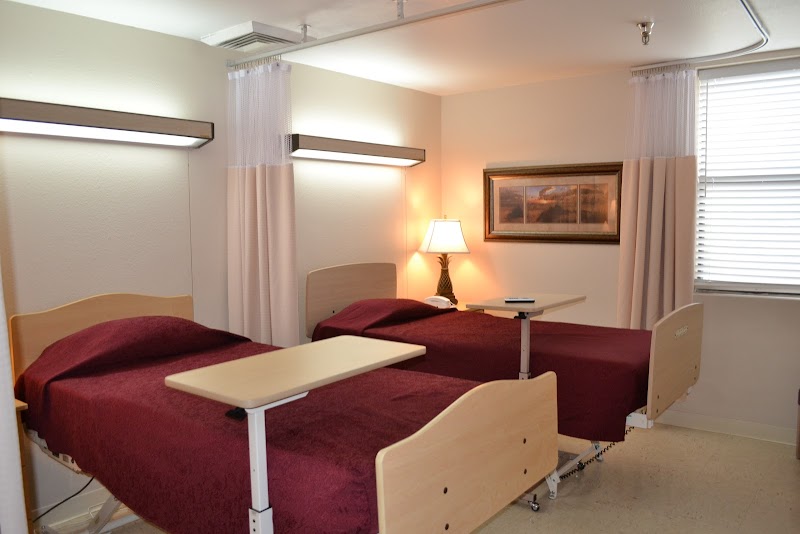
How is Alameda Oaks Nursing Center Staffed?

CMS rates ALAMEDA OAKS NURSING CENTER's staffing level at 2 out of 5 stars, which is below average compared to other nursing homes. Staff turnover is 65%, which is 19 percentage points above the Texas average of 46%. High turnover can affect care consistency as new staff learn residents' individual needs. RN turnover specifically is 60%, which is notably high. RNs provide skilled clinical oversight, so turnover in this role can affect medical care quality.

What Have Inspectors Found at Alameda Oaks Nursing Center?

State health inspectors documented 23 deficiencies at ALAMEDA OAKS NURSING CENTER during 2022 to 2025. These included: 1 Immediate Jeopardy (the most serious level, indicating potential for serious harm or death) and 22 with potential for harm. Immediate Jeopardy findings are rare and represent the most serious regulatory concerns. They require immediate corrective action.
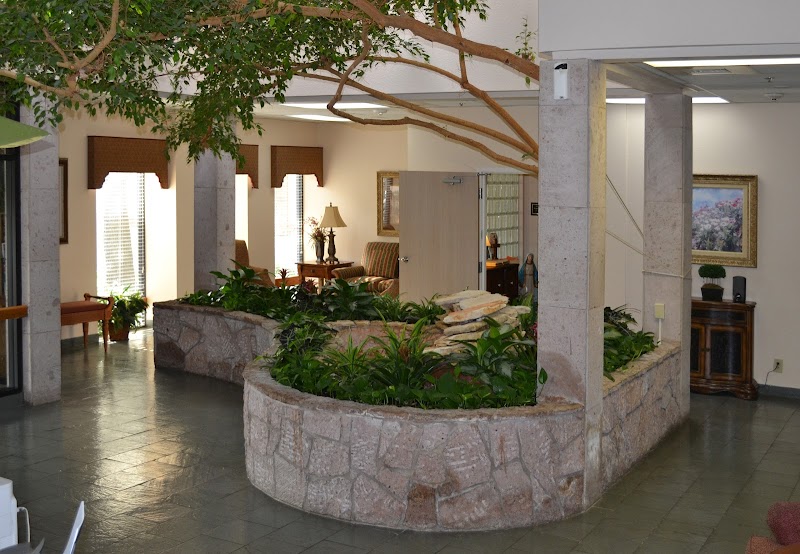
Who Owns and Operates Alameda Oaks Nursing Center?

ALAMEDA OAKS NURSING CENTER is owned by a for-profit company. For-profit facilities operate as businesses with obligations to shareholders or private owners. The facility is operated by LIFE CARE CENTERS OF AMERICA, a chain that manages multiple nursing homes. With 146 certified beds and approximately 65 residents (about 45% occupancy), it is a mid-sized facility located in CORPUS CHRISTI, Texas.
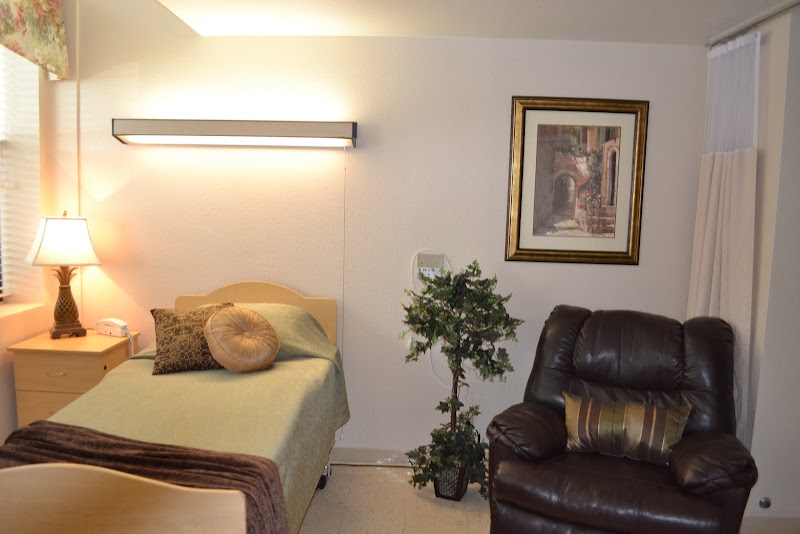
How Does Alameda Oaks Nursing Center Compare to Other Texas Nursing Homes?

Compared to the 100 nursing homes in Texas, ALAMEDA OAKS NURSING CENTER's overall rating (3 stars) is above the state average of 2.8, staff turnover (65%) is significantly higher than the state average of 46%, and health inspection rating (3 stars) is at the national benchmark.

What Should Families Ask When Visiting Alameda Oaks Nursing Center?

Based on this facility's data, families visiting should ask: "What changes have been made since the serious inspection findings, and how are you preventing similar issues?" "How do you ensure continuity of care given staff turnover, and what is your staff retention strategy?" "Can you walk me through typical staffing levels on day, evening, and night shifts?" "Can I visit during a mealtime to observe dining assistance and food quality?" These questions are particularly relevant given the facility's Immediate Jeopardy citations, the facility's high staff turnover rate, and the below-average staffing rating.

Is Alameda Oaks Nursing Center Safe?

Based on CMS inspection data, ALAMEDA OAKS NURSING CENTER has documented safety concerns. Inspectors have issued 1 Immediate Jeopardy citation (the most serious violation level indicating risk of serious injury or death). The facility has a 3-star overall rating and ranks #1 of 100 nursing homes in Texas. Families considering this facility should ask detailed questions about what corrective actions have been taken since these incidents.

Do Nurses at Alameda Oaks Nursing Center Stick Around?

Staff turnover at ALAMEDA OAKS NURSING CENTER is high. At 65%, the facility is 19 percentage points above the Texas average of 46%. Registered Nurse turnover is particularly concerning at 60%. RNs handle complex medical decisions and coordinate care — frequent RN changes can directly impact care quality. High turnover means new staff may not know residents' individual needs, medications, or preferences. It can also be disorienting for residents, especially those with dementia who rely on familiar faces. Families should ask: What is causing the turnover? What retention programs are in place? How do you ensure care continuity during staff transitions?

Was Alameda Oaks Nursing Center Ever Fined?

ALAMEDA OAKS NURSING CENTER has been fined $22,925 across 1 penalty action. This is below the Texas average of $33,308. While any fine indicates a compliance issue, fines under $50,000 are relatively common and typically reflect isolated problems that were subsequently corrected. Families should ask what specific issues led to these fines and confirm they've been resolved.

Is Alameda Oaks Nursing Center on Any Federal Watch List?

ALAMEDA OAKS NURSING CENTER is not on any federal watch list. The most significant is the Special Focus Facility (SFF) program, which identifies the bottom 1% of nursing homes nationally based on persistent, serious quality problems. Not being on this list means the facility has avoided the pattern of deficiencies that triggers enhanced federal oversight. This is a positive indicator, though families should still review the facility's inspection history directly.