Brookdale Trinity Towers

317 N Carancahua, Corpus Christi, TX 78401 (361) 887-2000
For profit - Individual 75 Beds BROOKDALE SENIOR LIVING Data: November 2025 1 Immediate Jeopardy citation
Trust Grade
61/100
#197 of 1168 in TX
Last Inspection: February 2025

Within standard 12-15 month inspection cycle. Federal law requires annual inspections.

Overview

Brookdale Trinity Towers has a Trust Grade of C+, indicating it is decent and slightly above average compared to other facilities. It ranks #197 out of 1168 in Texas, placing it in the top half, and #4 out of 14 in Nueces County, meaning only three local options are better. The facility is improving, with issues decreasing from 8 in 2023 to 5 in 2025. Staffing is a strong point, rated 5/5 stars with a turnover of 42%, which is better than the Texas average; this suggests that staff remain long enough to build relationships with residents. However, the facility has faced some concerning incidents, including failing to provide necessary respiratory care for a resident with a tracheostomy, which could create serious health risks, and shortcomings in food safety and infection control practices that might expose residents to contamination.

Trust Score
C+
61/100
In Texas
#197/1168
Top 16%
Safety Record
High Risk
Review needed
Inspections
Getting Better
8 → 5 violations
Staff Stability
○ Average
42% turnover. Near Texas's 48% average. Typical for the industry.
Penalties
✓ Good
$16,449 in fines. Lower than most Texas facilities. Relatively clean record.
Skilled Nurses
✓ Good
Each resident gets 58 minutes of Registered Nurse (RN) attention daily — more than average for Texas. RNs are trained to catch health problems early.
Violations
⚠ Watch
13 deficiencies on record. Higher than average. Multiple issues found across inspections.
★★★★☆
4.0
Overall Rating
★★★★★
5.0
Staff Levels
★★★★☆
4.0
Care Quality
★★★☆☆
3.0
Inspection Score
Stable
2023: 8 issues
2025: 5 issues

The Good

  • 5-Star Staffing Rating · Excellent nurse staffing levels
  • 4-Star Quality Measures · Strong clinical quality outcomes
  • Full Sprinkler Coverage · Fire safety systems throughout facility
  • No fines on record
  • Staff turnover below average (42%)

    6 points below Texas average of 48%

Facility shows strength in staffing levels, quality measures, fire safety.

The Bad

Staff Turnover: 42%

Near Texas avg (46%)

Typical for the industry

Federal Fines: $16,449

Below median ($33,413)

Minor penalties assessed

Chain: BROOKDALE SENIOR LIVING

Part of a multi-facility chain

Ask about local staffing decisions and management

The Ugly 13 deficiencies on record

1 life-threatening
Sept 2025 1 deficiency
CONCERN (D) 📢 Someone Reported This

A family member, employee, or ombudsman was alarmed enough to file a formal complaint

Potential for Harm - no one hurt, but risky conditions existed

Comprehensive Care Plan (Tag F0656)

Could have caused harm · This affected 1 resident

**NOTE- TERMS IN BRACKETS HAVE BEEN EDITED TO PROTECT CONFIDENTIALITY** Based on interview and record review, the facility failed to ensure the comprehensive care plan was developed and implemented wi...

Read full inspector narrative →
**NOTE- TERMS IN BRACKETS HAVE BEEN EDITED TO PROTECT CONFIDENTIALITY** Based on interview and record review, the facility failed to ensure the comprehensive care plan was developed and implemented within a timely manner for each resident consistent with resident rights to include measurable objectives and timeframes to meet residents medical, nursing, mental, and psychosocial needs identified in the comprehensive assessment for 1 (Resident #1) out of 5 residents reviewed for care plans. The facility failed to add the fall with significant injury, fall mats, and the surgical wound with wound care to Resident #1's care plan. The facility also failed to complete Resident #1's comprehensive care plan within the specified time frame.These failures could place residents at risk for receiving inadequate care and services. Findings included:Record review of Resident #1's face sheet dated 09/10/2025 revealed a [AGE] year-old female with an initial admission date of 08/18/2025 and a current admission date of 09/09/2025. Pertinent diagnoses included Displaced Oblique Fracture of Shaft of Right Femur (a traumatic injury in which the femur breaks diagonally), Orthopedic Aftercare (post-surgical care to aide in recovery), History of Falling, Muscle Weakness, and Unspecified Lack of Coordination.Record review of Resident #1's physician orders revealed an order with a start date of 08/18/2025 for wound care to surgical wound to right femur.Record review of Resident #1's admission MDS assessment dated [DATE], and signed as completed on 08/25/2025, revealed a BIMS score of 03, which revealed severely impaired cognition. The MDS assessment also revealed Resident #1 had a major orthopedic surgical procedure during the prior inpatient hospital stay which required active care during the SNF stay, and Resident #1 had a surgical wound requiring surgical wound care. The MDS assessment also revealed Resident #1 had a fracture related fall in the 6 months prior to admission/entry or reentry. Record review of Resident #1's care plan initiated 08/18/2025 and revised on 09/09/2025 revealed a care plan for risk of falls with interventions to include: keep call light within reach, prompt response to all requests for assistance, encourage appropriate footwear, medication review, OT and PT evaluation, and place bed in low position. There was not a care plan which addressed specifically the fall with major injury, or the surgical wound with wound care. There were also no interventions to address the fall mats in place. In an observation on 09/10/2025 at 9:25 AM Resident #1's bed was observed low to the floor with fall mats on both sides of the bed, and the call light within reach. In an interview on 09/10/2025 at 8:25 AM the Administrator stated Resident #1 typically resided in an ALF, but Resident #1 was admitted to the skilled unit for therapy and care after the fall which caused the fracture requiring surgical intervention. The Administrator stated the MDS nurse was the one who updated and revised the care plan, and she had 21 days from admission to complete it. In an interview on 09/10/2025 at 1:30 PM the MDS nurse stated she was not sure why the fall with major injury or the surgical wound requiring wound care was not on the care plan, but it should have been since it was the reason Resident #1 was admitted . She stated maybe it had not been added yet since the comprehensive care plan was still a work in progress as they have 21 days from admission to complete it. The MDS nurse stated there was a care plan for skin integrity, but she agreed it was for Resident #1's skin breakdown to her buttocks since one of the interventions was to apply a barrier cream. She stated there should have been one specifically for the surgical wound requiring wound care. The MDS nurse stated the care plan was a clinical tool used by staff to determine how to address the residents wants, needs, and care. The MDS nurse reiterated and clarified she had 21 days from admission or 14 days from the date of the comprehensive assessment to finish the comprehensive care plan, then after looking it up, she stated she was wrong, and it was 7 days from the date the comprehensive assessment was completed. She stated Resident #1's comprehensive assessment was completed on 08/25/2025, so her comprehensive care plan should have been completed by 09/01/2025, and Resident #1's still was not completed because she was still adding interventions, such as bed in low position (added 09/09/2025) and fall mats (added 09/10/2025).In an interview on 09/10/2025 at 3:05 PM the DON stated Resident #1 was admitted to the skilled unit for therapy and post-surgical care after a fall which caused a fracture requiring surgical intervention. She also stated she was not sure why the surgical wound requiring wound care was not on the care plan, but it should have been since it was the reason Resident #1 was admitted . The DON stated some things, such as the floor mats, had not been addressed on the care plan because she was under the impression the facility had 21 days from admission, regardless of when the comprehensive assessment had been completed. Record review of the facility's Comprehensive Care Plan Policy, dated November 2017, revealed A comprehensive, person-centered care plan will be developed for each resident that includes measurable objectives and timeframes to meet the resident's medical, nursing, mental and psychosocial needs that have been identified through a comprehensive assessment. 1. The Comprehensive Care Plan will describe treatments and services to assist the resident to attain or maintain the highest level of physical, mental and psychosocial wellbeing. 2. The comprehensive care plan is based on a comprehensive assessment which includes, but is not limited to, the MDS, Care Area Assessments, clinical assessments and data collection form, therapy evaluations, psychosocial and cognitive evaluations, physician assessments/consults.
Feb 2025 4 deficiencies
CONCERN (D)

Potential for Harm - no one hurt, but risky conditions existed

Comprehensive Care Plan (Tag F0656)

Could have caused harm · This affected 1 resident

**NOTE- TERMS IN BRACKETS HAVE BEEN EDITED TO PROTECT CONFIDENTIALITY** Based on interviews, observations and record review, the facility failed to develop a comprehensive person-centered care plan ba...

Read full inspector narrative →
**NOTE- TERMS IN BRACKETS HAVE BEEN EDITED TO PROTECT CONFIDENTIALITY** Based on interviews, observations and record review, the facility failed to develop a comprehensive person-centered care plan based on assessed needs that included measurable objectives and timeframes to meet the resident's medical, nursing, mental, and psychosocial needs and describes the services that are to be furnished to attain or maintain the resident's highest practicable physical, mental, and psychosocial well-being for 2 (Resident #15 and Resident #30) of 16 residents reviewed for comprehensive person-centered care plans. The facility failed to develop and implement Resident #15's care plan to include oxygen therapy. The facility failed to develop and implement Resident #30's care plan to include oxygen therapy. This failure could affect the resident by placing them at risk for not receiving care and services to attain or maintain the resident's highest practicable physical, mental, and psychosocial well-being. The findings included: 1. Record review of Resident #15's face sheet dated 02/20/25 revealed a [AGE] year-old-male with an original admission date of 04/08/24 and a current admission date of 02/03/2025. Record review of Resident #15's admission MDS assessment dated [DATE]section C, Cognitive Patterns, revealed a BIMS score of 14 (cognition intact). The MDS did not indicate anything regarding the oxygen or respiratory therapy. Record review of Resident #15's care plan dated 02/19/25 revealed no care plan for oxygen diagnosis, status or equipment. Record review of Resident #15's physician orders dated 02/14/25 revealed order of Oxygen 2 liters via nasal cannula. During an observation of Resident #15 inside his room on 02/18/25 at 8:55 AM and 5:20 PM, Resident #15 was on Oxygen 2 liters via nasal cannula. 2. Record review of Resident #30's face sheet dated 02/20/25 revealed a [AGE] year-old female with an admission date of 02/01/25. Pertinent diagnoses included unspecified dementia and hypertensive heart disease without heart failure (prolonged high blood pressure damages the heart without causing heart failure). Record review of Resident #30's Comprehensive MDS dated [DATE] section C, cognitive patterns, stated Resident #30's BIMS score was 4 (severe impairment). Further review of Resident #30's MDS revealed section O, special treatments, stated Resident #30 received oxygen therapy while a resident in the past 14 days. Record review of Resident #30's order summary dated 02/20/25 revealed an active order initiated on 02/01/25 for O2 at 2 liters; may titrate to 4 liters. Every shift for hypoxia. Record review of Resident #30's care plan dated 02/20/25 did not list oxygen therapy as a focus and included no interventions related to oxygen therapy in any other focus. During an observation inside Resident #30's room on 02/19/25 at 9:19 AM, Resident #30 received 4 liters per minute of oxygen. An interview was attempted with Resident #30, but she was not interviewable. In an interview with LVN B on 02/19/25 at 9:33 AM, LVN B stated LVNs did not typically update the care plans. LVN B stated the care plan was typically updated by the MDS nurse, the ADON or the DON. LVN B stated the nurses did check the care plans for accuracy or to verify residents' preferences or goals. In an interview with LVN A on 02/20/25 at 11:24 AM, LVN A stated she read residents' care plans to ensure she was updated on the residents she was assigned. LVN A stated any assessments, changes in care, or changes in orders were reflected in the care plan. LVN A stated oxygen treatments should be in the care plan. LVN A stated she never edited the care plans herself. LVN A stated if she saw something wrong with the care plan, she would notify the ADON or DON. LVN A stated if the care plan was wrong then the nurse taking care of the resident may not give the resident the most up-to-date treatment. In an interview with the ADON on 02/20/25 at 11:40 AM, the ADON stated they revised care plans on new admissions, 5 days afterwards, significant changes, and quarterly. The ADON stated the floor nurses let the ADON, the DON, or the MDS nurse know if something new needed to be updated. The ADON stated Resident #15 and Resident #30 should have had their oxygen use in their care plans. The ADON stated if a resident's care plan was not updated then a nurse may not know what the most appropriate care was for a resident. In an interview with the DON on 02/20/25 at 11:57 AM, the DON stated anybody on the interdisciplinary team could edit care plans. The DON stated the care plan contained preferences, precautions, likes, dislikes, and activities. The DON stated that anything related to the individualized care of the resident was put on the care plan. The DON stated that regarding oxygen, the care plans should include they were on oxygen, the amount, the titration, and when and how it was ordered. The DON stated Resident #15 and Resident #30 should have had their oxygen use included in their care plans. The DON stated care plans were updated within 24-48 hours of any new change in the resident. The DON stated care plans needed to be updated so nurses on the floor had the most current information about how to care for the resident. Record review of the facility policy titled Comprehensive Care Plan - SOM dated 11/2017 stated the following: 1. The Comprehensive Care Plan will describe treatments and services to assist the resident to attain or maintain the highest level of physical, mental and psychosocial wellbeing. 2. The comprehensive care plan is based on a comprehensive assessment which includes, but is not limited to, the MDS, Care Area Assessments, clinical assessments and data collection forms, Therapy Evaluations, psychosocial and cognitive evaluations, physician assessments/consults. 3. The Interdisciplinary Team will work in coordination with the resident, the resident's family and responsible party to develop and maintain the comprehensive care plan.
CONCERN (E)

Potential for Harm - no one hurt, but risky conditions existed

Infection Control (Tag F0880)

Could have caused harm · This affected multiple residents

**NOTE- TERMS IN BRACKETS HAVE BEEN EDITED TO PROTECT CONFIDENTIALITY** Based on observation, interview, and record review the facility failed to maintain an infection control program designed to prov...

Read full inspector narrative →
**NOTE- TERMS IN BRACKETS HAVE BEEN EDITED TO PROTECT CONFIDENTIALITY** Based on observation, interview, and record review the facility failed to maintain an infection control program designed to provide a safe, sanitary, and comfortable environment and to help prevent the development and transmission of communicable disease and infections for 3 of 12 residents (Residents #15, #33, and #152) observed for infection control practices. The facility failed to post Enhanced Barrier Precaution signs outside the rooms of Resident #'s 15, 33 and 152. These failures could place residents, staff, and visitors at risk of cross contamination and/or infection. Findings included: 1. Record review of Resident #15's face sheet dated 02/20/25 revealed a [AGE] year-old-male with an original admission date of 04/08/24 and a current admission date of 02/03/2025. Diagnoses included Squamous Cell Carcinoma of Skin, Scalp, and Neck (a type of skin cancer that was caused by an uncontrolled growth of abnormal squamous cells). Record review of Resident #15's admission MDS assessment dated [DATE], section C, Cognitive Patterns, revealed a BIMS score of 14 (cognition intact). Section M of the MDS indicated Resident #15 had one or more unhealed pressure ulcers or injuries, as well as moisture associated skin damage and application of nonsurgical dressing. Section N of the MDS revealed Resident #15 was on an antibiotic. Record review of Resident #15's order summary dated 02/06/25 revealed Resident #15 had an antibiotic ordered for a bacterial infection, as well as wound care to an ulcerating cancer wound to the top of the head. During an observation on 02/18/25 at 5:20 PM LVN C performed wound care on Resident #15 with only gloves and no gown. In an interview with LVN-C on 02/18/25 and 5:30 PM she revealed that no gown was worn due to Resident #15 was not on EBP, but had he been, she would have worn a gown to prevent cross contamination. In an interview with the ADON on 02/19/25 at 9:45 AM, the ADON stated she was not sure what Resident #15's antibiotic was for, but she had known about his open wound that he had been getting wound care for, and the antibiotic was carried over and re-ordered from his hospital stay. 2. Record review of Resident #33's face sheet dated 02/20/25 revealed a [AGE] year-old female with an admission date of 01/24/25. Pertinent diagnosis included a blister to the right lower leg. Record review of Resident #33's Comprehensive MDS assessment dated [DATE] section C, Cognitive Patterns, revealed a BIMS score of 15 (cognition intact). Section M, Skin Conditions, revealed Resident #33 was at risk of developing a pressure ulcer, but did not have one at the time of asssessment. Record review of Resident #33's care plan dated 02/20/25 listed the focus The resident has potential/actual impairment to skin integrity initiated on 01/26/25 and revised on 02/07/25. A pertinent intervention listed for the focus included: Keep skin clean and dry. Use lotion on dry skin. Do not apply to area of skin breakdown, wound or between toes initiated on 01/26/25. Record review of Resident #33's order summary dated 02/20/25 revealed an active order initiated on 02/14/25 for Cleanse blistered areas to the right anterior and inner lateral leg with normal saline and 4x4 (inch) gauze, pat dry with gauze, apply [skin protective wipe], and leave open to air. 3. Record review of Resident #152's face sheet dated 02/20/25 revealed a [AGE] year-old female with an admission date of 02/08/25. Pertinent diagnosis included malignant neoplasm of brain (cancerous tumor that originates in or spreads to the brain). Record review of Resident #152's PPS MDS assessment dated [DATE] section C, Cognitive Patterns, revealed a BIMS score of 14 (cognition intact). Section M, Skin Conditions, revealed Resident #152 had a surgical wound. Section N, Medications, revealed Resident #152 was taking an antibiotic. Record review of Resident #152's care plan dated 02/20/25 listed the focus The resident is on IV Medications. Infection of scalp incision initiated on 02/08/25. Record review of Resident #152's order summary dated 2/20/25 revealed an active order initiated on 02/18/25 for Vancomycin HCL (Antibiotic) Intravenous Solution Reconstituted 1 GM. Use 1 gram intravenously every 12 hours for INFECTION. During an observation on 02/19/25 at 11:00 AM of the resident halls, there were no EBP signs posted on Resident #15, #33, and #152's doors. During an observation on 02/20/25 at 10:11 AM inside Resident #152's room, LVN A hooked up the Vancomycin medication to Resident #152's PICC line with gloves only and no gown. In an interview with LVN A on 02/20/25 at 11:26 AM, LVN A stated she was unsure of what the difference between standard precautions and EBP were, but she would find out. LVN A stated she thought EBP was someone with a Foley catheter or wound care, and if a resident was on EBP she should put on both gown and gloves prior to going into the room to provide care. LVN A stated it was the manager or admitting nurse's job to put up the EBP signs and carts. In an interview with the IP on 02/20/25 at 11:17 AM, she stated she had to take a class through the CDC to become the IP and learn about the different precautions. The IP stated that with standard precautions, they were utilized on everyone, anytime you touch anyone, but with EBP, it was more detailed and more enhanced precautions for residents with things such as MDRO infections, oozing wounds, vomiting, diarrhea, Foley catheters, rectal tubes, and other similar things. The IP stated she had not reviewed the EBP policy recently, and generally only worked the weekends, so she was not sure how many residents they had or should have had on EBP. The IP stated that typically, the IP, ADON, or DON determined which residents needed EBP and let the floor nurses know where to place the signs and carts. After reviewing the facility's infection control policy, the IP stated all G-tubes, PICC lines and draining wounds required EBP. In an interview with the ADON on 02/20/25 at 11:41 AM, the ADON stated standard precautions were for residents with infections like C-diff, and EBP was more for residents with Foley catheters, G-tubes, MDROs. The ADON stated the nurses and staff identified the residents on EBP by the signs on the doors, but they also identified which residents required EBP by looking at their residents and reviewing their charts and orders. The ADON stated EBP included gowns and gloves in conjunction with the signs on the doors, and if the proper precautions were not utilized, cross contamination could occur, and infections could be transmitted. In an interview with the DON on 02/20/25 at 11:50 AM, the DON stated EBP was less than contact precautions but more than standard precautions. The DON stated EBP should be utilized with close contact such bathing or doing wound care on residents with open wounds, PICC lines, other lines or tubes. The DON stated that based on their policy, any resident with an open wound, especially if they had an infection and were susceptible, should be on EBP. The DON stated if residents had a PICC line and had MRSA, they should be on EBP. The DON stated it was subjective as to who determined the precautions, but the admissions nurse typically caught it first and placed the resident on EBP. The DON stated the ADON followed up the next morning in morning rounds to make sure everyone was placed on the proper precautions, and if they had an open wound and were getting wound care, such as Resident #15 and Resident #33, they should be on EBP. Record review of the facility's Enhanced Barrier Precautions Policy, dated 09/2022 and revised 02/2025, revealed EBPs should be utilized (in conjunction to standard precautions) to reduce transmission of MDROs that employs targeted gown and glove use during high contact resident care activities. Gloves and gowns may be applied prior to performing high-contact resident care activity; Personal protective equipment was changed before caring for another resident; face protection may be used if there was also a risk of splash or spray.
CONCERN (E)

Potential for Harm - no one hurt, but risky conditions existed

Room Equipment (Tag F0908)

Could have caused harm · This affected multiple residents

Based on observation, interview, and record review, the facility failed to maintain all kitchen equipment in safe operating condition for 1 of 1 kitchen (K2) reviewed and 1 of 2 satellite kitchens (SK...

Read full inspector narrative →
Based on observation, interview, and record review, the facility failed to maintain all kitchen equipment in safe operating condition for 1 of 1 kitchen (K2) reviewed and 1 of 2 satellite kitchens (SK2) reviewed for safe operating equipment. The facility failed to maintain a chest type freezer with heavy ice build-up on the inside walls, bottom, and lid in SK2. The facility failed to maintain and remove a 4-foot X 3-foot char broiler that did not work, had no griddle on it, and was connected to the gas line in K2. The facility failed to maintain and remove dented holding pans and dented prep equipment (food mill) in K2. The facility failed to maintain the walk-in freezer by not allowing ice accumulation around the fan and low lighting in K2. These failures could cause food-borne illness from equipment not being maintained and/or cleaned effectively. Findings include: Observation and initial tour of SK2 (satellite kitchen 2nd floor) on 02/18/25 at 11:35 am revealed a chest type freezer had heavy ice build-up on the inside walls, bottom, and lid and a removable black substance on the gasket. The walk-in freezer in K2 had full boxes of food stacked to the ceiling and ice partially covering the fan. The walk-in freezer was dimly lit. In an interview with the DC (dining coordinator) for SK2 on 02/18/25 at 11:40 am, she said she had worked at the facility for 1 year and 8 months. She said SERVER 3 was responsible for letting her know when equipment needed repair. She said the process for getting kitchen issues resolved was she or SERVER 3 would verbally tell maintenance. She said the chest type freezer needed to be defrosted for 2-3 weeks. She said the chest type freezer lid needed a new gasket. She said the gasket had been cleaned about 2 weeks ago. She said the gasket had mold on it now. In an interview with SERVER 3 for SK2 on 02/18/25 at 11:42 am, he said he knew the chest type freezer needed to be defrosted and needed a new gasket. He said he did not tell the DC because she already knew. SERVER 3 did not answer but shrugged his shoulders when asked if the freezer looked clean. In an interview with the EC (executive chef) on 02/18/25 at 11:45 am, she said she had worked at this facility for 8 1/2 years. She said the char broiler had not worked for over 2 years and she had been trying to get maintenance to remove it. She said she had brought it up several times to the ADM and MS but had no proof because they relayed maintenance requests and repairs only verbally. She said it was not safe to have the char broiler in that condition because it was missing a griddle, the gas tubes were exposed, and it was still hooked up to the gas line. She said it was a fire hazard. In an interview with the COOK and observation in K2 on 02/20/25 at 9:30 am revealed the dented food mill was dirty with food on a prep cart, there was ice accumulation around the fan in the walk-in freezer, boxes of food were stacked to the ceiling, and the lighting was inadequate. The COOK said boxes were supposed to be at least 6 inches from the ceiling in the walk-in freezer because they could block water hydrants and become a fire hazard. She said dented pans, such as the food mill, no longer had a good seal and it could harbor bacteria in the crevices and dents and relay it to the residents and make them sick. She said the food mill was used this morning. She said the spices and cornstarch should have been closed tightly to prevent cross contamination. In an interview with DSD (dining services director) on 02/20/25 at 10:15 am, he said he started working at the facility 4 months ago and was responsible for the entirety of the satellite kitchens, the main kitchen, and the kitchen staff. He said he knew about the lack of cleaning, training, faulty equipment, old steam wells and carts, shelving, and safety issues. He said there was equipment not tagged out or inoperable such as the char broiler. He said the char broiler had been inoperable for at least 5 years. He said it was still hooked up to gas and that it was a safety issue. He said he had made lists to submit to MS so he could get it to corporate for approval. He said he first submitted the lists to the ex-administrator within 4 months ago. He said he had notified the current ADM of how bad things were in the kitchen and she was working with him to get things fixed. He said the process for reporting kitchen items that needed repair, or replacement was to report it to the EC and she would handle it. He said he learned how to use the facility electronic reporting system about a month ago. He said he did daily walk-throughs in all kitchen areas and found multiple failures but would not say what they were. He said there were no records for any training that he could find. In an interview with the MS (maintenance supervisor) on 02/20/25 at 2:33 pm, he said he worked at the facility for 10 years. He said the process of reporting kitchen repairs or replacement equipment was for them to call the receptionist at the front desk and report it to them because the receptionists had been trained to use the facility electronic reporting system. He said he made walk throughs through all the kitchen areas every Sunday. He said the staff always told him Everything was fine. He said the electronic reporting system had been in place at least 5 years. He said he was not aware of the ice build-up, stacked boxes to the ceiling, and lighting in the walk-in freezer, the condition of the chest freezer in SK2, or the char broiler in K2. He said there was a red line placed around the inside of the walk-in freezer to indicate how high the boxes could be stacked. He said he was informed about the chest freezer this morning. He said the facility had no roach problems. He said ants and flies were seasonal. He said there had been no rodent problems in the last few years. He said there were rodents 10 years ago when he first got there, but none since. In an interview with the ADM on 02/20/25 at 5:09 pm, she stated performance improvement plans via QAPI (Quality Assurance and Performance Improvement) were initiated on 09/25/24 regarding all aspects of the kitchen and satellite kitchens. She said she was working with the MS, RD, and all kitchen staff to improve the quality of food, moral, sanitation and knowledge bases. Record review of the facility policy revised 01/11/24, titled Equipment Maintenance revealed under policy: The maintenance department is responsible for foodservice equipment maintenance. Procedure: 1. The maintenance department is responsible for inspecting equipment annually, or more often, if needed, to ensure proper working order. 2. The food and nutrition department should notify maintenance if equipment is not working properly.
CONCERN (F)

Potential for Harm - no one hurt, but risky conditions existed

Food Safety (Tag F0812)

Could have caused harm · This affected most or all residents

Based on observation, interviews and record review, the facility failed to store, prepare, distribute, and serve food in accordance with professional standards for food service safety for 1 of 1 kitch...

Read full inspector narrative →
Based on observation, interviews and record review, the facility failed to store, prepare, distribute, and serve food in accordance with professional standards for food service safety for 1 of 1 kitchen (K2) reviewed and 2 of 2 satellite kitchens (SK4 and SK2) for storage, preparation, and sanitation. 1. Satellite Kitchen 4 (SK4) The facility failed to maintain cleanliness of the steam table holding wells and shelf, that a cleaning schedule was followed, personal items were not kept in the dry storage room, and all staff wore a hair and beard net while in SK4. 2.Satellite Kitchen 2 (SK2) The facility failed to maintain cleanliness of the steam table holding wells and shelf, that a cleaning schedule was followed, and personal items were not kept in the server room, in SK2. 3. Main Kitchen 2 (K2) The facility failed to maintain cleanliness of the steam table holding wells and shelf, the convection oven, the trash cans, a floor blower, and that a cleaning schedule was followed in K2. The facility failed to ensure spices were kept closed throughout the survey to prevent cross contamination. The facility failed to keep trash cans covered when not in use. The facility failed to keep dry storage items tightly sealed in the dry storage area and failed to keep the dry storage room door closed by using a large rat trap as a door stop throughout the survey. The facility failed to store walk-in freezer items properly. The facility failed to ensure personal items were not kept in the service area. . These failures could place residents at risk for food contamination and food borne illness. The findings included: 1. Observation and initial tour of SK4 (satellite kitchen 4th floor) on 02/18/25 at 10:45 am revealed 5 of 5 steam table wells had scaling, flaking, and black dots around the insides at the water line. The bottoms of the steam table wells had pale yellow scaling on them and debris floating in the water. The underside of the shelf above the steam table wells was covered in a dark brown substances, some had the appearance of drips, some were more solid. There were visible personal items in the dry storage area of SK4; a jacket, a 16 oz. partially full bottle of water, and a purse. In another part of the dry storage area, a different purse. There was no signage indicating a designated area for personal items in the dry storage area. In an interview with SERVER 1 on 02/18/25 at 11:05 am regarding SK4, she said there was no cleaning schedule the SK4 used. She said the dark brown substances on the underside of the steam table wells was directly over the food. She said the substances had probably dropped onto the food at some point and that was bad. She said they should not have sent food out because it could make residents sick because of contamination. She said she had never cleaned the underside of the steam table shelf, and she had worked at the facility for 3 years. In an interview with SERVER 2 on 02/18/25 at 11:10 am, she said kitchen staff were supposed to keep their personal items in the DM's office, which was down the hall from SK4, (approximately 20 paces). She said her purse was in the dry storage area but should have been in the DM's office. She said she did not leave her belongings in the DM's office because the lockers did not have locks on them because they were supposed to supply their own locks, and she did not have a lock for a locker. In an interview and observation of the DM's office on 02/18/25 at 11:15 am, revealed there was a tray with thawed raw meat above eggs and liquid eggs in the refrigerator. There was a large rat trap being used to prop the door open in the K2 dry storage area. He said it should not be there because of contamination and denied ever seeing rodents in the kitchen areas. The DM stated he did not know why there was a large rat trap being used to prop the door open in the K2 dry storage area. He did not indicate why the storage area was open. The DM pointed to a stack of 6 empty lockers with no locks, he said kitchen staff stored personal belongings in the lockers. He said nothing when informed the lockers were empty and there were personal items in the dry storage area in SK4. He said he conducted an in-service on personal belongings with his staff last year when the lockers were delivered and placed. He said he was not monitoring the staff. He said there was not another in-service regarding personal items and he did not provide any reminders. He said he was in charge of SK4. He said there was a cleaning schedule, but it just was not posted. He said the process for getting kitchen repairs resolved was to verbally let the MS know. He said there was no log but there was an electronic reporting system that no one used, and he did not know why. He said the MS and department managers utilized a different electronic reporting system. He said he did not know how to use the electronic reporting system. He said he had worked at this facility for 9 years, working his way up to DM. In an interview and observation with the DM on 02/19/25 at 5:55 pm revealed he entered SK4 without a hairnet or beard cover. He said he just went in for a minute. The hairnets were located inside SK4. He said he would move them back outside the door. He said the food carts would knock the container off the wall when the hairnet container was outside the door. He said there was no way to don hairnets before entering SK4 with them being stored away from the door on the opposite wall inside SK4. He said everyone was required to wear hair and beard nets (if indicated) in the kitchen areas to prevent contamination. The DM said nothing when asked why he was not wearing the required hair and beard nets. In an interview with SERVER 1 and observation of SK4 on 02/20/25 at 9:30 am, the steam wells were not clean. She said she did not know what the yellowish and black substances were around the insides. She said it was K2 staff's job to clean them, and they took them yesterday to clean them. She said they did not look clean now. There was no cleaning schedule posted. 2. Observation and initial tour of SK2 (satellite kitchen 2nd floor) on 02/18/25 at 11:35 am revealed 5 of 5 steam table wells had scaling, flaking, and black dots around the insides at the water line. The bottoms of the steam table wells had pale yellow scaling on them and debris floating in the water. The underside of the shelf above the steam table wells was covered in dark brown spots, some had the appearance of drips, some were more solid. There was no cleaning schedule. There was a jacket on a shelf above clean plates in the server room in SK2. In an interview with the DC (dining coordinator) for SK2 on 02/18/25 at 11:40 am, she said she had worked at the facility for 1 year and 8 months. She said there was no cleaning schedule to go by for about 1 1/2 weeks. She said the substance under the shelf above the steam table looked like rust and mold. She said she had never looked there. She said it was a big health hazard because it could drop into the food and make residents sick. In an interview with SERVER 3 for SK2 on 02/18/25 at 11:42 am, he said he cleaned the steam wells weekly. He said, Last week when asked when the steam table wells were last cleaned. He said there was no cleaning schedule. He said he knew the chest type freezer needed to be defrosted and needed a new gasket. He said he did not tell the DC because she already knew. SERVER 3 did not answer but shrugged his shoulders when asked if the steam table wells and shelf looked clean. 3. Observation and initial tour of K2 (main kitchen 2nd floor) on 02/18/25 at 11:45 am revealed 5 of 5 steam table wells had scaling, flaking, and black dots around the insides at the water line. The bottoms of the steam table wells had pale yellow scaling on them and debris floating in the water. The underside of the shelf above the steam table wells was covered in dark brown spots, some had the appearance of drips, some were more solid. There was no cleaning schedule. There was a jacket on a shelf above clean plates in the K2 service area. There was a thick covering of a sticky yellowish substance on the convection oven, trash cans, and floor blower in K2. Eight of 30 16-ounce containers of spices and cornstarch were open to air. Trash cans were not covered and emitted a foul odor. A 10-pound bag of dry pasta was open to air in the dry storage room. The dry storage room door was propped open by a large rat trap as a door stop throughout the survey. In an interview with the EC (executive chef) on 02/18/25 at 11:45 am, she said she had worked at this facility for 8 1/2 years. She said personal items were not allowed in any kitchen area. She said a jacket placed above clean plates on a shelf in the service area was not supposed to be there and it was not a designated area for personal items. She said lockers were provided for staff and staff had to provide their own locks. She said they set up 2 designated drinking areas inside K2, so staff could stay hydrated. She said no one monitored staff for hand washing after touching the drinks and returning to prep areas. She said the grease on the convection oven was from the deep fryer which was right next to the convection oven. She said the grease on the convection oven looked like an accumulation of over a month, because that was how long it had been since it was cleaned. She said the floor blower had a greasy coating on it and she did not know how long it had been that way. She said there were no cleaning schedules to follow. She said it was ok for the thawed raw meat to be in the refrigerator above egg products. She said all dry storage items should be covered or sealed tightly, labeled, and dated including spices and cornstarch because cross contamination could occur and make residents sick if consumed. She said she did not know who left the pasta exposed to air in the dry storage room or how long it had been that way. She said she had no idea who or when the large rat trap was used to prop open the dry storage room door. She said the dirtiness of K2 was a health hazard because there were several opportunities for cross contamination. The EC did not answer when asked what her part was in the education of staff. The EC said the trash cans should be covered when not in use and there was an odor of vomit near one of the uncovered trash cans. She said the uncovered trash could attract gnats, flies, ants, and rodents and having bugs in the kitchen could make people sick. In an interview with the COOK and return visit to K2 on 02/20/25 at 9:30 am revealed the large rat trap was propping the dry storage door open and spices were open to air. There was ice accumulation around the fan in the walk-in freezer, boxes of food were stacked to the ceiling, several boxes of food items were open to air, and the lighting was inadequate. The COOK said boxes were supposed to be at least 6 inches from the ceiling in the walk-in freezer because they could block water hydrants and become a fire hazard. She said everyone was responsible for making sure the boxes of food were sealed tightly to prevent freezer burn and if ice accumulated on the food, it would affect the taste and possibly make the residents sick. She said the product would have to be thrown away if it had ice or freezer burn on it. She said dented pans, such as the food mill, no longer had a good seal and it could harbor bacteria in the crevices and dents and relay it to the residents and make them sick. She said the food mill was used this morning. She said the spices and cornstarch should have been closed tightly to prevent cross contamination. In an interview with the EC (executive chef) on 02/20/25 at 09:45 am, she showed this surveyor a cleaning schedule dated February 2025 with all cleaning and sanitation tasks indicating done. She said she did not monitor staff completion of the tasks. She said, According to the completed cleaning schedule, the kitchen should be spotless. She said the kitchen was far from spotless. In an interview with DSD (dining services director) on 02/20/25 at 10:15 am, he said he started working at the facility 4 months ago and was responsible for the entirety of the satellite kitchens, the main kitchen, and the kitchen staff. He said he knew about the lack of cleaning, training, faulty equipment, old steam wells and carts, shelving, and safety issues. He said he had made lists to submit to MS so he could get it to corporate for approval. He said he first submitted the lists to the ex-administrator within 4 months ago. He said he had notified the current ADM of how bad things were in the kitchen and she was working with him to get things fixed. He said he then submitted the lists to MS on 01/15/25 and corporate denied everything on the list on 02/14/25 and told him the items were supposed to be part of the EC's monthly budget. He said the MS was working on that budget now. He said the process for reporting kitchen items that needed repair, or replacement was to report it to the EC and she would handle it. He said he learned how to use the facility electronic reporting system about a month ago. He said he entered RD (registered dietician) requests, but he could not retrieve them from the electronic reporting system and did not know how to do it. He said the facility was without a DM for about a year. He said he was responsible for monitoring the satellite kitchens and staff. He said the DM (dietary manager) was supposed to monitor healthcare staff and the EC (executive chef) was supposed to monitor main kitchen staff (K2). He said his last conducted in-service with kitchen staff was 01/21/25. He said he did daily walk-throughs in all kitchen areas and found multiple failures but would not say what they were. He said there were no records for any training that he could find. He said his plan was to continue teaching and introduce all kitchen staff to the facility's kitchen training catalog, which he said none of the kitchen staff had ever seen. He said the kitchen did not have proper cleaning solutions or cleaning equipment when he started working here. In an interview with the RD (registered dietician) on 02/20/25 at 12:25 pm, she said she had been at this building since November 2024. She said she talked with the kitchen staff last month about sanitation, tray cards, anything related to kitchen operations, prep, temps, etc. She said she would obtain the training she had conducted. She said she conducted walk-throughs in the kitchen and the satellite kitchens during her visits to the facility. She said she had been conducting process improvement plans (PIPs) on sanitation and equipment. She said the kitchen and satellite kitchens were supposed to be following cleaning schedules. She said the ADM had been helpful in advocating with corporate to get the equipment and supplies needed to improve the kitchen. In an interview with the MS (maintenance supervisor) on 02/20/25 at 2:33 pm, he said he worked at the facility for 10 years. He said the process of reporting kitchen repairs or replacement equipment was for them to call the receptionist at the front desk and report it to them because the receptionists had been trained to use the facility electronic reporting system. He said he made walk throughs through all the kitchen areas every Sunday. He said the staff always told him Everything was fine. He said the electronic reporting system had been in place at least 5 years. He said the list the DSD (director of dining services) created and presented to him for approval by corporate was now in the process of being refined by himself. He said he would resubmit it to corporate asset management once he was done refining the list. He said the ADM was made aware of changes before resubmitting the request. He said he had documentation of these exchanges that he would provide. He said he was not aware of the ice build-up, stacked boxes to the ceiling, and lighting in the walk-in freezer, or the rat trap utilized as a door stop for the dry storage room in K2. He said there was a red line placed around the inside of the walk-in freezer to indicate how high the boxes could be stacked. In an interview with the ADM on 02/20/25 at 5:09 pm, she stated performance plans via QAPI (Quality Assurance and Performance Improvement) were initiated on 09/25/24 regarding all aspects of the kitchen and satellite kitchens. She said PIPs (performance improvement plans) included corrective actions for the DM. She said turnover was high in the kitchen probably due to the pay and she had no control over providing higher wages. She said salaries and retention for kitchen staff were also part of QAPI. She said she was working with the MS, RD, and all kitchen staff to improve the quality of food, moral, sanitation and knowledge bases. Record review of in-services for the last 3 months revealed the following: *New Menu Cards/Service/Record Keeping dated 01/21/25 via the DSD included daily meetings and production, record keeping, proper storage, cleaning schedules, and hairnets was added to the page. * Satellite Kitchens, nourishment rooms, labeling and dating for safe storage of food dated 01/30/25 via the RD. *Personal belongings dated 02/19/25 via the DM included personal belongings are to be stored in designated areas: lockers in manager's office, lockers in storage room, lockers in restrooms. Record review of the facility's electronic reporting system requests for the kitchen areas indicated the following: dated *08/05/24 for air conditioner, *09/25/24 for a baseboard, *10/02/24 (x2) for a light switch and relocate, *10/25/24 for steamtable, *01/03/25 for not working, *01/08/25 for air conditioner check, *01/09/25 for assemble, and 01/23/25 for air conditioner. All entries were made by the DM. Record review of corrective action documents on the DM indicated the following: *06/28/17 for poor performance, *10/02/17 for poor performance, *10/04/17 for poor performance, *11/13/23 for poor performance, *10/25/24 for poor performance (final reminder). Further review revealed an action plan for the DM initiated on 01/27/25 indicated Weekly meetings were to be conducted every Monday. Notes from the 02/10/25 meeting indicated the DM was improving. There was no meeting for 02/17/25. Record review of the facility policy revised 01/11/24, titled Equipment Maintenance revealed under policy: The maintenance department is responsible for foodservice equipment maintenance. Procedure: 1. The maintenance department is responsible for inspecting equipment annually, or more often, if needed, to ensure proper working order. 2. The food and nutrition department should notify maintenance if equipment is not working properly. Record review of the facility policy revised 06/2024, titled, Food Storage revealed under policy: All foods must be stored in a manner that maximizes nutrient retention, quality, and food safety. 2. The storerooms and walk-ins should be maintained free from dirt, dust, insects, rodents or any potential sources of contamination. 3. All foods should be stored on storeroom shelving that is no less than 6 inches from the floor and at least 18 inches from the sprinklers on the ceiling. Record review of the facility policy revised 07/11/24, titled, Food Storage revealed 4. Thawing: .Thaw meat preferably by placing in deep pans and setting on lowest shelf in refrigerator. Record review of the facility policy revised 04/06/2023, titled, Dry Storage Chart revealed Cornstarch should be kept tightly closed. Pasta dry-once opened, store in airtight container. Spices and herbs, store in airtight containers in dry places away from sunlight and heat. Record review of the facility policy revised 12/2024, titled, Hair Restraints revealed under policy overview: All associates working in food preparation must wear hair restraints. Under policy detail: 1. All hair must be kept covered. 5. Beards must be covered with a beard restraint. Record review of the facility policy revised 05/18/202, titled, Personal Hygiene/Safety/Food Handling/Infection Control revealed policy: Guidelines for personal hygiene to promote a safe and sanitary department must be followed: 3. Head covering worn: c. Beards, mustaches, or any body hair that may be exposed (i.e., arms) must be covered. 4. Conduct: c. Eating and drinking are not permitted in food preparation and service areas. 5. Designated area for employee personal belongings: a. An area in the director of food and nutrition office or dry storage area may be designated as a separate employee personal belonging area with signage. B. Personal belongings, beverages and/or food may be stored in the designated area. Record review of the facility policy revised 08/31/18 titled, Cleaning Schedules under policy: The food and nutrition services staff shall maintain the sanitation of the food and nutrition department through compliance with written, comprehensive cleaning schedules developed for the community by the director of food and nutrition services or other clinically qualified nutrition professional. Community satellite kitchens will be held to the same sanitary standards as the main kitchen, utilizing a comprehensive cleaning schedule specific to each kitchen.
Dec 2023 7 deficiencies 1 IJ
CRITICAL (J)

Immediate Jeopardy (IJ) - the most serious Medicare violation

Respiratory Care (Tag F0695)

Someone could have died · This affected 1 resident

**NOTE- TERMS IN BRACKETS HAVE BEEN EDITED TO PROTECT CONFIDENTIALITY** Based on observation, interview, and record review, the facility failed to ensure a resident who needed respiratory care, includ...

Read full inspector narrative →
**NOTE- TERMS IN BRACKETS HAVE BEEN EDITED TO PROTECT CONFIDENTIALITY** Based on observation, interview, and record review, the facility failed to ensure a resident who needed respiratory care, including tracheostomy care and tracheal suctioning, was provided, consistent with professional standards of practice, the comprehensive person-centered care plan and the residents' goals and preferences for one of one resident (Resident #198) reviewed for tracheostomy care . 1. The facility failed to ensure Resident #198 had suction equipment, emergency supplies, a spare trach or a care plan specific for tracheostomy care. 2. The facility failed to ensure staff could describe steps to take in the event of an emergency dislodgement of Resident #198's trach. 3. The facility failed to ensure staff were competent in trach care and knowledgeable of equipment needed. These failures could place residents at risk for suffocation and death. The facility Administrator and DON were notified on 11/29/23 at 5:32 PM, that an Immediate Jeopardy situation had been identified due to the above failures. While the IJ was removed on 12/02/23 at 6:08 pm, the facility remained out of compliance at a scope of isolation and a severity level of no actual harm with potential for more than minimal harm. The findings included: Record review of Resident #198's face sheet, dated 11/29/2023, reflected a [AGE] year old male who was admitted to the facility on [DATE]. Resident #198 had diagnoses which included: Subacute Osteomyelitis of the left ankle (a chronic low-grade infection of bone), peripheral vascular disease (circulation disorder), Diabetes type II (high levels of sugar in the blood), Asthma (a respiratory condition marked by spasms in the bronchi of the lungs, causing difficulty in breathing), Heart disease, lack of coordination, need for assistance with personal care, tracheostomy (an incision in the windpipe made to relieve an obstruction to breathing) and a history of polio (an infectious viral disease that affects the central nervous system). Record review of Resident #198's Care Plan, dated 11/29/23, reflected Resident #198 has impaired airway clearance as a focus, but did not mention a tracheostomy or interventions needed for a tracheostomy. Record review of the facility MDS Matrix, dated 11/28/2023 at 9:44 AM, reflected no indication Resident #198 had a tracheostomy. Record review of Resident #198's medical chart indicated he was assessed on 11/27/2023 by Nurse Practitioner A and she indicated Resident #198 had COPD and had orders for Xopenex nebulizer treatments every 6 hours (helps with breathing easier), Singular daily (used for asthma), Duoneb every 2 hours as needed (used to treat COPD) and albuterol every 6 hours (used to prevent and treat wheezing, difficulty breathing, chest tightness, and coughing caused by lung diseases such as asthma and chronic obstructive pulmonary disease) and budesonide nebulizer treatments twice a day (to prevent symptoms of asthma). Observation of Resident #198 on 11/29/2023 at 9:30 AM revealed LVN G gave a breathing treatment to Resident #198. LVN G attempted to place a mask over Resident #198's mouth and nose for an Albuterol breathing treatment. (Albuterol is a medication that treats lung diseases, such as asthma, where the airways in the lungs narrow, causing breathing troubles or wheezing [bronchospasm]. Observation of Resident #198's room on 11/29/2023 at 9:30 AM revealed no emergency equipment present for tracheostomy care and no equipment present for routine tracheostomy maintenance. During an observation of central supply with the ADON on 11/30/2023 at 1:30 PM the ADON was unable to locate an emergency trach kit. During an interview with LVN G on 11/29/2023 at 8:30 AM, she said she would not have a suction machine available for Resident # 198 unless the Dr. ordered it. LVN G was aware that Resident #198 had a tracheostomy. During an interview with LVN G on 11/29/2023 at 9:15 AM she said she was not trained for tracheostomy care. LVN G said the facility would probably send Resident #198 out if there was an emergency . During an interview with the DON on 12/02/203 at 4:44 PM, she said there should have been a care plan for a tracheostomy when Resident #198 first got to the facility. The DON said she did not know why the admitting nurse did not make one specific for a trach . The DON said they needed a Drs order to put a suction machine in the room, and then said well you could put it in there, but you would need an order to suction the person that has a tracheostomy . The DON said the nurse that admitted the resident did the initial care plan, and then after 14 days the LVN Resident Assessment Instrument (MDS) did it. The DON said the resident only had his initial care plan. The DON said Resident #198 was admitted using information from the care plan received from the hospital along with his admission diagnosis that was acquired from the hospital medical records. The DON said the facility knew his tracheostomy was on his admitting diagnosis when he was admitted . The DON related the admitting nurse said the hospital told her it was an established tracheostomy and did not need care. The DON said it was not true that he did not need care for his tracheostomy. The DON said it should have been automatic that the facility put emergency equipment in his room, and they did not. During an interview with Resident #198 on 11/29/2023 at 12:24 PM, he said he had the trach 8 years. He said his family member cleaned the outer trach every two days and it had not been done for the week he had been at the facility. Resident #198 said his tracheostomy was a size 6, then it was increased to a size 7 to help him breathe better, but when they put a new one in at the hospital 8 days ago, it was a 6 again and he did not know why. Resident #198 said the facility had not done trach care on him since his arrival. Resident #198 said the hospital did suctioning on him before he left (7 days ago) and he had not been suctioned since then . During an interview with the DON on 11/29/2023 at 12:45 PM, she said the facility clinical liaison told her Resident #198 did not need any tracheostomy care. The DON said the trach size was a 7 (it is a size 6). The DON said Resident #198 went back and forth between a 6 and a 7. The DON said there was supposed to be an extra trach available, and there was not an extra one at the facility (there was supposed to be an extra trach and one of the next smallest size available). The DON said she did not hear Resident #198's family member took care of Resident #198's trach until 11/29/2023. The DON said Resident #198 had not been suctioned since his arrival. The DON said any of the nurses could suction him . During a phone interview with the attending physician on 11/29/2023 at 1:02 PM, he said he was aware Resident #198 had a tracheostomy. The attending physician said he did not know what the procedures were for admitting tracheostomy patients to the facility . The attending physician said there were not many, if any facilities that would accept a patient with a trach, and if there was an emergency and no one was well trained at the facility, the resident would have to be hospitalized . The physician said he did not know if the facility had any knowledge of the resident's care and needs. During an interview with Resident #198's nurse practitioner on 11/29/2023 at 1:30 PM, she said there should have been trach supplies at the bedside, even for an old trach, as old trachs could have issues such as getting plugged with mucus and other emergencies. The NP stated she saw the resident twice and did not recall seeing any trach supplies such as oxygen, suctioning or a trach kit in resident's room. The NP stated Resident #198 should have some trach care being performed but the NP was seeing Resident #198 for his primary issues which was a diabetic ulcer on his foot. The NP stated she was not aware Residents #198's family member was managing his trach as she had never seen the resident's family member at the facility and was not aware the facility did not have the correct size Shiley in case of an emergency. A Shiley (Trademark) disposable inner canula helps provide convenient and safe tracheostomy care and maintenance to patients in medical and home care settings. During an interview with the DON on 11/30/2023 at 12:25 PM, she said; Now that I have reviewed the procedure, Resident #198 should have had oxygen , another Shiley (inner tracheostomy tube), a suction machine and a trach emergency kit at his bedside. The resident was not receiving oxygen. The DON said she heard Resident #198's family member did the trach care for the resident but had never met the wife and did not know if care had been done. The DON said Resident #198 had not been suctioned since he had been at the facility. The DON said there was no excuse for that not to happen. The DON said the facility would have called 911 if Resident #198's trach had come out. The DON said all direct care staff completed a competency checklist for tracheostomies upon hire, so staff should know where to look for an emergency trach kit. The DON said an emergency trach kit did not need to be in the crash cart. The DON said the emergency trach kit was kept in central supply. During an interview with the Activity Assistant on 11/29/2023 at 10:25 AM, she said she did not remember getting training for trach care. She did not know what could happen if a trach came out . During an interview with RN A on 11/29/2023 at 10:30 AM, he said he had training for tracheostomies in nursing school 8 years ago. He said a suction machine should probably be in the resident's room and probably an ambu bag and emergency kit. RN A said an extra trach should be somewhere known to staff. During an interview with the physical therapist on 11/29/2023 at 10:35 AM, she said residents with tracheotomies did not need a suction machine in their room. She said she did not know if an emergency kit should be in the room. During an interview with LVN B on 11/29/2023 at 10:40 AM, she said she did not get training for trach care at the facility. She said she would put another trach in if the resident's trach came out, and it depended on where the trach was stored. She said sometimes they were stored in the room, or in central supply. During an interview with ADON (LVN) on 11/29/2023 at 10:27 AM, she said she would replace a trach if it came out. The ADON said a suction machine should be in the resident's room. The ADON said there was an ambu bag available in the crash cart and a trach emergency kit was always available. The ADON said there was training when staff were hired for trach care. During an interview with CNA C on 11/29/2023 at 10:44 AM, she said she did not believe a resident with a trach needed a suction machine in their room. She said she would have to ask where an emergency trach kit was located. During an interview with the Speech Therapist on 11/29/2023 at 10:45 AM, she said she did not think a resident needed an ambubag or emergency kit in their room if they had a trach. She said she had trach training 13 years ago when she was a student. During an interview with LVN A on 11/29/2023 at 8:30 AM, she said maybe a resident needed a suction machine and emergency trach kit in their room if they had a trach. She said she had no training for trach care from the facility. During an interview with the DON on 11/29/2023 at 12:45 PM, she said the facility did not have a policy for admitting a resident with a tracheostomy . A record review of the facility Tracheostomy Replacement Competency, dated 2/2020, indicated equipment needed: 1 an appropriate size tracheostomy 2 lubricant 3 Velcro tracheostomy sties 4 scissors 5 gloves 6 ambu bag 7 suction supplies 8 towel 9 syringe Skills described the procedure to safely replace a tracheostomy. A record review of the facility's Tracheostomy Care and Suctioning Competency, dated 2/2020, indicated equipment needed: 1 Tracheal cleaning tray 2 Sterile gloves 3 Suction equipment 4 Complete tracheal tube set (for emergency use) 5 disposable inner cannula of same size 6 Sterile normal saline 7 Sterile nonraveling presplit dressing 8 Clean tracheal ties Skills described the procedure to safely care for a resident with a tracheotomy. A record review of the facility's Suctioning Competency, dated 2/2020, indicated equipment needed: 1 Sterile suction catheter kit 2 Sterile drape 3 Sterile cup 4 Sterile gloves 5 #10 to #16 French catheter 6 Sterile gauze 7 Towel 8 (8) 100 cc sterile saline or sterile water 9 Resuscitation (Ambu) bag with supplemental oxygen 10 PPE Skills described the procedure to safely suction a resident with a tracheotomy. Record review of LVN A's training since hire: indication of tracheostomy care for suctioning (verbal), tracheostomy care and suctioning, and tracheostomy care replacement (verbal). 6/6/2023 A record review of the facility Charge Nurse Skills Checklist, dated 1/2022, indicated each charge nurse upon hire, and at a minimum annually thereafter should complete training for Tracheostomy care and suctioning and Tracheostomy Care Replacement. The facility Administrator and DON were notified on 11/29/23 at 5:32 PM, that an Immediate Jeopardy situation had been identified due to the above failures. On 12/1/2023 at 9:53 PM, the facility was notified of the acceptance of the Plan of Removal (POR). The facility's Plan of Removal documented: Verification phase: Resident #198 no longer resided at the facility at the time of the verification phase. No other tracheostomy residents reside at the facility. A total of 34 staff members from various shifts and departments were interviewed on the process of emergency tracheostomy care and tracheostomy care beginning on 12/2/2023 at 10:00 AM. All staff members were able to identify the proper procedures for emergency tracheostomy care and tracheostomy care. -On 11/29/23 a respiratory assessment was completed by the Assistant Director of Clinical Services (ADCS) for resident# 198. RP notified by LVN G. MD notified by director of clinical services. The director of clinical services notifed the healthcare supplier of equipment needed. - Verified on 11/29/23 the ADCS observed resident# 198 demonstrate tracheostomy care utilizing appropriate technique and was able to do return demonstration. - Verified on 11/29/23 the following supplies wer e in Resident 198's room: l).suction machine 2). Replacement Shiley size of the 3) tracheostomy kits, 4) oxygen tank and concentrator,5) Ambu bag, 6)Passy-Muir valve) suction kits 8). - Verified on 11/29/23 a licensed nurse obtained an order for tracheostomy care and revised the care plan for Resident #198. - Verified on 11/29/23 the [NAME] President, Divisional Field Sales and Marketing re-educated the Healthcare Liaison on completing the preadmission screen and verification that tracheostomy supplies are available. - Verified on 11/29/2023 Clinical Services (RDCS) re-educated the DCS and Healthcare Liaison on the admission process, continuity of care related to tracheostomy care, availability of supplies, and potential outcomes. - Verified on 11/29/23 the admitting nurses received re-education from the DCS and ADCS on performing skin assessments and completing orders in the medical record for trach care and supplies (See Attachment A)required at bedside. - Verified on 11/29/23 and 11/30/23 the DCS or designee completed re- education to all licensed nurses on procedures for trach care including emergency interventions such as trach dislodgement, occlusion or respiratory distress, trach supplies (see checklists) and location and placement of orders. See guidelines. On 12/01/23, the DCS or designee observed licensed nurses performing return demonstration for an occlusion, respiratory distress, and dislodgement. Remaining licensed nurses will be trained prior to next shift and upon hire. - Verified on 11/29/23 trach orders will include trach size and trach care. - Verified on 11/29/23 the Central Supply Clerk placed supplies (see Attachment B) for tracheostomy in the respiratory storage room. This will be maintained by the Central Supply Clerk or designee. - Observed on 11/30/23 a third party Respiratory Therapist provided additional training to licensed nurses and the DCS and ADCS. All Licensed Nurses completed this training. Licensed Nurses that were unavailable to attend the Respiratory Therapist training will be trained by the DCS, ADCS, or designee prior to working their next shift and upon hire. - Verified on 11/29/23 and 11/30/23, the Healthcare Administrator (HCA), DCS, or designee re-educated all Licensed Nurses and C.N.A's on potential outcomes; those Licensed Nurses and C.N.A's that were not available by 11/30/23 will receive the re-education prior to their next scheduled shift. - Verified on 11/29/23 and 11/30/23 the ADCS or designee completed re-education to all Certified Nursing Assistants (C.N.A's) and Licensed Nurses on trach care, trach supplies ( see Attachment A) and interventions for dislodgement, occlusion and respiratory distress; those associates not available by 11/30/23 will receive the re-education prior to their next scheduled shift. - Verified on 11/30/23 the DCS created a checklist of trach supplies (see Attachment A) that are kept at bedside for residents that have tracheostomy tubes. The checklist was placed in the nurse's information book - Verified On 12/01/23 the DCS added the emergency tracheostomy checklist (see Attachment B) to the emergency checklist binder to include tracheostomy supplies. - Upon new admissions with tracheostomy tubes will be reviewed the next business day by the Interdisciplinary Team (IDT) (the IDT may include, but not limited to the DCS, ADCS, RAI Coordinator, HCA, Resident Programs and Social Services). This review includes the medical record and verification of tracheostomy orders. Licensed nurse will notify Healthcare Provider as needed for orders. - All Licensed Nurses will complete the Tracheostomy Care re-education and Post Test by 11/30/23; those Licensed Nurses not available on 11/30/23 will receive the re-education and Post Test prior to their next scheduled shift. This re-education will be completed by the DCS, ADCS, or designee. - Verified on 11/30/23 the DCS or designee provided re-education to all skilled Administration, Dining, Housekeeping, Therapists, Maintenance, Resident Programs and C.N.A's on emergency process including signs and symptoms of respiratory distress and when to call for assistance. Those associates not available by 11/30/23 will receive the re-education prior to their next shift. - Verified through record review on 11/29/23 an Impromptu Quality Assurance Performance Improvement (QAPI) meeting was held with the Medical Director, Executive Director, HCA, RDCS, Regional Director of Operations, District Director of Clinical Services and Healthcare Liaison. On 12/22/23 at 6:08 PM, the Administrator and DON were informed the IJ was removed. However, the facility remained out of compliance at a scope isolation and a severity level of no actual harm with potential for more than minimal harm after the IJ immediacy was removed due to the facility's need to monitor and evaluate the effectiveness of the corrective systems.
CONCERN (D)

Potential for Harm - no one hurt, but risky conditions existed

Comprehensive Assessments (Tag F0636)

Could have caused harm · This affected 1 resident

**NOTE- TERMS IN BRACKETS HAVE BEEN EDITED TO PROTECT CONFIDENTIALITY** Based on observation, interview and record review, the facility failed to conduct initially and periodically a comprehensive, ac...

Read full inspector narrative →
**NOTE- TERMS IN BRACKETS HAVE BEEN EDITED TO PROTECT CONFIDENTIALITY** Based on observation, interview and record review, the facility failed to conduct initially and periodically a comprehensive, accurate, standardized reproducible assessment of each resident's functional capacity for one of 30 residents (Resident #200) reviewed for comprehensive assessments. The facility failed to complete an accurate updated comprehensive assessment for Resident #200. This failure could place residents at risk of not having their care and treatment needs assessed to ensure necessary care and services were provided. The findings include: Record review of Resident #200's face sheet, dated 11/28/23, documented an 63- year-old male who was admitted to the facility on [DATE]. Resident #200 had diagnoses which included: spinal stenosis (pressure on the spinal cord and the nerves within the spine), lumbar region without neurogenic claudication (compression of the spinal nerves in the lumbar (lower) spine, encounter for surgical aftercare following surgery on the nervous system. Record review of Resident #200's Quarterly dated 11/21/23, reflected ther resident was at risk for falls related to impaired mobility. Resident #200 experienced pain and had an alteration in musculoskeletal status. Resident #200 had an ADL Self Care Performance Deficit related to impaired mobility . Record review of Resident #200's Physician's Order, dated 11/28/23, did not reflect a back brace included. Record review of Resident #200's Comprehensive Care Plan, completed on 11/21/23, did not include the back brace and how the facility would implement the back brace for Resident #200. Observation on 11/28/23 at 10:13 AM revealed leaning on his left side while sitting on his bed.There was a back brace that was set upon a wheelchair on the left side of the bed. Resident 200 stated it was his back brace, he also stated he used the back brace when he was sitting down. Resident #200 stated the staff helped him put on the back brace if he askedthem to,but he mostly put the back brace on by himself. Interview with (CNA) A on 11/30/23 at 9:13 AM,CNA A stated the staff would assist Resident #200 with the back brace if he asked for help. CNA A could not remember if Resident #200 was admitted to the facility with the back brace or not. CNA A stated Resident #200 was not dependent on staff for all activities of daily living. Interview with (LVN) A on 11/30/23 at 10:13 AM,(LVN A) stated he was not sure if the back brace was in Resident #200's orders.LVN A stated he assumed the back brace was only used as reassurance by the resident. The licensed vocational nurse did not see or understand why a resident would need to be care planned, or have any orders for it if it was only used because the resident wanted it on. Interview with the Director of Nursing on 11/30/23 at 10:46 AM she stated she did not remember if the back brace was brought in upon admission or if maybe a family member had brought in the back brace after the resident was already admitted to the facility. The Director of Nursing stated nobody told her Resident #200 had the back brace. The Director of nursing stated the back brace was something that should be care planned or the resident should have an order.The Director of Nursing stated she must have made a mistake and missed it. The Director of Nursing stated she will get an order for it and add into the care plan immediately.The Director of Nursing stated a resident could be harmed by lack of training of a device, or a resident health could decline from not using the adaptive device . Record review of the facility's policy on Care Plans, effective 11/2017, reflected A comprehensive, person-centered care plan that includes, measurable objectives and timetables to meet the resident's physical, psychosocial and functional needs that have been identified through a comprehensive assessment. The Interdisciplinary Team (IDT) will work in coordination with the resident, the resident's family and responsible party to develop and maintain the comprehensive care plan. The comprehensive care plan is based on a comprehensive assessment which includes. But is not limited to, the MDS, Care Area Assessments, clinical assessments, and data collection forms. Each resident's comprehensive care plan will describe person centered measurable objectives and timeframes that will be used to evaluate progress towards goals.
CONCERN (D)

Potential for Harm - no one hurt, but risky conditions existed

Comprehensive Care Plan (Tag F0656)

Could have caused harm · This affected 1 resident

**NOTE- TERMS IN BRACKETS HAVE BEEN EDITED TO PROTECT CONFIDENTIALITY** Based on observation, interview and record review, the facility failed to develop and implement a comprehensive person-centered ...

Read full inspector narrative →
**NOTE- TERMS IN BRACKETS HAVE BEEN EDITED TO PROTECT CONFIDENTIALITY** Based on observation, interview and record review, the facility failed to develop and implement a comprehensive person-centered care plan for each resident, consistent with the resident rights, that included measurable objectives, and timeframes to meet a residents medical, nursing, and mental and psychosocial needs that were identified in the comprehensive assessment for two of two residents (Resident #198 and Resident #200) reviewed for care plans. 1. The facility failed to develop a care plan to address Resident #198's tracheotomy care needs or address emergency management in the event of a dislodgement. 2. The facility failed to correctly assess/identify/document Resident #200's current physical functioning and the use of a back brace in his initial assessment dated [DATE]. These failures could place resident's at risks of suffocation or death. The findings included: 1. Record review of Resident #198's face sheet, dated 11/29/2023, reflected a [AGE] year old male who was admitted to the facility on [DATE]. Resident #198 had diagnoses which included: Subacute Osteomyelitis of the left ankle (a chronic low-grade infection of bone), peripheral vascular disease (circulation disorder), Diabetes type II (high levels of sugar in the blood), Asthma (a respiratory condition marked by spasms in the bronchi of the lungs, causing difficulty in breathing), Heart disease, lack of coordination, need for assistance with personal care, tracheostomy (an incision in the windpipe made to relieve an obstruction to breathing) and a history of polio (an infectious viral disease that affects the central nervous system). Record review of Resident #198's Care Plan, dated 11/29/23, reflected Resident #198 has impaired airway clearance as a focus, but has no mention of a tracheostomy or interventions needed for a tracheostomy. Record review of the facility MDS Matrix, dated 11/28/2023 at 9:44 AM, reflected no indication Resident #198 had a tracheostomy. Record review of Resident #198's medical chart reflected he was assessed on 11/27/2023 by Nurse Practitioner A and she indicated Resident #198 had COPD and had orders for Xopenex nebulizer treatments every 6 hours (helps with breathing easier), Singular daily (used for asthma), Duoneb every 2 hours as needed (used to treat COPD) and albuterol every 6 hours (used to prevent and treat wheezing, difficulty breathing, chest tightness, and coughing caused by lung diseases such as asthma and chronic obstructive pulmonary disease) and budesonide nebulizer treatments twice a day (to prevent symptoms of asthma). Record review of Resident #198's physician's Orders reflected no order for tracheotomy care on 11/29/2023 . Observation of Resident #198 on 11/29/2023 at 8:30 AM revealed he had a tracheostomy. During an interview with Resident #198 on 11/29/2023 at 12:24 PM, he said he had the trach 8 years. He said his wife cleaned the outer trach every two days and it had not been done for the week he was at the facility. Resident #198 said his tracheostomy was a size 6, then it was increased to a size 7 to help him breathe better, but when they put a new one in at the hospital 8 days ago, it was a 6 again and he did not know why. Resident #198 said the facility had not done trach care on him since his arrival. Resident #198 said the hospital did suctioning on him before he left (7 days ago) and he had not been suctioned since then . During an observation of central supply with the ADON on 11/30/2023 at 1:30 PM the ADON was unable to locate an emergency trach kit. During an interview with the DON on 11/30/2023 at 12:25 PM, she said; Now that I have reviewed the procedure, [Resident #198] should have had oxygen, another Shiley (inner tracheostomy tube), a suction machine and a trach emergency kit at his bedside. The DON said she heard Resident #198's family member did the trach care for the resident but had never met the family member and did not know if care had been done. The DON said Resident #198 had not been suctioned since he had been at the facility. The DON said there was no excuse for that not to happen. The DON said the facility would have called 911 if Resident #198's trach came out. The DON said all direct care staff completed a competency checklist for tracheostomies upon hire, so staff should know where to look for an emergency trach kit. The DON said an emergency trach kit did not need to be in the crash cart. The DON said the emergency trach kit was kept in central supply . During an interview with the DON on 12/2/2023 at 4:44 PM, she said there should have been a care plan for a tracheostomy when Resident #198 first got to the facility. The DON said she did not know why the admitting nurse did not make one specific for a trach. The DON said they needed a Drs order to put a suction machine in the room, and then said well you could put it in there, but you would need an order to suction the person that has a tracheostomy. The DON said the nurses who admitted the resident did the initial care plan, and then after 14 days the LVN Resident Assessment Instrument (MDS) did it. The DON said the resident only had his initial care plan. The DON said Resident #198 was admitted using information from the care plan received from the hospital along with his admission diagnosis that was acquired from the hospital medical records. The DON said the facility knew his tracheostomy was listed on his admitting diagnosis when he was admitted . The DON related the admitting nurse said the hospital told her it was an established tracheostomy and did not need care. The DON said it was not true that he did not need care for his tracheostomy. The DON said it should have been automatic that the facility put emergency equipment in his room, and they did not. 2.) Record review of Resident #200's face sheet, dated 11/28/23, documented an 63- year-old male who was admitted to the facility on [DATE]. Resident #200 had with the diagnoses ofwhich included: spinal stenosis (pressure on the spinal cord and the nerves within the spine), lumbar region without neurogenic claudication(m48.061) (compression of the spinal nerves in the lumbar [(lower]) spine, encounter for surgical aftercare following surgery on the nervous system. Record review of Resident #200's Quarterly MDS, dated [DATE], reflected: The resident was at risk for falls related to impaired mobility and experienced pain. Resident #200 had an alteration in musculoskeletal status. Resident #200 had an ADL Self Care Performance Deficit related to impaired mobility . Review of R #200's Quarterly Minimum Data Set (MDS) dated [DATE] revealed he: -is at risk for falls related to impaired mobility -is experiencing pain. -has an alteration in musculoskeletal status. -has an ADL Self Care Performance Deficit related to impaired mobility Review of R #200's Physician's Order dated 11/28/23 did not reveal a back brace included. Record review of Resident #200's Comprehensive Care Plan, completed on 11/21/23, did not include the back brace and how the facility would implement the back brace for R #200the resident. Observation of Resident #200 on 11/28/23 at 10:13 AM this investigator entered and revealed the resident leaning on his left side while sitting on his bed. This investigator noticed that There was a back brace that was set upon a wheelchair on the left side of the bed. This investigator asked Resident #200 if stated that was his back brace and R #200 responded saying yes it was. This investigator asked Resident #200 When he uses the back brace, and R #200 stated that he uses used it the back brace when he is was sitting down. This investigator asked Resident #200 stated if the staff help him to put on the back brace and R #200 stated that the staff will would help him with his back brace if he asks asked them to, but he mostly puts the back brace on by himself. Interviewed Certified Nurse Aide (CNA) A on 11/30/23 at 9:13 AM. The CNA A stated that the staff will assist R #200 with the back brace if he asks for help. CNA A could not remember if R #200 was admitted into the facility with the back brace or not. CNA A stated that R #200 is not dependent on staff for all activities of daily living (adl). Interviewed licensed vocational nurse (LVN) A on 11/30/23 at 10:13 AM. Upon interview with LVN A, the licensed vocational nurse, he stated that he was not sure if the back brace was in his orders. LVN A stated that he assumed the back brace was only used as reassurance by the resident. The licensed vocational nurse did not see or understand why a resident would need to be care planned or have any orders for it if it was only used because the resident wanted it on. Interview DON on 11/30/23 at 10:46 AM. Upon interview with the DON, she stated that she did not remember if the back brace was brought in upon admission or if maybe a family member had brought in the back brace after he was already admitted into the facility. This investigator asked the DON if she had been told by any of the staff that R #200 had the back brace and she stated that nobody had mentioned it to her. This investigator asked the DON if the back brace is something that should be care planned or have an order for, and the Director of nursing replied by stating yes, that is something that should be care planned, and she must have made a mistake and missed it. The DON also added that she will get an order for it and added into the care plan immediately. This investigator asked the Director of Nursing what could potentially happen if adaptive equipment is missed or not care planned? The DON stated that a resident could be harmed by lack of training of a device, or a resident health could decline from not using the adaptive device. The facility failed to do a proper observation of the items and devices that R #200 uses as assistance. The facility failed to get orders and do a proper comprehensive care plan for the resident. The facility did not care plan R#200's back brace when he was admitted into the facility. The facility did not care plan the back brace if it was an assistive device that was brought in after admission. The facility did not get orders, nor did they create goals and interventions for this back brace. Record review of facility's policy on Care Plans, effective 11/2017, reflected A comprehensive, person-centered care plan that includes, measurable objectives and timetables to meet the resident's physical, psychosocial and functional needs that have been identified through a comprehensive assessment. The Interdisciplinary Team (IDT) will work in coordination with the resident, the resident's family and responsible party to develop and maintain the comprehensive care plan.
CONCERN (D) 📢 Someone Reported This

A family member, employee, or ombudsman was alarmed enough to file a formal complaint

Potential for Harm - no one hurt, but risky conditions existed

Infection Control (Tag F0880)

Could have caused harm · This affected 1 resident

**NOTE- TERMS IN BRACKETS HAVE BEEN EDITED TO PROTECT CONFIDENTIALITY** Based on observation, interview and record review, and interview, the facility failed to establish and maintain an infection pre...

Read full inspector narrative →
**NOTE- TERMS IN BRACKETS HAVE BEEN EDITED TO PROTECT CONFIDENTIALITY** Based on observation, interview and record review, and interview, the facility failed to establish and maintain an infection prevention and control program, designed to provide a safe, sanitary, and comfortable environment and to help prevent the development and transmission of communicable diseases and infections, for Resident #160 of 55 residents reviewed for infection control. 1. LVN C did not perform hand hygiene for 20 seconds or greater while performing wound care on Resident #160. These failures could place residents at risk for infection through cross contamination of pathogens. The findings include: 1.) Record review of Resident #160's face sheet, dated 12/1/2023, documented a [AGE] year-old male who was admitted to the facility on [DATE]. Resident #160 had diagnoses which included atrial fibrillation (hearts upper chambers beat out of coordination with the lower chambers), displacement of cardiac pulse generator (battery) subsequent encounter for surgical aftercare following surgery on the circulatory system disruption of external operation surgical wound, and multiple sclerosis (a chronic typically progressive disease involving damage to the sheaths of the nerve cells in the brain and spinal cord). Record review of Resident #160's physicians orders, dated 11/22/2023, specified, cleanse surgical wound to left chest, with normal saline and 4x4 gauze, pat dry with 4x4 gauze, apply medihoney to wound bed, cover with calcium alginate, secure with allevyn dressing daily. Record review of Resident #160's, MSD reflected a BIM's score of 12, which indicated Moderate Impairment. Record review of Resident #160's Care Plan, dated 11/14/2023, reflected Resident #160's had actual impairment to skin integrity r/t surgical wound to the left chest which has dehisced (vessels, cut or wound, gaped, or burst opened). Interventions included surgical wound to left chest, cleanse with normal saline and four by four gauze, pat dry with four by 4 gauze, apply medihoney to wound bed, cover with calcium alginate, secure with allevyn dressing daily. Observation on 12/01/23 at 10:47 AM, revealed LVN C perform hand hygiene for approximately 14 seconds prior to performing wound care on Resident # 160 . Interview with LVN C on 12/01/23 at 11:05 AM, LVN C stated hand washing should be performed for 20 seconds or more. LVN C stated she did not count as she was washing hands and possible negative outcomes could lead to Resident # 160's wound getting infected or not healing properly. LVN C stated the last infection control in-service was recently but could not remember when. Interview with the DON on 12/01/23 at 01:06 PM, the DON stated hand washing should be at least 20 seconds or greater of friction with soap and water. The DON stated possible negative outcomes would be cross contamination and spread of infection to residents. The DON stated the last infection control In-service was within the last few months but would conduct a Hand Washing and Infection Control in-service immediately. Record review of the facility's Hand Washing Procedure, revised 10/2018, reflected: Handwashing Procedure .: 3. Apply soap to palm of hand; join hands, palm to palm, working up a lather on hands, wrists, and forearms for at least 20 seconds. Washing Hands Procedure Vigorously lather hands with soap and rub them together, creating friction to all surfaces, for a minimum of 20 seconds (or longer) under a moderate stream of running water, at a comfortable temperature. Hot water is unnecessarily rough on hands.
CONCERN (E)

Potential for Harm - no one hurt, but risky conditions existed

Deficiency F0688 (Tag F0688)

Could have caused harm · This affected multiple residents

**NOTE- TERMS IN BRACKETS HAVE BEEN EDITED TO PROTECT CONFIDENTIALITY** Based on observation, interview, and record review, the facility failed to ensure residents with limited range of motion receive...

Read full inspector narrative →
**NOTE- TERMS IN BRACKETS HAVE BEEN EDITED TO PROTECT CONFIDENTIALITY** Based on observation, interview, and record review, the facility failed to ensure residents with limited range of motion received appropriate treatment and services to increase range of motion and/or prevent further decrease in range of motion for two residents (R #159 and R #200) reviewed for restorative care. The facility failed to apply knee immobilizer to Resident #159's knee to reduce the risk of further loss of range of motion. The facility failed to back immobilizer to Resident #200's back to reduce the risk of further loss of range of motion. This failure placed residents on restorative nursing care at risk for decline in range of motion, and decreased mobility. The findings: Record review of R 159's #'s Face Sheet dated 11/28/2023, documented a [AGE] year-old female admitted [DATE], with the diagnoses of, fracture of the left patella (knee fracture), heart failure, Diabetes type 2 (insufficient production of insulin in the body), and malignant neoplasm of the breast (breast cancer). Record review of R #159's physician orders 11/16/2023 specified, knee brace on at all times. Frequent ice packs to left knee to reduce pain and swelling. Do not allow left knee to bend if brace is opened up. Record review of R #159's MDS revealed a BIMs score of 7 (Severe Impairment). Record review of R #159's Care Plan dated 11/16/2023 revealed R #159 had an alteration in musculoskeletal status r/t fracture of patella (knee) and interventions were, knee brace to be worn daily as tolerated by patient. Observation on 11/28/23 at 01:29 PM, R # 159's knee immobilizer observed on left knee and was not secured and slid down and knee immobilizer was touching the floor as R #159 sat in wheelchair. Observation on 11/28/23 at 02:11 PM. R # 159's knee immobilizer observed on left knee and was not secured and slid down and knee immobilizer was touching the floor as R #159 sat in wheelchair. Observation on 11/28/23 at 03:05 PM. R # 159's knee immobilizer observed on left knee and was not secured and slid down and knee immobilizer was touching the floor as R #159 sat in wheelchair and knee immobilizer turned backwards. Interview with the DON on 12/02/23 at 02:44 PM stated R #159's knee immobilizer should be kept secure and stated the knee immobilizer is probably too big for R # 159 as she is short and stated that OT (occupational therapy) was working with resident on 11/28/2023 at 1:14PM and maybe it slid off after therapy. The DON stated R #159 came in with that knee brace from hospital and unsure if it was a good fit for R # 159. The DON stated while R # 159 was lying in bed, the knee immobilizer had stayed secured, but when R # 159 would possibly be sitting down, the knee immobilizer could have slid down. The DON stated that if the knee immobilizer is not worn as ordered, it could cause R # 159 to have further complications or possibly reinjury the affected area. On 12/02/23 at 03:03 PM, this surveyor and the DON went into R # 159's room. The DON asked R # 159 if she could show us her knee immobilizer. When R # 159 removed blanket, R # 159 was not wearing knee immobilizer. Resident stated that the knee immobilizer kept sliding down so she decided not to wear it. The DON stated that she would order and new knee immobilizer for the R # 159 after speaking with MD. R # 159 refused to knee immobilizer back on and denied having any pain at that time. 2.)Review of R #200's Face Sheet dated 11/28/23 documented an [AGE] year-old male admitted on [DATE] with the diagnoses of: SPINAL STENOSIS (pressure on the spinal cord and the nerves within the spine), LUMBAR REGION WITHOUT NEUROGENIC CLAUDICATION(M48.061) (Compression of the spinal nerves in the lumbar (lower) spine, ENCOUNTER FOR SURGICAL AFTERCARE FOLLOWING SURGERY ON THE NERVOUS SYSTEM(Z48.811). Review of R #200's Quarterly Minimum Data Set (MDS) dated [DATE] revealed: -is at risk for falls related to impaired mobility -is experiencing pain. -has an alteration in musculoskeletal status. -has an ADL Self Care Performance Deficit related to impaired mobility Review of R #200's Physician's Order dated 11/28/23 did not reveal a back brace included. Review of R #200's Comprehensive Care Plan completed on 11/21/23 did not include the back brace and how the facility would implement the back brace for R #200. Observation of R #200 on 11/28/23 at 10:13 AM this investigator entered and revealed the resident leaning on his left side while sitting on his bed. This investigator noticed that there was a back brace that was set upon a wheelchair on the left side of the bed. This investigator asked R #200 if that was his back brace and R #200 responded saying yes it was. This investigator asked R #200 When he uses the back brace, and R #200 stated that he uses it when he is sitting down. This investigator asked R #200 if the staff help him to put on the back brace and R #200 stated that the staff will help him if he asks them to, but he mostly puts the back brace on by himself. Interviewed Certified Nurse Aide (CNA) A on 11/30/23 at 9:13 AM. The CNA A stated that the staff will assist R #200 with the back brace if he asks for help. CNA A could not remember if R #200 was admitted into the facility with the back brace or not. CNA A stated that R #200 is not dependent on staff for all activities of daily living (ADL). Interviewed licensed vocational nurse (LVN) A on 11/30/23 at 10:13 AM. Upon interview with Licensed Vocational Nurse A (LVN A), the licensed vocational nurse, he stated that he was not sure if the back brace was in his orders. The licensed vocational nurse stated that he assumed the back brace was only used as reassurance by the resident. The licensed vocational nurse did not see or understand why a resident would need to be care planned or have any orders for it if it was only used because the resident wanted it on. Interview the DON on 1130 at 10:46 AM. Upon interview with the DON, stated that she did not remember if the back brace was brought in upon admission or if maybe a family member had brought in the back brace after he was already admitted into the facility. The investigator asked the DON if she had been told by any of the staff that R #200 had the back brace and she stated that nobody had mentioned it to her. This investigator asked the DON if the back brace is something that should be care planned or have an order for, and the DON replied by stating yes, that is something that should be care planned, and she must have made a mistake and missed it. The DON also added that she will get an order for it and added into the care plan immediately. This investigator asked the DON what could potentially happen if adaptive equipment is missed or not care planned? The DON stated that a resident could be harmed by lack of training of a device, or a resident health could decline from not using the adaptive device. The facility failed to do a proper observation of the items and devices that R #200 uses as assistance. The facility failed to get orders and do a proper comprehensive care plan for the resident. The facility did not care plan R#200's back brace when he was admitted into the facility. The facility did not care plan the back brace if it was an assistive device that was brought in after admission. The facility did not get orders, nor did they create goals and interventions for this back brace. Record review of Assisted Devices and Equipment dated January 2020 stated; Policy statement Our facility maintains and supervises the use of assistive devices and equipment for residents. 3. Recommendations for the use of devices and equipment are based on the comprehensive assessment and documented in the resident care plan. 4. Staff and volunteers are trained on the use of devices and equipment prior to assisting or supervising residents. 5. Residents, family, and visitors are trained, as indicated, on the safe use of equipment and devices.
CONCERN (E)

Potential for Harm - no one hurt, but risky conditions existed

Deficiency F0761 (Tag F0761)

Could have caused harm · This affected multiple residents

Based on observation, interview, and record review, the facility failed to ensure, in accordance with State and Federal laws, all drugs and biologicals were stored in locked compartments under proper ...

Read full inspector narrative →
Based on observation, interview, and record review, the facility failed to ensure, in accordance with State and Federal laws, all drugs and biologicals were stored in locked compartments under proper temperature controls, and permitted only authorized personnel to have access to the keys for of two of five medication carts (200 and 300 Hall 2nd floor Medication Cart) reviewed for medication storage The facility failed to ensure, 200 and 300 hall medication carts were locked when unattended. This deficient practice could place residents at risk of misappropriation of medications or harm due to accidental ingestion of unprescribed mediations. Findings include: Observation on 11/28/2023 at 1:08 pm revealed two medication carts unlocked. The Charge nurse was observed to be behind the nurses' station. The State Surveyor walked towards the medication carts and was able to open drawers and pull out a variety of medications. Interview on 11/28/2023 at 1:23 pm revealed LVN A took ownership of the unlocked medication cart and went to the nurses' station to work on other tasks she had and forgot to lock the medication cart. LVN A stated if the medication cart should not be unlocked, and all medication carts should be locked at all times when not in use so unauthorize people did not have access to medications located inside the medication cart. LVN A stated she could not remember the last time an in-service was conducted on locking medication cart, but administration was always rounding and making sure medication carts were locked at all times when not in use. Interview with the DON on 11/28/2023 at 1:23 pm revealed medication carts are supposed to be locked at all times as per facility protocol when not in use. Observation and interview on 11/30/23 at 1:30 PM revealed 1 of 3 medication carts unlocked at the entrance of hall 100. There were no residents close to the medication cart or in the hallway, but there were visitors entering and exiting the elevator 4 feet away from where the elevator was parked while unlocked. Five minutes later, LVN A came out from the nurses' station LVN A stated it was her medication cart and was interviewed again about what could happen with medication carts being unlocked. The Licensed Vocational nurseLVN A stated that residents and others could could go into the carts and take things from the cart that do did not belong to them. Interview with the Director of Nursing on 11/30/23 at 1:35 PM the Director of Nursing stated she would do another in-service with the Licensed Vocational Nurse and she understood how dangerous it was to have a medication cart unlocked and forgotten to be locked. Record review of the facility's Medication Cart Use and Storage Policy dated 10/01/2019 reflected: Guidelines Security Line 1. The medication cart and its storage bins are kept locked until the specified time of medication administration.
CONCERN (E)

Potential for Harm - no one hurt, but risky conditions existed

Food Safety (Tag F0812)

Could have caused harm · This affected multiple residents

Based on observation, interview, and record review, the facility failed to maintain and ensure safe and sanitary storage of residents' food plates. 1. Upon two separate visits to the 4th floor satell...

Read full inspector narrative →
Based on observation, interview, and record review, the facility failed to maintain and ensure safe and sanitary storage of residents' food plates. 1. Upon two separate visits to the 4th floor satellite kitchen revealed a worn, distressed looking temperature log binder being placed to lean against the food plates that are served to the residents for their meals every day. This failure could place residents at risk for cross-contamination and food-borne illnesses. 2. The facility failed to ensure staff did not store their personal drinks in the preparation area of the facility kitchen. Findings were: 1. In an observation on 11/28/23 at 10:18 a.m. revealed a refrigerator temperature log binder leaning on top of plates that are used to serve the residents on the 4th floor. In an observation on 11/30/23 at 10:38 a.m. the temperature log binder remained leaning against the plates that are utilized to serve the residents on the 4th floor. In an interview on 11/30/23 at 10:42 a.m. with the Dietary Manager revealed that the binder should not be leaning on the plates and it should be placed in the designated basket at the entrance of the kitchen area. The investigator asked the Dietary Manager what those plates that the binder is leaning on are utilized for. The Dietary Manager responded They are used to serve the residents. I can see the problem with that. I will move it immediately. When the investigator asked where the binder belongs, the Dietary Manager followed by stating There is a basket at the entrance of the kitchen where we are supposed to put it. Record review of the facility's policy Food Receiving & Storage Policy Statement revealed, All food, chemicals, and supplies should be received and stored in a manner that ensures quality and maximizes safety of the food served. 2. Observation on 11/29/23 at 10:47 a.m. revealed in the satellite kitchen, located on the 4th floor of the facility a staff personal item placed on top of the counter in the kitchen by the food warmer . Observation on 11/30/23 at 10:34 a.m. revealed, in the main kitchen, two personal drinks placed on the cutting boards of where the kitchen staff cut and prepared food. In an interview on 11/30/23 at 10:25 a.m., the Dietary Manager said items had a designated area that was sectioned and labeled for the residents to place their items at the main kitchen on the 2nd floor. The kitchen on the 4th floor did not have an area for personal items and the dietary manager stated he would create an area for the staff to place their items that would not interfere with a safe and sanitary environment to prepare food for the residents of the facility. Facility's Foods Brought by Family/Visitors policy dated July 2023 reflected: Policy Interpretation & Implementation 5. No items will be stored next to the plate warmer(i.e binders, clipboards). Food storage, plateware, utensils will remain free of debris and unsanitary conditions for the kitchen and food service equipment. Record review of the facility's policy reflected Personal Items in Kitchen, dated October 2017, revealed: It is the policy of this facility that any food or personal items that are brought to the kitchen by staff must be directed to an area that does not come into contact with the food and the area that is preparing food for the residents. Procedures: .2. Staff need to be aware that if personal items are being placed in areas of the kitchen that are used for handling the food that is prepared for the residents it is not sanitary and could result in sickness.
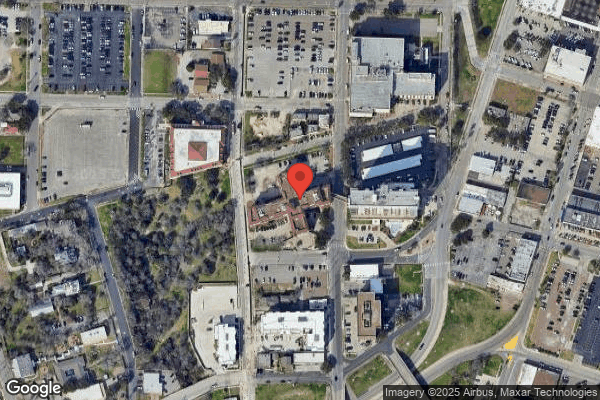
Sept 2023 1 deficiency
CONCERN (D) 📢 Someone Reported This

A family member, employee, or ombudsman was alarmed enough to file a formal complaint

Potential for Harm - no one hurt, but risky conditions existed

Infection Control (Tag F0880)

Could have caused harm · This affected 1 resident

**NOTE- TERMS IN BRACKETS HAVE BEEN EDITED TO PROTECT CONFIDENTIALITY** Based on observation, record review, and interview, the facility failed to establish and maintain an infection prevention and co...

Read full inspector narrative →
**NOTE- TERMS IN BRACKETS HAVE BEEN EDITED TO PROTECT CONFIDENTIALITY** Based on observation, record review, and interview, the facility failed to establish and maintain an infection prevention and control program, designed to provide a safe, sanitary, and comfortable environment and to help prevent the development and transmission of communicable diseases and infections, for one resident (Resident -R# 1) of five residents that were reviewed for infection control and transmission-based precautions policies and practices, in that: The facility failed to ensure LVN A performed hand hygiene and removed her contaminated gloves prior to the commencement of perineal care after she touched multiple surfaces. This failure could place residents at risk for infection through cross contamination of pathogens. The findings included: Record review of R #1's Face Sheet dated 09/23/2023, admitted on [DATE] revealed a [AGE] year-old female with the following diagnoses of: acute kidney failure, Parkinson's disease, epilepsy, congestive heart failure, and morbid (severe)obesity. Record review of R #1's MDS assessment dated [DATE] documented a BIMS score of 14 - cognitively intact. The assessment indicated R #1 required extensive dependency of staff to assist in bed mobility, transfers, toilet usage, and personal hygiene with two-person physical assist. Record review of R #1's Comprehensive Care Plan date initiated 09/08/2023 revealed, the focus that the resident had functional, bladder incontinence. Goal, the resident will decrease frequency of urinary incontinence through the next review date. Interventions, establish voiding patterns, monitor/document for s/sx UTI; pain, burning, blood-tinged urine, cloudiness, no output, deepening of urine color, increased pulse, increased temp, urinary frequency, foul smelling urine, fever, chills, altered mental status, change in behavior, change eating patterns. Provide peri-care and/or assistance after each incontinent episode. During an observation on 09/22/2023 at 3:35PM LVN A washed her hands for 24 seconds, applied gloves, retrieved a clean brief and a package of wipes, then proceeded to pull the light string to turn light on, followed by retrieving the bed remote to lower the head of bed and elevated the bed to LVN A's waist level. LVN A then removed R #1's blanket and detached R #1's brief. LVN A retrieved perineal wipes and commenced perineal cleaning, using the same initial gloves, that touched multiple surfaces. LVN A continued peri care without performing hand hygiene or glove changes. During an interview on 09/22/2023 at 3:45PM LVN A stated she should have performed hand hygiene and gloves change after touching multiple surfaces as a precautionary measure of preventing infection. LVN A stated she potentially could have introduced microorganism which could potentially have caused a UTI or worse turned into sepsis. LVN A stated she did not recall if the facility provided an in-services/education or competency checkoffs, as an LVN, regarding perineal care. During an interview on 09/22/2023 at 5:49PM, the DON stated LVN A should have removed contaminated gloves and performed hand hygiene after LVN A touched multiple surfaces. The DON stated LVN A should have removed contaminated gloves and performed hand hygiene to prevent potential contamination of microorganisms that live on surfaces. The DON stated microorganisms can cause UTIs which could lead to sepsis, and sepsis could lead to death. The DON stated perineal competencies with educational literature, are administered to the clinical staff by ADONs, upon hire, yearly, and as needed. The DON stated LVN A was given a competency check off 05/05/2023. Record review of the facility's perineal care skills competency checkoff dated 09/22/2023, revealed LVN A was administered an on-the-spot in-service on perineal care. Record review of the facility's perineal care skills competency dated 05/05/2023, revealed LVN A was given a perineal care skills competency checkoff. Record review of the facility's Handwashing/Hand hygiene policy and procedures effective date 10/2015 and last revision date 01/2021 revealed, G. CDC recommends using Alcohol based hand sanitizer with 60-95% alcohol in healthcare settings. Unless hands are visibly soiled, an alcohol-based hand rub is preferred over soap and water in most clinical situations due to evidence of better compliance compared to soap and water during routine resident care. 12. After contact with objects (e.g., medical equipment) in the immediate vicinity of the resident; 13. After removing gloves;
Understanding Severity Codes (click to expand)
Life-Threatening (Immediate Jeopardy)
J - Isolated K - Pattern L - Widespread
Actual Harm
G - Isolated H - Pattern I - Widespread
Potential for Harm
D - Isolated E - Pattern F - Widespread
No Harm (Minor)
A - Isolated B - Pattern C - Widespread

Questions to Ask on Your Visit

  • "What changes have you made since the serious inspection findings?"
  • "Can I speak with families of current residents?"
  • "What's your RN coverage like on weekends and overnight?"

Our Honest Assessment

Strengths
  • • 42% turnover. Below Texas's 48% average. Good staff retention means consistent care.
Concerns
  • • Multiple safety concerns identified: 1 life-threatening violation(s). Review inspection reports carefully.
  • • 13 deficiencies on record, including 1 critical (life-threatening) violation. These warrant careful review before choosing this facility.
  • • $16,449 in fines. Above average for Texas. Some compliance problems on record.
Bottom line: Mixed indicators with Trust Score of 61/100. Visit in person and ask pointed questions.

About This Facility

What is Brookdale Trinity Towers's CMS Rating?

CMS assigns Brookdale Trinity Towers an overall rating of 4 out of 5 stars, which is considered above average nationally. Within Texas, this rating places the facility higher than 99% of the state's 100 nursing homes. This rating reflects solid performance across the metrics CMS uses to evaluate nursing home quality.

How is Brookdale Trinity Towers Staffed?

CMS rates Brookdale Trinity Towers's staffing level at 5 out of 5 stars, which is much above average compared to other nursing homes. Staff turnover is 42%, compared to the Texas average of 46%. This relatively stable workforce can support continuity of care.

What Have Inspectors Found at Brookdale Trinity Towers?

State health inspectors documented 13 deficiencies at Brookdale Trinity Towers during 2023 to 2025. These included: 1 Immediate Jeopardy (the most serious level, indicating potential for serious harm or death) and 12 with potential for harm. Immediate Jeopardy findings are rare and represent the most serious regulatory concerns. They require immediate corrective action.

Who Owns and Operates Brookdale Trinity Towers?

Brookdale Trinity Towers is owned by a for-profit company. For-profit facilities operate as businesses with obligations to shareholders or private owners. The facility is operated by BROOKDALE SENIOR LIVING, a chain that manages multiple nursing homes. With 75 certified beds and approximately 48 residents (about 64% occupancy), it is a smaller facility located in Corpus Christi, Texas.

How Does Brookdale Trinity Towers Compare to Other Texas Nursing Homes?

Compared to the 100 nursing homes in Texas, Brookdale Trinity Towers's overall rating (4 stars) is above the state average of 2.8, staff turnover (42%) is near the state average of 46%, and health inspection rating (3 stars) is at the national benchmark.

What Should Families Ask When Visiting Brookdale Trinity Towers?

Based on this facility's data, families visiting should ask: "What changes have been made since the serious inspection findings, and how are you preventing similar issues?" "Can I visit during a mealtime to observe dining assistance and food quality?" "How do you handle medical emergencies, and what is your hospital transfer rate?" "Can I speak with family members of current residents about their experience?" These questions are particularly relevant given the facility's Immediate Jeopardy citations.

Is Brookdale Trinity Towers Safe?

Based on CMS inspection data, Brookdale Trinity Towers has documented safety concerns. Inspectors have issued 1 Immediate Jeopardy citation (the most serious violation level indicating risk of serious injury or death). The facility has a 4-star overall rating and ranks #1 of 100 nursing homes in Texas. Families considering this facility should ask detailed questions about what corrective actions have been taken since these incidents.

Do Nurses at Brookdale Trinity Towers Stick Around?

Brookdale Trinity Towers has a staff turnover rate of 42%, which is about average for Texas nursing homes (state average: 46%). Moderate turnover is common in nursing homes, but families should still ask about staff tenure and how the facility maintains care continuity when employees leave.

Was Brookdale Trinity Towers Ever Fined?

Brookdale Trinity Towers has been fined $16,449 across 1 penalty action. This is below the Texas average of $33,243. While any fine indicates a compliance issue, fines under $50,000 are relatively common and typically reflect isolated problems that were subsequently corrected. Families should ask what specific issues led to these fines and confirm they've been resolved.

Is Brookdale Trinity Towers on Any Federal Watch List?

Brookdale Trinity Towers is not on any federal watch list. The most significant is the Special Focus Facility (SFF) program, which identifies the bottom 1% of nursing homes nationally based on persistent, serious quality problems. Not being on this list means the facility has avoided the pattern of deficiencies that triggers enhanced federal oversight. This is a positive indicator, though families should still review the facility's inspection history directly.