CORPUS CHRISTI NURSING AND REHABILITATION CENTER
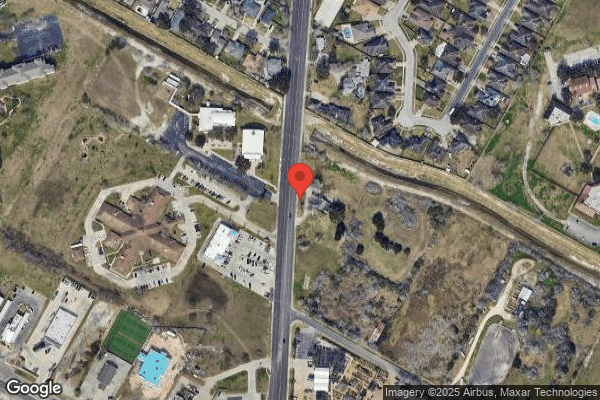

2735 AIRLINE RD, CORPUS CHRISTI, TX 78414 (361) 992-0816
Non profit - Corporation 120 Beds WELLSENTIAL HEALTH Data: November 2025 2 Immediate Jeopardy citations
Trust Grade
0/100
#952 of 1168 in TX
Last Inspection: June 2025

Inspected within the last 6 months. Data reflects current conditions.

Overview

The Corpus Christi Nursing and Rehabilitation Center has received a Trust Grade of F, indicating significant concerns about its care quality. With a state rank of #952 out of 1168 in Texas and a county rank of #12 out of 14 in Nueces County, it falls in the bottom half of nursing facilities in the area. Although the facility's trend is improving, with a reduction in issues from 14 in 2024 to 10 in 2025, it still struggles with high staffing turnover at 70%, well above the Texas average, and a poor overall star rating of 1 out of 5. Recent inspections revealed critical issues, including significant medication errors for a resident, which put them at risk of serious health complications, and failures in maintaining accurate clinical records for glucose monitoring devices, potentially jeopardizing diabetic care. While the facility has some strengths, such as a focus on quality measures, these serious weaknesses warrant careful consideration for families searching for a safe environment for their loved ones.

Trust Score
F
0/100
In Texas
#952/1168
Bottom 19%
Safety Record
High Risk
Review needed
Inspections
Getting Better
14 → 10 violations
Staff Stability
⚠ Watch
70% turnover. Above average. Higher turnover means staff may not know residents' routines.
Penalties
○ Average
$13,397 in fines. Higher than 70% of Texas facilities. Some compliance issues.
Skilled Nurses
⚠ Watch
Each resident gets only 15 minutes of Registered Nurse (RN) attention daily — below average for Texas. Fewer RN minutes means fewer trained eyes watching for problems.
Violations
⚠ Watch
31 deficiencies on record. Higher than average. Multiple issues found across inspections.
★☆☆☆☆
1.0
Overall Rating
★☆☆☆☆
1.0
Staff Levels
★★★★☆
4.0
Care Quality
★★☆☆☆
2.0
Inspection Score
Stable
2024: 14 issues
2025: 10 issues

The Good

  • 4-Star Quality Measures · Strong clinical quality outcomes
  • Full Sprinkler Coverage · Fire safety systems throughout facility
  • No fines on record

Facility shows strength in quality measures, fire safety.

The Bad

1-Star Overall Rating

Below Texas average (2.8)

Significant quality concerns identified by CMS

Staff Turnover: 70%

24pts above Texas avg (46%)

Frequent staff changes - ask about care continuity

Federal Fines: $13,397

Below median ($33,413)

Minor penalties assessed

Chain: WELLSENTIAL HEALTH

Part of a multi-facility chain

Ask about local staffing decisions and management

Staff turnover is elevated (70%)

22 points above Texas average of 48%

The Ugly 31 deficiencies on record

2 life-threatening
Jun 2025 4 deficiencies
CONCERN (D) 📢 Someone Reported This

A family member, employee, or ombudsman was alarmed enough to file a formal complaint

Potential for Harm - no one hurt, but risky conditions existed

Comprehensive Care Plan (Tag F0656)

Could have caused harm · This affected 1 resident

**NOTE- TERMS IN BRACKETS HAVE BEEN EDITED TO PROTECT CONFIDENTIALITY** Based on interview and record review, the facility failed to ensure the comprehensive care plan was developed and implemented wi...

Read full inspector narrative →
**NOTE- TERMS IN BRACKETS HAVE BEEN EDITED TO PROTECT CONFIDENTIALITY** Based on interview and record review, the facility failed to ensure the comprehensive care plan was developed and implemented within a timely manner for each resident consistent with resident rights to include measurable objectives and timeframes to meet residents medical, nursing, mental, and psychosocial needs identified in the comprehensive assessment for 1 (Resident #39) out of 5 residents reviewed for care plans. The facility failed to review or revise Resident #39's care plan after a significant change in condition when Resident #39's code status changed from full code to DNR on [DATE]. This failure could place resident at risk for receiving inadequate care and services. Findings included: Record review of Resident #39's face sheet dated [DATE] revealed a [AGE] year-old male with an original admission date of [DATE] and a current admission date of [DATE]. Diagnoses included Chronic Kidney Disease - Stage 3 (a condition in which the kidneys are damaged and cannot filter blood properly), Type 2 Diabetes (a chronic condition which occurs when the body cannot use insulin effectively, leading to high blood sugar levels), Obstructive and Reflux Uropathy Unspecified (occurs when urine flow is blocked), Benign Prostatic Hyperplasia (a condition caused by an enlarged prostate which can cause urinary problems), and Acute Kidney Failure (sudden loss of kidney function). Record review of Resident #39's care plan initiated [DATE] and revised on [DATE] revealed Resident #39 was a full code (if a person's heart stopped beating and/or if they stopped breathing, all resuscitation procedures would be provided). Interventions for this care plan included initiate CPR and call 911, as well as mark chart and all pertinent documents with full code. Record review of Resident #39's physician orders revised [DATE] revealed an order for DNR. Further review of the physician orders revised [DATE] revealed an order to admit resident to hospice. Record review of Resident #39's Quarterly MDS assessment dated [DATE] revealed a BIMS score of 12, moderately impaired cognition. Record review of Resident #39's progress note dated [DATE] revealed resident returned to facility from hospital and would be a DNR and placed on hospice. Record review of Resident #39's Out of Hospital Do Not Resuscitate Order dated [DATE] revealed resident's signature for DNR. In an interview on [DATE] at 5:47 PM with the DON she stated Resident #39's care plan should have been updated with the proper code status on [DATE] when it changed from full code to DNR. She stated the MDS nurse was the one responsible for updating the care plans when there had been a change in condition. She stated the care plan not having the proper code status could have caused confusion on what the nurses or staff should have done in a code situation. She also stated the nurses or staff could have accidently performed CPR on Resident #39 when they were not supposed to. In an interview on [DATE] at 5:53 PM with the MDS nurse she stated she was the one responsible for updating the comprehensive care plans, so it would have been her job to update Resident #39's care plan. She stated she was unsure of how it got missed, but she was still new and learning at the time. She also stated if nurses had only viewed the care plan and not known about the DNR order, they may have inadvertently performed CPR on Resident #39 when he was a DNR. Record review of the facility's Comprehensive Care Plans policy, implemented [DATE], revealed Policy Explanation and Compliance Guidelines: 3. The comprehensive care plan will describe, at a minimum, the following: a. The services that are to be furnished to attain or maintain the resident's highest practicable physical, mental, and psychosocial well-being. F. Resident specific interventions that reflect the resident's needs and preferences and align with the resident's cultural identity, as indicated.
CONCERN (D) 📢 Someone Reported This

A family member, employee, or ombudsman was alarmed enough to file a formal complaint

Potential for Harm - no one hurt, but risky conditions existed

Quality of Care (Tag F0684)

Could have caused harm · This affected 1 resident

**NOTE- TERMS IN BRACKETS HAVE BEEN EDITED TO PROTECT CONFIDENTIALITY** Based on observation, interview, and record review the facility failed to ensure that residents received treatment and care in a...

Read full inspector narrative →
**NOTE- TERMS IN BRACKETS HAVE BEEN EDITED TO PROTECT CONFIDENTIALITY** Based on observation, interview, and record review the facility failed to ensure that residents received treatment and care in accordance with professional standards of practice and the comprehensive person-centered care plan for 1 of 5 residents (Resident #1) reviewed for wound care. The facility failed to ensure the wound care nurse knew the proper technique for cleansing the venous stasis ulcer during wound care in order to prevent cross-contamination and infection. The deficient practice and failure could place residents at risk for cross contamination, infection, and improper wound healing. Findings included: Record review of Resident #1's face sheet, dated 05/05/25, revealed a [AGE] year-old-male with an original admission date of 05/02/24. Diagnoses included Peripheral Vascular Disease(a disorder of the blood vessels outside the heart which affects circulation), Hemiplegia (severe or complete unilateral loss of strength or paralysis), and Hemiparesis (weakness in one leg, arm or side of face), Type 2 Diabetes With Other Skin Ulcer (a chronic condition which occurs when the body cannot use insulin effectively), Chronic Venous Hypertension With Ulcer (characterized by increased pressure in the veins, often resulting from venous insufficiency). Record review of Resident #1's Quarterly MDS assessment dated [DATE], revealed a BIMS score of 14, intact cognition. MDS also revealed the presence of a venous and/or arterial ulcer. Record review of Resident #1's physician orders with a start date of 06/03/25 revealed an order for wound care to left medial lower leg which included to cleanse wound with wound cleanser. Record review of Resident #1's care plan initiated 05/02/24 and revised 04/25/24 revealed venous stasis ulcers of the bilateral lower legs with a goal to have no signs or symptoms of infection through review with a target date of 08/18/2025. In an observation on 06/04/25 at 11:05 AM the wound care nurse was observed cleansing Resident #1's wound with a folded gauze soaked in wound cleanser. She was observed scrubbing the center of the wound in an up and down motion, then moving to the outside of the wound with an up and down motion, and then she proceeded to go back to the center of the wound with an up and down motion. She was observed doing this process for approximately 1-2 minutes. She continued to use the same dirty, blood-soaked gauze to clean the outside and center of the wound many times. In an interview on 06/04/25 at 11:41 AM with the wound care nurse, she stated she was supposed to be using a scrubbing technique while cleansing Resident #1's wound, which was why she kept going back and forth over the wound from clean to dirty to clean. She stated she realized she should have scrubbed from inner to outer, clean to dirty, then discarded the blood-soaked gauze, and not continued to start the process over with the same blood-soaked gauze. She stated this could have caused cross-contamination of the wound, introduced bacteria, and placed the resident at risk for infection. In an interview on 06/04/25 at 11:49 AM with ADON-B, he stated when cleansing the wound the wound care nurse should have cleansed from the inner part of the wound to the outer area of the wound, which was from clean to dirty, then disposed of the dirty gauze, and started the process over with a clean gauze if the wound still needed to be cleansed. He stated going in and out of the wound over and over creates cross-contamination and could have introduced bacteria and caused an infection. Also, you would not have continued to cleanse the wound with the gauze once it became blood-soaked, dirty, and contaminated. In an interview on 06/04/25 at 4:48 PM with the DON, she stated wound care should have been performed from the inner part of the wound to the outer area of the wound, which was from the cleanest area to the dirtiest area, then disposed of the dirty, bloody gauze. She also stated going in and out of the wound could have created cross-contamination and introduced bacteria into the wound, which could have caused Resident #1 an infection. Record review of the facility's Infection Prevention and Control Program, implemented 05/13/23, revealed This facility has established and maintains infection prevention and control program designed to provide a safe, sanitary, and comfortable environment and to help prevent the development and transmission of communicable diseases and infections as per accepted national standards and guidelines.
CONCERN (D) 📢 Someone Reported This

A family member, employee, or ombudsman was alarmed enough to file a formal complaint

Potential for Harm - no one hurt, but risky conditions existed

Incontinence Care (Tag F0690)

Could have caused harm · This affected 1 resident

**NOTE- TERMS IN BRACKETS HAVE BEEN EDITED TO PROTECT CONFIDENTIALITY** Based on observation, interviews, and record reviews, the facility failed to ensure that one (Residents #17) of one resident wit...

Read full inspector narrative →
**NOTE- TERMS IN BRACKETS HAVE BEEN EDITED TO PROTECT CONFIDENTIALITY** Based on observation, interviews, and record reviews, the facility failed to ensure that one (Residents #17) of one resident with an indwelling urinary catheter reviewed received the appropriate treatment and services to prevent Urinary Tract Infection (UTI's): The facility failed to ensure Resident #17 ' s urinary drainage tubing and catheter drainage bag were kept from touching and resting on the floor. This failure could affect any resident with an indwelling urinary catheter and place them at risk of developing or increased UTI's. The findings included: Record review of Resident #17's Face Sheet dated 06/03/25 documented an 82- year-old female admitted [DATE] and re-admitted [DATE] with the diagnoses of: Urine tract infection, Acute Pyelonephritis (kidney infection an illness in one or both kidney organs), and Hydronephrosis (a condition characterized by excess fluid in a kidney due to a backup of urine). Record review of Resident #17's MDS dated [DATE] documented: -Bed mobility: Substantial/maximal assistance - Helper does More Than Half the effort. A helper lifts or holds trunk or limbs and provides less than half the effort. -Toilet use: Totally dependent on assistance -Personal hygiene: Substantial/maximal assistance -Helper does More Than Half the effort. Record review of Resident #17's care plan dated 12/16/20 revised on 05/06/25 documented a urinary catheter, indwelling. Care Plan Goal: - The resident has bladder incontinence related to inability to control bladder. Interventions: - Incontinent check several times a shift and as required for incontinence. - Wash, rinse, and dry the perineum. - Change clothing as needed after incontinence episodes. - The resident uses disposable briefs. Change prn. - Clean peri-area with each incontinence episode. Record review of Resident #17 progress notes dated 06/03/25 indicated Catheter/ Foley care provided by staff and toileting program and assistive devices such as pads and or briefs provided. During an observation of Resident #17's catheter drainage bag on 06/03/25 at 10:12 AM revealed the catheter drainage bag hung from the lower bed frame on the right side of the bed and the tubing and catheter drainage bag rested on the floor. During an observation and interview on 06/03/25 at 10:40 AM, LVN E went into Resident #17's room to observe the foley catheter bag and tubing touching the ground. She stated, it [The Foley catheter bag and tubing] should not be touching the ground. while lifting the bed a little to get the drainage bag and tubing off the floor. LVN E stated it was important that the tubing and drainage bag should not touch the floor to prevent risk of infection. LVN E stated the catheter bag should be hung below the bladder to prevent back flow to the bladder. LVN E said she received infection control in-service approximately 1 week ago. During an interview with the ADON on 06/03/25 at 10:55 AM, he stated the catheter drainage bag should be hung on the bed frame below the bladder to prevent cross contamination from touching the dirty floor and with a privacy bag over it for resident ' s dignity. The ADON stated each of these scenarios can cause an infection to the resident. The ADON said all staff were to ensure that these measures were in place every time staff conducted their daily and shift rounds. The ADON stated the last infection control in-service was 1 week ago. Record review of the facility Incontinent Care skills checklist dated 05/13/23 documented Ensure the drainage bag is maintained below the level of the bladder at all times and does not rest on bed and kept off the floor According to the DON on 06/04/20245 and 5:43 PM, she said the facility did not have a Catheter Care/Maintenance policy and procedure but followed the Incontinent Care skills checklist.
CONCERN (E)

Potential for Harm - no one hurt, but risky conditions existed

Medical Records (Tag F0842)

Could have caused harm · This affected multiple residents

Based on interviews and record review, the facility failed to maintain clinical records that were complete and accurately documented in accordance with accepted professional standards and practices fo...

Read full inspector narrative →
Based on interviews and record review, the facility failed to maintain clinical records that were complete and accurately documented in accordance with accepted professional standards and practices for 4 (100 hall glucometer, 200 hall glucometer, 300 hall glucometer, and 400 hall glucometer) of 8 glucometers (device used to measure the amount of glucose in a resident's blood) reviewed for pharmacy services. 1. The facility failed to ensure the 2 glucometers in the 200-hall nurse cart and 2 glucometers in the 400-hall nurse cart were tested for accuracy and recorded in the glucometer logbook on 06/01/25, 06/02/25 and 06/03/25. 2. The facility failed to ensure the 2 glucometers in the 100-hall nurse cart and 2 glucometers in the 300-hall nurse cart were tested for accuracy and recorded in the glucometer logbook on 06/03/25. These failures could place residents at risk of receiving either too much insulin or not enough. The findings included: Record review of the glucometer logbook on 06/04/25 at 12:47 PM revealed the test results for the 2 glucometers in the 100-hall nurse cart were not recorded on 06/03/25. The test results for the 200-hall nurse cart were not recorded on 06/01/25, 06/02/25, and 06/03/25. The test results for the 300-hall nurse cart were not recorded on 06/03/25. The test results for the 400-hall nurse cart were not recorded on 06/01/25, 06/02/25, and 06/03/25. In an interview with ADON A on 06/05/25 at 1:46 PM, ADON A stated she worked from 6:00 AM to 2:00 PM on 06/01/25. ADON A stated she checked the glucometer logbook when she arrived at the beginning of her shift and noticed none of the log had been filled out for 06/01/25. ADON A stated it was the night shift nurses' responsibility to test the glucometers and record the results in the logbook. ADON A stated she tested all 8 of the glucometers on 06/01/25, but she forgot to record all the results in the logbook. ADON A stated the glucometers were supposed to be tested for accuracy every day. ADON A stated it was important to ensure the glucometers were working appropriately for the safety of the residents. ADON A stated if a glucometer was not accurate it could lead to a resident getting too much insulin causing hypoglycemia (low blood sugar characterized by blood glucose levels dropping below 70 mg/dL). In an interview with RN C on 06/05/25 at 1:58 PM, RN C stated the glucometers were supposed to be tested daily. RN C stated the night shift nurses tested the glucometers and recorded the results in the logbook. RN C stated if the glucometer was not accurate a resident may get too little or too much insulin. In an interview with LVN D on 06/05/25 at 2:19 PM, LVN D stated she worked the night shift at the facility. LVN D stated it was the night shift nurses' responsibility to test the glucometers daily and record the results in the logbook. LVN D stated they typically had two nurses working the night shift. LVN D stated she worked at the facility from 10:00 PM on 05/31/25 to 6:00 AM on 06/01/25. LVN D stated during that shift she forgot to test the glucometers in the nurse's carts. LVN D stated the glucometers were tested daily to ensure the residents did not receive too much or too little insulin. In an interview with the DON on 06/05/25 at 2:36 PM, the DON stated it was important to ensure the glucometers were accurate so residents received the correct dose of insulin. The DON stated incorrect doses of insulin could cause hypoglycemia symptoms such as lethargy, profuse sweating, disorientation, and in severe cases even death. The DON stated she had been DON at the facility for approximately one year. The DON stated the glucometers were tested and the results recorded in the glucometer logbook every day since she had been employed at the facility. The DON stated it was the night shift nurses' responsibility to test the glucometers daily and record the results in the logbook. The DON stated she was not aware of any written facility policy that stated the glucometers were to be tested daily. The DON stated the manufacture's guidelines for the glucometers they used at the facility stated they only needed to be tested on ce per week. The DON stated she required the nursing staff tested the glucometers every day as a precaution and because of her previous nurse training and experience. This state surveyor requested a facility policy from the DON on 06/05/25 at 2:36 PM dictating how often to test the glucometers but none was provided.
Apr 2025 2 deficiencies
CONCERN (D) 📢 Someone Reported This

A family member, employee, or ombudsman was alarmed enough to file a formal complaint

Potential for Harm - no one hurt, but risky conditions existed

Deficiency F0553 (Tag F0553)

Could have caused harm · This affected 1 resident

**NOTE- TERMS IN BRACKETS HAVE BEEN EDITED TO PROTECT CONFIDENTIALITY** Based on interviews and record review, the facility failed to ensure residents and/or the residents' representatives the right t...

Read full inspector narrative →
**NOTE- TERMS IN BRACKETS HAVE BEEN EDITED TO PROTECT CONFIDENTIALITY** Based on interviews and record review, the facility failed to ensure residents and/or the residents' representatives the right to participate in the development and implementation of his or her person-centered plan of care for 1 (Resident #1) of 5 residents reviewed for care plans. The facility failed to record any documentation showing any care plan meeting involving Resident #1 or their RP occurred during her stay at the facility from her admission date on 05/29/24 through her discharge date of 12/31/24. This failure could place residents at risk for inadequate care, accidents, and injuries. The findings included: Record review of Resident #1's face sheet dated 04/10/25 revealed an [AGE] year-old female with an initial admission date of 05/29/24 and discharge date of 12/31/24. Pertinent diagnoses included unspecified dementia (loss of cognitive function that interferes with daily life in which the cause was unidentified). Record review of Resident #1's Quarterly MDS assessment dated [DATE] revealed a BIMS score of 9 (moderate cognitive impairment). Record review of Resident #1's care plan was initiated on 05/29/24 with the next review date set for 03/26/25. Resident #1's comprehensive care plan had been developed with interventions made in the care plan throughout her stay at the facility. Record review of Resident #1's care plan history revealed no documentation that any care plan meetings occurred with the resident or RP. In an interview with the RP for Resident #1 on 04/07/25 at 4:20 PM, the RP stated they only had one care plan meeting during the seven months Resident #1 was at the facility. The RP stated they did not have quarterly care plan meetings. In an interview with the DON at 11:28 AM on 04/10/25, the DON stated it was standard procedure to invite resident RP's to care plan meetings. The DON stated they would hold care plan meetings even if the RP did not show up based on the status of the resident. The DON stated the RP did show up to the first care plan meeting with Resident #1, but she could not remember the exact date. The DON stated the care plan meetings with Resident #1 should have been documented, along with notes from the meetings. The DON stated care plan meetings happened quarterly, after a change of condition, within 72 hours of a transition, and as needed. The DON stated there was no documentation of any care plan meetings with Resident #1. The DON stated the CMS nurse should have recorded the meetings. The DON stated it was important to document care plan meetings so they could reference them in the future to measure changes in a resident's behavior, progression, or regression of their conditions. In an interview with the LMSW at 12:11 PM on 04/10/25, the LMSW stated typically the CMS Nurse documented care plan meetings. The LMSW stated the CMS Nurse would document who attended the meetings and what was discussed. The LMSW stated she was present at all care plan meetings. The LMSW stated care plan meetings occurred quarterly, with a change of condition, or as needed. The LMSW stated she did not find any documentation of care plan meetings with Resident #1. The LMSW stated she only remembered taking part in onea care plan meeting with Resident #1 around September of 2024 . The LMSW stated it was important to have care plan meetings to discuss concerns with the resident and RP to ensure everybody was on the same page. In an interview with the CMS Nurse at 12:24 PM on 04/10/25, the CMS Nurse stated she could not find any documentation related to any care plan meetings with Resident #1. The CMS Nurse stated she should have documented the details of the quarterly care plan meetings for Resident #1. The CMS nurse stated she remembered participating in a care plan meeting with Resident #1 around September of 2024. The CMS Nurse stated it was important to document the details of care plans meetings so they could look back and reference them to notice any changes in the resident. Record review of the facility policy titled Care Plan Revisions Upon Status Change implemented on 10/24/22 revealed the following: b. The MDS Coordinator and the Interdisciplinary Team will discuss the resident condition and collaborate on intervention options. c. The team meeting discussion will be documented in the nursing progress notes.
CONCERN (E) 📢 Someone Reported This

A family member, employee, or ombudsman was alarmed enough to file a formal complaint

Potential for Harm - no one hurt, but risky conditions existed

Pharmacy Services (Tag F0755)

Could have caused harm · This affected multiple residents

**NOTE- TERMS IN BRACKETS HAVE BEEN EDITED TO PROTECT CONFIDENTIALITY** Based on interviews and record reviews, the facility failed to ensure the accurate acquiring, receiving, dispensing, and adminis...

Read full inspector narrative →
**NOTE- TERMS IN BRACKETS HAVE BEEN EDITED TO PROTECT CONFIDENTIALITY** Based on interviews and record reviews, the facility failed to ensure the accurate acquiring, receiving, dispensing, and administering of all drugs and biologicals to meet the needs of each resident for 9 of 12 residents (Resident #2, Resident #3, Resident #4, Resident #5, Resident #6, Resident #7, Resident #8, Resident #9, and Resident #10) reviewed for pharmacy services. 1) The facility failed to ensure ADON D disposed of one tablet of Hydrocodone-APAP 10-325 mg by properly including a witness signature on the narcotic sheet when destroyed on 02/28/25 for Resident #2. 2) The facility failed to ensure ADON D disposed of one tablet of Hydrocodone-APAP 10-325 mg by properly including a witness signature on the narcotic sheet when destroyed on 03/04/25 for Resident #3. 3) The facility failed to ensure ADON D disposed of one tablet of Hydrocodone-APAP 10-325 mg by properly including a witness signature on the narcotic sheet when destroyed on 03/04/25 for Resident #4. 4) The facility failed to ensure ADON D disposed of one tablet of Hydrocodone-APAP 10-325 mg by properly including a witness signature on the narcotic sheet when destroyed on 01/13/25 for Resident #5. 5) The facility failed to ensure ADON D disposed of one tablet of Hydrocodone-APAP 10-325 mg by properly including a witness signature on the narcotic sheet when destroyed on 02/09/25 for Resident #6. 6) The facility failed to ensure ADON D disposed of one tablet of Hydrocodone-APAP 10-325 mg by properly including a witness signature on the narcotic sheet when destroyed on 03/15/25 for Resident #7. 7) The facility failed to ensure ADON D disposed of one tablet of Hydrocodone-APAP 5-325 mg by properly including a witness signature on the narcotic sheet when destroyed on 01/13/25 for Resident #8. 8) The facility failed to ensure ADON D disposed of Tramadol 50 mg (pain medication) by properly including a witness signature on the narcotic sheet when destroyed on 01/13/25 for Resident #9. 9) The facility failed to ensure ADON D disposed of Acetaminophen-Codeine 300-30 mg (pain medication) by properly including a witness signature on the narcotic sheet when destroyed on 12/18/24 for Resident #10. These failures could place residents at risk for or lead to drug diversion. Findings included: 1. Record review of Resident #2's face sheet dated 04/10/25 revealed a [AGE] year-old male with an initial admission date of 06/01/21 and current admission date of 12/15/22. Record review of Resident #2's order summary revealed an active order for Hydrocodone-APAP 10-325 mg initiated on 12/15/22. Record review of Resident #2's narcotic sheet for Hydrocodone-APAP 10-325 mg revealed 1 tablet was destroyed without a witness present on 03/04/25. 2. Record review of Resident #3's face sheet dated 04/10/25 revealed a [AGE] year-old female with an initial admission date of 05/03/24 and current admission date of 02/01/25. Record review of Resident #3's order summary revealed an active order for Hydrocodone-APAP 10-325 mg initiated on 03/14/25. Record review of Resident #3's narcotic sheet for Hydrocodone-APAP 10-325 mg revealed 1 tablet was destroyed without a witness present on 03/04/25. 3. Record review of Resident #4's face sheet dated 04/10/25 revealed an [AGE] year-old male with an admission date of 07/03/24. Record review of Resident #4's order summary revealed a discontinued order for Hydrocodone-APAP 10-325 mg initiated on 02/20/25. Record review of Resident #4's narcotic sheet for Hydrocodone-APAP 10-325 mg revealed 1 tablet was destroyed without a witness present on 03/04/25. 4. Record review of Resident #5's face sheet dated 04/10/25 revealed a [AGE] year-old male with an initial admission date of 02/18/23 and current admission date of 10/15/24. Record review of Resident #5's order summary revealed a discontinued order for Hydrocodone-APAP 10-325 mg initiated on 01/05/25. Record review of Resident #5's narcotic sheet for Hydrocodone-APAP 10-325 mg revealed 1 tablet was destroyed without a witness present on 01/13/25. 5. Record review of Resident #6's face sheet dated 04/10/25 revealed a [AGE] year-old male with an initial admission date of 05/12/23 and current admission date of 12/06/24. Record review of Resident #6's order summary revealed an active order for Hydrocodone-APAP 10-325 mg initiated on 12/06/24. Record review of Resident #6's narcotic sheet for Hydrocodone-APAP 10-325 mg revealed 1 tablet was destroyed without a witness present on 02/09/25. 6. Record review of Resident #7's face sheet dated 04/10/25 revealed a [AGE] year-old male with an initial admission date of 11/26/19 and current admission date of 08/19/20. Record review of Resident #7's order summary revealed an active order for Hydrocodone-APAP 10-325 mg initiated on 07/03/24. Record review of Resident #7's narcotic sheet for Hydrocodone-APAP 10-325 mg revealed 1 tablet was destroyed without a witness present on 03/15/25. 7. Record review of Resident #8's face sheet dated 04/10/25 revealed a [AGE] year-old female with an admission date of 10/20/22. Record review of Resident #8's order summary revealed an active order for Hydrocodone-APAP 5-325 mg initiated on 10/20/22. Record review of Resident #8's narcotic sheet for Hydrocodone-APAP 5-325 mg revealed 1 tablet was destroyed without a witness present on 01/13/25. 8. Record review of Resident #9's face sheet dated 04/10/25 revealed a [AGE] year-old male with an admission date of 11/01/23. Record review of Resident #9's order summary revealed an active order for Tramadol 50 mg initiated on 06/06/24. Record review of Resident #9's narcotic sheet for Tramadol 50 mg revealed 1 tablet was destroyed without a witness present on 01/13/25. 9. Record review of Resident #10's face sheet dated 04/10/25 revealed a [AGE] year-old female with an initial admission date of 01/19/23 and current admission date of 09/19/24. Record review of Resident #10's order summary revealed a discontinued order for Acetaminophen-Codeine 300-30 mg initiated on 09/20/23. Record review of Resident #10's narcotic sheet for Acetaminophen-Codeine 300-30 mg revealed 1 tablet was destroyed without a witness present on 12/18/24. Record review of the provider investigation summary dated 03/24/25 revealed the following: [ADON D] admitted to disposing of the medications as per protocol but did so without a witness. He denies taking any medication for himself from the facility [ADON E] also confirmed that several times she did cosign of a disposed medication where the other ADON had signed without personally witnessing the act This incident has been reported to HHSC due to its nature and per reporting guidelines however, the facility believes the alleged incident is unconfirmed Both ADON's will be terminated for failure to follow company policy and procedures. In an interview with ADON E at 2:27 PM on 04/08/25, ADON E stated she never destroyed any narcotics without a witness present. ADON E stated in her review of the narcotic books, she saw a lot of signatures by ADON D destroying narcotics without an accompanying witness signature. ADON E stated she informed the DON about these incidents of not following proper procedure. In an interview with LVN B at 3:21 PM on 04/08/25, LVN B stated she had never seen anyone destroy a controlled medication without a witness. LVN B stated she always got a witness to sign the narcotic book if she had to destroy a narcotic to ensure there were no suspicions of drug diversion. In an interview with ADON D at 4:54 PM on 04/08/25, ADON D stated the ADONs were given an instruction by the DON to audit the narcotics on the resident halls. ADON D stated he never destroyed any controlled medications without a witness present. ADON D stated he marked the narcotics for destruction, and then came back with a witness anytime he destroyed one. In an interview with LVN C at 8:47 AM on 04/09/25, LVN C stated she always got a witness to sign the narcotic sheet anytime she had to destroy a narcotic. LVN C stated she had destroyed narcotics twice since she had been at the facility since December 2024, and both times she had a witness sign the book with her. In an interview with LVN A at 10:12 AM on 04/09/25, LVN A stated she had never seen any nurse destroy a controlled medication without a witness. LVN A stated it was important to have a witness when a nurse destroyed a narcotic because narcotics were often abused and preventing drug diversion was important. In an interview with the DON at 11:38 AM on 04/09/25, the DON stated there were several medications that ADON D destroyed without a witness to sign. The DON stated she told the ADONs sometime in November or December of 2024 to go through the medication carts and find blister packs that were damaged and destroy the potentially damaged medications. The DON stated ADON D found medications with damaged blister packs but destroyed the medications without a witness. The DON stated it was important to have a witness sign off on drug destruction to ensure nobody was diverting any controlled medications. Record review of the facility's policy titled Documentation of Controlled Substances dated 10/01/19 revealed the following: When a dose of a controlled medication is removed from the container for administration but refused by the resident or not given for any reason, it is not placed back in the container. It must be destroyed by two licensed nurses employed by the facility, and the disposal is documented in the controlled substances record on the line representing that dose. The same process applies to disposal of unused partial tablets and unused portions of single dose ampules and doses of controlled substances waster for any reason.
Mar 2025 1 deficiency
CONCERN (E) 📢 Someone Reported This

A family member, employee, or ombudsman was alarmed enough to file a formal complaint

Potential for Harm - no one hurt, but risky conditions existed

Infection Control (Tag F0880)

Could have caused harm · This affected multiple residents

**NOTE- TERMS IN BRACKETS HAVE BEEN EDITED TO PROTECT CONFIDENTIALITY** Based on observation, interview, and record review the facility failed to establish and maintain an infection prevention and con...

Read full inspector narrative →
**NOTE- TERMS IN BRACKETS HAVE BEEN EDITED TO PROTECT CONFIDENTIALITY** Based on observation, interview, and record review the facility failed to establish and maintain an infection prevention and control program designed to provide a safe, sanitary, and comfortable environment, and to help prevent the development and transmission of communicable diseases and infections for 4 of 5 residents (Residents #1, #2, #3 and #4) reviewed for infection control practices. 1. The facility failed to ensure the ICP, ADON, DON, staff nurses and CNAs knew the proper placement of PPE carts. 2. The facility failed to ensure PPE carts were posted outside of the EBP rooms of Residents #1, #2, #3 and #4. These failures could place residents at risk of cross contamination and/or infection. Findings include: 1. Record review of Resident #1's face sheet, dated 03/20/25, revealed an [AGE] year-old-female with an original admission date of 10/07/24 and a current admission date of 01/13/2025. Record review of Resident #1's admission MDS, dated [DATE], revealed a BIMS of 02, which indicated severely impaired cognition. The MDS also revealed Resident #1 had a urinary tract infection, urinary incontinence, and indwelling catheter. Record review of Resident #1's care plan, initiated 03/04/25, revealed a care plan for UTI with ESBL with interventions to maintain contact isolation and ensure to use appropriate PPE when providing care. Record review of Resident #1's physician orders, with a start date of 03/06/25, revealed an order for contact isolation for diagnosis of UTI with ESBL. During an observation on 03/19/25 at 8:36 AM of Resident #1's door and room, there was an EBP sign posted, but there was no EBP - PPE cart posted on the outside of Resident #1's room. Upon further inspection, it was noted there was an EBP - PPE cart located on the inside of the room with the middle drawer of the cart left open. 2. Record review of Resident #2's face sheet, dated 09/29/24, revealed an [AGE] year-old-male with an original admission date of 09/29/24 and a current admission date of 02/05/25. Record review of Resident #2's Quarterly MDS, dated [DATE], revealed a BIMS of 12, which indicated moderately impaired cognition. The MDS also revealed Resident #2 had an indwelling catheter. Record review of Resident #2's care plan, initiated 03/20/25, revealed a care plan for EBP due to wounds and indwelling device. Record review of Resident #2's physician orders, with a start date of 02/12/25, revealed an order to change Foley catheter as needed. It also revealed an order with a start date of 02/26/25 for EBP: use gown and gloves for high contact resident care activities for those with known to be colonized or infected with a CDC targeted MDRO as well as those with increased risk for MDR (residents with wounds or indwelling medical devices). During an observation on 03/19/25 at 8:36 AM of Resident #2's door and room revealed an EBP sign on the resident's door, but no EBP - PPE cart outside or inside Resident #2's room. 3. Record review of Resident #3's face sheet, dated 03/20/25, revealed a [AGE] year-old-male with an original admission date of 02/15/24 and a current admission date 06/15/23. Record review of Resident #3's annual MDS, dated [DATE], revealed a BIMS of 13, which indicated intact cognition. The MDS also revealed Resident #3 had a feeding tube. Record review of Resident #3's care plan, initiated 01/04/24, revealed a care plan for a feeding tube, as well as a care plan initiated on 05/02/24 for EBP due to G-tube. Record review of Resident #3's physician orders, with a start date of 11/20/24, revealed an order for enteral feeds via G-tube. It also revealed an order with a start date of 05/01/24 for EBP: use gown and gloves for high contact resident care activities for those with known to be colonized or infected with a CDC targeted MDRO as well as those with increased risk for MDR (residents with wounds or indwelling medical devices). During an observation on 03/19/25 at 8:39 AM of Resident #3's door and room revealed an EBP sign on the resident's door, but no EBP - PPE cart outside or inside Resident #3's room. 4. Record review of Resident #4's face sheet, dated 03/20/25, revealed a [AGE] year-old-male with an original admission date of 06/01/21 and a current admission date 12/15/22. Record review of Resident #4's care plan, initiated 03/20/25, revealed a care plan for EBP due to dialysis. Record review of Resident #4's physician orders, with a start date of 10/02/24, revealed an order for dialysis on Monday, Wednesday and Friday. During an observation on 03/19/25 at 8:41 AM of Resident #4's door and room revealed an EBP sign on the resident's door, but no EBP - PPE cart outside or inside Resident #4's room. In an interview with CNA-A on 3/19/25 at 1:00 PM, she stated she could tell who was on precautions because usually there was a box outside the door or inside the door and a sign on the door, but they did use the centrally located green PPE carts if there was not a PPE cart by the resident's room. She stated PPE was to keep from transferring the infection from one resident to another, and it was a lot easier to remember what PPE to put on when there was a PPE cart at the door to be able to get the supplies from. She stated she has not personally placed the PPE carts at or in residents' rooms, but she believed it was the person from central supply who put the carts out. She stated she was in-serviced on putting on the gown and gloves prior to going into the room to give care. In an interview with LVN-B on 3/19/25 at 1:15 PM, she stated you could tell by the sign on the door who was on EBP and contact precautions. There should also be a box outside the room which contained the PPE supplies which were needed for the precautions that the resident was on. She stated she did not notice there were no carts outside the rooms before today, and PPE carts should not be located inside the residents' rooms because they would be considered contaminated and create cross-contamination when the cart itself or the supplies had to come back out of the resident's room. In an interview with the ICP - ADON on 3/19/25 at 2:00 PM, he stated PPE carts should have been placed outside the room, but he was told by the facility's corporate office that with EBP you did not have to enter the room with PPE unless you were providing direct contact with the resident, so it was okay to store the PPE in a central location to the hall for all the EBP rooms. He stated with contact precautions you must put on the PPE prior to entering the room, and there was some confusion with whether to place the PPE carts inside or outside the contact isolation rooms. He stated that since the contact PPE carts were being placed inside the contact isolation rooms, they would have to be emptied, all the products inside of the cart disposed of, and the cart cleaned and sanitized before it could come out and be utilized for any other room. He stated it was mostly the CNAs and LVNs who had been placing the EBP and Contact precaution signs and PPE carts, and the staff were in-serviced and educated on the correct way to do it, but they continued to do it wrong. He also stated improper use of PPE, or not wearing any PPE, could cause cross-contamination and an increase of infections in the facility. In an interview with the DON on 3/19/25 at 4:20 PM, she stated there was a locally centralized cart that was utilized for EBP - PPE, and someone from the corporate office was the one who taught them to keep PPE in a central location. She stated they were told not to have PPE carts in the hall outside the rooms, which was why there was a centrally located cart for EBP-PPE, and that was also why the PPE carts for the contact isolation rooms were being placed inside the rooms. She stated if staff did not have access to or know the appropriate PPE to utilize, cross-contamination could occur, and infections could be passed and spread. The DON stated the ADONs and floor nurses were responsible for placing the PPE carts. Record review of CDC: Long-Term Care Facilities: Implementation of Personal Protective Equipment Use in Nursing Homes to Prevent Spread of Multidrug-Resistant Organisms, dated 04/02/24, revealed the use of gown and gloves for high-contact resident care activities was indicated, when Contact Precautions do not otherwise apply, for nursing home residents with wounds and/or indwelling medical devices regardless of MDRO colonization as well as for residents with MDRO infection or colonization. Post clear signage on the door or wall outside of the resident room indicating the type of Precautions and required PPE (e.g., gown and gloves); For Enhanced Barrier Precautions, signage should also clearly indicate the high-contact resident care activities that required the use of gown and gloves; Make PPE, including gowns and gloves, available immediately outside of the resident room. Website reviewed on 03/19/25 at 4:35 PM: https://www.cdc.gov/long-term-care-facilities/hcp/prevent-mdro/ppe.html?CDC_AAref_Val=https://www.cdc.gov/hai/containment/PPE-Nursing-Homes.html Record review of Enhanced Barrier Precautions policy dated 04/05/24 revealed 2) Initiation of Enhanced Barrier Precautions: b. an order for enhanced barrier precautions would be obtained for residents with any of the following: wounds, indwelling medical devices, infection, and/or colonization with a CDC-targeted MDRO when contact precautions do not otherwise apply. 3) Implementation of Enhanced Barrier Precautions: a. make gowns and gloves available immediately near or outside of the resident's room.
Feb 2025 3 deficiencies
CONCERN (D) 📢 Someone Reported This

A family member, employee, or ombudsman was alarmed enough to file a formal complaint

Potential for Harm - no one hurt, but risky conditions existed

Free from Abuse/Neglect (Tag F0600)

Could have caused harm · This affected 1 resident

**NOTE- TERMS IN BRACKETS HAVE BEEN EDITED TO PROTECT CONFIDENTIALITY** Based on interview and record review, the facility failed to ensure the resident had the right to be free from abuse, neglect, m...

Read full inspector narrative →
**NOTE- TERMS IN BRACKETS HAVE BEEN EDITED TO PROTECT CONFIDENTIALITY** Based on interview and record review, the facility failed to ensure the resident had the right to be free from abuse, neglect, misappropriations of resident property, and exploitation for one (Resident #1) of five residents reviewed for abuse. The facility failed to ensure that Resident #1 was free from abuse. On 04/30/24, Resident #2 intentionally pinched Resident #1 on the left arm because Resident #1 put her fingers into Resident #2's cup of ice. Resident #1 sustained bruising from the pinches. Resident #2 was transferred to another facility on 05/01/2025. This failure could place residents at risk for abuse and physical, mental, and psychosocial harm. The findings include: Record review of Resident #1's admission record reflected a [AGE] year-old female that was admitted to the facility on [DATE] with an original admission date of 11/16/20. Resident #1's pertinent diagnoses included Alzheimer's disease with late onset (progressive disease in which brain cells and connections degenerate and die resulting in confusion and loss of memory and thinking, as well as the ability to do simple tasks) and unspecified dementia (condition in which a person loses the ability to think, remember, learn, make decisions, and problem solve). Record review of Resident #1's Quarterly MDS dated [DATE] reflected a BIMS score of 0 due to the inability to complete the BIMS section and a Cognitive Skills for Daily Decision Making score of 3 which indicated that Resident #1 was severely cognitively impaired. Record review of Resident #1's care plan dated 11/17/20 to 07/24/24 reflected a focus of Resident #1 was involved in a resident to resident altercation on 04/30/24 when she was pinched by roommate (Resident #2) which resulted in a discoloration to the middle, lower part and front part of her left upper arm initiated on 05/01/24. The goal of this focus was Resident #1 would remain free from injury from a resident to resident altercation throughout the next review period initiated on 05/01/24. The interventions were head to toe assessment, notified MD, monitored discoloration for 5 days, residents were immediately separated and redirected away from each other, roommate (Resident #2) was immediately moved to another room, and roommate (Resident #2) was transferred to another facility. Those interventions were initiated on 05/01/24. Record review of Resident #1's progress notes reflected a note dated 05/01/24 at 11:54 am by ADON A that stated, This nurse was notified by CNA that resident had bruising to her upper left extremity. Upon assessment, resident has left deltoid (front) 2cm by 2cm purplish discoloration, left medial distal deltoid cluster of 2 discoloration areas 1st one 1cm by 1cm, 2nd .7cm by .7cm (circular) discolorations also noted around those areas. Resident #1's progress notes also had an entry by the SW dated 05/01/24 at 12:03 pm that stated, Followed up with Resident #1 regarding resident to resident incident. Resident #1's cognition is severely impaired. No distress noted during assessment. Record review of Resident #1's orders reflected an order dated 05/02/24 that read, Monitor discoloration to left deltoid area, with an end date of 05/07/24. Record review of Resident #2's admission record reflected a [AGE] year-old female that was admitted to the facility on [DATE] with an original admission date of 01/02/23. Resident #2's pertinent diagnoses included Bipolar disorder (a disorder associated with episodes of extreme mood swings ranging from lows of sad, indifferent, or hopeless feelings to highs of elated, energized, or irritable behavior), anxiety disorder (a disorder characterized by excessive feelings of fear, worry, or anxiety that interfere with daily activities), and depression (persistent feelings of sadness and hopelessness). Record review of Resident #2's discharge MDS dated [DATE] reflected a BIMS score of 15 which indicated that Resident #2 was cognitively intact. Record review of Resident #2's orders reflected orders dated 05/01/24 that stated psychiatric services to evaluate and treat [Resident #2], monitor [Resident #2] for physical aggression towards others every shift, and Resident #2 to transfer to [another facility] with all medications and personal belongings. Record review of the facility's provider investigation report dated 05/01/24 reflected the following: Investigation: On 05/01/24 at approximately 10:00 am, as the CNA was tending to [Resident #2], getting her ready for dialysis, [Resident #2] stated, [Resident #1] pisses me off. The CNA then asked why and [Resident #2] proceeded to tell the CNA, Yesterday (04/30/24) [Resident #1] grabbed my up of ice and put her fingers in it. The CNA asked, during what shift? [Resident #2] responded, 2-10. [Resident #2] then stated, But it's ok, I got her good. I pinched her several times on her arm [referring to Resident #1], showing the CNA exactly where she pinched [Resident #1]. [Resident #1] unable to recall what happened. [Resident #2] initially out to dialysis. Resident [#2] returned from dialysis and states, It upset me that she was touching and putting her hands on my stuff, I just wasn't thinking, and I pinched her, but I don't think I did it that hard. Record review of Resident #2's progress notes reflected an entry by the SW on 05/01/24 at 4:30 pm that stated, Resident [#2] returned from dialysis. Discussion was had with resident regarding incident with roommate [Resident #1]. SW, DON, and administrator present during conversation with resident [#2]. Resident [#2] asked for male resident, fiancé, to be present during conversation. Resident [#2] appears to be upset during conversation but stated she pinched roommate [Resident #1] due to roommate putting her hands in her [Resident #2's] ice. Resident [#2] also stated she did not think she pinched her that hard. Resident [#2] aware mistake was made and was apologetic. Resident [#2] stated she is okay with going to another facility and understands. Concerns about fiancé transferring with her. At this time, male resident stated he is wanting a transfer to same facility. The SW also had 2 other entries dated 05/01/24 at around the same time that stated, Resident will be a 1:1 until discharged , and, DON, employee with MHID, ombudsman, and MD notified of the situation. The progress notes also reflected an entry dated 05/01/24 at 7:27 pm that stated, Resident [#2] d/c to another facility. Record review of the facility's grievance log reflected no grievances regarding this incident noted. Record review of the facility's incident and accident log from 03/2024-10/2024 reflected only the one incident on 05/01/24 that involved either Resident #1 or Resident #2. In an interview on 02/26/25 at 2:03 pm, LVN C stated Resident #2 was a younger lady and was alert and oriented and Resident #1 had dementia. LVN C stated she did not recall the specific incident between Resident #1 and Resident #2, and she had never noticed Resident #2 being physically aggressive with anyone; however, she had been verbally aggressive sometimes. LVN C stated they were in-serviced on ANE at least monthly and every time there was an incident. In an interview on 02/27/25 at 10:10 am, LVN E stated she did not remember the incident, but did remember the residents. LVN E stated Resident #2 was friendly and outgoing but did not like her stuff messed with. LVN E stated she never saw Resident #2 get violent, physical or mean. LVN E stated Resident #1 never really talked, and kept to herself because she did not comprehend things said to her and was totally dependent on staff. LVN E states she never saw Resident #1 put her hands in anything or grab things. LVN E stated she was not aware of any other resident to resident altercations with Resident #2 because Resident #2 was good about telling staff when she was upset. LVN E stated if she had ever witnessed abuse, she would have removed the resident from the situation and reported to the administrator. LVN E stated abuse/neglect in-services were at least every month and the last one was a couple of weeks ago. In an interview on 02/27/25 at 10:25 am, ADON B stated he was not directly involved in the incident between Resident #1 and Resident #2 but did remember the incident. ADON B stated he remembered they were monitoring for edema and discoloration on Resident #1's arm. ADON B stated he was not aware of any physical altercations with any other residents, but she was possessive with her food and items. ADON B stated Resident #2 definitely had no problem telling on residents to keep them out of her stuff or complaining about things that happened. ADON B stated he never observed Resident #1 stick hands or fingers into other residents' food or cups, but Resident #1 liked ice and would at times try to get into the ice bucket. ADON B stated Resident #1's dementia was so progressed that she did not know right from wrong or what she was doing. ADON B stated Resident #2 was moved to a different room on 05/01/24 when she returned from dialysis, then transferred to another facility later that evening. In an interview on 02/27/25 at 11:05 am, CNA H stated he had worked here for a year. CNA H stated he did not remember the incident between Resident #1 and Resident #2, but he did remember Resident #2 was very nice and friendly; he never saw her get confrontational with other residents. CNA H stated Resident #2 was alert and her cognition was intact. CNA H stated Resident #1 was nice but had her bad days and could not answer questions because of her dementia; he never saw her have any altercations with any other residents. CNA H stated Resident #1 would grab at food or drinks but did not really know what she was doing and only tried to pick up an item if it was placed within her reach. CNA H stated if he had witnessed the abuse, he would have reported it to the administrator. CNA H stated they were in-serviced at least monthly regarding abuse. Record review of the facility's investigation of this incident reflected the staff had an in-service on 05/01/24 on all forms of abuse and neglect as well as timely reporting of abuse to the administrator, DON and immediate supervisor. Record review of the facility's Abuse, Neglect, and Exploitation policy dated 08/15/22 reflected: Policy: It is the policy of this facility to provide protections for the health, welfare, and rights of each resident by developing and implementing written policies and procedures that prohibit and prevent abuse, neglect exploitation, and misappropriation of resident property. Abuse means the willful infliction of injury, unreasonable confinement, intimidation, or punishment with resulting physical harm, pain, or mental anguish, which can include staff to resident and certain resident to resident altercations. Willful means the individual must have acted deliberately, not that the individual must have intended to inflict harm or injury. Policy Explanation and Compliance Guidelines: 1. The facility will develop and implement written policies and procedures that: a. Prohibit and prevent abuse, neglect, and exploitation of residents and misappropriation of resident property; b. Establish policies and procedures to investigate any such allegations; c. Include training for new and existing staff on activities that constitute abuse, neglect, exploitation, and misappropriate of resident property, reporting procedures, and dementia management and resident abuse prevention; and d. Establish coordination with the QAPI program. The components of the facility abuse prohibition plan are discussed herein: I. Screening: B. Prospective residents will be screened to determine whether the facility has the capability and capacity to provide the necessary care and services for each resident admitted to the facility. III. Prevention of Abuse, Neglect, and Exploitation: D. The identification, ongoing assessment, care planning for appropriate interventions, and monitoring of residents with needs and behaviors which might lead to conflict or neglect. VI. Protection of Resident: The facility will make efforts to ensure all residents are protected from physical and psychosocial harm, as well as additional abuse, during and after the investigation. Examples include but are not limited to: A. Responding immediately to protect the alleged victim and integrity of the investigation; B. Examining the alleged victim for any sign of injury, including a physical examination or psychosocial assessment if needed; C. Increased supervision of the alleged victim and residents; D. Room or staffing changes, if necessary, to protect the resident(s) from the alleged perpetrator; F. Providing emotional support and counseling to the resident during and after the investigation, as needed; G. Revision of the resident's care plan if the resident's medical, nursing, physical, mental, or psychosocial needs or preferences change as the result of an incident of abuse.
CONCERN (D) 📢 Someone Reported This

A family member, employee, or ombudsman was alarmed enough to file a formal complaint

Potential for Harm - no one hurt, but risky conditions existed

Deficiency F0726 (Tag F0726)

Could have caused harm · This affected 1 resident

Based on observation, interview, and record review, the facility failed to ensure that licensed nursing staff were able to demonstrate the specific competencies and skill sets necessary to care for re...

Read full inspector narrative →
Based on observation, interview, and record review, the facility failed to ensure that licensed nursing staff were able to demonstrate the specific competencies and skill sets necessary to care for resident's needs. The facility failed to ensure LVN-D and LVN-E both were competent in counting their narcotics correctly, as well as competent in keeping control of the narcotic keys appropriately. On 02/26/25 prior to shift change, LVN-D failed to count her narcotics off with LVN-E prior to leaving at the end of her shift, as well as LVN-E failed to secure the narcotic key on her body or person, but left it sitting in a cabinet at the nurses station. This failure had the potential to place residents, visitors, and staff at unnecessary risks of a medication error or drug diversion, to include both the risk of missing or stolen narcotic medications, as well as the risk of missing or stolen narcotic keys. Findings included: Record review of in-service dated 10/29/24 revealed staff were in-serviced over knowing job duties, report must be given, and narcotic log must be done at every shift. Record review of in-service dated 01/15/25 revealed staff were in-serviced over policies regarding locking med-carts. Record review of controlled count sheets for February and March 2025 revealed multiple narcotics being counted on a single sheet instead of their own separate sheets, as well as multiple narcotics being marked out, subtracted, and/or re-added to the count. Observation on 02/26/25 at 3:00 PM revealed the DON, ADON-A, and ADON-B checking all the narcotic compartments of the medication carts to verify they were all locked and secured. Observation on 02/26/25 at 3:00 PM revealed the DON, ADON-A and ADON-B checking all the narcotic count sheets to verify all counts were correct. In an interview with LVN-D on 02/26/25 at 2:20 PM, she stated that she counted her medications and narcotics with herself, and left the keys with LVN-E, who held onto them until whichever nurse was going to take over that cart, then that on-coming nurse would have counted to verify that the narcotic count was correct. She stated that she was supposed to count with an oncoming nurse or whoever was taking over the med-cart and narcotic keys prior to leaving, but sometimes when there was no nurse available to count with, the nurses would just count with themselves. She also stated that if narcotic keys were left in a desk or unattended, they could get stolen, and a resident or staff could steal narcotics, which could harm them if they took them. In an interview with ADON-B on 02/26/25 at 2:50 PM, he stated that the nurses should never be counting by themselves. They should always count with another nurse and sign off that the count was correct prior to handing off the keys or the cart, and the keys should always be on the person of the nurse who was in control of or over that med-cart. He stated that if they were not counting with the oncoming nurse, or the nurse taking over the narcotic keys and cart, the count could be incorrect, and someone would be held liable for missing narcotics. He also stated that if the keys were left in or on a desk, or in a cabinet, they could be stolen, and residents or staff could get a hold of narcotics that do not belong to them, and this could cause them harm. He initially stated he was unsure of who held the keys between off-going nurse LVN-D and on-coming nurse LVN-L, but he thought it may had been LVN-E who held onto the keys until LVN-L came onto shift. He then stated no one had control of the keys as they were left inside a binder at the nurse's station by LVN-D, and LVN-D verbally told LVN-E she was leaving them there for the on-coming nurse. ADON-B also stated he understood why it could be confusing to determine correct counts and information on the controlled count sheets when multiple counts were being done on a single sheet, and many things were being deducted then re-added. In an interview with ADON-A on 2/26/25 at 3:30 PM, she stated the oncoming should get report and count off medications with the off-going nurse, then the on-coming nurse accepts responsibility for the medication cart and narcotic keys. She stated that the nurses had been in-serviced multiple times on getting report and counting their medications. She stated that LVN-D should have counted off with LVN-L, and LVN-L then counted with myself (ADON-A) since the nurses were leaving early and/or working a split shift; then I (ADON-A) counted with LVN-C. The off-going nurses were supposed to count together at the end of a shift with the on-coming nurses, or if the cart and keys had to switch hands with another nurse during a shift, like a split shift. If the count was wrong, the oncoming nurse should not accept the count or cart because this can create a medication error or drug diversion. She also stated that if the keys were left unattended, they could be taken or stolen by a resident or other staff member who would then have had access to narcotic medications that could have caused them harm. In an interview with the DON on 02/26/25 at 3:45 PM, she stated nurses should never count by themselves, and they should always count with another nurse, as well as sign off that the count was correct prior to handing off the keys or the cart, and the keys should always be kept on the nurse who was in control of or over that medication cart. She stated that if they were not counting with the oncoming nurse, or the nurse taking over the narcotic keys and cart, the count could be incorrect, and keys or narcotics could go missing. She also stated that keys should never be left in a desk or cabinet, and if the keys were left in or on a desk, or in a cabinet, they could be stolen, and residents or staff could get a hold of narcotics that do not belong to them, and this could cause them harm. She was unsure of who held the keys between off-going nurse LVN-D and on-coming nurse LVN-L. She stated she thinks it was LVN-E who held onto the keys until LVN-L came onto shift, but she was not sure. The DON also stated she understood why it could be confusing to determine correct counts and information on the controlled count sheets when multiple counts were being done on a single sheet, and many things were being deducted then re-added. In an interview with LVN-E on 2/27/25 at 9:00 AM, she stated she has worked here 7 years and knew the nurses should be counting their narcotics together prior to the on-coming nurse taking control of a medication cart or narcotic keys. She stated the nurses keep the med-cart and narcotics locked for the safety of the residents and staff because if left unlocked a resident or staff could take something that was not ordered for them, and it could harm them. She also stated LVN-D left yesterday morning without counting meds with the oncoming nurse and left the keys with her (LVN-E) to give to the oncoming nurse, but the keys were left in a cabinet at the nurse's station for the next nurse to take over. She stated that if keys were left unattended someone could find them, get into the med-cart and steal medications, including narcotics. Record review of the Medication Administration Policy dated 10/01/19, under the subsection: General Guidelines: Medication Carts and Supplies for Administering Meds, revealed only a licensed nurse or certified medical aide may carry keys to the medication cart, and keys to the controlled drug section were assigned to the nurse dispensing controlled substances. Record review of the Medication Administration Policy dated 10/01/19, under subsection: General Guidelines: Documentation of Controlled Substances, revealed medications included in the Drug Enforcement Administration classification as controlled substances were subject to special handling, storage, disposal, and recordkeeping in the facility, in accordance with federal and state laws and regulation. Controlled substance keys were kept on a separate key ring and were always in the possession of the licensed nurse or certified medical aide who has been designated responsible for medication administration and signed for those controlled substances in the control substances record at the change of shift.
CONCERN (D) 📢 Someone Reported This

A family member, employee, or ombudsman was alarmed enough to file a formal complaint

Potential for Harm - no one hurt, but risky conditions existed

Deficiency F0761 (Tag F0761)

Could have caused harm · This affected 1 resident

Based on observation, interview, and record review the facility failed to ensure that drugs and biologicals used in the facility were secured and stored in accordance with current accepted professiona...

Read full inspector narrative →
Based on observation, interview, and record review the facility failed to ensure that drugs and biologicals used in the facility were secured and stored in accordance with current accepted professional principles for 2 of 4 medication carts observed for medication storage in that: The facility failed to ensure the 400 hall medication cart and the 100 hall medication cart were locked and/or secured. This failure could place the residents at risk of gaining access to unlocked medications that were not prescribed to them. Findings included: Record review of in-service dated 10/29/24 revealed staff were in-serviced over knowing job duties, report must be given, and narcotic log must be done at every shift. Record review of in-service dated 01/15/25 revealed staff were in-serviced over policies regarding locking med-carts. Observation on 02/26/25 at 8:05 AM revealed an unlocked med-cart parked at the nurse's station with no nurses or other staff around it. There were residents noted to be walking and passing by, as well as a nurse at another med-cart parked at the other side of the nurse's station. The med-cart lock was popped out, and all drawers were able to be opened. Most of the med-cart drawers were stocked full of medications. Observation on 2/26/25 at 9:08 AM revealed an unlocked med-cart parked in the 400 hall with no nurses or other staff around it. There were residents noted to be walking and passing by, as well as a nurse at another med-cart just down the hall. The cart lock was popped out, and all drawers were able to be opened. The med-cart was pushed to the DONs office, and the drawers were opened to show to both the DON and ADON of it being unlocked, and anyone having access to take anything. Most of the med-cart drawers were stocked full of medications. In an interview on 02/26/25 at 8:07 AM with Med-Aide-K, he stated it was his med-cart from the 100 Hall, and he saw that it was unlocked, but he did not leave it unlocked because he had just gotten there, and it was already unlocked when he came on shift this morning. He stated it must have been left unlocked by night shift, but he did not know specifically who. He stated it was usually locked when he comes on shift in the mornings, and it should always be locked when not in use because if left unlocked anyone could get into it and get medications out that did not belong to them, and this could cause harm. In an interview on 02/26/25 at 9:10 AM with ADON-A, she stated the 400 hall med-cart belonged to the Med-Aide who had not even arrived yet, so it must have been left unlocked by the night shift nurse. She stated they had not had an issue with unlocked med-carts previously, and if the carts were left unlocked a resident or anyone else could get into the cart and take the medication from it. This could cause harm or even be fatal. In an interview on 02/26/25 at 9:12 AM with the DON, she stated the second unlocked med-cart from the 400 Hall belonged to a med-aide that was not here yet, and she was unsure why it was left unlocked, but it may have been left unlocked by night shift. She stated that if a cart was left unlocked a resident or anyone else could get into it and take any of the medication, and if a resident ingested a medication that was not theirs, it could make them sick or cause harm. In an interview on 02/26/25 at 2:20 PM with LVN-C, she stated she never saw med-carts unlocked, and med-carts should never be left unlocked. If a med-cart was left unlocked a resident could get a hold of something or ingest medications that could harm them, or anyone could steal medications or something out of the med-cart. She stated that the nurses were in-serviced at least monthly regarding the med-carts, so they should have known better than to leave them unlocked. In an interview on 02/26/25 at 2:35 PM with LVN-D, she stated med-carts were supposed to be locked or other staff or residents could get into them, and things like death, sickness, or theft could happen. She stated the nurses were in-serviced at least monthly regarding med-carts. In an interview on 02/27/25 at 9:00 AM with LVN-E, she stated she had never seen a med-cart left unlocked, but if she did, she would immediately lock it because they were supposed to be kept locked when not in use. She stated the carts were kept locked for the safety of the residents and staff because if left unlocked someone could take something that was not ordered for them, and it could harm them. Record review of the Medication Administration Policy dated 10/01/19, under the subsection: General Guidelines, and Subject: Medication Carts and Supplies for Administering Meds, revealed the medication cart is locked at all times when not in use, and do not leave the medication cart unlocked or unattended in the resident care areas.
Jun 2024 1 deficiency
CONCERN (D) 📢 Someone Reported This

A family member, employee, or ombudsman was alarmed enough to file a formal complaint

Potential for Harm - no one hurt, but risky conditions existed

Deficiency F0761 (Tag F0761)

Could have caused harm · This affected 1 resident

Based on observation, interview and record review the facility failed to ensure that drugs and biologicals were stored in locked compartments for 2 of 8 medication carts observed for compliance. Two ...

Read full inspector narrative →
Based on observation, interview and record review the facility failed to ensure that drugs and biologicals were stored in locked compartments for 2 of 8 medication carts observed for compliance. Two medication carts in the 100 hall were left unlocked and unattended by CMA B. This failure could place residents at risk of access and ingestion of non-narcotic medications. This failure had the potential to affect all 29 residents in the 100 hall. Findings were: Observation on 6/4/2024, at 10:48 a.m., two medication carts were unlocked on hall 100 without a supervised staff in view of both carts. The carts were unlocked for 4 minutes until CMA B exited a room and returned to one (later stated both carts were his carts) of the carts. During an interview on 6/4/2024 at 10:52 a.m., CMA B verbalized both carts that were unlocked were his carts. He verbalized he thought he locked them before entering a room to take a blood pressure on a resident. CMA B stated he was assigned to two medication carts due to a staff member calling in for the shift. CMA B states it is proper process to lock the carts when the cart is not in view or when not being utilized but due to the demand of the residents at the time, he did not lock them properly. He also states a resident could have accessed the medications in the drawers that were accessible (all non-narcotics). During an interview on 6/4/2024 at 2:09 p.m., the Director of Nursing (DON) stated it is the expectation of the facility for all staff passing medications to follow the policy and lock the medication carts. The DON stated the call-in staff member was supposed to be covered by LVN H not CMA B. The expectation of the On-call staff is for them to cover the entire job responsibilities of the staff member that called in and not to assign any job responsibilities to other staff member(s). All carts are to be within the line of sight of the staff member utilizing the cart or locked this prevents residents from obtaining access to improper medication. During an interview on 6/4/2024 at 2:46 p.m., LVN H confirmed she is the On-call staff person. LVN H stated CMA B is more familiar with the medication cart on the 100 hall and she was already behind in passing the medication on the other hall (hall 400) she was assigned due to the call in of a staff member. LVN H stated she allowed CMA B to fill in the job responsibilities of passing the medications on hall 100 so all medications would be on time and there would be no complaints from the residents. During an interview on 6/5/2024 at 1:30 p.m., the Administrator stated LVN H has been suspended as she was the On-call staff person, and she did not cover the call-in staff member's duties as assigned which led to another staff person being overloaded and leaving medication carts unlocked. It is the policy of the facility to keep all medication carts locked. The Administrator also stated one medication cart was not locking properly and it has been fixed at this time. A review of the medication cart policy dated 10/01/2019 reveals Do not leave the medication cart unlocked or unattended in the resident care areas and The cart must remain in your line of sight when it is not locked.
Apr 2024 8 deficiencies
CONCERN (D)

Potential for Harm - no one hurt, but risky conditions existed

Deficiency F0557 (Tag F0557)

Could have caused harm · This affected 1 resident

**NOTE- TERMS IN BRACKETS HAVE BEEN EDITED TO PROTECT CONFIDENTIALITY** Based on observation, interview and record review the facility failed to treat residents with respect and dignity for 2 of 6 (Re...

Read full inspector narrative →
**NOTE- TERMS IN BRACKETS HAVE BEEN EDITED TO PROTECT CONFIDENTIALITY** Based on observation, interview and record review the facility failed to treat residents with respect and dignity for 2 of 6 (Resident #35, and Resident #35)) residents reviewed for resident rights in that: The facility failed to ensure Resident #14, and Resident #35 were treated with dignity in that: Resident #14 and Resident #35's room had a strong odor of urine. Resident #35's floor mat was saturated in urine Resident #35's mattress was saturated in urine, had discoloration, and was stained. Resident #14 and Resident #35's floor was sticky This failure could place residents at risk of feeling uncomfortable, a diminished quality of life, and decline in self-worth. The findings included: 1. Record review of Resident #35's face sheet dated 04/10/2024 with an admission date of 01/04/2023 and an original admission date of 04/05/2022 reflected he was an [AGE] year-old male with diagnoses of dementia, repeated falls, cognitive communication deficit (difficulty with thinking and how someone uses language), hypertension, kidney failure, and cerebral infarction (disrupted blood flow to the brain). Record review of Resident #35's quarterly MDS assessment dated [DATE] reflected a BIMS score of 05, which indicted he had a severe cognitive impairment. Resident #35 was coded as being urinary continent. Record review of Resident #35's quarterly comprehensive care plan reflected Resident #35 was: Focus: At risk of skin integrity related to decreased skin elasticity, diabetes with/or potential for fluctuating blood sugar levels, impaired circulation or sensation. Interventions/Tasks: provide timely incontinent care; provider and/or encourage good skin care (keeping skin clean, conditioned, and reducing excess moisture). Date initiated 01/06/2023. Focus: [Resident #35] requires assistance for meeting emotional, intellectual, physical, and social needs r/t Cognitive deficits, Physical Limitations (date initiated 01/06/2023). Interventions/Tasks: All staff to converse with resident while providing care. Focus: [Resident #35] has a communication problem r/t aphasia (language disorder that affects a person's ability to communicate) date initiated 01/04/2023. Interventions/Tasks: anticipate and meet needs. Focus: Resident #35 has a Urinary Tract Infection r/t to 03/28/24 Resident #35 has a UTI r/t Staphylococcus Scuiri. Interventions/Taks: check at least every 2 hours for incontinence, wash, rinse and dry soiled areas. Date revised: 03/29/2024. Focus: [Resident #35] has bladder occasional incontinence r/t to physical and cognitive limitations. [Resident #35] uses urinal, but will urinate on floor, in wheelchair, or trash can at times. Date initiated 01/04/2023. Interventions/Tasks: Incontinent: check q shift and as required for incontinence. Wash, rinse, and dry perineum. Change clothing PRN after incontinence episodes. Date initiated: 01/04/2023 Record review of Resident #35's Crown Rounds Checklist reflected that on 04/01/2024, his ambassador had indicated a strong odor in his room. On 04/02/2024 there was odor in room and bathroom. In an interview on 04/11/2024 at 4:30 p.m., the Administrator said he did not have Crown Rounds Checklist for the months of January 2024, February 2024, or March 2024 because he was not able to retrieve them from the program they use. 2. Record review of Resident #14's face sheet dated 04/12/2024 with an admission date of 12/28/2018 and an original admission date of 12/20/2018 reflected he was a [AGE] year-old male with diagnoses of dementia, parkinsonism, dysphagia (difficulty speaking or using words properly, and acute cough. Record review of [Resident #14's] quarterly MDS assessment dated [DATE] reflected a BIMS score of 00 which indicated he had a severe cognitive impairment. Record review of [Resident #14's] quarterly care plan dated 01/26/2024 reflected a focus of [Resident #14] has a communication problem r/t CVA with dysphasia. Interventions/Tasks: Communication: ask yes/no questions if appropriate, use simple, brief, consistent wors/cues, use alternative communication tools as needed. Date initiated: 01/04/2019. An observation on 04/09/2024 at 2:00 pm revealed Resident #35 was observed asleep on his bed, his bed was set to the lowest position and his call light was within reach. There was a urinal full of urine under his bed and an empty one next to his bed. There was a strong smell of urine. There was a laundry hamper with no lid that had holes on the sides (by design) full of clothes. The floor in the room was sticky. An observation on 04/09/2024 at 2:08 p.m., revealed Resident # 14 was asleep on his bed, his bed was set to the lowest position and his call light was within reach. An observation on 04/10/2024 at 8:35 a.m., revealed there was a foul odor in the room. Resident #14 was eating his breakfast in bed and Resident #35 was lying in bed awake. CNA B, and HK A were observed standing on Resident #35's side of the room. The floor in the room was sticky. In an interview on 04/10/2024 at 8:37 a.m., CNA B said the foul odor in the room was urine and it was coming from Resident #35's area. She said Resident #35 had a behavior problem of urinating on the floor, on his bed, on Resident #14's side of the room (floor), and on the trash can. CNA B said Resident #35 would also pour the urine from his urinal on his laundry hamper. As surveyor approached Resident #35's floor mat, CNA B advised surveyor not to step on the floor mat because it was saturated in urine. Surveyor asked CNA B about the condition of Resident B's mattress, her response was it's not good. CNA B said Resident #35 had been having issues with urinating in different areas of the room causing the room to have a foul smell since February 2024. CNA B said Resident B's family members were supposed to be picking up his laundry (per their request) but had not done in 2-3 weeks. CNA B said the clothes in the laundry hamper were soaked in urine. CNA B said when she delivered the breakfast tray to Resident #35, she almost slipped on the floor mat because it was saturated in urine. She said wiped the mat down with a white towel and after she was done, the towel was yellow. CNA B said the mat was saturated in urine. CNA B said earlier that day, the Administrator had ordered the housekeeping manager to deep clean Resident #35's and Resident #14's room because there was a strong smell of urine. She said the reason they were all gathered in their room was because they were waiting for Resident #14 to finish his breakfast to start the deep cleaning. In an interview on 04/10/2024 at 9:00 a.m., the Administrator was called to Resident #35's and Resident #14's room by surveyor. As soon as he approached their room, he said I already ordered a deep clean for this room. The Administrator said he had ordered a deep clean of their room because of the smell (did not say what it smelled like). He said, today was the first day I noticed a foul odor. He said when he walked in that morning the odor was noticeable, so he had asked housekeeping to go in and do a deep clean. He said he also had a nurse call Resident 35's family members to bring a hamper with a lid. The administrator said he was going to order for Resident #35's clothes be laundered as soon as possible The Administrator said also ordered a new floor mat for Resident #35 and if necessary he would also order a new mattress. The Administrator said he had never asked Resident #35 or Resident #14 if the foul smell bothered them. In an interview on 04/10/2024 at 9:30 a.m., the DON said Resident #35 was confused and had started having behavior issues 3 months ago. She said Resident #35 would urinate on the floor, on himself, on the trash can and also poured his urine from the urinal he has on the side of the bed on the trash can and the laundry hamper. The DON said the interventions put in place were to re-educate Resident #35 to stop that behavior. She said she lost her ability to smell back in November 2023 when she got Covid, so she was not able to tell if there was a foul odor in their room. She said she had been told by different staff members there was a foul odor in Resident #35's and Resident #14's room but she was not sure when she was first told. The DON said each time staff would complain of the smell in their room, she would order a deep cleaning. The DON said she was not aware of the condition of Resident #35's mattress or floor mat. The DON said Resident #14 was not able to talk and was not sure how he felt about the foul odor in his room. The DON said she had never asked Resident #35 or Resident #14 if the foul smell bothered them. In an interview on 04/10/2024 at 9:36 a.m., the BOM said the facility had what they called the ambassador program and what that entailed was all department heads were assigned several rooms that they needed to visit daily. She said she was in charge of visiting Resident #35's and Resident #14's daily. The BOM said she had last been in their room on 04/09/2024 between 8:45 and 9:00 am and had not noticed a foul smell in the room. She said her responsibilities as an ambassador were to make sure the rooms were clean, to ensure all tubing were dated and changed weekly. The BOM said she would also ask Resident #35 and resident #14 if they are in pain, and if they had any issues. The BOM said Resident #35 had not voiced any concerns and Resident #14 was not able to talk. The BOM said she had never asked Resident #35 or Resident #14 if the foul smell bothered them. In an observation/interview on 04/10/2024 at 9:45 a.m. HK A picked up Resident #35's floor mat and a clear liquid began to seep out. The Administrator was also present, and he immediately ordered a new floor mat for Resident #35 and instructed for the mat to be disposed. When Resident #35 was transferred to his wheelchair and taken to the shower room, surveyor asked HK A to remove the linen from Resident #35's bed to see the condition of the mattress. The HK A said the linen was soaked in urine. The mattress had discoloration in the mid-section and the wording on the mattress had faded. The mid-section of the mattress had visible signs of a clear liquid. The HK A said that clear liquid was urine. When HK A lifted the mattress to reveal the bottom side of the mattress a clear liquid started seeping down the mattress. The HK A said the liquid seeping down was urine. The bottom of the mattress had some discoloration which HK A identified as urine stains. In an interview on 04/10/2024 at 10:00 a.m., HK A said she was ordered by her supervisor to do a deep cleaning in Resident #35's and Resident #14's room because it smelled like urine. She said the last time she had deep cleaned their room was back in March (not sure of the exact date) 2024 because it smelled like urine. HK A said during the March 2024 deep cleaning, she noticed there was urine in the trash can that was next to Resident 35's bed. She said Resident B would pour the urine from his urinal in the trash can. She said she had to wash the trash can with bleach regularly because the smell was penetrated. HK A said she would clean their room daily, but it continued to smell like urine. She said there were times in which she noticed the floor mat was saturated in urine, she said she would have to scrub the floor mat with a with a wet towel, then mop it with water and bleach. HK A said she notified her supervisor several times of the strong smell of urine, the condition of the floor mat and the laundry hamper with clothes soaked in urine in Resident #35's and Resident #14's room. The HK A said she did not recall her supervisor's response. The HK A said the odor of urine in Resident #35's and Resident #14's room had been going on for at least 2-3 months. In an interview on 04/10/2024 at 12:50 p.m., NP A said she would see Resident #35 once a month and the last time she saw him was on 04/08/2024. She said the times she had visited him, there was no foul odor in the room. NP A said, Resident #35 had a diagnoses of dementia and there would times in which he did not make it to the urinal. She said Resident #35 did not have any skin breakdown, no discoloration, and no skin infection as of 04/08/2024. NP A said the negative outcome for Resident #35 laying on mattress saturated in urine would be skin breakdown, discoloration of the skin, infection and the smell would be obnoxious. In an interview on 04/10/2024 at 1:00 p.m., NP B said the last time she saw Resident #35 was on 03/10/2024 and she did not notice any foul odor in his room. NP B said she would see Resident #35 every 60 day or as needed. NP A said Resident #35 was incontinent (bladder) and at times he would pee on the floor. She said he could also be combative and said his overall health was declining. NP B said she had been told by the nursing staff; Resident #35 had a history of behavior issues. NP B said Resident #35 was on Lasix, Flomax and in March he had been treated for a UTI (not on contact precaution). NP B said Resident did not have any skin breakdown, no redness, and no pressure ulcers. NP B said there were no negative outcome for Resident #35 due to the four odor in the room, having a floor mat and bed mattress saturated in urine. In an interview on 04/11/2024 at 12:55, ADON A said if Resident #35 got mad at someone, he dumped his urine in the trash can, the floor, or on his wheelchair. She said his behavior had been care planned and the interventions were to assist resident with emotions, opportunities to stop and talk to him, re-educate resident to ask for assistance. ADON A said Resident #35 had a history of UTI's and was on antibiotics from 03/28/24 and 04/04/24. She said the facility has had a big turnover in the housekeeping department and it's suffering and had been for months. She said Resident #14 was non-verbal. ADON A said if a floor mat were saturated in urine, it did not happen overnight, and it could harbor bacteria. She said the facility had ambassadors. ADON A said the role of the ambassador was to visit residents daily to check how they feel, their mood, their environment. ADON A said multiple people go into Resident #35 and Resident #14's room a day and if the floor mat was saturated in urine, and the room had a foul odor, someone overlooked it. In an interview on 04/11/2024 at 1:15 p.m., ADON B said CNA B had informed her on 04/10/2024 at about 8: 15 a.m. that she almost slipped on Resident #35's floor mat because it was saturated in urine and the room had a foul odor. She said she followed CNA B to Resident #35's room and witnessed Resident #35's boxers were down to his ankles. She said she instructed CNA B to change him. ADON B said she did not check Resident #35's floor mat but did instruct housekeeping to do a deep clean of the room. ADON B said that was not the first time she had been advised Resident #35's room had a foul smell. ADON B said she went back to her office to call the overnight CNA C to see if anything had happened overnight with Resident #35. She said the overnight CNA C said he had done several rounds to Resident #35's room and that during peri-care he had given him a hard time. She said the overnight CNA C said Resident #35 did not want his boxers and kept on pulling them down to his ankles. ADON B said the overnight CNA said he did not notice the foul smell in the room because he had become used to it. ADON B said everybody from the CNA's to nursing staff are responsible to change the bed linens and if they noticed any shearing or discolorations they needed to inform the ADON, DON or the Administrator immediately. In an interview on 04/11/2024 at 1:54 p.m., the ES said on 04/10/2024 at about 9:00 a.m., the Administrator ordered for housekeeping to deep clean Resident #35's and Resident #14's room because it had a high urine smell. She said HK A told her 2 to 3 weeks ago that Resident #35 had was urinating in the trashcan and the strong odor of urine in the room. She said housekeepers clean each resident's room daily and deep clean between 4 rooms daily. ES said housekeepers are in-serviced to pick up the floor mats and spray with an odor neutralizer. She said she had personally gone into Resident #35's room and seen his urinals were always full of urine. She said she saw Resident #35's old mattress and floor mat and the looked pretty bad and had a strong odor. ES said their room was considered a focused room which meant housekeeping needed to be more vigilant when it came to cleaning. In an interview on 04/10/2024 at 1:30 p.m., CNA B said she rounded Resident #35's and Resident #14's room every 15-20 minutes because Resident #14 would constantly press the call light, and while she was there, she would check on both residents. She said Resident #35 preferred boxers and refused to wear briefs. She said Resident #35 was incontinent at times but there were days in which he was continent and was able to self-transfer to the rest room. CNA B said they keep 2 urinals at Resident #35's bedside for him to use at his convenience. She said when she worked, she would make sure to check his urinals and empty them several times a day. She said the issue with the strong smell of urine started 2 to 2 ½ months ago. She said she had notified her charge nurse and ADON B in the past about the foul smell in their room. She said the hospitality aide was responsible for changing the linens effective April 2024. She said earlier that day, when she delivered Resident 35's breakfast meal tray she almost slipped on that mat because it was saturated in urine. She said she had immediately notified ADON B. CNA B said Resident #35 did not have any skin breakdown, redness, or pressure ulcers. CNA B said Resident #14 had never complained of the smell of urine in the room, she said he is just there and doesn't complain. CNA B said she had never asked Resident #35 or Resident #14 if the foul smell bothered them. In an interview on 04/10/2024 at 1:45 p.m., HA A said part of his responsibilities were to change resident's linen while they were being showered or when they got up from the bed. He said he last changed Resident 35's linen on 04/05/2024 because Resident #35 had not gotten up from his bed since then. He said he did not notice any discoloration or urine saturation on the mattress on 04/05/2024. HA A said, Resident #35's and Resident #14's room had always had the smell of urine even when it was clean. HA A said the urine smell had penetrated the room. In an interview on 04/10/2024 at 2:00 p.m., RN A said she was the charge nurse for Resident #35's and Resident #14's hall. She said Resident #35 had recently had a decline due to his diagnoses of Alzheimer's. She said Resident #35 was continent in bowel and bladder but sometimes would have episodes of incontinence with his bladder. She said Resident #35 had several issues going on like being a diabetic, he was on Lasix and is on blood pressure medication. She said he was just treated for a UTI which did not require him to be on contact precaution. She said she wanted to lean toward the fact that his Alzheimer's was getting worse. She said the cna's and nurses should round every 2 hours. She said there have been times where he has urinated on the floor, on the bed, on his trashcan and laundry hamper. She said Resident #35 does not have any skin breakdown, no discoloration, and no pressure ulcers. She said the negative outcome for a resident who was not being changed often (brief) and/or lays on a urine saturated mattress could be skin breakdown and redness. She said Resident B or Resident #14 had never complained of the smell of urine in his room. In an observation on 04/11/2024 at 8:15 a.m., the Surveyor witnessed the SW interview Resident #35 (the surveyor gave the SW a list of questions to ask Resident #35): 1. How do you feel today? Resident #35 said fine. 2. Do you wear underwear or briefs? Resident #35 said I have boxers. 3. Where do you urinate? Resident #35 said sometimes in the bathroom, and sometimes I use the urinals by my bed. Sometimes I throw the urine in the trashcan. 4. Do you sometimes have accidents? Resident #35 said I wet my bed only when I'm asleep and there have been times I get the bed wet. 5. Do you let anybody know when you get the bed wet? Resident #35 he said, the rubber mat gets wet, I can tell by the way it looks and when I step on it. He said, I can also feel when the bed is wet. He said, before I thought, you know in the beginning I thought someone would come in and pour urine on me, but no-it was me getting the bed wet. 6. How does that make you feel? Resident #35 said, I try to hold it as much as I can. He said the nursing staff don't even want to cross the line because of the stink of urine. He said, when people pass by and do not stop it is because it stinks, they do not want to come in here and change me. I do not care what-what do you think how I feel? I just look at myself. I do not see what they see in me-they just walk away. I have seen them look at me and turn around because they are busy. 7. Does the smell in your room bother you? Resident #35 answered of course it does. I am a stinker. He asked, have you ever been where they sell cows? Oh my God, it is the worse smell. It just smells bad. He said his mattress gets wet because I peed on it, the urine just comes out without control. 8. how does your room smell today? Resident #35 said today the room smells clean. An observation on 04/11/2024 at 8:30 a.m., the Surveyor witnessed the SW interview Resident #35 (the surveyor gave the SW a list of questions to ask Resident #14): 1. Does the smell in your room bother you? Resident #14 nodded yes and pointed in the direction of Resident #35's area and pinched his nose. 2. Has Resident #35 ever come to your area and urinate? Resident #14 nodded yes. 3. Would you like to move to another room? Resident #14 nodded yes. 4. Would it make you happy to move? Resident #14 nodded yes. In an interview on 04/11/2024 at 8:49 a.m., the SW said, I had never interviewed Resident #35 or Resident #14 in that detail. The SW said the type of assessments she does on residents was to establish their BIMS score and mood assessments. She said she did not have a set scheduled of when she met with residents adding if I see them, I will talk to them. She said that could be in their rooms, the dining room or in the halls. The SW said the last time she spoke with Resident #35 and Resident #14 was a week ago. The SW said after talking to Resident #35 on 04/11/2024, she felt he was ok. She said I feel like he feels like staff do not want to care for him, that they are not caring for him in a timely manner and that staff do go in his room but do not care for him. I feel like staff can do more, with his response I feel like he is blaming himself. The SW said with what Resident #35 answered, tells her the facility need to in-service staff to actually care for him and to actually have conversations with him. She said Resident #35 deserved to live comfortably. The SW said she did not know the smell was a big concern for Resident #14. She said she had never noticed a foul smell in their room. The SW said now the Resident #14 voiced a concern, she wanted to make sure he was in a comfortable environment and will be working on getting him a new room. The SW said she would not like to be in Resident #14' position, she said the facility was his home and he deserved to be comfortable. In an interview on 04/11/2024 at 12:55, ADON A said if Resident #35 gets mad at someone, he dump his urine in the trash can, the floor, or on his wheelchair. She said his behavior had been care planned and the interventions were to assist resident with emotions, opportunities to stop and talk to him, re-educate resident to ask for assistance. ADON A said Resident #35 had a history of UTI's and was on antibiotics from 03/28/24 and 04/04/24. She said the facility has had a big turnover in the housekeeping department and it's suffering and had been for months. She said Resident #14 was non-verbal. ADON A said if a floor mat were saturated in urine, it did not happen overnight, and it could harbor bacteria. She said the facility have ambassadors. ADON A said the role of the ambassador was to visit residents daily to check how they feel, their mood, their environment. ADON A said multiple people go into Resident #35 and Resident #14's room a day and if the floor mat was saturated in urine, and the room had a foul odor, someone overlooked it. In an interview on 04/11/2024 at 1:15 p.m., ADON B said CNA B had informed her on 04/10/2024 at about 8: 15 a.m. that she almost slipped on Resident #35's floor mat because it was saturated in urine and the room had a foul odor. She said she followed CNA B to Resident #35's room and witnessed Resident #35's boxers were down to his ankles. She said she instructed CNA B to change him. ADON B said she did not check Resident #35's floor mat but did instruct housekeeping to do a [NAME] clean of the room. ADON B said that was not the first time she had been advised Resident #35's room had a foul smell. ADON B said she went back to her office to call the overnight CNA C to see if anything had happened overnight with Resident #35. She said the overnight CNA C said he had done several rounds to Resident #35's room and that during peri-care he had given him a hard time. She said the overnight CNA C said Resident #35 did not want his boxers and kept on pulling them down to his ankles. ADON B said the overnight CNA said he did not notice the foul smell in the room because he had become used to it. ADON B said everybody from the CNA's to nursing staff were responsible for changing the bed linens and if they noticed any bulging or discolorations they needed to inform the ADON, DON or the Administrator immediately. In an interview on 04/11/2024 at 1:54 p.m., the ES said on 04/10/2024 at about 9:00 a.m., the Administrator ordered for housekeeping to deep clean Resident #35's and Resident #14's room because it had a high urine smell. She said HK A told her 2 to 3 weeks ago that Resident #35 was urinating in the trashcan and the strong odor of urine in the room. She said housekeepers clean each resident's room daily and deep clean between 4 rooms daily. ES said housekeepers are in-serviced to pick up the floor mats and spray with an odor neutralizer. She said she had personally gone into Resident #35's room and seen his urinals were always full of urine. She said she saw Resident #35's old mattress and floor mat and the looked pretty bad and had a strong odor. ES said their room was considered a focused room which meant housekeeping needed to be more vigilant when it came to cleaning. In an interview on 04/11/2024 at 4:01 p.m., BOM said she was Resident #14 and Resident #35's ambassador. She said there had been times in the past where the room had a foul odor and it smelled like fish. She said she would ask both Resident #14 and Resident #35 if do you smell that, and they would say/nod no. The BOM said she did not receive any training on being an ambassador but was given a sheet to complete for each resident titled Crown Rounds Checklist. The BOM said there were several times in March and April in which she discussed the foul smell during the morning meetings with the Administrator, the DON, the ADON's, and the Environmental Supervisor. She said each time she would mention the foul smell in their room, a deep cleaning was ordered. In an interview on 04/11/2024 at 4:24 p.m., The DON said Resident #14 and Resident #35's ambassador had mentioned several times during their morning meetings (in the span of 2 to 3 weeks) that their room had an odor. The DON said a deep clean was ordered each time it was brought up and the ES was responsible to follow up to make sure it was taken care of. The DON said it did not raise a red flag to her because she knew Resident #35 was incontinent and he would pee on the floor, he would empty his urinal in his trashcan and laundry hamper. She said she had never asked Resident #14 or Resident #35 if the odor of urine bothered them. The DON said she was not sure who was in charge of inspecting the residents mattresses. In an interview on 04/12/2024 at 8:57 a.m., Dr. A said Resident #35 was a long-term resident at the facility and had beginning stages of dementia. Dr. A said Resident #35 had a UTI on 03/23/2024 and was given antibiotics from 03/23/24 to 04/04/2024. Dr. A said the UTI infection he had did not require him to be on contact precaution. Dr. A said Resident #35 may be getting more demented. He said, social services need to talk to resident and take the whole picture and try to do as much as possible. He said in his opinion, it was more than a behavior issue, Resident #35 could be having other health issues. He said he would be going to facility on 04/12/2024 to see Resident #35. Dr. A said Resident #35 did not have any negative outcomes related to having his floor mat saturated in urine or his mattress being discolored because he had no skin breakdown, he had no redness, and he had no ulcers. In an interview on 04/12/2024 at 10:13 a.m., the Administrator said the condition of Resident #35's floor mat felt like it was wet, and it was probably wet underneath. He said he had ordered a new floor mat and a new mattress for Resident #35. The Administrator said he had in serviced all department heads that if they ever was a time when a mattress looked soaked or smelled to let him know immediately. Record review of facility's policy on Promoting/Maintaining Resident Dignity dated 01/13/2023 reflected: Policy: It is the practice of this facility to protect and promote resident rights and treat each resident with respect and dignity as well as care for each resident in a manner and in an environment, which maintain or enhances resident's quality of life by recognizing each resident's individuality. Compliance Guidelines: 1. All staff members are involved in providing care to residents to promote and maintain resident dignity and respect resident rights. 5. When interacting with a resident, pay attention to the resident as an individual. 15. Random observations and/or verifications are conducted by the Director of Nursing Services (DNS), or designee, to ensure compliance with this policy. Record review of facility's General Housekeeping Policies, with no effective date reflected: All housekeeping personnel utilize the accepted practices and procedures to keep the facility free from offensive odors, accumulations of dirt, rubbish, dust, and hazards as well as participate in ongoing education and training to maintain or increase their competency. Each occupied resident room is cleaned and put in order daily and as needed. Floors are maintained in good condition and cleaned regularly. Deodorizers are not used to cover up odors caused by unsanitary conditions or poor housekeeping practices. Odor control is achieved by prompt cleaning of bedpans, urinals, and commodes by prompt and proper c[TRUNCATED]
CONCERN (D)

Potential for Harm - no one hurt, but risky conditions existed

Safe Environment (Tag F0584)

Could have caused harm · This affected 1 resident

**NOTE- TERMS IN BRACKETS HAVE BEEN EDITED TO PROTECT CONFIDENTIALITY** Based on observation, interviews and record review, the facility failed to ensure each resident had a right to a safem clean, co...

Read full inspector narrative →
**NOTE- TERMS IN BRACKETS HAVE BEEN EDITED TO PROTECT CONFIDENTIALITY** Based on observation, interviews and record review, the facility failed to ensure each resident had a right to a safem clean, comfortable environment for two (Resident #14, and Resident #35) of six residents reviewed for resident rights. -Resident #14 and Resident #35's room had a strong odor of urine. -Resident #35's floor mat was saturated in urine -Resident #35's mattress was saturated in urine, had discoloration, and was stained. -Resident #14 and Resident #35's floor was sticky This failure could place residents at risk of feeling uncomfortable, a diminished quality of life, and decline in self-worth. The findings included: 1. Record review of Resident #35's face sheet dated 04/10/2024 with an admission date of 01/04/2023 and an original admission date of 04/05/2022 reflected he was an [AGE] year-old male with diagnoses of dementia, repeated falls, cognitive communication deficit (difficulty with thinking and how someone uses language), hypertension, kidney failure, and cerebral infarction (disrupted blood flow to the brain). Record review of Resident #35's quarterly MDS assessment dated [DATE] reflected a BIMS score of 05, which indicted he had a severe cognitive impairment. Resident #35 was coded as being urinary continent. Record review of Resident #35's quarterly comprehensive care plan reflected Resident #35 was: Focus: At risk of skin integrity related to decreased skin elasticity, diabetes with/or potential for fluctuating blood sugar levels, impaired circulation or sensation. Interventions/Tasks: provide timely incontinent care; provider and/or encourage good skin care (keeping skin clean, conditioned, and reducing excess moisture). Date initiated 01/06/2023. Focus: [Resident #35] requires assistance for meeting emotional, intellectual, physical, and social needs r/t Cognitive deficits, Physical Limitations (date initiated 01/06/2023). Interventions/Tasks: All staff to converse with resident while providing care. Focus: [Resident #35] has a communication problem r/t aphasia (language disorder that affects a person's ability to communicate) date initiated 01/04/2023. Interventions/Tasks: anticipate and meet needs. Focus: Resident #35 has a Urinary Tract Infection r/t to 03/28/24 Resident #35 has a UTI r/t Staphylococcus Scuiri. Interventions/Taks: check at least every 2 hours for incontinence, wash, rinse and dry soiled areas. Date revised: 03/29/2024. Focus: [Resident #35] has bladder occasional incontinence r/t to physical and cognitive limitations. [Resident #35] uses urinal, but will urinate on floor, in wheelchair, or trash can at times. Date initiated 01/04/2023. Interventions/Tasks: Incontinent: check q shift and as required for incontinence. Wash, rinse, and dry perineum. Change clothing PRN after incontinence episodes. Date initiated: 01/04/2023 Record review of Resident #35's Crown Rounds Checklist reflected that on 04/01/2024, his ambassador had indicated a strong odor in his room. On 04/02/2024 there was odor in room and bathroom. In an interview on 04/11/2024 at 4:30 p.m., the Administrator said he did not have Crown Rounds Checklist for the months of January 2024, February 2024, or March 2024 because he was not able to retrieve them from the program they use. 2. Record review of Resident #14's face sheet dated 04/12/2024 with an admission date of 12/28/2018 and an original admission date of 12/20/2018 reflected he was a [AGE] year-old male with diagnoses of dementia, parkinsonism, dysphagia (difficulty speaking or using words properly, and acute cough. Record review of [Resident #14's] quarterly MDS assessment dated [DATE] reflected a BIMS score of 00 which indicated he had a severe cognitive impairment. Record review of [Resident #14's] quarterly care plan dated 01/26/2024 reflected a focus of [Resident #14] has a communication problem r/t CVA with dysphasia. Interventions/Tasks: Communication: ask yes/no questions if appropriate, use simple, brief, consistent wors/cues, use alternative communication tools as needed. Date initiated: 01/04/2019. An observation on 04/09/2024 at 2:00 pm revealed Resident #35 was observed asleep on his bed, his bed was set to the lowest position and his call light was within reach. There was a urinal full of urine under his bed and an empty one next to his bed. There was a strong smell of urine. There was a laundry hamper with no lid that had holes on the sides (by design) full of clothes. The floor in the room was sticky. An observation on 04/09/2024 at 2:08 p.m., revealed Resident # 14 was asleep on his bed, his bed was set to the lowest position and his call light was within reach. An observation on 04/10/2024 at 8:35 a.m., revealed there was a foul odor in the room. Resident #14 was eating his breakfast in bed and Resident #35 was lying in bed awake. CNA B, and HK A were observed standing on Resident #35's side of the room. The floor in the room was sticky. In an interview on 04/10/2024 at 8:37 a.m., CNA B said the foul odor in the room was urine and it was coming from Resident #35's area. She said Resident #35 had a behavior problem of urinating on the floor, on his bed, on Resident #14's side of the room (floor), and on the trash can. CNA B said Resident #35 would also pour the urine from his urinal on his laundry hamper. As surveyor approached Resident #35's floor mat, CNA B advised surveyor not to step on the floor mat because it was saturated in urine. Surveyor asked CNA B about the condition of Resident B's mattress, her response was it's not good. CNA B said Resident #35 had been having issues with urinating in different areas of the room causing the room to have a foul smell since February 2024. CNA B said Resident B's family members were supposed to be picking up his laundry (per their request) but had not done in 2-3 weeks. CNA B said the clothes in the laundry hamper were soaked in urine. CNA B said when she delivered the breakfast tray to Resident #35, she almost slipped on the floor mat because it was saturated in urine. She said wiped the mat down with a white towel and after she was done, the towel was yellow. CNA B said the mat was saturated in urine. CNA B said earlier that day, the Administrator had ordered the housekeeping manager to deep clean Resident #35's and Resident #14's room because there was a strong smell of urine. She said the reason they were all gathered in their room was because they were waiting for Resident #14 to finish his breakfast to start the deep cleaning. In an interview on 04/10/2024 at 9:00 a.m., the Administrator was called to Resident #35's and Resident #14's room by surveyor. As soon as he approached their room, he said I already ordered a deep clean for this room. The Administrator said he had ordered a deep clean of their room because of the smell (did not say what it smelled like). He said, today was the first day I noticed a foul odor. He said when he walked in that morning the odor was noticeable, so he had asked housekeeping to go in and do a deep clean. He said he also had a nurse call Resident 35's family members to bring a hamper with a lid. The administrator said he was going to order for Resident #35's clothes be laundered as soon as possible The Administrator said also ordered a new floor mat for Resident #35 and if necessary he would also order a new mattress. The Administrator said he had never asked Resident #35 or Resident #14 if the foul smell bothered them. In an interview on 04/10/2024 at 9:30 a.m., the DON said Resident #35 was confused and had started having behavior issues 3 months ago. She said Resident #35 would urinate on the floor, on himself, on the trash can and also poured his urine from the urinal he has on the side of the bed on the trash can and the laundry hamper. The DON said the interventions put in place were to re-educate Resident #35 to stop that behavior. She said she lost her ability to smell back in November 2023 when she got Covid, so she was not able to tell if there was a foul odor in their room. She said she had been told by different staff members there was a foul odor in Resident #35's and Resident #14's room but she was not sure when she was first told. The DON said each time staff would complain of the smell in their room, she would order a deep cleaning. The DON said she was not aware of the condition of Resident #35's mattress or floor mat. The DON said Resident #14 was not able to talk and was not sure how he felt about the foul odor in his room. The DON said she had never asked Resident #35 or Resident #14 if the foul smell bothered them. In an interview on 04/10/2024 at 9:36 a.m., the BOM said the facility had what they called the ambassador program and what that entailed was all department heads were assigned several rooms that they needed to visit daily. She said she was in charge of visiting Resident #35's and Resident #14's daily. The BOM said she had last been in their room on 04/09/2024 between 8:45 and 9:00 am and had not noticed a foul smell in the room. She said her responsibilities as an ambassador were to make sure the rooms were clean, to ensure all tubing were dated and changed weekly. The BOM said she would also ask Resident #35 and resident #14 if they are in pain, and if they had any issues. The BOM said Resident #35 had not voiced any concerns and Resident #14 was not able to talk. The BOM said she had never asked Resident #35 or Resident #14 if the foul smell bothered them. In an observation/interview on 04/10/2024 at 9:45 a.m. HK A picked up Resident #35's floor mat and a clear liquid began to seep out. The Administrator was also present, and he immediately ordered a new floor mat for Resident #35 and instructed for the mat to be disposed. When Resident #35 was transferred to his wheelchair and taken to the shower room, surveyor asked HK A to remove the linen from Resident #35's bed to see the condition of the mattress. The HK A said the linen was soaked in urine. The mattress had discoloration in the mid-section and the wording on the mattress had faded. The mid-section of the mattress had visible signs of a clear liquid. The HK A said that clear liquid was urine. When HK A lifted the mattress to reveal the bottom side of the mattress a clear liquid started seeping down the mattress. The HK A said the liquid seeping down was urine. The bottom of the mattress had some discoloration which HK A identified as urine stains. In an interview on 04/10/2024 at 10:00 a.m., HK A said she was ordered by her supervisor to do a deep cleaning in Resident #35's and Resident #14's room because it smelled like urine. She said the last time she had deep cleaned their room was back in March (not sure of the exact date) 2024 because it smelled like urine. HK A said during the March 2024 deep cleaning, she noticed there was urine in the trash can that was next to Resident 35's bed. She said Resident B would pour the urine from his urinal in the trash can. She said she had to wash the trash can with bleach regularly because the smell was penetrated. HK A said she would clean their room daily, but it continued to smell like urine. She said there were times in which she noticed the floor mat was saturated in urine, she said she would have to scrub the floor mat with a with a wet towel, then mop it with water and bleach. HK A said she notified her supervisor several times of the strong smell of urine, the condition of the floor mat and the laundry hamper with clothes soaked in urine in Resident #35's and Resident #14's room. The HK A said she did not recall her supervisor's response. The HK A said the odor of urine in Resident #35's and Resident #14's room had been going on for at least 2-3 months. In an interview on 04/10/2024 at 12:50 p.m., NP A said she would see Resident #35 once a month and the last time she saw him was on 04/08/2024. She said the times she had visited him, there was no foul odor in the room. NP A said, Resident #35 had a diagnoses of dementia and there would times in which he did not make it to the urinal. She said Resident #35 did not have any skin breakdown, no discoloration, and no skin infection as of 04/08/2024. NP A said the negative outcome for Resident #35 laying on mattress saturated in urine would be skin breakdown, discoloration of the skin, infection and the smell would be obnoxious. In an interview on 04/10/2024 at 1:00 p.m., NP B said the last time she saw Resident #35 was on 03/10/2024 and she did not notice any foul odor in his room. NP B said she would see Resident #35 every 60 day or as needed. NP A said Resident #35 was incontinent (bladder) and at times he would pee on the floor. She said he could also be combative and said his overall health was declining. NP B said she had been told by the nursing staff; Resident #35 had a history of behavior issues. NP B said Resident #35 was on Lasix, Flomax and in March he had been treated for a UTI (not on contact precaution). NP B said Resident did not have any skin breakdown, no redness, and no pressure ulcers. NP B said there were no negative outcome for Resident #35 due to the four odor in the room, having a floor mat and bed mattress saturated in urine. In an interview on 04/11/2024 at 12:55, ADON A said if Resident #35 got mad at someone, he dumped his urine in the trash can, the floor, or on his wheelchair. She said his behavior had been care planned and the interventions were to assist resident with emotions, opportunities to stop and talk to him, re-educate resident to ask for assistance. ADON A said Resident #35 had a history of UTI's and was on antibiotics from 03/28/24 and 04/04/24. She said the facility has had a big turnover in the housekeeping department and it's suffering and had been for months. She said Resident #14 was non-verbal. ADON A said if a floor mat were saturated in urine, it did not happen overnight, and it could harbor bacteria. She said the facility had ambassadors. ADON A said the role of the ambassador was to visit residents daily to check how they feel, their mood, their environment. ADON A said multiple people go into Resident #35 and Resident #14's room a day and if the floor mat was saturated in urine, and the room had a foul odor, someone overlooked it. In an interview on 04/10/2024 at 1:45 p.m., HA A said part of his responsibilities were to change resident's linen while they were being showered or when they got up from the bed. He said he last changed Resident 35's linen on 04/05/2024 because Resident #35 had not gotten up from his bed since then. He said he did not notice any discoloration or urine saturation on the mattress on 04/05/2024. HA A said, Resident #35's and Resident #14's room had always had the smell of urine even when it was clean. HA A said, the urine smell had penetrated the room. In an interview on 04/10/2024 at 2:00 p.m., RN A said she was the charge nurse for Resident #35's and Resident #14's hall. She said Resident #35 had recently had a decline due to his diagnoses of Alzheimer's. She said Resident #35 was continent in bowel and bladder but sometimes would have episodes of incontinence with his bladder. She said Resident #35 had several issues going on like being a diabetic, he was on Lasix and is on blood pressure medication. She said he was just treated for a UTI which did not require him to be on contact precaution. She said she wanted to lean toward the fact that his Alzheimer's was getting worse. She said the cna's and nurses should round every 2 hours. She said there have been times where he has urinated on the floor, on the bed, on his trashcan and laundry hamper. She said Resident #35 does not have any skin breakdown, no discoloration, and no pressure ulcers. She said the negative outcome for a resident who was not being changed often (brief) and/or lays on a urine saturated mattress could be skin breakdown and redness. She said Resident B or Resident #14 had never complained of the smell of urine in his room. In an observation on 04/11/2024 at 8:15 a.m., the Surveyor witnessed the SW interview Resident #35 (the surveyor asked the SW to ask Resident #35 the following questions): 1. How do you feel today? Resident #35 said fine. 2. Do you wear underwear or briefs? Resident #35 said I have boxers. 3. Where do you urinate? Resident #35 said sometimes in the bathroom, and sometimes I use the urinals by my bed. Sometimes I throw the urine in the trashcan. 4. Do you sometimes have accidents? Resident #35 said I wet my bed only when I'm asleep and there have been times I get the bed wet. 5. Do you let anybody know when you get the bed wet? Resident #35 he said, the rubber mat gets wet, I can tell by the way it looks and when I step on it. He said, I can also feel when the bed is wet. He said, before I thought, you know in the beginning I thought someone would come in and pour urine on me, but no-it was me getting the bed wet. 6. How does that make you feel? Resident #35 said, I try to hold it as much as I can. He said the nursing staff don't even want to cross the line because of the stink of urine. He said, when people pass by and do not stop it is because it stinks, they do not want to come in here and change me. I do not care what-what do you think how I feel? I just look at myself. I do not see what they see in me-they just walk away. I have seen them look at me and turn around because they are busy. 7. Does the smell in your room bother you? Resident #35 answered of course it does. I am a stinker. He asked, have you ever been where they sell cows? Oh my God, it is the worse smell. It just smells bad. He said his mattress gets wet because I peed on it, the urine just comes out without control. 8. how does your room smell today? Resident #35 said today the room smells clean. An observation on 04/11/2024 at 8:30 a.m., the Surveyor witnessed the SW interview Resident #14, (the surveyor asked the SW to ask Resident #14 the following questions): 1. Does the smell in your room bother you? Resident #14 nodded yes and pointed in the direction of Resident #35's area and pinched his nose. 2. Has Resident #35 ever come to your area and urinate? Resident #14 nodded yes. 3. Would you like to move to another room? Resident #14 nodded yes. 4. Would it make you happy to move? Resident #14 nodded yes. In an interview on 04/11/2024 at 8:49 a.m., the SW said, I had never interviewed Resident #35 or Resident #14 in that detail. The SW said the type of assessments she does on residents was to establish their BIMS score and mood assessments. She said she did not have a set scheduled of when she met with residents adding if I see them, I will talk to them. She said that could be in their rooms, the dining room or in the halls. The SW said the last time she spoke with Resident #35 and Resident #14 was a week ago. The SW said after talking to Resident #35 on 04/11/2024, she felt he was ok. She said I feel like he feels like staff do not want to care for him, that they are not caring for him in a timely manner and that staff do go in his room but do not care for him. I feel like staff can do more, with his response I feel like he is blaming himself. The SW said with what Resident #35 answered, tells her the facility need to in-service staff to actually care for him and to actually have conversations with him. She said Resident #35 deserved to live comfortably. The SW said she did not know the smell was a big concern for Resident #14. She said she had never noticed a foul smell in their room. The SW said now the Resident #14 voiced a concern, she wanted to make sure he was in a comfortable environment and will be working on getting him a new room. The SW said she would not like to be in Resident #14' position, she said the facility was his home and he deserved to be comfortable. In an interview on 04/11/2024 at 1:15 p.m., ADON B said CNA B had informed her on 04/10/2024 at about 8: 15 a.m. that she almost slipped on Resident #35's floor mat because it was saturated in urine and the room had a foul odor. She said she followed CNA B to Resident #35's room and witnessed Resident #35's boxers were down to his ankles. She said she instructed CNA B to change him. ADON B said she did not check Resident #35's floor mat but did instruct housekeeping to do a [NAME] clean of the room. ADON B said that was not the first time she had been advised Resident #35's room had a foul smell. ADON B said she went back to her office to call the overnight CNA C to see if anything had happened overnight with Resident #35. She said the overnight CNA C said he had done several rounds to Resident #35's room and that during peri-care he had given him a hard time. She said the overnight CNA C said Resident #35 did not want his boxers and kept on pulling them down to his ankles. ADON B said the overnight CNA said he did not notice the foul smell in the room because he had become used to it. ADON B said everybody from the CNA's to nursing staff were responsible for changing the bed linens and if they noticed any bulging or discolorations they needed to inform the ADON, DON or the Administrator immediately. In an interview on 04/11/2024 at 1:54 p.m., the ES said on 04/10/2024 at about 9:00 a.m., the Administrator ordered for housekeeping to deep clean Resident #35's and Resident #14's room because it had a high urine smell. She said HK A told her 2 to 3 weeks ago that Resident #35 was urinating in the trashcan and the strong odor of urine in the room. She said housekeepers clean each resident's room daily and deep clean between 4 rooms daily. ES said housekeepers are in-serviced to pick up the floor mats and spray with an odor neutralizer. She said she had personally gone into Resident #35's room and seen his urinals were always full of urine. She said she saw Resident #35's old mattress and floor mat and the looked pretty bad and had a strong odor. ES said their room was considered a focused room which meant housekeeping needed to be more vigilant when it came to cleaning. In an interview on 04/11/2024 at 4:01 p.m., BOM said she was Resident #14 and Resident #35's ambassador. She said there had been times in the past where the room had a foul odor and it smelled like fish. She said she would ask both Resident #14 and Resident #35 if do you smell that, and they would say/nod no. The BOM said she did not receive any training on being an ambassador but was given a sheet to complete for each resident titled Crown Rounds Checklist. The BOM said there were several times in March and April in which she discussed the foul smell during the morning meetings with the Administrator, the DON, the ADON's, and the Environmental Supervisor. She said each time she would mention the foul smell in their room, a deep cleaning was ordered. In an interview on 04/11/2024 at 4:24 p.m., The DON said Resident #14 and Resident #35's ambassador had mentioned several times during their morning meetings (in the span of 2 to 3 weeks) that their room had an odor. The DON said a deep clean was ordered each time it was brought up and the ES was responsible to follow up to make sure it was taken care of. The DON said it did not raise a red flag to her because she knew Resident #35 was incontinent and he would pee on the floor, he would empty his urinal in his trashcan and laundry hamper. She said she had never asked Resident #14 or Resident #35 if the odor of urine bothered them. The DON said she was not sure who was in charge of inspecting the residents mattresses. In an interview on 04/12/2024 at 8:57 a.m., Dr. A said Resident #35 was a long-term resident at the facility and had beginning stages of dementia. Dr. A said Resident #35 had a UTI on 03/23/2024 and was given antibiotics from 03/23/24 to 04/04/2024. Dr. A said the UTI infection he had did not require him to be on contact precaution. Dr. A said Resident #35 may be getting more demented. He said, social services need to talk to resident and take the whole picture and try to do as much as possible. He said in his opinion, it was more than a behavior issue, Resident #35 could be having other health issues. He said he would be going to facility on 04/12/2024 to see Resident #35. Dr. A said Resident #35 did not have any negative outcomes related to having his floor mat saturated in urine or his mattress being discolored because he had no skin breakdown, he had no redness, and he had no ulcers. In an interview on 04/12/2024 at 10:13 a.m., the Administrator said the condition of Resident #35's floor mat felt like it was wet, and it was probably wet underneath. He said he had ordered a new floor mat and a new mattress for Resident #35. The Administrator said he had in serviced all department heads that if they ever was a time when a mattress looked soaked or smelled to let him know immediately. Record review of facility's policy on Promoting/Maintaining Resident Dignity dated 01/13/2023 reflected: Policy: It is the practice of this facility to protect and promote resident rights and treat each resident with respect and dignity as well as care for each resident in a manner and in an environment, which maintain or enhances resident's quality of life by recognizing each resident's individuality. Compliance Guidelines: 1. All staff members are involved in providing care to residents to promote and maintain resident dignity and respect resident rights. 5. When interacting with a resident, pay attention to the resident as an individual. 15. Random observations and/or verifications are conducted by the Director of Nursing Services (DNS), or designee, to ensure compliance with this policy. Record review of facility's General Housekeeping Policies, with no effective date reflected: All housekeeping personnel utilize the accepted practices and procedures to keep the facility free from offensive odors, accumulations of dirt, rubbish, dust, and hazards as well as participate in ongoing education and training to maintain or increase their competency. Each occupied resident room is cleaned and put in order daily and as needed. Floors are maintained in good condition and cleaned regularly. Deodorizers are not used to cover up odors caused by unsanitary conditions or poor housekeeping practices. Odor control is achieved by prompt cleaning of bedpans, urinals, and commodes by prompt and proper care of residents and soiled linens, by good housekeeping procedures, and by approved ventilation.
CONCERN (D)

Potential for Harm - no one hurt, but risky conditions existed

Garbage Disposal (Tag F0814)

Could have caused harm · This affected 1 resident

Based on observation, interview and record review, the facility must dispose of garbage and refuse properly for 3 of 3 dumpsters (dumpsters A, B, and C) reviewed for garbage disposal. The facility fai...

Read full inspector narrative →
Based on observation, interview and record review, the facility must dispose of garbage and refuse properly for 3 of 3 dumpsters (dumpsters A, B, and C) reviewed for garbage disposal. The facility failed to ensure the dumpsters A, B, andC's lids and doors were secured. The facility failed to ensure the dumpsters A, B, and C's were not overflowing This failure could place residents at risk of infection from improperly disposed garbage. Findings included: Observation of the dumpsters A, B, and C on 04/11/24 at 1:04 PM revealed all 3 had the lids open and all 3 were overflowing; one was leaking an unknown liquid onto the ground. In an interview with the MS on 04/11/24 at 2:16 PM, he stated the dumpster doors and sides should have been closed and should not be overflowing at any point because of infection control. The MS stated it was important to keep the lids and doors closed on the dumpsters to keep biohazards from flying out or leaking. The MS stated, The leaking fluid could be tracked back into the building and that's the nasty of the nasty ; gnats, bugs, and rodents could be attracted to the leaking fluid and because rats in general could spread disease. The MS stated keeping the facility and grounds clean was for the people that live here. The MS stated the resident's safety was the number one responsibility and all staff members, not just maintenance, had the responsibility to keep the dumpster doors closed. In an interview with the ADM on 04/11/24 at 3:30 PM, he stated the dumpsters were not supposed to be open except when someone was using them. The ADM stated everyone using the dumpsters were responsible for keeping the doors and lids closed, as well as keeping the area around the dumpsters clean. Record review of the facility's policy, Garbage Receptacles revised 06/01/19 reflected The facility will maintain garbage receptacles in a clean and sanitary manner to minimize the risk of food hazards. Under Outdoor receptacles: Shall be constructed to have tight fitting lids, doors, or covers and stored in a manner that is inaccessible to insect and rodents with doors/lids kept closed and no waste outside of the receptacle. Refuse shall be removed from the premises at a frequency that will minimize the development of objectionable odors and attract insects and rodents.
CONCERN (D)

Potential for Harm - no one hurt, but risky conditions existed

Smoking Policies (Tag F0926)

Could have caused harm · This affected 1 resident

**NOTE- TERMS IN BRACKETS HAVE BEEN EDITED TO PROTECT CONFIDENTIALITY** Based on observations, record reviews and interviews the facility failed follow their own established smoking policy for 1 of 9 ...

Read full inspector narrative →
**NOTE- TERMS IN BRACKETS HAVE BEEN EDITED TO PROTECT CONFIDENTIALITY** Based on observations, record reviews and interviews the facility failed follow their own established smoking policy for 1 of 9 residents (Resident #30) reviewed for smoking and compliance in that: The facility failed to ensure Resident #30 was wearing a smoking apron the facility implemented as part of their resident's Smoking Policy assessment. This deficient practice could affect residents who smoke and require a smoking apron byand contributeing to a smoking-related injury, fire, and an unsafe smoking environment. The findings were: Record review of Resident #30's Face Sheet dated 04/12/24 reflected an admission date of 05/21/2021 and a readmission date of 9/9/2022. Diagnoses included Dementia (general decline in cognitive abilities that impacts a person's ability to perform everyday activities), schizophrenia (a serious mental disorder in which people interpret reality abnormally), and heart failure. Record review of Resident #30's smoking evaluation dated 03/1/2024 reflected adaptive equipment needed was a smoking apron and one-on-one assistance. Record review of Resident #30's Annual MDS dated [DATE] reflected Resident #30 had a BIMS score of 8 ( Moderate Cognitive Impairment). Record review of Resident #30's care plan dated 09/3/2021 with a revision date of 4/9/2024 stated Resident #30 was a smoker and would not smoke without supervision. Resident #30 required one-to-one supervision, was instructed about smoking risks, hazards, smoking cessation, facility policy on smoking, locations, and times, safety concerns. Resident #30 required to wear a smoking apron while smoking. During and observation in the smoking area on 04/12/24 at 9:00 AM revealed Resident #30 did not have a smoking apron on while smoking but was provided one by the Activity Aide after questioning. In an interview on 04/12/2024 at 9:01 AM Resident #30 stated he was supposed to have a smoking apron on but did not know for sure. Resident stated he had not had any burn injuries that he could remember (incident and accident record review confirmed Resident #30 did not have any burn injuries). In an interview on 04/12/24 at 9:00 AM the Activity Aide stated Resident #30 was supposed to have a smoking apron on while smoking. The Acitvity Aide stated Resident #30 shakes a lot and hot ashes could drop on him and could possibly cause an injury. The Activity Aide stated the smoking aprons were kept in the activities department, at which time she left the designated smoking area to retrieve a smoking apron for Resident #30. The Activity Aide stated he did not have an apron on because he did not like it. On 04/12/24 at 9:04 AM observation of the Activity Aide placing a smoking apron on Resident #30 was explaining to him that he must wear the smoking apron every time he smoked. In an interview on 04/12/24 at 11:01 AM ADON A stated the Activity Aide does not usually take the residents out to smoke and usually the nursing staff are the ones assigned to the smoking tasks, but the Activity Aide was trying to help since everyone was busy. ADON A stated the Activity Aide was not educated on making sure Resident #30's care plan was being followed correctly by placing the smoking apron on Resident #30 as indicated. ADON A stated since Resident #30 did not have his smoking apron on, Resident #30 could possibly burn himself or become injured and in-service on following care plans would be conducted immediately. ADON A stated the DON as well as ADON's were responsible for ensuring the smoking policy and assessments were being followed. ADON A stated there was no specific policy for following environmental smoking procedures. Record review of the facility's policy, Resident Smoking dated 10/24/22 under Policy reflected: Explanation and Compliance Guidelines: 5.All residents will be asked about tobacco use during the admission process, and during each quarterly or comprehensive MDS assessment process. 6. Residents who smoke will be further assessed, using the Smoking Safety Screen to determine safety with smoking. 8. Any resident who is deemed safe to smoke will be allowed to smoke in designated smoking areas at designated times and in accordance with their care plans. 10. All safe smoking measures will be documented on each resident's care plan and communicated to all staff, visitors, and volunteers who will be responsible for supervising residents while smoking. Supervision will be provided as indicated on each resident's care plan. 15. Documentation to support decision making will be included in the medical record, including but not limited to: a. Resident's wishes, or those of the resident's representative b. Assessment of relevant functional and cognitive factors affecting ability to smoke safely c. Response to smoking cessation interventions d. Compliance with smoking policy.
CONCERN (E)

Potential for Harm - no one hurt, but risky conditions existed

Comprehensive Care Plan (Tag F0656)

Could have caused harm · This affected multiple residents

**NOTE- TERMS IN BRACKETS HAVE BEEN EDITED TO PROTECT CONFIDENTIALITY** Based on observations, interviews, and record reviews, the facility failed to develop and implement a comprehensive person-cente...

Read full inspector narrative →
**NOTE- TERMS IN BRACKETS HAVE BEEN EDITED TO PROTECT CONFIDENTIALITY** Based on observations, interviews, and record reviews, the facility failed to develop and implement a comprehensive person-centered care plan for each resident, consistent with the resident rights, that includes measurable objectives and timeframes to meet a resident's medical, nursing, and mental and psychosocial needs that are identified in the comprehensive assessment for 4 Residents ( Resident's #10, #68, #70, and #91) of 9 reviewed for care plans. 1. Resident #10's comprehensive care plan dated 03/23/23 did not reflect he was a smoker nor had a Smoking Safety Screen 2. Resident #68's comprehensive care plan dated 09/28/23 did not reflect she was a smoker nor had a Smoking Safety Screen 3. Resident #70's comprehensive care plan dated 02/27/23 did not reflect he was a smoker nor had a Smoking Safety Screen 4. Resident #91's comprehensive care plan dated 05/11/23 did not reflect he was a smoker nor had a Smoking Safety Screen These deficient practices could place residents at risk of not receiving proper care and services. The findings included: 1. Record review of Resident #10's Face Sheet revealed an admission date of 03/17/23. Diagnoses included stroke, muscle wasting, difficulty walking, lack of coordination, assistance with personal care, right sided non-dominant weakness and paralysis, speech and language deficits, and seizures. Record review of Resident #10's quarterly MDS dated [DATE] revealed a BIMS of 10 which indicated he had moderately impaired cognition. He required set-up assistance with eating and oral hygiene, supervision with toileting, partial/moderate assistance with dressing and personal hygiene, and substantial assistance with showering and footwear. He utilized a wheelchair for mobility that he could self-propel. He was always continent of bladder and bowel. There was no smoking assessment. Record review of Resident #10's care plan dated 03/23/23 and revision dated 07/14/23 had no focus, goals, or interventions regarding smoking. Record review of Resident #10's electronic health records revealed no Smoking Safety Screen. 2. Record review of Resident #68's Face Sheet revealed an admission date of 09/27/23 with a re-admission date of 10/24/23. Diagnoses included muscle wasting, abnormalities of gait and mobility, lack of coordination, cognitive communication deficit, need for assistance with personal care, diabetes, depression-bipolar, and COPD (chronic obstructive pulmonary disease) Record review of Resident #68's quarterly MDS dated [DATE] revealed a BIMS of 12 which indicated she had moderately impaired cognition. She required supervision with eating, oral hygiene, toileting, and showering. She required partial/moderate assistance with dressing, footwear, and personal hygiene. She utilized a wheelchair for mobility that she could self-propel. She was always continent of bowel and occasionally incontinent of bladder. There was no smoking assessment. Record review of Resident #68's care plan dated 09/28/23 and revision dated 11/01/23 had no focus, goals, or interventions regarding smoking. Record review of Resident #68's electronic health records revealed no Smoking Safety Screen. 3. Record review of Resident #70's Face Sheet revealed an admission date of 09/08/22 with re-admission dates of 02/26/23 and 07/06/23. Diagnoses included muscle wasting, difficulty walking, unsteadiness on feet, need for assistance with personal care, diabetes, heart failure, colon cancer, end stage renal disease (kidney failure), stroke with subsequent left non-dominant side weakness and paralysis, anxiety, depression, and obstructive sleep apnea (periods of stopping breathing in his sleep). Record review of Resident #70's annual MDS dated [DATE] revealed a BIMS of 15 which indicated he had no impaired cognition. He required supervision with eating, oral hygiene, toileting, and showering. He required set-up assistance with all ADL's. He utilized a wheelchair for mobility that he could self-propel. He was always continent of bladder and occasionally incontinent of bowel. There was no smoking assessment. Record review of Resident #70's care plan dated 02/27/23 and revision dated 03/30/24 had no focus, goals, or interventions regarding smoking. Record review of Resident #70's electronic health records revealed no Smoking Safety Screen. 4. Record review of Resident #91's Face Sheet revealed an admission date of 07/10/23. Diagnoses included muscle wasting, difficulty walking, lack of coordination, pressure ulcer, wheezing, diabetes, and amputation of the right leg above the knee. He had an ostomy (an opening in the abdomen to the bowel for bowel movements) and an indwelling catheter for bladder. Record review of Resident #91's quarterly MDS dated [DATE] revealed a BIMS of 15 which indicated he had no impaired cognition. He had moderately impaired vision. He required set-up assistance with eating, supervision with oral hygiene and upper body dressing. He required partial/moderate assistance with personal hygiene, and substantial assistance with toileting, showering, and lower body dressing. He was dependent for footwear. He utilized a wheelchair for mobility that he could self-propel. He was always continent of bladder and occasionally incontinent of bowel. There was no smoking assessment. Record review of Resident #91's care plan dated 05/11/23 and revision dated 04/09/24 had no focus, goals, or interventions regarding smoking. Record review of Resident #91's electronic health records revealed no Smoking Safety Screen. Observation and interviews with Residents #10 and #68 in the smoking area on 04/12/24 at 9:00 AM revealed Resident #10 stated no one ever spoke with him about safe smoking. Resident #68 stated she thought they did an assessment but did not know for sure. Interview with the Activity Aide on 04/12/24 at 9:00 AM stated the process for smoking was the residents were supposed to have a safe smoking assessment done by the nurses, but she did not know where to find one. Interview with LVN A on 04/12/24 at 9:05 AM stated she did not know if residents were safe to smoke. LVN A stated she was not sure the residents who smoked had to have a safe smoking assessment done and had never looked for one. LVN A stated she was not sure the residents who smoked had to have smoking in their Care plans. In an interview on 04/12/24 at 11:01 AM ADON A stated the Activity Aide did not usually take the residents out to smoke and usually the nursing staff were the ones assigned to the smoking tasks, but the Activity Aide was trying to help since everyone was busy. ADON A stated the Activity Aide was not educated on making sure care plans were being followed correctly. ADON A stated it was important to follow all care plans as they were person centered and could lead to poor quality of care. ADON A stated the ADON's oversaw care plans, but nurses did the initial care planning. As far as smoking assessments, it was the ADON's job to make sure the care plan and assessments were done, and it could have just been missed. ADON A stated an in-service on care plans would be conducted immediately. ADON A stated there was no specific policy for following environmental smoking procedures. Record review of the facility's policy, Resident Smoking dated 10/24/22 under Policy Explanation and Compliance Guidelines: 5. All residents will be asked about tobacco use during the admission process, and during each quarterly or comprehensive MDS assessment process. 6. Residents who smoke will be further assessed, using the Smoking Safety Screen to determine safety with smoking. 8. Any resident who is deemed safe to smoke will be allowed to smoke in designated smoking areas at designated times and in accordance with their care plans. 10. All safe smoking measures will be documented on each resident's care plan and communicated to all staff, visitors, and volunteers who will be responsible for supervising residents while smoking. Supervision will be provided as indicated on each resident's care plan. 15. Documentation to support decision making will be included in the medical record, including but not limited to a. Resident's wishes, or those of the resident's representative b. Assessment of relevant functional and cognitive factors affecting ability to smoke safely c. Response to smoking cessation interventions d. Compliance with smoking policy.
CONCERN (E)

Potential for Harm - no one hurt, but risky conditions existed

Quality of Care (Tag F0684)

Could have caused harm · This affected multiple residents

Based on observation, interviews, and record review, the facility failed to ensure that residents receive treatment and care in accordance with professional standards of practice, to include providing...

Read full inspector narrative →
Based on observation, interviews, and record review, the facility failed to ensure that residents receive treatment and care in accordance with professional standards of practice, to include providing and obtaining clinical laboratory services to meet the needs of its 28 residents who receive insulin services. The facility failed to keep a log documenting the control solution testing results for the facility's glucometers. This failure could result in not determining if the glucometers were functioning properly and/or obtaining false glucometer readings. The findings included: Record review of the facility's Resident Matrix dated 4/9/24 revealed the facility had 28 resident's who were insulin dependent. Record review of the facility's Blood Glucose Monitoring System User's Guide for Control Solution Testing revealed that the purpose of the control solution testing was to validate that the Meter was working properly with the test strips and that the control solution test should be performed at the following times: When using the meter for the first time When using a new package of blood glucose test strips At least once per week to verify that the meter and test strips were working properly together. For vial strips, if the test strip bottle was left open. When the meter was dropped. When suspect meter and test strips were not working properly together. When a patient's readings appear to be abnormally high or low. When test strips have been exposed to a condition outside the specified storage conditions. When practicing your testing technique. On 4/10/24 at 3:22 pm during an interview with ADON B while performing the medication storage and labeling task, she stated that the glucometer logs for control solution testing should be located at the nurse's station. On 4/10/24 at 3:23 pm observation of the one nurse's station for the glucometer logs, revealed no glucometer log at the nurse's station. On 4/10/24 at 3:40 pm during an interview with DON, she stated that the glucometer logs for control solution testing should be located at the nurse's medication carts. On 4/10/24 at 3:50 pm observation of 4 medication carts revealed no glucometer logs found on the medication carts. On 04/11/24 9:17 AM DON stated the night shift nurses checked glucometer controls, and she was informed that the logs were not kept. She stated she would be in-servicing on this and was currently going to have all glucometers checked and logged. On 4/11/24 at 10:20 am observed RN A perform glucometer control solution testing on the glucometer for the medication cart located on the 400 Hall. The glucometer registered a reading of 214 mg/dL. Test strips with an expiration date of 5/8/2025 revealed measurements should read between 175 mg/dL - 237 mg/dL. This was the first entry documented in the quality control log. On 4/11/24 at 12:00 pm, a record review of a document provided by the facility that was not dated or signed revealed the facility did not have a specific Glucometer Policy, the facility follows the Glucometer Manual. On 4/12/24 at 10:05 am interviewed RN B and she said that if glucometer logs were not completed, they could not determine if they were getting false readings of blood sugars on their residents. She said if she noticed a reading that was not typical of a resident, she would look at glucometer calibration logs. If no logs were available, she would do her own control check and replace the glucometer if necessary. On 4/12/24 at 10:27 am interviewed the DON stated in a previous interview that the night shift nurses checked the glucometer controls. The DON said that if glucometer logs were not completed it could have a negative effect on the readings. If no log, staff could not know for sure if glucometer was working properly. She said for now, the facility would be following the glucometer's manual for control solution testing. On 4/12/24 at 10:36 am interviewed the ADON B said that if the glucometer logs were not completed, one could have a false reading from the glucometer. She said she would calibrate herself to ensure glucometer was working properly if there was no log available to reference. She said that Central Supply always kept glucometers in stock in case one was needed. 4/12/24 at 10:27 am interviewed the DON said that if glucometer logs are not completed it could have a negative effect on the readings. If no log, cannot know for sure if glucometer is working properly. She said for now, facility will be following the glucometer manual for control solution testing. 4/12/24 at 10:36 am interviewed the ADON B, she said that if the glucometer logs are not completed, one could have a false reading from the glucometer. She said she would calibrate herself to ensure glucometer was working properly if there was no log available to reference. She said that Central Supply always keeps glucometers in stock in case one is needed.
CONCERN (E)

Potential for Harm - no one hurt, but risky conditions existed

Food Safety (Tag F0812)

Could have caused harm · This affected multiple residents

**NOTE- TERMS IN BRACKETS HAVE BEEN EDITED TO PROTECT CONFIDENTIALITY** Based on observation, interview, and record review, the facility failed to store, prepare, distribute, and serve food in accorda...

Read full inspector narrative →
**NOTE- TERMS IN BRACKETS HAVE BEEN EDITED TO PROTECT CONFIDENTIALITY** Based on observation, interview, and record review, the facility failed to store, prepare, distribute, and serve food in accordance with professional standards for food service safety for 1 of 1 kitchen and 1 of 1 nutrition room reviewed for sanitation in that: 1. The facility failed to ensure a juice dispenser gun was sanitary 2. The facility failed to ensure equipment was clean and sanitized 3. The facility failed to ensure dry goods were dated, labeled, and sealed. 4. The facility failed to ensure spices were not left open to the air 5. The facility failed to ensure items in the nutrition room's refrigerator were labeled, dated, and not expired 6. The facility failed to ensure items in the nutrition room were labeled, dated, and not expired 7. The facility failed to ensure the kitchen was following their policies These failures could place residents at risk of foodborne illnesses. Findings included: Observation and initial tour of the kitchen on 04/09/24 beginning at 11:05 AM revealed 2 unlabeled and undated sippy cups in the refrigerator-one was filled with a red liquid, the other with an opaque white liquid. A juice gun was hanging with the nozzle touching the outside of a cabinet and not in its holder, which was near the juice gun. 7 of 21 16-ounce containers of spice were open to air. There was a large, unsealed bag in dry storage that contained 4 smaller unsealed and partially filled dry cereals. None of the bags were dated or labeled. 2 of 5 steam table wells were crusted on the inside walls and bottom with a whitish substance. Observation of the nutrition room by the nurse's station on 04/11/24 at 1:12 PM revealed 1 large bag of dried cereal with 05/05/24 handwritten on the outside was otherwise unlabeled and open to air. There were 2, 8-quart plastic containers with lids that were partially full, undated, and unlabeled. There was 26, 1.51-oz. pouches of instant oatmeal in a box with a best before date of 11/27/22. In the nutrition room freezer there was an unlabeled, undated ice cream treat from a local treat store, 2 48-oz. partially full cartons of ice cream unlabeled and undated. In the nutrition room refrigerator, there were 2, 4 oz. containers of yogurt and 1, 5.3-oz. of yogurt all unlabeled and undated. There was a 1/2 gallon of almond milk undated and unlabeled. There was an opened 16-oz. container of peanut butter undated and unlabeled. There was 1, 1-gallon open container of whole milk undated and unlabeled. There was a 22.3-oz. bag of pre-mixed salad, unlabeled and undated. There was an opened 28-oz. bottle of electrolyte drink with a name, handwritten on it. There was 22, 8-oz. containers of tube feeding with expiration dates of 09/01/23. An interview with the COOK on 04/09/24 at 11:20 AM stated the sippy cups in the refrigerator were for certain residents, and kitchen staff knew who they belonged to because the cups were different looking. The COOK stated the spices should not have been open to air because one never knew what was in the air and it could affect the residents-maybe make them sick or cause some kind of reaction. An interview with the DM on 04/09/24 at 11:25 AM stated the juice gun should have been in its holder so the nozzle did not touch anything. The DM stated if the nozzle got dirty, it could transfer germs into the glasses and it could make residents sick. The DM stated the spices should not have been open to air because it could cause clumping. An interview with RN A on 04/11/24 01:20 PM stated she had worked at the facility for 6 years. RN A stated the nutrition room was for the residents. RN A stated a resident came into the nutrition room to warm his tea in the microwave almost every morning. RN A stated staff opened the door for him (via keypad lock) and did not supervise him when he was in there. RN A stated the food in the refrigerator and freezer should be labeled, as well as dry storage type food such as cans of soup. RN A stated the room number and name of the resident should be labeled on all resident items. RN A stated she did not know who the ice cream belonged to. The RN stated the milks were for the residents. RN A stated the 1-gallon carton of whole milk was not labeled like the other one that came from the kitchen. RN A stated she had no idea who the salad belonged to because it did not have a name on it. RN A stated it was likely the unlabeled items belonged to staff. RN A stated employees were not to store their food in this refrigerator because staff had a designated refrigerator in the break room. RN A stated the break room was in the 300 hall, not far from the nutrition room. RN A stated she would have to look up the roster to see if the facility had an employee or resident with the [NAME] on the electrolyte drink. RN A stated the yogurts were not labeled. RN A stated resident's items should not be co-mingled with employee items because they (resident's) could get mixed up and take something that did not belong to them, or because of the resident's diets, such as pureed versus regular food, a resident could choke or aspirate. RN A stated cross contamination could also occur. RN A stated when she picked up a pouch of the instant oatmeal, it felt swollen and not soft and could not shake the contents of the packet. RN A stated the dry cereal was not labeled or dated. RN A stated the open dry cereal should definitely not be in the cabinet and stated it had an expiration date of 03/05/24. RN A stated she did not know who was responsible for the nutrition room. An interview with RN A on 04/11/24 at 2:08 PM stated the name on the electrolyte drink was a resident who was discharged a month ago. RN A stated when staff came to work, they were too busy to check the nutrition rooms, refrigerators, and freezers when they arrived to work. RN A stated if they (management) assigned the duty to check the nutrition rooms, refrigerators, and freezers, then they would. RN A stated she always checked expiration dates on tube feeding but could not speak for everyone else. Record review of the facility's policy, Potluck Meals and Foods from Home dated 10/01/18: Guidelines: 1. When outside foods are brought into the facility by resident family or friends, it must be labeled to clearly distinguish it from the food purchased or prepared by the facility and stored separately from the facility's food by placing on a distinguished shelf, labeled bag, or in a bin labeled resident food with the resident name on the items. Foods must be dated with food safety guidelines followed. Record review of the facility's policy, Food Storage revised 06/01/19 reflected, To ensure that all food served by the facility is of good quality and safe for consumption, all food will be stored according to the state, federal, and US Food Codes an HACCP guidelines. Procedure: 1. Dry storage rooms d. To ensure freshness, store opened and bulk items in tightly covered containers. All containers must be labeled and dated. c. Use all leftovers within 72 hours. Discard items that are over 72 hours old. 2. Refrigerators d. Date, label, and tightly seal all refrigerated foods . In-services for kitchen staff training was requested but not provided. Reference: TAC 554.1111 (b) The facility must store, prepare, and serve food under sanitary conditions, as required by the Texas Department of State Health Service sanitation requirements.
CONCERN (E)

Potential for Harm - no one hurt, but risky conditions existed

Infection Control (Tag F0880)

Could have caused harm · This affected multiple residents

Based on observation, record review, and interview, the facility failed to establish and maintain an infection prevention and control program, designed to provide a safe and sanitary environment to he...

Read full inspector narrative →
Based on observation, record review, and interview, the facility failed to establish and maintain an infection prevention and control program, designed to provide a safe and sanitary environment to help prevent the development and transmission of communicable diseases and infections, for 3 residents (Resident #13, Resident #29, and Resident #55) of 26 residents that were reviewed for infection control and transmission-based precautions policies and practices, in that: The facility failed to ensure ADON A, HR personnel, and CNA A did not grab resident's' cups and bowls by the rim with bare hands, contaminating the tops of the rims, during the lunch meal serving process. These failures could place residents at risk for infection through cross contamination of pathogens. The findings include: During a lunch dining observation on 04/09/24 at 12:50 PM ADON A, HR personnel, and CNA A were observed touching the rims of the resident's cups and bowls with bare hands during the meal serving process. In an interview on 04/09/24 at 12:54 PM ADON A stated that there is usually not that many people in the dining room to help serve food to the residents and there has not been training on how to properly serve food to the residents. ADON A stated that after removing the lid off the cups, the cups should be grabbed on the side and offered to the resident as the rim of the cups should not be touched by staff bare hands as it could lead to cross contamination when the resident goes to drink out of it. ADON A stated infection control and meal service in-service would be conducted right away. In an interview on 04/09/24 at 01:07 PM CNA A stated there was no training on how to serve the tray and how to properly handle the items while serving meals to residents. CNA A stated she just watched how other staff members served items from the resident trays and started doing it that way. CNA A stated she should have grabbed the resident's bowls on the outside instead of grabbing from the rim and should have told the resident where the placement of each item is. CNA A stated she was not sure how drinks or bowls are supposed to be handled but stated by grabbing the rim of the resident's cups and bowls could lead to germs and cross contamination. CNA A stated she did not know when the last infection control in-service was as she had only been employed with the facility for about a month. In an interview on 04/09/24 at 04:50 PM, the HR personnel stated she did not realize she was grabbing the resident's' cups by the rim area while serving. The HR personnel stated she was not trained on how to properly serve items from the meal trays and was just trying to help. The HR personnel stated by grabbing resident cups by the rim with bare hands could lead to cross contamination and possibly the residents getting introduced to germs. In an interview on 4/9/24 at 4:58 PM, the Administrator stated he did not know if serving meal training had been conducted for staff as he was new and had only been working at the facility for less than a month. Record review of the facility's Infection Prevention and Control Program policy dated 05/13/23 stated:Record review of Infection Prevention and Control Program dated 05/13/23 stated: This facility has established and maintains an infection prevention and control program designed to provide a safe, sanitary, and comfortable environment and to help prevent the development of transmission of communicable diseases and infections as per accepted national standards and guidelines. 16. Staff Education a. All staff. Shall receive training, relevant to their specific roles and responsibilities, regarding the facilities, infection prevention and control program, including policies and procedures related to their job function. b. All staff shall demonstrate competence in relevant infection control practices. c. Direct care staff. Shall demonstrate competence in resident care procedures established by our facility.
Mar 2024 2 deficiencies
CONCERN (E) 📢 Someone Reported This

A family member, employee, or ombudsman was alarmed enough to file a formal complaint

Potential for Harm - no one hurt, but risky conditions existed

Free from Abuse/Neglect (Tag F0600)

Could have caused harm · This affected multiple residents

**NOTE- TERMS IN BRACKETS HAVE BEEN EDITED TO PROTECT CONFIDENTIALITY** Based on observation, interview, and record review, the facility failed to ensure each resident was free from abuse for 3 of 8 s...

Read full inspector narrative →
**NOTE- TERMS IN BRACKETS HAVE BEEN EDITED TO PROTECT CONFIDENTIALITY** Based on observation, interview, and record review, the facility failed to ensure each resident was free from abuse for 3 of 8 sampled residents (Residents # 8, #22, and #23) reviewed for abuse, in that: Resident #8 was told by CNA X that she could use the restroom by herself and spoke to her very unprofessionally. Resident #8 was left being fearful of falling, and feared retaliation. Residents #22 and #23 both described CNA X as having left them in wet briefs after asking to be changed Leaving Resident #23 feeling humiliated. This failure placed residents at risk of fear, humiliation, and a diminished quality of life. Findings included: Record review of Resident #8's admission record revealed a [AGE] year-old female admitted on [DATE]. Her diagnoses included stroke, high blood pressure, diabetes, difficulty walking, and need for assistance with personal care. Resident #8's MDS dated [DATE] indicated a BIMS of 14 (no cognitive impairment), had no mood disorders or behaviors, was weak on one side due to the stroke, and was dependent on staff for toileting and lower body dressing. Resident #8 required partial/moderate assistance with mobility, standing, and transferring. Resident #8 utilized a wheelchair. Resident #8's care plan dated 02/21/24 had a focus of ADL self-care performance deficit r/t stroke and weakness with interventions including a ¼ rail to assist with bed mobility, required partial/moderate assistance with bathing/showering, turning and repositioning in bed, personal hygiene and oral care, toileting, moving between surfaces, and encourage to use bell to call for assistance. Another focus was at risk for falls r/t weakness and interventions that included anticipate and meet the resident's needs, call light within reach and encourage to use it for assistance as needed, the resident needs prompt response to all requests for assistance. Record review of a grievance submitted by Resident #8 dated 02/26/24 and written by the DON revealed: CNA X over the weekend was very rude, as she needed assistance to the bathroom and CNA X told her You need to do it yourself because that is why you are here and how else are you going to learn. Resident #8 stated CNA X came in and remained upset because she had to change the resident's bed, as well as pull her up because she was wet. Resident #8 also stated she was told by CNA X to just ring the bell once, we cannot continue to come in here. Resident #8 also relayed that she had woken up wet and CNA X was pissed and told her Now I have to change the whole bed. Resident #8 also relayed to the DON that when CNA X came in the room to address her roommate (unknown), she used vulgar language. The DON asked Resident #8 if she knew CNA X and Resident #8 told her she was a heavy set hispanic female with very short, white hair. The DON asked if Resident #8 felt afraid and Resident #8 stated stated she was afraid of CNA X but did not want her in the room with her ever again. Resident #8 stated she was not afraid that CNA X would come in and hurt her, but she felt she may retaliate.The undated resolution of the grievance was: Employee has been terminated from her employment. Resident is satisfied with solution. Record review of Resident Abuse Interviews dated 02/27/24 revealed 2 other residents having problems with CNA X.: Record review of Resident #22's admission record revealed a [AGE] year-old female admitted on [DATE]. Her diagnoses included diabetes, kidney failure, high blood pressure, stroke, and need for assistance with personal care. Record review of Resident #22's MDS dated [DATE] indicated a BIMS of 7 (moderate cognitive impairment), had no mood disorders or behaviors, was weak on one side due to the stroke, and was dependent on staff for toileting and lower body dressing. Resident #22 required partial/moderate assistance with mobility, standing, and transferring. Record review of Resident #22's care plan dated 02/16/24 had a focus of ADL self-care performance deficit r/t debility and weakness with interventions including total assist with bed mobility, bathing/showering, turning and repositioning in bed, personal hygiene and oral care, and toileting. Resident #22 required a mechanical lift for transfers and encourage to use bell to call for assistance. Another focus was at risk for falls r/t decreased safety awareness and weakness. Interventions included anticipate and meet the resident's needs, call light within reach and encourage to use it for assistance as needed, the resident needs prompt response to all requests for assistance. Another focus was bladder prolapse, urinary incontinence with interventions including, provide peri care after each incontinent episode dated 02/16/24. Record review of Resident Abuse Interviews dated 02/27/24 revealed Resident #22 wrote that she told CNA X she needed to be changed and CNA X told her she was busy and would come back but never did. She rang again and CNA X came in, turned the light off and left without saying anything. Resident #23 wrote that she activated her call light because she needed to be changed and the CNA with really short white hair came in and said she was busy and would return but never did. She called again, the same lady came in, turned the light off and left without saying anything. Record review of Resident #23's admission record revealed a [AGE] year-old female admitted on [DATE]. Her diagnoses included diabetes, ESRD (end stage renal disease), dialysis dependent, high blood pressure, right leg below-the-knee amputation, and need for assistance with personal care. Record review of Resident #23's MDS dated [DATE] indicated a BIMS of 15 (no cognitive impairment), had no mood disorders or behaviors, and was dependent on staff for toileting and showering. Resident #23 required partial/moderate assistance with dressing and oral care, and substantial/maximal assistance with transferring. Record review of Resident #23's care plan dated 02/02/24 had a focus of ADL self-care performance deficit r/t amputation of the right leg with interventions including moderate assist with bed mobility, bathing/showering, turning and repositioning in bed, personal hygiene and oral care, and toileting and encouraged to use bell to call for assistance. Another focus was at risk for falls r/t amputation. Interventions included anticipate and meet the resident's needs, call light within reach and encourage to use it for assistance as needed, the resident needs prompt response to all requests for assistance. Another focus was bowel incontinence with interventions including provide peri care after each incontinent episode dated 02/02/24. Record review of Resident Abuse Interviews dated 02/27/24 revealed Resident #23 wrote she activated her call light because she needed to be changed and the CNA with really short white hair came in and said she was busy and would return but never did. She called again, the same lady came in, turned the light off and left without saying anything. During an interview with the DON on 03/14/24 at 9:27 am stated CNA X was suspended then terminated. The DON stated CNA X was pulled immediately from the floor and suspended and CNA X never returned after the suspension. The DON stated CNA X told her she wasn't the only CNA working on 02/26/24, but Resident #8 described her. The DON stated CNA X said she would put it (her side of the story) in writing but never did. The DON stated CNA X had other write-ups about her attitude, so they were going to term her, but she quit instead. The DON stated Resident #8 was with it and she believed her. The DON stated Resident #8 said she could use the restroom but required assistance due to fear of falling and was weak. The DON stated Resident #8 described CNA X as a heavy-set Hispanic with very short white hair, she was not afraid of her, but never wanted her in her room again and felt she may retaliate. The DON stated Resident #8 discharged home with no home health on 03/10/24. Observation and interview with Resident #22 on 03/14/24 at 9:35 am stated she remembered a CNA with short white hair wouldn't change her sometimes. Resident #22 stated she could not recall how many times or when, but it was not too long ago. She stated she felt safe at the facility now because she had not seen that person in a long time. Resident #22 stated she remembered because she felt humilitated. Interviews beginning on 03/12/24 at 1:40 pm through 03/14/24 with the AD, CNA A, LVN A, CNA B, SW, and DON all identified the ADM as the Abuse coordinator, were able to identify all types of abuse and verbalized mandatory reporting of abuse was within 2 hours. Record review of CNA X's personnel file revealed: Senate [NAME] 9 Statement dated 06/03/21 containing CNA X's signature. Remember our policy that all residents of this nursing facility are to be treated with dignity and respect at all times under all circumstances. Mistreatment or abuse of any Nature will not be tolerated. Any employee guilty of abusing a resident is subject to immediate discharge. Local authorities will be notified immediately, and criminal charges may be filed against any employee guilty of abuse. I understand the criminal liability and sign this policy and explanation after having the forgoing provisions fully explained to me. On 02/29/24, CNA X received an employee counseling report for a level 3 offense that included dishonest, disrespectful or threatening behavior toward a resident and neglect of the care of residents. The Performance Improvement Plan was: Employee suspended x3 days pending investigations. After 3 days and at the end of investigations, employee terminated from her duties. Record review of CNA X's personnel file revealed: One on one in-service dated 09/29/22 for excessive absences on 7/16, 7/18, 7/19, 8/9, 8/10, 8/11, 9/8, 9/14, and 9/20. The return demonstration was the employee will be at work for her scheduled shifts for the next 30 days. The document contained CNA X's signature. One on one in-service dated 09/20/23 for excessive absences and call-ins on 9/4 2-10 and 10-6 shift,9/15 2-10 and 10-6 shift, and 9/16 2-10 and 10-6 shift. The return demonstration was the employee will be at work for her scheduled shifts for the next 30 days. One on one in-service dated 11/20/23 for reporting allegations of abuse timely-for any allegation of abuse that you learn of you must report immediately. The document contained CNA X's signature. One on one in-service dated 01/10/24 for attitude and customer service. The return demonstration was the employee will be courteous and respectful to resident's and families. When families request assistance, employee will provide without attitude or poor body language. The document contained CNA X's signature. Record review of the facility policy, Abuse, Neglect, and Exploitation dated 08/15/22: Policy: It is the policy of this facility to provide protections for the health, welfare, and rights of each resident by developing and implementing written policies and procedures that prohibit and prevent abuse, neglect, xploitation and mispprporiation of resident property. Abuse .abuse includes the deprivation by an indivdual, including a caretaker, of goods or services that are necessary to attain or maintain physical, mental, and psychosocial well-being . Neglect means failure of the facility, its employees, or service providers to provide goods and services to a resident taht are necessary to avoid physical harm, pain, mental anguish, or emotional distress.
CONCERN (E) 📢 Someone Reported This

A family member, employee, or ombudsman was alarmed enough to file a formal complaint

Potential for Harm - no one hurt, but risky conditions existed

Deficiency F0727 (Tag F0727)

Could have caused harm · This affected multiple residents

Based on interview and record review, the facility failed to use the services of a registered nurse for at least 8 consecutive hours a day, 7 days a week for 4 of 74 days reviewed for RN coverage. Th...

Read full inspector narrative →
Based on interview and record review, the facility failed to use the services of a registered nurse for at least 8 consecutive hours a day, 7 days a week for 4 of 74 days reviewed for RN coverage. The facility failed to ensure they had an RN on duty on Sunday, 02/11/24, Sunday, 02/25/24, Saturday, 03/09/24, and Sunday, 03/10/24. This failure could place residents at risk of missed nursing assessments, interventions, and treatment. Findings included: Review of RN staffing for all shifts dated 01/01/24-03/14/24 revealed zero hours worked by an RN on Sunday, 02/11/24, Sunday, 02/25/24, Saturday, 03/09/24, and Sunday, 03/10/24. During an interview with the DON on 03/14/24 at 8:20 am she stated every building had staffing problems, the nurses and herself were working the floors. They were constantly recruiting and hiring, but they (the hires) may come in for one day and never show up again or just never show up at all. The DON stated staffing, recruiting, and retention was also part of their QAPI plan-HR was the lead. The DON stated the facility had recruiting activities and corporate would come in to help with that. The DON stated, We are not short every shift. After reviewing the schedules, the DON stated there was no RN on the shifts mentioned. The DON stated she checked the time sheets. The DON stated she was not sure how that happened. The DON stated not having an RN on duty could possibly affect the care and assessments of the residents, as well as the rest of the staff if they needed an RN's expertise. The DON did not provide a policy on staffing. During an interview with the ADM on 03/14/24 at 3:20 pm he stated he was unaware of not having RN coverage daily. The ADM stated the facility was supposed to have RN coverage every day. The ADM stated daily RN coverage was important because the RN was the resource, especially on weekends. The ADM stated he would speak with the DON. A policy on the requirement for RN coveraage was requested but not provided.
Jan 2024 3 deficiencies 2 IJ (1 affecting multiple)
CRITICAL (J) 📢 Someone Reported This

A family member, employee, or ombudsman was alarmed enough to file a formal complaint

Immediate Jeopardy (IJ) - the most serious Medicare violation

Deficiency F0635 (Tag F0635)

Someone could have died · This affected 1 resident

**NOTE- TERMS IN BRACKETS HAVE BEEN EDITED TO PROTECT CONFIDENTIALITY** Based on interview, and record review, the facility failed to ensure for 1 of 11 residents (Resident #3) was admitted with physi...

Read full inspector narrative →
**NOTE- TERMS IN BRACKETS HAVE BEEN EDITED TO PROTECT CONFIDENTIALITY** Based on interview, and record review, the facility failed to ensure for 1 of 11 residents (Resident #3) was admitted with physician order for their care reviewed for admission orders, in that. LVN C failed to accurately reconcile Resident #3's hospital instructions to resume medications with the physician for her prescribed heart medication of: Hydralazine 50mg Q8hr, Metoprolol 50mg Q12hr, Isosorbide dinitrate 20mg daily, or Nifedipine 20mg Q8hr from 11/16/2023-11/24/2023 (8days). The noncompliance was identified as PNC. The IJ began on 11/16/23 and ended on 11/28/23. The facility had corrected the noncompliance before the survey began. This failure could have jeopardized the well-being of Resident #3 as well as could have led to the demise of Resident #3. Findings include: Record review of Resident #3's face sheet dated 01/05/2024 documented an [AGE] year-old female with a diagnosis of hyperlipidemia (high cholesterol), hypertension (high blood pressure), atherosclerotic heart disease (damage or disease in the heart's major blood vessels), atrial fibrillation (irregular heart rhythm), chronic kidney disease (kidney damage), transient ischemic attack and cerebral infarction (stroke). Record review of Resident #3's MDS dated [DATE] documented Resident #3's BIMS score of 12/15 moderate cognitive impairment, as well as coded Resident #3 with atrial fibrillation or other dysrhythmias, coronary artery disease, hypertension, and renal insufficiency/renal failure or end-stage renal disease. Record review of Resident #3's care plan date initiated on 08/02/2023 documented, Resident #3 has HAD transient ischemic attacks (TIA)(stroke) r/t Atrial fibrillation. Goal: Resident #3 will be free from s/sx of complications r/t TIA through the review date. Interventions: Address resident by name, introduce self and explain what you are going to do with each interaction. Educate resident/family/caregivers about the importance of seeking medical consultation to determine cause of TIA even though the symptoms resolve in order to prevent potential problems such as major stroke. Monitor for and document any s/sx of ineffective cerebral perfusion: Altered mental status, Dysphasia, pupil changes, abnormal speech patterns or aphasia, weakness or paralysis of an extremity, behavioral changes, any changes in motor responses. Record review of Resident #3's care plan date initiated on 08/02/2023 documented, Resident #3 has altered cardiovascular status r/t Hypertension, CAD, AFIB. Goal: Resident #3 will be free from complications of cardiac problems through the review date. Assess for chest pain every (specify). Enforce the need to call for assistance is pain. Assess for shortness of breath and cyanosis (bluish or grayish color of skin, nails, lips or around the eyes) every (specify) Medications as ordered by MD for Hypertension and AFIB. Monitor/document/report PRN any changes in lung sounds on auscultation (i.e. crackles), edema and changes in weight. Monitor/document/report PRN any s/sx of CAD: chest pain or pressure especially with activity, heartburn, nausea and vomiting, shortness of breath, excessive sweating, dependent edema, changes in capillary refill, color/warmth of extremities. Record review of Resident #3's hospital discharge medication reconciliation list dated 11/16/2023 at 3:24PM, [hospital] discharged Resident #3 with a finalized Discharge Medication list that documented to continue Hydralazine 50mg Q8hr, Metoprolol tartrate 50mg Q12hr, Isosorbide dinitrate 20mg daily and Nifedipine 20mg Q8hr Record review of Resident #3's physician orders documented: From 11/16/2023-11/24/2023, none of the listed medications were reordered. -Isosorbide Dinitrate 20mg tablet PO for heart failure state date: 11/07/2023 d/c date:11/15/2023 -Nifedipine ER 30mg tablet PO Daily state date: 11/13/2023 d/c date: 11/15/2023 -Metoprolol tartrate 50mg tablet Q12hr for hypertension start date: 11/06/2023 d/c date: 11/15/2023. -Hydralazine HCL 50mg tablet PO Q8hr for hypertension start date: 11/07/2023 d/c date: 11/15/2023. Record review of Resident #3's blood pressure on: 11/16/2023 No blood pressure reading available. 11/17/2023 at 12:47AM: 160/81, 7:17PM: 180/75 11/18/2023 at 1:56AM 173/80, 12:37PM:172/85, 7:53PM 169/84 11/19/2023 at 2:02AM:155/80, 1:42PM 150/78 Record review of Resident #3's progress note dated 11/23/2023 at 9:14PM, LVN C documented patient complained of chest pain she was given one sublingual tablet of nitroglycerin (used to treat chest pain) that was effective. Record review of Resident #3's progress note dated 11/24/2023 at 7:55PM, LVN D documented received call from dialysis sending resident to [hospital] emergency room diagnosis atrial fibrillation. Called RP made aware and DON. Record review of Resident #3's progress note dated 11/28/2023, ADON B documented notified by case manager at hospital that resident's family member had concerns over whether BP meds were given while resident was in facility, conducted a review of admission orders and determined medication reconciliation had inconsistencies. Medication reconciliation completed with inconsistencies. Record review of Resident #3's [hospital] discharge report on 11/24/2023 Resident #3 was admitted to [hospital] for NSTEMI type 2 (heart attack), Atrial fibrillation (irregular often rapid heart rate), encephalopathy (a brain disease that alters the brain's function), severe hyperkalemia (high potassium level), normocytic anemia (codition in which blood does not have enough red blood cells). Resident #3 was discharged from [hospital] on 11/30/2023. During an observation and interview on 01/05/2024 at 2:01PM, Resident #3 was ambulating within her room. Resident #3 stated she was preparing to leave for her appointment to a dialysis center. Resident #3 stated she recalled while she was at her dialysis session on 11/24/2023, she began to feel a pain in her chest, and notified the staff at the dialysis center. Resident #3 stated the pain she felt was not unusual and felt like the chest pains she usually got. Resident #3 stated she recalled being hospitalized on [DATE] for heart issues but does not recall the specifics of her hospitalization. Resident #3 stated she felt fine and did not verbalize any concerns. During an interview on 01/06/2024 at 12:29PM the NP stated she was not made aware by the nursing facility of Resident #3's lack of cardiac medications during the period of 11/16/2023-11/24/2023 but was notified by the facility later of Resident #3's hospitalization on 11/24/2023. The NP stated the medication reconciliation process when a resident is being admitted is for the receiving facility staff member to notify either the NP, Doctor, or on-call physician, and verify which orders to continue. The NP stated she could not recall going over medication reconciliation for Resident #3 but did recall Resident #3 had a history of cardiac issues. The NP stated she oversees many residents and relies on staff personnel to advocate on a resident's behalf. The NP stated Metoprolol is used for blood pressure and atrial fibrillation, and without proper management could affect a resident's well-being detrimentally, especially if the resident does not receive proper management which would include medication administration. The NP stated she does not recall reconciling medication for Resident #3 upon her admittance into the nursing facility on 11/16/2023 and stated she would expect the nursing facility to do their due diligence and ensure and advocate for the well-being of all residents within their care. The NP stated the usual process for medication reconciliation is during the admission/readmission process nurses will call either her, the Doctor, or on-call physician, and review all hospital orders and whilst on the phone the medical professional will verbalize to either continue/discontinue the nursing facility or hospital orders. The NP stated she was under the impression that either the DON or ADONs would follow up on orders however was not fully knowledgeable of the process of order follow ups. The NP stated the process for acquiring orders is identical to medication reconciliation, the nurses will call either her, the Doctor, or on-call physician and advocate/request orders. The NP stated during the period of 11/16/2023-11/24/2023 she was not contacted for new or continuing orders regarding cardiac medications for Resident #3. The NP stated this instance regarding Resident #3's lack of cardiac medication management/administration may have been her oversight during medication reconciliation on Resident #3's readmittance on 11/16/2023, but stated her expectation is for the facility to follow up and ensure accuracy/advocacy for each resident and stated this was overlooked by the facility. The NP stated Resident #3's hospitalization on 11/24/2023 could potentially have been caused by Resident #3 not receiving her cardiac medications for 8 days and stated Resident #3 could have exhibited signs of uncontrolled atrial fibrillation like chest pains, or palpitation as well as signs of high blood pressure which would be indicative within vital sign results. The NP stated atrial fibrillation could potentially have led to blood clots which would negatively affect any resident's health. During an interview on 01/06/2024 at 12:53PM, LVN C (Charge Nurse) stated she has worked with Resident #3 consistently prior to 11/16/2023. LVN C stated she cared for Resident #3 during the period of 11/16/202311/24/2023 and recalled some of Resident #3 diagnosis history. LVN C stated she was the admitting nurse for Resident #3 on 11/16/2023. LVN C stated she recalled receiving the hospital's medication reconciliation list for Resident #3 and does recall notifying an on-call physician of Resident #3's arrival into the facility on [DATE]. LVN C stated on 11/16/2023, while speaking to the unknown on-call physician, she advocated for the on-call physician to continue Resident #3's Nitroglycerin sublingual tablet due to Resident #3's history of chest pain. LVN C stated she failed to advocate for a continuation of Resident #3's additional cardiac medication admission orders due to her not seeing page 2 of Resident #3's hospital's discharge medication reconciliation form dated 11/16/2023. LVN C stated she takes some responsibility for the mistake, however to her knowledge, no other shift (day/evening/night) from 11/16/2023-11/24/2023, made any inquiry to advocate for Resident #3's medications. LVN C stated Resident #3 went without her cardiac medications for 8 days. LVN C stated she should have been more diligent while going through the hospital medication reconciliation list, however stated it is not just her fault, but the fault of the facility for not doing double checks. LVN C stated when she held an ADON position previously within the facility, she would perform double checks for all admitting/readmitting resident. LVN C stated double checks are when once the admitting nurse uploads the physician's orders upon any admission/readmission, she would follow up the following day to ensure accuracy and verification of all orders. LVN C stated since she withdrew herself from the ADON position, no one has maintained the continuation of the order accuracy/verification process. LVN C stated she does not want to throw anyone under the bus but felt the facility also failed Resident #3 due to not double-checking orders, and stated had the facility double checked orders, the medication error would have been caught. LVN C stated Metoprolol is important for management of blood pressure and used to increase the strength and contractility of the heart's beat, as well as assist with rhythmic abnormalities like atrial fibrillation, and is a very important to the well-being of Resident #3. LVN C stated Hydralazine also assists with the management of blood pressure and is a very important medication because Resident #3 has a history of high blood pressure. LVN C stated if Resident #3's blood pressure was not managed Resident #3 could potentially have a stroke and worst-case scenario could be fatal. LVN C stated collectively as a care team, should have ensured all of Resident #3's medications orders were accurate and active, as well as taken the time to update oneself on the Resident #3's hospitalization as well as advocate for residents in general when a nurse notices irregularities in physician orders. LVN C stated she did not recall noticing any irregularities on Resident 3's orders, but wishes she was more diligent during the admitting medication reconciliation process and stated Resident #3's hospitalization potentially could have been avoided. LVN C stated a sign of uncontrolled atrial fibrillation could be chest pain and recalled on 11/23/2023 notifying the on-call physician of Resident #3's complaint of chest pain, but does not recall who she spoke to, however does recall the physician instructed her to maintain a three pill protocol (administer 1 nitroglycerin pill, assess after 5 minutes, if chest pain persists, administer another nitroglycerin pill, wait assess after 5minutes, if chest pain persists, administer 1 more nitroglycerin pill, after the third pill send out to EMS) state after she administered Resident #3's first nitroglycerin tablet, Resident #3 verbalized no additional concerns for chest pain. LVN C stated she was in-serviced on medication reconciliation, medication error/transcription error process, notification to medical director for verification/clarification of medications upon admission/readmission, as well as correctly verbalized her directive to ensure any admission/readmission of any resident is secondly notified to the ADONs. During an interview on 01/06/2024 at 1:54PM, LVN D stated she has been taking care of Resident #3 for at least a year. LVN D stated the process when admitting/readmitting a resident is to perform a head-to-toe assessment, vital signs, verify medications with the doctor and ask if they want to continue medications, as well as interact and learn as much history from the resident. LVN D stated she recalled Resident #3 began dialysis recently, as well as had a history of hypertension, early dementia, and diabetes. LVN D stated she recalled Resident #3 had cardiac issues as well as a history of stroke or heart attack and recalled Resident #3's heart was not in good condition. LVN D stated a generalized statement that during Resident #3's several hospitalizations, the hospitals would administration many medications and stated the hospitals did not think about the long-term effects for Resident #3. LVN D stated she theorized that even if Resident #3 was given the cardiac medications during the 8-day period between 11/16/2023-11/24/2023, the outcome of hospitalization, would have been the same due to Resident #3's cardiac issues. LVN D stated chest pain could have been indicative of cardiac issues. LVN D stated the process of medication reconciliation is for the admitting nurse to verify with the doctor/NP which orders they want for each resident. LVN D stated the process to attain orders is the same as medication reconciliation, the nurse will call the Doctor/NP to acquire orders. LVN D stated she wished and should have advocated for Resident #3 cardiac medications. LVN D stated she did not call Doctor or NP for cardiac medication orders for Resident #3 during those 8 days because she believed all medication reconciliation orders for Resident #3 had been taken care of and did not think much about it because she believed all orders had been taken care of. LVN D stated she felt terrible that the lack of advocacy for Resident #3 results in Resident #3's hospitalization. LVN D stated everyone at the facility was at fault for not advocating for Resident #3, and stated this medication error could have been caught, and should have been caught, but was not. LVN D stated this failure could have jeopardized the well-being and health of Resident #3. LVN D stated she attended multiple in-services on 11/28/2023 and 11/29/2023, and correctly verbalized the process for medication reconciliation/ medication error/transcriptions, as well as verbalized her directive to notify ADONs as part of a double check, of all admission/readmissions of residents to ensure accuracy of all physician orders. During an interview on 01/08/2024 at 10:47AM, ADON A stated the admission/readmission process is for the admitting nurse to verify orders with doctor and confirm what orders the physician wants to maintain or implement. ADON A stated during the admitting/readmitting verification process the nurse will ensure accuracy of specific order parameters and should be diligent and thorough when reviewing the medication reconciliation with MD. ADON A stated prior to Resident #3's 11/16/2023 medication reconciliation incident, she was unaware of ADONs tasked to check/verify medication reconciliation admission/readmission orders. ADON A stated she does not recall being notified of any medication irregularities regarding Resident #3 during 11/16/2023-11/24/2023. ADON A stated the expectation of the facility is for all nurses to do their due diligence and double check all orders especially when confirming hospital orders with physicians. ADON A stated on 11/16/2023, LVN C may have reviewed Resident #3's medication reconciliation with physician quickly which could have led to LVN C overlooking page 2 on Resident #3's hospital's 11/16/2023 medication reconciliation form. ADON A stated LVN C should have taken her time and thoroughly reviewed each page with the MD, which could have potentially eliminated Resident #3's 11/24/2023 hospitalization. ADON A stated if Resident #3's atrial fibrillation was uncontrolled, Resident #3's well-being could have jeopardized, due to the lack of rhythmic medication management, which potentially could have been fatal. ADON A stated similarly, if Resident #3's blood pressure was high and uncontrolled by medication management, the well-being of Resident #3 could have been negatively impacted. ADON A stated she attended several in-services on 11/28/2023 and 11/29/2023 and verbalized the correct procedures of her role to thoroughly verify all physician orders upon admission/readmission within a 24hr period. During an interview on 01/08/2024 at 11:15AM, MA A stated he knew Resident #3 well. MA A stated he recalled Resident #3 had taken scheduled oral cardiac medications prior to 11/16/2023. MA A stated one thing that he recognized on 11/17/2023 was that Resident #3's blood pressure medications were not on Resident #3's MAR and recalled inquiring to LVN C about Resident #3's cardiac medications. MA A stated LVN C stated Resident #3 was newly on dialysis and that would assist with Resident #3's blood pressure issue but gave no definitive answer if Resident #3 would resume/begin with any blood pressure medications, and believed LVN C would follow up on MA A's concern. MA A stated from work experience did not believe dialysis would solely fix the problem for Resident #3's blood pressure but was confident that LVN C would advocate for Resident #3. MA A stated he still took Resident #3's blood pressure vital signs during 11/17/2023-11/24/2023. MA A stated the following day on 11/18/2023, he notified RN A about Resident #3's high blood pressure readings, and that RN A stated she would give Resident #3 Clonidine PRN. MA A stated he asked/notified RN A about his concern, that Resident #3 did not have her previous blood pressure medications on the MAR but was not given a definitive answer on how to proceed. MA A stated he notified LVN D of Resident #3's blood pressure reading on 11/19/2023 but again was not given a definitive answer. MA A stated he felt within those 3 days LVN C, LVN D, and RN A did not hear/act upon his concern. MA A stated he continued to take Resident #3's blood pressure even though Resident #3 was not receiving blood pressure medications, as his attempt to advocate for Resident #3. MA A stated he takes pride in his work because resident lives are in staff's hands. MA A stated when speaking to the three nurses he did not feel heard, and that staff cannot pick and choose what parts of care to do and not do. MA A stated he did not believe the facility neglected Resident #3. MA A stated he attended in-services on 11/28/2023 and 11/29/2023, and correctly verbalized the procedures of notifying licensed nurse, charge nurse, ADON, or DON with any concerns or discrepancies regarding medications. During an interview on 01/08/2024 at 11:53AM, RN A stated on 11/17/2023, during the day shift, she reviewed Resident #3 hospitalization record dated 11/16/2023, as well as reviewed Resident #3's medication reconciliation form also dated 11/16/2023. RN A stated on 11/17/2023, she noticed several discrepancies regarding Resident #3's blood pressure medications while she was comparing Resident #3's facility chart to the hospital medication reconciliation form. RN A stated she noticed that Resident #3's blood pressure medications were not active in the Resident #3's MAR. RN A stated once she realized the discrepancies, she took the concern to ADONs. RN A stated the ADONs told her that the medications would have to be reviewed and confirmed by the admitting nurse and MD. RN A stated originally, she assumed the ADONs would verify and solve the issue, and stated she did not want to call and clarify/bother the admitting nurse. RN A stated she could have called the MD and wishes she did now. RN A stated she was knowledgeable of the process to attain physician orders, but did not attempt to contact the MD, NP, or on-call physician because she believed the ADONs would take care of Resident #3's blood pressure medication issue. RN A stated she should have advocated for continuation of cardiac medications for Resident #3 and wishes she did. RN A stated Resident #3 was under her care on 11/17/2023 and 11/18/2023 but was never notified of any staff regarding blood pressure abnormalities for Resident #3. RN A stated if high blood pressure is not managed properly, high blood pressure could lead to heart attack, stroke, as well as if high blood pressure is uncontrolled, it could have affected Resident #3 in a negative way, and worst-case scenario be fatal. RN A stated she attended several in-services on 11/28/2023 and 11/29/2023, and correctly verbalized the procedures regarding medication error/transcription error, medication reconciliation and order entries for admission/readmission, clarification of medication and for any concerns or discrepancies of medication and must notify DON and immediately call the MD in charge of resident to clarify. RN A stated within the in-services on 11/28/2023 and 11/29/2023, she was directed to notify ADONs of any admission/readmissions and the ADONs are tasked to follow up and verify. During an interview on 01/08/2024 at 1:13PM, the interim DON stated she has been positioned at the facility for the past three weeks and was not present during the incident regarding Resident #3's failed medication reconciliation post hospitalization of 11/16/2023. The interim DON stated she did familiar herself with the 11/28/2023 in-service regarding medication reconciliation and stated the facility's expectation for medication reconciliation process, is that ADONs are to verify reconciled medications and ensure accuracy during daily clinical morning meetings. During the daily morning clinical meetings, the managerial team will review all new admission/readmissions that happened 24 hours prior. The interim DON stated blood pressure medications are important to the well-being of any resident experiencing high blood pressure. The interim DON stated if blood pressure is not managed properly, blood pressure can increase and lead to stroke. The interim DON stated in worst-case scenario blood pressure can lead to stroke, which can then be fatal. The interim stated she was briefed about the incident regarding Resident #3 and was told that the clinical nursing staff did not realize that Resident #3 was without cardiac medications. The interim DON stated it is the expectation that post the initial medication reconciliation, ADONs are verifying orders 24hr after admission/readmissions to ensure accuracy and verification of all physician orders. The interim DON stated the nursing staff (day/evening/night shift) during the 8-day period of 11/16/2023-11/24/2023, should have reviewed Resident #3's chart/orders/hospitalization record to familiarize themselves with the most updated plan of care, and in doing so may have uncovered the medication discrepancy which potentially could have kept Resident #3 from being hospitalized . The interim DON stated had the nursing staff realized the medication discrepancy, they should have advocated for cardiac medications for Resident #3. Prior to entrance on 01/04/2024, the facility conducted the following training: Record review of the facility's 11/28/2023 Inservice: Medication Error/Transcription Error: All Medication errors identified must notify MD, DON immediately. Record review of the facility's 11/28/2023 Inservice: Notification to MD/ verification/clarification of Meds upon admit/re-admit: Return from ER med and document upon any admission/readmit all medications and orders to be verified by Dr. if NP on call Dr. and correctly entered into PCC Nurses to document on any D/C or readmit time where admit/d/c to and notify DON. Record review of the facility's 11/28/2023 Inservice: Medication reconciliation and order entry for admission/readmission from ER. Nurses to ensure all medications and orders upon admit/readmit have been checked with Doctor/FNP/On-call Drs. And correctly entered into PCC. Record review of the facility's 11/29/2023 Inservice Clarification of medications: For any concerns or discrepancies of medications, licensed nurse must notify DON and immediately call the MD in charge of resident to clarify. Record review of the facility's 11/29/2023 Inservice: Medication Review (orders): 1. Review resident orders or admission/readmission/ER (emergency room) visits during the morning clinical meeting to ensure orders are transcribed correctly. 2. New orders will be reviewed in the morning clinical meeting by the DON to ensure orders are written correctly. Observation of medication pass beginning on 01/08/2024 at 9:34AM of Resident's #4 and #5 revealed no identified concerns. Record review of the facility's Medication Reconciliation policy and procedure dated 04/10/2023 revealed, this facility reconciles medication frequently throughout a resident's stay to ensure that the resident is free of any significant medication errors, and that the facility's medication error rate is less than 5 percent. 4. admission process b. Compare orders to hospital records, etc. Obtain clarification order as needed. c. Transcribe orders in accordance with procedures for admission orders. e. Verify medications received match the medication orders.
CRITICAL (K) 📢 Someone Reported This

A family member, employee, or ombudsman was alarmed enough to file a formal complaint

Immediate Jeopardy (IJ) - the most serious Medicare violation

Deficiency F0760 (Tag F0760)

Someone could have died · This affected multiple residents

**NOTE- TERMS IN BRACKETS HAVE BEEN EDITED TO PROTECT CONFIDENTIALITY** Based on observations, interviews and record reviews, the facility failed to ensure residents were free of any significant medic...

Read full inspector narrative →
**NOTE- TERMS IN BRACKETS HAVE BEEN EDITED TO PROTECT CONFIDENTIALITY** Based on observations, interviews and record reviews, the facility failed to ensure residents were free of any significant medication errors for 1 (Resident #3) of11 residents reviewed for pharmacy services, in that:. LVN C failed to accurately reconcile Resident #3's heart medications of: Hydralazine 50mg Q8hr, Metoprolol 50mg Q12hr, Isosorbide dinitrate 20mg daily, or Nifedipine 20mg Q8hr was not acquired and administered from 11/16/2023-11/24/2023 (8days). Resident #3 was admitted to the hospital from dialysis with diagnoses including NSTEMI type 2 (heart attack), Atrial fibrillation. The noncompliance was identified as PNC. The IJ began on 11/16/23 and ended on 11/28/23. The facility had corrected the noncompliance before the survey began. This deficient practice could place residents who receive blood pressure/heart medications at an increased risk for complications such as decreased blood pressure, decrease pulse, an exacerbation of symptoms and disease process, and potential hospitalization. Findings include: Record review of Resident #3's face sheet dated 01/05/2024 documented an [AGE] year-old female with a diagnosis of hyperlipidemia (high cholesterol), hypertension (high blood pressure), atherosclerotic heart disease (damage or disease in the heart's major blood vessels), atrial fibrillation (irregular heart rhythm), chronic kidney disease (kidney damage), transient ischemic attack (stroke, mini stroke) and cerebral infarction (stroke). Record review of Resident #3's MDS dated [DATE] documented Resident #3's BIMS score of 12/15 indicating moderate cognitive impairment, as well as coded Resident #3 with atrial fibrillation or other dysrhythmias (abnormality in the rhythm in the activity of the brain or the heart), coronary artery disease (damange or disease in the heart's major blood vessels), hypertension (high blood pressure), and renal insufficiency/renal failure or end-stage renal disease. Record review of Resident #3's care plan date initiated on 08/02/2023 documented, Resident #3 has HAD transient ischemic attacks (TIA)(stroke) r/t Atrial fibrillation. Goal: Resident #3 will be free from s/sx of complications r/t TIA through the review date. Interventions: Address resident by name, introduce self and explain what you are going to do with each interaction. Educate resident/family/caregivers about the importance of seeking medical consultation to determine cause of TIA even though the symptoms resolve in order to prevent potential problems such as major stroke. Monitor for and document any s/sx of ineffective cerebral perfusion: Altered mental status, Dysphasia (inability to produce or understand spoken language), pupil changes, abnormal speech patterns or aphasia, weakness or paralysis of an extremity, behavioral changes, any changes in motor responses. Record review of Resident #3's care plan date initiated on 08/02/2023 documented, Resident #3 has altered cardiovascular status r/t Hypertension, CAD, AFIB. Goal: Resident #3 will be free from complications of cardiac problems through the review date. Assess for chest pain every (specify). Enforce the need to call for assistance is pain. Assess for shortness of breath and cyanosis (bluish or grayish color of skin, nails, lips or around the eyes) every (specify) Medications as ordered by MD for Hypertension and AFIB. Monitor/document/report PRN any changes in lung sounds on auscultation (i.e. crackles), edema and changes in weight. Monitor/document/report PRN any s/sx of CAD: chest pain or pressure especially with activity, heartburn, nausea and vomiting, shortness of breath, excessive sweating, dependent edema, changes in capillary refill, color/warmth of extremities. Record review of Resident #3's hospital discharge medication reconciliation list dated 11/16/2023 at 3:24PM, [hospital] discharged Resident #3 with a finalized Discharge Medication list that documented to continue Hydralazine 50mg Q8hr, Metoprolol tartrate 50mg Q12hr, Isosorbide dinitrate 20mg daily and Nifedipine 20mg Q8hr Record review of Resident #3's physician orders documented: From 11/16/2023-11/24/2023, none of the listed medications were reordered. -Isosorbide Dinitrate 20mg tablet PO for heart failure state date: 11/07/2023 d/c date:11/15/2023 -Nifedipine ER 30mg tablet PO Daily state date: 11/13/2023 d/c date: 11/15/2023 -Metoprolol tartrate 50mg tablet Q12hr for hypertension start date: 11/06/2023 d/c date: 11/15/2023. -Hydralazine HCL 50mg tablet PO Q8hr for hypertension start date: 11/07/2023 d/c date: 11/15/2023. Record review of Resident #3's blood pressure on: 11/16/2023 No blood pressure reading available. 11/17/2023 at 12:47AM: 160/81, 7:17PM: 180/75 11/18/2023 at 1:56AM 173/80, 12:37PM:172/85, 7:53PM 169/84 11/19/2023 at 2:02AM:155/80, 1:42PM 150/78 Record review of Resident #3's progress note dated 11/23/2023 at 9:14PM, LVN C documented patient complained of chest pain she was given one sublingual tablet of nitroglycerin that was effective. Record review of Resident #3's progress note dated 11/24/2023 at 7:55PM, LVN D documented received call from dialysis sending resident to [hospital] emergency room diagnosis atrial fibrillation. Called RP made aware and DON. Record review of Resident #3's progress note dated 11/28/2023, ADON B documented notified by case manager at hospital that resident's family member had concerns over whether BP meds were given while resident was in facility, conducted a review of admission orders and determined medication reconciliation had inconsistencies. Medication reconciliation completed with inconsistencies. Record review of Resident #3's [hospital] discharge report on 11/24/2023 Resident #3 was admitted to [hospital] for NSTEMI type 2 (heart attack), Atrial fibrillation (irregular often rapid heart rate), encephalopathy (a brain disease that alters the brain's function), severe hyperkalemia (high potassium level), normocytic anemia (codition in which blood does not have enough red blood cells). Resident #3 was discharged from [hospital] on 11/30/2023. During an observation and interview on 01/05/2024 at 2:01PM, Resident #3 was ambulating within her room. Resident #3 stated she was preparing to leave for her appointment to a dialysis center. Resident #3 stated she recalled while she was at her dialysis session on 11/24/2023, she began to feel a pain in her chest, and notified the staff at the dialysis center. Resident #3 stated the pain she felt was not unusual and felt like the chest pains she usually got. Resident #3 stated she recalled being hospitalized on [DATE] for heart issues but does not recall the specifics of her hospitalization. Resident #3 stated she felt fine and did not verbalize any concerns. During an interview on 01/06/2024 at 12:29PM the NP stated she was not made aware by the nursing facility of Resident #3's lack of cardiac medications during the period of 11/16/2023-11/24/2023 but was notified by the facility later of Resident #3's hospitalization on 11/24/2023. The NP stated the medication reconciliation process when a resident is being admitted is for the receiving facility staff member to notify either the NP, Doctor, or on-call physician, and verify which orders to continue. The NP stated she could not recall going over medication reconciliation for Resident #3 but did recall Resident #3 had a history of cardiac issues. The NP stated she oversees many residents and relies on staff personnel to advocate on a resident's behalf. The NP stated Metoprolol is used for blood pressure and atrial fibrillation, and without proper management could affect a resident's well-being detrimentally, especially if the resident does not receive proper management which would include medication administration. The NP stated she does not recall reconciling medication for Resident #3 upon her admittance into the nursing facility on 11/16/2023 and stated she would expect the nursing facility to do their due diligence and ensure and advocate for the well-being of all residents within their care. The NP stated the usual process for medication reconciliation is during the admission/readmission process nurses will call either her, the Doctor, or on-call physician, and review all hospital orders and whilst on the phone the medical professional will verbalize to either continue/discontinue the nursing facility or hospital orders. The NP stated she was under the impression that either the DON or ADONs would follow up on orders however was not fully knowledgeable of the process of order follow ups. The NP stated the process for acquiring orders is identical to medication reconciliation, the nurses will call either her, the Doctor, or on-call physician and advocate/request orders. The NP stated during the period of 11/16/2023-11/24/2023 she was not contacted for new or continuing orders regarding cardiac medications for Resident #3. The NP stated this instance regarding Resident #3's lack of cardiac medication management/administration may have been her oversight during medication reconciliation on Resident #3's readmittance on 11/16/2023, but stated her expectation is for the facility to follow up and ensure accuracy/advocacy for each resident and stated this was overlooked by the facility. The NP stated Resident #3's hospitalization on 11/24/2023 could potentially have been caused by Resident #3 not receiving her cardiac medications for 8 days and stated Resident #3 could have exhibited signs of uncontrolled atrial fibrillation like chest pains, or palpitation as well as signs of high blood pressure which would be indicative within vital sign results. The NP stated atrial fibrillation could potentially have led to blood clots which would negatively affect any resident's health. During an interview on 01/06/2024 at 12:53PM, LVN C (Charge Nurse) stated she had worked with Resident #3 consistently prior to 11/16/2023. LVN C stated she cared for Resident #3 during the period of 11/16/202311/24/2023 and recalled some of Resident #3 diagnosis history. LVN C stated she was the admitting nurse for Resident #3 on 11/16/2023. LVN C stated she recalled receiving the hospital's medication reconciliation list for Resident #3 and does recall notifying an on-call physician of Resident #3's arrival into the facility on [DATE]. LVN C stated on 11/16/2023, while speaking to the unknown on-call physician, she advocated for the on-call physician to continue Resident #3's Nitroglycerin sublingual tablet due to Resident #3's history of chest pain. LVN C stated she failed to advocate for a continuation of Resident #3's additional cardiac medication admission orders due to her not seeing page 2 of Resident #3's hospital's discharge medication reconciliation form dated 11/16/2023. LVN C stated she takes some responsibility for the mistake, however to her knowledge, no other shift (day/evening/night) from 11/16/2023-11/24/2023, made any inquiry to advocate for Resident #3's medications. LVN C stated Resident #3 went without her cardiac medications for 8 days. LVN C stated she should have been more diligent while going through the hospital medication reconciliation list, however stated it is not just her fault, but the fault of the facility for not doing double checks. LVN C stated when she held an ADON position previously within the facility, she would perform double checks for all admitting/readmitting resident. LVN C stated double checks are when once the admitting nurse uploads the physician's orders upon any admission/readmission, she would follow up the following day to ensure accuracy and verification of all orders. LVN C stated since she withdrew herself from the ADON position, no one has maintained the continuation of the order accuracy/verification process. LVN C stated she does not want to throw anyone under the bus but felt the facility also failed Resident #3 due to not double-checking orders, and stated had the facility double checked orders, the medication error would have been caught. LVN C stated Metoprolol is important for management of blood pressure and used to increase the strength and contractility of the heart's beat, as well as assist with rhythmic abnormalities like atrial fibrillation, and is a very important to the well-being of Resident #3. LVN C stated Hydralazine also assists with the management of blood pressure and is a very important medication because Resident #3 has a history of high blood pressure. LVN C stated if Resident #3's blood pressure was not managed Resident #3 could potentially have a stroke and worst-case scenario could be fatal. LVN C stated collectively as a care team, should have ensured all of Resident #3's medications orders were accurate and active, as well as taken the time to update oneself on the Resident #3's hospitalization as well as advocate for residents in general when a nurse notices irregularities in physician orders. LVN C stated she did not recall noticing any irregularities on Resident 3's orders, but wishes she was more diligent during the admitting medication reconciliation process and stated Resident #3's hospitalization potentially could have been avoided. LVN C stated a sign of uncontrolled atrial fibrillation could be chest pain and recalled on 11/23/2023 notifying the on-call physician of Resident #3's complaint of chest pain, but does not recall who she spoke to, however does recall the physician instructed her to maintain a three pill protocol (administer 1 nitroglycerin pill, assess after 5 minutes, if chest pain persists, administer another nitroglycerin pill, wait assess after 5minutes, if chest pain persists, administer 1 more nitroglycerin pill, after the third pill send out to EMS) state after she administered Resident #3's first nitroglycerin tablet, Resident #3 verbalized no additional concerns for chest pain. LVN C stated she was in-serviced on medication reconciliation, medication error/transcription error process, notification to medical director for verification/clarification of medications upon admission/readmission, as well as correctly verbalized her directive to ensure any admission/readmission of any resident is secondly notified to the ADONs. During an interview on 01/06/2024 at 1:54PM, LVN D stated she had been taking care of Resident #3 for at least a year. LVN D stated the process when admitting/readmitting a resident is to perform a head-to-toe assessment, vital signs, verify medications with the doctor and ask if they want to continue medications, as well as interact and learn as much history from the resident. LVN D stated she recalled Resident #3 began dialysis recently, as well as had a history of hypertension, early dementia, and diabetes. LVN D stated she recalled Resident #3 had cardiac issues as well as a history of stroke or heart attack and recalled Resident #3's heart was not in good condition. LVN D stated a generalized statement that during Resident #3's several hospitalizations, the hospitals would administer many medications and stated the hospitals did not think about the long-term effects for Resident #3. LVN D stated she theorized that even if Resident #3 was given the cardiac medications during the 8-day period between 11/16/2023-11/24/2023, the outcome of hospitalization, would have been the same due to Resident #3's cardiac issues. LVN D stated chest pain could have been indicative of cardiac issues. LVN D stated the process of medication reconciliation is for the admitting nurse to verify with the doctor/NP which orders they want for each resident. LVN D stated the process to attain orders is the same as medication reconciliation, the nurse will call the Doctor/NP to acquire orders. LVN D stated she wished and should have advocated for Resident #3 cardiac medications. LVN D stated she did not call Doctor or NP for cardiac medication orders for Resident #3 during those 8 days because she believed all medication reconciliation orders for Resident #3 had been taken care of and did not think much about it because she believed all orders had been taken care of. LVN D stated she felt terrible that the lack of advocacy for Resident #3 results in Resident #3's hospitalization. LVN D stated everyone at the facility was at fault for not advocating for Resident #3, and stated this medication error could have been caught, and should have been caught, but was not. LVN D stated this failure could have jeopardized the well-being and health of Resident #3. LVN D stated she attended multiple in-services on 11/28/2023 and 11/29/2023, and correctly verbalized the process for medication reconciliation/ medication error/transcriptions, as well as verbalized her directive to notify ADONs as part of a double check, of all admission/readmissions of residents to ensure accuracy of all physician orders. During an interview on 01/08/2024 at 10:47AM, ADON A stated the admission/readmission process is for the admitting nurse to verify orders with doctor and confirm what orders the physician wants to maintain or implement. ADON A stated during the admitting/readmitting verification process the nurse will ensure accuracy of specific order parameters and should be diligent and thorough when reviewing the medication reconciliation with MD. ADON A stated prior to Resident #3's 11/16/2023 medication reconciliation incident, she was unaware of ADONs tasked to check/verify medication reconciliation admission/readmission orders. ADON A stated she does not recall being notified of any medication irregularities regarding Resident #3 during 11/16/2023-11/24/2023. ADON A stated the expectation of the facility is for all nurses to do their due diligence and double check all orders especially when confirming hospital orders with physicians. ADON A stated on 11/16/2023, LVN C may have reviewed Resident #3's medication reconciliation with physician quickly which could have led to LVN C overlooking page 2 on Resident #3's hospital's 11/16/2023 medication reconciliation form. ADON A stated LVN C should have taken her time and thoroughly reviewed each page with the MD, which could have potentially eliminated Resident #3's 11/24/2023 hospitalization. ADON A stated if Resident #3's atrial fibrillation was uncontrolled, Resident #3's well-being could have jeopardized, due to the lack of rhythmic medication management, which potentially could have been fatal. ADON A stated similarly, if Resident #3's blood pressure was high and uncontrolled by medication management, the well-being of Resident #3 could have been negatively impacted. ADON A stated she attended several in-services on 11/28/2023 and 11/29/2023 and verbalized the correct procedures of her role to thoroughly verify all physician orders upon admission/readmission within a 24hr period. During an interview on 01/08/2024 at 11:15AM, MA A stated he knew Resident #3 well. MA A stated he recalled Resident #3 had taken scheduled oral cardiac medications prior to 11/16/2023. MA A stated one thing that he recognized on 11/17/2023 was that Resident #3's blood pressure medications were not on Resident #3's MAR and recalled inquiring to LVN C about Resident #3's cardiac medications. MA A stated LVN C stated Resident #3 was newly on dialysis and that would assist with Resident #3's blood pressure issue but gave no definitive answer if Resident #3 would resume/begin with any blood pressure medications, and believed LVN C would follow up on MA A's concern. MA A stated from work experience he did not believe dialysis would solely fix the problem for Resident #3's blood pressure but was confident that LVN C would advocate for Resident #3. MA A stated he still took Resident #3's blood pressure vital signs during 11/17/2023-11/24/2023. MA A stated the following day on 11/18/2023, he notified RN A about Resident #3's high blood pressure readings, and that RN A stated she would give Resident #3 Clonidine PRN. MA A stated he asked/notified RN A about his concern, that Resident #3 did not have her previous blood pressure medications on the MAR but was not given a definitive answer on how to proceed. MA A stated he notified LVN D of Resident #3's blood pressure reading on 11/19/2023 but again was not given a definitive answer. MA A stated he felt within those 3 days LVN C, LVN D, and RN A did not hear/act upon his concern. MA A stated he continued to take Resident #3's blood pressure even though Resident #3 was not receiving blood pressure medications, as his attempt to advocate for Resident #3. MA A stated he took pride in his work because resident lives are in staff's hands. MA A stated when speaking to the three nurses he did not feel heard, and that staff cannot pick and choose what parts of care to do and not do. MA A stated he did not believe the facility neglected Resident #3. MA A stated he attended in-services on 11/28/2023 and 11/29/2023, and correctly verbalized the procedures of notifying licensed nurse, charge nurse, ADON, or DON with any concerns or discrepancies regarding medications. During an interview on 01/08/2024 at 11:53AM, RN A stated on 11/17/2023, during the day shift, she reviewed Resident #3 hospitalization record dated 11/16/2023, as well as reviewed Resident #3's medication reconciliation form also dated 11/16/2023. RN A stated on 11/17/2023, she noticed several discrepancies regarding Resident #3's blood pressure medications while she was comparing Resident #3's facility chart to the hospital medication reconciliation form. RN A stated she noticed that Resident #3's blood pressure medications were not active in the Resident #3's MAR. RN A stated once she realized the discrepancies, she took the concern to ADONs. RN A stated the ADONs told her that the medications would have to be reviewed and confirmed by the admitting nurse and MD. RN A stated originally, she assumed the ADONs would verify and solve the issue, and stated she did not want to call and clarify/bother the admitting nurse. RN A stated she could have called the MD and wishes she did now. RN A stated she was knowledgeable of the process to attain physician orders, but did not attempt to contact the MD, NP, or on-call physician because she believed the ADONs would take care of Resident #3's blood pressure medication issue. RN A stated she should have advocated for continuation of cardiac medications for Resident #3 and wishes she did. RN A stated Resident #3 was under her care on 11/17/2023 and 11/18/2023 but was never notified of any staff regarding blood pressure abnormalities for Resident #3. RN A stated if high blood pressure is not managed properly, high blood pressure could lead to heart attack, stroke, as well as if high blood pressure is uncontrolled, it could have affected Resident #3 in a negative way, and worst-case scenario be fatal. RN A stated she attended several in-services on 11/28/2023 and 11/29/2023, and correctly verbalized the procedures regarding medication error/transcription error, medication reconciliation and order entries for admission/readmission, clarification of medication and for any concerns or discrepancies of medication and must notify DON and immediately call the MD in charge of resident to clarify. RN A stated within the in-services on 11/28/2023 and 11/29/2023, she was directed to notify ADONs of any admission/readmissions and the ADONs are tasked to follow up and verify. During an interview on 01/08/2024 at 1:13PM, the interim DON stated she has been positioned at the facility for the past three weeks and was not present during the incident regarding Resident #3's failed medication reconciliation post hospitalization of 11/16/2023. The interim DON stated she did familiarize herself with the 11/28/2023 in-service regarding medication reconciliation and stated the facility's expectation for medication reconciliation process, is that ADONs are to verify reconciled medications and ensure accuracy during daily clinical morning meetings. During the daily morning clinical meetings, the managerial team will review all new admission/readmissions that happened 24 hours prior. The interim DON stated blood pressure medications are important to the well-being of any resident experiencing high blood pressure. The interim DON stated if blood pressure is not managed properly, blood pressure can increase and lead to stroke. The interim DON stated in worst-case scenario blood pressure can lead to stroke, which can then be fatal. The interim stated she was briefed about the incident regarding Resident #3 and was told that the clinical nursing staff did not realize that Resident #3 was without cardiac medications. The interim DON stated it is the expectation that post the initial medication reconciliation, ADONs are verifying orders 24hr after admission/readmissions to ensure accuracy and verification of all physician orders. The interim DON stated the nursing staff (day/evening/night shift) during the 8-day period of 11/16/2023-11/24/2023, should have reviewed Resident #3's chart/orders/hospitalization record to familiarize themselves with the most updated plan of care, and in doing so may have uncovered the medication discrepancy which potentially could have kept Resident #3 from being hospitalized . The interim DON stated had the nursing staff realized the medication discrepancy, they should have advocated for cardiac medications for Resident #3. Prior to entrance on 01/04/2024, the facility conducted the following training: Record review of the facility's 11/28/2023 Inservice: Medication Error/Transcription Error: All Medication errors identified must notify MD, DON immediately. Record review of the facility's 11/28/2023 Inservice: Notification to MD/ verification/clarification of Meds upon admit/re-admit: Return from ER med and document upon any admission/readmit all medications and orders to be verified by Dr. if NP on call Dr. and correctly entered into PCC Nurses to document on any D/C or readmit time where admit/d/c to and notify DON. Record review of the facility's 11/28/2023 Inservice: Medication reconciliation and order entry for admission/readmission from ER. Nurses to ensure all medications and orders upon admit/readmit have been checked with Doctor/FNP/On-call Drs. And correctly entered into PCC. Record review of the facility's 11/29/2023 Inservice Clarification of medications: For any concerns or discrepancies of medications, licensed nurse must notify DON and immediately call the MD in charge of resident to clarify. Record review of the facility's 11/29/2023 Inservice: Medication Review (orders): 1. Review resident orders or admission/readmission/ER (emergency room) visits during the morning clinical meeting to ensure orders are transcribed correctly. 2. New orders will be reviewed in the morning clinical meeting by the DON to ensure orders are written correctly. Observation of medication pass beginning on 01/08/2024 at 9:34AM of Resident's #4 and #5 revealed no identified concerns. Record review of the facility's Medication Reconciliation policy and procedure dated 04/10/2023 revealed, this facility reconciles medication frequently throughout a resident's stay to ensure that the resident is free of any significant medication errors, and that the facility's medication error rate is less than 5 percent. 4. admission process b. Compare orders to hospital records, etc. Obtain clarification order as needed. c. Transcribe orders in accordance with procedures for admission orders. e. Verify medications received match the medication orders.
CONCERN (E) 📢 Someone Reported This

A family member, employee, or ombudsman was alarmed enough to file a formal complaint

Potential for Harm - no one hurt, but risky conditions existed

Deficiency F0761 (Tag F0761)

Could have caused harm · This affected multiple residents

Based on observation, and interview, the facility failed to ensure that drugs and biologicals used in the facility were secured properly for one of two nurse medication carts (Hall 300 nurse medicatio...

Read full inspector narrative →
Based on observation, and interview, the facility failed to ensure that drugs and biologicals used in the facility were secured properly for one of two nurse medication carts (Hall 300 nurse medication cart) and one of one wound care treatment carts (Hall 300) reviewed for drug storage. -Nurse medication cart on Hall 300 was left unlocked and unattended. -Wound Care Treatment cart on Hall 300 was left unlocked and unattended. These deficient practices could place residents at risk for harm to unauthorized people and place the facility at risk for possible drug diversion. Findings include: 1.) Observation on 1/5/2024 at 2:36PM revealed an unlocked and unattended medication cart in the 300 hall for approximately 6 minutes. This surveyor opened the top drawer recognizing the cart being unlocked. A variety of multiple medications in bulk bottles and blister packs were easily assessable for removal. Interview on 1/5/2024 at 2:43PM LVN A stated she had become distracted when she went to assist a resident in the bathroom. LVN A stated all medication carts should be locked at all times as residents, staff, visitors, and any unauthorized people could get into the medication cart and have access to medications that do not belong to them. LVN A stated staff are reminded by administration every shift to have medication carts locked when not in use and while she was preparing to administer a medication, she got distracted and forgot to lock the medication cart. Interview on 1/5/2024 at 4:10PM ADON B she usually conducted rounds each shift to make sure all medication carts are locked but did not conduct a round for the current shift. ADON B stated medications carts should be locked at all times due to residents, staff, and family members could get into the medications and could cause a drug diversion. ADON B stated staff are reminded daily per shift to keep medication carts locked and staff are in-serviced on locking medication carts during all staff meetings and monthly reminders. 2.) Observation on 01/05/2024 at 01:17PM. This surveyor observed the 300 hall Wound Care Treatment cart unlocked. Wound Care nurse noted to be in a resident's room performing wound care. This surveyor was able to open multiple drawers and pull out a variety of medications and supplies from the wound care treatment cart. Interview on 01/05/2024 at 01:28PM. While opening wound care treatment cart drawers, this surveyor asked, who oversees this medication cart. Wound Care nurse took ownership of the unlocked wound care treatment cart and stated she was in a resident's room performing wound care and forgot to lock the medication cart. Wound Care nurse stated all carts should be locked at all times when not in use so unauthorize people do not have access to medications and supplies located inside the wound care treatment cart. Wound Care nurse stated she could not remember the last time she was in-serviced on locking carts, but stated, administration is always rounding and making sure medication carts are locked at all times when not in use. Interview on 01/05/2024 at 04:07PM with ADON B, this surveyor asked what the facilities policy on locked wound care treatment carts was and, ADON B stated, all medication and wound care treatment carts are to be locked at all times as per facility protocol when not in use. Record review of the facility's Medication Cart Use and Storage Policy dated 07/15/2022 stated; Guidelines Security 1. The medication cart and its storage bins are kept locked until the specified time of medication administration.
Oct 2023 2 deficiencies
CONCERN (D) 📢 Someone Reported This

A family member, employee, or ombudsman was alarmed enough to file a formal complaint

Potential for Harm - no one hurt, but risky conditions existed

Deficiency F0558 (Tag F0558)

Could have caused harm · This affected 1 resident

**NOTE- TERMS IN BRACKETS HAVE BEEN EDITED TO PROTECT CONFIDENTIALITY** Based on interviews and record review, the facility failed to provide services in the facility with reasonable accommodation of ...

Read full inspector narrative →
**NOTE- TERMS IN BRACKETS HAVE BEEN EDITED TO PROTECT CONFIDENTIALITY** Based on interviews and record review, the facility failed to provide services in the facility with reasonable accommodation of resident needs and preferences, for two residents (Resident #1 and Resident #2) of eight residents reviewed for accommodation of needs. 1. The facility did not comply with Resident's #1 request to no longer permit the wound care nurse in his room, after explicitly requesting she no longer be in his room. 2. The facility staff did not provide Resident #2 with a certified professional sign language interpreter, when one was requested days prior to doctor's appointment. This failure could place residents at risk of not having their needs met. Findings included: 1.) Record review of Resident #1's Face Sheet, dated 10/02/2023, revealed a [AGE] year-old male who was admitted to the facility on [DATE] with diagnoses of malignant neoplasm (cancerous tumor), chronic obstructive pulmonary disease (airflow blockage and breathing-related problems), spondylosis (abnormal wear on the cartilage and bones of the neck), and chronic kidney disease (damaged kidneys). Record review of Resident #1's Care Plan, dated 09/14/2023, revealed, [Resident #1] has mood problem related to disease process. Interventions: Administer medications as ordered. Monitor/document for side effects and Effectiveness. Educate the resident/family/caregivers regarding expectations of treatment, concerns with side effects and potential adverse effects, evaluation, maintenance. Monitor/document/report PRN any risk for harm to self: suicidal plan, past attempt at suicide, risky actions (stockpiling pills, saying goodbye to family, giving away possessions or writing a note), intentionally harmed or tried to harm self, refusing to eat or drink, refusing medications or therapies, sense of hopelessness or helplessness, impaired judgment, or safety awareness. Record review of Resident #1's Minimum Data Set assessment, dated 09/07/2023, documented Resident #1's: -Brief Interview for Mental Status was 7/15 severely impaired cognition -had clear speech -was able to make himself understood and understand others, -required total dependence with two- person physical assist for bed mobility, transfers, dressing and personal hygiene, and -was frequently incontinent of bladder and bowel. Record review of Resident #1's progress note dated 9/11/2023 by the treatment nurse: Peri-care provided, placed urinal for use as resident stated he needed to void asap. Kept it in place for few minutes when resident stated yelling that he did not want it there and to just change his diaper. Removed it and proceeded to provide peri-care .Resident was becoming agitated. This nurse went to get a second person to assist with care and pulling him up .This nurse exited room to remove trash, upon return, resident was on the phone speaking to his family member and stating that the wound care nurse checked every part of his body, he repeated this numerous times .Left room whilst CNA completed care. Record review of Resident #1's progress note dated 9/12/2023 by the treatment nurse: This nurse and a CNA approached resident to perform wound care. Resident began yelling at this nurse to get the F out of his room, if you try to touch me, I will punch you. Explained that his wound care needed to be done, he agreed to allow the other staff member to do it. This nurse supervised and instructed other staff .He continued to yell obscenities at this nurse. Record review of Resident #1's progress note dated 9/13/2023 by the treatment nurse: Wound care performed in presence of resident's [family member] . Record review of Resident #1's progress note dated 09/14/2023 spoke to resident .and resident stated he told [the treatment nurse] to stop .Resident states he asked [the treatment nurse] to stop and told his [family member] about the incident.Resident stated he has asked [the treatment nurse] to leave him alone and he prefers [another wound care nurse] to perform his wound care. Asked resident if he felt safe at facility and he stated yes .No emotional distress noted. Will continue to follow up as needed. During an interview on 09/30/2023@12:04PM, Resident #1 stated, he asked the wound care nurse on 09/11/2023, to leave his room, because he felt uncomfortable with her presence. Resident #1 stated on the same day, the wound care nurse entered his room an additional time with another person and performed wound care. Resident #1 stated, again he asked the treatment nurse to leave, but she did not. Resident #1 stated the wound care nurse entered his room two additional days 9/12, and 9/13 and stated he felt his request for her not to be in his room was not respected. Resident #1 stated he did not feel comfortable with the wound care nurse and felt that she touched him inappropriately all over but did not elaborate on the details. Resident #1 stated he did not want the treatment nurse to perform wound care and asked for another nurse to perform wound care. During an interview on 09/30/2023 at 1:06PM RN treatment nurse, stated on 9/11/2023 she entered Resident #1's room, and Resident #1's demeanor was very angry but Resident #1 requested for his brief to be changed. The treatment nurse stated she placed a urinal within Resident #1's genital area but resident did not urinate. The treatment nurse stated while performing perineal care, Resident #1 started yelling, cussing, and was belligerent and told her to get out of his room. The Treatment Nurse stated after Resident #1's request she exited his room and found a CNA to not only assist with care but also to be a witness to finish the job. The Treatment Nurse stated the CNA assisted to change Resident #1 and when she was finished, the treatment nurse removed the garbage and overheard the resident on the phone with family member, stating she touched me all over. The treatment nurse stated she vacated the resident's room on 9/11/2023, and called his family member and stated, I can promise you I did not touch him inappropriately. The treatment nurse stated the family member was not concerned with the treatment nurse's action. After the initial event on 9/11/2023, the resident would not let the treatment nurse do wound care, so the treatment nurse on 9/12 verbally instructed another staff nurse to perform the wound care for Resident #1 while still in Resident #1's room. The treatment nurse stated on 9/13 another wound care nurse took over wound care for Resident #1. The treatment nurse stated her job was to keep wounds from getting worse and believed since Resident #1 was not completely cognitively intact she allowed time for him to cool off and then reapproached. The treatment nurse stated the reason she re-entered the room on 9/11, 9/12, and 9/13 was because Resident #1 was not cognitively intact, and for residents that are agitated it is a standard of practice to reapproach and continued to state if we do not give the care they can decline. The treatment nurse stated she felt she gave the best care, and although someone else was Resident #1's treatment nurse, she was confident she gave the best care. The treatment nurse stated she really wanted to help Resident #1. The treatment nurse stated looking back she should have honored Resident #1's request and not re-entered his room. The treatment nurse stated she was suspended for 3 days and was in-serviced on 09/18 on resident's rights. During an interview on 10/09/2023 at 3:02PM - the Administrator stated as soon as a resident states I want you to stop, the treatment nurse should have stopped and should have gotten someone else to take her place. The Administrator stated the treatment nurse knew the wound care needed to be done, and the treatment nurse did not believe she did anything wrong. The Administrator stated it does not matter what the treatment nurse felt, she should have stopped once Resident #1 requested for her to leave. She went to get another person to come in, she probably should have not gone in upon the resident request. The Administrator stated the treatment nurse did not abide by the resident's right to refuse personnel in his room. The Administrator stated once she was made aware of the situation, she investigated the allegation of Resident #'1's allegation of the treatment nurse touching him and evidence was inconclusive. The Administrator stated the treatment nurse was notified she was no longer allowed to go back into Resident #1's room. The Administrator stated the treatment nurse was suspended for 3 days and in-serviced 09/18 about resident rights. Record review of the facility's in-service for resident rights conducted 09/18/2023, the treatment nurse attendance observed. 2.) Record review of Resident #2's Face Sheet dated 10/02/2023 revealed a [AGE] year-old female initially admitted on [DATE] with a readmission date of 02/07/2023 with the diagnoses of: deaf nonspeaking, hemiplegia (paralysis of one side of the body) and hemiparesis (inability to move on one side of the body) , and cerebral infarction (area of brain tissue that dies). Record review of Resident #2's Minimum Data Set, dated [DATE] revealed Resident #2: -had no speech -sometimes makes self-understood or understands others -had highly impaired hearing -no BIMS noted -required extensive assistance with two-person physical assist for bed mobility, transfers, dressing, toilet use, and personal hygiene -had impairment on both sides of upper and lower extremities Record review of Resident #2's comprehensive care plan dated 02/07/2023 revealed: The resident has communication problem related to deaf/mute. Interventions: Anticipate and meet needs. Communication: Allow adequate time to respond, repeat as necessary, do not rush, Request clarification from the resident to ensure understanding, Face when speaking, make eye contact, Turn off TV/radio to reduce environmental noise, Ask yes/no questions if appropriate, Use simple, brief, consistent words/cues, Use alternative communication tools as needed. Monitor effectiveness of communication strategies and assistive devices. Monitor/document for physical/ nonverbal indicators of discomfort or distress, and follow-up as needed. Monitor/document residents' ability to express and comprehend language, memory, reasoning ability, problem solving ability and ability to attend. Refer to speech therapy for evaluation and treatment as ordered. Speak on an adult level, speaking clearly and slower than normal.- Family member is not care planned as Resident #2's interpreter. Record review or Resident #2's physician order dated 08/09/2023 revealed: Appt: [Doctor] on 08/17/2023 Thursday at 12:25PM [address information] RP to attend, requesting interpreter. During an interview on 09/30/2023 at 3:31PM with Resident #2 and RP. Resident #2 in lobby area with RP. RP stated when Resident #2 had a doctor's appointment no sign language interpreter was present at doctor's office. The RP stated she had requested on 08/09/2023 for an interpreter and when she arrived at the doctor's appointment on 08/17/2023 with Resident #2, there was no interpreter present. The RP stated she was very limited in sign language and was not a certified interpreter. The RP stated she was very worried she would not be able to effectively translate Resident #2's questions to the doctor or interpret what the doctor was saying or his instructions. During an interview on 10/09/2023 at1:05PM, the SW stated for certain doctor's office interpreters could be in house. The SW stated she knew Resident #2 needed an interpreter for her doctor's appointment and was actively looking into interpreter services on google but stated she endured an obstacle where she had to set up an account and place a credit card on file. The SW stated around August 9th, she notified the Administrator of the requirements for setting up an interpreter during a care plan meeting and stated she found interpreters that were per charge and needed to create an account and apply a credit card, to which the SW stated no further instructions were given by the Administrator. The SW stated the Administrator would have to approve putting a credit card on file. The SW stated by Resident #2 not having a certified interpreter, it could potentially affect Resident #2's understanding of care and prevent Resident #2 from being fully informed. The SW stated when the time came for Resident #2's appointment the SW did not follow up on the interpreter request. During an interview on 10/09/2023 at 3:09PM, the Administrator stated she does not recall any notification during a care plan meeting of an interpreter being needed for Resident #2. The Administrator stated if an interpreter was 100% needed, then an SW set up an interpreter if there is a need. The Administrator stated Resident #2's RP is her interpreter. The Administrator stated the SW should have followed up on the request. The Administrator stated she could not state what could potentially happen to Resident #2 not having an interpreter due to too many variables to account for. Record review of the facility's Culturally Competent Care policy dated 10/24/2022 stated: 5. If the resident is non-English speaking, the facility will identify how communication will occur with the resident. If indicated, language assistance services will be arranged for the resident. The care plan will identify the language spoken and tools used to communicate. Record review of the facility's Residents' Right Regarding Treatment and Advance Directives policy dated 10/24/2022 stated, it is the policy of this facility to support and facilitate a resident's right to request, refuse and/or discontinue medical .
CONCERN (D) 📢 Someone Reported This

A family member, employee, or ombudsman was alarmed enough to file a formal complaint

Potential for Harm - no one hurt, but risky conditions existed

Infection Control (Tag F0880)

Could have caused harm · This affected 1 resident

**NOTE- TERMS IN BRACKETS HAVE BEEN EDITED TO PROTECT CONFIDENTIALITY** Based on observation, interview, and record review, the facility failed to maintain an infection prevention and control program ...

Read full inspector narrative →
**NOTE- TERMS IN BRACKETS HAVE BEEN EDITED TO PROTECT CONFIDENTIALITY** Based on observation, interview, and record review, the facility failed to maintain an infection prevention and control program designed to provide a safe, sanitary, and comfortable environment to help prevent the development and transmission of disease and infection for one (Resident #3) of five residents reviewed for infection control, in that: CNA A did not remove her contaminated gloves nor performed hand hygiene after touching multiple surfaces prior to initiating Resident #3's perineal care. These failures could place residents at risk for contamination and infection. The findings included: Record review of Resident #3's Face Sheet dated 10/02/2023 documented an [AGE] year-old female, admitted [DATE], with the following diagnoses of: cerebral infarction (area of brain tissue that dies), hemiplegia (paralysis of one side of the body) and hemiparesis (inability to move on one side of the body), congestive heart failure (heart failure), and dysphagia (swallowing difficulties). Record review of Resident #3's MDS dated [DATE] revealed, Resident #3 had a BIMS score of 7/15 which means Resident #3 has severely impaired cognition. Resident #3 needs extensive assistance with bed mobility, dressing, and personal hygiene, while being totally dependent of staff for transferring and toilet usage. Resident #3 was coded for needing two-person assist with bed mobility, transfers, dressing, toilet usage, and one person assist with personal hygiene. Resident #3 was coded for always incontinent of the bladder. Record review of Resident #3's Comprehensive Care Plan date initiated 09/18/2023 revealed, focus: the resident has bladder incontinence r/t S/P right MCA stroke. Interventions: The resident uses disposable briefs. Change frequently and prn. Clean peri-area with each incontinence episode. Encourage fluids during the day to promote prompted voiding responses. Incontinent: Check frequently and as required for incontinence. Wash, rinse, and dry perineum. Change clothing PRN after incontinence episodes. During an observation on 09/30/2023 at 1:32PM, CNA A washed her hands, applied clean gloves, removed Resident #3's blanket, lowered the head of bed and foot of the bed using the bed remote, removed Resident #3's foot pillow, then closed Resident #3's curtain, retrieved clean wipes, unlatched Resident #3's brief, and began to clean perineal area with same contaminated gloves she used to touch the multiple surfaces. During an interview on 09/30/2023 at 1:48PM CNA A stated she should have performed gloves removal followed by hand hygiene prior to unlatching Resident #3's brief straps. CNAA stated she should have removed contaminated gloves and performed hand hygiene after touching bed remote and curtain due to those surfaces having germs. CNA A stated Resident #3 could potentially become sick or become septic from the introduction of germs and could lead to an UTI. CNA A stated UTIs are very bad especially for the geriatric community. CNA A stated Resident #3's health could be affected by an infection by potentially compromising Resident #3's health by depleting Resident #3's strength or weight loss, and these situations could have severe/detrimental effects on Resident #3's well-being. CNA A stated she was not given a competency check off regarding perineal care or hand hygiene nor does she recall being in-serviced about hand hygiene or perineal care. During an interview on 09/30/2023 at 5:20PM with the DON, the DON stated by CNA A touching multiple surfaces followed by performance of perineal care, Resident #3 could have potentially been exposed to infectious bacteria which could cause illness, UTI, sepsis, or possibly death. The DON stated CNA A should have removed her contaminated gloves that touched multiple surfaces and perform a form of hand hygiene. The DON stated her ADONs administer competency skill check offs upon hire, annually, and as needed. The DON stated hand hygiene skill checks are done weekly and randomly. Record review of the facility's CNA A's Orientation Skills Checklist dated 06/05/2023 revealed CNA A was checked off on perineal care and infection control regarding handwashing/gloves. Record review of the facility's Hand Hygiene policy dated 10/24/2022 stated: 2. Hand hygiene is indicated and will be performed under the conditions listed in, but not limited to, the attached hand hygiene table. -Table was not attached. According to the CDC Guidelines regarding Hand Hygiene in Healthcare Settings last reviewed 01/08/2021 stated: When to perform Hand Hygiene: After touching a patient or the patient's immediate environment.
Aug 2023 3 deficiencies
CONCERN (D) 📢 Someone Reported This

A family member, employee, or ombudsman was alarmed enough to file a formal complaint

Potential for Harm - no one hurt, but risky conditions existed

Comprehensive Care Plan (Tag F0656)

Could have caused harm · This affected 1 resident

**NOTE- TERMS IN BRACKETS HAVE BEEN EDITED TO PROTECT CONFIDENTIALITY** Based on observation, interview, and record review, the facility failed to develop and implement a person-centered care plan for...

Read full inspector narrative →
**NOTE- TERMS IN BRACKETS HAVE BEEN EDITED TO PROTECT CONFIDENTIALITY** Based on observation, interview, and record review, the facility failed to develop and implement a person-centered care plan for each resident that included measurable objectives and timeframes to meet a resident's medical, nursing, and mental and psychosocial needs that were identified in the comprehensive assessment for 1 of 4 residents (Resident #1) reviewed for comprehensive care plans in that: The facility did not implement Resident #1's fall prevention interventions documented on Resident #1's comprehensive care plan. This deficient practice could place residents at risk for not receiving appropriate treatment and services. The findings were: Record review of Resident #1's face sheet, dated 08/17/23, revealed the resident was a [AGE] year-old female who was admitted to the facility on [DATE] with diagnoses that included: Alzheimer's disease, unspecified (a progressive disease that destroys memory and other important mental functions), type 2 diabetes mellitus (high blood sugar) with other circulatory complications, insomnia ( trouble falling asleep, staying asleep or getting a good quality sleep) and depression (A mental health disorder characterized by persistently depressed mood or loss of interest in activities, causing significant impairment in daily life). Record review of Resident #1's admission MDS assessment, dated 02/14/23, revealed Resident #1 had a BIMS score of 03, indicating severe cognitive impairment. Resident #1 required extensive assistance with one-person physical assist for bed mobility and to walk in room and extensive assist with 2 person assist for transfers. Record review of Resident #1's care plan included a focus of The resident has had an actual fall with poor balance, poor communication/comprehension, unsteady gait. With an initiation date of 02/09/23 and a revision date of 03/23/23. Resident #1's care plan included an intervention stating, LOW BED FALL MAT TO LEFT SIDE OF THE BED. REMOVE WHEELCHAIR FROM BEDSIDE AT HS (bed time/hour of sleep) with an initiation date of 03/13/23. Record review of Resident #1's fall risk evaluations dated 04/07/23, 03/23/23, 03/11/23, 03/07/23, 02/24/23, 02/21/23 and 02/15/23 categorized Resident #1 as high risk. Record review of Resident #1's nursing notes dated 03/23/23 at 12:27 pm by ADON revealed the responsible party for Resident #1 notified ADON that she had observed Resident #1 on the floor at 12:48 am that morning. Record review of facility staff schedule for 03/22/23 revealed CNA F was working Resident #1's hall from 10:00 pm on 03/22/23 till 6:00 am on 03/23/23. Record review of facility staff schedule for 03/22/23 revealed LVN G was working Resident #1's hall from 10:00 pm on 03/22/23 till 6:00 am on 03/23/23. Record review of facility staff schedule for 03/22/23 revealed CNA H was working as a float (assigned where needed) from 10:00 pm on 03/22/23 till 6:00 am on 03/23/23. Observation of surveillance footage captured in Resident #1's room on 03/22/23 at 11:02 pm revealed a staff member identified by the DON as CNA H had placed a wheelchair about 1 foot from Resident #1's bed. Through observation of the surveillance footage captured it was unable to be determined if the wheelchair was locked or unlocked. There was no floor mat on the left side of bed or anywhere in Resident #1's room. Observation of surveillance footage captured in Resident #1's room on 03/23/23 at 12:36 am revealed a staff member self-identified as CNA F had left Resident #1's side of room with a wheelchair still about 1 foot away from Resident #1's bed and with no floor mat present. Observation of surveillance footage captured in Resident #1's room on 03/23/23 at 12:41 am revealed Resident #1 on the floor, on her knees, with her pants on lower end of buttocks, leaning forward and back with arms on unlocked wheelchair. There was no floor mat present. During an interview with CNA F on 08/17/23 at 10:48 am she identified herself as the staff member on the surveillance footage from 03/23/23 at 12:36 am in Resident #1's room. CNA F was not sure if she locked Resident #1's wheelchair, stating if it was that close to Resident #1 she would have locked it but could not remember. CNA F stated she had worked with Resident #1 from the night of 03/22/23 till the morning of 03/23/23. CAN F stated she could not recall if a floor mat was near Resident #1's bed, CNA F stated there was a wheelchair at bedside. CNA F was asked if based on Resident#1's care plan if a floor mat should have been present and the wheelchair removed from bedside, CNA F stated it probably should have been but she did not know Resident #1's care plan. CNA F stated she had not followed Resident #1's care plan because she did not know it. CNA F stated she had been trained on following resident care plans but did not recall the last time. CNA F was not aware of how facility's leadership monitored that staff followed resident care plans. CNA F stated not following resident care plans could negatively affect a resident by keeping them from getting what they needed or possibly giving them something they did not need. When asked if not following Resident #1's care plan and placing the wheelchair at bedside could have caused her fall CNA F stated anything was possible and it could have. CNA F stated she was told to not place the wheelchair away from Resident #1, she could not recall who told her that. CNA H was attempted to be reached via telephone on 08/17/23 at 11:00 am, 1:45 pm and 1:47 pm with no answer and voicemails left with no call back as of 08/24/23. LVN G was attempted to be reached via telephone on 08/17/23 at 11:04 am, 1:48 pm and 2:01 pm with no answer and voicemails left with no call back as of 08/24/23. During an interview with MDS nurse J on 08/17/23 at 2:54 pm, she stated staff were made aware of care plan changes through the [NAME] (software used by staff that shows resident assist levels, declines, or special instructions and fall prevention measure). MDS nurse J stated the ADONs were responsible for monitoring that staff were implementing the care plan. MDS nurse J stated ADONs monitored that staff had implemented resident care plans by making sure there were orders in place and interventions were in place. During an interview with the ADON on 08/17/23 at 3:11 pm, she stated she was responsible for updating falls, incidents and accidents on resident care plans. The ADON stated herself and the DON were responsible for notifying staff of care plan changes that related to incidents and accidents. ADON stated herself along with the other ADONs, floor nurses, and the DON were responsible for monitoring staff to ensure they were following and implementing resident care plans. ADON stated they monitored staff through observation and communication with the aides and letting them know of fall mats, or low bed positioned that are needed. ADON stated Resident #1 had severe cognitive deficit and was unable to be educated. ADON stated Resident #1 needed a low bed, fall mats, ADON stated the wheelchair would need to be next to the bed then away from them bed stating that the family of Resident #1had told staff that if the wheelchair was moved away Resident #1 would try and ambulate and if the wheelchair was left with Resident #1 she would forget to lock it and it would roll away from behind her. ADON stated she was not certain if those care plan items were on the [NAME] for the aides. ADON reviewed surveillance footage from 03/23/23 at 12:35 am and stated there was no floor mat and stated the wheelchair was not at bed side (wheelchair was about 1 foot away from bedside) but stated when the care plan stated away from bedside, then the wheelchair should be put far away. During an interview with the DON on 08/17/23 at 3:37 pm she was asked if based on Resident #1's care plan stated a floor mat should have been in place and her wheelchair removed from bedside, the DON stated if that's what it said on her care plan then yes. The DON was shown video surveillance from 03/23/23 at 12:35 am from inside of Resident #1's room and stated no floor mat was in place but considered the wheelchair away from the bedside as it was one floor tile away. The DON stated staff had been made aware of Resident #1's care plan stating to remove wheelchair from bedside and placement of floor mat. The DON stated every time a care plan was changed, it was put on the plan of care for the aides, the [NAME]. The DON stated everybody was responsible to make sure staff were following resident care plans, stating leadership each took a hall and stated nursing leadership were assigned to a set of rooms and completed rounds on those rooms. The DON stated she supervised and monitored staff were implementing the resident care plans by rounding on the halls. The DON stated nurses had been educated on what they were supposed to do, and nurses were supposed to monitor to make sure the aides had their things in place. The DON stated not following resident care plans can negatively affect residents because if they had put an intervention in place and it's not done, it's not helping the residents and that's the point of interventions. Record review of facility's policy titled, Comprehensive Care Plans with an implemented dated date of 10/24/22 stated, Policy: It is the policy of this facility to develop and implement a comprehensive person-centered care plan for each resident, consistent with resident rights, that includes measurable objectives and timeframes to meet a resident's medical, nursing, and mental and psychosocial needs that are identified in the resident's comprehensive assessment.
CONCERN (D) 📢 Someone Reported This

A family member, employee, or ombudsman was alarmed enough to file a formal complaint

Potential for Harm - no one hurt, but risky conditions existed

Accident Prevention (Tag F0689)

Could have caused harm · This affected 1 resident

**NOTE- TERMS IN BRACKETS HAVE BEEN EDITED TO PROTECT CONFIDENTIALITY** Based on observation, interview, and record review, the facility failed to ensure that the resident environment remained as free...

Read full inspector narrative →
**NOTE- TERMS IN BRACKETS HAVE BEEN EDITED TO PROTECT CONFIDENTIALITY** Based on observation, interview, and record review, the facility failed to ensure that the resident environment remained as free of accident hazards as is possible and each resident received adequate supervision and assistance devices to prevent accidents for 1 of 4 residents (Resident #1) reviewed for accidents and hazards. The facility failed to remove a wheelchair from Resident #1's bed side and to provide adequate supervision for Resident #1 for at least 3 hours and 45 minutes while Resident #1 was on the floor. This deficient practice could place the residents at risk for harm, serious injury or death. The findings were: Record review of Resident #1's face sheet, dated 08/17/23, revealed the resident was a [AGE] year-old female who was admitted to the facility on [DATE] with diagnoses that included: Alzheimer's disease, unspecified (a progressive disease that destroys memory and other important mental functions), type 2 diabetes mellitus (high blood sugar) with other circulatory complications, insomnia ( trouble falling asleep, staying asleep or getting a good quality sleep) and depression (A mental health disorder characterized by persistently depressed mood or loss of interest in activities, causing significant impairment in daily life). Record review of Resident #1's admission MDS assessment, dated 02/14/23, revealed Resident #1 had a BIMS score of 03, indicating severe cognitive impairment. Resident #1 required extensive assistance with one-person physical assist for bed mobility and to walk in room and extensive assist with 2 person assist for transfers. Record review of Resident #1's care plan included a focus of The resident has had an actual fall with poor balance, poor communication/comprehension, unsteady gait. With an initiation date of 02/09/23 and a revision date of 03/23/23. Resident #1's care plan included an intervention stating, LOW BED FALL MAT TO LEFT SIDE OF THE BED. REMOVE WHEELCHAIR FROM BEDSIDE AT HS (bed time/hour of sleep) with an initiation date of 03/13/23. Record review of Resident #1's fall risk evaluations dated 04/07/23, 03/23/23, 03/11/23, 03/07/23, 02/24/23, 02/21/23 and 02/15/23 categorized Resident #1 as high risk. Record review of Resident #1's nursing notes dated 03/23/23 at 12:27pm by ADON revealed the responsible party for Resident #1 notified ADON that she had observed Resident #1 on the floor at 12:48am that morning. Record review of facility staff schedule for 03/22/23 revealed CNA F was working Resident #1's hall from 10:00pm on 03/22/23 till 6:00am on 03/23/23. Record review of facility staff schedule for 03/22/23 revealed LVN G was working Resident #1's hall from 10:00pm on 03/22/23 till 6:00am on 03/23/23. Record review of facility staff schedule for 03/22/23 revealed CNA H was working as a float (assigned where needed) from 10:00pm on 03/22/23 till 6:00am on 03/23/23. Observation of surveillance footage captured in Resident #1's room on 03/22/23 at 11:02pm revealed a staff member identified by the DON as CNA H had placed a wheelchair about 1 foot from Resident #1's bed. Through observation of the surveillance footage captured it was unable to be determined if the wheelchair was locked or unlocked. There was no floor mat on the left side of bed or anywhere in the room. Observation of surveillance footage captured in Resident #1's room on 03/23/23 at 12:36am revealed a staff member self-identified as CNA F had left Resident #1's side of room with a wheelchair still about 1 foot away from Resident #1's bed and with no floor mat noted. Observation of surveillance footage captured in Resident #1's room on 03/23/23 at 12:41am revealed Resident #1 on the floor, on her knees, with her pants on lower end of buttocks, leaning forward and back with arms on unlocked wheelchair. There was no floor mat present. Observation of surveillance footage captured in Resident #1's room on 03/23/23 captured between 12:41am and 4:26am revealed Resident #1 was on the floor for 3 hours and 45 minutes. On 08/16/23 at 2:16pm the Regional DON stated they did not have a policy for monitoring, supervision, or checking on residents. During an interview with CNA F on 08/17/23 at 10:48am she identified herself as the staff member on the surveillance footage from 03/23/23 at 12:36am in Resident #1's room. CNA F was not sure if she locked Resident #1's wheelchair, stating if it was that close to Resident #1 she would have locked it but could not remember. CNA F stated she had worked with Resident #1 from the night of 03/22/23 till the morning of 03/23/23 and was responsible for ensuring Resident #1's room was free of fall risks and hazards. CNA F stated she could not recall if a floor mat was near Resident #1's bed, CNA F stated there was a wheelchair at bedside. CNA F was asked if based on Resident#1's care plan if a floor mat should have been present and the wheelchair removed from bedside, CNA F stated it probably should have been but did not know Resident #1's care plan. CNA F stated she had not followed Resident #1's care plan because she did not know it. CNA F stated she did not know how Resident #1 fell and stated what was seen on the camera is what happened. CNA F stated based on the camera footage Resident #1 was on the floor for 4 hours. CNA F stated residents should be rounded on every 2 hours. CNA F was asked why she waited 4 hours to round on Resident #1 and stated she was not feeling well that evening and had high blood pressure that was at stroke level and did not know how to explain it stating she was out of it and that was on her, stating it was an off night for her. CNA F stated after she found Resident #1 she picked her up, changed her and placed her back in bed. CNA F stated she did not notify any nurse of Resident #1's fall, CNA F stated she had no excuse on why she did not notify the nurse, stating she should had notified the nurse when she found Resident #1 on the floor. CNA F stated not ensuring fall hazards were removed could cause a resident to harm themselves or have harmful incidents. CNA F stated moving a resident before getting a nurse to assess could cause a number of things or a break. When asked if not following Resident #1's care plan and placing the wheelchair at bedside could have caused her fall CNA F stated anything was possible and it could have. CNA F stated she was told to not put the wheelchair away from Resident #1, she could not recall who told her that. CNA H was attempted to be reached via telephone on 08/17/23 at 11:00am, 1:45pm and 1:47pm with no answer and voicemails left with no call back as of 08/24/23. LVN G was attempted to be reached via telephone on 08/17/23 at 11:04am, 1:48pm and 2:01pm with no answer and voicemails left with no call back as of 08/24/23. During an interview with the DON on 08/17/23 at 3:37pm she was asked if based on Resident #1's care plan a floor mat should have been in place and her wheelchair removed from bedside, the DON stated if that's what it said on her care plan then yes. The DON was shown video surveillance from 03/23/23 at 12:35am from inside of Resident #1's room and stated no floor mat was in place but considered the wheelchair away from the bedside as it was one floor tile away. The DON stated staff had been made aware of Resident #1's care plan stating to remove wheelchair from bedside and placement of floor mat. The DON stated every time a care plan is changed it is put on the plan of care for the aides, the [NAME]. The DON stated staff should round on residents at least every 2 hours and stated without looking at the schedule she could not say who was responsible for checking on Resident #1 from the night of 03/22/23 till the morning of 03/23/23 and stated based on our interview she would say it was CNA F. The DON stated she was not working at the time and was out on leave, the DON stated from her understanding CNA F. had found Resident #1 on the floor and put her back into bed without notifying a nurse. The DON stated she did not know how long Resident #1 was on the floor for. The DON stated she was out and was kept updated on what had happened by the ADONs. The DON stated staff should get the nurse when a resident is found on the floor so the nurse can assess the resident. The DON stated she did not know if CNA F had been trained over fall procedures stating she would say yes because by working there she would have gotten her initial training. The DON stated not removing fall hazards from a resident's room could cause a resident to fall and injure themselves. The DON stated not supervising residents appropriately could negatively impact a resident because staff would not know what had happened with the resident, stating they could be sick or injured in their room and staff would not know. On 08/17/23at 4:00pm the DON stated they did not have a specific policy for accidents and hazards and only had their incident and accidents policy Record review of the facility policy titled, Incident and Accidents with an implementation date of 08/15/23 stated, 6. Any injuries will be assessed by the licensed nurse or practitioner and the affected individual will not be moved until safe to do so. First aid will be given for minor injuries such as cuts or abrasions.
CONCERN (D) 📢 Someone Reported This

A family member, employee, or ombudsman was alarmed enough to file a formal complaint

Potential for Harm - no one hurt, but risky conditions existed

Medical Records (Tag F0842)

Could have caused harm · This affected 1 resident

**NOTE- TERMS IN BRACKETS HAVE BEEN EDITED TO PROTECT CONFIDENTIALITY** Based on interview and record review, the facility failed to maintain clinical records in accordance with accepted professional ...

Read full inspector narrative →
**NOTE- TERMS IN BRACKETS HAVE BEEN EDITED TO PROTECT CONFIDENTIALITY** Based on interview and record review, the facility failed to maintain clinical records in accordance with accepted professional standards and practices that are complete and accurately documented for 1 of 4 Residents (Resident #1) reviewed for medical records accuracy, in that: Resident #1's neurological checks (assessment of sensory neuron and motor responses, especially reflexes, to determine whether the nervous system is impaired) on 02/09/23, 02/21/23 and 03/11/23 were incomplete. This deficient practice could affect residents whose records are maintained by the facility and could place them at risk for errors in care, and treatment. The findings were: Record review of Resident #1's face sheet, dated 08/17/23, revealed the resident was a [AGE] year-old female who was admitted to the facility on [DATE] with diagnoses that included: Alzheimer's disease, unspecified (a progressive disease that destroys memory and other important mental functions), type 2 diabetes mellitus (high blood sugar) with other circulatory complications, insomnia ( trouble falling asleep, staying asleep or getting a good quality sleep) and depression (A mental health disorder characterized by persistently depressed mood or loss of interest in activities, causing significant impairment in daily life). Record review of Resident #1's admission MDS assessment, dated 02/14/23, revealed Resident #1 had a BIMS score of 03, indicating severe cognitive impairment. Record review of Resident #1's care plan included a focus of The resident has had an actual fall with poor balance, poor communication/comprehension, unsteady gait. With an initiation date of 02/09/23 and a revision date of 03/23/23. Resident #1's care plan included an interventions stating, Monitor/document /report PRN x 72h to MD for s/sx (signs/symptoms): Pain, bruises, Change in mental status, New onset: confusion, sleepiness, inability to maintain posture, agitation. With an initiated date of 02/09/23 and, LOW BED FALL MAT TO LEFT SIDE OF THE BED. REMOVE WHEELCHAIR FROM BEDSIDE AT HS (bed time/hour of sleep) with an initiation date of 03/13/23. Record review of Resident #1's nursing note dated 02/09/23 at 12:32am by LVN I stated Resident #1 had an unwitnessed fall and neurological checks had been started. Record review of Resident #1's nursing note dated 02/21/23 at 2:04am by LVN I stated Resident #1 had a fall and neurological checks were initiated. Record review of Resident #1's nursing note dated 03/11/23 at 4:1am by LVN B stated Resident #1 had a fall and neurological checks were initiated. Record review of the staff schedule for 02/09/23 revealed LVN I was responsible for completing Resident #1's neuro checks. Record review of the staff schedule for 02/21/23 revealed LVN C was responsible for completing Resident #1's neuro checks. Record review of the staff schedule for 03/11/23 revealed RN D was responsible for completing Resident #1's neuro checks. Record review of Resident #1's neurological check dated 02/09/23 had been started but was not complete. Record review of Resident #1's neurological check dated 02/21/23 had been started but was not complete. Record review of Resident #1's neurological check dated 03/11/23 had been started but was not complete. During an interview with LVN I on 08/17/23 at 10:09 am, he stated he worked on 02/09/23 and 02/21/23 with Resident #1. LVN I stated on 02/09/23 he was responsible for completing the neurological checks (neuro checks) on Resident #1. LVN I was shown Resident #1's neuro checks from 02/09/23 and confirmed that they were not complete. LVN I stated Resident #1's neuro checks should have been completed. LVN I stated he completed the neuro checks but forgot to input them in the computer. LVN I stated neuro checks needed to be completed when a resident had an unwitnessed fall. LVN I stated the schedule for neuro checks was every 30 minutes 4 times, then every hour 2 times, then every 4 hours 2 times and then every 8 hours. LVN I stated incomplete documentation could negatively impact a resident by not knowing their vital signs and not knowing their status at that time. LVN i stated he was an agency nurse and had not been trained at this facility. LVN I stated he had been trained on how to use the facility's electronic medical record software elsewhere. LVN I was not aware of how the facility monitored the records to ensure accurate documentation. During a telephone interview on 08/17/23 at 2:44 pm, LVN C stated she was not able to talk at that time and would return my call. As of 08/25/23, no phone call had been returned. During an interview with RN D on 08/17/23 at 10:24 am, she stated she was unsure if she worked on 03/11/23 and stated she did remember working with Resident #1 and completing neuro checks on her. RN D stated if she was working on 03/11/23, then she completed the neuro checks. RN D was shown Resident #1's neuro checks for 03/11/23 and asked if they were completed based off what we had reviewed, and she stated she recalled signing off on the neuro checks. RN D stated neuro checks were usually initiated with unwitnessed falls and the nurse on site was responsible for completing neuro checks. RN D then stated if there was a neuro check that had to be done but was not completed, it was because she was not given report about it, and stated if it was not documented, it was because she was not made aware of it. RN D stated usually the ADONs or DON would notify them if there were neuro checks to be done or it would be given in report by night shift. RN D stated incomplete documentation negatively impacts the resident because the next nurse that comes in would not know what is going on with that resident and the resident would not have the care they are supposed to. RN D stated she had not been trained over documentation at facility and had only been told by the facility to be sure to document. RN D was not aware of how the facility monitored the records to ensure accurate documentation. During an interview with the DON on 08/17/23 at 4:00 PM, the DON was shown documentation of Resident #1's neuro checks on 02/09/23, 02/21/23 and 03/11/23 and stated they were not completed. The DON stated all staff who had contact with Resident #1 during that period were responsible; the nurses. The DON stated the neuro checks could have been completed and not documented for but stated she could not find any documentation to say that happened. When asked why neuro checks were not documented by the staff, the DON stated they may have called the family of Resident #1 and they could have told staff that Resident #1 did not hit her head based off what they saw on the camera in Resident #1's room. The DON stated incomplete documentation could cause a negative impact on the residents because staff would not know what was going on with the residents if they do not have complete documentation. The DON stated staff were trained over documentation every three months. The DON stated the ADONs were responsible for providing staff with that training. The DON stated she did not know what the facility's procedure was for monitoring the records to ensure accurate documentation but stated in the mornings she would review the night before, and 24-hour reports for any incidents and to make sure they were complete with a pain evaluation, fall evaluation and neuro checks, further clarifying that the neuros were checked by herself and her ADONs. Record review of undated document provided by facility titled Fall Prevention Program stated, Neurological checks will be completed on falls with head injuries, suspected head injury and unwitnessed falls. Perform neurologic assessments every: every 15 minutes × 1 hour every 30 minutes x 2 hours every 1 hour x 2 hours every shift x 72 hours. Record review of the facility's policy titled Documentation in Medical Record with an implemented date of 10/24/22 stated, Policy: Each resident's medical record shall contain an accurate representation of the actual experiences of the resident and include enough information to provide a picture of the resident's progress through complete, accurate, and timely documentation . Policy Explanation and Compliance Guidelines: 1.Licensed staff and interdisciplinary team members shall document all assessments, observations, and services provided in the resident's medical record in accordance with state law and facility policy. 3. Principles of documentation include, but are not limited to: b. Documentation shall be accurate, relevant, and complete, containing sufficient details about the resident's care and/or responses to care. Record review of the facility policy titled, Incident and Accidents with an implementation date of 08/15/23 stated, 9. In the event of an unwitnessed fall or a blow to the head, the nurse will initiate neurological checks as per protocol and document on the neurological flow sheet.
Apr 2023 2 deficiencies
CONCERN (D) 📢 Someone Reported This

A family member, employee, or ombudsman was alarmed enough to file a formal complaint

Potential for Harm - no one hurt, but risky conditions existed

Deficiency F0583 (Tag F0583)

Could have caused harm · This affected 1 resident

**NOTE- TERMS IN BRACKETS HAVE BEEN EDITED TO PROTECT CONFIDENTIALITY** Based on observation, interview, and record review, the facility failed to respect the resident's right to personal privacy duri...

Read full inspector narrative →
**NOTE- TERMS IN BRACKETS HAVE BEEN EDITED TO PROTECT CONFIDENTIALITY** Based on observation, interview, and record review, the facility failed to respect the resident's right to personal privacy during care, for one (R #2) of five residents reviewed for privacy issues, in that: 1. CNA A did not provide complete privacy when providing R #2 with perineal care. This failure could place residents at risk for embarrassment, poor self-esteem, and unmet needs. The findings included: Record review of R #2's Face Sheet dated 04/25/2023, admitted [DATE], documented an [AGE] year-old female with the following diagnoses of: Dementia (impaired ability to remember, think, or make decisions that interferes with doing everyday activities), History of Falling, Diverticulosis (small, bulging pouches develop in the digestive tract), Diabetes Mellitus (inadequate control of blood levels of glucose), Morbid obesity. Record review of R #2's MDS dated [DATE], documented a Brief Interview for Mental Status of 7/15 severe cognitive impairment, as well as extensive need of assistance for activities of daily living. Record review of R #2's Comprehensive Care Plan dated 12/27/2022, documented the resident has an ADL self-care performance deficit related to history of falls, and documented R #2's goal to improve current level of function in mobility and ambulation through the review date. Documented interventions for R#2 are: bed mobility: the resident is able to: turn and repos with one staff, personal hygiene: The resident requires set up help by (1) staff with personal, hygiene and oral care, toilet use: the resident requires assistance by (1) staff for toileting, encourage the resident to participate to the fullest extent possible with each interaction, encourage the resident to use bell to call for assistance, monitor/document/report PRN any changes, any potential for improvement, reasons for self-care deficit, expected course, declines in function, nursing rehab/restorative: bed mobility program #2 perform supine sitting max and sit EOB x5 minutes. Observation on 04/25/2023 at 9:58AM, Upon observation R#2's bed was located next to open window. CNA A proceeded to enter R #2's room and perform perineal care while the window blinds remained open throughout the care procedure. By failing to close the window blinds CNA A subjected R #2 to be publicly displayed to people crossing R#2's window. During an interview on 04/25/2023 at 4:42PM, CNA A stated that R #2's window curtains should have been closed, and provided no reason as to why she didn't close the blinds. CNA A proceeded to state that closing the door, curtains, and window curtains promote R #2's right to privacy. CNA A continued by stating failure to close window would subject R #2 to possibly feeling ashamed and embarrassed. CNA A verbalized her acknowledgement that R #2 would also be subjected to being publicly displayed to visitors crossing R#2's window. CNA A proceeded to state she was last in serviced a month ago via Relias online training. During an interview on 04/05/2023 at 5:07PM, the ADON stated that she, upon hire of all nursing staff as well as nursing assistants, will administer educationa competency check offs prior to staff gaining access to work independently on unit. The ADON continued by stating that during staff competency check offs, resident's right to privacy is always emphasized. The ADON proceeded to state she oversees in service trainings. The ADON continued by stating it is the expectation of the facility for care staff to use the administered educational compentency training when providing all forms of care. The ADON proceeded to state, when care staff are going to perform care, the door, curtains, as well as window blinds should be closed to promote the resident's right to privacy. the ADON proceeded to state that failure to provide privacy during care could lead the resident to feel embarrassment. The ADON stated that she conducts all in services monthly, annually, and as needed. Record review of the facility's policy entitled: Promoting/Maintaining Resident Dignity, dated 01/13/2023 stated, Maintain resident privacy. Record review of the facility's Perineal Care Procedures, dated 10/24/2022, stated, provide privacy by pulling privacy curtain or closing room door if a private room.
CONCERN (D) 📢 Someone Reported This

A family member, employee, or ombudsman was alarmed enough to file a formal complaint

Potential for Harm - no one hurt, but risky conditions existed

Infection Control (Tag F0880)

Could have caused harm · This affected 1 resident

**NOTE- TERMS IN BRACKETS HAVE BEEN EDITED TO PROTECT CONFIDENTIALITY** Based on observation, interview, and record review, the facility failed to maintain an infection prevention and control program ...

Read full inspector narrative →
**NOTE- TERMS IN BRACKETS HAVE BEEN EDITED TO PROTECT CONFIDENTIALITY** Based on observation, interview, and record review, the facility failed to maintain an infection prevention and control program designed to provide a safe, sanitary, and comfortable environment to help prevent the development and transmission of disease and infection for two (R#1, R#2) of five residents reviewed for infection control, in that: 1.Hospitality aide HA entered R#1's COVID-19 positive room without applying gown, gloves, and n95 mask, as instructed by the PPE signage located on front of R#1's door. 2. CNA A did not remove their contaminated gloves throughout R#2's perineal care, as well as CNA A proceeded to clean perineal area without performing hand hygiene prior nor during care. These failures could place residents at risk for contamination and infection. The findings included: Record review of R#1's Face Sheet dated 04/25/2023 documented an [AGE] year-old male, admitted [DATE], with the following diagnoses of: COVID-19, Acute Respiratory Failure (serious condition that causes fluid to build up in lungs), Muscle Wasting and Atrophy, Dysphagia (swallowing difficulties), Cognitive Communication Deficit (difficulty with thinking and how someone uses language). R#1's MDS was unavailable due to being admitted [DATE]. Record review of R#1's Comprehensive Care Plan date initiated 04/13/2023 stated, focus: the resident has a Respiratory Infection r/t PNA. The resident on antibiotics for COVID POSITIVE. The stated goal is the resident will be free from s/sx of infection by review date. The noted interventions are activity as tolerated as this helps increase lung expansion, antibiotic therapy as ordered by the physician, bronchodilators via nebulizer as ordered by the physician, monitor/document side effects and effectiveness, record BP, pulse and respiration rate, change positions at least every 2 hours, especially if in bed, document response to treatment, emphasize good hand washing techniques to all direct care staff, encourage coughing, deep breathing, encourage fluid intake, give antipyretics as ordered, monitor/document side effects and effectiveness, record temperature, give cough suppressant or expectorant as ordered, monitor intake and output, monitor vital signs q shift, and notify MD of significant abnormalities. During an observation on 04/25/2023 at 10:31AM, observed a Hospitality aide HA enter and exit a COVID-19 positive room, occupied by R#1, without putting on the mandatory PPE. Upon further observation affixed to the left side of R#1's entry door, was a cabinet bin with yellow gowns, green N95 mask, and gloves. On the door was a sign that stated Respiratory! Please see the Nurse Prior to Entering the Room, Isolation Precautions: Droplet, Gown, Gloves, Mask, N95 Mask; Please wash your hands! Located to the left of the door, on the wall, was a sign that stated, Sequence for Putting on Personal Protective Equipment. During an interview on 04/25/2023 at 10:31AM, the Hospitality aide HA acknowledged that she entered R#1's room without applying the necessitated PPE. The hospitality aide continued by stating that the reason PPE was necessary to put on, was to prevent the contagious virus from being transferred not only to her, but also to the residents she interacts with throughout the day. The Hospitality aide continued by stating I can get COVID, and get sick, and can pass it to my coworkers. The Hospitality aide HA proceeded to state, I'm on the go, that was my fault, I should have put the PPE on. The Hospitality aide continued by stating she was in serviced about infection control two weeks ago during her orientation. During an interview on 04/25/2023 at 1:20PM, the ADON stated, to enter a COVID room, staff and visitors must wear the proper PPE, which consists of gown, gloves, and a N95 mask. The ADON proceeded to state, if staff and visitors fail to comply with the mandatory utilization of PPE requirements, the safety of the staff and residents could become compromised or potentially lead to fatalities. The ADON proceeded to state, COVID was a contagious virus, that can easily spread from room to room, resident to resident, and could lead to irreversible damage. The ADON stated she conducts infection control in services monthly, annually, and as needed. The ADON stated that she also administers infection control competencies upon hire. The ADON proceeded to state she conducted an infection control in service two weeks ago. Record review of R #2's Face Sheet dated 04/25/2023 documented an [AGE] year-old female admitted [DATE], with the following diagnoses of: Dementia (impaired ability to remember, think, or make decisions that interferes with doing everyday activities), History of Falling, Diverticulosis (small, bulging pouches develop in the digestive tract), Diabetes Mellitus (inadequate control of blood levels of glucose), and Morbid obesity. Record review of R #2's MDS dated [DATE], documented a Brief Interview for Mental Status of 7/15 indicating severe cognitive impairment, as well as extensive need of assistance for activities of daily living. Record review of R #2's Comprehensive Care Plan dated 12/27/2022, documented [R#2] is at risk for impaired skin integrity related to: bladder incontinence, bowel incontinence, decreased skin elasticity, diabetes with/or potential for fluctuating blood sugar level, history of pressure ulcer / injury, impaired cognition, Impaired mobility, Norton Plus score indicating high risk. Documented interventions for R#2 are: provide timely incontinent care, provide and/or encourage good skin care (keeping skin clean, conditioned, and reducing excess moisture). Avoid massage over boney prominences during provision of care, Skin Risk Assessment (Norton Plus Scale) upon admission / re-admission, quarterly, annually, with Significant change in status and PRN, update resident/responsible party upon discovery of new alterations in skin integrity (i.e., pressure ulcer) and provide education regarding the plan of care to prevent and/or treat pressure ulcers, medical conditions, treatment options, expected outcomes and consequences of refusing treatment and/or not following the recommended plan of care, utilize transfer/lifting techniques which avoid/minimize friction and shearing. During an observation on 04/25/2023 at 4:30PM, CNA A entered R#2's room, and applied clean gloves, no hand hygiene performed prior to application of new gloves. CNA A proceeded to remove R#2's blankets and pillows, detached R#2's brief, and with same initial gloves, took clean wipes from package, and cleaned the perineal area. CNA A proceeded to retrieve the new clean brief with the initially contaminated gloves, followed by grabbing a bottle of powder with the same contaminated gloves and proceeded to apply powder to R#2's brief. No hand hygiene performed prior to, nor throughout, perineal care. During an interview on 04/25/2023 at 4:42PM, CNA A stated she should have washed her hands prior to beginning perineal care, but gave no reason as to why she didn't perform hand hygiene. CNA A stated washing hands prior to beginning perineal care, would aide in washing away any potential infectious substances on her hands. CNA A proceeded to state she should have changed gloves as well as performed hand hygiene during perineal care to minimize chance of exposing R #2 to contaminated gloves. CNA A stated that by performing hand hygiene before, during, and after care would assist and protect other residents from potential transmittal of infection. CNA A continued by stating she was in serviced about perineal care a month ago via Relias online software. During an interview on 04/25/2023 at 5:07PM, the ADON was given a detailed observation of the perineal care CNA A performed on R #2. The ADON stated that hand hygiene should have been performed prior to beginning perineal care to promote infection control. The ADON continued by stating clean gloves should have been utilized to set up preparatory supplies followed by discarding the dirty utilized gloves and performing hand hygiene. The ADON proceeded to state that CNA A, should have performed hand hygiene before, during, and after perineal care followed by applying new clean gloves at each time. The ADON verbalized that in performing hand hygiene and changing gloves were both efforts to minimize risk of potential contraction of infectious microorganisms. The ADON stated that she conducts infection control in-services monthly, annually, and as needed. The ADON stated during the interview that she will facilitate an infection control in-service following the observed care. According to the CDC Guidelines Policy, dated Sept. 27, 2022 stated, HCP who enter the room of a patient with suspected or confirmed SARS-CoV-2 infection should adhere to Standard Precautions and use a NIOSH-approved particulate respirator with N95 filters or higher , gown, gloves, and eye protection (i.e., goggles or a face shield that covers the front and sides of the face). Record review of facility's Coronavirus Prevention and Response Policy, undated, stated, 15. HCP who enter the room of a resident with suspected or confirmed SARS-CoV-2 infection should adhere to standard precautions and use a NIOSH-approved particulate respirator with N95 Filters or higher, gown, gloves, and eye protection. Record review of facility's Perineal Care Policy and Procedure, dated 10/24/22, stated, 6. Perform hand hygiene and put on gloves. Apply other personal protective equipment as appropriate. 7. Set up supplies. 9. If perineum is grossly soiled, turn resident on side, remove any fecal material with toilet paper, then remove and discard. 10. Re-position resident in supine position. Change gloves if soiled and continue with perineal care. 16. Remove gloves and discard. Perform hand hygiene.
Understanding Severity Codes (click to expand)
Life-Threatening (Immediate Jeopardy)
J - Isolated K - Pattern L - Widespread
Actual Harm
G - Isolated H - Pattern I - Widespread
Potential for Harm
D - Isolated E - Pattern F - Widespread
No Harm (Minor)
A - Isolated B - Pattern C - Widespread

Questions to Ask on Your Visit

  • "What changes have you made since the serious inspection findings?"
  • "What safeguards are in place to prevent abuse and neglect?"
  • "Why is there high staff turnover? How do you retain staff?"
  • "Can I speak with families of current residents?"
  • "What's your RN coverage like on weekends and overnight?"

Our Honest Assessment

Strengths
  • • Licensed and certified facility. Meets minimum state requirements.
Concerns
  • • Multiple safety concerns identified: Federal abuse finding, 2 life-threatening violation(s). Review inspection reports carefully.
  • • 31 deficiencies on record, including 2 critical (life-threatening) violations. These warrant careful review before choosing this facility.
  • • $13,397 in fines. Above average for Texas. Some compliance problems on record.
  • • Grade F (0/100). Below average facility with significant concerns.
Bottom line: This facility has a substantiated abuse finding. Extreme caution advised. Explore alternatives.

About This Facility

What is Corpus Christi's CMS Rating?

CMS assigns CORPUS CHRISTI NURSING AND REHABILITATION CENTER an overall rating of 1 out of 5 stars, which is considered much below average nationally. Within Texas, this rating places the facility higher than 0% of the state's 100 nursing homes. A rating at this level reflects concerns identified through health inspections, staffing assessments, or quality measures that families should carefully consider.
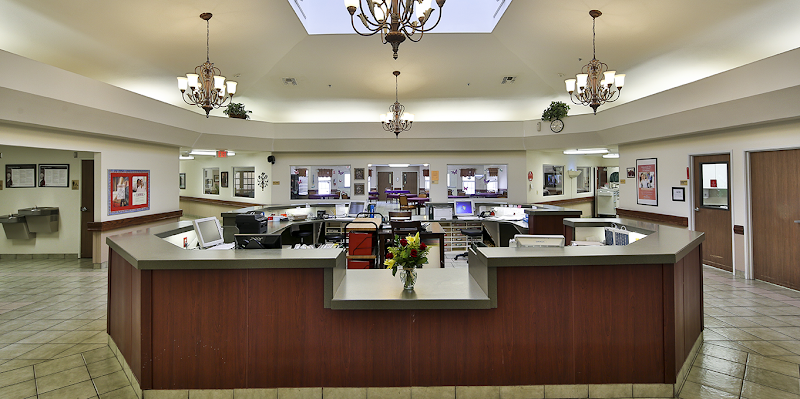
How is Corpus Christi Staffed?

CMS rates CORPUS CHRISTI NURSING AND REHABILITATION CENTER's staffing level at 1 out of 5 stars, which is much below average compared to other nursing homes. Staff turnover is 70%, which is 24 percentage points above the Texas average of 46%. High turnover can affect care consistency as new staff learn residents' individual needs. RN turnover specifically is 60%, which is notably high. RNs provide skilled clinical oversight, so turnover in this role can affect medical care quality.

What Have Inspectors Found at Corpus Christi?

State health inspectors documented 31 deficiencies at CORPUS CHRISTI NURSING AND REHABILITATION CENTER during 2023 to 2025. These included: 2 Immediate Jeopardy (the most serious level, indicating potential for serious harm or death) and 29 with potential for harm. Immediate Jeopardy findings are rare and represent the most serious regulatory concerns. They require immediate corrective action.
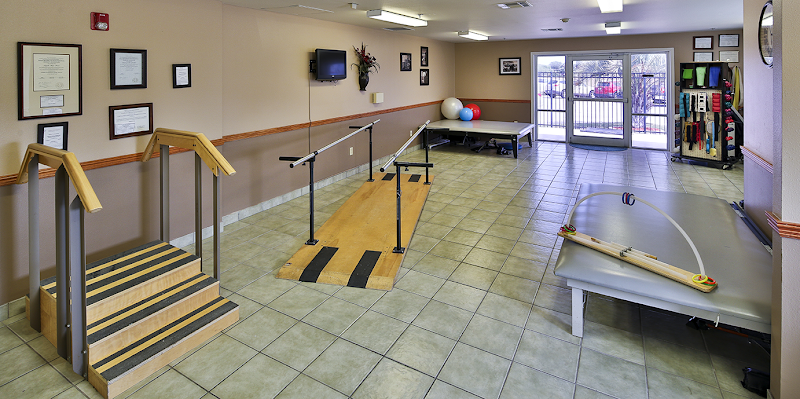
Who Owns and Operates Corpus Christi?

CORPUS CHRISTI NURSING AND REHABILITATION CENTER is owned by a non-profit organization. Non-profit facilities reinvest revenue into operations rather than distributing to shareholders. The facility is operated by WELLSENTIAL HEALTH, a chain that manages multiple nursing homes. With 120 certified beds and approximately 110 residents (about 92% occupancy), it is a mid-sized facility located in CORPUS CHRISTI, Texas.
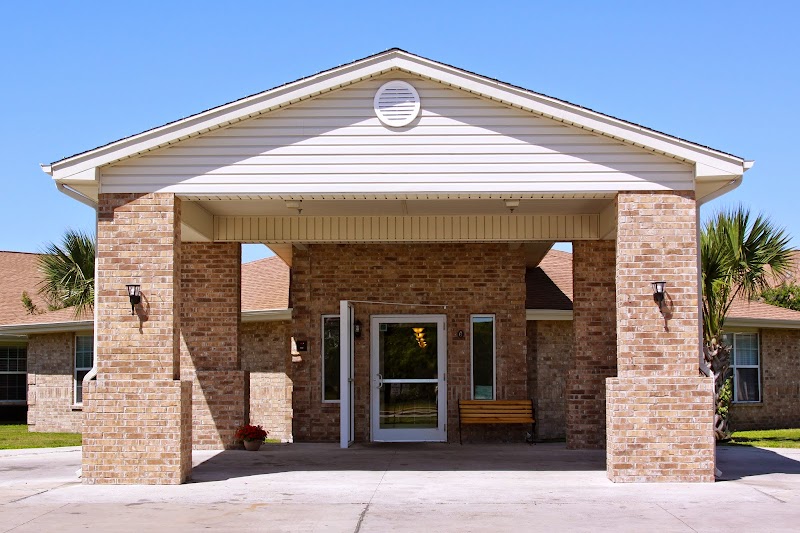
How Does Corpus Christi Compare to Other Texas Nursing Homes?

Compared to the 100 nursing homes in Texas, CORPUS CHRISTI NURSING AND REHABILITATION CENTER's overall rating (1 stars) is below the state average of 2.8, staff turnover (70%) is significantly higher than the state average of 46%, and health inspection rating (2 stars) is below the national benchmark.

What Should Families Ask When Visiting Corpus Christi?

Based on this facility's data, families visiting should ask: "What changes have been made since the serious inspection findings, and how are you preventing similar issues?" "What safeguards and monitoring systems are in place to protect residents from abuse or neglect?" "How do you ensure continuity of care given staff turnover, and what is your staff retention strategy?" "Can you walk me through typical staffing levels on day, evening, and night shifts?" These questions are particularly relevant given the facility's Immediate Jeopardy citations, the substantiated abuse finding on record, the facility's high staff turnover rate, and the below-average staffing rating.

Is Corpus Christi Safe?

Based on CMS inspection data, CORPUS CHRISTI NURSING AND REHABILITATION CENTER has documented safety concerns. The facility has 1 substantiated abuse finding (meaning confirmed case of resident harm by staff or other residents). Inspectors have issued 2 Immediate Jeopardy citations (the most serious violation level indicating risk of serious injury or death). The facility has a 1-star overall rating and ranks #100 of 100 nursing homes in Texas. Families considering this facility should ask detailed questions about what corrective actions have been taken since these incidents.

Do Nurses at Corpus Christi Stick Around?

Staff turnover at CORPUS CHRISTI NURSING AND REHABILITATION CENTER is high. At 70%, the facility is 24 percentage points above the Texas average of 46%. Registered Nurse turnover is particularly concerning at 60%. RNs handle complex medical decisions and coordinate care — frequent RN changes can directly impact care quality. High turnover means new staff may not know residents' individual needs, medications, or preferences. It can also be disorienting for residents, especially those with dementia who rely on familiar faces. Families should ask: What is causing the turnover? What retention programs are in place? How do you ensure care continuity during staff transitions?

Was Corpus Christi Ever Fined?

CORPUS CHRISTI NURSING AND REHABILITATION CENTER has been fined $13,397 across 1 penalty action. This is below the Texas average of $33,213. While any fine indicates a compliance issue, fines under $50,000 are relatively common and typically reflect isolated problems that were subsequently corrected. Families should ask what specific issues led to these fines and confirm they've been resolved.

Is Corpus Christi on Any Federal Watch List?

CORPUS CHRISTI NURSING AND REHABILITATION CENTER is not on any federal watch list. The most significant is the Special Focus Facility (SFF) program, which identifies the bottom 1% of nursing homes nationally based on persistent, serious quality problems. Not being on this list means the facility has avoided the pattern of deficiencies that triggers enhanced federal oversight. This is a positive indicator, though families should still review the facility's inspection history directly.