RETAMA MANOR NURSING CENTER
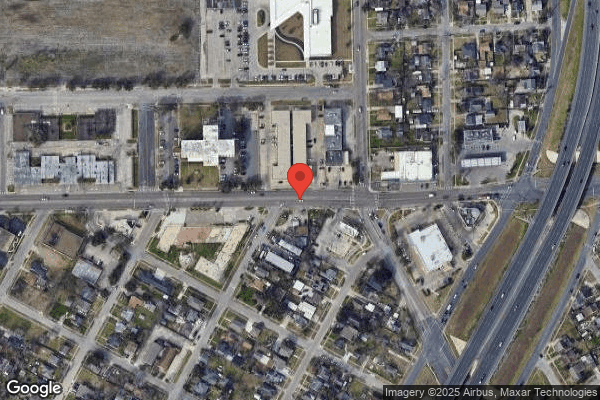

2322 MORGAN AVE, CORPUS CHRISTI, TX 78405 (361) 882-4242
Non profit - Other 176 Beds WELLSENTIAL HEALTH Data: November 2025 3 Immediate Jeopardy citations
Trust Grade
7/100
#820 of 1168 in TX
Last Inspection: July 2025

Inspected within the last 6 months. Data reflects current conditions.

Overview

Retama Manor Nursing Center in Corpus Christi, Texas, has a Trust Grade of F, indicating significant concerns about the quality of care provided. It ranks #820 out of 1168 facilities in Texas, placing it in the bottom half, and #10 of 14 in Nueces County, meaning only four local options are worse. The facility's performance is worsening, with the number of issues rising from 7 in 2024 to 10 in 2025. Staffing is a major concern with only 1 out of 5 stars and a troubling turnover rate of 50%, while RN coverage is below that of 99% of Texas facilities, which raises alarms about the quality of oversight. Specific incidents include a failure to supervise a resident who eloped from the facility and a lack of protection against abuse, which puts residents at serious risk for harm. While the health inspection score is average, the overall picture of care shows both strengths and weaknesses that families should carefully consider.

Trust Score
F
7/100
In Texas
#820/1168
Bottom 30%
Safety Record
High Risk
Review needed
Inspections
Getting Worse
7 → 10 violations
Staff Stability
⚠ Watch
50% turnover. Above average. Higher turnover means staff may not know residents' routines.
Penalties
✓ Good
$16,003 in fines. Lower than most Texas facilities. Relatively clean record.
Skilled Nurses
⚠ Watch
Each resident gets only 5 minutes of Registered Nurse (RN) attention daily — below average for Texas. Fewer RN minutes means fewer trained eyes watching for problems.
Violations
⚠ Watch
23 deficiencies on record. Higher than average. Multiple issues found across inspections.
★★☆☆☆
2.0
Overall Rating
★☆☆☆☆
1.0
Staff Levels
★★★★☆
4.0
Care Quality
★★★☆☆
3.0
Inspection Score
Stable
2024: 7 issues
2025: 10 issues

The Good

  • 4-Star Quality Measures · Strong clinical quality outcomes
  • Full Sprinkler Coverage · Fire safety systems throughout facility
  • No fines on record

Facility shows strength in quality measures, fire safety.

The Bad

2-Star Overall Rating

Below Texas average (2.8)

Below average - review inspection findings carefully

Staff Turnover: 50%

Near Texas avg (46%)

Higher turnover may affect care consistency

Federal Fines: $16,003

Below median ($33,413)

Minor penalties assessed

Chain: WELLSENTIAL HEALTH

Part of a multi-facility chain

Ask about local staffing decisions and management

The Ugly 23 deficiencies on record

3 life-threatening 1 actual harm
Jul 2025 6 deficiencies
CONCERN (D)

Potential for Harm - no one hurt, but risky conditions existed

Deficiency F0559 (Tag F0559)

Could have caused harm · This affected 1 resident

**NOTE- TERMS IN BRACKETS HAVE BEEN EDITED TO PROTECT CONFIDENTIALITY** Based on interview and record review, the facility failed to ensure one (Resident #70) of one resident the right to receive writ...

Read full inspector narrative →
**NOTE- TERMS IN BRACKETS HAVE BEEN EDITED TO PROTECT CONFIDENTIALITY** Based on interview and record review, the facility failed to ensure one (Resident #70) of one resident the right to receive written notice, including the reason for the change, before the resident's room or roommate in the facility was changed. The facility did not provide Resident #70 with a written notice prior to a room change or the right to refuse on 03/27/25. This deficient practice could place residents at risk for being displaced without notice and/or reason to accommodate other individuals.Record Review of Resident #70's Face Sheet dated 07/07/2025 revealed a [AGE] year-old male re-admitted [DATE] with diagnoses including Multiple Sclerosis (a disease in which the immune system eats away at the protective covering of nerves) Quadriplegia (is paralysis that affects the ability to voluntarily move the upper and lower body), Alzheimer's disease (a progressive disease that destroys memory and other important mental functions) adult failure to thrive generalized anxiety disorder, and major depressive disorder recurrent. Record Review of Resident #70's quarterly MDS dated [DATE] reflected a BIMS score was unable to be obtained due to the resident being rarely or never understood, indicating severe cognitive impairment for daily decision-making skills. Record Review of Resident #70's care plan 07/07/25 revealed Resident #70 enjoyed eating in his room and did not like to participate in activities, so he spent large amounts of time in his room. Resident #70 would become agitated when he was encouraged to participate in activities. The resident was dependent on staff for all activities of daily living. Record Review of Resident #70's progress notes dated 02/04/25 to 07/08/2025 indicated no documentation or notification to resident representative about why a room change was made. During an interview on 07/07/25 at 9:19 AM with Resident #70's family member and patient representative stated she was never notified about the room change that happened in March of 2025. The family member did not understand why Resident #70 had been moved. The family member recalled there was no problem with the roommate, Resident #70 felt comfortable with the roommate, and it was hard for him to deal with the change. The family member stated Resident #70 did not like to be in the new room as it was too cold for him. Resident #70 would spend a lot of time in the dining room and wanted to sleep there because the new roommate had the temperature too cold for him. The family member stated she got no phone call, letter or verbal explanation as to why Resident #70 was moved even though she asked the nurse who was attending him at the time. In an interview on 07/08/25 at 4:30 PM with the Social Worker who stated she was responsible for giving 30 day written notices to any resident or the patient representative for any type of room change per the Room Change, Transfer and Discharge policy. The Social Worker failed to find any type of documentation that indicated the reason why Resident #70 was relocated to another room on 03/26/25. The Social Worker stated either the nurse, or she was responsible for entering the documentation and could not say why the room change was not documented. During an interview on 07/08/25 at 5:00 PM, the Interim DON said Resident #70's room change occurred before she began her role as DON and could not say why exactly his room was changed but did describe the process of a room change for a resident. The DON said either the nurse, or the Social Worker began the process, but notifications were sent by the Social Worker. The DON stated there was a form filled out and the patient representatives or family member was notified with a 30-day notice unless the resident was moved in an emergency like the room being unlivable or an altercation had occurred, and safety was a concern for one of the residents sharing a room. The facility tried to not violate the resident's right to not be relocated except for the facility's regulations. During an interview on 07/08/25 at 5:15 PM, the Administrator stated the facility tried to follow its policy of a 30-day notice before a resident was relocated into another room by sending notification, speaking to a family member/ resident representative, or make a call. The Administrator could not give an answer as to why there was no documentation of the room change for Resident #70 but did say the Social Worker would usually send out the notice and filled out the form to begin the process and usually the nurses initiate the process. The Administrator was able to produce a copy of the policy and procedures and resident rights of the facility. Review of undated Policy titled, Room Change, Transfer & Discharge revealed Room change. Facility reserves the right to change Resident's room or roommate when Facility determines it is appropriate to do so. The ombudsman, resident, and responsible party will be notified 30 days prior to a change and will provide the reasons for transfer or discharge; the statement of a right to appeal in a language the resident or legal representative understands; the date the change will take place; and record the reasons in the resident's clinical record. The facility will comply in accordance with state and federal regulations.
CONCERN (D)

Potential for Harm - no one hurt, but risky conditions existed

Deficiency F0698 (Tag F0698)

Could have caused harm · This affected 1 resident

**NOTE- TERMS IN BRACKETS HAVE BEEN EDITED TO PROTECT CONFIDENTIALITY** Based on observation, interview, and record review the facility failed to ensure residents who required dialysis received treatm...

Read full inspector narrative →
**NOTE- TERMS IN BRACKETS HAVE BEEN EDITED TO PROTECT CONFIDENTIALITY** Based on observation, interview, and record review the facility failed to ensure residents who required dialysis received treatment and care in accordance with professional standards of practice for 1 of 3 residents (Resident #47) reviewed for Dialysis fistula assessment and care. The facility failed to ensure the nurses knew how and were performing the proper technique for assessing Resident #47's dialysis fistula (vascular access used in hemodialysis, which was a treatment for patients with kidney failure) for thrill (a vibration felt over the fistula or shunt) and bruit (swooshing sound cause by blood flow through the fistula or shunt). This deficient practice and failure could place residents at risk for a blockage and/or stenosis (narrowing of the veins and/or arteries) of the fistula site.Record review of Resident #47's face sheet, dated 07/08/2025, revealed a [AGE] year-old male with an original admission date of 09/30/2019, and a current admission date of 03/28/2025. Diagnoses included Alcoholic Cirrhosis of the Liver with Ascites (severe condition resulting from chronic alcohol abuse, leading to liver damage and fluid accumulation in the abdomen), Congestive Heart Failure (long term condition in which the heart cannot pump blood effectively, leading to fluid buildup in the lungs and legs), and End Stage Renal Disease (end stage kidney disease in which the kidneys can no longer function adequately, resulting in accumulation of waste products, fluids, and electrolytes, requiring dialysis). Record review of Resident #47's Quarterly MDS assessment, dated 06/13/2025, revealed a BIMS score of 15, which revealed intact cognition. MDS also revealed an active diagnosis of Dependence on Renal Dialysis. Record review of Resident #47's active physician orders, started 03/13/2024, revealed an order to assess fistula for thrill and bruit every shift. Record review of Resident #47's care plan, initiated 03/15/2024, revealed a care plan related to the need for dialysis due to End Stage Renal Disease with a goal to have no signs or symptoms of complications from dialysis. In an observation on 07/08/2025 at 10:30 AM, LVN-J was noted to have placed the stethoscope appropriately over Resident #47's fistula to listen for bruit, but LVN-J was noted to assess inaccurately above fistula for thrill. In an interview with LVN-J on 07/08/2025 at 10:35 AM, she stated the nurses were supposed to assess the dialysis fistulas each shift for thrill and bruit. She stated she had not done this because she just gets too busy or forgets. She stated she did not think any of the nurses had actually done this because Resident #47 went to dialysis, and the fistula was checked there. In an interview with Resident #47 on 07/08/2025 at 10:40 AM, he stated he was just going to be honest and tell the truth, none of the nurses ever checked his fistula. He stated he did not know they were supposed to check it at the facility since it was checked when he went to dialysis. In an interview with ADON-K on 07/08/2025 at 10:45 AM, she stated the nurses should have and were supposed to know how to assess the dialysis fistula since the orders were to assess it each shift. She stated Resident #47 had a BIMS of 15 and was intelligent, and if he stated it was not getting checked, then she knew it was not getting checked. She stated the nurses were supposed to check for the thrill and bruit because if there was not one, it could mean the fistula had a blockage. In an interview with the DON on 07/08/2025 at 3:50 PM, she stated the nurses knew how and should have been assessing Resident #47's fistula every shift for the thrill and bruit. She stated she was not sure why they had not done it, but it sounded like they were being lazy and just not taking the time to assess it. She stated if the fistula was not assessed appropriately, Resident #47 could have ended up with a blockage in the fistula, which could have stopped the blood flow through the area. She also stated she planned to in-service all the nurses over the importance of assessing the dialysis fistula every shift. Record review of the facility's policy for Writing/Obtaining Orders: Dialysis (AV shunts), no date listed, revealed Obtain orders for days of dialysis, where dialysis would be, Nephrologist name and phone number, to check for thrill and bruit each shift, and to monitor for bleeding upon return from dialysis every shift.
CONCERN (D)

Potential for Harm - no one hurt, but risky conditions existed

Pharmacy Services (Tag F0755)

Could have caused harm · This affected 1 resident

Based on observation, interview, and record review, the facility failed to ensure all drugs and biological were labeled and stored in accordance with currently accepted professional principles for 3 o...

Read full inspector narrative →
Based on observation, interview, and record review, the facility failed to ensure all drugs and biological were labeled and stored in accordance with currently accepted professional principles for 3 of 6 medication carts (2nd Floor Nurse Med-Cart A, 2nd Floor Treatment Cart, 3rd Floor Nurse Med-Cart B, and 3rd Floor Treatment Cart) reviewed for labeling and storage. The facility failed to properly label from 2nd Floor Nurse-Med-Cart-A a vial of insulin Glargine (a long-acting insulin used to treat Type 1 or Type 2 Diabetes), with an open or expiration date. The facility failed to dispose of the medication from 2nd Floor Treatment Cart a container of Hemorrhoidal Pads (a pad used to treat hemorrhoids) 50% which had expired on 03/22/2025. The facility failed to dispose of the medication from 3rd Floor Nurse-Med-Cart-B a card of Promethazine (a medication used to treat nausea) 25 MG which had expired on 05/21/2025. The facility failed to keep the 3rd Floor Treatment Cart free from employee personal items on 07/07/2025 as evidenced by a large, personal, aluminum cup with a straw in it in the bottom drawer of the cart. These deficient practices could place residents at risk of receiving medications or supplies which were both expired and possibly cross-contaminated. In an observation on 07/07/2025 at 9:04 AM of the 2nd floor Nurse-Med-Cart-A it was revealed an approximately 3/4 full, discontinued, expired, and non-dated vial of insulin Glargine which had expired on 6/17/2025 and had never had an opened or expired by date written on it. In an observation on 07/07/25 at 9:13 AM of the 2nd Floor Treatment Cart it was revealed an approximately 1/2 full container of Hemorrhoidal Pads (a pad used to treat hemorrhoids) 50% which had expired on 03/22/2025. In an observation on 07/07/25 at 9:26 AM of the 3rd Floor Nurse-Med-Cart-B a card of Promethazine (a medication used to treat nausea) 25 MG tablet, with 26 tablets left, which had expired on 05/21/2025, as well as a card of Tramadol (a medication used to treat pain) 50 MG, with 9 tablets left, which had expired 06/11/2025. In an observation on 07/07/25 at 9:31 AM of the 3rd Floor Treatment Cart revealed it was not free from employee personal items on 07/07/2025 as evidenced by a large personal aluminum cup with a straw in it in the bottom drawer of the cart. In an interview with LVN-N on 07/07/2025 at 9:35 AM she stated the cup was hers in the treatment cart, and she knew that she was not supposed to have personal items in the cart with resident medications and supplies. She stated the cup could have caused cross-contamination and caused a resident or herself to be exposed to something they would not have been exposed to. In an interview with ADON-L on 07/08/25 at 9:14 AM, she stated the insulin was supposed to be dated when it was opened because it was only good for 28 days. If it was not dated, then it cannot be used because it could possibly be expired. She stated expired meds were removed from the med-carts by the floor nurses at night, as well as the ADONs checked for expired meds weekly. She stated the treatment nurse checked the treatment cart weekly for expired meds. She also stated if a resident was given an expired medication, it could have possibly made them sick, or it may be ineffective and not work. ADON-L stated the nurses' personal effects should not be in the med-carts or treatment carts because it could cause cross-contamination with the medication or the wound supplies. In an interview with LVN-M on 07/08/25 at 9:23 AM, she stated expired medications were removed from the med-carts by the floor nurses who should be checking them daily, and the narcotics were removed by the ADONs who checked the med-carts weekly. She stated if a resident was given an expired medication, it could make them sick or be ineffective and not work. In an interview with LVN-A on 07/08/25 at 9:27 AM, he stated expired medications were removed by the floor nurses who checked the carts daily, as well as by the ADONs who checked the cart weekly. He stated if the medication was a narcotic, it was removed by the ADON. He also stated if a resident was given an expired medication, it could possibly not work or possibly make them sick. Record review of the facility's Medication Administration, implemented 10/24/2022, revealed 1. Keep medication cart clean, organized, and stocked with adequate supplies; 12. Identify expiration date. If expired, notify nurse manager.
CONCERN (D)

Potential for Harm - no one hurt, but risky conditions existed

Safe Environment (Tag F0921)

Could have caused harm · This affected 1 resident

Based on observation and interview, the facility failed to provide a safe, clean, comfortable, and homelike environment for residents, staff and public in 2 (Elevator 1 and Elevator 2) of 3 elevators ...

Read full inspector narrative →
Based on observation and interview, the facility failed to provide a safe, clean, comfortable, and homelike environment for residents, staff and public in 2 (Elevator 1 and Elevator 2) of 3 elevators reviewed for environment. The facility failed to maintain 2 elevators used by residents, staff, and visitors free from offensive odors. This failure could affect all residents that used common areas and place them at risk for diminished quality of life due to the lack of a well-kept environment. During an observation throughout the day beginning on 07/07/25 08:33 AM, this surveyor smelled a strong foul odor on both Elevator 1 and Elevator 2 most of the day. During an observation throughout the day beginning on 07/08/25 08:10 AM this surveyor smelled a strong foul odor on both Elevator 1 and Elevator 2. In an interview on 07/07/25 at 08:45 AM, a visitor who wished to remain anonymous stated the elevators always smelled foul and smelled of urine and feces. In an interview on 07/07/25 at 03:47 PM, the MDS Coordinator agreed that Elevator 1 and Elevator 2 smelled bad and stated they did not smell as bad as they used to. The MDS Coordinator did not elaborate on how long or what kind of foul odor was observed on Elevator 1 and Elevator 2. The MDS Coordinator stated staff have complained about the foul smells in the elevators. In an interview on 07/08/25 08:12 AM, the WCN stated both Elevator 1 and Elevator 2 smelled bad and believed it was because of the carpet that was installed in Elevator 1 and Elevator 2. The WCN stated the elevators were cleaned frequently, but they still had a foul odor. In an interview on 07/08/25 at 11:26 AM, the HS stated the carpets in Elevator 1 and Elevator 2 were shampooed daily in the morning and throughout the day as needed. The HS agreed the elevators have a foul order and stated it was because residents have accidents in them. The HS stated that the elevators are vacuumed and sprayed with shampoo cleaner throughout the day. The HS stated that staff and family members have complained about the foul odor. The HS stated there was no good reason to keep a log or keep record of when the elevators are vacuumed, cleaned, or shampooed but was going to start a log to track the cleaning. In an interview on 07/08/25 at 01:30 PM with the RD revealed the facility was working on getting an approved vendor to remove the carpet. The RD stated the elevators smelled like urine or old carpet. In an interview on 07/08/25 at 01:31 PM the ADM stated the elevators do have a foul odor and stated the elevators smelled of a combination of urine and old carpet. The ADM stated she has had a few family members complain about the foul odor. The ADM stated there was a resident that had a history of urinating in the elevator and housekeeping was cleaning the carpet daily and as needed to help with sanitation. In an interview on 07/08/25 01:32 PM, the MS stated he was aware of the elevators having a foul odor and had been working on getting a quote with an approved vendor to get the carpet taken out. In an interview on 07/08/25 02:55 PM the SW stated the previous ADM installed carpet in the elevators and there are a few residents that have a history of urinating in the elevators or are just unable to wait to go to the bathroom. The SW stated housekeeping was called over the intercom when such an incident occured. The SW stated housekeeping was seen approximately every other day, if not daily shampooing the carpets. Record review of the facility's General Housekeeping Policies not dated reflected: The facility provides sufficient housekeeping and maintenance personnel, equipment, and supplies to maintain the interior and exterior of the facility in a safe, clean, orderly, and attractive manner. Nursing personnel are not assigned to routine housekeeping duties. All housekeeping personnel utilize the accepted practices and procedures to keep the facility free from offensive odors, accumulations of dirt, rubbish, dust, and hazards as well as participate in ongoing education and training to maintain or increase their competency. Deodorizers are not used to cover up doors caused by unsanitary conditions or poor housekeeping practices. Odor control is achieved by prompt cleansing of bedpans, urinals, and commodes by prompt and proper care of residents and soiled linens. by good housekeeping procedures, and by approved ventilation.
CONCERN (E)

Potential for Harm - no one hurt, but risky conditions existed

Deficiency F0760 (Tag F0760)

Could have caused harm · This affected multiple residents

**NOTE- TERMS IN BRACKETS HAVE BEEN EDITED TO PROTECT CONFIDENTIALITY** Based on interview and record review, the facility failed to ensure residents were free of significant medication errors for 5 o...

Read full inspector narrative →
**NOTE- TERMS IN BRACKETS HAVE BEEN EDITED TO PROTECT CONFIDENTIALITY** Based on interview and record review, the facility failed to ensure residents were free of significant medication errors for 5 of 10 residents (Resident #23, Resident #47, Resident #66, Resident #74, and Resident #82) reviewed for medication errors. 1. The facility failed to ensure LVN C did not document NA in place of Resident #23's blood pressure and pulse when her blood pressure altering medication was administered on 06/03/25, 06/06/25, 06/07/25, 06/08/25, 06/16/25, 06/25/25, 06/26/26, 07/06/25, 07/07/25, and 07/08/25. The facility failed to ensure LVN C did not document NA in place of Resident #23's BP, temp, pulse, resp, and O2 sats on 06/07/25, 06/16/25, 06/25/25, 06/26/25, 07/04/25, 07/05/25, and 07/06/25 when vital signs were to be documented on every day shift on Saturday (04/12/25 to 06/09/25) then every shift (began 06/13/25) per the two physician's orders. The facility failed to ensure LVN P did not document X or NA in place of Resident #23's BP, temp, pulse, resp, and O2 sats on 06/13/25, 06/14/25, 06/23/25, 06/24/25, 06/27/25, 06/28/25, and 06/29/25 when vital signs were to be documented on every shift (began 06/13/25) per the physician's order. The facility failed to ensure LVN Q did not document X in place of Resident #23's BP, temp, pulse, resp, and O2 sats on 06/16/25, 06/17/25, 06/21/25, 06/22/25, 06/25/25, 06/26/2506/30/25, 07/01/25, 07/04/25, 07/05/25, and 07/06/25 when vital signs were to be documented on every shift (began 06/13/25) per the physician's order. 2. The facility failed to clarify the blood pressure parameters for Resident #47's Midodrine (a medication used to treat hypotension, or low blood pressure) orders for June and July of 2025. The facility failed to administer Resident #47's Midodrine per the recommended and prescribed blood pressure parameters in June and July of 2025. 3. The facility failed to ensure LVN C did not document NA in place of Resident #66's blood pressure when his blood pressure altering medications were administered on 06/06/25, 06/07/25, 06/25/25, 07/04/25, 07/05/25, and 07/06/25. The facility failed to ensure LVN C did not document NA in place of Resident #66's BP, temp, pulse, resp, and O2 sats on 06/07/25 and 07/05/25 when vital signs were to be documented every day shift, every 7 days per the physician's order. 4. The facility failed to ensure MA B did not administer Resident #74's blood pressure/pulse altering medications on 06/01/25 when his blood pressure was not within the required parameters per the two physician's orders. The facility failed to ensure MA B administered Resident #74's blood pressure/pulse altering medication on 06/10/25 when his blood pressure was within the required parameters per the physician's order. The facility failed to ensure LVN Q administered Resident #74's blood pressure/pulse altering medication on 06/16/25, 06/22/25, 06/26/2507/01/25, and 07/05/25 when his blood pressure was within the required parameters per the physician's order. The facility failed to ensure LNV R administered Resident #74's blood pressure/pulse altering medication on 06/18/25 when his blood pressure was within the required parameters per the physician's order. The facility failed to ensure LVN C did not document NA in place of Resident #74's blood pressure when his blood pressure/ pulse altering medications were administered on 07/04/25, 07/05/25, and 07/06/25. The facility failed to ensure LVN C did not document NA in place of Resident #74's BP, temp, pulse, resp, and O2 sats on 06/06/25 and 07/04/25 when vital signs were to be documented every day shift, every 7 days per the physician's order. 5. The facility failed to ensure MA D administered Resident #82's blood pressure altering medication on 06/02/25 and 06/11/25, when there were no required parameters per the physician's order. The facility failed to ensure MA D administered Resident #82's blood pressure altering medications on 06/03/25, 06/07/25, 06/12/25, 06/17/25, 06/21/25, and 06/21/25 per the physician's orders. The facility failed to ensure MA B did not administer Resident #82's blood pressure altering medication on 06/14/25 when her blood pressure was not within the required parameters per the physician's order. The facility failed to ensure MA B administered Resident #82's blood pressure altering medications on 07/08/25 per the physician's order. The facility failed to ensure LVN C did not document NA in place of Resident #82's BP, temp, pulse, resp, and O2 sats on 06/03/25, 06/07/25, 06/12/25, 06/17/25, 06/21/25, 06/26/25, 07/01/25, and 07/05/25 when vital signs were to be documented upon return from dialysis every Tue, Thu, and Sat per the physician's order. The facility failed to ensure LVN C did not document NA in place of Resident #82's blood pressure when her blood pressure altering medication was administered on 07/04/25, 07/05/25, and 07/06/25. These failures could place residents who receive blood pressure/pulse altering medications at an increased risk for complications such as decreased blood pressure, decreased pulse, exacerbation of symptoms and disease process, and potential hospitalization.1. Record review of Resident #23's admission record revealed a [AGE] year-old female initially admitted to the facility on [DATE] and most recently admitted on [DATE]. Her diagnoses included cerebral infarction (stroke), essential hypertension (high blood pressure), type 2 diabetes (chronic condition that happens when blood sugar levels are persistently high which can lead to heart disease, kidney disease, and stroke), aphasia (an impairment in the ability to read, write, and speak), dysphagia (difficulty swallowing), moderate protein-calorie malnutrition (an imbalance between the nutrients needed to function and the nutrients received), and vascular dementia (problems with thought processes and memory caused by brain damage from impaired blood flow). Record review of Resident #23's quarterly MDS dated [DATE] revealed no BIMS score as she could not speak and her cognitive skills for daily decision making were severely impaired in that she rarely/never made decisions. Record review of Resident #23's physician's orders on 07/08/25 revealed the following orders: Vital signs q shift. Every shift. Start date 06/13/25. Lisinopril Oral Tablet 10 mg. Give 1 tablet via G-Tube one time a day for hypertension. Hold for BP <100/60. Start date 06/17/25. Record review of Resident #23's June 2025 and July 2025 blood pressure and pulse summaries and June 2025 and July 2025 eMARs reflected the following: 06/03/25, 06/06/25, 06/07/25, 06/08/25, 06/16/25, 06/25/25, 06/26/25, 07/04/25, 07/05/25, and 07/06/25 there was no documentation of Resident #23's blood pressure or pulse in the blood pressure and pulse summaries. LVN C documented she checked Resident #23's 6:00 am vital signs and documented NA in the space for BP, Temp, Pulse, Resp, and O2 sats on the eMAR. LVN C documented she administered Resident #23's 6:00 am dose of Lisinopril and documented NA in both the space for the blood pressure and the space for the pulse on the eMAR. 06/13/25 there was not documentation of Resident #23's blood pressure or pulse the blood pressure and pulse summaries. LVN P documented she checked Resident #23's 6:00 pm vital signs and documented X in the space for BP, Temp, Pulse, Resp, and O2 sats on the eMAR. 06/16/25, 06/21/25, 06/22/25, 06/25/25, 06/26/25, 06/30/25, 07/01/25, 07/04/25, 07/05/25 and 07/06/25 there was no documentation of Resident #23's 6:00 pm blood pressure or pulse in the blood pressure and pulse summaries. LVN Q documented she checked Resident #23's 6:00 pm vital signs and documented X in the space for BP, Temp, Pulse, Resp, and O2 sats on the eMAR. 2. Record review of Resident #47's face sheet, dated 07/08/2025, revealed a [AGE] year-old male with an original admission date of 09/30/2019, and a current admission date of 03/28/2025. Diagnoses included Alcoholic Cirrhosis of the Liver with Ascites (severe condition resulting from chronic alcohol abuse, leading to liver damage and fluid accumulation in the abdomen), Congestive Heart Failure (long term condition in which the heart cannot pump blood effectively, leading to fluid buildup in the lungs and legs), Hypotension (low blood pressure) and End Stage Renal Disease (end stage kidney disease in which the kidneys can no longer function adequately, resulting in accumulation of waste products, fluids, and electrolytes, requiring dialysis). Record review of Resident #47's care plan, initiated 08/21/2023, and revised on 10/03/2023, revealed a care plan related to hypotension. Interventions included give medications as ordered. Record review of Resident #47's Quarterly MDS assessment, dated 06/13/2025, revealed a BIMS score of 15, which revealed intact cognition. MDS also revealed an active diagnosis of Orthostatic Hypotension. Record review of Resident #47's active physician orders, started 06/12/2025, revealed an order for Midodrine 10 MG, give one tablet by mouth twice per day related to Hypotension; Hold for blood pressure greater than 120/60. Record review of Resident #47's June 2025 MAR revealed Midodrine 10 MG, give 1 tablet by mouth two times per day related to Hypotension. Administer for blood pressure less than 110/50, started 02/26/2025 and stopped 06/12/2025. Dates when Midodrine was held or given inappropriately included: 06/02/2025 9:00 AM B/P 118/62 Administered 06/02/2025 5:00 PM B/P 124/64 Administered06/03/2025 5:00 PM B/P 110/60 Administered06/08/2025 9:00 AM B/P 124/73 Administered06/08/2025 5:00 PM B/P 115/67 Administered06/11/2025 5:00 PM B/P 115/65 Administered Record review of Resident #47's June 2025 MAR revealed Midodrine 10 MG, give 1 tablet by mouth two times per day related to Hypotension. Hold for blood pressure greater than 120/60, started 06/12/2025. Dates when Midodrine was held or given inappropriately included: 06/14/2025 9:00 AM B/P 130/67 Administered06/16/2025 9:00 AM B/P 133/72 Administered06/18/2025 9:00 AM B/P 116/74 Held06/18/2025 5:00 PM B/P 119/71 Held06/19/2025 5:00 PM B/P 119/66 Held06/20/2025 9:00 AM B/P 122/62 Administered06/22/2025 9:00 AM B/P 117/73 Held06/23/2025 5:00 PM B/P 117/74 Held06/24/2025 5:00 PM B/P 120/62 Held06/25/2025 9:00 AM B/P 137/87 Administered06/27/2025 9:00 AM B/P 120/76 Held06/27/2025 5:00 PM B/P 119/71 Held06/28/2025 9:00 AM B/P 118/75 Held06/28/2025 5:00 PM B/P 116/61 Held Record review of Resident #47's July 2025 MAR revealed Midodrine 10 MG, give 1 tablet by mouth two times per day related to Hypotension. Hold for blood pressure greater than 120/60, started 06/12/2025. Dates when Midodrine was held or given inappropriately included: 07/01/2025 5:00 PM B/P 126/74 Administered07/02/2025 9:00 AM B/P 124/69 Administered07/03/2025 5:00 PM B/P 118/85 Held 3. Record review of Resident #66's admission record revealed an [AGE] year-old male initially admitted to the facility on [DATE] and most recently admitted on [DATE]. His diagnoses included chronic kidney disease stage 3 (when the kidneys are damaged and can't filter blood as well as they should), essential hypertension (high blood pressure), atrial fibrillation (an irregular, often fast heartbeat), vascular dementia (problems with thought processes and memory caused by brain damage from impaired blood flow), and cognitive communication deficit (difficulty with communication). Record review of Resident #66's quarterly MDS dated [DATE] revealed a BIMS score of 7 which indicated severe cognitive impairment. Record review of Resident #66's order summary report on 07/07/25 revealed the following orders: Assess vital signs weekly every day shift every 7 days. Start date 02/25/23. Amlodipine Besylate Oral Tablet 5 mg. Give 2.5 mg by mouth one time a day. Hold if SBP <105. Start date 04/22/25. Lisinopril Oral Tablet 20 mg. Give 1 tablet by mouth one time a day related to essential hypertension. Hold for SBP <100. Start date 04/22/25. Record review of Resident #66's June 2025 and July 2025 blood pressure summary and June 2025 and July 2025 eMARs reflected the following: 06/06/25, 06/07/25, 06/25/25, 07/04/25, 07/05/25 and 07/06/25 there was no documentation of Resident #66's 9:00 am blood pressure in the blood pressure summary. LVN C documented she checked Resident #66's 9:00 am vital signs and documented NA in the space for BP, Temp, Pulse, Resp, and O2 sats on the eMAR (06/07/25 and 07/05/25). LVN C documented she administered Resident #23's 9:00am dose of Amlodipine and Lisinopril and documented NA in both spaces for the blood pressure on the eMAR. 4. Record review of Resident #74's admission record revealed a [AGE] year-old male initially admitted to the facility on [DATE] and most recently admitted [DATE]. His diagnoses included type 2 diabetes mellitus (chronic condition that happens when blood sugar levels are persistently high which can lead to heart disease, kidney disease, and stroke), primary hypertension, end stage renal disease (when the kidneys lose the ability to remove waste and balance fluids), and dependence on renal dialysis (process of filtering blood through a machine to remove excess water and toxins in the blood when the kidneys no longer function). Record review of Resident #74's quarterly MDS dated [DATE] revealed a BIMS score of 9 which indicated moderate cognitive impairment. Record review of Resident #74's order summary report on 07/07/25 revealed the following orders: Carvedilol Oral Tablet 6.25 mg. Give 1 tablet by mouth every 12 hours for HTN. Hold for BP <110/60 or pulse <60. Start date 01/02/24. End date 06/14/25. Lisinopril Oral Tablet 2.5 mg. Give 1 tablet by mouth one time a day for HTN. Hold for blood pressure <100/60 o pulse <60. Start date 01/02/24. Dialysis days M, W, F at 11:30am. Start date 04/11/25. Carvedilol Oral Tablet 6.25 mg. Give 1 tablet by mouth every 12 hours for HTN. Hold for SBP <90 or pulse <60. Start date 06/14/25. Record review of Resident #74's June 2025 and July 2025 blood pressure and pulse summaries, June 2025 and July 2025 eMAR, and progress notes dated 05/08/25 to 07/08/25 revealed the following: 06/01/25 at 9:00 am Resident #74's blood pressure was documented as 123/56 in the blood pressure summary. MA B documented she administered Resident #74's 8:00 am doses of Carvedilol and Lisinopril when his blood pressure was not within the required parameters per the two physician's orders. 06/06/25 there was no documentation of Resident #74's 6:00 am blood pressure in the blood pressure summary. LVN C documented she checked Resident #74's 6:00 am vital signs and documented NA in the space for BP, Temp, Pulse, Resp, and O2 sats on the eMAR. 06/08/25 at 7:32 am Resident #74's blood pressure was 98/54. MA D documented she did not administer Resident #74's 8:00 am dose of Carvedilol due to VS outside of parameters for administration but she did administer his 8:00 am dose of Lisinopril when his blood pressure was not within the required parameters per the physician's order. 06/09/25 at 8:35 am Resident #74's blood pressure was documented as 125/74. There was no pulse documented. MA B documented she did not administer Resident #74's 8:00 am dose of Carvedilol when his blood pressure was within the required parameters for administration, but did administer his Lisinopril. There was no documentation in the progress notes for the Carvedilol non-administration. 06/10/25 at 7:12 am Resident #74's blood pressure was documented as 121/69. There was no pulse documented. MA B documented she did not administer Resident #74's 8:00 am dose of Carvedilol when his blood pressure was within the required parameters for administration, but did administer his Lisinopril. There was no documentation in the progress notes for the Carvedilol non-administration. 06/16/25 at 7:09 pm Resident #74's blood pressure was documented as 109/58. There was no pulse documented. LVN Q documented she did not administer Resident #74's 8:00 pm dose of Carvedilol when his blood pressure was within the required parameters for administration. LVN Q did not document a comment in the Carvedilol medication administration note. 06/22/25 at 7:36 pm Resident #74's blood pressure was documented as 101/57. There was no pulse documented. LVN Q documented she did not administer Resident #74's 8:00 pm dose of Carvedilol when his blood pressure was within the required parameters for administration. LVN Q there was no documentation in the progress notes for Carvedilol non-administration. 06/26/29 at 6:39 pm Resident #74's blood pressure was documented as 111/58. There was no pulse documented. LVN Q documented she did not administer Resident #74's 8:00 pm dose of Carvedilol when his blood pressure was within the required parameters for administration. LVN Q did not document a comment in the Carvedilol medication administration note. 07/01/25 at 7:11 pm Resident #74's blood pressure was documented as 101/59. There was no pulse documented. LVN Q documented she did not administer Resident #74's 8:00 pm dose of Carvedilol when his blood pressure was within the required parameters for administration. LVN Q did not document a comment in the Carvedilol medication administration note. 07/04/25, 07/05/26 and 07/06/25 there was no documentation of Resident #74's blood pressure or pulse in the blood pressure and pulse summaries. LVN C documented she checked Resident #74's 6:00 am vital signs and documented NA in the space for BP, Temp, Pulse, Resp, and O2 sats on the eMAR. LVN C documented she administered Resident #74's 8:00 am doses of Carvedilol and Lisinopril and documented NA in both the spaces for the blood pressure on the eMAR. 07/05/25 at 7:04 pm Resident #74's blood pressure was documented as 101/58. There was no pulse documented. LVN Q documented she did not administer Resident #74's 8:00 pm dose of Carvedilol when his blood pressure was within the required parameters for administration. LVN Q did not document a comment in the Carvedilol medication administration note. 5. Record review of Resident #82's admission record revealed a [AGE] year-old female initially admitted to the facility on [DATE] and most recently admitted [DATE]. Her diagnoses included type 2 diabetes mellitus, vascular dementia, primary hypertension, end stage renal disease, dependence on renal dialysis, and cognitive communication deficit. Record review of Resident #82's quarterly MDS dated [DATE] revealed a BIMS score of 6 which indicated severe cognitive impairment. Record review of Resident #82's order summary report on 07/07/25 revealed the following orders: Dialysis: Tues/ Thurs/ Sat. Needs to be there by 11:00 am. Start date 10/30/23. Assess vital signs upon return from dialysis T, TH, SAT. Every day shift every Tue, Thu, Sat. Start date 01/23/24. Carvedilol Tablet 12.5 mg. Give 1 tablet by mouth two times a day related to hypertension. (No hold parameters) Start date 01/03/24. Stop date 06/13/25. Carvedilol Tablet 12.5 mg. Give 1 tablet by mouth two times a day related to hypertension. Hold medication for BP <100/60. Start date 06/13/25. Record review of Resident #82's June 2025 and July 2025 blood pressure and pulse summaries, June 2025 and July 2025 eMAR, and progress notes dated 05/08/25 to 07/08/25 revealed the following: 06/02/25 at 9:56 am Resident #82's blood pressure was documented as 122/57. There was no pulse documented. MA D documented she did not administer Resident #82's 9:00 am dose of Carvedilol with comment code 4 which meant, VS outside of parameters for admin, when there were no parameters for administration. MA D did not document a comment in the orders administration note. 06/03/25 there was no documentation of Resident #82's blood pressure or pulse in the blood pressure and pulse summaries. MA D documented she did not administer Resident #84's 9:00am or 5:00 pm doses of Carvedilol with code 9 which meant, other/ see progress notes. MA D documented at 9:25 am in the orders administration progress note, Pt going to dialysis. MA D did not comment in the 5:00 pm orders administration note. 06/03/25 there was no documentation of Resident #82's blood pressure or pulse in the blood pressure and pulse summaries. LVN C documented she checked Resident #82's after dialysis vital signs and documented NA in the space for BP, Temp, Pulse, Resp, and O2 sats on the eMAR. 06/07/25 there was no documentation of Resident #82's blood pressure or pulse in the blood pressure and pulse summaries. MA D documented she did not administer Resident #84's 9:00am or 5:00 pm doses of Carvedilol with code 9 which meant, other/ see progress notes. MA D documented at 1:31 pm in the orders administration progress note, Pt gone to dialysis. MA D did not comment in the 5:00 pm orders administration note. 06/07/25 there was no documentation of Resident #82's blood pressure or pulse in the blood pressure and pulse summaries. LVN C documented she checked Resident #82's after dialysis vital signs and documented NA in the space for BP, Temp, Pulse, Resp, and O2 sats on the eMAR. 06/11/25 at 1:42 pm Resident #82's blood pressure was documented as 113/54 and 106/58 at 4:34pm. There was no pulse documented. MA D documented she did not administer Resident #82's 9:00 am or 5:00 pm doses of Carvedilol with comment code 4 which meant, VS outside of parameters for admin, when there were no parameters for administration. MA D did not document a comment in the orders administration note. 06/12/25 there was no documentation of Resident #82's blood pressure or pulse in the blood pressure and pulse summaries. MA D documented she did not administer Resident #84's 9:00am or 5:00 pm doses of Carvedilol with code 7 which meant, Sleeping- see progress note. MA D documented at 10:14 am in the orders administration progress note, Pt left to dialysis. MA D did not comment in the 5:00 pm orders administration note. 06/12/25 there was no documentation of Resident #82's blood pressure or pulse in the blood pressure and pulse summaries. LVN C documented she checked Resident #82's after dialysis vital signs and documented NA in the space for BP, Temp, Pulse, Resp, and O2 sats on the eMAR. 06/14/25 at 9:00 am Resident #82's blood pressure was documented as 108/51. MA B documented she administered Resident #82's 9:00 am dose of Carvedilol when her blood pressure was not within the required parameters for administration per the physician's order. 06/17/25 there was no documentation of Resident #82's blood pressure or pulse in the blood pressure and pulse summaries. MA D documented she did not administer Resident #84's 9:00am or 5:00 pm doses of Carvedilol with code 9 which meant, other/ see progress note. MA D documented at 11:29 am in the orders administration progress note, Pt in dialysis. MA D did not comment in the 5:00 pm orders administration note. 06/17/25 there was no documentation of Resident #82's blood pressure or pulse in the blood pressure and pulse summaries. LVN C documented she checked Resident #82's after dialysis vital signs and documented NA in the space for BP, Temp, Pulse, Resp, and O2 sats on the eMAR. 06/21/25 there was no documentation of Resident #82's blood pressure or pulse in the blood pressure and pulse summaries. MA D documented she did not administer Resident #84's 9:00am or 5:00 pm doses of Carvedilol with code 9 which meant, other/ see progress note. MA D documented at 1:11 pm in the orders administration progress note, Pt in dialysis. MA D did not comment in the 5:00 pm orders administration note. 06/21/25 there was no documentation of Resident #82's blood pressure or pulse in the blood pressure and pulse summaries. LVN C documented she checked Resident #82's after dialysis vital signs and documented NA in the space for BP, Temp, Pulse, Resp, and O2 sats on the eMAR. 06/26/25 LVN C documented she checked Resident #82's after dialysis vital signs and documented NA in the space for BP, Temp, Pulse, Resp, and O2 sats on the eMAR. 07/01/25 LVN C documented she checked Resident #82's after dialysis vital signs and documented NA in the space for BP, Temp, Pulse, Resp, and O2 sats on the eMAR. 07/04/25 there was no documentation of Resident #82's blood pressure or pulse in the blood pressure and pulse summaries. LVN C documented she administered Resident #82's 9:00 am and 5:00 pm doses of Carvedilol and documented NA in both the spaces for the blood pressure on the eMAR. 07/05/25 there was no documentation of Resident #82's blood pressure or pulse in the blood pressure and pulse summaries. LVN C documented she administered Resident #82's 9:00 am and 5:00 pm doses of Carvedilol and documented NA in both the spaces for the blood pressure on the eMAR. LVN C documented she checked Resident #82's after dialysis vital signs and documented NA in the space for BP, Temp, Pulse, Resp, and O2 sats on the eMAR. 07/06/25 there was no documentation of Resident #82's blood pressure or pulse in the blood pressure and pulse summaries. LVN C documented she administered Resident #82's 9:00 am and 5:00 pm doses of Carvedilol and documented NA in both the spaces for the blood pressure on the eMAR. 07/08/25 MA B documented she did not administer Resident #82's 9:00 am dose of Carvedilol with an X in the space for the blood pressure on the eMAR and with code, 5 which meant, Hold/ see progress notes. MA B documented at 8:41 am in the orders administration progress note, resident going to dialysis, medications held. In an interview on 07/08/25 at 2:23 pm LVN A stated it was important to check vital signs before giving blood pressure medications because if it was already low, it could drop it too low and if it was too high the doctor needed to be notified and asked if the medications needed to be changed. LVN A stated it was important to document the vital signs when a medication was given or held so the provider and/ or the next shift could look back to see how the BP had been trending. LVN A stated if it was not documented the provider did not have a way to know if medication changes were needed. LVN A stated it was important to follow the physician orders to achieve the therapeutic effect of the medication. LVN A stated they had in- services on mediation administration/ documentation about every month and the last one was about a month ago. LVN A stated before she gave any medication, she read the order, made sure it matched the medication on hand, and made sure it was the right person, right time, right dose, and right reason. In an interview on 07/08/25 at 2:40 pm, the DON stated they were going to have a Back to Basics Nursing 101 class for the nurses and the MAs since she had only been at the facility for two weeks. She stated the documentation of NA or X where vital signs were supposed to be in the eMAR was not acceptable and there was a reason for supplemental documentation on an order. The DON stated she would do a complete one by one audit on each of them the orders/ MARs to make sure everything was ordered and documented correctly. The DON stated nurses and MAs should have had reminders on medication documentation at least monthly and as needed and in-services would be at least every three months and as needed. In an interview with the ADON-K on 07/08/2025 at 3:13 pm, she stated Midodrine was used for residents with low blood pressure. She stated the nurses should be utilizing the parameters in the orders and on the MAR the Midodrine, and if they were not, then they were not following physician's orders. She stated if Midodrine was administered when a resident's blood pressure was already elevated, it could continue to rise, and the resident could possibly have had a stroke. In an interview with the DON on 07/08/2025 at 3:49 PM, she stated Midodrine was used for hypotension and the typical parameters were to hold the medication if the systolic blood pressure was greater than 110 and/or the diastolic blood pressure was greater than 60. She stated these parameters can vary depending on which physician writes the order. She stated if Midodrine was held when a resident's blood pressure was low, the blood pressure could continue to drop and the resident could have had a severe hypotensive crisis, and if it was administered when the residents blood pressure was already high, it could continue to rise and caused the resident to have had a stroke, or even possibly death. In an interview on 07/08/25 at 3:20 pm, MA B stated, it was important to check vital signs because the blood pressure might go lower, and you had to read the parameters to determine if you were allowed to give and it was important to document the vital signs to let the person who reads them know that I checked them. MA B stated if the vital signs were not documented, the provider would not know what the blood pressure was. MA B stated she did not think it was acceptable to put NA where the vital signs went. When asked why she held Resident #82's medication on the morning of 07/08/25, MA B stated there was not an order to hold her BP medications before dialysis but to her, everyone who went to dialysis should not have BP medications before they went because it would drop their blood pressure too low. MA B stated it was not acceptable to hold medications without a physician's order and if a medication was held, the provider needed to be notified. She stated in-services on medication administration were done, but she forgot how often. MA B stated if either of the numbers in a blood pressure was out of parameters, the medication was to be held. MA B stated she did not remember on 06/14/25 if she gave or held the Resident #82's blood pressure medication, but based off the blood pressure that was documented, she would have held it. MA B stated during skills checkoffs with the ADON O they went through the medications, made sure they had the right ones, and asked the physician about parameters if there were not any in the order. In an interview with the LVN-I on 07/08/2025 at 4:22 PM, she stated Midodrine was a blood pressure medicine used for hypotension. She stated she did not remember why she administered the medication outside of parameters, but stated she always took the blood pressure prior to administering the medications. She stated if the resident's blood pressure was already elevated, this medication could cause it to continue to rise, which could cause the resident to have had a stroke or even possibly cause death. Record review of the facility's Medication Administration policy, implemented 10/24/2022, revealed: 8. Obtain and record vital signs, when applicable or per physician's orders. When applicable, hold medication for those vital signs outside the physician's prescribed parameters.
MINOR (C)

Minor Issue - procedural, no safety impact

Deficiency F0912 (Tag F0912)

Minor procedural issue · This affected most or all residents

Based on observations, interview, and record reviews, the facility failed to provide the required 80 square feet per resident in 89 of 89 resident rooms (Room numbers: 200, 201, 202, 203, 204, 205, 20...

Read full inspector narrative →
Based on observations, interview, and record reviews, the facility failed to provide the required 80 square feet per resident in 89 of 89 resident rooms (Room numbers: 200, 201, 202, 203, 204, 205, 206, 207, 208, 209, 210, 211, 216, 217, 218, 219, 220, 221, 222, 223, 224, 225, 226, 227, 228, 229, 230, 300, 301, 302, 303, 304, 305, 306, 307, 308, 309, 310, 311, 312, 313, 314, 315, 316, 317, 318, 319, 320, 321, 322, 323, 324, 325, 326, 327, 328, 329, 330, 331, 401, 402, 403, 404, 405, 406, 407, 408, 409, 410, 411, 412, 413, 414, 415, 416, 417, 418, 419, 420, 421, 422, 423, 425, 426, 427, 428, 429, 430, 431) observed for room size requirement. All 89 rooms did not account for 80 square feet per resident.This failure could restrict the amount of resident care equipment and resident's personal effects that could be accommodated in these resident rooms and limit the residents' ability to move about the room.Record review of Health and Human Services Form 3740 Bed Classifications, dated 07/07/25, reflected 89 rooms with 2 beds each.Observation beginning on 07/07/25 at 9:30 am during the facility's recertification survey, this surveyor used an agency laser measuring device, obtained measurements for all existing rooms. Rooms with 2 beds measured between 149 and 156.5 square feet.In an interview on 07/07/25 at 10:50 am, the Adm provided a letter requesting a room size waiver for rooms 200, 201, 202, 203, 204, 205, 206, 207, 208, 209, 210, 211, 216, 217, 218, 219, 220, 221, 222, 223, 224, 225, 226, 227, 228, 229, 230, 300, 301, 302, 303, 304, 305, 306, 307, 308, 309, 310, 311, 312, 313, 314, 315, 316, 317, 318, 319, 320, 321, 322, 323, 324, 325, 326, 327, 328, 329, 330, 331, 401, 402, 403, 404, 405, 406, 407, 408, 409, 410, 411, 412, 413, 414, 415, 416, 417, 418, 419, 420, 421, 422, 423, 425, 426, 427, 428, 429, 430, 431. The ADM stated there had been no changes to the rooms.
Mar 2025 4 deficiencies 1 Harm
SERIOUS (G) 📢 Someone Reported This

A family member, employee, or ombudsman was alarmed enough to file a formal complaint

Actual Harm - a resident was hurt due to facility failures

Accident Prevention (Tag F0689)

A resident was harmed · This affected 1 resident

**NOTE- TERMS IN BRACKETS HAVE BEEN EDITED TO PROTECT CONFIDENTIALITY** Based on interview and record review the facility failed to ensure residents' environment remained as free of accident hazards a...

Read full inspector narrative →
**NOTE- TERMS IN BRACKETS HAVE BEEN EDITED TO PROTECT CONFIDENTIALITY** Based on interview and record review the facility failed to ensure residents' environment remained as free of accident hazards as is possible; and residents received adequate supervision and assistance devices to prevent accidents for one 1 of 5 residents (Resident #9) reviewed for accident hazards. The facility failed to ensure that on 12/16/24 the PTA supervised and did not leave Resident #9 unattended in her wheelchair which allowed Resident #9 to fall out of the wheelchair onto the floor where she sustained a hematoma (a closed wound where blood collects and causes swelling because it cannot drain out) above and a laceration (cut) next to her left eyebrow. This failure could result in residents not receiving appropriate supervision leading to falls, injuries, or hospitalization. The findings included: Record review of Resident #9's admission record reflected a [AGE] year-old female admitted to the facility on [DATE]. Her diagnoses included cerebral infarction (a condition in which the blood flow to the brain is interrupted causing brain tissue to die), lack of coordination, muscle wasting, dementia (a term for several diseases that affect memory, thinking, and the ability to perform activities of daily living), cognitive communication deficit (difficulty understanding or producing language and non-verbal communication skills), and dysphagia (difficulty swallowing). Record review of Resident #9's admission MDS dated [DATE] reflected a BIMS score of 0 which indicated that Resident #9 was severely cognitively impaired. Resident #9 was dependent for ADL's including toileting, shower/bathing, dressing, and personal hygiene. Record review of Resident #9's initial nursing evaluation dated 11/12/24 reflected Resident #9 used a manual wheelchair and a walker prior to admission to the facility and required substantial/maximal assistance to stand up from a sitting position. Record review of Resident #9's fall risk evaluation dated 11/12/24 reflected she had a history of 3 or more falls in the previous 3 months, she required the use of assistive devices (wheelchair, walker), and her total score was 25 which indicated she was at high risk for falls. Record review of Resident #9's care plan dated 11/13/24 reflected a problem of a risk for falls related to confusion, incontinence, poor communication/comprehension, psychoactive drug use, and unaware of safety needs with a goal of resident would not sustain serious injury through the review date and the interventions included ensure the call light was within reach, encourage use, and respond promptly to requests for assistance, frequent rounding to ensure safety, and PT evaluate and treat as ordered or as needed. Resident #9's care plan also reflected a problem of an actual fall dated 11/18/24 (minor injury- bruising to right eyebrow), 12/16/24 (hematoma above left eyebrow with laceration on side of left eyebrow) and 02/15/25 (no injury). The goals included discoloration to right eyebrow would resolve with complication (initiated 11/18/24) and the resident's hematoma and laceration above left eyebrow would resolve without complication (initiated 12/16/24). The interventions included PT consult for strength and mobility (initiated 11/18/24), staff was to anticipate resident's needs, frequent rounds were to be done by staff (initiated 11/18/24), resident was to be supervised when in therapy room (initiated 12/16/24), and staff was to monitor/document/report PRN for 72 hours to MD for s/sx: pain, bruises, change in mental status, new onset of confusion, sleepiness, inability to maintain posture or agitation (initiated 12/16/24). Record review of Resident #9's progress notes dated 11/22/24 to 12/23/24 reflected the following entries: Effective date: 12/16/24 at 1:37pm, Type: Change of Condition by LVN C. Resident had an unwitnessed fall, hematoma to above left eyebrow and small laceration next to left eyebrow, started 12/16/24, since started it has gotten: stayed the same. Things that make the condition worse: leaning forward in chair. Things that make the condition better: repositioning and watching resident. Resident likes to reach out from w/c, she overreaches at times. Effective date: 12/16/24 at 1:32pm, Type: Nurse note by LVN C. Note text: Therapy called nurse into therapy room, therapist stated to nurse resident had fallen out of her wheelchair, they did not witness the fall but seen her laying down on the floor on her left side. While on the floor writer checked vitals and seen she had a small laceration near eyebrow and a hematoma forming above left eyebrow. Applied light pressure with gauze, called the NP and reported incident, given orders to send out d/t possible head injury. Writer kept resident in a supine position on the floor until ambulance arrival while supporting neck and head. EMS arrived and transferred to stretcher and taken to [the hospital]. Writer called family and spoke with [RP] and will meet at hospital. Effective date: 12/17/24 at 4:51am, Type: Nurse note by LVN D. Note text: Patient (Resident #9) returned from hospital at 6:40pm, patient was taken to room, no issues noted with patient, all vitals within baseline, patient remained asleep throughout the night. Record review of Resident #9's after visit summary from the ER dated 12/16/24 reflected that she was seen for a fall from chair, and she had no broken bones. Record review of Resident #9's radiology report for a CT scan of her head and face dated 12/16/24 reflected Resident #9 had a large left frontal (on the front) and periorbital (around the eye) soft tissue hematoma. Record review of the undated written statement by the COTA reflected, To whom it may concern, I was seated in the therapy breakroom with coworkers when I heard a thump and turned and witnessed the patient (Resident #9) on the floor. The therapist got up immediately to check on the patient who was laying on the ground in front of her wheelchair. Patient's nurse immediately came to assess patient with aid. Record review of the written statement by the OTR dated 12/16/24 reflected, I was eating lunch in the breakroom (unaware there was a patient was in the gym) when we heard a loud noise. [The COTA] look out of the break room door way to assess the source of the noise and said, Oh no!, immediately stood up and ran into the main gym room. [The DOR] and I immediately followed and observed the patient, [Resident #9] to be on the ground in front of her wheelchair. While [the COTA] and I remained with the patient, [the DOR] immediately reported to the nurse (LVN C) who entered the gym shortly after. Patient was directly handed off to nursing. [sic] Record review of the written statement by the DOR dated 12/16/24 reflected, I was in the copy room when I heard [the COTA] say patient (Resident #9) is on the floor. I immediately went to check on the patient. I went immediately to get the charge nurse, which nursing assessed patient and provided care. Patient was left in nursing care. In an interview on 03/26/25 at 10:04am CNA E stated a little after lunch, Resident #9's FM was pushing the resident in her wheelchair toward the nurse's station so they could speak with the nurse. CNA E stated when she asked Resident #9's FM if they would like for her to take Resident #9 to her room, the FM stated that therapy wanted to work with Resident #9, so she took her over to the therapy room. CNA E stated when she got to the therapy room, the OTR was sitting on the stool and the PTA was over in the corner area. CNA E stated the OTR was messing with the foot things and she left Resident #9 there in front of the OTR and went back to the hall and the next thing she knew, they said Resident #9 had fallen. CNA E stated Resident #9 was very active that day, moving around in her wheelchair and that they normally keep her wheelchair tilted back. In an interview on 03/26/25 at 2:20pm the DOR stated she was in the copy room when she heard the COTA say the patient was on the floor so she got up to help, and immediately went and got the nurse. The DOR stated she believed that a miscommunication between the PTA and the COTA is what lead to Resident #9's fall. The DOR stated that her understanding was the PTA had asked the COTA to watch Resident #9 while he took another resident out of the therapy area, but the COTA did not hear him. The DOR stated the COTA was in the gym documenting and that CNA E may have handed Resident #9 off to the OTR. The DOR stated normally when there were residents in therapy, if someone was going to step away, they handed off to another therapist. The DOR stated there had not been any incidents like that before or since Resident #9's fall and the staff was in-serviced on 12/16/24 on fall prevention and leaving residents unattended. The DOR stated they did in-services on ANE and fall prevention as often as needed through the facility and through the PT department and the last in-service was within the last month. In an interview on 03/26/25 at 2:32pm the COTA stated she was in the breakroom beginning lunch with the DOR and the OTR when she heard a thump, turned around and saw Resident #9 on the floor, went out of the breakroom to her and called out for the nurse to come see her. The COTA stated she had been in the gym but was focused on what she was doing so she did not know that Resident #9 was in the gym. The COTA stated the therapists normally went to get the resident at their allotted time and brought them to the gym for therapy. The COTA stated that hand off consisted of telling the person they were handing off to about the resident and making sure that the person receiving acknowledged the hand off. The COTA stated she saw the PTA while they were assessing the resident but did not know when he entered the gym. The COTA stated the PT staff was in-serviced that day (12/16/24) on hand off communication and fall prevention and their last ANE in-service was a few days ago on the computer through their on-line continuing education program. In an interview on 03/26/25 at 2:55pm the OTR stated she was on her lunchbreak in the breakroom part of the gym with the door open and heard a loud noise. The OTR stated the COTA who was sitting closest to the door looked out and said something like, oh no, so they all (the OTR, The COTA, and the DOR) got up and went out to the gym. The OTR stated she and the COTA stayed with Resident #9 who was awake and responding while the DOR went and got the nurse. When asked about the details of when the resident was brought to the therapy department, the OTR stated, I was sitting on a stool. The CNA walked in with the resident, asked who had her and the PTA said he had her. I said hi to her and was looking at her chair. When the PTA wheeled her over toward the parallel bars by the window, I went into the break room with the DOR and the COTA. There was no other staff in the gym with the PTA. The OTR stated they had never had an incident like that before and had not had one since. The OTR stated they were in-serviced by the regional person on proper hand offs and such and their las in-service on ANE was yesterday through their on-line continuing education program. The OTR stated. I feel like we do ANE and fall prevention in-services all the time. In a telephone interview on 03/26/25 at 3:18pm the PTA stated CNA E had put Resident #9 close to the doorway, so he moved her closer to the window and took off the leg rests from the wheelchair to get everything ready. The PTA stated, It was a miscommunication between me and my co-worker (the COTA). I thought she heard me say hey, can you watch my patient? I thought she said yes, but I guess she didn't hear me. I took my patient back to the dining room and when I got back, she (Resident #9) was on the floor. The PTA stated the COTA was in the lounge area, about 10 feet from the resident, not inside the lounge but facing it sitting sideways to Resident #9. The PTA stated the PT staff was in-serviced on 12/16/25 on proper hand off which meant in part to make sure that the resident was right next to the person taking hand off so that the resident could be properly supervised. The PTA stated he felt the reason Resident #9 fell was lack of communication and for sure lack of supervision and he had only seen her one time before and did not expect her to fall. The PTA stated the last in-service on ANE was last month. In an interview on 03/27/25 at 10:55am the DON stated as soon as she was informed that Resident #9 fell, she immediately went to give the resident a head-to-toe assessment. The DON stated Resident #9 had visible bruising and was sent to ER for further evaluation. The DON stated staff should have made sure the resident was visually handed off to another staff member so they could assume the care responsibilities and resident safety. The DON stated an in-service was conducted with all facility and rehabilitation staff on 12/16/24 about fall prevention and proper hand off of resident care as well as ANE. In an interview on 03/27/25 at 3:47pm the ADM stated, CNA E took Resident #9 to the gym and left her in the care of a therapist. That therapist took another resident out of the gym and he told another therapist to watch this resident. I think it was probably miscommunication. If someone is having to leave a resident for any reason, they should make sure that the person they are asking to help watch the resident hears them and understands what is being asked. If a resident, especially a fall risk resident, is left alone, they could fall which could lead to lacerations, broken bones, head injury, and/ or hospitalization. Staff was in serviced on effective communication about 2 months ago. It was not something that was regularly in-serviced, but it will be now, monthly. A supervision policy was requested from the facility on 03/26/25 but was not received. The facility's undated Fall Prevention Program policy reflected in part: A successful fall risk management program requires organizational commitment and an interdisciplinary team approach to prevent and minimize falls. This policy did not address supervision of fall risk residents.
CONCERN (D) 📢 Someone Reported This

A family member, employee, or ombudsman was alarmed enough to file a formal complaint

Potential for Harm - no one hurt, but risky conditions existed

Free from Abuse/Neglect (Tag F0600)

Could have caused harm · This affected 1 resident

**NOTE- TERMS IN BRACKETS HAVE BEEN EDITED TO PROTECT CONFIDENTIALITY** Based on observation, interview and record review, the facility failed to ensure the right to be free from abuse for one (Reside...

Read full inspector narrative →
**NOTE- TERMS IN BRACKETS HAVE BEEN EDITED TO PROTECT CONFIDENTIALITY** Based on observation, interview and record review, the facility failed to ensure the right to be free from abuse for one (Resident #62) of two residents reviewed for abuse. The facility failed to ensure Resident #62 was free from abuse. On 10/24/24, Resident #60 hit Resident #62 in the head with a grabber because Resident #62 would not stop touching it. This failure could place residents at risk for abuse and psychological harm. Findings included: Record review of Resident #60's face sheet revealed a [AGE] year-old male with an admission dated of 06/20/19. Diagnoses included dementia (disease that results in loss of memory, language problem, problem-solving and other thinking abilities that are severe enough to interfere with daily life), muscle wasting, high blood pressure, depression, mood disorder, and abnormalities of gait and balance. Record review of Resident #60's Annual MDS, dated [DATE], reflected a [AGE] year-old male who admitted on [DATE]. His BIMS score of 15 indicated the resident had no cognitive impairment with inattention and disorganized thinking. He required supervision for all ADL's. He could walk supervised with the use of a walker. He had a manual wheelchair and could self-propel. He was frequently incontinent of urine and frequently incontinent of bowel. Record review of Resident #60's Care Plan dated 06/21/19, reflected Resident #60 had potential to be physically aggressive with fellow roommate (Resident #62). Resident #60 was in a resident-to-resident altercation when his roommate was touching his personal belongings. Interventions included on 10/24/24, Resident #60 was placed on 1:1, psyche services contacted, and new orders for medication were received and implemented. Record review of Resident #62's face sheet revealed a [AGE] year-old male with an admission date of 01/07/21. Diagnoses included Alzheimer's Disease, dementia, and depression, and had a dependence on wheelchair due to a left knee contracture. Record Review of Resident #62's annual MDS Assessment, dated 10/30/24, reflected his BIMS score of 09 indicated the resident had moderate cognitive impairment with inattention and disorganized thinking. He required substantial assistance with eating, dressing, personal and oral hygiene. He was dependent for toileting, showering, transferring, and footwear. He utilized a manual wheelchair and required assistance to propel. He was always incontinent of bladder and bowel. He did not display any behaviors at the time (look back period) of the MDS assessment. She took antipsychotic, antianxiety, antidepressant, and anticonvulsant medications. Resident #62's quarterly care plan dated 02/19/25 reflected Resident #62 was involved in resident-to-resident altercation secondary to reaching for another resident belongings Date Initiated: 10/24/2024. Interventions included o 10/24/24 Room change made and placed on immediate one to one Date Initiated: 10/24/2024 o Administer medications as ordered. Monitor/document for side effects and effectiveness. Date Initiated: 10/24/2024. o Give the resident as many choices as possible about care and activities. Date Initiated: 10/24/2024. Record review of PIR dated 10/29/24 revealed R#60 hit R#62 with his grabber causing redness to his forehead that resolved immediately. Increased supervision (1:1) on R#60. R#62 moved to another room at his request. The PIR confirmed the findings. Resident #60 stated he did hit him after he would not leave his grabber alone. Police report done case #2410240122. Intervention: resident placed on immediate one to one and room change made. Record review of all staff in-services dated 10/24/24 for Resident-to-Resident Altercation and Abuse & Neglect. Observation and interview with Resident #60 on 03/26/25 at 3:04 pm revealed a well kempt cheerful male, lying in bed with eyes closed and TV on. He readily awoke to his name and said he was doing fine. He denied any kind of ever having an altercation with anyone. He said no one messes with him. He said he was tired of rules and wanted to get an apartment. He said 7 years was long enough.(admission [DATE]) He said everyone was good to him here. Observation and interview with Resident #62 on 03/26/25 at 3:16 pm he denied any altercations with any CNA. He said this surveyor was mistaken, even though he was reminded of the altercation he had with his roommate on 10/24/24. In an interview with the SW on 03/26/25 at 1:40 pm, she said Resident #60 did not like to bathe. Sometimes he would curse at others-he was grumpy. He will sit in his own urine until after I get my smoke break or other excuse. He had been through several roommates due to his lack of hygiene, this last time, he was now in a room by himself. She said she spoke to him and he did not have any issues or duress. She said his demeanor was calm and had been since the incident. He had not had any situations since then. She said she met with both residents for a 3 day follow up. She said Residents #60 and #62 were calm. She said Resident #60 was talkative, in a good mood and was around at activities downstairs. She said Resident #62 did not appear to be in distress at any time. She said no behavior incidents have been reported. In an interview with the DON on 03/27/25 at 8:45 am, she said she was familiar with both gentlemen. She said Resident #60 had behaviors and it was unfortunate it was not witnessed and was not sure how to prevent that. She said the quote in the PIR sounded like something Resident #60 would say. She said Resident #62 did not have any complications because of the altercation. She said they moved Resident #60 to a room by himself and have not had any further incidents since then. She said one of the interventions she requested was a medication review which the pharmacist and doctor did, (verified) and to keep monitoring him. She said someone was requesting assistance to the resident's room regarding a resident being hit on the forehead with another resident's grabber. She stated she was told by another resident it sounded like someone was arguing. She said she heard shouting and went to the room and found Resident #60 cursing at Resident #62. Resident #60 stated Resident #62 was getting his grabber and he has already stated over and over, don't touch it. Resident #60 said, I've already told this other m r···o· to quit touching my shit and he doesn't stop so I whacked him with it. The DON said Resident #62 was removed from the room immediately. She said he was unable to verbally give a description of what occurred but able to point to his left front forehead to indicate where he was hit with the grabber. Resident #60 was removed from the room and placed on immediate one to one as per facility protocol. She said a head-to-toe assessment was performed and a small, reddened area was noted to Resident #62's left front side of his forehead that disappeared over 5 mins. She said Resident #62 denied any pain, his vital signs were all normal, and there were no other areas noted. Neuros initiated. In an interview with the ADM on 03/27/25 at 3:07 pm, she said Resident #60 was intentional when he hit Resident #62 on the head. She said Resident #60 did not always get mad, and staff were using nursing judgement and placed him on 1:1 to protect others from him. She said they were roommates at the time. She said Resident #60 did not always have aggression daily and he could be very nice. She said since that incident, they moved Resident #60 to a room by himself and he had not had any incidents since. Record review of the facility policy titled, Abuse, Neglect, and Exploitation dated 08/15/22 defines abuse as the willful infliction of injury or intimidation. Willful means the individual must have acted deliberately, not that the individual must have intended to inflict injury or harm. Record review of all staff in-service/training dated 07/26/24 titled Abuse & Neglect: Resident to Resident altercation-how, when, why, and where with ANE policy dated 08/15/22. Resident Rights dated 07/26/24.
CONCERN (D) 📢 Someone Reported This

A family member, employee, or ombudsman was alarmed enough to file a formal complaint

Potential for Harm - no one hurt, but risky conditions existed

Report Alleged Abuse (Tag F0609)

Could have caused harm · This affected 1 resident

**NOTE- TERMS IN BRACKETS HAVE BEEN EDITED TO PROTECT CONFIDENTIALITY** Based on interviews and record reviews the facility failed to ensure all alleged violations involving abuse, neglect, exploitati...

Read full inspector narrative →
**NOTE- TERMS IN BRACKETS HAVE BEEN EDITED TO PROTECT CONFIDENTIALITY** Based on interviews and record reviews the facility failed to ensure all alleged violations involving abuse, neglect, exploitation, or mistreatment, including injuries of unknown sources, are reported immediately but not later than 2 hours after the allegation is made if the events that cause the allegation involve abuse or result in serious bodily injury, or not later than 24 hours if the events that cause the allegation do not involve abuse and do not result in serious bodily injury, to the administrator of the facility and to other officials, including to the State Survey Agency in accordance with State law through established procedures for 2 of 3 Residents (Residents #62 and #61) reviewed for Abuse, and Injury of unknown source. 1. The facility did not report an allegation of abuse per facility policy to the Administrator regarding Resident #62 on 02/24/25 until 02/28/25. 2. The facility failed to ensure CNA ZZ reported an allegation of injury of unknown sources per facility policy to the Administrator regarding Resident #61 on 11/24/24 until 11/26/24. This deficient practice could affect any resident and could contribute to further neglect. The findings included: 1. Record review of Resident #62's face sheet dated 03/14/25 revealed an [AGE] year-old male with an original admission date of 04/27/22. Diagnoses included stroke with subsequent weakness to the right dominant side, dementia (disease that results in loss of memory, language problem, problem-solving and other thinking abilities that are severe enough to interfere with daily life), muscle wasting, high blood pressure, diabetes, heart disease, kidney disease, anxiety, insomnia (difficulty sleeping), aphasia (difficulty speaking), and depression. Record review of Resident #62's quarterly MDS Assessment, dated 02/26/25, reflected an [AGE] year-old male who re-admitted on [DATE]. His BIMS score of 00 indicated the resident had severe cognitive impairment with inattention and disorganized thinking. He could not speak, was rarely/never understood, had short- and long-term memory problems, and he was severely cognitively impaired for decision making. He required set-up assistance with eating, moderate assistance with oral and personal hygiene, showering, and upper body dressing. He required substantial assistance with toileting, lower body dressing, and footwear. He required moderate assistance with transferring and positioning, and supervision to stand and walk. He did not utilize a wheelchair. He was frequently incontinent of urine and always incontinent of bowel. 2. Record review of Resident #61's face sheet revealed a [AGE] year-old male with an admission date of 01/07/21. Diagnoses included Alzheimer's Disease, dementia, depression, anorexia, and had a dependence on wheelchair due to a left knee contracture. Record Review of Resident #61's annual MDS Assessment, dated 10/30/24, reflected his BIMS score of 09 indicated the resident had moderate cognitive impairment with inattention and disorganized thinking. He required substantial assistance with eating, dressing, personal and oral hygiene. He was dependent for toileting, showering, transferring, and footwear. He utilized a manual wheelchair and required assistance to propel. He was always incontinent of bladder and bowel. He did not display any behaviors at the time (look back period) of the MDS assessment. He took antipsychotic, antianxiety, antidepressant, and anticonvulsant medications. Record review of Resident #61's shower sheet dated 11/25/24 indicated bruising to the left shoulder and left hip. Record review of Resident #61's pain evaluation dated 11/26/24 at 7:21 am indicated the resident had no complaint of pain in the last 5 days. Record review of Resident #61's wound evaluation dated 11/26/24 at 8:14 am signed by the wound care nurse indicated a new left shoulder bruise acquired in-house. Area 140.46 cm 2, length 22.14 cm, width 7.49 cm. non-pitting edema extends < 4 cm around wound. Temperature normal. Cognitively impaired, Relaxed, pain score 0, denied pain when asked in Spanish. No dressing was applied. Intact bruising dark purple in color. Possible edema to the shoulder area, skin intact. Also indicated was a 5 x 9 inch bruise to the left hip. In an interview with CNA ZZ on 03/26/25 at 10:11 am, she said she knew Resident #61 and worked with him on 11/24/24 through 11/26/24. She said she did not report the bruising she saw on Sunday, 11/24/24, because she thought it had already been reported since it was a good size area and because he did not complain of pain. She said the bruise looked faded and old. She said it was purple, not red, not yellow, but already fading. She said Resident #61 had an old bruise on the left side of his hip on that day (Sunday). She said a couple of hours after the first time she saw the shoulder bruise, she told the DON. She said the DON asked Resident #61 if he had fallen during the night several times, but he never indicated yes or no. She said the DON performed a full body assessment and both bruises were there on the left. She said the bruising was bigger on Tuesday (11/26/24) compared to the day before. In an interview with the wound care nurse on 03/26/25 at 4:40 pm she said she knew Resident #61. She said she conducted the 11/26/24 wound evaluation for his shoulder and his hip. She said she was not informed about the bruising until the 26th. She said her understanding of the situation was he tripped in his room. She said she could not recall how she received that information. She said the resident's dementia had worsened and he had been having more falls lately. She said staff tried to keep him in a wheelchair close by when awake. She said his fall mat was in place, and his bed was low. She said his call light was within his reach, and he was wearing non-skid socks. She said any bruising should be reported immediately. She said she should have been made aware on Monday the 25th. She said her last ANE training was a week or two ago. She said the in-services taught how, what, and when to report any kind of abuse. She said the types of abuse were physical, verbal, exploitation, and neglect. In an interview with the DON on 03/27/25 at 10:37 am, she said Resident #61 could not speak. She said he has had multiple falls. She said she had the wound care nurse go with her to assess the resident. She said staff were trained to report immediately and show on their shower sheets any discolorations. In an interview with the DON on 03/27/25 at 1:24 pm, she said alleged abuse or neglect should be reported right away and the allegations were not reported timely. She said staff were trained often in abuse, neglect, and reporting. She said staff did not report the allegation of abuse for Resident #62 because he did not tell them, and the incident was unwitnessed. She said she did not know why staff did not report the allegation of injury of unknown sources regarding Resident #61. Interviews beginning on 3/25/25 at 8:30 am, five CNA's, five LVN's, and 1 housekeeper were all able to identify the different types of ANE and who to report it to if suspected. All staff stated they did not suspect ANE at the facility. They all said they had abuse, neglect and reporting in-services frequently either in-person or on the computer. They all said they had been trained within the last week to within the last month. Record review of Resident #61's Change of Condition form dated 11/24/24: Noted resident to have a 5x9 red/purple discoloration to Right lateral buttock; resident unable to clearly verbalize discomfort, however at this time no signs/symptoms of pain; no changes in ADL's; continues to ambulate independently with no issues at this time. Record review of the facility policy titled, Abuse, Neglect, and Exploitation dated 08/15/22 defines abuse as the willful infliction of injury or intimidation. Willful means the individual must have acted deliberately, not that the individual must have intended to inflict injury or harm. VII. Reporting/Response A. 1. Reporting of all alleged violations to the Administrator, state agency .within specified timeframes: b. Immediately, but not later than 2 hours after the allegation is made, if the events that cause the allegations involve abuse or result in serious bodily injury, or b. Not later than 24 hours if the events that cause the allegation do not involve abuse and do not result in serious bodily injury.
CONCERN (D) 📢 Someone Reported This

A family member, employee, or ombudsman was alarmed enough to file a formal complaint

Potential for Harm - no one hurt, but risky conditions existed

Deficiency F0657 (Tag F0657)

Could have caused harm · This affected 1 resident

**NOTE- TERMS IN BRACKETS HAVE BEEN EDITED TO PROTECT CONFIDENTIALITY** Based on interviews, and record reviews, the facility failed to ensure that the comprehensive care plans were reviewed and revis...

Read full inspector narrative →
**NOTE- TERMS IN BRACKETS HAVE BEEN EDITED TO PROTECT CONFIDENTIALITY** Based on interviews, and record reviews, the facility failed to ensure that the comprehensive care plans were reviewed and revised by the interdisciplinary team after each assessment, for two residents (Resident #3 and Resident #61) of 20 residents whose care plans were reviewed, in that: 1) Resident #3's comprehensive care plan was not revised to reflect Resident #3 had a history of trying to give money to residents and staff. 2) Resident #61's comprehensive care plan was not revised to reflect interventions for Resident #61 who had a history of falls. These failures could place residents at risk for inadequate care, accidents, and injuries. The findings included: 1.Record review of Resident #3's face sheet dated 03/26/25 reflected an [AGE] year-old-female with an original admission date of 06/27/24. Diagnoses included Alzheimer's Disease (brain disorder that affects memory, thinking, behavior and everyday skills) and depression (mood disorder that causes persistent feelings of sadness and loss of interest). Record review of Resident #3's quarterly MDS dated [DATE] reflected a BIM score of 6 (severe cognitive impairment). In an interview on 3/27/25 at 10:00 am the DON stated if Resident #3 had a change in condition, that behavior or change should have been care planned. The DON stated any resident changes were discussed in morning meetings. The DON stated care plans were a team effort and the MDS Coordinator as well as the nurses, the ADONs, the DON and social services can update the care plans. The DON stated Resident #3's care plan was overlooked and should have been care planned because care plans are an individualized plan of care that provide specific care residents need, and so staff can be aware of any changes or behaviors. The DON stated the policy stated the MDS Coordinator and ADON's were responsible for updating the care plan. The DON stated ultimately the responsibility of making sure the care plans were accurate and updated was the DON but was a team effort. In an interview on 3/27/25 at 2:10pm ADON A stated MDS Coordinator or nurses could update a care plan as soon as a new behavior or change of condition was noted. ADON A stated Resident #3's behaviors of trying to give money to residents and staff should have been care planned to let all staff know of Resident #3's history of behaviors and individualized plan of care. In an interview on 3/27/25 at 3:24pm the ADM stated the DON and MDS were ultimately responsible to ensure that resident care plans were accurate. In an interview on 3/27/25 at 4:03pm the MDS Coordinator stated behaviors such as trying to give residents or staff money should be care planned. The MDS Coordinator stated repetitive behavior that could lead to an issue and any repeated episodes from a resident should be care planned so staff were aware. The MDS Coordinator stated care plans were an individualized plan of care. The MDS Coordinator stated there was no reason Residents #3 and #61's behaviors were not care planned and was overlooked. 2.Record review of Resident #61's face sheet dated 03/14/25 revealed an [AGE] year-old male with an original admission date of 04/27/22. Diagnoses included stroke with subsequent weakness to the right dominant side, dementia (disease that results in loss of memory, language problem, problem-solving and other thinking abilities that are severe enough to interfere with daily life), muscle wasting, high blood pressure, diabetes, heart disease, kidney disease, anxiety, insomnia (difficulty sleeping), aphasia (difficulty speaking), and depression. Record review of Resident #61's quarterly MDS Assessment, dated 02/26/25, reflected an [AGE] year-old male who re-admitted on [DATE]. His BIMS score of 00 indicated the resident had severe cognitive impairment with inattention and disorganized thinking. He could not speak, was rarely/never understood, had short- and long-term memory problems, and he was severely cognitively impaired for decision making. He required set-up assistance with eating, moderate assistance with oral and personal hygiene, showering, and upper body dressing. He required substantial assistance with toileting, lower body dressing, and footwear. He required moderate assistance with transferring and positioning, and supervision to stand and walk. He did not utilize a wheelchair. He was frequently incontinent of urine and always incontinent of bowel. Record review of Resident #61's Care Plans dated 01/18/23, 11/25/24, 08/21/24, and 03/08/25, reflected Resident #61 was o at risk for falls r/t Confusion, Unaware of safety needs Date Initiated: 01/16/2023 Revision on: 01/16/2023 o will be free of minor injury through the review date. Date Initiated: 01/16/2023 Revision on: 02/12/2025. o Anticipate and meet the resident's needs. Date Initiated: 01/16/2023. o Be sure the resident's call light is within reach and encourage the resident to use it for assistance as needed. Date Initiated: 01/16/2023 Revision on: 01/16/2023 Ensure that the resident is wearing appropriate footwear when ambulating or mobilizing in w/c. Date Initiated: 01/16/2023 Revision on: 01/16/2023. There were no further updates for fall preventions. In an interview with DON on 03/27/25 at 10:37 am, she said Resident #61 had a history of multiple falls. He had been progressively declining for some time, and he had been placed on hospice. She said fall preventions/interventions for Resident #61 included putting a helmet on him, fall mat, frequent rounding (meaning staff knew that Resident #61 was one of their focused, more likely fall risk residents), and monitored them a lot closer. She said they had to respect the residents' rights. She said they could not make the residents stay in their beds. She said the interventions she named were care planned. She said falls should be under falls. She said there were no interventions on his care plans related to helmet, low bed, or fall mat, or non-skid socks. She said IT tickets showed they were losing documentation, but that was 2 weeks ago. She said putting a helmet on Resident #61 was entered today, 03/27/25. She said the other interventions were not care-planned. She said the policy said MDS was responsible for updating care plans, but the unit manager (ADON), herself, and primary care nurses were supposed to be updating care plans as well. She said she was ultimately responsible for ensuring the care plans were updated, accurate, and done. She said management discussed person centered care planning in the daily morning meetings and the primary care nurse should update immediately, the ADON's monitor them on their unit, then she monitors them both. She said interventions were discussed for Resident #61 but they were never entered, and she did not know why. She said the interventions in Resident #61's care plans were not dated. She said his fall risks were high because his son did not want to have any surgery done. She said the son told her he did not want the resident going to the hospital anymore because it triggered Resident #61's PTSD. (PTSD not in medical records). She said a diagnosis of PTSD would be significant information and should be in his care plan. In an interview with the ADM on 03/27/25 at 3:13 pm, she said Resident #61 had PTSD (Post Traumatic Stress Disorder) from the Navy. She said she assumed PTSD needed to be in the care plan and diagnoses so staff could understand the resident's behaviors. She said she did not know why PTSD was not in Resident #61's care plan or diagnoses because she was not his nurse. She said the nurses were responsible for the care plans. She said her responsibility regarding care plans was making sure they were done and updated. She said she was under the impression the nurses were updating care plans during the daily morning meetings. She said the DON should be checking the nurses' updates. She said Resident #61 was one of her frequent fallers. She said interventions such as non-skid socks, floor mat, wheelchair, and placing him on 1:1 were listed in his care plan. She said she and regional administration started monthly audits in 01/2025 such as nutrition, infection control, dietary, etc., but did not know if care plans were on that list. She said MDS was part of the IDT, and the IDT team were responsible for updating care plans. She said MDS entered comprehensive care plans and nurses/ADON's entered the updates. Record Review of the facility's Care Plan Revisions Upon Status Change reflected: Policy: The purpose of this procedure is to provide a consistent process for reviewing and revising the care plan for those residents experiencing a status change. 2. Procedure for reviewing and revising the care plan when a resident experiences a status change: b. The MDS Coordinator and the Interdisciplinary Team will discuss the resident condition and collaborate on intervention options. d. The care plan will be updated with the new or modified interventions. f. Care plans will be modified as needed by the MDS Coordinator or other designated staff member. g. The Unit Manager or other designated staff member will communicate care plan interventions to all staff involved in the resident's care.
Jun 2024 6 deficiencies
CONCERN (D)

Potential for Harm - no one hurt, but risky conditions existed

Pressure Ulcer Prevention (Tag F0686)

Could have caused harm · This affected 1 resident

**NOTE- TERMS IN BRACKETS HAVE BEEN EDITED TO PROTECT CONFIDENTIALITY** Based on observation, interview, and record review the facility failed to ensure a resident receives care, consistent with profe...

Read full inspector narrative →
**NOTE- TERMS IN BRACKETS HAVE BEEN EDITED TO PROTECT CONFIDENTIALITY** Based on observation, interview, and record review the facility failed to ensure a resident receives care, consistent with professional standards of practice, to prevent deterioration of existing pressure ulcers, promote healing, and prevent development of new pressure ulcers, for one (Resident #46) of three residents reviewed for pressure ulcers, in that: -Wound care nurse did not pat dry Resident #46's pressure ulcer after cleaning the wound with wound cleanser as ordered. This failure could place residents with existing pressure ulcers receiving preventive skin care at risk for developing new pressure ulcers and/or a deterioration in existing pressure ulcers. The findings included: Record review of Resident #46's face sheet dated 6/18/24 reflected a [AGE] year-old-male originally admitted on [DATE]. Diagnoses included cerebral infarction (stroke, blood supply to part of the brain is blocked or reduced), contractures (shortening or hardening of the muscles) to the left and right hand, and muscle atrophy (wasting or thinning of muscle mass). Record review of Resident #46's physician orders stated: Dated 5/18/2024 Left posterior (closer to back of) ischium (hip bone) stage 3 (full thickness skin loss) pressure injury. Cleanse with wound cleanser and pat dry. Apply barrier cream over the site. Every day for aid in wound healing. Record review of Resident #46's care plan dated 5/7/24 stated Resident 46 had pain r/t contractures to bilateral (both) hands, pressure ulcer stage 3 to the ischium. Interventions included: Administer analgesia as per orders. Give 1/2 hour before treatments or care. Evaluate the effectiveness of pain interventions. Review for compliance, alleviating of symptoms, dosing schedules and resident satisfaction with results, impact on functional ability and impact on cognition. Respond timely to any complaint of pain. Observation of wound care on 06/17/24 at 02:37pm, the Wound Care nurse cleansed Resident #46's left posterior ischium with wound cleanser, removed gloves, washed hands for greater than 20 seconds, put on new gloves, and applied barrier cream. The - Wound Care nurse did not pat dry after cleansing Resident #46's left posterior ischium as ordered after cleansing wound with wound cleanser. Attempted an interview with Resident #46 however, Resident #46 was uninterviewable. In an interview on 06/17/24 at 02:56pm, the Wound Care nurse stated she did not pat dry Resident #46's wound after cleansing the wound with wound cleanser because she was nervous and missed a step. The Wound Care nurse stated after washing her hands, she felt the wound cleanser she applied to Resident #46's wound had enough time to dry. The Wound Care nurse stated it is important to follow doctor's orders because it is person centered and care that was ordered by a physician for Resident #46. The Wound Care nurse by not pat drying Resident #46's wound, the wound could become macerated (soften or become softened by soaking in liquid), and could delay healing. The Wound Care Nurse she usually pat dries the wound and could not stated when the last time she received in-service on wound care. In an interview on 06/18/24 at 11:01am, the DON stated it is important to follow all doctor orders because it is person centered. In-service was conducted yesterday on following doctors' orders and infection control. DON stated by the DON stated by not pat drying the Resident #46's wound, it could lead to infection, sepsis, hospitalization, and the wound not healing properly. The DON stated she and the ADON on the floor was in charge of overseeing the Wound Care nurse was following doctors' orders. The DON stated she had watched the Wound Care nurse perform wound care last week with no concerns noted. The DON stated the wound care doctor comes twice a week and watches the Wound Care nurse perform wound care on Resident #46 as well as other residents and stated the doctor has never had any issues with the Wound Care nurse's performance. The DON stated the Wound Care nurse was nervous and visibly upset about the mistake. Record review of Medication Administration dated 10/24/22 stated: Policy: Medications are administered by a licensed nurses, or other staff who are legally authorized to do so in this state, as ordered by the physician and in accordance with professional standards of practice, in a manner to prevent contamination or infection. 11. Compare medication source (bubble pack, vial, etc.) with MAR to verify resident name, medication name, form, dose, route, and time.
CONCERN (D)

Potential for Harm - no one hurt, but risky conditions existed

Food Safety (Tag F0812)

Could have caused harm · This affected 1 resident

Based on observation, interview, and record review, the facility failed to store, prepare, distribute, and serve food in accordance with professional standards for food service safety for 1 of 1 kitch...

Read full inspector narrative →
Based on observation, interview, and record review, the facility failed to store, prepare, distribute, and serve food in accordance with professional standards for food service safety for 1 of 1 kitchen reviewed for sanitation. 1. The facility failed to ensure juice dispenser guns were sanitary. 2. The facility failed to ensure equipment was clean and sanitized. 3. The facility failed to ensure dry goods were sealed. 4. The facility failed to ensure spices and a freezer item were not left open to air. 6. The facility failed to ensure personal items were not in the prep area or refrigerator 7. The facility failed to ensure the kitchen was following their policies These failures could place residents at risk of foodborne illnesses. Findings included: Observation and initial tour of the kitchen on 06/17/24 beginning at 11:05 am revealed 95 of 108 coffee cups, 27 of 61 juice glasses, and 28 of 84 plastic bowls were scratched and/or badly stained inside with a whitish powdery substance and/or dark brown-red stains. There were 8 drying mats of 22 needed for drying the cups, glasses, and bowls on the trays. The dishes on the trays without drying mats were wet inside. There were 2 of 2 juice guns hanging from the juice machine. There was only one holster on the juice machine table. The tip of one of the juice guns was touching the top of a cardboard box that had a thick, sticky red substance the nozzle of the juice gun was resting in. The other juice gun was hanging with the nozzle touching the outside of a cabinet and not in its holder, which was near the juice gun. There were gnats around the juice machine. Both juice guns had a similar thick, red sticky substance on the handles and in and around the dispense buttons. There was an open, partially full 16-ounce bottle of soda on the juice machine table. There was an open and partially full unlabeled 12 ounce can of soda on a tray labeled residents for Monday, June 17 in the refrigerator. There were 2 tape dispensers on a prep table. The sugar bin in the dry storage area did not have the lid sealed, leaving the sugar exposed to the air. There were 4 of 15, 16-ounce containers of spices open to the air. There was a large bag labeled breaded fish in the freezer that was open to the air. There was a large non-stick frying pan that was worn down to the metal and hanging on the pot hanger. The underside of the shelf above the steam table holding area had a brownish red substance the length of the holding table. The substance was formed in small droplets and potentially falling off into the food on the prep table. Observation of the juice guns and interview with the FSM on 06/17/24 at 11:35 am revealed the FSM removed the nozzles from the juice gun heads revealing a build-up of a red substance and a black substance. The FSM stated the black substance was the same as the red substance and neither substance should be there. The FSM stated she did not know about the underside of the holding table shelf. She stated the kitchen had a cleaning schedule that staff were responsible for and she was ultimately responsible for the kitchen. Observation of the cleaning schedule dated June 2024 revealed all spaces filled, as if the cleaning had been done regularly. An interview with COOK A on 06/17/24 at 11:08 am she stated the worn pan was in use, and they used it for making grilled cheese sandwiches. She stated they probably should not be using the pan because the non-stick surface could flake off even more and get into the food. She stated it could make residents sick. COOK A stated the spices should not have been open to air because the spices could clump, and it could affect the residents-maybe make them sick or cause some kind of reaction. She stated the stained and scratched cups, bowls, and glasses were on the clean racks, and in use. An interview with [NAME] B on 06/17/24 at 11:09 am she stated the stained and scratched cups, bowls, and glasses were on the clean rack, and about to go out on the carts for delivery to the residents. She did not know who was responsible for checking the dirty dishes. She stated she did not know the dishes looked the way they did and would not want to drink or eat from them because it would probably make her sick. She stated the dishes needed to be re-washed because whatever was in the dirty dishes on the clean rack could make the residents sick. An interview with the FSM on 06/17/24 at 11:30 am she stated the stained and scratched cups, bowls, and glasses were used every single shift. She stated there were no problems with the dishwasher and proceeded to check a chem strip, which was normal. She stated the stained and scratched cups, bowls, and glasses should not be used and the dishwasher was responsible for checking them. She stated they would not send the dishes out like that. When shown the dirty dishes, she stated, they're not washing them. She stated the dishwashers were trained to check every load. She stated she was ultimately responsible for the entire kitchen. Regarding the juice guns, the FSM stated they were not supposed to be hanging down and should be in the holsters. She stated the red sticky substance was old juice. She stated the juice guns were cleaned after each use. She stated she cleaned them herself last week. She stated they did not look like they had been cleaned after every use. The FSM stated if the nozzles got dirty, it could transfer germs into the glasses and it could make residents sick. The FSM stated cross contamination could occur with the juice guns in the condition they were in as well as the scratched and dirty dishes. The FSM stated the spices and sugar should not have been open to air because it could cause clumping. She stated the residents could get sick. The FSM stated staff should not be using the worn, non-stick pan for anything, and it should have been replaced. The FSM stated she was not sure what their policy said about cleaning, sanitation, and personal items. The FSM stated she did not know who the personal sodas belonged to, but they should not have been on the juice machine table or in the refrigerator. The FSM stated the tape dispensers on the prep table should not have been on the shelf above the prep table because kitchen staff used the prep table to place sandwiches and other snacks in bags or plastic wrap and used the tape to secure the bags and plastic wrap. An interview with the DW on 06/17/24 at 11:40 am she stated the stained and scratched cups, bowls, and glasses were typically not looked at after the wash cycle. She stated all of the stained and scratched cups, bowls, and glasses were on the clean rack and about to be used. She stated the stained and scratched cups, bowls, and glasses typically looked like that and they used them anyway. She stated she guessed the staff was moving too fast to notice. She stated cross contamination could occur, especially in the scratches and make the residents sick. She stated she tried to say something to the FSM, but nothing happened, and she was afraid she could get fired if she said anything more. She stated drying mats were needed for drying the cups, glasses, and bowls on the trays and that all of the drying trays should have had a drying mat on them so air could circulate and keep bacteria from growing, which could make the residents sick. She stated without the drying mats, the dishes did not dry properly. Record review of the facility policy, Food Storage revised 10/05/21: Policy: To ensure that all food served by the facility is of good quality and safe for consumption, all food will be stored according to the state, federal, and US Food Codes an HACCP (Hazard Analysis Critical Control Point-a management system in which food safety is addressed through the analysis and control of bilogical, chemical, and physical hazards from raw material production, procurement and handling, to manufacturing, distribution and consumption of the finished product) guidelines. Procedure: 1. Dry storage rooms d. To ensure freshness, store opened and bulk items in tightly covered containers. All containers must be labeled and dated. 2. Refrigerators d. Date, label, and tightly seal all refrigerated foods . Facility policies for cleaning and personal items were requested from the FSM on 06/17/24 at 11:45 am but not provided. In-services for kitchen staff was requested from the FSM on 06/17/24 at 11:45 am but not provided. References: TAC 554.1111 (b) The facility must store, prepare, and serve food under sanitary conditions, as required by the Texas Department of State Health Service sanitation requirements.
CONCERN (D) 📢 Someone Reported This

A family member, employee, or ombudsman was alarmed enough to file a formal complaint

Potential for Harm - no one hurt, but risky conditions existed

Medical Records (Tag F0842)

Could have caused harm · This affected 1 resident

**NOTE- TERMS IN BRACKETS HAVE BEEN EDITED TO PROTECT CONFIDENTIALITY** Based on observation, interview, and record review, the facility failed to have sufficient staff with the appropriate competenci...

Read full inspector narrative →
**NOTE- TERMS IN BRACKETS HAVE BEEN EDITED TO PROTECT CONFIDENTIALITY** Based on observation, interview, and record review, the facility failed to have sufficient staff with the appropriate competencies and skill sets to provide nursing and related services to assure resident safety and attain or maintain the highest practicable physical, mental, and psychosocial well-being of each resident for one (Resident #272) of eight residents reviewed for medication administration. The facility failed to ensure that four nurses (LVN A, LVN H, LVN I, and LVN J) admistered medication that was ordered for Resident #272 as documented. This failure could place residents at risk for not receiving their medications, not receiving the intended therapeutic effects of their medications and could contribute to possible adverse reactions. Findings included: Record review of Resident #272's admission record dated 06/18/24 revealed a [AGE] year old male admitted to the facility on [DATE]. Diagnoses included encounter for orthopedic aftercare following surgical amputation, iron deficiency anemia, gastrostomy (a tube inserted through the abdominal wall into the stomach that is used to give residents nutrition, medications, and/or fluids) status, congestive heart failure, type 2 diabetes, primary hypertension, history of skin cancer removal on nose, chronic kidney disease, and cerebral infarction (disrupted blood flow to the brain that causes brain cells to die). Record review of Resident #272's order summary report dated 06/18/24 revealed an order for Alkalol Saline Nasal Solution (Nasal Moisturizer Combination); 2 sprays in both nostrils one time a day for allergies. Order date: 06/11/24. Start date: 06/11/24. Observation of medication pass on 06/18/24 at 9:10am revealed that Resident #272's ordered nasal spray was not in the medication administration cart that was being used by the WCN, who was also the floor charge nurse that day, to administer medications. Record review of Resident #272's MAR on 06/18/24 revealed that Resident #272's nasal spray was administered on: 06/12/24 at 9:00am by LVN I 06/13/24 at 9:00am by LVN A 06/14/24 at 9:00am by LVN A 06/15/24 at 9:00am by LVN J 06/16/24 at 9:00am by LVN A 06/17/24 at 8:00am by LVN H In an interview on 06/18/24 at 10:15am, the WCN stated the nasal spray was not in the medication cart nor in the medication storage room. The WCN stated she contacted the nurse practitioner by phone who advised the WCN to try to get the nasal spray from the pharmacy. The WCN stated she contacted the pharmacy and was told the nasal spray is an over the counter medication and should be obtained by central supply. The WCN stated if a medication is not administered as prescribed, it could cause the resident to have medical issues, depending on the medication, such as high blood pressure for a hypertension medication or decreased wound healing for vitamins/minerals. The WCN stated she was not able to tell who the other nurses were that were on the MAR because it only showed initials or abbreviations, but that she would try to run a report to show who each nurse was. (She was not able to run that report). In an interview on 06/18/24 at 12:29pm in Resident #272's room, Resident #272's family member stated that she was at the facility with the resident every day and had observed his medication administration on 4 days out of 7 that she had been at the facility. The family member stated Resident #272 had not received nasal spray on any of the days that she observed him being given medications. The family member stated that Resident #272 got the nasal spray at home due to the cancer removed from the top of his nose on the right side. The family member stated the nasal spray was used at home as needed, not necessarily every day, to help prevent infections. Resident #272 also stated that he had not gotten the nasal spray since he had been in the facility. In an interview on 06/18/24 at 12:32pm, MA K stated that you should never document that you gave a medication that you did not give. MA K stated if the medication is not on the cart or in the medication room, she would tell the nurses so that they could get it. MA K stated it would be false documentation and could have adverse effects such as high blood pressure or high blood sugar due to the resident not getting prescribed medication. MA K stated if she saw that a medication was not administered, but was documented that it was, she would let the charge nurse know. In an interview on 06/18/24 at 12:35pm, the WCN stated she would not document that a medication was given if she did not have the medication. The WCN stated she would contact the pharmacy and/or the practitioner as needed to advise them of the situation and see if the order needed to be changed or what needed to be done. The WCN stated as charge nurse, if she knew about a medication being documented but not given, she would find out who that person was, find out the reason, and tell the DON. The WCN stated that she talked to central supply and now has the nasal spray for the resident and the nurse practitioner has updated the order to as needed instead of scheduled, per Resident #272 and family request. In an interview on 06/18/24 at 12:46pm, the DON stated, I'm working on the in-service now. The DON stated she would expect that if a medication was ordered and had not been available for over 24 hours, the nurse would notify the ADON, DON, pharmacy, and/or central supply to get the prescribed medication or over the counter medication. The DON stated she would also expect the nurse to notify the practitioner to let them know what was going on and see if they wanted to make any changes. The DON stated she would expect the nurse to NOT document that a medication had been given if it had not. The DON stated if a medication is not really given but documented as administered, it could cause complications such as a physician ordering another blood pressure medication because documentation showed that a resident had been receiving an anti-hypertensive medication but the blood pressure was still high which could have possibly lead to a resident having a critically low blood pressure due to the extra medication. The DON stated false documentation of medication administration could lead to resident complications up to and including death, depending on the medication. The DON stated that the nurses that falsified the documentation would be disciplined and re-trained on medication administration and documentation. The DON stated she had notified the family and was waiting on a call back from the doctor. Telephone contact was attempted on 06/18/24 with LVN A, LVN I, LVN H, and LVN J, two times each between 1:00pm and 3:00pm. Messages were left each time with surveyor's name and contact number with no call backs received. In an interview on 06/18/24 at 1:32pm, the ADMIN stated she would expect the nurse to contact the pharmacist or supply to get the medication, then to contact the ADON or DON if they still were not able to get it. The ADMIN stated if the medication was still not available after all that, the nurse would have to contact the prescriber to see if the order needed to be changed. The ADMIN stated she would expect all staff to follow physician orders and not just document that it was done. The ADMIN stated that all of the nurses who falsified the documentation would be disciplined by the facility and in-serviced/ retrained on medication administration and documentation. Record review of the facility's Medication Administration Policy and Procedure dated 10/01/19 states in part: D. 10 Rights of Medication Administration- 6. Right Documentation- Nurses need to document medications as they're given. Any medication documentation needs to be initialed yourself, never let anyone document for you. Chart the time, route, and any other specific information as necessary. E. Prior to administration, the medication and dosage schedule on the resident's medication administration record (MAR) are compared with the medication label. K. If a medication with a current, active order cannot be located in the medication cart/drawer, other areas of the medication cart, medication room, and facility (e.g., other units) are searched, if possible. If the medication cannot be located after further investigation, the pharmacy is contacted or medication removed from the night box/emergency kit. 2. Administration B. Medications are administered in accordance with written orders of the prescriber. 4. Documentation (including electronic) A. The individual who administers the medication dose records the administration on the resident's MAR directly after the medication is given. At the end of each medication pass, the person administering medications reviews the MAR to ensure necessary doses were administered and documented. D. The resident's MAR is initialed by the person administering the medication, in the space provided under the date, and on the line for that specific medication dose administration. Initials on each MAR are cross referenced to a full signature in the space provided. G. If an electronic MAR system is used, specific procedures required for resident identification, identifying medications due at specific times, and documentation of administration, refusal, holding of doses, and dosing parameters are described in the user's manual. These procedures should be followed and may differ slightly from the procedures for using paper MARs.
CONCERN (D)

Potential for Harm - no one hurt, but risky conditions existed

Safe Environment (Tag F0921)

Could have caused harm · This affected 1 resident

**NOTE- TERMS IN BRACKETS HAVE BEEN EDITED TO PROTECT CONFIDENTIALITY** Based on observation, interview, and record review the facility failed to provide a safe, functional, sanitary, and comfortable ...

Read full inspector narrative →
**NOTE- TERMS IN BRACKETS HAVE BEEN EDITED TO PROTECT CONFIDENTIALITY** Based on observation, interview, and record review the facility failed to provide a safe, functional, sanitary, and comfortable environment for 1 of 20 residents r(Resident #273), staff, and the public. -A facility staff member left an empty covered needle syringe on top of Resident #273's drawer in his room. This failure could place 20 residents who reside on the 200 floor at risk for injury or illness due to an unsafe environment. The Findings: Record review of Resident #273's face sheet dated 6/17/24 reflected a [AGE] year-old-male with an original admission date of 6/8/24. Diagnoses included type 2 diabetes (insufficient insulin production in the body), surgical aftercare following surgery, and end stage renal failure (kidney failure). Record review of Resident #273's MDS reflected a BIMS score of 15 (cognition intact). Record review of Resident #273's care plan reflected Resident #273 has the need for enhanced barrier precautions due to: (open wound, wound vacuum). Interventions included: -Gown and gloves only for high- contact resident care activities (dressing, bathing/showering, personal hygiene, changing linens, assisting with toileting, perineal/incontinent care, medical device care or use, wound care), no room restriction and may participate in communal activities. Use a mask, goggles/eye shield as indicated. -Assess the resident for risk factors or current injuries or treatments that could put the patient at risk for infection (wounds, central lines, drains, catheters, tracheostomy). -Place on Enhanced Barrier Precautions, ensure a sign is placed on the door to notify staff and visitors of the precautionary measures. During an observation/interview on 6/16/24 at 03:19pm, this surveyor noticed a covered empty needle syringe on Resident #273's dresser approximately 5 to 6 feet away from Resident #273's bed. Resident #273 stated he did not know how long that needle had been there and could not say who could have left it there. Resident #273 denied getting an injection and did not know why the needle syringe would be in his room. Resident #273 denied touching it, stating he did not notice the needle syringe was even there. In an interview on 06/16/24 at 03:21pm, LVN B, stated she was not aware there was a covered needle on Resident 273's dresser. LVN B stated she got to work at 2:00pm and started her rounds in resident rooms around 2:00pm and stated she peeked into Resident #273's room and did not see the needle. LVN B stated all needles are to be disposed of in the sharp's container located on the nurse's cart. LVN B stated she had no idea who could have left the needle in Resident #273's room or if it even belonged to him. LVN B stated by the needle being in Resident's 273's room could possibly cause staff, visitors, or other residents to get injured by getting poked and could cause an infection control issue. LVN B stated she could not remember the last time she was in-serviced on placing sharps in the appropriate sharps container. In an interview on 6/17/24 at 9:12am the DON stated, she did not now who was responsible for leaving the needle syringe in Resident #273's room. The DON stated it could have been the previous night nurse (LVN C) and stated possibly when LVN C went into the Resident #273's room to monitor the wound care vac, LVN C could have placed the needle syringe down on the dresser to tend to the wound vac machine and forgot to dispose the needle. The DON stated all sharps containers are located on the nurse's medication carts. The DON stated by having a needle syringe in Resident #273's room, it was putting visitors, residents, and staff at risk for injury or harm. The DON stated rounding is done by staff at a minimum of every 2 hours and staff are supposed to look into the rooms, assess residents, and make sure everything is in order. The DON stated staff should be going into resident rooms and not just peeking in. The DON stated Crown Rounds are conducted every morning and throughout the day by administration to ensure residents do not have any concerns and to identify anything out of the ordinary. The DON stated on the weekends, the weekend supervisor should be conducting those rounds to ensure residents are checked but was unsure if rounds were conducted on 6/16/24. The DON stated she was unsure when the last in-service on rounding was. This surveyor called LVN C on 6/18/24 at 2:30pm, 6/18/24 at 2:40pm, and on 6/18/24 at 2:49pm with no answer, message left. Record review of Medication Administration- Injectable Administration Policy dated 10/01/19 stated: Policy To administer medications via subcutaneous, intradermal, and intramuscular routes in a safe, accurate and effective matter. Procedure Dispose of syringe in a sharps container and supplies in a appropriate waste container.
CONCERN (E)

Potential for Harm - no one hurt, but risky conditions existed

Deficiency F0761 (Tag F0761)

Could have caused harm · This affected multiple residents

**NOTE- TERMS IN BRACKETS HAVE BEEN EDITED TO PROTECT CONFIDENTIALITY** FACILITY FTAGDIR Based on observation, interview, and record review, the facility failed to store all drugs and biologicals in l...

Read full inspector narrative →
**NOTE- TERMS IN BRACKETS HAVE BEEN EDITED TO PROTECT CONFIDENTIALITY** FACILITY FTAGDIR Based on observation, interview, and record review, the facility failed to store all drugs and biologicals in locked compartments and under proper temperature controls on 2 of 6 treatment/medication carts and 3 of 3 medication storage rooms reviewed for storage of drugs. 1. The 200-floor treatment/medication cart was left unlocked by the nurse's station with the drawers facing outward. 2. 300 floor treatment/medication cart was left unlocked outside room [ROOM NUMBER] with its back against the wall and drawers facing the hallway. 3. The temperature log for the medication storage refrigerator in the 400 floor medication storage room did not have a temperature recorded for 06/15/24 or 06/16/24 and the refrigerator was not clean. 4. The temperature log for the medication storage refrigerator in the 300 floor medication storage room did not have a temperature recorded for 06/09/24 AM or 06/17/24 AM. 5. The temperature log for the medication storage refrigerator in the 200 floor medication storage room did not have a temperature recorded for 06/17/24 AM. These deficient practices could affect residents who have medications in the nurse's treatment/medication cart or in refrigerated storage and could result in lost medications, drug diversion, harm due to accidental ingestion of unprescribed medications, or medications that are ineffective and/or contaminated. Findings included: 1. Observation on 6/16/24 at 11:02am revealed an unlocked medication/treatment cart located by the 200-floor nurse's station. The medication/treatment cart was against a wall and one staff member (LVN A) located at the nurse's station. There were two residents by the nurse's station near the treatment/medication cart. This surveyor opened the top drawer recognizing the treatment/medication cart being unlocked. Multiple medications in bulk bottles were easily assessable and removable. This surveyor was able to open all drawers and go through various medications and treatment supplies. In an interview on 6/16/24 at 11:05am, LVN A stated she had been on shift since 6:00am and did not see the treatment/medication cart unlocked. LVN A stated the treatment/medication cart was closer to the nurse's station, but a resident had pushed it out the way to grab snacks that were located on the nurse's station counter. LVN A stated that was not her treatment/medication cart and she was not doing any treatments on residents. LVN A stated the treatment nurse was not working at that that time and had no idea of how long it had been unlocked. LVN A stated she was not in-serviced on making sure treatment/medication carts are to be locked when not in use. LVN A stated since the treatment/medication cart was unlocked, residents could gain access to the cart easily. 2. Observation on 06/16/24 at 11:16 AM revealed an unlocked medication cart unattended on the 3rd floor across from room [ROOM NUMBER]. All drawers on the medication cart could be opened with medication easily accessible. The surveyor was able to open all drawers and look inside the cart. The medication cart was unlocked and unattended for approximately 30 seconds before LVN D exited room [ROOM NUMBER] and locked the cart. In an interview with LVN D on 06/16/24 at 11:17 AM, LVN D stated that the unlocked cart was hers. LVN D stated that her cart had been unlocked for a few minutes while she went into room [ROOM NUMBER] to assist a resident. LVN D stated that she has received many in-services on keeping her medication cart locked when not actively in use. LVN D was unable to recall specifically when the last in-service she received on medication cart usage. LVN D stated any unauthorized person walking by could access the medications in the cart while it was unlocked. LVN D stated residents could steal medications from an unlocked cart and potentially ingest them causing harm. In an interview on 06/17/24 09:07am, the DON stated, sated the treatment/medication carts should be locked when not in use. The DON stated unauthorized people could gain access to medications and supplies within the cart. The DON stated there should not be any reason the treatment/medication cart was unlocked. The DON stated it is the charge nurses' job to ensure all carts are locked when not in use and the last in-service on locking all carts when not in use was sometime in May. In an interview on 6/16/24 at 12:02pm, the Regional Nurse Consultant stated all treatment/medication carts are supposed to be locked at all times when not in use for the safety and protection of residents, staff, and visitors. 3. Observation of 400 floor medication storage room on 06/16/24 at 11:30am revealed the temperature log for the medication refrigerator had columns for date, shift, temperature, initials, and Clean? Y/N. There were no temperatures recorded for 06/15/24 or 06/16/24, the clean column was marked with a Y for 06/01/24 - 06/14/24, and there was a brown sticky substance on the left side of the bottom shelf. Repeat observation of the 400 floor medication refrigerator and temperature log on 06/16/24 at 2:30pm revealed the temperature was recorded for 06/16/24; 1400 (2:00pm) was entered in the Shift column, 36 degrees was entered in the Temperature column, there were intials entered in the Initials column, and Y was entered in the Clean column. The brown sticky substance was still on the bottom shelf of the refrigerator. Repeat observation of the 400 floor medication storage refrigerator on 06/17/24 at 10:54am revealed the brown sticky substance on the bottom shelf of the refrigerator was still there and a Y was entered in the Clean column of the temperature log. In an interview on 06/17/24 at 10:55am, LVN E stated she did not know what the substance was on the bottom of the refrigerator, but she would clean it up. LVN E stated spills could cause contamination of resident medications that were stored in there which could cause illness. LVN E stated if the temperature was not kept track of the refrigerator may not be working properly and it could lead to medications not being stored at the proper temperatures. LVN E stated if medications were not stored at the proper temperature, it could lead to medication ineffectiveness or contamination, residents not receiving the medication benefits, such as insulin not working, and residents' blood sugar not being controlled. LVN E stated elevated blood sugar could result in illness and/ or death. LVN E stated the last in-service on medication storage was last month. In an interview on 06/17/24 at 11:10am, LVN F stated she had not seen the brown substance on the bottom of the refrigerator. LVN F stated it could cause contamination of medication which could lead to residents getting sick. LVN F stated the nurses were responsible for cleaning up messes and spills because they were the only ones allowed in the medication room. LVN F stated night shift was responsible for checking and logging temperature on the refrigerator and if the temperature was not checked or logged, the refrigerator could be too warm or too cold and could lead to medications not working like they were supposed to. LVN F stated residents could get sick or get hospitalized if their medications were not working properly. LVN F stated they got in-services on medication storage about once a month. In an interview on 06/17/24 at 11:22am, LVN G stated she was not aware of the substance at the bottom of the refrigerator. LVN G stated if a medication was to fall in it/on it, they would have to discard the medication and get a new one. LVN G stated if the medication was given to a resident after it touched the substance, it could cause harm to the resident if given. LVN G stated if someone contaminated a medication then put it back with all the other medications, it could contaminate all of the medications. LVN G stated whoever caused the mess was responsible for cleaning it, but if that did not happen, whoever saw it was responsible for cleaning it. LVN G stated nurses primarily on the night shift were responsible for checking the temperatures and logging them but if it was not filled out for the day, all nurses were responsible for checking and logging it. LVN G stated medications could go bad if the temperatures were out of range and no one noticed it and that could lead to residents getting sick or hospitalized . LVN G stated she thought the last in-service on medication storage was in May. 4. Observation of the 300 floor medication storage room on 06/17/24 at 12:10pm revealed the temperature log for the medication refrigerator had columns for Day, AM Temperature, Initials, PM Temperature, Initials, and Weekly Clean Initials. There was no temperature recorded for 06/09/24 AM or 06/17/24 AM. In an interview on 06/17/24 at 12:22pm, the DON stated that there should never be spilled substances of any kind in a medication refrigerator. The DON stated spilled substances could cause illness to residents if medication came into contact with them and it could contaminate the entire storage of the medication. The DON stated it is everyone's responsibility to clean up any spills or leaks in the refrigerators and the ADON and DON are responsible for making sure that they are kept clean. The DON stated the temperature logs had to be kept accurately to make sure that medications were stored at the correct temperatures to prevent issues such as medications becoming ineffective or contaminated. The DON stated nurses on both shifts were responsible for checking the temperature and recording it in the log, and it was every nurse's responsibility to make sure the refrigerators were functioning properly. The DON stated if the refrigerator was not functioning properly or there was no thermometer, the nurse should contact maintenance to get a new thermometer or refrigerator and contact the DON or ADON to remove the medications until a new refrigerator was acquired. The DON stated if there was an issue with a refrigerator, they would get a replacement as soon as they were notified. The DON stated if the refrigerators were not at the correct temperature and no one noticed, it could lead to medications becoming ineffective or contaminated and could cause resident illness or worsening of their medical condition which could lead to hospitalization or death. 5. Observation of the 200 floor medication storage room on 06/17/24 at 12:58pm revealed the temperature log had an AM block with columns for Date, Temperature, and Initials and a PM block with the same columns for the medication refrigerator. There was no temperature recorded for 06/17/24 AM. In an interview on 06/17/24 at 1:11pm, the ADON stated it was the responsibility of the nurses on both shifts to check and log the temperature of the medication refrigerator in the storage room. The ADON stated if the temperatures did not get checked, no one would know if the refrigerator was not functioning properly and medications could go bad which could lead to them not working properly and residents getting sick. The ADON stated she was going to do an in-service specifically on temperatures in the medication refrigerators. In an interview on 06/17/24 at 1:16pm, LVN H stated nurses on both shifts were supposed to check the temperature and record it as well as make sure the refrigerator and room were clean. LVN H stated if temperatures were out of range, medications could go bad and could make residents sick which could lead to hospitalization. LVN H stated depending on the medication, it could lead to resident death if medications were ineffective. Record review of Medication Carts and Supplies for Administering Meds dated 10/01/19 stated: Policy The facility maintains equipment and supplies necessary for the preparation and administration of medications to residents. The mobile medication cart will be used to facilitate administration of medications to residents. The purpose of the mobile medication system is to ensure appropriate control and surveillance of resident assigned medications. 2. The medication cart is locked at all times when not in use. 3. Do not leave the medication cart unlocked or unattended in the resident care areas. Supplies: The following equipment and supplies are acquired and maintained by the facility for the proper storage, preparation, and administration of medications. 2. A refrigerator and freezer with a thermometer for each section. 4. A temperature log with acceptable temperature ranges for each area should be maintained at all times.
MINOR (C)

Minor Issue - procedural, no safety impact

Deficiency F0912 (Tag F0912)

Minor procedural issue · This affected most or all residents

Based on observation and record review, the facility failed to provide the required 80 square feet per resident in 46 multiple resident rooms (201, 203, 205, 207, 209, 211, 216, 218, 220, 222, 225, 22...

Read full inspector narrative →
Based on observation and record review, the facility failed to provide the required 80 square feet per resident in 46 multiple resident rooms (201, 203, 205, 207, 209, 211, 216, 218, 220, 222, 225, 227, 229, 231, 301, 303, 305, 307, 309, 311, 312, 314, 316, 318, 320, 322, 325, 327, 329, 331, 401, 403, 405, 407, 409, 411, 412, 414, 418, 420, 422, 424, 425, 427,429, and 431) out of a total of 90 resident rooms. Rooms measured between 120 and 132.3 square feet instead of the 80 square feet per resident required. This failure could impede the ability or residents living in these rooms to attain their highest practicable well-being. Findings included: Offsite facility reviews revealed an existing room size waiver from recertification survey exit date 01/14/22. The following rooms were determined not to provide the required 80 square feet per resident rooms: 201, 203, 205, 207, 209, 211, 216, 218, 220, 222, 225, 227, 229, 231, 301, 303, 305, 307, 309, 311, 312, 314, 316, 318, 320, 322, 325, 327, 329, 331, 401, 403, 405, 407, 409, 411, 412, 414, 418, 420, 422, 424, 425, 427,429, and 431 based on the facility's Bed Classification Form 3740 dated 06/18/24. Each of the above rooms were identified as accommodating two resident per room, according to the facility's Bed Classification Form 3740 dated 06/18/24.
Mar 2024 1 deficiency
MINOR (B) 📢 Someone Reported This

A family member, employee, or ombudsman was alarmed enough to file a formal complaint

Minor Issue - procedural, no safety impact

Transfer Notice (Tag F0623)

Minor procedural issue · This affected multiple residents

**NOTE- TERMS IN BRACKETS HAVE BEEN EDITED TO PROTECT CONFIDENTIALITY** A complaint and incident investigation (490830, 490679) entrance date was conducted on 03/19/24. The census was 119. Acronyms: ...

Read full inspector narrative →
**NOTE- TERMS IN BRACKETS HAVE BEEN EDITED TO PROTECT CONFIDENTIALITY** A complaint and incident investigation (490830, 490679) entrance date was conducted on 03/19/24. The census was 119. Acronyms: MDS-Minimum Data Set BIMS-Brief Interview for Mental Status Tag: F623 S/S= B Surveyor Name(s): [NAME] Immediate Supervisor: [NAME] Based on interviews and record review the facility failed to ensure the notice of transfer or discharge was made by the facility at least 30 days before the resident was transferred or discharged and record the reasons for the transfer or discharge in the resident's medical record and send a copy of the notice to a representative of the Office of the State Long-Term Care Ombudsman, for 1 of 4 residents (Resident #1) reviewed for transfer and discharge. The facility did not meet the requirements to discharge Resident #1 due to not providing a written 30-day notice, not documenting the discharge appropriately, and not contacting the Ombudsman. This failure could place residents at risk of improper discharge planning and diminished quality of life. Findings included: A Face sheet dated 3/19/2024 indicated Resident #1 was a [AGE] year old who was admitted on [DATE] with diagnosis of Dementia (a progressive or persistent loss of intellectual functioning, especially with impairment of memory and abstract thinking), Cerebral Infarction (the result of disrupted blood flow to the brain due to problems with the blood vessels that supply it), Aphasia (difficulty with speech), and muscle wasting (the decrease in size and wasting of muscle tissue). A quarterly MDS assessment dated [DATE] indicated Resident #1 had a BIMS (Brief Interview for Mental Status) of 01 which indicated severe cognitive impairment and the resident had not exhibited signs of wandering. Record review of Resident #1's care plan, undated revealed, Resident #1 was at risk for elopement related to impaired safety awareness, impulsiveness, and poor insight due to dementia. A record review of Resident #1's progress notes dated 3/11/2024 indicated Resident #1 attempted to elope had refused care from staff. The Resident's representative expressed the recent increase of behaviors was due to increase of family member visits. A Record review of Resident #'1s progress notes dated 3/18/2024 indicated Resident #1 was on one-to-one monitoring due to exit seeking behaviors and elopement risk. The resident's representative was contacted on 3/18/2024 and approved transfer to a different facility. Record review of Resident #1's progress note dated 3/18/2024 at 9:10 a.m., reflected the resident was on a 1:1 (a 1:1 is where a staff member stays with a resident and does not allow the resident out of eyesight) and remained on a 1:1 until discharge, thus keeping the resident safe until other arrangements were made for Resident #1. Record review of Resident #'1s progress notes on 3/19/2024 and 3/20/2024 indicated transfer of Resident #1 but did not reflect a reason for the transfer. Record review of Resident #1's nursing progress notes dated 3/19/2024 indicated the Ombudsman was informed about the transfer, however, Resident #1 was transferred on 3/18/2024. During an interview on 3/19/2024 at 2:02 p.m., the Social Worker stated he drove to Resident #1's family members home to inform her of the transfer of Resident #1 and stated at first the family member did not agree but after being told they had 5 days to find Resident #1 a place to go if they did not accept this transfer, the family member agreed. During a phone interview on 3/19/2024 at 3:42 p.m., with the Nurse Practitioner, he/she stated it was a risk to the other residents to keep Resident #1 in the facility and stated staff had expressed the need for Resident #1 to be transferred due to Resident #1's high risk of elopement. The Nurse Practitioner stated he/she was not aware of the facility's internal policies or process for discharging Resident #1. The Nurse Practitioner stated the facility could not provide 30 days of 1:1 care for Resident #1. During an interview on 3/20/2024 at 1:35 p.m., the Administrator stated Resident #1 needed urgent medical care and this met the exemption to provide a 30-day notice for discharge because the facility could not provide the level of care, Resident #1 needed due to his attempts to elope. Record review of facility's Transfer and Discharge policy dated 10/13/2022 stated, a notice must be provided at least 30 days prior to a facility-initiated transfer or discharge of the resident. Exceptions to the 30-day requirement apply when the transfer or discharge is effected because: the health and/or safety of the individuals in the facility would be endangered due to the clinical or behavioral status of the resident; the president's health improves sufficiently to allow a more immediate transfer or discharge; an immediate transfer or discharge is required by the resident's urgent medical needs; or a resident has not resided in the facility for 30 days. The facility's Transfer and Discharge policy also included verbiage stating, documentation of the reason for transfer or discharge and the necessity for the resident's welfare and the needs that cannot be met in the facility, and the service available to meet the needs will be documented in the resident's medical record. And in exceptional cases a notice must be provided to the resident, the resident's representative if appropriate, and the Long-Term Care Ombudsman as soon as practicable before the transfer or discharge.
Dec 2023 1 deficiency 1 IJ
CRITICAL (J) 📢 Someone Reported This

A family member, employee, or ombudsman was alarmed enough to file a formal complaint

Immediate Jeopardy (IJ) - the most serious Medicare violation

Accident Prevention (Tag F0689)

Someone could have died · This affected 1 resident

**NOTE- TERMS IN BRACKETS HAVE BEEN EDITED TO PROTECT CONFIDENTIALITY** Based on observation, record review, and interview, the facility failed to ensure each resident received adequate supervision an...

Read full inspector narrative →
**NOTE- TERMS IN BRACKETS HAVE BEEN EDITED TO PROTECT CONFIDENTIALITY** Based on observation, record review, and interview, the facility failed to ensure each resident received adequate supervision and assistance devices to prevent accidents 1 (Resident #1) of 5 reviewed for elopement. The facility failed to ensure Resident #1 was supervised for elopement, Resident #1 eloped on 12/09/2023 and was found approximately 1.3 miles from facility. Failed to care plan Resident #1's wandering, pacing, trash digging, schizophrenia behaviors, and drug seeking behaviors. The non-compliance was identified as Past Non-Compliance. The Immediate Jeopardy (IJ) began on 12/09/2023 and ended on 12/11/2023. The facility corrected the non-compliance before the investigation began. This failure could place residents at risk of not receiving individualized interventions to promote appropriate supervision that could cause injury/serious injury/ or death. Findings include: Record review of Resident #1's face sheet dated 12/15/2023, documented a [AGE] year-old male admitted on [DATE] with diagnoses of schizophrenia, psychoactive substance abuse with intoxication, dementia with mood disturbance. Record review of Resident #1's MDS dated [DATE], documented BIMS Score of 09 with moderate cognitive impairment. Coded within the Delirium portion as having inattention and disorganized thinking. Resident #1 was also coded within the potential indicators of psychosis as having delusions (misconceptions or beliefs that are firmly held, contrary to reality). Record review of Resident #1's Baseline Care Plan dated 11/22/2023, did not care plan: Resident #1's verbalized request to leave the facility, wandering, digging into trash, drug seeking behavior, or schizophrenic episodes of flight of ideas. The resident voiced on multiple occasions his desire to leave the facility, exhibited pacing and agitation. Record review of Resident #1's Wandering Evaluation dated 11/21/2023 documented score of 6 which indicated a moderate risk. Record review of Resident #1's Wandering Evaluation dated 12/06/2023 documented score of 7 which indicated a moderate risk. Record review of Resident #1's progress note dated 12/02/23 at 5:55 a.m., written by LVN A indicated, the resident was documented to be pacing throughout the hallways and digging through the trash. Resident became agitated. Yelling at nurse, I'm not doing anything, I'm just playing with this, it's nothing, upon closer inspection resident had a small bag with white powder like substance stuffed into the connection tubing. Questioned resident what he has, resident took out the small bag from the tubing and threw it in cup writer had in her hand. Record review of Resident #1's progress note dated 12/03/23 at 4:37 a.m., written by LVN B indicated the resident was documented to have come out of his room on the 2nd floor with all his belongings in his arms and stated he needed the front door open, and I'm going to leave to my friend's house for the night so I can get cigarettes and my lighter, I will be back He became agitated and started to yell out at nurse I just need a hit, I need to leave the f***ing place Record review of Resident #1's progress note dated 12/03/23 at 10:07 a.m., written by MDS Coordinator, indicated the resident was asking to leave the facility unsupervised to get fresh air and cigarettes. Noted delusions and flight of idea, consistent with schizophrenia dx. Record review of Resident #1's progress note dated 12/06/2023 at 3:06 a.m., written by LVN A indicated resident wandering most shift looking for food, resident noticed by staff digging in trashcan in kitchenette area, this nurse advised by staff that resident trying to leave out front door with visitors leaving facility. Record review of Resident #1's progress note dated 12/09/2023 at 8:11 a.m., written by LVN C, Approximately 7:30am I received a call from CNA stating that the resident was on [NAME] near the pawn shop by [a Restaurant] . I told her I would be right there, notified CMA and she followed me to the [NAME] Mar Multiservice Center on Ayers. I saw resident walking on the sidewalk . Record review of Resident #1's Against Medical Advice Form dated 12/09/2023 documented, this is to certify that I, Resident #1, a patient at Windsor Nursing and Rehabilitation Center of Morngan, am refusing at my own insistence and without the authoirity of and against the advice of my attending physician [physician] request to leave against medical advice. The medical risks/benefits have been explained to me by a member of the medical staff and I understnad those risks. I hereby release the medical center, its administration, personnel, and my attending and/or resident physician(s) from any responsibility for all consequences, which may result by my leaving. Signed Resident #1 date:12/09/2023. Witness: facility staff member signature. Interview with Resident #1 was attempted on 12/16/2023 at 12:03p.m. but was unsuccessful. During an observation on 12/16/2023 at 12:10 p.m., observed the main entrance door's alarm engage at the 10 second mark when a wander guard crossed door threshold and entrance door was pushed , the alarm was loudly audible. Resident #1 discharged himself from facility on the morning of 12/09/2023 and against medical advice. During an observation on 12/16/2023 at 12:12p.m., observed three unidentified residents in the outside patio being supervised by a CNA. During an observation of resident #1, #2, #3, #4, #5 who were identified as high risk for elopement and wore wander guard devices on 12/16/2023 at 12:20p.m. revealed they were all located at the first floor lobby area being monitored by Administrator and DON. During an interview 12/15/2023 at 2:51 p.m., the MDS Coordinator stated Resident #1 was not at facility long, and was admitted on [DATE], discharged [DATE], and was there for approximately 19 days. Resident #1's verbalized requests to leave, to leave for cigarettes, request to sleep at friend's place, and frequent flight of ideas would be implemented into a comprehensive care plan on the 21st day per state regulations. When asked about what would happen in-between if an incident/or behavior occurred, the MDS Coordinator stated the event and behaviors would be on a 24hr report, and verbalized to the clinical staff a midst shift report, who would then use their nursing expertise to implement common interventions i.e., redirection, or activities. The MDS coordinator stated the verbalized previously mentioned requests would not be implemented into the baseline care plan due the attempt to understand Resident #1's wants and needs before prematurely care planning the behavioral events. MDS stated due to wander assessment, she did not find it appropriate to use wander guard on Resident #1 due to low-moderate score and because Resident #1 was his own RP. Referencing progress note on 12/03/23 at 10:07 a.m, MDS Coordinator stated, she de-escalated and redirected Resident #1, and offered donation cigarettes, Resident #1 was then okay after. MDS Coordinator stated she attended an in-service on 12/11 regarding procedure with a resident goes missing. The MDS Coordinator stated the baseline care plan is done with 48 hours and encompasses immediate needs, and reiterated she knows state regulation only requires a baseline care plan within 48hours, and a comprehensive care plan by the 21st day after admission, as well as reiterated she is not mandated to update care plan prior to the 21st day after admission. During an interview on 12/15/2023 at 3:31 p.m., LVN A stated she remembered taking care of Resident #1, and remembered he was confused. LVN A stated Resident #1 would wander and not remember where he was, like he had dementia. LVN A stated she recalled one evening CNA A notified her that Resident #1 was found downstairs trying to leave and was notified that his reason for trying to leave was to go to the store. LVN A stated on 12/6 she kept a closer eye on Resident #1 and when she questioned Resident #1 why he was trying to leave, Resident #1 stated he wanted to get cigarettes. LVN A stated she was notified Resident #1 left when visitors would leave. LVN A stated she implemented diversional activities of puzzles, and activities to keep him engaged, but nothing to keep him hostage. LVN A stated after the redirection Resident #1 did not attempt to leave. LVN A stated she does not recall being notified of Resident #1's attempts to leave the facility in nurse-to-nurse report and is not part of morning clinical meetings due to being a night shift nurse. LVN A stated when CNA A notified her of Resident #1's attempt to leave, that she had a plan in place if Resident #1 attempted to leave again she had a wander guard in the nurse's cart that she would use but did not have to use. LVN A stated nobody ever voiced to her any desire to leave. LVN A stated she verbalized when she was amongst a CNA and an unknown nurse, that if Resident #1 tried to leave, after his first attempt, that she would have retrieve a wander guard that is kept in the nurse's cart and apply it to Resident #1. LVN A stated had Resident #1 presented an elevated behavior, she was prepated to de-escalate the situation and redirect and re-educate resident on the importance of maintaing safety within the facility. During an interview on 12/15/2023 at 3:50 p.m., LVN B stated Resident #1 was his own responsible party, and on 12/03/2023 around 3am Resident #1 came out of his room with all his clothes and stated he wanted to go to his friend's house to get high and get cigarettes. LVN B stated Resident #1 had schizophrenia and may have been his cause of agitation on 12/03/2023. LVN B stated after Resident #1 made the additional issue of not feeling comfortable with living with his roommate, LVN B moved Resident #1 to a different room. LVN B stated Resident #1 was not actively trying to exit or get out. LVN B stated Resident #1 was wanting to leave to get a cigarette and wanted to get high and wasn't trying to physically leave just voiced that he wanted to leave. LVN B stated Resident #1 was in the middle of the second-floor dining area, and had a couple pants in hands, and voiced that he wanted to go right now, then began to yell, and just needed a hit around 3am in the morning. LVN B stated she was taught to first de-escalate the situation and redirected for Resident #1 to return to room, to which he did, and was okay after. LVN B stated she was not notified of Resident #1 wanting to leave previously any time before shift. LVN B stated had she been notified of Resident #1's desire to leave, it would have triggered her to read the progress notes and monitor him for trying to leave. LVN B stated she attended an in-service regarding procedure when a resident goes missing. During an interview on 12/15/2023 at 6:00 p.m., CNA A stated on 12/06/23 around 10-11PM, she heard the downstairs door alarm sounding off and went to go and investigate/turn off the alarm. CNA A stated once out of the elevator she was walking through to the main entrance door, and saw Resident #1 returning from outside, back to entrance door. CNA A stated she asked Resident #1 how he got outside, and he stated that he walked behind a visitor, and was coming back to get his cigarettes. CNA A stated she then escorted Resident #1 back upstairs and notified the nurse taking care of Resident #1. CNA A stated she observed Resident #1 in his room on the evening of 12/08/2023 at around 11:30p.m. and was the last time she saw the resident due to having other residents to attend to. During an interview on 12/16/2023 at 12:16p.m., the DON and Administrator both stated Resident #1 eloped between the night of Friday 12/08/2023 into Saturday 12/09/2023 morning. Both stated on the evening of Friday 12/08/2023 around 11:30p.m. a CNA offered Resident #1 a snack, and upon a midnight round around 12:40a.m on 12/09/2023, Resident #1 was noted to not be in his room nor facility. Both stated the facility notified the police department but were notified that the police department would not look for Resident #1 because he was of sound mind. Both stated, around 7am on 12/09/2023, two facility staff members located Resident #1 at the corner of a restaurant that was approximately 1.3miles away. Both stated, the two facility staff members attempted to persuade Resident #1 to return to the facility but were unsuccessful, and under the direction of the DON, Resident #1 was given an Against Medical Advice form to sign, which meant he was choosing to discharge against medical advice. Both stated, during a 24-hour clinical report clinical meeting, Resident #1's wandering and trash digging were discussed and were deemed as behaviors indicative of Resident #1's history of homelessness and planned to have snacks readily available for Resident #1 as well as have cigarettes for him. Both stated Resident #1's verbalized desire to sleep over at a friend's house, and leave were behaviors indicative of drug seeking but planned through redirection and re-education from facility staff to care for Resident #1. Both stated, Resident #1 did not have order to be out on pass due to drug seeking behavior. When the DON and Administrator were questioned about the plan of care for Resident #1, and what plan they had in place to ensure the safety of Resident #1's behaviors of drug seeking, sleeping over at a friend's house, wandering, and trash digging both replied, the staff would use in conjunction with the 24-hour report, redirection, and re-education to care for Resident #1. Both stated additionally, Resident #1's wander assessments were discussed within a morning clinical meeting, and with the MDS Coordinator, did not find it appropriate to implement a wander guard onto Resident #1's person, given that his assessment scores were low to moderate and was his own RP. The Administrator stated after Resident #1's successful elopement on 12/09/2023, they changed the door alarm system from 15seconds to a 10 second delay followed by alarm engagement. The DON and Administrator stated after 8p.m. all first floor exiting doors will alarm if engaged, and the alarm will continue to alarm until a staff member inputs a code. Both stated on 12/06/2023 during the day, Resident #1 did not exit the facility, and continued by stating, they were notified by staff that as a facility staff member was holding the door open for visitors to leave on 12/06/2023, the staff member caught Resident #1 attempting to leave behind the visitors but was kept from leaving by staff member. Both stated, the drug seeking behaviors, the verbalization to leave, the wandering and trash digging, would be on the comprehensive care plan, but reiterated that they knew the state legislation regarding care plans, and did not have to have a care plan before the 21 days. When the DON and Administrator were asked what their process would be if an event or issue occurred prior/ in between the 21 days, the Administrator stated they would monitor Resident #1, as well as stated the facility could actively have a working care plan but did not have, and again reiterated they knew state regulations, and knew the facility did not have to have a care plan till the 21st day after the admission of Resident #1. Record review of the facility's Elopement drill L code [NAME] Missing Resident conducted 12/11/2023 Record review of the facility's in-service indicated If a residence presence is unknown, alert all personnel including the DON and Administrator. All the police, alert the administrator and designate staff to search for the resident in-service conducted on 12/09/2023. - Inservice Missing Resident: 1. Ensure resident is not on floor in another room, shower room, bathroom, etc . 2. Once sure resident not on floor or on downstairs lobby, page overhead Code green- (floor number) 3. Nurses immediately do head count of resident and ensure all resident accounted for 4. Call to floor with code and find out what resident missing 5. Initiate search party of neighborhood 6. Nurse to check medication list for life-saving medications 7. Notify Administrator and DON and on call of missing resident and time lifesaving medication is due to be administered 8. Notify physician, RP, and CCPD with description and picture of resident 9. Figure out how resident eloped from facility and ensure all doors closing and alarms sounding. Record review of the facility's AdHoc QAPI Meeting date 12/09/2023. Issue: Resident who exhibited wandering behavior x 2 eloped on 12/09/2023. Plan: Re-educated staff on elopement protocols, care planning and intervening if a resident is exhibiting wandering tendency Review nurses notes and 24hr report daily for any resident exhibiting wandering behaviors. Complete elopement drills per P&P Alarm on door to stairwell reactivated and will be monitored by maintenance director and administration. Wander guard system audit completed, alarm system in place and followed per protocol. Record review of the facility's How to check wander guard with tested to ensure its functioning properly in-service conducted 12/11/2023. Interviews with the following staff revealed they received in-service training re: Elopement drill L code [NAME] Missing Resident, If a residence presence is unknown, alert all personnel including the DON and Administrator. All the police, alert the administrator and designate staff to search for the resident, How to check wander guard with tested to ensure its functioning properly , and Procedures for Elopements and Wandering Residents, and were knowledgable and able to verbalize the procedures correctly by: MDS Coordinator on 12/15/2023 at 2:51p.m., LVN A on 12/15/2023 at 3:31p.m., LVN B on 12/15/2023 at 3:50p.m., CNA A on 12/15/2023 at 6:00p.m., and DON and Administrator on 12/16/2023 at 12:16p.m. Record review of the facility's Elopements and Wandering Residents date implemented 11/21/2022 revealed, Monitoring and Managing Resident at Risk for Elopement Or Unsafe Wandering c. Interventions to increase staff awareness of the resident's risk, modify the resident's behavior, or to minimize risks associated with hazards will be added to the resident's care plan and communicated to appropriate staff.
Oct 2023 1 deficiency
CONCERN (D) 📢 Someone Reported This

A family member, employee, or ombudsman was alarmed enough to file a formal complaint

Potential for Harm - no one hurt, but risky conditions existed

Deficiency F0761 (Tag F0761)

Could have caused harm · This affected 1 resident

Based on observation, interview, and record review, the facility failed to ensure all drugs and biological were stored in locked compartments of two medication carts (200, 300, 400 Hall 2nd floor Medi...

Read full inspector narrative →
Based on observation, interview, and record review, the facility failed to ensure all drugs and biological were stored in locked compartments of two medication carts (200, 300, 400 Hall 2nd floor Medication Cart ) reviewed for storage, in that: The facility failed to ensure, halls 200, 300, and 400 medication carts were locked when unattended. This deficient practice could place residents at risk of misappropriation of medications or harm due to accidental ingestion of unprescribed mediations. Findings include: Observation on 10/18/2023 at 1:09 pm revealed two medication carts unlocked. Charge nurse was observed to be down the 400 hall. This surveyor walked towards the medication cart and was able to open drawers and pull out a variety of medications. Interview on 10/18/2023 at 1:12 pm revealed LVN A took ownership of the unlocked medication cart and went to a residents room and forgot to lock the medication cart. This surveyor asked if the medication cart should be unlocked, LVN A stated no, and all medication carts should be locked at all times when not in use so unauthorize people do not have access to medications located inside the medication cart. LVN A stated she could not remember the last time an in-service was conducted on locking medication cart, but administration is always rounding and making sure medication carts are locked at all times when not in use. Interview with ADON and DON on 10/18/2023 at 1:15 pm revealed both DON and ADON stated medication carts are supposed to be locked at all times as per facility protocol when not in use. Record review of the facility's Medication Cart Use and Storage Policy dated 10/01/2019 revealed: Guidelines Security Line 1. The medication cart and its storage bins are kept locked until the specified time of medication administration.
Aug 2023 3 deficiencies 2 IJ
CRITICAL (J) 📢 Someone Reported This

A family member, employee, or ombudsman was alarmed enough to file a formal complaint

Immediate Jeopardy (IJ) - the most serious Medicare violation

Free from Abuse/Neglect (Tag F0600)

Someone could have died · This affected 1 resident

**NOTE- TERMS IN BRACKETS HAVE BEEN EDITED TO PROTECT CONFIDENTIALITY** Based on interview and record review, the facility failed to ensure the right of the residents to be free from abuse for 1 of 1 ...

Read full inspector narrative →
**NOTE- TERMS IN BRACKETS HAVE BEEN EDITED TO PROTECT CONFIDENTIALITY** Based on interview and record review, the facility failed to ensure the right of the residents to be free from abuse for 1 of 1 residents reviewed for abuse and neglect. The facility failed to ensure Resident #1 did not experience abuse from CNA B. The non-compliance was identified as Past Non-Compliance. The Immediate Jeopardy (IJ) began on 07/25/23 and ended on 7/25/23. The facility corrected the non-compliance before the investigation began. This failure could place residents at risk of abuse, physical harm, mental anguish, and emotional distress. Findings included: 1. Record review of face sheet dated 7/28/2023 revealed Resident #1 is a [AGE] year-old male with a diagnosis of cerebellar ataxia, altered mental status, cognitive communication deficit, muscle wasting, dysphagia and a need or personal assistance. 2. Record review of Resident #1s quarterly MDS accessed on 7/28/2023 indicate he had a BIMS score of 6, which indicates severe mental impairment. 3. Record review of Resident #1s care plan initiated 7/25/2023 indicates he is sometimes sexually inappropriate and touches female staff related to impaired cognition and poor impulse control. 4. Resident #1s care plan indicates he is totally dependent on 1 staff for personal hygiene care, eating, dressing, toileting, bathing, and repositioning. During an interview on 7/28/2023 at 1:55 PM CNA A said CNA B told Resident #1 during breakfast on 7/25/2023, I heard you like to touch my sister's boobs and ass. How would you like it if I took your sister and fucked her over your bed?. CNA A said Resident #1 became mad. CNA A said she was afraid of CNA B and did not say anything to her. CNA A said she was supposed to report abuse to the charge nurse, and she was supposed to report it to the Administrator, but she did not report it to the Administrator. She said she told the charge nurse. CNA A said CNA B continued to work on the floor until approximately lunch time. During an interview on 7/28/2023 at 2:30 PM CNA C said she had finished feeding residents down the hall and came upon CNA B as she started talking to Resident #1 about touching her sister. CNA C said CNA B said to Resident #1, How would you like it if I did that to your sister?. CNA C said Resident #1 went off (became angry). CNA C told CNA B she shouldn't say that in front of Resident #1, but it was after he was taken away. CNA C said she was in shock a little bit. CNA C said it was the first time she had seen something like that. CNA C said she didn't realize CNA B was talking to Resident#1 until after CNA B started talking about fucking his sister. During an interview with the Administrator on 7/28/2023 at 2:49 PM she said breakfast was over at around 9:00 AM on 7/25/2023. She said the DON removed CNA B from the floor and suspended her at around 10:30 AM. CNA B was working on the floor an hour and a half after the abuse occurred. The Administrator said the staff knew they had to call her immediately if abuse occurred. The Administrator said she was notified of the abuse at the same time as the DON. The Administrator said she thought the staff made a conscious decision not to call her immediately, and it was the wrong decision. During an interview with the Administrator on 7/28/2023 at 2:49 PM she said she would make sure CNA B was reported to the Nurse Aid Registry. During an interview on 8/21/2023 the DON displayed evidence CNA B was reported to the Nurse Aid Registry on 7/8/2023. During an interview with resident #1 on 8/21/2023 at 10:45 he said he thought he remembered CNA B. Resident #1 did not remember CNA B being mean to him. Resident #1 said he was not afraid of anyone at the facility. During and interview with the ADON on 8/21/2023 at 1:00 PM she said she was told at around 8:45 AM on 7/25/2023 that Resident #1 was upset because the CNAs told him No and attempted to re direct Resident #1 when he tried to grab them inappropriately. ADON said he often gets upset when told no. ADON said she was not told at that time CNA B was abusive to Resident #1 and learned the full scope of the incident when CNA A texted them during morning meeting at around 10:30 AM. ADON learned the full scope of the incident at the same time as the DON and the administrator. During an interview with MDS LVN on 8/21/2023 11:45 AM she said Resident #1 hit CNA B a couple of times in the face. MDS LVN said she saw that but did not hear CNA B say anything disparaging to Resident #1. MDS LVN said she was at the nurse's station and heard Resident #1 screaming. MDS LVN said after Resident #1 hit CNA B , she told CNA B to back away, and MDS LVN took Resident #1 to the nurse's station, just to get him out of the dining room. MDS LVN said she did not know CNA B was the cause of Resident #1s anger. MDS LVN said she was very familiar with Resident #1. MDS LVN said she tried to calm Resident #1 down at the nurse's station and said he was calm in less than a minute but was still more riled up than he usually was. Resident #1 was still agitated, but he wasn't screaming or hitting. He was just agitated. MDS LVN said it is not unusual that he doesn't remember the event. MDS LVN said that later on 7/25/2023 when she interviewed him, he didn't seem to remember it either. During interviews conducted on 7/28/2023 10:30 AM - 5:30 PM with all residents in their rooms during inspection of the 4th floor revealed no complaints about facility or staff. During a record review of in-services for abuse and neglect it was revealed staff received training on 7/25/2023, 7/12/2023, 6/12/2023, 5/11/2023, and 1/11/2023. A transcript of training for CNA B indicates she completed training for preventing abuse and managing aggressive behaviors on 4/16/2023 and completed training for quality dementia care on 1/4/2023. Record review of facility's policy on abuse (revised December 2017) indicated Abuse was defined as the willful infliction of injury, unreasonable confinement, intimidation, or punishment with resulting physical harm, pain or mental anguish. Record review of the facility's Abuse Policy dated 8/15/2022 indicated the facility will implement policies and procedures to prevent and prohibit all types of abuse that achieves: Assigning responsibility for the supervision of staff on all shifts for identifying inappropriate staff behaviors Verification of the facility's response to the incident included: Record review: Facility staff training on abuse and neglect, notification of abuse prevention coordinator Investigation report and allegation of verbal abuse confirmed Alleged perpetrator reported to Nurse Aid registry 7/28/2023 Notification to police: case # 2307260117 Review of resident interviews CNA B employee record for completion of training 7/25/2023 Reviewed facility notes Resident abuse interview and observation. Resident #1 denies, (7) total residents all deny abuse. NAR of CNA B no issues searched 2/16/23 CNA A abuse training 7/10/23 Elder Abuse 7/21/23 Police report: Case # 2307260117 Nurse Aid B reported to Nurse Aid Registry 7/28/2023. Interviews: On 8/21/2023 between 2:30 PM and 3:00 PM interviews conducted across 2 shifts that included CNA A, CNA C, CNA D, CNA E, CNA F, CNA G, and CNA H to ensure training was completed. Responses were consistent with facility training and policy. Staff able to identify who the abuse prevention coordinator is and can find the number for the abuse prevention coordinator. Observations: Facility observations on 7/28/2023 revealed residents appeared content and no issues were noted. On 08/23/23 at 1:45 pm, the DON (Administrator not on duty) was notified of a Past Non-Compliance Immediate Jeopardy (IJ) had been identified due to the above failures. The IJ template was provided to the DON at this time.
CRITICAL (J) 📢 Someone Reported This

A family member, employee, or ombudsman was alarmed enough to file a formal complaint

Immediate Jeopardy (IJ) - the most serious Medicare violation

Abuse Prevention Policies (Tag F0607)

Someone could have died · This affected 1 resident

**NOTE- TERMS IN BRACKETS HAVE BEEN EDITED TO PROTECT CONFIDENTIALITY** Based on observation, interview and record review, the facility failed to implement its written policies and procedures to prohi...

Read full inspector narrative →
**NOTE- TERMS IN BRACKETS HAVE BEEN EDITED TO PROTECT CONFIDENTIALITY** Based on observation, interview and record review, the facility failed to implement its written policies and procedures to prohibit and prevent abuse, neglect, and exploitation of residents, for 1 of 3 residents (Resident#1) reviewed for abuse and neglect, in that: The facility failed to ensure CNA A and CNA C immediately reported any alleged incidents of abuse to the abuse prevention coordinator. The non-compliance was identified as Past Non-Compliance. The Immediate Jeopardy (IJ) began on 07/25/23 and ended on 7/25/23. The facility corrected the non-compliance before the investigation began. These failures placed residents at risk of further abuse by leaving an alleged perpetrator remain in contact with facility residents. The findings were: During a record review of Resident #1's face sheet it was revealed he is a [AGE] year old male with a diagnosis of cerebellar ataxia, altered mental status, cognitive communication deficit, muscle wasting, dysphagia and a need or personal assistance. Record review of Resident #1's quarterly MDS assessment dated [DATE], he has a BIMS score of 6, which is considered a severe impairment to cognitive ability. Resident #1 was interviewed on the morning of 7/28/2023 with his sister present. He displayed no signs of distress. He nodded yes when asked if the staff treated him well. During a review of Resident #1's chart it was noted on 7/28/2023 at 11:25 AM Social Services interviewed Resident #1. Social Services note indicated all was good and that the resident did not mention an allegation. During an interview on 7/28/2023 at 1:55 PM CNA A said CNA B told Resident #1 during breakfast on 7/25/2023, I heard you like to touch my sister's boobs and ass. How would you like it if I took your sister and fucked her over your bed? CNA A said Resident #1 became upset. CNA A said she was afraid of CNA B and did not say anything to her. CNA A said she was supposed to report abuse to the charge nurse, and she was supposed to report it to the Administrator, but she did not report it to the Administrator. She said she told the charge nurse. CNA A said CNA B continued to work on the floor until approximately lunch time. During an interview on 8/21/2023 at 1:00 PM ADON said she was told at around 8:45 AM on 7/25/2023 that Resident #1 was upset because the CNAs told him No and attempted to re-direct Resident #1 when he tried to grab them inappropriately. ADON said he often gets upset when told no. ADON said she was not told at that time CNA B was abusive to Resident #1 and learned the full scope of the incident when CNA A texted them during morning meeting at around 10:30 AM. ADON learned the full scope of the incident at the same time as the DON and the administrator. During a record review dated 7/25/2023 at 8:45 AM late entry created on 7/25/2023 at 5:16 PM by the charge nurse it was charted she became aware of abuse after Resident #1 became calm and made ADON aware of abuse. During an interview with the charge nurse on 8/21/2023 at 11:30 AM indicates she was at the nurse's station and did not know why Resident #1 was upset. The charge nurse said there were already other staff there and the MDS nurse was trying to de-escalate Resident #1. During an interview with the MDS nurse on 8/21/2023 she said she used to be the ADON on the floor and knew Resident #1 well. MDS nurse said she was at the nurse's station and did not hear anything CNA B said but heard Resident #1 screaming. The nurse's station is about 20 feet from the dining area. MDS nurse said she witnessed Resident #1 hit CNA B and so told CNA B to back away. MDS nurse then took Resident #1 to the nurse's station. MDS nurse said she did not know CNA B was the cause of Resident #1s anger. During an observation on 7/28/2023 at 3:30 PM the nurse's station on the 4th floor revealed signage clearly displaying the abuse prevention coordinator's name and instructions on how to notify him/her. During an interview on 7/28/2023 at 2:30 PM CNA C said she had finished feeding residents down the hall and came upon CNA B as she started talking to Resident #1 about touching her sister. CNA C said CNA B said to Resident #1, How would you like it if I did that to your sister? CNA C said Resident #1 went off. CNA C told CNA B she shouldn't say that in front of Resident #1, but it was after he was taken away. CNA C said she was in shock a little bit. CNA C said it was the first time she had seen something like that. CNA C said she didn't realize CNA B was talking to Resident#1 until after CNA B started talking about fucking his sister. CNA C said she notified her charge nurse. CNA C said she knew now to report it to the Administrator. CNA C said In Colorado, we are supposed to report it to our ADON. During iterviews conducted on 7/28/2023 10:30 AM - 5:30 PM with all residents in their rooms during inspection of the 4th floor revealed no complaints with facility or staff. During an interview with the DON on 7/28/2023 at 10:45 it was revealed CNA B had a sister that also worked at the facility. During an interview on 7/28/2023 at 2:20 PM the DON said he found out on 7/25/2023 between 10:30 AM and 10:45 AM that the Resident #1 had been confronted by CNA B. During a review of in-services for abuse and neglect it was revealed staff received training on 7/25/2023, 7/12/2023, 6/12/2023, 5/11/2023, and 1/11/2023. A transcript of training for CNA B indicates she completed training for preventing abuse and managing aggressive behaviors on 4/16/2023 and completed training for quality dementia care on 1/4/2023. During an interview on 7/28/2023 at 2:49 PM the Administrator said breakfast was over at around 9:00 AM on 7/25/2023. She said the DON removed CNA B from the floor and suspended her at around 10:30 AM. CNA B was working on the floor an hour and a half after the abuse occurred. The Administrator said the staff knew they had to call her immediately if abuse occurred. The Administrator said she was notified of the abuse at the same time as the DON. The Administrator said she thought the staff made a conscious decision not to call her immediately, and it was the wrong decision. During an interview with the Administrator on 7/28/2023 at 2:49 PM she said she would make sure CNA B was reported to the Nurse Aid Registry. During an interview on 8/21/2023 the DON displayed evidence CNA B was reported to the Nurse Aid Registry on 7/8/2023. Record review of facility's policy on abuse (revised December 2017) indicated Abuse was defined as the willful infliction of injury, unreasonable confinement, intimidation, or punishment with resulting physical harm, pain or mental anguish. Record review of the facility's Abuse Policy dated 8/15/2022 indicated the facility will implement policies and procedures to prevent and prohibit all types of abuse that achieves: Assigning responsibility for the supervision of staff on all shifts for identifying inappropriate staff behaviors Verification of the facility's response to the incident included: Record review: Facility staff training on abuse and neglect, notification of abuse prevention coordinator Investigation report and allegation of verbal abuse confirmed Alleged perpetrator reported to Nurse Aid registry 7/28/2023 Notification to police: case # 2307260117 Review of resident interviews CNA B employee record for completion of training 7/25/2023 Reviewed facility notes Resident abuse interview and observation. Resident #1 denies, (7) total residents all deny abuse. NAR CNA B no issues searched 2/16/23 CNA A abuse training 7/10/23 Elder Abuse 7/21/23 CNA B reported to Nurse Aid Registry 7/28/2023 Interviews: On 8/21/2023 between 2:30 PM and 3:00 PM interviews conducted across 2 shifts that included CNA A, CNA C, CNA D, CNA E, CNA F, CNA G, and CNA H to ensure training was completed. Responses were consistent facility training and policy. Staff able to identify who the abuse prevention coordinator is and can find the number for the abuse prevention coordinator. Observations: Facility observations on 7/28/2023 revealed residents appeared content and no issues were noted On 08/23/23 at 1:45 pm, the DON (Administrator not on duty) was notified of a Past Non-Compliance Immediate Jeopardy (IJ) had been identified due to the above failures. The IJ template was provided to the DON at this time.
CONCERN (D) 📢 Someone Reported This

A family member, employee, or ombudsman was alarmed enough to file a formal complaint

Potential for Harm - no one hurt, but risky conditions existed

Safe Environment (Tag F0921)

Could have caused harm · This affected 1 resident

**NOTE- TERMS IN BRACKETS HAVE BEEN EDITED TO PROTECT CONFIDENTIALITY** Based on observation, interviews and record review, the facility staff failed to maintain a safe environment by leaving electric...

Read full inspector narrative →
**NOTE- TERMS IN BRACKETS HAVE BEEN EDITED TO PROTECT CONFIDENTIALITY** Based on observation, interviews and record review, the facility staff failed to maintain a safe environment by leaving electric wires exposed for 2 out of 30 rooms on the 4th floor inspected for electrical hazards. The failure placed residents in room [ROOM NUMBER] and 404 at risk by creating an environment that could shock or electrocute residents. The findings were: During an interview with a on 7/28/2023 at 9:45 AM a complainant said the electric boards had been pulled away from the wall and wires had been exposed in her brother's room. She said a maintenance man told her the nurses were pushing the beds up against the walls and hitting the outlets. During an observation of the 4th floor of the facility on 7/28/2023 at 11:00 AM it was revealed room [ROOM NUMBER] and room [ROOM NUMBER] had surface mounted electrical boxes and metal surface raceways that were damaged and pulled away from the wall with electrical wire clearly visible and accessible. The raceways were approximately 14 inches above the floor. During an interview with the Administrator on 7/28/2023 at 2:49 PM she said the building was old and scheduled to be remodeled soon. She said she would notify maintenance department, have all the rooms checked, and have it repaired. Record review of facilities policy titled Maintenance Service with a revision date of December 2009 reflected under policy statement, Maintenance service shall be provided to all areas of the building, grounds, and equipment . Under policy interpretation and implementation, the policy reflected, Functions of maintenance personnel include .b. Maintaining the building in good repair and free from hazards.
May 2023 1 deficiency
CONCERN (D) 📢 Someone Reported This

A family member, employee, or ombudsman was alarmed enough to file a formal complaint

Potential for Harm - no one hurt, but risky conditions existed

Deficiency F0761 (Tag F0761)

Could have caused harm · This affected 1 resident

Based on observation, interview, and record review, the facility failed to store all drugs and biologicals in locked compartments on 1 of 1 medication carts (fourth floor) reviewed for storage of drug...

Read full inspector narrative →
Based on observation, interview, and record review, the facility failed to store all drugs and biologicals in locked compartments on 1 of 1 medication carts (fourth floor) reviewed for storage of drugs. One medication cart on fourth floor was left unattended and unlocked by nurse's station area on the fourth floor. This deficient practice could affect residents who have medications in the Nurses' medication cart and could result in lost medications, drug diversion, or harm due to accidental ingestion of unprescribed medications. Findings included: Observation on 5/19/2023 at 10:40am revealed an unlocked/unattended med cart on 4th floor by nurse's station. This surveyor was able to open all drawers of medication cart recognizing the cart being unlocked. Multiple medications in bulk bottles and blister packs were easily assessable for removal. Charge nurse (LVN A) responsible for medication cart was in a resident room down the hall for approximately five minutes. There were seven plus residents and staff within a five to fifteen feet radius of the unlocked medication cart making it easily assessable to unauthorized individuals. Interview on 5/19/2023 at 10:45am with LVN A. LVN A walked out of the resident's room located at the end of the hall and identified herself as being responsible for the unlocked medication cart. LVN A walked up to medication cart and locked it with her elbow after realizing it was unlocked. LVN A stated, she always locked her cart but stepped away to assist a resident and did not realize the medication cart was left unlocked. LVN A stated, it is important to always lock medication carts due to anyone being able to open it and get medications not prescribed to them. LVN A stated, I have been working at this facility for about 3 years, and always locked my medication cart, but this time I forgot. LVN A stated she had a headache and got distracted. LVN A stated, last in-service on medication carts was about a few months ago, maybe 3 or 4 months ago, and I usually work on the third floor and not the fourth floor. LVN A stated, the infection control nurse, ADON, and DON usually makes floor rounds and makes sure medication carts are locked. Interview on 5/19/2023 at 10:54am with 4th floor ADON and DON. DON stated, the importance of medication carts being locked is so unauthorized people do not have access to medications that do not belong to them and possibly having adverse reactions. ADON stated In-service on medication carts was done about a few months ago. DON stated medication carts are always locked and rounds on the floors are conducted to make sure all medication carts are locked when not in use. 5/19/2023 at 12:25pm, ADON handed this surveyor an in-service log on Locking Medication Carts when not in use dated 5/19/2023 and would be continuing in-service through the week. LVN A was listed on this in-service. Review of facility policy of Medication Administration and Medication Carts states, the facility maintained equipment and supplies necessary for the preparation and administrations of medications to residents. The mobile medication cart will be used to facilitate administration of medications to residents. The purpose of the mobile medication system is to ensure appropriate control and surveillance of resident assigned medications. Line 2. The medication cart is locked at all times when not in use.
Understanding Severity Codes (click to expand)
Life-Threatening (Immediate Jeopardy)
J - Isolated K - Pattern L - Widespread
Actual Harm
G - Isolated H - Pattern I - Widespread
Potential for Harm
D - Isolated E - Pattern F - Widespread
No Harm (Minor)
A - Isolated B - Pattern C - Widespread

Questions to Ask on Your Visit

  • "What changes have you made since the serious inspection findings?"
  • "Can I speak with families of current residents?"
  • "What's your RN coverage like on weekends and overnight?"

Our Honest Assessment

Strengths
  • • Licensed and certified facility. Meets minimum state requirements.
Concerns
  • • Multiple safety concerns identified: 3 life-threatening violation(s), 1 harm violation(s). Review inspection reports carefully.
  • • 23 deficiencies on record, including 3 critical (life-threatening) violations. These warrant careful review before choosing this facility.
  • • $16,003 in fines. Above average for Texas. Some compliance problems on record.
  • • Grade F (7/100). Below average facility with significant concerns.
Bottom line: This facility has 3 Immediate Jeopardy findings. Serious concerns require careful evaluation.

About This Facility

What is Retama Manor Nursing Center's CMS Rating?

CMS assigns RETAMA MANOR NURSING CENTER an overall rating of 2 out of 5 stars, which is considered below average nationally. Within Texas, this rating places the facility higher than 0% of the state's 100 nursing homes. A rating at this level reflects concerns identified through health inspections, staffing assessments, or quality measures that families should carefully consider.

How is Retama Manor Nursing Center Staffed?

CMS rates RETAMA MANOR NURSING CENTER's staffing level at 1 out of 5 stars, which is much below average compared to other nursing homes. Staff turnover is 50%, compared to the Texas average of 46%. RN turnover specifically is 71%, which is notably high. RNs provide skilled clinical oversight, so turnover in this role can affect medical care quality.

What Have Inspectors Found at Retama Manor Nursing Center?

State health inspectors documented 23 deficiencies at RETAMA MANOR NURSING CENTER during 2023 to 2025. These included: 3 Immediate Jeopardy (the most serious level, indicating potential for serious harm or death), 1 that caused actual resident harm, 16 with potential for harm, and 3 minor or isolated issues. Immediate Jeopardy findings are rare and represent the most serious regulatory concerns. They require immediate corrective action.

Who Owns and Operates Retama Manor Nursing Center?

RETAMA MANOR NURSING CENTER is owned by a non-profit organization. Non-profit facilities reinvest revenue into operations rather than distributing to shareholders. The facility is operated by WELLSENTIAL HEALTH, a chain that manages multiple nursing homes. With 176 certified beds and approximately 130 residents (about 74% occupancy), it is a mid-sized facility located in CORPUS CHRISTI, Texas.

How Does Retama Manor Nursing Center Compare to Other Texas Nursing Homes?

Compared to the 100 nursing homes in Texas, RETAMA MANOR NURSING CENTER's overall rating (2 stars) is below the state average of 2.8, staff turnover (50%) is near the state average of 46%, and health inspection rating (3 stars) is at the national benchmark.

What Should Families Ask When Visiting Retama Manor Nursing Center?

Based on this facility's data, families visiting should ask: "What changes have been made since the serious inspection findings, and how are you preventing similar issues?" "Can you walk me through typical staffing levels on day, evening, and night shifts?" "Can I visit during a mealtime to observe dining assistance and food quality?" "How do you handle medical emergencies, and what is your hospital transfer rate?" These questions are particularly relevant given the facility's Immediate Jeopardy citations and the below-average staffing rating.

Is Retama Manor Nursing Center Safe?

Based on CMS inspection data, RETAMA MANOR NURSING CENTER has documented safety concerns. Inspectors have issued 3 Immediate Jeopardy citations (the most serious violation level indicating risk of serious injury or death). The facility has a 2-star overall rating and ranks #100 of 100 nursing homes in Texas. Families considering this facility should ask detailed questions about what corrective actions have been taken since these incidents.

Do Nurses at Retama Manor Nursing Center Stick Around?

RETAMA MANOR NURSING CENTER has a staff turnover rate of 50%, which is about average for Texas nursing homes (state average: 46%). Moderate turnover is common in nursing homes, but families should still ask about staff tenure and how the facility maintains care continuity when employees leave.

Was Retama Manor Nursing Center Ever Fined?

RETAMA MANOR NURSING CENTER has been fined $16,003 across 2 penalty actions. This is below the Texas average of $33,239. While any fine indicates a compliance issue, fines under $50,000 are relatively common and typically reflect isolated problems that were subsequently corrected. Families should ask what specific issues led to these fines and confirm they've been resolved.

Is Retama Manor Nursing Center on Any Federal Watch List?

RETAMA MANOR NURSING CENTER is not on any federal watch list. The most significant is the Special Focus Facility (SFF) program, which identifies the bottom 1% of nursing homes nationally based on persistent, serious quality problems. Not being on this list means the facility has avoided the pattern of deficiencies that triggers enhanced federal oversight. This is a positive indicator, though families should still review the facility's inspection history directly.