THE PALMS NURSING & REHABILITATION
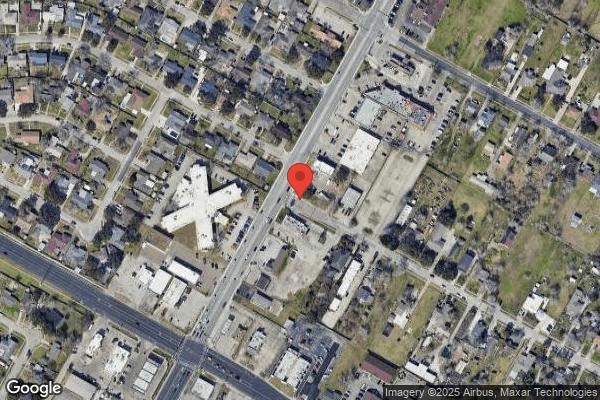
5607 EVERHART RD, CORPUS CHRISTI, TX 78411 (361) 854-4601
For profit - Corporation 204 Beds CARING HEALTHCARE GROUP Data: November 2025 4 Immediate Jeopardy citations
Trust Grade
0/100
#1128 of 1168 in TX
Last Inspection: September 2025

Inspected within the last 6 months. Data reflects current conditions.

Overview

The Palms Nursing & Rehabilitation has received a Trust Grade of F, indicating poor quality and significant concerns about care. Ranked #1128 out of 1168 facilities in Texas, it is in the bottom half of state facilities and last in Nueces County. Although the facility is improving, having reduced issues from 16 in 2024 to 9 in 2025, it still reported serious incidents, including a failure to protect residents from verbal abuse and neglecting to provide necessary medical care for a resident's diabetes. Staffing is a relative strength with a 3/5 star rating and a turnover rate of 44%, below the state average. However, fines totaling $79,987 are concerning and suggest ongoing compliance problems, highlighting a need for families to carefully consider the overall quality of care offered.

Trust Score
F
0/100
In Texas
#1128/1168
Bottom 4%
Safety Record
High Risk
Review needed
Inspections
Getting Better
16 → 9 violations
Staff Stability
○ Average
44% turnover. Near Texas's 48% average. Typical for the industry.
Penalties
✓ Good
$79,987 in fines. Lower than most Texas facilities. Relatively clean record.
Skilled Nurses
○ Average
Each resident gets 32 minutes of Registered Nurse (RN) attention daily — about average for Texas. RNs are the most trained staff who monitor for health changes.
Violations
⚠ Watch
45 deficiencies on record. Higher than average. Multiple issues found across inspections.
★☆☆☆☆
1.0
Overall Rating
★★★☆☆
3.0
Staff Levels
★☆☆☆☆
1.0
Care Quality
★★☆☆☆
2.0
Inspection Score
Stable
2024: 16 issues
2025: 9 issues

The Good

  • Full Sprinkler Coverage · Fire safety systems throughout facility
  • No fines on record
  • Staff turnover below average (44%)

    4 points below Texas average of 48%

Facility shows strength in fire safety.

The Bad

1-Star Overall Rating

Below Texas average (2.8)

Significant quality concerns identified by CMS

Staff Turnover: 44%

Near Texas avg (46%)

Typical for the industry

Federal Fines: $79,987

Well above median ($33,413)

Moderate penalties - review what triggered them

Chain: CARING HEALTHCARE GROUP

Part of a multi-facility chain

Ask about local staffing decisions and management

The Ugly 45 deficiencies on record

4 life-threatening 1 actual harm
Jul 2025 2 deficiencies
CONCERN (D) 📢 Someone Reported This

A family member, employee, or ombudsman was alarmed enough to file a formal complaint

Potential for Harm - no one hurt, but risky conditions existed

Report Alleged Abuse (Tag F0609)

Could have caused harm · This affected 1 resident

Based on interviews and record review, the facility failed to report immediately, but not later than 2 hours after the allegation is made, if the events that cause the allegation involve abuse or resu...

Read full inspector narrative →
Based on interviews and record review, the facility failed to report immediately, but not later than 2 hours after the allegation is made, if the events that cause the allegation involve abuse or result in serious bodily injury, or not later than 24 hours if the events that cause the allegation do not involve abuse and do not result in serious bodily injury, to the administrator of the facility and to other officials (including to the State Survey Agency and adult protective services where state law provides for jurisdiction in long-term care facilities) in accordance with State law through established procedures by one staff member (the SW) of five staff members reviewed for reporting of abuse allegations. The facility failed to ensure the SW reported all suspected abuse or mistreatment when a handful of residents informed her RN F and RN G were being mean to them approximately between March and April of 2025. This failure could place residents at risk for physical, mental, and psychosocial harm. The findings include: In an anonymous interview, it was stated, night nurses RN F and RN G would yell at residents to go to bed and would yell at the residents to hurry up. RN F would yell at the residents saying, the call light is not a toy'. RN F made the residents feel scared to ask for help or use the call light. RN F would tell residents If I am investigated by HHS, they will believe me and not you because you have dementia. LVN E and SW were told about the mistreatment by RN F and RN G but unsure of what came about the complaint. RN F and RN G no longer work at the facility and the residents feel safe. Residents felt like nothing was being done when they made complaints about the mistreatment by RN F and RN G. In an anonymous interview, it was stated, RN G would poke residents when she would go in to give them medicine, yelling at residents to get up and would make them feel beneath her. RN F would yell at residents stating, I am tired of cleaning up your shit and both RN F and RN G would make the residents feel like they were alone and could not ask for help, especially since it was nighttime and no administration was around. In an interview on 07/29/25 at 9:10am, LVN E stated the residents would complain to her about their medicine being administered late but never expressed to her they were being mistreated or yelled at by any staff member, including RN F and RN G. LVN E stated she would have reported any suspected abuse to the ADM. In an interview on 07/29/25 at 3:29pm, the SW stated a resident (who was no longer at the facility) informed her that they (night nurses, SW did not get names of who) were rude to them and would not give them their medicine. The SW stated she thought she reported it to the DON and was not sure what happened after that. The SW stated she did not follow up on the grievance and was not sure if anything was investigated. The SW stated the allegation was reported to her several months ago but could not recall when. The SW stated she would hear from a handful of residents that the night nurses were mean to them. The SW stated when the residents informed her of this, they told her not to say anything. The SW stated she did not ask why they felt they should not report anything and did not think it was abuse even though the residents used the word mean. The SW stated she never asked what the residents meant by mean and left it at that. The SW stated she did not write up grievances because the residents told her not to. The SW stated she was aware of what verbal abuse was and that all suspected abuse should be reported to the abuse coordinator. The SW stated in-service on ANE was held every month and the SW was the one who conducted the monthly in-service. The SW stated all suspected abuse should be reported and could not give a reason why she did not report the allegations of the night nurses being mean to the residents other than the resident did not want me to. In an interview on 07/30/25, the DON stated the SW should have reported any and all suspected mistreatment or possible abuse. The DON stated resident safety was important to the facility and any allegations of abuse were taken seriously and needed to be investigated. The DON stated if suspected abuse was not reported, it could cause the residents to become fearful or allow the alleged perpetrator/s to continue or escalate the abuse. In an interview on 7/30/25 at 11:10 am, ADON B if a resident went to her and stated that a nurse was being mean or mistreating them, she would ask the resident for details, remove the nurse from the area and go tell the DON and ADM. ADON B stated a staff member yelling at a resident or cursing at a resident was verbal abuse and should be reported to the DON and ADM immediately. In an interview on 07/30/25 at 11:54pm, the ADM stated the SW should have reported any suspected abuse and the facility takes all allegations of abuse or neglect seriously. The ADM stated he was going to in-service the SW on ANE as well as all staff. The ADM stated the facility staff, including administration, conduct Angel Rounds every morning and residents have not expressed they were being mistreated by any staff. Record review of the facility's Abuse Investigation and Reporting policy not dated reflected: ‘Policy Statement All reports of resident abuse, neglect, exploitation, misappropriation of resident property, mistreatment and/or injuries of unknown source (‘abuse) shall be promptly reported to local, state, and federal agencies (as defined by current regulations) and thoroughly investigated by facility management. Findings of abuse investigations will also be reported. Record review of the facility's policy on Abuse Prevention not dated reflected: POLICY: The facility is committed to protecting the residents from abuse by anyone including, but not necessarily limited to: facility staff, other residents, consultants, volunteers, staff from other agencies providing services to our residents, family members, legal guardians, surrogates, sponsors, friends, visitors, or any other individual. b) Verbal Abuse: The use of oral, written, or gestured language that willfully includes disparaging and derogatory terms to residents or their families, or within their hearing distance, regardless of their age, ability to comprehend, or disability. 3. It is the responsibility of all staff to provide a safe environment for the residents. Resident care and treatment shall be monitored by all staff, on an ongoing basis, so that residents are free from abuse, neglect, or mistreatment. Care will be monitored so that the resident's care plan is followed. CORRECTIVE ACTION: Any instances of employee disregard for the policies and procedures of this facility are cause for corrective action up to and including suspension, termination, and reporting to licensing agencies.
CONCERN (D) 📢 Someone Reported This

A family member, employee, or ombudsman was alarmed enough to file a formal complaint

Potential for Harm - no one hurt, but risky conditions existed

Accident Prevention (Tag F0689)

Could have caused harm · This affected 1 resident

**NOTE- TERMS IN BRACKETS HAVE BEEN EDITED TO PROTECT CONFIDENTIALITY** Based on record reviews and interviews, the facility failed to ensure residents were free from accident hazards and received ade...

Read full inspector narrative →
**NOTE- TERMS IN BRACKETS HAVE BEEN EDITED TO PROTECT CONFIDENTIALITY** Based on record reviews and interviews, the facility failed to ensure residents were free from accident hazards and received adequate supervision and assistance devices to prevent accidents for one (Resident #2) of three residents reviewed for accidents. 1. The facility failed to ensure Resident #2 did not fall out of his bed on 07/08/25 due to CNA C performing incontinent care alone instead of with a second person. This failure could place residents at risk for physical, mental, and psychosocial harm.The findings included: Record review of Resident #2's face sheet reflected a [AGE] year-old male admitted to the facility on [DATE] and discharged on 07/18/25. His diagnoses included cerebral infarction (stroke), hemiplegia and hemiparesis affecting right dominant side (paralysis and weakness on one side of the body), aphasia (an impairment in the ability to read, write, and speak), lack of coordination, seizures (abnormal brain activity which affects muscle control, behavior, and awareness), and history of falling. Record review of Resident #2's admission MDS dated [DATE] reflected a BIMS score of 4 which indicated severe mental impairment. Resident #2's admission MDS also reflected he required the assistance of two or more helpers with eating, oral hygiene, toileting hygiene, showering/bathing himself, dressing, and personal hygiene. Resident #2 required substantial/maximal assistance (helper did more than half the effort) to roll left and right in bed. Resident #2's admission MDS reflected he was always incontinent of bowel and bladder, and he weighed 178 pounds. Record review of Resident #2's care plan dated 07/09/25 reflected a potential for falls due to history of falls, CVA with residual right dominant hemiplegia, reduced range of motion to left leg, impaired cognitive functioning/ safety awareness/ problem solving, and seizure disorder. Interventions included provide adequate staff assistance and support for tasks. Record review of the facility's investigation report dated 07/11/25 reflected CNA C stated she rolled Resident #2 from his left side to his right side while providing incontinent care and the resident made a jerking move, slipped off the bed, and landed on his stomach/side on the floor. CNA C then contacted other staff to assist to get resident back to bed after he was assessed for injuries by the nurse. Resident #2 did not have any complaints or visible injuries; however, his RP wanted him sent to the emergency room to be evaluated. While in the emergency room, multiple radiological exams were completed, and it was determined Resident #2 sustained no injuries from the fall. CNA C was suspended pending the outcome of the investigation and was subsequently terminated after the investigation findings determined the allegation of resident neglect was confirmed. Record review of CNA C's employee file reflected a General Employee Orientation dated 01/08/25 which included the following: Nursing Department (ADON)Incidents and accidents Fall precautionsWelcome (Administrator)ExpectationsCompliance and communicationAll the above were dated 01/08/25 and were checked off by the respective instructor for that area.There were no previous disciplinary actions documented in CNA C's employee file. An attempt was made to contact CNA C on 07/29/25, however the phone number listed in her employee file was disconnected. There were no other phone numbers or means of contact available. In an interview on 07/29/25 at 11:12 am, CNA D stated Resident #2 was paralyzed on his right side, but he would scoot in the bed, roll over and throw his left leg off the bed. It was in the ADL book that he was a two person assist all the time because he was paralyzed on one side, and he was heavy. CNA D stated Resident #2 had fallen several times that she was aware of. CNA D stated she was not working on that hall the day he fell off the bed with CNA C. CNA D further stated, If they were a two person assist, I would not do it on my own, I would wait until I had help. CNA D stated if she did not wait until she had help, the resident could fall of the bed and get hurt. CNA D stated she had assisted with incontinent care for Resident #2 before and he would move around while being cleaned and rolled from side to side. CNA D stated, I always tell the new CNAs that everyone is a two person assist because it was standard practice in places where I worked in the past and it was just better and safer for residents. In an interview on 07 /29/25 at 4:18 pm ADON A stated the CNA care plan was how the CNAs knew if a resident was a one or two person assist with things like incontinent care and repositioning. The CNA care plans for each resident were in the front of the ADL book at the nurse's station. ADON A stated if a resident was supposed to be a two person assist with incontinent care and the CNA did not follow that, they could get disciplined which included teachable moments and/or a verbal warning. ADON A stated if a resident fell it could cause serious injuries such as fractures, bleeds, hospitalization, and even death if they were on blood thinners and hit their head. ADON A stated they called the administrator first if someone fell, then the DON, the RP and the physician. ADON A stated, In-services on fall prevention and transfers were done every 3 months, I think. Sometimes we did them in our monthly meetings which consisted of Abuse/Neglect and whatever happened that month. In an interview 0n 07/29/25 at 5:25 pm, CNA H stated they went to the ADL book to see if a resident was a one or two person assist. If they were a two person assist and she did not have another CNA to help, she would call the charge nurse to help or another CNA on another floor. CNA H stated if she did not wait for help, she would not have followed the rules, and the resident could fall or be hurt. CNA H stated they usually did once a week in-service on fall prevention and the last in-service on fall prevention was yesterday. In an interview on 07/29/25 at 5:35 pm CNA I stated neglect was when a resident needed help, or you saw them in a bad situation, and you did not help them. CNA I stated the ADL book at the nurse's station had care plans in the front and it was on there if a resident was a one or two person assist. CNA I stated, If a resident was a two person assist and only one person provided care and the resident fell, it was neglect. If there was no other CNA to help, I got a nurse to help. CNA I stated if a resident fell during care, she reported it to the charge nurse then to the administrator immediately. CNA I stated in-services on fall prevention and abuse/ neglect were done all the time, most were done by the DON or ADON A and the last in-service was yesterday. In an interview on 7/30/25 at 10:23 am, the DON stated Resident #2 was admitted after a stroke and he had shaking/ jerking movements and was always moving. The DON stated they put floor mats on each side of Resident #2's bed after he fell the first time which was about a week after he got to the facility. The DON stated CNA C was changing Resident #2 and he fell off the bed because he threw his leg over the edge of the bed, and it pulled him down. The DON stated the CNAs knew if a resident was a one or two person assist with incontinent care because it was in the ADL book at the nurse's station. The DON stated they did in-services twice a week on fall prevention and the CNAs had skills check offs frequently that covered safe resident care. The DON stated if a CNA did not have a second CNA to assist, they could ask a nurse, the DON, or even physical therapy to help them. The DON stated CNA C had not previously done resident care alone when it should have been two people that she knew of. The DON stated, If a CNA did care alone when there was supposed to be two people, the resident could fall, get a head injury or broken bone, which would lead to hospitalization or even death if they had a brain bleed and were on blood thinners. If I found out that a CNA did care alone when there was supposed to be two people, I would have taken them into my office, talked to them about it, and done retraining with them. Then I would follow up with an in-service for everyone about two person assist. In an interview on 7/30/25 at 11:10 am, ADON B stated the CNAs knew if a resident was supposed to be a one or two person assist with incontinent care by looking at the ADL book that was at the nurse's station. The ADL book listed each task that a resident may have needed assistance with and if that task required one or two people to assist the resident. ADON B stated Resident #2 was a two person assist with incontinent care because he was wiggling or throwing his legs across or off the bed. ADON B stated Resident #2's right side was weaker than the left, but he could move both sides. ADON B stated when CNA C was turning Resident #2 to provide incontinent care, he rolled off the bed. ADON B stated Resident #2 was a big guy and CNA C had a small stature. ADON B stated there were in-services done almost once a week on fall prevention and safe resident care. ADON B also stated if a CNA did incontinent care alone on a resident that was supposed to be a two person assist, the charge nurse would have done a disciplinary form and talked with the CNA about expectations and job duties. When asked what could happen if a CNA provided care alone and a resident fell off the bed, ADON B replied, The resident could have a skin tear, head injury or fracture and been hospitalized . If there was not another CNA to help, they were supposed to ask the charge nurse, a medication aide, or any other qualified staff member for assistance. ADON B stated to her knowledge, there had not been any previous issues with CNA C.
Jun 2025 5 deficiencies
CONCERN (D) 📢 Someone Reported This

A family member, employee, or ombudsman was alarmed enough to file a formal complaint

Potential for Harm - no one hurt, but risky conditions existed

Resident Rights (Tag F0550)

Could have caused harm · This affected 1 resident

**NOTE- TERMS IN BRACKETS HAVE BEEN EDITED TO PROTECT CONFIDENTIALITY** Based on observations, interviews, and record review, the facility failed to ensure residents were treated in a respectful manne...

Read full inspector narrative →
**NOTE- TERMS IN BRACKETS HAVE BEEN EDITED TO PROTECT CONFIDENTIALITY** Based on observations, interviews, and record review, the facility failed to ensure residents were treated in a respectful manner that maintained or enhanced each resident's dignity for 1 (Resident #3) of 6 residents reviewed for dignity. The facility failed to treat Resident #3 with dignity and respect during a post-fall assessment by RN D in Resident #3's room on 05/16/25. RN D asked Resident #3 in a stern tone What is wrong with you and Do you want to break something while Resident #3 was still on the floor post-fall. This failure could place residents who require assistance from nurses at risk of feeling disrespected. Findings included: Record review of Resident #3's face sheet dated 06/19/25 revealed a [AGE] year-old female with an initial admission date of 04/18/25 and a discharge date of 06/19/25. Pertinent diagnosis included Depression. Record review of Resident #3's Comprehensive MDS assessment dated [DATE] revealed a BIMS score of 13 (cognition intact). Record review of Resident #3's comprehensive care plan reviewed with no related information. During an observation of a surveillance video at 8:30 AM on 06/25/25 from Resident #3's room with a timestamp dated 05/16/25, RN D was observed speaking loudly at Resident #3 while she was on the floor next to her bed after an apparent unwitnessed fall. RN D was heard on the video stating What is wrong with you? and Do you want to break something? while Resident #3 lay on the floor next to her bed. In an interview with ADON-A at 5:38 PM on 06/25/25, ADON-A stated it was important to treat a resident with respect and dignity so they feel like the facility can be their home. ADON A stated Resident #3 was not treated with dignity, respect, consideration, or courtesy after her fall on 05/16/25. ADON-A stated it was important to always treat residents with patience and kindness, otherwise they could experience emotional harm. In an interview with the ADM at 4:51 PM on 06/26/25, the ADM stated it was important to treat the residents the same way you would want to be treated. The ADM stated the residents have the rights to be treated with dignity and respect. The ADM stated berating a resident after a fall was not treating them with consideration or courtesy. The ADM stated he was not aware of the video until it was brought to his attention by this state surveyor. The ADM stated RN D was fired not long after the incident in the video for her behavior, mannerisms, and lack of tact. The ADM stated residents could experience mental anguish leading to physical symptoms if they were not treated properly. In an interview with the DON at 5:06 PM on 06/26/25, the DON stated it was important to always treat residents with respect, dignity, consideration, and courtesy. The DON stated nurses should treat others as they would like to be treated. The DON stated a resident could get depressed and experience mental anguish if they were treated inappropriately by staff. Record review of the Facility admission Packet last updated 07/20/15 stated You have the right to be treated with dignity, courtesy, consideration, and respect.
CONCERN (D) 📢 Someone Reported This

A family member, employee, or ombudsman was alarmed enough to file a formal complaint

Potential for Harm - no one hurt, but risky conditions existed

Investigate Abuse (Tag F0610)

Could have caused harm · This affected 1 resident

**NOTE- TERMS IN BRACKETS HAVE BEEN EDITED TO PROTECT CONFIDENTIALITY** Based on interview and record review the facility failed to have evidence that all alleged violations were thoroughly investigat...

Read full inspector narrative →
**NOTE- TERMS IN BRACKETS HAVE BEEN EDITED TO PROTECT CONFIDENTIALITY** Based on interview and record review the facility failed to have evidence that all alleged violations were thoroughly investigated and measures were taken to prevent further potential abuse, neglect, exploitation or mistreatment in accordance with State law, and if the alleged violation was verified appropriate, corrective action must have been taken for 1 (Resident #1) of 5 residents reviewed for abuse, neglect, and/or misappropriation. The facility failed to do a thorough investigation to include interviewing the victim (Resident #1) in the incident, the victim ' s RP, as well as other residents which may have been involved in the incident. This failure placed residents at risk of not having their allegations investigated thoroughly or timely. The findings included: Record review of Resident #1 ' s face sheet dated 11/29/2024 revealed a [AGE] year-old female with an admission date of 07/16/2024. Diagnoses included End Stage Renal Disease (last stage of kidney failure), Anxiety, Type 2 Diabetes (chronic condition which occurs when the body cannot use insulin effectively), and Depression. Record Review of Resident #1's annual MDS assessment dated [DATE] revealed Resident #1 had a BIMS score of 15, which revealed intact cognition. Record Review of the PIR completed on 11/21/2024 revealed an incorrect narcotic count of Resident #1 ' s Clonazepam 0.125 MG (a medication used to treat seizure disorders and panic disorder) on 11/21/2024 at 8:30 AM. The controlled medication count revealed 11 missing tablets. Incorrect count was identified when oncoming LVN-B counted with off-going LVN-A. Both LVN-A and LVN-B were interviewed and denied taking the pills. ADON-A recounted and determined 11 tablets were missing. According to the PIR, both LVN-A and LVN-B stated the count was correct the previous night when oncoming LVN-A counted with off-going LVN B. Both nurses were suspended pending investigation, with LVN-B ultimately being fired for other reasons. Record review of Resident #1 ' s physician orders revised 02/05/2025 revealed Clonazepam 0.125 MG, give 1 tablet twice per day. In an observation on 06/25/2025 at 6:25 AM revealed off-going LVN-A and on-coming MA-F counted controlled medications whereas MA-F would actually count the medications, but LVN-A just looked to verify the count on the controlled medication sheet was correct. LVN-A was not actually watching MA-F count the medications, and MA-F was not actually looking at the sheet to verify it was correct. In an interview with ADON-A on 06/24/2025 at 2:25 PM she stated she was informed of the drug discrepancy on the morning 0f 11/21/2024 and recounted the medications herself. She stated there were 11 missing Clonazepam when she counted, and they were never recovered. She stated in house drug screens were completed, and both nurses were suspended pending investigation results with LVN-B ultimately being fired for other issues. She stated both nurses were interviewed at the time of the investigation, but no one else was interviewed at that time. She stated neither Resident #1 nor her RP was notified interviewed for this investigation. In an interview with the Administrator on 06/24/2025 at 3:16 PM he stated the count was wrong with 11 controlled medications missing on the morning of 11/21/2024, so an investigation was started. He stated the nurses involved were drug tested and suspended pending investigation. He also stated the nurses were interviewed, but no one else was interviewed at the time of the investigation because he did not see any need to involve anyone else. In an interview with LVN-A on 06/24/2025 at 4:23 PM she stated she was the off-going nurse the morning the controlled medication count was off. She stated she was interviewed, a drug screen was done, and she was suspended pending investigation. In an interview with Resident #1 on 06/24/25 at 4:50 PM she stated she remembered when her medication went missing in November of 2024 because she heard the nurses talking about it, but she stated she was never interviewed or questioned about the missing medication or if she had received or missed any of her medication. She denied ever missing any doses of her medication or any increased anxiety. In an interview with LVN-A on 6/25/25 at 6:35 AM stated she was usually here until 7:00 AM, but sometimes the nurses or medication aides came in early, so they went ahead and counted early. LVN-A stated if she was the one off-going she looked at the count sheet to make sure it was correct, and the one who was on-coming actually counted the controlled medication, and they did not typically double check if the other was correct or telling the truth. LVN-A stated she had never been told to do the count any other way, but she saw how not verifying the count was correct could be a cause for concern because medications could be missing or stolen if the count was not correct. She also stated she gave the medication during her shift, she did not technically perform a count after the medication was given but waited until the end of her shift to count. She denied taking any of the controlled medications. In an interview with the DON on 06/25/2025 at 9:00 AM she stated on the morning of 11/21/2024 she, along with the ADONs, did a re-count of the controlled substances and found Resident #1 ' s Clonazepam 0.125 MG was missing 11 tablets. She stated both LVN-A and LVN-B were interviewed, drug tested and suspended pending investigation. She stated no residents or RPs were contacted or interviewed for this investigation. In an interview with ADON-A on 06/26/2025 at 4:55 PM she stated the facility could have and should have done more with the investigation of the missing controlled medications. She stated no resident or RP interviews were done until yesterday (06/25/2025). She stated they interviewed Resident #1 as well as other residents with high BIMS scores to determine if they were getting their medications as ordered and scheduled, and all residents stated they were. She also stated they did not notify Resident #1 ' s RP until two days ago (06/24/2025). She stated they should have interviewed Resident #1 when the controlled medication went missing, as well as interviewed residents which were on the same type of medication as the one that went missing. Record review of Resident Rights, date unknown, revealed (c) the facility must develop and implement written policies and procedures that prohibit mistreatment, neglect, and abuse of residents, and misappropriation of resident ' s property. (3) The facility must have evidence that all alleged violations are thoroughly investigated and must prevent further potential abuse while the investigation is in progress. Record review of the facility ' s How to Conduct an Investigation policy, dated 04/2012, revealed 6. Interview all potential witnesses. Statements will be taken in anticipation of litigation. 8. Identify who the alleged victim is, who witnessed the incident, who may have information related to the incident.
CONCERN (D) 📢 Someone Reported This

A family member, employee, or ombudsman was alarmed enough to file a formal complaint

Potential for Harm - no one hurt, but risky conditions existed

Quality of Care (Tag F0684)

Could have caused harm · This affected 1 resident

**NOTE- TERMS IN BRACKETS HAVE BEEN EDITED TO PROTECT CONFIDENTIALITY** Based on observations, interviews, and record reviews, the facility failed to ensure residents received treatment and care in ac...

Read full inspector narrative →
**NOTE- TERMS IN BRACKETS HAVE BEEN EDITED TO PROTECT CONFIDENTIALITY** Based on observations, interviews, and record reviews, the facility failed to ensure residents received treatment and care in accordance with professional standards of practice for 1 (Resident #3) of 6 residents reviewed for quality of care. The facility failed to enforce the post-fall assessment policy leading to Resident #3 being moved after a fall prior to checking her vital signs and neurological status on 05/21/25. The failure could affect residents currently residing in the facility, resulting in not receiving needed care to maintain optimal health and placing them at risk for injury or deterioration in their condition. The findings included: Record review of Resident #3's face sheet dated 06/25/25 revealed a [AGE] year-old female with an initial admission date of 04/18/25 and a discharge date of 06/19/25. Pertinent diagnosis included Depression and Muscle Wasting and Atrophy, Record review of Resident #3's Comprehensive MDS assessment dated [DATE] revealed a BIMS score of 13 (cognition intact). Record review of Resident #3's comprehensive care plan dated 05/12/25 revealed the resident posed a risk for potential injuries from falls. Interventions listed to prevent injuries from falls were to place articles I need within my reach, remind/encourage me to use call light for assistance, Provide me with a low bed. Keep the bed in low position whenever I'm in bed, Place fall mats on floor at my bedside, and Refer me to therapy so they can re-screen me. During an observation of a surveillance video at 8:45 AM on 06/25/25 from Resident #3's room with a timestamp dated 05/21/25, Resident #3 was observed falling in her room with no staff around. LVN E was observed on video entering the room and briefly checking on the resident for 45 seconds before supervising her movement from the floor too her bed. LVN E was observed not performing vital signs checks or neurological status checks on Resident #3 before moving her into her bed. In an interview with ADON-A at 5:38 PM on 06/25/25, ADON-A stated when a resident had an unwitnessed fall, it was important to follow the proper post-fall procedure to ensure the resident was not harmed further. ADON-A stated the resident's vitals (blood pressure, oxygen saturation, temperature, and pulse) and neurological status should be checked prior to moving the resident. The ADON-A stated LVN E did not assess Resident #3's vitals or neurological status before moving Resident #3 back to her bed after her fall on 05/21/25. ADON-A stated the facility policy was not followed in this instance. In an interview with LVN E at 6:31 PM on 06/25/25, LVN E stated when responding to an unwitnessed fall of a resident, she would check their vital signs, ask them questions, check for trauma, check their range of motion, look for bleeding. LVN E stated she would determine if the resident was safe to move after performing her examination. LVN E stated she did not check the vital signs or neurological status of Resident #3 before moving her into her bed. LVN C stated Resident #3 was not on her hall the evening 05/21/25, so she was helping the other nurse because she was busy. LVN E stated she should have checked Resident #3's vital signs and neurological status before moving Resident #3 to her bed. LVN E stated it was important to check a resident's vitals and neurological status before moving them because they could be harmed further if they were moved prematurely. In an interview with the DON at 5:06 PM on 06/26/25, the DON stated when a resident had an unwitnessed fall, the nurse responding to the incident should perform a physical assessment on the resident before determining it was safe to move them. The DON stated a physical assessment included checking the resident's vital signs and neurological status. The DON stated it was important to check on the resident before moving them because they may be harmed further when moving them prematurely. Record review of the facility policy titled Falls - Evaluation and Prevention last revised 09/2014 revealed the following: .Evaluate the resident promptly in order to identify and treat injuries. The resident should not be moved until the licensed nurse has evaluated their condition, unless absolutely necessary. The evaluation should include vital signs and neurological status.
CONCERN (D) 📢 Someone Reported This

A family member, employee, or ombudsman was alarmed enough to file a formal complaint

Potential for Harm - no one hurt, but risky conditions existed

Pharmacy Services (Tag F0755)

Could have caused harm · This affected 1 resident

**NOTE- TERMS IN BRACKETS HAVE BEEN EDITED TO PROTECT CONFIDENTIALITY** Based on observation, interview, and record review the facility failed to ensure the accurate acquiring, receiving, dispensing, ...

Read full inspector narrative →
**NOTE- TERMS IN BRACKETS HAVE BEEN EDITED TO PROTECT CONFIDENTIALITY** Based on observation, interview, and record review the facility failed to ensure the accurate acquiring, receiving, dispensing, and administering of all drugs and biologicals to meet the needs of each resident for 1 (Resident #1) of 5 residents reviewed for pharmacy services. The facility failed to ensure LVN-A's medication cart on hall 300 contained an accurate count and record for Resident #1's Clonazepam 0.125 MG (a medication used to treat seizure disorders and panic disorder). This failure could place residents at risk for drug diversion and/or a delay in medication administration, as well as risk of not having allegations investigated throoughly or timely. Findings included: Record review of Resident #1's face sheet dated 11/29/2024 revealed a [AGE] year-old female with an admission date of 07/16/2024. Diagnoses included End Stage Renal Disease (last stage of kidney failure), Anxiety, Type 2 Diabetes (chronic condition which occurs when the body cannot use insulin effectively), and Depression. Record Review of Resident #1's annual MDS assessment dated [DATE] revealed Resident #1 had a BIMS score of 15, which revealed intact cognition. Record Review of the PIR completed on 11/21/2024 revealed an incorrect narcotic count of Resident #1's Clonazepam 0.125 MG on 11/21/2024 at 8:30 AM. The controlled medication count revealed 11 missing tablets. The incorrect count was identified when oncoming LVN-B counted with off-going LVN-A. Both LVN-A and LVN-B were interviewed and denied taking the pills. ADON-A recounted and determined 11 tablets were missing. According to the PIR, both LVN-A and LVN-B stated the count was correct the previous night when oncoming LVN-A counted with off-going LVN B. Both nurses were suspended pending investigation, with LVN-B ultimately being fired for other reasons. Record review of Resident #1's physician orders revealed a revised active order for Clonazepam 0.125 MG revised on 02/05/2025. Record review of Resident #1's Individual Drug Administration Record revealed the Clonazepam 0.125 MG count at 9:00 PM on 11/20/2024 was 29, and on 11/21/2024 at 10:15 AM the count was 18. In an observation on 06/25/2025 at 6:25 AM revealed off-going LVN-A and on-coming MA-F counting controlled medications whereas MA-F would actually count the medications, but LVN-A just looked to verify the count on the controlled medication sheet was correct. LVN-A was not actually watching MA-F count the medications, and MA-F was not actually looking at the sheet to verify it was correct. In an interview with ADON-A on 06/24/2025 at 2:25 PM she stated she was informed of the drug discrepancy on the morning 0f 11/21/2024 and recounted the medications herself. She stated there were 11 missing Clonazepam when she counted, and they were never recovered. She stated in house drug screens were completed and both nurses were suspended pending investigation results with LVN-B ultimately being fired for other issues. She stated both nurses were interviewed at the time of the investigation, but no one else was interviewed at that time. She stated neither Resident #1 nor her RP were interviewed for this investigation. She denied anyone alleging abuse, neglect or misappropriation at that time. In an interview with the Administrator on 06/24/2025 at 3:16 PM he stated on the morning of 11/21/2024 the count was wrong with 11 controlled medications missing, so an investigation was started. He stated the nurses involved were drug tested and suspended pending investigation. He stated the nurses were interviewed, but no one else was interviewed at the time of the investigation because he did not see any need to involve anyone else in the investigation. He denied anyone alleging abuse, neglect or misappropriation at that time. In an interview with LVN-A on 06/24/2025 at 4:23 PM she stated she was the off-going nurse the morning the controlled medication count was off, but she stated the count was correct when she had come on shift the night before on 11/20/2024 and counted with LVN-B. She stated she was interviewed, a drug screen was done, and she was suspended pending investigation. Interview with Resident #1 on 06/24/25 at 4:50 PM she stated she remembered when her medication went missing in November of 2024 because she heard the nurses talking about it, but she stated she was never interviewed or questioned about the missing medication or if she had received or missed any of her medications. She denied ever missing any doses of her medication or any increased anxiety. In an interview LVN-A on 6/25/25 at 6:35 AM she stated she was usually here until 7:00 AM, but sometimes the nurses or medication aides came in early, so they went ahead and counted early. LVN-A stated if she was the one off-going she looked at the count sheet to make sure it was correct, and the one who was on-coming actually counted the controlled medication, and they did not typically double check the other was correct or telling the truth. LVN-A stated she had never been told to do the count any other way, but she saw how not verifying the count was correct could be a cause for concern because medications could be missing or stolen if the count was not correct. She also stated if she gave the medication during her shift, she did not technically perform a count after the medication was given but waited until the end of her shift to count. She denied taking any of the controlled medications. In an interview with LVN-B on 6/25/25 at 8:30 AM she stated she was the on-coming nurse on 11/21/2024 and counted around 7am. She stated she was the one who noticed the controlled medications were missing. LVN-B stated she was drug tested by the DON, and as far as she knew they were both fired because of the missing medication. She refused to accept the keys to the medication cart because the count was incorrect. In an interview with the DON on 06/25/2025 and 9:00 AM she stated on the morning of 11/21/2024 she, along with the ADONs, did a re-count of the controlled medications and found Resident #1's Clonazepam 0.125 MG was missing 11 tablets. She stated both LVN-A and LVN-B were interviewed, drug tested and suspended pending investigation. She stated no residents or RPs were contacted or interviewed for this investigation. She denied anyone alleging abuse, neglect or misappropriation at that time. In an interview with ADON-A on 06/26/2025 at 4:55 PM she stated the facility could have and should have done more with the investigation of the missing controlled medications. She stated no resident or RP interviews were done until yesterday (06/25/2025) when they interviewed Resident #1 as well as other residents with high BIMS scores to determine if they were getting their medications as ordered and scheduled, and all residents stated they were. She also stated they did not notify Resident #1's RP until two days ago (06/24/2025). She stated they should have interviewed Resident #1 and her RP when the controlled medication went missing, as well as interviewed residents who were on the same type of medication as the one that went missing. She denied anyone alleging abuse, neglect or misappropriation at that time. Record review of the facility's Administering Medications policy, date unknown, revealed 13. During administration of medications, the medication cart will be kept closed and locked when out of sight of the medication nurse or aide. Record review of the facility's Medication Storage policy, date unknown, revealed 7. Compartments (including but not limited to drawers, cabinets, rooms, refrigerators, carts, and boxes) containing drugs and biologicals shall be locked when not in use, and trays or carts used to transport such items shall not be left unattended if open or otherwise potentially available to others.
CONCERN (E) 📢 Someone Reported This

A family member, employee, or ombudsman was alarmed enough to file a formal complaint

Potential for Harm - no one hurt, but risky conditions existed

Medical Records (Tag F0842)

Could have caused harm · This affected multiple residents

Based on interview and record review, the facility failed to ensure medical records were kept in accordance with professional standards and practices and were complete and accurately documented for 5 ...

Read full inspector narrative →
Based on interview and record review, the facility failed to ensure medical records were kept in accordance with professional standards and practices and were complete and accurately documented for 5 of 5 residents (Resident #1, Resident #2, Resident #5, Resident #6, and Resident #7) reviewed for accuracy of records. The facility failed to ensure Resident #1, Resident #2, Resident #5, Resident #6, and Resident #7 had documented Quarterly Elopement Assessments since January 2025. This failure could place residents at risk for improper care due to inaccurate or incomplete assessments and records. Findings included: Record review of Quarterly Assessments for sampled residents (Resident #1, Resident #2, Resident #5, Resident #6, and Resident #7) revealed no quarterly assessments had been completed since 01/16/2025. In an interview with ADON-A on 06/26/2025 at 10:00 AM she stated the Quarterly Elopement Assessments were typically completed either by the charge nurse or one of the ADONs. She stated the previous MDS nurse would create a calendar for when the Quarterly Elopement Assessments were due on each resident, but the previous MDS nurse was fired. She stated the new MDS nurse started in January 2025 and refused to create the calendar for the nurses because it was not her job. She stated the charge nurses and ADONs did not have time to create this calendar, so it was never created, and the elopement assessments were never completed. ADON-A also stated they were looking to hire a new MDS nurse and had discussed this situation with the quarterly assessment calendar and incomplete elopement assessments with the Administrator, so he was aware of the situation. She stated she realized this puts the residents at risk for elopement if they were not being evaluated and assessed properly. In an interview with the MDS nurse on 06/26/2025 at 2:50 PM she stated she started working at the facility in January 2025. She stated she had not created the calendar for the Quarterly Elopement Assessments for the nurses because it was not her job. She stated the nurses on the floor were the ones who did the assessments, so they should be creating their own calendars for the assessments since it was considered a nursing task. She stated the residents were probably not being assessed any longer for elopement since the nurses were not keeping up with when the quarterly assessments were due. In an interview with the DON on 06/26/2025 at 2:54 PM she stated the MDS nurse no longer created the Quarterly Elopement Assessment calendar. She stated nursing was supposed to be doing this since it was a nursing task, but she also stated she found out today nursing had not been doing this, so these assessments had not been completed. The DON stated this placed the residents at risk for elopement and inaccurate or inadequate care or treatment. Facility policy regarding Quarterly Elopement Assessments or Elopement Assessments requested on 06/26/2025 at 12:05 PM. Per the Administrator, the facility did not have a specific policy regarding Quarterly Elopement Assessments.
Apr 2025 1 deficiency
CONCERN (D) 📢 Someone Reported This

A family member, employee, or ombudsman was alarmed enough to file a formal complaint

Potential for Harm - no one hurt, but risky conditions existed

Transfer Requirements (Tag F0622)

Could have caused harm · This affected 1 resident

**NOTE- TERMS IN BRACKETS HAVE BEEN EDITED TO PROTECT CONFIDENTIALITY** Based on interviews and record reviews the facility failed to ensure the safe and orderly discharge for one (Resident #1) of fou...

Read full inspector narrative →
**NOTE- TERMS IN BRACKETS HAVE BEEN EDITED TO PROTECT CONFIDENTIALITY** Based on interviews and record reviews the facility failed to ensure the safe and orderly discharge for one (Resident #1) of four residents. Based on interviews and record review, the facility failed to ensure the safe and orderly discharge for one (Resident #1) of four residents. The facility (Facility A) failed to plan a coordinated discharge and returned Resident #1 back to the discharging facility (Facility B) on the same day. This failure placed Resident #1 in the hospital due to the original discharging facility not accepting the resident. Findings included: Record review of Resident #1's Face sheet dated 4/10/2025 indicated Resident #1 was a [AGE] year old who was admitted with diagnosis of Autistic Disorder (a neurodevelopmental disorder characterized by repetitive, restricted, and inflexible patterns of behavior, interests, and activities, as well as difficulties in social interaction and social communication), Epilepsy (a brain disorder characterized by recurrent seizures, which are episodes of abnormal electrical activity in the brain), Dysphasia (difficulty with swallowing foods or liquids), and Cognitive Communication Deficit Disorder (a type of communication impairment where difficulties arise due to problems with cognitive processes, rather than speech or language production itself). A quarterly MDS assessment dated [DATE] indicated Resident #1 had a BIMS (Brief Interview for Mental Status) of 99 which indicated severe cognitive impairment and also indicated the resident could not complete the interview. The section GG (Functional Abilities) indicated Resident #1 independently walked and transferred himself but needed assistance with toileting and showering himself. Record review of Resident #1's care plan, undated, revealed, Resident #1 had behavior problems. The care plan indicated Resident #1 was sexually inappropriate with female staff and continually tries to reach for female staff as they passed by the resident. A record review of Resident #1's progress note dated 3/19/2025 indicated Resident #1 had an increase in dosage of his medication. The progress note indicated the medication Provera was increased from 10 mg to 15 mg by mouth 1 time per day for the diagnosis of Paraphilia (an intense or recurring sexual arousal from atypical situations). During an interview on 4/12/2025 at 3:51 p.m., the DON stated Resident #1 was admitted to Facility A on 4/11/2025. The DON stated upon admission Resident #1 did not have any of his medications, he did not have any paperwork to include a medication list, the resident was soiled and brought no personal clothing items with him upon admission. The DON stated after setting the resident up in his room Resident #1 started trying to sexually grope the female staff. The DON stated the facility in which the resident was discharged from did not communicate Resident #1's behavior issues of sexual inappropriateness (this diagnosis was not in the list on the face sheet). The DON stated this was when Facility A became unable to care for the resident or to meet the needs of the resident. The DON stated she was informed Administrator A called the facility where Resident #1 was discharged and made them aware Facility A would be returning the resident to their facility (Facility B). The DON was informed that the Administrator at Facility B was not going to readmit Resident #1, but after contacting the local Ombudsman, Facility A was told Facility B would have to readmit Resident #1. During an interview on 4/12/2025 at 4:03 p.m., Administrator A at Facility A stated after finding out Resident #1 was sexually deviant and grabbed private parts of the staff he contacted the local Ombudsman. Administrator A stated he was informed Facility A could return Resident #1 back to the facility he originated. Administrator A stated the Ombudsman informed him the admitting facility had three to five days to make this transfer back to the other facility due to Facility B not communicating the behaviors of Resident #1 and the condition the resident was in when admitting to Facility A (no medications, no medication list, and no clothing). Administrator A stated he called the other facility and made them aware they would be transporting Resident #1 back to their facility. Administrator A stated staff at Facility B informed him they would not be accepting Resident #1 back at their facility and they would call the police. Administrator A informed the staff at Facility B they lied to Facility A and put their staff in danger and informed Facility B Resident #1 was already in route to Facility B. During an interview on 4/17/2025 at 12:38p.m., LVN A stated Resident #1 was admitted to Facility A on 4/11/2025 during her shift. LVN A stated she was calling for report from Facility B when Resident #1 arrived at the facility with no medications, no medication list, no personal items, and was soiled. LVN A stated, Resident #1 reached out and grabbed my bottom while bent over the medication cart and Resident #1 was also making sexual gestures towards other people in the area. During a review of email correspondence on 4/15/2025, the local Ombudsman stated, I do not represent the facility but the resident. The Ombudsman also communicated that he (Administrator A) should have consulted with his legal team regarding the discharge of Resident #1. During an interview on 4/16/2025 at 1pm, Resident #1's family member stated she was aware the discharge occurred on Friday (4/11/25), but the discharge was very rushed from Facility B to Facility A. She also stated the discharge from Facility A to Facility B was rushed as it occurred the same day, which caused her family member to be placed in the hospital because he had nowhere to go. During an interview on 4/12/25 at 2:40p.m., Administrator B from Facility B stated, Facility A did transfer Resident #1 back to the facility, but due to informing Administrator A that Resident #1 would not be readmitted to the facility, the police and Adult Protective Services (APS) were contacted. Administrator B stated APS instructed Facility B to take the resident to the hospital due to not having placement for Resident #1. Record review of facility's Transfer and Discharge policy dated 3/2012 stated, written notice will be given to Resident/Responsible Party for all planned discharges and transfers. Exceptions to the 30-day requirement apply when the transfer or discharge is effected because: the residents welfare and needs cannot be met in the facility, resident no longer needs services provided by the facility, the resident is endangering the safety of other persons in the facility, the resident is endangering the health of other individuals in the facility, the resident fails to pay for goods and services provided by the facility after reasonable and appropriate notices have been provided, the facility ceases to participate in the program that pays for the resident's care, or a resident has not resided in the facility for 30 days. The facility's Transfer and Discharge policy also included verbiage stating, documentation of the reason for transfer or discharge and the necessity for the resident's welfare and the needs that cannot be met in the facility, and the service available to meet the needs will be documented in the resident's medical record. And in exceptional cases a notice must be provided to the resident, the resident's representative if appropriate, and the Long-Term Care Ombudsman as soon as practicable before the transfer or discharge.
Mar 2025 1 deficiency
CONCERN (D) 📢 Someone Reported This

A family member, employee, or ombudsman was alarmed enough to file a formal complaint

Potential for Harm - no one hurt, but risky conditions existed

Accident Prevention (Tag F0689)

Could have caused harm · This affected 1 resident

**NOTE- TERMS IN BRACKETS HAVE BEEN EDITED TO PROTECT CONFIDENTIALITY** Based on observation, interview, and record review, the facility failed to ensure each resident received adequate supervision an...

Read full inspector narrative →
**NOTE- TERMS IN BRACKETS HAVE BEEN EDITED TO PROTECT CONFIDENTIALITY** Based on observation, interview, and record review, the facility failed to ensure each resident received adequate supervision and assistance devices to prevent accidents, for one of four residents (Resident #1) reviewed for accidents and supervision. The facility failed to ensure CNA A used a gait belt to transfer Resident #1 from the bed to the wheelchair . This failure could place residents at risk for falls, injuries and a decline in health. Findings include: Record review of Resident #1's face sheet, dated 03/30/2025, revealed a [AGE] year-old male who was admitted to the facility on [DATE]. Resident #1 with diagnoses which included muscle wasting and atrophy , abnormalities of gait and mobility, lack of coordination, cerebral infarction (stroke) affecting left non-dominant side, and hemiplegia (paralysis of one side of body) and hemiparesis (weakness on one side of the body). Record review of Resident #1's Quarterly MDS, dated [DATE], revealed Resident #1 had a BIMS score of 14, which meant mild cognitive impairment. Resident #1 needed partial to moderate assistance for chair/bed-to-chair transfer. Resident #1 was coded to have neurological deficits of cerebrovascular accident, transient ischemic attack or stroke and hemiplegia or hemiparesis. Resident #1 was coded for having functional limitation of range of motion with both impairment on one side for both upper and lower extremities. Record review of Resident #1's care plan problem start date 10/17/2024 edited on 10/28/2024 revealed ADLs Functional Stat/Rehabilitation Resident requires assistance/supervision for ADL and mobility tasks status post CVA with residual left hemiplegia weakness, impaired balance poor endurance activity tolerance. He has reduced ROM to left upper extremity. He attempts ADLs per self, does not use call light or assist at times, is at risk for falls/injuries. Approach (Interventions): Assist resident with shower three times per week per schedule and PRN. Resident Requires physical x1 staff assistance. Encourage resident to participate to the fullest extent possible with each interaction, task. Encourage resident to turn and reposition Q2 hours and PRN while in bed and up in wheelchair. He is independent for bed mobility and turning and repositioning tasks. Encourage/remind resident to use bell to call for assistance. Check on resident at routine intervals and to assess needs, monitor safety issues and offer/provide assistance as needed. He requires extensive assist x1 staff for dressing and clothing changes daily and PRN. Monitor for changes in functional status and independence for ADLs, strength, balance, safety. Make appropriate referrals PRN. Resident is mobile using wheelchair. He requires supervision and set-up assistance for locomotion on and off of the unit. He is only able to walk very short distances with extensive assistance. Resident requires limited x 1 staff assistance for personal hygiene tasks. The care plan had a revision date of 03/30/2025 to include He is independent for transfer tasks. Record review of Resident #1's care plan problem start date 10/17/2024 edited on 03/30/2025, revealed potential for falls due to history of falling, history of CVA with resident left hemiplegia, weakness, impaired balance, unsteady gait, impaired cognitive functioning/ safety awareness/ problem solving with dementia (cognitive impairment) neuropathy (nerve deficit), seizure disorder (brain disorder), arthritis (joint disorder), muscle spasm and cardiovascular, psychotropic, and neuroleptic medication administration. Approach (approach) bed in lowest position, call light in easy reach. Remind resident to call for staff assist when needed and answer call promptly. Check on resident at routine intervals to assess needs, monitor safety issues and offer assist as needed. Intervene with resident to minimize or reduce fall occurrences. Provide adequate staff assistance and support for tasks. During an observation on 03/29/2025 at 4:42 PM revealed Resident #1 engaged the call light system in his room and began to situate himself on the side of his bed. CNA A entered Resident #1's room and turned off the call light and asked Resident #1 what he needed. Resident #1 stated he needed to utilize the restroom. Upon initial observation there was observable left sided deficit on both Resident #1's left leg and left arm. CNA A proceeded to retrieve Resident #1's wheelchair and secured it on Resident #1's left side. CNA A then proceeded to assist Resident #1 to stand while she simultaneously grabbed Resident #1's left arm and with strength assisted him into the wheelchair. During Resident #1's transfer, Resident #1 pivoted to the wheelchair, and was observed to struggle while he staggered when pivoting from bed to wheelchair. Resident #1 was observed to have compromising balance as he was observed to be struggling while transferring to the wheelchair. Resident #1 was successful in transferring to the wheelchair while CNA A utilized his left arm to assist him. Throughout the transfer CNA A did not utilize a gait belt . During an interview on 03/29/2025 at 5:17 PM, CNA A stated she should have used a gait belt to assist Resident #1 to transfer onto his wheelchair. CNA A stated she should not have used Resident #1's left arm to transfer and should have used a gait belt . CNA A stated she was unaware Resident #1 had a left arm deficit however during this bed to wheelchair transfer, Resident #1 struggled to transfer into the wheelchair. CNA A was asked if she utilized a gait belt when transferring Resident #1, CNA A gave no definitive answer. CNA A stated she left her gait belt in her locker and did usually keep it on her person. CNA A stated she did not use a gait belt because she had left the gait belt in her locker. CNA A stated she was supposed to use a gait belt for transfers but did not have access to it as it was in a destination that was not near Resident #1's room. CNA A stated by not using a gait belt Resident #1 could have fallen and was fortunate that he did not fall. CNA A stated going forward she would ensure to always keep a gait belt with her and would utilize the gait belt when she transferred any resident. CNA A stated she could not recall when she was last in-serviced about resident transfers. During an interview on 03/29/2025 at 5:43 PM, the DON stated she was made aware of the observation by CNA A. The DON stated CNA A should have used a gait belt when transferring Resident #1 from the bed to the wheelchair as not only a safety precaution but also to maintain Resident #1's wellbeing. The DON stated CNA A may have compromised Resident #1's well-being as Resident #1 may have fallen. The DON stated all CNAs were supposed to keep a gait belt on their persons. The DON stated going forward she would conduct an impromptu in-service regarding gait belt transfers. During an interview on 03/30/2025 at 11:47 AM, ADON B stated Resident #1 was independent during transfers. ADON B stated as she pointed out while reviewing Resident #1's care plan, Resident #1 was independent with transfers, however when asked about the edited date of 03/30/2025, ADON B did not give a definitive answer. ADON B while reviewing Resident #1's MDS stated it appeared Resident #1 was coded for needing assistance with transfer from bed to chair. ADON B stated CNA A could have compromised Resident #1's well-being by not using a gait belt as he could have fallen. ADON B stated CNA A should have used a gait belt while transferring Resident #1 given he was coded for hemiparesis (paralysis) and hemiplegia (weakness). ADON B stated she facilitated an impromptu in-service regarding transfer with gait belts on 03/29/2025. Record review of CNA A's 03/08/2025 Lifting, Moving, Positioning, and Transferring competency revealed CNA A completed Transfer Resident from Bed to Chair/Wheelchair or Chair/Wheelchair to bed: A. (1) Person *Use of Gait Belt. B. (2) Person *Use of Gait Belt. Record review of the facility's gait belt usage in-service, dated 03/29/2025, documented CNA A in attendance. Record review of the facility's, undated, One Person Transfer with Gait Belt-Check Off reflected , .4. Position and secure belt properly. 5. Grasp belt on either side of resident, assist resident to move toward edge of bed. 6. Place feet firmly on floor under resident. 8. Face resident, squat with knees bent and your waist at resident's waist level, with back straight use leg muscles to lift to standing position. Record review of the facility's, undated, Safe Lifting and Movement of Residents reflected, 1.Resident safety, dignity, comfort, and medical condition will be incorporated into goals and decisions regarding the safe lifting and moving of resident. 2.Manual lifting of resident shall be eliminated when feasible. 4.Staff responsible for direct resident care will be trained in the use of manual (gait/transfer belts, lateral boards) and mechanical lifting devices. All manual lifting devices will be made available for use, when necessary, in resident transfer with staff training on usage implement. 5. Mechanical lifting devices shall be used for heavy lifting, including lifting, and moving resident when necessary.
Nov 2024 2 deficiencies 1 Harm
SERIOUS (G) 📢 Someone Reported This

A family member, employee, or ombudsman was alarmed enough to file a formal complaint

Actual Harm - a resident was hurt due to facility failures

Accident Prevention (Tag F0689)

A resident was harmed · This affected 1 resident

**NOTE- TERMS IN BRACKETS HAVE BEEN EDITED TO PROTECT CONFIDENTIALITY** Based on observations, interviews, and record review the facility failed to ensure each resident received adequate supervision t...

Read full inspector narrative →
**NOTE- TERMS IN BRACKETS HAVE BEEN EDITED TO PROTECT CONFIDENTIALITY** Based on observations, interviews, and record review the facility failed to ensure each resident received adequate supervision to prevent accidents for one (R#3) of 4 residents reviewed for injuries of unknown origin. The facility failed to ensure a resident remained free from an injury of unknown origin. Resident #3 suffered a dislocated shoulder and a later identified broken elbow . This failure could place residents at risk for further accidents and injuries. Findings were: Record review on Resident #3's face sheet dated 10/02/24 revealed the resident was admitted on [DATE] with the following diagnoses: vascular dementia, primary osteoarthritis, and other specified bone density and structure, affective disorder , anxiety due to physiological condition, depression, and glaucoma. Record review of Resident #3's Minimum Data Set, dated [DATE] revealed resident had a BIMS score of 00 (resident unable to complete this part of the assessment). MDS also indicated the resident had moderately impaired vision, rarely understands others, and was completely dependent on staff for mobility. Review of Resident #3's Care Plan undated indicated the resident had a potential for unrelieved pain due to impaired cognitive/communication abilities due to dementia. Further review of the care plan also indicated the resident was not able to participate in a BIMS assessment due to impaired short term and long-term memory, problem solving, and safety awareness. This care plan also indicated Resident #3 was disoriented and had poor decision-making abilities with Dementia. The care plan indicated Resident #3 was bed bound and was dependent X2 staff for transfer tasks with the mechanical lift. Record review on October 4, 2024, at 10:00 a.m. of provider investigation revealed Resident #3 was sent to the hospital on September 29, 2024, for complaint of pain in her left arm. Record review of provider's investigation 3613 at 9:30 a.m., indicated three staff were suspended pending the internal investigation, the shoulder was dislocated, and a witness statement from LVN C indicated staff did notify the Nurse Practitioner appropriately. An in-service was completed for staff on 09/30/24, and CNA E's witness statement indicated repositioning the resident in the shower completed appropriately and with no issues or concerns . Record review of Hospital Emergency Department admission notes dated 09/29/24 revealed Resident #3 had a slight widening of the acromioclavicular articulation (possible shoulder dislocation). Further review indicated Resident #3 was not a good historian and did have a deformity and dislocation of the right upper extremity on exam. During an interview on October 4, 2024, at 6:17 p.m., LVN B stated that when she arrived for her shift, she and RN A did an assessment on Resident #3, and they did not note any abnormality of the arm or injury. LVN B said the Nurse Practitioner was contacted and briefed on Resident #3's pain complaint and the Nurse Practitioner gave an order to administer acetaminophen and monitor the resident for effectiveness. LVN B said the acetaminophen was administered and it was effective with the pain and allowed Resident #3 to rest. LVN B said Resident #3 did say someone hurt her but could not provide specifics and this was communicated to the lead nurse. LVN B said Resident #3 had a diagnosis of dementia and history of saying she was in pain, so the Nurse Practitioner followed up and ordered a mobile x-ray later in the shift. LVN B stated the x-ray was delayed because the technologist did not come to the facility before her shift was over for the day. During an interview on 10/04/24, at 12:07 p.m., LVN C stated on 09/28/24 she we went to assess Resident #3 during her shift and the resident complained of pain. LVN C said she reviewed the shift report from the previous shift and noted that only acetaminophen was administered, and the x-ray was still pending. LVN C said when she re-assessed Resident #3, she was experiencing pain and was holding her arm in an abnormal way. LVN C said she called the NP and obtained an order to send Resident #3 to the hospital for evaluation. During an interview on October 4, 2024, at 5:12 p.m., the Nurse Practitioner, stated he was notified by a staff member (unsure which staff member and exact time of day) of Resident #3 having pain in the arm in the late afternoon on 9/28/24 and ordered PRN Tylenol and an x-ray. Later the same day or early the next day, (during sleep hours) he was notified the resident did not receive the x-ray due to a technician not being available and agreed for Resident #3 to be sent to the hospital. The Nurse Practitioner stated this injury could be from poor transferring or poor repositioning and he believed the nursing staff contacted him appropriately given they did not know the x-ray technologist would not be available. During an interview on 10/04/24, at 12:44 p.m., Resident #3 stated she was wheeled back to her room on 9/28/24 and placed in bed where someone then got on top of her and straddled her and tried to pull her up in her bed. They jerked her forward and back while trying to move her up in the bed. She yelled for them to stop and eventually they did. This wass what happened to hurt her arm. Resident #3 stated she had never seen this CNA, and this was not a usual staff member. During an interview on 10/10/24, at 1:35 p.m., the Director of Nurses (DON) stated Resident #3 had sustained a dislocated shoulder according to the emergency department. Resident #3 claimed she was injured on 9/28/24 but cannot identify the perpetrator and all staff have been questioned. The DON stated her expectations were for the nursing staff to be the eyes and ears of the physician. When the x-ray technician did not show u p the resident should have been sent to the emergency room. During an interview on 10/10/24, at 2:04 p.m., the Administrator stated an investigation had been completed, but there was no conclusive finding at this time. The Administrator confirmed all staff working on this day were facility staff and not agency staff. Resident #3 was still at the hospital with a dislocated shoulder and now a fracture of the elbow. The Administrator stated the nurses did treat the pain with medication and the resident rested for a bit. The next shift the nurse did talk with the Nurse Practitioner (NP) and got more medication and an x-ray ordered and sent the resident to the hospital per the NP orders when the x-ray technologist did not show up . During an interview on 10/30/24, at 9:40 a.m., CNA E stated she and CNA F did reposition Resident #3 the morning of the incident and completed the action accurately and according to policy and protocol. CNA E stated she was suspended after the incident and will not be returning to the facility due to the work being extremely stressful. During an observation on 10/04/24, at 1:50 p.m., CNA A and CNA B demonstrated transferring a resident appropriately and according to policy and protocol. During an observation on 10/31/24, at 11:05 a.m., CNA C and CNA D demonstrated transferring of a resident in a Hoyer lift appropriately and according to policy and protocol .
CONCERN (E) 📢 Someone Reported This

A family member, employee, or ombudsman was alarmed enough to file a formal complaint

Potential for Harm - no one hurt, but risky conditions existed

Comprehensive Care Plan (Tag F0656)

Could have caused harm · This affected multiple residents

**NOTE- TERMS IN BRACKETS HAVE BEEN EDITED TO PROTECT CONFIDENTIALITY** Based on observations, interviews, and record review the facility failed to develop and implement a person-centered comprehensiv...

Read full inspector narrative →
**NOTE- TERMS IN BRACKETS HAVE BEEN EDITED TO PROTECT CONFIDENTIALITY** Based on observations, interviews, and record review the facility failed to develop and implement a person-centered comprehensive care plan for one (Resident #1) of four residents reviewed. The facility failed to care plan Resident #1's preferences to leave the building and the actions or long-term goals to meet the needs of the resident. This failure could place residents at risk for unmet medical, nursing, mental, and psychosocial needs and preferences. Findings were: On 9/27/2024 at 1:24 p.m. review of face sheet dated 9/19/2023 revealed Resident 1 admitted on [DATE] for major depressive disorder, schizophrenia (mental disorder that affects a person's ability to think, feel, and behave clearly), and acute gastritis (inflammation of intestine lining) without bleeding. On 9/27/2024 at 1:24 p.m. review of Resident 1's Quarterly Minimum Data Set, dated [DATE] revealed a Brief Interview of Mental Status (BIMS) score of 14 (Intact). On 9/27/2024 at 1:24 p.m. review of Resident 1's care plan last reviewed on 8/2/2024 did not include the residents plan or preference to leave the facility. The care plan did not indicate where the resident would go when leaving the facility. The care plan did not indicate the need for the resident to sign out and did not indicate the facility will clean the resident's room when the resident was not in the facility. On 9/27/2024 at 12:25 p.m. interview with Resident 1 revealed resident was served her breakfast tray, but Resident #1 stated she did not want what she was served or the alternatives that were offered. Resident #1 stated she would be leaving to get lunch somewhere outside of the facility. In an interview on 9/27/2024 at 12:35 p.m. RN A stated Resident 1 can sign herself out of the facility to leave the premises. Resident also showered herself. In an interview on 9/27/2024 at 1:30 p.m. the Administrator stated Resident 1 had a hoarding issue, and her room was cleaned up when she would go out on leave. In an interview on 9/30/2024 at 2:17 p.m. the Social Worker stated Resident 1 would come and go from the facility by signing in and out for herself. Resident 1 did have bad living conditions before living at this Nursing facility and will sometimes go to a mental health appointment by public transportation system. Resident 1 did not have to sign in and out on her care plan because We don't care plan when residents leave the facility on their own if they have the ability. In an interview on 9/30/2024 at 2:46 p.m. LVN A stated Resident 1 did leave the facility by signing in and out, but they did not have her care plan updated to reflect her leaving the facility. LVN A stated the ability of the resident to leave the premises should be care planned . In an interview on 10/10/24 at 1:35 p.m. the DON stated Resident 1 could sign herself in and out of the facility. Resident 1 sometimes would go to or to other appointments via the bus system. Resident 1's ability to sign out and into the facility was expected to be on the care plan. All activities, preferences, and goals of residents should be care planned . In an interview on 10/10/24 at 2:04 p.m. the Administrator stated, I would expect the care plans to have the resident's permissions to leave the facility and our expectations of the resident to sign in and out; care plans give the resident a plan of how to live their lives while they are here in this facility, and it gives us their expectations and freedoms of choice .
Aug 2024 10 deficiencies
CONCERN (D)

Potential for Harm - no one hurt, but risky conditions existed

Transfer Notice (Tag F0623)

Could have caused harm · This affected 1 resident

**NOTE- TERMS IN BRACKETS HAVE BEEN EDITED TO PROTECT CONFIDENTIALITY** Based on interviews and record reviews, the facility failed to send a copy of the notice of transfer or discharge, and the reaso...

Read full inspector narrative →
**NOTE- TERMS IN BRACKETS HAVE BEEN EDITED TO PROTECT CONFIDENTIALITY** Based on interviews and record reviews, the facility failed to send a copy of the notice of transfer or discharge, and the reasons for the transfer or discharge in writing to the resident, resident representative, or the Office of the State Long-Term Care Ombudsman for two (Residents #37 and #81) of three residents reviewed for transfer and discharge. The facility failed to send the notice of transfer or discharge in writing to Residents #37 and #81, their RP or the Ombudsman when Resident #37 transferred to emergency room on 8/13/24, and Resident #81 was transferred to the hospital on 6/28/2024. This failure could affect residents by placing them at risk of being discharged and not having access to available advocacy services, discharge/transfer options, and the appeal processes. Findings included: 1. Record review of Resident #37's face sheet revealed he was a [AGE] year-old male admitted to the facility on [DATE]. Diagnoses included Type 2 Diabetes (disease in which the body has trouble controlling blood sugar and using it for energy), Hypoxemia (low level of oxygen in the blood), Seasonal Allergies, Pneumonitis (general inflammation of lung tissue), Hematemesis (vomiting blood), Gastroesophageal Reflux (acid reflux and heartburn), Fusion of Spine, Cyst of Left Kidney. Interview with Resident #37 on 08/26/24 at 09:54 AM, he stated he was in the hospital recently. Record review on 08/28/24 at 09:42 AM of physician's orders dated 08/13/2024 revealed Resident #37 was sent to the emergency room for low saturation and shortness of breath, and he was diagnosed with Covid-19 and Hypoxia. Record Review also revealed Resident #37 returned to facility same day with new orders. Record review on 8/28/24 revealed Resident #37s care plans to maintain infection control practices and Covid 19 testing per facility policies. Interview with second floor ADON on 8/28/24 at 10:15 AM, the ADON stated that RP for Resident #37 was contacted via phone to let them know Resident #37 was being transferred to the emergency room. The ADON stated that they only notify resident or RP verbally or by phone, but not in writing. 2. Record review of Resident #81's face sheet revealed he was an [AGE] year-old-male admitted to the facility on [DATE]. Diagnoses include Fracture of Right Femur, Aftercare of Joint Replacement, Presence of Artificial Hip Joint, Protein Calorie Malnutrition, Gastroesophageal Reflux Disease. Record review on 8/28/24 of Resident #81's MDS revealed adequate hearing, clear speech, makes self understood, comprehends others, and a BIMS score of 11. Interview with Resident #81 on 08/26/24 at 11:08 AM, he stated he broke his hip in June 2024 after falling while trying to get a towel out of the closet and got dizzy. and he was admitted to the hospital on [DATE]. Interview with second floor ADON on 08/28/24 at 10:15 AM, she stated Resident #81 was admitted to the hospital on [DATE] and returned to facility on 07/02/24 back to same room. ADON is unsure if the ombudsman was ever notified. ADON stated that RP was contacted via phone to let them know Resident #81 was being transferred to ER. ADON states that they only notify residents or RPs verbally or by phone, but not in writing. Record review on 08/29/24 at 09:07 AM of the Transfer or Discharge Policy revealed that when a resident is transferred or discharged , details of the transfer or discharge will be documented in the medical record and appropriate information will be communicated to the receiving health care facility or provider. Interview with the Administrator on 08/29/2024 at 09:05 AM, he stated that the social worker handles all the transfer and discharge notices. Interview with the Social Worker on 08/29/2024 at 09:12 AM, she stated that she only handled transfers and discharges that were not medical related, such as AMA (Against Medical Advice) and discharges or transfers to another facility. She stated she did not notify the resident or RP in writing, but called them to inform them, and she would also usually send the Ombudsman an email. Interview with the State Ombudsmen on 08/29/2024 at 09:27 AM, she stated the facility should be notifying her of transfers and discharges, and that she had not gotten anything lately. Record review on 08/29/2024 of the facility's policy titled Discharge or Transfer Policy revised 01/01/2022 revealed when a resident is transferred or discharged , details of the transfer or discharge will be documented in the medical record and appropriate information will be communicated to the receiving health care facility or provider.
CONCERN (D)

Potential for Harm - no one hurt, but risky conditions existed

PASARR Coordination (Tag F0644)

Could have caused harm · This affected 1 resident

Based on interviews and record reviews the facility failed to refer for a PASRR level II screening who had newly evident or possible serious mental disorder, intellectual disability, or a related cond...

Read full inspector narrative →
Based on interviews and record reviews the facility failed to refer for a PASRR level II screening who had newly evident or possible serious mental disorder, intellectual disability, or a related condition for review upon a significant change in condition for 1 of 3 residents (Resident #37) reviewed for PASRR. The facility failed to refer Resident #37 for a PASRR level II review after resident received diagnoses of Anxiety, Bipolar with Severe Psychotic Features, Adjustment Disorder, Suicidal Ideations, Depression, Personality Disorder, Mood Disorder. This deficient practice could affect residents who received new mental illness diagnoses by not receiving additional evaluations and needed services. The findings included: Record review of Resident #37's Face Sheet revealed an admission date of 9/1/23 with a readmission date of 2/9/24. Diagnoses included Insomnia, Anxiety, Bipolar with Severe Psychotic Features, Adjustment Disorder, Suicidal Ideations, Depression, Personality Disorder, Mood Disorder. Review of Resident #37's PASRR evaluation dated 9/1/23 revealed the mental illness assessment, Section C, showed no evidence or indicator this individual had a primary diagnosis of dementia, a mental illness or intellectual disability. Record review of Resident #37's physician orders revealed the resident was ordered antianxiety and antipsychotic medication and a Senior Psych Care Consult on 02/09/24. Interview on 8/27/24 at 03:57 PM with the MDS coordinator, she stated that if resident already had a PASRR screening, then a new one is not completed. MDS coordinator also stated that she only completes the 1012 follow-up form if the individual had a diagnosis of dementia or if there is an evaluation done while resident is admitted to a psychiatric hospital. She stated that she was not aware that the PASRR needed to be completed or updated for change of status or new mental health diagnoses or she would have completed one for him. In an interview with the MDS coordinator and the DON on 08/29/24 at 10:15 a.m., the DON stated the nurse managers followed up and updated the orders and care plans, as well as the MDS, DON and the ADON. The DON stated the system to ensure the PASRR was being done and correct was those that were already done, she and the nurse managers would be checking for accuracy, and they were now helping. She said she had not put anything in place in the 3 months she had been employed at the facility. She stated they needed to make an improvement to their system to make sure the data of the patient is accurate. She said the MDS and care plans were used for the aides and nurses to know what the focus on the resident was. She said they needed to improve documentation and focus on the needs of the patients. She said she would be involved in this training. She said she reviewed care plans only when there was a concern, and she had not reviewed all of them. She said she saw a failure in care planning and PASRR, and they needed to improve that. The MDS nurse said all the nurses were responsible for checking for mental illness correctness, and it's a hit or miss because they come from home, hospital, etc.
CONCERN (D)

Potential for Harm - no one hurt, but risky conditions existed

Incontinence Care (Tag F0690)

Could have caused harm · This affected 1 resident

**NOTE- TERMS IN BRACKETS HAVE BEEN EDITED TO PROTECT CONFIDENTIALITY** Based on observation, interview, and record review the facility failed to ensure a resident who entered the facility with a urin...

Read full inspector narrative →
**NOTE- TERMS IN BRACKETS HAVE BEEN EDITED TO PROTECT CONFIDENTIALITY** Based on observation, interview, and record review the facility failed to ensure a resident who entered the facility with a urinary catheter received appropriate treatment and services to prevent urinary tract infections for 1 (Resident #34) of 4 residents reviewed for urinary catheters in that: The facility failed to ensure that Resident #34 ' s urinary catheter drainage bag did not touch the floor. This failure could place residents who had a urinary catheter at risk for developing or worsening of a urinary tract infection. Findings Included: Record review of Resident #34 ' s face sheet revealed a [AGE] year-old female originally admitted on [DATE] and readmitted on [DATE]. Diagnoses included neuromuscular dysfunction of the bladder (when a person lacks bladder control due to brain, spinal cord or nerve problems), end stage renal disease (the final, permanent stage of chronic kidney disease, where kidney function has declined to the point that the kidneys can no longer function on their own), dependence on renal dialysis (a process that removes waste products and excess fluid from the blood because the kidneys cannot), dementia, and left side paralysis (inability to move the left arm or leg) due to cerebral infarction (disrupted blood flow to the brain). Record review of Resident #34 ' s admission MDS dated [DATE] revealed a BIMS score of 5 which indicated severe cognitive impairment. Resident #34 required extensive 2-person assistance with bed mobility, toileting, personal hygiene, and bathing. Record review of Resident #34 ' s physician orders dated 8/27/24 revealed an order dated 5/16/24 that read, Foley catheter 16fr/5cc to gravity drainage, change foley catheter and drainage bag every month and as needed on the 15th of the month and an order dated 5/16/24 that read, Foley catheter care every shift, twice a day. Record review of Resident #34 ' s care plan on 8/27/24 revealed Problem: Resident requires an indwelling urinary catheter R/T neurogenic bladder. Problem start date: 5/23/24. Edited: 8/25/24. Goal: Resident will have catheter care manage appropriately as evidenced by: not exhibiting signs of urinary tract infection or urethral trauma. Created: 8/25/24. Long term goal date: 8/31/24. Approach: Avoid obstructions in the drainage, catheter per MD order, change catheter per MD order, help resident choose new clothing that will not constrict catheter system, irrigate catheter only if obstruction is suspected, provide assistance for catheter care, provide catheter care Q shift and as needed, report signs of a UTI (urinary tract infection), store collection bag inside of a dignity pouch, use a catheter strap. All approaches had an Approach start date 5/23/24 and a created date of: 8/25/24. Observation on 8/25/24 at 1:52pm revealed Resident #34 ' s urinary catheter drainage bag was attached to the lower right side of Resident #34 ' s bed frame. The drainage bag was touching the floor. RN A went into the room and hung the drainage bag on a higher rail so that it was not touching the floor after Resident #34 ' s family member went out into the hallway to ask RN A some questions. Observation on 8/26/24 at 10:16am revealed Resident #34 ' s urinary catheter drainage bag was attached to the lower right side of Resident #34 ' s bed frame. The drainage bag was touching the floor. In an interview on 08/27/24 at 9:22am, CNA D was able to describe appropriate urinary catheter care. CNA D stated, After foley care, the foley bag goes on the bottom rail of the bed and make sure it isn't touching the floor. CNA D stated the bag has to be off the floor to prevent infection. CNA D stated the last in-service on catheter care was about a month ago. In an interview on 08/27/24 at 9:41am, LVN E stated that it ' s important to make sure that the urinary drainage bag was flowing, not leaking, and lower than the bladder. LVN E also stated that it cannot stay on the bed. LVN E was not able to state that the bag could not touch the floor until she was reminded. LVN E stated if the drainage bag touched the floor or if the urine was not able to drain freely and backed up into the bladder, the resident could end up with a urinary tract infection. LVN E stated the last in-service about urinary catheters was sometime in the last few weeks. In an interview on 08/27/24 2:20pm, the DON stated, Whoever did the foley care, they usually had a dirty bag and a clean bag. The drainage bag was supposed to be secured to the leg to keep it from pulling. The drainage bag got hung on the bed rail with a privacy cover on it and it was not supposed to touch the floor due to potential for infections. The DON stated if the bag touched the floor or if urine did not flow freely to the drainage bag, it could cause infection or sepsis, which could lead to high fever, vomiting, bladder pain, hospitalization, or possibly death. The DON stated staff was in-serviced at least once a month and that she would do another in-service that day. Record review of the facility ' s Policy and Procedure for Catheters- Insertion and Care- Indwelling, Straight, Suprapubic, and External dated 01/2008 and revised 07/2016 stated in part: It is the policy of this home that the resident with a urinary catheter will be provided services in a safe and appropriate manner in order to minimize the risks of urinary tract complications. Procedure- Indwelling Catheter- Insertion: RN/LVN to insert catheter using the following procedure: 6. Secure urinary drainage bag below the level of the bladder and keep off the floor. Record review of the facility ' s second Policy and Procedure for Catheter Care, Urinary that the facility provided stated in part: The purpose of this procedure is to prevent catheter- associated urinary tract infection. Maintaining Unobstructed Urine Flow 3. The urinary drainage bag must be held or positioned lower than the bladder at all times to prevent the urine in the tubing and drainage bag from flowing back into the urinary bladder. Infection Control 2.b. Be sure the catheter tubing and drainage bag are kept off the floor.
CONCERN (D)

Potential for Harm - no one hurt, but risky conditions existed

Deficiency F0761 (Tag F0761)

Could have caused harm · This affected 1 resident

Based on observation, interviews, and record review the facility failed to ensure all drugs and biologicals were safely stored in 1 of 4 medication carts (300-hall cart) reviewed for storage of medica...

Read full inspector narrative →
Based on observation, interviews, and record review the facility failed to ensure all drugs and biologicals were safely stored in 1 of 4 medication carts (300-hall cart) reviewed for storage of medications. -The facility failed to ensure disinfectant wipes on the 300-hall medication cart were kept in a separate compartment away from resident's medications. -The facility failed to ensure staff 's personal drink items were not stored in the 300-hall medication cart with resident's medications. This failure could affect residents receiving medications and put them at risk for cross contamination. The findings included: During an observation on 08/28/24 at 10:46 AM, this surveyor opened the 300-hall medication cart and found disinfectant wipes in the same compartment with a variety of resident ' s liquid medications along with one open water bottle and a closed energy drink. In an interview on 8/28/24 at 2:30 PM, RN A stated the personal drink items were hers and they were not supposed to be in the medication cart due to cross-contamination. RN A stated she did not have an answer on why she stored the personal drink items in the medication cart as staff are reminded daily by administration not to store personal food or drink items in the medication carts. RN A was visibly upset and immediately removed the items from the medication cart. RN A stated the disinfectant wipes should not be stored with resident medications as they are considered a chemical and should be stored in a separate compartment. RN A stated she did not have an answer as to why the sanitation wipes were stored with a variety of medications and it must have been an oversight. In an interview on 08/28/24 at 2:34 PM the DON stated personal items should not be in the medication carts because it can cause cross-contamination. The DON stated the nursing staff are verbally reminded daily that personal items should not be in the medication carts. The DON stated the disinfectant wipes should have been in a separate drawer without medications because it is considered a chemical. The DON stated the last in-service on safely storing medications was about a week ago. Record review of the facility ' s Storage of Medication policy not dated stated: The facility shall store all drugs and biologicals in a safe, secure, and orderly manner. 2. The nursing staff shall be responsible for maintaining medication storage AND preparation areas in a clean, safe, and sanitary manner. 6. Antispetics, disinfectants, and germicided used in any aspect of resident care must have legible, distinctive labels that identify the contents and the directions for use and shall be stored in a manner separating from regular medications (including, but not limited to dividers, cards, cubicles, drawers, cabinets, boxes, etc). 8. Drugs shall be stored in an orderly manner in cabinets, drawers, carts, or automatic dispensing systems. Each resident ' s medications shall be assigned to an individual utilizing a separation system (dividers, cards, cubicles, etc) to prevent the possibility of mixing medications of several residents.
CONCERN (D)

Potential for Harm - no one hurt, but risky conditions existed

Room Equipment (Tag F0908)

Could have caused harm · This affected 1 resident

Based on observation, interview, and record review, the facility failed to maintain all mechanical, electrical, and patient care equipment in safe operating condition for 1 of 1 stainless-steel refrig...

Read full inspector narrative →
Based on observation, interview, and record review, the facility failed to maintain all mechanical, electrical, and patient care equipment in safe operating condition for 1 of 1 stainless-steel refrigerator, 2 of 2 chest type freezers (freezer A and freezer B), 1 of 1 refrigerator intake filter, 1 of 1 electrical box, and 1 sink drain reviewed for essential equipment in the kitchen. The facility failed to maintain sink drainage in the dish room of the kitchen, and there was a foul odor in the dish room. The facility failed to maintain an electrical box in the dish room of the kitchen. The facility failed to maintain the seals/gaskets on 2 chest type freezers. The facility failed to keep the air intake filter above the stainless-steel refrigerator clean. The facility failed to keep the ice machine clean and free of leaks. These failures could place residents at risk of foodborne illness from improper refrigeration of refrigerated and frozen foods, and potential injury to kitchen staff. The findings were: Observation and Initial tour of the kitchen on 08/25/24 at 11:15 a.m., revealed the sink drain was dripping liquid directly onto the floor, and there was a foul odor in the dish room of the kitchen. There was a large electrical box on the wall that had an open hole approximately 4 inches by 2 inches in the bottom corner with rusted, sharp jagged edges and high potential for injury as it was next to the dish counter. The ice machine had white/yellow/black substances around the outside, inside, and around the door hatch. The ice chute had a removable dark grey substance along the edge of it where the ice dropped. There were wet towels on the floor around the perimeter of the ice machine and a basin with a moderate amount of water in it. Oservation of the dish room and interview with the FSM on 08/25/24 at 11:45 a.m., revealed she stated the ice machine was cleaned weekly inside and out. She stated the ice machine did not look clean and it was leaking. She said it had been leaking several months. She said she had informed maintenance on several occasions. She said she did not say anything to anyone else about the ice machine. She stated the seals in the white chest type freezers needed to be replaced and she had been telling the maintenance man about them for about 3 months. She stated freezer A needed to be replaced because the lid was badly cracked. She stated the freezers were keeping temps. She said she was unaware of the state of the dish room and she would let maintenance know about the dripping sink, odor, and electrical box. An interview with the MS on 08/29/24 at 11:00 a.m., he stated he was unaware the air filter above the stainless-steel refrigerator was covered in a thick furry dark grey substance. He said there was currently a bid for the stainless-steel freezer, and the technician was there at the facility Saturday (08/24/24) because the staff was concerned about the blinking outer thermometer. He said the inner thermometer was showing correct readings and holding temps. He said there was an icicle that had formed inside the stainless-steel freezer and the pan needed to be replaced. The MS stated he was unaware of the odor, electrical box, and dripping sink in the dish room of the kitchen. He said the white chest type freezers were holding temperature and there was no cool air escaping from around the lids. He stated, Ice forms on the inside if the staff left it (the lid) open. He asked this state surveyor if there was ice on the insides of the white chest type freezers. The MS said the seals/gaskets were checked last month by his maintenance guys, then he said he checked them himself by holding his hand near the lid, and they were good, and the ice probably formed last week when they (kitchen staff) got a shipment from the food distributor and had it opened. The MS stated there was a bid on a new ice machine. He said the process of him knowing what needed to be fixed was that they (kitchen staff) contacted him verbally via the FSM and she told him by phone. He said there was a handwritten maintenance log at the nurse's station, but anything related to the kitchen he considered a priority. The maintenance log, facility policy on maintaiining equipment, and invoice/bid for the stainless-steel refrigerator service on 08/24/24 as well as the bid on the ice machine were requested, but not received. References: U.S. Food and Drug Administration Food Code http://www.fda.gov/Food/GuidanceRegulation/RetailFoodProtection/FoodCode/ : FDA Food Code 2022, Ch.4-16, 4-501 Equipment, 4-501.11Good Repair and Proper Adjustment. (B) Equipment components such as doors, seals, hinges, fasteners, and kick plates shall be kept intact, tight, and adjusted in accordance with manufacturer's specifications. 6-501.14 Cleaning Ventilation Systems, Nuisance and Discharge Prohibition. (A) Intake and exhaust air ducts shall be cleaned and filters changed so they are not a source of contamination by dust, dirt, and other materials. 5-501.110 Storing Refuse, Recyclables, and Returnables. REFUSE, recyclables, and returnables shall be stored in receptacles or waste handling units so that they are inaccessible to insects and rodents. 5-501.113 Covering Receptacles. Receptacles and waste handling units for REFUSE, recyclables, and returnables shall be kept covered: (1) Contain FOOD residue and are not in continuous use; or (B) With tight-fitting lids or doors if kept outside the FOOD ESTABLISHMENT.
CONCERN (D)

Potential for Harm - no one hurt, but risky conditions existed

Safe Environment (Tag F0921)

Could have caused harm · This affected 1 resident

Based on observation, interview, and record review the facility failed to provide a safe, functional, sanitary, and comfortable environment for 3 of 8 halls (Halls 200, 2200, and 2400) reviewed for en...

Read full inspector narrative →
Based on observation, interview, and record review the facility failed to provide a safe, functional, sanitary, and comfortable environment for 3 of 8 halls (Halls 200, 2200, and 2400) reviewed for environment. 1) The facility failed to keep a storage room containing mouthwash with alcohol on hall 2400 locked while not in use. 2) The facility failed to keep the shower room on hall 200 and hall 2200 locked while not in use. This deficient practice could place residents at risk of not living in a safe, functional, sanitary, and comfortable environment. The findings included: During an observation on 08/25/2024 at 12:56 PM, a storage room on the 2400 hall was left unlocked while not in use. Inside the storage room was a basket containing approximately 20 unopened bottles of mouthwash containing alcohol. During an observation on 08/25/2024 at 1:21 PM, the shower room on the 200 hall was left unlocked while not in use. Inside the shower room was a bottle of disinfectant left out in the open. During an observation on 08/25/2024 at 1:36 PM, the shower room on the 2200 hall was left unlocked while not in use. Inside the shower room was a bottle of disinfectant left out in the open. In an interview with LVN B on 08/27/2024 at 8:45 AM, LVN B stated the storage room on hall 2400 was used to store various things for the residents to use during activities. LVN B stated there should not have been mouthwash containing alcohol in the storage room. LVN B stated they only used mouthwash without alcohol in the facility. LVN B stated that the shower rooms should have been locked when not in use. LVN B stated that if a resident went into a shower room by themselves they could get a burn from the hot water, slip and fall, or ingest the cleaner fluid. In an interview with RN A on 08/27/2024 at 2:05 PM, RN A stated that the shower rooms should have been locked at all times. RN A stated that a resident could have fallen in the shower if they were alone. RN A stated that the storage room on hall 2400 should have been locked. RN A stated that a resident could have drunk the mouthwash containing alcohol and injured themselves. In an interview with CNA C on 08/27/2024 at 2:13 PM, CNA C stated that the shower rooms should have been locked at all times. CNA C stated that a resident could have fallen down in the shower room and hurt themselves. CNA C stated that the disinfectant used in the showers should have been in the locked cabinet inside the shower room. CNA C stated that the storage room on hall 2400 should have been locked. CNA C stated that the mouthwash used in the facility did not contain alcohol. CNA C stated there should not have been mouthwash containing alcohol in any storage room in the facility. In an interview with the ADM on 08/27/2024 at 2:26 PM, the ADM stated that he believed the mouthwash containing alcohol had only been in the storage room for a few weeks at most. The ADM stated that a resident could have entered the storage room and drank the mouthwash containing alcohol and hurt themselves. The ADM stated that the shower rooms should have been locked at all times. The ADM stated that he has not seen the shower rooms unlocked before. The ADM stated that a resident could have drunk the disinfectant left out in the shower room. In an interview with the DON on 08/28/24 at 02:40 PM, the DON stated storage rooms should have been locked at all times and shower rooms should have been locked when not in use, so residents or other individuals would not have access to any hazardous items such as, mouthwash containing alcohol, razors, shampoos, or anything that could have been potentially harmful. The DON stated that after a resident was done receiving a bath, that staff member would have been responsible to ensure the shower room was locked. The DON stated it was a team effort to ensure that all storage and shower rooms were locked for resident safety. Record review of the facility policy Hazardous Areas, Devices and Equipment last updated 02/20/2020 revealed the following: As part of the facility's overall safety and accident prevention program, hazardous areas and objects in the resident environment will be identified and addressed by mitigation of access to environmental hazards. Areas identified as potential for environmental hazards will be identified and secured to restrict access of residents in environment. A hazard is defined as anything in the environment that has the potential to cause injury or illness. Any element of the resident environment that has the potential to cause injury and that is accessible to a vulnerable resident is considered hazardous.
CONCERN (E)

Potential for Harm - no one hurt, but risky conditions existed

Deficiency F0645 (Tag F0645)

Could have caused harm · This affected multiple residents

**NOTE- TERMS IN BRACKETS HAVE BEEN EDITED TO PROTECT CONFIDENTIALITY** Based on record review and interview the facility failed to perform preadmission screening for individuals with a mental disorde...

Read full inspector narrative →
**NOTE- TERMS IN BRACKETS HAVE BEEN EDITED TO PROTECT CONFIDENTIALITY** Based on record review and interview the facility failed to perform preadmission screening for individuals with a mental disorder and individuals with intellectual disability prior to admission for 1 of 3 residents (Resident #39) reviewed for preadmission screenings. The facility failed to perform a PASRR for Resident #39 before or after she was admitted on [DATE] with readmission on [DATE]. This failure could place residents at risk of receiving inadequate care. Findings included: Record review of Resident #39's admission record revealed an [AGE] year-old female with an original admission date on 08/13/18 and a readmission on [DATE]. Diagnoses included Alzheimer's, dementia with psychotic disturbance, mood disorder due to known physiological condition, psychotic disorder with delusions due to known physiological condition, anxiety disorder, major depressive disorder, recurrent. Record review of Resident #39's care plan dated 08/02/24 revealed pg. 10 identified a problem dated 10/31/22 of potential for Staff report that she appeared to have little interest in doing things, appeared tired and had poor appetite. Potential for increased mood symptoms due to Mood Disorder, Psychotic Disorder, Anxiety, Depression, end stage disease process / Alzheimer's Disease. Edited: 08/28/2024. Record review of Resident #39's L1 dated 04/28/20 was negative for MI or IDD. In an interview with the MDS nurse on 08/27/24 at 1:41 PM stated she did not know how she missed Resident #39's PASRR L1 that was negative on 04/28/20 and she should have sent a 1012. She said she missed it because Resident #39's PASRR was done way before she started working at the facility as MDS. She said she started working at the facility in 2019. She stated, The new forms automatically grey out once the question for dementia was answered 'yes', even if they (residents) had qualifying diagnoses. She said Resident #39 had diagnoses of Mood disorder, Psychotic disorder, and Major depressive disorder, recurrent. She said a level 2 should be done with those diagnoses, regardless of a diagnosis of dementia. She stated, The resident would not qualify unless she had a psychiatric evaluation at a mental hospital. In an interview with the MDS coordinator on 08/27/24 at 3:57 PM, she stated that if a resident already had PASRR, then a new one was not completed. She said she only completed the 1012 form if the individual had a diagnosis of dementia or there was an evaluation done while the resident was admitted to a psychiatric hospital. She stated that she was not aware that the form needed to be completed for change of status or new mental health diagnoses. Interview with the MDS nurse on 08/28/24 at 2:25 p.m., revealed she did not have or send a 1012 for Resident #39. In an interview with the MDS coordinator and the DON on 08/29/24 at 10:15 a.m., the DON stated the nurse managers followed up and updated the orders and care plans, as well as the MDS, DON and & the ADON. etc. The DON stated the system to ensure the PASRR was being done and correct was those that were already done, she and the nurse managers would be checking for accuracy, and they were now helping. She said she had not put anything in place in the 3 months she had been employed at the facility. She stated they needed to make an improvement to their system, to make sure the data of the patient is accurate. She said the MDS and care plans were used for the aids and nurses to know what the focus on the resident was. She said they needed to improve documentation and focus on the needs of the patients. She said she would be involved in this training. She said she reviewed care plans only when there was a concern and she had not reviewed all of them. She said she saw a failure in care planning and PASRR and they needed to improve that. The MDS nurse said all the nurses were responsible for checking for mental illness correctness-it's a hit & miss because they come from home, hospital, etc. Reference: CFR §483.20(k)(2), and the resident remains in the facility longer than 30 days, the facility must screen the individual using the State's Level I screening process and refer any resident who has or may have MD, ID or a related condition to the appropriate state-designated authority for Level II PASARR evaluation and determination.
CONCERN (E)

Potential for Harm - no one hurt, but risky conditions existed

Deficiency F0657 (Tag F0657)

Could have caused harm · This affected multiple residents

**NOTE- TERMS IN BRACKETS HAVE BEEN EDITED TO PROTECT CONFIDENTIALITY** Based on observation, interview, and record review, the facility failed to ensure that the comprehensive care plans were reviewe...

Read full inspector narrative →
**NOTE- TERMS IN BRACKETS HAVE BEEN EDITED TO PROTECT CONFIDENTIALITY** Based on observation, interview, and record review, the facility failed to ensure that the comprehensive care plans were reviewed and revised by the interdisciplinary team after each assessment, for 3 residents (Resident #8, Resident #34, and Resident #48) of 18 residents whose care plans were reviewed, in that: 1) Resident #8's comprehensive care plan was not reviewed or revised to include Resident #8's current code status of Full code, instead of Do Not Resuscitate. 2) Resident #34's comprehensive care plan was not reviewed or revised to discontinue Resident #34's use of insulin. 3) Resident #48's comprehensive care plan was not reviewed or revised to discontinue Resident #48's wounds or wound vac (medical device that helps wounds heal by applying negative pressure to the wound site). Resident #48's care plan was also not revised to include that Resident #48 changes out his own urinary catheter monthly. These failures could place residents at risk for inadequate care and services. The findings included: 1.) Resident #8 Record review of Resident #8's face sheet dated 8/27/24 reflected a [AGE] year-old female with an original admission date of 8/15/2008. Diagnoses included dementia (general decline in cognitive abilities that affects a person's ability to perform everyday activities) and bipolar disorder (mental disorder with periods of depression and periods of abnormally elevated mood). Record review of Resident #8's care plan dated 8/7/24 reflected no code status. In an interview on 08/27/24 at 01:18 PM, the SW stated she, the DON, ADON, MDS and Activities work on care plan meetings. The SW stated the MDS Coordinator was the main person to work on care plans. The SW stated she could not find the code status in Resident #8's chart, but the code status should be care planned. The SW stated the code status should be care planned so staff could know what the code status was and the goals and what the interventions were. The SW stated she was not sure who audits care plans once they are done by the MDS Coordinator In an interview on 08/27/24 at 01:39 PM, the MDS Coordinator stated Resident #8's code status should be care planned. The MDS Coordinator stated the code status should be care planned so nursing staff could know what interventions to take in case of emergency. The MDS Coordinator stated the ADON and the DON audit care plans quarterly and as needed. The MDS Coordinator stated the code status was not in Resident #8's care plan. The MDS stated once upon a time Resident #8 had a code status of do not resuscitate and that code status was discontinued and changed to full code and the change in code status did not get entered in as it was overlooked. The MDS Coordinator stated the nursing staff do not look at the care plans to find the code status, but all code status should be care planned. The MDS Coordinator stated she was going to update Resident #8's care plan immediately to reflect the current code status. In an interview on 08/27/24 at 02:07 PM, the DON stated a resident's code status should be care planned. The DON stated resident code status was care planned so nursing staff could know what interventions to take for Resident #8. The DON stated she thought Resident #8 had a code status of do not resuscitate but could not remember because there were so many residents. The DON stated she was not sure who audited care plans, but she had not audited care plans before and does not know who should be. The DON stated the code status was not in the chart but should be. The DON stated she had been at the facility for about 3 months and has not audited any care plans but thinks she should be auditing care plans to ensure accuracy. The DON stated moving forward she was going to be auditing care plans. The DON stated she assists in care plan meetings and helps with more acute changes. The DON stated when there are changes with a resident, in morning meetings it is discussed and addressed. The DON stated once a change is identified, the care plan is updated by either the SW or MDS Coordinator. 2.) Resident #34 Record review of Resident #34's face sheet revealed a [AGE] year-old female with an original admission date of 5/3/23. Diagnoses included Type II Diabetes Mellitus (high blood sugar) with chronic kidney disease, dementia (general decline in cognitive abilities that affects a person's ability to perform everyday activities), and left side paralysis (inability to move the left arm or leg) due to cerebral infarction (disrupted blood flow to the brain). Record review of Resident #34's admission MDS dated [DATE] revealed a BIMS score of 5 which indicated severe cognitive impairment. Record review of Resident #34's Care Plan on 8/28/24 revealed a Problem of Resident receives insulin R/T diabetes mellitus with diabetic CKD (chronic kidney disease) Problem start date: 6/8/23. Edited: 8/2/24. Goal: Resident will not have any episodes of hyperglycemia (high blood sugar)/hypoglycemia (low blood sugar) throughout next review date. Long Term Goal Target Date: 8/31/24. Edited: 8/2/24. Approach: Administer insulin as ordered per md order. Approach start date: 6/8/23. Created: 6/8/23. Record review of Resident #34's Active Orders on 8/28/24 revealed no active order for any type of insulin. 3.) Resident #48 Record review of Resident #48's face sheet revealed a [AGE] year-old male resident originally admitted on [DATE]. Diagnoses included acute pulmonary edema (fluid build-up in the lungs), vascular dementia (brain damage caused by multiple strokes), paraplegia (paralysis of the lower extremities) due to a gunshot wound, neuromuscular dysfunction of the bladder, urinary retention, urinary tract infection, and pressure ulcers of the sacral region and right buttock. Record review of Resident #48's quarterly MDS dated [DATE] revealed a BIMS score of 14 which indicated resident was cognitively intact. Record review of Resident #48's Care Plan on 8/28/24 revealed a problem of: I am at risk of impaired skin integrity r/t incontinence of bowel and bladder and decreased mobility r/t paraplegia. Admit with multiple pressure ulcers. Stage 4 pressure ulcer with wound vac. Problem start date 6/30/20. Edited: 8/2/24. Goal: My skin integrity will improve over the next review date. Long term goal target date: 8/31/24. Edited: 8/2/24. Approach: Treatment as ordered for all wounds. Wound vac as ordered. Approach start date: 6/30/20. Edited: 7/13/20. The Care Plan also revealed a problem of: Resident at risk for UTI r/t indwelling catheter use DX Neurogenic bladder. Problem start date: 6/30/20. Edited: 8/2/24. Goal: I will be free from infection r/t catheter use through the next review date. There was no approach for foley change by licensed staff or the resident himself. In an interview on 8/27/24 2:47 p.m., CNA F stated, Resident #48 prefers to change his foley out himself. Sometimes we offer him help but he says he wants to do it himself. In an interview on 8/27/24 at 2:49 p.m., CNA G stated, I believe it is the nurse's job to change Resident #48's foley catheter out. All he does is empty the drainage bag. CNA G stated she did not really know anything about the foley because it is a nurse job. In an interview on 8/27/24 at 2:51 p.m., LVN E stated, The night nurse told me that she had taught Resident #48 how to change it and she was in there with him. He likes to be independent. LVN E stated that she would sometimes get the urinary catheter supplies during the day because they could be difficult to find at night. In an interview on 8/27/24 at 3:15 p.m., the MDS stated she did not know anything about Resident #48 changing his own urinary catheter and that, that would be a nurse manager thing. The MDS stated it was important to be care planned, so that everyone would know that he does it himself, although he probably shouldn't be doing it himself. The MDS stated she did not know that he was non-compliant with care. The MDS stated that Resident #48 changing out his own urinary catheter should have been discussed in morning meetings. The MDS stated the ADON should have let her know about it in morning meeting and there should have been an order in the chart. The MDS stated, It is the nurse's job to tell the nurse manager, and the nurse manager should bring it up in morning meeting so that everyone is on the same page. The MDS stated It should have been on the 24 hour report also. In an interview on 8/28/24 at 10:48 a.m., RN A stated that Resident #48 liked to do a lot of things for himself, and that staff would provide the supplies for him. RN A stated she was not sure if he changed out his own urinary catheter. RN A stated that Resident #48 had asked her for supplies, but that he had never let her change the catheter. RN A stated Resident #48 frequently cussed out staff and would not let them do any care for him. RN A stated she did not know if anyone had taught him how to change his foley. In an interview on 8/28/24 at 11:00 a.m., ADON H stated, Resident #48 is a young guy and very private- he is embarrassed for us to do his foley care/change. ADON H stated that one of the night nurses showed Resident #48 how to insert his foley and had him do a return demonstration after she taught him. ADON H stated it had been a while since the night shift nurse told her about Resident #48 being taught how to change his own urinary catheter. ADON H stated, I think the doctor is aware that he changes his own foley. There is not an order or care plan in reference to him changing his own foley. ADON H stated the night nurse should have gotten the order when she taught him how to change the catheter or that she (ADON H) should have gotten the order when she learned of the situation. ADON H stated It was important that there was an order so the doctor was aware that Resident #48 was doing his own foley changes. ADON H stated it was also important to have an order and for it to be care planned so that if anything went wrong, the doctor knew that Resident #48 changed his own foley. ADON H stated it was also important to have an order and a care plan so that staff was aware that Resident #48 changed his own foley. When asked how long Resident #48 has been changing his own urinary catheter, ADON stated, It's been about a year- not too long, that he's been changing his own foley. ADON H stated there had to be an order for the resident to change his own urinary catheter and the resident had to be trained to do it so that he did not cause any urethral trauma or infection. ADON H stated, We're going to contact the physician now and get it care planned. In an interview on 8/28/24 at 12:48 p.m., the MD stated that he did not know that Resident #48 was doing his own foley changes. The MD asked how long the resident had been doing it and was told the staff said he had been doing it for about a year. When asked about his thoughts on it, the MD stated, I guess it is ok. When it was clarified to the MD that Resident #48 was changing out his entire urinary catheter, which was a sterile procedure, and the MD was asked if he was still okay with that, the MD asked, what if I say no? The MD was advised that he would have to discuss the situation with the resident and the nursing staff. The MD asked if there was a male nurse that could change the catheter if Resident #48 did not want a female to change it and was told that he would have to ask the facility about staffing. When the MD was told that one of the night nurses had taught Resident #48 how to change his catheter and that Resident #48 did it on his own, the MD replied, Well, I guess it's okay this time, but I will talk to him and the staff the next time I come in. In an interview on 8/28/24 at 12:59 p.m., Resident #48 was asked what the process was for changing out his foley. Resident #48 stated, I deflate the balloon, remove the old foley, clean my penis with the iodine swabs, then put together the catheter with the drainage tube, put the lubricant on, insert it, use the wipe to clean off the lubricant and iodine, then inflate the balloon. Resident #48 stated he used the gloves that come in the kit. Resident #48 stated he put them on before he took the old foley out and took them off before he filled the balloon. When asked if he changed gloves after he took the old catheter out and put the new catheter in, Resident #48 stated he did not change gloves. Resident #48 stated he did not think that he had been treated for any urinary tract infections over the past year. Resident #48 stated that there was a nurse in the room when he changed the foley in case he had any issues. In an interview on 8/28/24 at 1:06 p.m., the DON stated she had just found out the day before that Resident #48 was changing his own foley. The DON stated, My expectation would be notified right away if the resident is insistent on changing his own foley. The DON stated there were concerns because he could do it wrong and cause urethral trauma or he could cause an infection if he broke sterility. The DON stated the doctor should have been notified, but she was not sure how long the MD had been there. When asked if he should have been notified when he took over, the DON stated, Oh, of course. The DON stated it should have been care planned because it was important for everyone know what was going on with the care of the resident. The DON stated, When we hire the nurses, we tell them to make sure and look at the care plans. When asked whether the nurses looked at the paper or electronic care plans the DON stated they looked at the paper ones. When asked about Resident #48's wounds and wound vac that were on his care plan, the DON stated that he no longer had a stage 4 or a wound vac. The DON asked if that was the latest care plan and was informed that it appeared to be. The DON stated, No, that shouldn't be on there- it should be updated. The DON stated care plans should be updated with any changes but was not sure if it was supposed to be every 30 days or every 60 days. The DON stated it was important that the electronic care plan matched the paper care plan because the nurses did not have access to the electronic one. Record review of facility's Care Plans, Comprehensive Person-Centered policy dated 2/20/22 stated: A comprehensive, person-centered care plan that includes measurable objectives and timetables to meet the resident's physical, psychosocial and functional needs is developed and implemented for each resident. a. Include measurable objectives and timeframes; i. Reflect the resident's expressed wishes regarding care and treatment goals; j. Reflect treatment goals, timetables, and objectives in measurable outcomes; 12. Assessments of residents are ongoing, and care plans are revised as information about the residents and the residents' conditions change.
CONCERN (E)

Potential for Harm - no one hurt, but risky conditions existed

Food Safety (Tag F0812)

Could have caused harm · This affected multiple residents

**NOTE- TERMS IN BRACKETS HAVE BEEN EDITED TO PROTECT CONFIDENTIALITY** Based on observation, interview, and record review, the facility failed to store, prepare, distribute, and serve food in accorda...

Read full inspector narrative →
**NOTE- TERMS IN BRACKETS HAVE BEEN EDITED TO PROTECT CONFIDENTIALITY** Based on observation, interview, and record review, the facility failed to store, prepare, distribute, and serve food in accordance with professional standards for food service safety for 1 of 1 kitchen and 2 of 2 nutrition rooms (first floor and second floor nutrition room) reviewed for sanitation. The facility failed to maintain the dish room in a safe, sanitary condition. The facility failed to keep the dish room walls and floor clean. The facility failed to keep the ice machine clean and free of leaks. The facility failed to serve juices and milks in clean drinking glasses. The facility failed to keep the air intake filter above the stainless-steel refrigerator clean. The facility failed to keep hot dogs in the refrigerator tightly sealed. The facility failed to maintain 2 chest type freezers in good working order. The facility failed to discard a spatula with peeling edges and kept using it. The facility failed to discard eroded non-stick pans and kept using them. The facility failed to discard dented pans and kept using them. The facility failed to ensure kitchen staff were wearing hairnets while in the kitchen. The facility failed to ensure kitchen staff were washing their hands. The facility failed to ensure kitchen staff were not using a prep sink to wash their hands. The facility failed to ensure kitchen staff were educated on calibrating thermometers. The facility failed to ensure kitchen staff were following their cleaning schedules. The facility failed to ensure the grease barrel was sealed. The facility failed to ensure items on the first floor and second floor nutrition rooms were not expired. The facility failed to ensure items on the second-floor nutrition room were refrigerated. The facility failed to ensure items in the refrigerators and freezers were labeled and dated. The facility failed to keep miscelllaneous items off of a prep table. These failures could place residents at risk of foodborne illnesses. Findings included: Observation and Initial tour of the kitchen on 08/25/24 at 11:15 a.m., revealed multiple gnats flying in the dish room and there was a foul odor. The sink drain was dripping liquid onto the floor. The walls and floor were stained in a dripping pattern with a substance that ranged from brownish to white to dark grey. There was a large electrical box on the wall that had an open hole approximately 4 inches by 2 inches in the bottom corner with rusted, sharp jagged edges and high potential for injury as it was next to the dish counter. The ice machine had white/yellow/black substances around the outside, inside, and around the door hatch. The ice chute had a removable dark grey substance along the edge of it where the ice dropped. There were wet towels on the floor around the perimeter of the ice machine and a basin with a moderate amount of water in it. 12 of 20 drinking cups on the clean rack had a removable white substance on the insides. The air filter above the refrigerator was covered in a thick furry dark grey substance. There were 2 trays of 25 total drinking glasses full of juices and milks in the refrigerator that were unlabeled and undated. There was an opened bag of hot dogs in the refrigerator that were open to air, unlabeled and undated. There were 2 large chest type freezers (A and B). The inside of the top in freezer A was severely cracked and the seal had large gaps missing. The seal in freezer B was not sealing at all and there was ice where the seal should have been, and ice formed on the walls inside. There were 2 large pans on the stove, in use. One had deep and many scratches bottom of the pan and had a loose handle. The other pan was a non-stick surface type, and the entire bottom was bare and scratched. There were 6 small-size steam table holding pans with deep dents in the corners that were in use. There was a tape dispenser and a handheld lighter on a prep table. There was a large spatula with peeling edges on the pot rack. There was a gaping hole approximately 6x6 inches in the base of a wall, adjacent to the floor under the 3-compartment sink. There was what appeared to be rat droppings along the same baseboard near the hole. There was a stainless-steel prep sink that had a thick black and a scaly white substance in the corners and on the insides. [NAME] B scraped some of the black substance with her bare fingernail and stated, It looks like mold and did not wash her hands afterwards but went about the kitchen touching surfaces and handling dishes. [NAME] A did not wash his hands after entering the kitchen from the outside. [NAME] A was not wearing a hair net nor a beard cover. [NAME] A's beard was not closely trimmed. The temperatures written in the log dated 08/25/24 for the lunch service were reg meat 140F, purred meat 135F, spinach 135F. The hand washing sink took 3 minutes to reach a temperature of 110F. The stainless-steel prep sink next to the handwashing sink was instantly at temp. Interview with [NAME] B on 08/25/24 at 11:30 a.m. she stated, the large spatula with peeling edges was in use and the particles could come off into the food and make the residents choke. She stated the stainless-steel prep sink that was next to the hand washing sink was also used as a hand washing sink. She said the dirty drinking glasses were on the clean rack, where they would be used for service. She said the large spatula with the peeling edges was used all the time. She said the dented holding pans were used frequently. She said the scratched pan with the broken handle was used all the time, as was the eroded non-stick type pan. She said she guessed the pans should be replaced and did not know who was responsible for replacing them or taking them out of service. [NAME] B said, we clean as we go and did not mention any referral to the cleaning schedule. She said the cleaning schedule was around here somewhere. She said the ice machine had been leaking for a while and that was why there were towels on the floor. She said they wring the towels in the basin then empty the basin in the stainless-steel prep sink. Observation and interview with [NAME] A on 08/25/24 at 11:40 a.m., he stated he usually wore a hairnet and beard cover while in the kitchen. He said he was in a hurry today because he thought he was late. He stated, I just started here 3 months ago and I'm still learning. He said he used to be a dietary manager. He said he did not calibrate the thermometer prior to temping for food service. While attempting to calibrate the thermometer he used earlier, he said the temperature he was looking for to calibrate the thermometer in ice water was Negative 34 F or negative 32 F. He prepared a cup of ice water and a cup of hot water. The thermometer had a blue line indicating 32 F and the needle on the thermometer dropped 8 degrees below the blue line. He said he did not know how to adjust the thermometer. He said he guessed the temperatures he had taken earlier were too low for service. He stated the residents could get real sick from foodborne illness if the food was not held at the proper temperatures. An interview with DA I on 08/25/24 at 11:45 a.m., she stated the kitchen staff did not use the porcelain sink for hand washing because it took too long to get hot. She stated the staff used the stainless-steel prep sink next to the hand washing sink to wash their hands because it had hot water. She said the tape dispenser and handheld lighter were supposed to be on the other side of the prep table and moved them to the other side of the prep table. She said, we clean as we go and did not mention any referral to the cleaning schedule. She said she had never seen the cleaning schedule. Observation and interview with the FSM on 08/25/24 at 11:45 a.m., she stated the ice machine was cleaned weekly inside and out. She stated the ice machine did not look clean and it was leaking. She said it had been leaking several months. She said she had informed maintenance on several occasions. She said she did not say anything to anyone else about the ice [NAME] machine. She stated any utensil or dented pans and pans with non-stick finishes should be removed and replaced immediately when showing that kind of wear. She stated she did not know why the dented pans, spatula, and eroded non-stick pans were still being used. She stated the seals in the white chest type freezers needed to be replaced and she had been telling the maintenance man about it for about 3 months. She stated freezer A needed to be replaced because the lid was badly cracked. She stated the freezers were keeping temps. She said she was unaware of the hole in the baseboard by the 3-compartment sink, the state of the dish room, staff not washing their hands or not wearing hairnets. She said the gnats in the dish room had been an on-going problem. Pest control invoices were requested. Policies for hand washing, Pest control, waste and disposal, cleaning schedules, food storage, and thermometer calibration were requested. In-services/training for the last 3 months were requested. Return visit, observation of the kitchen, and interview with [NAME] A on 08/27/24 at 1:10 p.m. revealed the large spatula with peeling edges was still in use and hanging on the pot rack. The grease barrel had a removable lid with a hole in the top to pour grease into and the ring that held the top closed was halfway down the barrel. [NAME] A stated he was responsible for pouring used grease into the barrel, and he just lifted the lid and poured the grease directly into the barrel. He stated the ring on the barrel had never been around the lid, at least for the past 3 months since he had been employed at the facility. He stated he knew the ring was supposed to be around the lid, but it was easier to lift the lid and pour grease directly into the barrel. [NAME] A demonstrated raising the ring and secured it around the lid without difficulty. When [NAME] A raised the ring on the barrel, there was a significant difference in the color of the barrel from where the ring was (halfway down the barrel) and the rest of the barrel. The barrel appeared to be sun-bleached because the color of the barrel under the ring was much brighter, indicating the ring had been in the same position halfway down the barrel for a long time. Observation of the kitchen on 08/28/24 at 12:24 PM revealed a female kitchen staff member had a ball cap on over a hair net. Her hair was in a bun on the top of her head that had a separate hairnet over the bun. Her hair was sticking out ~ 4 inches all around the back and sides of her neck. An interview with DA J on 08/28/24 at 12:24 PM, she stated she had worked at this facility for three years. She said her head was a strange shape and the hairnets did not fit. She said she did not know what else to do with her hair and she had been wearing the ball cap over the hairnets for as long as she had worked in the kitchen. She said she had not tried to use a different type of hairnet, such as a bonnet and this was the best she could come up with to contain her hair. She said she was aware the hair on her neck was crazy, meaning not contained by hairnet(s). Observation of the second-floor nutrition room on 08/28/24 at 10:45 AM, revealed 14, 8-ounce bottles of hand sanitizer with expiration dates of 07/23; three of the bottles had broken seals, and two of the three bottles were partially empty. There was 1, 46-ounce container of thickened, lemon-flavored water with a handwritten open date of 08/02/24, and directions on the box read .after opening may be kept up to 7 days under refrigeration. There were 2, 32-ounce containers of high calorie protein drink with expiration dates of 08/26/24. Observation of the first-floor nutrition room on 08/28/24 at 10:55 AM, revealed 17, 1.5-ounce calorie and protein enhancer with expiration dates of 06/20/2024. There were 13, 32-ounce high protein chocolate nutrition drinks with expiration dates of August 26, 2024. An interview and record review with the FSM on 08/29/24 at 9:45 a.m., she said she was not sure where the cleaning schedules were but thought they were in her office. She said the cleaning schedule tasks were all marked as having been done, but the kitchen did not reflect cleaning had been done. She said she was responsible for making sure the tasks on the cleaning schedules were done correctly and timely and would not say why the kitchen was not clean. An interview with the MS on 08/29/24 at 11:00 a.m., revealed the process of him knowing what needed to be fixed was that they (kitchen staff) contacted him verbally via the FSM and she told him by phone. He said there was a handwritten maintenance log at the nurse's station, but anything related to the kitchen he considered a priority. He said there was currently a bid for the stainless-steel freezer, and the technician was there at the facility Saturday (08/24/24) because the staff was concerned about the blinking outer thermometer. He said the inner thermometer was showing correct readings and holding temps. He said there was an icicle that had formed inside the stainless-steel freezer and the pan needed to be replaced. He said the white chest type freezers were holding temperature and there was no cool air escaping. He stated, Ice forms on the inside if the staff left it (the lid) open. He asked this state surveyor if there was ice on the insides of the white chest type freezers. The MS said the seals/gaskets were checked last month by his maintenance guys, then he said he checked them himself and they were good, and the ice probably formed last week when they (kitchen staff) got a shipment from the food distributor and had it opened. The MS stated there was also a bid on a new ice machine. The MS stated the reason the grease barrel needed to be secured was because it could cause environmental hazards if it got knocked over and cause rodents and other vermin attraction. The maintenance log, pest control log and invoices, and invoice/bid for the stainless-steel refrigerator service on 08/24/24 as well as the bid on the ice machine were requested. Record review of the daily 23-item kitchen cleaning schedules, weekly 10-item kitchen cleaning schedules and monthly 7-item kitchen cleaning schedules dated from May 01, 2024-May 31, 2024, June 01, 2024-June 30, 2024, July 01, 2024-July 31, 2024, and August 01, 2024-August 26,2024 revealed all daily, weekly, and monthly cleaning checklists were marked as having been done. Pertinent items on the daily kitchen checklist were: #1. All dishes, pots, pans, and utensils are cleaned and stored properly after each meal and snack. 3. All sinks are cleaned and sanitized after each use. #12. Sweep floors after meals and mop daily. #14. Food Service employees wear hair restraints .#15. Clean ice machine exterior. Pertinent items on the weekly kitchen checklist were: #2. Delime floor under sinks and ice machine. #5. Clean walls. #8. Polish all stainless-steel surfaces. Pertinent items on the monthly kitchen checklist were: #2. Clean all baseboards. #4. Clean ice machine. #6. Pest control report on-hand. The exceptions of items not checked as having been done were: on the daily kitchen checklist for Monday, May 20, 2024, #7-Dishwasher is cleaned after each use, #9-Trash can is emptied and cleaned after each meal, #10-Bathroom is cleaned daily or as needed, #13-Oven spills are cleaned and ovens are turned off, #15-Clean ice machine exterior, #16-All tools cleaned, locked, and inventoried, #21-Foods thawed appropriately. Friday May 25 and Saturday May 26, 2024, #7-Dishwasher is cleaned after each use. The weekly kitchen cleaning checklist for July 1-7, 2024, July 8-14, and August 5-11, 12-18, 2024 #8 Polish all stainless-steel surfaces. Record review of the facility pest sighting log indicated gnats in the dish room was addressed and initialed by the MS on 01/06/24, 07/13/24 and 07/30/24. Rat droppings were addressed and initialed by the MS on 05/05/24, 07/12/24, and 08/09/24. The Pest control invoices were requested but not received. Record review of the facility kitchen policy titled, Sanitation and Infection Control-insect and rodent control revised 05/2016 revealed It is the policy of this home to prevent and control insect and rodent infestations within the dietary services department to prevent food borne illness. Under Procedure, 2. The home will maintain .properly sealed water/sewer pipes, structurally maintained walls, baseboards, etc. to prevent entrance access of insects and rodents. 3. The sanitation of the kitchen will be maintained to prevent food sources, breeding places, etc. for insects or rodents. 8. The pest control company will leave a copy of treatments made in the kitchen at the end of each service call. Record review of the undated facility kitchen policy titled, Choosing the Right Thermometer revealed under Bimetallic Thermometers, there are two ways to calibrate a bimetallic thermometer: the ice point method and the boiling point method. Ice point Method 1. Start with a container large enough to easily accommodate your thermometer. Fill it with ice. Add tap water to fill and stir. Allow the ice water mixture to cool for a few minutes. 2. Put the thermometer probe into the ice water. It is important to wait about 30 seconds .Be sure the temperature indicator is no longer moving. 3. Look for the nut on the underside of the thermometer, use a wrench and turn the head of the thermometer until the reading on the face of the dial reads 32 F. Record review of the facility kitchen policy titled, Sanitation and Infection Control-Food Storage-Refrigerated and frozen foods revised 02/2016 revealed Refrigerators and freezers will be kept clean and sanitized. The procedures to maintain the proper temperatures for storing cold foods will be strictly followed to prevent food borne illness. Procedure 6. Food must be stored in a properly covered container with a date and label identifying what is in the container. 7.Do not block the fan of the refrigerator or freezer. 14. Freezers should be defrosted regularly so that they will operate more effectively .15. A. All of the following terms will be considered expiration dates for cold food products: Expires by date, Best Used By date, Use By date, Sell By date. Once the date has been reached, whether the food has only been partially used or unopened, the food product will be discarded on or by that date. Record review of the facility kitchen policy titled, Sanitation/Infection Control-Handwashing revised 06/2013 revealed Dietary employees are to wash hands to ensure sanitary work habits are established when handling or serving foods to residents. Procedure: 1. Employees are to wash hands: a. before starting work, b. between handling of dirty dishes and clean dishes, equipment/utensils, and food, c. after all work breaks, using restroom, tobacco use or eating, h. after touching objects that may be a source of contamination if the next contact with the hands is food or food contact surfaces. 2. Hand washing occurs in sinks provided for that purpose .Food preparation sinks are not to be used for hand washing. Record review of the facility titled, Dress Code: dated 01/2016 revealed 4. Hair should be clean and, in a style, suited for food service. Hair must be fully covered with a hairnet or hair bonnet at all times within the department. We do not accept the use of baseball caps, visors, and other cloth covers in dietary. All hair coverings should be disposable. 5, Facial hair is to be closely trimmed and all facial hair is to be covered with a hair restraint. Record review of the facility kitchen policy titled, Sanitation and Infection Control-Waste Control and Disposal revised 05/2016 revealed Policy: The dietary services department will handle and dispose of waste in a sanitary manner to prevent cross-contamination and food borne illness. Procedure: 6. All rancid or used grease/oil will be poured into the appropriate grease barrel for recycling. Record review of the facility kitchen policy titled, Sanitation/Infection Control-Cleaning Schedule revised 06/2013 revealed Policy: The dietary services department and all equipment in the kitchen will be cleaned on a regularly scheduled basis for daily, weekly, and monthly tasks. 3. It is the responsibility of all employees to follow the cleaning schedule. 6. Items not listed, but part of your kitchen, should be added to the cleaning schedule. 7. The dietary manager is responsible for training staff on proper cleaning procedures Kitchen staff in-services and/or training was not received. Bids on equipment and invoices were not received. References: U.S. Food and Drug Administration Food Code http://www.fda.gov/Food/GuidanceRegulation/RetailFoodProtection/FoodCode/ : FDA Food Code 2017, Ch.5, 5-501.15 Outside Receptacles. (A) Receptacles and waste handling units for REFUSE, recyclables, and returnables used with materials containing FOOD residue and used outside the FOOD ESTABLISHMENT shall be designed and constructed to have tight-fitting lids, doors, or covers. Ch. 4-1-101.11 Characteristics. Materials that are used in the construction of utensils and food-contact surfaces of equipment may not allow the migration of deleterious substances or impart colors, odors, or tastes to food and under normal use conditions shall be: (A) Safe; (B) Durable, corrosion- resistant, and nonabsorbent; (C) Sufficient in weight and thickness to withstand repeated warewashings; (D) finished to have a smooth, easily cleanable surface; and Euro Resistant to pitting, chipping, crazing, scratching, scoring, distortion, and decomposition. Ch. 4-101.18 Nonstick Coatings, Use Limitation. Multiuse kitchenware such as frying pans, griddles, saucepans, cookie sheets, and waffle bakers that have a perfluorocarbon resin coating shall be used with nonscoring or nonscratching utensils and cleaning pads.
CONCERN (E)

Potential for Harm - no one hurt, but risky conditions existed

Deficiency F0925 (Tag F0925)

Could have caused harm · This affected multiple residents

Based on observation, interview and record review, the facility failed to maintain an effective pest control program so that the facility was free of pests in 1 of 1 kitchen reviewed for pests. The fa...

Read full inspector narrative →
Based on observation, interview and record review, the facility failed to maintain an effective pest control program so that the facility was free of pests in 1 of 1 kitchen reviewed for pests. The facility failed to maintain an effective pest control program for gnats flying in the dish room of the kitchen, and there was a foul odor in the dish room. The facility failed to ensure there was not a method for rodents to enter the kitchen due to a gaping hole in the baseboard. These failures could put residents who consumed food from the kitchen at risk for infection and/or food contamination. The findings included: Observation and initial tour of the kitchen on 08/25/24 at 11:15 a.m., revealed multiple gnats flying in the dish room and there was a foul odor in the dish room of the kitchen. There was a gaping hole approximately 6x6 inches in the base of a wall, adjacent to the floor under the 3-compartment sink. There were what appeared to be rat droppings along the same baseboard near the hole. An interview with the FSM on 08/25/24 at 11:45 a.m., she said she was unaware of the hole in the baseboard by the 3-compartment sink. She said the gnats in the dish room had been an on-going problem. Pest control invoices were requested. An interview with the ADM (and the FSM present) on 08/28/24 at 1:04 PM, the ADM revealed he was not aware of the state of the dish room. He said the facility received regular and as needed pest control. He said could not recall the last time the facility had been treated, but the MS should have the receipts. An interview with the MS on 08/29/24 at 11:00 a.m., revealed the process of him knowing what needed to be fixed was that they (kitchen staff) contacted him verbally via the FSM and she told him by phone. He said there was a handwritten maintenance log at the nurse's station, but anything related to the kitchen he considered a priority. He said pest control came out whenever they need them and monthly. He said the pest control company had sprayed for gnats before, but would not say how often or when the last treatment was done. The Maintenance log and pest control log/invoices were requested. Record review of the facility pest sighting log indicated gnats in the dish room was addressed and initialed by the MS on 01/06/24, 07/13/24 and 07/30/24. Rat droppings were addressed and initialed by the MS on 05/05/24, 07/12/24, and 08/09/24. The Pest control invoices were not received. The Maintenance log and pest control log/invoices were not received . Record review of the facility kitchen policy titled, Sanitation and Infection Control-insect and rodent control revised 05/2016 revealed It is the policy of this home to prevent and control insect and rodent infestations within the dietary services department to prevent food borne illness. Under Procedure, 2. The home will maintain .properly sealed water/sewer pipes, structurally maintained walls, baseboards, etc. to prevent entrance access of insects and rodents. 3. The sanitation of the kitchen will be maintained to prevent food sources, breeding places, etc. for insects or rodents. 8. The pest control company will leave a copy of treatments made in the kitchen at the end of each service call.
Aug 2024 4 deficiencies 2 IJ
CRITICAL (J) 📢 Someone Reported This

A family member, employee, or ombudsman was alarmed enough to file a formal complaint

Immediate Jeopardy (IJ) - the most serious Medicare violation

Free from Abuse/Neglect (Tag F0600)

Someone could have died · This affected 1 resident

**NOTE- TERMS IN BRACKETS HAVE BEEN EDITED TO PROTECT CONFIDENTIALITY** Based on interview and record review, the facility failed to ensure the residents had the right to be free from abuse for one (R...

Read full inspector narrative →
**NOTE- TERMS IN BRACKETS HAVE BEEN EDITED TO PROTECT CONFIDENTIALITY** Based on interview and record review, the facility failed to ensure the residents had the right to be free from abuse for one (Resident #1) of fifteen residents reviewed for abuse. The facility failed to protect Resident #1 from being verbally abused by SA on April 29th 2024. The non-compliance for Resident #1 was identified as Past Non-Compliance. The Immediate Jeopardy (IJ) began on 04/29/2024 and ended on 04/29/2024. The facility corrected the non-compliance before the investigation began. This failure placed all residents at the facility at risk of severe psychosocial harm by being forced to interact with an employee that verbally abuses residents. The findings included: Record review of Resident #1's face sheet reflected a [AGE] year-old female with an admission date of 01/12/2023. Pertinent diagnoses included depression unspecified (patient is primarily depressive but does not meet the full criteria for any specific depressive disorder) and type 2 diabetes mellitus. Record review of Resident #1's quarterly MDS assessment section C, cognitive patterns, dated 05/29/2024 reflected a BIMS score of 15 (cognition intact). Record Review of Resident #5's face sheet reflected a [AGE] year-old male with an admission date of 03/10/2024. Pertinent diagnoses included depression unspecified, generalized anxiety disorder, and alcohol-induced persisting dementia (damage to the brain caused by regularly drinking alcohol over many years resulting in memory loss and difficulty thinking things through). Record review of Resident #5's quarterly MDS assessment section C, cognitive patterns, dated 06/06/2024 reflected a BIMS score of 13 (cognition intact). Record review of Resident #6's face sheet reflected a [AGE] year-old female with an admission date of 06/04/2024. Pertinent diagnoses included vascular dementia (general term for problems with reasoning, planning, judgement, memory and other thought processes), anxiety disorder, unspecified depression, and bipolar disorder (mental illness causing unusual shifts in a person's mood, energy, activity levels, and concentration). Record review of Resident #6's MDS assessment section C, cognitive patterns, dated 06/10/2024 reflected a BIMS score of 13 (cognition intact). Record review of the provider investigation report dated 05/01/2024 revealed that on 04/29/2024 The alleged perpetrator (SA) was in the patio washing the concrete area. This is when the alleged victim (Resident #1) started confronting the alleged perpetrator about washing the concrete during smoke break. According to witness' the alleged perpetrator became upset with the alleged victim and cussed at her. Once the facility was advised of the incident at about 2:15 PM., the Administrator suspended the alleged victim pending the outcome of the investigation. The provider investigation report found the results of the investigation to be inconclusive. Record review of the provider investigation report dated 05/01/2024 revealed a signed statement from Resident #1 stating I went outside to have a cigarette after lunch. SA was wetting down the patio (smoke area) with the water hose, I asked why he was doing that, he said they asked him to. So I went inside to find his boss (HR) to tell her he was not passing cigarettes because he was cleaning the patio. She asked why I was telling her. I said because you are his boss and I went outside to where he was then pouring liquid soap. Then HR came out and asked if he was giving cigarettes out, he said in a few minutes, but he was on the first part of the patio. At this point I told him his head was a little big with his job, and I was tired of him being so controlling. He said fuck you, I said what did you say to me? He said it a little louder. I am not defending my behavior, but I did not deserve that. I went and to SSD, then administrator and my witnesses came forward and corroborated my complaint. The DON came and talked to me, and again before she left for the night. Record review of the provider investigation report dated 05/01/2024 revealed a signed statement from Resident #7 stating I heard SA, the smoke monitor, tell Resident #1 'Fuck you.' 4/29/24 Record review of the provider investigation report dated 05/01/2024 revealed a signed statement from FT stating On April 29th I was outside SA was scrubbing the patio and Resident #1 came outside and asked for a cigarette. He told her she had to wait she questioned why they had to wait and his reply was after she asked what did you say and he said 'fuck you.' Record review of 1:1 in-service titled, Abuse Prevention, Abuse & Neglect Facility Policy, specifically verbal abuse was conducted by the Administrator with the SA on 04/28/24 and signed in ink by both. In an interview with SM on 08/06/2024 at 10:41 AM, SM stated that the patio was open to residents that wish to smoke from 7 AM to 7 PM. SM stated there was a lunch break from 12 PM to 1 PM where the patio was closed for smoking. SM stated that he was familiar with SA and he had heard from residents that SA would frequently yell and cuss at all of them. SM stated he was not familiar with any specific incident involving Resident #1, and that he had not started working yet at the facility on 04/29/2024. In an interview with Resident #5 on 08/06/2024 at 1:07 AM, Resident #5 stated that SA would cuss and yell at all the residents in the smoking area. Resident #5 stated that he was aware of the incident involving Resident #1 when SA said Fuck you to her on 04/29/2024, but could not elaborate further on other incidents. In an interview with Resident #6 on 08/06/2024 at 2:49 PM, Resident #6 stated that SA told one of the ladies in the smoking area to Fuck off. Resident #6 stated that she was not there at the time of the incident, but that she heard it from everyone that goes out to the patio to smoke. In an interview with Resident #1 on 08/07/2024 at 9:50 AM, Resident #1 stated that SA said fuck you to her. Resident #1 stated that a lot of other residents were out there and heard it as well. Resident #1 stated that she immediately reported the incident to the Administrator. Resident #1 stated that SA was suspended, but that he came back to work as a maintenance person and that she had seen him walking around the building. In an interview with HR on 08/07/2024 at 11:09 AM, HR stated that the last day SA worked was on 07/10/2024. HR stated that SA was not fired after the verbal abuse incident. HR stated the reason SA no longer works at the facility was because he stopped showing up for work after 07/10/2024. In an interview with the Administrator on 08/07/2024 at 11:33 AM, the Administrator stated that, during the initial incident on 04/29/2024, Resident #1 was upset because SA was washing the patio and not handing out cigarettes. The Administrator stated that SA allegedly told Resident #1 to fuck off when she told him to stop cleaning the patio. The Administrator stated they reported the incident to Texas Department of Health and Human Services for verbal abuse and suspended SA. The Administrator stated that SA was suspended for a few days before returning to work, but he could not remember exactly how long the suspension lasted. In a follow-up interview with Resident #1 on 08/08/2024 at 9:41 AM, Resident #1 stated that when the incident first occurred, she felt embarrassed and anxious because she did not like being talked to that way in front of other residents. Resident #1 stated that after the incident, when she saw SA working in the facility, she felt fearful that he might confront her because she made him change job roles at the facility. Resident #1 stated that there was one incident once SA returned to work at the facility where he was painting other resident's doors outside her room in the 300 hall. Resident #1 stated that a lot of her fear and anxiety returned when she saw him so close to her room. Resident #1 stated that she felt like the facility did not care to protect her from him, or future aggressors if a similar event happened again. In a follow-up interview with the Administrator on 08/08/2024 at 10:53 AM, the Administrator stated that the findings of the provider investigation were inconclusive because SA never admitted to saying fuck you. The Administrator refused to answer if he had reasonable suspicion on whether SA said fuck you to Resident #1. The Administrator stated that verbal abuse of this nature does not reach the threshold of needing to call the police. The Administrator stated that the resident never voiced any concerns about SA still working at the facility. The Administrator stated that this incident did not violate Resident #1's rights because she could have waited a few minutes for her cigarette. The Administrator stated that he did not know if SSD did wellness checks on Resident #1 after the incident. In an interview with the SSD on 08/08/2024 at 1:20 PM, the SSD stated approximately two weeks after SA was suspended where Resident #1 saw SA painting the doors near Resident #1's room. SSD stated that Resident #1 was upset at that time, but SSD calmed Resident #1 down and let Resident #1 know that SA would finish his work soon. SSD stated that was the only incident she was aware of involving Resident #1 and SA after the incident on 04/29/2024. In an interview with the DON on 08/08/2024 at 1:25 PM, the DON stated that she talked with Resident #1 a few weeks after the incident and Resident #1 expressed concerns about SA still working in the facility. The DON stated that she reported this to the Administrator and SSD. Record review of the Time Card Report for SA revealed that on the day of the incident, 04/29/2024, SA clocked out at 2:44 PM. The Time Card report revealed that on the day after the incident, 04/30/2024, SA worked from 7:01 AM to 7:16 PM with a break from 11:57 AM to 12:37 PM. Record Review of the facility's undated policy titled Abuse Prevention defined Verbal Abuse as The use of oral, written, or gestured language that willfully includes disparaging and derogatory terms to residents or their families, or within their hearing distance, regardless of their age, ability to comprehend, or disability. Following that, in the section titled PROCEDURE: STEPS TO PREVENT, DETECT AND REPORT: SCREENING: #3 stated It is the responsibility of all staff to provide a safe environment for the residents. Resident care and treatments shall be monitored by all staff, on an ongoing basis, so that residents are free from abuse, neglect, or mistreatment. Record review of the facility's policy titled Statement of Resident Rights dated 07/20/2015 stated under the DIGNITIY AND RESPECT section You have the right to: Be free from abuse, neglect, and exploitation. Be treated with dignity, courtesy, consideration, and respect. Record review of the facility's abuse and neglect in-service dated 08/08/2024, 08/09/2024 reflected all staff in attendance. Record review of the facility's customer service, resident rights, respecting resident wishes in-service dated 08/10/2024 reflect all staff in attendance. Record review of the facility's Abuse Prevention policy and procedure undated. Record review of the facility's resident safe surveys, including Resident #1, dated 08/09/2024 were reviewed and reflected residents felt safe in the facility environment.
CRITICAL (J) 📢 Someone Reported This

A family member, employee, or ombudsman was alarmed enough to file a formal complaint

Immediate Jeopardy (IJ) - the most serious Medicare violation

Abuse Prevention Policies (Tag F0607)

Someone could have died · This affected 1 resident

**NOTE- TERMS IN BRACKETS HAVE BEEN EDITED TO PROTECT CONFIDENTIALITY** Based on record review and interview the facility failed to develop and implement written policies and procedures that prohibit ...

Read full inspector narrative →
**NOTE- TERMS IN BRACKETS HAVE BEEN EDITED TO PROTECT CONFIDENTIALITY** Based on record review and interview the facility failed to develop and implement written policies and procedures that prohibit and prevent abuse, neglect, and exploitation for 1 of 5 residents (Resident #1) reviewed for neglect and abuse. The facility failed to report verbal abuse by the SA to local law enforcement in accordance with state law on 04/29/24 The non-compliance for Resident #1 was identified as Past Non-Compliance. The Immediate Jeopardy (IJ) began on 04/29/2024 and ended on 04/29/2024. The facility corrected the non-compliance before the investigation began. This failure could place residents at risk of continued victimization, abuse, humiliation, intimidation, fear, shame, agitation, and decreased quality of life. Findings included: Record review of the undated facility Abuse, Neglect, and Exploitation policy stated the facility is committed to protecting the residents from abuse by anyone including, but not necessarily limited to facility staff, other residents, consultants, volunteers, staff from other agencies providing services to our residents, family members, legal guardians, surrogates, sponsors, friends, visitors, or any other individual. Definitions: b). Verbal Abuse: The use of oral, written, or gestured language that willfully includes disparaging and derogatory terms to residents or their families, or within their hearing distance, regardless of their age, ability to comprehend or disability. Procedure: A. Steps to prevent, detect, and report: Screening: Suspected or substantiated cases of resident abuse, neglect, misappropriation of property, or mistreatment shall be thoroughly investigated, documented, and reported to the physician, families, and or representative, and as required by state guidelines. In addition, the facility will follow Section 1150B of the Social Security act's time limits for reporting a reasonable crime (immediately but no later than 2 hours if serious bodily injury and 24 hours for all others) In addition to reporting to the state agency, a reasonable suspicion of crime or allegation of abuse, neglect, or misappropriation of resident property is to be reported to at least one law enforcement agency. Record review of the facility policy reference to Section 1150B of the Social Security Act: Guidance for Reporting Suspicion of a Crime. Section 1150B of the Social Security Act (the Act), as established by section 6703(b)(3) of the Patient Protection and Affordable Care Act of 2010 (Affordable Care Act), requires specific individuals in applicable long-term care facilities to report any reasonable suspicion of crimes committed against a resident of that facility to State Survey Agencies and Law Enforcement. Record review of Resident #1's face sheet revealed a [AGE] year-old female with diagnoses including diabetes, neuropathy, rheumatoid arthritis, heart disease, chronic skin infections, anxiety, left below the knee amputation. Record review of Resident #1's MDS Quarterly dated 05/28/24 revealed Resident #1 had a BIMS Score of 15 indicating no cognitive impairment and needed little to no assistance with all ADLs. Record review of the provider's investigation dated 05/01/24 described on 04/28/24, the smoking attendant became upset with Resident #1 and cursed at her twice telling her Fuck You each time during a smoking break. There was a total of 4 residents who attested to, witnessed, and confirmed the incident. The provider investigation included Penal Code Title 9 Ch. 42 Sec. 42.01 Disorderly conduct (a) a person commits an offense if he intentionally or knowingly: (1) uses abusive, indecent, profane, or vulgar language in a public place, and the language by its very utterance tends to incite an immediate breach of the peace (a-1) (d) An offense under this section is a class C misdemeanor. There was no Case # and local law enforcement were not contacted. There was a signed 1:1 Teachable Moment dated 04/29/24 between the ADM and the SA. The employee was suspended initially and in-serviced on the importance of respecting the residents. The details revealed the employ was in the smoking area and cussed at one of the residents. The SA was not available for interview. Record review of 1:1 in-service titled, Abuse Prevention, Abuse & Neglect Facility Policy, specifically verbal abuse reflected the in-service was conducted by the ADM with the SA on 04/28/24 and signed in ink by both. Record review of the SA's time sheets dated 03/21/24-07/10/24 documented he was sent home on [DATE] at 2:44 pm. He returned to work on 04/30/24 from 7:01 am-7:16 pm. The record showed he worked Tuesdays, Thursdays, and Saturdays regularly and occasionally on a Monday or Friday. The SA was never suspended for his verbal abuse, he was only sent home early as reflected on his time sheets In an interview with Resident #1 on 08/07/2024 at 9:48 am she stated the SA specifically said, fuck you and she asked him, what did you say to me? and he said it again, louder. Resident #1 stated this happened on the smoking patio and lots of other people were out there. She stated she reported it immediately to the SW who sent her to the ADM, and she told him about the incident. She stated, First the SW and DON told her they fired him (the SA), then suspended him, but then he was back. Resident #1 stated, Since then, he (SA) either quit or got fired probably 3-4 weeks ago. She said did not speak to him, nor him to her when he came back. She stated she saw him around 3-4 times, and became very anxious each time. She said seeing him would ruin her day. She said she did not know what she was afraid of but felt unprotected. She said she spoke with the SW and asked the ADM why the SA was still around. She said she asked to see the report he (the ADM) sent because he had gone back & forth with her about when & if he called the state. Resident #1 stated the ADM told her if she kept causing trouble, she could find herself on the street. She stated HR had joined their conversation and told her, The state had more to worry about than her. She stated the ADM was not joking with her and had raised his voice to her. In an interview with HR on 08/07/2024 at 11:09 am she stated she (Resident #1) came to me about the smoke guy (SA) and said, who the F was I to let this MF clean the patio when we trying to smoke. HR stated she had never had any situations with the SA, that he was a good guy. HR stated the SA just stopped coming to work on July 10, 2024, and that was the day she terminated him. She stated she tried to call him, but he never answered her calls. HR stated the SA came to pick up his check and he told her his truck broke, and that was that. She stated the ADM had to tell Resident #1 she could not speak that way to them. In an interview with the ADM on 08/07/2024 at 11:34 am he stated he was not at the facility during the first encounter Resident #1 had with HR because he was at lunch. He stated Resident #1 wanted to speak to him in his office and she said she told the SA he should not be doing that (washing the smoking patio) right then and that he (the SA) cursed at her. The ADM stated he suspended the SA immediately then reported it to the state for verbal abuse. The ADM stated the SA was allowed to return after his suspension and was moved to a different role (light maintenance and painting) so he would not have any contact with Resident #1. The ADM stated the SA ended up leaving/quitting. In an interview with Resident #1 on 08/08/24 at 9:41 am, she stated that she felt embarrassed and anxious because she did not like being talked to by the SA in such a negative way in front of other residents. She stated that she felt fear and anxiety seeing him (the SA) around the facility after the incident. The resident stated that when they did not get rid of him right away, she felt like the facility did not care to protect her. In an interview the ADM on 08/08/24 at 10:53 am, he stated, The findings were inconclusive because the man (SA) never admitted to saying fuck you to the resident. He said signing the 1:1 was not an admission of guilt, it only meant he received the 1:1 training. The ADM repeated that the SA never admitted to it. He said a teachable moment (the 1:1 training) was just a record of a verbal reprimand. The ADM said there was no policy that stated what the punishment was for abusing a resident. The ADM said his conclusion of his investigation was inconclusive. He stated the allegation met the definition of verbal abuse, but his findings were inconclusive. The ADM refused to answer whether the incident had reasonable suspicion of a crime (verbal abuse) if the smoking attendant said fuck you to the resident. The ADM stated, In my opinion verbal abuse does not reach the threshold of needing to call the police (meaning he did not notify local law enforcement). If you want to get me for not following my policy, then that is fine. The ADM stated he did not know if the social worker did wellness checks on Resident #1 after the incident. In an interview with the DON on 08/08/24 at 1:25 pm, she stated she talked with Resident #1 a few weeks after the incident, and she was concerned about the SA still working in the facility. She stated, I eased her concerns and said he would not bother her. I reported this to the administrator and the social services director. She stated she did not know if the ADM or SW spoke to Resident #1. In an interview with the ADM on 8/9/24 at 4:00 PM, he stated, The SA was suspended for 3 or 4 days, then he had some days off behind it, making it seem longer. The ADM had no comment regarding the SA's timesheets. Record review of the facility's abuse and neglect in-service dated 08/08/2024, 08/09/2024 reflected all staff in attendance. Record review of the facility's customer service, resident rights, respecting resident wishes in-service dated 08/10/2024 reflect all staff in attendance. Record review of the facility's Abuse Prevention policy and procedure undated. Record review of the facility's resident safe surveys, including Resident #1, dated 08/09/2024 were reviewed and reflected residents felt safe in the facility environment.
CONCERN (D) 📢 Someone Reported This

A family member, employee, or ombudsman was alarmed enough to file a formal complaint

Potential for Harm - no one hurt, but risky conditions existed

Deficiency F0761 (Tag F0761)

Could have caused harm · This affected 1 resident

**NOTE- TERMS IN BRACKETS HAVE BEEN EDITED TO PROTECT CONFIDENTIALITY** Based on observation, interview and record review, the facility failed to securely store all drugs and biologicals in locked com...

Read full inspector narrative →
**NOTE- TERMS IN BRACKETS HAVE BEEN EDITED TO PROTECT CONFIDENTIALITY** Based on observation, interview and record review, the facility failed to securely store all drugs and biologicals in locked compartments under proper temperature control, and permit only authorized personnel to have access to keys in that: An unknown nurse left Resident #2's discontinued medication in a clear bin, affixed to the ADON's office door, which left it easily accessible to all mobile residents and visitors. These deficient practices could affect residents with medications and could result in missing or misuse of drugs by unauthorized personnel. The findings included: Record review of Resident#2's Face Sheet dated 07/29/2024 revealed, Resident #2 was admitted on [DATE], and was a [AGE] year-old female with diagnoses of dementia (cognitive impairment), cellulitis (tissue inflammation infection), history of urinary problems, and acute cystitis without hematuria (inflammation of the bladder without blood in urine). Record review of Resident #2's MAR dated July 2024, revealed Resident #2 for a URI (Upper Respiratory Infection) received 2 Azithromycin Z-pack (an antibiotic) 250mg tablets on 07/26/2024, followed by 1X250mg tablet daily for 4 days. Record review of Resident #2's physician order dated 07/26/2024 revealed, Azithromycin 250mg tablets. Take (2) tablets by mouth today (now, 7/26/24), then 1 tablet daily for 4 days. During an observation on 08/02/2024 at 12:36PM, on the 2500 Hall, on a door labeled Assistant Director of Nurses was a clear bin with initially, unknown red colored medications. Upon further inspection there was a label with Resident #2's name on the top of the blister pack followed by date 07/26/24, name of the medication Azithromycin 250MG tablet, with instructions that stated take (2) tablets by mouth today (now) then 1 tablet daily for 4 days. During a brief interview on 08/03/2024 at 12:38PM the administrator was walking down the 2500 Hallway, and was directed to observe a clear bin, filled with one medication, attached to the ADON's office door. The administer was questioned why the initially unknown medication, was placed in a clear bin, attached to the ADON's door. The administrator responded by asking the same question to the ADONs, ADON A and ADON B. Both ADONs responded that the blister pack in question was supposed to be empty, but upon their further inspection they stated the medication had been completed but the remaining medication was not supposed to be left on the door for easy resident access. Both ADONs stated any blister pack that has medications is supposed to be in a locked box. All three staff members quickly removed items from the clear bin. During an interview on 08/03/2024 at 12:46PM ADON A stated an unknown nurse placed Resident #2's medication filled blister pack in the clear box attached to the ADON's door. ADON A stated the expectation of the facility is for nurses to put empty blister packs on the ADON's door, and then the ADONs will pick up those empty cartridges and discard appropriately. ADON A stated any medication blister packs that are not empty must be kept within the locked narcotic box, which will be retrieved by the ADONs/DON the following day to be properly destroyed. ADON A stated she did not know how long the medication was within her clear bin, nor did she know that the medication was in the box prior to being notified. ADON A stated medications should not be left unattended nor accessible to residents. ADON A stated the medications in question should not have been left on the ADON's door but should have been secured/locked within the narcotic box. ADON A stated somebody could have accessed those unattended medications and consumed them. ADON A stated there are many mobile residents on the second floor. ADON A stated some of the mobile residents have cognitive impairments and could have consumed the medication without fully understanding what they were consuming. ADON A stated both floor/levels of the facility, have residents with dementia and cognitively impaired residents. ADON A stated if a resident consumed any non-prescribed medication a resident could potentially develop an adverse respiratory reaction which could lead to stricture of breathing, or anaphylactic shock, which could affect residents negatively. ADON A stated additional adverse reactions would include rashes, nausea, and vomiting. ADON A stated in conjunction with ADON B and the DON, she facilitated a discontinue blister pack in-service on 08/2/24. During an interview on 08/03/2024 at 2:02PM ADON B stated she could never figure out who left the medication in the clear bin attached to the ADON's office door. ADON B stated the expected process for medications remaining in the blister packs is for them to be kept within the secured/locked narcotic box, followed by either the ADONs or DON retrieval and proper destruction and disposal. ADON B stated the medication in question, should never have been left in the clear bin accessible to all residents. ADON B stated there is a lot of foot traffic on the second floor/level including cognitively impaired residents. ADON B stated potentially a resident could have consumed the non-prescribed medication and could have ended up having an anaphylactic reaction, which could have led to hospitalization, or worse, death. ADON B stated the clear bin has been removed from the door. ADON B stated in conjunction with ADON A, both began a medication storage in-service on 08/03/2024 and are 90% completed. ADON B stated on 08/02/2024, she began in-services regarding antibiotics that need to be disposed, are left in the narcotic box. During an interview on 08/05/2024 at 5:00PM DON stated the medications that were observed on 08/02/2024 should not have been placed in the attached clear bin located on the ADON's office door. The DON stated keeping medications unattended is not allowed and is unacceptable. The DON stated in a collaborative effort with the ADONs, she checks the narcotic boxes daily for any medication that is needing to be destroyed and disposed of. The DON stated medications are supposed to be kept within a locked box or medication room but should never be accessible to residents. The DON stated once she was aware of the easily accessible medication issue, she advocated for the immediate removal of the clear bin. The DON stated it really bothered her. The DON stated if a person consumes non-prescribed medications the residents could potentially experience an allergic reaction with adverse symptoms like vomiting, headaches, and dizziness, which would necessitate immediate life-saving interventions. The DON stated it could also affect the respiratory system like shortness of breath, stricture of airway, or cessation of breathing. The DON stated the facility is very busy and has a lot of foot traffic daily, including resident movement. The DON stated she has been employed with the facility for roughly 3 months. The DON stated this situation should not have occurred. The DON stated the ADONs are currently in-servicing all clinical staff regarding medication storage and medication disposal procedures. Record review of Discontinued Blister Packs (Narcotics/Antibiotics) in-service dated 08/02/2024 documented, all nurses please put all discontinued empty narcotics blister packs and sheets inside the container at the nurses' station. ADON's will pick them up every morning. Do not put antibiotics in there if they still have pills left. Leave in narcotic box and we will get them out when we come in. Only empty blister packs in the container. Do not put on Manager's doors anymore. Record review of the facility's Medication-discontinued medication/destruction of drugs policy effective date 01/2008 and revision date 11/2013 documented, 1. When a medication has passed its expiration date or is otherwise deteriorated, or has been discontinued, or for a resident no longer a resident at the home, it should be removed from the medication cart as soon as possible and accounted for and kept under lock and key in the medication room.
CONCERN (D) 📢 Someone Reported This

A family member, employee, or ombudsman was alarmed enough to file a formal complaint

Potential for Harm - no one hurt, but risky conditions existed

Infection Control (Tag F0880)

Could have caused harm · This affected 1 resident

**NOTE- TERMS IN BRACKETS HAVE BEEN EDITED TO PROTECT CONFIDENTIALITY** Based on observation, interview, and record review, the facility failed to maintain an infection prevention and control program ...

Read full inspector narrative →
**NOTE- TERMS IN BRACKETS HAVE BEEN EDITED TO PROTECT CONFIDENTIALITY** Based on observation, interview, and record review, the facility failed to maintain an infection prevention and control program designed to provide a safe, sanitary, and comfortable environment to help prevent the development and transmission of disease and infection for one (Resident #3) of five residents reviewed for infection control, in that: 1. CNA A did not perform hand hygiene during Resident #3's perineal care. 2. CNA A did not perform under foreskin cleansing care of Resident #3's penile area. These failures could place residents at risk for contamination and infection. The findings included: Record review of Resident #3's Face Sheet dated 07/22/2024, originally admitted on [DATE] and readmitted on [DATE], documented a [AGE] year-old male with the following diagnoses of: dementia (cognitive impairment), Acute upper respiratory Failure (serious condition that causes fluid to build up in lungs), and personal history of urinary tract infections. Record review of Resident #3's Face Sheet dated 07/22/2024, originally admitted on [DATE] and readmitted on [DATE], documented a [AGE] year-old male with the following diagnoses: dementia (cognitive impairment), Acute upper respiratory Failure (serious condition that causes fluid to build up in lungs), and personal history of urinary tract infections. Record review of Resident #3's Quarterly MDS assessment dated [DATE], documented a Brief Interview for Mental Status score of 3/15 which means severe cognitive impairment, as well as dependent of staff assistance for all activities of daily living. Record review of Resident #3's Care Plan, start date 10/29/2022, revealed Resident #3 has uninhibited (without restraint) bowel and bladder and is dependent on staff for monitoring and management of incontinent episodes and care needs. He has history of nocturia (urinating at night) and UTI and is at risk for UTI. Potential for constipation. Diagnoses : BPH without lower Urinary Tract symptoms. Interventions: check on resident at routine intervals to assess needs and offer assist with toileting task. Resident is dependent X1 staff for toileting tasks, incontinent care. Ensure clothes and linen are clean, and dry, change PRN. Provide incontinent care promptly when found wet or soiled. Monitor for S/S of UTI. During an observation on 08/03/2024 at 11:21AM the DON was conducting her own observation concurrently. CNA A knocked, walked into the room, performed hand hygiene for 42 seconds, and applied clean gloves. CNA A then lifted Resident #3's gown, removed Resident #3's brief (no hand hygiene observed after touching two separate surfaces). CNA A removed contaminated gloves and applied a new set of clean gloves (no hand hygiene performed amidst the glove change), followed by retrieving wipes, cleaned the outer penile area but did not clean under Resident #3's penile foreskin. CNA A proceeded to remove contaminated gloves, applied new gloves (no hand hygiene observed), and turned Resident #3 onto his right side. CNA A then cleaned gluteal area with clean wipes (no hand hygiene performed when Resident #3 was turned). During the observation, while CNA A was performing perineal care to Resident #3, no observable form of hand hygiene was performed during care, and additionally, there was no observed cleansing of under foreskin care. During an interview on 08/03/2024 at 11:36AM CNA A stated she worked weekends and has been with the facility for 6 weeks. CNA A stated she was still acclimating to the facility. CNA A stated she typically follows the facility's guidelines regarding perineal care, which includes utilizing ABHR during perineal care. CNA A stated she was instructed, upon hire, during her new hire orientation competency, to utilize ABHR during each glove change and when moving from a clean area to dirty area. CNA A stated she typically will retract the penile foreskin to cleanse the area but did not complete during Resident #3's care, for the reason that she did not want to hurt Resident #3. CNA A proceeded to state she would usually retract the penile foreskin to mitigate bacteria buildup that potentially may cause infection. CNA A stated she did possess ABHR but it remained in her pocket as she did not want to retrieve from her pocket with her contaminated gloves, and stated she usually will use ABHR with each glove change. CNA A stated ABHR is used to minimize microorganisms from causing infections. CNA A stated by not performing hand hygiene and thorough penile care Resident #3 could have been exposed to microorganisms including fungi, which could cause UTIs. Additionally, CNA A stated by not retracting Resident #3's foreskin, there potentially could be a skin breakdown. However, reiterated this was an isolated event, and normally performs thorough perineal cleansing. During an interview on 08/03/2024 at 12:33PM and on 08/05/2024 at 5:00PM collaboratively ADON A and DON stated CNA A should have pulled back the foreskin to clean the penile area thoroughly as it is a measure of preventing infection. ADON A stated CNA A only does weekends however that is not an excuse. Both ADON A and DON stated after CNA A touched potential contaminated surfaces, CNA A should have completed hand hygiene, as well as when turning Resident #3, and when cleaning from clean to dirty, CNA A should have changed gloves and applied ABHR. ADON A stated CNA A was given a competency checkoff prior to being allowed to work independently. ADON A stated there was a check off for perineal care. Both stated by not performing hand hygiene nor thorough penile care, Resident #3 could have contracted an infection, respiratory issues (including pneumonia), or UTIs. Both stated UTIs can affect the elderly population negatively. Both stated they have commenced a hand hygiene in-service on 08/03/2024 once the issue was recognized. The DON stated while concurrently conducting her observation on 08/03/2024 at 11:21am, she stated she witnessed CNA A did not retract Resident #3's foreskin but did not verbalize any instruction to CNA A due to not wanting to make CNA A nervous. The DON stated she would have also inquired about CNA A not using her ABHR during Resident #3's perineal care but did not due to not wanting to make CNA A nervous. Record review of the facility's Infection Control policy dated 11/28/2022 documented Employees are required to use appropriate handwashing after each direct resident contact when handwashing is indicated by accepted professional practice. Require staff follow hand hygiene practices consistent with accepted standards of practice. Record review of the facility's competency skills check off dated 07/03/2024 documented CNA A had completed incontinent care checkoff. Record review of the facility's Incontinent perineal care checkoff form undated, for male: 1. Retract foreskin of the uncircumcised penis .7. Instruct and assist resident to turn on their side.8. Discard soiled gloves, sanitize hands and apply clean gloves; additionally, discard diaper and used supplies, remove gloves and apply clean gloves, apply clean brief, make resident comfortable. Record review of the federal government's agency CDC Guidelines, entitled Clinical Safety: Hand Hygiene for Healthcare Workers, dated 02/27/2024 revealed, know when to clean your hands, immediately before touching a patient. Before moving from work on a soiled body site to a clean body site on the same patient. After touching a patient, or patient's surroundings. After contact with blood, body fluids, or contaminated surfaces. Immediately after glove removal.
Dec 2023 1 deficiency 1 IJ
CRITICAL (J) 📢 Someone Reported This

A family member, employee, or ombudsman was alarmed enough to file a formal complaint

Immediate Jeopardy (IJ) - the most serious Medicare violation

Deficiency F0710 (Tag F0710)

Someone could have died · This affected 1 resident

**NOTE- TERMS IN BRACKETS HAVE BEEN EDITED TO PROTECT CONFIDENTIALITY** Based on observation, interview, and record review the facility failed to ensure a physician, physician assistant, nurse practit...

Read full inspector narrative →
**NOTE- TERMS IN BRACKETS HAVE BEEN EDITED TO PROTECT CONFIDENTIALITY** Based on observation, interview, and record review the facility failed to ensure a physician, physician assistant, nurse practitioner, or clinical nurse specialist provided for the resident's immediate care and needs for 1 of 5 residents (Resident #3) reviewed for physician services. The facility failed to ensure there were orders for R#3's type 2 diabetes mellitus with hyperglycemia. On 12/22/23 at 3:55 PM an Immediate Jeopardy (IJ) was identified., while the IJ was removed on 12/23/23 at 6:30pm, the facility remained out of compliance at a severity level of actual harm and a scope of isolated due to the facility continuing to monitor the implementation and effectiveness of their Plan of Removal. This failure could cause a delay in appropriate medical care and a worsening in symptoms, condition or illness up to and including death. The findings included: Record review of R#3's Face Sheet, dated 12/22/23, revealed the resident was a [AGE] year-old male admitted to the facility on [DATE] with diagnoses that included: Type 2 Diabetes Mellitus ( a chronic condition that affects the way the body processes blood sugar ) with hyperglycemia (high blood sugar), cerebral infarction (damage to tissue in the brain due to disrupted blood supply and restricted oxygen supply) unspecified, Osteomyelitis (infection of the bone), unspecified and urinary tract infection (infection in any part of the urinary system, the kidneys, bladder or urethra), site not specified. Record review of R#3's undated baseline care plan revealed a section titled DIABETES, with a goal of Efforts will be made to ensure symptom control without complication, Documentation in this section was comprised of check of questions and areas to be filled in. First line checked had a FSBS q (fingerstick blood sugars to be each/every) printed with AC/HS (before meals and at bedtime) written in. Third line was checked off and had Sliding Scale? printed with As ordered 12/15/23 written in. The 5th line that stated Monitor for S&S (signs and symptoms) of hypo/hyperglycemia (Low and high blood sugar) was not checked off and had no written documentation noted. Record review of R#3's undated MDS (Minimum Data Set) assessment received on 12/22/23 revealed R#3 had a BIMS score of 10 which meant the resident was moderately cognitively impaired. R#3's MDS also revealed he had clear speech, was able to make self-understood, and understood others. Record review of R#3's hospital's Discharge summary dated [DATE] stated, T2DM (type 2 diabetes melilotus), SSI (sliding scale insulin), Continue glargine (insulin) 10 units and Monitor closely for worsening hyperglycemia (high blood sugar) in the context of Solu-Medrol (steroid). Record review of R#3's discharge home medication list from the hospital dated 12/05/23 did not include any diabetic medication, injection, or blood sugar checks. Record Review of R#3's Admission/readmission data summary dated 12/06/23 and completed by LVN A stated R#3 had a diagnosis of Diabetes Mellitus and hyperosmolar hyperglycemic (life threatening complication from diabetes, happens when blood sugar is too high for long period of time, leading to severe dehydration and confusion). R#3 was documented as alert and able to make self-understood and understand others. LVN A documented that she verified medication with nurse from the hospital due to the improper list sent from the hospital and had the orders documented as verified with NP C (nurse practitioner) by LVN A. Record review of R#3's orders revealed he had no orders for any diabetic medication, injection, or blood sugar check until 12/15/23. Record review of R#3's orders revealed an order for CBC (complete blood count), CMP (comprehensive metabolic panel), ESR (erythrocyte sedimentation rate), CRP (c-reactive protein) Q (every) week while on ABT (antibiotic therapy) IV (intravenous) dated 12/06/23. Record review of R#3's laboratory results date collected 12/09/23, revealed R#3's glucose result of 288mg/dL (reference range 70-100) and was flagged as high, no A1C (blood test that shows what your average blood sugar (glucose) level was over the past two to three months) was noted as ordered. Written note on this document stated Physician D was notified on 12/11/23 but did not indicate by who. Record review of R#3's nursing note dated 12/14/23 at 7:40pm by RN B stated R#3 appeared confused and agitated. R#3's speech was impaired and was unable to be understood and was unable to answer simple questions. Vitals were documented however there was no fingerstick blood sugar completed. Record review of R#3's transfer form completed by RN B on 12/14/23 at 7:40pm stated R#3 was sent to the emergency room due to a change in LOC (level of consciousness). Record review of R#3's hospital document titled Patient Visit Information dated 12/14/23 stated R#3 was seen for hyperglycemia, UTI, and dehydration. This document also included Dr's instructions to Make sure that you are checking your blood sugars and having them taken care of with your medicines. You were found to have a urinary tract infection. There is no evidence of diabetic ketoacidosis today. During interview with hospital staff member on 12/21/23 at 12:34pm, hospital staff member reviewed R#3's hospital stay information from 12/14/23, she stated blood sugars taken by the EMS who transported resident read high and did not provide a numerical reading. R#3's blood sugar was taken at the hospital on [DATE] at 8:51pm and it was at 647. R#3 was given 15 units of insulin. R#3 was found with a primary impression of hyperglycemia, a secondary impression of UTI, and dehydration with discharge instructions provided on 12/14/23 at 11:57pm. R#3's hospital documentation has been requested but not yet received as of 01/04/23. During an interview with NP C on 12/20/23 at 4:43pm, he stated he did not recall if he had ordered an A1C for R#3. He stated an A1C should have been ordered. NP C stated diabetic patients should be put on monitoring and did not know why R#3 was not. NP C stated R#3 should have been put on insulin per protocol with a sliding scale, blood sugar check, and lab work. NP C stated he was at the facility on 12/09/23, 12/10/23, and 12/11/23 and he reviewed R#3's medications and chart. He stated, for whatever reason it went right over my head and there was a decrease in observance in this one particular item. During an interview on 12/22/23 at 2:45pm with LVN A, she stated she was the admitting nurse when R#3 was admitted . She stated when R#3 came into the facility the medication list she received was not the same one they usually receive. LVN A stated she called the nurse at the hospital to go over the medications and to check if it was correct. LVN A stated the only changes made was to the blood pressure medication. LVN A stated she did not recall if she asked the hospital nurse about insulin. LVN A stated she asked the hospital nurse if anything else needed to be added and she told her no. LVN A stated R#3's admission paperwork did state he had diabetes but did not have orders for insulin or blood sugar checks. LVN A stated she called NP C and went over the medications. LVN A stated when she asked about the labs, NP C stated he would go over the hospital labs and would see R#3 when he was at the facility. LVN A stated she had told NP C about R#3's diagnosis of hyperglycemia and NP C did not add any new orders. LVN A stated she did not recall if she asked NP C about blood sugar checks. During an interview with RN B on 12/27/23 at 8:47am she stated on 12/14/23 she had been rounding on R#3 and he was in bed acting normal. RN B stated right before 8:00pm R#3's family went to RN B and told her they thought something was wrong with R#3. RN B stated when she entered R#3's room she noted him to be all over the bed and he looked completely different. RN B stated R#3 was flopping about the bed but not purposely, and he appeared anxious and unable to focus. RN B stated R#3 looked at her like a stranger and she knew he was checked out. RN B stated she took one look at his pupils and called 911. RN B stated R#3 had a serious change in LOC (level of consciousness). RN B stated she had no idea what happened to him. RN B stated she took R#3's vital signs. She stated they were not horrible or wonderful. She stated at the time R#3's blood pressure was running high and was not unexpected. RN B stated she did not take blood sugar reading for R#3,she did not know R#3 was diabetic, but later in the interview she stated she knew he was diabetic. RN B stated R#3 did not have any orders for blood sugar checks, diabetic medication, or insulin. RN B stated when the EMS staff (emergency medical service) arrived R#3 had a blood sugar reading greater than 500 per EMS. RN B stated she never asked NP C or Physician D about orders for blood sugar checks or diabetic medication/insulin. During an interview with NP C on 12/27/23 at 9:10am, he stated the process for medication reconciliation upon admission was the staff should call him to review the medication discharge list with him. He stated, to see if they want to keep the medications, add, or subtract medications. NP C stated he could not recall if someone called him to go over R#3's medications. NP C stated everyone was responsible, himself, the nurses, and the hospital at discharge for ensuring residents had the appropriate orders to meet their needs and maintain their safety. NP C stated he did not know if he knew R#3 was diabetic on 12/06/23. NP C stated he was aware R#3 was a diabetic when they told him R#3 had elevated blood sugars and they treated him immediately. NP C stated protocol for a regular diabetic would be to start them back on medication, sliding scale insulin, to monitor daily blood sugars throughout the day, and get lab work completed. NP C was asked about R#3's lab results from 12/09/23 and he stated a glucose level of 288 was considered elevated. NP C stated he usually does not treat unless glucose is over 150 and it depended on the patient's compliance. NP C stated he did not remember if any staff from the facility including the DON, or nursing staff asked him or physician D about adding blood sugar checks and/or diabetic medication/insulin. NP C stated he did not know why nothing was put in place for R#3 until 12/15/23. When asked about the facilities policy regarding monitoring, supervising, and getting orders for diabetic medication, insulin, and blood sugar checks NP C stated he did not know. He stated they had protocols but not everyone got blood sugar checks. NP C stated a resident would have to be assessed to see the circumstances before testing them. NP C stated he monitored residents to ensure appropriate orders were in place for their needs by rounding on them multiple times a month, reviewing their medications, looking at notes, and speaking with nursing about any incidents or concerns that may have occurred between his visits. He stated he also visits with the residents. NP C was asked how not monitoring blood sugars or not administering diabetic medication/insulin to a diabetic can negatively impact them, and he stated it was not that the resident was not monitored. He stated when he received the elevated sugars he was treated immediately. NP C stated he reviewed R#3's medications and stated he managed medication and symptoms as they presented themselves. During an interview on 12/27/23 at 9:51am with LVN A, she stated depending on the orders, the admitting nurse or anyone such as the ADON or the DON who checked the admission afterwards, would be responsible for identifying if a resident was diabetic and required blood sugar checks. LVN A stated when working and receiving a new patient with a diagnosis of diabetes, she usually looked for any oral diabetic medications, insulin, or sliding scales. During an interview with Physician D on 12/27/23 at 10:51am, he stated the process for medication reconciliation upon admission was for the admitting nurse to discuss whether to continue or hold medications with the mid-level professional (NP C). If the mid-level (NP C) was not available the admitting nurse would discuss medications with Physician D. Physician D stated he did not get the initial admission so it would have been his mid-level, NP C. Physician D stated all of us were responsible for ensuring residents had the appropriate orders to meet their needs and maintain their safety. Physician D stated he had reviewed R#3's hospital information and the note he saw on the discharge summary stated R#3 was diabetic and hyperosmolar hyperglycemia state. He was aware R#3 had been given 10 units of insulin and on a sliding scale due tohis sugar level that went up to 600 and required an increase of insulin to 20 units. Physician D stated he read where it stated to monitor and watch for hypoglycemia when tapering the steroid (Solu-Medrol). Physician D stated the way it was written, was as if R#3's blood sugars were rampant due to the steroid he was taking, and saw it as R#3's increase in sugar levels were steroid induced. Physician D stated when R#3 was discharged from the hospital his discharge medication list had no diabetic medications. Physician D stated he checked with the DON to see if anything was communicated from the hospital nurses to facility nurses about blood sugar checks, insulin, diabetic medication, or if R#3 was diabetically fragile and the DON stated no. Physician D stated they were monitoring R#3's labs and there was 1 lab done on admission. He stated the blood sugar was trending down after the initial admission labs. Physician D was asked about R#3's lab results from 12/09/23, Physician D stated he thought he saw those lab results on 12/13/23 or 12/14/23. Physician D stated glucose of 288 was high but not critical and stated R#3 still had the steroid in his system. Physician D stated he did not give any new orders at that time for blood sugar checks or diabetic medication or insulin. Physician D stated they had discussed blood sugars and previous steroids and decided they would continue to monitor and see how it was trending. Physician D stated ideally, yes, a diabetic would get fingerstick blood sugar checks and an A1C. He stated they did not get communication, so the transition of care was poor, and took a little long for them to pick up on the issue. Once it was picked up, they acted immediately. Physician D stated R#3 went to the hospital and ended up having a UTI. Physician D stated R#3 did not have any orders for blood sugar checks or diabetic medication/insulin because they were not aware. He stated if they knew they were diabetic then blood sugar checks, A1C, and diabetic regimen based off labs would be protocol. Physician D stated no staff asked him or NP C about adding blood sugar checks or diabetic medication/insulin. Physician D stated he was not personally notified of R#3's change in level of consciousness on 12/14/23. He stated that would have gone through NP C. Physician D stated based on facility policy if they knew 100% the resident was a diabetic and depending on their needs, would require various monitoring such as more frequent blood sugar checks, sliding scale, and A1C several times a year to adjust regimen. Physician D stated he monitored residents to ensure appropriate orders were in place for their needs through the DON. The nursing staff look at the resident and communicate anything that had come up with himself or NP C during their visits. Physician D stated, this was a one off because from the hospital side what transpired and their lack of whatever. Physician D stated not monitoring blood sugar checks, A1C's, and not administering diabetic medication and insulin to a diabetic resident could negatively impact to become hypoglycemic or hyperglycemic. During an interview with the DON on 12/27/23 at 3:55pm, she stated the process for medication reconciliation upon admission was for the admitting nurse to review medication with the nurse practitioner or physician. The DON stated on 12/07/23 she reviewed R#3's chart thoroughly and went over it with Physician D and they agreed to stay with the medication and regimen the way it was. The DON stated she was aware R#3 was a diabetic in the context of Solu-Medrol (steroid) and had not read the part in the hospital discharge summary that stated to continue with blood sugar monitoring due to high sugars. She stated she did not go based off that because it was from 12/05/23 and he was discharged [DATE]. The DON stated R#3 was not sent with any insulin and when LVN A reviewed medications with the nurse from hospital she did not say anything. The DON stated Physician D received R#3's updated chart on 12/07/23 when she reviewed it with him. She stated NP C got the information in their general admission email. The DON stated LVN A had documented that she went over the medication list with NP C. The DON was asked about R#3's lab results from 12/09/23 and stated a glucose level of 288 was considered high. The DON stated when she spoke to Physician D on 12/11/23, about labs from 12/09/23, they also reviewed labs from 12/06/23 in the hospital and stated they noted a lower glucose than his hospital labs on 12/06/23. The DON stated she received a call back on 12/11/23 at 11:32am and received no new orders for diabetic interventions, insulin, or blood sugar checks. The DON stated she followed the physicians' orders and stated Physician D was convinced R#3's blood sugars were in the context of Solu-Medrol (steroid). The DON stated she reviewed with Physician D and he was saying they were going in the right direction that the Solu-Medrol was going out of R#3's system and his glucose was decreasing. The DON stated the nurse (LVN B) on 12/14/23 documented that R#3 had a change in level of consciousness and told her R#3 could not get his words out correctly. The DON stated they do diabetic protocol as ordered by the physician. The DON stated she monitored residents to ensure appropriate orders were in place for their needs by collecting all orders from medical records every morning and making sure they were in place. She stated she will run order audits, especially with labs stating she would note any abnormal labs and if physician was notified. The DON stated normally they were on their diabetic residents, stating it was just this one case that was different because of the Solu-Medrol. The DON was asked how not monitoring blood sugars, not administering diabetic medication/insulin to a diabetic can negatively impact them and she stated they could go into diabetic keto acidosis (DKA- A serious diabetes complication where the body produces excess blood acids). During an interview on 12/27/2 at 4:50pm with R#3, he stated on 12/14/23 his sugar was too high. R#3 stated when he was in the hospital prior to arriving at the facility they were giving him shots (insulin) and when he arrived at the facility the shots stopped. R#3 stated when he was at the facility he was not on insulin and took his medications and thought he was on Metformin (diabetic medication). R3# stated at time of incident on 12/14/23 he was not having his blood sugar checked at the facility. Record review of the facility's Policy titled, Resident Assessment admission Orders with an effective date implemented 11/28/2017 stated, The facility must have physician orders for the residents immediate care. Record review of the facility's Policy titled, Physician Services/Physician Supervision with an effective date implemented 11/28/2017 stated, A physician must supervise the medical care of each resident. This was determined to be an Immediate Jeopardy (IJ) on 12/22/23 at 3:55 PM. The administrator and the DON were notified. The Administrator and the DON were provided with the IJ template on 12/22/23 at 4:08pm The following Plan of Removal (POR) submitted by the facility was accepted on 12/23/23 at 12:06 PM: PLAN OF REMOVAL F710 The following plan of action outlines immediate interventions employed by the facility to remove any further concerns surrounding the alleged issue of physician services: Regional Director of Operations re-educated Administrator on ensuring residents were receiving necessary and accurate physician services on new admissions on 12/22/2023. Regional Nurse Consultant for facility educated Director of Nursing on receiving practitioner's intended protocols for alleged deficient practice as related to physician services on 12/22/2023. Licensed facility personnel to perform audit on all current residents to assess diagnoses that could require order for diagnostics and present to practitioner for evaluation and orders as determined by primary care practitioner or designee. 12/23/2023. DON/designee to have complete re-education of licensed nursing personnel on new admission orders, including communication with the practitioner about diagnostics and diagnoses as ordered by practitioner by 12/23/2023. Facility DON and administrator discussed findings from survey allegations with medical director and practitioner responsible for resident care in question with understanding of allegation noted and medical director implementing standing orders for labs to indicate further monitoring needed upon MD, and practitioner under his/her direction, assessment of findings from labs drawn. Orders to be given by MD and/or practitioner under his/her direction, based on their clinical expertise and licensing, with facility to follow orders as indicated. 12/22/2023 Protocol to be initiated for lab and diagnostics on new admissions as facility practitioner designates and orders by 12/23/2023. Interventions and Monitoring Plan to Ensure Compliance Quickly: oThe Director of Nursing/Designee educating all licensed nursing staff on documentation in the clinical record of new admission verification and reconciliation of orders to include labs and diagnostics per resident practitioner orders. Initiated: 12/21/2023 Completion: 12/23/2023 oStanding orders for admission labs received from medical director with follow up orders on continuation of labs to be determined by practitioner according to findings and evaluation of individual resident needs. Initiated: 12/22/2023 Completed: 12/22/2023 oNew admission order assessment and completion audits will be completed 3 times a week for 4 weeks and then weekly from thereafter by DON/ADON/Designee. Initiated: 12/22/2023 Completion: 12/23/2023 oImmediate action to notify physician and receive new orders on residents identified through audit findings for potential adverse notations in diagnostics with appropriate documentation at such time of notification. Initiated: 12/22/2023 Completion: 12/23/2023 oStaff that are on leave from the facility will be re-educated by DON/ADON/Designee on documentation in the clinical record of new admission verification and reconciliation of orders to include labs and diagnostics per resident practitioner orders before starting their next shift. This facility does not employ the use of agency personnel. Initiated: 12/22/2023 Completion: 12/23/2023. oFacility will initiate weekly admission meeting with interdisciplinary team to review previous week admissions to include physician and/or designee for re-verification of orders. Initiated: 12/22/2023 Completion 12/23/2023 oAudit sheets for admissions to be reviewed by DON/ADON/Designee for completion at least weekly during facility admission meeting. Initiated: 12/22/2023 Completed: 12/23/2023 oThe policy and procedure already in place for orders and physician services was reviewed by Regional [NAME] President of Operations and Regional Nurse Consultant with no changes to policies to be implemented. Continue to follow policy on physician services as previously implemented, to include any new procedures as ordered. Initiated: 12/22/2023 Completed: 12/23/2023 oFacility Administrator will ensure implementation and completion of interventions through individual communication with team members and medical practitioners, as well as weekly CAR meetings and QAPI meetings as indicated below. Initiated: 12/22/2023 Completed: 12/23/2023 The QAPI Team, led by the Administrator, will meet weekly for 3 weeks to discuss that coordination and completion of all education, assessments, and interventions are utilized to ensure that appropriate physician services, including new admission orders, are followed and maintained per current facility policy on physician services. The Medical Director was notified of Immediate Jeopardy on 12/22/2023 and will be part of the QAPI intervention meetings. Procedures on new admissions and physician services to be added to the QAPI monthly for 3 months following the initial 3 weeks to monitor program progress. The state surveyor confirmed the facility's Plan of Removal had been implemented sufficiently to remove the Immediate Jeopardy that included: Interview with the Administrator on 12/23/23 at 12:45 PM revealed he was responsible for ensuring all POR interventions were implemented. The Administrator said he implemented a meeting with all IDT every morning Monday-Friday (initiated 12/22/23) to discuss corrective action plan coordination, completion, and follow-up for 3 weeks. The Administrator said he would review all in-services and along with IDT, would review all new admission orders for maintenance of the facility's physician services policy. The Administrator said the IDT, including himself, would discuss and review POR/POC status monthly for the next 3 months. Interview with the DON on 12/23/23 at 12:59 PM revealed she acknowledged she received training and provided her nursing staff training on: Standing Laboratory Orders (new procedure implemented after IJ) to include: CBC, CMP, HA1C, TSH, Lipid Panel (blood test to measure amount of cholesterol and triglycerides in your blood), Pre-Albumin (a protein that's made by the liver) for all new admissions to get a baseline of each resident. The DON said she also provided in-servicing for her licensed staff regarding admission documentation to include medication reconciliation, known history, diagnostics, and assessments. The DON said she informed/reminded her licensed staff on immediate notification of physician upon new admissions, reviewing of medications, orders, and history of diagnoses. The DON said she and her ADON conducted 100% of chart reviews which included 49 residents with a history of or current diagnosis of diabetes. The DON said 9 residents did not have a HA1C, or diabetic blood glucose monitoring ordered so their physicians were called and lab and monitoring orders were received. The DON added that 9 residents receiving hospice services did not have any labs ordered which the physicians were contacted, and orders remained the same. The DON said she implemented a Monitoring Tool - admission Audit Form which she and the ADON were responsible for conducting audits of every new admission to ensure: consent for treatment were received, Notify Physician of Admission, Diagnosis, Meds, Diagnostics, Lab Standing Orders initiated, Documentation of medications, dx, diagnostics .The DON stated the audits would continue for at least 3 months and results would be reviewed by IDT monthly in QAPI meetings. Interview with the following staff on 12/23/23 revealed they were able to verbalize the procedure for reporting a change in resident condition which included to immediately notify the nurse of any change in condition: 1:05 PM - CNA E (6A-2P shift) 1:15 PM - CNA F (6A-2P shift) 1:27 PM - CNA G (6A-2P shift) 1:35 PM - CNA H (6A-2P shift) 2:00 PM - CNA I (2P-10P shift) 2:13 PM - CNA J (2P-10P shift) 2:22 PM - CNA K (2P-10P shift) 2:28 PM - CNA L (10P-6A shift) 2:33 PM - CNA M (10P-6A shift The following staff (from different shifts) were interviewed on 12/23/23 and revealed all staff were trained on 12/22/23 regarding admission Standing Lab Orders, Physician Services, admission Documentation, Contacting Physician of New Admissions, Diabetic Monitoring. All staff were aware and verbalized the procedures per the facility's policy and procedures. 2:48 PM - LVN N (7P-7A shift) 3:20 PM - LVN O (11P-7A shift) 3:32 PM- LVN P (7P-7A shift) 3:40 PM -LVN Q (7A-3P shift) 3:56 PM -RN R (Weekend/PRN shift) 4:10 PM -LVN S (7A-3P shift) 4:29 PM -LVN T (7A-3P shift) 4:40 PM -RN B (7P-7A shift) 4:57 PM - LVN U (3P-11P shift) Record review of the facility in-services provided by the Regional Nurse Consultant reflected the DON received education on 12/22/23 Regarding Physician Services specifically addressing oversight by the DON of monitoring adherence to current policies and procedures for physician services and order reviews to include lab monitoring for specific diagnoses and documentation of physician or practitioner preferences and orders. Understanding of all education verbalized with plan for QAPI utilization and involvement as well as audits in place for monitoring of adherence. Record review of the facility in-services provided by the Regional [NAME] President of Operations reflected the Administrator received education on 12/22/23 Regarding the importance of physician services specifically addressing oversight and monitoring adherence to current policies and procedures for physician services and order reviews. Record review of the facility in-services provided by the Administrator reflected the Physician D and NP C received education on 12/22/23 Regarding Physician Services, specifically the indication of monitoring of diagnoses to be addressed on a case-by-case basis. Both individuals acknowledged their understanding of monitoring of said diagnosis. Interview with NP C on 12/23/23 at 5:14 PM revealed he acknowledged he received training regarding physician orders, specifically ordering lab, monitoring, and treatment for specific diagnoses: Diabetes. The NP said moving forward he will ask every nurse who call and/or report to him of any resident if the resident was diabetic and if Hemoglobin A1C and daily monitoring was ordered. Record review of the following resident records revealed they had a diagnosis of diabetes mellitus and had a HA1C and an order for diabetic glucose monitoring; Care plans were current and reflected diagnosis: -R#3 -R#6 -R#7 -R#8 The Administrator was informed the Immediate Jeopardy (IJ) was removed on 12/23/23 at 6:30PM. The facility remained out of compliance at a severity level of actual harm and a scope of isolated due to the facility's need to evaluate the effectiveness of the corrective systems that were put into place.
Dec 2023 2 deficiencies
CONCERN (D) 📢 Someone Reported This

A family member, employee, or ombudsman was alarmed enough to file a formal complaint

Potential for Harm - no one hurt, but risky conditions existed

Deficiency F0583 (Tag F0583)

Could have caused harm · This affected 1 resident

**NOTE- TERMS IN BRACKETS HAVE BEEN EDITED TO PROTECT CONFIDENTIALITY** Based on observation, interview, and record review, the facility failed to respect the resident's right to personal privacy duri...

Read full inspector narrative →
**NOTE- TERMS IN BRACKETS HAVE BEEN EDITED TO PROTECT CONFIDENTIALITY** Based on observation, interview, and record review, the facility failed to respect the resident's right to personal privacy during care, for one (R#1) of five residents reviewed for privacy issues, in that: CNA A did not provide privacy when providing R#1 with perineal care. This failure could place residents at risk for embarrassment, poor self-esteem, and unmet needs. Findings included: Record review of R#1's Face Sheet dated 12/04/2023, admitted [DATE], reveaked she was a [AGE] year-old female with the diagnoses: Dementia (loss of cognitive functioning-thinking, remembering, and reasoning), mood disorder, diabetes mellitus (endocrine disorder), Hemiplegia (paralysis of one side of the body) and hemiparesis (muscle weakness or partial paralysis), end stage renal disease, and neuromuscular dysfunction of bladder. Record review of R #1's MDS dated [DATE], documented a 7/15 BIMS score documenting a severe cognitive impairment. R#1 was coded to be dependent of staff for activities of daily living. Record review of R #1's Comprehensive Care Plan date initiated 09/21/2023 stated, Problem: Resident requires assistance with all ADL's. Goal: will maintain a sense of dignity by being clean, dry, odor free and well-groomed over next 90 days. Approach: Bathing assist of dependent x1. Bed Mobility assist of 1-2 staff. Dressing assists of extensive x1 staff. Eating assist of set up assist. Encourage independence, praise when attempts are made. Toileting assist of dependent x1 staff. During an observation on 12/03/2023 at 3:43PM, R #1 was receiving perineal catheter care. R #1 was exposed while care was being provided with their door remaining open, as well as curtain open. R#1's incontinent care was visible to an unknown clinical staff member that entered R#1's room and had a clear view of R#1's perineal care. This unknown clinical staff member asked CNA A, if she was already done cleaning R#1, and after answer was given, exited R#1's room. During an interview on 12/03/2023 at 3:51PM, CNA A stated she forgot to close the door and curtain, and that the door and curtain were left open during R#1's perineal care. CNA A stated she normally closes the door but was nervous and forgot to close the door. CNA A stated the door needed to be closed to give R#1 her right to privacy and to maintain R#1's dignity during the perineal care. CNA A stated has been educated about R#1's right to privacy and dignity during CNA A's orientation and was a part of her perineal check off. CNA A stated that R#1 could feel embarrassed if someone saw her receiving perineal care. CNA A expressed her apologies for forgetting to close R#1's door while performing perineal care. During an interview on 12/04/2023 at 10:10AM, the DON stated by not closing the door and curtain, R#1's right to privacy was not upheld. The DON stated the clinical staff are trained/in-serviced and administered competencies annually, monthly, and as needed, that include steps to maintain resident's right to privacy. The DON did not definitively state the potential adverse effects of not maintaining resident rights but did stress the importance of adapting the right to privacy throughout all forms of care. The DON stated to promote resident's right to privacy during care, staff should close the door and curtains. The DON provided Perineal Care Checkoff used by facility as their competency form, the form states, Provide for privacy (closed door, pulled curtain, closed blinds). The DON stated the importance of maintaining resident's right to dignity and privacy. Record review of the facility's Resident Rights Guidelines for All Nursing Procedures policy revised October 2010 stated, Preparation: 1. Prior to having direct-care responsibilities for residents, staff must have appropriate in-service training on resident rights, including b. Resident dignity and respect General Guidelines: f. Close the room entrance door and provide the resident's privacy. Record review of the facility's Perineal Care Checkoff, undated, Titled Perineal Care Checkoff, documented Provide for privacy (closed door, pulled curtain, closed blinds).
CONCERN (D) 📢 Someone Reported This

A family member, employee, or ombudsman was alarmed enough to file a formal complaint

Potential for Harm - no one hurt, but risky conditions existed

Infection Control (Tag F0880)

Could have caused harm · This affected 1 resident

**NOTE- TERMS IN BRACKETS HAVE BEEN EDITED TO PROTECT CONFIDENTIALITY** Based on observation, record review, and interview, the facility failed to establish and maintain an infection prevention and co...

Read full inspector narrative →
**NOTE- TERMS IN BRACKETS HAVE BEEN EDITED TO PROTECT CONFIDENTIALITY** Based on observation, record review, and interview, the facility failed to establish and maintain an infection prevention and control program, designed to provide a safe, sanitary, and comfortable environment and to help prevent the development and transmission of communicable diseases and infections, for one (R# 1) of five residents reviewed for infection control and transmission-based precautions policies and practices, in that: CNA A did not perform hand hygiene after touching R#1's immediate environment, nor did she perform any glove changes or hand hygiene when cleaning from the R#1's perineal area to R#1's gluteal folds. These failures could place residents at risk for infection through cross contamination of pathogens. The findings included: Record review of R#1's Face Sheet dated 12/04/2023, admitted [DATE], documented a [AGE] year-old female with the diagnoses: Dementia (loss of cognitive functioning-thinking, remembering, and reasoning), mood disorder, diabetes mellitus (endocrine disorder), Hemiplegia (paralysis of one side of the body) and hemiparesis (muscle weakness or partial paralysis), end stage renal disease, and neuromuscular dysfunction of bladder. Record review of R #1's MDS dated [DATE], documented a 7/10 BIMS score documenting a severe cognitive impairment. R#1 was coded to be dependent of staff for activities of daily living. Record review of R #1's Comprehensive Care Plan date initiated 09/21/2023 stated, Problem: R#1 is at risk for skin breakdown related to hemiplegia/hemiparesis following cerebral infarction affecting left non-dominant side, bladder incontinence secondary to neurogenic dysfunction bladder. Goal: The resident will not have any skin breakdown throughout next 90 days. Approach: Assess resident skin daily during bathing, especially over boney prominences. Licensed nurse to do weekly skin check. Cleanse skin at the time of soiling. Avoid hot water use mild cleansing agents. Keep clean and dry as possible Minimize skin exposure to moisture. Turn and reposition Q2hours. Use moisturizers on dry skin. Apply while skin is still damp from bathing. Use under pads/briefs. Check Q2hours and change PRN for soiling. During an observation on 12/03/2023 at 3:43PM, CNA A retrieved R#1's bed remote and utilized it to lower R#1's head of bed, followed by commencement of perineal cleaning. Once CNA A finished cleaning R#1's perineal cleaning, CNA A assisted R#1 to turn and proceeded to clean R#1's gluteal folds, no hand hygiene nor gloves changes observed during perineal care. During an interview on 12/03/2023 at 3:51PM, CNA A stated she was nervous and should have performed hand hygiene after touching R#1's bed remote prior to commencement of perineal care, as well as should have changed her gloves and perform hand hygiene prior to turning R#1, and cleaning R#1's gluteal folds. CNA A stated hand hygiene was a way to prevent infection. CNA A stated by not performing hand hygiene and glove changes during perineal care, R#1 could have potentially been exposed to infection, which could have led to a urinary tract infection which can affect the well-being of R#1. CNA A stated she was given a perineal/hand hygiene competency check off upon hire. During an interview on 12/04/2023 at 10:10AM the DON stated the expectation of the facility was to follow a specific step by step procedure when performing incontinent perineal care cleaning to prevent potential contraction of infectious bodily microorganisms. The DON stated failure to perform hand hygiene prior, during, and after perineal care, could potentially lead to compromising R#1's health safety. The DON stated hand hygiene as well as glove changes must be performed prior, during, and after perineal care to promote infection control. The DON stated after CNA A touched the bed remote, CNA A should have performed hand hygiene and applied a new clean pair of gloves after touching R#1's remote and prior to perineal care. The DON stated that CNA A should have performed hand hygiene and change of gloves prior to turning R#1 onto her side, to minimize the chance of infectious cross contamination which could lead to negative adverse health effects. The DON stated she conducts in-services monthly, annually, and as needed, as well as conducts competencies for all care staff upon hire which includes perineal care. The DON stated she last conducted an in-service about perineal catheter care on 12/04/2023. Record Review of facility's Hand hygiene Policy dated August 2015 stated, use an alcohol-based hand rub containing at least 62% alcohol; or, alternatively, so (antimicrobial or non-antimicrobial) and water for the following situations: d. Before performing any non-surgical invasive procedures; g. Before handling clean or soiled dressings, gauze pads etc. h. Before moving from a contaminated body site to a clean body site during resident care; j. After contact with blood or bodily fluids; k. After handling used dressings, contaminated equipment etc. m. After removing gloves. Record Review of the facility's Perineal Care Checkoff dated 02/07/2023, documented CNA A's completion of Perineal Care Checkoff. Record review of the facility's Hand Hygiene/Peri-care in-service was conducted on 12/04/2023, and CNA A was documented to have received a one on one training with the DON on 12/03/2023. Record Review of the CDC Guidelines regarding Hand Hygiene in Healthcare Settings, dated January 8, 2021, stated Healthcare personnel should use an alcohol-based hand rub or wash with soap and water for the following clinical indications: Immediately before touching a patient, before performing an aseptic task (e.g., placing an indwelling device) or handling invasive medical devices, before moving from work on a soiled body site to a clean body site on the same patient, after touching a patient or the patient's immediate environment, after contact with blood, body fluids or contaminated surfaces, and immediately after glove removal.
Aug 2023 2 deficiencies 1 IJ
CRITICAL (J) 📢 Someone Reported This

A family member, employee, or ombudsman was alarmed enough to file a formal complaint

Immediate Jeopardy (IJ) - the most serious Medicare violation

Accident Prevention (Tag F0689)

Someone could have died · This affected 1 resident

**NOTE- TERMS IN BRACKETS HAVE BEEN EDITED TO PROTECT CONFIDENTIALITY** Based on observation, interview, and record review the facility failed to ensure services were provided using proper safety tech...

Read full inspector narrative →
**NOTE- TERMS IN BRACKETS HAVE BEEN EDITED TO PROTECT CONFIDENTIALITY** Based on observation, interview, and record review the facility failed to ensure services were provided using proper safety techniques to prevent accidents for 1 of 3 resident reviewed for accidents, Resident #2 (R #2) in that: The facility failed to ensure the Dietary Aide checked temperature of soup given to resident resulting in R #2 sustaining a second degree burn injuries. The non-compliance was identified as Past Non Compliance. The Immediate Jeopardy (IJ) began on 05/12/23 and ended on 05/17/23. The facility corrected the non-compliance before the investigation began. This failure could lead to the injury of residents that are served hot foods/beverages/liquids. The findings included: Record review of Resident #2's (R#2) clinical file revealed a [AGE] year-old male, with an original admission date of 3/21/2019. Diagnoses included, Heart Failure, lack of expected normal physiological development in childhood, Cellulitis (bacterial infection of the skin), Edema (swelling caused by too much fluid trapped in the body's tissues), Shortness of Breath, Bilateral Osteoarthritis of hip (cartilage in the hip joint gradually wears away), Idiopathic Aseptic Necrosis of Femur (death of bone tissue due to interruption of the blood supply), Type 2 Diabetes (insufficient production of insulin causing high blood sugar), local infection of the skin and subcutaneous tissue, Morbid Obesity(chronic disease in which a person has a body mass index of 40 or higher), Hypertension (high blood pressure), and Gastroparesis (delayed gastric emptying consisting of weak muscular contractions of the stomach). Record review of R #2's Minimum Data Set assessment dated [DATE] revealed R#2 had a BIMS score of 12 (Moderate Impairment), required supervision with eating (Oversight, encouragement, or cueing. Coding 1: Setup help only. Coding 0: Independent: no help or staff oversight at any time), limited supervision with personal hygiene, and extensive assistance with bed mobility, dressing, and toilet use. Record review of R #2's Care Plan dated 5/12/2023 revealed R#2 sustained blisters to lower abdomen, upper thigh and right groin while eating soup. Record Review of R #2's orders dated 5/12/2023 stated: burn to right groin, cleanse with normal saline, pat dry with 4x4 gauze, apply Silvadene cream 1%. Apply twice a day for 7 days. burn to right upper thigh, cleanse with normal saline, pat dry with 4x4 gauze, apply Silvadene cream 1% twice a day for 7 days. Order Dated 5/25/2023 burn wound of the right lower lateral abdomen, cleanse with normal saline, pat dry with 4x4 gauze, apply Silvadene cream 1%, cover with ABD (abdominal) pad and dry dressing daily until resolved. burn wound of the right anterior upper thigh, cleanse with normal saline, pat dry with 4x4 gauze, apply Silvadene cream 1%, cover with ABD (abdominal) pad and dry dressing daily until resolved. Interview on 8/1/2023 at 2:18 pm with Dietary Manager revealed she was not working the day of the incident but was aware of the situation. Dietary Manager stated R#2 asked for soup in-between meals, which was rare and the dietary aide, took it upon herself to heat up the soup on the gas stove, put it in a bowl once heated, and served it to the resident. Dietary Manager stated there was no temperature record of what temperature the soup was at the time it was served to the resident. Dietary Manager stated, a dietary aide is not supposed to handle hot foods and should only be handling cold foods and dessert like foods. Dietary Manger stated on that day, dietary aide just thought she could heat up the food and serve the soup to R#2, not thinking it would cause an accident. Interview with R#2 on 8/1/2023 at 3:32 pm. revealed he was lying in bed and was sick with pneumonia on the day of the incident when R#2 asked staff for some chicken soup. R#2 stated someone brought him soup and did not ask for him to check to see if soup was hot. R#2 did state that the staff member told him it was hot, and to be careful, and staff member placed the soup on R#2's bedside table, and staff member walked out of room. R#2 then picked up bowl of soup and attempted to drink it while semi-sitting up in bed, when he spilled it on his abdomen, and leg area, causing him to burn himself. R#2 stated he had blisters on lower abdomen and groin/leg area, but they (staff) were taking care of his wounds. R#2 pulled down bed sheet to reveal area of injury. Resident stated he refused to go to hospital because he felt too ill to be moved around at that time. Observation of injury site on 8/1/2023 at 3:38 pm of R#2 revealed no noted blisters at that time but some redness to the skin. A cream-like substance was applied to lower right abdomen area as per orders. Interview with Dietary Aide on 8/2/2023 at 10:00 AM revealed a housekeeper came to her and told her R#2 wanted chicken soup because his stomach was hurting. Dietary Aide stated she took some soup and heated it up on the stove burner. Dietary Aide stated, she usually did not prepare hot foods and his was her first time to prepare hot foods. Dietary Aide stated she did not check the temperature of the chicken soup before giving it to R#2. Dietary Aide stated that the cook available that day was busy and was told to, just heat it up and was not aware she had to check the temperature prior to serving. Dietary Aide went to the R#2's room, told R#2 the soup was hot and put it on the bedside table and told R#2 to be careful, the soup is hot. Dietary Aide stated that when she left R#2's room, she heard R#2 yell out ouch. Dietary Aide stated an in-service was conducted and she now knows dietary aides are not supposed to heat up hot foods and she was just trying to help the R#2 by making soup and should not have done that (heat up food) but did not think it would result in an incident. Interview with DON on 8/1/2023 at 3:03 pm. revealed the incident occurred on the weekend and R#2 was not feeling well and requested soup from staff. DON stated, R#2 was a larger man and bedside table does not fit over him while he is in bed, so the bedside table stays to the side of the bed. DON stated, R#2 can eat on his own but just needs to have meals opened for him. DON stated in-services were conducted with kitchen staff to avoid further incidents in the future and is aware that Dietary Aides should not be preparing hot foods. MD and family were notified of incident. Interview with Administrator on 8/1/2023 at 3:10 pm revealed sometimes it was okay for the dietary aides to heat up foods but depends on what the food is. Administrator stated at the time of incident, it was ok for dietary aide to heat up the food as R#2 was requesting soup. Administrator was unable to describe the job role and duties of a Dietary Aide but did state, Dietary Aides are no longer allowed to heat up hot foods. Interview with wound care doctor on 8/16/2023 at 10:37pm revealed he was informed how the incident occurred and stated the injuries were consistent with a spill. Wound care doctor provides wound care to R #2 every week and initially, he would have described the wounds as being consistent with a second-degree burn (partial thickness burns that affect the outermost layer of the skin and extend to the middle skin layer below). Wound care doctor stated the wounds are almost healed and R #2 had responded remarkably well to treatment. Interview with Primary Physician on 8/16/2023 at 10:46am revealed he was aware of how the incident occurred and though R #2 denied going to the hospital, he ordered wound care to begin immediately, and R #2 has responded to wound care treatment well and wounds are almost healed. Primary Physician stated he did not officially diagnose the level of burn, but injuries were consistent with second-degree burns (partial thickness burns that affect the outermost layer of the skin and extend to the middle skin layer below). Interview with various staff members (different shifts) RN, Cook/Dietary Aide, LVN, CNA A, and CNA B, on 8/16/2023 revealed if a resident was to request hot foods like soup, they would check the orders to see if it is within their dietary limitations, and notify dietary staff of request. If staff were asked to heat up food, all staff stated they have a microwave in the breakroom used to heat up residents' food, they must check the temperature, so it does not exceed 165 degrees Fahrenheit and log the temperature down in the log book in the breakroom. Record review of in-services conducted on Food Service and Distribution dated 5/17/2023 which states; All reheated/precooked food should reach 165 degrees Fahrenheit for 15 seconds. Record review of in-service conducted on Food Temperature and Abuse and Neglect dated 5/12/2023 conducted by DON, Administrator and Dietary Manager. The following staff were verified to have received and understood the above trainings: RA A Dietary Aide Dietary Manager RN A LVN A CNA A Cook/Dietary Aide CNA B Record Review Dietary Aide Job Role revised on 6/1/2011 documented: Position summary: The overall purpose of the dietary aide position is to provide assistance in the delivery of dietary services. Incumbents may prepare and/or serve food items, set up tables and trays, wash tableware and cooking utensils, perform general cleaning tasks, and deliver soiled linin, etc. to the laundry. Essential Functions: Assures that sanitation and quality standards are met. Scrapes, stacks, loads, washes according to instructions, unloads and stores tableware and utensils. Sanitizes food cars and dishwashing counters after meal and keeps dishwashing area clean at all times. Logs/records wash/rinse temperatures. Neatly arranges tray and/or table setting with proper tableware, condiments, and tray card. Performs various food preparation tasks, and assists in apportioning servings. Prepares and serves beverages per menu/recipe. Cleans beverage dispensers according to manufacturer's instructions. Performs other cleaning tasks according to established schedules. Must be able to perform moderate to heavy lifting. Must be able to walk or stand for extended periods of time. May prepare and/or deliver nourishments/supplements identified with resident name room number date and time. May maintain or assist in maintain, dry storage areas by logging temperatures daily and handling the unpacking, dating, and rotating the food and non-food supplies. Identifies and corrects safety hazard. Performs other duties/tasks as may be assigned. Record Review of Food Preparation and Service Policy dated 7/2014 states; Food Service/Distribution 4. Prior to the point of service, the temperature of coffee or hot beverages will be checked to ensure temperature is 155 degrees Fahrenheit or below. If above 155 degrees Fahrenheit, ice will be added to the coffee or hot beverage until at or below 155 degrees Fahrenheit. On 08/17/23 at 4:08 pm, the Administrator was notified of a Past Non-Compliance Immediate Jeopardy (IJ) had been identified due to the above failures. The IJ template was provided to the Administrator at this time.
CONCERN (D) 📢 Someone Reported This

A family member, employee, or ombudsman was alarmed enough to file a formal complaint

Potential for Harm - no one hurt, but risky conditions existed

Infection Control (Tag F0880)

Could have caused harm · This affected 1 resident

**NOTE- TERMS IN BRACKETS HAVE BEEN EDITED TO PROTECT CONFIDENTIALITY** Based on observation, interview, and record review the facility failed to establish and maintain an Infection Prevention and Con...

Read full inspector narrative →
**NOTE- TERMS IN BRACKETS HAVE BEEN EDITED TO PROTECT CONFIDENTIALITY** Based on observation, interview, and record review the facility failed to establish and maintain an Infection Prevention and Control Program designed to help prevent the standard and transmission-based precautions to be followed to prevent the spread of infections or diseases for 1 resident, Resident #1 (R#1) , and 1 of 2 staff members who were observed for infection control practices, in that: Restorative Aide A (RA A) did not wash her hands for at least 20 seconds after transfer care. Restorative Aide A (RA A) did not wash her hands for at least 20 seconds after disposing of waste bag in trash bin. These failures could place residents that require assistance with personal care at risk for healthcare associated cross-contamination and infections. Findings included: Record Review of R #1's Minimum Data Set assessment dated [DATE] revealed R#1 required limited assistance with bed mobility, dressing, eating, toilet use, and personal hygiene. Total assistance with transfers, mechanical lift x2 assist for all transfers. Functional status for R#1 states R#1 requires a wheelchair. Observation of mechanical lift transfer for R#1 on 8/2/2023 at 2:13pm by RA A, and RA B revealed no concerns. After Hoyer lift transfer for R#1 was completed, RA A took off gloves, threw gloves in a bag and washed hands for approximately 10 seconds, lathering hands with soap and water for approximately 5 seconds. After washing hands, RA B, handed RA A the trash bag to be thrown in the bin in the hallway. RA A then went into the shower room to wash hands again and was observed to wash hand for approximately 13 seconds, lathering hands with soap and water for about 6 seconds. Interview with RA A on 8/2/2023 at 2:30 pm revealed, she was nervous and thought she counted 20 seconds in her head and might have counted faster than she intended to. RA A stated, it is important to wash hands for at least 20 seconds or greater to prevent the spread of infection to residents, and other staff members. RA A stated the last in-service on hand hygiene was about a month ago but could not recall exact date. Interview with the DON on 8/2/2023 at 2:38 pm revealed hand washing should be for 20 seconds or greater to prevent cross contamination to residents and staff members to help avoid the spread of infections to others and an in-service on hand hygiene and infection control would be conducted immediately. The DON stated she was responsible for nursing in-services and last hand hygiene in-services was recently conducted on July 14, 2023, with RA A in attendance. Record Review of Handwashing Skills Check of for RA A dated 2/7/2023 revealed RA A completed handwashing satisfactory and signed off by ADON. Record Review of Infection Prevention and Control Program dated 8/2016 states; The infection prevention and control program is a facility wide effort involving all disciplines and individuals and is integral part of the quality assurance and performance improvement program. Record Review of Handwashing Procedures not dated states; 3. Wash hands under running water for a minimum of 20 seconds, using rotary motion and friction.
May 2023 7 deficiencies
CONCERN (D)

Potential for Harm - no one hurt, but risky conditions existed

Safe Environment (Tag F0584)

Could have caused harm · This affected 1 resident

**NOTE- TERMS IN BRACKETS HAVE BEEN EDITED TO PROTECT CONFIDENTIALITY** During an observation, interview, and record review, the facility failed to ensure the water temperature was safe, clean, comfor...

Read full inspector narrative →
**NOTE- TERMS IN BRACKETS HAVE BEEN EDITED TO PROTECT CONFIDENTIALITY** During an observation, interview, and record review, the facility failed to ensure the water temperature was safe, clean, comfortable, and homelike for 1 out of 4 halls reviewed for water temperature. The facility did not provide water in the 200 hall shower that was between 100 and 110 degrees F This failure could place residents that resided on Hall 200 at risk for an unpleasant bathing experience, inadequate hygiene, burns, and a decreased quality of life. Findings included: During an interview on 05/08/23 at 08:59 AM with Resident #62 of room [ROOM NUMBER] A, he said that his showers are Monday, Wednesday, and Friday and that the water turns hot or cold regardless of controlling temp on the 200-hall shower room. Resident #62 stated it happened often but not all of the time. Resident #62 stated he needed assistance while showering due to left side weakness but can pretty much shower himself. Resident #62 stated when the water temperature fluctuates, it was hard for him to move and change the temperature of the water because of his left sided weakness. During an observation on 5/8/2023 at about 1:00 PM the temperature of the water in the 300-hall shower was checked. The thermometer was checked for calibration before the shower water temperatures were taken and found to be accurate. Hot water temperature in the 300-hall shower was at 97 degrees after running for about three minutes. During an observation on 5/8/2023 at about 1:15 PM the temperature of the water in the 200-hall shower was checked. The thermometer was checked for calibration before the shower water temperatures were taken and found to be accurate. Hot water temperature in the 200 hall was 119 degrees F after running for about three minutes. During an interview and observation with the administrator and the maintenance director on 5/8/2023 at 2:00 PM, the hot water temperatures in the 300-hall shower was found to be 101 degrees after running for about three minutes. Hot water temperature in the 200 hall was found to be 121 degrees F after running for about three minutes. The maintenance director said the temperature should be around 103 degrees. During an interview with the DON on 5/10/2023 at 1:00 PM she said the residents were getting bed baths and been giving bed baths since the 8th because the shower water temperature could not be regulated. The DON stated there are a few residents that are not happy and some residents are happy because they are not going in the shower. The DON stated some of the residents do not like showers. She stated she did not ask the residents why they do not like to shower. The DON stated Resident 68 and resident 62were not happy. Resident 68 was very clean. Resident 62 just wanted a shower, he said he does not feel clean when he just had a bed bath. The staff must get water from the sink to bathe the residents. During an interview with resident 75 on 5/10/2023 at 1:05 PM he stated he did not want to take a bed bath and would wait for the shower to be fixed. During an interview with resident 62 on 5/10/2023 at 1:15 PM he asked when the showers would be fixed. He stated he did not want to take a bed bath. During an interview with resident 45 on 5/10/2023 at 1:25 PM he stated he was not happy that the shower was broken. He said he usually took a shower on Tuesday, Thursday, and Saturday, and he hadn't had a shower Tuesday, 5/9/2023, or today. During an interview with the ADON on 5/10/2023 at 1:35 PM she said no residents have been burned from taking a shower. She said she was told on 5/8/2023 that the temperature was too high, and no residents complained about the water temperature. She said none of the residents had complained to her that they must take a bed bath. During an interview with maintenance director on 5/10/2023 at 11:15 AM he relayed he had worked at the facility four years. He said he had a water temperature log and ran the water for 5 minutes before taking the temperature. He said there were four water heaters in the building, and they all come into one mixing valve. He said there were several water lines in the building and the Kitchen was separate from the rest of the facility. He said the facility suspended all showers and use on 5/08/23 at 2:45 PM . He said at 3:00 he called Smart Plumbing, and they showed up at 3:45 PM. The maintenance director said Smart Plumbing located the issue: the mixing valve was broken. (It had accumulated calcium) and that would explain the variances in temperature as the water ran. He said it was not fixed yet: the valve needed to come from another state and would be fixed in a few days. Review of an Estimate from Smart Plumbing dated 5/9/2023 for replacement of mixing valve indicated a price of 3,282.00. The proposal was accepted and signed by the administrator on 5/9/2023. During an observation of room [ROOM NUMBER] on 5/10/2023 at 1:10 PM the sink hot water temperature was 102.4 after running for 5 minutes. room [ROOM NUMBER] was about ½ way down the hall. Review of the facility Water temperature log January 2023 through May 2023, taken on the first of the month. (Temperatures between 100 - 110 for all hallways) Review of the facility's policy F323 titled Safety and Supervision of Residents Water Temperature dated (11/28/2017) indicated: Water heaters that service resident rooms, bathrooms, common areas, and tub/shower areas shall be set to temperatures between 100 and 110 degrees F per state regulation.
CONCERN (D)

Potential for Harm - no one hurt, but risky conditions existed

Comprehensive Care Plan (Tag F0656)

Could have caused harm · This affected 1 resident

**NOTE- TERMS IN BRACKETS HAVE BEEN EDITED TO PROTECT CONFIDENTIALITY** Based on observation, interview, and record review, the facility failed to develop and implement a comprehensive person-centered...

Read full inspector narrative →
**NOTE- TERMS IN BRACKETS HAVE BEEN EDITED TO PROTECT CONFIDENTIALITY** Based on observation, interview, and record review, the facility failed to develop and implement a comprehensive person-centered care plan for each resident that included measurable objectives and time frames to meet the resident's medical, nursing, mental, and psychosocial needs, for one Residents (R#88) of fourteen residents reviewed for care plans. The facility did not implement the comprehensive person-centered care plan set forth for Resident #88. This failure could place residents at risk for not being provided necessary care and services. The findings included: Review of Resident #88's Face sheet, dated 05/09/2023, documented a [AGE] year-old male admitted on [DATE] and readmitted [DATE] with the diagnosis of depression (a mental health disorder characterized by persistently depressed mood or loss of interest in activities, causing significant impairment in daily life), muscle wasting, abnormal weight loss, gout (inflammatory arthritis), and hemiplegia (paralysis of one side of the body). Record Review of Resident #88's Physician's Orders, dated 12/01/2022 documented: Monitor ¼ bedrails up to the right and left side while resident is in bed for bed mobility. Record Review of Resident #88's Minimum Data Set (MDS) dated [DATE] documented: Resident #88 was coded to need limited assistance for bed mobility as well as a BIMS Summary Score of 10/15 moderately impaired cognitive skills for decision making. Resident #88 was not coded for bedside rails usage. Record Review of Resident #88's consent form for bedrails rails and bedside rails assessment, were dated 12/01/2022. Record Review of Resident #88's Care Plan, last reviewed 05/08/2023, was not care planned for bilateral bedside rails. During an observation and interview on 05/07/23 at 11:23AM, Resident #88's bed was located to the right side of the room. Upon further observation Resident #88 had bilateral bedside rails up and in use. Resident #88 stated the bed rails gave him a sense of relief to not roll out of bed. Resident #88 stated he does need the bedside rails to maintain independent mobility within bed. Resident #88 stated he was knowledgeable of bedside rails were potentially restraining. During an interview on 05/10/23 at 1:46 PM, the DON stated the care plans are used to allow anyone who works with a resident, to be aware of patient's status, limitations, as well as the dos/don'ts of resident care. The DON stated care plans, current assessment, and orders are essential for resident care. The DON stated bedside rails need to have consent and bedside rail assessment to ensure bedrails are not for restraint purpose, but for bed mobility to promote independence. The DON stated Physician Orders, are implemented into a care plan, but continued to state that bedside rails would be a benefit to be put on a care plan but could not definitively state if bedrails are needed to be care planned. The DON stated, when a Physician writes an order, the data entry personnel would photocopy every Physician Order at the end of each business workday daily. The DON stated each Physician Order would then be reviewed the following morning, during a clinical morning meeting, held for all department heads, which included: the DON, MDS Coordinator, Wound care nurse, all ADONs, and Restorative personnel. The DON proceeded to state that the Physician Orders would then be implemented into their respective resident care plan. During an interview with MDS Coordinator, on 05/09/23 01:14 PM, the MDS Coordinator stated a care plan was an individualized plan of care for each resident. The MDS Coordinator stated care plans are updated quarterly and annually. The MDS Coordinator stated a care plan was individualized and essential to maintain the most current plan of care for each resident. The MDS Coordinator stated if a care plan was not updated and current, the care of a resident would not be detrimental to resident care. The MDS Coordinator stated, I do my best to try to keep care plans updated, if I didn't, I would not be in compliance. The MDS Coordinator stated nurses could look in matrix to check the most current care plan of each resident. The MDS Coordinator stated medical record personnel, as well as business office would make copies of new orders daily, and at the following daily clinical morning meeting, which consisted of the DON, ADONs, social worker, therapy, MDS Coordinator, and Wound Care, those new physician orders would be discussed and implemented into a care plan. The MDS Coordinator stated for the use of bedside rails a resident or resident representative would need to sign a consent form consenting for the use of bedside rails. The MDS Coordinator stated it was acceptable to not care plan bedside rails due to a bedside assessment and consent in Resident #88's chart. The MDS Coordinator stated she was uncertain if bedside rails were needed to be care planned. The MDS Coordinator acknowledged bedside rails were not care planned for Resident #88 and would attempt to rectify the issue. Record Review on facility's Comprehensive Resident Centered Care Plans Baseline Care Plan, dated 11/2//2017, stated, the facility must develop and implement a baseline care plan for each resident that includes the instructions needed to provide effective and person-centered care of the resident that meet professional standards of quality care. The baseline care plan must- 2) Include the minimum healthcare information necessary to properly care for a resident including, but not limited to- b. Physician order Record Review of the facility's Comprehensive Resident Centered Care Plan, Comprehensive Care Plan, dated 11/28/2017 stated, the facility must develop and implement a comprehensive person-centered care plan for each resident consistent with the resident rights set forth that includes measurable objectives and timeframes to meet a resident's medical, nursing, and mental and psychosocial needs that are identified in the comprehensive assessment.
CONCERN (D)

Potential for Harm - no one hurt, but risky conditions existed

Deficiency F0680 (Tag F0680)

Could have caused harm · This affected 1 resident

Based on interview and record review, the facility failed to ensure a qualified professional directed the activities program for the facility for one of 19 (Activity Director) employees reviewed for c...

Read full inspector narrative →
Based on interview and record review, the facility failed to ensure a qualified professional directed the activities program for the facility for one of 19 (Activity Director) employees reviewed for compliance. The current facility Activity Director was not a qualified therapeutic recreation specialist or an activities professional who met state licensure requirements. This failure could place residents at risk for reduced quality of life due to lack of activities that were individualized to match the skills, abilities, and interest/preferences of each resident. The findings were: Record review of the current Activity Director's (AD) employee file revealed the AD had been employed at the facility as a CNA on 04/07/22. There was no documentation in the AD's employee file the AD had an Activity Director's Certification. In an interview on 05/10/23 at 8:24 AM, the HR said the Activity Director has not finished her program. She enrolled but had not begun the classes. The HR said the current AD was hired on 04/07/23. In an interview on 05/10/23 at 10:02 AM, the current AD said she has not started the approved course to be certified as an Activity Director. The course will begin in July 2023. The program was 4 weeks. In an interview on 05/10/23 at 01:01 PM, the Administrator said his Licensed Activity Director quit a month ago and they needed to fill the position. The Administrator said the current AD was a CNA and she had been assisting with activities when the previous AD left, so he offered her the position. The Administrator said the AD was not certified but she has already enrolled in the course and will begin soon. Record review of registration order dated 05/01/23 receipt for the AD revealed the AD registered for Activity Director online classes on 05/01/23 at 3:41 PM. The classes to begin on 07/05/23. Record review of the facility's, Job Description for Activity Director, revised on 06/01/2011, revealed the following qualifications for the AD position: -Incumbents are required to have current, valid licensure (by the state in which practicing) as a qualified therapeutic recreation specialist, or eligibility for certification as a therapeutic recreation specialist recognized accrediting body, or -Two years of experience in a social or recreational program with the last five years, one of which was full-time in a patient (resident) activity program in a health care setting, or -Qualification as an occupational therapist or occupational therapist assistant or completed a state-approved training course withing six months of employment. -Specifically related experience in a long-term care setting. -Effective interpersonal and communications skills are required. -Functional literacy in English is necessary.
CONCERN (D)

Potential for Harm - no one hurt, but risky conditions existed

Accident Prevention (Tag F0689)

Could have caused harm · This affected 1 resident

Based on observation, record review, and interview, the facility failed to ensure each resident was free of accident hazards, on hall 2500, for one of three shower rooms observed for chemical accident...

Read full inspector narrative →
Based on observation, record review, and interview, the facility failed to ensure each resident was free of accident hazards, on hall 2500, for one of three shower rooms observed for chemical accidental hazards. Facility failed to secure the shower room door and securely store chemicals to keep out of reach from any mobile cognitively impaired resident that resided on the second floor. These failures could place residents at risk for accidental poisonous hazards The finding include: During an observation on 05/08/2023 at 01:51 PM, revealed the 2500 hallway shower door had visible blue tape over door jamb and door knob latch plate. This surveyor easily entered the shower room without needing to enter any combination on the combination pad. There was a full gallon of unlabeled questionable orange liquid chemical, which was situated on the floor. During the observation there were multiple residents traveling through the 2500 hallway. During an interview and observation on 05/08/23 at 02:06 PM, the Maintenance Director, stated the shower in 2500 hall shower was not in use, and stated the tape on the door jamb and door knob latch plate allowed the door to remain disengaged and easily opened . The Maintenance Director gave no reason as to why the shower door was taped open. The Maintenance Director easily opened the shower door, and upon entry, was an immediately visible gallon of unlabeled chemical. The Maintenance Director stated that the gallon of chemical substance should not be in the shower room and quickly removed it from the room. The Maintenance Director stated that the gallon of chemical was soap, and did not know where it came from, nor who put it there. The Maintenance Director stated he was unknowledgeable of what potentially could transpire had a cognitively impaired resident got ahold of the chemical. The Maintenance Director asked for leave of the interview to take the chemical the appropriate chemical storage area and did not return to continue interview. During an interview on 05/08/2023 at 02:25 PM, the DON stated that the shower door was kept opened by blue tape. The DON stated the shower door was to remain closed and locked to secure resident safety, and in no way was it acceptable to use blue tape to keep shower door opened. The DON stated it was possible for residents that were cognitively impaired to mistakenly ingest the chemical liquid. The DON stated had a resident ingested the chemical liquid, there would be a potential for accidental poisoning. The DON stated the expectation of the facility was for staff to properly store chemicals in proper storage areas. The DON stated she conducted an in-service for all staff about proper storage of chemicals on 10/14/2022 . The DON stated she will begin the process of conducting another in-service regarding proper chemical storage. During an interview on 05/09/2023 at 02:23 PM, LVN B stated around 42 residents resided on the second floor. LVN B stated there were at least 15 of the 42 residents that were mobile. LVN B stated of those 15 mobile residents' majority had a form of cognitive impairment. LVN B stated that she could not state what could potentially happen had one of the mobile residents open the easily accessible shower room and found the accessible chemical. Record review of facility's monthly in service dated 10/14/2022, stated, 14. We must keep products out of reach that have the label warning that states keep out of reach of children. Requested policy of storage of chemicals from DON on 05/09/2023 at 2:04PM and did not receive by exit conference.
CONCERN (D)

Potential for Harm - no one hurt, but risky conditions existed

Incontinence Care (Tag F0690)

Could have caused harm · This affected 1 resident

**NOTE- TERMS IN BRACKETS HAVE BEEN EDITED TO PROTECT CONFIDENTIALITY** Based on observation, interview, and record review the facility failed to ensure that one resident with an indwelling urinary ca...

Read full inspector narrative →
**NOTE- TERMS IN BRACKETS HAVE BEEN EDITED TO PROTECT CONFIDENTIALITY** Based on observation, interview, and record review the facility failed to ensure that one resident with an indwelling urinary catheter received appropriate treatment and services for one (Resident #3) of three residents reviewed for urinary catheters, in that: CNA A did not ensure Resident #3's indwelling catheter tubing, was allowed to flow freely via gravity drainage, as indicated in Resident #3's physician's orders. Resident #3's catheter bag was incorrectly positioned on top of the resident's bed, which situated above the resident's bladder for an undetermined amount of time, during the whole duration of perineal catheter cleaning. Back-flow of urine was observed during the catheter cleaning as well as when CNA A held indwelling catheter, in midair, above shoulder length, for three to five seconds. These failures could place residents with indwelling urinary catheters at risk of infection. The findings include: Record review of Resident #3's Face Sheet dated 05/10/2023, documented a [AGE] year-old female admitted [DATE], with readmission date 05/26/2022, with the diagnoses of: Hemiplegia (paralysis of one side of the body), Neuromuscular dysfunction of bladder (when a person lacks bladder control due to brain, spinal cord, or nerve problems), Atrophy (muscle wasting), Generalized muscle weakness, Hypertensive (high blood pressure). Record review of Resident #3's Minimum Data Set, dated [DATE] revealed Resident #3 had a Brief Interview of Mental Status score of 8 -moderately impaired cognitive skills for decision making. Resident #3 maintained total dependence with two-person physical assist for bed mobility, transfers, dressing, and personal hygiene. Resident #3 was coded for incontinent of bladder and bowel and for indwelling catheter. Record review of Resident #3's Comprehensive Care Plan dated 03/28/2023 documented: -Problem: Resident has neuromuscular dysfunction of bladder requiring indwelling foley catheter. Resident #3 has an uninhibited bowel. Potential for UTI. Potential for constipation. -Goal: resident will have neuromuscular dysfunction of bladder effectively managed without complications related to indwelling foley catheter, will be clean/dry/ odor free, will be from signs and symptoms of UTI and will have regular bowel movement patterns through next review. -Approach: 20FR / 30CC Foley Catheter to gravity drainage as ordered. Change 24FR 30CC Foley Catheter and drainage bag Q Months and PRN, check on resident at routine intervals to assess needs and offer assist with toileting tasks. Resident is dependent x1 staff for toileting tasks/ incontinent care. Encourage physical activity within limits of physical ability, endurance, activity tolerance. Ensure cloths and linen are clean, and dry; change PRN. Provide incontinent care promptly when found wet or soiled. Foley catheter care Q shift and PRN. Monitor for s/s of UTI. During an observation on 05/07/23 at 01:13 PM, CNA A gained consent to perform foley catheter care. CNA A knocked and entered Resident #3's room then proceeded to wash her hands for 59 seconds. CNA A applied clean gloves, closed Resident #3's curtain, removed Resident #3's blanket, and proceeded to lift the foley drainage bag that had 300ml of yellow urine, above shoulder length, in midair, for three to five seconds. During this time visible backflow of urine was observed. CNA A continued by placing the foley catheter drainage bag on bed, and again visualized urine backflow. The foley catheter drainage bag remained on resident's bed throughout care procedure. During an interview on 05/07/23 at 01:47 PM, CNA A stated her reason for leaving drainage bag on the bed was to avoid dislodgement of catheter from insertion area. CNA A stated she did not realize she held the bag in midair, nor could definitively state what contraindication could potentially occur regarding backflow of urine. CNA A reiterated the reason she left the drainage bag on the bed was her fear that the catheter could dislodged from resident. CNA A stated Resident #3 did have a leg anchor that was specifically used for ensuring dislodgement would not occur. CNA A stated she does attend mandatory in-services, does not recall any education or competencies given upon hire nor during employment regarding perineal/foley catheter care. During an interview on 05/08/23 at 10:55 AM the DON stated that foley catheters must be positioned below the bladder to prevent urine from reentering bladder, which could potentially be detrimental to a resident's safety. The DON stated that re-entry of urine could lead to potential infection of excreted microorganisms. The DON stated the drainage bag should definitively not be positioned in midair nor on bed and must remain below the level of bladder to minimize chance of potential infection. The DON stated she conducted an in-service on perineal catheter care procedures on 03/06/2023. The DON stated CNA A did not attend the perineal catheter care in-service on 03/06/2023 and would attempt to rectify the issue. The DON stated that she conducted competencies regarding perineal catheter to all care staff upon hire, monthly, annually, and as needed. Record review of facility's Urinary Catheter Care Policy dated September 2014 stated, Maintaining Unobstructed Urine Flow: The urinary drainage bag must be held or positioned lower than the bladder at all times to prevent the urine in the tubing and drainage bag from flowing back into the urinary bladder.
CONCERN (D)

Potential for Harm - no one hurt, but risky conditions existed

Deficiency F0801 (Tag F0801)

Could have caused harm · This affected 1 resident

Based on interviews, and record review, the facility failed to designate a person to serve as director of food and nutrition services who is a certified dietary manager 1 of 1 facility staff in that: ...

Read full inspector narrative →
Based on interviews, and record review, the facility failed to designate a person to serve as director of food and nutrition services who is a certified dietary manager 1 of 1 facility staff in that: The facility has been without a certified dietary manager since October 2020. This failure could result in the dietary needs of all residents served by the kitchen not being met. Findings included: Interview with Dietary Manager (DM) on 5/7/2023 at 9:30am revealed, DM does not currently have a Certified Dietary Manger certification (CDM) but is enrolled currently in the program with the University of Florida. DM stated she has about five months left to complete the program. DM stated, she has been working as the Dietary Manager as of 10/12/2020, with this facility and was hired for the position of Dietary Manger. DM was enrolled in the Certified Dietary Manger course upon hire but did not complete it in time and did not receive her certification. A Personnel file review on 5/10/2023 revealed that the facility's current Dietary Manager was hired on 10/12/2020. The file contained documentation that the Dietary Manager had enrolled in the CDM (Certified Dietary Manager) program (Nutrition and Foodservice Professional Training-Pathway III B section 1400073741) on 12/11/2020 with the University of Florida but did not complete the course during the allotted timeframe (15 months). Dietary Manger re-enrolled for the CDM program in November of 2022 and is not CDM certified as of date. Interview with Dietary Manger (DM) on 05/09/23 at 03:00 PM revealed DM was working every day because the facility had lost five dietary workers and just did not have the time to complete the course. DM did provide me a copy of her Food Manager Permit issued by the local City of County Public Health District. Phone Interview with the local County Public Health District on 05/09/23 at 03:12PM revealed the local Public Health District requires all individuals who are food/dietary managers to obtain a Food Manager Permit. The local County Public Health District stated that the Food Manger Permit is very different than the CDM course and does not replace having to go through the CDM course as required by State for Nursing Facilities. The Food Manager Permit is a basic course for food handling and proper hygiene while handling food in a restaurant, or any establishment where the individual is handling and preparing food. Interview with Administrator on 05/08/23 at 01:20 PM. Facility does not currently have a certified Dietary Manager, but DM is enrolled in the CDM program as of March of this year (2023). A certified Dietician does come in once a week to oversight kitchen and manage the dietary needs of the residents. Administrator presented this surveyor with a printout from CMS Manual System for F801 dated 9/30/2022 with a highlighted portion 483.60 (a)(2) stating; If a qualified dietitian or other clinically qualified nutrition professional is not employed full-time, the facility must designate a person to serve as the director of food and nutrition services. Line (E) Has 2 or more years of experience in the position of director of food and nutrition services in a nursing facility setting and has completed a course of study in food safety and management, by no later than October 1, 2023, that includes topics integral to managing dietary operation including, but not limited to, foodborne illness, sanitation procedures, and food purchasing/receiving. Facility Policy on Food and Nutrition Services dated 11/28/2017 states; The facility must employ sufficient staff with the appropriate competencies and skills sets to carry out the functions of the food and nutrition service, taking into consideration resident assessments, individual plans of care and the number, acuity, and diagnoses of the facility's resident population.
CONCERN (D)

Potential for Harm - no one hurt, but risky conditions existed

Infection Control (Tag F0880)

Could have caused harm · This affected 1 resident

**NOTE- TERMS IN BRACKETS HAVE BEEN EDITED TO PROTECT CONFIDENTIALITY** Based on observation, record review, and interview, the facility failed to establish and maintain an infection prevention and co...

Read full inspector narrative →
**NOTE- TERMS IN BRACKETS HAVE BEEN EDITED TO PROTECT CONFIDENTIALITY** Based on observation, record review, and interview, the facility failed to establish and maintain an infection prevention and control program, designed to provide a safe, sanitary, and comfortable environment and to help prevent the development and transmission of communicable diseases and infections, for one (CNA A) of three staff that were observed for infection control and transmission-based precautions policies and practices, in that: CNA A did not remove her contaminated gloves after touching multiple surfaces prior to commencement of perineal foley catheter cleansing, as well as maintained usage of same contaminated gloves during perineal catheter foley care and did not perform hand hygiene during care procedure. These failures could place residents at risk for infection through cross contamination of pathogens. The findings include: Record review of Resident #3's Face Sheet dated 05/10/2023, documented a [AGE] year-old female admitted [DATE], with readmission date 05/26/2022, with the diagnoses of: Hemiplegia (paralysis of one side of the body), Neuromuscular dysfunction of bladder (when a person lacks bladder control due to brain, spinal cord, or nerve problems), Atrophy (muscle wasting), Generalized muscle weakness, Hypertensive (high blood pressure). During an observation on 05/07/23 at 01:13 PM CNA A gained consent to perform foley catheter care. CNA A knocked and entered Resident #3's room then proceeded to wash her hands for 59 seconds. CNA A then closed Resident #3's door, applied clean gloves, removed Resident #3's belongings from the bedside table, then proceeded to set up supplies on bedside table. CNA A then closed Resident #3's curtain, removed Resident #3's blanket, and proceeded to clean perineal/catheter area with same initial contaminated gloves that touched multiple surfaces. CNA A did not perform hand hygiene nor changed gloves during care procedure. During an interview on 05/07/23 at 01:47 PM, CNA A gave no answer as to why she did not perform hand hygiene during catheter care, as well as gave no definitive answer as to why she did not change gloves after touching multiple surfaces prior to commencement of perineal catheter care. CNA A stated hand hygiene would not only be a benefit to perform during care, but also a preventative measure to limit chance of potential recontamination of infectious microorganisms. CNA A stated she does not recall any education or competencies administered upon hire nor any during employment regarding perineal/foley catheter care. CNA A stated failure to perform hand hygiene could potentially lead to infections. CNA A stated she did not feel comfortable answering any more questions regarding catheter care and infections. During an interview on 05/08/23 at 10:55 AM, the DON stated the expectation of the facility was to follow a specific step by step procedure when performing catheter cleaning to prevent potential contraction of infectious bodily microorganisms. The DON stated failure to perform hand hygiene prior, during, and after perineal catheter care, could potentially lead to jeopardizing a resident's safety. The DON stated hand hygiene as well as glove changes must be performed prior, during, and after perineal catheter care to promote infection control. The DON stated CNAs are administered competencies regarding all forms of care including perineal catheter care, prior to gaining admittance of working independently on floor. The DON stated she conducted in-services monthly, annually, and as needed as well as conducts competencies for all care staff upon hire. The DON stated she last conducted an in-service about perineal catheter care on 03/06/2023. Record review of facility's Perineal Catheter Care in-service log dated 03/06/2023, did not document CNA A in attendance. Record review of facility's Urinary Catheter Care policy and procedures dated revised September 2014 indicated the following: .2. Wash and dry your hands thoroughly .5. Put on gloves .10. Remove gloves and discard into the designated container. Wash and dry your hands thoroughly .19. Discard disposable items into designated containers. Remove gloves and discard into designated container. Wash and dry your hands thoroughly . 24. Wash and dry your hands thoroughly. Record Review of facility's Infection Control-Prevention and Control Program dated 03/2012 stated, 2) Prevent and control outbreaks and cross contamination using transmission-based precautions in addition to standard precautions. 1) Policies, procedures, and practices which promote consistent adherence to evident-based infection control practices. 10) Implementing measures to prevent the transmission of infectious agents and to reduce risks for device and procedure-related infections. Record Review of facility's Hand hygiene Policy dated August 2019 stated, use an alcohol-based hand rub containing at least 62% alcohol; or, alternatively, so (antimicrobial or non-antimicrobial) and water for the following situations: d. Before performing any non-surgical invasive procedures e. Before handling an invasive device. g. Before handling clean or soiled dressings, gauze pads etc. k. After handling used dressings, contaminated equipment etc. m. After removing gloves. Record Review of the CDC Guidelines regarding Hand Hygiene in Healthcare Settings, dated January 30, 2020, stated Healthcare personnel should use an alcohol-based hand rub or wash with soap and water for the following clinical indications: Immediately before touching a patient, before performing an aseptic task (e.g., placing an indwelling device) or handling invasive medical devices, before moving from work on a soiled body site to a clean body site on the same patient, after touching a patient or the patient's immediate environment, contaminated surfaces, and immediately after glove removal.
Apr 2023 3 deficiencies
CONCERN (D) 📢 Someone Reported This

A family member, employee, or ombudsman was alarmed enough to file a formal complaint

Potential for Harm - no one hurt, but risky conditions existed

Deficiency F0583 (Tag F0583)

Could have caused harm · This affected 1 resident

**NOTE- TERMS IN BRACKETS HAVE BEEN EDITED TO PROTECT CONFIDENTIALITY** Based on observation, interview, and record review, the facility failed to respect the resident's right to personal privacy duri...

Read full inspector narrative →
**NOTE- TERMS IN BRACKETS HAVE BEEN EDITED TO PROTECT CONFIDENTIALITY** Based on observation, interview, and record review, the facility failed to respect the resident's right to personal privacy during care, for one (Residents #1) of five residents reviewed for privacy issues, in that: 1. LVN A did not provide complete privacy when providing Resident #1 with PEG tube care. This failure could place residents at risk for embarrassment, poor self-esteem, and unmet needs. The findings included: Record review of R #1's Face Sheet undated, admitted [DATE], documented a [AGE] year-old male with the following diagnoses of: COPD (airflow blockage and breathing-related problems), GERD (acid repeatedly flows back into the tube connecting your mouth and stomach (esophagus)), multiple rib fractures, HIV (virus that attacks the body's immune system), Hepatitis C (infection caused by a virus that attacks the liver and leads to inflammation). Record review of R #1's MDS was not conducted due to being unavailable due to the resident being admitted on [DATE] Record review of R #1's Comprehensive Care Plan was not conducted due to being unavailable due to the resident being admitted on [DATE] Observation on 04/12/2023 at 9:58AM, LVN A began care by performing hand hygiene with Alcohol Based Hand Rub prior to entry into R #1's room. LVN A proceeded to enter R #1's room, and performed PEG tube cleaning with door, curtain, and window blinds open throughout the procedure. By failing to close the door, window blinds, and curtains, LVN A subjected R #1 to be publicly displayed to not only the visitors passing by R#1's room door, but also by people crossing R#1's window. During an interview on 04/12/2023 at 10:23AM LVN A stated she only performs administration of medications and feedings, and was nervous throughout the procedure which, per LVN A, kept her from following procedure. LVN A stated she forgot to close the door/curtain/ and window because she was nervous. LVN A continued by stating she should have closed the door/curtain/ and window to promote and maintain Resident #1's right to privacy and dignity. LVN A proceeded by stating closing the door, curtains, and windows blinds are necessary for all resident care procedures, to maintain resident's right to privacy. During an interview on 04/12/2023 at10:46AM, the DON was questioned about measures that are taken to promote resident's right to privacy during care, to which the DON responded closing the resident's door, window blinds, and curtains. The DON provided Clean Dressing Change Checkoff used by facility as their competency form stated, Provide privacy. DON stated it is crucial that the facility maintain and promote a resident's right to dignity and privacy. The DON stated that during staff competency check offs, resident's rights to privacy is always emphasized. Record review of the facility's policy dated 11/28/2017 Titled: Resident Rights, documented A facility must treat each resident with respect and dignity and care for each resident in a manner and in environment that promotes maintenance or enhancement of his or her quality of life .The facility must protect and promote the rights of the resident. Record review of the facility's Clean Dressing Change Checkoff, undated, documented Knock-Provide for privacy .
CONCERN (D) 📢 Someone Reported This

A family member, employee, or ombudsman was alarmed enough to file a formal complaint

Potential for Harm - no one hurt, but risky conditions existed

Infection Control (Tag F0880)

Could have caused harm · This affected 1 resident

**NOTE- TERMS IN BRACKETS HAVE BEEN EDITED TO PROTECT CONFIDENTIALITY** Based on observation, record review, and interview, the facility failed to establish and maintain an infection prevention and co...

Read full inspector narrative →
**NOTE- TERMS IN BRACKETS HAVE BEEN EDITED TO PROTECT CONFIDENTIALITY** Based on observation, record review, and interview, the facility failed to establish and maintain an infection prevention and control program, designed to provide a safe, sanitary, and comfortable environment and to help prevent the development and transmission of communicable diseases and infections, for one (R #1) of three residents that were reviewed for infection control and transmission-based precautions policies and practices, in that: LVN A did not remove her contaminated gloves after touching multiple surfaces prior to commencement of PEG tube cleansing as well as maintained usage of same contaminated gloves during care of PEG tube. These failures could place residents at risk for infection through cross contamination of pathogens. The findings included: Record review of R #1's Face Sheet undated, admitted [DATE], documented a [AGE] year-old male with the following diagnoses of: COPD (airflow blockage and breathing-related problems), GERD (acid repeatedly flows back into the tube connecting your mouth and stomach (esophagus)), multiple rib fractures, HIV (virus that attacks the body's immune system), Hepatitis C (infection caused by a virus that attacks the liver and leads to inflammation). Record review of R #1's MDS was not conducted due to being unavailable due to the resident being admitted [DATE] Record review of R #1's Comprehensive Care Plan unavailable due to being admitted [DATE] Observation on 04/12/2023 at 9:58AM, LVN A was permitted by Resident #1 to perform PEG site care. LVN A began PEG tube care by performing hand hygiene with Alcohol Based Hand Rub prior to entry into Resident #1's room. LVN A continued by placing supplies on bedside table and applied clean gloves. While at bedside, LVN A proceeded to touch the pause/hold button on kangaroo pump with the same pair of initial gloves to pause the enteral feed. LVN A continued with same pair of initial gloves to lift resident gown up, remove dirty gauze from PEG tube insertion, clamped tube, and disengaged feeding tube from PEG tube. LVN A proceeded to exit Resident #1's room, retrieved clean 4x4 gauze from treatment cart located by doorway, opened drawer with same pair of gloves, and re-entered Resident #1's room. LVN A proceeded to open clean gauze packet with same initial pair of dirty gloves, saturate gauze with normal saline and performed cleansing of PEG tube insertion. LVN A continued by removal of dirty gloves, performed hand hygiene, and without applying new gloves, retrieved another clean gauze with bare hands, removed gauze from package and applied normal saline to clean gauze. LVN A proceeded to take the saturated normal saline gauze and clean insertion area with bare hand. During an interview on 04/12/2023 at 10:23AM LVN A stated, she was unknowledgeable on how to perform site care on the newly admitted Resident #1. LVN A continued by stating it is the duty of night shift nurses to perform all resident cleansing care which included PEG tube site care. LVN A continued by stating she only performs administration of medications and feedings, and was nervous throughout procedure which, per LVN A, kept her from following procedure. LVN A proceeded to state that she should have removed dirty gloves and performed hand hygiene after touching the Kangaroo feeding pump, after removal of dirty gauze, and before PEG tube insertion site cleansing care to promote infection control and prevent potential infection contraction. LVN A stated she had a competency check off two weeks prior to 4/12/2023, which contained written material about g-tubes dressing changes but could not recall what the written education entailed. LVN A stated she was given an education sheet about caring for g-tubes to look over by facility, but not how to care for PEG tube. LVN A continued by stating she only does medication administration via PEG tube. During an interview on 04/12/2023 at10:46AM, the DON stated that the expectation of the facility is to follow a specific step by step procedure when performing clean dressing change to eliminate chance of infection contraction. The DON continued by stating it is in the nurse's scope of practice to perform PEG tube site care, and nurses must be competent in performing dressing changes. The DON stated that hand hygiene as well as glove changes must be performed prior, during, and after providing gastric tube site care to promote infection control. The DON continued by stating the procedure was: 1. verify orders 2. knock and provide privacy and explain procedure 3. Wash hands 4. set up clean and dirty areas 5. Put on clean gloves 6. Remove soiled dressing and discard 7. Wash hands and put on clean gloves. The DON continued by stating she provides all nursing staff competency check offs upon hire with educational literature prior to gaining independent admittance onto floor. The DON proceeded to state she also conducts infection control in-services monthly, annually, and as needed for skills maintenance. The DON stated that in no way is it ever acceptable to perform any resident care without the use of gloves. Record Review of facility's Clean Dressing Change Check off, undated, stated: 3. Wash hands 4. set up clean and dirty areas 5. Put on clean gloves 6. Remove soiled dressing and discard 7. Wash hands and put on clean gloves 8. Clean wound using circular motion starting from the inside working outward 9. Remove gloves and sanitize hands 10. Put on clean gloves to continue with the dressing change. Record Review of facility's Infection Control-Prevention and Control Program dated 03/2012 stated, 2) Prevent and control outbreaks and cross contamination using transmission-based precautions in addition to standard precautions. 1) Policies, procedures, and practices which promote consistent adherence to evident-based infection control practices. 10) Implementing measures to prevent the transmission of infectious agents and to reduce risks for device and procedure-related infections. Record Review of facility's Hand hygiene Policy dated August 2019 stated, use an alcohol-based hand rub containing at least 62% alcohol; or, alternatively, so (antimicrobial or non-antimicrobial) and water for the following situations: d. Before performing any non-surgical invasive procedures e. Before handling an invasive device. g. Before handling clean or soiled dressings, gauze pads etc. k. After handling used dressings, contaminated equipment etc. m. After removing gloves. Record Review of the CDC Guidelines regarding Hand Hygiene in Healthcare Settings, dated January 30, 2020, stated Healthcare personnel should use an alcohol-based hand rub or wash with soap and water for the following clinical indications: Immediately before touching a patient, before performing an aseptic task (e.g., placing an indwelling device) or handling invasive medical devices, before moving from work on a soiled body site to a clean body site on the same patient, after touching a patient or the patient's immediate environment, contaminated surfaces, and immediately after glove removal.
CONCERN (E) 📢 Someone Reported This

A family member, employee, or ombudsman was alarmed enough to file a formal complaint

Potential for Harm - no one hurt, but risky conditions existed

Accident Prevention (Tag F0689)

Could have caused harm · This affected multiple residents

**NOTE- TERMS IN BRACKETS HAVE BEEN EDITED TO PROTECT CONFIDENTIALITY** Based on observations, interviews, and record review, the facility failed to ensure that each resident received adequate supervi...

Read full inspector narrative →
**NOTE- TERMS IN BRACKETS HAVE BEEN EDITED TO PROTECT CONFIDENTIALITY** Based on observations, interviews, and record review, the facility failed to ensure that each resident received adequate supervision to prevent accidents for four of four residents reviewed for supervision. (Resident #2, #3, #4, and #5) -The facility did not implement interventions to supervise Resident #2 when he left the facility to smoke. - The facility did not implement a consistent, effective process for tracking or monitoring Resident #2, #3, #4, and #5's whereabouts when going outside to prevent or minimize the risk of accidents or hazards when leaving the facility This failure could place residents requiring supervision at risk for injury. Findings were: A record review of Resident #2's face sheet dated 03/08/21 and care plan problem date of 01/31/23 with an approach date of 02/07/23revealed an independent [AGE] year-old male with diagnoses of depression with psychotic symptoms, cognitive communication deficit, UTI, seasonal allergies, lack of coordination, high blood pressure, seizures, and anxiety. Resident #2's care plan problem date of 04/01/21 documented potential risk for injury related to the resident being a smoker and the goal of resident will smoke in the designated area with supervision without the occurrence of injury thru the next review date and the approach of staff to provide supervision during smoking. Resident #2's care plan problem date of 04/01/21 documented potential for falls and injury related to poor safety awareness and a goal edited on 07/07/23 documented resident will be free from falls and injury thru the next review date. Resident #2's care plan problem date of 08/25/21 documented he had a history of leaving the facility without asking for permission. Resident #2 was able to wheel himself around and off the unit using his wheelchair. Resident #2 had a diagnosis of dementia and was at risk for elopement/wandering. The care plan approach dated 08/25/21documented staff to be alert on resident's whereabouts, resident in the secured unit-staff to ensure safety at all times, may need to call family when the resident gets agitated or insists on going out of the facility and cannot be redirected. A record review of Resident #2's smoking safety evaluation dated 03/06/23 documented that he was not allowed, and did not demonstrate, the ability to light a cigarette safely, and deemed him to safely smoke cigarettes with minimal supervision. A record review of event report 404212, completed by the ADM, dated 02/01/23 revealed Resident #2 had independently taken himself behind the facility to the smoking area patio and fell forward out of his wheelchair onto the concrete patio. The fall was unwitnessed. There was no supervision on the patio. Resident #2 was described as having intermittent confusion, 3 or more falls in the past 3 months, was chair bound, required the use of devices such as a wheelchair, and rated a score of 17 on the fall risk assessment, indicating a high risk for falls. The event report also documented the resident had to be reminded and educated on using a call light for assistance and reminded frequently to wait for someone to assist him outside while he smoked; not to go alone. He had an abrasion on his head, was sent to the ER, and was diagnosed with a UTI. All other testing and radiological studies were negative. Observation of the smoking area on 04/11/23 beginning at 3:00 pm revealed a Smoker's Schedule at 8:30 am/activities, 10:30 am/housekeeping, 1:30 pm/activities, 4:00 pm/activities, 6:30 pm/1st & 2nd-floor nursing; 1st floor on Mondays and Tuesdays, 2nd floor on Wednesdays and Thursdays, the Janitor on Fridays, 8:30 pm/janitor. The sign also warned there was a 15-30-minute window of supervision during the smoking hours. The door to the patio was propped open with a folded piece of very thin cardboard. There were 4 residents, 2 of them smoking without staff present. Several other residents came and went to the smoking area without any assistance or presence of staff during a 20-minute interval. There was a sidewalk that led to a large parking lot on one end and a major street could be seen and was accessible on foot at the other end. There were no barriers to ensure resident safety leading away from the smoking patio. An interview with the AD on 04/11/23 at 3:20 pm stated they usually had a monitor aide that stayed with the residents while they smoked. The AD stated the monitor aide was not there today. The AD stated staff was assigned to the smoking area when the monitor aide was not there, and they tried to follow the smokers schedule which included assignments. The AD stated when there was no staff present, the residents were free to walk around the parking lot and had access to the busy street. The AD stated he was not sure who was responsible for assigning staff to monitor the patio when the MA was not there. An interview with the ADM on 04/11/23 at 3:33 pm stated usually they have staff and a smoking schedule. The ADM stated the residents did not follow the smoking schedule because they did not like to. The ADM stated that smokers were supposed to be monitored the entire time they were out there (on the patio). The ADM stated most of the time, the residents would go out and they tried to keep track of them. The ADM stated the residents had the right to go where they wanted because they could move around the premises. The ADM stated that exit-seeking or elopement residents could go right out the door, but the staff was watching them. The ADM stated the staff in the first-floor nursing station could see them, the therapists in the therapy room had windows and the therapists kept an eye on the residents who were on the patio. The ADM stated right now they did not have any exit-seeking residents. The ADM stated usually they had a monitor aid that stayed on the patio until 9 pm. The ADM stated the smoking schedule was so the staff could monitor them. The ADM stated he was not aware the staff was not monitoring the smokers and smoking area. Observation of the front parking lot on 04/12/23 at 8:25 am revealed an elderly male (Resident #3) with a plaid coat and dark blue beanie hat who was walking back and forth in the front parking lot unescorted. There was a very busy street that was perpendicular to the 2 driveways leading to the facility's front entrance. The man was walking closer to the street than the facility. When this surveyor pulled into the facility from the very busy street, she had to brake to allow the man to walk across the driveway, as he did not look to see if any cars were coming. An interview with Resident #3 in the parking lot of the facility on 04/12/23 at 8:30 am revealed he always walked around out there. Resident #3 stated he had been out there for about 45 minutes. Resident #3 stated he was from the second floor. A record review of Resident #3's face sheet dated 03/21/22 and care plan dated 05/06/22 documented an [AGE] year-old male with diagnoses of Diarrhea, Depression, Anxiety, Pain, high blood pressure, clogged arteries, age-related cognitive decline, dementia, psychotic and mood disturbances, and anemia. Advanced directives were documented as Full Code. Resident #3's care plan documented that Resident #3 had impaired decision-making at times, and he was allowed to sit outside per his family member but was unable to leave the facility if not with his family. Resident #3's care plan also documented that he was at risk for falls due to poor safety awareness. In addition, Resident #3's care plan documented that he required assistance with ADLs (activities of daily living) including the assistance of 1 staff for bathing, bed mobility, dressing, eating, toileting, and transfers. Resident #3 did not have a BIMS score in his care plan. An MDS was not provided by the facility for Resident #3. An interview with the REC on 04/12/23 at 8:33 am stated Resident #3 always did that (walked in the parking lot) and he did not sign out. The REC stated Resident #3 did not have to sign out because the ADM was aware, and he told her so. The REC stated there were three residents (Resident #3, #4, and #5) that walked around in the parking lot. The REC stated Resident #4 did not have to sign out; they walked together. Resident #4 was nowhere to be seen, but the REC stated he should be outside with Resident #3. The REC stated she had seen Resident #4 this morning in the parking lot with Resident #3, but she did not know of his whereabouts now. The REC stated visitors and residents signed out at the nurse's stations. In my presence, the REC identified Resident #5 as being escorted out by Resident #4 in his wheelchair. The REC stated Resident #5 did not have to sign out either. The REC stated it was not safe for the residents to be able to leave the facility without signing out because they could get hit (by a car), or they could just wander off or have a heart attack and no one would know where they were. The REC stated it was her responsibility to ask everyone where they were going. The REC stated she had not asked Resident #3, #4, or #5 where they were going, because she figured they were just walking like they always did. A record review of Resident #4's face sheet dated 01/18/21 and care plan dated 10/24/22 documented a [AGE] year-old male with diagnoses of diabetes, kidney disease, lack of coordination, muscle wasting, abnormalities of gait and mobility, arthritis, high blood pressure, high cholesterol, stroke, and pain. Advanced directives were documented as Full Code. Resident #4's care plan documented the potential for falls due to impaired balance, right lesser toe amputation, arthritis, and heart medication. Further, check on the resident at routine intervals to assess needs, monitor safety issues and offer assistance as needed, and intervene with the resident to minimize or reduce fall occurrences. In addition, Resident #4 had a history of and was at risk for stroke, and had impaired cognitive functioning at times with forgetfulness, and a deficit in recall. Resident #4 had a BIMS score of 12, indicating cognitively moderately impaired. Resident #4's care plan was also documented to check on the resident at routine intervals if outside to assess needs and monitor safety issues. His care plan listed him as independent for ADLs, dressing, transfers, walking in room and hallways, mobile using a wheelchair, and walker on and off the unit. An MDS was not provided by the facility for Resident #4. Record review of Resident #5's face sheet dated 09/15/22 and care plan dated 12/03/22 documented a [AGE] year-old male with diagnoses of muscle wasting, abnormalities of gait, lack of coordination, dementia, high blood pressure, heart failure, and unspecified leg pain. Advanced directives documented a do not resuscitate order. Resident #5's care plan documented that he was found kissing a female resident against her will, and the staff was to provide frequent adequate supervision. He had impaired vision with the use of glasses-he could identify objects but could not read. Adapt environment to resident's individual needs to ensure that resident was able to recognize objects/own environment. Resident #5 had lower extremity open cellulitis on both feet and toes requiring dressing changes. Further, he was a fall risk due to impaired balance, weakness, neuropathy, impaired vision, heart medications, and medications for his anxiety and dementia. Resident #5's care plan documented intervention with the resident to minimize or reduce fall occurrences and provide adequate staff assistance and support for tasks. Resident #5 also had moderate hearing deficits and episodes of forgetfulness. His care plan documented Resident was able to sign himself out if leaving out on pass for a day. He did not walk. He was mobile using a wheelchair. An MDS was not provided by the facility for Resident #5. Resident #5 did not have a BIMS score in his care plan. Record review of Resident #5's smoking safety evaluation dated 12/22/22, and 02/13/22 deemed him to have demonstrated ability to safely smoke cigarettes with minimal supervision. An interview with the MS on 04/12/23 at 8:43 am stated there were several residents who walk around the back parking lot. The MS stated he had not seen any of the ones (Residents) who walk around go toward the busy street. The MS stated they had not had any issues with them yet. The MS stated some (residents) go to the bus stop or store when they sign themselves out. The MS stated he was outside a lot where he could see the residents walking, and sometimes he looked at the cameras to see if anything was going on. The MS stated he had seen people in the front parking lot that he had asked where they were going. The MS stated those were usually the ones that signed themselves out. The MS stated he did not ever check the front log to make sure the residents were signed out. An interview with the ADON on 04/12/23 at 9:24 am revealed they did every 2-hour checks to ensure the resident's whereabouts. The ADON stated alert residents signed themselves out, families signed out others. The ADON stated there was a sign-out book at each nurse's station that was monitored by staff. The ADON stated if there was no one at the desk, the residents would wait to sign out. The ADON stated all residents had to sign out. The ADON stated the 2nd-floor staff did not communicate to the REC or the nurse's station on the first-floor residents who signed out upstairs because the residents on the 2nd-floor were alert residents. An interview with the DON on 04/12/23 at 9:40 am revealed all residents or families had to sign them out. The DON stated all residents were required to sign out if they left the building. The DON stated she did not know how they ensured the whereabouts of the residents. The DON stated she would not know if a resident did not sign out and then took a bus somewhere. The DON stated if there was a situation where a head count was required, she would not know what to do; there was no way to account for them all. A record review of the 2nd-floor sign-out book revealed no sign-out signatures of Resident #3, Resident #4, or Resident #5. An interview with the ADM on 04/12/23 at 10:00 am stated residents had the right to move around. All residents were accounted for by the sign-out book at the nurses' stations. The ADM stated they (residents) would usually tell someone if there was no one at the desk, or they called him to see if the resident was ok to go. The ADM stated staff would call him if someone wanted to go. The ADM stated they did not have any residents that were at risk for elopement. The ADM stated if the building caught on fire, they would do a head count-the nurses knew where the residents were. The ADM stated the resident had the right to move around the premises. The ADM stated if they (the resident(s)) left the premises, they would look for the resident. The ADM stated they would search, call local authorities, and call the state. The ADM stated if their BIMS score was high, the residents had the right to leave. The ADM stated he could not restrain the resident. The ADM stated if the residents were at risk for elopement, for some, it would be safe, but not for others-it would depend on their diagnoses. The ADM stated every resident was different. An interview with the MA on 04/12/23 at 10:48 am stated the door to the patio should be closed at all times so no one could just come out randomly, like the residents with ankle bracelets (wander guards) and so residents could not escape or wander off. The MA stated she worked 12-hour shifts, 8 am- 9 pm, 2 days one week then 5 days the next week so she covered every other weekend. The stated she did not know who monitored the smokers when she was not there, and the other monitor aide recently quit. The MA stated she made sure the residents did not go out the opening in the fence because it was not safe for them to wander around, except Resident #3, whom the ADM said was ok to walk around the premises. The MA stated she watched the residents because she cared about them. An interview with LVN B on 04/12/23 at 2:20 PM stated staff should be watching the residents. LVN B stated the residents had to have someone watching them in case something was to happen, like a fall or they could have an altercation with another resident or staff member. LVN B stated the door to the patio could not be seen from the nursing station. An interview with the ADON on 04/12/23 at 2:26 PM stated there was no verification process for the residents when the monitor aide was not on the patio. The ADON stated the residents could smoke whenever they wanted if the monitor aide was out there (on the patio). The ADON stated if there was no monitor aide on the patio, the residents should not be out there. Interviews with PTA A and PTA B on 04/12/23 at 3:12 pm both stated they had never been approached or asked or told to keep an eye on the residents on the patio. They both stated even though the physical therapy room was adjacent to the smoker's patio, and could be seen through all the windows, there was no verification process they knew of, or were tasked with, to monitor the smokers. Interview with the DOR on 04/12/23 at 3:15 pm stated in the year she had worked at the facility, the only thing her department had to do with the patio door was to open it if the doorbell rang sometimes. The DOR stated the residents frequently propped the patio door open with a folded piece of paper. The DOR stated her department would kick the folded piece of paper whenever they saw one propping the patio door open. The DOR stated someone should always be with the residents, but her department did not monitor the situation. The DOR stated she had never heard the patio door alarm go off. Interview with the RNC on 04/12/23 at 3:35 PM regarding monitoring the resident's whereabouts, the RNC stated the facility would follow the elopement plan should it happen, there were cameras, nurses did rounds, and they had staff that kept an eye on residents who were outside. The RNC stated the REC could see the residents outside, but not when they were on the patio because there was a monitor aide out there. The RNC stated walkers had the right to walk and that independent residents should not be monitored inside or outside. The RNC stated activities and safety needs should be care-planned. Record review of sign-out sheets for Residents #3, 4, and 5 documented no signatures for any of them on 04/11/23 or 04/12/23. The sign-out sheets had an agreement at the top to document: .Authorization must be signed by the patient, or by the nearest relative in the case of a minor, or when patient is physically or mentally incompetent. Record review of the facility policy, Smoking, dated 11/2019 documented, 4. All residents that wish to smoke will be given the opportunity to smoke with supervision at the designated home smoking times. Record review of facility policy, Wandering and elopements, revised March 2019 documented, The facility will identify residents who are at risk of unsafe wandering and strive to prevent harm . Record review of falls for the last 3 months equaled an average of 2.8 falls per day. Record review of the daily wander guard testing log for 2023 documented up-to-date daily testing with no concerns. Record review of facility policy, Falls-evaluation and prevention revised 09/2014 documented .Providing a safe environment for residents .
Mar 2023 2 deficiencies
CONCERN (D) 📢 Someone Reported This

A family member, employee, or ombudsman was alarmed enough to file a formal complaint

Potential for Harm - no one hurt, but risky conditions existed

Deficiency F0583 (Tag F0583)

Could have caused harm · This affected 1 resident

**NOTE- TERMS IN BRACKETS HAVE BEEN EDITED TO PROTECT CONFIDENTIALITY** Based on observation, interview, and record review, the facility failed to respect the resident's right to personal privacy duri...

Read full inspector narrative →
**NOTE- TERMS IN BRACKETS HAVE BEEN EDITED TO PROTECT CONFIDENTIALITY** Based on observation, interview, and record review, the facility failed to respect the resident's right to personal privacy during care, for one (Residents #1) of five Residents reviewed for privacy issues, in that: 1. CNA A and B did not provide complete privacy when providing Resident #1 with perineal catheter care. This failure could place residents at risk for embarrassment, poor self-esteem, and unmet needs. Findings included: Record review of Resident #1's Face Sheet dated 01/17/2023 documented a [AGE] year-old female admitted [DATE], with readmission date 05/26/2022, with the diagnoses of: Hemiplegia (paralysis of one side of the body), Neuromuscular dysfunction of bladder (when a person lacks bladder control due to brain, spinal cord or nerve problems), Atrophy (muscle wasting), Generalized muscle weakness, Hypertensive (high blood pressure). Record review of Resident #1's Annual Minimum Data Set, dated [DATE] revealed a BIMS score of 9 -moderately impaired cognitive skills for decision making. Resident #1 required extensive assistance with two-person physical assist for bed mobility, transfers, dressing, and personal hygiene. Resident #1 was always incontinent of bladder and bowel. Resident #1 pressure ulcer/injury was noted upon admission and maintains risk of ulcer progression. Record review of Resident #1's comprehensive care plan dated 06/04/2021 documented: [Resident #1] requires assistance for all ADL and mobility tasks due to weakness impaired balance, poor endurance/activities tolerance. [Resident #1] often refuses to be out of bed. Potential for unavoidable decline with progressive weakness second to [Resident #1] preferences. Observation of Resident #1 on 03/06/2023 at 10:19 AM revealed [Resident #1] lying in bed, on their back, with head of bed elevated. Resident #1 was unable to correctly state their name, location, and was not aware of the date/day. Attempted further interview Resident #1 and was unsuccessful. Observation of Resident #1 on 03/06/2023 at 10:31 AM, revealed Resident #1 receiving perineal catheter care. Resident #1 was exposed while provided personal care with their door remaining open, as well as curtain open. Resident incontinent care visible to staff and visitors walking by, with a clear view of their perineal area. In an interview with CNA B on 03/06/2023 at10:42 AM, CNA B stated, the door is not open, it is ajar, but yes the door needs to be closed for privacy and for the resident's dignity. Interview with CNA A on 03/06/2023 at 10:50 AM, CNA A during inquiry about the doors position stated, it was open. Inquired if the door was to be open during resident care, CNA stated No. Asked about the reason about the door remaining closed during care, CNA A stated, the door needed to be closed to give resident right to privacy. Interviewed DON on 03/06/2023 at 3:39PM, Inquired about measures taken to promote resident's right to privacy during care, DON stated closing the door and curtains. DON provided Perineal Care Checkoff used by facility as their competency form states, Provide for privacy (closed door, pulled curtain, closed blinds). DON stated the vitality to promote resident's right to dignity and privacy. Record review of the facility's policy dated 11/28/2017 Titled: Resident Rights, documented A facility must treat each resident with respect and dignity and care for each resident in a manner and in environment that promotes maintenance or enhancement of his or her quality of life .The facility must protect and promote the rights of the resident. Record review of the facility's Perineal Care Checkoff, undated, Titled Perineal Care Checkoff, documented Provide for privacy (closed door, pulled curtain, closed blinds).
CONCERN (D) 📢 Someone Reported This

A family member, employee, or ombudsman was alarmed enough to file a formal complaint

Potential for Harm - no one hurt, but risky conditions existed

Incontinence Care (Tag F0690)

Could have caused harm · This affected 1 resident

**NOTE- TERMS IN BRACKETS HAVE BEEN EDITED TO PROTECT CONFIDENTIALITY** Based on observation, interview, and record review the facility failed to ensure that two residents with an indwelling urinary c...

Read full inspector narrative →
**NOTE- TERMS IN BRACKETS HAVE BEEN EDITED TO PROTECT CONFIDENTIALITY** Based on observation, interview, and record review the facility failed to ensure that two residents with an indwelling urinary catheter received appropriate treatment and services for two (R #1 and R #2) of six residents reviewed for urinary catheters, in that: 1.) CNA A and CNA B did not ensure Resident #1's indwelling catheter tubing, was allowed to flow freely via gravity drainage, as indicated in Resident #1's physician's orders. R #1's catheter bag was incorrectly positioned on top of the resident's bed, which situated above the resident's bladder for an undetermined amount of time, during the whole duration of perineal catheter cleaning. Back-flow of urine was observed during the catheter cleaning. 2.) CNA C and CNA D did not ensure Resident #2's indwelling catheter tubing, was allowed to flow freely via gravity drainage, as indicated in Resident 2's physician's orders. R 2's catheter bag was incorrectly positioned on top of the resident's bed, which situated above the resident's bladder for an undetermined amount of time, during the whole duration of perineal catheter cleaning, with observable back-flow of urine. This deficient practice affected two residents who had indwelling urinary catheters and placed them at risk for infection. The findings include: 1.) Resident #1 Record review of Resident #1's Face Sheet dated 01/17/2023 documented a [AGE] year-old female admitted [DATE], with readmission date 05/26/2022, with the diagnoses of: Hemiplegia (paralysis of one side of the body), Neuromuscular dysfunction of bladder (when a person lacks bladder control due to brain, spinal cord or nerve problems), Atrophy (muscle wasting), Generalized muscle weakness, Hypertensive (high blood pressure). R #65's Nursing admission Data Collection dated 02/07/18 revealed R #65 had an indwelling urinary catheter. Record review of Resident #1's Annual Minimum Data Set, dated [DATE] revealed Resident #1 had a brief interview of mental status score of 9 -moderately impaired cognitive skills for decision making. Resident #1 required extensive assistance with two-person physical assist for bed mobility, transfers, dressing, and personal hygiene. Resident #1 was incontinent of bladder and bowel. Resident #1 pressure ulcer/injury was noted upon admission and maintains risk of ulcer progression. R #1's Comprehensive Care Plan dated 03/02/2021 documented: -Problem: Resident has neuromuscular dysfunction of bladder requiring indwelling foley catheter. [Resident #1] has uninhibited bowel. Potential for UTI. Potential for constipation. Goal: Resident will have neuromuscular dysfunction of bladder effectively managed without complications related to indwelling foley catheter, will be clean/dry/ odor free, will be from signs and symptoms of UTI and will have regular bowel movement patterns through next review. Approach: 18 French/ 5 CC foley catheter to gravity drainage as ordered. Change 18FR 5CC Foley catheter and drainage bag Q Months and PRN; Check on resident at routine intervals to assess needs and offer assist with toileting tasks. Resident is dependent x1 staff for toileting tasks/ incontinent care. Encourage physical activity within limits of physical ability, endurance, activity tolerance. Ensure cloths and linen are clean, and dry; change PRN. Provide incontinent care promptly when found wet or soiled. Foley catheter care Q shift and PRN. Monitor for s/s of UTI. Observation and interview of Resident #1 on 03/06/2023 at 10:19AM revealed Resident #1 lying in bed, on their back, with head of bed elevated. Upon observation foley catheter anchored in place, with foley catheter situated below bladder, hanging on fixed metal part of bed. Resident #1 was unable to correctly state their name, location, and was not aware of the date/day. Attempted further interview Resident #1 and was unsuccessful. During perineal catheter care, CNA B, removed foley catheter bag from fixed metal part of bed, and placed it on top of the bed during the entire perineal catheter cleaning. During perineal catheter care there was observed urine back-flow. Interview with CNA B on 03/06/2023 at 10:31AM, when asked about the correct positioning of foley catheter bag, CNA B responded they position the foley catheter on the bed all the time to eliminate pulling catheter from insertion placement. Inquired about reasons why foley catheters are positioned on fixed portions of bed, below bladder, CNA B responded with no definitive answer and reiterated they position foley catheter bags on the bed to eliminate pulling catheter from insertion placement. Inquired why resident #1 utilized on anchor on leg, CNA B declined to respond and continued with daily work. Interview with CNA A on 03/06/2023 at 10:50 AM Inquired about position of foley catheter placements during perineal care, CNA A stated it was on the bed. When asked for the reason as to why the foley catheter bag is positioned on top of the bed, CNA A did not give definitive answer. Inquired what could happen if the foley catheter bag is positioned above the bladder, CNA A stated, they did not know. Inquired about any education provided about catheter care, CNA A responded upon hire. Interview with ADON, which is also the Infection Preventionist on 03/06/2023 at 3:39PM, Inquired about the proper positioning of a foley catheter bag. ADON responded, below the bladder. Inquired about reasons why the foley catheter bag must be positioned below the bladder, ADON responded, to prevent urine back-flow which could cause infections. Inquired about the positioning of foley catheter bags during perineal care, ADON stated again, foley bags are to be positioned below the bladder, and not to be placed on top the bed, due to risk of urine back- flow that would put the resident at risk of infection. 2.) Resident #2 Record review of Resident #2's Face Sheet dated 01/17/2023 documented a [AGE] year-old female admitted [DATE], readmitted [DATE] with the following diagnoses: Paraplegia (paralysis of the legs and lower body, typically caused by spinal injury or disease) Epigastric pain (pain in the upper abdomen), Urinary tract infection (An infection in any part of the urinary system, the kidneys, bladder, or urethra), Diabetes mellitus (a group of diseases that affect how the body uses blood sugar), Nausea (the feeling of being sick to your stomach) Record review of Resident #2's admission Minimum Data Set, dated [DATE] revealed, Brief Interview Mental Status (BIMS) Summary Score of 13 and is cognitively intact. was totally dependent on staff for bed mobility, transfers, dressing, bathing, toileting, and personal hygiene. Resident #2 was always incontinent of bladder and bowel. Resident #2 was at risk of pressure ulcer/injury development due to paraplegia. Resident #2 did not have any pressure ulcers/injuries upon admission. Review of Resident #2's Care Plan revealed Problem start date: 04/11/2016 and was edited on 10/12/2022; revealed Resident has uninhibited bowel and is dependent on indwelling foley catheter due to neuromuscular dysfunction of bladder, retention of urine, obstructive uropathy. Has history of and is at risk for UTIs. Potential for constipation. Recently required antibiotic treatment for bacterial diarrhea. Goal: Resident will be clean/dry/odor free, will be free from complications related to indwelling foley catheter use, will have bladder dysfunction/ obstructive uropathy effectively managed, will be free rom s/s of UTI and will have regular bowel movements through next review. Approach: Check on resident at routine intervals to assess needs and offer assist with toileting tasks. Resident is dependent x1 staff for toileting tasks/ incontinent care/ foley catheter management. Encourage completion of meals and beverages served with meals. Encourage physical activity within limits of physical ability, endurance activity tolerance. Ensure cloths and linen are clean and dry; change PRN. Provide incontinent care promptly when found wet or soiled. Monitor for S/S of UTI. Foley catheter care Q shift and PRN. Change foley catheter 18FR/ 10CC and bag Q month and PRN. Observation on 03/06/2023 at 3:03PM; While walking with CNA D through hallway, was notified that Resident #2 had an indwelling catheter. We knocked on Resident #2's door, opened door, were granted permission to observe their perineal catheter care. Upon knocking on door and opening door, direct sight of CNA C performing catheter care, curtains were not being utilized, catheter bag was on bed and stayed throughout catheter care. While observing catheter care, visible back-flow of urine was observed traveling back up the catheter tubing. Foley catheter bag on bed for undetermined amount of time and stayed throughout the remainder of perineal catheter care. Interview on 03/06/2023 at 3:19PM with CNA C; Inquired about any in services attended that educated on steps and protocols to perfom perineal care, CNA C stated yes, they have to go through checkoffs. Asked if the position of the foley catheter bag was on top the bed, CNA C responded, yes. Inquired if the foley bag was to remain to be on top the bed, CNA C responded, no. and continued with the reason, to prevent backflow of urine. CNA C continued response with, I shouldn't have put it on the bed. CNA C stated their last in-service regarding catheter catheter care was a couple of months ago maybe. Interview on 03/06/2023 AT 3:29 PM with CNA D; Inquired, if catheter bag on top of the bed upon arrival to Resident #2's bedside, which CNA D responded, yes. CNA D stated I don't think so when asked about acceptability of positioning foley bag on top of bed. CNA D, continued response stating, we put the bag on the bed, to keep it from pulling on resident, during changing and cleaning the resident. When questioned about the purpose of hanging catheter bag below bladder, CNA D responded with, I can't remember. Interview on 03/06/2023 at 11:46 AM with DON; Inquired about the expectation of catheter care regarding positioning of catheter bag, DON responded, to be below the bladder, and empty. DON stated that staff must be mindful and not compromise and pull catheter. Inquired about the usage of leg anchors, and the utilization to minimize chance of pulling catheter out, which DON stated, To be honest I don't know. DON stated they were just hired in October 2022 and is catching up with competencies. DON stated that drainage bags are to be positioned below the bladder. DON stated, when caring or positioning resident, the expectation is to quickly move bag to perform procedure and place immediately back down. Is it okay to keep the foley catheter bag on the resident's bed during perineal care? Absolutely not. DON stated they do in-services for CNAs and Nurses, The facility's Catheter Care, Urinary Policy and Procedure dated revision September 2014, documented The urinary drainage bag must be held or positioned lower than the bladder at all times to prevent the urine in the tubing and drainage bag from flowing back into the urinary bladder. The facility's Medicare and Medicaid Services Form 672 dated 03/06/23 identified six residents with indwelling catheters or external catheters.
Jan 2023 1 deficiency
CONCERN (D) 📢 Someone Reported This

A family member, employee, or ombudsman was alarmed enough to file a formal complaint

Potential for Harm - no one hurt, but risky conditions existed

Comprehensive Care Plan (Tag F0656)

Could have caused harm · This affected 1 resident

**NOTE- TERMS IN BRACKETS HAVE BEEN EDITED TO PROTECT CONFIDENTIALITY** Based on observation, interview, and record review, the facility failed to develop and implement a comprehensive person-centered...

Read full inspector narrative →
**NOTE- TERMS IN BRACKETS HAVE BEEN EDITED TO PROTECT CONFIDENTIALITY** Based on observation, interview, and record review, the facility failed to develop and implement a comprehensive person-centered care plan for each resident that included measurable objectives and time frames to meet the resident's medical, nursing, mental, and psychosocial needs, for one Residents (R#1) of 14 residents reviewed for care plans. The facility did not implement the comprehensive person-centered care plan set forth for R #1. These failures place residents at risk for not being provided necessary care and services. The findings included: Upon review of R#1's Face sheet, dated 12/21/2021, documented a [AGE] year-old female admitted on [DATE] and readmitted [DATE] with the diagnosis of vascular dementia (memory loss), psychotic disorder with hallucinations (where a person hears, sees and, in some cases, feels, smells or tastes things that do not exist outside their mind but can feel very real to the person affected by them) , psychotic disorder with delusions (unshakeable belief in something implausible, bizarre, or obviously untrue), Mood disorder (general emotional state or mood is distorted or inconsistent with the circumstances and interferes with ones' ability to function.), Paranoid schizophrenia (predominantly positive symptoms of schizophrenia, including delusions and hallucinations), Major depressive disorder (A mental health disorder characterized by persistently depressed mood or loss of interest in activities, causing significant impairment in daily life), Impulse disorder (chronic problems in which people lack the ability to maintain self-control). Record Review of R#1's Care Plan dated 12/23/2022 documented: Resident has physical behavioral symptoms toward others pulling hair, hitting, kicking, pushing, scratching, abusing others. Incident occurred 12/14/22, resident threw apple sauce container at other resident back. Resident has history of verbal altercations with other residents. Altercation with another resident 12/20/22. Goals, Resident will not harm others secondary to physically abusive behavior. Approach, Provide 1:1(staff/personnel with resident always) sessions with resident, obtain a psych consult/psychosocial therapy, transfer out to Geri psych per MD order. Avoid Power struggles with resident. Convey an attitude of acceptance toward resident Maintain a calm environment and approach to the resident, offer one step verbal directions for tasks. Allow for extra time to process the information. Record Review of R#1's Minimum Data Set (MDS) dated [DATE] documented: Behaviors not exhibited for physical behavioral symptoms directed toward others, verbal behavioral symptoms directed toward others, other behavioral symptoms not directed toward others. Brief Interview for Mental Status (BIMS) Summary Score: 99. Enter 99 if the resident was unable to complete the interview. During an observation of R #1 on 01/19/2023@1:10 PM: Observed R #1 in their room unattended. According to R#1's care plan, R#1 requires 1:1 (staff/personnel with resident always) session with resident. R #1 in wheelchair with food tray placed in front of resident, on bed side table. R #1 is unable to be seen and monitored from nurse's station. During a second observation of R #1 01/19/2023@3:37 PM Observed R #1 in room, in wheelchair, no personnel/nurse/staff with resident. During an interview with the Director of Nursing (DON), on 01/19/2023@2:35 PM, revealed that the facility no longer required R#1 to have a 1:1 (staff/personnel with resident always). Inquired for clarification and justification as to why the 1:1 status remained on care plan. DON stated 1:1 should not be on care plan and isn't being practiced. DON stated they are doing q15min (every 15 minutes) rounding but currently the intervention has not been added nor updated to R#1's care plan. Inquired as to why the updates had not been completed on R#1's care plan, was not given a definitive answer. During an interview with MDS Coordinator, on 01/19/2023@4:03 PM, revealed that the care plan for R#1 still read, Provide 1:1 session with resident. Inquired for the reasoning as to why Provide 1:1 session with resident was still on the care plan if the facility no longer requires R#1 to have a 1:1? The MDS Coordinator stated that they had not updated the care plan to reflect R#1's care plan change. Per the MDS Coordinator, R#1 was transferred many times throughout December 2022, and did not update the care plan for this reason. Per MDS Coordinator, R #1 was transferred to local hospital from [DATE]-[DATE] Geri Psych,/22 as well as 12/30/2022-01/09/2023. residentUpon return of R#1, on 01/09/2023, care plan hadn'thas not been updated to reflect recent interventional changes of removal of 1:1 session with resident, and insertion of q15min rounding upon return MDS Coordinator stated they didn't want to lie and hadn't updated care plan since resident return on 01/09/2023. Record Review of the facility's undated Care Plans, Comprehensive Person-Centered policy states: 12. The comprehensive, person-centered care plan is developed within seven (7) days of the completion of required comprehensive assessment (MDS). 13. Assessments of residents are ongoing and care plans are revised as information about the residents and the residents' conditions change. 14. The interdisciplinary team must review and update the care plan: a. when there has been a significant change in the resident's condition. c. when the resident has been readmitted to the facility from a hospital stay;.
Nov 2022 2 deficiencies
CONCERN (D) 📢 Someone Reported This

A family member, employee, or ombudsman was alarmed enough to file a formal complaint

Potential for Harm - no one hurt, but risky conditions existed

Deficiency F0761 (Tag F0761)

Could have caused harm · This affected 1 resident

Based on observation, interview, and record review, the facility failed to ensure all drugs and biological were stored in locked compartments for 1 of 3 medication carts (wound care cart) reviewed for...

Read full inspector narrative →
Based on observation, interview, and record review, the facility failed to ensure all drugs and biological were stored in locked compartments for 1 of 3 medication carts (wound care cart) reviewed for storage, in that: The facility failed to ensure the wound care cart for the first floor was not left unlocked on 11/11/22. This failure could place residents at risk of misappropriation of medications or harm due to accidental ingestion of unprescribed mediations. The findings included: During an observation on 11/11/22 at 11:04 AM, revealed the wound care cart was unlocked and unattended on the 300-hall downstairs. The wound care cart contained hydrophilic (natural moisture spread) wound dressing, Collagenase ointment, Medi honey ointment, Santyl ointment, and other types of wound care supplies. During an interview with the Administrator on 11/11/22 at 11:08 AM, revealed the wound care cart should have been locked while not in use and while unattended. Administrator stated, I don't know why the cart is unlocked (while he looked around for LVN B) but it is important to keep all carts locked so that no one gets into the cart. He revealed it wouldn't be good if a confused resident got into the cart because there are medications and other potentially dangerous items. Administrator stated he would find LVN B to find out why the wound care cart was unlocked. During an interview with LVN B on 11/11/22 at 11:30 AM, she revealed she was the wound care nurse and had been working upstairs during the morning. She stated she had not been downstairs working with the wound care cart and she did not leave the cart open. She revealed different nurses from downstairs have access to the wound care cart and left it open. LVN B stated she did not know who left the cart open. She revealed all carts with medications should remain locked when not supervised because there are chemicals and medications that are in the cart that could be dangerous if a resident gets into the cart. During an interview with the Administrator on 11/11/22 at 1:40 PM, revealed he was unable to find out who left the cart unlocked. He revealed all staff are educated on medication pass and the facility performs audits on medication pass but was unable to find the most recent documented education for staff. Record review of the facility's undated Medication pass Audit form documented . 5. The med cart is locked at all times, keys in Nurse possession and cart is visible to nurse. Record review of the facility's Pharmacy services policy dated 11/28/17 documented the facility must store all drugs and biologicals in locked compartments under proper temperature controls and permit only authorized personnel to have access to the keys, in accordance with State and Federal laws. Record review of the facility's Administering Medication policy dated 2001 revised on 2012 documented 16. During administration of medications, the medication cart will be kept closed and locked when out of sight of the medication nurse or aide.
CONCERN (D) 📢 Someone Reported This

A family member, employee, or ombudsman was alarmed enough to file a formal complaint

Potential for Harm - no one hurt, but risky conditions existed

Medical Records (Tag F0842)

Could have caused harm · This affected 1 resident

**NOTE- TERMS IN BRACKETS HAVE BEEN EDITED TO PROTECT CONFIDENTIALITY** Based on interview and record review, the facility failed to maintain clinical records in accordance with accepted professional ...

Read full inspector narrative →
**NOTE- TERMS IN BRACKETS HAVE BEEN EDITED TO PROTECT CONFIDENTIALITY** Based on interview and record review, the facility failed to maintain clinical records in accordance with accepted professional standards of practice, that were complete and accurately documented, for one (Resident #1) of 5 residents reviewed for clinical records, in that: 1.) The facility did not document administration of Insulin medication for Resident #1 for multiple days on the MAR. These failures could result in residents not being provided services and medication as needed. The findings included: Record review of Resident #1's Face Sheet dated 11/11/22 documented a [AGE] year-old male admitted on [DATE] with the diagnoses of: heartburn, morbid obesity due to excess calories, long term use of insulin, chronic kidney disease (stage 3), peripheral vascular disease (reduced blood flow), type 2 diabetes mellitus, pain, and heart failure. Record review of Resident #1's Quarterly MDS dated [DATE] revealed Resident #1: -had a BIMS score of 12 (moderately impaired cognition) -was independent for bed mobility, transfers, dressing, eating, toilet use, and personal hygiene -was always continent of bowel and bladder -received insulin injections. Record review of Resident #1's Care Plan dated 10/29/22 documented: Problem- Resident #1 had Diabetes mellitus. Goal- Resident #1 will have stable blood sugars and will be free from complications related to diabetes through next review. Approach- Administer routine Amelog and Lantus Insulin as ordered. ACCU Check AC and HS as ordered. Administer Humalog for sliding scale as ordered. Record review of Resident #1's November 2022 Consolidated Physician's Orders documented the following orders: - Finger stick blood sugar check AC and HS with Humalog U-100 insulin SQ via sliding scale for DX: Type 2 Diabetes mellitus. -Lantus Solostar U-100 Insulin pen; 100 Unit/mL (3 mL) give 20 units; subcutaneous Once a day. DX: Type 2 Diabetes mellitus. -Admelog U-100 Insulin Lispro solution; 100 units/mL; give 5 units; subcutaneous before meals at 7 AM, 11:30 AM, and 4:30 AM. DX: Type 2 Diabetes mellitus. Record review of Resident #1's November 2022 MAR revealed there were missing nurse signatures and documentation for the administration of Humalog U-100 insulin via sliding scale for 11/03/22, 11/05/22, 11/08/22, and 11/09/22. Record review of Resident #1's November 2022 MAR revealed there were missing nurse signatures for the administration of Admelog U-100 insulin lispro, give 5 units before meals. 7 AM insulin administration was missing nurse signatures and documentation for the administration of the insulin for 11/04/22, 11/08/22, 11/09/22, 11/10/22, and 11/11/22. 11:30 AM Insulin administration was missing nurse signatures and documentation for the administration of the insulin for 11/04/22, 11/07/22, 11/08/22, 11/09/22, 11/10/22, and 11/11/22. 4:30 PM Insulin administration was missing nurse signatures and documentation for the administration of the insulin for 11/01/22, 11/02/22, 11/03/22, 11/05/22, 11/07/22, 11/08/22, 11/09/22, and 11/10/22. Record review of Resident #1's November 2022 MAR revealed there were missing nurse signatures and documentation for the administration of Lantus Solostar U-100 Insulin at 9 AM for 11/01/22, 11/02/22, 11/03/22, 11/04/22, 11/07/22, 11/08/22, 11/09/22, 11/10/22, and 11/11/22. In an interview with Resident #1 on 11/11/22 at 10:00 AM, revealed he did not receive his insulin as it is scheduled. He stated he did not get sick or have a change of condition when he doesn't get his insulin because he would change his diet to accommodate not receiving his medication. Resident #1 revealed he will try to eat better because he doesn't get his insulin as ordered. He stated some days he refused certain medication because he doesn't trust all the nurses that work at the building because some nurses are incompetent. Resident #1 would not disclose the identity of those nurses he did not like. He revealed when he refused his medications, another nurse will attempt to give the medications to him but sometimes no one else goes to offer his insulin. He also revealed some days no one goes to his room to give him any of his insulin. In an interview with LVN A on 11/11/22 at 11:21 AM, revealed she had not been signing the insulin MAR and she does not have an excuse as to why she had not been signing. She revealed after administering medication or insulins, she should have signed the administration record book immediately after giving the insulin or checking the residents sugar to show she is doing her job. She stated, I know, it looks like I'm not giving the insulin, but I did give those medications. She revealed she had been in-serviced on the correct way to administer medication and to ensure she signed out medication after administration. LVN A revealed it was important to sign the MAR after administration of the medication to make sure other staff and herself know that the medication had been given to the resident. In an interview with ADON C on 11/11/22 at 11:38 AM, revealed when a nurse administered medication, they should exit the room and sign on the MAR immediately to show they administered the medication to the resident. She revealed LVN A had been working all the days that are empty on the MAR. She stated, if the nurse did not sign the MAR, it would look like the nurse was not giving the medication. She revealed it was the nurse's job to sign the MAR after the administration of the medication and it was the nurse managers job, including to ensure the nurses are administering medications and signing the administration records daily. She revealed she can't explain why the nurses were not signing the MAR. She revealed LVN A had a one-on-one education and notice of disciplinary action on 11/10/22 for not signing out her narcotics she gave on the narcotic book sheets for a resident. She revealed all nurses are aware you must sign for the medication after administering the medication because that is something nurses learn from school to get their nursing license and the facility educates the nurses often. In an interview with the Administrator on 11/11/22 at 1:40 PM, revealed the nurses are to sign the MAR after administering medications. He revealed he was surprised they are not signing the MAR and he was not aware of this issue. The Administrator stated the nursing managers should be making sure the nurses are signing their MARs and making sure they are administering medication as ordered. He revealed LVN A was a new nurse, and he is unsure if she had been in-serviced on medication administration, but she should know to sign out the MAR after giving the medications. He revealed the empty slots on MARs should have been signed if the medication had been given. He revealed on 10/14/22 the DON had educated the staff on medication administration. He revealed during the hiring process all nursing staff had a check off list they must complete but he is unable to locate LVN A's hiring check off for medication administration at this time. He stated, it was important to sign the MAR to make sure all staff are aware that the medication was given to Resident #1. Record review of the facility's Medication Pass Audit check off sheets documented . 25. MAR is initialed immediately after administration of medications or charts held or refused meds. Record review of the facility's Administering Medication policy dated 2001 revised on 2012 documented 16. During administration of medications, the medication cart will be kept closed and locked when out of sight of the medication nurse or aide.
Understanding Severity Codes (click to expand)
Life-Threatening (Immediate Jeopardy)
J - Isolated K - Pattern L - Widespread
Actual Harm
G - Isolated H - Pattern I - Widespread
Potential for Harm
D - Isolated E - Pattern F - Widespread
No Harm (Minor)
A - Isolated B - Pattern C - Widespread

Questions to Ask on Your Visit

  • "What changes have you made since the serious inspection findings?"
  • "Can I speak with families of current residents?"
  • "What's your RN coverage like on weekends and overnight?"

Our Honest Assessment

Strengths
  • • 44% turnover. Below Texas's 48% average. Good staff retention means consistent care.
Concerns
  • • Multiple safety concerns identified: 4 life-threatening violation(s), 1 harm violation(s), $79,987 in fines. Review inspection reports carefully.
  • • 45 deficiencies on record, including 4 critical (life-threatening) violations. These warrant careful review before choosing this facility.
  • • $79,987 in fines. Extremely high, among the most fined facilities in Texas. Major compliance failures.
  • • Grade F (0/100). Below average facility with significant concerns.
Bottom line: This facility has 4 Immediate Jeopardy findings. Serious concerns require careful evaluation.

About This Facility

What is The Palms Nursing & Rehabilitation's CMS Rating?

CMS assigns THE PALMS NURSING & REHABILITATION an overall rating of 1 out of 5 stars, which is considered much below average nationally. Within Texas, this rating places the facility higher than 0% of the state's 100 nursing homes. A rating at this level reflects concerns identified through health inspections, staffing assessments, or quality measures that families should carefully consider.

How is The Palms Nursing & Rehabilitation Staffed?

CMS rates THE PALMS NURSING & REHABILITATION's staffing level at 3 out of 5 stars, which is average compared to other nursing homes. Staff turnover is 44%, compared to the Texas average of 46%. This relatively stable workforce can support continuity of care.

What Have Inspectors Found at The Palms Nursing & Rehabilitation?

State health inspectors documented 45 deficiencies at THE PALMS NURSING & REHABILITATION during 2022 to 2025. These included: 4 Immediate Jeopardy (the most serious level, indicating potential for serious harm or death), 1 that caused actual resident harm, and 40 with potential for harm. Immediate Jeopardy findings are rare and represent the most serious regulatory concerns. They require immediate corrective action.

Who Owns and Operates The Palms Nursing & Rehabilitation?

THE PALMS NURSING & REHABILITATION is owned by a for-profit company. For-profit facilities operate as businesses with obligations to shareholders or private owners. The facility is operated by CARING HEALTHCARE GROUP, a chain that manages multiple nursing homes. With 204 certified beds and approximately 106 residents (about 52% occupancy), it is a large facility located in CORPUS CHRISTI, Texas.

How Does The Palms Nursing & Rehabilitation Compare to Other Texas Nursing Homes?

Compared to the 100 nursing homes in Texas, THE PALMS NURSING & REHABILITATION's overall rating (1 stars) is below the state average of 2.8, staff turnover (44%) is near the state average of 46%, and health inspection rating (2 stars) is below the national benchmark.

What Should Families Ask When Visiting The Palms Nursing & Rehabilitation?

Based on this facility's data, families visiting should ask: "What changes have been made since the serious inspection findings, and how are you preventing similar issues?" "Can I visit during a mealtime to observe dining assistance and food quality?" "How do you handle medical emergencies, and what is your hospital transfer rate?" "Can I speak with family members of current residents about their experience?" These questions are particularly relevant given the facility's Immediate Jeopardy citations.

Is The Palms Nursing & Rehabilitation Safe?

Based on CMS inspection data, THE PALMS NURSING & REHABILITATION has documented safety concerns. Inspectors have issued 4 Immediate Jeopardy citations (the most serious violation level indicating risk of serious injury or death). The facility has a 1-star overall rating and ranks #100 of 100 nursing homes in Texas. Families considering this facility should ask detailed questions about what corrective actions have been taken since these incidents.

Do Nurses at The Palms Nursing & Rehabilitation Stick Around?

THE PALMS NURSING & REHABILITATION has a staff turnover rate of 44%, which is about average for Texas nursing homes (state average: 46%). Moderate turnover is common in nursing homes, but families should still ask about staff tenure and how the facility maintains care continuity when employees leave.

Was The Palms Nursing & Rehabilitation Ever Fined?

THE PALMS NURSING & REHABILITATION has been fined $79,987 across 4 penalty actions. This is above the Texas average of $33,879. Fines in this range indicate compliance issues significant enough for CMS to impose meaningful financial consequences. Common causes include delayed correction of deficiencies, repeat violations, or care failures affecting resident safety. Families should ask facility leadership what changes have been made since these penalties.

Is The Palms Nursing & Rehabilitation on Any Federal Watch List?

THE PALMS NURSING & REHABILITATION is not on any federal watch list. The most significant is the Special Focus Facility (SFF) program, which identifies the bottom 1% of nursing homes nationally based on persistent, serious quality problems. Not being on this list means the facility has avoided the pattern of deficiencies that triggers enhanced federal oversight. This is a positive indicator, though families should still review the facility's inspection history directly.