WHITEHALL REHAB & NURSING

1116 E LOOP 304, CROCKETT, TX 75835 (936) 544-2163
For profit - Corporation 113 Beds ADVANCED HEALTHCARE SOLUTIONS Data: November 2025 5 Immediate Jeopardy citations
Trust Grade
0/100
#613 of 1168 in TX
Last Inspection: November 2024

Within standard 12-15 month inspection cycle. Federal law requires annual inspections.

Overview

Whitehall Rehab & Nursing has received a Trust Grade of F, indicating significant concerns about the quality of care provided. Ranking #613 out of 1168 facilities in Texas places it in the bottom half, and #2 out of 3 in Houston County means only one local option is slightly better. The facility is worsening, with issues increasing from 3 in 2023 to 12 in 2024. Staffing is average with a turnover rate of 50%, which is on par with the Texas average, while RN coverage is also rated average. However, the facility has incurred $77,342 in fines, a figure that is concerning and higher than 77% of Texas facilities, suggesting ongoing compliance issues. Specific incidents of concern include a resident eloping from the facility and being found in a hazardous area, indicating a lack of adequate supervision. Additionally, another resident was injured while improperly secured in a transport van, leading to a head injury requiring emergency care. Lastly, there was an incident of physical abuse involving a resident being struck by a staff member during care, highlighting serious safety concerns. While the facility has some strengths, such as a good quality measure rating, the numerous critical issues and fines point to significant risks that families should carefully consider.

Trust Score
F
0/100
In Texas
#613/1168
Bottom 48%
Safety Record
High Risk
Review needed
Inspections
Getting Worse
3 → 12 violations
Staff Stability
⚠ Watch
50% turnover. Above average. Higher turnover means staff may not know residents' routines.
Penalties
✓ Good
$77,342 in fines. Lower than most Texas facilities. Relatively clean record.
Skilled Nurses
⚠ Watch
Each resident gets only 25 minutes of Registered Nurse (RN) attention daily — below average for Texas. Fewer RN minutes means fewer trained eyes watching for problems.
Violations
⚠ Watch
28 deficiencies on record. Higher than average. Multiple issues found across inspections.
★★★☆☆
3.0
Overall Rating
★★★☆☆
3.0
Staff Levels
★★★★☆
4.0
Care Quality
★★★☆☆
3.0
Inspection Score
Stable
2023: 3 issues
2024: 12 issues

The Good

  • 4-Star Quality Measures · Strong clinical quality outcomes
  • Full Sprinkler Coverage · Fire safety systems throughout facility
  • No fines on record

Facility shows strength in quality measures, fire safety.

The Bad

3-Star Overall Rating

Near Texas average (2.8)

Meets federal standards, typical of most facilities

Staff Turnover: 50%

Near Texas avg (46%)

Higher turnover may affect care consistency

Federal Fines: $77,342

Well above median ($33,413)

Moderate penalties - review what triggered them

Chain: ADVANCED HEALTHCARE SOLUTIONS

Part of a multi-facility chain

Ask about local staffing decisions and management

The Ugly 28 deficiencies on record

5 life-threatening
Nov 2024 7 deficiencies 1 IJ
CRITICAL (J) 📢 Someone Reported This

A family member, employee, or ombudsman was alarmed enough to file a formal complaint

Immediate Jeopardy (IJ) - the most serious Medicare violation

Accident Prevention (Tag F0689)

Someone could have died · This affected 1 resident

**NOTE- TERMS IN BRACKETS HAVE BEEN EDITED TO PROTECT CONFIDENTIALITY** Based on observation, interview, and record review, the facility failed to ensure residents received adequate supervision to pre...

Read full inspector narrative →
**NOTE- TERMS IN BRACKETS HAVE BEEN EDITED TO PROTECT CONFIDENTIALITY** Based on observation, interview, and record review, the facility failed to ensure residents received adequate supervision to prevent accidents for 1 of 6 residents (Resident #42) reviewed for accidents. The facility failed to provide adequate supervision to prevent Resident #42 from eloping from the facility and being located in an empty lot with multiple fall and environment hazards approximately 550 feet behind facility and approximately 300 feet from highway on 10/13/24 at 1:30 am. The facility failed to keep Resident #42 in a safe environment to prevent an elopement on 10/13/24 at 1:30 am. The noncompliance was identified as PNC (past non-compliance). The IJ (immediate jeopardy) began on 10/13/24 and ended 10/14/24. The facility had corrected the noncompliance before the survey began. These failures could place residents at risk for serious injury, accidents, and death. Findings included: Record review of a facility face sheet dated 11/11/24 for Resident #42 indicated that she was a [AGE] year-old female admitted to the facility on [DATE] with diagnoses that included cerebral infarction (stroke), dementia, and hyperlipidemia (high cholesterol). Record review of a comprehensive MDS assessment dated [DATE] for Resident #42 indicated that she had a BIMS score of 9, which indicated that she had moderately impaired cognition. She had hallucinations and delusions. Wandering behavior was not present during 7-day lookback period. She was independent with most all ADLs and was able to independently ambulate at least 150 feet. She was always continent to bowel and bladder. She had a wander/elopement alarm device. Record review of a comprehensive care plan initiated on 9/1/22 and most recently revised on 10/18/24 for Resident #42 indicated that she was a high risk for elopement related to progressing dementia and signs of sundowning with interventions that read: .check for placement of wanderguard Q shift . dated 4/15/24 and .Use audible monitoring system to alert staff of exit seeking behaviors as appropriate . dated 9/22/23. Care plan also indicated that she exhibited wandering/exit seeking and had an intervention that read: .Check for proper functioning of the audible alarm system every shift and PRN as ordered . dated 9/21/22. Interventions added after incident included: .Monitor resident for tailgating when visitors are in the building or on the unit . dated 10/13/24 and .Electronic monitoring as needed with family consent . dated 10/18/24. Record review of a physician's order summary report dated 11/11/24 for Resident #42 indicated that she had the following order dated 10/13/24: .Check function of wanderguard every shift for wandering .; and the following order dated 4/14/24: .Wanderguard - check placement every shift for safety . Record review of a facility form titled AHS - Elopement/Wandering Risk Assessment dated 8/16/24 for Resident #42 indicated that she was at risk for elopement or unsafe wandering. Record review of a facility form titled AHS - Elopement/Wandering Risk Assessment dated 10/13/24 for Resident #42 indicated that she was at risk for elopement or unsafe wandering. Record review of a facility incident report dated 10/13/24 for Resident #42 indicated that she eloped from the facility and was located outside the facility and redirected back to building without issues. Administrator, DON, physician, and responsible party all appropriately notified. Record review of a witness statement dated 10/13/24 and completed by RN H read .I heard alarm sounding on 100 hall - station 1. I went outside the door and looked at area around exit door area not seeing anyone I went back inside and checked resident [Resident #42] room to ensure that she was in there. She had just stated that she was going to bed per her norm. Not seeing resident in bed or [bathroom] in her room, I went back outside and looked around exit area and toward road. I then went to notify the other staff members. As I was walking down to unit 2 I approached [LVN F] and [CNA E] and informed them of [Resident #42] was not in her room and asked if they had seen her. The stated they had not. The other aides from unit 2 were also coming up the hall. I went outside the therapy room exit door and walked toward [facility name] to circle the back side of the building. The other staff members went outside the short hall door and [LVN F] remained in the building. When I rounded the side of the building where aides were searching, I heard [CNA G] ask if that was a person over there. I looked and saw her too. [CNA E] and myself [CNA E] ran toward her and were able to redirect resident back inside building without incident. Resident stated that she was looking at the stars. Resident showed no signs of distress or injury . Record review of a witness statement dated 10/13/24 and completed by LVN F read .I heard an alarm going off and discovered it was the exit door in short hallway next to DON office. Nurse proceeded to door and looked outside door and did not see any one. Sent [CNA M], Aide to inform [RN H]. As she walked down hall toward front, [RN H] was coming towards us. He asked if we had seen [Resident #42] because she was not in her room. [CNA G] and [CNA E] the at door with us. The 4 staff members then went outside building, going in different directions searching for resident. I stayed inside building monitoring doors and other facility residents. Shortly after, resident was found outside and safely returned . Record review of a witness statement dated 10/13/24 and completed by CNA G read .I heard alarm going off and it was the door by DON office in that short hall. [RN H] let us know that he could not find [Resident #42]. He said they had just seen her but she is not in her room and they can't find her. We went outside to look for her. [LVN F] the nurse stayed inside. We saw someone moving ahead of us and [RN H] and [CNA E] took off towards her. I went back in and went to unit one to monitor. [CNA M] monitored station 2 with [LVN F] until they got her and came back inside . Record review of a witness statement dated 10/13/24 and completed by CNA M read .I heard an alarm going off. I went down to the door that was alarming - the door on hall next to DON office. I was with [CNA G]. We did not see a resident near by the door or in hall. [LVN F] said go get [RN H] but I turned and he was walking toward me and asked us if we had seen [Resident #42]. We had not seen her so then we went outside and all walked toward the smoke shack. We looked in different directions for her. It was almost right away that we saw her walking toward the Texas Burger. [CNA E] and [RN H] ran after her. Me and [CNA G] went back in the building to check on the other residents . Record review of a witness statement dated 10/13/24 and completed by CNA E read .I was in the break room eating and heard alarm going off at smoking door exit. Went to door - no residents around and looked out window and didn't see anyone there. I went to look for [RN H] to tell him. Walking down 200 hall I seen the nurse from station 2 walking down hall. She said the door was alarming on the short hall by DON office. [RN H] come around from 100 hall asking if we seen [Resident #42]. He told us she wasn't in her room. I had just seen [Resident #42] because she was up front she turned back around to go towards her room. We all went toward the short hall door. Me, [CNA G], and [CNA M] immediately go outside to look for her. [RN H] went out the therapy exit door. [CNA M], [CNA G], and I looked in all different directions. Just as [CNA M] said is that a person over there [RN H] was coming back around the building and met us there and said yes it is so we take off. I run and [RN H] was running/speed walking and we caught up to her towards the [business name]. We came back to the facility and went back inside . During an interview and observation on 11/11/24 at 12:40 pm the DON said Resident #42 was found in an empty lot between facility and [business name]. The empty lot where Resident #42 was located was observed to be approximately 550 feet behind facility and approximately 300 feet from highway. Multiple hazards were observed in the empty lot such as fall/trip hazards, ant beds, holes, rusty pipes, broken glass, and uneven ground. During a telephone interview on 11/11/24 at 2:25 pm CNA G said that the door on unit 1 alarmed first. She said she immediately headed to respond to the alarm, and that is when she saw RN H coming down the hall and he told her that Resident #42 was not in her room. She said they then went outside the door on the short hall. She said she was standing next to the smoke shack when she was outside looking for her and saw Resident #42's figure moving in the distance. She said she was unsure how long Resident #42 was outside but thought that it was about 3 to 4 minutes from the first alarm going off until they found her. During an observation on 11/11/24 at 2:38 pm, the exit door on 100-hall that Resident #42 eloped from was set off with wanderguard by this surveyor. Nursing staff immediately responded to the alarm. The exit door on the short hall by the DON's office was also set off from the outside with the same wanderguard. The exit door to the smoking area was also set off with wanderguard from outside. Each door was observed to alarm separately. During an interview on 11/11/24 at 3:25 pm the Administrator said she felt like the resident took the shorter path around the back of the building instead of going completely around because it would have taken her longer. She said she felt like the staff did a good job of retrieving Resident #42 and bringing her back inside the facility. She said Resident #42 now has a sitter at night and staff check on her every 15 minutes throughout the day. During an observation and interview on 11/11/24 at 4:20 pm Resident #42 was observed at the nurse's station. She ambulated without difficulty and without assistive devices. She was unable to recall incident or appropriately answer questions. She had impaired cognition and verbalized that she worked at facility doing shorthand. Wanderguard was observed in place to right wrist. During a telephone interview on 11/12/24 at 9:28 pm LVN F said she stayed inside the facility with other residents while the rest of the staff went outside to look for Resident #42. She was able to verbalize training regarding elopements and appropriate actions to take in the event of an elopement. During a telephone interview on 11/12/24 at 9:35 pm CNA E said she had been at the nurse's station and Resident #42 had been walking around at the nurse's station and then Resident #42 turned and walked back towards her room. She said RN H was rounding, checking on the residents and was in a resident's room. She said she then walked to the break room to eat lunch. She said she heard the door alarm going out to the smoking area start going off while she was eating lunch, so she got up and went to check it. She said she looked around outside and did not see anyone. She said she was not sure if it was a malfunction or what it was, she had never dealt with an elopement before. She said that she put the code in to turn the alarm off and immediately went to look for RN H. She said she couldn't find him, so she headed to the unit 2 nurses' station and the alarm for the door on the short hall next to the DON office was going off and the nurse did not know the code. She said they then saw RN H coming up the hallway saying that Resident #42 was not in her room, and he could not find her. They immediately went outside to look for her while LVN F stayed inside the facility. She said RN H had already made a perimeter around the building and when he was coming back around from the side, CNA G said is that a person over there? and that was when they saw her walking towards [Texas Burger]. She said she started running towards Resident and RN H was right behind her walking really fast. She said they got up to her almost to [Texas Burger] in the empty lot. They were able to bring her back inside and RN H took over after that. She was able to appropriately answer questions related to elopement training. During an interview on 11/13/24 at 10:05 am the Maintenance man said that he used a wanderguard to set off each door weekly to ensure they functioned correctly. He said residents that eloped could be at risk for all kinds of injuries such as being hit by a car and killed. During an interview on 11/13/24 at 10:20 am the Administrator said if residents eloped, they could be harmed, a lot of things could happen, they could fall, or maybe get lost. She said Resident #42 now has a sitter at night and was more closely supervised during the day, that staff were documenting her location every 15 minutes. She said they have placed checking of the wanderguard on the MAR, checked all residents in facility for elopement risk, tightened up on the door codes to prevent resident's from using codes to exit. During an interview on 11/13/24 at 10:40 am the DON said if a resident eloped, they could be at risk for falls, getting in the road, being ran over, getting injured, hunger, thirst, and low blood sugar. She said she expects her staff to immediately respond to door alarms to help prevent elopements. During a telephone interview on 11/13/24 at 10:30 am RN H said he checked on residents every hour and a half or so, and that Resident #42 must have just slipped by him. He said she did wander the facility and wore a wanderguard. He said she could have been seriously injured or harmed or she could have run out into the street. He said he was in a resident's room when he initially heard the door alarm going off, he said staff should immediately respond to the alarms, but he was tied up with a resident and it took him a minute or so to respond. Record review of a facility policy titled Missing Resident Policy dated 10/24/22 and revised 8/15/23 read: .This facility ensures that resident who exhibit wandering behavior and/or are at risk for elopement receive adequate supervision to prevent accidents and receive care in accordance with their person-centered plan of care addressing the unique factors contributing to wandering or elopement risk The facility took the following action to correct the non-compliance on 10/14/24: Record review of Elopement/Wandering Risk assessment history indicated all residents were reassessed for elopement risk by 10/13/24. The facility identified seven residents to be at risk and to require additional supervision. Record review of 15-minute check documentation forms dated 10/13/24 through 11/11/24 indicated that staff document Resident #42's location every 15 minutes throughout the day. Record review of invoices from [business name], a private sitting company indicate that facility paid for a private sitter for Resident #42 from the night of 10/14/24 through 11/11/24. Record review of facility form for elopement drill indicated that facility held elopement drills on 10/13/24 for day shift attended by 8 staff members; 10/13/24 for night shift attended by 5 staff members; 10/14/24 day shift attended by 10 staff members; and 10/14/24 night shift attended by 7 staff members. Record review of facility log sheets dated 10/13/24 through 10/19/24 indicated that documentation of daily door checks were done for front door, dining room door, 100-hall exit door, exit door by DON office, therapy exit door, 400-hall exit door and 500-hall exit door. Record review of Resident #42's physician orders indicated that a new order was put into place to check function of wanderguard every shift for wandering dated 10/13/24. During interviews on 11/12/24 between 1:10 pm and 1:40 pm LVN B, MA L, Medical Records, LVN K, CNA C, and CNA G were able to verbalize training regarding elopements and appropriate actions to take in the event of an elopement. The noncompliance was identified as PNC. The IJ began on 10/13/24 and ended 10/14/24. The facility had corrected the noncompliance before the survey began.
CONCERN (D) 📢 Someone Reported This

A family member, employee, or ombudsman was alarmed enough to file a formal complaint

Potential for Harm - no one hurt, but risky conditions existed

Report Alleged Abuse (Tag F0609)

Could have caused harm · This affected 1 resident

**NOTE- TERMS IN BRACKETS HAVE BEEN EDITED TO PROTECT CONFIDENTIALITY** Based on observation, interview and record review, the facility failed to ensure that all alleged violations involving abuse, ne...

Read full inspector narrative →
**NOTE- TERMS IN BRACKETS HAVE BEEN EDITED TO PROTECT CONFIDENTIALITY** Based on observation, interview and record review, the facility failed to ensure that all alleged violations involving abuse, neglect, exploitation, or mistreatment that did not result in bodily injury within 24 were reported within 24 hours for 1 of 6 residents (Resident #42) reviewed for abuse and neglect. The Administrator failed to report an allegation of neglect on 4/14/24 when Resident #42 eloped from the facility and was found in the emergency room parking lot next door to the facility. This failure could place residents at risk for harm and injury. Findings included: Record review of a facility face sheet dated 11/11/24 for Resident #42 indicated that she was a [AGE] year-old female admitted to the facility on [DATE] with diagnoses that included cerebral infarction (stroke), dementia, and hyperlipidemia (high cholesterol). Record review of a comprehensive MDS assessment dated [DATE] for Resident #42 indicated that she had a BIMS score of 9, which indicated that she had moderately impaired cognition. She had hallucinations and delusions. Wandering behavior was not present during 7-day lookback period. She was independent with most all ADLs and was able to independently ambulate at least 150 feet. She was always continent to bowel and bladder. She had a wander/elopement alarm device. Record review of a comprehensive care plan initiated on 9/1/22 and most recently revised on 10/18/24 for Resident #42 indicated that she was a high risk for elopement related to progressing dementia and signs of sundowning with interventions that read: .check for placement of wanderguard Q shift . and .Use audible monitoring system to alert staff of exit seeking behaviors as appropriate . Care plan also indicated that she exhibited wandering/exit seeking and read: .[Resident #42 ] wanders through the facility at times and is at risk for elopement and injury . She had an intervention that read: .Check for proper functioning of the audible alarm system every shift and PRN as ordered . Record review of a physician's order summary report dated 11/11/24 for Resident #42 indicated that she had the following order dated 10/13/24: .Check function of wanderguard every shift for wandering .; and the following order dated 4/14/24: .Wanderguard - check placement every shift for safety . Record review of a facility incident report dated 4/14/24 at 3:10 pm for Resident #42 indicated that resident had eloped from the facility and was found in the emergency room parking lot next door. Report read .heard 100 hall alarm sound when in assisting another resident. Went to check at door and outside for elopement. No one immediately outside. Went to search for [Resident #42], she was not in her room, facility searched, resident not in building, sent staff outside, found resident within 10 minutes in the ER (emergency room) parking lot at hospital next door . Record review of TULIP (Texas Unified Licensing Information Portal) website accessed on 11/12/24 indicated that elopement incident on 4/14/24 was not reported to HHSC (Health and Human Services Commission). During an observation and interview on 11/11/24 at 4:20 pm Resident #42 was observed at nurse's station. She ambulated without difficulty and without assistive devices. She was unable to recall incident or appropriately answer questions. She had impaired cognition and verbalized that she worked at facility doing shorthand. Wanderguard was observed in place to right wrist. During an interview on 11/13/24 at 10:05 am the Maintenance man said he checked each door alarm weekly. He said if a resident eloped, they could be at risk of all kinds of injuries and they could be hit by a car. During an interview on 11/13/24 at 10:40 am the DON said Administrator was responsible for reporting incidents. She said she did not consider this incident an elopement because she thought staff had had Resident #42 within their sight at all times. She said staff should respond to alarms immediately. During an interview on 11/13/24 at 10:20 am the Administrator said she was responsible for reporting incidents and said that staff never actually lost Resident #42. She said a staff member had gone outside and saw Resident #42. She said she believed staff had eyes on Resident #42 the entire time. She said she was the abuse coordinator and she used HHSC guidance to determine reporting criteria. She said she would have reported it if she thought the incident had been a reportable incident, but since she thought staff had eyes on her the entire time, she did not report it. She said if incidents were not reported then possibly a thorough enough investigation might not occur and residents could be harmed. She said after this incident, they put an order in place to ensure wanderguard was in place on the medication administration record. Record review of a facility policy titled Missing Resident Policy dated 10/24/22 and revised on 8/15/23 read .Appropriate reporting requirements to the State Survey agency shall be conducted . Record review of a facility policy titled Abuse/Neglect Policy and Procedure dated 1/8/24 read .Definitions: .Neglect: failure to provide goods and services necessary to avoid physical harm, mental anguish, or mental illness . and .Reporting: Administrator or designee will then notify the appropriate State agency(s) when required, after identification of alleged incident. Initiate process according to State- specific regulations . Record review of a Long-Term Care Regulatory Provider Letter titled Abuse, Neglect, Exploitation, Misappropriation of Resident Property and Other Incidents that a Nursing Facility (NF) Must Report to the Health and Human Services Commission (HHSC) dated August 29, 2024 read: .2.1 Incident that a NF Must Report to HHSC. A NF must report to HHSC the following types of incidents, in accordance with applicable state and federal requirements: a missing resident . and .An incident that does not result in serious bodily injury and involves: a missing resident-Immediately, but not later than 24 hours after the incident occurs or is suspected .
CONCERN (D)

Potential for Harm - no one hurt, but risky conditions existed

Pressure Ulcer Prevention (Tag F0686)

Could have caused harm · This affected 1 resident

**NOTE- TERMS IN BRACKETS HAVE BEEN EDITED TO PROTECT CONFIDENTIALITY** Based on observation, interview and record review, the facility failed to ensure that a resident with pressure ulcers received n...

Read full inspector narrative →
**NOTE- TERMS IN BRACKETS HAVE BEEN EDITED TO PROTECT CONFIDENTIALITY** Based on observation, interview and record review, the facility failed to ensure that a resident with pressure ulcers received necessary treatment and services, consistent with professional standards of practice, to promote healing, prevent infection and prevent new pressure ulcers from developing for 1 of 2 residents (Resident #21) reviewed for pressure ulcers. The facility failed to provide wound care for pressure ulcer for Resident #21 on Left Heel for 3 of 27 days and failed to provide wound care for pressure ulcer on Right Buttocks for 4 of 27 days in October 2024 which could have caused pressure ulcers to deteriorate. This failure could place residents with pressure ulcers at risk for wound deterioration and decline in existing pressure ulcers. Findings included: Record review of an admission Record dated 10/04/24 indicated Resident #21 was admitted on [DATE], was [AGE] years old, and was diagnosed with senile degeneration of brain, fracture of left femur, unstageable pressure ulcer of left heel, and stage 3 pressure ulcer of right buttock. Record review of an MDS dated [DATE] indicated Resident #21 had severe cognitive impairment, required substantial to total assistance for all ADLs, was at risk for developing pressure ulcers, had one stage 3 and one unstageable pressure ulcer at the time of admission. Record review of a VOHRA Wound Physicians Evaluation and Management summary dated 10/18/24 specified Resident #21 had a pressure injury to her buttocks and to her left heel. Physician treatment plan reflected the following orders: STAGE 3 PRESSURE WOUND OF THE RIGHT BUTTOCK FULL THICKNESS DRESSING TREATMENT PLAN Primary Dressing(s) Alginate rope apply once daily for 21 days Secondary Dressing(s) Gauze island w/ bdr apply once daily for 21 days UNSTAGEABLE (DUE TO NECROSIS) OF THE LEFT HEEL FULL THICKNESS DRESSING TREATMENT PLAN Primary Dressing(s) Betadine apply three times per week for 21 days; Alginate calcium w/silver apply three times per week for 30 days Secondary Dressing(s) Gauze island w/ bdr apply three times per week for 30 days Record review of a treatment record for October 2024 for Resident #21 reflected that wound care for pressure ulcer of left heel had not been documented 3 of 27 days, and wound care for pressure ulcer of buttocks was not documented for 4 of 27 days. During an interview with an employee at the facility who wished to remain anonymous said that wound care was not always done for Resident #21 when the treatment nurse was off work. Employee said it was the responsibility of the RN on the floor to perform wound care as ordered when the treatment nurse was off work. During an interview on 11/12/24 at 10:38AM the Treatment Nurse said she performs wound care for Resident #21 on weekdays. She said on weekends or any other day when she is off, an RN working performs wound care. During an interview on 11/13/24 at 2:20 PM the DON said the treatment nurse was responsible for wound care when she was at the facility, and the charge RN or RN supervisor was responsible for performing wound care when the treatment nurse was not working. She said the expectation of staff was to always perform wound care as it was ordered. She said going forward she would more closely monitor treatment reports to ensure orders were being followed. She said risks to residents if physician wound care orders were not followed would be worsening wounds. Record review of a wound care policy dated 3/11/2024 reflected that .Evidence-based treatments in accordance with current standards of practice will be provided for all residents who have a pressure injury present .
CONCERN (D)

Potential for Harm - no one hurt, but risky conditions existed

Respiratory Care (Tag F0695)

Could have caused harm · This affected 1 resident

**NOTE- TERMS IN BRACKETS HAVE BEEN EDITED TO PROTECT CONFIDENTIALITY** Based on observations, interviews and record reviews, the facility failed to ensure that respiratory care was provided consisten...

Read full inspector narrative →
**NOTE- TERMS IN BRACKETS HAVE BEEN EDITED TO PROTECT CONFIDENTIALITY** Based on observations, interviews and record reviews, the facility failed to ensure that respiratory care was provided consistent with professional standards of practice and their care plans for 1 of 4 residents (Resident #19) observed for respiratory care and services. The facility failed to ensure Resident #19's nebulizer mask, humidifier bottle and tubing for the oxygen concentrator were changed per the physician's orders. These failures could place residents who require respiratory care at risk for respiratory infections, breathing in dust and allergens, decreased effectiveness of oxygen concentrators, and exacerbation of respiratory distress. Findings included: Record review of a facility face sheet dated 11/13/2024 for Resident #19 indicated that she was a [AGE] year old female admitted to the facility on [DATE] with diagnoses that included Chronic Obstructive Pulmonary Disease (a condition that limits airflow into and out of the lungs), generalized anxiety disorder (fear characterized by behavioral disturbances), Type 2 diabetes mellitus (a problem in the way the body regulates and uses sugar as a fuel), and Chronic Kidney Disease, Stage 2 (involves a gradual loss of kidney function). Record review of a quarterly MDS dated [DATE] for Resident #19 indicated that she had a BIMS score of 15, which indicated that she was cognitively intact. Section O indicated that she had received nebulizer treatments for at least 15 minutes for 2 of the previous 7 days of the assessment reference date (9/6/2024). Record review of medication administration records for Resident #19 for November 2024 indicated that she received nebulizer medication three times daily and oxygen at 4 liters via nasal cannula continuous daily. Record review of a consolidated physician's order list for Resident #19 indicated an order date of 7/11/24 to change oxygen set up and nebulizer tubing every Sunday. Record review of comprehensive care plan with a revision date of 6/15/2024 indicated the Resident #19 used oxygen therapy routinely related to chronic obstructive pulmonary disease. During an observation and interview on 11/11/24 at 10:36 am, Resident # 19 was observed lying in bed. Resident #19 had oxygen on 4 liters via nasal cannula. The humidified water bottle attached to the oxygen concentrator was dated 10/27/24 and had a small amount of water at the bottom of the bottle. A nebulizer mask was observed on her bedside table in a bag which was dated 11/27/24. Resident #19 stated that she wore her oxygen all the time and that she received nebulizer treatments daily. She said that the nurse changed the oxygen tubing and the nebulizer mask but that she could not recall the last time it was changed. During an observation 11/11/24 at 3:05 PM the humidifier bottle had a small amount of water and dated 10/27/24. The nebulizer mask on the bedside table was in a bag and dated 11/27/2024. During an observation on 11/12/24 at 8:30 AM the humidifier bottle was full of water and bubbling. The bottle was dated 11/12/2024. The nebulizer mask was in a bag on the bedside table and dated 11/12/2024. During an interview on 11/13/24 at 11:00 AM with the DON, she stated that the charge nurses on night shift were responsible to replacing the oxygen set up every Sunday and that it was on the resident's medication administration record. She said that the nurse was responsible for putting the correct date on the oxygen set up. She said that she expected the charge nurse to change the oxygen set up as ordered and as needed if the oxygen mask or tubing was visibly soiled and if the water on the concentrator was low or empty. She said that not changing the oxygen set up can lead to possible infection control risk due to soiled mask. She said that the water was necessary to humidify the oxygen for the resident's comfort and to avoid drying out the resident's nasal passages. During an interview on 11/13/24 at 01:36 PM with the Administrator, she stated that the director of nurses would be following up with the night shift nurses to ensure that orders were being followed and that anything that needed to be dated would be dated correctly. Record review of a facility policy titled Following Physician Orders implemented 9/28/2021 read .the nurse will . carry out and implement physician's orders. Record review of a facility policy titled Oxygen Administration reviewed on 1/5/2020 read Change disposable parts once a week and label with date.
CONCERN (E)

Potential for Harm - no one hurt, but risky conditions existed

Deficiency F0583 (Tag F0583)

Could have caused harm · This affected multiple residents

**NOTE- TERMS IN BRACKETS HAVE BEEN EDITED TO PROTECT CONFIDENTIALITY** Based on observation, interview, and record review, the facility failed to ensure residents have a right to personal privacy for...

Read full inspector narrative →
**NOTE- TERMS IN BRACKETS HAVE BEEN EDITED TO PROTECT CONFIDENTIALITY** Based on observation, interview, and record review, the facility failed to ensure residents have a right to personal privacy for 3 of 12 (Residents #18, #25, and #59) residents observed for care. CNA C and CNA D failed to provide Resident #25 with full privacy while providing incontinent care on 11/11/24. RN A and LVN B failed to sit while feeding Resident's #18 and #59 on 11/11/24. These failures could place residents at risk of not being treated with dignity and respect. Findings: 1. Record review of a facility face sheet dated 11/13/24 indicated Resident #25 was a [AGE] year-old female that was admitted to the facility on [DATE]. She was admitted with diagnosis of dementia. Record review of a comprehensive care plan dated 6/24/24 indicated Resident #25 was incontinent of bowel and bladder and to check and change as needed. Record review of a Significant Change MDS assessment dated [DATE] indicated Resident #25 had a BIMS score of 15 which indicated intact cognition and was dependent of staff for toileting hygiene. During an observation on 11/11/24 at 10:36 AM Resident # 25 was provided incontinent care by CNA C. CNA C did not pull the privacy curtain between the room or at the door and Resident # 25's roommate was present in the room. At 10:44 am CNA D knocked on Resident # 25's door and walked in room while resident was receiving care exposing her to the hallway. Both CNA's proceeded to dress Resident # 25 with no privacy curtain pulled. During an interview on 11/11/24 at 10:59 AM Resident # 25 said the staff often don't pull her privacy curtain and she felt exposed and embarrassed. Said she would like it if the curtain was pulled so everyone would not see her getting care if her door opened. During an interview on 11/11/24 at 10:54 AM CNA D said she had been at the facility since August and was a newly certified nurse aide. She said she had been trained on resident privacy and dignity. She said she should have knocked louder and waited to enter. She said the privacy curtain should have been pulled to keep resident from being exposed to the hallway. She said the resident could be upset being exposed and privacy not maintained. During an interview on 11/11/24 at 10:57 AM CNA C said she had worked at the facility for 6 years. She said she should have pulled the privacy curtain before starting resident care and she had been trained on privacy. She said residents could be embarrassed if they were exposed. 2. Record review of a facility face sheet dated 11/13/24 indicated Resident #18 was [AGE] year old female that admitted on [DATE] for diagnosis of dementia. Record review of a comprehensive care plan dated 7/11/24 indicated Resident #18 was at risk for nutrition and hydration deficit related to progressing dementia; she required frequent cuing and monitoring to complete her meals and drink fluids; she was fed by staff at times to assist with meal intake. Record review of a quarterly MDS assessment dated [DATE] indicated Resident #18 had a BIMS score of 02 indicating severe cognitive impairment and required supervision with eating. Record review of a facility face sheet dated 11/13/24 indicated Resident #59 was a [AGE] year-old male admitted to the facility on [DATE] with diagnosis of metabolic encephalopathy (change in how your brain works). Record review of a comprehensive care plan dated 8/19/24 indicated Resident #59 had an ADL (activity of daily living) deficit and required supervision and setup with meals. Record review of a Quarterly MDS assessment dated [DATE] indicated Resident #59 had a BIMS score of 07 indicating moderately impaired cognition and required supervision with eating. During an observation on 11/11/24 at 12:45 PM RN A and LVN B were both observed standing while feeding residents in the dining room. RN A was standing over Resident # 18 and LVN B was standing over Resident # 59. During an interview on 11/11/24 at 12:50 PM LVN B said that she had worked at the facility for 4 years and Resident #59 needed assistance with meals. She said the staff should be seated when assisting with meals. She said she did not sit because there was not a chair and by standing it could make the resident feel intimidated or rushed. During an interview on 11/11/24 at 4:17 PM RN A said she had worked at the facility 2 years and Resident #18 could sometimes feed herself but does need some assistance at times. She said when assisting residents staff should be seated. She said she should have gotten a chair and sat to assist Resident #18. She said by standing over a resident it could be presumed as being authoritative and make them uncomfortable. Attempted interview on 11/11/24 at 12:55 PM with Resident's #18 and #59 and neither could answer questions. During an interview on 11/13/24 at 10:53 AM the DON said she had been at the facility 3 years and was responsible for oversight of all nursing staff and education on resident rights. She said all staff should pull the privacy curtain during care and sit when assisting with meals. She said by not doing so it could make a resident feel exposed, embarrassed, or rushed. She said she expected all staff to maintain resident rights and dignity. During an interview on 11/13/24 at 3:16 PM the Administrator said all employees were responsible for following resident rights and ensuring resident privacy and dignity were maintained. She said the situations were not ideal and would not speak on the risk to the residents. She said she expected all staff to always respect resident privacy and dignity. Record review of training transcript for RN A indicated she completed resident rights training 6/24/24. Record review of training transcript for LVN B indicated she completed resident rights training 7/28/24. Record review of training transcript for CNA C indicated she completed resident rights training 6/04/24. Record review of training transcript for CNA D indicated she completed resident rights training 8/24/24. Record review of a facility policy dated 2/20/2021 titled Resident Rights indicated, .the facility will ensure that all staff members are educated on the rights of residents and the responsibility of the facility to properly care for its residents .
CONCERN (E)

Potential for Harm - no one hurt, but risky conditions existed

Deficiency F0809 (Tag F0809)

Could have caused harm · This affected multiple residents

Based observation and interview, the facility failed to ensure no more than 14 hours between a substantial evening meal and breakfast the following day, except when a nourishing snack is served at bed...

Read full inspector narrative →
Based observation and interview, the facility failed to ensure no more than 14 hours between a substantial evening meal and breakfast the following day, except when a nourishing snack is served at bedtime, up to 16 hours may elapse between a substantial evening meal and breakfast the following day if a resident group agrees to this meal span for residents eating meals in their rooms. The facility failed to ensure that no more than 14 hours lapsed between a substantial evening meal and breakfast the following day and provide a nourishing snack for residents that ate in their rooms. This failure placed residents at risk of their nutritional needs, preferences, and requests being met. Findings include: During an observation on 11/11/2024 at 9:30 AM breakfast trays were being served by staff to rooms on hall 100. During observation on 11/12/2024 between 9:00 am and 9:30 AM breakfast trays were being served by to staff to residents on Hall 100. During an interview on 11/12/2024 at 2:00 PM with 10 members of the facility resident council , the residents stated that the facility served breakfast late and that for the residents that had their meals in their rooms it was often after 9:00 am before they were served breakfast. The residents stated supper was served around 6:00 PM. Residents stated snacks were available at the nurse's station in the evening and that the snacks consisted of crackers or cookies. Residents said they had to go to the nurse's station if they wanted a snack, that staff did not bring them to their rooms. There were 3 residents present in the meeting that were diabetic and they stated that they did not receive snacks at night. The residents said if they wanted a sandwich in the evening that they had to tell the kitchen before supper. The residents said the mealtime between supper and breakfast was long, and that the supper menu was a lighter meal. Posted mealtimes in the dining room are breakfast 7:30 AM; lunch 12:00 PM; Supper 5:30PM. During an interview on 11/13/24 at 10:15 AM with the Dietary Manager she said breakfast was served in the dining room at 7:30 AM and that the last trays for the hall were out for serving by 8:50 AM every morning. She said supper was served at 5:30 PM and that the hall trays were out by 5:45 PM every day. She said the nursing staff were responsible for getting the hall trays from the kitchen and passing them out on the hall. She stated snack times were 10:00 AM, 2:00 PM and 8:00PM. She said the evening kitchen staff were responsible for stocking and preparing the snacks. She said the snacks were prepared and taken to the nurse's station for the nursing staff to pass out. She said all residents with diabetes had a label printed out and those residents get sandwiches every evening. She said she had complaints in the past that sandwiches were not being made and left for the evening snacks, she could not recall when the complaint was. She said she had a meeting with the evening shift staff, and they were instructed to make sandwiches for the evening snacks. She said she has not had any other complaints about snacks, so she did not know that it was a problem. The Dietary Manager stated she did not have a policy on frequency of meals and snacks. She stated she knew that the time limit was 14 hours between supper and breakfast. During an interview on 11/13/24 at 11:25 AM with the DON, she stated she was aware that there were inconsistencies in mealtimes. She stated dietary normally brings the trays to station 1 and then they announce that trays were ready for station 2 and the dietary staff meets that nursing staff halfway with the trays. She said she was not aware that the sandwiches were not being passed out to residents during the evening. She said her expectations are that dietary staff were consistent with mealtimes and that nursing staff serves trays promptly to the residents. She said possible effects of extended or inconsistent mealtimes would be that residents that need to take medications with meals or receive insulin before meals could have unwanted side effects related to taking medication prior to meals and meals were late. During an interview on 11/13/24 at 01:20 PM with Dietary Aide N, he said he worked at the facility for 3 months. He stated that he was responsible for preparing evening snacks for the facility. He stated tthe snacks were prepared and sent to the nurse's station with supper trays. He stated snack cakes and crackers were placed on the cart. He stated that he prepares 10 sandwiches and cuts them in half to send them to each nurse's stations. He stated that he does not put the residents name/label on the sandwiches, but he does put a label with the date on it. He said he does not know how the snacks were passed out once they were at the nurse's station. During an interview on 11/13/24 at 01:30 PM with [NAME] P he said he has worked at the facility for 5 months. He said he helps with preparing the snacks for the evening shift. He said snack cakes, cookies and chips were placed on the snack cart. He said that half sandwiches were made every night. He said he would make sandwiches for all the residents that have evening snacks ordered. He said extra sandwiches were made for residents that request the sandwiches. He stated the snacks were sent with the evening meal trays. During an interview on 11/13/24 at 01:41 PM with the Administrator she stated she has worked in the facility for 2 years. She stated she was made aware of the residents complaining about breakfast being served late. She said she did not believe that the residents on the hall received their meals after 9:00 AM. She then stated there has been some staffing challenges in the dietary department and that they have had some challenges in that department. She stated they did back up the serving time and that breakfast was out timely this morning. She said she has been working with the dietary manager on solutions to make meal service more consistent. She said she has received complaints from residents in the past on how late the breakfast trays were being served. She stated by not providing a consistent mealtime and following the time frame allowed between meals that residents could get hungry, and that consistency was needed to assist in maintaining weights. She said she would work with the director of nurses on ensuring that snacks were being given to the residents. During an interview on 11/13/2024 at 10:15 AM with the Dietary Manager she said the facility did not have a policy regarding mealtimes and snacks.
CONCERN (F)

Potential for Harm - no one hurt, but risky conditions existed

Food Safety (Tag F0812)

Could have caused harm · This affected most or all residents

Based on observation, interview, and record review, the facility failed to store, prepare, distribute, and serve food under sanitary conditions in the facility's only kitchen. The facility failed to ...

Read full inspector narrative →
Based on observation, interview, and record review, the facility failed to store, prepare, distribute, and serve food under sanitary conditions in the facility's only kitchen. The facility failed to discard molded food including tomatoes, honeydew melons, and a bag of shredded mozzarella cheese. The facility failed to store food safely including cookie dough, sliced cheese, french fries, whipped topping, and prepared pudding. These failures could place residents at risk for food-borne illnesses. Findings included: During an observation on 11/11/24 at 9:04 AM in the kitchen, the walk-in refrigerator contained the following items: a cardboard box containing molded tomatoes a cardboard box containing molded honeydew melons a bag of molded shredded mozzarella cheese a cardboard box containing sealed bags of whipped topping that had a brown and sticky liquid on approximately half of the top of the box and several of the bags inside the box a container of prepared pudding that was uncovered, and two cardboard boxes of unsealed raw cookie dough. During an observation on 11/11/24 at 9:09 AM in the kitchen, the refrigerator contained the following items: a bag of unsealed sliced cheese that was unlabeled and undated. a bag of unsealed french fries that was unlabeled and undated. During an interview on 11/11/2024 at 9:10 AM, [NAME] Q said all kitchen staff were responsible for checking the freezers and refrigerators daily to ensure that moldy or expired food were discarded and not served to residents. She said the risks to residents if they consume expired food would be food-borne illness and residents could get sick. During an interview on 11/11/2024 at 9:15 AM, Dietary Aide R said that he does not check food in the freezers or refrigerators. He said the cooks and dietary manager were responsible for making sure expired or molded food is discarded. During an interview on 11/11/2024 at 9:30 AM, the DM said she regularly checks for expired food in the morning when she gets to work, but she had an emergency today and was late to work. She said the cooks were responsible for checking for expired food if she was not at the facility. She said the risks to residents if they were served expired food was food poisoning. During an interview on 11/13/2024 at 2:16 PM, the Administrator said she and the DM were responsible for making sure all kitchen staff received appropriate training. She said the expectation was that kitchen staff were checking food quality daily and cleaning the kitchen as scheduled. She said that she does not like to answer questions about the risks to residents, but that it wouldn't be good to serve them expired food. Record review of a facility policy revised 11/16/2017, titled Frozen and Refrigerated Foods Storage indicated, .Packaged frozen items that are opened and not used in their entirety must be properly sealed, labeled and dated for continued storage . and .All refrigerated and frozen items in storage will contain a minimum label of common name of product and dated .
Aug 2024 2 deficiencies 1 IJ
CRITICAL (J) 📢 Someone Reported This

A family member, employee, or ombudsman was alarmed enough to file a formal complaint

Immediate Jeopardy (IJ) - the most serious Medicare violation

Accident Prevention (Tag F0689)

Someone could have died · This affected 1 resident

**NOTE- TERMS IN BRACKETS HAVE BEEN EDITED TO PROTECT CONFIDENTIALITY** Based on observation, interview, and record review the facility failed to ensure adequate supervision was provided to prevent ac...

Read full inspector narrative →
**NOTE- TERMS IN BRACKETS HAVE BEEN EDITED TO PROTECT CONFIDENTIALITY** Based on observation, interview, and record review the facility failed to ensure adequate supervision was provided to prevent accidents for 1 of 7 residents (Resident #1) reviewed for accidents and supervision. 1. The facility failed to properly secure Resident #1 in the facility van on [DATE] and Resident #1 fell forward while in transport striking his head on the side of the van causing a laceration and emergency room care. An IJ (Immediate Jeopardy) was identified on [DATE] at 4:30 pm. The IJ template was provided to the facility on [DATE] at 5:05 pm. While the IJ was removed on [DATE] at 12:07 pm, the facility remained out of compliance at a scope of isolated and a severity level of no actual harm with potential for more than minimal harm that is not immediate jeopardy due to the facility's need to evaluate the effectiveness of their corrective systems. This failure placed all residents that used the facility van at risk of injury and death. Findings: Record review of a facility face sheet dated [DATE] indicated Resident #1 was an [AGE] year-old male that admitted to the facility on [DATE] with diagnosis of myocardial infarction (heart attack). Record review of a significant change MDS assessment dated [DATE] indicated Resident #1 had a BIMS of 9 indicating moderately impaired cognition and had impairment to both upper and lower extremities, was an amputee and was dependent for all ADLs. Record review of a comprehensive care plan dated [DATE] indicated Resident #1 had an ADL Self Care Performance Deficit and was at risk for not having their needs met in a timely manner and had the potential for falls with new intervention dated [DATE] to ensure prosthesis was in place for added safety and stability. Record review of an incident report dated [DATE] at 8:20 am during transport with two facility staff Resident #1 was witnessed leaning forward and hitting the inside wall of the van. Staff jumped up to catch wheelchair and Resident #1 but Resident #1 bumped his head on the inside of the van resulting in a small gash on his forehead. Resident #1 was assessed, and emergency medical services were notified to send to the emergency room (ER) . The doctor and family were notified of the incident. During an interview on [DATE] at 10:15 am Resident #1's family member said Resident #1 had gone to see his heart doctor in another city by the facility van. She and another family member met the van at the doctor's appointment. She said after the appointment the aide and driver loaded Resident #1 in the van and she and the other family member left. She said shortly after, her phone rang, and the van driver told her there was an incident when she came down a steep hill and applied the brakes, Resident #1 fell from his chair forward and hit his head. She said she and the other family member arrived and 911 had been called. She said she was in such a panic she did not pay attention to his wheelchair and if there was a restraint or not. She said she does not know if the facility could have done anything else because she did not know if they failed to secure him or not. During an interview on [DATE] at 1:00 pm CNA A said she had worked at the facility since 1980 and currently was in medical records but was also an aide. She said she was the aide on transport the day Resident #1 fell in the van. She said the driver had loaded Resident #1 and secured him with the lap belt, but she could not recall there being a shoulder harness in the van. She said she did not routinely ride as the attendant but did that day. She said they left the doctor's office and headed home. She said the driver was going slowly down a hill and she saw out of the corner of her eye Resident #1 falling forward but she could not reach him. She said the driver stopped and they assisted Resident #1 to the floor while they called the nursing home and 911. She said the ambulance picked him up and took him to the ER to be evaluated. She said a shoulder harness would be safer for the residents and could prevent falls or injuries. During an interview on [DATE] at 1:26 pm the van driver said she had been employed since [DATE]. She said on hire she was trained by the previous driver and the maintenance director. She said she was trained on how to properly secure the wheelchair wheels and place the seatbelt across the resident's lap. She said the day of the incident with Resident #1, Resident #1 was in a high back wheelchair that reclined, and she had leaned him slightly backwards for his comfort, secured the wheels and placed the seatbelt across his lap. She said when she was going down a hill and applied the brakes, Resident #1 fell over the front right side of his wheelchair and struck the side of the van. She said CNA A was sitting in the seat in front of him and tried to reach him but could not. She said Resident #1 did not fall out of the wheelchair onto the floor, but she and CNA A had assisted him to the floor. She said they tried to reposition Resident #1 in his wheelchair but could not because of his size and felt it was safer to lower him to the floor. She said they called his family and 911. She said by not having a shoulder harness in the van residents could become injured during transport. During an observation and interview on [DATE] at 1:35 pm the facility van was parked behind the facility. The van driver demonstrated how she loaded and secured residents for transport. The wheelchair was loaded, and wheels locked and secured using 4 straps. She then applied a lap belt under the armrest and over the lap and secured. No shoulder harness was applied, and the van driver said there had not been a shoulder harness and she was not trained on needing to apply one. She said a shoulder harness should be in place to secure the resident and keep them from going forward and getting hurt. During an interview on [DATE] at 2:09 pm the maintenance director said he had worked at the facility for 1 ½ years and he did a weekly check on the facility van. He said the checks included checking the fluids, lights, wheelchair lift, straps to secure the wheelchair and the seat belts. He said the van only had a lap belt and there was not a shoulder harness in the van that was used. He said he was trained on the van on hire by the previous van driver and by just having common knowledge on vehicles. He said he and the previous van driver trained the current van driver and training included verbal and demonstration of properly securing and transporting residents. He said he and the previous van driver did a few transports with the current van driver to ensure she was ready before her first trip. He said there was no literature of manufacturer information for the seatbelts in the van. He said there was not a vehicle operating manual to follow that he has seen but would try to locate one online. He said the van was a 2008 Ford Econoline van and was purchased before his hire date. He said the van driver was not trained on applying a shoulder harness because there was not one to apply. He said by not having a shoulder harness it could result in injury of a resident during transport. During an interview on [DATE] at 2:40 pm the Administrator said she had been the administrator since 2022 and had participated in the training of the van driver when she was hired along with the previous van driver. She said the maintenance director retrained the van driver after the incident with Resident #1. She said securing the resident properly was part of the initial training. She said that she thought the lap and shoulder harness were in use and was not aware there was no shoulder harness being used. She said the maintenance director was responsible for checking the securement devices in the van weekly and as needed. She said the training was to check the lap belt or the shoulder harness and at least one device had to be in place. She said by not having a shoulder harness it could cause falls and injuries. She said there were no other staff that drove the van and if the current van driver was not available, she used a private transport service. She said she would take the van out of service until a shoulder harness could be installed. Record review of an orientation checklist for community Driver-Van-Bus dated [DATE] indicated the van driver had received proper training on hire for transporting residents including applying lap and shoulder belts. Record review of a facility policy titled Transportation Policy and Procedure for Facility Based Vehicle dated 03/13 indicated assure that the vehicle is in good repair and in full compliance with all recommended maintenance as per vehicle operating manual. The authorized driver must complete a competency-based training to include but not limited to b. application of seat belt . Record review of Code of Federal Regulations website https://www.ecfr.gov/current/title-49/subtitle-A/part-38/subpart-B/section-38.23 at Title 49 Subtitle A Part 38 Subpart B § 38.23 Mobility aid accessibility last amended [DATE] indicated, .(d) Securement devices (7) Seat belt and shoulder harness. For each wheelchair or mobility aid securement device provided, a passenger seat belt and shoulder harness, complying with all applicable provisions of part 571 of this title, shall also be provided for use by wheelchair or mobility aid users. Such seat belts and shoulder harnesses shall not be used in lieu of a device which secures the wheelchair or mobility aid itself. Record review of weekly center-based vehicle maintenance logs dated from [DATE] to present date indicated the seatbelts operable including all straps, for wheelchair tie down, shoulder strap and floor wheelchair tie down straps were ok. Unable to review vehicle operating manual due to no manual found at the facility. This was determined to be an Immediate Jeopardy (IJ) on [DATE] at 4:30 pm. The facility's Administrator was notified. The Administrator was provided the IJ template on [DATE] at 5:05 pm. The following Plan of Removal (POR) submitted by the facility was accepted on [DATE] at 9:20 am. Plan of Removal - F 689 Free of Accidents and Hazards/supervision/devices Tag Cited: F-689 Issue Cited: Free of Accidents/Hazards/Supervision Tag Cited: F-689 Issue Cited: Free of Accidents and Hazards Failure to ensure the facility van had proper securement devices (shoulder harness and lap belt) and resulted in a resident falling forward out of wheelchair striking his head. 1. Immediate Action Taken A. Resident # 1 expired in the facility on [DATE] . B. The facility's van immediately stopped all van transport on [DATE] at 4:30 pm C. The facility's van is scheduled for replacement / installation of shoulder harness this Thursday 8-22-2024. D. The Administrator or designee completed the following with the one facility designated van driver: o In-service education on the Transportation Policy which provides direction on duties and responsibilities of driver, van safety, and forms required was completed on 8-19-2024 at 7:00pm. Skills check off on driving of the van, how to operate the wheelchair lift and the wheelchair securement system, use of seat and shoulder harness, and how to transport more than 1 wheelchair was completed on [DATE] at 8:00am at neighboring facility with a similar van. Van driver performed return demonstration on noted skills. This process will be redone once our van has the shoulder harness installed. o In-service education provided to van driver by administrator/designee on weekly maintenance log which includes checking Operable seatbelt straps, wheelchair tie down, shoulder strap, floor W/C tie down straps that van driver will complete and provide to administrator/designee weekly. This was completed on [DATE] at 7:00 pm. o The Administrator reviewed with van driver, a new signed job description. This was completed on [DATE] at 7:00 pm. 2. Identification of Residents Affected or Likely to be Affected: A. No other residents identified, all scheduled van transports for the remainder of the week will be transported by an outside vendor and will continue if needed until repairs are made to the facility van. 3. Actions to Prevent Occurrence/Recurrence: A. As of [DATE], any staff member hired for van transports will be provided the following by the facility maintenance supervisor. o In-service education on the Transportation Policy which provides direction on duties of driver, driving of the van, how to operate the wheelchair lift and the wheelchair securement system, use of seat and shoulder harness, and how to transport more than 1 wheelchair prior to driving the van. o In-service education on weekly maintenance log which includes checking Operable seatbelt straps, W/C/ tie down, shoulder strap, floor W/C tie down straps that van driver will complete and provides to administrator/designee weekly o Completed a skills validation check list on van driver to acknowledge skills competence on how to operate the wheelchair lift and the wheelchair securement system, seatbelts including shoulder harness, and will complete a return demonstration. o Have van driver sign job description duties Immediate Jeopardy Removal Plan F-689 - (Free of Accidents and Hazards) B. The weekly maintenance log will be reviewed in the morning meeting by the Administrator or designee on [DATE] the facility's Administrator notified the Medical Director regarding the Immediate Jeopardy the facility received related to Accidents/Hazards/Supervision and reviewed plan to sustain compliance. Date Facility Asserts Likelihood for Serious Harm No Longer Exists: _____[DATE]____________ Plan of removal was monitored as follows: During an interview on [DATE] at 9:40 am the van driver was able to verbalize the proper technique for loading and securing a resident in a wheelchair, weekly completing the check of operable seatbelt straps, understanding of transportation policy, job description, and new skills checkoff with maintenance director using another facility van. The van driver verbalized the facility van was no longer in operation and all appointments had been rescheduled with a private transportation service. During an observation on [DATE] at 11:45 am the van driver was able to properly demonstrate using a different facility van how to place both the lap belt and shoulder harness to secure a resident during transport. During an interview on [DATE] at 12:00 pm the maintenance director said he went through the checklist with the van driver 3 times, then observed her secure a wheelchair in the van, and verbalized the inservice training to include the van was not to be used until it was repaired, weekly maintenance log and checkoff with each transport once transports resume and a lap and shoulder belt must be in place. Record review of inservice training titled Van safety ( review weekly maintenance log, checkoff form prior to transport, van to have lap belt and shoulder belt, and new training to occur after shoulder harness was installed) dated [DATE] indicated Administrator, Maintenance director and van driver signed and understood the information. Record review of a Transportation Policy dated [DATE] indicated the van driver signed on [DATE]. Record review of an Orientation checklist Community Driver-Van-Bus dated [DATE] indicated the van driver had received new skills validation by the maintenance director. Record review of a job description for the van driver indicated had been resigned on [DATE]. Record review of an email dated [DATE] indicated an appointment had been made with a wheelchair van company to evaluate and repair restraint system. Record review of facility form titled appointments for remainder of week indicated 3 residents had appointments and transportation had been arranged with a private transport company. The Administrator was informed the Immediate Jeopardy was removed on [DATE] at 12:07 pm.; however, the facility remained out of compliance at a scope of isolated and a severity level of no actual harm with potential for more than minimal harm that is not immediate jeopardy due to the facility's need to evaluate the effectiveness of the corrective systems that were put into place.
CONCERN (E) 📢 Someone Reported This

A family member, employee, or ombudsman was alarmed enough to file a formal complaint

Potential for Harm - no one hurt, but risky conditions existed

Deficiency F0728 (Tag F0728)

Could have caused harm · This affected multiple residents

Based on observations , interviews, and record reviews the facility failed to ensure 4 of 6 (NA B, NA C, NA D, and NA E) staff were not working in the facility longer than four months without having c...

Read full inspector narrative →
Based on observations , interviews, and record reviews the facility failed to ensure 4 of 6 (NA B, NA C, NA D, and NA E) staff were not working in the facility longer than four months without having completed a nurse aide competency evaluation program. The facility failed to ensure NA B, NA C, NA D, and NA E became certified within four months of hire as full-time staff. This deficient practice could place residents at risk for receiving care from an individual whose skill level was not known. Findings include: Record review of the facility staff roster dated 8/19/24 indicated the following staff were listed as nurse aides with hire dates: *Nurse Aide B hire date of 12/13/2023. *Nurse Aide C hire date of 1/30/2024. *Nurse Aide D hire date of 5/10/2021. *Nurse Aide E hire date of 12/28/2023. Record review of employee personnel files indicated the following staff had not completed a training and competency evaluation program, or a competency evaluation program approved by the State: *Nurse Aide B *Nurse Aide C *Nurse Aide D *Nurse Aide E Record review of competency evaluations for NA B, NA C, NA D and NA E indicated they had received skills checkoff training by the facility staff on hire and annually for resident care. Record review of working schedules dated 8/19/24 to 8/23/24 indicated NA B, NA C, NA D, and NA E were on the schedule to work. During an observation and interview on 8/19/24 at 10:08 am NA D was on 100 hall and said she was assigned 100 hall with another certified nurse aide. She said she was non-certified and had been employed with the facility for 3 years. She said she had attempted the CNA course 2 previous times and did not pass her written test and she began the program again 3 weeks ago. She said during her employment she had performed nurse aide tasks such as bathing, dressing and transfers with assist of another aide and had been trained and checked off on skills. She said she will retest orally this time and was not aware she had to complete the course in 4 months. She said when she hired it was after Covid and everything was different. She said she was knowledgeable on providing care and felt the residents were safe. She said she could see where resident care could be affected if nurse aides were not trained accordingly. Attempted phone interview on 8/20/24 at 8:15 am with NA E but there was no answer, voicemail left, and no return call received. During an interview on 8/20/2024 at 1:28 pm the ADON said she was responsible for staffing in the facility. She said when a nurse aide was hired, the administrator enrolled them into the NATCEP (Nurse Aide Training and Competency Evaluation Program), but she was not sure on how long the nurse aide had to complete the program. She said the administrator kept up with that information. She said the nurse aide was not to perform hands on resident care until they were enrolled in the program and had completed the skills competency. She said she and the DON completed the inhouse competency checkoffs and once they completed, they were placed with a CNA for further training. She said there was no system in place to ensure the nurse aides were completing the course assignments and getting their certificates. She said she scheduled the nurse aides and oversaw that they did not provide care alone until they were certified. She said if nurse aides did not receive proper training a resident could have negative outcome. During an interview on 8/20/2024 at 1:52 pm the DON said she had been the DON for 3 years and the administrator took care of the nurse aides being hired and enrolled in the NATCEP program. She said originally the facility would assist the nurse aide with enrolling in the in-person class but now utilize the online course because there have been instances that the nurse aide did not attend the in-person classes. She said she was not aware of the 4-month timeframe until yesterday but had met with the administrator to discuss the nurse aides currently on the schedule that have not completed the program within 4 months of hire. She said the facility did their own training for the nurse aides and each one was checked off for skill competency before being scheduled. She said the nurse aide was scheduled with a CNA for supervision and training as well as overseen by the charge nurses. She said if a nurse aide does not complete the program per the regulation, it could cause a safety issue. During an interview on 8/20/24 at 3:31 pm the Administrator said she had been at the facility for 2 years and was responsible for the oversight of the nurse aides and enrolled them in the NATCEP program. She said after the Covid waiver ended they were enrolling the NAs in the in-person hybrid courses but some like NA B, NA C and NA E were having trouble getting to the classes. She said they completed skills training and competencies and assisted with transport if they needed it. She said she was not aware the 4-month timeframe had started since the Covid waiver lifted. She said they were now using the online NATCEP program and that had helped, and she had been able to enroll the NAs in the program as of July 2024. She said she did not have a tracking system for ensuring the NAs completed their training but had developed a new form to track their progress in the program. She said the NAs were competent and felt there was no risk for not completing the program in the required timeframe because they had been training NAs in house since Covid. Record review of a Long-Term Regulatory Provider Letter 2023-05 revised 5/8/2023 indicated, .if the nurse aide hire date begins on or after 5/11/2023; certification date should be 4 months from date of hire, if the nurse aide began employment before 5/11/23, and has worked 4 months or more certification date should be no later than 9/10/23 . Record review of a facility policy titled Nursing Services and Sufficient Staff dated 4/10/2022 indicated, .It is the policy of this facility to provide sufficient staff with appropriate competencies and skill sets to assure resident safety and attain or maintain the highest practicable physical, mental, and psychosocial well-being of each resident. 6. The facility must ensure that nurse aides are able to demonstrate competency in skills and techniques necessary to care for the residents' needs . Record review of Nurse Aide job description, undated, reflected: nurse aides were to complete all required on-line education as deemed necessary by the state and facility.
Mar 2024 3 deficiencies 3 IJ
CRITICAL (J) 📢 Someone Reported This

A family member, employee, or ombudsman was alarmed enough to file a formal complaint

Immediate Jeopardy (IJ) - the most serious Medicare violation

Free from Abuse/Neglect (Tag F0600)

Someone could have died · This affected 1 resident

**NOTE- TERMS IN BRACKETS HAVE BEEN EDITED TO PROTECT CONFIDENTIALITY** Based on observations, interviews, and record reviews, the facility failed to ensure residents were free from physical abuse for...

Read full inspector narrative →
**NOTE- TERMS IN BRACKETS HAVE BEEN EDITED TO PROTECT CONFIDENTIALITY** Based on observations, interviews, and record reviews, the facility failed to ensure residents were free from physical abuse for one of four residents (Resident #1) reviewed for abuse. 1. The facility failed to prevent physical abuse for Resident #1 witnessed by HA to have been hit on the head by CNA A on 02/27/2024 at approximately 3:00 a.m. during incontinence care. The noncompliance was identified as PNC. The IJ began on 02/27/2024 and ended on 03/05/2024. The facility had corrected the noncompliance before the survey began. This failure could place residents at risk for physical harm, psychosocial harm, unsafe environment, and further abuse. Findings included: Review of facility policy, titled Abuse/Neglect Policy & Procedure, with no date, revealed the following: PREVENTION AND REPORTING: 1. The facility prohibits the mistreatment, neglect, and abuse of residents/patients and misappropriation of resident/patient property by anyone including staff, family, friends, etc. 2. The facility has designed and implemented processes, which strives to ensure the prevention and reporting of suspected or alleged resident/patient abuse, neglect, mistreatment, and/or misappropriation of property. 3. The facility has implemented the following processes in an effort to provide residents/patients and staff a safe and comfortable environment. 4. Administrator is the Abuse Coordinator. The Administrator considers the Director of Nursing a designee for reporting and investigation of alleged abuse. In their absence, Admin and DON can appoint appropriate supervisory personnel to initiate investigation. 5. The Administrator and Director of Nursing are responsible for investigation and reporting. They are also ultimately responsible for the following as they relate to abuse, neglect, and/or misappropriation of property standards and procedures: Ongoing monitoring Reporting Investigation Tracking and trending 6. Implementation and ongoing monitoring consist of the following: Screening Training Prevention Identification Protection Investigation Reporting DEFINITIONS: Abuse Willful infliction of injury Unreasonable confinement Intimidation with resulting physical harm or mental anguish Punishment with resulting physical harm or pain or mental health Deprivation by the individual, including a caretaker, of good or service that is necessary to attain or maintain physical, mental, and psychosocial well being . Physical Abuse Includes hitting, slapping, pinching, scratching, spitting, holding, roughly, etc. It also includes controlling behavior through corporal punishment . Training 1. Provide training for new employees through orientation and with ongoing training programs. Training will include, but not limited to: Definitions of abuse, neglect, mistreatment, and misappropriation of property. Identification of abuse . Utilization of appropriate interventions to deal with aggressive and/or catastrophic (detrimental) reactions of residents/patients. How to provide protection for residents/patients How to investigate and report incidents of abuse, neglect, mistreatment, and misappropriation of property. Prevention of abuse, neglect, mistreatment, and misappropriation of property including, but not limited to, recognizing signs of burnout, frustration and stress . Prevention Ensure that prevention techniques are implemented in the facility including, but not limited to, ongoing supervision of employees through visual observation of care delivery and recognition of signs of burnout, frustration, and stress. 1. Identify, correct, and intervene in situations where abuse, neglect, and/or mistreatment are more likely to occur. This includes, but is not limited to, identification/analysis of: Secluded areas of the facility Sufficient staffing on each shift to meet the needs of the residents/patients Assigned staff demonstrating knowledge of individual resident/patient needs Sufficient and appropriate supervisory staff to identify inappropriate behaviors Residents with needs and behaviors which might lead to conflict or neglect 2. Encourage residents/patients and families to report concerns, incident, and grievances without fear of retribution. Provide feedback regarding the concerns that have been expressed. 3. Instruct staff that they are required to report resident concerns, incidents, and grievances. Identification 1. Identify events, such as suspicious bruising of residents/ patients, occurrences, patterns, and trends that mat constitute abuse, neglect, and/or mistreatment and investigate . 3. instruct staff, resident/patient, family call my visitor, etc. to report immediately, without fear of reprisal, any knowledge or suspicion of suspected abuse, neglect, mistreatment, and/or misappropriation of property. Protection 1. provide for the immediate safety of the resident patient upon identification of suspected abuse, neglect, mistreatment, and/or this appropriation of property. Means of providing protection include, but are not limited to: Moving resident/patient to another room or unit Provide 1:1 monitoring as appropriate Immediate suspension of suspected employee(s) pending outcome of the investigation . 2. Initiate behavior crisis management interventions, as applicable . 2. Administrator and/or designee will initiate the Investigation. The investigation should be thorough with witness statements from staff, resident, family members who are interview-able and have information regarding the allegation . Employee Suspension from Duty 1. Any time an allegation is made involving abuse, neglect, or mistreatment of a resident/patient which names a specific employee, laws and regulations are specific about protecting all residents/patients from harm / potential harm farmer which means suspending the employee until the completion of the investigation. 2. The employee is not to remain on duty, and is not to be assigned to any other area of the facility. 3. The administrator, or in his/her absence the Director of Nursing, Assistant Director of Nursing, or Charge nurse, in that order, must relieve the employee of his/her duty without pay until the investigation is complete. If the allegation is substantiated, the employee will be terminated immediately. 4. if the result of the investigation is in favor of the employee or is inconclusive, the employee will be paid regular wages during the time he/she was relieved from duty. Reporting 1. Notify the Administrator, DON, or Shift Supervisor/Charge Nurse immediately if suspected abuse, neglect, mistreatment, or misappropriation of property occurs. 2. Notify the appropriate State agency(s) after identification of alleged incident. initiate process according to State-specific regulations. 3. Person(s) initially identifying potential abuse, neglect, mistreatment, and/or misappropriation of property are accountable to report to proper chain of command. 4. Notify the legal guardian, spouse, or responsible family members/ significant other of the alleged or suspected abuse, neglect, mistreatment, and/or misappropriation of property. 5. Notify the physician of allegation and investigation. 6. Initiate contact with local law enforcement, immediately, when warranted, as required by state law. 7. Report results of investigation to the proper authorities as required by State law. 8. Follow up with resident/patient results and outcome of investigation and ensure their feelings of safety and security. Review of facility policy, titled Reporting Abuse, Neglect, and Mistreatment, with no date, revealed the following: Alleged, suspected or observed abuse, neglect or mistreatment of a resident or patient or his/her belongings are thoroughly investigated by the Administrator and/or the Director of Nursing. Alleged, suspected or observed violations are reported immediately to the Administrator, Regional [NAME] President, Medical Director, VP Quality & Compliance, Ombudsman, State Health and Environmental Departments, and all other officials required by state law. In all cases, the Administrator or Director of Nursing will immediately notify the resident or patient's legal guardian, family member, responsible party or significant other of the alleged, suspected or observed abuse, neglect or mistreatment. If a direct caregiver is observed, suspected or alleged to have engaed in abuse, neglect or mistreatment of resident/patient belongings, the caregiver will be relieved of duty and placed under investigative suspension by the Administrator, Director of Nursing or Nursing Supervisor, until the investigation is completed . Review of a facesheet for Resident #1, dated 03/27/2024, revealed he was a [AGE] year-old male admitted to the facility on [DATE] and had diagnoses including: altered mental status, chronic pain, speech disturbances, muscle weakness, contracture of muscle (multiple sites), and dysphagia (difficulty swallowing). Review of Resident #1's Quarterly MDS, dated [DATE], revealed he had a Brief Interview for Mental Status (BIMS) score of 12, indicating moderate impairment. Resident #1's behavior and functional status revealed he had no physical or verbal behavioral symptoms directed towards others exhibited, he had impairment to both sides of upper and lower extremities and required substantial/maximal assistance with toileting hygiene. Review of Resident #1's care plan, revised 03/05/2024, revealed he had interventions in place for history of aggression with staff and dementia with behaviors to include: stopping and returning if resident becomes agitated, approach resident in a calm manner, talk while providing care, when resident becomes agitated intervene before agitation escalates by guiding away from source of distress, engaging calmly in conversation, approach at a later time if response is aggressive, and encourage resident to express feelings appropriately. Review of incident statement, dated 02/28/2024, signed by Administrator, revealed the following: Informed by [CNA C] that another [HA] had informed her that she had witnessed abuse by another staff member [CNA A]. Called [HA] to confirm statement. [HA] stated she was in the resident's room [Resident #1], with [CNA A] during incontinent care the resident punched her [HA] in the stomach, and she stepped back away from him. Then [CNA A] rolled resident over to his back and hollered motherfucker, do not do that again while slapping him in the forehead several times. The resident then swung at [CNA A]. When asked why [HA] did not report to supervisor immediately, she stated because she was scared of [CNA A] and that she had a look when she turned to look at her and she was upset about everything. Did not tell anyone until the next day when she told the other CNA, who reported to me. Review of witness statement, dated 02/28/2024 at 3:00 p.m., signed by CNA C, revealed the following: On 2-27-24 at approx. 6:30 pm, staff member [HA] told me that on Monday night while doing incontinent care, [Resident #1] had punched her in the stomach. HA said she stepped back and [CNA A] rolled [Resident #1] over and slapped him in the face and grabbed his hand. She said this scared her and she didn't know what to do. I told her she needed to go and report this to DON or Admin. She said she felt that she could come to me and that she didn't want to get anyone in trouble. [HA] said she had called her family member to talk about the situation. Review of witness statement, dated 02/28/2028, signed by HA, revealed the following: [HA] interviewed about incident that occurred with (Resident #1). She stated that on Tuesday morn (morning) at 3am (3:00 a.m.) during incontinent rounds, she and co-worker [CNA A] went into [Resident #1's] room. When they first went in the room he drew is fist back. [HA] stated she tried to talk him down because usually this will work. They began performing care and rolled him over toward her (she was between the bed and the wall) but he started hitting her in the stomach. [CNA A] then rolled him back over and slapped him more than once on the forehead. [HA] stated [CNA A] said I'll beat the f--- out of you. You know you laying in the bed and can't move. They finished the care and put a brief on him and left the room. After this [HA] said she went outside because she was upset. She stated she thought about leaving but didn't, she came back inside to complete shift. She didn't go to charge nurse at that time. Stated she was afraid she would be in trouble as well. This was the last round of the evening so nothing else occurred with other residents and [CNA A]. [HA] stated she went back into [Resident #1's] room and gave him a hug. He was fine and didn't seem upset. Stated she knows she should have said something but that she had never seen anything like this and it just scared her. Tuesday 2-27-24 at 6:30pm [HA] told [CNA C] what had occurred with [Resident #1] that morning during her shift. Review of witness statement, dated 02/28/2024, signed by LVN D, revealed the following: DON interviewed [LVN D] regarding alleged abuse incident that occurred with Resident #1. [LVN D] stated aides did not tell her that [Resident #1] hit [HA] or anything else that occurred after that point. She stated they told her that [Resident #1] was being difficult during incontinent care. The time reported to her was between 3am (3:00 a.m.) and 4am (4:00 a.m.) so it would have been their last round with him that night. Review of Associate Disciplinary Memorandums, dated 02/28/2024, revealed CNA A, HA, and CNA C were suspended pending investigation. CNA C and HA were reinstated and received training on abuse. CNA C received formal written disciplinary action for failing to report abuse. Supervisors Comments revealed CNA C was aware of reporting guidelines, understands not to wait if she believed anything has occurred, and stated she told employee to report to DON or Admin. CNA A was discharged effective 03/05/2024 due to employee confirming allegation of incident that warrants termination. Review of witness statement, dated 02/29/2024, signed by CNA A, revealed the following: [CNA A] interviewed in person by DON and Administrator on 2-29-24 at 10:15am. She was off on 2-28-24 when the investigation initiated and we were unable to reach her until late that evening. The meeting was set up for Thursday 2-29-24 to obtain statement and her version of events that occurred on 2-27-24 at 3am with [Resident #1]. STATEMENT: We went in to do incontinent care on [Resident #1]. He punched [HA] in the stomach. I tried to hold him down with his hands on his chest so he couldn't hit her anymore. When she was cleaning between his legs he tried to punch me. I told him: stop this, this is not how things go. We don't hit women, it does not work that way. [HA] said my doesn't even hit me. He continued to try to hit us. I did not hit him, it wouldn't do any good anyway. So I just held him down. I did not tell the nurse at that time, she wouldn't do anything anyway. I thought [HA] was going to tell her. No one should have to go into a room and wonder if they are going to get hit. It was self defense. Follow up: Admin asked about the curse words that were alleged. Asked her if she used the f-word. stated that she did not curse . maybe the worst she said was damn don't do this. Admin asked about the allegation that she slapped on the forehead several times and she said well yes she did do that just to get him to stop hitting. I asked her to demonstrate and she slapped her forehead several times with her fingers, palm down in front of nose. Admin asked about why she didn't just back away when he was combative as this could be one approach - she stated they just had to get the job done. Review of personnel record for CNA A revealed she was hired on 12/06/2018 and signed and dated policy for reporting abuse, responsibility for reporting abuse, and Senate [NAME] 9 employee acknowledgement that mistreatment or abuse will not be tolerated and will be subject to immediate discharge. Review of personnel record for HA revealed she was hired on 12/28/2023 and signed and dated policy for reporting abuse and responsibility for reporting abuse. Review of audit, titled Staff Awareness on What Constitutes Abuse, dated 01/25/2024, revealed CNA A and HA met criteria for knowing when and who to report allegations of abuse. Audit revealed met criteria for knowledge of reporting physical abuse immediately to the Administrator. Review of training records, dated 3/5/2024, completed by CNA A, revealed the following education was provided: Preventing, Recognizing, and Reporting Abuse, and Managing Anger completed on 08/13/2023 and Communication and People with Dementia completed on 02/05/2024. Review of training records, dated 3/1/2024, completed by CNA C, reveled the following education was provided: Communication and People with Dementia completed on 1/31/2024, Managing Anger on 08/09/2023, and Preventing, Recognizing, and Reporting Abuse on 03/03/2024. Review of Provider Investigation Report, dated 03/06/2024, revealed the following: .Description of the Allegation: Employee (HA) alleged that resident (Resident #1) had hit her in the stomach while they were performing incontinent care. (CNA A) had cursed at the resident telling him not to do that and slapped him on the forehead several times . Description of assessment . Resident had no physical injuries. His forehead had no discoloration or bruising noted. No redness or complaints of pain. Resident was interviewed as to the allegation and denied anything had occurred. His behavior was normal for his baseline. He has been doing his normal routine with no concerns from staff. DON checked daily for three days and assessed his mood and behaviors with no changes noted . Provider Response: . Upon receipt of allegations, employees involved were suspended immediately, including the individual making the allegation, pending outcome of investigation. Resident was assessed for injuries and evaluated for his feeling of safety, and any need for intervention as a result of the alleged incident. Resident had no physical injuries and denied the occurrence of the incident, stating he had no complaints about the staff. Residents responsible party, position and investment were notified. Police were called to report the allegation . Investigation Summary: . Resident #1 was the first with no injuries noted. He also denied that anything had occurred regarding an employee slapping him and cursing at him. His roommate, who was alert and oriented, was interviewed about if he witnessed or heard anything at the time this was alleged to occur, he stated that he didn't know of anything out of the ordinary but that (Resident #1) was all the time fighting the girls. Resident's roommate, (Resident #2), was asked about his feeling of safety and if anything had ever happened to him, as far as staff mistreating him, during his stay here and he stated no everything was fine. Responsible party of (Resident #1) was notified of allegation and to determine if he had shared anything related to allegation or any other time regarding his feeling of safety and well-being. She was not aware of anything abnormal or anything with him. Staff working the night of the alleged abuse were interviewed and were not aware of anything out of the ordinary occurring (with exception of the witness who reported the incident). (CNA A), alleged perpetrator, was interviewed. (CNA A) Stated that after (Resident #1) punched (HA) in this stomach, she (CNA A) had held him down so he could not hit her anymore. (CNA A) Stated that he had also tried to hit her. She denied cursing at him but said she told him this was unacceptable-that you cannot hit women. initially she denied slapping him but when asked by administrator if she had hit him on the forehead she stated she only did it to get him to stop hitting them. She demonstrated the same motion that was displayed by (HA) during her interview. Fingertips slapping forehead, palm down in front of face. Residents cared for by (CNA A) were interviewed to determine if they felt safe and if there were any other issues to report regarding staff treatment of residence. (Resident #1) continues to display no negative effects related to the incident. (CNA A) confirmed the allegation and was terminated from employment .Physician, family, police, and Ombudsman were notified of the incident. Investigation Findings: Confirmed. Provider Action Taken Post Investigation: Employee (CNA A) was terminated post investigation. (CNA C) and (HA) were suspended but reinstated after receiving additional training on abuse/neglect, reporting guidelines, and how to handle dementia and combative residence. Facility staff received in service training on abuse neglect, handling them into residence, and how they handle combative residents. Post test given and follow up on any staff lacking proper knowledge during testing related to abuse/neglect. training upon hire, at minimum annually and as needed. Review of Resident #1's progress notes by ADON, dated 02/29/2024, revealed Resident #1 head to toe skin assessment was performed with no skin alterations noted. Review of Provider Investigation Report, dated 3/6/2024, revealed monitoring statements signed by the Administrator for Resident #1, dated between 02/28/2024 and 03/01/2024 The monitoring statements signed by the Administrator revealed Resident #1 had exhibited no physical or psychosocial harm, had no indication of stress, no behaviors, he was socializing normally, and had no concerns. Review of statement, dated 03/06/2024, signed by Administrator, revealed Ombudsman spoke with Resident #1 that told her They fired her and slapped his head a few times when asked what happened and he denied that it hurt and had no further concerns. Review of inservices and employee roster provided by Administrator and DON, dated between 02/28/2024 and 03/01/2024 revealed all nursing staff received education on abuse and reporting. During an interview with the Administrator and DON on 03/26/2024 at 1:42 p.m., the Administrator said she was the abuse coordinator and was aware of a self-reported incident of abuse concerning Resident #1. The Administrator said the aide admitted that she did pat his head lightly to try to keep him from hitting her and they terminated her. She said the resident showed no signs of psychosocial or physical harm when the Administrator monitored him for three days following report of incident documented in her monitoring statements in provider investigation report. During an interview on 03/26/2024 at 3:05 p.m., the Ombudsman said Resident #1 was physically abused with two staff in the room and the Ombudsman had spoken with his RP and she was okay with how the facility was handling it. The Ombudsman said he has a speech impediment and was not aware of any skin changes or bruising. During an interview on 03/26/2024 at 3:26 p.m., PTA said he did not suspect abuse at this facility and had received training on abuse and handling dementia residents via in-services. PTA said if he suspected abuse he would report it to the ADM immediately. PTA said Resident #1 was doing good and has known him for 6 or 7 years and has had no change in condition. PTA said he can have behaviors but that he has known him for a long time but that they had a good relationship and he knew how to talk and approach him to maintain his trust. PTA said Resident #1 liked coming to therapy and doing his legs and had never had any concerns with staff being abusive or rough with him. During an interview and observation on 03/26/2024 at 4:20 p.m., Resident #1 said he was doing good and that everyone was nice to him at the facility. Resident #1 said he had no concerns. The Resident appeared well groomed, free from apparent injury, pleasant, and in no distress sitting up in wheelchair in his room watching television. During an interview on 03/27/2024 at 11:41 a.m., HA L said she did not suspect abuse, had been trained on abuse, reporting, and dementia residents via in-services, and had been employed at the facility for 2 years. HA L said it was important for resident's care plan to be followed to prevent harm and make sure all residents receive proper care. During an interview on 03/27/2024 at 11:56 a.m., CNA T said she had been employed at the facility for 5 years and did not suspect abuse. CNA T said she had received training on abuse, reporting, and caring for dementia residents. CNA T said if there is a resident that is showing signs or aggression she would try again later after the resident had calmed down and that if she ever witnessed any abuse she would report to the ADM or DON immediately. During an interview via phone on 03/27/2024 at 12:45 p.m., CNA C said The hospitality aide that worked at night came in and said I need to talk to you. She said I don't know what to do [CNA A] slapped the resident in the face twice. I said you should have reported it to the charge nurse. CNA C said HA told her she was scared, and afraid CNA A would retaliate on her if she reported the incident. CNA C said she knew should have reported it then, but she did not report it until the next day to her DON because she had told HA to report it. CNA C said Resident #1 had no injuries or behavior changes and the facility had provided training on abuse and when to report. CNA C said she would report to the DON or ADM any suspected abuse immediately and the abuse coordinator was the Administrator. CNA C felt the facility took care of that situation. CNA C said she had no previous concerns with the care provided by CNA A and believed it was an isolated incident. CNA C said it was important to report abuse immediately to ensure resident safety. During an interview on 03/27/2024 at 1:45 p.m., the Administrator said staff expectation was to report alleged abuse immediately. The Administrator said it was important to report immediately so that residents could be prevented from further harm and to allow the facility to respond to the situation. The Administrator said all staff received education on abuse and reporting. The Administrator said she has conducted a verbal audit check monthly to ensure staff knowledge on abuse, neglect, and reporting. The Administrator said she was the abuse coordinator and was responsible for training on abuse. During an interview via phone on 03/27/2024 at 2:11 p.m., HA said she had been at the facility for 5 months and works on the night shift. HA said she did witness the incident with Resident #1 and said she saw CNA A hit the resident on the face with her fingers on his forehead multiple times, roll him around and heard her tell the resident she could have someone come in to whoop his ass whenever she wanted to with him being in this bed. HA said after that happened CNA A left the room and HA stepped out of the room due to being upset and scared. HA said she returned to the room to finish his care and gave him a hug. HA said he had no injuries and never had any social isolation following the incident. HA said she has taken care of him since then and that he seems to be doing better with no combative behavior and appears happy. HA said the incident happened early in the morning between midnight and 4:00 a.m. HA said she did not know if CNA A worked the next day and that she does not remember working with her. HA said that she knew she should have reported the incident immediately to the abuse coordinator but that it was late and did not have her phone number. HA said she notified another CNA, CNA C, around 6:30 p.m. on 2/27/2024 and that CNA C notified the Administrator immediately. HA said that she had received training on abuse briefly in orientation and that she did receive training following the incident. HA said the abuse coordinator was the Administrator and that it was important for alleged abuse to be reported immediately to her to prevent abuse from occurring and further protect residents from harm. HA said she believed the incident was isolated and had no concerns with CNA A prior to this incident. HA said that CNA A was fired and that she felt the facility handled the situation appropriately. During an interview and record review on 03/27/2024 at 5:28 p.m., the Administrator said her expectations of staff was to report abuse immediately and that if she was notified of the abuse allegation promptly she would have responded the same way by suspending the perpetrator once notified, ensure residents were safe, and assess the resident/victim involved in the incident. The Administrator confirmed via timesheet the perpetrator continued to work the remainder of her shift following the abuse incident as well as the following shift the next day. The Administrator said the perpetrator was showing signs of different behavior and believe she had personal things going on at home that may have contributed to this isolated incident and that the employee had no concerns with her background check and had been working at the facility for 5 years. The Administrator and DON said they were responsible for training staff on abuse, reporting, and their expectations of staff when caring for aggressive residents included to approach in a calm manner, to stop what they are doing and come back later once the resident has calmed down. The Administrator said she had conducted an audit check of nursing staff to ensure knowledge of abuse, reporting, and handling residents with dementia and she would continue to conduct verbal audit checks monthly to verify knowledge of training. During an interview via phone on 03/28/2024 at 11:23 a.m., Detective K said there have been no warrants issued at this time for CNA A and that she had no criminal history or background indicating history of abusive behavior. Detective K said she was aware Resident #1's family was looking to
CRITICAL (J) 📢 Someone Reported This

A family member, employee, or ombudsman was alarmed enough to file a formal complaint

Immediate Jeopardy (IJ) - the most serious Medicare violation

Abuse Prevention Policies (Tag F0607)

Someone could have died · This affected 1 resident

**NOTE- TERMS IN BRACKETS HAVE BEEN EDITED TO PROTECT CONFIDENTIALITY** Based on observations, interviews, and record reviews, the facility failed to implement policies and procedures that prohibit an...

Read full inspector narrative →
**NOTE- TERMS IN BRACKETS HAVE BEEN EDITED TO PROTECT CONFIDENTIALITY** Based on observations, interviews, and record reviews, the facility failed to implement policies and procedures that prohibit and prevent abuse, neglect, and exploitation of resident to ensure residents were free from physical abuse for one of four residents (Resident #1) reviewed for abuse. 1. The facility failed to prevent physical abuse of Resident #1 who was hit on the head by CNA A on 02/27/2024. 2. The facility failed to ensure CNA A was not allowed to work after the allegation of abuse had been reported The noncompliance was identified as PNC. The IJ began on 02/27/2024 and ended on 03/05/2024. The facility had corrected the noncompliance before the survey began. This failure could place residents at risk for physical harm, psychosocial harm, unsafe environment, and further abuse. Findings included: Review of facility policy, titled Abuse/Neglect Policy & Procedure, with no date, revealed the following: PREVENTION AND REPORTING: 1. The facility prohibits the mistreatment, neglect, and abuse of residents/patients and misappropriation of resident/patient property by anyone including staff, family, friends, etc. 2. The facility has designed and implemented processes, which strives to ensure the prevention and reporting of suspected or alleged resident/patient abuse, neglect, mistreatment, and/or misappropriation of property. 3. The facility has implemented the following processes in an effort to provide residents/patients and staff a safe and comfortable environment. 4. Administrator is the Abuse Coordinator. The Administrator considers the Director of Nursing a designee for reporting and investigation of alleged abuse. In their absence, Admin and DON can appoint appropriate supervisory personnel to initiate investigation. 5. The Administrator and Director of Nursing are responsible for investigation and reporting. They are also ultimately responsible for the following as they relate to abuse, neglect, and/or misappropriation of property standards and procedures: Ongoing monitoring Reporting Investigation Tracking and trending 6. Implementation and ongoing monitoring consist of the following: Screening Training Prevention Identification Protection Investigation Reporting DEFINITIONS: Abuse Willful infliction of injury Unreasonable confinement Intimidation with resulting physical harm or mental anguish Punishment with resulting physical harm or pain or mental health Deprivation by the individual, including a caretaker, of good or service that is necessary to attain or maintain physical, mental, and psychosocial well being . Physical Abuse Includes hitting, slapping, pinching, scratching, spitting, holding, roughly, etc. It also includes controlling behavior through corporal punishment . Training 1. Provide training for new employees through orientation and with ongoing training programs. Training will include, but not limited to: Definitions of abuse, neglect, mistreatment, and misappropriation of property. Identification of abuse . Utilization of appropriate interventions to deal with aggressive and/or catastrophic (detrimental) reactions of residents/patients. How to provide protection for residents/patients How to investigate and report incidents of abuse, neglect, mistreatment, and misappropriation of property. Prevention of abuse, neglect, mistreatment, and misappropriation of property including, but not limited to, recognizing signs of burnout, frustration and stress . Prevention Ensure that prevention techniques are implemented in the facility including, but not limited to, ongoing supervision of employees through visual observation of care delivery and recognition of signs of burnout, frustration, and stress. 1. Identify, correct, and intervene in situations where abuse, neglect, and/or mistreatment are more likely to occur. This includes, but is not limited to, identification/analysis of: Secluded areas of the facility Sufficient staffing on each shift to meet the needs of the residents/patients Assigned staff demonstrating knowledge of individual resident/patient needs Sufficient and appropriate supervisory staff to identify inappropriate behaviors Residents with needs and behaviors which might lead to conflict or neglect 2. Encourage residents/patients and families to report concerns, incident, and grievances without fear of retribution. Provide feedback regarding the concerns that have been expressed. 3. Instruct staff that they are required to report resident concerns, incidents, and grievances. Identification 1. Identify events, such as suspicious bruising of residents/ patients, occurrences, patterns, and trends that mat constitute abuse, neglect, and/or mistreatment and investigate . 3. instruct staff, resident/patient, family call my visitor, etc. to report immediately, without fear of reprisal, any knowledge or suspicion of suspected abuse, neglect, mistreatment, and/or misappropriation of property. Protection 1. provide for the immediate safety of the resident patient upon identification of suspected abuse, neglect, mistreatment, and/or this appropriation of property. Means of providing protection include, but are not limited to: Moving resident/patient to another room or unit Provide 1:1 monitoring as appropriate Immediate suspension of suspected employee(s) pending outcome of the investigation . 2. Initiate behavior crisis management interventions, as applicable . 2. Administrator and/or designee will initiate the Investigation. The investigation should be thorough with witness statements from staff, resident, family members who are interview-able and have information regarding the allegation . Employee Suspension from Duty 1. Any time an allegation is made involving abuse, neglect, or mistreatment of a resident/patient which names a specific employee, laws and regulations are specific about protecting all residents/patients from harm / potential harm farmer which means suspending the employee until the completion of the investigation. 2. The employee is not to remain on duty, and is not to be assigned to any other area of the facility. 3. The administrator, or in his/her absence the Director of Nursing, Assistant Director of Nursing, or Charge nurse, in that order, must relieve the employee of his/her duty without pay until the investigation is complete. If the allegation is substantiated, the employee will be terminated immediately. 4. if the result of the investigation is in favor of the employee or is inconclusive, the employee will be paid regular wages during the time he/she was relieved from duty. Reporting 1. Notify the Administrator, DON, or Shift Supervisor/Charge Nurse immediately if suspected abuse, neglect, mistreatment, or misappropriation of property occurs. 2. Notify the appropriate State agency(s) after identification of alleged incident. initiate process according to State-specific regulations. 3. Person(s) initially identifying potential abuse, neglect, mistreatment, and/or misappropriation of property are accountable to report to proper chain of command. 4. Notify the legal guardian, spouse, or responsible family members/ significant other of the alleged or suspected abuse, neglect, mistreatment, and/or misappropriation of property. 5. Notify the physician of allegation and investigation. 6. Initiate contact with local law enforcement, immediately, when warranted, as required by state law. 7. Report results of investigation to the proper authorities as required by State law. 8. Follow up with resident/patient results and outcome of investigation and ensure their feelings of safety and security. Review of facility policy, titled Reporting Abuse, Neglect, and Mistreatment, with no date, revealed the following: Alleged, suspected or observed abuse, neglect or mistreatment of a resident or patient or his/her belongings are thoroughly investigated by the Administrator and/or the Director of Nursing. Alleged, suspected or observed violations are reported immediately to the Administrator, Regional [NAME] President, Medical Director, VP Quality & Compliance, Ombudsman, State Health and Environmental Departments, and all other officials required by state law. In all cases, the Administrator or Director of Nursing will immediately notify the resident or patient's legal guardian, family member, responsible party or significant other of the alleged, suspected or observed abuse, neglect or mistreatment. If a direct caregiver is observed, suspected or alleged to have engaed in abuse, neglect or mistreatment of resident/patient belongings, the caregiver will be relieved of duty and placed under investigative suspension by the Administrator, Director of Nursing or Nursing Supervisor, until the investigation is completed . Review of a facesheet for Resident #1, dated 03/27/2024, revealed he was a [AGE] year-old male admitted to the facility on [DATE] and had diagnoses including: altered mental status, chronic pain, speech disturbances, muscle weakness, contracture of muscle (multiple sites), and dysphagia (difficulty swallowing). Review of Resident #1's Quarterly MDS, dated [DATE], revealed he had a Brief Interview for Mental Status (BIMS) score of 12, indicating moderate impairment. Resident #1's behavior and functional status revealed he had no physical or verbal behavioral symptoms directed towards others exhibited, he had impairment to both sides of upper and lower extremities and required substantial/maximal assistance with toileting hygiene. Review of Resident #1's care plan, revised 03/05/2024, revealed he had interventions in place for history of aggression with staff and dementia with behaviors to include: stopping and returning if resident becomes agitated, approach resident in a calm manner, talk while providing care, when resident becomes agitated intervene before agitation escalates by guiding away from source of distress, engaging calmly in conversation, approach at a later time if response is aggressive, and encourage resident to express feelings appropriately. Review of incident statement, dated 02/28/2024, signed by Administrator, revealed the following: Informed by [CNA C] that another [HA] had informed her that she had witnessed abuse by another staff member [CNA A]. Called [HA] to confirm statement. [HA] stated she was in the resident's room [Resident #1], with [CNA A] during incontinent care the resident punched her [HA] in the stomach, and she stepped back away from him. Then [CNA A] rolled resident over to his back and hollered motherfucker, do not do that again while slapping him in the forehead several times. The resident then swung at [CNA A]. When asked why [HA] did not report to supervisor immediately, she stated because she was scared of [CNA A] and that she had a look when she turned to look at her and she was upset about everything. Did not tell anyone until the next day when she told the other CNA, who reported to me. Review of witness statement, dated 02/28/2024 at 3:00 p.m., signed by CNA C, revealed the following: On 2-27-24 at approx. 6:30 pm, staff member [HA] told me that on Monday night while doing incontinent care, [Resident #1] had punched her in the stomach. HA said she stepped back and [CNA A] rolled [Resident #1] over and slapped him in the face and grabbed his hand. She said this scared her and she didn't know what to do. I told her she needed to go and report this to DON or Admin. She said she felt that she could come to me and that she didn't want to get anyone in trouble. [HA] said she had called her family member to talk about the situation. Review of witness statement, dated 02/28/2028, signed by HA, revealed the following: [HA] interviewed about incident that occurred with (Resident #1). She stated that on Tuesday morn (morning) at 3am (3:00 a.m.) during incontinent rounds, she and co-worker [CNA A] went into [Resident #1's] room. When they first went in the room he drew is fist back. [HA] stated she tried to talk him down because usually this will work. They began performing care and rolled him over toward her (she was between the bed and the wall) but he started hitting her in the stomach. [CNA A] then rolled him back over and slapped him more than once on the forehead. [HA] stated [CNA A] said I'll beat the f--- out of you. You know you laying in the bed and can't move. They finished the care and put a brief on him and left the room. After this [HA] said she went outside because she was upset. She stated she thought about leaving but didn't, she came back inside to complete shift. She didn't go to charge nurse at that time. Stated she was afraid she would be in trouble as well. This was the last round of the evening so nothing else occurred with other residents and [CNA A]. [HA] stated she went back into [Resident #1's] room and gave him a hug. He was fine and didn't seem upset. Stated she knows she should have said something but that she had never seen anything like this and it just scared her. Tuesday 2-27-24 at 6:30pm [HA] told [CNA C] what had occurred with [Resident #1] that morning during her shift. Review of witness statement, dated 02/28/2024, signed by LVN D, revealed the following: DON interviewed [LVN D] regarding alleged abuse incident that occurred with Resident #1. [LVN D] stated aides did not tell her that [Resident #1] hit [HA] or anything else that occurred after that point. She stated they told her that [Resident #1] was being difficult during incontinent care. The time reported to her was between 3am (3:00 a.m.) and 4am (4:00 a.m.) so it would have been their last round with him that night. Review of Associate Disciplinary Memorandums, dated 02/28/2024, revealed CNA A, HA, and CNA C were suspended pending investigation. CNA C and HA were reinstated and received training on abuse. CNA C received formal written disciplinary action for failing to report abuse. Supervisors Comments revealed CNA C was aware of reporting guidelines, understands not to wait if she believed anything has occurred, and stated she told employee to report to DON or Admin. CNA A was discharged effective 03/05/2024 due to employee confirming allegation of incident that warrants termination. Review of witness statement, dated 02/29/2024, signed by CNA A, revealed the following: [CNA A] interviewed in person by DON and Administrator on 2-29-24 at 10:15am. She was off on 2-28-24 when the investigation initiated and we were unable to reach her until late that evening. The meeting was set up for Thursday 2-29-24 to obtain statement and her version of events that occurred on 2-27-24 at 3am with [Resident #1]. STATEMENT: We went in to do incontinent care on [Resident #1]. He punched [HA] in the stomach. I tried to hold him down with his hands on his chest so he couldn't hit her anymore. When she was cleaning between his legs he tried to punch me. I told him: stop this, this is not how things go. We don't hit women, it does not work that way. [HA] said my doesn't even hit me. He continued to try to hit us. I did not hit him, it wouldn't do any good anyway. So I just held him down. I did not tell the nurse at that time, she wouldn't do anything anyway. I thought [HA] was going to tell her. No one should have to go into a room and wonder if they are going to get hit. It was self defense. Follow up: Admin asked about the curse words that were alleged. Asked her if she used the f-word. stated that she did not curse . maybe the worst she said was damn don't do this. Admin asked about the allegation that she slapped on the forehead several times and she said well yes she did do that just to get him to stop hitting. I asked her to demonstrate and she slapped her forehead several times with her fingers, palm down in front of nose. Admin asked about why she didn't just back away when he was combative as this could be one approach - she stated they just had to get the job done. Review of personnel record for CNA A revealed she was hired on 12/06/2018 and signed and dated policy for reporting abuse, responsibility for reporting abuse, and Senate [NAME] 9 employee acknowledgement that mistreatment or abuse will not be tolerated and will be subject to immediate discharge. Review of personnel record for HA revealed she was hired on 12/28/2023 and signed and dated policy for reporting abuse and responsibility for reporting abuse. Review of audit, titled Staff Awareness on What Constitutes Abuse, dated 01/25/2024, revealed CNA A and HA met criteria for knowing when and who to report allegations of abuse. Audit revealed met criteria for knowledge of reporting physical abuse immediately to the Administrator. Review of training records, dated 3/5/2024, completed by CNA A, revealed the following education was provided: Preventing, Recognizing, and Reporting Abuse, and Managing Anger completed on 08/13/2023 and Communication and People with Dementia completed on 02/05/2024. Review of training records, dated 3/1/2024, completed by CNA C, reveled the following education was provided: Communication and People with Dementia completed on 1/31/2024, Managing Anger on 08/09/2023, and Preventing, Recognizing, and Reporting Abuse on 03/03/2024. Review of Provider Investigation Report, dated 03/06/2024, revealed the following: .Description of the Allegation: Employee (HA) alleged that resident (Resident #1) had hit her in the stomach while they were performing incontinent care. (CNA A) had cursed at the resident telling him not to do that and slapped him on the forehead several times . Description of assessment . Resident had no physical injuries. His forehead had no discoloration or bruising noted. No redness or complaints of pain. Resident was interviewed as to the allegation and denied anything had occurred. His behavior was normal for his baseline. He has been doing his normal routine with no concerns from staff. DON checked daily for three days and assessed his mood and behaviors with no changes noted . Provider Response: . Upon receipt of allegations, employees involved were suspended immediately, including the individual making the allegation, pending outcome of investigation. Resident was assessed for injuries and evaluated for his feeling of safety, and any need for intervention as a result of the alleged incident. Resident had no physical injuries and denied the occurrence of the incident, stating he had no complaints about the staff. Residents responsible party, position and investment were notified. Police were called to report the allegation . Investigation Summary: . Resident #1 was the first with no injuries noted. He also denied that anything had occurred regarding an employee slapping him and cursing at him. His roommate, who was alert and oriented, was interviewed about if he witnessed or heard anything at the time this was alleged to occur, he stated that he didn't know of anything out of the ordinary but that (Resident #1) was all the time fighting the girls. Resident's roommate, (Resident #2), was asked about his feeling of safety and if anything had ever happened to him, as far as staff mistreating him, during his stay here and he stated no everything was fine. Responsible party of (Resident #1) was notified of allegation and to determine if he had shared anything related to allegation or any other time regarding his feeling of safety and well-being. She was not aware of anything abnormal or anything with him. Staff working the night of the alleged abuse were interviewed and were not aware of anything out of the ordinary occurring (with exception of the witness who reported the incident). (CNA A), alleged perpetrator, was interviewed. (CNA A) Stated that after (Resident #1) punched (HA) in this stomach, she (CNA A) had held him down so he could not hit her anymore. (CNA A) Stated that he had also tried to hit her. She denied cursing at him but said she told him this was unacceptable-that you cannot hit women. initially she denied slapping him but when asked by administrator if she had hit him on the forehead she stated she only did it to get him to stop hitting them. She demonstrated the same motion that was displayed by (HA) during her interview. Fingertips slapping forehead, palm down in front of face. Residents cared for by (CNA A) were interviewed to determine if they felt safe and if there were any other issues to report regarding staff treatment of residence. (Resident #1) continues to display no negative effects related to the incident. (CNA A) confirmed the allegation and was terminated from employment .Physician, family, police, and Ombudsman were notified of the incident. Investigation Findings: Confirmed. Provider Action Taken Post Investigation: Employee (CNA A) was terminated post investigation. (CNA C) and (HA) were suspended but reinstated after receiving additional training on abuse/neglect, reporting guidelines, and how to handle dementia and combative residence. Facility staff received in service training on abuse neglect, handling them into residence, and how they handle combative residents. Post test given and follow up on any staff lacking proper knowledge during testing related to abuse/neglect. training upon hire, at minimum annually and as needed. Review of Resident #1's progress notes by ADON, dated 02/29/2024, revealed Resident #1 head to toe skin assessment was performed with no skin alterations noted. Review of Provider Investigation Report, dated 3/6/2024, revealed monitoring statements signed by the Administrator for Resident #1, dated between 02/28/2024 and 03/01/2024 The monitoring statements signed by the Administrator revealed Resident #1 had exhibited no physical or psychosocial harm, had no indication of stress, no behaviors, he was socializing normally, and had no concerns. Review of statement, dated 03/06/2024, signed by Administrator, revealed Ombudsman spoke with Resident #1 that told her They fired her and slapped his head a few times when asked what happened and he denied that it hurt and had no further concerns. Review of inservices and employee roster provided by Administrator and DON, dated between 02/28/2024 and 03/01/2024 revealed all nursing staff received education on abuse and reporting. During an interview with the Administrator and DON on 03/26/2024 at 1:42 p.m., the Administrator said she was the abuse coordinator and was aware of a self-reported incident of abuse concerning Resident #1. The Administrator said the aide admitted that she did pat his head lightly to try to keep him from hitting her and they terminated her. She said the resident showed no signs of psychosocial or physical harm when the Administrator monitored him for three days following report of incident documented in her monitoring statements in provider investigation report. During an interview on 03/26/2024 at 3:05 p.m., the Ombudsman said Resident #1 was physically abused with two staff in the room and the Ombudsman had spoken with his RP and she was okay with how the facility was handling it. The Ombudsman said he has a speech impediment and was not aware of any skin changes or bruising. During an interview on 03/26/2024 at 3:26 p.m., PTA said he did not suspect abuse at this facility and had received training on abuse and handling dementia residents via in-services. PTA said if he suspected abuse he would report it to the ADM immediately. PTA said Resident #1 was doing good and has known him for 6 or 7 years and has had no change in condition. PTA said he can have behaviors but that he has known him for a long time but that they had a good relationship and he knew how to talk and approach him to maintain his trust. PTA said Resident #1 liked coming to therapy and doing his legs and had never had any concerns with staff being abusive or rough with him. During an interview and observation on 03/26/2024 at 4:20 p.m., Resident #1 said he was doing good and that everyone was nice to him at the facility. Resident #1 said he had no concerns. The Resident appeared well groomed, free from apparent injury, pleasant, and in no distress sitting up in wheelchair in his room watching television. During an interview on 03/27/2024 at 11:41 a.m., HA L said she did not suspect abuse, had been trained on abuse, reporting, and dementia residents via in-services, and had been employed at the facility for 2 years. HA L said it was important for resident's care plan to be followed to prevent harm and make sure all residents receive proper care. During an interview on 03/27/2024 at 11:56 a.m., CNA T said she had been employed at the facility for 5 years and did not suspect abuse. CNA T said she had received training on abuse, reporting, and caring for dementia residents. CNA T said if there is a resident that is showing signs or aggression she would try again later after the resident had calmed down and that if she ever witnessed any abuse she would report to the ADM or DON immediately. During an interview via phone on 03/27/2024 at 12:45 p.m., CNA C said The hospitality aide that worked at night came in and said I need to talk to you. She said I don't know what to do [CNA A] slapped the resident in the face twice. I said you should have reported it to the charge nurse. CNA C said HA told her she was scared, and afraid CNA A would retaliate on her if she reported the incident. CNA C said she knew should have reported it then, but she did not report it until the next day to her DON because she had told HA to report it. CNA C said Resident #1 had no injuries or behavior changes and the facility had provided training on abuse and when to report. CNA C said she would report to the DON or ADM any suspected abuse immediately and the abuse coordinator was the Administrator. CNA C felt the facility took care of that situation. CNA C said she had no previous concerns with the care provided by CNA A and believed it was an isolated incident. CNA C said it was important to report abuse immediately to ensure resident safety. During an interview on 03/27/2024 at 1:45 p.m., the Administrator said staff expectation was to report alleged abuse immediately. The Administrator said it was important to report immediately so that residents could be prevented from further harm and to allow the facility to respond to the situation. The Administrator said all staff received education on abuse and reporting. The Administrator said she has conducted a verbal audit check monthly to ensure staff knowledge on abuse, neglect, and reporting. The Administrator said she was the abuse coordinator and was responsible for training on abuse. During an interview via phone on 03/27/2024 at 2:11 p.m., HA said she had been at the facility for 5 months and works on the night shift. HA said she did witness the incident with Resident #1 and said she saw CNA A hit the resident on the face with her fingers on his forehead multiple times, roll him around and heard her tell the resident she could have someone come in to whoop his ass whenever she wanted to with him being in this bed. HA said after that happened CNA A left the room and HA stepped out of the room due to being upset and scared. HA said she returned to the room to finish his care and gave him a hug. HA said he had no injuries and never had any social isolation following the incident. HA said she has taken care of him since then and that he seems to be doing better with no combative behavior and appears happy. HA said the incident happened early in the morning between midnight and 4:00 a.m. HA said she did not know if CNA A worked the next day and that she does not remember working with her. HA said that she knew she should have reported the incident immediately to the abuse coordinator but that it was late and did not have her phone number. HA said she notified another CNA, CNA C, around 6:30 p.m. on 2/27/2024 and that CNA C notified the Administrator immediately. HA said that she had received training on abuse briefly in orientation and that she did receive training following the incident. HA said the abuse coordinator was the Administrator and that it was important for alleged abuse to be reported immediately to her to prevent abuse from occurring and further protect residents from harm. HA said she believed the incident was isolated and had no concerns with CNA A prior to this incident. HA said that CNA A was fired and that she felt the facility handled the situation appropriately. During an interview and record review on 03/27/2024 at 5:28 p.m., the Administrator said her expectations of staff was to report abuse immediately and that if she was notified of the abuse allegation promptly she would have responded the same way by suspending the perpetrator once notified, ensure residents were safe, and assess the resident/victim involved in the incident. The Administrator confirmed via timesheet the perpetrator continued to work the remainder of her shift following the abuse incident as well as the following shift the next day. The Administrator said the perpetrator was showing signs of different behavior and believe she had personal things going on at home that may have contributed to this isolated incident and that the employee had no concerns with her background check and had been working at the facility for 5 years. The Administrator and DON said they were responsible for training staff on abuse, reporting, and their expectations of staff when caring for aggressive residents included to approach in a calm manner, to stop what they are doing and come back later once the resident has calmed down. The Administrator said she had conducted an audit check of nursing staff to ensure knowledge of abuse, reporting, and handling residents with dementia and she would continue to conduct verbal audit checks monthly to verify knowledge of training. During an interview via phone on 03/28/2024 at 11:23 a.m., Detective K said there have been no warrants issued at this time for CNA A and[TRUNC
CRITICAL (J) 📢 Someone Reported This

A family member, employee, or ombudsman was alarmed enough to file a formal complaint

Immediate Jeopardy (IJ) - the most serious Medicare violation

Report Alleged Abuse (Tag F0609)

Someone could have died · This affected 1 resident

**NOTE- TERMS IN BRACKETS HAVE BEEN EDITED TO PROTECT CONFIDENTIALITY** Based on observations, interviews, and record reviews, the facility failed to ensure that all alleged violations involving abuse...

Read full inspector narrative →
**NOTE- TERMS IN BRACKETS HAVE BEEN EDITED TO PROTECT CONFIDENTIALITY** Based on observations, interviews, and record reviews, the facility failed to ensure that all alleged violations involving abuse or mistreatment were reported immediately, but not later than 2 hours after the allegation is made, if the events that cause the allegation involve abuse, to the administrator of the facility and to other officials (including to the State Survey Agency where state law provides for jurisdiction in long-term care facilities) in accordance with State law through established procedures for one of four residents (Resident #1) reviewed for abuse. 1. The facility failed to report physical abuse of Resident #1 to the Administrator immediately following HA witnessing CNA A hit Resident #1 on the head on 02/27/2024 at approximately 3:00 a.m. during incontinent care. 2. HA notified CNA C of a witnessed abuse incident on 02/27/2024 at 6:30 p.m. and CNA C did not report the allegation of abuse to the administrator/abuse prohibition coordinator until 02/28/2024 at approximately 3:00 p.m. The noncompliance was identified as PNC. The IJ began on 02/27/2024 and ended on 03/05/2024. The facility had corrected the noncompliance before the survey began. This failure could place residents at risk for physical harm, psychosocial harm, unsafe environment, and further abuse. Findings included: Review of facility policy, titled Abuse/Neglect Policy & Procedure, with no date, revealed the following: PREVENTION AND REPORTING: 1. The facility prohibits the mistreatment, neglect, and abuse of residents/patients and misappropriation of resident/patient property by anyone including staff, family, friends, etc. 2. The facility has designed and implemented processes, which strives to ensure the prevention and reporting of suspected or alleged resident/patient abuse, neglect, mistreatment, and/or misappropriation of property. 3. The facility has implemented the following processes in an effort to provide residents/patients and staff a safe and comfortable environment. 4. Administrator is the Abuse Coordinator. The Administrator considers the Director of Nursing a designee for reporting and investigation of alleged abuse. In their absence, Admin and DON can appoint appropriate supervisory personnel to initiate investigation. 5. The Administrator and Director of Nursing are responsible for investigation and reporting. They are also ultimately responsible for the following as they relate to abuse, neglect, and/or misappropriation of property standards and procedures: Ongoing monitoring Reporting Investigation Tracking and trending 6. Implementation and ongoing monitoring consist of the following: Screening Training Prevention Identification Protection Investigation Reporting DEFINITIONS: Abuse Willful infliction of injury Unreasonable confinement Intimidation with resulting physical harm or mental anguish Punishment with resulting physical harm or pain or mental health Deprivation by the individual, including a caretaker, of good or service that is necessary to attain or maintain physical, mental, and psychosocial well being . Physical Abuse Includes hitting, slapping, pinching, scratching, spitting, holding, roughly, etc. It also includes controlling behavior through corporal punishment . Training 1. Provide training for new employees through orientation and with ongoing training programs. Training will include, but not limited to: Definitions of abuse, neglect, mistreatment, and misappropriation of property. Identification of abuse . Utilization of appropriate interventions to deal with aggressive and/or catastrophic (detrimental) reactions of residents/patients. How to provide protection for residents/patients How to investigate and report incidents of abuse, neglect, mistreatment, and misappropriation of property. Prevention of abuse, neglect, mistreatment, and misappropriation of property including, but not limited to, recognizing signs of burnout, frustration and stress . Prevention Ensure that prevention techniques are implemented in the facility including, but not limited to, ongoing supervision of employees through visual observation of care delivery and recognition of signs of burnout, frustration, and stress. 1. Identify, correct, and intervene in situations where abuse, neglect, and/or mistreatment are more likely to occur. This includes, but is not limited to, identification/analysis of: Secluded areas of the facility Sufficient staffing on each shift to meet the needs of the residents/patients Assigned staff demonstrating knowledge of individual resident/patient needs Sufficient and appropriate supervisory staff to identify inappropriate behaviors Residents with needs and behaviors which might lead to conflict or neglect 2. Encourage residents/patients and families to report concerns, incident, and grievances without fear of retribution. Provide feedback regarding the concerns that have been expressed. 3. Instruct staff that they are required to report resident concerns, incidents, and grievances. Identification 1. Identify events, such as suspicious bruising of residents/ patients, occurrences, patterns, and trends that mat constitute abuse, neglect, and/or mistreatment and investigate . 3. instruct staff, resident/patient, family call my visitor, etc. to report immediately, without fear of reprisal, any knowledge or suspicion of suspected abuse, neglect, mistreatment, and/or misappropriation of property. Protection 1. provide for the immediate safety of the resident patient upon identification of suspected abuse, neglect, mistreatment, and/or this appropriation of property. Means of providing protection include, but are not limited to: Moving resident/patient to another room or unit Provide 1:1 monitoring as appropriate Immediate suspension of suspected employee(s) pending outcome of the investigation . 2. Initiate behavior crisis management interventions, as applicable . 2. Administrator and/or designee will initiate the Investigation. The investigation should be thorough with witness statements from staff, resident, family members who are interview-able and have information regarding the allegation . Employee Suspension from Duty 1. Any time an allegation is made involving abuse, neglect, or mistreatment of a resident/patient which names a specific employee, laws and regulations are specific about protecting all residents/patients from harm / potential harm farmer which means suspending the employee until the completion of the investigation. 2. The employee is not to remain on duty, and is not to be assigned to any other area of the facility. 3. The administrator, or in his/her absence the Director of Nursing, Assistant Director of Nursing, or Charge nurse, in that order, must relieve the employee of his/her duty without pay until the investigation is complete. If the allegation is substantiated, the employee will be terminated immediately. 4. if the result of the investigation is in favor of the employee or is inconclusive, the employee will be paid regular wages during the time he/she was relieved from duty. Reporting 1. Notify the Administrator, DON, or Shift Supervisor/Charge Nurse immediately if suspected abuse, neglect, mistreatment, or misappropriation of property occurs. 2. Notify the appropriate State agency(s) after identification of alleged incident. initiate process according to State-specific regulations. 3. Person(s) initially identifying potential abuse, neglect, mistreatment, and/or misappropriation of property are accountable to report to proper chain of command. 4. Notify the legal guardian, spouse, or responsible family members/ significant other of the alleged or suspected abuse, neglect, mistreatment, and/or misappropriation of property. 5. Notify the physician of allegation and investigation. 6. Initiate contact with local law enforcement, immediately, when warranted, as required by state law. 7. Report results of investigation to the proper authorities as required by State law. 8. Follow up with resident/patient results and outcome of investigation and ensure their feelings of safety and security. Review of facility policy, titled Reporting Abuse, Neglect, and Mistreatment, with no date, revealed the following: Alleged, suspected or observed abuse, neglect or mistreatment of a resident or patient or his/her belongings are thoroughly investigated by the Administrator and/or the Director of Nursing. Alleged, suspected or observed violations are reported immediately to the Administrator, Regional [NAME] President, Medical Director, VP Quality & Compliance, Ombudsman, State Health and Environmental Departments, and all other officials required by state law. In all cases, the Administrator or Director of Nursing will immediately notify the resident or patient's legal guardian, family member, responsible party or significant other of the alleged, suspected or observed abuse, neglect or mistreatment. If a direct caregiver is observed, suspected or alleged to have engaed in abuse, neglect or mistreatment of resident/patient belongings, the caregiver will be relieved of duty and placed under investigative suspension by the Administrator, Director of Nursing or Nursing Supervisor, until the investigation is completed . Review of a facesheet for Resident #1, dated 03/27/2024, revealed he was a [AGE] year-old male admitted to the facility on [DATE] and had diagnoses including: altered mental status, chronic pain, speech disturbances, muscle weakness, contracture of muscle (multiple sites), and dysphagia (difficulty swallowing). Review of Resident #1's Quarterly MDS, dated [DATE], revealed he had a Brief Interview for Mental Status (BIMS) score of 12, indicating moderate impairment. Resident #1's behavior and functional status revealed he had no physical or verbal behavioral symptoms directed towards others exhibited, he had impairment to both sides of upper and lower extremities and required substantial/maximal assistance with toileting hygiene. Review of Resident #1's care plan, revised 03/05/2024, revealed he had interventions in place for history of aggression with staff and dementia with behaviors to include: stopping and returning if resident becomes agitated, approach resident in a calm manner, talk while providing care, when resident becomes agitated intervene before agitation escalates by guiding away from source of distress, engaging calmly in conversation, approach at a later time if response is aggressive, and encourage resident to express feelings appropriately. Review of incident statement, dated 02/28/2024, signed by Administrator, revealed the following: Informed by [CNA C] that another [HA] had informed her that she had witnessed abuse by another staff member [CNA A]. Called [HA] to confirm statement. [HA] stated she was in the resident's room [Resident #1], with [CNA A] during incontinent care the resident punched her [HA] in the stomach, and she stepped back away from him. Then [CNA A] rolled resident over to his back and hollered motherfucker, do not do that again while slapping him in the forehead several times. The resident then swung at [CNA A]. When asked why [HA] did not report to supervisor immediately, she stated because she was scared of [CNA A] and that she had a look when she turned to look at her and she was upset about everything. Did not tell anyone until the next day when she told the other CNA, who reported to me. Review of witness statement, dated 02/28/2024 at 3:00 p.m., signed by CNA C, revealed the following: On 2-27-24 at approx. 6:30 pm, staff member [HA] told me that on Monday night while doing incontinent care, [Resident #1] had punched her in the stomach. HA said she stepped back and [CNA A] rolled [Resident #1] over and slapped him in the face and grabbed his hand. She said this scared her and she didn't know what to do. I told her she needed to go and report this to DON or Admin. She said she felt that she could come to me and that she didn't want to get anyone in trouble. [HA] said she had called her family member to talk about the situation. Review of witness statement, dated 02/28/2028, signed by HA, revealed the following: [HA] interviewed about incident that occurred with (Resident #1). She stated that on Tuesday morn (morning) at 3am (3:00 a.m.) during incontinent rounds, she and co-worker [CNA A] went into [Resident #1's] room. When they first went in the room he drew is fist back. [HA] stated she tried to talk him down because usually this will work. They began performing care and rolled him over toward her (she was between the bed and the wall) but he started hitting her in the stomach. [CNA A] then rolled him back over and slapped him more than once on the forehead. [HA] stated [CNA A] said I'll beat the f--- out of you. You know you laying in the bed and can't move. They finished the care and put a brief on him and left the room. After this [HA] said she went outside because she was upset. She stated she thought about leaving but didn't, she came back inside to complete shift. She didn't go to charge nurse at that time. Stated she was afraid she would be in trouble as well. This was the last round of the evening so nothing else occurred with other residents and [CNA A]. [HA] stated she went back into [Resident #1's] room and gave him a hug. He was fine and didn't seem upset. Stated she knows she should have said something but that she had never seen anything like this and it just scared her. Tuesday 2-27-24 at 6:30pm [HA] told [CNA C] what had occurred with [Resident #1] that morning during her shift. Review of witness statement, dated 02/28/2024, signed by LVN D, revealed the following: DON interviewed [LVN D] regarding alleged abuse incident that occurred with Resident #1. [LVN D] stated aides did not tell her that [Resident #1] hit [HA] or anything else that occurred after that point. She stated they told her that [Resident #1] was being difficult during incontinent care. The time reported to her was between 3am (3:00 a.m.) and 4am (4:00 a.m.) so it would have been their last round with him that night. Review of Associate Disciplinary Memorandums, dated 02/28/2024, revealed CNA A, HA, and CNA C were suspended pending investigation. CNA C and HA were reinstated and received training on abuse. CNA C received formal written disciplinary action for failing to report abuse. Supervisors Comments revealed CNA C was aware of reporting guidelines, understands not to wait if she believed anything has occurred, and stated she told employee to report to DON or Admin. CNA A was discharged effective 03/05/2024 due to employee confirming allegation of incident that warrants termination. Review of witness statement, dated 02/29/2024, signed by CNA A, revealed the following: [CNA A] interviewed in person by DON and Administrator on 2-29-24 at 10:15am. She was off on 2-28-24 when the investigation initiated and we were unable to reach her until late that evening. The meeting was set up for Thursday 2-29-24 to obtain statement and her version of events that occurred on 2-27-24 at 3am with [Resident #1]. STATEMENT: We went in to do incontinent care on [Resident #1]. He punched [HA] in the stomach. I tried to hold him down with his hands on his chest so he couldn't hit her anymore. When she was cleaning between his legs he tried to punch me. I told him: stop this, this is not how things go. We don't hit women, it does not work that way. [HA] said my doesn't even hit me. He continued to try to hit us. I did not hit him, it wouldn't do any good anyway. So I just held him down. I did not tell the nurse at that time, she wouldn't do anything anyway. I thought [HA] was going to tell her. No one should have to go into a room and wonder if they are going to get hit. It was self defense. Follow up: Admin asked about the curse words that were alleged. Asked her if she used the f-word. stated that she did not curse . maybe the worst she said was damn don't do this. Admin asked about the allegation that she slapped on the forehead several times and she said well yes she did do that just to get him to stop hitting. I asked her to demonstrate and she slapped her forehead several times with her fingers, palm down in front of nose. Admin asked about why she didn't just back away when he was combative as this could be one approach - she stated they just had to get the job done. Review of personnel record for CNA A revealed she was hired on 12/06/2018 and signed and dated policy for reporting abuse, responsibility for reporting abuse, and Senate [NAME] 9 employee acknowledgement that mistreatment or abuse will not be tolerated and will be subject to immediate discharge. Review of personnel record for HA revealed she was hired on 12/28/2023 and signed and dated policy for reporting abuse and responsibility for reporting abuse. Review of audit, titled Staff Awareness on What Constitutes Abuse, dated 01/25/2024, revealed CNA A and HA met criteria for knowing when and who to report allegations of abuse. Audit revealed met criteria for knowledge of reporting physical abuse immediately to the Administrator. Review of training records, dated 3/5/2024, completed by CNA A, revealed the following education was provided: Preventing, Recognizing, and Reporting Abuse, and Managing Anger completed on 08/13/2023 and Communication and People with Dementia completed on 02/05/2024. Review of training records, dated 3/1/2024, completed by CNA C, reveled the following education was provided: Communication and People with Dementia completed on 1/31/2024, Managing Anger on 08/09/2023, and Preventing, Recognizing, and Reporting Abuse on 03/03/2024. Review of Provider Investigation Report, dated 03/06/2024, revealed the following: .Description of the Allegation: Employee (HA) alleged that resident (Resident #1) had hit her in the stomach while they were performing incontinent care. (CNA A) had cursed at the resident telling him not to do that and slapped him on the forehead several times . Description of assessment . Resident had no physical injuries. His forehead had no discoloration or bruising noted. No redness or complaints of pain. Resident was interviewed as to the allegation and denied anything had occurred. His behavior was normal for his baseline. He has been doing his normal routine with no concerns from staff. DON checked daily for three days and assessed his mood and behaviors with no changes noted . Provider Response: . Upon receipt of allegations, employees involved were suspended immediately, including the individual making the allegation, pending outcome of investigation. Resident was assessed for injuries and evaluated for his feeling of safety, and any need for intervention as a result of the alleged incident. Resident had no physical injuries and denied the occurrence of the incident, stating he had no complaints about the staff. Residents responsible party, position and investment were notified. Police were called to report the allegation . Investigation Summary: . Resident #1 was the first with no injuries noted. He also denied that anything had occurred regarding an employee slapping him and cursing at him. His roommate, who was alert and oriented, was interviewed about if he witnessed or heard anything at the time this was alleged to occur, he stated that he didn't know of anything out of the ordinary but that (Resident #1) was all the time fighting the girls. Resident's roommate, (Resident #2), was asked about his feeling of safety and if anything had ever happened to him, as far as staff mistreating him, during his stay here and he stated no everything was fine. Responsible party of (Resident #1) was notified of allegation and to determine if he had shared anything related to allegation or any other time regarding his feeling of safety and well-being. She was not aware of anything abnormal or anything with him. Staff working the night of the alleged abuse were interviewed and were not aware of anything out of the ordinary occurring (with exception of the witness who reported the incident). (CNA A), alleged perpetrator, was interviewed. (CNA A) Stated that after (Resident #1) punched (HA) in this stomach, she (CNA A) had held him down so he could not hit her anymore. (CNA A) Stated that he had also tried to hit her. She denied cursing at him but said she told him this was unacceptable-that you cannot hit women. initially she denied slapping him but when asked by administrator if she had hit him on the forehead she stated she only did it to get him to stop hitting them. She demonstrated the same motion that was displayed by (HA) during her interview. Fingertips slapping forehead, palm down in front of face. Residents cared for by (CNA A) were interviewed to determine if they felt safe and if there were any other issues to report regarding staff treatment of residence. (Resident #1) continues to display no negative effects related to the incident. (CNA A) confirmed the allegation and was terminated from employment .Physician, family, police, and Ombudsman were notified of the incident. Investigation Findings: Confirmed. Provider Action Taken Post Investigation: Employee (CNA A) was terminated post investigation. (CNA C) and (HA) were suspended but reinstated after receiving additional training on abuse/neglect, reporting guidelines, and how to handle dementia and combative residence. Facility staff received in service training on abuse neglect, handling them into residence, and how they handle combative residents. Post test given and follow up on any staff lacking proper knowledge during testing related to abuse/neglect. training upon hire, at minimum annually and as needed. Review of Resident #1's progress notes by ADON, dated 02/29/2024, revealed Resident #1 head to toe skin assessment was performed with no skin alterations noted. Review of Provider Investigation Report, dated 3/6/2024, revealed monitoring statements signed by the Administrator for Resident #1, dated between 02/28/2024 and 03/01/2024 The monitoring statements signed by the Administrator revealed Resident #1 had exhibited no physical or psychosocial harm, had no indication of stress, no behaviors, he was socializing normally, and had no concerns. Review of statement, dated 03/06/2024, signed by Administrator, revealed Ombudsman spoke with Resident #1 that told her They fired her and slapped his head a few times when asked what happened and he denied that it hurt and had no further concerns. Review of inservices and employee roster provided by Administrator and DON, dated between 02/28/2024 and 03/01/2024 revealed all nursing staff received education on abuse and reporting. During an interview with the Administrator and DON on 03/26/2024 at 1:42 p.m., the Administrator said she was the abuse coordinator and was aware of a self-reported incident of abuse concerning Resident #1. The Administrator said the aide admitted that she did pat his head lightly to try to keep him from hitting her and they terminated her. She said the resident showed no signs of psychosocial or physical harm when the Administrator monitored him for three days following report of incident documented in her monitoring statements in provider investigation report. During an interview on 03/26/2024 at 3:05 p.m., the Ombudsman said Resident #1 was physically abused with two staff in the room and the Ombudsman had spoken with his RP and she was okay with how the facility was handling it. The Ombudsman said he has a speech impediment and was not aware of any skin changes or bruising. During an interview on 03/26/2024 at 3:26 p.m., PTA said he did not suspect abuse at this facility and had received training on abuse and handling dementia residents via in-services. PTA said if he suspected abuse he would report it to the ADM immediately. PTA said Resident #1 was doing good and has known him for 6 or 7 years and has had no change in condition. PTA said he can have behaviors but that he has known him for a long time but that they had a good relationship and he knew how to talk and approach him to maintain his trust. PTA said Resident #1 liked coming to therapy and doing his legs and had never had any concerns with staff being abusive or rough with him. During an interview and observation on 03/26/2024 at 4:20 p.m., Resident #1 said he was doing good and that everyone was nice to him at the facility. Resident #1 said he had no concerns. The Resident appeared well groomed, free from apparent injury, pleasant, and in no distress sitting up in wheelchair in his room watching television. During an interview on 03/27/2024 at 11:41 a.m., HA L said she did not suspect abuse, had been trained on abuse, reporting, and dementia residents via in-services, and had been employed at the facility for 2 years. HA L said it was important for resident's care plan to be followed to prevent harm and make sure all residents receive proper care. During an interview on 03/27/2024 at 11:56 a.m., CNA T said she had been employed at the facility for 5 years and did not suspect abuse. CNA T said she had received training on abuse, reporting, and caring for dementia residents. CNA T said if there is a resident that is showing signs or aggression she would try again later after the resident had calmed down and that if she ever witnessed any abuse she would report to the ADM or DON immediately. During an interview via phone on 03/27/2024 at 12:45 p.m., CNA C said The hospitality aide that worked at night came in and said I need to talk to you. She said I don't know what to do [CNA A] slapped the resident in the face twice. I said you should have reported it to the charge nurse. CNA C said HA told her she was scared, and afraid CNA A would retaliate on her if she reported the incident. CNA C said she knew should have reported it then, but she did not report it until the next day to her DON because she had told HA to report it. CNA C said Resident #1 had no injuries or behavior changes and the facility had provided training on abuse and when to report. CNA C said she would report to the DON or ADM any suspected abuse immediately and the abuse coordinator was the Administrator. CNA C felt the facility took care of that situation. CNA C said she had no previous concerns with the care provided by CNA A and believed it was an isolated incident. CNA C said it was important to report abuse immediately to ensure resident safety. During an interview on 03/27/2024 at 1:45 p.m., the Administrator said staff expectation was to report alleged abuse immediately. The Administrator said it was important to report immediately so that residents could be prevented from further harm and to allow the facility to respond to the situation. The Administrator said all staff received education on abuse and reporting. The Administrator said she has conducted a verbal audit check monthly to ensure staff knowledge on abuse, neglect, and reporting. The Administrator said she was the abuse coordinator and was responsible for training on abuse. During an interview via phone on 03/27/2024 at 2:11 p.m., HA said she had been at the facility for 5 months and works on the night shift. HA said she did witness the incident with Resident #1 and said she saw CNA A hit the resident on the face with her fingers on his forehead multiple times, roll him around and heard her tell the resident she could have someone come in to whoop his ass whenever she wanted to with him being in this bed. HA said after that happened CNA A left the room and HA stepped out of the room due to being upset and scared. HA said she returned to the room to finish his care and gave him a hug. HA said he had no injuries and never had any social isolation following the incident. HA said she has taken care of him since then and that he seems to be doing better with no combative behavior and appears happy. HA said the incident happened early in the morning between midnight and 4:00 a.m. HA said she did not know if CNA A worked the next day and that she does not remember working with her. HA said that she knew she should have reported the incident immediately to the abuse coordinator but that it was late and did not have her phone number. HA said she notified another CNA, CNA C, around 6:30 p.m. on 2/27/2024 and that CNA C notified the Administrator immediately. HA said that she had received training on abuse briefly in orientation and that she did receive training following the incident. HA said the abuse coordinator was the Administrator and that it was important for alleged abuse to be reported immediately to her to prevent abuse from occurring and further protect residents from harm. HA said she believed the incident was isolated and had no concerns with CNA A prior to this incident. HA said that CNA A was fired and that she felt the facility handled the situation appropriately. During an interview and record review on 03/27/2024 at 5:28 p.m., the Administrator said her expectations of staff was to report abuse immediately and that if she was notified of the abuse allegation promptly she would have responded the same way by suspending the perpetrator once notified, ensure residents were safe, and assess the resident/victim involved in the incident. The Administrator confirmed via timesheet the perpetrator continued to work the remainder of her shift following the abuse incident as well as the following shift the next day. The Administrator said the perpetrator was showing signs of different behavior and believe she had personal things going on at home that may have contributed to this isolated incident and that the employee had no concerns with her background check and had been working at the facility for 5 years. The Administrator and DON said they were r[
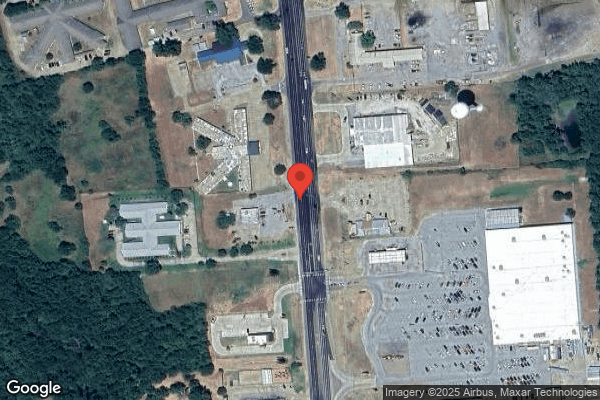
Sept 2023 2 deficiencies
CONCERN (D)

Potential for Harm - no one hurt, but risky conditions existed

Pharmacy Services (Tag F0755)

Could have caused harm · This affected 1 resident

**NOTE- TERMS IN BRACKETS HAVE BEEN EDITED TO PROTECT CONFIDENTIALITY** Based on observation, interview, and record review, the facility failed to provide pharmaceutical services, including procedures...

Read full inspector narrative →
**NOTE- TERMS IN BRACKETS HAVE BEEN EDITED TO PROTECT CONFIDENTIALITY** Based on observation, interview, and record review, the facility failed to provide pharmaceutical services, including procedures that assures the accurate acquiring, receiving, dispensing, and administering of medications for 1 of 1 medication storage room and 1 of 3 medication carts (Unit Two Cart) reviewed for pharmacy services. The facility failed to remove 1 vial of Insulin from the medication cart that had expired on 09/16/2023. The facility failed to monitor and log the temperatures of the medication storage refrigerator twice daily as indicated by policy. These failures could place residents who receive medications at risk of not receiving the intended therapeutic benefit of the medications. Findings included: Record review of an admission Record dated 9/26/2023 for Resident #27 indicated he admitted to the facility on [DATE] and was [AGE] years old with diagnoses of diabetes (high blood glucose) hemiplegia and hemiparesis following cerebral infarction affecting left non-dominant side (paralyzed on left side following a stroke), chronic diastolic congestive heart failure (inability of the heart to pump efficiently), type 2 diabetes, and hypertension. Record review of an active medication order dated 9/26/23 for Resident #27 indicated a prescription filled 09/03/23 #86312803 Lantus (Glargine Insulin) 100unit per millimeter solution inject 13 units subcutaneously at bedtime for diabetes. During an observation on 09/26/23 at 2:00 PM with LVN C the medication cart for Unit 2 had 1 opened vial of Lantus Insulin labeled with date filled 08/09/23 for Resident #27 with an open date of 08/16/23 and instructions to dispose of 28 days after opening. LVN C discarded the expired vial and retrieved a new vial of Lantus Insulin for Resident #27 from the medication refrigerator for Unit Two. During an observation on 09/26/23 at 2:10 PM with LVN C the medication refrigerator on Unit 2 contained Insulin for resident #27 and 10 vials of insulin for other residents. The freezer had no medications stored inside. During an observation and record review on 09/26/23 at 2:15 PM of the medication refrigerator log posted on the medication room refrigerator for September 2023 indicated, instructions to check the medication refrigerator and freezer at least once each day and log temperatures for the refrigerator and freezer daily. The log indicated no temperatures were recorded for the freezer on 09/08/23, 09/09/23, 9/22/23, 09/23/23, 09/24/23 and 09/26/23. The log indicated no temperatures were recorded for the refrigerator on 09/08/23, 09/09/23, 09/22/23, 09/23/23, 09/24/23 and 09/26/23. During an interview on 09/26/2023 at 2:15 PM LVN C stated that the insulin for Resident #27 was given at night before bedtime. LVN C said sge did not give the nighttime insulin, so she did not check it for expiration . She stated multi-use vials of insulin were to be dated when opened and they were usually only good for 28 days. She stated she had received training on multi use vials use by dates. She stated the risk could be ineffective medication. She stated the temperature of the refrigerator and freezer should be logged at least once each day and recorded. During an interview on 09/26/2023 at 3:20 PM the DON stated the nurses were responsible for monitoring the medication refrigerator, removing expired medications, and dating all multiuse vials when opened. She stated the nurses had training and they had started in-servicing on expired medications and logging the temperature of the refrigerator. She stated it was her responsibility to provide oversight. She stated the risk could be ineffective medication. During an interview on 09/26/2023 at 4:30 PM the Administrator stated the DON and ADON were responsible for medication storage and removing expired medications for destruction. She stated she was not sure how long multiuse vials were good for but if a resident were to receive expired medications it could not work or make them sick. Record review of a manufacturer for Lantus Insulin expiration dates indicated, Lantus Insulin discard 28 days after opening. Record Review of policy for Storage of Medications dated 2018 Pharm script Indicated, . II. Temperature 1. All medications are maintained within the temperature ranges . c. Refrigerated: 36-46 degrees [Fahrenheit] with a thermometer to allow temperature monitoring. d. Frozen: In the freezer at -13 to 14 degrees [Fahrenheit] 4. Medications requiring refrigeration are kept in a refrigerator at temperatures between 36 and 46 degrees [Fahrenheit] with a thermometer monitoring . 6. The facility should maintain a temperature log in the storage area to record temperatures at least once a day or in accordance with facility policy. 7. The facility should check the Refrigerator or Freezer in which vaccines are stored at least two times a day, per CDC guidelines 14. Outdated, contaminated, discontinued, or deteriorated medications and those in containers that are cracked, soiled or without secure closures are immediately removed from stock, disposed of according to procedures for medication disposal and reordered from the pharmacy, if a current order exists, . III. Expiration Dating (beyond use dating) 3. Certain medications or package types, such as IV solutions, multi dose injectable vials require an open date and expires as indicated by manufacturer use by date.
CONCERN (D)

Potential for Harm - no one hurt, but risky conditions existed

Infection Control (Tag F0880)

Could have caused harm · This affected 1 resident

**NOTE- TERMS IN BRACKETS HAVE BEEN EDITED TO PROTECT CONFIDENTIALITY** Based on observation, interview, and record review, the facility failed to maintain an infection prevention and control program ...

Read full inspector narrative →
**NOTE- TERMS IN BRACKETS HAVE BEEN EDITED TO PROTECT CONFIDENTIALITY** Based on observation, interview, and record review, the facility failed to maintain an infection prevention and control program designed to provide a safe, sanitary, and comfortable environment and to help prevent the development and transmission of communicable diseases and infections for 2 of 5 staff (CNA A, and CNA B) and 1 of 4 residents (Resident #27) reviewed for infection control in that: CNA A and CNA B did not wash or sanitize their hands in between glove changes or change gloves when going from dirty to clean while performing incontinent care to Resident #27. These failures could place residents at risk of exposure to communicable diseases and infections. Findings included: Record review of an admission Record dated 9/25/2023 for Resident #27 indicated he admitted to the facility on [DATE] and was [AGE] years old with diagnoses of hemiplegia and hemiparesis following cerebral infarction affecting left non-dominant side (paralyzed on left side following a stroke), chronic diastolic congestive heart failure (inability of the heart to pump efficiently), type 2 diabetes, and hypertension. Record review of an Annual MDS Assessment for Resident #27 dated 6/23/2023 indicated he had moderate impairment in thinking with a BIMS score of 11. He required extensive assistance with bed mobility, transfers, dressing, toilet use and personal hygiene with one to two-person assist. He was always incontinent of bladder/bowel. Record review of a care plan dated 8/2/2022 for Resident #27 indicated he was incontinent of bowel/bladder related to advancing dementia with post CVA which is a stroke, with hemiplegia (paralysis on one side of the body) and weakness with interventions for incontinent care to check frequently for wetness and soiling and change as needed. During an observation on 9/25/2023 at 9:44 AM, revealed CNA A and CNA B were in the room to provide care to Resident #27. Both aides placed gloves on their hands without washing their hands and opened Resident #27's brief and pulled it down between his legs. CNA A removed wipes from the container and wiped Resident #27's penile area using multiple wipes and placed them in the trash. Resident #27 was rolled to his left side assisted by CNA B and CNA A removed wipes from the container and wiped his rectal area front to back and placed the wipes in the trash. CNA A removed the brief and placed it in the trash. CNA A removed her gloves and placed them in the trash and reached in her pocket and placed gloves on both hands without washing or sanitizing them. CNA A removed the drawsheet and placed it in a plastic bag. CNA A placed a clean drawsheet underneath Resident #27's buttocks and a brief. Resident #27 was rolled onto his back by CNA A and CNA B and the brief was secured. Both CNA A and CNA B removed their gloves and placed them in the trash. Both went to the restroom and washed their hands. Both applied gloves that they removed from their pockets and repositioned Resident #27 in bed. During an interview on 9/25/2023 at 10:46 AM, CNA B said she had been employed at the facility for 11 years and worked the day shift. She said she was not prepared while incontinent care was provided to Resident #27. She said she was not expecting to perform incontinent care because the hospice aide had just left, and she thought they were just going to change Resident #27's shirt after he had eaten breakfast. She said she should have washed her hands before starting the care, in between times when going from dirty to clean and after the care was completed. She said she was not prepared to be observed by the Surveyor. She said the ADON, and DON had checked her off on incontinent care. She said the gloves should have been in a bag and not kept in her pocket. She said residents could be at risk for infection if staff did not wash or sanitize their hands during care. Record review of an annual CNA skills/competency checklist dated 6/15/2023 for CNA B indicated she demonstrated competency with incontinent care for a male resident and hand washing. During an interview on 9/25/2023 at 11:45 Am, CNA A said she had been employed at the facility for 5 years. She said she worked full time, but she was scheduled off today and they called her in to work. She said the incontinent care provided to Resident #27, she should have washed her hands before she started care and made sure gloves were in a plastic bag instead of her pocket. She said she should have washed her hands after incontinent care and between glove changes. She said she normally did all the things but was nervous today. She said she had been checked on her skills with incontinent care by the DON. She said residents could be at risk of infection if staff did not wash or sanitize their hands during care. Record review of an annual CNA skills/competency checklist dated 7/5/2023 for CNA A indicated she demonstrated competency with incontinent care for a male resident and hand washing. During an interview on 9/27/2023 at 9:15 AM, the DON said she had been employed at the facility since 2017. She said she was aware of the incontinent care provided to Resident #27 because both CNAs told her about it. She said the ADON, herself and RN C were responsible for conducting competency skills checks with the staff. She said she had a plan in place and would start with a rotating schedule to check off the nursing staff on hand hygiene and incontinent care. She said staff were supposed to have all supplies in plastic bags and not have gloves stored in their pockets. She said staff should perform hand hygiene before providing care to the residents, when going from dirty to clean, between glove changes and at the end of care provided. She said residents could be at risk of transmission of certain infections or skin issues. Record review of a facility policy titled Hand Hygiene dated 11/12/2017 indicated, .Staff involved in direct resident contact will perform proper hand hygiene procedures to prevent spread of infection to other personnel, residents, and visitors. 1. Hand hygiene is a general term that applied to either handwashing or the use of an antiseptic hand rub, also known as alcohol-based hand rub (ABHR). 6 b. The use of gloves does not replace hand washing. Wash hands after removing gloves
Aug 2023 1 deficiency
CONCERN (E) 📢 Someone Reported This

A family member, employee, or ombudsman was alarmed enough to file a formal complaint

Potential for Harm - no one hurt, but risky conditions existed

Deficiency F0602 (Tag F0602)

Could have caused harm · This affected multiple residents

**NOTE- TERMS IN BRACKETS HAVE BEEN EDITED TO PROTECT CONFIDENTIALITY** Based on interview and record review, the facility failed to ensure the right to be free from misappropriation of property was p...

Read full inspector narrative →
**NOTE- TERMS IN BRACKETS HAVE BEEN EDITED TO PROTECT CONFIDENTIALITY** Based on interview and record review, the facility failed to ensure the right to be free from misappropriation of property was provided for 2 of 5 residents reviewed for misappropriation of property. (Resident #1 and Resident #4) The facility failed to prevent a diversion (misappropriation) of Resident #1's Hydrocodone-Acetaminophen 10-325mg tablets (a combined hydrocodone/acetaminophen narcotic pain reliever) on 7/5/23 and 7/6/23. The facility failed to prevent a diversion (misappropriation) of Resident #4's Oxycodone IR 5mg tablets (a potent opioid narcotic pain reliever) on 7/5/23 and 7/6/23. The noncompliance was identified as PNC. The noncompliance began on 7/5/23 and ended on 7/11/23. The facility had corrected the noncompliance before the survey began. This failure could place residents at risk for decreased quality of life, unrelieved pain, misappropriation of property, and dignity. Findings included: 1.Record review of a face sheet dated 8/28/23 for Resident #1 indicated that she was a [AGE] year-old female admitted to the facility on [DATE] with diagnoses including: complete traumatic amputation at knee level, osteomyelitis left femur (bone infection), chronic obstructive pulmonary disease (breathing disease). Record review of an Annual MDS dated [DATE] for Resident #1 indicated that she had a BIMS score of 12, indicating that she had mild cognitive impairment. She was documented as receiving an opioid daily for the entire 7 day look back period. Record review of physician's orders dated 2/23/21for Resident #1 indicated that he had an active order for hydrocodone-acetaminophen 10-325mg, 1 tablet by mouth every 6 hours. Record review of a medication administration record for Resident #1 for the month of July 2023 indicated the resident received hydrocodone routinely at 12:00 am, 6:00 am, 12:00 pm, and 6:00 pm for the entire month of July 2023. 2. Record review of a face sheet dated 8/28/23 for Resident #4 indicated that she was a [AGE] year-old female originally admitted to the facility on [DATE] with the most recent readmission on [DATE] with diagnoses including: Spinal Stenosis, lumbar region (narrowing of the spinal canal in the lower back), dysphagia (trouble swallowing), Major Depressive disorder. Record review of an Annual MDS dated [DATE] for Resident #4 indicated that she had a BIMS score of 15, indicating that she was cognitively intact. She was documented as receiving an opioid daily for the entire 7 day look back period. Record review of physician's orders dated 4/30/23for Resident #4 indicated that he had an active order for oxycodone 5mg, 1 tablet by mouth every 3 hours. Record review of a medication administration record for Resident #4 for the month of July 2023 indicated the resident received oxycodone every 3 hours as needed until the order was discontinued on 7/25/23. During an interview and observation on 8/28/23 beginning at 11:10 am with MA A said she had worked at the facility since 1986. She said the morning of 7/6/23 she noticed that a pain medication had been signed out as given the day before, but she knew the resident had refused the medication the day before. She said that if she counted the cart when coming on shift and the count was off, she would let the off going nurse know so she could correct the count before leaving her shift. She said it was frequent that RN A would not sign out the narcotics until the cart was counted. She said she did report it on the day of 7/6/23 to the DON. She said the procedure for counting the cart was the oncoming person counted the pills and the off going person looked at the count sheet to make sure the count was correct. The B side cart was counted, and the correct count was observed. She said she had been inserviced regarding a drug free workplace, and drug diversions and was able to verbalize understanding of the policy and procedures. A phone call was attempted on 8/28/23 at 11:20 am with RN A, but there was no answer and surveyor was unable to leave a voicemail. During an observation and interview on 8/28/23 beginning at 11:25 am with RN C said she works for the facility as needed. She said she had relieved RN A at times and sometimes the count would not be correct. She said RN A would sign out for the narcotics and the count would be correct before she assumed responsibility for the cart. She said that it happened a lot, but she assumed RN A just forgot to sign out the narcotics that she had administered. She said the procedure for counting the cart had always been, the oncoming person counted the pills and the off going person looked at the count sheet to make sure the count was correct. The cart was counted, and the correct count was observed. She said she had been inserviced regarding a drug free workplace, and drug diversions and was able to verbalize understanding of the policy and procedures. During an interview on 8/28/23 at 1:20 pm, the DON said that on 7/6/23 RN A was late to work so she had to work the floor until RN A arrived. She said she told RN A there was a problem with the narcotic count, but she would talk to her about it later. She said she began investigating the narcotic counts and found some discrepancies and notified the administrator. During an interview on 8/28/23 at 4:00 pm the Admin said on 7/6/23 it was reported to her that a narcotic medication that had already been signed out on the count sheet was signed out again by RN A. She said RN A told her she had signed out medication on Resident #1 to give to different resident because the other resident was out of medication. The Admin said RN A told her she knew she was not supposed to do that but she had done it anyway. The Admin said she drug tested RN A on 7/5/23 and RN A tested positive for PCP (Phencyclidine an illegal street drug). The Admin said she suspended RN A pending investigation at that time. She said the investigation revealed RN A had signed out medications for Resident #4 while Resident #4 was in the hospital on 7/5/23. She said she told RN A to come to the facility on 7/10/23 at 8:30 am but RN A did not show up. Record review of individual narcotic count sheet for Resident #1 revealed RN A signed out hydrocodone/acetaminophen 10/325mg on 7/6/23 at 12:00 am and at 6:00 am when RN A was not on duty. Record review of individual narcotic count sheet for Resident #4 revealed RN A signed out oxycodone 5mg on 7/5/23 two times while Resident #4 was in the hospital. These failures were determined to be past non-compliance due to the following evidence being implemented prior to the survey. Record review of urine drug screen for RN A dated 7/5/23 revealed a negative result. Record review of urine drug screen for RN A dated 7/6/23 revealed a positive result. Record review of in-service dated 7/7/23 titled Obtaining Drugs/Medications for residents upon admission with 11 employee signatures. Record review of in-service dated 7/7/23 titled Reminders: Drug Free Workplace Policy 1. Aware of handbook drug free workplace policy. 2. Review testing scenarios. 3. Drug free acknowledgements signed upon hire. 4. Refusal of requested drug screen is considered voluntary termination signed by 42 employees. Record review of in-service dated 7/10/23 titled Drug Diversion Prevention presented by the Admin with 14 employee signatures. Record review of termination form dated 7/10/23 revealed RN A had been terminated on 7/10/23. Record review of employee personnel file for RN A revealed a criminal background check had been completed on 4/10/23 prior to employment. Record review of QAPI dated 8/16/23 revealed action plan: Drug Diversion/ Misappropriation of Resident Property. 1. RN A suspended immediately with investigation done and RN A was terminated completed 7/10/23. 2. In servicing done with nursing staff regarding drug diversion and drug free workplace completed 7/10/23. 3. Implemented procedure for ongoing review of narcotic sheets completed 7/11/23 and ongoing. 4. Pharmacy consultant notified of situation completed 7/10/23. 5. Continue drug free workplace training upon hire, annually, and as needed ongoing. 6. Report any further issues or concerns to QAPI committee as needed ongoing. Record review of a facility policy titled Drug Diversion Guidelines dated 2/23/17 indicated .5. A drug count must be done at each shift change and should be done whenever the keys to the narcotic storage areas are exchanged from one staff to another. 10. Document administration of PRNs controlled substances on the MARs including dose, date, time, route, and effectiveness of medication. Reporting: 1. Drug diversions or potential drug diversions are reported immediately to Administrator, DON, Pharmacy, State Agency and Police for investigation .
Aug 2022 13 deficiencies
CONCERN (D)

Potential for Harm - no one hurt, but risky conditions existed

Deficiency F0655 (Tag F0655)

Could have caused harm · This affected 1 resident

**NOTE- TERMS IN BRACKETS HAVE BEEN EDITED TO PROTECT CONFIDENTIALITY** Based on observation, interview, and record review the facility failed to develop the baseline care plan within 48 hours of admi...

Read full inspector narrative →
**NOTE- TERMS IN BRACKETS HAVE BEEN EDITED TO PROTECT CONFIDENTIALITY** Based on observation, interview, and record review the facility failed to develop the baseline care plan within 48 hours of admission for 1 of 12 residents reviewed (Resident #1). Resident #1 did not have a baseline care plan completed within 48 hours of admission. This failure could affect residents by not addressing their physical, mental, and psychosocial needs for each resident to attain or maintain their highest practicable physical, mental, and psychosocial outcome. Findings included: Record review of facility face sheet dated 8/8/2022 indicated Resident # 1 was admitted on [DATE] with diagnosis of dysphagia (difficulty swallowing), COPD (lung disease causing trouble breathing), encounter for gastrostomy tube (feeding tube placed in the stomach), history of traumatic brain injury, contractures of muscle multiple sites, depression, anxiety and convulsions (seizures). Record review of Resident # 1's medical record revealed no baseline care plan was completed within 48 hours of admission. Record review of admission MDS dated [DATE] indicated resident had a BIMS score of 99 as he could not complete the interview. Resident triggered for cognitive impairment, impaired communication, ADL deficit, incontinence, falls, nutritional status, feeding tube, pressure ulcer risk, psychotropic drug use, pain and seizure disorder. Record review Resident #1's comprehensive care plan, the care areas of the MDS were not addressed on a care plan until 8/8/2022. During an interview on 08/08/22 at 02:00 PM, LVN C stated the admitting nurse was responsible for completing the admission assessments and starting the baseline care plan. She was not sure of the time frame to complete but it was usually done before the nurse left their shift. If there are changes in condition that are acute like falls or infections, then the DON updates the comprehensive care plan. During an interview on 08/08/22 at 02:10 PM, the MDS coordinator stated the charge nurse performs the admission assessments and completes the baseline care plan. Then he was responsible for scheduling the MDS and completing their comprehensive care plan. He stated Resident # 1's baseline care plan was just missed. The MDS coordinator stated she just did that (baseline care plan) today because it was not on the chart. The MDS coordinator said the risk for no baseline care plan would be providing incorrect care and assistance to resident. He stated he had been an MDS coordinator since 2015 and had been trained on resident assessments and care plans timelines. During an interview on 08/08/22 at 02:32 PM, the DON stated, usually the charge nurse completes the baseline care plans on paper and then she entered them into the computer. She expected them to be done in 24 hours. The risk to not having a baseline care plan would be residents would not receive appropriate care and care focused on them. She stated the staff have not had a lot of training but will begin training them on care plan completion. Her expectation was that all care plans are to be completed as regulated and she will start a follow up review on all admissions. During an interview on 08/08/22 at 02:47 PM, the admin stated the DON and the MDS coordinator was responsible for oversight of resident assessments and care plans. The risk of not establishing a baseline would be no follow up on resident needs and knowing what the resident's needs were. She planned to initiate a follow up after admissions to see the baseline care plans are completed. Record review of facility's policy, baseline care plans dated 11/8/2016, rev date 5/13/2021 indicated, .baseline care plans are developed and implemented within 48 hours of a resident new admission and/or readmission .
CONCERN (D)

Potential for Harm - no one hurt, but risky conditions existed

Comprehensive Care Plan (Tag F0656)

Could have caused harm · This affected 1 resident

**NOTE- TERMS IN BRACKETS HAVE BEEN EDITED TO PROTECT CONFIDENTIALITY** Based on observation, interview, and record review the facility failed to develop and implement a person-centered comprehensive ...

Read full inspector narrative →
**NOTE- TERMS IN BRACKETS HAVE BEEN EDITED TO PROTECT CONFIDENTIALITY** Based on observation, interview, and record review the facility failed to develop and implement a person-centered comprehensive care plan to meet other preferences and goals, and address the resident's medical, physical, mental and psychosocial needs for 1 of 12 residents reviewed (Resident #1). Resident #1 did not have a person-centered comprehensive care plan developed and implemented until 8/8/2022 with an admission date of 10/14/2021. This failure could affect residents by not addressing their physical, mental, and psychosocial needs for each resident to attain or maintain their highest practicable physical, mental, and psychosocial outcome. Findings: Record review of facility face sheet dated 8/8/2022 indicated Resident # 1 was admitted on [DATE] with diagnosis of dysphagia (difficulty swallowing), COPD (lung disease causing trouble breathing), encounter for gastrostomy tube (feeding tube placed in the stomach), history of traumatic brain injury, contractures of muscle multiple sites, depression, anxiety and convulsions (seizures). Record review of admission MDS completed 10/26/2021 indicated the resident had a BIMS score of 99 as he could not complete the interview. Resident triggered for cognitive impairment, impaired communication, ADL deficit, incontinence, falls, nutritional status, feeding tube, pressure ulcer risk, psychotropic drug use, pain and seizure disorder. These care areas were not addressed on a comprehensive care plan until 8/8/2022. Record review of a care plan dated 4/25/2022 for Resident # 1 revealed there was only 1 focus area for falls with last revision date of 5/31/2022. No other disciplines or care areas indicated on care plan. During an interview on 08/08/22 at 02:10 PM, the MDS coordinator stated he was responsible for scheduling the MDS and completing resident comprehensive care plan. He stated the care plan meetings were done but failed to complete the care plan. He stated regarding Resident # 1 comprehensive care plan, it was just missed. He knows the comprehensive care plans must be completed 7 days after assessment, quarterly and as needed. He stated he had been an MDS coordinator since 2015 and had been trained on timeliness of assessments and care plans and knew the importance of having a care plan to provide care to residents. During an interview on 08/08/22 at 02:32 PM, the DON stated the MDS coordinator generated the resident assessment and completed the comprehensive care plan. She stated the risk to not having a comprehensive care plan was that residents would not receive appropriate care and care focused on them. Stated the staff have not had a lot of training but will begin training them on care plan completion. Her expectation was that all care plans are to be completed as regulated and she will start a follow up review on all admissions. During an interview on 08/08/22 at 02:47 PM, the admin stated the DON and the MDS coordinator was responsible for oversight of resident assessments and care plans. The risk of not establishing a comprehensive care plan would be, no follow up on a resident need and not knowing what the resident's needs were. She planned to initiate a follow up after MDS completion and have IDT review all care plans. Record review of facility's policy, admission policy dated 8/11/19 indicated, admission, develop initial plan of care and implement interventions identified . Record review of facility's policy, care plans and CAA's dated 1/21/2015, rev. dated 5/6/2016, .purpose of this guide is to ensure that an IDT approach is utilized in addressing the care area triggers that are generated by the completion of the MDS, completed with all admissions and significant changes, updated annually, quarterly and as needed with acute changes .
CONCERN (D)

Potential for Harm - no one hurt, but risky conditions existed

Deficiency F0657 (Tag F0657)

Could have caused harm · This affected 1 resident

**NOTE- TERMS IN BRACKETS HAVE BEEN EDITED TO PROTECT CONFIDENTIALITY** Based on observation, record review and interview the facility failed to ensure the timeliness of each resident's person-centere...

Read full inspector narrative →
**NOTE- TERMS IN BRACKETS HAVE BEEN EDITED TO PROTECT CONFIDENTIALITY** Based on observation, record review and interview the facility failed to ensure the timeliness of each resident's person-centered comprehensive care plan, and to ensure that the comprehensive care plan is developed within 7 days after completion of the comprehensive assessment, is reviewed and revised by an interdisciplinary team for 2 of 16 residents reviewed (Resident #1 and Resident #22) -Resident #1's comprehensive care plan was not developed and completed within 7 days following the admission MDS completed on 10/26/2022. -Resident #1's comprehensive care plan was not reviewed or revised by the IDT for the admission MDS or the quarterly MDS assessments dated 11/14/2021, 2/14/2022, 4/18/2022, and 7/19/2022. -Resident #22 comprehensive care plan was not reviewed or revised by the IDT after the annual MDS assessment dated [DATE] and quarterly MDS assessment dated [DATE] and 6/15/2022. These failures could affect residents by not addressing their physical, mental, and psychosocial needs for each resident to attain or maintain their highest practicable physical, mental, and psychosocial outcome. Findings: 1.Record review of facility face sheet dated 8/8/2022 indicated Resident # 1 was admitted on [DATE] with diagnosis of dysphagia (difficulty swallowing), COPD (lung disease causing trouble breathing), encounter for gastrostomy tube (feeding tube placed in the stomach), history of traumatic brain injury, contractures of muscle multiple sites, depression, anxiety and convulsions (seizures). Record review of care plan dated 4/25/2022 for Resident # 1 revealed there was only 1 focus area for falls with last revision date of 5/31/2022. No other disciplines or care areas indicated on care plan. Record review of admission MDS completed 10/26/2021 indicated resident had a BIMS score of 99 as he could not complete the interview. Resident triggered for cognitive impairment, impaired communication, ADL deficit, incontinence, falls, nutritional status, feeding tube, pressure ulcer risk, psychotropic drug use, pain and seizure disorder. These care areas were not addressed on a comprehensive care plan until 8/8/2022. Record review of Resident #1's care plan meeting notes indicated only the case manager and social services were present for meetings, the meeting notes are as follows: -10/26/2021 indicated Resident #1 had spit and hit at staff, required a feeding tube with nothing by mouth and had contractures to both legs and arms. -2/9/2022 indicated Resident #1 had a weight loss and was non-verbal. -5/3/2022 indicated Resident #1 had weight loss and registered dietician was monitoring, feeding tube had been replaced, and had a fall to the floor with no injuries. These concerns were not reflected on the comprehensive care plan. #2. Record review of facility face sheet dated 8/8/2022 indicated Resident # 22 was a [AGE] year-old admitted to facility 5/23/2017 with diagnosis of dependence for renal dialysis (filter the kidneys due to failure), chronic pain, major depressive disorder, anxiety, and repeated falls. Record review of annual MDS dated [DATE] indicated Resident # 22 had a BIMS of 15. Indicating intact cognition and independent in ADL's. Record review of care plan dated 2/11/2021 indicated IDT did not review or revise care plan with annual MDS on 1/14/2022, quarterly MDS on 3/29/2022 and 6/15/2022. Record review of care plan meeting notes indicated only case manager and social services were present for meetings , the following care plan meeting notes are as follows, -1/12/2022 indicated Resident #22 had no changes and was going to dialysis 3 times a week. -4/19/2022 indicated Resident #22 had a weight loss of 10%, had been skipping dialysis 1 time a week, and needed to see the dentist. -6/28/2022 indicated Resident #22 had another weight loss, decreased urination, medication changes, and dental work in progress. During an interview on 08/08/22 at 02:10 PM, the MDS coordinator stated he was responsible for scheduling the MDS and completing resident comprehensive care plan. The care plan was to be updated at least quarterly and as needed for changes in condition. The DON or the ADON updated the care plan when there are falls, infections or acute changes. He stated the IDT meets and discusses the MDS and care plans weekly. The IDT consisted of the SW, therapy, the ADON, the DON, and dietary, but often it was just he and the SW. He input all the information from the meeting into the care plan for each discipline. He stated he had been an MDS coordinator since 2015 and had been trained on review and revision of care plans. During an interview on 08/08/22 at 02:32 PM, the DON stated the MDS coordinator generated the resident assessment and completed the comprehensive care plan. The DON and/or ADON update the care plan for acute changes, falls, infections. The care plan meetings vary and not sure why the sign in sheet only had the case manager and the SW signatures. They try to have everyone involved. The risk to not having the comprehensive care plan reviewed and revised by the IDT would be residents not receiving appropriate care and care focused on them. She stated the staff have not had a lot of training but will begin training them on care plan review and revision. Her expectation is that all care plans are reviewed and revised as regulated and she will start an audit and ensure all residents care plans are reviewed and revised. During an interview on 08/08/22 at 02:47 PM, the admin stated the DON and MDS coordinator was responsible for oversight of resident assessments and all care plans. The risk of not reviewing and revising a comprehensive care plan would be not knowing the resident care and needs for care. She planned to initiate a follow up after MDS completion and have an IDT review of all care plans. Record review of facility's policy, care plans and CAA's dated 1/21/2015, rev. dated 5/6/2016, .purpose of this guide is to ensure that an IDT approach is utilized in addressing the care area triggers that are generated by the completion of the MDS, completed with all admissions and significant changes, updated annually, quarterly and as needed with acute changes .
CONCERN (D)

Potential for Harm - no one hurt, but risky conditions existed

Deficiency F0727 (Tag F0727)

Could have caused harm · This affected 1 resident

Based on interviews and record reviews the facility failed to ensure that RN coverage was available for at least 8 consecutive hours per day, 7 days per week. The facility did not provide RN coverage...

Read full inspector narrative →
Based on interviews and record reviews the facility failed to ensure that RN coverage was available for at least 8 consecutive hours per day, 7 days per week. The facility did not provide RN coverage 8 consecutive hours per day, 7 days per week. This failure could put residents at risk for an adverse event happening and not having staff to attend to event. Findings included: During entrance on 8/7/2022 at 9:00 am, observation revealed that there was no RN in the building. During an interview with the MDS nurse on 8/7/2022 at 9:00 am, he stated that they use telehealth for RN coverage in case they need them. Record review of the facility's staffing posted on 8/7/22 indicated there was RN coverage in the building yesterday (8/6/22), but no RN was listed as being in the building today 8/7/22. During an interview with the DON on 8/8/2022 at 2:58pm, she was asked about weekend RN coverage, and she stated they just simply cannot find anyone to do it. She stated she knew it was a regulation to have an RN in-house for 8 consecutive hours every day, but she just could not do it all. The DON stated she was always available by phone if the facility needed her. She stated she understood that being available by phone was not a substitute for in-house RN coverage. In an interview with the ADMIN on 8/9/2022 at 10:33am, she stated telehealth was not considered RN coverage, it was just for a backup. She stated that it was rough right now because they had three RNs on staff, but one worked night shift and they just did not have the staff to cover it all the time. She stated she was unable to produce RN time punches due to there being no one from the facility being able to access them, stated that they did have it covered most of the month of July, but they have not had consistent RN weekend coverage.
CONCERN (D)

Potential for Harm - no one hurt, but risky conditions existed

Deficiency F0947 (Tag F0947)

Could have caused harm · This affected 1 resident

Based on interview and record review, the facility failed to provide documentation of required in-service training for 2 of 5 certified nurse aides (CNAs G and K) reviewed for in-service education. -T...

Read full inspector narrative →
Based on interview and record review, the facility failed to provide documentation of required in-service training for 2 of 5 certified nurse aides (CNAs G and K) reviewed for in-service education. -The facility did not ensure CNA G completed the required dementia training. -The facility did not ensure CNA K completed the required abuse training. These failures could place residents at risk of receiving care by staff with inadequate training on dementia care and abuse prevention. Findings included: Record review of the personnel file for CNA G indicated a hire date of 7/23/2020 and she did not complete the required annual dementia training Record review of the personnel file for CNA K indicated a hire date of 3/30/2021 and she did not complete the required annual training on abuse. During an interview with the ADMIN on 8/9/2022 at 10:33am, she stated she had only been employed here for approximately one month, and she was unsure why previous administration did not ensure that all trainings were completed. She stated she will personally be responsible for ensuring annual trainings are done for abuse, dementia, and all other required trainings. Stated that by not ensuring that trainings are completed that it could place residents at risk of care by untrained staff. Record review of facility's policy, Training Requirements, dated 2/10/2021 stated .training content includes, at a minimum: .dementia management and care of the cognitively impaired. Abuse, neglect, and exploitation prevention.
CONCERN (E)

Potential for Harm - no one hurt, but risky conditions existed

Deficiency F0565 (Tag F0565)

Could have caused harm · This affected multiple residents

Based on interview and record review, the facility failed to ensure that residents had a right to organize and participate in resident groups. (Resident #4, #191, #23, #8, #18 and #25) Seven residents...

Read full inspector narrative →
Based on interview and record review, the facility failed to ensure that residents had a right to organize and participate in resident groups. (Resident #4, #191, #23, #8, #18 and #25) Seven residents (#4, #191, #23, #8, #18, and #25) in a confidential resident group interview were aware that they had the right to organize and participate in a group meeting monthly, but said the meetings weren't being done. This failure placed residents at risk of not having the right to voice their concerns in a Resident meeting. Findings include: During a group interview on 8/8/2022 at 2:00 PM, Resident's #4, #191, #23, #8, #3, #18, and #25 stated t they had not had a resident council meeting since March 2022. They said the last meeting was held with an activity director assistant who was filling in because the facility didn't have a fulltime activity director. The residents were not able to recall when the last time the facility had a fulltime activity director. The residents said they would attend the meetings if they were held. The residents said they were aware that they had the right to have a monthly Resident Council meeting. The residents in attendance said there was not a Resident Council President or other officers either. During an interview on 8/8/2022 at 2:52 PM the Administrator said she had only been employed at the facility since the end of June 2022. She said she was unaware that the facility had not been having monthly resident council meetings. She said the last official resident council meeting was held on 2/28/2022. She said there was a gap with the meetings taking place at the facility and was unable to locate any meeting notes for the past year except for 2/28/2022. She said the resident council meetings were overlooked when the activities were scheduled for July 2022 and this month. She said going forward the residents would have their meetings monthly as required and a new activity director had been hired and would start working at the facility next week. Record review of Resident council meeting minutes dated 2/28/2022 was reviewed but did not include a sign in sheet or any residents' names who attended. Record review of a facility's policy, Resident Council with an effective date of 12/97 indicated, .Residents will be assisted in scheduling monthly meetings. Minutes of the meeting will be recorded and maintained for at least two years .
CONCERN (E)

Potential for Harm - no one hurt, but risky conditions existed

Deficiency F0576 (Tag F0576)

Could have caused harm · This affected multiple residents

Based on interview and record review, the facility failed to ensure the residents received mail for 7 of 7 residents reviewed for rights to forms of communication. (Resident #'s 3, #4, #8, #18, #23, #...

Read full inspector narrative →
Based on interview and record review, the facility failed to ensure the residents received mail for 7 of 7 residents reviewed for rights to forms of communication. (Resident #'s 3, #4, #8, #18, #23, #25, and #191). The facility did not implement a system for delivering mail on Saturdays. Residents in a group meeting said mail was delivered to the facility on Saturdays but they didn't receive it until the following Monday. This failure could place the residents at risk of not receiving communications in a timely manner and a diminished quality of life. Findings included: During a group interview on 8/8/2022 at 2:00 PM, Resident's #3, #4, #8, #18, #23, #24, and #191. The resident's reported that they did not receive mail on Saturdays because the office was closed and would have to wait until Monday to get their mail. During an interview on 8/8/2022 at 2:48 PM, the BOM said someone checked the mailbox outside of the facility Monday-Friday and the mail was brought to her to sort and distribute to the residents. She said on the weekends if the MDS nurse was working he would check the mailbox and place the mail in her office and when she came in to work on Mondays, she would sort and deliver it to the residents. She said if he was not working, the mail would sit in the box outside until Monday. She said mail was delivered to the city and the facility on Saturdays and there was not anyone dedicated to check the mailbox on the weekends. She said she guessed they needed to get a dedicated person to check the mail and deliver mail to the residents on Saturdays. During an interview on 8/8/2022 at 2:52 PM, the Administrator said she had only been employed at the facility since the end of June 2022. She said she was unaware that the residents were not receiving their mail on Saturdays. She said the facility does not have a policy on mail being delivered to the facility on the weekends. She said the residents were at risk of not receiving their mail in a timely manner.
CONCERN (E)

Potential for Harm - no one hurt, but risky conditions existed

Deficiency F0730 (Tag F0730)

Could have caused harm · This affected multiple residents

Based on interview and record review, the facility failed to provide annual competency reviews for 5 of 5 CNAs reviewed for training. (CNAs G, H, I, J, and K). The facility did not provide annual com...

Read full inspector narrative →
Based on interview and record review, the facility failed to provide annual competency reviews for 5 of 5 CNAs reviewed for training. (CNAs G, H, I, J, and K). The facility did not provide annual competency reviews for CNAs G, H, I, J, and K. This failure could place the residents at risk by being cared for by staff with inadequate training and skills. Findings Included: Record review of personnel files revealed the following: CNA G, hired 12/6/2018, had no annual competency evaluations done. CNA H, hired 2/6/2019 had no annual competency evaluations done. CNA I, hired 6/24/2012, had no annual competency evaluations done. CNA J, hired 7/23/2020, had no annual competency evaluations done. CNA K, hired 3/30/2021, had no annual competency evaluations done. During an interview with the ADMIN on 08/09/22 at 10:33 AM, who had been employed here for approximately one month, stated the DON would be responsible for CNA annual competencies going forward and she was unsure why that had not been happening under the previous ADMIN. During an interview with the DON on 8/9/22 at 10:50 am, she stated that she would be responsible for ensuring annual competency evaluations were done for all CNA's going forward. Stated not doing annual competencies could cause residents to receive care by incompetent CNA's.
CONCERN (E)

Potential for Harm - no one hurt, but risky conditions existed

Pharmacy Services (Tag F0755)

Could have caused harm · This affected multiple residents

**NOTE- TERMS IN BRACKETS HAVE BEEN EDITED TO PROTECT CONFIDENTIALITY** Based on observation, interview, and record review, the facility failed to provide pharmaceutical services, including procedures...

Read full inspector narrative →
**NOTE- TERMS IN BRACKETS HAVE BEEN EDITED TO PROTECT CONFIDENTIALITY** Based on observation, interview, and record review, the facility failed to provide pharmaceutical services, including procedures that assures the accurate acquiring, receiving, dispensing, and administering of medications in 2 of 2 medication storage rooms (medication storage room on unit 1 and unit 2). The facility did not dispose of expired medications from the medication storage rooms (PPD-Mantoux Testing). These failures could place residents who receive medications at risk of not receiving the intended therapeutic benefit of the medications. Findings Included: During an observation and interview on 08/07/22 at 03:11 PM medication storage room on Unit 2 with CMA D. There was a Tuberculin Mantoux PPD (Tubersol) labeled with lot # 27500, expiration date 9/22, and an open date of 12/28/21. CMA D stated she doesn't have anything to do with the tuberculin PPD and the nurses handle all that. During an interview on 08/07/2022 at 03:25 PM LVN E stated she was not sure on expiration date of Tuberculin PPD and had not given any to a resident. During observation and interview on 08/07/22 at 03:54 PM medication storage room on Unit 1 with the MDS coordinator. There was a Tuberculin Mantoux PPD (Tubersol) labeled lot # 28764, expiration date 12/22, and an opened date of 3/10/22. The MDS coordinator stated he was not sure how long tuberculin was good for, but it would not be good to give it if it was past the date. He stated he has not administered anyone tuberculin in a long time. During an interview on 8/8/2022 at 10:15 AM, the ADON stated TB was administered by the nurse on the floor to any resident needing TB test. The DON or herself administered TB to new hires. The vial was only good for 30 days after opening, she thought. She stated she was not sure of the risk and would have to look that up. During an interview on 8/8/2022 at 10:23 AM, the DON stated the admitting nurse was responsible for administering TB to new residents that need it and are to check the vial for expiration and date open prior to administration. Multi-dose vials are good for 30 days. In-services have been done but it has been a long time. The risk to residents and staff could be adverse reactions, medication not as strong as it should be, and could give false readings. Her expectation is to in-service all nursing staff on the use by date versus expiration date and monitor. During an interview on 8/8/2022 at 10:31, the admin stated she does not know the process for TB as that was the DON's responsibility. She was unsure of the risk of TB being given after the use by date. She expected the staff to be trained accordingly and will oversee the DON to ensure all staff are trained. Record review of facility's policy, storage of medications policy # 4.1 dated 09-2018, rev 08-2020 indicated, . General guidance #8. outdated, contaminated, or deteriorated medications . are immediately removed from inventory, disposed of according to procedures for medication disposal, and reordered from pharmacy. Section 3 expiration dating (beyond-Use dating) #3. multiple dose injectable vials require expiration date shorter than the manufacturer's expiration date once opened to ensure medication purity and potency . Record review of Tuberculin Mantoux PPD package insert states to dispose of medication 30 days after opening. Record review of the FDA reference 22. [NAME] S, et al. Effect of oxidation on the stability of tuberculin purified protein derivative (PPD) In: International Symposium on Tuberculins and BCG Vaccine. Basel: International Association of Biological Standardization, 1983. Dev Biol Stand 1986;58:545-552. Accessed at https://www.fda.gov dated 11/9/2020 indicated .A vial of TUBERSOL which has been entered and in use for 30 days should be discarded. Do not use after expiration date .
CONCERN (E)

Potential for Harm - no one hurt, but risky conditions existed

Unnecessary Medications (Tag F0759)

Could have caused harm · This affected multiple residents

Based on observation, interview, and record review, the facility failed ensure that its Medication error rates are not 5 percent or greater. The facility had a medication error rate of 5.71%, based on...

Read full inspector narrative →
Based on observation, interview, and record review, the facility failed ensure that its Medication error rates are not 5 percent or greater. The facility had a medication error rate of 5.71%, based on 2 errors out of 35 opportunities, involving 2 of 9 residents (Residents # 1 and Resident #10). Resident #1 did not receive feeding tube flush with the ordered 5ml-10 ml of water between medications. Resident #10 received the incorrect dose of glipizide. These failures could place residents who receive medications at risk of not receiving the intended therapeutic benefit of the medications. Findings: Error #1 During a medication administration observation on 08/09/22 at 07:31 LVN C failed to flush feeding tube with ordered 5ml-10ml between each medication. She voiced the failure could cause medication interactions. She stated she has been a nurse for many years and knew the importance of flushing a feeding tube between medications but just forgot. Record review of Resident # 1 physician orders dated 10/14/2021 indicated resident to receive 5ml-10 ml of water flush per feeding tube between each medication. During an interview on 08/09/22 at 10:00 AM, the DON stated all medications should be flushed between each medication unless specified by the doctor. If medications are not separated the potency, and absorption of those medications could be affected. She will start re-training all her nurses on administering medication via a feeding tube and put in a monitoring program. During an interview on 08/09/22 at 10:13 AM the admin stated she isn't sure of the risk of medications not being separated but feels it would affect the way the medication works. She expected all her staff to be trained, have competency skills tests, and visually be checked off on skills one by one. Record review of facility's policy, enteral tube feeding dated 2/2/2015 indicated .section #11 states enteral tube must be flushed with at least 10-15 ml of water between each medication, unless otherwise ordered by prescriber . Error #2 During a medication administration observation on 8/8/2022 at 07:54 AM CMA D administered glipizide 5 mg 1 tab by mouth to Resident #10. Record review of Resident #10's Physician order dated 11/23/21 indicated glipizide 5mg daily discontinued and to start 2.5mg daily. During record review of Resident #10's Physician orders dated 11/23/2021 indicated glipizide 5 mg 1/2 tablet by mouth every morning. During an interview on 8/8/2022 9:01 AM CMA D stated she just missed that and wasn't aware it was decreased. Stated there should have been a direction change sticker on the card. The charge nurse told the medication aide when a medication order changed. During an interview on 8/8/2022 at 09:15 AM, LVN C stated when an order was put in the computer then it goes on the 24-hour report and sends to the pharmacy. Then the nurse notified the medication aide and placed a sticker on the medication card if the directions changed. Resident #10 glipizide order changed on 11/24/21 but the pharmacy had continued to send the whole tablets and not halves. She stated the nurse was responsible in sending the pharmacy a notification of order change. The risk would be hypoglycemia as it was a diabetic medication. During an interview on 8/8/2022 at 9:29 AM, the DON stated there have been some growing pains with changing to the new system and she will continue to provide education, trainings, and monitor on a regular basis. Stated the risk could be severe and expects the nurses and medication aides to be more observant of medication orders and changes. During an interview on 8/9/2022 at 4:49 PM, with CMA D said she had worked at the facility since 2005. She said she works 6a-6p slip in between stations 1 and 2. She said during a medication pass observation with a surveyor yesterday 8/8/2022 she popped the glipizide 5 mg tablet out of the blister pack and the card read 5 mg tablet to be given daily. She said the prescription didn't say anything about a 1/2 tablet to be given. She said the facility started charting MARs in a computer charting system at the beginning of August 2022. She said she worked last Thursday 8/4/22, Friday 8/5/22 and yesterday 8/8/22. She said the blister pack for the glipizide said 5 mg give 1 tablet daily. She said Resident #10 had been receiving 1 whole tablet each time she worked on station 1. She said the resident had been receiving 5 mg tablet for a while. She said a resident could have an adverse reaction to receiving the wrong dose of medication. She said the facility pharmacist comes to the facility monthly and will observes staff during a medication pass and she was observed in January 2022. She said usually the DON would observe medication pass to be sure staff were reading the MAR. When asked about the new computer MAR charting if she had noticed any errors with medication orders, she stated that she had not. She said for Resident #10 she looked at the blister pack of medication label and gave the medication as it was ordered on the prescription label. She said if the pharmacy label said to give a 5 mg tablet, then that's what Resident #10 received. She said it was safe to say that Resident #10 had received the wrong dose of glipizide when she was responsible for administering it to her. She said from what she was able to recall, the order for glipizide has always been 5 mg 1 tablet and not 5 mg 1/2 tablet daily. She said the nurses were responsible for ordering the medications. She said Resident #10 received her medications from a local pharmacy in town and not from the facility pharmacy. She said a resident could have adverse reactions if they received the wrong dose of a medications. During an interview on 8/9/2022 at 5:06 PM with LVN C said she had been employed at the facility for a little over a year. She said she normally worked at station 1 and on the 6a-6p shift. She said occasional she would be responsible for passing medications when a medication aide was not working. She said she worked on 8/6/2022 and 8/7/2022 and was responsible for passing medications to all of the residents on station 1. She said on Saturday 8/6/2022 Resident #10 received glipizide 5 mg 1 tablet from her. She said on Sunday 8/7/2022 Resident #10 received glipizide 5 mg 1/2 tablet from her. She said on Saturday after Resident #10 took a whole tablet of glipizide 5 mg, she looked at the MAR and realized that the order was for glipizide 5 mg 1/2 tablet instead of a whole tablet. She said on Sunday she gave Resident #10 glipizide 5 mg 1/2 tablet. She said normally she was better about looking at the MAR prior to administering any medications to the residents but she usually was not responsible for passing the regular medications and she usually just passed the as needed pain medications such as narcotics. She said she wasn't paying any attention at the time Resident #10 received glipizide 5 mg a whole tablet instead of a 1/2 tablet. She said it had been a long time since she was responsible for passing medications that the medication aide was responsible for. She said that it did not excuse the fact that she did not look at the MAR. She said Resident #10 could have had a hypoglycemic reaction from taking the wrong dose. She said the medication aides were responsible for sending in prescription refills to the pharmacy. She said Resident #10 received her medications from a local pharmacy because she was private pay. She said the facility pharmacist came to the facility monthly and would conduct random staff to observe medication pass, check the medication rooms and carts. She states she failed to complete a medication error report and notify the doctor until 8/8/2022. Record review of facility list for all residents taking glipizide indicated resident #10 is the only resident taking glipizide. Record review for Resident #10's Medication administration records from 11/2021 to 7/2022 indicated to administer glipizide 5 mg give 0.5 tablet by mouth daily. Record review of the Pharmacy list indicated Resident #10's Glipizide 5mg 1 tablet po daily was filled from June 2021 until 8/8/2022. Review of Resident #10's Laboratory findings for 7/2/2021 indicated Hgb A1c was 5.4% with average blood glucose of 108.3. (An A1C level below 5.7% is considered normal) Review of Resident #10's Laboratory findings dated 4/27/2022 indicated Hgb A1c was 5.8% with average blood glucose of 120.5. (An A1C level between 5.7% and 6.4% is considered prediabetes) Review of Resident #10's TAR dated from August 2021 to May 2022 indicated weekly blood glucose checks with levels within normal limits and physician discontinued weekly blood glucose checks and ordered as needed. Review of Resident #10's TAR's dated August 2021 to May 2022 indicated daily monitoring for hypoglycemia with no abnormal findings. Resident #10 did have a negative outcome due to medication error. Record review of facility's policy, administration and documentation guidelines for medications-treatments dated 1/9/2014, rev. date 2/2/2014, .#1 verify labels accurately reflect the physician orders on the MAR prior to administering patient medication. #4 administer medication according to the physician order. #14 complete a medication error report for administration discrepancies .
CONCERN (E)

Potential for Harm - no one hurt, but risky conditions existed

Food Safety (Tag F0812)

Could have caused harm · This affected multiple residents

**NOTE- TERMS IN BRACKETS HAVE BEEN EDITED TO PROTECT CONFIDENTIALITY** Based on observation, interview, and record review, the facility failed to ensure food was stored, prepared, and distributed und...

Read full inspector narrative →
**NOTE- TERMS IN BRACKETS HAVE BEEN EDITED TO PROTECT CONFIDENTIALITY** Based on observation, interview, and record review, the facility failed to ensure food was stored, prepared, and distributed under sanitary conditions in the kitchen. -The dish machine was testing at 10 ppm and the DA continued to use the dish machine. -There was thickened water in the refrigerator with a received date of 07/19/20, and no open date. Manufacturer Instruction: indicates it should be discarded 7 days after opening. These failures could place the residents at risk of foodborne illnesses. Findings include: During an observation and interview on 08/07/22 at 9:10 A.M., the DA, ran the dish machine to get water temperature to required 120 degrees F, she then took a chemical sanitizing test strip, and dipped it into the water of the dish machine. The test strip read 10 ppm; the DA, showed the test strip to the surveyor. She said she had worked at the facility for a year and a half and the DM trained her to test the machine. The cook also came to assist with testing of the dish machine. The DA made two additional attempts to test the machine, with new test strips and each time it read 10 ppm. The [NAME] said she didn't know why the machine wasn't testing, it was attached to the sanitizer bottle, and there was sanitizer in the bottle. She said the DM was on the way to the facility and she would tell her it wasn't testing. The cook said she had worked at the facility for 20 years and the DM, trained them to test the machine. The [NAME] and the DA were instructed not to use the machine until maintenance could check it. After the surveyor left the kitchen and was still in dining area, the DA started the dish machine up and returned to washing the dishes. Surveyor went back into dish room and again instructed the DA, that she could not use the machine until it tested at 50-100 ppm. The DA then stopped washing the dishes with the dish machine. The calendar for August 2022 hanging on the wall in the dish room, indicated the dish machine was last tested on [DATE]. During an observation and interview on 08/07/22 at 1:56 PM, the DM said when she arrived at the facility on 08/07/22, she drained the dish machine, and ran it a couple of times, and it was testing at 50 ppm. The DM said she went ahead and called [Auto-Chlor System] to come out and service the machine. During an observation and interview on 08/07/22 at 10:13 AM, with the cook, an opened container of [NAME] Thickened Water, was in the refrigerator with a received date of 07/19/22, the container had no open date on it. The cook said that doesn't have an open date on it, I will just throw it away. The cook said the DM taught the staff to check the dates on items in the refrigerator. She said she didn't know the water expired seven days after being opened. During an interview on 08/09/22 at 1:27 PM, with the DM she said it was her responsibility to train her staff to test the dish machine, and to check dates on all foods in the kitchen. She said it was everyone's responsibility to check dates on the food in the refrigerator. She said they are constantly looking while they were going in and out of the refrigerator. The DM said from now on if dish machine does not test 50-100 ppm, the staff are to call her. The DM said she would do an Inservice on the dish machine and the water. She said the DA knew how to test the machine she just got nervous. During an interview on 08/09/22 at 2:02 PM, the ADM said going forward there will be additional training for the staff on when the dish machine doesn't test, and to make sure staff have the proper tools on hand to test the machine. Also, the staff would keep doing the monitoring of storage daily, for dates and expirations. She said there will be additional training and monitoring. She said she thought the thicken water was just an oversight. During a record review on of the Manufacturer's Directions on the [NAME] Thicken Water, it indicated: * To refrigerate prior to serving. Shake well before using. Twist cap to open, then poor and serve. After opening may be kept up to seven days under refrigeration. Review of the facility's policy, Food and Nutrition Policy and Procedure Manual, Ware Washing, revised 12/11/2017, indicated: LOW TEMPERATURE DISHWASHER (Chemical Sanitation): *Wash 120 F; and * Final Rinse 50 ppm (parts per million) hypochlorite (chlorine)on dish surface in final rinse. The chemical solution must be maintained at the correct concentration, based on periodic testing, at least once per shift, and for the effective contact time according to manufacturer's guidelines. The wash period shall be at least 40 seconds with a temperature of 120 degrees F in dish machine. The sanitizing rinse period shall be at least 20 seconds with minimum temperature of 120 degrees. h. Facilities shall use an approved test kit to measure the parts per million (ppm) of the chemical solutions in the low temperature dish machine daily. Any abnormal test results shall be reported to the Dietary Service Manager. A ppm of 50 will be attained prior to dishes being washed. Review of the facility's Food and Nutrition Service Procedure [NAME], revised 12/05/2017, Frozen and refrigerated food indicated: 9. Items stored in the refrigerator must be dated upon receipt, unless they contain a manufacturer use by, sell by, best by date, or a date delivered. Most pick stickers do have the delivery date on the sticker. They must be dated with an expiration date unless they have one from the manufacturer (i.e., Milk cartons, eggs) 13. On a daily basis the cook will: b. Check labeling and dating, use any items that are close to their use by date and discard any items that are past their use by date.
CONCERN (E)

Potential for Harm - no one hurt, but risky conditions existed

Infection Control (Tag F0880)

Could have caused harm · This affected multiple residents

**NOTE- TERMS IN BRACKETS HAVE BEEN EDITED TO PROTECT CONFIDENTIALITY** Based on observation, interview, and record review, the facility failed to maintain an infection prevention and control program ...

Read full inspector narrative →
**NOTE- TERMS IN BRACKETS HAVE BEEN EDITED TO PROTECT CONFIDENTIALITY** Based on observation, interview, and record review, the facility failed to maintain an infection prevention and control program designed to provide a safe, sanitary, and comfortable environment and to help prevent the development and transmission of communicable diseases and infections for 3 of 3 staff reviewed for infection control. (CNA A, LVN C and the Treatment nurse) CNA A did not wash or sanitize her hands when changing gloves while performing incontinent care for Resident #18. LVN C did not wash or sanitize her hands between glove changes during medication administration for Resident #1. The Treatment nurse did not sanitize or wash her hands between changing gloves while providing wound care to Resident #239. These failures could place residents at risk of exposure to communicable diseases and infections. Findings included: 1. Record review of an admission Record for Resident #18 dated 8/8/2022 indicated she admitted to the facility on [DATE] and was [AGE] years old with diagnoses of morbid obesity (overweight), heart failure (heart not being able to pump properly), heart disease (clogged blood vessels), type 2 diabetes, and COPD (a group of lung diseases). Record review of a Quarterly MDS for Resident #18 dated 6/8/2022 indicated a BIMS score of 15. She required extensive assistance with bed mobility, transfers, locomotion on unit, locomotion off unit, dressing, toilet use and personal hygiene with 2-person assistance. She was always incontinent of bowel/bladder. Record review of a Care Plan for Resident #18 undated indicated a focus of an ADL self-care deficit related to obesity, resident is unable to ambulate or transfer to toilet, resident uses Hoyer lift to get out of bed. Interventions included resident was not toilet, requires assistance of staff x2 for incontinent care. During an observation on 8/8/2022 at 9:47 AM, CNA A provided incontinent care to Resident #18 with LVN B assisting. Both staff washed their hands in the resident's bathroom and then applied gloves prior to providing care. CNA A opened Resident #18's brief and pulled it down between her legs. CNA A removed her gloves and placed them in the trash and applied another pair of gloves to her hands. CNA A removed a wet wipe from a container and wiped Resident #18's right lower abdominal skin fold and down between her legs with one stroke. CNA A then placed the wipe in the trash and removed another wipe from the container and wiped Resident #18's left lower abdominal fold and down between her legs with one stroke. CNA A placed the wipe in the trash and removed another wipe from the container and wiped Resident #18's front perineal area to the back. CNA A left the wipe in between the resident's legs and was assisted to roll over to her left side by LVN B. CNA A removed a wipe from the container and wiped her rectal area from front to back, brief placed underneath the resident's buttocks and she was rolled onto her back and then turned to her right side. LVN B pulled up the brief and CNA A secured the brief and the resident was assisted with dressing him. CNA A removed her gloves and placed them in the trash and sanitized her hands. LVN B removed her gloves and placed them in the trash and went to the bathroom and washed her hands. During an interview on 8/8/2022 at 10:00 AM, CNA A said she had been employed at the facility for 3 years. When asked about the incontinent care provided to Resident #18, she said she would have slowed down and not have been in a hurry. She said if she would have done that, then she would not have missed as much. When asked what was missed, she stated a wipe was left in between the resident's legs. She said more hand sanitizing should have been done between glove changes and to wash her hand before and after resident care. She said the first 2 gloves changes she didn't wash or sanitize her hands. She said she has received trainings on hand sanitation and hygiene and most of the time it was done by the DON. She said she just had a skills checkoff on hand washing and incontinent care. She said residents were at risk of infection if she did not wash or sanitize her hands between glove changes. During an interview on 8/9/2022 at 9:17 AM the DON and ADON said staff should wash or sanitize hands between glove changes. She said CNA A had an in-service in May 2022 on hand hygiene/washing. They both said the staff received in-service on different topics quarterly. She said the residents were at risk of infection if hands were not washed or sanitized between glove changes. 2. Record review of facility face sheet dated 8/8/2022 indicated Resident # 1 was admitted on [DATE] with diagnosis of dysphagia (difficulty swallowing), COPD (lung disease causing trouble breathing), encounter for gastrostomy tube (feeding tube placed in the stomach), history of traumatic brain injury, contractures of muscle multiple sites, depression, anxiety and convulsions (seizures). Record review of care plan dated 4/25/2022 for Resident # 1 revealed there was only 1 focus area for falls with last revision date of 5/31/2022. No other disciplines or care areas indicated on care plan. Record review of admission MDS dated [DATE] indicated resident had a BIMS score of 99 as he could not complete the interview. Resident triggered for cognitive impairment, impaired communication, ADL deficit, incontinence, falls, nutritional status, feeding tube, pressure ulcer risk, psychotropic drug use, pain, and seizure disorder. These care areas were not addressed on a comprehensive care plan until 8/8/2022. During a medication administration observation for Resident #1 on 08/09/22 at 7:31 AM LVN C prepared Resident #1 medications at cart and put on gloves without washing or sanitizing her hands. She entered the room and removed feeding bag tubing from the feeding tube. She then entered the bathroom, removed her gloves, and applied new gloves without handwashing or use of ABHR. She proceeded with administering medications and washed hands before leaving the room. Stated she should have washed her hands between glove changes but forgot. The risk would be infection to the resident. LVN C stated she had worked at the facility a little over a year and has been a nurse very many years. During an interview on 08/09/22 at 10:00 AM the DON stated she expected all staff to know handwashing techniques and would train them again. She guessed that she and the ADON were responsible for all training in the facility. She said the risk would be infection control and infection to the resident's feeding tube site. During an interview on 08/09/22 at 10:13 AM the Administrator stated that if proper hand hygiene was not done then there was a risk of potential contamination and infection control. She expected all her staff to be trained, have competency skills tests, and visually be checked off on skills one by one. 3. Record review of face sheet revealed that Resident #239 was an [AGE] year-old female admitted to the facility on [DATE] with diagnoses of rhabdomyolysis (a serious syndrome due to a direct or indirect muscle injury), exposure to excessive natural heat, altered mental status, dehydration, and type 2 diabetes. Record review of Medicare 5-day MDS for Resident #239 dated 7/4/2022 revealed she had a BIMS score of 5. Record review of physician orders for Resident #239 dated 8/5/2022 indicated an order to clean a stage 3 pressure area to Left Hallux daily and prn until resolved with NS, patted dry, honey gauze applied to wound bed, and covered with dry dressing. Record review of care plan for Resident #239 dated 7/26/2022 revealed that she had a pressure ulcer and was at risk for infection, pain, and a decline in functional abilities. During an observation on 08/08/22 10:52 AM, the Treatment nurse was observed bringing wound care supplies into resident #239s room, placing them on the bedside table using wax paper as a barrier over table. She was then observed washing hands before beginning to perform wound care. She then applied gloves prior to providing wound care treatment. Resident #239 had a stage 3 pressure area to left hallux (the joint where your big toe connects to your foot). Treatment nurse then removed old dressing, removed dirty gloves and proceeded to put on new gloves without sanitizing hands using ABHR, or by washing hands with soap and water. She was also observed placing dirty dressing and gloves on bedside table beside clean wound care supplies instead of placing them in trash receptacle. She then cleansed wound, removed dirty gloves, again placing new gloves on hands with sanitizing or washing hands and placed new dressing over wound. Treatment nurse then threw away dirty dressing and trash from new dressing change in trash bag and disposed of trash in med cart trash receptacle. During an interview on 08/08/22 at 2:45 PM, the Treatment nurse stated that she should have washed her hands or sanitized between glove changes and that she should have placed her dirty gloves in the trash instead of on the bedside table next to the clean wound care supplies. Stated that this could lead to potential wound infections and cross contamination. In an interview with DON on 8/8/2022 at 3:02 pm regarding wound care, she stated that this breach could lead to potential wound infections. Record review of a facility validation checklist on hand hygiene was conducted by the DON on 5/17/2022 with CNA A indicated she verbalized the use of gloves and when they were to be removed. Record review of a facility policy titled Hand Hygiene with a revised date of 2/11/2022 indicated, .All staff will perform proper hand hygiene procedures to prevent the spread of infection to other personnel, residents, and visitors. This applies to all staff working in all locations within the facility. 6 a. The use of gloves does not replace hand hygiene. If your task requires gloves, perform hand hygiene prior to donning gloves and immediately after removing gloves . Record review of facility policy titled Infection Control Guidelines dated 2/2007, rev. 9/22/2017 indicated, .3c. direct care staff use infection control practices in patient care procedures established to prevent spread of microorganisms. 4. staff shall use hand hygiene after PPE removal .
MINOR (C)

Minor Issue - procedural, no safety impact

Staffing Information (Tag F0732)

Minor procedural issue · This affected most or all residents

Based on observation and interview, the facility failed to post the daily nurse staffing data at the beginning of each shift in a prominent place, readily accessible to residents and visitors that inc...

Read full inspector narrative →
Based on observation and interview, the facility failed to post the daily nurse staffing data at the beginning of each shift in a prominent place, readily accessible to residents and visitors that included the facility name; the total number of hours worked per shift by the registered nurses, the licensed vocational nurses, and the certified nurse aides directly responsible for resident care for the facility for 1 of 4 days reviewed for staffing postings (8/8/2022). The facility did not post the required staffing with hours worked daily on 8/8/2022. This failure could place the residents, families, and visitors at risk of not having access to information regarding the daily nurse staffing data. Findings included: During an observation on 8/8/2022 at 10:00 am, there was no staffing sheet for 8/8/2022 posted in the lobby, halls, halls to resident's rooms or at the nurse's station with the total hours worked for RNs, LVNs and CNAs. There was a staffing sheet posted near the station 1 nurses' station for 8/7/2022 on this date, but no staffing sheet posted for 8/8/2022. During an interview on 8/9/2021 at 1:32 p.m., the DON stated I think HR does that. When surveyor informed DON that staffing was not posted yesterday (8/8/2022), she stated oh, well. During an interview on 8/9/2022 at 1:37 p.m., with the HR, she stated she did normally post the staffing sheet, but she was so bombarded yesterday (8/8/2022) that she just overlooked it. There was no policy provided for daily staff posting.
Understanding Severity Codes (click to expand)
Life-Threatening (Immediate Jeopardy)
J - Isolated K - Pattern L - Widespread
Actual Harm
G - Isolated H - Pattern I - Widespread
Potential for Harm
D - Isolated E - Pattern F - Widespread
No Harm (Minor)
A - Isolated B - Pattern C - Widespread

Questions to Ask on Your Visit

  • "What changes have you made since the serious inspection findings?"
  • "Can I speak with families of current residents?"
  • "What's your RN coverage like on weekends and overnight?"

Our Honest Assessment

Strengths
  • • Licensed and certified facility. Meets minimum state requirements.
Concerns
  • • Multiple safety concerns identified: 5 life-threatening violation(s), $77,342 in fines. Review inspection reports carefully.
  • • 28 deficiencies on record, including 5 critical (life-threatening) violations. These warrant careful review before choosing this facility.
  • • $77,342 in fines. Extremely high, among the most fined facilities in Texas. Major compliance failures.
  • • Grade F (0/100). Below average facility with significant concerns.
Bottom line: This facility has 5 Immediate Jeopardy findings. Serious concerns require careful evaluation.

About This Facility

What is Whitehall Rehab & Nursing's CMS Rating?

CMS assigns WHITEHALL REHAB & NURSING an overall rating of 3 out of 5 stars, which is considered average nationally. Within Texas, this rating places the facility higher than 99% of the state's 100 nursing homes. This mid-range rating indicates the facility meets federal standards but may have areas for improvement.

How is Whitehall Rehab & Nursing Staffed?

CMS rates WHITEHALL REHAB & NURSING's staffing level at 3 out of 5 stars, which is average compared to other nursing homes. Staff turnover is 50%, compared to the Texas average of 46%.

What Have Inspectors Found at Whitehall Rehab & Nursing?

State health inspectors documented 28 deficiencies at WHITEHALL REHAB & NURSING during 2022 to 2024. These included: 5 Immediate Jeopardy (the most serious level, indicating potential for serious harm or death), 22 with potential for harm, and 1 minor or isolated issues. Immediate Jeopardy findings are rare and represent the most serious regulatory concerns. They require immediate corrective action.

Who Owns and Operates Whitehall Rehab & Nursing?

WHITEHALL REHAB & NURSING is owned by a for-profit company. For-profit facilities operate as businesses with obligations to shareholders or private owners. The facility is operated by ADVANCED HEALTHCARE SOLUTIONS, a chain that manages multiple nursing homes. With 113 certified beds and approximately 64 residents (about 57% occupancy), it is a mid-sized facility located in CROCKETT, Texas.

How Does Whitehall Rehab & Nursing Compare to Other Texas Nursing Homes?

Compared to the 100 nursing homes in Texas, WHITEHALL REHAB & NURSING's overall rating (3 stars) is above the state average of 2.8, staff turnover (50%) is near the state average of 46%, and health inspection rating (3 stars) is at the national benchmark.

What Should Families Ask When Visiting Whitehall Rehab & Nursing?

Based on this facility's data, families visiting should ask: "What changes have been made since the serious inspection findings, and how are you preventing similar issues?" "Can I visit during a mealtime to observe dining assistance and food quality?" "How do you handle medical emergencies, and what is your hospital transfer rate?" "Can I speak with family members of current residents about their experience?" These questions are particularly relevant given the facility's Immediate Jeopardy citations.

Is Whitehall Rehab & Nursing Safe?

Based on CMS inspection data, WHITEHALL REHAB & NURSING has documented safety concerns. Inspectors have issued 5 Immediate Jeopardy citations (the most serious violation level indicating risk of serious injury or death). The facility has a 3-star overall rating and ranks #1 of 100 nursing homes in Texas. Families considering this facility should ask detailed questions about what corrective actions have been taken since these incidents.

Do Nurses at Whitehall Rehab & Nursing Stick Around?

WHITEHALL REHAB & NURSING has a staff turnover rate of 50%, which is about average for Texas nursing homes (state average: 46%). Moderate turnover is common in nursing homes, but families should still ask about staff tenure and how the facility maintains care continuity when employees leave.

Was Whitehall Rehab & Nursing Ever Fined?

WHITEHALL REHAB & NURSING has been fined $77,342 across 5 penalty actions. This is above the Texas average of $33,852. Fines in this range indicate compliance issues significant enough for CMS to impose meaningful financial consequences. Common causes include delayed correction of deficiencies, repeat violations, or care failures affecting resident safety. Families should ask facility leadership what changes have been made since these penalties.

Is Whitehall Rehab & Nursing on Any Federal Watch List?

WHITEHALL REHAB & NURSING is not on any federal watch list. The most significant is the Special Focus Facility (SFF) program, which identifies the bottom 1% of nursing homes nationally based on persistent, serious quality problems. Not being on this list means the facility has avoided the pattern of deficiencies that triggers enhanced federal oversight. This is a positive indicator, though families should still review the facility's inspection history directly.