ALLEGIANT WELLNESS AND REHAB
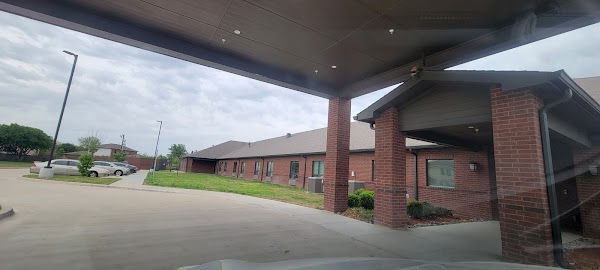
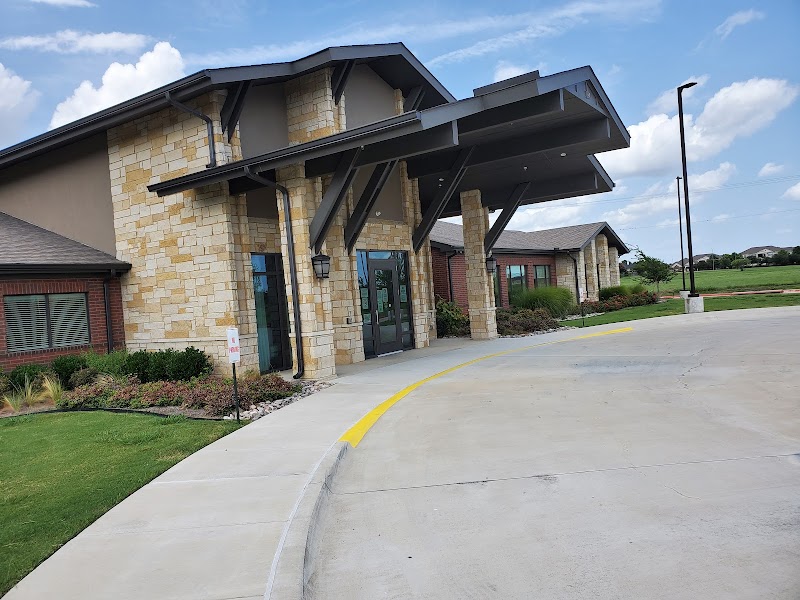
724 W. RENDON CROWLEY ROAD, CROWLEY, TX 76036 (817) 297-4141
For profit - Corporation 60 Beds Independent Data: November 2025
Trust Grade
90/100
#3 of 1168 in TX
Last Inspection: June 2024

Within standard 12-15 month inspection cycle. Federal law requires annual inspections.

Overview

Allegiant Wellness and Rehab in Crowley, Texas, has received an A trust grade, indicating it is highly recommended and considered excellent. It ranks #3 out of 1,168 facilities in Texas, placing it in the top tier of nursing homes, and is the best choice among 69 facilities in Tarrant County. The facility is improving, with a reduction in issues from 5 in 2024 to just 2 in 2025. Staffing is a relative strength, with a 4 out of 5-star rating and a turnover rate of 42%, which is below the state average. While there have been no fines reported, there have been concerns regarding food safety practices and the development of individualized care plans for residents, which could potentially lead to inadequate care if not addressed.

Trust Score
A
90/100
In Texas
#3/1168
Top 1%
Safety Record
Low Risk
No red flags
Inspections
Getting Better
5 → 2 violations
Staff Stability
○ Average
42% turnover. Near Texas's 48% average. Typical for the industry.
Penalties
✓ Good
No fines on record. Clean compliance history, better than most Texas facilities.
Skilled Nurses
✓ Good
Each resident gets 53 minutes of Registered Nurse (RN) attention daily — more than average for Texas. RNs are trained to catch health problems early.
Violations
○ Average
8 deficiencies on record. Average for a facility this size. Mostly minor or procedural issues.
★★★★★
5.0
Overall Rating
★★★★☆
4.0
Staff Levels
★★★★☆
4.0
Care Quality
★★★★★
5.0
Inspection Score
Stable
2024: 5 issues
2025: 2 issues

The Good

  • 4-Star Staffing Rating · Above-average nurse staffing levels
  • 4-Star Quality Measures · Strong clinical quality outcomes
  • Full Sprinkler Coverage · Fire safety systems throughout facility
  • No fines on record
  • Staff turnover below average (42%)

    6 points below Texas average of 48%

Facility shows strength in staffing levels, quality measures, fire safety.

The Bad

Staff Turnover: 42%

Near Texas avg (46%)

Typical for the industry

The Ugly 8 deficiencies on record

Jul 2025 1 deficiency
CONCERN (D) 📢 Someone Reported This

A family member, employee, or ombudsman was alarmed enough to file a formal complaint

Potential for Harm - no one hurt, but risky conditions existed

Comprehensive Care Plan (Tag F0656)

Could have caused harm · This affected 1 resident

**NOTE- TERMS IN BRACKETS HAVE BEEN EDITED TO PROTECT CONFIDENTIALITY** Based on observation, interviews and record review, the facility failed to develop a comprehensive person-centered care plan for...

Read full inspector narrative →
**NOTE- TERMS IN BRACKETS HAVE BEEN EDITED TO PROTECT CONFIDENTIALITY** Based on observation, interviews and record review, the facility failed to develop a comprehensive person-centered care plan for 1 of 5 residents (Resident #1) reviewed for comprehensive care plans.Resident #1's care plan did not address the resident's wound care needs provided by the facility with goals and interventions.This deficient practice could result in a loss of quality of life due to residents receiving improper care.Findings included:Review of Resident#1's face sheet, dated 7/8/2025, revealed the resident was a [AGE] year-old admitted on [DATE] with diagnoses of dehiscence of surgical wound (opening of wound), injury of right knee tendon, and anemia. Review of Resident #1's hospital record, dated 6/13/2025, revealed Resident#1 was admitted for evaluation of an open wound from knee surgery performed on 5/18/2025Observation of Resident #1 on 7/8/2025 at 9:10am, revealed Resident#1 had a surgical wound on right knee, covered with dressing and the wound was being suctioned using a wound vacuum (a machine used to suction wound fluid).Review of Resident #1's physician order [surgical center name], dated 6/24/2025, revealed there was an order for Negative Pressure Wound Therapy (NPWT) three times per week, with care instructions provided in the order.Review of Resident#1's comprehensive care plan, dated 7/8/2025, reflected no care plan for the wound was developed.Interview with the treatment nurse on 7/8/2025 at 3:45pm revealed that the treatment nurse was responsible to develop a wound care plan for residents with wounds. She confirmed that there was no care plan developed for Resident #1's knee wound. She stated that the risk of not having care plans updated was the resident could receive improper care or lack of care quality. Interview with the DON on 7/8/2025 at 4:00pm revealed that the interdisciplinary team met weekly to develop and/or update residents' care plans. She stated that wound care should be included in the care plan. She stated that she was not aware Resident #1's care plan did not include wound care. Review of facility's Care plans, Comprehensive Person-centered policy, dated 12/2016, revealed that the interdisciplinary team must review and update the care plan when. there has been a significant change in the resident's condition. The policy also stated that assessments of residents are ongoing and care plans are revised as information about. the resident's condition change. The comprehensive care plan will. describe services that are to be furnished to attain or maintain the resident's highest practicable physical, mental, and psychosocial well-being.
Mar 2025 1 deficiency
CONCERN (D) 📢 Someone Reported This

A family member, employee, or ombudsman was alarmed enough to file a formal complaint

Potential for Harm - no one hurt, but risky conditions existed

Accident Prevention (Tag F0689)

Could have caused harm · This affected 1 resident

**NOTE- TERMS IN BRACKETS HAVE BEEN EDITED TO PROTECT CONFIDENTIALITY** Based on interview and record review, the facility failed to provide adequate supervision and assistance to prevent accidents an...

Read full inspector narrative →
**NOTE- TERMS IN BRACKETS HAVE BEEN EDITED TO PROTECT CONFIDENTIALITY** Based on interview and record review, the facility failed to provide adequate supervision and assistance to prevent accidents and/or injury for 1 of 3 residents (Resident #1) reviewed for accidents and supervision. CNA A and RN B failed to ensure that Resident #1 did not receive a solid food tray, as Resident #1 was an NPO (no food by mouth) resident, with a G-Tube. As a result, Resident #1 consumed approximately 50% of the tray food given to her by CNA A. This failure could place residents at risk of aspiration (the accidental inhalation of food, liquid, saliva, or stomach contents into the airway and lungs, potentially leading to complications like pneumonia) causing serious injury or death. Findings included: Record review of Resident #1's Face Sheet dated 3-11-2025, conveyed a [AGE] year-old female who admitted to the facility on [DATE] with a primary diagnosis of Metabolic Encephalopathy (a brain dysfunction caused by underlying systemic illnesses or metabolic imbalances, resulting in altered mental status or consciousness, ranging from confusion to coma) and secondary diagnoses of Type 2 diabetes with neuropathy (a condition where the body's inability to use insulin correctly leads to high blood sugar, causing nerve damage (neuropathy) without a specific type of neuropathy being identified), Morbid Obesity (a severe form of obesity characterized by a high body mass index (BMI) and significant health risks), and Acute Respiratory Failure with Hypoxia (a condition where the lungs fail to adequately deliver oxygen to the blood, leading to dangerously low oxygen levels). Record review of Resident #1's transfer orders from the hospital dated 2-6-2025 revealed Resident #1 was assessed as being a NPO patient. Record review of Resident #1's Care Plan dated 2-9-2025 revealed she required tube feeding related to Dysphagia (having difficulty swallowing foods or liquids, arising from the throat or esophagus, ranging from mild difficulty to complete and painful blockage) with interventions to monitor Resident #1 for Aspiration. Record review of Resident #1's Nursing Home PPS (Prospective Payment System) (NP - Nurse Practitioner) MDS (Minimum Data Set) dated 2-13-2025 revealed Resident #1 had a BIMS score of 1, indicating severe cognitive impairment. The MDS indicated in the Swallowing/Nutritional Status section that Resident #1 had a swallowing disorder of Coughing or choking during meals or when swallowing medications, Holding food in mouth/cheeks or residual food in mouth after meals, and Complaints of difficulty or pain with swallowing. Record review of Resident #1's Order Summary dated 2-13-2025 indicated the facility's dietician listed Resident #1 as an NPO. Record review of Resident #1's doctor orders dated 2-13-2025 indicated Resident #1 was on an NPO Diet. Record review of Resident #1's Progress Notes by RN B, dated 2-26-2025, stated This nurse entered patient room noted tray present with food eaten. Sign above bed that says NPO. Feeding pump present in room. This nurse asked CNA if she gave patient a tray she stated, yes. CNA educated that she is supposed to ask a nurse about patient diet. Never assume. Kitchen did not send patient a tray for a reason. Patient is sitting up in wheelchair no coughing or respiratory distress noted. Dr. A notified waiting for response, DON notified. Resident #1's Progress Note dated 2-26-2025 at 3:09 PM stated RN B contacted Resident #1's [family member] saying . informed her that CNA did give [Resident #1] a [food] tray and she did eat some of the food .informed Resident [family member] that Resident #1 was a .nothing by mouth [and] we are concerned about aspiration of food going into the lungs, so we are going to get a chest x-ray. Record review of the facility's in-services on the topic of NPO residents and food trays revealed they were conducted on 2-26-2025. The in-services included NPO training for CNA A with a one-on-one session with the DON, all the kitchen staff, and facility wide for staff members indicating that NPO residents do not get a food tray. Record review of Resident #1's Radiology Note dated 3-1-2025 at 6:42 PM, indicated a chest x-ray was completed showing Resident #1's lungs were clear showing no signs of aspiration. Record review of Resident #1's Progress Note dated 3-4-2025 at 5:00 AM revealed Resident #1 had a change in condition due to vomiting and shortness of breath. Resident #1 was sent out to the hospital via ambulance on 3-4-2025 at 7:00 AM. In an interview on 3-11-2025 at 12:50 PM, it was revealed RN B worked at the facility on 2-26-2025, entered Resident #1's room after lunch was served, saw a food tray next to Resident #1's bed, and saw food had been eaten. RN B conveyed she asked CNA A why Resident #1 had a food tray in her room and CNA A stated that the kitchen did not make a meal ticket for Resident #1, so she retrieved one and gave it to Resident #1. RN B stated she informed CNA A that Resident #1 does not get food trays because Resident #1 was a tube fed patient with a NPO sign above her bed. RN B said CNA A was surprised to learn Resident #1 was a NPO. RN B said CNA A should know this. RN B said a nurse should be responsible to make sure a CNA knows a patient is an NPO. RN B said the risk to Resident #1 eating food from a food tray was aspiration into the lungs and could be very dangerous to the patient. RN B said the facility did in-services on NPO and tube feeding after this incident on 2-26-2025. In an interview with the Director of Therapy (DOT) on 3-11-2025 at 5:00 PM it was revealed she was also the facility's speech therapist and had worked at the facility since 2018. The DOT stated she screens for swallowing issues on every resident who admits into the facility. The DOT stated when Resident #1 admitted into the facility Resident #1 had a swallow test performed at the hospital prior to admission. The DOT said Resident #1 was a NPO from the beginning of her admittance into the facility and Resident #1 was not supposed to have received a food tray on 2-26-2025. The DOT said the risk to Resident #1 receiving a food tray and consuming food was that Resident #1 could aspirate and cause her to be hospitalized . In an interview with CNA A on 3-11-2025 at 3:00 PM, it was revealed CNA A has been a CNA for over 7 years, has worked at the facility since 12-2023, and usually works the 2:00 PM-10:00 PM shift. CNA A said she was working at the facility on 2-26-2025 in the hallway where Resident #1 was residing. CNA A said she did not usually work the hallway where Resident #1 was residing and was not familiar with Resident #1. CNA A said she did not see the NPO sign above Resident #1's bed but noticed she did not have a food tray. CNA A said she retrieved a food tray for Resident #1 and brought it to her in her room to eat. CNA A said she made a mistake. CNA A stated she was in-serviced by the facility on NPO residents and food trays after the incident with the DON. CNA A said the facility went over NPO training when she was orientated back in 12-2023. In an interview on 3-12-2025 at 4:28 PM, it was revealed that the Facility's Dietitian stated Resident #1 was the facility's only G-Tube patient and the only NPO patient. The Facility's Dietician said Resident #1 was not supposed to receive a food tray on 2-26-2025 as Resident #1 was not supposed to receive any food by mouth. The Facility's Dietician said her expectation was for the facility staff to not give Resident #1 a food tray as eating tray food could cause Resident #1 aspirate. In an interview on 3-14-2025 at 12:30 PM it was revealed from RN B that Resident #1 ate approximately 50% of the tray food that was given to her on 2-26-2025. Record review of Resident #1's current hospital record dated 3-6-2025 revealed Resident #1's reason for admission was a Bilateral acute on chronic Subdural Hematoma and did not have aspiration (a condition where a new bleeding episode (acute) occurs on top of a pre-existing, older hematoma (chronic) in the subdural space, affecting both sides of the brain) and not aspiration. Record review of the facility's policy called Enteral Nutrition dated 2001 and revised on 1-2014 stated: .11. The Nurse will confirm that there are appropriate orders for oral (PO) intake or restrictions for nothing by mouth (NPO), as appropriate. .13. Staff caring for residents with feeding tubes will be trained on how to recognize and report complications associated with the insertion and/or use of a feeding tube, such as: a. Aspiration . 15. Risk of aspiration will be assessed by the Nurse and Physician and addressed in the individual care plan .
Jun 2024 2 deficiencies
CONCERN (D)

Potential for Harm - no one hurt, but risky conditions existed

Garbage Disposal (Tag F0814)

Could have caused harm · This affected 1 resident

Based on observation, interview, and record review, the facility failed to keep garbage storage receptacles in a sanitary condition according to professional standards for 1 of 1 kitchen for kitchen s...

Read full inspector narrative →
Based on observation, interview, and record review, the facility failed to keep garbage storage receptacles in a sanitary condition according to professional standards for 1 of 1 kitchen for kitchen sanitation and failed to ensure the facility's only garbage storage dumpster was maintained in a sanitary condition to prevent the harborage and feeding of pest. 1. The facility failed to ensure trash receptacles in the kitchen were closed with a lid. 2. The failed to ensure the trash dumpster's door outside of the kitchen was closed and failed to ensure trash was not left outside of the dumpster. This failure could place residents at risk of contracting disease by attracting pest and disease carrying rodents. Findings included: 1. During an observation on 6-18-2024 at 8:55 AM, a large trash receptacle had trash contents inside, without a lid, in the facility's only kitchen. The trash can was observed to not be in use. 2. During an observation on 6-18-2024 at 9:03 AM, the facility's only trash dumpster was observed to have its door open, with a trash bag full of trash, hanging out the door. In an interview on 6-18-2024 at 9:05 AM, Dietary Aide A stated trash can lids should be covering trash cans in the kitchen unless they were in use. Dietary Aide A said the concern for the trash cans not being covered was that it could attract flies. In an interview on 6-18-2024 at 9:15 with [NAME] B, it was stated the trash dumpster door should remain closed and trash should not be hanging out of the door because it could attract pest to the area. [NAME] B stated staff were in-serviced on this issue. [NAME] B said the trash cans, in the kitchen, should have lids on them when not in use. [NAME] B stated the trash cans could attract bugs if not covered. In an interview on 6-19-2024 at 10:25 AM, the Dietary Manager stated the doors to the trash cans in the kitchen should be sealed with a lid unless being used. It was everyone's responsibility, in the kitchen, to ensure that happens. The Dietary Manager stated it is her responsibility to ensure the trash dumpster doors stay closed and trash wasn't hanging outside the doors. The Dietary Manager stated the concern for the trash dumpster not staying closed and having a trash bag hanging out of the door, is that it can attract pests' odors and rodents. In an interview on 6-20-2024 at 10:41 AM, the Dietitian stated, it was revealed that the Administrator was on vacation. She stated when she was at the facility, she ensured the trash cans in the kitchen area were closed with lids, and the dumpster outside stayed closed with its doors. The Dietician's expectation was for trash cans in the kitchen area, unless they were being used, to have a lid on them and for the trash dumpster, outside the kitchen, to stay closed unless being used. Record review of the facility's Garbage Containment and Disposal Policy entitled; Texas Food Establishment Rules dated 3-16-2006 stated: §229.166(k) (l) Storage facilities on the premises. (1) Indoor storage area. If located within the food establishment, a storage area for refuse, recyclables, and returnables shall meet the requirements specified under §229.167(a), (c)(1) - (8), (d)(5) and (6) of this title (relating to Physical Facilities). (4) Receptacles. (A) Except as specified in subparagraph (B) of this paragraph, receptacles and waste handling units for refuse, recyclables, and returnables and for use with materials containing food residue shall be durable, cleanable, insect and rodent-resistant, leakproof, and nonabsorbent. (6) Outside receptacles. (A) Receptacles and waste handling units for refuse, recyclables, and returnables used with materials containing food residue and used outside the food establishment shall be designed and constructed to have tight-fitting lids, doors, or covers. §229.166(l) (A) An inside storage room and area and outside storage area and enclosure, and receptacles shall be of sufficient capacity to hold refuse, recyclables, and returnables that accumulate. (B) A receptacle shall be provided in each area of the food establishment or premises where refuse is generated or commonly discarded, or where recyclables or returnables are placed . (11) Storing refuse, recyclables, and returnables. Refuse, recyclables, and returnables shall be stored in receptacles or waste handling units so that they are inaccessible to insects and rodents . (14) Covering receptacles. Receptacles and waste handling units for refuse, recyclables, and returnables shall be kept covered: (A) inside the food establishment if the receptacles and units: (i) contain food residue and are not in continuous use; or (ii) after they are filled; and (B) with tight-fitting lids or doors if kept outside the food establishment.
CONCERN (E)

Potential for Harm - no one hurt, but risky conditions existed

Food Safety (Tag F0812)

Could have caused harm · This affected multiple residents

Based on observation, interview, and record review, the facility failed to store, prepare, distribute, and serve food in accordance with professional standards for food safety in the facility's only k...

Read full inspector narrative →
Based on observation, interview, and record review, the facility failed to store, prepare, distribute, and serve food in accordance with professional standards for food safety in the facility's only kitchen observed for: 1. The facility failed to ensure food items, placed in the refrigerator were properly sealed, dated, and labeled. 2. The facility failed to ensure food items, placed in the dry storage area, were sealed and kept off of the floor. This failure could affect residents by placing them at risk for food-borne illness. Findings included: 1. In an observation on 6-18-2024, at 8:50 AM, of the facility's only walk-in refrigerator, revealed an unsealed bag of sliced cheese exposed to air. In an observation on 6-18-2024, at 8:53 AM, of the facility's only free-standing refrigerator, revealed 2 glasses of milk and 3 glasses of juice, undated and unlabeled. 2. In an observation on 6-18-2024, at 8:57 AM, of the facility's only kitchen pantry area, revealed used seasoning containers of onion, lemon, and garlic powder on the floor, an unsealed bag of potato chips, an unsealed container of breadcrumbs, and an unsealed box of tea bags. In an interview with Dietary Aide A on 6-18-2024, at 9:00 AM, it was conveyed that the Dietary Manager was on vacation and would return to the facility the next day. Dietary Aide A stated the risk to residents having food not sealed in refrigerators, not having dates and/or labels in refrigerators, foods not being kept off floors, and foods, in the dry storage area, not being sealed, was the food could get stale and insects could get into the food. In an interview with [NAME] B on 6-18-2024 at 9:15 AM, [NAME] B said the concern to residents for not keeping food or drinks dated and labeled was no one would know how long the food had been in a refrigerator and someone could have gotten sick. In an interview with the Dietary Manager on 6-19-2024, at 10:25 AM, it was stated everyone who worked in the kitchen was responsible for ensuring food was kept off the floor, food packages were kept sealed, and food and drinks, in the refrigerator, were dated and labeled. The Dietary Manager stated her expectations were for these things to be done daily. The Dietary Manager stated the concern for these areas was that food could have expired, bugs could get into foods, and residents could have gotten sick. In an interview with the Dietician on 6-20-2024 at 10:41 AM, it was revealed that the Administrator was on vacation. The Dietician said food and drinks should be dated, labeled, and food storage containers should be closed. The Dietician stated the dry storage bins should be sealed to prevent pest from getting in the food and to maintain freshness. The dating of foods was important to protect freshness, prevent spoilage, and to make sure the foods are used within the correct timeframe. The Dietician stated it was her expectation for these things to be done in the kitchen and the facility used the Texas Food Establishment Rules as their policy for food storage. Record review of the facility's food storage policy entitled; Texas Food Establishment Rules dated 3-16-2006 stated: §229.164 (c)(5) Package integrity. Food packages shall be in good condition and protect the integrity of the contents so that the food is not exposed to adulteration or potential contaminants. §229.164 (h)(1) Food Storage. (A) Except as specified in subparagraphs (B) and (C) of this paragraph, food shall be protected from contamination by storing the food: (i) in a clean, dry location; (ii) where it is not exposed to splash, dust, or other contamination; and (iii) at least 15 cm (6 inches) above the floor. §229.164 (o)(B) When placed in cooling or cold holding equipment, food containers in which food is being cooled shall be: . (7) Ready-to-eat, potentially hazardous food, date marking. (A) Except as specified in subparagraphs (D)-(F) of this paragraph refrigerated, ready-to-eat, potentially hazardous food prepared and held in a food establishment for more than 24 hours shall be clearly marked using calendar dates, days of the week, color coded marks, or other effective means to indicate the date or day by which the food shall be consumed on the premises, sold, or discarded, based on the temperature and time combinations specified below. The day of preparation shall be counted as Day 1. Review of the U.S. Public Health Service Food Code, dated 2022, reflected: 3-501.17 Ready-to-Eat, Time/Temperature Control for Safety Food, Date Marking. (A) Except when PACKAGING FOOD using a REDUCED OXYGEN PACKAGING method as specified under § 3-502.12, and except as specified in (E) and (F) of this section, refrigerated, READY-TO-EAT, TIME/TEMPERATURE CONTROL FOR SAFETY FOOD prepared and held in a FOOD ESTABLISHMENT for more than 24 hours shall be clearly marked to indicate the date or day by which the FOOD shall be consumed on the PREMISES, sold, or discarded when held at a temperature of 5ºC (41ºF) or less for a maximum of 7 days. The day of preparation shall be counted as Day 1; and (2) The day or date marked by the FOOD ESTABLISHMENT may not exceed a manufacturer's use-by date if the manufacturer determined the use-by date based on FOOD safety. (C) A refrigerated, READY-TO-EAT TIME/TEMPERATURE CONTROL FOR SAFETY FOOD ingredient or a portion of a refrigerated, READY-TO-EAT, TIME/TEMPERATURE CONTROL FOR SAFETY FOOD that is subsequently combined with additional ingredients or portions of FOOD shall retain the date marking of the earliest prepared or first-prepared ingredient. (D) A date marking system that meets the criteria stated in (A) and (B) of this section may include: (1) Using a method approved by the regulatory authority for refrigerated, ready-to-eat time/temperature control for safety food that is frequently rewrapped, such as lunchmeat or a roast, or for which date marking is impractical, such as soft serve mix or milk in a dispensing machine; (2) Marking the date or day of preparation, with a procedure to discard the food on or before the last date or day by which the food must be consumed on the premises, sold, or discarded as specified under (A) of this section; (3) Marking the date or day the original container is opened in a food establishment, with a procedure to discard the food on or before the last date or day by which the food must be consumed on the premises, sold, or discarded as specified under (B) of this section; or (4) Using calendar dates, days of the week, color-coded marks, or other effective marking methods, provided that the marking system is disclosed to the REGULATORY AUTHORITY upon request .
May 2024 3 deficiencies
CONCERN (D) 📢 Someone Reported This

A family member, employee, or ombudsman was alarmed enough to file a formal complaint

Potential for Harm - no one hurt, but risky conditions existed

Deficiency F0761 (Tag F0761)

Could have caused harm · This affected 1 resident

**NOTE- TERMS IN BRACKETS HAVE BEEN EDITED TO PROTECT CONFIDENTIALITY** Based on observation, interview, and record review the facility failed to store all drugs and biologicals in locked compartments...

Read full inspector narrative →
**NOTE- TERMS IN BRACKETS HAVE BEEN EDITED TO PROTECT CONFIDENTIALITY** Based on observation, interview, and record review the facility failed to store all drugs and biologicals in locked compartments under proper temperature controls and permit only authorized personnel to have access to the keys for 1 of 1 treatment carts reviewed. The facility failed to ensure one facility treatment cart was locked when unattended. This failure could place residents at risk of having access to unauthorized medications and/or lead to possible harm or drug diversions. Findings included: An observation on 05/24/24 at 6:15 AM revealed the facility's treatment cart was unlocked and unattended. The treatment cart was positioned at the far end of hall 100 in front of room [ROOM NUMBER]. The treatment cart top drawer was opened and the drawers were faced outward toward the hallway. All drawers of the treatment cart could be opened, and supplies were easily accessible. No staff were observed within eyesight of the treatment cart. An observation on 05/24/24 at 11:20 AM revealed the facility's treatment cart was unlocked and unattended. The treatment cart was positioned in the middle of the hallway against the wall between 100 and 200 halls. The treatment cart drawers faced outward toward the hallway All drawers of the treatment cart could be opened, and supplies were easily accessible. No staff were observed within eyesight of the treatment cart. An observation on 05/24/24 at 3:30 PM revealed the facility's treatment cart was unlocked and unattended. The treatment cart was positioned at the end of 200 hall. The treatment cart drawer faced outward toward the hallway All drawers of the treatment cart could be opened, and supplies were easily accessible. No staff were observed within eyesight of the treatment cart. An observation on 05/24/24 at 3:32 PM of the treatment cart revealed the following contents: *Diclofenac sodium gel (Temporarily relieves minor to moderate aches and pains caused by arthritis) *Nystatin topical powder (Used to treat fungal (or yeast) infections that affect the skin, mouth, and intestinal tract) *Nystatin topical ointment (Used to treat fungal (or yeast) infections that affect the skin, mouth, and intestinal tract) Gentamicin sulfate ointment 0.1% (Used to treat minor skin infection) *Bacitracin ointment (Used to prevent minor skin infections caused by small cuts, scrapes or burns) *Hydrocortisone cream (A mild corticosteroid that treats various skin conditions such as itching.) *Calamine clear lotion (Used to relieve itchiness) *Mupirocin ointment 2% (Antibiotic ointment used to trat certain skin infections) *Ammonium Lactate lotion (Used to treat dry, scaly skin conditions. *Triamcinolone acetonide cream (Used to treat a variety of skin conditions such as eczema, dermatitis, allergies, rash). *Hibiclens (Antibacterial anti microbial skin cleanser) *Povidone iodine 10%Solution (Topical antiseptic to aid in the prevention of infection) An interview on 05/24/24 at 6:30 AM with LVN S revealed the treatment cart should be locked and secured. LVN S revealed stated residents could get into the cart and take something. An interview on 05/24/24 at 7:00 AM with LVN A revealed the treatment carts should be locked. LVN A stated he was not sure of any risk to the resident. An interview on 05/24/24 at 12:36 PM with the ADON revealed the wound care doctor treated residents on 05/24/24. The ADON stated the treatment cart should be locked when it was not in use. The ADON stated the items in the treatment cart would not be harmful to the residents. An interview on 05/28/24 at 4:10 PM with the DON revealed the treatment cart should be locked. The DON stated the residents were not at any risk of being harmed. An interview on 05/28/24 at 4:38 PM with the Administrator revealed nurse staff should have followed the medication/treatment drug storage policy. The Administrator stated the carts should be locked when not in use. The Administrator stated residents could get into the cart. A record review of the policy titled Security of Medication Cart (dated revised on April 2007) revealed, 3 .the cart should be parked in the hallway against the wall with doors and drawers facing the wall 4. Medication cart must be securely locked at all times when out of the nurse's view. 5. When the medication cart is not being used, it must be locked and parked at the nurses' station or inside the medication room.
CONCERN (D) 📢 Someone Reported This

A family member, employee, or ombudsman was alarmed enough to file a formal complaint

Potential for Harm - no one hurt, but risky conditions existed

Medical Records (Tag F0842)

Could have caused harm · This affected 1 resident

**NOTE- TERMS IN BRACKETS HAVE BEEN EDITED TO PROTECT CONFIDENTIALITY** Based on observation, interviews and record reviews the facility failed to maintain medical records that were complete and accur...

Read full inspector narrative →
**NOTE- TERMS IN BRACKETS HAVE BEEN EDITED TO PROTECT CONFIDENTIALITY** Based on observation, interviews and record reviews the facility failed to maintain medical records that were complete and accurately documented for 1 (Resident #4) of 4 residents reviewed for resident records. The facility failed to accurately document Resident #4's skin tear on the elbow that occurred on 05/24/24. This failure could affect any resident, placing them at risk of inaccurate information and resulting inappropriate care. This failure could place residents at risk for skin tears injuries. The findings were: Record review of Resident #4's initial MDS assessment (dated 05/26/24) reflected Resident #4 was admitted to the facility on [DATE] and had diagnoses of Lobar Pneumonia (affects an entire lobe of the lung), unspecified Glaucoma (eye's optic nerve, which provides information to the brain is damaged), type 2 Diabetes Mellitus (a condition results from insufficient production of insulin, causing high blood sugar) with Diabetic Neuropathy (nerve damage caused by diabetes), unspecified atrial fibrillation (a disease of the heart characterized by irregular and often faster heartbeat), and combined systolic and Diastolic (Congestive) heart failure. Resident#4 had a BIMS of 14 which indicated cognition was intact. Record review of progress notes from 5/14/24 to 5/24/24 for Resident #4 revealed no documentation of skin tear. Record review of incident reports from 5/14/24 to 5/24/24 for Resident #4 revealed no documentation of skin tear. Record review of skin assessments from 5/14/24 to 5/24/24 for Resident #4 revealed no documentation of skin tears . An observation on 05/24/24 at 7:58 AM revealed four quarter sized spots of blood were noticed on Resident#4's fitted sheet and top sheet that appeared fresh. Resident #4's elbow was observed to still be bleeding. An interview on 05/24/24 at 8:00 AM with Resident #4 revealed Resident #4 had stumbled and scraped his elbow on his bed. Resident #4 stated he told the nurse around 3:00 AM and she put a Band-Aid on his elbow and it came off. Resident #4 could not recall the name of the nurse who assisted him. Resident #4 stated he had not reported to staff that the band-aid had came off. An interview on 05/24/24 at 12:36 PM with the ADON revealed no incident report or progress note were documented about the skin tear. The ADON revealed Resident #4 did not need stitches, and she provided treatment to the skin tear with wound cleaner and applied sterile strips. The ADON revealed she completed a skin assessment and documented in the progress note. The ADON stated Resident #4's family member and the MD were notified. An interview on 05/28/24 at 4:10 PM with the DON revealed the skin tear should have been documented in a progress note and incident report. The DON stated Resident #4's elbow was treated for the skin tear and his family and the doctor had been notified. The DON revealed the overnight staff who initially treated Resident #4's skin tear were not identified. An interview on 05/28/24 at 4:38 PM with the Administrator revealed nurse staff should have followed the skin tear policy and procedures. The Administrator stated nurse staff should have notified the ADON or DON for further assistance with the wound care. The Administrator stated the incident should have been captured so that a risk assessment on Resident #4 could have been completed. Record review of facility policy (Revised September 2013) titled Skin Tears- Abrasions and Minor Breaks Care of reflected Documentation 1.) Completes in-house investigation of causation. 2) Generate non-pressure form 9)When a skin tear is discovered, complete a Report of Incident/Accident
CONCERN (E) 📢 Someone Reported This

A family member, employee, or ombudsman was alarmed enough to file a formal complaint

Potential for Harm - no one hurt, but risky conditions existed

Comprehensive Care Plan (Tag F0656)

Could have caused harm · This affected multiple residents

**NOTE- TERMS IN BRACKETS HAVE BEEN EDITED TO PROTECT CONFIDENTIALITY** Based on observation, interview, and record review, the facility failed to develop and implement a comprehensive person-centered...

Read full inspector narrative →
**NOTE- TERMS IN BRACKETS HAVE BEEN EDITED TO PROTECT CONFIDENTIALITY** Based on observation, interview, and record review, the facility failed to develop and implement a comprehensive person-centered care plan for each resident that included measurable objectives and timeframes to meet a resident's medical, nursing, mental and psychosocial needs for 3 of 9 residents (Residents #1, #2 and #3) reviewed for care plans in that: Resident #1, Resident #2 and Resident#3's comprehensive care plan did not reflect they used continuous oxygen. This failure could place residents at risk of receiving inadequate interventions not individualized to their care needs. Findings included: Record review of Resident #1's admission MDS assessment (dated 05/02/24) revealed Resident #1 was admitted to the facility on [DATE]. Resident #1 had diagnoses of unspecified Dementia (loss of cognitive functioning- thinking, remembering, and reasoning, to such an extent that it interfered with a person's daily life and activities), fracture of unspecified part of neck of left femur, anemia (blood produces a lower-than-normal amount of healthy red blood cells), and hypokalemia (low blood potassium levels). No oxygen therapy documented on admission MDS. Record review of Resident#1's orders revealed Resident#1 had an new order (dated 4/26/24) for Oxygen 02 at 2LPM from NC continuously every shift for Hypoxia (low levels of oxygen in body tissues). Record review of Resident#1's care plan (dated 05/02/24) revealed no oxygen therapy documented on admission and was not added to care plan. Record review of Resident #2's admission MDS (dated 05/30/24) revealed, Resident #2 was initially admitted to the facility on [DATE] and readmitted on [DATE]. Resident #2 had diagnoses of unspecified Asthma with (acute) exacerbation (episodes of worsening asthma symptoms and lung functions) and chronic obstructive pulmonary disease (a common lung disease causing restricted airflow and breathing problems). No oxygen therapy documented on admission MDS. Record review of Resident#2's orders revealed, Resident#2 had an new order (dated 5/24/24) for Oxygen 02 at 2LPM from NC continuously every shift for Hypoxia(low levels of oxygen in body tissues). Record review of Resident#2's care plan (dated 05/06/24) revealed no oxygen therapy documented on admission and was not added to care plan. Record review of Resident #3's quarterly MDS (dated 07/20/24) revealed Resident #3 was initially admitted to the facility on [DATE] and readmitted on [DATE]. Resident #3 had diagnoses of unspecified Dementia (loss of cognitive functioning- thinking, remembering, and reasoning, to such an extent that it interfered with a person's daily life and activities), anxiety disorder (persistent and excessive worry that interferes with daily activities), and Cyclothymic disorder (rare mood disorder). No oxygen therapy documented on quarterly MDS. Record review of Resident#3's orders revealed Resident #3 had an new order (dated 05/24/24) for Oxygen 02 at 2 to 3LPM from NC continuously every shift for Hypoxia (low levels of oxygen in body tissues). Record review of Resident#3's care plan (dated 04/21/24) revealed no revision for oxygen therapy documented. An observation on 05/24/24 at 6:40 AM revealed Resident #2 was hooked up to her oxygen machine and lying in bed. An observation on 05/24/24 at 6:43 AM revealed Resident #3 was hooked up to her oxygen machine and was lying in bed. An observation on 05/24/24 at 6:45 AM revealed Resident #1 did not have her oxygen machine plugged up. An observation on 05/24/24 at 2:15 PM revealed Resident #1 was in her bed with her oxygen machine connected and on. In an interview on 05/24/24 at 7:03 AM with LVN A, revealed Resident #1 would take her oxygen off. LVN A revealed Resident#2 and Resident#3 keep their oxygen on all the time. In an interview on 05/24/24 at 8:04 AM Residen t#1 was not able to answer questions about her oxygen machine. An interview on 05/24/24 at 8:06AM revealed Resident #3 was not able to answer questions about her oxygen machine. In an interview on 05/24/24 at 10:14 AM revealed Resident #2 had to use her oxygen machine all the time or she would have shortness of breath. An interview on 05/24/24 at 2:42 PM with CNA B revealed Resident#1 wore her oxygen in bed when she was in bed. An interview on 05/24/24 at 3:00 PM with MD revealed Resident #1 had not had any adverse reactions at the time from not wearing her oxygen continuous. MD stated that she was not changing her order and she needed to use her oxygen continuously. The MD stated Resident #2 was on continuous oxygen and no reported issues of Resident #2 not wearing oxygen. The MD stated Resident #3 was on continuous oxygen and no reports of her taking off her oxygen. An interview on 05/28/24 at 3:50 PM with the Case Manager revealed, care plans were completed within the first 7 days of a resident being admitted to the facility. The Case Manager revealed that she worked on the care plan with family. The Case Manager revealed she would update the resident's nurse or DON when reporting a change in condition. An interview on 05/28/24 at 4:10 PM with the DON revealed she had been in the facility for 5 days. The DON stated the care plans were completed at admission and at the care plan meetings. The DON stated the residents were not at any risk because the residents received their oxygen treatments. An interview on 05/28/24 at 4:28 PM with the MDS nurse revealed that she was responsible for updating the care plan. The MDS nurse stated she made updates to the care plan when the DON let her know there had been a change in condition. The MDS nurse stated the residents were not at any risk because the orders were still being followed by nursing staff. An interview on 05/28/24 at 4:38 PM with the Administrator revealed the initial care plan should be completed at admission. The Administrator stated acute changes in the residents should be updated on the care plan when the change occurred. The Administrator stated there was no physical risk to the resident if the change of condition was not listed on the care plan. Record review of facility policy titled Change in a Resident's Condition or Status (revised December 2016) revealed, . 8. The nurse will record in the resident's medical record information relative to changes in the resident's medical/mental condition or status.
Apr 2022 1 deficiency
CONCERN (D)

Potential for Harm - no one hurt, but risky conditions existed

PASARR Coordination (Tag F0644)

Could have caused harm · This affected 1 resident

**NOTE- TERMS IN BRACKETS HAVE BEEN EDITED TO PROTECT CONFIDENTIALITY** Based on interview and record review, the facility failed to coordinate assessments with the pre-admission screening and residen...

Read full inspector narrative →
**NOTE- TERMS IN BRACKETS HAVE BEEN EDITED TO PROTECT CONFIDENTIALITY** Based on interview and record review, the facility failed to coordinate assessments with the pre-admission screening and resident review (PASARR) and refer all level II residents and all residents with newly evident or possible serious mental disorder, intellectual disability, or a related condition for one (Resident #5) of two residents reviewed for PASRR Screenings. The facility failed to reassess Resident #5 who had a new diagnosis of Psychotic disorder and as a result she never received a PASRR Level II assessment evaluation. This failure could place residents who had a mental illness at risk of not receiving individualized specialized service to meet their needs. Findings included: Review of Resident #5's Face Sheet dated, 04/14/22, revealed, a 92- year-old female admitted to the facility on [DATE]. The Face Sheet revealed a diagnosis of Psychotic disorder with delusions due to known physiological condition on 04/08/19. The Face Sheet revealed that on 08/08/19 the following three diagnoses were added: Dementia in other diseases classified elsewhere with behavioral disturbance, Major depressive disorder, and Generalized Anxiety. Review of Resident #5's PASRR Level 1 screen dated 12/26/18 revealed, Referring Entity: Hospital . C. 100 Mental Illness: NO . This was Resident #5's only PASRR Level 1 Screen uploaded to facility Electronic Medical Record. Review of Resident #5's MDS dated [DATE], and her Annual MDS, dated [DATE], both reflected for the question: Is the resident currently considered by the state level II PASRR process to have serious mental illness and/or intellectual disability or a related condition? the question was marked No. The MDS further reflected she had the diagnoses of Non-Alzheimer's Dementia, Parkinson's Disease, Anxiety Disorder, Depression, and Psychotic Disorder. Observation of Resident #5 on 04/13/22 at 10:29 AM revealed she was seated in the dining room with oxygen via nasal canula, participating in Activities, singing along with the facilitator. In an interview on 04/13/22 at 10:30 AM, Resident #5 revealed she enjoyed participating in activities, she felt safe at the facility, the staff were nice and came when she used her call light. Resident #5 stated she had a urinary tract infection and was receiving antibiotics via a midline in her left arm to which she pointed. In an Interview with MDS A, who was responsible for PASRR at the facility, on 04/14/22 at 1:33 PM, she revealed she understood Resident #5's psychosis was a side effect of the Parkinson's disease and would therefore deem her ineligible for PASARR services. MDS A revealed she was unaware there was a form that existed to inform the LIDDA about a new diagnosis. MDS A stated she worked at the facility since 2018 and had not received any PASARR training since then. MDS A stated the benefit of having residents evaluated by the LIDDA was that they could get extra services that would be very beneficial to the residents. The facility's undated PASRR Policy and Procedure, revealed, All residents will be screened with PL1 prior to admission at [Facility name]. The MDS Coordinator is responsible to input all resident data in TMP. When a resident is PASRR positive, prior to admission, PASSAR services will be contacted to perform a level 2 prior to admission if the resident stay will be more than 30 days. PASRR are uploaded into PCC under the documentation tab. The policy did not mention specifically about new diagnoses.
Understanding Severity Codes (click to expand)
Life-Threatening (Immediate Jeopardy)
J - Isolated K - Pattern L - Widespread
Actual Harm
G - Isolated H - Pattern I - Widespread
Potential for Harm
D - Isolated E - Pattern F - Widespread
No Harm (Minor)
A - Isolated B - Pattern C - Widespread

Questions to Ask on Your Visit

  • "Can I speak with families of current residents?"
  • "What's your RN coverage like on weekends and overnight?"

Our Honest Assessment

Strengths
  • • Grade A (90/100). Above average facility, better than most options in Texas.
  • • No major safety red flags. No abuse findings, life-threatening violations, or SFF status.
  • • No fines on record. Clean compliance history, better than most Texas facilities.
  • • 42% turnover. Below Texas's 48% average. Good staff retention means consistent care.
Concerns
  • • No significant concerns identified. This facility shows no red flags across CMS ratings, staff turnover, or federal penalties.
Bottom line: Generally positive indicators. Standard due diligence and a personal visit recommended.

About This Facility

What is Allegiant Wellness And Rehab's CMS Rating?

CMS assigns ALLEGIANT WELLNESS AND REHAB an overall rating of 5 out of 5 stars, which is considered much above average nationally. Within Texas, this rating places the facility higher than 99% of the state's 100 nursing homes. This rating reflects solid performance across the metrics CMS uses to evaluate nursing home quality.
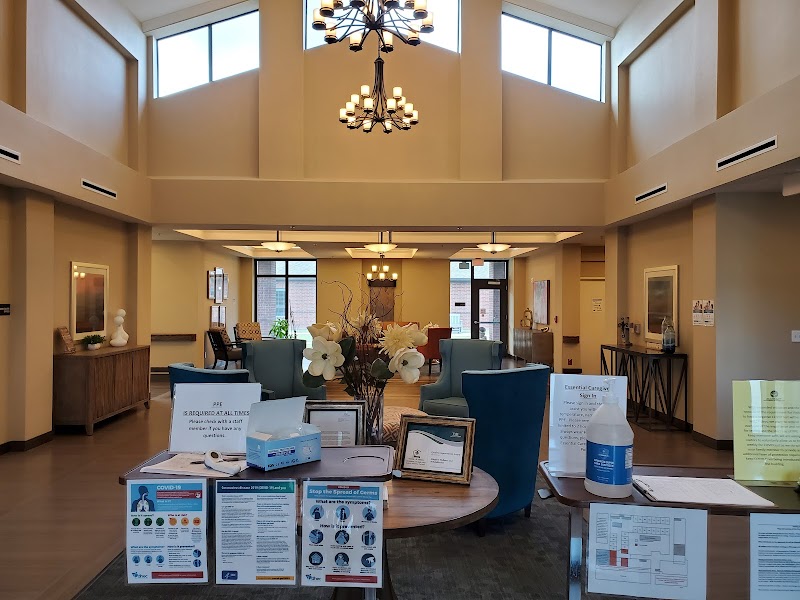
How is Allegiant Wellness And Rehab Staffed?

CMS rates ALLEGIANT WELLNESS AND REHAB's staffing level at 4 out of 5 stars, which is above average compared to other nursing homes. Staff turnover is 42%, compared to the Texas average of 46%. This relatively stable workforce can support continuity of care.

What Have Inspectors Found at Allegiant Wellness And Rehab?

State health inspectors documented 8 deficiencies at ALLEGIANT WELLNESS AND REHAB during 2022 to 2025. These included: 8 with potential for harm.
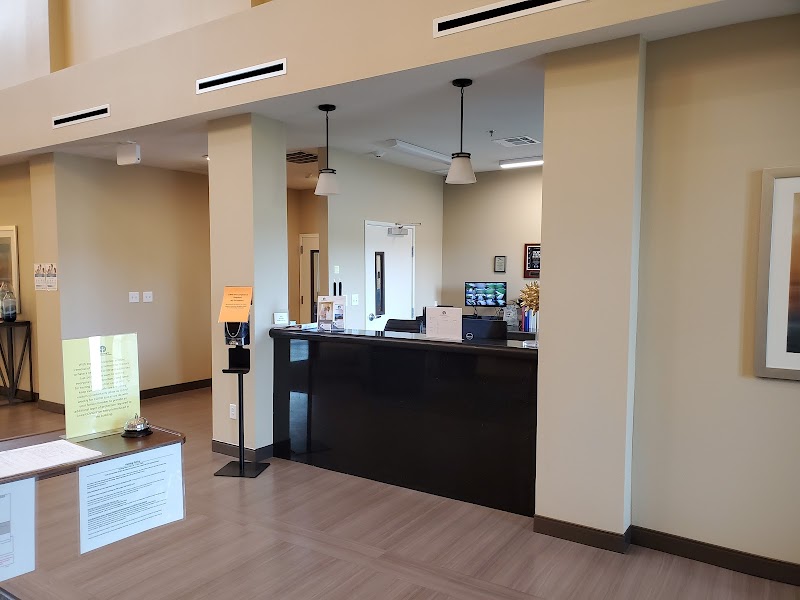
Who Owns and Operates Allegiant Wellness And Rehab?

ALLEGIANT WELLNESS AND REHAB is owned by a for-profit company. For-profit facilities operate as businesses with obligations to shareholders or private owners. The facility operates independently rather than as part of a larger chain. With 60 certified beds and approximately 48 residents (about 80% occupancy), it is a smaller facility located in CROWLEY, Texas.
How Does Allegiant Wellness And Rehab Compare to Other Texas Nursing Homes?

Compared to the 100 nursing homes in Texas, ALLEGIANT WELLNESS AND REHAB's overall rating (5 stars) is above the state average of 2.8, staff turnover (42%) is near the state average of 46%, and health inspection rating (5 stars) is much above the national benchmark.

What Should Families Ask When Visiting Allegiant Wellness And Rehab?

Based on this facility's data, families visiting should ask: "Can I visit during a mealtime to observe dining assistance and food quality?" "How do you handle medical emergencies, and what is your hospital transfer rate?" "Can I speak with family members of current residents about their experience?"

Is Allegiant Wellness And Rehab Safe?

Based on CMS inspection data, ALLEGIANT WELLNESS AND REHAB has a clean safety record: no substantiated abuse findings (meaning no confirmed cases of resident harm), no Immediate Jeopardy citations (the most serious violation level indicating risk of serious injury or death), and is not on the Special Focus Facility watch list (a federal program monitoring the lowest-performing 1% of nursing homes). The facility has a 5-star overall rating and ranks #1 of 100 nursing homes in Texas. While no facility is perfect, families should still ask about staff-to-resident ratios and recent inspection results during their visit.

Do Nurses at Allegiant Wellness And Rehab Stick Around?

ALLEGIANT WELLNESS AND REHAB has a staff turnover rate of 42%, which is about average for Texas nursing homes (state average: 46%). Moderate turnover is common in nursing homes, but families should still ask about staff tenure and how the facility maintains care continuity when employees leave.

Was Allegiant Wellness And Rehab Ever Fined?

ALLEGIANT WELLNESS AND REHAB has no federal fines on record. CMS issues fines when nursing homes fail to meet care standards or don't correct problems found during inspections. The absence of fines suggests the facility has either maintained compliance or corrected any issues before penalties were assessed. This is a positive indicator, though families should still review recent inspection reports for the full picture.

Is Allegiant Wellness And Rehab on Any Federal Watch List?

ALLEGIANT WELLNESS AND REHAB is not on any federal watch list. The most significant is the Special Focus Facility (SFF) program, which identifies the bottom 1% of nursing homes nationally based on persistent, serious quality problems. Not being on this list means the facility has avoided the pattern of deficiencies that triggers enhanced federal oversight. This is a positive indicator, though families should still review the facility's inspection history directly.