CROWLEY NURSING AND REHABILITATION
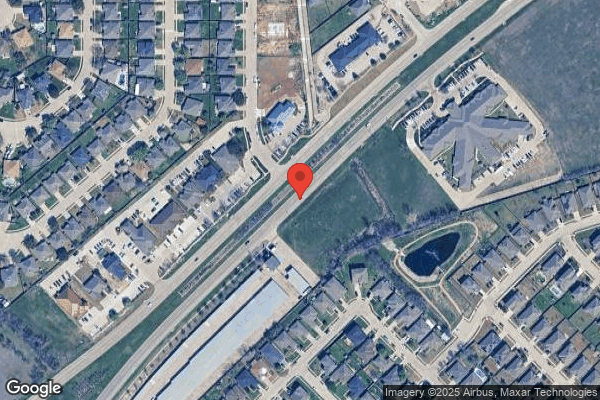
920 E FM 1187, CROWLEY, TX 76036 (817) 297-5600
For profit - Limited Liability company 120 Beds HMG HEALTHCARE Data: November 2025
Trust Grade
78/100
#39 of 1168 in TX
Last Inspection: June 2025

Inspected within the last 6 months. Data reflects current conditions.

Overview

Crowley Nursing and Rehabilitation in Crowley, Texas, has a Trust Grade of B, indicating it is a good choice, solidly positioned above average. It ranks #39 out of 1168 facilities in Texas, placing it in the top half, and #2 out of 69 in Tarrant County, meaning there is only one local facility that performs better. The facility is improving, with the number of reported issues decreasing from 11 in 2024 to 5 in 2025. Staffing is a weakness, rated at 2 out of 5 stars, and while the turnover rate is average at 50%, it may affect the continuity of care. Notable incidents include a resident being injured during a transfer that was not properly supervised, and failures to develop comprehensive care plans for residents, which could lead to serious health risks. Overall, while there are strengths in quality measures and health inspections, families should consider the staffing challenges and recent incidents when making their decision.

Trust Score
B
78/100
In Texas
#39/1168
Top 3%
Safety Record
Moderate
Needs review
Inspections
Getting Better
11 → 5 violations
Staff Stability
⚠ Watch
50% turnover. Above average. Higher turnover means staff may not know residents' routines.
Penalties
○ Average
$18,470 in fines. Higher than 74% of Texas facilities. Some compliance issues.
Skilled Nurses
⚠ Watch
Each resident gets only 22 minutes of Registered Nurse (RN) attention daily — below average for Texas. Fewer RN minutes means fewer trained eyes watching for problems.
Violations
⚠ Watch
18 deficiencies on record. Higher than average. Multiple issues found across inspections.
★★★★★
5.0
Overall Rating
★★☆☆☆
2.0
Staff Levels
★★★★★
5.0
Care Quality
★★★★☆
4.0
Inspection Score
Stable
2024: 11 issues
2025: 5 issues

The Good

  • 5-Star Quality Measures · Strong clinical quality outcomes
  • Full Sprinkler Coverage · Fire safety systems throughout facility
  • No fines on record

Facility shows strength in quality measures, fire safety.

The Bad

Staff Turnover: 50%

Near Texas avg (46%)

Higher turnover may affect care consistency

Federal Fines: $18,470

Below median ($33,413)

Minor penalties assessed

Chain: HMG HEALTHCARE

Part of a multi-facility chain

Ask about local staffing decisions and management

The Ugly 18 deficiencies on record

1 actual harm
Jun 2025 5 deficiencies
CONCERN (D)

Potential for Harm - no one hurt, but risky conditions existed

Accident Prevention (Tag F0689)

Could have caused harm · This affected 1 resident

**NOTE- TERMS IN BRACKETS HAVE BEEN EDITED TO PROTECT CONFIDENTIALITY** Based on observation, interview, and record review, the facility failed to ensure each resident received adequate supervision an...

Read full inspector narrative →
**NOTE- TERMS IN BRACKETS HAVE BEEN EDITED TO PROTECT CONFIDENTIALITY** Based on observation, interview, and record review, the facility failed to ensure each resident received adequate supervision and assistance devices to prevent accidents for 1 of 4 residents (Resident #75) reviewed for accidents. The facility failed to remove Resident #75's fall mat, next to her bed, when she would take a few steps to her bedside commode, which posed a trip hazard. This failure could place residents at risk for serious injury or harm, decline in health, and decreased quality of life. Findings included: Record review of Resident #75's MDS dated [DATE] reflected the resident was an [AGE] year-old female admitted to the facility on [DATE]. Her diagnoses included stroke, non-Alzheimer's dementia and muscle weakness. Resident #75 had a BIMS of 8 indicating her cognition was moderately impaired. The MDS further reflected the resident required substantial/maximal assistance for bed to chair and toiler transfers and she was not coded as having recent falls. Record review of Resident #75's care plan initiated on 01/10/25 reflected she was at risk for falls related to a history of falls due to unsteady gait, and poor safety awareness. Interventions included to provide a safe environment such as even floors free from spills and/or clutter. Observation and interview on 06/03/25 at 11:21 AM of Resident #75 revealed she was in her room sitting on the side of her bed and she was on continuous oxygen. Next to the bed there was a bedside commode and next to that was a wheelchair. There was a fall mat noted on the floor and three wheels of the resident's bedside table were on the fall mat. Resident #75 stated she was able to independently self-transfer/walk to the bedside commode and to her wheelchair but she was afraid she would trip on the fall mat. The resident stated it was difficult for her to move her bedside table out of the way when she would transfer herself to the bedside commode because the wheels would get stuck on the mat. Resident #75 said her family had tried to remove the mat but the staff said it needed to stay in place because she was a high fall risk. Interview on 06/03/25 at 11:26 PM with Resident #75's family revealed they did not like the fall mat on the floor next to the resident's bed because they felt like the resident would trip on it going to her bedside commode. The family further stated they had asked the staff to remove it but they told them the fall mat was being used to help the resident during a fall. Interview on 06/04/25 at 1:44 PM with LVN B revealed Resident #75 was able to self-transfer to the bedside commode in her room and to her wheelchair. LVN B said the resident had not had any recent falls and the fall mat stayed on the floor at all times as a fall prevention. She said the family had tried to remove it but the staff would put it back on the floor. Interview on 06/04/25 with CNA D at 1:53 PM revealed Resident #75 was able to transfer herself to the bedside commode and did not have any recent falls. The CNA said the fall mat stayed on the floor next to the resident's bed as a fall prevention. CNA D further stated had noted the bedside table was leaning a bit because it was sitting on the curvature of the fall mat. Interview on 06/04/25 at 2:03 PM with CNA E revealed the Resident #75 required limited supervision with ADLs and was able to transfer herself to the bedside commode. CNA E said the fall mats were in place to protect her in case they resident fell, and the resident had never complained to her about the mat being a trip hazard. Interview on 06/09/2025 at 2:12 PM with the Physical Therapist revealed the nursing staff were responsible for the fall mats and deciding which residents had one. It was her professional opinion that if a resident was mobile or ambulatory, a fall mat should only be in place when they are lying in bed and picked up throughout the day because the fall mat could be a trip hazard making it unstable to walk on and could cause a resident to fall on it. Interview on 06/05/25 with the ADON revealed Resident #75 required a fall mat day and night as a fall prevention because she was in bed most of the time. The ADON said if the fall mat was placed correctly, it should not have been a trip hazard. The ADON further stated she had spoken to the resident the day prior (06/04/25) and the resident had said she was afraid she would fall on the fall mat as she transferred to and from her commode chair. Interview on 06/05/25 at 1:40 PM with the DON revealed Resident #75's fall mat did not need to be in picked up because it was not a trip hazard of they were positioned properly and wheelchairs could be maneuvered over it. Record review of the facility's Falls - Clinical Protocol policy, revised April 2007, reflected the following: .a. Risk factors for subsequent falling include lightheadedness or dizziness, multiple medications, musculoskeletal abnormalities, peripheral neuropathy, gait and balance disorders, cognitive impairment, weakness, environment hazards
CONCERN (D)

Potential for Harm - no one hurt, but risky conditions existed

Tube Feeding (Tag F0693)

Could have caused harm · This affected 1 resident

**NOTE- TERMS IN BRACKETS HAVE BEEN EDITED TO PROTECT CONFIDENTIALITY** Based on observation, interview, and record review, the facility failed to ensure a resident who is fed by enteral means receive...

Read full inspector narrative →
**NOTE- TERMS IN BRACKETS HAVE BEEN EDITED TO PROTECT CONFIDENTIALITY** Based on observation, interview, and record review, the facility failed to ensure a resident who is fed by enteral means receives the appropriate treatment and services to prevent complications of enteral feeding for 1 of 6 residents (Resident #76) reviewed for enteral feeding. The facility failed to have a physician's order for an abdominal binder that was being used to secure/protect the resident from pulling out her g-tube. This failure could place residents at risk for diminished quality of care. Findings included: Record review of Resident #76's MDS dated [DATE] reflected the resident was an [AGE] year-old female admitted to the facility on [DATE]. She had a diagnosis of gastrostomy status (refers to the presence or absence of a gastrostomy tube or a percutaneous endoscopic gastrostomy (PEG) tube). Resident #76 had a BIMS of 0 which indicated her cognition was severely impaired. The MDS further reflected the resident was dependent with all ADLs with the assistance 2 or more staff members and she was on a feeding tube. Record review of Resident #76's care plan revised on 07/24/25 reflected she required a tube feeding related to a swallowing problem. Interventions included to check for tube placement per protocol and document. Record review of Resident #76's monthly physician orders for June 2025 reflected the resident to give Nestle Nova source Renal at 35 ml/hr per GT X 22 hours every shift. Further review reflected there were no orders for an abdominal binder. Record review of Resident #76's progress notes reflected the following: 03/17/25 - nurse notified by aide that while giving resident a bed bath resident pulled out G-Tube. Nurse immediately assessed resident. Physician notified Non-emergency transport contacted to transport to [hospital] to replace tube. 04/26/25 - the aide taking care of resident notified this nurse that the resident pulled out her G-Tube. MD notified, and ordered that resident be transferred to the ER for a G-Tube replacement Observation 06/05/25 at 9:17 AM of Resident #76 revealed Resident #76 was in bed with her eyes open and was not able to carry a conversation due to her impaired cognition. The aide pulled up the resident's gown and an abdominal binder was noted to be in place covering the g-tube site. Interview on 06/04/25 at 1:33 PM with LVN B revealed Resident #76 had pulled out her g-tube out a couple of times because she was very mobile during care and would fidget with her hands and if she got agitated she would pull out her tube. LVN B said they kept the dressing at the g-tube site and an abdominal binder in place to help prevent it from being pulled out. Interview on 06/04/25 at 1:47 PM with LVN D revealed Resident #76 had pulled out her g-tube while she was giving her a bed bath. LVN D said the resident was very mobile and would try to grab her g-tube during care. Resident #76 now had an abdominal binder in place and they had not had any incidents where the resident had pulled her g-tube out. Interview on 06/04/25 at 1:59 PM with CNA E revealed Resident #76 had not pulled out her g-tube since they placed the abdominal binder on the resident. Interview on 06/05/25 at 1:32 PM with the DON revealed resident's did not require a physician order for an abdominal binder because it was not a treatment and only being used for protection. Interview on 06/05/25 at 3:36 PM with the Physician revealed he would expect the resident to have an order for an abdominal binder as part of their care. Record review of the facility's policy titled Enteral Nutrition revised January 2014 reflected the following: Adequate nutritional support through enteral feeding will be provided to residents as ordered
CONCERN (E)

Potential for Harm - no one hurt, but risky conditions existed

Comprehensive Care Plan (Tag F0656)

Could have caused harm · This affected multiple residents

**NOTE- TERMS IN BRACKETS HAVE BEEN EDITED TO PROTECT CONFIDENTIALITY** Based on observation, interview, and record review, the facility failed to develop and implement a comprehensive person-centered...

Read full inspector narrative →
**NOTE- TERMS IN BRACKETS HAVE BEEN EDITED TO PROTECT CONFIDENTIALITY** Based on observation, interview, and record review, the facility failed to develop and implement a comprehensive person-centered care plan for each resident, consistent with the resident rights, that includes measurable objectives and timeframes to meet a resident's medical, nursing, and mental and psychosocial needs that are identified in the comprehensive assessment and services that are to be furnished to attain or maintain the resident's highest practicable physical, mental, and psychosocial well-being as required for 1 of 9 residents (Resident #1) reviewed for care plans. The facility failed to develop a comprehensive care plan which addressed and included measurable objectives and timeframes related to Resident #1's indwelling urinary catheter (a thin, hollow tube inserted through the urethra into the urinary bladder to drain urine), which he had from approximately 01/29/25 until 04/09/25. This failure placed residents with indwelling urinary catheters at risk of experiencing urethral/bladder/kidney injury, pain, and possible infection. Findings include: Record review of Resident #1's face sheet dated 04/11/25 reflected the resident was a [AGE] year-old male who was initially admitted to the facility on [DATE] and most recently re-admitted on [DATE]. He was diagnosed with infection and inflammatory reaction due to indwelling urethral catheter, type 2 diabetes mellitus (a long-term condition in which the body has trouble controlling blood sugar and using it for energy), chronic kidney disease, stage 4 (significant decline in kidney function, nearing kidney failure), hypertensive heart disease with heart failure (when prolonged high blood pressure weakens the heart muscle, eventually leading to the heart's inability to pump blood effectively), and cognitive communication deficit (difficulties with communication caused by problems with underlying cognitive processes). Record review of Resident #1's significant change MDS dated [DATE] reflected he had a BIMS score of 4 (severe cognitive impairment); Resident #1 used a walker and manual wheelchair for ambulation; Resident #1 was dependent on staff for toileting; Resident #1 had an indwelling catheter; Resident #1 was frequently incontinent of bowel; Resident #1 was diagnosed with renal insufficiency (also called renal failure - when the kidneys lose the ability to remove waste and balance fluids)/renal failure/ or end-stage renal disease (see renal failure); and Resident #1 had been diagnosed with a UTI (an infection that can affect any part of the urinary system) within the previous 30 days. Record review of Resident #1's baseline care plan dated 03/17/25 reflected, . 3. Health Conditions . C. Bowel and Bladder. 1. Urinary continence - Always continent . 4. Bowel and bladder appliances - Indwelling catheter . Record review of Resident #1's physician's orders for February 25 - April 25 reflected the following: - Flush [catheter] with 60cc's NS every day, PRN, every shift. Start date: 02/01/25. End date: 02/11/25. - [Catheter] care: Output Q shift every day and night shift. Start date: 02/01/25. End date 02/11/25. - Change [Catheter] and drainage bag PRN for obstruction or when closed system is compromised as needed. Start date: 02/25/25. End date: 03/07/25. - Flush [catheter] with 60cc's NS every day, PRN, as needed. Start date: 02/26/25. End date: 03/07/25. - Flush [catheter] with 60cc's NS every day, PRN, every shift. Start date: 03/18/25. End date: 04/11/25. - [Catheter] care: Output Q shift every day and night shift. Start date: 03/17/25. End date 04/09/25. Reason: [Catheter] discontinued. - Remove [catheter], if not voided in 8 hours, replace [catheter] one time only for 1 day, remove at 3:00 PM Order date 04/09/25. End date: 04/10/25. Record review of Resident #1's comprehensive care plan, revised 04/09/25 reflected the following care areas: - [Resident #1] has acute renal failure. Goal included: [Resident #1] will have no s/sx of complications related to fluid deficit (dehydration - when the body loses more fluid than it takes in). Interventions included: Give medications as ordered by physician. Monitor changes in mental status. Monitor for s/sx of infection, UTI. Monitor lab reports of electrolytes and report to physician. - [Resident #1] has incontinence and limited mobility due to his multiple comorbidities putting him at risk for skin breakdown. Goal included: The resident will maintain or develop clean and intact skin. Interventions included: Encourage good nutrition and hydration. Keep skin clean and dry. - [Resident #1] has urinary incontinence putting him at risk for having a UTI. Goal included: Resident #1's risk for septicemia (blood poisoning - a bloodstream infection where bacteria and their toxins are carried throughout the body) will be minimized/prevented via prompt recognition and treatment of symptoms of UTI. Interventions included: Clean peri-area with each incontinence episode. Encourage fluids during the day to promote prompted voiding responses. Ensure the resident has an unobstructed path to the bathroom. Incontinent: Check every 2 hours and as required for incontinence. Wash, rinse, and dry perineum. Change clothing PRN after incontinence episodes. - [Resident #1] is at risk for renal insufficiency due to him having chronic kidney disease stage 4. Goal included: Resident #1 will have no s/sx of complications related to fluid deficit. Interventions included: Monitor/document/report PRN any s/sx of acute renal failure. Further review of Resident #1's comprehensive care plan reflected no care area to address his indwelling urinary catheter. Record review of Resident #1's nursing progress notes for January 25 - April 25 reflected the following: - On 01/29/25 at 6:00 AM, an unidentified staff member wrote, admission details: Arrived by: ambulance. admission mode: stretcher . - On 01/30/25 at 4:14 PM, RN C wrote, Re-admit day 2/3 (Resident #1 was readmitted to the facility on [DATE]. There was no documentation about a catheter before this date). Resident is alert and oriented to self and situation . Resident's [catheter] is patent and draining clear, yellow urine. No color noted . - On 02/09/25 at 1:01 AM, LVN B wrote, . Genitourinary (urinary and genital organs): Catheter character: Patent (open or unobstructed). Catheter in place due to urinary retention (the inability to completely empty the bladder when urinating). Catheter size: 16 . - On 04/09/25 at 4:55 AM, LVN A wrote, Late Entry. Resident [catheter] discontinued per RP request and NP orders and tolerated well. Will monitor urine output through night per orders to reinsert if output not sufficient. Observation and interview with Resident #1 on 04/11/25 at 1:05 PM revealed he was alert and spoke Spanish. Through an interpreter with the HHSC approved language line, Resident #1 provided his name and birthdate. He did not have a catheter at that time. In an interview with the DON on 04/15/25 at 10:45 AM, she stated Resident #1 had a catheter at one time, but it was removed last week. She said she could not recall why Resident #1's catheter was removed, but she did not think he had it for a long time. In a follow-up interview with the DON on 04/15/25 at 12:58 PM, she stated Resident #1 may have returned from the hospital with the catheter on 3/17/25. She said Resident #1's catheter should have been listed as a care area on his care plan to inform staff how to care for it and to communicate what was going on with him. She said she was surprised to hear that Resident #1's catheter was not mentioned on his care plan. She stated the MDS Nurse was responsible for updating care plans and she was going to ask the MDS Nurse why there was no care area related to Resident #1's catheter. In an interview with Resident #1's Physician on 04/15/25 at 1:28 PM, she stated her records indicated Resident #1 first had the catheter around 02/08/25 due to urinary retention. She said the purpose of a care plan was to ensure staff knew what to do regarding the care areas, like Resident #1's catheter. She said staff never contacted her about any issues with Resident #1's catheter. She said as far as she knew, Resident #1's family requested to remove the catheter because they were taking him home. In an interview with the MDS Nurse on 04/15/25 at 2:30 PM, she stated she was responsible for updating residents' care plans. She said she and her assistant received information from morning staff meetings and the DON gave them lists of residents with feeding tubes, catheters, and tracheostomy tubes (a surgical procedure that creates an opening in the neck to insert a tube directly into the trachea). She said if any resident had a change in condition, she or her assistant would update their care plan. The MDS Nurse initially stated her assistant resolved (removed from the care plan) Resident #1's catheter information on 04/11/25. She said Resident #1 was readmitted on dialysis on 03/17/25, so she and her assistant completed a significant change assessment (completed a significant change MDS). She stated any resolved care area on a care plan would still be visible in their computer system. After reviewing Resident #1's comprehensive care plan on her computer, the MDS Nurse stated she did not see any care area related to Resident #1's catheter. She stated she was on leave when Resident #1 readmitted , but she heard the team (the nursing staff) talk about Resident #1 when she returned to work. The MDS Nurse stated she did not see any care area related to Resident #1's catheter which would have resolved from the care plan. She said Resident #1's catheter was addressed on his MDS and baseline care plan, but it did not carry over to his comprehensive care plan. She said the purpose of the care plan was to ensure all the staff knew each residents' plan of care and what interventions were in place. She said the care plan was also for new staff who were not familiar with the residents. She stated there were no negative effects related to Resident #1's catheter not being addressed on his care plan, but a negative effect would be that staff would not know information, like when to change him or how to care for him, and that could lead to infection. In an interview with the DON on 04/15/25 at 3:00 PM, she said Resident #1 had the catheter in February 2025. She said Resident #1 was discharged to the hospital and returned with the catheter. She stated Resident #1 did not experience any negative effects from not having the catheter addressed on his care plan because the staff followed orders from his physician. She said a negative effect would be infection. Record review of the facility's Care Plans, Comprehensive Person-Centered policy, revised March 2022, reflected: A comprehensive, person-centered care plan that includes measurable objectives and timetables to meet the resident's physical, psychosocial, and functional needs is developed and implemented for each resident. Policy Interpretation and Implementation . 7. The comprehensive, person-centered care plan: a. includes measurable objectives and timeframes; b. Describes the services that are to be furnished to attain or maintain the resident's highest practicable physical, mental, and psychosocial well-being .c. includes the resident's stated goals upon admission and desired outcomes .e. Reflects currently recognized standards of practice for problem areas and conditions .11. Assessments of residents are ongoing and care plans are revised as information about the residents and the residents' conditions change. 12. The interdisciplinary team reviews and updates the care plan: a. when there has been a significant change in the resident's condition .c. when the resident has been readmitted to the facility from a hospital stay .
CONCERN (E)

Potential for Harm - no one hurt, but risky conditions existed

Medical Records (Tag F0842)

Could have caused harm · This affected multiple residents

Based on interview and record review, the facility failed to maintain medical records that were complete and accurately documented for 15 of 15 residents (Residents #7, #25, #31, #36, #38, #41, #74, #...

Read full inspector narrative →
Based on interview and record review, the facility failed to maintain medical records that were complete and accurately documented for 15 of 15 residents (Residents #7, #25, #31, #36, #38, #41, #74, #85, #90, #92, #201, #204, #205, #206, and #208) reviewed for medical record accuracy. 1. CNA F documented her care for Residents #7, #25, #31, #36, #38, #41, #74, #85, #90, #92, #201, #204, #205, #206, and #208 under LVN C's computer credentials on 06/03/25 and 06/04/25 2. CNA G documented her care for Resident's #7, #25, #31, #36, #38, #41, #74, #85, #90, #92, #201, #204, #205, #206, and #208 under CNA D's computer credentials on 06/03/25. These failures could place the residents at risk of inaccurate documentation of care. Findings included: Record review on 06/04/25 of Resident #90's Tasks reflected LVN H had documented personal care completed on 06/03/25 at 7:39 AM and again on 06/04/25 at 9:35 AM. Review of facility staffing schedule indicated LVN H had not worked on 06/03/25 or 06/04/25. His last shift was on 05/30/25 from 10:00 PM-6:00 AM. Resident #90 would have been cared for by CNA F from 6:00 AM-2:00 PM on 06/03/25 and 06/04/25, and by CNA G from 2:00 PM-10:00 PM on 06/03/25 according to the schedule. In an interview on 06/04/25 at 11:00 AM, ADON A stated staff are not allowed to share their log-in credentials for the facility's EHR system with each other, each staff member has their own unique log-in. She stated the only way for someone to document under someone else's credentials would be for the person to share their credentials, or to have not logged off a computer when they walked away from it. ADON A checked the computers at the nurse's station and discovered LVN H had saved his log-in credentials to the computer. Anyone clicking on the log-in would have automatically logged in as LVN H. In an interview on 06/04/25 at 11:05 AM, CNA F stated she had provided personal hygiene to Resident #90 on 06/03/25 and 06/04/25. She stated she had documented her cares in the EHR under LVN H's credentials because she was busy, and her credentials were not working, and she did not have time to ask the DON to fix it. She stated when she clicked on the log-in, LVN H was logged in and she did her documentation. CNA F stated she knew she was not allowed to document under someone else's credentials. She stated she did not know it was considered false documentation. In an interview on 06/04/25 at 11:17 AM, the DON and Administrator both stated it was not accepted practice to share credentials with other staff, or to document under someone else's credentials. The DON stated it was also not acceptable to save your log-in credentials on a computer so that someone else could document as you. The Administrator stated he did not know if there was a policy addressing using another person's login as it was just common sense not to share your credentials with others. Record review on 06/04/25 from 11:30 AM-11:50 AM of resident cares documentation for all residents cared for by CNA F reflected on 06/03/25 and 06/04/25 she had documented personal hygiene, bathing, incontinent care, oral care, and positioning as LVN H for Residents #7, #25, #31, #36, #38, #41, #74, #85, #90, #92, #201, #204, #205, #206, and #208. It was also discovered CNA G had also documented personal hygiene, oral care, positionig, and incontinent care on the 2:00 PM-10:00 PM shift on 06/03/24 using CNA I's credentials In a phone interview on 06/04/25 at 12:35 PM, CNA G stated she had documented her cares under CNA I's credentials because her credentials were not working, and she was too busy to go to the DON to have them reset. She stated she asked CNA I for her credentials. She stated she knew she was not supposed to use someone else's credentials to chart, but she stated she did not know it was considered false documentation to do so. In a phone interview on 06/04/25 at 12:53 PM, LVN H stated he worked at the facility PRN, and he worked at multiple facilities, so he saves his EHR log-in to the computers, so he did not have to remember multiple log-in credentials. He stated he did not know someone else could or would log-in as him and document in the chart. In a phone interview on 06/04/25 at 1:05 PM, CNA I she stated she had not shared her credentials with anyone. She stated she must have no logged out of a computer when she was done. She stated her last shift at the facility was on 06/01/25. Follow-up interview on 06/04/25 at 1:20 PM, ADON A she stated CNA I's credentials had been saved to a computer on the 200 Hall, the same as LVN H had done. Record review of the facility's Charting and Documentation policy, dated July 2017, reflected: .3. Documentation in the medical record will be objective, complete, and accurate .
CONCERN (E)

Potential for Harm - no one hurt, but risky conditions existed

Deficiency F0868 (Tag F0868)

Could have caused harm · This affected multiple residents

Based on interview and record review, the facility failed to ensure the quality assessment and assurance committee (QAA) met at least quarterly and consisted of the required members for 11 of 11 quart...

Read full inspector narrative →
Based on interview and record review, the facility failed to ensure the quality assessment and assurance committee (QAA) met at least quarterly and consisted of the required members for 11 of 11 quarterly QAA meetings. The facility failed to ensure the Medical Director, or his/her designee, attended 11 QAA committee meetings held on 06/11/24, 07/15/24, 08/08/24, 09/12/24, 10/10/24, 12/13/24, 01/07/25, 02/11/25, 03/10/25, 04/10/25, and 05/13/25. This failure could place residents at risk for quality deficiencies being unidentified and with no appropriate guidance developed or implemented. Findings included: Record review of the QAA meeting sign in sheets revealed the Medical Director or his/her designee did not attend on the following dates: 06/11/24, 07/15/24, 08/08/24, 09/12/24, 10/10/24, 12/13/24, 01/07/25, 02/11/25, 03/10/25, 04/10/25, and 05/13/25. Interview with the Administrator on 06/05/25 at 2:22 PM revealed the facility Medical Director rarely attended the QAA meetings. The Administrator stated the Medical Director was notified of the date and time of the QAA meetings by the Chairperson of the QAA committee. The Administrator said it was his responsibility to follow up with the Medical Director to ensure that he attended the QAA meetings. The Administrator revealed when the Medical Director did not attend the QAA meetings there was a communication breakdown about the residents' care and the long-term plans about the facility and future residents. Interview with the Medical Director on 06/05/25 at 2:47 PM revealed he had not been invited to any QAA meetings by the facility and had not attended any QAA meetings. Record review of facility's QAA Policy, dated 11/28/17, revealed the QAA Committee consisted of at a minimum the Committee Chairperson, Administrator, Director of Nursing, and the Medical Director.
Aug 2024 3 deficiencies
CONCERN (D) 📢 Someone Reported This

A family member, employee, or ombudsman was alarmed enough to file a formal complaint

Potential for Harm - no one hurt, but risky conditions existed

Transfer Requirements (Tag F0622)

Could have caused harm · This affected 1 resident

**NOTE- TERMS IN BRACKETS HAVE BEEN EDITED TO PROTECT CONFIDENTIALITY** Based on interview and record review the facility failed to permit each resident to remain in the facility, and not transfer or ...

Read full inspector narrative →
**NOTE- TERMS IN BRACKETS HAVE BEEN EDITED TO PROTECT CONFIDENTIALITY** Based on interview and record review the facility failed to permit each resident to remain in the facility, and not transfer or discharge the resident from the facility unless the discharge was necessary for the resident's welfare and the resident's needs could not be met in the facility for two of nine residents (Residents #1 and #2) reviewed for discharge requirements. The facility failed to ensure documentation was made by the physician for the basis of Resident #1's discharge and/or the specific resident needs that could not be met by the facility. These failures could place residents at risk of being discharged without a safe and effective transition of care, an accurate reason for discharge and inaccurate information communicated to the receiving health care institution or provider. Findings included: 1. Record review of Resident #1's admission Record dated 08/15/24 reflected Resident #1 was an [AGE] year-old female with an original admission date of 09/04/23. Record review of Resident #1's MDS assessment dated [DATE] reflected the resident had the following diagnoses non-Alzheimer's dementia, hypertension, renal insufficiency, hyperlipidemia, anxiety, and depression. The MDs assessment reflected the resident had severe cognitive impairment with a BIMS score of 5, and the resident had verbal behavioral symptoms directed toward others 1-3 days per week. Record review of Resident #1's undated care plan reflected: Goal . Resident will not verbally abuse others. The care plan did not reflect a date or incident of physical aggression. The care plan only reflected information about verbal aggression. Record review of Resident #1's care plan conference summary dated 05/01/24 revealed, Mood/Behavior-Pleasant and appropriate/easily agitated. Record review of Resident # 1's Progress Note dated 07/10/24 at 12:34 PM by ADON A revealed, Resident was in WC on 100 hall wheeling from dining room to her room and saw another resident sitting in her WC in her door way. Resident #1 took her shoe off and hit the other resident on both arms. The other resident started yelling. The other resident [sic] to BOM office and reported incident. Resident #1 placed on one on one with staff. MD, ADMIN, DON, RP notified. Record review of Resident #1's Progress Note dated 07/10/24 at 9:07 PM by LVN C revealed, Resident discharged to home this evening. Picked up by her [family member] Resident discharged with her medications and took with all her belongings. Record review of the Incident Report dated 07/10/24 at 12:30 PM by ADON A revealed, Head to toe assessment done and no marks of any kind noted on this resident as of yet No injuries post incident. Further review of Resident #1' clinical records revealed there was no physician's documentation related to the basis for the discharge, specific resident needs that could not be met by the facility, attempts to meet the resident's needs and/or services that would be available at the receiving facility to meet the resident's needs. Interview on 08/14/24 at 1:10 PM with Resident #1's POA and husband revealed they received a phone message voicemail from the BOM on 07/10/24 in the afternoon. When the POA and her husband returned the phone call later that afternoon, they were told the facility had faxed out referrals to other nursing facilities because Resident #1 was a danger to others. They were also informed another facility accepted her, and they would be transferring her later that day. The POA stated they would not allow the facility to transfer their mother without visiting the facility first. The POA and her husband went to the facility and picked up Resident #1 that evening and took her home with them. Interview on 08/15/24 at 12:58 PM with LVN E revealed she had worked at the facility four years. LVN E also revealed she had been Resident's #1's nurse previously when she worked the secured unit. LVN E stated that Resident #1 was verbally aggressive. LVN E said that the incident that occurred on 07/10/24 was the only incident involved Resident #1 hitting another resident. LVN E also revealed Resident #1 had improved and was transferred from the secured unit to Hall 100. Resident #1 had been on her hall about 3-4 months. LVN E stated she did not believe they would transfer Resident #1 off the secured unit if she had physical aggression toward other residents. Interview on 08/15/24 at 1:20 PM with CNA D revealed she had provided care to Resident #1. CNA D stated the resident was verbally aggressive with residents and staff, but she had not known Resident #1 to hit a resident before this incident. Interview on 08/15/24 at 2:20 PM with the BOM revealed she was the highest level of management in the building when the incident occurred with Resident #1. The BOM stated she contacted the Administrator about the incident when it occurred. The BOM also said that to her knowledge, no injury occurred to the resident that Resident #1 struck with her shoe. The BOM also revealed after informing the Administrator of the incident involving Resident #1, the Administrator stated to discharge the resident. The BOM stated he called and left a message for the POA. The BOM said the POA returned the call and said she would come and pick up the resident because she did not want Resident #1 discharged to a facility that day that she had no knowledge about and had not seen. The BOM said that Resident #1 had not been physically aggressive to other residents to her knowledge. Interview on 08/15/24 at 3:54 PM with ADON B revealed she provided care to Resident #1. ADON B stated Resident #1 was verbally aggressive when she was on the unit, but Resident #1 was not physically aggressive toward other residents. ADON B concluded by stating that she had seen other residents hit other residents with no resulting injury, but they were not discharged . Those residents had care planned interventions, such as separating the residents before there was a discharge discussed. Interview on 08/15/24 at 5:30 PM with the DON revealed she did not work at the facility at the time of the incident. There was another DON at the time of the incident. However, the DON was not in the building and was away on vacation at the time. The DON stated there should have been a care plan meeting to reduce future incidents involving psych, medical, and any testing that could rule out any behavioral issues and possibly moving her to a different hall before enforcing an immediate discharge. The DON also stated that if these measures did not help the resident, then the facility could examine possibly moving her to a different hall. Then the DON said that if this did not help, then the facility could look at moving Resident #1 back to the secured unit. The DON could not locate the 48-hour discharge notice that she acknowledged should be in the EHR. The DON also could not locate a physician's note stating Resident #1 was a harm to herself or others. The DON stated the risk to the resident of an unsafe discharge was the resident does not have proper resources set up. Interview on 08/15/24 at 6:04 PM with the Administrator revealed he was on vacation when Resident # 1 was discharged . The Administrator stated that he was not aware that the resident was discharged so quickly, meaning the same day as the incident occurred. The Administrator also stated they typically issue a formal discharge and do not discharge a resident the same day as the incident occurs. The Administrator said that recently there was past physical aggression on the secured unit, so he reacted too quickly to discharge Resident #1. The Administrator also revealed that they did not have a letter from the Medical Director stating that Resident #1 was a threat to herself or others and was unaware that was needed. The Administrator stated because their policy was not followed, there were not resources set up for the resident prior to discharge, therefore creating a risk to the resident's physical and mental health. 2. Record review of Resident #2's admission Record dated 08/15/24 reflected Resident #2 was an [AGE] year-old male with an original admission date of 05/03/22. Record review of Resident #2's MDS assessment dated [DATE] revealed the resident had diagnoses of Alzheimer's disease, muscle weakness, cognitive communication deficit, difficulty in walking, and repeated falls. The MDS reflected the resident had moderate cognitive impairment with a BIMS score of 11 and had no behavioral symptoms. Record review of Resident #2's undated care plan revealed no focus, goals, or interventions related to physical aggression or sexual inappropriateness. Record review of Resident #2's Notice of Proposed Transfer w Discharge (Texas) dated 06/03/24 revealed that the transfer/discharge to home with [family member] Effective: 6/5/24. The document also revealed Reason for proposed Transfer/discharge Safety of individuals in the facility is endangered. This was issued as a 48-hour emergency discharge on [DATE]. Record review of Resident #2's Progress Notes dated 05/31/24 at 3:20 PM written by ADON A reflected: Staff member reported to this staff member [sic] reported to this nurse that she observed resident touching another resident's breast. When asked this resident stated that he doesn't remember if he touched her breast or not. He then stated that his memory isn't that good. The residents were separated. Admin, DON, MD, RP for both residents notified. This resident placed on one on one with staff. Record review of Resident #2's Progress notes dated 05/31/24 at 10:32 PM written by the Social Worker reflected: .POA .was open to alternative placement but did not want to take the resident home. SW sent out residents clinicals to multiple different facilities and awaits answer. Resident remains on one on one. Record review of Resident #2's Progress Notes dated 06/04/24 at 9:09 AM written by LVN F reflected: Resident continues on 1:1 for behaviors. Some tearfulness noted this morning R/T upcoming discharge home. Resident says, 'I will miss everyone.' Resident verbally consoled by staff. Record review of Resident #2's Progress Notes dated 06/05/24 at 11:00 PM written by LVN D reflected: Resident discharged home with [family member] with meds and all personal belongings in good condition Further review of Resident #2's clinical records reflected there was no physician's documentation related to the basis for the discharge, specific resident needs that could not be met by the facility, attempts to meet the resident's needs and/or services that would be available at the receiving facility to meet the resident's needs. Interview on 08/15/24 at 12:53 PM with LVN G revealed she never saw Resident #2 touch a resident inappropriately, and she did not believe that he did. LVN G said she never heard Resident #2 talk inappropriately to a resident either. Interview on 08/15/24 at 1:27 PM with CNA D revealed she never saw Resident #2 sexually aggressive or inappropriate with a resident. CNA D also said she never saw Resident #2 be physically aggressive toward residents either. Interview on 08/15/24 at 1:31 PM with Laundry Aide H revealed she observed Resident #2 with his hand on a female's breast on the outside of her shirt. Laundry Aide H stated Resident #2 dropped his hand when he was observed by her. She stated she had never seen Resident #2 touch another resident inappropriately prior to this incident. She said she reported the incident immediately to administration. Interview on 08/15/24 at 4:03 PM with ADON B revealed she was Resident #2's nurse previously. ADON B stated she had not heard of Resident #2 touching a resident inappropriately prior to this incident. ADON B also said residents in the past would have interventions put in place before discharge, such as being placed on a secured unit. Interview on 08/15/24 at 5:02 PM with the DON revealed she did not work at the facility at the time of the incident. There was another DON at the time of the incident. The DON stated she had never seen the resident be physically or sexually aggressive toward other residents. The DON also stated that before you discharge a resident, you should attempt interventions. The DON said that possible interventions that could have been attempted were separating and relocating the residents involved in an incident. The DON said one on one was a possible intervention. The DON was unable to locate a note from the physician stating that the resident was a harm to himself or others. The DON revealed that she was unaware of the discharge policy. The DON concluded by stating that there was risk of harm to the resident when there is an unsafe discharge. Interview on 08/15/24 at 6:19 PM with the Administrator revealed there was not a letter from the physician or medical director stating that Resident #2 was a harm to himself or others The Administrator revealed that he determined when a resident should be discharged without consulting the medical director or the resident's physician. The administrator stated that if he deemed a resident a threat to themselves or others, he issued a discharge notice. The Administrator also revealed that no one oversaw this process or monitored the process. The Administrator stated because their policy was not followed, there was a possibility of risk to the resident's physical and mental health. Review of the facility's Transfer or Discharge Documentation policy and procedure, dated December 2016, reflected: When a resident is transferred or discharged , details of the transfer or discharge will be documented in the medical record and appropriate information will be communicated to the receiving health care facility or provider .the following information will be documented in the medical record .If the resident is being transferred or discharged because his or her needs cannot be met at the facility, documentation will include .the specific resident needs that cannot be met; the facility attempt to meet those needs; and the receiving facility services(s) that are available to meet those needs .A summary of the resident's overall medical, physical and mental condition .Should the resident be transferred or discharged for any of the following reason, the basis for the transfer or discharge will be documented in the resident's clinical record by the resident's Attending Physician: The transfer or discharge is necessary for the resident's welfare, and resident's needs cannot be met in the facility .The safety of individuals in the facility is endangered due to the clinical or behaviors status of the resident; or the health of individuals in the facility would otherwise be endangered .Information will be communicated to the receiving facility or provider .The basis for the transfer or discharge .The specific resident needs that cannot be met; the facility's attempt to meet those needs; and the receiving facility's services that are available to meet those needs .Contact information of the practitioner responsible for the care of the resident .Comprehensive care plan goals; and all other necessary information, including a copy of the resident's discharge summary, and any other documentation, as applicable, to ensure a safe and effective transition of care.
CONCERN (D) 📢 Someone Reported This

A family member, employee, or ombudsman was alarmed enough to file a formal complaint

Potential for Harm - no one hurt, but risky conditions existed

Transfer Notice (Tag F0623)

Could have caused harm · This affected 1 resident

**NOTE- TERMS IN BRACKETS HAVE BEEN EDITED TO PROTECT CONFIDENTIALITY** Based on interview and record review, the facility failed to notify the resident, resident representative and send a copy to the...

Read full inspector narrative →
**NOTE- TERMS IN BRACKETS HAVE BEEN EDITED TO PROTECT CONFIDENTIALITY** Based on interview and record review, the facility failed to notify the resident, resident representative and send a copy to the Office of the State Long-Term Care Ombudsman, of the transfer or discharge and the reasons for the move in writing and in a language and manner they understood for one of nine residents (Resident #1) reviewed for discharge rights. 1. The facility initiated an emergency discharge for Resident #1 due to safety concerns by notifying the resident's RP by phone only and not in writing. The facility failed to provide Resident #1 an emergency discharge letter with the required information and resources, including discharge instructions with plan of care. 2. The facility failed to notify the State Long-Term Care Ombudsman by phone or in writing of Resident #1's discharge. These failures could place residents at risk of not receiving preparation and knowing their rights related to discharge, as well as necessary services to meet their needs upon discharge, which could exacerbate their medical condition and a diminished quality of life. Findings included: Record review of Resident #1's admission Record dated 08/15/24 reflected Resident #1 was an [AGE] year-old female with an original admission date of 09/04/23. Record review of Resident #1's MDS assessment dated [DATE] revealed the resident had the following diagnoses: non-Alzheimer's dementia, hypertension, renal insufficiency, hyperlipidemia, anxiety, and depression. The MDS reflected the resident had severe cognitive impairment with a BIMS score of 5 and had verbal behavioral symptoms directed toward other 1-3 days per week. Record review of Resident #1's EHR on 08/15/24 revealed no Notice of Proposed Transfer Discharge (Texas). Record review of Resident #1's EHR on 08/15/24 also reflected no documentation indicating notifications was made to the State Long-Term Care Ombudsman either by phone or in writing of Resident #1's emergency discharge. Record review of Resident #1's undated care plan reflected: Goal . Resident will not verbally abuse others. Care plan did not reflect a date or incident of physical aggression. The care plan only reflected information about verbal aggression. Record review of Resident #1's care plan conference summary dated 05/01/24 reflected: Mood/Behavior-Pleasant and appropriate/easily agitated. Record review of Resident # 1's Progress Note dated 07/10/24 at 12:34 PM by ADON A reflected: Resident was in WC on 100-hall wheeling from dining room to her room and saw another resident sitting in her WC in her doorway. Resident #1 took her shoe off and hit the other resident on both arms. The other resident started yelling. The other resident[sic] to BOM office and reported incident. Resident #1 placed on one on one with staff. MD, ADMIN, DON, RP notified. Record review of Resident #1's Progress note dated 07/10/24 at 9:07 PM by LVN C reflected: Resident discharged to home this evening. Picked up by her [family member] Resident discharged with her medications and took with all her belongings. Record review of the Incident Report dated 07/10/24 at 12:30 PM by ADON A reflected: Head to toe assessment done and no marks of any kind noted on this resident as of yet No injuries post incident. Further review of Resident #1' clinical records reflected there was no physician's documentation related to the basis for the discharge, specific resident needs that could not be met by the facility, attempts to meet the resident's needs and/or services that would be available at the receiving facility to meet the resident's needs. Interview on 08/14/24 at 1:10 PM with Resident #1's POA revealed they received a phone message from the BOM. When she and her husband returned the phone call, they were told the facility was faxing out referrals to other nursing facilities because Resident #1 was a danger to others. They were also informed that another facility accepted her, and they would be transferring her immediately that day. The POA stated they would not allow the facility to transfer their mother without visiting the facility. The POA and her husband went to the facility and picked up Resident #1 that evening. Interview on 08/15/24 at 12:58 PM with LVN E revealed she had worked at the facility four years. LVN E also revealed she had been Resident's #1's nurse previously when she worked the secured unit. LVN E stated Resident #1 was verbally aggressive. LVN E said the incident that occurred on 07/10/24 was the only incident that involved Resident #1 hitting another resident. LVN E also revealed Resident #1 had improved and was transferred from the secured unit to Hall 100. Resident #1 had been on her hall about 3-4 months. LVN E stated she did not believe that they would transfer Resident #1 off the secured unit if she had physical aggression toward other residents. Interview on 08/15/24 at 1:20 PM with CNA D revealed she had provided care to Resident #1. CNA D stated the resident was verbally aggressive with residents and staff, but she had not known Resident #1 to hit a resident before this incident. Interview on 08/15/24 at 2:20 PM with the BOM revealed she was the highest level of management in the building when the incident occurred with Resident #1. The BOM stated she contacted the Administrator about the incident when it occurred. The BOM also said to her knowledge, no injury occurred to the resident that Resident #1 struck with her shoe. The BOM also revealed after informing the Administrator of the incident involving Resident #1, the Administrator stated to discharge the resident. The BOM stated she called and left a message for the POA. The BOM said the POA returned the call and said she would come and pick up the resident because she did not want Resident #1 discharged to a facility that day that she had no knowledge about and had not seen. The BOM said Resident #1 had not been physically aggressive to other residents to her knowledge. Interview on 08/15/24 at 3:54 PM with ADON B revealed she provided care to Resident #1. ADON B stated Resident #1 was verbally aggressive when she was on the unit. ADON B said that Resident #1 was not physically aggressive toward other residents. ADON B concluded by stating that she had seen other residents hit other residents with no resulting injury, but they were not discharged . Those residents had care planned interventions such as separating the residents before there was a discharge discussed. Interview on 08/15/24 at 5:30 with the DON revealed she did not work at the facility at the time of the incident. There was another DON at the time of the incident. However, the DON was not in the building and was away on vacation at the time. The DON stated there should have been a care plan meeting to reduce future incidents involving psych, medical, and any testing that could rule out any behavioral issues and possibly moving her to a different hall before enforcing an immediate discharge. The DON also stated if these measures did not help the resident, then the facility could examine possibly moving her to a different hall. Then the DON said that if this did not help, then the facility could look at moving Resident #1 back to the secured unit. The DON could not locate the 48-hour discharge notice that she acknowledged should be in the EHR. The DON also could not locate a physician's note stating Resident #1 was a harm to herself or others. The DON stated the risk to the resident of an unsafe discharge was the resident does not have proper resources set up. Interview on 08/15/24 at 6:04 PM with the Administrator revealed he was on vacation when Resident #1 was discharged . The Administrator stated he was not aware that the resident was discharged so quickly, meaning the same day as the incident occurred. The Administrator also stated they typically issue a formal discharge and do not discharge a resident the same day as the incident occurs. The Administrator said recently there was past physical aggression on the secured unit, so he reacted too quickly to discharge Resident #1. The Administrator also revealed they did not have a letter from the Medical Director stating that Resident #1 was a threat to herself or others and was unaware that was needed. The Administrator stated because their policy was not followed, there were not resources set up for the resident prior to discharge, therefore creating a risk to the resident's physical and mental health. Review of the facility's current, undated Transfer and Discharge policy and procedure reflected: Purpose: To ensure that residents are transferred and discharged from the facility in compliance with state and federal laws and to provide complete, safe, and appropriate discharge planning and necessary information to the continuing care provider .Policy: 1. The facility may transfer or discharge a resident for the following reasons: .C. The safety of the individuals in the Facility is endangered by the resident's presence; .IV .Situations that may prevent 30 days' notice include: A. The resident poses a threat to the health or safety of other individuals at the Facility; V. Cases in which 30 days' notice is not possible, notice of transfer or discharge should be provided to the resident of his/her responsible party as soon as practicable; .Procedure: .IV. The Facility may use Notice of Transfer/Discharge or another comparable form to provide the resident or his/her personal representative with advanced notice of the transfer or discharge. The notice will include the following information: A. The reason the resident is being transferred/discharged , B. The effective date of the transfer/discharge; C. The name, complete address and telephone number to which the resident is being transferred, D. A statement that the resident has the right to appeal the action to the state, contact information for the state entity which receives appeal hearing requests, and information on who to request and appeal, E. The name, address, and telephone number of the State Long Term Care Ombudsman .XIV. Documentation: When a resident is transferred/discharged , Social Services Staff include a copy of the written notice of transfer/discharge provided to the resident in his/her personal representative in the resident's medical record; E/ Proper to discharging the resident, the Facility will prepare a Discharge Summary and will document the summary in the resident's medical record. At a minimum, the Discharge Summary will contain a summary of the resident's status, including a description of the resident's: i. Medically defined condition(s) and prior medical history; ii. Medical status measurement ., iii. Physical, mental, psychosocial functional status ., iv. Sensory and physical impairments ., v. Nutritional status and requirements, vi. Special treatments or procedures, vii. Discharge potential, viii. Dental condition, ix. Ability to participate in activities, x. Rehabilitation potential, xi. Cognitive status, xii. Drug therapy; .H. The medical record will contain written documentation from a Physician if the resident is transferred/discharged because: i. The safety of individuals in the Facility is endangered by the resident's presence; .I. The resident or his/her representative will be provided with a copy of the Discharge Care Plan and Discharge Summary.
CONCERN (D) 📢 Someone Reported This

A family member, employee, or ombudsman was alarmed enough to file a formal complaint

Potential for Harm - no one hurt, but risky conditions existed

Deficiency F0624 (Tag F0624)

Could have caused harm · This affected 1 resident

**NOTE- TERMS IN BRACKETS HAVE BEEN EDITED TO PROTECT CONFIDENTIALITY** Based on interview and record review, the facility failed to provide and document sufficient preparation and orientation to resi...

Read full inspector narrative →
**NOTE- TERMS IN BRACKETS HAVE BEEN EDITED TO PROTECT CONFIDENTIALITY** Based on interview and record review, the facility failed to provide and document sufficient preparation and orientation to residents to ensure safe and orderly transfer or discharge from the facility for two of nine (Residents #1 and #2) residents reviewed for discharges. The facility failed to provide and document that Residents #1 and #2 were given sufficient preparation and orientation prior to discharging the residents from the facility. These failures could place residents at risk of being discharged without a safe and effective transition of care, an accurate reason for discharge and inaccurate information communicated to the receiving health care institution or provider. Findings included: 1. Record review of Resident #1's admission Record dated 08/15/24 reflected Resident #1 was an [AGE] year-old female with an original admission date of 09/04/23. Record review of Resident #1's MDS assessment dated [DATE] reflected the resident had a BIMS score of 05, which meant the resident had a severe cognitive impairment. MDS also revealed that Resident had Behavioral Symptoms of verbal behavioral symptoms directed toward other 1-3 days per week. MDS also revealed that Resident #1 has diagnoses of non-Alzheimer's dementia, hypertension, renal insufficiency, hyperlipidemia, anxiety, and depression. Record review of Resident #1's undated care plan reflected: Goal . Resident will not verbally abuse others. Care plan did not reflect a date or incident of physical aggression. The care plan only reflected information about verbal aggression. Record review of Resident #1's care plan conference summary dated 05/01/24 revealed, Mood/Behavior-Pleasant and appropriate/easily agitated. Record review of Resident #1's Progress note dated 07/10/24 at 12:34 PM by ADON A reflected: Resident was in WC on 100 hall wheeling from dining room to her room and saw another resident sitting in her WC in her door way. Resident #1 took her shoe off and hit the other resident on both arms. The other resident started yelling. The other resident [sic] to BOM office and reported incident. Resident #1 placed on one on one with staff. MD, ADMIN, DON, RP notified. Record review of Resident #1's Progress note dated 07/10/24 at 9:07 PM by LVN C reflected:Resident discharged to home this evening. Picked up by her [family member] Resident discharged with her medications and took with all her belongings. Record review of the Incident Report dated 07/10/24 at 12:30 PM written by ADON A reflected: Head to toe assessment done and no marks of any kind noted on this resident as of yet No injuries post incident. Interview on 08/14/24 at 1:10 PM with Resident #1's POA and husband revealed they received a phone message voicemail from the BOM on 07/10/24 in the afternoon. When the POA and her her husband returned the phone call later that afternoon, they were told the facility had faxed out referrals to other nursing facilities because Resident #1 was a danger to others. They were also informed that another facility accepted her, and they would be transferring her later that day. The POA stated they would not allow the facility to transfer their mother without visiting the facility first. The POA and her husband went to the facility and picked up Resident #1 that evening and took her home with them. Interview on 08/15/24 at 12:58 PM with LVN E revealed she had worked at the facility four years. LVN E also revealed she had been Resident's #1's nurse previously when she worked on the secured unit. LVN E stated Resident #1 was verbally aggressive. LVN E said the incident that occurred on 07/10/24 was the only incident that involved Resident #1 hitting another resident. LVN E also revealed that Resident #1 had improved and was transferred from the secured unit to Hall 100. Resident #1 had been on her hall about 3-4 months. LVN E stated she did not believe they would transfer Resident #1 off the secured unit if she had physical aggression toward other residents. Interview on 08/15/24 at 1:20 PM with CNA D revealed she had provided care to Resident #1. CNA D stated the resident was verbally aggressive with residents and staff, but she had not known Resident #1 to hit a resident before this incident. Interview on 08/15/24 at 2:20 PM with the BOM revealed she was the highest level of management in the building when the incident occurred with Resident #1. The BOM stated she contacted the Administrator about the incident when it occurred. The BOM also said that to her knowledge, no injury occurred to the resident that Resident #1 struck with her shoe. The BOM also revealed after informing the Administrator of the incident involving Resident #1, the Administrator stated to discharge the resident. The BOM stated she called and left a message for Resident #1's POA. The BOM said the POA returned the call and said she would come and pick up the resident because she did not want Resident #1 discharged to a facility that day that she had no knowledge about and had not seen. The BOM said that Resident #1 had not been physically aggressive towards other residents to her knowledge. Interview on 08/15/24 at 3:54 PM with ADON B revealed she provided care to Resident #1. ADON B stated Resident #1 was verbally aggressive when she was on the unit, but Resident #1 was not physically aggressive toward other residents. ADON B concluded by stating that she had seen other residents hit other residents with no resulting injury, but they were not discharged . Those residents had care planned interventions such as separating the residents before there was a discharge discussed. Interview on 08/15/24 at 5:30 with the DON revealed she did not work at the facility at the time of the incident. There was another DON at the time of the incident. However, the DON was not in the building and was away on vacation at the time. The DON stated there should have been a care plan meeting to reduce future incidents involving psych, medical, and any testing that could rule out any behavioral issues and possibly moving her to a different hall before enforcing an immediate discharge. The DON also stated if these measures did not help the resident, then the facility could examine possibly moving her to a different hall. Then the DON said if this did not help, then the facility could look at moving Resident #1 back to the secured unit. The DON could not locate the 48-hour discharge notice that she acknowledged should be in the EHR. The DON also could not locate a physician's note reflecting Resident #1 was a harm to herself or others. The DON stated the risk to the resident of an unsafe discharge was the resident does not have proper resources set up. Interview on 08/15/24 at 6:04 PM with the Administrator revealed he was on vacation when Resident #1 was discharged . The Administrator stated he was not aware the resident was discharged so quickly, meaning the same day the incident occurred. The Administrator also stated they typically issued a formal discharge and did not discharge a resident the same day as an incident occurred. The Administrator said recently there was past physical aggression on the secured unit, so he reacted too quickly to discharge Resident #1. The Administrator also revealed they did not have a letter from the Medical Director reflecting Resident #1 was a threat to herself or others and was unaware that was needed. The Administrator stated because their policy was not followed, there were not resources set up for the resident prior to discharge, which created a risk to the resident's physical and mental health. 2. Record review of Resident #2's admission Record dated 08/15/24 reflected Resident #2 was an [AGE] year-old male with an original admission date of 05/03/22. Record review of Resident #2's MDS assessment dated [DATE] reflected the resident had a BIMS score of 11, which meant the resident had a moderate cognitive impairment. MDS also revealed that Resident #2 had 0 behaviors and diagnoses of Alzheimer's disease, muscle weakness, cognitive communication deficit, difficulty in walking, and repeated falls. Record review of Resident #2's undated care plan reflected no focus, goals, or interventions related to physical aggression or sexual inappropriateness. Record review of Resident #2's Notice of Proposed Transfer w Discharge (Texas) dated 06/03/24 reflected the transfer/discharge to home with [family member] Effective: 6/5/24. The document also reflected: Reason for proposed Transfer/discharge Safety of individuals in the facility is endangered. This was issued as a 48-hour emergency discharge on [DATE]. Record review of Resident #2's Progress Notes dated 05/31/24 at 3:20 PM written by ADON A reflected: Staff member reported to this staff member [sic] reported to this nurse that she observed resident touching another resident's breast. When asked this resident stated that he doesn't remember if he touched her breast or not. He then stated that his memory isn't that good. The residents were separated. Admin, DON, MD, RP for both residents notified. This resident placed on one on one with staff. Record review of Resident #2's Progress Notes dated 05/31/24 at 10:32 PM written by the Social Worker reflected: .POA .was open to alternative placement but did not want to take the resident home. SW sent out residents clinicals to multiple different facilities and awaits answer. Resident remains on one on one. Record review of Resident #2's Progress Notes dated 06/04/24 at 9:09 AM written by LVN F reflected: Resident continues on 1:1 for behaviors. Some tearfulness noted this morning R/T upcoming discharge home. Resident says, 'I will miss everyone.' Resident verbally consoled by staff. Record review of Resident #2's Progress Notes dated 06/05/24 at 11:00 PM written by LVN D reflected: Resident discharged home with [family member] with meds and all personal belongings in good condition Interview on 08/15/24 at 12:53 PM with LVN G revealed she never saw Resident #2 touch a resident inappropriately, and she did not believe that he did. LVN G said she never heard Resident #2 talk inappropriately to a resident either. Interview on 08/15/24 at 1:27 PM with CNA D revealed she never saw Resident #2 being sexually aggressive or inappropriate with a resident. CNA D also said she never saw Resident #2 be physically aggressive toward residents either. Interview on 08/15/24 at 1:31 PM with Laundry Aide H revealed she observed Resident #2 with his hand on a female's breast on the outside of her shirt. Laundry Aide H stated Resident #2 dropped his hand when he was observed by her. She stated she had never seen Resident #2 touch another resident inappropriately prior to this incident. She said she reported the incident immediately to administration. Interview on 08/15/24 at 4:03 PM with ADON B revealed she was Resident #2's nurse previously. ADON B stated she had not heard of Resident #2 touching a resident inappropriately prior to this incident. ADON B also said residents in the past would have interventions put in place before discharge, such as being placed on a secured unit. Interview on 08/15/24 at 5:02 PM with the DON revealed she did not work at the facility at the time of the incident. There was another DON at the time of the incident. The DON stated she had never seen the resident be physically or sexually aggressive toward other residents. The DON also stated that before you discharge a resident, you should attempt interventions. The DON said that possible interventions that could have been attempted were separating and relocating the residents involved in an incident. The DON said one on one was a possible intervention. The DON was unable to locate a note from the physician stating that the resident was a harm to himself or others. The DON revealed she was unaware of the discharge policy. The DON concluded by stating there was risk of harm to the resident when there was an unsafe discharge. Interview on 08/15/24 at 6:19 PM with the Administrator revealed there was not a letter from the physician or medical director stating that Resident #2 was a harm to himself or others The Administrator revealed that he determined when a resident should be discharged without consulting the medical director or the resident's physician. The administrator stated that if he deemed a resident a threat to themselves or others, he issued a discharge notice. The Administrator also revealed no one oversaw this process or monitored the process. The Administrator stated because their policy was not followed, there was a possibility of risk to the resident's physical and mental health. Review of the facility's Transfer or Discharge Documentationpolicy and procedure, dated December 2016, reflected: When a resident is transferred or discharged , details of the transfer or discharge will be documented in the medical record and appropriate information will be communicated to the receiving health care facility or provider .the following information will be documented in the medical record .If the resident is being transferred or discharged because his or her needs cannot be met at the facility, documentation will include .the specific resident needs that cannot be met; the facility attempt to meet those needs; and the receiving facility services(s) that are available to meet those needs .A summary of the resident's overall medical, physical and mental condition .Should the resident be transferred or discharged for any of the following reason, the basis for the transfer or discharge will be documented in the resident's clinical record by the resident's Attending Physician: The transfer or discharge is necessary for the resident's welfare, and resident's needs cannot be met in the facility .The safety of individuals in the facility is endangered due to the clinical or behaviors status of the resident; or the health of individuals in the facility would otherwise be endangered .Information will be communicated to the receiving facility or provider .The basis for the transfer or discharge .The specific resident needs that cannot be met; the facility's attempt to meet those needs; and the receiving facility's services that are available to meet those needs .Contact information of the practitioner responsible for the care of the resident .Comprehensive care plan goals; and all other necessary information, including a copy of the resident's discharge summary, and any other documentation, as applicable , to ensure a safe and effective transition of care.
May 2024 7 deficiencies
CONCERN (D)

Potential for Harm - no one hurt, but risky conditions existed

Comprehensive Care Plan (Tag F0656)

Could have caused harm · This affected 1 resident

**NOTE- TERMS IN BRACKETS HAVE BEEN EDITED TO PROTECT CONFIDENTIALITY** Based on observation, interview and record review, the facility failed to develop and implement a comprehensive person-centered ...

Read full inspector narrative →
**NOTE- TERMS IN BRACKETS HAVE BEEN EDITED TO PROTECT CONFIDENTIALITY** Based on observation, interview and record review, the facility failed to develop and implement a comprehensive person-centered care plan for each resident, consistent with the resident rights, that included measurable objectives and timeframes to meet a resident's medical, nursing, mental, and psychosocial needs that were identified in the comprehensive assessment for 1 of 20 residents (Resident #59) reviewed for care plans. The facility failed to develop a care plan with measurable objectives and timeframes to address Resident #59' non-compliance with keeping a device in her hand for contractures. This failure could place residents at risk of receiving inadequate interventions not individualized to their care needs. Findings included: Review of Resident #59's MDS dated [DATE] revealed the resident was a [AGE] year-old female admitted to the facility on [DATE]. Her diagnoses included CVA (stroke), hemiplegia (paralysis to one side), paraplegia, and seizure disorder. The resident had a BIMS score of 9 indicating she had moderately impaired cognition, was understood and able to understand others. The MDS further reflected Resident #59 had impaired range of motion on both sides to upper and lower extremities. Resident #59 was dependent for all ADLs. Review of Resident #59's care plan revised on 05/15/24 revealed the resident had arthritis and contractures and at risk for pain, decline in ADLs, and mobility. Interventions included observe/document/report to MD signs or symptoms or complications related to arthritis: joint pain, joint stiffness, usually worse on wakening, swelling, decline in mobility, decline in self-care ability and contracture formation. Observation and interview on 05/14/24 at 12:26 PM with Resident #59 revealed she was in bed with her legs drawn up to her body and contractures were noted to both hands and there was no contracture management device in place. Resident #59 stated she usually had a carrot in her hand, but it would fall out of her hands. There was not carrot noted in the room at the time. Observation and interview on 05/16/24 at 8:27 AM revealed Resident #59 was in bed being fed by CNA B. After the resident was done eating CNA B slowly tried to open Resident #59' right hand and her palm appeared to be clean and free of odors. The resident's nails on her middle, ring, and pinkie finger were long, about half an inch, and the pointer finger and thumb were cut down. CNA B said they usually tried to keep a carrot or wash rag in the resident's hand contractures, but the resident would usually pull them out and throw them on the bed or floor, stating they were hurting her hands. Interview on 05/16/24 at 11:53 AM with LVN C revealed Resident #59 usually had carrots or wash rags in her hands for her contractures but the resident would complain her hands were in pain and take them out. LVN C further stated the Hospice Doctor had sent a letter stating Resident #59's hand could not be rehabbed, and the resident was to be kept comfortable. Review of a hospice note dated 05/15/24 signed by the hospice doctor reflected Resident #59 was on hospice services and the resident had too much pain when her hands were opened, and they were just trying to keep the resident comfortable. Interview on 05/16/24 at 12:21 PM with the Director of Rehab revealed Resident #59 had been on occupational therapy services for contracture management to her hands and she just been discharged from therapy services the week prior. During therapy services they got some carrots to put in the resident's hands for her contracture, but the resident would pull them out saying it hurt her. Once the carrots were put in her hands by therapy staff, they would go back about 5 minutes later, and the resident had already taken them out. Resident #59 was also non-compliant with having her palms cleaned and fingernails cut. The Director of Rehab further stated they had tried to use wash rags in the resident's hands, but she would begin to yell at them to take them out. Interview on 05/16/24 at 1:32 PM with the DON revealed adding resident care plans were a shared responsibility between nursing and the MDS nurse. The DON said the refusal care plan for Resident #59 should have been in place to let staff know how to care for the resident. Interview on 05/16/24 with the MDS Nurse revealed she w.as not aware of Resident #59's refusal to keep the carrots in her hand. The MDS nurse further stated the refusal should have been part of the resident's care plan and it was important to make sure all staff were aware of her choices and behaviors. Review of the facility's policy titled Care Plans, Comprehensive Person-Centered revised December 2016 reflected the following: A comprehensive, person-centered care plan that includes measurable objectives and timetables to meet the resident's physical, psychosocial and functional needs is developed and implemented for each resident. .c. Describe services that would otherwise be provided for the above but are not provided due to the resident exercising his or her rights, including the right to refuse treatment
CONCERN (D)

Potential for Harm - no one hurt, but risky conditions existed

Pharmacy Services (Tag F0755)

Could have caused harm · This affected 1 resident

**NOTE- TERMS IN BRACKETS HAVE BEEN EDITED TO PROTECT CONFIDENTIALITY** Based on observation, interview, and record review the facility failed to provide pharmaceutical services (including procedures ...

Read full inspector narrative →
**NOTE- TERMS IN BRACKETS HAVE BEEN EDITED TO PROTECT CONFIDENTIALITY** Based on observation, interview, and record review the facility failed to provide pharmaceutical services (including procedures that assure the accurate acquiring, receiving, dispensing, and administering of all drugs and biologicals) to meet the needs of each resident for 1 of 5 residents (Resident #1) reviewed for medication administration. The ADON failed to administer medications for Resident #1, leaving the cup with two pills on the resident's shelf in the room. This failure placed residents at risk of not receiving medications as prescribed, decreased therapeutic effects of the medications, risk for drug diversion, delay in medication administration and worsening of their medical conditions. Findings included: Review of Resident #1's MDS dated [DATE] reflected the resident was a [AGE] year-old female admitted to the facility on [DATE]. The resident's diagnoses included hypertension, diabetes, cerebral palsy, seizure disorder, gastric ulcer, and hypothyroidism. Resident #1 had a BIMS score of 12 which indicated moderate cognition and was usually understood when she would express ideas. Review of Resident #1's care plan initiated on 06/12/23 reflected the resident had the potential for discomfort, complications or signs or symptoms related to diagnosis of GERD. Interventions included to give medications as ordered. The care plan further reflected Resident #1 had hypothyroidism. Interventions included to administer thyroid replacement medication to help restore the level of thyroid hormone. Review of Resident #1's physician orders for May 2024 revealed she was taking the following medications: Levothyroxine Sodium Oral Tablet 75 MCG; Give 1 tablet by mouth in the morning for Hypothyroidism. Omeprazole 20 MG Capsule delayed release; Give 1 tablet by mouth in the morning related to Gastro-esophageal reflux disease without esophagitis. Review of Resident #1's Medication Administration Record revealed both the Omeprazole and Levothyroxine were to be given daily at 5:30AM. Observation and interview on 05/16/24 at 8:41 AM with Resident #1 revealed she was in her motorized wheelchair going down the hall towards the nurse's station holding a medicine cup with two pills inside. The resident was asked why she was holding the pills and she stated she had found them on top of her drawer. Resident #1 said she did not know who left them there and did not know if they were her medications. Interview on 05/16/24 at 8:50 AM with MA A revealed Resident #1 had taken all her medication she had given her that morning and the two pills in the medication cup were Omeprazole and her thyroid medication which would have been given by the night shift nurse. Interview on 05/16/24 at 12:37 PM with the ADON revealed she had worked the night shift and she was giving Resident #1 her omeprazole and Levothyroxine, but the aides were in the process of transferring the resident into her wheelchair, so she set the medication cup with the two pills on the drawer. The ADON said she meant to go back after the aides had gotten Resident #1 up to give her the medication, but she forgot and took full responsibility. The ADON further stated it was important to ensure all residents received their medication because they were treating specific health conditions. Interview on 05/16/24 at 1:26 with the DON revealed the pills in the medication cup Resident #1 were omeprazole and levothyroxine. The DON said the ADON told her she had forgotten to give the resident the pills because the aides were getting the resident up for the day so she set them down and would return after the resident had gotten up. The DON said it was important for Resident #1 to receive her medications to maintain her health status especially her levothyroxine because that was being used to maintain the resident's TSH level. Review of the facility's policy titled Administering Medications revised December 2012 reflected the following: Medications shall be administered in a safe and timely manner, and as prescribed. .3. Medications must be administered in accordance with the orders, including any required time frame
CONCERN (D)

Potential for Harm - no one hurt, but risky conditions existed

Deficiency F0761 (Tag F0761)

Could have caused harm · This affected 1 resident

**NOTE- TERMS IN BRACKETS HAVE BEEN EDITED TO PROTECT CONFIDENTIALITY** Based on observation, interview, and record review, the facility failed to ensure all drugs and biologicals were stored securely...

Read full inspector narrative →
**NOTE- TERMS IN BRACKETS HAVE BEEN EDITED TO PROTECT CONFIDENTIALITY** Based on observation, interview, and record review, the facility failed to ensure all drugs and biologicals were stored securely for 1 of 5 residents (Resident #1) on one hall reviewed for storage of medications. The ADON failed to administer medications for Resident #1, leaving the cup with two pills on the resident's shelf in the room. This failure could place residents at risk of consuming unsafe medications. Findings included: Review of Resident #1's MDS dated [DATE] reflected the resident was a [AGE] year-old female admitted to the facility on [DATE]. The resident's diagnoses included hypertension, diabetes, cerebral palsy, seizure disorder, gastric ulcer, and hypothyroidism. Resident #1 had a BIMS of 12, moderate cognition, and was usually understood when she would express ideas. Review of Resident #1's care plan initiated on 06/12/23 reflected the resident had the potential for discomfort, complications or signs or symptoms related to diagnosis of GERD. Interventions included to give medications as ordered. The care plan further reflected Resident #1 had hypothyroidism. Interventions included to administer thyroid replacement medication to help restore the level of thyroid hormone. Review of Resident #1's physician orders for May 2024 revealed she was taking the following medications: Levothyroxine Sodium Oral Tablet 75 MCG; Give 1 tablet by mouth in the morning for Hypothyroidism Omeprazole 20 MG Capsule delayed release; Give 1 tablet by mouth in the morning related to Gastro-esophageal reflux disease without esophagitis. Review of Resident #1's Medication Administration Record revealed both the Omeprazole and Levothyroxine were to be given daily at 5:30AM. Observation and interview on 05/16/24 at 8:41 AM with Resident #1 revealed she was in her motorized wheelchair going down the hall towards the nurse's station holding a medicine cup with two pills inside. The resident was asked why she was holding the pills and she stated she had found them on top of her drawer. Resident #1 said she did not know who left them there and did not know if they were her medications. Interview on 05/16/24 at 8:50 AM with MA A revealed Resident #1 had taken all her medication she had given her that morning and the two pills in the medication cup were Omeprazole and her thyroid medication which would have been given by the night shift nurse. Interview on 05/16/24 at 12:37 PM with the ADON revealed she had worked the night shift and she was giving Resident #1 her omeprazole and Levothyroxine but the aides were in the process of transferring the resident into her wheelchair, so she set the medication cup with the two pills on the drawer. The ADON said she meant to go back after the aides had gotten Resident #1 up to give her the medication, but she forgot and took full responsibility. The ADON further stated it was important to make sure medications were not left unattended because another resident could walk in and take them. Interview on 05/16/24 at 1:26 PM with the DON revealed the pills in the medication cup Resident #1 had were omeprazole and levothyroxine. The DON said the ADON told her she had forgotten to give the resident the pills because the aides were getting the resident up for the day so she set them down and would return after the resident had gotten up. The DON said it was important that medications are not left out due to the danger to other residents if they accidentally took them. Review of the facility's policy titled Storage of Medications revised April 2007 reflected the following: The facility shall store all drugs and biologicals in a safe, secure, and orderly manner.
CONCERN (D)

Potential for Harm - no one hurt, but risky conditions existed

Medical Records (Tag F0842)

Could have caused harm · This affected 1 resident

**NOTE- TERMS IN BRACKETS HAVE BEEN EDITED TO PROTECT CONFIDENTIALITY** Based on interview and record review, the facility failed to ensure medical records were accurately documented in accordance wit...

Read full inspector narrative →
**NOTE- TERMS IN BRACKETS HAVE BEEN EDITED TO PROTECT CONFIDENTIALITY** Based on interview and record review, the facility failed to ensure medical records were accurately documented in accordance with accepted professional standards for 1 of 5 residents (Resident #41) reviewed for medical records. The facility failed to ensure nursing documentation was accurate for Resident #41. This failure could lead to errors in treatment based on incorrect information. Findings included: Review of Resident #41's undated admission Record revealed the resident was a [AGE] year-old female admitted to the facility on [DATE] with diagnoses that included stroke, liver disease, and cystic fibrosis. Review of Resident #41's admission MDS, dated [DATE], revealed a BIMS score of 5, indicating severe cognitive impairment. Her Functional Status indicated she required assistance with her ADLs. Review of Resident #41's care plan, dated 04/03/24, she was at risk for bowel and bladder incontinence and had an ADL self-care deficit. Review of Resident #41's EHR revealed she had developed a UTI and was placed on antibiotics for three days, 05/06/24-05/09/24. Review of Resident #41's physician orders revealed an order for Sulfamethoxazole-Trimethoprim Tablet 800-160 mg. Give 1 tablet by mouth two times a day for bacterial infection for 3 Days Start Date-05/07/2024 0600 [6:00 AM] Review of Resident #41's MAR for May 2024 reflected her last dose of antibiotics was on 05/09/24. Review of Resident #41's nursing documentation reflected nurses continued to document the resident was on antibiotic therapy for a UTI from 05/10/24 until 05/14/24. Interview on 05/15/24 at 1:40 PM with RN M revealed her documentation of Resident #41 still being on antibiotic therapy after it had been completed was just a mistake. RN B stated incorrect documentation could provide false information to providers. Interview on 05/15/24 at 1:45 PM the DON stated there was no explanation or excuse for nurses to document incorrectly. Accurate documentation was a basic expectation for professional nurses, and other providers and disciplines relied on accurate documentation. Review of the facility's policy Charting and Documentation, dated July 2017, reflected: .All services provided to the resident .shall be documented in the resident's medical record. .3. Documentation in the medical record will be objective, complete, and accurate.
CONCERN (D)

Potential for Harm - no one hurt, but risky conditions existed

Infection Control (Tag F0880)

Could have caused harm · This affected 1 resident

**NOTE- TERMS IN BRACKETS HAVE BEEN EDITED TO PROTECT CONFIDENTIALITY** Based on observation, interview, and record review, the facility failed to ensure staff followed an infection control program de...

Read full inspector narrative →
**NOTE- TERMS IN BRACKETS HAVE BEEN EDITED TO PROTECT CONFIDENTIALITY** Based on observation, interview, and record review, the facility failed to ensure staff followed an infection control program designed to provide a safe, sanitary and comfortable environment and to help prevent the development and transmission of communicable diseases and infections for 2 of 4 residents (Residents #41 and #42) reviewed for infection control. MA A failed to sanitize a reusable blood pressure cuff between Resident #41 and #42. This failure could place residents at risk of transmitting disease from one resident to another resident. Findings included: Review of Resident #42's undated admission Record revealed the resident was a [AGE] year-old female admitted to the facility on [DATE] with diagnoses that included brain disorder causing dying brain tissue, senile degeneration of the brain, and diabetes. Review of Resident #41's undated admission Record revealed the resident was a [AGE] year-old female admitted to the facility on [DATE] with diagnoses that included stroke, liver disease, and cystic fibrosis. Observation on 05/15/24 at 8:22 AM revealed MA N checking Resident #42's blood pressure with a re-usable blood pressure cuff. MA A did not disinfect the cuff after use, and placed it back in her cart. Observation on 05/15/24 at 8:47 AM revealed MA A checking Resident #41's blood pressure with the same re-usable blood pressure cuff used on Resident #42 without disinfecting it before or after using it and placing it back in her cart. Interview on 05/15/24 at 10:10 AM with MA A revealed she knew to disinfect the blood pressure cuff, but she was nervous. She stated failing to disinfect it could cause a disease to spread from one resident to another. Interview on 05/16/24 at 2:20 PM with the DON revealed all staff had been in-serviced on infection control multiple times, including disinfecting re-usable medical equipment. The DON stated there should be no reason staff should forget to wipe down equipment between resident uses. Review of the facility's policy Cleaning and Disinfection of Resident-Care Equipment, dated August 2009, reflected: .4. Reusable resident care equipment will be decontaminated and/or sterilized between residents .
CONCERN (E)

Potential for Harm - no one hurt, but risky conditions existed

ADL Care (Tag F0677)

Could have caused harm · This affected multiple residents

**NOTE- TERMS IN BRACKETS HAVE BEEN EDITED TO PROTECT CONFIDENTIALITY** Based on observations, interviews, and record reviews the facility failed to ensure a resident who was unable to carry out activ...

Read full inspector narrative →
**NOTE- TERMS IN BRACKETS HAVE BEEN EDITED TO PROTECT CONFIDENTIALITY** Based on observations, interviews, and record reviews the facility failed to ensure a resident who was unable to carry out activities of daily living received the necessary services to maintain grooming and personal hygiene for 3 (Residents #82, #37, and #26) of 5 residents reviewed for ADL care. The facility failed to ensure Residents #82, #37, and #26 were shaved regularly, and failed to keep their fingernails trimmed, according to their wishes. This failure placed residents at the facility at risk of diminished quality of life. Findings included: Review of Resident #82's undated admission Record revealed he was an [AGE] year-old male admitted to the facility on [DATE] with diagnoses that included metabolic encephalopathy (blood disorder cause by illnesses), major infection, communication deficit, and diabetes. Review of Resident #82's admission MDS, dated [DATE], revealed a BIMS score of 15 indicating he was cognitively intact. His Functional Status indicated he required some help with his self-care, particularly personal hygiene. Review of Resident #82's care plan, dated 5/05/24, revealed he had a self-care deficit related to weakness. The Goal was the resident would be clean, well-groomed, and appropriately dressed. Interventions were to be carried out by the CNAs. Observation/Interview on 5/14/24 at 11:51 AM of Resident #82 revealed he had several days of facial hair growth. Resident appeared to be clean; he could not recall his last shower. Resident #82's fingernails were overgrown. Resident stated he liked to be clean shaven, and his nails kept trimmed. Review of Resident #82's May 2024 shower log revealed his last shower was on 5/13/24. Review of Resident #82's May 2024 Personal Hygiene log revealed personal hygiene was performed daily. Personal hygiene consisted of combing hair, brushing teeth, shaving, and washing face and hands. Observation on 5/16/24 at 12:00 PM revealed Resident #82 had not been shaved, he was scratching at his facial hair and dry flaky skin was falling onto his shirt. Resident #82 stated he had not been showered since his first interview. Interview on 5/16/24 at 12:45 PM with CNA L stated Resident # 82's shower days were Monday, Wednesday, and Friday on the 2p-10p shift. She stated she did not know when his last shower was since it was scheduled on the evening shift. CNA A stated as far as she knew Resident #82 was not one to refuse care. Review of Resident #37's undated admission Record revealed he was a [AGE] year-old male admitted to the facility on [DATE] with diagnoses that included fracture of left upper leg, left upper arm, and multiple fractures of left ribs. Review of Resident #37'S admission MDS revealed a BIMS score of 14, indicating he was cognitively intact. Review of his Functional Status revealed he required assistance with his hygiene. Review of Resident #37's care plan, dated 5/05/24, revealed he had an ADL self-care deficit, with goals of being cleaned, well groomed, and appropriately dressed and the interventions are to be performed by the CNAs. Observation and interview on 5/16/24 at 12:05 PM of Resident #37 revealed he had several days of facial hair growth and his fingernails needed to be trimmed. Resident #37 stated he used to be a limo driver and his appearance was very important. Resident #37 stated the CNAs did not trim their nails unless they asked for it. Review of Resident #37's hygiene log for May 2024 revealed hygiene was performed daily for the resident. Review of Resident #26's undated admission Record revealed he was an [AGE] year-old male admitted to the facility on [DATE] with diagnoses that included dementia, stroke, and muscle wasting. Review of Resident #26's quarterly MDS, dated [DATE], revealed a BIMS score of 8, indicating he was moderately cognitively impaired. His Functional Status indicated he required assistance with his personal hygiene. Review of Resident #26's care plan, dated 5/08/24, revealed he had a self-care deficit with a goal of having his ADL needs met by staff. Observation/Interview on 5/16/14 at 12:18 PM revealed Resident #26 had several days growth of facial hair. Resident was unable to answer questions about his preferences. Review of Resident #26's hygiene log for May 2024 revealed hygiene had been performed daily . Interview on 5/16/24 at 2:20 PM the DON stated her expectation was for all residents to have basic hygiene performed daily, including trimming fingernails and shaving the male residents according to their preferences. The CNAs could trim fingernails, or if they were uncomfortable with doing so, they should notify the nurse so the nurse could trim them. The DON did not know why the CNAs would document hygiene being performed if they had not done all the steps. The DON stated not performing daily hygiene could lead to infections. Review of the facility's policy Care of Fingernails/Toenails dated April 2007, reflected: The purposes of this procedure are to clean the nail bed, to keep the nails trimmed, and to prevent infections.
CONCERN (E)

Potential for Harm - no one hurt, but risky conditions existed

Deficiency F0940 (Tag F0940)

Could have caused harm · This affected multiple residents

Based on interview and record review, the facility failed to develop, implement, and maintain an effective training program for 8 of 12 staff (CNA D, CNA E, CNA F, MA G, CNA H, RN I, LVN C, LVN J,) re...

Read full inspector narrative →
Based on interview and record review, the facility failed to develop, implement, and maintain an effective training program for 8 of 12 staff (CNA D, CNA E, CNA F, MA G, CNA H, RN I, LVN C, LVN J,) reviewed for training, in that: The facility failed to ensure Trainings-Resident Rights, Dementia, HIV, Falls, Restraints, and ANE (Abuse, Neglect, and Exploitation) were completed during orientation and prior to start date. These failures could place residents at-risk for abuse and neglect due to lack of training. The findings were: 1. Record review of the Staff Roster, undated, revealed the CNA D was hired on 3/18/20. Record review of CNA D's training history revealed CNA D's training transcript did not indicate when last previous restraint training had been completed. 2. Record review of the Staff Roster, undated, revealed CNA E was hired on 11/8/23. Record review of CNA E's training history revealed CNA E's training transcript did not indicate when last previous restraint training had been completed. 3. Record review of the Staff Roster, undated, revealed CNA F was hired on 11/1/23. Record review of CNA F's training history revealed CNA F's training transcript did not indicate when last previous restraint training, falls, dementia, HIV, and ANE (abuse, neglect, and exploitation) had been completed. 4. Record review of the Staff Roster, undated, revealed MA G was hired on 5/21/21. Record review of MA G's new hire history revealed MA G's training transcript did not indicate when last previous restraint training had been completed. 5. Record review of the Staff Roster, undated, revealed CNA H was hired on 3/13/08. Record review of CNA H's new hire history revealed CNA H's training transcript did not indicate when last previous restraint training had been completed. 6. Record review of the Staff Roster, undated, revealed RN I was hired on 7/11/2019. Record review of RN I's required annual training history revealed RN I's training transcript did not indicate when last previous restraint training had been completed. 7. Record review of the Staff Roster, undated, revealed LVN C was hired on 10/1/2021. Record review of LVN C's required annual training history revealed LVN C's training transcript did not indicate when last previous restraint training had been completed. 8. Record review of the Staff Roster, undated, revealed LVN J was hired on 7/13/18. Record review of LVN J's required annual training history revealed LVN J's training transcript did not indicate when last previous restraint training, falls, dementia, HIV, and ANE (abuse, neglect, and exploitation) had been completed. Interview with ADON A on 5/16/2024 at 4:31 PM revealed that the responsibility to train staff was the DON's responsibility. ADON A stated, for example, if staff were not trained properly on restraints, it can result in physical or psychosocial harm to the patient. In addition, ADON A said that nurses and MA's need to know what can be considered a chemical restraint to also prevent harm to a restraint. Interview with the DON on 5/16/2024 at 4:35 PM revealed that the DON was aware that the facility had not completed their required annual restraint training with their staff. The DON stated that when staff members do not complete their annual trainings which are falls, HIV, restraints, ANE (abuse, neglect, and exploitation), and dementia there was a risk that the staff member does not know how to carry out all appropriate aspects of their job which can result in harm to a resident. The DON went on to say that this can especially be seen when nurses or MAs over medicate a resident because the facility was restraint free, and a resident should not experience a chemical restraint. The DON stated that LVN J and CNA F work the night shift and therefore frequently miss the required in-services. The DON also stated that it is the ADON's responsibility to monitor the in-service trainings. Record review of facility policy titled Staff Development Program, origination revised 8/2010 revealed, .The following in-service training classes are mandatory: a. Hepatitis B b. HIV c. Tuberculosis d. Infection Control e. Resident Rights f. Resident Abuse g. Fire Safety and Disaster Preparedness h. Hazard Communication Plan (i.e., exposure to chemicals) i. Exposure Control (i.e., exposure to blood or body fluids).
Jan 2024 1 deficiency 1 Harm
SERIOUS (G) 📢 Someone Reported This

A family member, employee, or ombudsman was alarmed enough to file a formal complaint

Actual Harm - a resident was hurt due to facility failures

Accident Prevention (Tag F0689)

A resident was harmed · This affected 1 resident

**NOTE- TERMS IN BRACKETS HAVE BEEN EDITED TO PROTECT CONFIDENTIALITY** Based on interview and record review, the facility failed to ensure each resident received adequate supervision and assistance d...

Read full inspector narrative →
**NOTE- TERMS IN BRACKETS HAVE BEEN EDITED TO PROTECT CONFIDENTIALITY** Based on interview and record review, the facility failed to ensure each resident received adequate supervision and assistance devices to prevent accidents for 1 (Resident #1) of 3 residents reviewed for accidents. The PT failed to ensure Resident #1's body, to include her lower extremities, were positioned properly during a transfer using a sliding board, which is a rigid board used to bridge the gap between two surfaces to assist with transferring from one surface to another. During set-up of the transfer, the PT lowered the bed on or against the resident's foot causing a laceration that required 13 sutures. This failure could place residents at risk for serious injury or harm, decline in health, and decreased quality of life. Findings included: Review of Resident #1's MDS, dated [DATE], revealed the resident was a [AGE] year-old female admitted to the facility on [DATE]. The resident's diagnoses included paraplegia, scoliosis, pressure induced deep tissue damage of right hip, spinal cord injury at C7 (cervical vertebrae), and colostomy status. The MDS further reflected the resident had intact cognition, and she had lower extremity impairment to both sides. Review of Resident #1's care plan, revised on 12/01/23, reflected she had limited physical mobility related to paraplegia. Interventions included to provide supportive care, and assistance with mobility as needed. Review of the facility's provider investigation report, dated 12/20/23, reflected the following: The facility's investigation revealed that on 12/13/23, during a sliding board transfer, a paraplegic patient, who requires a two-person transfer, was being assisted by both a physical therapist (PT) and an occupational therapist (OT). The patient, seated in a wheelchair, was being prepared for transfer with appropriate precautions As the PT lowered the bed to ease the transfer a laceration to the patient's lower left extremity was discovered resulting in immediate medical attention and a hospital visit for suture treatment Review of Resident #1's progress notes, dated 12/13/23, reflected the following entries: .upon entering resident room resident R leg observed propped on side of mattress. [PT] was standing next to resident leg holding sheet over it and calling for help. Sheet, bed, floor and stool with blood on them. when asking what happened [PT] stated he was doing therapy and when bed was lowered resident leg was too close to it and the bed went down on it. Resident denies pain to leg D/T not having feeling in BLE. upon removing sheet from leg large open wound with significant bleeding noted. wound cleansed resident sent to [ER] 21:21 [11:21 PM] Resident returned from hospital, 13 sutures noted to [right] foot with edema noted elevated foot on pillow will continue to monitor Review of Resident #1's hospital records, dated 12/13/23, reflected the following: .Diagnoses Acute pain due to trauma Laceration of right lower leg .Instructions Suture removal in 10 days Daily dressing change with antibiotic ointment There were no further details on the size or appearance of the laceration in the hospital records. Interview on 01/24/24 at 10:35 AM with Resident #1's family revealed the resident could not be interviewed because she was undergoing surgery at the time, unrelated to the transfer incident. The family said Resident #1 told them therapy had lowered the bed on her foot. The family further stated the resident was not able to feel her cut because she was paralyzed to her lower extremities. The family said the laceration extended from one side of her ankle to the other. Interview on 01/24/24 at 9:56 AM with the PT revealed Resident #1 was a paraplegic who had no movement or feeling to her lower extremities. The resident was there for rehab therapy and they had been working on strengthening sliding board transfers, which they had successfully did several times in the past. The OT was assisting because Resident #1 did not have great balance and trunk control. As they were setting the resident up for the transfer, they were using a step stool for the resident's feet positioning. The step stool belonged to the resident that she used when she was home to help her with her transfers. They had made the necessary adjustments with the stool to make it safe for the resident when she discharged home. The PT positioned the wheelchair next to the bed and they were trying to place the sliding board underneath the resident. At that time the PT realized the bed appeared to be slightly higher and Resident #1's foot must have slipped off the stool, so as he began to lower the bed, it slid down the resident's leg and cut her. The PT then looked down and noticed blood and he applied pressure to the resident's leg, they called for assistance and 911 was called and the resident was sent out to the hospital for treatment. The PT further stated because the resident could not feel, she was not able to notice anything was wrong or that the bed had cut her. Once Resident #1 returned from the hospital, she continued to go to therapy. Interview on 01/24/24 at 10:16 AM with the OT revealed she was assisting the PT with Resident #1's transfer from her wheelchair to her bed. The OT was standing behind the resident as the PT positioned the resident's feet on the stool. The PT placed the sliding board underneath the resident and as he was lowering the bed, the PT began to call for assistance. The OT stated because she was behind the resident, she was not able to see what happened or the extent of Resident #1's injury. Interview on 01/24/24 at 12:42 PM with the DOR revealed she was told by the PT and OT they were doing a sliding board transfer with Resident #1 and the bed was lowered on the resident's foot causing a laceration. The DOR said they had done many of the same transfers in the past, but it appeared the resident's foot fell off the stool this time as the therapist was lowering the bed. When she entered Resident #1's room and saw the PT had pressure to the injury site and they were waiting on EMS to arrive. The resident appeared to be in good spirits and in no distress at the time. The DOR further stated it appeared to be human error because all the safety precautions had been put in place. The DOR said after the incident they inspected the bed for anything sticking out and they concluded it was just the frame of the bed that cut the resident. Review of the facility's Two Person Transfers policy, revised October 2011, reflected the following: In order to protect the safety and well-being of staff and residents, and to promote quality care, this facility uses appropriate techniques and devices to life perform two-person transfers
Oct 2023 1 deficiency
CONCERN (E) 📢 Someone Reported This

A family member, employee, or ombudsman was alarmed enough to file a formal complaint

Potential for Harm - no one hurt, but risky conditions existed

Medical Records (Tag F0842)

Could have caused harm · This affected multiple residents

**NOTE- TERMS IN BRACKETS HAVE BEEN EDITED TO PROTECT CONFIDENTIALITY** Based on interview and record review, the facility failed to maintain medical records that were complete and accurate on four of...

Read full inspector narrative →
**NOTE- TERMS IN BRACKETS HAVE BEEN EDITED TO PROTECT CONFIDENTIALITY** Based on interview and record review, the facility failed to maintain medical records that were complete and accurate on four of six residents (Residents #1, #2, #3, #4) reviewed for resident records. The facility failed to ensure the medical records for Residents #1, #2, #3, and #4 included physician orders and consents for placement in the facility's secure unit as specified in the facility's policy. This failure could place residents at risk of involuntary seclusion. Findings included: Review of Resident #1's undated admission Record revealed the resident was an [AGE] year-old female admitted to the facility on [DATE] with diagnoses that included unspecified psychosis, depression, anxiety, and seizures. Review of Resident #1's quarterly MDS, dated [DATE] revealed a BIMS score was not calculated based on her medical condition. Her Functional Status revealed she required limited assistance with all of her ADLs. Review of Resident #1's care plan, dated 09/05/23, revealed she had impaired safety awareness requiring a secured unit, and a deficit in memory, judgement, and decision making related to brain deterioration. Review of Resident #1's Elopement Risk Assessment, completed on 09/04/23, revealed she had previous elopements while living at home and verbalized not wanting to be at the facility. Review of all of Resident #1's physician orders revealed she had no order to admit to a secured unit. Review of Resident #1's EHR revealed no consent for admitting her to a secured unit. Review of Resident #2's undated admission Record revealed the resident was an 83-yea-old female admitted to the facility on [DATE] with diagnoses that included dementia, chemical imbalance in the brain, depression, and anxiety. Review of Resident #2's admission MDS, dated [DATE], revealed a BIMS score was not calculated based on her medical conditions. Her Functional Status indicated she required limited assistance with her ADLs. Review of Resident #2's care plan, dated 09/18/23, revealed she had impaired safety awareness requiring a secured unit. Review of Resident #2's Elopement Risk Assessment, dated 09/04/23, revealed she had a history of elopement attempts at another facility, and an expressed desire not to be at the facility. Review of all of Resident #2's physician orders revealed she had no order to admit to a secured unit. Review of Resident #2' EHR revealed no consent to for admitting her to a secured unit. Review of Resident #3's undated admission Record revealed the resident was a [AGE] year-old female admitted to the facility on [DATE] with diagnoses that included anxiety, vitamin deficiency, high blood pressure, and osteoporosis. Review of Resident #3's admission MDS, dated [DATE] revealed a BIMS score was not calculated based on her medical conditions. Her Functional Status revealed she required limited assistance with her ADLs. Review of Resident #3's care plan, dated 10/04/23, revealed she had impaired safety awareness requiring a secured unit. Review of Resident #3's Elopement Risk Assessment, dated 10/04/23, revealed she had a history of elopement attempts at another facility and an expressed desire not to be at the facility, Review of all of Resident #3's physician orders revealed she had an order to admit to the secured unit. Review of Resident #3's EHR revealed no consent to admit her to a secured unit. Review of Resident #4's undated admission Record revealed the resident was a [AGE] year-old female admitted to the facility on [DATE] with diagnoses that included chemical imbalance in the brain, kidney failure, Parkinson, and heart disease. Review of Resident #4's admission MDS, dated [DATE], revealed a BIMS score was not calculated based on her medical conditions. Her Functional Status indicated she required limited assistance with her ADLs. Review of Resident #4's care plan, dated 09/28/23, revealed she had poor safety awareness, at risk for acute confusion episodes, and impaired thought processes. Review of Resident #4's Elopement Risk Assessment, dated 09/16/23, revealed she had a history of elopement attempts at another facility, and an expressed desire not to be at the facility. Review of all of Resident #4's physician orders revealed no order to admit her to a secured unit. Review of Resident #4's EHR revealed no consent to admit her to a secured unit. Review of the facility's Secure Care Environment policy, revised August 2014, reflected: .2. The need for admission to the Secured Care Environment must have a physician's order and consent for placement Interviews on 10/19/23 with the Responsible Party for Residents #1, #2, #3, and #4 revealed they were aware of the resident being on the secured unit and had verbally consented to it. Interview on 10/19/23 at 2:00 PM with the DON revealed she was not aware of the need for a consent or physician order. She stated the risk of not having an order or consent was involuntary seclusion on the secured unit. Interview on 10/19/23 at 2:20 PM with the Administrator revealed the consents were supposed to have been added to the admission Packet, but had not been done. He stated the physicians were aware of the need for an order to admit to the secured unit and he would follow up with them.
Feb 2023 1 deficiency
CONCERN (D) 📢 Someone Reported This

A family member, employee, or ombudsman was alarmed enough to file a formal complaint

Potential for Harm - no one hurt, but risky conditions existed

Respiratory Care (Tag F0695)

Could have caused harm · This affected 1 resident

**NOTE- TERMS IN BRACKETS HAVE BEEN EDITED TO PROTECT CONFIDENTIALITY** Based on observation, interview, and record review the facility failed to ensure residents who needed respiratory care were prov...

Read full inspector narrative →
**NOTE- TERMS IN BRACKETS HAVE BEEN EDITED TO PROTECT CONFIDENTIALITY** Based on observation, interview, and record review the facility failed to ensure residents who needed respiratory care were provided such care, consistent with professional standards of practice and the comprehensive person-centered care plan for 1 (Resident #4) of one resident reviewed for respiratory care in that: The facility failed to ensure that Resident #4's oxygen delivery tubing (nasal cannula) was discarded and replaced when found on the floor. These failures could place residents at risk for contamination and infections. Findings include: Review of Resident #4's face sheet dated 02/09/2023 revealed an [AGE] year-old female admitted to the facility 09/20/2022 with a readmission of 11/7/2022. Review of Resident #4's quarterly MDS dated [DATE] revealed a BIMS score of 3 and the following active diagnoses: asthma, chronic obstructive pulmonary disease (COPD-longterm difficulty breathing), shortness of breath. Resident #4 requires assistance of 2 staff members for bed mobility, transfers, dressing, toileting, personal hygiene and bathing. Review of Resident #4's care plan, dated 2/7/2023, reflected Resident #4's focus of oxygen therapy r/t COPD with approaches including: provide O2 via nasal canula continuously and PRN. Review of Resident #4's physician's orders reflected: as of 11/8/2022, O2 at 2l/min via nasal canula continuously. On 02/09/2023 at 10:50 AM, CNA A was observed removing the nasal cannula from Resident #4's face and placed on the bed prior to putting on a t-shirt. When Resident #4 was turned to her left side, the nasal cannula slid off the bed onto the floor. At 10:57 AM, CNA A picked up the nasal cannula and without wiping it off, placed it on the resident, with 2 prongs positioned under each nostril and secured behind each ear. In an interview on 02/09/2023 at 1:30 PM, CNA A stated before she placed the nasal canula on Resident #4, she wiped it down with a wipe. CNA stated when a canula falls on the floor, it is to be wiped off with a wipe and placed back on the residents face. The purpose of the wipe is to prevent infection. In an interview on 02/09/2023 at 2:51 PM, LVN B, stated she would expect the CNA to immediately report that a nasal canula needed to be replaced after falling to the floor. Nasal cannulas that fall to the floor were to be discarded, preventing possible infection to the resident. In an interview on 02/09/2023 at 3:15 PM, DON, stated her expectation was that the CNA would inform the nurse that a resident's nasal cannula fell on the floor and needed to be replaced. This is done to prevent the possibility of infection for the resident. Review of facility policy, revised 10/2020, and titled Oxygen Administration, does not address management of contaminated tubing.
Understanding Severity Codes (click to expand)
Life-Threatening (Immediate Jeopardy)
J - Isolated K - Pattern L - Widespread
Actual Harm
G - Isolated H - Pattern I - Widespread
Potential for Harm
D - Isolated E - Pattern F - Widespread
No Harm (Minor)
A - Isolated B - Pattern C - Widespread

Questions to Ask on Your Visit

  • "Can I speak with families of current residents?"
  • "What's your RN coverage like on weekends and overnight?"

Our Honest Assessment

Strengths
  • • Licensed and certified facility. Meets minimum state requirements.
Concerns
  • • 18 deficiencies on record, including 1 serious (caused harm) violation. Ask about corrective actions taken.
  • • $18,470 in fines. Above average for Texas. Some compliance problems on record.
Bottom line: Generally positive indicators. Standard due diligence and a personal visit recommended.

About This Facility

What is Crowley Nursing And Rehabilitation's CMS Rating?

CMS assigns CROWLEY NURSING AND REHABILITATION an overall rating of 5 out of 5 stars, which is considered much above average nationally. Within Texas, this rating places the facility higher than 99% of the state's 100 nursing homes. This rating reflects solid performance across the metrics CMS uses to evaluate nursing home quality.

How is Crowley Nursing And Rehabilitation Staffed?

CMS rates CROWLEY NURSING AND REHABILITATION's staffing level at 2 out of 5 stars, which is below average compared to other nursing homes. Staff turnover is 50%, compared to the Texas average of 46%. RN turnover specifically is 58%, which is notably high. RNs provide skilled clinical oversight, so turnover in this role can affect medical care quality.

What Have Inspectors Found at Crowley Nursing And Rehabilitation?

State health inspectors documented 18 deficiencies at CROWLEY NURSING AND REHABILITATION during 2023 to 2025. These included: 1 that caused actual resident harm and 17 with potential for harm. Deficiencies causing actual harm indicate documented cases where residents experienced negative health consequences.

Who Owns and Operates Crowley Nursing And Rehabilitation?

CROWLEY NURSING AND REHABILITATION is owned by a for-profit company. For-profit facilities operate as businesses with obligations to shareholders or private owners. The facility is operated by HMG HEALTHCARE, a chain that manages multiple nursing homes. With 120 certified beds and approximately 98 residents (about 82% occupancy), it is a mid-sized facility located in CROWLEY, Texas.

How Does Crowley Nursing And Rehabilitation Compare to Other Texas Nursing Homes?

Compared to the 100 nursing homes in Texas, CROWLEY NURSING AND REHABILITATION's overall rating (5 stars) is above the state average of 2.8, staff turnover (50%) is near the state average of 46%, and health inspection rating (4 stars) is above the national benchmark.

What Should Families Ask When Visiting Crowley Nursing And Rehabilitation?

Based on this facility's data, families visiting should ask: "Can you walk me through typical staffing levels on day, evening, and night shifts?" "Can I visit during a mealtime to observe dining assistance and food quality?" "How do you handle medical emergencies, and what is your hospital transfer rate?" "Can I speak with family members of current residents about their experience?" These questions are particularly relevant given the below-average staffing rating.

Is Crowley Nursing And Rehabilitation Safe?

Based on CMS inspection data, CROWLEY NURSING AND REHABILITATION has a clean safety record: no substantiated abuse findings (meaning no confirmed cases of resident harm), no Immediate Jeopardy citations (the most serious violation level indicating risk of serious injury or death), and is not on the Special Focus Facility watch list (a federal program monitoring the lowest-performing 1% of nursing homes). The facility has a 5-star overall rating and ranks #1 of 100 nursing homes in Texas. While no facility is perfect, families should still ask about staff-to-resident ratios and recent inspection results during their visit.

Do Nurses at Crowley Nursing And Rehabilitation Stick Around?

CROWLEY NURSING AND REHABILITATION has a staff turnover rate of 50%, which is about average for Texas nursing homes (state average: 46%). Moderate turnover is common in nursing homes, but families should still ask about staff tenure and how the facility maintains care continuity when employees leave.

Was Crowley Nursing And Rehabilitation Ever Fined?

CROWLEY NURSING AND REHABILITATION has been fined $18,470 across 3 penalty actions. This is below the Texas average of $33,264. While any fine indicates a compliance issue, fines under $50,000 are relatively common and typically reflect isolated problems that were subsequently corrected. Families should ask what specific issues led to these fines and confirm they've been resolved.

Is Crowley Nursing And Rehabilitation on Any Federal Watch List?

CROWLEY NURSING AND REHABILITATION is not on any federal watch list. The most significant is the Special Focus Facility (SFF) program, which identifies the bottom 1% of nursing homes nationally based on persistent, serious quality problems. Not being on this list means the facility has avoided the pattern of deficiencies that triggers enhanced federal oversight. This is a positive indicator, though families should still review the facility's inspection history directly.