BRENTWOOD PLACE ONE

3505 S BUCKNER BLVD BLDG 2, DALLAS, TX 75227 (214) 381-1815
For profit - Limited Liability company 120 Beds OPCO SKILLED MANAGEMENT Data: November 2025 2 Immediate Jeopardy citations
Trust Grade
29/100
#420 of 1168 in TX
Last Inspection: January 2025

Within standard 12-15 month inspection cycle. Federal law requires annual inspections.

Overview

Brentwood Place One has received a Trust Grade of F, indicating significant concerns regarding its care quality. It ranks #420 out of 1168 nursing homes in Texas, placing it in the top half, but this is overshadowed by its poor trust score. The facility is worsening, with the number of reported issues increasing from 2 in 2024 to 8 in 2025. Staffing is a critical weakness here, with a low rating of 1 out of 5 stars and a concerning turnover rate of 65%, which is higher than the Texas average. However, the facility does provide more RN coverage than 83% of Texas facilities, which is a positive aspect, as RNs can catch issues that CNAs might miss. Specific incidents of concern include a critical failure where a staff member allowed a resident to leave the secured area unsupervised, which led to the resident being missing for several days. Additionally, another critical finding revealed that the facility did not provide appropriate dietary support for a resident, resulting in severe weight loss, and there were issues with maintaining a comfortable living environment for residents, which could lead to health risks. Overall, families should weigh these serious deficiencies against the facility's strengths when considering care options.

Trust Score
F
29/100
In Texas
#420/1168
Top 35%
Safety Record
High Risk
Review needed
Inspections
Getting Worse
2 → 8 violations
Staff Stability
⚠ Watch
65% turnover. Above average. Higher turnover means staff may not know residents' routines.
Penalties
✓ Good
$7,878 in fines. Lower than most Texas facilities. Relatively clean record.
Skilled Nurses
⚠ Watch
Each resident gets only 22 minutes of Registered Nurse (RN) attention daily — below average for Texas. Fewer RN minutes means fewer trained eyes watching for problems.
Violations
⚠ Watch
32 deficiencies on record. Higher than average. Multiple issues found across inspections.
★★★☆☆
3.0
Overall Rating
★☆☆☆☆
1.0
Staff Levels
★★★★★
5.0
Care Quality
★★★☆☆
3.0
Inspection Score
Stable
2024: 2 issues
2025: 8 issues

The Good

  • 5-Star Quality Measures · Strong clinical quality outcomes
  • Full Sprinkler Coverage · Fire safety systems throughout facility
  • No fines on record

Facility shows strength in quality measures, fire safety.

The Bad

3-Star Overall Rating

Near Texas average (2.8)

Meets federal standards, typical of most facilities

Staff Turnover: 65%

19pts above Texas avg (46%)

Frequent staff changes - ask about care continuity

Federal Fines: $7,878

Below median ($33,413)

Minor penalties assessed

Chain: OPCO SKILLED MANAGEMENT

Part of a multi-facility chain

Ask about local staffing decisions and management

Staff turnover is elevated (65%)

17 points above Texas average of 48%

The Ugly 32 deficiencies on record

2 life-threatening
Jul 2025 2 deficiencies
CONCERN (D) 📢 Someone Reported This

A family member, employee, or ombudsman was alarmed enough to file a formal complaint

Potential for Harm - no one hurt, but risky conditions existed

Deficiency F0558 (Tag F0558)

Could have caused harm · This affected 1 resident

**NOTE- TERMS IN BRACKETS HAVE BEEN EDITED TO PROTECT CONFIDENTIALITY** Based on observations, interviews, and record review, the facility failed to ensure the right to reside and receive services in ...

Read full inspector narrative →
**NOTE- TERMS IN BRACKETS HAVE BEEN EDITED TO PROTECT CONFIDENTIALITY** Based on observations, interviews, and record review, the facility failed to ensure the right to reside and receive services in the facility with reasonable accommodation of resident needs and preferences for one of six (Residents #3) reviewed for Reasonable Accommodation of Needs. The facility failed to provide a working communication system, that was easily at reach, that would allow Resident #3 the ability to safely call for staff for assistance. This failure could place residents at risk of not having a means of directly contacting caregivers in an emergency or when they needed support for daily living. Findings include: Review of Resident #3's Quarterly MDS assessment dated [DATE] reflected Resident #3 was a [AGE] year-old male initially admitted to the facility on [DATE] and readmitted on [DATE] his diagnoses included hypertension (elevated blood pressure), Alzheimer's disease (is a brain disorder that causes memory loss, thinking problems, behavior changes, and brain cell death), muscle weakness, need for assistance with personal care, and dementia (diseases that affect memory, thinking, and the ability to perform daily activities). Resident#3 had a BIMS Score of 00, which indicated sever cognitive impairment. The MDS also reflected Resident #3 was dependent on staff for ADLs, including bed to wheelchair transfers. Record review of Resident #3's Care Plan dated 06/09/25, reflected the following: Focus: [Resident#1] is risk for falls related to confusion, gait/balance problems, incontinence, poor communication/comprehension, unaware of safety needs. Goal: [Resident#3] will be free of falls through the review date. Interventions: Anticipate and meet the resident's needs. Be sure the resident's call light is within reach and encourage the resident to use it for assistance as needed. An observation on 07/22/25 at 2:10 PM revealed Resident #3 was asleep in his bed. Resident #3's call light cord was entangled around the head of the bed frame, with call button on the floor and out of reach of the Resident. In an interview and observation on 07/22/25 at 2:16 PM CNA B entered Resident#3 room, looked for the call light, and pulled the cord that was entangled by the head of bed frame, and clipped the call light button to Resident#3 blanket. CNA B stated the call light should be within the Resident reach and not in the floor. She further stated if there was an emergency, he would not be able to call for help. In an interview on 07/22/25 at 2:45 PM the DON stated her expectation were, the call light to always be within resident reach. She stated it was the responsibility of all the staff to make sure the call light was accessible to the resident before leaving the room. The DON stated the risk to the resident would be the inability to call for help, and it could lead to a fall. In an interview on 07/22/25 at 3:56 PM The Administrator stated everyone in the facility should answers the call light. He stated the call light button is supposed to always be within the resident reach. He stated If there was a delay in the response, the resident could try to get up and had a fall. A record review of the facility's policy with revised date October 24, 2022, titled Communication-Call System revealed I. The Facility will provide a call system to enables residents to alert the nursing staff from their beds and toilet/bathing facilities. Procedure II. Call cords will be placed within the resident's reach in the resident's room.
CONCERN (D) 📢 Someone Reported This

A family member, employee, or ombudsman was alarmed enough to file a formal complaint

Potential for Harm - no one hurt, but risky conditions existed

ADL Care (Tag F0677)

Could have caused harm · This affected 1 resident

**NOTE- TERMS IN BRACKETS HAVE BEEN EDITED TO PROTECT CONFIDENTIALITY** Based on observations, interviews, and record review the facility failed to provide the necessary services for residents who wer...

Read full inspector narrative →
**NOTE- TERMS IN BRACKETS HAVE BEEN EDITED TO PROTECT CONFIDENTIALITY** Based on observations, interviews, and record review the facility failed to provide the necessary services for residents who were unable to carry out activities of daily living to maintain good grooming and personal hygiene for 2 residents (Resident #1 and #Resident #2) of 6 residents reviewed for ADLs. The facility failed to ensure: 1. Resident #1 had her fingernails cleaned and trimmed on 07/22/25.2. Resident #2 had her fingernails cleaned and trimmed on 07/22/25.These failures could place residents who were dependent on staff for ADL care at risk for loss of dignity, risk for infections, and a de Findings included: 1. Record review of Resident #1's Quarterly MDS assessment dated [DATE] reflected Resident #1 was a [AGE] year-old female initially admitted to the facility on [DATE]and readmitted on [DATE] her diagnoses included hypertension (elevated blood pressure), diabetes mellitus (elevated blood sugar), muscle weakness, need for assistance with personal care, and dementia (diseases that affect memory, thinking, and the ability to perform daily activities). Resident #1's had a BIMS score of 6, which indicated severe cognitive impairment. The MDS assessment indicated Resident #1 required maximum assistance with personal hygiene. Record review of Resident #1's Care Plan dated 05/15/25, reflected the following: Focus: [Resident#1] has an ADL selfcare performance deficit related to Dementia and muscle weakness. Goal: [Resident#1] will maintain current level of function . Personal hygiene. Interventions: Personal hygiene.the Resident requires substantial/maximal assistance (X1) staff participation with personal hygiene . In an observation and interview on 07/22/25 at 10:22 AM revealed Resident #1 was laying in her bed. Resident#1 nails on both hands were approximately 0.4cm in length extending from the tip of her fingers, and jagged. The nails were discolored tan with black matter underneath. Resident #1 stated she would like her fingernails trimmed and cleaned. In an interview on 07/22/25 at 10:25 AM CNA A looked at Resident#1 fingernails and stated she would clean and trim them today after Resident#1 shower. CNA A stated that both CNAs and Nurses were responsible for nailcare. She said that if Resident has diabetes, then nurses trim their fingernails. She stated that if nails were long and dirty, residents may be at risk of infection. 2. Record review of Resident #2's Quarterly MDS assessment dated [DATE] reflected Resident #2 was [AGE] year-old female with initial admission date to facility on 11/16/2017. Resident #2 had diagnoses of Hypertension (elevated blood pressure), and dementia (diseases that affect memory, thinking, and the ability to perform daily activities). Resident #2 had BIMS score of 7 which indicated severe cognitive impairment. Resident #1 needed maximum assistance for personal hygiene. Record review of Resident #2's Comprehensive Care Plan revised on 07/16/25 reflected, Focus: [ Resident #2] has an ADL Self Care, Performance Deficit related to Confusion, fatigue, Impaired balance, limited mobility. Goal: [Resident #2] will maintain current level of function in Bed Mobility, Transfers, Eating, Dressing, Toilet Use and Personal Hygiene through the review date. Intervention: PERSONAL HYGIENE/ORAL CARE: the resident requires extensive assistance (times one) staff participation with personal hygiene . In an observation and attempted interview on 07/22/25 at 11:02 AM revealed Resident #2 was up in her wheelchair in the dining room. The Resident's nails on both hands were approximately 0.4cm in length extending from the tip of her fingers. The nails were discolored tan and had brown colored residue underneath. Resident #2 was not able to participate in interview and just kept looking at her fingernails. In an interview and observation on 07/22/25 at 11:06 AM RN C stated that both nurses and CNAs were responsible for doing nail care for the residents. She stated that fingernails should be trimmed and cleaned on shower days and as needed. She stated that Resident #2 had dirty, untrimmed nails and they will provide nail care to the Resident after lunch. She stated that dirty nails could lead to risk in infections. In an Interview on 07/22/25 at 2:45 PM, the DON stated nail care should be completed as needed and every time aides wash the residents' hands. The DON stated nails should be observed daily. The DON stated nurses were responsible for trimming the nails of residents who were diabetic, and CNAs could trim other residents' nails. The DON stated she expected CNAs to offer to cut and clean nails if they were long and dirty. The DON stated the ADON, and the DON would do the routine rounds to monitor. The DON stated residents having long and dirty could be an infection control issue. Record review of the facility policy titled, Grooming Care of the Fingernails and Toenails undated reflected, Nail care is given to clean and keep the nails trimmed . Fingernail are trimmed by Certified Nursing Assistants except for residents with the following condition A. Diabetes or circulatory impairment of the hands, B. Ingrown, infected, or painful nails .
Jan 2025 6 deficiencies
CONCERN (D)

Potential for Harm - no one hurt, but risky conditions existed

ADL Care (Tag F0677)

Could have caused harm · This affected 1 resident

**NOTE- TERMS IN BRACKETS HAVE BEEN EDITED TO PROTECT CONFIDENTIALITY** Based on observations, interviews, and record review the facility failed to provide the necessary services for residents who wer...

Read full inspector narrative →
**NOTE- TERMS IN BRACKETS HAVE BEEN EDITED TO PROTECT CONFIDENTIALITY** Based on observations, interviews, and record review the facility failed to provide the necessary services for residents who were unable to carry out activities of daily living to maintain good grooming and personal hygiene for 2 residents ( Resident #7 and #Resident #82 ) of 16 residents reviewed for ADLs. The facility failed to ensure: 1. Resident #7 had her fingernails cleaned and trimmed on 01/20/25. 2. Resident #82 had her fingernails cleaned and trimmed on 01/21/25. These failures could place residents who were dependent on staff for ADL care at risk for loss of dignity, risk for infections, and a decreased quality of life. Findings included: 1. Record review of Resident #7's Quarterly MDS assessment dated [DATE] reflected Resident #7 was [AGE] year-old male with initial admission date to the facility of 5/16/2024. Resident #7 had diagnoses of heart failure, Hypertension, hyperlipidemia, Muscle weakness. Resident #7 had BIMS of 4 which indicated severe genitive impairment. Resident #7 needed moderate assistance for personal hygiene. Record review of Resident #7's Comprehensive Care Plan revised on 5/29/2024 reflected, Focus: [ Resident #7] has an ADL Self Care, Performance Deficit related to Confusion, Impaired balance. Goal: [Resident #7] will maintain current level of function in (Specify Bed Mobility, Transfers, Eating, Dressing, Toilet Use and Personal Hygiene; ADL Score) through the review date. Intervention: o PERSONAL HYGIENE/ORAL CARE: the resident requires partial/moderate assistance (times one) staff participation with personal hygiene and oral care. In an observation on 01/20/25 at 3:40 PM with revealed Resident #7 had dirty and jagged nails. Another observation and interview on 01/21/25 8:51 AM with Resident #7 revealed resident fingernails were dirty with black discoloration underneath the nailbed. Resident #7 stated that the staff trim his nails, but he does not remember cleaning them. In an interview and observation on 01/21/25 at 10:42 AM with LVN D stated that both nurses and CNAs were responsible for doing nail care for the residents. She Stated that fingernails should be trimmed and cleaned on shower days and as needed. She stated that Resident #7 had dirty, untrimmed nails and will provide nail care to the resident after the interview ended. She stated that dirty, jagged nails could lead to risk in infections. In an interview on 01/21/25 at 11:38 AM CNA C stated that both CNAs and Nurses were responsible for nailcare. She said that if Resident has diabetes, then nurses trim their fingernails. She stated that if nails were long and dirty, residents may be at risk of infection. She stated that Resident #7 was compliant with care and did not refuse ADL care as far as she knew. 2. Record review of Resident #82's Quarterly MDS assessment dated [DATE] reflected Resident #82 was a [AGE] year-old female admitted to the facility on [DATE] with diagnoses included perforation of intestine, colostomy status, and need for assistance with personal care. Resident #84's BIMS score of 13, which indicated Resident #82 was cognitively intact. The MDS assessment indicated Resident #82 required moderate assistance with personal hygiene. Record review of Resident #82's Care Plan dated 06/20/24, reflected the following: Focus: [Resident #82 has an ADL selfcare performance deficit . Goal: will maintain current level of function . Interventions Toilet use: The resident requires partial assistance of one staff participation to use toilet, . Personal hygiene/oral care: The resident requires partial/moderate assistance of one staff participation with personal hygiene . In an observation and interview on 01/21/25 at 10:04 AM revealed Resident #82 was laying in her bed. The nails on both hands were approximately 0.4cm in length extending from the tip of her fingers. The nails were discolored tan and had yellow greenish colored residue underside and on the nails' bed. Resident #82 stated it was bowel movement because sometimes she tried to secure the colostomy bag. In an interview on 01/21/25 at 10:29 AM, CNA M stated CNAs and nurses were responsible to clean and cut the residents' nails. CNA M stated did not notice Resident #82's nails. She stated she would do it right then. She stated the risk would be infection control and injury. In an observation on 1/21/25 at 2:05 PM revealed Resident #82's nails were trimmed and clean. In an Interview on 01/21/25 at 2:13 PM, the DON stated nail care should be completed as needed and every time aides wash the residents' hands. The DON stated nails should be observed daily. The DON stated nurses were responsible for trimming the nails of residents who were diabetic, and CNAs could trim other residents' nails. The DON stated she expected CNAs to offer to cut and clean nails if they were long and dirty. The DON stated the ADON, and the DON would do the routine rounds to monitor. The DON stated residents having long and dirty could be an infection control issue. Record review of the facility policy titled, Grooming Care of the Fingernails and Toenails undated reflected, Nail care is given to clean and keep the nails trimmed . Fingernail are trimmed by Certified Nursing Assistants except for residents with the following condition A. Diabetes or circulatory impairment of the hands, B. Ingrown, infected, or painful nails .
CONCERN (E) 📢 Someone Reported This

A family member, employee, or ombudsman was alarmed enough to file a formal complaint

Potential for Harm - no one hurt, but risky conditions existed

Safe Environment (Tag F0584)

Could have caused harm · This affected multiple residents

**NOTE- TERMS IN BRACKETS HAVE BEEN EDITED TO PROTECT CONFIDENTIALITY** Based on observation, interviews, and record review the facility failed to provide a safe, clean, comfortable environment, inclu...

Read full inspector narrative →
**NOTE- TERMS IN BRACKETS HAVE BEEN EDITED TO PROTECT CONFIDENTIALITY** Based on observation, interviews, and record review the facility failed to provide a safe, clean, comfortable environment, including but not limited to receiving treatments and supports for daily living for 3 of 4 residents (Resident #88, Resident #44 and Resident #92) reviewed for quality of life. The facility failed to provide Resident #88 and Resident #44 a comfortable and warm room above 71 degrees for 1/20/25 and 1/21/25. The facility failed to provide Resident #92 a comfortable and warm room with the temperature above 71 degrees on 1/20/25 through 1/21/25. The facility failed to provide residents who attended a confidential interview in the Rehab/Therapy room, a warm and comfortable room between above 71 degrees on 1/21/25. These failures could affect the residents by causing hypothermia or exacerbating existing conditions. Findings included: A record review of Resident #88's MDS assessment dated [DATE] reflected Resident #88 was a [AGE] year-old female with a BIMS score of 08 of 15, indicating moderate cognitive impairment. Resident #88 was admitted to the facility on [DATE] with diagnoses of Non-Alzheimer's Dementia (a General term for types of progressive loss of intellectual functioning, especially with impairment of memory and abstract thinking, and often with personality change, resulting from organic disease of the brain), Depression (a mental illness that can cause a persistent low mood and loss of interest in activities), Dysphagia (Difficulty swallowing foods or liquids, arising from the throat or Esophagus, ranging from mild difficulty to complete and painful blockage) and Asthma (a condition in which a person's airway becomes inflamed, narrow and swell and produce extra mucus, making it difficult to breath). The review further reflected the resident was partially dependent on staff for ADLs. A record review of Resident #88's Comprehensive Care Plan initiated date 1/9/25 reflected .Resident #88 has an ADL Self Care Performance Deficit r/t muscle weakness and unsteadiness on feet. Date Initiated: 01/06/2024 Revision on: 12/24/2024 o Resident #88 will maintain current level of function in (Specify Bed Mobility, Transfers, Eating, Dressing, Toilet Use and Personal Hygiene; ADL Score) through the review date. o BED MOBILITY: Resident #88 requires (Specify Supervision, cueing, weight bearing assistance, lifter sheet, trapeze) to turn and reposition. Date Initiated: 01/06/2024 Revision on: 02/02/2024 o PERSONAL HYGIENE/ORAL CARE: Resident #88 requires partial/moderate assistance (X1) staff participation with personal hygiene and oral care. Date Initiated: 09/12/2024 Revision on: 09/25/2024o DRESSING: Resident #88 requires setup or clean-up assistance (X1) staff participation with upper body dressing and supervision assistance with lower body dressing. Date Initiated: 07/23/2024 Revision on: 08/09/2024 o EATING: Resident #88 is able to (Specify: hold cup, feed self, eat finger foods independently) Date Initiated: 01/06/2024 Revision on: 02/02/2024 o TRANSFERS: Extent/Type of assist may fluctuate within the day or day to day, depending on level of strength, if in pain, mood, etc. May require more staff assist or less. Sit to stand: Independent. Chair/bed to chair: Independent. Toilet transfer: Independent. Tub/shower transfer: Independent. Date Initiated: 04/08/2024 Revision on: 04/12/2024 o TOILET USE: Resident #88 is able to (Specify: wash hands, hold grab bars, wipe self, adjust clothing) Date Initiated: 01/06/2024 Revision on: 02/02/2024 . Observation and interview with Resident #88 in her room on 01/20/25 at 12:14pm revealed her room was colder than the other rooms in the 200 hall. Resident #88 stated she felt weak and was unable to answer other questions. She was sitting on her bed covered with a blanket and sheet. Observation and interview with Resident #88 in her room on 1/21/25 11:05am revealed resident in bed covered with a blanket. Resident #88 popped her head up and stated she was good. She nodded her head up and down when asked if the room temperature was okay, despite the room feeling cold. Observation of Maintenance Director checking the temperature of Resident #88's room on 1/21/25 11:30 am revealed room was tempted at 67 degrees (back outer wall), 68 degrees (side outer wall), and 71 degrees (inner wall where TV was at). The hallway thermostat for the 200 hall was set at79 degrees. A record review of Resident #44's MDS assessment dated [DATE] reflected Resident #44 was a [AGE] year-old male with a BIMS score of 15 of 15, indicating no cognitive impairment. Resident #44 was admitted to the facility on [DATE] with diagnoses of Anemia (a condition in which the blood doesn't have enough healthy red blood cells and hemoglobin.), Non-Alzheimer's Dementia (a General term for types of progressive loss of intellectual functioning, especially with impairment of memory and abstract thinking, and often with personality change, resulting from organic disease of the brain), Depression (a mental illness that can cause a persistent low mood and loss of interest in activities), Hypertension (a condition in which the force of blood against the artery walls is too high) and Diabetes. The review further reflected the resident was mostly independent or setup assistance by staff for ADLs. A record review of Resident #44's Comprehensive Care Plan initiated date 11/2/23 reflected . o Resident #44 is resistive to care AEB refuses showers and refusing for housekeeping to clean his room. Date Initiated: 11/02/2023 Revision on: 11/03/2023 o Resident #44 will cooperate with care through next review date. Date Initiated: 11/02/2023 Revision on: 12/02/2024 Target Date: 02/10/2025 o Allow Resident #44 to make decisions about treatment regime, to provide sense of control. Date Initiated: 11/02/2023 Revision on: 11/03/2023 o Encourage as much participation/interaction by the resident as possible during care activities. Date Initiated: 11/02/2023 o If possible, negotiate a time for ADLs so that the resident participates in the decision-making process. Return at the agreed upon time. Date Initiated: 11/02/2023 CNA o If resident resists with ADLs, reassure resident, leave and return 5-10 minutes later . o Resident #44 has an ADL Self Care Performance Deficit r/t medical diagnosis Dementia and Symptoms and Signs involving Cognitive Functions. Date Initiated: 06/03/2023 Revision on: 06/15/2023 o Resident #44 will maintain current level of function in (Specify Bed Mobility, Transfers, Eating, Dressing, Toilet Use and Personal Hygiene; ADL Score) through the review date. o TOILET USE: Resident #44 requires supervision/set-up from staff participation to use toilet. Date Initiated: 06/03/2023 Revision on: 06/15/2023 o BATHING: Check nail length and trim and clean on bath day and as necessary. Report any changes to the nurse. Date Initiated: 06/03/2023 o BATHING: Resident #44 requires partial/moderate assistance from staff participation with bathing. Date Initiated: 11/10/2024 Revision on: 11/26/2024 CNA o BED MOBILITY: Resident #44 requires setup or clean-up assistance to turn and reposition. Date Initiated: 06/03/2023 Revision on: 11/26/2024 CNA o PERSONAL HYGIENE/ORAL CARE: Resident #44 is able to (Specify: rinse and spit, brush teeth, clean dentures) requires setup or clean-up assistance. Date Initiated: 06/03/2023 Revision on: 11/26/2024 o DRESSING: Resident #44 requires SPECIFY: assistance with choices, supervision, cueing, encouragement, physical assistance) to dress. Date Initiated: 06/03/2023 Revision on: 06/15/2023 o EATING: Resident #44 is able to (Specify: hold cup, feed self, eat finger foods independently) Date Initiated: 06/03/2023 Revision on: 06/15/2023o TRANSFERS: Extent/Type of assist may fluctuate within the day or day today, depending on level of strength, if in pain, mood, etc. May require more staff assist or less. Sit to stand: Independent Chair/bed to chair: Independent Toilet transfer: Independent Tub/shower transfer: Independent Date Initiated: 04/12/2024 Revision on: 04/14/2024 . Observation and interview with Resident #44 on 1/21/25 at 11:00 am revealed Resident #44 was covered with 4 blankets and a sheet. He stated that it was freezing in the room. Resident #44 stated that he had complained many times, but nothing had been done. Observation of Maintenance Director checking temperatures of Resident #44's room on 1/21/25 11:30 am revealed 67 degrees (back wall with windows) and 69.4 degrees (side wall with the door to the hallway). The hallway thermostat for the 600 hall was set at 78 degrees. A record review of Resident #92's MDS assessment dated [DATE] reflected Resident #92 was a [AGE] year-old male with a BIMS score of 15 of 15, indicating no cognitive impairment. Resident #92 was admitted to the facility on [DATE] with diagnoses of Schizophrenia (a disorder that affects a person's ability to think, feel and behave clearly) and Other reduced mobility (a person has difficulty moving around due to a condition that is not specifically as a known mobility impairment, but still significantly impact their ability to perform daily activities). The review further reflected the resident required partial/moderate assistance from staff with ADLs. A record review of Resident #92's Comprehensive Care Plan initiated date 11/12/24 reflected . o Acute Pain / Chronic Pain r/t Multiple Fractures and Muscle Spasm. Date Initiated: 02/17/2024 Revision on: 11/12/2024 o Resident Will Report Satisfactory Pain Control Date Initiated: 02/17/2024 Revision on: 03/13/2024 Target Date: 11/24/2024 o Determine level of needed assistance based on ADLs / IADLs evaluation Date Initiated: 02/17/2024 Revision on: 02/17/2024 o Determine Resident's satisfactory pain level Date Initiated: 02/17/2024 Revision on: 02/17/2024 oEvaluate mood / behavior Date Initiated: 02/17/2024 Revision on: 02/17/2024 o Evaluate pain Date Initiated: 02/17/2024 Revision on: 02/17/2024 o Evaluate vital signs Date Initiated: 02/17/2024 Revision on: 02/17/2024 An observation and interview with Resident #92 on 1/21/25 at 11:00 am revealed that he believed the temperature was quite cold in the room. Resident #92 stated it had been this cold in his room since it started getting cold outside last month. He stated that he complained in December, but no one had come to fix the issue. An observation of Maintenance Director checking the temperature of Resident #92's room on 1/21/25 11:30am revealed 67 degrees (back outer wall) and 69.4 degrees (side wall with the door to the hallway). The hallway thermostat for the 600 hall was set at 78 degrees. During a confidential group interview of 6 residents held in the rehab/therapy room on 01/21/25 at 10:00AM revealed that the room was cold during the interview and the residents complained about the cold temperature in the room. An observation and interview with Maintenance Director on 1/21/25 at 11:30am revealed the therapy room temps were 66.9 degrees (large outer wall) and 66.8 (smaller outer wall). The thermostat in the therapy room was set to 68 degrees. He stated that temperatures in rooms vary on resident preferences. Nursed notified him when the thermostat needed to be changed. He or the administrator were the only ones that could change the thermostat. The outer rooms toward the exits had more windows and that contributed to those rooms being colder. The Facility ordered window units for those rooms and were still pending their delivery. He did not know what the risk to the residents was, if their room was cold. A record review of a copy of an email sent from Field Account Representative to Maintenance Brentwood Nursing Center on 1/21/25 at 12:00pm reflected .I checked again with customer service on the status of the remaining AC units. Just to confirm, order was placed on 12/19. Two were delivered, but the remaining 6 are on backorder. ETA 1/27. I will follow up again at the end of the week . A group interview and observation with Resident #92 and Resident # 44 on 1/22/25 at 2:12pm revealed that staff had never asked if they wanted to move rooms when complaining about their room temperature. They stated they would have moved if they had been offered the opportunity to move to a warmer room. They were never provided feedback about what was being done for their cold room. Observation of their room revealed that it was significantly warmer during the interview. They stated in the afternoon of 1/21/25 a window unit was installed in their room. An interview with Director of Rehab on 1/22/25 at 2:38pm revealed that the heater in therapy/rehab room was not working on 1/21/25 and someone worked on it but had not fix it. They came back on 1/22/25 and still could not fix it and would return later that day with the correct part. The heater in the therapy/rehab room had not been working for two days. Per the AC/Heater thermostat in the therapy room, the set temperature was 72 and the actual temperature of the room was 68. She stated there was no risk to the residents having therapy in a cold room. A record review of Oasis Healthcare Partners, Maintenance Log from 12/18/24 to 1/21/25 reflected 1 complaint on 12/30/24 for heater not working .) A record review of Facility's policy, Resident Rooms and Environment Operational Manual - Physical Environment revised on 8/2020 reflected .Facility Staff aim to create a personalized, homelike atmosphere, paying close attention to the following: G. Comfortable temperatures .
CONCERN (E) 📢 Someone Reported This

A family member, employee, or ombudsman was alarmed enough to file a formal complaint

Potential for Harm - no one hurt, but risky conditions existed

Incontinence Care (Tag F0690)

Could have caused harm · This affected multiple residents

**NOTE- TERMS IN BRACKETS HAVE BEEN EDITED TO PROTECT CONFIDENTIALITY** Based on observation, interview, and record review the facility failed to ensure a resident who was incontinent of bladder recei...

Read full inspector narrative →
**NOTE- TERMS IN BRACKETS HAVE BEEN EDITED TO PROTECT CONFIDENTIALITY** Based on observation, interview, and record review the facility failed to ensure a resident who was incontinent of bladder received appropriate treatment and services to prevent urinary tract infections and to restore continence to the extent possible for one of one resident (Resident #79) reviewed for catheter and incontinence care. 1. The facility failed to ensure RA F maintained the foley catheter drainage bag below Resident #79's bladder while she and CNA G transferred the resident with a mechanical lift on 01/20/25 2. The facility failed to ensure CNA B did not place the urine catheter bag on the bed while performing incontinence care for Resident #79 and failed to maintain the drainage bag below the bladder while she and ADON E transferred the resident with a mechanical lift on 01/21/25. These failures could place residents at risk for not receiving care appropriate to address their incontinence and could increase the risk of urinary tract infections. Findings included: Record review of Resident #79's quarterly MDS assessment, dated 12/04/24, reflected a [AGE] year-old male with an admission date of 03/13/23. He had a BIMS of 12, which indicted he was moderately cognitively impaired. Resident #79 required substantial/maximum assist with ADLs and was dependent of 2 persons assist with transfers. He had an indwelling catheter and was always incontinent of bowel. Resident #79 had diagnoses which included neurogenic bladder (condition caused by nerve problems affecting the bladder), diabetes and heart failure. Record review of Resident #79's care plan, with a revision date of 09/11/24, reflected, [Resident #79] has indwelling Foley Catheter 16 French (measurement of the circumference of the outer catheter tube) for neuromuscular dysfunction of the bladder .Goal .will show less frequent signs and symptoms of urinary infection through the review period .Interventions .Position catheter bag and tubing below the level of the bladder Record review of Resident #79's Order summary report, dated 01/22/25, reflected .Foley catheter care every shift and as needed . with a start date of 01/20/25. In an observation on 01/20/25 at 02:15 PM RA F and CNA G entered Resident #79's room to transfer him from his wheelchair to the bed with a mechanical lift. Both staff hooked the mechanical sling to the lift. RA F unhooked the urinary drainage bag and handed to bag to the resident. The resident held the urinary drainage bag at his waist level. CNA G then raised the lift. Once the lift went up the resident was in a supine position with his urinary drainage bag laying on his chest. The resident was positioned over the bed and lowered onto the bed. RA F then laid to urinary drainage bag on the bed. Urine was observed in the tube flowing up and down. Both staff rolled the resident side to side to remove the mechanical sling and then fished the urinary drainage bag through the residents' pants to remove his pants. Both staff repositioned the resident and then CNA G placed the urinary drainage bag on the bed rail. In a second observation 01/21/25 at 10:30 AM, CNA B was observed completing incontinent care on resident #79 in preparation of the nurse coming to perform wound care. CNA B had placed the urinary drainage bag on the resident's bed where it remained during the wound care performed by LVN K and ADON E. Once the wound care was completed ADON E and CNA B dressed the resident. ADON E fished the catheter bag through the resident pants leg and placed the mechanical sling under the resident. ADON E then placed the urinary drainage bag on the bedrail while the hooked up the sling to the mechanical lift. ADON E unhooked the catheter bag and handed it to CNA B who laid it on the resident's lap. Once the resident was lifted in the air, the catheter tubing was observed fluctuating back toward the resident. The resident was lowered into his wheelchair and CNA B picked up the urinary drainage bag and hooked it to the front of the wheelchair. In an interview with CNA B on 01/21/25 at 11:25 AM she stated she had been taught to always keep the catheter bag below the bladder. She stated they were not supposed to lay it on the bed because it cannot drain. She stated she had placed it on the bed and on his lap to prevent it from pulling when turning him and when lifting him in the mechanical lift because he had it pulled on before during transfers. She stated the facility had not showed them how they were supposed to position the catheter bag while transferring with the Hoyer lift and was not sure how they should handle the drainage bag during a transfer. In an interview with RA F on 01/21/25 at 11:12 AM she stated they had been taught to keep the catheter bag below the bladder. She stated she did not even think about that when she handed the resident his catheter bag during his transfer on 01/20/25. She stated the facility had not showed them how they were supposed to handle the catheter bag when using the mechanical lift. She stated the risk of having it above the bladder could be urine backing up into his bladder which could cause an infection. In an interview with ADON E on 01/21/25 at 12:17 PM she stated she realized the staff had the urinary drainage bag laying on the bed which is when she placed it on the bed rail. She stated if it remained flat on the bed, it could not drain. She stated it should always be positioned below the bladder and acknowledged when they had it in the resident lap during the transfer it was not below the bladder. She stated if you do not keep it below the bladder there was a risk of the urine backing up into the bladder and causing an infection. She stated she and the DON are responsible for competency checks and stated positioning the urinary drainage bag during transfer was not included, but stated going forward they would include this so staff knew how to handle the catheter during transfers. In an interview with the DON on 01/21/25 at 01:20 PM, she stated the staff were taught to keep the urinary drainage bag below the bladder to ensure proper drainage and prevent urine from backing up into the bladder. She stated she and the ADON do the competency checks on all the CNA staff. She stated proper placement of the foley catheter bag during a Hoyer transfer was not part of their current check off skills, but stated going forward it would be included. She stated the risk of placing the catheter bag in a resident's lap or on the bed could prevent proper drainage and backflow into the bladder and potential spread of germs from the bag itself. Record Review of CNA B's skills check off dated 10/16/24 reflected she was competent in the care of indwelling catheters which included keeping the drainage below the bladder. Record Review of CNA G's skills check off dated 10/16/24 reflected she was competent in the care of indwelling catheters which included keeping the drainage below the bladder. Record Review of RA F's skills check off dated 10/15/24 reflected she was competent in the care of indwelling catheters which included keeping the drainage below the bladder. Record review of the facility's policy, Catheter-care of, dated June 2020, reflected, Daily Catheter Care .Position the catheter, drainage system and bag utilizing gravity to facilitate drainage. The collecting bag will be kept below the level of the bladder .Collection bags should always be kept below the level of the bladder, including during transport .
CONCERN (E) 📢 Someone Reported This

A family member, employee, or ombudsman was alarmed enough to file a formal complaint

Potential for Harm - no one hurt, but risky conditions existed

Pharmacy Services (Tag F0755)

Could have caused harm · This affected multiple residents

**NOTE- TERMS IN BRACKETS HAVE BEEN EDITED TO PROTECT CONFIDENTIALITY** Based on observation, interview and record review the facility failed to provide pharmaceutical services to ensure the accurate ...

Read full inspector narrative →
**NOTE- TERMS IN BRACKETS HAVE BEEN EDITED TO PROTECT CONFIDENTIALITY** Based on observation, interview and record review the facility failed to provide pharmaceutical services to ensure the accurate acquiring, receiving, dispensing, administering, and securing of medications for 1 (med aid cart hall400/500) of 3 medication carts reviewed for pharmacy services and for 1 (Resident #31) of 5 residents reviewed for pharmacy services in that: The facility failed to ensure: 1- MA responsible for Nurses Cart Hall 500, removed medications in unsecure containers from the Nurses Cart when on 01/20/25 a-controlled medication used for pain had 1 blister seal broken and the pill still inside the broken blister and tapped over. 2- LVN J followed the manufacturer's instructions to prime the Novolog Insulin (Hormone) Pen prior to dialing in required amount of Insulin to be administered to Resident #31 on 01/21/25. These failures placed residents at risk of not receiving full dosage of medication, and place residents at risk of not having the medication available due to possible drug diversion. Findings included: 1- Record review and observation on 01/20/25 at 11:02 AM of medication aid cart hall400/500, with MA N revealed the blister pack for Resident #84's hydrocodone acetaminophen 5-325 mg tablet (controlled medication used for pain) had 1 blister seal broken and the pill still inside the broken blister and tapped over. Interview on 01/20/25 at 11:08 AM, MA N stated the count was done at shift change and the count was correct. She stated she did not check the blister packs during the count. She stated she was unaware when the blister pack seal was broken, and she was not aware of who might have damaged the blister and taped it over. She stated the risk would be a potential for drug diversion. She stated the nurses and med aides were responsible to check the medication blister packs for broken seals during the count of narcotics during the change of the shift. She stated when a broken seal was observed, she would report it to the nurse. Interview on 01/21/25 at 1:13 PM, the DON stated she expected if a blister pack medication seal was broken the pill should be discarded. The DON stated it would not be acceptable to keep a pill in a blister pack that was opened. The DON stated the risk would be potential for drug diversion and infection control issue. She stated nurses were responsible for checking the medication blister packs for broken seals during the count on the change of shifts. The DON stated the ADON, and the DON were supposed to check the carts weekly. 2- Record review of Resident #31's, Face sheet, dated 01/22/25 reflected a [AGE] year-old male with an admission date of 04/19/22. Resident #31 had a diagnosis which included Type 2 diabetes. Record review of Resident #31's Physician Order report dated 01/22/25 reflected, Novolog Flexpen subcutaneous 100 unit/ml .Inject sliding scale .201-250=4 units . An observation on 01/21/25 at 11:55 AM revealed LVN J at the medication cart calibrating a new glucometer in preparation of obtaining Resident #31's finger stick blood sugar. LVN J performed hand hygiene and donned gloves and obtained Resident #31's blood sugar with a reading of 207. LVN J checked the computer to determine the amount of insulin per sliding scale was 4 units of Novolog insulin. LVN J dialed in the amount of insulin required (4 units) without priming the pen and administered the insulin. In an interview with LVN J on 01/21/25 at 12:05 PM she stated she was supposed to [NAME] the pen if she saw an air bubble in the pen. She stated she looked at the pen and did not see any air bubbles, so she just dialed in the required amount of insulin without priming the pen. She stated she was not aware the pen was supposed to be primed before each dose. She stated you [NAME] the pen to remove air, but stated she had not seen air, so she did not see the need to prime the pen. In an interview with the DON on 01/21/25 at 1:15 PM she stated she was not aware of the need to [NAME] the Insulin pen. She stated she would have to get with Corporate to see what their policy was. She stated she was not aware it was a manufacture recommendation. In a follow up interview with DON on 01/22/25 at 1:00 p.m. she stated Corporate had developed a policy after she had reached out to them for insulin Pens. She stated they were to follow the manufactured guideline for the insulin pen, and the guidelines indicated the pen should be primed before each dose to ensure no air and ensure a resident received the full amount of insulin. She stated they would be training all the nursing staff on the new policy. She stated she had also reached out to their pharmacy consultant to ensure when they were checking off staff for competency, they included this procedure. Record review of the facility's policy titled Storage of Medication, dated September 2018, revealed in part .8. Outdated, contaminated, or deteriorated medications and those in containers that are cracked, soiled, or without secure closures are immediately removed from inventory, disposed of according to procedures for medication disposal, and reordered from the pharmacy if a current order exists . Record review of the Facility's policy, Insulin Pen Administration, dated January 2025, reflected, To improve the accuracy of insulin dosing .Insulin pens should be primmed per manufactures' guidelines Always refer to the instructions of the manufacturer when preparing your pen for use as pens from different manufacturers may operate differently . Review of manufacturer instructions for Novolog obtained from https://www.novomedlink.com/ searched on 01/23/25 reflected, .Giving the air shot before each injection .Before each injection small amounts of air may collect in the cartridge during normal use. To avoid injecting air and to ensure proper dosing: Turn the dose selector to select 2 units .Hold your Novolog FlexPen with the needle pointing up. Tap the cartridge gently with your finger a few times to make any air bubbles collect at the top of the cartridge. Keep the needle pointing upwards, press the push-button all the way in. A drop of Insulin should appear at the needle tip, if not .repeat the process .make sure the dose selector is set at 0. Turn the dose selector to number of units you need to inject .
CONCERN (E) 📢 Someone Reported This

A family member, employee, or ombudsman was alarmed enough to file a formal complaint

Potential for Harm - no one hurt, but risky conditions existed

Deficiency F0804 (Tag F0804)

Could have caused harm · This affected multiple residents

Based on observation, interview, and record review, the facility failed to provide food prepared that conserved nutritive value, flavor, and appearance for 10 residents on pureed diets of 10 residents...

Read full inspector narrative →
Based on observation, interview, and record review, the facility failed to provide food prepared that conserved nutritive value, flavor, and appearance for 10 residents on pureed diets of 10 residents on pureed diet , reviewed for nutritive value, in that: Cook A did not follow the recipe for the pureed (is cooked food, usually vegetables, fruits, or legumes, that has been ground, pressed, blended, or sieved to the consistency of a creamy paste or liquid) Spaghetti served for lunch service on 1/21/25. This failure could place residents at risk of weight loss, altered nutritional status, and diminished quality of life. Findings included: During an observation and interview on 01/22/25 at 12:06 PM, [NAME] A prepared puree meal for lunch. [NAME] A took about one-third pan of regular texture spaghetti that was in the buffet steam table ready to be served. She took the pan to the blender and added all of the regular texture spaghetti to the blender jar and started the blender. After about two minutes of blending the spaghetti, [NAME] A walked to the kitchen sink and took water in a pitcher. The pitcher was about 1/4 full. She came back to the blender and added the water to the spaghetti mixture in the blender. [NAME] A stated, I added some warm water to make it thin. She stated she did not look at the recipe. [NAME] A proceeded to serve meals for the lunch service. During a follow-up interview 01/22/25 at 1:38 PM with [NAME] A revealed she stated she did not look at the standardized recipe binder. She stated that she added water instead of other liquid to adjust the consistency of the pureed spaghetti. She stated that the risk of not following standardized recipe was decreasing the nutritional content of the meal. During an interview on 02/21/205 at 1:40 PM with the Dietary Manager revealed her expectation was all the cooks follow standardized recipe to cook all meals. She stated that if the recipe called for using broth or milk for pureed foods, then [NAME] A should have used it. She stated she provided in-service to cook on following recipes for all meals in the past. She stated that the risk of not following recipe was diluting the nutritional content and compromising on the quality of foods. During an interview on 01/22/25 at 12:51 PM with the Dietitian, she stated that her expectation was that the Cooks and the Dietary Manager should always follow standardized recipes to prepare meals for the residents at the facility. She stated that using broth versus water would not make a lot of difference in the nutrition content of the final product however she stated standardized recipes should always be followed in the facility so that food quality was maintained. She stated that both herself and the Dietary Manager were responsible for conducting in-services for the kitchen staff. Record review of the facility's Pureed Spaghetti with Meat sauce recipe undated indicated .FW 24-25- Day 10-Lunch .Place prepared noodles in a sanitized food pressor. Blend until smooth. Add hot prepared broth if product is too thick .NOTE: .if product needs thinning , gradually add appropriate amount of liquid (No Water) to achieve a smooth pudding or soft mashed potato consistency . Record review of facility's policy titled, Standardized Recipes dated 9/26/2024, reflected, Food products prepared and served by the dietary department will utilize standardized recipes .V. The Dietary Manager or designee will monitor and routinely verify the recipes used by the cooks.
CONCERN (E) 📢 Someone Reported This

A family member, employee, or ombudsman was alarmed enough to file a formal complaint

Potential for Harm - no one hurt, but risky conditions existed

Infection Control (Tag F0880)

Could have caused harm · This affected multiple residents

**NOTE- TERMS IN BRACKETS HAVE BEEN EDITED TO PROTECT CONFIDENTIALITY** Based on observation, interview, and record review, the facility failed to establish and maintain an infection prevention and co...

Read full inspector narrative →
**NOTE- TERMS IN BRACKETS HAVE BEEN EDITED TO PROTECT CONFIDENTIALITY** Based on observation, interview, and record review, the facility failed to establish and maintain an infection prevention and control program designed to provide a safe, sanitary, and comfortable environment and to help prevent the development and transmission of communicable diseases and infections for 2 resident (Resident #38 and Resident #82) of 8 residents observed for infection control, and for 1 closet of 1 closet observed for sanitary environment. The facility failed to ensure: 1- CNA H changed her gloves and performed hand hygiene while providing incontinence care to Resident #38 on 01/21/25. 2- Clean linen closets were kept sanitary on 01/21/25. 3- Resident mattress was cleaned from the bowel movement before putting new fitted sheet on the bed for Resident #82 on 01/21/25. These failures could place residents at risk of cross-contamination and development of infections. Findings included: 1-In an observation on 01/21/25 at 9:30 AM CNA H and CNA I entered Resident #38 's room to transfer her back to bed. Both staff washed their hands and put on gloves and transferred the resident via a mechanical lift from her Geri-chair to the bed. Both staff removed their gloves, washed their hands and re-gloved to provide peri-care. CNA H unfastened the resident brief revealing she had a moderate bowel movement. CNA H rolled the resident on her left side, removed the soiled brief, and wiped the anal area from front to back and then the buttocks, changing to a clean wipe with each swipe. CNA H then pushed the soiled draw sheet under the resident and with soiled gloves placed a clean draw sheet and brief under the resident. Both staff then rolled the resident over and CNA I removed the soiled sheet and pulled the clean the sheet under the resident. Both staff removed their gloves, washed their hands, and put on clean gloves. CNA H then cleaned the resident's perineal area from front to back, revealing bowel movement had oozed up into the resident's vaginal vault. It took several wipes to remove all the bowel movement, with each wipe going toward the clean brief. Once the bowel movement was removed the staff closed the resident brief, repositioned her in bed, offloaded her feet and covered the resident. Both staff then removed their gloves and washed their hands. In an interview on 01/21/25 at 9:45 AM CNA H and CNA I stated they were supposed to clean from front to back. CNA H stated they had been told if a resident had a bowel movement, they could clean the movement off first and then do complete peri care. She stated they should had rolled her back over and cleaned her again and placed a clean brief under her. She stated they were supposed to change their gloves and wash their hands when the gloves were soiled. CNA H stated she did not realize she had soiled gloves on when she put the clean sheet and brief under the resident. In an interview on 01/22/25 at 11:44 AM the DON stated they had trained at length on when staff were to change their gloves and sanitize their hands. She stated even if the staff wipes away the bowel movement first, they still must clean the peri area and then re-clean the anal area since they wipe from front to back. She stated staff needed to change their gloves when they go from dirty to clean. She stated the risk was increased risk of infections. She stated she and the ADON do skills competency with the staff before they ever go on the floor. She stated they would be re-training and observing care to ensure staff compliance. Record review of CNA H's competency check off for hand hygiene and peri-care revealed she was proficient in care as of 10/15/24. Record review of CNA I's competency check off for hand hygiene and peri-care revealed she was proficient in care as of 10/16/24. 2-In an observation on 01/21/25 at 11:22 AM of the clean linen closet in the facility revealed there was a personal handbag placed right above the clean linens on a cart marked as 600 Hall. In an interview and observation on 01/21/25 at 11:25 AM with the Laundry Supervisor revealed personal handbag placed right above the clean linens on a cart marked as 600 Hall in the facility's clean closet. The Laundry Supervisor stated clean linen closet and carts were supposed to have only clean linen and should not had any personal belongings. He stated that the risk of having any other non-sanitary item such as personal handbag can cause cross contamination and infection control lapses. In an interview on 01/21/25 at 11:33 AM with CNA B revealed the handbag in the clean linen closet belonged to her. She stated she knew she could not keep any personal items in the clean linen closet because of risk of infection and cross contamination. In an interview on 01/21/25 at 1:12 PM with the DON revealed that her expectation was that the clean linen closet and cart shall only have clean linens and no other items. She stated that the risk to residents was cross contamination and lapses in infection control. 3- Record review of Resident #82's Quarterly MDS assessment dated [DATE] reflected Resident #82 was a [AGE] year-old female admitted to the facility on [DATE] with diagnoses included perforation of intestine, colostomy status, and need for assistance with personal care. Resident #84's BIMS score of 13, which indicated Resident #82 was cognitively intact. The MDS assessment indicated Resident #82 required moderate assistance with personal hygiene. Record review of Resident #82's Care Plan dated 06/20/24, reflected the following: Focus: [Resident #82 has an ADL selfcare performance deficit . Goal: will maintain current level of function . Interventions Toilet use: The resident requires partial assistance of one staff participation to use toilet, . Personal hygiene/oral care: The resident requires partial/moderate assistance of one staff participation with personal hygiene . Observation on 01/21/25 at 10:29 AM revealed CNA M entered Resident #82's room for routine check, it smelled bowel movement in the room. She uncovered Resident #82 by removing her blanket, revealed loose bowel movement on the fitted sheet coming from the colostomy bag. CNA M left the room to call the nurse and to bring a clean linen. Resident #82 got out of the bed, she removed the soiled linen including the fitted sheet, she put them in the trash can. Mattress was contaminated with the bowel movement. LVN K and CNA M came back to the room with clean linen. LVN K took resident to the toilet, she cleaned her and changed her colostomy bag. CNA M put a clean fitted sheet without cleaning and disinfecting the mattress. In an interview on 01/21/25 at 10:29 AM, CNA M stated she should clean the mattress using sanitary wipes since the old sheet was soiled with the bowel movement. CNA M stated it slid from her mind because Resident #82 removed the soiled linen when CNA left the room to get the clean linen. CNA M stated failing to clean the mattress properly increased risk for contamination and spread of infections. In an interview on 01/21/25 at 2:13 PM, the DON, stated if the fitted sheet was soiled with the urine or bowel movement, she expected the staff to clean the mattress with wipes before putting clean fitted sheet. She stated failure to do so would potentially lead to cross-contamination and possible spread of infection. She stated that ADON and herself were responsible for ensuring safe practices were utilized to control infection spread by doing routine rounds and random checks. Record review of the facility's policy, Perineal Care, dated June 2020, reflected, Wash hands .Put on gloves .Separate the labia .moving from front to back, on each side of the labia and in the center .using a clean washcloth/cleansing wipe for each stroke .Turn the resident o side .wash, rinse and dry buttocks and per-anal area without contaminating perineal area .Remove gloves. Wash hands or use alcohol-based sanitizer .Note: Do not touch anything with soiled gloves after procedure (i.e., curtain, side rails, clean liens, call bell, etc.) .put on clean gloves .Clean and return all equipment to its proper place .Place soiled linen in proper container .Removed gloves. Wash hands. Record review of the facility's policy titled, Hand Hygiene, dated June 2020, reflected, The facility considers hand hygiene the primary means to prevent the spread of infections Facility Staff .must perform hand hygiene procedures in the following circumstances .Wash hands with soap and water .when soiled with visible dirt or debris .Hand hygiene is always the final step after removing and disposing of personal protective equipment . Record review of the facility policy titled, Laundry - Supply & Storage revised 8/2020 reflected, To ensure that all laundry on premises is supplied and stored properly Record review of the facility policy titled, Infection Prevention and Control Program revised 10/24/2022, reflected, . The ensure the Facility establishes and maintains an Infection Control Program designed to provide a safe, sanitary and comfortable environment and to help prevent the development and transmission of disease and infection in accordance with Federal and State requirements.
Dec 2024 1 deficiency
CONCERN (E) 📢 Someone Reported This

A family member, employee, or ombudsman was alarmed enough to file a formal complaint

Potential for Harm - no one hurt, but risky conditions existed

Safe Environment (Tag F0584)

Could have caused harm · This affected multiple residents

Based on observations, interviews, and record review, the facility failed to ensure that residents had a comfortable and homelike environment for one (100 - hall) of six halls reviewed for physical en...

Read full inspector narrative →
Based on observations, interviews, and record review, the facility failed to ensure that residents had a comfortable and homelike environment for one (100 - hall) of six halls reviewed for physical environment. The facility failed to ensure the temperatures on the facility's 100 - hall was maintained at a range of 71° to 81° Fahrenheit when the heating unit would not produce hot air. This failure placed residents at risk of living in an uncomfortable environment leading to a decreased quality of life. Findings included: Observation of the facility's 100-hall on 12/06/24 at 10:49 a.m. revealed a hall thermostat reading of 68 degrees Fahrenheit. In a confidential resident interview on 12/06/24 at 10:51 a.m., a resident stated the last few nights in the facility had been cold. The resident stated they were offered second blankets and had not been told there was an issue with the facility's heating system. The resident stated they were not disturbed by the temperature in their room but was observed to lay in bed and place 2 blankets over their entire body, including their head . Observation with the Maintenance Supervisor on 12/06/24 at 11:05 a.m. revealed the temperature of the 100-hall, taken with a laser thermometer, was 69.6 degrees Fahrenheit. In an interview on 12/06/24 at 11:09 a.m., the Maintenance Supervisor stated he had been the facility's maintenance supervisor for a little over a year. The Maintenance Supervisor stated the facility was kept at a steady 70 degrees Fahrenheit in the winter and 72 degrees Fahrenheit in the summer. The Maintenance Supervisor stated temperatures would be adjusted throughout the day, depending on outside temperatures and at the request of residents. The Maintenance Supervisor stated he checked the facility's temperature daily and would adjust as needed. The Maintenance Supervisor stated he believed a temperature of 70 degrees Fahrenheit was compliant with state and federal rules and he was not aware that the minimum temperature was 71 degrees Fahrenheit. The Maintenance Supervisor stated keeping the facility at temperatures outside of 71 to 81 degrees Fahrenheit could lead to residents being uncomfortable in the facility. The Maintenance Supervisor stated he would adjust the temperature on the 100- hall and monitor to ensure the temperature was within the correct range. On 12/06/24 at approximately 11:15 a.m., the Campus Maintenance Manager approached the state surveyor and the Maintenance Supervisor and stated he had bumped up the temperature on the 100-hall to 72 degrees Fahrenheit and the hall would soon be incompliance. In an interview on 12/06/24 at 12:20 p.m., the ADMIN stated when the temperature of the 100-hall was increased the air conditioner came on and made the hall colder. The ADMIN stated he had the Maintenance Supervisor and the Campus Manager look into the issue, and an issue with the 100-halls heating system was found. The ADMIN stated a pressure switch on the roof was out, which caused the air conditioner to come on when the heat was turned on. The ADMIN stated the switch was replaced and the 100-hall was properly heated, and the temperature was now 71 degrees Fahrenheit. In a follow-up interview on 12/06/24 at 2:11 p.m., the ADMIN stated that had been the facility's administrator for four days. The ADMIN stated it was the expectation for the facility to be in compliance regarding facility temperatures, at all times. The ADMIN stated residents were offered blankets or to move to a more comfortable part of the building when temperature complaints were received. The ADMIN states the Maintenance Supervisor was expected to monitor the facility's temperature to ensure temperatures were at an appropriate level. The ADMIN reiterated that there was a pressure switched that failed, which was why the 100-hall's temperature was low, the repair was made, and the hall was properly heated. The ADMIN stated temperatures that were not within the appropriate range could lead to resident discomfort, especially with low outside temperatures. The ADMIN stated he would in-service facility staff on proper facility temperatures, maintenance request procedures, and would conduct random facility temperature checks to ensure the facility in complaint in the future . Record review of the facility's maintenance logs, dated 09/01/24 to 12/06/24, revealed no documented evidence regarding facility heating unit concerns. Record review of the facility's grievance logs, dated 09/01/24 to 12/06/24, revealed no grievances filed regarding the facility's temperature or residents' rooms being too cold. A related policy was requested from the ADMIN on 12/06/24 at 11:50 a.m., the ADMIN stated the facility did not have a related policy, as it followed the Texas Administrative Code directly.
Nov 2024 1 deficiency
CONCERN (E) 📢 Someone Reported This

A family member, employee, or ombudsman was alarmed enough to file a formal complaint

Potential for Harm - no one hurt, but risky conditions existed

Food Safety (Tag F0812)

Could have caused harm · This affected multiple residents

**NOTE- TERMS IN BRACKETS HAVE BEEN EDITED TO PROTECT CONFIDENTIALITY** Based on observation, interviews and record review, the facility failed to store, prepare, distribute, and serve food in accorda...

Read full inspector narrative →
**NOTE- TERMS IN BRACKETS HAVE BEEN EDITED TO PROTECT CONFIDENTIALITY** Based on observation, interviews and record review, the facility failed to store, prepare, distribute, and serve food in accordance with professional standards for food service safety for one of one kitchen in that: The facility failed to ensure the morning cook checked the temperatures of the breakfast food before serving to residents. This failure could place residents who ate the food from the kitchen at risk for food-borne illness Findings included: Observation on 11/07/24 at 7:18 AM revealed [NAME] started to plate hot cereal over the serving line for two residents before checking temperatures of the food on the line. The Dietary Manager asked the cook if she had checked temperatures and she stated, no that she had forgot. The cook disposed of her gloves and went and grabbed the thermometers. The cook washed her hands and put her gloves back on. The cook placed the thermometers in water and started to check the food. The cook checked the temperatures for the scrambled eggs and cheese and the hot cereal. The cook then started back putting the food on the plate to serve to the residents. The food on the line that did not have the temperatures checked included: White Gravy Biscuits sausage patty bacon mechanical/pureed sausage Pureed eggs 2 boiled eggs 2 Fried eggs Interview on 11/07/24 at 8:30AM the [NAME] stated she was rushing because they ran behind this morning. The cook stated that she usually does the temperature checks. Interview on 11/07/24 at 8:35 AM the Dietary Manager stated the cook usually checks the temperatures before serving the residents. The Dietary Manager stated the cook was responsible for checking the temperatures and documenting on the temperature log. The Dietary Manager stated it was important to check the temperatures to make sure the food was not in the danger zone and safe for residents to consume. The Dietary Manager stated residents could get sick from eating undercooked food. Interview over the phone on 11/07/24 at 10:20 AM the Dietitian/Administrator stated Resident could develop a food borne illness if the temperatures not checked before serving the residents. The Dietitian/Administrator stated that the cook was nervous and forgot to check the temperatures. Record review of the temperature logbook for the month of November 2024 reflected the temperatures were checked for three meals a day. Record review of the facility policy revised 12/2020 titled, food temperatures: Operations [NAME], reflected: Policy Foods prepared and served in the facility will be served at proper temperatures to ensure food safety. B. Wash, rinse and sanitize a dial face, metal probe-type thermometer with an alcohol wipe. C. Insert the thermometer into the center of the product. D. Allow time for stabilization. Wait until there is no movement for 15 seconds. Several readings may be required to determine hot and cold spots. E. Record the reading on Food Temperature Log at the beginning of the tray line. F. Take the temperature of each pan of product before serving. G. Re-sanitize the thermometer after each use.
Nov 2023 2 deficiencies
CONCERN (D)

Potential for Harm - no one hurt, but risky conditions existed

Deficiency F0692 (Tag F0692)

Could have caused harm · This affected 1 resident

**NOTE- TERMS IN BRACKETS HAVE BEEN EDITED TO PROTECT CONFIDENTIALITY** Based on observation, interview, and record review, the facility failed to ensure a resident maintained acceptable parameters of...

Read full inspector narrative →
**NOTE- TERMS IN BRACKETS HAVE BEEN EDITED TO PROTECT CONFIDENTIALITY** Based on observation, interview, and record review, the facility failed to ensure a resident maintained acceptable parameters of nutritional status, unless the resident's clinical condition demonstrated that this was not possi ble, for one (Resident #66) of three residents reviewed for nutrition, in that: Resident #66 had a weight loss -11.8% in 30-day period with weekly weight loss intervention not implemented as outlined in the facility policy. This failure could place residents at increased risk of decline in physical health. Findings included: Record Review of Resident #66 MDS dated [DATE] revealed resident was a [AGE] year-old male admitted to the facility on [DATE]. Resident #66 had diagnoses of dementia (a general term for the impaired ability to remember, think, or make decisions that interferes with doing everyday activities), dysphagia (difficulty swallowing), Cognitive communication deficit (difficulty with thinking and using language). Resident #66 had BIMS score of 3 which indicated that resident had severe cognitive impairment. Record review of Resident #66 weight log included the following: 11/1/2023 20:07 142.0 Lbs 10/5/2023 12:04 129.0 Lbs 9/5/2023 14:40 146.0 Lbs 8/3/2023 12:07 145.0 Lbs Record review of Resident #66's care plan dated 11/5/2023 for weight loss revealed: The resident's weight will stabilize within 4 weeks. Assigned Staff to administer dietary stimulant as ordered. Mirtazapine 7.5 MG Give Resident #66 supplements (House Shake TID with meals). as ordered. Alert nurse if not consuming on a routine basis. Mirtazapine 7.5 MG Resident# 66 has a diet order other than Regular and is at risk for unplanned weight loss or gain. (Puree texture, thin consistency) Resident #66 will maintain ideal weight and receive proper nutrition daily x 90 days. Monitor weight per facility protocol. Offer sub, if resident eats less than 50% or dislikes meal and offer supplement if resident continues to eat less than 50%. RD assess per facility protocol. ST eval and Tx per Physicians orders as condition warrants. Record Review of Dietitian's Progress Note dated 6/14/2023. Resident #66 had weight loss reported d/t decreased progression of condition. Current monthly weight 145.0 pounds, weight loss -13.2% x 90 days/-18.1% x 180 days; 81% of Ideal Body Weight, and BMI =19.13. His current diet order is Regular diet, mech. soft texture, thin liquids, and he is on House shakes. Reported oral intake 50-100% most of the time. No concerns with diet tolerance. Diet order is appropriate. Reported intake is not meeting nutrition needs. Recommend starting an appetite stimulant to enhance increased calories and protein intake. Will continue to encourage oral intake of meals and supplements, will follow up with resident's nutrition status, and nutritional needs. Record Review of Dietitian's Progress Note dated 10/12/2023. Resident #66 had weight loss reported d/t decreased progression of condition. Current monthly weight 129.0#, weight loss -11.8% x 30 days/-19.9% x 180 days; 80% of IBW, and BMI =19.32. His current diet order is Regular diet, puree texture, thin liquids, and House Shakes. Reported oral intake 75-100% most of the time, per nursing. No concerns with diet tolerance. Diet order is appropriate. Reported intake is not meeting nutrition needs. Recommend Ready Care 2.0 at 120cc with med pass TID. Will continue to encourage po intake of meals and supplements, will follow up with resident's nutrition status, and nutritional needs. In an interview with CNA C on 11/28/23 at 11:03 AM revealed that resident #66 is not verbal, he will sometimes understand what is being said but may not react to it. She stated she had not seen any weight loss on Resident #66. CNAC worked on the Resident # 66 hall since October and knew the resident well. She also reported Resident # 66 was sleepy on the day of the interview, so he was not taken to the dining room for activities and needed full assistance with transfers and ADL's. Observation on Observation 11/29/2023 at 12:40 PM revealed that Resident #66 was in the dining room and was fed by CNA A. The resident ate 100% of his meals. Meal ticket was not available for review. Observation on 11/30/2023 at 10:14 AM revealed that Restorative Aide/CNA B weighed Resident # 66 in a wheelchair and weight was 153.2 pounds. In an interview with CNA A on 11/29/2023 12:45 PM revealed that they started feeding Resident #66 recently; about 2 weeks ago since Resident #66 was spilling food and not eating most on his plate. CNA A did not observed any weight loss on Resident #66. He also stated that he was not aware if Resident #66 was on weekly weights. In an interview with LVN A 11/29/2023 at 12:55 PM revealed that Resident # 66's weight was stable. She stated that Resident # 66 messed up while eating by himself; and would not finish his meals. She had noticed that CNA's had recently started feeding Resident# 66. She also reported that if she observed any weight loss or food issues on residents, it was reported to Nursing team and Administrator at the daily morning meeting. In an interview with CNA B Restorative Aide on 11/29/2023 at 12:59 PM revealed she weighed Resident #66 every month. She also revealed that Resident #66 was not on weekly weights currently or for last few months. Resident #66 was weighed with wheelchair and then the wheelchair weight was deducted to obtain Resident# 66's weight. She stated the Nursing team would alert her if any resident was on weekly weight. She stated she was only responsible for weighing residents and notifying the nursing team if she saw any changes in weight from last month. She also stated that ADON's are responsible for documenting weights. In an interview with ADON A on 11/29/2023 at 1:20 PM revealed that he was just promoted to be the ADON A for Resident's #66 Hall. He revealed that he did not believe that Resident #66 was on weekly weights and was not sure if Resident #66 had history of weight loss. He revealed the process of weighing residents in the facility started with CNA / Restorative Aide weighed the residents and handed over the weights to ADON A. ADON A will then enter the weights in the weight log and notify DON, dietitian, physician, and family as needed. He also stated that not following facility policy of weekly weights for resident with significant weight loss will lead to failure to gauge if interventions put forth for weight loss were effective. In an interview with Speech Language Pathologist on 11/29/2023 at 1:45 PM revealed that Resident #66 was on Speech therapy from 8/9/2023-10/7/2023 for oropharyngeal dysphagia (difficulty initiating a swallow). Resident # 66 was triggered on 8/9/2023 for weight loss and dysphagia. Her goal for the Resident # 66 was to safely swallow thin liquids and return to soft and bite sized consistency. She revealed that resident was on Pureed Diet currently related to his swallowing problems. In an interview with Dietitian on 11/29/2023 at 2:25 PM revealed Resident #66 was initially triggered for weight loss in June. She recommended Resident # 66 started on Mirtazapine (appetite stimulant medication) and was implemented by the Following physician in June. She reported that in June Resident # 66 had weight loss -13.2% in 90 days and BMI =19.13. She reported Resident # 66's diet order was Mechanical soft diet with thin liquids; was on House shakes and Resident # 66's food intake was 50-100% of most meals. Dietitian was not aware if resident #66 needed any feeding assistance. Dietitian then revealed that resident was stable for a while and no Intervention were added until October 2023. In October 2023, Resident # 66 had weight loss of weight loss -11.8% x 30 days/-19.9% x 180 days; 80% of IBW, and BMI =19.32. She revealed she recommended Recommend Ready Care 2.0 (supplement) at 120cc with medpass TID. Dietitian added she suspected there was a problem with the scale but reweights were not carried out at the time. Dietitian also stated that she did not look at weekly weights for Resident # 66 and was not sure if Resident # 66 was placed on weekly weight monitoring, although Resident # 66 had significant weight loss since June 2023. Dietitian reported that she was not trained to look at weekly weights on residents unless the resident was newly started on Enteral feedings and had to be monitored. She also stated that she was not aware of the facility policy regarding placing residents with significant weight loss on weekly weights. She also revealed that if any resident was placed on weekly weights, it was the Nursing team that handled weekly weights and she was not responsible for monitoring whether weekly weighing was carried out nor did she look at them during her clinical review. Dietitian also revealed that since she reviewed monthly weights; she based her effectiveness of interventions for residents with significant weight loss on Monthly weights alone. She also revealed that the risk for not weighing residents with significant weight loss could result in failure to determine if added interventions to mitigate weight loss were effective. In an interview with the DON on 11/29/2023 at 2:55 PM revealed that Resident #66 started declining in September of 2023 and the staff fed Resident # 66 since then. She added that Resident # 66 started spilling food while feeding himself and hence was referred to Speech language pathologist for weight loss and dysphagia. She revealed that if any resident had significant weight loss in the facility, Nursing would notify the MD and the Dietitian and follow through with their recommendations. She then revealed that weekly weight protocol would be initiated per facility policy. She also stated she was not sure if Resident # 66 was on weekly weights despite being identified with significant weight loss. She revealed it is usually the dietitian that will recommend weekly weight intervention. In another interview with the DON on 11/29/2023 at 3:30 PM revealed that she read the facility policy that stated that any resident with significant weight loss should be on weekly weights. The DON stated that she was not aware she did not need the Dietitian recommendation to implement weekly weight interventions and it was an oversight from the Nursing team. She stated Inter disciplinary team approach should be used for weight loss intervention with Dietitian recommending diet changes and Nursing team monitoring weekly weights. She also revealed that she had received in-service from the corporate Nursing team just before this interview regarding weekly weight implementation for residents with Significant weights per facility policy. She also stated that not implementing weekly weight for Resident # 66 could result in failure to determine if interventions that were added for mitigating weight loss were effective and could risk resident's physical health. Record review of Resident 66's medical record revealed there was no documentation of weekly weights in his chart and wherever else weights were documented. Review of facility's Assessment and Management of Resident Weights Policy dated 06/2020 revealed that V. (F) Residents with significant weight change will be weighed at least weekly and discussed at the Resident at Risk or other clinical meeting to determine possible causes of weight gain or loss including goals for care.
CONCERN (D)

Potential for Harm - no one hurt, but risky conditions existed

Respiratory Care (Tag F0695)

Could have caused harm · This affected 1 resident

**NOTE- TERMS IN BRACKETS HAVE BEEN EDITED TO PROTECT CONFIDENTIALITY** Based on observation, interviews, and record review, the facility failed to ensure that a resident who needed respiratory care w...

Read full inspector narrative →
**NOTE- TERMS IN BRACKETS HAVE BEEN EDITED TO PROTECT CONFIDENTIALITY** Based on observation, interviews, and record review, the facility failed to ensure that a resident who needed respiratory care was provided such care consistent with professional standards of practice, the comprehensive person-centered care plan, and the residents' goals and preferences for one (Resident #73) of three resident reviewed for respiratory care. The facility failed to ensure Resident #73's nasal cannula, nebulizer mask, and oxygen tubing were dated. The facility failed to ensure Resident #73's nebulizer mask was properly stored. The facility failed to ensure Resident #73 had an order for continuous O2 administration. These failures could place the resident at risk for respiratory infection and not having their respiratory needs met. Findings included: Review of Resident #73's Face Sheet dated 11/28/2023 reflected resident was a [AGE] year-old male admitted on [DATE]. Relevant diagnoses included chronic obstructive pulmonary disease with acute exacerbation, shortness of breath, pulmonary hypertension due to lung diseases and hypoxia (insufficient amount of oxygen in the body), and uncomplicated unspecified asthma. Review of Resident #73's Quarterly MDS assessment dated [DATE] reflected Resident #73 was cognitively intact with a BIMS score of 15. Resident #73's primary reason for admission was debility (physical weakness due to illness) and cardiorespiratory conditions such as chronic obstructive pulmonary disease with acute exacerbation, shortness of breath, hypoxemia (low blood oxygen), and asthma. Review of Resident #73's Comprehensive Care Plan dated 11/26/2023 reflected Resident #73 had Oxygen Therapy continuous 2-4 L NC r/t Respiratory illness (COPD/SOB) or 02 sat below 94% and one of the assigned task was OXYGEN SETTINGS: (Specify: The resident has, O2 via nasal prongs/mask@ (2-4) L continuously. Review of Resident #73's Physician Order dated 12/02/2022 reflected, Oxygen @ 2-4L via N/C as needed to maintain oxygen above 94% as needed for SOB. Review of Resident #73's Physician Order dated 07/30/2023 reflected, Check O2 sat Q shift and PRN every shift. Review of Resident #73's Physician Order dated 07/30/2023 reflected, Change Respiratory Tubing, Mask, Bottled Water, clean filter q7d every night shift every Sun q 7 days. Review of Resident #73's Physician Order dated 07/30/2023 reflected, Change Respiratory Tubing, Mask, Bottled Water, clean filter q7d every night shift every Sun q 7 days. Review of Resident #73's Physician Order dated 09/28/2023 reflected, may have 02 @ 2-4L/min via NC PRN SOB/02 sat<92%. Review of Resident #73's Physician Order dated 11/16/2023 reflected, Ipratropium-Albuterol Inhalation Solution 0.5-2.5 (3) MG/3ML (Ipratropium-Albuterol) 1 vial inhale orally every 6 hours for COPD. Review of Resident #73's Physician Order reflected no order for continuous oxygen administration. Observation and interview with Resident #73 on 11/28/2023 at 10:58 AM revealed resident was in his bed resting. Resident #73 was receiving oxygen supplement at 2 liters per minute via nasal cannula that was connected to the oxygen concentrator, the nasal cannula had no date. The humidifier bottle on the oxygen concentrator also had no date. Resident #73 had a nebulizer machine inside the drawer of the right bedside table. Resident #73 stated he had been with oxygen since he cannot remember. He said he had lung problem that was why he was in oxygen. Observation and interview with Resident #73 on 11/28/2023 at 3:05 PM revealed resident on his bed resting. The nebulizer mask was on the floor between the bed and the oxygen concentrator. The tubing of the nebulizer mask was not dated. According to Resident #73, he had a breathing treatment after lunch but he was not aware what time. He stated the nurse came in and put the mask on him. The resident said the nurse did not come back when it was done so he put the mask on the table and did not notice it fell. Resident #73 added it was hard for him to reach for the plastic bag. Interview and observation with LVN I on 11/28/2923 at 3:10 PM, LVN I stated the nebulizer mask should not be on the floor but instead stored in a plastic bag at the bedside. LVN I said she was not sure what time Resident #73 had his breathing treatment. LVN I stated she did not notice the nebulizer mask was on the floor when she did the shift change round. She said the nebulizer mask could get contaminated and increase the risk of respiratory infections. She added she was about to give him another breathing treatment and would change the nebulizer mask. LVN I pulled the tubing of the nebulizer mask from the nebulizer and said she would dispose of it and bring a new one. No date was noted from the nebulizer mask that was pulled from the nebulizer machine. Interview with DON on 11/29/2023 at 8:09 AM, the DON stated any equipment used for respiratory care must be bagged to ensure cleanliness. The DON said a nebulizer mask on the floor could cause infection and cross contamination. She also said the tubing for the nasal cannula, the tubing for the nebulizer mask, and the humidifier should be dated to ensure the residents were not using old tubings and humidifier. She explained the old tubings and nebulizer mask could lead to infection and compromised oxygen intake. The DON stated whoever was changing the tubings or the nebulizer mask should date them to indicate that the tubings and the mask were changed. According to the DON, the night nurse was responsible in changing the tubings and the mask once a week but whoever saw the mask or even the nasal cannula on the floor should change it and date it. The DON said the nurse must have missed dating the said items. The DON concluded the staff must ensure the tubings and the mask were dated. She said she would continually remind the educate the staff of the importance of a competent respiratory care. Interview with RN G on 11/29/2023 at 8:15 AM, RN G stated she was with the facility for a couple of months. RN G said she was familiar with the care of Resident #73. She added Resident #73 had respiratory problems that is why he was on oxygen and used breathing treatment. RN G said she gave the breathing treatment twice for her shift. She said she was not aware the mask for the breathing treatment was on the floor. She said the mask must be a bagged when not in use. She added the tubings and the mask should be dated to know when they were last changed and when they were supposed to be changed. RN G said she was not sure if the humidifier needed dating. RN G said a resident with oxygen had to have a physician order for oxygen supplement. She said it should be in the system so the staff would know what to do and if the staff were giving the right treatment. Review of Resident #73's Physician Order reflected a new order dated 11/29/2023 at 8:18 AM stating, may have 02 @ 2-4L/min via continuous NC SOB/02 sat<92%. Interview with Resident #73 on 11/29/2023 at 8:41 AM, Resident #73 reiterated the nurse would put on the breathing treatment and when the treatment was done, he would usually put it on the table. He said sometimes it would fall l on the floor. Resident #73 said sometimes he would get something from the drawer and the mask would fall. He said the nebulizer machine and the mask should be placed on top of the table so that when he would get something from the drawer, the mask will not fall. Interview with CNA I on 11/29/2023 at 9:30 AM, CNA I stated anything that the residents used must be clean. CNA I said if the residents were using oxygen, everything used such as nasal cannula and breathing masks should be clean and bagged if not in use. She added if the mask was on the floor, it could cause an infection because the germs from the floor will be inhaled by the resident. She added if ever she saw a mask on the floor, she would tell the nurse so the nurse could replace it before the resident would use it again. CNA I further added there was no five minute rule for the mask, if the mask was on the floor even for one second, it should be changed. Interview on 11/30/2023 at 8:23 AM, the Interim Administrator stated the tubings and the mask must be dated weekly at a to minimum to make sure the staff were changing it. He said the tubings and the mask were being changed to ensure they were in good conditions. The Interim Administrator added the nasal cannula and the mask must be bagged when not in use. He continued if the tubings and the mask were not changed, it could cause respiratory infection and the oxygen intake could be compromised. The Interim Administrator stated there should be a physician order if the resident was using oxygen. He added the nurses, ADON, and the DON were responsible in ensuring the required orders were in place. He said the physician order was done to make sure the staff was following the exact prescription for oxygen administration. He further added if the physician wanted a continuous administration of oxygen, then the system must reflect continuous administration or else the resident will not get the treatment needed. The Interim Administrator specified the expectation were for the staff to make sure to place the mask in a place where it will not fall, to make sure the tubings and the mask were dated, and to make sure the system accurately reflect the physician's order. Interview with the DON at 11/30/2023 at 10:19 AM, the DON stated Resident #73 had been in and out of the facility. She continued that during the last admission, dated 11/15/2023, the nurse must had missed putting the order for continuous oxygen. She acknowledged that she overlooked Resident #73 did not have a physician order for continuous oxygen administration. Record review of facility's policy Oxygen Administration, Nursing Manual - Nursing Care rev. 6/2020 revealed Purpose: To prevent or reverse hypoxemia and provide oxygen to the tissues . I. Initiation of Oxygen: A physician's order is required to initiate oxygen therapy . The order shall include i. Oxygen flow rate ii. Method of administration (e.g. nasal cannula) iii. Usage of therapy (continuous or prn) iv. Titration instructions (if indicated) v. Indication for use . II. Infection Control . A. Will be changed weekly and when visibly soiled . date . oxygen being used . B. Oxygen items will be stored in a plastic bag at the resident's bedside to protect the equipment from dust and dirt when not in use.
Jul 2023 1 deficiency 1 IJ
CRITICAL (J) 📢 Someone Reported This

A family member, employee, or ombudsman was alarmed enough to file a formal complaint

Immediate Jeopardy (IJ) - the most serious Medicare violation

Free from Abuse/Neglect (Tag F0600)

Someone could have died · This affected 1 resident

**NOTE- TERMS IN BRACKETS HAVE BEEN EDITED TO PROTECT CONFIDENTIALITY** Based on observation, interview, and record review, the facility failed to protect the resident's right to be free from neglect ...

Read full inspector narrative →
**NOTE- TERMS IN BRACKETS HAVE BEEN EDITED TO PROTECT CONFIDENTIALITY** Based on observation, interview, and record review, the facility failed to protect the resident's right to be free from neglect for one (Resident #1) of twenty residents reviewed for neglect. 1) On 07/15/23, LVN A unlocked and opened an exit door to allow Resident #1 to leave a secured unit without supervision. Resident #1 had not been located was not located as of 07/21/23. 2) LVN A failed to evaluate Resident #1's mental status, pertinent medical conditions, mental health diagnoses, risk of harm to self or tried to prevent the departure when Resident #1 stated wanting to leave the facility. 3) LVN A failed to notify the attending physician, on call physician, or medical director of Resident #1's departure from the facility after opening an access-controlled locked door to allow Resident #1 to exit the secured facility. 4) LVN A failed to follow the Abuse Prevention and Prohibition Program policy and failed to follow the policy for Discharge Against Medical Advice. An Immediate Jeopardy (IJ) was identified on 07/20/23. The IJ template was provided to the facility on [DATE] at 4:25 PM. The facility remained out of compliance at a scope of isolated and a severity of no actual harm with the potential for more than minimal harm due to the facility continuing to monitor the implementation and effectiveness of their Plan of Removal. This failure could place residents at risk for harm, serious injury, and death. Findings included: A record review of Resident #1's most recent completed Quarterly MDS assessment dated [DATE] revealed a [AGE] year-old female admitted on [DATE]. The Quarterly MDS assessment dated [DATE] was In Progress. Resident #1 had medically complex conditions and active diagnoses of malnutrition (lack of proper nutrition); psychotic disorder (other than schizophrenia); and schizophrenia (a disorder that affects a person's ability to think, feel, and behave clearly). Other active diagnoses included paranoid (a pattern of behavior where a person feels distrustful and suspicious of other people and acts accordingly - delusions and hallucinations are the two symptoms that can involve paranoia) schizophrenia; unspecified osteoarthritis; muscle wasting and atrophy (waste away); cognitive communication deficit; repeated falls; and unspecified abnormalities of gait and mobility. Resident #1's BIMS score reflected 03, which indicated severe impairment. The Quarterly MDS indicated Resident #1 required supervision setup help only with ADLs. Resident #1 was occasionally incontinent of bladder and frequently incontinent of bowel. The Quarterly MDS did not indicate Resident #1 had any behavioral symptoms or rejection of care during the MDS review period. A review of Resident #1's comprehensive care plan, review start date 06/29/23, target completion date 07/06/23 indicated: FOCUS: - [Resident #1] is an elopement risk/wanderer AEB Disorganized thinking and disillusion. GOAL: - [Resident #1] will not leave facility unattended through the review date - [Resident #1] safety will be maintained through the review date INTERVENTIONS: - 11/18/20 [Resident #1] refuses to wear WanderGuard (a monitoring device) - Distract resident from wandering by offering pleasant diversion, structured activities, food, conversation, television, book. Resident prefers: pampered nails, musical entertainment, and movies - Identify pattern of wandering: Is wandering purposeful, aimless, or escapist? Is resident looking for something? Does it indicate the need for more exercise? Intervene as appropriate. FOCUS: - [Resident #1] is PASRR positive and receives MHMR specialized services of service coordination through [a non-profit organization mental, physical, and emotional health services provider] and psychosocial rehabilitative services . is positive for Mental Illness 2/10/20 IDT Meeting: psychosocial rehab to start. GOAL: - [Resident #1] will receive indicated specialized services as ordered through review date. INTERVENTIONS: - IDT meetings with resident, facility staff and [non-profit organization] - Resident to receive psychosocial rehabilitative services per IDT meeting findings - Resident to receive service coordination from [non-profit organization] - Social Services to communicate with resident and [non-profit organization] as needed FOCUS: - [Resident #1] has mood problem related to Schizophrenia and Psychosis (a collection of symptoms that affect the mind, where there has been some loss of contact with reality) . has conversations with herself, as well as talks to people about aliens and living on a different planet. GOAL: - [Resident #1] will have improved mood state (happier, calmer appearance, no s/sx of depression, anxiety or sadness) through the review date. INTERVENTIONS: - Administer medications as ordered. Monitor/document for side effects and effectiveness - Behavioral health consults as needed - Monitor/record mood to determine if problems seem to be related to external causes - Monitor/record/report to MD PRN acute episode feelings or sadness; loss of pleasure and interest in activities; feelings of worthlessness or guilt; change in appetite/ eating habits; change in sleep patterns; diminished ability to concentrate; change in psychomotor skills - Monitor/record/report to MD prn mood patterns s/sx of depression, anxiety, sad mood as per facility behavior monitoring protocols - Monitor/record/report to MD prn risk for harming others: increase danger, labile mood or agitation, feels threatened by others . - Observe for signs and symptoms of mania (periods of over-active and high energy behavior) or hypomania (milder version of mania) racing thoughts or euphoria (extremely joyful and pleasurable); increased irritability; frequent mood changes; pressured speech; flight of ideas; marked change in need for sleep; agitation or hyperactivity (move about constantly, including in situations when it is not appropriate, or excessively fidgets, taps, or talks) Review of Resident #1 progress notes reflected: - 06/16/23 at 10:04 PM: [Resident #1] constantly wanders and is exit seeking while awake . does not spend time in room and is very confused . - Late Entry 7/16/2023 at 9:55 PM [Effective date: 07/15/23 at 08:15 AM], LVN A wrote: [Resident #1] left the building AMA with her red bag . said that the facility has been holding her against her will . refused to sign any paperwork . looked presentable and clean before living . [PCP] notified and said to notify the Police . called the Police. - 07/17/23 at 10:02 AM, the SW wrote: left message for (Ombudsman), to inform of [Resident #1] elopement - 07/17/23 at 12:05 PM, the SW wrote: [Resident #1] elopement was reported to APS (a social services program that provides a support system to elderly and dependent adults who may be subject to ANE) . Previous notes entered by SW on 07/17/23 at 10:02 AM and 07/17/23 at 12:05 PM reflected incorrect documentation and were struck through. Review of Resident #1 progress notes reflected: - 07/18/23 at 9:04 AM, the SW wrote: left message for [Ombudsman] to inform of [Resident #1] decision to go AMA - 07/18/23 at 9:07 AM, the SW wrote: [Resident #1] decision to go AMA was reported to APS . This information was given to the NFA. During a brief entrance conference on 07/18/23 at 8:45 AM, after informed the purpose of investigator visit, the NFA stated . the resident left AMA . the SW reported it . The investigator verbalized understanding and requested to interview the SW. During an interview on 07/18/23 at 9:18 AM, the SW indicated that she worked at SNF for less than two weeks. The SW stated that on Sunday 07/17/23 she received a message to report to the SNF. The SW stated that when she arrived to the SNF there where several other staff members were present and to her [The SW] understanding, were going to look for [Resident #1], to bring back to the SNF, to assist and offer resources to relocate and appropriately discharge from the SNF. The SW stated she drove her personal car to search for Resident #1, did not locate her and returned to the SNF. The SW indicated she stayed around the SNF for about an hour and half, went to receptionist to verify able to leave, and headed home around 3 PM. The SW stated during the drive home, she received a call from the Regional SW, and mentioned that she [SW] . had just left the facility to search for Resident #1. The SW said that the Regional SW said to Notify APS, the Ombudsman, and document. The SW said she understood the purpose of calling APS was to report Resident #1 was not in the SNF and concerned about safety. The SW said that she placed a call to report to APS and left message for Ombudsman on Monday (07/17/23) morning. The SW said she called APS back before 4:00 PM to inform that intent was to file a self-report for the facility and not a complaint against the facility. The SW defined eloped in own words as a person gone off, don't know where and [staff] did not know they [individual eloped] were leaving. The SW gave an example of [leaving] AMA that MD suggested staying at facility and the individual leaves anyway. The SW indicated she was not specifically familiar with the policy regarding a resident leaving AMA but knew where to find the policies for review. The SW stated did not file police report because facility staff filed a police report. During an interview on 07/18/23 at 3:53 PM, the BOM indicated his role/responsibility was to receive payments from guardian over [Resident #1] finances and deposit in trust account. The BOM said had a good rapport with Resident #1. The BOM said his knowledge of Resident #1 leaving the SNF was that she left AMA. The BOM indicated the procedure to follow when a resident desired to leave the SNF AMA, Monday - Friday and management is present, there is a form the resident must fill out . management was not present over the weekend, so it was to my understanding that [Resident #1] just left. The BOM said that Resident #1 verbalized from time to time, over 10 years, wanting to leave and go home, but to her knowledge had never left before. The BOM said did not recall or observed [Resident #1] present exit-seeking behavior and did not have a WanderGuard. The BOM said that he was present at the SNF on Saturday (07/15/23) afternoon we he learned that the resident had left. The BOM said he participated in the search parties on Saturday (07/15/23) and Sunday (07/16/23) coordinated by the LCA. The BOM said that Resident #1 might try to go to El Paso because she always talked about it. During an interview on 07/18/2023 at 4:49 PM, the DON stated she was a new hire and her first day was Monday (07/17/23). The DON said that she conducted in-services on Elopement Risks and Wanderguard after she learned that [Resident #1] left the SNF without supervision. The DON was not sure how Resident #1 eloped from or departed from the secured building without proper procedures being followed. The DON stated she would need to become familiar with the SNF policy and procedure but expected staff to follow proper procedure and not provide a resident access through a secured exit if not accompanied by a supervising representative, transportation personnel, or without a physician order. Review of a facility self-reported incident, dated 07/19/23 at 10:21 AM, indicated the NFA first learned of incident on 07/18/23 at 4:00 PM, the date/time incident occurred was 07/18/23 at 4:00 PM. The NFA wrote a brief narrative summary of the reportable incident that [Resident #1] left the facility and refused to sign out AMA or allow the facility to do a proper discharge. The NFA did not name an alleged perpetrator and indicated actions and notifications included police, ombudsman, APS, and doctor. The NFA indicated the incident was reported to the police, in-services were initiated on Elopement vs AMA. During an interview on 07/19/2023 at 12:03 PM, LVN A said that he was employed for with the facility about one year and worked weekend doubles as the charge nurse. LVN A stated he completed ANE training on hire and after one-year employment. LVN A stated he also participated in on-going ANE in-services. LVN A defined neglect in his own words: Is when refuse or do not give care to resident. LVN A defined elope in his own words: resident leaves the building and the nurse did not that [resident] left. LVN A described {leaving} AMA When a resident demanded to leave, but [staff] try to encourage them to stay, but [resident] keep demanding to leave. LVN A stated that the staff should try to explain to the resident the consequences of leaving AMA; then, call the NFA, MD, and the police for further recommendations. LVN A stated he was unsure of specific policy for AMA. LVN A indicated he worked Friday, 07/14/23 through Sunday, 07/16/23. LVN A said was not often assigned to the hall Resident #1 resided on. LVN A said was familiar with Resident #1 by seeing her around the SNF. LVN A described Resident #1 as ambulatory without an assistive device, ate in the dining room without assistance, required standby assistance for showering, was Independent, could verbalize wants and needs, was own responsible party. LVN A indicated was assigned to Resident #1's hall on Saturday (07/15/23) morning and observed resident during morning change of shift rounds (6 AM). LVN A indicated sometime after breakfast, Resident #1 approached [LVN] and stated she wanted to leave the facility. LVN A said that he asked Resident #1 can this wait until Monday, so that SW can assist with the discharge process? Resident #1 replied, do not have to wait . do not understand why being held against my will. LVN A said that Resident #1 would walk away but return shortly and state that she would sue the facility for holding against will. LVN A said that Resident #1 followed [LVN A] around in hallway saying I need you to let me out . you are holding me against my will . I'm a lawyer, I am going to sue this place for holding me against my will. LVN A said Resident #1 continued to repeat over and over that she wanted to leave the facility. LVN A said that he attempted to present Resident #1 with the Statement Releasing the Home from Liability when Resident leaves AMA form and Resident #1 refused to sign. LVN A said that he escorted Resident #1 to the front door, entered the code and allowed Resident #1 to exit - the external gate was propped open, did not need to buzz [Resident #1] out, and the gate closed completely after Resident #1 exited. LVN A stated he completed passing medications. LVN stated he thinks it was sometime around 9AM when he let Resident #1 out of the building. During a continued interview (07/19/2023 at 12:03 PM), LVN A said that he placed an outbound call to the PCP and informed them that Resident #1 wanted to leave and said she was being held against will. LVN A said that the PCP replied to call the police get them involved, follow the protocol for a resident who wanted to leave the SNF. LVN A stated that he attempted to verify with the PCP if the policy he was to follow was for AMA, did not get a response and the call ended. When asked if he [LVN A] followed the procedure to discharge a resident AMA and was an order given by the PCP, LVN A stated that he received a verbal order from the PCP to discharge the resident AMA but did not enter the order into PCC. LVN A said that the PCP did not speak to the resident over the telephone or came come to SNF to discuss and advise potential consequences of discharging AMA. LVN A said that he did not call immediately, but later in the afternoon, placed an outbound call to 911 to report that [Resident #1] left the SNF AMA. LVN A stated that he then placed a call to the RDO to inform that [Resident #1] left AMA and the RDO replied, Have to see about getting [Resident #1] back and do a proper discharge. LVN A said that leadership coordinated a search for Resident #1 on Saturday 07/15/23 and Sunday 07/16/23, to his knowledge Resident #1 was not located. LVN A said he received a case number when police arrived to take a report. LVN A stated that he entered a narrative note on Sunday 07/16/23 as a late entry. LVN A stated that he conducted an in-service with staff Saturday (07/15/23) on Ensure gate is closed. During a phone interview on 07/19/2023 at 4:02 PM, the PCP indicated they received a call Saturday late afternoon that [Resident #1] left the bldg. The PCP stated if [Resident #1] was present at time the call was received, they would attempt to speak with them and encourage them to stay or would have given an order to discharge the resident AMA to a receiving care provider. The PCP reiterated they received the call after the resident was no longer at the SNF. Observation of video surveillance with the RDO on 07/19/20 at 4:18 PM revealed Resident #1 approach the main gate on 07/15/23 at 8:04 AM. Resident #1 paused, reached into a bag and retrieved a piece of paper, approached and handed SG I the piece of paper. It appeared that SG I maintained courtesy toward Resident #1 when redirected and avoided touching [Resident #1]. At 8:07 AM, it was noted that Resident #1 became agitated, began pacing from left to right as SG I tried to redirect; SG C was noted approaching SG I and Resident #1. At 8:08 AM, Resident #1 pushed by SG I and was observed walking off toward the main street, crossed a busy 4 - 6 lane street to the opposite side without regard for traffic. During an interview on 07/20/23 at 12:58 PM, the NFA stated that she became the administrator about a month ago; and just returned to work from vacation on 07/17/23. The NFA described Resident #1 as very intelligent . had a BIMS of 14 . no assistance with walking . been at the facility for about sixteen years. The NFA said first learned about the incident Sunday (07/16/23) night when she reviewed messages via the SNF group text. The NFA said she believed the incident happened on Saturday (07/15/23). Upon return to work on Monday, 07/17/2023, the NFA stated she inquired about what happened (referring to the group chat) and the BOM indicated Resident #1 was very passionate about going home and left the building. The NFA said that it was her understanding that [Resident #1] wanted to go back home to El Paso and left the building. During a phone interview on 07/20/23 at 1:46 PM, SG C indicated that she worked Saturday, 07/15/23. SG C stated on Saturday, 07/15/23 around, 8 AM, she was posted in the [Security] booth when Resident #1 was observed approaching the main gate. SG C said as she logged incoming vehicles, SG I attempted to redirect Resident #1 back on campus. SG C said after all arriving vehicles were logged and okay to enter campus, she tried to assist SG I when Resident #1 pushed past SG I and headed toward the main street. SG C said she attempted to call the secured unit but there was no answer. SG C stated she placed an outbound call to the RDO and informed them that an unidentified resident left off campus without being unsupervised and without a pass to leave campus. SG C said that the RDO asked if the resident was in line of sight and what direction they were headed. SG C stated that she last saw Resident #1 cross to the opposite side of the street and could not see Resident #1 at that time. SG C stated shortly after she spoke with the RDO, the facility staff came out asking about and looking for Resident #1. SG C stated that for anyone walking off campus must present a pass or a badge. Review of the Abuse Prevention and Prohibition Program policy and procedure provided by the facility, revised October 24, 2022, indicated purpose is to ensure the Facility . screen and train employees, protect residents, and to ensure a standardized methodology for the prevention, identification, investigation, and reporting . neglect . in accordance with federal and state requirements. - Staff is instructed to report any signs of stress from family and other individuals involved with the resident that may lead to .neglect . and intervene as appropriate. - Physical Neglect o f. Inadequate provision of care o g. Caregiver indifference to resident's personal care and needs o i. Leaving someone unattended who needs supervision Review of the Discharge Against Medical Advice policy and procedure provided by the facility revised 06/2020, indicated in part that a resident may discharge themselves from the Facility against the advice of his/her physician. Procedure: - Mitigating circumstances influencing the resident's decision to leave should be evaluated and addressed in an effort to prevent the resident from leaving against medical advice (AMA). - A licensed nurse will notify the attending physician, on call physician, or medical director of the resident's desire to leave the Facility AMA. - The Facility and/or physician will discuss with the resident and/or the resident's personal representative, if applicable, the reason for the AMA decision and will advise them of the potential consequences of the AMA decision. - If the resident demonstrates the following risks, the charge nurse will notify the Administrator/designee, Director of Nursing Services, Attending Physician, Responsible Party, and law enforcement: o A. Resident displays impaired cognition o B. Resident is at risk of harming self or others The facility's Plan of Removal was accepted on 07/21/23 at 4:34 PM and included: All residents have the potential to be affected. 1. LVN A was removed from duty and suspended pending the investigation on July 20, 2023. 2. Training for all licensed nursing staff on Policy and Procedures of the AMA process was initiated on 7/17/2023 and completed on 7/19/23 by DON and will be ongoing until all staff have completed the training. 3. Training for all licensed nursing staff on Closing the front gate was initiated on 7/15/23 by the Maintenance Director and completed on 7/19/23 and will be ongoing until all staff have completed the training. 4. Training for all licensed nursing staff was initiated on 7/17/23, on notification of elopement assessments that trigger for moderate or higher will require DON, ADON and/or MDS notification. Training was conducted by the RNC and completed on 7/19/23 and will be ongoing until all staff have completed the training. 5. DON/ADON/MDS completed audit of all resident elopement assessments on 7/17/23. The outcome confirmed that 18 residents are at imminent risk for elopement. 6. DON/RNC completed audits of all residents with wanderguard on 7/17/23 and updated all elopement binders. The outcome revealed that all imminent risk residents with wandergaurds were intact and functioning. In-Service conducted. 1. Training for all staff in response to resident AMA was initiated on 7/15/23 and completed by the RDO. a. The Facility Staff member who finds that a resident wishes to leave the facility will alert the charge Nurse. The charge nurse will verbalize and document any verbal and/or physical exit seeking behaviors to the oncoming shift and 24hrs report. 2. A licensed nurse will notify the attending physician, on call physician, or medical director of the resident's desire to leave the Facility AMA Training for all licensed nursing staff on completion of accurate elopement assessments initiated on 7/17/23 and will be ongoing until all staff have completed the training. 3. The Facility and/or physician will discuss with the resident and/or the resident's personal representative, if applicable, the reason for the AMA decision and will advise them of the potential consequences of the AMA decision. 4. A licensed nurse will have the resident or the residents' personal representative sign Discharge AMA, or similar form located in the Facility's EHR. A. If the resident or personal representative refuses to sign, the licensed nurse will read the Form to the resident, make a specific notation in the progress notes of the refusal to sign, and have a witness sign the form as acknowledgement of the resident's or resident's personal representative's refusal to sign. If a resident is a has a legal Guardian or a [NAME] of the State, the nurse will notify them of the resident's desire to leave the facility despite the residents' BIMS/cognition level. This resident was not a ward of the State, she was her own responsible party. 5. Nursing staff will document in the progress notes all pertinent information concerning the residents' actions, including the resident's stated reasons for his/her desire to leave the Facility. Implementation of Changes Training for the Multidisciplinary Team was initiated on 7/17/23 on resident's leaving AMA by the Chief Nursing Officer. The changes were started by the RNC. The changes were implemented effective on 7/17/2023 and training was completed on 7/20/2023. Staff will not be allowed to work until they have been fully re-educated. All new hires will be educated on AMA protocol/response prior to working the floor. The DON will ensure competency through signing of in service, verbalization of understanding and completion of returned questionnaire. A licensed nurse will notify the attending physician, on call physician, or medical director of the resident's desire to leave the Facility AMA. Nursing staff will document in the progress notes all pertinent information concerning the resident's actions, including the resident's stated reasons for his/her desire to leave the Facility. Residents with a history of wandering or who IDT have assessed to be at risk for wandering or elopement will have a photograph maintained in their medical record and Elopement/Wandering Risk Binder. Monitoring The NFA/DON/ADON/RNC will be responsible for monitoring the implementation and effectiveness of in-service on 7/15/2023. o The NFA/DON/ADON/RNC will monitor/review all residents with wandergaurds for placement and functioning daily x4 weeks, then weekly thereafter and report any adverse finding monthly during QAPI. o DON/ADON will conduct a daily audit of wander/elopement assessment x4 weeks, then weekly thereafter and report any adverse findings monthly during QAPI. o Residents will be monitored by staff every shift for any exit seeking behaviors. Any changes will be reported to the DON and ADON immediately for appropriate action. Involvement of Medical Director The Medical Director met with the Interdisciplinary team on 7/15/2023 and conducted an Ad HOC QAPI regarding the resident who left AMA and the policy and procedure. The Medical Director was notified about the IJ on 7/20/2023, the POR was reviewed and accepted by medical director. Involvement of QA An Ad Hoc QAPI meeting was held with the Medical Director, NFA, DON, and social services director to review the plan of removal on 7/20/2023. Who is responsible for implementation of process? The DON and NFA will be responsible for implementation of New Process. The New Process/ system was started on 7/17/2023. On 07/21/23 the investigator began monitoring if the facility implemented their plan or removal sufficiently to remove the IJ by: Observation of all residents (total 19) identified as an elopement risk, appropriate placement of WanderGuard to left or right lower extremity and worked appropriately as evidenced by alarm sounding when resident was within approximately 30 feet of the exit door. Interviews conducted with nursing staff scheduled 6a - 2p and 2p - 10p shift on 07/21/23 [CNA D, CNA E, CNA F, LVN B, RN K, LVN L, CMA J, CMA M, CMA N, CNA V, CNA P, CNA O, and MDS] indicated they participated in an in-service training about elopement risk residents, WanderGuards, ANE, AMA process, gate, and door security. Licensed nurses summarized the topic of discussion as policy and procedure for elopement and AMA, steps of procedure, evaluating elopement risk, and building security. identifying, assessing, and monitoring wounds clinical protocol. The CNAs, CMAs, and non-nursing staff [RECPST, MR-CS, BOM] summarized the topic of training in their own words knowing and monitoring elopement risk residents, door and gate code security, and reporting ANE if suspected. Record review of in-services conducted by the DON titled AMA and Elopement Risk Residents/WanderGuard (beginning 07/17/23); and ANE, AMA Policy & Process, and Gate Security (beginning 07/20/23) reflected staff signatures across all shifts and various departments - nursing, housekeeping, dietary, kitchen and therapy, including the RECPST, MR-CS, BOM, and SW participated in the in-service. Review of Post-tests of the AMA Process for CNAs and non-nursing AMA questionnaires dated 07/20/23 revealed passing scores by staff completed. An IJ was identified on 07/20/23. The IJ template was provided to the facility on [DATE] at 4:25 PM. The facility remained out of compliance at a scope of isolated and a severity of no actual harm with the potential for more than minimal harm due to the facility continuing to monitor the implementation and effectiveness of their Plan of Removal.
Jun 2023 1 deficiency
CONCERN (D) 📢 Someone Reported This

A family member, employee, or ombudsman was alarmed enough to file a formal complaint

Potential for Harm - no one hurt, but risky conditions existed

Transfer Requirements (Tag F0622)

Could have caused harm · This affected 1 resident

**NOTE- TERMS IN BRACKETS HAVE BEEN EDITED TO PROTECT CONFIDENTIALITY** Based on interview and record review, the facility failed to ensure appropriate discharge information was documented in the medi...

Read full inspector narrative →
**NOTE- TERMS IN BRACKETS HAVE BEEN EDITED TO PROTECT CONFIDENTIALITY** Based on interview and record review, the facility failed to ensure appropriate discharge information was documented in the medical record by the physician for one (Resident #1) of five residents reviewed for discharges. The facility failed to ensure documentaion was made by the physician for the basis of Resident #1's discharge and/or the specific resident needs that could not be met by the facility. This failure could place residents at risk of being discharged without a safe and effective transition of care, an accurate reason for discharge and inaccurate information communicated to the receiving health care institution or provider. Findings included: Record review of Resident #1's undated admission record revealed he was a [AGE] year-old male with a current admission date of 05/12/23 and a discharge date of 05/22/23. The resident's MDS assessment dated [DATE] reflected diagnoses included anxiety disorder, depression, Alzheimer's disease, non-Alzheimer's dementia, and post-traumatic stress disorder. Review of Resident #1's 30-day discharge notification dated 05/22/23 revealed the reason for the discharge was the facility had determined the resident was a danger to himself and to other residents. Review of Resident #1's progress notes dated 05/22/23 revealed the resident was combative with staff and had barricaded himself in the therapy office on 05/22/23. The resident was placed on 1:1 monitoring and subsequently orders were received to transfer Resident #1 to the hospital on [DATE]. Progress notes dated 05/22/23 reflected Resident #1 was transferred to the hospital on [DATE]. Review of Resident #1's psychiatric notes dated 05/22/23 revealed services were being terminated due to Resident #1 being transferred out of the facility due to ongoing aggression. The last date of service was 04/28/23 and services provided were psychiatric and medication evaluation. Th notes reflected the resident was not considered to be at risk of harm to self or others at the time services were terminated on 05/22/23. Further review of Resident #1' clinical records revealed there was no physician's documentation related to the basis for the discharge, specific resident needs that could not be met by the facility, attempts to meet the resident's needs and/or services that would be available at the receiving facility to meet the resident's needs. Interview with the Administrator on 06/26/23 at 2:46 p.m. she stated there was no additional information or documentation related to Resident #1's discharge. Interview with Resident #1's primary physician (Physician A) on 06/26/23 at 3:51 p.m. he stated he had not participated in the decision to discharge Resident #1. He stated his understanding was that the resident was discharged to keep other residents safe. He further stated he did not fully understand what all documentation was required when a resident was discharged from the facility. Interview with the DON on 06/26/23 at 6:21 p.m. she stated she was not aware there was not physician documentation regarding Resident #1's discharge. She stated she saw the physician in the facility and assumed the physician had completed whatever documentation that was required. Interview with the Administrator on 06/26/23 at 6:26 p.m. she stated her expectations were for all required discharge documentation to be completed. She further stated she had only worked at the facility for two weeks and had no first-hand knowledge of Resident #1's discharge. Review of the facility's policy/procedure dated 06/2020 and entitled Transfer and Discharge revealed the purpose of the policy/procedure was to ensure residents were transferred and discharged from the facility in compliance with State and Federal laws and to complete, safe, and appropriate discharge planning and provide necessary information to the continuing care provider. The section entitled Documentation reflected when the facility anticipated a discharge the resident's medical record would contain written documentation from the attending physician if the resident was transferred or discharged because it was necessary for the resident's welfare and the resident's needs could not be met in the facility and/or because the safety of individuals in the facility were endangered by the resident's presence or the health of individuals in the facility would otherwise be endangered by the resident's presence.
Apr 2023 8 deficiencies
CONCERN (D) 📢 Someone Reported This

A family member, employee, or ombudsman was alarmed enough to file a formal complaint

Potential for Harm - no one hurt, but risky conditions existed

Abuse Prevention Policies (Tag F0607)

Could have caused harm · This affected 1 resident

**NOTE- TERMS IN BRACKETS HAVE BEEN EDITED TO PROTECT CONFIDENTIALITY** Based on, interview and record review, the facility failed to develop and implement written policies and procedures that prohibi...

Read full inspector narrative →
**NOTE- TERMS IN BRACKETS HAVE BEEN EDITED TO PROTECT CONFIDENTIALITY** Based on, interview and record review, the facility failed to develop and implement written policies and procedures that prohibit and prevent abuse, neglect, exploitation of residents and establish policies and procedures to investigate such allegations for two (Resident #1 and Resident #3) of four residents reviewed for complaints of abuse. The facility's abuse/neglect coordinator failed to complete a thorough investigation when Resident #1 and Resident #3 had a sexual incident. The facility failure placed residents at risk of continued abuse/neglect due to inappropriate interventions put in place or not put in place after an incomplete investigation was conducted. Findings included: 1. Review of the facility's policy titled , Abuse Prevention and Prohibition Program (not dated), reflected, To ensure the Facility established, operationalizes, and maintains an Abuse Prevention and Prohibition Program designed to screen and train employees, protect residents, and to ensure a standardized methodology for the prevention, identification, investigation, and reporting of abuse .in accordance with federal and state requirements .Policy III .: The Administrator is responsible for coordinating and implementing the Facility's abuse prevention policies, procedures, training programs, and systems Procedure .VI. Investigation A. The Facility promptly and thoroughly investigates reports of resident abuse .C. The Investigator may take some of all of the following steps: i. Reviews all relevant documentation; ii. Reviews the resident's medical record to determine events preceding the alleged incident; iii. Interviews the person(s) making the incident report; iv. Interviews any witnesses to the alleged incident; v. Interviews the resident (as medically appropriate); vi. Interviews the resident's Attending Physician as needed to determine the resident's current level of cognitive function and medical condition; vii. Interviews Facility Staff members who have had contact with the resident during the period of the alleged incident; viii. Interviews the resident's roommate, family members, and visitors; ix. Interviews other residents to whom the accursed employee provides care or services; x. Reviews all events leading up to the alleged incident; .xiii. Prepares an investigation report documenting finding of the investigation; .F. Witness reports must be given in writing and signed and dated. 2. Review of Resident #1's quarterly MDS assessment dated [DATE] reflected she was a [AGE] year old female who admitted to the facility on [DATE]. Her active diagnoses included bipolar disorder (a mental illness that causes unusual shifts in a person's mood, energy, activity levels, and concentration), schizoaffective disorder (a mental health problem where you experience psychosis as well as mood symptoms) and aphasia (loss of ability to understand or express speech, caused by brain damage). She had no speech, was usually understood and she usually understood others. Resident #1's BIMS score was not assessed due to her not being understood per the assessment. The staff assessment for mental status reflected Resident #1 had long and short-term memory problems but was able to recall the location of her own room. She had severely impaired cognitive skills for decision making. Resident #1 had no signs or symptoms of delirium, no mood issues, no indicators of psychosis, no behaviors, and no rejection of care or wandering. Resident #1 required supervision (oversight, encouragement or cueing) with physical assistance of one staff when she walked and moved about the facility and extensive physical assistance of one staff for all her ADLs. Resident #1 had range of motion impairment on one side of her upper extremities and did not require a mobility device to ambulate. Resident #1 was frequently incontinent of urine and always incontinent of bowel. Review of Resident #1's care plan dated (not dated) reflected she was an elopement risk/wandered as evidenced by a history of attempts to leave the facility unattended. Interventions were to distract her by offering pleasant diversions, structured activities, food, conversation, television and books. Review of a nursing progress notes for Resident #1 reflected: -03/22/23-This writer [ADON F] walked in on both residents with questionable sexual interaction. This resident has a questionable cognition and alertness. But male resident is very A/O to self and situation. Head to toe assessment completed. -03/22/2023: Law enforcement informed and case number given. After completion of assessment by 2 female nurses, No vaginal or rectal bleeding noted. Resident denies C/O pain. VS WNL. Received a shower. Order received to send resident to Hospital for Eval/testing. Call placed to [family member] to inform her of resident being transferred to [hospital] ER, VM left. -03/23/2023 09:17 Text: Resident from Hospital. admission dx Sexual Assault of adult, initial encounter N/O Blood Sugar as needed. N/o Doxycycline 100 mg capsule ,1 tab PO BID x 7 days for a prophylactic purpose to avoid bacterial infection. Emtricitabine-tenofovir(TDF)200-300 mg, 1 Tab PO daily for 30 days, Ondansetron 4mg PO daily N/V, Tivicay 50 mg ,1 tab PO daily for 30 days to reduce the risk of HIV. -03/23/2023 Social Service Note: Administrator and SW met with resident's daughter regarding the incident that took place yesterday between resident and a male resident. -03/23/2023 Social Service Note: Resident's daughter would like her mother to be transferred to the [facility name] in [city], Tx where resident's [family member] lives. SW faxed clinicals to [facility name] and left a message for [name] in Admissions. An interview with Resident #1 on 04/11/23 at 2:35 PM yielded scarce information related to the alleged sexual incident between her and Resident #3. Resident #1 was not able to accurately answer initial orienting questions correctly (basic yes/no questions unrelated to incident). She responded verbally Yes to every answer, even when the answer should have been no (Example: Is this a banana? [while holding up a computer mouse]. She was shown a photo of Resident #3 and asked very simple questions related to if she had seen him before, sexual acts, was she in pain, was she scared. She shook her head no when asked if she had intercourse with Resident #3, but shook her head yes, or vice versa when asked again. Resident #3's interview did not yield any concrete evidence that could be helpful in determining if the incident was consensual or occurred it could not be certain if she understood the questions. An interview with Resident #1's family member on 04/13/23 at 10:02 AM revealed the hospital was the one that notified her that Resident #1 was there, not the facility. The hospital staff told the family member that Resident #1 had been sexually assaulted. The family member went ot the facility the next day demanding answers from the doctor, social worker and ended up talking to the ADM. She said the ADM told her the alleged perpetrator [Resident #3] knew exactly what he was doing but Resident #1 did not, and that was why they called the police. The family member stated that she did not want Resident #1 to go back to the facility from the hospital but the facility told her Resident #3 was gone so she felt more comfortable with it. The family member stated Resident #1 had no incidents since she had lived there since 2021, but she did bring her home temporarily for four months in September 2022 but could not handle it personally, so she re-admitted her. 3. Resident #3's admission MDS assessment dated [DATE], reflected he was a [AGE] year old male admitted to the facility on [DATE] from the community. Resident #3's active diagnoses included chronic kidney disease, seizure disorder, anxiety, colostomy status and viral hepatitis. Resident #3 has no hear, vision or speech issues. Resident #3's BIMS score was an 11, which indicated moderately impaired cognition. Resident #3 had no symptoms of delirium, no mood issues and no behavioral issues. Resident #3 required limited physical supervision of one staff for transfers and locomotion in the facility and in his room and required physical assistance of one staff for ADLs. Resident #3's care plan (not dated) reflected he was at risk for loneliness, had impaired cognitive function/dementia or impaired though processes, was resistive to care related to adjustment to nursing home, was an elopement risk/wanderer as evidenced by being disoriented to place and impaired safety awareness. Resident #3's care plan also reflected a focus on; Behavior: Sexually inappropriate AEB: Flirting with female resident's grabbing his private area. Interventions were to evaluate to resident's ability to understand behavior and the consequences of that behavior, and psychiatric services consult as needed. Review of the facility census dated 04/11/23 revealed Resident #3 was discharged on 03/22/23. An interview with Resident #3's family member on 04/13/23 at 9:06 AM revealed the facility called her the evening of 03/22/23 and told her Resident #3 had sex with a lady in his room and that lady did not know what she was doing. The family member stated, Police didn't press charges. I felt like, if he raped this lady, then arrest him and let the judge decide. I had gotten a call earlier that day from the facility because [Resident #3] had been threatening to leave .I think they just wanted him out. The family member stated that during his brief 11 days at the facility, she had visited him and seen him in soiled briefs, heavily medicated and walking around with a sheet around his neck and naked, not able to feed himself and did not recognize her; and his clothes and glasses had gone missing. The family member stated it was the ADM who told her over the phone that Resident #3 could not stay at the facility. She said the first call from the facility on 03/22/23 was to tell her Resident #3 was being sent to the hospital to check him out and get treatment. Second call was 10 minutes later, and the family member was told if she did not come and get Resident #3, the Police would come. The family member told them she was not coming but then changed her mind and went to the facility and saw the police were outside. She asked them what they were going to do and they told her they were not taking him anywhere. The family member said that the ADM said because Resident #3 did not have dementia, he had to go. She said the ADM told her what he and his team could do was help her find placement for Resident #3 the following day, but when she tried to call his cell phone after that, she only got his voice mail with no return calls. She said she also tried to reach him through the front desk at the facility, with no response. The family member said she asked Resident #3 about what happened and he told her he did not rape Resident #1, that they both wanted sex. The family member stated, He was in the last room on the hall so they should have been watching her. She said the ADM did not care where she was going to take Resident #3 upon discharge and told her that if she did not take him, they would put Resident #3 on the streets. The family member denied receiving an emergency discharge notice, discharge instructions and any resources. She said she only got his medications, but not the three month supply of full prescriptions she had provided them upon admission 12 days earlier; they told her at discharge they threw them out. The family member stated as a result, they only gave her a weeks' worth of his medications. She felt ADON E was rude and did not like Resident #3 and wanted him out. She said Resident #3 stayed with her over that weekend and she had to miss work to handle the unexpected situation. She said by Sunday of that weekend, he moved to a boarding home because he kept urinating on her sofa. The family member was upset because the ADM told her at discharge that he and the social worker would start calling to find other nursing home placements but never did. The family member stated Resident #3 was being allowed to stay at the boarding home until the end of the month and she had applied to him to move to a facility that she still waiting to hear back from. The family member said the facility should be better prepared to take care of the residents coming to their facility. Review of Resident #3's progress notes reflected: -03/11/2023- [Resident #3]-[AGE] year old admitted from home with diagnosis of hepatitis C, hypertension, dementia, GERD and seizures. -03/12/2023: Resident is being aggressive and cursing staff derogatory terms when receiving care, he also threatens violence. -03/12/2023: Resident was in the dining room, when another female resident reported that he grabbed his private part and asked said [sic] come here, she reported that when she said no, he used some racial slurs and derogatory language at her. -03/13/2023: Resident was referred to [psychology/psychiatry] for adjustment issues as well as inappropriate sexual behavior toward a female resident. -03/15/2023: Resident was noted seeking exits and resident was flirting with females residents. Psych were informed. We continue to monitor. -03/15/2023: N/O Ativan 0.5 mg daily PRN x 14 days due anxiety/agitation. -03/22/2023: This writer walked in on both residents, with Questionable Sexual interaction, Female cognition is questionable. But male resident is very A/O to self and situation, BIMS Score #12. Resident's colostomy bag had ruptured during activity and asked this writer and co-adon What is wrong with having sex?. Separated both parties, Head to toe with Skin assessment completed. Noted his Colostomy bag ruptured during his activity, Changed colostomy bag, with ADL. Resident denies C/O pain. VS WNL. Placed on 1:1 CLOSED monitoring with aide. Informed Administrator/Physicians and NP with [psychology service]. Received order to continue 1:1 supervision/monitoring. Called Law enforcement. Also made family members/POA aware of current situation. -03/22/2023: After case called in and reviewed by Police, Administrator/MDS/ADON had an in-person emergency meeting with his POA [name] and 2 other family. Resident sent home with his medication, Colostomy bags and belonging with his Responsible party due to inappropriate behavior and DX of STI and safety of other female residents in house. 4. Review of the Provider Investigation Report (HHSC Form 3613-A) on 04/11/23 reflected the date of the alleged incident occurred on 03/22/23 at 5:30 PM in Resident #3's room. The allegation was documented as sexual behavior between residents, to include Resident #1 and Resident #3. Resident #1 was documented to have minimal assistance with her functional ability, no special supervision required, was independently ambulatory, not interviewable and did not have the capacity to make informed decisions. The alleged perpetrator was identified as #3 and the investigation yielded the presence of two witnessed reflected no statement was attached from the witnesses (identified as ADON E and ADON F). The description of the incident reflected, ADONs [ADON E and F] walked down the hallway and overheard a suspicious noise. Entered [Resident #3]'s room to find him having intercourse with [Resident #1]. They were separated immediately. There were no adverse effects noted and Resident #1 was sent to the hospital for assessment of possible injuries and exposure to potential STI. She returned with prophylactic medication for Hepatitis C and HIV as precautions. Resident #3 was discharged home to family and staff were in-serviced on abuse/neglect and dealing with sexually inappropriate behaviors. The investigation findings were unconfirmed by the facility. The police found no actionable criminal activity of the sexual encounter despite difference in cognition level. Review of the facility's supplemental documentation included 10 resident safe surveys (three of those were with females). The safe surveys did not include any questions to the residents related to sexual abuse, sexual touching, sexual incidents or unwelcome sexual advances. 11 skin assessments were completed on female residents with no negative findings. The After Visit Summary for Resident #1's hospital visit reflected she was seen for a diagnosis of initial encounter for sexual assault of adult and was discharged with doxycycline, emtricitabine-tenofovir, tivicay and ondansetron. The provider investigation report did not reference or include any interviews with Resident #1 or Resident #3, the witnesses (ADON E and ADON F), skin assessment for Resident #1, observations and review of Resident #1 and #3's clinical charts or review of staffing and supervision at the time of the incident to see if any other staff/residents could be interviewed about the incident. 5. An interview with the ADM on 04/11/23 at 10:56 AM revealed he was not present for the incident but according to the staff, I believe it was a CNA, I would have to get the name, Resident #1 was in the dining room off the 400 hall where Resident #3 lived. She went to use the bathroom in his room but was re-directed out of his room by a CNA. That CNA then toileted her and put her back in the dining room for dinner. At approximately 5:30 PM, the ADON was walking down the hall and heard a suspicious noise in Resident #3's room, entered and found Resident #3 and Resident #1 having sex. The ADM said the way it was explained to him, Resident #1 was bent over the bed and Resident #3 was over her having intercourse. The ADM said the staff stopped them and according to the staff, Resident #1 was embarrassed, grabbed her clothes and went Resident #3's bathroom. The ADM said it was reported to him during the incident, Resident #3's colostomy bag ruptured and had spilled out onto Resident #1's bottom and back of thighs. The ADM said, [Resident #3] seemed like nothing wrong. He basically made it sound like it wasn't a big deal to the staff. He said that while the police were here too. His exact wording was something like 'What is wrong with having sex?' The ADM said Resident #1's BIMS was 2-3 range which was severe cognitive impairment, whereas Resident #3's BIMS was a 12. The ADM stated that prior to his recent admission, Resident #3 was homeless and after admission, he did not want to stay, threatened to fight staff because they would not let him leave the facility. When the police arrived the evening of the incident on 03/22/23, they told the ADM that because Resident #1 went back to Resident #3's room on her own accord and was not in despair at time of the staff interrupting them, they could not call it rape or sexual assault. He said, They ended up saying it was sexual incident. I don't remember the exact wording, so they didn't do anything. The ADM stated he spoke with Resident #3's family and expressed severe safety concerns and because his level of care was relatively low, he told the family they could either find an alternate placement, have him go with the police in cuffs, or go to homeless shelter, because I had too many bedbound females in this facility. He said the family took Resident #3 home that night. When asked if he interviewed Resident #1, the ADM stated, She didn't have to say a whole lot; she is confused . I do not think she is interviewable, I don't know for sure, I have only been here for 2-3 months. The ADM said he tried to talk to Resident #1 but there was so much going on with her because they were trying to get her cleaned up to go to the hospital. He said Resident #3 did have a roommate, but the ADM did not think he was in the room because it was dinner time but was not sure. The ADM stated he interviewed Resident #3 to try and figure out what he did and could not get a good story except he was proud of himself or something. He stated he spoke to the CNA that originally moved her out the room the first time and then the two nurses that intervened the second time but he did not have documentation of their interviews. The ADM said ADON F was the one who found them and called for ADON E to help her. The ADM said, This building is all wander guard, about 70 are wanderers, that why most of my conflict in this building is resident to resident issues. An interview with ADON E on 04/11/23 at 1:04 PM revealed he was working on the floor the day of the incident between Resident #1 and #3. He said there were two incidents and they happened two minutes apart. The first time, CNA G called to him to come to Resident #3's room. ADON E said he saw Resident #1 and #3 and CNA G said to him, I think they might have done something. When ADON E went into Resident #3's room, Resident #1 had her pants in her hands and was running to his bathroom buck naked. ADON E asked Resident #3 what was going on and Resident #3 replied, I am not allowed to have sex with a female? I said okay, so what do you mean. He said that is what I mean. I looked at him and his colostomy was busted. So the aide took Resident #1 back to the dining room. ADON E then stated, Second occasion was maybe five to six minutes later. I am going down the hall and thought let me check the room for [Resident #3]. The door was closed and I took a peek. I saw [Resident #3] buck naked and [Resident #1] is bent over the bed. She is not wearing any clothes. So I run to [ADON F] this time. I said come, come and see this. So she came and we stopped that. When asked how they stopped the incident, ADON E stated, We stopped it by telling them to stop and then [Resident #1]again ran to the bathroom covering her vagina area. I said I told you earlier to [Resident #3] and he said so what, I am having sex and starts getting pissed off. He is from Louisiana and he said he is the man, has been to jail, doesn't care. When asked how Resident #1 got back down to Resident #3's room after the first observation of her in his room and being redirected to the dining room, ADON E responded, That is the question. She is confused but that is the question. I don't know how she got back in the room but most of the time when she comes down 400 hall, we have to redirect her to 500 and show her where she stays then she is good. But most of the time she is going to exit the dining room and go left [which is hall 400]. ADON E stated Resident #3 , Was a very horny man. Since he came, we have to monitor him and try to watch him and make him stay away from female residents. How we do that, the only thing we can do is talk to him, we can't lock him away, letting him know we are watching. I even told his family member and psyche had put in some medications for hypersexual activity, so we were monitoring him. ADON E stated the first time CNA G saw Residents #1 and #3, they were both naked, but not having sex but were doing something on the bed. ADON E said for the first incident, he did not witness anything because Resident #1 was running away from him to the bathroom. He stated, So the aide saw more than me. Second time was me and [ADON F]. ADON E stated Resident #3 did have a roommate, but he was not present at the time of the 2 incidents. For the second incident, once ADON E and F were able to get Resident #1 to come out of Resident #3's bathroom, she was not dressed except for her top on. She was then taken to her room where a full body assessment was completed, but he did not know if that included an observation of her genitals. Then ADON E sent Resident #1 to the hospital due to Resident #3's diagnosis of Hepatitis C to make sure she was safe and sound. ADON E said he then called the ADM who told him to call the police. ADON E placed Resident #3 on one-on-one with CNA C. ADON E stated, We tried to talk to [Resident #1], she will not say anything. Once in a while she will respond with a head nod yes or no. ADON E was asked why was Resident #1 brought to the dining room after the first incident with Resident #3 and not assessed or action taken. ADON E replied she was assessed the first time, and then while she was in the dining room getting ready to eat dinner, he was trying to figure out a plan of action and had gone to his office to get ready to call the family and have a plan of action, And then boom, another incident happened. ADON E stated, That was why I was walking between 400 and 500 halls, I got caught up with some residents and their medications. I was walking down both halls because each nurse gets two halls while the aides are helping residents. ADON E stated he was supposed to be watching Resident #1 and #3. When Resident #1 was in the dining room, he felt they were separated at that point, but as soon as he left 400 hall [Resident #3's hall], there was an issue with a resident and ADON E didn't know when he was going to be done. When he came out of that resident's room, he started to walk down Resident #3's hall again and that was when he saw that Resident #1 and Resident #3 were having sexual intercourse. ADON E stated he was not in the dining room after Resident #1 was placed back there. He reiterated that no action was observed by CNA G during the first encounter, but the two residents were both naked. ADON E said he did not know if staff were watching Resident #1 after the first incident. ADON E said if he removed the two CNAs that were supposed to feed residents during dinner, and place one CNA with Resident #1 and the other with Resident #3, then there was two aides that would be off the floor in the dining room, While we need people to feed residents. ADON E stated, That's why I said I am the nurse on 500 and 400 and will watch [Resident #3]. So her in the dining room, it left me with [Resident #3] in the back. You got residents in the room and everyone needs help. ADON E was asked if he thought that if both Resident #1 and #3 were put on 1:1 supervision right after the first incident, the second incident could have been prevented. ADON E replied, Every one had their own opinion. After my first assessment, what I see and I investigate with CNA who said she did not see any sexual intercourse, so it might be the possibility of 50/50. So at this point, I say I will stay back and watch [Resident #3] 1:1 at that point. She [Resident #1] would be in the dining rom. But now when things happen (the 2nd incident) I then put them 1:1. After she ate, she was supposed to be going to the hospital anyways, even after the first incident. She was confused and CNA didn't see anything, but the best thing was for her to eat, us make phone calls and then send out to the hospital. At this point, she had to eat, I stay back, we finish, then everyone back on the floor and then I would be able to do paperwork. But then the second incident happened. ADON E said he did not know how Resident #3 ended up leaving that night, but he left. ADON E stated the ADM talked to him on the phone and they had a meeting about the incident but could not recall if he wrote a witness statement of the events. ADON E stated, If I could change how I responded, there are a lot of residents that get admitted , sometimes they need to be in a different place because the level of behavior is too high. Review of Resident #3's clinical chart for March 2023, to include physician's orders and provider notes from the psychologist yielded no new orders for any medications for hypersexuality. Resident #3's March 2023 nursing notes and clinical record did not reflect any past documented incidents that posed harm or direct threats to any other residents. There was no evidence that Resident #3 was a perpetrator of potential sexual harm to a female resident. An interview with the SW on 04/11/23 at 1:46 PM revealed she was told about the incident between Resident #1 and #3 during a morning meeting and she did some safe surveys, But that is pretty much it in my role. There were no female residents I interviewed that expressed concerns with [Resident #3] or males. An interview with ADON F on 04/11/23 at 2:00 PM revealed she was working the evening of the incident. She was in her office and needed ADON E for something so she went on the hall to look for him and was calling his name. She went down 400 hall, I was saying [ADON E, ADON E] are you down here? She did not hear a response but heard shuffling in a resident's room on 400, looked in but not one was there. She walked past another resident and asked if they had seen ADON E, which they had not. ADON F then heard slamming of a door on the left side of 400 hall and said to herself what was going on, where was the CNA, because I know residents go back and forth from the dining room and I wanted to make sure no one wanted to self-transfer. She knocked on door next to Resident #3, no one was in there. Then she went to Resident #3's door, where she saw Resident #3 naked, pants to his knees and his colostomy bag in place. ADON F stated, I said oh no, what are you doing? He said 'nothing, mind your business'. Next thing I saw [Resident #1] with her pants in hand standing off to the side by the bathroom door. When I came in fully into the room was when I saw her standing naked in front of him and his colostomy bag had ruptured and feces on back of her leg. She ran into his bathroom, and I said open up, don't be scared. He told me what is wrong with having sex with her? She came into my room. ADON F stated that she told Resident #3, I said [Resident #3], you know better, your BIMS is at a 12-13. ADON F stated ADON E did not see the sexual encounter when ADON F entered but when he came, he stood outside the door and took Resident #3 to the side. ADON F stated Resident #3 stated, What is wrong with having sex with her? When asked again what Resident #1 was wearing upon initial view, ADON E then stated she had no brief, underwear or pants, but was wearing a white t-shirt. ADON F said Resident #1 came with her to her office and she sat her down in front of her and called the ADM, LVN D, the RCN and the RDO to let them know. They told her to place Resident #1 on a 1:1 and start assessments on all female bed-ridden residents and notify her family. Then the ADM came to the facility and called 911. ADON F notified Resident #3's family, but they didn't care, you know, so she handed the phone to ADON E while she contacted Resident #1's family. ADON F stated, The only thing I know is when I was questioning [CNA G], they were questioning why she [Resident #1] was on this hall? Well, when she needs to use the bathroom, she will use anywhere. [CNA G] found her wandering on 400 so she took her off 400 hall, took her to the bathroom and then back to the dining room. And then she left her and went to her own patients because [CNA G] doesn't have [Resident #1's], she had [Resident #3]'s hall. No one knows how she got back to [Resident #3]'s room. Sometime in between dinner, CNAs were feeding, apparently no one saw her get up and leave dining room. ADON F said when the ambulance and police asked Resident #1 about the incident in Spanish and in English, she responded in Spanish but she would not give a yes/no answer, only that she was not scared or afraid or uncomfortable and was not worried about sleeping in her room. ADON F said that was why the police did not arrest Resident #3. ADON F said that the ADM called Resident #3's family member to let them know what was going on and for the safety of other female residents that were bed bound, Resident #1 would need another placement and the facility was going to send him to the psyche unit at the medical hospital. ADON F said Resident #3's family then came to the facility and the ADM told them, It's either psyche or they take him home and you can follow up with social worker to find placement but he can't be here with residents who cannot fend for themselves. ADON F said the facility initiated the discharge. Record review from 04/11/23 through 04/12/23 of the facility investigation as well as observation and intervi[TRUNCATED]
CONCERN (D) 📢 Someone Reported This

A family member, employee, or ombudsman was alarmed enough to file a formal complaint

Potential for Harm - no one hurt, but risky conditions existed

Investigate Abuse (Tag F0610)

Could have caused harm · This affected 1 resident

**NOTE- TERMS IN BRACKETS HAVE BEEN EDITED TO PROTECT CONFIDENTIALITY** Based on interview and record review, the facility failed to ensure that in response to allegations of abuse, neglect, exploitat...

Read full inspector narrative →
**NOTE- TERMS IN BRACKETS HAVE BEEN EDITED TO PROTECT CONFIDENTIALITY** Based on interview and record review, the facility failed to ensure that in response to allegations of abuse, neglect, exploitation, or mistreatment, the facility must have evidence that all alleged violations are thoroughly investigated for two (Resident #1 and Resident #3) of four residents reviewed for complaints of abuse. The facility's abuse/neglect coordinator failed to complete a thorough investigation when Resident #1 and Resident #3 had a sexual incident. The abuse/neglect coordinator failed to interview the victim, alleged perpetrator and three witnesses. This failure could place residents at risk of not having a thorough investigation completed when a sexual incident occurs, resulting in continued risk of potential harm. Findings included : 1. Review of the facility's policy titled, Abuse Prevention and Prohibition Program (not dated), reflected, To ensure the Facility established, operationalizes, and maintains an Abuse Prevention and Prohibition Program designed to screen and train employees, protect residents, and to ensure a standardized methodology for the prevention, identification, investigation, and reporting of abuse .in accordance with federal and state requirements .Policy III .: The Administrator is responsible for coordinating and implementing the Facility's abuse prevention policies, procedures, training programs, and systems Procedure .VI. Investigation A. The Facility promptly and thoroughly investigates reports of resident abuse .C. The Investigator may take some of all of the following steps: i. Reviews all relevant documentation; ii. Reviews the resident's medical record to determine events preceding the alleged incident; iii. Interviews the person(s) making the incident report; iv. Interviews any witnesses to the alleged incident; v. Interviews the resident (as medically appropriate); vi. Interviews the resident's Attending Physician as needed to determine the resident's current level of cognitive function and medical condition; vii. Interviews Facility Staff members who have had contact with the resident during the period of the alleged incident; viii. Interviews the resident's roommate, family members, and visitors; ix. Interviews other residents to whom the accursed employee provides care or services; x. Reviews all events leading up to the alleged incident; .xiii. Prepares an investigation report documenting finding of the investigation; .F. Witness reports must be given in writing, signed, and dated. 2. Review of Resident #1's quarterly MDS assessment dated [DATE] reflected she was a [AGE] year old female who admitted to the facility on [DATE]. Her active diagnoses included bipolar disorder (a mental illness that causes unusual shifts in a person's mood, energy, activity levels, and concentration), schizoaffective disorder (a mental health problem where you experience psychosis as well as mood symptoms) and aphasia (loss of ability to understand or express speech, caused by brain damage). She had no speech, was usually understood and she usually understood others. Resident #1's BIMS score was not assessed due to her not being understood per the assessment. The staff assessment for mental status reflected Resident #1 had long and short-term memory problems but was able to recall the location of her own room. She had severely impaired cognitive skills for decision making. Resident #1 had no signs or symptoms of delirium, no mood issues, no indicators of psychosis, no behaviors, and no rejection of care or wandering. Resident #1 required supervision (oversight, encouragement or cueing) with physical assistance of one staff when she walked and moved about the facility and extensive physical assistance of one staff for all her ADLs. Resident #1 had range of motion impairment on one side of her upper extremities and did not require a mobility device to ambulate. Resident #1 was frequently incontinent of urine and always incontinent of bowel. Review of Resident #1's care plan dated (not dated) reflected she was an elopement risk/wandered as evidenced by a history of attempts to leave the facility unattended. Interventions were to distract her by offering pleasant diversions, structured activities, food, conversation, television and books. Review of a nursing progress notes for Resident #1 reflected: -03/22/23-This writer [ADON F] walked in on both residents with questionable sexual interaction. This resident has a questionable cognition and alertness. But male resident is very A/O to self and situation. Head to toe assessment completed. -03/22/2023: Law enforcement informed and case number given. After completion of assessment by 2 female nurses, No vaginal or rectal bleeding noted. Resident denies C/O pain. VS WNL. Received a shower. Order received to send resident to Hospital for Eval/testing. Call placed to [family member] to inform her of resident being transferred to [hospital] ER, VM left. -03/23/2023 09:17 Text: Resident from Hospital. admission dx Sexual Assault of adult, initial encounter N/O Blood Sugar as needed. N/o Doxycycline 100 mg capsule ,1 tab PO BID x 7 days for a prophylactic purpose to avoid bacterial infection. Emtricitabine-tenofovir (TDF) 200-300 mg, 1 Tab PO daily for 30 days, Ondansetron 4mg PO daily N/V, Tivicay 50 mg ,1 tab PO daily for 30 days to reduce the risk of HIV. -03/23/2023 Social Service Note: Administrator and SW met with resident's daughter regarding the incident that took place yesterday between resident and a male resident. -03/23/2023 Social Service Note: Resident's daughter would like her mother to be transferred to the [facility name] in [city], Tx where resident's [family member] lives. SW faxed clinicals to [facility name] and left a message for [name] in Admissions. An interview with Resident #1 on 04/11/23 at 2:35 PM yielded scarce information related to the alleged sexual incident between her and Resident #3. Resident #1 was not able to accurately answer initial orienting questions correctly (basic yes/no questions unrelated to incident). She responded verbally Yes to every answer, even when the answer should have been no. She was shown a photo of Resident #3 and asked very simple questions related to if she had seen him before, sexual acts, was she in pain, was she scared. She shook her head no when asked if she had intercourse with Resident #3, but shake her had yes, or vice versa when asked again. Resident #3's interview did not yield any concrete evidence that could be helpful in determining if the incident was consensual or occurred it could not be certain if she understood the questions. An interview with Resident #1's family member on 04/13/23 at 10:02 AM revealed the hospital was the one that notified her that Resident #1 was there, not the facility. The hospital staff told the family member that Resident #1 had been sexually assaulted. The family member went ot the facility the next day demanding answers from the doctor, social worker and ended up talking to the ADM. She said the ADM told her the alleged perpetrator [Resident #3] knew exactly what he was doing but Resident #1 did not, and that was why they called the police. The family member stated that she did not want Resident #1 to go back to the facility from the hospital but the facility told her Resident #3 was gone so she felt more comfortable with it. The family member stated Resident #1 had no incidents since she had lived there since 2021, but she did bring her home temporarily for four months in September 2022 but could not handle it personally so she re-admitted her. 3. Resident #3's admission MDS assessment dated [DATE], reflected he was a [AGE] year old male admitted to the facility on [DATE] from the community. Resident #3's active diagnoses included chronic kidney disease, seizure disorder, anxiety, colostomy status and viral hepatitis. Resident #3 has no hear, vision or speech issues. Resident #3's BIMS score was an 11, which indicated moderately impaired cognition. Resident #3 had no symptoms of delirium, no mood issues and no behavioral issues. Resident #3 required limited physical supervision of one staff for transfers and locomotion in the facility and in his room and required physical assistance of one staff for ADLs. Resident #3s care plan (not dated) reflected he was at risk for loneliness, had impaired cognitive function/dementia or impaired though processes, was resistive to care related to adjustment to nursing home, was an elopement risk/wanderer as evidenced by being disoriented to place and impaired safety awareness. Resident #3's care plan also reflected a focus on; Behavior: Sexually inappropriate AEB: Flirting with female resident's grabbing his private area. Interventions were to evaluate to resident's ability to understand behavior and the consequences of that behavior, and psychiatric services consult as needed. Review of the facility census dated 04/11/23 revealed Resident #3 was discharged on 03/22/23. An interview with Resident #3's family member on 04/13/23 at 9:06 AM revealed the facility called her the evening of 03/22/23 and told her Resident #3 had sex with a lady in his room and that lady did not know what she was doing. The family member stated, Police didn't press charges. I felt like, if he raped this lady, then arrest him and let the judge decide. I had gotten a call earlier that day from the facility because [Resident #3] had been threatening to leave .I think they just wanted him out. The family member stated that during his brief 11 days at the facility, she had visited him and seen him in soiled briefs, heavily medicated and walking around with a sheet around his neck and naked, not able to feed himself and did not recognize her; and his clothes and glasses had gone missing. The family member stated it was the ADM who told her over the phone that Resident #3 could not stay at the facility. She said the first call from the facility on 03/22/23 was to tell her Resident #3 was being sent to the hospital to check him out and get treatment. Second call was 10 minutes later and the family member was told if she did not come and get Resident #3, the Police would come. The family member told them she was not coming but then changed her mind and went to the facility and saw the police were outside. She asked them what they were going to do and they told her they were not taking him anywhere. The family member said that the ADM said because Resident #3 did not have dementia, he had to go. She said the ADM told her what he and his team could do was help her find placement for Resident #3 the following day, but when she tried to call his cell phone after that, she only got his voice mail with no return calls. She said she also tried to reach him through the front desk at the facility, with no response. The family member said she asked Resident #3 about what happened and he told her he did not rape Resident #1, that they both wanted sex. The family member stated, He was in the last room on the hall so they should have been watching her. She said the ADM did not care where she was going to take Resident #3 upon discharge and told her that if she did not take him, they would put Resident #3 on the streets. The family member denied receiving an emergency discharge notice, discharge instructions and any resources. She said she only got his medications, but not the three month supply of full prescriptions she had provided them upon admission 12 days earlier; they told her at discharge they threw them out. The family member stated as a result, they only gave her a weeks' worth of his medications. She felt ADON E was rude and did not like Resident #3 and wanted him out. She said Resident #3 stayed with her over that weekend and she had to miss work to handle the unexpected situation. She said by Sunday of that weekend, he moved to a boarding him because he kept urinating on her sofa. The family member was upset because the ADM told her at discharge that he and the social worker would start calling to find other nursing home placements but never did. The family member stated Resident #3 was being allowed to stay at the boarding home until the end of the month and she had applied to him to move to a facility that she still waiting to hear back from. The family member said the facility should be better prepared to take care of the residents coming to their facility. Review of Resident #3's progress notes reflected: -03/11/2023- [Resident #3]-[AGE] year old admitted from home with diagnosis of hepatitis C, hypertension, dementia, GERD and seizures. -03/12/2023: Resident is being aggressive and cursing staff derogatory terms when receiving care, he also threatens violence. -03/12/2023: Resident was in the dining room, when another female resident reported that he grabbed his private part and asked said [sic] come here, she reported that when she said no, he used some racial slurs and derogatory language at her. -03/13/2023: Resident was referred to [psychology/psychiatry] for adjustment issues as well as inappropriate sexual behavior toward a female resident. -03/15/2023: Resident was noted seeking exits and resident was flirting with females residents. Psych were informed. We continue to monitor. -03/15/2023: N/O Ativan 0.5 mg daily PRN x 14 days due anxiety/agitation. -03/22/2023: This writer walked in on both residents, with Questionable Sexual interaction, Female cognition is questionable. But male resident is very A/O to self and situation, BIMS Score #12. Resident's colostomy bag had ruptured during activity and asked this writer and co-adon What is wrong with having sex?. Separated both parties, Head to toe with Skin assessment completed. Noted his Colostomy bag ruptured during his activity, Changed colostomy bag, with ADL. Resident denies C/O pain. VS WNL. Placed on 1:1 CLOSED monitoring with aide. Informed Administrator/Physicians and NP with [psychology company]. Received order to continue 1:1 supervision/monitoring. Called Law enforcement. Also made family members/POA aware of current situation. -03/22/2023: After case called in and reviewed by Police, Administrator/MDS/ADON had an in person emergency meeting with his POA [name] and 2 other family. Resident sent home with his medication, Colostomy bags and belonging with his Responsible party due to inappropriate behavior and DX of STI and safety of other female residents in house. 4. Review of the Provider Investigation Report (HHSC Form 3613-A) on 04/11/23 reflected the date of the alleged incident occurred on 03/22/23 at 5:30 PM in Resident #3's room. The allegation was documented as sexual behavior between residents, to include Resident #1 and Resident #3. Resident #1 was documented to have minimal assistance with her functional ability, no special supervision required, was independently ambulatory, not interviewable and did not have the capacity to make informed decisions. The alleged perpetrator was identified as #3 and the investigation yielded the presence of two witnessed reflected no statement was attached from the witnesses (identified as ADON E and ADON F). The description of the incident reflected, ADONs [ADON E and F] walked down the hallway and overheard a suspicious noise. Entered [Resident #3]'s room to find him having intercourse with [Resident #1]. They were separated immediately. There were no adverse effects noted and Resident #1 was sent to the hospital for assessment of possible injuries and exposure to potential STI. She returned with prophylactic medication for Hepatitis C and HIV as precautions. Resident #3 was discharged home to family and staff were in-serviced on abuse/neglect and dealing with sexually inappropriate behaviors. The investigation findings were unconfirmed by the facility. The police found no actionable criminal activity of the sexual encounter despite difference in cognition level. Review of the facility's supplemental documentation included 10 resident safe surveys (three of those were with females). The safe surveys did not include any questions to the residents related to sexual abuse, sexual touching, sexual incidents or unwelcome sexual advances. 11. skin assessments were completed on female residents with no negative findings. The After Visit Summary for Resident #1's hospital visit reflected she was seen for a diagnosis of initial encounter for sexual assault of adult and was discharged with doxycycline, emtricitabine-tenofovir, tivicay and ondansetron. The provider investigation report did not reference or include any interviews with Resident #1 or Resident #3, the witnesses (ADON E and ADON F), skin assessment for Resident #1, observations, and review of Resident #1 and #3's clinical charts or review of staffing and supervision at the time of the incident to see if any other staff/residents could be interviewed about the incident. 5. An interview with the ADM on 04/11/23 at 10:56 AM revealed he was not present for the incident but according to the staff, I believe it was a CNA, I would have to get the name, Resident #1 was in the dining room off the 400 hall where Resident #3 lived. She went to use the bathroom in his room but was re-directed out of his room by a CNA. That CNA then toileted her and put her back in the dining room for dinner. At approximately 5:30 PM, the ADON was walking down the hall and heard a suspicious noise in Resident #3's room, entered and found Resident #3 and Resident #1 having sex. The ADM said the way it was explained to him, Resident #1 was bent over the bed and Resident #3 was over her having intercourse. The ADM said the staff stopped them and according to the staff, Resident #1 was embarrassed, grabbed her clothes and went Resident #3's bathroom. The ADM said it was reported to him during the incident, Resident #3's colostomy bag ruptured and had spilled out onto Resident #1's bottom and back of thighs. The ADM said, [Resident #3] seemed like nothing wrong. He basically made it sound like it wasn't a big deal to the staff. He said that while the police were here too. His exact wording was something like 'What is wrong with having sex?' The ADM said Resident #1's BIMS was 2-3 range which was severe cognitive impairment, whereas Resident #3's BIMS was a 12. The ADM stated that prior to his recent admission, Resident #3 was homeless and after admission, he did not want to stay, threatened to fight staff because they would not let him leave the facility. When the police arrived the evening of the incident on 03/22/23, they told the ADM that because Resident #1 went back to Resident #3's room on her own accord and was not in despair at time of the staff interrupting them, they could not call it rape or sexual assault. He said, They ended up saying it was sexual incident. I don't remember the exact wording, so they didn't do anything. The ADM stated he spoke with Resident #3's family and expressed severe safety concerns and because his level of care was relatively low, he told the family they could either find an alternate placement, have him go with the police in cuffs, or go to homeless shelter, because I had too many bedbound females in this facility. He said the family took Resident #3 home that night. When asked if he interviewed Resident #1, the ADM stated, She didn't have to say a whole lot; she is confused . I do not think she is interviewable, I don't know for sure, I have only been here for 2-3 months. The ADM said he tried to talk to Resident #1 but there was so much going on with her because they were trying to get her cleaned up to go to the hospital. He said Resident #3 did have a roommate, but the ADM did not think he was in the room because it was dinner time but was not sure. The ADM stated he interviewed Resident #3 to try and figure out what he did and could not get a good story except he was proud of himself or something. He stated he spoke to the CNA that originally moved her out the room the first time and then the two nurses that intervened the second time but he did not have documentation of their interviews. The ADM said ADON F was the one who found them and called for ADON E to help her. The ADM said, This building is all wander guard, about 70 are wanderers, that why most of my conflict in this building is resident to resident issues. An interview with ADON E on 04/11/23 at 1:04 PM revealed he was working on the floor the day of the incident between Resident #1 and #3. He said there were two incidents and they happened two minutes apart. The first time, CNA G called to him to come to Resident #3's room. ADON E said he saw Resident #1 and #3 and CNA G said to him, I think they might have done something. When ADON E went into Resident #3's room, Resident #1 had her pants in her hands and was running to his bathroom buck naked. ADON E asked Resident #3 what was going on and Resident #3 replied, I am not allowed to have sex with a female? I said okay, so what do you mean. He said that is what I mean. I looked at him and his colostomy was busted. So the aide took Resident #1 back to the dining room. ADON E then stated, Second occasion was maybe five to six minutes later. I am going down the hall and thought let me check the room for [Resident #3]. The door was closed and I took a peek. I saw [Resident #3] buck naked and [Resident #1] is bent over the bed. She is not wearing any clothes. So I run to [ADON F] this time. I said come, come and see this . So she came and we stopped that. When asked how they stopped the incident, ADON E stated, We stopped it by telling them to stop and then [Resident #1]again ran to the bathroom covering her vagina area. I said I told you earlier to [Resident #3] and he said so what, I am having sex and starts getting pissed off. He is from Louisiana and he said he is the man, has been to jail, doesn't care. When asked how Resident #1 got back down to Resident #3's room after the first observation of her in his room and being redirected to the dining room, ADON E responded, That is the question. She is confused but that is the question. I don't know how she got back in the room but most of the time when she comes down 400 hall, we have to redirect her to 500 and show her where she stays then she is good. But most of the time she is going to exit the dining room and go left [which is hall 400]. ADON E stated Resident #3 , Was a very horny man. Since he came, we have to monitor him and try to watch him and make him stay away from female residents. How we do that, the only thing we can do is talk to him, we can't lock him away, letting him know we are watching. I even told his family member and psyche had put in some medications for hypersexual activity, so we were monitoring him. ADON E stated the first time CNA G saw Residents #1 and #3, they were both naked, but not having sex but were doing something on the bed. ADON E said for the first incident, he did not witness anything because Resident #1 was running away from him to the bathroom. He stated, So the aide saw more than me. Second time was me and [ADON F]. ADON E stated Resident #3 did have a roommate but he was not present at the time of the 2 incidents. For the second incident, once ADON E and F were able to get Resident #1 to come out of Resident #3's bathroom, she was not dressed except for her top on. She was then taken to her room where a full body assessment was completed, but he did not know if that included an observation of her genitals. Then ADON E sent Resident #1 to the hospital due to Resident #3's diagnosis of Hepatitis C to make sure she was safe and sound. ADON E said he then called the ADM who told him to call the police. ADON E placed Resident #3 on one-on-one with CNA C. ADON E stated, We tried to talk to [Resident #1], she will not say anything. Once in a while she will respond with a head nod yes or no. ADON E was asked why was Resident #1 brought to the dining room after the first incident with Resident #3 and not assessed or action taken. ADON E replied she was assessed the first time, and then while she was in the dining room getting ready to eat dinner, he was trying to figure out a plan of action and had gone to his office to get ready to call the family and have a plan of action, And then boom, another incident happened. ADON E stated, That was why I was walking between 400 and 500 halls, I got caught up with some residents and their medications. I was walking down both halls because each nurse gets two halls while the aides are helping residents. ADON E stated he was supposed to be watching Resident #1 and #3. When Resident #1 was in the dining room, he felt they were separated at that point, but as soon as he left 400 hall [Resident #3's hall], there was an issue with a resident and ADON E didn't know when he was going to be done. When he came out of that resident's room, he started to walk down Resident #3's hall again and that was when he saw that Resident #1 and Resident #3 were having sexual intercourse. ADON E stated he was not in the dining room after Resident #1 was placed back there. He reiterated that no action was observed by CNA G during the first encounter, but the two residents were both naked. ADON E said he did not know if staff were watching Resident #1 after the first incident. ADON E said if he removed the two CNAs that were supposed to feed residents during dinner, and place one CNA with Resident #1 and the other with Resident #3, then that was two aides that would be off the floor in the dining room, While we need people to feed residents. ADON E stated, That's why I said I am the nurse on 500 and 400 and will watch [Resident #3]. So her in the dining room, it left me with [Resident #3] in the back. You got residents in the room and everyone needs help. ADON E was asked if he thought that if both Resident #1 and #3 were put on 1:1 supervision right after the first incident, the second incident could have been prevented. ADON E replied, Every one had their own opinion. After my first assessment, what I see and I investigate with CNA who said she did not see any sexual intercourse, so it might be the possibility of 50/50. So at this point, I say I will stay back and watch [Resident #3] 1:1 at that point. She [Resident #1] would be in the dining rom. But now when things happen (the second incident) I then put them 1:1. After she ate, she was supposed to be going to the hospital anyways, even after the first incident. She was confused and CNA didn't see anything but the best thing was for her to eat, us make phone calls and then send out to the hospital. At this point, she had to eat, I stay back, we finish, then everyone back on the floor and then I would be able to do paperwork. But then the second incident happened. ADON E said he did not know how Resident #3 ended up leaving that night, but he left. ADON E stated the ADM talked to him on the phone and they had a meeting about the incident but could not recall if he wrote a witness statement of the events. ADON E stated, If I could change how I responded, there are a lot of residents that get admitted , sometimes they need to be in a different place because the level of behavior is too high. Review of Resident #3's clinical chart for March 2023, to include physician's orders and provider notes from the psychologist yielded no new orders for any medications for hypersexuality. Resident #3's March 2023 nursing notes and clinical record did not reflect any past documented incidents that posed harm or direct threats to any other residents. There was no evidence that Resident #3 was a perpetrator of potential sexual harm to a female resident. An interview with the SW on 04/11/23 at 1:46 PM revealed she was told about the incident between Resident #1 and #3 during a morning meeting and she did some safe surveys, But that is pretty much it in my role. There were no female residents I interviewed that expressed concerns with [Resident #3] or males. An interview with ADON F on 04/11/23 at 2:00 PM revealed she was working the evening of the incident. She was in her office and needed ADON E for something so she went on the hall to look for him and was calling his name. She went down 400 hall, I was saying [ADON E, ADON E] are you down here? She did not hear a response but heard shuffling in a resident's room on 400, looked in but not one was there. She walked past another resident and asked if they had seen ADON E, which they had not. ADON F then heard slamming of a door on the left side of 400 hall and said to herself what was going on, where was the CNA, because I know residents go back and forth from the dining room and I wanted to make sure no one wanted to self-transfer. She knocked on door next to Resident #3, no one was in there. Then she went to Resident #3's door, where she saw Resident #3 naked, pants to his knees and his colostomy bag in place. ADON F stated, I said oh no, what are you doing? He said 'nothing, mind your business'. Next thing I saw [Resident #1] with her pants in hand standing off to the side by the bathroom door. When I came in fully into the room was when I saw her standing naked in front of him and his colostomy bag had ruptured and feces on back of her leg. She ran into his bathroom, and I said open up, don't be scared. He told me what is wrong with having sex with her? She came into my room. ADON F stated that she told Resident #3, I said [Resident #3], you know better, your BIMS is at a 12-13. ADON F stated ADON E did not see the sexual encounter when ADON F entered but when he came, he stood outside the door and took Resident #3 to the side. ADON F stated Resident #1 stated, What is wrong with having sex with her? When asked again what Resident #1 was wearing upon initial view, ADON E then stated she had no brief, underwear or pants, but was wearing a white t-shirt. ADON F said Resident #1 came with her to her office and she sat her down in front of her and called the ADM, LVN D, the RCN and the RD to let them know. They told her to place Resident #1 on a 1:1 and start assessments on all female bed-ridden residents and notify her family. Then the ADM came to the facility and called 911. ADON F notified Resident #3's family, but they didn't care, you know, so she handed the phone to ADON E while she contacted Resident #1's family. ADON F stated, The only thing I know is when I was questioning [CNA G], they were questioning why she [Resident #1] was on this hall? Well, when she needs to use the bathroom, she will use anywhere. [CNA G] found her wandering on 400 so she took her off 400 hall, took her to the bathroom and then back to the dining room. And then she left her and went to her own patients because [CNA G] doesn't have [Resident #1's], she had [Resident #3]'s hall. No one knows how she got back to [Resident #3]'s room. Sometime in between dinner, CNAs were feeding, apparently no one saw her get up and leave dining room. ADON F said when the ambulance and police asked Resident #1 about the incident in Spanish and in English, she responded in Spanish but she would not give a yes/no answer, only that she was not scared or afraid or uncomfortable and was not worried about sleeping in her room. ADON F said that was why the police did not arrest Resident #3. ADON F said that the ADM called Resident #3's family member to let them know what was going on and for the safety of other female residents that were bed bound, Resident #3 would need another placement and the facility was going to send him to the psyche unit at the medical hospital. ADON F said Resident #3's family then came to the facility and the ADM told them, It's either psyche or they take him home and you can follow up with social worker to find placement but he can't be here with residents who cannot fend for themselves. ADON F said the facility initiated the discharge. Record review on 04/11/23 through 04/13/23 of the facility investigation as well as observation and i[TRUNCATED]
CONCERN (D) 📢 Someone Reported This

A family member, employee, or ombudsman was alarmed enough to file a formal complaint

Potential for Harm - no one hurt, but risky conditions existed

Transfer Notice (Tag F0623)

Could have caused harm · This affected 1 resident

**NOTE- TERMS IN BRACKETS HAVE BEEN EDITED TO PROTECT CONFIDENTIALITY** Based on interview and record review, the facility failed to develop and implement an effective discharge planning process that ...

Read full inspector narrative →
**NOTE- TERMS IN BRACKETS HAVE BEEN EDITED TO PROTECT CONFIDENTIALITY** Based on interview and record review, the facility failed to develop and implement an effective discharge planning process that focused on the resident's discharge goals, the preparation of residents to be active partners and effectively transition them to post-discharge care, and the reduction of factors leading to preventable readmissions for one (Resident #3) of four residents reviewed for discharge planning. The facility initiated an immediate emergency discharge to Resident #3 when he was found having a sexual incident with another resident, however, the facility failed to provide Resident #3 an emergency discharge letter with the required information and resources, and discharge instructions/plan of care. The facility failure placed residents at risk of not receiving preparation and knowing their rights related to discharge, as well as necessary services to meet their needs upon discharge, which could exacerbate their medical condition and could increase the possibility of re-admission to the hospital. Findings included: Resident #3's admission MDS assessment dated [DATE], reflected he was a [AGE] year old male admitted to the facility on [DATE] from the community. Resident #3's active diagnoses included chronic kidney disease, seizure disorder, anxiety, colostomy status and viral hepatitis. Resident #3 has no hear, vision or speech issues. Resident #3's BIMS score was an 11, which indicated moderately impaired cognition. Resident #3 had no symptoms of delirium, no mood issues and no behavioral issues. Resident #3 required limited physical supervision of one staff for transfers and locomotion in the facility and in his room and required physical assistance of one staff for ADLs. Resident #3s care plan (not dated) reflected he was at risk for loneliness, had impaired cognitive function/dementia or impaired though processes, was resistive to care related to adjustment to nursing home, was an elopement risk/wanderer as evidenced by being disoriented to place and impaired safety awareness. Resident #3's care plan also reflected a focus on; Behavior: Sexually inappropriate AEB: Flirting with female resident's grabbing his private area. Interventions were to evaluate to resident's ability to understand behavior and the consequences of that behavior, and psychiatric services consult as needed. Review of the facility census dated 04/11/23 revealed Resident #3 was discharged on 03/22/23. Review of Resident #3's progress notes reflected: -03/22/2023: This writer walked in on both residents, with Questionable Sexual interaction, Female cognition is questionable. But male resident is very A/O to self and situation, BIMS Score #12. Resident's colostomy bag had ruptured during activity and asked this writer and co-adon What is wrong with having sex?. Separated both parties, Head to toe with Skin assessment completed. Noted his Colostomy bag ruptured during his activity, Changed colostomy bag, with ADL. Resident denies C/O pain. VS WNL. Placed on 1:1 CLOSED monitoring with aide. Informed Administrator/Physicians and NP with Deer-Oaks. Received order to continue 1:1 supervision/monitoring. Called Law enforcement. Also made family members/POA aware of current situation. -03/22/2023: After case called in and reviewed by Police, Administrator/MDS/ADON had an in person emergency meeting with his POA [name] and 2 other family. Resident sent home with his medication, Colostomy bags and belonging with his Responsible party due to inappropriate behavior and DX of STI and safety of other female residents in house. Review of Resident #3's clinical e-chart revealed no emergency discharge letter/notice and no discharge plan of care/instructions provided to Resident #3. An interview with Resident #3's family member on 04/13/23 at 9:06 AM revealed the facility called her the evening of 03/22/23 and told her Resident #3 had sex with a lady in his room and that lady did not know what she was doing. The family member stated, Police didn't press charges. I felt like, if he raped this lady, then arrest him and let the judge decide. I had gotten a call earlier that day from the facility because [Resident #3] had been threatening to leave .I think they just wanted him out. The family member stated that during his brief 11 days at the facility, she had visited him and seen him in soiled briefs, heavily medicated and walking around with a sheet around his neck and naked, not able to feed himself and did not recognize her; and his clothes and glasses had gone missing. The family member stated it was the ADM who told her over the phone that Resident #3 could not stay at the facility. She said the first call from the facility on 03/22/23 was to tell her Resident #3 was being sent to the hospital to check him out and get treatment. Second call was 10 minutes later and the family member was told if she did not come and get Resident #3, the Police would come. The family member told them she was not coming but then changed her mind and went to the facility and saw the police were outside. She asked them what they were going to do and they told her they were not taking him anywhere. The family member said that the ADM said because Resident #3 did not have dementia, he had to go. She said the ADM told her what he and his team could do was help her find placement for Resident #3 the following day, but when she tried to call his cell phone after that, she only got his voice mail with no return calls. She said she also tried to reach him through the front desk at the facility, with no response. The family member said she asked Resident #3 about what happened and he told her he did not rape Resident #1, that they both wanted sex. The family member stated, He was in the last room on the hall so they should have been watching her. She said the ADM did not care where she was going to take Resident #3 upon discharge and told her that if she did not take him, they would put Resident #3 on the streets. The family member denied receiving an emergency discharge notice, discharge instructions and any resources. She said she only got his medications, but not the three month supply of full prescriptions she had provided them upon admission 12 days earlier; they told her at discharge they threw them out. The family member stated as a result, they only gave her a weeks' worth of his medications. She felt ADON E was rude and did not like Resident #3 and wanted him out. She said Resident #3 stayed with her over that weekend and she had to miss work to handle the unexpected situation. She said by Sunday of that weekend, he moved to a boarding him because he kept urinating on her sofa. The family member was upset because the ADM told her at discharge that he and the social worker would start calling to find other nursing home placements but never did. The family member stated Resident #3 was being allowed to stay at the boarding home until the end of the month and she had applied to him to move to a facility that she still waiting to hear back from. The family member said the facility should be better prepared to take care of the residents coming to their facility. An interview with the ADM on 04/11/23 at 10:56 AM revealed when the police arrived the evening of the incident on 03/22/23, they told the ADM that because Resident #1[the female resident] went back to Resident #3's room on her own accord and was not in despair at time of the staff interrupting them, they could not call it rape or sexual assault. He said, They ended up saying it was sexual incident. I don't remember the exact wording, so they didn't do anything. The ADM stated he spoke with Resident #3's family and expressed severe safety concerns and because his level of care was relatively low, he told the family they could either find an alternate placement, have him go with the police in cuffs, or go to homeless shelter, because I had too many bedbound females in this facility. He said the family took Resident #3 home that night. The ADM stated he interviewed Resident #3 to try and figure out what he did and could not get a good story except he was proud of himself or something. An interview with ADON F on 04/11/23 at 2:00 PM revealed she the ADM called Resident #3's family member to let them know what was going on and for the safety of other female residents that were bed bound, Resident #3 would need another placement and the facility was going to send him to the psyche unit at the medical hospital. ADON F said Resident #3's family then came to the facility and the ADM told them, It's either psyche or they take him home and you can follow up with social worker to find placement but he can't be here with residents who cannot fend for themselves. ADON F said the facility initiated the discharge. An interview with the RNC on 04/11/23 at 2:57 PM revealed that when the incident happened with Resident #3 and #1, the ADM and RNC talked to the family of Resident #3 and they agreed to take him home. The RNC said Resident #3's family had no choice. The RNC was asked by an emergency discharge letter was not given to Resident #3 and his family/RP, to which he stated, An emergency discharge notice was only given when the family or resident refuses the facility's request to leave, then they issue the emergency discharge letter. If the family agrees to take the resident home when the facility tells them they have to, then no letter is issued. An interview with the ADM on 04/11/23 at 3:41 PM revealed as far as he knew, the SW helped Resident #3's family with placement but he did not think it worked out because Resident #3 was Medicaid pending and had documented behaviors. The ADM then stated, We didn't have anything to show he was having sexual behaviors. An interview with the RDO on 04/13/23 at 11:44 AM revealed he wanted to go over what the facility was doing going forward. The RDO said he did an action plan with the ADM and SW on 04/12/23 about the discharge process. The RDO said he did a one-on-one with the ADM because he wanted him to understand the process of proper documentation forms, discharge notifications and gave him a copy of the discharge notice which included the emergency discharge template. The RDO said it was important to issue an emergency discharge notice to the resident and their RP because, You still want to make sure they know all their options and rights because it has information about the Ombudsman and you want to have that information of why you are discharging him and you want to be complaint with the process. Biggest thing is resident safety and rights and that the residents and families know their rights. An interview with the ADM on 04/13/23 at 5:15 PM and he stated, I feel like it is not a facility initiated discharge if I speak to family and discuss discharge and they do not argue with it and agree, like [Resident #3]'s family, they did not argue but were begrudging to take him home, then it was their choice. The ADM said he felt the purpose of the emergency discharge notice was to show the family the facility had the right to discharge and the family had the right to appeal, Apparently, I was wrong. The ADM stated, Those letters for emergency discharge are not quick to write and take about 1-2 days to generate. Most companies want a description, what is the risk, what is the discharge plan-they want to see it first so they can't get sued (corporate). I haven't done an emergency discharge here before. If the family is not pitching a fit and they are agreeable to take him, it's not facility initiated and me and the SW offer to help find placement. The ADM confirmed Resident #3 was a facility initiated discharge. The ADM stated, I did give the family options. They chose home. I was blunt, it was hand cuffs, shelter or bridge. Review of the facility's policy titled Transfer and Discharge (not dated), reflected, Purpose: To ensure that residents are transferred and discharged from the facility in compliance with state and federal laws and to provide complete, safe, and appropriate discharge planning and necessary information to the continuing care provider .Policy: 1. The facility may transfer or discharge a resident for the following reasons: .C. The safety of the individuals in the Facility is endangered by the resident's presence; .IV .Situations that may prevent 30 days' notice include: A. The resident poses a threat to the health or safety of other individuals at the Facility; V. Cases in which 30 days' notice is not possible, notice of transfer or discharge should be provided to the resident of his/her responsible party as soon as practicable; .Procedure: .IV. The Facility may use Notice of Transfer/Discharge or another comparable form to provide the resident or his/her personal representative with advanced notice of the transfer or discharge. The notice will include the following information: A. The reason the resident is being transferred/discharged , B. The effective date of the transfer/discharge; C. The name, complete address and telephone number to which the resident is being transferred, D. A statement that the resident has the right to appeal the action to the state, contact information for the state entity which receives appeal hearing requests, and information on who to request and appeal, E. The name, address, and telephone number of the State Long Term Care Ombudsman .XIV. Documentation: When a resident is transferred/discharged , Social Services Staff include a copy of the written notice of transfer/discharge provided to the resident in his/her personal representative in the resident's medical record; E/ Proper to discharging the resident, the Facility will prepare a Discharge Summary and will document the summary in the resident's medical record. At a minimum, the Discharge Summary will contain a summary of the resident's status, including a description of the resident's: i. Medically defined condition(s) and prior medical history; ii. Medical status measurement ., iii. Physical, mental, psychosocial functional status ., iv. Sensory and physical impairments ., v. Nutritional status and requirements, vi. Special treatments or procedures, vii. Discharge potential, viii. Dental condition, ix. Ability to participate in activities, x. Rehabilitation potential, xi. Cognitive status, xii. Drug therapy; .H. The medical record will contain written documentation from a Physician if the resident is transferred/discharged because: i. The safety of individuals in the Facility is endangered by the resident's presence; .I. The resident or his/her representative will be provided with a copy of the Discharge Care Plan and Discharge Summary.
CONCERN (D) 📢 Someone Reported This

A family member, employee, or ombudsman was alarmed enough to file a formal complaint

Potential for Harm - no one hurt, but risky conditions existed

Accident Prevention (Tag F0689)

Could have caused harm · This affected 1 resident

**NOTE- TERMS IN BRACKETS HAVE BEEN EDITED TO PROTECT CONFIDENTIALITY** Based on, interview and record review, the facility failed to ensure that each resident received adequate supervision to prevent...

Read full inspector narrative →
**NOTE- TERMS IN BRACKETS HAVE BEEN EDITED TO PROTECT CONFIDENTIALITY** Based on, interview and record review, the facility failed to ensure that each resident received adequate supervision to prevent incidents for two (Residents #1 and #3) of seven residents reviewed for accidents and supervision. The facility staff failed to provide adequate supervision to Resident #1, a known wanderer, on 03/22/23 during the dinner meal service. Resident #1 wandered to Resident #3's room twice; the first time they were found naked and the second time resulting in a sexual incident. The facility failure placed residents at risk for accidents, incidents and injuries that required could cause harm and potential sexual incidents with other residents. Findings included: Review of the Provider Investigation Report (HHSC Form 3613-A) on 04/11/23 reflected the date of the alleged incident occurred on 03/22/23 at 5:30 PM in Resident #3's room. The allegation was documented as sexual behavior between residents, to include Resident #1 and Resident #3. Resident #1 was documented to have minimal assistance with her functional ability, no special supervision required, was independently ambulatory, not interviewable and did not have the capacity to make informed decisions. The alleged perpetrator was identified as #3 and the investigation yielded the presence of two witnessed reflected no statement was attached from the witnesses (identified as ADON E and ADON F). The description of the incident reflected, ADONs [ADON E and F] walked down the hallway and overheard a suspicious noise. Entered [Resident #3]'s room to find him having intercourse with [Resident #1]. They were separated immediately. There were no adverse effects noted and Resident #1 was sent to the hospital for assessment of possible injuries and exposure to potential STI. She returned with prophylactic medication for Hepatitis C and HIV as precautions. Resident #3 was discharged home to family and staff were in-serviced on abuse/neglect and dealing with sexually inappropriate behaviors. The investigation findings were unconfirmed by the facility. The police found no actionable criminal activity of the sexual encounter despite difference in cognition level. Review of Resident #1's quarterly MDS assessment dated [DATE] reflected she was a [AGE] year old female who admitted to the facility on [DATE]. Her active diagnoses included bipolar disorder (a mental illness that causes unusual shifts in a person's mood, energy, activity levels, and concentration), schizoaffective disorder (a mental health problem where you experience psychosis as well as mood symptoms) and aphasia (loss of ability to understand or express speech, caused by brain damage). She had no speech, was usually understood and she usually understood others. Resident #1's BIMS score was not assessed due to her not being understood per the assessment. The staff assessment for mental status reflected Resident #1 had long and short-term memory problems but was able to recall the location of her own room. She had severely impaired cognitive skills for decision making. Resident #1 had no signs or symptoms of delirium, no mood issues, no indicators of psychosis, no behaviors, and no rejection of care or wandering. Resident #1 required supervision (oversight, encouragement or cueing) with physical assistance of one staff when she walked and moved about the facility and extensive physical assistance of one staff for all her ADLs. Resident #1 had range of motion impairment on one side of her upper extremities and did not require a mobility device to ambulate. Resident #1 was frequently incontinent of urine and always incontinent of bowel. Review of Resident #1's care plan dated (not dated) reflected she was an elopement risk/wandered as evidenced by a history of attempts to leave the facility unattended. Interventions were to distract her by offering pleasant diversions, structured activities, food, conversation, television and books. An interview with Resident #1 on 04/11/23 at 2:35 PM yielded scarce information related to the alleged sexual incident between her and Resident #3. Resident #1 was not able to accurately answer initial orienting questions correctly (basic yes/no questions unrelated to incident). She responded verbally Yes to every answer, even when the answer should have been no (Example: Is this a banana? [while holding up a computer mouse]. She was shown a photo of Resident #3 and asked very simple questions related to if she had seen him before, sexual acts, was she in pain, was she scared. She shook her head no, when asked if she had intercourse with Resident #3, but shook her had yes, or vice versa when asked again. Resident #1's interview did not yield any concrete evidence that could be helpful in determining if the incident was consensual or occurred; it could not be certain if she understood the questions. Resident #3's admission MDS assessment dated [DATE], reflected he was a [AGE] year old male admitted to the facility on [DATE] from the community. Resident #3's active diagnoses included chronic kidney disease, seizure disorder, anxiety, colostomy status and viral hepatitis. Resident #3 has no hear, vision or speech issues. Resident #3's BIMS score was an 11, which indicated moderately impaired cognition. Resident #3 had no symptoms of delirium, no mood issues and no behavioral issues. Resident #3 required limited physical supervision of one staff for transfers and locomotion in the facility and in his room and required physical assistance of one staff for ADLs. Resident #3s care plan (not dated) reflected he was at risk for loneliness, had impaired cognitive function/dementia or impaired though processes, was resistive to care related to adjustment to nursing home, was an elopement risk/wanderer as evidenced by being disoriented to place and impaired safety awareness. Resident #3's care plan also reflected a focus on; Behavior: Sexually inappropriate AEB: Flirting with female resident's grabbing his private area. Interventions were to evaluate to resident's ability to understand behavior and the consequences of that behavior, and psychiatric services consult as needed. Review of the facility census dated 04/11/23 revealed Resident #3 was discharged on 03/22/23. Review of Resident #3's progress notes reflected: -03/11/2023- [Resident #3]-[AGE] year old admitted from home with diagnosis of hepatitis C, hypertension, dementia, GERD and seizures. -03/12/2023: Resident is being aggressive and cursing staff derogatory terms when receiving care, he also threatens violence. -03/12/2023: Resident was in the dining room, when another female resident reported that he grabbed his private part and asked said [sic] come here, she reported that when she said no, she used some racial slurs and derogatory language at her. -03/13/2023: Resident was referred to [psychology/psychiatry] for adjustment issues as well as inappropriate sexual behavior toward a female resident. -03/15/2023: Resident was noted seeking exits and resident was flirting with females residents. Psych were informed. We continue to monitor. -03/22/2023: This writer walked in on both residents, with Questionable Sexual interaction, Female cognition is questionable. But male resident is very A/O to self and situation, BIMS Score #12. Resident's colostomy bag had ruptured during activity and asked this writer and co-adon What is wrong with having sex?. Separated both parties, Head to toe with Skin assessment completed. Noted his Colostomy bag ruptured during his activity, Changed colostomy bag, with ADL. Resident denies C/O pain. VS WNL. Placed on 1:1 CLOSED monitoring with aide. Informed Administrator/Physicians and NP. Received order to continue 1:1 supervision/monitoring. Called Law enforcement. Also made family members/POA aware of current situation. -03/22/2023: After case called in and reviewed by Police, Administrator/MDS/ADON had an in-person emergency meeting with his POA [name] and 2 other family. Resident sent home with his medication, Colostomy bags and belonging with his Responsible party due to inappropriate behavior and DX of STI and safety of other female residents in house. An interview with the ADM on 04/11/23 at 10:56 AM revealed he was not present for the incident but according to the staff, I believe it was a CNA, I would have to get the name, Resident #1 was in the dining room off the 400 hall where Resident #3 lived. She went to use the bathroom in his room but was re-directed out of his room by a CNA. That CNA then toileted her and put her back in the dining room for dinner. At approximately 5:30 PM, the ADON was walking down the hall and heard a suspicious noise in Resident #3's room, entered and found Resident #3 and Resident #1 having sex. The ADM said the way it was explained to him, Resident #1 was bent over the bed and Resident #3 was over her having intercourse. The ADM said the staff stopped them and according to the staff, Resident #1 was embarrassed, grabbed her clothes and went Resident #3's bathroom. The ADM said it was reported to him during the incident, Resident #3's colostomy bag ruptured and had spilled out onto Resident #1's bottom and back of thighs. The ADM said, [Resident #3] seemed like nothing wrong. He basically made it sound like it wasn't a big deal to the staff. He said that while the police were here too. His exact wording was something like 'What is wrong with having sex?' The ADM said Resident #1's BIMS was 2-3 range which was severe cognitive impairment, whereas Resident #3's BIMS was a 12. The ADM stated that prior to his recent admission, Resident #3 was homeless and after admission, he did not want to stay, threatened to fight staff because they would not let him leave the facility. When the police arrived the evening of the incident on 03/22/23, they told the ADM that because Resident #1 went back to Resident #3's room on her own accord and was not in despair at time of the staff interrupting them, they could not call it rape or sexual assault. He said, They ended up saying it was sexual incident. I don't remember the exact wording, so they didn't do anything. The ADM said, This building is all wander guard, about 70 are wanderers, that why most of my conflict in this building is resident to resident issues. An interview with ADON E on 04/11/23 at 1:04 PM revealed he was working on the floor the day of the incident between Resident #1 and #3. He said there were two incidents and they happened two minutes apart. The first time, CNA G called to him to come to Resident #3's room. ADON E said he saw Resident #1 and #3 and CNA G said to him, I think they might have done something. When ADON E went into Resident #3's room, Resident #1 had her pants in her hands and was running to his bathroom buck naked. ADON E asked Resident #3 what was going on and Resident #3 replied, I am not allowed to have sex with a female? I said okay, so what do you mean. He said that is what I mean. I looked at him and his colostomy was busted. So the aide took Resident #1 back to the dining room. ADON E then stated, Second occasion was maybe five to six minutes later. I am going down the hall and thought let me check the room for [Resident #3]. The door was closed and I took a peek. I saw [Resident #3] buck naked and [Resident #1] is bent over the bed. She is not wearing any clothes. So I run to [ADON F] this time. I said come, come and see this. So she came and we stopped that. When asked how they stopped the incident, ADON E stated, We stopped it by telling them to stop and then [Resident #1]again ran to the bathroom covering her vagina area. I said I told you earlier to [Resident #3] and he said so what, I am having sex and starts getting pissed off. He is from Louisiana and he said he is the man, has been to jail, doesn't care. When asked how Resident #1 got back down to Resident #3's room after the first observation of her in his room and being redirected to the dining room, ADON E responded, That is the question. She is confused but that is the question. I don't know how she got back in the room but most of the time when she comes down 400 hall, we have to redirect her to 500 and show her where she stays then she is good. But most of the time she is going to exit the dining room and go left [which is hall 400]. ADON E stated Resident #3 , Was a very horny man. Since he came, we have to monitor him and try to watch him and make him stay away from female residents. How we do that, the only thing we can do is talk to him, we can't lock him away, letting him know we are watching. I even told his family member and psyche had put in some medications for hypersexual activity, so we were monitoring him. ADON E stated the first time CNA G saw Residents #1 and #3, they were both naked, but not having sex but were doing something on the bed. ADON E said for the first incident, he did not witness anything because Resident #1 was running away from him to the bathroom. He stated, So the aide saw more than me. Second time was me and [ADON F]. ADON E stated Resident #3 did have a roommate, but he was not present at the time of the 2 incidents. For the second incident, once ADON E and F were able to get Resident #1 to come out of Resident #3's bathroom, she was not dressed except for her top on. She was then taken to her room where a full body assessment was completed, but he did not know if that included an observation of her genitals. Then ADON E sent Resident #1 to the hospital due to Resident #3's diagnosis of Hepatitis C to make sure she was safe and sound. ADON E said he then called the ADM who told him to call the police. ADON E placed Resident #3 on one-on-one with CNA C. ADON E stated, We tried to talk to [Resident #1], she will not say anything. Once in a while she will respond with a head nod yes or no. ADON E was asked why was Resident #1 brought to the dining room after the first incident with Resident #3 and not assessed or action taken. ADON E replied she was assessed the first time, and then while she was in the dining room getting ready to eat dinner, he was trying to figure out a plan of action and had gone to his office to get ready to call the family and have a plan of action, And then boom, another incident happened. ADON E stated, That was why I was walking between 400 and 500 halls, I got caught up with some residents and their medications. I was walking down both halls because each nurse gets two halls while the aides are helping residents. ADON E stated he was supposed to be watching Resident #1 and #3. When Resident #1 was in the dining room, he felt they were separated at that point, but as soon as he left 400 hall [Resident #3's hall], there was an issue with a resident and ADON E didn't know when he was going to be done. When he came out of that resident's room, he started to walk down Resident #3's hall again and that was when he saw that Resident #1 and Resident #3 were having sexual intercourse. ADON E stated he was not in the dining room after Resident #1 was placed back there. He reiterated that no action was observed by CNA G during the first encounter, but the two residents were both naked. ADON E said he did not know if staff were watching Resident #1 after the first incident. ADON E said if he removed the two CNAs that were supposed to feed residents during dinner, and place one CNA with Resident #1 and the other with Resident #3, then that was two aides that would be off the floor in the dining room, While we need people to feed residents. ADON E stated, That's why I said I am the nurse on 500 and 400 and will watch [Resident #3]. So her in the dining room, it left me with [Resident #3] in the back. You got residents in the room and everyone needs help. ADON E was asked if he thought that if both Resident #1 and #3 were put on 1:1 supervision right after the first incident, the second incident could have been prevented. ADON E replied, Every one had their own opinion. After my first assessment, what I see and I investigate with CNA who said she did not see any sexual intercourse, so it might be the possibility of 50/50. So at this point, I say I will stay back and watch [Resident #3] 1:1 at that point. She [Resident #1] would be in the dining rom. But now when things happen (the 2nd incident) I then put them 1:1. After she ate, she was supposed to be going to the hospital anyways, even after the first incident. She was confused and CNA didn't see anything, but the best thing was for her to eat, us make phone calls and then send out to the hospital. At this point, she had to eat, I stayed back, we finish, then everyone went back on the floor and then I would be able to do paperwork. But then the second incident happened. ADON E said he did not know how Resident #3 ended up leaving that night, but he left. ADON E stated the ADM talked to him on the phone and they had a meeting about the incident but could not recall if he wrote a witness statement of the events. ADON E stated, If I could change how I responded, there are a lot of residents that get admitted , sometimes they need to be in a different place because the level of behavior is too high. Review of Resident #3's clinical chart for March 2023, to include physician's orders and provider notes from the psychologist yielded no new orders for any medications for hypersexuality. Resident #3's March 2023 nursing notes and clinical record did not reflect any past documented incidents that posed harm or direct threats to any other residents. There was no evidence that Resident #3 was a perpetrator of potential sexual harm to a female resident. An interview with ADON F on 04/11/23 at 2:00 PM revealed she was working the evening of the incident. She was in her office and needed ADON E for something so she went on the hall to look for him and was calling his name. She went down 400 hall, I was saying [ADON E, ADON E] are you down here? She did not hear a response but heard shuffling in a resident's room on 400, looked in but not one was there. She walked past another resident and asked if they had seen ADON E, which they had not. ADON F then heard slamming of a door on the left side of 400 hall and said to herself what was going on, where was the CNA, because I know residents go back and forth from the dining room and I wanted to make sure no one wanted to self-transfer. She knocked on door next to Resident #3, no one was in there. Then she went to Resident #3's door, where she saw Resident #3 naked, pants to his knees and his colostomy bag in place. ADON F stated, I said oh no, what are you doing? He said 'nothing, mind your business'. Next thing I saw [Resident #1] with her pants in hand standing off to the side by the bathroom door. When I came in fully into the room was when I saw her standing naked in front of him and his colostomy bag had ruptured and feces on back of her leg. She ran into his bathroom, and I said open up, don't be scared. He told me what is wrong with having sex with her? She came into my room. ADON F stated that she told Resident #3, I said [Resident #3], you know better, your BIMS is at a 12-13. ADON F stated ADON E did not see the sexual encounter when ADON F entered but when he came, he stood outside the door and took Resident #3 to the side. ADON F stated Resident #1 stated, What is wrong with having sex with her? When asked again what Resident #1 was wearing upon initial view, ADON E then stated she had no brief, underwear or pants, but was wearing a white t-shirt. ADON F said Resident #1 came with her to her office and she sat her down in front of her and called the ADM, LVN D, the RCN and the RD to let them know. They told her to place Resident #1 on a 1:1 and start assessments on all female bed-ridden residents and notify her family. Then the ADM came to the facility and called 911. ADON F notified Resident #3's family, but they didn't care, you know, so she handed the phone to ADON E while she contacted Resident #1's family. ADON F stated, The only thing I know is when I was questioning [CNA G], they were questioning why she [Resident #1] was on this hall? Well, when she needs to use the bathroom, she will use anywhere. [CNA G] found her wandering on 400 so she took her off 400 hall, took her to the bathroom and then back to the dining room. And then she left her and went to her own patients because [CNA G] doesn't have [Resident #1's], she had [Resident #3]'s hall. No one knows how she got back to [Resident #3]'s room. Sometime in between dinner, CNAs were feeding, apparently no one saw her get up and leave dining room. ADON F said when the ambulance and police asked Resident #1 about the incident in Spanish and in English, she responded in Spanish but she would not give a yes/no answer, only that she was not scared or afraid or uncomfortable and was not worried about sleeping in her room. ADON F said that was why the police did not arrest Resident #3. A follow up interview with ADON E, one day later, on 04/12/23 at 10:19 AM revealed he asked to come and speak about the incident with Resident #1 and #3. He stated, I got confused between residents regarding things that happened. We need to re-talk about it. ADON E then said that there was only once incident on 03/22/23 between Resident #1 and #3. He said Resident #1 was walking down the hall and we heard some noises and we saw them buck naked. Resident #3 was behind Resident #1 having sex. ADON E said he knew they were having sex as soon as we opened the door, Resident #3 was removing himself from the position and his colostomy bag was dripping and busted on the back of Resident #1. ADON E stated, When you asked her, she can't really tell you what happened but he told me, what is wrong with having sex with a female? From there, okay we started process of one to one with [CNA C] on him and I think .someone on her. I can't remember her name. We put two people on them. ADON E was asked why his details changed from the day prior while being interviewed and he said he was confused. His interview was re-read to him verbatim from 04/11/23 and he said maybe he was telling me a story from two other residents, Residents #5 and #6, where the female (Resident #5) was always in Resident #6's room looking for him, but he got sent out to a psyche hospital. When he got sent to the psyche hospital, Resident #5 continued to look for him. ADON E thought that male might have been in Resident #3's room before he moved in, maybe I just got kind of confused. ADON E was asked if a sexual encounter had occurred with Resident #5 and #6 and that was why he got confused; he replied, no. An interview with RN H on 04/12/23 at 10:40 AM revealed if there is suspicion a resident to resident sexual incident occurred, in order to ensure the residents to not get back together, there would be a 1:1 that would closely monitor them. RN H stated, We might put a particular aide to monitor one of them to put eye on them, all of us would just be on the watch. An interview with LVN I on 04/12/23 at 10:56 AM revealed she was working the day of the incident between Resident #1 and Resident #3 but she was working on another hall and saw the police come. LVN I said she was busy on her hall and did not witness anything. LVN I said if an incident involved sexual activity between two residents where it could not be determined if it was consensual, and they had not been close prior to that incident or had an agreement of being intimate, then they would separate the residents and change the victim's room or hall temporarily for protection and then notify the ADM and go from there. LVN I said to ensure residents who wander are not put in a situation of danger, like wandering into a resident's room where they could get harmed, the nurses have to monitor from the one nurses' station which can see down all the halls. If a resident was entering a room that was not their own, they would be re-directed back to their room/hall/dining room and staff must be on each hall. LVN I said the other staff would be in the dining room and helping feed the residents and get meal trays out. An interview with CNA G on 04/12/23 at 2:38 PM revealed she worked with Resident #3, and he liked to talk a lot, where he was from, his family and how he was ready to get out on his own. She said Resident #3 never flirted with her or any residents she had seen. CNA G also knew Resident #1 and said she was quiet, did not speak and stayed to herself and did not associate with people unless she had neem around them for a while. CNA G said Resident #1 would wander off on halls to try and find a bathroom and ended up using others' bathrooms. CNA G said she was working the evening of the incident and stated, When I ended up seeing her, she was walking, and I was asking her where she was going, and she said bathroom, so I walked her to the shower room on hall 500. Then I redirected her to the bathroom because it was almost time to eat. Then [ADON F] called me from the dining room because I served dinner in the dining room before hall trays and then [ADON F] come down towards the office and told me that they had found her off in [Resident #3]'s room and I guess they had found them in the moment. CNA G stated, After that, I went and I was trying to figure out what was going on because I had taken her to the dining room and didn't understand how she got there. I didn't see her get up in the dining room because I was feeding residents at that time. CNA G said she thought maybe there were two other staff in the dining room at that time but could not remember. CNA G said she never saw Resident #1 in Resident #3's bedroom. She said Resident #1 was almost to the end of his hallway and looking for what room to go in, but she had the wrong hall. CNA G stated she never saw Residents #1 and #3 in a sexual incident. Record review from 04/11/23 through 04/12/23 of the facility investigation as well as observation and interview of Resident #1 and her nursing notes post-incident, and current interviews with the two eyewitnesses (ADON E and ADON F) to the alleged sexual incident, there was no evidence to indicate any harm or lingering negative emotional impact occurred to Resident #1. ADON F, who was with Resident #1 after the incident occurred, stated she was not in distress and when she found her in Resident #3's room, there was no yelling, crying, screaming or indicators of abusive/forced sexual activity occurring. Resident #1 was said by ADON E and ADON F to be embarrassed more than anything. Nursing progress notes since the incident with Resident #1 and Resident #3 reflect that Resident #1 continued with her daily activities as usual, continued to eat and socialize to the best of her ability with residents, and had no change in her behaviors. A follow up interview with the ADM on 04/12/23 at 5:20 PM occurred where he was questioned again about the facility incident with Resident #1 and #3. He said the first encounter was with a CNA directing Resident #1 out of Resident #3's room. The ADM was asked about the lack of supervision after the first sexual encounter and how Resident #1 got back to Resident #3's room if staff knew she had just been down there and found naked. The ADM stated, Your question is valid. Realistically, he is in [room number] which is four rooms from the dining room, maybe 40 feet, 50 feet, it wouldn't take but a couple minutes for her to make that transition and when you think about the fact that in the evening when managers not here, there is a generally three nurses for 2-10 and 2 med aides, depending on day, between 5-7 aides. But all it takes is the 2 staff members on the hall to be helping someone like changing a brief, for someone not to be standing staring at her. When they redirected her from the bathroom, if he wasn't interacting with her, then they just think she was wandering. And if there is one thing this building has, its wanderers. It doesn't take much, especially for someone who is not one-on-one or q 15. A request was made to ADM for a policy on accidents/supervision on 04/12/23, but one was not provided prior to exit.
CONCERN (E) 📢 Someone Reported This

A family member, employee, or ombudsman was alarmed enough to file a formal complaint

Potential for Harm - no one hurt, but risky conditions existed

Grievances (Tag F0585)

Could have caused harm · This affected multiple residents

Based on interview and record review, the facility failed to ensure prompt efforts were made to resolve grievances residents had and ensure that all written grievance decisions include the date the gr...

Read full inspector narrative →
Based on interview and record review, the facility failed to ensure prompt efforts were made to resolve grievances residents had and ensure that all written grievance decisions include the date the grievance was received, a summary statement of the resident's grievance, the steps taken to investigate the grievance, a summary of the pertinent findings or conclusions regarding the resident's concerns(s), a statement as to whether the grievance was confirmed or not confirmed, any corrective action taken or to be taken by the facility as a result of the grievance, and the date the written decision was issued for two months (January 2023 and March 2023) of two months reviewed of resident council meeting grievances. The facility did not attempt to resolve grievances from the resident council for January 2023 and March 2023. This failure could place residents at risk with unresolved grievances and unmet care needs. Findings included: Review of the Resident Council meeting minutes for 01/26/23 reflected concerns/grievances related to: Nursing: All shifts- Not getting medication time, [resident] would like ot be moved because roommate is naked all the time. CNA's 6/2: Not changing residents, bad odor on hall CNAs 2/10: Not changing resident, bad odor on hall CNAs 10/6: BLANK Dietary: Residents not getting their health shake HK: [Resident] stated HK is not cleaning, staff telling residents they will be back, but do not return, room not being clean, waited for four day, President stated his room was not cleaned for three days. Medication Aides: Not getting medication on time BOM: When they need change he will tell them to come back and when they go back, it is the same thing. Administrator: Need better tables for the dining room Diff resident concerns during mtg: [Resident] needs Heath shake will all meals [Resident] have to chase down 1st and 2nd shifts for pain cream [Resident] ask for a pull, CNA refusing [Resident] coffee is not being served on time at 630A Residents needs bibs for eating time Dietary has an attitude when residents are asking for anything out of the kitchen Food is cold when served Large shower room has BM on floor and is not being cleaned by CNAs of housekeeping No tissues Residents wandering into other residents' rooms [resident] is complaining loud noises from their neighbor CNAs are not answering the call lights on time Too much bad language in the building Leaving residents in the dining room unattended where they might fall There was no resident council meeting documentation for February 2023 provided to the surveyor. Review of the Resident Council meeting minutes for 03/23/23 reflected concerns/grievances related to: Nursing dept short staffed Weekend staff awful, no help, they say it is a ghost town [Resident] says she is not getting regular diet Housekeeping not cleaning bathrooms Laundry-residents not getting clothes back right Clean up in the dark Not cleaning bathroom properly Not moping the room Do not clean window The man in housekeeping is putting the towels in the toilet rather than cleaning the sink Room should be clean everyday Young lady very disrespectful Nurses station phone for residents needs to be fixed. Review of the facility grievances for January 2023, February 2023, March 2023, and April 2023 revealed no grievances related to the resident council meeting concerns. An interview with Resident #2 on 04/12/23 at 3:20 PM revealed she was the vice president of the resident council and they did not know (as a resident council group) what the facility did after the council's concerns were documented. Resident #2 said she tried to follow up with the ADM, but he would just say whatever to make her quiet. She said the previous administrator used to come and let the resident council know what was done to address their concerns and she would have a copy of the resolution and the facility would have a copy. Resident #2 stated, Now, we don't hear nothing. An interview with the ADM on 04/12/23 at 5:20 PM revealed for resident council meeting minutes, For resident council meeting minutes, the typical process for resolution is the department heads talk to them if they were mentioned. In the event of something vague, we tell (resident council) president and let them know what we are doing. Best of my knowledge it is not in writing. Next week starting it will be. The ADM said because he was relatively new, the resident council was not on his radar. And the plan going forward was for him to have the resident council minutes brought to him, then he would disseminate them to the social worker, individual grievance forms would be made and then the resolution would be documented and discussed with the resident council, because you are supposed to go over the previous last months' minutes. A request was made to ADM for a policy on grievances on 04/12/23, but grievance policy was not provided prior to exit.
CONCERN (E) 📢 Someone Reported This

A family member, employee, or ombudsman was alarmed enough to file a formal complaint

Potential for Harm - no one hurt, but risky conditions existed

Deficiency F0679 (Tag F0679)

Could have caused harm · This affected multiple residents

**NOTE- TERMS IN BRACKETS HAVE BEEN EDITED TO PROTECT CONFIDENTIALITY** Based on observation, interview and record review, the facility failed to provide, based on the comprehensive assessment and car...

Read full inspector narrative →
**NOTE- TERMS IN BRACKETS HAVE BEEN EDITED TO PROTECT CONFIDENTIALITY** Based on observation, interview and record review, the facility failed to provide, based on the comprehensive assessment and care plan and the preferences of each resident, an ongoing program to support residents in their choice of activities, both facility-sponsored group and individual activities and independent activities, designed to meet the interests of and support the physical, mental, and psychosocial well-being of each resident, encouraging both independence and interaction in the community for two (Residents #1 and #2) of six residents reviewed for activities. The facility did not consistently provide activities to Residents #1 and #2 over the course of two days, including the posted activities on the activity calendar. These failures could result in the residents becoming apathetic (marked indifference to the environment), isolated from others, having a depressed mood, boredom, loneliness, and a decreased quality of life. Findings included: Review of Resident #1's quarterly MDS assessment dated [DATE] reflected she was a [AGE] year old female who admitted to the facility on [DATE]. Her active diagnoses included bipolar disorder (a mental illness that causes unusual shifts in a person's mood, energy, activity levels, and concentration), schizoaffective disorder (a mental health problem where you experience psychosis as well as mood symptoms) and aphasia (loss of ability to understand or express speech, caused by brain damage). She had no speech, was usually understood and she usually understood others. Resident #1's BIMS score was not assessed due to her not being understood per the assessment. The staff assessment for mental status reflected Resident #1 had long and short-term memory problems but was able to recall the location of her own room. She had severely impaired cognitive skills for decision making. Resident #1 had no signs or symptoms of delirium, no mood issues, no indicators of psychosis, no behaviors, and no rejection of care or wandering. Resident #1 required supervision (oversight, encouragement or cueing) with physical assistance of one staff when she walked and moved about the facility and extensive physical assistance of one staff for all her ADLs. Resident #1 had range of motion impairment on one side of her upper extremities and did not require a mobility device to ambulate. Resident #1 was frequently incontinent of urine and always incontinent of bowel. Review of Resident #1's admission MDS assessment dated [DATE] reflected she was unable to be interviewed for daily preferences. However, the staff assessment for Resident #1's daily and activity preferences were caring for personal belongings, receiving a shower, snacks between meals, family or significant other involvement in car discussions, listening to music, doing things with groups of people and participating in favorite activities. Review of Resident #1's care plan dated (not dated) reflected she was an elopement risk/wandered as evidenced by a history of attempts to leave the facility unattended. Interventions were to distract her by offering pleasant diversions, structured activities, food, conversation, television and books. Resident #1's care plan also reflected that she was dependent on staff for activities, cognitive stimulation, social interactions related to cognitive deficits and physical limitations. Interventions included, Assure that the activities [Resident #1] is attending are: Compatible with physical and mental capabilities; Compatible with known interests and preferences; Adapted as needed (such as large print, holders if resident lacks hand strength, task segmentation); Compatible with individual needs and abilities; and age appropriate. Review of Resident #1's Activity Assessment reflected it was completed on 07/15/21 and at that time, she was the one who was interviewed about her preferences, not her family. The assessment revealed she was homeless prior to admission to the facility, liked dogs and was Catholic. Then the assessment was not completed due to the assessor indicating Resident #1 had unclear speech. As a result, she was not assessed for her preferred activities or asked what activities were most important to her. There was no updated activity assessment after 07/15/21 with her family to gain a better sense of what Resident #1's interests were. An interview with Resident #1's family member on 04/13/23 at 10:02 AM revealed when they go to visit her at the facility, there was an activity calendar present and the facility was supposed to be doing activities, but the family member had not seen any take place in about six months. The family member stated that no one from the facility had ever asked her what Resident #1's favorite or preferred activities were or what interested her. The family member stated that Resident #1 liked puzzles, drawing, coloring, going for walks, [NAME] music and games that were easy cognitively for her to participate in. Observation of the community posted activity calendar in the facility which was outside the entrance of the dining room on the wall on 04/11/23 at 10:15AM for April 2023 reflected the following for 04/11/23: 10:00 AM coffee, 1:00 PM Nail care and 2:00 PM Shave/Hair Cut. An observation of Resident #1 on 04/11/23 at 11:36 AM revealed she was sitting in the dining room waiting for lunch. She was greeted in English and Spanish, her responses were minimal but she smiled, and said no words. An observation of the facility 04/11/23 from 1:00 PM through 1:30 PM revealed no activities in progress. The activity calendar reflected Nail Care activity was to be occurring. Resident #1 was observed during this time sitting at a dining room table, sitting and looking around. An observation of the facility 04/11/23 from 3:00 PM through 3:30 PM revealed no activities in progress. The activity calendar reflected Shave/Haircut activity was to be occurring. Resident #1 remained in the dining room during this time and was at the same table she ate lunch at earlier in the day, with two other residents, sitting with no activities. The next day, an observation of the community posted activity calendar in the facility outside the entrance of the dining room on the wall on 04/12/23 at 10:15AM for April 2023 reflected the two following activities for the day: 11:00 AM Nature Walk and 3:00 PM Coffee/Snacks. At 11:00 AM, the weather observed outside was nice, with sunshine and a temperature around 70 degrees. An observation of Resident #1 on 04/12/23 at 10:15 AM revealed she was sitting in the dining room at the same table as the day before with no activities in place. There were 15 other residents in the dining room sitting around tables as well, with no activities in progress or getting prepared to take place. According to the activity calendar, a nature walk was supposed to be taking place. No residents were observed walking with staff outside of the facility. An observation of the facility and dining room on 04/12/23 from 10:55 AM to 11:30 AM revealed 19 residents sitting in the dining room. No activity taking was place. Resident #1 remained sitting at a table with a couple other residents just staring off. There was a small television on the back wall with the news on low volume. Approximately 15 residents were observed outside the dining room exit door with two staff smoking. An interview with Resident #7 on 04/12/23 at 11:04 AM revealed she was sitting by herself at a table in the dining room. She said there had been no activities at the facility and nothing had been going on that day. An interview with Resident #8 on 04/12/23 at 11:06 AM revealed she was sitting by herself at a table in the dining room. She stated there was no activities so far today and the activity director had quit about a month ago and since then, there was hardly anything going on activity wise. Resident #8 she did not know what was scheduled today but nothing has happened. An observation on 04/12/23 at 11:18 AM revealed after investigator left the dining room and had been interviewing residents about activities, the staff began to play [NAME] music for about 10-15 minutes in the dining room prior to lunch being served. An observation on 04/12/23 at 2:28 PM through 3:05 PM revealed about 14 residents sitting at empty dining room tables with no activity occurring. The activity calendar reflected Coffee/Snacks at 3. Resident #1 was observed to be sitting in the same chair she was in at lunchtime. There was no staff observed in the dining, except for some kitchen staff coming and going from the kitchen. No coffee or snacks were passed out to the residents. A follow up observation on 04/12/23 at 3:18 PM revealed 23 residents in the dining room (including Resident #1). There remained no activity, no food, no drink, no music and no group interaction. A cart was observed inside the only nurses' station and had a pitcher with a blue drink and ice and some [NAME] Krispies wrapped in cellophane; however, they were not being distributed to the residents. 2. Review of Resident #2's quarterly MDS assessment dated [DATE] reflected she was a [AGE] year-old female admitted to the facility on [DATE] and had active diagnosis which included hemiplegia, depression, schizophrenia and generalized anxiety disorder. Resident #2 had no hearing, vision or speech issues and her BIMS score was a 15, which indicated no cognitive impairment. Resident #2 had no signs of delirium, mood issues or behaviors. Resident #2 required supervision only for all ADLs, transfers and mobility and used a walker and wheelchair for ambulation. Review of Resident #2's annual MDS assessment dated [DATE] reflected during an interview about activities preferences, that the following are very important to her: Having books, newspapers and magazines to read, Listening to music, Keeping up with the news, Doing things with groups of people, Going outside to get fresh air when the weather is good, Participating in religious services or practices, Participating in her favorite activities. Review of Resident #2's care plan (not dated), reflected, [Resident #2] is at risk for loneliness, encourage participation in in-room activities. The care plan did not identify what activities Resident #2 preferred and did not elaborate on any other activities interventions. Review of the last quarterly activity assessment completed for Resident #2 was dated 10/13/20 and reflected she participated in all activities and was an active participant, independent and was also responsive to one-on-one activity visits. The assessment reflected Resident #2 preferred to be with people, made friends easily, enjoyed small groups and initiated conversations. Resident #2 was dependent on staff for wheelchair transport, need large print books and one on one interactions. An interview with Resident #2 on 04/14/23 at 3:20 PM revealed she was in her room and upset about the activities program. Resident #2 stated, All day long, we do nothing. She said the previous activity director, who everyone liked a lot, had gotten fed up and left around October/November 2022. Resident #2 said the activity director had been coming out of her own pocket to help buy things for the residents and had a good activities program in place with a lot of activities for the residents to do. Resident #2 said since the activity director left, no one had taken her place and at first the facility management was going to promote a CNA working in the facility, but they did not have their required certification to be an activity director. Resident #2 said, We don't do nothing. We don't Bingo but a few times since she left. Resident #2 said there was supposed to be an activity calendar in every residents' room every month but the one she had was still from January 2023. Resident #2 felt that the facility had changed the population of residents they began to admit, with more individuals coming in that had mental illness issues. Resident #2 stated, The need for activities is important because it helps keep peoples' minds stimulated. We used to have movie days with snow cones and popcorn .it's sad. Resident #2 said the previous activity director used to ask the residents what they liked in terms of games and activities, She did everything, we had fun with her. Resident #2 said that the past Christmas, for example, the Salvation Army used to come each year and provide for the resident and the activity director handled it, but the past Christmas 2022, nothing. Resident #2 said the residents in the facility get frustrated when there was nothing to do. She stated, I say it's coming, there is going to be some fighting because there is nothing to do. I tell the administrator all the time no one goes to the store for us. He keeps saying he is going to work on it, but nothing happens. Resident #2 stated that no one had ever asked her officially as an assessment what her activity preferences were, but she would like to play Jeopardy, Wheel of Fortune, Noodle Ball exercise, Bingo, President's Bingo and Black History Bingo. Resident #2 stated the previous activity director used to give residents (including herself) packets on a monthly basis that she put together that had seek and find games, current events, word/memory puzzles. When asked if she knew there was a posted nail care activity the day before, Resident #2 stated, I like to have my nails done. No, we did not get no nails done yesterday! When asked if she knew about the posted nature walk activity earlier that morning, Resident #2 responded, No. We used to go outside with the previous activity director and walk around the building, sit at the gazabo, it was nice. Observed activity calendar posted in Resident #2's room by the door revealed it was a calendar from January 2023. 3. An interview with CNA A on 04/12/23 at 11:28 AM revealed she knew Resident #1 and it was her third time back at the facility but she was not like she used to be, meaning she used to interact with everything and came to activities but now she was not like her former self. CNA A said she thought Resident #1 may be depressed because before she discharged the last time, her adult child had died, and it was very difficult for her, and she cried a lot. CNA A said that she was a restorative aide at the facility as well as a CNA, and she helped out when she could with activities. CNA A stated she had just now played some [NAME] music for Resident #1 and that she loves that style of music. CNA A stated, I give them a variety (if activities) because we have such a diverse population. I am not the activity director. I think we are due to get one. I step in, they are like family, I don't want to see them with just nothing. I give 110%. An interview with the ADM on 04/12/23 at 5:20 PM revealed he started employment in his position in November 2022 and the activity director had left around October 2022. The ADM stated he had interviewed at least a dozen people for the job and had offered it to three, but two of them had fake licenses and the other one decided against it once they realized the population they would be working with. The ADM said there was a hospitality aide who was making sure the activity events happened along with the central supply staff member at times and there was a calendar, however, the hospitality aide had a medical event recently that has caused her to miss work and the central supply was her relative so had been out as well. The ADM said not that the hospitality aide was not available to do activities, he was going to have to figure something out. He felt that the therapy department had helped with the larger events and parties and were a huge support. The ADM said having a population with differing mental health needs and cognitive levels could make it hard to make a useful activities calendar that covers all of them. He said for example, they could try Bingo, but there would only be about five residents who would be able to do it because it involved dexterity. When asked what could be the potential problem with no structured activities occurring in the facility, the ADM replied, I mean in theory, it could affect resident behavior, like cause boredom that could exacerbate behaviors. Interview with LVN D on 04/13/23 at 10:50 AM revealed the facility did not have an activity director so staff have to step up and do them with the residents. LVN D said staff were talked to by the management the night prior about how to document when they were being done. She said the hospitality aide had a medical emergency and had been off work, so therapy had been coming in and doing music with the residents. LVN D stated the potential problem of not having structured and routine activities for the residents was, What is happening now. Because out facility versus others, this is the behavior facility so part of that can be a problem when they find other things to engage in and you may start seeing more intense behaviors because they are just sitting round and fights can occur. An interview with the RD on 04/13/23 at 11:44 AM revealed he had thought about the issues related to activities that had been discussed on 04/12/23 and put an action plan in place going forward. The RD said the person who the facility was going to hired ended up having a fake activity director certification. He said the facility had now identified a CNA who had been helping with activities and would promote her to the activities assistant officially. The RD stated that activities were happening, but they were going to revamp the program and the activity consultant for all the campuses had created a new activity calendar for the facility which was posted. He said there was also new pilot program related to activities the company had been working on that they were going to try out for the first time in the building and it targeted specific behaviors. He said the new activity assistant was trained don it and the activity consultant would be following up on it since she was certified. An interview with CNA B on 04/13/23 at 1:35 PM revealed the hospitality aide did activities with the residents but was not present today (04/13/23). She said when there were activities, there would usually be music playing and CNA B would dance and sing with the resident, but she had never been asked directly to do activities. CNA B said Resident #1 liked to be around other residents, especially her roommate. An interview with CNA C on 04/13/23 at 1:53 PM revealed the facility only did activities when State was in the building, It's part of a show and a front for State to make it look like they are doing something. CNA C stated there was a hospitality aide who did transportation for residents and she had seen her and central supply staff so a St. Patrick's Day party and a New Year's party, But it is sporadic, not every day, like for holidays or State visits. I say look at them performing for the State. They will keep it up for a couple of days, then it goes back to the same. CNA C stated activities were important because it would help occupy the residents and make them feel like a part of something. 4. Review of the facility's policy titled, Activities Program (not dated), reflected, Purpose: To encourage residents to participate in activities to make life more meaningful, to stimulate and support physical and mental capabilities to the fullest extent, and to enable the resident to maintain the highest attainable social, physical and emotional functioning .Policy: I. The Activity program may address areas including, but not limited to: A. Social activities; B. Indoor and outdoor activities; C. Activities away from the Facility; D. Religious Programs, E. Opportunity for resident involvement for planning activities; F. Creative activities; G. Educational activities; and H. Exercise activities; II. A variety of activities should be offered on a daily basis, which includes weekends and evenings, III. Activities are developed for individual, small group, and large group participation; VI. Progress Notes-A. No less than quarterly, the Director of Activities or his or her designees will make a progress note in the Facility's electronic health record (EHR) as part of the resident's health record that includes the level of participation, perceived benefit, response to interventions outlined in the Care Plan, progress made toward goal and recommendations for activities; .VII. Documentation- A. The Activity department will maintain records of each resident's participation in group, independent, and room visit involvement, Participation will be documented on a daily basis.
CONCERN (E) 📢 Someone Reported This

A family member, employee, or ombudsman was alarmed enough to file a formal complaint

Potential for Harm - no one hurt, but risky conditions existed

Deficiency F0680 (Tag F0680)

Could have caused harm · This affected multiple residents

Based on observation, interview and record review, the facility failed to ensure the activity program was directed by a qualified professional who was licensed, registered, had qualified work experien...

Read full inspector narrative →
Based on observation, interview and record review, the facility failed to ensure the activity program was directed by a qualified professional who was licensed, registered, had qualified work experience or had completed a training course approved by the State for one (AD) of one Activity Director. The facility failed to have a qualified Activity Director. The previous Activity Director left employment six months prior and the facility did not fill the position, only having facility staff try to fill in who were not qualified or had the experience. This failure placed all residents at risk of receiving inappropriate activities. Findings included: Review of the Active Employee List on 04/11/23 did not identify the presence of an Activity Director. An observation of the community posted activity calendar in the facility which was outside the entrance of the dining room on the wall on 04/11/23 at 10:15AM for April 2023 reflected the following on 04/11/23: 10:00 AM coffee, 1:00 PM Nail care and 2:00 PM Shave/Hair Cut. An observation of the facility 04/11/23 from 1:00 PM through 1:30 PM revealed no activities in progress. The activity calendar reflected Nail Care activity was to be occurring. Resident #1 was observed during this time sitting at a dining room table, sitting and looking around. An observation of the facility 04/11/23 from 3:00 PM through 3:30 PM revealed no activities in progress. The activity calendar reflected Shave/Haircut activity was to be occurring. An observation on 04/12/2023 at time of the community posted activity calendar in the facility outside the entrance of the dining room on the wall on 04/12/23 at 10:15AM for April 2023 reflected the two following activities for the day: 11:00 AM Nature Walk and 3:00 PM Coffee/Snacks. At 11:00 AM, the weather observed outside was nice, with sunshine and a temperature around 70 degrees. An observation of the dining room on 04/12/23 at 10:15 AM revealed there were 15 residents in the dining room sitting around tables, with no activities in progress or getting prepared to take place. According to the activity calendar, a nature walk was supposed to be taking place. No residents were observed walking with staff outside of the facility. An observation of the facility and dining room on 04/12/23 from 10:55 AM to 11:30 AM revealed 19 residents sitting in the dining room. No activity taking was place. There was a small television on the back wall with the news on low volume. About 15 residents were observed outside the dining room exit door with two staff smoking. An interview with Resident #7 on 04/12/23 at 11:04 AM revealed she was sitting by herself at a table in the dining room. She said there had been no activities at the facility and nothing had been going on that day. An interview with Resident #8 on 04/12/23 at 11:06 AM revealed she was sitting by herself at a table in the dining room. She stated there was no activities so far today and the activity director had quit about a month ago and since then, there was hardly anything going on activity wise. Resident #8 she did not know what was scheduled today but nothing has happened. An observation on 04/12/23 at 2:28 PM through 3:05 PM revealed about 14 residents sitting at empty dining room tables with no activity occurring. The activity calendar reflected Coffee/Snacks at 3. Resident #1 was observed to be sitting in the same chair she was in at lunchtime. There was no staff observed in the dining, except for some kitchen staff coming and going from the kitchen. No coffee or snacks were passed out to the residents. A follow up observation on 04/12/23 at 3:18 PM revealed 23 residents in the dining room. There remained no activity, no food, no drink, no music and no group interaction. A cart was observed inside the only nurses' station and had a pitcher with a blue drink and ice and some [NAME] Krispies wrapped in cellophane; however, they were not being distributed to the residents. An interview with Resident #2 on 04/14/23 at 3:20 PM revealed she was in her room and upset about the activities program. Resident #2 stated, All day long, we do nothing. She said the previous activity director, who everyone liked a lot, had gotten fed up and left around October/November 2022. Resident #1 said the activity director had been coming out of her own pocket to help buy things for the residents and had a good activities program in place with a lot of activities for the residents to do. Resident #2 said since the activity director left, no one had taken her place and at first the facility management was going to promote a CNA working in the facility, but they did not have their required certification to be an activity director. Resident #2 said, We don't do nothing. We don't Bingo but a few times since she left. Resident #2 said there was supposed to be an activity calendar in every residents' room every month but the one she had was still from January 2023. Resident #2 felt that the facility had changed the population of residents they began to admit, with more individuals coming in that had mental illness issues. Resident #2 stated, The need for activities is important because it helps keep peoples' minds stimulated. We used to have movie days with snow cones and popcorn .it's sad. Resident #2 said the previous activity director used to ask the residents what they liked in terms of games and activities, She did everything, we had fun with her. Resident #2 said that the past Christmas, for example, the Salvation Army used to come each year and provide for the resident and the activity director handled it, but the past Christmas 2022, nothing. Resident #2 said the residents in the facility get frustrated when there was nothing to do. She stated, I say it's coming, there is going to be some fighting because there is nothing to do. I tell the administrator all the time no one goes to the store for is. He keeps saying he is going to work on it, but nothing happens. Resident #2 stated that no one had ever asked her officially as an assessment what her activity preferences were, but she would like to play Jeopardy, Wheel of Fortune, Noodle Ball exercise, Bingo, President's Bingo and Black History Bingo. Resident #2 stated the previous activity director used to give residents (including herself) packets on a monthly basis that she put together that had seek and find games, current events, word/memory puzzles. When asked if she knew there was a posted nail care activity the day before, Resident #2 stated, I like to have my nails done. No, we did not get no nails done yesterday! When asked if she knew about the posted nature walk activity earlier that morning, Resident #2 responded, No. We used to go outside with the previous activity director and walk around the building, sit at the gazabo, it was nice. Observed activity calendar posted in Resident #2's room by the door on 04/12/23 revealed it was a calendar from January 2023. An interview with the ADM on 04/12/23 at 5:20 PM revealed he started employment in his position in November 2022 and the activity director had left around October 2022. The ADM stated he had interviewed at least a dozen people for the job and had offered it to three, but two of them had fake licenses and the other one decided against it once they realized the population they would be working with. The ADM said there was a hospitality aide who was making sure the activity events happened along with the central supply staff member at times and there was a calendar, however, the hospitality aide had a medical event recently that has caused her to miss work and the central supply was her relative so had been out as well. The ADM said not that the hospitality aide was not available to do activities, he was going to have to figure something out. He felt that the therapy department had helped with the larger events and parties and were a huge support. The ADM said having a population with differing mental health needs and cognitive levels could make it hard to make a useful activities calendar that covers all of them. He said for example, they could try Bingo, but there would only be about five residents who would be able to do it because it involved dexterity. When asked what could be the potential problem with no structured activities occurring in the facility, the ADM replied, I mean in theory, it could affect resident behavior, like cause boredom that could exacerbate behaviors. Interview with LVN D on 04/13/23 at 10:50 AM revealed the facility did not have an activity director so staff have to step up and do them with the residents. LVN D said staff were talked to by the management the night prior about how to document when they were being done. She said the hospitality aide had a medical emergency and had been off work, so therapy had been coming in and doing music with the residents. LVN D stated the potential problem of not having structured and routine activities for the residents was, What is happening now. Because out facility versus others, this is the behavior facility so part of that can be a problem when they find other things to engage in and you may start seeing more intense behaviors because they are just sitting round and fights can occur. An interview with the RD on 04/13/23 at 11:44 AM revealed he had thought about the issues related to activities that had been discussed on 04/12/23 and put an action plan in place going forward. The RD said the person who the facility was going to hired ended up having a fake activity director certification. He said the facility had now identified a CNA who had been helping with activities and would promote her to the activities assistant officially. The RD stated that activities were happening, but they were going to revamp the program and the activity consultant for all the campuses had created a new activity calendar for the facility which was posted. He said there was also new pilot program related to activities the company had been working on that they were going to try out for the first time in the building and it targeted specific behaviors. He said the new activity assistant was trained on it and the activity consultant would be following up on it since she was certified. An interview with CNA B on 04/13/23 at 1:35 PM revealed the hospitality aide did activities with the residents but was not present today (04/13/23). She said when there were activities, there would usually be music playing and CNA B would dance and sing with the residents, but she had never been asked directly to do activities. An interview with CNA C on 04/13/23 at 1:53 PM revealed the facility only did activities when State was in the building, It's part of a show and a front for State to make it look like they are doing something. CNA C stated there was a hospitality aide who did transportation for residents and she had seen her and central supply staff so a St. Patrick's Day party and a New Year's party, But it is sporadic, not every day, like for holidays or State visits. I say look at them performing for the State. They will keep it up for a couple of days, then it goes back to the same. CNA C stated activities were important because it would help occupy the residents and make them feel like a part of something. Review of the facility's policy titled, Activities Program (not dated), reflected, Purpose: To encourage residents to participate in activities to make life more meaningful, to stimulate and support physical and mental capabilities to the fullest extent, and to enable the resident to maintain the highest attainable social, physical and emotional functioning. Review of the facility's job description for the Activity Director (not dated) reflected, Responsible for planning, organizing, and implementing a program of activity/leisure pursuits designed to meet the social spiritual, intellectual, emotional, education and physical needs and interests of residents in accordance with the comprehensive resident care plan; Principal Responsibilities: Responsible for developing and implementing comprehensive therapeutic recreation programs and services to meet the psychosocial, physical, and cognitive needs or residents; .Completes a monthly calendar of available activities/recreational programs and posts it in the center; Identified activity preferences and current activity pursuits from interviews and clinical record, Charts individual resident's attendance and participation in group, individual and on-on-one recreational pursuits daily, Plans community activities; .Qualifications: Accreditation as a Certified Activity Director, Completion of a state approved Activity Director training course; Bachelor's degree in recreation therapy or related area; One year experience as an Activity Director in long term care; Two years of experience conducting social/recreational programs within the past five years, one which was full-time in a resident activities program in a health care setting.
CONCERN (E) 📢 Someone Reported This

A family member, employee, or ombudsman was alarmed enough to file a formal complaint

Potential for Harm - no one hurt, but risky conditions existed

Deficiency F0947 (Tag F0947)

Could have caused harm · This affected multiple residents

Based on interview and record review, the facility failed to provide in-service training that was sufficient to ensure the continuing competence of nurse aides but must be no less than 12 hours per ye...

Read full inspector narrative →
Based on interview and record review, the facility failed to provide in-service training that was sufficient to ensure the continuing competence of nurse aides but must be no less than 12 hours per year and included dementia management training, resident abuse prevention training and care of the cognitively impaired for three (CMA J, CNA K, CNA L) of three CNAs reviewed for annual training. The facility failed to provide CMA J, CNA K and CNA L with 12 hours per year of annual training that included dementia management training, resident abuse prevention training and care of the cognitively impaired. This failure could place residents at risk of being cared for by untrained staff. Findings included: CMA J's personnel record had a hire date of 02/22/21, with annual training in-services provided by the facility that did not include evidence of 12 hours of annual training from 02/22/22 through 02/22/23. CNA K's personnel record had a hire dated of 04/30/21, with annual training in-services provided by the facility that did not include evidence of 12 hours of annual training from 04/30/21 through 04/20/22 and 04/20/22 through 04/13/23. CNA L's personnel record had a hire date of 10/01/2020 with annual training in-services provided by the facility that did not include evidence of 12 hours of annual training from 10/01/21 through 10/01/22. An interview with the ADM on 04/13/23 at 4:11 PM revealed training was done once a month during second payroll on 25th of the month; We make them come get their checks and do the in-service first. The ADM said he was new, but he did three past months' worth of in-services at one time in March 2023 for the staff. He did abuse and neglect, fire safety and pain management on 03/23/23 for nursing staff only. The ADM stated corporate compliance HR staff emailed him on the first of the month for the trainings that were to be completed that month by him. He said he was just hired on 11/28/22 so, December was a little rocky. The ADM said the previous administrator did not show him where his monthly trainings were, and he was supposed to scan everything to corporate, but he did not know if he (previous administrator) did that. ADM stated the facility did not use an online learning system, Because the problem is you have less power to force them to do it. The ADM stated, As long as you follow the corporate schedule for monthly training, then the nursing staff would get around 13 hours. The ADM stated it was important for staff to be trained because trained staff respond better in a situation that requires training. He said abuse and neglect were trainings that staff really needed the most training on because of the population the facility worked with. The ADM stated he did not have a copy of the in-service schedule for 2022 but he did have one for 2023. Review of the Inservice Schedule for 2023 provided by the ADM on 04/13/23 reflected the following were to be provided: Quarter 1: January- Resident Rights February-Abuse/Neglect March-Fire Safety and Pain Quarter 2: April-Discrimination and Harassment, Workplace Violence May-Change in Condition, Accident/OSHA Essentials June-Abuse/Neglect, Fall Prevention, Hand Hygiene, Infection Control, Managing UTIs Quarter 3: July- Disaster Preparedness, Effective Communication August-Restraints, Ethics September-HIV/AIDS, Flu/Pneumonia, Tuberculosis, Abuse/Neglect Quarter 4: October-Dementia, Pressure Injury, Managing Residents who Experience Trauma November-HIPPA, Advanced Directives, Abuse/Neglect December-Compliance An interview with the RDO on 04/13/23 at 6:00 PM revealed 12 hours of CNA training was important because, It is a reinforcement of knowledge, it's to make sure staff are staying updated on doing skills. The RDO said the facility divided education up monthly following the calendar and with each calendar training, there were resources for training materials and that was what the trainer should follow.
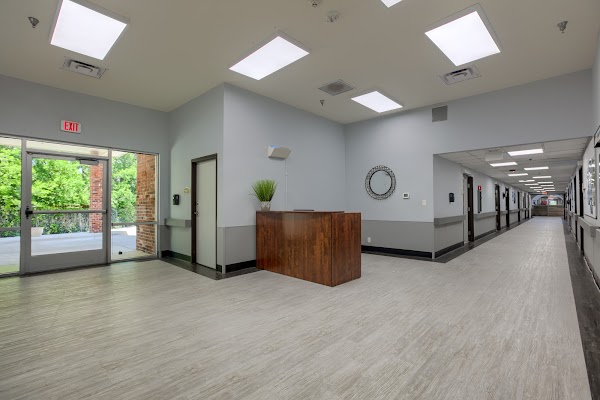
Feb 2023 1 deficiency
CONCERN (E) 📢 Someone Reported This

A family member, employee, or ombudsman was alarmed enough to file a formal complaint

Potential for Harm - no one hurt, but risky conditions existed

Food Safety (Tag F0812)

Could have caused harm · This affected multiple residents

Based on observation, interview, and record review, the facility failed to properly store, prepare, distribute, and serve food in accordance with the professional standards for food service safety in ...

Read full inspector narrative →
Based on observation, interview, and record review, the facility failed to properly store, prepare, distribute, and serve food in accordance with the professional standards for food service safety in the facility's only kitchen reviewed for safety requirements. The DM failed to wear a hair restraint while in a food storage area and food preparation area. Dietary Aide A failed to wear a hair restraint while handling silverware. The failure placed residents at risk for food borne illness and cross-contamination. Findings included: An observation on 02/08/23 at 9:48 AM, revealed the DM in the food storage area and food preparation area without a hair restraint. Dietary Aide A was observed handling clean silverware without a hair restraint. In an interview on 02/08/23 at 9:48 AM, the DM stated she forgot to put on a hair restraint. She stated she should have had on a hair restraint. The DM stated she was unaware Dietary Aide A was not wearing a hair restraint, while working with silverware. She stated she was the DM and was responsible for making sure hair restraints should be worn. The DM stated she and all kitchen staff were expected to wear a hair restraint while in the kitchen. She stated the risk of not wearing a hair restraint was hair could get in food or on food preparation surfaces in the kitchen. In an interview on 02/08/23 at 9:50 AM, Dietary Aide A stated there was no reason he did not have on a hair restraint. He stated he knew he was supposed to have on a hair restraint to make sure hair did not get on the silverware. Record review of the facility's policy titled Dietary Department- General, dated October 24, 2022, revealed The primary objectives of the dietary department include: C. Maintenance of standards for sanitation and safety . A. The Dietary Manager and/or Dietitian are responsible for planning and providing dietary staff with in-service education. B. In-Service topics may include: v. Sanitation. C. The Dietary Manager is also responsible for date to day education of dietary staff regarding topics such as sanitation . Record review of the Texas Department of State Health Services' guidance for Regulatory Services Environmental And Consumer Safety Section Policy, Standards, ad Quality Assurance Unit Public Sanitation and Retail Food Safety Group, dated, February 21, 2017, revealed TFER §228.43 states that food employees shall wear hair restraints such as hats, hair coverings or nets, beard restraints, and clothing that covers body hair, that are designed and worn to effectively keep their hair from contacting exposed food; clean equipment, utensils, and linens; and unwrapped single-service and single-use articles. Assessed on 02/10/23 from https://www.dshs.texas.gov/sites/default/files/foodestablishments/pdf/RegClarifications/No_-19-Hair-Restraints-23-14843.pdf.
Dec 2022 2 deficiencies
CONCERN (D) 📢 Someone Reported This

A family member, employee, or ombudsman was alarmed enough to file a formal complaint

Potential for Harm - no one hurt, but risky conditions existed

Resident Rights (Tag F0550)

Could have caused harm · This affected 1 resident

**NOTE- TERMS IN BRACKETS HAVE BEEN EDITED TO PROTECT CONFIDENTIALITY** Based on observation, interview, and record review, the facility failed to treat residents with respect and dignity and care for...

Read full inspector narrative →
**NOTE- TERMS IN BRACKETS HAVE BEEN EDITED TO PROTECT CONFIDENTIALITY** Based on observation, interview, and record review, the facility failed to treat residents with respect and dignity and care for them in an environment that promoted maintenance or enhancement of their quality of life for one of nine residents (Resident #1) reviewed for resident rights. The facility failed to ensure Resident #1 had fully intact blinds on the window of their room. This failure could place residents at risk for loss of privacy, dignity, and a decreased quality of life. Findings include: Record review of Resident #1's, undated, face sheet revealed a [AGE] year-old female who was admitted to the facility on [DATE]. Resident #1 had diagnoses which included insomnia (a common sleep disorder that can make it hard to fall asleep, hard to stay asleep, or cause you to wake up too early and not be able to get back to sleep), anxiety (an emotion characterized by feelings of tension, worried thoughts, and physical changes like increased blood pressure), and major depressive disorder (a mood disorder that causes a persistent feeling of sadness and loss of interest). Record review of the quarterly MDS for Resident #1, dated 10/13/22, revealed a BIMS of 15, which indicated an intact cognitive response. Record review of the Maintenance Log, dated 2022, revealed there was not a maintenance request for Resident #1's window blinds to be fixed. Observation and interview on 12/07/22 at 11:27 a.m. revealed the window blinds in Resident #1's room had two partially broken panels and people could be seen outside the window. Resident #1 stated the window viewed the patio where residents and staff smoked. Resident #1 stated the broken window blind made her feel insecure and afraid that people could see in. Resident #1 stated the window blind had been broken for a long time and she had complained about it, but it was never fixed. Resident #1 was unable to specify which staff member she had complained to. Interview on 12/08/22 at 11:20 a.m., the Social Worker stated the expectation was for residents to have access to full privacy in their rooms and broken blinds were inappropriate. The Social Worker stated the risk to Resident #1 was embarrassment and shame. Interview on 12/08/22 at 2:36 p.m., the Administrator stated residents should have privacy to their own discretion especially in places with frequent traffic. The Administrator stated they did their best to keep the window blinds in good repair. The Administrator stated the risk to Resident #1 was her privacy would be invaded if someone looked through the broken window blinds. Record review of the facility's Resident Rights- Quality of Life policy, dated 08/2020, revealed Facility staff promotes, maintains, and protects resident privacy, including bodily privacy, when assisting with personal care and during treatment procedures.
CONCERN (D) 📢 Someone Reported This

A family member, employee, or ombudsman was alarmed enough to file a formal complaint

Potential for Harm - no one hurt, but risky conditions existed

Deficiency F0914 (Tag F0914)

Could have caused harm · This affected 1 resident

**NOTE- TERMS IN BRACKETS HAVE BEEN EDITED TO PROTECT CONFIDENTIALITY** Based on observation, interview, and record review the facility failed to ensure resident rooms were designed or equipped to ass...

Read full inspector narrative →
**NOTE- TERMS IN BRACKETS HAVE BEEN EDITED TO PROTECT CONFIDENTIALITY** Based on observation, interview, and record review the facility failed to ensure resident rooms were designed or equipped to assure full visual privacy for each resident for one of nine resident rooms (Resident #1) reviewed for privacy. The facility failed to ensure Resident #1 had fully intact blinds on the window of their room. This failure could place residents at risk for loss of privacy, dignity, and a decreased quality of life. Findings include: Record review of Resident #1's, undated, face sheet revealed a [AGE] year-old female who was admitted to the facility on [DATE]. Resident #1 had diagnoses which included insomnia (a common sleep disorder that can make it hard to fall asleep, hard to stay asleep, or cause you to wake up too early and not be able to get back to sleep), anxiety (an emotion characterized by feelings of tension, worried thoughts, and physical changes like increased blood pressure), and major depressive disorder (a mood disorder that causes a persistent feeling of sadness and loss of interest). Record review of the quarterly MDS for Resident #1, dated 10/13/22, revealed a BIMS of 15, which indicated an intact cognitive response. Record review of the Maintenance Log, dated 2022, revealed there was not a maintenance request for Resident #1's window blinds to be fixed. Observation and interview on 12/07/22 at 11:27 a.m. revealed the window blinds in Resident #1's room had two partially broken panels and people could be seen outside the window. Resident #1 stated the window viewed the patio where residents and staff smoked. Resident #1 stated the broken window blind made her feel insecure and afraid that people could see in. Resident #1 stated the window blind had been broken for a long time and she had complained about it, but it was never fixed. Resident #1 was unable to specify which staff member she had complained to. Interview on 12/08/22 at 11:20 a.m., the Social Worker stated the expectation was for residents to have access to full privacy in their rooms and broken blinds were inappropriate. The Social Worker stated the risk to Resident #1 was embarrassment and shame. Interview on 12/08/22 at 2:36 p.m., the Administrator stated residents should have privacy to their own discretion especially in places with frequent traffic. The Administrator stated they did their best to keep the window blinds in good repair. The Administrator stated the risk to Resident #1 was her privacy would be invaded if someone looked through the broken window blinds. Record review of the facility's Resident Rights- Quality of Life policy, dated 08/2020, revealed Facility staff promotes, maintains, and protects resident privacy, including bodily privacy, when assisting with personal care and during treatment procedures.
Nov 2022 1 deficiency
CONCERN (D) 📢 Someone Reported This

A family member, employee, or ombudsman was alarmed enough to file a formal complaint

Potential for Harm - no one hurt, but risky conditions existed

Tube Feeding (Tag F0693)

Could have caused harm · This affected 1 resident

**NOTE- TERMS IN BRACKETS HAVE BEEN EDITED TO PROTECT CONFIDENTIALITY** Based on observation, interview and record review, the facility failed to, based on the resident's comprehensive assessment, ens...

Read full inspector narrative →
**NOTE- TERMS IN BRACKETS HAVE BEEN EDITED TO PROTECT CONFIDENTIALITY** Based on observation, interview and record review, the facility failed to, based on the resident's comprehensive assessment, ensure a resident who was fed by enteral means received the provide appropriate treatment and services to restore, if possible, oral eating skills and to prevent complications of enteral feeding including but not limited to aspiration, pneumonia, diarrhea, vomiting, dehydration, metabolic abnormalities and nasal-pharyngeal ulcers for one of two residents (Resident #1) reviewed for feeding tubes. RN A failed to check tube feeding placement and gastric contents during bolus feeding for Resident #1's G-tube (G-tube-a gastrostomy tube inserted through the abdomen that delivers nutrition directly to the stomach), per the facility's policy on bolus feeding on 11/02/22. This failure could place residents at risk of complications including G-tube, not in place and of aspiration (Aspiration is when something you swallow goes down the wrong way and enters your airway or lungs). Findings included: Record review of Resident #1's face sheet, dated 11/02/22, reflected Resident #1 was a [AGE] year-old-male, and he was admitted to the facility on [DATE]. Resident #1 had diagnoses which included dysphagia (difficulty swallowing), high blood pressure, and gastrostomy status (a surgical opening into the stomach. A gastrostomy may be used for feeding, usually via a feeding tube called a gastrostomy tube). Record review of Resident #1's annual MDS assessment, dated 10/24/22, reflected Resident #1 received his nutrition through feeding tube and mechanically altered diet. Record review of Resident #1's care plan, dated 11/01/22, reflected Resident #1 required tube feeding related to dysphagia (difficult swallowing), swallowing problem. The intervention included to see the physician orders for current feeding orders. Record review of Resident #1's Orders, dated 11/02/22, reflected, 1. Enteral Feed Order every shift Check G tube. If gastric residual volume greater than 150 mL and there are no other symptoms re-feed the 150 mL and there are no other symptoms re-feed the 150 mL and continue to feed patient. Notify Physician with a start date of 11/02/22. 2. Enteral Feed Order four times a day Flush enteral tube 4 times with 125 mLs water before and after each feeding with a start date of 10/17/22. Enteral Feed Order four times a day for supplement Give 237 ml of Jevity 1.5 Bolus X 4 and flush with 125 mL of water at each feeding with a start date of 10/14/22. Observation on 11/02/22 at 12:00 PM revealed RN A performed hand hygiene, put on gloves, gathered supplies, and entered Resident #1's room. RN A explained the bolus feeding procedure to Resident #1. Resident #1 was lying flat in a high head of bed position. Then, RN A poured 125 mL of water into Resident #1's G-tube by attaching the 60 mL syringe. RN A did not check for Resident #1's G-tube placement or residual. RN A poured 237 mL of Jevity 1.5 calories by gravity flow. RN A continued to flush Resident #1's G-tube with 125 mLs of water with additional 30 mL of water. RN A detached the syringe from Resident #1's G- tube and rinsed the syringe and plunger with water. RN A removed her gloves and performed hand hygiene before leaving Resident #1's room. Interview with RN A on 11/02/22 at 1:22 PM, RN A stated she worked at the facility for 7 months and she was assigned to take care of Resident #1 on 11/02/22. RN A stated Resident #1 received bolus feedings four times daily and two times on her shift. RN A stated she checked Resident #1's placement and residue at 8:00 AM on 11/02/22 when she administered Resident #1's bolus feeding, and she did not have to check again during bolus feeding at 12:00 PM on 11/02/22. In a follow-up interveiw on 11/02/22 at 2:50 PM, RN A stated the facility policy required to check placement and check residue each bolus feeding, after inquired and talked with her DON. RN A stated Resident #1 could have his G-tube not in place from not checking placement and Resident #1 would be at risk of overloading gastric content from not checking residue. Interview with the DON on 11/02/22 at 3:00 PM revealed the DON worked at the facility for one week. The DON stated she expected all nurses to check placement and check residue during each bolus feeding. The resident might have complications such as the G-tube not in place, aspiration, and overloading of feeding from not checking placement and residue. The DON stated the nurses should call the doctor if the residue was over 150 mLs and nurses were expected to follow the physician order. Record review of the facility's policy on Gastronomy Placement, dated June 2020, reflected, To ensure the placement of a gastrostomy tube prior to initiating a feeding, hydration, or a medication. I. Prior to the administration of feeding . through a gastrostomy tube, the placement of the tube shall be verified. Procedure: . VIII. Check the placement of the feeding tube externally to be sure it hasn't slipped out since the last feeding. IX. Aspirate gastric contents to be sure the tube is in the stomach. A. Look at the appearance of the aspirate . if necessary. X. To assess gastric emptying, aspirate and measure residual gastric volume. A. Reinstill any aspirate obtained. B. Hold feedings and hydration if resident volume is greater than the specified physician order. C. Inform physician when feeding or hydration is held. D. Consult with physician about the delivery of medication via gastrostomy tube when the gastric residual volume is greater than the specified physician order.
Sept 2022 6 deficiencies 1 IJ
CRITICAL (J)

Immediate Jeopardy (IJ) - the most serious Medicare violation

Deficiency F0692 (Tag F0692)

Someone could have died · This affected 1 resident

**NOTE- TERMS IN BRACKETS HAVE BEEN EDITED TO PROTECT CONFIDENTIALITY** Based on observation, interview, and record review, the facility failed to provide a therapeutic diet that takes into account th...

Read full inspector narrative →
**NOTE- TERMS IN BRACKETS HAVE BEEN EDITED TO PROTECT CONFIDENTIALITY** Based on observation, interview, and record review, the facility failed to provide a therapeutic diet that takes into account the resident's clinical condition, and preferences, when there is a nutritional indication foods of choice ordered for a [AGE] year-old Korean female resident's therapeutic diet needs to ensure the resident maintained acceptable parameters of nutritional status when there was a nutritional problem for 1 of 6 residents (Resident #43) reviewed for unplanned weight loss. 1. The facility failed to implement the dieticians' and Speech Language Pathologist recommendations which resulted in severe weight loss 18.5%for Resident #43. 2. The facility failed to communicate with the physician the weight loss recommendations made by the dietitian. These failures resulted in an Immediate Jeopardy (IJ) situation on 09/21/2022. While the IJ was removed on 09/23/2022, the facility remained out of compliance at a severity level reflects no actual harm with a potential for minimal harm due to the need to complete in-service training and evaluate the effectiveness of the corrective systems. This failure could place residents at risk of not maintaining their nutritional needs. The findings included: Review of Resident #43's face sheet dated 09/22/2022 reflected a [AGE] year-old female admitted to the facility on [DATE] with the following diagnoses of diabetes mellitus (body cannot take up sugar (glucose) into its cells), bipolar disorder (extreme mood swings), high blood pressure, and anxiety. Review of Resident #43's Quarterly MDS assessment dated [DATE] reflected the resident was assessed to have a BIMS score of 5, which indicated severe cognitive impairment. The MDS Nutritional status segment revealed the Loss of 5% or more in the last month or loss of 10% or more in last 6 months and answer, Yes, not on prescribed weight-loss regimen. Review of Resident #43's Comprehensive Care Plan reflected a problem with the start date of 03/14/2022 reflected a nutritional problem related to her BMI is too low and required a goal that resident will eat at least (50) % of her meals. Approaches included were, monitor/document/report to physician significant weight loss: 3 lbs. in 1 week, >5% in one month, >7.5% in 3 months, >10% in 6 months. Provide, serve diet as ordered. Monitor intake and record q meal. Further review of Resident #43's care plan revealed a problem with significant unplanned, unexpected weight loss (7.9%) 90 days food intake. The approach read: add fortified foods to all meals and 2 calorie ounce supplement with medication pass twice a day. The plan read to alert nurse if Resident #43 was not consuming on a routine basis. Review of Resident #43's Consolidated Physician orders dated 08/12/2022 reflected the following dietary orders: -Regular diet, Regular texture, thin consistency; Diet customized for individual needs dated 08/12/2022. -Double Desserts for lunch and supper. Add Frozen Nutritional Treat to lunch and supper dated 08/12/2022. -two times a day 90 ml House Supplement for additional calories/protein dated 08/22/2022. -Offer substitute if resident eats <50% dated 03/04/2022. -Resident is at risk for malnutrition related to new admission and diagnosis: Bipolar with Psychosis will weigh once weekly x 4 weeks, and monthly thereafter. Dietician to consult as needed, per orders dated 03/04/2022. Record review of Resident #43's electronic medical record revealed only monthly weights were being recorded, and the facility was not following the order for weekly weights suggested for the resident. Record review of a nursing evaluation dated 03/05/2022 revealed a nursing skilled evaluation of Resident #43's who was admitted on [DATE]. The note read, The resident began receiving Skilled Nursing Services with skilled diagnosis: bipolar disorder, mixed with severe recurrent and with psychotic's features. Skilled care being provided: Management and Evaluation of Patient Care Plan; Observation and Assessment of Patient; Vital Signs: Blood Pressure 128/82, Temperature 97.7, Respirations 18, and Weight 163.5 lbs. Scale: Standing. Record review of a Nutritional Note dated 05/13/2022, written by the Registered Dietician revealed the following, Text: Resident #43 has experienced a significant weight loss decline x 30 days (-6.0%) and the Registered Dietician notes reflected further, Resident #43's dietician' notes reflected the following: -May wt.: 157 lbs. - April wt.: 167 lbs. Further review of the Registered Dietician's notes dated 05/13/2022 5/13/22 dietician's note revealed Resident #43 was eating >75, Interventions currently in place: Regular texture diet - eating majority of the time >75% per ADL documentation. Resident prefers Korean type foods. Likes Sweets. No family to bring her familiar foods. Korean recipes for typical foods will be provided to kitchen that focus on rice and vegetables and protein. Add two desserts to lunch and supper. Record review of a Nutritional note dated 06/15/2022, written by the Registered Dietician revealed she wrote, Interventions currently in place: Regular texture diet - eating majority of the time >75% per ADL documentation. Resident prefers Korean type foods. Likes Sweets. No family to bring her familiar foods. Korean recipes for typical foods will be provided to kitchen that focus on rice and vegetables and protein. Add two desserts to lunch and supper. The Registered Dietician notes added the following information, significant weight loss decline x 90 days (-7.9%). June wt. 151 lbs. BMI 28.5 May wt.: 157 lbs. April wt.: 167 lbs. Further review of the Registered Dietician's 06/15/2022 notes revealed Resident #43 was eating >75% the majority of the time, still losing weight, Interventions currently in place: Regular texture diet - eating majority of the time >75% per ADL documentation. Resident prefers Korean type foods. Likes Sweets. No family to bring her familiar foods. SLP is known to bring the resident favorite dishes that contain cabbage. Korean recipes for typical foods were provided to kitchen that focus on rice and vegetables and protein. Resident does like sweets. Add two desserts to lunch and supper. Add Frozen Nutritional Treat to Lunch and Supper. Continue to monitor for signs, changes and monitor weekly weights. Record review of a nutritional note dated 07/07/2022, written by the Registered Dietician revealed, Resident #43 has experienced a significant weight loss decline x 90 days (-11.4%). -July wt.: 148 lbs. - June wt. 151 lbs. -April wt.: 167 lbs. Further review of the Registered Dietician's notes read 06/15/2022, Interventions currently in place: Regular texture diet - eating majority of the time >50% per ADL documentation. Resident prefers Korean type foods. Likes Sweets. No family to bring her familiar foods. SLP is known to bring the resident favorite dishes that contain cabbage. Korean recipes for typical foods were provided to kitchen that focus on rice and vegetables and protein. Resident does like sweets. The Registered Dietician listed the following as a plan for weight loss: -Receives two desserts to lunch and supper. -House 2.0 Supplement 90 ml BID added 6/24/22. -Resident may benefit from IV Vitamin Therapy r/t wt. loss. -Consider adding Remeron for appetite stimulation x 45 days. -Add MVI w/ Minerals daily. -Add Frozen Nutritional Treat to Lunch and Supper. -Continue to monitor for sig changes and monitor weekly weights. Record review of a nursing note dated 07/14/2022 read order for infusion by physician, Alert Charting, late: Resident has been cleared for IV hydration and vitamin therapy by the Facility's Physician. Current meds were reviewed, if any, and all contraindications have been found. Reviewed resident allergies. Order verified. Assessment completed. Resident prepared for IV vitamin infusion. Site prepared per protocol 22g x 1 attempt. IV site secured per protocol no redness or signs of infiltration. Infusion for wellness r/t multiple comorbidities and support immune function and promote nutrition. The physicians order read as follows, Order: 0.9% Normal Saline 250mL, and further notes revealed, Infusion started @ 250mL/hour on dial a flow. Patient in no distress, IV site without redness, edema, signs of infiltration. Patient comfortable and denies needs. 1830 Infusion complete. Resident tolerated infusion without difficulty or complication. IV discontinued and gauze applied to site. Report of infusion completion. Record review of the Registered Dietician's note dated 07/15/2022 read as follows, Nutritional Note: Resident #43 has a significant weight decline x 90 days: from 167 lbs. to 148 lbs. She is refusing to eat the food provided and all attempts to provide her cultural foods, yet the ADL documentation notes occasional >50%. Further notes revealed the recommended interventions as follows, -IV therapy for nutritional support was given 07/14/22. - It was discussed that monies needs to be obtained to get local food that perhaps the resident will eat. - Will continue to monitor and try to find foods she will eat. Record review of the Registered Dietician's note dated 8/12/2022 reads as follows, Nutritional Note Resident #43 has a significant weight loss decline x 90 days (-8.9%). -August wt.: 143 lbs. -May wt.: 157 lbs. Further review of Registered Dietician's notes revealed, She is refusing to eat the food provided and all attempts to provide her cultural foods, yet the ADL documentation notes occasional >50%. The Registered Dietician's noted that these interventions were in place: A Regular Diet was being provided, and double Desserts for lunch and supper would be provided. The Registered Dietician's notes went on to add, Disposable utensils only on meal trays. Add Frozen Nutritional Treat to lunch and supper. Record review of the Registered Dietician's note dated 09/17/2022 read as follows days Nutritional Note: Resident #43 has a significant weight decline x 90 days (-7.9%). -[DATE] lbs. Re-weigh 137 lbs. -June 151 lbs. The Registered Dietician's notes stated that she estimated nutrient needs for Resident #43 were the following: -1575-1890 kcal -62-76 gm Protein -575-1890 ml The Registered Dietician continued, her notes stating, She is occasionally refusing to eat the food provided. Attempts to provide her Korean foods are being made. ADL documentation indicates some improvement in po intake. The Registered Dietician's noted that these interventions were in place: Regular Diet was being provided, and she said, Efforts are made to purchase Korean foods locally. SLP notes that she will eat this better in bowls. This has been added to tray ticket. Resident enjoys sweets -Double Desserts for lunch and supper. Disposable utensils only on meal trays. Frozen Nutritional Treat to lunch and supper. House Supplement 90 ml BID. MVI w/ Minerals daily. The Registered Dietician wrote goals for Resident #43, she said the resident would eat >50% of meals/desserts/supplements to maintain current weight of 137 lbs. The Registered dietician ordered to have Resident #43 weighed weekly for 3 weeks, and wrote further, It was discussed that monies needs to be obtained to get local food that perhaps the resident will eat. FSM will look into this. Will continue to monitor and try to find foods she will eat. Weekly weight to be monitored x 4 weeks. Review of the Registered Dieticians intervention notes contradicted the times she wanted Resident #43's weights to be checked, she first wrote to check them weekly for 3 weeks and at the end of her note, she wrote to check the residents weighed weekly for 4 weeks. Record review of Registered Dietician's email sent to Dietary Manager dated 05/14/2022 revealed she stated that the email was sent to share Korean diet suggestions. The email read, Korean Americans from South Korea: some foods include: -Rice, noodles, leafy vegetables, kimchi, small fish, grilled beef, [NAME] and vegetable fats Record review of Resident #43's Medication Administration Record dated 06/01/2021 through 06/30/2022 revealed and order: 2.0 Supplement two times a day= 90 milliliters ordered to start on 06/24/2022, the resident is recorded to have drunk the supplement on the evening of 06/24/2022, and then consecutively 06/25/2022 through 06/30/2022. Resident #43 was recorded by facility staff to have consumed the supplement for the entire month of July 2022, and then in August of 2022, Resident #43 was recorded to have not consumed the supplement for 11 days and was recorded to drink the supplement for the remainder of the month of August 2022. Resident #43's electronic records revealed there had been loggings of 100 % consumption of the supplements up until the beginning of the state survey when it was discovered by surveyor observation that the resident was not intaking the supplement as stated by nursing staff and was found to be left unopened on Resident #43's breakfast and lunch trays on 09/19/2022, 09/20/2022 and 09/23/2022. Record review of Speech Language Pathologist (SLP) Speech Therapy Evaluation and Plan of Treatment dated 05/18/2022 for Resident #43's health plan read, Patient consumes 25% of meals and snacks. The SLP wrote Resident #43 was referred due to decline in functional activity tolerance during oral intake and weight loss. The SLP's clinical review for weight loss was noted for significant weight loss. The SLP continued to write Resident #43 required maximum encouragement for adequate meal intake and consumed only 25% of the meal. Record review of Speech Language Pathologist (SLP) Speech Therapy Evaluation and Plan of Treatment dated 05/19/2022 for Resident #43's revealed, the resident had been assessed for meal consumption during breakfast and lunch, and Resident #43 at 0% of her meals. The SLP noted that she tried to offer supplements and Resident #43 refused them. the SLP wrote that Resident #43 requested Korean food and she inquired what the resident likes, and dislikes were, and Resident #43 said she would eat salads, the SLP wrote that she would get the kitchen to provide salad, stated, Discussed likes and dislikes and patient stated she would eat salads, kitchen to provide salad tomorrow for lunch meal. Record review of Speech Language Pathologist (SLP) Speech Therapy Evaluation and Plan of Treatment dated 05/20/2022 for Resident #43's read, SLP provided ice cream, coke and salad and patient consumed 50% of ice cream and hard-boiled eggs out of the salad. Record review of Speech Language Pathologist (SLP) Speech Therapy Evaluation and Plan of Treatment dated 05/25/2022 for Resident #43 revealed she wrote, SLP will provide Korean meal for patient to increase meal intake on 05/26/2022 as requested by patient. Record review of Speech Language Pathologist (SLP) Speech Therapy Evaluation and Plan of Treatment dated 05/26/2022 for Resident #43 revealed, the SLP wrote, SLP provided Korean food and maximum verbal cues and then wrote, Patient consumed 25% and stated she would eat the rest later but appeared to really enjoy the food. Returned to the room later and patient consumed 75% of food. Record review of Speech Language Pathologist (SLP) Speech Therapy Evaluation and Plan of Treatment dated 05/31/2022 for Resident #43 revealed she wrote, Offered patient fruit and supplement and patient ate 100%. Further comments written by SLP were, the kitchen had provided Korean type foods the patient liked such as broth, hard boiled eggs, rice, and vegetables for lunch meals. Record review of Speech Language Pathologist (SLP) Speech Therapy Evaluation and Plan of Treatment dated 06/06/2022 for Resident #43 read the SLP provided Korean food, Kimchi chicken, and the resident ate 50%s of the meal. Record review of Speech Language Pathologist (SLP) Speech Therapy Evaluation and Plan of Treatment dated 06/08/2022 for Resident #43 revealed the SLP provided Kimchi chicken to assist with meeting nutritional needs, and the resident consumed the meal. Record review of Speech Language Pathologist (SLP) Speech Therapy Evaluation and Plan of Treatment dated 06/09/2022 for Resident #43 read, Patient requested Kimchi and SLP provided a bowl of patients preference and patient consumed 100%. Record review of Speech Language Pathologist (SLP) Speech Therapy Evaluation and Plan of Treatment dated 06/24/2022 for Resident #43 revealed she noted, Consumption of food provided by SLP (Korean type) accepted and 100% intake with set up only, the note meaning that the SLP provided the resident with her favorite food, and she ate all of it, and did not need coaxing. Record review of Speech Language Pathologist (SLP) Speech Therapy Evaluation and Plan of Treatment dated 08/24/2022 for Resident #43 stated the resident had poor intake of meals and significant weight loss. The plan stated Resident #43 had previously receive therapy for service dated 05/18/2022 through 06/27/2022 and stated that the resident had made steady progress with stated goals and increasing her meal intake to 80 % of meals and snacks. The initial assessment for this date noted the resident had a significant weight loss. Record review of Speech Language Pathologist (SLP) Speech Therapy Evaluation and Plan of Treatment dated 08/24/2022 for Resident #43 read, Patient presents with 0% intake of lunch meal. Patient provided with culturally sensitive food that the patient prefers, and patient consumed 50% of food provided. The SLP commented the following, patient and caregivers educated on foods the patient prefers to increase intake and maintain weight. Record review of Speech Language Pathologist (SLP) Speech Therapy Evaluation and Plan of Treatment dated 08/26/2022 for Resident #43 read the SLP attempted to coax the resident to eat the lunch tray provided by the kitchen, and Resident #43 refused to eat any of the items on the tray, the SLP brought in an alternate meal and the resident ate 25% of the items on the tray. Record review of Speech Language Pathologist (SLP) Speech Therapy Evaluation and Plan of Treatment dated 08/30/2022 for Resident #43 read the resident did not eat any of her lunch tray, so the SLP brought in an alternate meal of rice and vegetables and the resident ate 75% of the meal. The SLP wrote Resident #43 requires maximum assist for feeding and intake of meals. Record review of Speech Language Pathologist (SLP) Speech Therapy Evaluation and Plan of Treatment dated 09/05/2022 for Resident #43 revealed the SLP had noted that she educated the Dietary Manager on the patient's intake of fresh fruits, and that she liked fruit and when provided with the fruit, she would eat 100% of the item. Observation on 09/19/2022 at 10:35 a.m., Resident #43 was in her room in bed, and stated not liking the food. CNA Q was removing Resident #43's breakfast tray, the only food item on the tray was a bowl of cereal and two boiled eggs, an untouched glass of milk, no other food items or supplements were observed on the tray. During an interview on 09/19/2022 at 10:40 am, CNA Q revealed that Resident #43 was a very picky eater and regularly refused meals, breakfast, lunch, and dinner. She denied trying to coax the resident to eat or offering an alternate because the resident did not ask for them. During an interview on 09/19/2022 at 1:30 PM, LVN Z revealed she was familiar of the resident and the problems with eating her meals. She said that it was important to check a Resident meal trays against meal tickets and sending back to the kitchen for correction if not matching and documenting accurate meals for each resident with weight loss problems. A staff member should be informing a charge nurse, dietician, or kitchen staff of a change in condition for residents not eating meals. Interview on 09/19/2022 at 10:45 AM, CNA R revealed she worked the 6:00 am to 2:00 PM shift and worked the 300 halls, she cared of Resident #43 and knew that she did not like the food served by the kitchen and said that SLP came to help her eat. She denied providing Resident #43 with an alternate meal, she said thought the SLP was taking care of the alternant meal because she saw her brining in foods from a Korean place. During an interview on 09/19/2022 at 11:30 AM with Registered Dietician, she was asked about the significant weight loss recorded on Resident #43's medical record and she replied that the resident was a very picky eater and did not like much of the food the kitchen would make. The Registered Dietician revealed that because the resident was Korean, she spoke to the Dietary Manager about what type of foods could be provided, Korean meals, and they had the idea to provide rice, noodles, and vegetables. The Dietician said the Dietary manager had gone to the grocery store to buy Korean frozen foods and rice and vegetables and they kept a box in kitchen specifically for Resident #43. This intervention came about after discussing Resident #43's weight loss during a weekly interdisciplinary meeting for residents with significant weight loss. During an interview on 09/19/2022 at 12:00 PM with Dietary Manager, she was asked about the location of Resident #43's personal box of preferred foods, she immediately guided the surveyor to the pantry and frantically looked for the box but was unable to locate it. The Dietary Manager then turned to seek help from [NAME] G to find the foods, [NAME] G said that she had no idea where the box was. The Dietary Manager said she had been on vacation a week prior and that before she left, the box was in the pantry, and revealed the last time she bought food for Resident #43 was a month ago in August. She said the administrator gave her the facility credit card and she went to local grocery store and bought rice, noodles, and vegetables as well as frozen Korean foods. The Dietary Manager said these types of foods were not available to order trough their current food distributer, and that was the reason she had to make the trip to the grocery store to buy the special items. Record review of receipt from Walmart dated 08/15/2022 revealed a purchase totaling $35.20 of the following items: -Bags of rice -ginger spice -and sweet chili Record review of the facility Petty Cas Reconciliation invoice dated 08/19/2022 revealed the amount of $35.20 that was paid to the grocery store was for, Food for Asian Resident that has had a weight loss. There were no other receipts provided during this investigation. During an interview on 09/20/2022 at 8:45 AM, the Director of Rehab (DOR), revealed the Restorative Aid does weights as ordered per the Registered Dietician, and that the Registered Dietician keeps up with weight loss on a weekly basis. She said that once a month, the Registered Dietician provides her with the monthly weights on residents who are flagged for weight loss, and she said, I conduct a monthly weight loss report, and get the weights off the electronic medical record where the Registered Dietician inputs the monthly percentages. She was asked why the electronic medical record only showed monthly weights, and she said the weekly weights are supposed to be in the system, but it is up to the Registered Dietician to input the weights. The DOR said that the interventions for treatment for Speech Therapy and Occupational Therapy are generated by the weights and the intervention are geared to treat for people weaknesses, to check if they need adaptive equipment, or if they have swallowing problems. She said the Registered Dietician is part of an Interdisciplinary team meeting every Thursday, and the team consist of Nursing, dietary and therapy and they come together weekly to discuss the interventions for weight loss, how to benefit the resident's intake of meals, and the interventions include new cues to initiate a person to eat, once the treatment is completed and hopefully the resident's weight increases, they are discharged from therapy. Sometimes even if the resident does not improve, they are discharged due to insurance problems. But it they do improve, the treatments are completed, and all interventions are discussed at meeting and nursing takes over after discharge to continue to monitor the resident for changes in condition. The DOR discussed Resident #43's case saying, Korean type foods were discussed with the dietary manager, Registered Dietician and the ADON, but with this particular resident, we found that her preferences changed, and it was a day-to-day task with her of finding out what she will like to eat, like today, I brought in Korean food, kimchee, hopefully she will like it. The DOR was asked how many times the therapy department was bringing in the Korean foods, she said once or twice a month, brought in by both herself and the SLP. During an interview on 09/22/22 at 12:07 PM, the Registered Dietician revealed she had been employed for 2 years and worked for campus. She was asked about the purpose for the interdisciplinary team meetings, she said that it was developed by her approximately in December 2022, she said because they had lost their DON, and said the team consisted of social work staff member, the ADON, the food service manager, and the minimal data set nurse. She said that the [NAME] president of nutrition gets an update on weight loss residents and the interventions discussed in the meeting. The Registered dietician said she inputs the orders for the interventions into the electronic medical record and she is in charge of notifying the physician of any new changes in condition and new interventions. The Registered Dietician said that the restorative aid is in charge of weighing people weekly, and that after the weekly weight loss meeting, she is provided with a list of residents every Monday that she must weigh weekly for 4 weeks and then monthly, a protocol the Registered Dietician said she put into place. The Registered Dietician said that the weekly weight the restorative aid records on her document goes into an Excel spread sheet that she generated and said she only inputs monthly weights into the facility electronic medical record and she was asked the purpose of not inputting the weekly weights into the facility electronic medical record, and she said, if I put in the weekly weights, the percentages would be skewed. The Registered Dietician was interviewed regarding the type of education she received after the incident was discovered, she said the [NAME] President of Nutrition discussed that she get more information from the families to find the residents likes and dislikes, and they discussed getting Resident #43 a snack when she is up getting and handing her finger foods. Also discussed was serving Resident #43 first, purchasing cultural foods, seasonings, and making out menus. The Registered Dietician said the facility was working on writing out a menu, three-day, three meals, 9 total, breakfast, lunch and dinner, the menu will not be repeated and the goal was to see which foods Resident #43 liked, and based on that the facility would continue to make menu's. The items included boiled eggs, sausage patties, sweet cakes, honey buns, and said the facility nursing and dietary departments would work closely with speech therapy to trial different foods. The Registered Dietician was asked why the interventions for weekly weights was not ordered by a physician, she said, we do not have to get orders, we just weigh them. The restorative aid weighs the resident as asked by myself and then brings me the list. During an interview on 09/20/2022 at 10:10 AM, the Speech Language Pathologist revealed that she occasionally brought in Korean type foods that Resident #1 had expressed she liked. The SLP stated that it took several attempts to coax the resident to eat some of her meals. She said the resident had a poor appetite, but when she brought in fresh foods, she would eat all of it. The SLP said that the kitchen manager was open to listening to her suggestions regarding Resident #43's likes and also her dislikes but said most times the kitchen provided the regular scheduled meals. The SLP said she was aware of the facilities weekly interdisciplinary team meetings and said that due to the residents monthly weight figures, it was decided to have speech therapy to assess the reason for the continued decline in Resident #43's weight. The SLP said that she had been bringing Korean foods at least once or twice since the resident was recommended to be assessed for weight loss in May of 2022. Interview on 09/21/2022 at 8:25 AM, Resident #43's physician, Physician BB, revealed his opinion about the residents weight loss was unanticipated, he said, my team saw her on 09/13/22 by my physician assistant, and there were no notes on her weight loss, he said that at this time the nursing staff is doing the maximum preventative methods at this time, and said he will repeat metabolic labs, and stated he knew that Resident #43 was a diabetic and that the resident may have kidney issues which can cause weight loss, he said that she had a recent UTI and was on antibiotics. He said that he leaves the weight loss recommendations to the dietician and expects the staff to follow the suggestions and inform him of any significant changes in health conditions. He said that the facility should accommodate the resident with local foods, offer her with preferred foods, also they could try feeding assistance. He was asked if he was aware that the dietician suggested the use of Remeron, he said that it was not brought up to his attention and could be tried but it was a method that is not proven to really work to increase appetite. He reiterated that at this time everything was being done and mentioned other more invasive methods could be discussed such as a peg tube, but he did not think it was a good Idea due to the possibility for infections. He said that due to the residents' numerous comorbidities such as the progression of her dementia, the diseases could play a big role in weight loss. He said that because he was unaware of Resident #43's significant weight loss, the resident will be on his radar and will try to get to the bottom of the problem. He was asked about the one-time order for infusion of IV vitamins and said that method could have been helpful but said again it is not a proven method and it was not a preferred method for weight loss. Interview with on 9/22/2022 at 2:00 pm with Vice-President of Nutrition revealed, she was unaware the Registered Dietician was inputting the facility residents weekly weight loss changes in a separate spread sheet and only monthly weights into the facility residents flagged for significant weight loss monthly into their perspective health care records. She said the standard protocol was for the restorative aid to weigh the residents and that the Registered Dietician input the numbers in the health records on a weekly basis. The Vice-President of Nutrition denied knowing why the Registered Dietician had a separate file with the resident's weekly weights and denied knowing why nursing or dietary had not informed the physician of Resident #43's significant weight loss, she stated that Dietary Managers have the ability to order interventions and should also call the physician with significant changes in a residents health condition. An Immediate Jeopardy (IJ) was identified on 09/21/2022 at 14:29, the administrator, corporate nurse, MDs nurse was notified, due to the above failures. The administrator was notified of the IJ and the IJ template was provided to him, he verbalized understanding and a Plan of Removal was requested. The facility's plan of removal was accepted on 09/23/2022 at 2:29 p.m., and included: PLAN OF REMOVALFOR IMMEDIATE JEOPARDY Summary of Details which lead to outcomes The notific[TRUNCATED]
CONCERN (D)

Potential for Harm - no one hurt, but risky conditions existed

Pharmacy Services (Tag F0755)

Could have caused harm · This affected 1 resident

**NOTE- TERMS IN BRACKETS HAVE BEEN EDITED TO PROTECT CONFIDENTIALITY** Based on observation, interview, and record review, the facility failed to provide pharmaceutical services to ensure the accurat...

Read full inspector narrative →
**NOTE- TERMS IN BRACKETS HAVE BEEN EDITED TO PROTECT CONFIDENTIALITY** Based on observation, interview, and record review, the facility failed to provide pharmaceutical services to ensure the accurate acquiring, receiving, dispensing, administering and securing of medications for 2 (Nurse Aid medication cart and Nurse cart) of 4 medication carts reviewed for pharmacy services. MA A did not report a damaged blister pack of Resident #1's Alprazolam 1 mg tablet. LVN B did not remove an unlabeled and undated vial of insulin belonging to Resident #3 from his medication cart. These failures could place residents at risk of not having the medication available due to possible drug diversion and at risk of not receiving the intended therapeutic benefit of the medications. Findings Included: 1.An observation on [DATE] at 8:50 AM of the nurse aid medication cart in hall 400 revealed the blister pack for Resident #1's Alprazolam 1 mg tablet (anxiety medication) had 1 blister seal broken and the pill was missing inside the broken blister. In an interview on [DATE] at 8:52 AM, MA B stated she was unaware when the blister pack seal was damaged, and she was not aware of who might have broken open the blister pocket. She said the risk of the damaged blister was giving a wrong medication to the resident. She said the nurses and medication aids were responsible to check the medication blister packs for broken seals during the count of the narcotic. She said the count was done at shift change and the count was correct. The count was compared to the blister packs and the count was correct. 2.An observation on [DATE] at 8:58 AM of the nurse cart in hall 500 revealed there was a vial of insulin with no date of when it was opened belonging to Resident #3. In an interview on [DATE] at 9:00 AM LVN C stated he was unaware of the undated vial belonging to Resident #3 and said he just did not notice that there was no date because he became very busy, but agreed that there was a potential for a medication administration error if the vial was expired. He stated they would toss the current vial and replace it with a new one and make sure it was properly dated with the open date. In an interview on [DATE] at 2:10 PM with ADON E revealed she stated if a blister pack medication seal was broken the pill should be discarded. The DON said it would not be acceptable to keep a pill in a blister pack that was opened. The ADON said the risk would be giving the wrong medication and a potential for drug diversion. She said nurses and medication aids and nurses were responsible for checking the medication blister packs for broken seals during the count in the beginning of each shift and making sure all insulin vials had an open date written on them. She expressed that undated vial could cause a resident to receive expired doses. Review of facility's Pharmacy Services policies and procedures - Medication Storage, revised [DATE], reflected the following: . 12. Outdated, contaminated, or deteriorated medications and those in containers that are cracked, soiled, or without secure closures are immediately removed from stock, disposed of according to procedures for medication destruction, and reordered from the Pharmacy, if replacements are needed.
CONCERN (D)

Potential for Harm - no one hurt, but risky conditions existed

Infection Control (Tag F0880)

Could have caused harm · This affected 1 resident

**NOTE- TERMS IN BRACKETS HAVE BEEN EDITED TO PROTECT CONFIDENTIALITY** Based on observation, interview, and record review, the facility failed to maintain its infection prevention and control program...

Read full inspector narrative →
**NOTE- TERMS IN BRACKETS HAVE BEEN EDITED TO PROTECT CONFIDENTIALITY** Based on observation, interview, and record review, the facility failed to maintain its infection prevention and control program designed to provide a safe, sanitary and comfortable environment and to help prevent the development and transmission of communicable diseases and infections for 3 of 3 residents (Residents #2, #3, and #77) and 4 of 4 staff (LVN C, CNA B, CMA N and CMA A) reviewed for infection prevention, in that: LVN C did not utilize proper hand hygiene when assisting Resident #77 with his intermittent intravenous (IV) infusion. CNA B and CMA N did not follow changing of proper PPE (Personal Protective Equipment) when providing incontinent care for Resident #3. CMA A did not follow correct procedure when assisting Resident #2 with preparation of his meal. These failures could place residents at risk for infection. The findings were: Record review of Resident #77's MDS Assessment, dated 08/18/22, revealed a [AGE] year old male admitted [DATE] with a diagnoses of Autoimmune disease, Bacteremia (bacteria in the blood stream), Discitis (infection of the disc of the vertebrae spine), Anemia, Urinary Tract Infection, and Osteomyelitis (infection within the bone). Record review of Resident #77's care plan, dated 08/31/22, revealed the resident had impaired immunity related to autoimmune disease. The goal included he would not display any complications related to immune deficiency. The interventions included he was at risk for contracting infections due to impaired immune status. Keep the environment clean and to use universal precautions to prevent infection. Another care plan focus area was Resident #77 was on anti-infective therapy related to an infection. The goal was Resident #77 will be free of any discomfort or adverse side effects of antibiotic therapy. The interventions included administer medication as ordered. Another care plan area for Resident #77 was he was on IV Medication including Vancomycin HCL related to Osteomyelitis of the Vertebra and Bacteremia. The goal was Resident #77 would not have any complications related to the IV therapy. The interventions included monitoring for signs and symptoms of infections. During an observation on 09/20/22 at 8:45 a.m., LVN C connected the IV to administer vancomycin for Resident #77. After completing the connection of the IV, LVN C removed his gloves then left Resident #77's room without washing his hands. LVN C walked down the hallway and took a clip board from another staff member, then returned the clip board. LVN C walked to the middle of the hallway and then used the hand sanitizer. In an interview on 09/20/22 at 9:20 a.m., LVN C revealed he knew how to wash his hands and when to wash his hands. When ask about the reason he did not wash his hands after he removed his gloves in Resident #77's room, LVN C stated he used hand gel in the hallway. When LVN C was informed he was observed handling other supplies before using hand gel, he said he was just covering the hallway since the other nurse was late and knew the IV had to be given. LVN C stated that it could spread germs by not cleaning his hands. Record review of Resident #3's MDS Assessment, dated 09/05/22, revealed an [AGE] year-old female admitted [DATE] with a diagnosis of Non-Alzheimer's Dementia, Hypertension, Anemia, and Malnutrition. Record review of Resident #3's care plan, dated 07/20/22, revealed she had bowel and bladder incontinence. The goals included she would remain free from skin breakdown due to incontinence and brief use. The interventions included incontinent care and to check the resident every two hours and as required for incontinence. Wash, rinse, and dry the perineum. Change clothing PRN after incontinence episodes. On 09/19/22 at 03:36 p.m., Resident #3 was observed while incontinence care was provided by CNA B and CMA N. The two staff washed hands before starting the procedure, applied gloves, and then changed their gloves after removing Resident #3's pants. Then the old gloves were removed, and new gloves were applied. CNA B and CMA N unfastened the brief in the front then replaced their gloves. CMA N then cleaned the front perineum area with a santi-cloth. With the same gloves, she assisted with moving the resident to her right side. CMA N then rolled the soiled brief and draw sheet under the resident's right buttock. CMA N then cleansed the resident's buttock with a new santi-wipe. With the same soiled gloves, CMA N then placed the clean brief under Resident #3's buttock. With the same soiled gloves, she held the resident's back and her left leg to assist with rolling the resident to her left side. CMA N then held Resident #3 in place on her left side with the same soiled gloves. Once Resident #3 was on her left side, CNA B the removed the soiled brief and placed it into a plastic bag. With the same soiled gloves, CNA B then rolled the soiled draw sheet into a ball and dropped it onto the floor. CNA B then pulled the new brief from under the resident. Then both CNA B and CMA N rolled the resident onto her back utilizing their same soiled gloves. They pulled Resident #3's legs open slightly so to reach the front of the brief to pull it up between the resident's legs. They then finished applying the brief. With the same soiled gloves, CNA B and CMA N pulled Resident #3's shirt down and lifted her up in the bed. CMA N, while using the same soiled gloves, then picked up the box of clean gloves and clean santi-wipes from the resident's bed and moved them to the over-bed table. Then CMA N adjusted Resident #3's bed linen. CNA B and CMA N then moved Resident's #3's bed back into its original position, while still using the same soiled gloves. CNA B and CMA N then removed their soiled gloves and washed their hands. In an interview immediately after the incontinent care, both CNA B and CMA N acknowledged they should have changed their gloves throughout the process to prevent infections. Record review of Resident #2's MDS Assessment, dated 07/01/22, revealed a [AGE] year-old male admitted [DATE] with a diagnosis of Alzheimer's disease, Hypertension, Malnutrition, and Dysphagia. Record review of Resident #2's care plan, dated 09/20/22, revealed the resident had potential nutritional problem. The goal was he will comply with recommended diet and interventions included he would come to the dining room for meals and be provided finger food for all meals. There was an additional care plan focus to assist him with his ADLs due to Alzheimer's disease. The goal was Resident #2 would maintain current his level of functioning which includes eating. The intervention reflected limited assistance with eating. Record review of Resident #2's physician orders dated 8/11/22, revealed finger foods diet, regular texture, with thin consistency liquids. On 09/19/22 at 12:15 p.m., during a lunch observation, Resident #2 was observed at a dining room table. CMA A was observed assisting him with his meal. She was observed cutting his sandwich in half by placing her ungloved left hand on top of the sandwich, to hold sandwich while she cut it in half. Then she turned plate to cut the sandwich again into four squares while holding the sandwich with her ungloved left hand. In an interview with CMA A on 09/19/22 at 12:45 pm, she acknowledge she should have had clean gloves on if touching a resident's food. During an interview 09/20/22 at 04:11 p.m., ADON D said regarding Resident #77's IV administration with no hand hygiene afterwards she stated this was not appropriate technique when removing gloves. ADON D was also interviewed about the CNAs observed incontinent care of Resident #3. ADON D stated CMA N and CNA B using the same gloves to clean the resident's perineal area then touching the resident legs, clean brief, resident's clothes, the bed linen, the box of clean gloves, and the package of clean santi-wipes was not acceptable and was not correct perineal care. When discussing CNA B dropping the draw sheet on the floor, ADON D stated this not correct technique for soiled linen and also stated nursing staff should not be physically touching the resident's food. ADON D stated she would start in-services today with both the CNAs and Nurses related to the issues discussed. ADON D acknowledged not washing hands appropriately, utilizing soiled gloves on a resident, and touching resident's food could spread infections to residents and within the facility. Record review of the facility's Intermittent Infusion policy, dated 12/2014, reflected the following. Procedure 4. Explain procedure to resident. 5. Wash hands 7. Apply gloves .23. Dispose of used supplied per facility policy. 24. Remove gloves. 25. Wash hands; When Infusion is complete 1. Wash hands. 2. Apply gloves .6. Dispose of supplies per facility policy. 7. Remove gloves. 8. Wash hands. Record review of the facility's Perineal Care policy, dated 06/2020, reflected Procedure XII. Remove gloves. Wash hands or use alcohol-based hand sanitizer. Note: Do not touch anything with soiled gloves after procedure (i.e. curtain, side rails, clean linen, call light, etc.). XIII. Put on clean gloves XV. Place soiled linen in proper container. XVI. Remove gloves. XVII. Wash hands. In a record review of the facility's Infection Prevention and Control Program policy, dated 6/2020, reflects II. Infection Control Policies and Procedures (A) The facility's infection control policies and procedures are intended to facilitate maintain a safe, sanitary, and comfortable environment and to help prevent and manage transmission of diseases and infections.
CONCERN (E)

Potential for Harm - no one hurt, but risky conditions existed

Food Safety (Tag F0812)

Could have caused harm · This affected multiple residents

**NOTE- TERMS IN BRACKETS HAVE BEEN EDITED TO PROTECT CONFIDENTIALITY** Based on observation, interview, and record review the facility failed to store, prepare, distribute, and serve food in accorda...

Read full inspector narrative →
**NOTE- TERMS IN BRACKETS HAVE BEEN EDITED TO PROTECT CONFIDENTIALITY** Based on observation, interview, and record review the facility failed to store, prepare, distribute, and serve food in accordance with professional standards for food service safety in the facility's only kitchen. 1.The facility failed to ensure food items in the refrigerators (3), freezers (2) and dry storage were labeled and stored in accordance with the professional standards for food service. 2. The facility failed to discard items stored in refrigerators (3) or dry storage that were not properly sealed/secure or past the 'best buy', consume by or expiration dates. 3. This facility failed to develop, implement and or provide a policy for Food Labeling and Procurement and or holding leftovers in the refrigerator. 4. The facility failed to have opened containers of potentially hazardous foods or leftovers dated or used within 7 days or according to facility policy. These failures could place residents at risk for food-borne illness and cross contamination. Findings included: Observation of the Kitchen on 09/19/22 at 10:12 AM, revealed the following: -1 Tall stainless-steel foot-pedal operated garbage can, was used for the 2nd hand-washing sink and the remainder of the kitchen's trash. The 2nd hand-washing sink sits in the middle of a prep table, there are two flat stainless-steel areas to the left and right of the attached sink. The trash receptacle sits across from the sink, up against a food prep table and adjacent to the steam table. The trash receptacle had paper towels, gloves, food, food item packaging. Observations of Reach-in Refrigerator #2 on 09/19/22 at 10:12 AM, revealed the following: -1 Large cardboard box with date of 9/16, opened 9/18, had raw bacon inside the box (the bacon's original container) and lying on top of the raw bacon, inside the box, was a large zip top bag with some raw breakfast sausage patties in it. The zip top bag was unlabeled, had no open date and the zip top bag nor the box had a consume by date reflected. -1-32 oz. carton of liquid whole eggs, fading (marker used was not dark) date of 9/9 with manufacturer's expiration of 10/23/22, no open date or consumed by date reflected. -1 large bag of thawing liquid whole eggs, dated 9/16 with no use or consume by date reflected. -1 16oz. container (of temperature-controlled) chicken base, no received by, or consume by dates reflected. -1 large container of Silver Source Salad dressing (white) dated 9/2, open date 9/19 but no consume by date reflected. -1 Large container of lemon juice, open date 9/14, no received date and no consume by date reflected. -1 medium square clear container, with lid, of grape jelly dated 9/17, no consume by date reflected. -1 Large bottle of Cattleman's BBQ sauce open date 8/25/22, no consume by date. -1 Large container of Village Garden [NAME] Slaw Dressing, open date 9/17, no received date or consume by date reflected. -1 large container of soy sauce open date 5/01/22, no received by date and consume by date reflected. -1 Large container of Pace Picante Sauce medium opened date 9/03 and 9/17 listed on bottle but no received by or consume by date reflected. Observations of the Reach-in Freezer on 09/19/22 at 10:18 AM, revealed the following: -1 tray of 13 small grey cups with lids, had chocolate ice cream in each, dated 9/18 but no consume by date reflected. Observations of the Reach-in Refrigerator #3 on 09/19/22 at 10:25 AM, revealed the following: -1 Large bag of Coleslaw mix dated 9/7/22 but there is no consume by or discard date reflected. -1 container with no lid or covering, had red and green bell peppers with a label dated 9/16 but no consume by date reflected. -1 large zip top bag of 2 separate opened bags of shredded cheeses, one cheddar and the other mozzarella. There was an opened date of 9/16 but no label reflecting each type of cheese in bag and no dates each opened or consume by dates. -6- 1lb (16 oz) clear containers (original packaging) of fresh whole strawberries dated 9/16, there was no consume by date reflected. -3 large zip top bags with 3 whole cantaloupes in each bag, dated 9/16 without a consume by or discard date reflected. - The Fan Cover Vent slats (located at the bottom of the reach-in refrigerator) are dusty and in the corners, have dust/dirt build up. -Top of refrigerator had a greasy residue buildup across the top Observations of the Dry Storage Room on 09/91/22 at 10: 35 AM, revealed the following: -7 large bags of 30 medium Tortillas each, in a large clear container with lid Manufacturer's expiration date 08/04/22 labeled on each bag, but on the container, no consume or discard by date otherwise reflected. -1 medium cardboard box with 9 large bags of Tea, the box is open and the plastic bag inside the box is open to air there is no label on box, no received by date and no consume by or discard dates reflected. -18 small packets of Tortilla soup base #4204, in a small clear square container with lid, labeled Taco Mix but there was no received date, or consume or use by date listed on individual packets or the container they were placed in. Some of the packets mix contents had a change in color. Some bags coloring had lightened or become pale (the ones on the top) and others were a deeper orange color, a few bags with mixed pale and dark colored contents. -7 large cans of Silver Source sliced pears with no manufacturer's expiration date listed. -1 package of gravy opened and wrapped in plastic wrap, open date 9/11/22 but there is no consume by or discard date reflected. -3 packs Pioneer Pork Roast Gravy mix dated 9/9, manufacturer's PG date 06/03/22. -1 large bag of [NAME] cracker in a zip top bag dated 8/29 but there is no consume by date. Observations of the Kitchen during lunch service on 09/20/22 at 11:02 AM, revealed the following: - (11:51 AM) Fly seen in kitchen, landed on the lid of a carafe filled with tea. The lid was not completely down on the carafe. (The Dietary Aides fill carafes with juice and tea and shortly before service, ice is added, and the lid placed on and pressed down.) (12:24 PM) There was a tray of chocolate cake pieces that were unwrapped in plastic wrap and a fly landed on a piece of cake. -1 Tall Stainless-steel foot-pedal operated garbage can, filled with enough trash the lid did not close all the way down. This trash receptacle remained, sitting against a prep table and adjacent to the steam table from previous visit. - (11:35 AM) Dietary Aide I already had a short stack of prepared trays for lunch service then she stacked up more trays on the existing trays which made them tall enough to be right in front of the window unit air conditioner, that was in use. In an interview on 09/20/22 at 11:36 AM, Dietary Aide I stated the air blowing on the clean trays can get dust on them. She states that she normally puts them on the end of the sink, but the [NAME] (Cook G) is still using the sink. In an interview on 09/20/22 at 11:40 AM, the Dietary Manager stated that having the trays that tall could allow dust to blow from the window unit onto the meal trays. She stated she would try and find a better place to stack the meal trays when prepping for a meal service. In an interview on 09/20/22 at 12:25 PM, the Dietary Manger stated that they do not usually have a problem with flies. She states it is extra hot and we have the dietary doors open and the smokers go out onto the patio next door to us and that maybe how the fly came in. In an interview on 09/20/22 at 2:11 PM, with the Dietary Manager and the Dietician, the Dietary Manager stated that they had a binder with the cleaning schedule for the staff but at the time she could not produce it. When shown the vents on the bottom of Refrigerator #3, she stated that was probably from where they wiped it with a rag. She was shown the dirt gathered in the corners and she replied, oh. The Dietician stated in question form if I wanted them to throw out their container of lemon juice when they were given an example of not having received by or consume by dates on some open items in the refrigerator. The Dietary Manger stated to the Dietician, to clarify, that with no open date on the container or discard date then we do not know when it was opened so we cannot say how long it has been in there (refrigerator, freezer or storage room). The Dietary Manger nor the dietician could answer on how long they would keep a canned good if it had no manufacturer's expiration date, according to the facility's policy. The Dietary Manger could not answer how long they kept opened items in the refrigerator, according to the facility's policies. The Dietician stated she would get those policies to the surveyor. Review of the Facility's Nutrition Services Food Storage Policy, Policy No.-DS-52, Version 1.0, Date Revised 12/2020, reflected Policy: Food items will be stored, thawed, and prepared in accordance with good sanitary practice. Procedure: I. Raw Meat/Poultry/Seafood Storage Guidelines A. Raw meat is to be stored separately from cooked meats and raw foods as temperature below 41 degrees F. II. Frozen Meat/Poultry and Food Guidelines . C. i. Label and date all food items. D . Thaw meat by placing it in deep pans and setting it on lowest shelf in refrigerator. Develop guidelines detailing defrosting procedure for different types of food. i. Date meat when taken out of freezer and with date of meal service. ii. Follow meat-pull schedule on menus. VI. Fresh Fruit Storage Guidelines A. Fresh Fruit should be checked and sorted for ripeness C. Unwashed produce should not be placed in the refrigerator with or near prepared foods VIII. Canned Fruit Storage Guidelines. E. Recommended use is within 12 months XI Canned Vegetable Storage Guidelines . E. Recommended use is within 12 months XIII. Dry Storage Guidelines. G. Any opened products should be placed in storage containers with tight fitting lids. H. Label and date storage products.
CONCERN (E)

Potential for Harm - no one hurt, but risky conditions existed

Safe Environment (Tag F0921)

Could have caused harm · This affected multiple residents

**NOTE- TERMS IN BRACKETS HAVE BEEN EDITED TO PROTECT CONFIDENTIALITY** Based on observation, interview, and record review, the facility failed to provide a safe, functional, sanitary, and comfortable...

Read full inspector narrative →
**NOTE- TERMS IN BRACKETS HAVE BEEN EDITED TO PROTECT CONFIDENTIALITY** Based on observation, interview, and record review, the facility failed to provide a safe, functional, sanitary, and comfortable environment for residents for two (Halls 500 and 600) of six halls with rooms 504, 506 ,507, 601, 604, 607, and 608 observed for environment, in that: The facility failed to ensure furniture, floors, and bathrooms were clean and in good repair for Rooms 504, 506, 507, 601, 604, 607, and 608. These failures could place residents at risk for diminished quality of life due to the lack of a well-kept environment and equipment. Findings included: An observation on 09/20/22 at 9:15 a.m., revealed Hall 500's floors was sticky. An observation on 09/20/22 at 9:20 a.m., in room [ROOM NUMBER] there was a dried dark substance on the floor at the entrance to the room and food under both beds. An observation on 09/20/22 at 9:37 a.m., in room [ROOM NUMBER] there was a dried dark red substance on the floor at the end of bed A and food under bed B. An observation on 09/20/22 at 9:39 a.m., at the entrance to Hall 500 there was a medication cart with a dried brown stain on the top. An observation on 09/20/22 at 9:46 a.m., in resident room [ROOM NUMBER], the floor was sticky with food under both beds. An observation on 09/20/22 at 9:48 a.m., in resident room [ROOM NUMBER] the floor was sticky with food under both beds. An observation on 09/20/22 at 10:22 a.m. in resident room [ROOM NUMBER] the floor was sticky, with food under both beds. An observation on 09/20/22 at 2:17 p.m. in resident room [ROOM NUMBER] was a large puddle of a dark liquid on the floor at the end of bed B. An observation on 09/20/22 at 2:19 p.m., in resident room [ROOM NUMBER] there was food on the floor under both beds. An observation on 09/20/22 at 2:25 p.m., in resident room [ROOM NUMBER] the overbed tables was missing veneer from the edges. An observation on 09/20/22 at 4:25 p.m., in the public bathroom by the nurse's station hall 400 revealed the floor of the bathroom had grimy built-up wax in the corners, around the toilet. The floor of the bathroom had rugs on it that had dirt and food particles on them. In an interview on 09/20/22 at 8:27 a.m., Housekeeper A revealed she was responsible to clean the rooms and bathrooms on halls 600 & 200, on the days she worked. The Housekeeper stated it was the CNAs job though to clean up after themselves when they changed a resident, and they should not leave dirty linens in the rooms and there should not be trash left in the rooms in bags. She said on somedays she feels if she gets all the bathrooms cleaned in the residents' rooms, she has done a good job. The housekeeper said there was usually only two housekeepers here we do two halls a piece and I really do not know what happens to the other hallways, I just clean the hallways I am assigned to. Interview on 09/20/22 at 4:15 p.m., with the Administrator revealed the floors in the rooms and hallways should not be sticky ,maybe it was the product that was being used. The Administrator stated that the housekeepers was not fully staffed, and the campus did not allow in the budget a separate housekeeping supervisor only the maintenance man. The Administrator stated the facility needed to kept clean and well maintained this is the resident's home and by not keeping it clean and in good repair can develop germs. An observation on 09/21/22 at 9:47 a.m., in resident room [ROOM NUMBER] revealed two bags of laundry on the floor and one large bag of trash on the floor. An observation on 09/21/22 at 10:00 a.m., in resident room [ROOM NUMBER] revealed an open window with the screen bent out at the base of the window. An observation on 9/21/22 at 10:30 a.m., in resident room [ROOM NUMBER] revealed food on the floor with a black dried substance from bed B to the door of the room. In an interview on 09/21/22 at 10:32 a.m., LVN C revealed he had a room that needed to be cleaned then he would tell the housekeeper that was working on the hallway to let them know. LVN C stated if the facility was not clean it could cause germs. Interview on 09/21/22 at 4:45 p.m., the Maintenance Director/Housekeeping revealed he did the schedules and the housekeepers cleaned, there were positions open, but he did not have responsibilities with hiring. There was no follow-up from him with the housekeepers if they were cleaning appropriately unless he was told to. He said he would tell the Administrator if there were problems with housekeeping. The Maintenance Director/housekeeping stated if the facility was not clean, it was poor representation to the visitors and it could cause germs. Review of the Policy and Procedure Resident Rooms and Environment dated 08/2020 reflected . to provide residents with a safe, functional, sanitary and comfortable environment Facility staff will provide the residents with a pleasant environment . Cleanliness and order
CONCERN (E)

Potential for Harm - no one hurt, but risky conditions existed

Deficiency F0925 (Tag F0925)

Could have caused harm · This affected multiple residents

Based on observation, interview and record review, the facility failed to maintain an effective pest control program so that the facility was free of pests for two (Halls 500 and 600, and kitchen and ...

Read full inspector narrative →
Based on observation, interview and record review, the facility failed to maintain an effective pest control program so that the facility was free of pests for two (Halls 500 and 600, and kitchen and the main dining rooms), of six halls reviewed for pest control program. The facility had live common house flies in areas of the facility including the kitchen, hallways, conference room and the dining room. This failure could place residents at risk for spread of infection, cross-contamination, and decreased quality of life. Findings Included: Observation 09/21/22 at 9:00 a.m., revealed 1-5 live house flies in the lobby. There was an unidentified resident that was going out the front door, swatting at the flies. Observation on 09/21/22 at 9:20 a.m., revealed a fly on the wall of Hall 500. Observation on 09/21/22 at 9:30 a.m., a fly on the fire doors to the entrance to Hall 600. Observation on 09/21/22 at 9:35 a.m. a fly crawling on the medication cart on Hall 500. Observation on 09/21/22 at 9:45 a.m., a fly was on the wall of the shower room on Hall 600. Observation on 09/21/22 at 9:55 a.m., a fly was crawling on the table in the conference room. Observation on 09/21/22 at 10:20 a.m., a fly was crawling on the top of the nurses station. Observation on 09/21/22 at 11:45 a.m., two live house flies were observed landing on the bowls used for lunch. One live house fly landed on wrapped fresh fruit. There were several foods located on the steam table that was also uncovered. Observation on 09/21/22 at 12:21 p.m., revealed 5-7 live common house flies around the food of two residents in the dining area that required assistance. The flies landed on the food of the resident. Additional observations in the dining area revealed residents using their hands to wave away flies from landing on their food. In an interview on 09/21/22 at 12:30 p.m., Resident #75 revealed he was tired of all the flies, he stated he had reported it to the Administrator, and he had seen the pest control people here, but nothing had changed there were still flies in the dining room. Resident #75 was stated he was thinking of eating his meals in his room, but he did not know if that would make a difference, he had seen flies in the hallways also. In a confidential group interview on 09/22/22 at 10:00 a.m., 10 residents revealed there was a fly problem. The residents stated the facility staff and administrator had been told, but the flies continued to be a problem. The residents stated they had seen the pest control here, but whatever the pest control was using to treat the flies was not making a difference. The resident said that people are always going out the back door to the patio and that could be where they are coming in. Observation on 09/22/22 at 12:48 p.m., revealed three live common house flies at the nurses station. Observation on 09/22/22 at 12:52 p.m., revealed live house flies landed on the covered food trays of residents on hallway 600. An interview with CNA P on 09/22/22 at 9:48 a.m., revealed common house flies had been in the facility for several weeks. She had not reported the flies and she did not know about a pest control log. She said she had not seen anyone come to the facility to treat for the flies. An interview with CMA N on 09/22/22 at 10:37 a.m., revealed she had seen the flies at the facility for over 2 weeks. She said she had not informed the maintenance director of the sightings of the flies. She had documented in the pest control log. An interview with DA I on 09/22/22 at 1:24 p.m., revealed she had seen flies at the dining room and kitchen recently. She said she informed the Maintenance Director on 09/01/22. She said she did not document in the pest control log. An interview with the Maintenance Director 09/22/22 at 1:36 p.m., revealed the pest control provider last treated the facility on 09/19/22. He was made aware of flies in the facility on 09/01/22. He educated the staff to close the doors. He did not contact the pest control provider to come out and treat the facility for flies. He stated the pest control provider would be at the facility soon. Record review of the pest control provider service information dated 09/01/22 revealed the following regarding the technician comments There were entries for mice and ants. There was no treatment documented for common house flies. 09/19/22 was the last visit from the pest control provider, sprayed perimeters doors . an entry for treatment of flies. Record review of the Facility's Pest Sighting Log revealed: 08/14/22 Flies in the facility, 08/27/22 Flies in facility, 09/01/22 Flies in facility. Record review of the facility's policy dated 08/2020, and titled Pest control reflected to ensure the facility is free of insects, rodents, and other pests that could compromise the health, safety, and comfort of the residents, facility staff, and visitors .the facility maintains an ongoing pest control program to ensure the building and grounds are kept free of insects, rodents, and other pests .windows are screened at all times .garbage and trash is not permitted to accumulate in any part of the facility .the facility staff will report to the housekeeping supervisor any sign of rodents or insects .the housekeeping supervisor will take immediate action to remove any pests from the facility
Understanding Severity Codes (click to expand)
Life-Threatening (Immediate Jeopardy)
J - Isolated K - Pattern L - Widespread
Actual Harm
G - Isolated H - Pattern I - Widespread
Potential for Harm
D - Isolated E - Pattern F - Widespread
No Harm (Minor)
A - Isolated B - Pattern C - Widespread

Questions to Ask on Your Visit

  • "What changes have you made since the serious inspection findings?"
  • "Why is there high staff turnover? How do you retain staff?"
  • "Can I speak with families of current residents?"
  • "What's your RN coverage like on weekends and overnight?"

Our Honest Assessment

Strengths
  • • Licensed and certified facility. Meets minimum state requirements.
Concerns
  • • Multiple safety concerns identified: 2 life-threatening violation(s). Review inspection reports carefully.
  • • 32 deficiencies on record, including 2 critical (life-threatening) violations. These warrant careful review before choosing this facility.
  • • Grade F (29/100). Below average facility with significant concerns.
  • • 65% turnover. Above average. Higher turnover means staff may not know residents' routines.
Bottom line: Trust Score of 29/100 indicates significant concerns. Thoroughly evaluate alternatives.

About This Facility

What is Brentwood Place One's CMS Rating?

CMS assigns BRENTWOOD PLACE ONE an overall rating of 3 out of 5 stars, which is considered average nationally. Within Texas, this rating places the facility higher than 99% of the state's 100 nursing homes. This mid-range rating indicates the facility meets federal standards but may have areas for improvement.

How is Brentwood Place One Staffed?

CMS rates BRENTWOOD PLACE ONE's staffing level at 1 out of 5 stars, which is much below average compared to other nursing homes. Staff turnover is 65%, which is 19 percentage points above the Texas average of 46%. High turnover can affect care consistency as new staff learn residents' individual needs. RN turnover specifically is 69%, which is notably high. RNs provide skilled clinical oversight, so turnover in this role can affect medical care quality.

What Have Inspectors Found at Brentwood Place One?

State health inspectors documented 32 deficiencies at BRENTWOOD PLACE ONE during 2022 to 2025. These included: 2 Immediate Jeopardy (the most serious level, indicating potential for serious harm or death) and 30 with potential for harm. Immediate Jeopardy findings are rare and represent the most serious regulatory concerns. They require immediate corrective action.

Who Owns and Operates Brentwood Place One?

BRENTWOOD PLACE ONE is owned by a for-profit company. For-profit facilities operate as businesses with obligations to shareholders or private owners. The facility is operated by OPCO SKILLED MANAGEMENT, a chain that manages multiple nursing homes. With 120 certified beds and approximately 108 residents (about 90% occupancy), it is a mid-sized facility located in DALLAS, Texas.

How Does Brentwood Place One Compare to Other Texas Nursing Homes?

Compared to the 100 nursing homes in Texas, BRENTWOOD PLACE ONE's overall rating (3 stars) is above the state average of 2.8, staff turnover (65%) is significantly higher than the state average of 46%, and health inspection rating (3 stars) is at the national benchmark.

What Should Families Ask When Visiting Brentwood Place One?

Based on this facility's data, families visiting should ask: "What changes have been made since the serious inspection findings, and how are you preventing similar issues?" "How do you ensure continuity of care given staff turnover, and what is your staff retention strategy?" "Can you walk me through typical staffing levels on day, evening, and night shifts?" "Can I visit during a mealtime to observe dining assistance and food quality?" These questions are particularly relevant given the facility's Immediate Jeopardy citations, the facility's high staff turnover rate, and the below-average staffing rating.

Is Brentwood Place One Safe?

Based on CMS inspection data, BRENTWOOD PLACE ONE has documented safety concerns. Inspectors have issued 2 Immediate Jeopardy citations (the most serious violation level indicating risk of serious injury or death). The facility has a 3-star overall rating and ranks #1 of 100 nursing homes in Texas. Families considering this facility should ask detailed questions about what corrective actions have been taken since these incidents.

Do Nurses at Brentwood Place One Stick Around?

Staff turnover at BRENTWOOD PLACE ONE is high. At 65%, the facility is 19 percentage points above the Texas average of 46%. Registered Nurse turnover is particularly concerning at 69%. RNs handle complex medical decisions and coordinate care — frequent RN changes can directly impact care quality. High turnover means new staff may not know residents' individual needs, medications, or preferences. It can also be disorienting for residents, especially those with dementia who rely on familiar faces. Families should ask: What is causing the turnover? What retention programs are in place? How do you ensure care continuity during staff transitions?

Was Brentwood Place One Ever Fined?

BRENTWOOD PLACE ONE has been fined $7,878 across 1 penalty action. This is below the Texas average of $33,158. While any fine indicates a compliance issue, fines under $50,000 are relatively common and typically reflect isolated problems that were subsequently corrected. Families should ask what specific issues led to these fines and confirm they've been resolved.

Is Brentwood Place One on Any Federal Watch List?

BRENTWOOD PLACE ONE is not on any federal watch list. The most significant is the Special Focus Facility (SFF) program, which identifies the bottom 1% of nursing homes nationally based on persistent, serious quality problems. Not being on this list means the facility has avoided the pattern of deficiencies that triggers enhanced federal oversight. This is a positive indicator, though families should still review the facility's inspection history directly.