BRENTWOOD PLACE THREE
3505 S BUCKNER BLVD BLDG 4, DALLAS, TX 75227 (214) 381-1815
For profit - Corporation 120 Beds OPCO SKILLED MANAGEMENT Data: November 2025
Trust Grade
60/100
#421 of 1168 in TX
Last Inspection: January 2025

Within standard 12-15 month inspection cycle. Federal law requires annual inspections.

Overview

Brentwood Place Three in Dallas, Texas, has a Trust Grade of C+, indicating it is slightly above average but not outstanding. It ranks #421 out of 1,168 facilities in Texas, placing it in the top half, and #28 out of 83 facilities in Dallas County, meaning only a few local options are better. The facility's trend is stable, as it reported three issues in both 2024 and 2025. Staffing is a concern, with a poor rating of 1 out of 5 stars, but a turnover rate of 41% is better than the Texas average, suggesting some staff members may stay long-term. While Brentwood Place Three has not incurred any fines, which is a positive sign, there are notable weaknesses in infection control practices, as one staff member failed to wash their hands after serving meals to residents, putting them at risk for infections. Additionally, there were issues with the cleanliness of shower rooms and the maintenance of wheelchairs for several residents, which could compromise their safety and comfort. Overall, while there are strengths in its ranking and fine history, the facility needs to address significant concerns regarding hygiene and equipment maintenance.

Trust Score
C+
60/100
In Texas
#421/1168
Top 36%
Safety Record
Low Risk
No red flags
Inspections
Holding Steady
3 → 3 violations
Staff Stability
○ Average
41% turnover. Near Texas's 48% average. Typical for the industry.
Penalties
✓ Good
No fines on record. Clean compliance history, better than most Texas facilities.
Skilled Nurses
⚠ Watch
Each resident gets only 20 minutes of Registered Nurse (RN) attention daily — below average for Texas. Fewer RN minutes means fewer trained eyes watching for problems.
Violations
⚠ Watch
24 deficiencies on record. Higher than average. Multiple issues found across inspections.
★★★☆☆
3.0
Overall Rating
★☆☆☆☆
1.0
Staff Levels
★★★★☆
4.0
Care Quality
★★★★☆
4.0
Inspection Score
Stable
2024: 3 issues
2025: 3 issues

The Good

  • 4-Star Quality Measures · Strong clinical quality outcomes
  • Full Sprinkler Coverage · Fire safety systems throughout facility
  • No fines on record
  • Staff turnover below average (41%)

    7 points below Texas average of 48%

Facility shows strength in quality measures, fire safety.

The Bad

3-Star Overall Rating

Near Texas average (2.8)

Meets federal standards, typical of most facilities

Staff Turnover: 41%

Near Texas avg (46%)

Typical for the industry

Chain: OPCO SKILLED MANAGEMENT

Part of a multi-facility chain

Ask about local staffing decisions and management

The Ugly 24 deficiencies on record

Sept 2025 1 deficiency
CONCERN (D) 📢 Someone Reported This

A family member, employee, or ombudsman was alarmed enough to file a formal complaint

Potential for Harm - no one hurt, but risky conditions existed

ADL Care (Tag F0677)

Could have caused harm · This affected 1 resident

**NOTE- TERMS IN BRACKETS HAVE BEEN EDITED TO PROTECT CONFIDENTIALITY** Based on observation, interview, and record review, the facility failed to provide the necessary services for residents who are ...

Read full inspector narrative →
**NOTE- TERMS IN BRACKETS HAVE BEEN EDITED TO PROTECT CONFIDENTIALITY** Based on observation, interview, and record review, the facility failed to provide the necessary services for residents who are unable to carry out activities of daily living to maintain good grooming and personal hygiene for 1 (Resident #1) of 6 residents reviewed for ADL's. The facility failed to ensure Resident #1 had his fingernails trimmed and cleaned.These failures could place residents who were dependent on staff for ADL care at risk for loss of dignity, risk for infections and a decreased quality of life. Record review of Resident #1's annual MDS assessment dated [DATE] reflected Resident #1 was a [AGE] year-old male admitted to the facility on [DATE] with diagnoses of lack of coordination, unsteadiness on feet, muscle weakness, and hypertension (elevated blood pressure). He had a BIMS of 10 indicating his cognition was moderately impaired. He required partial/moderate assistance with personal hygiene. Record review of Resident #1's Comprehensive Care Plan last revised 08/31/25 reflected the following. Focus: [Resident#1] has an ADL Self Care Performance Deficit related to Activity Intolerance. Goal: [Resident#1] will improve current level of function in. and Personal Hygiene, ADL Score through the review date. Interventions/Tasks: Personal hygiene: self-performance Extensive assistance. Personal hygiene: support provided One-person physical assist. An observation on 9/11/25 at 10:40 AM revealed Resident #1 was lying in bed. The nails on both his hands were approximately 0.5cm in length, extending from the tip of his finger, and the fifth fingernails on both hands were chipped. The nails were discolored tan, and the underside had dark brown colored residue. Resident #1 stated he wanted his fingernails trimmed and cleaned. In an interview on 09/11/25 at 10:45 AM, LVN A looked at Resident#1 fingernails and stated they needed to be cleaned and trimmed. LVN A said CNAs and charge nurses were responsible for residents' fingernail care. She stated CNAs were allowed to cut the residents' nails if they were not diabetic. She said she would trim and clean Resident #1's nails right now. LVN A stated the risk to residents was skin break down if they scratched themselves, and infection. In an interview on 09/11/25 at 3:29 PM the DON said all the staff were responsible for making sure residents' fingernails were cleaned and trimmed. The DON further stated nail care should be done as needed and every time aides washed the residents' hands. The DON said nails should be observed daily. The DON said nurses were responsible for trimming the nails of residents who were diabetic, and CNAs could trim other residents' nails. The DON said she expected CNAs to offer to cut and clean nails if they were long and dirty. The DON said if the resident refused, she expected the CNAs to notify the nurse and family. The DON stated the risk to residents they could scratch themselves, and development of infection. Record review of the facility's policy titled, Grooming Care of the Fingernails and Toenails undated, reflected, Purpose: Nail care is given to clean and keep the nails trimmed .
Jan 2025 2 deficiencies
CONCERN (D) 📢 Someone Reported This

A family member, employee, or ombudsman was alarmed enough to file a formal complaint

Potential for Harm - no one hurt, but risky conditions existed

Free from Abuse/Neglect (Tag F0600)

Could have caused harm · This affected 1 resident

**NOTE- TERMS IN BRACKETS HAVE BEEN EDITED TO PROTECT CONFIDENTIALITY** Based on interview and record review, the facility failed to ensure the right to be free from abuse for one (Resident #36) of se...

Read full inspector narrative →
**NOTE- TERMS IN BRACKETS HAVE BEEN EDITED TO PROTECT CONFIDENTIALITY** Based on interview and record review, the facility failed to ensure the right to be free from abuse for one (Resident #36) of seven residents reviewed for abuse. The facility failed to ensure Resident #36 was free from abuse. On 3/07/2024 Hospitality Aide B called Resident #36 trash and used profanity when speaking to Resident #36. The noncompliance was identified as past noncompliance (PNC). The noncompliance began on 3/07/2024 and ended on 3/12/2024. The facility had corrected the noncompliance before the investigation began. This failure could place residents at risk for abuse and psychological harm. Findings included: Record review of Resident #36's Quarterly MDS dated [DATE] revealed Resident #36 was a [AGE] year-old male admitted to the facility on [DATE] with diagnoses of anxiety, depression, and schizophrenia (a mental disorder). The MDS also revealed a BIMS score of 15 (suggested no cognitive impairment) and Section E of the MDS revealed no behavioral symptoms were present. Record review of Resident #36's undated care plan revealed Resident #36 was at risk for altered moods and depression. Record review of the PIR dated 3/07/2024 revealed on 3/07/2024 that Resident #36 reported Hospitality Aide B called him trash and used profanity. In an interview on 1/07/2025 at 8:32 a.m., Resident #36 reported a hospitality aide called him trash three times and used profanity. Resident #36 stated that the staff member was terminated and no one else had ever spoken to him like that again. Resident #36 stated the incident did not hurt him but made him mad. Resident #36 stated it was just words, and once she was gone that it was over with. In an interview on 1/07/2025 at 10:04 a.m., Hospitality Aide B stated Resident #36 came out of nowhere telling her that she was always talking about other people. Hospitality Aide B stated Resident #36 cursed at her and called her names. Hospitality Aide B stated she then asked Resident #36 if she was all of the things he called her, then did that mean that he was white trash. Hospitality Aide B stated she was fed up with Resident #36 and started calling him names like trash. Hospitality Aide B reported she then left the area and reported Resident #36 to the nurse. Hospitality Aide B stated her actions may be abuse, but Resident #36 was abusing her. Record review of witness statements dated 3/7/2024 revealed two residents witnessed the incident and confirmed the Hospitality Aide called Resident #36 trash. In an interview on 1/07/2025 at 10:40 a.m., the ADM reported the two residents that witnessed the incident were not available for interview because one had passed away and the other transferred to another facility. In an interview on 1/07/2025 at 9:46 a.m., the DON reported Hospitality Aide B was immediately suspended when Resident #36 reported the incident. The DON reported Hospitality Aide B acted like the incident was not a big deal because Resident #36 had a BIMS of 15. The DON reported Hospitality Aide B was terminated, safe surveys were completed to ensure no one else was affected by the incident, a trauma assessment was completed on Resident #36 that revealed no harm, and all staff were in-serviced regarding verbal abuse and customer service. The DON stated the risk to the residents depended on their life experiences but could have placed them at risk for trauma. The DON stated prior to this incident that all employees received training over abuse and neglect during orientation and in-services as needed afterwards. The DON stated all staff were responsible for monitoring everyone and reporting any signs or incidents of abuse or neglect to the administrator. In an interview on 1/07/2025 at 10:40 a.m., the ADM reported Hospitality Aide B was immediately suspended after the incident was reported. The ADM reported when he spoke with Hospitality Aide B that she admitted to calling the resident trash. The ADM stated Resident #36 told him he was fine and there was no harm to him. The ADM stated cursing at a resident or calling them names was bad customer service. The ADM stated customer service training included resident rights and abuse and neglect. Record review of facility policy titled Abuse Prevention and Prohibition Program, with a revision date of 10/24/2022, revealed Each resident has the right to be free from mistreatment, neglect, abuse, involuntary seclusion and misappropriation of property. Staff must not permit anyone to engage in verbal, mental, sexual, or physical abuse. The facility took the following actions to correct the noncompliance prior to the investigation: In an interview on 1/07/2025 at 9:46 a.m., the DON reported Hospitality Aide B was terminated, safe surveys were completed to ensure no one else was affected by the incident, and all staff were in-serviced regarding verbal abuse and customer service. Record review of Hospitality Aide B's employee file revealed Hospitality Aide B was placed on suspension 3/07/2024 and employment was terminated on 3/12/2024 for violation of policy and procedure. Record review of safe surveys dated 3/12/2024 revealed all residents responded they were not abused, were treated with respect, and felt comfortable telling the staff about their concerns. Record review of in-service titled Abuse and Neglect, with a date of 3/7/2024, revealed 44 staff signatures and the summary listed on the in-service stated, We are not to engage in any type of verbal altercation with any residents, it is a form of verbal abuse. The residents have the right to say what they like. We are to remain professional and walk away, report behaviors to their charge nurse. In an interview on 1/08/2025 at 4:34 p.m., the DON reported they included training specifically for verbal abuse and started checking the staff's knowledge during their in-services by asking the staff questions about abuse and customer service. The DON stated she and the administrator completed daily knowledge checks and education with every shift for 30 days. The DON reported after 30 days they did weekly checks and education for four weeks. The DON stated after that they started doing monthly in-services that included knowledge checks and education that would continue every month from now on. The DON stated she was responsible for ensuring all staff were educated. The DON stated she or the ADM would initial when the checks were completed on a form. In an interview on 1/08/2025 at 4:40 p.m., the ADM confirmed that after this incident knowledge checks and education were performed on every shift for 30 days. The ADM stated they did weekly education and knowledge checks after that, and then monthly education and knowledge checks were completed. The ADM stated he reviewed the education and knowledge check sheets with the DON every month to ensure they were completed. Record review of March calendar with title Resident's Rights, Abuse and Neglect, Customer Service revealed initials daily by the DON and ADM from March 8, 2024, until March 31, 2024. Record review of April calendar with title Resident's Rights, Abuse and Neglect, Customer Service revealed initials daily by the ADM from April 1, 2024, until April 7, 2024. Initials by the DON or ADM were present weekly or more often from April 8, 2024, until April 30, 2024. Record review of May calendar with title Resident's Rights, Abuse and Neglect, Customer Service revealed initials on dates May 3, 15, and 26th by the DON or ADM. Record review of in-service binder revealed in-services titled Abuse and Neglect, were completed monthly from June 2024 until December 2024. In an interview on 1/07/2025 at 7:53 a.m., Housekeeper C reported cursing at a resident would be verbal abuse. Housekeeper C stated he receives training for abuse and neglect about twice a month and was trained before he started working. Housekeeper C stated the DON provides the trainings and asks the staff questions about abuse to make sure they understand. In an interview on 1/07/2025 at 7:55 a.m., Housekeeper D stated she receives training on abuse and neglect at least monthly, and it includes verbal abuse. Housekeeper D described verbal abuse as yelling or cursing at residents. In an interview on 1/07/2025 at 10:24 a.m., Activities Coordinator E stated cursing at a resident would be verbal abuse. Activities Coordinator E stated that getting loud with a resident could be verbal abuse, and if staff was not able to handle a situation, then they should go get someone else. Activities Coordinator E reported she receives training on customer service and abuse monthly. Activities Coordinator E reported customer service training teaches staff how to treat residents with respect. In an interview on 1/07/2025 at 12:44 p.m., RN F stated they do abuse and neglect training monthly that includes verbal abuse. RN F also stated that there is training on customer service. RN F reported customer service is speaking to the resident in a calm tone and not using bad language. In an interview on 1/07/2025 at 1:14 p.m., RN G reported she receives monthly training for abuse and neglect that also included customer service. RN G stated cursing is verbal abuse and that she would immediately intervene if she witnessed any abuse. In an interview on 1/08/2025 at 9:15 a.m., LVN H reported she had monthly training on abuse and neglect. LVN H stated training included customer service and verbal abuse. LVN H described verbal abuse as calling the residents names or speaking to the resident in an offensive way. In an interview on 1/08/2025 at 10:32 a.m., RN I stated she received abuse and neglect training when she first started. RN I reported that abuse and neglect trainings were done monthly and included verbal abuse. RN I stated verbal abuse means you could not talk to residents any way you want to. RN I stated you have to be respectful to the residents. In an interview on 1/08/2025 at 10:37 a.m., MA J reported he had abuse and neglect training monthly that included verbal abuse. MA J stated verbal abuse was spoken words that were inappropriate and offensive to the person that was spoken to. In an interview on 1/08/2025 at 10:40 a.m., CNA K stated she received training for abuse and neglect monthly and it included verbal abuse. CNA K described verbal abuse as someone cursing at a resident or yelling at a resident. In an interview on 1/08/2025 at 10:51 a.m., CNA L reported abuse and neglect training was done monthly with the DON and ADM. CNA L described verbal abuse as swearing at residents or belittling the residents or anything said in a negative form. In an interview on 1/08/2025 at 10:56 a.m., Hospitality Aide M stated she received abuse and neglect training prior to working the floor and received it monthly now. Hospitality Aide M reported verbal abuse was included and that verbal abuse was when you talked to the resident in a mean way that you were not supposed to be doing. In an interview on 1/08/2025 at 11:00 a.m., Hospitality Aide N stated she started working two days ago and received training on abuse and neglect before she worked the floor. Hospitality Aide N stated the training included verbal abuse and stated verbal abuse could be mistreating the resident with your tone or using curse words.
CONCERN (E)

Potential for Harm - no one hurt, but risky conditions existed

Infection Control (Tag F0880)

Could have caused harm · This affected multiple residents

**NOTE- TERMS IN BRACKETS HAVE BEEN EDITED TO PROTECT CONFIDENTIALITY** Based on observation, interview, and record review the facility failed to establish and maintain an infection prevention and con...

Read full inspector narrative →
**NOTE- TERMS IN BRACKETS HAVE BEEN EDITED TO PROTECT CONFIDENTIALITY** Based on observation, interview, and record review the facility failed to establish and maintain an infection prevention and control program designed to provide a safe, sanitary, and comfortable environment and to help prevent the development and transmission of communicable diseases and infections for one of three (CNA A) staff members and eight of eight residents (Resident #81, #30, #10, #50, #62, #52, #91 and #73) reviewed for infection control procedures. CNA A failed to perform hand hygiene after direct contact with residents #81, #30, #10, #50, #62, #52, #91, and #73 while serving meals on Hall 600. This failure could place residents at risk for healthcare associated cross contamination and infections. Findings included: Record review of Resident #81's 5-day [other payment] MDS assessment, dated 10/03/2024, revealed a [AGE] year-old male who was admitted to the facility on [DATE]. Resident #81 had diagnoses which included: schizoaffective disorder (mental illness), and depressive disorder (mental illness). Resident #81 was alert and oriented and able to make decisions and required assistance of one staff for activities of daily living. Record review of Resident #30's quarterly MDS Assessment, dated 11/22/24, revealed a [AGE] year-old female who was admitted to the facility on [DATE]. Resident #30 had diagnoses which included: hypertension (high blood pressure) and Cerebral infarction (stroke). Resident #30 was alert and oriented, able to make decisions and required one staff for assistance with activities of daily living. Record review of Resident #10's quarterly MDS Assessment, dated 12/07/24, revealed a [AGE] year-old female who was admitted to the facility on [DATE]. Resident #10 had diagnoses which included: Hypertension (high blood pressure), Parkinson's disease (disease of muscle and nerves), and cerebral vascular disease (stroke). Resident #10 was alert and oriented and able to make decisions and required one staff for assistance with activities of daily living. Record review of Resident #50's quarterly MDS Assessment, dated 12/13/2024, revealed a [AGE] year-old male who admitted to the facility on [DATE]. Resident #50 had diagnoses which included: Hypertension (increased blood pressure), depressive disorder (mental illness), and muscle wasting (weakness). Resident #50 was moderately cognitively impaired and unable to make decisions and required assistance of one staff for activities of daily living. Record review of Resident #62's quarterly MDS Assessment, dated 12/11/2024, revealed a [AGE] year-old female who admitted to the facility on [DATE]. Resident #62 had diagnoses which included: Hypertension (increased blood pressure), depressive disorder (mental illness), and muscle wasting (weakness). Resident #62 was moderately cognitively impaired and unable to make decisions and required assistance of one staff for activities of daily living. Record review of Resident #52's quarterly MDS Assessment, dated 12/05/2024, revealed a [AGE] year-old male who admitted to the facility on [DATE]. Resident #52 had diagnoses which included: Hypertension (increased blood pressure), cerebral vascular disease (stroke), and muscle wasting (weakness). Resident #52 was severely cognitively impaired and unable to make decisions and required assistance of one staff for activities of daily living. Record review of Resident #91's quarterly MDS Assessment, dated 12/06/2024, revealed a [AGE] year-old female who admitted to the facility on [DATE]. Resident #91 had diagnoses which included: Diabetes (increased blood sugar), seizures (brain disorder), and psychotic disorder (mental illness). Resident #91 was severely cognitively impaired and unable to make decisions and required assistance of one staff for activities of daily living. Record review of Resident #73's quarterly MDS Assessment, dated 12/16/2024, revealed a [AGE] year-old male who admitted to the facility on [DATE]. Resident #73 had diagnoses which included: Hypertension (increased blood pressure), peripheral vascular disease (poor circulation), and osteomyelitis (infection of the bone). Resident #73 was alert and oriented and able to make decisions and required assistance of one staff for activities of daily living. Observation on 01/07/2025 beginning at 8:00 a.m., revealed CNA A had walked down the hallway, did not use hand sanitizer, and served a breakfast tray to Resident #81, touched, and moved the overbed table in the resident's room, touched the hand and shoulder of Resident #81 assisting him to sit up and prepared the meal tray for the resident to eat his breakfast. CNA A did not have on gloves. CNA A was observed to not wash her hands or use hand sanitizer, available in the hallway and in her pocket, that had been provided to her by another staff member. Observation on 01/07/2025 beginning at 8:05 a.m., CNA A was observed to enter Resident #30's room, setting up the resident's breakfast tray, adjusted the overbed table, and unwrapped the utensils, removed tops off drinks for the resident. CNA A did not have on gloves. She did not complete hand hygiene before going to the next resident. Observation on 01/07/2025 beginning at 8:07 a.m., CNA A was observed to enter Resident #10's room touching the resident on the shoulder and hand, setting up the resident's breakfast tray, adjusted the overbed table, and unwrapped the utensils, removed tops off drinks for the resident. CNA A did not have on gloves. She did not complete hand hygiene before going to the next resident. Observation on 01/07/2025 beginning at 8:08 a.m., CNA A was observed to enter Resident #50's room, setting up the resident's breakfast tray, adjusted the overbed table, and unwrapped the utensils, removed tops off drinks for the resident. She did not complete hand hygiene before going to the next resident. Observation on 01/07/2025 beginning at 8:10 a.m., CNA A was observed to enter Resident #62's room, setting up the resident's breakfast tray, adjusted the overbed table, and unwrapped the utensils, removed tops off drinks for the resident. She did not complete hand hygiene before going to the next resident. Observation on 01/07/2025 beginning at 8:11 a.m., CNA A was observed to enter Resident #52's room, setting up the resident's breakfast tray, adjusted the overbed table, and unwrapped the utensils, removed tops off drinks for the resident. She did not complete hand hygiene before going to the next resident. Observation on 01/07/2025 beginning at 8:12 a.m., CNA A was observed to enter Resident #91's room, setting up the resident's breakfast tray, adjusted the overbed table, and unwrapped the utensils, removed tops off drinks for the resident. She did not complete hand hygiene before going to the next resident. Observation on 01/07/2025 beginning at 8:15 a.m., CNA A was observed to enter Resident #73's room, setting up the resident's breakfast tray, adjusted the overbed table, and unwrapped the utensils, removed tops off drinks for the resident. She did not complete hand hygiene before going to the next resident. An interview on 01/07/2025 at 8:25 a.m., CNA A stated she did not complete hand hygiene after having direct contact with residents. CNA A stated she was supposed to use the hand sanitizer in between serving each tray or wash her hands and she had some hand sanitizer in her pocket that had been provided by another staff member earlier. CNA A said she had been educated on completing hand hygiene. CNA A stated she did not sanitize her hands, after the first meal tray that was served because she had been called in to work and she was trying to get the breakfast trays served and she did not want the food to get cold. CNA A stated she knew she could spread germs if she did not clean her hands. An interview with the DON on 01/08/2025 at 11:00 a.m., revealed that all staff must complete hand hygiene after having contact with residents. She stated CNAs were trained to wash their hands with soap and water prior to tray service, then use hand sanitizer between each tray service. The DON stated if the CNAs do not use appropriate hygiene, they can spread germs to the residents and themselves. The DON was the infection control preventionist and she stated they had completed hand washing and hand sanitizing in recent in-services and provided the CNAs with pocket size hand sanitizer. An interview with the Administrator on 01/08/2025 at 11:15 a.m. revealed he could not believe that staff member had not followed their education concerning meal service and hand sanitizer. The Administrator stated he and the DON had both in-serviced and provided personal pocket hand sanitizer to the staff and educating them on the spread of germs, which could happen if they did not practice appropriate hand sanitizing. Record review of an in-service dated November 2024 revealed CNA A received handwashing and hand sanitizing training, to prevent the spread of infection. Further review of in-service logs revealed an in-service conducted in November 2024 reflected: when passing trays in the hallways, sanitize after going in every room. Remember to wash your hands before starting meal service and use hand sanitizer between each tray served. Record Review of an in-service dated December 2024 revealed CNA A received hand washing and hand sanitizing in-service explaining when to wash hands and when to use hand sanitizing and why to wash your hands and use the hand sanitizer. Further review reflected the use of alcohol gel or washing hands between each meal service tray. Record review of the Facility's Policy titled Hand Hygiene revised June 2020 reflected: To ensure that all individuals use appropriate hand hygiene while at the facility . The facility considers hand hygiene the primary means to prevent the spread of infections . I. Facility staff are trained and regularly in-serviced on the importance of hand hygiene in preventing the transmission of healthcare-associated infections III. Facility staff follow the hand hygiene procedures to help prevent the spread of infections to other staff, residents, and visitors . IV. Hand hygiene products and supplies (sinks, soap, towels, alcohol-based hands rub, etc.) are readily accessible and convenient for the staff use to encourage compliance with hand hygiene policy. V. Facility Staff and volunteers must perform hand hygiene procedures in the following circumstances including but not limited to . A. Wash hands with soap and water: . vi. Before and after food prep . 8. Alcohol-based hand hygiene products can and should be used to decontaminate hands: i. immediately upon entering a resident occupied area (single or multiple bed room, procedures or treatment room) regardless of glove use; .ii. Immediately upon exiting a resident occupied area 9 e.g., before exiting into a common area such as a corridor) regardless of glove use; . iii. Before moving from one resident to another in a multiple-bed room or procedure area regardless of gloves use
Nov 2024 1 deficiency
CONCERN (D) 📢 Someone Reported This

A family member, employee, or ombudsman was alarmed enough to file a formal complaint

Potential for Harm - no one hurt, but risky conditions existed

Assessment Accuracy (Tag F0641)

Could have caused harm · This affected 1 resident

**NOTE- TERMS IN BRACKETS HAVE BEEN EDITED TO PROTECT CONFIDENTIALITY** Based on interviews and record review, the facility failed to ensure assessments accurately reflected the resident's status for ...

Read full inspector narrative →
**NOTE- TERMS IN BRACKETS HAVE BEEN EDITED TO PROTECT CONFIDENTIALITY** Based on interviews and record review, the facility failed to ensure assessments accurately reflected the resident's status for 2 of 4 residents (Resident #1 and Resident #3) reviewed for accuracy of assessments. 1. Resident #1's discharge MDS assessment dated [DATE] did not address his BIMS (Section C), his Mood (Section D), Behaviors (Section E), The MDS did not address the resident's Pain (Section J) to accurately reflect his current MD order for pain management. 2. Resident #1's quarterly MDS assessment dated [DATE] did not address Mood (Section D), Behaviors (Section E), The MDS did not address the resident's Pain (Section J) to accurately reflect his current MD order for pain management. 3. Resident #3's admissions MDS assessment dated [DATE] did not address Section I medical diagnosis of anxiety and depression, Section N did not address active diagnosis for depression and anxiety. Section O special treatments did not address her Central PICC line catheter, while a resident and at discharge. 4. Resident #3's admissions MDS Discharge MDS dated [DATE] did not address her BIMS in Section C, Section D for Mood. Section I did not address anxiety. Section N did not address anti-anxiety medication. Section O did not address Resident #3's Isolation and quarantine, oxygen treatment, IV medications, Vasoactive mediations, Anticoagulant, Antibiotics, IV access of a central PICC line catheter, use of Vasoactive medications, antibiotics, and anticoagulant, at the time of discharge. These failures could place residents at risk for not receiving care and services to meet their needs, diminished function of health, and regressions in their overall health. Findings included: Resident #1 The resident was not observed or interviewed as he was discharged on 04/03/24. In a record Review of Resident #1 face sheet dated 11/07/24 reflected he was a [AGE] year-old male that was admitted on [DATE] and discharged home on [DATE]. Resident's current DX: Poly Substance Abuse, Schizophrenia, Lymphedema, insomnia (trouble sleeping) Type 2 DM, Schizophrenia In a record review of Resident #1 discharge MDS dated [DATE] completed by MDSC R reflected that the section for the BIMS score was empty. Sections D and E did not address mood or behaviors. Section GG reflected that resident #1 required supervision and touching for eating, oral hygiene, toileting, shower, dressing, and general hygiene. The resident uses a motorized wheelchair for mobility. Section I addressed his diagnosis of Schizophrenia. Section N use of antidepressant. Resident refused a referral for placement and discharge. The MDS was approved by the DON on 04/17/24. In a record review of Resident #1 (q) MDS dated [DATE], reflected he had unclear speech, communicate his needs; BIMS score of 15 indicating he was cognitively intact. the MDS did not indicate any behaviors or moods scoring 0. Resident active DX of Schizophrenia was addressed DM3; Heart failure, and HBP. Pressure reducing mattress for bed takes antidepressant. Section J did not address his diagnosis of pain. In a record review of Resident #1's revised Care plan dated 03/06/24 reflected resident has a history of making false allegations as evidenced by previously offering staff money for sexual acts .interventions investigate, if allegations are false the staff will reorient and redirect as needed with reassurance and reality orientation. The staff will investigate allegations/statements as per facility policy. The resident has a behavior problem r/t (offering staff money for inappropriate sexual behaviors. interventions discuss the resident behaviors. Explain/reinforce why behaviors are inappropriate and/or unacceptable. Monitor behaviors and attempt to determine the underlying cause. Take a second person in the room, when available. In a record review of Resident #1's MD progress note dated 03/08/24 reflected he had a history of substance abuse; VS have remained stable .complained of chronic knee pain. t Normal cognition, Psychologic Oriented X 3, Clear and Lucid (clear and understand), Normal Mood (state of mind)/affect. DX: Insomnia (trouble sleeping) poly substance abuse (illegal drug use), Schizophrenia (mental disorder hallucinations.) per records not treated, and major depressive disorder (mental disorder that includes low mood) (not being treated). MD E informed nurse to contact Pain management. Nursing denies any changes in conditions or any new issues. In an interview with MD E on 11/08/24 at 1:00 PM she stated that Resident #1 was not treated for his mental illness of MDD and Schizophrenia. She had no concerns about his behaviors. She stated that he does not appear to be using illegal substances or suspected at the time of her visits. In a record review of Resident #1's Hospital PASSR Screening Level 1 dated reflected he had a Mental Illness in Section C. The PL1 is completed with suspicion of positive PASSR eligibility and therefore submitted with the Preadmission type of admission because the LA is the submitter. In a record review of the document titled undated Active Residents with PASSR Positive PE provided by the ADM on 11/08/24, did not list Resident #1. Resident #3 In a record review of Resident #3's face sheet dated 11/07/24 reflected he was a [AGE] year-old female that was admitted on [DATE] and she was discharged on 04/13/24 at 7:20 AM to the hospital. Resident's current DX were COPD (lung disease that damages the lungs and airway) Severe Asthma, Methicillin Resistant Staphylococcus Aureus (MRSA - Infection of skin and soft tissues). In a record review of Resident # 3's admission evaluation, completed by RN J and dated 04/11/24, reflected resident had oxygen equipment to be administered 3 LPM by nasal cannula. In a record review of Resident # 3's admission MDS assessment dated [DATE] completed by LVN R reflected she had a BIMS score of 13 indicating she was cognitively intact. Section GG addressed Resident #3's functional capabilities reflecting she used a wheelchair for mobility. Resident #3 required supervision and touching assistance for eating. She required partial staff assistance for oral hygiene, and she was dependent on staff for showers and ADL hygiene care Section I medical diagnosis did not address diagnosis for anxiety. Section N did not address Resident #3's active diagnosis. Section O special treatments did not address her Central PICC line catheter, while a resident and at discharge. In a record review of Resident # 3's discharge MDS dated [DATE] completed by LVN R reflected Resident #3 was discharged on 04/13/24 to a hospital. Section C cognitive patterns, C0500 BIMS summary score was left blank. Section E behaviors E 0800 rejection of care. did not address Resident #3's behavior of resisting care. Section I titled Active Diagnosis did not address Resident #3's diagnoses of anti-anxiety, DM 2, Section N titled Medications N0415 high risk drug classes did not address Resident #3's anti-anxiety medication use. Section O titled special treatments, procedures, and programs was left blank, and did not address Resident #3's oxygen treatment, H1. IV medications IV intravenous therapy medications (a way to administer fluids directly into a vein), O1 IV Access, O4, central (PICC Percutaneous Indwelling Central Catheter) (catheter device that enters the boy through the skin and remains for a period of time), isolation quarantine for active infections, IV medications Vasoactive medications), while a resident or at discharge. In a record review of Resident # 3's care plan dated 04/11/24 reflected Resident #3 has a DX of MRSA Colonization. Intervention contact isolation wear gowns, mask, changing contaminated linen. Give antibiotic therapy as ordered standard precautions for infection control. Resident has oxygen therapy r/t respiratory illness monitor for s/sx of distress and report to MD. Resident has impaired cognition function/dementia or impaired thought process. Administer medication as ordered, discuss concerns of confusion and disease process, consistent routine for resident. Resident is resistive to care. Allow the resident to make decisions about treatment regime. In a record review of Resident # 3's physician order dated 04/11/24 reflected respiratory evaluation before and after nebulizer (device used to administer medications into the lungs) treatments every shift. Order dated 04/12/24 for PICC Flush 5mL of NS every shift. Order dated 04/12/24 Vancomycin Intravenous Solution use 250 ml intravenously (by use of needle) every 8 hours for pneumonia. In a record review of Resident # 3's April 2024 MAR reflected resident entry on 04/11/24 and oxygen was checked every shift .SOB, order O2 at 2 liters per minute via NC every shift 04/12/24 at 12:36 AM. In a record review of Resident #3's hospital records dated 04/08/24 reflected a past medical history or severe persistent asthma and COPD on 2L NC at baseline admitted to the ICU on 3/14 for acute respiratory failure due to status asthmaticus requiring intubation. Initial concern for fungal infection started on voriconazole (anti-fungal medications used to treat infections. Respiratory cultures reflected she was + (positive) MRSA on 3/20/24. She required prolonged intubation and finally extubated on 4/2/24. Post-extubating developed new pulmonary opacity with fever and repeat cultures still + (positive) MRSA. She was restarted on cefepime and vancomycin (antibiotic). Currently on 4L NC. In an interview on 11/12/24 at 12:00 PM, the MDSC H stated that the MDS for Resident #1 and Resident #3 was completed by the previous MDSC, MDSC R. MDSC H stated she was not employed at the time of Resident #1 and 3's admission or discharge. MDSC H would not answer any more questions about MDS. In an interview on 11/12/24 at 12:08 PM, the ADON revealed she was new employee. The ADON stated that the MDS Coordinator was responsible for ensuring the assessment accurately reflected the resident medical conditions, level of functioning, diagnosis, and treatment for care while at the facility. She stated that an inaccurate assessment could lead to residents decline in care. In an interview on 11/12/24 at 12:15 PM, the SW revealed she was responsible for completed the sections D Mood, E Behaviors, and C Cognitive on MDS. She stated that MDSC R completed the discharge MDS and quarterly MDS for Resident #1 and Resident #3 at the time. The SW said it would have been the responsibility of the MDS C to completed, review, and correct other sections of the MDS. The SW stated if the assessment was not accurate, the current status of the resident would not be correct, therefore, it could result in the resident not getting the appropriate care needed. In an interview on 11/12/24 at 12:30 PM, the DON, revealed she was familiar with Resident #1 and Resident #3. She stated the MDSC was responsible for completing and updating MDS assessments. She stated Resident #1 exhibited behaviors during the MDS look back and Resident #3 was admitted and discharged with orders for oxygen treatment via NC, PICC line, IV, and antibiotic use. The DON stated she updated Resident # 1's care plan on 03/28/24 to reflect his behaviors. She also completed Resident #3's care plan addressing her medical treatments for infection and oxygen. She stated that failing to accurately address the resident's care would be diminished due to incorrect documentation. In an interview with the ADM on 11/12/24 at 1:58 PM revealed he was familiar with both Residents #1 and #3. He stated confirmed proving the MDS dated [DATE] via email as the most recent assessment. The ADM stated that Resident #1 demonstrated verbal aggression with inappropriate sexually provocative language to female staff while being a resident and at the time of his discharge date [DATE]. He stated it was his expectation for the MDS to be accurate and reflect resident care and medical conditions. The ADM stated the MDS Coordinator was responsible for completing the MDS assessment. In a record review of facility policy dated 08/22/24 titled RAI Process reflected Policy: The Facility will utilize the Resident Assessment Instrument (RAI) process as the basis for the accurate assessment of each resident's functional capacity and health status, as outlined in the CMS RAI MDS 3.0 Manual. Each MDS section will be completed by the responsible individual. Each resident's assessment will be coordinated by and certified as complete by a registered nurse, and all individuals who complete a portion of the assessment will sign and certify to the accuracy of the portion of the assessment he or she completed. All information recorded within the MDS Assessment must reflect the resident's status at the time of the Assessment Reference Date (ARD) Validation: Verify that all MDS assessments in the file were transmitted. Check the Final Validation Report for critical and data integrity errors. In a record review of Long-Term Care Facility Resident Assessment Instrument 3.0 User's Manual version 1.17.1 dated October 2024 reflected, The RAI process has multiple regulatory requirements. Federal regulations at 42 CFR 483.20 (b)(1)(xviii), (g), and (h) require that (1) the assessment accurately reflects the resident's status (2) a registered nurse conducts or coordinates each assessment with the appropriate participation of health professionals (3) the assessment process includes direct observation, as well as communication with the resident and direct care staff on all shifts . In addition, the assessment must represent an accurate picture of the resident's status during the observation period of the MDS. appropriate participation of health professionals must be based on the physical, mental, and psychosocial condition of each resident. This includes an appropriate level of involvement of physicians, nurses, rehabilitation therapists, activities professionals, medical social workers, dietitians, and other professionals, such as developmental disabilities specialists, in assessing the resident, and in correcting resident assessments reference SUBPART - Subpart B-Requirements for Long Term Care Facilities.
Mar 2024 2 deficiencies
CONCERN (D) 📢 Someone Reported This

A family member, employee, or ombudsman was alarmed enough to file a formal complaint

Potential for Harm - no one hurt, but risky conditions existed

ADL Care (Tag F0677)

Could have caused harm · This affected 1 resident

**NOTE- TERMS IN BRACKETS HAVE BEEN EDITED TO PROTECT CONFIDENTIALITY** Based on observation, interview, and record review the facility failed to ensure a resident who was unable to carry out activiti...

Read full inspector narrative →
**NOTE- TERMS IN BRACKETS HAVE BEEN EDITED TO PROTECT CONFIDENTIALITY** Based on observation, interview, and record review the facility failed to ensure a resident who was unable to carry out activities of daily living received the necessary services to maintain nutrition, grooming and personal and oral hygiene for one (Resident #1) of six residents reviewed for ADLs. The facility failed to ensure Resident #1 was provided incontinent care in a timely manner, resulting in the resident smearing fecal matter on his mattress, bed linens, window ledge and throwing the fecal matter on the floor of his bedroom. This failure could place residents at risk for discomfort, infection, and dignity issues. The findings included: Record review of Resident #1's face sheet, printed on 03/12/24, reflected Resident #1 admitted to the facility on [DATE]. Resident #1 had diagnoses of dementia (the loss of cognitive functioning), lack of coordination, apraxia following cerebral infarction (cognitive disorder that can occur after stroke), lack of coordination, obesity, hyperlipidemia (in excess of lipids or fats in your blood), essential (primary) hypertension (high blood pressure), heart failure, aphasia following cerebral infarction (a disorder that affects how you communicate), hemiplegia and hemiparesis following cerebral infarction affecting right dominant side (paralysis of partial or total body function on one side of the body), muscle weakness, dysphagia - oropharyngeal phase (swallowing problems occurring in the mouth and/or the throat). Record review of Resident #1's quarterly MDS assessment, dated 02/25/24, reflected Resident #1 was not recommended for the brief interview for mental status. Section C - Cognitive Patterns, revealed Resident #1 had short-term and long-term memory problems and had severely impaired cognitive skills for decision making. Section GG - Functional Abilities and Goals, Question GG0130. Self-Care indicated Resident #1 required substantial physical assistance in ADLs of oral hygiene, toileting, dressing and personal hygiene and was completely dependent on facility staff in ADLs of bathing. Record review of Resident #1's care plan, last reviewed on 12/12/23, revealed the following: [Resident #1] has bowel and bladder incontinence r/t Right sided paresis secondary to Multiple CVA . Interventions - INCONTINENT: Check [Resident #1] frequently and as required for incontinence. Wash, rinse and dry perineum. Change clothing PRN after incontinence episodes [Resident #1 has an ADL Self Care Performance Deficit r/t Hemiplegia, Impaired balance . Interventions . Toilet use: self-performance Extensive assistance. Toilet use: support provided One-person physical assist. Personal hygiene: self-performance Extensive assistance. Personal hygiene: support provided One-person physical assist. In an observation and interview on 03/12/24 at 2:32 p.m., Resident #1 was observed lying in his bed. Resident #1 stated he was well. Resident #1's room had a pungent smell of urine and stool. Fecal matter was observed on Resident #1's hands, on the floor, near the foot of his bed, on his bed linens and on the window seal near his bed. Resident #1 stated he did not know how long he had been left soiled. On 03/12/24 at 2:36 p.m., the surveyor notified RN A, which was the nurse assigned to Resident #1, of Resident #1's condition. RN A accompanied the surveyor to Resident #1's room and stated, he was not like this. RN A stated she was not sure where Resident #1's aide was, but she would ensure the resident was cleaned. On 03/12/24 at approximately 2:45 p.m., the ADMIN, DON, RD, and RN A, were observed to enter Resident #1's room. Shortly after their entrance, the ADMIN and RD exited, and Resident #1 could be heard yelling no. On 03/12/24 at 3:08 p.m., the RD stated to the surveyor, Resident #1 began to display a behavior of throwing his fecal matter around his room and refused to be changed. The RD stated Resident #1 would be referred for psychiatric services for the newly onset behavior. In an interview on 03/12/24 at 4:21 p.m., RN A stated it was the facility's expectation for residents to be dry at all times. RN A stated aides were to ensure residents were checked every 2 hours and incontinent care be provided, as needed. RN A stated she conducted rounds at roughly 2:15 p.m. and did not recall a stool smell in Resident #1's room. RN A stated residents would experience skin breakdown, if they were left soiled for too long. RN A stated she would conduct rounds on residents more often, to ensure incontinent care was provided at all times. In an interview on 03/12/24 at 5:53 p.m., the DON stated it was the facility's expectation that facility aides and nurses checked on resident every 2 hours and provided incontinent care when needed. The DON stated failing to provide incontinent care promptly could increase residents' chances of skin breakdown. The DON stated Resident #1's recently increased his refusals of care and this incident was his first time throwing his fecal matter. The DON stated she would begin to Inservice nursing staff on incontinent care and refusals. In an interview on 03/12/24 at 6:08 p.m., the ADMIN stated it was the facility's expectation for nursing staff to round every 2 hours, answer call lights as they are pressed and provide incontinent care when a resident was wet. The ADMIN stated not providing incontinent care when needed could cause a resident to have skin breakdown. The ADMIN stated if a resident was observed to be soiled, they were to be changed immediately. The ADMIN stated it was the responsibility of facility aides to provide incontinent care but, the nurse was also responsible for ensuring care was provided to residents as needed. The ADMIN stated the facility would begin to Inservice nursing staff on ADL care and incontinent care. Record review of the facility's policy entitle Perineal Care, revised in June 2020, read in part: Purpose: To maintain cleanliness of the genital area, to reduce odor, and to prevent infection or skin breakdown. Policy: Perineal care is provided as part of a resident's hygienic program, a minimum of once daily and per resident need.
CONCERN (E) 📢 Someone Reported This

A family member, employee, or ombudsman was alarmed enough to file a formal complaint

Potential for Harm - no one hurt, but risky conditions existed

Safe Environment (Tag F0584)

Could have caused harm · This affected multiple residents

Based on observation, interviews, and record reviews, the facility failed to provide housekeeping and maintenance services necessary to maintain a sanitary, orderly, and comfortable interior for two (...

Read full inspector narrative →
Based on observation, interviews, and record reviews, the facility failed to provide housekeeping and maintenance services necessary to maintain a sanitary, orderly, and comfortable interior for two (300 and 600 hall shower rooms) of three shower rooms reviewed for environmental conditions. The facility failed to ensure the shower rooms on the 300 hall and 600 hall were free of a black substance in between the tiles. This failure could place residents at risk of living in an unsafe, unsanitary, and uncomfortable environment. The findings included: Observations on 03/12/24 from 3:10 p.m. to 3:20 p.m., of the shower rooms on the 300 and 600 halls revealed the following: - The 300-hall shower room had a black substance, about 6 inches in length, on the left wall of the shower in between the grout where the wall tile and floor tile met. - The 300-hall shower room had a black substance, about 15 inches in length, on the back wall of the shower in between the grout of the tiles. - The shower room on the 600-hall had a black substance, about 4 inches in length, on the back wall of the shower in between the grout where the wall tile and floor tile met. In an interview on 03/12/24 at 3:53 p.m., the HSKS stated the RD showed her the areas of black substance in the 300 and 600 hall shower rooms. The HSKS stated housekeeping staff cleaned the showers with bleach and no-rinse sanitation solution. The HSKS stated staff would clean the shower rooms twice daily and after each use. The HSKS stated she believed the black substance was a buildup of soap scum. The HSKS stated she and her staff had tried to clean the showers grout by scrubbing them, but they were unable to scrub the substance off, so the showers would be regrouted. The HSKS stated residents were not affected by the black substances in the showers because the showers were sanitized after every use with a sanitizers that killed all organisms. The HSKS stated she would in-service her staff on cleaning and when to report conditions to herself and the maintenance director. In an interview on 03/12/24 at 6:08 p.m., the ADMIN stated it was the expectation for the facility be clean and sanitary at all times, which was a responsibility of all facility staff. The ADMIN stated if facility staff noticed a needed repair, it was expected of them to report the issue, so it could be repaired. The ADMIN stated the residents were not affected by the black substances in the shower because the showers were cleaned daily and after each use with a sanitizer solution. The ADMIN stated the facility in-service facility staff on facility cleanliness, and maintenance request submission. The ADMIN stated he would monitor the condition of the shower rooms in the future to ensure the shower rooms were clean and in sanitary condition. Record review of the facility's policy entitled Resident Room and Environment, revised in August of 2020, read in part: Purpose: To provide resident with a safe, clean, comfortable and homelike environment. Policy: The facility provides residents with a safe, clean, comfortable and homelike environment . Procedure: I. Facility staff aim to create a personalized, homelike atmosphere, paying close attention to the following: A. Cleanliness and order; .
Nov 2023 5 deficiencies
CONCERN (D)

Potential for Harm - no one hurt, but risky conditions existed

Deficiency F0657 (Tag F0657)

Could have caused harm · This affected 1 resident

**NOTE- TERMS IN BRACKETS HAVE BEEN EDITED TO PROTECT CONFIDENTIALITY** Based on observation, interview, and record review the facility failed to review and revise the person-centered comprehensive ca...

Read full inspector narrative →
**NOTE- TERMS IN BRACKETS HAVE BEEN EDITED TO PROTECT CONFIDENTIALITY** Based on observation, interview, and record review the facility failed to review and revise the person-centered comprehensive care plan to reflect the resident's current status, for 2 of 5 residents (Resident #55 and Resident #88) reviewed for care plans. The facility did not update Resident #55's care plan to reflect specific instructions for hospitalization and antibiotics. The facility did not update Resident #88's care plan to reflect specific instructions for smoking. These failure could place residents at risk for not receiving appropriate care and interventions to meet their current needs. The findings were: 1. Review of Resident #55's MDS quarterly assessment dated [DATE], reflected he was a [AGE] year-old male admitted on [DATE]. His diagnoses included Schizophrenia (mental illness), sepsis (infection), and depression. His BIMs score of 1 reflected his cognitive status was severely impaired and he required moderate to maximum assist of one staff member for activities of daily living. Record review of physician's orders for Resident #55 dated 07/12/23 reflected an order for a transfer to the hospital for an evaluation. Record of the nursing progress notes dated 07/29/13 revealed Resident #55 returned to the facility following hospitalization for sepsis and to continue to receive and completed IV antibiotics . Record review of Resident #55's Care Plan updated on 09/03/23 reflected, there were not a care plan goals to reflect specific instructions for hospitalization and IV antibiotics. 2. Review of Resident #88's MDS annual assessment dated [DATE], reflected he was a [AGE] year-old male admitted on [DATE]. His diagnoses included: Hypertension (increased blood pressure), PTSD (mental health disease), and depression (mental health illness). His BIMs score of 9 reflected his cognitive status was moderately impaired. He required moderate assist of one staff member for activities of daily living. Record review of clinical assessments for Resient #88 reflected dated 10/26/23 reflected a safe smoking assessment . Resident #88 smoked with the other residents, supervised by staff. Record review of Resident #88's Care Plan initiated on 10/26/23 reflected, there was not a care plan goal to reflect specific instructions for smoking safety. Interview on 11/14/23 at 1:06 p.m. with the Regional MDS Consultant revealed she, the other ADON, the DON and were responsible for updating resident care plans. She further stated, We do have a difficult time updating all the care plans. There are so many changes and now that you have brought to my attention, I will see that the care plans are updated for all the needs of each resident, including smoking, antibiotics, IV therapy & interventions. Interview on 11/16/23 at 2:55 p.m. with the DON revealed the MDS Coordinator and ADONs were responsible for initiating and updating the care plan as needed. The DON stated it was a team effort to update and the care plans and should be updated when the changes occurred. The DON stated the follow-up on care plan updates should be completed by the nursing administrative team . The care plans should include all the needs of the residents, including IVs, smoking, and antibiotics. Review of the facility's policy titled Care Plans, Comprehensive Person-Centered dated August 20, 2020, reflected the following: .include measurable objective and timeframe; Describe the services that are to be finished to attain or maintain the resident's highest practicable physical, mental, and psychosocial wee-being .include the resident's stated goals upon admission and desired outcome; changes may be made to the Comprehensive Care Plan on an ongoing basis for the duration of the residents stay.
CONCERN (D)

Potential for Harm - no one hurt, but risky conditions existed

Deficiency F0761 (Tag F0761)

Could have caused harm · This affected 1 resident

Based on observation, interviews, and record review the facility failed to ensure all drugs and biological were secure in locked compartments and permitted only to authorized personal and inaccessible...

Read full inspector narrative →
Based on observation, interviews, and record review the facility failed to ensure all drugs and biological were secure in locked compartments and permitted only to authorized personal and inaccessible to unauthorized staff and residents for (one medication cart for Hall 500) of six medication carts reviewed for medication storage. The facility failed to ensure medication supplies were all stored in locked compartments and permit only authorized personnel to have keys, when RN B's and LVN C's one medication cart for Hall 500 was left unlocked and unattended by RN B and LVN C. This failure could result in resident access and ingestion of medications leading to a risk for harm and possible drug diversion. Findings included: An observation on 11/14/23 at 5:15 a.m. revealed an unidentified medication cart unlocked sitting at the entrance to Hall 500. The lock on the medication cart was popped out showing the red bottom indicating the cart was unlocked. An observation on 11/14/23 at 5:30 a.m. revealed the unidentified medication cart remained unlocked at the entrance to Hall 500. The lock on the medication cart was popped out showing the red bottom indicating the cart was unlocked. In an interview on 11/14/23 at 5:45 a.m. with RN B and LVN C revealed both nurses stated the medication cart should always be locked when not in use. Both nurses stated if the medication cart had been left unlocked residents and or staff could take medications off the cart and could result in harm. RN B stated the medication cart had not been unlocked and the surveyor must have been mistaken. When the surveyor informed both nurses the medication cart was unlocked, they both stated, That was impossible and then walked away. In an observation and interview on 11/14/23 at 8:30 a.m. with MA E of the medication cart for Hall 500 revealed: for Resident #54 Amiodarone 5mg (heart medication); ASA 81mg (Aspirin), B-complex (vitamin), Buspirone 15 (antidepressant), Duloxetine 30m (depression), Hydrocortisone 25mg (allergies), Lisinopril 40mg (blood pressure), Methadone (pain medication) propranolol 40mg (blood pressure), Senna plus (constipation), allergy relief (allergy medication). When MA E was asked if those were the resident's ordered medications (listed above), he said yes. In an interview on 11/14/23 at 8:20 a.m. with MA E revealed the medication carts should never be left unlocked, medications could be taken from the cart by the residents or the staff, which could result in harm . In an interview on 11/14/23 at 10:00 a.m., the DON stated it was her expectation that medication carts should be locked when not in use. The DON said that the nurses were responsible to keep the medication carts locked when not in use. She stated if they were not locked, residents and unauthorized staff could get into the cart and there would be opportunities for harm and medication diversion. When the DON was asked who was responsible to monitor the carts to ensure they were locked she said that would be the staff that was using the carts. Review of the Policy and Procedure Medication Storage dated August 12, 2020, reflected, . Medications and biologicals are stored properly . the medication supply shall be accessible to only licensed nursing personnel, pharmacy personnel, or staff members lawfully authorized to administer medications .medications carts should remain locked when not in use or attended by person with authorized access.
CONCERN (E)

Potential for Harm - no one hurt, but risky conditions existed

Safe Environment (Tag F0584)

Could have caused harm · This affected multiple residents

**NOTE- TERMS IN BRACKETS HAVE BEEN EDITED TO PROTECT CONFIDENTIALITY** Based on observation, interview and record review, the facility failed to ensure all patient care equipment was in safe, clean, ...

Read full inspector narrative →
**NOTE- TERMS IN BRACKETS HAVE BEEN EDITED TO PROTECT CONFIDENTIALITY** Based on observation, interview and record review, the facility failed to ensure all patient care equipment was in safe, clean, comfortable environment and maintainance services for six (Residents #52, #85, #38, #11, #16 and #27) of 18 residents reviewed for essential equipment. The facility failed to properly maintain wheelchairs for Residents #52, #85, #38, #11, #16, and #27. These failures could place residents at risk for equipment that is in unsafe operating condition. Findings included: Review of Resident #52's quarterly MDS assessment, dated 11/04/23, reflected he was a [AGE] year-old male admitted to the facility on [DATE], with diagnoses of CVA (Stroke) and limited range of motion lower limbs. Review of the Resident #52's plan of care dated 11/04/23 with updates reflected goals and approaches to include wheelchair mobility. Observation and interview on 11/13/23 at 10:00 a.m. revealed Resident #52 was sitting in his wheelchair with no skin problems, the wheelchair's left armrest was cracked, and foam was exposed. Resident #52 stated the breaks did not work. The surveyor checked the brakes and they did not work. Resident #52 said that was the wheelchair he had been provided when he came to live at the facility. Review of Resident #85's quarterly MDS assessment, dated 11/09/23, reflected she was a [AGE] year-old female admitted to the facility on [DATE], with diagnoses lack of coordination and weakness. Review of the Resident #85's plan of care dated 11/09/23 with updates reflected goals and approaches to include wheelchair mobility. Observation on 11/13/23 at 10:21 a.m. revealed Resident #85 was in her wheelchair, and the wheelchair's left and right armrest had duct tape over the entire armrests. Resident #85 was asked about her wheelchair and she stated, It's bad. Review of Resident #38's readmission MDS assessment, dated 10/24/23, reflected she was a [AGE] year-old female readmitted to the facility on [DATE], with diagnoses of lack of coordination and weakness. Review of the Resident #38's updated plan of care dated 10/27/23 with updates reflected goals and approaches to include wheelchair mobility. Observation and interview on 11/13/23 at 10:25 a.m. revealed Resident #38 was in her wheelchair, and the wheelchair's right armrest and lower support area were missing. Resident #38 stated the wheelchair was nice, but it was missing the right side. She said she had told the CNA, but couldnot recall who, about a week ago, but nothing had happened. Review of Resident #11's quarterly MDS assessment, dated 09/11/23, reflected she was a [AGE] year-old female admitted to the facility on [DATE], with diagnoses with schizophrenia and lack of coordination and weakness. Review of the Resident #11's updated plan of care dated 09/12/23 with updates reflected goals and approaches to include wheelchair mobility. Observation and interview on 11/13/23 at 10:30 a.m. revealed Resident #11 was in her wheelchair with no skin problems, and the wheelchair's right armrest was missing and the left armrest was cracked with the foam exposed . Resident #11 was asked about the wheelchair, and she stated for the surveyor to go away. Review of Resident #16's quarterly MDS assessment, dated 09/29/23, reflected she was a [AGE] year-old female admitted to the facility on [DATE], with diagnoses with senile degeneration of the brain, and lack of coordination and weakness. Review of the Resident #16's updated plan of care dated 09/30/23 with updates reflected goals and approaches to include wheelchair mobility. Observation and interview on 11/13/23 at 10:45 a.m. revealed Resident #16 was in her wheelchair with no skin problems, and the wheelchair's left armrest was cracked with the foam exposed . Resident #11 was unable to be interviewed. Review of Resident #27's annual MDS assessment, dated 09/25/23, reflected she was a [AGE] year-old female admitted to the facility on [DATE], with diagnoses with diabetes, muscle wasting and atrophy, and lack of coordination and weakness. Review of the Resident #27's updated plan of care dated 09/30/23 with updates reflected goals and approaches to include wheelchair mobility. Observation and interview on 11/13/23 at 11:00 a.m. revealed Resident #27 was in her wheelchair with skin problems, and the wheelchair's left armrest was cracked with the foam exposed. Resident #27 stated her wheelchair was fine; she did not have any problems with the wheelchair . In an interview on 11/15/23 at 12:27 p.m. CNA D stated when a resident's wheelchair needed repair the staff were to write it in the maintenance log at the nurse's station. CNA D stated she had never written anything in the log though she usually told the maintenance man . In an interview on 11/15/23 at 12:30 p.m. LVN A stated when a resident's wheelchair needed repair the staff were to write it in the maintenance log at the nurse's station, tell the maintenance man and try to find a new wheelchair that was not being used . In an interview on 11/15/23 at 1:46 p.m. the Maintenance Director stated he repaired the wheelchairs when there was needed repairs. He stated staff were to place the needed repairs in the maintenance log located at the nurse's station. The Maintenance Director was informed about the residents' wheelchairs condition, and he stated if the wheelchairs had not been placed in the maintenance log,for repair he would not know. A review of the Maintenance log at the nurse's stations reflected there were no entries that indicated residents' wheelchairs needed the armrest repaired. A review of the facility's policy and procedure Maintenance Services dated December 2020 reflected maintenance services shall be provided to all areas of the building, grounds, and equipment . 1. The Maintenance Department is responsible for maintaining the .equipment in a safe and operable manner at all times .the Maintenance Director is responsible for developing and maintaining a schedule of maintenance serve to assure that the . equipment are maintained in a safe and operable manner
CONCERN (E) 📢 Someone Reported This

A family member, employee, or ombudsman was alarmed enough to file a formal complaint

Potential for Harm - no one hurt, but risky conditions existed

Food Safety (Tag F0812)

Could have caused harm · This affected multiple residents

Based on observation, interview, and record review the facility failed to store, prepare, distribute, and serve food in accordance with professional standards for food service safety in the facility's...

Read full inspector narrative →
Based on observation, interview, and record review the facility failed to store, prepare, distribute, and serve food in accordance with professional standards for food service safety in the facility's only kitchen reviewed for food safety. 1. The facility failed to ensure the ice machine filter and vent were free from dirt and dust and disrepair. 2. The facility failed to ensure the ice machine chute guard and outer surface was clean. 3. The facility failed to ensure food items in the refrigerator (1 of 3), freezer (2) and dry storage room were labeled and stored in accordance with the professional standards for food service. 3. The facility failed to discard items stored in refrigerator, freezers and dry storage that were not properly labeled or past the 'best buy', consume by or expiration dates. 4. The facility failed to separate dented/compromised canned goods from the non-dented canned good. 5. The facility failed to ensure dietary staff washed their hands or changed gloves when they touched other surfaces while handling food or upon entering or re-entering the kitchen. 6. The facility failed to ensure multiple food items stored in an extra-large bin/container were clearly identifiable. These failures could place residents at risk for food-borne illness and cross contamination. Findings Included: Observation of the Dining Room (location of the ice machine) on 11/13/23 at 09:23 AM revealed the following: -The ice machine's plastic vent, located on the front facing part of the machine, the vent slats had dust on them, and the top left corner of the vent grate had two slats broken off. -The ice machine's filter, located behind the vent, was dirty and dusty. -The ice machine: on the right side of the machine, just above the ice chest compartment and running down the side in streaks, there was a dried white calcified/hardened substance along the bottom right side of the machine. -The ice machine: on the left side of the chute guard had a dried red stain running down the chute guard and a brownish smudge to the right lower corner. -The ice machine: door to the ice chest was very loose. Observations of the walk-in freezer #1 on 11/13/23 at 09:32 AM revealed the following: -On the left side, on the 2nd row from the top, was an extra-large clear plastic bag of chicken leg quarters. There was no label of item description, no received by date, no open date and no consume by or discard by date. - On the same row but reached almost to the top row, was an extra-large accumulation/formation of ice. -At the bottom, in the left-hand corner was an extra-large grey bin containing various clear plastic bags of meat. The bin had 3 visible labels that reflected: pulled chicken 11/1/23-11/1/24, Chicken breast, legs, thighs 11/1/23-11/1/24, and fish patties 10/1/23-10/1/24 but there were no identifying marks on the bags of each item to know which was which. Observations of the reach-in refrigerator #1 on 11/13/23 at 09:34 AM revealed the following: -In an extra-large rectangular clear plastic container labeled lettuce, dated 10/27/23, contained several bags of shredded lettuce and salad mixes. There were 2 bags with several visible pieces of lettuces that had turned a brownish-red colored, the salad mix had the manufacturer's expiration date of 11/13/23. Observations of the Dry Storage Room on 11/13/23 at 09:36 AM revealed the following: -On the shelves with the regular/non-dented canned goods were: -2- 6 lbs. cans of butter beans dated 10/25/23 with a manufacturer's expiration date of 04/06/26, the cans were dented. -1-7 lbs. 3 oz ketchup dated 10/18/23, dented on the bottom side of the can. -1-6 lbs. 11 oz. can of sloppy joe sauce dated 11/1/23, dented on the bottom of the can. -1-6 lbs. 11 oz. pineapple chunks dated 10/18/23, dented on the bottom of the can. -1-3 lbs. 7 oz. can of ripe sliced olives dated 10/04/23, dented on the bottom of the can. -1-6.9 lbs. can of tomato paste dated 07/25/22 dented on the edge of the can. -1-6 lbs. 9 oz. can of sliced carrots dated 10/25/23, dented on side of can. -1-7 lbs. 5 oz. can of jellied cranberry sauce dated 01/21/22, with a manufacturer's best by date was 12/16/22. Observations of the reach-in freezer #2 on 11/13/23 at 10:07 AM revealed the following: -On the bottom right-hand side, was an extra-large grey bin with multiple large brown bags of food items, labeled: potato wedges, French fries and breaded squash. There were no identifying marks on the bags to be able to identify the contents without opening the bag. Observations of the Kitchen on 11/15/23 at 11:39 AM revealed the following: -In the dish room floor was dirty; there was small pieces of paper, condiment packets, an empty dirty clear 4 oz cup with a red residue inside and a long handled aqua and white scrub brush on the floor. -On a prep. table next to the main entry door was a white 3-drawer bin with the 2nd drawer labeled coffee and the 3rd drawer labeled tea. There were no received by dates, no pulled dates and no consume by or discard by dates. -Cook G entered the kitchen from the dining room (door was closed) to make coffee but did not wash her hands before taking the coffee carafe and putting it under the coffee machine. -Dietary Aide J entered the kitchen from the dish room and did not wash her hands or don a hair net. -During lunch service, a stack of cloches (dome shaped lids to cover food and keep it warm) fell on the floor, Dietary Aide I and [NAME] H picked up the lids. Dietary Aide I placed her stack of cloches on the prep table behind her (so not to use) and [NAME] H placed her stack back under the receiving table where Dietary Aide I was taking the cloches from to cover the lunch meals. The surveyor had to intervene. [NAME] H then took the stack of cloches she had collected and removed them from under the receiving table and placed on the prep table behind her. -Cook G re-entered the kitchen from dining room and did not wash her hands. She went into the dry storage room to get a container with some butter packets. -Cook H came back into the kitchen, had to touch the door to enter, she did not change her gloves then prepped more trays, placed butter packets and wrapped desserts on the tray and set them on the carts used to send trays to the dining room. -Cook H entered the kitchen, she brought in a cart from dining room (had to touch the kitchen door to enter), did not wash her hands or change her gloves before returning to prepping meal trays. - [NAME] G came into the kitchen through a closed door, did not wash her hands or don glove before going to the reach-in refrigerator #1 to get condiments requested by the residents. She was helping in dining room. - [NAME] G re-entered the kitchen without washing her hands, she went into the dish room. -At 02:55 PM the Dietary Manager accompanied the surveyor to the ice machine. The Dietary Manager lifted the ice chest door, and the door came off its brackets. She was able to get it back down to close it. In an interview on 11/13/23 at 09:45 AM with the Dietary Manager, she stated she had only been in the position 2 weeks and prior to that she was one of the cooks. When the cleaning assignment sheet was requested, the Dietary Manager stated she was revising it. She stated everyone was responsible for labeling. She also stated they had a Guideline Sheet they used for labeling and discarding food items. She stated when condiments, i.e., sugar, flour, items in reusable containers ran out, they washed the containers then re-labeled them and put fresh products in them. In an interview on 11/15/23 at 11:42 AM with the Dietary Manager, she stated they refer to the guideline sheet she mentioned on the first day to know when to discard an item but was unsure of how long they kept canned goods without an expiration date. When asked how many residents ate by mouth and fed from the kitchen, she stated she would find out and get back to the surveyor. The Dietary Manager stated they had a Dietician and went to get her to make introductions. The Dietary Manager stated they would have to come up with a way to individually mark the items in the big bins so when they looked at the bags, they knew what they were. In an interview on 11/15/23 at 11:54 AM with the Dietician, she stated she was the regional dietician and was employed by the company. She stated she was over 4 other facilities. The Dietician stated the Dietary Manger was still in training and that they were working with her to get her Food Safety Manager's Certification. She stated she was confused at first regarding the issue with the multiple items in a large bin in the freezers. But after being asked to identify the item sitting on top, she could not and stated she understood what the issue was now. In an interview on 01/13/23 at 11:50 AM with [NAME] G, she stated handwashing was important, so they do not get germs on/in the food, so the residents did not get sick. In an interview on 11/15/23 at 02:50 PM with the Dietary Manager, she stated they did not have any current issues with the ice machine other than the door needed tightening. She stated any one of the kitchen staff can clean the ice machine and she would have to find out how often it is cleaned. She stated the problem with the filter being dirty was the air from the vent could blow dirt and dust out into the dining room causing the residents to get sick. The Dietary Manager stated she did not know the dented cans had to be separated from the regular cans. She stated her staff mentioned dented cans to her but did not tell her they could not be held with the regular/non-compromised cans. The Dietary Manager stated the staff knows to wash their hands and change gloves and she thinks that with all that was going on in the dining room and trying to get food out in a timely fashion the forgot but that an in-service on hand hygiene and some other areas were done. Review of the facility's Nutrition Services Food Storage Policy, Policy No.-DS-52, Version 1.0, Date Revised 12/2020, reflected Policy: Food items will be stored, thawed, and prepared in accordance with good sanitary practice. Procedure: I. B. Raw meat, poultry, and seafood should be stored in refrigerators/freezers in the following top to bottom order: i.[Top] Ready to eat food. ii. Seafood. iii. Whole cuts of beef and pork. iv. Ground meat and ground fish. v. [Bottom] Whole and ground poultry. II. Frozen Meat/Poultry and Food Guidelines. C. Storage: Store items promptly at 0° F or below. Foods should be stored in their original containers if designed for freezing. Foods to be frozen should be store in airtight containers or wrapped in heavy-duty aluminum foil or special laminated papers. i. Label and date all food items. E. Handling: Wash hands before handling food. Keep work surfaces clean and orderly. VI. Fresh Fruits Storage Guidelines A. Fresh fruit should be checked and sorted for ripeness. C. Unwashed produce should not be placed in the refrigerator with or near prepared foods. D. Fresh fruit should be ordered and delivered frequently to ensure freshness. E. Rotate fruit so that oldest produce is used first. VIII. Canned Fruit Storage Guidelines . E. Recommended use is within 12 months. IX Fres Vegetable Storage Guidelines. D. Fresh vegetables should be ordered and delivered frequently to ensure freshness. E. Rotate so that oldest produce is used first. X. Frozen Vegetable Storage Guidelines . C. Recommended use is within 6 months. XI. Canned Vegetable Storage Guidelines . C. Dented of bulging cans should be placed in separate area and returned for credit. D. Stock should be rotated with oldest cans in front. E. Recommended use is within 12 months XIII. Dry Storage Guidelines. G. Any opened products should be placed in storage containers with tight fitting lids. H. Label and date storage products. I. Rotate stock. Review of the U.S. FDA Food Code 2022 reflected: Chapter 2 . section 2-301 Hands and Arms. 2-301.11 Clean Condition. Food Employees shall keep their hand and exposed portions of their arms clean. 2-301.12 Cleaning Procedure. (C). To avoid recontaminating their hands or surrogate prosthetic devices, food employees may use disposable paper towels or similar clean barriers when touching surfaces such as manually operated faucet handles on a Handwashing Sink or the handle of a restroom door. 2-201.14 When to Wash. Food Employees shall clean their hands and exposed portions of their arms as specified under section 2-301.12 immediately before engaging in food preparation including working with exposed food, clean equipment and utensils, and unwrapped single service and single-use articles. and: (A) After touching bare human body parts other than clean hands and clean, exposed portions of arms; (B) After using the toilet room; (C) After caring for or handling service animals or aquatic animals as specified in 2-403.11(B); (D) Except as specified in 2-401.11(B), after coughing, sneezing, using a handkerchief or disposable tissue, using tobacco products, eating, or drinking; (E) After handling soiled equipment or utensils; (F) During food preparation, as often as necessary to remove soil and contamination and to prevent cross contamination when changing tasks; (G) When switching between working with raw food and working with ready-to-eat food; (H) Before donning gloves to initiate a task that involves working with food; and (I) After engaging in other activities that contaminate the hands. Section 2-301.15 Where to Wash. Food Employees shall clean their hands in a Handwashing Sink or approved automatic handwashing facility and may not clean their hands in a sink used for food preparation or warewashing, or in a service sink or a curbed cleaning facility used for the disposal of mop water and similar liquid waste. Chapter 3 . section 3-201.11 Compliance and Food Law: . C. Packaged Food shall be labeled as specified in Law, including 21 CFR 101 Food Labeling [* .(b) A food which is subject to the requirements of section 403(k) of the act shall bear labeling, even though such food is not in package form. (c) A statement of artificial flavoring, artificial coloring, or chemical preservative shall be placed on the food or on its container or wrapper, or on any two or all three of these, as may be necessary to render such statement likely to be read by the ordinary person under customary conditions of purchase and use of such food. The specific artificial color used in a food shall be identified on the labeling when so required by regulation in part 74 of this chapter to assure safe conditions of use for the color additive.], 9 CFR 317 Labeling, [*(a) When, in an official establishment, any inspected and passed product is placed in any receptacle or covering constituting an immediate container, there shall be affixed to such container a label .Marking Devices, and Containers, and 9 CFR 381 Subpart N Labeling and Containers, and as specified under § 3-202.18. Section 3-302.12 Food Storage Containers, Identified with Common Name of Food: Except for containers holding FOOD that can be readily and unmistakably recognized such as dry pasta, working containers holding food or food ingredients that are removed from their original packages for use in the food establishment, such as cooking oils, flour, herbs, potato flakes, salt, spices, and sugar shall be identified with the common name of the food. Section 3-501.17 . Commercial processed food: Open and hold cold . B. 1. The day the original container is opened in the food establishment shall be counted as Day 1. 2. The day or date marked by the food establishment may not exceed a manufacturer's use-by date if the manufacturer determined the use-by date based on food safety. C. 2. Marking the date or day of preparation, with a procedure to discard the food on or before the last date or day by which the food must be consumed on the premises, sold, or discarded as specified under (A) of this section. 3. Marking the date or day the original container is opened in a food establishment, with a procedure to discard the food on or before the last date or day by which the food must be consumed on the premises, sold, or discarded as specified under (B) of this section. Definitions 3. Food Receiving and Storage - When food, food products or beverages are delivered to the nursing home, facility staff must inspect these items for safe transport and quality upon receipt and ensure their proper storage, keeping track of when to discard perishable foods and covering, labeling, and dating all PHF/TCS foods stored in the refrigerator or freezer as indicated. www.fda.gov eCFR- Code of Federal Regulations are indicating within the text by an *- www.ecfr.gov
CONCERN (E)

Potential for Harm - no one hurt, but risky conditions existed

Deficiency F0925 (Tag F0925)

Could have caused harm · This affected multiple residents

Based on observation, interview and record review, the facility failed to maintain an effective pest control program so that the facility was free of pests for four (Halls 200, 400, 500, 600, nurse's ...

Read full inspector narrative →
Based on observation, interview and record review, the facility failed to maintain an effective pest control program so that the facility was free of pests for four (Halls 200, 400, 500, 600, nurse's station, lobby, conference room and the main dining rooms), of six halls reviewed for pest control program. The facility had live common house flies and gnats in areas of the facility including the lobby, nurses station, halls 200, 400, 500 and 600 , conference room and the dining room. This failure could place residents at risk for spread of infection, cross-contamination, and decreased quality of life. Findings Include: Observation and interview 11/13/23 at 9:30 a.m., revealed 1-5 live house flies crawling on the bed covers of Resident #52 on Hall 200 There was a fly strip hanging on the resident's wall beside the window, with three dead flies and 15 dead gnats. Resident #52 stated that the fly strip was there because he was tired of the flies and the gnats flying around in his room, so he bought the fly strip. Resident #52 was asked if he had reported the flies and gnats to anyone, and he said he had told the CNA several times. Observation on 11/13/23 at 9:45 a.m., revealed four gnats crawling on the table in the conference room. Observation on 11/13/23 at 10:45 a.m. revealed a gnat crawling on the medication cart on Hall 200 . Observation and interview on 11/13/23 at12:20 p.m., in the main dining room revealed a swarm of five gnats flying around the dining cart with drinks on it. An unknown resident was sitting at a table trying to eat his meal, while swatting at the gnats. The resident stated the gnats were bad and they were in the dining room all the time. He pointed toward the door to the smoking area, in the dining room and said the flies come from there . He said he did see the pest man at thei in the past two weeks but he did not know what he was treating. Observation on 11/13/23 at 12:27 p.m., revealed Resident #53 on hall 600, a gnat was flying around his uncovered feet, when he was in bed. Observation on 11/14/23 at 5:15 a.m., revealed a gnat was flying around at the nurse's station. Observation and interview on 11/14/23 at 6:30 a.m. on hall 400 revealed a gnat flying around Resdient #62's heads MA E was giving the resident his medications. MA E was asked if he saw the gnats or flies in the facility and he stated occasionally. When he was asked what he did when he saw the pests he stated he would tell the maintenance man. Observation and interview on 11/14/23 at 7:30 a.m., on Hall 400 revealed two gnats flying around Resident #66; there were two gnats flying around his head. LVN A was administering Resident # 66's G-tube (feeding tube) medications. Gnats were on the cuff of LVN A's 's glove and she continued to administer medications. LVN A saw the gnats and stated the gnats were bad she tried to tell the families not to bring food or fruit. The LVN cleansed her hands and changed her gloves. LVN A stated she would tell the maintenance man. In an interview on 11/14/23 at 9:00 a.m., the Maintenance Director for the campus revealed he would check the pest control logs, located the nurse's station for any pest . The Maintenance Director stated he checked the log daily and he was not aware there was a gnat or fly problem in the facility. He said he would contact the pest control company to come today. An interview with CNA D on 11/14/23 at 9:48 a.m., revealed common house flies and gnats had been in the facility for several weeks. She had not reported the flies and she did not know about a pest control log. CNA D stated she was not sure why she had not reported the flies. Observation on 11/14/23 at 12:21 p.m., revealed 5-7 live common house flies around the food of two residents in the dining area that required assistance for eating. The flies landed on the food of the residents. Additional observations in the dining area revealed residents using their hands to wave away gnats from landing on their food. Further observation revealed a blue light trap for flies/gnats was unplugged, and there was a sign on the side that reflected to not unplug. In a confidential group interview on 11/14/23 at 10:30 a.m., 8 residents revealed there was a fly/gnat problem. The residents stated the facility staff and Administrator had been told, but the flies/gnats continued to be a problem. The residents stated they had seen the pest control provider at the facility but whatever the pest control provider was using to treat the flies/gnats was not making a difference. The residents said that people were always going out the back door to the patio and that could be where they were coming in. Observation and interview on 11/14/23 at 12:06 p.m. on Hall 500 revealed Resident #69 had two gnats around the resident's hands and next to her face. Resident #69 stated she saw little black flies all the time and lately they seemed to be more. She stated she did not like the little flies in her room and she thought made the place feel dirty. Resident #69 stated she had not told anyone. Observation on 11/14/23 at 12:48 p.m., revealed three live gnats at the nurse's station. An interview on 11/14/23 at 2:00 p.m. with the Administrator revealed the facility had routine pest control visits during each month, if there was problem with gnats and flies, he was not aware. He stated he would make sure the pest control company came today and treated. Record review of the Facility's Pest Sighting Log revealed: dated 04/27/23 through the last entry 10/23/23 mentioned no flies or gnats. Record review of the pest control provider service information dated 11/02/23 through 11/15/23 revealed the following regarding the technician comments, There were entries for all pests including gnat and flies. On 11/15/23 was the last visit from the pest control provider, after the surveyor's intervention, checked specifically for flies and gnats for fruit flies/gnats dusted drains and sprayed Record review of the facility's policy dated 08/2020, and titled Pest control reflected to ensure the facility is free of insects, rodents, and other pests that could compromise the health, safety, and comfort of the residents, facility staff, and visitors .the facility maintains an ongoing pest control program to ensure the building and grounds are kept free of insects, rodents, and other pests .windows are screened at all times .garbage and trash is not permitted to accumulate in any part of the facility .the facility staff will report to the housekeeping supervisor any sign of rodents or insects .the housekeeping supervisor will take immediate action to remove any pests from the facility
Jun 2023 1 deficiency
CONCERN (E) 📢 Someone Reported This

A family member, employee, or ombudsman was alarmed enough to file a formal complaint

Potential for Harm - no one hurt, but risky conditions existed

ADL Care (Tag F0677)

Could have caused harm · This affected multiple residents

**NOTE- TERMS IN BRACKETS HAVE BEEN EDITED TO PROTECT CONFIDENTIALITY** Based on observation, interviews, and record review the facility failed to provide the necessary services for residents who are ...

Read full inspector narrative →
**NOTE- TERMS IN BRACKETS HAVE BEEN EDITED TO PROTECT CONFIDENTIALITY** Based on observation, interviews, and record review the facility failed to provide the necessary services for residents who are unable to carry out activities of daily living to maintain good grooming and personal hygiene for two (Resident #1 and Resident #2) of five residents reviewed for ADL's. The facility failed to provide showers or bed baths for Resident #1 and Resident #2 per the facility shower schedule or as needed. This failure had the potential to affect residents who were dependent on staff for bathing by placing them at risk for poor personal hygiene, odors, embarrassment, low self-worth, and a decline in their quality of life. Findings included: RESIDENT #1 A record review of Resident #1's Quarterly MDS assessment dated [DATE] revealed a [AGE] year-old male admitted on [DATE]. Resident #1 had history and diagnoses of Medically Complex conditions, HF (when the heart cannot pump enough blood and oxygen to support other organs in your body), HTN (High blood pressure that is higher than normal), Aphasia (loss of ability to understand or express speech, caused by brain damage), CVA (parts of the brain become damaged or die), non-Alzheimer's Dementia (a decline in mental ability severe enough to interfere with daily life - Alzheimer's is a specific disease), Hemiplegia (refers to complete paralysis) or Hemiparesis (characterized by weakness on one side of the body), obesity, Cognitive-Communication Deficit (difficulty with thinking and how someone uses language), Dysarthria (a motor speech disorder resulting from impaired neuromuscular control over speech production), and Apraxia (loss of ability to execute or carry out skilled movement and gestures, despite having the physical ability and desire to perform them). Resident #1's cognitive patterns were severely impaired based on staff assessment for mental status due to Resident #1's inability to participate in the BIMS. Resident #1 had no behavioral symptoms or rejection of care behavior during the MDS review period. Resident #1's functional status reflected one-person support provided total dependence for bathing. Resident #1 functional limitation in range of motion on the right side upper and lower extremity. Resident #1 was occasionally incontinent of bladder and frequently incontinent of bowel. A review of Resident #1's comprehensive care plan on 06/09/23, last care plan review dated 05/09/23, indicated: Focus: [Resident #1] has an ADL Self Care Performance Deficit r/t Hemiplegia, Impaired balance [Initiated: 07/12/22; Revised: 07/12/22] Goal: [Resident #1] will improve current level of function in . personal hygiene . ADL Score through the review date. [Initiated: 07/12/22; Revised: 07/28/22; Target: 07/23/23] Intervention(s): - Resident prefers bed baths [Initiated: 06/09/23] - TRANSFER: The resident requires (1) staff participation with transfers - BED MOBILITY: The resident requires (1) staff participation to reposition and turn in bed [Revised: 08/05/22] - PERSONAL HYGIENE/ORAL CARE: The resident requires (1) staff participation with personal hygiene and oral care [Revised: 08/05/22] - DRESSING: The resident requires (1) staff participation to dress [Revised: 08/05/22] Observation of the (undated) facility shower schedule provided by the DON and available at the nurses' station revealed even rooms, 'A' beds were MWF day shift (6A - 2P) and even rooms, 'B' beds were MWF evening shift (2P - 10P); odd rooms, 'A' beds were TThS day shift (6A - 2P) and odd rooms, 'B' beds were TThS evening shift (2P - 10P). Resident #1's shower was scheduled on TThS evening shift. Review of Resident #1's Point of Care (POC) Task Response History over a 30-day look-back period in PCC completed by staff when ADLs were performed reflected Bathing for Resident #1 was total dependent with one-person physical assist. The POC Response indicated on the following days Resident #1 shower/bath was scheduled: Saturday, 06/03/23: 4:28 AM The activity itself did not occur 9:15 AM The activity itself did not occur 3:38 PM The activity itself did not occur Tuesday, 05/30/23: No documentation on this date Tuesday, 05/23/23: 11:01 AM The activity itself did not occur Saturday, 05/20/23: 5:59 AM The activity itself did not occur 8:30 AM The activity itself did not occur 3:44 PM The activity itself did not occur Thursday, 05/18/23: 12:44 AM The activity itself did not occur Saturday, 05/13/23: 5:59 AM The activity itself did not occur 9:05 AM The activity itself did not occur 2:35 PM The activity itself did not occur A record review of Resident #1 shower sheets revealed blank or missing sheets for the following dates: 05/13/23, 05/18/23, 05/20/23, 05/23/23, 05/30/23, and 06/03/23. There was no documentation that Resident #1 refused a shower. A record review of Resident #1's electronic nurse Progress Notes, from 05/10/23 to 06/03/23 (last entered note), revealed no documentation which reflected the resident refused showers or bed baths. Observation and interview of Resident #1 on 06/09/23 beginning at 12:08 PM revealed Resident #1 in bed on his back, head propped up by two pillows. Resident #1 sustained eye-opening/eye contact to verbal stimuli when greeted by RN Investigator. Resident #1 was dressed in a hospital gown, covers pulled up above chest, with no obvious wrinkles in blanket or sheets under resident that could cause friction or skin breakdown. Resident #1 had a stale, musty odor. Resident #1 was unable to participate in a meaningful interview. Resident #1 answered yes or no to questions. Resident #1 answered yes to some questions that record review indicated the answer would be no. Resident #1 was unable to verify when a shower or bed bath was last given or were provided within a timely manner and preference. During an interview on 06/09/23 at 1:29 PM, CNA A said that her regular scheduled workdays were Monday - Friday, 2 PM - 10 PM and was working a double (6 AM - 2 PM; 2 PM - 10 PM) on this day [06/09/23]. CNA A stated showers were given 3 times per week either Monday, Wednesday, Friday or Tuesday, Thursday, Saturday during the day (6A - 2P) or evening (2P - 10P) shift. CNA A said she was familiar with Resident #1 and that showers were scheduled TThS during the evening (2P - 10P) shift. CNA A said that she was required to document in the POC tasks when a resident was given a shower, or a bed bath, also complete a shower sheet - should write bed bath if given instead of a shower and give the shower sheet to the assigned nurse to review and sign. CNA A stated that a nurse should be notified when a resident refused a shower and the nurse should speak with the resident to find out why refused, encourage to take a shower/bath, or provide alternatives. CNA A said Resident #1 is unable to talk but can say yes or no when asked questions and [CNA A] did not recall if Resident #1 ever refused a shower or bed bath. CNA A was asked to review Resident #1 shower sheets provided by the DON and to explain the shower sheet dated 06/08/23 that reflected yes and no were circled if shower was given, and yes the resident refused a shower or bath. CNA A stated that she circled the wrong answer (yes) and circled no because she gave Resident #1 a bed bath. When it was pointed out that bed bath was not written on the sheet as CNA A indicated earlier in the interview, CNA A did not provide an answer. CNA A stated she gave the shower sheet to the DON to sign because the nurse was not available to review the shower sheet. During an interview on 06/09/23 at 1:34 PM, the ADON said that Resident #1's RP visited about two weeks ago on a Saturday and asked when Resident #1 last received a bath or shower . only received one shower this week. The ADON stated she reviewed the shower sheets and discovered Resident #1 received a shower on Tuesday, 05/16/23 and Thursday, 05/25/23 and no other shower sheets. The ADON said that the CNA provided a shower on that Saturday (05/27/23). The ADON stated CNAs were responsible for documenting in the POC when showers/baths were given as scheduled, complete a shower sheet, and give to the assigned nurse. The ADON stated that shower sheets are collected from the nurses at the end of their shift (6A - 2P) and the evening nurses (2P - 10P) slide the shower sheets under her office door and are reviewed the next day. The ADON said that the nurses were supposed to follow up when shower sheets were not received and that all residents received showers as scheduled. The ADON said that she was unaware Resident #1 did not receive showers as scheduled. The ADON stated that she assisted with showers as needed when she worked as a floor nurse. The ADON presented Resident #1 shower sheets dated 05/13/23, 05/18/23, and 05/23/23 with her signature on the nurse assistant signature line. The shower sheets dated 05/13/23 and 05/23/23 reflected yes circled for shower given and no circled next to Refusal that indicated days she gave Resident #1 a shower. The ADON stated that there was not a signature on the nurse reviewer signature line because she was a nurse and provided the shower. The ADON indicated that the CNA charted incorrectly on the day(s) [05/13/23 and 05/23/23] she [ADON] assisted Resident #1 with a shower. The ADON could not explain why the shower sheet dated 05/18/23 was blank. The ADON stated she probably forgot to write refused on the shower sheet, she could not recall that day [05/18/23]. RESIDENT #2 A record review of Resident #2's Quarterly MDS assessment dated [DATE] revealed a [AGE] year-old male admitted on [DATE]. Resident #2 had history and diagnoses of Medically Complex conditions, HTN (High blood pressure that is higher than normal), PVD (a slow and progressive circulation disorder), CKD (kidneys have mild to moderate damage, and are less able to filter waste and fluid out of the blood), and CVA (parts of the brain become damaged or die). Resident #2's cognitive patterns were independent based on staff assessment for mental status. Resident #2 had no behavioral symptoms or rejection of care behavior during the MDS review period. Resident #2's functional status reflected one-person extensive assistance with ADLs and total dependence for bathing. Resident #2 functional limitation in range of motion reflected no impairment in the Quarterly MDS assessment dated [DATE]. Resident #2 had right side lower extremity paresis (a condition of muscular weakness caused by nerve damage or disease; partial paralysis). Resident #2 was always incontinent of bladder and bowel. A review of Resident #2's comprehensive care plan, last care plan review dated 06/09/23, indicated: Focus: [Resident #2] has an ADL Self Care Performance Deficit r/t weakness from Monoplegia (paralysis restricted to one limb or region of the body) and Pain [Initiated: 05/06/21; Revised: 07/29/21] Goal: [Resident #2] will improve current level of function in bed mobility through next review date. [Initiated: 05/06/21; Revised: 04/07/22; Target: 09/03/23] Intervention(s): - BED MOBILITY: The resident requires 1 - 2 staff participation to reposition and turn in bed [Revised: 05/06/21] - BATHING: Check nail length and trim and clean on bath day and as necessary. Report any changes to the nurse. [Initiated: 05/06/21] - BATHING: Provide the resident with a sponge bath when a full bath or shower cannot be tolerated. Requires x 1 staff assistance [Revised: 05/06/21] - PERSONAL HYGIENE ROUTINE: The resident requires x 1 staff assistance [Revised: 05/06/21] - DRESSING: Resident requires x 1 staff assistance [Revised: 05/06/21] - DRESSING: [Resident #2] requires (1) staff participation to dress [Initiated: 04/07/22; Revised: 04/07/22] - TRANSFER: The resident requires x 1 staff assistance [Initiated: 05/06/21; Revised: 05/06/21] - TRANSFER: The resident requires total assistance with transfers [Initiated: 04/07/22] Observation of the (undated) facility shower schedule provided by the DON and available at the nurses' station revealed even rooms, 'A' beds were MWF day shift (6A - 2P) and even rooms, 'B' beds were MWF evening shift (2P - 10P); odd rooms, 'A' beds were TThS day shift (6A - 2P) and odd rooms, 'B' beds were TThS evening shift (2P - 10P). Resident #2's shower was scheduled on MWF evening shift. Review of Resident #2's Point of Care (POC) Task Response History over a 30-day look-back period in PCC completed by staff when ADLs were performed reflected Bathing for Resident #2 was total dependent with one-person physical assist. The POC Response indicated: Wednesday, 06/07/23: No documentation was listed Monday, 06/05/23: 1:08 AM The activity itself did not occur Friday, 06/02/23: 1:40 AM The activity itself did not occur Wednesday, 05/31/23: 1:07 PM Total Dependence; One-person physical assist 9:59 PM The activity itself did not occur Monday, 05/29/23: No documentation on this date Saturday, 05/27/23: 7:07 PM The activity itself did not occur Friday, 05/26/23: No documentation on this date Thursday, 05/25/23: 8:31 PM Supervision - Oversight help only Wednesday, 05/24/23: No documentation on this date Monday, 05/22/23: 6:10 PM Total Dependence; Two-person physical assist Friday, 05/19/23: 1:37 AM The activity itself did not occur 9:19 PM Total Dependence; One-person physical assist Wednesday, 05/17/23: No documentation on this date Monday, 05/15/23: 7:58 PM Total Dependence; One-person physical assist Friday, 05/12/23: 12:26 AM The activity itself did not occur 9:19 PM Physical help limited to transfer only; Set-up help only Thursday, 05/11/23: 4:57 PM Independent - No help provided; No setup or physical help from staff Review of Resident #2 shower sheets were unavailable upon request on 06/09/23 at 12:22 PM. A record review of Resident #2's electronic nurse Progress Notes, from 05/10/23 to 06/07/23 (last entered note), revealed no documentation which reflected the resident refused showers or bed baths. During an interview on 06/09/23 at 12:26 PM, CNA D said resident showers were scheduled three times a week and as needed. CNA D stated when she provided residents with a shower, she is supposed to document in the POC and complete a shower sheet. CNA D stated if the resident refused then she would tell the nurse and check the column that the activity did not happen in the POC and write refused on the shower sheet. During an interview on 06/09/23 at 4:39 PM, the DON said that she was unaware that showers were not provided as scheduled. The DON stated it is expected that showers or bed baths were provided to residents according to the schedule. The DON said that the staff were required to document in the POC when bathing occurred, but some residents did not want to be showered and would refuse. The DON stated the shower sheets were not used regularly and mostly used as a backup or to document when the resident refused, or skin issues were discovered. The DON said that she would conduct an in-service right away with nursing staff to go over the shower schedule and expectations. The DON stated if a resident refused, the CNA was supposed to tell the nurse. If a resident continued to refuse after the nurse spoke to them, the nurse should document a progress note and the CNA would document in the POC that the resident refused a shower or bed bath. Observation and interview on 06/09/23 beginning at 4:57 PM revealed Resident #2 up to high back wheelchair. Resident #2 appeared unkempt. Interview with Resident #2 indicated alert and oriented to self, situation, and time of day. Resident #2 was cooperative with interview and stated his showers were scheduled MWF evenings. Resident #2 said that he required little assistance with washing his body on the days staff actually assist with taking to the shower room. Resident #2 said that he was not showered on a regular basis. During an interview on 06/09/23 at 5:26 PM, the NFA said that he recently learned that there was a concern with residents not receiving showers. The NFA said that he asked that all nurses inform if a resident did not receive a shower right away so that he could find out why and provide alternative hygiene options to the resident and speak with the staff that did not perform a shower as scheduled. Review of an undated document provided by the NFA titled, ADL Tips - Personal Care and Grooming reflected bathing and hair care guidance, Determine the resident's previous bathing habits and preferences, adapt the environment as needed or appropriate, and addressing personal needs.
Apr 2023 4 deficiencies
CONCERN (D) 📢 Someone Reported This

A family member, employee, or ombudsman was alarmed enough to file a formal complaint

Potential for Harm - no one hurt, but risky conditions existed

Comprehensive Care Plan (Tag F0656)

Could have caused harm · This affected 1 resident

**NOTE- TERMS IN BRACKETS HAVE BEEN EDITED TO PROTECT CONFIDENTIALITY** Based on observation, interview, and record review the facility failed to develop and implement a comprehensive, person-centered...

Read full inspector narrative →
**NOTE- TERMS IN BRACKETS HAVE BEEN EDITED TO PROTECT CONFIDENTIALITY** Based on observation, interview, and record review the facility failed to develop and implement a comprehensive, person-centered care plan for each resident that included measurable objectives and time frames to meet, attain, and/or maintain the resident's highest practicable physical, mental, and psychosocial well-being for one resident (Resident #2) of three residents reviewed for care plans. The facility failed to develop and implement a comprehensive person-centered care plan for Resident #2 to address large portion diet. This failure could place residents at risk of requests and needs not being met. The findings were: Review of Resident #2's Comprehensive MDS dated [DATE], revealed a [AGE] year-old male admitted to the facility on [DATE] with diagnoses which included type 2 diabetes mellitus, cerebral infarction (occurs as a result of disrupted blood flow to the brain due to problems with the blood vessels that supply it), and elevated blood pressure. His cognitive patterns assessment reflected a BIMs of 10 meaning that Resident #2 was moderately impaired cognitively. Review of Resident #2's Physician orders dated 04/26/23, revealed an order Regular diet regular texture, thin consistency, large portions. Review of the lunch meal ticket for Resident#2, for 04/26/23 reflected, Notes: .Large portions Record review of Resident #2's Care Plan, dated 04/17/2023, revealed no mention of dietary plan for large portions. In an interview on 04/26/23 at 01:35 PM, the DON stated the Dietary Manager was responsible for the dietary care plans. The DON stated care plans were addressed at their daily clinical meetings with Interdisciplinary Team which included DON, dietary manager, MDS nurse and therapy director. The DON stated a care plan should have been done to address the large portion diet. The DON stated the individualized care plan was person centered and the facility used it to know the resident's needs or how to care for them. Interview on 04/26/23 at 1:40 PM with the Dietary Manager revealed she was not supposed to do a care plan for the large portions diet. She stated since it was reflected on the meal ticket, there was no need to care plan. Record review of the facility's policy Care Planning revised 06/2020 quoted in part, a comprehensive person-centered Care Plan will be developed for each resident. The Care Plan will include measurable objectives and timetables to meet a resident's medical, nursing, mental and psychosocial needs.
CONCERN (D) 📢 Someone Reported This

A family member, employee, or ombudsman was alarmed enough to file a formal complaint

Potential for Harm - no one hurt, but risky conditions existed

Deficiency F0761 (Tag F0761)

Could have caused harm · This affected 1 resident

Based on observation, interview, and record review, the facility failed to assure that medications were secure and inaccessible to unauthorized staff and residents for 1 (medication aide cart) of 1 me...

Read full inspector narrative →
Based on observation, interview, and record review, the facility failed to assure that medications were secure and inaccessible to unauthorized staff and residents for 1 (medication aide cart) of 1 medication cart reviewed for medication storage. The facility failed to ensure: The medication supplies were secured or attended by authorized staff when the medication aide's cart in hall 600 was left unlocked and unattended in the hallway 600. This failure could place residents at risk to access and ingest of medications leading to a risk for harm and could lead to missing medication. The findings include: During an observation on 04/26/2023 at 8:36 AM, MA A stepped away from the medication aide cart, he entered Resident #2's room to administer medication. MA A left the medication cart in hallway 600, by room unlocked. The lock was in the out position and the drawers were able to be opened, leaving the medications accessible. The following medications were in the cart: Gabapentin 300 mg, omeprazole 20 mg, xarelto 20 mg, allopurinol 100 mg, furosemide 20 mg, tamsulosin 0.4 mg, metoprolol tartrate 25 mg, amlodipine 5 mg, and other medication. A resident in a wheelchair was in the hallway close by the medication cart during the observation. Interview on 04/26/23 at 8:42 AM, MA A stated he did not normally leave the cart unlocked. MA A stated he was taught medication carts should be locked when not in use or out of sight because a resident could take the medications. MA A stated he forgot to lock the medication cart. Interview on 04/26/23 at 1:35 PM, the DON stated it was her expectation that medication carts were locked when not in use. The DON stated if they were not locked, residents and staff could get into the cart and there would be opportunities for harm and medication to go missing. The DON stated she was responsible to do routine rounds for monitoring. Record review of the facility's policy titled Storage of Medications dated September 2018, reflected the following: . 2. Only licensed nurses, pharmacy personnel, and those lawfully authorized to administer medications (such as medication aides) are permitted to access medications. Medication rooms, carts and medication supplies are locked when they are not attended by persons with authorized access
CONCERN (D) 📢 Someone Reported This

A family member, employee, or ombudsman was alarmed enough to file a formal complaint

Potential for Harm - no one hurt, but risky conditions existed

Deficiency F0806 (Tag F0806)

Could have caused harm · This affected 1 resident

**NOTE- TERMS IN BRACKETS HAVE BEEN EDITED TO PROTECT CONFIDENTIALITY** Based on observation, interview and record review, the facility failed to ensure each resident received food that accommodated t...

Read full inspector narrative →
**NOTE- TERMS IN BRACKETS HAVE BEEN EDITED TO PROTECT CONFIDENTIALITY** Based on observation, interview and record review, the facility failed to ensure each resident received food that accommodated their preferences for 2 residents (Resident #2, Resident #3) of 6 residents reviewed for dietary services. The facility failed to honor Resident #2's and Resident#3's preferences which stated large portions. This failure could place residents at risk of not having an opportunity to exercise choices for meals and created a potential for weight loss and a decline in their quality of life. Findings included: Review of Resident #2's Comprehensive MDS dated [DATE], revealed a [AGE] year-old male admitted to the facility on [DATE] with diagnoses which included type 2 diabetes mellitus, cerebral infarction (occurs as a result of disrupted blood flow to the brain due to problems with the blood vessels that supply it), and elevated blood pressure. His cognitive patterns assessment reflected a BIMs of 10 meaning that Resident #2 was moderately impaired cognitively. Review of Resident #2's Physician orders dated 04/26/23, revealed an order Regular diet regular texture, thin consistency, large portions. Review of the lunch meal ticket for Resident#2, for 04/26/23 reflected, Notes: .Large portions In an observation on 04/26/23 at 12:15 PM revealed one plate with 1 scoop of cheesy sausage with sauteed onions, 1 scoop of O'Brien potatoes and 1 scoop of turnip greens. The meal ticket reflected, Large Portions per request for Resident #2. In an interview and observation on 04/26/23 at 1:15 PM Resident #2 was in his room. He stated the food was not enough. He pointed to his plate and stated it was not a large portion. He showed the surveyor the meal ticket which stated large for Resident #2. Review of Resident #3's Comprehensive MDS dated [DATE], revealed a [AGE] year-old male admitted to the facility on [DATE] with diagnoses which included type 2 diabetes mellitus, malignant neoplasm of the brain (cancer of the brain), and elevated blood pressure. His cognitive patterns assessment reflected a BIMs of 15 meaning that Resident #3 was cognitively intact. Review of Resident #3's Physician orders dated 04/26/23, revealed an order Regular diet regular texture, thin consistency, large portions. Review of the lunch meal ticket for Resident#3 for 04/26/23 reflected, Notes: .Large portions per request In an observation on 04/26/23 at 12:15 PM revealed one plate with 1 scoop of cheesy sausage with sauteed onions, 1 scoop of O'Brien potatoes and 1 scoop of turnip greens. The meal ticket reflected, Large Portions per request for Resident #3. Interview on 04/26/23 at 12:25 PM with [NAME] D revealed the Dietary Manager printed the meal cards. A dietary aide read the meal card to [NAME] D. [NAME] D stated the large portion was 1 full scoop and regular portion was more than half scoop. Interview on 04/26/23 at 1:40 PM with the Dietary Manager revealed it was expected that her staff read the meal ticket. She stated if the meal ticket stated a large portion for a resident, then the cook supposed to put 1 scoop and half of the meat on the tray. She stated the expectation was that the large portion should be 1.5 spoon. She stated Resident#2 and Resident #3 were supposed to receive large portion as indicated on their lunch tickets. She stated the importance of following requests was that it was important to the resident, so they needed to make sure they followed the meal ticket. Record review of the facility's policy, Dining Service Menu Guide revised 2020, reflected, . Small Portion/Large Portion . Large Portions Diet . Lunch and Supper: Serve 1.1/2 servings of the entrée, starch, and vegetable. All other food potions served follow the Regular Diet portions and are not altered .
CONCERN (D) 📢 Someone Reported This

A family member, employee, or ombudsman was alarmed enough to file a formal complaint

Potential for Harm - no one hurt, but risky conditions existed

Infection Control (Tag F0880)

Could have caused harm · This affected 1 resident

**NOTE- TERMS IN BRACKETS HAVE BEEN EDITED TO PROTECT CONFIDENTIALITY** Based on observation, interview and record review, the facility failed to maintain an infection control program designed to prev...

Read full inspector narrative →
**NOTE- TERMS IN BRACKETS HAVE BEEN EDITED TO PROTECT CONFIDENTIALITY** Based on observation, interview and record review, the facility failed to maintain an infection control program designed to prevent the development and transmission of infection for one (Resident #1) of four residents observed for infection control. The facility failed to ensure CNA B and CNA C performed hand hygiene while providing incontinence care to Resident # 1. This failure could place the residents at risk for infection. Findings include: Record review of Resident #1's quarterly MDS, dated [DATE], reflected a [AGE] year-old male, admitted to the facility on [DATE] with diagnoses to includes type 2 diabetes mellitus, dementia, hemiplegia (muscle weakness or partial paralysis on one side of the body that can affect the arms, legs, and facial muscle), and elevated blood pressure. His functional assessment reflected he required extensive assistance for all ADLs. He was assessed as frequently incontinent of urine and bowel. Observation on 04/26/23 at 9:20 AM revealed CNA B provided incontinent care to Resident #1. CNA B was observed completing hand hygiene before care, then he informed the resident he was providing incontinent care. CNA B donned clean gloves. CNA B with the help of CNA C positioned the resident and unfastened the brief. CNA B proceeded to clean Resident #1's front area with several wipes. CNA B with the help of CNA C positioned the resident on the side. CNA C removed and discarded the soiled brief. CNA B cleaned the resident's bottom area with several wipes. CNA B removed and discarded the dirty gloves; without any kind of hand hygiene and donned clean gloves. CNA B and CNA C positioned resident#1 on the back. CNA C removed and discarded dirty gloves; without any king of hand hygiene and donned clean gloves. Both CNAs put a clean brief under Resident#1's buttocks, they repositioned Resident#1 in the bed, and they covered him with a blanket. Both CNAs removed and discarded dirty gloves, and they washed their hands. In an interview on 04/26/23 at 9:30 AM with CNA B, he stated he was to wash hands before and after care. CNA B stated he was supposed to complete hand hygiene between change of gloves. CNA B stated he did not complete hand hygiene between change of gloves because he forgot to carry a hand sanitizer. CNA B stated he was supposed to change gloves and complete hand hygiene to prevent the spread of infection. In an interview on 04/26/23 at 9:33 AM with CNA C, she stated she was to wash hands before and after care. CNA C stated she was supposed to complete hand hygiene between change of gloves. CNA C stated she did not complete hand hygiene between change of gloves because she did not have the sanitizer on her. CNA C stated the risk of not doing hand hygiene would be spread of infection. Record review of the in-service sign in sheet dated 4/26/23 reflected CNA B and CNA C received in-service on hand hygiene. In an interview on 04/26/23 at 1:35 PM the DON stated during incontinent care the staff were to complete hand hygiene before and after care. The DON also stated in between care CNA was to complete hand hygiene and change gloves because her hands were considered dirty after cleaning the resident. The DON stated CNA was to remove gloves, complete hand hygiene, and done clean gloves. The DON stated the staff were to complete hand hygiene during care to prevent the spread of infection. The DON stated all clinical staff will be in-serviced, on hand hygiene. Review of the facility's policy revised June 2020, titled Hand Hygiene reflected, The Facility considers hand hygiene the primary means to prevent the spread of infections. V. Facility staff and volunteers must perform hand hygiene procedures in the following circumstances including but not limited to . viii. After removing personal protective equipment.
Sept 2022 8 deficiencies
CONCERN (D)

Potential for Harm - no one hurt, but risky conditions existed

Deficiency F0558 (Tag F0558)

Could have caused harm · This affected 1 resident

**NOTE- TERMS IN BRACKETS HAVE BEEN EDITED TO PROTECT CONFIDENTIALITY** Based on observation, interview and record review, the facility failed to ensure each resident had the right to reside and recei...

Read full inspector narrative →
**NOTE- TERMS IN BRACKETS HAVE BEEN EDITED TO PROTECT CONFIDENTIALITY** Based on observation, interview and record review, the facility failed to ensure each resident had the right to reside and receive services in the facility with reasonable accommodation of resident needs and preferences for two of eight residents (Residents #29 and #10) reviewed for reasonable accommodations. 1. The facility failed to ensure Resident #29's call button was within reach while Resident #29 was in bed. 2. The facility failed to ensure Resident #10's call button was within reach of hand while Resident #10 was in wheelchair. These failures could place residents at risk for a delay in assistance and decreased quality of life, self-worth, and dignity. Findings include: 1. Record review of Resident #29's quarterly MDS assessment, dated 07/12/22 reflected a [AGE] year-old female admitted to the facility on [DATE] with diagnoses which included anemia (deficiency or red blood cells), hypertension (elevated blood pressure), dementia, muscle weakness and lack of coordination (uncoordinated movement). She required extensive assistance of two-person physical assistance with bed mobility, personal hygiene and toilet use. Record review of Resident #29's Comprehensive Care Plan revised 07/26/22 reflected Resident #29 was at risk for falls related to : confusion, gait/balance problems, use of psychotropic medication, unaware of safety needs and Vertigo. Interventions included Be sure the resident's call light is within reach and encourage the resident to use it for assistance as needed. Observation and Interview on 09/25/22 at 11:59 AM revealed, Resident #29 was lying in bed. Her call light was not within reach, it was on the floor under the bed. She stated she used her call light when she needed assistance, but it was not within reach of her for her to use it. Interview and observation on 09/25/22 at 1:50 PM with CNA I revealed, resident # 29 moved in bed which caused the call light to fall on the floor. She stated it should have been within reach of Resident #29. CAN I stated she did routine rounds every 2 hours. Interview on 09/26/22 at 11:35 AM with LVN K revealed, she was the charge nurse and Resident #29's call light should be within reach of resident while in bed. So, Resident #29 could use it when she needed assistance. 2. Record review of Resident #10's Quarterly MDS assessment dated [DATE] reflected a [AGE] year-old female admitted to the facility on [DATE] with diagnoses which included cerebral infarction (result of disrupted blood flow to the brain due to problems with blood vessels that supply it), paresis (muscle weakness caused by nerve damage) of the left side, hypertension (elevated blood pressure), dementia, seizure disorder (brain activity becomes abnormal) and cognitive communication deficit. She had a BIMS of 6, which indicated she was severely cognitively impaired. She required extensive assistance of two-person physical assistance with bed mobility, transfers and toilet use. Record review of Resident #10's Comprehensive Care Plan last revised 07/14/22 reflected the following: - Resident #10 was at risk for falling R/T [related] gait/balance problems, unaware of safety needs secondary to CVA (cerebral vascular accident) with left sided hemiplegia (paralysis), seizure disorder and Parkinson's. Interventions included Be sure (Resident #10's) call light is within reach and encourage the resident to use it for assistance as needed. Observation on 09/26/22 at 12:47 PM revealed Resident #10 was sitting in her wheelchair in her room, on the left side of the bed. Her call light was wrapped around the right-side assist rail on her bed. Resident #10 was unable to answer questions. Interview on 09/26/22 at 12:47 PM CNA J stated call lights were supposed to be within reach, she said that she would move the resident to the other side of the bed, and she said that she would make sure the call light was within reach. She said Resident #10 was able to use the call light using the right hand. Resident #2 used her left hand and arm not her right. Interview on 09/26/22 at 12:55 PM with LVN K revealed, she was the charge nurse and Resident #10's call light should be within reach of resident while in wheelchair. So, Resident #10 could use it when she needed assistance. Interview on 09/27/22 at 11:51 PM with the DON revealed, the call buttons should be within reach of residents so they could use it when they needed assistance and should be accessible to residents at all times. She stated they would initiate in-services to ensure staff were checking to ensure call buttons were within reach of residents before they leave the room. Record review of the facility's policy Communication - Call System revised June 2020 reflected . II. Call cords will be placed within the resident's reach in the resident's room.
CONCERN (D)

Potential for Harm - no one hurt, but risky conditions existed

Safe Environment (Tag F0584)

Could have caused harm · This affected 1 resident

**NOTE- TERMS IN BRACKETS HAVE BEEN EDITED TO PROTECT CONFIDENTIALITY** Based on observation, interview, and record review, the facility failed to provide a safe, functional, sanitary, and comfortable...

Read full inspector narrative →
**NOTE- TERMS IN BRACKETS HAVE BEEN EDITED TO PROTECT CONFIDENTIALITY** Based on observation, interview, and record review, the facility failed to provide a safe, functional, sanitary, and comfortable environment for one resident (Resident #36) of eight reviewed for environment. The facility failed to provide Resident #36 with clean linen on his bed. This deficient practice could place the resident at risk for diminished quality of life due to the lack of a clean, homelike environment. Findings included: Record review of Resident #36's MDS assessment dated [DATE] reflected Resident #36 was a [AGE] year-old male admitted to the facility on [DATE] with diagnoses of hypertension, dementia, muscle weakness and type 2 diabetes. He had a BIMS of 15 indicating he was cognitively intact. He required limited assistance of one-person physical assistance with bed mobility, transfer and toilet use. An observation and interview on 09/25/22 at 10:31 AM, revealed Resident #36 was sitting in the wheelchair in his room and observed to have brown matter smear on the blanket and on the bed sheet. Resident #36 stated he had an incident of loose stool last night. He said linen is not changed every day. In an interview on 09/25/22 at 12:18 PM, CNA I stated that she came late today, and she did not have chance to go to Resident #36 room until now. She said the person who helped Resident #36 to get out off bed this morning supposed to change the linen if soiled. She stated linens were supposed to be changed when visibly soiled. In an interview on 09/27/22 at 11:51 AM, the DON stated linens were supposed to be changed if they were visibly soiled or stained, they should be immediately changed. The DON stated she was never told there were issues with getting clean linen or that linen was not being changed due to lack of linen. The DON stated it was unsanitary for residents to have soiled linens and could cause infection. A record review of the facility's policy titled Laundry Services revised August 2020, revealed Policy: A. The Facility employs adequate staff to ensure that linen is kept clean, in good repair, and in sufficient quantities to meet the needs of our patients.
CONCERN (D)

Potential for Harm - no one hurt, but risky conditions existed

Assessment Accuracy (Tag F0641)

Could have caused harm · This affected 1 resident

**NOTE- TERMS IN BRACKETS HAVE BEEN EDITED TO PROTECT CONFIDENTIALITY** Based on interview and record review the facility failed to ensure assessments accurately reflected the resident's status for tw...

Read full inspector narrative →
**NOTE- TERMS IN BRACKETS HAVE BEEN EDITED TO PROTECT CONFIDENTIALITY** Based on interview and record review the facility failed to ensure assessments accurately reflected the resident's status for two of 11 residents (Residents #41 and #65) reviewed for assessments. 1. The facility failed to accurately document Resident #41 admitted from a psychiatric hospital in the A1800 section of the admission MDS Assessment, dated 04/12/22, and Quarterly MDS assessment dated , 07/28/22. 2. The facility failed to accurately document Resident #41 had a serious mental illness in the PASRR: A1500 and A1510 sections of the admission MDS Assessment, dated 04/12/22. 3. The facility failed to accurately document Resident #65 admitted from a psychiatric hospital in the A1800 section of the admission MDS Assessment, dated 04/18/22. 4. The facility failed to accurately document Resident #65 had a serious mental illness in the PASRR: A1500 and A1510 sections of the admission MDS Assessment, dated 04/18/22. These failures could place residents at risk of inaccurate PASRR Evaluations (PE) and ineligibility of PASRR benefits they may qualify for, which could result in a decreased quality of life, physical function, and psycho-social well-being. The findings include: 1. Record review of Resident #41's face sheet revealed, a [AGE] year-old female who was admitted to the facility on [DATE] with diagnoses which included Paranoid Schizophrenia (delusions and hallucinations), Major Depressive Disorder, recurrent, severe with psychotic symptoms (depression with loss of reality), Anxiety Disorder (excessive stress interfering with daily living) and on 06/21/22 diagnosed with Generalized Anxiety Disorder (constant worrying, restlessness, not concentrating) and Major Depressive Disorder, Single episode, mild (abnormal behavior and mood disorder). Record review of Resident #41's admission MDS, dated [DATE], revealed A1500 No for having a serious mental and/or intellectual disability or related condition and admitted from an acute hospital. The BIMS cognitive score was 12 (cognitively intact), Yes for mood interview- 6 severity score- feeling down depressed, hopeless nearly every day, supervision with one person assist for most ADL's, always continent with bladder and bowel, without a mobility device and diagnoses included: Anxiety (excessive stress interfering with daily living), Depression (mood disorder causing sadness and loss of interest), Schizophrenia (serious mental disorder affecting thoughts), Post Traumatic Stress Disorder (stressful thoughts from past trauma) and Dependence on supplemental oxygen (extra oxygen required for oxygen deficiency in blood) . And had no falls and took antipsychotic, antianxiety and antidepressant medications and provided oxygen therapy . Record review of Resident #41's Quarterly MDS Assessment, dated 07/28/22, revealed the resident was admitted from an acute care hospital. The MDS BIMS cognitive score was 14 (cognitively intact), Yes for mood interview 0 severity score - no mood indicators, limited to extensive with one person assistance for most ADL's, balance not steady for transitions and walking and use of a wheelchair, occasionally incontinent for bladder and bowel, diagnoses: Anxiety, Depression, Schizophrenia, Post Traumatic Stress Disorder and Dependence on supplemental oxygen. And had no falls and took antipsychotic, antianxiety and antidepressant medications and oxygen therapy. Record review of Resident #41's, undated, Care Plan revealed, the resident had impaired cognitive function/impaired though processes, Anti-anxiety, Communication problem, Emphysema/COPD, Oxygen therapy, falls, anti-depressant, ADL's. Record review of Resident #41's Psychiatric Hospital records revealed she admitted to the Psychiatric hospital on [DATE] for Major Depressive Disorder, recurrent and diagnoses of Major Depressive disorder, severe, with psychotic features, generalized anxiety disorder .Plan: Other specified Depressive Episodes - monitor the symptoms closely. Management per psychiatric team .Anxiety Disorder Unspecified - Monitor symptoms closely .continue the current medications, management per psychiatric team supportive care Record review of Resident #41's PASRR Level 1 Screen assessment, dated 04/25/22, the resident screened Yes for Mental illness .Comments: PL1 uploaded in the wrong facility's portal Record review of Resident #41's PASRR Evaluation assessment, dated 05/04/22, revealed the resident screened No inpatient psychiatric treatment .Based on the QMHP assessment, does this individual meet PASRR definition of mental illness .No, diagnoses Major depressive disorder, psychotic disorder with hallucination due to known physiological condition, Generalized anxiety disorder 2. Record review of Resident #65's face sheet, dated 09/26/22, revealed a [AGE] year-old female who was admitted to the facility on [DATE] with diagnoses which included Schizoaffective Disorder (abnormal thoughts and unstable mood), Insomnia due to other mental disorder (inability to sleep due to mental disorder), Schizoaffective Disorder, Bipolar type (delusional-chronic brain disorder with depressive mood changes , Other abnormal Gait and mobility (weakness disorder walking), Anemia (low iron disorder). Record review of Resident #65's admission MDS Assessment, dated 04/18/22, revealed, No serious mental illness and no conditions checked, admitted from acute hospital. The BIMS Score was 15 (cognitively intact), supervision with one person assist for most ADL's, unable to walk and not steady with transfers and used a wheelchair, always incontinent to bowel and bladder, diagnosis Schizophrenia, no falls, took antipsychotic and antidepressant medications Record review of Resident #65's Quarterly MDS Assessment, dated 08/27/22, revealed the resident was admitted from a psychiatric hospital. The BIMS Score was 15 (cognitively intact), verbal behavioral symptoms at others occurred 1 to 3 days, rejected care occurred 1 to 3 days, limited functioning with one person assist with most ADL's, not steady an balance and transitions, used a wheelchair, frequently incontinent of bladder, occasionally incontinent of bowel, diagnoses Schizophrenia and insomnia due to other mental disorder and took antipsychotic medication Record review of Resident #65's, undated, Care Plan revealed, Antidepressant medication, psychotropic medications, verbally aggressive towards staff, non-compliant with medication administration, falls, bowel and bladder, communication, ADL self-care deficit Record review of Resident #65's Psychiatric Hospital Note revealed she was admitted to the Psychiatric hospital on [DATE] for psychosis and aggressive behavior with diagnosis Schizoaffective Disorder, initial treatment plan: Dangerous to self and others psychotic symptomatology and alcohol/substance dependence Record review of Resident #65's PASRR Level 1 Screen assessment completed by the psychiatric hospital, dated 04/11/22, revealed Yes for mental illness. Record review of Resident #65's PASRR Level 1 Screen assessment, dated 05/24/22, revealed Yes from a psychiatric hospital .Yes for mental illness .comments: PL1 not accepted due to demographic issues. Form re-submitted with corrections Record review of Resident #65's Progress Note, dated 08/05/22, by Psychiatric NP, revealed: July 2022- Psychiatric hospitalization . [Resident #65] was sent to Psychiatric hospital for evaluation from 7/5-7/28/22. Prior to transfer, the pt had refusal of medications which led to increasing worsening behaviors, aggression and restless. On the day of her transfer, the pt had thrown different objects in the dining room area where other residents were. She had also punch staff members that were trying to restrain and remove her from dining room. Documentation is unclear of course of hospitalization. She returned to this facility Record review of Resident #65's, undated, TMHP LTC Medicaid Activity Form revealed, 08/22/22 Form submitted .Individual placed in NF - Expedited admission .PL 1 submitted by nursing facility .08/26/22 individual placed in NF. PE confirmed Record review of Resident #65's PASRR Evaluation assessment, dated 08/24/22, revealed yes for mental illness, Schizoaffective disorder, sleep disturbance, and no inpatient psychiatric treatment, C0800 based on the QMHP assessment, do this individual meet the PASRR definition of mental illness, No .diagnoses Schizoaffective disorder, insomnia due to other mental disorder, Schizoaffective disorder, bipolar, Type 2 diabetes mellitus and muscle weakness (generalized). Interview on 09/27/22 at 11:29 AM, MDS F stated she had just started working at the facility a week ago and was responsible for doing the MDS Assessments and was a part of the IDT meetings and was not aware of any issues with the MDS assessments being inaccurate. Interview on 09/27/22 at 12:38 PM, the DON stated the MDS nurse was made aware of who were PASRR positive and also notified the PASRR nurse of any updates. Interview 09/27/22 at 1:01 PM, the RRN stated Resident #41 admitted to the facility 04/06/22, she was at a psychiatric hospital then admitted to the facility and Resident #65 had the wrong SS# on her PL 1 form and it was not accepted into the portal. She stated she was not sure who put the wrong building # for Resident #41 and if it was the psychiatric hospital who did it but the facility staff should have caught that and not approved her admission until it was corrected. She stated during their level of care meetings they went over demographics to review social security #, date of birth , name spelling and tried to be super cautious with the resident's information. Interview on 09/27/22 at 2:48 PM, the PASRR Nurse stated he was not aware Resident #65 and #41's PL 1's had delays and submission issues and there were no issues with MDS inaccuracies. Interview on 09/27/22 at 2:56 PM, LA/QMHP stated with Resident #41 having major depression, Schizophrenia and Generalized Anxiety Disorder and admitted from a psychiatric hospital increased the chances of her possibly being PASRR positive and stated the facility should have checked the TMHP LTC portal much sooner for the error messages to change the building #. She stated for Resident #65 the facility should have checked the TMHP LTC portal more often for the alerts about the wrong social security #. She stated at this campus, each facility building had their own MDS Nurse who entered the PL 1 information that was routed to the PASRR Nurse H. She stated the PASRR Nurse was the one contact person the LA/QMHP arranged the IDT meetings and coordination of care. She stated the LA/QMHP filled out the PE's based on the resident's MDS Assessment, medications list and face sheet. She stated if the MDS Assessment showed the resident admitted from an acute care hospital, the PE would show the same. She stated if the MDS assessments were wrong it would cause the PE to be inaccurate as well. Record review of the facility's PASRR policy, dated 06/2020, revealed .Policy: III. The facility also conducts level 1 screening for current residents who experience a significant change in their condition based on MDS 3.0 Guidelines .failure to pre-screen residents prior to admission to the facility may result in the failure to identify residents who have or may have MI, ID or a related condition Record review of the facility's Quality Assessment & Assurance Program policy, dated 06/2020, revealed Purpose: To ensure all services provided by the facility to residents meet the level of quality as required
CONCERN (D)

Potential for Harm - no one hurt, but risky conditions existed

Deficiency F0645 (Tag F0645)

Could have caused harm · This affected 1 resident

**NOTE- TERMS IN BRACKETS HAVE BEEN EDITED TO PROTECT CONFIDENTIALITY** Based on interviews and record reviews the facility failed not to admit new residents with a MI unless the LA determined their P...

Read full inspector narrative →
**NOTE- TERMS IN BRACKETS HAVE BEEN EDITED TO PROTECT CONFIDENTIALITY** Based on interviews and record reviews the facility failed not to admit new residents with a MI unless the LA determined their PASRR status for two of 11 residents (Resident #65 and #41) reviewed for PASRR screenings. 1. The facility failed to refer Resident #41's PASRR level 1 screen to the TMHP LTC portal within 72 hours to the LA after she was positive for a MI on 04/06/22 and did not correct the PASRR submission error which resulted in her PE not being completed by the LA until 05/04/22. 2. The facility failed to refer Resident #65's PASRR level 1 screen to the TMHP LTC portal within 72 hours to the LA after she re-admitted from a psychiatric hospital to this facility on 08/03/22 and the PL 1 was not submitted until 08/22/22. 3. The facility failed to refer Resident #65's PASRR level 1 screen to the TMHP LTC Portal within 72 hours to the LA after she was positive for a MI on 04/12/22 and did not correct the PASRR submission error which resulted in her PE not being completed by the LA until 08/24/22. These failures could place residents with a positive PASRR to be at risk of not getting individualized and specialized services they may be eligible for in a timely manner, which could result in a decreased quality of life, physical function, and psycho-social well-being. Findings include: 1. Record review of Resident #41's face sheet revealed, a [AGE] year-old female who was admitted to the facility on [DATE] with diagnoses which included Paranoid Schizophrenia (delusions and hallucinations), Major Depressive Disorder, recurrent, severe with psychotic symptoms (depression with loss of reality), Anxiety Disorder (excessive stress interfering with daily living) and on 06/21/22 diagnosed with Generalized Anxiety Disorder (constant worrying, restlessness, not concentrating) and Major Depressive Disorder, Single episode, mild (abnormal behavior and mood disorder). Record review of Resident #41's Order Summary Report dated 09/26/22 revealed, she took: Quetiapine Fumarate tablet 25 mg for Paranoid Schizophrenia 2 tablets 50 mg two times a day (ordered 04/27/22) .Quetiapine Fumarate tablet 100 mg at bedtime (ordered 04/18/22) . Xanax tablet .25 mg three times a day for anxiety disorder (ordered 08/04/22). Record review of Resident #41's admission MDS, dated [DATE], revealed A1500 No for having a serious mental and/or intellectual disability or related condition and admitted from an acute hospital. The BIMS cognitive score was 12 (cognitively intact), Yes for mood interview- 6 severity score- feeling down depressed, hopeless nearly every day, supervision with one person assist for most ADL's, always continent with bladder and bowel, without a mobility device and diagnoses included: Anxiety (excessive stress interfering with daily living), Depression (mood disorder causing sadness and loss of interest), Schizophrenia (serious mental disorder affecting thoughts), Post Traumatic Stress Disorder (stressful thoughts from past trauma) and Dependence on supplemental oxygen (extra oxygen required for oxygen deficiency in blood) . And had no falls and took antipsychotic, antianxiety and antidepressant medications and provided oxygen therapy . Record review of Resident #41's Quarterly MDS assessment dated [DATE] revealed admitted from acute care hospital, MDS BIMS cognitive score was 14 (cognitively intact), Yes for mood interview 0 severity score - no mood indicators, limited to extensive with one person assistance for most ADL's, balance not steady for transitions and walking and use of a wheelchair, occasionally incontinent for bladder and bowel, diagnoses: Anxiety, Depression, Schizophrenia, Post Traumatic Stress Disorder and Dependence on supplemental oxygen. And had no falls and took antipsychotic, antianxiety and antidepressant medications and oxygen therapy. Record review of Resident #41's Care Plan undated revealed, Impaired cognitive function/impaired though processes, Anti-anxiety, Communication problem, Emphysema/COPD, Oxygen therapy, falls, anti-depressant, ADL's. Record review of Resident #41's PASRR Level 1 Screen assessment dated [DATE] screened, Yes for Mental illness .Comments: PL1 uploaded in the wrong facility's portal Review of Resident #41's PASRR Evaluation assessment dated [DATE] revealed, screened No inpatient psychiatric treatment .Based on the QMHP assessment, does this individual meet PASRR definition of mental illness .No, diagnoses Major depressive disorder, psychotic disorder with hallucination due to known physiological condition, Generalized anxiety disorder Record review of Resident #41's Psychiatric Hospital records revealed she admitted to the Psychiatric hospital on [DATE] for Major Depressive Disorder, recurrent and diagnoses of Major Depressive disorder, severe, with psychotic features, Generalized anxiety disorder .Plan: Other specified Depressive Episodes - monitor the symptoms closely. Management per psychiatric team .Anxiety Disorder Unspecified - Monitor symptoms closely .continue the current medications, management per psychiatric team supportive care Record review of Resident #41's TMHP LTC Medicaid Activity Form, revealed on 04/05/22, a PL 1 form was submitted .04/13/22 an alert was created and submitted in the Nursing Facility to certify able to/unable to serve the individual .05/02/22 Form inactivated the P1 has been inactivated because a new form was submitted for the individual 05/02/22 .PE confirmed 05/06/22 2. Record review of Resident #65's face sheet, dated 09/26/22, revealed a [AGE] year-old female who was admitted to the facility on [DATE] with diagnoses which included Schizoaffective Disorder (abnormal thoughts and unstable mood), Insomnia due to other mental disorder (inability to sleep due to mental disorder), Schizoaffective Disorder, Bipolar type (delusional-chronic brain disorder with depressive mood changes , Other abnormal Gait and mobility (weakness disorder walking), Anemia (low iron disorder). Record review of Resident #65's Order Summary Report dated 09/26/22 revealed, Benztropine Mesylate (Parkinson), Paliperidone Palmitate ER suspension syringe (Schizophrenia), Trazodone (Insomnia). Record review of Resident #65's admission MDS assessment dated [DATE] revealed, No serious mental illness and no conditions checked, admitted from acute hospital, BIMS Score was 15 (cognitively intact), supervision with one person assist for most ADL's, unable to walk and not steady with transfers and used a wheelchair, always incontinent to bowel and bladder, diagnosis Schizophrenia (serious mental disorder affecting thoughts), no falls, took antipsychotic and antidepressant medications Record review of Resident #65's Quarterly MDS assessment dated [DATE] revealed, admitted from a psychiatric hospital on [DATE], BIMS Score was 15 (cognitively intact), Verbal behavioral symptoms at others occurred 1 to 3 days, Rejected care occurred 1 to 3 days, limited functioning with one person assist with most ADL's, not steady an balance and transitions, used a wheelchair, frequently incontinent of bladder, occasionally incontinent of bowel, diagnoses Schizophrenia and insomnia due to other mental disorder and took antipsychotic medication Record review of Resident #65's Care Plan undated revealed, Antidepressant medication, psychotropic medications, Verbally aggressive towards staff, Non-compliant with medication administration, falls, bowel and bladder, communication, ADL self-care deficit Record review of Resident #65's Psychiatric Hospital Note revealed she was admitted to the Psychiatric hospital on [DATE] for psychosis and aggressive behavior with diagnosis Schizoaffective Disorder, initial treatment plan: Dangerous to self and others psychotic symptomatology and alcohol/substance dependence . Record review of Resident #65's PASRR Level 1 Screen assessment completed by the psychiatric hospital dated 04/11/22 revealed Yes for mental illness. Record review of Resident #65's PASRR Level 1 Screen assessment dated [DATE] revealed Yes admitted from a psychiatric hospital .Yes for mental illness .comments: PL1 not accepted due to demographic issues. Form re-submitted with corrections Record review of Resident #65's Progress Note dated 08/05/22 by Psychiatric NP, revealed: July 2022- Psychiatric hospitalization . Resident #65 was sent to Psychiatric hospital for evaluation from 7/5-7/28/22. Prior to transfer, the pt had refusal of medications which led to increasing worsening behaviors, aggression and restless. On the day of her transfer, the pt had thrown different objects in the dining room area where other residents were. She had also punch staff members that were trying to restrain and remove her from dining room. Documentation is unclear of course of hospitalization. She returned to this facility Record review of Resident #65's PASRR Evaluation assessment dated [DATE] revealed yes for mental illness, Schizoaffective disorder, sleep disturbance, and no inpatient psychiatric treatment, C0800 based on the QMHP assessment, do this individual meet the PASRR definition of mental illness, No .diagnoses Schizoaffective disorder, insomnia due to other mental disorder, Schizoaffective disorder, bipolar, Type 2 diabetes mellitus and muscle weakness (generalized). Record review of Resident #65's TMHP LTC Medicaid Activity Form, revealed no PASRR submissions until 06/10/22 placed in nursing facility - expedited admission .PL1 submitted by Nursing facility .06/17/22 Individual placed in nursing home - PE confirmed .08/22/22 individual placed in NF - Expedited admission .PL 1 submitted by NF .08/26/22 Individual placed in a nursing facility - PE confirmed. Interview on 09/26/22 at 4:14 pm, MDS F stated she just started working at this facility a week ago and was not too familiar with the residents and was not sure how long the previous MDS had been gone. She stated Residents #65 and #41 were PASRR level 1 positive, but their PE Assessments were negative. Interview and observation on 09/27/22 at 9:20 am, Resident #41 stated she needed more therapy and felt short winded and weak when she went to the bathroom, dressed and anytime she was active and on her feet. She stated she required continuous oxygen therapy and needed of a wheelchair because she was borrowing her sister's wheelchair and promised her sister to return it back to her soon. She stated she would like to get a little purse size oxygen machine because she did not want to take the big old tank around. The wheelchair appeared to be too small and appeared to have rust on it and was dirty. She stated she weighed 168 pounds and took medications for hallucinations and involuntary movements because her hand shook. Interview on 09/27/22 at 10:46 am, the Rehab Director stated Resident #41 could benefit from more PT for gait training and transfers, she was not aware her wheelchair was her sisters and stated Resident #41 ambulated in her room and staff assisted her to the therapy room in her wheelchair. She stated Resident #41 was getting OT for ADL's and self-care and Resident #65 was getting OT for self-care and ADL's and PT for transfers and had knee pain. She stated Resident #65 had no falls but last month she went to a psychiatric hospital. She stated she received skilled services for two weeks after returning from the hospital and was now getting Medicare Part B therapy. She stated Resident #65 used a wheelchair to get around but could benefit with getting more OT services. Interview on 09/27/22 at 10:59 am, SW G stated Resident #41 received psychiatric and counseling services for Paranoid Schizophrenia, Generalized anxiety disorder and Major depressive disorder. She stated Resident #65 received psychiatric and counseling services for schizo-affective affect and Insomnia. Interview on 09/27/22 at 11:09 am, RN B stated Resident #41 was getting psychiatric and counseling services for anxiety and was just a very anxious person. Interview on 09/27/22 at 11:29 am, MDS F stated she was responsible for submitting the PASRR forms to the PASRR nurse and was not aware of any discrepancies with the PASRR forms being inaccurate or submitted late. She stated she did the MDS Assessments and was a part of the IDT meetings and was not aware of any issues with the MDS assessments being inaccurate. She stated the PASRR nurse kept up with the resident's PASRR's via access to the facility's MDS Assessments and admissions records and the PASRR nurse was a part of the admission's team. Interview on 09/27/22 at 11:57 am, the RRN stated MDS F used to be the PASRR Nurse who was responsible for the PASRR submissions and the new PASRR Nurse was PASRR Nurse H. She stated the facility had no delay in submitting the resident's PASRRS's and the timeframe the PL 1's was to be submitted into the TMHP LTC portal was as soon as possible. Interview on 09/27/22 at 12:38 pm, the DON stated the PASRR nurse H was responsible for ensuring the PASRR's were submitted timely and accurately. She stated the PASRR Nurse was a part of the admission's process and there had been no complaints or issues about the PASRR forms not being submitted timely or accurately. She stated the MDS nurse was made aware who were PASRR positive and also notified the PASRR nurse of any updates. Interview 09/27/22 at 1:01 pm, the RRN stated Resident #41 admitted to this facility 04/06/22, she was at a psychiatric hospital prior to admitting to this facility and a PL 1 and PE was entered on 03/01/22 for the wrong facility building, because they have three other buildings with the same name but different #'s. She stated they corrected Resident #41's PL 1 in the TMHP LTC portal on 05/02/22 because the TMHP portal showed the facility just had the wrong name on the building # and the PL 1 was inactivated at that facility and the PL 1 was transferred to this facility. She stated Resident #65 had the wrong SS# on her PL 1 form and it was not accepted into the portal and had to do a little research and identified why the PL 1 was getting rejected then they submitted another PL 1 with the correct social security # and then Resident #65's PE was completed 08/24/22, but it was negative for meeting the definition of PASRR. She stated before admitting a resident, they needed to really look at the building # on the PL1's to make sure the PASRR was at the right building and stated she was not sure who put the wrong building # for Resident #41 and if it was the psychiatric hospital the facility staff should have caught that and not approved her admission until it was corrected. She stated during their level of care meetings they went over demographics to review social security #, date of birth , name spelling and tried to be super cautious with the Resident's information. She stated they reviewed the TMHP simple LTC portal weekly and PASRR Nurse was designated to look in the TMHP LTC portal daily and was on call 24/7, including the weekends. Interview on 09/27/22 at 2:48 pm, the PASRR Nurse H stated he was responsible for reviewing the TMHP portal and PASRR submissions and when a resident first admitted , the PL 1 was submitted within 72 hours and if the PL 1 was positive the LA had 7 days to get back to them to do the PE, then the facility had 14 days to set up IDT meeting. He stated not being aware of any PASRR delays with the resident's PL 1's and was implementing a new PASRR process with the LA/QMHP was also their trainer, to make it really easy for people reviewing the documents to easily read them. He stated he was not aware Resident #65 and #41's PL 1's had delays and submission issues. Interview on 09/27/22 at 2:56 pm, LA/QMHP stated with Resident #41 having major depression, Schizophrenia and Generalized Anxiety Disorder and admitted from a psychiatric hospital increased the chances of her possibly being PASRR positive and stated the facility should have checked the TMHP LTC portal much sooner for the error messages to change the building #. She stated for Resident #65 the facility should have checked the TMHP LTC portal more often for the alerts about the wrong social security #. She stated each facility building had their own MDS Nurse who entered the PL 1 information that was routed to the PASRR Nurse H. She stated the PASRR Nurse was the one contact person the LA/QMHP arranged the IDT meetings and coordination of care. Interview on 09/27/22 at 3:46 pm, the Admin stated he was not aware until today from RRN about an issue with the timing of the PASRR submissions and going forward the PASRR Nurse would check the portal for any errors on a daily basis. He stated for Resident #65 he was aware of the wrong social security issue delayed her PE and was not aware of any PASRR issues with Resident #41 but would talk to the PASRR Nurse to address the issue. He stated his expectation for PASRR assessments was making sure the PASRR process was excellent with responding to PASRR notifications and submitting information about the residents accurately. He stated PASRR Nurse H was responsible for ensuring the forms were submitted timely and if a resident did not get PASRR services the resident could get worse. Record review of the facility's PASRR policy dated 06/2020 revealed, .Policy: III. The facility also conducts level 1 screening for current residents who experience a significant change in their condition based on MDS 3.0 Guidelines .failure to pre-screen residents prior to admission to the facility may result in the failure to identify residents who have or may have MI, ID or a related condition .Procedure: PASRR level 1 screening is to be completed before the individual is admitted to the facility Record review of the facility's Quality Assessment & Assurance Program policy dated 06/2020 revealed, Purpose: To ensure all services provided by the facility to residents meet the level of quality as required
CONCERN (D)

Potential for Harm - no one hurt, but risky conditions existed

ADL Care (Tag F0677)

Could have caused harm · This affected 1 resident

**NOTE- TERMS IN BRACKETS HAVE BEEN EDITED TO PROTECT CONFIDENTIALITY** Based on observation, interview, and record review the facility failed to provide the necessary services for residents who are u...

Read full inspector narrative →
**NOTE- TERMS IN BRACKETS HAVE BEEN EDITED TO PROTECT CONFIDENTIALITY** Based on observation, interview, and record review the facility failed to provide the necessary services for residents who are unable to carry out activities of daily living to maintain good grooming and personal hygiene for 1 (Resident #10) of 8 residents reviewed for ADL's. The facility failed to ensure: Resident #10 had her fingernails trimmed and cleaned. These failures could place residents who were dependent on staff for ADL care at risk for loss of dignity, risk for infections and a decreased quality of life. Findings include: Record review of Resident #10's Quarterly MDS assessment dated [DATE] reflected Resident #10 was a [AGE] year-old female admitted to the facility on [DATE] with diagnoses of cerebral infarction (result of disrupted blood flow to the brain due to problems with blood vessels that supply it), paresis (muscle weakness caused by nerve damage) of the left side, hypertension, dementia, seizure disorder and cognitive communication deficit. She had a BIMS of 6 indicating she was severely cognitively impaired. She required extensive assistance of two-person physical assistance with bed mobility, transfers and toilet use. Record review of Resident #10's Comprehensive Care Plan last revised 07/14/22 reflected the following: she had an ADL self-care performance deficit secondary to CVA (cerebral vascular accident) with left sided hemiplegia (paralysis), and Parkinson's. Interventions include Personal hygiene/oral care: the resident requires (1) staff participation with personal hygiene and oral care. An observation on 9/25/22 at 12:33 PM revealed Resident #10 was lying in bed. The nails on both her right hand were approximately 0.5cm in length extending from the tip of her finger. The nails were discolored tan and the underside had dark brown colored residue. Resident #10 could not answer questions. An observation on 09/26/22 at 12:47 PM revealed Resident #10 was sitting in wheelchair. The nails on both her right hand were approximately 0.5cm in length extending from the tip of her finger. The nails were discolored tan and the underside had dark brown colored residue. In an interview on 09/26/22 at 12:47 PM, CNA J said CNAs were allowed to cut the residents' nails if they are not diabetic. She said she will trim and clean Resident #10's nails right now. In an interview on 09/26/22 at 1:54 PM, LVN K said only nurses cut residents' nails if they are diabetic. LVN K said no one had notified her Resident #10's nails were long and dirty, and she had not noticed the nails herself. LVN K stated that Resident #10 is not diabetic and the CNA could trim the resident's nails In an interview on 09/27/22 11:51 AM the DON said, nail care should be done as needed and every time aides wash the residents' hands. The DON said nails should be observed daily. The DON said nurses are responsible for trimming the nails of residents who were diabetic, and CNAs could trim other residents' nails. The DON said she expected CNAs to offer to cut and clean nails if they were long and dirty. The DON said if the resident refused, she expected the CNAs to notify the nurse and family. The DON said residents having long and dirty could be an infection control issue. The DON said no one came to her to tell her they were having any issues cutting Resident #10's nails. Review of the facility's policy titled Resident Rights - Quality of Life, revised August 2020, reflected . Each resident shall be cared for in a manner that promotes and enhances the quality of life, dignity, respect and individuality. I. Residents are groomed as they wish to be groomed. XI. Facility Staff provides care and services that ensure that resident's abilities in activities of daily living, including: hygiene, mobility, elimination, dining, communication, speech, language and other methods of communication do not diminish while in the care of the Facility .
CONCERN (D)

Potential for Harm - no one hurt, but risky conditions existed

Deficiency F0694 (Tag F0694)

Could have caused harm · This affected 1 resident

**NOTE- TERMS IN BRACKETS HAVE BEEN EDITED TO PROTECT CONFIDENTIALITY** Based on observation, interview and record review the facility failed administered consistent with professional standards of pra...

Read full inspector narrative →
**NOTE- TERMS IN BRACKETS HAVE BEEN EDITED TO PROTECT CONFIDENTIALITY** Based on observation, interview and record review the facility failed administered consistent with professional standards of practice for 1 (Residents #103) of 3 residents reviewed for infection control. RN B failed to follow the facility's Intravenous Venous (IV) process placing the resident at increased risk for infection. RN B did not utilize proper IV techniques and supplies with protecting an IV hub in an Intravenous Venous line in Resident #103's right arm. These failures could place residents at risk for infection. The findings were: In a record review of Resident #103's Minimum Data Set (MDS) Assessment, dated 09/07/22, revealed a [AGE] year-old male, admitted [DATE], with a diagnoses which included Osteomyelitis of Vertebra and Lumbar Region (infection within the spinal column) and Intraspinal abscess (an infection that froms in the space between the skull bones and [NAME] lining). Section O - O0100 H. - reflected the resident received IV Medication. He was admitted for IV antibiotics related to his infection. In a record review of Resident #103's Care Plan, dated 09/18/22, revealed a focus was his infection to his spinal abscess and osteomyelitis of the spine. The goal included he would be free from complications related to infections. The interventions included to administer IV antibiotics per physician orders; follow facility policy and procedures for IV procedures; and to maintain universal precautions when providing resident care. In a record review of Resident #103's physician orders, dated 09/27/22, revealed to flush the IV line with 5 mL of normal saline before and after medication administration; change PICC/Midline dressing every Sunday morning; Vancomycin Hydrochloride solution with 2 grams intravenously daily every 24 hours for spinal abscess until 10/22/22; and Ceftriaxone Sodium 2 grams intravenously one time a day for spinal abscess and osteomyelitis until 10/20/22. In an observation of Resident #103's IV line on 09/26/22 at 10:45 AM with RN B, the resident's IV Vancomycin HCL was observed being discontinued. RN B was observed washing her hands, applied gloves and cleaned the over bed table to arrange the supplies needed. RN B then washed her hands again and applied gloves. She removed the IV tubing from the resident IV hub. RN B flushed the line with 5 mL of normal saline then cleaned the hub with an alcohol pad. The uncapped IV hub was observed lying on Resident #103's arm. RN B placed the resident's bed sheet over his arm removed her gloves and washed her hands returned to the medication cart. In an interview on 09/26/22 at 11:00 AM with RN B, she stated she did not have a cap to place on the IV hub. She stated she called them the green cap due to the color of the cap. She stated she would place a green cap on the hub, but at times the facility did not have them currently. RN B stated the resident received the IV antibiotics for a spinal infection and stated this practice could increase infection risk and by not placing a green cap on the hub, when not in use, could help prevent infections. In an interview with the DON on 09/26/22 01:10 PM, she stated the facility had the green caps for the PICC/IV line hubs when not in use. The DON stated staff knew to come to her or go to medical supplies to get them. She also stated it was not part of the facility's policy to provide the caps to the PICC/IV line hubs but they typically did as part of their practice. She stated the caps were to help prevent infections. In a observation and interview with the DON on 09/27/22 at 3:15 PM, she stated all the nurse's medication carts had a supply of the green IV hub caps and the supply of the green IV hub caps were observed at this time. In a record review of the facility's Central Venous Catheter policy, dated 2/2009, revealed section II.Valve Change - 6. Disconnect the valve from the catheter, being careful not to touch the hub of the catheter. Hold the catheter in your hand so that the exposed hub does not come into contact with the skin of the chest or any other surface. 7. Pick up new catheter valve. Remove protective covering over male end, being sure not to touch the exposed tip. In a record review of the National Library of Medicine - National Center of Biotechnology Information, Published online 2015 May 14, Disinfection of Needleless Connector Hubs: Clinical Evidence Systematic Review revealed the following: Clinical Implications. It is critical for healthcare facilities and clinicians to take responsibility for compliance with basic principles of asepsis compliance, to involve frontline staff in strategies, to facilitate education that promotes understanding of the consequences of failure, and to comply with the standard of care for hub disinfection .2.2. Search Methodology - The purpose of this systematic review was to evaluate the supporting evidence for disinfection practices of NC, catheter hub, stopcock, and side ports that reduce the transfer of microorganisms through intravascular device access .XI. Catheter cap, access port, disinfecting cap, antimicrobial cap, hub protection cap, and port protector; XII. Infection prevention guidelines and recommendations. https://www.ncbi.nlm.nih.gov/pmc/articles/PMC4446481/
CONCERN (D)

Potential for Harm - no one hurt, but risky conditions existed

Deficiency F0761 (Tag F0761)

Could have caused harm · This affected 1 resident

**NOTE- TERMS IN BRACKETS HAVE BEEN EDITED TO PROTECT CONFIDENTIALITY** Based on observation, interview and record review the facility failed to ensure drugs and biologicals used in the facility were ...

Read full inspector narrative →
**NOTE- TERMS IN BRACKETS HAVE BEEN EDITED TO PROTECT CONFIDENTIALITY** Based on observation, interview and record review the facility failed to ensure drugs and biologicals used in the facility were labeled in accordance with currently accepted professional principles, and included the appropriate accessory and cautionary instructions, and the expiration date when applicable and the facility failed to ensure, in accordance with State and Federal laws, all drugs and biologicals were stored in locked compartments under proper temperature controls, and permitted only authorized personnel to have access to the keys for 1 (Med cart for 100/200/300) of 2 medication carts reviewed for drug storage. The facility failed to ensure the medication cart for halls 100/200/300 had medication stored in a bottle where the continents was identifiable. This deficient practice could place residents at risk of accidental dispensing of unidentified and/or incorrect administration of medications. Findings included: 1. In a record review of Resident #2's Care Plan, revealed a [AGE] year-old male admitted to the facility on [DATE]. Resident #2 had diagnoses which included Seizure Disorder, Hypnotic therapy (including psychotropic medications) and Behavior Management issues (including aggression). In a record review of Resident #2's medical file revealed an MDS had not yet been completed. In a record review of Resident #2's physician orders dated 9/23/22 revealed the resident was prescribed Citalopram 40 mg; Aripiprazole 20mg; Trazadone 100 mg; Amlodipine 10 mg; Phenytoin 100 mg; and Lisinopril 20mg. In an observation of the medication cart for halls 100/200/300 with CMA A on 09/26/22 at 10:50 AM revealed a zip-lock bag of medication for Resident #2. Within the zip-lock bag were bottles for the following medications: Citalopram 40 mg; Aripiprazole 20mg; Trazadone 100 mg; Amlodipine 10 mg; Phenytoin 100 mg; and Lisinopril 20mg. Within the zip-lock was also a bottle of medication with a label that was faded and not legible as to its contents or expiration date, there were seven white round tablets in the bottle. In an interview with CMA A, he stated he did not know what the medication was or what it was for. CMA A stated Resident #2 had been admitted over the weekend and he was not sure what to do with the unidentified bottle of pills. He stated the unidentified bottle should not be in the medication cart because it could result in unprescribed medication being administered. CMA A stated he would consult with the Director of Nurses as to what to do with it. 2. In a record review of Resident #1's MDS Assessment, dated 07/11/22, revealed a 59-year- old female with diagnoses which included Leiomyoma (uterine fibroids), Atypical Squamous cells (some cells on a Pap smear that did not look entirely normal), Cellulitis (inflammation of cells), Lymphedema (tissue swelling causing swelling), Hypertension (increased blood pressure), Morbid Obesity, and a non-pressure ulcer to left ankle. In a record review of Resident #1's Care Plan, dated 08/14/22, revealed a focus was her Hypertension with a goal to remain free from complications of hypertension. One Intervention included to give medications as ordered. In a review of Resident #1's medical record revealed, she was discharged to her home on 9/16/22. In a record review of Resident #1's nursing progress note, dated 09/16/22, revealed, Resident discharged home this evening in the company of the family members, transported in a private car, at the time of discharge patient was in good health and all v/s [vital signs] are stable, discharged with all her personal belongings and all her medications and the instructions on how to administer them, the Dr/DON aware of this discharge. In an observation of the medication cart for halls 100/200/300 with CMA A on 09/26/22 at 11:00 AM, revealed two blister packs of medications for Resident #1. One blister pack contained Lasix 40 mg with 28 tablets and the other contained Ondansetron 4 mg with 28 tablets. In an interview with CMA A on 09/26/22 at 11:05 AM, he stated Resident #1 was discharged about two weeks prior. CMA A stated he was not sure why the medication was not sent home with Resident #1 when she was discharge. CMA-A stated the medication should not be in the medication cart since the Resident #1 no longer resided at the facility for it might be inadvertently given to another resident which could result in harm. In an interview with the facility's DON on 09/26/22 at 01:05 PM, she stated Resident #2's unidentifiable bottle of medication and Resident#1's two blister packs of medicine in medication cart 100/200/300 should not have been left on the medication cart. She stated this was a safety issue. She stated the three medications had already been removed from the 100/200/300 medication cart. In a record review of the facility's Storage of Medications policy, dated 09/2018, revealed medications and biologicals are to be stored safety, securely, and properly, following manufacturer's recommendations or those of the supplier. Procedure - I General Guidance - 3. All medications dispensed by the pharmacy are stored in the pharmacy container with the pharmacy label . 8. Outdated, contaminated, or deteriorated medications and those in containers that ae cracked, soiled, or without secure closures are immediately remove from inventory, disposed of according to procedures for medication disposal, and recorded from the pharmacy if a current order exists. III- Expiration Dating - 2. Drugs dispensed in the manufacturer's original container will be labeled with the manufacturer's expiration date. https://www.fda.gov/drugs/laws-acts-and-rules/fdas-labeling-resources-human-prescription-drugs reflected: .Labeling for prescription medicines is FDA ' s primary tool for communicating drug information to healthcare professionals, and patients and their caregivers. Labeling for prescription medicines includes: Prescribing Information (labeling for healthcare professionals), Carton and container labeling (cartons and containers are outside packaging that contain information about prescription medicines), and Labeling for patients or caregivers (e.g., Medication Guides, Patient Package Inserts, and Instructions for Use)
CONCERN (E)

Potential for Harm - no one hurt, but risky conditions existed

Food Safety (Tag F0812)

Could have caused harm · This affected multiple residents

Based on observation, interview, and record review the facility failed to store, prepare, distribute, and serve food in accordance with professional standards for food service safety in the facility's...

Read full inspector narrative →
Based on observation, interview, and record review the facility failed to store, prepare, distribute, and serve food in accordance with professional standards for food service safety in the facility's only kitchen. 1.The facility failed to ensure food items in the refrigerators (3) and freezers (3) were labeled and stored in accordance with the professional standards for food service. 2. The facility failed to discard items stored in refrigerators not properly sealed/secure or past the best buy, consume by or expiration dates. 3. The facility failed to develop, implement and or provide a policy for Food Labeling and Procurement and or holding leftovers in the refrigerator. 4. The facility failed to have opened containers of potentially hazardous foods or leftovers dated or used within 7 days or according to facility policy. These failures could place residents at risk for food-borne illness and cross contamination. Findings included: Observations of Refrigerator #1 on 09/25/22 at 11: 09 AM revealed the following: -16-1 lb. of fresh Strawberries in original packaging, dated 9/21, had several berries that were molded, damaged or overripened (deeper red color and mushy exterior), in at least 8 of the containers. -1 large zip top bag with medium amount of sliced Turkey deli meat, unsecured closed with no label of item description, no open date or consume by/discard date reflected. - At the bottom of the refrigerator #1, 1-32 oz plastic container with lid, of Chopped Garlic in water dated 8/2 with manufacturer's expiration date 9/7/22. The lid was unsecured closed on one side. -1 Large container Picante Sauce Medium, dated 9/12, had no open date or consume by date. -1 Large zip top bag, dated 9/23, with salad mix in original packaging inside, both bags were open/unsecured. There was also no label of item description and no consume by date. -1 large zip top bag, dated 9/2, with shredded cheddar cheese in original packaging inside. The cheese and the zip top bag were unsecured/open to air, there was no open date or consume by date. -1 zip top bag of sliced yellow cheese block in original packaging, dated 9/21, both bags were unsecured closed/open to air. -1 medium stainless-steel pan with applesauce, covered with plastic wrap, dated 9/22. The plastic wrap was not secured along the long side of the pan, leaving it partially open to air. -1 large clear container with lid, with dark purple jelly, dated 9/15, no received by date, no consume by or discard date reflected. Observations of the Kitchen on 09/25/22 at 10:51 AM revealed the following: -4-24 muffin cup pan with uncooked rolls in each cavity, the pans were sitting on the steam table, uncovered. -Under the preparation table was 1 tray with 15 clear 2 oz containers with lids containing a dark liquid. Only one of the containers had a piece of blue tape with the date 9/21 on it. Otherwise, no label of item description, no consume by date. -Outside of Fridges #1, #2 and #3 were dirty, smudged and the bottom vent covers were dirty. -There was a cell phone lying on the preparation table next to box of gloves. -1 Large white bin with lid, had dry oatmeal inside, dated 9/14 but there was no consume by or discard date. -1 Large white bin with lid, had flour in it, dated 8/24/22, there was no consume by or expiration date. - Large white bins with lids, labeled flour and sugar were dirty around the outside of the bins. Observations of Freezer #1 on 09/25/22 at 10:58 AM revealed the following: -Double door freezer, the outside doors were smudged and dirty. The bottom vent cover is dirty. -3 Bags of yellow liquid (frozen), out of original box, dated 9/14, there was no label of item description. -1 Medium white opaque container with lid of BBQ Heat & Serve chopped Brisket, dated 9/21, the lid on the container is broken on side and cracked on the top. Observations of Refrigerator #3 on 09/25/22 at 11:25 AM revealed the following: -1 tray with 3 small white bowls. 1 bowl of applesauce and 2 bowls of fruit cocktail, no label of each individual item, no open date/pulled date or no consume by date. -4 trays with approximately 30- 2 oz. clear containers with lids, per tray, with mayonnaise in them and 1 with mustard. There were no dates pulled, no label of description and no consume by or discard by date reflected. Observations of the Dry Storage Room on 09/25/22 at 11:27 AM revealed the following: -1 Fly noted flying in the dry storage room. -On the shelf across from Freezer #2, 1 Large container of Silver Source Pancake Syrup, dated 9/7, previously opened. There was no open date or consume by date reflected. -1 Large white bin with lid, had grits, dated 8/15/22 there was no received by date or consume by date. -Sitting on top of the rice container,1 package of small Flour tortillas, with no manufacturer packaging date or expiration date. There was no received by date, no label of item description, no consume by date. -1 container with lid of Rice, dated 8/3/22, no open date, no consume by date. -1 container with lid of Fish Fry Mix, dated 8/3/22, had no open date and no consume by date. Observations of Freezer #2 on 09/25/22 at 11:34 AM revealed the following: -1 large bag of dinner rolls, dated 9/21, there was no label of item description, no consume by date. -4 bags of Hush Puppies, dated 9/21, there was no label of item description, no consume by date. Observations of the Kitchen on 09/27/22 at 09:10 AM revealed the following: -Noted on the door of Freezer #1, there was a staff cleaning assignment sheet for week of September 25- October 2, 2022. There were assignments for cleaning the refrigerators and the freezers. Outside of Refrigerators #1, #2, and #3 remained dirty as was the vent covers at the bottom of them. Observations of Freezer #3 on 09/27/22 at 12:44 PM revealed the following: -1 Large zip top bag filled with green peas, dated 9/26/22, no open date or consume by or discard date reflected. -1 large zip tip bag half filled with fried okra, dated 9/19. No open date or consume by date reflected. In an interview on 09/25/22 at 11:36 AM with Dietary Aide D, he stated that they cleaned and sanitized inside and outside of the refrigerators and freezers. He also stated they wiped off the dining room tables. He said, I change my sanitizing solution twice during breakfast and twice during lunch and more if the solution gets too dirty. In an interview on 09/25/22 at 12:22 PM with Dietary Manager, she stated that when the produce came in, we stored as soon as it came in. She said, we check it then store it and its everyone's job to label food when it comes in. She stated the facility got it's produce from PFG, as well as the rest of the facility's food. She stated they (dietary) did not have any issues with the vendor thus far. She stated when new residents admitted , herself and the dietician evaluated the resident to find out what foods they liked, disliked and food preferences as well as any food allergies. The new admitting resident's diet came from the Nursing Department. The Dietary Manager stated that she kept a binder of this information to have as a reference for her and the staff. In an interview on 09/26/22 at 11:38 AM with Dietary Manager, she was shown the fresh strawberries in refrigerator #1. The Dietary Manger said, if they (food item) come in and some are molded we refuse the whole case. [NAME] C would have checked in the produce that day. He is in charge when I am not here. I was out of town for a company training on the day these (strawberries) came in. She said, that we (facility) get a food delivery every Wednesday and I am sending those back when they come and deliver this Wednesday (09/28/22). We would not have served the strawberries; we would have changed the dessert. The strawberries were supposed to be used in a dessert last week but when I came back Thursday (09/22/22) morning I saw those and said, that is the wrong order. No, we are not using those, and they are being sent back. We changed the dessert and had something else. Fresh fruit goes bad quickly. That is why I ordered frozen on certain things that will go bad quick or within a week's time. I had ordered frozen strawberries, they sent fresh. In an interview on 9/26/22 at 11:41 AM with [NAME] C, He stated he did not check in the delivery on 09/21/22, when the strawberries were delivered with the ordered items. [NAME] C stated he did not know who checked them in. In an interview on 09/27/22 at 09:10 AM with the Dietary Manager, she stated there was a binder for cleaning logs. The staff was responsible for cleaning the refrigerators and the other equipment. She stated for the food items in the large white bins with lids, they did not put the expiration or use by date from the packaging when placing the oatmeal, sugar, flour and grits. She said, we put the date that we refill the bin then we put the item in the bin, but the facility's policy does not require we put the expiration date of that item on the bin. She stated personal cell phones and personal items are not allowed in the kitchen. She said, there are lockers in the back bathroom. They did that because I was not here. You know when the boss is away, anything goes but no that is not allowed. She stated that leftover food items were only kept in the refrigerator for 3 days. The Dietary Manager said, We (dietary) uses First in, first out. Sometimes I have to remind them, hey no, use the one that is already opened first. She stated she even puts sticker on items to remind staff to use an item first before using an unopened or later dated item. Review of the Facility's Nutrition Services Food Storage Policy, Policy No.-DS-52, Version 1.0, Date Revised 12/2020, reflected Policy: Food items will be stored, thawed, and prepared in accordance with good sanitary practice. Procedure: VI. Fresh Fruits Storage Guidelines A. Fresh fruit should be checked and sorted for ripeness. C. Unwashed produce should not be placed in the refrigerator with or near prepared foods. D. Fresh fruit should be ordered and delivered frequently to ensure freshness. E. Rotate fruit so that oldest produce is used first. VIII. Canned Fruit Storage Guidelines . E. Recommended use is within 12 months. X. Frozen Vegetable Storage Guidelines . C. Recommended use is within 6 months. XI. Canned Vegetable Storage Guidelines . E. Recommended use is within 12 months XIII. Dry Storage Guidelines. G. Any opened products should be placed in storage containers with tight fitting lids. H. Label and date storage products.
Understanding Severity Codes (click to expand)
Life-Threatening (Immediate Jeopardy)
J - Isolated K - Pattern L - Widespread
Actual Harm
G - Isolated H - Pattern I - Widespread
Potential for Harm
D - Isolated E - Pattern F - Widespread
No Harm (Minor)
A - Isolated B - Pattern C - Widespread

Questions to Ask on Your Visit

  • "Can I speak with families of current residents?"
  • "What's your RN coverage like on weekends and overnight?"

Our Honest Assessment

Strengths
  • • No major safety red flags. No abuse findings, life-threatening violations, or SFF status.
  • • No fines on record. Clean compliance history, better than most Texas facilities.
  • • 41% turnover. Below Texas's 48% average. Good staff retention means consistent care.
Concerns
  • • 24 deficiencies on record. Higher than average. Multiple issues found across inspections.
Bottom line: Mixed indicators with Trust Score of 60/100. Visit in person and ask pointed questions.

About This Facility

What is Brentwood Place Three's CMS Rating?

CMS assigns BRENTWOOD PLACE THREE an overall rating of 3 out of 5 stars, which is considered average nationally. Within Texas, this rating places the facility higher than 99% of the state's 100 nursing homes. This mid-range rating indicates the facility meets federal standards but may have areas for improvement.
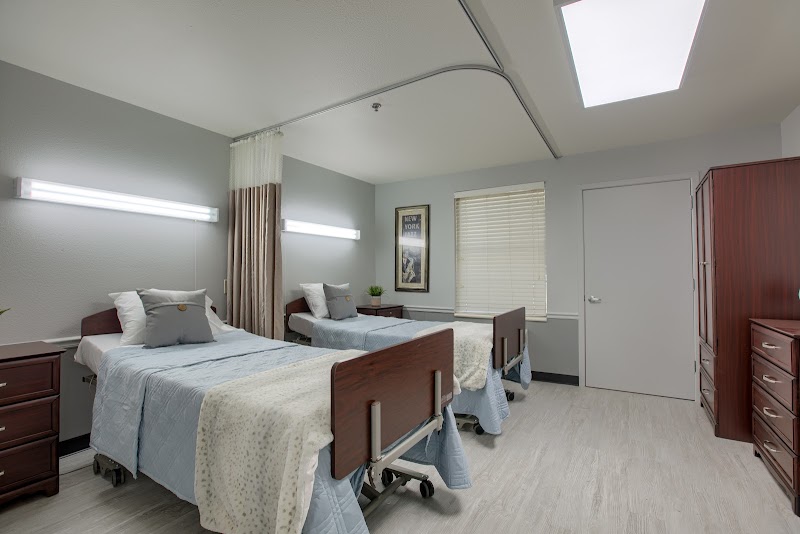
How is Brentwood Place Three Staffed?

CMS rates BRENTWOOD PLACE THREE's staffing level at 1 out of 5 stars, which is much below average compared to other nursing homes. Staff turnover is 41%, compared to the Texas average of 46%. This relatively stable workforce can support continuity of care.

What Have Inspectors Found at Brentwood Place Three?

State health inspectors documented 24 deficiencies at BRENTWOOD PLACE THREE during 2022 to 2025. These included: 24 with potential for harm.
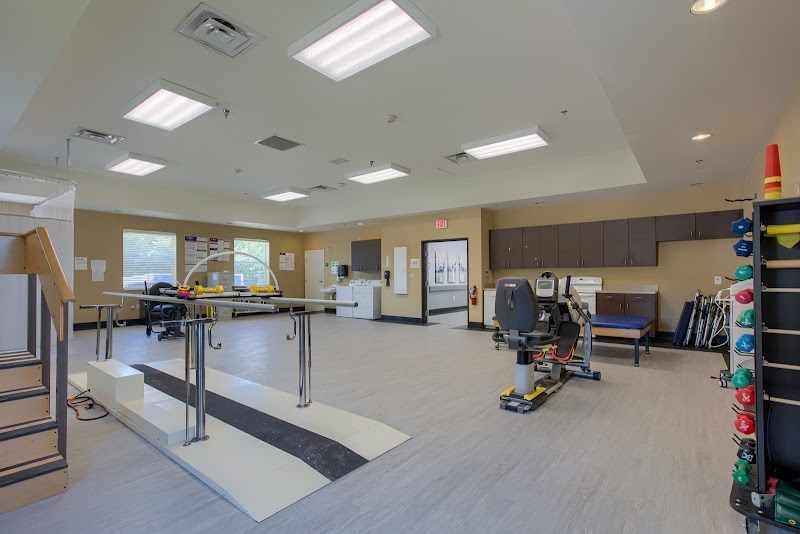
Who Owns and Operates Brentwood Place Three?

BRENTWOOD PLACE THREE is owned by a for-profit company. For-profit facilities operate as businesses with obligations to shareholders or private owners. The facility is operated by OPCO SKILLED MANAGEMENT, a chain that manages multiple nursing homes. With 120 certified beds and approximately 101 residents (about 84% occupancy), it is a mid-sized facility located in DALLAS, Texas.
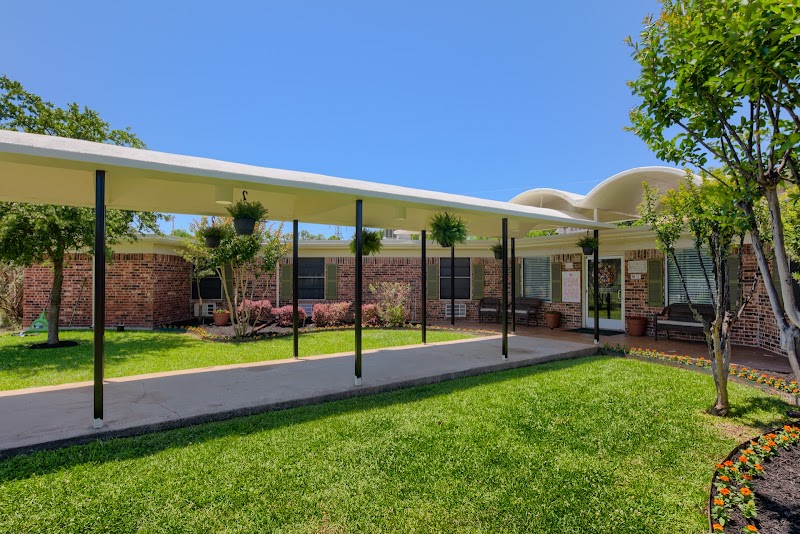
How Does Brentwood Place Three Compare to Other Texas Nursing Homes?

Compared to the 100 nursing homes in Texas, BRENTWOOD PLACE THREE's overall rating (3 stars) is above the state average of 2.8, staff turnover (41%) is near the state average of 46%, and health inspection rating (4 stars) is above the national benchmark.

What Should Families Ask When Visiting Brentwood Place Three?

Based on this facility's data, families visiting should ask: "Can you walk me through typical staffing levels on day, evening, and night shifts?" "Can I visit during a mealtime to observe dining assistance and food quality?" "How do you handle medical emergencies, and what is your hospital transfer rate?" "Can I speak with family members of current residents about their experience?" These questions are particularly relevant given the below-average staffing rating.

Is Brentwood Place Three Safe?

Based on CMS inspection data, BRENTWOOD PLACE THREE has a clean safety record: no substantiated abuse findings (meaning no confirmed cases of resident harm), no Immediate Jeopardy citations (the most serious violation level indicating risk of serious injury or death), and is not on the Special Focus Facility watch list (a federal program monitoring the lowest-performing 1% of nursing homes). The facility has a 3-star overall rating and ranks #1 of 100 nursing homes in Texas. While no facility is perfect, families should still ask about staff-to-resident ratios and recent inspection results during their visit.

Do Nurses at Brentwood Place Three Stick Around?

BRENTWOOD PLACE THREE has a staff turnover rate of 41%, which is about average for Texas nursing homes (state average: 46%). Moderate turnover is common in nursing homes, but families should still ask about staff tenure and how the facility maintains care continuity when employees leave.

Was Brentwood Place Three Ever Fined?

BRENTWOOD PLACE THREE has no federal fines on record. CMS issues fines when nursing homes fail to meet care standards or don't correct problems found during inspections. The absence of fines suggests the facility has either maintained compliance or corrected any issues before penalties were assessed. This is a positive indicator, though families should still review recent inspection reports for the full picture.

Is Brentwood Place Three on Any Federal Watch List?

BRENTWOOD PLACE THREE is not on any federal watch list. The most significant is the Special Focus Facility (SFF) program, which identifies the bottom 1% of nursing homes nationally based on persistent, serious quality problems. Not being on this list means the facility has avoided the pattern of deficiencies that triggers enhanced federal oversight. This is a positive indicator, though families should still review the facility's inspection history directly.