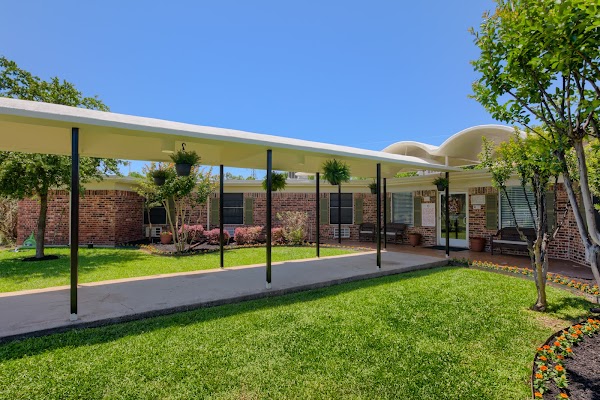
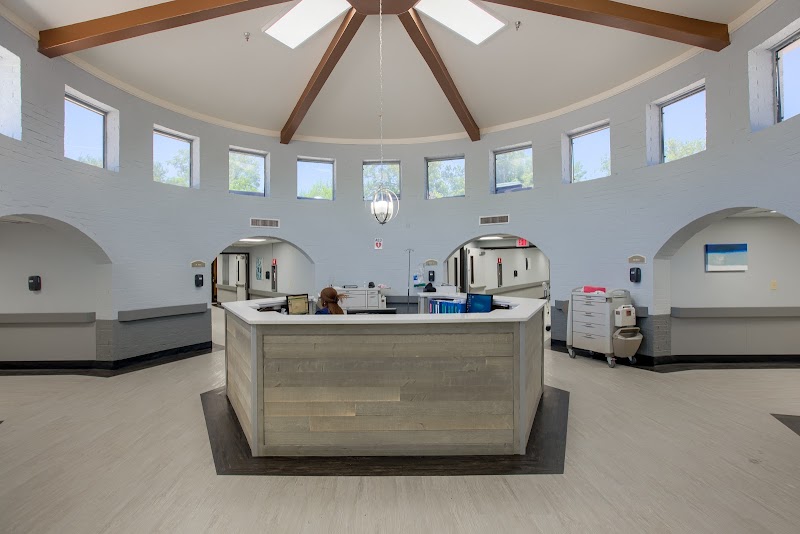
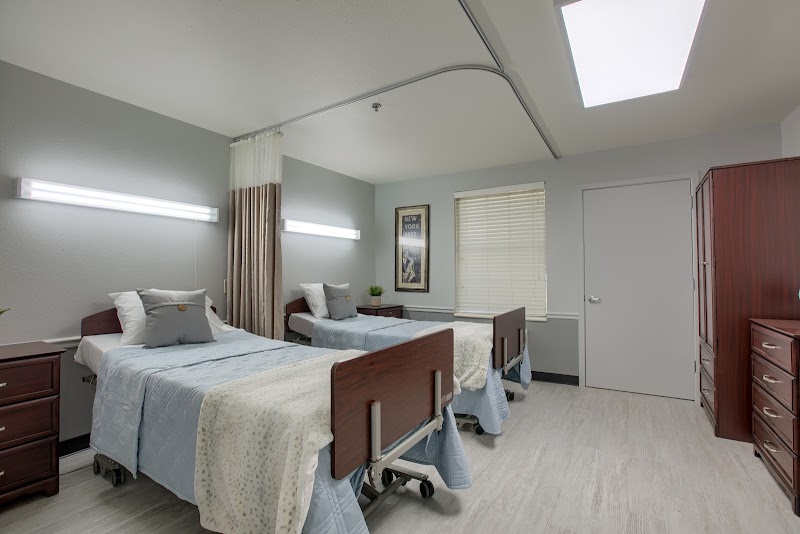
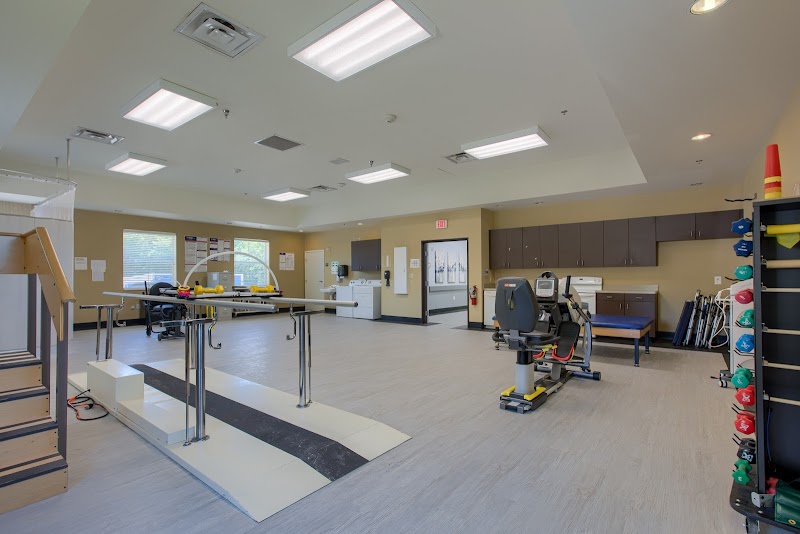
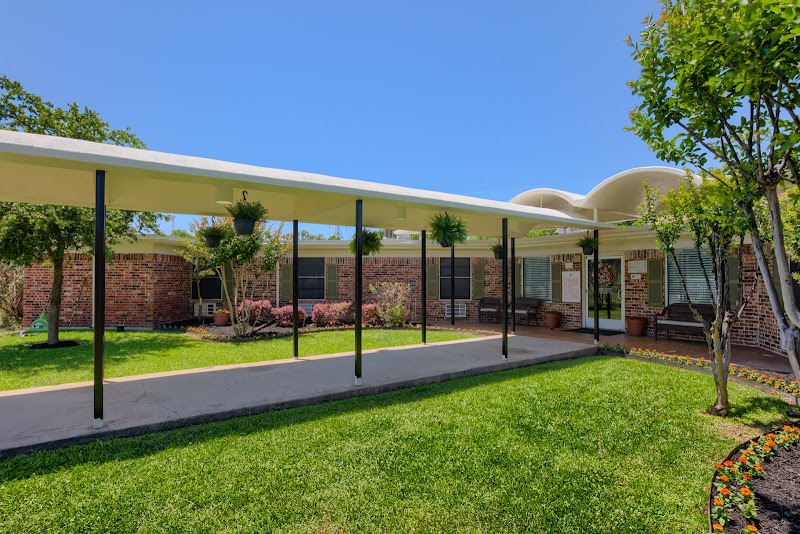
BRENTWOOD PLACE TWO

3505 S BUCKNER BLVD BLDG 3, DALLAS, TX 75227 (214) 388-0519
For profit - Corporation 120 Beds OPCO SKILLED MANAGEMENT Data: November 2025 4 Immediate Jeopardy citations
Trust Grade
0/100
#647 of 1168 in TX
Last Inspection: December 2024

Within standard 12-15 month inspection cycle. Federal law requires annual inspections.

Overview

Brentwood Place Two in Dallas, Texas, has received a Trust Grade of F, indicating significant concerns about its operations and care quality. Ranking #647 out of 1168 facilities in Texas places it in the bottom half, and #40 out of 83 in Dallas County suggests there are only a few local options that perform better. The facility's trend is improving, having reduced issues from 12 in 2024 to 3 in 2025, but it still faces serious problems. Although staffing turnover is relatively good at 42%, the overall staffing rating is poor at 1/5 stars. Recent inspections revealed critical failures, such as neglecting to monitor a resident's lithium levels, leading to hospitalization due to toxicity, and not implementing a care plan that prevented a resident with cognitive impairment from eloping unsupervised. While the facility has some strengths, such as excellent quality measures, these serious incidents highlight significant weaknesses that families should consider.

Trust Score
F
0/100
In Texas
#647/1168
Bottom 45%
Safety Record
High Risk
Review needed
Inspections
Getting Better
12 → 3 violations
Staff Stability
○ Average
42% turnover. Near Texas's 48% average. Typical for the industry.
Penalties
✓ Good
$21,947 in fines. Lower than most Texas facilities. Relatively clean record.
Skilled Nurses
⚠ Watch
Each resident gets only 19 minutes of Registered Nurse (RN) attention daily — below average for Texas. Fewer RN minutes means fewer trained eyes watching for problems.
Violations
⚠ Watch
29 deficiencies on record. Higher than average. Multiple issues found across inspections.
★★☆☆☆
2.0
Overall Rating
★☆☆☆☆
1.0
Staff Levels
★★★★★
5.0
Care Quality
★★☆☆☆
2.0
Inspection Score
Stable
2024: 12 issues
2025: 3 issues

The Good

  • 5-Star Quality Measures · Strong clinical quality outcomes
  • Full Sprinkler Coverage · Fire safety systems throughout facility
  • No fines on record
  • Staff turnover below average (42%)

    6 points below Texas average of 48%

Facility shows strength in quality measures, fire safety.

The Bad

2-Star Overall Rating

Below Texas average (2.8)

Below average - review inspection findings carefully

Staff Turnover: 42%

Near Texas avg (46%)

Typical for the industry

Federal Fines: $21,947

Below median ($33,413)

Minor penalties assessed

Chain: OPCO SKILLED MANAGEMENT

Part of a multi-facility chain

Ask about local staffing decisions and management

The Ugly 29 deficiencies on record

4 life-threatening
Jun 2025 3 deficiencies
CONCERN (D) 📢 Someone Reported This

A family member, employee, or ombudsman was alarmed enough to file a formal complaint

Potential for Harm - no one hurt, but risky conditions existed

Incontinence Care (Tag F0690)

Could have caused harm · This affected 1 resident

**NOTE- TERMS IN BRACKETS HAVE BEEN EDITED TO PROTECT CONFIDENTIALITY** Based on observation, interview and record review the facility failed to ensure that a resident with urinary incontinence, based...

Read full inspector narrative →
**NOTE- TERMS IN BRACKETS HAVE BEEN EDITED TO PROTECT CONFIDENTIALITY** Based on observation, interview and record review the facility failed to ensure that a resident with urinary incontinence, based on the resident's comprehensive assessment, received the appropriate treatment and services to prevent urinary tract infections and to restore continence to the extent possible for one (Resident #1) of 6 residents reviewed for incontinent care. The facility failed to ensure Resident #1 was assisted with incontinence care and toileting in a timely manner on 06/04/2025. This failure could place residents at risk of skin breakdown, infection and a diminished quality of life by not receiving care and services to meet their toileting needs. Findings included: Record review of Resident #1's quarterly MDS assessment, dated 05/19/25, reflected a [AGE] year-old-male admitted to the facility on [DATE]. Resident #1's diagnoses included dementia, muscle weakness, and need for assistance with personal care. His BIMs score of 06/15 indicating sever cognition impairment. His functional status reflected extensive assistance for personal hygiene. He was frequently incontinent of bowel and bladder. Record review of Resident #1's comprehensive plan of care dated 05/27/25 reflected, Focus: Resident#1 has potential for an ADL self-care performance deficit related to Amputation, and Dementia. Goals: Resident#1 will demonstrate the appropriate use of adaptive device to increase ability in ( ., toilet use and personal hygiene) through the review date. Intervention: Toilet use: the resident requires setup with clean up assistance to use toilet. He is incontinent of bowel and bladder. PERSONAL HYGIENE/ORAL CARE: the resident requires substantial/max assistance with personal hygiene and oral care. Observation and interview on 06/04/25 at 10:10 AM, Resident #1 was lying in bed wearing only a T-shirt and the incontinent brief, partially covered with a small blanket. There was a strong smell of urine in Resident #1's room, the exposed incontinent brief was swollen large with liquid. Resident #1 was unable to answer questions during the interview. CNA A came into Resident #1's room to answer his call light. When asked if Resident #1 had been checked and changed. CNA A stated she had not changed the resident since the start of her shift at 6:15 AM this morning. CNA A shift started at 6:00 AM. CNA A did not provide any explanation for the delay in providing incontinent care to Resident #1. During the process of providing incontinent care to Resident #1 by CNA A this surveyor observed the resident's skin, and there was redness noted on his Scrotum. The charge nurse LVN B was notified by CNA A and got order to apply Antiseptic skin protection external ointment 50% to the reddened area. Interview on 06/04/25 at 11:50 AM, LVN B stated the charge nurses and CNAs supposed to do rounding at least every 2 hours to check residents and change them if they were wet. LVN B stated the risk of incontinent care not being provided on time would be skin break down, and infection. Interview on 06/04/25 at 3:41 PM the DON stated the charge nurses and CNAs supposed to do rounds room to room at least every 2 hours to check residents and change them if they were wet. The DON stated the risk of incontinent care not being provided on time would be skin break down, infection, and resident dignity. A record review of the facility's policy Resident Rights - Quality of Life, revised August 2020, reflected . Each resident shall be cared for in a manner that promotes and enhances the quality of life, dignity, respect, and individuality. XII. Demeaning practices and standards of care that compromise dignity are prohibited. Facility staff will promote dignity and assist residents as needed by . B. Promptly responding to the resident's request for toileting assistance .
CONCERN (D) 📢 Someone Reported This

A family member, employee, or ombudsman was alarmed enough to file a formal complaint

Potential for Harm - no one hurt, but risky conditions existed

Infection Control (Tag F0880)

Could have caused harm · This affected 1 resident

**NOTE- TERMS IN BRACKETS HAVE BEEN EDITED TO PROTECT CONFIDENTIALITY** Based on observation, interview and record review, the facility failed to maintain an infection control program designed to prev...

Read full inspector narrative →
**NOTE- TERMS IN BRACKETS HAVE BEEN EDITED TO PROTECT CONFIDENTIALITY** Based on observation, interview and record review, the facility failed to maintain an infection control program designed to prevent the development and transmission of infection for one (Resident #1) of six resident observed for infection control. Facility failed to ensure CNA A performed hand hygiene and changed gloves while providing incontinence care to Resident # 1. Facility failed to ensure CNA A and LVN B performed hand hygiene before touching clean gloves. This failure could place the residents at risk for infection. Findings included: Record review of Resident #1's quarterly MDS assessment, dated 05/19/25, reflected a [AGE] year-old-male admitted to the facility on [DATE]. Resident #1's diagnoses included dementia, muscle weakness, and need for assistance with personal care. His BIMs score of 06/15 indicating severe cognition impairment. His functional status reflected extensive assistance for personal hygiene. He was frequently incontinent of bowel and bladder. Record review of Resident #1's comprehensive plan of care dated 05/27/25 reflected, Focus: Resident#1 has potential for an ADL self-care performance deficit related to Amputation, and Dementia. Goals: resident#1 will demonstrate the appropriate use of adaptive device to increase ability in ( ., toilet use and personal hygiene) through the review date. Intervention: Toilet use: the resident requires setup with clean up assistance to use toilet. He is incontinent of bowel and bladder. PERSONAL HYGIENE/ORAL CARE: the resident requires substantial/max assistance with personal hygiene and oral care. Observation on 06/04/25 at 10:13 AM revealed CNA A entered Resident #1's room with clean brief, and handful of gloves. She put the supplies on the bedside table. She donned the clean gloves. CNA A unfastened Resident #1's brief. The brief looked soaked with dark yellow liquid inside with strong odor. CNA A folded it and pushed it between Resident #1's legs. CNA A cleaned Resident #1's front area, and his scrotum looked red. CNA A helped Resident #1 turned to his right side. CNA A folded the dirty brief and disposed of it in the trash bag. CNA A, without changing gloves, got a clean brief and applied it on Resident #1. When asked to further check Resident #1's scrotum, she acknowledged the redness. CNA A called LVN B to Resident #1's room. CNA A changed gloves using the pile of gloves she had on the table with hand hygiene and cleaned Resident #1 front area one more time. CNA A removed gloves, pulled the blanket over the resident while waiting for LVN B. LVN B came in holding gloves in her hands, washed hands, and donned the gloves. LVN B checked Resident #1's scrotum, and stated it had some redness, and no skin breakdown, she asked Resident #1 if he had pain, and he denied having pain. LVN B instructed CNA A to put a barrier cream on Resident #1's scrotum. CNA A went outside the room and got cream Peri Guard with more gloves on her hands, and she put them on the table. CNA A washed hands and donned the glove she put over the table. LVN B removed gloves, washed hands, and before exiting the room, LVN B changed her mind and asked CNA A to not put the Peri-Guard cream on the Resident #1 redness until she called the MD and notified him and get order for treatment. CNA A finished putting the brief on Resident #1. CNA A put socks, pants, and shoes on Resident #1. CNA A removed gloves. LVN B came in holding glove in her hands, she put the glove on table washed hands and donned the gloves. CNA A washed hands donned gloves. CNA A unfastened Resident #1 brief and LVN B put the Peri guard cream on Resident #1's scrotum. Both staff helped Resident #1 transfer from bed to wheelchair. Both staff removed gloves, washed hands, and left the room. In an interview on 06/04/25 at 10:42 AM, CNA A stated she was to wash hands before and after care. CNA A also stated she was supposed to change gloves and complete hand hygiene after removing the dirty brief. CNA A stated she was not supposed to get and carry the gloves on her hand before performing hand hygiene. CNA A further stated she used to get the gloves needed for residents' care in a clean plastic bag. CNA A stated she was supposed to change gloves before going from dirty to clean task, and complete hand hygiene before getting the clean gloves to prevent the spread of infection. In an interview on 06/04/25 at 10:47 AM, LVN B when asked for getting, and holding the clean gloves in her hands before performing any form of hands hygiene, she replied, she should not get the gloves before hand hygiene. LVN B stated not following the proper donning of PPE; like contaminating the glove before putting them on; could cause cross contamination, and development of infection for the residents. In an interview on 06/04/25 at 03:41 PM, the DON stated during incontinent care the staff were to complete hand hygiene before and after care. The DON also stated in between care CNA A was to complete hand hygiene and change gloves because her hands, and the gloves were considered dirty after cleaning the resident and removing the dirty brief. The DON further stated the staff were not supposed to carry gloves in their hands going to residents' room before performing hand hygiene. The DON stated the staff were to complete proper donning and doffing of PPE during residents' care to prevent the spread of infection. Record review of the facility policy titled Hand Hygiene, revised June 2020, reflected Policy: The facility considers hand hygiene the primary means to prevent the spread of infections. Procedures: . Facility staff and volunteers must perform hand hygiene procedures in the following circumstances including but not limited to . viii. After removing personal protective equipment . VII. The use of gloves does not replace hand hygiene procedure .
CONCERN (E) 📢 Someone Reported This

A family member, employee, or ombudsman was alarmed enough to file a formal complaint

Potential for Harm - no one hurt, but risky conditions existed

ADL Care (Tag F0677)

Could have caused harm · This affected multiple residents

**NOTE- TERMS IN BRACKETS HAVE BEEN EDITED TO PROTECT CONFIDENTIALITY** Based on observation, interview, and record review the facility failed to provide the necessary services for residents who are u...

Read full inspector narrative →
**NOTE- TERMS IN BRACKETS HAVE BEEN EDITED TO PROTECT CONFIDENTIALITY** Based on observation, interview, and record review the facility failed to provide the necessary services for residents who are unable to carry out activities of daily living to maintain good grooming and personal hygiene for 1 (Resident #1) of 6 residents reviewed for ADLs. The facility failed to ensure Staff provided consistent showers/baths for Resident #1. These failures could place residents who were dependent on staff for ADL care at risk for loss of dignity, risk for infections and a decreased quality of life. Findings included: Record review of Resident #1's quarterly MDS assessment, dated 05/19/25, reflected a [AGE] year-old-male admitted to the facility on [DATE]. Resident #1's diagnoses included dementia, muscle weakness, and need for assistance with personal care. His BIMs score of 06/15 indicating sever cognition impairment. His functional status reflected extensive assistance with bathing. Record review of Resident #1's comprehensive plan of care dated 05/27/25 reflected, Focus: Resident#1 has potential for an ADL self-care performance deficit related to Amputation, and Dementia. Goals: resident#1 will demonstrate the appropriate use of adaptive device to increase ability in ( ., toilet use and personal hygiene) through the review date. Intervention . BATHING: The resident requires substantial/max assist with bathing. Record review of residents showers schedule revealed Resident #1 was on the evening shower schedule Tuesdays-Thursdays-Saturdays. Record review of Resident#1's undated shower sheet revealed since April 15, 2025, Resident #1 received showers on day of 4/15/25, and 4/22/2025 , bed bath on day of 4/29/25 for the two weeks of April. Resident#1 received shower on 05/01/2025 and refused shower on 05/06/2025 for the May, 2025, and on the day of 06/03/2025 he refused. An observation and interview on 06/04/25 at 04:35 PM, revealed Resident #1 was lying in bed wearing only a T-shirt and the incontinent brief, partially covered with a small blanket. Resident#1 had an odor about him, with unshaved facial hair. Resident#1 stated he had not received showers in a week and wanted to be showered. When asked about his unshaved facial hair, he replied it was okay with him if he was unshaved or having long beard. An interview with the DON on 06/04/25 at 3:41 PM revealed the CNAs were supposed to inform the charge nurse anytime a resident refused a shower. He stated showers were to be done on the shower days, and if the resident refused, they were to notify the charge nurse and they were to document it in the shower sheets. The DON stated charge nurses signed the shower sheets and were expected to ensure residents were showered. The DON said that Resident#1 had dementia and was forgetful, and he was getting his showers all time. He stated lack of personnel hygiene could lead to skin problems and overall dignity. Interview on 06/04/25 at 4:48 PM, LVN C stated residents were showered on their assigned shower days unless they refused. LVN C stated residents were asked three times after refusals and were offered bed baths instead. LVN C stated Resident#1 should get his shower in the evening shift every other day or three times a week. She stated herself as a charge nurse was responsible to make sure the CNAs gave residents their showers according to their schedule. She stated the risks to the residents were skin break down, rash, infection development, dignity, and will not feel good about themselves. At the surveyor exit time 7:00 PM on 06/04/2025 the DON was unable to furnish the document to prove Resident#1 was getting his shower as scheduled. A record review of the facility's policy Resident Rights - Quality of Life , revised August 2020, reflected . Each resident shall be cared for in a manner that promotes and enhances the quality of life, dignity, respect, and individuality. XII. Demeaning practices and standards of care that compromise dignity are prohibited. Facility staff will promote dignity and assist residents as needed .
Dec 2024 7 deficiencies
CONCERN (D)

Potential for Harm - no one hurt, but risky conditions existed

Quality of Care (Tag F0684)

Could have caused harm · This affected 1 resident

**NOTE- TERMS IN BRACKETS HAVE BEEN EDITED TO PROTECT CONFIDENTIALITY** Based on observations, interviews, and record review, the facility failed to ensure residents received treatment and care in acc...

Read full inspector narrative →
**NOTE- TERMS IN BRACKETS HAVE BEEN EDITED TO PROTECT CONFIDENTIALITY** Based on observations, interviews, and record review, the facility failed to ensure residents received treatment and care in accordance with professional standards of practice, including acute charting guidelines and high blood pressure necessary to care for resident's needs as identified through resident assessments and nursing documentation, for 1 (Resident #63) of 2 residents reviewed for quality of care. 1. MA K failed to communicate, and use the acute charting guidelines in the MAR, for charting of the increased blood pressure, and report to the charge nurse. By not reporting or domenting LVN B was unaware Resident #63 required a follow-up assessment, due to an increased blood pressure. These failures placed residents at risk for complications to include unnoticed change in condition and for residents not to receive needed nursing assessments. Findings included: Review of Resident #63's quarterly MDS dated [DATE] revealed the resident was a [AGE] year-old male admitted on [DATE]. Diagnoses to included: Kidney failure (Kidneys weak), hypertension (increased blood pressure), multiple intracranial hemorrhages (bleeding in the brain), diabetes (increased sugar), anxiety (anxious), and cerebral infarction due to thrombosis (stroke due to blood clot in the brain). Resident #69 was severely cognitively impaired, unable to make decision for himself, and required extensive assistant for activities of daily living. Review of Resident #63's care plan dated 10/05/24 revealed problems addressed included the resident's needs for functional status, and high blood pressure. The care plan reflected Resident #69 required assistance of two for ADLs to include bed mobility. Goals included the resident's high blood pressure, the cerebral infraction, he would receive adequate assessment, and treatment with communication for any change of condition. Review of Resident #63's consolidated physician orders dated December 2024 reflected, Lisinopril (blood pressure medication) tablet 10mg give one tablet by mouth one time a day for hypertension. Hold for systolic blood pressure less than 110 and diastolic blood pressure less than 60 and pulse less than 60 notify MD/NP/ PA for related changes. Norvasc (blood pressure medication) oral tablet 5mg 2 tablets by mouth one time a day for hypertension hold for systolic blood pressure less than 110, diastolic blood pressure less than 60 and pulse less than 60 notify MD/NP/PA for related changes, and Ativan (anti-anxiety medication) oral tablet 0.5mg give tablet by mouth two-times a day for anxiety. Review of Resident #63's Medication Administration Record dated 11/2024 reflected the resident had received: 1) Lisinopril tablet 10mg one time a day, 2) Norvasc 5mg two tablets one time a day for the entire month of November. Further review reflected Resident #69 had his blood pressure checked prior to the medication administration. MA K had taken the blood pressure and administered the blood pressure medications seventeen times in the month of November. Review of the progress notes dated 12/01/2024 through 12/12/2024, reflected Resident #63 had no documented changes in his condition. There had been no assessment of Resident #69 or communication with the physician, nurse practitioner, or physician assistant related to the change in the resident's condition. In an observation and interview on 12/10/2024 at 10:22 a.m. with MA K revealed the MA took the blood pressure of Resident #69 on his right arm, the results were 136/124. MA K stated he was going to administer the resident's blood pressure medications and his anti-anxiety medication and then recheck his blood pressure in about twenty minutes. The MA stated he was not going to document the blood pressure of the resident at this time, he would wait and see if it goes down and then document those results of his blood pressure. MA K did not inform his charge nurse and proceeded to move to the next resident to administer medication. In a follow-up interview on 12/10//2024 at 10:45 a.m. revealed MA K had already rechecked the blood pressure and showed the state surveyor in the Medication Administration Record that the results of Resident #63's blood pressure was 147/89. The MA had stated he had not told the charge nurse, since the blood pressure went down to a normal range. In an interview on 12/10/24 at 11:00 p.m. with LVN B revealed that if a resident's blood pressure was abnormal, the MA should report to the nurse. LVN B showed the state surveyor in the clinical record the dashboard where vital signs as well as other information concerning residents' conditions was located. LVN B stated if there was an abnormal blood pressure, when the staff member documented the blood pressure it would show-up. Review of the dashboard with LVN B reflected no abnormal blood pressures documented for Resident #63. The LVN stated she was not aware of any changes in Resident #63's blood pressure, and she had not noted any change in his condition in the past two weeks. The LVN stated if the nurse is not informed then they cannot assess the resident and inform the physician, this could result into a problem for the resident that could have been prevented. In an interview on 12/11/2024 at 10:00 a.m. with MA K revealed he had been in-serviced on blood pressures and reporting. MA K validated when he took the blood pressure the first time, he did not report it to his charge nurse and he waited twenty minutes and rechecked the blood pressure of Resident #63 and that was the blood pressure he documented. In an interview on 12/11/2024 at 10:49 a.m. with MA K revealed he could not recall how often in a week he had completed this process with Resident #63, and he had no other residents that he did this with. MA K stated he had attended an in-service on the procedure for reporting blood pressures to the charge nurse, but in a follow-up interview he stated he did not say that. In an interview on 12/11/2024 at 10:55 a.m. with MA C revealed if a resident had a high or low blood pressure when she took it, she would report to her charge nurse right away. She stated she would administer the medications, but still inform my charge nurse. In an interview with LVN O on 12/10/2024 at 2:30 p.m. revealed that the MA was supposed to report to the nurse in charge when checking blood pressures if the blood pressure was high or low, then we call the physician, and follow orders. LVN O stated he was unaware of any blood pressure problems related to Resident #69 and had not noted any changes in his condition in the past 2 weeks. LVN O stated he had sent the month of November's blood pressures for Resident #63 to the nurse practitioner. LVN O stated that was what the nurse practitioner that wanted us to , so she can review the blood pressures. LVN O stated if the blood pressure was not reported then the resdiet could suffer an unnoticed change of condition, causing a decline. In an interview with the DON on 12/12/24 at 9:45 a.m., revealed that all staff nurses and medication aides had received in-services on reporting abnormal blood pressures. The DON provided the in-services for reporting blood pressure changes dated 10/2024 and 11/2024. MA K had attended the in-service in October 2024. The DON stated, I have trained the staff, if the staff do not listen then I do not know what else to do with them. The DON did not respond concerning follow-up to the training to assure the staff understood. The DON stated, I should get credit for at least training the staff. The DON stated he could not understand why the MA did not report the blood pressure to the charge nurse. The DON provided to the state surveyor a one-on-one in-service dated 12/12/2024 with MA K on reporting abnormal blood pressures to the charge nurse. If the staff does not follow my in-service and training it could cause problems for the residents not receiving quality care. In an interview on 12/12/2024 at 3:00 p.m. with Physician N revealed he was not aware of blood pressure changes with Resident #63. The physician stated the nursing staff was particularly good about communicating with him and his staff concerning changes in resident's conditions. Physician N stated if a resident had changes in his/her blood pressure the charge nurse should contact him, so that medication changes could occur, or monitoring could begin. The physician stated the MA should be communicating with the nurse in charge about any changes related to a resident. The physician stated not communicating appropriately about changes in a resident could result in a negative outcome for the resident, but in this case the resident was stable. Review of the policy and procedure Change of Condition Notification date June 2020 reflected to ensure residents, family, legal representatives, and physician are informed of changes in the resident's condition in a timely manner. II. The Facility will promptly inform the resident, consult with the resident's Attending Physician, and notify the resident's legal; representative when the resident endures a significant change in their condition cause by, but not limited to: . B. Significant change in the resident's condition . Procedure I. the Licensed Nurse will notify the resident's Attending Physician when there is an: . C. A significant change in the resident's physical, mental, or psychosocial status .deterioration in health .D. A need to alter treatment .III Notifying the Physician: A. The Attending Physician will be notified timely with a resident's change in condition
CONCERN (D)

Potential for Harm - no one hurt, but risky conditions existed

Laboratory Services (Tag F0770)

Could have caused harm · This affected 1 resident

**NOTE- TERMS IN BRACKETS HAVE BEEN EDITED TO PROTECT CONFIDENTIALITY** Based on interviews, observations, and record reviews, the facility failed to obtain timely laboratory services to meet the need...

Read full inspector narrative →
**NOTE- TERMS IN BRACKETS HAVE BEEN EDITED TO PROTECT CONFIDENTIALITY** Based on interviews, observations, and record reviews, the facility failed to obtain timely laboratory services to meet the needs of its residents for one (Resident #59) of five residents reviewed for laboratory services. The facility failed to collect labs for Resident #59 on 12/06/2024 as ordered by the physician. This failure could place residents at risk for a delay in ensuring treatment needs are identified and addressed. Findings included: Record review of Resident #59's annual MDS assessment dated [DATE] revealed Resident #59 was a [AGE] year-old female admitted to the facility on [DATE] with diagnoses of stroke, diabetes, and heart failure. The MDS also revealed a BIMS score of 15 (suggested no cognitive impairment). Record review of Resident #59's care plan, updated on 12/10/2024, revealed Resident #59 was on antibiotic therapy for bone infection and urosepsis (urinary tract infection that has spread to the rest of the body). An intervention for this focus area was to report pertinent lab results to the physician. Record review of Resident #59's physician order dated 11/22/2024 revealed an order to obtain laboratory tests in the morning every Friday. The order listed the laboratory tests as CBC with diff (provided information about cells in the bloodstream), CMP (measured electrolytes in the bloodstream), CRP (assisted in measuring the inflammation within the body), ESR (assisted in measuring the inflammation within the body), CK (assisted with measuring inflammation or muscle injury within the body), and liver function tests. Record review of Resident #59's laboratory results on 12/12/2024 at 12:39 p.m., revealed laboratory tests were completed for Resident #59 on 11/29/2024 then again on 12/10/2024 at 8:45 p.m. No laboratory tests were performed on Friday, 12/06/2024. In an interview and observation on 12/10/2024 at 2:00 p.m., ADON L reported the laboratory tests for Resident #59 should have been performed last week but had not been completed. ADON L stated this could place the resident at risk for infection or getting sick. ADON L reported that the ADONs and the DON monitored laboratory tests by checking the laboratory book every day. Observed ADON L check the laboratory book and ADON L reported the laboratory tests were not written down for last week. ADON L stated there was no way to know if the laboratory tests should have been repeated unless it had been written down in the laboratory book. In an interview on 12/11/2024 at 3:36 p.m., the DON reported that ADON M was responsible for monitoring laboratory tests and that the DON was the backup. The DON reported that he and ADON M checked the laboratory book daily. The DON reported that he did not know how the laboratory tests for Resident #59 were missed, and the risk to the residents was delayed decision making by the doctor. The DON stated his expectation was if laboratory tests were not collected 100% of the time, then to at least be close. In an interview on 12/11/2024 at 3:42 p.m., ADON M reported she monitored the laboratory tests daily by checking the laboratory book and the laboratory website daily. ADON M reported she was unsure how the laboratory tests for Resident #59 were missed. ADON M did not state how this would affect the residents. In an interview on 12/12/2024 at 10:07 a.m., the ADM stated the expectation was that laboratory tests would be completed as soon as possible. The ADM stated the risks to residents if laboratory tests were not completed was that the residents' condition could deteriorate and require hospitalization. The ADM stated the nurses and the ADONs were responsible for monitoring laboratory tests. In an interview on 12/12/2024 at 10:42 a.m., Physician N reported laboratory tests for Resident #59 were ordered weekly because Resident #59 was receiving antibiotics for osteomyelitis (bone infection) from a wound. Physician N stated that laboratory tests were completed weekly to monitor for adverse reactions. Physician N stated the expectation was for the facility to obtain laboratory tests weekly if ordered and report the results to him. Physician N stated there was no potential for adverse reactions with just one week of laboratory tests missed. Review of facility policy titled Laboratory, Diagnostic and Radiology Services, with a revision date of 6/2020, revealed Laboratory, diagnostic and radiology services will be coordinated pursuant to an order by a physician and the facility is responsible for the quality and timeliness of services provided by the laboratory, diagnostic or radiology provider.
CONCERN (D)

Potential for Harm - no one hurt, but risky conditions existed

Food Safety (Tag F0812)

Could have caused harm · This affected 1 resident

Based on observations, interviews, and record review the facility failed to store, prepare, distribute, and serve food in accordance with professional standards for food service safety in the facility...

Read full inspector narrative →
Based on observations, interviews, and record review the facility failed to store, prepare, distribute, and serve food in accordance with professional standards for food service safety in the facility's kitchen reviewed for food safety. 1. The facility failed to ensure dented cans were placed in a separate storage area. These failures could place residents at risk for food-borne illness and cross contamination. Findings included: Observation of the dry storage area on 12/10/2024 at 9:20am revealed the following: -1 46oz can of tomato juice was dented on the middle right. -1 66.5oz of light chunk tuna was dented on the top left. -1 6lbs diced tomatoes was dented on the top right. In an interview with the DM on 12/10/2024 at 9:30am she stated dented cans were stored in her office. She stated when dented cans were identified, the dented cans were returned to the vendor. She stated dented cans were provided weekly to the vendor. She stated the risks of dented cans not stored in a separate area was they could cause food poison and food borne illness if used. In an interview with [NAME] F on 12/10/2024 at 11:47am she stated dented cans were stored separately. She stated the risks of dented cans not stored separately was they could cause bacteria if used. Record review of the facility ' s Food Storage Policy, dated revised September 26, 2024 reflected, Policy Statement: food items will be stored, thawed, and prepared in accordance with good sanitary practice. XI. Dented or bulging cans should be placed in separated area and returned for credit. Record review of the U.S. FDA Food Code 2022 reflected: Chapter 3 . section 3-101.11. Safe, Unadulterated, and Honestly Presented: . A primary line of defense in ensuring that food meets the requirements of § 3-101.11 is to obtain food from approved sources, the implications of which are discussed below. However, it is also critical to monitor food products to ensure that, after harvesting and processing, they do not fall victim to conditions that endanger their safety, make them adulterated, or compromise their honest presentation. Th: e regulatory community, industry, and consumers should exercise vigilance in controlling the conditions to which foods are subjected and be alert to signs of abuse. FDA considers food in hermetically sealed containers that are swelled or leaking to be adulterated and actionable under the Federal Food, Drug, and Cosmetic Act. Depending on the circumstances, rusted, and pitted or dented cans may also present a serious potential hazard. eCFR- Code of Federal Regulations are indicating within the text by an *- www.ecfr.gov
CONCERN (E)

Potential for Harm - no one hurt, but risky conditions existed

Deficiency F0558 (Tag F0558)

Could have caused harm · This affected multiple residents

**NOTE- TERMS IN BRACKETS HAVE BEEN EDITED TO PROTECT CONFIDENTIALITY** Based on observations, interviews, and record reviews the facility failed to accommodate the needs and preferences of four of 10...

Read full inspector narrative →
**NOTE- TERMS IN BRACKETS HAVE BEEN EDITED TO PROTECT CONFIDENTIALITY** Based on observations, interviews, and record reviews the facility failed to accommodate the needs and preferences of four of 10 residents (Resident #3, Resident #20, Resident #96, and Resident #19) reviewed for accommodation of needs. The facility failed to place Resident #3's call light within reach on 12/11/2024. The facility failed to place Resident #20's call light within reach on 12/11/2024. The facility failed to place Resident #96's call light within reach from 12/10/2024 until 12/11/2024. The facility failed to place Resident #19's call light within reach on 12/11/2024. This failure could place residents at risk of being unable to obtain assistance for activities of daily living or in the event of an emergency. Findings included: Record review of Resident #3's quarterly MDS assessment dated [DATE] revealed Resident #3 was a [AGE] year-old female admitted to the facility on [DATE] with diagnoses of stroke, seizure disorder, unsteadiness on feet, and aphasia (language disorder that affects the ability to speak). The MDS also revealed a BIMS score of 09 (suggested moderate cognitive impairment). Record review of Resident #3's care plan, updated on 10/23/2024, revealed Resident #3 was at risk for falls, and an intervention for this focus area was to ensure the resident's call light was within reach. Record review of Resident #20's quarterly MDS assessment dated [DATE] revealed Resident #20 was a [AGE] year-old male admitted to the facility on [DATE] with diagnoses of stroke, aphasia (language disorder that affects the ability to speak), unsteadiness on feet, need for assistance with personal care, and lack of coordination. The MDS also revealed a BIMS score of 04 (suggested severe cognitive impairment). Record review of Resident #20's care plan, updated on 10/18/2024, revealed Resident #20 was at risk for falls, and an intervention for this focus area was to ensure the resident's call light was within reach. Record review of Resident #96's admission MDS assessment dated [DATE] revealed Resident #96 was a [AGE] year-old male admitted to the facility on [DATE] with diagnoses of necrotizing fasciitis (serious bacterial infection that destroys tissue under the skin), cellulitis (bacterial skin infection) of the right upper limb, and hypertension (high blood pressure). The MDS also revealed a BIMS score of 15 (suggested no cognitive impairment). Record review of Resident #96's care plan, updated on 12/10/2024, revealed Resident #96 had a potential for an ADL self-care deficit, and an intervention for this focus area was to encourage the resident to use bell to call for assistance. Record review of Resident #19's quarterly MDS assessment dated [DATE] revealed Resident #19 was a [AGE] year-old female admitted to the facility on [DATE] with diagnoses of stroke, urgency of urination, need for assistance with personal care, and unsteadiness on feet. The MDS also revealed a BIMS score of 06 (suggested severe cognitive impairment). Record review of Resident #19's care plan, updated on 11/15/2024, revealed Resident #19 had a potential for an ADL self-care deficit, and an intervention for this focus area was to encourage the resident to use bell to call for assistance. In an observation on 12/10/2024 at 10:15 a.m., Resident #96 was resting in bed with his eyes closed. Resident #96's call light was observed curled up under the resident's bed. In an observation and interview on 12/11/2024 at 9:37 a.m., Resident #96's call light was observed curled up under the resident's bed. Resident #96 stated he did not know where his call light was, but it was usually clipped to his bed. Resident #96 stated he would have to leave his room and look for help if he needed assistance. Resident #96 stated he was not concerned with not having his call light because he did not use it often. In an observation and interview on 12/11/2024 at 9:43 a.m., Resident #19's call light was observed on the floor next to her bed. Resident #19 stated she could not reach the call light and did not know where it normally was. Resident #19 was unable to provide further information due to cognitive impairment. In an observation and interview on 12/11/2024 at 1:58 p.m., Resident #3 was sitting in a wheelchair on the left side of her bed. Resident #3's call light was clipped on a curtain on the right side of the bed. Resident #3 was able to point at the call light, but shook her head no, when asked if she could reach it. Resident #3 was unable to provide additional information due to aphasia (language disorder that affects the ability to speak). In an observation and interview on 12/11/2024 at 2:02 p.m., Resident #20 was sitting in a wheelchair near the foot of his bed. Resident #20's call light was laying on a pillow at the head of the bed. Resident #20 stated he would like to lay down but was not able to reach the call light. Resident #20 would not state anything else except he wanted to lay down. In an observation and interview on 12/11/2024 at 2:04 p.m., ADON L entered Resident #20's room and stated Resident #20 could not use his call light because it was not within reach. ADON L stated this placed Resident #20 at risk for not being able to call for help, and that he would ensure Resident #20's call light remained within reach after assisting him to bed. In an interview on 12/11/2024 at 3:36 p.m., the DON stated the nursing team was responsible for monitoring that call lights were appropriately placed. The DON stated department heads also monitored call light placement when they rounded first thing in the morning and rounded one time in the afternoon. The DON stated each department head was assigned two halls. The DON reported the risk to the residents was that they would not be able to tell staff what they needed or felt. The DON did not state the expectation but stated call lights were important. In an interview on 12/12/2024 at 10:07 a.m., the ADM stated call lights were expected to be placed where residents could reach them. The ADM stated the risk to the residents was that they may not get their needs met or it could lead to an injury. The ADM stated everybody was responsible for monitoring call light placement and should check call light placement every time they entered a room. Review of facility policy titled Communication - Call System, with a revision date of 6/2020, revealed Call cords will be placed within the resident's reach in the resident's room.
CONCERN (E)

Potential for Harm - no one hurt, but risky conditions existed

Safe Environment (Tag F0584)

Could have caused harm · This affected multiple residents

**NOTE- TERMS IN BRACKETS HAVE BEEN EDITED TO PROTECT CONFIDENTIALITY** Based on observations, interviews, and record review, the facility failed to provide a safe, functional, sanitary, and comfortab...

Read full inspector narrative →
**NOTE- TERMS IN BRACKETS HAVE BEEN EDITED TO PROTECT CONFIDENTIALITY** Based on observations, interviews, and record review, the facility failed to provide a safe, functional, sanitary, and comfortable environment for residents for two (Hall 100 and Hall 600) of six halls observed for physical environment. The facility failed to ensure rooms and bathrooms toilets, and sinks were clean, safe, and in good repair in several rooms on Hall 100 and Hall 600. These failures could place residents at risk for diminished quality of life. Findings included: An observation on 12/12/2024 at 8:30 a.m. revealed in resident room [ROOM NUMBER]'s bathroom, the sink was hanging loosely on the wall. The base of the toilet was black with grim, and the caulking was missing surrounding the entire base of the toilet. The wall on the A side of the room had the paint missing, with black marks across the entire lower part of the wall. An observation on 12/12/2024 at 8:45 a.m., revealed in resident room [ROOM NUMBER]'s bathroom the door protector was loose on the top left corner of the door. Further observation revealed inside the bathroom, the sink was hanging loosely on the wall and there was a liquid stain down the wall next to the toilet. An observation on 12/12/2024 at 9:00 a.m. revealed, in resident room [ROOM NUMBER]'s bathroom, the toilet seat had the white paint chipped off exposing the veneer underneath. Further observation revealed the sink hanging loosely on the wall. An observation on 12/12/2024 at 09:07 a.m. in resident room [ROOM NUMBER]'s bathroom, revealed the base of the toilet was black with grim, and the caulking was missing surrounding the entire base of the toilet. The toilet seat was missing, the white paint was chipped off and the veneer underneath was exposed. Further observation revealed the paint missing from the entire lower part of the wall on the A side of the room. An observation on 12/12/2024 at 09:15 a.m., in resident room [ROOM NUMBER]'s bathroom, the base of the toilet was black, and the caulking was missing around the entire base of the toilet. An observation on 12/12/2024 at 09:20 a.m., in resident room [ROOM NUMBER]'s bathroom, revealed the entire front of the toilet seat had the white paint chipped off and the veneer was exposed. In an interview on 12/12/2024 at 9:45 a.m. with the Plant Operations revealed that he would make sure that the repairs were made by the maintenance supervisor for this facility. He stated the staff was supposed to use the electronic system for reporting, but they did not. The Plant Operations stated they have been in-serviced on the system, but they still just tell the supervisor. The Plant Operations stated he could review all the facilities and if there was something in the system that had been reported that was not corrected, he would contact the maintenance supervisor for the campus and follow-up to see why the repairs had not been completed. The Plant Operations checked the electronic system and there were no entries concerning sinks and toilets in the system. In an interview on 12/12/2024 at 11:17 a.m. with Resident #60 revealed he wanted his room and bathroom to be cleaned and he knew that the man who could fix it, needed to come and do it. The resident said it had been that way for a long time; the stains on the wall by the toilet. In an interview on 12/12/2024 at 11:30 a.m. with Resident #79 revealed that he wanted his bathroom to be clean and he wanted a new toilet seat, he stated he had not told anyone that he wanted a new toilet seat. In an interview on 12/12/2024 at 11:27 p.m., Housekeeper E revealed she was responsible for cleaning the rooms and bathrooms on hall 100 and sometimes hall 600. The Housekeeper stated she would report to her supervisor if she found something in one of the resident's rooms that required repair. Housekeeper A stated she had noticed that some of the bathroom's sinks were loose, but she did not report it because she thought the sinks were not that loose. The housekeeper stated if the repairs were not completed it could cause harm to the residents. In an interview on 12/12/2024 at 12:18 p.m., LVN B revealed that if there were maintenance issues for the hallway, there was an electronic system the staff would use to report needed repairs. The LVN stated she had not reported any maintenance problems recently. LVN B stated she would report because something broken could cause harm to the resident. In an interview on 12/12/24 at 2:30 p.m. with the Administrator revealed the bathrooms had been renovated last year and the resident's treated everything so poorly, it was hard to keep everything in good repair. The Administrator stated this was the residents' home and by not keeping it clean and in good repair it can develop germs. Review of the Policy and Procedure Resident Room and Environment dated revised August 2020 reflected to provide residents with a safe, clean, comfortable, and homelike environment I. Facility Staff aim to create a personalized, homelike atmosphere, paying close attention to the following: A Cleanliness and order;
CONCERN (E)

Potential for Harm - no one hurt, but risky conditions existed

Accident Prevention (Tag F0689)

Could have caused harm · This affected multiple residents

**NOTE- TERMS IN BRACKETS HAVE BEEN EDITED TO PROTECT CONFIDENTIALITY** Based on observations, interviews, and record review, the facility failed to ensure all assistive devices were maintained and fr...

Read full inspector narrative →
**NOTE- TERMS IN BRACKETS HAVE BEEN EDITED TO PROTECT CONFIDENTIALITY** Based on observations, interviews, and record review, the facility failed to ensure all assistive devices were maintained and free of hazards for six (Residents #22, #34, #48, #60, #67, and #89) of 6 residents reviewed for essential equipment. The facility failed to properly maintain wheelchairs for Residents #22, #34, #48, #67, and #89. The facility failed to properly maintain the overbed table for Resident #60. These failures could place residents at risk for equipment that is in unsafe operating condition, that could cause injury. Findings included: Review of Resident #22's quarterly MDS assessment, dated 10/08/2024, reflected she was an [AGE] year-old female admitted to the facility on [DATE] with diagnoses of unsteadiness on feet (unsafe standing), muscle wasting and atrophy (weakness), abnormalities of gait and mobility (unable to walk safely), and diabetes (high blood sugar). Further review of the MDS reflected the resident was cognitively severely impaired and unable to make decisions for themselves. Review of Resident #22's plan of care dated 10/24/2024 with updates reflected goals and approaches to include wheelchair mobility for locomotion. Observation on 12/10/2024 at 12:30 p.m., revealed Resident #22 was sitting in her wheelchair, in the dining room, and had no skin problems. The wheelchair's right armrest was cracked with foam exposed. The left armrest was missing. Review of Resident #34's quarterly MDS assessment, dated 11/08/2024, reflected she was a [AGE] year-old female admitted to the facility on [DATE], with diagnoses of hypertension (high blood pressure), muscle weakness (muscle deterioration), difficulty in walking, and unsteadiness on feet (no balance). Further review of the MDS reflected the resident was cognitively moderately impaired and able to make decisions for themselves. Review of Resident 34's plan of care dated 10/08/2024 with updates reflected goals and approaches to include wheelchair mobility. Observation and interview on 12/10/24 at 12:45 p.m., revealed Resident #34 was sitting in her wheelchair in the dining room and the wheelchair's right armrest was cracked with exposed foam. There were no skin tears on her arms. Resident #34 stated she would like to have a smooth arm rest, this one was rough. The resident stated she had not told anyone, but staff could have noticed it and got her a new armrest. Review of Resident #48's admission MDS assessment, dated 10/08/2024, reflected he was a [AGE] year-old male admitted to the facility on [DATE], with diagnoses of nontraumatic intracerebral hemorrhage in brain stem (bleeding in the back of your brain) cerebral infraction (stroke), lack of coordination (cannot walk), and unsteadiness on feet (cannot stand alone safely). Further review of the MDS reflected the resident was cognitively severely impaired and unable to make decisions for themselves. Review of Resident #48's updated plan of care dated 10/24/2024 with updates reflected goals and approaches to include wheelchair mobility. Observation and interview on 12/02/2024 at 12:47 p.m., revealed Resident #48 was sitting in his wheelchair in the dining room and the wheelchair's left and right armrests were cracked with exposed foam. There were no skin tears on his arms. Review of Resident #60's annual MDS assessment, dated 09/17/2024, reflected he was a [AGE] year-old male admitted to the facility on [DATE], and readmission on [DATE], with diagnoses of osteomyelitis of the left foot and ankle (infection of the bone of the left foot), absence of right leg below the knee (leg is missing below knee), lack of coordination (cannot walk), and unsteadiness on feet (cannot stand alone safely). Further review of the MDS reflected the resident was not cognitively impaired and able to make decisions for themselves. Review of Resident #60's updated plan of care dated 10/08/2024 with updates reflected goals and approaches to include wheelchair mobility. Observation and interview on 12/02/2024 at 1:50 p.m., revealed Resident #60 was sitting on the side of his bed in his room. There were no skin tears on his arms. The resident was getting a drink out of his water pitcher sitting on the overbed table. The overbed table was missing all the veneer on the outer end of the table and exposing rough wood substance underneath. The resident stated he had not paid too much attention to the overbed table, but now he sees it and he wanted a new one. Review of Resident #67's quarterly MDS assessment, dated 09/16/2024, reflected he was a [AGE] year-old male admitted to the facility on [DATE], with diagnoses of hypertension (high blood pressure), muscle weakness (muscle deterioration), difficulty in walking, and unsteadiness on feet (no balance). Further review of the MDS reflected the resident was cognitively moderately impaired and able to make decisions for themselves. Review of Resident #67's updated plan of care dated 11/18/2024 with updates reflected goals and approaches to include wheelchair mobility. Observation and interview on 12/10/24 at 12:49 p.m., revealed Resident #67 was sitting in his wheelchair in the dining room and the wheelchair's right armrest was cracked with exposed foam. The entire back of the wheelchair was cracked open and peeling off. There were no skin tears on his arms. Review of Resident #89's quarterly MDS assessment, dated 10/16/2024, reflected she was a [AGE] year-old female admitted to the facility on [DATE], and readmission on [DATE], with diagnoses of cerebral infarction (stroke), muscle weakness (muscle deterioration), and unsteadiness on feet (no balance). Further review of the MDS reflected the resident was cognitively alert and able to make decisions for themselves. Review of Resident #89's updated plan of care dated 11/15/2024 with updates reflected goals and approaches to include wheelchair mobility. Observation and interview on 12/10/24 at 12:52 p.m., revealed Resident #69 was sitting in her wheelchair in the dining room and the wheelchair's right armrest was cracked with exposed foam. There were no skin tears on her arms. In an interview on 12/11/2024 at 10:30 a.m., MA C stated when a resident's wheelchair needed repair the staff were to report it to the Maintenance Director. MA C stated we report to the Maintenance Director by writing in the electronic system or just telling him. MA C was unaware of any wheelchair that required repair. The MA stated the equipment had to be safe or the residents could get hurt. In an interview on 12/11/2024 at 11:00 a.m., with the Plant Operations revealed the staff informed the Maintenance Supervisor of equipment repair by logging into the electronic system. The Plant Operations verified the Maintenance Supervisor was the person who repaired the wheelchairs, but checking the Plant Operations did not see anything in the electronic system for any wheelchairs that required new armrest or backs. The Plant Operations stated the equipment needed to be in good repair so the residents did not get hurt. In an in interview on 12/12/2024 at 10:20 a.m., with the DON revealed he was not aware of any wheelchairs that required repair in the facility. The DON stated between therapy and the maintenance department the staff would tell them if a wheelchair required repair. Attempts were made to interview the therapy department, but they were all unavailable. In an in interview on 12/12/2024 at 2:20 p.m., with the Administrator revealed he was not aware of any wheelchairs that required repair in the facility. The Administrator stated there were plenty of parts and other wheelchairs available, he would see that the wheelchairs were repaired. The Administrator stated the staff was responsible to let the maintenance department know. Review of the Facility's Policy titled Maintenance services dated revised August 2020 reflected Maintenance service shall be provided to areas of the building, grounds, and equipment . G. establishing proprieties to providing repair services . j. maintaining all mechanical, electrical, and patient care equipment in safe operating condition .3. The maintenance director is responsible for developing and maintaining a schedule of maintenance services to assure that the buildings, grounds, and equipment are maintained in a safe and operable manner
CONCERN (E)

Potential for Harm - no one hurt, but risky conditions existed

Infection Control (Tag F0880)

Could have caused harm · This affected multiple residents

**NOTE- TERMS IN BRACKETS HAVE BEEN EDITED TO PROTECT CONFIDENTIALITY** Based on observations, interviews, and record review the facility failed to establish and maintain an infection prevention and c...

Read full inspector narrative →
**NOTE- TERMS IN BRACKETS HAVE BEEN EDITED TO PROTECT CONFIDENTIALITY** Based on observations, interviews, and record review the facility failed to establish and maintain an infection prevention and control program designed to provide a safe, sanitary, and comfortable environment and to help prevent the development and transmission of communicable diseases and infections for seven of eight ( RN A, CNA D, CNA G, CNA H, CNA I, CNA J, and MA K) staff members and forty-four of 106 residents (Residents #79, #46, #2, #84, #8, #34, #4, #1, #31, #55, #6, #13, #65, #5, #87, #107, #4, #28, #7, #76, #10, #21, #106, #93, #16, #103, #104, #74, #27, #64, #29, #33, #72, #40, #54, #47, #81, #43, #63, #24, #58, #97, and #99) reviewed for infection control procedures. MA K failed to sanitize the blood pressure cuff before and after usage on Resident #63. RN A failed to disinfect her treatment scissors prior to starting a treatment on Resident #99's foot. CNA G failed to sanitize their hands after direct contact with residents #79, #46, #2, #84, #8, #34, #1, #31, #55, #6, #13, #65, and #5, while serving meals on Hall 100. CNA D failed to sanitize their hands after direct contact with residents #87, #107, #4, #28, #7, #76, #10, and #21 while serving meals on Hall 200. CNA H failed to sanitize their hands after direct contact with residents, #106, #93, #16, #103, 104, 74, #27, #64, #29, and #33 while serving meals on Hall 300. CNA J failed to sanitize their hands after direct contact with residents, #72, #105, #40, #54, #47, #81, and #66 while serving meals on Hall 400. CNA I failed to sanitize their hands after direct contact with residents, #43, #63, #24, #58, and #97 while serving meals on Hall 600. This failure could place residents at risk for healthcare associated cross contamination and infections. Findings included: Record review of Resident #99's admission MDS assessment, dated 11/12/24, revealed a [AGE] year-old male who was admitted to the facility on [DATE]. Resident #99 had diagnoses which included: Diabetes (high sugar), hypertension (high blood pressure), and peripheral vascular disease (blood does not flow to the legs well). Resident #99 was cognitively alert and able to make decisions and required assistance of one staff for activities of daily living. Record review of Resident #46's annual MDS Assessment, dated 09/12/2024, revealed a [AGE] year-old male who was admitted to the facility on [DATE]. Resident #46 had diagnoses which included: Diabetes (high blood sugar), schizo-affective schizophrenia (mental illness), and hypertension (high blood pressure). Resident #46 was severely cognitively impaired, unable to make decisions, and required one staff for assistance with activities of daily living. Record review of Resident #2's quarterly MDS Assessment, dated 11/27/2024, revealed a [AGE] year-old male who was admitted to the facility on [DATE] and readmitted on [DATE]. Resident #2 had diagnoses which included: Hypertension (high blood pressure), heart failure (heart not pumping well), and diabetes (high blood sugar). Resident #2 was alert, able to make decisions, and required one staff for assistance with activities of daily living. Record review of Resident #84's quarterly MDS Assessment, dated 10/03/2024, revealed a [AGE] year-old male who admitted to the facility on [DATE]. Resident #84 had diagnoses which included: hypertension (increased blood pressure), schizophrenia (mental illness), and trans-ischemic attacks (small strokes). Resident #84 was cognitively alert, able to make decisions, and required assistance of one staff for activities of daily living. Record review of Resident #8's quarterly MDS Assessment, dated 11/27/2024, revealed a [AGE] year-old male who admitted to the facility on [DATE]. Resident #8 had diagnoses which included: Diabetes (increased blood sugar), and depression (mental illness). Resident #8 was cognitively alert, able to make decisions, and required assistance of one staff for activities of daily living. Record review of Resident #34's quarterly MDS Assessment, dated 11/08/2024, revealed a [AGE] year-old male who admitted to the facility on [DATE]. Resident #34 had diagnoses which included: Hypertension (increased blood pressure), depression (mental illness), and convulsions (seizures). Resident #34 was severely cognitively impaired, unable to make decisions, and required assistance of one staff for activities of daily living. Record review of Resident #79's quarterly MDS Assessment, dated 10/09/2024, revealed a [AGE] year-old male who admitted to the facility on [DATE]. Resident #79 had diagnoses which included: Hypertension (increased blood pressure), schizophrenia (mental illness), and depression (mental illness). Resident #79 was cognitively alert, able to make decisions, and required assistance of one staff for activities of daily living. Record review of Resident #1's annual MDS assessment, dated 11/20/2024, revealed an [AGE] year-old male who admitted to the facility on [DATE] and readmission on [DATE]. Resident #84 had diagnoses which included: Hypertension (increased blood pressure), schizophrenia (mental illness), and dementia (confusion and forgetfulness). Resident #84 was severely cognitively impaired, unable to make decisions, and required assistance of one staff for activities of daily living. Record review of Resident #31's quarterly [in process] MDS assessment, dated 12/12/2024, revealed a [AGE] year-old female who admitted to the facility on [DATE]. Resident #31 had diagnoses which included: Diabetes (increased blood sugar), and cardio-vascular accident (stroke). Resident #31 was severely cognitively impaired, unable to make decisions, and required assistance of one staff for activities of daily living. Record review of Resident #55's quarterly MDS assessment, dated 11/15/2024, revealed a [AGE] year-old male who admitted to the facility on [DATE]. Resident #55 had diagnoses which included: Hypertension (increased blood pressure), bi-polar disorder (mental illness), and depression (mental illness). Resident #55 was moderately cognitively impaired, able to make decisions, and required assistance of one staff for activities of daily living. Record review of Resident #6's quarterly MDS assessment, dated 12/06/2024, revealed a [AGE] year-old male who admitted to the facility on [DATE]. Resident #6 had diagnoses which included: Hypertension (increased blood pressure), schizophrenia (mental illness), and dementia (confusion and forgetfulness). Resident #6 was severely cognitively impaired, unable to make decisions, and required assistance of one staff for activities of daily living. Record review of Resident #13's annual MDS assessment, dated 12/09/2024, revealed a [AGE] year-old male who admitted to the facility on 12021/2011. Resident #13 had diagnoses which included: Hypertension (increased blood pressure), diabetes (increased blood sugar), and heart failure (heart weak and unable to pump correctly). Resident #13 was alert cognitively, able to make decisions, and required assistance of one staff for activities of daily living. Record review of Resident #65's quarterly MDS assessment, dated 10/11/2024, revealed a [AGE] year-old male who admitted to the facility on [DATE] and readmission on [DATE]. Resident #65 had diagnoses which included: Diabetes (increased blood sugar), depression (mental illness), and paraplegia (loss of usage legs). Resident #65 was alert cognitively, able to make decisions, and required assistance of one staff for activities of daily living. Record review of Resident #5's quarterly MDS assessment, dated 12/07/2024, revealed a [AGE] year-old female who admitted to the facility on [DATE]. Resident #5 had diagnoses which included: Depression (mental illness), and diabetes (increased blood sugar). Resident #5 was severely cognitively impaired, unable to make decisions, and required assistance of one staff for activities of daily living. Record review of Resident #87's quarterly MDS assessment, dated 09/27/2024, revealed a [AGE] year-old male who admitted to the facility on [DATE]. Resident #87 had diagnoses which included: Hypertension (increased blood pressure), diabetes (increased blood sugar), and end-stage renal disease (kidneys do not work without assistance through a machine). Resident #87 was severely cognitively impaired, unable to make decisions, and required assistance of one staff for activities of daily living. Record review of Resident #107's 5-day Medicare MDS assessment, dated 12/08/2024, revealed a [AGE] year-old male who admitted to the facility on [DATE]. Resident #107 had diagnoses which included: Hypertension (increased blood pressure), depression (mental illness), and diabetes (increased blood sugar). Resident #107 was cognitively alert, able to make decisions, and required assistance of one staff for activities of daily living. Record review of Resident #4's quarterly MDS assessment, dated 11/25/2024, revealed a [AGE] year-old female who admitted to the facility on [DATE] and readmit on 03/15/2023. Resident #4 had diagnoses which included: Alzheimer's disease (degeneration of brain), depression (mental illness), and psychotic disorder (mental illness). Resident #4 was severely cognitively impaired, unable to make decisions, and required assistance of one staff for activities of daily living. Record review of Resident #28's quarterly MDS assessment, dated 11/28/2024, revealed a [AGE] year-old male who admitted to the facility on [DATE]. Resident #28 had diagnoses which included: Hypertension (increased blood pressure), depression (mental illness), and dementia (confusion and forgetfulness). Resident #28 was severely cognitively impaired, unable to make decisions, and required assistance of one staff for activities of daily living. Record review of Resident #7's annual MDS assessment, dated 11/07/2024, revealed a [AGE] year-old male who admitted to the facility on [DATE] and readmission on [DATE]. Resident #7 had diagnoses which included: Hypertension (increased blood pressure), psychotic disorder (mental illness), and diabetes (increased blood sugar). Resident #7 was cognitively alert, able to make decisions, and required assistance of one staff for activities of daily living. Record review of Resident #76's quarterly MDS assessment, dated 11/20/2024, revealed a [AGE] year-old male who admitted to the facility on [DATE]. Resident #76 had diagnoses which included: Hypertension (increased blood pressure), cardio-vascular accident (stroke), and diabetes (increased blood sugar). Resident #76 was cognitively alert, able to make decisions, and required assistance of one staff for activities of daily living. Record review of Resident #10's annual MDS assessment, dated 11/01/2024, revealed a [AGE] year-old male who admitted to the facility on [DATE]. Resident #10 had diagnoses which included: Chronic obstructive pulmonary disease (lungs do not work correctly), psychotic disorder (mental illness), and insomnia (does not sleep well at night). Resident #10 was cognitively alert, able to make decisions, and required assistance of one staff for activities of daily living. Record review of Resident #21's quarterly MDS assessment, dated 09/30/2024, revealed a [AGE] year-old male who admitted to the facility on [DATE]. Resident #21 had diagnoses which included: Hypertension (increased blood pressure), schizophrenia (mental illness), and cerebral infract (stroke). Resident #21 was cognitively alert, able to make decisions, and required assistance of one staff for activities of daily living. Record review of Resident #106's admission MDS assessment, dated 11/24/2024, revealed a [AGE] year-old male who admitted to the facility on [DATE]. Resident #106 had diagnoses which included: Renal insufficiency (kidneys do not work well), hypoglycemia (low blood sugar), and respiratory failure (could not breath without assistance). Resident #106 was cognitively alert, able to make decisions, and required assistance of one staff for activities of daily living. Record review of Resident #93's annual MDS assessment, dated 11/28/2024, revealed a [AGE] year-old female who admitted to the facility on [DATE] with a readmission on [DATE]. Resident #93 had diagnoses which included: Anemia (not enough iron), depression (mental illness), and heart failure (weak heart). Resident #93 was cognitively alert, able to make decisions, and required assistance of one staff for activities of daily living. Record review of Resident #16's quarterly MDS assessment, dated 10/17/2024, revealed a [AGE] year-old male who admitted to the facility on [DATE]. Resident #16 had diagnoses which included: Hypertension (increased blood pressure), schizophrenia (mental illness), and bipolar disorder (mental illness). Resident #16 was moderately cognitively impaired, able to make decisions, and required assistance of one staff for activities of daily living. Record review of Resident #103's admission MDS assessment, dated 11/12/2024, revealed a [AGE] year-old female who admitted to the facility on [DATE]. Resident #103 had diagnoses which included: Hypertension (increased blood pressure), cardio-vascular accident (stroke), and diabetes (increased blood sugar). Resident #103 was moderately cognitively impaired, able to make decisions, and required assistance of one staff for activities of daily living. Record review of Resident #104's admission MDS assessment, dated 11/19/2024, revealed a [AGE] year-old female who admitted to the facility on [DATE]. Resident #104 had diagnoses which included: Hypertension (increased blood pressure), cardio-vascular accident (stroke), and diabetes (increased blood sugar). Resident #10 was cognitively alert, able to make decisions, and required assistance of one staff for activities of daily living. Record review of Resident #74's quarterly [in progress] MDS assessment, dated 12/12/2024, revealed a [AGE] year-old male who admitted to the facility on [DATE]. Resident #74 had diagnoses which included: Hypertension (increased blood pressure), cardio-vascular accident (stroke), and diabetes (increased blood sugar). Resident #74 was cognitively alert, able to make decisions, and required assistance of one staff for activities of daily living. Record review of Resident #27's quarterly MDS assessment, dated 10/03/2024, revealed a [AGE] year-old male who admitted to the facility on [DATE]. Resident #27 had diagnoses which included: Hypertension (increased blood pressure), cardio-vascular accident (stroke), and hyperlipidemia (increased cholesterol). Resident #27 was severely cognitively impaired, unable to make decisions, and required assistance of one staff for activities of daily living. Record review of Resident #64's quarterly MDS assessment, dated 10/15/2024, revealed a [AGE] year-old male who admitted to the facility on [DATE]. Resident #64 had diagnoses which included: Hypertension (increased blood pressure), cardio-vascular accident (stroke), and diabetes (increased blood sugar). Resident #64 was cognitively alert, able to make decisions, and required assistance of one staff for activities of daily living. Record review of Resident #29's quarterly MDS assessment, dated 09/14/2024, revealed a [AGE] year-old male who admitted to the facility on [DATE]. Resident #29 had diagnoses which included: Hypertension (increased blood pressure), depression (mental illness), and diabetes (increased blood sugar). Resident #29 was cognitively alert, able to make decisions, and required assistance of one staff for activities of daily living. Record review of Resident #33's quarterly MDS assessment, dated 11/22/2024, revealed a [AGE] year-old male who admitted to the facility on [DATE]. Resident #33 had diagnoses which included: coronary artery disease (clogged up arteries), peripheral vascular disease (poor circulation to the legs), and dementia (confusion and forgetfulness). Resident #33 was cognitively alert, able to make decisions, and required assistance of one staff for activities of daily living. Record review of Resident #72's quarterly MDS assessment, dated 11/15/2024, revealed a [AGE] year-old male who admitted to the facility on [DATE]. Resident #72 had diagnoses which included: Hypertension (increased blood pressure), heart failure (heart is weak, fluid on heart), and diabetes (increased blood sugar). Resident #72 was cognitively alert, able to make decisions, and required assistance of one staff for activities of daily living. Record review of Resident #40's quarterly MDS assessment, dated 10/11/2024, revealed a [AGE] year-old male who admitted to the facility on [DATE]. Resident #40 had diagnoses which included: Hypertension (increased blood pressure), cardio-vascular accident (stroke), and dementia (confusion and forgetfulness). Resident #40 was severely cognitively impaired, unable to make decisions, and required assistance of one staff for activities of daily living. Record review of Resident #54's quarterly MDS assessment, dated 10/12/2024, revealed a [AGE] year-old male who admitted to the facility on [DATE] with readmission on [DATE]. Resident #54 had diagnoses which included: Dementia (forgetfulness and confusion), anxiety (anxious), and depression (mental illness). Resident #54 was severely cognitively impaired, unable to make decisions, and required assistance of one staff for activities of daily living. Record review of Resident #47's annual MDS assessment, dated 10/19/2024, revealed a [AGE] year-old male who admitted to the facility on [DATE]. Resident #47 had diagnoses which included: Chronic pain (pain), cardio-vascular accident (stroke), and quadriplegia (no full use of arms and legs). Resident #47 was cognitively alert, able to make decisions, and required assistance of one staff for activities of daily living. Record review of Resident #81's quarterly MDS assessment, dated 11/27/2024, revealed a [AGE] year-old male who admitted to the facility on [DATE]. Resident #81 had diagnoses which included: Hypertension (increased blood pressure), cardio-vascular accident (stroke), and history of mental and behavioral disorders (mental illness). Resident #81 was cognitively alert, able to make decisions, and required assistance of one staff for activities of daily living. Record review of Resident #43's quarterly MDS assessment, dated 11/08/2024, revealed a [AGE] year-old male who admitted to the facility on [DATE] with readmit on 04/13/2024. Resident #43 had diagnoses which included: Dementia (forgetfulness and confusion), bi-polar disorder (mental illness), and malignant carcinoid tumor of rectum (rectal cancer). Resident #43 was severely cognitively impaired, unable to make decisions, and required assistance of one staff for activities of daily living. Record review of Resident #63's quarterly MDS assessment, dated 10/03/2024, revealed a [AGE] year-old male who admitted to the facility on [DATE]. Resident #63 had diagnoses which included: Hypertension (increased blood pressure), cardio-vascular accident (stroke), and diabetes (increased blood sugar). Resident #63 was moderately cognitively impaired, unable to make decisions, and required assistance of one staff for activities of daily living. Record review of Resident #24's quarterly MDS assessment, dated 10/31/2024, revealed a [AGE] year-old female who admitted to the facility on [DATE] with readmission [DATE]. Resident #24 had diagnoses which included: Hypertension (increased blood pressure), osteomyelitis (infection of the bone), and depression (mental illness). Resident #24 was cognitively alert, able to make decisions, and required assistance of one staff for activities of daily living. Record review of Resident #58's quarterly MDS assessment, dated 09/22/2024, revealed a [AGE] year-old female who admitted to the facility on [DATE]. Resident #58 had diagnoses which included: Hypertension (increased blood pressure), heart failure (heart weak, fluid around the heart), and dementia (forgetfulness and confusion). Resident #58 was severely cognitively impaired, unable to make decisions, and required assistance of one staff for activities of daily living. Record review of Resident #97's admission MDS assessment, dated 10/13/2024, revealed a [AGE] year-old female who admitted to the facility on [DATE]. Resident #97 had diagnoses which included: Hypertension (increased blood pressure), anemia (not enough iron), and dementia (forgetfulness and confusion). Resident #97 was cognitively alert, able to make decisions, and required assistance of one staff for activities of daily living. Record review of Resident #66's quarterly MDS assessment, dated 11/02/2024, revealed a [AGE] year-old male who admitted to the facility on [DATE]. Resident #66 had diagnoses which included: Diabetes (increased sugar), and hypertension (increased blood pressure). Resident #99 was cognitively alert, able to make decisions, and required assistance of one staff for activities of daily living. Observation and interview on 12/10/2024 at 10:22 a.m. with MA K revealed the MA checking the blood pressure on Resident #63. The MA did not clean the blood pressure cuff prior to using the cuff on the resident. The MA did not attempt to clean the blood pressure cuff after using, until the DON stepped up to the cart and whispered to MA K and showed the MA a container of purple top sanitizing wipes. MA K stated he had not cleaned the blood pressure cuff in between usage on the other residents because he had forgotten. MA K stated if the blood pressure cuff was not cleaned between usage it could spread infections. Observation on 12/10/24 beginning at 12:10 p.m., CNA G was observed to enter Hall 100. CNA G entered Resident's #46, #2, #84, #8, #34, #79, #1, #31, #55, #6, #13, #65, and #5 rooms. While serving the meals to the residents, CNA G moved and adjusted bedside tables, positioned, and assisted residents to sit up, opened, and unwrapped utensils, and removed tops off drinks for the residents. CNA G did not cleanse his hands with hand sanitizer or wash his hands, between each meal tray served. CNA G did not have on gloves. He did not complete hand hygiene before going to the next resident. Observation on 12/10/24 beginning at 12:21 p.m., CNA D was observed to be serving meals on Hall 200. CNA D entered Resident's #87, #107, #4, #28, #7, #76, #10, and #21 rooms. While serving the meals to the residents, CNA D moved and adjusted bedside tables, positioned, and assisted residents to sit up, opened, and unwrapped utensils, and removed tops off drinks for the residents. CNA D did not cleanse his hands with hand sanitizer or wash his hands, between each meal tray served. CNA D did not have on gloves. He did not complete hand hygiene before going to the next resident. Observation on 12/10/24 beginning at 12:30 p.m., CNA H was observed to be serving trays on Hall 300. CNA H entered Resident's #106, #93, #16, #103, #104, #74, #27, #64, #29, and #33 rooms. While serving the meals to the residents, CNA H moved and adjusted bedside tables, positioned, and assisted residents to sit up, opened, and unwrapped utensils, and removed tops off drinks for the residents. CNA H did not cleanse her hands with hand sanitizer or wash her hands, between each meal tray served. CNA H did not have on gloves. She did not complete hand hygiene before going to the next resident. Observation on 12/10/24 beginning at 12:39 p.m., CNA J was observed to be serving meal trays Hall 400. CNA J entered Resident's #72, #40, #54, #47, #81, and #66 rooms. While serving the meals to the residents, CNA J moved and adjusted bedside tables, positioned, and assisted residents to sit up, opened, and unwrapped utensils, and removed tops off drinks for the residents. CNA J did not cleanse her hands with hand sanitizer or wash her hands, between each meal tray served. CNA J did not have on gloves. She did not complete hand hygiene before going to the next resident. Observation on 12/10/24 beginning at 12:46 p.m., CNA I was observed to be serving meal trays Hall 600. CNA I entered Resident's #43, #63, #24, #58, and #97 rooms. While serving the meals to the residents, CNA I moved and adjusted bedside tables, positioned, and assisted residents to sit up, opened, and unwrapped utensils, and removed tops off drinks for the residents. CNA I did not cleanse her hands with hand sanitizer or wash her hands, between each meal tray served. CNA I did not have on gloves. She did not complete hand hygiene before going to the next resident. Observation and interview on 12/11/24 at 10:00 a.m., revealed RN A did not cleanse her treatment scissors prior to using the scissors to treat Resident #99's right leg and foot ulcer. RN A stated she cleaned them after use, but when the state surveyor walked up to her treatment cart and said she wanted to go see her treat this wound, she was not prepared. RN A stated she just forgot, she did state if the scissors were not cleaned prior to use and after this could cause germs to spread. An interview on 12/10/2024 at 12:32 p.m. with CNA H revealed she was in a hurry to serve the trays, she did not want the food to get cold and she saw me watching her, so she just forgot. The CNA stated she had been trained on hand hygiene and how to use hand sanitizer between each tray, and it could spread infection if she did not clean her hands. An interview on 12/10/24 at 1:00 p.m., CNA G stated he did not complete hand hygiene after having direct contact with residents. CNA G stated he was supposed to use the hand sanitizer in between serving each tray or wash his hands. CNA G said he had been educated on completing hand hygiene. CNA G stated he did not sanitize his hands, after the first meal tray that was served because he was nervous, and he forgot. CNA G stated he knew it could spread germs if he did not sanitize his hands properly. An interview on 12/10/2024 at 1:15 p.m. with CNA D revealed he was helping to serve in the dining room and when he came out of the dining area, the trays were already on the hallway, so he was in a hurry to get the trays served so the food did not get cold. The CNA stated he had been in-serviced on hand hygiene and when to use hand sanitizer between each meal served. An interview on 12/10/2024 at 1:37 p.m. with CNA J revealed she had been called in because someone had called in today and she had been trying to catch up all morning. CNA J stated she just forgot to use hand sanitizer between each meal. The CNA stated if you do not use sanitizer or wash your hands then you could spread germs. An interview on 12/10/2024 at 1: 45 p.m. with CNA I revealed the trays on the hallway were already on the hall and she was serving them late, so she was in a hurry. She stated she had residents she had to assist to eat on the hallway, so she was in a hurry and forgot to use the hand sanitizer. The CNA stated she did know to use hand sanitizer and it was there on the hall available to use but she just forgot. An interview with the DON on 12/12/24 at 9:45 a.m., revealed that all staff has been trained on infection control. The DON offered the in-services that had been completed for hand hygiene dated 11/2024, the CNAs that served today were listed on the in-service. The DON stated, I have trained the staff, if the staff do not listen then I do not know what else to do with them. The DON did not respond concerning follow-up to the training to assure the staff understood and was following the hand hygiene. I should get credit for at least training the staff. The DON stated if the CNAs do not use appropriate hygiene, they can spread germs to the residents and themselves. The DON stated he had trained the nursing staff and the medication aides on cleaning equipment after each use, including the glucometers, thermometers, and blood pressure cuffs. The DON stated he could not understand why the MA did not clean the blood pressure cuff. This DON stated this could also spread infection, it the equipment was not cleaned properly. The DON was the infection control preventionist. Record review of an in-service dated November 2024 and December 2024 log revealed CNA B, CNA D, CNA G, CNA H, CNA I, and CNA J received handwashing and hand sanitizing training, to prevent the spread of infection. Further review of in-service logs revealed an in-service conducted in November 2024 reflected: when passing trays in the hallways, sanitize after going in every room. Remember to wash your hands before starting meal service and use hand sanitizer between each tray served. Record review of an in-service dated November 2024 reflected MA K had received an in-service on cleaning equipment with the provided sanitation wipes between each use to prevent the spread of infection. Further review reflected the DON had followed-up with a 1:1 in-service with MA K on 12/12/2024 after the state surveyor had brought this failure to the DON's attention. Record review of the Facility's Policy titled Hand Hygiene revised June 2020 reflected: This facility considers hand hygiene the primary means to prevent the spread of infections . 1. Facility staff are trained and regularly in-serviced on the importance of hand hygiene in preventing the transmission of healthcare-associated infections .III. Facility staff follow the hand hygiene procedures to help prevent the spread of infections to other staff, residents, and visitors . IV. Hand hygiene products and supplies (sinks, soap, towels, alcohol-based rub etc.) are readily accessible and convenient for staff use to encourage compliance with hand hygiene policy Facility staff: a.must perform hand hygiene procedures in the following circumstances including but not limited to . B. Alcohol based hand hygiene products can and should be used to decontaminate hands: i. immediately upon entering a resident occupied area .ii. Immediate upon exciting a resident occupied area .iii. Before moving from one resident to another in multiple-bed room . Review of facility's Policies and Procedure titled: Cleaning and disinfection of Resident-Care items and Equipment revised June 2020. c. non-critical items are those that come in contact with intact skin but not mucus membranes. (1) Non-critical resident-care items include bedpans, blood pressure cuffs, crutches, and computers. (2) Most non-critical reusable items can be decontaminated where they are used
Oct 2024 1 deficiency
CONCERN (E) 📢 Someone Reported This

A family member, employee, or ombudsman was alarmed enough to file a formal complaint

Potential for Harm - no one hurt, but risky conditions existed

Deficiency F0760 (Tag F0760)

Could have caused harm · This affected multiple residents

**NOTE- TERMS IN BRACKETS HAVE BEEN EDITED TO PROTECT CONFIDENTIALITY** Based on interview and record review, the facility failed ensure residents were free of any significant medication errors for on...

Read full inspector narrative →
**NOTE- TERMS IN BRACKETS HAVE BEEN EDITED TO PROTECT CONFIDENTIALITY** Based on interview and record review, the facility failed ensure residents were free of any significant medication errors for one (Residents #1) of five residents reviewed for medications. 1. The facility failed to ensure LVN A held the Losartan Potassium 100 MG oral tablet when Resident #1's diastolic pressure and pulse was less than 60 on 10/05/24. 2. The facility failed to ensure RN B held the Losartan Potassium 100 MG oral tablet and Hydralazine HCl 50 MG oral tablet when Resident #1' diastolic pressure and pulse was less than 60 on 10/12/24. 3. The facility failed to ensure LVN C held the Hydralazine HCl 50 MG oral tablet when Resident #1's diastolic pressure and pulse was less than 60 on 10/05/24 and 10/06/24. 4. The facility failed to ensure RN D held the Hydralazine HCl 50 MG oral tablet when Resident #1's diastolic pressure and/or pulse was less than 60 on 10/04/24 and 10/08/24. These failures could place residents at risk of not receiving their medications as ordered or possible illness. Findings included: Record review of Resident #1's face sheet, dated 10/18/24, reflected a [AGE] year-old male, who initially admitted to the facility on [DATE] and re-admitted on [DATE]. Resident #1 had a diagnosis of Nontraumatic Intracerebral Hemorrhage in Brain Stem (stroke when a blood clot forms in the brain), Hyperlipidemia (high levels of fat in the blood), Type 2 Diabetes (body does not produce enough insulin or use insulin properly), Hypertensive Heart Disease without Heart Failure (chronic high blood pressure causes complications to the heart), Chronic Kidney Disease, and End Stage Renal Disease (terminal condition where kidneys can no longer filter waste from the blood). Record review of the active physician's order dated 10/03/24, reflected the following: Losartan Potassium Oral Tablet 100 MG Give 1 tablet via G-tube in the morning for Hypertension. Hold for SBP <110, DBP <60 and/or HR/Pulse <60 and notify MD/NP/PA. Hydralazine HCl Oral Tablet 50 MG Give one tablet via G-tube every 8 hours for Hypertension. Hold for SBP <110, DBP <60 and/or HR/pulse <60 and notify MD/NP/PA. Record review of Resident #1's Medication Administration Record dated October 2024 reflected the following: 10/04/24 15:00 (3:00 PM) dose RN D documented a blood pressure reading of 135/58 and a pulse of 58. RN D documented the Hydralazine as given. 10/05/24 LVN A documented a blood pressure reading of 130/58 and a pulse of 55. LVN A documented the Losartan as given. 23:00 (11:00 PM) dose LVN C documented a blood pressure reading of 128/50 and a pulse of 72. LVN C documented the Hydralazine as given. 10/06/24 23:00 (11:00 PM) dose LVN C documented a blood pressure reading of 130/50 and a pulse of 54. LVN C documented the Hydralazine as given. 10/08/24 15:00 (3:00 PM) RN D documented a blood pressure reading of 118/86 and a pulse of 52. RN D documented the Hydralazine as given. 10/12/24 RN B documented a blood pressure reading of 147/56 and a pulse of 57. RN B documented the Losartan as given. Record review of the progress notes on Resident #1's electronic record reflected not documented adverse effects. On 10/18/24 at 10:35 AM, Surveyor called Resident #1's Primary Care Physician; there was no answer, and no voicemail could be left. In an interview on 10/18/24 at 12:20 PM, Resident #1 stated he was just about to take a nap, said he was okay and did not have any concerns. On 10/18/24 at 2:36 PM, Surveyor called Resident #1's Primary Care Physician; there was no answer, and no voicemail could be left. In an interview on 10/18/24 at 3:15 PM, RN B stated he did not remember giving Losartan or Hydralazine to Resident #1 incorrectly. He stated he just started working on his own at the facility could not remember all residents or their medications. RN B stated the risk of not giving those medications as ordered was the blood pressure could drop. In an interview with the DON and the Administrator on 10/18/24 at 3:17 PM, the DON stated the facility trained the nurses to follow the physician's orders. The DON stated all nurses should be following the physician's orders. The DON stated he would complete a re-education with staff, because the physician orders should be followed. The DON stated there had been no adverse effects with Resident #1. The DON stated he tried to reconcile the medication administration records weekly but did not know why or how he missed the issue with the medications not given as ordered. The DON stated the risk of not giving the medications as ordered was a decrease in blood pressure. The Administrator stated he agreed with the DON, not giving the medication as ordered could leave to a decrease in blood pressure. On 10/18/24 at 3:25 PM, Surveyor called RN D and did not receive an answer or returned call. On 10/18/24 at 3:40 PM, Surveyor called LVN C and did not receive an answer or a return call. In an interview on 10/18/24 at 3:46 PM, LVN A stated she did not recall giving the Losartan to Resident #1 incorrectly. She stated she always checked Resident #1's blood pressure manually and knew to follow the doctor's order. LVN A stated the risk of not following the doctor's order was the resident's blood pressure could drop. She stated she would not give medication outside of the parameters. Record review of the facility's undated policy titled, Medication Administration, reflected the following: Purpose To provide practice standards for safe administration of medications for residents in the Facility. VI. Tests and taking of vital signs, upon which administration of medications or treatments are conditioned, may be performed as required by state law, and the results recorded. VII. When administration of the drug is dependent upon vital signs or testing, the vital signs/testing will be completed prior to administration of the medication and recorded in the medical record . Procedure IV. Nursing Staff will keep in mind the seven rights of medication when administering medication: A. The right medication B. The right amount C. The right resident D. The right time E. The right route F. Right indication G. Right outcome . V. Additional considerations include: C. The Rule of 3 - The Licensed Nurse administering medications will perform 3 checks comparing the physician's order, pharmacy label, and Medication Administration Record (MAR). . VII. The resident's MAR will be reviewed for allergies and/or special considerations for administration including: A. Manufacturer's specifications (not recommendations) regarding the preparation and administration of the drug or biological. B. Accepted professional standards and principles. C. Vital sign parameters and lab results as appropriate. VIII. Compare the Licensed Practitioner's prescription/order with the MAR (first check).
Feb 2024 4 deficiencies 2 IJ
CRITICAL (J) 📢 Someone Reported This

A family member, employee, or ombudsman was alarmed enough to file a formal complaint

Immediate Jeopardy (IJ) - the most serious Medicare violation

Free from Abuse/Neglect (Tag F0600)

Someone could have died · This affected 1 resident

**NOTE- TERMS IN BRACKETS HAVE BEEN EDITED TO PROTECT CONFIDENTIALITY** Based on interview, and record review, the facility failed to protect a resident's right to be free from neglect for 1 (Resident...

Read full inspector narrative →
**NOTE- TERMS IN BRACKETS HAVE BEEN EDITED TO PROTECT CONFIDENTIALITY** Based on interview, and record review, the facility failed to protect a resident's right to be free from neglect for 1 (Resident #1) of two residents reviewed for neglect. The facility failed to protect Resident #1 from neglect when they failed to conduct adequate therapeutic drug monitoring of Resident #1's lab levels who was receiving lithium. This led to Resident #1 being admitted to acute care hospital on [DATE] and was diagnosed with acute toxic encephalopathy secondary to lithium toxicity. Lab records revealed Resident #1's lithium level was 5.3 mmol/L (critical level) when he arrived at the hospital. The noncompliance was identified as PNC. The IJ began on 06/01/23 and ended on 10/02/23. The facility had corrected the noncompliance before the survey began on 02/27/24. This failure placed residents at risk for neglect and for serious adverse outcomes including drug toxicity, need for hospitalization, and/or death. Findings included: Record Review of Resident #1's Comprehensive MDS, dated [DATE], reflected he was a [AGE] year-old male admitted to the facility on [DATE]. His diagnoses included anxiety disorder, depression, schizophrenia [a serious mental disorder in which people interpret reality abnormally], elevated blood pressure, and type 2 diabetes mellitus. His BIMS score was 08 which indicated Resident #1's cognition was moderately impaired. Functional status reflected Resident #1 was extensive assist and required assistance of 1 staff for toileting and personal hygiene. Record review of Resident #1's Care Plan reflected the following: Focus: Resident #1 requires psychotropic medications (lithium) for diagnosis of schizoaffective disorder bipolar type. Goal: Resident #1 will be/remain free of drug related complications. Interventions: administer medications as ordered, monitor/document for side effects and effectiveness. Record review of Resident #1's Order Summary for June 2023 revealed the following: Lithium carbonate oral tablet 300 mg. Give 1 tablet by mouth two times a day. The order was prescribed on 06/01/23 by MD. Further review revealed: - No order to monitor lithium level routinely. - Psych Services company may treat and evaluate for psych medication management. The order was prescribed on 06/07/23. - UA/C/S STAT for drowsiness. The order was prescribed on 06/26/23. - Lithium level in AM. The order was prescribed on 06/29/23. Record review of the MAR for Resident #1 revealed the resident received Lithium carbonate oral tablet 300 mg. 55 times out of 55 opportunities between the dates of 06/01/23 through 06/30/23. Record review of Resident #1 Laboratory Report dated 06/30/23 revealed: Lithium, Serum critical! 4.5 mmol/l. Reference range: 0.6-1.2. Record review of Resident #1's nurses note dated 06/30/23 electronically signed at 04:00 PM revealed LVN A called NP and notified her about Resident #1 critical level of lithium. NP gave an order to send Resident #1 to the hospital for further evaluation. Record review of Resident #1's nurses note dated 06/30/23 electronically signed at 08:01 PM by the DON revealed Resident #1 was lethargic; LVN A called 911 and sent Resident #1 to the hospital for further evaluation and treatment. Record review of hospital History of Present Illness Report for Resident #1, dated 06/30/23, revealed, This is a [AGE] year-old male with past medical history of schizoaffective disorder, diabetes mellitus who presented to the hospital via EMS from the nursing home with lithium toxicity . Level lithium done at SNF showed levels of 4.5 on 6/29/23 . In the ED today patient's lithium level was 5.3. Record review of the Hospital History and Physical Reports for Resident #1, dated 06/30/23, revealed the following: Assessment and plan: - Acute on chronic kidney disease (when kidneys suddenly become unable to filter waste products from your blood) in presence of lithium toxicity. Plan on dialyzing patient. - Lithium toxicity. Lithium level 5.3 on admission; recheck levels after dialysis and 6 hours later. - Acute toxic encephalopathy (a reversible brain dysfunction syndrome caused by factors such as systemic toxemia) secondary to lithium toxicity. Record review of the Hospital Chemistry report for Resident #1, dated 06/30/23, revealed the following lab results: BUN (what forms when protein breaks down) 68 mg/dL (6 - 24 mg/dL); Creatinine (this test is done to see how well the kidneys work) 6.20 mg/dL (0.7 - 1.3 mg/dL); and eGFR (a test that measures the level of kidney function) Non-African American 9.6 (60 or above is normal). Lithium level 5.3 mmol/l (0.2 - 1.6). Record review of Pharmacy Recommendations Report dated 06/07/23 revealed: Resident #1. The following anti-psychotic medication requires documentation of psych diagnosis to support long-term therapy. Lithium currently linked to mood. The report did not reveal any recommendation about monitoring lithium level. Interview on 02/28/23 at 1:27 PM, the NP stated the expectation for a resident on lithium was typically to have the initial level with the admission labs and would continue to monitor the lithium level. The NP stated she did not remember Resident #1. The NP stated monitoring lithium level would help to adjust the dose and prevent lithium toxicity. On 02/27/24 at 10:12 AM, attempted to call the RP, unsuccessful. Interview on 02/28/23 at 04:09 PM, Pharmacy Consultant stated she conducted a medication review for Resident #1 on 06/06/23. She stated she did include the lithium, but she did not remember why she did not include the monitoring level. She stated resident on lithium required routine monitoring to avoid toxicity. Interview on 02/28/23 at 12:51 PM, the MD stated her expectation of residents who received lithium was they often checked lithium level if a resident had issues. The MD stated if a resident was on psychotropic medication, she would refer the resident to the psych doctor. The MD stated she did not remember what happened with Resident #1. She stated if Resident #1 was on lithium she would refer him to psych services. The MD also stated if the psych services had made an order to monitor lithium level, she would have agreed to it. Record review of Resident #1 psychiatric services note dated 06/20/23 revealed the following: Referring: MD. Service provided: New referral. The notes did not reveal lithium monitoring. On 02/28/24 at 12:08 PM, Attempted to call Psych Services staff, unsuccessful. Interview on 02/28/23 at 05:29 PM, the DON stated not providing appropriate lithium monitoring would be considered neglect. He stated the expectation for a resident receiving lithium was labs were to be drawn and to monitor lithium level. The DON stated monitoring labs for psych medication were usually ordered by the MD or by the psych doctor. The DON stated he was unsure why monitoring labs were not ordered by the MD for Resident #1. The DON stated the potential risk to the resident in not having labs done to monitor lithium level, the lithium dose could be too high and have adverse effects such as toxicity. Interview on 02/29/23 at 12:20 PM, the RNC stated the normal practice for a resident receiving lithium was the serum level be checked routinely depending on the physician order. He stated the expectation the nurse to notify the physician if a resident on lithium did not have an order for monitoring lithium level. He stated not doing so would be neglect. The Adm was notified on 02/29/24 at 03:05 PM that a PNC IJ situation had been identified due to the above failures. It was determined these failures placed Resident #1 in an IJ situation on 06/01/23. The facility implemented the following interventions: Review of a neglect/abuse in-service dated 09/25/23 was provided by the Adm to all staff Record review of order listing report reflect Resident #2 on lithium. Interviews and record review reflected serum level for lithium was done routinely and reflected no concerns. Record review of the inservice dated 10/02/23 revealed the RNC in-serviced ADONs and nurses on timely report labs, notify physician on time, review admission orders. Notify physician if monitoring order for psych medication was missing. Further review of the inservice dated 10/02/23 revealed charge nurse would review all new admission orders and verify with the physician on all new lithium and required lab orders, ADONs would be responsible for reviewing the admission orders in the interval of 24 hours for lithium have the appropriate monitoring orders. The DON would review the admission orders in 72 hours, and the RNC would do a weekly review. Record review of the inservice dated 10/02/23 revealed the RNC in-serviced the DON, ADON B, ADON C and LVN A on Lab/Radiology/Physician orders: transcribing physician orders and clarification of physician order relater to medication monitoring. An impromptu Quality Assurance and Performance Improvement was completed on 10/09/23with the MD, Administrator, DON, ADONs, and Social Worker. Record review revealed on 02/28/23, the facility reviewed of all residents in the facility and identified no other resident on lithium or any other psychotropic medication requiring therapeutic monitoring. Interview on 02/28/23 were conducted from 2:23 PM to 5:29 PM with the following staff who represented all shifts: ADON B, ADON C, LVN D, LVN E, LVN A, LVN F, LVN G, and MA I. Individual interviews revealed they had received in-service training on abuse and neglect. All staff were able to verbalize understanding of in-service training regarding abuse and neglect. Interviews on 02/29/23 were completed from 11:48 AM to 12:12 PM with the DON, ADON B, and ADON C which revealed they were in-serviced on abuse and neglect. Review of the facility's policy titled Abuse Prevention and Prohibition Program, revised August 2020 reflected, .Each resident has the right to be free from mistreatment, neglect, abuse, involuntary seclusion and misappropriation of property. The Facility has zero-tolerance for abuse, neglect, mistreatment, and/or misappropriation of resident property On 02/29/24 at 3:05 PM the Administrator was informed an Immediate Jeopardy was determined to have existed from 06/01/23 to 10/02/23. The IJ was determined to have been removed on 10/02/23 due to the facility's implemented actions that corrected the non-compliance prior to the beginning of the investigation on 02/27/24.
CRITICAL (J) 📢 Someone Reported This

A family member, employee, or ombudsman was alarmed enough to file a formal complaint

Immediate Jeopardy (IJ) - the most serious Medicare violation

Deficiency F0757 (Tag F0757)

Someone could have died · This affected 1 resident

**NOTE- TERMS IN BRACKETS HAVE BEEN EDITED TO PROTECT CONFIDENTIALITY** Based on interview and record review, the facility failed to ensure each resident's drug regimen did not have an excessive dose,...

Read full inspector narrative →
**NOTE- TERMS IN BRACKETS HAVE BEEN EDITED TO PROTECT CONFIDENTIALITY** Based on interview and record review, the facility failed to ensure each resident's drug regimen did not have an excessive dose, for an excessive duration, with inadequate monitoring for 1 of 2 residents (Resident #1) reviewed for unnecessary medications. The facility failed to conduct adequate therapeutic drug monitoring of Resident #1's lab levels who was receiving lithium. This led to Resident #1 being admitted to acute care hospital on [DATE] and was diagnosed with acute toxic encephalopathy secondary to lithium toxicity. Lab records revealed Resident #1's lithium level was 5.3 mmol/L (critical level) when he arrived at the hospital. The noncompliance was identified as PNC. The IJ began on 06/01/23 and ended on 10/02/23. The facility had corrected the noncompliance before the survey began on 02/27/24. This failure could place residents taking psychotropic medications at risk for serious adverse outcomes including drug toxicity, need for hospitalization, and/or death. Findings included: Record Review of Resident #1's Comprehensive MDS, dated [DATE], reflected he was a [AGE] year-old male admitted to the facility on [DATE]. His diagnoses included anxiety disorder, depression, schizophrenia [a serious mental disorder in which people interpret reality abnormally], elevated blood pressure, and type 2 diabetes mellitus. His BIMS score was 08 which indicated Resident #1's cognition was moderately impaired. Functional status reflected Resident #1 was extensive assist and required assistance of 1 staff for toileting and personal hygiene. Record review of Resident #1's Care Plan reflected the following: Focus: Resident #1 requires psychotropic medications (lithium) for diagnosis of schizoaffective disorder bipolar type. Goal: Resident #1 will be/remain free of drug related complications. Interventions: administer medications as ordered, monitor/document for side effects and effectiveness. Record review of Resident #1's Order Summary for June 2023 revealed the following: Lithium carbonate oral tablet 300 mg. Give 1 tablet by mouth two times a day. The order was prescribed on 06/01/23 by MD. Further review revealed: - No order to monitor lithium level routinely. - Psych Services company may treat and evaluate for psych medication management. The order was prescribed on 06/07/23. - UA/C/S STAT for drowsiness. The order was prescribed on 06/26/23. - Lithium level in AM. The order was prescribed on 06/29/23. Record review of the MAR for Resident #1 revealed the resident received Lithium carbonate oral tablet 300 mg. 55 times out of 55 opportunities between the dates of 06/01/23 through 06/30/23. Record review of Resident #1 Laboratory Report dated 06/30/23 revealed: Lithium, Serum critical! 4.5 mmol/l. Reference range: 0.6-1.2. Record review of Resident #1's nurses note dated 06/30/23 electronically signed at 04:00 PM revealed LVN A called NP and notified her about Resident #1 critical level of lithium. NP gave an order to send Resident #1 to the hospital for further evaluation. Record review of Resident #1's nurses note dated 06/30/23 electronically signed at 08:01 PM by the DON revealed Resident #1 was lethargic; LVN A called 911 and sent Resident #1 to the hospital for further evaluation and treatment. Record review of hospital History of Present Illness Report for Resident #1, dated 06/30/23, revealed, This is a [AGE] year-old male with past medical history of schizoaffective disorder, diabetes mellitus who presented to the hospital via EMS from the nursing home with lithium toxicity . Level lithium done at SNF showed levels of 4.5 on 6/29/23 . In the ED today patient's lithium level was 5.3. Record review of the Hospital History and Physical Reports for Resident #1, dated 06/30/23, revealed the following: Assessment and plan: - Acute on chronic kidney disease (when kidneys suddenly become unable to filter waste products from your blood) in presence of lithium toxicity. Plan on dialyzing patient. - Lithium toxicity. Lithium level 5.3 on admission; recheck levels after dialysis and 6 hours later. - Acute toxic encephalopathy (a reversible brain dysfunction syndrome caused by factors such as systemic toxemia) secondary to lithium toxicity. Record review of the Hospital Chemistry report for Resident #1, dated 06/30/23, revealed the following lab results: BUN (what forms when protein breaks down) 68 mg/dL (6 - 24 mg/dL); Creatinine (this test is done to see how well the kidneys work) 6.20 mg/dL (0.7 - 1.3 mg/dL); and eGFR (a test that measures the level of kidney function) Non-African American 9.6 (60 or above is normal). Lithium level 5.3 mmol/l (0.2 - 1.6). Record review of Pharmacy Recommendations Report dated 06/07/23 revealed: Resident #1. The following anti-psychotic medication requires documentation of psych diagnosis to support long-term therapy. Lithium currently linked to mood. The report did not reveal any recommendation about monitoring lithium level. Interview on 02/28/23 at 1:27 PM, the NP stated the expectation for a resident on lithium was typically to have the initial level with the admission labs and would continue to monitor the lithium level. NP stated she did not remember Resident #1. NP stated monitoring lithium level would help to adjust the dose and prevent lithium toxicity. On 02/27/24 at 10:12 AM, attempted to call the RP, unsuccessful. Interview on 02/28/23 at 04:09 PM, Pharmacy Consultant stated she conducted a medication review for Resident #1 on 06/06/23. She stated she did include the lithium, but she did not remember why she did not include the monitoring level. She stated resident on lithium required routine monitoring to avoid toxicity. Interview on 02/28/23 at 1:27 PM, the NP stated the expectation for a resident on lithium was typically to have the initial level with the admission labs and would continue to monitor the lithium level. The NP stated she did not remember Resident #1. The NP stated monitoring lithium level would help to adjust the dose and prevent lithium toxicity. Interview on 02/28/23 at 12:51 PM, the MD stated her expectation of residents who received lithium was they often checked lithium level if a resident had issues. The MD stated if a resident was on psychotropic medication, she would refer the resident to the psych doctor. The MD stated she did not remember what happened with Resident #1. She stated if Resident #1 was on lithium she would refer him to psych services. The MD also stated if the psych services had made an order to monitor lithium level, she would have agreed to it. Record review of Resident #1 psychiatric services note dated 06/20/23 revealed the following: Referring: MD. Service provided: New referral. The notes did not reveal lithium monitoring. On 02/28/24 at 12:08 PM, Attempted to call Psych Services staff, unsuccessful. Interview on 02/28/23 at 05:29 PM, the DON stated the expectation for a resident receiving lithium was labs were to be drawn and to monitor lithium level. The DON stated monitoring labs for psych medication were usually ordered by the MD or by the psych doctor. The DON stated he was unsure why monitoring labs were not ordered by the MD for Resident #1. The DON stated the potential risk to the resident in not having labs done to monitor lithium level the lithium dose could be too high and have adverse effects such as toxicity. Interview on 02/29/23 at 12:20 PM, the RNC stated the normal practice for a resident receiving lithium was the serum level be checked routinely depending on the physician order. He stated the expectation the nurse to notify the physician if a resident on lithium did not have an order for monitoring lithium level. The Adm was notified on 02/29/24 at 03:05 PM that a PNC IJ situation had been identified due to the above failures. It was determined these failures placed Resident #1 in an IJ situation on 06/01/23. The facility implemented the following interventions: Record review of the in-service dated 10/02/23 revealed the RNC in-serviced the DON on tracking on Lithium monitoring. Record review of order listing report reflect Resident #2 on lithium. Interviews and record review reflected serum level for lithium was done routinely and reflected no concerns. Record review of the in-service dated 10/02/23 revealed the RNC in-serviced ADON and nurses timely report labs, notify physician on time, review admission orders. Notify physician if monitoring order for psych medication was missing. Further review of the inservice dated 10/02/24 revealed charge nurse would review all new admission orders and verify with the physician on all new lithium and required lab orders, ADONs would be responsible for reviewing the admission orders in the interval of 24 hours for lithium have the appropriate monitoring orders. The DON would review the admission orders in 72 hours, and the RNC would do a weekly review. Record review of the inservice dated 10/02/23 revealed the RNC in-serviced the DON, ADON B, ADON C and LVN A on Lab/Radiology/Physician orders: transcribing physician orders and clarification of physician order relater to medication monitoring. An impromptu Quality Assurance and Performance Improvement was completed on 10/09/23 with the MD, Administrator, DON, ADONs, and Social Worker. On 02/28/23, review of all residents in the facility and identified no other resident on lithium or any other psychotropic medication requiring therapeutic monitoring. Interviews on 02/28/23 were conducted from 2:23 PM to 5:29 PM with the following staff who represented all shifts: ADON B, ADON C, LVN D, LVN E, LVN A, LVN F, LVN G, and MA I. Individual interviews revealed they were in-serviced on lithium toxicity and lab monitoring. The charge nurse would review all new admission orders and verify with the physician on all new lithium and required lab orders. Interviews on 02/29/23 were completed from 11:48 AM to 12:12 PM with the DON, ADON B, and ADON C which revealed they were in-serviced on tracking lithium monitoring and being responsible to check the new admission orders in timely manner. They were also educated on follow up labs to all high-risk medications. Review of the facility's policy titled Guidelines for Psychotherapeutic Medications, not dated reflected, .V. Anticonvulsant / Antimania Therapy. A. When anticonvulsants are utilized for treatment of behavior, monitoring of behaviors and side effects shall be completed. Informed consent shall be obtained and documented for each new order or dose increase. Serum drug levels shall be performed per physician order and the physician shall be notified of results according to facility policy On 02/28/24 at 6:20 PM the Administrator was informed an Immediate Jeopardy was determined to have existed from 06/01/23 to 10/02/23. The IJ was determined to have been removed on 10/02/23 due to the facility's implemented actions that corrected the non-compliance prior to the beginning of the investigation on 02/27/24.
CONCERN (D) 📢 Someone Reported This

A family member, employee, or ombudsman was alarmed enough to file a formal complaint

Potential for Harm - no one hurt, but risky conditions existed

Report Alleged Abuse (Tag F0609)

Could have caused harm · This affected 1 resident

**NOTE- TERMS IN BRACKETS HAVE BEEN EDITED TO PROTECT CONFIDENTIALITY** Based on interview and record review the facility failed to ensure all alleged violations involving abuse and neglect were repor...

Read full inspector narrative →
**NOTE- TERMS IN BRACKETS HAVE BEEN EDITED TO PROTECT CONFIDENTIALITY** Based on interview and record review the facility failed to ensure all alleged violations involving abuse and neglect were reported immediately, but not later than 2 hours after the allegations were made, if the events that cause the allegation involve abuse or result in serious bodily injury, or not later than 24 hours if the events that cause the allegation do not involve abuse and do not result in serious bodily injury, for one (Resident #1) of five residents reviewed for abuse and neglect. The facility failed to report allegation of neglect involving Resident #1 to the appropriate State Agency immediately on 04/21/23. This failure could place residents at risk of abuse and neglect. Findings Include: Record Review of Resident #1's Comprehensive MDS, dated [DATE], reflected he was a [AGE] year-old male admitted to the facility on [DATE]. His diagnoses included anxiety disorder, depression, schizophrenia [a serious mental disorder in which people interpret reality abnormally], elevated blood pressure, and type 2 diabetes mellitus. His BIMS score was 08 which indicated Resident #1's cognition was moderately impaired. Functional status reflected Resident #1 was extensive assist and required assistance of 1 staff for toileting and personal hygiene. Record review of Resident #1's Care Plan reflected the following: Focus: Resident #1 requires psychotropic medications (lithium) for diagnosis of schizoaffective disorder bipolar type. Goal: Resident #1 will be/remain free of drug related complications. Interventions: administer medications as ordered, monitor/document for side effects and effectiveness. Record review of Resident #1's Order Summary for June 2023 revealed: Lithium carbonate oral tablet 300 mg. Give 1 tablet by mouth two times a day. The order was prescribed on 06/01/23 by MD. Record review of Resident #1's Order Summary for June 2023 revealed no order to monitor lithium level routinely. Record review of the MAR for Resident #1 revealed the resident received Lithium carbonate oral tablet 300 mg. 55 times out of 55 opportunities between the dates of 06/01/23 through 06/30/23. Record review of Resident #1's Order Summary for June 2023 revealed: UA/C/S STAT for drowsiness. The order was prescribed on 06/26/23. Record review of Resident #1's Order Summary for June 2023 revealed: Lithium level in AM. The order was prescribed on 06/29/23. Record review of Resident #1 Laboratory Report dated 06/30/23 revealed: Lithium, Serum critical! 4.5 mmol/l. Reference range: 0.6-1.2. Record review of Resident #1's nurses note dated 06/30/23 electronically signed at 04:00 PM revealed LVN A called NP and notified her about Resident #1 critical level of lithium. NP gave an order to send Resident #1 to the hospital for further evaluation. Record review of Resident #1's nurses note dated 06/30/23 electronically signed at 08:01 PM by the DON revealed Resident #1 was lethargic; LVN A called 911 and sent Resident #1 to the hospital for further evaluation and treatment. Record review of hospital History of Present Illness Report for Resident #1, dated 06/30/23, revealed, This is a [AGE] year-old male with past medical history of schizoaffective disorder, diabetes mellitus who presented to the hospital via EMS from the nursing home with lithium toxicity . Level lithium done at SNF showed levels of 4.5 on 6/29/23 . In the ED today patient's lithium level was 5.3. Record review of the Hospital History and Physical Reports for Resident #1, dated 06/30/23, revealed the following: Assessment and plan: - Acute on chronic kidney disease (when kidneys suddenly become unable to filter waste products from your blood) in presence of lithium toxicity. Plan on dialyzing patient. - Lithium toxicity. Lithium level 5.3 on admission; recheck levels after dialysis and 6 hours later. - Acute toxic encephalopathy (a reversible brain dysfunction syndrome caused by factors such as systemic toxemia) secondary to lithium toxicity. Record review of the Hospital Chemistry report for Resident #1, dated 06/30/23, revealed the following lab results: BUN (what forms when protein breaks down) 68 mg/dL (6 - 24 mg/dL); Creatinine (this test is done to see how well the kidneys work) 6.20 mg/dL (0.7 - 1.3 mg/dL); and eGFR (a test that measures the level of kidney function) Non-African American 9.6 (60 or above is normal). Lithium level 5.3 mmol/l (0.2 - 1.6). Record review of Pharmacy Recommendations Report dated 06/07/23 revealed: Resident #1. The following anti-psychotic medication requires documentation of psych diagnosis to support long-term therapy. Lithium currently linked to mood. The report did not reveal any recommendation about monitoring lithium level. Interview on 02/28/23 at 05:29 PM, the DON stated not providing appropriate lithium monitoring would be considered neglect. He stated he did not report the incident to the Adm because he focused on the nursing side of the incident to check all other resident on psych medication and make sure they have lab monitoring orders in the charts. He stated his understanding was any allegation of abuse or neglect was a reportable incident in a timely manner. The DON stated a negative outcome was the neglect could continue and escalate. In an interview on 2/29/24 at 11:28 AM, Adm stated he was not aware of Resident #1's incident of neglect. He stated he would report it right way. The Adm stated a negative outcome for not reporting allegations of abuse and neglect was if there was intent it could be putting the resident at risk. Review of the facility's policy titled Abuse Prevention and Prohibition Program, revised August 2020 reflected, .IX. Reporting/Response - A. Facility Staff are Mandatory Reporters. i. Facility owners, operators, employees, managers, agents, and contractors are obligated by the Elder Justice Act and any state specific regulations to report known or suspected instances of abuse of elder or dependent adults . ii. Facility Staff will report known or suspected instances of abuse to the Administrator, and his/her designee . C. Reporting Requirements. I. If the reportable event results in serious bodily injury, a telephone report shall be made to the local law enforcement agency immediately and no later than two (2) hours of the observation, knowledge or suspicion of the physical/sexual abuse .
CONCERN (E) 📢 Someone Reported This

A family member, employee, or ombudsman was alarmed enough to file a formal complaint

Potential for Harm - no one hurt, but risky conditions existed

Deficiency F0804 (Tag F0804)

Could have caused harm · This affected multiple residents

**NOTE- TERMS IN BRACKETS HAVE BEEN EDITED TO PROTECT CONFIDENTIALITY** Based on observation, interview, and record review, the facility failed to provide food that was palatable for 3 (Resident #3, #...

Read full inspector narrative →
**NOTE- TERMS IN BRACKETS HAVE BEEN EDITED TO PROTECT CONFIDENTIALITY** Based on observation, interview, and record review, the facility failed to provide food that was palatable for 3 (Resident #3, #4, #5) of 9 residents reviewed for food palatability. The facility failed to serve food that was palatable and nutritive. This failure could affect residents by placing them at risk of weight loss, altered nutritional status and diminished quality of life. Findings Included: Record Review of Resident #4 was a [AGE] year-old admitted to the facility 2 ½ years ago. Interview on 2/27/24 at 12:23 p.m. Resident #4, said the quality of the food is horrible and tasted bad. Record Review of Resident #5 was a [AGE] year-old admitted to the facility on [DATE]. Interview on 2/28/24 at 11:13 a.m. with Resident #5, laughed when asked how the food was at the facility. Resident said it was a joke and is not good at all. Interview on 2/28/24 at 4:40 p.m. with Resident #4, he had chicken noodle soup for lunch. He showed me a picture of breakfast that morning. The picture showed oatmeal in a Styrofoam 3 compartment container which had scrambled eggs in a small section and oatmeal in the larger section. The oatmeal was in solid form and had a circle shaped scoop of oatmeal on top. Resident said it felt like there was a brick in it. Resident said he did not eat it because it was so thick. Observation on 2/28/24 at 12:45 p.m. of last tray off the last hall delivery cart. Meal Calendar showed: Cheese Stuffed Shells w/Marinara and Parmesan, Broccoli Florets, Garlic Bread Stick, Snickerdoodle Cookies and beverage of choice or water. A brownie was on tray instead of the cookies. The temperature of the food was room temperature and did not have any warmth to any of the food. The broccoli was mushy and overcooked. Interview on 2/28/24 at 1:16 p.m. with Dietary Manager, said the broccoli should not be overcooked. She said they just sear the broccoli before it goes on the steam table as it will continue to cook on the steam table. Record Review of Resident #3 was [AGE] years old and was admitted on [DATE]. Interview on 2/28/24 at 1:37 p.m. with Resident #3, said the broccoli on the lunch tray was funky. He had a couple pieces of broccoli that were there and drank the rest like a V8. Reviewed record on 2/28/24 Recipe for Broccoli Florets which stated: Bring water to a boil in a heavy pot or steam jacketed kettle. May also place vegetables in a steam table pan and steam until tender. Do not overcook. Also, recipe stated: Prepare vegetables close to serving time. [NAME] in small batches. Vegetables will continue to cook on steam table. Reviewed policy on 2/28/24 for Vegetable Cookery which stated: Nutrition services department employees ensure that food is prepared in a manner that preserves quality, maximized nutrient retention, and obtains the maximum yield of the product.
Nov 2023 4 deficiencies
CONCERN (D) 📢 Someone Reported This

A family member, employee, or ombudsman was alarmed enough to file a formal complaint

Potential for Harm - no one hurt, but risky conditions existed

Tube Feeding (Tag F0693)

Could have caused harm · This affected 1 resident

**NOTE- TERMS IN BRACKETS HAVE BEEN EDITED TO PROTECT CONFIDENTIALITY** Based on observation, interview, and record review, the facility failed to ensure a resident who is fed by enteral means receive...

Read full inspector narrative →
**NOTE- TERMS IN BRACKETS HAVE BEEN EDITED TO PROTECT CONFIDENTIALITY** Based on observation, interview, and record review, the facility failed to ensure a resident who is fed by enteral means receives the appropriate treatment to prevent complications of enteral feeding including but not limited to aspiration pneumonia, diarrhea, vomiting, dehydration, metabolic abnormalities, and stomach ulcers for 1 of 1 resident fed by gastrostomy tube (g-tube) (Resident #57), in that: The facility failed to ensure LVN C administered medication by gravity, he pushed them in via g-tube. This failure could result in residents aspirating (inhaling into airway) gastric contents and/or stomach ulcers in residents with a g-tube. The findings include: Review of Resident #57's Quarterly MDS assessment dated [DATE] reflected Resident #57 was a [AGE] year-old male admitted to the facility on [DATE] with diagnoses included cerebrovascular accident (damage to the brain from interruption of its blood supply), dysphagia (A condition that affects the ability to produce and understand spoken language), and feeding tube. Resident #57's BIMS was 10, which indicated his cognition was moderately impaired. The MDS assessment indicated Resident #35 required extensive assistance of one-person physical assistance with transfer, and personal hygiene. Record review of the current care plan for Resident #57, dated 10/31/23, revealed focus: Resident#57 NPO and requires tube feeding r/t Swallowing problem. Goal: Resident #57 will be free of aspiration. Record review of the order summary report for Resident #57, dated 11/01/23, revealed orders for: - NPO diet related to DYSPHAGIA FOLLOWING CEREBRAL INFARCTION (cerebrovascular accident) - Aspirin tablet chewable 81 MG. Give 1 tablet via G-Tube (tube feeding) one time a day for heart health. - Amlodipine besylate tablet 10 MG. Give 1 tablet via G-Tube two times a day for elevated blood pressure, give only when systolic blood pressure was greater than 130.? - Carvedilol tablet 25 MG. Give 1 tablet via G-Tube two times a day related to hypertensive heart disease. - Polyethylene Glycol 3350 oral powder 17 GM/SCOOP (Polyethylene Glycol 3350). Give 1 scoop via G-Tube in the morning for Constipation. Mix completely with water and give via G-tube. Hold for diarrhea or loose stools. Observation on 11/01/23 at 8:00 AM, revealed LVN C began to administer morning medications to Resident #57 via G-tube. LVN C began by flushing the g-tube with 30mL of water via push, not by gravity. LVN C then diluted the first medication with water and pushed the medication into the g-tube. LVN C then flushed the G-tube with 10mL of water via gravity. LVN C administered all morning medications by push, not gravity. Interview on 11/01/23 at 8:45 AM, LVN C stated he normally administered Resident #57's medications via gravity, not by pushing them in. LVN C stated the G-tube clogged that was why he pushed the medications. LVN C stated he had been trained to administered G-tube medications via gravity. LVN C stated the potential negative outcome to the resident could be discomfort. Interview on 11/02/23 at 8:52 AM, the DON stated he expected the nurses to administer medications to residents with a G-tube via gravity. The DON stated the facility had provided G-tube care education, but he did not have any specific competencies for G-tube medication administration for LVN C. The DON stated the potential negative outcome to the resident would be pushing in a lot of air, and discomfort to the resident. Record review of facility policy, titled, Enteral Tube Medication Administration, dated August 2020 reflected the following: Procedures: . 15. Remove the plunger from the 60 ml syringe and connect the syringe to the clamped tubing using the appropriate port b. Pour dissolved medication in the syringe and unclamp tubing, allowing medication to flow by gravity .
CONCERN (D)

Potential for Harm - no one hurt, but risky conditions existed

Deficiency F0761 (Tag F0761)

Could have caused harm · This affected 1 resident

**NOTE- TERMS IN BRACKETS HAVE BEEN EDITED TO PROTECT CONFIDENTIALITY** Based on observation, interview, and record review the facility failed to label drugs and biologicals used in the facility in ac...

Read full inspector narrative →
**NOTE- TERMS IN BRACKETS HAVE BEEN EDITED TO PROTECT CONFIDENTIALITY** Based on observation, interview, and record review the facility failed to label drugs and biologicals used in the facility in accordance with currently accepted professional principles, and include the appropriate accessory and cautionary instructions, and the expiration date when applicable for 1 (100/200 hall Nurse Medication cart) of 3 medication carts reviewed for pharmacy services in that: The facility failed to ensure the 100/200 Hall Nurse Medication cart did not have an expired Assure Dose Control Solution. This failure could affect residents resulting in diminished effectiveness, and not receiving the therapeutic benefits of the medications. The findings include: Observation on [DATE] at 9:58 AM of hall 100/200 Nurse cart with LVN A revealed an expired blood glucose control solution (used to calibrate the glucometers). The blood glucose control solution opened and expired [DATE]. Interview on [DATE] at 10:01 AM, LVN A stated she had not seen the expired blood glucose control solutions and would have removed it immediately. She stated she used the blood glucose control solution this morning. She stated the risk would be to get a wrong reading of blood sugar. Interview on [DATE] at 8:52 AM, the DON stated nurses had to check for expired blood glucose control solutions on their carts daily. He stated the risk of using expired blood glucose control solutions would be potential for inaccurate reading and inaccurate treatment. He stated all nurses were responsible to check the medication carts and the medication room for expiration and labeling of medication and solutions. Review of the facility's policy Storage of Medications dated [DATE], reflected the following: . III. Expiration Dating: . 3. Certain medications or package types, such as IV solutions, multiple dose injectable vials, ophthalmic, nitroglycerin tablets, and blood sugar testing solutions and strips require an expiration date shorter than the manufacturer's expiration date once opened to ensure medication purity and potency .
CONCERN (E)

Potential for Harm - no one hurt, but risky conditions existed

Pharmacy Services (Tag F0755)

Could have caused harm · This affected multiple residents

Based on observation, interview, and record review, the facility failed to provide pharmaceutical services, including procedures that assure the accurate acquiring, receiving, dispensing, and administ...

Read full inspector narrative →
Based on observation, interview, and record review, the facility failed to provide pharmaceutical services, including procedures that assure the accurate acquiring, receiving, dispensing, and administering of all drugs and biologicals, to meet the needs of each resident for 2(Nurses Cart halls 100/200 and Med Aide cart halls 400/500) of 3 carts reviewed for pharmacy services. The facility failed to ensure: 1- LVN A, responsible for Nurses cart halls 100/200, counted controlled drugs every shift change and removed medications in unsecure containers from the Nurses Cart. 2- MA B responsible for Med Aide cart halls 400/500, counted controlled drugs every shift change. Thes failures could place residents at risk of not having the medication available due to possible drug diversion and at risk of not receiving the intended therapeutic benefit of the medication. Findings Included: 1- Record review and observation on 10/31/23 at 9:58 AM of Nurses Cart halls 100/200, with LVN A revealed: - missing signatures for Off duty and On duty for 10/04/2023, 10/10/2023, 10/22/2023 of the narcotic count sheet. - The blister pack for Resident #88's acetaminophen-codeine 300-30 mg tablet (controlled medication used for pain) had 1 blister seal broken and the pill still inside the broken blister. - The blister pack for Resident #3's tramadol 50 mg tablet (controlled medication used for pain) had 1 blister seal broken and the pill still inside the broken blister and tapped over. Interview on 10/31/23 at 10:01 AM, LVN A stated nurses and medication aides should have signed the narcotic sheet after counting the narcotics on 10/04/2023, 10/10/2023, and 10/22/2023. LVN A stated she was unaware when the blister pack seal was broken, and she was not aware of who might have damaged the blister. She stated the risk of not signing the narcotic sheets and a damaged blister would be a potential for drug diversion. She stated the nurses were responsible to check the medication blister packs for broken seals during the count of narcotics during the change of the shift. She stated the count was done at shift change and the count was correct. She stated she did not see the broken blister during the count. She stated when a broken seal was observed, two nurses should discard the medication. Interview on 11/02/23 at 12:36 PM, LVN D stated she should have signed the narcotic sheet before and after counting the narcotics on 10/04/2023, 10/10/2023, and 10/22/23. LVN D stated, I counted the narcotics but forgot to sign. LVN D stated this failure could potentially cause a drug diversion. 2- Record review and observation on 10/31/23 at 10:32 AM of Med Aide Cart halls 400/500, with MA B revealed missing signatures for Off duty and On duty for 09/13/2023, 09/14/2023, 09/26/2023 of the narcotic count sheet. Interview on 10/31/2023 at 10:32 AM, MA B stated nurses and medication aides should have signed the narcotic sheet after counting the narcotics on 09/13/2023, 09/14/2023, and 09/26/2023. Interivew on 11/02/23 at 12:46 PM LVN E, was not successful. Interview on 11/02/23 at 8:52 AM, the DON stated he expected nurses to sign the narcotic count sheet at the beginning and at the end of their shift after they completed count with the incoming and off-going nurse. The DON stated if the staff was not signing the narcotic count sheets, he was unable to prove they were counting. The DON stated it was important to ensure a drug diversion did not occur. The DON stated if a blister pack medication seal was broken the pill should be discarded. The DON stated it would not be acceptable to keep a pill in a blister pack that was opened. The DON stated the risk would be losing the medication because the seal was broken and would be infection control issue. He stated nurses were responsible for checking the medication blister packs for broken seals during the count on the change of shifts. The DON stated the ADON, and the DON were supposed to check the cart randomly. Review of the facility's policy Storage of Medications dated September 2018, reflected the following: . 8. Outdated, contaminated, or deteriorated medications and those in containers that are cracked, soiled, or without secure closures are immediately removed from inventory, disposed of according to procedures for medication disposal, and reordered from the pharmacy if a current order exists
CONCERN (E)

Potential for Harm - no one hurt, but risky conditions existed

Food Safety (Tag F0812)

Could have caused harm · This affected multiple residents

Based on observations, interviews and record review, the facility failed to store, prepare, distribute, and serve food in accordance with professional standards for food service safety for the facilit...

Read full inspector narrative →
Based on observations, interviews and record review, the facility failed to store, prepare, distribute, and serve food in accordance with professional standards for food service safety for the facility's only kitchen. 1. The facility failed to discard food stored in the refrigerator that should no longer be consumed. 2. The facility failed to discard food stored in the dry storage that should no longer be consumed. 3. The facility failed to ensure staff are only using clean utensils when accessing bulk foods. These failures could affect residents who received their meals from the facility's only kitchen, by placing them at risk for food-borne illness, and food contamination. Findings included: Observation in facility's kitchen on 10/31/23 09:26 AM revealed cheese in refrigerator dated 10/30 with gray/ black spots on it that appears to be moldy and spoiled. Observation in facility's kitchen's dry storage on 10/31/2023 09:45 AM revealed two potatoes in the basket were rotten with multiple gnats on it. Observation in facility's kitchen's dry storage on 10/31/2023 09:58 AM revealed scoop left in the bulk sugar container. An interview with Food Service Manager (FSM) on 10/31/23 09:28 AM revealed that cheese appears to be spoiled. FSM also stated that she would not serve the spoiled cheese. FSM proceeded to discard the cheese in the container. FSM revealed that the cheeses was transferred from the original packaging to the container on 10/25/2023. She was not sure how the cheese was spoiled. FSS also revealed that she was responsible for checking food storage. An interview with FSM on 10/31/23 09:49 AM revealed she was not sure how the potatoes were spoiled but she will throw them out. FSM noted that potatoes were received on 10/25/2023 during the weekly food service delivery. FSM also revealed that produce was checked daily by herself and the cooks; however, it may have been overlooked. FSM also stated that there were no power supply issues in the facility within the last week. She also noted that eating or serving spoiled foods can lead to food borne illness. An interview with FSM on 10/31/23 10:02 AM revealed that the scoop was inside the bulk sugar container, but she was not sure who left it there. FSM revealed that scoop should not be stored inside the container. FSM then proceeded to pick up the scoop and put it over the container lid without washing or sanitizing it. FSM noted she would wash and sanitized the scoop before using it again. FSM also stated that using contaminated spoon can cause food borne illness and that it was the responsibility of the cook and herself to maintain utensils in hygienic manner. An interview with [NAME] A on 10/31/23 12:18 PM revealed she usually worked in the afternoon for lunch and dinner service and was responsible for checking dry storage along with another cook. She was also responsible for receiving items from food service as needed and understands every item should be dated and labeled. She was provided with in-services on food storage and food borne illness. She also noted that she has been provide training on infection control like proper hand washing techniques. [NAME] A also revealed that if she observed any food item need to be discarded, she would bring it to the attention of the FSM and take appropriate action as to not serve, cook, transport any spoiled foods. An interview with Dietitian on 10/31/23 02:53 PM revealed that food should be stored per facility protocol and should be free of spoilage, pest infestation and sanitary. Her expectation was that sanitary food practices be followed by all kitchen staff during food storage, food handling and food transportation and any spoiled food should be thrown away as soon as possible. Record Review of facility's food storage policy revealed that Food items will be stored, thawed and prepared in accordance with good sanitary practice. The U.S. Public Health Service, Food Code, dated 2022, reflected the following, .3-501.17 Ready-to-Eat, Time/Temperature Control for Safety Food, Date Marking . (D) A date marking system that meets the criteria stated in (A) and (B) of this section may include .(2) Marking the date or day of preparation, with a procedure to discard the FOOD on or before the last date or day by which the FOOD must be consumed on the premises, sold, or discarded as specified under (A) of this section; (3) Marking the date or day the original container is opened in a FOOD ESTABLISHMENT, with a procedure to discard the FOOD on or before the last date or day by which the FOOD must be consumed on the premises, sold, or discarded as specified under (B) of this section.
Sept 2023 4 deficiencies
CONCERN (D) 📢 Someone Reported This

A family member, employee, or ombudsman was alarmed enough to file a formal complaint

Potential for Harm - no one hurt, but risky conditions existed

Safe Environment (Tag F0584)

Could have caused harm · This affected 1 resident

**NOTE- TERMS IN BRACKETS HAVE BEEN EDITED TO PROTECT CONFIDENTIALITY** Based on observation, interview, and record review the facility failed to provide a safe, functional, sanitary, and comfortable ...

Read full inspector narrative →
**NOTE- TERMS IN BRACKETS HAVE BEEN EDITED TO PROTECT CONFIDENTIALITY** Based on observation, interview, and record review the facility failed to provide a safe, functional, sanitary, and comfortable environment for two of eleven (Resident #1 and Resident #2) residents reviewed for environment. The facility failed to ensure that Resident #1's room had repaired windowsill and wall. The facility failed to ensure that Resident#2's room had repaired walls. This failure could place residents at risk for living in an unsafe, unsanitary, and uncomfortable environment. Findings included: Review of the face sheet for Resident #1 revealed a [AGE] year-old male admitted on [DATE] with an admitting diagnosis of insomnia, generalized muscle weakness, and high blood pressure. Review of the Quarterly MDS, dated [DATE], for Resident #1 revealed a BIMS score of 13 indicating resident was cognitively intact. MDS also revealed Resident #1 to need extensive assistance with bed mobility. Observation on 09/19/23 at 10:01 a.m., Resident #1's room revealed the left side of lower windowsill ledge detached and falling off to reveal the sheetrock. Below the windowsill there is a hole of what appears to be a rip in sheetrock extending to the floor. Interview with Resident #1 on 9/20/23 at 11:36 a.m. revealed that the windowsill has been in disrepair for about a year. Resident #1 states, It doesn't bother me though. Review of the face sheet for Resident #2 revealed a [AGE] year-old female initial admitted date on 04/16/2022, readmittance date on 04/16/2022 and 07/18/2023, and an admitting diagnosis of adult failure to thrive, generalized muscle weakness, and high blood pressure. Review of the Annual MDS, dated [DATE], for Resident #2 revealed a BIMS score of 15 indicating resident is cognitively intact. MDS also revealed Resident #2 to need supervision with bed mobility. Observation on 9/20/23 at 10:09 a.m., Resident #2's room revealed the wall next to the bed had a hole and sheet rock falling off wall. The measurements are approximately 2ft x 2ft. Interview on 9/20/23 at 10:11 a.m., Resident #2 states that the bed rubbing where the wall was falling apart makes a lot of noise. She states there was a hole, and the paint is gone. Resident #2 states, I do not like it. Pieces of the wall fall on me. Resident #2 was unsure of time frame, but states she thinks it has been like that for about two months. Interview on 09/20/23 at 10:33 a.m. with LVN A revealed that staff are to report maintenance issues by writing it in the logbook at the nurse's station. LVN A was unaware of the repairs needed for Resident #1 and Resident #2. LVN A states that the physical environment in good repair was to help with infection control, resident safety, and makes the resident feel good. Interview with Maintenance Director on 09/20/23 at 12:35 p.m. revealed that the staff are expected to put maintenance issues in the maintenance logbook at the nurse's station. Maintenance Director states that he looks at the book 2 to 3 times daily. Maintenance director states that the walls are like that due to staff pushing beds up against the wall and that he has repeatedly told staff not to push beds up against the walls. When questioned about how it affects residents, he stated they are used to it and understand it. Interview with the Administrator on 09/22/23 at 09:45 a.m., revealed that the current maintenance staff was new. Administrator states that they have ambassador rounds, which consists of department heads making rounds to look for and turn in any maintenance issues. Administrator stated that all staff are expected to write any maintenance issues in the maintenance book which was at the nurse's station. Administrator stated that the physical environment being in disrepair can cause health concerns or safety issues for residents. Record review of maintenance log revealed no recording of Resident #1's or Resident #2's room needing wall repair or windowsill repair in the months of September, August, or July 2023. Review of facility's policy Maintenance Services Operational Manual- Physical Environment dated 08/2020, reflected Purpose: to protect the health and safety of residents, visitors, and facility staff .the maintenance department maintains all areas of the building, grounds, and equipment .Director of Maintenance is responsible for conducting regular inspections that may include, but are not limited to: A. activity area B. Hallways .D. Resident .
CONCERN (D) 📢 Someone Reported This

A family member, employee, or ombudsman was alarmed enough to file a formal complaint

Potential for Harm - no one hurt, but risky conditions existed

ADL Care (Tag F0677)

Could have caused harm · This affected 1 resident

**NOTE- TERMS IN BRACKETS HAVE BEEN EDITED TO PROTECT CONFIDENTIALITY** Based on observation, interview, and record review the facility failed to ensure a resident with or without an indwelling cathet...

Read full inspector narrative →
**NOTE- TERMS IN BRACKETS HAVE BEEN EDITED TO PROTECT CONFIDENTIALITY** Based on observation, interview, and record review the facility failed to ensure a resident with or without an indwelling catheter, receives the appropriate care and services to prevent urinary tract infection to the extent possible for one (Resident#3) of six residents reviewed for incontinent care. The facility failed to ensure Resident #3 was assisted with incontinence care and toileting in a timely manner. This failure could place residents at risk of a diminished quality of life by not receiving care and services to meet their toileting needs. Findings included: Record review of Resident #3's Comprehensive MDS assessment, dated 08/08/23, reflected a [AGE] year-old-male admitted to the facility on [DATE]. Resident #3's diagnoses included dementia and need for assistance with personal care. His BIMs score was not assessed. His functional status reflected extensive assistance for personal hygiene. He was frequently incontinent of bowel and bladder. Record review of Resident #3's comprehensive plan of care dated 08/23/23 reflected, Focus: Resident#3 has an ADL self-care performance deficit related to muscle weakness, blindness. Goals: resident## will demonstrate the appropriate use of adaptive device to increase ability in ( ., toilet use and personal hygiene) through the review date. Intervention: Toilet use: the resident requires limited 1 person assistance to use toilet. He is occasional incontinent of bowel and bladder. Observation and interview on 09/19/2023 beginning at 10:10 AM, CNA B was observed as she assisted Resident#3 to the toilet. The resident was wearing an incontinent brief which was swollen large with liquid. When asked if the resident had been checked and changed, CNA B stated she had not changed the resident since the start of her shift because she was late this morning. CNA B shift started at 6:00 AM. The surveyor observed the resident's skin, and no breakdown or redness was noted. Interview on 09/22/22 at 11:50 AM, the DON stated the charge nurses and CNAs supposed to do did walk and round room to room at least every 2 hours to check resident and change them if they are wet. The DON stated the risk of incontinent care not being provided on time would be skin break down, infection, and resident dignity. A record review of the facility's policy Resident Rights - Quality of Life, revised August 2020, reflected . Each resident shall be cared for in a manner that promotes and enhances the quality of life, dignity, respect, and individuality. XII. Demeaning practices and standards of care that compromise dignity are prohibited. Facility staff will promote dignity and assist residents as needed by . B. Promptly responding to the resident's request for toileting assistance .
CONCERN (D) 📢 Someone Reported This

A family member, employee, or ombudsman was alarmed enough to file a formal complaint

Potential for Harm - no one hurt, but risky conditions existed

Incontinence Care (Tag F0690)

Could have caused harm · This affected 1 resident

**NOTE- TERMS IN BRACKETS HAVE BEEN EDITED TO PROTECT CONFIDENTIALITY** Based on observation, interview and record review the facility failed to ensure that a resident with urinary incontinence, based...

Read full inspector narrative →
**NOTE- TERMS IN BRACKETS HAVE BEEN EDITED TO PROTECT CONFIDENTIALITY** Based on observation, interview and record review the facility failed to ensure that a resident with urinary incontinence, based on the resident's comprehensive assessment , received the appropriate treatment and services to prevent urinary tract infections and to restore continence to the extent possible for one (Resident #3) of 6 residents reviewed for incontinent care. The facility failed to ensure Resident #3 was assisted with incontinence care and toileting in a timely manner. This failure could place residents at risk of a diminished quality of life by not receiving care and services to meet their toileting needs. Findings included: Record review of Resident #3's Comprehensive MDS assessment, dated 08/08/23, reflected a [AGE] year-old-male admitted to the facility on [DATE]. Resident #3's diagnoses included dementia and need for assistance with personal care. His BIMs score was not assessed. His functional status reflected extensive assistance for personal hygiene. He was frequently incontinent of bowel and bladder. Record review of Resident #3's comprehensive plan of care dated 08/23/23 reflected, Focus: Resident#3 has an ADL self-care performance deficit related to muscle weakness, blindness. Goals: resident#3 will demonstrate the appropriate use of adaptive device to increase ability in ( ., toilet use and personal hygiene) through the review date. Intervention: Toilet use: the resident requires limited 1 person assistance to use toilet. He is occasional incontinent of bowel and bladder. Observation and interview on 09/19/2023 beginning at 10:10 AM, CNA B was observed as she assisted Resident#3 to the toilet. The resident was wearing an incontinent brief which was swollen large with liquid. When asked if the resident had been checked and changed, CNA B stated she had not changed the resident since the start of her shift because she was late this morning. CNA B shift started at 6:00 AM. The surveyor observed the resident's skin, and no breakdown or redness was noted. Interview on 09/22/22 at 11:50 AM, the DON stated the charge nurses and CNAs supposed to do did walk and round room to room at least every 2 hours to check resident and change them if they are wet. The DON stated the risk of incontinent care not being provided on time would be skin break down, infection, and resident dignity. A record review of the facility's policy Resident Rights - Quality of Life, revised August 2020, reflected . Each resident shall be cared for in a manner that promotes and enhances the quality of life, dignity, respect, and individuality. XII. Demeaning practices and standards of care that compromise dignity are prohibited. Facility staff will promote dignity and assist residents as needed by . B. Promptly responding to the resident's request for toileting assistance .
CONCERN (D) 📢 Someone Reported This

A family member, employee, or ombudsman was alarmed enough to file a formal complaint

Potential for Harm - no one hurt, but risky conditions existed

Infection Control (Tag F0880)

Could have caused harm · This affected 1 resident

**NOTE- TERMS IN BRACKETS HAVE BEEN EDITED TO PROTECT CONFIDENTIALITY** Based on observation, interview and record review, the facility failed to maintain an infection control program designed to prev...

Read full inspector narrative →
**NOTE- TERMS IN BRACKETS HAVE BEEN EDITED TO PROTECT CONFIDENTIALITY** Based on observation, interview and record review, the facility failed to maintain an infection control program designed to prevent the development and transmission of infection for one (Resident #3) of six resident observed for infection control. Facility failed to ensure CNA B performed hand hygiene and changed gloves while providing incontinence care to Resident # 3. This failure could place the residents at risk for infection. Findings included: Record review of Resident #3's Comprehensive MDS assessment, dated 08/08/23, reflected a [AGE] year-old-male admitted to the facility on [DATE]. Resident #3's diagnoses included dementia and need for assistance with personal care. His BIMs score was not assessed. His functional status reflected extensive assistance for personal hygiene. He was frequently incontinent of bowel and bladder. Observation on 09/19/23 at 10:25 AM revealed CNA B assisted Resident #3 to toilet use and incontinent care. CNA B was observed completing hand hygiene before care and donned clean gloves. CNA B assisted Resident#3 to set on the toilet. CNA B removed the incontinent brief which was swollen large with urine. CNA B gave peri-wipes to resident#3 to clean his front peri-area, after he agreed to do it. CNA B did not change gloves, she assisted Resident#3 to remove the dirty shirt and put on clean one. CNA B removed and discarded dirty gloves, she did not perform hand hygiene, she donned clean gloves. CNA B used several wipes to clean resident#3' buttocks. CNA B did not change gloves, she applied the clean brief and she continued with dressing the resident. In an interview on 09/19/23 at 10:45 AM, CNA B stated she was to wash hands before and after care. CNA B also stated she was supposed to change gloves and complete hand hygiene after removing the dirty gloves. CNA B stated she did not complete hand hygiene or change gloves after cleaning the resident because she forgot. CNA B stated she was supposed to change gloves and complete hand hygiene to prevent the spread of infection. In an interview on 09/21/23 at 02:33 PM, the DON stated during incontinent care the staff were to complete hand hygiene before and after care. The DON also stated in between care CNA was to complete hand hygiene and change gloves because her hands were considered dirty after cleaning the resident. The DON stated the staff were to complete hand hygiene during care to prevent the spread of infection. Record review of the facility policy titled Hand Hygiene, revised June 2020, reflected Policy: The facility considers hand hygiene the primary means to prevent the spread of infections. Procedures: . Facility staff and volunteers must perform hand hygiene procedures in the following circumstances including but not limited to . viii. After removing personal protective equipment .
Jul 2023 2 deficiencies 2 IJ
CRITICAL (J) 📢 Someone Reported This

A family member, employee, or ombudsman was alarmed enough to file a formal complaint

Immediate Jeopardy (IJ) - the most serious Medicare violation

Comprehensive Care Plan (Tag F0656)

Someone could have died · This affected 1 resident

**NOTE- TERMS IN BRACKETS HAVE BEEN EDITED TO PROTECT CONFIDENTIALITY** Based on interview and record review the facility failed to develop and implement a comprehensive person-centered care plan for ...

Read full inspector narrative →
**NOTE- TERMS IN BRACKETS HAVE BEEN EDITED TO PROTECT CONFIDENTIALITY** Based on interview and record review the facility failed to develop and implement a comprehensive person-centered care plan for each resident, consistent with the resident rights, that included measurable objectives and timeframes to meet a resident's medical, nursing, and mental and psychosocial needs that were identified in the comprehensive assessment for one of four residents (Resident #1) reviewed for care plans. The facility failed to implement a care plan which included monitoring and interventions to prevent Resident #1 (who was identified with severe cognitive impairment and being at moderate risk for elopement) from eloping from the facility, unsupervised on 06/24/23 and his whereabouts remained unknown. An Immediate Jeopardy (IJ) situation was identified on 07/19/23. While the IJ was removed on 07/19/23, the facility remained out of compliance at a scope of isolated with a potential for more than minimal harm , due to the facility's need to evaluate the effectiveness of the corrective systems . This failure could place residents at risk for injury and/or death from elopement-related harm, which included vehicular accidents, falls, missing medications, and extreme weather exposure. Findings include: Record review of Resident #1's quarterly MDS assessment, dated 04/26/23, revealed a [AGE] year-old male who was admitted to the facility on [DATE]. The resident had diagnoses which included Cerebrovascular Accident (stroke-interruption of blood flow to a part of the brain either by a blockage or rupture of a blood vessel), age-related cognitive decline, and ataxic gait (difficulty walking-poor balance). He had a BIMS of 5, which indicated severe cognitive impairment and the resident was ambulatory with an unsteady gait. The MDS assessment did not reflect any wandering behavior. Record review of Resident #1's care plan, with a review date of 03/31/23, addressed the resident's impaired cognition due to age-related cognitive decline, risk for falls and communication problems. The resident's moderate risk for elopement was not addressed. Record review of Resident #1's Elopement Risk Evaluations, dated 02/11/23 and 05/11/23, revealed the resident was a moderate risk for elopement. The evaluation reflected the resident ambulated or propelled self, might go outdoors on occasion but made no attempt to leave grounds. Record review of the Provider Investigation Report, dated 06/25/23, revealed Resident #1 was independently ambulatory and was noted missing from the facility on 06/24/23 at approximately 7:40 p.m. after his family member arrived for a visit. The resident was last seen at approximately 7:30 p.m. in the dining room. The facility staff searched the facility, the entire campus to include three other facilities on the campus and the surrounding neighborhood. Resident #1 was not located. The facility reviewed camera footage and noted the resident exiting the facility on 06/24/23 at approximately 7:50 p.m. using a vehicle that was exiting the gate as a shield from the security staff posted at the entrance/exit gate. Interview on 06/27/23 at 9:00 a.m., the Administrator stated he was notified of Resident #1's elopement on 06/24/23. He stated the resident had not been located yet and was seen on Sunday (06/25/23) at a local Walmart near the highway (2.12 miles away). The Administrator stated the staff member thought the resident had signed out on a pass . Interviews on 06/27/23 at 10:05 a.m. and 06/29/23 at 10:07 a.m. with charge nurse, LVN A, she stated she provided care for Resident #1 during the day shift. She stated the resident required no special supervision, was ambulatory, forgetful and she never saw him exhibit any exit seeking behaviors or verbalizations about leaving the facility. LVN A stated she was surprised to hear the resident eloped. She further stated she was not aware the resident was at risk for elopement. Interview on 06/27/23 at 10:16 a.m., CNA B stated she usually provided care for Resident #1 during the day shift and was on duty and assigned to the resident during the evening shift of 06/24/23 when he left the facility. She stated she was not aware Resident #1 was a risk for elopement and was very surprised he had eloped . CNA B stated the resident was forgetful and she saw him go for the smoke break after dinner on 06/24/23. The last time she saw Resident #1 was at 7:00 p.m. or 7:30 p.m. on 06/24/23 in the dining room where residents occasionally hung out. She further stated she never saw Resident #1 exhibit any exit seeking behaviors. Interview on 06/27/23 at 11:24 a.m. with charge nurse, LVN C, she stated she provided care for Resident #1 during the evening shift on 06/24/23 when the resident eloped from the facility. She stated she was passing medications when she saw a lady standing near the resident's room. The lady stated she was there to see Resident #1. She and other staff searched for the resident but were unable to locate him. She stated she was not aware the resident was an elopement risk and never saw it coming. She stated she never saw Resident #1 exhibit any exit seeking behavior and was unable to recall the last time she saw the resident on the evening of 06/24/23. Interview on 06/27/23 at 11:41 a.m., HA D stated she supervised the residents when smoking on the evening of 06/24/23. She recalled seeing Resident #1 in the dining room at approximately 4:00 p.m., during the resident's smoke break. She stated the resident did not come out to smoke but remained in the dining room looking out onto the smoking area. She stated the resident usually stayed in his room and she never saw him act as if he wanted to leave the facility. Interview on 06/27/23 at 2:33 p.m., the Administrator and DON stated Resident #1 never signed out of the facility or went anywhere off campus. Interview on 06/27/23 at 3:00 p.m., the Regional Nurse Consultant stated Resident #1 was not a risk for elopement and the elopement evaluations indicated he was a moderate risk for elopement, were not correct. He stated since admission the resident had never exhibited any behaviors that would equal an elopement risk. He further stated sometimes assessments led you to choices that did not represent the resident . Interview on 06/27/23 at 3:22 p.m., CNA E stated he provided care for Resident #1 and the resident was ambulatory without the use of any device. He was on duty during the evening of 06/24/23 when the resident eloped from the facility. He was not aware the resident was not in the facility until a lady told him she was at the facility to visit Resident #1. He and other staff searched on and off the campus but were unable to locate the resident. CNA E stated he was surprised the resident left the facility and he did not know the resident was a risk for elopement and never saw the resident attempting to leave the facility. Interview on 06/28/23 at 11:13 a.m., the DON and the Regional Nurse Consultant stated they were not aware their elopement evaluations were not correctly capturing resident's risk for elopement. They stated the issue came to the forefront after the State Surveyor intervention on 06/27/23. The Regional Nurse Consultant stated updates to the electronic health record system were ongoing since November 2022. No explanation was provided about why Resident #1's elopement evaluation had not been updated if they currently felt it was incorrect. Interview on 06/28/23 at 11:35 a.m., CNA F stated she had worked at the facility for less than two weeks. She stated she saw Resident #1 at the local Walmart on Sunday (06/25/23) at approximately 4:30 p.m. or 5:00 p.m. and thought he was on pass. She stated the resident was standing outside of the store and did not appear to be in any distress. She stated she did not know the Resident #1 or that he was missing but recognized his face as a resident from the facility. Interview on 06/28/23 at 2:17 p.m., the Administrator stated he monitored nurse managers to ensure the systems they monitored were being done sufficiently by talking to and interviewing staff and during meeting such as QA meetings. He stated nursing staff determined Resident #1 was at risk for elopement but did not implement any interventions to address the resident's risk for elopement. Interview on 06/28/23 at 3:00 p.m., the DON stated elopement evaluations were completed for residents on admission, quarterly and with changes in condition . Interview on 06/28/23 at 4:08 p.m., the ADON stated the new process for a.m. and p.m. meetings would include not only checking for resident's elopement risk scores but also monitoring to ensure interventions were in place for residents triggered to be at moderate or higher elopement risk. Interview on 06/28/23 at 4:43 p.m., the DON stated the nurse managers (DON, ADON and MDS) would now be responsible for ensuring care plans/interventions were developed for residents who were at risk for elopement but in the past, it had been the responsibility of the MDS nurse . Interview with the facility Medical Director on 06/29/23 at 10:12 a.m., she stated she was also Resident #1's primary physician. She stated she was not aware Resident #1 was a moderate risk for elopement and was shocked when he left the facility as he never attempted to leave before. Her expectation was if a resident was determined to be at risk the information be communicated to nursing staff and the resident be monitored and kept an eye on to note if he left or attempted to leave the facility. She stated she would ensure the issue of the elopement evaluations not matching the residents was brought to the QA meeting. She stated the elopement evaluation was possibly incorrect, but nurses should have been made aware. Interview on 06/29/23 at 10:49 a.m., the MDS nurse stated her understanding was the nurse who completed an elopement evaluation would also initiate care planning with elopement interventions. She would have only been aware a resident was at risk for elopement by reviewing the nurse's documentation or by word of mouth. She verbalized understanding of the training received and that she and other nurse managers were now responsible for ensuring interventions were in place for residents at risk of elopement. Interview on 06/29/23 at 11:45 a.m., the DON stated the plan for ensuring elopement evaluations and interventions were in place was the IDT checked elopement evaluations weekly, but Resident #1's was missed. During the daily standup and stand down meetings elopement scores were checked but nothing further was done to address a resident's risk for elopement. The DON stated training regarding the facility's elopement policy/procedure was provided to nursing staff on 04/10/23 . Record review of in-service training, dated 04/10/23, prior to Resident #1's elopement, revealed training related to the facility's elopement and wandering policy/procedure was provided to nursing staff. The training addressed identifying residents at risk for elopement, minimizing any possible injury as a result of elopement and documenting preventative interventions in the resident's medical record. Record review of the facility's policy/procedure entitled Wandering and Elopement, revised August 2020, revealed the purpose was to enhance the safety of residents of the facility. The policy included identifying residents at risk for elopement and minimizing any possible injury as a result of elopement. The policy/procedure further reflected in part: The Licensed Nurse, in collaboration with the interdisciplinary team, will assess residents upon admission, readmission, quarterly and upon identification of significant change in condition to determine their risk for wandering/elopement. The resident's risk for elopement and preventative interventions will be documented in the resident's medical record and will be reviewed and re-evaluated by the IDT upon admission, readmission, quarterly and upon change in condition. IDT may consider interventions in Elopement Risk Reduction Approaches for residents identified to at risk for elopement. Record review of the facility's, undated, Elopement Risk Reductions Approaches revealed .Developing a care plan and an update process that promoted choice, mobility, and safety. Basing the care plan on assessments, family, and caregiver involvement. This was determined to be an Immediate Jeopardy (IJ) on 07/13/23 at 9:40 AM. The Administrator was notified. The Administrator was provided with the IJ template via email on 07/13/23 at 11:26 AM. The Plan of Removal submitted by the facility was accepted on 07/13/23 at 2:35 PM: Summary of Details which lead to outcomes. On 07/13/23, the HHSC surveyor, re-opened the visit (06/29/23) and provided an IJ Template for F656, a previous IJ Template was received on 06/29/23 for F689, notification that the Survey Agency had determined that the conditions at the center constitute immediate jeopardy to resident health. The facility failed to update the residents care plan and interventions that led to the resident eloping, which current whereabouts unknown. The notification of the alleged immediate jeopardy states as follows: The resident eloped from the facility on the evening of 06/24/23. Facility staff searched on and off the premises, the police were notified, but the resident was not located. Identify residents who could be affected. All residents have the potential to be affected. Identify responsible staff/ what action taken. 1. Training for all licensed nursing staff on completion of accurate elopement assessments was initiated on 6/27/2023 by Regional Nurse consultant. 2. Training for all licensed nursing staff was initiated on 6/27/23, on notification of elopement assessments that trigger for moderate or higher will require DON, ADON and/or MDS notification. Training was conducted by the RNC . 3. Training for DON/ADON/MDS was initiated on 6/27/23 on care plan completion and interventions regarding elopement assessment for those that trigger as moderate or higher risk by Regional Nurse Consultant. 4. DON/ADON/MDS/weekend supervisor retraining was initiated on 6/27/23 by the Regional Nurse Consultant of overview of reviewing elopement risk assessment for accuracy, completion, interventions and updating care plans to reflect elopement risk. 5. DON/ADON/MDS completed audit of all resident elopement assessments on 6/27/23. 6. All residents with moderate risk score were care planned by DON/ADON/MDS on 6/27/23, with no residents at imminent risk identified. 7. All staff retraining has been initiated 6/24/2023 on response to resident elopement. No staff will be allowed to return to work without completion of required training. The DON initiated training. In-Service conducted. 1. Training for all staff on response to resident elopement initiated on 6/24/23. a. The Facility Staff member who finds that a resident is missing will alert the charge Nurse. b. The Charge Nurse will call CODE PINK and organize a search. Facility Staff will search areas of the Facility, including communal areas, bathrooms, showers, outside areas, etc. c. If the resident cannot be located, the Charge Nurse will notify Administrator/designee ii. Director of Nursing Services/designee, Attending Physician iv. Responsible Party. 2. Training for all licensed nursing staff on completion of accurate elopement assessments initiated on 6/27/23. 3. Training for all licensed nursing staff was initiated on 6/27/23, on notification of accurate elopement assessments that trigger for moderate or higher to notify DON/ADON/MDS. 4. Training for DON/ADON/MDS/weekend supervisor was initiated on 6/27/23 on care plan completion and interventions regarding elopement assessment for those that trigger as moderate or higher. 5. Retraining was initiated on 6/27/23 with DON/ADON/weekend supervisor for oversight of reviewing elopement risk assessment for accuracy, completion, interventions and updating care plans to reflect elopement risk. Implementation of Changes Training for DON/ADON/MDS/weekend supervisor was initiated on 6/27/23 on care plan completion and interventions regarding elopement assessment for those that trigger as moderate or higher. The Regional Nurse Consultant started the changes. The changes were implemented effective on 6/27/2023 and training was completed on 6/28/2023. Staff will not be allowed to work until they have been fully re-educated. All new hires will be educated on elopement protocol/response prior to working the floor. The Director of Nursing will ensure competency through signing of in service, verbalization of understanding and completion of returned questionnaire. All licensed nurses will notify DON/ADON/MDS if elopement risk is moderate or higher. The DON/ADON/MDS will review all elopement assessments daily in morning clinical meeting and care plan if necessary. Weekend supervisor/ designee will review all elopement assessments over the weekend for accuracy and care plan if necessary. Regional Nurse Consultant will complete audit of elopement assessments daily x 30 days then weekly thereafter. Monitoring The Administrator/Director of Nursing/Assistant Director of Nursing/Regional Nurse Consultant will be responsible for monitoring the implementation and effectiveness of in-service on 6/28/2023. o The Administrator/Director of Nursing/Assistant Director of Nursing/Regional Nurse Consultant will monitor/review all elopement assessments daily x4 weeks, then weekly thereafter and report any adverse finding during QAPI . o Director of Nursing/Assistant Director of Nursing will conduct a daily audit of Elopement assessment x4 weeks, then weekly thereafter and report any adverse findings during QAPI. o Residents will be monitored by staff every shift for any exit seeking behaviors. Any changes will be reported to the Administrator Director of Nursing and Assistant Director of Nursing immediately for appropriate action. Involvement of Medical Director The Medical Director met with the Interdisciplinary team on 6/28/2023 and conducted an Ad HOC QAPI regarding the missing resident, elopement protocol, elopement assessments and care plans. The Medical Director, [physician name] was notified about the immediate Jeopardy on 6/28/2023, the Plan of removal was reviewed and accepted by medical director. Involvement of QA An Ad Hoc QAPI meeting was held with the Medical Director, facility administrator, director of nursing, and social services director to review the plan of removal on 6/28/2023. Who is responsible for implementation of process? The Director of Nursing and Administrator will be responsible for implementation of New Process. The New Process/ system was started on 6/28/2023. Please accept this letter as our plan of removal for the determination of Immediate Jeopardy verbally issued on 6/28/23. Monitoring of the POR included the following: Interviews were conducted with facility staff across multiple shifts on 06/29/23 from 3:19 p.m. to 4:10 p.m. Staff interviewed were LVN A, LVN G, LVN H, RN I, RN J, LVN K, and RN L . The staff revealed they verbalized comprehension of the in-service training. They stated they had been in-serviced on completing elopement evaluations and notifying nursing management to include the MDS nurse if a resident triggered for moderate or higher risk for elopement. They were all aware of the elopement book being located at the receptionist's desk and at the nurse's station. They stated if a resident triggered for moderate risk of elopement, they were to monitor the resident for attempts to leave the facility and if a resident triggered for higher than moderate risk they would monitor and ensure staff stayed with the resident until management initiated a move to the secured building on campus. Record review of in-service training logs and competency tests, dated 06/27/23, 06/28/23 and 06/29/23, revealed education included the facility's elopement protocol, resident supervision, accurate completion of elopement assessments, notification of the DON, ADON or MDS nurse of any resident triggering for moderate or higher risk of elopement, and care plan completions with interventions to address elopement risks. Record Review of Elopement Audits dated 06/29/23 included new admissions the elopement assessment score, risk, wander guard if ordered was to be checked for placement and functioning care plan in place if they were a risk and the elopement binder updated. Care plans were updated accordingly . In an interview on 07/13/23 at 12:11 PM, the MDS Nurse said all residents who were identified as an elopement risk were assessed and care planned with appropriate interventions, such as, a wander guard, increased monitoring, more involvement in activities, etc . She said the residents' assessed as an elopement risk were in the elopement binder, at the nurses' station. She said the elopement assessments were updated and care planned with each MDS assessmen t. She said if a resident had a change of condition and began exhibiting signs/symptoms for increased risk of elopement, the nurses were to assess, notify the Administrator, DON, and MDS Nurse, so they could update the assessment and develop and individualized care plan to address interventions to prevent elopement. Record Review of the Elopement Risk Binder indicated it was up to date with the residents' pictures and face sheets. In an interview on 07/13/23 at 12:30 PM, Medical Records said she updated the elopement binder. She said the DON notified her if she needed to put a resident's picture and face sheet in the binder. She said she was tasked with keeping the binder up to date. In an interview on 07/13/23 at 1:06 PM, the DON said the Elopement Assessment Scoring of all residents was reviewed every morning in the IDT meeting, to ensure care planning was done with the appropriate interventions. He provided the Elopement Assessment Scoring Report dated 07/13/23 for admissions and re-admissions from 07/01/23 - 07/13/23. In an interview on 07/13/23 at 1:15 PM with LVN N, who worked the 6:00 AM - 2:00 PM shift, said she was educated on the new policy to care plan all residents who were at moderate or imminent risk of elopement. She said all residents at moderate or above elopement risk had their picture and face sheets in the elopement binder. She said if a resident began to exhibit signs/symptoms of exit seeking/elopement behavior, she notified the MD, DON, Administrator and MDS Nurse. She said the nurses conducted the elopement assessment and the care plan elopement risk interventions. In an interview on 07/13/23 at 2:40 PM, on the 2:00 PM - 10:00 PM shift with RN M, who worked all shifts, was aware of the elopement policies and procedures, which included care planning. In an interview on 07/13/23 at 2:45 PM, on the 2:00 PM - 10:00 PM shift, LVN H was aware of the elopement policies and procedures, which included care planning. The Administrator was informed the Immediate Jeopardy was removed on 07/13/23 at 3:00 PM. The facility remained out of compliance at the severity level of potential for more than minimal harm that is not immediate jeopardy and a scope of isolated due to the facility's need to evaluate the effectiveness of corrective systems that were put into place.
CRITICAL (J) 📢 Someone Reported This

A family member, employee, or ombudsman was alarmed enough to file a formal complaint

Immediate Jeopardy (IJ) - the most serious Medicare violation

Accident Prevention (Tag F0689)

Someone could have died · This affected 1 resident

**NOTE- TERMS IN BRACKETS HAVE BEEN EDITED TO PROTECT CONFIDENTIALITY** Based on observation, interview and record review the facility failed to ensure each resident received adequate supervision and ...

Read full inspector narrative →
**NOTE- TERMS IN BRACKETS HAVE BEEN EDITED TO PROTECT CONFIDENTIALITY** Based on observation, interview and record review the facility failed to ensure each resident received adequate supervision and assistance devices to prevent accidents for one of four residents (Resident #1) reviewed for supervision. The facility failed to implement procedures, monitoring and interventions to prevent Resident #1 (who was identified with severe cognitive impairment and being at moderate risk for elopement) from eloping from the facility unsupervised on 06/24/23 and his whereabouts remained unknown. An Immediate Jeopardy (IJ) situation was identified on 06/28/23 at 1:02 p.m. While the IJ was removed on 06/29/23, the facility remained out of compliance at a scope of isolated with the potential for more than minimal harm that was not immediate, due to the facility's need to evaluate the effectiveness of the corrective systems . This failure could place residents at risk for injury and/or death from elopement-related harm, including vehicular accidents, falls, missing medications, and extreme weather exposure. Findings include: Record review of Resident #1's quarterly MDS assessment, dated 04/26/23, revealed a [AGE] year-old male who was admitted to the facility on [DATE]. The resident had diagnoses which included Cerebrovascular Accident (stroke-interruption of blood flow to a part of the brain either by a blockage or rupture of a blood vessel), age-related cognitive decline, and ataxic gait (difficulty walking-poor balance). The MDS reflected he had a BIMS of 5, which indicated severe cognitive impairment and the resident was ambulatory with an unsteady gait. The MDS assessment did not reflect any wandering behavior. Record review of Resident #1's care plan, with a review date of 03/31/23, addressed the resident's impaired cognition due to age-related cognitive decline, risk for falls and communication problems. The resident's moderate risk for elopement was not addressed . Record review of Resident #1's Elopement Risk Evaluations, dated 02/11/23 and 05/11/23, revealed the resident was a moderate risk for elopement. The evaluation reflected the resident ambulated or propelled self, might go outdoors on occasion but made no attempt to leave grounds. Record review of the Provider Investigation Report, dated 06/25/23, revealed Resident #1 was independently ambulatory and was noted missing from the facility on 06/24/23 at approximately 7:40 p.m. after his daughter arrived for a visit. The resident was last seen at approximately 7:30 p.m. in the dining room. Facility staff searched the facility, the entire campus to include three other facilities on the campus and the surrounding neighborhood. Resident #1 was not located. The facility reviewed camera footage and noted the resident exiting the facility on 06/24/23 at approximately 7:50 p.m. using a vehicle that was exiting the gate as a shield from security staff posted at the entrance/exit gate. Interview on 06/27/23 at 9:00 a.m., the Administrator stated he was notified of Resident #1's elopement on 06/24/23. He stated the resident had not been located yet and was seen on Sunday (06/25/23) at a local Walmart near the highway (2.12 miles away). The Administrator stated the staff member thought the resident had signed out on a pass . Interviews on 06/27/23 at 10:05 a.m. and 06/29/23 at 10:07 a.m. with charge nurse, LVN A she stated she provided care for Resident #1 during the day shift. She stated the resident required no special supervision, was ambulatory, forgetful and she never saw him exhibit any exit seeking behaviors or verbalizations about leaving the facility. LVN A stated she was surprised to hear the resident eloped. She further stated she was not aware the resident was at risk for elopement. Interview on 06/27/23 at 10:16 a.m., CNA B stated she usually provided care for Resident #1 during the day shift and was on duty and assigned to the resident during the evening shift of 06/24/23 when he left the facility. She stated she was not aware Resident #1 was a risk for elopement and was very surprised he had eloped. CNA B stated the resident was forgetful and she saw him go for the smoke break after dinner on 06/24/23. The last time she saw Resident #1 was at 7:00 p.m. or 7:30 p.m. on 06/24/23 in the dining room where residents occasionally hung out. She further stated she never saw Resident #1 exhibit any exit seeking behaviors. Interview on 06/27/23 at 11:24 a.m. with charge nurse, LVN C, she stated she provided care for Resident #1 during the evening shift on 06/24/23 when the resident eloped from the facility. She stated she was passing medications when she saw a lady standing near the resident's room. The lady stated she was there to see Resident #1 . She and other staff searched for the resident but were unable to locate him. She stated she was not aware the resident was an elopement risk and never saw it coming. She stated she never saw Resident #1 exhibit any exit seeking behavior and was unable to recall the last time she saw the resident on the evening of 06/24/23. Interview on 06/27/23 at 11:41 a.m., HA D stated she supervised the residents when smoking on the evening of 06/24/23. She recalled seeing Resident #1 in the dining room at approximately 4:00 p.m., during the resident's smoke break. She stated the resident did not come out to smoke but remained in the dining room looking out onto the smoking area. She stated the resident usually stayed in his room and she never saw him act as if he wanted to leave the facility. Interview on 06/27/23 at 2:33 p.m., the Administrator and DON stated Resident #1 never signed out of the facility or went anywhere off campus. Interview on 06/27/23 at 3:00 p.m., the Regional Nurse Consultant stated Resident #1 was not a risk for elopement and the elopement evaluations indicated he was a moderate risk for elopement, were not correct. He stated since admission the resident had never exhibited any behaviors that would equal an elopement risk. He further stated sometimes assessments led you to choices that did not represent the resident. Interview on 06/27/23 at 3:22 p.m., CNA E stated he provided care for Resident #1 and the resident was ambulatory without the use of any device. He was on duty during the evening of 06/24/23 when the resident eloped from the facility. He was not aware the resident was not in the facility until a lady told him she was at the facility to visit Resident #1. He and other staff searched on and off the campus but were unable to locate the resident. CNA E stated he was surprised the resident left the facility and he did not know the resident was a risk for elopement and never saw the resident attempting to leave the facility. Interview on 06/28/23 at 11:13 a.m., the DON and Regional Nurse Consultant stated they were not aware their elopement evaluations were not correctly capturing resident's risk for elopement. They stated the issue came to the forefront after the State Surveyor intervention on 06/27/23. The Regional Nurse Consultant stated updates to the electronic health record system were ongoing since November 2022. No explanation was provided about why Resident #1's elopement evaluation had not been updated if they currently felt it was incorrect . Interview on 06/28/23 at 11:35 a.m., CNA F stated she had worked at the facility for less than two weeks. She stated she saw Resident #1 at the local Walmart on Sunday (06/25/23) at approximately 4:30 p.m. or 5:00 p.m. and thought he was on pass. She stated the resident was standing outside of the store and did not appear to be in any distress. She stated she did not know the Resident #1 or that he was missing but recognized his face as a resident from the facility. Interview on 06/28/23 at 2:17 p.m., the Administrator stated he monitored nurse managers to ensure the systems they monitored were being done sufficiently by talking to and interviewing staff and during meeting such as QA meetings. He stated nursing staff determined Resident #1 was at risk for elopement but did not implement any interventions to address the resident's risk for elopement. Interview on 06/28/23 at 3:00 p.m., the DON stated elopement evaluations were completed for residents on admission, quarterly and with changes in condition . Interview on 06/28/23 at 4:08 p.m., the ADON stated the new process for a.m. and p.m. meetings would include not only checking for resident's elopement risk scores but also monitoring to ensure interventions were in place for residents triggered to be at moderate or higher elopement risk. Interview on 06/28/23 at 4:43 p.m., the DON stated the nurse managers (DON, ADON and MDS) would now be responsible for ensuring care plans/interventions were developed for residents who were at risk for elopement but in the past, it had been the responsibility of the MDS nurse . Interview with the facility Medical Director on 06/29/23 at 10:12 a.m., she stated she was also Resident #1's primary physician. She stated she was not aware Resident #1 was a moderate risk for elopement and was shocked when he left the facility as he never attempted to leave before. Her expectation was if a resident was determined to be at risk the information be communicated to nursing staff and the resident be monitored and kept an eye on to note if he left or attempted to leave the facility. She stated she would ensure the issue of the elopement evaluations not matching the residents was brought to the QA meeting. She stated the elopement evaluation was possibly incorrect, but nurses should have been made aware . Interview on 06/29/23 at 10:49 a.m., the MDS nurse stated her understanding was the nurse who completed an elopement evaluation would also initiate care planning with elopement interventions. She would have only been aware a resident was at risk for elopement by reviewing the nurse's documentation or by word of mouth. She verbalized understanding of the training received and that she and other nurse managers were now responsible for ensuring interventions were in place for residents at risk of elopement. Interview on 06/29/23 at 11:45 a.m., the DON stated the plan for ensuring elopement evaluations and interventions were in place was the IDT checked elopement evaluations weekly but Resident #1's was missed. During the daily standup and stand down meetings elopement scores were checked but nothing further was done to address a resident's risk for elopement. The DON stated training regarding the facility's elopement policy/procedure was provided to nursing staff on 04/10/23. Record review of in-service training, dated 04/10/23, prior to Resident #1's elopement, revealed training related to the facility's elopement and wandering policy/procedure was provided to nursing staff. The training addressed identifying residents at risk for elopement, minimizing any possible injury as a result of elopement and documenting preventative interventions in the resident's medical record. Record review of the facility's policy/procedure entitled Wandering and Elopement, revised August 2020, revealed the purpose was to enhance the safety of residents of the facility. The policy included identifying residents at risk for elopement and minimizing any possible injury as a result of elopement. The policy/procedure further reflected in part: The Licensed Nurse, in collaboration with the interdisciplinary team, will assess residents upon admission, readmission, quarterly and upon identification of significant change in condition to determine their risk for wandering/elopement. The resident's risk for elopement and preventative interventions will be documented in the resident's medical record and will be reviewed and re-evaluated by the IDT upon admission, readmission, quarterly and upon change in condition. IDT may consider interventions in Elopement Risk Reduction Approaches for residents identified to at risk for elopement. Record review of the facility's, undated, Elopement Risk Reductions Approaches revealed approaches included: Providing adequate physical and social environments that provided activities appropriate for the resident's cognitive functioning and interests, as well as opportunities for walking, exploring and social interaction. Ensuring that residents were able to move about freely, were monitored and remained safe. Accounting for each resident on a regular basis, including having a resident sign-in/sign out policy. Developing a care plan and an update process that promoted choice, mobility, and safety. Basing the care plan on assessments, family, and caregiver involvement. This was determined to be an Immediate Jeopardy (IJ) on 06/28/23 at 1:02 p.m. The Administrator was notified. The IJ template was provided via email on 06/28/23 at 1:13 p.m . The Plan of Removal was submitted by the facility and was accepted on 06/29/23 at 2:24 p.m. : Summary of Details which lead to outcomes. On 6/28/2023 during a complaint survey at [the facility and address], HHSC surveyor provided an IJ Template notification that the Survey Agency has determined that the conditions at the center constitute immediate jeopardy to resident health. The facility failed to update the residents care plan and interventions that led to the resident eloping, which current whereabouts unknown. The notification of the alleged immediate jeopardy states as follows: The resident eloped from the facility on the evening of 06/24/23. Facility staff searched on and off the premises, the police were notified but the resident was not located. Identify residents who could be affected. All residents have the potential to be affected. Identify responsible staff/ what action taken. 1. Training for all licensed nursing staff on completion of accurate elopement assessments was initiated on 6/27/2023 by Regional Nurse consultant . 2. Training for all licensed nursing staff was initiated on 6/27/23, on notification of elopement assessments that trigger for moderate or higher will require DON, ADON and/or MDS notification. Training was conducted by the RNC . 3. Training for DON/ADON/MDS was initiated on 6/27/23 on care plan completion and interventions regarding elopement assessment for those that trigger as moderate or higher risk by Regional Nurse Consultant. 4. DON/ADON/MDS/weekend supervisor retraining was initiated on 6/27/23 by the Regional Nurse Consultant of overview of reviewing elopement risk assessment for accuracy, completion, interventions and updating care plans to reflect elopement risk. 5. DON/ADON/MDS completed audit of all resident elopement assessments on 6/27/23 . 6. All residents with moderate risk score were care planned by DON/ADON/MDS on 6/27/23, with no residents at imminent risk identified. 7. All staff retraining has been initiated 6/24/2023 on response to resident elopement. No staff will be allowed to return to work without completion of required training. Training was initiated by the DON. In-Service conducted. 1. Training for all staff on response to resident elopement initiated on 6/24/23. a. The Facility Staff member who finds that a resident is missing will alert the charge Nurse. b. The Charge Nurse will call CODE PINK and organize a search. Facility Staff will search areas of the Facility, including common areas, bathrooms, showers, outside areas, etc . c. If the resident cannot be located, the Charge Nurse will notify Administrator/designee ii. Director of Nursing Services/designee, Attending Physician iv. Responsible Party. 2. Training for all licensed nursing staff on completion of accurate elopement assessments initiated on 6/27/23. 3. Training for all licensed nursing staff was initiated on 6/27/23, on notification of accurate elopement assessments that trigger for moderate or higher to notify DON/ADON/MDS. 4. Training for DON/ADON/MDS/weekend supervisor was initiated on 6/27/23 on care plan completion and interventions regarding elopement assessment for those that trigger as moderate or higher. 5. Retraining was initiated on 6/27/23 with DON/ADON/weekend supervisor for oversight of reviewing elopement risk assessment for accuracy, completion, interventions and updating care plans to reflect elopement risk. Implementation of Changes Training for DON/ADON/MDS/weekend supervisor was initiated on 6/27/23 on care plan completion and interventions regarding elopement assessment for those that trigger as moderate or higher. The changes were started by the Regional Nurse Consultant. The changes were implemented effective on 6/27/2023 and training was completed on 6/28/2023. Staff will not be allowed to work until they have been fully re-educated. All new hires will be educated on elopement protocol/response prior to working the floor. The Director of Nursing will ensure competency through signing of in service, verbalization of understanding and completion of returned questionnaire. All licensed nurses will notify DON/ADON/MDS if elopement risk is moderate or higher. The DON/ADON/MDS will review all elopement assessments daily in morning clinical meeting and care plan if necessary. Weekend supervisor/ designee will review all elopement assessments over the weekend for accuracy and care plan if necessary. Regional Nurse Consultant will complete audit of elopement assessments daily x 30 days then weekly thereafter. Monitoring The Administrator/Director of Nursing/Assistant Director of Nursing/Regional Nurse Consultant will be responsible for monitoring the implementation and effectiveness of in-service on 6/28/2023. o The Administrator/Director of Nursing/Assistant Director of Nursing/Regional Nurse Consultant will monitor/review all elopement assessments daily x4 weeks, then weekly thereafter and report any adverse finding during QAPI . o Director of Nursing/Assistant Director of Nursing will conduct a daily audit of Elopement assessment x4 weeks, then weekly thereafter and report any adverse findings during QAPI. o Residents will be monitored by staff every shift for any exit seeking behaviors. Any changes will be reported to the Administrator Director of Nursing and Assistant Director of Nursing immediately for appropriate action . Involvement of Medical Director The Medical Director met with the Interdisciplinary team on 6/28/2023 and conducted an Ad HOC QAPI regarding the missing resident, elopement protocol, elopement assessments and care plans. The Medical Director, [physician name] was notified about the immediate Jeopardy on 6/28/2023, the Plan of removal was reviewed and accepted by medical director. Involvement of QA An Ad Hoc QAPI meeting was held with the Medical Director, facility administrator, director of nursing, and social services director to review the plan of removal on 6/28/2023. Who is responsible for implementation of process? The Director of Nursing and Administrator will be responsible for implementation of New Process. The New Process/ system was started on 6/28/2023. Please accept this letter as our plan of removal for the determination of Immediate Jeopardy verbally issued on 6/28/23. Monitoring of the POR included the following: Interviews were conducted with facility staff across multiple shifts on 06/29/23 from 3:19 p.m. to 4:10 p.m. Staff interviewed were LVN A, LVN G, LVN H, RN I, RN J, LVN K, and RN L . Interviews with the staff revealed they verbalized comprehension of the in-service training. They stated they had been in-serviced on completing elopement evaluations and notifying nursing management to include the MDS nurse if a resident triggered for moderate or higher risk for elopement. They were all aware of the elopement book being located at the receptionist's desk and at the nurse's station. They stated if a resident triggered for moderate risk of elopement, they were to monitor the resident for attempts to leave the facility and if a resident triggered for higher than moderate risk they would monitor and ensure staff stayed with the resident until management initiated a move to the secured building on campus. Record review of in-service training logs and competency tests, dated 06/27/23, 06/28/23 and 06/29/23, revealed education included the facility's elopement protocol, resident supervision, accurate completion of elopement assessments, notification of the DON, ADON or MDS nurse of any resident triggering for moderate or higher risk of elopement , and care plan completions with interventions to address elopement risks. The Administrator was informed the Immediate Jeopardy was removed 06/29/23 at 5:00 p.m. The facility remained out of compliance at the severity level of potential for more than minimal harm that is not immediate jeopardy and a scope of isolated due to the facility's need to evaluate the effectiveness of corrective systems that were put into place.
Sept 2022 4 deficiencies
CONCERN (D)

Potential for Harm - no one hurt, but risky conditions existed

Comprehensive Care Plan (Tag F0656)

Could have caused harm · This affected 1 resident

**NOTE- TERMS IN BRACKETS HAVE BEEN EDITED TO PROTECT CONFIDENTIALITY** Based on observation, interview and record review, the facility failed to ensure the comprehensive care plan described the servi...

Read full inspector narrative →
**NOTE- TERMS IN BRACKETS HAVE BEEN EDITED TO PROTECT CONFIDENTIALITY** Based on observation, interview and record review, the facility failed to ensure the comprehensive care plan described the services that were to be furnished to attain or maintain the resident's highest practicable physical, mental, and psychosocial well-being one (Resident #211) of 4 residents reviewed for comprehensive care plans. Resident #211's comprehensive care plan failed to address his CVC line for treatment and care. This failure could place residents at risk for not having individualized care and services to meet their needs. Findings included: Review of Resident # 211's Face Sheet dated 07/15/22 reflected he was admitted to the facility on [DATE] with a diagnosis of open wound of right upper arm. Review of Resident #211's care plan dated 07/22/22, revealed the baseline care plan dated 07/15/22 and the Comprehensive Care Plan did not address the CVC to his left upper arm There were no goals or interventions identified for the CVC. Review of Resident #211's consolidated physician orders dated August 01, 2022, until August 30, 2022, revealed the following order with a start date of 07/15/22: Vancomycin HCl Solution (antibiotic) Reconstituted 1 grams intravenously every eight hours for wound infection. Physician orders were noted for CVC dressing change every seven days in the morning every Sunday per protocol/care/infection control. Observation and interview on 08/30/22 at 10:30 AM revealed the DON checked the date on Resident #211's CVC dressing. He stated that the dressing should have been changed every seven days. Observation on 08/30/22 at 10:30 AM revealed the DON checked the date on Resident #211's CVC dressing. He stated that the dressing should have been changed as scheduled every seven days. An interview on 09/01/.22 at 9:45 AM with the DON revealed Resident #112's should have had an up-dated care plan for his CVC line placement. The facility's current, undated Care Plans, Comprehensive Person-Centered policy reflected: .include measurable objective and timeframe; Describe the services that are to be finished to attain or maintain the resident's highest practicable physical, mental, and psychosocial wee-being .include the residents stated goals upon admission and desired outcome; changes may be made to the Comprehensive Care Plan on an ongoing basis for the duration of the residents stay.
CONCERN (D)

Potential for Harm - no one hurt, but risky conditions existed

Deficiency F0694 (Tag F0694)

Could have caused harm · This affected 1 resident

**NOTE- TERMS IN BRACKETS HAVE BEEN EDITED TO PROTECT CONFIDENTIALITY** Based on observation, interview, and record review the facility failed to ensure that residents received parentenal fluids must ...

Read full inspector narrative →
**NOTE- TERMS IN BRACKETS HAVE BEEN EDITED TO PROTECT CONFIDENTIALITY** Based on observation, interview, and record review the facility failed to ensure that residents received parentenal fluids must be administered consistance with professional standards of practice, the comprehensive person-centered care plan, and the residents' choices for one (Resident #211) of four residents reviewed for quality of care. The facility failed to ensure Residents #211 received treatment and care for CVC (central venous catheter dressing was not changed in a timely manner. Resident #211 CVC went fours day past the due date to change the dressing. These failures could place the resident at risk for developing systemic infection. Findings included: Review of Resident # 211's Face Sheet dated 07/15/22 reflected he was admitted to the facility on [DATE] with a diagnosis of open wound of right upper arm. Review of Resident #211's care plan dated 07/22/22, revealed the care plan did not address the CVC to his left upper arm.There were no goals or interventions identified for the CVC. Review of Resident #211's consolidated physician orders dated 08/01/22, until 08/30/22, revealed the following order with a start date of 07/15/22: Vancomycin HCl Solution (antibiotic) Reconstituted 1 grams intravenously every eight hours for wound infection. Physician orders were noted for CVC dressing change every seven days in the morning every Sunday per protocol/care/infection control. Review of Resident #211's Treatment Administration Records dated for the month of August 2022, revealed the last dressing change was done 08/20/22 and it was due to be changed on 08/27/22. Review of Resident #211's nurses note from until 08/22/22 until 08/30/22 revealed no documentation of the dressing being changed. Observation and interview on 08/30/22 at 10:25 AM revealed Resident #211 had a transparent dressing on the left inner arm (CVC site) was dated 08/20/22. The dressing was intact without being compromised and no sign of infection. Resident #211 stated his CVC dressing was past due to be changed. Observation and interview on 08/30/22 at 10:30 AM revealed the DON checked the date on Resident #211's CVC dressing. He stated that the dressing should have been changed every seven days. An interview on 08/30/22 at 10:40 AM revealed the DON stated his expectations were that the CVC dressing should have been changed as scheduled by the nurse that is on duty at the time the dress is due to be changed and it should be changed every seven days according to the facilities protocol. The DON stated the facility used the PhramScript Intravenous Access Line Maintenance Protocol, dated 12/01/18, which reflected the Central venous catheter dressing will be changed weekly According to the Center for Disease Control (CDC) a central venous catheter is a tube placed in a large vein in the neck, chest, groin, or arm to give fluids, blood, or medications or to do medical tests quickly. These long, flexible catheters empty out in or near the heart, allowing the catheter to give the needed treatment within seconds. (Accessed from https://www.cdc.gov/hai/bsi/catheter_faqs.html on 10/25/19) According to the Center for Disease Control and Prevention's Guidelines for the Prevention of Intravascular Catheter-Related Infections, updated February 2017, catheter sites should be monitored visually when the dressing is changed and by palpation through an intact dressing on a regular basis, depending on the clinical situation of the individual patient. The guidelines also revealed intravascular catheters that are no longer essential should be promptly removed to help prevent infection. The guidelines indicated needleless components should be changed based on the facility's determination or according to the manufactures' recommendations. (accessed from https://www.cdc.gov/infectioncontrol/guidelines/bsi/recommendations.html on 10/25/19)
CONCERN (E)

Potential for Harm - no one hurt, but risky conditions existed

Menu Adequacy (Tag F0803)

Could have caused harm · This affected multiple residents

Based on observation, interview and record review the facility failed to ensure the menu was followed for 1 of 1 lunch meal service observed. The facility failed to ensure residents on a regular diet ...

Read full inspector narrative →
Based on observation, interview and record review the facility failed to ensure the menu was followed for 1 of 1 lunch meal service observed. The facility failed to ensure residents on a regular diet were served the measured amount of food for 1 of 4 food items as specified by the menu for the lunch meal. This failure could place residents at risk of weight loss, altered nutritional status and diminished quality of life. Findings included: Record review of the Menu Spreadsheet, dated Spring/Summer 2022, revealed for Day 4- Wednesday Lunch the regular diet was to include an 8 oz serving of tossed salad. Record review of the undated Diet Type Report revealed 84 residents were ordered a regular diet. Observation on 08/31/22 from 12:00 PM to 1:05 PM of the lunch meal service in the kitchen revealed a 4 oz. ladle was used to serve the tossed salad. Interview on 08/31/2022 at 2:13 PM, the Dietary Manager stated she thought it was an 8 oz ladle because it was a gray #8 ladle. The Dietary Manager was unable to state what the potential risk was to the residents who were underserved a menu item and inquired with the Dietitian during interview. The Dietitian stated the potential risk to residents underserved a menu item was a change in nutrient value. Review of the facility's Menus policy, dated December 2020, revealed, Foods served should adhere to the written menu.
CONCERN (E)

Potential for Harm - no one hurt, but risky conditions existed

Food Safety (Tag F0812)

Could have caused harm · This affected multiple residents

**NOTE- TERMS IN BRACKETS HAVE BEEN EDITED TO PROTECT CONFIDENTIALITY** Based on observation, interview and record review the facility failed to store, prepare and distribute food in accordance with p...

Read full inspector narrative →
**NOTE- TERMS IN BRACKETS HAVE BEEN EDITED TO PROTECT CONFIDENTIALITY** Based on observation, interview and record review the facility failed to store, prepare and distribute food in accordance with professional standards for food service safety for 1 of 1 kitchen reviewed for kitchen sanitation and food safety. The facility failed to ensure sanitary and food safety practices were maintained in the kitchen, as well as the lunch served to Resident #37, as follows: 1. Unsanitary food handling during lunch meal service. 2. Unsafe food distribution of Resident #37's lunch. These failures could place residents who eat from the kitchen at risk for cross-contamination and food-borne illness. Findings included: 1. Observation on 08/31/22 at 12:00 PM to 1:05 PM of the lunch meal service in the kitchen revealed Dietary Aide D touched his mask multiple times with gloves on his hands and continued directly handling ready-to-eat food items such as salad, hamburger buns, sliced onions, tomatoes, and sandwiches. Interview on 08/31/22 at 1:09 PM, Dietary Aide D was unable to state when he should have washed his hands and put on a new pair of gloves, nor the potential risk to the resident's food he handled. Interview on 08/31/22 at 2:13 PM, the Dietary Manager stated the expectation was Dietary Aide D should have immediately discarded his gloves after touching his mask, sanitized his hands, and put on a new pair of gloves. The Dietary Manager stated the potential risk to the residents was contamination. Interview on 09/01/22 at 10:51 AM the Dietitian stated they do not have a handwashing policy but follow best practices. Review of the U.S. Public Health Service, Food Code (2017) section § 2-301.12(F) revealed FOOD EMPLOYEES shall clean their hands and exposed portions of their arms as specified under § 2-301.12 immediately before engaging in FOOD preparation including working with exposed FOOD, clean EQUIPMENT and UTENSILS, and unwrapped SINGLE-SERVICE and SINGLE-USE ARTICLES and: During FOOD preparation, as often as necessary to remove soil and contamination and to prevent cross contamination when changing tasks. 2. Record review of the undated face sheet for Resident #37 revealed a [AGE] year-old man with an admission date of 03/09/2017 and diagnoses to include end stage renal disease (kidneys cease functioning on a permanent basis leading to the need for a regular course of long-term dialysis or a kidney transplant to maintain life), legal blindness, and type 2 diabetes (a chronic condition that affects the way the body processes blood sugar). Record review of the MDS for Resident #37, dated 08/15/22, revealed a BIMS of 15 which indicated he was cognitively intact. Resident #37 required limited assistance in dressing, eating, and personal hygiene. The MDS also revealed Resident #37 received dialysis. Record review of the Order Summary Report for Resident #37, dated 03/03/20, revealed an order for dialysis 3 times a week on Monday, Wednesday, and Friday. Record review of the undated care plan for Resident #37 revealed he needed dialysis treatment related to renal failure for which he was scheduled Monday, Wednesday, and Friday from 10:45 AM to 3:00 PM The care plan also revealed Resident #37 had a potential nutritional problem with an intervention to provide and serve the diet as ordered. Interview on 08/30/22 at 10:18 AM, Resident #37 stated when he went to dialysis on Monday, Wednesday, and Friday the staff would leave his lunch tray in his room so by the time he returned it was cold. Resident #37 stated many times he did not eat the meal because he did not like cold food and staff told him they have no way to warm it up. Observation on 08/31/22 at 1:05 PM, Resident #37's lunch tray was served to his room while he was at dialysis. At 2:50 PM the lunch tray was still sitting in Resident #37's room while he was at dialysis. The temperature of the food items was taken and were as follows: the beef and bean burrito was 91.6 degrees Fahrenheit; the tossed salad was 87.2 degrees Fahrenheit; and the corn was 86.5 degrees Fahrenheit. Interview on 08/31/22 at 2:58 PM, RN C stated she was Resident #37's nurse and on his dialysis days his lunch tray was typically set in his room during meal service between 12:00 PM and 1:00 PM for when he returned to the facility. She stated when Resident #37 returned they would then reheat the meal. Interview on 09/01/22 at 9:02 AM, the Dietary Manager stated the dialysis center does not allow Resident #37 to bring a sack lunch, so they wait until his return to the facility to prepare his tray. She stated she was unsure why it was prepared yesterday and left in his room. The Dietary Manager stated the potential risk of food being left in Resident #37's room without the time and temperature being controlled and monitored was food borne illness. Review of the facility's Food Temperatures policy, dated December 2020, revealed the required temperature for meat: greater than or equal to 135 degrees Fahrenheit; the required temperature for hazardous salads: less than or equal to 41 degrees Fahrenheit; the required temperature for vegetables: greater than or equal to 135 degrees Fahrenheit. Review of the U.S. Public Health Service, Food Code (2017) section § 3-501.16 (A)(1)(2) revealed, Except during preparation, cooking, or cooling, or when time is used as the public health control as specified under §3-501.19, and except as specified under (B) and in (C ) of this section, TIME/TEMPERATURE CONTROL FOR SAFETY FOOD shall be maintained: At 135 degrees Fahrenheit or above, except that roasts cooked to a temperature and for a time specified in 3-401.11(B) or reheated as specified in 3-403.11(E) may be held at a temperature of 130 degrees Fahrenheit or above; or At 41 degrees Fahrenheit or less.
Understanding Severity Codes (click to expand)
Life-Threatening (Immediate Jeopardy)
J - Isolated K - Pattern L - Widespread
Actual Harm
G - Isolated H - Pattern I - Widespread
Potential for Harm
D - Isolated E - Pattern F - Widespread
No Harm (Minor)
A - Isolated B - Pattern C - Widespread

Questions to Ask on Your Visit

  • "What changes have you made since the serious inspection findings?"
  • "Can I speak with families of current residents?"
  • "What's your RN coverage like on weekends and overnight?"

Our Honest Assessment

Strengths
  • • 42% turnover. Below Texas's 48% average. Good staff retention means consistent care.
Concerns
  • • Multiple safety concerns identified: 4 life-threatening violation(s). Review inspection reports carefully.
  • • 29 deficiencies on record, including 4 critical (life-threatening) violations. These warrant careful review before choosing this facility.
  • • $21,947 in fines. Higher than 94% of Texas facilities, suggesting repeated compliance issues.
  • • Grade F (0/100). Below average facility with significant concerns.
Bottom line: This facility has 4 Immediate Jeopardy findings. Serious concerns require careful evaluation.

About This Facility

What is Brentwood Place Two's CMS Rating?

CMS assigns BRENTWOOD PLACE TWO an overall rating of 2 out of 5 stars, which is considered below average nationally. Within Texas, this rating places the facility higher than 0% of the state's 100 nursing homes. A rating at this level reflects concerns identified through health inspections, staffing assessments, or quality measures that families should carefully consider.

How is Brentwood Place Two Staffed?

CMS rates BRENTWOOD PLACE TWO's staffing level at 1 out of 5 stars, which is much below average compared to other nursing homes. Staff turnover is 42%, compared to the Texas average of 46%. This relatively stable workforce can support continuity of care.

What Have Inspectors Found at Brentwood Place Two?

State health inspectors documented 29 deficiencies at BRENTWOOD PLACE TWO during 2022 to 2025. These included: 4 Immediate Jeopardy (the most serious level, indicating potential for serious harm or death) and 25 with potential for harm. Immediate Jeopardy findings are rare and represent the most serious regulatory concerns. They require immediate corrective action.

Who Owns and Operates Brentwood Place Two?

BRENTWOOD PLACE TWO is owned by a for-profit company. For-profit facilities operate as businesses with obligations to shareholders or private owners. The facility is operated by OPCO SKILLED MANAGEMENT, a chain that manages multiple nursing homes. With 120 certified beds and approximately 103 residents (about 86% occupancy), it is a mid-sized facility located in DALLAS, Texas.

How Does Brentwood Place Two Compare to Other Texas Nursing Homes?

Compared to the 100 nursing homes in Texas, BRENTWOOD PLACE TWO's overall rating (2 stars) is below the state average of 2.8, staff turnover (42%) is near the state average of 46%, and health inspection rating (2 stars) is below the national benchmark.

What Should Families Ask When Visiting Brentwood Place Two?

Based on this facility's data, families visiting should ask: "What changes have been made since the serious inspection findings, and how are you preventing similar issues?" "Can you walk me through typical staffing levels on day, evening, and night shifts?" "Can I visit during a mealtime to observe dining assistance and food quality?" "How do you handle medical emergencies, and what is your hospital transfer rate?" These questions are particularly relevant given the facility's Immediate Jeopardy citations and the below-average staffing rating.

Is Brentwood Place Two Safe?

Based on CMS inspection data, BRENTWOOD PLACE TWO has documented safety concerns. Inspectors have issued 4 Immediate Jeopardy citations (the most serious violation level indicating risk of serious injury or death). The facility has a 2-star overall rating and ranks #100 of 100 nursing homes in Texas. Families considering this facility should ask detailed questions about what corrective actions have been taken since these incidents.

Do Nurses at Brentwood Place Two Stick Around?

BRENTWOOD PLACE TWO has a staff turnover rate of 42%, which is about average for Texas nursing homes (state average: 46%). Moderate turnover is common in nursing homes, but families should still ask about staff tenure and how the facility maintains care continuity when employees leave.

Was Brentwood Place Two Ever Fined?

BRENTWOOD PLACE TWO has been fined $21,947 across 2 penalty actions. This is below the Texas average of $33,298. While any fine indicates a compliance issue, fines under $50,000 are relatively common and typically reflect isolated problems that were subsequently corrected. Families should ask what specific issues led to these fines and confirm they've been resolved.

Is Brentwood Place Two on Any Federal Watch List?

BRENTWOOD PLACE TWO is not on any federal watch list. The most significant is the Special Focus Facility (SFF) program, which identifies the bottom 1% of nursing homes nationally based on persistent, serious quality problems. Not being on this list means the facility has avoided the pattern of deficiencies that triggers enhanced federal oversight. This is a positive indicator, though families should still review the facility's inspection history directly.