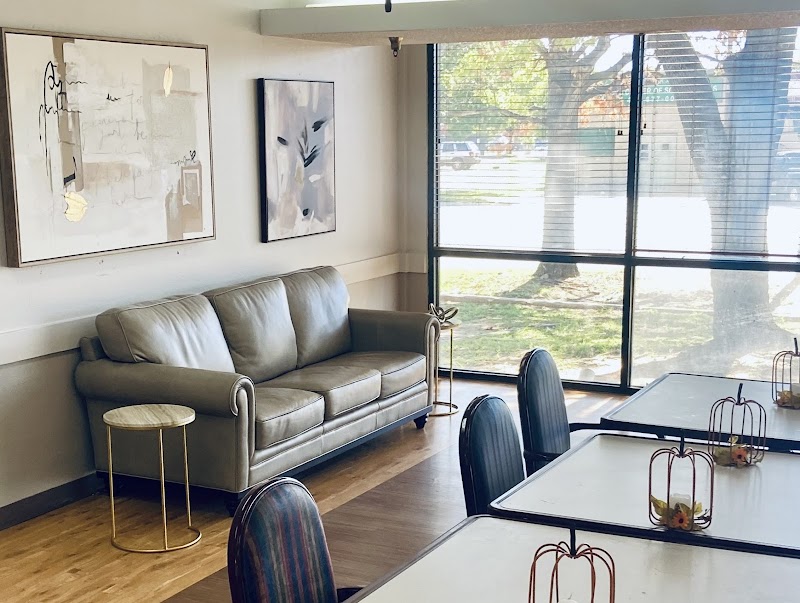
Fair Park Health & Rehabilitation Center
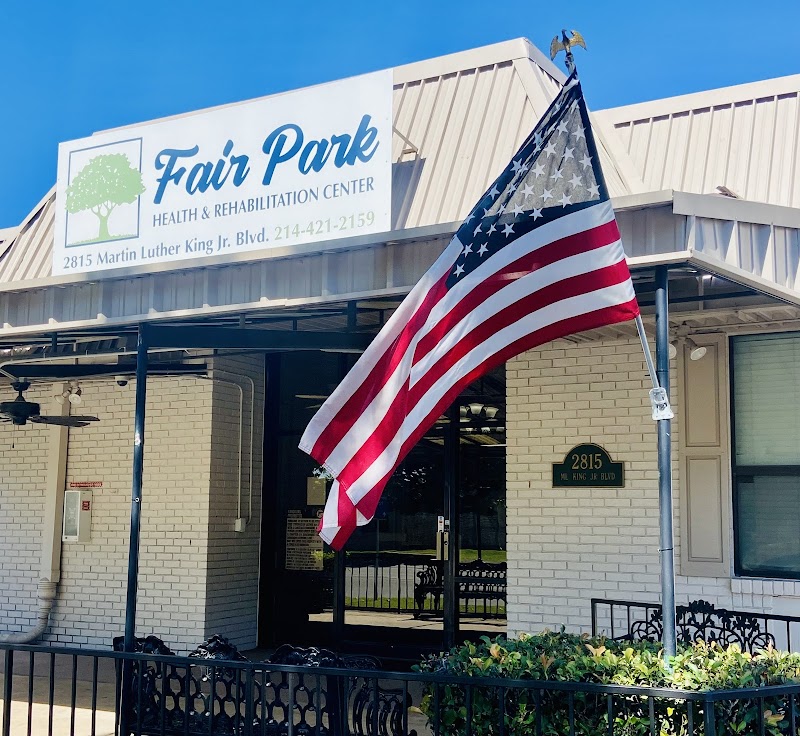
2815 Martin Luther King Jr Blvd, Dallas, TX 75215 (214) 421-2159
For profit - Corporation 114 Beds CREATIVE SOLUTIONS IN HEALTHCARE Data: November 2025 2 Immediate Jeopardy citations
Trust Grade
41/100
#235 of 1168 in TX
Last Inspection: May 2025

Inspected within the last 6 months. Data reflects current conditions.

Overview

Fair Park Health & Rehabilitation Center has a Trust Grade of D, which indicates below-average performance and some concerns about care quality. They rank #235 out of 1168 facilities in Texas, placing them in the top half, but #13 out of 83 in Dallas County means only twelve local options are better. The facility is improving, with issues decreasing from 9 in 2024 to 8 in 2025. Staffing is a weakness, rated at 2 out of 5 stars, with a turnover rate of 52%, which is around the state average. Despite some strengths, such as good RN coverage that exceeds 85% of Texas facilities and high scores in quality measures, there are critical incidents that raise red flags. For example, there was a failure to notify a physician about a resident's severe ulcers, which had live maggots and no dressing, and there were missed wound care appointments that worsened the resident's condition. Additionally, medications were found unsecured, posing a risk for unauthorized access. Overall, while there are positive aspects, families should carefully consider these serious concerns.

Trust Score
D
41/100
In Texas
#235/1168
Top 20%
Safety Record
High Risk
Review needed
Inspections
Getting Better
9 → 8 violations
Staff Stability
⚠ Watch
52% turnover. Above average. Higher turnover means staff may not know residents' routines.
Penalties
✓ Good
$37,459 in fines. Lower than most Texas facilities. Relatively clean record.
Skilled Nurses
○ Average
Each resident gets 30 minutes of Registered Nurse (RN) attention daily — about average for Texas. RNs are the most trained staff who monitor for health changes.
Violations
⚠ Watch
30 deficiencies on record. Higher than average. Multiple issues found across inspections.
★★★★☆
4.0
Overall Rating
★★☆☆☆
2.0
Staff Levels
★★★★★
5.0
Care Quality
★★★☆☆
3.0
Inspection Score
Stable
2024: 9 issues
2025: 8 issues

The Good

  • 5-Star Quality Measures · Strong clinical quality outcomes
  • Full Sprinkler Coverage · Fire safety systems throughout facility
  • No fines on record

Facility shows strength in quality measures, fire safety.

The Bad

Staff Turnover: 52%

Near Texas avg (46%)

Higher turnover may affect care consistency

Federal Fines: $37,459

Above median ($33,413)

Moderate penalties - review what triggered them

Chain: CREATIVE SOLUTIONS IN HEALTHCARE

Part of a multi-facility chain

Ask about local staffing decisions and management

The Ugly 30 deficiencies on record

2 life-threatening
Jul 2025 1 deficiency
CONCERN (D) 📢 Someone Reported This

A family member, employee, or ombudsman was alarmed enough to file a formal complaint

Potential for Harm - no one hurt, but risky conditions existed

Free from Abuse/Neglect (Tag F0600)

Could have caused harm · This affected 1 resident

**NOTE- TERMS IN BRACKETS HAVE BEEN EDITED TO PROTECT CONFIDENTIALITY** Based on interview and record review the facility failed to ensure the resident had the right to be free from abuse, neglect, mi...

Read full inspector narrative →
**NOTE- TERMS IN BRACKETS HAVE BEEN EDITED TO PROTECT CONFIDENTIALITY** Based on interview and record review the facility failed to ensure the resident had the right to be free from abuse, neglect, misappropriation of resident property, and exploitation for two (Resident #1 and Resident #2) of two reviewed for abuse and neglect.The facility failed to ensure Resident #2 was free from abuse, on 6/27/25, when Resident #1 struck her in the forehead with a cane, which resulted in a laceration.This failure could place residents at risk of abuse and emotional stress. Findings include: 1. Record review of Resident #1's face sheet dated 02/26/25, reflected a [AGE] year-old female who was admitted to the facility on [DATE]. Resident #1 had diagnoses which included: dementia of unspecified severity without behavioral disturbance (a decline in memory or other cognitive function not accompanied by aggression), psychotic disturbance (delusions or hallucinations), delirium due to psychological condition (acute confusion linked to psychiatric causes), cognitive communication deficit (difficulty understanding or using language), unsteadiness on feet, gait abnormalities, muscle weakness, and a history of lack of coordination.Record review of Resident #1's Quarterly MDS dated [DATE] , reflected a BIMS score of 10, which indicated she was moderately cognitively impaired. Resident #1 used a cane when off the facility premises but did not typically use it inside the facility.Record review of Resident #1's June 27, 2025 care plan reflected interventions related to behavioral health and safety, including redirection, increased monitoring, and staff awareness of behaviors that could place others at risk. The care plan specifically indicated that the resident had exhibited physical behaviors toward others and outlined interventions such as staff immediately intervening to protect involved residents, calling for assistance, and attempting to de-escalate situations by removing the resident from the source of distress and engaging them calmly. If the resident's response was aggressive, staff were directed to calmly walk away. These interventions reflected a history of agitation and physical aggression toward others.Record review of progress notes dated 06/26/25, entered at 11:50 p.m. indicated Resident #1 had returned to the facility and was involved in an altercation with Resident #2. The progress note did not include a detailed or verbatim account of the incident, but did outline the facility's response following the event. According to the documentation, the residents were separated, first aid was provided to both individuals, and both a skin assessment and pain assessment were completed. Urinalysis samples were obtained from both residents, the abuse coordinator was notified, and the facility's abuse protocol was followed. The progress note also stated that one-on-one supervision was initiated for Resident #1 and that the facility would continue to monitor the situation.2. Record review of Resident #2's face sheet dated 10/02/ 24 reflected a [AGE] year-old female who was admitted to the facility on [DATE]. Resident #2 had diagnoses which included: spinal stenosis (narrowing of the spine that can cause pain or mobility issues), muscle weakness, chronic low back pain, major depressive disorder (recurrent, severe feelings of sadness and loss of interest ), generalized anxiety disorder(intense , excessive or persistent worry or fear ), and essential hypertension(high blood pressure ).Record review of Resident #2's Quarterly MDS dated [DATE] , reflected a BIMS score of 13, which indicated she was cognitively intact.Record review of Resident #2's June 27, 2025 care plan reflected interventions addressing safety, mood, and behavior. The care plan noted Resident #2 preferred to eat in her room and had minimal peer interaction. No history of aggressive behaviors was documented. Record review of progress notes dated 06/26/25 relevant to the incident were reviewed. The progress notes reflected that Resident #2 was involved in an altercation with another resident. Resident #2 was assessed both physically and emotionally afterward. The progress notes reflect that first aid was administered, a skin assessment and pain assessment were completed, and that Resident #2 received support following the incident. The progress notes reflected appropriate post-incident procedures were followed, but did not include an in-depth description of the resident's behavior or emotional state beyond confirming that interventions were provided.Record review of Resident #2's progress notes 06/26/25 reflected law enforcement was dispatched to the facility following the altercation. Resident #2 initially requested to be sent to the hospital when officers arrived but later refused treatment upon ambulance arrival, and stated she felt fine. A small laceration approximately 2 cm in length was noted on her forehead. The wound did not require stitches or advanced intervention. Record review treatment orders for Resident #2's forehead laceration were discontinued on , 07/08/25 which indicated the wound had resolve. Record review of documentation by social services dated 06/27/25 reflected Resident #2 was alert, oriented, and stated she was feeling better. She accepted supportive counseling and was encouraged to avoid contact with Resident #1 and to report any further concerns. Resident #2 consented to a referral for psychological services. Documentation reflected plans for continued monitoring and supportive interventions due to the incident . Interview on 7/8/25 at 12:38 p.m. with Resident #2 During the interview with Resident #2 the resident appeared visibly irritated and used profanity multiple times. However, her irritation did not appear to be related to the altercation that occurred with Resident #1. Resident #2 expressed frustration that her handwritten Do Not Disturb sign, which was posted on her door, was not being respected by staff or others entering her room. She specifically stated that staff continued to knock on her door to deliver meals and medications, which she felt disregarded her request to not be disturbed.Before initiating the interview, surveyor made an attempt was made to contact the resident using the phone number listed in the system; however, the number was not in service. As the resident remained in the building and the sign on the door had not been removed during the time the surveyor was on site, surveyor knocked on her door to attempt the interview before leaving the facility. Resident #2 acknowledged during the interview that she was not mad at the surveyor directly, but also emphasized, You saw the sign on the door and still knocked and bothered me anyway. Based on her comments and demeanor, it appeared that she remained frustrated with the interruption despite stating it was not personal. Resident # 2's irritation during the interaction appeared to be tied to the presence of the Do Not Disturb sign being ignored, rather than to the prior incident with Resident #1. Interview on 7/8/25 at 12:45 p.m. with the Assistant Director of Nursing revealed she was working on the backside of the unit at the time of the incident and reported hearing raised voices, though she was unable to make out what was being said or which residents were involved. She stated that shortly afterward, staff came to notify her that assistance was needed. She secured her medication cart and responded to the location of the incident. Upon arrival, she observed that the two residents. Resident #1 and Resident #2 had already been separated. The ADON stated she observed blood coming from a laceration on Resident #2's forehead and immediately began assessing the resident, initiated the abuse protocol, and contacted law enforcement. She confirmed that 911 was called and that Resident #2 initially agreed to be transported to the hospital for further evaluation, but later refused treatment upon arrival. The ADON described the injury as minor. She added that Resident #1 had just returned to the facility prior to the incident and was later transported to the hospital for psychiatric evaluation in accordance with facility protocol.Interview on 7/8/25 at 1:32 p.m. with the Director of Nursing revealed that the facility was aware that both residents displayed behaviors such as verbal agitation, including the use of profane language and raised voices. One resident was described as feisty, a term often used informally to indicate someone who is spirited, outspoken, or easily upset. In this context, it reflects the resident's tendency to become verbally agitated or assertive, including using strong language or raising their voice. This description did not imply physical aggression or violence but highlighted that the resident may express frustration or disagreement loudly or passionately.Interview on 7/8/25 at approximately 2:00 p.m. with the facility Administrator revealed he considered the incident an isolated event which involved two residents with a known history of behavioral concerns at previous facilities. He stated neither resident had exhibited physically aggressive behavior while at the current facility. The Administrator reported both residents declined to provide written statements. He responded to the facility 30-45 minutes after being notified and expressed confidence that the facility responded appropriately by separating the residents and contacting emergency service. According to facility records and staff interviews, neither of the two residents had any history of physical or verbal altercations with each other while residing at the current facility. Both residents were known to display verbal agitation and use profane language individually, but there were no documented incidents of conflict or behavioral issues between them prior to the reported incident.Interview conducted on 7/8/25 at approximately 2:30 p.m. with the LVN A revealed that she assessed Resident #2's wound the day after the incident occurred. The LVN A explained that the incident took place late at night, near midnight, and by the time of documentation and follow-up, it was already considered the next calendar day. She further clarified that although she personally evaluated the wound the following day during her scheduled shift, other nursing staff had already responded to and assessed the resident at the time of the incident. The LVN A stated that Resident #2 was selective about who she allowed to examine her, and she did not permit paramedics or certain staff to view or treat the area. The LVN A described the wound as minor, resembling a scratch, and noted that it was already beginning to heal by the time she observed it. She also mentioned that the resident had removed the initial bandage herself prior to the LVN A's assessment.Interview on 7/8/25 at 1:46 p.m. with CNA A revealed she was present the day of the incident and had prior familiarity with both residents. CNA A stated Resident #1 typically left the facility during the day and returned in the evening, while Resident #2 usually stayed in her room and did not participate in group dining. CNA A reported the residents had never bumped heads before meaning they had never had a disagreement, argument, or conflict and typically stayed to themselves. She stated, They would speak to each other and go about their day. I've never known either of them to be physical with anyone. CNA A stated since the incident occurred, the residents were separated and there had been no further incidents between the two residents. Additional interviews conducted with staff on 7/8/25 from 12:45 PM to 2:45 PM revealed consistent knowledge of the facility's abuse and neglect policies, including guidelines related to resident-to-resident aggression. Interviews were conducted with the Assistant Director of Nursing, Director of Nursing, Licensed Vocational Nurse, Certified Nursing Assistant, and the Administrator. Staff members stated they received in-service training covering abuse prevention, behavioral interventions, resident rights, and reporting requirements. Staff were able to describe the process for managing residents with behavioral concerns. Attempted interview on 7/8/25 at 2:10 p.m. with Family Member #1 (associated with Resident #1): A voicemail was left; no return call was received.Attempted interview on 7/8/25 at 2:11 p.m. with Family Member #2 (associated with Resident #2): A voicemail was left; no return call was received.Attempted interview on 7/8/25 at 2:05 p.m. with the facility Social Worker: The Social Worker was not on site at the time of the visit. A phone interview was attempted using the number provided by facility staff. A voicemail was left; no return call was received.Record review of the facility's, undated, Abuse/Neglect policy reflected all residents had the right to be free from all forms of abuse, including abuse by other residents. The policy directed that the facility must investigate all allegations of abuse, report findings, and implement measures to ensure resident safety when abuse is suspected or confirmed.
Jun 2025 2 deficiencies
CONCERN (D) 📢 Someone Reported This

A family member, employee, or ombudsman was alarmed enough to file a formal complaint

Potential for Harm - no one hurt, but risky conditions existed

PASARR Coordination (Tag F0644)

Could have caused harm · This affected 1 resident

**NOTE- TERMS IN BRACKETS HAVE BEEN EDITED TO PROTECT CONFIDENTIALITY** Based on interview and record review the facility failed to refer all residents with newly evident or possible serious mental di...

Read full inspector narrative →
**NOTE- TERMS IN BRACKETS HAVE BEEN EDITED TO PROTECT CONFIDENTIALITY** Based on interview and record review the facility failed to refer all residents with newly evident or possible serious mental disorder, intellectual disability, or a related condition for level II resident review upon a significant change in status assessment for 1 (Resident #4) of 5W residents reviewed for PASARR. The facility failed to submit a complete and accurate request for nursing facility specialized services (NFSS) in the LTC Online Portal 02/20/2025 as required within 20 business days after the date of the Interdisciplinary Team meeting . The NFSS Request submittal by the NF was denied on 02/10/2025, and there was no evidence of facility follow up. to ensure the request was approved to provide specialized services for PASARR for the resident. These failures could place the resident at risk of not receiving necessary care and/or services. Findings Included: Record review of the NFSS submission for Resident #4 on 02/10/2025 revealed the submission was completed electronically, and not via SIMPLELTC web portal, as required on 02/10/2025. Record review of Resident #4's admission record dated 06/10/2025 revealed a [AGE] year-old female admitted to the facility on [DATE] with diagnoses that included, Acute kidney failure (a condition in which the kidneys suddenly can't filter waste from the blood), major depressive disorder recurrent severe (a mental disorder characterized by persistent low mood, low self-esteem, and loss of interest or pleasure in normally enjoyable activities), anxiety disorder (a group of mental health conditions characterized by excessive and persistent worry, fear, and nervousness that can significantly interfere with daily life), brief psychotic disorder (a temporary psychiatric condition characterized by sudden onset of psychotic symptoms, such as delusions and hallucinations, lasting less than one month), and generalized anxiety disorder (inability to control constant worrying). Record review of Resident #4's Comprehensive MDS assessment dated [DATE] indicated Resident #4 understood others and was understood. The MDS assessment indicated Resident #4 was considered by the state level II PASARR process to have serious mental illness. The MDS assessment indicated Resident #4 had a BIMS score of 15, which indicated her cognition was intact. Record review of Resident #4's order summary report dated 06/10/2025 revealed the following orders: Dapagliflozin Propanediol Oral Tablet 5MG (Dapagliflozin Propanediol) Give 1 tablet by mouth one time a day related to TYPE 2 DIABETES MELLITUS WITHOUT COMPLICATIONS. Buspirone HCl Tablet 5 MG Give 1 tablet by mouth three times a day related to ANXIETY DISORDER, UNSPECIFIED Benztropine Mesylate Oral Tablet 2 MG (Benztropine Mesylate) Give 1 tablet by mouth two times a day related to NEUROLEPTIC INDUCED PARKINSONISM Record review of Resident#4's care plan reviewed on 06/10/2025 indicated, she had mental illness, Mental Disability and was PASARR positive. Resident #4's goal indicated she would have the specialized services recommended by the local authority per PASARR specialized services program as needed. Resident #4's interventions indicated the local authority would be invited annually to the care plan meeting for review of specialized services. Record review of Resident #4's most recent PASARR Level 1 Screening completed 01/03/2025 indicated she was positive for a primary diagnosis of Mental Illness and positive for Intellectual Disability. During an interview on 06/10/2025 at 11:20 AM the DON stated the MDS nurse was responsible for making sure PASARRs were done. The DON stated if they were not completed accurately, it could prevent residents from receiving services. During an interview on 06/10/2025 at 4:05 PM the MDS Coordinator said she had been the MDS coordinator for about a month. She stated she was responsible to complete the PASARRs. It is responsibility to enter the resident into SimpleLTC program for the state to where it is sent. Also, to where it is sent to the local authorities if it comes up positive. When it was positive someone usually came in and then assessed them for services. She stated if a PASARR screening was not completed correctly, residents may not receive the services to which they were entitled. She said there was a risk that the resident could miss services she was entitled to if the PASARR forms were not filled out correctly. The MDS coordinator stated, it went automatically if the PASARR unit did not contact her or the SW She stated the only communication she received was confirmation, that they received the orders. She stated someone would come in locally after they received an order to assess a resident. She stated, she does not receive any type of electronic notification of submitting, whether it was submitted properly. She stated she had not been notified by anyone from the state PASARR unit that it was not received. She said it could affect residents negatively if they do not receive the services for which they are slated. Both mentally and even physically. The MDS Coordinator stated even if they do not get the services some of the service department lend some assistance and help till, they do get those services. She stated they do not receive confirmation electronically and they usually just monitor it and go from there. During an interview on 06/10/2025 at 4:20 PM the ADMIN said the responsibility would fall on the MDS Coordinator to take care of the NFSS submission and follow up to ensure acceptance. it. The MDS Coordinator would be responsible for ensuring PASARR assessments were correct. ADMIN stated in the past we(staff) usually would be the backup. ADMIN stated in the past he would reach out to the appropriate dept and find out why it was not submitted. He stated he would follow up with MDS Coordinator to see if it were overlooked and not submitted. He was not aware of the facility receiving a denial. The usual protocol was if it were denied then an email would correspond to advise as such. He stated in this instance they did not receive an email. The ADMIN stated he was familiar with the incident and recalled receiving an email from the PASARR unit regarding resident #4. The ADMIN stated the facility submitted the NFSS electronically. He stated he did not recall the person at the PASARR unit. He stated they could not view it in the portal, so it appeared is the NFSS was not submitted. The ADMIN stated Resident#4 did not receive PT services. He stated it was the ADMIN responsibility to make sure this process was completed properly and in accordance with procedure for electronic submission in the SIMPLELTC portal. The ADMIN stated in the future he would ensure NFSS are submitted properly in the portal to prevent this from happening again. During an interview on 06/16/2025 at 3:10 PM Complainant advised it is the responsibility of the facility to monitor the submission of the NFSS into SIMPLELTC portal to ensure if it is accepted. If it is denied, the facility is responsible for making the necessary corrections and resubmit NFSS. The material that is submitted is time sensitive in regard to making sure everything is completed and necessary for the resident in question to get the proper care and services. There is only one method for submission of the documents and that is through the SIMPLE LTC portal, there is no other means to submit this information. Record review of the facility policy, dated Revised 03/16/2019, titled PASARR Nursing Facility Specialized Services Policy and Procedure reflected It is the policy of facility facilities to ensure NFSS Forms are submitted timely and accurately. 7. The IDT may recommend NFSS services for ID/DD and dual MI + ID/DD Residents. 8. Therapy, CMWC DME or DME is notified ASAP after the IDT meeting. (You only have 3 days to enter the PCSP Form after the PCSP meeting). 9. The facility only has 20 business days from the Date of the PCSP meeting to submit a completed and accurate NFSS Form. 10. NFSS will be inputted in SIMPLELTC within 24 hours of receipt of the Assessment/Service from therapy and the Alert section of SIMPLELTC will be monitored daily for approval/denial.
CONCERN (D) 📢 Someone Reported This

A family member, employee, or ombudsman was alarmed enough to file a formal complaint

Potential for Harm - no one hurt, but risky conditions existed

Deficiency F0825 (Tag F0825)

Could have caused harm · This affected 1 resident

**NOTE- TERMS IN BRACKETS HAVE BEEN EDITED TO PROTECT CONFIDENTIALITY** Based on interviews and record reviews, the facility failed to provide specialized rehabilitative services such as but not limit...

Read full inspector narrative →
**NOTE- TERMS IN BRACKETS HAVE BEEN EDITED TO PROTECT CONFIDENTIALITY** Based on interviews and record reviews, the facility failed to provide specialized rehabilitative services such as but not limited to physical therapy, speech -language pathology, occupational therapy, respiratory therapy, and rehabilitative services for mental illness and intellectual disability or services of a lesser intensity as required in the resident's comprehensive plan of care for 1 (Resident #4) of 5 residents reviewed for specialized rehabilitative services. The facility failed to ensure Resident #4 received physical therapy per the PASARR Comprehensive Service Plan January 2025 to April 2025 . This failure could place residents who require specialized rehabilitative services at risk of a decline in health status and a decreased quality of life. The findings included: Record review of Resident #4's admission Record, dated 06/10/2025, reflected a 39- year-old female. She was admitted to the facility on [DATE]. Record review of Resident #4's Medical Diagnosis list, dated 06/10/2025, reflected Resident #4 was noted to have diagnoses which included acute myocardial infarction due to unspecified occlusion or stenosis of the heart muscle is damaged because of sudden blockage (a stroke caused by a blood vessel blockage) and age-related physical debility (a condition of worsening functional status such as increased muscle weakness, exhaustion, and frequent falls). Record review of Resident #4's Quarterly MDS, signed as completed on 04/22/2025 by the MDS Nurse, reflected Resident #4 had a BIMS score of 15 , which indicated her cognition was intact. She was documented as not having potential indicators of psychosis or behavioral symptoms. She was documented as having had upper extremity (shoulder, elbow, wrist, hand) impairment on one side and lower extremity (hip, knee, ankle, foot) impairment on both sides. She did use a wheelchair and was dependent (requiring a helper for all the effort) for all self-care abilities, to roll left and right, and for tub/shower transfers. She received zero (0) minutes of speech-language pathology and audiology services, occupational therapy, and respiratory therapy. She received five of seven (7) days of physical therapy. Record review of Resident #4's Order Summary Report, dated 06/10/2025, reflected Resident #4 did not have an active order, for PT/OT/ST to evaluate and treat . Record review of Resident #4's PT Evaluation and Plan of Treatment dated 01/06/2025 revealed resident #4 should have received Physical therapy daily five times a week for four weeks. Start date 01/06/2025 ending 03/06/2025. There was no Occupational therapy noted. Record review of Resident #4's MDS Rehab Data report dated 01/12/2025 revealed resident #4 should have received 187 minutes of Physical therapy beginning 01/06/2025. Further review of the clinical record did not validate physical therapy was received. Record review of Resident #4 PASARR Comprehensive Service Plan dated 04/08/2025 revealed the Resident #4 required Occupational and Physical Therapy services. Further review of the clinical record did not validate physical and occupational services were received by resident #4. Record review of the MDS dated [DATE] indicated Resident #4 was understood and understood others. The MDS indicated a BIMS score of 15 which indicated she was cognitively intact. The MDS indicated Resident #4 required limited assistance from staff for activities of daily living. The MDS did not indicate Resident #4 was receiving physical therapy. Record review of Resident #4's Care Plan, dated as last review completed 05/09/2025, reflected Resident #4 had the following focuses and interventions: She required assistance with ADLs due to cognitive and physical impairment, with interventions including, Bathing: I require assistance in self-performance with 1 person assistance support. Dressing: required staff x1 for assistance. She was at risk for falls due to an unsteady gait, with interventions including, Rehab Therapy will screen me PRN, or quarterly, or per facility protocol if I am needing any rehab therapy. Record review of the PASSAR Nursing Facility Specialized Services (NFSS) (a request for therapy services) with the assessment date of 01/03/2025 for physical therapy submitted on 04/14/2025. The facility was unable to provide any previous NFSS form. During an interview on 06/10/2025 at 3:45 PM with Resident #4 regarding her therapy services. Resident #4 stated she did not know what PASARR services were. She did not understand about therapy services. During an interview on 06/10/2025 at 4:20 PM, the ADMIN stated the Director of Rehabilitation Services would have contracted out physical therapy and occupational services, to prevent the resident from going without therapy. This could have resulted in a decline of health status. The ADMIN stated following a therapy referral, the MDS Coordinator or DOR would have been notified of the referral. The ADMIN stated residents would often get enrolled into restorative care if there was a delay in therapy approval. The ADMIN stated if a resident had a detrimental effect from not having received therapy services, the facility would discuss the case individually. The ADMIN stated his expectation for residents would be that they should have received therapy or restorative care. The ADMIN stated the impact of a resident having not received therapy or restorative care over a few months would have a negative effect on a resident . Surveyor requested policies for Therapy services, upon entry of and throughout investigation, policies were not provided upon exit.
May 2025 5 deficiencies
CONCERN (D)

Potential for Harm - no one hurt, but risky conditions existed

Deficiency F0628 (Tag F0628)

Could have caused harm · This affected 1 resident

**NOTE- TERMS IN BRACKETS HAVE BEEN EDITED TO PROTECT CONFIDENTIALITY** Based on interview and record review, the facility failed to complete a discharge summary that included but was not limited to, ...

Read full inspector narrative →
**NOTE- TERMS IN BRACKETS HAVE BEEN EDITED TO PROTECT CONFIDENTIALITY** Based on interview and record review, the facility failed to complete a discharge summary that included but was not limited to, (i) A recapitulation of the resident's stay that includes, but was not limited to, diagnoses, course of illness/treatment or therapy, and pertinent lab, radiology, and consultation results; (ii) A final summary of the resident's status; (iii) Reconciliation of all pre-discharge medications with the resident's post-discharge medications (both prescribed and over-the-counter) for one of (Resident #43) of two residents reviewed for discharge planning. 1. The facility failed to complete a discharge summary and a reconciliation of medications for Resident #43 when he planned discharge home on [DATE]. This failure could place residents at risk of a recapitulation of the stay being unavailable to help ensure continuity of care once they went back home and/or discharged from the facility. Findings included: 1. Record Review of Resident #43's admission face sheet dated 03/08/2025 reflected that he was a [AGE] year-old male admitted to the facility on [DATE]. Resident #43's active diagnoses included Traumatic Subarachnoid hemorrhage without loss of consciousness, Type 1 Diabetes Mellitus w/o Complications, Chronic Kidney Disease stage 3, Cerebral Infarction due to Thrombosis of Right Posterior Cerebral Artery, Generalized Anxiety Disorder, Unspecified Protein-Calorie Malnutrition, Tributary (Branch) Retinal Vein Occlusion, Left Eye with Macular Edema, Unspecified Glaucoma, Unspecified Sequelae Of Cerebral Infarction, Constipation, Muscle Weakness, Other Acute Kidney Failure, Dysphagia Unspecified, Other Abnormalities of Gait and Mobility, Lack of Coordination, Pain in unspecified joint. Record review of Resident #43's Entry MDS assessment dated [DATE], reflected he was admitted to the facility from a Short-Term General hospital on [DATE]. Record review of Resident #43's admission MDS assessment dated [DATE] reflected a BIMS score was a 10, which indicated he was moderately impaired meaning he was not able to recall information immediately, orient himself to time and place, or retain information for a short period. Record review of Resident #43's Discharge MDS assessment dated [DATE], reflected he had a planned discharge home. Record review of Resident #43's Nursing Progress Note dated 04/28/2025 reflected, The resident discharged home with family member. Record review of Resident #43 Clinical Record dated 04/28/2025 reflected no discharge summary and reconciliation of all pre-discharge medications with the resident's post-discharge medications (both prescribed and over the counter). In an interview with the RN C on 05/14/2025 at 1:09PM, who stated that she could not locate a Discharge Summary for Resident #43. RN C stated completing the Discharge Summary for Resident #43. RN C stated that the facility has a stack of documents to be filed and was not able to locate documents. In an interview with the DON on 05/14/2025 at 2:15 PM, revealed that discharge summaries should be completed for each resident that discharges from the facility. DON stated that there was not a Discharge Summary for Resident #43. The DON stated that there were risks to residents being discharged from the facility without a Discharge Summary. DON stated that without a Discharge Summary, the discharged residents would not be able to meet with the staff to discuss their reconciliation of medications and their discharge plans such as home health and care responsibilities. DON stated that if a resident does not have a Discharge Summary, there was a potential for there being a gap of follow-up appointments for medical needs. The DON stated that if there was not a Discharge Summary for discharged residents, they would miss the opportunity for any continuous care and appointments. In an Interview with the Administrator on 05/14/2025 at 4:48 PM, revealed that discharge summaries should be completed for each resident that discharges from the facility. He stated that before a resident was discharged from the facility, there was a note done in PCC (Resident records), and if the resident was discharged home, the staff will speak with the family and a doctor to ensure that the resident was being sent home with some instructions regarding the care that will be needed at home. Administrator stated that different Nursing Staff Managers have been assigned to the task of ensuring that the Discharge Summaries for discharging or discharged residents have been completed. He stated that there was not anyone overseeing that Nursing Staff Managers ensure that the Discharge Summaries are being completed. He stated that he felt that the staff at the facility were doing their due diligence when a resident was discharged home, and the Staff would write a detailed progress note in their file on PCC. He stated that that families, including the residents (if they are alert and oriented), are talked to before they are discharged home to ensure that follow-up appointments will be done. He stated that he felt that the facility had done good with safe discharges for residents. The Administrator stated the risk of harm caused to a resident if they are discharged home without a Discharge Summary was a lapse in care. Record review of the facility's policy titled, Discharge Summary and Plan, reflected the following; Policy Statement: A) Assessing the resident's continuing care needs, including: 1. Consideration of the resident's and family/caregiver's preferences for care; 2. How services will be accessed; and 3. How care should be coordinated among multiple caregivers, as applicable; 4. Include regular re-evaluations of the resident to identify changes that require modification of the discharge plan. The discharge plan must be updated, as needed to reflect these changes. B) Developing an interdisciplinary team discharge plan designed to ensure that the resident's needs will be met after discharge from the facility, including resident and family/caregiver education needs; C) Initiating and maintaining collaboration between the Nursing Facility and the local contact agency to support the resident's transition to community living, as applicable, including making referrals to the LCA under the process established by the State; and D) Assisting the resident and family/caregivers in locating and coordinating post-discharge services. E) Refer to Section Q of the RAI Manual Discharge Summary must include: A) A recapitulation of the resident's stay that includes, but is not limited to, diagnoses, course of illness/treatment or therapy, and pertinent labs, radiology and consultation results. B) Reconciliation of all pre-discharge medications with the resident's post-discharge medications (both prescribed and over the counter). C) A final summary of the resident's status medical and functional status at the time of discharge D) A Post-discharge plan of care (POC) 1. A post- discharge plan of care will be developed with the participation of the resident, and with the resident's consent, the resident representative (s).
CONCERN (D) 📢 Someone Reported This

A family member, employee, or ombudsman was alarmed enough to file a formal complaint

Potential for Harm - no one hurt, but risky conditions existed

ADL Care (Tag F0677)

Could have caused harm · This affected 1 resident

**NOTE- TERMS IN BRACKETS HAVE BEEN EDITED TO PROTECT CONFIDENTIALITY** Based on observation, interview and record review the facility failed to ensure a resident who was unable to carry out activitie...

Read full inspector narrative →
**NOTE- TERMS IN BRACKETS HAVE BEEN EDITED TO PROTECT CONFIDENTIALITY** Based on observation, interview and record review the facility failed to ensure a resident who was unable to carry out activities of daily living, received the necessary services to maintain good nutrition, grooming, and personal and oral hygiene for 1 of 6 residents (Residents #22) reviewed for ADL care. CNA G failed to ensure Resident #22 was provided her shower as scheduled on the 2:00 PM to 10:00 PM shift on 5/12/25. This failure could place residents at risk of not receiving services or care, decreased quality of life, and decreased self-esteem. Findings included: Record review of Resident #22's admission Record dated 5/12/25 reflected a [AGE] year-old female originally admitted to the facility on [DATE]. Record review of Resident #22's Quarterly MDS assessment dated [DATE] reflected she had a BIMS score of 9 indicating moderately impaired cognition. Her diagnoses included hypertension (high blood pressure); stroke; hemiparesis (muscle weakness or partial paralysis on one side of the body often caused by a stroke); contractures (permanent shortening and stiffening of the muscles, tendons and ligaments) of the hand and elbow anxiety disorder; and pain. She required Substantial/Maximum assistance for showering and bathing. Record review of Resident #22's Care Plan Report reflected the following entries: Focus: [Resident #22] has hemiparesis r/t stroke, dated initiated on 12/6/17. Interventions: Bathing: I require Extensive x1 staff with bathing/showering . Focus: The resident has a behavior problem r/t Refusal of showers, dated revised 4/3/24. Interventions: Anticipate and meet [Resident #22's] needs .Caregivers to provide opportunity for positive interactions, attention. Stop and talk with him/her as passing by . Record review of Resident #22's ADL records dated May 2025 reflected an entry for bathing Monday, Wednesday and Friday on the 2 PM to 10 PM shift. All scheduled dates were signed as completed including one on 5/12/25 at 5:47 PM by CNA G. Record review of Resident #22's Progress Notes reflected the following entry dated 5/13/25 at 3:04 PM: . [Resident #22] mentioned that her shower was missed on yesterday evening. she was offered one now but declined, stating that she didn't want to throw her schedule off. Reassured that it wouldn't but she continued to decline. informed that she should let the staff know if she decides that she would like to take one this evening. The entry was signed by the DON. There were no other entries located in the progress notes related to Resident #22's shower which was due on 5/12/25. Record review of a shower schedule sheet dated 12/12/24 reflected the following [Station number] 2-10 showers.Notify nurse of EVERY refusal . DO Not change the schedule, if there are any issues report them to the DON/ADON. The schedule was divided by sections reflecting which rooms were scheduled for showers on Monday/Wednesday/Friday and those scheduled on Tuesday/Thursday/Saturday. Resident #22's room number was reflected as scheduled on Monday/Wednesday/Friday on the 2 PM to 10 PM shift. Observation and interview on 5/12/25 at 11:49 AM revealed Resident #22 was in her room, sitting up in her chair eating her lunch. She appeared well-dressed and groomed. Resident #22 stated she did not always get her showers as scheduled because the staff did not always get to her. She stated she was supposed to receive a shower every Monday, Wednesday, and Friday on the 2 PM to 10 PM shift. She stated, I'm due for one today but I might not get one because I'm going to want to lay down, they don't always want to get me up. She was unable to recall whether she had received her shower which would have been due on 5/9/25. During an observation and interview on 5/13/25 at 10:58 AM, Resident #22 was observed self-propelling from her room into the hall. She stated she had not received a shower as scheduled the evening before on 5/12/25. Resident #22 stated a CNA H stayed late and had cleaned her up before she went home and the following CNA, CNA G never offered her a shower. Resident #22 stated she did not wish to get anyone in trouble but just wanted to get her showers. Resident #22 declined to speak further about her showers as she was heading to an activity. During an interview and record review on 5/13/25 at 11:52 AM, RN C stated residents were scheduled for baths on certain days and shifts and presented a binder which held the Shower Schedule sheet. RN C stated the CNAs were to report any skin conditions or refusals directly to the charge nurse and document the showers and baths provided into the computer kiosk (resident records). RN C stated the nurses were responsible for checking the computer to ensure they were completed and report any refusals to the oncoming shift so another attempt could be made. During an observation and interview on 5/13/25 at 1:36 PM, Resident #22 was observed in bed and CNA H was leaving her room. CNA H stated she had just assisted her back to bed for a nap. CNA H stated she worked the 6 AM to 2 PM shift and it was her fourth day working at the facility. CNA H stated she stayed over the previous evening to help because someone had called in sick. CNA H stated she has assisted with a bed bath and a shower the previous evening, but neither was with Resident #22. CNA H stated she knew who needed a bath based on the Shower Schedule and kiosk (resident records), but it was her first time helping the 2 PM to 10 PM staff and she did what they (staff) had asked her to do. CNA H stated she had provided incontinent care to Resident #22 before leaving at 7 PM and the resident had not mentioned anything about a shower to her. CNA H stated, if Resident #22 had said anything to her about a shower, she would have told her charge nurse or the other aides before she left. During an interview on 5/13/25 at 1:40 PM, Resident #22 stated she never asked CNA G for a shower after CNA H left for the evening. Resident #22 stated CNA H changed her before she left, and Resident #22 had mentioned the shower to CNA G, but Resident #22 knew CNA G was heading home. Resident #22 stated CNA G should have known it was her night for a shower and never offered her one. Resident #22 stated she did not mention it to CNA G when she came in later to change her because Resident #22 knew it was close to the end of her shift. Resident #22 stated she never mentioned it or complained to her Charge Nurse because it had happened before, and nothing had changed. During an interview on 5/13/25 at 2:00 PM, LVN F stated he worked the 2 PM to 10 PM shift and was Resident #22's Charge Nurse. LVN F stated he knew the resident's bathing schedule by referring to the schedule kept at the nurse's station. LVN F stated the CNAs documented the showers provided in the kiosk and report any refusals to them. He stated, if a resident refused to be bathed, they were supposed check on the resident and make another offer. If the resident continued to refuse, they documented the refusal and informed the oncoming nurse. He stated he checked the computer to determine the showers were completed based on the CNAs' documentation and stated her shower due on 5/12/25 had been documented as completed. LVN F stated he was unaware Resident #22 had missed a shower on 5/12/25. LVN F stated the risk to the residents not receiving showers included skin breakdown and loss of dignity. During an interview on 5/13/25 at 2:09 PM, CNA G stated she worked the 2 PM to 10 PM shift and rotated halls. She stated she knew which residents required bathing on her shift based on the Shower Schedule and information in the computer. She stated Resident #22 did not get a shower as scheduled on 5/12/25 because, She (Resident #22) went to bed, to be honest she likes [CNA I] to do them. CNA G stated she did not offer Resident #22 a shower because another aide was working her hall earlier in the shift and then stated, by the time I got to her Resident #22 said it was too late, I did offer. CNA G stated when showers were provided to residents and the showers were documented in the computer. When asked why she had documented Resident #22's shower as completed at 5:47 PM on 5/12/25, she replied, If I'm not mistaken, I think one of the girls said she gave it, I really can't say. She stated she had documented it because Mondays were one of Resident #22's shower days, she thought CNA H had done it and was not sure if she had access to the computer yet. She stated it was her mistake and she should not have done it. She stated she had been moving from hall to hall and should have confirmed it was done. CNA H stated, if a resident refused a shower, she was supposed to have documented the refusal in the computer and informed the Charge Nurse. CNA G stated the risk of residents missing showers included body odor, skin breakdown, dry skin and loss of dignity. During an interview on 5/13/25 at 3:45 PM, the DON stated she had been made aware of Resident #22 missing her shower and the documentation error. DON stated she had just checked in on the resident around 3:00 PM [5/13/25] and offered to provide one at that time, but she had declined. She stated CNAs were aware they were to report any missed showers to the Charge Nurse. DON stated the risk to residents for missing showers was skin breakdown and loss of dignity. Record review of the facility's undated policy titled, Bath, Tub/Shower reflected the following: Bathing by tub bath or shower is done to remove soil, dead epithelial cells, microorganisms from the skin, and body odor to promote comfort, cleanliness, circulation, and relaxation. A medicated tub bath can also be provided to treat skin conditions. The aging skin becomes dry, wrinkled, thinner and blemished with various aging spots over time and is easily affected by environmental temperature and humidity, sun exposure, soaps, and clothing fabrics. The frequency and type of bathing depends on resident preference, skin condition, tolerance and energy level. Although a daily bath or shower is preferred and necessary for some, the aging skin can be maintained by bathing every two days or with partial bathing as needed. Goals: 1. The resident will experience improved comfort and cleanliness by bathing. 2. The resident will maintain intact skin integrity. 3. The resident will be free from soil, odor, dryness, and pruritus following bathing. Procedure: 1. The resident will receive assistance with bathing according to their resident centered plan of care .
CONCERN (D) 📢 Someone Reported This

A family member, employee, or ombudsman was alarmed enough to file a formal complaint

Potential for Harm - no one hurt, but risky conditions existed

Pharmacy Services (Tag F0755)

Could have caused harm · This affected 1 resident

**NOTE- TERMS IN BRACKETS HAVE BEEN EDITED TO PROTECT CONFIDENTIALITY** Based on interview, and record review, the facility failed to provide pharmaceutical services (including procedures that assure ...

Read full inspector narrative →
**NOTE- TERMS IN BRACKETS HAVE BEEN EDITED TO PROTECT CONFIDENTIALITY** Based on interview, and record review, the facility failed to provide pharmaceutical services (including procedures that assure the accurate acquiring, receiving, dispensing, and administering of all drugs and biologicals) to meet the needs of each resident for one of five (Resident #22) residents reviewed for pharmacy services. The Facility failed to ensure nursing staff ordered medications in a timely manner for Resident #22 resulting in her missing a scheduled morning dose of Robaxin used to control her muscle spasms on 5/13/25. This failure placed the residents at risk of not receiving medications as ordered by the physician and a delay in treatment and worsening of their condition. Findings included: Record review of Resident #22's admission Record dated 5/12/25 reflected a [AGE] year-old female originally admitted to the facility on [DATE]. Record review of Resident #22's Quarterly MDS assessment dated [DATE] reflected she had a BIMS score of 9 indicating moderately impaired cognition. Her diagnoses included hypertension (high blood pressure); stroke; hemiparesis (muscle weakness or partial paralysis on one side of the body often caused by a stroke); contractures (permanent shortening and stiffening of the muscles, tendons and ligaments) of the hand and elbow anxiety disorder; and pain. Record review of Resident #22's Care Plan Report reflected the following entries: Focus: [Resident #22] has hemiparesis r/t stroke dated revised on 7/26/21. Interventions: .Give medications as ordered. Monitor/document for side effects and effectiveness. Pain management as needed. See MD orders . Record review of Resident #22's Order Summary Report dated 5/12/25 reflected an order for methocarbamol (Robaxin) Oral Tablet 750 mg one tablet two times a day. The order was dated 3/31/25. Record review of Resident #22's Medication Administration Record dated 5/1/25 through 5/31/25 reflected the following entry: Methocarbamol Oral Tablet 750 mg give one tablet by mouth two times a day. The entry dated 5/13/25 AM reflected the code 9 (other/See Nurse Note) indicating the medication had not been administered. Entered by MA E. Record review of Resident #22's Progress Notes reflected the following entries: 5/13/25 2:26 PM: Contacted pts [Nurse Practitioner name] NP regarding pts missed dosage of Methocarbamol 750mg. Med has been ordered. Pt had no s/s reported. Signed by LVN D. During an observation and interview on 5/13/25 at 1:36 PM, Resident #22 was observed lying in bed. She stated they had new staff at the facility, and she did not believe they were ordering her medications correctly. Resident #22 stated she was told the evening before (05/12/2025) they were running out of her Robaxin, and she received her last one at bedtime on 5/12/25. She stated, today they said I had to wait until tonight for it. Medication Aide said she had to talk to the nurse about it. I'm supposed to get it in the morning and at bedtime, I didn't get it this morning. Resident #22 stated the staff needed to order her medication sooner before they ran out, so she did not have to wait for the pharmacy. She stated she needed the medication for pain. Resident #22 stated she was doing ok with her pain at the time but they need to have meds for us. During an interview on 5/13/25 at 1:54 PM, RN C, stated MA E had asked her to reorder Resident #22's Robaxin that morning [5/13/25] and stated she was previously unaware she was low. During an interview on 5/13/25 at 2:00 PM, LVN F stated he was Resident #22's Charge Nurse on the 2 PM to 10 PM shift. LVN F stated he saw the facility had run out of her Robaxin the on 5/12/25 after administering her bedtime dose, and had reordered it from the pharmacy at that time. LVN F stated the pharmacy made deliveries on Monday through Friday in the evenings before 10:00 PM. LVN F stated medications should be reordered once the medications hit the blue line (last row area on a medication punch card highlighted blue to indicate the final doses available) and that it was best to order the medications when they were about a week away from running out. LVN F stated he had worked a double shift on 5/11/25 and had administered both her doses that day (05/11/2025). LVN F stated he should have reordered the medications then when he noticed Resident #22 was running low and could not explain why he did not. He stated the medication was not available in the facility's ekit [emergency supply of medication stocked at the facility]. LVN F stated they were very busy but it was a mistake and was overlooked. LVN F stated the risk of running out of medications depended on the type of medication and included pain, or increased behaviors. During an interview on 5/13/15 at 3:45 PM, the DON stated medications should be ordered once the doses remaining hit the 'blue line' depending on the number of doses due per day and early enough to ensure there was enough stock so that pharmacy delivery was reasonable. DON stated generally, if a medication was ordered by noon, they would be delivered the same day unless it was a weekend. The DON stated all nurses had been trained on medication ordering as part of their orientation. DON stated the risk to residents running out of medications depended on the medication type and therapeutic use. During an interview on 5/14/25 at 8:05 AM, the DON stated she had assessed Resident #22 and had spoken with Resident #22's Nurse Practitioner. DON said they had received an alternate medication-Baclofen [a muscle relaxant used for muscle spasms] which was available in the facility's ekit and had initiated the doses. During an interview on 5/14/25 at 10:15 AM, MA E stated she had informed the nurse on 5/13/25 in the morning Resident #22 was out of Robaxin. She stated she thought she or the nurse had ordered it the previous week and was not sure why it hadn't arrived. She stated, if they were running low or near the blue area on a medication card, she informed the nurse a medication needed to be reordered. She stated she was not absolutely sure whether the medication had been reordered. During an interview on 5/14/25 at 10:25 AM, Resident #22 stated she had received other medication for her muscle spasms and was pleased with the outcome. She stated her main concern was ensuring her medications were available when she needed them. During an interview on 5/14/25 at 5:06 PM, the Administrator stated he had been made aware of the concerns related to medication ordering. He stated the risk for failure to timely order a resident's medication was missing doses and depended upon the type of medication missed. During an interview on 5/14/25 at 2:43 PM, the DON stated she was unable to locate a written policy related to ordering and re-ordering medications from the facility's contracted pharmacy.
CONCERN (E) 📢 Someone Reported This

A family member, employee, or ombudsman was alarmed enough to file a formal complaint

Potential for Harm - no one hurt, but risky conditions existed

Deficiency F0761 (Tag F0761)

Could have caused harm · This affected multiple residents

Based on observation, interview, and record review the facility failed to properly secure medications in a locked compartment for 1 of 2 medication carts (Unit 2) reviewed for drug storage. On 05/13/...

Read full inspector narrative →
Based on observation, interview, and record review the facility failed to properly secure medications in a locked compartment for 1 of 2 medication carts (Unit 2) reviewed for drug storage. On 05/13/2025, LVN D left the Unit 2 medication cart unlocked and unattended for an unknown amount of time. These failures placed residents at risk for unauthorized access to the medication cart and consumption of harmful medications. Findings included: An observation and interview on 5/13/25 at 7:46 AM revealed an unlocked medication cart was situated in a hallway across from the Unit 2 nurses' station. There was no nurse or medication aide seen in the vicinity of the cart. RN C approached from around a corner and stated she did not know why the medication cart had been left unlocked and believed that MA E had the keys. RN C was observed locking the cart. During an observation and interview on 5/13/25 at 7:50 AM, MA E was passing medications on the 100 Hall and stated she did not have the keys to the 200 Hall at that time and believed the nurse had them. During an interview on 5/13/25 at 8:47 AM, LVN D stated she had counted the cart and received the keys from the night shift. LVN D stated she had briefly handed the keys to RN C who needed to check something in the cart but was standing with her the entire time. LVN D stated she did not know how she left the cart unlocked. LVN D stated leaving a cart unlocked placed residents at risk of theft. During an interview on 5/13/25 at 11:25 AM, RN C stated she did not know how the Unit 2 cart had been left unlocked and that medication carts should remain locked at all times when not in use. RN C stated the risk of unlocked carts was that residents could potentially take medications from the cart resulting a overdoses or other negative effects from the medications. During an interview on 5/13/25 at 1:05 PM, the DON stated she had been made aware of the medication cart found unlocked. DON stated the staff had been trained and knew better. The DON stated the risk of unlocked medication carts included medication theft and resident access to medications potentially causing harm. DON stated she had initiated additional in-service training related to medication security. During an interview on 5/14/25 at 5:06 PM, the Administrator stated the risk of unlocked and unattended medication carts was residents could access the carts and get at the medications causing potential harm. Record review of the facility's policy titled, Medication Storage in the Facility dated 2025 reflected the following: Policy Medications and biologicals are stored safely, securely, and properly following manufacturer's recommendations or those of the supplier. The medication supply is accessible only to license nursing personnel, pharmacy personnel, or staff members lawfully authorized to administer medications. Procedure . 2. Only licensed nurses, the Consultant Pharmacist, and those lawfully authorized to administer medications (e.g. medication aides) are allowed unsupervised access to medications. Medication rooms, carts, and medication supplies are locked or attended to by persons with authorized access .
CONCERN (E)

Potential for Harm - no one hurt, but risky conditions existed

Food Safety (Tag F0812)

Could have caused harm · This affected multiple residents

**NOTE- TERMS IN BRACKETS HAVE BEEN EDITED TO PROTECT CONFIDENTIALITY** Based on observations, interviews, and record review, the facility failed to store, prepare, distribute, and serve food in accor...

Read full inspector narrative →
**NOTE- TERMS IN BRACKETS HAVE BEEN EDITED TO PROTECT CONFIDENTIALITY** Based on observations, interviews, and record review, the facility failed to store, prepare, distribute, and serve food in accordance with professional standards for food service safety for 1 of 1 kitchen reviewed for kitchen safety. 1. The facility failed to seal opened items in plastic bags in the dry storage pantry, refrigerator, and freezer areas on 05/12/25. 2. The facility failed to ensure an expired item in the dry storage pantry area was removed on 05/12/25. 3. The facility failed to ensure the dented cans in the dry storage area with the other canned food were removed from the shelf on 05/12/25. 4. The facility failed to clean the 6 A/C vents in the kitchen on 05/12/25. These deficient practices could affect residents who received meals and/or snacks from the facility's only kitchen by placing them at risk for cross contamination and other food-borne illnesses. Findings included: Observation of the facility's kitchen dry storage, refrigerator and freezer areas and the kitchen A/C vents on 05/12/25 at 9:10 AM, included the following food items were in unsealed packages and containers, expired, and dented cans with the other canned food: Dry pantry area: * 1 unsealed plastic bag of [NAME] Taco Seasoning Mix. The unsealed plastic bag was exposed to air. * 1 white plastic container of cream cheese icing was unsealed and exposed to air. * 1 white plastic container of chocolate fudge icing was unsealed and exposed to air. * 1 unsealed clear plastic bag labeled, noodles. The unsealed plastic container was exposed to air. *1 unsealed package of Tri-Color Pasta was unsealed. The unsealed package was open and exposed to air. * 1 can of 3 1b. [NAME] Artificially Flavored Strawberry Dessert Topping with an expiration date of April 12, 2025. * 1 dented 106 oz. can of pineapples * 1 dented 106 oz. can of mandarin oranges Refrigerator area: * 1 clear plastic container with green lid labeled Apple Sauce was unsealed and exposed to air. The white label on the container of Apple Sauce was labeled, Shelf Life 3/10/10. * 1 unsealed plastic bag of American Cheese. The unsealed plastic zip loc bag was unsealed and exposed to air. * 1 clear plastic container with green lid labeled Ketchup was unsealed and exposed to air. The white label on the container of Apple Sauce was labeled, Shelf Life 5/5 and Use by 5/11. * 1 cup of soy milk was not labeled. The soy milk was unsealed and exposed to air. Freezer area: *1 unsealed container of vanilla ice cream labeled use by 04/03/25. *1 unsealed plastic bag of 4 fl. oz. of 13 individual chocolate ice creams were unsealed and exposed to air. *1 unsealed package of 16 oz. Wonton Strips *1 unsealed 13-gallon container or vanilla ice cream. The unsealed container was exposed to air. *1 unsealed plastic bag labeled, croissants. The white label on the outside of the plastic bag had Shelf Life 5-7-25 and there was not a Use By date on the label. A/C Vents: *6 A/C Vents in the Kitchen had a black substance on them. There were 2 A/C Vents directly above the food preparation table. In an interview with the DM on 05/12/25 at 9:48 AM, revealed she had been employed at the facility for 2 years. She stated she was unaware there were expired and unsealed items in the kitchen's dry storage, refrigerator, and freezer areas. The Dietary Manager stated she was unaware there were 2 dented cans stored on the shelves with the other canned food. She stated all kitchen staff were responsible for ensuring all food items in the kitchen's dry pantry, refrigerator, and freezer areas were sealed, labeled and checked for expiration dates. The DM stated that the dented cans in the dry pantry area should have been removed and placed in the area in the dry pantry that was designated for dented cans. She stated there should not be any food items in the kitchen's dry pantry, refrigerator, and freezer areas that were not labeled, sealed, and expired. The Dietary Manager stated she had a total of 6 staff members who she supervised, and they worked various shifts. She stated that she provided monthly reeducation and retraining via In-Service Trainings for all kitchen staff. She stated that the kitchen staff's In-Service trainings are on proper food handling, storage which included ensuring all food in the kitchen was dated, labeled, sealed, included food expiration, food handling and sanitization to prevent food-borne illness per the facility's policy. DM stated that the staff are to immediately throw away anything that had expired dates along with any unsealed items that were found in the kitchen's dry storage, refrigerator and freezer areas. The DM stated that staff are to inform her every time they throw away any items that were found in the kitchen's dry storage, refrigerator and freezer areas that was thrown away due to the food items being in unsealed packages or containers, including expired food items. DM stated that she was responsible for ensuring that the food items in the kitchen were labeled, dated, sealed and not expired. DM stated that she does a weekly audit of the kitchen's dry pantry, refrigerator, and freezer areas to ensure everything in the area was labeled, dated, sealed and check the expiration dates on the food items. DM stated her expectation was that if staff were to see anything in the kitchen's dry pantry, refrigerator and freezer areas that were not labeled, they were to place a label on the item, check for an expiration date and notify her after they have thrown away the food. DM stated her expectations were the same for the food items that were unsealed. The DM stated if kitchen staff found anything that was unsealed in the kitchen's dry pantry, refrigerator and freezer areas that was not sealed, her expectations were for the staff immediately throw away the item(s) and notify her. DM stated if any kitchen staff observed a dented can on the shelves where the canned items were stored in the dry pantry area, they should immediately place the can(s) in the area in the dry pantry area that was labeled, dented cans. DM stated her expectation for her staff, was that they were to use the FIFO (the principle and practice of maintaining precise production and conveyance sequence by ensuring that the first part to enter a process or storage location is also the first part to exit) procedures to ensure there were not any unsealed, and expired food items throughout the kitchen's dry panty, refrigerator and freezer areas. She stated all staff in the kitchen have received training on how to use the First In, First Out Method, which meant kitchen staff should label the food with the dates they store them, and when staff were restocking the shelves, they were to put the older foods in front or on top so they could be used first. She stated this system allowed the kitchen staff to use the older food items first to ensure that there were not any expired items in the kitchen. The DM stated the items found in the kitchen by the state surveyor was somethings that she missed in her weekly audits, and she will continue to reeducate the kitchen staff to ensure everyone knew what her expectations were the kitchen and to follow the guidelines in the facility's Food Storage Policy. She stated she would immediately retrain and reeducate all kitchen staff via in-service training on food storage, labeling, checking for expired items, proper sealing of containers, bags and packages, A/C vent checks, and utilizing the FIFO Method. DM stated the risk of someone, which included a resident eating food from the facility kitchen's dry storage, refrigerator and freezer areas, expired foods, dented cans were that they could become ill and become sick due to eating something that could cause food-borne illnesses. DM stated there were risks of food borne illness anytime someone ingested food items from the kitchen any items that had not been labeled and stored properly and from dented cans. DM stated that the A/C vents in kitchen are on a Cleaning Schedule for the Maintenance Supervisor. DM stated that she was unsure the last time the A/C vents in the kitchen were cleaned. DM stated that if she needed any maintenance repairs, she would verbally notify the Maintenance Supervisor. DM stated that the facility does not have a Maintenance Request Log for the kitchen. She stated the harm of someone, which included a resident ingesting food from the facility kitchen's dry storage, refrigerator and freezer areas, expired foods, eating something from a dented can could cause someone to have stomach aches and bowel issues. DM stated that if resident eats food from the facility's kitchen that has been prepared below the A/C vents that were unclean, dust and lint could blow from the A/C vent onto the food and can be ingested and cause someone to become sick. DM stated the harm of someone, which included a resident eating food from the facility kitchen's dry storage, refrigerator and freezer areas, expired foods, eating something from a dented can could cause bacteria to enter the areas if a container or package was unsealed. An email was sent to the Administrator on 05/12/25 at 1:37 PM, requesting the facilities policy regarding the cleaning of A/C vents in the kitchen. In an interview with the Dietary [NAME] on 05/13/25 at 10:55 AM, he stated he had been employed at the facility for 5 days. He stated that he was unaware there were expired and unsealed items in the kitchen's dry storage, refrigerator and freezer areas. He stated he was unaware there were 2 dented cans on the shelves with the other canned food items. The Dietary [NAME] stated that all the staff were responsible for storing the items on the shelf and checking the expiration dates, dented cans to make sure there were not any unsealed items in the kitchen. He stated that at least every month, the Dietary Manager in-serviced the kitchen staff on food storage, labeling and dating, removing expired items from the shelves in the dry pantry, freezer, and refrigerator areas and for dented cans and the use of the FIFO method. The Dietary [NAME] stated that if items are unsealed and exposed to air, the kitchen staff are to immediately throw the items in the trash can and tell the Dietary Manager about the item(s) that were thrown away. He stated that when a new shipment of food is delivered to the kitchen, the kitchen staff are to use the FIFO method. He stated that the FIFO method means to push the items that were on the shelves previously on the shelves in the front and place the new delivered items to the back of the shelves. The Dietary [NAME] stated that if there were any dented cans in the dry pantry area, they are to immediately to be removed from the shelves with the other canned foods and stored in the area in the dry storage area labeled, dented cans. He stated that after placing the dented cans in the proper area, he would notify his DM. He stated there were risks of anyone who eats the food coming from the kitchen if they have eaten food items from the kitchen's dry pantry, refrigerator, and freezer areas any items that had not been labeled, stored, which included dented cans and expired foods. The Dietary [NAME] stated if any of the above food were to be eaten by anyone, they could or would become very sick and ill. Dietary [NAME] stated the risk of anyone ingesting any of the aforementioned items, they could have stomach aches and vomiting. In an interview with the Dietary Aide on 05/13/25 at 11:14 AM, who stated she had been employed at the facility for 5 years. She stated she was unaware there were expired and unsealed items in the kitchen's dry storage, refrigerator and freezer areas. She stated she was unaware there were 2 dented cans on the shelves with the other canned food items. She stated all the staff were responsible for storing the items on the shelf and checking the expiration dates, dented cans to make sure there were not any unsealed items in the kitchen's dry storage, refrigerator and freezer areas. Dietary Aide stated that if she found any item(s) in the kitchen's dry storage, refrigerator and freezer areas, she would immediately throw them away and then tell the DM what she found. Dietary Aide stated that she had taken several In-Service trainings on food storage, labeling, dented cans, and ensuring that expired items are immediately thrown away. She stated that she had been trained on using the FIFO method. Dietary Aide stated that the FIFO method means that older food items are placed in the front on the shelves in the dry pantry area and the newer food items are placed behind the older food items on the shelves. She stated that dented cans are to be removed from the shelves and placed in the area labeled, dented cans in the dry pantry area. The Dietary Aide stated that expired items, if found are to be removed immediately and thrown away. She stated that the DM was to be notified anytime items are found to be expired, unsealed and not labeled in the kitchen's dry pantry, refrigerator and freezer areas. She stated that she if any food items are unsealed in the freezer, the food will be freezer burned. She stated that if anyone ingests food from the kitchen that was expired or came from unsealed packages or containers, they can become sick and vomit. Dietary Aide stated that if anyone ingests food from the kitchen that was expired or came from unsealed packages or container, they could be harmed by having some pain issues. In a telephone interview on 05/20/25 at 10:51 AM with Maintenance Supervisor, he stated that he had been employed at the facility for 24 years. He stated that on 05/12/25, the DM informed him that this Surveyor mentioned him that the A/C vents in the kitchen were not clean. He stated that on 05/12/25, he looked at the A/C vents and they were unclean, and they had dust, dirt and grease on them. He stated that on 05/12/25, he removed all the A/C vents from the kitchen and washed and cleaned them and painted them. He stated that the facility uses the Maintenance Care Application (a maintenance management software that was designed for facilities maintenance requests) for staff to log maintenance requests. He stated that the facility does not have a Maintenance Log. He stated that when a staff member enters information into the Maintenance Care Application, himself, the Administrator and the facility's Corporate Office will receive the work orders after they have been submitted by staff. The Maintenance Supervisor stated that a lot of times staff will see him on the floor, and they will tell him about a repair that was needed, and he or the staff member will have entered the Maintenance Request on the Maintenance Care Application. Maintenance Supervisor stated that in the future, he will make sure that all staff will log on the Maintenance Care Application to place their request maintenance requests to ensure that repairs are completed. The Maintenance Supervisor stated that if all maintenance requests are made in the Maintenance Care Application, there would be documentation of the repairs that were completed. He stated that the A/C vents in the kitchen will have a buildup of grease, dirt and dust and he will take them down and clean them. Maintenance Supervisor stated that his last time he cleaned the A/C vents in the kitchen was last month. He stated that the risk of there being unclean A/C vents in the kitchen was that particles, such as dirt and dust could fall in food while it was being prepared and if the food was ingested, it could cause someone to become sick, which can cause them pain. An email was sent to the Administrator on 05/20/25 at 12:14 PM, requested the facilities policy regarding the cleaning of A/C vents. Also, requested a copy of kitchen staff's request for the cleaning of the A/C vents in the Maintenance Care Application prior to the Survey Teams Exit Conference on 05/14/25. In an email received from the Administrator on 05/20/25 at 12:30 PM, who wrote that the facility did not have a policy that was specific to A/C vents. He stated that that the A/C vents in the kitchen are cleaned monthly, and as needed. The Administrator stated that the facility does not have a Maintenance Request Log for tracking A/C vent cleaning. Record review of the facility's policy titled, Food Storage dated 2022, reflected: Policy: All facility storage areas will be maintained in an orderly manner that preserves the condition of food and supplies. We will ensure storage areas are clean, organized, dry and protected from vermin, and insects. Procedure: .3. Dry bulk foods (e.g. flour, sugar) are stored in seamless metal or plastic containers with tight covers or bins which are easily sanitized. Containers are labeled . 4. Open packages of food are stored in closed containers with covers or in sealed bags, and dated as to when opened. 8. On perishable foods, microorganisms such as molds, yeasts, and bacteria can multiply and cause food to spoil. Spoiled foods will develop an off odor, flavor or texture due to naturally occurring spoilage bacteria. If a food has developed such spoilage characteristics, it should not be eaten. There are two types of bacteria that can be found on food: pathogenic bacteria, which cause foodborne illness, and spoilage bacteria, which causes foods to deteriorate and develop unpleasant characteristics such as an undesirable taste or odor making the food not wholesome, but do not cause illness. Perishable foods have been processed/treated and sealed to eliminate pathogenic bacteria, but spoilage bacteria can multiply and this is what causes the food to deteriorate in quality and taste. If perishable food items are not stored at the proper temperature, spoilage bacteria can grow faster than anticipated and food becomes spoiled and should not be served. Food items such as loaves of bread or dairy products with a stamped best-by or use by date do not need to be labeled when opened as this will not affect the date by which they should be used. However, if possible food spoilage is observed prior to the best by date, the product will be discarded. Record review revealed that the facility did not have a policy related to cleaning the A/C vents in the kitchen. The AC Vent cleaning policy was not provided by the Survey Teams Exit Conference on 05/14/25. Record review of the U.S. Food and Drug Administration (FDA) Code (2022) revealed, PACKAGED FOOD shall be labeled as specified in LAW, including 21 CFR 101 FOOD Labeling, 9 CFR 317 Labeling, Marking Devices, and Containers, and 9 CFR 381 Subpart N Labeling and Containers, and as specified under § 3-202.18. FOOD shall be protected from contamination that may result from a factor or source not specified under Subparts 3-301 - 3-306.
Oct 2024 3 deficiencies
CONCERN (D) 📢 Someone Reported This

A family member, employee, or ombudsman was alarmed enough to file a formal complaint

Potential for Harm - no one hurt, but risky conditions existed

Accident Prevention (Tag F0689)

Could have caused harm · This affected 1 resident

**NOTE- TERMS IN BRACKETS HAVE BEEN EDITED TO PROTECT CONFIDENTIALITY** Based on observations, interviews, and record reviews, the facility failed to ensure that residents' environment remained free o...

Read full inspector narrative →
**NOTE- TERMS IN BRACKETS HAVE BEEN EDITED TO PROTECT CONFIDENTIALITY** Based on observations, interviews, and record reviews, the facility failed to ensure that residents' environment remained free of accident hazards as was possible for 1 (Resident #2) of 3 residents reviewed for accident prevention. The facility failed to ensure Resident #2's bed was placed in the lowest position to assist in fall prevention. This failure could prevent residents from having an environment that was free and clear of accidents and hazards. Findings included: Record review of Resident #2's Face Sheet, dated 10/23/2024, reflected he was an [AGE] year-old male admitted on [DATE]. Relevant diagnoses included muscle spasms, lack of coordination, and muscle weakness. Record review of Resident #2's Quarterly Minimum Data Set (MDS) assessment dated [DATE] reflected, he had a Brief Interview for Mental Status (BIMS) score of 5 (severe cognitive impairment) and for ADL care it reflected assistance for transfers, toileting, and bathing and the resident was totally dependent for assistance. Record review of Resident #2's Comprehensive care plan dated 09/28/24 reflected the resident was care planned for falls, and one of the interventions was to have the bed in a low position. In an observation on 10/23/24 at 08:00 AM, Resident #2 was observed laying in his bed sleeping. The bed was raised and not lowered to the lowest position. In an interview and observation on 10/23/24 at 08:17 AM, the DON was shown Resident #2's bed area. She stated that the resident was care planned as a fall risk and was required to have his bed place in the lowest position, except when he was eating. She stated that the resident had just finished his breakfast. However, she was advised that the resident was observed for over 15 minutes and the bedside table was still in the same location, and there was no staff observed on the floor. She stated the floor nurse was running late, so she was the floor nurse. She had the bedside table moved away from the bed and lowered the bed to its lowest position. She stated the resident had not had a fall in quite some time. She agreed that the bed should be placed in the lowest position to limit the residents from injuring themselves if they fell out of the bed, and Resident #2's sleep area should be free of any hazards in order to assist in fall prevention. The facility's policy Preventive Strategies to Reduce Fall Risk (October 5, 2016), reflected The goal of fall prevention strategies is to design interventions that minimize fall risk by eliminating or managing contributing factors while maintaining or improving the resident's mobility.
CONCERN (D) 📢 Someone Reported This

A family member, employee, or ombudsman was alarmed enough to file a formal complaint

Potential for Harm - no one hurt, but risky conditions existed

Pharmacy Services (Tag F0755)

Could have caused harm · This affected 1 resident

**NOTE- TERMS IN BRACKETS HAVE BEEN EDITED TO PROTECT CONFIDENTIALITY** Based on interviews and record review, the facility failed to ensure that all drugs and biologicals were accurately dispensed an...

Read full inspector narrative →
**NOTE- TERMS IN BRACKETS HAVE BEEN EDITED TO PROTECT CONFIDENTIALITY** Based on interviews and record review, the facility failed to ensure that all drugs and biologicals were accurately dispensed and administered to meet the needs of each resident when 1 (Resident #3) of 6 residents were reviewed for pharmaceutical services. The facility failed to ensure that Resident #3 did not miss doses of medication that was to be administered at bedtime. This failure could place residents at risk of not receiving their medications as ordered by their physician. Findings included: Review of Resident #3's Face Sheet, dated 10/23/24, reflected that Resident #3 was a [AGE] year-old female admitted [DATE] with cerebral infarction (stroke: blood flow to the brain is blocked) affecting left non-dominant side, left elbow contracture (permanent tightening of the muscle), and unspecified pain. Review of Resident #3's Quarterly MDS (Minimum Data Set: screening tool to assess health status) Comprehensive Assessment, dated 10/02/24, reflected that Resident #3 had moderate cognitive impairment with a BIMS (Brief Interview for Mental Status) score of 9. Resident #3 was treated for a contracture of her left elbow, other specified joint contracture, and unspecified . Review of Resident #3's Comprehensive Care Plan, dated 10/13/24, reflected that Resident #3 will remain free of complications or discomfort related to hemiparesis. One intervention was to Give medications as ordered. Monitor/document for side effects and effectiveness. Review of Resident #3's Physician Orders, dated 09/02/24, reflected an order for Methocarbamol Oral Tablet 750 MG (Methocarbamol) Give 1 tablet by mouth at bedtime related to OTHER MUSCLE SPASM (M62.838). Review of Resident #3's Medication Administration Record, dated 10/23/24, reflected that during the month of September 2024, Resident #3 did not receive Methocarbamol on September 13th, September 17th, September 19th, and September 24th. During October 2024, Resident #3 did not receive Methocarbamol October 2nd, October 4th, and October 15th. In an interview on 10/24/24 at 09:15 AM, Resident #3 stated that she did not always get her Robaxin (the name brand of Methocarbamol) at bedtime. She stated that when a nurse did not bring it, she asked for it, but there were times she never got it. The resident stated that this medication helped with pain at night and that it was worse when she missed a dose. In an interview with the DON on 10/23/24 at 10:30 AM, she stated that the unsigned boxes on the MAR (Medication Administration Record) meant that the resident did not get medication on those dates. She stated that was a medication error, and she would investigate to see which nurses did not administer medication as ordered. Review of the facility's policy Medication Administration Procedures, revised 10/25/17, reflected All nurses administering medication must sign and initial the designated area of each resident's medication/treatment administration record. Defining the schedules for administering medication to: Maximize the effectiveness (optimal therapeutic effect) of the medication .the Director of nurses and/or designee should be notified of any medication errors. Any medication error will require a medication error report that includes the error and actions to prevent reoccurrence.
CONCERN (E) 📢 Someone Reported This

A family member, employee, or ombudsman was alarmed enough to file a formal complaint

Potential for Harm - no one hurt, but risky conditions existed

Respiratory Care (Tag F0695)

Could have caused harm · This affected multiple residents

**NOTE- TERMS IN BRACKETS HAVE BEEN EDITED TO PROTECT CONFIDENTIALITY** Based on observations, interviews, and record review, the facility failed to ensure that residents, who needed respiratory care,...

Read full inspector narrative →
**NOTE- TERMS IN BRACKETS HAVE BEEN EDITED TO PROTECT CONFIDENTIALITY** Based on observations, interviews, and record review, the facility failed to ensure that residents, who needed respiratory care, were provided care consistent with professional standards of practice for 2 (Resident #1 and #4) of 4 residents reviewed for Respiratory Care. 1. The facility failed to ensure that Resident #1's nasal cannula, for the oxygen concentrator, was placed in a sanitary container when not in use. 2. The facility failed to ensure that Resident #4's oxygen tubing (flexible tube used to deliver oxygen to the nose through two prongs) was changed. These failures could place residents at risk for respiratory infection and not having their respiratory needs met. Findings included: Record review of Resident #1's Face Sheet, dated 10/23/2024, reflected she was a [AGE] year-old female admitted on [DATE]. Relevant diagnoses included COPD, and history of pneumonia. Record review of Resident #1's Quarterly Minimum Data Set (MDS) assessment dated [DATE] reflected, he had a Brief Interview for Mental Status (BIMS) score of 8 (severe cognitive impairment) and for ADL care it reflected assistance for transfers, toileting, and bathing, and the resident was totally dependent for assistance. Record review of Resident #1's Comprehensive care plan dated 09/30/24 reflected the resident was care planned for oxygen therapy as needed, and one of the interventions was to monitor for respiratory distress and provide oxygen therapy when needed. Review of Resident #1's Physician Order, dated (10/23/2024), reflected If oxygen saturation level is below 85%, on room air, offer @ 2 LPM., recheck in 15 minutes. An observation on 10/22/24 at 01:11 PM revealed Resident #1's oxygen machine was running and her nasal cannula was sitting on top of her nightstand, exposed to air borne contaminants. Review of Resident #4's Face Sheet, dated 10/23/24, reflected that Resident #4 was a [AGE] year-old female admitted on [DATE]. Resident #4 was diagnosed with COPD (Chronic Obstructive Pulmonary Disease: lung disease that blocks airflow and makes it difficult to breathe) and Asthma (airway narrows and can make breathing difficult). Review of Resident #4's Quarterly MDS (Minimum Data Set) Assessment, dated 10/06/2024, reflected that Resident #4 had moderate cognitive impairment with a BIMS score of 9. Resident #4 was administered oxygen therapy for COPD. Review of Resident #4's Comprehensive Care Plan, dated 08/15/2024, reflected that Resident #4 Needs Oxygen constantly or intermittently to aid in breathing. Interventions included O2 at 2 liters per minute. Assist resident in keeping O2 cannula positioned and report any increased breathing difficulty to nurse. Resident may also need the head of the bed elevated to make breathing easier. Review of Resident #4's Physician Order, dated (02/19/2023), reflected Change O2 tubing/water every week on Sunday and PRN every night shift every Sun. An observation on 10/22/24 at 09:10 AM revealed Resident #4 sitting up in bed looking at her cell phone. Resident #4 received oxygen therapy, via a nasal cannula, which was connected to an oxygen concentrator next to her bed. There was a piece of blue tape attached to the oxygen tubing that was dated 10/07/24. An observation on 10/23/24 at 08:50 AM revealed the oxygen tubing was still dated 10/07/24. In an interview and observation on 10/22/24 at 01:13 PM, LVN K was shown Resident #1's nasal cannula being unbagged on top of the nightstand, and she stated the resident had a habit of just taking off her nasal cannula to smoke and do other things, and they must remind her to place it in the bag. He stated that the resident was care planned for this behavior. He was advised that the resident was observed waiting to smoke a cigarette near the door for over 15 minutes and no one was observed checking her room to ensure that her nasal cannula was bagged. He stated that the resident's nasal cannula should be bagged when not in use to prevent an infection. In an interview and observation on 10/23/24 at 08:17 AM, The DON was advised of Resident #1's nasal cannula not being bagged when she was not using the oxygen concentrator. She stated the resident had a habit of just taking off the nasal cannula and not bagging it. She stated they had care planned it and had several discussions with the resident. She stated that it was the nurse's responsibility to check rooms to ensure the resident's nasal cannula was bagged. She stated the risk of not bagging the nasal cannula, when not in use, could result in an infection. During an interview on 10/23/24 at 09:00 AM, RN A stated the oxygen tubing was changed weekly on Sunday nights. RN A stated the tubing should have been changed on Sunday night, and that she was going to get new tubing and change it. She said it was important to be sure the tubing was replaced to maintain hygiene and prevent infection. During an interview 10/23/24 at 12:30, the DON stated that the facility's policy was for the oxygen tubing was to be changed every Sunday night by the night shift nurse, and as needed. She stated that the oxygen tubing could collect dust and debris, and cause it to malfunction. Review of the facility's undated policy Oxygen Administration reflected that The resident will maintain oxygenation with safe and effective delivery of prescribed oxygen . The resident will be free from infection.
Apr 2024 5 deficiencies
CONCERN (D) 📢 Someone Reported This

A family member, employee, or ombudsman was alarmed enough to file a formal complaint

Potential for Harm - no one hurt, but risky conditions existed

ADL Care (Tag F0677)

Could have caused harm · This affected 1 resident

**NOTE- TERMS IN BRACKETS HAVE BEEN EDITED TO PROTECT CONFIDENTIALITY** Based on observation, interview, and record review the facility failed to provide the necessary services for residents who are u...

Read full inspector narrative →
**NOTE- TERMS IN BRACKETS HAVE BEEN EDITED TO PROTECT CONFIDENTIALITY** Based on observation, interview, and record review the facility failed to provide the necessary services for residents who are unable to carry out activities of daily living to maintain good grooming and personal hygiene for 2 (Resident #19, Resident #22) of 8 residents reviewed for ADLs. The facility failed to ensure: 1- Resident #19 had her fingernails cleaned and trimmed. 2- Resident #22 had his fingernails cleaned and trimmed. These failures could place residents who were dependent on staff for ADL care at risk for loss of dignity, risk for infections and a decreased quality of life. Findings include: 1. Record review of Resident #19's Quarterly MDS assessment dated [DATE] reflected Resident #19 was a [AGE] year-old female readmitted to the facility on [DATE] with diagnoses included hemiplegia (paralysis of one side of the body) affecting left side, lack of coordination, and contracture of the left elbow. Resident #19 had a BIMS score of 9, which indicated her cognition was moderately impaired. The MDS assessment indicated Resident #19 required maximal assistance with dressing and personal hygiene. Record review of Resident #19's Comprehensive Care Plan, revised 11/02/22, reflected the following: Focus: Resident #19 had an ADL self-care performance deficit related to contractures and hemiplegia. Goal: Resident #19 will improve current level of function through the review date. Intervention: . personal hygiene/oral care - Extensive assistance . In an observation and interview on 04/03/24 at 10:03 AM revealed Resident #19 was sitting in her wheelchair. The nails on the right hand were approximately 0.2cm in length extending from the tip of her fingers. The nails were discolored tan and the underside had dark brown colored residue. Resident #19 stated she did not like her fingernails dirty. She stated sometime CNAs clean her nails, but she did not remember when was the last time they were cleaned. 2. Record review of Resident #22's Quarterly MDS assessment, dated 03/17/24, reflected Resident #22 was a [AGE] year-old male admitted to the facility on [DATE] with readmission date of 07/05/23. Diagnoses included hemiplegia (paralysis of one side of the body), lack of coordination, and type 2 diabetes mellitus. Resident #22 had a BIMS score of 9, which indicated her cognition was moderately impaired. Resident #22 required maximal assistance with dressing, and personal hygiene. Record review of Resident #22's Comprehensive Care Plan initiated 05/05/21, reflected the following: Focus: [Resident #22] has an ADL self-care performance deficit. Goal: [Resident #22 will maintain current level of function in ADLs Interventions: Personal hygiene - support provided one person physical assist . In an observation and interview on 04/03/24 at 10:14 AM revealed Resident #22 was sitting in the wheelchair in his room. The nails on the right hand were approximately 0.4cm in length extending from the tip of his fingers. The nails were discolored yellow, and the underside had dark brown colored residue. Resident #22 stated he could not do his nails himself and he did not tell anybody about it. In an interview on 04/03/24 at 10:45 AM, CNA D stated CNAs were allowed to cut the residents' nails if they were not diabetic. CNA D stated he did not get to do the nail care for residents yet. He stated he would do it right then. In an Interview on 04/04/24 at 11:41 AM, the DON stated nail care should be completed as needed and every time aides wash the residents' hands. The DON stated nails should be observed daily. The DON stated nurses were responsible for trimming the nails of residents who were diabetic, and CNAs could trim other residents' nails. The DON stated she expected CNAs to offer to cut and clean nails if they were long and dirty. The DON stated residents having long and dirty could be an infection control issue.
CONCERN (D) 📢 Someone Reported This

A family member, employee, or ombudsman was alarmed enough to file a formal complaint

Potential for Harm - no one hurt, but risky conditions existed

Tube Feeding (Tag F0693)

Could have caused harm · This affected 1 resident

**NOTE- TERMS IN BRACKETS HAVE BEEN EDITED TO PROTECT CONFIDENTIALITY** Based on observation, interview and record review, the facility failed to provide treatment and services to prevent complication...

Read full inspector narrative →
**NOTE- TERMS IN BRACKETS HAVE BEEN EDITED TO PROTECT CONFIDENTIALITY** Based on observation, interview and record review, the facility failed to provide treatment and services to prevent complications of enteral feeding for one (Residents #25) of one resident reviewed for feeding tubes in that: LVN B failed to check placement of Resident #25's G-Tube (a tube inserted through the abdomen that delivers nutrition directly to the stomach) by checking for gastric residual (quantity remaining) prior to administering the resident medications. This failure could affect residents by placing them at risk of obstruction of the G-tube, nausea, vomiting and potential for aspiration and discomfort. Findings included: Record review of Resident #25's Quarterly MDS assessment, dated 04/03/24, reflected he was a [AGE] year-old male admitted to the facility on [DATE] and readmitted on [DATE], with diagnoses including dysphagia (swallowing difficulties), cerebral infarction (occurs as a result of disrupted blood flow to the brain due to problems with the blood vessels that supply it), and diabetes mellitus. The assessment reflected BIMS was not assessed. Resident #25 received 51% or more of total calories through tube feeding (G-tube - tube inserted through the abdomen that delivers nutrition directly to the stomach.). Record review of Resident #25's Care Plan, initiated on 01/11/24, reflected, . The resident requires tube feeding .Goal .The resident will remain free of side effects or complications related to tube feeding .Interventions .Check for tube placement and gastric contents/residual volume per facility protocol and record. Record review of Resident #25's Physicians Order Report dated 04/05/24 reflected, .Enteral Feed Order every shift related to Gastrostomy Status Check residual before medications and feedings: return contents after each check (hold feeding residual greater than 100 ml and notify MD/NP . with a start date of 01/29/24. Record review of Resident #25's MAR for March 2024 reflected, .Enteral Feed Order every shift Check residual before medications and feedings: return contents after each check . An observation on 03/03/24 at 12:00 PM revealed LVN B at the medication cart pulling the following medication for G-tube administration and for Resident #25: Acetaminophen 500 mg tablet (for pain) LVN B donned gloves and placed the tablet into a plastic sleeve and crushed it and placed the medication into a plastic cup. LVN B gathered a plastic water cup filled with warm water and entered the resident's room. LVN B poured approximately 10 to 15 ml of water into the pill cup and placed the continuous feeding pump on hold. LVN B retrieved a 60-ml piston syringe and drew back to approximately 30 ml of air, disconnected the G-tube line from the feeding pump and placed the syringe onto the end of the g-tube and pushed the 30 ml of air into the resident's stomach and listened with his stethoscope. LVN B then removed the plunger from the piston syringe and flushed the G-tube with approximately 30ml of water he administered the medication. LVN B flushed the G-tube with approximately 30 ml after the medication. In an interview with LVN B on 04/03/24 at 12:15 PM he revealed he checked placement of Resident #25's feeding tube by using air auscultation. He stated he inserted at least 30 cc of air and listened to determine the G-tube was in place. LVN B stated he should have checked for residual but failed to do that. When asked how much residual the resident had to have before he would hold medications, he stated 60 to 100 ml. He stated he failed to check the orders for the residual check before administering the medication to Resident #25. Review of LVN B's in-service records dated 12/13/23 reflected he had been in serviced on Administering medications through an enteral feeding tube. In an interview with the DON on 04/04/24 at 11:41 AM, she stated the staff were always to check the placement of the G-Tube prior to medication administration by checking for gastric residual. She stated any resident who had 60 ml or more of gastric residual would require them to hold the medication and notify the physician for further instructions. She stated she would re-educate the staff to ensure they were following the proper standard of care. Review of the facility's policy, Enteral Medication Administration, revised 01/25/13, reflected, .Check the placement of feeding tube by aspiration of contents or auscultation .
CONCERN (D) 📢 Someone Reported This

A family member, employee, or ombudsman was alarmed enough to file a formal complaint

Potential for Harm - no one hurt, but risky conditions existed

Respiratory Care (Tag F0695)

Could have caused harm · This affected 1 resident

**NOTE- TERMS IN BRACKETS HAVE BEEN EDITED TO PROTECT CONFIDENTIALITY** Based on observation, interview and record review the facility failed to ensure that a Resident who needs respiratory care was p...

Read full inspector narrative →
**NOTE- TERMS IN BRACKETS HAVE BEEN EDITED TO PROTECT CONFIDENTIALITY** Based on observation, interview and record review the facility failed to ensure that a Resident who needs respiratory care was provided such care, consistent with professional standards of practice for 1 of 2 (Resident #23) reviewed for respiratory care, in that: The facility failed to ensure Resident #23 Oxygen humidity bottle were labeled or dated. These failures could place the resident at risk for respiratory infection and not having their respiratory needs met. The findings were: Review of Resident # 23s Quarterly MDS assessment dated [DATE] reflected a [AGE] year-old female re-admitted to the facility on [DATE]. Relevant diagnoses include Chronic obstructive pulmonary disease (a group of diseases that cause airflow blockage and breathing- related problems), Congestive heart failure (compromised blood supply from heart to meet body's needs), Hyperlipidemia (high blood lipid level), Schizophrenia {severe mental disorder) and was on oxygen therapy in the facility. Review of Resident #23's care plan dated 9/6/2022 reflected Resident #23 has Oxygen Therapy related to Congestive heart failure and one of the interventions included OXYGEN SETTINGS: Oxygen as needed via Nasal cannula between 2-5 Liter per minute to maintain oxygen saturation more than 90%. Review of Resident #23's Physician order dated 2/16/2024 Oxygen via Nasal cannula between 2-5 Liter per minute to maintain oxygen saturation more than 90% every shift. Review of Resident #23's Physician order dated 6/6/2022 Change Oxygen tubing/water every week on SUNDAY and as needed every night shift every Sunday for Oxygen Usage. Observation on 04/03/24 at 10:46 AM revealed that Resident #23 was not in the room. Oxygen concentrator was running and there was no date or label on oxygen humidifier bottle. In an interview with LVN B on 04/03/24 at 11:06 AM revealed that Resident #23 was on continuous oxygen , however resident was noncompliant with physician orders and often took off oxygen when she went on smoke breaks. He stated that Nurses were responsible for changing and dating humidifier bottle and was done on weekly basis. He stated if Oxygen supplies were not dated , it could lead to risk of infection to the residents. LVN B confirmed there was no date or label on the humidifier bottle and stated that he will change the humidifier bottle. In an interview with the DON on 4/4/24 12:54 PM, it was revealed that her expectation was that all oxygen equipment be dated and labeled. she stated that Nighttime nursing staff was responsible for changing and dating oxygen supplies every Sunday every week. The DON stated risk to residents for not changing Oxygen supplies was lapses in infection control. The DON added that she checked on nursing practices at least weekly in the facility. She also stated that facility did not have specific policy for labeling Oxygen equipment and was a part of nursing routine care. Review of Facility Oxygen administration policy , revised March 21, 2023, reflected . Goals. 3. Resident will be free from infection .
CONCERN (D) 📢 Someone Reported This

A family member, employee, or ombudsman was alarmed enough to file a formal complaint

Potential for Harm - no one hurt, but risky conditions existed

Infection Control (Tag F0880)

Could have caused harm · This affected 1 resident

**NOTE- TERMS IN BRACKETS HAVE BEEN EDITED TO PROTECT CONFIDENTIALITY** Based on observation, interview and record review, the facility failed to maintain an infection control program designed to prev...

Read full inspector narrative →
**NOTE- TERMS IN BRACKETS HAVE BEEN EDITED TO PROTECT CONFIDENTIALITY** Based on observation, interview and record review, the facility failed to maintain an infection control program designed to prevent the development and transmission of infection for 1 resident (Resident #10) of 8 observed for infection control. The facility failed to ensure RN C performed hand hygiene and changed gloves during wound care for Resident #10. This failure could place residents at risk for infection and cross contamination. Findings include: Record review of resident #10's Quarterly MDS assessment, dated 03/20/24, reflected a [AGE] year-old male with an admission date of 08/15/23 with diagnoses included peripheral vascular disease, chronic ulcer of unspecified part of left lower leg, and non-pressure chronic ulcer of other part of unspecified foot. Resident #10 had a BIMS of 12 which indicated Resident #10's cognition was moderately impaired. Resident#10 required moderate assistance of one-person physical assistance with dressing, and toileting hygiene. The resident was occasionally incontinent of urine bowel. Review of Resident #10's care plan, initiated on 02/04/24, reflected .[Resident #10] has venous stasis ulcers to the left lower leg and left dorsal foot .Interventions .Administer treatments to venous ulcers as ordered by MD . In an observation and interview of wound care on Resident #10 by RN C on 04/03/24 at 01:45 PM, revealed her at the treatment cart. RN C placed gauze, a pair of scissors, a calcium alginate dressing (a soft conformable, highly absorbent dressing), an abdominal pad, gauze roll, and a cohesive bandage in a clean disposable chuck. RN C entered the resident's room and placed the chuck of supplies onto the bed and then washed her hands and put on gloves. RN C removed the resident's left sock. She changed her gloves without any kind of hand hygiene. It revealed the dressing on Resident #10's left lower leg and foot with a date of 04/02/24. RN C removed the old dressing slowly since it had dried and was stuck to the wound bed of the venous ulcer located on dorsal left foot and on the left lower leg. RN C reached into the chuck and retrieved a container of normal saline and wet the old dressing to help facilitate the removal. Once the dressing was removed, the wound bed had some slough present with moderate drainage. RN C then removed her gloves and put on clean gloves without performing hand hygiene and again reached into the chuck of supplies and pulled out more vials of normal saline and gauze and cleaned the wound bed. With the same gloves on, she patted the wound bed dry with the gauze. With the same gloves on, she reached back into the chuck of supplies and retrieved the calcium alginate dressing and the abdominal pad. She covered the wound with the calcium alginate dressing and covered it with the abdominal pad. RN C then removed her gloves and put on clean gloves without performing hand hygiene and again reached into the chuck of supplies and retrieved the gauze roll and the cohesive bandage. She covered the abdominal pad with the gauze roll and then the cohesive bandage. RN C then dated the dressing with a date of 04/03/24. RN C then removed her gloves and washed her hands. In an interview with RN C 04/03/24 at 02:10 PM, she stated she was supposed to sanitize her hands after each glove change and stated she had failed to do that. She stated she was supposed to change gloves after she cleaned the wound and before she reached out to get the dressing. She stated failing to perform hand hygiene and changing gloves properly created a risk of infection for the resident. In an interview with the DON on 04/04/24 at 11:41 AM, she stated staff were to change their gloves and perform hand hygiene when going from dirty to clean. She stated failing to keep supplies form contamination and failing to perform hand hygiene after glove changes placed residents at risk of infection and cross contamination. Review of the facility policy updated March 2022, titled Fundamentals of Infection Control Precautions reflected, . Hand hygiene continues to be the primary means of preventing the transmission of infection. The following is a list of some situations that require hand hygiene: . Before and after changing a dressing ., After handling soiled or used linens, dressings, . After removing gloves .
CONCERN (E) 📢 Someone Reported This

A family member, employee, or ombudsman was alarmed enough to file a formal complaint

Potential for Harm - no one hurt, but risky conditions existed

Food Safety (Tag F0812)

Could have caused harm · This affected multiple residents

Based on observations, interviews and record review, the facility failed to store, prepare, distribute, and serve food in accordance with professional standards for food service safety for the facilit...

Read full inspector narrative →
Based on observations, interviews and record review, the facility failed to store, prepare, distribute, and serve food in accordance with professional standards for food service safety for the facility's only kitchen. 1. The facility failed to ensure refrigerator items were dated and labeled. 2. The facility failed to ensure ice scoop was left outside of ice bin. 3. The facility failed to ensure [NAME] A performed hand hygiene during lunch meal service on 4/4/24. These failures could affect residents who received their meals from the facility's only kitchen, by placing them at risk for food-borne illness if consumed, and food contamination. Findings included: Observation in the kitchen on 04/03/24 at 9:43 AM revealed a box of celery in the walk-in refrigerator that was not dated and labeled. Observation in the kitchen on 04/03/24 at 9:50 AM revealed a box of tomatoes in reach-in refrigerator that was not dated and labeled. Observation on 04/03/24 at 09:52 AM revealed that ice scoop was left inside the ice bin touching the ice cubes within the ice machine. Observation of lunch meal service on 4/4/24 at 11:30 AM revealed that [NAME] A was serving food to residents in the kitchen. [NAME] A went to the walk-in refrigerator to get lettuce and, sliced tomatoes to put on the hamburger. [NAME] A came out of the walk-in refrigerator and proceeded to assemble the hamburger without performing hand hygiene or changing her gloves. In an interview with [NAME] A on 4/4/24 at 11:46 AM revealed that she did not change her gloves or wash hands when she came out of the refrigerator. She stated that she realized she should have performed hand hygiene and changed gloves after coming out before proceeding to handle food. She stated she knew she needed to wash hands every time she goes in and out of tasks. She stated that risk of not changing gloves and washing hands was poor sanitation and risk of food borne illness. She also stated everyone in the kitchen , including herself , were responsible for dating and labeling items in the kitchen . She stated it was important to date all food items in the kitchen; so that older items can be used first and decrease the risk of any food borne illness. In an interview with the Dietary manager on 4/4/24 at 11:51 AM revealed that celery and tomato had arrived on 4/1/24 and the kitchen workers may have forgotten to date and label them. She stated that it was important to date and label all items in the kitchen to prevent food borne illness. She stated the ice machine was new and had a place to keep the spoon inside the ice bin. She stated that she knew that scoops should always be placed outside the ice bin and had corrected it at the time of this interview. She stated that it was an expectation to perform hand hygiene after every task in the kitchen and especially while handling food items. She stated that not performing adequate hand hygiene can increase the risk of food borne illness for residents. Record Review of the Facility's Food Storage and supplies policy, undated, reflected all facility storage areas will be maintained in an orderly manner that preserves the condition of food and supplies. Review of the Food and Drug Administration Food Code, dated 2022, reflected, .3-302.12 Food Storage Containers, Identified with Common Name of Food. Except for containers holding food that can be readily and unmistakably recognized such as dry pasta, working containers holding food, or food ingredients that are removed from their original packages for use in the food establishment, such as cooking oils, flour, herbs, potato flakes, salt, spices, and sugar shall be identified with the common name of the food 3-305.11 Food Storage.(B) .refrigerated, ready-to eat time/temperature control for safety food prepared and packaged by a food processing plant shall be clearly marked, at the time the original container is opened in a food establishment and if the food is held for more than 24 hours, to indicate the date or day by which the food shall be consumed on the premises, sold, or discarded, based on the temperature and time combinations specified in (A) of this section and: (1) The day the original container is opened in the food establishment shall be counted as Day 1; and (2) The day or date marked by the food establishment may not exceed a manufacturer's use-by date if the manufacturer determined the use-by date based on food safety Review of FDA food code dated 2022 reflected 3-304.12 In-Use Utensils, Between-Use Storage 43. In-use utensils; properly stored Based on the type of operation, there are a number of methods available for storage of in-use utensils during pauses in food preparation or dispensing, such as in the food, clean and protected, or under running water to prevent bacterial growth. If stored in a container of water, the water temperature must be at least 135°F. In-use utensils may not be stored in chemical sanitizer or ice between uses. Ice scoops may be stored handles up in an ice bin except for an ice machine .
Feb 2024 1 deficiency
CONCERN (D) 📢 Someone Reported This

A family member, employee, or ombudsman was alarmed enough to file a formal complaint

Potential for Harm - no one hurt, but risky conditions existed

Infection Control (Tag F0880)

Could have caused harm · This affected 1 resident

**NOTE- TERMS IN BRACKETS HAVE BEEN EDITED TO PROTECT CONFIDENTIALITY** Based on observation, interview, and record review the facility failed to establish and maintain an infection prevention and con...

Read full inspector narrative →
**NOTE- TERMS IN BRACKETS HAVE BEEN EDITED TO PROTECT CONFIDENTIALITY** Based on observation, interview, and record review the facility failed to establish and maintain an infection prevention and control program designed to provide a safe, sanitary, and comfortable environment and to help prevent the development and transmission of communicable diseases and infections for 1 (Resident #1) of 3 residents reviewed for infection. The facility failed to ensure CNA A performed hand hygiene during incontinence care for Resident #1. This failure placed residents at risk for infection. Findings included: Review of Resident #1's Face Sheet dated 02/21/24, reflected he was an [AGE] year-old male admitted on [DATE]. His diagnosis included Alzheimer's disease. An observation and interview on 02/21/23 at 11:15 AM with CNA B and CNA A revealed they were preparing to provide Resident #1 with incontinence care. The resident was lying in bed, with his brief already removed. CNA A washed her hands and put on gloves. CNA A cleansed the resident's penis and scrotal area. Resident #1 was assisted to turn onto his right side by CNA B. CNA A cleaned the resident's buttocks. CNA A started to grab a clean brief. CNA B stopped her and prompted her to change her gloves. CNA A stopped, changed her gloves, and picked up the clean brief. CNA A was asked if she was going to perform hand hygiene since she changed her gloves. CNA A said, After I finish completely, I will wash my hands. An interview on 02/21/24 at 11:30 AM, with the DON revealed staff were supposed to perform hand hygiene when changing gloves. An interview on 02/21/24 at 1:30 PM, with CNA A revealed she said she forgot to perform hand hygiene when she changed gloves during incontinence care for Resident #1. She said hand hygiene was necessary to prevent infection . An interview on 02/21/24 at 2:55 PM, with the DON revealed hand hygiene was important to prevent transmission of infection . Record review of facility's policy, Infection Control Plan - Overview, dated 2019, reflected : Preventing Spread of Infection . (3) The facility will require staff to wash their hands after each direct resident contact for which hand washing is indicated by accepted professional practice.
Sept 2023 1 deficiency
CONCERN (D) 📢 Someone Reported This

A family member, employee, or ombudsman was alarmed enough to file a formal complaint

Potential for Harm - no one hurt, but risky conditions existed

Grievances (Tag F0585)

Could have caused harm · This affected 1 resident

**NOTE- TERMS IN BRACKETS HAVE BEEN EDITED TO PROTECT CONFIDENTIALITY** Based on observation, interview, and record review revealed the facility failed to make prompt efforts to resolve grievances for...

Read full inspector narrative →
**NOTE- TERMS IN BRACKETS HAVE BEEN EDITED TO PROTECT CONFIDENTIALITY** Based on observation, interview, and record review revealed the facility failed to make prompt efforts to resolve grievances for 1 of 5 residents (Resident #1) whose records were reviewed for grievances. The facility failed to document, investigate, and respond to Resident#1's family member/visitor's complaint communicated to the Administrator. This deficient practice could contribute to the resident's frustration and feelings of hopelessness. The findings were: A review of Resident #1's electronic sheet face dated undated revealed a [AGE] year-old male originally admitted to the facility on [DATE] and readmitted on [DATE]. His diagnoses included Dysphagia (swallowing difficulties), Vascular parkinsonism (symmetrical lower-body parkinsonism with gait unsteadiness and absence of tremors), and encephalopathy (damage or disease that affects the brain). Resident #1 had a guardian listed. A review of Resident #1's Minimum data set (MDS) dated [DATE] revealed a brief interview of mental status (BIMS) of 02, indicating severely impaired. Resident #1 required two people assist for toileting and transfers. Review of the grievance log dated November 2022 revealed grievance filed by the family member on 11/17/22 regarding a broken television for Resident #1. The disposition of the grievance stated the facility would replace the television. Interview on 09/27/23 at 9:53 AM with Family member revealed they had filed a grievance regarding a staff member breaking Resident#1's television last year. The Family stated Resident#1 had not received a new television as of 09/27/23. Interview on 09/27/23 at 3:25 PM with the Social Worker revealed she remembered the grievance filed by the family member and the Administrator at the time had informed her that the television was being replaced. The Social Worker stated she had followed up with the Administrator three weeks following the grievance being filed and assumed it was taken care of. Interview on 09/27/23 at 1:00 PM at the hospital with Resident #1 revealed Resident#1 was eating and smiled however was not able to complete a full interview. Interview on 09/27/23 at 3:35 PM with the Maintenance Director revealed he would have been responsible for putting the television in the resident's room or purchasing the television once it was approved however the Administrator was responsible for approving the purchase. The Maintenance Director revealed he was not sure of why the television had not been replaced in Resident #1's room. The Maintenance Director stated Resident#1 did not typically stay in his room to watch television. The Maintenance Director stated he would locate a television in the facility to replace Resident#1's television or replace it once it was approved by the Administrator Interview on 09/27/23 at 3:50PM with the Administrator revealed she had only worked in the facility for a week. She stated she was not sure why the previous Administrator had not resolved the grievance and stated grievances should be resolved within 24-48 hours. The Administrator stated once Resident #1 returned from the hospital she would ensure the television was replaced. The Administrator stated she would be responsible for ensuring grievances were resolved and the Social Worker should also follow up to ensure grievances were resolved. The previous Administrator was not available for an interview as his last day working was 08/28/23. Review of the facility policy Grievance dated 11/2/6, revealed The grievance official of this facility is the administrator or their designee. The grievance official will: Oversee the grievance process, Receive, and track grievances to their conclusion, lead any necessary investigations by the facility, Maintain the confidentiality of all information associated with grievances. Issue written grievance decisions to the resident, coordinate with state and federal agencies as necessary . Maintain evidence demonstrating the results of all grievances for a period of no less than 3 years from the issuance of the grievance decision.
Jun 2023 3 deficiencies 2 IJ
CRITICAL (J) 📢 Someone Reported This

A family member, employee, or ombudsman was alarmed enough to file a formal complaint

Immediate Jeopardy (IJ) - the most serious Medicare violation

Notification of Changes (Tag F0580)

Someone could have died · This affected 1 resident

**NOTE- TERMS IN BRACKETS HAVE BEEN EDITED TO PROTECT CONFIDENTIALITY** Based on interviews and record review, the facility failed to immediately consult with the resident's physician of a significant...

Read full inspector narrative →
**NOTE- TERMS IN BRACKETS HAVE BEEN EDITED TO PROTECT CONFIDENTIALITY** Based on interviews and record review, the facility failed to immediately consult with the resident's physician of a significant change in the resident's physical, mental, or psychosocial status; a need to alter treatment significantly (that is, a need to discontinue an existing form of treatment due to adverse consequences, or to commence a new form of treatment); or a decision to transfer or discharge the resident from the facility for one (Resident #1) of one resident reviewed for Notification of Changes. The facility failed to immediately notify the physician of Resident #1's change of condition to his lower extremity ulcers. The resident's ulcers had malodorous odor, slough (dead tissue, usually cream or yellow in color), and live maggots (appear like pale worms - a young form of the fly evolved from eggs laid by flies) embedded in the wound and had no wound dressing. An Immediate Jeopardy (IJ) was identified on 06/28/23 at 2:58 PM. While the IJ was removed on 06/29/23, the facility remained out of compliance at a severity level of actual harm and a scope of isolated due to the facility continuing to monitor the implementation and effectiveness of their corrective systems. This deficient practice placed residents at high risk of, or the likelihood of, serious injury, harm, impairment, or death by not receiving treatment, developing complications, and a negative outcome to a resident's physical, mental, or psychosocial health or well-being. Findings included: A record review of Resident #1's Quarterly MDS assessment dated [DATE] revealed a [AGE] year-old male admitted on [DATE]. Resident #1 had medically complex conditions and active diagnoses of anemia; HTN (when the pressure in the blood vessels is too high - 140/90 mmHg or higher); Cerebral infarction (also called a stroke, occurs because of disrupted blood flow to the brain due to problems with the blood vessels that supply it); COPD (a group of diseases that cause airflow blockage and breathing-related problems); incomplete quadriplegia (paralysis of all four limbs) with contracture (a condition of shortening and hardening of muscles, tendons, or other tissue, often leading to impairment and inability to bend joints) of left upper limb; atherosclerosis (thickening or hardening of the arteries) of left leg with ulceration (the formation of a break on the skin) of other part of foot; and cellulitis (a common bacterial skin infection that causes redness, swelling, and pain in the infected area of the skin) of left lower limb. Resident #1's BIMS score was 11, which indicated moderately impaired cognitive impairment. The Quarterly MDS reflected Resident #1 required one-person physical assist with ADLs. The Quarterly MDS did not indicate Resident #1 had any behavioral symptoms or rejection of care during the MDS review period. Section M, Skin Conditions, of the Quarterly MDS reflected Resident #1 had two venous and arterial ulcers present. No other ulcers, wounds and skin problems were identified. The Quarterly MDS reflected a pressure reducing device for chair, a pressure reducing device for bed, and application of dressings to feet as skin and ulcer/injury treatments. Resident #1's clinical physician orders reflected: - Start date 05/21/23 [D/C date: 06/06/23]: Santyl External Ointment 250 unit/Gm (Collagenase). Apply to dorsal lateral left foot topically one time a day for wound care cleanse left foot with normal saline apply Santyl with calcium alginate with gauze with border dressing daily and prn soilage/dislodgment of dressing - Start date 05/21/23 [D/C date: 06/06/23]: Santyl External Ointment 250 unit/Gm (Collagenase). Apply to left leg topically one time a day for wound care cleanse left leg with normal saline apply Santyl/Calcium Alginate with gauze with border dressing daily and prn soilage/dislodgment of dressing - Start date 06/06/23: Cleanse dorsal left foot with normal saline apply Honey Gauze Dressing (a sterile non-adhering & breathable mesh sheet gauze dressing soaked or saturated with a medical grade honey substance) with Kling [a flexible rolled gauze dressing] daily & prn soilage/dislodgment of dressing - Start date 06/06/23: Cleanse left lower leg with normal saline apply Honey Gauze Dressing (a sterile non-adhering & breathable mesh sheet gauze dressing soaked or saturated with a medical grade honey substance) with Kling [a flexible rolled gauze dressing] daily & prn soilage/dislodgment of dressing - Start date 06/19/23 [Revision date 06/14/23; End date 06/26/23]: Weekly skin evaluation/ Monday/ 6A - 2P. One time a day every Monday until 06/26/23 A review of Resident #1's comprehensive care plan indicated: FOCUS: - The resident has a wound or skin abnormality arterial wound to left shin - Arterial wound dorsal left foot [Initiated: 02/21/23; Revision on 04/14/23] GOAL: - Resident's skin abnormality or wound will remain stable or improve [Initiated: 02/21/23; Target: 09/05/23] INTERVENTIONS: - 03/24/23 Vascular Surgeon consult [Initiated: 03/24/23; Revision: 04/19/23] - Call the doctor or NP if needed for any signs of infection or worsening of the skin - Provide treatments as ordered by physician. See medication and/or treatment administration record Review of Resident #1's June 2023 TAR reflected blank spaces in the columns that represented the day(s)/date(s) in June and treatment time, Day [6 AM - 2 PM]. There were no nurse initials or a chart code with reason/comment that the treatment was or was not provided for the following order(s): - Saturday 3rd and Sunday 4th: Santyl External Ointment 250 unit/Gm (Collagenase). Apply to dorsal lateral left foot topically one time a day for wound care cleanse left foot with normal saline apply Santyl with calcium alginate with gauze with border dressing - Saturday 3rd and Sunday 4th: Santyl External Ointment 250 unit/Gm (Collagenase). Apply to left leg topically one time a day for wound care cleanse left leg with normal saline apply Santyl/Calcium Alginate with gauze with border dressing - Sunday 18th: Cleanse dorsal left foot with normal saline apply Honey Gauze Dressing with Kling daily & prn soilage/dislodgment of dressing - Sunday 18th: Cleanse left lower leg with normal saline apply Honey Gauze Dressing with Kling daily & prn soilage/dislodgment of dressing Review of Resident #1's June 2023 TAR reflected initials and Chart Codes/Follow-Up Codes in the columns that represented the day(s)/date(s) in June and treatment time, Day [6 AM - 2 PM] for the following order(s): Cleanse dorsal left foot with normal saline apply Honey Gauze Dressing with Kling daily & prn soilage/dislodgment of dressing Cleanse left lower leg with normal saline apply Honey Gauze Dressing with Kling daily & prn soilage/dislodgment of dressing - On Wednesday, 06/07/23 the TAR reflected a chart code, 2 = Drug Refused. LVN E initialed, linked and entered a progress note (06/07/23 at 2:23 PM), Resident refused to allow this writer [LVN E] to complete wound care to left leg and left foot per orders, only allowed areas to be cleansed with normal saline and dressing applied, [NP] notified of resident's refusal of complete wound care. - On Sunday, 06/11/23 the TAR reflected a chart code - 9 = Other/See Nurse Notes. RN A initialed the TAR but did not enter a progress note. - On Saturday, 06/17/23 the TAR reflected a chart code - 5 = Hold/See Nurse Notes. RN C initialed, linked and entered a progress note (06/17/23 at 1:31 PM), Not in facility. - On Sunday, 06/25/23 the TAR reflected a chart code, 2 = Drug Refused. LVN D initialed, linked and entered a progress note (06/25/23 at 9:50 PM), [Resident #1] Refused dressing change. A review of the WMD Wound Evaluation and Management Summary dated 02/20/23 reflected, At the request of the referring provider, [PCP], a thorough wound care assessment and evaluation was performed today [02/20/23]. The Focused Wound Exam revealed an arterial wound of the left, dorsal, lateral foot that measured (L x W x D): 3.5 x 12.5 x 0.1 cm; moderate serous exudate; 100% slough (dead tissue, usually cream or yellow in color); and wound progress deteriorated. Further review of the Focused Wound Exam revealed an arterial wound of the left leg that measured (L x W x D): 13 x 10.5 x 0.1 cm; moderate serous exudate; 100% slough; and wound progress improved. A dressing treatment plan recommended for both wounds included Primary dressing(s) - Alginate calcium apply once daily for 30 days; Santyl apply once daily for 30 days; and Secondary dressing(s) - Gauze Island with border apply once daily for 30 days. The WMD performed a clean surgical excision debridement procedure to each wound to remove necrotic tissue and establish the margins of viable tissue. The WMD documented factors that complicated wound healing were [Resident #1] was a daily smoker and Anemia diagnosis. Review of the subsequent weekly WMD progress notes dated 02/27/23, indicated Resident #1 refused visit. The next available WMD progress note in Resident #1 digital chart was dated 03/20/2023, that also indicated Resident #1 refused visit. The last WMD progress note uploaded to Resident #1's chart was dated 06/19/23, that indicated Resident #1 was inactive - initial 90 days cut off related to refused WMD visits. An interview and observation on 06/27/23 at 2:01 PM revealed Resident #1 up to wheelchair, able to self-propel, entering the facility from the smoking area. Resident #1 was alert and oriented to self, surroundings, time of day, and situation. Resident #1 asked to speak with the investigator in private. During the interview, Resident #1 informed the investigator that he had not received wound care since Friday (06/23/23). A foul smell was noted coming from the resident. Resident #1 said that the nurses always say they could not find me . only go to smoke break and in my room . they [nurses] wait until gone outside for smoke break to say they were ready to perform wound care, then return from smoke break the nurse would say their shift ended. Resident #1 said that he would not receive wound care and the nurses would say that he refused. When asked was there a treatment nurse who usually performed wound care, Resident #1 stated he did not want her [LVN E] to do his wound care because she did not know what she was doing. Resident #1 said that he allowed RN A to do the wound care, but she gets busy and does not do the wound care every day. When Resident #1 was asked if the WMD visited, Resident #1 said that the WMD visit every Monday and was seen a couple of times, but whatever he told [LVN E] to put on my legs made them worse . now the wound is coming all up my leg, so he refused to see the WMD anymore. During the interview and observation on 06/27/23 at 2:01 PM with Resident #1, RN A was observed in the hallway pushing a medication cart towards Resident #1's room. RN A approached the investigator and stated that she was about to perform wound care but would wait until the investigator was done speaking with Resident #1. The investigator suggested RN A follow through with wound care and informed [RN A] that the investigator would observe. Resident #1 consented to the investigator observing wound care. On 06/27/23 at 2:23 PM, RN A was observed performing wound care to Resident #1's left lower leg and foot. When RN A pulled Resident #1's sock down, a non-pressure- related skin ulcer/wound(s) was noted at the left distal front portion of the lower leg (greater than 13 x 10.5 cm by visual inspection). The wound was malodorous (smelled very unpleasant), moist, covered in slough (dead tissue, usually cream or yellow in color), and approximately eight maggots were observed on the front left leg, about 2 - 3 maggots were embedded in the wound bed, and approximately 10 maggots had fallen off the leg onto the barrier placed on the bed when the sock was pulled down from over the wound. The surrounding skin was a dark red discoloration with some chaffing noted. The wound was not covered with any type of dry dressing. When RN A pulled the sock all the way off Resident #1's left foot, a non-pressure- related skin ulcer/wound (greater than 3.5 x 12.5 cm) was observed to the left top lateral foot. No maggots were noted on the foot. 1 - 2 maggots were observed in the crease of the sock. The wound was moist, some slough, no drainage. The surrounding skin had a dark red discoloration with some chaffing noted. The wound was not covered with any type of dressing. During an interview on 06/27/23 at 2:41 PM, RN A said that she was the charge nurse for the hall that Resident #1 resided Monday - Friday, 6A - 2P. RN A stated that LVN E was the treatment nurse who was responsible for performing wound care for Resident #1. RN A said that Resident #1 refused [LVN E- treatment nurse] to perform wound care and preferred [RN A] to do wound care. RN A said that she tried to perform wound care daily when she could or write on the 24-hr report to notify the on-coming nurse if she [RN A] did not get a chance to perform Resident #1's wound care. RN A stated that although she tried to perform wound care for Resident #1, LVN E is responsible when on duty Monday through Friday. When asked if RN A performed wound care the day before (Monday, 06/26/23), RN A said that she was very busy on that day and Resident #1 went outside to smoke when she made time to do the wound care around 1:00 PM, but she did not get around to doing it before her shift ended at 2:00 PM. RN A said that one of the smoke breaks was sometime between 1:00 PM and 1:30 PM. RN A said that the MD/NP should be immediately notified about a resident condition change immediately. RN A said that she told LVN E [treatment nurse] about the maggots to follow up and notify the doctor. RN A said that she should have called the MD since she discovered the maggots during wound care. When RN A was asked if she followed the wound care order as written, RN A replied Yes. When RN A asked to state in her own words the supplies needed for Resident #1's wound care, RN A stated, normal saline to clean the wound, Medihoney or Therahoney to apply to the wound, ABD pads to cover the wound and roll gauze to wrap and secure the wound. The investigator reviewed Resident #1 wound order with RN A and asked if Medihoney/Therahoney gel and honey gauze dressing were the same, RN A replied, yes, but the treatment nurse [LVN E] orders the supplies . and [RN A] used the supplies available when required to perform wound care. RN A was asked if supplies were interchangeable if the physician order reflect a specific or brand name supply, RN A said yes. During an interview on 06/27/23 at 3:58 PM, LVN E said that her roles were treatment nurse and MDS nurse. LVN E said that Resident #1 admitted with arterial/vascular wounds to his left lower extremity and the WMD was consulted. When asked who was responsible for providing wound care, LVN E said that she was responsible Monday - Friday, 8A - 4:30 PM; and the floor nurses were responsible over the weekend and whenever the treatment nurse was not at the facility. LVN E said that she did not work 06/19/23 - 06/26/23 and the floor nurses were responsible for resident wound care. LVN E said that Resident #1 had an order for daily wound care but often refused wound care. LVN E said that she was unaware that Resident #1 had maggots in his leg wound because [Resident #1] refused [LVN E] to perform wound care and would ask for RN A to perform the wound care. LVN E described a significant change to a wound would include an adverse reaction to a treatment, no improvement, or worsening of a wound with the current prescribed treatment. LVN E said that the MD/NP should be notified if a resident refused wound care, if there were significant changes to a wound, it should be care planned. LVN E did not confirm or deny if she called the MD/NP when RN A notified her [LVN E] that Resident #1 had maggots in his leg wound on 06/27/23. In a continued interview on 06/27/23 at 3:58 PM, LVN E said that Resident #1 was not followed by the WMD because he refused the visits. LVN E said that she notified the NP around the end of May or beginning of June (2023) that Resident #1 refused the WMD visits. LVN E said that the NP's recommendation was to locate another wound care provider or clinic to send Resident #1 for wound care treatments. When asked if the MD/NP was responsible to give treatment orders if Resident #1 refused visits by the WMD, LVN E said that care was coordinated with the MD/NP to obtain orders for medications/treatments. Review of Resident #1's nurse progress notes on 06/28/23 indicated: - 06/27/23 at 2:29 PM, the LVN E entered: Resident has refused wound care this shift. Prefers wound care to be done at his discretion and when he wants it done. - 06/27/23 at 2:47 PM, RN A entered: . performed wound tx today . there are worms on the leg and under his pants leg. It was under his moist pant leg that is very odorous . Will notify wound nurse of my findings. - 06/28/23 at 6:34 AM, RN A entered: [Resident #1] will not let me use Therahoney, only Medihoney he states. Wound care still completed. No worms noted in wound site today. During record review, there was no documentation that indicated the facility notified the MD/NP about a change in condition of Resident #1's wound on or before 06/27/23. During an interview on 06/28/23 at 8:00 AM, LVN E said that she was not the treatment nurse for the day [06/28/23] because she had to work as the floor nurse, therefore, the investigator could not observe her perform wound care. When LVN E was asked if she would still be responsible to perform wound care even as a floor nurse in the absence of the treatment nurse, LVN E replied that RN A had already performed wound care this morning [06/28/23] and to talk to [NFA] to ask who is responsible if wound care is not done. LVN E was asked how she ensured the wound care orders were followed and supplies were available over the weekend or when she does not work. LVN E stated that she inventoried wound care supplies and notified central supply staff to order what is needed. LVN E said that central supply staff were responsible for ordering supplies as needed when running low or a new medication/treatment is ordered. LVN E said that the treatment supplies are ordered as outlined in the physician order. LVN E said if the order reflected a brand name it still meant to use a certain product and not specifically the brand and that is what she [LVN E] informed central supply staff to order. LVN E stated that Medihoney and Therahoney are interchangeable, they are just brand names of a honey treatment. The investigator reviewed Resident #1 wound order with LVN E and asked if Medihoney/Therahoney gel and honey gauze dressing were the same, LVN E replied, the order said to use honey and gauze dressing. LVN E said that the MD should be notified if supplies are not available to obtain an order for an alternative medication/treatment. During an interview on 06/28/23 at 8:27 AM, RN A said that she worked overnight (10P - 6A) and was not working her regular 6A - 2P shift. When asked if RN A performed wound care to Resident #1 this morning (06/28/23) she stated that she did. RN A said that she brought TheraHoney (a brand name) Wound Gel to apply to Resident #1's wound because she could not find any MediHoney (a brand name) Wound Gel. RN A said that she only cleaned the wound with NS and wrapped with rolled gauze because Resident #1 refused TheraHoney Wound Gel to be applied to his wound, only the MediHoney. RN A said that she tried to explain [to Resident #1] that the two wound gels were the same just different names. RN A said that the wound was not as smelly and still had slough. RN A denied observing any maggots when wound care was performed. When RN A was asked if the MD/NP was notified about the maggots or that the MediHoney was unavailable to get an order for an alternative treatment, RN A denied. During a phone interview on 06/28/23 at 12:56 PM, the NP denied that she received a call from the facility about maggots in Resident #1's wound. The NP stated that had she informed she would have likely given an order to send [Resident #1] to the hospital for evaluation and treatment. During a phone interview on 06/28/23 at 1:08 PM, the MD indicated that she did not receive a call about Resident #1 or informed about maggots observed in [Resident #1's] wound. The MD stated that her expectation is to be updated about changes in condition as soon as possible to ensure resident care needs are med and to make changes in treatment as necessary. During an interview on 06/28/23 at 1:56 PM, the NFA stated that his expectation was for nurses to document and notify the doctor about any change in a resident condition immediately. The NFA stated that he currently did not have a DON, but had an RN scheduled to work 8 hours per day 7 days per week and the RNC is a resource in place of the DON until the position is filled. Record review of the facility's Change in a Resident's Condition or Status policy, revised February 2021, reflected the policy statement to notify the resident, attending physician, and resident representative of changes in the resident's medical/mental condition and/or status. Record review of the facility's Wound Care policy, revised December 2020, reflected, Reporting - Notify the supervisor if the resident refuses the wound care . Report other information in accordance with facility policy and professional standards of practice The NFA was notified of an Immediate Jeopardy (IJ) on 06/28/23 at 2:58 PM due to the above failures and the IJ template was provided. The facility's Plan of Removal was accepted on 06/29/23 at 3:58 PM and included: On 6/28/23, the ADON under the guidance of the Regional Nurse Consultant (RNC) initiated an in-service and training with all licensed nurse staff on duty and newly hired staff to cover the topics of the following: - The expectation and practice of immediately consulting with the resident's physician of a significant change in any resident's physical status that requires a need to alter treatment - Changes of condition to be reported to the attending physician immediately as dictated by the care attention warranted by the resident's physical condition - Standard Operating Procedure if unable to contact physician and/or specialist regarding a significant change of condition. Each attempt will be documented in the medial record. After the 3rd attempt the DON/designee will be notified and will then notify the Medical Director for further guidance. - The DON and designees audited the last 72 hours (about 3 days) of documentation in progress notes, or possible other missed opportunities - All licensed nurse staff will acknowledge and demonstrate understanding - The DON/ADON Designee will contact all licensed nurse staff and get a verbal acknowledgement as a return demonstration of understanding that a Physician must be notified immediately of changes of condition - On 06/28/23, the NFA, ADON, and RNC held an ad hoc QAPI meeting with the Medical Director via phone to discuss the IJ cited on 06/28/23. - Effective 06/28/23, the DON/ADON/Designee will conduct random audits of 24-hour Summary in PCC to include review of all progress notes with emphasis on validating that all changes in condition have been identified and physician has been notified of all pertinent information - The DON/ADON/designee will conduct random audits with all licensed staff to validate the understanding that they are to notify the physician of a significant change in any resident's physical status; nursing staff were contacted in person or by phone and verbally in-serviced; all in-services will be completed by 2:00 PM 06/29/23. - Results of all audits will be reviewed by the IDT to ensure proper adherence to this process is met. Any deviations or omissions will be addressed immediately with staff member. - This will be reviewed monthly in QAPI until compliance is met. On 06/29/23 the surveyor began monitoring if the facility implemented their plan or removal sufficiently to remove the IJ by: Staff interviews were conducted with nurses on the 6A-2P [RN A and LVN B] and 2P-10P shifts on 06/29/23 [LVN F and LVN G] indicated they participated in an in-service training about physician notification of a resident change in condition and documentation. The nurses summarized the topic of discussion - physician notification protocol. The nurses stated in their own words the procedure was to notify physicians immediately of resident change in condition and verbalized steps on how to notify attending physician/NP/physician designee or the wound physician, including what actions to take if unable to contact a physician. Record review of the POR education bundle was conducted to determine which staff participated in the immediate in-service training as part of the POR indicated: An in-service conducted 06/28/23 by the RNC on the subject: Physician is to be notified by the charge nurse immediately of changes of condition and this notification is to be documented in the resident's Progress Notes in PCC to include *abnormal skin issues that deviate from the resident's baseline reflected the ADON and NFA signatures. An in-service conducted 06/28/23 by the RNC on the subject: The expectation of and practice of immediately consulting with the resident's physician when there is a significant change in the resident's physical status and a need to alter treatment significantly and to ensure that all pertinent information is reported. Physician is to be notified by the charge nurse immediately of changes of condition and this notification is to be documented in the resident's Progress Notes in PCC to include *abnormal skin issues that deviate from the resident's baseline reflected LVN F, CNA I, CNA J, CNA K, LVN G, CNA L, CNA M, LVN H, RN A, LVN B, CNA N, CNA O, and CNA P signatures. An in-service beginning 06/28/23 by the ADON about the facility's expectation that all changes in a resident's condition are immediately discussed with the resident's physician reflected a signed attestation of in-service participation by LVN H, LVN F, LVN G, LVN B, RN C and RN A. On 06/29/23 at 3:58 PM, the NFA was notified the IJ was removed; however, the facility remained out of compliance at a severity level of actual harm that is not IJ and a scope of isolated due to the facility's need to complete in-service training and evaluate the effectiveness of the corrective systems.
CRITICAL (J) 📢 Someone Reported This

A family member, employee, or ombudsman was alarmed enough to file a formal complaint

Immediate Jeopardy (IJ) - the most serious Medicare violation

Quality of Care (Tag F0684)

Someone could have died · This affected 1 resident

**NOTE- TERMS IN BRACKETS HAVE BEEN EDITED TO PROTECT CONFIDENTIALITY** Based on observation, interview, and record review, the facility failed to identify and provide needed care and services that ar...

Read full inspector narrative →
**NOTE- TERMS IN BRACKETS HAVE BEEN EDITED TO PROTECT CONFIDENTIALITY** Based on observation, interview, and record review, the facility failed to identify and provide needed care and services that are resident centered, in accordance with the resident's preferences, goals for care and professional standards of practice that will meet each resident's physical, mental, and psychosocial needs for one (Resident #1) of four residents reviewed for wounds. 1. The facility failed to ensure Resident #1 with diagnoses including atherosclerosis (thickening or hardening of the arteries) and cellulitis (a common bacterial skin infection that causes redness, swelling, and pain in the infected area of the skin) to his left leg received scheduled daily wound care to his ulcers (wound on the leg or ankle caused by abnormal or damaged veins) according to physician orders on 06/03/2023, 06/04/2023 and 06/18/2023 causing the resident's wounds to worsen. 2. The facility failed to immediately notify the physician of Resident #1's change of condition to his lower extremity ulcers. The resident's ulcers had malodorous (smelling very unpleasant) odor, slough (dead tissue, usually cream or yellow in color), and live maggots (appear like pale worms - a young form of the fly evolved from eggs laid by flies) embedded in the wound with had no wound dressing. An Immediate Jeopardy (IJ) was identified on 06/28/23 at 2:58 PM. While the IJ was removed on 06/29/23, the facility remained out of compliance at a severity level of actual harm and a scope of isolated due to the facility continuing to monitor the implementation and effectiveness of their corrective systems. This deficient practice placed residents at high risk of, or the likelihood of, serious injury, harm, impairment, or death by not receiving care, services, or treatment, developing complications, and a negative outcome to a resident's physical, mental, or psychosocial health or well-being. Findings included: A record review of Resident #1's Quarterly MDS assessment dated [DATE] revealed a [AGE] year-old male admitted on [DATE]. Resident #1 had medically complex conditions and active diagnoses of anemia; HTN (when the pressure in the blood vessels is too high - 140/90 mmHg or higher); Cerebral infarction (also called a stroke, occurs because of disrupted blood flow to the brain due to problems with the blood vessels that supply it); COPD (a group of diseases that cause airflow blockage and breathing-related problems); incomplete quadriplegia (paralysis of all four limbs) with contracture (a condition of shortening and hardening of muscles, tendons, or other tissue, often leading to impairment and inability to bend joints) of left upper limb; atherosclerosis (thickening or hardening of the arteries) of left leg with ulceration (the formation of a break on the skin) of other part of foot; and cellulitis (a common bacterial skin infection that causes redness, swelling, and pain in the infected area of the skin) of left lower limb. Resident #1's BIMS score was 11, which indicated moderately impaired cognitive impairment. The Quarterly MDS reflected Resident #1 required one-person physical assist with ADLs. The Quarterly MDS did not indicate Resident #1 had any behavioral symptoms or rejection of care during the MDS review period. Section M, Skin Conditions, of the Quarterly MDS reflected Resident #1 had two venous and arterial ulcers present. No other ulcers, wounds and skin problems were identified. The Quarterly MDS reflected a pressure reducing device for chair, a pressure reducing device for bed, and application of dressings to feet as skin and ulcer/injury treatments. Resident #1's clinical physician orders reflected: - Start date 05/21/23 [D/C date: 06/06/23]: Santyl External Ointment 250 unit/Gm (Collagenase). Apply to dorsal lateral left foot topically one time a day for wound care cleanse left foot with normal saline apply Santyl with calcium alginate with gauze with border dressing daily and prn soilage/dislodgment of dressing - Start date 05/21/23 [D/C date: 06/06/23]: Santyl External Ointment 250 unit/Gm (Collagenase). Apply to left leg topically one time a day for wound care cleanse left leg with normal saline apply Santyl/Calcium Alginate with gauze with border dressing daily and prn soilage/dislodgment of dressing - Start date 06/06/23: Cleanse dorsal left foot with normal saline apply Honey Gauze Dressing (a sterile non-adhering & breathable mesh sheet gauze dressing soaked or saturated with a medical grade honey substance) with Kling [a flexible rolled gauze dressing] daily & prn soilage/dislodgment of dressing - Start date 06/06/23: Cleanse left lower leg with normal saline apply Honey Gauze Dressing (a sterile non-adhering & breathable mesh sheet gauze dressing soaked or saturated with a medical grade honey substance) with Kling [a flexible rolled gauze dressing] daily & prn soilage/dislodgment of dressing - Start date 06/19/23 [Revision date 06/14/23; End date 06/26/23]: Weekly skin evaluation/ Monday/ 6-2. One time a day every Monday until 06/26/23 A review of Resident #1's comprehensive care plan indicated: FOCUS: - The resident has a wound or skin abnormality arterial wound to left shin - Arterial wound dorsal left foot [Initiated: 02/21/23; Revision on 04/14/23] GOAL: - Resident's skin abnormality or wound will remain stable or improve [Initiated: 02/21/23; Target: 09/05/23] INTERVENTIONS: - 03/24/23 Vascular Surgeon consult [Initiated: 03/24/23; Revision: 04/19/23] - Call the doctor or NP if needed for any signs of infection or worsening of the skin - Provide treatments as ordered by physician. See medication and/or treatment administration record Review of Resident #1's June 2023 Nursing MAR reflected a blank space in the column that represented the day(s)/date(s) in June and treatment time, 9:00 AM. There were no nurse initials or a chart code with reason/comment that the treatment was or was not provided for the following order(s): - Monday 19th: Weekly skin evaluation/ Monday/ 6-2. One time a day every Monday until 06/26/23 Review of Resident #1's June 2023 TAR reflected blank spaces in the columns that represented the day(s)/date(s) in June and treatment time, Day [6 AM - 2 PM]. There were no nurse initials or a chart code with reason/comment that the treatment was or was not provided for the following order(s): - Saturday 3rd and Sunday 4th: Santyl External Ointment 250 unit/Gm (Collagenase). Apply to dorsal lateral left foot topically one time a day for wound care cleanse left foot with normal saline apply Santyl with calcium alginate with gauze with border dressing - Saturday 3rd and Sunday 4th: Santyl External Ointment 250 unit/Gm (Collagenase). Apply to left leg topically one time a day for wound care cleanse left leg with normal saline apply Santyl/Calcium Alginate with gauze with border dressing - Sunday 18th: Cleanse dorsal left foot with normal saline apply Honey Gauze Dressing with Kling daily & prn soilage/dislodgment of dressing - Sunday 18th: Cleanse left lower leg with normal saline apply Honey Gauze Dressing with Kling daily & prn soilage/dislodgment of dressing Review of Resident #1's June 2023 TAR reflected initials and Chart Codes/Follow-Up Codes in the columns that represented the day(s)/date(s) in June and treatment time, Day [6 AM - 2 PM] for the following order(s): Cleanse dorsal left foot with normal saline apply Honey Gauze Dressing with Kling daily & prn soilage/dislodgment of dressing Cleanse left lower leg with normal saline apply Honey Gauze Dressing with Kling daily & prn soilage/dislodgment of dressing - On Wednesday, 06/07/23 the TAR reflected a chart code, 2 = Drug Refused. LVN E initialed, linked and entered a progress note (06/07/23 at 2:23 PM), Resident refused to allow this writer [LVN E] to complete wound care to left leg and left foot per orders, only allowed areas to be cleansed with normal saline and dressing applied, [NP] notified of resident's refusal of complete wound care. - On Sunday, 06/11/23 the TAR reflected a chart code - 9 = Other/See Nurse Notes. RN A initialed the TAR but did not enter a progress note. - On Saturday, 06/17/23 the TAR reflected a chart code - 5 = Hold/See Nurse Notes. RN C initialed, linked and entered a progress note (06/17/23 at 1:31 PM), Not in facility. - On Sunday, 06/25/23 the TAR reflected a chart code, 2 = Drug Refused. LVN D initialed, linked and entered a progress note (06/25/23 at 9:50 PM), [Resident #1] Refused dressing change. Record review revealed facility staff documented in the TAR that the resident refused wound treatments when the resident attended pre-scheduled facility activities and not immediately available. The documented refusal by staff did not alert the next shift nurse(s) as a past due task that Resident #1's wound care needed to be followed up resulting in the resident not receiving wound treatment for that day. A review of the WMD Wound Evaluation and Management Summary dated 02/20/23 reflected, At the request of the referring provider, [PCP], a thorough wound care assessment and evaluation was performed today [02/20/23]. The Focused Wound Exam revealed an arterial wound of the left, dorsal, lateral foot that measured (L x W x D): 3.5 x 12.5 x 0.1 cm; moderate serous exudate; 100% slough (dead tissue, usually cream or yellow in color); and wound progress deteriorated. Further review of the Focused Wound Exam revealed an arterial wound of the left leg that measured (L x W x D): 13 x 10.5 x 0.1 cm; moderate serous exudate; 100% slough; and wound progress improved. A dressing treatment plan recommended for both wounds included Primary dressing(s) - Alginate calcium apply once daily for 30 days; Santyl apply once daily for 30 days; and Secondary dressing(s) - Gauze Island with border apply once daily for 30 days. The WMD performed a clean surgical excision debridement procedure to each wound to remove necrotic tissue and establish the margins of viable tissue. The WMD documented factors that complicated wound healing were [Resident #1] was a daily smoker and Anemia diagnosis. Review of the subsequent weekly WMD progress notes dated 02/27/23, indicated Resident #1 refused visit. The next available WMD progress note in Resident #1 digital chart was dated 03/20/2023, that also indicated Resident #1 refused visit. The last WMD progress note uploaded to Resident #1's chart was dated 06/19/23, that indicated Resident #1 was inactive - initial 90 days cut off related to refused WMD visits. Review of the weekly non-pressure logs dated 06/01/23, 06/08/23, and 06/15/23 provided by LVN E, reflected Resident #1with an arterial wound to the front left leg that measured 13 x 10.5 x 0.1 (L x W x D), with serous drainage, no odor, treated with Medihoney; and an arterial wound to left dorsal foot that measured 3.5 x 12.5 x 0.1 (L x W x D), with serous drainage, no odor, treated with Medihoney. The measurements, drainage, odor, and treatment remained the same on each weekly log; as well as on the weekly non-pressure logs dated 05/04/23, 05/18/23, and 05/22/23. Review of the eight weekly wound progress notes for Resident #1, the most recent weekly wound progress note had an effective date 06/12/23 at 11:35 AM, signed and locked by LVN E on 06/27/23 at 2:39 PM. The weekly wound progress note dated 06/12/23 indicated [Resident #1] had two wounds, previously documented on last wound progress record [previous wound progress record dated 06/05/23]. Wound #1: Wound Site: other - lower left leg Wound Type: Arterial Wound Status: Ongoing Length (in cm): 13 cm Width (in cm): 10.5 cm Depth (in cm): 0.1 cm Wound Characteristics: Slough, firmly adherent, no undermining, no tunneling, undefined wound edges, light serous (thin, watery, clear) drainage, odor absent after cleansing Surrounding tissue normal and intact [Resident #1] had pain [pain level 3] associated with wound. Additional wound factors to consider: non-adherent with treatment plan related to provision of treatment or care Wound #2: Wound Site: other - dorsal left foot Wound Type: Arterial Wound Status: Ongoing Length (in cm): 3.5 cm Width (in cm): 12.5 cm Depth (in cm): 0.1 cm Wound Characteristics: Slough, firmly adherent, no undermining, no tunneling, undefined wound edges, light serous (thin, watery, clear) drainage, odor absent after cleansing Surrounding tissue normal and intact [Resident #1] had pain [pain level 3] associated with wound. Additional wound factors to consider: non-adherent with treatment plan related to provision of treatment or care Notifications for change in condition related to wound: Resident (Responsible party or Physician was not checked off as notified) Notification for treatment and plan of care changes: Resident A Braden Scale - For Predicting Pressure Sore Risk was completed at the end of the weekly wound progress note. The scores from the six categories were added, and the total score was 16, which indicated a mild risk for developing a pressure injury. Review of the TAR for 06/12/23 reflected a checkmark that indicated RN A performed wound care. Review of Resident #1 progress notes dated 06/12/23 indicated: - an eMar - General Note from eRecord effective date: 06/12/23 at 8:08 AM for the order: Cleanse dorsal left foot with normal saline apply honey gauze dressing with Kling daily & prn Soilage/dislodgment of dressing one time a day for WOUND CARE, RN A entered: [Resident #1] would not stay inside to have dressing changes - an eMar - General Note from eRecord effective date: 06/12/23 at 8:08 AM for the order: Cleanse left lower leg with normal saline apply honey gauze dressing with Kling daily & prn Soilage/dislodgment of dressing one time a day for WOUND CARE, RN A entered: [Resident #1] would not stay inside to have dressing changed - A Health Status Note dated 06/12/23 at 9:36 AM, LVN E entered: Resident Refused wound assessment by wound care MD. Review of the previous weekly wound progress note dated 06/05/23 at 12:27 PM indicated [Resident #1] had two wounds, previously documented on last wound progress record [previous wound progress record dated 05/31/23]. Wound #1: Wound Site: Left lower leg front Wound Type: Arterial Wound Status: Ongoing Length (in cm): 13 cm Width (in cm): 10.5 cm Depth (in cm): 0.1 cm Wound Characteristics: Slough, firmly adherent, no undermining, no tunneling, attached undefined wound edges, moderate serous (thin, watery, clear) drainage. Surrounding tissue normal and intact [Resident #1] had pain [pain level 3] associated with wound. Wound #2: Wound Site: other - dorsal left foot Wound Type: Arterial Wound Status: Ongoing Length (in cm): 3.5 cm Width (in cm): 12.5 cm Depth (in cm): 0.1 cm Wound Characteristics: Slough, firmly adherent, no undermining, no tunneling, attached undefined wound edges, light serous (thin, watery, clear) drainage, odor absent after cleansing Surrounding tissue normal and intact [Resident #1] had pain [pain level 3] associated with wound. Notifications for change in condition related to wound: Resident (Responsible party or Physician was not checked off as notified) Notification for treatment and plan of care changes: Resident A Braden Scale - For Predicting Pressure Sore Risk was completed at the end of the weekly wound progress note. The scores from the six categories were added, and the total score was 17, which indicated a mild risk for developing a pressure injury. The weekly wound progress note dated 05/31/23 indicated Resident #1 had two wounds: Wound #1 had Eschar (dead tissue that sheds or falls off from the skin commonly seen in advanced ulcer wounds) with moderate serous drainage and moderate odor. Wound #1 measured 13 x 10.5 x 0.1 (L x W x D). [Resident #1] reported pain level was 4. Wound #2 had Eschar with moderate serous drainage. Wound #2 measured 3.5 x 12.5 x 0.1 (L x W x D). [Resident #1] reported pain level was 4. Notifications for change in condition related to wound: Resident (Responsible party or Physician was not checked off as notified) Notification for treatment and plan of care changes: Resident A Braden Scale - For Predicting Pressure Sore Risk was completed at the end of the weekly wound progress note. The scores from the six categories were added, and the total score was 16, which indicated a mild risk for developing a pressure injury. An interview and observation on 06/27/23 at 2:01 PM revealed Resident #1 up to wheelchair, able to self-propel, entering the facility from the smoking area. Resident #1 was alert and oriented to self, surroundings, time of day, and situation. Resident #1 asked to speak with the investigator in private. During the interview, Resident #1 informed the investigator that he had not received wound care since Friday (06/23/23). A foul smell was noted coming from the resident. Resident #1 said that the nurses always say they could not find me . only go to smoke break and in my room . they [nurses] wait until gone outside for smoke break to say they were ready to perform wound care, then return from smoke break the nurse would say their shift ended. Resident #1 said that he would not receive wound care and the nurses would say that he refused. When asked was there a treatment nurse who usually performed wound care, Resident #1 stated he did not want her [LVN E] to do his wound care because she did not know what she was doing. Resident #1 said that he allowed RN A to do the wound care, but she gets busy and does not do the wound care every day. When Resident #1 was asked if the WMD visited, Resident #1 said that the WMD visit every Monday and was seen a couple of times. Resident #1 stated he refused some wound treatments by staff because they did not follow the physician orders for wound treatment . the leg wound worsened . now the wound is coming all up my leg. Resident #1 said that is why he refused to see the WMD anymore. During the interview and observation on 06/27/23 at 2:01 PM with Resident #1, RN A was observed in the hallway pushing a medication cart towards Resident #1's room. RN A approached the investigator and stated that she was about to perform wound care but would wait until the investigator was done speaking with Resident #1. The investigator suggested RN A follow through with wound care and informed [RN A] that the investigator would observe. Resident #1 consent to the investigator observed wound care. On 06/27/23 at 2:23 PM, RN A was observed performing wound care to Resident #1's left lower leg and foot. RN A removed supplies from a dresser drawer at the foot of Resident #1's bed. The supplies included a 120 ml normal saline cup, a pack of 4 x 4 gauze pads, gloves, two 0.5 oz tubes of wound gels - Medihoney and Therahoney, 3-ABD gauze pads, 1 pack sealed rolled gauze, bio bag, and an absorbent disposable pad. Resident #1 self-transferred from wheelchair to side of bed and raised his left leg up to the bed and onto the barrier RN A placed on the bed. RN A pulled Resident #1's sock down, a non-pressure- related skin ulcer/wound(s) was noted at the left distal front portion of the lower leg (greater than 13 x 10.5 cm by visual inspection). The wound was malodorous (smelled very unpleasant), moist, covered in slough (dead tissue, usually cream or yellow in color), and approximately eight maggots (appear like pale worms - a young form of the fly evolved from eggs laid by flies) were observed on the front left leg, about 2 - 3 maggots were embedded in the wound bed, and approximately 10 maggots had fallen off the leg onto the barrier placed on the bed when the sock was pulled down from over the wound. The surrounding skin was a dark red discoloration with some chaffing noted. The wound was not covered with any type of dry dressing. When RN A pulled the sock all the way off Resident #1's left foot, a non-pressure- related skin ulcer/wound (greater than 3.5 x 12.5 cm) was observed to the left top lateral foot. No maggots were noted on the foot. 1 - 2 maggots were observed in the crease of the sock. The wound was moist, some slough, no drainage. The surrounding skin had a dark red discoloration with some chaffing noted. The wound was not covered with any type of dressing. During a continued observation of wound care on 06/27/23 at 2:23 PM, RN A cleaned the wound with NS. Resident #1 verbalized discomfort and grimaced when the wound was being cleaned. RN A started to open a black tube of wound gel with gold lettering [TheraHoney Wound Gel] to apply to the wound. Resident #1 told RN A not to put that [TheraHoney Wound Gel] on his leg because that is not what the doctor ordered and why my leg is getting worse! RN A picked up the white tube of wound gel with yellow lettering [Medihoney Wound Gel] and showed it to Resident #1. Resident #1 said that the Medihoney tube was what the doctor used, but it was in a little jar. Resident #1 agreed that RN A could use the Medihoney wound gel and RNA applied the gel to the wound with a tongue depressor, covered the wound(s) with ABD (abdominal) gauze pads, wrapped with a rolled gauze dressing, and secured with tape. During an interview on 06/27/23 at 2:35 PM, CNA D stated that he assisted residents with ADLs. CNA D stated if he discovered an open area, redness, or a rash on a resident, he would notify the nurse. CNA D said that Resident #1 preferred to wash up on his own and was unaware if he [Resident #1] had skin issues. CNA D stated that the nurses provided wound care by changing the dressing but did not know what type of treatment was done to the wound(s). CNA D stated that he would notify the charge nurse if he discovered the wound dressing came off or was soiled. During an interview on 06/27/23 at 2:41 PM, RN A said that she was the charge nurse for the hall that Resident #1 resided Monday - Friday, 6A - 2P. RN A stated that LVN E was the treatment nurse, but Resident #1 refused for her [LVN E] to perform wound care. RN A said that she tried to perform wound care when she could or write on the 24-hr report to notify the on-coming nurse if she [RN A] did not get a chance to perform Resident #1's wound care. When asked if RN A performed wound care the day before (Monday, 06/26/23), RN A said that she was very busy on that day and Resident #1 went outside to smoke when she made time to do the wound care around 1:00 PM, but she did not get around to doing it before her shift ended at 2:00 PM. RN A said that one of the smoke breaks was sometime between 1:00 PM and 1:30 PM. RN A said that the MD/NP should be immediately notified about a resident condition change immediately. RN A said that she told LVN E [treatment nurse] about the maggots to follow up and notify the doctor. RN A said that she should have called the MD since she discovered the maggots during wound care. When RN A was asked if she followed the wound care order as written, RN A replied Yes. When RN A asked to state in her own words the supplies needed for Resident #1's wound care, RN A stated, normal saline to clean the wound, Medihoney or Therahoney to apply to the wound, ABD pads to cover the wound and roll gauze to wrap and secure the wound. The investigator reviewed Resident #1 wound order with RN A and asked if Medihoney/Therahoney gel and honey gauze dressing were the same, RN A replied, yes, but the treatment nurse [LVN E] orders the supplies . and [RN A] used the supplies available when required to perform wound care. RN A was asked if supplies were interchangeable if the physician order reflect a specific or brand name supply, RN A said yes. RN A stated that weekly skin assessments automatically appear on the MAR/TAR on the date and time/shift it is scheduled. RN A stated she did a skin assessment on 06/26/23, the skin assessment form was completed in PCC. [A weekly skin assessment form was not completed in PCC for 06/26/23]. RN A said that the nurse that performed the skin assessment should immediately notify the MD if the nurse discovered changes or new skin issues. RN A denied any skin issues identified on 06/26/23. RN A stated that weekly skin assessments are not the same as wound assessments. RN A stated LVN E was responsible for completing weekly wound monitoring in addition to the weekly skin assessments. During an interview on 06/27/23 at 3:58 PM, LVN E said that her roles were treatment nurse and MDS nurse. LVN E said that there were four residents that received non-pressure wound care in the facility. LVN E said that she generated a wound report by Wednesday every week to present to Corporate on Thursdays. LVN E said that she received wound care orders from the WMD that followed the resident or coordinated care with the MD/NP if the WMD did not follow a resident's wound. LVN E said that the WMD or MD/NP gave orders for medications/treatments and central supply was responsible for ordering supplies as needed when running low or a new medication/treatment is ordered. When asked who was responsible for providing wound care, LVN E said that she was responsible as the treatment nurse Monday - Friday, 8A - 4:30 PM; and the floor nurses were responsible over the weekend and whenever the treatment nurse [LVN E] was not at the facility. LVN E said that she did not work 06/19/23 - 06/26/23 and the floor nurses were responsible for providing resident wound care. LVN E said if a resident refused wound care, she would acknowledge, then follow up with the resident to get the wound care done. LVN E said that she would try at least three times, then document that the resident refused treatment. LVN E said that documenting resident refusal of care is noted on the TAR and in a progress note. LVN E said that she would write on the 24-hr report if wound care was not performed to communicate with the nurse on the next shift. LVN E said the risks of not performing wound care as ordered or notifying the MD/NP of changes include a resident getting a severe infection of the wound or other complications. When asked who was responsible for weekly skin assessments, LVN E said that the floor nurses were responsible for skin assessments. In a continued interview on 06/27/23 at 3:58 PM, LVN E said that Resident #1 admitted with arterial/vascular wounds to his left lower extremity and the WMD was consulted. LVN E said that Resident #1 had an order for daily wound care but often refused wound care. LVN E said that she was unaware that Resident #1 had maggots in his leg wound because [Resident #1] refused [LVN E] to perform wound care and would ask for RN A to perform the wound care. LVN E did not confirm or deny if she called the MD/NP when RN A notified her [LVN E] that Resident #1 had maggots in his leg wound on 06/27/23. LVN E said that Resident #1 was not followed by the WMD because he refused the visits. When asked if the MD/NP was responsible to give treatment orders if Resident #1 refused visits by the WMD, LVN E said that she notified the NP around the end of May or beginning of June (2023) that Resident #1 refused the WMD visits. LVN E said that the NP's recommendation was to locate another wound care provider or clinic to send Resident #1 for wound care treatments. LVN E stated that she communicated with three wound care clinics that denied Resident #1 due to being a LTC resident or did not accept his insurance. When asked if the SW assisted with resources, LVN E stated that she was trying to make the arrangements herself and would ask the SW to assist with finding a wound care clinic. LVN E said that weekly skin assessments are performed by the floor nurses. LVN E stated that weekly skin assessments are not the same as wound assessments. LVN E said that she completed weekly wound progress notes in PCC for residents with wounds. LVN E stated Resident #1's current treatment order was Medihoney and cover with a dry dressing, the last orders provided by the WMD. Review of Resident #1's nurse progress notes on 06/28/23 indicated: - 06/27/23 at 2:29 PM, the LVN E entered: Resident has refused wound care this shift. Prefers wound care to be done at his discretion and when he wants it done. - 06/27/23 at 2:47 PM, RN A entered: . performed wound tx today . there are worms on the leg and under his pants leg. It was under his moist pant leg that is very odorous . Will notify wound nurse of my findings. During record review, there was no documentation that indicated the facility notified the MD/NP about a change in condition of Resident #1's wound on or before 06/27/23. During an interview on 06/28/23 at 8:00 AM, LVN E said that she was not the treatment nurse because she had to work as the floor nurse, therefore, the investigator could not observe her perform wound care. When LVN E was asked if she was responsible to perform wound care as a floor nurse in the absence of the treatment nurse, LVN E replied that RN A had already performed wound care this morning (06/28/23). During an interview on 06/28/23 at 8:27 AM, RN A said that she worked overnight (10P - 6A) and was not working her regular 6A - 2P shift. When asked if RN A performed wound care to Resident #1 this morning (06/28/23) she stated that she did. RN A said that she brought TheraHoney (a brand name) Wound Gel to apply to Resident #1's wound because she could not find any MediHoney. RN A said that she only cleaned the wound with NS and wrapped with rolled gauze because Resident #1 refused TheraHoney (a brand name) Wound Gel to be applied to his wound, only the MediHoney. RN A said that she tried to explain [to Resident #1] that the two wound gels were the same just different names. RN A said that the wound was not as smelly and still had slough. RN A denied observing any maggots when wound care was performed. When RN A was asked if the MD/NP was notified about the maggots or that the MediHoney was unavailable to get an order for an alternative treatment, RN A denied. During an interview on 06/28/23 at 9:00 AM, Resident #1 stated that RN A performed wound care earlier that morning (06/28/23) but did not have the Medihoney w[TRUNCATED]
CONCERN (D) 📢 Someone Reported This

A family member, employee, or ombudsman was alarmed enough to file a formal complaint

Potential for Harm - no one hurt, but risky conditions existed

Pharmacy Services (Tag F0755)

Could have caused harm · This affected 1 resident

Based on observation, interview, and record review the facility failed to provide pharmaceutical services to ensure the accurate acquiring, receiving, dispensing, administering, and securing of medica...

Read full inspector narrative →
Based on observation, interview, and record review the facility failed to provide pharmaceutical services to ensure the accurate acquiring, receiving, dispensing, administering, and securing of medications for 1 (200 hall medication cart) of 2 medication carts reviewed for pharmacy services in that: The facility failed to ensure medications in unsecure containers were immediately removed from the 200 hall medication cart. This failure could place residents at risk of not having the medication available due to possible drug diversion and at risk of not receiving the intended therapeutic benefit of the medication. Findings Included: An observation on 06/27/2023 at 12:31 PM of the Medication Cart on Hall 200 revealed the blister pack for Resident #1's Tramadol 100 mg tablet (controlled medication used for pain) had 1 blister seal broken (#15) and the pill was still inside the broken blister. In an observation and interview on 06/27/23 at 1:51 PM, RN A stated she was unaware when the blister pack seal was broken, and she was not aware of who might have damaged the blister. RN A stated the risk of a damaged blister would be a potential for drug diversion. RN A stated the nurses were responsible to check the medication blister packs for broken seals during the count of narcotics during the change of the shift. RN A stated the count was done at shift change and the count was correct. RN A stated she did not see the broken blisters during the count. RN A stated when a broken seal was observed, two nurses should discard the medication. At this time the investigator checked the medication; the count was compared to the blister packs and the count was correct. During an interview on 06/28/23 at 1:56 PM, the NFA was not able to speak to the process of narcotic counts but was able to provide a related policy. Review of the facility's policy Storage of Medications, revised April 2019 reflected the following: . 4. Drug containers that have missing, incomplete, improper, or incorrect labels shall be returned to the pharmacy for proper labeling before storing. 5. Discontinued, outdated, or deteriorated drugs or biologicals are returned to the dispensing pharmacy or destroyed.
Jun 2023 1 deficiency
CONCERN (D) 📢 Someone Reported This

A family member, employee, or ombudsman was alarmed enough to file a formal complaint

Potential for Harm - no one hurt, but risky conditions existed

Deficiency F0558 (Tag F0558)

Could have caused harm · This affected 1 resident

**NOTE- TERMS IN BRACKETS HAVE BEEN EDITED TO PROTECT CONFIDENTIALITY** Based on observation, interview, and record review, the facility failed to ensure the resident had the right to reside and recei...

Read full inspector narrative →
**NOTE- TERMS IN BRACKETS HAVE BEEN EDITED TO PROTECT CONFIDENTIALITY** Based on observation, interview, and record review, the facility failed to ensure the resident had the right to reside and receive services in the facility with reasonable accommodation of resident needs and preferences for 1 (Resident #1) of 4 residents reviewed for call lights. Resident #1's call light was located at the headboard of his bed and not within reach of the resident. This failure could place residents at risk of not having their needs and preferences met. Finding included: Review of Resident #1's face sheet dated 06/16/23 revealed a [AGE] year-old male admitted to the facility on [DATE] with diagnoses Parkinson's disease, dementia, muscle weakness, and lack of coordination Review of Resident #1's care plan dated 04/14/23 revealed he was at risk for falls. The care plan included the goal to prevent a serious fall and injury. The care plan intervention to achieve the goal stated to ensure the resident's call light was within reach and encourage the resident to use it for assistance as needed. Review of Resident #1's quarterly MDS dated [DATE] revealed he required extensive assistance with activities of daily living like bed mobility, transfers, dressing, toilets use and personal hygiene. An observation and interview on 06/16/23 at 8:51 AM revealed, Resident #1 in bed lying with no distress with a fall mat on the floor next to his bed. Resident #1 stated when in need of assistance in his room he used his call light. Resident #1 attempted to locate his call light in his bed and was unable to locate his call light. Resident #1's call light was observed attached to the headboard of his bed above the resident and not within his reach. An observation and interview on 06/16/23 at 8:56 AM LVN A stated she was assuming care of Resident #1 from LVN B and observed Resident #1's call light attached to the headboard of his bed out of the resident's reach. LVN A stated the call light would have been within Resident #1's reach but was tangled and out of reach of the resident. LVN A stated it was important to have a resident call light within reach of the resident so if they needed something they could call for assistance. An interview on 06/16/23 at 8:59 AM LVN B stated she was last in Resident #1's room was around 7:00 AM. LVN B stated the last time she observed Resident #1's call light it was next to his shoulder. LVN B stated a residents call light should be near a resident should a resident need to call staff. An interview on 06/16/23 at 9:02 AM CNA C stated she was last in Resident #1's room at 7:45AM and provided the resident his breakfast tray. CNA C stated at 7:45 AM Resident #1's call light was on the headboard above the resident. CNA C stated Resident #1 was semi confused and not capable of pulling the call light. CNA C stated a resident's call light should be placed in the bed within reach of the resident. An interview on 06/16/23 at 1:55 PM the ADMN stated a resident's call light should be in reach of a resident where they can use it. He stated the risk of not having a call light within reach a resident could potentially not have service rendered when needed. Review of facility policy titled Call light Use dated 02/17/20, revealed Policy: It is the policy of this center to ensure residents have a call light within reach that they are physically able to access and that they have been instructed on its use .8. When providing care to residents, be sure to position the call light conveniently for the resident to use. Tell the resident where the call light is and show him/her how to use the call light .12. Be sure call lights are placed near the resident, never on the floor or bedside stand.
May 2023 1 deficiency
CONCERN (D) 📢 Someone Reported This

A family member, employee, or ombudsman was alarmed enough to file a formal complaint

Potential for Harm - no one hurt, but risky conditions existed

Deficiency F0657 (Tag F0657)

Could have caused harm · This affected 1 resident

**NOTE- TERMS IN BRACKETS HAVE BEEN EDITED TO PROTECT CONFIDENTIALITY** Based on interviews and record reviews, the facility failed to review and revise the resident's care plan by the interdisciplina...

Read full inspector narrative →
**NOTE- TERMS IN BRACKETS HAVE BEEN EDITED TO PROTECT CONFIDENTIALITY** Based on interviews and record reviews, the facility failed to review and revise the resident's care plan by the interdisciplinary team after each assessment, including both comprehensive and quarterly review assessments for one (Resident #1) of seven residents reviewed for care plans. The facility failed to create Resident #1's care plan after he went Out on Pass 03/28/23 and did not return to the facility until three days later on 03/31/23. This failure could place residents at risk if they go out on pass and did not return in a timely manner, which could result in the resident's experiencing a physical decline and decreased psycho-social well-being. Findings included: Record review of Resident #1's Order Summary Report dated 05/04/23 revealed a [AGE] year old male who admitted [DATE] with diagnoses of unsteadiness of feet, solitary pulmonary nodule, major depressive disorder (single episode), abnormal gait, Chronic Obstruction Pulmonary Disease (COPD) with acute exacerbation (airway inflammation), chronic respiratory failure with hypoxia (decreased oxygen), unspecified acute asthma with acute exacerbation (airway inflammation), panlobular emphysema (lung damage), type 2 diabetes . Record review of Resident #1's MDS assessment dated [DATE] revealed a re-entry date of 04/17/23 from an acute care hospital with a BIMS score of 13 [cognitively intact], no behaviors and walked with a walker, anxiety, depression, Chronic Obstruction Pulmonary Disease (COPD), Chronic Pain, Shortness of breath, type II diabetes mellitus, dependence on supplemental oxygen and other chronic pain . Record review of Resident #1's Care Plan undated revealed date initiated: 05/03/23 behavior problem related to non-compliant with signing out on pass policy .Goal: Will have no evidence of behaviors problems . Record review of the facility's Release of responsibility for therapeutic leave or leave absence form undated revealed, Resident #1 signed out on pass 03/28/23 at 4:15 pm and did not return until 03/31/23 at 1:05 pm. Interview on 05/03/23 at 2:55 p.m., the DON stated Resident #1 went out on pass for three days that was reported to HHSC and had already been investigated by another HHSC Surveyor. She stated Resident #1 was cognitively alert and oriented and signed himself out 03/28/23 and they called his cell phone, he did not answer, and once Resident #1 returned to the facility on [DATE] he was assessed, and he was fine. She stated the nursing staff educated Resident #1 about letting them know how long he would be out on pass to ensure he had all of his medications during that time period. She stated Resident #1 had no care plan for not following their out on pass policy and was not sure why, but said he had care plans for covid exposure precautions, acute respiratory status, refusal to use his BIPAP and CPAP (breathing machines), diabetes mellitus, Oxygen (O2) constantly and intermittently and full code status. She stated she and the MDS Coordinator were responsible for ensuring the care plans were reviewed and accurate. Interview on 05/03/23 at 5:22 pm, the MDS Coordinator stated Resident #1 went out on pass for 72 hours, he signed out and left overnight and did not return until a few days later. She stated she was currently in the process of creating a Care plan for his non- compliance with their out on pass policy of signing out and staying out for too long. She stated if a resident did not have all of their care plans the resident would not receive all the care they should get because of the need for an intervention for a behavior or diagnosis. Interview on 05/04/23 1:50 pm, CNA A stated Resident #1 went out on pass a month ago for a few days and came back saying he went out with his sister to Houston and added he looked fine and in no distress. He stated the nursing staff had a plan of care for each resident in the electronic medical records to see what the resident's care needs was and stated he was not sure if Resident #1 had an out on pass care plan. Interview on 05/04/23 at 2:40 pm, RN B s tated Resident #1 used a walker to get around and went out on pass a few weeks ago on Friday 03/28/23, Resident #1 said he would be right back, but he did not return until 03/31/23. She stated Resident #1 was assessed and was fine and said she was not sure if he had an out on pass care plan. She stated Resident #1 was allowed to leave the facility and said she had spoken to him about complying with the facility's Out on pass policy for safety reasons, his long term care management and medical conditions and he said okay. Interview on 05/04/23 at 5:17 pm, the ADON stated Resident #1 should have a care plan for his noncompliance with being out on pass and stated a care plan was needed basically saying what was needed for the resident's care. Interview on 05/04/23 at 5:00 pm, the MDS Coordinator stated she prevented missing care plans by checking the resident's diagnoses and needs when the residents were new admissions or had a change in condition or behavior. She stated she decided to create a calendar to keep up with each new admission to ensure care plans were reviewed and revised during their Interdisciplinary Team meetings. She stated the Interdisciplinary Team Meetings were needed to determine if care plans were missing and needed to be added or changed. She stated if Care plans were missing, the CNA's, nurses and dietary staff might not know what to do for the residents and they could miss out on care. She stated care plans had interventions of the resident's care needs and if the intervention did not work, the Interdisciplinary Team had to find new interventions. She stated Resident #1 went out on pass and cognitively alert to do so but knew he should have a care plan for going out on pass because he was out for three days. She stated she was not sure why she had not completed Resident #1's out on pass care plan after the incident occurred but completed it yesterday 05/03/23. Interview on 05/04/23 at 6:21 pm, the DON stated she was not sure why Resident #1 had no care plan for his Out on pass non-compliance and was not sure why, she stated she was responsible for ensuring the care plans were accurate. She stated they reviewed the resident's care plans daily in their Interdisciplinary Team meetings with herself, MDS Coordinator, ADON, Social Worker, Activities Director, and Dietary Director to determine what care plans needed to be added or changed so that the staff could follow what the nursing staff needed to do to take care of the residents. She stated Care plans revealed the potential for a problem or an actual problem and her expectations for care plans was for them to be changed and completed as the residents changed. Interview on 05/04/23 at 7:03 pm, the Regional Director of Operations stated the incident involving Resident #1 going out on pass for three days without staff not knowing his whereabouts was investigated by HHSC but stated she was not aware Resident #1 did not have an out on pass care plan and stated the DON was responsible for making sure the resident's care plans was compete and accurate. Record review of the facility's Resident Assessment policy dated 2001 and Revised March 2022 revealed, Policy Statement: A comprehensive assessment of every resident's needs is made at intervals by OBRA and PPS requirements .Policy Interpretation and Implementation .3. A comprehensive assessment includes: .b. completion of the care area assessment process and c. development of the care plan .7. All members of the care team, including licensed and unlicensed staff members, are asked to participate in the resident assessment process. Record review of the facility's Care Planning - Interdisciplinary Team policy dated 2001 and revised March 2022 revealed, Policy Statement: The interdisciplinary team is responsible for the development of resident care plans .Policy and Interpretation and implementation: 1. Resident care plans are developed according to the timeframe and criteria established by §483.21 .4. The resident, the resident's family .are encouraged to participate in the development of the revisions to the resident's care plan. Record review of the facility's Resident on leave or pass dated 2001 and revised April 2007 revealed, Policy Statement: The food services department shall be notified when a resident will be away from the facility during scheduled mealtimes .2. Such information will include, but is not necessarily limited to: a. which meal the resident will miss .b. how long the resident will be absent
Mar 2023 4 deficiencies
CONCERN (D)

Potential for Harm - no one hurt, but risky conditions existed

Accident Prevention (Tag F0689)

Could have caused harm · This affected 1 resident

**NOTE- TERMS IN BRACKETS HAVE BEEN EDITED TO PROTECT CONFIDENTIALITY** Based on observation, interviews and record review, the facility failed to ensure the resident environment remained as free of a...

Read full inspector narrative →
**NOTE- TERMS IN BRACKETS HAVE BEEN EDITED TO PROTECT CONFIDENTIALITY** Based on observation, interviews and record review, the facility failed to ensure the resident environment remained as free of accident hazards as is possible; and the resident receives adequate supervision and assistance devices to prevent accidents for two Residents (Resident #2) of six residents reviewed for falls and accidents. This facility failed to place a fall mat beside Resident #2's bed while he was in bed. This failure placed residents at an increased risk of falls, which could lead to injury and pain. Findings Included: Review of Resident #2's undated Face Sheet reflected a [AGE] year-old male admitted to the facility on [DATE] with diagnoses including, muscle weakness, lack of coordination, and mobility problems. Review of Resident #2's care Plan dated 02/16/2023, reflected a risk for falls due to actual falls that occurred on the following noted dates: 10/03/2022, 10/04/2022, 10/08/2022, 10/09/2022, 10/14/2022, 10/18/2022, and 1/22/2023. The care plan reflected goals to help Resident #2 avoid serious injuries during his stay by implementing fall intervention precautions including placing a fall mat on the floor at the side of the bed. Review of Resident #2's Quarterly MDS assessment dated [DATE] reflected, a BIMS score of 00, indicating severe cognitive impairment. The MDS indicated that Resident #2 required extensive assistance in the following areas: toileting/ bathing and transferring. The assessment further reflected that Resident # 2 was identified for falls. Review of Resident #2's Order Summary Report dated 2/16/2023 reflected there should be a fall mat in place for fall precaution every shift. Review of Resident #2's Morse Fall Scale (MFS) is a rapid and simple method of assessing a patient's likelihood of falling, reflected the following: Resident #2 had a history of falling, score of 25 Resident #2 had secondary diagnosis for falls, score of 15 Resident #2 had decreased way of walking, score of 20 Resident #2 had forgetfulness of his limited abilities, score of 15 The MFS total score for Resident #2's fall screen was 75 placing him at a high-risk level for falls and a recommendation for actions to Implement High Risk Fall Prevention Interventions. Observations of Resident #2's room on 2/28/2023 at 10:15 a.m., 3/01/2023 at 11:10 a.m., and 3/02/2023 at 9:10 a.m. made by surveyor revealed the resident was in bed sleeping. Observations of Resident #2's room on 2/28/2023 at 10:15 a.m., 3/01/2023 at 11:10 a.m., and 3/02/2023 at 9:19 a.m. made by surveyor revealed there was no evidence of a fall mat in anywhere in the room or near the side of the bed. Observation of Resident #2's room on 2/28/2023 at 10:15 a.m. revealed there was a posting board that displayed a sign with a request from nursing staff that read as follows: Please place my floor mat up when I'm out of bed, and back down when I'm in bed. During an interview on 3/02/2023 at 1:10 pm with LVN I, he stated Resident #2 was considered a fall risk, but had not fallen since he started working in the facility a month ago. LVN I said fall precautions were in place for Resident #2 and said there was a floor mat near Resident #2's bed. LVN I said the floor mat was pulled up when Resident #2 was out of bed, and then placed back near the side when he was in bed. LVN I said other precautions that were being implemented for the prevention of falls were to keep Resident #2's bed in a low position and place the call light near him and answer it right away because Resident #2 was known to be impulsive, so staff had to anticipate his needs. An observation by LVN I on 3/02/2023 at 1:20 pm of Resident #2's room, he said the floor mat was in room, and admitted it was not there anymore. LVN I restated being certain he had seen the mat in the room and could not say what could have happened to it. During an interview on 3/02/2023 at 3:30 pm with CNA H, he stated Resident #2 could be a fall risk because the resident had tried to get off the bed on his own and CNA had to go in and pull him up and put him back into the bed. CNA H said Resident #2 would attempt to transfer to the bedside commode and could not really pull down his pants, and said he had to help him, or he could fall. CNA H said there was a fall mat in Resident #2's room and had been in place for about two months. CNA H denied knowing Resident #2 had a history of falls, saying, he has not fallen on my shift, and I have been working in this facility for seven years. CNA H said that he could not find the floor mat in Resident #2's room after surveyor asked him to check the room and said he would ask the nurses where he could get a floor mat and place it in Resident #2's room right away. During an interview on 3/02/2023 at 4:38 pm with the DON, she stated Resident #2's was considered a fall risk and was not aware the fall mat was not in place in the room. The DON said Resident #2 had been discussed during the daily morning meetings, and the IDT (Inter-disciplinary Team) had reviewed and updated Resident # 2's care plan for fall precaution interventions on 2/16/2023 and it was up to the DON and ADON to make sure the new interventions were carried through. The DON could not say why the floor mat was not in place, she stated all nursing staff is responsible for making sure residents with history of falls have fall interventions in place. During an interview on 3/02/2023 at 5:00 pm with the ADON D, she stated Resident# 2 was a fall risk and very impulsive, he would get up on his own and not use the call light. The ADON was asked who was in charge of making sure all fall risk precautions were put into play to prevent residents with history of fall from getting hurt and she said the nursing staff was responsible. The ADON D could not say why Resident #2 had no fall mat in his room and agreed it should have been present the whole time the resident was in bed. During an interview on 3/02/2023 at 5:50 pm with the Administrator, he stated it is expected that if there a resident with a history of falls, all fall prevention strategies should be utilized and followed by all nursing staff. The Administrator stated it was expected that fall assessments were completed for every fall and each quarter as needed to assess the resident's need for further intervention. The Administrator stated it was expected that revised care plans were up to date and clearly reflect the resident's treatment services and Nursing administration was responsible to carry out the precautions. The Administrator stated Resident #2 came back from the hospital and moved into a new room and that could be the reason the fall mat had been missed. Review of facility Falls and Fall Risk, Managing dated March 2018 reflected: Based on previous evaluations and current data, the staff will identify interventions related to the resident's specific risks and causes to try to prevent the resident from falling and to try to minimize complications from falling. Reference: https://networkofcare.org/library/Morse%20Fall%20Scale.pdf
CONCERN (D)

Potential for Harm - no one hurt, but risky conditions existed

Infection Control (Tag F0880)

Could have caused harm · This affected 1 resident

**NOTE- TERMS IN BRACKETS HAVE BEEN EDITED TO PROTECT CONFIDENTIALITY** Based on observation, interview and record review, the facility failed to maintain an infection prevention and control program d...

Read full inspector narrative →
**NOTE- TERMS IN BRACKETS HAVE BEEN EDITED TO PROTECT CONFIDENTIALITY** Based on observation, interview and record review, the facility failed to maintain an infection prevention and control program designated to provide a safe, sanitary, and comfortable environment and to help prevent the development and transmission of communicable disease and infection for 2 (Resident #26 and Resident #43) of 4 residents reviewed for infection control. The facility failed to ensure RN A disinfected the blood pressure cuff in between blood pressure checks for Residents #26, and Resident #43. This failure could place residents at-risk of cross contamination which could result in infections or illness. Findings included: Review of Resident # 26's Quarterly MDS dated [DATE], revealed the resident was a [AGE] year-old female admitted to the facility on [DATE] with a diagnosis of Cerebral Vascular Accident (Stroke), Hypertension (high blood pressure) and depression. Review of Resident # 26's Physician Orders dated 05/19/19 reflected, Side Effects- Antipsychotic: chart all appropriate codes- 0-none, 1-sedation/drowsiness, 2-increased falls/dizziness, 3-hypotension (low blood pressure), 4-anxiety/agitation, 5-blurred vision, 6-sweating/rashes, 7-insomnia (inability to fall asleep and stay asleep), 8-headache, 9-dystonia (abnormal muscle spasms or posturing), 10-urinary retention/hesitancy, 11-anticholinergic symptoms (dry mouth, constipation, increased heart rate), 12-cardiac abnormalities, 13-confusion, 14-pseudoparkinsonism(slowed muscle movements, muscle stiffness, and shuffled walking), 15-appetite change/weight change, 16-akathisia (inability to sit still), 17-tardive dyskinesia (repetitive involuntary movements of the face and hands), 18-seizures, 19-sore throat, 20-blood abnormalities, 21-photosentivitity (sensitivity to light), 22-other. Monitoring was scheduled for every day, every shift. Review of Resident # 43's Comprehensive MDS dated [DATE], revealed the resident was a [AGE] year-old female admitted to the facility on [DATE] with diagnosis of hypertension (high blood pressure), Heart failure, gastroesophageal reflux disease (acid reflux) and arthritis. Review of Resident # 43's Physician Orders dated 02/09/23 reflected, Check blood pressure before administration of medications one time a day related to essential hypertension [high blood pressure]; right heart failure, hold for systolic pressure less than 100 and diastolic blood pressure less than 50, heart rate less than 60. Observation on 03/01/23 at 08:06 AM RN A removed a blood pressure cuff from the medication cart. She did not sanitize the blood pressure cuff. RN A placed the blood pressure cuff on Resident #43's arm. After blood pressure reading completed, RN A did not clean the blood pressure cuff by sanitizing it. The blood pressure cuff was placed on top of medication cart. Observation on 03/01/23 08:21 AM RN A remove blood pressure cuff from medication cart. She did not sanitize the blood pressure cuff. RN A placed the blood pressure cuff on Resident #26's arm. After blood pressure reading complete, RN A did not clean the blood pressure cuff by sanitizing it. The blood pressure cuff was placed on top of the medication cart. Interview on 03/01/23 at 09:50 AM revealed, RN A was asked what she does to prevent the spread of infections when going from one room to the next. She stated that she washes her hands with soap and water or uses hand sanitizer. Asked nurse what she does when she uses equipment in the resident's room. She stated that she uses bleach wipes or sanitizing wipes to clean the equipment after each use and let it air dry. Asked RN A how she cleans the blood pressure cuff after use. She stated that she sprays it with Lysol and lets it air dry. Asked RN A how often she sanitizes her blood pressure cuff. She stated she does it twice a day, once in the morning and again after lunch. Asked RN A what the risk are of using equipment that is not clean or sanitized. She stated that there is a risk of cross-contamination of germs, and it can harm residents who are immunocompromised [low immune system]. Asked RN A how long she has worked at the facility, she stated off and on for about 10 years. Most recently re-hired in 2020. Asked RN A when her last in-service was on infection control, she stated that it was before Christmas (12/2022). Asked what infection control topics were included, she stated that it included (COVID-19) Corona Virus Disease - 19 protocol, general nursing, and equipment as well. Interview on 03/01/23 at 12:50 PM with the DON revealed that all staff would be expected to follow infection control policy when in the building. She stated that all equipment should be cleaned between patient uses according to the infection control policy. She stated there is an infection control policy specifically for equipment. Record review of facility's policy Cleaning and Disinfection of Resident-Care Items and Equipment, dated 2001 Med-Pass Inc., reflected reusable items are cleaned and disinfected or sterilized between residents (e.g., stethoscopes, durable medical equipment).
CONCERN (E)

Potential for Harm - no one hurt, but risky conditions existed

Safe Environment (Tag F0584)

Could have caused harm · This affected multiple residents

**NOTE- TERMS IN BRACKETS HAVE BEEN EDITED TO PROTECT CONFIDENTIALITY** Based on observations, interviews, and record reviews the facility failed to ensure a safe, clean, comfortable, and homelike env...

Read full inspector narrative →
**NOTE- TERMS IN BRACKETS HAVE BEEN EDITED TO PROTECT CONFIDENTIALITY** Based on observations, interviews, and record reviews the facility failed to ensure a safe, clean, comfortable, and homelike environment with housekeeping services for a sanitary, orderly, and comfortable interior for 7 of 8 (Residents #3, #4, #18, #20, #22, #25, #35) residents' rooms, 1 of 2 halls and 1 of 1 dining room reviewed for Environment. 1. The facility failed to ensure Residents (#3, #4, #18, #20, #22, #25, #35) had clean bedside tables. 2. The facility failed to ensure Resident #3's wheelchair was safe for him to use. 3. The facility failed to clean the glass door and floor facing east of the enclosed patio area. 4. The facility failed to clean the housekeeping cart and mop buckets used to clean the facility's floors. 5. The facility failed to replace two burgundy linen cart covers located on the 100 hall and clean the bottom of one of the linen carts. These failures could place all residents at risk of cross contamination from dirt and rust resulting in gastro-intestinal and respiratory infections and injuries which could lead to pain, decreased quality of life and psycho-social well-being. Findings included: Observation on 02/28/23 at 10:45 am, Housekeeper E was on the 100-hall mopping the resident's rooms using a yellow mop bucket with several layers of greyish, black dirt and debris particles on it and the bottom of the cart had several particles of trash and greyish debris on it and the water appeared light brownish with soap in it. Observation 03/01/23 at 8:55 am, the Housekeeping Director was cleaning the metal bases of seven bedside tables at the east end of the 200 hall. Observation on 03/01/23 at 11:22 am, Housekeeper E rolled the housekeeping cart to the 100 hall which it appeared to have several areas of blackish layers of dirt and small particles of trash and the bucket had several layers of blackish dirt and soiled lint accumulated around the outer and inner areas of it and the water appeared clear with soap in it. Observation on 03/01/23 at 11:43 am, the east facing floor and glass door entrance, leading to the enclosed patio had built up greyish dirt and white stains and streaks along the door's entrance. Observations between 03/02/23 at 9:12 to 03/02/23 at 9:37 am revealed, Residents #18, #20, #25, and #35's bedside table metal bases were rusty with spots of blackish and greyish dirt on them. Observation on 03/02/23 at 10:28 am, the two 100 hall burgundy linen cart covers were faded and discolored with white streaks at the bottom of it and the bottom of one of the linen cart's white PVC (Plastic tubular) piping had a blackish area of dirt on it. Interview on 03/01/23 at 11:22 am, Housekeeper E stated they had two housekeepers and one floor tech. He stated the Housekeepers was responsible for the daily cleaning of the equipment, resident's rooms, hall railings, dining room, windows, doorknobs, staff offices and conference, breakroom. He stated he tried to clean the bed side tables daily by wiping them off and added they had enough housekeepers. Interview on 03/01/23 at 11:30 am, the Housekeeping Director stated the Housekeepers cleaned the mop buckets when needed and said he needed to use a wool brush to clean it with. He stated the dirt on the mop buckets were probably wax buildup that sticked instantly to it from when the floor tech used them. He stated he had three housekeepers and was not in any need for more housekeepers and added they worked from 7:00 am - 2:00 pm and the other housekeeper worked from 8:00 am - 4:00 pm and after 4:00 pm he worked up to 5:00 pm or 6:00 pm. He stated the nursing department were supposed to clean the wheelchairs and Hoyer lifts and the housekeeping department was responsible for cleaning the bedside tables that were cleaned as needed. He stated the facility had some old bedside tables so old he threw four of them away and was currently waiting for more bedside tables to arrive. He stated he was also the maintenance director and was not aware of Resident #3's wheelchair needing to be repaired or replaced. He has worked for 20 years at the facility and the bedside tables were not replaced by the facility since that time. Interview on 03/01/23 at 12:00 pm, MDS B stated the nursing department had a schedule posted for which room the nursing staff cleaned wheelchairs and walkers on the 10:00 pm - 6:00 am. She stated the DON was responsible for ensuring wheelchairs and walkers were cleaned. She stated she was not sure who was responsible for cleaning the bedside tables. Interview and observation on 03/01/23 at 12:30 pm revealed, Resident #22 was not interviewable, he was lying in bed and his bedside table metal base appeared to have two layers of reddish rust and greyish dust and dirt debris particles along several areas of it. Interview and observation on 03/02/23 9:26 am, Resident #3 stated he would like to get a better wheelchair because the one he had now hurt to sit in and if he were to get a better one, he would get out of his room for activities. Resident #3's black wheelchair upholstery backing had a two-inch tear by the left handle and the fabric was stretched out and peeling and the resident's bedside table base had reddish rust with greyish and black lent particles on it. Interview and observation on 03/02/23 at 9:53 am, Resident #4 stated his bedside table base was old and rusty and had it since he admitted and had asked for another one, but they had not replaced it yet. He stated they cleaned the top of the bedside table, but not the metal part. His bedside table had reddish rust stains and greyish dust and dirt particles along the metal base of it. Interview and observation on 03/02/23 10:08 am, Housekeeper F stated this facility needed more housekeepers and added they had three housekeepers but needed more because they had to work extra days and the Housekeeping Director had to work more hours and needed a break. She stated she cleaned the bed side tables with K Quat (Disinfectant Cleaner) and stated some of the bedside tables were rusty and old that needed to be replaced. She stated she did not think the rusty bedside tables were very sanitary and did the best she could cleaning them daily. She stated the nursing department cleaned the Hoyer lifts and the housekeepers cleaned the mop buckets and said they were cleaned yesterday after the Housekeeping Director talked to the surveyor. She stated the four mop buckets were cleaned once monthly, but they were now to clean them every Friday. She stated the floor tech used to use their mop buckets to polish the floors, but now he had his own mop bucket. She stated the new plan for them was to clean them more often every Friday with the use of a sign in sheet of the date, Housekeeper's name, and cart cleaning schedule every Friday. She stated all rooms were cleaned daily, swept, mopped, dusted, bathroom cleaned and wipe down everything from the top to the bottom. Her mop bucket and cart appeared clean with clear soapy water in it. Interview on 03/02/34 at 10:29 am, Floor Tech G stated they needed more housekeepers because they only had two, he said he was the floor tech and often was the third housekeeper. He stated they needed at least two more housekeepers in case someone was to get sick and needed to fill in and for them to get a break because they work so much. He stated he helped the Housekeepers when needed but his main job was cleaning the floors and the floors were cleaned daily and added he used the mop buckets but did not clean them after using them. Interview on 03/02/23 at 5:00 pm, the Administrator stated the facility had no issues with the housekeeping services and the facility looked clean to him and added he received compliments about how clean this facility was. He stated this facility was not as bad as other nursing facilities and added he used to be a housekeeping Supervisor and housekeeping services was a pet peeve of his. He stated he did not agree with the surveyor saying the housekeeping services was not good at this facility. He stated the housekeeping department was responsible for cleaning the bedside tables daily and stated there was not a tag for cleaning mop buckets and did not think it had anything to do with infection control. He stated he was not sure how often the mop buckets were being cleaned but as of today they would be cleaned every Friday. He stated Resident #3 had his own personal wheelchair and was not aware it needed to be repaired or replaced. He stated his expectations for housekeeping services was for the facility to be well-kept and up to par (good enough). He stated they received twenty-three bed side tables today (03/02/23) and they did not come with a packing slip to provide to the surveyor Record review of the Administrator's Email copy received by the Administrator on 03/01/23 revealed, Wednesday [DATE], at 12:42 PM a shipping order being prepared, the Order: [DATE], arrives by Thu, [DATE], for 12 Drive Medical Non-Tilt top overbed table, silver vein . Record review of the facility's Cleaning and Disinfection of Resident-Care items and equipment dated October 2018 revealed, Policy Statement: Resident care equipment, including re-usable items and durable medical equipment will be cleaned and disinfected according to current CDC recommendations for disinfection and the OSHA bloodborne pathogen standard . Record review of the facility's Cleaning and Disinfection of Environmental Surfaces policy dated August 2019 revealed, Policy Statement: Environmental surfaces will be cleaned and disinfected according to current CDC recommendation for disinfection of healthcare facilities and the OSHA bloodborne pathogens standard .6. A one step process and an EPA-registered hospital disinfectant designed for housekeeping purposes will be used in resident care areas where; uncertainty exists about the nature of the soil or surfaces (e.g., blood or body fluid contamination versus routine dust or dirt .9. Housekeeping surfaces (e.g., floors, tabletops) will be cleaned on a regular basis (e.g., daily, three times per week) and when surfaces are visibly soiled .
CONCERN (E)

Potential for Harm - no one hurt, but risky conditions existed

Dental Services (Tag F0791)

Could have caused harm · This affected multiple residents

**NOTE- TERMS IN BRACKETS HAVE BEEN EDITED TO PROTECT CONFIDENTIALITY** Based on interviews, and record reviews, the facility failed to obtain dental resources and assist the residents with making app...

Read full inspector narrative →
**NOTE- TERMS IN BRACKETS HAVE BEEN EDITED TO PROTECT CONFIDENTIALITY** Based on interviews, and record reviews, the facility failed to obtain dental resources and assist the residents with making appointment for 3 of 8 (Residents #4, #22 and #35) residents reviewed for Dental services. The facility failed to assist in providing routine dental services for Residents #4, #22, and #35. This failure could affect all residents by placing them at risk of oral complications with their gums and teeth, causing pain and infections and resulting in a decreased physical and psycho-social well-being. Findings included: 1) Record review of Resident #4's Order Summary Report dated 03/02/23 revealed a 59- year-old male who admitted [DATE] with a doctor's order for Dental Care PRN (When needed) dated 06/24/22. Record review of Resident #4's Care plans dated 03/02/23 revealed no Care Plan for Dental care. Record review of Resident #4's admission MDS assessment dated [DATE] revealed a BIMS score of 13 (Cognitively intact) with no swallowing issues and Oral/Dental status was unchecked for any dental issues. Record review of Resident #4's Quarterly MDS assessment dated [DATE] revealed a BIMS score of 11 (moderate impairment) with no swallowing issues and Oral/Dental status was unchecked for any dental issues. Interview on 03/03/23 at 9:53 am, Resident #4 stated he had no teeth and had not seen the dentist since he admitted to this facility eight months ago. He stated he asked the Administrator about getting a dental appointment and he said okay. He stated he would like to get dentures so that he could look better when he smiled and be able to eat better. 2)Record review of Resident #22's Order Summary Report dated 02/28/23 revealed a [AGE] year-old male who admitted to this facility on 03/10/17 with doctor's order for dental care PRN (As needed) dated 03/10/17. Record review of Resident #22's Care Plan dated 02/28/23 revealed, I have oral/dental health problems related to poor hygiene .Resident #22 has multiple cavities .Date initiated: 02/05/18 revision date: 12/03/18 . interventions: Coordinate arrangements for dental care . Record review of Resident #22's Quarterly MDS assessment dated [DATE] revealed a BIMS Score of 2 (severe cognitive deficit), no swallowing issues and dental/oral status was unchecked for any dental issues. Observation on 02/28/23 at 12:33 pm, Resident #22 was not interviewable he was sitting in his wheelchair and missing several teeth and had a ½ inch gap between his front teeth that appeared crooked. Interview and observation on 03/01/23 at 12:30 pm, Resident #22 was not interviewable and was lying in bed, he kept repeating yes, yes, yes and nodding his head. 3)Record review of Resident #35's Order Summary Report dated 02/28/23 revealed a [AGE] year-old female who admitted [DATE] with no doctor orders for Dental Care. Record review of Resident #35's Care Plans dated 03/02/23 revealed no care plan for dental care. Record review of Resident #35's Annual MDS assessment dated [DATE] revealed a BIMS score of 11 (Moderately impaired) with no swallowing issues and Oral/Dental Status was unchecked for any dental issues. Record review of Resident #35's Quarterly MDS assessment dated [DATE] revealed a BIMS score of 11 (Moderately impaired) with no swallowing issues and Oral/Dental Status was unchecked for any dental issues. Interview on 03/02/23 at 9:08 am, Resident #35 said she had not had a dental consult and would like to have one. She stated she had no teeth of her upper and lower left and right side of her mouth and was missing five teeth in the front. She stated she took her time chewing and would not eat food if it looked too hard to eat. Interview on 03/01/23 at 12:37 pm, SW C stated none of the residents had any complaints about not getting dental services and stated the last time the dentist came out was September 2022 and October 2022. She stated she called [Dental Provider] three time for scheduling dental consults and tried to get in touch with them and they would say Okay we'll send a message up to whomever to come out, they're on it. She stated she was responsible for ensuring the dental checkups were done and said the importance of getting dental checkups ensured the residents were cared for if they had diabetes. She stated once a resident admitted she did the dental assessments to see if a resident needed a dental referral but had not started doing dental assessments until January 2023 because she was not aware she had to do them. She stated she had not spoken to the Administrator or DON about the problem scheduling the dental appointments. Interview on 03/01/23 01:06 pm, MDS B stated after review of his EMR chart stated Resident #22 had not had any dental services on record since he admitted to this facility. Interview on 03/01/23 4:24 pm, the Administrator stated they had a dental contract with [Dental Provider] and was not sure why they had not provided services to the residents since 10/2022. Interview on 03/02/23 at 1:51 pm, SW C stated when the residents first admitted she asked them if they had any dental issues. She stated she spoke to their corporate office in January 2023 and was told she was in charge of doing the dental referrals. She stated she just assessed Resident #22 today 03/01/23 and sent a dental referral to [Dental Provider] because he had rotten decayed and missing teeth. She stated Resident #35 did not have any dental issues, but she signed her up for dental services today 03/01/23. She stated she had been trying to schedule dental appointments since she started working here October 2022 and when she first started working at this facility, she asked some of the resident did they have any dental issues, and none had concerns. She stated she did the resident's MDS dental assessment section and in January 2023 she did dental assessments and thought some of the residents did not have any teeth because she could not tell by just looking at them and tried to get to know the residents to further determine their dental needs. She stated her timeframe for doing dental assessments and referrals was three days after the residents admitted but had not started doing assessments until January 2023. She stated the dental consults were of high importance to prevent heart issues and dental pain and stated she was not aware Resident #35 was missing teeth on both sides upper and lower. She stated she was not aware Resident #4 wanted a dental consult. Interview on 03/2/23 at 2:39 pm, ADON D stated she was not aware of any dental appointment issues. She stated Resident #22 was missing some teeth and had been at this facility for some years and thought he had been seen by the dental. She stated Resident #4 had teeth and had not requested to get dental services. She stated SW C was responsible for assessing the residents' dental needs. She stated they had a break in social workers and did not have one from 8/2022 to 10/2022. Interview at 03/02/23 at 4:19 pm, the DON stated she was not aware of the residents needing dental consults and had been on leave from November 2022 to January 2023. She stated none of the residents complained of not getting dental consults but in January 2023 she and SW C did a dental sweep and reviewed the residents who needed to get their yearly checkups. She stated SW C emailed a list to the [Dental Provider] but they had not come out yet and was not sure why. She stated she thought SW C had arranged the dental consults for the residents and was not aware SW C was having a challenging time scheduling the appointments. She stated SW C was responsible for scheduling the dental appointments and that the residents were to get dental consults once per year. She stated all residents who admitted automatically had standing orders for dental consults, she stated she was not sure what the timeframe was for assessing the residents after they admitted . She stated if a resident's MDS showed the resident had broken or missing teeth they would ask the resident if they wanted dental services then the SW would send the referral to the [Dental Provider]. She stated if the resident did not get dental care she could not say what could happen to them then stated various things could happen if they had decaying teeth. Interview on 03/02/23 at 5:00 pm, the Administrator stated dental services were required once per year annually and was not aware that dental services were not being done since it has been brought to his attention yesterday. And added SW C was responsible for ensuring the residents had dental consults and could start making dental assessments apart of the room rounds by department heads. He stated not any of the residents voiced anything about wanting dental checkups. He stated his expectations for dental services was for the residents to get dental service properly and as needed. He stated he was not aware the SW C was not doing the dental assessments. Record review of the Dental Services Contract revealed it was signed on 03/20/19 by CEO (Chief Operating Officer) and the [Dental Provider]. Record review of the dental visits from the [Dental provider's] Quality Assurance Report from 01/01/22 to current revealed only three residents (#9, #20, #94) were seen by a dentist. Record review of the facility's Consultants policy revised December 2009 revealed, Policy Statement: Our facility uses outside resources to furnish specific services provided by the facility .2. Medical and Dental services .3. Written, signed, and dated agreements are maintained for each consultant. Agreements and job descriptions are on file in the administrative office. Each agreement contains: b. the responsibilities of the facility . Record review of the facility's Social Worker Job Description undated revealed, Responsibilities: As a licensed Social Worker, we will rely on your knowledge of resources available in the community as well as you experience and judgement to act as primary referral source to members .Essential Functions: -Facilitates referrals to ancillary services including: follow-up with the resident and their responsible party, requesting/obtaining physician orders, copying and faxing information to the agency providing the service ( .Dental .) on behalf of the residents .documents interactions with residents and/or responsible parties that are reflective of assessments performed, assistance provided .
Dec 2022 3 deficiencies
CONCERN (D) 📢 Someone Reported This

A family member, employee, or ombudsman was alarmed enough to file a formal complaint

Potential for Harm - no one hurt, but risky conditions existed

Medical Records (Tag F0842)

Could have caused harm · This affected 1 resident

**NOTE- TERMS IN BRACKETS HAVE BEEN EDITED TO PROTECT CONFIDENTIALITY** Based on interview and record review the facility failed to conduct a Personal Inventory List for one resident (Resident #4) of ...

Read full inspector narrative →
**NOTE- TERMS IN BRACKETS HAVE BEEN EDITED TO PROTECT CONFIDENTIALITY** Based on interview and record review the facility failed to conduct a Personal Inventory List for one resident (Resident #4) of five residents reviewed for personal property inventory lists. The facility failed to conduct a personal property inventory list for Resident # 4. This failure could place residents' personal property at risk of being stolen with no recourse for compensation. Findings include: Review of Resident #4's admission MDS assessment, dated 6/7/22, revealed he was a [AGE] year-old male admitted to the facility on [DATE]. His diagnosis included Cerebral Infarction (stroke), Malignant Neoplasm of Small Intestines (intestinal Cancer), and Personal History of Benign Neoplasm of the Brain (Brain Cancer). Review of Resident #4's admission packet and electronic health record dated 6/7/22 revealed that Resident #4 did have a personal inventory list in his admission packet and that the resident did have a personal inventory list in his electronic health record but no data was recorded in the document. Interview on 12/28/22 at 10:06AM with MDS COR revealed that the facility was supposed to do personal property inventory lists for the residents when they come into the facility and when they bring in new items. The facility staff used to conduct those lists on paper and CNAs were generally responsible for completing and submitting that list when the items were placed into the residents' rooms. Interview on 12/28/22 at 10:13AM with Resident #4's Res Rep, revealed she was not in possession of any inventory list, and she was unsure that any inventory of her Resident #4's belongings were ever conducted by the facility upon his admission or subsequently. Res Rep was unsure of exactly what items were missing and Res Rep had no receipts for any of Resident #4's items, and the facility had not compensated Res Rep for any missing items. Interview on 12/28/22 at 2:05PM with ADON revealed personal property inventory lists were supposed to be completed upon the resident's admission to the facility. The facility and the resident or the resident representative were supposed to have signed copies of the personal inventory list. She explained that the lists are important to be able to identify and protect resident property in case the items are misplaced or stolen and without the list the facility could not compensate a resident for lost or stolen items, this could affect their sense of wellbeing and dignity. An interview on 12/28/22 at 3:25PM with ADM, the ADM revealed the purpose of the personal property inventory list is to keep track of the residents' personal items. Every resident is supposed to have a personal inventory list in their admission packet. He believed the ADM COR was supposed to start the personal inventory list for each resident and the CNAs were responsible for finishing the list after the resident items were placed in the resident's room. He further revealed that without the list it would be very difficult to replace or compensate a resident for items that went missing or were stolen. The resident or their representative needed to have receipts for items in order for the facility to compensate a resident. Not having a list or being able to replace or compensate a resident for missing or stolen items could affect a resident's wellbeing at the facility. An interview on 12/28/22 at 3:32PM with CNA E revealed she was responsible for marking all of a resident's possessions on the personal inventory list when a resident admitted to the facility. After the items were placed in a resident's room and the list was completed she turned the list into the nurse at the nursing station. She and the nurse and the resident or their representative were to sign the list and the resident or their representative were supposed to receive a copy of the list also. An interview on 12/28/22 at 3:36PM with CNA F revealed that the CNA's were responsible for listing clothing, toiletries, jewelry, and money and any other big-ticket items the resident might possess when the resident admitted to the facility. If the resident gets any other big items after they admit the CNA's and the nurse are supposed to update the resident's personal property inventory. Review of the facility's policy on personal inventory list entitled Policy on Inventory (F,R) and Procedure on Inventory revealed An inventory of resident valuable/personal property is required to be completed on admission/signed and a copy given to the resident or resident representative. The inventory will be updated as needed when there is an addition or removal from the list. Final disposition of all belongings will be documented in the resident's clinical record . The resident or resident representative will sign/date the inventory list when they have picked up the belongings and a copy of the inventory list will be given to them with the original being maintained in the clinical record.
CONCERN (D) 📢 Someone Reported This

A family member, employee, or ombudsman was alarmed enough to file a formal complaint

Potential for Harm - no one hurt, but risky conditions existed

Room Equipment (Tag F0908)

Could have caused harm · This affected 1 resident

**NOTE- TERMS IN BRACKETS HAVE BEEN EDITED TO PROTECT CONFIDENTIALITY** Based on observation, interview and record review, the facility failed to ensure all patient care equipment was in safe operatin...

Read full inspector narrative →
**NOTE- TERMS IN BRACKETS HAVE BEEN EDITED TO PROTECT CONFIDENTIALITY** Based on observation, interview and record review, the facility failed to ensure all patient care equipment was in safe operating condition for two (Residents #1, and #2) of 21 residents reviewed for essential equipment. The facility failed to properly maintain wheelchairs for Residents #1, and #2. These failures could place residents at risk for equipment that is in unsafe operating condition. Findings included: Review of Resident #1's quarterly MDS assessment, dated 10/25/2022, reflected she was a [AGE] year-old female admitted to the facility on [DATE], with diagnoses of unsteady on feet and weakness. Review of the Resident #1's plan of care dated 11/20/22 with updates reflected goals and approaches to include wheelchair mobility Observation and interview on 12/28/22 at 10:12 a.m. revealed Resident #1 was in her wheelchair, and the covering of both the wheelchair's armrests was cracked, and foam was exposed. Resident #1 smiled but was unable to communicate. Review of Resident #2's annual MDS assessment, dated 12/13/2022, reflected he was a [AGE] year-old male admitted to the facility on [DATE], with diagnoses lack of coordination and weakness. Review of the Resident #2's plan of care dated 12/20/22 with updates reflected goals and approaches to include wheelchair mobility Observation and interview on 12/28/22 at 10:21 a.m. revealed Resident #2 was in his wheelchair, and the wheelchair's back was torn with the foam exposed. Resident #2, said he did not know his wheelchair was broken on the back. Observation on 12/28/22 at 12:25 p.m. on Hall 100 was an unknown wheelchair the bilateral arm rest were cracked, and the foam was exposed the back of the wheelchair was torn and the seat of the wheelchair was torn with the foam exposed. In an interview on 12/28/22 at 12:27 p.m. CNA C stated when a resident's wheelchair needed repair the staff were to write it in the maintenance log at the nurse's station. CNA C stated she had never written anything in the log though she usually tells the Maintenance man. CNA C stated the wheelchair that was in the hallway was a wheelchair they use when an extra wheelchair. In an interview on 12/28/22 at 12:29 p.m. CNA D stated when a resident's wheelchair needed repair the staff were to write it in the maintenance log at the nurses' station and tell the charge nurse. CNA D said if there was a wheelchair that needed repair, she would have written it in the book and she had not written anything in the book recently. In an interview on 12/28/22 at 12:30 p.m. RN B stated when a resident's wheelchair needed repair the staff were to write it in the maintenance log at the nurse's station, tell the Maintenance man and try to find a new wheelchair that was not being used. In an interview on 12/28/22 at 1:46 p.m. the Maintenance Director stated he repaired the wheelchairs when there was needed repair. He stated staff were to verbally tell him or place the needed repairs in the maintenance log located at the nurse's station. The Maintenance Director stated the staff did not place the information in the maintenance log or tell him most of the time. He stated if he saw the torn armrest, he would replace them, but he does not do a monthly check of the wheelchairs to see if they need repair, the last time he had performed a check was over a month ago, there just has not been enough time. The Maintenance Director was informed about Resident #1 and Resident #2's wheelchairs, he stated he would take care of those residents right away he had the parts. The Maintenance Director was not aware of the armrest that needed to be replaced. A review of the Maintenance log at the nurse's stations reflected there were no entries that indicated resident's wheelchairs needed the armrest repaired. A review of the facility's policy and procedure Maintenance Services dated December 2009 reflected maintenance services shall be provided to all areas of the building, grounds, and equipment . 1. The Maintenance Department is responsible for maintaining the .equipment in a safe and operable manner at all times .the Maintenance Director is responsible for developing and maintaining a schedule of maintenance serve to assure that the . equipment are maintained in a safe and operable manner
CONCERN (E) 📢 Someone Reported This

A family member, employee, or ombudsman was alarmed enough to file a formal complaint

Potential for Harm - no one hurt, but risky conditions existed

Safe Environment (Tag F0921)

Could have caused harm · This affected multiple residents

**NOTE- TERMS IN BRACKETS HAVE BEEN EDITED TO PROTECT CONFIDENTIALITY** Based on observation, interview, and record review, the facility failed to provide a safe, functional, sanitary, and comfortable...

Read full inspector narrative →
**NOTE- TERMS IN BRACKETS HAVE BEEN EDITED TO PROTECT CONFIDENTIALITY** Based on observation, interview, and record review, the facility failed to provide a safe, functional, sanitary, and comfortable environment for residents and staff for two (Halls 100 and 200) of two halls observed for environment. The facility failed to ensure floors, bathrooms, and furniture were in good repair for Rooms 125,123,121,118,119,114,115, 216, 214, 215, 217, 211 213, 207, 209, and 205. This failure placed residents at risk for diminished quality of life due to the lack of a well-kept environment. Findings included: An observation on 12/28/22 at 10:00 a.m. revealed in Rooms 214's and 216's shared bathroom, the floor was grimy with built up wax and dirt and in the corners of the bathroom. The base of the toilet was black with grim and the caulking was missing surrounding the entire base of the toilet. An observation on 12/28/22 at 10:09 a.m. revealed in room [ROOM NUMBER]'s and 217's shared bathroom, the floor was grimy with built up wax and dirt under and in the corners of the bathroom. The toilet bowel had a dark stain. An observation on 12/28/22 at 10:09 a.m. in room [ROOM NUMBER] the surrounding wood of the sink base had split with an exposed jagged edge. An observation on 12/28/22 at 10:10 a.m. revealed in room [ROOM NUMBER]'s and 213's shared bathroom, the floor was grimy with built up wax and dirt in the corners of the bathroom. The base of the toilet was black with grim, and the caulking was missing surrounding the entire base of the toilet. There were three dead bugs in a cobweb in the corner. An observation on 12/28/22 at 10:11 a.m. revealed in Rooms 207's and 209's shared bathroom, the floor was grimy with built up wax. The base of the toilet was black with grim, and the caulking was missing surrounding the entire base of the toilet. The toilet bowl had a dried brown substance smeared on the base and on the toilet seat. An observation on 12/28/22 at 10:11 a.m. in room [ROOM NUMBER] the bedside table next to bed A had the veneer missing from the base. In an interview on 12/28/22 with Resident #3 at 10:15 a.m. revealed he was very happy at the facility and had no concerns about the environment, he thought it was clean and the staff worked hard to keep it that way, but he did notice occasionally the staff did not clean his bathroom. Resident #3 said, he thought it was because they had just forgot and then the next day they would clean it. An observation on 12/28/22 at 10:20 a.m. revealed in room [ROOM NUMBER]'s bathroom, the floor was grimy with built up wax and in the corners of the bathroom. The base of the toilet was black with grim, and the caulking was missing surrounding the entire base of the toilet. An observation on 12/28/22 at 10:21 a.m. in room [ROOM NUMBER] revealed the bedside table on the A side of the room had the handle missing and veneer from the front of the top drawer. An observation on 12/28/22 at 10:22 a.m. in room [ROOM NUMBER] revealed the bedside table on the A side of the room had the handle missing and veneer from the front of the top drawer. An observation on 12/28/22 at 10:27 a.m. revealed in room [ROOM NUMBER]'s bathroom, the floor was grimy with built up wax and dirt and in the corners of the bathroom. The base of the toilet was black with grim, and the caulking was missing surrounding the entire base of the toilet. An observation on 12/28/22 at 10:29 a.m. revealed in room [ROOM NUMBER] the overbed table next to bed A had the veneer missing from the entire edges of the table. An observation on 12/28/22 at 10:31 a.m. revealed in room [ROOM NUMBER] the sink was cracked and had The Formica counter top's finish was completely worn off around the sink. Interview on 12/28/22 at 10: 35 a.m. with Housekeeper A revealed she came to work and cleaned the rooms she was assigned to clean. Housekeeper A stated that included cleaning the bathrooms and the floors. She stated if there were problems with the bathroom nobody had told her. An observation on 12/28/22 at 10:40 a.m. revealed in room [ROOM NUMBER] the clothing cabinet in the room had a broken door. Interview on 12/28/22 at 1:39 p.m. with CNA C revealed she did not report to anyone environment problems. When CNA C was asked if she knew there were books at each nurse's station, she replied no. When she was asked about why she did not report she said she saw the Maintenance Supervisor up and down the hallways and in and out of rooms, she thought he knew. Interview on 12/28/22 at 1:45 p.m. with RN B revealed she had not written down broken items in the maintenance book when she saw them. RN B said there was a book at the station but was not sure where it was. When RN B was asked why she did not report items that were broken she said she did not write them in the book, but she told the supervisor. RN B stated that if a room was dirty she would tell the housekeeper. Interview on 12/28/22 at 3:40 p.m. with Administrator revealed he had a Maintenance Director that was responsible for the housekeeping and maintenance of the facility. The Administrator stated that the department heads had rounds to make each day and they should be reporting if anything was found that required correction. The Administrator stated he was a Housekeeping/maintenance supervisor, and he knows how important it was to keep the facility clean and in good repair. The Administrator stated he made rounds himself and checked the rooms. Interview on 12/28/22 at 1:50 p.m. with the Maintenance Director revealed he was not informed about maintenance problems; the staff members did not tell him until someone was angry. The Maintenance Director said there were maintenance books at each station, but the staff did not use them. The Maintenance was asked if he was aware of any maintenance or housekeeping concerns on Halls 100 and 200, he replied he was aware there were problems everywhere and he did the best he could do. The Maintenance Director stated he was responsible for the housekeeping and laundry departments. The housekeepers should be cleaning the rooms and the bathrooms, the staff should be sweeping, mopping, dusting, and disinfecting all the rooms and the bathrooms. The Maintenance Director said he had told the Administrator there were problems with the environment and housekeeping and no one was using the communication books, he knew but he did not say anything. Review of the maintenance log undated for Halls 100 and 200 nurses' stations revealed none of the items that were broken or required repair were listed in the log. Review of the Policy/Procedure Maintenance Service dated December 2009 revealed Maintenance services shall be provided to all areas of the building, grounds, and equipment . the maintenance department is responsible for maintaining the buildings, grounds, and equipment in a safe operable manner at all times Review of the Policy/Procedure Cleaning and Disinfecting Residents'' Rooms dated August 2011 revealed the purpose of the procedure is to provide guidelines for cleaning and disinfecting residents' rooms . housekeeping surfaces will be cleaned on a regular basis .environmental surfaces will be disinfected on a regular basis and when these surfaces are visible soiled
Understanding Severity Codes (click to expand)
Life-Threatening (Immediate Jeopardy)
J - Isolated K - Pattern L - Widespread
Actual Harm
G - Isolated H - Pattern I - Widespread
Potential for Harm
D - Isolated E - Pattern F - Widespread
No Harm (Minor)
A - Isolated B - Pattern C - Widespread

Questions to Ask on Your Visit

  • "What changes have you made since the serious inspection findings?"
  • "Can I speak with families of current residents?"
  • "What's your RN coverage like on weekends and overnight?"

Our Honest Assessment

Strengths
  • • Licensed and certified facility. Meets minimum state requirements.
Concerns
  • • Multiple safety concerns identified: 2 life-threatening violation(s), $37,459 in fines. Review inspection reports carefully.
  • • 30 deficiencies on record, including 2 critical (life-threatening) violations. These warrant careful review before choosing this facility.
  • • $37,459 in fines. Higher than 94% of Texas facilities, suggesting repeated compliance issues.
  • • Grade D (41/100). Below average facility with significant concerns.
Bottom line: Trust Score of 41/100 indicates significant concerns. Thoroughly evaluate alternatives.

About This Facility

What is Fair Park Health & Rehabilitation Center's CMS Rating?

CMS assigns Fair Park Health & Rehabilitation Center an overall rating of 4 out of 5 stars, which is considered above average nationally. Within Texas, this rating places the facility higher than 99% of the state's 100 nursing homes. This rating reflects solid performance across the metrics CMS uses to evaluate nursing home quality.
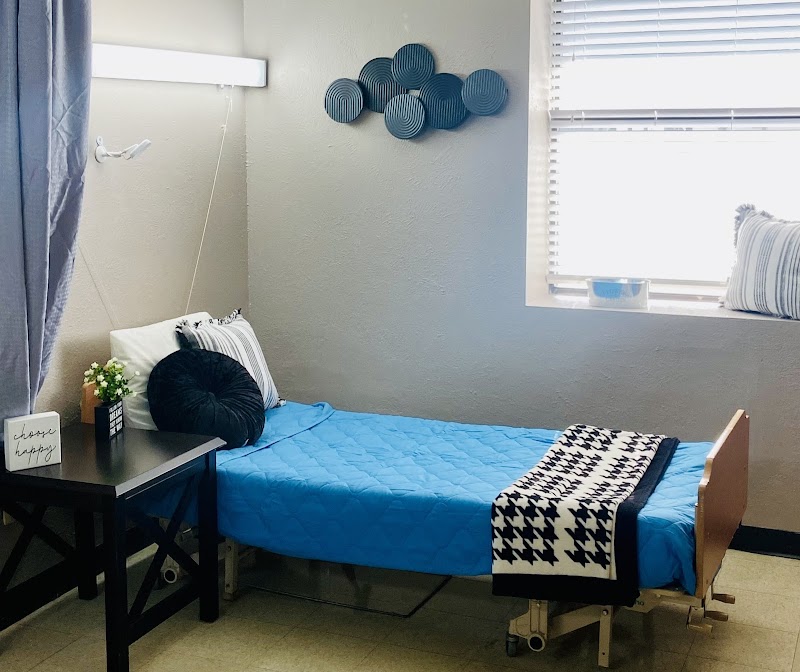
How is Fair Park Health & Rehabilitation Center Staffed?
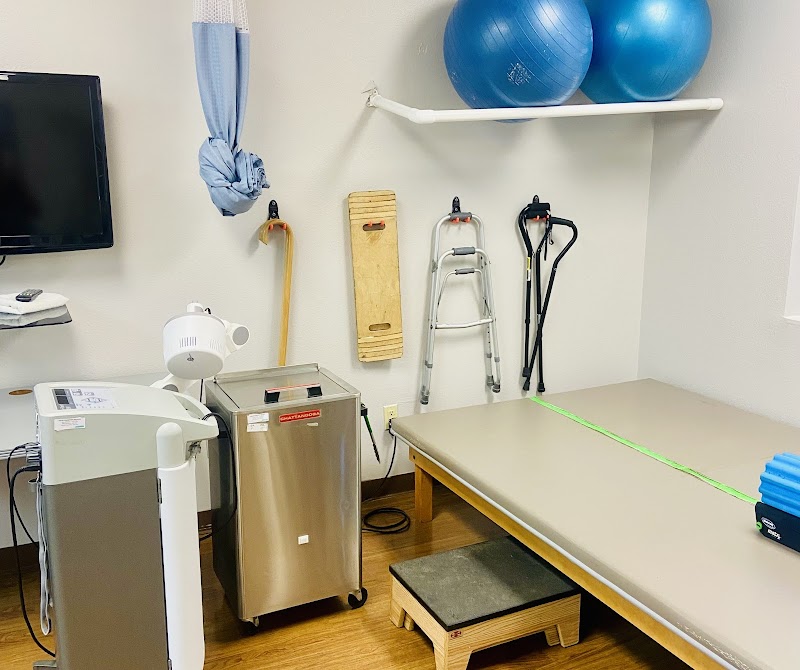
CMS rates Fair Park Health & Rehabilitation Center's staffing level at 2 out of 5 stars, which is below average compared to other nursing homes. Staff turnover is 52%, compared to the Texas average of 46%.

What Have Inspectors Found at Fair Park Health & Rehabilitation Center?

State health inspectors documented 30 deficiencies at Fair Park Health & Rehabilitation Center during 2022 to 2025. These included: 2 Immediate Jeopardy (the most serious level, indicating potential for serious harm or death) and 28 with potential for harm. Immediate Jeopardy findings are rare and represent the most serious regulatory concerns. They require immediate corrective action.

Who Owns and Operates Fair Park Health & Rehabilitation Center?

Fair Park Health & Rehabilitation Center is owned by a for-profit company. For-profit facilities operate as businesses with obligations to shareholders or private owners. The facility is operated by CREATIVE SOLUTIONS IN HEALTHCARE, a chain that manages multiple nursing homes. With 114 certified beds and approximately 47 residents (about 41% occupancy), it is a mid-sized facility located in Dallas, Texas.

How Does Fair Park Health & Rehabilitation Center Compare to Other Texas Nursing Homes?

Compared to the 100 nursing homes in Texas, Fair Park Health & Rehabilitation Center's overall rating (4 stars) is above the state average of 2.8, staff turnover (52%) is near the state average of 46%, and health inspection rating (3 stars) is at the national benchmark.

What Should Families Ask When Visiting Fair Park Health & Rehabilitation Center?

Based on this facility's data, families visiting should ask: "What changes have been made since the serious inspection findings, and how are you preventing similar issues?" "Can you walk me through typical staffing levels on day, evening, and night shifts?" "Can I visit during a mealtime to observe dining assistance and food quality?" "How do you handle medical emergencies, and what is your hospital transfer rate?" These questions are particularly relevant given the facility's Immediate Jeopardy citations and the below-average staffing rating.

Is Fair Park Health & Rehabilitation Center Safe?

Based on CMS inspection data, Fair Park Health & Rehabilitation Center has documented safety concerns. Inspectors have issued 2 Immediate Jeopardy citations (the most serious violation level indicating risk of serious injury or death). The facility has a 4-star overall rating and ranks #1 of 100 nursing homes in Texas. Families considering this facility should ask detailed questions about what corrective actions have been taken since these incidents.

Do Nurses at Fair Park Health & Rehabilitation Center Stick Around?

Fair Park Health & Rehabilitation Center has a staff turnover rate of 52%, which is 6 percentage points above the Texas average of 46%. Moderate turnover is common in nursing homes, but families should still ask about staff tenure and how the facility maintains care continuity when employees leave.

Was Fair Park Health & Rehabilitation Center Ever Fined?

Fair Park Health & Rehabilitation Center has been fined $37,459 across 2 penalty actions. The Texas average is $33,453. While any fine indicates a compliance issue, fines under $50,000 are relatively common and typically reflect isolated problems that were subsequently corrected. Families should ask what specific issues led to these fines and confirm they've been resolved.

Is Fair Park Health & Rehabilitation Center on Any Federal Watch List?

Fair Park Health & Rehabilitation Center is not on any federal watch list. The most significant is the Special Focus Facility (SFF) program, which identifies the bottom 1% of nursing homes nationally based on persistent, serious quality problems. Not being on this list means the facility has avoided the pattern of deficiencies that triggers enhanced federal oversight. This is a positive indicator, though families should still review the facility's inspection history directly.