Five Points at Lake Highlands Nursing and Rehab
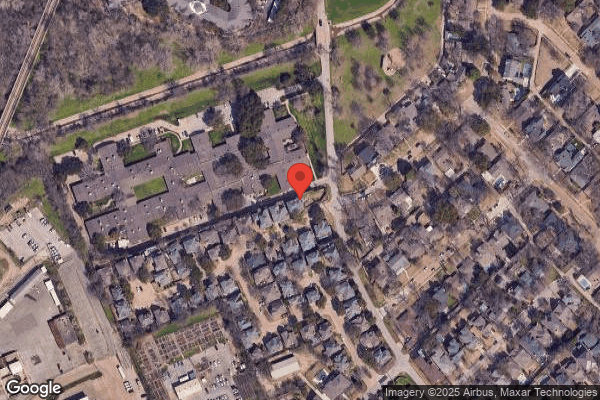
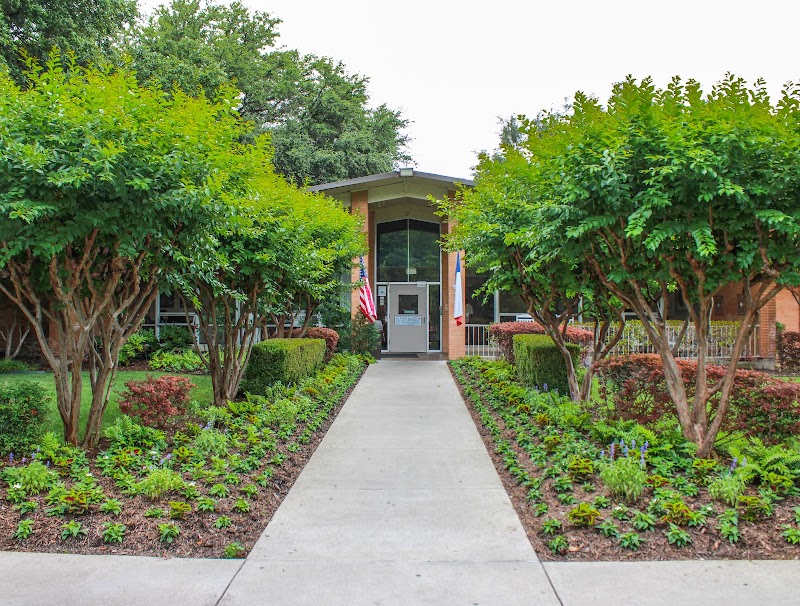
9009 White Rock Tr, Dallas, TX 75238 (214) 355-3300
For profit - Limited Liability company 280 Beds CREATIVE SOLUTIONS IN HEALTHCARE Data: November 2025 3 Immediate Jeopardy citations
Trust Grade
0/100
#982 of 1168 in TX
Last Inspection: December 2024

Within standard 12-15 month inspection cycle. Federal law requires annual inspections.

Overview

Five Points at Lake Highlands Nursing and Rehab has received a Trust Grade of F, indicating significant concerns about the quality of care provided. Ranking #982 out of 1168 facilities in Texas places it in the bottom half, and #70 out of 83 in Dallas County shows it's one of the less favorable options in the area. While the facility is trending toward improvement, reducing issues from 18 to 10 over the past year, it still has a troubling history, with 43 total deficiencies reported, including critical incidents involving unsafe patient transfers and inadequate discharge planning that put residents at risk. Staffing is rated poorly with a turnover rate of 49%, which is slightly below the state average, but RN coverage is only average, meaning there may not be enough registered nurses available to catch problems that nursing assistants might miss. Additionally, the facility has incurred fines totaling $55,361, which is concerning and suggests ongoing compliance issues.
Trust Score
F
0/100
In Texas
#982/1168
Bottom 16%
Safety Record
High Risk
Review needed
Inspections
Getting Better
18 → 10 violations
Staff Stability
⚠ Watch
49% turnover. Above average. Higher turnover means staff may not know residents' routines.
Penalties
✓ Good
$55,361 in fines. Lower than most Texas facilities. Relatively clean record.
Skilled Nurses
⚠ Watch
Each resident gets only 19 minutes of Registered Nurse (RN) attention daily — below average for Texas. Fewer RN minutes means fewer trained eyes watching for problems.
Violations
⚠ Watch
43 deficiencies on record. Higher than average. Multiple issues found across inspections.
★☆☆☆☆
1.0
Overall Rating
★☆☆☆☆
1.0
Staff Levels
★★★★☆
4.0
Care Quality
★☆☆☆☆
1.0
Inspection Score
Stable
2024: 18 issues
2025: 10 issues

The Good

  • 4-Star Quality Measures · Strong clinical quality outcomes
  • Full Sprinkler Coverage · Fire safety systems throughout facility
  • No fines on record

Facility shows strength in quality measures, fire safety.

The Bad

1-Star Overall Rating

Below Texas average (2.8)

Significant quality concerns identified by CMS

Staff Turnover: 49%

Near Texas avg (46%)

Higher turnover may affect care consistency

Federal Fines: $55,361

Above median ($33,413)

Moderate penalties - review what triggered them

Chain: CREATIVE SOLUTIONS IN HEALTHCARE

Part of a multi-facility chain

Ask about local staffing decisions and management

The Ugly 43 deficiencies on record

3 life-threatening 1 actual harm
Sept 2025 1 deficiency 1 IJ
CRITICAL (J) 📢 Someone Reported This

A family member, employee, or ombudsman was alarmed enough to file a formal complaint

Immediate Jeopardy (IJ) - the most serious Medicare violation

Deficiency F0627 (Tag F0627)

Someone could have died · This affected 1 resident

**NOTE- TERMS IN BRACKETS HAVE BEEN EDITED TO PROTECT CONFIDENTIALITY** Based on interviews and record reviews, the facility failed to provide and document sufficient preparation and orientation of re...

Read full inspector narrative →
**NOTE- TERMS IN BRACKETS HAVE BEEN EDITED TO PROTECT CONFIDENTIALITY** Based on interviews and record reviews, the facility failed to provide and document sufficient preparation and orientation of resident to ensure safe and orderly transfer or discharge from the facility and ensure the orientation was provided in a form and manner that the resident could understand for one (Resident #1) of five residents reviewed for discharge. The facility failed on 8/21/2025 to ensure Resident #1's post-discharge destination and continued care provider could meet Resident #1's needs in that Resident #1 did not go to the Resident Representative's (RP) home, Resident #1 was taken to another family members residence because Resident #1 RP couldn't care for her due to work schedule and on or about 25 or 26 August 2025 Resident #1's RP obtained an order of protective custody for Resident #1 and Resident #1 was arrested and taken to a psychiatric hospital.This failure could place residents at risk of being discharged without preparation, causing a disruption in their care and place the residents at risk for their needs not being met.This failure resulted in an Immediate Jeopardy situation on 9/16/2025. While the IJ was removed on 9/18/25, the facility remained out of compliance at a severity level of no actual harm with potential for more than minimal harm due to staff needing more time to monitor the effectiveness for the plan of removal for inappropriate discharge. Findings included:Record review of Resident #1's Discharge summary, dated [DATE], revealed a [AGE] year-old female originally admitted on [DATE], re-admitted on [DATE], and discharged on 08/21/2025. Resident #1 had diagnoses which included: Cellulitis of left lower limb (bacterial infection of the skin and underlying tissues), acute respiratory failure with hypercapnia (inability of the lungs to effectively remove carbon dioxide), morbid (severe) obesity with alveolar hypoventilation (breathing disorder), diabetes mellitus (high blood sugar) without complications, unsteadiness on feet, lack oof coordination, generalized anxiety disorder (mental health conditions), dementia in other diseases classified elsewhere (a type of dementia that occurs as a secondary symptoms of another underlying medical condition), severe with mood disturbance, pain unspecified, reduced mobility, difficulty in walking, deficiency of other vitamins, unspecified intellectual disabilities, schizoaffective disorder (mental condition that combines symptoms of schizophrenia and a mood disorder), bipolar (manic depression), fluid overload, unspecified pyuria (high levels of white blood cells in urine), lymphedema (swelling in the body), iron deficiency anemia, pulmonary hypertension (blood pressure in the arteries of the lungs is abnormally high), acute on chronic diastolic (congestive) heart failure, acute embolism and thrombosis of deep veins of unspecified lower extremity (blood clot in the deep veins of the lower leg), acute embolism and thrombosis of superficial veins of left upper extremity (new blood clot forming in a superficial vein in the left arm, or shoulder, which may involve a clot traveling through the bloodstream), muscle weakness, need for assistance with personal care, cognitive communication deficit person's ability to communicate effectively due to underlying impairments), acute cystitis without hematuria (inflammation of the bladder (cystitis) that does not involve blood in the urine (hematuria). The reason for the discharge reflected an incident with another resident causing bodily harm. The discharge effective date was 8/21/2025. Brief history for Resident #1 reflected an increase in unsafe behaviors towards residents. The course of treatment for Resident #1 reflected interventions of increased activities and time in a calming environment. The condition Resident #1 discharged reflected was good. Rehabilitative Potential for Resident #1 reflected fair. The follow-up and discharge medications (instructions to resident) revealed the following medications were sent home for Resident #1: Depakote ER Oral Tablet, Seroquel Calcium Carbonate Tablet Chewable 500 MG, Maalox Regular Strength Suspension Potassium Chloride ER Lasix Oral Tablet 20 MG, Multivitamin-Minerals Oral Tablet, Tylenol Extra Strength Oral Tablet 500 MG, Vitamin B12, Ergocalciferol Capsule 50000 UNIT, Zoloft Oral Tablet, Anoro Ellipta Inhalation Aerosol Powder Breath Eucerin, External Lotion Metformin Gentamicin Sulfate External Ointment 0.1 % Albuterol Sulfate HFA Inhalation Aerosol Solution. Resident #1 was discharged home with no home health. The list of reconciled medications sent with the representative reflected yes. How was the list of reconciled medication sent reflected verbal. Digitally signed by the physician. Record review of Resident #1's quarterly MDS assessment, dated 06/04/2025, revealed Resident #1 did not perform an interview for mental status due to the resident rarely/never understood. Resident #1's behavior revealed no exhibited physical behavioral symptoms directed toward others, no exhibited verbal behavioral symptoms director toward others and no exhibited other behavioral symptoms directed toward others. Record review of Resident #1's Care Plan, dated 02/21/2025, revealed Resident #1 would remain in the facility for long term as she required 24-hour licensed nursing care. Resident #1 required anti-psychotic and anticonvulsant medications for diagnoses of schizophrenia, psychosis, and bipolar disorder could show aggressive behavior during periods of frustration or agitation. Record review of Resident #1's referral from the hospital to Five Points at Highlands, dated 7/28/2023, revealed Resident #1's RP stated she could not care for Resident #1 any longer, and would need somewhere long-term, possibly with a secured unit to prevent Resident #1 from trying to leave. Record review of the NP progress note, dated 08/21/2025, revealed when the NP arrived on the secured unit and there were two officers conversing with the ADON and SW. Resident #1 was in the dining room with the sitter. Police informed staff that they cannot arrest Resident #1 due to her mental capacity, nor could they detain her with OPC because she was in a facility where she could receive medical care. Resident #1's RP was informed that Resident #1 was a danger to others and was receiving immediate discharge notice. The SW explained to Resident #1's RP that she could take Resident #1 to psych hospital, but the officers could not take her. The NP stated Resident #1's RP wanted police to take Resident #1 because she could not force Resident #1 to do anything. The NP encouraged her to call family members to assist her, Resident #1 had an immediate family member, but RP told NP that he will make things worse. Record review of the SW progress note, dated 8/22/2025, revealed the SW notified of the altercation between Resident #1 and another resident. SW contacted Resident #1's RP to notify her of the altercation and the order for immediate discharge. Resident #1's RP came to the facility to pick up Resident #1 and take her home with medication, a rollator, instructions, and community referrals for medical PCP and discharge from the facility. Record review of Resident #1's electronic health records from 8/21/2025 to 8/28/2025 revealed no documentation of request and/or referral for psych observation for Resident #1. Record review of Resident #1's electronic health records from 8/21/2025 to 8/28/2025 revealed no documentation that Resident #1's RP declined alternate placement for Resident #1. Record review of Resident #1's electronic health records from 8/21/2025 to 8/28/2025 revealed no documentation that Resident #1's RP received the facility Ombudsman's contact information to assist discharge to the community. Record review of Resident #1's electronic health records from 8/21/2025 to 8/28/2025 revealed no documentation of verbal or written notice of intent to leave the facility. In a confidential staff interview on an undisclosed date, it was revealed that Resident #1's was not a safe discharge, and the RP could not properly care for Resident #1 because she had dementia, the resident was obese and had mood disorders and the RP was a small petite elderly woman who Resident #1 could potentially harm. During an interview on 8/28/2025 at 9:10 a.m., with the Administrator revealed there was an unwitnessed incident on the secured unit and when he and the SW notified Resident #1's RP to inform her they were going to send Resident #1 out to the hospital for behavior observation, the RP stated she would just pick Resident #1 up and take her home. The Administrator stated they conducted the discharge process for Resident #1 and the RP was provided with all Resident #1's medications, but her belongings were still in the facility due to the RP stating she could not fit them in the car. During an interview on 08/28/2025 at 09:39 a.m., with Resident #1's RP she revealed that she had received a phone call on 08/21/2025 from the facility SW who stated she had to pick up Resident #1 from the facility immediately because Resident #1 could no longer stay at the facility due to an unwitnessed incident that happened and she was being discharge immediately. The RP told the SW that she had nowhere to take Resident #1 and asked if she could get Resident #1 sent to another facility, because Resident #1 gave up her apartment when she admitted to the facility and would be homeless. She stated the SW insisted the RP pick up Resident #1. The RP stated when she arrived at the facility, they gave her some papers as she put Resident #1 in the car. The RP stated she would never have picked up Resident #1 voluntarily because the RP could not care for Resident #1 properly as Resident #1 required round-the-clock care and the RP stated she worked two part-time jobs. RP revealed Resident #1 never went to her home the RP took her to another family members home until she was able to obtain an order of protective custody and police arrested Resident #1 and took her to a psychiatric hospital. During an interview with the SW on 8/28/2025 at 12:45 p.m., the SW stated Resident #1 discharged on 8/21/2025. The SW stated she informed Resident #1's RP that she could refer Resident #1 to another facility, but Resident #1's RP declined and picked up Resident #1 and took Resident #1 home. The SW stated it was a safe discharge because she had attempted to offer to find placement for Resident #1, but it was declined verbally, and Resident #1 went home with a family member who was provided with referrals for community resources, a walker, and medications. In an interview on 8/28/2025 at 217 pm, with the Administrator revealed Resident #1's RP came and picked up Resident #1 that it was a safe discharge as the RP was responsible for making decisions for Resident #1 care. The Administrator stated if the RP could not take care of Resident #1 the RP would have elected someone who could. The Administrator stated that if the RP couldn't find Resident #1 placement at another facility, he would have to consult with his superiors on Resident #1's return to the facility as days had passed so Resident #1 would have to go through the referral process and start the admission process again. Record review of facility Discharge or Transfer policy dated 12/2017 revised 2/12/2025 under Resident Discharge to the Community states For resident who want to be discharged o the community, this nursing home must determine if appropriate and adequate supports are in place, including capacity and capability for the resident's caregivers home. Family members, significant others or the resident's representative should be involved in this determination, with the resident's permission, unless the resident is unable to participate in the discharge process. A referral to the Local Contact Agency may be appropriate for many individuals, who could be transitioned to a community setting of their choice. The nursing home staff is responsible for making referrals to the LCA, if appropriate, under the process that the State has established. Nursing home staff should also make the resident and if applicable, the resident representative, aware that the local ombudsman is available to provide information and assist with and traditions from the nursing home. For residents who have been in the facility for a longer time, it is still important to inquire, as needed, whether the resident would like to talk with LCA experts about returning to the community. If the resident is unable to communicate their preference or is unable to participate in discharge planning, the information should be obtained from the resident's representative. Discharge planning must include procedures for: -Documentation of referrals to local contact agencies, the local ombudsman, or other appropriate entities made for this purpose. -Documentation of the response to referrals; and -For residents for whom discharge to the community has been determined to not be feasible, the medical record must contain information about who made that decision and rational for that decision. Discharge planning must identify the discharge destination, and ensure it meets the resident's health and safety needs, as well as preferences. If a resident wishes to be discharged to a setting that does not appear to meet his or her post-discharge needs, or appears unsafe, the facility must treat this situation similarly to refusal of care, and must: -Discuss with the resident, (and/or his or her representative, if applicable) and document the implications and/or risks of being discharged to a location that is not equipped to meet his/her needs and attempt to ascertain why the resident is choosing that location; -Document that other, more suitable, options of locations that are equipped to meet the needs of the resident were presented and discussed; -Document that despite being offered other options that could meet the resident's needs, the resident refused those other more appropriate settings; -Determine if a referral to Adult Protective Services or other state entity charged with investigating abuse and neglect is necessary. The referral should be made at the time of discharge. An Immediate Jeopardy was identified on 9/16/25 and the Administrator was notified of the Immediate Jeopardy on 9/16/25 at 6:28 p.m. and was given a copy of the IJ template and a Plan of Removal (POR) was requested. The facility's POR for Immediate Jeopardy was accepted on 9/18/25 at 3:11 p.m. and reflected the following: . Interventions: 1. Resident #1 currently does not reside in the facility as of 8/21/25. The SW, and Administrator reached out to the RP of Resident #1 to discuss alternative placement due to increased behaviors. Resident #1's RP came to the facility to pick up the resident and take her home with medications, rollator, community resources for medical PCP. 2. All residents discharged in the past 30 days had their charts audited by the RCN, DON, and ADONs to ensure that all residents were discharged safely to their destination. 18 residents were discharged to the hospital. 3 residents discharged home. Initiated 9/16/25 and Completion Date 9/17/25. 3. The Administrator, DON, ADONs, and SWs were in-serviced 1:1 by ADO, RCN on 9/16/25 on the following topics. Initiated 9/16/25 and Completion Date 9/17/25. A. Discharge or Transfer to Another Facility Policy: New Process: Initiated 9/16/25 and Completion Date 9/17/25. In the future, if there is an emergency discharge scenario- all listed IDT members and PCP/MD will have a meeting to plan a safe discharge with all necessary community services. The charge nurses will report to DON and ADON if any part of the discharge process is overlooked or not completed. When a resident is discharged home, the following IDT members will perform the following: DON: Collaborate with IDT in the planning and ensure residents have all necessary post discharge providers in place for continuity of care. The DON's last day is 9/19/25. ADON A will be trained to follow the DON responsibilities on 9/17/25 and will resume the responsibilities for the discharge process on 9/19/25. ADONs: Family members will be educated on the care of the residents, including medications and psychology/psychiatry services to facilitate a safe discharge to a safe destination. The resident's attending physician and psych MD will be notified for the order and approval to discharge. ADONs A, B, and C are responsible for educating the PCP and psych services on upcoming discharges home as well as the community services for continuity of care. Social Workers: Ensure location and discharge address to Home Health Care if needed, order DME if needed. The SW will get in contact with resident and/or RP/family within 48 hours to ensure the resident is doing well and adjusting well in discharge location. The SW will document in Point Click Care ( PCC) in progress notes. The Administrator will check on all 48-hour discharge follow-ups during facility morning and end of day meetings on PCC. Administrator: Will ensure that every discharge has an IDT meeting completed and all providers for care are involved, and community resources are set up for discharge. The Administrator will ensure that all medications, DME and home health services are in place prior to discharge home. The SWs will document in PCC under progress notes the discharge location, post discharge services, home health services and caregiver support as needed. The Administrator is responsible for training the IDT on the discharge process and will check for every planned/unplanned discharge to ensure the process is followed for all discharges home by reviewing the documentation in PCC under progress notes and d/c summary. The Administrator will inquire about upcoming and unplanned discharges 5 days a week during morning facility and end-of-day meetings. The Administrator will report to the ADO weekly on the Operations Call for all home discharges. The ADO will audit all home discharges on PCC and verify with the facility IDT. Resident Rights Policy: All residents have the right to safely discharge with education provided for care, services, and medication. Behavioral Management Policy: Residents with behavioral or psychology diagnosis will have the appropriate care and services during admission and upon discharge. The SW will ensure that psychology services are in place when discharging a resident home. The MD was notified of the immediate jeopardy on 9/16/25 by the Administrator. An AD HOC (as needed) QAPI meeting was completed with interdisciplinary team which included the MD, Administrator, DON, Admissions, and BOM to discuss the citations and plan of removal. Initiated 9/16/25 and Completion Date 9/17/25. The Administrator/designee will test the IDT and charge nurses on the discharge process. Return demonstration via testing will need to be 100% prior to their shift. If 100% is not achieved- re-education will be provided until 100% compliance is achieved. Initiated 9/16/25 and Completion Date 9/17/25. Residents who have increased behaviors will be monitored every shift for safety by the nurse charge and will report daily to the DON and ADONs and notify the MD. There are 3 residents that are currently be monitored for behaviors (see attached). Training: ADON A will be responsible for educating and testing PRN and staff that are on vacation during this time period. ADON A will update the Administrator on the progress with education and testing 5 days a week until completed. Initiated 9/16/25 and Completion Date 9/17/25. For all immediate discharges: the Administrator will notify the Area Director of Operations prior to discharge. The ADO will verify the discharge process was followed correctly for a safe discharge. Initiated 9/18/25 and Completion Date 9/18/25. In-services: All charge nurses were in-serviced on the following topics by the Administrator, DON, ADONs. All nurses not present and PRN staff will be in-serviced prior to their next shift. All new hires will be in-serviced during facility orientation. All agency staff will be in-serviced prior to their assigned shift. Initiated 9/16/25 and Completion Date 9/17/25. Discharge or Transfer to Another Facility Policy: New Process: The charge nurse will educate the resident RP/family on medication review, count narcotics if any, and complete the DC summary in PCC at the time of discharge. The Charge Nurses will report to the DON and ADONs if any part of the discharge process is overlooked or not completed. Monitoring of the plan of removal included:Record review of facility in-services titled Behavior Management and documentation, Discharge Planning Process and Documentation, Discharge Planning Process policy, and Resident Rights, dated 9/16/25 though 9/18/25, reflected staff were educated by the Administrator, DON, and ADONs.Record review of a one-on-one in-service titled Resident Rights, dated 9/16/25, reflected 4 (Administrator, DON, and two Social Workers) staff were educated by the ADO. Record review of a one-on-one in-service titled Discharge Plannings Process and Documentation, dated 9/16/25, reflected 4 (Administrator, DON, and two Social Workers) staff were educated by the ADO.Record review of a one-on-one in-service titled Behavior Management and Documentation, dated 9/16/25, reflected 4 (Administrator, DON, and two Social Workers) staff were educated by the ADO. Record review of a one-on-one in-service titled Notify ADO of any Immediate Discharge, dated 9/18/25, reflected 4 (Administrator, DON, and two Social Workers) staff were educated by the ADO.Record review of 30-Day Discharges identified two additional residents had discharged from the facility Resident, Resident #2 left against medical advice and resident #3 discharged back home after five days of respite care. Record review of the Administrator, DON, ADONs, SWs and Charge Nurses test on discharge process reflected they had 100% accuracy. Record review of the AD HOC QA meeting held on 9/16/25 reflected the meeting consisted of Administrator, DON, MDS, Medical Director, and Business Office Manager.Record review of ,residents identified for monitoring for behaviors, Resident #4, Resident #5 and Resident #6's electronic health records from 9/18/25 to 9/19/25 reflected they were monitored for behaviors. Interview with the ADO on 9/18/23 at 3:15 p.m. He stated he trained the Administrator and DON on the notification to ADO of any immediate discharge. Additionally, re-trained the Administrator, DON, and SWs on the discharge planning process and documentation, resident rights, Behavior management and documentation. Verified via record review signed by the Administrator, DON and both social workers. Interview with Administrator on 9/18/25 at 3:30 p.m., the Administrator stated the ADO re-educated him on the discharge planning process and documentation, resident rights, behavior management and documentation and the ADO trained him on the notification to ADO of any immediate discharge Interview with the DON, on 9/18/25 at 3:45 p.m., the Administrator was asked, what was the facility's monitoring or oversight process for ensuring residents were discharged safely. He responded his plan was for this to be a continuous quality measure; that started with the IDT team which consist of the resident and/or their resident representative, medical director, social worker, nursing, therapy, DON and Administrator which will ensure the resident is prepared, educated and discharged safely. The medical director approved the discharge, the social worker ensured medical equipment was ordered, referrals were placed and community services were set up and documented in PCC, the follow up 48 hours post discharge to make sure discharge was smooth and document response in PCC. The ADONs and/or charge nurse would review and educate resident and/or resident representative on medication and document in PCC. The Administrator would ensure all discharge process were followed. To ensure each steps where completed the Administrator would review the documentation was completed in PCC. The Administrator stated that the steps were the same for an immediate discharge except he had to contact the ADO and inform him of the immediate discharged resident. During an interview on 9/18/25 at 5:00 pm with ADON A revealed that she had been trained by the DON on her duty to sit in fill in as interim DON in the IDT planning and ensure residents have all necessary post discharge providers in place for continuity of care. Verified via record review of Resident #5 who resided on the secured unit showed increased behaviors and charge nurses documented Resident #5 increased behaviors in PCC. Charge nurse contacted ADON A, ADON A contacted the MD, the MD put in a psych evaluation order, Resident #5 RP contacted and Resident #5 discharged to the hospital. Interviews held on 9/18/25 from 3:15 p.m., to 6:00 p.m., and 09/19/25 from 6:00 a.m., to 5:40p.m., which covered staff who work morning, day, night shifts, PRN staff and double weekend staff conducted with the Administrator, DON, ADON A (1st shift/weekdays), ADON B(1st shift/weekdays), ADON C (1st shift/weekdays), RN D (weekdays), RN E (PRN), RN F (overnight/morning), RN G (overnight/morning), RN H (double weekends), LVN I (Overnight), LVN J (morning), LVN K (overnight), LVN L (second shift), LVN M (double weekends) and SW N, SW O indicated they all participated in in-services on resident rights, discharge process and documentation and proficiency test prior to starting their shifts. All staff knew their responsibilities. All staff were knowledgeable, who were a part of the IDT. All staff were able to state that the facility's discharge process to ensure all residents' discharges were safe, all know what was required to be documented and who was responsible for each task and understand that the Administrator would oversee the entire process to make sure it was complete, and he would report any immediate discharges to the ADO. The Administrator was informed that the Immediate Jeopardy was removed on 9/18/2025 at 3:11 p.m. The facility remained out of compliance at a severity level of that was not Immediate Jeopardy and a scope of isolated, due to staff needing more time to monitor the effectiveness of the plan of removal for inappropriate discharge.
Jul 2025 3 deficiencies 1 IJ
CRITICAL (J) 📢 Someone Reported This

A family member, employee, or ombudsman was alarmed enough to file a formal complaint

Immediate Jeopardy (IJ) - the most serious Medicare violation

Accident Prevention (Tag F0689)

Someone could have died · This affected 1 resident

**NOTE- TERMS IN BRACKETS HAVE BEEN EDITED TO PROTECT CONFIDENTIALITY** Based on observation, interviews and records review the facility failed to ensure each resident received adequate supervision an...

Read full inspector narrative →
**NOTE- TERMS IN BRACKETS HAVE BEEN EDITED TO PROTECT CONFIDENTIALITY** Based on observation, interviews and records review the facility failed to ensure each resident received adequate supervision and transferred in a safe manner to prevent an accident for one (Resident #1) of four residents reviewed for accidents and hazards, in that: The facility failed to provide Resident #1 with adequate supervision and assistance with transfers to prevent an accident. On 05/14/25, Resident #1 had an unexpected or unintentional incident, which resulted in an injury to her left knee when transferred by two CNAs from the bed to a dialysis chair. On 05/19/25, the facility sent Resident #1 to the hospital after an x-ray of the bilateral (both) knees, dated 05/16/25 , revealed a possible acute nondisplaced fracture (the bone did not move when the fracture occurred) . follow-up x-rays or CT scan is recommended. On 05/19/25, Resident #1 had surgery to her left distal femur (lower part of thighbone, located just above the knee joint) to repair the fracture. An IJ was identified on 06/20/2025 at 1:30PM. The IJ template was provided to the facility on at 1:30 PM. While the IJ was removed on 06/20/2025 at 9:45PM, the facility remained out of compliance at a scope of Isolated and severity level of no actual harm with a potential for more than minimal harm due to the facility's need to complete in-service training and evaluate the effectiveness of the corrective systems. This failure placed residents at considerable risk of significant injury, harm, and/or impairment. Findings included: Record review of Resident #1's 5-day MDS Assessment, dated 05/29/25 reflected an [AGE] year-old female who admitted to the facility on [DATE]. Resident #1 had an admission history and diagnoses of CHF ([congestive heart failure] a chronic condition where the heart is unable to pump blood effectively, leading to a buildup of fluid in the lungs and legs); seizure disorder; CKD dependent on dialysis; and age-related physical debility. A BIMS score of 11 suggested Resident #1 had a moderate cognitive decline. Resident #1 had no behavioral symptoms or rejection of care behavior during the MDS review period. Resident #1 was dependent of staff assistance with ADLs and was frequently incontinent of bladder and always incontinent of bowel. Resident #1 was at risk for pressure ulcers/injuries. Record review of Resident #1s comprehensive care plan, printed 06/09/25, reflected the following: [Resident #1] has surgical site to the left knee and left thigh (Date Initiated: 05/23/25). Interventions included Observe for s/s of infection and Observe for s/s of pain during treatment and medicate PRN per physician's orders. [Resident #1] has an ADL Self Care Performance Deficit (Date Initiated: 03/31/25). Interventions included Bed mobility: requires staff x1 for assistance; Encourage the resident to use bell to call for assistance; and Transfer: require a Mechanical Lift as a Mechanical Aid and 2 staff members to assist in transfers (Date Initiated: 05/20/25 by DON); [Resident #1] has a history of making false accusations/fabrications on staff, refusal of care, and refusal of medications (Date Initiated: 03/31/25; Revision on: 05/27/25). Interventions included Educate [Resident #1/RP/CG] of causative factors and measures to prevent false accusations; and Monitor/document/report and Psych Services to eval and treat as needed. Record review of Resident #1's active physician orders reflected:- Order date 03/28/25: Acetaminophen Oral Tablet 325 mg. Give 2 tablets by mouth three times a day for Pain. Give 2 tablets to equal 650 mg, not to exceed 3000 mg a day. [Discontinued 05/19/25] - Order date 03/28/25: Resident to have pain consult with pain management NP to assess for pain medication needs and /or modifications. [Discontinued 05/19/25] - Order date 03/28/25: DIALYSIS DAYS MONDAY-WED-FRI [Discontinued 05/19/25] - Order date 03/28/25: NO BP/BLOOD DRAW OR FINGER STICK TO RIGHT ARM [Discontinued 05/19/25] - Order date 03/31/25: Anticoagulant Monitoring: monitor for signs and symptoms of adverse reaction: . rash . tissue necrosis . hemorrhage . purple toe syndrome, Increased fracture risk with long term use. Every shift. [Discontinued 05/19/25] - Order date 05/16/25: Xray of left Femur 2V (two views), Bilateral (both sides) Hip 2V, and Left Tibia & Fibula (the bones that make up the lower leg) 2V. - Order date 05/15/25: Tylenol Extra Strength Oral Tablet 500 mg. Give 2 tablets orally every 8 hours as needed for Pain. Two tablets to equal 1000 mg. - Order date 05/22/25: Norco tablet 5-325 mg. Give 1 tablet by mouth every 6 hours as needed for Pain. - Order date 05/23/25: Cleanse left knee surgical site with wound cleanser, pat dry apply Betadine then cover with protective dressing change every Tuesday - Thursday and as needed. Every day shift every Tuesday, Thursday for wound care. - Order date 05/23/25: Cleanse left thigh surgical site with wound cleanser, pat dry apply Betadine then cover with protective dressing change every Tuesday - Thursday and as needed. Every day shift every Tuesday, Thursday for wound care. - Order date 05/23/25: PT to eval and treat. - Order date 05/23/25: PT to eval and treat as indicated. PT Clarification: Patient to receive skilled PT services 3x/week for 60 days. - Order date 05/27/25: [Provider Name] may provide psychiatric services. - Order date 05/23/25: Acetaminophen Oral Tablet 325 mg. Give 2 tablets by mouth three times a day for Pain. Give 2 tablets to equal 650 mg, not to exceed 3000 mg a day. - Order date 05/23/25: Resident to have pain consult with pain management NP to assess for pain medication needs and /or modifications. Record review of Resident #1's May 2025 MAR did not reflect a nurse initial that indicated Tylenol Extra Strength Oral Tablet 500 mg. Give 2 tablets orally every 8 hours as needed for Pain. Two tablets to equal 1000 mg were administered to Resident #1 on 05/15/25 for pain as needed. The MAR revealed that Resident #1 received Acetaminophen Oral Tablet 325 mg. Give 2 tablets by mouth three times a day (9AM, 1PM, 5PM) for Pain as ordered; except on Mondays at 9:00 AM when Resident #1 was at dialysis. On 05/14/25, Resident #1 did not receive the Acetaminophen dose on Wednesday, 05/14/25 at 9:00 AM or 1:00 PM. A comment was not entered in the comment section to explain why the doses were not administered. Record review of Resident #1's admission Fall Risk assessment dated [DATE], completed by ADON B, reflected a score of 12 that suggested Resident #1 was a High Risk for falls. Record review of Resident #1's progress notes indicated the following:- 05/15/25 at 9:20 PM, RN E documented [Resident #1] complained of pain to the left leg when turned/repositioned. pain started today. Assessed resident for injury. No injury noted. Resident moaned when left leg is moved. notified NP. Received order for x-ray, 1000 mg Tylenol . Administered Tylenol . - 05/16/25 at 8:12 AM, RN E documented X-ray results for left tibia/fibula, right femur received and relayed to NP. All results were negative. No new orders received. - LATE ENTRY (entered on 05/20/25 at 5:34 PM) effective date 05/16/25 at 4:28 PM, ADON B entered an Event Note: Level of pain 7 out of 10; Resident c/o (complained of) pain. X-ray of left femur (thigh), bilateral (both) hips, and left tibia and fibula (the two bones that make up the lower leg). - 05/17/25 at 2:33 PM, RN F documented New order STAT of x-ray of bilateral knees. [Resident #1] complained of pain to knee. - 05/19/25 at 12:00 AM (midnight), RN F documented Received bilateral knees x-ray result with impression that there is possible acute nondisplaced fracture of the distal left femur and relayed it to NP (on call for PCP), new order received to transfer to hospital for evaluation and treatment. Non-emergency transportation called. Night nurse to follow up. Limited movement initiated and maintained to left leg. - 05/19/25 at 1:25 AM, RN P documented [Resident #1] was transferred to hospital by [non-emergency transportation] for abnormal x-ray result. - LATE ENTRY (entered on 05/27/25 at 3:03 PM) effective date 05/20/25 at 5:17 PM, DON entered Received report at 1:31 PM from [hospital] that [Resident #1] has a nondisplaced fracture of distal femur and would be having surgery to repair. Record review of Incident Report #805, dated 05/15 /25 3:46 PM, completed by RN E indicated the incident occurred in the Resident's Room Incident description: Resident complained of pain in left lower leg when turned/repositioned. Resident description: Resident stated that the pain started today. When asked if she fell, she stated No. When asked if anyone hurt her she said No. When asked what happened her reply was that she didn't know her knee just started hurting. Immediate Action Taken: Assessed resident for injury. No injury noted. Resident moaned when left leg is moved. No s/sx of distress noted. Notified NP. Received order for x-ray bilateral hips, left femur, tibia, fibula. 1000 mg Tylenol every 8 hours PRN. Administered Tylenol 1000 mg to relieve pain. Level of Pain: 5. Record review of Resident #1's x-ray results dated 05/15/25 at 8:16 PM reflected examination of the left tibia/fibula, right femur, and bilateral hips had no evidence of an acute fracture. The reading physician (physician responsible for reading x-ray results and report impression of findings) read the results on 05/15/25 at 9:30 PM. Record review of Resident #1's x-ray results dated 05/16/25 at 1:46 PM reflected examination of bilateral knees that revealed a possible acute nondisplaced fracture of the distal left femur seen. The reading physician (physician responsible for reading x-ray results and report impression of findings) read the results on 05/16/25 at 3:25 PM. Record review of Resident #1's hospital visit summary (05/19/25 - 05/22/25) revealed Resident #1 admitted on [DATE] at 1:33 AM. The admission diagnosis reflected femur fracture. The admitting physician documented that [Resident #1] chief complaint was severe left leg pain. The admitting physician's history and physical summary indicated [Resident #1] . landed on her left knee 5 days ago. She had left knee x-ray done 2 days ago that showed possible knee fracture and acute nondisplaced fracture of left distal femur. [Resident #1] has persistent and worsening left lower extremity pain prompting them to send her to our ED for further evaluation. CT left lower extremity showed nondisplaced distal femoral fracture [Final Result time 05/19/25 at 2:22 AM]. Orthopedic surgery was consulted with plan to proceed with surgery at this morning [05/19/25]. Record review of a facility submitted SRI dated 05/20/25 and a 5-day PIR (Provider Incident Report)dated 05/27/25 reflected the internal investigation was UNFOUNDED. The 5-day PIR included written and signed witness statements from RN F, Resident #1 signed by ADON A, and TT C. The facility conducted In-services dated 05/20/25 on ANE, Resident Rights, and Change of Condition Notification. Record review of a written statement dated 05/19/25, RN F wrote On 05/14/25, [Resident #1] went to dialysis, came back and did not tell (RN F) about having pain. At 3:30 PM, the assigned CNA (CNA G) informed (RN F) and RN E at the nurse's station that [Resident #1] was complaining about pain to her left (knee) leg. RN E and (RN F) quickly went to see (Resident #1), assessed her. [Resident #1] said that she had pain to her left (knee) leg. RN E had already assumed his afternoon shift and he acknowledged to call the doctor and (RN F) left for home. RN F signed and dated (05/19/25) the statement. Record review of an undated written statement, ADON A wrote [Resident #1] stated that her leg started to hurt last Wednesday when 1 male and 1 female picked her up under her arms to put her in the chair for dialysis. She said her leg dropped and she told them it hurt. She went to dialysis and when she came back the nurse gave her pain medicine. Resident #1 and ADON A signed the statement. ADON A wrote Writer next to her name. Record review of an undated written statement, TT C wrote On Wednesday, 14th May 2025, (TT C) was called to assist to transport [Resident #1] to dialysis den (facility area where in house dialysis is given)for her dialysis schedule. (TT C) and a female aid transferred her from bed in the transport chair without moaning or groaning or complaint of pain, neither did any of her body part was dropped or rub against any hard surface. She was successfully and comfortably transported to dialysis den. TT C signed the statement. During an interview and record review on 06/08/25 at 1:44 PM, the NFA stated that he assisted the former administrator with completing self-reports before her last day worked for the facility. The NFA said that he was not the administrator over the facility at the time of the incident. The NFA said that he called in the self-report on 05/20/25 and completed the 5-day provider investigation report (PIR) on 05/27/25. Record review of the 5-day PIR reflected . An x-ray was ordered; no confirmed injuries were found initially, but the resident was sent to the hospital for further evaluation. The hospital determined the resident had a non-displaced distal femur fracture and will undergo surgery. The NFA said that he was unaware that the x-rays that resulted no confirmed injuries were of the hips, the right thigh, and the left lower leg. The NFA said that he did not know that there was a second set of x-rays done STAT on 05/16/25 of Resident #1's knees and the findings determined the possible non-displaced fracture and that was why Resident #1 was sent to the hospital but not until 05/19/25. The NFA said that he reported the investigation the way the DON informed him. During observation and interview on 06/08/25 at 3:42 PM, Resident #1 was lying in a left lateral position in bed. Resident #1 was oriented to self, situation, and time of day (with prompts). Resident #1 with fair recall of immediate and past events. Resident #1 stated two (unidentified) staff dropped her on her (left) knee when transferred from bed to dialysis chair prior to going to dialysis. Resident #1 said that the staff transferred her from the bed by lifting her under her arms to the dialysis chair. Resident #1 said she told the staff that they hit her knee on the floor and her knee hurt. Resident #1 said that the nurse administered pain medicine when she returned from dialysis. Resident #1 said that the male staff pushed her to dialysis in the dialysis chair. Resident #1 said she had to go to the hospital and had surgery to her knee. Resident #1 said that she still had stitches in her knee and had an appointment to follow up with the surgeon to remove the stitches. There were no fall mats noted on the bedside floor or in the room. Resident #1 denied she had a fall and restated that staff dropped her on her (left) knee during a transfer. During an interview and record review on 06/09/25 at 2:06 PM, the DON said that she learned about the x-ray results of Resident #1's knees that indicated a possible acute fracture during the morning meeting on 05/19/25. The DON said that there were previous x-ray results that were negative. The DON said that she told the staff to send Resident #1 to the hospital by non-emergency transport to get a second opinion of the x-ray results and she immediately implemented an internal investigation. The DON said that Resident #1 never told staff how she hurt her knee. The DON said that staff did not report a fall and Resident #1 never told staff that she fell or that someone hurt her. The DON said that Resident #1 was wheelchair bound and needed staff assistance to transfer. Record review of the 5-day PIR reflected [Resident #1] initially reported left leg pain during repositioning by staff. When asked what happened, [Resident #1] was unsure and denied any fall. With further questioning, she mentioned a fall at dialysis. When asked the dialysis staff they denied any fall. [Resident #1] stated she had been dropped in her room, but staff involved in her care denied any fall. When asked her again [Resident #1] changed her story and said there was no fall in the room and that it might have occurred while being transferred to a chair at dialysis. She eventually retracted this as well stating she had not fallen but her leg dropped a little . The DON said that she sent ADON A to the hospital to interview Resident #1 (on 05/19/25) after the hospital informed Resident #1 would have surgery to repair the fracture of the left knee. The DON said that ADON A reported that Resident #1 said that two staff members dropped her knee to the floor when transferred from the bed to the dialysis chair. The DON said that Resident #1 just had surgery and was still under the influence of anesthesia and had ADON A return to the hospital the next day (05/20/25) to interview Resident #1 again and [Resident #1] told a different story. Continued record review of the undated written statement signed by Resident #1, written and signed by ADON A, reflected . 1 male and 1 female picked her up under her arms to put her in the chair for dialysis. She said her leg dropped and she told them it hurt. She went to dialysis . The DON said that ADON A obtained the statement from Resident #1 at the hospital on [DATE], but Resident #1 changed her story. When asked if staff should pick a resident up under her arms to transfer, the DON replied, absolutely not. The DON demonstrated how the staff transferred Resident #1 from the bed to the dialysis chair. The DON said that TT C and CNA D clasped each other's arms like a bridge underneath Resident #1's legs and to support Resident #1's back, lifted her up off the bed and placed in the dialysis chair. The DON said that TT C was very tall, and CNA D was short. The DON said that the only thing she can figure that happened was CNA D may have bumped Resident #1's leg on the floor because the transfer was uneven, but it could not cause a fracture. The DON said that she consulted with the PCP (also the Medical Director) and he told her that he reviewed some old medical records and found that Resident #1 had brittle bones from osteoarthritis. Record review of Resident #1's admission record and admission MDS did not reflect an admission history or diagnosis of osteoarthritis. The diagnosis of Unilateral osteoarthritis resulting from hip dysplasia, right hip, entered during stay and the onset date reflected 05/15/25. The DON said that TT C was a CNA but was employed as the van driver. She could not think of the name of the female CNA (CNA D), but a statement was provided with the 5-day PIR. The investigator verified there was not a statement by a female CNA. During an interview on 06/10/2025 2:13 PM, the DOR said that she was familiar with Resident #1 who received physical therapy services effective 05/23/25. The investigator explained to the DOR the transfer technique used for Resident #1 the DON described and demonstrated. The DOR replied that she never heard of a 2-person transfer technique by clasping arms together to lift someone in a seated position. The DOR said that the therapy department educated staff on supervision with assisted devices and transfers whenever a resident received physical therapy services to ensure understanding on how to assist the resident. The DOR said the only transfer techniques are 1- and 2-person transfer with a gait belt and a mechanical lift. During an interview on 06/10/25 at 2:30 PM, RN F said that he worked 7A - 3P during the week. RN F said that he was familiar with Resident #1 as he was always her assigned nurse. RN F said that Resident #1 was weight-bearing during transfer. RN F said that Resident #1 required a gait belt for transfer and could stand from a seated position on the bed and step then pivot to sit in a wheelchair or dialysis chair. RN F stated that a CNA would bring the dialysis chair from the dialysis den (a room where residents go to receive dialysis by a third-party dialysis provider) to the resident's room, transfer the resident to the dialysis chair, and then push the resident to the dialysis den in the dialysis chair. RN F said that he assisted Resident #1 to bed when she returned from dialysis (Wednesday, 05/14/25) and she did not complain of pain to the left knee. RN F said that Resident #1 usually received dialysis in the morning and returned to her room shortly before or sometimes after his shift ended. RN F said on 05/15/25, CNA G approached the nurses' station and reported Resident #1 complained of pain of her left leg. RN F said that it was shift change and he had given hand-off report to RN E. RN F said that he accompanied RN E to Resident #1's room and observed RN E assess Resident #1. RN F said that RN E said that he would notify the doctor and RN F left. RN F said that he received hand-off report on 05/16/25 that Resident #1 had x-rays done for complaint of pain. RN F said on 05/16/25, he reviewed the x-rays and saw that they were of the right and left hips, the left lower leg, and the right thigh. RN F said that he called the x-ray company and asked where the results for Resident #1's left knee were. RN F said that the x-ray representative said that the results were of the areas ordered. RN F said that he was sure that Resident #1 complained of knee pain, obtained an order for a STAT x-ray of Resident #1's right and left knees and notified the x-ray company. RN F said that the x-ray company came out on 05/16/25 to do the x-rays. RN F said on 05/17/25 the facility did not receive Resident #1's x-ray results before the end of his shift at 3:00 PM. RN F said that he worked on Sunday, 05/19/25 from 7:00 AM to 11:00 PM. RN F said that he checked for Resident #1's x-ray results that morning and the facility still had not received the x-ray results. RN F said that he followed up with the x-ray company. RN F said that he checked the x-ray company site for the results at the end of his shift, 05/19/25 at 11:00 PM, and the results were posted in the portal. RN F said he saw that Resident #1 had a fracture, called the PCP to obtain an order to send Resident #1 to the hospital for further evaluation. RN F said that he contacted the non-emergency transport company and gave hand-off report to the on-coming nurse (RN P). During an interview on 06/10/25 at 2:51 PM, the Medical Director said that the DON notified him that she initiated an internal investigation of an unknown injury for Resident #1. The Medical Director said that the DON inquired how could [Resident #1] sustain a fracture if the staff denied there was a fall. The Medical Director said that he reviewed Resident #1 past medical history and discovered that she received injections to increase bone formation for osteoporosis back in 2014. The Medical Director said that he provided the health information to the facility to determine factors that could cause the injury if Resident #1 did not fall. The Medical Director emphasized that Resident #1's past health history was not his viewpoint or his determination for the fracture. The Medical Director said that Resident #1's osteoporosis was stable and was not of concern to her left lower extremity. The Medical Director said that it would require force to sustain the non-displaced fracture to Resident #1's distal femur. The Medical Director stated it was probable when asked by the Investigator if an inappropriate and/or unsafe transfer technique could cause the fracture. On 06/10/25 at 4:30 PM, the DON handed the investigator a copy of an email received from the x-ray company dated 06/10/25 at 4:25 PM and a copy of the staffing schedule dated 05/14/25. The DON said that she remembered who the female aide (CNA D) was and that was her name and phone number written on the schedule. The DON said that CNA D was no longer employed at the facility. The DON said that CNA D called off because she had a family emergency and never returned so the facility had to terminate her. Record review of the email received from the x-ray company revealed that the x-ray order of Resident #1's knees was placed on 05/16/25 at 8:32 AM; the order was confirmed 05/16/25 at 9:32 AM; the x-ray tech performed the x-ray on 05/16/25 at 1:32 PM; and the images were sent to the physician who reads the x-ray results on 05/16/25 at 1:56 PM. The email indicated that the results were not uploaded to the facility because of an error and was manually uploaded to the facility on [DATE] as a significant finding after notified that the results were not received. Record review of the schedule dated 05/14/25 reflected CNA D assignment was on a different hall than Resident #1 resided. The schedule reflected a code next to CNA D's name that indicated she was out due to emergency and did not work that day. During an interview on 06/10/25 at 5:25 PM, TT C said that he was the van driver for the facility and did not interact with residents from day-to-day except to transport to and from appointments. TT C said that he heard his name called out in the hallway (05/14/25) while he was getting a resident from their room to take to an appointment. TT C said a female (did not know who the female was) asked him to assist CNA D to transfer Resident #1 to dialysis. TT C said that he entered Resident #1's room and CNA D was standing beside Resident #1 (on the left side) who was sitting on the edge of the bed. TT C said that Resident #1 had on a (facility provided) gown. TT C said that CNA D placed a gait belt around Resident #1's waist and he grabbed the front and the back of the gait belt to lift Resident #1 up and placed her in the dialysis chair. TT C replied no when asked if he reached under Resident #1's arms to lift her when he assisted CNA D to transfer Resident #1 to the dialysis chair. TT C said that he was not sure if the gait belt slipped up under Resident #1's arms when he lifted her up because the belt was too loose. When asked if Resident #1 stepped or walked to the dialysis chair, TT C said no, we lifted her and placed her in the dialysis chair. When asked if Resident #1's feet raised off the floor when he and CNA D lifted Resident #1 to transfer from the bed to the dialysis chair, TT C said that he did not recall. TT C said that he did not know the female aide (CNA D) or her name. During an interview on 06/10/25 at 5:56 PM, RN E said that he was the charge nurse for Resident #1 on the 3PM - 11PM shift. RN E said that CNA G notified him of Resident #1's leg pain on 05/15/25 during shift change around 3:30 PM. RN E said that Resident #1 was in bed when he entered the room to assess Resident #1. RN E said that he assessed Resident #1 thighs and hips for bruising, swelling, or any signs of trauma from a fall and there were no signs of injury. RN E said whenever he tried to reposition Resident #1 or touch the left leg, she cried out and asked not to move her. RN E said that Resident #1 demonstrated decreased mobility of the left leg and she did not usually complain of pain. RN E said that he asked Resident #1 if she fell or if anyone hurt her and she denied. RN E said he asked staff if anyone saw her fall and staff replied that she was bed all day. RN E said that he asked Resident #1 when did the pain start and she replied today (05/15/25). RN E said that he did not remember if he asked what [Resident #1] was doing when the pain started or asked what could have caused the pain. RN E said that he completed an incident report after he spoke with his supervisor (could not recall exactly who he spoke to) about Resident #1 pain. RN E said that it was decided to complete an incident report because Resident #1's complain of pain was unusual. An outbound call on 06/10/25 at 5:00 PM and at 6:30 PM to CNA D was unanswered. The investigator left a message on the voicemail to return call. CNA D did not return the call before the Investigator exited the facility on 06/10/25 at 8:00 PM. Record review of the facility's Safe Patient Handling/Transfer undated policy reflected in its entirety the following: The facility has a program to promote and assure safe patient handling for both the resident and the employee. The policy includes identification, assessment and interventions to provide a comfortable, safe transfer, repositioning and resident movement.1. Nurses will identify residents in need of transfer, repositioning or movement assistance.2. Nurses will assess the risks associated with lifting, transferring, repositioning or movement assistance.3. nurses will be educated in the identification, assessment and control of risks of injury to resident and nurses during patient handling.4. Resident will be evaluated on admission and as needed for alternative means of lifting.5. Nurses will be educated regarding correct safe handling procedures, to report concerns or the inability to perform resident handling or movement that the nurse believes in good faith will expose a resident or nurse to an unacceptable risk of injury.6. Facility staff will report to supervisor the inability to complete resident lifting, transfer, or repositioning if they feel it will either endanger the resident or cause injury to staff.7. Nursing will request therapy disciplines to evaluate resident ability to assist and amount of assistance needed with lifting, repositioning, transferring or mobility.8. Position a gait belt around the resident's waist and clasp it. Make sure it is tight enough that only a slight hand movement will guide the patient, but not so tight that you cannot firmly grasp the belt without making the patient uncomfortable. The NFA was notified of an Immediate Jeopardy (IJ) on 06/20/2025 at 3:00 PM, due to the above failures and the IJ template was provided. The facility's Plan of Removal (POR) was accepted on 06/20/2025 at 7:11PM and included: Plan of Removal for 6/20/25 Problem: F689 Free from Accidents/Hazards The facility failed to provide adequate supervision and assistance to prevent accidents. Interventions: As of 6/10/25, CNA A was in-serviced 1:1 by the DON. All other nursing staff were in-serviced on the same topics by the DON/ADON/Director of Rehab. Completion date will 6/10/25. CNA B is no longer employed with the facility. In-serviced Admin / DON by regional nurse and Area director of operations on gait belt transfers, abuse/neglect, notification of change of condition, and resident rights. Resident #1 was assessed for any additional injuries by DON/ADON on 6/10/25. No additional injuries noted. All other residents that require assistance with transfers were assessed for injuries on 6/10/25 by DON/ADON/Charge nurse. No additional injuries noted. Following the Kardex in Point Click Care for all transfer status and assistance required with return demonstration from staff. Gait belt transfers with return demonstration. Abuse and Neglect (Improper transfers) education Notification of change of condition education Resident Rights education completed 6/10/25 Fall Prevention Policy will be completed 1:1 with CNA A as of 6/10/25 by the Regional Compliance Nurse. This in-service will include reporting to the charge nurse immediately if a resident suffers a fall, has an accident, or is found on the floor. If the charge nurse is not available, staff will report to DON immediately. Staff will not assist a resident off the floor until a charge nurse has been notified and assessed the resident. As of 6/10/25 audits were completed. All residents in the facility received head-to-toe assessment/ pain assessment by the DON/ADON/Tx Nurse for any injuries and/or fractures. No additional issues were found. On 6/10/25, all resident care plans were reviewed and audited for accuracy of transfer status and assistance by DON and ADON and if there is any change of condition- care plans will be updated accordingly. No issues were identified. On 6/10/25, DOR/designee initiated gait belt (1 to 2 person) and mechanical lift training and check offs with return demonstration. All nursing staff will be checked off prior to the start of their next shift. Training and checkoffs will be completed by DON/ADON/and Director of Rehab. The medical director was notified the immediate jeopardy potential by the administrator on 6/10/25. ADHOC QAPI was held with the Medical Director and facility inte
CONCERN (D) 📢 Someone Reported This

A family member, employee, or ombudsman was alarmed enough to file a formal complaint

Potential for Harm - no one hurt, but risky conditions existed

ADL Care (Tag F0677)

Could have caused harm · This affected 1 resident

**NOTE- TERMS IN BRACKETS HAVE BEEN EDITED TO PROTECT CONFIDENTIALITY** Based on observations, interviews, and record review, the facility failed to provide the necessary services to maintain good nut...

Read full inspector narrative →
**NOTE- TERMS IN BRACKETS HAVE BEEN EDITED TO PROTECT CONFIDENTIALITY** Based on observations, interviews, and record review, the facility failed to provide the necessary services to maintain good nutrition, grooming, and personal and oral hygiene to residents who are unable to carry out activities of daily living for one (Resident #1) of four residents reviewed for quality of life. The facility failed to assist Resident #2 with timely incontinence care . These failures could put residents at risk of poor personal hygiene, impaired skin integrity, and decreased feelings of self-worth and dignity. Findings included: A record review of Resident #2's Quarterly MDS assessment dated [DATE] revealed a [AGE] year-old female admitted to the facility on [DATE]. Resident #2 had history and diagnoses of Hemiplegia (complete paralysis of one side of the body) and Hemiparesis (involves weakness on one side of the body) following cerebral infarction (stroke) affecting right dominant side; Need for Assistance with Personal Care; Anxiety and MDD (a mood disorder that causes a persistent feeling of sadness and loss of interest); Obesity Class 2 (a Body Mass Index [BMI] of 35 to 39.9, a calculated measure of weight relative to height and is associated with increased health risks); and Family history of Human Immunodeficiency Virus [HIV] Disease. A BIMS score of 14 suggested Resident #2 was cognitively intact. Resident #2 had no behavioral symptoms or rejection of care behavior during the MDS review period. Resident #2 required assistance with ADLs and was always incontinent of bladder and bowel. Resident #2 was at risk for pressure ulcers/injuries. Record review of Resident #2's comprehensive care plan, printed 06/08/25, reflected the following: [Resident #2] has potential impairment to skin integrity and or potential for pressure injury r/t morbidly obese, need assistance, DM 2 (a chronic condition characterized by insulin resistance and high blood sugar levels), Hemiplegia, bowel, and bladder incontinence (Date Initiated: 01/21/25). Interventions included .assistance, supervision, reminding for ADL; Keep skin clean and dry; and needs pressure reducing mattress, pillows, to protect the skin while up in bed. [Resident #2] has bowel incontinence (Date Initiated: 01/23/25). Interventions included Apply barrier cream after every incontinent episode; Check resident every two hours and assist with toileting as needed; Provide peri care after each incontinent episode; and See care plans on Mobility, ADLs, Cognitive Deficit, Communication. [Resident #2] has an ADL Self Care Performance Deficit (Date Initiated: 01/21/25). Interventions included Bed mobility: requires staff x1 for assistance; Toilet use: requires staff x1 (one person) for assistance; Encourage the resident to use bell (press call button) to call for assistance. [Resident #2] has bladder incontinence (Date Initiated: 01/23/25). Interventions included INCONTINENT care at least Q2H (every two hours) and apply moisture barrier after each episode; and Monitor/document for s/sx (signs and symptoms) UTI. [Resident #2] has behavior problem r/t false accusation, refusal of care, and refusal of medications (Date Initiated: 04/15/25; Revision on: 06/08/25 by DON). Interventions included Anticipate and meet [Resident #2's] needs; Assist the resident to develop more appropriate methods of coping and interaction; Encourage the resident to express feelings appropriately; Monitor behavior episodes and attempt to determine underlying cause. Consider location, time of day, persons involved, and situations; Document behavior and potential causes; and praise any indication of [Resident #2's], progress/improvement in behavior. [Resident #2] is risk for falls (Date Initiated: 01/23/25). Interventions included Be sure the resident's call light is within reach and encourage the resident to use it for assistance as needed; and Staff x 2 (two persons) to assist with transfers. [Resident #2] has a pressure ulcer or potential for pressure ulcer development (Date Initiated: 01/23/25). Interventions included Incontinent care after each episode and apply moisture barrier; and Use lifting device, draw sheet, etc., to reduce friction. Review of Resident #2's digital Visual/Bedside Kardex Report, printed on 06/08/25, reflected Safety, Skin Integrity, Bathing, Eating/Nutrition, Toileting, Transferring, Personal Hygiene/Oral Care, Dressing, Mobility, Bladder/Bowel care needs. Resident #2's Bladder/Bowel needs required incontinent care at least Q2H and apply moisture barrier after each episode. Resident #2's Toileting needs reflected Apply barrier cream after every incontinent episode; Check resident every two hours and assist with toileting as needed; Incontinent care after each episode and apply moisture barrier; and Provide peri-care after each incontinent episode. Resident #2's Mobility needs reflected Bed Mobility: requires staff x1 (one person) for assistance; [Resident #2] used a wheelchair. Resident #2's Transferring needs reflected Staff x 2 (two persons) to assist with transfers. During an observation and interview on 06/08/25 at 4:10 PM revealed Resident #2 lying flat on her back in bed. Resident #2's head rested on one pillow, a sheet and blanket covered her up to her chest. LVN I informed Resident #2 that she would perform a head-to-toe skin assessment. Resident #2 acknowledged understanding and agreed. When LVN I pulled the covers back, Resident #2 wore a pink shirt and an adult brief (diaper). Resident #2's adult brief appeared dry when pulled back by LVN I to observe the skin at the groin area. LVN I checked Resident #2's upper body, below the waist, front side of legs and feet. LVN I asked Resident #2 to assist with sliding to the right side of the bed to turn onto her left lateral side to allow LVN I to visualize the back side and complete the skin assessment. LVN I asked Resident #2 to raise her head, bend her (left) knee and push down with her (left) foot while LVN I grasped the slide sheet placed underneath Resident #2 and pulled her closer to the right side of the bed. Resident #2 required assistance of two CNAs (CNA J and CNA H) to roll from lying on back to left side and return to lying on back in bed. Resident #2 had a lighter area at the right back upper side of the thigh and below the crease beneath the buttocks that appeared as a healed area from a previous pressure injury. Resident #2 verbalized discomfort at the body site when LVN I applied pressure. LVN I told Resident #2 that it was old scar tissue. Resident #2 did not present with any impairments in skin integrity or first stages of pressure damage (warmth or redness that did not blanch with applied pressure) over a bony prominence. After the staff left the room Resident #2 agreed to an interview. Resident #2 was alert and oriented to self, time of day, surroundings, and situation. Resident #2 answered questions directly, with good recall of immediate and past events. Resident #2 indicated the staff provided incontinent care about 10 minutes before the investigator entered the room. She said that the staff applied barrier cream to her buttocks. Resident #2 stated her shower days were Tuesday, Thursday, and Saturday. She said the last time she received a shower was on Wednesday (06/04/25). She said that she did not receive a shower on Thursday because she had one on Wednesday (the day before) and staff did not offer a shower on Saturday (06/07/25). Resident #2 reported if she wet herself overnight she often had to wait until the next morning for incontinent care. Resident #2 said that she feared her skin will become raw from sitting in a urine-soaked diaper. Resident #2 said that on 06/03/25 she had to wait in bed until after 11:00 AM for staff to provide incontinent care and remove the urine-soaked diaper. Resident #2 denied other concerns. During an interview on 06/08/25 at 5:03 PM, LVN I said that she was the Unit Manager. LVN I said that she was not the charge nurse assigned to Resident #2, but leadership asked if (LVN I) would perform the head-to-skin assessment. LVN I said that she did not notice any skin concerns during the assessment. LVN I said that the area (at Resident #2's right back upper side of the thigh and below the crease beneath the buttocks) was old scar tissue. LVN I explained that old scar tissue occurred from a previous completely healed pressure injury. LVN I said that it was common for a resident to complain of pain or discomfort at a healed site. LVN I said the facility, nursing best practice, and as the Unit Manager expectations for a nurse to assess the skin area a resident complained of pain or discomfort, especially at an area where a pressure injury can develop. LVN I said that Resident #2 sat up in her wheelchair for lengthy periods of time during the day and had to be reminded to relieve pressure to her lower area to prevent pressure injuries. LVN I said that Resident #2 had a pressure relieving pad in her wheelchair (observed by investigator). During an observation and interview on 06/09/25 at 6:40 AM, Resident #2 was in bed lying on her back with head propped on a pillow. Resident #2 wore the same pink shirt she had on the day before; a sheet and blanket covered her. Resident #2 awakened when the investigator called her name. Resident #2 said that the night staff did not change her clothes for bed. Resident #2 said that she was currently wet and uncomfortable. She said that she did not receive incontinence care since last night . more like early this morning around 1:00 AM. Resident #2 said no one came back to provide incontinent care before the change of shift (06/09/25, 6:45 AM - 7:00 AM). Resident #2 said she told the staff that she was itching when they came in around 1:00 AM and the nurse administered medicine (PRN for itching). Resident #2 said the medication for itching made her fall into a deep sleep. Resident #2 said that she pressed her call button once overnight (06/08/25 - 06/09/25) and staff must have come in the room after she fell back to sleep and turned the call light off and never asked what she needed (Resident #2 looked over at the wall where a red light illuminated when the call button was pushed, and it was not lit). Resident #2 said that staff often came in after she fell asleep and turned the call light off without asking why (Resident #2) pressed the call button. During a continued interview and observation of Resident #2 on 06/09/25 at 7:31 AM, the investigator asked Resident #2 to press her call button. Resident #2 had a hand contracture carrot (therapeutic device, shaped like a carrot, used to treat hand contractures) in her right hand. Resident #2 reached over her right shoulder with her left hand to reach the call button and pressed it. The panel on the wall where a red light illuminated when the call button was pushed, turned on. The investigator stepped out the room to ensure the call light system over door light located above Resident #2's door in the corridor was functioning. The light illuminated a white color. At 7:33 AM, CNA L entered the room, turned off the call light, and asked how she could assist Resident #2. Resident #2 informed she was wet. CNA L acknowledged and said she would be back. At 7:43 AM, CNA L returned with CNA K and supplies to provide incontinence care to Resident #2. CNA L stated Resident #2 required two staff for assistance with incontinence care. Observation of incontinence care revealed Resident #2's brief had a visible wetness indicator stripe on the front center of the brief. When CNA L pulled the brief back the inside was heavily soiled with a pale-yellow urine and the borders of the brief were wet. CNA L had to gently pull the wet brief from Resident #2's skin that stuck due to wetness. There was a wet area on the sheet underneath Resident #2 when turned to the left lateral side. There was no redness, rash, or signs of skin breakdown at Resident #2's perineal area, buttocks, or upper inner thighs. CNA L noted the soiled sheet and said she needed to change the linen on the bed. CNA L and CNA K completed incontinence care, assisted Resident #2 to a comfortable position in bed and placed call button within reach. Resident #2 did not present behavior that indicated rejection of care. During an interview on 06/09/25 at 8:00 AM, CNA L indicated that she worked the 7AM - 3PM shift. CNA L said that she reviewed the resident's Kardex located in the chart to know the resident's level of function and care needs. CNA L said that Resident #2 was a one-person assist with ADLs but required two staff to assist with transfers. CNA L asked CNA K to assist with care because she did not always provide direct care to Resident #2 and was not sure about (Resident #2's) level of functioning. CNA L said that staff should check if needed and provide incontinence care at least every two hours or sooner. CNA L stated checking and changing residents who were incontinent every two hours kept residents comfortable and prevent skin breakdown. During an interview on 06/09/25 at 3:44 PM, the DON stated that Resident #2 was a 1 - 2 person assist. The DON said that it depended on who provided care if 1 or 2 people needed to assist. The DON said that Resident #2 could not fully assist with repositioning and turning during care. Resident #2 needed one-person staff assistance with incontinence care and two persons for transfers. The DON said that nurses should communicate resident needs to the CNAs and ensure the CNAs performed care. The DON said that Resident #2 could be changed into a dry brief and would be wet again. When asked the facility protocol and expectations for incontinence care, the DON replied that it was the facility's goal to maintain or improve a resident's current level of functioning and was unaware Resident #2 did not receive toileting services overnight as directed. The DON said the risks to residents if staff did not perform incontinence care timely, at least every two hours, was skin breakdown and impacted a resident's sense of dignity. The DON said that Resident #2 would refuse showers, and it was care planned to follow up with Resident #2 if refused and provide a bed bath. The DON said that she expected staff to conduct rounds every two hours to assist residents to the restroom or perform incontinence care or more often if a resident was a heavy wetter. The investigator requested a policy on Incontinence Care that outlined incontinence care frequency, care planning, and daily care (reflected on the visual/bedside Kardex). On 06/09/25 and 06/10/25, the investigator requested an Incontinence Care policy to identify how often staff should check a resident for wetness if incontinent, care planning, and daily care. The DON stated that regional leadership informed her that there was not a specific policy that outlined the details requested regarding incontinence care. The investigator acknowledged understanding. The DON provided a policy titled Perineal Care that outlined the procedure when perineal care was provided. Record review of the facility's policy titled Perineal Care created 04/25/2022, effective 05/11/2022, revealed the following: An incontinent resident of urine and/or bowl should be identified, assessed, and provided appropriate treatment and services to restore as much normal bladder/bowel function as possible. Skin problems associated with incontinence and moisture can range from irritation to increased risk of skin breakdown. Moisture may make the skin more susceptible to damage from friction and shear during repositioning. Purpose - This procedure aims to maintain the resident dignity and self-worth and reduce embarrassment by providing cleanliness and comfort to the resident, preventing infections and skin irritation, and observing the resident's skin condition.
CONCERN (D) 📢 Someone Reported This

A family member, employee, or ombudsman was alarmed enough to file a formal complaint

Potential for Harm - no one hurt, but risky conditions existed

Deficiency F0761 (Tag F0761)

Could have caused harm · This affected 1 resident

Based on record review, observations and interviews, the facility failed to assure that medications were secure and inaccessible to unauthorized staff and residents, for one (medication cart #1) of tw...

Read full inspector narrative →
Based on record review, observations and interviews, the facility failed to assure that medications were secure and inaccessible to unauthorized staff and residents, for one (medication cart #1) of two medication carts observed for medication storage. On 06/09/25 at 7:53 AM, MT Q failed to ensure medications were secured or attended to by authorized staff when MT Q did not lock the medication cart (#1) before she walked away. This failure placed residents at risk of a potential for more than minimal harm if a resident accessed and ingested medications or drug diversion. Findings included: During an observation on 06/09/25 at 7:53 AM revealed a medication cart (#1) unlocked, unattended and not under direct observation of authorized staff. The lock was in the out position, and anyone could open the drawers and left the medications accessible. Various multi-dose bottles of OTC medications were organized in the top drawer of the medication cart. Residents' routine and PRN medications and medication blister packs were organized in other drawers of the medication cart. One resident was ambulating back and forth in the hallway during observation. At 7:55 AM, the Investigator observed MT Q walking towards the medication cart from approximately twenty-five feet away. During an interview on 06/09/25 at 7:56 AM, MT Q said she did not normally leave the medication cart I#1) unlocked when she walked away. MT Q stated she was only right there and pointed at a resident room down the hall, it was her fault, and she knew that leaving the medication cart unlocked and walking away should never happen. MT Q said she received training during new hire orientation. MT Q stated a resident could get a hold of medications and have an allergic reaction. During an interview on 06/09/25 at 12:31 PM, the DON who said that it was not acceptable to leave medication carts unlocked and unattended or not within direct line of site and arms reach for resident safety and to prevent drug diversion. The DON said if residents could access the medications, swallow a medication that they are allergic to, could have an adverse reaction. The DON said she would conduct an in-service about medication storage and safety. The DON stated surveillance of medication carts being locked were conducted regularly for quality assurance. Review of the facility's policy Medication Storage - Storage of Medication, dated 05/16, reflected:- In order to limit access to prescription medication, only licensed nurses, pharmacy staff, and those lawfully authorized to administer medications are allowed access to medication carts. medication supplies should remain locked when not in use or attended by persons with authorized access.
May 2025 4 deficiencies
CONCERN (D) 📢 Someone Reported This

A family member, employee, or ombudsman was alarmed enough to file a formal complaint

Potential for Harm - no one hurt, but risky conditions existed

Comprehensive Care Plan (Tag F0656)

Could have caused harm · This affected 1 resident

**NOTE- TERMS IN BRACKETS HAVE BEEN EDITED TO PROTECT CONFIDENTIALITY** Based on observation, interview and record review, the facility failed to implement a comprehensive person-centered care plan fo...

Read full inspector narrative →
**NOTE- TERMS IN BRACKETS HAVE BEEN EDITED TO PROTECT CONFIDENTIALITY** Based on observation, interview and record review, the facility failed to implement a comprehensive person-centered care plan for each resident to meet a resident's medical, nursing, and mental and psychosocial needs in order attain or maintain the resident's highest practicable physical, mental, and psychosocial well-being for one (Resident #1) of five residents reviewed for care plans. The facility did not put a floor mat for Resident #1 as indicated in his care plan as an intervention in the resident's care plan who was a high fall risk while he was in his bed on 05/14/25. This failure can put residents at risk for falls to sustain injuries due to not following interventions for fall precautions in place. The findings included: Record review of Resident #1 admission record dated, 05/14/25, revealed a [AGE] year-old male readmitted to the facility on [DATE]. His diagnoses included Unspecified Parkinsonism (a progressive nervous system disorder, which affects the ability to move muscles and muscle spasms or jerks), involuntary abnormal movements, cognitive communication problem, need for assistance with personal care, and prostate cancer. Record review of Resident #1's quarterly MDS assessment, dated 02/08/25 revealed, Resident #1 rarely made himself understood, but he sometimes understood others. Resident #1 was dependent on staff for ADLs. Further the MDS revealed Resident #1 had a fall since admission and or reentry to the facility. MDS did not reflect BIMS. Record review of Resident #1's care plan revised on 04/13/24 revealed Resident #1 had a high fall risk related to unsteady gait and lack of awareness. The goal was for Resident #1 to be free from minor injuries until the next review date. The interventions included fall mat at bedside. Observation and interview with Resident #1 on 05/14/25 at 10:20 AM, revealed Resident #1 was in bed lying on his back, awake and attempting to climb out of bed. He had the call light within reach, his bed was in lowest position, and he was on a pressure relieving mattress with a pillow under both his knees. Resident #1 stated he was doing well. He said that he knew how to use the call light if he needed anything. Resident #1 did not have a floor mat next to his bed. Observation and interview on 05/14/25 at 10:34 AM , revealed ADON went to storage room and took a floor mat and took it to Resident #1's room and placed it on the floor next to Resident #1's bed. The ADON said the CNA may have removed Resident #1's floor mat to get cleaned because it was dirty with food. He said the overnight shift will usually remove the mats in the morning to avoid them being a tripping hazard for the residents. The ADON said the expectation was that when the resident was in bed and he was a fall risk, the interventions for fall, needed to be flowed. He said he was going to do an in-service making sure that fall precautions are in place. In an interview with CNA E on 05/14/25 at 10: 48AM, revealed she had put Resident #1 in bed when she noticed him falling asleep in the TV room. She said that she made sure that he had his call light, and his bed was in the lowest position. She said she did not see a floor mat in Resident #1's room this morning when she got Resident #1 up and when she put him in bed after breakfast. She said she was not aware that he required a floor mat because she hardly worked with Resident #1. She said the CNA that was familiar and usually worked with him had called in today. She said she should have asked his nurse if he required a floor mat. She said she checked on residents that are known to be fall risks frequently and kept their doors open so that any staff passing by can see them if they are trying to get out of bed without calling and assisting them . She said the floor mat as a fall intervention, would help to cushion Resident #1 if he fell out of bed. She said the risk to the resident was if he fell, he would hit the floor and hurt himself. In an interview with LVN F on 05/14/25 at 10:37 AM, she said she was Resident #1's nurse and CNA E was assigned to him today. She said she did not work on Monday; therefore, she does not know what happened to Resident #1's floor mat. She said the floor mat was a fall intervention required for Resident #1 and should be in place. She said floor mats can be a tripping hazard so the CNAs usually will remove them when helping the residents out of bed or when caring for them in bed. In an interview with DON on 05/14/25 at 2:09 PM, it was revealed Resident #1 had a lot of interventions for fall in place including being moved from the secure unit so that he could be closer to the nursing station for quick response and availability to staff. She said the floor mat was part of his fall precaution and the expectation was that when Resident was in bed, it should be on the floor next to his bed. She said it was possible someone moved it out of the way while providing care. In an interview with the ADM on 05/14/25 at 4:40 PM, she expected staff to provide interventions as needed, as scheduled, or as requested and to document what was provided. Record review of facility policy titled Preventive Strategies to Reduce Fall Risk revision date 10/05/16 reflected: Policy: The goal of fall prevention strategies is to design interventions that minimize fall risk by eliminating or managing contributing factors while maintaining or improving the resident's mobility. 8. Education: . Do not assume that individuals can figure out these things by themselves . Educate family members about safety measures and fall prevention. Provide instruction on how to identify risk and environmental hazards. Document education.
CONCERN (D) 📢 Someone Reported This

A family member, employee, or ombudsman was alarmed enough to file a formal complaint

Potential for Harm - no one hurt, but risky conditions existed

ADL Care (Tag F0677)

Could have caused harm · This affected 1 resident

**NOTE- TERMS IN BRACKETS HAVE BEEN EDITED TO PROTECT CONFIDENTIALITY** Based on interview and record review, the facility failed to ensure residents who were unable to carry out activities of daily l...

Read full inspector narrative →
**NOTE- TERMS IN BRACKETS HAVE BEEN EDITED TO PROTECT CONFIDENTIALITY** Based on interview and record review, the facility failed to ensure residents who were unable to carry out activities of daily living received necessary services to maintain personal hygiene for 1 of 6 residents (Resident #10) reviewed for ADL care. The facility failed to ensure Resident #10 was provided showers as scheduled. This failure could place residents at risk of not receiving services and decreased quality of life. Findings included: Record review of Resident #10's admission record, dated 05/14/2025, revealed a [AGE] year-old female who admitted to the facility on [DATE] with diagnosis that included hemiplegia (paralysis on one side of the body) and hemiparesis (weakness on one side of the body) following cerebral infarction (stroke) affecting right dominant side. Record review of Resident #10's quarterly MDS assessment, dated 04/29/2025, revealed a BIMS score of 14, indicating intact cognition. Further review of the MDS revealed Resident #10 required partial/moderate assistance in showering and substantial/maximal assistance in tub/shower transfer. Record review of Resident #10's care plan, dated 01/23/2025, revealed Resident #10 had an ADL self-care performance Deficit and required one staff assistance for bathing. Record review of Resident #10's ADL sheet for May 2025, revealed no response for 05/03/2025 and 05/10/2025, and there was no entry for 05/08/2025. Record review of Resident #10's nursing notes for May 2025 did not reveal Resident #10 refused any showers. Interview on 05/14/2025 at 2:43 pm, Resident #10 stated [staff] did not like giving her showers when it was time. Resident #10 stated the last time she had a shower was a week ago and she did not refuse. Interview on 05/14/2025 at 4:05 pm, ADON D stated Resident #10 had a shower on night shift yesterday morning, before her morning appointment. Surveyor requested shower sheet for 05/13/2025. ADON D stated she did not see one for 05/13/2025, but knew CNA C had given her one. ADON D stated CNA C was out sick right now. ADON D stated it was important to document showers because if the shower was not documented it was not done. She stated if showers were not given to residents there could be a risk of infection from not having clean skin. She stated nurses were supposed to monitor that residents received their showers and nurses were supposed to sign the shower sheets. She stated CNA's completed both paper shower sheets and documented showers in [EHR name]. Interview on 05/14/2025 at 4:16 pm, Resident #10 stated her shower days were Tuesdays, Thursdays and Saturdays in the morning. She stated she felt nasty and disrespected when she did not get her showers. She stated she cannot stand not bathing and it had her itching. She said they could even give her a bed bath. Interview on 05/14/2025 at 4:33 pm, the DON stated she expected staff to document if showers were given or refused. The DON stated the ADON was responsible to monitor showers were given. The DON stated there was no risk for missing one shower, and if Resident #10 had missed another day in a row, there could be a risk of infection. Interview on 05/14/2025 at 4:40 pm, the Administrator stated she expected staff to provide care as needed, as scheduled, or as requested and to document what was provided. Record review of facility policy titled, Bath, Tub/Shower, dated 2003, revealed the following: Goals 1. The resident will experience improved comfort and cleanliness by bathing. 2. The resident will maintain intact skin integrity. 3. The resident will be free from soil, odor, dryness, and pruritus following bathing. The policy revealed the procedure for bathing but did not reflect to document showers or refusals.
CONCERN (D) 📢 Someone Reported This

A family member, employee, or ombudsman was alarmed enough to file a formal complaint

Potential for Harm - no one hurt, but risky conditions existed

Deficiency F0678 (Tag F0678)

Could have caused harm · This affected 1 resident

**NOTE- TERMS IN BRACKETS HAVE BEEN EDITED TO PROTECT CONFIDENTIALITY** Based on observation, interview, and record review, the facility failed to ensure personnel provide basic life support, includin...

Read full inspector narrative →
**NOTE- TERMS IN BRACKETS HAVE BEEN EDITED TO PROTECT CONFIDENTIALITY** Based on observation, interview, and record review, the facility failed to ensure personnel provide basic life support, including CPR, to a resident requiring such emergency care prior to the arrival of emergency medical personnel and subject to related physician orders and the resident's advance directives for 1 of 4 (Emergency Response Cart 1) emergency crush carts reviewed for emergency preparedness. Facility failed to check inventory daily on an Emergency Response Cart 1 on C hallway from [DATE] to [DATE]. These failures could place residents at risk for delayed emergency response care. The findings included: Review of Emergency Response Cart 1's daily log inventory check off on [DATE] at 09:46 AM, revealed no check off was completed from [DATE] to [DATE] on Emergency Response Cart 1. Further review of the daily Emergency Response Cart 1 inventory log revealed it was also incomplete for [DATE] with the following items not checked off; Kling (a type of gauze bandage), blood pressure cuff, stethoscope, K-Y- jelly, and Backboard (this is a board required when doing CPR). In an interview with RN A on [DATE] at 09:50 AM, he was the charge nurse of the C hallway. He revealed the night 10 PM-6 AM shift were responsible for making sure that the emergency response carts were checked off nightly. He said each hallway had its own emergency response cart. RN A was observed investigating the emergency response cart and he stated all items were available on Emergency Response Cart 1. He said he did not know why Emergency Response cart 1 was not checked off nightly. He said that it was important to make sure that the inventory log had been signed and each item checked off to make sure emergency response items were on the cart. He said the risk of not checking the emergency response cart was they would not know if items needed for an emergency were missing. In an interview with LVN B on [DATE] at 4:09 PM, she said she usually checked off the emergency response carts whenever she worked the night shift 10PM-6AM. She said each hallway had its own emergency response cart and the nurses on that hallway were responsible to checking off their emergency response carts. LVN B said she made sure that the emergency response carts in her hallway [B hallway] were always checked off nightly and she expected the other nurses on the other hallways to do so. She said the risk of not checking the emergency response carts were items required to respond in an emergency would be missing. In an interview with ADON on [DATE] at 10:37AM, he said the night shift nurses were responsible for emergency response carts checking off crash carts nightly. He said the charge nurses were supposed to monitor that it was done. He said the expectation was that all emergency response carts were working and accounted for to make sure all items were on the emergency response cart in case of an emergency. ADON said all nurses were responsible for making sure that the emergency response carts had all items needed. He said it was important to check the emergency response cart daily so that you it would not place a resident at risk in case of an emergency in the facility by delaying care. In an interview with DON on [DATE] at 2:09 PM, she stated the expectations were the nurses maintained the emergency response cart and it would be ready when they have a code and that the carts were being monitored by the charge nurses. She stated she would in-service and make sure the emergency response carts inventory logs were checked off and up to date and ready in case of a code blue episode so that there was no delayed care for a risk during a code. In an interview with ADM on [DATE] at 4:40 PM, she said the expectation for staff were to complete checks of emergency response carts and document that it was being done. She said it was important to be checked daily because at any moment the emergency response carts could be needed when responding to a code blue, therefore, making sure everything was on the emergency response carts was important. Record review of facility Central Supply Reference Guide dated 10/1023 reflected ALL Closets, all shelves, all bins, as well as the crash cart will be checked for expired items. The facility did not have a policy for Cardiopulmonary Resuscitation.
CONCERN (E) 📢 Someone Reported This

A family member, employee, or ombudsman was alarmed enough to file a formal complaint

Potential for Harm - no one hurt, but risky conditions existed

Safe Environment (Tag F0921)

Could have caused harm · This affected multiple residents

**NOTE- TERMS IN BRACKETS HAVE BEEN EDITED TO PROTECT CONFIDENTIALITY** Based on observation and interview, the facility failed to provide a safe, functional, sanitary, and comfortable environment for...

Read full inspector narrative →
**NOTE- TERMS IN BRACKETS HAVE BEEN EDITED TO PROTECT CONFIDENTIALITY** Based on observation and interview, the facility failed to provide a safe, functional, sanitary, and comfortable environment for residents in 1 of 5 rooms observed. The metal vent cover was missing from the air conditioning opening in the ceiling. The built-in dresser was missing 4 dresser drawers and 2 dresser doors. This facility failure could place Residents at risk for an unsafe environment. Findings include: Record review of Resident #2's face sheet dated 05/14/2025 revealed a [AGE] year-old admitted [DATE] with a readmission on [DATE]. Admitting diagnosis of Acute and Chronic Respiratory Failure with Hypercapnia (the inability to adequately remove carbon dioxide from the blood, leading to elevating levels of CO2 in the blood (hypercapnia) ; Chronic Obstructive Pulmonary Disease with (Acute) Exacerbation (sudden worsening in airway function and respiratory symptoms in patients with COPD (a group of lung diseases that block airflow and make it difficult to breathe) ; Essential (Primary) Hypertension (high blood pressure where the underlying cause is unknown). Record review of Resident #2's discharge assessment - return anticipated MDS dated [DATE] reveals BIMS score noted to be 15/15 with memory intact. Resident #2 needs partial to substantial/max assistance with ADL care. Resident #2 has shortness of breath or trouble breathing with exertion, sitting at rest, and when lying flat. Record review of Resident #2 physician orders reveals continuous oxygen 2-4 lpm via nasal cannula or cylinder to keep O2 levels at or great that 93% every shift r/t Acute and Chronic Respiratory Failure with Hypercapnia (the inability to adequately remove carbon dioxide from the blood, leading to elevating levels of CO2 in the blood (hypercapnia). Record review of Resident #2's care plan revealed resident will have no s/sx of poor oxygen absorption through the target date. (06/23/2025) Interventions are to give medications, monitor side-effects and effectiveness, deliver oxygen through nasal cannula during meals, monitor s/sx of respiratory distress and report to MD PRN. In an interview on 05/14/2025 at 11:55 am with Resident #2's revealed that her room is too hot. Resident #2 revealed that she has a hard time sleeping and breathing at night. Observed resident was using oxygen while up in her wheelchair. Resident states she must use her oxygen 24 hours a day. Observation on 05/14/2025 at 12:10 pm in room [ROOM NUMBER] revealed the metal vent cover was missing from the air conditioning opening in the ceiling. Observed a large amount of black substance up in the ceiling area of the opening attached to the metal tubing. Warm air was blowing out of the opening. The room was warm with no air circulating. Observed the built-in dresser with 4 missing dresser drawers and 2 dresser doors. Resident #2's personal clothes were thrown in the dresser at the bottom. The metal brackets were exposed that could be hazardous to Resident #2 and causing injury. In an interview on 05/14/2025 at 3:06 pm with maintenance assistant revealed he has been at the facility just over a month. He hasn't worked in long term care before. What about the thermometer he was holding and what he was doing? Maintenance assistant revealed he was checking room temperatures. He started checking at 12:45 pm. Why was he checking the temperatures. He revealed it because it was the hottest day of the year so far. Have any residents complained of being too hot? Has resident in room [ROOM NUMBER] complained of being too hot? After checking room [ROOM NUMBER], the maintenance assistant revealed her room temp is 74. He is checking temps every 30 minutes. Maintenance assisted stated the maintenance director was on vacation. Proceeded to Hall 3 of the building with maintenance assistant. At 3:13 pm in room [ROOM NUMBER], the maintenance assistant said the average was 73.8. He proceeded to point the thermometer at all walls in the room. Why was the ceiling tile and metal vent cover removed? Said it just fell off. Temped the vent by window, read 67. Vent with ceiling cover removed was 74.7. Stated assumed it was the return air vent. Does it feel warm here? The maintenance assistant stated that he sweats a lot, not like a normal person. Today at 2:15 pm it was fine. Shown picture with ceiling piece missing. Said he wasn't looking, I didn't notice. Just more focused on taking the temps. Do you know why it's off? He revealed, no idea. Does it affect the air? It should, because the warm air is coming down, having it uncovered makes it a little warmer, it's allowing the warm air to come through. Went to the following rooms with temps: 334 - 72 average. 330 - 74 average. Is this the average temp in the room? Yes. Who is responsible for responding to complaints of hot or cold room temps? Normally ask the Maintenance Director. What is the risk? I'm assuming there is always a risk, sweating, passing out. Overheated? Yes. On days like today, why is it important to make sure AC working? Make sure the residents are comfortable, not too hot, so they won't pass out, sweat excessively and be comfortable. Do you know what the temp is supposed to be? 74-78 is supposed to be okay. This section (300 hall)? It's a different unit, it was built in phases. Way back then they used a different system, so not 100% sure what exactly sure what system controls what. In an interview on 05/14/2025 at 5:30 pm the ADM revealed that she was not aware of the vent cover missing in room [ROOM NUMBER]. Revealed the black substance observed up inside the vent. Revealed to ADM that Resident #2 complained of her room being too hot causing problems with sleeping and difficulty breathing. Do you know there are 4 drawers and 2 doors missing from the built-in dresser? The ADM revealed that she was aware of this, and the dresser is old and was not able to be repaired before Resident #2 moved into that room from another room. Maintenance will work on these repairs. Record review of facility's policy on Self-Reporting Protocols - Air Conditioning Failures if Outdoor Temperature is or will be 90 Degrees or Above revealed in part, Do the following: Identify the source of the issue (air handler, electricity, fire system relays, etc); Utilize the Extreme Heat Procedure from the Emergency Prepares Binder .
Jan 2025 2 deficiencies
CONCERN (E) 📢 Someone Reported This

A family member, employee, or ombudsman was alarmed enough to file a formal complaint

Potential for Harm - no one hurt, but risky conditions existed

Report Alleged Abuse (Tag F0609)

Could have caused harm · This affected multiple residents

**NOTE- TERMS IN BRACKETS HAVE BEEN EDITED TO PROTECT CONFIDENTIALITY** Based on observation, interview, and record review, the facility failed to implement their written policies and procedures that ...

Read full inspector narrative →
**NOTE- TERMS IN BRACKETS HAVE BEEN EDITED TO PROTECT CONFIDENTIALITY** Based on observation, interview, and record review, the facility failed to implement their written policies and procedures that prohibit and prevent abuse, neglect and exploitation of residents and misappropriation of resident's property for one (Resident #1) of five residents reviewed for injuries of unknown origin. The facility staff failed to report an injury of unknown origin to the abuse and neglect coordinator when Resident #1 sustained a large bruise to her right and left eyes and laceration to her right eyebrow. This failure could place the residents at risk for further potential abuse due to unreported and uninvestigated allegations of abuse, neglect, and injuries of unknown origin. Findings included: Record review of Resident #1's Face Sheet dated 01/23/25 reflected Resident #1 was a [AGE] year-old female who admitted to the facility on [DATE]. Resident #1's active diagnoses included Huntington's disease (a condition that leads to progressive degeneration of nerve cells in the brain that affects movement, cognitive functions, and emotions), dementia with mood disturbance (a decline in cognitive function with behavioral disturbances due to the progressive deterioration of brain cells), muscle weakness, dysphagia (difficulty in swallowing food or liquid), lack of coordination, type 1 diabetes (a chronic disease that occurs when the body's immune system destroys the insulin-producing cells in the pancreas), malnutrition, schizophrenia (a chronic mental illness that affects a person's thoughts, feelings, and behaviors), and repeated falls. Record review of Resident #1's quarterly MDS assessment dated [DATE] revealed her BIMS score was 05, which indicated severe cognitive impairment. She had unclear speech and sometimes understood others. Resident #1 had no signs or symptoms of delirium, no negative mood issues, no potential indicators of psychosis, no verbal or physically aggressive behaviors, and no rejection of care. Resident #1's assessment reflected she wandered daily. Resident #1 had no range of motion of issues and used a wheelchair for mobility and she required substantial/maximum assistance for activities of daily living. Resident #1 weighed 91 pounds and was five foot three inches. Record review of Resident #1's care plan dated 06/27/24 and last revised on 01/17/25 reflected she was at risk for falls due to her Huntington's diagnosis and had an unwitnessed fall on 01/13/25. She was also at risk for wandering and as an intervention, she was placed in the facility's secured unit. The care plan also reflected Resident #1 had a bruise on her left eye and cheek (updated on 12/18/24). Interventions included to identify potential causative factors and eliminate/resolve, when possible, monitor location/size of the bruise, and report any abnormalities to the MD. Record review of Resident #1's nursing progress notes related to her injuries dated 01/13/25 revealed the resident had an injury of unknown origin with a hematoma to the back of her head and a bruise to the left eyebrow. The progress note further revealed at Resident #1 was unable to state what happened but the resident also said she fell. Resident #1 was sent to the ER and returned later that day with an order for a prophylaxis antibiotic for a hematoma to the back of her head. Record review of the facility's incident reports to HHSC, related to Resident #1, revealed the ADM submitted a facility incident related to an injury of unknown origin for the injury to the back of Resident #1's head that was discovered on 01/03/25 and completed an investigation according to HHSC regulations. Record review of a nursing progress notes five days later on 01/18/25, written by LVN A, reflected Resident #1 had a change in condition, stating in part, Writer observed resident being minimally responsive while lying in bed. VS 97/75/72 RR15 T97.6 O2 95 ra. RP notified of condition and stated that she was ok with res being admitted to hospital for further tx. PA notified and voiced understanding. DON notified as well. Res will be sent to [Hospital Name]. ER dept was called x2 and call was never picked up to give report. Record review of Resident #1's most recent weekly skin assessment completed on 01/18/24 by LVN A, at her change of condition, reflected Resident #1 had bruising present on her face and eyes, as well as skin abrasions present on her bilateral knees, buttocks, hips, and right shoulder. A skin assessment completed prior to that on 01/13/24 by ADON B revealed Resident #1 had a bruise on her left eyebrow and a skin tear on her posterior head, an injury which had already been documented and investigated by the facility. Record review of the facility incident reports from 01/13/25 through 01/22/24 reflected no incident report related to Resident #1's bruising and injuries documented in the skin assessment on 01/18/24. An interview with LVN F on 01/22/25 at 12:10 PM revealed she was the morning charge nurse for Resident #1 during the weekdays. She last remembered seeing her the day before she was sent to the ER for a change of condition (01/17/24) and did not recall seeing any bruises on her face or body and no black eyes. She stated the bruise she did see on Resident #1 was a small one on her left temple. LVN F stated if she saw a change in a resident's skin, she would notify the ADM, the DON, the MD, the wound care nurse, the RP, and do an incident report so we are all on the same page. LVN F stated Resident #1 was not self-injurious but did walk with an unsteady gait and walked independently . An interview with CNA G on 01/22/25 at 12:51 PM revealed she worked on the secured unit and although she was not Resident #1's assigned CNA for the past two weeks, she still saw her in the secured unit. She did not see any bruises or black eyes on her face or any injuries on her body. CNA G stated she had not seen Resident #1 fall and had not heard of any unwitnessed falls, but said the resident was very wobbly in her gait. An interview with ADON B on 01/22/25 at 2:51 PM revealed potential indicators of physical abuse could be marks, any type of bruising, discoloration, scratches, and an injury of unknown origin. An injury of unknown origin was a bruise that if we see what didn't see what happened or cannot identify if blood work drawn, or even a fracture, if the resident fell of if it was pathological. ADON B stated a suspicious injury would be if she observed a bruise on the groin or buttock area and upper arm, or if the resident had bruises shaped like finger marks or bruises on the eye. If a resident had an injury of unknown origin, ADON B stated the facility would try to investigate what happened and would notify the administrator, the DON, the RP, But a lot of times you don't know because they bump into each other and things. ADON B stated when an injury of unknown origin was discovered, the charge nurse was supposed to be notified first, then that charge nurse would contact the administrator next since it was an injury of unknown origin and then notify the rest of the nursing management team. ADON B stated the potential harm of not investigating a resident with suspicious bruises or injuries was that one would not be able to tell if it was caused by another resident or staff member, And you are putting other residents at risk. ADON B stated she saw a photo on the DON's phone, that LVN A sent the DON over the weekend on 01/18/25, when Resident #1 was sent to the ER of her back abrasion injuries but did not see any photos of her face. ADON B stated Resident #1 was ambulatory and could move around on her own but had a recent change in her gait and was having more difficulty getting around and had more jerky movements. An interview with the DON on 01/22/25 at 3:20 PM revealed that LVN A sent her a text on Saturday 01/18/25 stating he saw some marks on Resident #1 that looked like scratches and bruising on the boney parts of her body. LVN A wanted to know if the DON knew where those marks came from and that the resident was not acting like herself. LVN A told her that Resident #1 was not moving around much, just lying on the bed, not responsive to verbal stimuli but to painful stimuli, and inquired if the facility had gotten the approval to refer the resident to hospice. The DON stated she told LVN A to send Resident #1 to the ER since she was a full code. The DON stated Resident #1 fell quite often and she already had an area on the back of her head and left eyebrow from an unwitnessed fall a week prior which had been called into HHSC as a self-reported incident. The DON stated potential indicators of physical abuse could be bruising of unknown origin, skin tears of unknown origin, or a resident drawing back from people. The DON stated she did not observe any of those indicators with Resident #1. The DON stated an injury of unknown origin was one that could not be determined as to what happened and one could be investigated to see what happened but could never be definitive. The DON stated a suspicious injury was one that had a shape to it such as a finger, palm, or hand shaped bruise, a grabbing bruise, as well as multiple skin tears and bruising when the staff never see the resident bump into anything. If a resident had an injury of unknown origin or any bruises that could not be explained, the DON stated, The immediate thing is to make sure that person is safe, call me and then call [ADM] as the abuse/neglect coordinator in case we go into that (reporting to HHSC). We start the investigation and tell the nurse to do a head-to-toe assessment and to call the doctor depending on the injury. If the resident is sent out, the (charge) nurse needs to talk to me. If they hit their head, I want skull x-rays, hip x-rays, ankle x-rays and so forth since this is an older generation. The DON stated it was not up to anyone to determine if an injury or bruise was suspicious or not, it was to be reported to the nurse and then the nurse was to report it to the DON and the DON and ADM will look into it. The DON stated the potential harm of not investigating a resident with injuries of unknown origin including bruises were that the resident could potentially continue to be abused if that was occurring. The DON stated she felt when Resident #1 flails her hands, she could not control where her hands hit her body due to her diagnosis of Huntington's disease, so she did not know if that caused the current injuries on her face. She felt that Resident #1's injury to the back of the head came from an unwitnessed fall as well as a black eye the resident had in mid-December 2024 when she tore a frame picture off the wall in the secured unit and hit her eye with it. The DON stated when LVN A texted her, he did not mention the bruises on Resident #1's face. The DON stated she discovered that today (01/23/25) when she was reviewing Resident #1's last skin assessment, completed the day she was sent to the ER. She said the skin assessment completed by LVN A did reflect Resident #1 had bruising on her face and other injuries but there was no other description or sizing/measurements of the bruises. The DON stated her expectation was that she should have been notified when the first staff person recognized the fresh bruising to Resident #1's face and abrasions to her back. The DON stated staff should have numerous times to observe any resident injuries, such as when getting a resident up for breakfast, showering a resident and dressing them, They should have seen it. At any one of those times, it was an opportunity to see the injury and report it. If it didn't happen in the morning or overnight and when was it first noticed? An interview with the ADM on 01/22/25 at 4:01 PM revealed Resident #1 did not have any black eyes or injuries that she had been made aware of. She stated if there were any black eyes or bruises, as the abuse/neglect coordinator, she should have been notified so that an investigation could be initiated. On 01/22/25, after investigator intervention, the facility's ADM initiated a self-reported incident to HHSC and started a provider investigation into Resident #1's injuries of unknown origin. An interview with MA D on 01/23/25 at 11:52 AM revealed she worked the morning and afternoon shift in the secured unit with Resident #1 on 01/18/25 but was not her main caregiver. MA D stated, I saw her face, like a dark part on the eye, her face looked bruised, but I had to call the nurse (LVN A) to look at her and he said he would call the family because she was not good. MA D described the injury she saw on Resident #1, it was there in the morning, she could not remember which eye, it looked like a black eye. MA D stated she did not know what happened to her eye and that was why when she saw it, she notified LVN A. MA D stated no one rounded with her when she came to work from the overnight shift, so she did not know how Resident #1 got the black eye. MA D stated if there was an injury on a resident, she was supposed to report it and she did, she notified the charge nurse. She stated, Because it wasn't looking fresh, I was thinking maybe something happened during the week, I was going to follow up. MA D stated the abuse/neglect coordinator was the ADM and she was supposed to be notified right away for any concerns and the ADM wanted to be notified about any form of abuse. An interview with CNA E on 01/23/25 at 1:55 PM revealed the last time she remembered seeing Resident #1 was the morning of 01/16/25 when she helped the other CNA on the floor with Resident #1, and they cleaned her in the morning along with the nurse. All three of them saw her and at that time, CNA E stated she remembered seeing an eye injury on Resident #1, but she did not know what happened and could not remember what the injury looked like or where it was. CNA E stated she thought Resident #1's eyes looked black like she had fallen on something or something happened. She showered Resident #1 due to an incontinent episode and did not see any other injuries on her body. CNA E stated Resident #1 did not sleep a lot, liked to walk around all the time and pick things up and enter other people's room uninvited. The staff will tell her to sit down in a chair, but she will eventually get up and start walking, but CNA E had never seen Resident #1 fall. CNA E stated an injury of unknown origin was when a resident was found injured. When that occurred, the staff had to immediately report it to the charge nurse to they could assess and write an incident report. Same thing if a bruise was found on a resident, the charge nurse was to be notified and find out if any staff had already reported it, what happened, and give report to the next shift. If there was no incident in the system, then the current nurse on duty would need to follow up and find out what happened. CNA E stated, Maybe this person got injured and you do not report, something could happen. It is important if someone if injured. CNA E stated, I did not report the black eye on [Resident #1]. I was asking the nurse what happened to [Resident #1] I think I questioned it. But it wasn't something new, it was older, like the skin was becoming dark. When asked who the Abuse and Neglect Coordinator was at the facility, CNA E stated, Now I can't remember. A follow up interview with the ADM and the DON on 01/23/25 at 1:57 PM revealed after looking at photos of Resident #1's facial bruising and back abrasions, the DON felt the one black eye was from the incident where the resident pulled a framed picture off the wall and hit her face. She also felt the resident may have been wearing glasses which could have caused the lighter yellow bruising across the bridge of her nose between her eyes. She said Resident #1 wore glasses, even though her MDS indicated she did not. The DON also felt the bruising could be a symptom of her advancing Huntington's and said spontaneous bruising could occur with the disease process. The DON stated, If I had seen the bruises, I would have reported it to the Abuse/Coordinator, and we would have followed the investigation for the State. The ADM stated she was the one to make the decision on if a resident's injury was suspicious, not the staff, but she must know about it first in order to investigate. The ADM stated staff had been in-serviced on if they see a bruise, not to assume it had been reported and to let someone know, and let me decide from there. Record review of the facility's policy titled Abuse/Neglect, revised March 2018, reflected, .The facility will provide and ensure the promotion and protection of resident rights. It is each individual's responsibility to recognize, report, and promptly investigate actual or alleged abuse, neglect, exploitation, mistreatment of residents or misappropriation of resident property abuse and situations that may constitute abuse or neglect to any resident in the facility .; Definition . 12. Injury of Unknown Source any injury to a resident where: The source of the injury was not observed by any person or the source of the injury could not be explained by the resident; and the injury is suspicious because of the extent of the injury or the location of the injury (e.g., the injury is located in an area not generally vulnerable to trauma) or the number of injuries observed at one particular point in time or the incidence of injuries over time; .C. Prevention: . 4. The facility will be responsible to identify, correct, and intervene in situations of possible abuse/neglect. The facility has in place a method to identify events such as suspicious bruising of residents, occurrences, patterns, and trends that may constitute abuse. All occurrences of potential abuse or criminal behavior will be investigated by the Abuse Preventionist and/or designee, D. Identification: The facility will identify and investigate events that may constitute abuse/neglect. The facility will determine the direction of the investigation based on a thorough examination of events. Opportunities to prevent abuse/neglect will be managed accordingly.
CONCERN (E) 📢 Someone Reported This

A family member, employee, or ombudsman was alarmed enough to file a formal complaint

Potential for Harm - no one hurt, but risky conditions existed

Pharmacy Services (Tag F0755)

Could have caused harm · This affected multiple residents

**NOTE- TERMS IN BRACKETS HAVE BEEN EDITED TO PROTECT CONFIDENTIALITY** Based on interviews and record review, the facility failed to provide pharmaceutical services (including the procedures that ass...

Read full inspector narrative →
**NOTE- TERMS IN BRACKETS HAVE BEEN EDITED TO PROTECT CONFIDENTIALITY** Based on interviews and record review, the facility failed to provide pharmaceutical services (including the procedures that assure the accurate acquiring, receiving, dispensing, and administering of all drugs and biologicals) to meet the needs of each resident for one (Resident #1) of five residents reviewed for medications and pharmacy services. The facility failed to take Resident #1's blood pressure and administer her medication in accordance with the physician orders. Resident #1 was administered Propranolol (a beta blocker medication that relaxes blood vessels in the body is used to treat a variety of conditions including high blood pressure) three times a day from 12/01/24 through 01/18/25. The medication was only to be given if her blood pressure was over 110/60. However, there was no documented evidence to indicate her blood pressure was taken in her clinical record to validate the medication needed to be given and did not need to be held. This failure could place residents at risk for not receiving therapeutic dosages of their medications as ordered by the physician and potential for decreased health status, including low and high blood pressure, falls, disorientation and physical discomfort. Findings included: Record review of Resident #1's Face Sheet dated 01/23/25 reflected Resident #1 was a [AGE] year-old female who admitted to the facility on [DATE]. Resident #1's active diagnoses included hypertension (abnormally high blood pressure that is not the result of a medical condition), Huntington's disease (a condition that leads to progressive degeneration of nerve cells in the brain that affects movement, cognitive functions, and emotions), dementia with mood disturbance (a decline in cognitive function with behavioral disturbances due to the progressive deterioration of brain cells), and repeated falls. Record review of Resident #1's quarterly MDS assessment dated [DATE] revealed her BIMS score was 05, which indicated severe cognitive impairment. She had unclear speech and sometimes understood others. Resident #1 had no signs or symptoms of delirium, no negative mood issues, no potential indicators of psychosis, no verbal or physically aggressive behaviors, and no rejection of care. Resident #1 had no range of motion of issues and used a wheelchair for mobility and she required substantial/maximum assistance for activities of daily living. Record review of Resident #1's care plan dated 06/27/24 and last revised on 01/17/25 reflected she was at risk for falls due to her Huntington's diagnosis and had an unwitnessed fall on 01/13/25; however, there was no focus area reflected for her hypertension or related interventions. Record review of Resident #1's January 2025 Physician's Orders reflected she was prescribed the beta blocker Propranolol 0.5mg three times a day for a diagnosis of hypertension (Start Date 06/27/24-open ended). The order also reflected, Hold for SBP<110 and DBP <60. Record review of Resident #1's December 2024 and January 2025 MAR reflected she was administered the medication Propranolol every day she was at the facility from 12/01/24 through 01/18/25 with the exception of twice on 12/19/24 and once on the 12/20/24. The MAR also indicated under the name of the medication that it had parameters to be held if the blood pressure was 110/60. Record review of Resident #1's vital records on the e-chart documented under the Vitals Tab reflected blood pressure readings only on 12/06/24, 12/13/24, 12/20/24, and 12/27/24. There were no blood pressure readings three times a day for Resident #1 from 01/01/25 through 01/18/25. An interview with ADON B on 01/22/25 at 2:51 PM reflected she was in charge of overseeing the secured unit where Resident #1 lived, but all resident blood pressure audits were done by the other two ADONs. ADON B stated if there was an order for blood pressure to be taken prior to giving a medication, then the blood pressure should be taken. If it was not taken or if a resident refused or was moving too much to get an accurate reading, then the staff would need to notify the charge nurse so it could be documented. ADON B stated taking a resident's blood pressure was tied to their vitals parameters and if a medication for hypertension was given and the resident's blood pressure was already low, it could cause the resident to become unresponsive or sustain a fall. ADON B stated the blood pressure entry should be documented on the MAR with the medication. She stated when a MAR was being generated, the person generating it was responsible for ensuring the vitals parameter box was checked in order for it to show up and be placed on the MAR for staff to enter blood pressure readings. An interview with MA D on 01/23/25 at 11:52 AM reflected she worked with Resident #1 the morning of 01/18/25 and worked a double shift from 7AM to 11PM. MA D stated she knew what the medication Propranolol was used for, and she gave it to Resident #1 routinely and crushed it into applesauce to feed it to her. MA D stated she took Resident #1's blood pressure reading each time before she gave the medication but there was not a place on the MAR to document it as the nursing staff had not added it to the document to record it. MA D stated she always assessed Resident #1 before giving her medications, which included taking her blood pressure. MA D stated she normally wrote those readings down on paper and kept it during her shift in case anyone, such as the MD or the NP came to the facility, and wanted to know what they were for the resident. MA D stated, But at the end of the day, I usually destroy it, but when I am work, I write it in case I need to prove it (taken the resident's blood pressure). MA D stated taking the residents' blood pressure was important because if the blood pressure was too low and a medication was given when it was supposed to be held, the resident might go into crisis, like a seizure, or if the blood pressure was too high, then steps needed to be taken to lower it. An interview with the DON on 01/23/25 at 1:57 PM reflected that after state investigator intervention, the nursing management team went back and audited the resident's MAR and ensured all the MARs had corresponding vitals parameters (including blood pressure), if indicated, and in-serviced staff. The DON stated that even if the blood pressure was not on the MAR when it was generated, the medication aides as well as the nurses were capable of going in and revising the MAR and adding it . Record review of the facility's policy titled, Medication Administration Procedures dated 2003 reflected, .13.When ordered or indicated, include specific item(s) to monitor (e.g., blood pressure, pulse, blood sugar, weight), frequency (e.g., weekly, daily), timing (e.g., before or after administering the medication), and parameters for notifying the prescriber.
Dec 2024 9 deficiencies
CONCERN (D) 📢 Someone Reported This

A family member, employee, or ombudsman was alarmed enough to file a formal complaint

Potential for Harm - no one hurt, but risky conditions existed

Safe Environment (Tag F0584)

Could have caused harm · This affected 1 resident

**NOTE- TERMS IN BRACKETS HAVE BEEN EDITED TO PROTECT CONFIDENTIALITY** Based on observations, interviews, and interviews the facility failed to provide housekeeping and maintenance services necessary...

Read full inspector narrative →
**NOTE- TERMS IN BRACKETS HAVE BEEN EDITED TO PROTECT CONFIDENTIALITY** Based on observations, interviews, and interviews the facility failed to provide housekeeping and maintenance services necessary to maintain a sanitary, orderly, and comfortable interior for one (Resident #98) of five residents reviewed for environment. The facility failed to ensure Resident #98's windowsill was repaired after it was broken leaving damaged wood and debris exposed to the room. This failure could place residents at risk for a diminished quality of life due to the lack of a homelike environment. Findings included: Record review of Resident #98's admission Record dated 12/8/24 reflected a [AGE] year-old female admitted to the facility on [DATE]. Record review of resident #98's Quarterly MDS assessment dated [DATE] reflected she was rarely or never understood and had severe cognitive impairment. Her diagnoses included kidney failure, pneumonia, aphasia (inability to speak), respiratory failure, stroke, seizure disorder, and anoxic brain damage (caused by lack of oxygen to the brain. She was fed by a feeding tube and received oxygen through a tracheostomy (catheter inserted into the windpipe) which required suctioning. Record review of a Task List report (maintenance log) for Resident #98's unit dated from 6/13/14 through 12/9/24 reflected there were no entries related to resident #98's windowsill. Record review of a Champion Team Concern Form dated 12/8/24 reflected it was completed by the Social Worker reflected, Broken window sill [sic]. Social worker notified by house keeping [sic] that the window sill [sic] in [Resident #98's room number] needed repair. Social Worker saw the broken window sill [sic] and complete Champion Team concern form. Will place in maintenance care and further discuss on Monday with Maintenance Supervisor . An observation and interview on 12/8/24 at 2:45 PM revealed Resident #98 was sleeping in her bed which was situated against the far wall in her room and beneath her window. She was lying on her right side facing the wall. She had a tracheostomy in place and was receiving oxygen via a collar over her tracheostomy site. The board covering the windowsill was broken approximately in in the middle leaving half the board attached. The portion of the board that remained revealed a portion of the veneer covering the board had peeled off leaving exposed adhesive and particle board beneath. The particle board had partially disintegrated and there was approximately 2 inches of loose wood debris on the bare windowsill section. LVN R entered the room and stated the windowsill had been that way as long as he had been there and stated he began working at the facility in October 2024. He stated he thought it had been reported but was unsure whether there were any plans for a repair. An observation and interview on 12/9/24 at 9:10 AM revealed the Administrator was standing outside Resident #98's room and stated they were moving Resident #98 and her roommate to another room so that repairs could be made. She stated maintenance personnel were aware of the issue and were getting a replacement board for the repair. The Administrator stated she was uncertain when they became aware of the issue. She stated the risk to residents included having a negative effect on anyone possible breathing it in. An observation and interview with Maintenance Staff S on 12/9/24 at 10:48 AM revealed he was carrying supplies into Resident #98's room to be used for repairs. Resident #98 and her roommate had been moved to another room. Maintenance Staff S stated he became aware of the issue on 12/8/24 when someone called to let him know. He stated the facility used a logs system and any staff could enter any maintenance issues that needed to be addressed and they could also call them for any urgent issues that needed to be addressed. He stated he had checked the log and did not see the windowsill listed. Maintenance Staff S stated he was unsure of any physical risk the broken windowsill posed but it was not something anyone would want to look at. During an interview on 12/10/24 at 8:09 AM, the Maintenance Supervisor stated he had first learned about the broken windowsill in Resident #98's room on 12/8/24. He stated he had picked up a replacement board for the room on the morning of 12/9/24. He stated it was his departments responsibility to make necessary repairs within the facility and he was unsure whether it had been previously reported by staff. He stated he was unsure whether it was a safety risk to residents, but it was aesthetically not pretty, an eyesore. In an interview on 12/10/24 at 8:31 AM, the Social Worker stated she learned about the Resident #98's broken windowsill on 12/8/24 and had planned to discuss the matter with the Maintenance Director on 12/9/24 in their daily meeting. The Social Worker stated the Champion Rounds were completed daily by department heads and included visiting each resident room, checking on the resident, and checking for any functional or housekeeping issues in the rooms. She stated they took any concerns they had to their daily meeting and shared the information with staff responsible for the concern. The Social Worker stated Resident #98's room was one of the rooms she visited daily and she did not know how she had missed it. She stated, aesthetically it did not look good and residents needed to feel good about their surroundings. Record review of the facility's policy undated titled, Resident Rights reflected, .The resident has a right to a safe, clean, comfortable and homelike environment, including but not limited to receiving treatment and supports for daily living safely. The facility must provide-1. A safe, clean, comfortable, and homelike environment, allowing the resident to use his or her personal belongings to the extent possible. a. This includes ensuring that the resident can receive care and services safely and that the physical layout of the facility maximizes resident independence and does not pose a safety risk .2. Housekeeping and maintenance services necessary to maintain a sanitary, orderly, and comfortable interior .
CONCERN (D)

Potential for Harm - no one hurt, but risky conditions existed

Comprehensive Care Plan (Tag F0656)

Could have caused harm · This affected 1 resident

**NOTE- TERMS IN BRACKETS HAVE BEEN EDITED TO PROTECT CONFIDENTIALITY** Based on observations, interviews, and record reviews, the facility failed to develop and implement a comprehensive person-cente...

Read full inspector narrative →
**NOTE- TERMS IN BRACKETS HAVE BEEN EDITED TO PROTECT CONFIDENTIALITY** Based on observations, interviews, and record reviews, the facility failed to develop and implement a comprehensive person-centered care plan for each resident to meet the resident's medical and nursing needs for one (Resident #57) of four reviewed care plans. The facility failed to develop a care plan to address Resident #57 smoking. This failure could place residents who smoke at harm due to not completing safe smoking assessment. Findings included: Review of Resident #57's quarterly MDS Resident Assessment, dated 10/03/24, revealed he was a [AGE] year-old male who admitted to the facility on [DATE]. His active diagnoses included Non-Alzheimer's Dementia, Malnutrition, Asthma, and Chronic Obstructive Pulmonary Disease. MDS revealed Resident #57's ADLs related to going from sitting to standing, transferring from chair to bed and back to chair, and walking 50 feet with 2 turns requiring Moderate Assistance helper does less than half the effort in lifting, and supporting resident's trunk. Review of Resident #57's Safe Smoking Assessment on 12/02/24 revealed he required supervision when smoking. Review of Resident #57's Comprehensive Care Plan dated 10/15/24 revealed there was no care plan for his smoking. In an interview on 12/8/2024 at 1:30pm Resident #57 revealed he was good but he did not elaborate even when asked for more details. Resident #57 did not respond when attempting to inquire about his smoking habit. In an interview on 12/10/2024 at 3:08pm with the Administrator revealed Resident #57's smoking was not care planned. The Administrator revealed the importance of care planning Resident #57's smoking is to make sure staff as other providers are aware the resident smokes. Review of undated Facility Policy titled Comprehensive Care Planning revealed, the facility will develop and implement a comprehensive person-centered care plan for each resident, consistent with the resident rights that includes measurable objectives and timeframes to meet a resident's medical, nursing, and mental and psychosocial needs that are identified in the comprehensive assessment.
CONCERN (D) 📢 Someone Reported This

A family member, employee, or ombudsman was alarmed enough to file a formal complaint

Potential for Harm - no one hurt, but risky conditions existed

ADL Care (Tag F0677)

Could have caused harm · This affected 1 resident

**NOTE- TERMS IN BRACKETS HAVE BEEN EDITED TO PROTECT CONFIDENTIALITY** Based on observation, interview and record review, the facility failed to ensure a resident who was unable to carry out activiti...

Read full inspector narrative →
**NOTE- TERMS IN BRACKETS HAVE BEEN EDITED TO PROTECT CONFIDENTIALITY** Based on observation, interview and record review, the facility failed to ensure a resident who was unable to carry out activities of daily living received the necessary services to maintain good nutrition, grooming, and personal and oral hygiene for one (Resident #104) of four residents reviewed for ADL care. 1. The facility failed to provide Resident #104 with thorough incontinence care on 12/08/24. This failure could place residents at risk for a skin breakdown and infection. Findings included: 1. Record Review of Resident #104's quarterly MDS assessment, dated 08/17/24, reflected the resident was a [AGE] year-old female admitted to the facility on [DATE]. The resident's BIMs score was 5 indicating the resident's cognition was severely impaired. The resident was dependent on staff for all personal hygiene. The resident was always incontinent of bowel and bladder. Her diagnoses included non-Alzheimer's dementia, muscle weakness, and lack of coordination. Record review of Resident #104's Care Plans, revised 04/08/24, reflected the resident had an ADL self-care performance deficit and required assistance by one staff with personal hygiene. The resident required assistance by staff for toileting. Observations and interviews on 12/08/24 at 12:37 PM revealed Resident #104 was in bed. The resident was awake, alert, but non-verbal. She did not respond to the Surveyor's questions. Her blanket had a soiled, large tan stain on it around the area of her brief. She appeared to be heavily soiled. The Surveyor walked out of the room and asked if a staff could assist the resident. CNA D entered the room. He looked at the soiled blanket and left the room. The Surveyor stayed outside of the room observing to see if anyone would assist the resident. At 12:48 PM the Surveyor asked again for staff to assist the resident. LVN G entered the resident's room and said she was her nurse. LVN G then walked out of the resident's room. The surveyor asked if she was going to assist the resident and LVN G said no, there was supposed to be an CNA assigned to the hall and an aide assigned to the dining room. She said it was currently lunch time. The Surveyor stayed to see if a staff was going to assist the resident. At 1:03 PM, CNA D entered the room and said he was going to provide incontinence care. The resident's brief was soiled with bowel movement and urine. CNA D folded down the resident's brief. CNA D used toilet paper and wipes to clean the peri-area and vagina. There was a large amount of bowel movement present. CNA D did not clean all of the bowel movement from the resident's peri-area. The resident was turned to her left side and CNA D used toilet paper and wipes to clean the bowel movement from the buttocks. CNA D pulled out the soiled brief. CNA D laid down a new brief and put it on the resident. The resident's peri-area area was still soiled with bowel movement. CNA D covered the resident's peri-area with the brief. The CNA started to fasten the brief. Surveyor asked CNA D if he was going to finish cleaning the resident. CNA D left the room and said he was going to get more help. At approximately 1:20 PM CNA D returned with CNA E. CNA D donned gloves and folded down the new brief and began cleaning and wiping the peri-area and vagina with wipes. CNA E told CNA D to be gentle. CNA D cleaned the bowel movement off the vagina and peri-area. CNA D changed gloves but did not perform hand hygiene. CNA D put on new gloves, rolled the resident to her side, and cleaned the resident's buttocks again. CNA D removed the soiled brief. CNA D put a new brief on the resident and removed his gloves. CNA E told CNA D that the resident needed more linen. CNA D left the room and returned with more linen. CNA D put on new gloves but tore his right glove. CNA D did not change gloves to apply the fresh linen. Incontinence care was completed at approximately 1:35 PM. An interview on 12/08/24 at 2:10 PM with CNA D revealed he did not thoroughly clean Resident #104's peri-area. He said he did not clean all of the bowel movement because he said maybe he did not see it because his peripheral vision was bad. He said if he did not thoroughly clean the resident, then she could get a bacterial infection. An interview on 12/09/24 at 3:34 PM with LVN F revealed she was the infection preventionist. She said she did an incontinence care check-off for CNA D on 12/08/24 and he passed after two tries. An interview on 12/10/24 at 1:56 PM with the DON revealed CNA D had to do a return demonstration check for incontinence care before he could return to working. She said she was not aware that CNA D said he had problems with his vision. The DON said the resident was at risk for infection if she was not cleaned thoroughly. Review of the facility policy, Nursing: Personal Care, dated 05/11/22, reflected: Purpose This procedure aims to maintain the resident dignity and self-worth and reduce embarrassment by providing cleanliness and comfort to the resident, preventing infections and skin irritation, and observing the resident's skin condition .
CONCERN (D) 📢 Someone Reported This

A family member, employee, or ombudsman was alarmed enough to file a formal complaint

Potential for Harm - no one hurt, but risky conditions existed

Incontinence Care (Tag F0690)

Could have caused harm · This affected 1 resident

**NOTE- TERMS IN BRACKETS HAVE BEEN EDITED TO PROTECT CONFIDENTIALITY** Based on observations, interviews, and record review, the facility failed ensure that a resident who was incontinent of bowel re...

Read full inspector narrative →
**NOTE- TERMS IN BRACKETS HAVE BEEN EDITED TO PROTECT CONFIDENTIALITY** Based on observations, interviews, and record review, the facility failed ensure that a resident who was incontinent of bowel received appropriate treatment and services to restore as much normal bowel function as possibleto for 1 (Resident #104) of 4 residents reviewed for incontinence care. 1. CNA D failed to clean Resident #104's peri-area during incontinence care provided on 12/08/24. These deficient practices affect residents who depend on nursing care and could place residents at risk for infection and harm. The findings included: 1. Record Review of Resident #104's quarterly MDS assessment, dated 08/17/24, reflected the resident was a [AGE] year-old female admitted to the facility on [DATE]. The resident's BIMs score was 5 indicating the resident's cognition was severely impaired. The resident was dependent on staff for all personal hygiene. The resident was always incontinent of bowel and bladder. Her diagnoses included non-Alzheimer's dementia, muscle weakness, and lack of coordination. Record review of Resident #104's Care Plans, revised 04/08/24, reflected the resident had an ADL self-care performance deficit and required assistance by one staff with personal hygiene. The resident required assistance by staff for toileting. An observation on 12/08/24 at 1:03 PM revealed Resident #104 was in bed. She was awake, alert, and non-verbal. CNA D entered the room to provide incontinence care. The resident's brief was soiled with bowel movement and urine. CNA D folded down the resident's brief. CNA D used toilet paper and wipes to clean the peri-area and vagina. There was a large amount of bowel movement present. CNA D did not clean all of the bowel movement from the resident's peri-area. The resident was turned to her left side and CNA D used toilet paper and wipes to clean the bowel movement from the buttocks. CNA D pulled out the soiled brief. CNA D changed gloves but did not perform hand hygiene. CNA D bagged the dirty laundry, removed his gloves and performed hand hygiene. CNA D donned new gloves. CNA D laid down a new brief and put it on the resident. The resident's peri-area area was still soiled with bowel movement. CNA D covered the resident's peri-area with the brief. CNA D was about to fasten the resident's brief. The Surveyor asked CNA D if he was going to finish cleaning the resident. CNA D left the room and said he was going to get more help. CNA D returned with CNA E. CNA E said she was not taking over incontinence care for the resident, but she was there to assist CNA D. CNA D said he was new to the facility but had been a CNA since 2016. CNA D donned gloves and folded down the new brief and began cleaning and wiping the peri-area and vagina with wipes. CNA E told CNA D to be gentle. CNA D cleaned the bowel movement off the vagina and peri-area. CNA D changed gloves but did not perform hand hygiene. CNA D put on new gloves, rolled the resident to her side, and cleaned the resident's buttocks again. CNA D removed the soiled brief. CNA D did not change gloves or perform hand hygiene. CNA D put a new brief on the resident and removed his gloves. He did not perform hand hygiene and proceeded to turn and reposition the resident with no gloves. CNA E told CNA D that the resident needed more linen. CNA D left the room and returned with more linen. CNA D put on new gloves but tore his right glove. CNA D did not change gloves to apply the fresh linen. CNA D removed gloves and picked up the soiled linen bag and the soiled trash bag with his bare hands and left the room. An interview on 12/08/24 at 2:10 PM with CNA D revealed he did not thoroughly clean Resident #104's peri-area. He said he did not clean all of the bowel movement because he said maybe he did not see it because his peripheral vision was bad. He said if he did not thoroughly clean the resident, then she could get a bacterial infection. CNA D said he started working at the facility on 09/28/24 and said he was going to be checked off on incontinence care on 12/08/24. He said his training included 2-3 days of training with another staff. CNA D said he was not supposed to wear torn gloves and he was supposed to preform hand hygiene when changing his gloves. He said hand hygiene was important to prevent spreading feces, urine, flu, and COVID. An interview on 12/09/24 at 3:34 PM with LVN F revealed she was the infection preventionist. She said for staff doing incontinence care, they needed to change gloves and do hand hygiene when going from dirty to clean. She said there was a risk of infection if hand hygiene was not performed. She said she did an incontinence care check-off for CNA D on 12/08/24 and he passed after two tries. An interview on 12/10/24 at 1:56 PM with the DON revealed CNA D had to do a return demonstration check for incontinence care before he could return to working. She said staff were supposed to change their gloves when going from dirty to clean areas and they were not supposed to wear torn gloves. The DON said staff were supposed to use gloves to remove trash. She said she was not aware that CNA D said he had problems with his vision. The DON said the resident was at risk for infection if she was not cleaned thoroughly. The DON said there was a risk of infection when staff did not change gloves and perform hand hygiene. Record review of the facility's Peri-Care Audit Tool, not dated, reflected CNA D was checked of on incontinence care and hand hygiene on 08/29/24 and 12/08/24. Record review of the facility's policy, Nursing Assistant Clinical Skills Checklist and Competency Evaluation, dated February 2019, reflected: Provides Perineal Care (Peri-Care) for Female 4. Puts on clean gloves before washing perineal area. 5. Places pad/linen protector under perineal area including buttocks before washing. 6. Exposes perineal area (only exposing between hips and knees). 7. Applies soap to wet washcloth. 8. Washes genital area, moving from front to back, while using a clean area of the washcloth for each stroke. 9. Using clean washcloth, rinses soap from genital area, moving from front to back. while using a clean area of the washcloth for each stroke. 10. Dries genital area moving from front to back with dry cloth towel/washcloth. 11. After washing genital area, turns to side, then washes rectal area moving from front to back using a clean area of washcloth for each stroke .
CONCERN (D)

Potential for Harm - no one hurt, but risky conditions existed

Deficiency F0761 (Tag F0761)

Could have caused harm · This affected 1 resident

Based on observation, interview, and record review it was determined the facility failed to ensure drugs and biologicals were stored and labeled in accordance with currently accepted professional prin...

Read full inspector narrative →
Based on observation, interview, and record review it was determined the facility failed to ensure drugs and biologicals were stored and labeled in accordance with currently accepted professional principles and include the appropriate accessory and cautionary instructions, and the expiration date when applicable on one of five carts the medication cart. Medication cart contained an insulin pen of Humalog open with no open date. This failure could place residents receiving medications at risk for drug diversion, drug overdose, and accidental or intentional administration to the wrong resident which could lead to exacerbation of their disease process and deterioration in general health. Findings include: During observation/interview on 12/11//24 at 02:10 PM of the medication cart with LVN A, observation of top-drawer holding insulin, found an insulin pen of Humalog insulin with no open date. LVN A stated insulin expired 28 days after opening it and a negative outcome could be the medication loses potency and could be ineffective. During an interview on 12/10/24 at 03:29 PM with the DON she stated weekly the unit manager (ADON's) were supposed to check for any expired medications in the medication carts and the pharmacists checked the medication carts monthly. The DON stated she expected the nurses to label and dates all insulin in the cart. This was supposed to be completed to prevent side effects like being ineffective if they were expired, also chemical composition of the medications could change if the medication was expired. During an interview on 12/10/24 at 03:51 PM with ADON C she stated with the other ADON's they were to check the medication carts weekly and removed all the expired medication and check for medications that was supposed to be labelled to make sure it was labeled. ADON C stated Humalog insulin was good for 28 days and it was supposed to be dated when it was opened. ADON C stated the insulin was to be dated to prevent administering medication that was expired which could be infective to the resident. Facility policy review titled Recommended Medication Storage, revised 07/2012 reflected, INSULINS (Vials, Cartridge, Pens) Humulin R, N, 70/30 and Mix Humalog and Humalog Mix Humalog FlexPen 75/25 and 50/50 pens expire 10 days after opening. Novolog and Novolog Mix Insulin Glargine (Lantus) Insulin Glargine (Apidra) Expires 28 days after initial use regardless of product storage (refrigerated or room temperature). Insulin Detemir (Levemir) Expires 42 days after initial use regardless of product storage (refrigerated or room temperature).
CONCERN (D) 📢 Someone Reported This

A family member, employee, or ombudsman was alarmed enough to file a formal complaint

Potential for Harm - no one hurt, but risky conditions existed

Deficiency F0805 (Tag F0805)

Could have caused harm · This affected 1 resident

**NOTE- TERMS IN BRACKETS HAVE BEEN EDITED TO PROTECT CONFIDENTIALITY** Based on observation, interview, and record review, the facility failed to ensure each resident received food prepared in a from...

Read full inspector narrative →
**NOTE- TERMS IN BRACKETS HAVE BEEN EDITED TO PROTECT CONFIDENTIALITY** Based on observation, interview, and record review, the facility failed to ensure each resident received food prepared in a from designed to meet individual needs for one (Resident #6) of 3 residents reviewed for nutrition services. The facility failed to ensure the lunch meal served to Resident #6 on 12/08/24 had the appropriate consistency for the meat serving for the mechanical soft diet. The deficient practice could affect residents who received mechanical soft meals from the kitchen by contributing to choking, poor intake, and/or weight loss. The findings included: 1. Record review of Resident #6's annual MDS assessment, dated 11/13/24, reflected he was a [AGE] year-old male admitted to the facility on [DATE]. His BIMS score was 13 which indicated his cognitive status was intact. The resident required supervision for eating. His diagnoses included difficulty swallowing and respiratory failure. The resident required a mechanically altered diet. Record review of Resident #6's care plans, dated 08/29/24, reflected he was on a mechanical diet. Facility interventions included: Determine food preferences and provide within dietary limitations. Encourage meal completion and document amount consumed. Monitor weight per facility protocol. An interview on 12/08/24 at 11:10 AM with Resident #6 revealed he was awake, alert, and oriented. He was laying in bed. He said he had problems chewing his food. He said the vegetables were not soft and he needed his meat to be ground up. He said he did not have enough strength to chew meat that was chopped instead of ground. An observation on 12/08/24 at 1:35 PM revealed Resident #6 was finishing his meal. He said he was not able to eat the meat. The meat was still on his plate and was in big chunks on his plate. It was not finely chopped or ground. The resident's meal ticket said he was on a mechanical soft diet. An interview on 12/08/24 at 2:33 PM with the Dietary Manager revealed the meat served on the lunch meal tray for 12/08/24 was pot roast. She said the mechanical soft diet should have had ground pot roast. The Dietary Manager said with Resident #6 he did not like his hamburgers to be ground up. She said she had spoken to him before about his meals. She said she did not realize the resident was not able to eat his pot roast because it was not ground up. The Dietary Manager said it was important for the meat to be served the right texture so that the resident would not choke or aspirate. An interview on 12/10/24 at 12:15 PM with ADON I revealed the nurse on duty checked the food trays. She said for the mechanical soft diet, the meat was supposed to be soft and finely chopped. She said for Resident #6, sometimes he did not want his meat ground up. She said she was not aware of other residents getting the wrong textured meat and that no residents had choking incidents. An interview on 12/10/24 at 1:48 PM with the DON revealed she did not know why Resident #6 did not receive ground meat on his lunch tray on 12/08/24. She said the resident did like to eat outside food and was able to eat whole hamburgers. She said she did not know what the facility policy said about mechanical soft diets. She said a resident who received the wrong textured meat was at risk for choking. Review of the facility policy, Recommended Diets, dated 2019, reflected: Mechanical Soft Diet This diet is based on the Regular Diet or any other therapeutic diet. Modifications are made only in texture. This diet is designed for persons with chewing or swallowing difficulty. In addition to minced and moist meat or flaked fish served in sauce or gravy, with an average particle size of approximately 4 mm (slightly less than half a centimeter) in width and less than 15 mm (1 ½ centimeters) in length, some modifications are also made to the fruits and vegetables; most fruits and vegetables are not served raw, and others may be finely or coarsely chopped .
CONCERN (E) 📢 Someone Reported This

A family member, employee, or ombudsman was alarmed enough to file a formal complaint

Potential for Harm - no one hurt, but risky conditions existed

Deficiency F0645 (Tag F0645)

Could have caused harm · This affected multiple residents

**NOTE- TERMS IN BRACKETS HAVE BEEN EDITED TO PROTECT CONFIDENTIALITY** Resident #82 PASARR 12/09/24 10:22 AM PASSR I completed, no record of PASSR II - resident has diagnosis of psychiatric/Mood Dis...

Read full inspector narrative →
**NOTE- TERMS IN BRACKETS HAVE BEEN EDITED TO PROTECT CONFIDENTIALITY** Resident #82 PASARR 12/09/24 10:22 AM PASSR I completed, no record of PASSR II - resident has diagnosis of psychiatric/Mood Disorder Anxiety Disorder, Depression (other than bipolar), Bipolar Disorder, Psychotic Disorder (other than schizophrenia) Schizophrenia 12/10/24 11:47 AM Social Worker [NAME] - She does PASSR 1 when a resident is sent out to another facility. That is all of her capacity in dealing with PASSR. 12/10/24 02:00 PM Benga Fasusirn, MDS Coordinator, also does PASSR for residents. In looking at MDS for this resident, when a resident comes to facility, review PASSR and if anything showing mental, IDD, etc. he will let social worker know, then they send a list of those to Metro Care. Then Metro Care will set up an appointment. He does not know the duration of time, it depends on the metro care. The social worker will follow up with Metro care if meeting is not completed. When resident comes in with PASSR, complete in Simple he enters the information. If it is triggered for PASSR 2, he will let social worker know to contact Metro. How do you contact SW? Regarding Mr. [NAME] - IDT has been scheduled, [NAME] from Metro Care will send the appointment info. Should it have already occurred? He could not tell you the date of PASSR level 2 screening. The lady IDT was here today and said it was scheduled, his was done in July 2023, he said it doesn't usually take this long. It usually takes 2-3 weeks. He cannot answer why it has taken over a year to get level 2 PASSR. Can you confirm that metro was notified that they were notified he was triggered, it is up to the social worker. Resident #5 PASARR 12/10/24 11:50 AM Interview with social worker [NAME] stated she does not complete PASARRs, she only does PASARRs for residents that are transferred to another facility. What medications do you get and why do you need to take them? Lorazepam for anxiety, Quetiapine Fumarate antipsychotic,trazodone for depression and bupropion for depression Did you have this diagnosis/condition prior to your admission to this facility? yes Do you receive any specialized services to help with your mental health or disability concerns? yes What are they doing to address your mental health or disability concerns? take medications and see a psychiatrist. No PASARR on file Resident #14 PASARR 12/10/24 01:45 PM Resident HOH unable to answer questions No Pasarr on file Resident #21 PASARR Resident #64 PASARR 12/10/24 01:02 PM Can you tell me about your current diagnosis/condition? Anxiety, depression, bipolar, adhd Did you have this diagnosis/condition prior to your admission to this facility? bipolar was diagnosed after admission. Do you receive any specialized services to help with your mental health or disability concerns? counseling What are they doing to address your mental health or disability concerns medication and counseling Resident #76 PASARR 12/09/24 10:21 AM RR revealed PASSAR 1 completed. Resident has a diagnosis of Schizophrenia. No PASSAR II on file. Based on interviews and record review the facility failed to ensure all Pre-admission Screening and Resident Review (PASARR) level 1 residents with mental illness were provided with a PASARR level 2 evaluation for 7 of 10 residents (Resident #104, Resident #82, Resident #5, Resident #14, Resident #21, Resident #64's, and Resident #76), reviewed for resident assessment. Resident #104, Resident #21, Resident #64, and Resident #76 PASARR's level 1 screening form did not reflect mental illness and the residents did not have a PASARR level II evaluation. Resident #82 was not referred to the Local Mental Health Authority (LMHA) for PASARR Level 2 screening. Resident #5 and Resident #14 did not have a PASARR level 1 or 2 evaluation completed. These failures could place residents at risk of not receiving necessary specialized services to meet their individual needs. The findings were: Resident #104 Record review of Resident #104's quarterly MDS assessment, dated 08/17/24, reflected the resident was a [AGE] year-old female admitted to the facility on [DATE]. The resident's BIMs score was 5 indicating the resident's cognition was severely impaired. Her diagnoses included schizophrenia, psychotic disorder, depression, and non-Alzheimer's dementia. Record review of Resident #104's Care Plans reflected: *04/05/23: The resident was receiving services to assist with her diagnosis of schizophrenia. *12/12/23: The resident had behaviors which included paranoid delusions that a substance was coming through the walls and getting in her blood stream and others were out to get her through the technology in the building and was fearful for her safety. Record review of Resident #104's PASARR level 1 screening, dated 07/28/23, reflected the resident did not have a serious mental illness and serious mental illness was checked as no. Record review of Resident #104's Electronic Health Record revealed no PASARR level 2 evaluation was completed. An interview on 12/10/24 at 1:54 PM with the DON revealed she did not know why Resident #104 had a negative PASARR Level 1 screening. She said the MDS staff were responsible for checking for accuracy and the resident was at risk of not receiving services she could qualify for. An interview on 12/10/24 at 2:17 PM with MDS Nurse G revealed he did not know why Resident #104 had a negative PASARR level 1 screening. He said that PASARR level 1 screening forms were only reviewed if the resident went to the hospital and returned. He said the resident was at risk of not having correct care and management with a negative PASARR level 1 screening. Resident #82 Review of Resident #82's MDS assessment completed on 11/14/24, reflected he was a [AGE] year-old male with an original admission date of 3/16/2019, and a re-entry admission date of 10/01/2020. He had a BIMS score of 13 with the following diagnoses: Schizophrenia, Seizure Disorder, Anxiety Disorder, Depression, Psychotic Disorder (Other than schizophrenia). Record review of Resident #82's PASSR Level 1 screening was completed by the facilities MDS nurse on 7/29/2023. The screening indicated yes to question: Is there evidence or an indicator that this is an individual that has a Mental Illness? Record review of Resident #82's Care Plan reflected the last Care Plan Reviewed was completed on 12/04/2024 stated: Resident #82 has MI (mental illness) is PASARR positive. Resident #82 will have the specialized services recommended by local authority (LA) per PASARR Specialized Services program as needed. The LA will be invited annually to the care plan meeting for review of Specialized Services. During an interview on 12/10/2024 at 2:00 p.m., MDS Nurse G stated he was unable to confirm if Resident #82 was referred to the Local Mental Health Authority (LMHA) for PASARR Level 2 screening. The MDS Coordinator stated there was no record of the screening occurring. The MDS coordinator stated it usually does not take over a year to get a screening, he stated it will usually take 2-3 weeks to get the PASSR Level II screening. During an interview on 12/10/2024, Facility Social Worker (SW) reported there was a meeting with the LMHA interdisciplinary Team (IDT) coordinator today. The SW reported she was told by the IDT coordinator that the LMHA did not have any record of Resident #82. Resident #5 Record review of Resident #5's quarterly MDS assessment, dated 11/10/24, reflected the resident was an [AGE] year-old female admitted to the facility on [DATE]. The resident's BIMs score was 14 indicating the resident's cognition was intact. Her diagnoses included unspecified dementia, unspecified severity without behavioral disturbance, psychotic disturbance, mood disturbance, and anxiety. Record review of Resident #5's Care Plans reflected: *07/14/21: The resident was receiving services to assist with her diagnosis of anxiety. *12/28/22: The resident had behaviors which included refusing to be weighed, not allowing assist with ADL's, not allowing staff to assist with Nebulizer therapy, not allowing staff to assist with O2 therapy, non-compliant with changing out equipment ie: tubing, mask, and humidifiers and ordering supplies from outside venders. not allowing room to be cleaned, not being compliant with ordered diet, refusal to throw trash away, hoarding items brought in from the outside as well as from the other residents in the facility and refusing therapy services at times. Record review of Resident #5's Electronic Health Record revealed no PASARR level 1 or 2 evaluation was completed. An interview on 12/10/24 at 3:45 PM with MDS Nurse H stated the resident was at risk of not having correct care and management without a PASARR level 1 screening. An interview on 12/10/24 at 4:43 PM with the DON revealed she did not know why Resident #5 PASARR Level 1 screening was not completed. She said the MDS staff were responsible for checking to make sure they had one completed and the resident was at risk of not receiving services she could qualify for. Resident #14 Record review of Resident #14's quarterly MDS assessment, dated 08/17/24, reflected the resident was an [AGE] year-old female admitted to the facility on [DATE]. The resident's BIMs score was 12 indicating the resident had moderate cognitive impairment. Her diagnoses included alcohol dependence with alcohol-induced persisting dementia, schizophrenia, unspecified, major depressive disorder, single episode unspecified, unspecified psychosis not due to a substance or known physiological condition. Record review of Resident #14's Care Plans reflected: *08/22/22: The resident was receiving services to assist with her diagnosis of anxiety. Record review of Resident #14's Electronic Health Record revealed no PASARR level 1 or 2 evaluation was completed. An interview on 12/10/24 at 3:45 PM with MDS Nurse H stated the resident was at risk of not having correct care and management without a PASARR level 1 screening. An interview on 12/10/24 at 4:43 PM with the DON revealed she did not know why Resident #14 PASARR Level 1 screening was not completed. She said the MDS staff were responsible for checking to make sure they had one completed and the resident was at risk of not receiving services she could qualify for. Resident #21 Record review of Resident #21's quarterly MDS assessment, dated 11/20/24, reflected the resident was a [AGE] year-old female admitted to the facility on [DATE]. The resident's BIMs score was 15 indicating the resident's cognition was intact. Her diagnoses included depression, psychotic disturbance, mood disturbance, and anxiety. Record review of Resident #21's Care Plans reflected: *05/04/22: The resident was receiving services to assist with her diagnosis of depression. *09/23/24: The resident had behaviors which included accusatory towards others (staff) and refusal of therapy. Record review of Resident #21s PASARR level 1 screening, dated 09/15/23, reflected the resident had a serious mental illness. Record review of Resident #21's Electronic Health Record revealed no PASARR level 2 evaluation was completed. An interview on 12/10/24 at 3:45 PM with MDS Nurse H revealed he did not know why Resident #21 did not have a PASARR level 2 evaluation. He said that PASRR level 1 screening forms were only reviewed if the resident went to the hospital and returned. He said the resident was at risk of not having correct care and management with a positive PASRR level 1 screening. An interview on 12/10/24 at 4:43 PM with the DON revealed she did not know why Resident #21 did not have a PASARR Level 2 evaluation. She said the MDS staff were responsible for checking for accuracy and the resident was at risk of not receiving services she could qualify for. Resident #64 Record review of Resident #64's quarterly MDS assessment, dated 07/26/24, reflected the resident was a [AGE] year-old male admitted to the facility on [DATE]. The resident's BIMs score was 15 indicating the resident's cognition was intact. His diagnoses included depression, anxiety, and schizophrenia. Record review of Resident #64's Care Plans reflected: *08/14/22: The resident receives frequent counseling sessions. *08/19/22: The resident was receiving services to assist with his diagnosis of schizophrenia. Record review of Resident #64's PASARR level 1 screening, dated 08/01/23, reflected the resident had a serious mental illness. Record review of Resident #64's Electronic Health Record revealed no PASARR level 2 evaluation was completed. An interview on 12/10/24 at 3:45 PM with MDS Nurse H revealed he did not know why Resident #64 did not have PASARR level 2 evaluation. He said that PASARR level 1 screening forms were only reviewed if the resident went to the hospital and returned. He said the resident was at risk of not having correct care and management with a negative PASRR level 1 screening. An interview on 12/10/24 at 4:43 PM with the DON revealed she did not know why Resident #64 did not have a PASARR Level 2 evaluation. She said the MDS staff were responsible for checking for accuracy and the resident was at risk of not receiving services she could qualify for. Resident #76 Record review of Resident #76's quarterly MDS assessment, dated 11/06/24, reflected the resident was an [AGE] year-old male admitted to the facility on [DATE]. The resident's BIMs score was 11 indicating the resident has moderate cognitive impairment. His diagnoses included schizophrenia, psychotic disorder, mood disturbance, anxiety, depression, and unspecified dementia. Record review of Resident #76's Care Plans reflected: *08/13/24 The resident will identify strengths, positive coping skills. *08/13/24: The resident was receiving services to assist with his mood diagnosis. Record review of Resident #76's PASARR level 1 screening, dated 12/22/23, reflected the resident did not have a serious mental illness and serious mental illness was checked as no. An interview on 12/10/24 at 3:45 PM with MDS Nurse H revealed he did not know why Resident #76 had a negative PASRR level 1 screening. He said that PASARR level 1 screening forms were only reviewed if the resident went to the hospital and returned. He said the resident was at risk of not having correct care and management with a negative PASARR level 1 screening. An interview on 12/10/24 at 4:43 PM with the DON revealed she did not know why Resident #76 had a negative PASARR Level 1 screening. She said the MDS staff were responsible for checking for accuracy and the resident was at risk of not receiving services she could qualify for. Review of the facility policy, PASARR Maintenance in the Active Paper Medical Record, dated January 2018, reflected: .If the Residents is PASARR positive the following forms will follow: LA (Local Authority) PASARR Evaluation (PE) Form for all confirmed Negative or Positive PE Forms. (Obtained from the LA). LA 1014 or Individual Service Plan (ISP) Forms. (Obtained from the LA). IDT Meeting (Printed from Simple LTC along with any handwritten notes or the handwritten IDT form prior to data entered and submitted to Simple LTC) LA PSS (PASARR Specialized Service) (if applicable) .
CONCERN (E)

Potential for Harm - no one hurt, but risky conditions existed

Food Safety (Tag F0812)

Could have caused harm · This affected multiple residents

Based on observations, interviews, and record review, the facility failed to store, prepare, distribute, and serve food in accordance with professional standards for food service safety for 1 of 1 kit...

Read full inspector narrative →
Based on observations, interviews, and record review, the facility failed to store, prepare, distribute, and serve food in accordance with professional standards for food service safety for 1 of 1 kitchen reviewed for kitchen safety. 1. The facility failed to ensure food in the facility's dry storage, refrigerator, and freezer areas were labeled and dated according to guidelines. 2. The facility failed to seal open items in plastic bags in the dry storage pantry, refrigerator, and freezer areas. 3. The facility failed to ensure that expired items in the dry storage pantry, refrigerator and freezer areas were removed. These deficient practices could affect residents who received meals and/or snacks from the main kitchen and place them at risk for cross contamination and other air-borne illnesses. Findings Included: Observation of the kitchen during the brief initial tour of the kitchen on 12/08/24 at 9:33 AM, revealed the following: Dry storage area *One box of twenty-five 4 fl. oz. of thickened unflavored water that expired on 11/27/24, *One box of thirty-eight 4 fl. oz. of thickened orange juice with an expiration date of 11/27/24, *3 juice containers of 46 fl. oz. thickened cranberry cocktail with an expiration date of 04/12/24, *1 juice container of 46 fl. Oz. thickened sweet tea with an expiration date of 07/04/24, *One box of forty-eight fl. oz. of thickened orange juice with a sticker labeled 11/12/24 with an expiration date on the box of 11/27/24, *One bag of Spaghetti Noodles that was encased with unsealed saran wrap, *18 boxes of 16 oz. of pure baking soda with an expiration date of 11/22/24. *3 containers of 12 oz. of squeezable honey that were unsealed. *Three 5 lb. jars of creamy peanut butter that were unsealed. Freezer area contained *one 46 fluid . oz. container of Thickened Cranberry Cocktail with an expiration of 04/12/24. Refrigerator * 1 grey plastic container labeled, item: fruit, date: 12/03/24, and use by 10/10/24. The grey plastic container of fruit included mixed slices of honeydew melon, watermelon and cantaloupe, the container was sealed with partially with saran wrap and was unsealed. There was a white sticker label on the grey container of mixed fruit . *1 tray of 22 cups of ketchup that sealed with partially with saran wrap and was unsealed. In an interview with the Dietary Manager on 12/08/24 at 11:34 AM, she stated she has been employed at the facility as the Dietary Manager for 1 year. She stated all staff are responsible for ensuring items in the kitchen's dry pantry, refrigerator, and freezer areas are not expired and unsealed. She stated she would audit everything in the kitchen to ensure there were not any unopened and expired items in the dry pantry, refrigerator and freezer areas. She stated she would throw away all expired items in the kitchen and the unsealed items as well. She stated her expectation was for staff to throw away any items that are expired or opened in the kitchen's dry pantry, refrigerator and freezer areas and notify herself or the Dietary Aide of what they found. She stated staff have received several in-services relating to food preparation, store, labeling and immediately removing expired items. She stated staff have been trained and educated when they are restocking to place the items already on the shelf in the front and the new items behind the items that were already shelved. She stated she would throw away the expired items in the kitchen and retrain and reeducate the staff via in-service trainings. She stated the facility had ran out of the tops for the ketchup containers, therefore they used the saran wrap to cover the entire sheet pan. She stated the saran wrap over the ketchup should have been securely sealed. In an interview with [NAME] Q on 12/03/24 at 12:01 PM, she stated that she had been employed at the facility for 1 year. She stated that she was unaware that there were expired and unsealed items in the dry storage, refrigerator, and freezer areas. She stated that all the staff were responsible for storing the items on the shelf and checking the expiration dates on everything in the kitchen. She reported that weekly assigned staff members are to look at the items in the kitchen, including the dry storage, freezer and refrigerator to ensure that the items are sealed, labeled, dated and not expired. She stated that staff are in-serviced on different subject matter every week. She stated that she had taken in-service trainings on food preparation and storage and her last in-service training was last week. She stated that if a staff member sees an item(s) that are expired, the staff member was to throw the item away in the trash can and then inform the Dietary Manager or Dietary Aide what they threw away. She stated that everything in the dry storage, freezer and refrigerator should be labeled and dated. [NAME] Q stated that if someone ingested food that had been cross-contaminated, there was a risk that someone could get an airborne illness and potentially cause harm and sickness. She stated that with food in the dry pantry, refrigerator and freezer areas being unsealed and expired items can cause anyone who ingests the food to have an airborne illness an become sick and cause them harm. In an interview with the Dietary Aide on 12/10/24 at 12:16 PM, she stated that she had been employed at the facility for 2 years. She stated that she was unaware that there were expired and unsealed items in the dry storage and freezer areas. She advised that all the staff were responsible for storing the items on the shelf and checking the expiration dates on everything in the kitchen. She stated that her expectations for all staff in the kitchen is to use the First In, First Out Method, which means that kitchen staff should label the food with the dates they store them, and when staff are restocking the shelves, they are to put the older foods in front or on top so they can be used first. She stated that this system allowed the kitchen staff to find the food quickly and use it more efficiently. She stated that she and the Dietary Manager have weekly meetings to reiterate what their expectations are relating to food storage. She stated she and the Dietary Manager In-Services staff every month on food storage, labeling and dating and removing expired items from the shelves in the dry pantry, freezer, and refrigerator areas. She stated that there are risks of airborne illness anytime someone that ingest food items from the kitchen any items that have not been label and stored properly. She stated that she does not feel that there was any harm done in relation to the findings that she was informed about because no residents were harmed due to the items immediately being thrown away. Record review of the facility's policy titled Food Storage and Supplies, dated, 2012 reflected, All facility storage areas will be maintained in an orderly manner that preserves the condition of food and supplies . Procedure: 3. Dry bulk foods (e.g. flour, sugar) are stored in seamless metal or plastic containers with tight covers or bins which are easily sanitized. Containers are labeled. Best practice is that scoops should not be left in food containers or bins, but if so, handles should be upright and not contacting the food item. Containers are cleaned regularly. 4. Open packages of food are stored in closed containers with covers or in sealed bags, and dated as to when opened. 6. When items are received from the vendor, they should be first examined for expiration date, and if an expiration date is present, it is beneficial to mark it by circling it so it is readily visible and noticeable .Any product with a stamped expiration date will be discarded once that date passes. 7. According to the USDA fact sheet on Food Product dating, product dating on manufactured goods is not required by federal regulations except baby formula. For this reason, products without a dated shipping label should be dated when they are received by the facility so there is a method to keep track of the age of the product. These dates do not indicate that the product is no longer safe after one year, but give a method to track the age of a product so that it can be evaluated for quality before service. 8. On perishable foods, microorganisms such as molds, yeasts, and bacteria can multiply and cause food to spoil. Spoiled foods will develop an off odor, flavor or texture due to naturally occurring spoilage bacteria. If a food has developed such spoilage characteristics, it should not be eaten. There are two types of bacteria that can be found on food: pathogenic bacteria, which cause foodborne illness, and spoilage bacteria, which causes foods to deteriorate and develop unpleasant characteristics such as an undesirable taste or odor making the food not wholesome, but do not cause illness. Perishable foods have been processed/treated and sealed to eliminate pathogenic bacteria, but spoilage bacteria can multiply and this is what causes the food to deteriorate in quality and taste. If perishable food items are not stored at the proper temperature, spoilage bacteria can grow faster than anticipated and food becomes spoiled and should not be served. Food items such as loaves of bread or dairy products with a stamped best-by or use by date do not need to be labeled when opened as this will not affect the date by which they should be used. However, if possible food spoilage is observed prior to the best by date, the product will be discarded . Record review of the U.S. Food and Drug Administration (FDA) Code (2022) revealed, PACKAGED FOOD shall be labeled as specified in LAW, including 21 CFR 101 FOOD Labeling, 9 CFR 317 Labeling, Marking Devices, and Containers, and 9 CFR 381 Subpart N Labeling and Containers, and as specified under § 3-202.18. FOOD shall be protected from contamination that may result from a factor or source not specified under Subparts 3-301 - 3-306.
CONCERN (E) 📢 Someone Reported This

A family member, employee, or ombudsman was alarmed enough to file a formal complaint

Potential for Harm - no one hurt, but risky conditions existed

Infection Control (Tag F0880)

Could have caused harm · This affected multiple residents

**NOTE- TERMS IN BRACKETS HAVE BEEN EDITED TO PROTECT CONFIDENTIALITY** Based on observation, interviews, and record review the facility failed to establish and maintain an infection prevention and co...

Read full inspector narrative →
**NOTE- TERMS IN BRACKETS HAVE BEEN EDITED TO PROTECT CONFIDENTIALITY** Based on observation, interviews, and record review the facility failed to establish and maintain an infection prevention and control program designed to provide a safe, sanitary, and comfortable environment and to help prevent the development and transmission of communicable diseases and infections for three (Resident #104, Resident #62, and Resident #89) of nine residents observed for infection control. 1. The facility failed to ensure CNA D performed hand hygiene while providing incontinence care to Resident #104. 2. The facility failed to implement enhanced barrier precautions for Resident #62 and Resident #89. These failures placed residents at risk for healthcare associated cross contamination and infections. Findings included: 1. Record Review of Resident #104's quarterly MDS assessment, dated 08/17/24, reflected the resident was a [AGE] year-old female admitted to the facility on [DATE]. The resident's BIMs score was 5 indicating the resident's cognition was severely impaired. The resident was dependent on staff for all personal hygiene. The resident was always incontinent of bowel and bladder. Her diagnoses included non-Alzheimer's dementia, muscle weakness, and lack of coordination. Record review of Resident #104's Care Plans, revised 04/08/24, reflected the resident had an ADL self-care performance deficit and required assistance by one staff with personal hygiene. The resident required assistance by staff for toileting. An observation on 12/08/24 at 1:03 PM revealed Resident #104 was in bed. She was awake, alert, and non-verbal. CNA D entered the room to provide incontinence care. The resident's brief was soiled with bowel movement and urine. CNA D folded down the resident's brief. CNA D used toilet paper and wipes to clean the peri-area and vagina. There was a large amount of bowel movement present. CNA D did not clean all of the bowel movement from the resident's peri-area. The resident was turned to her left side and CNA D used toilet paper and wipes to clean the bowel movement from the buttocks. CNA D pulled out the soiled brief. CNA D changed gloves but did not perform hand hygiene. CNA D bagged the dirty laundry, removed his gloves and performed hand hygiene. CNA D donned new gloves. CNA D laid down a new brief and put it on the resident. The resident's peri-area area was still soiled with bowel movement.CNA D covered the resident's peri-area with the brief. CNA D was about to fasten the resident's brief. The Surveyor asked CNA D if he was going to finish cleaning the resident. CNA D left the room and said he was going to get more help. CNA D returned to the room. CNA D donned gloves and folded down the new brief and began cleaning and wiping the peri-area and vagina with wipes. CNA D cleaned the bowel movement off the vagina and peri-area. CNA D changed gloves but did not perform hand hygiene. CNA D put on new gloves, rolled the resident to her side, and cleaned the resident's buttocks again. CNA D removed the soiled brief. CNA D did not change gloves or perform hand hygiene. CNA D put a new brief on the resident and removed his gloves. He did not perform hand hygiene and proceeded to turn and reposition the resident with no gloves. CNA D left the room and returned with more linen. CNA D put on new gloves but tore his right glove. CNA D did not change gloves to apply the fresh linen. CNA D removed gloves and picked up the soiled linen bag and the soiled trash bag with his bare hands and left the room. An interview on 12/08/24 at 2:10 PM with CNA D revealed he was not supposed to wear torn gloves and he was supposed to preform hand hygiene when changing his gloves. He said hand hygiene was important to prevent spreading feces, urine, flu, and COVID. An interview on 12/09/24 at 3:34 PM with LVN F revealed she was the infection preventionist. She said for staff doing incontinence care, they needed to change gloves and do hand hygiene when going from dirty to clean. She said there was a risk of infection if hand hygiene was not performed. An interview on 12/10/24 at 1:56 PM with the DON revealed staff were supposed to change their gloves when going from dirty to clean areas and they were not supposed to wear torn gloves. The DON said staff were supposed to use gloves to remove trash. The DON said there was a risk of infection when staff did not change gloves and perform hand hygiene. 2. Record review of Resident #62's admission Record dated 12/9/24 reflected a [AGE] year-old male admitted to the facility on [DATE]. Record review of Resident #62's admission MDS assessment dated [DATE] reflected he was rarely/never understood and had severely impaired cognition. His diagnoses included Hypertension (high blood pressure), stroke, dependence on dialysis; wound infection, dysphagia (inability to swallow), and Stage 4 (full thickness) pressure ulcer sacral region. He was dependent on staff for all ADLs, was fed via tube feeding, he had a Stage 4 pressure ulcer, venous or arterial ulcers present and was receiving dialysis. Record review of Resident #62's Care Plan dated 11/26/24 revealed he had a Stage 4 pressure injury to the sacrum, left stump arterial wound, right lateral leg arterial wound, right heel arterial wound, and right foot stump arterial wound. He required tube feeding and had a Midline IV. There no care plan entry for enhanced barrier precautions. Record review of Resident #62's Order Summary Report dated 12/9/24 reflected the following: -Enteral Feed Order every shift for PEG tube Administer Nepro or Novasource Renal 55 cc/hr x 20 hours a day. -Meropenem 500 mg intravenously every 12 hours for sacral wound. -Multiple daily medications to be administered via PEG tube. -PICC line dressing change to be completed every 7 days. -Wound care orders for dressing changes to be completed every Monday, Wednesday, and Friday on his left heel, left lateral leg, left stump wound, right foot stump wound, and sacral wound. -There were no orders for Enhanced Barrier Precautions. An observation and interview on 12/9/24 at 7:44 AM, revealed Resident #62 did not have enhanced barrier precautions signage outside his room. Resident #62 was observed lying in bed. He had a PEG tube feeding infusing at 55 cc/hr. He had a peripherally inserted central catheter (PICC) in his right upper arm. RN B prepared the resident's medications, washed his hands and donned gloves. RN B administered his medications which included flushing Resident #62's PICC line with normal saline and hanging his IV antibiotic. He disconnected the resident's PEG tube feeding and administered six different medications via the tube with water flushes between each the medications. RN B reconnected his tube feeding following the medication administration. RN B never donned a gown. RN B stated Resident #62 was not on enhanced barrier precautions, so a gown was not necessary. He stated the resident did not have the type of infection that would warrant enhanced based precautions. RN B stated the facility's Infection Preventionist determined whether the resident's required precautions. He stated he had other residents on enhanced based precautions which were important to maintain the safety of residents and staff and to keep them from getting infections. 3. Record review of Resident #89's admission Record reflected a 74-year-oled male admitted to the facility on [DATE]. Record review of Resident #89's admission MDS assessment dated [DATE] reflected his BIMS score was 12 indicating moderately impaired cognition. His diagnoses included coronary artery disease, end-stage renal disease, cellulitis (bacterial skin infection) of the right lower limb, and a pressure ulcer of the right heel. He was dependent on staff for toileting, bathing and hygiene and was receiving dialysis. Record review of Resident #89's Care Plan dated 10/1/24 reflected he had an unstageable pressure injury to his right heel, a diabetic foot ulcer to his left plantar (bottom) left foot and lateral left foot, and he required assistance with toileting and bathing. There was no care plan entry reflecting enhanced barrier precautions. Record review of Resident #89's Order Summary Report dated 12/9/24 reflected he had order to monitor his PermaCath (tube inserted into his chest to be used for dialysis treatments) for signs and symptoms of infection every shift as well as wound care orders for his diabetic and pressure wounds on both feet to be completed every Monday, Wednesday and Friday. During observations and interviews on 12/9/24 at 11:00 AM revealed Resident #89 had no enhanced barrier precaution signage outside his room. Resident #89 was sitting on the side of his bed with his feet on the floor. Dressings were observed on both his feet which were dated 12/9/24. He had a permacath observed on his right chest, the insertion site was covered with a dressing and the tubing was capped and hanging beneath the dressing. CNA O, CNA P, and the RN N entered the room, washed their hands and donned gloves. No gowns were worn by any staff. Resident #89 was assisted with repositioning in the bed by the CNAs and RN N. RN N removed the resident's dressings from his feet for skin observations. She performed hand hygiene between the dressing removals and reinforced the dressings once complete. CNA O and CNA P performed incontinent care for Resident #89 and assisted him with getting dressed. No Gowns were donned throughout the care. RN N stated Resident #89 was not on enhanced barrier precautions because he had no active infections. She stated the decision to place a resident on enhanced barrier precautions was made by the DON and the infection preventionist. During an interview on 12/10/24 at 3:11 PM, ADON C identified herself as the Infection Preventionist for the facility. She stated she reviewed hospital paperwork and physician notes to determine the precautions needed for each resident. ADON C stated she had somehow missed Resident #62 and Resident #89 and both should have previously been placed on enhanced barrier precautions based on their assessments. She stated the risk of failing to implement enhanced barrier precautions was transmission of infection. Review of the CDC website on 12/10/24 reflected: https://www.cdc.gov/long-term-care-facilities/hcp/prevent-mdro/faqs.html reflected: Enhanced Barrier Precautions are an infection control intervention designed to reduce transmission of multidrug-resistant organisms (MDROs) in nursing homes. Enhanced Barrier Precautions involve gown and glove use during high-contact resident care activities for residents known to be colonized or infected with a MDRO as well as those at increased risk of MDRO acquisition (e.g., residents with wounds or indwelling medical devices) . Enhanced Barrier Precautions expand the use of gown and gloves beyond anticipated blood and body fluid exposures. They focus on use of gown and gloves during high-contact resident care activities that have been demonstrated to result in transfer of MDROs to hands and clothing of healthcare personnel, even if blood and body fluid exposure is not anticipated. Enhanced Barrier Precautions are recommended for residents known to be colonized or infected with a MDRO as well as those at increased risk of MDRO acquisition (e.g., residents with wounds or indwelling medical devices). Standard Precautions still apply while using Enhanced Barrier Precautions. .Enhanced Barrier Precautions require the use of gown and gloves only for high-contact resident care activities (unless otherwise indicated as part of Standard Precautions). .Assuming Contact Precautions do not otherwise apply, Enhanced Barrier Precautions are recommended for residents with any of the following: 1) infection or colonization with a MDRO or 2) a wound or indwelling medical device, even if the resident is not known to be infected or colonized with a MDRO . Review of the facility policy, Infection Control, dated March 2024, reflected: Infection Control The facility will establish and maintain an Infection Control Program designed to provide a safe, sanitary and comfortable environment and to help prevent the development and transmission of disease and infection . The facility will require staff to wash their hands after each direct resident contact for which hand washing is indicated by accepted professional practice. The facility will require staff to donn and doff PPE before and after contact with resident who needs isolation to prevent the spread of infection to others in the facility . 1. Hand Hygiene Hand hygiene continues to be the primary means of preventing the transmission of infection. The following is a list of some situations that require hand hygiene: o When coming on duty; o When hands are visibly soiled (hand washing with soap and water); Before and after direct resident contact (for which hand hygiene is indicated by acceptable professional practice) . o Before and after entering isolation precaution settings . o Before and after assisting a resident with personal care (e.g., oral care, bathing) . o Upon and after coming in contact with a resident's intact skin, (e.g., when taking a pulse or blood pressure, and lifting a resident); o After personal use of the toilet (hand washing with soap and water); o Before and after assisting a resident with toileting (hand washing with soap and water) . o After handling soiled or used linens, dressings, bedpans, catheters and urinals . o After removing gloves or aprons . Enhanced Barrier Precautions. Multidrug-resistant organism (MDRO) transmission is common in long term care (LTC) facilities. Many residents in nursing homes are at increased risk of becoming colonized and developing infections with MDROs. 'Enhanced Barrier Precautions' (EBP) refer to an infection control intervention designed to reduce transmission of multidrug-resistant organisms that employ targeted gown and glove use during high contact resident care activities .EBP are indicated for residents with any of the following: Colonization with CDC-targeted MDRO when contact precautions do not otherwise apply .or; wounds and/or indwelling medical devices even if the resident is not known to be infected or colonized with a MDRO. Wounds generally include chronic wounds, not shorter-lasting wounds, such as skin breaks or skin tears covered with an adhesive bandage . (e.g., Band-Aid®) or similar dressing. Examples of chronic wounds include, but are not limited to, pressure ulcers, diabetic foot ulcers, unhealed surgical wounds, and venous stasis ulcers. Indwelling medical device examples include central lines, urinary catheters, feeding tubes . A peripheral intravenous line (not a peripherally inserted central catheter) is not considered an indwelling medical device for the purpose of EBP . A chart titled, Donning PPE for Residents Based on Activity Provided/Assistance While in Resident Room reflected staff should don gloves and gown during the following activities: Administer medications enterally [ such as through a gastrostomy tube], Perform wound care: any skin opening requiring a dressing, and Device care or use: central line .feeding tube .
Dec 2024 3 deficiencies
CONCERN (D) 📢 Someone Reported This

A family member, employee, or ombudsman was alarmed enough to file a formal complaint

Potential for Harm - no one hurt, but risky conditions existed

Deficiency F0583 (Tag F0583)

Could have caused harm · This affected 1 resident

**NOTE- TERMS IN BRACKETS HAVE BEEN EDITED TO PROTECT CONFIDENTIALITY** Based on observation, interview, and record review, the facility failed to respect the resident's right to personal privacy for ...

Read full inspector narrative →
**NOTE- TERMS IN BRACKETS HAVE BEEN EDITED TO PROTECT CONFIDENTIALITY** Based on observation, interview, and record review, the facility failed to respect the resident's right to personal privacy for four (Residents #1, #2, #3 and #4) of 13 residents reviewed for confidentiality of records. The facility failed to ensure LVN A did not leave Residents #1, #2, #3, #4's medication blister packs on top of an unattended Medication cart while she was in Resident #4's room with the door closed. This failure could place residents at risk of having their medical information exposed causing HIPAA violations with their personal information being known to other residents and visitors, resulting in embarrassment, frustration, and decreased psycho-social well-being. The findings included: Observation on 12/05/24 at 11:37 am to 11:46 am, Residents #1, #2, #3 and #4's medication blister cards were on top of and unattended medication cart. It was in front of Resident #4's room and the door was closed. Record review of Resident #1's December 2024 MAR Printed 12/05/24 revealed, Letrozole Oral Tablet 2.5 MG (Letrozole) Give 1 tablet by mouth one time a day for breast cancer. Record review of Resident #2's December 2024 MAR printed 12/05/24 revealed, Amlodipine Besylate Oral Tablet 5 MG (Amlodipine Besylate) Give 1 tablet by mouth one time a day for Hypertension HOLD IF SBP (systolic blood pressure) IS >100 OR HR (Heart Rate) >60. Record review of Resident #3's December 2024 MAR printed 12/05/24 revealed, Citalopram Hydrobromide Oral Tablet 20 MG Citalopram Hydrobromide) Give 0.5 tablet by mouth in the morning for depression. Record review of Resident #4's December 2024 MAR printed 12/05/24 revealed, Levetiracetam Oral Tablet 500 MG (Levetiracetam) Give 1 tablet via G-Tube one time a day for seizure. Interview on 12/05/24 at 11:47 am, LVN A stated she was getting ready to shred the resident's blister packs that were empty but she was rolling the medication cart down the hall and it looked like Resident #4 was about to fall out of bed. She stated she walked away from her medication cart and repositioned him while four residents medication blister packs were on top of the medication cart. She stated the blister pack labels showed Resident #1 was taking Letrozole 2.5 mg for breast cancer and Resident #2 took amlodipine 5 mg for blood pressure. She stated Resident #3 took citalopram 20 mg, for depression and Resident #4 took Keppra (Levetiracetam) 5 mg for seizures. She stated leaving blister packs unsecured could cause somebody to easily see what type of medications the residents took. She stated she had just come from room [ROOM NUMBER] and put the empty blister packs on top of the medication cart. She stated she should have put the blister packs in the medication cart until she was able to get to the shredder box at the nurses station, then taken them out to dispose. She stated she was wrong for leaving the blister packs on the medication cart and added she had a HIPAA training about two or three weeks ago. She stated the residents blister packs had the resident's first and last names, name of medication, dosage and for what the medication was taken. She stated for now on she would wait until she was in the area of the shredder box before taking the blister packs out. She stated leaving the resident's blister packs out and unattended could lead to somebody getting their information and aware of what types of medications they were on and for what they were taking them. Interview on 12/05/24 at 5:26 pm, LVN B stated when the resident's blister packs were empty, they needed to tear the tops of off, because the resident's name were on them. He stated they did that because of the privacy of the patient rights because the blister packs had the resident's names and everything on them. He stated somebody could get the residents information and it was best to lock the empty blister packs in the med cart until they have time to take them to the shredder. Interview on 12/06/24 at 2:54 pm, ADON C stated the nurses were supposed tear off the top part of the blister pack and put into the shredder and the bottom part went into the trash. She stated the LVN A situation the blister packs were turned over, faced down, so the patient info was not disclosed. She stated LVN A was on her way to shred those and stopped to see what was going on to help a resident who was about to fall. She stated LVN A was covered by HIPAA with the blister packs being turned face down and was all right to do that because she had an emergency. She stated she did not think she needed to secure the blister packs in the medication cart because they were okay face down. She stated the blister packs had the resident's names, medication name, dosage, dr name and some say what the diagnosed reason to take the medications. She stated the blister packs could cause a privacy issue if someone picked them up and whatever was on the card could be disclosed. Interview on 12/06/24 at 5:41 pm, the DON stated the empty blister packs should go in a drawer of the med cart and as long as the nurse/med aid was with the med cart it's okay to have the empty blister packs upside down. She stated if the nurse or medication aide was away from the med cart they were supposed to lock the blister packs in med cart before the med cart was moved. She stated leaving a med cart with empty blister packs could be a HIPAA violation because anyone could touch them if the nurse/med aide was not at the med cart. She stated she was not aware LVN A closed Resident #4's room door with the med cart unattended with the four blister packs on the med cart. She stated the blister packs had the resident's names, medication name, date of birth , and diagnoses. She stated they definitely needed to Inservice train the staff about not leaving blister packs on the med carts unattended. Interview on 12/06/24 6:51 pm, the Administrator stated she was notified yesterday LVN A was going to shred the resident's blister pack and saw her resident was close to falling out of bed so she ran into the room. She stated being told Resident #4 looked like he was about to fall. She stated LVN A_ could have put the empty blister packs in the med cart before she moved the med cart to prevent them from being left unattended. She stated the blister packs had the resident's name, medication name and date of birth . She stated they have had HIPAA trainings yesterday and had a 1:1 verbal warning with LVN A about HIPPAA. She stated the DON was responsible for ensuring staff following HIPAA procedure and unattended med carts with blister packs on top of them could result in other people finding out protected information about the residents. Record review of the Facility's Training dated 12/05/24 by Trainer ADON C revealed, HIPAA/PHI: 1. Never leave items containing (PHI) unattended. 2. Keep empty medication cards and/or containers inside of the medication cart until you are ready to discard them. 3. If you are called away from your cart for any emergency be sure to place the medication cards back into the med cart and lock it. 4. Turning the medication cards face down is not acceptable because anyone can turn them over and have access to (PHI). 5. Discard items containing (PHI) in the appropriate shred box/container. Brief evaluation: I have been educated/counseled on HIPAA rules and proper storage and disposal of items containing (PHI). Record review of the Facility's Resident Right policy undated revealed, Privacy and confidentiality - The resident has the right to personal privacy and confidentiality of his or her personal and medical records .3. The resident has the right to secure and confidential personal and medical records.
CONCERN (D) 📢 Someone Reported This

A family member, employee, or ombudsman was alarmed enough to file a formal complaint

Potential for Harm - no one hurt, but risky conditions existed

Infection Control (Tag F0880)

Could have caused harm · This affected 1 resident

**NOTE- TERMS IN BRACKETS HAVE BEEN EDITED TO PROTECT CONFIDENTIALITY** Based on observation, interview, and record review the facility failed to establish and maintain an infection prevention and con...

Read full inspector narrative →
**NOTE- TERMS IN BRACKETS HAVE BEEN EDITED TO PROTECT CONFIDENTIALITY** Based on observation, interview, and record review the facility failed to establish and maintain an infection prevention and control program designed to provide a safe, sanitary, and comfortable environment and to help prevent the development and transmission of communicable diseases and infections for 1 (Resident #8) of 13 residents reviewed for infection control. The facility failed to ensure staff did not leave an unwrapped piston syringe (used to withdraw bodily fluids) to flush Resident #8's urinary catheter, was left on her dresser with her personal belonging around it. This failure could place residents at risk of getting sick with infections due to cross contamination which could result in a change in condition and decreased psycho-social well-being. Findings included: Observation on 12/05/24 at 12:14 pm revealed, Resident #8 was on EBP for a urinary catheter and wound on her sacral. There was a piston syringe and pack of gauze dressing on her dresser next to a basket of magazines and a toothbrush. There was snacks on the other end of the dresser. Record review of Resident #8's Quarterly MDS assessment dated [DATE] revealed a [AGE] year-old female who admitted [DATE] with a BIMS score of 12 (Mild cognitive impairment). Her diagnoses included respiratory failure, two stage 4 ulcers, and total dependence for all ADL care and Oxygen dependent. Record review of Resident #8's Order Summary Report printed 12/05/24 revealed, Flush foley with 30cc NS (Normal Saline) everyday PRN (as needed) for maintain catheter patency Verbal Active 01/20/2024. Record review of Resident #8's December 2024's TAR revealed no initials documented for, Flush foley with 30cc NS (Normal Saline) everyday PRN (as needed) for maintain catheter patency. Record review of Resident #8's December 2024's TAR for Catheter Care revealed on 12/04/24: LVN E, LVN O and RN P signed off completing tasks, Empty foley bag every shift and record urine output every shift. Interview and Observation on 12/05/24 at 12:39 pm, ADON C stated she came to assist Resident #8 then LVN E walked into Resident #8's room and the HHSC surveyor asked why was the catheter Syringe and a pack of gauge dressing on Resident #8's dresser where her personal belongings were. Then LVN E stated she was not sure why the piston syringe and gauze was on Resident #8's dresser and immediately grabbed them and threw them into the trash and washed her hands. LVN E stated she was not sure who left those items in the resident's room and said the Piston syringe was used for flushing her urinary catheter. Interview on 12/05/24 at 12:49 pm, ADON C stated she had a concern about the syringe being left in Resident #8's room that she was going to address with the nursing staff about not doing. Interview on 12/05/24 at 1:21 pm, the Administrator stated she was not aware Resident #8's catheter syringe was on the dresser and it should not be in her room like that. She stated it was an infection control issue and she was going to start a training on it. She stated she would find out the last person who did Resident #8's catheter flush. Interview on 12/05/24 at 2:49 pm, LVN E stated the nurses did the catheter flushes once per day and the catheter was supposed to be thrown away. She stated she had not ever seen syringes on Resident #8's dresser before and stated leaving unwrapped syringes in the resident's rooms could lead to potential infections if they were used again. Interview on 12/05/24 at 5:26 pm, LVN B stated it was not hygienic to have a catheter syringe on the dresser because it possibly had urine in it and if a resident were confused, they could use the catheter and play with it and get an infection. Interview on 12/06/24 at 2:54 pm, ADON C stated Resident #8 was on EBP for chronic bacteria of the urine and a catheter and had a recently healed wound. She stated they were not able to determine who left the piston syringe and some kind of kit on her dresser. She stated the piston syringe was used to flush her foley catheter and once the syringe was used, they should throw it away because of the infection control issue could cause UTI and other infections. She stated they have been doing Infection control trainings with the nurses to ensure the catheter syringes were discarded after every use. She stated all of the nursing staff were responsible for disposing syringes after catheter use. She stated she was overall responsible to ensure the staff were following their infection control policy and procedure. She stated she expected the nurses followed their infection control policy. Interview on 12/06/24 at 5:41 pm, the DON stated the nurses were responsible for flushing out the resident's catheter lines. She stated there were no issues with flushing the resident's catheters, they were still trying to find out who left the catheter on the residents dresser. She stated not disposing the piston syringes could lead to infection control and become a catalyst to another infection. She stated Resident #8 already had chronic infections and saw a urologist for her suprapubic catheter and on EBP because of her catheter usage and chronic infections. She stated they needed to immediately investigate to see who left the syringe on the dresser to ensure no CNA's did more than they were supposed to do. She stated she wanted to ensure the staff were trained on what to do with the supplies taken to the resident's room and procedures. She stated she also wanted to do a return demonstration on catheter flushing and said the nurses themselves were responsible for ensuring the syringes were thrown out. She stated their department head who did Champion rounds in Resident #8's room should have seen the syringe and reported it to the ADON and DON. She stated ADON C was responsible for making rounds to ensure syringes were not left in the resident's rooms. Interview on 12/06/24 at 6:51 pm, the Administrator stated she initiated trainings with the staff about their syringe procedure and catheter flushing steps to take afterwards. She stated they were doing trainings on infection control and competency checkoffs and was not sure but was told LVN A left the syringe on Resident #8's dresser. She stated leaving syringes on the resident's dressers could cause illness and infection if the catheters were not disposed of after use. She stated ADON C, DON and herself was responsible for ensuring the staff followed their infection control policy. She stated they would continue to do champion rounds to report issues if they saw unwrapped syringes on the resident's dressers. Record review of the facility's trainings on Storage dated 12/05/24 revealed, Storage and disposal of piston syringes: For catheter flushes, piston syringes must be discarded after each us [sic] to avoid infections. Record review of the facility Catheter Care policy revised 02/13/07 revealed, Catheter Care: 1. Determine if the resident's urine level has increased. If the level stays the same, or increases rapidly, report it to your supervisor. Record review of the facility's Infection control policy dated Infection Control Policy & Procedure Manual 2019 UPDATED 3/2024 revealed, Infection Control Plan: Overview - Infection Control The facility will establish and maintain an Infection Control Program designed to provide a safe, sanitary, and comfortable environment and to help prevent the development and transmission of disease and infection. Infection Control Program The facility will establish an Infection Control Program under which it -Investigates, controls, and prevents infections in the facility. Decides what procedures, such as isolation, should be applied to an individual resident; and Maintains a record of incidents and corrective actions related to infections.
CONCERN (E) 📢 Someone Reported This

A family member, employee, or ombudsman was alarmed enough to file a formal complaint

Potential for Harm - no one hurt, but risky conditions existed

Safe Environment (Tag F0584)

Could have caused harm · This affected multiple residents

**NOTE- TERMS IN BRACKETS HAVE BEEN EDITED TO PROTECT CONFIDENTIALITY** Based on observations, interviews, and record reviews the facility failed to have housekeeping and maintenance services necessar...

Read full inspector narrative →
**NOTE- TERMS IN BRACKETS HAVE BEEN EDITED TO PROTECT CONFIDENTIALITY** Based on observations, interviews, and record reviews the facility failed to have housekeeping and maintenance services necessary to maintain a sanitary, orderly, and comfortable interior for one (Hall 300) of three halls and five residents (Residents #2, #5, #6, #7 and #8) of 13 residents reviewed for safe clean environment. 1.The facility failed to ensure the housekeeping and nursing departments cleaned the Sit to stand mechanical lift on the 300 hall. 2. The facility failed to ensure Resident #2's bed frame, G-tube machine, wall, and light fixture was thoroughly cleaned and repaired a large hole in the wall next to the headboard of her bed. 3.The facility failed to ensure the housekeeping and nursing departments cleaned Residents #5, #6, #7, # 8's wheelchairs. 4. The facility failed to ensure Resident #8's room was cleaned properly and free from dust and debris particles. These failures could place residents at risk having a feeling of low self-esteem, respiratory and stomach issues and injury due inhaling dust, debris, and sheetrock, resulting in a decline in their psycho-social well-being. Findings included: 1)Observation of the 300 hall's sit to stand transfer assistance machine located against the wall of Resident #2's room revealed, several layers of white and greyish particles of dust and debris on the bottom pan of the lift and the arms of the lift. 2)Observation on 12/06/24 at 8:52 am, Resident #2 was nonverbal and lying in bed. There was two beige colored splash stains on her G-tube machine and smear marks around the power button. A beige colored splash stain was on the left side of the brown overhead light and the right side of the black bed frame had a mixture of whitish splash stains and whitish and greyish dust and debris on it. There was dried paint along the right side of the headboard. Close to the right side of the bed frame, her tannish colored wall had a very large hole that was approximately four inches in diameter. There was several chunks of sheet rock and white paint and netting around the hole and the inside of the wall was visibly seen. Record review of Resident #2's Quarterly MDS assessment dated [DATE] revealed a [AGE] year-old female who admitted [DATE] with a BIMS score of 0 (severe cognitive impairment) with use of a wheelchair. She was totally dependent with all ADL Care and always incontinent with bladder and bowel. She had medical complex conditions, with diagnoses of anemia, HTN, hypernatremia, Alzheimer's, persistent vegetative state. And use of a (G-tube) feeding tube. 3)Observation on 12/04/24 at 1:26 pm revealed, of Resident #5's black wheelchair appeared to have several layers of greyish dust and whitish colored debris on both footrests, both armrest, around his seat cushion and the back of the wheelchair and all four wheels. Record review of Resident #5's Quarterly MDS assessment dated [DATE] revealed a [AGE] year-old male who admitted on [DATE] with a BIMS Score of 15 (no cognitive impairment) and use of motorized wheelchair. Partial to moderate assist with ADL care and Occasionally incontinent with bladder and ostomy care for bowels. He had medically complex conditions, renal insufficiency, septicemia, cerebral palsy, paraplegia, anxiety, depression and bipolar. Interview on 12/04/24 at 1:09 pm, Resident #5 stated he would like to get his wheelchair cleaned and reported it to the AD and DON and it was discussed in the Resident Council Meetings. He stated it would make him feel better with it clean just how someone felt after taking a shower. He stated they used to clean his wheelchair after he took a shower and was not sure when but they stopped cleaning it. He stated he was not sure when the last time he asked to clean his wheelchair, but said it used to be a scheduled wheelchair cleanings done on the 11pm to 7 am shift. He stated he asked the DON and had just stopped asking. 4) Record review of Resident #6's Quarterly MDS assessment dated [DATE] revealed a [AGE] year-old with a BIMS Score of 13 (No cognitive impairment) and used a wheelchair. With partial to substantial assist for most ADL care. He was occasionally incontinent with urine and bowels with Medically complex conditions. He was diagnosed with HTN, hypernatremia, aphasia, hemiplegia/hemiparesis, and depression. Interview and observation on 12/04/24 at 2:04 pm, Resident #6 stated he had issues with his wheelchair getting cleaned and that the facility never cleaned it. He stated his FM cleaned it monthly because his wheelchair looked bad and had asked the nurses about cleaning it. He stated the nurses said somebody would clean his wheelchair but they never did and his FM cleaned his wheelchair last month. He stated he stopped bringing it to their attention because he did not feel they would do anything about it and added his wheelchair had not been cleaned in the five years of being at this facility. He stated If the staff cleaned his wheelchair once a month, he would be happy. He stated not getting his wheelchair cleaned made him feel like nothing, like no one cared about cleaning it. He stated he would rather his FM not clean it but he had no other way of getting it cleaned. Resident #6's wheelchair had moderate dust and greyish and whitish debris buildup on the wheels, footrests, and seat area. 5)Observation on 12/06/24 at 4:02 pm of a picture of Resident 7's blue wheelchair was next to the receptionist desk folded up and the back of the seat appeared soiled with a blackish color. The right armrests appeared to have a greyish stick substance on it and there was a whitish debris in several crevices and the metal areas had a light brownish color in some areas. Record review of Resident #7's Annual MDS assessment dated [DATE] revealed a [AGE] year-old female who admitted [DATE] with a BIMS score of 03 (severely impaired). She used a wheelchair and substantial to Maximal assistance with most ADL care and always incontinent with urine and frequently incontinent with bowels. She had medically complex conditions and diagnoses of HTN, acid Reflux, renal insufficiency, and hyperlipidemia. Interview on 12/04/24 at 11:27 am, a FM stated the staff were supposed to clean the resident's wheelchairs weekly but they were not doing so. She stated Resident #7's wheelchair had food and grime on the seat and armrests. She stated Resident #7 was given another wheelchair that was clean but then she was put back in the old nasty wheelchair. Interview on 12/06/24 at 11:32 am, the Relocation Specialist stated Resident #7 discharged home 11/27/24 and needed to use the Facility's wheelchair because FM left her new wheelchair at home. She stated the nursing home let Resident #7 borrow the Facility wheelchair until she got home. She stated she took the Facility wheelchair back to this Nursing Home and took a picture of it before giving it to the Receptionist. She stated she took the wheelchair picture as proof she dropped it off. 6)Observation on 12/05/24 at 12:35 pm, Resident #8's room had a dark brown three tier cube organizer with several layers of dust and white colored debris. Her black recliner wheelchair appeared dusty with a wheelchair battery and several miscellaneous items on the seat. The black wheelchair appeared very dusty with white speck of white debris or chalk on the seat cushion and both armrests. Record review of Resident #8's Quarterly MDS assessment dated [DATE] revealed a [AGE] year-old female who admitted [DATE] with a BIMS score of 12 (Mild cognitive impairment). Her diagnoses included respiratory failure, two stage 4 ulcers, and total dependence for all ADL care and Oxygen dependent. Interview on 12/05/24 at 2:10 pm, CNA D stated the CNA's on the nightshift were supposed to clean the resident's wheelchairs. Interview on 12/05/24 at 2:49 pm, LVN E stated the Hoyer lifts should be cleaned daily by whoever used them should clean them afterwards. She stated she noticed the sit to stand lift was dirty and it needed to be cleaned. She stated the CNA's were usually supposed to clean the resident's wheelchairs during the night. Interview on 12/05/24 at 4:07 pm, CNA F stated she was not sure who was supposed to clean the hoyer lifts and had not seen anyone clean the lifts. She stated the 300 hall ADON C, were responsible for ensuring the wheelchairs were cleaned. She stated she was aware the nightshift CNA's had a schedule sheet of all the wheelchairs to clean on the nightshift. Interview on 12/06 at 9:57 am, SW G stated a couple of months ago, the former Administrator H, DON, DOR discussed ways to get the wheelchairs cleaned. She stated they were aware and brainstormed on what could be done and thought about doing a car wash type of setup of rolling the cars through with a power washer. She stated the wheelchair cleanings were scheduled to be done in the evenings while the residents were in bed. Interview on 12/06/24 at 10:51 am, LVN I stated he worked the nightshift and had not seen wheelchairs being cleaned at night and could not remember the last time the CNA's cleaned the wheelchairs. He stated there was no scheduled time the CNA's cleaned the wheelchairs and just when they needed cleaning. He stated he had not noticed any of the resident's wheelchairs were dirty. Interview on 12/06/24 at 11:58 am, Medication Aide J stated she worked nights in the locked unit on other halls at times. She stated the wheelchairs were cleaned for the residents in the locked unit but did not clean and resident's wheelchairs on the 300 hall. She stated she was not sure of 300 hall wheelchair cleaning schedule. She stated she was not sure who cleaned the Hoyer lifts and sit to stand lifts. Interview on 12/06/24 at 12:44 pm, CNA K stated he worked the 3:00 pm - 11:00 pm shift and used wet wipes to clean the residents wheelchairs and there was no schedule on when to wash the residents wheelchair. He stated when they looked dirty, he cleaned them. Interview on 12/06/24 at 1:20 pm, the Maintenance Director stated he and the therapy staff washed the wheelchairs pretty regularly. He stated he washed Residents #7 and #8's wheelchairs but was not sure how long ago. He stated he generally cleaned Resident #5's wheelchair when he asked, he cleaned it, probably this last summer He stated maybe wheelchair cleanings was something they should work on doing more of. He stated the Administrator and all staff were responsible with cleaning the wheelchairs. He stated he was not sure if the aides cleaned the wheelchairs at night and would have to ask the DON and ADON C. He stated he had not checked Resident #5's' wheelchair but would go check it out once he completed this interview. He stated they did not have one designated person ensuring the wheelchairs were cleaned and no system in place. He stated the wheelchairs were cleaned only when needed to be cleaned and when requested. He stated the CNA's really needed to keep a lookout on the cleanliness of the wheelchairs. He stated he was open to getting the wheelchair policy and was not sure Resident #6 requested to getting his wheelchair cleaned. He stated he was not aware of the hole in Resident #2's room and which should have been reported for him to repair. He stated he had talked to the staff about making sure they used the maintenance system for reporting repairs and was not sure why that was not done. He stated he received maintenance notifications and also checked the logs 4 -5 times a day and had no notices of holes in Resident #2's room. He stated he just added it to the maintenance care system and he was going to Resident #2's room after this interview to fix it. He stated the CNA's were supposed to clean the Hoyer and standup lifts and he was supposed to check the safety of the machines. He stated he had discussed with the previous Administrator and DON about getting new Hoyer and sit to stand lifts because they do look kind of tattered and worn. He stated he had not mentioned this to the new Administrator because he had a lot of items to repair and was very, very busy. He stated rooms without repairs and not cleaned could cause some types of health issue and could make the resident upset. He stated it could cause a quality-of-life issue with a hole in the resident's room and added no one wanted a huge hole in their room. He stated he did not have a maintenance assist for a very large facility, licensed for 280 beds. He stated he was not aware Resident #8's wheelchair needed to be cleaned. He stated they also had a communication app the department head directors used to report any issues during their champion rounds. He stated none of the directors reported the hole in Resident #2's room and said he was going to talk to the department head who was supposed to do the champion rounds of Resident #2's room. Interview on 12/06/24 at 1:55 pm, Director of Rehabilitation (DOR) stated the wheelchairs were usually cleaned during the night shift and when the residents in therapy and noticed they were dirty they were cleaned. She stated they did not have a system in place to clean them. She stated the nursing department was responsible for cleaning the Hoyer and sit to stand lifts. Interview on 12/06/24 at 2:20 pm, Housekeeping Supervisor L stated her housekeeping department, nursing and therapy departments were responsible for cleaning the wheelchairs. She stated they cleaned the wheelchairs in the secured unit about two weeks ago and was not sure when the 300 hall resident's wheelchairs were cleaned. She stated she was not aware of Resident #2's room being dirty with stains and dust and would have to talk to Housekeeper M who was responsible for cleaning Resident #2's room. She stated the housekeepers cleaned the resident's room daily but sometimes the nursing staff change the formula and spilled it on the floor, bed and everywhere. She stated she had nine housekeepers that worked from 8:00 am - 4:00 pm and 7:00 am - 3:00 pm and 2 housekeepers worked from 2:00 pm to 10:00 pm. She stated she had not noticed Residents #5, #6 #8's wheelchairs were dirty and if she did, she would assist the nursing department with cleaning them. She stated at first, she thought it was the nursing departments responsibility to clean the Hoyer and sit to stand lifts, but the housekeeping department was responsible for cleaning them daily. She stated she was not sure when the last time the Hoyer and sit to stand lifts were cleaned but they were cleaned today because they looked bad. She stated she notified her housekeeping staff the lifts had a lot of debris on them and she said cleaning the lifts would be added to the list to be daily. She stated she was going to monitor to ensure they were cleaned and was not sure how she was going to and was in the process of figuring it out. She stated the residents could get sick and contract something because it was an infection control issue. She stated the housekeeping department was responsible for cleaning the bed frames, mattresses, and light fixtures. She stated the staff needed to ensure the nurses was present to clean the G-tube machines. Interview on 12/06/24 at 2:54 pm, ADON C stated she had not ever seen the residents' wheelchairs dirty and there were no requests for them to be cleaned. She stated the nightshift CNAs were supposed to clean them but they did not have a schedule on when the wheelchairs were to be cleaned. She stated the CNA's were supposed to check the resident's wheelchairs while doing their rounds and if they were filthy, they needed to take those to the shower room for cleaning. She stated she was not sure when Residents #6 and #7 and #8 wheelchairs were cleaned and was unaware Resident #2 had a hole in her wall. She stated she was not sure Resident #2 had G-tube formula stains on the bed and other areas and added the housekeeping department was responsible for cleaning the Hoyer and sit to stand lifts. She stated with the Department head did the champion rounds they were supposed to check the resident DME and wheelchairs for cleanliness. She stated it was an infection control issue with the dirt or any stains not being cleaned up and depending on the situation it could be a hazard for the lift had dust buildup that could cause it to malfunction. She stated her expectation was to be vigilant of repairs needed and they had a scan code to report maintenance repairs. She stated she was not sure if they had a wheelchair cleaning policy and would go to check. Interview on 12/06/24 at 4:40 pm, Receptionist N stated after Resident #7 discharged on 11/27/24, her old wheelchair was returned a few hours later from the relocation specialist. She stated Resident #7's wheelchair that was returned had a problem with the cleanliness of it. She stated the wheelchair did not appear to be very clean; the seat part was dirty with dried up food that was tannish in color with food dried stains. She stated she wondered why the wheelchair had not been cleaned , then she notified the therapy department to pick up the wheelchair. Interview on 12/06/24 at 5:41 pm, the DON stated the 11:00 pm - 7:00 am staff were to clean so many wheelchairs per night and did not think they had a monitoring system in place or checklist because it was something she needed to add to her checklist. She stated ADON C was responsible for ensuring the wheelchairs were cleaned on the 300 hall and said she did not think they had a wheelchair cleaning policy. She stated the nurses and housekeeper checked and cleaned them as needed. She stated she asked the housekeepers to clean the lifts and had not noticed they were dirty. She stated they had a QR code to report maintenance requests, champion round checks and meetings and no one brought up Resident #2 had a hole in her wall. She stated the hole in her wall needed to be repaired immediately because it was a good way for pest to come into the resident's room. She stated it was not conducive to the looks on the resident's environment. Interview on 12/06/24 at 6:51 pm, the Administrator stated she was not aware of the hole in Resident #2's wall or that she had dried formula stains on her bed frame and G-tube machine. She stated the G-tubes were supposed to be checked daily by nursing and the housekeepers had particular days to clean the bed frames. She stated if a nurse splashed formula on the G-tube machine they should clean them and the housekeepers should clean the light fixtures. She stated if any department head saw a dirty room, they should report for it for getting cleaned. She stated they had a really great system with scanning the QR codes at the nurses station, for maintenance requests and the Maintenance Director reviewed the requests to ensure things were fixed. She stated the hole in Resident #2's room must have just occurred today because no one had reported it yet. She stated after the Maintenance Director was informed about the hole in the wall, he temporarily fixed it with a closure covering the hole. She stated the maintenance director and herself was responsible for ensuring the maintenance repairs were completed. She stated depending on what was broken could result in resident injury and just overall cause safety issues could impair them from having a homelike environment. She stated wall holes could cause critters to possibly comes thru the wall. She stated she had not noticed any dirty wheelchairs and there had not been any complaints about them being dirty. She stated they did not have a plan in place or schedule to clean the wheelchairs but she was implementing a plan for the night shift staff to start cleaning them. She stated the plan was for them to clean the A bed residents one day and B bed residents the next day. She stated she was responsible for ensuring the residents wheelchairs were cleaned, they did not have a policy on cleaning wheelchairs, but today she bought the scrubbers and a checklist will be created to ensure the wheelchairs were cleaned. She stated the staff were trained on what to do and documenting wheelchair cleanings. She stated they did not have a maintenance and housekeeping policy. Record review of Facility's Maintenance repair log sheets did not reveal any requests for Resident #2's hole in her wall to get fixed. Record review of the Facility's Training on Equipment Cleaning dated 12/05/24 revealed, 1. Wheelchairs are to be washed and cleaned by the CNA's on the 11 - 7 shift. 2. Charge nurse will assign wheelchairs that need to be wash to [sic] the CNA's 3. All equipment must be properly cleaned and disinfected between each resident before use, 4. Be sure that Hoyer lift, lifts are cleaned and free of debris and notify housekeeping if you notice Hoyer lifts that need to be cleaned. Record review of the facility's Housekeeping policy was requested from the Administrator on 12/06/24 at 4:37 pm and not provided and the Administrator stated they did not have one. Record review of the facility's Maintenance policy was requested from the Administrator on 12/06/24 at 4:37 pm and not provided and the Administrator stated they did not have one. Record review of the Facility Resident's rights undated revealed, Resident Rights: The resident has a right to a dignified existence, self-determination, and communication with and access to persons and services inside and outside the facility, including those specified in this policy. Safe environment - The resident has the right to a safe, clean, comfortable, and homelike environment, including but not limited to receiving treatment and supports for daily living safely. The facility must provide 1. A safe, clean comfortable, and homelike environment .2. Housekeeping and maintenance services necessary to maintain a sanitary, orderly, and comfortable interior
Jun 2024 1 deficiency 1 IJ
CRITICAL (J) 📢 Someone Reported This

A family member, employee, or ombudsman was alarmed enough to file a formal complaint

Immediate Jeopardy (IJ) - the most serious Medicare violation

Accident Prevention (Tag F0689)

Someone could have died · This affected 1 resident

**NOTE- TERMS IN BRACKETS HAVE BEEN EDITED TO PROTECT CONFIDENTIALITY** Based on observations, record reviews, and interviews, the facility failed to ensure the resident environment remains as free of...

Read full inspector narrative →
**NOTE- TERMS IN BRACKETS HAVE BEEN EDITED TO PROTECT CONFIDENTIALITY** Based on observations, record reviews, and interviews, the facility failed to ensure the resident environment remains as free of accident hazards as is possible and that residents received adequate supervision to prevent accidents for one (Resident #1) of four resident reviewed for quality of care. The facility failed to ensure Resident #1 was adequately supervised to prevent her from leaving the facility unsupervised. There was a door near the secure unit that did not have an audible alarm. It was determined the noncompliance was identified as a Past Noncompliance Immediate Jeopardy (IJ). The IJ began on 06/01/2024 and ended on 06/02/2024. The facility corrected the noncompliance before the investigations began. This failure placed residents at risk for harm and/or serious injury. Findings included: Record review of Resident #1's quarterly MDS assessment, dated 05/22/2024, reflected the resident was a [AGE] year-old-female who admitted to the facility on [DATE]. The resident had diagnoses which included: Heart Failure (disease that affects the heart muscle), Schizophrenia (mental illness), cognitive impairment (confusion) end stage renal disease (kidneys have stopped working) and, dependent on dialysis (a machine that cleanses the blood). The MDS reflected she had a BIMS score of 10, which indicated moderate cognitive impairment. The resident was ambulatory with an unsteady gait, used a wheelchair as a walker, and required assist of one staff for activities of daily living. The MDS did not reflect any wandering behavior. Record review of Resident #1's care plan, dated with a review date of 03/30/2024, addressed the resident's impaired cognition due to schizophrenia loss, dialysis, wandering behavior on secured unit, and assistance required for activities of daily living. Record review of Resident #1's clinical record revealed two Elopement Risk Assessments, quarterly elopement risk assessment dated [DATE] reflected she was score of 13 (high risk for elopement). An elopement or attempt risk assessment dated [DATE] reflected she was a score of 26 (high risk for elopement). Record review of the Provider Investigation Report completed by the Administrator, dated 06/02/2024, revealed Resident #1 was independently ambulatory using her wheelchair as a walker, and her own responsible party. There was a family member as the #1 contact in case of emergency contact. Resident #1 could not make decisions for herself but was alert and usually understood. Resident #1 had left the faciity on [DATE] sometime between 9:00 p.m. and 10:00 p.m. The resident had been located at the hospital in the ER on [DATE] at approximately 7:30 p.m. The resident was last seen sitting by one of the exits of the secured unit at some time before 10:00 p.m. on 06/01/2024. The family was notified, and the police were called. The facility staff searched for Resident #1, calling a Code Orange at 10:15 p.m. after observation that Resident #1 was missing. The family was contacted multiple times on 06/01/2024 and returned the call on 06/02/2024 at 11:45 a.m. The family stated they would call around and gave the administrator the Resident #1's last known address. The police used dog and picked up a scent at the local bus stop. The police reviewed the local bus company camera footage and the location of exit. The police contacted the administrator and informed the facility a secondary scent was picked up at the bus station in a city 4 miles away. The Provider Investigation Report reflected a finding of confirmed (for other). The facility started in-service at 12:00 a.m. on 06/02/23 on the elopement procedure policy and procedures with all staff. The facility's DON reassessed all the resident for elopement risk and updated and checked all care plans on 06/02/24. Review of Provider Investigation Report dated 06/02/2024 reflected a finding of confirmed for Other. Review of the External/Internal/Systemic Approach Investigation Summary dated 06/02/2024 completed on 06/02/2024 reflected: . An emergency QAPI meeting was held on 06/02/2024 with Medical Director in attendance . all residents had a new elopement assessment to identify any current patients that are imminent risk for elopement (no other residents were found to be at imminent risk of elopement) . (who was responsible: Nurse Management . who will monitor: Director of Nursing.elopement assessment will be completed upon admission and quarterly by the charge nurse and/or nurse managers and for any resident that triggers an imminent risk for elopement, the elopement response protocol will be initiated Any patient that triggers elopement risk will be placed on 1:1 monitoring until no longer deemed necessary. DON will monitor for compliance for daily times 5 days and weekly times 4 weeks until 06/30/2024 and then monthly on an ongoing basis .Who will monitor: Administrator and or designee tested the functionality of all doors (closure and alarm) and outside gates on the facility property for proper functioning and no issues were identified. Maintenance director or designee to monitor facility doors and gates checked to validate proper functioning daily times 5 days, weekly times 4 weeks , then as needed thereafter. The Director of Nursing During this interview the logs were requested form maintenance department and/or Nurse Manager will monitor weekly for compliance by completing an audit of the elopement assessments. Audits will be completed weekly for 3 weeks until 06/30/2024 and monthly on an ongoing basis Monitoring .Starting 06/01/2024 Director of Nursing and/or Nurse Managers will receive in hand, the resident monitoring/every 2-hour body check documentation at the end of each shift for the first 72 hours, each day for one week, then weekly for 4 weeks. The Administrator will review the documentation each week for compliance Facility staff to monitor and validation for proper functioning of all doors, and gates when interruption in electricity are identified daily [NAME] 5 days, weekly times weeks then as needed thereafter when interruptions occur .Facility receptionist to conduct visitor observation for attempting to allow residents to exit facility unsupervised daily times 5 days , weekly times 4 weeks, then as needed thereafter . QAPI committee will review monthly for 3 months and adjust he plan of corrections and processes as needed. The Administrator will monitor daily to ensure compliance for four weeks and will review . Further review of the Providers Investigation Report reflected monitoring and audits by the designated staff (DON Nurse Managers) had occurred. Record review of Resident #1's nursing progress notes from 05/01/2024 until 06/01/2024 reflected Resident #1 was on the secured unit and was only signed out three times a week on Tuesday, Thursday and Saturday for pass by facility staff when she would agree to go to dialysis. The resident was ambulatory on the secured unit utilizing a wheelchair as a walker for mobility. Further review reflected without the wheelchair the resident could only mobilize safely for about 20 feet. Further review reflected Resident #1 was not exit seeking. She would go to the doors but just look out the window and never touch the door, to set off the system. Record review of Resident #1's progress notes reflected dated 06/01/2023 at 10:15 p.m., LVN A noted CNA B was coming back from break and then informed LVN A that she could not locate Resident #1. LVN A stated, after being informed by the CNA, conducted an additional search, and then informed the nurse manager on duty and a code orange meaning elopement was called. The code included notification of the administrative staff, responsible party, police, and the physician. Record Review of the elopement risk assessments reflected the DON had assessed all resident for elopement as part of the plan of correction. Review of the in-service dated 06/01/2024 reflected all staff attended and the subject matter was regarding Facility policy on elopement and reducing the risk for elopement: initiating a frequent monitoring form, elopement forms for new admission, and quarterly or condition change, intervention, put in place immediately with reporting to the nurse in charge, ensuring all doors are closed after exiting the unit and all doors that lead to the outside, all alarms that have been placed on doors are independently functioning and the staff knows to report and how to reset the panel for the system, and the individual alarms. During a power outage (even flickering of power) staff are to check all doors to ensure they are secured, the doors will need to be manually reset (instructions on the manually reset). Further review reflected the staff was also in-serviced on abuse, neglect, and exploitation (types of abuse and who the abuse coordinator is). There were handouts given and a test to ensure competency . The staff was instructed they could not return to work until they had the training and had passed the test. Review of the in-service dated 06/01/2024 was reviewed and reflected abuse and neglect test that was given to the employee after the training. The test including five question concerning abuse and neglect: (questions what identifies abuse & neglect, what are you supposed to do when you observed it or told about it, who do you report, and what so you do if nothing appears to be done about the report.) In an interview on 06/03/24 at 9:20 a.m. with LVN H revealed the LVN had worked at the facility for seven years. LVN H stated Resident #1 was always looking out all the exit doors or sitting in a chair in the hallway. Resident #1 would sometimes talk about how she needed to check on her family. LVN H stated Resident #1 had no change in condition and was not any different after the two days off for LVN H. LVN H works Monday through Friday. LVN H stated Resident #1 never mentioned leaving and had the same behaviors, attending the activities then going back to walking with the wheelchair or sitting in the chair looking at the door or window. LVN H stated all employees got a mass text on Saturday night about Resident #1's elopement. LVN H came and helped but Resident #1 was not found. All staff had in-services on the elopement process and the alarm system for the facility and the secured unit. All staff were re-educated on how to reset the alarm manually. LVN H stated there had not been any problems with the facility alarm system working since the storm the previous week. The LVN stated a company came out and checked it, and everything has been fine. LVN H stated there had been no other elopements. An interview on 06/03/24 at 9:30 a.m. with CNA I revealed the CNA had been in-serviced on the alarm system for the secured unit, if there is no power, staff must protect all the exits. CNA I stated she had been in-serviced on Saturday in person on how to reset the system; the nurse usually does do that, but the Administrator wanted everyone to know. An interview on 06/03/24 at 9:45 a.m. with CNA J revealed Resident #1 would sit by the doors and look out while sitting in her wheelchair. CNA J stated Resident #1 was a pleasant resident. CNA J stated Resident #1 never caused any trouble. Resident #1 would talk about checking on her daughter, never tried to leave the unit. CNA J stated Resident #1 would be taken to the receptionist to take money from her trust fund. Resident #1 wanted to get snacks from the vending machines. CNA J came and helped look for the resident when the facility sent out the mass text. The facility in-serviced CNA J on the elopement process and the new alarms on the doors and how to reset the system and if an alarm sound staff is to react immediately. An interview on 06/03/24 at 9:00 a.m. with the Administrator revealed had been informed by the facility of the elopement around 10:30 p.m. on 06/01/2024, arrived at facility at 10:50 p.m. The Administrator began looking for Resident #1 and had been informed the staff was divided up into internal and the external search parties. The Administrator stated the facility had sent out a mass text and a lot of staff showed up to help. There were already staff driving around the area and the neighborhood, the police had been notified. The Administrator stated police arrived just before 11:00 p.m. and the DON arrived shortly after. The Administrator stated the police had a search helicopter looking for Resident #1 and search dogs, due to area being wooded, dense, close to busy streets and the bus stop. The Administrator stated the DON started trying to contact the family. The Administrator stated when information had been provided of an address in the area where Resident #1 used to live, the facility provided the address to the police; Resident #1 was not there. The Administrator stated the facility staff, drove at different times to the address to check; Resident #1 was not there. All residents had been accounted for, except Resident #1. The police stayed in contact and informed the Administrator of the scent the search dogs had picked up at the bus stop. The police told the Administrator there was a review camera footage and the location of Resident #1's exit. The police were able to determine Resident #1 had traveled to another city near the facility and the search dogs had picked up the scent at that bus station. The search dogs could not pick up Resident #1's scent again after located the scent multiple times at the bus station. The Administrator contacted all the local hospital, called the local news station, provided a picture and details of Resident #1's elopement. The Administrator stated the in-services on the night of the elopement (06/01/24) covering the elopement process, the security alarm system for the units. The Administrator stated the staff was in-serviced on how to conduct a search, and how to manually reset the system on the secured unit, if there was a power outage or power surges. The facility staff had to come in person to in-service on the topics, including abuse and neglect. The staff had to be checked off competency before were allowed to return to work. The Administrator stated the entire staff (160) had been in-serviced. The Administrator stated there was one staff member that phone was broken and would be in-serviced on tomorrow (06/04/24) when the staff returned to work before, the staff went to work. The Administrator informed the surveyor, one of the hospitals had contacted, the facility. Resident #1 had shown up at the hospital around 7:30 p.m. (06/02/24), walked into the emergency room requesting to see a physician because of a cough. Further interview revealed later in the day on 06/03/24, the Administrator had been contacted by the hospital again. The Administrator was told Resident #1 was not injured, the doctor had run some lab work and was going to dialyze Resident #1 (even though the resident was not due until tomorrow, Tuesday) just to be on the safe side, then return the resident to the facility after completed dialysis. An interview on 06/03/24 with MA G at 9:15 a.m. revealed MA G only worked Monday through Friday was not working when Resident #1 eloped. MA G stated Resident #1 was a pleasant lady, but was everywhere on the secured unit, and used a wheelchair for mobility like a walker. MA G had been in-serviced on elopement. MA G had to come up to the facility on Sunday. The MA had been shown how to reset the security system manually and how the alarms on the doors functioned. An interview on 06/03/2024 with Floor Tech at 10:00 a.m. revealed the Floor Tech had been cleaning the floors in the ding room of the secure unit at 7:30 p.m. The Floor Tech noticed Resident #1 sitting in the television room. The Floor Tech stated Resident #1 wanted the Floor Tech to buy a bag of chips and a soda from the vending machine. The Floor Tech had reported to the nurse Resident #1 wanted a snack. The floor tech left the unit around 8:45 p.m. Resident #1 was sitting in the doorway of room, in the wheelchair. The Floor Tech came back when the facility sent out the mass text and tried to look for Resident #1 but did not find the resident. The Floor Tech had been in-serviced on elopement process and the security system on the secured unit and the alarms on the doors and how to reset the system. An interview on 06/03/2024 with LVN E at 11:00 a.m. revealed Resident #1 was very pleasant, unsteady on the feet at times, walked all the time, except when was sitting at an exit and used wheelchair as a walker. LVN E stated Resident #1 was not always alert and oriented. Resident #1 required assistance of the staff to help change clothing and be reminded of when to eat. LVN E stated LVN A was working on the secured unit that night. LVN E had been contacted by phone by LVN A that Resident #1 was missing, a code orange had been called and the whole facility began a head count and started looking for Resident #1 inside and outside the facility, just like the staff had been trained to do. LVN E informed the administrative staff and the police for LVN A. LVN E stated the police had brought search dogs and the police informed the facility the dogs had picked up Resident #1's scent at the bus stop. Resident #1 had taken a bus to another area. LVN E stated on (06/02/24) the hospital had called the facility. Resident #1 had come into the ER and needed to see a doctor. LVN E stated there was no idea how she got out. LVN E had not heard any alarms go off on the unit and alarms were loud. LVN E stated the weather that night was good; it was not raining or storming. LVN E had been in-serviced on the secured unit system, how to check the doors and validate the system, how to manually reset it just in case it was needed, and the process of elopement before leaving the facility that night. In an observation and interview on 06/03/24 at 11:00 a.m. with Maintenance Supervisor revealed the security unit functionality of all doors (closure and alarm) and outside gates on the old unit and new unit were working appropriately. The Maintenance Supervisor had placed all new audible alarms on the doors in the old unit and the new unit. The surveyor observed those working with demonstration from the Maintenance Supervisor on the old unit and the new unit. During this interview the documents were provided for the logs on the checks of the system for the secured unit, old and new, starting on 06/02/24 and was to continue daily for 5 days a week times four weeks. The Maintenance Supervisor stated the facility had just placed an alarm on the door between the two dining rooms on 06/02/24 and explained the door was hooked up to the system and is able to reset , but that it was the only door that did not have an audible alarm on it. In an interview on 06/03/2024 with CNA C at 12:30 p.m. revealed Resident #1 was very pleasant, unsteady on feet at times, but used a wheelchair as a walker. CNA C stated Resident #1 was not always alert and oriented. Resident #1 required assistance of the staff to help change clothing. CNA C had observed Resident #1 on 06/01/24 around 10:00 p.m. sitting at the exit doors, looking out the window eating chips and drinking a coke. CNA C stated Resident #1 never touched the doors and does not set off the alarms. CNA B recalled what Resident #1 was wearing, when the other CNAs came and asked if CNA C had seen Resident #1. CNA C informed CNA B, Resident #1 had not been seen and CNAs began looking. CNA C went to the new unopened secured unit and back around past the vending machines to the other side of the facility that was called A2 (a new memory care unit that has not been licensed yet for usage). There was a door between both dining areas leading off the old unit into the new dining room area. CNA C thought maybe Resident #1 had gotten through the door somehow, CNA C did not find Resident #1. CNA C looked all over the new secure unit that had not been opened. CNA C did not check the doors on the new secured unit to see it any of the doors had been left open. CNA C had been in-serviced on the secured unit system, how to check the doors and validate the system, how to manually reset it just in case it was needed, and the process of elopement before she left the facility that night. An interview on 06/02/24 at 12:45 p.m. with LVN D revealed LVN D had been in-serviced on the elopement process and knew what to do. LVN D did not work on the secured unit, LVN D was still shown how to check all the doors and reset the system manually. An interview on 06/30/24 at 1:45 p.m. with CNA F had been in-serviced on code orange and what to do when a resident elopes. CNA F was shown how the alarms work on the doors in the facility, including the secured unit doors. An interview on 06/03/24 at 2:30 p.m. with LVN A revealed CNA B had taken a break. After the break CNA B could not locate Resident #1 to assist her to go to bed. LVN A stated CNA B reported Resident #1 was missing around 10:15 a.m. the LVN looked for Resident #1 and could not find the resident. LVN A informed the nurse manager on duty, who was LVN E and a Code Orange was called. LVN A stated the staff all looked inside and outside, the police, administration, and responsible party were contacted. LVN A stayed with the residents on the secured unit, until the relief nurse came, then started looking again. LVN A stated the resident never verbalized anything about leaving, Resident #1 would sit and look out the window on the doors or out the window in the room. LVN A stated Resident #1 never touched the doors to set the alarms off. LVN A had been in-serviced on the alarm system and how to check the doors and validate the system, and how to manually reset, just in case it was needed and the process of elopement before leaving the facility that night. An interview on 06/03/2024 with CNA B at 4:00 p.m. revealed CNA B had worked at the facility off and on for the past 7 years. CNA B recalled Resident #1 she was very pleasant, unsteady walking at times, but used a wheelchair as a walker. CNA B stated Resident #1 was not always alert and oriented. Resident #1 required assistance of the staff to help change clothing, and shower. CNA B had observed Resident #1 many times sitting at the exit doors or in the room looking out the window. CNA B stated Resident #1 never touched the doors and did not set off the alarms. CNA B stated Resident #1 would talk about checking on her child but would not talk was leaving. CNA B had been in-serviced on the secured alarm system on the doors. CNA B had been shown how to check the doors and validate the system. CNA B was shown how to manually reset the alarms, and the process of elopement before she left the facility that night. An interview on 06/03/2024 at 2:00 p.m. with the DON revealed that if a resident had left the facility, which should not be leaving, the staff should notify the DON and the Administrator immediately. The staff was supposed to call a code orange immediately start looking for the resident and call the police. The police and the responsible party should be notified. An interview on 06/03/2024 at 2:15 p.m. with the Administrator revealed there had been cooperate intervention, when he requested, when the elopement occurred. An observation on 06/03/24 at 8:30 a.m. revealed the surrounding outside area, the parking lot, and streets adjacent to the facility. The facility was in an industrial/residential area with multiple stores, and multiple businesses. The street in front of the facility was very busy. There was a popular conversion between two street approximately one to two miles away, where the bus stop was, as well as a very busy main four lane street that led to residential areas, and large shopping centers, that has heavy traffic on the road all times of the day and night. Where the resident's scent was picked up at the other bus terminal, was four miles away. The hospital that the resident entered was twenty two miles away. An interview on 06/03/2024 at 3:00 p.m. with the Medical Director revealed, was made aware of Resident #1's elopement from the secured unit. The Medical Director stated there was an emergency QAPI meeting on the morning of 06/02/2024. The committee discussed that the system needed to be updated with new interventions, which was the placement of the green alarm boxes . The Medical Director stated there was corporate assistance in the QAPI meeting. Record review of the facility's Policy and Procedure Elopement Prevention, dated January 2023, reflected Every effort will be made to prevent elopement episodes while maintaining the least restrictive environment for residents who are at risk for elopement. 1. The Elopement Risk Assessment will be completed upon admission .The Elopement Risk Assessment is to be completed at least quarterly, after an elopement attempt, new exit seeking behavior, and upon change of condition 6. Should an elopement episode occur, the contributing factors, as well as interventions tried, will be documented in the nurses' notes . 7. If a resident is discovered to be missing, a search shall begin immediately Record review of the facility's Policy and Procedure Elopement Response, dated January 2023, reflected, Nursing personnel must report and investigate all reports of missing residents. When an elopement has occurred or is suspected, our elopement response plan will be immediately implemented .1. It is the responsibility of all personnel to report any resident attempting to leave the premise, or suspected of being missing, to the charge nurse as soon as practical . 2. Determination of missing resident either by routine nursing rounds or door alarms: 4. Should an employee discover the resident is missing from the facility (Code Orange), he/she should charge nurse, . C. Make a thorough search of the building and premises . D. notify the Administrator and the Director of Nursing . E. Notify the responsible party . F Notify the attending physician .H. if necessary, notify . agency . J. make and extensive search of the surrounding area.5. A. Charge nurse on each unit send staff down each hall to check each room, including bathroom, closet, and bed for correct resident 6. A. Charge nurse designates one CNA per hall to remain on unit along with him/herself and sends remaining staff to affected area. B. Charge Nurse assigns staff to specific outside areas to ensure that all surrounding areas are searched C. after 30 minutes , if the resident had not been found, the following call must be made: report missing resident to the police .update all administrative staff Secured Unit. Fire exit doors on the secure unit will meet the following criteria: lock must be electro-magnetic, the lock must release when one of the following occurs: the fire alarm or sprinkler system are activated, power failure to the facility, activation of a switch or button located at the monitoring station and the main nurse's station
May 2024 1 deficiency
CONCERN (E) 📢 Someone Reported This

A family member, employee, or ombudsman was alarmed enough to file a formal complaint

Potential for Harm - no one hurt, but risky conditions existed

Deficiency F0790 (Tag F0790)

Could have caused harm · This affected multiple residents

**NOTE- TERMS IN BRACKETS HAVE BEEN EDITED TO PROTECT CONFIDENTIALITY** Based on observations, interviews and record reviews, the facility failed to assist residents in obtaining routine and 24-hour e...

Read full inspector narrative →
**NOTE- TERMS IN BRACKETS HAVE BEEN EDITED TO PROTECT CONFIDENTIALITY** Based on observations, interviews and record reviews, the facility failed to assist residents in obtaining routine and 24-hour emergency dental care for 4 out of 9 residents (Resident #3, Resident #4, Resident #7 and Resident #8) reviewed for dental services. The facility failed to provide timely dental services for Resident #3, Resident #4, Resident #7, and Resident #8 from December 2023 through May 17, 2024. This failure could place residents at risk of oral complications, dental pain, and diminished quality of life. Findings included: 1) Record review of Resident #3's face sheet showed a [AGE] year-old woman, who was admitted on [DATE]. Diagnoses included: Chronic Osteomyelitis (a bone infection that occurs when an infection does not clear up after treatment), Paraplegia (leg paralysis), Congestive Heart Failure (chronic condition in which the heart does not pump blood as well as it should), Cerebral Infarction (occurs as a result of disrupted blood flow to the brain due to problems with blood vessels that supply it), Type 2 Diabetes Mellitus (long term condition where body has trouble controlling blood sugar and using it for energy), Muscle Weakness, Lack of Coordination and Osteomyelitis of Vertebra (a rare bone infection that affects the vertebrae, or spinal discs). Record Review of Resident #1's quarterly MDS dated [DATE], revealed a BIMS score of 15 which was cognitively able to make choices and decisions for themselves. Record Review of Resident #1's Care Plan dated 4/15/24, showed resident has an ADL self-care performance deficit and personal hygiene requires setup. Also, the care plan stated the resident had behaviors which include non-compliance with diabetic diet- eats high sugar, high carbohydrate diet often ordering restaurant or fast food up to three meals daily. Interview on 5/17/24 at 11:44 a.m. with Resident #1 stated she told the social worker about a dental issue she had in December 2023. Resident #1 said it would be taken care of next week on 5/25/24. She stated she had let the social worker know about the dental issue and asked persistently to be seen by the dentist. Resident #1 did not tell me what the dental issue was as she stated it was being taken care of next week. 2) Record Review of Resident #4's face sheet showed a [AGE] year-old woman, who was admitted on [DATE]. Diagnoses included: Multiple Sclerosis (a disease in which the immune system eats away at the protective covering of nerves), Protein-Calorie Malnutrition (nutritional status in which reduced availability of nutrients leads to changes in body composition and function), Lack of Coordination, Cognitive Communication Deficit (trouble participating in conversations), Dysarthria (a motor speech disorder that occurs when someone cannot control muscles used for speaking) and Anarthria (most severe form of dysarthria and results in complete loss of speech), Lack of Coordination, Muscle Wasting and Atrophy (gradual loss of muscle mass and strength), Contracture (shortening of muscles, tendons, skin or soft tissues that causes joints to shorten and become stiff, preventing normal movement), Major Depressive Disorder, Pain, Anxiety Disorder, and Insomnia (sleep disorder in which one has trouble falling asleep, staying asleep or getting quality sleep). Record Review of Resident #4's quarterly MDS dated [DATE] revealed a BIMS score of 12 which is slightly cognitively impaired. Record Review of Resident #4's Care Plan dated 1/19/24, revealed she has an ADL Self Care Performance Deficit and Personal hygiene requires total assistance. Record Review of Resident #4's Oral Care showed she was getting oral care two times a day over the last 30 days. Interview and observation on 5/17/24 at 12:02 p.m. with Resident #4 stated she did not get her teeth brushed often but would like them brushed every evening. Resident #1 said she did ask for her teeth to be brushed more often, but it usually did not happen. Resident #1 said the dentist came to the facility. She did not remember the last time she saw the dentist but said it had been awhile. Observation of Resident #4's lower teeth had plaque buildup on them. 3) Record Review of Resident #7's face sheet revealed a [AGE] year-old man, who was admitted on [DATE]. Diagnoses included: Schizophrenia (a disorder that affects a person's ability to think, feel, and behave clearly), Muscle Weakness, Cognitive Communication Deficit (trouble participating in conversations), Bipolar Disorder (a disorder associated with episodes of mood swings ranging from depressive lows to manic highs), Insomnia (trouble participating in conversations), Pain, and Major Depressive Disorder. Record Review of Resident #7's quarterly MDS dated [DATE] revealed a BIMS of 13 which was cognitively able to make choices and decisions for themselves. Record Review of Resident #7's Care Plan dated 2/12/24 showed he has Hypertension and an ADL self-care performance deficit due to limited mobility. Also, the care plan revealed resident was a smoker. Interview on 5/17/24 at 12:42 p.m. with Resident #7 stated he needed his teeth fixed. He stated the dentist gave him a cleaning but did not fix his mouth. Resident #7 said his lower right side of his mouth hurts. He tried to eat around that area but if he did eat in that area, his gums would be sore for two days. Resident #7 said he saw the dentist three times, had told the dentist about the issues each time, but he had never fixed his teeth. Resident #7 said he had let the social worker know about his teeth issues and she scheduled the visits, but it has not been fixed. 4) Record Review of Resident #8's face sheet revealed a [AGE] year-old woman, who was admitted on [DATE]. Diagnoses included: Ataxia (impaired coordination), Disorientation (a mental state that causes confusion about time, place or identity), Generalized Anxiety Disorder, Cerebrovascular Disease (conditions that affect blood flow to your brain), Dizziness, Osteomyelitis (bone infection), Muscle Weakness and Monoplegia of Upper Limb Affecting Right Dominant Side (a type of paralysis that affects one limb, usually an arm, on one side of the body). Record Review of Resident #8's quarterly MDS dated [DATE] revealed a BIMS of 15 which was cognitively able to make choices and decisions for themselves. Record Review of Resident #8's Care Plan dated 1/19/24 showed she had poor balance and unsteady gait. Also, Resident #8 had and ADL self-care performance deficit. Interview on 5/17/24 at 12:52 p.m. with Resident #8 stated she had a cavity on her lower left side. She had told the social worker about the issue. She got an appointment and stated she waited in the lobby for her appointment for 2 ½ hours. Then, she was told the dentist was done for the day. She was not sure of the date but said it was about 5 months ago. Resident #8 told the social worker about the issue she had and was put on the list to see the dentist. Interview on 5/17/24 at 12:21 p.m. with RN A stated she would let the social worker/SW know if there were any dental issues as the SW scheduled the dental appointments. Interview on 5/17/24 at 2:44 p.m. with LVN B stated if a resident was having dental issues, she would do a referral to the SW. She stated the SW contacted the dentist for a dental appointment. LVN B said she would also contact the doctor if the resident was in pain. Interview on 5/17/24 at 2:55 p.m. with CNA C stated if a resident had dental problems, she would let her nurse know. Interview on 5/17/24 at 2:59 p.m. with LVN D stated if a resident had dental issues, she would notify the doctor if they were in pain and let the SW know. LVN D stated there was a mobile dentist that came to the facility. She stated the mobile dentist was there last month. LVN D stated a resident would be placed on a wait list if it was not urgent. Interview on 5/17/24 at 3:02 p.m. with CNA E stated if a resident had dental needs, she would document it and let her nurse know. Interview on 5/17/24 at 3:07 p.m. with SW stated if a resident was having dental pain, a nurse would let her know and she would call the dental company. The dental company would do a facetime call with the resident and then come out. SW stated the dental company comes out every other month or every 2 months. The dental company was a new company and has only been in business 5 months. SW stated she has not heard of the dental company leaving before seeing all residents on the list for that day. Interview on 5/17/24 at 5:31 p.m. with Director of Nursing/DON stated the social worker made the dental appointments. If a resident was in pain, they will contact the doctor. The dentist will give antibiotics if there was an infection. The dental service comes on a regular basis. She believes they come every 4 - 6 weeks. The dentist came right away if there was a dental emergency. Record Review of the mobile dental service, list of residents that were to be seen as of 5/15/2024 for facility with Date of Visit: 5/24/2024 showed, Resident #3 is on the list to be seen and was due for an exam, prophy (treatment that prevents disease) and x-rays. Also, the list showed Resident #4 was due for an initial exam and prophy. Furthermore, the list showed Resident #7 was due for an exam and extraction (s). Record Review of facility policy Dental Services dated 2003, under Policy stated, Routine and emergency dental services are available to meet the resident's oral health services in accordance with the resident's assessment and plan of care. Record Review of facility Resident Rights undated, stated The resident has a right to a dignified existence, self-determination, and communication with and access to persons and services inside and outside the facility, including those specified in this policy. A facility must treat each resident with respect and dignity and care for each resident in a manner and in an environment that promotes maintenance or enhancement of his or her quality of life, recognizing each resident's individuality. The facility must protect and promote the rights of the resident. The facility must provide equal access to quality care regardless of diagnosis, severity of condition, or payment source. Also, under Respect and Dignity of Resident Rights stated The right to reside and receive services in the facility with reasonable accommodation of resident needs and preferences except when to do so would endanger the health or safety of the resident or other residents.
Jan 2024 4 deficiencies
CONCERN (D) 📢 Someone Reported This

A family member, employee, or ombudsman was alarmed enough to file a formal complaint

Potential for Harm - no one hurt, but risky conditions existed

Resident Rights (Tag F0550)

Could have caused harm · This affected 1 resident

**NOTE- TERMS IN BRACKETS HAVE BEEN EDITED TO PROTECT CONFIDENTIALITY** Based on observation, interview, and record review the facility failed to treat each resident with respect, dignity and care for...

Read full inspector narrative →
**NOTE- TERMS IN BRACKETS HAVE BEEN EDITED TO PROTECT CONFIDENTIALITY** Based on observation, interview, and record review the facility failed to treat each resident with respect, dignity and care for each resident in a manner and in an environment that promotes maintenance or enhancement of his or her quality of life, recognizing each resident's individuality for 1 of 5 (Resident #1) observed for resident rights. The facility failed to ensure Resident #1 was treated with dignity and respect while being fed by a staff member. This failure can damage resident's self-esteem and self-worth causing negative psychosocial outcomes affecting their health. Findings include: Record review of Resident's #1 Face Sheet dated 1-20-2024, showed a [AGE] year-old female who was re-admitted to the facility on [DATE]. Resident #1 had a primary diagnosis of Multiple Sclerosis with unspecified protein-calorie malnutrition, calculus of kidney (hard deposits made of minerals and salts that form inside your kidneys), muscle wasting and atrophy, and an unspecified disorder of the eyes. Record Review of Resident #1's Social Service Quarterly Assessment, dated 1-18-2024 revealed a BIMS Score of 13 which indicated little to no cognitive impairment and required extensive assistance with ADL to include feeding assistance and impaired vison. Review of Resident #1's Care Plan, dated 8/28/2023, disclosed Resident #1 was ADL Performance Deficient requiring total assistance to eat, bath, and reposition in bed. In an observation, on 1/20/2024, at 1:12 PM, CNA-A was observed bringing food to Resident #1's bedroom and feeding Resident #1 in a sitting position at eye level. Resident #1 was observed asking CNA-A questions about the food she was being served and CNA-A was observed not answering Resident #1. Resident #1 was observed asking several times to CNA-A Why don't you answer me. CNA-A was observed saying why don't you just open up your mouth and just eat. CNA-A was observed for several minutes feeding Resident #1 and at the same time he had his attention on his cell phone. At one point, CNA-A was observed sitting beside Resident #1s bed, with the food tray next to him, playing on his cell phone and not feeding Resident #1. CNA-A was observed to begin feeding Resident #1 again with his right hand while playing on his cell phone with his left hand. This was observed to continue until Resident #1 had finished eating. CNA-A was observed not answering any of Resident #1's questions while he was in her room. In an interview with Resident #1 on 1-20-2024, at 1:55 PM, just after being fed by CNA-A, it was revealed that CNA-A was rude to Resident #1. In this interview it was revealed that CNA-A has fallen asleep while feeding Resident #1 and snored to the point Resident #1 had to wake CNA-A up to keep feeding Resident #1. Resident #1 said this was rude of CNA-A to ignore me. In an interview with the Administrator on 1-20-2024, at 7:00 PM, it was disclosed that the Administrator's expectation was for the staff to treat residents like their own family, when they are feeding residents. Record review of the facility's policy on Feeding, Assistive/Complete, that is non-dated, stated . It is important to allow and encourage as much independence in self-feeding as possible to enhance self-worth and provide optimal control of daily living activities. The goal is: 1. The resident will achieve maximal participation in daily self-feeding . The Procedures are: 3. Explain the procedure and expected results to the resident . 5. Position the resident for comfort. Use high Fowler=s while sitting in bed . 6. Provide a pleasant environment. Record review of the facility's policy on Resident Rights, dated 4-21-2023, states: 1. Federal and state laws guarantee certain basic rights to all residents of this facility. These rights include the resident's right to: a. a dignified existence; b. be treated with respect, kindness, and dignity; . f. communication with and access to people and services, both inside and outside the facility p. be informed of, and participate in, his or her care planning and treatment .
CONCERN (D) 📢 Someone Reported This

A family member, employee, or ombudsman was alarmed enough to file a formal complaint

Potential for Harm - no one hurt, but risky conditions existed

Accident Prevention (Tag F0689)

Could have caused harm · This affected 1 resident

**NOTE- TERMS IN BRACKETS HAVE BEEN EDITED TO PROTECT CONFIDENTIALITY** Based on observation, interview, and record review the facility failed to ensure that the Resident's environment remained as fre...

Read full inspector narrative →
**NOTE- TERMS IN BRACKETS HAVE BEEN EDITED TO PROTECT CONFIDENTIALITY** Based on observation, interview, and record review the facility failed to ensure that the Resident's environment remained as free of accident hazards as was possible; and each resident received adequate supervision and assistance devices to prevent accidents for 1 (Resident #1) of 9 residents reviewed for accidents. The facility failed to ensure Resident #1 had an environment free of accident hazards by not keeping her bed at a safe angle while being fed thereby preventing a choking hazard. This failure affected residents by placing them at risk for choking and aspiration. Findings include: Record review of Resident's #1 Face Sheet dated 1-20-2024, showed a [AGE] year-old female who was re-admitted to the facility on [DATE]. Resident #1 had a primary diagnosis of Multiple Sclerosis with unspecified protein-calorie malnutrition, calculus of kidney, muscle wasting and atrophy, and an unspecified disorder of the eyes. Record Review of Resident #1's Social Service Quarterly Assessment, dated 1-18-2024 revealed a BIMS Score of 13 which indicated little to no cognitive impairment and required extensive assistance with ADL to include feeding assistance and impaired vison. Review of Resident #1's Care Plan, dated 8/28/2023, disclosed Resident #1 was ADL Performance Deficient requiring total assistance to eat, bath, and reposition in bed. In an observation on 1/20/2024, at 1:15 PM, Resident #1 was observed being fed by CNA-A while Resident #1's bed angle was significantly below a 45-degree angle. Resident #1's neck was observed turned to her left side, at a low angle, while CNA-A was feeding her meatballs and spaghetti. Resident #1's bed angle was observed to never change the entire time Resident #1 was being fed. In an interview with the Administrator on 1-20-2024, at 7:00 PM, it was disclosed that his expectation of the angle a resident should be fed at, while lying in bed, depends on the diagnosis, catering to the resident's preferences, and safety. The Administrator's expectation was the feeder should try to prevent aspiration and pain. In an interview with the DON on 1-20-2024, at 7:38 PM, it was disclosed that her expectation for the angle of a bed to be at, when a resident was being fed by staff, was for the bed to be between 30-45-degree angle. The DON stated that some family members have requested a resident's bed to be at a 60-degree angle while being fed. The DON stated that it was the responsibility of the nursing staff to make sure a resident's bed was at a safe angle for feeding. The DON stated it was also the responsibility of the CNA's, doing the feeding, to ensure the resident's bed was at a safe angle for feeding but mostly the responsibility falls on the nurses. Record review of the facility's policy on Feeding, Assistive/Complete, that is non-dated, stated . It is important to allow and encourage as must independence in self-feeding as possible to enhance self-worth and provide optimal control of daily living activities. The goal is for 1. The resident will achieve maximal participation in daily self-feeding .The Procedures are 3. Explain the procedure and expected results to the resident . 5. Position the resident for comfort. Use high [NAME]=s while sitting in bed (High [NAME] was a supine position in which an individual lies on their back on a bed, with the head of the bed elevated between 60-90 degrees, and the legs of the patient can be either straight or bent at the knees). 6. Provide a pleasant environment.
CONCERN (E) 📢 Someone Reported This

A family member, employee, or ombudsman was alarmed enough to file a formal complaint

Potential for Harm - no one hurt, but risky conditions existed

Safe Environment (Tag F0584)

Could have caused harm · This affected multiple residents

**NOTE- TERMS IN BRACKETS HAVE BEEN EDITED TO PROTECT CONFIDENTIALITY** Based on observation, interview, and record review the facility failed to provide a safe, clean, comfortable, and homelike envir...

Read full inspector narrative →
**NOTE- TERMS IN BRACKETS HAVE BEEN EDITED TO PROTECT CONFIDENTIALITY** Based on observation, interview, and record review the facility failed to provide a safe, clean, comfortable, and homelike environment, for 5 of 9 residents (Residents #1, #2, #7, #8, #9) reviewed for environment. The facility failed to ensure Residents #1, #2, #7, #8, and #9 had hot water for washing and bathing in their rooms. This failure affected residents by placing them at risk for a diminished quality of life. Findings include: Record review of Resident's #1 Face Sheet dated 1-20-2024, showed a [AGE] year-old female who was re-admitted to the facility on [DATE]. Resident #1 had a primary diagnosis of Multiple Sclerosis with unspecified protein-calorie malnutrition, calculus of kidney, muscle wasting and atrophy, and an unspecified disorder of the eyes. In an observation of Resident #1's bathroom on 1-20-2024 at 4:40PM, it was discovered that Resident #1 did not have hot water in her bathroom. Record review of Resident #2's Face Sheet dated 1-20-2024, showed a [AGE] year-old female with an admission date of 1-31-2020. Resident #2 had a primary diagnosis of unspecified sequelae of unspecified cerebrovascular disease, need assistance with personal care, protein-calorie malnutrition, and muscle wasting and atrophy. In an interview with Resident #2, on 1/20/2024, at 4:44 PM, it was revealed that there wasn't hot water in her bathroom for weeks. It was observed that Resident #2 was in a wheelchair and in need of assistance with ADL. In an observation of Resident #2's bathroom, on 1-20-2024, at 5:00 PM, it was confirmed that Resident #2 had no hot water in her bathroom. Record review of Resident #7's Face Sheet, dated 1-20-2024, showed a [AGE] year-old male with an admission date of 8-29-2023. Resident #7 had a primary diagnosis of acute respiratory failure with hypoxia, and secondary diagnosis of hyperosmolality and hypernatremia, need for assistance with personal care, and acute metabolic acidosis. In an interview with Resident #7, on 1/20/2024, at 5:15 PM, it was conveyed that Resident's bathroom hasn't had hot water for weeks. Resident #7 was observed to be bedfast and in need of ADL assistance. In an observation of Resident #7's bathroom, on 1-20-2024, at 5:20 PM, it was confirmed Resident #7's bathroom was without hot water. Record review of Resident #8's Face Sheet, dated 1-20-2024, showed a [AGE] year-old male with an initial admission date of 11-29-2017. Resident #8 has a primary diagnosis of chronic viral hepatitis C, and secondary diagnosis of need for assistance with personal care, end stage renal disease, and muscle wasting and atrophy. Resident #8 was observed to be bedfast and in need of ADL assistance. In an interview with Resident #8, on 1/20/2024, at 5:17 PM, it was revealed that Resident needs assistance with ADL. Resident #8 stated his room hasn't had hot water for over a week. In an observation of Resident #8's bathroom, on 1-20-2024, at 5:20PM, it was revealed that Resident #8 did not have hot water in his bathroom. Record review of Resident #9's Face Sheet, dated 1-20-2024, showed a [AGE] year-old male with an admission date of 10-8-2021. Resident #9 has a primary diagnosis of chronic obstructive pulmonary disease unspecified, and secondary diagnosis of parkinsonism, unsteadiness on feet, abnormalities of gait and mobility, and difficulty in walking. Record review of the facility's list of residents in need of ADL assistance, dated 1-20-2024, revealed Resident #9 to be included. In an interview with Resident #9, on 1/20/2024, at 6:05 PM, it was revealed that Resident #9's room hasn't had hot water for over a week. In an observation of Resident #9's bathroom, on 1-20-2024 at 6:10 PM, it was confirmed that Resident #9 had no hot water in his bathroom. In an interview with the Director of Maintenance by phone, it was revealed he is offsite up north. The Director of Maintenance said there was hot water in the lines, but he thinks the mixing valve is defective, which could be causing the water, in the 300 area, to not be hot in the resident's rooms. However, he was not sure if that was the problem. The Director of Maintenance said they were waiting on a part to come in Monday to see if that fixes the problem. The Director of Maintenance stated that the water temperature has dropped below 102 degrees Fahrenheit, in the line, but not over 2 weeks. The Director of Maintenance would not say how long the water temperature has been a problem. In an interview with the Administrator, on 1/20/2024, at 7:00 PM, it was revealed that his expectation was that residents have hot water in their bathrooms. The Administrator stated that one of their tankless water heaters had to be replaced and the control valve that adjusts the heat wasn't working. The Administrator stated that a part has been ordered and should be at the facility next week. The Administrator said was the Director of Maintenance's responsibility to ensure residents have hot water in their bathrooms. In an interview with the DON, on 1-20-2024, at 7:38 PM, it was learned that her expectation was that residents be taken to units that do have hot water to use. The DON stated that when residents do not have hot water in their restrooms, it could be an infection control issue. The DON said the facility had a problem with hot water in the 300-room domain. The DON stated it was everyone's responsibility to make sure residents have hot water and report it when residents don't. Record Review of the facility's undated Hot Water Systems Policy stated the hot water system will be checked daily to include shower temperatures. The water temperatures should be maintained at 100 degrees Fahrenheit minimum . 13.Temperature readings will be recorded on the water temperature log. 14. The hot water tanks should be adjusted accordingly with readings that are too high or too low. Adjustments will be noted on the water temperature log. 15. After adjustments are made, the temperature must be rechecked within thirty minutes of the adjustment. If the water continues to be too hot or too cold, the Administrator should be notified immediately. 16. The facility will make provisions to repair the hot water problem as soon as possible. Use to the areas affected by the malfunctioning unit will be restricted until repairs are complete.
CONCERN (E) 📢 Someone Reported This

A family member, employee, or ombudsman was alarmed enough to file a formal complaint

Potential for Harm - no one hurt, but risky conditions existed

ADL Care (Tag F0677)

Could have caused harm · This affected multiple residents

**NOTE- TERMS IN BRACKETS HAVE BEEN EDITED TO PROTECT CONFIDENTIALITY** Based on observation, interview, and record review the facility failed to provide residents who were unable to carry out ADLs th...

Read full inspector narrative →
**NOTE- TERMS IN BRACKETS HAVE BEEN EDITED TO PROTECT CONFIDENTIALITY** Based on observation, interview, and record review the facility failed to provide residents who were unable to carry out ADLs the necessary services to maintain good personal hygiene for 6 of 9 residents (Residents #1, #2, #5, #7, #8, #9) reviewed for showers. The facility failed to ensure Residents #1, #2, #5, #7, #8, and #9 received showers as scheduled. This failure affected residents by placing them at risk for discomfort, diminished self-esteem, and decreased quality of life. Findings include: Record review of Resident's #1 Face Sheet dated 1-20-2024, showed a [AGE] year-old female who was re-admitted to the facility on [DATE]. Resident #1 had a primary diagnosis of Multiple Sclerosis with unspecified protein-calorie malnutrition, calculus of kidney, muscle wasting and atrophy, and an unspecified disorder of the eyes. Record Review of Resident #1's Social Service Quarterly Assessment, dated 1-18-2024 revealed a BIMS Score of 13 which indicated little to no cognitive impairment and required extensive assistance with ADLs to include feeding assistance and impaired vison. Record Review of the shower log, in the 300-domain area, for Resident #1 revealed the last time Resident #1 took a shower was 12/26/2023. There were no other shower entries for Resident #1 from 12-27-2023 through 1-20-2024. In an interview with Resident #1, on 1/20/2024, at 1:12 PM, revealed that Resident #1 had not had a shower in 3 weeks. Resident #1 stated she wanted to take a shower at least once a week. Record review of Resident #5's Face Sheet dated 1-20-2024, showed an [AGE] year-old female who initially admitted to the facility on [DATE]. Resident #5 had a primary diagnosis of pneumonia unspecified organism, chronic atrial fibrillation unspecified (the heart's upper chambers (atria) beat out of coordination with the lower chambers (ventricles)), chronic obstructive pulmonary disease (a group of lung diseases that block airflow and make it difficult to breathe), and reduced mobility. Record Review of the facility's ADL Dependent Resident Report dated 1-20-2024, indicated Resident #5 was an ADL Dependent Resident of the facility and needs assistance bathing. In an interview with Resident #5, on 1/20/2024, at 4:10 PM, it was conveyed that Resident #5 needed ADL assistance as she loses her balance. Resident #5 revealed she had not been bathed as often as she wanted to. Resident #5 wanted to get showered at least twice a week. Resident #5 stated that she had gone over a week without getting a bed-bath. Record review of Resident #2's Face Sheet dated 1-20-2024, showed a [AGE] year-old female with an admission date of 1-31-2020. Resident #2 had a primary diagnosis of unspecified sequelae of unspecified cerebrovascular disease, need assistance with personal care, protein-calorie malnutrition, and muscle wasting and atrophy. In an interview with Resident #2, on 1/20/2024, at 4:44 PM, it was revealed that the showers in the 300-domain hall, has not had hot water. Resident #2 conveyed that she has not had a shower in 3 weeks and there has not been hot water in her bathroom for weeks. It was observed that Resident #2 was in a wheelchair and in need of ADL assistance. Record review of Resident #7's Face Sheet, dated 1-20-2024, showed a [AGE] year-old male with an admission date of 8-29-2023. Resident #7 had a primary diagnosis of acute respiratory failure with hypoxia (an absence of enough oxygen in the tissues to sustain bodily functions), and secondary diagnosis of hyperosmolality and hypernatremia, need for assistance with personal care, and acute metabolic acidosis (a condition in which too much acid accumulates in the body). In an interview with Resident #7, on 1/20/2024, at 5:15 PM, it was expressed that the Resident's bathroom had not had hot water for weeks and Resident #7 had not had a shower for over a week or two. Resident #7 was observed to be bedfast and in need of ADL assistance. Record review of the shower log for Resident #7 disclosed that Resident #7 had not had a shower or bath from 1-1-2024 through 1-20-2024. Record review of Resident #8's Face Sheet, dated 1-20-2024, showed a [AGE] year-old male with an initial admission date of 11-29-2017. Resident #8 had a primary diagnosis of chronic viral hepatitis C, and secondary diagnosis of need for assistance with personal care, end stage renal disease, and muscle wasting and atrophy. Resident #8 was observed to be bedfast and in need of ADL assistance. In an interview with Resident #8, on 1/20/2024, at 5:17 PM, it was revealed that Resident needs assistance with ADL. Resident #8's room had not had hot water for over a week and Resident #8 had not had a shower in a week or two. Resident #8 would like to get a shower every couple of days. Record review of the shower log for Resident #8 disclosed that Resident #8 had not had a shower or bath from 1-1-2024 through 1-20-2024. Record review of Resident #9's Face Sheet, dated 1-20-2024, showed a [AGE] year-old male with an admission date of 10-8-2021. Resident #9 had a primary diagnosis of chronic obstructive pulmonary disease unspecified, and secondary diagnosis of parkinsonism (a disorder of the central nervous system that affects movement), often including tremors., unsteadiness on feet, abnormalities of gait and mobility, and difficulty in walking. Record review of the facility's list of residents in need of ADL assistance, dated 1-20-2024, revealed Resident #9 to be included. In an interview with Resident #9, on 1/20/2024, at 6:05 PM, it was revealed that Resident #9's room had not had hot water for over a week and Resident #9 had not had a shower in over a week. Resident #9 stated that he would like to have a shower every other day and he did not want to take a cold shower. Record Review of the shower log for Resident #9 indicated Resident #9 refused a shower on 1-18-2024. There were no other shower logs for Resident #9 for the year of 2024. In an interview with the Administrator, on 1/20/2024, at 7:00 PM, it was disclosed that his expectation was that residents were offered showers in other units, even if their unit, does not currently have hot water. In an interview with the DON, on 1-20-2024, at 7:38 PM, it was revealed that her expectation was that a staff members would take a resident to another unit to get a shower, if the resident's unit does not have hot water. The DON stated that staff, in the 300 unit, where the hot water was temporarily out, have been instructed to take residents, who want a shower, to another unit. The DON stated that it was her expectation that staff did not offer a cold shower to a resident if there is a shortage of hot water. Record Review of the facility's undated Bath, Tub/Shower Policy stated .The frequency and type of bathing depends on resident preference, skin condition, tolerance, and energy level. Although a daily bath or shower is preferred and necessary for some, the aging skin can be maintained by bathing every two days or with partial bathing as needed.
Nov 2023 5 deficiencies
CONCERN (D)

Potential for Harm - no one hurt, but risky conditions existed

Tube Feeding (Tag F0693)

Could have caused harm · This affected 1 resident

**NOTE- TERMS IN BRACKETS HAVE BEEN EDITED TO PROTECT CONFIDENTIALITY** Based on observation, interview and record review the facility failed to ensure residents who were fed by enteral means received...

Read full inspector narrative →
**NOTE- TERMS IN BRACKETS HAVE BEEN EDITED TO PROTECT CONFIDENTIALITY** Based on observation, interview and record review the facility failed to ensure residents who were fed by enteral means received the appropriate treatment and services to restore, if possible, oral eating skills and to prevent complications of enteral feeding including but not limited to aspiration pneumonia, diarrhea, vomiting, dehydration, metabolic abnormalities, and nasal pharyngeal ulcers for one of 3 residents (Resident #7) reviewed for enteral nutrition. LVN D failed to check for residual volume prior to medication administration. This failures could place residents at risk for metabolic abnormalities, medical complications, or a decline in health. Findings included: Record review of Resident #7's face sheet, dated 07/07/23, reflected a [AGE] year-old female who originally admitted to the facility on [DATE] and readmitted on [DATE]. Her diagnoses included Gastrostomy status (an opening in the stomach at the abdominal wall made surgically to introduce food), dysphasia (speech disorder) and cerebral palsy (damage that occurs to the developing brain, most often before birth). Record review of Resident #7's annual MDS Assessment, dated 05/03/23, reflected Resident #7 BIMS score was blank which indicated severe cognitive impairment. Resident #7 required extensive to total assistance with ADLs with two persons assist. Further review revealed Resident #7 had a feeding tube. Record review of Resident #7's medication administration and treatment record reflected there was no specific order for checking for residual. Enteral Feed Order every shift Head of Bed raised 30 to 45 degrees during Administration of Enteral formula, Water or Medication. Observation on 11/06/23 at 09:48 AM revealed LVN D administered medication through the feeding tube. LVN D got the following medications ready: Vitamin C 500 mg 1 tablet. Vitamin B-12 1000 mcg 1 tablet, Ferrous Sulfate 325 mg 1 tablet, Folic acid 800 mcg 1 tablet, Lactulose solution 30 cc, Furosemide 20 mg 1 tablet, Ibuprofen 800 mg 1 tablet. Staff crushed medication and mixed with water. The resident feeding tube was infusing, and she paused the feeding tube and then disconnected the feeding tube from the resident and flushed with 20cc of water. Administered medication and flushed after. In an interview on 11/06/23 at 10:15 AM with LVN D she stated regarding checking resident residual, she stated she forgot, and she was supposed to check to make sure the resident did not have more than the recommended amount which could lead to aspiration or vomiting. LVN D stated there were parameters that the staff were supposed to follow when checking for residual, and if the resident had more than the recommended amount, she was supposed to inform the primary care provider and hold any infusion. In an interview on 11/07/23 at 03:20 PM with the DON she stated LVN D was supposed to check the resident residual before medication administration to make sure the resident was not being overfed which could lead to aspiration and vomiting. The DON stated the nurse was in-serviced on medication administration. Record reviewed of the in-service provided on medication administration, Record review of the facility policy dated 01/25/13 and titled Enteral Medication Administration reflected, Check the placement of the tube by aspiration of contents or auscultation. Elevate the resident per facility policy.
CONCERN (D)

Potential for Harm - no one hurt, but risky conditions existed

Unnecessary Medications (Tag F0759)

Could have caused harm · This affected 1 resident

**NOTE- TERMS IN BRACKETS HAVE BEEN EDITED TO PROTECT CONFIDENTIALITY** Based on observation, interview, and record review the facility failed to ensure that the medication error rate was not five per...

Read full inspector narrative →
**NOTE- TERMS IN BRACKETS HAVE BEEN EDITED TO PROTECT CONFIDENTIALITY** Based on observation, interview, and record review the facility failed to ensure that the medication error rate was not five percent or greater. The facility had a medication error rate of 11%, based on three out of 27 opportunities, which involved 2 of 5 residents (Resident #7 and Resident #75) reviewed for medication errors. 1. LVN D failed to administer medications as ordered to Resident #7 by administering Vitamin B-12 1000 mcg instead of Vitamin B-12 500 mg and administered Folic acid 800 mcg instead of 1mg. 2. LVN D failed to administer medication as ordered to Resident #75 by administering Levemir 18 units instead of Lantus 18 units. These failures could place residents at risk of not receiving the desired therapeutic effect of their medications and uncontrolled pain. Findings include: 1. Record review of Resident #75's face sheet, dated 07/07/23, reflected a 71-years old female who was originally admitted to the facility on [DATE] and readmitted on [DATE]. Resident #75 had diagnoses which included: reduced mobility, muscle waiting, depression, anxiety, and morbid obesity. Record review of Resident #75's significant change MDS assessment, dated 08/04/23, reflected Resident #75 had a BIMS score of 15 indicating no impairment and required extensive assistance with activities of daily living. Record review of Resident #75's November 2023 MAR reflected Resident #75's had the following medication scheduled for 8:00 AM. Insulin Glargine 18 units, Metoprolol ER 5mg, Sertraline 80 mg, Letrozole 2.5 mg, Gabapentin 100 mg, Cardizem 120 mg, MiraLAX 17 gm, Vitamin C 250mg, Eliquis 5 mg and Vilanterol Inhalation. An observation on 11/06/23 at 09:35 AM revealed LVN D administered the following medications to Resident #75; Levemir - 18 units - administered to the left deltoid, Metoprolol 50 mg ER 1 tablet, Sertraline 80 mg 1 tablet, Letrozole 2.5 mg 1 tablet, Gabapentin 100 mg 1 tablet, Cardizem 120 mg 1 tablet, MiraLAX 17 gm, Docusate 100 mg 1 tablet, Vitamin C 250 mg 1 tablet, Eliquis 5 mg 1 tablet, Ferrous Sulfates 325 mg 1 tablet, Vilanterol Inhalation 2. Record review of Resident #7's face sheet, dated 07/07/23, reflected a [AGE] year-old female who was originally admitted to the facility on [DATE] and readmitted on [DATE]. Her diagnoses included Gastrostomy status (an opening in the stomach at the abdominal wall made surgically to introduce food), dysphasia (speech disorder), and cerebral palsy (a group of disorders that affect movement, muscle tone, balance, and posture). Record review of Resident #7's annual MDS Assessment, dated 05/03/23, reflected Resident #7 had a BIMS score which was blank, which indicated severe cognitive impairment. Resident #7 required extensive to total assistance with ADLs with two persons assist. Further review reflected Resident #7 had a feeding tube. Record review of Resident #7's medication administration record reflected Resident #7 had the following mediations scheduled at 8 am; Vitamin C 500 mg, Vitamin B-12 1000 mcg, Ferrous sulfate 325 mg, Folic acid 800 mcg, lactulose solution 30 cc, furosemide 20 mg and Ibuprofen 800 mg. Observation on 11/06/23 at 09:48 AM revealed LVN D administered the following medications to Resident #7 via the feeding tube; Vitamin C 500 mg 1 tablet, Vitamin B-12 1000mcg 1 tablet, Ferrous Sulfate 325 mg 1tablet, Folic acid 800 mcg 1 tablet, Lactulose solution 30cc, Furosemide 20 mg 1 tablet and Ibuprofen 800 mg 1 tablet In an interview on 11/06/23 at 02:57 PM with LVN D, regarding medication administration she stated she was supposed to follow the five rights of medication administration: patient, dose, medication, route, and time. LVN D stated she realized she administered the wrong insulin to Resident # 75, so she called the pharmacy and ordered the right medication (Lantus). LVN D stated she was supposed to administer Lantus to Resident #75 instead she administered Levemir. LVN D stated both were long-acting insulin. Regarding Resident #7 physician order review the resident was supposed to take Vitamin B-12 500 mcg and Folic acid 1 mg. LVN D stated she did not realize she had not administered the correct dose for Vitamin B-12 and Folic acid to Resident #7. LVN D stated administering the wrong dose of medication could lead to adverse health effects and even death. In an interview on 11/07/23 at 03:20 PM with the DON she stated staff were supposed to make sure during medication administration they administered the right dose and the right medications. The DON stated the staff were to follow the rights of medication administration to prevent medication error and adverse effects from the wrong medications. The DON stated the Pharmacy consultant completed medication pass with the charge nurses monthly. The facility completed medication administration in-service in August or September. Record review of the facility policy, revised on 10/25/17, and titled Medication Administration Procedures reflected, 20. The 10 rights of medication should always be adhered to 1. Right patient 2. Right medication 3. Right dose 4. Right route 5. Right time 6. Right patient education 7. Right documentation 8. Right to refuse 9. Right assessment 10. Right evaluation NOTE: Any deviation from specified and recommended procedures in dispensing or administering medications to the resident requires documented approval by the Quality Assurance Committee and shall be in concurrence with current statutes and regulations.
CONCERN (E)

Potential for Harm - no one hurt, but risky conditions existed

Accident Prevention (Tag F0689)

Could have caused harm · This affected multiple residents

**NOTE- TERMS IN BRACKETS HAVE BEEN EDITED TO PROTECT CONFIDENTIALITY** Based on observations, interviews and record review the facility failed to ensure each resident received adequate supervision to...

Read full inspector narrative →
**NOTE- TERMS IN BRACKETS HAVE BEEN EDITED TO PROTECT CONFIDENTIALITY** Based on observations, interviews and record review the facility failed to ensure each resident received adequate supervision to prevent accidents for 2 (Resident #11 and Resident #81) of 2 residents reviewed for accidents, hazards, and supervision. 1. The facility failed to ensure safe smoking for Resident #11 when he had a lighter and a pack of cigarette in his possession. 2. The facility failed to ensure safe smoking for Resident #81 when he had a lighter and a pack of cigarettes in his possession. This failure could place residents at risk for injury, burns and an unsafe smoking environment. Findings include: 1. Record review of Resident #81's face sheet dated 11/07/23 indicated Resident #81 was a [AGE] year-old male, with an original admission to the facility on [DATE] and readmitted on [DATE]. Resident #81 had diagnoses which included dementia (group of symptoms affecting memory, thinking and social abilities) alcohol dependence, tobacco use, major depression, and difficulty in walking. Record review of Resident #81's annual MDS assessment dated [DATE] indicated Resident #81 was understood and understood others. Resident #81 had no difficulty hearing and had clear speech. Resident #81 had a BIMS score of 15 which indicated intact cognition. Resident #81 required supervision with activities of daily living, and he was independent. Review of Resident #81 care plan did not address smoking. Observation on 11/05/23 at 09:42 AM revealed residents at the back entrance near the door smoking and there was no supervision from the staff. Observation on 11/05/23 at 11:38 AM revealed there were three residents who were in the wheelchair, and they were smoking on the outside of the back entrance. Observation and interview on 11/05/23 at 02:08 PM, revealed Resident #81 walking back to his room. He was well groomed, and he was appropriately dressed. In an interview with Resident #81 he stated he was coming back from smoking. Resident #81 stated he could go outside anytime and smoke, there was no set time for smoking. He then pulled the cigarettes and lighter from his chest pocket. Resident #81 stated he kept his lighter and cigarettes on top of the bedside nightstand. Resident #81 stated he was aware the facility was a smoke free facility, and no one had taken the cigarettes from him, and he was not informed he would be discharged due to his smoking. Resident #81 stated he smoked at the entrance of the back entrance door and there was no staff supervision when the residents smoked. In an interview with LVN E on 11/05/23 at 11:40 AM, she stated she did not know the residents who were smoking outside because they were from other halls. LVN E stated there were residents in her hall who smoked, there was no scheduled time to smoke, and the residents kept their lighters and cigarettes. LVN E stated there was no resident supervision when they smoked, the residents were supposed to sign out when they went to smoke but they did not. There was no designated staff who was to make sure the residents signed out when they left to go smoke. 2. Record review of Resident #11's face sheet, dated 11/07/23, indicated Resident #11 was a [AGE] year-old male, with an original admission date of 05/02/22 and readmission on [DATE]. Resident #11 had diagnoses which included type 2 diabetes mellitus (to a group of diseases that affect how the body uses blood sugar (glucose)) need for assistance for personal care, muscle weakness and pain. Record review of Resident #11's annual MDS assessment dated [DATE] indicated Resident #11 was understood and understood others. Resident #81 had no difficulty hearing and had clear speech. Resident #11 had a BIMS score of 14 which indicated intact cognition. Resident #11 required assistance with activities of daily living. Observation and interview on 11/06/23 at 03:42 PM with Resident #11 revealed he was resting in bed. He was well groomed, and he was appropriately dressed. Resident #11 stated he smoked couple of times per day whenever he felt like. He stated there was no set time for smoking. Resident #11 stated he kept his lighter and cigarettes in his bedside nightstand, and when he opened the drawer the lighter and pack of cigarettes were inside. In an interview on 11/05/23 at 02:57 with the DON she stated she had worked two years in the facility. The facility had been non-smoking since before she started working two years ago. The DON stated during the admission the residents were informed the facility was non-smoking. If the resident came to the facility, then they chose not to smoke and if they were found smoking in the facility the family was informed to pick up the cigarettes. If the resident was found to have smoked paraphernalia or smoking, they were educated an asked for their smoking items, if they refused the family was asked to come get the items. The DON observed Residents #81 & #11 smoke. The DON stated Resident #81 gave her his cigarettes and the lighter around August 2023. The DON revealed social services and nursing followed up to ensure the residents remained free of smoking. The DON stated if any resident wanted to smoke, they had to go to the boundary at the back side of the facility. The DON stated they had 19 residents who smoked. The DON stated the facility did not have a smoking policy because it was a non-smoking facility. The DON revealed the residents were offered the nicotine patch upon admission to stop smoking. The DON stated when the residents who smoked wanted to smoke, they had to sign out and sign back in, when the residents signed out the facility was not liable, she further stated any resident who went outside without signing out the nurse was to get the book and have the resident sign. The DON revealed no incidents related to smoking had been reported. The DON revealed a resident that was continually non-complainant would be offered a discharge notice but none of the residents had been given the discharge notice. In an interview on 11/05/23 at 5:08 PM with Administrator, he stated the facility was a non-smoking facility. The Administrator revealed during admission the hospital case manager informed the resident at the hospital the facility was a non-smoking place. The Administrator stated the previous administrator had the residents who smoked go to the front of the property street where it is was dangerous, so the facility set a section in the back of the facility where they were to smoke. The Administrator stated there were 19 smokers, who had their own cigarettes, and the facility did not keep the residents' cigarettes. The Administrator revealed the residents were educated of risks of smoking but did not have records for the teaching, the Administrator stated the facility was a non-smoking facility and if a resident wanted to step out of the facility to smoke, they were to sign out and they were on their own. The Administrator revealed there was no designated time or location for a resident to go outside. The Administrator revealed his expectation was to fix the supervision during smoking. He stated there was no smoking policy although there were residents in the facility who smoked because the facility was a smoke free facility.
CONCERN (E)

Potential for Harm - no one hurt, but risky conditions existed

Infection Control (Tag F0880)

Could have caused harm · This affected multiple residents

**NOTE- TERMS IN BRACKETS HAVE BEEN EDITED TO PROTECT CONFIDENTIALITY** Based on observation, interview, and record review, the facility failed to establish and maintain an infection prevention and co...

Read full inspector narrative →
**NOTE- TERMS IN BRACKETS HAVE BEEN EDITED TO PROTECT CONFIDENTIALITY** Based on observation, interview, and record review, the facility failed to establish and maintain an infection prevention and control program designed to provide a safe, sanitary, and comfortable environment and to help prevent the development and transmission of communicable diseases and infections for one of five residents (Resident #152) reviewed for infection control. 1. CNA A failed to complete hand hygiene while providing incontinent care to Resident #152. 2. The facility failed to ensure linens and trash were not on the floor in Resident #152's room and bathroom. These failures could place residents at risk for contamination and infection and foul smell in the rooms. The findings include: 1. Observation on 11/05/23 at 09:35 AM revealed there were linens on the floor and trash on the floor in room [ROOM NUMBER] and there was foul smell in the room. Observation on 11/05/23 at 12:50 PM revealed there were linens and a used brief on the floor in the bathroom. CNA A was in the bathroom collecting the linens. The bathroom was not a public bathroom. In an interview on 11/05/23 at 09:38 AM with LVN B who was in the room, she stated she also saw the linens and she was not aware why the linens were on the floor. She stated the linens were not supposed to be on the floor due to infection control. The linens and dirty brief were supposed to be placed in a trash bag then taken to the dirty linen room. In an interview on 11/05/23 at 12:54 PM with CNA A she stated the linens were not supposed to be on the floor. CNA A stated the linens and trash were on floor because she forgot to bring trash bags when she was providing care to Resident #52. CNA A stated the linens were not supposed to be on the floor because of infection control. 2. Observation on 11/07/23 at 11:22 AM revealed CNA C was providing incontinent care to Resident #152. CNA C entered the resident's room and donned gloves and, then informed the resident she was going to get him ready and dressed so he could get up. CNA C then repositioned the resident and unfastened the residents brief and cleaned the resident. The staff was changing the gloves, but she did not complete hand hygiene. After cleaning and dressing the resident, she removed her gloves off and left the room. CNA C stated she was going to get the sit to stand lift. In an interview on 11/07/23 at 11:30 AM with CNA C, she stated she worked in business office, and she was an aide as well. CNA C stated she was supposed to complete hand hygiene when changing gloves, but she did not because there was no hand sanitizer in the room, she stated they were not allowed to have hand sanitizer the pockets. Asked about washing hands with water and soap in the room, she stated yes I could have. CNA C stated she completed hand hygiene before and after care and she did not complete hand hygiene during care. CNA C stated she could have washed her hands in the bathroom. CNA C stated she was supposed to complete hand hygiene during care to prevent cross contamination. In interview on 11/07/23 at 03:29 PM with the DON, she stated the staff were supposed to complete hand hygiene with every change of gloves. The DON also stated no linens or soiled briefs were supposed to be left in the rooms because this could leave a foul smell in the room. CNA C was supposed to complete hand hygiene to prevent infection control. Record review of the facility policy updated 03/23, and titled, Infection Control Plan: Overview reflected, Infection Control The facility will establish and maintain an Infection Control Program designed to provide a safe, sanitary, and comfortable environment and to help prevent the development and transmission of disease and infection . Linens Personnel will handle, store, process and transport linens so as to prevent the spread of infection. Record review of the facility's, undated, Hand Hygiene policy reflected, You may use alcohol-based hand cleaner or soap/water for the following: - After removing gloves or aprons - After completing duty.
CONCERN (E)

Potential for Harm - no one hurt, but risky conditions existed

Smoking Policies (Tag F0926)

Could have caused harm · This affected multiple residents

**NOTE- TERMS IN BRACKETS HAVE BEEN EDITED TO PROTECT CONFIDENTIALITY** Based on observation, interview and record review, the facility failed to establish policies, in accordance with applicable Fede...

Read full inspector narrative →
**NOTE- TERMS IN BRACKETS HAVE BEEN EDITED TO PROTECT CONFIDENTIALITY** Based on observation, interview and record review, the facility failed to establish policies, in accordance with applicable Federal, State, and local laws and regulations, regarding smoking, smoking areas and smoking safety that also took into account nonsmoking residents for 2 of 2 residents (Resident #11, Resident #81) reviewed for safe smoking. The facility failed to develop a policy to address residents signing in and out on a Release of Responsibility for Leave of Absence form to smoke, which included Resident #11 and Resident #81. This failure could place residents at risk for injury, burns and an unsafe smoking environment. Findings include: 1. Record review of Resident #81's face sheet dated 11/07/23 indicated Resident #81 was a [AGE] year-old male, with an original admission to the facility on [DATE] and readmitted on [DATE]. Resident #81 had diagnoses which included dementia (group of symptoms affecting memory, thinking and social abilities) alcohol dependence, tobacco use, major depression, and difficulty in walking. Record review of Resident #81's annual MDS assessment dated [DATE] indicated Resident #81 was understood and understood others. Resident #81 had no difficulty hearing and had clear speech. Resident #81 had a BIMS score of 15 which indicated intact cognition. Resident #81 required supervision with activities of daily living, and he was independent. Review of Resident #81 care plan did not address smoking. Observation on 11/05/23 at 09:42 AM revealed residents at the back entrance near the door smoking and there was no supervision from the staff. Observation on 11/05/23 at 11:38 AM revealed there were three residents who were in the wheelchair, and they were smoking on the outside of the back entrance. Observation and interview on 11/05/23 at 02:08 PM, revealed Resident #81 walking back to his room. He was well groomed, and he was appropriately dressed. In an interview with Resident #81 he stated he was coming back from smoking. Resident #81 stated he could go outside anytime and smoke, there was no set time for smoking. He then pulled the cigarettes and lighter from his chest pocket. Resident #81 stated he kept his lighter and cigarettes on top of the bedside nightstand. Resident #81 stated he was aware the facility was a smoke free facility, and no one had taken the cigarettes from him, and he was not informed he would be discharged due to his smoking. Resident #81 stated he smoked at the entrance of the back entrance door and there was no staff supervision when the residents smoked. In an interview with LVN E on 11/05/23 at 11:40 AM, she stated she did not know the residents who were smoking outside because they were from other halls. LVN E stated there were residents in her hall who smoked, there was no scheduled time to smoke, and the residents kept their lighters and cigarettes. LVN E stated there was no resident supervision when they smoked, the residents were supposed to sign out when they went to smoke but they did not. There was no designated staff who was to make sure the residents signed out when they left to go smoke. 2. Record review of Resident #11's face sheet, dated 11/07/23, indicated Resident #11 was a [AGE] year-old male, with an original admission date of 05/02/22 and readmission on [DATE]. Resident #11 had diagnoses which included type 2 diabetes mellitus (to a group of diseases that affect how the body uses blood sugar (glucose)) need for assistance for personal care, muscle weakness and pain. Record review of Resident #11's annual MDS assessment dated [DATE] indicated Resident #11 was understood and understood others. Resident #81 had no difficulty hearing and had clear speech. Resident #11 had a BIMS score of 14 which indicated intact cognition. Resident #11 required assistance with activities of daily living. Observation and interview on 11/06/23 at 03:42 PM with Resident #11 revealed he was resting in bed. He was well groomed, and he was appropriately dressed. Resident #11 stated he smoked couple of times per day whenever he felt like. He stated there was no set time for smoking. Resident #11 stated he kept his lighter and cigarettes in his bedside nightstand, and when he opened the drawer the lighter and pack of cigarettes were inside. In an interview on 11/05/23 at 02:57 with the DON she stated she had worked two years in the facility. The facility had been non-smoking since before she started working two years ago. The DON stated during the admission the residents were informed the facility was non-smoking. If the resident came to the facility, then they chose not to smoke and if they were found smoking in the facility the family was informed to pick up the cigarettes. If the resident was found to have smoked paraphernalia or smoking, they were educated an asked for their smoking items, if they refused the family was asked to come get the items. The DON observed Residents #81 & #11 smoke. The DON stated Resident #81 gave her his cigarettes and the lighter around August 2023. The DON revealed social services and nursing followed up to ensure the residents remained free of smoking. The DON stated if any resident wanted to smoke, they had to go to the boundary at the back side of the facility. The DON stated they had 19 residents who smoked. The DON stated the facility did not have a smoking policy because it was a non-smoking facility. The DON revealed the residents were offered the nicotine patch upon admission to stop smoking. The DON stated when the residents who smoked wanted to smoke, they had to sign out and sign back in, when the residents signed out the facility was not liable, she further stated any resident who went outside without signing out the nurse was to get the book and have the resident sign. The DON revealed no incidents related to smoking had been reported. The DON revealed a resident that was continually non-complainant would be offered a discharge notice but none of the residents had been given the discharge notice. In an interview on 11/05/23 at 5:08 PM with Administrator, he stated the facility was a non-smoking facility. The Administrator revealed during admission the hospital case manager informed the resident at the hospital the facility was a non-smoking place. The Administrator stated the previous administrator had the residents who smoked go to the front of the property street where it is was dangerous, so the facility set a section in the back of the facility where they were to smoke. The Administrator stated there were 19 smokers, who had their own cigarettes, and the facility did not keep the residents' cigarettes. The Administrator revealed the residents were educated of risks of smoking but did not have records for the teaching, the Administrator stated the facility was a non-smoking facility and if a resident wanted to step out of the facility to smoke, they were to sign out and they were on their own. The Administrator revealed there was no designated time or location for a resident to go outside. The Administrator revealed his expectation was to fix the supervision during smoking. He stated there was no smoking policy although there were residents in the facility who smoked because the facility was a smoke free facility.
Oct 2023 1 deficiency 1 Harm
SERIOUS (G) 📢 Someone Reported This

A family member, employee, or ombudsman was alarmed enough to file a formal complaint

Actual Harm - a resident was hurt due to facility failures

Pressure Ulcer Prevention (Tag F0686)

A resident was harmed · This affected 1 resident

**NOTE- TERMS IN BRACKETS HAVE BEEN EDITED TO PROTECT CONFIDENTIALITY** Based on observation, record review and interview the facility failed to ensure that a resident receives care, consistent with p...

Read full inspector narrative →
**NOTE- TERMS IN BRACKETS HAVE BEEN EDITED TO PROTECT CONFIDENTIALITY** Based on observation, record review and interview the facility failed to ensure that a resident receives care, consistent with professional standards of practice, to prevent pressure ulcers and does not develop pressure ulcers unless the individual's clinical condition demonstrates that they were unavoidable; and a resident with pressure ulcers receives necessary treatment and services, consistent with professional standards of practice, to promote healing, prevent infection and prevent new ulcers from developing for one (Resident #1) of four residents reviewed for pressure ulcers. The facility failed to appropriately identify the Resident #1's pressure ulcers, obtain and provide appropriate treatment, monitor the wounds, and provide interventions to prevent further deterioration of the wounds. Resident #1 was hospitalized and had sugery for osteomyelitis (bacterial infection in the bone) of the bone/joint of the right hip. This failure could place residents with wounds at an increased and unnecessary risk of complications such as pain, acquiring new pressure ulcers, worsening of existing pressure ulcers and infection. Findings include: Review of Resident #1's face sheet dated 9/28/2023 revealed a [AGE] year-old female admitted to the facility 08/24/2012 with a readmission on [DATE]. Resident was discharged to acute care facility on 09/19/2023 at 1:38 PM. Resident #1's diagnoses included: a disease present at birth causing chronic joint pain and limited mobility; and generalized muscle weakness. Review of hospital document: Wound Care Consultation dated 09/20/2023 at 6:07 PM, HWCP wrote Resident #1 was admitted to the hospital for altered mental status and worsening right hip wound. Resident #1 was found to have bilateral hip wounds. The family was unaware of how long she had the hip wounds. HWCP wrote large extensive left hip decubitus (injury to the skin caused by pressure) ulcer (open sore) with eschar (dead tissue) loosened at the edges with slough (yellowish/white tissue on the wound bed) and scant serosanguineous (thin pinkish) drainage. Right hip decubitus ulcer with fair quality viable tissue, slough, with loosening eschar with bone palpable (felt w fingers) at the base. There is moderate serosanguineous drainage. Very faint redness noted in the surrounding skin, no foul odor noted. Review of Hospital document - Operative/Procedure Notes dated 09/28/2023 Resident #1 had surgery on 9/26/2023 related to osteomyelitis (bacterial infection in the bone) of the bone/joint of the right hip. Review of Resident #1's significant change MDS dated [DATE] Resident #1 was cognitively intact as evidence by a BIMS score of 15, no behavioral issues identified. Resident #1 was dependent on facility staff for all ADL care, bathing and required the assistance of 2 people for mobility and transfers. Resident #1 required the assistance of 1 person for dressing, eating, toilet use and personal hygiene. Resident #1 had a tube in her bladder which drained urine into a bag and had bowel incontinence. Resident #1 developed 1 stage 4 (loss of tissue with exposed bone or muscle caused by pressure to a bony region) pressure ulcer on the left elbow. Review of Resident #1's care plan, reflected as of 7/31/2023 Resident #1 had an abscess to the right hip, goals of care was that resident would remain on palliative (non-aggressive) wound care. Interventions included assess/record/monitor wound healing at least weekly. Measure length, width and depth where possible. Assess and document status of wound perimeter, wound bed and healing progress. Report declines to the MD. Review of Resident #1's progress notes revealed an entry dated 7/31/2023 at 1:10 PM WCN A identified Resident #1 had developed an abscess with multiple heads to the right hip. WCN A wrote wound care is palliative wound due to resident overall significantly declining condition, non-compliance and significant weight loss. Resident will continue to have skin breakdown due to her condition physician notified. Review of Resident #1's Order Summary Report Printed 9/27/2023 reflected: as of 7/31/2023 cleanse right hip wound with wound cleanser, pat dry apply Dakin (wound cleanser) half strength solution soaked in gauze then cover with protective dressing change every Monday-Wednesday-Friday, every day shift (added 8/2/2023) and as needed. Review of Resident #1's Wound Administration Record dated August 2023 revealed Resident #1 refused treatment to the right hip 8/23/2023, otherwise it was documented as provided as prescribed. Review of Resident #1's Wound Administration Record dated September 2023 revealed Resident #1's treatment to the right hip was documented as provided as prescribed. Review of Resident #1's weekly ulcer assessment of the Stage 4 wound on the left elbow, dated 8/24/2023 WCN A noted in the section marked additional information .will continue with palliative wound care to .right hip wound. No documentation found in the EHR regarding the condition/description of the wound on the right hip. Review of Resident #1's weekly ulcer assessment of the Stage 4 wound on the left elbow, dated 8/30/2023 WCN A noted in the section marked other Resident is declining significantly, continue with hospice care. Refusing dressing change per order. refused to change her hip dressing on 8/30/2023. No documentation found in the EHR regarding the condition/description of the wounds on the hips. Review of Resident #1's weekly skin assessment dated [DATE] completed by WCN A revealed under other skin findings - .and right hip. Review of Resident #1's weekly ulcer assessment of the Stage 4 wound on the left elbow, dated 9/07/2023 WCN A noted in the section marked other Resident on hospice with palliative care. Not eating much. Resident continue to non-compliance with turning and repositioning. Resident hip wound will continue with Dakin half strength solution soak. Resident is high risk for skin breakdown due to her declining condition and non-compliance with turning and repositioning. No documentation found in the EHR regarding the condition/description of the wounds on the hips. Review of Resident #1's weekly ulcer assessment of the Stage 4 wound on the left elbow, dated 9/14/2023 WCN A noted in the section marked other, Resident continue to decline and refusing wound care more noted. Continue to refuse for turning and reposition per protocol. Continue to have skin breakdown. No documentation found the EHR regarding the condition/description of the wounds on the hips. Review of Resident #1's progress notes revealed, an entry dated 09/19/2023 at 4:14 PM, WCN A wrote, Resident dressing change was done, Resident continue to have bilateral hip wound . Resident is declining with significantly with unavoidable wounds. Family had a meeting with hospice nurse and ultimately sent Resident #1 to the hospital. No documentation found in the EHR regarding the condition/description of the wounds on both hips. Review of an addendum to 9/19/2023 progress notes dated 09/27/2023, WCN A described Resident #1's right hip as showing evidence of skin failure; within the wound bed was black eschar with some drainage with exposed bone. The left hip was described as having a deep tissue injury noted size about 5.2x6.2cm skin intact, surrounding skin normal, irregular edges and no drainage. This injury was not documented in the EHR prior to the day of discharge 9/19/2023. In an interview on 09/26/2023 at 2:43 PM, WCN A stated Resident #1 was non-compliant regarding her care. Resident #1 was known to not turn, refuse bed baths and refused dressing changes. Resident #1 has lost weight and developed unavoidable pressure sores in recent months. Resident was placed on hospice 8/22/2023 for pain management and remained a full code. The facility was to provide wound care. In an interview on 09/27/2023 at 10:59 AM, FM stated they knew Resident #1 had wounds on her legs and had no knowledge of wounds on her hips. When having conversations with the facility, FM thought the facility was talking about the chronic wounds on Resident #1's legs. In an interview on 09/27/2023 at 4:33 PM, the DON reviewed Resident #1's EHR and found no weekly ulcer/wound assessment specific to the hips. On 9/19/2023 Resident #1 was described as having skin failure on the right hip the affected area was measured by WCN A as 8x9.6cm no other description was provided. The DON stated that given the size of the injury she would have expected a description of what was measured and what was observed. This information would allow for the proper care and treatment of the wound. In an interview on 09/28/2023 at 11:22 AM with WCN A, believed the missing documentation was the result of computer glitches. WCN stated on 8/29/2023 time unknown, Resident #1 was noted to have an abscess with a small opening on the right hip, the surrounding tissue was discolored. WCN A measured the discolored area, measurements were not found documented in the EHR corresponding to the date of 8/29/2023. In an interview on 09/28/2023 at 12:52 PM, PP stated that Resident #1 had been in declining health for the past couple of months. PP was aware of an abscess on the right hip; was not certain if the abscess had opened prior to Resident #1's discharge to the hospital. PP did not recall knowing that the Right hip had an open sore that measured 8x9.6cm with exposed bone. PP was not aware that the left hip had a deep tissue injury that measured 5.2x6.2cm with intact skin. In an interview on 09/28/2023 at 2:30 PM, the Adm stated he was not aware that Resident #1 had developed wounds on the hips. The DON would provide the expectations for documentation. In an interview on 10/11/2023 at 11:33 AM, LVN C stated Resident #1's health was in decline for the past several months. Resident #1 was resistant to care, showers and turning r/t chronic pain caused by the disease present since birth. Resident #1 developed a poor appetite and would drink small amounts of fluids. LVN C stated that WC provided the treatments for Resident #1's wounds. LVN C had not recently visualized Resident #1's right hip because it usually had a dressing on it. In an interview on 10/11/2023 at 11:51 AM, WCN B stated she provided wound care to Resident #1 on Monday 9/18/2023 and it was checked off in the TAR. WCN B said there was no need to document anything as checking off on the TAR was sufficient to indicate that wound care was performed. WNC B described the right hip as having an open area about the size of her palm, the wound bed was red, with yellowish white and dead tissue. WCN B did not recall seeing exposed bone. WCN B described Residents #1 decline in health in recent months and her refusal to reposition and eat, which would impact her skin. In an interview on 10/11/2023 at 12:17 PM, WCN A stated that skin failure occurs when a person is dying they stop eating, depriving cells of nourishment, circulation is diverted to the major organs. Resident #1 was eating and drinking very little and would refuse to reposition all contributed to an unavoidable deterioration of her skin. WCN A said when a resident has all interventions i.e. air mattress, protein supplements, vitamins, repositioning in place and adequate nutrition and hydration and the skin breaks down that's skin failure. WCN A did not refer to the wound on Resident #1's right hip as a pressure related injury. In an interview on 10/11/2023 at 12:51 PM, DON stated that Resident #1 had an open wound on the right hip that was being treated by WC. DON described skin failure as the result of not eating, drinking or moving. Not getting the nutrients and staying in one position led to decreased circulation, the tissue/skin begins to die in a short period of time depending on the overall health of the person. In an interview on 10/11/2023 at 1:07 PM, ADM stated that on the day Resident #1 was discharged to the hospital, the family was present during wound care and verbalized no questions or concerns regarding the wound on the right hip. ADM stated the family had been present at other times during WC and had not verbalized concerns or questions. In an interview on 10/11/1023 at 6:04 PM, PP stated that he met with WCN A every week and he was not informed of any concerns or changes in the wound on Resident #1's right hip. PP described the wound was stable (measurements unchanged) and the current treatment was appropriate. PP described Resident #1 was experiencing a decline in health, she was known to refuse repositioning, eating and drinking resulting in poor healing of wounds including the right hip. PP stated that he had not visualized the wound himself, his decisions were based on the information provided to him from WCN A. Review of facility policy, undated Wound Treatment and Management, #5 treatment decisions will be based on: a. Etiology of the wound b. Characteristics of the wound
Jun 2023 2 deficiencies
CONCERN (D) 📢 Someone Reported This

A family member, employee, or ombudsman was alarmed enough to file a formal complaint

Potential for Harm - no one hurt, but risky conditions existed

Respiratory Care (Tag F0695)

Could have caused harm · This affected 1 resident

**NOTE- TERMS IN BRACKETS HAVE BEEN EDITED TO PROTECT CONFIDENTIALITY** Based on observation, interview and record review the facilty failed to ensure that a resident who needs respiratory care, incl...

Read full inspector narrative →
**NOTE- TERMS IN BRACKETS HAVE BEEN EDITED TO PROTECT CONFIDENTIALITY** Based on observation, interview and record review the facilty failed to ensure that a resident who needs respiratory care, including tracheostomy care and tracheal suctioning, was provided such care, consistent with professional standards of practice, the comprehensive person-centered care. The facility failed to ensure Resident #3 was provided oxygen as prescribed by the physician. This failure could place residents at risk for not reciving medication/ biologicals as ordered Findings included: Review of Resident #3's face sheet dated 6/5/23 revealed an 80 year- old female admitted to the facility on [DATE] with diagnoses of acute kidney failure( a sudden episode of kidney failure or kidney damage that happens within a few hours or a few days), congestive heart failure( a long-term condition tht happens when your heart can't pump blood well enough to give your body a normal supply) protein-calorie malnutrion (status in which reduced availability of nutrients leads to changes in body). Resident #3 was re-admitted to the facility on [DATE]. Review of Resident #3's physician order revealed oxygen at 2-4 liters per minutes continious via nasal cannula per concentrator or cylinder to keep oxygen saturation level at or above 93%. Review of Resident #3's care plan dated 4/7/23 revealed the resident recieved oxygen therapy. Observation and interview on 6/5/23 beginning at 11:25 AM revealed Resident #3 had an oxygen tank in her room that was beeping indicating an error. Resident #3 did not have the oxygen cannula in her nose. Attempt to interview Resident #3 was unsuccessful due to the resident being confused. The resident was not able to answer any questions. The Surveyor pushed Resident #3's call light at 11:27 AM to recieve assistance with the error code on the oxygen machine. A CNA arrvied at 11:32AM and stated she was not sure what was wrong with the oxygen machine stating she had only worked in the facility for two days. The CNA stated she would get a nurse and did not put the oxygen cannula on the Resident #3's nose. The MDS Coordinator arrived to the room at 11:30AM and stated she was not sure if the resident had continuous oxygen and she was not sure what the error meant on the oxygen machine and that she would get a nurse. The MDS coordinator did not put the oxygen cannula on the resident nose. LVN A arrived at 12:57 PM and stated she was not sure what the error message on the oxygen machine meant and stated Resident #3 had oxygen as needed and the LVN proceeded to turn off the oxygen machine. Interview on 6/5/23 at 12:00PM with LVN A revealed Resident #3 was on oxygen as needed which was why she turned the oxygen machine off. Resident #3's oxygen level was checked and determined to be at 96%. LVN A turned off the oxygen machine and left Resident #3's room. In a follwo up interview with LVN A on 6/5/23 at 1:30PM LVNA stated she was in the process of trying to get an order for Resident #3's oxygen to be as needed instead of continous. LVN A stated Resident #3 often takes off her oxygen mask which was why she did not have it own. LVN A stated she later went back into Resident #3's room and turned the oxygen machine on. Interview on 6/5/23 at 1:45PM with the Director of Nursing revealed Resident #3 was on oxygen continous when she was admitted however the resident went out to the hospital and came back on 6/2/23 with a new order. The Director of Nursing stated the alert on the oxygen machine meant the filter needed to be changed or a new machine was needed. The Director of Nursing stated it was the responsiblity of the LVN's to ensure residents recived oxygen according to their physcian order. The Director of Nursing stated the risk of residents not receiving oxygen as prescribed would be that the resident could have respiratory distress. Review of the facility policy medication administration procedure undated revealed, Any deviation from specified and recommended procedures in dispensing or administering medication to the resident requires documented approved by the quality assuance committe and shall be in concurrence with current statuses and regulations.
CONCERN (E) 📢 Someone Reported This

A family member, employee, or ombudsman was alarmed enough to file a formal complaint

Potential for Harm - no one hurt, but risky conditions existed

Deficiency F0925 (Tag F0925)

Could have caused harm · This affected multiple residents

**NOTE- TERMS IN BRACKETS HAVE BEEN EDITED TO PROTECT CONFIDENTIALITY** Based on observation, interview, and record review the facility failed to maintain an effective pest control program to keep the...

Read full inspector narrative →
**NOTE- TERMS IN BRACKETS HAVE BEEN EDITED TO PROTECT CONFIDENTIALITY** Based on observation, interview, and record review the facility failed to maintain an effective pest control program to keep the facility free of pests. The facility failed to ensure the facility was free from pests, including gnats. The failure placed residents at risk of a decreased quality of life. Findings included: Record review of Resident #1's face sheet dated 6/8/23 revealed a [AGE] year-old female admitted to the facility 7/29/23 with diagnoses that included chronic respiratory failure, chronic diastolic heart failure, type 2 diabetes. Resident #1 was re admitted on [DATE]. Record review of Resident #2's face sheet dated 6/8/23 revealed a 80 year- old female admitted to the facility on [DATE] with diagnoses that included anemia, dementia, metabolic encephalopathy, hypertension and heart failure. Observation and interview on 6/2/23 at 2:35 a.m. revealed there were 5-10 gnats flying around Resident #1's room. Resident #1 had a cup with paper covered straws which had 5-6 gnats sitting on the straws. Resident #1 stated the gnats had been in her room for several weeks and she had not received any pest control treatment. Observation and interview on 6/2/23 at 2:45 revealed there were several gnats flying around Resident #2's room. There were to many gnats to count flying around the room and were not in any area of the room. Resident #2 stated the gnats had been in her room for a while however she was not sure of the exact time frame. Resident #2 stated she had not received any pest control treatment for the gnats. Interview with the Administrator on 6/2/23 at 6:00PM with the administrator revealed pest control comes out once a week and he and the DON have a meeting with pest control to discuss areas that need attention. The Administrator revealed pest control was last at the facility on 5/16/23. Record review of the pest control log revealed the facility was treated for ants on 5/16/23, 5/12/23, 5/15/123, 4/29/23, 4/28/23. There was no record of the facility being treated for gnats. Review of the policy Pest control undated revealed This facility maintains an on-going pest control program to ensure that the building is kept free of insects and rodents.'
Apr 2023 1 deficiency
CONCERN (D) 📢 Someone Reported This

A family member, employee, or ombudsman was alarmed enough to file a formal complaint

Potential for Harm - no one hurt, but risky conditions existed

Quality of Care (Tag F0684)

Could have caused harm · This affected 1 resident

**NOTE- TERMS IN BRACKETS HAVE BEEN EDITED TO PROTECT CONFIDENTIALITY** The facility failed to ensure that residents receive treatment and care in accordance with professional standards of practice, t...

Read full inspector narrative →
**NOTE- TERMS IN BRACKETS HAVE BEEN EDITED TO PROTECT CONFIDENTIALITY** The facility failed to ensure that residents receive treatment and care in accordance with professional standards of practice, the comprehensive person-centered care plan, and the residents' choices for one (Resident #1) of four residents reviewed for appointments. The facility failed to schedule an appointment with the lymphedema clinic for Resident #1 per physician's orders to address her reoccurring cellulitis. The failure placed residents at risk of not receiving continuity of care. Findings included: Review of Resident #1's MDS dated [DATE] revealed the resident was an [AGE] year-old female admitted to the facility on [DATE]. The resident's diagnoses included heart failure, cellulitis (bacterial skin infection), cognitive communication deficit, and pain. Review of Resident #1's care plan initiated on 04/07/23 revealed the resident was on Lasix therapy related to edema (swelling due to excess fluid accumulation in the body tissues). The care plan approaches included reporting any increased swelling of her legs, arms, or face to the charge nurse and the physician. Review of Resident #1's April 2023 Order Summary Report revealed the following: Referral: Lymphedema clinic. Reason RUE Chronic lymphedemas [a condition of localized swelling] s/p Mastectomy with an order date of 02/23/23. Observation and interview on 04/07/23 at 11:15 AM with Resident #1 revealed she in was in bed watching television. The resident stated her right arm was hurting and her fingers appeared to have some swelling. Resident #1 said this was constant for about 10 years after her having her breast removed. Interview on 04/07/23 at 3:02 PM with the ADON revealed orders for resident appointments were done by the Social Worker. Interview on 04/07/23 at 3:08 PM with the Social Worker revealed she was notified of referrals either through meetings or directly by a charge nurse. The Social Worker stated she did not know there was a lymphedema clinic referral for Resident #1. The Social Worker stated she could have possibly missed it, and an appointment had not been made. She stated the risks of not acting upon referrals included resident health conditions worsening. She stated she would follow-up and schedule an appointment for Resident #1 at the lymphedema clinic. Interview on 04/07/23 at 3:26 PM with the DON revealed she was told, but was not able to recall by who, Resident #1's lymphedema referral was to be used in the case they needed it. She stated at the time it was ordered, the resident was not having any problems. The DON said the Social Worker was responsible for making appointments for referrals, and the risk of not making appointments included resident health conditions worsening. Interview on 04/07/23 at 2:32 PM with the Nurse Practitioner revealed Resident #1 was having reoccurring cellulitis and swelling in her right arm related to her mastectomy. She stated the resident reported having the cellulitis for years, while she lived at home. The Nurse Practitioner stated they treated the cellulitis in February with antibiotics, and she stated she recommended a lymphedema clinic referral to help address the issue. The Nurse Practitioner stated she saw Resident #1 the day prior, 04/06/23, and the resident had some swelling to her right elbow, but it was not too bad. She also said she would be following up with the ADON to see about the referral she had recommended in February 2023. Review of the facility's policy titled Appointments dated 2003 revealed the following: The facility will assist with outside facility resident appointments to ensure the resident attends any scheduled appointment
Feb 2023 1 deficiency
CONCERN (E) 📢 Someone Reported This

A family member, employee, or ombudsman was alarmed enough to file a formal complaint

Potential for Harm - no one hurt, but risky conditions existed

Pharmacy Services (Tag F0755)

Could have caused harm · This affected multiple residents

Based on interview, and record review, the facility failed to provide pharmaceutical services (including procedures that assure the accurate acquiring, receiving, dispensing, and administering of all ...

Read full inspector narrative →
Based on interview, and record review, the facility failed to provide pharmaceutical services (including procedures that assure the accurate acquiring, receiving, dispensing, and administering of all drugs and biologicals) to meet the needs of each resident for 4 (Resident #1, #2, #3, and #4) of 5 residents being reviewed for pharmacy services. LVN A prefilled medication for Resident #1, Resident #2, Resident #3 and Resident #4 while passing medication. LVN A put prefilled medications for Resident #1 and Resident #2 back on the cart next to other prefilled medication. This deficient practice placed all residents who received medication administration at risk for medication errors. Findings include: Observation on 02/24/23 at 10:30 AM revealed LVN A had prepared medication for Resident #1, Resident #2, Resident #3 and Resident #4 and left all four cups of medication in the top of drawer of the cart. LVN A took cups for Resident #1 and Resident #2 in the room at the same time however the residents were asleep. LVN A then proceeded to put the cups of medication for Resident #1 and Resident #2 back on the cart. LVN A then grabbed a cup of medication and passed it to Resident #3 and then went to a different room and grabbed another cup of medication and passed it to Resident #4. Interview on 02/24/23 at 10:45 AM with LVN A revealed she had worked in the facility for 1 year. LVN A revealed she did not typically prepare more than one resident medication at a time however she was behind on passing the medication therefore wanted to get the medication to the residents as quickly as possible. LVN A revealed she did not prefill any other resident medication during her medication pass. LVN A stated she was aware that she should only prepare one resident medication at a time. Review of the training transcript for LVN A revealed no training had been completed regarding medication administration. Further review of LVN A's file revealed the LVN license up to date. Interview on 02/24/23 with the DON revealed her expectation for LVN's during medication pass it to prepare resident medication one at a time. The DON revealed LVN's are in -serviced on passing medication at hire however she was not able to locate the in- service complete for LVN A. The DON revealed the risk of prefilling medication could be possibly giving the resident the wrong medication. Review of facility undated policy Medication administration procedures, revealed Open the unit dose package only when you are administering medication directly to the resident. Removing the medication from its unit dose packaging in advance lessens the ability to positively identify the medication and increase the change of drug administration errors and contamination.
Dec 2022 2 deficiencies
CONCERN (E) 📢 Someone Reported This

A family member, employee, or ombudsman was alarmed enough to file a formal complaint

Potential for Harm - no one hurt, but risky conditions existed

Safe Environment (Tag F0584)

Could have caused harm · This affected multiple residents

**NOTE- TERMS IN BRACKETS HAVE BEEN EDITED TO PROTECT CONFIDENTIALITY** Based on observation, interviews, and record review, the facility failed to provide a clean, comfortable, and homelike environme...

Read full inspector narrative →
**NOTE- TERMS IN BRACKETS HAVE BEEN EDITED TO PROTECT CONFIDENTIALITY** Based on observation, interviews, and record review, the facility failed to provide a clean, comfortable, and homelike environment for three of the 56 residents (Residents #45 and #56, as well as Resident #61) in order to ensure safe, clean, and sanitary conditions. The facility failed to maintain a clean floor, G-tube pole, and dresser top in Resident #45's bedroom next to his bed. The facility failed to maintain a clean floor, g-tube, and g-tube pole in Resident #56's bedroom next to his bed. After removing the Foley catheter, the facility failed to dispose of biohazard supplies on the floor. These deficient practices could place residents at risk of not having a comfortable, homelike environment, which could cause isolation from other residents. Findings included: 1. A record review of Resident #45's face sheet revealed he was a [AGE] year-old male who was admitted with an initial date of 8/12/2011. He was diagnosed with unspecified cerebral infarction sequelae (stroke-related musculoskeletal and psychosocial difficulties), disturbances of salivary secretion (inability to produce saliva), hypokalemia (low potassium in the bloodstream), and paroxysmal atrial fibrillation.(irregular heartbeat), dysphagia, unspecified (swallowing disorder). A record review of Resident #45's physician orders dated 12/05/2022, revealed an order for oxygen tubing and mask changes every Saturday during the night shift. GT should be replaced with 22 FR/10 ML of normal saline. On 12/05/2022, a record review of Resident #45's care revealed the resident has a chronic physical disability and pain associated with the condition. He is overly reliant on others to meet all of his needs. The residents' physical abilities were limited. ties. The resident requires G-tube feeding due to dysphagia, oropharyngeal phase (difficulty swallowing), osmolyte 1.2, 60 cc/hr. for 22 hours daily, and free water 300 cc every 4 hours. Tube feeding will have no adverse effects on the resident. An observation on 12/05/2022 at 10:00 AM in Resident #45's room revealed the floor next to the bed of Resident #44 had dried formula splatter that spread about 11 inches in length and about 8 inches in width. It was light and dark brown in color. The base of the pole was observed with formula (a thick brown gummy substance in dark and light brown) splattered around on the center of the pole, the nightstand, the floor, and on the four legs and wheels. Resident #45 was non-verbal and unable to be interviewed. 2. A record review of Resident #56's face sheet revealed he was a [AGE] year-old male who was admitted with an initial date of 04/16/2022. He was diagnosed with tachycardia, unspecified (increased heart rate for any reason), aphasia (difficulty speaking), dysphagia (difficulty swallowing), oropharyngeal phase (swallowing disorder), and anoxic brain damage (damage to the brain resulting from a lack of oxygen) not elsewhere classified. Record review of Resident #56's physician orders dated 12/07/2022 revealed an order for enteral feed, dated 09/21/2022, G-Tube with 30 cc of water before and after medication administrations, dated 06/07/2022, and GT 18Fr/5-10ml Balloon There are no instructions for the date that started on 8/3/2022. Every shift, check G-tube placement for residuals greater than 100 and call MD; the start date is July 6, 2022. every CA shift on a G-tube 6/7/2022 15:00 6/7/2022 Actions: G-tube site; cleanse without normal saline, as needed for G-tube C. Other Active 6/7/2022 13:30 6/7/2022. A record review of Resident #56's MDS dated [DATE] revealed the resident has had difficulty with speech and swallowing and receives tube feeding. He was totally dependent on staff for all his needs. The resident has limited physical abilities. The resident requires G-tube feeding due to dysphagia. An observation of Resident #56 on 12/05/2022 at 10:10 AM revealed the floor next to the bed, mattress, feeding tube pole base, and oxygen concentrator had dried formula splatter. It was light and dark brown in color. The formula substance was thick, sticky, light and dark brown, and gummy. Resident #56 was non-verbal and unable to be interviewed. 3. . A review of Resident #61's face sheet revealed that she was [AGE] years old and admitted on [DATE], and she has the following diagnosis: Uretheral Fistula, thrombosis of an unspecified deep vein of an unspecified lower extremity (blood clots forming in vein) are all possible diagnoses. A record review of Resident #61's physician orders dated 06/12/2022, revealed an order to change the Foley catheter one time a day as needed. Catheter #14F/10CC balloon; change PRN obstruction, dislodgement, or leakage A record review of Resident #61's care plan dated 10/10/2022 revealed the resident has an indwelling Foley catheter and urethral fistulas. The goal was for the resident to be free from catheter-related trauma by the review date of 02/ 23/2023. Interventions included positioning the catheter bag and monitoring for proper care and use. The facility documented on 12/07/2022, that the resident has a history of removing catheters independently, causing trauma. An observation by Resident #61 on 12/06/2022, at 10:10 AM revealed the two used catheter bags lying on the floor. One bag was observed with a dark brown substance consistent with human feces. An interview on 12/06/2022 at 10:10 a.m. with Resident #61 revealed that the staff are not changing her catheter bags and discarding them properly. An interview on 12/06/2022, at 2:00 p.m. with ADON X revealed that it was her expectation for the staff to clean up spilled formula when it occurred, as needed, and when dirty. Failure to clean the formula could lead to pests and rodents. Unsanitary conditions can result in infections and illnesses for residents with compromised immune systems. Catheter supplies should be disposed of appropriately outside of the resident's room in the biohazard area to prevent infections. An interview on 12/06/2022 at 2:10 PM with the DON revealed that it was her expectation for the staff to clean up any debris or spills from installing the formula upon completion or when observed, and the same expectation for catheters. She stated that failing to clean the formula leads to an unsanitary environment and contamination for residents. An interview on 12/06/2022, at 2:20 p.m. with the administrator revealed the housekeepers are expected to make sure the floors are cleaned every day. When the floors are not cleaned on a daily basis, he claims that there are sanitary issues. He stated the nurses are responsible for ensuring the CNAs clean spills after the task was completed with each patient, and that this included the mattresses. He stated that staff frequently perform G-tube feedings in the evening with the lights turned off in order to avoid seeing the spill. The administrator stated that the staff may have spilled the feeding tube formula during administration.
CONCERN (E) 📢 Someone Reported This

A family member, employee, or ombudsman was alarmed enough to file a formal complaint

Potential for Harm - no one hurt, but risky conditions existed

Respiratory Care (Tag F0695)

Could have caused harm · This affected multiple residents

**NOTE- TERMS IN BRACKETS HAVE BEEN EDITED TO PROTECT CONFIDENTIALITY** Based on observation, interview and record review the facility failed to ensure residents who needed respiratory care were provi...

Read full inspector narrative →
**NOTE- TERMS IN BRACKETS HAVE BEEN EDITED TO PROTECT CONFIDENTIALITY** Based on observation, interview and record review the facility failed to ensure residents who needed respiratory care were provided such care, consistent with professional standards of practice for 4 of 10 residents (Resident #29,39, 44, 49) reviewed for respiratory care in that: The facility failed to ensure Resident #29, 39,41, and 44's oxygen concentrators remained free of a significant accumulation of grey solid particulates cannula and tubing were dated. These deficient practices could affect residents who received oxygen therapy and could result in residents receiving incorrect or inadequate oxygen support and could result in a decline in health. The findings were: 1. Review of Resident #29's face sheet reflected she was a [AGE] year-old female admitted to the facility on [DATE]. Her diagnoses included: unspecified Diastolic Congestive Heart Failure (heart function fails to relax) hypertension (high blood pressure), and kidney disease (kidney not functioning properly) heart failure. Review of Resident #'29's orders dated 12/05/22 reflected no order for an oxygen concentrator nor cannula tubing. An observation on 12/05/2022 at 8:59 AM revealed Resident # 29's with a nasal cannula that was not dated connected to an operating oxygen concentrator. The concentrator was covered with a thick grey layer of solid particulates which occluded the circular openings for air. An interview with Resident # 29 on 12/05/2022e at 9:30 AM revealed that she did not recall the last time the tubing was changed. 2. Review of Resident #39's face sheet reflected she was a [AGE] year-old female admitted to the facility on [DATE]. Her diagnoses included: Chronic respiratory failure with hypoxia, (low oxygen/blood to the heart). Review of Resident #39's orders dated 10/27/2022 reflected an order for oxygen tubing to be changed every Monday. Review of resident #39's care plan revealed that the resident has oxygen therapy related to Chronic Respiratory failure. Interventions included monitoring of signs and symptoms of respiratory distress and report to MD (physician) PRN:(as needed). The resident has altered respiratory. Status/difficulty breathing The resident will have no complications related to SOB though the review date. An observation on 12/04/2022 at 9:10 AM revealed Resident #39s oxygen tubing was not dated and the concentrator was covered with a thick grey layer of solid particulates which occluded the circular openings for air. An interview on 12/05/2022 at 9:10 AM with Resident # 39 stated that the staff does not change her tubing regularly. She could not recall that last time her tubing was changed. 3. Review of resident #41s face sheet revealed that she was an [AGE] year-old female admitted on [DATE] with a diagnosis of Pulmonary Hypertension, Chronic obstructive pulmonary disease (lung disease causing airway to be blocked from oxygen). Record Review of resident #41's physician orders revealed an order to change oxygen tubing/nasal cannula clean filter inceptor week on Sundays during the 11-7 shift. Observation on 12/05/2022 at 12:30 pm of Resident #41's oxygen concentrator cannula revealed a date of 10/27/2022. Interview on 12/05/2022 at 12:30 PM with Resident #41 revealed that the oxygen concentrator was not working properly and needed a new cannula. 4. Record review of Resident #44's face sheet reveal he was a [AGE] year-old male that was admitted with an initial date of 08/12/2011. He was diagnosed of with Chronic respiratory failure, unspecified whether with hypoxia or hypercapnia (low oxygen). Paroxysmal Atrial Fibrillation,. (Irregular heartbeat), Dysphagia, unspecified (swallowing disorder). Record Review of Resident #44's Physician orders dated 12/06/2022 revealed an order for Oxygen change tubing and mask every Saturday during night shift. A review of Resident #44's Care plan dated 12/06/2022 revealed the resident has a chronic physical Disability and pain related to the condition. He is totally depended dependent on staff for all his needs. The resident has .limited physical abilities. The resident requires The resident has potential for altered respiratory status/difficulty breathing r/t chronic respiratory failure diagnosis. An observation on 12/06/2022 at 10:00 AM in Resident #44's room revealed the oxygen concentrator tubing located on the floor next to Resident #44's bed was not dated . In an interview on 12/05/2022 at 9:25 AM, LVN A revealed that oxygen tubing was changed on Monday's during the overnight shift. He did not notice the oxygen tubing was not dated. it was important to date the oxygen as to prevent overuse and infections for the residents. LVN C stated that overuse of an oxygen tube could lead to respiratory illness. An interview on 12/05/2022 at 1:20 PM with ADON B revealed that he was notified of the oxygen tubing for Resident #s 29 and Resident #39 by the charge nurse LVN A. ADON B stated that the concentrators are scheduled to be to be cleaned every Monday night along with the replacing the O2 tubing and cannula. ADON B said that a failure of this nature could lead to respiratory infections, and it was nursing staff responsibility to maintain cleanliness for sanitation reasons or notify the manufacturer. An interview on 12/05/2022 at 1:30 PM with ADON C revealed that she was not aware that Resident #41's cannula tubing was not working appropriately. She stated that oxygen tubing's are changed on Monday nights and should be dated to communicate that the change was completed. ADON C stated that failing to change the tubing could lead to infections and illnesses. An interview with the DON on 12/05/2022 at 2:00 PM revealed that overnight she expects residents' tubing to be changed per MD orders, and clean oxygen weekly or as concentrators as needed . The DON stated that once the tubing was changed the nursing staff should document in point of care. The DON stated that failing to change the tubing could lead to illnesses that affect the residents breathing. An interview on 12/05/2022 1st at 3:00 PM with an Administrator revealed that he expects the nursing staff to change oxygen tubing according to the MD orders.
Sept 2022 3 deficiencies
CONCERN (D)

Potential for Harm - no one hurt, but risky conditions existed

Deficiency F0558 (Tag F0558)

Could have caused harm · This affected 1 resident

**NOTE- TERMS IN BRACKETS HAVE BEEN EDITED TO PROTECT CONFIDENTIALITY** Based on observation, interview, and record review, the facility failed to provide a reasonable accommodation of resident needs ...

Read full inspector narrative →
**NOTE- TERMS IN BRACKETS HAVE BEEN EDITED TO PROTECT CONFIDENTIALITY** Based on observation, interview, and record review, the facility failed to provide a reasonable accommodation of resident needs and preferences for two residents (Resident #263 and Resident #139). The facility failed to repair resident #139's call light in her room The facility failed to repair resident #263's call light in her room. These failures could place residents at risk for an unsafe environment and a reduced quality of life, due to call lights not being operational. Findings Included: Observation of Resident #139's call light on 09/14/22 at 8:15 a.m. revealed that the red button on the call button cord was missing preventing resident from calling for assistance when needed. The resident was non-verbal and was observed calling out saying ([NAME], [NAME], [NAME]). Record Review of Resident #139's face sheet dated 09/14/22 revealed she was admitted on [DATE] with the following diagnosis: Unspecified Dementia, Anemia, Type 2 Diabetes Mellitus without complications, Anxiety and Schizophrenia. wheelchair bound, with bilateral hand tremors and generalized weakness cause resident to need assistance with all ADLs. Resident's call light is within reach and resident was educated to use the call light as needed for assistance. Observation on 09/14/22 at 8:15 a.m. revealed Resident #263 was not interviewable and was calling out saying ([NAME], [NAME], [NAME]). His call light was located on his pillow within reach. A test of the resident call light revealed that it was not working. Interview with RN on 09/14/22 at 8:20 a.m. revealed that she was not aware that the call light in resident #263's and 139's room was missing the red button and not working. Record Review of Resident #263's face sheet dated 09/14/22 revealed he was a [AGE] year-old male that was admitted on [DATE] with the following diagnosis: Metabolic Encephalopathy, Presence of Cardia Pacemaker, Pain, Unspecified, Vascular Dementia., Anemia, Type 2 Diabetes Mellitus without complications, Anxiety and Chronic Kidney Disease. Record Review of Resident #263's Minimum Data Stats (MDS) dated [DATE], revealed that the resident was identified as having memory problems, and resident was dependent on staff for transfers, eating, incontinence care, bathing, and day-to-day care. Record Review of Resident #263's Care Plan dated 09/13/22, revealed Resident has an ADL self-care performance deficit related to Dementia and Limited Mobility. The following interventions were listed for resident, include the resident requires extensive assistance of two-person physical assistance from staff to move between surfaces as necessary. Encourage the resident to use bell to call for assistance and praise all efforts at self-care. There was no mention of having the call light within reach of the resident. An Interview with RN F on 09/14/22 at 8:20 a.m., revealed that she was not aware that the call light in Resident #263's and Resident 139's room were missing the red button and not working. An interview with LPN E, the second nurse working with Resident #139 on 09/14/22 at 8:23 a.m. LPN E stated that she was not notified of the resident's lights not working and was missing the red button. She stated that she would reach out to the maintenance tech on the hall to get assistance. Interview with the Maintenance Director on 09/14/22 at 8:25 a.m. revealed that he was not notified of the non-working call lights. He stated that it was the staff working on the unit's responsibility to notify maintenance of environment devices that were not working or had been altered. He stated that he did not need to write the room numbers and call light information down, as he was headed to get the equipment to repair at this moment. Record review of Resident #139's progress notes on 09/14/22 at 10:00 a.m. revealed a skilled nursing note by RN E on 08/22/22 at 4:36 p.m. reading Ox1, forgetful. Wheelchair bound, bilateral hand tremors, and generalized weakness cause resident to need assistance with all ADLs. Resident's call light is within reach and resident was educated to use the call light as needed for assistance. Record review of the maintenance log on 09/15/22 at 9:00 am, located at the nursing station revealed that the staff had not submitted a work order request for maintenance to repair/replace non-working call lights for the rooms referenced. In the exit conference on 09/15/22 at 6:25 PM, the Administrator and DON stated the facility did not have a policy regarding maintenance repairs.
CONCERN (E)

Potential for Harm - no one hurt, but risky conditions existed

Safe Environment (Tag F0584)

Could have caused harm · This affected multiple residents

**NOTE- TERMS IN BRACKETS HAVE BEEN EDITED TO PROTECT CONFIDENTIALITY** Based on observation, interview, and record review, the facility failed to provide a safe, functional, sanitary, and comfortable...

Read full inspector narrative →
**NOTE- TERMS IN BRACKETS HAVE BEEN EDITED TO PROTECT CONFIDENTIALITY** Based on observation, interview, and record review, the facility failed to provide a safe, functional, sanitary, and comfortable environment for residents in 4 of 12 resident rooms (#236, #315, #317, and #344) reviewed for environment. The facility failed to repair the shower in room [ROOM NUMBER], which had been broken for two months. The facility failed to repair the broken shower tiles in room [ROOM NUMBER], which was reported on 08/04/22. The facility failed to repair the broken shower tiles in room [ROOM NUMBER], which was reported on 03/14/22. The facility failed to ensure room [ROOM NUMBER] was maintained for sanitary conditions. The facility failed to ensure room [ROOM NUMBER] was maintained for sanitary conditions. These failures could place residents at risk for an unsafe environment and a reduced quality of life, due to unsanitary living conditions. Findings Included: An observation and interview on 09/13/22 at 10:49 AM, Resident #37 stated he was admitted into the facility due to pressure sores on his bottom. He stated for the last few months he could only receive bed baths due to his wounds. Resident #37 stated the wound nurse stated his pressure sores had improved and he could take showers. He stated he preferred showers because he felt cleaner. Resident #37 stated the shower did not work in his room (#236). Resident #37 stated he did notify the staff, and it had been broken for about two months. An observation of the shower revealed when the shower handle was turned to the left and right, there was no water coming out of the showerhead. An observation and interview on 9/15/22 at 10:03 AM, Resident #65 in room [ROOM NUMBER] stated her bathroom was a mess and HK had not come to clean her room and bathroom since Monday (09/12/22). Resident #65 stated the facility is supposed to clean her room and bathroom daily, but they do not have enough staff, so the rooms are not being cleaned daily. She stated the tile in her shower had broken for about 2 months and no one had fixed it. Resident #65 stated she had reported it to the staff several times. Resident #65 stated it made her angry that the facility did not come clean or do repairs and she felt as if they did not care about her. An observation of bathroom revealed soiled adult briefs and paper towels were overflowed in the trashcan. Soiled adult briefs were crumbled and laying on the floor next to the trashcan. There were papers from the adult briefs all over the bathroom floor. The shower was observed to have 10 missing tiles. The tiles were stacked in the corner of the shower. The surfaces towards the bottom of the shower wall and in the corners of the shower floor had gray slimy textured stains, which appeared to be mildew. Record Review of the facility Maintenance Requests revealed a request from Resident #65 for room [ROOM NUMBER] on 08/04/22, which stated Spots need to be painted. Buckled tile in shower. There was not a signature stating the maintenance request had been completed. There was not a maintenance request regarding room [ROOM NUMBER]. Record Review of the facility Maintenance Requests revealed a request from Resident #40 for room [ROOM NUMBER] on 03/14/22, which stated Tiles @ the bottom of the shower, which was reported by RN. Maintenance Assistant documented that he had looked at the damaged tile and had reported it to the Maintenance Director. Observations of room [ROOM NUMBER] on 09/13/22 at 12:00 PM, 09/14/2022 at 9:15 AM, and 09/15/2022 at 11:00 AM revealed a large amount of fluid spots under an IV pole on the floor. The solution appeared to be formula from the Tube feeding bag for a resident. Observations of room [ROOM NUMBER] on 09/13/22 at 1:00 PM, 09/14/2022 at 10:00 AM, and 09/15/2022 at 11:15 AM revealed a large trail of what appeared to be urine under the resident's bed, and it seem to be coming from the resident's catheter bag. The urine odor was very strong in smell. An interview on 9/15/22 at 4:44 PM, the Maintenance Director stated he was aware the shower was not working in room [ROOM NUMBER]. He stated he did not know if the issue was logged in the maintenance log, but he was aware of the issue. The Maintenance Director stated he had attempted to fix the shower by replacing the valve twice, but it kept leaking. He stated he was unable to fix it and needed to call the plumber. The Maintenance Director stated the shower was not working for about two months. He stated he had been busy and did not have the opportunity to call their plumber. He stated he messed up and forgot. The Maintenance Director stated it was the resident's rights to be able to take a shower and it should have been fixed by now. He stated he would contact the plumber today. The Maintenance Director stated he was aware the tile in room [ROOM NUMBER], and 344 was broken but he did not have the opportunity to fix it yet. He stated the building was really big and it was only him and one other maintenance assistant. The Maintenance Director stated by not fixing the tile the showers could develop mold and could cause a health risk to the resident. He stated the resident could also be injured by the broken tiles. The Maintenance Director stated he was behind on the building repairs and had reached out to the Regional Maintenance Director last week for help. He stated the Regional Maintenance Director agreed to provide additional help for the building, so intended to be able to catch up on the repairs. An interview on 09/15/2022 at 3:00 PM the housekeeping manager, revealed he had been with the facility since March 2022. He stated that resident rooms are cleaned daily, seven days a week. He stated that he has a staggered shift cleaning rooms. He advised that each housekeeper has a hall to clean. He advised of the areas cleaned, provided a checklist, and stated that the last area cleaned was the resident's bathroom. He advised that he tries to do rounds sometime twice a day. He was shown the pictures of the stains in the rooms [ROOM NUMBERS] and he stated that he had not gotten around to checking those rooms. The housekeeping manager was advised that these stains were observed all three days of the survey and there did not appear to be any attempt to clean the floors. He did not reply to the statement. He stated that he would get someone to clean the rooms right away. He was asked the risk to the resident not being in a clean environment and he stated that it would be bad for the resident. An interview on 09/15/22 at 5:04 PM, the Administrator stated he was aware there were maintenance repairs that needed to be completed. He stated he was aware of the rooms which needed tiles repaired and he was aware of the water not working in room [ROOM NUMBER]. The Administrator stated the expectation was for the maintenance staff to make the repairs as soon as possible, but the building was big, and the maintenance staff was behind. He stated the staff were working diligently to complete the repairs and their corporate office would be sending additional staff to help with repairs. The Administrator stated the risk to the residents of the tiles not being repaired could be mold in the resident's rooms or injury to the residents. The Administrator advised that he does weekly audits to ensure rooms that has G-Tubes are cleaned right away. He advised leadership was supposed to also check rooms for cleanliness, check to ensure the resident is okay, and check for damages. He advised that the rooms should not be that dirty and it is a team effort, and anyone should clean up spills. He stated that the housekeeping supervisor is supposed to spot check each room to ensure that it is being done and he stated that he is sure that his housekeeping supervisor is doing so. He stated that housekeeping staff has a cleaning checklist to ensure that the entire room are being cleaned. He stated that his housekeeping supervisor must do a better job completing his rounds on a timely manner. He advised that the risk to the resident being in a dirty room is that their rights are not being respected because it is not a sanitary environment for residents, and it could impact their heath. In the exit conference on 09/15/22 at 6:25 PM, the Administrator and DON stated the facility did not have a policy regarding maintenance repairs.
CONCERN (E)

Potential for Harm - no one hurt, but risky conditions existed

Food Safety (Tag F0812)

Could have caused harm · This affected multiple residents

Based on observation, interview and record review, the facility failed to store, prepare, distribute, and serve food in accordance with professional standards for food safety in the facility's only ki...

Read full inspector narrative →
Based on observation, interview and record review, the facility failed to store, prepare, distribute, and serve food in accordance with professional standards for food safety in the facility's only kitchen. The facility failed to ensure that the food items in the refrigerator were dated, labeled, and sealed appropriately. These failures could affect residents who received their meals from the facility's only kitchen, by placing them at risk for food-borne illness, and food contamination. Observation on 09/13/2022 at 9:30 a.m. during the initial tour of the small kitchen revealed Food items not dated: 1 undated bread rack that stored facility supply of bread. Further observation revealed one staff personal backpack sitting on bread rack with bread. Two blue Safe Ice Scoop caddies in the small kitchen near entrance door and over the dishwasher contained dead roaches and brown specs and particles of roach feces. Upon observation of the small kitchen #1's Dairy Refrigerator A foul odor was detected reminiscent of spoiled foods/dairy, with a brown sticky residue noted to be spilled and dried up around the base of refrigerator. Observation and interview with the DM on 09/13/22 AT 9:30 AM of Refrigerator located off from the main kitchen revealed 3 trays of undated thickened liquids, 3 medium size boxes of corn, undated, on shelf defrosting. DM stated that items quality could diminish in the freezer if left unsealed. Additional observation conducted with the DM revealed the facility's freezer contained opened, unsealed, undated/unlabeled perishable foods including 1 package of unboxed, undated open meatballs, and an observation of meatballs that had spilled out of the clear package on to the floor and shelves below. 1 open package of chicken patties and 1 open box of hamburger patties not dated. 1 chicken patty on the floor of freezer unpackaged with other spilled particles of crumbs and food.1 box of corn with the top and bag opened and not sealed. 5 boxes of corn on the shelf to the left undated. Observation of refrigerator #3 with the DM on 09/13/2022 at 9:38 a.m. revealed undated and labeled foods ,1 cart with approximately 3 rows of desserts were observed undated and labeled and 1 cart of dessert pie uncovered in the kitchen area. Observation on 09/13/2022 at 9:45 a.m. of the cook prep and steam table in the main kitchen revealed 1 large staff peach purse and coffee mug under steam table with kitchen prep tools for serving and trays. 1 metal coffee mug placed on top tray of steam table. Observation of 09/13/2022 at 9:48 a.m. the handwashing sink in the kitchen revealed paper towel not working and no additional towels for staff to dry hands. In an interview the DM on 09/13/2022 at 9:45 a.m. revealed that DM stated that housekeeping routinely brings paper towels to access until dispenser was repaired, and that paper towels should be available to prevent cross contamination after cleaning your hands. DM said that housekeeping had not brought paper towels yet. He stated that he did not contact housekeeping to request paper towels. He stated that it was important to practice good sanitary practices and that he would go and get paper towels. Upon returning to the kitchen for lunch temps, there were no paper towels. and the staff were working on their second meal prep for the day. Observation on 09/13/2022 at 11:30 a.m. revealed the kitchen staff resealed and dated of the opened items in the freezer instead of discarding due to exposure. Paper towel dispenser still not working no paper-towels to dry hands after handwashing. Interview on 09/13/2022 at 10:10 a.m. with DM he stated that the paper towel dispenser was not working and there were no paper towels observed for staff and guest to dry hands after washing. The DM stated that the housekeeping staff were bringing paper towels for the kitchen staff to use to dry their hands, however at the time of the observation there were no paper towels. Upon returning to the kitchen at 11:45 a.m. there were no paper towels observed for handwashing. He stated that he notified the Maintenance Director (MD) verbally that the machine was not working and to come and repair. DM stated that the boxes that were in the refrigerator were defrosting, he did not say why they weren't labeled. He stated that desserts were just made this morning, so they were fresh. At that time kitchen aid was observed washing her hands and sticking her fingers up in the dispenser to pull down paper towels, touching the machine, therefore hands were decontaminated. During an interview with the DM on 09/13/2022 at 2:55 p.m. revealed that if staff are not sealing packages, dating, cleaning hands, this could affect the residents health and they could get sick. He stated that if the packages were open he would need to discard, as the food had been exposed and when foods were unsealed and undated the kitchen staff would not be able to determine when the food was delivered, open, or ready to discard timely. Interview on 09/13/2022 10: 15 a.m. with Maintenance Director (MD) revealed that he had not been notified that the kitchen paper towel dispenser needed to be repaired, and he stated that he did not receive a work order for repairs. Review of maintenance request LOG? on 9/13/2022 upon request revealed no documentation of a work order to be repair paper towels. Interview with the [NAME] on 09/13/2022 at 12:00 pm revealed that she did not observe the meatballs that spilled in the freezer, and that she takes the entire box to the prep area and cook. She stated that she did not observed food on the floor of the freezer. She stated that boxes should be dated and sealed appropriately to prevent food being cooked that has been contaminated. Observation on 09/14/2022 at 8:25 a.m. on the (TCU) Transitional Care Unit of the facility revealed a kitchenette located adjacent to the nursing station that had a brown liquid splatter of liquid substance under the sink, open flake cereal undated and sealed, and a gallon of orange juice located in the refrigerator uncovered. Interview with CNA-V on 09/14/2022 8:35 a.m. revealed that the cereal stored in the kitchenette area was for resident to eat if they were hungry after hours. She stated that the kitchen brings snacks for the residents to eat before leaving the facility at 8:00 p.m. Interview with LVN-E on 09/14/2022 8:45 a.m. revealed that she was working on the unit and that the kitchen provided snacks for the residents to eat, and they were in the room behind the nursing station. Interview on 09/14/2022 at 9:09 a.m. with Lead Dietary Manager revealed that he had posted a sign on the TCU unit that health care staff must not store food and drinks in the small refrigerator or pantry areas, due to food regulations prior to leaving the Dietary position. He stated that he would remove all the food located in that kitchenette and notify the DON that food should not be kept in the refrigerator and kitchenette area for residents, and the kitchen staff could not monitor and assure residents were receiving food services consistent with facility guidelines for safe and sanitary conditions. In an interview with the Senior Dietary corporate manager on 09/14/2022 at 9:30 a.m. he revealed that the food that was observed on the TCU hall undated and unsealed could lead to exposure of bacteria and illness for the residents. He stated that he previously educated the nursing staff and placed signs for food not to be kept in the TCU cabinets and refrigerator, because all foods need to be kept according to the dietary food procedures for preserving the quality and determining the proper storage quality by dating and sealing. He stated that he would be sending a staff from the kitchen down immediately to remove all food and place a sign on the cabinets and personal refrigerator. Record review of Facility policy titled Refrigerated Storage, Dated August 1, 2012, and revised 06/01/2013 FSM-IV-007 POLICY: It is the policy of this facility to store, prepare, and serve foods in accordance with federal, state, and local sanitary codes. PROCEDURE: As a variety of foods are stored under refrigeration, it is essential that refrigerator temperatures be low enough to safely keep the most perishable foods. Refrigerator temperatures that are consistently 38°F or below will provide this safety margin. If it is necessary to store fresh and cooked food in the same refrigerator, the cooked foods should be covered, dated, and labeled and stored above the fresh foods. If it is necessary to store fresh and cooked food in the same refrigerator, the cooked foods should be covered, dated, and labeled and stored above the fresh foods. All foods will be properly wrapped and/or stored in sealed containers and dated and labeled, it is the policy of this facility to maintain equipment, work surfaces, walls, and floors in sanitary condition through daily, ongoing procedures. Formal sanitation inspection in the food service department occurs on a frequent basis. Informal sanitation inspections occur daily. FOODBORNE ILLNESS Retail Food Protection | FDA.: Food code 2017 Professional Standards Most foodborne illnesses occur in persons who are not part of recognized outbreaks. For many victims, foodborne illness results only in discomfort or lost time from the job. For some, especially preschool age children, older adults in health care facilities, and those with impaired immune systems, foodborne illness is more serious and may be life threatening. Epidemiological outbreak data repeatedly identify five major risk factors related to employee behaviors and preparation practices in retail and food service establishments as contributing to foodborne illness: o Improper holding temperatures, o Inadequate cooking, such as undercooking raw shell eggs, o Contaminated equipment, o Food from unsafe sources, and o Poor personal hygiene The Food Code addresses controls for risk factors and further establishes 5 key public health interventions to protect consumer health. Specifically, these interventions are: demonstration of knowledge, employee health controls, controlling hands as a vehicle of contamination, time, and temperature parameters for controlling pathogens, and the consumer advisory. The first two interventions are found in Chapter 2 and the last three in Chapter 3.
Understanding Severity Codes (click to expand)
Life-Threatening (Immediate Jeopardy)
J - Isolated K - Pattern L - Widespread
Actual Harm
G - Isolated H - Pattern I - Widespread
Potential for Harm
D - Isolated E - Pattern F - Widespread
No Harm (Minor)
A - Isolated B - Pattern C - Widespread

Questions to Ask on Your Visit

  • "What changes have you made since the serious inspection findings?"
  • "Can I speak with families of current residents?"
  • "What's your RN coverage like on weekends and overnight?"

Our Honest Assessment

Strengths
  • • Licensed and certified facility. Meets minimum state requirements.
Concerns
  • • Multiple safety concerns identified: 3 life-threatening violation(s), 1 harm violation(s), $55,361 in fines. Review inspection reports carefully.
  • • 43 deficiencies on record, including 3 critical (life-threatening) violations. These warrant careful review before choosing this facility.
  • • $55,361 in fines. Extremely high, among the most fined facilities in Texas. Major compliance failures.
  • • Grade F (0/100). Below average facility with significant concerns.
Bottom line: This facility has 3 Immediate Jeopardy findings. Serious concerns require careful evaluation.

About This Facility

What is Five Points At Lake Highlands Nursing And Rehab's CMS Rating?

CMS assigns Five Points at Lake Highlands Nursing and Rehab an overall rating of 1 out of 5 stars, which is considered much below average nationally. Within Texas, this rating places the facility higher than 0% of the state's 100 nursing homes. A rating at this level reflects concerns identified through health inspections, staffing assessments, or quality measures that families should carefully consider.
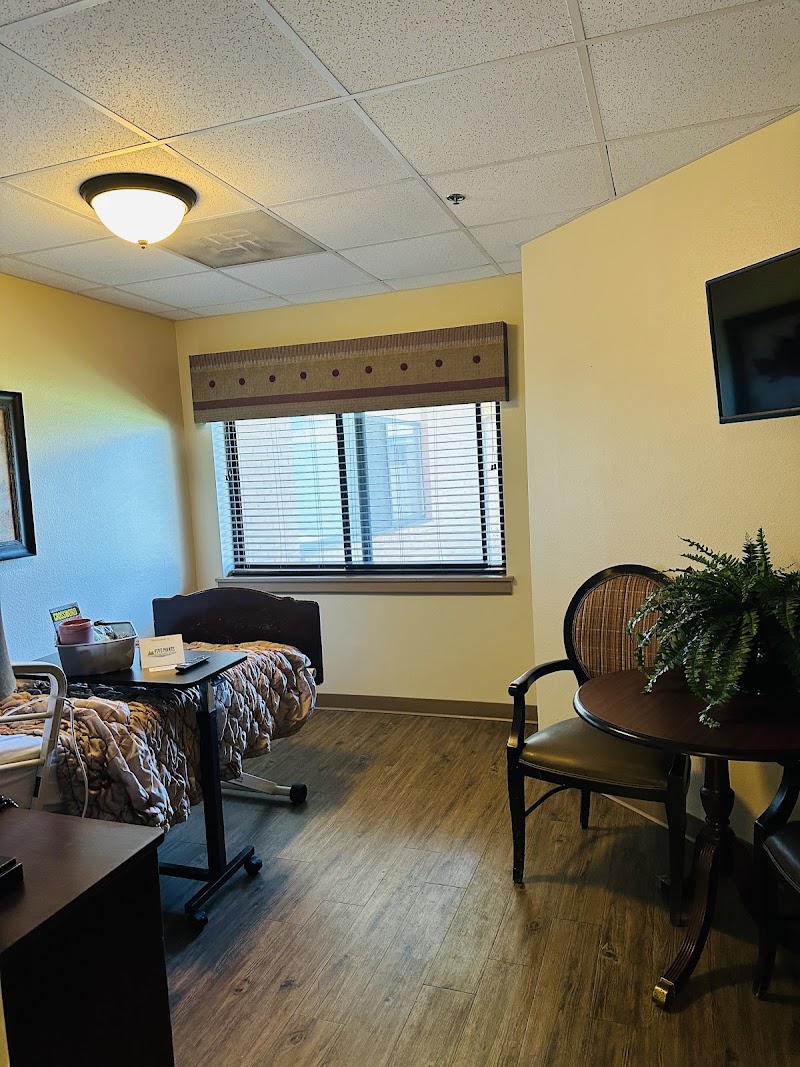
How is Five Points At Lake Highlands Nursing And Rehab Staffed?

CMS rates Five Points at Lake Highlands Nursing and Rehab's staffing level at 1 out of 5 stars, which is much below average compared to other nursing homes. Staff turnover is 49%, compared to the Texas average of 46%. RN turnover specifically is 63%, which is notably high. RNs provide skilled clinical oversight, so turnover in this role can affect medical care quality.

What Have Inspectors Found at Five Points At Lake Highlands Nursing And Rehab?

State health inspectors documented 43 deficiencies at Five Points at Lake Highlands Nursing and Rehab during 2022 to 2025. These included: 3 Immediate Jeopardy (the most serious level, indicating potential for serious harm or death), 1 that caused actual resident harm, and 39 with potential for harm. Immediate Jeopardy findings are rare and represent the most serious regulatory concerns. They require immediate corrective action.
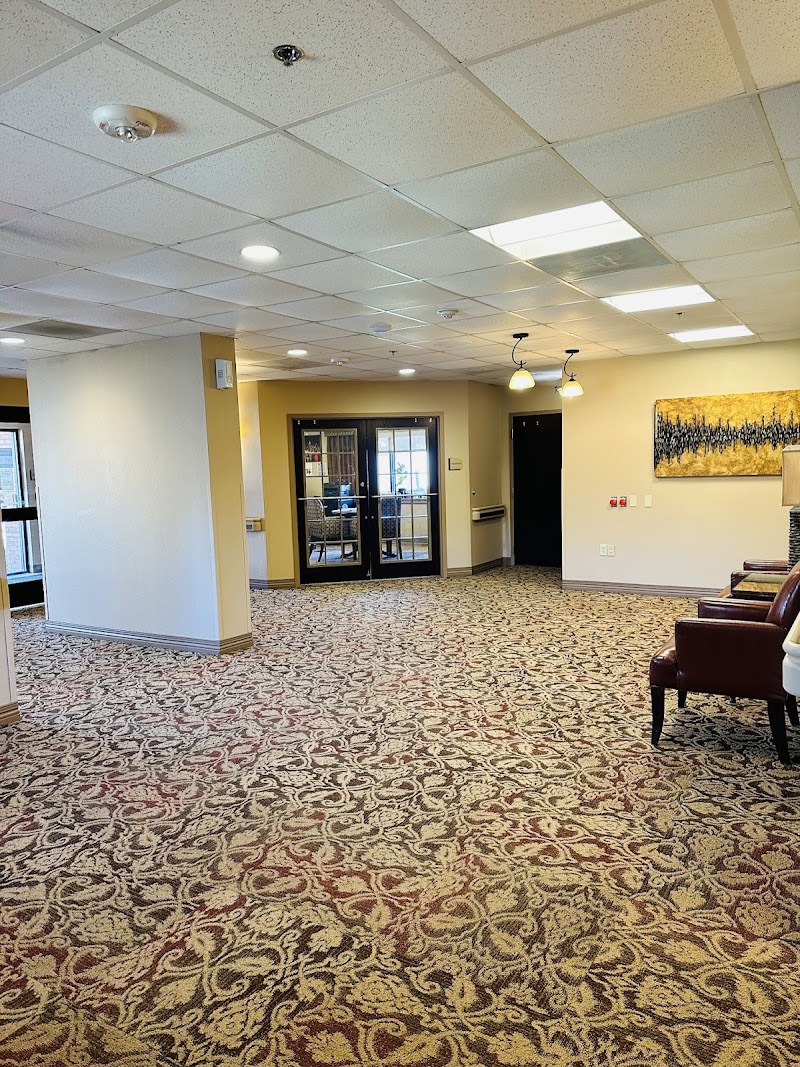
Who Owns and Operates Five Points At Lake Highlands Nursing And Rehab?

Five Points at Lake Highlands Nursing and Rehab is owned by a for-profit company. For-profit facilities operate as businesses with obligations to shareholders or private owners. The facility is operated by CREATIVE SOLUTIONS IN HEALTHCARE, a chain that manages multiple nursing homes. With 280 certified beds and approximately 171 residents (about 61% occupancy), it is a large facility located in Dallas, Texas.

How Does Five Points At Lake Highlands Nursing And Rehab Compare to Other Texas Nursing Homes?

Compared to the 100 nursing homes in Texas, Five Points at Lake Highlands Nursing and Rehab's overall rating (1 stars) is below the state average of 2.8, staff turnover (49%) is near the state average of 46%, and health inspection rating (1 stars) is much below the national benchmark.

What Should Families Ask When Visiting Five Points At Lake Highlands Nursing And Rehab?

Based on this facility's data, families visiting should ask: "What changes have been made since the serious inspection findings, and how are you preventing similar issues?" "Can you walk me through typical staffing levels on day, evening, and night shifts?" "Can I visit during a mealtime to observe dining assistance and food quality?" "How do you handle medical emergencies, and what is your hospital transfer rate?" These questions are particularly relevant given the facility's Immediate Jeopardy citations and the below-average staffing rating.

Is Five Points At Lake Highlands Nursing And Rehab Safe?

Based on CMS inspection data, Five Points at Lake Highlands Nursing and Rehab has documented safety concerns. Inspectors have issued 3 Immediate Jeopardy citations (the most serious violation level indicating risk of serious injury or death). The facility has a 1-star overall rating and ranks #100 of 100 nursing homes in Texas. Families considering this facility should ask detailed questions about what corrective actions have been taken since these incidents.

Do Nurses at Five Points At Lake Highlands Nursing And Rehab Stick Around?

Five Points at Lake Highlands Nursing and Rehab has a staff turnover rate of 49%, which is about average for Texas nursing homes (state average: 46%). Moderate turnover is common in nursing homes, but families should still ask about staff tenure and how the facility maintains care continuity when employees leave.

Was Five Points At Lake Highlands Nursing And Rehab Ever Fined?

Five Points at Lake Highlands Nursing and Rehab has been fined $55,361 across 4 penalty actions. This is above the Texas average of $33,632. Fines in this range indicate compliance issues significant enough for CMS to impose meaningful financial consequences. Common causes include delayed correction of deficiencies, repeat violations, or care failures affecting resident safety. Families should ask facility leadership what changes have been made since these penalties.

Is Five Points At Lake Highlands Nursing And Rehab on Any Federal Watch List?

Five Points at Lake Highlands Nursing and Rehab is not on any federal watch list. The most significant is the Special Focus Facility (SFF) program, which identifies the bottom 1% of nursing homes nationally based on persistent, serious quality problems. Not being on this list means the facility has avoided the pattern of deficiencies that triggers enhanced federal oversight. This is a positive indicator, though families should still review the facility's inspection history directly.