FOREST PARK NURSING & REHABILITATION
6825 HARRY HINES BLVD, DALLAS, TX 75235 (214) 845-6200
Government - Hospital district 150 Beds OPCO SKILLED MANAGEMENT Data: November 2025 6 Immediate Jeopardy citations
Trust Grade
0/100
#712 of 1168 in TX
Last Inspection: November 2024

Within standard 12-15 month inspection cycle. Federal law requires annual inspections.

Overview

Forest Park Nursing & Rehabilitation has a Trust Grade of F, indicating significant concerns about the quality of care provided. It ranks #712 out of 1168 facilities in Texas, placing it in the bottom half, and #45 out of 83 facilities in Dallas County, meaning there are many options that could be better. Although the facility is improving, having reduced the number of issues from 20 in 2024 to 7 in 2025, it still has a lot of room for growth. Staffing is a major concern, with a poor rating of 1 out of 5 stars and a high turnover rate of 74%, well above the Texas average. This facility has faced serious fines totaling $180,884, which is higher than 86% of Texas facilities, suggesting ongoing compliance problems. One critical incident involved a resident sustaining a wrist fracture and facial injuries due to inadequate supervision, as well as staff being found asleep during their shifts. Another concerning finding noted that a resident's dangerously high blood pressure was not communicated to a physician, resulting in severe health consequences. While there are some strengths, like excellent quality measures, the overall issues with staffing and care highlight significant weaknesses that families should consider.

Trust Score
F
0/100
In Texas
#712/1168
Bottom 40%
Safety Record
High Risk
Review needed
Inspections
Getting Better
20 → 7 violations
Staff Stability
⚠ Watch
74% turnover. Very high, 26 points above average. Constant new faces learning your loved one's needs.
Penalties
⚠ Watch
$180,884 in fines. Higher than 83% of Texas facilities, suggesting repeated compliance issues.
Skilled Nurses
⚠ Watch
Each resident gets only 14 minutes of Registered Nurse (RN) attention daily — below average for Texas. Fewer RN minutes means fewer trained eyes watching for problems.
Violations
⚠ Watch
52 deficiencies on record. Higher than average. Multiple issues found across inspections.
★★☆☆☆
2.0
Overall Rating
★☆☆☆☆
1.0
Staff Levels
★★★★★
5.0
Care Quality
★☆☆☆☆
1.0
Inspection Score
Stable
2024: 20 issues
2025: 7 issues

The Good

  • 5-Star Quality Measures · Strong clinical quality outcomes
  • Full Sprinkler Coverage · Fire safety systems throughout facility
  • No fines on record

Facility shows strength in quality measures, fire safety.

The Bad

2-Star Overall Rating

Below Texas average (2.8)

Below average - review inspection findings carefully

Staff Turnover: 74%

28pts above Texas avg (46%)

Frequent staff changes - ask about care continuity

Federal Fines: $180,884

Well above median ($33,413)

Significant penalties indicating serious issues

Chain: OPCO SKILLED MANAGEMENT

Part of a multi-facility chain

Ask about local staffing decisions and management

Staff turnover is very high (74%)

26 points above Texas average of 48%

The Ugly 52 deficiencies on record

6 life-threatening
Mar 2025 4 deficiencies 1 IJ (1 affecting multiple)
CRITICAL (K) 📢 Someone Reported This

A family member, employee, or ombudsman was alarmed enough to file a formal complaint

Immediate Jeopardy (IJ) - the most serious Medicare violation

Accident Prevention (Tag F0689)

Someone could have died · This affected multiple residents

**NOTE- TERMS IN BRACKETS HAVE BEEN EDITED TO PROTECT CONFIDENTIALITY** Based on observations, interviews, and record reviews the facility failed to ensure the resident's environment remained as free ...

Read full inspector narrative →
**NOTE- TERMS IN BRACKETS HAVE BEEN EDITED TO PROTECT CONFIDENTIALITY** Based on observations, interviews, and record reviews the facility failed to ensure the resident's environment remained as free of accident hazards as is possible and received adequate supervision and assistance for one (Resident #1) of five residents reviewed for Incident and accidents. 1.The facility failed to provide adequate supervision for Resident #1 to prevent her from having injuries and falls from 02/02/25 to 02/08/25; subsequently Resident #1 sustained a left wrist fracture of unknown origin on 02/02/25, fell on [DATE] sustained a lip bleed, found on the floor next to her bed on 02/07/25 and on 02/08/25 she had left sided facial bruising, a swollen chin, and dark reddish gums. She was later diagnosed at the hospital on [DATE] with a hematoma of her jaw and previously diagnosed left wrist fracture. 2. The facility failed to provide supervision in the B Hall Memory Care unit when 2 CNA's were discovered asleep in the unit at the nurses station with the light off on 03/05/25. 3. The facility failed to ensure the staff worked their complete 8-hour shifts (not including 30-minute lunch breaks), did not clocked in to work late or clocked out early and there was no evidence to show who worked in their places if staff called out, which resulted in a lack of supervision of the residents as evidenced by: a. Employees either clocked in late or clocked out early during their shifts for halls A and halls B (Memory Care Unit) on 01/31/25, 02/01/25, 02/02/25, 02/03/25, 02/04/25, 02/05/25, 02/06/25, 02/07/25 and 02/08/25. b. There was no second staff scheduled to work Sunday 02/02/25 from 6:00 am to 2:00 pm that cared for the Memory Care residents where Resident #1 resided. And after the DON reviewed it she said MA P worked from 9:33 am to 2:00 pm, but MA P said she only cleaned the resident's rooms in the Memory Care unit. c. The facility failed to ensure the nursing department employees worked their 8 hours shift (minus 30 minutes for lunch) for dates: 03/02/25, 03/03/25, 03/04/25, 03/05/25, 03/06/25. An IJ (Immediate Jeopardy) was identified on 03/05/25. The IJ template was provided to the facility on [DATE] at 2:34 pm. While the IJ was removed on 03/07/25 at 5:43 pm, the facility remained out of compliance at a scope of no actual harm and a severity level of pattern because all staff had not been trained on their plan to prevent re-occurrences and due to the facility's continued monitoring the implementation and effectiveness of their plan of removal. These failures could place fall risk residents in the memory care unit, at risk of continued falls or possible abuse, which could result in more injuries and pain and cause the residents to experience a health decline and decreased psycho-social well-being. The findings included: A) Record review or Resident #1's admission MDS Assessment completed by MDS Coordinator R on 02/06/25 revealed, a [AGE] year-old female who admitted on [DATE] with a BIMS score of 02 (Severe cognitive impairment). She was admitted to the 100 hall (memory care unit). She had disorganized thinking and inattention that fluctuated and no assistance for mobility needed and did not have any mood or behaviors. She needed partial to moderate assistance with toileting, bathing, upper and lower body dressing, personal hygiene and partial to moderate assistance with transfers. She was always continent with urine and bowel and she had other neurological conditions. She had diagnoses of hypertension (high blood pressure), viral hepatitis (liver infection and damage), hyperlipidemia (high level of fat particles), thyroid disorder (gland dysfunction), non -Alzheimer's - Dementia (cognitive loss), malnutrition (nutritional deficit), encephalopathy (brain disease) , insomnia (poor sleep habit), muscle weakness (weak muscles), difficulty walking, other lack of coordination, cognitive communication deficit. She had a history of falling with no injury and for the past seven days took antipsychotic and antidepressant medications. (The MDS did not address her combative behaviors) Record review of Resident #1's Care Plan dated 01/30/25 revealed, the resident had impaired cognitive function/dementia or impaired thought processes related to dementia. On 01/23/25 she was at risk for elopement related to elopement evaluation risk score and required a secured unit environment for safety and at risk for falls related to decreased safety awareness, impaired cognition, wandering and will often lay on the floor. With interventions: Anticipate and meet the resident's needs and to be sure the resident's call light was within reach and encouraged the resident to use it for assistance as needed. Educated the resident/family/caregivers about safety reminders and what to do if a fall occurred. Encouraged the resident to participate in activities that promoted exercise, physical activity for strengthening and improved mobility. Ensured that the resident was wearing appropriate footwear examples included nonskid socks, closed footed shoes and other safe footed coverings when ambulating or mobilizing in w/c. On 01/25/25 she was dependent on staff for activities, cognitive stimulation, social interaction related to cognitive deficits. Interventions: Introduced the resident to residents with similar background, interests, and encourage/facilitate interaction. Invited the resident to scheduled activities and provided the resident with materials for individual activities as desired the resident liked the following independent activities and to Provide with activities calendar. Notify resident of any changes to the calendar of activities. The resident needed 1 to 1 bedside/in-room visits and activities if unable to attend out of room events On 02/04/25 had an actual fall with major injury (wrist fracture) with Interventions: For no apparent acute injury, determine and address causative factors of the fall. And to monitor/document /report PRN x 72 hours to Medical Doctor for signs/symptoms: Pain, bruises, Change in mental status, New onset: confusion, sleepiness, inability to maintain posture, agitation. Provided activities that promoted exercise and strength building where possible. And to Provide 1:1 activities if bedbound On 02/05/25 alteration in musculoskeletal status related to fracture of the left wrist. (The Care plans did not address her combative behaviors). Record review of all of Resident #1's Incidents by incident type printed 02/14/24 revealed: Falls with no injury incidents: 02/02/25 at 8:23 pm, 02/06/25 at 10:22 pm, 02/07/25 at 11:30 pm. Skin tear incidents: 02/02/25 at 8:23 pm and 8:36 pm. Other incidents (observed swelling to left wrist): 02/02/25 at 8:58 pm. Record review of Resident #1's Fall Assessments since she admitted revealed: 01/23/25 score was 2 Low risk 02/03/25 score was 7 Moderate risk 02/06/25 score was 13 High risk 02/08/25 score was 26 High risk Record review of Resident #1's Progress Note dated 01/26/2025 at 4:57 pm Type: Skilled Evaluation by RN Q revealed, .Teaching and Training;, assessed behavior, assess for pain, assess for anxiety , provided redirection, Neurological: Resident is Alert: Oriented to Person; Oriented to Place; Resident has Impaired decision making ability; Resident is Confused; Resident has Delusions: Difficulty understanding others, Skin/Skin Conditions: No changes in skin integrity, Cardiovascular .Muscular: Resident has an unsteady gait requiring supervision; Resident has had a change in ADL functional ability, Resident is Ambulatory, Walks Independently, Mood/Behavior: Changes noted in behavior, Resident intentionally lay herself to the floor; uncooperative to be provided assistance to her safety, or to be redirected, and combative to the staff. Record review of Resident #1's Progress Note dated 01/27/2025 at 11:33 a.m., by ADON F revealed, Type: Skilled Evaluation LATE ENTRY Teaching and Training; assessed behavior, assess for pain, assess for anxiety , provided redirection, Neurological: Resident is Alert; Oriented to Person; Oriented to Place; Resident has Impaired decision-making ability; Resident is Confused; Resident has Delusions. Difficulty understanding others; Skin/Skin Conditions: No changes in skin integrity, Gastrointestinal: ,Continent of Bowel, Bowel Sounds: Present; Gastro-urinary: Continent of Bladder, Urine Color: Amber, Urine Clarity Clear, No foul odor noted . Muscular: Resident has an unsteady gait requiring supervision; Resident has had a change in ADL functional ability, Resident is Ambulatory, Walks Independently; Mood/Behavior: Changes noted in behavior, Resident intentionally lay herself to the floor; uncooperative to be provided assistance to her safety, or to be redirected, and combative to the staff. Record review of Resident #1's Progress note: Skilled Nursing documentation dated 01/31/25 at 11:35 am by ADON F revealed, Receiving both Skilled Nursing and Skilled Therapy Services with skilled diagnosis: ENCEPHALOPATHY (brain disease), Mood/Behavior: Changes noted in behavior, Res continues to refuse medications, this nurse explained to Res that it is important to adhere to medication regimen as prescribed by her MD, nurse attempted reproach, Res refused. Res has no s/s of distress. Record review of Resident #1's Progress note: Alert note dated 02/01/25 at 5:30 pm, Resident c/o hip pain while the FM was present. requests the nurse to ask NP G to increase the Tylenol 500 to the Tylenol Arthritis 650mg. NP G approve the request. Record review of Resident #1's Progress note: Change of condition dated 02/02/25 at 7:57 pm by LVN A revealed, Observed resident L wrist/hand swollen. Resident stated it hurts during assessment. Ice pack applied. The FM was present during the assessment. NP G notified. STAT X-ray ordered for the L wrist/hand. Record review of Resident #1's Incident Report by LVN A dated 02/02/25 at 4:41 pm revealed, Incident Description Nursing Description: observed swelling to left wrist. Incident was unwitnessed. Resident Description: Resident was unable to specify. Was this incident witnessed: No. Immediate Action Taken: Description: Attempted to do ROM exercises. Resident stated it is too painful. Picture taken and sent to NP G. STAT X-RAY was ordered. Ice applied to the Left wrist/hand. PRN Tylenol given for the pain. Resident Taken to Hospital? No. Mental status: oriented to person, lack of safety awareness, forgetful, Predisposing physiological factors: confused, gait imbalanced, Administrator, [Weekend Supervisor E] and the [FM] notified. Record review of Resident #1's left wrist and hand 2 D (dimensional) X-ray results, dated 02/03/25, revealed, Final Reason for Study: R22.32 LOCALIZED SWELLING, MASS, AND LUMP, LEFT UPPER LIMB - WRIST 2V (view), LEFT See Note FINDINGS: There is a dorsal impaction fracture (wrist bone break)involving the distal radius (broken wrist) with modest callus (bone cartilage) and mild displacement. There is associated soft tissue swelling. Diffuse osseous demineralization (decreased bone density) is noted. Moderate degenerative changes are seen. See Note CONCLUSION: Impacted wrist fracture (wrist bone driven into another bone, compression damage) as described. Correlation is needed with history, symptomatology, and physical exam to determine precise acuity. CT or MRI examination follow-up is advised if clinical ambiguity remains. Record review on Resident #1's Nurses note dated 02/03/25 by LVN B revealed, [NP G] n/o to send resident to ER for evaluation, the FM requests that resident be sent to Hospital ER. Record review of Resident #1's Hospital Discharge Record dated 02/03/25 revealed, Diagnosis: wrist Mildly displaced intra-articular fracture of the distal radius (break in wrist bone) with mild apex volar angulation (small degree tilt or bending of fracture point). Surrounding soft tissue swelling. The carpal arcs are preserved (wrist bones were intact). Orders: Fracture non-mobile under fluoro (medical imaging technique), placed in volar (palm side of hand) resting splint, weight bearing status: NWB LUE, Ortho clinic 2 weeks, pain control per ER Record review of Resident #1's Nurses Note dated 02/03/25 by RN H revealed, Returned from the ER Hospital. Was sent there for left wrist fx. Returned with dx closed fx of distal end of left radius (broken bone at the wrist), unspecified fx morphology(shape/form) . A splint immobilizer was applied, wrapped with ace wrap. Plan is for surgical procedure - closed reduction (realign of fracture without surgery) for the wrist at surgical center. The center will call for further information. The [FM] aware. Assessed for pain continuing. Denied pain on arrival to reassess. Record review of Resident #1's Provider Investigation Report incident dated 02/08/25 at 2:30 pm, revealed the [FM] alleged that the nurse supervisor (Weekend Supervisor E) had hit Resident #1 in her mouth. There was a bruise on the right side of her chin and redness inside her mouth on the bottom gums. The resident denied any pain or discomfort. Treatment was provided and the resident was taken to the hospital. Statements, interviews, and resident safe surveys were completed and determined the facial bruising and swelling was from her fall 02/07/25. Findings: Unfounded. Record review of Resident #1's Hospital Report dated 02/18/25 revealed, She admitted [DATE]: Review of systems: Jaw bruising and pain, Physical exam: Bruising on chin and swelling of left side of cheek, Bruising gums, patient has negative popsicle test (fractured jaw test). Assessment plan: Recurrent falls: 1:1 sitter in place, follow-up x-ray neck, head, perimandibulbar hematoma: supportive care and outpatient dental, Left distal radius fracture, osteoarthritis, vascular dementia, debility. Pertinent Items Requiring Follow-up Post-Discharge 1. Adjust psychiatric medications PRN, 2. Monitor thyroid function, 3. Follow up w/ hand clinic, 4. Follow up w/ dentist. Record review of the facility's Daily Staffing sheet dated 01/31/25 for the 10:00 pm - 6:00 am shift for five halls revealed, they had 1 RN, 2 LVN's, 0 MA and 5 CNA's total at the facility. (The census section was blank). Record review of the facility's Daily Staffing sheet dated 02/01/25 for the 10:00 pm - 6:00 am shift for five halls revealed, they had 1 RN, 2 LVN's, 0 MA and 5 CNA's total at the facility. (The census section was blank). Record review of the facility's Daily Staffing sheet dated 02/02/25 for the 6:00 am - 2:00 pm shift for five halls revealed, they had 1 RN, 4 LVN's, 3 MA and 4 CNA's. (The census section was blank) Record review of the facility's schedule sheet dated Friday 01/31/25 revealed CNA J was the only staff scheduled to work in the Memory care Unit Hall B during the 10:00 pm - 6:00 am shift. Record review of CNA J's Timesheet dated Friday 01/31/25 revealed she clocked in at 10:25 pm and clocked out at 5:52 am - 7.45 total hours. Record review of the facility's schedule sheet dated 01/31/25 revealed RN H was scheduled to work the A Hall from 10:00 pm - 6:00 am. Record review of the RN H's Timesheet dated 01/31/25 revealed RN H clocked in at 10:35 pm and clocked out at 7:29 am - 8.91 hours. Record review of the facility's schedule sheet dated Friday 01/31/25 on the 10:00 pm - 6:00 am shift, revealed LVN O was scheduled to work the E Hall (2nd floor). Record review of LVN O's Time sheet dated Friday 01/31/25 revealed she clocked in at 10:14 pm and clocked out at 6:25 am - 7.69 total hours. Record review of the schedule sheet dated 02/01/25 revealed CNA T was scheduled to work the B Hall Memory care from 2:00 pm - 10:00 pm. Record review of CNA T's Timesheet sheet dated 02/01/25 revealed she clocked in at 3:31 pm and clocked out at 10:08 pm - 6.61 hours. Record review of the facility's schedule sheet dated 02/01/25 revealed CNA J was scheduled to work the B Hall Memory Care unit from 10:00 pm - 6:00 am. Record review of CNA J's Timesheet dated 02/01/25 revealed she clocked in at 10:30 pm and clocked out at 6:11 am - 7.68 hours. Record review of the facility's schedule sheet dated Saturday 02/01/25 revealed CNA K was scheduled to work the A Hall from 2:00 pm - 10:00 pm and Hall B Memory care unit from 10:00 pm - 6:00 am. Record Review of CNA K's Timesheet dated 02/01/25 revealed she clocked in at 2:21 pm and clocked out at 6:36 am - 15.38 hours. Record review of the Facility's schedule sheet dated Saturday 02/01/25 revealed LVN N was scheduled to work the A Hall unit on the 10:00 pm - 6:00 am. Record review of the Facility's Timesheet sheet dated Saturday 02/01/25 for LVN N was requested but not provided by the facility. Record review of the facility's Schedule sheet dated Saturday 02/01/25 for the 10:00 pm - 6:00 am shift revealed, LVN O was schedule to work the D Hall (2nd floor). LVN O's Timesheet was requested for Saturday 02/01/25 but the DON gave the HHSC surveyor LVN's 01/31/25 timesheet. Record review of the facility's schedule sheet dated Saturday 02/01/24 revealed LVN A was scheduled to work 02/01/25 from 6:00 am to 2:00 pm. Record review of LVN A's Timesheet dated 02/01/25 revealed she clocked in at 6:17 am and clocked out at 2:08 pm, clocked in at 2:40 pm, clocked out 9:18 pm, clocked in at 9:50 pm and clocked out at 10:06 pm - 14.75 hours. Record review of the facility's schedule sheet dated Sunday 02/02/25 revealed LVN A was the only staff scheduled to work in the Memory care unit Hall B during the 6:00 am - 2:00 pm shift. Record review of LVN A's Timesheet revealed on Sunday 02/02/25 she clocked in at 6:20 am and clocked out at 10:09 pm - 23.81 total hours. Record review of the facility's schedule sheet dated Sunday 02/02/25 revealed MA P was scheduled to work A Hall from 6:00 am - 2:00 pm and 2:00 pm to 10:00 pm. Record review of MA P's Time sheet dated Sunday 02/02/25 revealed she clocked in at 9:33 am and clocked out at 12:27 pm for lunch and clocked back in at 1:02 pm and clocked out at 10:11 pm - 12.06 total hours. Interview and observation of Resident #1 on 02/13/25 at 7:10 pm at the hospital revealed, she had 1:1 monitoring (constant observation of the resident). A hospital sitter was in the room with her and she was watching TV and she had a beige bandage wrapped around her left wrist and forearm and cotton was underneath the bandage. She stated she had not fallen that she knew of and that her arm was broken because she was always picking up something too heavily. Her lower left chin and face was not swollen, discolored, or bruised. She stated she had no pain of her mouth or left wrist and said she could not remember where she lived prior to coming to this hospital. She stated she could not remember if anyone had been abusive to her and the people should know if they were abusive because she did not have time for that. She stated the IV port and hospital ID band on her right arm got on her nerves more so than the bandage around her left wrist. Record review of Resident #1's Incident report dated 02/06/25 at 10:22 p.m., by LVN D revealed, Resident was seen walking slumped over when she tripped over her socks, this nurse and on shift CNA attempted to assist Resident to floor when she became combative and physically aggressive with staff, hitting herself in the mouth with her splinted left wrist. Resident was eased to the floor by staff and allowed to rest before being helped back to her feet and assisted to her room. Full head to toe assessment was completed resulting vital signs within normal limits, no apparent bruising, no s/s of respiratory distress. Resident had a complaint of pain in her lip where she hit her mouth with wrist. PRN pain medication administered, and pain has since subsided upon recheck. Resident seen lying in bed resting. Hydration and call light are within reach, bed is in lowest position possible. Care continues. Resident Description: She lost her footing because her socks were too slippery and did not need help getting up. Resident was eased to the floor by staff and allowed to rest before being helped back to her feet and assisted to her room. Full head to toe assessment was completed resulting vital signs within normal limits, no apparent bruising, no s/s of respiratory distress. Res had a complaint of pain in her lip where she hit her mouth with wrist. PRN pain medication administered, and pain has since subsided upon recheck. MD notified, DON/ADON notified. RP notified. Resident seen lying in bed resting. Hydration and call light are within reach, bed is in lowest position possible. Care continues. Resident taken to hospital: No. Injury location: face. Pain level 5 (moderate pain level), Alert, ambulatory with assistance. Mental status: Oriented to person, impulsiveness, lack of safety awareness, forgetful. Res the inside of her lip, Resident taken to rest room to rinse her mouth, given PRN pain med which was effective at recheck. Res resting in bed with eyes closed at this time. Confused, impaired memory, sundowning. Interview on 02/13/25 at 4:39 pm, CNA C stated Resident #1 was a new admit and walked without assistance and needed assistance to the toilet. She stated on Saturday 02/01/25 or Sunday 02/02/25, the dinner trays came out and as she helped Resident #1 lean up in her chair, she noticed her left wrist was swollen. She stated she told LVN B, and LVN B went to assess Resident #1 and later on she heard it was fractured and she was sent to the hospital. She stated she was not sure what happened to her wrist and the previous CNA (CNA I) said she did not know what happened or noticed any swelling or bruising of Resident #1's wrist. She stated LVN A said she did not know what happened to Resident #1's wrist either. She stated on Thursday 02/06/25 during the 2 pm - 10 pm shift, Resident #1 was walking down the hall, leaned backwards, and she and LVN D ran and guided Resident #1 down to the floor. She stated during that process Resident #1 got agitated and started swinging her arms and hit herself in her mouth with the soft cast. She stated Resident #1's mouth bled a little on the right side of her lip; it was a little swollen. She stated she did not hit her head on the wall or rail, and at that time, she had no bruising to her face. She stated she worked Saturday 02/08/25 and asked LVN A to help reposition Resident #1 but Resident #1 said she did not want to be bothered. She stated Resident #1 was sleeping sideways in the bed and she asked could she reposition her better in bed and Resident #1 said to leave her alone. She stated around 10:00 am, Weekend Supervisor E and LVN A went in Resident #1's room and she heard Resident #1 hit Weekend Supervisor E. She stated after the incident, she did not see any bruising on Resident #1's face all the way up to the end of her shift at 10:00 pm. She stated she had not seen anyone being abusive to Resident #1. She stated when she returned to work, she heard Resident #1 was taken to the hospital. She stated the facility had enough staff working in the dementia care unit Resident #1 was in. She stated their dementia care unit currently had 21 residents with one CNA and one LVN working per shift. She stated most of the residents walked without assistance. She stated Resident #1 was not good with expressing her needs. Interview on 02/13/25 at 5:30 pm, LVN D stated Resident #1 admitted [DATE] and she discharged last weekend 02/08/25. She stated Resident #1 was ambulatory without assistance and used to work at a hospital because she always said she had to go to work. She stated Resident #1 had the typical dementia behavior and she was verbally and physically abusive to the staff. She stated Resident #1's mindset was that she was always at work and she required a lot of redirecting. She stated she heard Resident #1 went the hospital on [DATE] after her x-ray results showed she had a fractured wrist. She stated they were not sure how her wrist got fractured. She stated Resident #1 had a splint with an ace bandage around it to keep it in place. She stated Thursday 02/06/25, Resident #1 was walking around 10:00 pm or 11:00 pm down the hallway, by the dining room and she appeared to be unsteady. She stated she and CNA C tried to keep her from falling but Resident #1 said she did not want any help. She stated Resident #1 kept leaning backwards and they lowered Resident #1 to the floor and in the process Resident #1 hit the right side of her mouth with her soft cast. She stated Resident #1 never hit the floor, and she and CNA C turned Resident #1 around and eased her down to the floor. She stated she had one arm under Resident #1's arm and CNA C was on the other side under Resident #1's other arm. She stated she had minimum bleeding and her lip had a skin tear for which she gave her PRN Tylenol. She stated she called Resident #1's doctor and got a doctor's order for a skull series x-ray as a precaution. She stated she went to check on Resident #1 later and she was fine and with no bleeding or bruising. She stated she spoke to the FM about Resident #1 stumbling like she was about to fall and they tried to catch her before she fell. She stated on Friday 02/07/25, the x-ray tech came to do the x-rays but the FM told the x-ray tech to come back another time. She stated the last time she saw Resident #1 was Friday 02/07/25 around 10:30 pm and she was fine and had no signs or symptoms of distress, pain, or bleeding. She stated Resident #1 was her normal self, walking around with her juice saying she was getting her people together. She stated she informed the FM about seeing Resident #1 hit her mouth with her soft cast by mistake. She stated measures to prevent Resident #1 from falling was to continue with a lot of redirection and anticipating her needs. She stated after 5:00 pm, they did showers and got the residents ready for bed. She stated she reported Resident #1's fall on 02/07/25 to ADON F and added guided falls were considered falls that was why she did an incident report and contacted Resident #1's doctor, the FM, and the ADON. She stated she was not aware of Resident #1 having any other falls. Interview on 02/14/25 at 10:13 am, LVN B stated she worked Monday 02/03/25 and she sent Resident #1 to the hospital. She stated LVN A said they noticed Resident #1's arm was slightly swollen with no change in bone structure. She stated Resident #1 did not want her wrist touched and she explained to Resident #1 she needed to check to see how she was doing. She stated she kept Resident #1's wrist elevated with ice on it while she waited for the x-ray results. She stated Resident #1 had no signs of pain and slept most of the night. She stated Resident #1 got up once to use bathroom with the CNA's assistance while they were waiting for the x-ray results. She stated around 7:00 am, the doctor said to send Resident #1 to the ER, and she passed the information to the Administrator, DON, the FM, and the next nurse. She stated Resident #1's x-ray result showed she had an impacted wrist fracture and LVN A and no one else knew what caused her fractured wrist. She stated she informed the FM about the need to transfer her to the hospital and when she was being transferred, she had no bruises on her face or bleeding or swollen lip. She stated Resident #1 was laughing and said It sucks getting old when being transported to the hospital. She stated she contacted management for injuries of unknown origin because it was their protocol. She stated she notified the Administrator, DON, and ADON about Resident #1's x-ray results and the Administrator responded to call her (the FM). She stated she called and spoke to the Administrator about Resident #1's wrist fracture x-ray result. Interview on 02/14/25 at 10:39 am, LVN A stated she worked double weekends. She stated Resident #1 admitted about three weeks ago, and she was very familiar with Resident #1. She stated Resident #1 normally walked but had an unsteady gait and they always made sure her bed was in the lowest position. She stated they also increased monitoring of Resident #1 and anticipated her needs and that she was A/O x1 (person). She stated Resident #1 was doing well walking without assist, but once or twice she was sent to the hospital (for the swollen wrist and bruised and swollen face). She stated she worked Saturday 02/01/25, and Resident #1 did not have any falls, unusual occurrences ,or wrist swelling, but she did have generalized and hip pain. She stated she called Resident #1's doctor and her Tylenol 300 mg was increased to 650 mg which was effective. She stated the FM said she did not want Resident #1 on narcotics and the hip pain was probably due to a fall she had at home. She stated she did not remember Resident #1 having a fall the weekend of Saturday 02/01/25 or Sunday 02/02/25. She stated on Sunday 02/02/25, Resident #1 was not a morning person and they would let her sleep in. She stated Resident #1 woke up around 9:00 am or 10:00 am on 02/02/25 and she had no swelling of her left wrist, but later that afternoon the FM visited and reported Resident #1's left wrist was swollen. She stated when she assessed Resident #1, she saw the swelling of her left wrist, but the FM said her left wrist was not swollen the previous day. She stated she took a picture of Resident #1's left wrist to show the DON and ADON F and to her doctor. She stated she asked Resident #1 to flex her arm, Resident #1 said it hurt, and her doctor ordered a STAT x-ray. She stated she was confused as to how Resident #1's left wrist got swollen even though Resident #1 said she fell a couple of days of ago. She stated the FM said Resident #1 could be saying she fell, but she could have fallen the night prior 02/01/25 or that day 02/02/25. She stated Resident #1 was fine on 02/02/25 and few hours later her left wrist was swollen then she did Resident #1's full body assessment. She stated Resident #1's left kneecap and left elbow had STs and Resident #1 said she fell but could not say how. She stated if she had a fall who could have helped her off the floor, because she did not have a lot of strength. She stated they could not say if Resident #1 was able to get up without assist after falling, and they did not know what caused Resident #1's swollen broken left wrist. She stated on 02/02/25, Resident #1's left wrist x-ray was done, and LVN B sent her to the hospital on [DATE]. She stated when she returned to work Saturday 02/08/25, she noticed Resident #1 had a soft wrap bandage across Resident #1's left middle fingers up to her middle arm. On Saturday 02/08/25, Resident #1 was lying horizontally off the bed. She said she asked Weekend Supervisor E to help reposition the resident. She stated Resident #1 swung at and hit Weekend Supervisor E's head and they both stepped back and stopped trying to reposition Resident #1. She stated Resident #1 did not have any bruises or swelling to her face. She stated she called the FM about the incident regarding trying to turn her and noticed she was taking the cast wrapping around her arm apart. She stated the FM came to the facility around 1:00 pm and said,[TRUNCATED]
CONCERN (D) 📢 Someone Reported This

A family member, employee, or ombudsman was alarmed enough to file a formal complaint

Potential for Harm - no one hurt, but risky conditions existed

Report Alleged Abuse (Tag F0609)

Could have caused harm · This affected 1 resident

**NOTE- TERMS IN BRACKETS HAVE BEEN EDITED TO PROTECT CONFIDENTIALITY** Based on observations, interviews and record reviews the facility failed to ensure all alleged violations involving abuse, negle...

Read full inspector narrative →
**NOTE- TERMS IN BRACKETS HAVE BEEN EDITED TO PROTECT CONFIDENTIALITY** Based on observations, interviews and record reviews the facility failed to ensure all alleged violations involving abuse, neglect, including injuries of unknown source were reported immediately, but not later than 2 hours after the allegation was made, if the events that caused the allegation involved abuse or resulted in serious bodily injury, to the administrator of the facility and to other officials (including to the State Survey Agency where state law provides for jurisdiction in long-term care facilities) in accordance with State law through established procedures for one (Resident #1) of five residents reviewed for injury of unknown origin reporting. The facility failed to ensure on 02/02/25 Resident #1's injury of unknown origin was reported to HHSC when the staff did not know why she had a swollen left wrist that was later diagnosed as fractured (broken). This failure could place fall risk residents of getting more injuries, bruises, and pain which could result in emotional turmoil and cause decreased health and psycho-social well-being. Findings included: Record review or Resident #1's admission MDS Assessment completed by MDS Coordinator R on 02/06/25 revealed, a [AGE] year-old female who admitted on [DATE] with a BIMS score of 02 (Severe cognitive impairment). She was admitted to the 100 hall (memory care unit). She had disorganized thinking and inattention that fluctuated and no assistance for mobility needed and did not have any mood or behaviors. She needed partial to moderate assistance with toileting, bathing, upper and lower body dressing, personal hygiene and partial to moderate assistance with transfers. She was always continent with urine and bowel and she had other neurological conditions. She had diagnoses of hypertension (high blood pressure), viral hepatitis (liver infection and damage), hyperlipidemia (high level of fat particles), thyroid disorder (gland dysfunction), non -Alzheimer's - Dementia (cognitive loss), malnutrition (nutritional deficit), encephalopathy (brain disease) , insomnia (poor sleep habit), muscle weakness (weak muscles), difficulty walking, other lack of coordination, cognitive communication deficit. She had a history of falling with no injury and for the past seven days took antipsychotic and antidepressant medications. Record review of Resident #1's Care Plan dated 01/30/25 revealed, Impaired cognitive function/dementia or impaired thought processes related to dementia. On 01/23/25 At risk for elopement related to elopement evaluation risk score and requires a secured unit environment for safety and at risk for falls related to decreased safety awareness, impaired cognition, wandering, will often lay on the floor. On 01/25/25 was dependent on staff for activities, cognitive stimulation, social interaction related to cognitive deficits. On 02/02/25 had an actual fall with major injury (wrist fracture). On 02/05/25 alteration in musculoskeletal status related to fracture of the left wrist. Record review of Resident #1's Incident Report by LVN A dated 02/02/25 at 4:41 pm revealed, Incident Description Nursing Description: observed swelling to left wrist. Incident was unwitnessed. Resident Description: Resident was unable to specify. Was this incident witnessed: No. Immediate Action Taken: Description: Attempted to do ROM exercises. Resident stated it is too painful. Picture taken and sent to NP G. STAT X-RAY was ordered. Ice applied to the Left wrist/hand. PRN Tylenol given for the pain. Resident Taken to Hospital? No. Mental status: oriented to person, lack of safety awareness, forgetful, Predisposing physiological factors: confused, gait imbalanced, Administrator, [Weekend Supervisor E] and the [FM] notified. Record review of Resident #1's left wrist and hand 2 D (dimensional) X-ray results, dated 02/03/25, revealed, Final Reason for Study: R22.32 LOCALIZED SWELLING, MASS, AND LUMP, LEFT UPPER LIMB - WRIST 2V (view), LEFT See Note FINDINGS: There is a dorsal impaction fracture (wrist bone break)involving the distal radius (broken wrist) with modest callus (bone cartilage) and mild displacement. There is associated soft tissue swelling. Diffuse osseous demineralization (decreased bone density) is noted. Moderate degenerative changes are seen. See Note CONCLUSION: Impacted wrist fracture (wrist bone driven into another bone, compression damage) as described. Correlation is needed with history, symptomatology, and physical exam to determine precise acuity. CT or MRI examination follow-up is advised if clinical ambiguity remains. Record review on Resident #1's Nurses note dated 02/03/25 by LVN B revealed, [NP G ]n/o to send resident to ER for evaluation, FM requests that resident be sent to Hospital ER. Record review of Resident #1's Hospital Discharge Record dated 02/03/25 revealed, Diagnosis: wrist Mildly displaced intra-articular fracture of the distal radius (break in wrist bone) with mild apex volar angulation (small degree tilt or bending of fracture point). Surrounding soft tissue swelling. The carpal arcs are preserved (wrist bones were intact): Ortho clinic 2 weeks. Record review of Resident #1's Nurses Note dated 02/03/25 by RN H revealed, Returned from the ER Hospital. Was sent there for left wrist fx. Returned with dx closed fx of distal end of left radius (broken bone at the wrist), unspecified fx morphology(shape/form). A splint immobilizer was applied, wrapped with ace wrap. Plan is for surgical procedure - closed reduction (realign of fracture without surgery) or the wrist at surgical center. The center will call for further information. The [FM] aware. Assessed for pain continuing. Denied pain on arrival to reassess. Interview and observation on 02/13/25 at 7:10 pm at the hospital revealed Resident #1 had 1:1 hospital sitter in the room with her and she was watching TV. Resident #1had a beige elastic bandage wrapped around her left wrist and forearm and cotton was underneath the bandage. She stated she had not fallen that she knew of and that her arm was broken because she was always picking up something too heavy. Resident #1 said she had no pain of her mouth or left wrist and said she could not remember where she lived prior to coming to the hospital. She stated she could not remember if anyone had been abusive to her, and the people should know if they were abusive because she did not have time for that. She stated the IV port and hospital ID band on her right arm got on her nerves more so than the elastic bandage around her left arm. Interview on 02/14/25 at 10:39 am, LVN A stated she worked double weekends. She stated Resident #1 admitted about three weeks ago and she was very familiar with Resident #1. Resident #1 normally walked but had an unsteady gait and they always made sure her bed was in the lowest position. She stated they also increased monitoring of Resident #1 and anticipated her needs and that she was A/o x1 (person). She stated Resident #1 was doing well walking without assist but once or twice she was sent to the hospital. She stated she worked Saturday 02/01/25 and Resident #1 did not have any falls, unusual occurrences or wrist swelling but she did have generalized and hip pain. She stated she called Resident #1's doctor and her Tylenol 300 mg was increased to 650 mg which was effective. She stated the FM said she did not want Resident #1 on narcotics and the hip pain was probably due to a fall she had at home. She stated she did not remember Resident #1 having a fall the weekend of Saturday 02/01/25 or Sunday 02/02/25. She stated on Sunday 02/02/25 Resident #1 was not a morning person and they would let her sleep in. She stated Resident #1 woke up around 9:00 am or 10:00 am on 02/02/25 and she had no swelling of her left wrist but later that afternoon the FM visited and reported Resident #1's left wrist was swollen. She stated when she assessed Resident #1, she saw the swelling of her left wrist and the FM said her left wrist was not swollen the previous day. She stated she took a picture of Resident #1's left wrist to show the DON and ADON F and to her doctor. She stated she asked Resident #1 to flex her arm and Resident #1 said it hurt and her doctor ordered a STAT x-ray. She stated she was confused as to how Resident #1's left wrist got swollen even though Resident #1 said she fell a couple of days of ago. She stated the FM said Resident #1 could be saying she fell but she could have fallen the night prior 02/01/25 or that day 02/02/25. She stated Resident #1 was fine on 02/02/25 and few hours later her left wrist was swollen then she did Resident #1's full body assessment. She stated Resident #1's left kneecap and left elbow had STs and Resident #1 said she fell but could not say how. She stated if she had a fall who could have helped her off the floor, because she did not have a lot of strength. She stated they could not say if Resident #1 was able to get up without assist after falling, and they did not know what caused Resident #1's swollen broken left wrist. She stated on 02/02/25 Resident #1's left wrist x-ray was done and LVN B sent her to the hospital on [DATE]. Interview on 02/24/25 at 3:02 pm, the Administrator stated she was manager on duty on 02/02/25 and heard Resident #1 had fallen. She stated she was making rounds on 02/02/25 around 10:30 am and talked to Resident #1 who was sitting in a chair in the dining room and she was fine. She stated later seeing Resident #1's wrist was swollen and she asked LVN A to let her know when the FM came to the facility. She stated she spoke to the staff from the night before and who were on duty on 02/02/25 and no one said she had fallen. She stated even though Resident #1's BIMS score was low they went by what Resident #1 said that she had fallen, which was why she did not report the incident to HHSC. She stated she believed Resident #1 had fallen and the nurses did their incident and reporting process. Record review of the facility's Abuse and Neglect policy date revised 10/24/24 revealed, Purpose: To ensure the facility establishes, operationalizes, and maintains an Abuse prevention and prohibition program designed to screen and train employee, protect residents and to ensure a standardized methodology for the prevention, identification, investigation and reporting of abuse in accordance with federal and state requirements. Policy: Each resident has the right to be free from mistreatment, abuse .The facility has zero tolerance for abuse .Procedure: IX. Reporting/Response: D. The facility will report allegations of injuries of unknown source i. Immediately, but no later than 2 hours after forming the suspicion if the alleged violation results in serious bodily injury to the state survey agency .
CONCERN (D) 📢 Someone Reported This

A family member, employee, or ombudsman was alarmed enough to file a formal complaint

Potential for Harm - no one hurt, but risky conditions existed

Investigate Abuse (Tag F0610)

Could have caused harm · This affected 1 resident

**NOTE- TERMS IN BRACKETS HAVE BEEN EDITED TO PROTECT CONFIDENTIALITY** Based on observations, interviews, and record reviews the facility failed to ensure In response to allegations of abuse, neglect...

Read full inspector narrative →
**NOTE- TERMS IN BRACKETS HAVE BEEN EDITED TO PROTECT CONFIDENTIALITY** Based on observations, interviews, and record reviews the facility failed to ensure In response to allegations of abuse, neglect, or mistreatment, have evidence that all alleged violations were thoroughly investigated to prevent further potential abuse, neglect, or mistreatment while the investigation was in progress. And report the results of all investigations to the administrator or his or her designated representative and to other officials in accordance with State law, including to the State Survey Agency, within 5 working days of the incident for one (Resident #1) of five residents reviewed for Abuse and Neglect. The facility failed to ensure on 02/02/25 Resident #1's injury of unknown origin was investigated and report sent to HHSC when the staff did know why she had a swollen left wrist that was later diagnosed as fractured (broken). This failure could place residents at risk of getting more injuries, bruises, and pain which could result in emotional turmoil and cause decreased health and psycho-social well-being. Findings included: Record review or Resident #1's admission MDS Assessment completed by MDS Coordinator R on 02/06/25 revealed, a [AGE] year-old female who admitted on [DATE] with a BIMS score of 02 (Severe cognitive impairment). She was admitted to the 100 hall (memory care unit). She had disorganized thinking and inattention that fluctuated and no assistance for mobility needed and did not have any mood or behaviors. She needed partial to moderate assistance with toileting, bathing, upper and lower body dressing, personal hygiene and partial to moderate assistance with transfers. She was always continent with urine and bowel and she had other neurological conditions. She had diagnoses of hypertension (high blood pressure), viral hepatitis (liver infection and damage), hyperlipidemia (high level of fat particles), thyroid disorder (gland dysfunction), non -Alzheimer's - Dementia (cognitive loss), malnutrition (nutritional deficit), encephalopathy (brain disease) , insomnia (poor sleep habit), muscle weakness (weak muscles), difficulty walking, other lack of coordination, cognitive communication deficit. She had a history of falling with no injury and for the past seven days took antipsychotic and antidepressant medications. Record review of Resident #1's Care Plan dated 01/30/25 revealed, Impaired cognitive function/dementia or impaired thought processes related to dementia. On 01/23/25 At risk for elopement related to elopement evaluation risk score and requires a secured unit environment for safety and at risk for falls related to decreased safety awareness, impaired cognition, wandering, will often lay on the floor. On 01/25/25 was dependent on staff for activities, cognitive stimulation, social interaction related to cognitive deficits. On 02/02/25 had an actual fall with major injury (wrist fracture). On 02/05/25 alteration in musculoskeletal status related to fracture of the left wrist. Record review of Resident #1's Incident Report by LVN A dated 02/02/25 at 4:41 pm revealed, Incident Description Nursing Description: observed swelling to left wrist. Incident was unwitnessed. Resident Description: Resident was unable to specify. Was this incident witnessed: No. Immediate Action Taken: Description: Attempted to do ROM exercises. Resident stated it is too painful. Picture taken and sent to NP G. STAT X-RAY was ordered. Ice applied to the Left wrist/hand. PRN Tylenol given for the pain. Resident Taken to Hospital? No. Mental status: oriented to person, lack of safety awareness, forgetful, Predisposing physiological factors: confused, gait imbalanced, Administrator, Weekend Supervisor E and the [FM] notified. Record review of Resident #1's left wrist and hand 2 D (dimensional) X-ray results, dated 02/03/25, revealed, Final Reason for Study: R22.32 LOCALIZED SWELLING, MASS, AND LUMP, LEFT UPPER LIMB - WRIST 2V (view), LEFT See Note FINDINGS: There is a dorsal impaction fracture (wrist bone break)involving the distal radius (broken wrist) with modest callus (bone cartilage) and mild displacement. There is associated soft tissue swelling. Diffuse osseous demineralization (decreased bone density) is noted. Moderate degenerative changes are seen. See Note CONCLUSION: Impacted wrist fracture (wrist bone driven into another bone, compression damage) as described. Correlation is needed with history, symptomatology, and physical exam to determine precise acuity. CT or MRI examination follow-up is advised if clinical ambiguity remains. Record review on Resident #1's Nurses note dated 02/03/25 by LVN B revealed, [NP G ] n/o to send resident to ER for evaluation, the [FM] requests that resident be sent to Hospital ER. Record review of Resident #1's Hospital Discharge Record dated 02/03/25 revealed, Diagnosis: wrist Mildly displaced intra-articular fracture of the distal radius (break in wrist bone) with mild apex volar angulation (small degree tilt or bending of fracture point). Surrounding soft tissue swelling. The carpal arcs are preserved (wrist bones were intact): Ortho clinic 2 weeks . Record review of Resident #1's Nurses Note dated 02/03/25 by RN H revealed, Returned from the ER Hospital. Was sent there for left wrist fx. Returned with dx closed fx of distal end of left radius (broken bone at the wrist), unspecified fx morphology(shape/form) . A splint immobilizer was applied, wrapped with ace wrap. Plan is for surgical procedure - closed reduction (realign of fracture without surgery)or the wrist at surgical center. The center will call for further information. The [FM] aware. Assessed for pain continuing. Denied pain on arrival to reassess. Interview and observation on 02/13/25 at 7:10 p.m., at the hospital revealed Resident #1 had 1:1 hospital sitter in the room with her and she was watching TV. Resident #1 had a beige elastic bandage wrapped around her left wrist and forearm and cotton was underneath the bandage. She stated she had not fallen that she knew of and that her arm was broken because she was always picking up something too heavy. Resident #1 said she had no pain of her mouth or left wrist and said she could not remember where she lived prior to coming to the hospital. She stated she could not remember if anyone had been abusive to her, and the people should know if they were abusive because she did not have time for that. She stated the IV port and hospital ID band on her right arm got on her nerves more so than the elastic bandage around her left arm. Interview on 02/14/25 at 10:39 am, LVN A stated she worked double weekends. She stated Resident #1 admitted about three weeks ago and she was very familiar with Resident #1. Resident #1 normally walked but had an unsteady gait and they always made sure her bed was in the lowest position. She stated they also increased monitoring of Resident #1 and anticipated her needs and that she was A/o x1 (person). She stated Resident #1 was doing well walking without assist but once or twice she was sent to the hospital. She stated she worked Saturday 02/01/25 and Resident #1 did not have any falls, unusual occurrences or wrist swelling but she did have generalized and hip pain. She stated she called Resident #1's doctor and her Tylenol 300 mg was increased to 650 mg which was effective. She stated the FM said she did not want Resident #1 on narcotics and the hip pain was probably due to a fall she had at home. She stated she did not remember Resident #1 having a fall the weekend of Saturday 02/01/25 or Sunday 02/02/25. She stated on Sunday 02/02/25 Resident #1 was not a morning person and they would let her sleep in. She stated Resident #1 woke up around 9:00 am or 10:00 am on 02/02/25 and she had no swelling of her left wrist but later that afternoon the FM visited and reported Resident #1's left wrist was swollen. She stated when she assessed Resident #1, she saw the swelling of her left wrist and the FM said her left wrist was not swollen the previous day. She stated she took a picture of Resident #1's left wrist to show the DON and ADON F and to her doctor. She stated she asked Resident #1 to flex her arm and Resident #1 said it hurt and her doctor ordered a STAT x-ray. She stated she was confused as to how Resident #1's left wrist got swollen even though Resident #1 said she fell a couple of days of ago. She stated the FM said Resident #1 could be saying she fell but she could have fallen the night prior 02/01/25 or that day 02/02/25. She stated Resident #1 was fine on 02/02/25 and few hours later her left wrist was swollen then she did Resident #1's full body assessment. She stated Resident #1's left kneecap and left elbow had STs and Resident #1 said she fell but could not say how. She stated if she had a fall who could have helped her off the floor, because she did not have a lot of strength. She stated they could not say if Resident #1 was able to get up without assist after falling, and they did not know what caused Resident #1's swollen broken left wrist. She stated on 02/02/25 Resident #1's left wrist x-ray was done and LVN B sent her to the hospital on [DATE]. Interview on 02/24/25 at 3:02 pm, the Administrator stated she was manager on duty on 02/02/25 and heard Resident #1 had fallen. She stated she was making rounds on 02/02/25 around 10:30 am and talked to Resident #1 who was sitting in a chair in the dining room and she was fine. She stated later seeing Resident #1's wrist was swollen and she asked LVN A to let her know when the FM came to the facility. She stated she spoke to the staff from the night before and who were on duty on 02/02/25 and no one said she had fallen. She stated even though Resident #1's BIMS score was low they went by what Resident #1 said that she had fallen, which was why she did not investigate this 02/02/25 incident to HHSC. She stated she believed Resident #1 had fallen and the nurses did their incident and reporting process. Record review of the facility's Abuse and Neglect policy date revised 10/24/24 revealed, Purpose: To ensure the facility establishes, operationalizes, and maintains an Abuse prevention and prohibition program designed to screen and train employee, protect residents and to ensure a standardized methodology for the prevention, identification, investigation and reporting of abuse in accordance with federal and state requirements. Policy: Each resident has the right to be free from mistreatment, abuse .The facility has zero tolerance for abuse .Procedure: VI. Investigation: A. The facility promptly and thoroughly investigates reports of .injuries of unknown source. B. The Administrator receives the report of an incident or suspected incident of resident .injuries of unknown source. VII. Special consideration for investigation of injuries of unknown origin (unexplained injuries): A. Unexplained injuries are promptly and thoroughly investigated by the Director of Nursing Services and/or other staff person designated by the Administrator, to ensure that resident safety is not compromised and action is taken whenever possible, to avoid future occurrences.
CONCERN (E) 📢 Someone Reported This

A family member, employee, or ombudsman was alarmed enough to file a formal complaint

Potential for Harm - no one hurt, but risky conditions existed

Comprehensive Care Plan (Tag F0656)

Could have caused harm · This affected multiple residents

**NOTE- TERMS IN BRACKETS HAVE BEEN EDITED TO PROTECT CONFIDENTIALITY** Based on interviews, and record review, the facility failed to develop and implement a comprehensive person-centered care plan f...

Read full inspector narrative →
**NOTE- TERMS IN BRACKETS HAVE BEEN EDITED TO PROTECT CONFIDENTIALITY** Based on interviews, and record review, the facility failed to develop and implement a comprehensive person-centered care plan for each resident, consistent with the resident rights set forth at, that includes measurable objectives and timeframes to meet a resident's medical, nursing, and mental and psychosocial needs that are identified in the comprehensive assessment. The comprehensive care plan must describe the services that are to be furnished to attain or maintain the resident's highest practicable physical, mental, and psychosocial well-being for one (Resident #1) of five residents reviewed for care plans. The facility failed to ensure Resident #1's care plan addressed her combative behavior (aggressive and eager to fight or argue) as documented by RN Q on 01/26/25 and ADON F on 01/27/25. Subsequently, on 02/06/25 at 10:22 pm, LVN D and CNA I said Resident #1 was about to fall and as they tried to stop her from falling, Resident #1 became combative and hit her lip which caused her lip to bleed. And on 02/08/25, Resident #1 hit the Weekend Supervisor E's face when she was trying to reposition Resident #1. This failure could place all residents with aggressive and combative behaviors, at risk of their individual needs not being met, which could cause falls and injuries and result in a decline in the resident's health and psycho-social well-being. Findings included: Record review or Resident #1's admission MDS Assessment completed by MDS Coordinator R on 02/06/25 revealed, a [AGE] year-old female who admitted on [DATE] with a BIMS score of 02 (Severe cognitive impairment). She was admitted to the 100 hall (memory care unit). She had disorganized thinking and inattention that fluctuated and no assistance for mobility needed and did not have any mood or behaviors. She needed partial to moderate assistance with toileting, bathing, upper and lower body dressing, personal hygiene and partial to moderate assistance with transfers. She was always continent with urine and bowel and she had other neurological conditions. She had diagnoses of hypertension (high blood pressure), viral hepatitis (liver infection and damage), hyperlipidemia (high level of fat particles), thyroid disorder (gland dysfunction), non -Alzheimer's - Dementia (cognitive loss), malnutrition (nutritional deficit), encephalopathy (brain disease) , insomnia (poor sleep habit), muscle weakness (weak muscles), difficulty walking, other lack of coordination, cognitive communication deficit. She had a history of falling with no injury and for the past seven days took antipsychotic and antidepressant medications. (The MDS did not address her combative behaviors) Record review of Resident #1's Care Plan dated 01/30/25 revealed, the resident had impaired cognitive function/dementia or impaired thought processes related to dementia. On 01/23/25 she was at risk for elopement related to elopement evaluation risk score and required a secured unit environment for safety and at risk for falls related to decreased safety awareness, impaired cognition, wandering and will often lay on the floor. With interventions: Anticipate and meet the resident's needs and to be sure the resident's call light was within reach and encouraged the resident to use it for assistance as needed. Educated the resident/family/caregivers about safety reminders and what to do if a fall occurred. Encouraged the resident to participate in activities that promoted exercise, physical activity for strengthening and improved mobility. Ensured that the resident was wearing appropriate footwear examples included nonskid socks, closed footed shoes and other safe footed coverings when ambulating or mobilizing in w/c. On 01/25/25 she was dependent on staff for activities, cognitive stimulation, social interaction related to cognitive deficits. Interventions: Introduced the resident to residents with similar background, interests, and encourage/facilitate interaction. Invited the resident to scheduled activities and provided the resident with materials for individual activities as desired the resident liked the following independent activities and to Provide with activities calendar. Notify resident of any changes to the calendar of activities. The resident needed 1 to 1 bedside/in-room visits and activities if unable to attend out of room events On 02/04/25 had an actual fall with major injury (wrist fracture) with Interventions: For no apparent acute injury, determine and address causative factors of the fall. And to monitor/document /report PRN x 72 hours to Medical Doctor for signs/symptoms: Pain, bruises, Change in mental status, New onset: confusion, sleepiness, inability to maintain posture, agitation. Provided activities that promoted exercise and strength building where possible. And to Provide 1:1 activities if bedbound On 02/05/25 alteration in musculoskeletal status related to fracture of the left wrist. (The Care plans did not address her combative behaviors). Record review of Resident #1's Progress Note dated 01/26/2025 at 4:57 pm Type: Skilled Evaluation by RN Q revealed, .Teaching and Training;, assessed behavior, assess for pain, assess for anxiety , provided redirection, Neurological: Resident is Alert: Oriented to Person; Oriented to Place; Resident has Impaired decision making ability; Resident is Confused; Resident has Delusions: Difficulty understanding others, Skin/Skin Conditions: No changes in skin integrity, Cardiovascular .Muscular: Resident has an unsteady gait requiring supervision; Resident has had a change in ADL functional ability, Resident is Ambulatory, Walks Independently, Mood/Behavior: Changes noted in behavior, Resident intentionally lay herself to the floor; uncooperative to be provided assistance to her safety, or to be redirected, and combative to the staff. Record review of Resident #1's Progress Note dated 01/27/2025 at 11:33 a.m., by ADON F revealed, Type: Skilled Evaluation LATE ENTRY Teaching and Training; assessed behavior, assess for pain, assess for anxiety , provided redirection, Neurological: Resident is Alert; Oriented to Person; Oriented to Place; Resident has Impaired decision-making ability; Resident is Confused; Resident has Delusions. Difficulty understanding others; Skin/Skin Conditions: No changes in skin integrity, Gastrointestinal: ,Continent of Bowel, Bowel Sounds: Present; Gastro-urinary: Continent of Bladder, Urine Color: Amber, Urine Clarity Clear, No foul odor noted . Muscular: Resident has an unsteady gait requiring supervision; Resident has had a change in ADL functional ability, Resident is Ambulatory, Walks Independently; Mood/Behavior: Changes noted in behavior, Resident intentionally lay herself to the floor; uncooperative to be provided assistance to her safety, or to be redirected, and combative to the staff. Record review of Resident #1's Incident report dated 02/06/25 at 10:22 p.m., by LVN D revealed, Resident was seen walking slumped over when she tripped over her socks, this nurse and on shift CNA attempted to assist Resident to floor when she became combative and physically aggressive with staff, hitting herself in the mouth with her splinted left wrist. Resident was eased to the floor by staff and allowed to rest before being helped back to her feet and assisted to her room. Full head to toe assessment was completed resulting vital signs within normal limits, no apparent bruising, no s/s of respiratory distress. Resident had a complaint of pain in her lip where she hit her mouth with wrist. PRN pain medication administered, and pain has since subsided upon recheck. Resident seen lying in bed resting. Hydration and call light are within reach, bed is in lowest position possible. Care continues. Resident Description: She lost her footing because her socks were too slippery and did not need help getting up. Resident was eased to the floor by staff and allowed to rest before being helped back to her feet and assisted to her room. Full head to toe assessment was completed resulting vital signs within normal limits, no apparent bruising, no s/s of respiratory distress. Res had a complaint of pain in her lip where she hit her mouth with wrist. PRN pain medication administered, and pain has since subsided upon recheck. MD notified, DON/ADON notified. RP notified. Resident seen lying in bed resting. Hydration and call light are within reach, bed is in lowest position possible. Care continues. Resident taken to hospital: No. Injury location: face. Pain level 5 (moderate pain level), Alert, ambulatory with assistance. Mental status: Oriented to person, impulsiveness, lack of safety awareness, forgetful. Res the inside of her lip, Resident taken to rest room to rinse her mouth, given PRN pain med which was effective at recheck. Res resting in bed with eyes closed at this time. Confused, impaired memory, sundowning. Record review of Resident #1's Provider Investigation Report incident dated 02/08/25 at 2:30 p.m., revealed the [FM] alleged that the nurse supervisor (Weekend Supervisor E) had hit Resident #1 in her mouth. There was a bruise on the right side of her chin and redness inside her mouth on the bottom gums. The resident denied any pain or discomfort. Treatment was provided and the resident was taken to the hospital. Statements, interviews, and resident safe surveys were completed and determined the facial bruising and swelling was from her fall 02/07/25. Findings: Unfounded. Interview on 02/13/25 at 5:30 p.m., LVN D stated Resident #1 used to say she worked at the hospital and was the typical dementia resident with behaviors. She stated she was verbally and physically aggressive to the staff and her mindset was that she was always working and she required a lot of redirecting. She stated Resident #1 had a splint with an ace bandage to keep it in place since 02/03/25. She stated Thursday 02/06/25 around 10:00 p.m. or 11:00 p.m., Resident #1 was walking down the hallways by the dining room. She stated she and CNA C saw Resident #1 looking like she was about to fall but Resident #1 said no she did not want any help. She stated they tried to lower Resident #1 to the floor and in the process Resident #1 hit the right side of her mouth (lip) with her cast. She stated Resident #1 had minimum bleeding from her lip and after she assessed Resident #1 she had a skin tear on her lip. She stated she gave her PRN Tylenol and called her Doctor and the FM. She stated she was pending an x-ray of right chin and a skull series as a precaution. She stated she went to check on Resident #1 and she was fine and had no bleeding. Interview on 02/14/25 at 10:39 am, LVN A stated she worked double weekends. She stated Resident #1 admitted about three weeks ago, and she was very familiar with Resident #1. She stated Resident #1 normally walked but had an unsteady gait and they always made sure her bed was in the lowest position. She stated they also increased monitoring of Resident #1 and anticipated her needs and that she was A/O x1 (person). She stated Resident #1 was doing well walking without assist, but once or twice she was sent to the hospital (for the swollen wrist and bruised and swollen face). She stated she worked Saturday 02/01/25, and Resident #1 did not have any falls, unusual occurrences ,or wrist swelling, but she did have generalized and hip pain. She stated she called Resident #1's doctor and her Tylenol 300 mg was increased to 650 mg which was effective. She stated the FM said she did not want Resident #1 on narcotics and the hip pain was probably due to a fall she had at home. She stated she did not remember Resident #1 having a fall the weekend of Saturday 02/01/25 or Sunday 02/02/25. She stated on Sunday 02/02/25, Resident #1 was not a morning person and they would let her sleep in. She stated Resident #1 woke up around 9:00 am or 10:00 am on 02/02/25 and she had no swelling of her left wrist, but later that afternoon the FM visited and reported Resident #1's left wrist was swollen. She stated when she assessed Resident #1, she saw the swelling of her left wrist, but the FM said her left wrist was not swollen the previous day. She stated she took a picture of Resident #1's left wrist to show the DON and ADON F and to her doctor. She stated she asked Resident #1 to flex her arm, Resident #1 said it hurt, and her doctor ordered a STAT x-ray. She stated she was confused as to how Resident #1's left wrist got swollen even though Resident #1 said she fell a couple of days of ago. She stated the FM said Resident #1 could be saying she fell, but she could have fallen the night prior 02/01/25 or that day 02/02/25. She stated Resident #1 was fine on 02/02/25 and few hours later her left wrist was swollen then she did Resident #1's full body assessment. She stated Resident #1's left kneecap and left elbow had STs and Resident #1 said she fell but could not say how. She stated if she had a fall who could have helped her off the floor, because she did not have a lot of strength. She stated they could not say if Resident #1 was able to get up without assist after falling, and they did not know what caused Resident #1's swollen broken left wrist. She stated on 02/02/25, Resident #1's left wrist x-ray was done showing it was fractured, and LVN B sent her to the hospital on [DATE]. She stated when she returned to work Saturday 02/08/25, she noticed Resident #1 had a soft wrap bandage across Resident #1's left middle fingers up to her middle arm. On Saturday 02/08/25, Resident #1 was lying horizontally off the bed. She said she asked Weekend Supervisor E to help reposition the resident. She stated Resident #1 swung at and hit Weekend Supervisor E's head and they both stepped back and stopped trying to reposition Resident #1. She stated Resident #1 did not have any bruises or swelling to her face. She stated she called the FM about the incident regarding trying to turn her and that noticed she was taking the cast wrapping around her arm apart and picking at the cotton underneath it. She stated the FM came to the facility around 1:00 pm and said, she was just frustrated and Resident #1 was sitting on the floor and calm in her room. She stated the FM said she would get Resident #1 off of the floor, cleaned her up, and did not want the staff to assist her. She stated 30 to 45 minutes later, the FM asked her to go to Resident #1's room, said Resident #1's face and chin were swollen and Resident #1 was in pain. She stated that was when she noticed Resident #1 had slight swelling and a bruise on the right side of her chin. She stated Resident #1 was assessed and her vitals were checked. They were within normal limits, and she had no pain. She stated she was not sure but thought maybe the bruises were due to the fall she had 02/06/25. She stated she sent pictures of the bruise and video of the inside of her mouth to Resident #1's doctor, the ADON, and DON. She stated she received a doctor's order to send Resident #1 to the hospital, per the family's request. She stated, on 02/08/25, she spoke to the Administrator about Resident #1's dark purple and reddish-purple chin bruises and dark red gums. She stated she told the Administrator she was not sure if Resident #1 had new injuries or delayed bruises from a previous fall. She stated the Administrator said how unfortunate things keep happening to [Resident #1] then she went to talk to the FM. She stated the Administrator and the FM spoke to one another prior to the resident going to the hospital. She stated Resident #1 was picked up by the EMT on 02/08/25 with no signs or symptoms of distress. She stated she charted Resident #1's information in the nurse's notes and did an incident report. She stated if residents continued to have injuries of unknown origin that could cause new medical conditions or bleeding internally. She stated they had to be especially watchful of the memory care residents which could turn into neglect. She stated if the facility was not able to stop a resident from falling or curing the problem could cause more complications in the resident's life. Interview on 02/14/25 at 12:49 pm, Weekend Supervisor E stated on 02/08/25, LVN A asked her to assist with repositioning Resident #1 because she was laying crooked in bed. She stated during the process of trying to reposition her, Resident #1 swung out and hit her right eye. She stated she then stepped back and did not move her, then the FM was called. Interview on 03/04/25 at 2:46 pm, the DON stated their last fall prevention training was 01/25/25, and they had not had a behavioral management training recently. She stated the last customer service, which was similar to behavioral management, training was 01/24/25. She stated the therapy department did verbal trainings with the nursing staff about how to care for Resident #1 after she had the wrist fracture. She stated she was not sure which staff received the training and would have to talk to the therapist about who she trained. (The DON was not able to provide documentation of the therapy trainings with the staff). Interview on 03/06/25 at 9:42 a.m., MDS Coordinator R stated Resident #1 was resistive to care and bathing and remembered hearing the FM helped with her care. She stated she was not sure how many falls Resident #1 has had but stated as a team they reviewed the residents falls. She stated Resident #1 had a wrist fracture and she believed she had a care plan and could not remember off the top of her head if Resident #1 had a fall on 02/06/25. She stated the care plan was the POC the staff went by to take care of the residents. She stated Resident #1 was still a one person assist and ambulated without assistance and able to help with her own ADL care. She stated she was in charge of completing the comprehensive care plans and the two ADON's did the Care plan revisions. She stated the IDT reviewed the resident's falls daily and stated she would check to see if Resident #1had a care plan for combativeness. She stated the IDT team consisted of all the department heads. Interview on 03/06/25 at 10:32 a.m., MDS Coordinator R stated she reviewed Resident #1's progress notes and saw that she was resistant to medications and pocketed meds and resisted care. She stated she was not aware Resident #1 was combative and ADON F was responsible for revising Resident #1's Care plan. Interview on 03/06/25 at 10:57 a.m., ADON F stated Resident #1 was resistant to care and her protectiveness of her receiving care she became combative. She stated Resident #1 was not combative all the time and it was associated when the staff provided care to her. Interview on 03/06/25 at 3:50 p.m., ADON F stated Resident #1 had no care plan for combativeness or for her behavior lying in bed sideways. She stated they had no thoughts to move her closer to the nurses station and was not sure why. Interview on 03/07/25 at 12:12 pm, MDS Coordinator R stated she had trainings yesterday 03/06/25 and today 03/07/25. She stated they trained about the [NAME] being used for plan of care, behaviors and understanding residents with dementia. She stated the staff needed to let the supervisor know if a resident had behaviors and how to redirect to try get the residents to comply. She stated also stepping back and giving the resident time calm down. She stated they were trained on making sure the residents had on appropriate foot ware like nonskid socks when they were up ambulating. She stated she was not delegated to make sure the care plans were accurate but the IDT team was responsible for ensuring care plans were accurate for high risk fall residents. She stated combativeness was physical aggression and if the care plans were not right could cause the staff to not know how to care for the residents and the residents could fall or get hurt. Interview on 03/07/25 at 1:43 p.m., ADON F stated she had trainings on dementia care and behavioral management and customer service. She stated they trained the aides on how to use the [NAME] for how to care for the residents. She stated the training covered combativeness with dementia residents and how to redirect the behavior, remove self from the behavior and if that failed report going by the chain of command. She stated she did not need to add combative to Resident #1's care plan because she already had a resistance to care, care plan. She stated the education with the staff was ongoing with spot checks for knowledge comprehension. She stated she was trained on the IDT needed to ensure care plan accuracy by updating the resident's care plan during the meeting. She stated the Care plan was related to the [NAME] the CNA's used to provide the resident's care. Interview on 03/07/25 at 5:14 p.m., the Administrator stated yesterday 03/06/25, they educated the IDT staff about making sure they reviewed the resident's falls, times of the falls and incidents. She stated during the IDT meeting the IDT were responsible for making changes to the residents care plans during that time of the meeting. She stated the two ADON's and MDS Coordinator R were responsible for ensuring the care plans were accurate and updated. Record review of the Facility's Care Plan policy dated 06/2020 revealed, Purpose: To ensure that a comprehensive person-centered Care Plan is developed for each resident based on their individual assessed needs. Policy The Facility will provide the highest quality care in the safest environment for the residents residing in the Facility. Policy I. The Facility's Interdisciplinary Team (IDT) will develop a Baseline and/or Comprehensive Care Plan for each resident in accordance with OBRA and MOS guidelines. II. The Care Plan serves as a course of action where the resident (resident's family and/or guardian or other legally authorized representative), resident's Attending Physician, and IDT work to help the resident move toward resident-specific goals that address the resident's medical, nursing, mental and psychosocial needs. III. A Licensed Nurse will initiate the Care Plan, and the plan will be finalized in accordance with OBRA/NDS guidelines and updated as indicated for change in condition, onset of new problems, resolution of current problems, and as deemed appropriate by clinical assessment and judgment on an ass [sic] needed bases. V. The IDT will revise the Comprehensive Care Plan as needed at the following intervals: A. Per RAI schedules; B. As dictated by changes in the resident's condition; C. In preparation for discharge; D. To address changes in behavior and care; and E. Other times as appropriate or necessary. Record review of the facility's Behavioral Management Policy dated 06/2020 revealed, Behavioral Management: Purpose: To implement the most desirable and effective interventions to change, modify, decrease, or eliminate behaviors that are distressing to the resident, and/or are decreasing or negatively impacting the residents' quality of life. Policy: The concept of behavioral management is an interdisciplinary process. The key components of this process are: Identifying residents whose behaviors pose a risk to self and others; Developing individual and practical care strategies based on assessment needs; Implementing the behavior management program; and ongoing assessment, monitoring, and evaluation of the effectiveness of the behavior management program including the effectiveness of the psychoactive drugs.
Feb 2025 3 deficiencies
CONCERN (D) 📢 Someone Reported This

A family member, employee, or ombudsman was alarmed enough to file a formal complaint

Potential for Harm - no one hurt, but risky conditions existed

Deficiency F0602 (Tag F0602)

Could have caused harm · This affected 1 resident

**NOTE- TERMS IN BRACKETS HAVE BEEN EDITED TO PROTECT CONFIDENTIALITY** Based on interview and record review, the facility failed to ensure the right to be free from misappropriation of property for 1...

Read full inspector narrative →
**NOTE- TERMS IN BRACKETS HAVE BEEN EDITED TO PROTECT CONFIDENTIALITY** Based on interview and record review, the facility failed to ensure the right to be free from misappropriation of property for 1 of 5 residents (Resident #1) reviewed for misappropriation of property. The facility failed to prevent the misappropriation of Resident #1's Hydrocodone-Acetaminophen, a medication to help with pain. This failure could place residents at risk for not receiving prescribed medications. Findings included: The Minimum Data Set (MDS) dated [DATE] reflected Resident #1 was admitted on [DATE], was a [AGE] year-old male, and his diagnoses in part included Depression, difficulty in walking, phantom limb syndrome with pain (feeling pain in a missing body part after amputation), polyneuropathy (malfunction of many nerves outside of the brain or spinal cord), and chronic pain syndrome. The Care Plan dated 11/07/24 reflected Resident #1 required pain management related to chronic pain syndrome, polyneuropathy, and phantom pain and included the intervention to administer pain medication as per orders. A record review of a written statement obtained by the facility, dated 01/27/25 and signed by LVN B revealed that LVN B reported that she accepted Resident #1's narcotic medication on early Saturday morning of 01/25/25. She reported she placed Resident #1's narcotic in the lock box and placed a narcotic count sheet in the binder. LVN B no longer worked at the facility, could not be contacted by phone (disconnected) and was not available for interview. A record review of the pharmacy manifest reflected that LVN B signed for receipt of Resident #1's Oxycodone 10 mg, 60 count, on 01/25/25 at 12:00 am. In an interview on 02/04/25 at 05:35, LVN A reported that when she returned to work on 01/27/25 she noted that Resident #1's oxycodone was not on the 200 Hall medication cart. She reported she noted this because she had ordered this medication the prior week and she expected it to have been delivered. She reported that she called the pharmacy who verified the medication had been delivered and that she notified the ADON and DON of the missing medication. In an interview on 02/04/25 at 17:30, Resident #1 reported that he did not request or need his oxycodone over the weekend of 01/25/25 to 01/27/25 and that he had wanted to try a trial of remaining only on Tylenol. He reported he only became aware of an issue with the medication missing when the facility notified him on 01/27/25. He reported he had never had an issues with receiving his narcotic as needed and had no idea what might have happened to his medication. In an interview on 02/05/25 at 11:37 am, Nurse Practitioner E, reported he was notified of Resident #1's missing narcotic and that the facility told him they had started an investigation. He reported that Resident #1 did not complain of any unmanaged pain to him, and that Resident #1 was very vocal about any issues. He stated it looked like the Tylenol was effective for Resident #1 and that the Oxycodone was subsequently discontinued. In an interview on 02/05/25 at 09:55 am, the DON reported that Resident #1's oxycodone, 10 mg-60 tabs was delivered by the pharmacy on Friday night (01/25/25) and was placed on the medication cart and the narcotic sheet was put in the narcotic count book by LVN B. She reported she reviewed the cameras and was able to verify this. She reported the cameras did not reach all the way down the hall and were not able to capture what might have occurred after this. She was notified the medication was missing on 01/27/25 when LVN A recognized that they were missing. She reported that LVN A recognized the medications were missing because she was the one who had ordered them. She reported the weekend nurses did not notice they were missing during narcotic count each shift because the weekend nurses did not order them, the medication was ordered as needed and the resident did not request it, and because the narcotic sheet was missing as well as both cards (60 count tablets) of the medication. The DON reported that the facility immediately started the investigation, interviewed all the nurses with access to that narcotic, took written statements, and no one recalled counting that specific medication. She reported a police report was filed and that the facility does not have a policy that allows for drug testing of employees. The DON reported that following the investigation she put into place the procedure that two nurses would sign to receive narcotics from the pharmacy and place them on the medication cart, and that ADONs would check the narcotic book each morning for discrepancies. She reported the facility is also putting into place a procedure in which the narcotic count will include the counting and reconciliation of the total number of narcotic medications cards on the cart. In an interview on 02/05/25 at 08:36 am, Medication Aide A revealed she had not witnessed medication carts being left unlocked or narcotics left unsecured. She did note that if the entire narcotic card as well as that drug's narcotic count sheet were removed, there would be no way for the staff to know that the narcotic was missing. In an interview on 02/05/25 at 08:49 am, LVN D reported that narcotic count was done each shift with the oncoming nurse, and she denied witnessing medication carts being left unlocked or narcotics left unattended. She reported that if the entire card for a medication was removed from the cart as well as the corresponding narcotic count sheet, there would be no way for the nurse to know that the medication was missing. In an interview on 02/05/25, the ADON (LVN F) reported that Resident #1's narcotic was noted as missing with each shift's narcotic count for two days because the entire medication cards as well as the narcotic count sheet for that drug was missing. She reported to minimize the risk of this occurring in the future, the facility was going to implement counting the number of narcotic cards that are supposed to be present on the cart as part of the cart exchange count process each shift. The facility policy titled, Abuse Prevention and Prohibition Program with revision date 10-24-22 stated the purpose of the policy was, To ensure the Facility establishes, operationalizes, and maintains an Abuse prevention and Prohibition Program designed to screen and train employees, protect residents, and to ensure a standardized methodology for the prevention, identification, investigation, and reporting of abuse, neglect, mistreatment, misappropriation of property, and crime in accordance with federal and state requirements.
CONCERN (D) 📢 Someone Reported This

A family member, employee, or ombudsman was alarmed enough to file a formal complaint

Potential for Harm - no one hurt, but risky conditions existed

Pharmacy Services (Tag F0755)

Could have caused harm · This affected 1 resident

**NOTE- TERMS IN BRACKETS HAVE BEEN EDITED TO PROTECT CONFIDENTIALITY** Based on observation, interview, and record review the facility failed to determine that drug records were in order and that an ...

Read full inspector narrative →
**NOTE- TERMS IN BRACKETS HAVE BEEN EDITED TO PROTECT CONFIDENTIALITY** Based on observation, interview, and record review the facility failed to determine that drug records were in order and that an account of all controlled drugs were maintained and periodically reconciled for 1 of 5 residents (Resident #1) reviewed for accurate reconciliation of controlled medications. The facility failed to have an accurate reconciliation and accounting of all controlled medications for one resident (Resident #1) of five residents reviewed for accurate reconciliation of controlled medications. This failure could place residents receiving controlled medications at risk for a lack of availability of controlled medications or unnecessary interruptions in receiving controlled medication due to possible drug diversion. Findings included: The Minimum Data Set (MDS) dated [DATE] reflected Resident #1 was admitted on [DATE], was a [AGE] year-old male, and his diagnoses in part included Depression, difficulty in walking, phantom limb syndrome with pain (feeling pain in a missing body part after amputation), polyneuropathy (malfunction of many nerves outside of the brain or spinal cord), and chronic pain syndrome. The Care Plan dated 11/07/24 reflected Resident #1 required pain management related to chronic pain syndrome, polyneuropathy, and phantom pain and included the intervention to administer pain medication as per orders. A record review of a written statement obtained by the facility, dated 01/27/25 and signed by LVN B revealed that LVN B reported that she accepted Resident #1's narcotic medication on early Saturday morning of 01/25/25. She reported she placed Resident #1's narcotic in the lock box and placed a narcotic count sheet in the binder. LVN B no longer worked at the facility, could not be contacted by phone (disconnected) and was not available for interview. A record review of the pharmacy manifest reflected that LVN B signed for receipt of Resident #1's Oxycodone 10 mg, 60 count, on 01/25/25 at 12:00 am. In an interview on 02/04/25 at 05:35, LVN A reported that when she returned to work on 01/27/25 she noted that Resident #1's oxycodone was not on the 200 Hall medication cart. She reported she noted this because she had ordered this medication the prior week and she expected it to have been delivered. She reported that she called the pharmacy who verified the medication had been delivered and that she notified the ADON and DON of the missing medication. In an interview on 02/04/25 at 17:30, Resident #1 reported that he did not request or need his oxycodone over the weekend of 01/25/25 to 01/27/25 and that he had wanted to try a trial of remaining only on Tylenol. He reported he only became aware of an issue with the medication missing when the facility notified him on 01/27/25. He reported he had never had an issues with receiving his narcotic as needed and had no idea what might have happened to his medication. In an interview on 02/05/25 at 11:37 am, Nurse Practitioner E, reported he was notified of Resident #1's missing narcotic and that the facility told him they had started an investigation. He reported that Resident #1 did not complain of any unmanaged pain to him, and that Resident #1 was very vocal about any issues. He stated it looked like the Tylenol was effective for Resident #1 and that the Oxycodone was subsequently discontinued. In an interview on 02/05/25 at 09:55 am, the DON reported that Resident #1's oxycodone, 10 mg-60 tabs was delivered by the pharmacy on Friday night (01/25/25) and was placed on the medication cart and the narcotic sheet was put in the narcotic count book by LVN B. She reported she reviewed the cameras and was able to verify this. She reported the cameras did not reach all the way down the hall and were not able to capture what might have occurred after this. She was notified the medication was missing on 01/27/25 when LVN A recognized that they were missing. She reported that LVN A recognized the medications were missing because she was the one who had ordered them. She reported the weekend nurses did not notice they were missing during narcotic count each shift because the weekend nurses did not order them, the medication was ordered as needed and the resident did not request it, and because the narcotic sheet was missing as well as both cards (60 count tablets) of the medication. The DON reported that the facility immediately started the investigation, interviewed all the nurses with access to that narcotic, took written statements, and no one recalled counting that specific medication. She reported a police report was filed and that the facility does not have a policy that allows for drug testing of employees. The DON reported that following the investigation she put into place the procedure that two nurses would sign to receive narcotics from the pharmacy and place them on the medication cart, and that ADONs would check the narcotic book each morning for discrepancies. She reported the facility is also putting into place a procedure in which the narcotic count will include the counting and reconciliation of the total number of narcotic medications cards on the cart. In an interview on 02/05/25 at 08:36 am, Medication Aide A revealed she had not witnessed medication carts being left unlocked or narcotics left unsecured. She did note that if the entire narcotic card as well as that drug's narcotic count sheet were removed, there would be no way for the staff to know that the narcotic was missing. In an interview on 02/05/25 at 08:49 am, LVN D reported that narcotic count was done each shift with the oncoming nurse, and she denied witnessing medication carts being left unlocked or narcotics left unattended. She reported that if the entire card for a medication was removed from the cart as well as the corresponding narcotic count sheet, there would be no way for the nurse to know that the medication was missing. In an interview on 02/05/25, the ADON (LVN F) reported that Resident #1's narcotic was noted as missing with each shift's narcotic count for two days because the entire medication cards as well as the narcotic count sheet for that drug was missing. She reported to minimize the risk of this occurring in the future, the facility was going to implement counting the number of narcotic cards that are supposed to be present on the cart as part of the cart exchange count process each shift. The facility policy titled, Abuse Prevention and Prohibition Program with revision date 10-24-22 stated the purpose of the policy was, To ensure the Facility establishes, operationalizes, and maintains an Abuse prevention and Prohibition Program designed to screen and train employees, protect residents, and to ensure a standardized methodology for the prevention, identification, investigation, and reporting of abuse, neglect, mistreatment, misappropriation of property, and crime in accordance with federal and state requirements.
CONCERN (E) 📢 Someone Reported This

A family member, employee, or ombudsman was alarmed enough to file a formal complaint

Potential for Harm - no one hurt, but risky conditions existed

Deficiency F0760 (Tag F0760)

Could have caused harm · This affected multiple residents

**NOTE- TERMS IN BRACKETS HAVE BEEN EDITED TO PROTECT CONFIDENTIALITY** Based on interview and record review, the facility failed to ensure residents were free of significant medication errors for one...

Read full inspector narrative →
**NOTE- TERMS IN BRACKETS HAVE BEEN EDITED TO PROTECT CONFIDENTIALITY** Based on interview and record review, the facility failed to ensure residents were free of significant medication errors for one (Resident #2) of five residents reviewed for medications errors in that: The facility administered Clonidine to Resident #2 on multiple occasions outside of the ordered blood pressure parameters. This failure could place residents receiving blood pressure medications at risk for low blood pressure. Findings include: Review of Resident #2's Face Sheet and Minimum Data Set (MDS) dated [DATE] reflected Resident #2 was a was a [AGE] year-old male admitted on [DATE] with diagnoses in part including End Stage Renal Disease (final, permanent stage of chronic kidney disease where kidneys no longer function on their own), and Essential Hypertension (high blood pressure not caused by another medical condition). Review of Care Plan dated 10/15/24 reflected Resident #2 had hypertension which included an intervention to give antihypertensive medications as ordered. Review of Physician G's physician order dated 12/30/24 reflected Resident #2 was ordered to receive Clonidine 0.2 milligrams by mouth three times daily if systolic blood pressure was greater than 170, diastolic blood pressure greater than 100. This order was open-ended (had no stop date). Review of Resident #2 Medication Administration Record (MAR) reflected Resident #2 received Clonidine 0.2 mg on two occasions in February 2025, 49 occasions in January 2025, and 68 occasions in December 2024 when Resident #2's blood pressure was less than 170 systolic and less than 100 diastolic. A review of Resident #2's blood pressures for February 2025, January 2025, and December 2024 reflected no episodes of hypotension requiring intervention. In an interview on 02/05/25 at 09:10 am, Medication Aide H stated she had received in-service training on 02/04/25 regarding the need to give blood pressure medications according to ordered parameters. She reported Resident #2 took two blood pressure medications. One medication if the blood pressure was not below 110/60, and an additional medication if blood pressure was above 170/100 and she had been in a routine of taking the blood pressure and giving the medication without necessarily reading the parameters. She stated it was human error and she took responsibility. She reported that giving Clonidine outside of the scheduled parameters could cause the resident to have low blood pressure. In an interview on 02/05/25 at 09:55 am, the DON reported that she was notified on 02/05/25 of Clonidine being given to Resident #2 outside of the ordered blood pressure parameters. She reported the nurse practitioner was notified and the ordered was changed from scheduled to PRN (as needed) so that nurses would give this medication instead of the medication aides. She reported all other medication aide carts were audited and no other orders for scheduled Clonidine with ordered parameters were found. She reported the facility would review all blood pressure medications including ordered parameters during, stand up report in the mornings. The DON reported that Resident #2 did not experience any known adverse effects due to this medication error. The DON reported that if a resident received Clonidine outside of the scheduled blood pressure parameters, they could potentially code (cardiac arrest), pass away, or end up in the emergency room. In an interview on 02/05/25 at 11:37 am, Nurse Practitioner E reported that the facility notified him that Resident #2 had received Clonidine outside of the ordered blood pressure parameters and that he had come to the facility to evaluate Resident #2 on 02/05/25. He reported that Resident #2 had no negative impact that he could find, and that hypotension was the only side effect that could have happened. In an interview on 02/05/25 the Medical Director reported that most dialysis patients including Resident #2 required antihypertensive medications, and that after reviewing Resident #2's chart, it looked like Resident #2 receiving Clonidine 0.2 mg outside of the scheduled blood pressure parameters had actually helped his blood pressure. He reported the risk of giving an antihypertensive medication outside of the ordered parameters is that the resident could have low blood pressure. In an interview on 02/04/25 at 16:30 pm, Resident #2 reported that the medication aides always took his blood pressure, and he had not experienced any issues with his medications or his blood pressure. He reported that his medications were given accurately to the best of his knowledge. He denied any symptoms of hypotension, and none were noted. The facility policy titled, Medication-Administration (Policy no. -NP-310, undated) states, The resident's MAR will be reviewed for allergies and/or special considers for administration including: C. vital sign parameters and lab results as appropriate.
Dec 2024 1 deficiency
CONCERN (E) 📢 Someone Reported This

A family member, employee, or ombudsman was alarmed enough to file a formal complaint

Potential for Harm - no one hurt, but risky conditions existed

Food Safety (Tag F0812)

Could have caused harm · This affected multiple residents

Based on observation, interview, and record review, the facility failed to store, prepare, distribute, and serve food in accordance with professional standards for food service safety for 1 of 1 kitch...

Read full inspector narrative →
Based on observation, interview, and record review, the facility failed to store, prepare, distribute, and serve food in accordance with professional standards for food service safety for 1 of 1 kitchen, in that: - The facility failed to ensure food items stored in walk-in cooler were labeled and dated. - The facility failed to ensure foods stored in the walk-in cooler were stored in a sanitary manner. - The facility failed to ensure foods stored in the walk-in freezer were labeled and dated. - The facility failed to ensure personal food items were not stored in the preparation cooler. These failures could place residents who received meals and/or snacks from the kitchen at risk for food borne illness. The findings included: Observation of the facility's preparation cooler, walk in cooler and walk in freezer on 12/12/24 from 9:57 a.m. to 10:12 a.m., accompanied by the DM, revealed the following: - The preparation cooler had a half-filled water bottle labeled with DA B's name on the second shelf. - The walk-in cooler had an undated or labeled Ziploc bag containing a package of opened bread wraps. - The walk-in cooler had a knotted, unlabeled, or dated bag of lettuce on its second shelf. - The walk-in cooler had a large container of a dark brown liquid, covered with cling wrap. The container was not labeled or dated. - The walk-in freezer had an opened bag of frozen dough balls, the bag was knotted closed, was not labeled or dated. In an interview on 12/12/24 at 10:22 a.m., the DM stated the water bottle observed in the preparation cooler belonged to DA B, who last worked on 12/11/24. The DM stated the personal food items should never be stored in the facility's kitchen and there was a cooler in the staff area solely for staff use. The DM stated all foods stored in the facility's kitchen should be labeled, dated with the date open and a discard date and properly sealed. The DM stated the container of dark brown liquid observed in the walk-in cooler was freshly brewed tea, that was prepared for the lunch meal. The DM stated he was not certain of how long the bread wraps had been in the cooler and discarded the bread wraps. The DM stated improper food storage could cause cross contamination which could make residents sick. The DM stated it was the responsibility of all dietary staff to ensure foods were stored properly in the kitchen's food storage areas. The DM stated he would in-service dietary staff of proper food storage and would conduct random storage checks to ensure foods are properly stored in the future. In an interview on 12/12/24 at 12:32 p.m., DA B stated she was trained not to store her personal foods in the facility's kitchen. DA B stated she usually stored her personal foods in the refrigerator in the staff area, but it was broken, so she stored her water in the preparation cooler and forgot to take it with her at the end of her shift. DA B stated she knew better and she planned to never use the kitchens food storage areas for her food items again. DA B stated storing personal foods in the facility's kitchen could contaminate foods and beverages served to the residents. In an interview on 12/12/24 at 6:15 p.m., the ADMIN stated food items stored in the facility's kitchen should only be food items to be consumed by facility residents. The ADMIN stated no personal food items should be stored in the facility's food storage areas and that staff should store their personal food items in the refrigerators available in the facility's break rooms. The ADMIN stated foods stored in the facility's food storage areas, by all dietary staff, should be properly sealed, labeled and dated. The ADMIN stated not doing these things could lead to expired or compromised foods being served to residents, which could make them sick. The ADMIN stated she would in-service all dietary staff on food storage and she would monitor the food storage areas in the future to ensure foods are stored properly. Record review of the Food Code, U.S. Public Health Service, U.S. FDA, 2022, U.S. Department of Health & Human Services, read in part: .3-501.17 Ready-to-Eat/Time Temperature Control for Safety Food, Date Marking. (B) Except as specified in (E) -(G) of this section, refrigerated, ready-to-eat, time/temperature control for safety food prepared and packaged by a food processing plant shall be clearly marked, at the time the original container is opened in a food establishment and if the food is held for more than 24 hours, to indicate the date or day by which the food shall be consumed on the premises, sold, or discarded, based on the temperature and time combinations specified in (A) of this section and: (1) The day the original container is opened in the food establishment shall be counted as Day 1; and (2) The day or date marked by the food establishment may not exceed a manufacturer's use-by date if the manufacturer determined the use-by date based on food safety . Record review of the e Food and Drug Administration Food Code, accessed on 12/17/24 at https://www.fda.gov/media/164194/download, read in part: . 3-302.12 Food Storage Containers, Identified with Common Name of Food. Except for containers holding FOOD that can be readily and unmistakably recognized such as dry pasta, working containers holding FOOD or FOOD ingredients that are removed from their original packages for use in the FOOD ESTABLISHMENT, such as cooking oils, flour, herbs, potato flakes, salt, spices, and sugar shall be identified with the common name of the FOOD . On-premises preparation Prepare and hold cold 3-501.17 Ready-to-Eat, Time/Temperature Control for Safety Food, Date Marking. (A) Except when PACKAGING FOOD using a REDUCED OXYGEN PACKAGING method as specified under § 3-502.12, and except as specified in (E) and (F) of this section, refrigerated, READY-TO-EAT, TIME/TEMPERATURE CONTROL FOR SAFETY FOOD prepared and held in a FOOD ESTABLISHMENT for more than 24 hours shall be clearly marked to indicate the date or day by which the FOOD shall be consumed on the PREMISES, sold, or discarded when held at a temperature of 5ºC (41ºF) or less for a maximum of 7 days. The day of preparation shall be counted as Day 1. Commercially processed food Open and hold cold (B) Except as specified in (E) - (G) of this section, refrigerated, READY-TO-EAT TIME/TEMPERATURE CONTROL FOR SAFETY FOOD prepared and PACKAGED by a FOOD PROCESSING PLANT shall be clearly marked, at the time the original container is opened in a FOOD STABLISHMENT and if the FOOD is held for more than 24 hours, to indicate the date or day by which the FOOD shall be consumed on the PREMISES, sold, or discarded, based on the temperature and time combinations specified in (A) of this section and: (1) The day the original container is opened in the FOOD ESTABLISHMENT shall be counted as Day 1; and (2) The day or date marked by the FOOD ESTABLISHMENT may not exceed a manufacturer's use-by date if the manufacturer determined the use-by date based on FOOD safety .
Nov 2024 1 deficiency
CONCERN (E)

Potential for Harm - no one hurt, but risky conditions existed

Food Safety (Tag F0812)

Could have caused harm · This affected multiple residents

Based on observation, interview, and record review, the facility failed to store, prepare, distribute, and serve food in accordance with professional standards for food service safety in the facility'...

Read full inspector narrative →
Based on observation, interview, and record review, the facility failed to store, prepare, distribute, and serve food in accordance with professional standards for food service safety in the facility's only kitchen reviewed for food safety. 1. The facility failed to ensure the ice machine was clean and free of mildew and lime. 2. The facility failed to discard open items stored in the refrigerator that were not sealed. 3. The facility failed to ensure raw meat was stored separately from raw food. 4. The facility failed to ensure an opened food item in dry storage was dated. These failures could place residents at risk for food-borne illness and cross contamination. Findings Include: Observation of the ice machine on 11/12/2024 at 8:56 am revealed the following: The machine inner guard had black build up along the top of the inner guard. Observation of the walk-in refrigerator on 11/12/2024 at 9:01 am revealed the following: -1 30 lb box of bacon dated 11/4/2024 was exposed to the air and an uncooked egg was observed inside the box with the bacon. Observation of the dry storage on 11/12/2024 at 9:15am revealed the following: -1 6 lb carton of sprinkles opened with no open date or expiration date. Interview with the DM on 11/12/2024 at 8:56 am, revealed the ice machine was cleaned once a week by the kitchen staff. He stated maintenance is also responsible for cleaning the ice machine. He stated when the ice machine was repaired or a filter was being replaced, the repair person cleaned the machine also. He stated food exposed to the air and not stored separately, and the dirty ice machine, could cause cross contamination and illnesses. Interview with [NAME] A on 11/12/2024 at 11:50 am, revealed food stored in the refrigerator or freezer should be covered or sealed and not exposed to the air. She stated any food stored in the refrigerator or freezer should be separated. She stated any food that was exposed to the air or not separated was unacceptable. She stated that not ensuring food was sealed or separated could cause bacteria and cross contamination. She stated the inside and outside of the ice machine was cleaned everyday by kitchen staff. Interview with the MS on 11/14/2024 at 3:00 pm, revealed he was responsible for the maintenance of the ice machine. He stated if the ice machine broke, the DM should notify him so the ice machine could be repaired. He stated the kitchen was responsible for cleaning the inside and outside of the ice machine. He stated he was unsure how often the kitchen staff cleaned the ice machine, but he knew the kitchen staff was responsible. He stated a dirty ice machine could contaminate the ice. Record review of the ice machine cleaning log on 11/12/2024 at 8:58 am revealed the ice machine is cleaned at breakfast, lunch, and dinner with staff initials. The cleaning log was not initialed for 11/12/2024. Record review of the facility's Food Storage Policy, dated September 26, 2024, reflected Policy Statement: food items will be stored, thawed, and prepared in accordance with good sanitary practice. Policy Interpretation and Implementation: 1. Raw meat is to be stored separately from cooked meats and raw foods a temperature below 41 degrees Fahrenheit. 2. Foods to be frozen should be store in airtight containers or wrapped in heavy duty aluminum foil or special laminated papers. 3. Label and date storage products. Record review of the facility's Ice Machine-Operation and Cleaning Policy dated December 2020, reflected Policy Statement: The nutrition services will operate the ice machine according to the manufacturer's guidelines. The ice machine will be cleaned routinely. Policy Interpretation and Implementation: 1. Wash the inside of the machine using pot and pan washing solution and rinse well. 2. Sanitize the inside of the machine using a sanitizing solution and a clean cloth. 3. Maintenance staff will clean the ice making mechanism per manufacturer's guidelines. Review of the U.S. FDA Food Code 2022 reflected: Food Labeling [* .(b) A food which is subject to the requirements of section 403(k) of the act shall bear labeling, even though such food is not in package form. (c) A statement of artificial flavoring, artificial coloring, or chemical preservative shall be placed on the food or on its container or wrapper, or on any two or all three of these, as may be necessary to render such statement likely to be read by the ordinary person under customary conditions of purchase and use of such food. The specific artificial color used in a food shall be identified on the labeling when so required by regulation in part 74 of this chapter to assure safe conditions of use for the color additive.], 9 CFR 317 Labeling, [*(a) When, in an official establishment, any inspected and passed product is placed in any receptacle or covering constituting an immediate container, there shall be affixed to such container a label .Marking Devices, and Containers, and 9 CFR 381 Subpart N Labeling and Containers, and as specified under § 3-202.18. Section 3-302.12 Food Storage Containers, Identified with Common Name of Food: Except for containers holding FOOD that can be readily and unmistakably recognized such as dry pasta, working containers holding food or food ingredients that are removed from their original packages for use in the food establishment, such as cooking oils, flour, herbs, potato flakes, salt, spices, and sugar shall be identified with the common name of the food. Section 3-501.17 . Commercial processed food: Open and hold cold . B . 1. The day the original container is opened in the food establishment shall be counted as Day 1. 2. The day or date marked by the food establishment may not exceed a manufacturer's use-by date if the manufacturer determined the use-by date based on food safety . C. 2. Marking the date or day of preparation, with a procedure to discard the food on or before the last date or day by which the food must be consumed on the premises, sold, or discarded as specified under (A) of this section. 3. Marking the date or day the original container is opened in a food establishment, with a procedure to discard the food on or before the last date or day by which the food must be consumed on the premises, sold, or discarded as specified under (B) of this section. Definitions 3 . Food Receiving and Storage - Section 3-302.11 Packaged and Unpackaged Food-Separation, Packaging, and Segregation Food shall be protected from cross contamination by: when combined as ingredients, separating raw animals' foods during storage, preparation, holding, and display. Section 4-903.11 Equipment, Utensils, Linens, and Single-Service and Single-Use Articles. (A) Except as specified in (D) of this section, cleaned EQUIPMENT and UTENSILS, laundered LINENS, and SINGLE-SERVICE and SINGLE-USE ARTICLES shall be stored: (1) In a clean, dry location; (2) Where they are not exposed to splash, dust, or other contamination; and (3) At least 15 cm (6 inches) above the floor. eCFR- Code of Federal Regulations are indicating within the text by an *- www.ecfr.gov
Jul 2024 2 deficiencies
CONCERN (E) 📢 Someone Reported This

A family member, employee, or ombudsman was alarmed enough to file a formal complaint

Potential for Harm - no one hurt, but risky conditions existed

Resident Rights (Tag F0550)

Could have caused harm · This affected multiple residents

**NOTE- TERMS IN BRACKETS HAVE BEEN EDITED TO PROTECT CONFIDENTIALITY** Based on observation, interview, and record review the facility failed to treat each resident with respect and dignity and care ...

Read full inspector narrative →
**NOTE- TERMS IN BRACKETS HAVE BEEN EDITED TO PROTECT CONFIDENTIALITY** Based on observation, interview, and record review the facility failed to treat each resident with respect and dignity and care for each resident in a manner and in an environment that promotes maintenance or enhancement of his or her quality of life, for three of six residents (Residents #1, Resident #2, and Resident #3) reviewed for quality of life. The facility failed to answer Resident #1 and Resident #2 call lights in a timely manner. The failure could place residents at risk for complications associated with delayed care such as skin breakdown and dignity issues. Findings included: Record review of Resident #1's Face Sheet dated July 18, 2024, reflected she was a [AGE] year-old female who admitted to the facility on [DATE] with active diagnosis that included Monoplegia (paralysis) of lower limb, type 2 diabetes, major depressive disorder, unspecified mood disorder, anxiety disorder, muscle weakness, Contracture of muscle right upper arm (permanent tightening of muscle fibers that limit movement). Interview on 07/18/2024 at 9:30am Resident #1 stated that staff doesn't come when you pull your call light or if they do come, they come in the room don't ask what you need and will just turn the call light off. Resident #1 stated that on Monday, July 15, 2024, call light was on all morning because Resident #1 needed to be changed, no one (staff) came until second shift. Resident #1 stated she hadn't put in a grievance since April 2024. Record review of Resident #2's Face Sheet dated July 18, 2024, reflected she was a [AGE] year-old female who admitted to the facility on [DATE] with active diagnosis that included Type 2 diabetes mellitus with unspecified diabetic retinopathy without macular edema, major depressive disorder, anxiety disorder. Observation and interview on 07/18/2024 at 2:21pm revealed Resident #2 was in her wheelchair in the hallway trying to get the staff attention to use the restroom. She stated she had been in the hallway for over an hour waiting on toileting assistance. She stated while waiting she used the restroom on herself apologized for the smell and stated doesn't enjoying sitting in it. During the interview the ADON F came down told the resident that Admissions Director was coming with Hoyer lift to get her cleaned up. Resident #2 responded to the ADON F that the admission Director came to check on her and she told her the issue and the admissions director told her she would be right back. Resident #2 stated call lights can take hours to be answered. Resident stated overnight shift was the worse, but also 2-10 pm shift there may only be one CNA (Certified Nursing Assistant) on the hall and the nurses refuse to help. She stated they don't check and change when residents were asleep. At 2:30pm the admission director came to change resident. Resident stated had not put in grievance in a while because I must be here so now, she just waits. During an interview on 07/18/2024 at 4:16pm with LVN (Licensed Vocational Nurse) A stated call lights should be answered immediately by any staff member. LVN A stated she answered call lights as quick as possible, if a call light was not answered then anything could have happened and could be dangerous. The resident pressing the call light has a need for you (staff) to respond and could result in loss of life. During an interview on 07/18/2024 at 4:45 pm with CNA C, who stated it shouldn't take to long for staff to respond to a call light, less than 10 seconds, but she has had had 30 residents by herself with no help. CNA C stated that the Administrator and the DON will help but not the nurses on the floor so, that can cause delayed call light response time. During an interview on 07/18/2024 at 11:57pm with CNA D who stated that most residents don't require CNAs at night only nurses for pain medication, but call lights are answered quickly within minutes. During an interview on 07/19/2024 at 12:33 am with LVN B who stated that he has no call light issues as they conduct rounds every two hours, but expectation was to be answered within five minutes. During an interview on 07/19/2024 at 10:00 am with the DON (Director of Nursing), she stated on an average, response to a call light should be no longer than 15 minutes. She stated the resident could be in pain or he may have had to go to the bathroom. She stated everyone in the facility was responsible for answering call lights. She stated if the staff was not able to fulfill the task, they needed to get someone who was capable to assist as her approach was all hands-on deck. She stated CNAs have complained and residents have told her that nurses not helping answer call lights. Call lights response time was monitored by ambassador rounds, which were held Monday through Friday mornings. After rounds are completed will get with staff to see why needs weren't met. The DON stated she has conducted continuous education for staff on call light response time. During an interview with the Administrator on 07/19/24 at 11:23 am who stated that call lights can be answered by any staff member to see what the need of the resident was, if the staff member was unable to assist the resident, they go tell staff who was able to assist. Administrator stated call light will stay on until care was provided to the resident. He stated his response to a call light should be reasonable, the facility was not able to provide one on one care and there are times that a CNA could be in one room providing care and the hall nurse was with another resident so it could take 30 minutes, would like 15 minutes and no longer than 20 minutes. He stated CNAs have stated that nurses don't assist with duties of residents. Administrator stated he re-educated nurses that are located at the nurses' station that there was a call light box that tells what call light was on and how long the light has been on. He stated he had educated nursing staff to check the box when at station. Record review of the facility policy for Call Lights reflected It is the policy of this facility to provide the resident a means of communication with nursing staff.
CONCERN (E) 📢 Someone Reported This

A family member, employee, or ombudsman was alarmed enough to file a formal complaint

Potential for Harm - no one hurt, but risky conditions existed

ADL Care (Tag F0677)

Could have caused harm · This affected multiple residents

**NOTE- TERMS IN BRACKETS HAVE BEEN EDITED TO PROTECT CONFIDENTIALITY** Based on, interview and record review, the facility failed to ensure residents who were unable to carry out activities of daily ...

Read full inspector narrative →
**NOTE- TERMS IN BRACKETS HAVE BEEN EDITED TO PROTECT CONFIDENTIALITY** Based on, interview and record review, the facility failed to ensure residents who were unable to carry out activities of daily living received necessary services to maintain personal hygiene for three (Resident #1, Resident #2, and Resident #3) of five residents reviewed for ADLs. The facility failed to provide shower/bath ADL care according to resident care plan for June 2024. These failures placed residents at risk of not receiving necessary services to maintain good personal hygiene and decreased self- esteem. Findings included: Record review of Resident #1's Face Sheet dated July 18, 2024, reflected she was an [AGE] year old female who admitted to the facility on [DATE] with active diagnosis that included Monoplegia (paralysis) of lower limb, type 2 diabetes, major depressive disorder, unspecified mood disorder, anxiety disorder, muscle weakness, Contracture of muscle right upper arm (permanent tightening of muscle fibers that limit movement). Record review of Resident #1's quarterly MDS assessment dated [DATE] reflected she had a BMS score of 11, which indicated moderate cognitive impairment. Resident #1 did not have any mood issues, delirium, behavioral symptoms, or rejection of care issues. She had functional limitation in her range of motion on both lower extremities and used a wheelchair for mobility, was always incontinent of urine and always incontinent of bowel. Resident #1 required dependent assistance in bathing and required substantiation/maximum assistance with all areas of mobility (shower/tub transfers, bed transfers, rolling in bed, and sitting and lying in bed). Review of Resident #1's care plan completed on 07/12/24 reflected a focus area under the category ADL Self Care which reflected she needed bathing/hygiene assistance of one staff. An interview with Resident #1 on 07/18/24 at 10:45 AM she stated that she did not get a shower or bed bath Tuesday 07/16/24 and her scheduled days were Tuesdays, Thursdays, and Saturdays. Resident #1 stated she did not know why her CNA (Certified Nursing Assistant) did not provide her with one and no one ever came to tell her why she did not get one. Resident #1 stated, I just figured they were busy and forgot about me. I would like one. They make me feel relaxed and fresh. I don't like not getting one. Resident #1 could not recall the exact date she last received a shower but knew she had not received on the day prior as scheduled. Observation of resident #1 slight bowel movement odor noted on resident #1. Record review of Resident #2's Face Sheet dated July 18, 2024, reflected she was a [AGE] year old female who admitted to the facility on [DATE] with active diagnosis that included Type 2 diabetes mellitus with unspecified diabetic retinopathy without macular edema, major depressive disorder, anxiety disorder. Record review of Resident #2's quarterly MDS assessment dated [DATE] reflected she had a BIMS score of 13, which indicated cognition was intact. Resident #2 did not have any mood issues, delirium, behavioral symptoms, or rejection of care issues. She had functional limitation in her range of motion on both lower extremities and used a wheelchair for mobility, was always incontinent of urine and always incontinent of bowel. Resident #1 required substantial/maximal assistance in bathing and all areas of mobility (shower/tub transfers, bed transfers, rolling in bed, and sitting and lying in bed). Review of Resident #2's care plan completed on 07/12/24 reflected a focus area under the category ADL Self Care which reflected she was dependent on staff to provide bath three times weekly and as needed. An interview with Resident #2 on 07/18/24 at 9:30 AM stated she did not get a shower or bed bath the day prior (Wednesday 07/17/24) and her scheduled days were Mondays, Wednesdays, and Fridays. Resident #2 stated she did not know why her CNA did not provide her with one and no one ever came to tell her why she did not get one. Resident #2 stated, I feel I don't receive them, because they are understaffed. Usually, only one CNA for a hall. I don't like not getting one (shower) and it shouldn't be too hard, because I am supposed to receive bed baths. Resident #2 could not recall the exact date she last received a shower but knew she had not received on the day prior as scheduled. Review of grievance log for the months of June 2024, and July 2024 revealed six residents had submitted grievance regarding not receiving their showers. One grievance submitted by Occupational Therapist on the behalf of a resident #3, which stated that the resident was filthy with dry poop on fingernails, fingers, pants, and socks. The grievance reflected the Resident was so filthy the Occupational Therapist decided to give resident full bath. Record Review of Resident #3 quarterly MDS assessment dated [DATE] reflected he had a BIMS score of 3, which indicated he had severe cognitive impairment. Resident #3 required partial/moderate assistance in bathing and all areas of mobility (shower/tub transfers, bed transfers, rolling in bed, and sitting and lying in bed). An interview with the OT E (Occupational Therapist) on 07/18/24 at 12:39 pm revealed that on June 7, 2024, she went to conduct a resident evaluation on a resident who was in bed preparing to eat breakfast. OT E noticed Resident #3 could not be cleaned up with just wet wipes as the bed was soiled with poop and urine. OT E stated resident #3 was dirty, so she wheeled him into the bathroom and gave him a full bath and put him in wheelchair and brought him to the lobby as his room needed to be cleaned before he got back in bed. An interview with the DON (Director of Nursing) on 07/19/24 at 10:00 am who stated that she was aware that residents had missed their showers on their shower day. She stated she learned about this during morning ambassador rounds that were conducted Monday through Friday. The ambassador rounds give residence opportunity to express how the staff was performing and what their failures were. If resident stated they missed their shower, she would make sure they received one even if fit was not their day. Additionally, she stated the grievance log also has residents who state they missed their shower. The DON stated missed showers are sometimes a result of time issues if residents did activities that day, they may ask the CNA to come back later. The CNAs should follow-up and if resident continued to refuse, they are to inform the nurse. The nurses are to document the refusal. Review of the facility's online charting system, completed by the staff when ADLs were performed reflected no refusals of showers for Resident #1, Resident #2 or Resident #3. An interview with the Administrator on 07/19/24 at 11:23 am stated that CNAs provided showers to residents on their scheduled shower day. CNAs are to document if they noticed abnormalities of the resident on a shower sheet. Once complete with the shower, the shower sheets are provided to the nurses to sign, once signed the Assistant Director of Nursing gathered all forms and brings to the morning meeting to discuss any issues noted. He stated that his nurses have gotten complacent in documenting, he stated he told them that if you don't document it didn't happen. The administrator stated he had implemented shower audit to improve resident showers. Staff were re-educated on importance to document when residents refused. Review of the facility's policy titled, Showering a Resident (not dated), reflected, A shower bath is given to the residents to provide cleanliness, comfort and to prevent body odors.
Jun 2024 4 deficiencies 2 IJ
CRITICAL (J) 📢 Someone Reported This

A family member, employee, or ombudsman was alarmed enough to file a formal complaint

Immediate Jeopardy (IJ) - the most serious Medicare violation

Notification of Changes (Tag F0580)

Someone could have died · This affected 1 resident

**NOTE- TERMS IN BRACKETS HAVE BEEN EDITED TO PROTECT CONFIDENTIALITY** Based on observation, interviews and record reviews, the facility failed to immediately consult with the resident's physician wh...

Read full inspector narrative →
**NOTE- TERMS IN BRACKETS HAVE BEEN EDITED TO PROTECT CONFIDENTIALITY** Based on observation, interviews and record reviews, the facility failed to immediately consult with the resident's physician when there was a need to alter treatment significantly (that is, a need to discontinue an existing form of treatment due to adverse consequences, or to commence a new form of treatment) for one (Resident #1) of eight residents reviewed for change in condition. LVN A failed to contact Resident #1's Dr. on 06/08/24, for his drastically decreased BP and he was not transferred to the hospital until 06/09/24. Subsequently, Resident #1 was currently at the hospital diagnosed with septic shock and on a ventilator machine (mechanical life support). An Immediate Jeopardy (IJ) was identified on 06/13/24. An IJ Template was provided to the facility on [DATE] at 10:00 am. While the Immediate Jeopardy was removed on 06/14/24 at 5:00 pm, the facility remained out of compliance at a scope of isolated and a severity level of no actual harm with the potential for more than minimal harm that was not immediate jeopardy due to the facility continuing to monitor the implementation and effectiveness of their plan of removal. This failure could place all residents at risk of not being assessed and treated in a timely manner and appropriately, with PA/MD interventions, which could result in a decline in their health and psycho-social well-being or death. Findings included: Record review of the facility's census revealed they had 114 residents. Record review of Resident #1's Quarterly MDS assessment dated [DATE] revealed a male who admitted to this facility 08/03/23 with a BIMS Score of 10 (moderate cognitive impairment). He had 1 sided upper extremity impairment and 2 sided lower extremity impairment and substantial maximal assist with ADL's. He was frequently incontinent to bladder and always incontinent to bowel. He had medically complex conditions with diagnoses anemia (low red blood cells and hemoglobin), hypertension (high blood pressure), peripheral vascular disease (circulatory condition/reduced blood flow). And he had diagnoses renal insufficiency (kidney failure), diabetes mellitus (high blood sugar), hyperlipidemia (high level fat particles), malnutrition (lack of nutrients), depression (lowered mood), and generalized muscle weakness (muscle weakness). Record review of Resident #1's Order Summary Report dated 06/12/24 revealed orders for: regular diet with thin liquids, 2.0 supplement 120cc 3xd, Amlodipine besylate oral tab 10 mg, 1-tab 1xd for HTN, hold SBP <110, DBP <60, HR 60, and Ondansetron HCI (hydrochloride) Oral tab 4 mg 1 tab by mouth every 6 hours a needed for nausea and vomiting, etc. Record review of Resident #1's Care Plan printed 06/12/24 revealed, date initiated: 08/08/23: dialysis due to chronic kidney disease, altered respiratory status/difficulty breathing related to history of respiratory failure, impaired cognitive function or thought processes. And had bladder incontinence, communication problem and dialysis and diabetes. Date initiated: 01/25/24: potential for fluid overload related to kidney failure: will remain free of signs/symptoms of fluid overload through review date, as evidenced by . changes in mood or behavior, nausea/vomiting . Monitor/document/report to MD PRN signs/symptoms of fluid overload. Hypertension related to Norvasc - Oral. Date Initiated: 08/09/2023, Revision on: 08/09/2023: will maintain a blood pressure within the following parameters: (110/60) through review date. Revision on: 03/03/2024, Target Date: 07/21/2024. Obtain and monitor lab/diagnostic work as ordered. Report results to MD and follow Record review of Resident #1's Progress note by LVN A dated 06/08/24 at 9:13 am revealed, Resident noted with abnormal vital signs: BP 93/44, O2:88% room air . Weakness, vomiting, poor eating. Resident offered 120 ml of orange juice, elevated head of bed, and more fluid. (There was not any documentation showing LVN A checked Resident #1's BP on 06/08/24 from 12:09 pm to 10:00 pm. And there was no documentation LVN A notified Resident #1's PA/MD on 06/08/24 about Resident #1's change in condition). Record review of Resident #1's Progress note by LVN A dated 06/09/24 at 9:15 am revealed, Resident noted with abnormal vital signs: BP 83/44, O2:88% RA . Resident very weak, nausea, vomiting, poor eating. Resident is alert. PA notified and ordered resident to be sent to hospital using 911. 911 called and took resident to hospital. Family member informed that resident is sent to hospital. DON notified. Record review of Resident #1's SBAR Communication Form dated 06/09/24 by LVN A revealed, Before calling MD/NP/PA evaluate the resident, check vital signs, review record, review an INTERACT (Interventions to Reduce Acute Care Transfers) care path or acute change in condition file card. Have relevant information when reporting. Situation: This started on 06/08/24, since this started it has gotten worse, BP 83/44, altered level of consciousness, weakness, Full Code review and notify: Primary Care Clinician notified yes 06/09/24 8:15 am. Record review of Resident #1's Hospital H&P (history & physical) dated 06/09/24 revealed, Upon arrival to the ED (emergency department), the patient was noted to be minimally responsive with poor oral care .he was hypotensive (low blood pressure) and tachycardiac (fast irregular heartrate), which was only transiently responsive to 1 L fluid bolus (single large dose medicine) .admitted to MICU. Vitals: BP 108/60, pulse 100, SP O2 92%. Labs: WBC (white blood cell) 13.64 (high), Assessment: admitted to MICU for shock of likely mixed etiology, requiring pressors (life support). Problem list: presumed septic shock (widespread infection causing organ failure), AMS (altered mental status), SOB (shortness of breath), Left calcareous wound (ulcer infection), history of osteomyelitis (bone inflammation), hyperbilirubinemia (liver disfunction) and abdominal pain, hypoglycemia (low blood sugar), ESRD (End Stage Renal Disease), hyponatremia (low sodium level), hypothyroidism (underactive thyroid) and HTN (high blood pressure). Addendum at 06/09/2024: Following arrival to the ICU, the patient was noted to have large volume emesis (vomit) that progressed to possible coffee ground emesis. Due to concern for inability to protect airway, the patient was intubated as per procedure note. Record review of Resident #1's Hospital follow-up note dated 06/11/24 revealed, BP 116/66, SP O2 100%, labs: WBC 13.43 (high), IV antibiotic for ESBL and VRE for sacral wound, placed on CRRT (continuous renal replacement therapy) and palliative care consult. Note: Assumed respiratory care of patient with ventilator settings. Interview on 06/11/24 at 3:06 pm with Hospital Representative stated Resident #1 admitted with AMS (altered mental status) and septic shock (widespread infection causing organ failure) and was currently on a ventilator in MICU. He stated Resident #1's prognosis was poor and he was still the same since he admitted . Observation on 06/11/24 at 5:05 pm, Resident #1 was at the hospital's MICU, he was nonresponsive and using a ventilator machine. Interview by phone on 06/12/24 at 12:28 pm, LVN A stated he worked double shift weekends and on 06/08/24 Resident #1 had a change in condition. LVN A said he was good and talking, but then around 7:00 am or 7:30 am he noticed his vitals were low 93/something. He stated he checked Resident #1's vitals again and it was 101/something and kept monitoring the resident and at 9:00 pm he forgot to document those vital signs in the EMR. He stated he checked his vitals several times throughout the day and was not sure why he did not document those readings and not call Resident #1's PA/MD. He stated he left on 06/08/24 around 10:00 pm and gave a report to LVN B to continue monitoring Resident #1 for his low BP. Then stated he did not contact the Dr. because he was able to get Resident #1's vitals up. He stated at the end of his shift he succeeded in getting Resident #1's vitals increased and he was stable. He stated he returned to work on 06/09/24 and checked Resident #1's BP and his vital signs were getting worse and his O2 sats were going down. He stated he called PA D and she told him to send Resident #1 to the hospital because he was having nausea/vomiting, poor eating, low blood sugar and low BP. He stated Resident #1 was able to respond but he was not drinking fluids like he was the day before. He stated he was doing everything he could for Resident #1. He stated he spoke to the corporate nurse and the DON this morning (06/12/24) from 8:00 am - 10:00 am about what he did when Resident #1's BP dropped. He stated they told him he was suspended because of his actions of not calling PA/MD. He stated in hindsight Resident #1 was stable and there was no need for him to go to the hospital until the next day 06/09/24. Interview on 06/12/24 at 2:20 pm, LVN B stated she was Resident #1's night shift nurse on 06/08/24 from 10:00 pm to 06/09/24 at 6:00 am and she usually did her rounds between 4:00 am to 6:00 am. She stated the previous nurse LVN A did not say Resident #1 had a change in condition. She stated if he did, she would have called his Dr. and did another BP check to see what the Dr. wanted to do. She stated she would not play around with someone's life and did what she needed to do to take care of the residents properly. She stated if Resident #1's BP was too low she would have rechecked it and checked his orders to see if anything could have been given by talking to his Dr. She stated if a resident's BP were 93/44, she replied Oh yes she would have called the Dr. about that. She stated she would not play around with the resident's BP because she was there to help the residents. She stated if a resident's BP dropped, they could shut down and go into respiratory distress especially if their BP was low. She stated a resident might end up dying and pass away. Interview on 06/12/24 at 2:44 pm, CNA C stated on 06/09/24 she was doing her rounds and around 6:30 am - 6:45 am Resident #1's speech was slurred like he was tired. She stated she spoke to LVN A and he said he was aware and was making arrangements to send him to the hospital then he was sent to the hospital. She stated the previous time she saw him was 06/06/24 and he appeared to be fine. Interview on 06/12/24 at 4:15 pm, the Administrator stated they had an AD HOC meeting because Resident #1's BP dropped and it was not reported timely to the physician. He stated LVN A got focused on one thing, the vital signs and missed documenting the BP checks. He stated they had a meeting with their Medical Director and they were taking this matter seriously. He stated he had suspended some staff and currently doing countless in-service trainings with the other staff. Interview on 06/12/24 at 5:52 pm, PA D stated she was temporarily filling in working for the regular PA for this facility. She stated she received a call from a nurse that Resident #1's vitals were off on 06/09/24 and she told the LVN to send the resident to the hospital. She stated she had not received any calls from anyone about Resident #1 abnormal vitals on 06/08/24. She stated she expected the nurse to call her or the Dr. when the resident's BPs were low. She stated with Resident #1 being a dialysis patient, she would have ordered him Midodrine to bring his BP back up depending on his pulse and fluid buildup. She stated the treatment depended on the person because everybody was different. She stated if a resident's BP dropped, sepsis or dehydration could occur. She stated she had not spoken to the Administrator about any issues with Resident #1. Interview 06/12/24 at 6:10 pm, the DON stated LVN A said Resident #1 went to the hospital for his irregular vital signs on 06/09/24. She stated the first time she heard about his irregular vitals was 06/09/24 and since finding out LVN A did not call Resident #1's Dr. they started staff trainings. She stated the staff were trained on change of condition and for the on-call person to start reviewing change of condition on the weekends. She stated after review of Resident #1's records he did not complete his dialysis treatment 06/07/24. She stated she saw on Saturday 06/08/24 Resident #1 had a low BP of 93/something then LVN A did another BP check again and it was 101/something. She stated LVN A said he felt like Resident #1's BP was fine so he did not call the Dr. and just gave him fluids and Zofran (prevents nausea). She stated she tried to call LVN A Monday 06/10/24 and spoke to him this morning 06/12/24 and educated him on reporting change of condition, reviewing the 24-hour report on EMR dashboard (EMR overview of all resident information), completing audits on vital signs and went over doing his documentation. She stated he told her he rechecked Resident #1's vital signs but did not document the results. She stated she wrote him up because he failed to follow their change of condition protocol and they reviewed what was a change of condition and abnormal vs. all vital sign types. She stated she spoke to LVN B who also did not do any BP checks and monitoring of Resident #1, because she said, She was not told Resident #1 had abnormal vitals. She stated LVN B said, She did not follow-up with Resident #1's vitals or contacted the Doctor because LVN A did not notify her of his abnormal vitals. She stated LVN B said, had she known she would have asked the PA/MD to get further direction. She stated had LVN A called the Doctor maybe the Doctor would have put Resident #1 on supplemental O2, to get his O2 sats greater than 90% or offer a 120-cc supplemental shake. She stated Resident #1's BP being 93/44 was not his baseline and the Doctor should have definitely been notified after LVN A received that BP reading on 06/08/24. She stated Resident #1 was currently at the hospital intubated with and elevated white blood cell count. She stated they started Inservice trainings with the nurses, CNAs, and MAs on change of condition, knowing when to contact the PA/MD and they had a QAPI meeting today (06/12/24) with the Medical Director. She stated he went over what should be done to prevent this from happening again. She stated she was not sure why every two-hour checks of Resident #1 had not been done because they should have been done on 06/08/24 and 06/09/24. She stated they needed to make sure the nurses looked at the vital audits screen, to review the EMR dashboard. Interview on 06/12/24 at 6:58 pm, the Administrator stated since finding out about Resident #1's condition they had an AD HOC meeting today (06/12/24) about the immediate interventions to put in place. He stated they started re-educating all nursing staff on physician notification, change in condition, and vital signs. He stated they suspended LVN A and gave him a corrective action memo. He stated they put in audit tools right now and the whole team was reviewing the residents' records to ensure vital sign abnormalities were done properly. He stated Resident #1 was currently at the hospital and the marketing director said he was intubated and that was the extent of what he was privy to. He stated the two ADONs and DON was responsible for ensuring change in conditions were being communicated to the PA/MD. In a group interview on 06/13/24 at 10:00 am, the RNC stated they were aware of the issues involving LVN A not notifying the PA/MD when Resident #1 had a change in condition. The RDO stated they were aware of what happened to Resident #1, prior to the HHSC investigator arriving on 06/11/24, but he was not able to say how many employees they had and how many had the in-service trainings. He stated he would follow up with HHSC investigator and provide their internal investigation later. Interview on 06/13/24 at 10:32 am, RN E stated if a resident's BP were to get too low, it could cause the resident to have a significant declination and become lethargic, confused and beyond their baseline. Interview on 06/13/24 at 12:08 pm, the RDO stated all the nurses who worked Monday 06/10/24 were trained on change in condition, before their shifts started. He stated he was not sure who else had been trained and would have to check. He stated as of this day (06/13/24) the Monday-Friday staff were trained on change in condition but the weekend staff had not been yet. He stated LVN A was suspended on Monday 06/10/24 and they had their AD HOC meeting on Monday with the Medical Director. He stated the DON and ADON's did audits and said he was not sure if any other residents were negatively affected. He stated they implemented the Change in condition and using the interact tool stop and watch and notified the physician. He stated the PA/MD had to answer and nursing had to fully assess the residents. He stated they dropped the ball and wanted to ensure the staff were highly trained, to understand how to care for the residents. He stated he would provide the facility's Incident report and Internal investigation. Interview on 06/13/24 at 1:39 pm, the DON stated they spoke to LVN A about what occurred with Resident #1 on 06/08/24 and he was written up this morning 06/13/24 with a warning due to failure to not contact Resident #1's PA/MD when his BP dropped. Interview on 06/13/24 at 3:20 pm, the DON stated she was not sure how many staff had the change in condition training. She stated all staff who worked Monday 06/10/24 had the training but the PRN and weekend staff had not been trained yet. Interview on 06/13/24 at 4:52 pm, the DON stated she received Resident #1's updated hospital report today (06/13/24) and his condition was still the same with a sepsis diagnosis. Record review of the facility's Change in condition policy dated 06/2020 - revealed, Purpose: To ensure residents, family, legal representative, and physicians are informed of changes in the resident's condition in a timely manner. Procedure: The licensed nurse will notify the resident's attending physician, Reporting information to the attending physician, family notification and documentation. An Immediate Jeopardy (IJ) was identified on 06/13/24. An IJ Template was provided to the facility on [DATE] at 10:00 am. While the Immediate Jeopardy was removed on 06/14/24 at 5:00 pm, the facility remained out of compliance at a scope of isolated and a severity level of no actual harm with potential for more than minimal harm that was not immediate jeopardy due to the facility continuing to monitor the implementation and effectiveness of their plan of removal. Record review of the facility's Plan of Removal provided to the HHSC investigator on 06/14/24 at 10:45 am and approved at 11:00 am revealed, PLAN OF REMOVAL FOR IMMEDIATE JEOPARDY To Whom it may concern, Summary of Details which lead [sic] to outcomes: On 6/11/2024, a complaint was initiated at [This facility]. On 6/13/2024 a surveyor provided an IJ Template notification that the Survey Agency has determined that a condition at the center constitute immediate jeopardy to resident health. The notification of the alleged immediate jeopardy states as follows: F580 Change of Condition LVN A failed to contact Resident #1's Dr. after his BP decreased to 93/44 on 06/08/24 at 10:23 am. LVN A checked Resident #1's BP again 06/08/24 at 12:08 pm and it was 101/54 and did not do any further BP checks during the remainder of his shift. On 06/08/24 between 10p - 6 a there was no evidence LVN B checked on Resident #1 during her shift. Interviews with LVN A and LVN B revealed they had not notified the DON or Dr. about Resident #1's condition. Resident #1's NP C and the DON stated they had not received any calls about Resident #1's decreased BP until 06/09/24 when he went to the hospital. Identify residents who could be affected: All residents have the potential to be affected. Identify responsible staff/ what action taken: 1. Licensed Nurses, RNs and LVNs received a re-education by the DON on the facility policy and procedure regarding documentation, notification on following parameters for abnormal BPs. Initiated on 6/10/24 with a completion of 6/14/24. 2. LVN received a 1:1 re-education and disciplinary action including suspension by the DON on the facility policy and procedure notification of changes of condition to the charge nurse promptly. Completed on 6/12/24. 3. Training for licensed Nurses, RNs and LVNs and Medication aides on notification changes of condition to physician and nurse management with proper documentation was initiated on 6/10/2024 by the Director of Nursing with a completion date of 6/14/24. 4. Medication aides and Licensed nurses, LVNs and RNs were also re-educated to follow up on abnormal vital signs by the Director of Nursing on 6 /10/2024 with a completion date of 6/14/24. 5. An audit of all BP medications with parameters was initiated on 6/10/24 by the DON and ADON with a completion date of 6/14/24. 6. Audit of all vitals including BPs to identify any abnormalities from baseline was initiated on 6/10/24 by the DON and ADON. With a completion date of 6/14/24. 7. Post test given to all licensed nurses RN/LVN on change of condition, vitals, notification, and documentation. Initiated 6/10/24 with a completion date of 6/14/24. In-Services conducted: 1. Change in condition. 2. Documentation 3. Notification 4. Vitals The in-service was attended by licensed caregivers which include Registered Nurse, Licensed Vocational Nurse, and Certified Medication Aid [sic], Certified Nurse Aide, and staff from all other departments. Understanding of the in service was verbalized and confirmed by written/ verbal post test. This in-service was initiated on 6/10/24 with a completion date of 6/14/24 and all staff must be in-service before they are allowed to work. New staff will be educated about resident change in condition, documentation, notification and vitals before their floor orientation. Implementation of changes: The changes which include monitoring of vitals (BP) and change in condition of residents through 24 reports [sic] were started by the Director of Nursing. The changes were implemented effective on 6/10/24 with a completion date of 6/14/24 and will be ongoing until all staff are re-educated. The Director of Nursing will ensure competency through verbalization of understanding by staff and in servicing. Monitoring The Administrator/Director of Nursing/Assistant Director of Nursing will be responsible for monitoring the implementation and effectiveness of in-service on 6/10/24. o The Administrator/Director of Nursing/Designee will monitor/review vitals daily and review 24-hour report for change in condition x4 weeks, then weekly x2 weeks, then monthly and report any adverse finding during QAPI o Director of Nursing/Designee will conduct a daily audit of vitals and change in condition daily x4 weeks, then weekly x 2 weeks, then monthly and report any adverse findings during QAPI o Director of Nursing/Designee will conduct a daily audit of vitals daily x4 weeks, then weekly x 2 weeks, then monthly and report any adverse findings during QAPI Involvement of Medical Director The Medical Director met with the Interdisciplinary team on 6/10/24 and conducted an Ad HOC QAPI regarding physician notification, documentation, change in condition, and vitals. The Medical Director was notified about the immediate Jeopardy on 6/13/24, the Plan of removal was reviewed and accepted by Doctor. Involvement of QA An Ad Hoc QAPI meeting was held with the Medical Director, Facility Administrator, Director of Nursing and Assistant Director of Nursing to review plan of removal on 6/10/24 [sic] Who is responsible for the implementation of process? The Director of Nursing will be responsible for the implementation of the new process. The New Process/system was started on 6/10/2024. Please accept this letter as our plan of removal for the determination of Immediate Jeopardy verbally issued on 6/13/2024. [END] In a group meeting on 06/14/24 at 11:00 am, The Administrator, DON, RDO and RNC was notified that the POR was accepted and this facility was in the monitoring phase to ensure their POR was implemented. Interview on 06/14/24 at 11:10 am, RNC stated they were still working on their investigation summary. Interview on 06/14/24 at 2:55 pm, the DON stated they would start having the on-call weekend nurse review the 24-hour EMR dashboard for any changes of the resident's vital signs. She stated she was responsible for ensuring the staff followed their change in condition policy. She stated her expectations were for the staff to monitor the residents and if anything was different from their baseline, they needed to notify the PA/MD and RP. She stated not monitoring the residents and notifying the PA/MD could cause the staff to miss something that could delay care. She stated it could further delay getting the resident evaluated resulting in a number of things such as a worsening condition or death. Interview on 06/14/24 at 4:00 pm, the Administrator stated based on what occurred with Resident #1, they planned on terminating LVN A, and complete the Inservice trainings with everyone. He stated the DON and two ADON's would continue reviewing the residents' vital signs daily with his oversight over the nurse management team. He stated the weekend nurse supervisor would be doing the monitoring of the vitals on the weekends to ensure the nurses were notifying the PA/MD. He stated all staff had to do their change in condition trainings with the post tests before they were able to work on the floor. He stated they had 117 employees total and was not sure how many more staff needed to be trained then said maybe one or two staff. He stated in the QA (Quality Assurance) Meeting they reviewed with the medical director Resident #1's change in condition and what could be done to prevent this from happening again. He stated if residents had a change in condition and the PA/MD was not notified, could result in the deterioration of the resident and exacerbation of the resident's symptoms. He stated his expectation for resident care was for PA/MD notifications and documentation were done. Record review of the Facility's Investigation undated provided by the Administrator on 06/14/24 at 1:24 pm revealed, Internal Investigation Re: Resident #1 Patient Information: Resident is a [AGE] year-old male who admitted to facility on xx/xx/xxxx under the care of Dr. XXX. Resident is cognitively intact as evidenced by a BIMS score of 15. Primary diagnosis: osteomyelitis, left ankle and foot. Additional diagnosis: PVD, major depressive disorder, type 2 diabetes, acute and subacute infective endocarditis (heart infection), anemia (low iron), and hypertension. Incident: On 6/8/2024 LVN A documented Resident #1 to have the following vital signs: BP 93/44, O2:88% room air, P106, FSBS 67 mg/dl. Weakness, vomiting, poor eating. LVN A did not document notification of these abnormal vital signs to Physician. On 6/9/2024 LVN A documented Resident #1 to have the following vital signs: BP83/44, P111, O2:88% RA, R21/min, T97.8, FSBS 85mg/dl LVN A called physician's PA and resident was sent to acute care hospital via EMS. Investigation: Interview with LVN A revealed the following: LVN A said he was concerned about the blood sugar level and that is why he gave the patient 120 mL of orange juice. He said that he repositioned the patient in the bed to address the other abnormal vital signs. He says that he had remeasured his BP and that it had started going up into the normal ranges. Review of the Medication Aides charting she had recorded a BP high enough that BP reducing medication according to parameters was administered. The medication aide said that the patient seemed stable and normal with no signs of distress during medication administration, and he received medications well. LVN A admits that he did not notify the physician of the abnormal vitals on Saturday. He also admits that he did not document the later vital signs that he had taken in the medical record. Actions to Address: LVN A was given one on one in-service by DON on expectations for physician notification for any abnormal vital signs and medication administration. Employee suspended pending investigation. [END] Interviews on 06/13/24 between 10:32 am - 11:40 am with RN E, RN F, LVN G, MA H, CNA I revealed they were trained between 06/10/24 and 06/13/24 on change in condition, notifying PA/MD of drops in resident's BPs., Interviews on 06/14/24 between 11:44 am - 3:34 pm revealed, LVN K, Medical Record L, MA M, Housekeeper/Laundry aide N, Housekeeper O, Dietary aide P, Dietary cook Q, Laundry aide R, Laundry aide S, RN T, ADON U, OT (Occupational Therapy) V, PTA (Physical Therapy Assistant) W, CNA X, MA Y, RN Z stated they were trained between 06/10/24 and 06/14/24 on change in condition, notifying the PA/MD, stop and watch and notifying the nurses, the DON and ADONs when a resident had a change in condition. Record review on 06/13/24 of the facility's Supporting documents emailed by the Administrator on 06/12/24 at 9:10 pm revealed, Inservice trainings on 06/10/24 with mostly administrative/department head staff and some floor staff. And on 06/11/24 and 06/12/24 more floor staff were trained on change in condition and stop and watch reporting. Record review on 06/13/24 of the facility's Supporting documents emailed by the Administrator on 06/13/24 at 2:22 pm, revealed three duplicate in service signature sheets dated 06/10/24. There was signed training sheets from the 8:00 am to 5:00 pm staff on 06/10/24 on topics change in condition and. And signature sheets on 06/12/24, posttests from 06/10/24 - 06/13/24 and resident chart audits from 06/10/24 to 06/13/24 revealed staff were proficient in change in condition procedures. Record review of signage posting currently being put at all nurses stations: NOTIFY MD/NP OF LOW BLOOD PRESSURES . SYSTOLIC LESS THAN 95 DIASTOLIC LESS T:HAN . SYSTOLIC GREATER THAN 170 AND DIASTIC GREATER THAN 90 . ASSESS YOUR PATIENT AND DOCUMENT. Record review of LVN A's Corrective Action Memo dated 06/12/24 by DON revealed, Violation of policy and procedure, carelessness, Employer Statement: Acute change in condition is a sudden, clinically important deviation from the patient's baseline in physical, cognitive, behavioral, or functional domains. Clinically important means a deviation that, without intervention, may result in complications or death. Alert charting is documentation done to track a medical event for a period of 72 hours or longer. Events may include but not necessarily limited to suspected or actual change in condition. Action being taken Suspension Objective/Solution: Employee will understand the importance of communicating change of condition with MD, NP, DON, ADON, on call phone. Employee will review abnormal vital signs and verbalize values in EMR Failure to document indicates task was not completed. Employee will be suspended pending investigation. Employee statement: blank. Signed by LVN A and DON. Record review of LVN B's Corrective Action memo dated 06/13/24 by DON revealed, Violation of policy and procedure Em[TRUNCATED]
CRITICAL (J) 📢 Someone Reported This

A family member, employee, or ombudsman was alarmed enough to file a formal complaint

Immediate Jeopardy (IJ) - the most serious Medicare violation

Quality of Care (Tag F0684)

Someone could have died · This affected 1 resident

**NOTE- TERMS IN BRACKETS HAVE BEEN EDITED TO PROTECT CONFIDENTIALITY** Based on observation, record reviews and interviews the facility failed to ensure that based on the comprehensive assessment of ...

Read full inspector narrative →
**NOTE- TERMS IN BRACKETS HAVE BEEN EDITED TO PROTECT CONFIDENTIALITY** Based on observation, record reviews and interviews the facility failed to ensure that based on the comprehensive assessment of a resident, residents receive treatment and care in accordance with professional standards of practice, the comprehensive person-centered care plan, and the residents' choices for one (Resident #1) of eight residents reviewed for quality of care. 1. LVN A failed to provide appropriate treatment and care on 06/08/24 as indicated: a. Did not monitor and check Resident#1's BP after 12:08 pm. b. Did not notify the DON and LVN B, about Resident #1's change in condition and need for continued BP monitoring. c. Did not follow Resident #1's Nephrologist's Doctor order and this facility's Care Plan to ensure the resident did not experience possible fluid overload. 2. LVN B failed to check on Resident #1 throughout her shift and she said she did a BP check on Resident #1 at 5:00 am on 06/09/24 but failed to document it. An Immediate Jeopardy (IJ) was identified on 06/13/24. An IJ Template was provided to the facility on [DATE] at 10:00 am. While the Immediate Jeopardy was removed on 06/14/24 at 5:00 pm, the facility remained out of compliance at a scope of isolated and a severity level of no actual harm with potential for more than minimal harm that was not immediate jeopardy due to the facility continuing to monitor the implementation and effectiveness of their plan of removal. These failures could place residents at risk of harm which could cause a decline in their health and psycho-social well-being and lead to need for hospital intervention or death. Findings included: Observation on 06/11/24 at 5:05 pm, Resident #1 was at the hospital's MICU, he was nonresponsive and using a ventilator machine (life support). Record review of the facility's census revealed they had 114 residents. Record review of Resident #1's Quarterly MDS assessment dated [DATE] revealed a male who admitted to this facility 08/03/23 with a BIMS Score of 10 (moderate cognitive impairment). He had 1 sided upper extremity impairment and 2 sided lower extremity impairment and substantial maximal assist with ADL's. He was frequently incontinent to bladder and always incontinent to bowel. He had medically complex conditions with diagnoses anemia (low red blood cells and hemoglobin), hypertension (high blood pressure), peripheral vascular disease (circulatory condition/reduced blood flow). And diagnosed with renal insufficiency (kidney failure), diabetes mellitus (high blood sugar), hyperlipidemia (high level fat particles), malnutrition (lack of nutrients), depression (lowered mood), and generalized muscle weakness (muscle weakness). Record review of Resident #1's Order Summary Report dated 06/12/24 revealed orders for: regular diet with thin liquids, 2.0 supplement 120cc 3xd, Amlodipine besylate oral tab 10 mg, 1-tab 1xd for HTN, hold SBP <110, DBP <60, HR 60, and Ondansetron HCI (hydrochloride) Oral tab 4 mg 1 tab by mouth every 6 hours a needed for nausea and vomiting. And there was not any standing orders for renal diet wirh fluid restrictions. Record review of Resident #1's Care Plan printed 06/12/24 revealed, date initiated: 08/08/23: dialysis due to chronic kidney disease, altered respiratory status/difficulty breathing related to history of respiratory failure, impaired cognitive function or thought processes. And had bladder incontinence, communication problem and dialysis and diabetes. Date initiated: 01/25/24: potential for fluid overload related to kidney failure: will remain free of signs/symptoms of fluid overload through review date, as evidenced by . changes in mood or behavior, nausea/vomiting . Date Initiated: 01/25/2024: Monitor/document/report to MD PRN signs/symptoms of fluid overload Hypertension related to Norvasc - Oral. Date Initiated: 08/09/2023, Revision on: 08/09/2023: will maintain a blood pressure within the following parameters: (110/60) through review date. Revision on: 03/03/2024, Target Date: 07/21/2024. Record review of Resident #1's Progress note by LVN A dated 06/08/24 at 9:13 am revealed, Resident noted with abnormal vital signs: BP 93/44, O2:88% room air . Weakness, vomiting, poor eating. Resident offered 120 ml of orange juice, elevated head of bed, and more fluid. (There was not any documentation showing LVN A monitored or checked Resident #1's BP on 06/08/24 from 12:09 pm to 10:00 pm. And there was no documentation LVN A notified the DON and LVN B on 06/08/24 about Resident #1's change in condition and fluid amounts given). Record review of Resident #1's Progress note by LVN A dated 06/09/24 at 9:15 am revealed, Resident noted with abnormal vital signs: BP 83/44, O2:88% RA . Resident very weak, nausea, vomiting, poor eating. Resident is alert. PA notified and ordered resident to be sent to hospital using 911. 911 called and took resident to hospital. Family member informed that resident is sent to hospital. DON notified. Record review on Resident #1's Progress note from 06/08/24 from 10:00 pm to 06/09/24 at 6:00 am, revealed LVN B did not document she checked on Resident #1 every two hours or at all during her shift. Record review of Resident #1's SBAR Communication Form dated 06/09/24 by LVN A revealed, Before calling MD/NP/PA evaluate the resident, check vital signs, review record, review an INTERACT(Interventions to Reduce Acute Care Transfers) care path or acute change in condition file card. Have relevant information when reporting. Situation: This started on 06/08/24, since this started it has gotten worse, BP 83/44, altered level of consciousness, weakness, Full Code review and notify: Primary Care Clinician notified yes 06/09/24 8:15 am. Record review of Resident #1's Hospital H&P (history & physical) dated 06/09/24 revealed, Upon arrival to the ED (emergency department), the patient was noted to be minimally responsive with poor oral care .he was hypotensive (low blood pressure) and tachycardiac (fast irregular heartrate), which was only transiently responsive to 1 L fluid bolus (single large dose medicine) .admitted to MICU. Vitals: BP 108/60, pulse 100, SP O2 92%. Labs: WBC (white blood cell) 13.64 (high), Assessment: admitted to MICU for shock of likely mixed etiology, requiring pressors (life support). Problem list: presumed septic shock (widespread infection causing organ failure), AMS (altered mental status), SOB (shortness of breath), Left calcareous wound (ulcer infection), history of osteomyelitis (bone inflammation), hyperbilirubinemia (liver disfunction) and abdominal pain, hypoglycemia (low blood sugar), ESRD (End Stage Renal Disease), hyponatremia (low sodium level), hypothyroidism (underactive thyroid) and HTN (high blood pressure). Addendum at 06/09/2024: Following arrival to the ICU, the patient was noted to have large volume emesis (vomit) that progressed to possible coffee ground emesis. Due to concern for inability to protect airway, the patient was intubated as per procedure note. Record review of Resident #1's Hospital follow-up note dated 06/11/24 revealed, BP 116/66, SP O2 100%, labs: WBC 13.43 (high), IV antibiotic for ESBL and VRE for sacral wound, placed on CRRT (continuous renal replacement therapy) and palliative care consult. Note: Assumed respiratory care of patient with ventilator settings. Interview on 06/11/24 at 3:06 pm with Hospital Representative stated Resident #1 admitted with AMS and septic shock and was currently on a ventilator in MICU. He stated Resident #1's prognosis was poor and he was still the same since he admitted . Interview by phone on 06/12/24 at 12:28 pm, LVN A stated he worked double shift weekends and stated on 06/08/24 Resident #1 had a change in condition. LVN A said he was good and talking, but then around 7:00 am or 7:30 am he noticed his vitals were low 93/something. He stated Resident #1 was alert/orient and drank his Orange Juice then he vomited and then gave him Zofran (prevent nausea/vomiting) He stated he checked Resident #1's vitals again and it was 101/something and kept monitoring the resident and at 9:00 pm he forgot to document those vital signs in the EMR. He stated he checked his vitals several times throughout the day and was not sure why he did not document those readings. He stated he left on 06/08/24 around 10:00 pm and gave a report to LVN B to continue monitoring Resident #1 for his low BP. He stated at the end of his shift he succeeded in getting Resident #1's vitals increased and he was stable. He stated he forgot to document checking Resident #1's BP throughout the duration of his shift on 06/08/24, because it was the end of the shift but knew he should have documented that. He stated not documenting resident's vitals could make it very hard to follow up and compare previous conditions and limit communication because the documentation was missing. He stated he spoke to the corporate nurse and the DON this morning (06/12/24) from 8:00 am - 10:00 am about what he did when Resident #1's BP dropped. He stated they told him he was suspended because of his actions of not calling the DON. Interview on 06/12/24 at 2:20 pm, LVN B stated she was Resident #1's night shift nurse on 06/08/24 from 10:00 pm to 06/09/24 at 6:00 am and she usually did her rounds between 4:00 am to 6:00 am. She stated on 06/09/24 she saw Resident #1 at 5:00 am and took his BP and it was normal and he had no fever, he was stable. She stated she put his vital signs on his dialysis paper and not the EMR. She stated he said good morning to her and was talking and she gave him some water. She stated there was only two nurses that worked upstairs on her shift and she had a lot to do and wrote Resident #1's BP reading on her pad. She stated the previous nurse LVN A did not say Resident #1 had a change in condition. She stated if he did, she would have called his Dr. and did another BP check to see what the Dr. wanted to do. She stated she would not play around with someone's life because she would ensure the residents were properly cared for. She stated if Resident #1's BP was too low she would have rechecked it and checked his orders to see if anything could have been given and by talking to his Dr. She stated if a resident's BP were 93/44, she replied Oh yes she would have called the Dr. about that. She stated she would not play around with the resident's BP and would check it more often because it could drop. She stated upstairs they only had two nurses on the night shift and she and other nurse had to split one of the halls (Hall E) for which Resident #1 was on. She stated she was not able to complete all her documentation at night, because they really needed a third night nurse upstairs to cover Hall E. She stated she asked about getting another nurse and the administrator said they would once they were full upstairs. She stated if a resident's BP dropped, they could shut down and go into respiratory distress especially if their BP was low. She stated a resident might end up dying and pass away. Interview on 06/12/24 at 4:15 pm, the Administrator stated LVN A got focused on one thing, the vital signs and missed documenting the BP checks. He stated they had a meeting with their Medical Director and they were taking this matter seriously. He stated he suspended some staff and currently doing countless in-service trainings with the other staff. Interview on 06/12/24 at 5:52 pm, PA D stated if a resident's BP dropped, sepsis or dehydration could occur. Interview on 06/12/24 at 6:10 pm, the DON stated LVN A said Resident #1 went to the hospital for his irregular vital signs on 06/09/24. She stated the first time she heard about Resident #1's irregular vitals was 06/09/24. She stated on 06/08/24 they started staff trainings on change of condition and for the on-call person to start reviewing change of condition on the weekends. She stated she saw on Saturday 06/08/24 Resident #1 had a low BP of 93/something then LVN A did another BP check again and it was 101/something. She stated LVN A said, He felt like Resident #1's BP was fine and just gave him fluids and Zofran. She stated she tried to call LVN A Monday 06/10/24 and spoke to him this morning 06/12/24 and educated him on reporting change of condition, reviewing the 24-hour report on EMR dashboard, completing audits on vital signs, and went over doing his documentation. She stated she wrote him up because he failed to follow their change of condition protocol and they reviewed what was a change of condition and abnormal vs. all vital sign types. She stated LVN B said she did not follow-up with Resident #1's vitals because LVN A did not notify her of his abnormal BP. She stated LVN B said had she known she would have asked the MD/NP to get further direction. She stated Resident #1 was currently at the hospital intubated (tube place down throat to assist with breathing) and elevated white blood cell count. She stated they started Inservice trainings with the nurses, CNAs, and MAs on change of condition and they had a QAPI meeting today (06/12/24) with the Medical Director. She stated the Medical Director went over what should be done to prevent this from happening again. She stated they had enough nurses working upstairs, because they had roughly 80 residents on the 2nd floor and from 10:00 pm - 6:00 am there was two nurses because only PRN medications were given. She stated she was not sure why every two-hour checks of Resident #1 had not been done because they should have been done on 06/08/24 and 06/09/24. She stated they needed to make sure the nurses looked at the vital audits screens by reviewing the EMR dashboard for any abnormal vital readings. Resident #1 did not have any fluid restriction standing orders but could see LVN A gave Resident #1 120 cc of orange juice. She stated she was not aware the documentation showed LVN A gave the resident 'more fluids'. Interview on 06/12/24 at 6:58 pm, the Administrator stated since finding out about Resident #1's condition they had an AD HOC meeting today (06/12/24) about the immediate interventions to put in place. He stated they started re-educating all nursing staff on change of condition, and vital signs. He stated they suspended LVN A and gave him a corrective action memo. He stated they put in audit tools right now and the whole team was reviewing the residents' records to ensure vital sign abnormalities were done properly. He stated Resident #1 was currently at the hospital and the marketing director said he was intubated and that was the extent of what he was privy to. In a group interview on 06/13/24 at 10:00 am, the RNC stated they were aware of the issues involving LVN A not notifying the PA/MD when Resident #1 had a change in condition. The RDO stated they were aware of what happened to Resident #1, prior to the HHSC investigator arriving on 06/11/24, but he was not able to say how many employees they had and how many had the in-service trainings. He stated he would follow up with HHSC investigator and provide their internal investigation later. Interview on 06/13/24 at 10:32 am, RN E stated if a resident's BP were to get too low, it could cause the resident to have a significant declination and become lethargic, confused and beyond their baseline. Interview on 06/13/24 at 10:50 am, RN F stated if a resident who was on dialysis had a drop in their BP, she would never give them fluids because they could retain the fluids and could get fluid overload. She stated especially if the Doctor did not order additional fluids. She stated if a resident's BP were too low or high, she would give them the PRN medication and check their BP within 30 minutes to an hour. She stated all of her focus would be on that resident. She stated she would get more BP readings to ensure the resident was stable. Interview on 06/13/24 at 11:16 am, LVN G stated if a resident's BP dropped, they could pass out and said she would not just give a resident fluids because she was just a nurse who worked based off of Dr. orders. She stated if a dialysis resident who was on dialysis had a 93/44 BP, she would never give them fluids without a Dr. order. Interview on 06/13/24 at 12:08 pm, the RDO stated all the nurses who worked Monday 06/10/24 were trained on change in condition and stop and watch reporting, before their shifts started. He stated he was not sure who else had been trained and would have to check. He stated as of this day (06/13/24) the Monday - Friday staff were trained on change in condition but the weekend staff had not been yet. He stated LVN A was suspended on Monday and they had their AD HOC meeting on Monday (06/10/24) with the Medical Director. He stated the DON and ADONs did audits and said he was not sure if any other residents were negatively affected. He stated they implemented the Change in condition interact tool stop and watch. He stated they dropped the ball and wanted to ensure the staff were highly trained, to understand how to care for the residents. Interview on 06/13/24 at 1:39 pm, the DON stated they were going to audit every resident getting BP medications. She stated they spoke to LVN A about what occurred with Resident #1 on 06/08/24. And LVN B was written up this morning (06/13/24) due to failure to not document Resident #1's vital signs. Interview on 06/13/24 at 3:20 pm, the DON stated she was not sure how many staff had the change in condition training. She stated all staff who worked Monday 06/10/24 had the training but the PRN and weekend staff had not been trained yet. Interview on 06/13/24 at 4:52 pm, the DON stated she received Resident #1's updated hospital report today (06/13/24) and his condition was still the same with a sepsis diagnosis. Record review of the facility's Care and Services Policy dated 06/2020 revealed, To ensure through an interdisciplinary team (IDT) process, that all residents receive the necessary care and services based on an individualized comprehensive assessment process. Policy: Residents are provided with the necessary care and services to maintain the highest practicable. physical, mental, and social well-being level of in an environment that enhances quality of life in the scope of a long-term care facility. Care and services are provided in a manner that consistently enhances self-esteem and self-worth. Procedure: I. The Facility will have sufficient staff to provides services to residents with the appropriate competencies and skill sets to provide nursing and related services to assure resident safety and attain or maintain the highest practicable physical, mental, and psychosocial well-being as determined by individualized resident assessments and plans of care. An Immediate Jeopardy (IJ) was identified on 06/13/24. An IJ Template was provided to the facility on [DATE] at 10:00 am. While the Immediate Jeopardy was removed on 06/14/24 at 5:00 pm, the facility remained out of compliance at a scope of isolated and a severity level of no actual harm with potential for more than minimal harm that was not immediate jeopardy due to the facility continuing to monitor the implementation and effectiveness of their plan of removal. Record review of the facility's Plan of Removal provided to the HHSC investigator on 06/14/24 at 10:45 am and approved at 11:00 am revealed, PLAN OF REMOVAL FOR IMMEDIATE JEOPARDY To Whom it may concern, Summary of Details which lead to outcomes: On 6/11/2024, a complaint was initiated at [This facility]. On 6/13/2024 a surveyor provided an IJ Template notification that the Survey Agency has determined that a condition at the center constitute immediate jeopardy to resident health. The notification of the alleged immediate jeopardy states as follows: F 684 Quality of Care - Based on observation, interviews, and record reviews LVN A failed to contact the resident's Doctor after Resident #1's BP decreased to 93/44 on 06/08/24 at 10:23 am. LVN A checked Resident #1's BP again 06/08/24 at 12:08 pm and it was 101/54 and did not do any further BP checks during the remainder of his shift. There's no documentation of the 10p - 6 a LVN B checking Resident #1 or doing vitals. Then on 06/09/24 at 8:37 am LVN A returned to work and checked Resident #1's BP was 83/44 then Resident #1 was sent to the hospital. Identify residents who could be affected: All residents have the potential to be affected. Identify responsible staff/ what action taken: 1. Director of Nurses were re-educated by the Regional Nurse Consultant on the facility policy on monitoring, documenting, and reporting abnormal signs or symptoms on 6/10/2024. Understanding was verified by a written posttest. 2. Licensed Nurses received a re-education by the DON on the facility policy and procedure on physician notification and documentation initiated on 6/10/2024. Knowledge of education was verified by written signatures and verbalization of understanding completed on 6/14/2024. 3. Training for licensed nurses and medication aides on notification of changes in condition to physician and nurse management with proper documentation was initiated on 6/10/2024 by the Director of Nursing. Knowledge of education was verified by written signatures and verbalization of understanding completed on 6/14/2024. 4. Training for non-clinical staff on notification of changes in condition to the charge nurse or nurse manager 6/10/2024 by the Director of Nursing. Knowledge of education was verified by written signatures and verbalization of understanding completed on 6/14/2024. 5. Training for licensed nurses on Physician notification on critical lab results and abnormal vital signs with proper documentation was initiated on 6/10/2024 by the Director of Nursing. Knowledge of education was verified by written signatures and verbalization of understanding completed on 6/14/2024. 6. An audit of all resident vital signs was initiated on 6/10/2024 by DON and ADON. To verify that physician was notified of any abnormal reading. Audit was completed on 6/10/2024. In-Services conducted: 1. Change in condition. 2. Medication administration 3. Physician notification 4. Labs and Vitals 5. Documentation of care provided The in-services were attended by licensed caregivers which include Registered Nurse, Licensed Vocational Nurse, Certified Medication Aide, Certified Nurse Aides and staff from all other departments. Understanding of in-services was verified with a written/and or verbal posttest. This in-service was initiated on 6/10/2024 and completed on 06/14/2024. All staff must be in-serviced before they are allowed to work. New staff will be educated about resident change in condition, medication administration, physician notification before their floor orientation and monitoring will be continued ongoing by the DON/Designee. Implementation of changes (Monitoring all or any medication not given and change in condition of residents through 24-hour report). The changes which include daily monitoring of lab results, vital sign readings, change in condition and physician notification of residents through 24-hour reports were started by the Director of Nursing. The changes of monitoring of all residents with a change in condition and abnormal vital signs or labs /imaging results over 24hr were implemented effective on 6/10/2024 and completed on 06/14/2024. No staff will be allowed to work before completion of these in-services. The Director of Nursing will ensure competency through verbalization of understanding by staff and in servicing. Monitoring The Administrator/Director of Nursing/Assistant Director of Nursing will be responsible for monitoring the implementation and effectiveness of in-service on 6/10/2024. o The Director of Nursing/Designee will monitor/review vital signs daily and review 24-hour reports for change in condition and physician notification x4 weeks, then weekly x2 weeks, then monthly and report any adverse finding during QAPI. o Director of Nursing/Designee will conduct a daily audit of resident vital signs and change in condition daily x4 weeks, then weekly x 2 weeks, then monthly and report any adverse findings during QAPI. Involvement of Medical Director The Medical Director met with the Interdisciplinary team on 6/10/2024 and conducted an Ad HOC QAPI regarding physician notification and change in condition. The Medical Director, Doctor was notified about the immediate Jeopardy on 6/13/2024, the Plan of removal was reviewed and accepted by Doctor. Involvement of QA An Ad Hoc QAPI meeting was held with the Medical Director, facility administrator, director of nursing, and social services director to review plan of removal on 6/13/2024. Who is responsible for the implementation of the process? The Director of Nursing will be responsible for the implementation of the new process. The New Process/system was started on 6/10/2024. The Administrator will ensure DON implements the new process. Regional Nurse Consultant will audit the implementation of the new process. Please accept this letter as our plan of removal for the determination of Immediate Jeopardy verbally issued on 6/13/2024. [END] In a group interview on 06/14/24 at 11:00 am, The Administrator, DON, RDO and RNC was notified that the POR was accepted and this facility was in the monitoring phase to ensure their POR had been implemented. Interview on 06/14/24 at 11:10 am, RNC stated they were still working on their investigation summary. She stated LVN A gave Resident #1 120 cc of orange juice from his meal tray and was not aware more fluids was given as reported in the progress notes, she said Resident #1 was not on a fluid restriction or renal diet and they just recently scheduled a meeting with Resident #1's dialysis staff to get fluid restriction and renal diet and go over other dialysis orders to ensure their accurate. Interview on 06/14/24 at 2:33 pm, RN Z stated the nurses needed to give treatments to the residents that were PA/MD ordered and he would ensure checking the resident's BP for the remainder of the shift if they had a change in condition. Interview on 06/14/24 at 2:55 pm, the DON stated they would start having the on-call weekend nurse review the 24-hour EMR dashboard for any changes of the resident's vital signs and nurses' documentation. She stated she was responsible for ensuring the staff followed their change in condition policy. She stated her expectations was for the staff to monitor the residents and if anything was different from their baseline, . She stated not monitoring the residents and could cause the staff to miss something that could delay care. She stated it could further delay in getting the resident evaluated resulting in a number of things such as a worsening condition or death. Interview on 06/14/24 at 4:00 pm, the Administrator stated based on what occurred with Resident #1, they planned on terminating LVN A and completed Inservice trainings with almost everyone. He stated the DON and two ADONs would continue reviewing the residents' vital signs daily with his oversight over the nurse management team. He stated the weekend nurse supervisor would be doing the monitoring of the vitals on the weekends to ensure the nurses were He stated all staff had to do their change in condition trainings with the post tests before they were able to work on the floor. He stated they had 117 employees total and was not sure how many more staff needed to be trained. He stated in the QA (Quality Assurance) Meeting they reviewed with the medical director about Resident #1's change in condition and what could be done to prevent this from happening again. He stated if residents had a change in condition and not documented timely, could result in the deterioration and exacerbation of the resident's symptoms. He stated his expectation for resident care was for documentation of the residents were done. He stated they have a care meeting scheduled with the resident's dialysis center next week to ensure the Doctor order were correct. He stated the Medical Doctor agreed the meeting with dialysis was a good idea. Interviews on 06/13/24 between 10:32 am - 11:40 am with RN E, RN F, LVN G, MA H, CNA I revealed they were trained between 06/10/24 and 06/13/24 on change in condition, of drops in resident's BP and documentation residents vital signs. Interviews on 06/14/24 between 11:44 am - 3:34 pm revealed, LVN K, Medical Record L, MA M, Housekeeper/Laundry aide N, Housekeeper O, Dietary aide P, Dietary cook Q, Laundry aide R, Laundry aide S, RN T, ADON U, , CNA X, MA Y, RN Z stated they were trained between 06/10/24 and 06/14/24 on change in condition, documentation, stop and watch and notifying the nurses, the DON and ADONs when a resident had a change in condition. Record review on 06/13/24 of the facility's Supporting documents emailed by the Administrator on 06/12/24 at 9:10 pm revealed, Inservice trainings on 06/10/24 with mostly administrative/department head staff and some floor staff. And on 06/11/24 and 06/12/24 more floor staff were trained on change in condition and stop and watch reporting. Record review on 06/13/24 of the facility's Supporting documents emailed by the Administrator on 06/13/24 at 2:22 pm, revealed three duplicate in service signature sheets dated 06/10/24. There was signed training sheets from the 8:00 am to 5:00 pm staff on 06/10/24 on topics change in condition and documentation. And signature sheets on 06/12/24, posttests from 06/10/24 - 06/13/24 and resident chart audits from 06/10/24 to 06/13/24 revealed staff were proficient in change in condition and documentation procedures. Record review of signage posting currently being put at all nurses stations: NOTIFY MD/NP OF LOW BLOOD PRESSURES . SYSTOLIC LESS THAN 95 DIASTOLIC LESS T:HAN . SYSTOLIC GREATER THAN 170 AND DIASTIC GREATER THAN 90 . ASSESS YOUR PATIENT AND DOCUMENT. Record review of LVN A's Corrective Action Memo dated 06/12/24 by DON revealed, Violation of policy and procedure, carelessness, Employer Statement: Acute change in condition is a sudden, clinically important deviation from the patient's baseline in physical, cognitive, behavioral, or functional domains. Clinically important means a deviation that, without intervention, may result in complications or death. Alert charting is documentation done to track a medical event for a period of 72 hours or longer. Events may include but not necessarily limited to suspected or actual change in condition. Action being taken Suspension Objective/Solution: Employee will understand the importance of communicating change of condition with DON, ADON, on call phone. Employee will review abnormal vital signs and verbalize values in EMR Failure to document indicates task was not completed. Employee will be suspended pending investigation. Employee statement: blank. Signed by LVN A and DON. Record review of LVN B's Corrective Action memo dated 06/13/24 by DON revealed, Violation of policy and procedure Employer Statement: Treatments completed and documented as per physician's order. Documentation will be completed by the end of the assigned shift. Failure to document
CONCERN (D) 📢 Someone Reported This

A family member, employee, or ombudsman was alarmed enough to file a formal complaint

Potential for Harm - no one hurt, but risky conditions existed

Laboratory Services (Tag F0770)

Could have caused harm · This affected 1 resident

**NOTE- TERMS IN BRACKETS HAVE BEEN EDITED TO PROTECT CONFIDENTIALITY** Based on record review and interviews the facility failed to provide or obtain laboratory services to meet the needs of its resi...

Read full inspector narrative →
**NOTE- TERMS IN BRACKETS HAVE BEEN EDITED TO PROTECT CONFIDENTIALITY** Based on record review and interviews the facility failed to provide or obtain laboratory services to meet the needs of its residents for one (Resident #1) of eight residents reviewed for laboratory services. ADON AA failed to follow-up with Resident #1's PA/MD after he received abnormal lab results on 06/03/24. ADON AA failed to get Resident #1's lab reviewed by PA D on 06/05/24. ADON AA faxed lab results for three residents on 06/05/24 but PA D faxed back responses for only two of the residents' labs which did not include Resident #1's labs. This failure could place residents at risk of not getting adequate and timely care and treatment which could cause declines in their health and psychosocial well-being. Findings included: Record review of Resident #1's Quarterly MDS assessment dated [DATE] revealed a male who admitted to this facility 08/03/23 with a BIMS Score of 10 (moderate cognitive impairment). He had 1 sided upper extremity impairment and 2 sided lower extremity impairment and substantial maximal assist with ADL's. He was frequently incontinent to bladder and always incontinent to bowel. He had medically complex conditions with diagnoses anemia (low red blood cells and hemoglobin), hypertension (high blood pressure), peripheral vascular disease (circulatory condition/reduced blood flow). And he had diagnoses renal insufficiency (kidney failure), diabetes mellitus (high blood sugar), hyperlipidemia (high level fat particles), malnutrition (lack of nutrients), depression (lowered mood), and generalized muscle weakness (muscle weakness). Record review of Resident #1's Order Summary Report dated 06/12/24 revealed orders for, regular diet, 2.0 supplement 120cc 3xd, Amlodipine besylate oral tab 10 mg, 1-tab 1xd for HTN, hold SBP <110, DBP <60, HR 60, and Ondansetron HCI (Hydrochloride) Oral tab 4 mg 1 tab by mouth every 6 hours a needed for nausea and vomiting. And a Doctor's Order dated 06/01/24 for: CBC, CMP, TSH, Hgb A1c, Lipid panel, Mg. Record review of Resident #1's Care Plan printed 06/12/24 revealed, date initiated: 08/08/23: dialysis due to chronic kidney disease, altered respiratory status/difficulty breathing related to history of respiratory failure, impaired cognitive function or thought processes. And had bladder incontinence, communication problem and dialysis and diabetes. Date initiated: 01/25/24: potential for fluid overload related to kidney failure: will remain free of signs/symptoms of fluid overload through review date, as evidenced by . changes in mood or behavior, nausea/vomiting . Monitor/document/report to MD PRN signs/symptoms of fluid overload. Hypertension related to Norvasc - Oral. Date Initiated: 08/09/2023, Revision on: 08/09/2023: will maintain a blood pressure within the following parameters: (110/60) through review date. Revision on: 03/03/2024, Target Date: 07/21/2024. Obtain and monitor lab/diagnostic work as ordered. Report results to MD and follow Record review of Resident #1's Progress note by ADON AA dated 06/05/2024 revealed, PA D notified of CBC w Diff, Platelets / Glycohemoglobin (Hgb A1C) / TSH / CMP / Lipid Panel w/ Calc LDL /Magnesium results waiting for response for PA D. Record review of Resident #1's Progress note by ADON AA Late Entry dated 06/06/24 revealed, Np was notified Lab results didn't give any new orders. Record review on 06/12/24 at 10:25 am, of Resident #1's Lab Results in the EMR dated 06/03/24 revealed, Flagged abnormal - CBC w diff, platelets .completed .collection date: 06/03/24 at 5:15 am .Reported date: 06/03/24 at 9:50 am -Review Status: To be reviewed. Record review on 06/14/24 at 10:15 am of Resident #1's Lab results in the EMR dated 06/03/24 revealed, Flagged abnormal - CBC w diff, platelets .completed .collection date: 06/03/24 at 5:15 am .Reported date: 06/03/24 at 9:50 am -Review Status: Reviewed. Interview on 06/12/24 at 1:07 pm, ADON AA stated Resident #1's lab results showed he had an elevated white blood cell count that was abnormal. She stated she faxed his lab results with two other resident's lab results to PA D on Wednesday 06/05/24. She stated PA D only faxed back orders for the two other residents which did not include the review of Resident #1's Lab work. She stated it was time for her shift to end and she told LVN CC about following up with the Doctor. She stated the norm was if the PA/MD did not fax the labs back with new orders it meant there were no new orders. She stated in hindsight she should have called Resident #1's PA/MD for clarification. She stated if a resident's Doctor did not review the resident's labs, could cause a resident to get worse if the issue with the labs was not addressed. Interview on 06/12/24 at 5:52 pm, PA D stated she was temporarily working in the place of the main PA for this facility. She stated she last saw Resident #1 on 06/01/24 and ordered labs because of his elevated blood sugars, because he was noncompliant with dialysis at times. She stated she was notified about his 06/03/24 lab results just recently this week and was not sure who she spoke to or when. Interview on 06/12/24 at 6:10 pm, DON stated they started training the staff on lab services because Resident #1's abnormal lab report showed his WBC was 12 and not critical but was abnormal enough for the PA/MD to have been contacted on 06/05/24 when it was available for review. She stated ADON AA needed to have a follow up confirmation on if there really were no new orders even if she did not hear from PA/MD. The DON said she should have reached out again. She stated if she still had no PA/MD response she should have reached out to the Medical Director. She stated they wrote up ADON AA today 06/12/24 and started Inservice trainings with the nurses on what the they were supposed to do when they received labs. Interview on 06/12/24 at 6:58 pm, the Administrator stated that ADON AA did not follow-up with PA/MD, and just recently heard PA D told ADON AA she overlooked Resident #1's lab results by accident. He stated for abnormal lab results ADON AA was supposed to call PA/MD immediately and if she was having any problems, she should have called the DON the same day 06/05/24. He stated the ADON and DON were responsible for ensuring the labs were being communicated to the PA/MD. Record review on 06/13/24 at 8:30 am of the facility's Trainings signature, sheet for Labs/Xray procedures revealed they were adequately training and proficient. Interviews on 06/13/24 between 10:32 am - 11:40 am with RN E, RN F, LVN G, revealed they were trained on what to do once they received and ensuring the PA/MD reviewed the lab orders. Interview on 06/13/24 at 4:52 pm, the DON stated the resident's primary nurse was responsible for notifying the resident's doctor and following up on the reviewed labs. She stated she was responsible for ensuring labs were relayed to the PA/MD and added they had standup meetings to review labs but they were also going to have the On-call nurse review the labs over the weekends to ensure none were being missed. Interview on 06/14/24 at 12:50 pm, RN T stated if the lab results were slow getting completed within four hours, they needed to clarify with their laboratory provider and notify the DON and the resident's PA/MD of status. Interview on 06/14/24 at 1:16 pm, ADON U stated she had a lot of education by the DON, RNC and other ADON's about labs /x-rays and PA/MD notification and acting on new orders from the PA/MD. She stated if the PA/MD did not respond to them she would call them and if they still did not respond she would contact the DON and Medical Director. Interview on 06/14/24 at 2:55 pm, the DON stated they needed to start reviewing the resident's labs on a daily basis doing radiology audits to ensure PA/MDs followed up with the resident's lab reviews. She stated if there was a problem, the ADONs and herself needed to assist with contacting the PA/MD. She stated she was responsible for ensuring the staff followed their and laboratory services policy. She stated not getting the PA/MD to review labs could cause the staff to miss something that could delay care. She stated it could further cause a delay in getting the resident evaluated resulting in a number of things such as a worsening condition. Interview on 06/14/24 at 4:00 pm, the Administrator stated they had done Inservice trainings with everyone. He stated his expectation for resident care was for all testing results, PA/MD notifications and documentation needed to be done. He stated lab results usually came back within four hours and went straight to their EMR system so that all the nurses had to do was check the lab results and give to the PA/MD to review. Record review of ADON AA's Corrective Action memo by DON and dated 06/12/24 revealed, Violation of policy and procedures. Employer Statement: The ordering practitioner will be notified of results that fall outside of clinical reference or expected normal ranges per the ordering practitioner's order. If the ordering practitioner does not immediately respond to communication of critical values, the licensed Nurse will contact the facility's Medical Director for direction and orders, as indicated. Written warning. Objectives/Solution: Employee is expected to continue trying to reach NP for direction or new orders for abnormal labs. If unable to reach NP, the employee is expected to reach out to the Facility's Medical Director will review during standdown (meeting to review and facility/resident concerns) that all labs have been followed up on with proper documentation. Employee statement: Faxed PA D all the labs that I received that day and didn't get any orders. Gave oncoming nurse to report to follow-up. Signed by ADON AA and DON. Record review of the facility's Laboratory, Diagnostic and Radiology Services dated 06/2020 revealed, Purpose: To ensure that laboratory, diagnostic and radiology services are provided to meet the resident's needs. Policy: III. The ordering practitioner will be notified of results that fall outside of clinical reference or expected normal ranges per the ordering practitioner's order. Procedure: I. Laboratory, diagnostic and radiology services ordered will be documented on the 24-Hour Report or electronic health record, to ensure that services are coordinated and results are received timely . III. The ordering practitioner will be notified of results that fall outside of clinical reference or expected normal ranges per the ordering practitioner's order. B. If the ordering practitioner does not immediately respond to communication of critical values, the Licensed Nurse will contact the Facility's Medical Director for direction and orders, as indicated. C. The Licensed Nurse will document the time when results were reported to the ordering practitioner and the ordering practitioner's response or additional orders, if any.
CONCERN (D) 📢 Someone Reported This

A family member, employee, or ombudsman was alarmed enough to file a formal complaint

Potential for Harm - no one hurt, but risky conditions existed

Medical Records (Tag F0842)

Could have caused harm · This affected 1 resident

**NOTE- TERMS IN BRACKETS HAVE BEEN EDITED TO PROTECT CONFIDENTIALITY** Based on interview and record review, the facility failed to maintain medical records on each resident that were complete and ac...

Read full inspector narrative →
**NOTE- TERMS IN BRACKETS HAVE BEEN EDITED TO PROTECT CONFIDENTIALITY** Based on interview and record review, the facility failed to maintain medical records on each resident that were complete and accurately documented for one (Resident #1) of eight residents reviewed for medical records. The facility failed to ensure LVN A and LVN B completely document Resident #1's BP checks and monitoring after Resident #1's BP dropped to 83/44 on 06/08/24 and 06/09/24. The facility failed to ensure Resident #1's standing orders from his nephrologist for a renal diet with fluid restrictions was added to his facility Doctor's orders. These failures could affect all residents and cause errors in care, treatments and diets which could result in a decline in their health and psycho-social well-being. Findings included: Record review of Resident #1's Quarterly MDS assessment dated [DATE] revealed a male who admitted to this facility 08/03/23 with a BIMS Score of 10 (moderate cognitive impairment). He had 1 sided upper extremity impairment and 2 sided lower extremity impairment and substantial maximal assist with ADL's. He was frequently incontinent to bladder and always incontinent to bowel. He had medically complex conditions with diagnoses anemia (low red blood cells and hemoglobin), hypertension (high blood pressure), peripheral vascular disease (circulatory condition/reduced blood flow). And he had diagnoses renal insufficiency (kidney failure), diabetes mellitus (high blood sugar), hyperlipidemia (high level fat particles), malnutrition (lack of nutrients), depression (lowered mood), and generalized muscle weakness (muscle weakness). Record review of Resident #1's Doctor Order dated 06/28/23 by his dialysis Nephrologist revealed, Diet Order: Calories: 2459, protein 104 gm .fluid: 1000 ML (32 oz.). Record review of Resident #1's Order Summary Report dated 06/12/24 revealed orders for, regular diet, 2.0 supplement 120cc 3xd, Amlodipine besylate oral tab 10 mg, 1-tab 1xd for HTN, hold SBP <110, DBP <60, HR 60, and Ondansetron HCI (hydrochloride) Oral tab 4 mg 1 tab by mouth every 6 hours a needed for nausea and vomiting. After review, there were no Doctor's orders for renal diet with fluid restrictions. Record review of Resident #1's Care Plan printed 06/12/24 revealed, date initiated: 08/08/23: dialysis due to chronic kidney disease, altered respiratory status/difficulty breathing related to history of respiratory failure, impaired cognitive function or thought processes. And had bladder incontinence, communication problem and dialysis and diabetes. Date initiated: 01/25/24: potential for fluid overload related to kidney failure: will remain free of signs/symptoms of fluid overload through review date, as evidenced by . changes in mood or behavior, nausea/vomiting . Monitor/document/report to MD PRN signs/symptoms of fluid overload. Hypertension related to Norvasc - Oral. Date Initiated: 08/09/2023, Revision on: 08/09/2023: will maintain a blood pressure within the following parameters: (110/60) through review date. Revision on: 03/03/2024, Target Date: 07/21/2024. Obtain and monitor lab/diagnostic work as ordered. Report results to MD and follow Record review of Resident #1's Progress note by LVN A dated 06/08/24 at 9:13 am revealed, Resident noted with abnormal vital signs: BP 93/44, O2:88% room air . Weakness, vomiting, poor eating. Resident offered 120 ml of orange juice, elevated head of bed, and more fluid. (There was not any documentation showing LVN A monitored or checked Resident #1's BP on 06/08/24 from 12:09 pm to 10:00 pm. And there was no documentation LVN A notified the DON and LVN B on 06/08/24 about Resident #1's change in condition). And there was no documentaton of how much fluid was given to Resident #1. Record review of Resident #1's Progress note by LVN A dated 06/09/24 at 9:15 am revealed, Resident noted with abnormal vital signs: BP 83/44, O2:88% RA . Resident very weak, nausea, vomiting, poor eating. Resident is alert. PA notified and ordered resident to be sent to hospital using 911. 911 called and took resident to hospital. Family member informed that resident is sent to hospital. DON notified. Record review on Resident #1's Progress note from 06/08/24 from 10:00 pm to 06/09/24 at 6:00 am, revealed LVN B did not document she checked on Resident #1 every two hours or at all during her shift and how much fluid she said she gave him and what his BP results were. Interview by phone on 06/12/24 at 12:28 pm, LVN A stated he worked double shift weekends and stated on 06/08/24 Resident #1 had a change in condition. LVN A said he was good and talking, but then around 7:00 am or 7:30 am he noticed his vitals were low 93/something. He stated he checked Resident #1's vitals again and it was 101/something and kept monitoring the resident and at 9:00 pm he forgot to document those vital signs in the EMR. He stated he checked his vitals several times throughout the day and was not sure why he did not document those readings. He stated he left on 06/08/24 around 10:00 pm and gave a report to LVN B to continue monitoring Resident #1 for his low BP. He stated he forgot to document it because it was the end of the shift but knew he should have documented that. He stated not documenting resident's vitals could make it very hard to follow up and compare previous conditions and limit communication because the documentation was missing. Interview on 06/12/24 at 2:20 pm, LVN B stated she was Resident #1's night shift nurse on 06/08/24 from 10:00 pm to 06/09/24 at 6:00 am and usually did her rounds between 4:00 am to 6:00 am. She stated on 06/09/24 she saw Resident #1 at 5:00 am and took his BP and it was normal and he had no fever, he was stable. She stated she put his vital signs on his dialysis paper and not the EMR and should have also put the results in the EMR. She stated she did not complete all of her documentation that night because she had a lot to do. She stated they really needed a third nurse upstairs at night to cover the E Hall, where Resident #1's room was. There was no documentation from LVN B noted in Resident #1's EMR progress notes during this timeframe. Interview on 06/12/24 at 5:52 pm, PA D stated she was temporarily filling in working for the regular PA for this facility. She stated she was not sure if Resident #1 had standing orders for fluid restrictions. Interview on 06/12/24 at 6:10 pm, the DON stated she spoke to LVN A this morning 06/12/24 and educated him on doing his documentation. She stated LVN A said he rechecked Resident #1's vital signs but did not document the results. She stated LVN A should have documented into the EMR system Resident #1's BP checks but he got off work at 10:00 pm and did not do it. She stated she spoke to LVN B who also did not do any documentation on Resident #1's BP checks, because she said she was not told Resident #1 had abnormal vitals. She stated LVN B said she did not follow-up with Resident #1's vitals because LVN A did not notify her of his abnormal vitals. Resident #1 did not have any fluid restriction standing orders but could see LVN A gave Resident #1 120 cc of orange juice on 06/08/24. She stated she was not aware Resident #1's progress note showed LVN A gave the resident 'more fluids'. Interview on 06/14/24 at 11:52 am, the Medical Records Director stated she was responsible for ensuring the medical records were accurate. Interview on 06/14/24 at 2:55 pm, the DON stated they would start having the on-call weekend nurse review the 24-hour EMR dashboard for any changes of the resident's vital signs and nurses' documentation. She stated she was responsible for ensuring the staff accurately completed their documentation. She stated if the staff did not document it could cause the staff to miss something that could delay care. She stated it could further cause a delay in getting the resident evaluated resulting in a number of things such as a worsening condition. Interviews on 06/14/24 between 11:44 am - 3:34 pm revealed, LVN K, RN T, ADON U and RN Z stated they were trained between 06/10/24 and 06/14/24 on documentation resident BP checks and change in conditions. Interview on 06/14/24 at 9:19 am, Resident #1's Dialysis nurse stated Resident #1 was on renal diet with fluid restrictions. Interview on 06/14/24 at 9:28 am, Resident #1's Dialysis Dietitian stated Resident #1 was on a 32 oz. per day fluid restriction. She stated if a resident went over the 32 oz. per day it could cause them to have breathing problems and edema (swelling). Interview on 06/14/24 at 11:10 am, RNC stated they were still working on their investigation summary. She stated LVN A gave Resident #1 120 cc of orange juice from his meal tray and was not aware more fluids was given as reported in the progress notes, she said Resident #1 was not on a fluid restriction or renal diet and they just recently scheduled a meeting with Resident #1's dialysis staff to get fluid restriction and renal diet clarified and go over other dialysis orders to ensure they were accurate. Interview on 06/14/24 at 4:00 pm, the Administrator stated they had a new weekend nurse supervisor and planned to complete Inservice trainings with everyone. He stated his expectation for resident care was for documentation to be done. He stated they have a care meeting scheduled with the resident's dialysis center next week to ensure the Doctor's orders were correct. He stated the Medical Director agreed the meeting with dialysis was a good idea. Interview on 06/18/24 at 9:54 am, Resident #1's Dialysis Nurse Manager stated Resident #1 had a doctor's order for a renal diet, with a 32 oz. fluid restriction. He stated All patients on dialysis should have a standard protocol of standing orders for renal diet with fluid restrictions. He stated if the residents who were on dialysis were to have too much fluid they could get fluid overload, which could collect in their lungs and make it hard for them to breathe. He stated the facility exchanged communication sheets with them before and after each of Resident #1's treatment sessions. Record review of signage posting currenlty being put at all nurses stations: NOTIFY MD/NP OF LOW BLOOD PRESSURES . SYSTOLIC LESS THAN 95 DIASTOLIC LESS T:HAN . SYSTOLIC GREATER THAN 170 AND DIASTIC GREATER THAN 90 . ASSESS YOUR PATIENT AND DOCUMENT. Review of the facility's Physician Orders policy dated 06/2020, revealed. Purpose: This will ensure that all physician orders are complete and accurate. Policy: The Medical Records Department will verify that physician orders are complete, accurate and clarified, as necessary. Procedure: I. Telephone Orders A. A Licensed Nurse will transcribe telephone orders with date, time, and signature of the person receiving the order. II. Orders will include a description complete enough to ensure clarity of the physician's plan of care. III. Physician orders will only include abbreviations that have been approved by the Facility. IV. Whenever possible, the Licensed Nurse receiving the order will be responsible for documenting and implementing the order. V. Medication/treatment orders will be transcribed onto the appropriate resident administration. record. Orders pertaining to other health care disciplines will be transcribed onto the appropriate communication system for that discipline. VI. Documentation pertaining to physician orders. Review of the facility's Medical records policy dated 06/2020 revealed, Purpose: To ensure adequate and accurate documentation of care provided to each resident while at the Facility. Policy: The Facility will maintain a medical record for each resident admitted to the Facility that will contain sufficient information to identify the resident, support the diagnosis, justify the medical necessity for treatment, and facilitate continuity of care among health care providers. Procedure: The medical record will be accurate, timely and complete and may include the following content: . CC. Notification to Physician - Documentation and notification to the physician promptly of the following: ii. Change of condition. iii. Unusual occurrences involving the resident. iv. Significant change in weight. v. Side effects or reaction to medication/treatment. viii. Attempts to notify the physician will be noted, including the time, method of communication, the name of the person acknowledging contact, if any. If the Attending Physician is not readily available, emergency care will be provided. DD. Physician Orders. Record review of the Facility's Documentation policy dated 06/2020 revealed, Purpose. To provide documentation of resident status and care given by nursing staff. Policy Nursing documentation will be concise, clear, pertinent, accurate and evidence based. Narrative charting, as outlined in specific policies and procedures, will be used for initial treatments or procedures .Nursing staff will not falsify or improperly correct nursing documentation. Procedure: I. Nursing Documentation A. admission nursing assessments completed by individual assessment on the day of admission. D. Any communications with family, durable power of attorney (DPOA), or physician is to be. noted in nurse's notes. E. All laboratory data will be dated, timed, and initialed when received and initially reviewed by a licensed [sic]. o This notation may be made on the laboratory results page. o The date, time, and signature of the licensed nurse reviewing the laboratory data and the disposition of that information shall be noted in the nurse's notes. F. Nurse's notes are dated, timed, and signed when written. J. Treatments completed and documented as per physician's order. K. Documentation will be completed by the end of the assigned shift. II. Alert Charting A. Alert charting is documentation done to track a medical event for a period of 72 hours or longer. B. Alert charting is completed by professional staff rather than non-professional staff. C. Events may include but are not necessarily limited to: (a) New physician orders; (b) Suspected or actual change in condition. D. Alert charted describes what is going on. (a) Describe the resident's condition, include what you see, hear, smell, feel, etc. (c) Describe what you have done in response to what is going on with the resident.
May 2024 2 deficiencies
CONCERN (D) 📢 Someone Reported This

A family member, employee, or ombudsman was alarmed enough to file a formal complaint

Potential for Harm - no one hurt, but risky conditions existed

Deficiency F0583 (Tag F0583)

Could have caused harm · This affected 1 resident

**NOTE- TERMS IN BRACKETS HAVE BEEN EDITED TO PROTECT CONFIDENTIALITY** Based on observation, interview, and record review, the facility failed to respect the resident's right to personal privacy for ...

Read full inspector narrative →
**NOTE- TERMS IN BRACKETS HAVE BEEN EDITED TO PROTECT CONFIDENTIALITY** Based on observation, interview, and record review, the facility failed to respect the resident's right to personal privacy for one (Resident #1) of five residents reviewed for privacy. The facility failed to ensure RN A locked the computer, which showed Resident #1's medication and personal information, after he walked away and left the computer unattended. This failure could place residents at risk of having medical information exposed to others. This failure could cause residents to feel uncomfortable and disrespected. The findings included: Record review of Resident #1's face sheet. printed on 05/29/24, revealed a [AGE] year-old female who admitted to the facility on [DATE], with diagnoses of fracture of lower left tibia (fracture in the lower leg), type 2 diabetes (high blood sugars), and hyperlipidemia (in excess of lipids or fats in the blood). Record review of Resident #1's quarterly MDS assessment, dated 05/16/24, reflected Resident #1 had a BIMS score of 15, which indicated she was cognitively intact. Record review of the physician orders tab of Resident #1's electronic record revealed the following active orders: Anticoagulant Monitoring Place letter of symptoms of excess bleeding in square. Complete for all blood thinners including but not limited to Plavix, Coumadin, Aspirin, Lovenox, and Heparin. Start date of 01/04/24. Admelog Solostar 100UNIT/ML Solution pen-injector, inject 25 unit subcutaneously, start date of 04/12/24. In an observation of the second-floor nurses' station on 05/29/24 at 11:40 a.m., revealed a laptop computer left opened with Resident #1's personal information, insulin and anticoagulant monitoring tasks visible. In an attempted interview on 05/29/24 at 11:52 a.m., Resident #1 stated she was well, but declined to speak with the surveyor. In an interview on 05/29/24 at 12:46 p.m., RN A states he was the nurse assigned to the laptop that was left opened at the second-floor nurse's station. RN A stated he did not realize he did not lock the computer before he stepped away. RN A stated he was trained to lock any computer screen when facility staff were away from any work computers. RN A stated leaving a residents health information unsecured could potentially allow other residents or other individuals to access to their HIPAA protected information. In an interview on 05/29/24 at 4:03 p.m., the DON stated it was expected for facility staff to log out, lock or engage the electronic systems privacy screen whenever staff were away from their computers. The DON stated all facility staff who accessed resident electronic health records had the responsibility to ensure the records were secured. The DON stated residents would risk having their personal information stolen or their health information would be exposed by leaving their records opened and left unattended. The DON stated she would start a HIPAA Inservice for all facility staff, and she would conduct random computer checks to ensure they were locked. In an interview on 05/29/24 at 4:30 p.m., The ADMIN stated the facility took HIPAA seriously and by no means should residents health records be left opened for all to access. The ADMIN stated it was all facility staff's responsibility to ensure records were secured at all times. The ADMIN stated residents' records that were left unsecured could lead to a leak in health information, which would be a violation of the residents' rights. The ADMIN stated he would conduct a one-on-one Inservice with RN A as well as a facility wide Inservice on HIPAA. Record review of the facility's policy entitled Resident Rights, revised in 08/2020, read in part: Resident Rights - Operational Manual - Resident Rights - Policy No. - RR - 01 Purpose: To promote and protect the rights of all residents at the Facility . Procedure: . VI. The unauthorized release, access, or disclosure of resident information is prohibited. A. Release, access, or disclosure of resident information must be in accordance with current laws governing privacy of information issues .
CONCERN (D) 📢 Someone Reported This

A family member, employee, or ombudsman was alarmed enough to file a formal complaint

Potential for Harm - no one hurt, but risky conditions existed

ADL Care (Tag F0677)

Could have caused harm · This affected 1 resident

**NOTE- TERMS IN BRACKETS HAVE BEEN EDITED TO PROTECT CONFIDENTIALITY** Based on interview and record review the facility failed to ensure a resident who was unable to carry out activities of daily li...

Read full inspector narrative →
**NOTE- TERMS IN BRACKETS HAVE BEEN EDITED TO PROTECT CONFIDENTIALITY** Based on interview and record review the facility failed to ensure a resident who was unable to carry out activities of daily living received the necessary services to maintain good nutrition, grooming and personal and oral hygiene for one (Resident #2) of five residents reviewed for ADL care. The facility failed to ensure Resident #1 received bath/showers three times a week as per their shower schedule. This failure could place residents at risk of skin breakdown, infection and loss of self-esteem. The findings include: Record review of Resident #2's face sheet, printed on 05/29/24, revealed a [AGE] year-old male who admitted to the facility on [DATE] with diagnoses of acute osteomyelitis of the left ankle and foot(bone infection), peripheral vascular disease (reduced circulation of blood to a body part, other than the brain or heart, due to a narrowed or blocked blood vessel), major depressive disorder, type II diabetes (increase blood sugar levels) and acute infective endocarditis (inflammation of the inner lining of the heart and heart valves). Record review of Resident #2's quarterly MDS assessment, dated 05/06/24, reflected Resident #2 had a BIMS score of 10, which indicated he had a moderate cognitive impairment. Section GG- Functional Abilities and Goals, question GG0130 indicated Resident #2 was dependent on facility staff for ADLs of toileting, showers, and dressing. Record review of Resident #2's care plan revised on 05/06/24, reflected the following: FOCUS: [Resident #2] has an ADL Self Care Performance Deficit r/t wounds, Musculoskeletal impairment . INTERVENTIONS: BATHING: Provide the resident with a sponge bath when a full bath or shower cannot be tolerated. BATHING: The resident requires extensive staff participation with bathing. PERSONAL HYGIENE/ORAL CARE: the resident requires extensive staff participation with personal hygiene and oral care. PERSONAL HYGIENE: the resident requires extensive assistance with personal hygiene care . Record review of Resident #2's electronic health record, showering/bathing task indicated Resident #2's last documented shower or bed bath was 5/22/24. Record review of the facility's shower sheet binder from 03/01/24 to 05/29/24, revealed Resident #2's last documented shower was 05/18/24. In an interview on 05/28/24 at 12:36 p.m., Resident #2 stated he did not get his showers or bed baths as often as he would like. Resident #2 stated he spoke with facility staff about his showers but could not recall who he spoke to. Resident #2 stated his last shower was about a week ago. In an interview on 05/29/24 at 12:46 p.m., RN A stated he was Resident #2's assigned nurse. RN A stated residents showers were provided to even rooms on Monday, Wednesdays and Fridays, odd rooms were Tuesdays, Thursdays, and Saturdays. RN A stated a beds were showered by the 6:00 a.m. to 2:00 p.m. aide and b beds were showered by the 2:00 p.m. to 10:00 p.m. aide. RN A stated aides were responsible for providing residents showers and he as the nurse was responsible for signing the shower sheet to confirm the shower was provided. RN A stated he was not aware that Resident #2's last documented shower was 05/22/24. He stated he had not received any complaints from residents who had not received their showers. RN A stated residents could risk infections if they were not showered regularly. RN A states Resident #2 resided in an even numbered room, in the b-bed, so his assigned shower days were Mondays, Wednesdays, and Fridays and he should receive showers from the 2:00 p.m. to 10:00 p.m. aide. In an interview on 05/29/23 at 2:29 p.m., CNA B stated he was Resident #2's 2:00 p.m. to 10:00 p.m. aide. CNA B stated he provided showers to the b-bed residents in even rooms on Mondays, Wednesdays and Fridays and he provided showers to the b-bed residents in odd rooms on Tuesdays, Thursdays and Saturdays, if the resident allowed. CNA B stated A bed residents were showered by the 6:00 a.m. to 2:00 p.m. aide. CNA B stated he had not received any complaints about residents not receiving their showers. CNA B stated he last provided Resident #2 a bed bath roughly 8-10 days ago. CNA B stated the facility rotated staff throughout the facility and he believed CNA C was Resident #2's aide for the previous week. In an interview on 05/29/24 at 2:52 p.m., CNA C stated she last worked with Resident #2 on Monday, 05/27/24, CNA C stated she continuously asked Resident #2 if he needed anything throughout her shift and he stated no. CNA C stated she did not specifically ask Resident #2 if he wanted to take a shower, but that he normally would say what he needed. CNA C stated Resident #2 had not reported to her that he had not received his showers regularly. In an interview on 05/29/24 at 4:03 p.m., the DON stated ADL care, including showers should be provided to residents according to the schedule and upon request. The DON stated it was all nursing staff responsibility to ensure showers where provided and documented accordingly. The DON stated residents could risk infections by not being showered regularly. The DON stated she would conduct an Inservice on ADL care, the shower schedule and documentation and conduct shower sheet audits to ensure showers were offered, provided and documented regularly. In an interview on 05/29/24 at 4:30 p.m., the ADMIN stated showers should be given on schedule and upon request. The ADMIN stated the responsibility of the showers fell on all nursing staff, because the aides conduct the shower and shower sheet documentation, and the nurse signed the shower sheets to confirm the shower was given. The ADMIN states the biggest issue with resident not receiving regular showers would be the risk of skin breakdown and it could be a dignity issue. The ADMIN stated he would Inservice staff on ADL care and he and facility management would conduct shower sheet audits to ensure showers were provided. Record review of the facility's policy entitled Care and Services, revised in 06/2020, read in part: Purpose: To ensure through an interdisciplinary team (IDT) process, that all residents receive the necessary care and services based on an individualized comprehensive assessment process. Policy: Residents are provided with the necessary care and services to maintain the highest practicable physical, mental, and social well-being level of in an environment that enhances quality of life in the scope of a long-term care facility. Care and services are provided in a manner that consistently enhances self-esteem and self-worth .
Apr 2024 1 deficiency
CONCERN (D) 📢 Someone Reported This

A family member, employee, or ombudsman was alarmed enough to file a formal complaint

Potential for Harm - no one hurt, but risky conditions existed

Pressure Ulcer Prevention (Tag F0686)

Could have caused harm · This affected 1 resident

**NOTE- TERMS IN BRACKETS HAVE BEEN EDITED TO PROTECT CONFIDENTIALITY** Based on observation, interview, and record review, the facility failed to ensure a resident with pressure ulcers received neces...

Read full inspector narrative →
**NOTE- TERMS IN BRACKETS HAVE BEEN EDITED TO PROTECT CONFIDENTIALITY** Based on observation, interview, and record review, the facility failed to ensure a resident with pressure ulcers received necessary treatment and services, consistent with professional standards of practice, to promote healing, prevent infection and prevent new ulcers from developing for 1 (Resident #1) of 5 residents reviewed for pressure ulcer treatment. The facility failed to ensure Resident #1 received wound care according to physician orders. This failure could place the resident at risk of worsening wounds. Findings included: Review of Resident #1's undated admission Record revealed the resident was a [AGE] year-old female admitted to the facility on [DATE] with diagnoses that included paralysis following a motor vehicle crash, chronic non-pressure ulcers, and bone infection to lower back. Review of Resident #1's quarterly MDS, dated [DATE], revealed a BIMS score of 15, indicating she was cognitively intact. Her Functional Status revealed she required extensive assistance with all of her ADLs. Her Skin Conditions indicated she had three Stage 4 pressure ulcers. Review of Resident #1's care plan, dated 11/29/23, indicated she had skin impairment related to fragile skin, incontinence, and poor mobility. She was care planned for behavior issues including refusing medications and wound care. Resident #1 had Stage 4 pressure ulcers to both hips and to tailbone, Stage 3 of the right elbow, and Stage 2 to the left elbow. A care plan meeting on 11/21/23 reflected the resident agreed to wound care at a certain time of the day. Review of Resident #1's physician orders revealed the following wound care orders, dated 01/24/24: STAGE 4 ULCER TO RIGHT ISCHIUM cleanse wound with dakins solutions, pat dry, apply gentamicin 1% ointment and silver alginate to wound bed, cover with dry dressing.every day shift AND as needed for soiled or dislodged STAGE 4 ULCER TO LEFT ISCHIUM cleanse wound with ns, pat dry, apply gentamicin 1% ointment and silver alginate to wound bed, cover with dry dressing every day shift AND as needed for soiled or dislodged STAGE 3 ULCER TO LEFT BUTTOCKS cleanse wound with ns, pat dry, apply gentamicin 1% ointment and silver alginate to wound bed, cover with dry dressing every day shift AND as needed for soiled or dislodged STAGE 4 ULCER TO SACRUM cleanse wound with dakins, pat dry, apply gentamicin 1% ointment and silver alginate to wound bed, cover with dry dressing every day shift AND as needed for soiled or dislodged Review of Resident #1's Treatment Record for April 2024 indicated no wound care was provided on 04/03/24, 04/04/24, and 04/06/24. Review of Resident #1's Wound Care physician notes indicated on 12/13/23 the resident refused care, and subsequent notes indicated: the patient's visit has been rescheduled. Pt refused. Interview on 04/08/24 at 10:52 AM with Resident #1 revealed her wound care was supposed to be done daily, but it was frequently not done. Resident #1 stated her last wound care was done on 04/02/24. Resident #1 stated she had not seen the Wound Care Physician in several months. Resident #1 stated she did not realize refusing to see the Wound Care Physician once meant she would not be seen again. Resident #1 stated she used to refuse wound care when staff wanted to put her back to bed to do her care, and now they did wound care before she got out of bed and started her day. Observation and interview on 04/08/24 at 2:15 PM of wound care for Resident #1 provided by ADON A revealed she provided appropriate care using clean technique. ADON A stated Resident #1's wounds were slow to heal due to her physical condition and mobility issues making it difficult to offload pressure to the affected area. Resident #1's dressings were dated 4/2 [04/02/24]. Interview on 04/08/24 at 3:00 PM with ADON B revealed the nursing staff knew they had to follow physician orders as they were written. If there was any confusion, the doctor was contacted for clarification. ADON B stated the facility had a Wound Care Nurse, but she was out frequently for a medical condition. Staff nurses were responsible for wound care when the Wound Care Nurse was not available. The other ADON was helping out with wound care as well. Interview on 04/08/24 at 3:00 PM with the Regional Nurse Consultant revealed she would speak with the Wound Care Physician about seeing Resident #1 again. She agreed that one refusal should not mean the resident did not want to see the physician every week. She agreed that the lack of documentation of wound care on 04/03/24, 04/04/24, and 04/06/24 indicated the wound care was not provided due to a lack of documentation by the nurse to indicate the resident had refused care on those dates. Review of the facility's current, undated Wound Management policy reflected: .A resident who has a wound will receive necessary treatment and services to promote healing, prevent infection, and prevent non-pressure injuries from developing. Documentation: The IDT will document discussion and recommendations for: .C. v. Resident refusing care
Mar 2024 1 deficiency
CONCERN (D) 📢 Someone Reported This

A family member, employee, or ombudsman was alarmed enough to file a formal complaint

Potential for Harm - no one hurt, but risky conditions existed

ADL Care (Tag F0677)

Could have caused harm · This affected 1 resident

**NOTE- TERMS IN BRACKETS HAVE BEEN EDITED TO PROTECT CONFIDENTIALITY** Based on observation, interview, and record review the facility failed to ensure residents who were unable to carry out activiti...

Read full inspector narrative →
**NOTE- TERMS IN BRACKETS HAVE BEEN EDITED TO PROTECT CONFIDENTIALITY** Based on observation, interview, and record review the facility failed to ensure residents who were unable to carry out activities of daily living received the necessary services to maintain good nutrition, grooming, and personal and oral hygiene for 1 of 5 residents (Resident #1) reviewed for ADLs. The facility failed to ensure Resident #1 received incontinent care on 03/15/24. This failure could place residents at risk of impaired skin integrity, and decreased feelings of self-worth and dignity. Findings Include: Record review of Resident #1's electronic face sheet, dated 03/15/24, reflected a [AGE] year-old male, who was admitted to the facility on [DATE]. Resident #1 had diagnoses which included obesity (excessive fat deposits), osteomyelitis (infection of the bone), Encephalopathy (change in brain function), Cellulitis (bacterial skin infection), Difficulty in Walking, Muscle Weakness, Lack of Coordination, Schizophrenia (chronic brain disorder), Acute Congestive Heart Failure (heart does not pump blood efficiently), Chronic Obstructive Pulmonary Disease (airflow blockage and breathing problems), Peripheral Vascular Disease (narrowing, blockage, or spasms of blood vessels), Non-pressure Chronic Ulcer of other part of Right Lower Leg with Unspecified Severity, and Dyspnea (labored breathing). Record review of Resident #1's Quarterly MDS, dated [DATE], reflected Resident #1's BIMS score was 11, which indicated his cognition was moderately impaired. Record review of Resident #1's Care Plan, dated 03/07/24, reflected Resident #1 was incontinent of the bowel. The goal noted on the care plan was for Resident #1 to be free of skin breakdown by being checked every 2 hours and to assist with toileting. Resident #1 had an ADL self-care deficit and needed assistance from staff for toileting, transferring, repositioning, turning, and bathing. In an observation and interview on 03/15/24, at 10:50 AM revealed, Resident #1's room had a strong smell of urine and feces, which could be smelled at the doorway. Resident #1's bedsheet was observed to e be wet right under the resident's bottom, but darker dried stains around his thigh area. Resident #1 was laying in the bed on his back, with a brief on, no pants, with a blue blanket covering up his private area. The blue blanket was observed with a brown dried matter in circular spots. [NAME] matter was also observed on Resident #1's fingers on both hands and on the upper left thigh. Resident #1 stated he needed to be changed and he was not feeling well. Resident #1 stated he told a staff member, but he could not remember who he told and how long he had been soiled. He stated he last was moved out of the bed last night. Resident #1 stated he was not able to get to the bathroom alone. Resident #1 stated he did not feel well, because he was laying in poop and pee. In a follow up observation on 03/15/24 at 10:56 AM, Regional Director of Operations A asked Resident #1 what was the brown substance on his fingers and Resident #1 stated it was bowel movement. Regional Director of Operations stated he would have staff assist the resident as soon as possible. In an observation on 03/15/24 at 11:45 AM, Resident #1 was observed well groomed and clean as he exited the front door of the facility. In an interview on 3/15/24 at 1:07 PM, CNA B stated she arrived to work at 6:00 AM. She stated Resident #1 was one of the residents she checked on when she arrived to work. She stated she noticed Resident #1 was a little wet, but she did not change him immediately. She stated she went to get some other residents ready for dialysis. CNA B stated she returned back to Resident #1 and changed him and his bedsheet, but she could not remember what time she went back to Resident #1 to change him. She stated she changed his brief, his sheet, and cleaned him up. CNA B stated Resident #1 told her he had diarrhea. She stated she did not recall if she told a nurse Resident #1 said he had diarrhea. CNA B stated she checked on all her residents every 15-20 minutes. CNA B stated she knew the importance of changing a resident's bed sheets and brief, and that was to prevent infection and skin issues. In an interview on 03/15/24 at 2:37 PM, Administrator C stated care should be provided to all residents in a dignified and safe way. He stated the expectation was for ADL care to be given timely or when a resident needed it. Administrator C stated the bowel movement on Resident #1 appeared to be dried up, so he did not think it was a recent bowel movement. Administrator C stated Resident #1 was usually up and out of his room by that time of morning, because he's a smoker. Administrator C stated the risk of Resident #1 being left in feces and urine was a dignity issue and risked some kind of skin breakdown. Record review of the facility's policy titled, Incontinent Care/Perineal Care with or without a Catheter, dated 05/2017, reflected the following: Policy It is the policy of this home to provide incontinent care to residents in a manner which provides privacy, promotes dignity and ensures no cross contamination. Record review of the facility's policy titled, Resident Rights-Quality of Life, dated 08/2020, reflected the following: Purpose To ensure that all residents are treated with the level of dignity they are entitled to while residing in the facility. Policy Each resident shall be cared for in a manner that promotes and enhances the quality of life, dignity, respect and individuality. XI. Facility staff provides care and services that ensure that resident's abilities in activities of daily living, including: hygiene, mobility, elimination, dining, communication, speech, language and other methods of communication do not diminish while in the care of the facility, except when unavoidable as evidenced by clinical condition.
Feb 2024 4 deficiencies
CONCERN (D) 📢 Someone Reported This

A family member, employee, or ombudsman was alarmed enough to file a formal complaint

Potential for Harm - no one hurt, but risky conditions existed

Deficiency F0553 (Tag F0553)

Could have caused harm · This affected 1 resident

**NOTE- TERMS IN BRACKETS HAVE BEEN EDITED TO PROTECT CONFIDENTIALITY** Based on interview and record review the facility failed to ensure the resident had the right to participate in the development ...

Read full inspector narrative →
**NOTE- TERMS IN BRACKETS HAVE BEEN EDITED TO PROTECT CONFIDENTIALITY** Based on interview and record review the facility failed to ensure the resident had the right to participate in the development and implementation of his person-centered plan of care for one (Resident #1) of one resident reviewed for person-centered plans of care. The facility failed to include Resident #1 in his Care Plan Conference. This failure could affect residents and place them at-risk by contributing to inadequate care. The findings included: Record review of Resident #1's face sheet, printed 01/26/2024, revealed Resident #1 was a [AGE] year-old male who was admitted to the facility initially on 08/03/2023 and re admitted on [DATE]. The resident had diagnoses which included osteomyelitis (a serious infection of the bone that can be either acute or chronic), type 2 diabetes (a condition that happens because of a problem in the way the body regulates and uses sugar as a fuel), hypertension(high blood pressure) Record review of Resident #1's initial MDS dated [DATE] revealed a BIMS score of 10 which indicated Resident #1 was mildly cognitively intact. Review of Resident #1's care plan with review date of 11/10/023 revealed Resident #1 was resistive to care and refused wound care. Resident #1's care plan stated to allow the resident to make decisions about treatment regime to provide a sense of control. Record review of Resident #1's Care Conference meeting notes completed 09/25/2023 revealed the resident was not present at the care plan conference due to being at dialysis. During an interview on 01/25/2024 at 2:00PM Resident #1 stated he had not participated in a care plan conference and was not aware of what goals or services were being provided to reach of goal being discharged . Resident #1 stated he wanted to be apart of his care plan conference however no one had contacted him regarding attending the conference. During an interview on 01/26/2024 at 1:30 PM with the Social Worker, she revealed Resident #1 had not been involved in the previous care plan conference due to him being at dialysis. The Social Worker stated said they had scheduled the next care plan conference for Monday 01/29/2024 however would reschedule to allow Resident #1 to be involved. The Social worker stated she was responsible for scheduling the care plan conferences. The Social Worker stated Resident #1 was asked to attend the care plan conference on 09/25 however he stated to move forward without him. The social Worker stated she did not document her attempt to allow Resident #1 to be a part of the care plan conference. Interview on 01/26/2024 at 3:00 PM with the Administrator and Director of nursing revealed the care conference should have been scheduled at a time to allow for Resident #1 to be apart of the conference. The Administrator and Director of Nursing stated it was the responsibility of the interdisciplinary team to ensure Resident #1 was able to attend the care conference. The Administrator and Director of Nursing revealed the risk of not allowing the resident to be involved in the care conference would be that the resident may feel they were not able to make decisions regarding their care. Review of the facility policy titled Care planning revised October 24,2022 revealed, The Facility will invite the resident, if capable, and their family to care planning meetings and use its best efforts to schedule care planning meetings at times convenient for the resident and family.
CONCERN (D) 📢 Someone Reported This

A family member, employee, or ombudsman was alarmed enough to file a formal complaint

Potential for Harm - no one hurt, but risky conditions existed

Deficiency F0583 (Tag F0583)

Could have caused harm · This affected 1 resident

**NOTE- TERMS IN BRACKETS HAVE BEEN EDITED TO PROTECT CONFIDENTIALITY** Based on observation, interview, and record review the facility failed to ensure residents had a right to personal privacy for o...

Read full inspector narrative →
**NOTE- TERMS IN BRACKETS HAVE BEEN EDITED TO PROTECT CONFIDENTIALITY** Based on observation, interview, and record review the facility failed to ensure residents had a right to personal privacy for one of three residents (Resident #2) reviewed for personal privacy in that: Caregiver A failed to ensure the door to Resident #2's room was closed while she assisted in dressing Resident #2. This failure could place residents at risk for low self-esteem, loss of dignity, and decreased quality of life due to a lack of privacy during their care. Findings included: Review of Resident #2's face sheet, printed 01/16/2024, reflected he was originally admitted to the facility on [DATE] and readmitted on [DATE]. His diagnoses included respiratory failure with hypercapnia (impairment of neuromuscular transmission, mechanical defect of the ribcage and fatigue of the respiratory muscles), heart failure (a condition that develops when your heart doesn't pump enough blood for your body's needs). Review of Resident #2's most recent quarterly MDS assessment, dated 10/02/2024, reflected he had a BIMS score of 15 which indicated Resident #2 was cognitively intact. Review of Section E titled Behaviors indicated the resident had no behaviors present. Review of the care plan with a review date of 01/26/2024 revealed Resident #2 tended to undress himself and leave his room. (This was created after surveyor intervention). Resident #2's care plan indicated he was 1 person assist for ADL's Interview and observation on 01/26/2024 at 10:46 AM revealed Resident #2 in the hall in his wheelchair with no pants or underwear on. Resident #2 had small blanket in his lap. Resident #2 stated he was going to a game room downstairs, and he was covered due to the small blanket in his lap. Resident #2 stated he would need help to go back to his room to put his clothes on. Interview and observation on 01/26/2024 at 11:00 AM with Caregiver A revealed she had worked in the facility for 6 months as a CNA pushed Resident #2 back to his room and assisted with putting on clothes. Caregiver A did not completely close the door to Resident #2's room or pull the privacy curtain which left Resident #2's bottom exposed to those in the hallway. Maintenance staff and housekeeping passed by the door while Resident #2 was getting dressed. Caregiver A stated the privacy curtain was not pulled due to the roommate not being present. Caregiver A revealed the risk of not closing the door completely or not closing the privacy curtain would be that the resident right could be violated. Interview on 01/26/2024 at 3:00 PM with the Administrator and Director of nursing revealed the privacy curtain should be pulled and the door to the room should be closed when staff were providing resident care. The Administrator stated all staff were being in serviced today 01/26/2024 regarding privacy and resident rights. The Administrator stated the risk of not closing the door during care would be resident rights could be violated. Review of the facility policy titled Resident rights- quality of life revised 08/2020 revealed, Facility Staff promotes, maintains, and protects resident privacy, including bodily privacy, when assisting with personal care and during treatment procedures.
CONCERN (D) 📢 Someone Reported This

A family member, employee, or ombudsman was alarmed enough to file a formal complaint

Potential for Harm - no one hurt, but risky conditions existed

Comprehensive Care Plan (Tag F0656)

Could have caused harm · This affected 1 resident

**NOTE- TERMS IN BRACKETS HAVE BEEN EDITED TO PROTECT CONFIDENTIALITY** Based on interviews and record reviews the facility failed to develop and implement a comprehensive person-centered care plan fo...

Read full inspector narrative →
**NOTE- TERMS IN BRACKETS HAVE BEEN EDITED TO PROTECT CONFIDENTIALITY** Based on interviews and record reviews the facility failed to develop and implement a comprehensive person-centered care plan for each resident, consistent with the resident rights, that included measurable objectives and timeframes to meet a resident's medical, nursing, and mental and psychosocial needs that were identified in the comprehensive assessment for one of three residents (Resident #2) reviewed for accuracy of assessment . The facility failed to ensure Resident #2's care plan was revised to include his tendency to undress himself and leave his room undressed. This failure could place residents at risk of receiving care that did not fully address the resident's needs. The findings include: Review of Resident #2's face sheet, printed 01/16/2024, reflected he was originally admitted to the facility on [DATE] and readmitted on [DATE]. His diagnoses included respiratory failure with hypercapnia (impairment of neuromuscular transmission, mechanical defect of the ribcage and fatigue of the respiratory muscles), heart failure (a condition that develops when your heart doesn't pump enough blood for your body's needs). Review of Resident #2's most recent quarterly MDS assessment, dated 10/02/2024, reflected he had a BIMS score of 15 which indicated Resident #2 was cognitively intact. Review of Section E titled Behaviors indicated the resident had no behaviors present. Review of the care plan with a review date of 01/26/2024 revealed Resident #2 tended to undress himself and leave his room. (This was done after surveyor intervention) Interview and observation on 01/26/2024 at 10:46 AM revealed Resident #2 in the hall in his wheelchair with no pants or underwear on. Resident #2 had a small blanket in his lap. Resident #2 stated he was going to a game room downstairs, and he was covered due to the small blanket in his lap. Resident #2 stated he would need help to go back to his room to put his clothes on. Interview on 01/26/2024 at 11:00 AM with Caregiver A revealed had worked in the facility for 6 months. She stated she was not working the hall the Resident #2 was on however was aware of Resident #2 taking his clothes off but stated he would not typically leave his room. She stated since she had been working in the facility, she had known Resident #1 to not want to keep his clothes on. She stated when Resident #2 would take his clothes off he was redirected, and staff would attempt to redress him. Interview on 01/26/2024 at 2:15 PM with the MDS regional nurse revealed she had worked in the facility for the past 2 days due to the facility not currently having a MDS coordinator. She stated she updated Resident #2's care plan today (01/26/2024) to address his tendency to undress himself after she was informed of the incident in which the surveyor found the resident in his wheelchair undressed from waist down. The MDS coordinator stated she spoke with other staff and was informed that Resident #2 had a history of undressing and leaving his room. The MDS Regional Nurse revealed that due to this behavior being known to have occurred previously, then it should have already been addressed on the care plan. The MDS Regional Nurse stated she was not sure how long Resident #2 had been displaying this behavior. The MDS Regional Nurse stated the risk of not updating the care plan to reflect accurate information would be that the resident would not receive the appropriate care. Interview on 01/26/2024at 3:00PM with the Administrator and Director of Nursing revealed they each had only been working in the facility for 2 days and was not sure how long Resident #2 had been taking off his clothes and leaving the room. The Administrator and Director of Nursing stated after speaking with staff it was determined that Resident #2 had been displaying this behavior and that the care plan should have reflected the behavior. The Administrator stated the MDS Regional Nurse updated the care plan and once a new MDS nurse was hired they would be responsible for ensure the accuracy of the care plan. The Administrator and Director of Nursing stated the risk of the care plan not being updated would be care would not be properly provided to the resident. Review of the facility policy titled Care planning revised 10/24/2023 revealed, The IDT will revise the Comprehensive Care Plan as needed at the following intervals: Per RAI schedules, as dictated by changes in the resident's condition, in preparation for discharge, to address changes in behavior and care, Other times as appropriate or necessary.
CONCERN (D) 📢 Someone Reported This

A family member, employee, or ombudsman was alarmed enough to file a formal complaint

Potential for Harm - no one hurt, but risky conditions existed

Deficiency F0657 (Tag F0657)

Could have caused harm · This affected 1 resident

**NOTE- TERMS IN BRACKETS HAVE BEEN EDITED TO PROTECT CONFIDENTIALITY** Based on interviews and record reviews, the facility failed to ensure comprehensive care plans were reviewed and revised by the ...

Read full inspector narrative →
**NOTE- TERMS IN BRACKETS HAVE BEEN EDITED TO PROTECT CONFIDENTIALITY** Based on interviews and record reviews, the facility failed to ensure comprehensive care plans were reviewed and revised by the interdisciplinary team after each assessment, which included both the comprehensive and quarterly review assessments for one of three residents (Resident #2) reviewed for accuracy of assessment . The facility failed to ensure Resident #2's care plan was revised to include his tendency to undress himself and leave his room undressed. This failure could place residents at risk of receiving care that did not fully address the resident's needs. The findings include: Review of Resident #2's face sheet, printed 01/16/2024, reflected he was originally admitted to the facility on [DATE] and readmitted on [DATE]. His diagnoses included respiratory failure with hypercapnia (impairment of neuromuscular transmission, mechanical defect of the ribcage and fatigue of the respiratory muscles), heart failure (a condition that develops when your heart doesn't pump enough blood for your body's needs). Review of Resident #2's most recent quarterly MDS assessment, dated 10/02/2024, reflected he had a BIMS score of 15 which indicated Resident #2 was cognitively intact. Review of Section E titled Behaviors indicated the resident had no behaviors present. Review of the care plan with a review date of 01/26/2024 revealed Resident #2 tended to undress himself and leave his room. (This was done after surveyor intervention) Record review of Resident #1's Care Conference meeting notes completed 09/25/2023 revealed the resident was not present at the care plan conference due to being at dialysis. Interview and observation on 01/26/2024 at 10:46 AM revealed Resident #2 in the hall in his wheelchair with no pants or underwear on. Resident #2 had a small blanket in his lap. Resident #2 stated he was going to a game room downstairs, and he was covered due to the small blanket in his lap. Resident #2 stated he would need help to go back to his room to put his clothes on. Interview on 01/26/2024 at 11:00 AM with Caregiver A revealed had worked in the facility for 6 months. She stated she was not working the hall the Resident #2 was on however was aware of Resident #2 taking his clothes off but stated he would not typically leave his room. She stated since she had been working in the facility, she had known Resident #1 to not want to keep his clothes on. She stated when Resident #2 would take his clothes off he was redirected, and staff would attempt to redress him. During an interview on 01/26/2024 at 1:30PM with the Social Worker, she revealed Resident #1 had not been involved in the previous care plan conference due to him being at dialysis. The Social Worker stated was had scheduled the next care plan conference for Monday 01/29/2024 however would reschedule to allow Resident #1 to be involved. The Social Worker stated the care plan conference should be held quarterly. The Social worker stated since the last care plan conference was done in September, she thought the next one would be due in January. Interview on 01/26/2024 at 2:15 PM with the MDS regional nurse revealed she had worked in the facility for the past 2 days due to the facility not currently having a MDS coordinator. She stated she updated Resident #2's care plan today (01/26/2024) to address his tendency to undress himself after she was informed of the incident in which the surveyor found the resident in his wheelchair undressed from waist down. The MDS coordinator stated she spoke with other staff and was informed that Resident #2 had a history of undressing and leaving his room. The MDS Regional Nurse revealed that due to this behavior being known to have occurred previously, then it should have already been addressed on the care plan. The MDS Regional Nurse stated she was not sure how long Resident #2 had been displaying this behavior. The MDS Regional Nurse stated the risk of not updating the care plan to reflect accurate information would be that the resident would not receive the appropriate care. Interview on 01/26/2024at 3:00PM with the Administrator and Director of Nursing revealed they each had only been working in the facility for 2 days and was not sure how long Resident #2 had been taking off his clothes and leaving the room. The Administrator and Director of Nursing stated after speaking with staff it was determined that Resident #2 had been displaying this behavior and that the care plan should have reflected the behavior. The Administrator stated the MDS Regional Nurse updated the care plan and once a new MDS nurse was hired they would be responsible for ensure the accuracy of the care plan. The Administrator and Director of Nursing stated the risk of the care plan not being updated would be care would not be properly provided to the resident. Administrator and Director of nursing revealed the care plan conferences were held quarterly and was scheduled by the Social Worker. The Administrator and Director of Nursing stated they were not aware of why the care plan had not been completed quarterly due to them both only working in the facility for 2 days. The Administrator and Director of Nursing stated the risk of not completing the care plan conference timely would be residents may not receive the most accurate care needed. Review of the facility policy titled Care planning revised 10/24/2023 revealed, The IDT will revise the Comprehensive Care Plan as needed at the following intervals: Per RAI schedules, as dictated by changes in the resident's condition, in preparation for discharge, to address changes in behavior and care, Other times as appropriate or necessary. Review of the policy titled Care planning revised 10/24/2022 revealed, The Comprehensive Care Plan must be completed within 7 days after completion of the Comprehensive admission Assessment and must be periodically reviewed and revised by a team of qualified persons after each assessment, including the comprehensive and quarterly review assessments.
Jan 2024 1 deficiency
CONCERN (D) 📢 Someone Reported This

A family member, employee, or ombudsman was alarmed enough to file a formal complaint

Potential for Harm - no one hurt, but risky conditions existed

Deficiency F0687 (Tag F0687)

Could have caused harm · This affected 1 resident

**NOTE- TERMS IN BRACKETS HAVE BEEN EDITED TO PROTECT CONFIDENTIALITY** Based on observations, interviews and record reviews, the facility failed to ensure residents received proper treatment and care...

Read full inspector narrative →
**NOTE- TERMS IN BRACKETS HAVE BEEN EDITED TO PROTECT CONFIDENTIALITY** Based on observations, interviews and record reviews, the facility failed to ensure residents received proper treatment and care to maintain mobility and good foot health for one (Resident #1) of four residents reviewed for podiatrist services. Resident #1 was not seen by a podiatrist for long, thick, and deformed toenails. This failure placed residents at risk of not receiving foot care consistent with professional standards of practice. Findings included: Record review of physician's active orders dated 01/2024 revealed Resident #1 was a [AGE] year-old male admitted to the facility 01/30/23. Diagnoses included high blood pressure, Type II diabetes mellitus and peripheral vascular disease (A progressive circulation disorder that involves the narrowing, blockage, or spasms in the blood vessels). The orders reflected Podiatry to eval and treat. Record review of Resident #1's quarterly MDS assessment dated [DATE] revealed the resident's BIMS score was 11 indicating moderately impaired cognition. The MDS assessment reflected the resident was frequently incontinent of bowel/bladder and required substantial/maximal assistance for personal hygiene and bed mobility. Record review of Resident #1's care plan dated 11/09/23 revealed peripheral vascular disease and diabetes was addressed. Interventions included keeping the resident's skin on extremities well lubricated with lotion in order to prevent dry skin and referring the resident to the podiatrist to cut long nails. Review of Resident #1's EHR revealed no nursing notes, skin assessments, or podiatry notes addressing his feet or toenails. Interview on 01/10//24 at 4:15 p.m., Resident #1 was unable to recall if he had been seen by the Podiatrist and was not aware of the condition of his toenails. Observation with LVN A on 01/10/24 at 4:41 p.m. revealed Resident #1's feet had dry peeling skin that was scattered onto the air mattress. The resident's toenails on both feet were severely overgrown, thick, and deformed. Interview on 01/11/24 at 4:20 p.m., LVN A stated she was the evening charge nurse assigned to Resident #1. She stated had seen the resident's feet and was aware his feet were dry, scaly and had long toenails. She stated she had informed the Social Worker of the resident's need for a Podiatrist but was unable to recall when. LVN A stated she had not documented anything related to the resident's feet or the communication with the Social Worker. LVN A further stated she did not follow-up with the Social Worker about podiatry services for Resident #1. LVN A provided no explanation about why she had not followed-up with the Social Worker. Review of a list of residents seen by podiatry from August 2023 to October 2023 revealed Resident #1 had not been seen by the Podiatrist. Interview on 01/11/24 at 12:35 p.m., the Social Worker stated she submitted podiatry referrals when staff informed her that a resident needed services. She submitted a podiatry referral for Resident #1 yesterday (01/10/24) when staff told her the resident needed podiatry services. She stated she had not been informed of the resident's need prior to 01/10/24. Interview on 01/11/24 at 4:48 p.m., the DON stated the facility obtained a new podiatry contract in April of 2023 and it was possible Resident #1 fell off the list of routine podiatry visits for residents diagnosed with diabetes. The DON stated nurses were responsible for assessing resident's feet during weekly skin assessments and as needed. She stated the nurses should contact the physician for a verbal order for podiatry services and then send the order to the Social Worker. The DON stated it was important for residents to receive foot care to prevent infections and potential skin breakdown. The facility's undated policy/procedure entitled Foot Care reflected the purpose of foot care was to provide hygienic care of the feet, to prevent skin breakdown or infection and to promote comfort. The policy/procedure reflected residents with impaired peripheral circulation such as diabetes would have their feet inspected and cared for daily. Residents with impaired peripheral circulation would be referred to a podiatrist as ordered and indicated by the physician.
Jan 2024 3 deficiencies 3 IJ (3 affecting multiple)
CRITICAL (K) 📢 Someone Reported This

A family member, employee, or ombudsman was alarmed enough to file a formal complaint

Immediate Jeopardy (IJ) - the most serious Medicare violation

Notification of Changes (Tag F0580)

Someone could have died · This affected multiple residents

**NOTE- TERMS IN BRACKETS HAVE BEEN EDITED TO PROTECT CONFIDENTIALITY** Based on interview and record review, the facility failed to immediately consult with the physician of a significant change in t...

Read full inspector narrative →
**NOTE- TERMS IN BRACKETS HAVE BEEN EDITED TO PROTECT CONFIDENTIALITY** Based on interview and record review, the facility failed to immediately consult with the physician of a significant change in the resident's health status; or a need to alter treatment significantly for 1 (Resident #1) of 3 residents reviewed for parameters to notify Physician of critical blood pressure levels. 1. The facility failed to notify Resident #'1's physician and administer PRN Clonidine, when Resident #1's systolic blood pressure was over 170, as ordered, on at least four days; on 10/17/23 when the systolic blood pressure was 200, 10/27/23 when the systolic blood pressure was 196, 11/08/23 when the systolic blood pressure was 185, and 11/09/23 when the systolic blood pressure was 181, all when Resident#1's systolic blood pressure was over 170. Resident #1 was sent to the hospital on [DATE] after a change of condition, Resident #1's initial blood pressure was documented as 214/117, Resident #1 did not eat breakfast, could not swallow, and jaws shifted to the left. Resident #1's hospital admission diagnoses was a hemorrhagic stroke. Resident #1 passed away at the hospital on [DATE]. An immediate Jeopardy was identified on 12/29/23. While the Immediate Jeopardy was removed on 01/02/24, the facility remained out of compliance at a scope of pattern and a severity level of actual harm that is not Immediate Jeopardy, due to the facility continuation of in-servicing and monitoring the Plan of Removal. This deficient practice placed residents at high risk of, or the likelihood of, serious injury, harm, impairment, or death by not receiving treatment, developing complications, and a negative outcome to a resident's physical, mental, or psychosocial health or well-being. Findings included: Record review of Resident #1' face sheet, dated 01/02/24, revealed a [AGE] year-old female, who admitted to the facility on [DATE], with a readmission date of 12/22/20. Her diagnoses included Seizures, Cerebral Infarction (stroke), Vitamin D deficiency, Long-term use of anticoagulants (blood thinners), Dysphagia (difficulty swallowing), Difficulty in walking, Cognitive Communication Deficit (difficulty thinking and how someone uses language), Conversion Disorder with Seizures or convulsions (physical and sensory problems), Hyperlipidemia (high cholesterol), and Essential Hypertension (high blood pressure). Record review of the active physician's order dated 10/30/22, revealed the following: Clonidine HCI tablet 0.1 MG. Give 1 tablet by mouth every 12 hours as needed for elevated B/P related to essential (primary) hypertension. Give clonidine 0.1 MG if the systolic blood pressure is > 170. Record review of Resident #1's Care Plan, dated 11/09/23, revealed the following, [Resident Name] will remain free from s/sx of hypertension through the next review date. Give anti-hypertensive medications as ordered. Monitor for side effects such as orthostatic hypotension (blood pressure issues when standing up or sitting down) and increased heart rate and effectiveness. Monitor for and document any edema. Notify MD. Monitor/Document/Report to MD PRN any s/sx of malignant hypertension: Headache, visual problems, confusion, disorientation, lethargy, nausea and vomiting, irritability, seizure activity, difficulty breathing. Obtain blood pressure readings per order. Take blood pressure readings under same condition each time. Record review of Resident #1's Medication Administration Record dated, October 2023, revealed a blood pressure reading on 10/17/23 of 200/108 and another blood pressure reading on 10/27/23 of 196/113. There was no documentation of the blood pressure rechecked after these readings. There was no evidence documented that the PRN clonidine was administered to Resident #1 on either of these dates. Record review of Resident #1's Medication Administration Record, dated, November 2023, revealed a blood pressure reading on 11/08/23 of 185/30 and another blood pressure reading on 11/09/23 of 181/111. There was no documentation of the blood pressure rechecked after these readings. There was no evidence documented that the PRN clonidine was administered to Resident #1 on either of these dates. Record review of Resident #1's Progress Notes/Nurses Notes on the electronic record, revealed no documentation on 10/17/23, 10/27/23, 11/08/23, or 11/09/23. There was no documentation on Resident #1' electronic record regarding, rechecked blood pressure, administration of clonidine, or a consultation with the physician. There was no documentation that Resident #1's physician was contacted on either of these days. Record review of the progress note on 11/16/23, revealed the resident's physician was contacted regarding the change in condition. Record review of Resident #1's Progress Notes/Nurse Notes on the electronic record, revealed on 11/16/23, resident was checked on at 6:02 AM by Nurse G, she appeared stable, then 8:30 AM, Nurse G noticed she was not eating her breakfast, did not respond when her name was called, but just looked at the nurse. It was noted Nurse G noticed resident could not swallow, vitals were taken, and Resident #1's blood pressure was 214/117. The PRN Clonidine was noted as given, Nurse G rechecked vital signs at 10:03 AM and Resident #1's blood pressure was 161/89. It was noted that Nurse G noticed resident's jaws shifting to one side. Per the progress/nurse notes, the doctor and family were notified, and Resident #1 was sent to the hospital via ambulance at 10:25 AM. Record review of Resident #1's hospital record dated 12/28/23, revealed an admission date of 11/16/23 with an admission diagnosis of hemorrhagic stroke. Resident #1's blood pressure was documented as 240/158 at admission, after intubation. The hospital record noted, She was hypertensive to the 240s systolic upon arrival and was minimally responsive. The death pronounced at 12:31 PM on 11/18/23. The preliminary cause of death was intraventricular hemorrhage. In an interview on 12/28/23 at 4:59 PM, Corporate Nurse stated Med Aide A was the person that noted the high systolic blood pressures. She stated Med Aide A informed a nurse about the high blood pressure. Corporate Nurse stated typically, a med aide would tell a nurse about a resident with high blood pressure. The staff would give a resident their scheduled blood pressure medication to see if that would help lower the resident's blood pressure. She stated in Resident #1's situation, if the scheduled high blood pressure medication was given and her blood pressure was checked later and the blood pressure was still elevated, then a nurse would give the PRN Clonidine medication. Corporate Nurse stated it should have been documented on the resident's electronic record if the blood pressure was elevated and needed to be rechecked. She stated sometimes the nurses did not document when the blood pressure had to be rechecked, but that should have been noted as well as if the PRN blood pressure medication had to be given. In an interview on 12/29/23 at 10:12 AM, Med Aide B stated she was the med aide who gave Resident #1 her medication on 10/17/23 and 10/27/23. Med Aide B stated she verbally notified Nurse C of Resident #1's high blood pressure. She stated Nurse C said okay, and she would handle it. Med Aide B stated most med aides don't document in the progress notes in the electronic record. She stated that most nurses would complete the documentation. Med Aide B stated she was told last night by DON, Administrator, and Corporate Nurse that she should have documented the high blood pressure and her verbal notification to Nurse C. She stated she was trained to document the blood pressures when she took them and to notify the nurse if there were any concerns. In an interview on 12/29/23 at 10:37 AM, Nurse Practitioner stated he was not informed of Resident #1's high blood pressure on 10/17/23, 10/27/23, 11/08/23, or 11/09/23. He stated he also was not notified that she did not receive the PRN Clonidine on those dates for the elevated systolic blood pressure. In an interview on 12/29/23 at 10:54 AM, Med Aide A stated she was one of the med aides that gave medications to Resident #1. She stated when Resident #1's blood pressure was high she gave Resident #1 her scheduled medications and let Nurse C know about the blood pressure. Med Aide A stated the nurses handled PRN medications and documentation regarding PRN medications given. Med Aide A stated the med aides would tell the nurses about the high blood pressure and the nurses would document in PCC and contact the doctor if needed. In an interview on 12/29/23 at 11:00 AM, Resident #1's physician stated the facility should have given the scheduled blood pressure medications to Resident #1, rechecked the blood pressure if it was high, then should have given the PRN blood pressure mediation if needed. On 12/29/23 at 11:15 AM, an attempt was made to contact Nurse G via telephone, but there was no answer or returned call. In an interview on 12/29/23 at 11:28 AM, Nurse C stated she was not told by any med aide that Resident #1 had high blood pressure on 10/17/23, 10/27/23, or 11/09/23. Nurse C stated Med Aide D told her Resident #1 had high blood pressure on 11/08/23. Nurse C stated she called Resident #1's physician on 11/08/23 and did not get an answer. Nurse C stated she also called and texted Resident #1's nurse practitioner but did not receive an answer regarding the high blood pressure. Nurse C stated she failed to document the blood pressure after she rechecked it, and did not remember what the last blood pressure reading was specifically. She stated she remembered the blood pressure went down, so she did not administer the PRN Clonidine. She stated she failed to note the PRN medication was not given due to Resident #1's blood pressure decreasing. Nurse C stated the risk of not notifying the doctor of any changes would be the doctor not having the option to make changes to the resident's care. In an interview on 12/29/23 at 2:47 PM, DON stated the med aides were supposed to verbally tell the nurses or write down on any piece of paper any issues or concerns with a resident. She stated there was no specific way, but the med aides knew to notify a nurse of any concerns. DON stated the nurse should recheck the blood pressure levels after the med aide voiced any concern. She stated if there were no concerns after rechecking, then the nurses do not have to document anything regarding rechecking and if any PRN medications were given. DON stated if the nurse rechecked and the blood pressure was abnormal, the nurse would either contact the doctor, or if there were orders for PRN medication, then the nurse would just follow those orders. DON stated the nurses should document if there were further issues or concerns after rechecking the blood pressure. DON stated she considered it a problem if a nurse rechecked a resident's blood pressure and it was still high. She stated if a med aide stated she told a nurse about an issue with a resident and did not document it, or if a nurse stated a med aide did not inform them, then it was no way to really know if a med aide told a nurse about an issue with a resident. DON stated the nurses are responsible for contacting the doctor if there are any concerns with the resident. DON stated Nurse C should have contacted her or an ADON if she was not able to get in contact with the doctor. DON stated since Nurse C did not document on the days in questions, she could only take the word of Nurse C when she told her Resident #1's blood pressure was rechecked and went down on the day she was informed by the med aides of any concerns. DON stated Resident #1's blood pressure would have generally been taken around 8 AM and 5 PM, give or take an hour from the scheduled medication time. DON stated Nurse G was the one that cared for Resident #1 on 11/16/23, but Nurse G's last day working at the facility was on 12/26/23. She stated Nurse G resigned. Record review of the facility's policy titled, Preventing and Detecting Adverse Consequences and Medication Errors, dated 08/2020, revealed the following: Policy The facility employs a system to ensure that medication usage is evaluated on an ongoing basis. When a resident has a change in condition, medication-related problems are considered. Significant medication-related problems are assessed, documented and reported as appropriate to the resident's attending physician, the Quality Assessment and Assurance Committee, the pharmacy, the consultant pharmacist, and the Food and Drug Administration MedWatch or Medication Error Reporting Program when applicable. An Immediate Jeopardy was identified on 12/29/23. Corporate Nurse, Administrator, DON, Regional Director of Operations, and Director of Clinical Education were notified of the Immediate Jeopardy on 12/29/23 at 4:18 PM and were provided with the Immediate Jeopardy Template. The facility was asked to provide a Plan of Removal to address the Immediate Jeopardy. The Plan of Removal was accepted on 01/02/23 at 10:35 AM and reflected the following: PLAN OF REMOVAL FOR IMMEDIATE JEOPARDY To Whom it may concern, Summary of Details which lead to outcomes On 12/29/23, a complaint was initiated at (Facility Name and Address). A surveyor provided an IJ Template notification that the Survey Agency has determined that a condition at the center constitute immediate jeopardy to resident health. The notification of the alleged immediate jeopardy states as follows: F580 Notify Physician of Changes The facility failed to notify the resident's physician when there was significant change in the resident's physical status and a need to alter treatment significantly. . Identify residents who could be affected All residents have the potential to be affected. Identify responsible staff/ what action taken 1. Director of Nurses were re-educated by the Regional Nurse Consultant on the facility policy on physician notification on 12/29/23. Understanding was verified by a written post test. 2. Licensed Nurses received a re-education by the DON on the facility policy and procedure regarding documentation and following parameters for elevated blood pressures. Knowledge of education was verified by written signatures and verbalization of understanding. 3. Training for licensed nurses and Medication aides on notification changes of condition to physician and nurse management with proper documentation was initiated on 12/29/2023 by the Director of Nursing. Knowledge of education was verified by post test ad verbal signatures. 4. Medication aides and nurses were also re-educated to follow physician orders regarding interventions to maintain the resident's medication regime by the Director of Nursing on 12/29/23. Understanding of education was verified by written signatures and verbalization of understanding. 5. An audit of all blood pressure medications with parameters was initiated on 12/29/2023 by the DON and ADON. Resulting in parameters being adjusted by physician and orders updated. 6. Audit of all PRN blood pressure medication with parameters was initiated on 12/29/2023 by the DON and ADON. In-Services conducted: 1. Change in condition 2. Medication administration 3. Physician notification The in-services were attended by licensed caregivers which include Registered Nurse, Licensed Vocational Nurse, and Certified Medication Aide. Understanding of in-services will be verified with a written/and or verbal post test. This in-service was initiated on 12/29/23 and all staff must be in-service before they are allowed to work. New staff will be educated about resident change in condition, medication administration before their floor orientation and monitored will be continued ongoing by the DON/Designee. Implementation of changes: The changes which include monitoring of medications not given and change in condition of residents through 24 reports were started by the Director of Nursing. The changes were implemented effective on 12/29/23 and will be ongoing until all staff are re-educated. The Director of Nursing will ensure competency through verbalization of understanding by staff and in servicing. Monitoring The Administrator/Director of Nursing/Assistant Director of Nursing will be responsible for monitoring the implementation and effectiveness of in-service on 12/29/23. Director of Nursing/Designee will monitor/review vital signs on the 24-hour report and SBAR for change in condition and physician notification x4 weeks, then weekly x2 weeks, then monthly and report any adverse finding during QAPI Director of Nursing/Designee will conduct a daily audit of scheduled and PRN blood pressure medications with parameters daily x4 weeks, then weekly x 2 weeks, then monthly and report any adverse findings during QAPI. The Regional Nurse Consultant will audit the implementation process 3x per week x4weeks, then weekly x4weeks, then monthly ongoing and report any adverse findings during QAPI Involvement of Medical Director The Medical Director met with the Interdisciplinary team on 12/29/23 and conducted an Ad HOC QAPI regarding physician notification and change in condition. The Medical Director, (Doctor's Name) was notified about the immediate Jeopardy on 12/29/23, the Plan of removal was reviewed and accepted by (Doctor's Name). Involvement of QA An Ad Hoc QAPI meeting was held with the Medical Director, facility administrator, director of nursing, and social services director to review plan of removal on 12/29/23. Who is responsible for implementation of process? The Director of Nursing will be responsible for the implementation of the new process. The New Process/system was started on 12/29/23. The Administrator will ensure DON implements the new process. Regional Nurse Consultant will audit the implementation of the new process. Please accept this letter as our plan of removal for the determination of Immediate Jeopardy verbally issued on 12/29/23. Monitoring: In an interview on 01/02/24 at 12:01 PM, Social Worker stated she had received some in-services since 12/29/23. She stated she received an in-service on change of condition, protocols related to changes in residents, and how those changes should be reported. In an interview on 01/02/24 at 12:22 PM, Med Aide B stated she received in-services since Friday, 12/29/23. She stated she received an in-service on resident blood pressures, what and when to check and when it needs to be reported to a nurse. Med Aide B stated the in-services covered documenting the blood pressure and any changes and documenting that nurse was notified. She stated she also received an in-service on change of condition. In an interview on 01/02/24 at 12:35 PM, Charge Nurse stated she received in-services last Thursday that covered medication administration, documentation of meds administered and when vitals are rechecked, change of condition, taking blood pressure, physician's orders, what nurses should do if med aides report any changes of conditions, how to document change of condition in residents, blood pressure medications, care plans, vital signs, what to do when there is irregular vitals, and PRN blood pressure medications, if it's ordered to go ahead and give the medication according to the doctor's orders. In an interview on 01/02/24 at 1:05 PM, Med Aide D stated she was in-serviced yesterday, 01/01/24, that covered medications and residents changes of condition. She stated during the in-service she was told to notify the nurse with any changes of any resident. Med Aide D stated the in-service also covered how to take blood pressures and when to know there were issues with a resident's blood pressure. In an interview on 01/02/24 at 1:14 PM, ADON stated she received in-services last Thursday (12/28/23), and it covered medication administration, elevated blood pressures, change of condition in residents, notifying the resident's physician and family, following the care plan, and proper documentation. She stated she was in-serviced by DON. In an interview on 01/02/24 at 1:20 PM, DON stated she in-serviced all of the staff in the facility that reported to her, and Corporate Nurse in-serviced her. She stated she was in-serviced on change of condition, medication administration, when and how to notify the doctor and family, how to review the 24-hour reports to monitor for a change in condition, and how to ensure nurses are documenting and reporting changes in blood pressure. She stated the housekeeping and laundry department was in-serviced as well. In a telephone interview on 01/02/24 at 1:30 PM, Med Aide E stated he was in-serviced on change of condition, PRN medications, notifying the nurse when there are concerns, and blood pressures. In an interview on 01/02/24 at 1:36 PM, Nurse C stated she was in-serviced since last Thursday on PRN medications, vitals, change of conditions, and notifying the physician of any changes. In an interview on 01/02/24 at 1:48 PM, Housekeeper stated she received an in-service on change of condition in residents. She stated she was trained to notify the nurse if they see something different about the resident, like breathing differently, looks differently, or if they appear to not be their normal self. Housekeeper stated she was told to contact the DON or ADON if the nurse did not do anything about her concerns. In a telephone interview, on 01/02/24 at 1:52 PM, Nurse F stated he received additional training last week, around 12/28/23, that covered notification on changes, how the med aide should notify a nurse of any issues, how a nurse should contact the physician, or the DON/ADON if there are concerns of if the nurses are not able to reach the doctor. He stated the in-service also covered PRN medications, and checking vitals, including blood pressure. In an interview on 01/02/24 at 1:58 PM, Administrator stated he was in-serviced by Corporate Nurse. He stated he was in-serviced on change of condition, medication errors, physician notification, blood pressure, who needs to notify who of a change in condition with a resident, what the nurses should do once they are notified of a change in condition, and what the med aides are required to do in the process. A record review of the following was completed on 01/02/24: Blood Pressure medication audit of all residents, including all revisions since 12/28/23. There were no concerns. An in-service for Medication Administration, Documentation of rechecked Vitals, Documentation when all medications are given, Documentation of notifications to nurse and doctor, Change of Condition, and Following Physician's Orders, dated 12/29/23, instructor noted as DON, and instructor for DON was Corporate Nurse All post tests for all in-services completed Sign-off Verification that all vitals were checked on all residents and audits were completed on calendar for 12/28/23, 12/29/23, 12/30/23, 12/31/23, 01/01/24, and 01/02/24, and signed-off by Administrator, DON, and Corporate Nurse. An untitled, undated, facility document with review of all vitals for residents on 12/28/23, 12/29/23, 12/30/23, 12/31/23, 01/01/24, and 01/02/24, which included weight, respiration, blood pressure, temperature, pulse, blood sugar, height, O2 saturation, and pain levels for each resident. Document of verification of all active orders reviewed and updated if needed. Administrator was notified on 01/02/24, the Immediate Jeopardy was removed. While the immediacy was removed on 01/02/24, the facility remained out of compliance at a scope of pattern and a severity level of actual harm that is not Immediate Jeopardy due to the facility continuing in-servicing and monitoring of the Plan of Removal.
CRITICAL (K) 📢 Someone Reported This

A family member, employee, or ombudsman was alarmed enough to file a formal complaint

Immediate Jeopardy (IJ) - the most serious Medicare violation

Quality of Care (Tag F0684)

Someone could have died · This affected multiple residents

**NOTE- TERMS IN BRACKETS HAVE BEEN EDITED TO PROTECT CONFIDENTIALITY** Based on observation, interview, and record review, the facility failed to provide treatment and care in accordance with profess...

Read full inspector narrative →
**NOTE- TERMS IN BRACKETS HAVE BEEN EDITED TO PROTECT CONFIDENTIALITY** Based on observation, interview, and record review, the facility failed to provide treatment and care in accordance with professional standards of practice, the comprehensive person-centered care plan, and the resident's choices for one resident (Resident #1) of three residents reviewed for change in physical, mental, or psychosocial status. The facility failed to give Resident #1 her PRN anti-hypertensive medication as ordered and noted on the care plan. The facility failed monitor and document signs and symptoms of malignant hypertension as noted on the care plan for Resident #1. Resident #1 was sent to the hospital on [DATE] after a change of condition, when Resident #1's initial blood pressure was documented as 214/117, Resident #1 did not eat breakfast, could not swallow, and jaws shifted to the left. Resident #1's hospital admission diagnoses was a hemorrhagic stroke. Resident #1 passed away at the hospital on [DATE]. An immediate Jeopardy was identified on 12/29/23. While the Immediate Jeopardy was removed on 01/02/24, the facility remained out of compliance at a scope of pattern and a severity level of actual harm that is not Immediate Jeopardy, due to the facility continuation of in-servicing and monitoring the Plan of Removal. This failure could affect residents by placing them at risk for a delay in medical treatment and worsening in condition, hospitalization, and/or death. Findings included: Record review of Resident #1' face sheet, dated 01/02/24, revealed a [AGE] year-old female, who admitted to the facility on [DATE], with a readmission date of 12/22/20. Her diagnoses included Seizures, Cerebral Infarction (stroke), Vitamin D deficiency, Long-term use of anticoagulants (blood thinners), Dysphagia (difficulty swallowing), Difficulty in walking, Cognitive Communication Deficit (difficulty thinking and how someone uses language), Conversion Disorder with Seizures or convulsions (physical and sensory problems), Hyperlipidemia (high cholesterol), and Essential Hypertension (high blood pressure). Record review of the active physician's order dated 10/30/22, revealed the following: Clonidine HCI tablet 0.1 MG. Give 1 tablet by mouth every 12 hours as needed for elevated B/P related to essential (primary) hypertension. Give clonidine 0.1 MG if the systolic blood pressure is > 170. Record review of Resident #1's Care Plan, dated 11/09/23, revealed the following, [Resident Name] will remain free from s/sx of hypertension through the next review date. Give anti-hypertensive medications as ordered. Monitor for side effects such as orthostatic hypotension (blood pressure issues when standing up or sitting down) and increased heart rate and effectiveness. Monitor for and document any edema. Notify MD. Monitor/Document/Report to MD PRN any s/sx of malignant hypertension: Headache, visual problems, confusion, disorientation, lethargy, nausea and vomiting, irritability, seizure activity, difficulty breathing. Obtain blood pressure readings per order. Take blood pressure readings under same condition each time. Record review of Resident #1's Medication Administration Record dated, October 2023, revealed a blood pressure reading on 10/17/23 of 200/108 and another blood pressure reading on 10/27/23 of 196/113. There was no documentation of the blood pressure rechecked after these readings. There was no evidence documented that the PRN clonidine was administered to Resident #1 on either of these dates. Record review of Resident #1's Medication Administration Record, dated, November 2023, revealed a blood pressure reading on 11/08/23 of 185/30 and another blood pressure reading on 11/09/23 of 181/111. There was no documentation of the blood pressure rechecked after these readings. There was no evidence documented that the PRN clonidine was administered to Resident #1 on either of these dates. Record review of Resident #1's Progress Notes/Nurses Notes on the electronic record, revealed no documentation on 10/17/23, 10/27/23, 11/08/23, or 11/09/23. There was no documentation on Resident #1' electronic record regarding, rechecked blood pressure, administration of clonidine, or a consultation with the physician. There was no documentation that Resident #1's physician was contacted on either of these days. Record review of the progress note on 11/16/23, revealed the resident's physician was contacted regarding the change in condition. Record review of Resident #1's Progress Notes/Nurse Notes on the electronic record, revealed on 11/16/23, resident was checked on at 6:02 AM by Nurse G, she appeared stable, then 8:30 AM, Nurse G noticed she was not eating her breakfast, did not respond when her name was called, but just looked at the nurse. It was noted Nurse G noticed resident could not swallow, vitals were taken, and Resident #1's blood pressure was 214/117. The PRN Clonidine was noted as given, Nurse G rechecked vital signs at 10:03 AM and Resident #1's blood pressure was 161/89. It was noted that Nurse G noticed resident's jaws shifting to one side. Per the progress/nurse notes, the doctor and family were notified, and Resident #1 was sent to the hospital via ambulance at 10:25 AM. Record review of Resident #1's hospital record dated 12/28/23, revealed an admission date of 11/16/23 with an admission diagnosis of hemorrhagic stroke. Resident #1's blood pressure was documented as 240/158 at admission, after intubation. The hospital record noted, She was hypertensive to the 240s systolic upon arrival and was minimally responsive. The death pronounced at 12:31 PM on 11/18/23. The preliminary cause of death was intraventricular hemorrhage. In an interview on 12/28/23 at 4:59 PM, Corporate Nurse stated typically, the staff, typically the med aide, would give a resident their scheduled blood pressure medication to see if that would help lower the resident's blood pressure. She stated in Resident #1's situation, if the scheduled high blood pressure medication was given, and her blood pressure was checked later, the blood pressure was still elevated, then a nurse should have given the PRN Clonidine medication. Corporate Nurse stated someone should have documented on the resident's electronic record if the blood pressure was elevated, needed to be rechecked, and if the PRN medication was given or not. In a telephone interview on 12/29/23 at 10:37 AM, Nurse Practitioner stated the blood pressure being high and not addressed could have contributed to Resident #1 going to the hospital, but he stated he could not say because he did not know all the specifics. He stated the PRN clonidine should have been given to Resident #1 as ordered. He stated the facility staff should have given the scheduled blood pressure medications, if the systolic was high, the staff should have rechecked the blood pressure, and if it was still high, the facility staff should have given Resident #1 the PRN medication. He stated if the blood pressure was still high after that, or if resident had any change in condition, he or the resident's physician should have been notified. Nurse Practitioner stated he did not recall being contacted on 10/17/23, 10/27/23, 11/08/23, or 11/09/23. In a telephone interview on 12/29/23 at 11:00 AM, Resident #1's Physician stated Resident #1's high blood pressure on 11/16/23, could have contributed to her having to go to the hospital. He stated he could not say if the high blood pressure on the other dates could have contributed to her going to the hospital on [DATE]. He stated he did not recall being contacted by any facility staff regarding Resident #1's change in condition on 10/17/23, 10/27/23, 11/08/23, or 11/09/23. He stated he may have made changes to Resident #1's orders, but he stated he could not say for certain, because he did not know the specifics of what occurred. On 12/29/23 at 11:15 AM, an attempt was made to contact Nurse G via telephone, but there was no answer or returned call. In an interview on 12/29/23 at 11:28 AM, Nurse C stated she was not told by any med aide that Resident #1 had a systolic reading over 170 on 10/17/23, 10/27/23, or 11/09/23, so she was not aware that the resident might have needed the PRN medication. Nurse C stated Med Aide A told her about Resident #1's systolic blood pressure being over 170 on 11/08/23. She stated they rechecked Resident #1's blood pressure, it was lower, but she failed to document it on Resident #1's electronic record. She stated she did not give the PRN blood pressure medication on that day either. Nurse C stated she contacted the doctor and nurse practitioner, but did not receive a response. She stated she failed to document her attempt to reach the doctor or nurse practitioner. Nurse C stated at the time there was no risk of not giving the PRN medication to Resident #1 on 11/08/23, because the resident's blood pressure went down. Nurse C stated that the staff should follow the care plan of a resident, and that care plan can be located on the resident's electronic record. Nurse C stated she failed to document the blood pressure after she rechecked it, and did not remember what the last blood pressure reading was specifically. She stated she remembered the blood pressure went down, so she did not administer the PRN Clonidine. She stated she failed to note the PRN medication was not given due to Resident #1's blood pressure decreasing. She stated a risk of not following the plan could be issues with the resident. In an interview on 12/29/23 at 2:47 PM, DON stated the nurse should recheck the blood pressure levels after the med aide voiced any concern. She stated if there were no concerns after rechecking, then the nurses do not have to document anything regarding rechecking and if any PRN medications were given. DON stated Nurse C should have followed the physician's orders for PRN medications, if the systolic blood pressure was over 170. DON stated she considered it a problem if a nurse rechecked a resident's blood pressure and it was still high, and the PRN medication was not given. DON stated the nurses were responsible for giving PRN medication. DON stated since Nurse C did not document on the days in question, she could only take the word of Nurse C when she told her Resident #1's blood pressure was rechecked and went down on the day she was informed by the medication aides of any concerns. DON stated all staff should follow the care plan and all orders. DON stated Nurse G was the one that cared for Resident #1 on 11/16/23, but Nurse G's last day working at the facility was on 12/26/23. She stated Nurse G resigned. She stated the risk of not following the care plan or orders is possible changes with the resident. Record review of The American Heart Association's article titled, The Facts About High Blood Pressure, dated 05/25/23, revealed the following: Most of the time there are no obvious symptoms. Blood pressure cannot be cured. But it can be managed effectively through life style changed and, when needed, medication. When left untreated, the damage that high blood pressure does to your circulatory system is a significant contributing factor to heart attack, stroke and other health threats. Review of the facility's policy titled, Care Planning, revised on 06/20, and titled Care Planning stated the following: IX. Each resident's Comprehensive Care Plan will describe the following: A. Services that are to be furnished to attain or maintain the resident's highest practicable physical, mental and psychological well-being . An Immediate Jeopardy was identified on 12/29/23. Corporate Nurse, Administrator, DON, Regional Director of Operations, and Director of Clinical Education were notified of the Immediate Jeopardy on 12/29/23 at 4:18 PM and were provided with the Immediate Jeopardy Template. The facility was asked to provide a Plan of Removal to address the Immediate Jeopardy. The Plan of Removal was accepted on 01/02/23 at 10:35 AM and reflected the following: Date: 12/29/23 PLAN OF REMOVAL FOR IMMEDIATE JEOPARDY To Whom it may concern, Summary of Details which lead to outcomes: On 12/29/23, a complaint was initiated at (Facility name and address). A surveyor provided an IJ Template notification that the Survey Agency has determined that a condition at the center constitute immediate jeopardy to resident health. The notification of the alleged immediate jeopardy states as follows: F684 Quality of Care The facility failed to follow Resident #1's care plan regarding hypertension. The plan stated to monitor, document, and report signs or symptoms of malignant hypertension, and it was not documented as monitored on all days, the doctor was not notified of all signs or symptoms. Identify residents who could be affected: All residents have the potential to be affected. Identify responsible staff/ what action taken: 13. Director of Nurses were re-educated by the Regional Nurse Consultant on the facility policy on monitoring, documenting, and reporting abnormal signs or symptoms on 12/29/23. Understanding was verified by a written post test. 14. Licensed Nurses received a re-education by the DON on the facility policy and procedure regarding documentation and following parameters for elevated blood pressures initiated on 12/29/23. Knowledge of education was verified by written signatures and verbalization of understanding. 15. Training for licensed nurses and medication aides on notification of changes in condition to physician and nurse management with proper documentation was initiated on 12/29/2023 by the Director of Nursing. Knowledge of education was verified by written signatures and verbalization of understanding. 16. Medication aides and nurses were also re-educated to follow the resident plan of care regarding interventions to maintain the resident's medication regime by the Director of Nursing on 12/29/23. Knowledge of education was verified by written signatures and verbalization of understanding. 17. An audit of all blood pressure medications with parameters was initiated on 12/29/2023 by the DON and ADON. Resulting in parameters being adjusted by physician and orders updated. 18. Audit of all PRN blood pressure medication with parameters was initiated on 12/29/2023 by the DON and ADON. In-Services conducted: 7. Change in condition. 8. Medication administration 9. Following plan of care The in-services were attended by licensed caregivers which include Registered Nurse, Licensed Vocational Nurse, and Certified Medication Aide. Understanding of in-services will be verified with a written/and or verbal post test. This in-service was initiated on 12/29/23 and all staff must be in-service before they are allowed to work. New staff will be educated about resident change in condition, medication administration before their floor orientation and monitored will be continued ongoing by the DON/Designee. Implementation of changes (Monitoring all or any medication not given and change in condition of residents through 24 hour report). The changes which include monitoring of all or any medications not given and change in condition of residents through 24 hr. reports were started by the Director of Nursing. The changes of monitoring of all or any medications not given and change in condition of residents through 24hr were implemented effective on 12/29/23 and will be ongoing until all staff are re-educated. The Director of Nursing will ensure competency through verbalization of understanding by staff and in servicing. Monitoring The Administrator/Director of Nursing/Assistant Director of Nursing will be responsible for monitoring the implementation and effectiveness of in-service on 12/29/23. The Director of Nursing/Designee will monitor/review vital signs daily and review 24-hour report for change in condition x4 weeks, then weekly x2 weeks, then monthly and report any adverse finding during QAPI. Director of Nursing/Designee will conduct a daily audit of missing medications and change in condition daily x4 weeks, then weekly x 2 weeks, then monthly and report any adverse findings during QAPI. Director of Nursing/Designee will conduct a daily audit of scheduled and PRN blood pressure medications with parameters daily x4 weeks, then weekly x 2 weeks, then monthly and report any adverse findings during QAPI. Involvement of Medical Director The Medical Director met with the Interdisciplinary team on 12/29/23 and conducted an Ad HOC QAPI regarding physician notification and change in condition. The Medical Director, (Doctor's Name) was notified about the immediate Jeopardy on 12/29/23, the Plan of removal was reviewed and accepted by (Doctor's Name). Involvement of QA An Ad Hoc QAPI meeting was held with the Medical Director, facility administrator, director of nursing, and social services director to review plan of removal on 12/29/23. Who is responsible for the implementation of the process? The Director of Nursing will be responsible for the implementation of the new process. The New Process/system was started on 12/29/23. The Administrator will ensure DON implements the new process. Regional Nurse Consultant will audit the implementation of the new process. Please accept this letter as our plan of removal for the determination of Immediate Jeopardy verbally issued on 12/29/23. Monitoring: In an interview on 01/02/24 at 12:01 PM, Social Worker stated she had received some in-services since 12/29/23. She stated she received an in-service on change of condition, protocols related to changes in residents, and how those changes should be reported. In an interview on 01/02/24 at 12:22 PM, Med Aide B stated she received in-services since Friday, 12/29/23. She stated she received an in-service on resident blood pressures, what and when to check and when it needs to be reported to a nurse. Med Aide B stated the in-services covered documenting the blood pressure and any changes and documenting that nurse was notified. She stated she also received an in-service on change of condition. In an interview on 01/02/24 at 12:35 PM, Charge Nurse stated she received in-services last Thursday that covered medication administration, documentation of meds administered and when vitals are rechecked, change of condition, taking blood pressure, physician's orders, what nurses should do if med aides report any changes of conditions, how to document change of condition in residents, blood pressure medications, care plans, vital signs, what to do when there is irregular vitals, and PRN blood pressure medications, if it's ordered to go ahead and give the medication according to the doctor's orders. In an interview on 01/02/24 at 1:05 PM, Med Aide D stated she was in-serviced yesterday, 01/01/24, that covered medications and residents changes of condition. She stated during the in-service she was told to notify the nurse with any changes of any resident. Med Aide D stated the in-service also covered how to take blood pressures and when to know there were issues with a resident's blood pressure. In an interview on 01/02/24 at 1:14 PM, ADON stated she received in-services last Thursday (12/28/23), and it covered medication administration, elevated blood pressures, change of condition in residents, notifying the resident's physician and family, following the care plan, and proper documentation. She stated she was in-serviced by DON. In an interview on 01/02/24 at 1:20 PM, DON stated she in-serviced all of the staff in the facility that reported to her, and Corporate Nurse in-serviced her. She stated she was in-serviced on change of condition, medication administration, when and how to notify the doctor and family, how to review the 24-hour reports to monitor for a change in condition, and how to ensure nurses are documenting and reporting changes in blood pressure. She stated the housekeeping and laundry department was in-serviced as well. In a telephone interview on 01/02/24 at 1:30 PM, Med Aide E stated he was in-serviced on change of condition, PRN medications, notifying the nurse when there are concerns, and blood pressures. In an interview on 01/02/24 at 1:36 PM, Nurse C stated she was in-serviced since last Thursday on PRN medications, vitals, change of conditions, and notifying the physician of any changes. In a telephone interview, on 01/02/24 at 1:52 PM, Nurse F stated he received additional training last week, around 12/28/23, that covered notification on changes, how the med aide should notify a nurse of any issues, how a nurse should contact the physician, or the DON/ADON if there are concerns of if the nurses are not able to reach the doctor. He stated the in-service also covered PRN medications, and checking vitals, including blood pressure. In an interview on 01/02/24 at 1:58 PM, Administrator stated he was in-serviced by Corporate Nurse. He stated he was in-serviced on change of condition, medication errors, physician notification, blood pressure, who needs to notify who of a change in condition with a resident, what the nurses should do once they are notified of a change in condition, and what the med aides are required to do in the process. A record review of the following was completed on 01/02/24: Blood Pressure medication audit of all residents, including all revisions since 12/28/23. There were no concerns. An in-service for Medication Administration, Documentation of rechecked Vitals, Documentation when all medications are given, Documentation of notifications to nurse and doctor, Change of Condition, and Following Physician's Orders, dated 12/29/23, instructor noted as DON, and instructor for DON was Corporate Nurse All post tests for all in-services completed Sign-off Verification that all vitals were checked on all residents and audits were completed on calendar for 12/28/23, 12/29/23, 12/30/23, 12/31/23, 01/01/24, and 01/02/24, and signed-off by Administrator, DON, and Corporate Nurse. An untitled, undated, facility document with review of all vitals for residents on 12/28/23, 12/29/23, 12/30/23, 12/31/23, 01/01/24, and 01/02/24, which included weight, respiration, blood pressure, temperature, pulse, blood sugar, height, O2 saturation, and pain levels for each resident. Document of verification of all active orders reviewed and updated if needed. Administrator was notified on 01/02/24, the Immediate Jeopardy was removed. While the immediacy was removed on 01/02/24, the facility remained out of compliance at a scope of pattern and a severity level of actual harm that is not Immediate Jeopardy due to the facility continuing in-servicing and monitoring of the Plan of Removal.
CRITICAL (K) 📢 Someone Reported This

A family member, employee, or ombudsman was alarmed enough to file a formal complaint

Immediate Jeopardy (IJ) - the most serious Medicare violation

Deficiency F0760 (Tag F0760)

Someone could have died · This affected multiple residents

**NOTE- TERMS IN BRACKETS HAVE BEEN EDITED TO PROTECT CONFIDENTIALITY** Based on interview and record review, the facility failed ensure residents were free of any significant medication errors for on...

Read full inspector narrative →
**NOTE- TERMS IN BRACKETS HAVE BEEN EDITED TO PROTECT CONFIDENTIALITY** Based on interview and record review, the facility failed ensure residents were free of any significant medication errors for one (Residents #1) of three residents reviewed for medications. Nurse C failed to give the PRN Clonidine as ordered by the physician for Resident #1 on 10/17/23, 10/27/23, 11/08/23, and 11/09/23, when Resident #'s systolic blood pressure was over 170. Resident #1 was sent to the hospital on [DATE] after a change of condition, when Resident #1's initial blood pressure was documented as 214/117, Resident #1 did not eat breakfast, could not swallow, and jaws shifted to the left. Resident #1's hospital admission diagnoses was a hemorrhagic stroke. Resident #1 passed away at the hospital on [DATE]. An immediate Jeopardy was identified on 12/29/23. While the Immediate Jeopardy was removed on 01/02/24, the facility remained out of compliance at a scope of pattern and a severity level of actual harm that is not Immediate Jeopardy, due to the facility continuation of in-servicing and monitoring the Plan of Removal. This failure could affect residents by placing them at risk for a delay in medical treatment, worsening in condition, or possible death. Findings included: Record review of Resident #1' face sheet, dated 01/02/24, revealed a [AGE] year-old female, who admitted to the facility on [DATE], with a readmission date of 12/22/20. Her diagnoses included Seizures, Cerebral Infarction (stroke), Vitamin D deficiency, Long-term use of anticoagulants (blood thinners), Dysphagia (difficulty swallowing), Difficulty in walking, Cognitive Communication Deficit (difficulty thinking and how someone uses language), Conversion Disorder with Seizures or convulsions (physical and sensory problems), Hyperlipidemia (high cholesterol), and Essential Hypertension (high blood pressure). Record review of the active physician's order dated 10/30/22, revealed the following: Clonidine HCI tablet 0.1 MG. Give 1 tablet by mouth every 12 hours as needed for elevated B/P related to essential (primary) hypertension. Give clonidine 0.1 MG if the systolic blood pressure is > 170. Record review of Resident #1's Care Plan, dated 11/09/23, revealed the following, [Resident Name] will remain free from s/sx of hypertension through the next review date. Give anti-hypertensive medications as ordered. Monitor for side effects such as orthostatic hypotension (blood pressure issues when standing up or sitting down) and increased heart rate and effectiveness. Monitor for and document any edema. Notify MD. Monitor/Document/Report to MD PRN any s/sx of malignant hypertension: Headache, visual problems, confusion, disorientation, lethargy, nausea and vomiting, irritability, seizure activity, difficulty breathing. Obtain blood pressure readings per order. Take blood pressure readings under same condition each time. Record review of Resident #1's Medication Administration Record dated, October 2023, revealed a blood pressure reading on 10/17/23 of 200/108 and another blood pressure reading on 10/27/23 of 196/113. There was no documentation of the blood pressure rechecked after these readings. There was no evidence documented that the PRN clonidine was administered to Resident #1 on either of these dates. Record review of Resident #1's Medication Administration Record, dated, November 2023, revealed a blood pressure reading on 11/08/23 of 185/30 and another blood pressure reading on 11/09/23 of 181/111. There was no documentation of the blood pressure rechecked after these readings. There was no evidence documented that the PRN clonidine was administered to Resident #1 on either of these dates. Record review of Resident #1's Progress Notes/Nurses Notes on the electronic record, revealed no documentation on 10/17/23, 10/27/23, 11/08/23, or 11/09/23. There was no documentation on Resident #1' electronic record regarding, rechecked blood pressure, administration of clonidine, or a consultation with the physician. There was no documentation that Resident #1's physician was contacted on either of these days. Record review of the progress note on 11/16/23, revealed the resident's physician was contacted regarding the change in condition. Record review of Resident #1's Progress Notes/Nurse Notes on the electronic record, revealed on 11/16/23, resident was checked on at 6:02 AM by Nurse G, she appeared stable, then 8:30 AM, Nurse G noticed she was not eating her breakfast, did not respond when her name was called, but just looked at the nurse. It was noted Nurse G noticed resident could not swallow, vitals were taken, and Resident #1's blood pressure was 214/117. The PRN Clonidine was noted as given, Nurse G rechecked vital signs at 10:03 AM and Resident #1's blood pressure was 161/89. It was noted that Nurse G noticed resident's jaws shifting to one side. Per the progress/nurse notes, the doctor and family were notified, and Resident #1 was sent to the hospital via ambulance at 10:25 AM. Record review of Resident #1's hospital record dated 12/28/23, revealed an admission date of 11/16/23 with an admission diagnosis of hemorrhagic stroke. Resident #1's blood pressure was documented as 240/158 at admission, after intubation. The hospital record noted, She was hypertensive to the 240s systolic upon arrival and was minimally responsive. The death pronounced at 12:31 PM on 11/18/23. The preliminary cause of death was intraventricular hemorrhage. In an interview on 12/28/23 at 4:59 PM, Corporate Nurse stated typically, the staff, typically the med aide, would give a resident their scheduled blood pressure medication to see if that would help lower the resident's blood pressure. She stated in Resident #1's situation, if the scheduled high blood pressure medication was given, and her blood pressure was checked later, the blood pressure was still elevated, then a nurse should have given the PRN Clonidine medication. Corporate Nurse stated someone should have documented on the resident's electronic record if the blood pressure was elevated, needed to be rechecked, and if the PRN medication was given or not. In an interview on 12/29/23 at 10:12 AM, Med Aide B stated she was the med aide who gave Resident #1 her medication on 10/17/23 and 10/27/23. Med Aide B stated she verbally notified Nurse C of Resident #1's high blood pressure. She stated Nurse C said okay, and she would handle it. Med Aide B stated most med aides don't document in the progress notes in the electronic record. She stated that most nurses would complete the documentation. Med Aide B stated she was told last night by DON, Administrator, and Corporate Nurse that she should have documented the high blood pressure and her verbal notification to Nurse C. She stated she was trained to document the blood pressures when she took them and to notify the nurse if there were any concerns. In an interview on 12/29/23 at 10:54 AM, Med Aide A stated she was one of the med aides that gave medications to Resident #1. She stated when Resident #1's blood pressure was high she gave Resident #1 her scheduled medications and let Nurse C know about the blood pressure. Med Aide A stated the nurses handled PRN medications and documentation regarding PRN medications given. Med Aide A stated the med aides would tell the nurses about the high blood pressure and the nurses would document in PCC and contact the doctor if needed. On 12/29/23 at 11:15 AM, an attempt was made to contact Nurse G via telephone, but there was no answer or returned call. In an interview on 12/29/23 at 11:28 AM, Nurse C stated she was not told by any med aide that Resident #1 had a systolic reading over 170 on 10/17/23, 10/27/23, or 11/09/23, so she was not aware that the resident might have needed the PRN medication. Nurse C stated Med Aide A told her about Resident #1's systolic blood pressure being over 170 on 11/08/23. She stated they rechecked Resident #1's blood pressure, it was lower, but she failed to document it on Resident #1's electronic record. She stated she did not give the PRN blood pressure medication on that day either. Nurse C stated she failed to document the blood pressure after she rechecked it, and did not remember what the last blood pressure reading was specifically. She stated she remembered the blood pressure went down, so she did not administer the PRN Clonidine. She stated she failed to note the PRN medication was not given due to Resident #1's blood pressure decreasing. Nurse C stated at the time there was no risk of not giving the PRN medication to Resident #1 on 11/08/23, because the resident's blood pressure went down. In an interview on 12/29/23 at 2:47 PM, DON stated the nurse should recheck the blood pressure levels after the med aide voiced any concern. She stated if there were no concerns after rechecking, then the nurses do not have to document anything regarding rechecking and if any PRN medications were given. DON stated Nurse C should have followed the physician's orders for PRN medications, if the systolic blood pressure was over 170. DON stated she considered it a problem if a nurse rechecked a resident's blood pressure and it was still high, and the PRN medication was not given. DON stated the nurses were responsible for giving PRN medication. DON stated since Nurse C did not document on the days in question, she could only take the word of Nurse C when she told her Resident #1's blood pressure was rechecked and went down on the day she was informed by the medication aides of any concerns. DON stated all staff should follow the care plan and all orders. She stated the risk of not following the care plan or orders is possible changes with the resident. Record review of The American Heart Association's article titled, The Facts About High Blood Pressure, dated 05/25/23, revealed the following: Most of the time there are no obvious symptoms. Blood pressure cannot be cured. But it can be managed effectively through life style changed and, when needed, medication. When left untreated, the damage that high blood pressure does to your circulatory system is a significant contributing factor to heart attack, stroke and other health threats. Record review of the facility's undated policy titled, Medication- Administration, Nursing Manual- Nursing Care, revealed the following: Purpose To Provide practice standards for safe administration of medications for residents in the facility. I. Medication will be administered by a licensed nurse per the order of an attending physician or licensed independent practitioner, or as consistent with state law. An Immediate Jeopardy was identified on 12/29/23. Corporate Nurse, Administrator, DON, Regional Director of Operations, and Director of Clinical Education were notified of the Immediate Jeopardy on 12/29/23 at 4:18 PM and were provided with the Immediate Jeopardy Template. The facility was asked to provide a Plan of Removal to address the Immediate Jeopardy. The Plan of Removal was accepted on 01/02/23 at 10:35 AM and reflected the following: Date: 12/29/23 PLAN OF REMOVAL FOR IMMEDIATE JEOPARDY To Whom it may concern, Summary of Details which lead to outcomes: On 12/29/23, a complaint was initiated at (Facility Name and Address). A surveyor provided an IJ Template notification that the Survey Agency has determined that a condition at the center constitute immediate jeopardy to resident health. The notification of the alleged immediate jeopardy states as follows: F760 Residents Are Free of Significant Med Errors The facility failed to remain free of significant medication errors. Identify residents who could be affected: All residents have the potential to be affected. Identify responsible staff/ what action taken: 7. Director of Nurses was re-educated by the Regional Nurse Consultant on the facility medication administration policy on 12/29/23. Understanding was verified by a written post test. 8. Licensed Nurses received a re-education by the DON on the facility policy medication administration on 12/29/23. Understanding of education was verified by written post test. 9. Training for licensed nurses and medication aides on notification of changes in condition to physician and nurse management with proper documentation was initiated on 12/29/2023 by the Director of Nursing. Understanding of education was verified by written signatures and verbalization of understanding. 10. Medication aides were re-educated on the process of notification to the nurse by medication aides for PRN medications by the Director of Nursing on 12/29/23. Understanding of education was verified by written signatures and verbalization of understanding. 11. An audit of all blood pressure medications with parameters was initiated on 12/29/2023 by the DON and ADON. Resulting in parameters being adjusted by physician and orders updated. 12. Audit of all PRN blood pressure medication with parameters was initiated on 12/29/2023 by the DON and ADON. In-Services conducted: 4. Change in condition. 5. Medication administration 6. Following plan of care The in-services were attended by licensed caregivers which include Registered Nurse, Licensed Vocational Nurse, and Certified Medication Aide. Understanding of in-services will be verified with a written/and or verbal post test. This in-service was initiated on 12/29/23 and all staff must be in-service before they are allowed to work. New staff will be educated about resident change in condition, medication administration before their floor orientation and monitored will be continued ongoing by the DON/Designee. Implementation of changes (Monitoring all or any medication not given and change in condition of residents through 24 hour report). The changes which include monitoring of all or any medications not given and change in condition of residents through 24 hr. reports were started by the Director of Nursing. The changes of monitoring of all or any medications not given and change in condition of residents through 24hr were implemented effective on 12/29/23 and will be ongoing until all staff are re-educated. The Director of Nursing will ensure competency through verbalization of understanding by staff and in servicing. Monitoring The Administrator/Director of Nursing/Assistant Director of Nursing will be responsible for monitoring the implementation and effectiveness of in-service on 12/29/23. The Director of Nursing/Designee will monitor/review vital signs daily and review 24-hour report for change in condition x4 weeks, then weekly x2 weeks, then monthly and report any adverse finding during QAPI. Director of Nursing/Designee will conduct a daily audit of missing medications and change in condition daily x4 weeks, then weekly x 2 weeks, then monthly and report any adverse findings during QAPI. Director of Nursing/Designee will conduct a daily audit of scheduled and PRN blood pressure medications with parameters daily x4 weeks, then weekly x 2 weeks, then monthly and report any adverse findings during QAPI. The Regional Nurse Consultant will audit the implementation process 3x per week x4weeks, then weekly x4weeks, then monthly ongoing and report any adverse findings during QAPI. Involvement of Medical Director The Medical Director met with the Interdisciplinary team on 12/29/23 and conducted an Ad HOC QAPI regarding physician notification and change in condition. The Medical Director, (Doctor's Name) was notified about the immediate Jeopardy on 12/29/23, the Plan of removal was reviewed and accepted by (Doctor's Name). Involvement of QA An Ad Hoc QAPI meeting was held with the Medical Director, facility administrator, director of nursing, and social services director to review plan of removal on 12/29/23. Who is responsible for the implementation of process? The Director of Nursing will be responsible for the implementation of the new process. The New Process/system was started on 12/29/23. The Administrator will ensure DON implements the new process. Regional Nurse Consultant will audit the implementation of the new process. Please accept this letter as our plan of removal for the determination of Immediate Jeopardy verbally issued on 12/29/23. Monitoring: In an interview on 01/02/24 at 12:01 PM, Social Worker stated she had received some in-services since 12/29/23. She stated she received an in-service on change of condition, protocols related to changes in residents, and how those changes should be reported. Social Worker stated she also completed an in-service on taking vital signs as well. In an interview on 01/02/24 at 12:22 PM, Med Aide B stated she received in-services since Friday, 12/29/23. She stated she received an in-service on resident blood pressures, what and when to check and when it needs to be reported to a nurse. Med Aide B stated the in-services covered documenting the blood pressure and any changes and documenting that nurse was notified. She stated she also received an in-service on change of condition. In an interview on 01/02/24 at 12:35 PM, Charge Nurse stated she received in-services last Thursday that covered medication administration, change of condition, taking blood pressure, physician's orders, what nurses should do if med aides report any changes of conditions, how to document change of condition in residents, blood pressure medications, care plans, vital signs, what to do when there is irregular vitals, and PRN blood pressure medications, if it's ordered to go ahead and give the medication according to the doctor's orders. In an interview on 01/02/24 at 1:05 PM, Med Aide D stated she was in-serviced yesterday, 01/01/24, that covered medications and residents changes of condition. She stated during the in-service she was told to notify the nurse with any changes of any resident. Med Aide D stated the in-service also covered how to take blood pressures and when to know there were issues with a resident's blood pressure. In an interview on 01/02/24 at 1:14 PM, ADON stated she received in-services last Thursday (12/28/23), and it covered medication administration, elevated blood pressures, change of condition in residents, notifying the resident's physician and family, following the care plan, and proper documentation. She stated she was in-serviced by DON. In an interview on 01/02/24 at 1:20 PM, DON stated she in-serviced all of the staff in the facility that reported to her, and Corporate Nurse in-serviced her. She stated she was in-serviced on change of condition, medication administration, when and how to notify the doctor and family, how to review the 24-hour reports to monitor for a change in condition, and how to ensure nurses are documenting and reporting changes in blood pressure. In a telephone interview on 01/02/24 at 1:30 PM, Med Aide E stated he was in-serviced on change of condition, PRN medications, notifying the nurse when there are concerns, and blood pressures. In an interview on 01/02/24 at 1:36 PM, Nurse C stated she was in-serviced since last Thursday on PRN medications, vitals, change of conditions, and notifying the physician of any changes. In a telephone interview, on 01/02/24 at 1:52 PM, Nurse F stated he received additional training last week, around 12/28/23, that covered notification on changes, how the med aide should notify a nurse of any issues, how a nurse should contact the physician, or the DON/ADON if there are concerns of if the nurses are not able to reach the doctor. He stated the in-service also covered PRN medications, and checking vitals, including blood pressure. In an interview on 01/02/24 at 1:58 PM, Administrator stated he was in-serviced by Corporate Nurse. He stated he was in-serviced on change of condition, medication errors, physician notification, blood pressure, who needs to notify who of a change in condition with a resident, what the nurses should do once they are notified of a change in condition, and what the med aides are required to do in the process. A record review of the following was completed on 01/02/24: Blood Pressure medication audit of all residents, including all revisions since 12/28/23. There were no concerns. An in-service for Medication Administration, Documentation of rechecked Vitals, Documentation when all medications are given, Documentation of notifications to nurse and doctor, Change of Condition, and Following Physician's Orders, dated 12/29/23, instructor noted as DON, and instructor for DON was Corporate Nurse All post tests for all in-services completed Sign-off Verification that all vitals were checked on all residents and audits were completed on calendar for 12/28/23, 12/29/23, 12/30/23, 12/31/23, 01/01/24, and 01/02/24, and signed-off by Administrator, DON, and Corporate Nurse. An untitled, undated, facility document with review of all vitals for residents on 12/28/23, 12/29/23, 12/30/23, 12/31/23, 01/01/24, and 01/02/24, which included weight, respiration, blood pressure, temperature, pulse, blood sugar, height, O2 saturation, and pain levels for each resident. Document of verification of all active orders reviewed and updated if needed. Administrator was notified on 01/02/24, the Immediate Jeopardy was removed. While the immediacy was removed on 01/02/24, the facility remained out of compliance at a scope of pattern and a severity level of actual harm that is not Immediate Jeopardy due to the facility continuing in-servicing and monitoring of the Plan of Removal.
Oct 2023 10 deficiencies
CONCERN (D) 📢 Someone Reported This

A family member, employee, or ombudsman was alarmed enough to file a formal complaint

Potential for Harm - no one hurt, but risky conditions existed

Deficiency F0558 (Tag F0558)

Could have caused harm · This affected 1 resident

**NOTE- TERMS IN BRACKETS HAVE BEEN EDITED TO PROTECT CONFIDENTIALITY** Based on observation, interview, and record review, the facility failed to ensure residents had the right to reside and receive ...

Read full inspector narrative →
**NOTE- TERMS IN BRACKETS HAVE BEEN EDITED TO PROTECT CONFIDENTIALITY** Based on observation, interview, and record review, the facility failed to ensure residents had the right to reside and receive services in the facility with reasonable accommodation of resident needs for 1 (Resident #253) of 5 residents reviewed for accommodation of needs. The facility failed to ensure Resident #253's call light was placed within her reach. This failure could place dependent residents at risk of injuries and unmet needs. The findings included: Review of Resident #253's face sheet, dated 10/17/23 reflected she was a [AGE] year-old female who admitted to the facility on [DATE]. Her diagnoses included cerebral infarction (a stroke) and hypertension (high blood pressure). Review of Resident #253's care plan, dated 10/12/23, reflected the following: Focus: The resident is (High, Moderate, Low) risk for falls r/t Confusion, Gait/balance problems, Incontinence, Unaware of safety needs .Interventions/Tasks: Be sure the resident's call light is within reach and encourage the resident to use it for assistance as needed. Observation and interview on 10/16/23 at 9:45 AM with Resident #253 revealed she was laying in her bed and there was a chair a few feet from her that had her call light on it. Resident #253 said she needed the staff's help because she needed to be changed after having a BM. Resident #253 said she could not reach her call light since it was in the chair. Resident #253 said she was not sure how long she had been waiting for staff to come help her. Resident #253 said she was not sure why her call light was moved to the chair or how long it had been there. Observation and interview on 10/16/23 at 10:25 AM with Resident #253 revealed her call light was still in the chair a few feet from her bed where she still was. Resident #253 said she was still waiting for a staff member to come and help change her but she did not have a way to let them know since her call light was too far away from her to use it. In an interview on 10/16/23 at 10:33 AM with the Treatment Nurse revealed she had just walked down the hall and thought she heard Resident #253 saying nurse, nurse so she walked in the room to see what the resident needed. The Treatment Nurse acknowledged the call light was in the chair a few feet from the resident and out of her reach after the surveyor pointed it out. The Treatment Nurse said the call light should have been within Resident #253's reach so she could call for help and let staff know she needed something. In an interview on 10/17/23 at 11:08 AM with the DON revealed call lights should be placed with the resident either on their bed or their clothes, whichever the resident preferred. The DON said the call light should always be within reach of the resident. The DON said the purpose of the call light was for residents to use it so they can get help. The DON said the concern with residents not having access to their call light was that they might not be able to get the care that they need at the time they needed it. The DON said all staff were responsible for ensuring the call light was within reach for every resident at all times. Review of the facility's policy, revised 06/20, and titled Communication- Call System reflected: II. Call cords will be placed within the resident's reach in the resident's room.
CONCERN (D)

Potential for Harm - no one hurt, but risky conditions existed

Comprehensive Care Plan (Tag F0656)

Could have caused harm · This affected 1 resident

**NOTE- TERMS IN BRACKETS HAVE BEEN EDITED TO PROTECT CONFIDENTIALITY** Based on interview and record review, the facility failed to develop and implement a comprehensive person-centered care plan, co...

Read full inspector narrative →
**NOTE- TERMS IN BRACKETS HAVE BEEN EDITED TO PROTECT CONFIDENTIALITY** Based on interview and record review, the facility failed to develop and implement a comprehensive person-centered care plan, consistent with resident rights, that included measurable objectives and timeframes to meet the resident's medical, nursing, and mental and psychosocial needs that were identified in the comprehensive assessment and describe the services that were to be furnished to attain or maintain the resident's highest practicable physical, mental, and psychosocial well-being for 1 (Resident #5) of 5 residents reviewed for comprehensive care plans. Residents #5's care plan did not address her use of a hand splint and towel rolls in her hand and at her elbow. This failure could affect the residents in the facility and could result in services and treatments not being provided. Findings included: Review of Resident #5's face sheet, dated 10/17/23, reflected she was a [AGE] year-old female who originally admitted to the facility on [DATE] and readmitted on [DATE]. Her diagnoses included aphasia following cerebral infarction (a comprehension and communication [reading, speaking, or writing] disorder resulting from damage or injury to the specific area in the brain after a stroke), stiffness of right hand, stiffness of left hand, contracture right and left hand ( a condition of shortening and hardening of muscles, tendons, or other tissue, often leading to deformity and rigidity of joints). Review of Resident #5's physician's orders, dated 10/18/23, reflected the following: Patient to wear left resting hand splint daily or as tolerated as of 07/17/23; Patient to wear mini towel roll in R hand daily or as tolerated as of 07/17/23; Patient to wear right towel roll at elbow daily or as tolerated as of 07/17/23. Review of Resident #5's quarterly MDS Assessment, dated 08/21/23, reflected a BIMS score of 99 indicating the resident was unable to complete the interview. Further review revealed a staff assessment for mental status was completed and indicated Resident #5 had short-term and long-term memory problems, was only able to recall the location of her own room and staff names and faces, and was moderately impaired in regards to daily decision making. Review of Resident #5's care plan, dated 08/10/23, reflected the following; Focus: Alteration in musculoskeletal status r/t contracture to the bilat upper extremities. Further review revealed Resident #5's care plan did not address her use of a splint or towel roll. Observation and interview on 10/16/23 at 10:45 AM of Resident #5 in the activity room revealed she did not have a splint on her hand or towel rolls in her hands. Resident #5 was only able to nod her head and was unable to say why she did not have her splints or towels with her. Observation on 10/17/23 at 9:36 AM of Resident #5 in the activity room revealed she did not have a splint on her hand or towel rolls in her hands. In an interview on 10/17/23 at 10:00 AM with LVN C revealed Resident #5 had contractures in her left hand and left elbow. LVN C said the therapy department was supposed to add a splint to Resident #5's arm and put hand rolls in her hands to keep her from getting worse. LVN C said he was not responsible for ensuring those interventions were put in place. LVN C said he had not seen the splints or hand rolls in place yesterday (10/16/23) or today (10/17/23). In an interview on 10/17/23 at 10:25 AM with CNA V revealed she was Resident #5's CNA and had worked with her for the last few months. CNA V said she had not been told by anyone that Resident #5 needed splints or hand towels rolled up. CNA V said she was aware it was a part of her job to ensure residents had the splints or slings in place that they needed. CNA V said Resident #5 had contractures to her right and left hands and left elbow. CNA V said the purpose of having the hand towels and splints was to prevent the contractures from getting worse. In an interview on 10/17/23 at 10:51 AM with the MDS Coordinator revealed resident's care plans should include their use of splints or hand rolls if required and ordered for them by the doctor. The MDS Coordinator said the purpose of the care plan was for staff to know how to better care for residents and included all aspects of their care. In an interview on 10/17/23 at 11:08 AM with the DON revealed a resident's care plan should include their use of a splint and hand rolls. The DON said the MDS Coordinator was responsible for ensuring a resident's care plan included all the resident's care needs. The DON confirmed that Resident #5's care plan did not include her use of a splint and hand rolls and said she was surprised it was not included already. Review of the facility's policy, revised 06/20, and titled Care Planning reflected: IX. Each resident's Comprehensive Care Plan will describe the following: A. Services that are to be furnished to attain or maintain the resident's highest practicable physical, mental and psychological well-being .
CONCERN (D)

Potential for Harm - no one hurt, but risky conditions existed

ADL Care (Tag F0677)

Could have caused harm · This affected 1 resident

**NOTE- TERMS IN BRACKETS HAVE BEEN EDITED TO PROTECT CONFIDENTIALITY** Based on observation, interview, and record review the facility failed to provide the necessary services for residents who are u...

Read full inspector narrative →
**NOTE- TERMS IN BRACKETS HAVE BEEN EDITED TO PROTECT CONFIDENTIALITY** Based on observation, interview, and record review the facility failed to provide the necessary services for residents who are unable to carry out activities of daily living to maintain good grooming and personal hygiene for 2 (Resident #35 and Resident#41) of 8 residents reviewed for ADLs. The facility failed to ensure: 1- Resident #35 was shaved, not having facial hair, and had her fingernails cleaned and trimmed. 2- Resident #41 had his fingernails cleaned and trimmed. This failure could place residents who were dependent on staff for ADL care at risk for loss of dignity, risk for infections and a decreased quality of life. Findings include: 1- Review of Resident #35's Quarterly MDS assessment dated [DATE] reflected Resident #35 was a [AGE] year-old female admitted to the facility on [DATE] with diagnoses included hemiplegia (paralysis that affects only one side of the body) affecting right dominant side, muscle weakness, lack of coordination, and type 2 diabetes mellitus. Resident #35's BIMS was 13, which indicated her cognition was intact. The MDS assessment indicated Resident #35 required extensive assistance of one-person physical assistance with transfer, and personal hygiene. Review of Resident #35's Comprehensive Care Plan, revised 03/01/23, reflected the following: Focus: Resident#35 has an ADL self-care performance deficit related to comorbidities. Goal: Resident #35 will maintain current level of function in bed mobility, transfers, eating, dressing, toilet use, and personal hygiene through the review date. Interventions: Resident #35 requires one staff participation with personal hygiene. An observation and interview on 10/17/23 at 9:00 AM revealed Resident #35 was laying in her bed. She had facial hair on her chin and the nails on both hands were approximately 0.4cm in length extending from the tip of her fingers. The nails were discolored tan and the underside had dark brown colored residue Resident #35 stated she did not like hair on her face, and she did not like her nails long and dirty. She stated she did not tell anybody. 2- Review of Resident #41's Comprehensive MDS assessment dated [DATE] reflected Resident #41 was a [AGE] year-old male admitted to the facility on [DATE] with diagnoses included paraplegia (paralysis of the legs and lower body), anxiety, and depression. Resident #42's BIMS was 14, which indicated his cognition was intact. The MDS assessment indicated Resident #41 required limited assistance of one-person physical assistance with transfer, dressing, and personal hygiene. Review of Resident #41's Comprehensive Care Plan, revised 09/27/23, reflected the following: Focus: Resident#41 has an ADL self-care performance deficit related to limited mobility and musculoskeletal impairment. Goal: Resident #41 will maintain current level of function in bed mobility, transfers, eating, dressing, toilet use, and personal hygiene through the review date. Interventions: Resident #41 requires limited staff participation with personal hygiene. An observation and interview on 10/17/23 at 9:30 AM revealed Resident #41 was sitting in his electric chair. The nails on both hands were approximately 0.3cm in length extending from the tip of his fingers. The nails were discolored tan and the underside had dark brown colored residue Resident #41 stated he did not like his nails long and dirty. He stated he would ask a staff member to trim his fingernails. Interview on 10/17/23 at 9:35 AM, CNA B stated CNAs were allowed to shave residents' facial hair and to cut their nails if they were not diabetic. CNA B stated she would clean and trim Resident #35 and Resident#41's nails, and she would shave Resident #35's facial hair. Interview on 10/17/23 at 9:40 AM, RN A stated CNAs were responsible to shave residents' face and to clean and trim residents' nails as needed. RN A stated only nurses cut residents' nails if they were diabetic. RN A stated no one notified her Resident #35, and Resident #41's nails were long and dirty, and she had not noticed the nails herself. Interview on 10/17/23 12:46 PM, the DON stated nail care and shaving should be completed as needed. The DON stated nails and facial hair should be observed daily. The DON stated nurses were responsible for trimming the nails of residents who were diabetic, and CNAs could trim other residents' nails. The DON stated she expected CNAs to offer to cut and clean nails if they were long and dirty. The DON stated residents having long and dirty could be an infection control issue. The DON stated CNAs were responsible to shave residents and remove facial hair for female residents, as needed. The DON stated she was responsible to do routine rounds for monitoring. Record review of the facility's policy titled Resident Rights - Quality of Life, revised August 2020, reflected . Each resident shall be cared for in a manner that promotes and enhances the quality of life, dignity, respect and individuality. I. Residents are groomed as they wish to be groomed.
CONCERN (D) 📢 Someone Reported This

A family member, employee, or ombudsman was alarmed enough to file a formal complaint

Potential for Harm - no one hurt, but risky conditions existed

Deficiency F0688 (Tag F0688)

Could have caused harm · This affected 1 resident

**NOTE- TERMS IN BRACKETS HAVE BEEN EDITED TO PROTECT CONFIDENTIALITY** Based on observation, interview and record review, the facility failed to ensure residents received appropriate treatment and se...

Read full inspector narrative →
**NOTE- TERMS IN BRACKETS HAVE BEEN EDITED TO PROTECT CONFIDENTIALITY** Based on observation, interview and record review, the facility failed to ensure residents received appropriate treatment and services to prevent further decrease of ROM for 1 (Resident #5) of 5 residents reviewed with limited range of motion. The facility did not ensure Resident #5 was receiving contracture management to treat their contracted hands and elbow. This failure could place residents at risk for decrease in mobility, range of motion and contribute to worsening of contractures. Findings included: Review of Resident #5's face sheet, dated 10/17/23, reflected she was a [AGE] year-old female who originally admitted to the facility on [DATE] and readmitted on [DATE]. Her diagnoses included aphasia following cerebral infarction (a comprehension and communication [reading, speaking, or writing] disorder resulting from damage or injury to the specific area in the brain after a stroke), stiffness of right hand, stiffness of left hand, contracture (a permanent tightening of the muscles, tendons, skin, and surrounding tissues that causes the joints to shorten and stiffen) right hand, and contracture left hand. Review of Resident #5's physician's orders, dated 10/18/23, reflected the following: Patient to wear left resting hand splint daily or as tolerated as of 07/17/23; Patient to wear mini towel roll in R hand daily or as tolerated as of 07/17/23; Patient to wear right towel roll at elbow daily or as tolerated as of 07/17/23. Review of Resident #5's quarterly MDS Assessment, dated 08/21/23, reflected a BIMS score of 99 indicating the resident was unable to complete the interview. Further review revealed a staff assessment for mental status was completed and indicated Resident #5 had short-term and long-term memory problems, was only able to recall the location of her own room and staff names and faces, and was moderately impaired in regards to daily decision making. Review of Resident #5's care plan, dated 08/10/23, reflected the following; Focus: Alteration in musculoskeletal status r/t contracture to the bilat upper extremities. Further review revealed Resident #5's care plan did not address her use of a splint or towel roll. Observation and interview on 10/16/23 at 10:45 AM of Resident #5 in the activity room revealed she did not have a splint on her hand or towel rolls in her hands or a towel roll at her elbow. Resident #5's hands were contracted to where her fingers folded into the palms of her hands and her arm was angled upwards. Resident #5 was only able to nod her head and was unable to say why she did not have her splints or towels with her. Observation on 10/17/23 at 9:36 AM of Resident #5 in the activity room revealed she did not have a splint on her hand or towel rolls in her hands or a towel roll at her elbow. Resident #5's hands were contracted to where her fingers folded into the palms of her hands and her arm was angled upwards. In an interview on 10/17/23 at 10:00 AM with LVN C revealed Resident #5 had contractures in her left hand and left elbow. LVN C said the therapy department was supposed to add a splint to Resident #5's arm and put hand rolls in her hands to keep her from getting worse. LVN C said he was not responsible for ensuring those interventions were put in place. LVN C said he had not seen the splints or hand rolls in place yesterday (10/16/23) or today (10/17/23). In an interview on 10/17/23 at 10:15 AM with SLP X and PTA Y revealed Resident #5 was no longer on therapy services. SLP X and PTA Y said when a resident was discharged from therapy services and still required splints or hand rolls the therapy staff normally make sure that they tell the aides that a resident required hand rolls as an example. SLP X and PTA Y said the facility did not have restorative aides in the building at the moment or they would be responsible for ensuring the resident had those services continued. SLP X and PTA Y said the purpose of residents utilizing the splints and hand towel rolls was to prevent more contractures. In an interview on 10/17/23 at 10:25 AM with CNA V revealed she was Resident #5's CNA and had worked with her for the last few months. CNA V said she had not been told by anyone that Resident #5 needed splints or hand towels rolled up. CNA V said she was aware it was a part of her job to ensure residents had the splints or slings in place that they needed. CNA V said Resident #5 had contractures to her right and left hands and left elbow. CNA V said the purpose of having the hand towels and splints was to prevent the contractures from getting worse. In an interview on 10/17/23 at 11:08 AM with the DON revealed Resident #5 has contractures and had to check her chart to see where the contractures were. The DON said Resident #5 required a resting hand splint to her left side and had contractures on her left hand. The DON said Resident #5 also required a towel rolled up and placed in between her hands. The DON said the purpose of the towels and splints were because Resident #5's hands were almost closed so they helped to keep them open. The DON said the nurses and the therapy department were responsible for ensuring the splints and towels were in place for residents who required it. The DON said the risk of Resident #5 not having the splints and towels in place would be that she was at risk of her contractures getting worse. Review of the facility's policy, revised 06/20, and titled Performing Range of Motion Exercises reflected: Purpose: I. To maintain/increase Range of Motion (ROM) of joint. II. To Prevent deformity/reduce deformity (prevent/decrease contractures). III. To maintain/increase muscle strength (only with AROM/AAROM). IV. To increase the functional use of the extremity.
CONCERN (D)

Potential for Harm - no one hurt, but risky conditions existed

Pharmacy Services (Tag F0755)

Could have caused harm · This affected 1 resident

**NOTE- TERMS IN BRACKETS HAVE BEEN EDITED TO PROTECT CONFIDENTIALITY** Based on interview, observation, and record review, the facility failed to provide pharmaceutical services, including procedures...

Read full inspector narrative →
**NOTE- TERMS IN BRACKETS HAVE BEEN EDITED TO PROTECT CONFIDENTIALITY** Based on interview, observation, and record review, the facility failed to provide pharmaceutical services, including procedures that assure the accurate acquiring, receiving, dispensing, and administering of all drugs and biologicals, to meet the needs of each resident for 1 (Nurses cart hall C) of 3 carts reviewed for pharmacy services. The facility failed to ensure: 1- LVN D, responsible for nurses cart in hall C, counted controlled drugs every shift change. 2- Medications in unsecure containers were immediately removed from stock. Thes failures could place residents at risk of not having the medication available due to possible drug diversion and at risk of not receiving the intended therapeutic benefit of the medication. Findings Included: Record review and random count observation of hall C nurse's cart with LVN C on 10/16/2023 at 11:52 AM revealed missing signatures for Off duty and On duty for 10/06/2023, 10/13/2023, 10/15/2023 of the narcotic count sheet. Also, the blister pack for Resident #28's acetaminophen/codeine #3 tablet (controlled medication used for pain) had 7 blister seals broken and taped over with the pills still inside the broken blisters. In an interview on 10/16/23 at 12:06 PM, LVN C stated he was unaware when the blister pack seals were broken, and he was not aware of who might have damaged the blisters and he was not aware of who might have put the tape over. He stated the risk of a damaged blister would be a potential for drug diversion. He stated the nurses were responsible to check the medication blister packs for broken seals during the count of narcotics during the change of the shift. He stated the count was done at shift change and the count was correct. He stated he did not see the broken blisters during the count. He stated when a broken seal was observed, two nurses should discard the medication. Interview on 10/17/2023 at 3:02 PM, LVN D stated she should have signed the narcotic sheet before and after counting the narcotics on 10/06/2023, 10/13/2023, and 10/15/23. LVN D stated, I counted the narcotics but forgot to sign. LVN D stated this failure could potentially cause a drug diversion. Interview on 10/17/23 at 3:40 PM, the DON stated she expected nurses to sign at the beginning and at the end of their shift after they completed count with the incoming and off-going nurse. The DON stated if the staff was not signing the narcotic count sheets, she is unable to prove they are counting. The DON stated it was important to ensure a drug diversion did not occur. The DON stated if a blister pack medication seal was broken the pill should be discarded. The DON stated it would not be acceptable to keep a pill in a blister pack that was opened. The DON stated the risk would be losing the medication because the seal was broken. She stated nurses were responsible for checking the medication blister packs for broken seals during the count on the change of shifts. The DON stated the ADON, and the DON were supposed to check the cart randomly. Review of the facility's policy Storage of Controlled Substances revised [NAME] 2020, reflected the following: .5. a. At each shift change, or when keys are transferred, a physical inventory of all controlled substances, including refrigerated items, is conducted by two licensed personnel, and is documented. Review of the facility's policy Storage of Medications revised August 2020, reflected the following: . 8. Outdated, contaminated, or deteriorated medications and those in containers that are cracked, soiled, or without secure closures are immediately removed from inventory, disposed of according to procedures for medication disposal, and reordered from the pharmacy if a current order exists.
CONCERN (D) 📢 Someone Reported This

A family member, employee, or ombudsman was alarmed enough to file a formal complaint

Potential for Harm - no one hurt, but risky conditions existed

Food Safety (Tag F0812)

Could have caused harm · This affected 1 resident

Based on observation, interview, and record review the facility failed to store, prepare, distribute, and serve food in accordance with professional standards for food service safety in the facility's...

Read full inspector narrative →
Based on observation, interview, and record review the facility failed to store, prepare, distribute, and serve food in accordance with professional standards for food service safety in the facility's only kitchen reviewed for food safety. 1. The facility failed to ensure the ice machine's filter was free from holes; filter and vent was free from dust; the outside of the machine was free from calcium build up and ice chute guard was clean. 2.The facility failed to ensure food items in the kitchen, refrigerator and dry storage room were labeled and stored in accordance with the professional standards for food service. 3. The facility failed to discard items stored in the dry storage were not properly labeled or past the 'best by', consume by or expiration dates. 4. The facility failed to have Dietary staff wash hands or change gloves when they touched other surfaces while handling food or upon re-entering the kitchen. 5. The facility failed to ensure cooking utensils hanging with clean items were free from food items or liquids 6. The facility failed to ensure cooking utensils hanging with clean items were free from disrepair. 7. The facility failed to ensure surfaces in the kitchen are free from greasy residue buildup These failures could place residents at risk for food-borne illness and cross contamination. Findings Included: Observation of the kitchen on 10/16/23 at 09:19 AM revealed the following: -Ice Machine plastic vent, located on the front of the machine, the vent slats had dust on them. Ice Machine: filter behind the front vent had a lot of dust and had a hole in it. -Ice Machine: there was a dried white calcified/hardened substance along the bottom of the top portion of the left side of the machine, that ran down the side of the bottom portion of the machine. -Ice Machine: back of the machine was not close to the wall allowing to see a lot of dust on the metal vent at the top of the back of the machine. Ice Machine: on the left side of the ice chute guard were several small dark colored specks of particles. -On prep table near reach-in refrigerator, there was a pan of cornbread, covered with plastic wrap, no label of item description, no opened/pulled date, no consume by or discard by date. -On a long prep. table adjacent to the dishwasher area, there was a 5lbs. bag of white cake mix dated 09/28/23, left opened to air, no consume by or discard by date. -1-5lbs. bag of plain chips, opened to air, no received by date, no opened date, no consume by or discard by date. -1 bag of wheat bread, open to air, no received by date, no open date, no consume by or discard by date. -1-Large zip top bag of elbow noodles, no label of item description, no opened date, no consume by or discard by date. -On wall behind the prep table, there was a metal hanging rack with hooks for cooking utensils: -1-4 oz. ladle hanging with other clean and dry cooking utensils, there was food particles inside the ladle. -On hanging metal rack: -1 handled skimmer/strainer had large hole on the left side of it and wet oil remaining on the center of it. -Wall rack had built up greasy residue on it. Observations of walk-in refrigerator on 10/16/23 at 09:46 AM revealed the following: -On right side, near the door, 2nd row: -1 clear square container labeled snacks 10/16/23 exp with peaches placed in 2 oz. plastic cups with lids and pieces of a cake on a disposable saucer covered with plastic wrap. There was no label of what the items in the container were, no date each added to the bin and no date each type of item was to be consume by or discarded by. Observations of Dry Storage Room with Dietary Manager on 10/16/23 at 10:03 AM revealed the following: -1-6lbs. 12 oz. can of black beans dated 09/22/23 dented cans placed with regular/undented cans. -1- loaf of wheat bread, previously opened, dated 10/16/23, manufacturer's best by date 10/05/23, no received by date, no facility written consume by or discard by date. -1 loaf of wheat bread dated 09/28/23, manufacturer's best by date 10/05/23. Observations of the Kitchen on 10/18/23 at 11:46 AM revealed the following: -Dietary Manager came back into kitchen, pulled internal door (2nd kitchen entrance door) closed by handle, did not wash her hands or don gloves. -ADON entered kitchen did not wash her hands and when [NAME] F started plating the meals, the ADON removed the plates from the steam table platform and started putting them on pre-set trays (previously set up for floors, not dining room). -RDO came back into kitchen, washed her hands then started typing/scrolling on her cell phone then reached into the reach-in refrigerator #1 to get a brown bag meal for a dialysis resident. In an interview and observations on 10/16/23 at 09:48 AM with Dietary Manager, she stated that the dietary aides were responsible for cleaning the ice machine. There was a cleaning sign-off sheet on the front of the ice machine, noted during initial tour. The Dietary Manger stated canned goods without an expiration date are not kept past 6 months. She stated leftovers in the refrigerator were kept for 72 hours. When asked how many residents were serviced/fed by the kitchen, she stated the dietician would know. The Dietitian was present and referred to her computer then stated total 95 resident but 75 on the 2nd floor, which is the primarily long-term floor. The dietary Manager stated they rotated inventory by using the First In First Out system (utilize the inventory that came in first/older inventory before utilizing the newer inventory). She stated inventory is done on Mondays. She stated once the box of bread was opened, they generally date the items inside. In an interview on 10/18/23 at 02:46 PM with Dietary Manager, she stated she was going to request the maintenance guy come and clean the ice machine. She went to her computer and stated she was requesting maintenance to order a new filter for the ice machine vent. She stated she must have already thrown away the skimmer/strainer (because it was not present at this time). The Dietary Manager stated they had already done an in-service on infection control/hand hygiene. She stated she has spoken with staff about washing her hands. Review of the Facility's Nutrition Services Food Storage Policy, Policy No.-DS-52, Version 1.0, Date Revised 12/2020, reflected Policy: Food items will be stored, thawed, and prepared in accordance with good sanitary practice. Procedure: I. Raw Meat/Poultry/Seafood Storage Guidelines . C. i. Label and date all food items. D . Thaw meat by placing it in deep pans and setting it on lowest shelf in refrigerator. Develop guidelines detailing defrosting procedure for different types of food. i. Date meat when taken out of freezer and with date of meal service. ii. Follow meat-pull schedule on menus. VI. Fresh Fruit Storage Guidelines A. Fresh Fruit should be checked and sorted for ripeness C. Unwashed produce should not be placed in the refrigerator with or near prepared foods VIII. Canned Fruit Storage Guidelines. E. Recommended use is within 12 months XI Canned Vegetable Storage Guidelines . E. Recommended use is within 12 months XIII. Dry Storage Guidelines. G. Any opened products should be placed in storage containers with tight fitting lids. H. Label and date storage products. Review of the U.S. FDA Food Code 2022 reflected: Chapter 3 section 3-501.17 . Commercial processed food: Open and hold cold . B. 1. The day the original container is opened in the food establishment shall be counted as Day 1. 2. The day or date marked by the food establishment may not exceed a manufacturer's use-by date if the manufacturer determined the use-by date based on FOOD safety. C. 2. Marking the date or day of preparation, with a procedure to discard the food on or before the last date or day by which the food must be consumed on the premises, sold, or discarded as specified under (A) of this section. 3. Marking the date or day the original container is opened in a food establishment, with a procedure to discard the food on or before the last date or day by which the food must be consumed on the premises, sold, or discarded as specified under (B) of this section. Definitions 3. Food Receiving and Storage - When food, food products or beverages are delivered to the nursing home, facility staff must inspect these items for safe transport and quality upon receipt and ensure their proper storage, keeping track of when to discard perishable foods and covering, labeling, and dating all PHF/TCS foods stored in the refrigerator or freezer as indicated. www.fda.gov
CONCERN (D) 📢 Someone Reported This

A family member, employee, or ombudsman was alarmed enough to file a formal complaint

Potential for Harm - no one hurt, but risky conditions existed

Medical Records (Tag F0842)

Could have caused harm · This affected 1 resident

**NOTE- TERMS IN BRACKETS HAVE BEEN EDITED TO PROTECT CONFIDENTIALITY** Based on interview and record review, the facility failed to maintain clinical records in accordance with accepted professional ...

Read full inspector narrative →
**NOTE- TERMS IN BRACKETS HAVE BEEN EDITED TO PROTECT CONFIDENTIALITY** Based on interview and record review, the facility failed to maintain clinical records in accordance with accepted professional standards and practices that are complete and accurately documented for 1 (Resident #5) of 5 residents reviewed for clinical records. The facility failed to ensure staff documented that Resident #5 did not receive her medications on 10/03/23 due to being at the hospital. This failure could affect residents that received medications and place them at risk of inaccurate or incomplete clinical records. Findings included: Review of Resident #5's face sheet, dated 10/17/23, reflected she was a [AGE] year-old female who originally admitted to the facility on [DATE] and readmitted on [DATE]. Her diagnoses included pain unspecified, disturbances of salivary secretion (an increase in saliva), and hyperlipidemia (high cholesterol). Review of Resident #5's quarterly MDS Assessment, dated 08/21/23, reflected a BIMS score of 99 indicating the resident was unable to complete the interview. Further review revealed a staff assessment for mental status was completed and indicated Resident #5 had short-term and long-term memory problems, was only able to recall the location of her own room and staff names and faces, and was moderately impaired in regards to daily decision making. Review of Resident #5's physician's orders, dated 10/18/23, reflected the following: - Atorvastatin Calcium Oral Tablet 40 MG (Atorvastatin Calcium), Give 1 tablet via G-tube at bedtime for cholesterol. - Benztropine Mesylate Tablet 0.5 MG, Give 1 tablet via G-tube at bedtime related to Disturbances of Salivary Secretion. - Cyclobenzaprine HCI Tablet 5 MG, Give 1 tablet via G-tube every 8 hours for pain. Review of Resident #5's October 2023 MAR reflected blank spaces on 10/03/23 for the following medications: - Atorvastatin Calcium Oral Tablet 40 MG (Atorvastatin Calcium), Give 1 tablet via G-tube at bedtime for cholesterol at 9:00 PM. - Benztropine Mesylate Tablet 0.5 MG, Give 1 tablet via G-tube at bedtime related to Disturbances of Salivary Secretion at 9:00 PM. - Cyclobenzaprine HCI Tablet 5 MG, Give 1 tablet via G-tube every 8 hours for pain at 7:00 AM and 3:00 PM. Further review revealed a box at the bottom of the page on Resident #5's MAR that was labeled Chart Codes/Follow Up Codes which reflected the following: .3= Away from facility .5= Hold/See Nurse Notes .6= hospitalized . Review of Resident #5's progress note made by LVN D on 10/03/23 reflected Resident #5 was out of the facility and at the hospital. An attempted interview via phone on 10/17/23 at 11:27 AM with LVN D was unsuccessful. In an interview on 10/17/23 at 11:08 AM with the DON revealed staff were supposed to be documenting on a resident's MAR/TAR when they provided a medication or held it. The DON said if the MAR/TAR was blank that meant the staff failed to document what happened with the medication. The DON said she thought Resident #5 was out of the facility on 10/03/23 so staff should have used the code to show that the resident was at the hospital or out of the facility and not just left blank spaces. The DON said the purpose of documenting accurately was that if it was not documented it never happened. The DON said if staff had used the correct codes it would have been easy for anyone to see that the resident did not receive the medications because she was at the hospital. The DON said the staff administering the medication were responsible for ensuring the correct information was documented on the resident's MAR/TAR. Review of the facility's undated policy titled Medication- Administration reflected: XVII. Holding Medications .A. Whenever a medication is held for any reason, the Licensed Nurse will initial the appropriate area on the MAR and circle his/her initials. The Licensed Nurse will document the reason the medication was held on the back of the MAR.
CONCERN (D) 📢 Someone Reported This

A family member, employee, or ombudsman was alarmed enough to file a formal complaint

Potential for Harm - no one hurt, but risky conditions existed

Deficiency F0849 (Tag F0849)

Could have caused harm · This affected 1 resident

**NOTE- TERMS IN BRACKETS HAVE BEEN EDITED TO PROTECT CONFIDENTIALITY** Based on observation, interview and record review, the facility failed to obtain information and documentation from hospice repr...

Read full inspector narrative →
**NOTE- TERMS IN BRACKETS HAVE BEEN EDITED TO PROTECT CONFIDENTIALITY** Based on observation, interview and record review, the facility failed to obtain information and documentation from hospice representatives and coordinate the hospice care planning process for each resident receiving hospice services, to ensure quality of care for the resident, ensuring communication with the hospice medical director, the resident's attending physician, and others participating in the provision of care for 1 (Resident #80) of 5 residents reviewed for hospice services, in that: Facility did not ensure Resident #80's hospice records were a part of their records in the facility. This deficient practice could place residents who receive hospice services at-risk of receiving inadequate end-of-life care due to a lack of documentation, coordination of care and communication of resident needs. The findings were: Review of Resident #80's face sheet, dated 10/18/23, reflected he was a [AGE] year-old male who originally admitted to the facility on [DATE] and readmitted on [DATE]. His diagnoses included cirrhosis of liver (a degenerative disease of the liver resulting in scarring and liver failure), malnutrition (a condition that results from lack of sufficient nutrients in the body), and sepsis (an infection of the blood stream resulting in a cluster of symptoms). Review of Resident #80's physician's orders, dated 10/18/23, reflected the following: admits [sic] to [Hospice Company U] hospice to eval and treats [sic] as of 04/25/23. Review of Resident #80's quarterly MDS Assessment, dated 08/06/23, reflected he had a BIMS score of 13 indicating no cognitive impairment. Further review revealed Resident #80 received Hospice care while a resident at the facility. Review of Resident #80's care plan, dated 08/13/23, reflected the following: Focus: [Resident #80] has a terminal prognosis and is on Hospice .Interventions/Tasks: Work cooperatively with hospice team to ensure the resident's spiritual, emotional, intellectual, physical and social needs are met [sic]. Review of Resident #80's EHR did not reveal any hospice related records to include: (a) the most recent hospice plan of care; (b) the hospice election form; (c) physician certification and recertification of the terminal illness; (d) names and contact information for hospice personnel involved in hospice care (e) hospice medication information; (f) hospice physician orders; and (g) any progress notes from any provider visits. In an observation and interview on 10/17/23 at 12:35 PM of the upstairs nurse's station revealed Resident #80's hospice binder could not be located. The DON said she could not find Resident #80's hospice binder and would have to go and try to locate it. The DON said she was not sure if he needed a binder because Hospice Company U picked Resident #80 as a charity case but still provided him services as if he were paying for them. In an interview via phone on 10/18/23 at 1:38 PM with RN Y revealed he was Resident #80's hospice nurse and worked for Hospice Company U. RN Y said Resident #80 was on hospice services and he visited him weekly. RN Y said he was at the facility on Monday (10/16/23) for a skilled visit and provided services to Resident #80. RN Y said he also came to the facility on Tuesday (10/17/23) because the facility asked him to bring Resident #80's hospice binder to them since the old one was lost. RN Y said he had to create a new hospice binder for Resident #80 and was not sure how long the hospice binder had been lost for. RN Y said all residents on hospice services were supposed to have a binder at the facility that included all the necessary information related to the resident and the services being provided by hospice. RN Y said he had never been contacted prior to yesterday (10/17/23) regarding Resident #80's hospice binder. RN Y said he has his own tablet where he documented notes about his visits and services with Resident #80 but did not provide them to anyone at the facility. In an interview on 10/18/23 at 11:44 AM with the DON revealed Resident #80's hospice company (Hospice Company U) had to bring his hospice binder with all accompanying documents to the facility yesterday (10/17/23) after the surveyor asked about it. The DON said there was some confusion regarding Resident #80 being on hospice services because Hospice Company U had him on a charity contract with them. The DON said she had asked about Resident #80's hospice binder several times from the hospice company and thinks that because the company had him on a charity contract they might not have seen the need for a hospice binder to be available to the facility. The DON said she was not sure when the last time was that she contacted Hospice Company U about the missing binder and documents. The DON said the hospice company was responsible for ensuring the facility had a binder with all necessary information in it and available to the facility. The DON said she was not sure who at the facility was responsible for ensuring any resident on hospice services had the associating binder with the paperwork included. The DON said there was not another place where a resident's hospice information would be except for in their hospice binder at the nurse's station. The DON she had seen the nurse from Hospice Company U coming to the facility each week. The DON said she was not sure what information or documents were required to be included in a resident's hospice binder. Review of the [Hospice Company U] contract, provided by the facility, signed 04/24/23, revealed under 4. Coordination of Services reflected: 4.4 Clinical Records. Facility and [Hospice Company U] will each maintain and make available to each other for inspection and copying, detailed clinical records concerning each Residential Hospice Patient in accordance with federal and state laws and regulations and applicable Medicare and Medicaid guidelines. Review of the facility's policy, revised 08/20, and titled End of Life Care reflected: To provide a process to assist the resident in fulfilling their spiritual, physical, and emotional needs, and to provide emotional support to families of residents with a terminal illness.
CONCERN (D)

Potential for Harm - no one hurt, but risky conditions existed

Infection Control (Tag F0880)

Could have caused harm · This affected 1 resident

**NOTE- TERMS IN BRACKETS HAVE BEEN EDITED TO PROTECT CONFIDENTIALITY** Based on observation, interview and record review, the facility failed to maintain an infection prevention and control program d...

Read full inspector narrative →
**NOTE- TERMS IN BRACKETS HAVE BEEN EDITED TO PROTECT CONFIDENTIALITY** Based on observation, interview and record review, the facility failed to maintain an infection prevention and control program designated to provide a safe, sanitary, and comfortable environment and to help prevent the development and transmission of communicable disease and infection for 1 (Resident #92) of 8 residents reviewed for infection control. The facility failed to ensure: Housekeeper E donned appropriate PPE prior to entering Resident #92's isolated room, and practice proper hand hygiene between change of gloves. This failure could place residents at-risk of cross contamination which could result in infections or illness. Findings included: Record review of Resident #92's Comprehensive MDS assessment, dated 09/01/23, reflected she was a [AGE] year-old female admitted to the facility on [DATE], with diagnoses including sepsis (the body's extreme response to an infection), muscle weakness, and lack of coordination. She had a BIMS score of 13 which indicated her cognition was intact. Record review of Resident #92 lab results report dated 9/29/23 reflected results positive for C-DIFF (a germ (bacterium) that causes diarrhea and an inflammation of the colon) Record review of Resident #92's physician orders dated 10/18/23 reflected Dificid oral tablet 200 mg, give 1 tablet by mouth two times a day for C-DIFF. Record review of Resident #92's Comprehensive Care Plan, revised 10/16/23, reflected the following: Focus: Resident#92 has C. DIFF. Goal: Resident #92 will have no complications related to C. DIFF through the review date. Interventions: Contact isolation. An observation on 10/16/2023 at 11:50 AM revealed Housekeeper E entered Resident #92's isolation room with only a pair of gloves. Housekeeper E mopped the floor, she was observed touching the resident's bed side table. Signage on the door read, Stop see the nurse. A bin was observed outside the room containing gloves, gowns, face masks, and hand sanitizer. Housekeeper E exited the room, she changed gloves, she did not sanitize her hands between change of gloves, she entered the next room and started mopping. Interview on 10/16/23 at 11:35 AM, Housekeeper E stated she should have donned a gown before entering the room because the resident was in isolation for c-diff. in order to prevent transmitting an infection from one resident to another. In an interview on 10/16/2023 at 11:45 AM, LVN A stated that Resident #92 was on contact precaution isolation for c-diff and staff entering the room, for any reason, needed to donn gloves, gown, and a face mask. She said staff should also doff PPE and wash their hands before leaving the room to minimize the risk of spreading infection to other residents in the facility. She said the facility expected staff use PPE every time they enter a room on contact isolation because touching anything the infected resident touched could cause a spread of infection. Interview on 10/17/23 at 8:25 AM, the Housekeeping Supervisor stated that his expectation was that staff to wear PPE prior to entering the rooms. He said Resident #92 was on contact isolation, and he expected all staff to wear gloves, gown and face mask when entering the room for any reason. She said even if staff do not touch the resident, touching anything the resident touched could cause the spread of infection. He said staff were trained on infection control practices and should know what is expected. Record review of facility's policy Resident Isolation - Initiating Transmission - Based Precautions revised June 2020, reflected . V. When transmission-based precautions are implemented, the Infection Preventionist (or designee): a. Ensures that protective equipment (gloves, gowns, masks) is maintained near the resident's room so that everyone entering the room can access what they need .
CONCERN (E) 📢 Someone Reported This

A family member, employee, or ombudsman was alarmed enough to file a formal complaint

Potential for Harm - no one hurt, but risky conditions existed

Deficiency F0925 (Tag F0925)

Could have caused harm · This affected multiple residents

**NOTE- TERMS IN BRACKETS HAVE BEEN EDITED TO PROTECT CONFIDENTIALITY** Based on observation, interview, and record review the facility failed ensure Maintain an effective pest control program so that...

Read full inspector narrative →
**NOTE- TERMS IN BRACKETS HAVE BEEN EDITED TO PROTECT CONFIDENTIALITY** Based on observation, interview, and record review the facility failed ensure Maintain an effective pest control program so that the facility is free of pests and rodents for 5 of 5 residents (Resident #22, Resident #34, Resident #79, Resident #92, and Resident #203) reviewed for environment. 1. The facility failed to ensure Resident #22, Resident #34, Resident #79, Resident #92 and Resident #203 had rooms free from house flies. 2. The facility failed to ensure Resident #92's previous room remained free of pests, specifically bed bugs. These failures could place residents at risk of not receiving an home free of pest and comfortable environment to live. Findings Included: Review of the most recent pest control visit dated from 11/12/22 to 10/14/2023, titled Company name Pest Services, Corrective Action Report, revealed Flying Insects. Treated areas of concern. Need inset fly lights throughout resident hallways. 09/15/23 Bed Bugs. Treated Room [Resident #92's previous room. 10/14/23 Bed Bugs. Treated Room Resident #92's previous room Review of the facility's Pest Service Agreement, dated 11/12/2022 revealed a current contract. Resident #203 In an observation and interview on 10/16/2023 at 10:29 AM revealed Resident #203 was laying down in bed with a blanket covering most of his body. Two live house flies were observed to be repeatedly landing on his sheets during the observation. During an interview using Google Translate the resident was noted to swat at one of the houseflies that landed on his head. He stated Hay moscas en habitacion todo el tiempo (in English: There are flies in my room all the time). Resident #79 In an observation and interview on 10/16/2023 at 10:40 AM revealed Resident #79 was resting in bed, covered in a blanket wearing a hair cap. Two live house flies were noted on the residents' hands and arms. During the observation the resident was seen swatting at the flies as they flew close to her face. She stated that she does not like the flies in her room and the flies seem to be around all of the time. Resident #34 In an observation and interview on 11/16/23 at 10:43 AM revealed that resident #34 was sitting comfortably in a wheel chair, dressed for the day. It was noted that there was a live house fly in her hair at the time of the observation. During the interview the resident was observed swatting at the fly as it came close to her face. She stated that she had had flies in her room ever since she got to the facility and that the facility does not do anything about it. Resident #22 In an observation and interview on 10/16/23 at 12:13 PM revealed that the resident was supine with bed in lowest position. A live fly was noted to be on his privacy curtain and another live fly was noted on his bedside table. The resident stated that there have been flies in his room since he came to the facility 4 days ago, he stated that the staff do not seem to notice the flies. Resident #92 In an observation and interview on 10/17/23 at 10:30 AM revealed that the resident was supine, bed in high position. A live fly was noted landing on the residents' glasses during the observation and she was observed swatting the fly away several times during the interview. She stated that she does not see flies very often, but this fly was really bothering her. She stated that she had worse problems in her previous room where she had been moved to for isolation. She stated that she had complained to the staff that he had felt itchy in that room after the first night on 09/30/23 and that she later found out that the room was infested with bed bugs. She stated that the facility had later moved her into her present room, and she was very happy to be out of that other room. In an interview with Maintenance Manager on 10/17/23 at 11:21 AM Maintenance Manager stated that there had been a previous bed bug problem in Resident #92's previous room and that pest control had been out to treat the room on 09/15/23. The facility had left the room vacant until 09/30/23 and they later found out that there were still bed bugs in the room. He said he was not sure exactly when the other resident had been moved out of the room but he thought it was in the first week of October. He stated that pest control had come out to treat the room again on 10/14/23. He stated that there have been no other residents in the room since the other resident left. In an observation on 10/18/23 at 10:51 AM 3 live house flies were observed on a plastic folding table in the activity area of the second floor of the building. Several residents were in the activity room at the time of the observation and one staff member. In an interview with RN A on 10/18/23 at 10:53 AM. RN A revealed that Resident #92 had previously lived on C Hall but had been moved to room [ROOM NUMBER] on E Hall for isolation due to a C-Difficile infection. She stated that resident #92 had been assessed on 10/03/23 for bed bugs in the shower and that they had identified a few bites on her, she stated that she thought they had moved her to her present room a few days after that. In an Interview with the ADM on 10/18/23 at 12:42 PM the ADM stated that pest control had come to the facility on [DATE] to treat Resident #92's previous room for bed bugs. He stated that there were no other rooms found to have bed bugs in the facility. He further stated that having flies and bed bugs in the facility could have the possibility of making residents ill, apprehensive or not have a good opinion of the facility. Review of the facility Census dated 10/5/23 to 10/08/23 revealed that Resident #92 was still listed to be in room [ROOM NUMBER] up to 10/08/23. Review of the policy entitled Pest Control, Operational manual-Physical Environment, date revised 08/2020. The policy stated that Purpose: To ensure the Facility is free from insects, rodents, and other pests that could compromise the health, safety, and comfort of residents, Facility Staff, and visitors.vi. After exterminating or spraying for insects, as the situation warrants, the Facility will once again get inspected by the Company to ensure that all environmental pests were removed from the premises.
Sept 2023 1 deficiency
CONCERN (D) 📢 Someone Reported This

A family member, employee, or ombudsman was alarmed enough to file a formal complaint

Potential for Harm - no one hurt, but risky conditions existed

Deficiency F0761 (Tag F0761)

Could have caused harm · This affected 1 resident

Based on observation, interview and record review, the facility failed to ensure that drugs and biologicals used in the facility were secured properly for 1 of 1 nurse wound care/ treatment cart (seco...

Read full inspector narrative →
Based on observation, interview and record review, the facility failed to ensure that drugs and biologicals used in the facility were secured properly for 1 of 1 nurse wound care/ treatment cart (second-floor nurse station wound care/treatment cart) reviewed for drug storage, as evidenced by: the second floor nurse station nurse wound care/treatment cart was left unlocked and unsupervised. This deficient practice could place residents at risk for harm or theft and place the facility at risk for possible drug diversion. The findings include: Observation and interview on 09/01/23 at 2:02 PM revealed an unlocked wound care/treatment cart was left unsupervised and parked by the second-floor nurse station. There was no facility staff near the cart. There was no nurse in charge of the cart at the time of observation. Nurse A walked to the cart after seeing HHSC Investigator documenting contents of Drawer #1. Nurse A stated she did not know who the cart was assigned to. Observations of the wound care/treatment cart contents on 09/01/23 at 2:02 PM revealed in part: -Drawer #1: * 5 Santyl ointments *1 Mupirocin ointment *1 Iodosorb ointment *1 Zinc Oxide ointment In an interview on 09/01/23 at 2:28 PM the DON A stated she was notified the second-floor wound care/treatment cart was found unlocked. The DON stated she did not know who the cart was assigned to and stated she would in-service the nursing staff about the cart policy immediately. The DON explained an unlocked treatment cart put residents at risk of drug diversion or theft. In an interview on 09/01/23 at 5:35 PM the DON reported Nurse A admitted responsibility for the unlocked treatment cart. Record review of the facility policy titled PHARMSCRIPT Storage of Medications Policy #4.1 .Effective date 09/2018 . revision date 08/2020 . reflected carts, and medication supplies were to be locked when they were not attended by persons with authorized access.
Aug 2023 2 deficiencies
CONCERN (D) 📢 Someone Reported This

A family member, employee, or ombudsman was alarmed enough to file a formal complaint

Potential for Harm - no one hurt, but risky conditions existed

Pharmacy Services (Tag F0755)

Could have caused harm · This affected 1 resident

**NOTE- TERMS IN BRACKETS HAVE BEEN EDITED TO PROTECT CONFIDENTIALITY** Based on observation, interview, and record review, the facility failed to provide pharmaceutical services (including procedures...

Read full inspector narrative →
**NOTE- TERMS IN BRACKETS HAVE BEEN EDITED TO PROTECT CONFIDENTIALITY** Based on observation, interview, and record review, the facility failed to provide pharmaceutical services (including procedures that assure the accurate acquiring, receiving, dispensing, and administering of all drugs and biologicals) to meet the needs of 1 of 2 residents (Resident #1) reviewed for pharmaceutical services. The facility failed to acquire and dispense medications to Resident #1 following admission including Keppra 750 mg used for seizure, gabapentin 800 mg used for pain, Levothyroxine 50 mg used for hypothyroidism, sertraline 100 mg used for depression, and buprenorphine hcl 2 mg used for opioid overdose. This failure could place residents receiving medication at risk of inadequate therapeutic outcomes and uncontrolled pain. Findings included: Record review of Resident #1's EHR dated 08/21/23 revealed the resident was a [AGE] year-old female, who admitted to the facility on [DATE], with diagnoses which included: cellulitis of left hand (a common bacterial skin infection that causes redness, swelling and pain in the affected area), benzodiazepine dependence, mood disorder, and seizure disorder (a burst of uncontrolled electrical activity between brain cells that causes temporary abnormalities in muscle tone or movements). Record review of Resident #1's baseline care plan dated 08/21/23 revealed the resident was alert and oriented and cognitively intact. Observation and interview on 08/22/23 at 11:29 AM revealed Resident #1 had not received her morning medications. Resident#1 stated she only received her intravenous medication. She was observed receiving intravenous medications to include vancomycin hcl intravenous solution 1000 mg and an empty bottle of ceftriaxone sodium 2 gm. Resident #1 stated she was told the pharmacy had not delivered her medications. Record review of Resident #1's Physician Order Summary Report dated 08/21/23 revealed Resident #1's medication schedule as follows: - Buprenorphine HCl Sublingual tablet 2 mg every 12 hours for opioid overdose ordered on 08/21/23 with a start date of 08/21/23. - Gabapentin Oral Tablet 800 mg 1 tablet by mouth three times daily with an order date of 08/21/23 with a start date 08/22/23. - Levetiracetam Oral Tablet 750 mg 1 tablet by mouth every 12 hours with an order date of 08/21/23 with a start date 08/22/23. - Sertraline HCl Oral Tablet 100 mg 1 tablet by mouth daily with an order date of 08/21/23 with a start date 08/22/23. - Levothyroxine Sodium Oral Tablet 50 mcg 1 tablet by mouth daily with an order date of 08/21/23 with a start date 08/22/23. Record review of Resident #1's August 2023 MAR revealed Resident #1's medication schedule as follows: - Buprenorphine HCl Sublingual Tablet Sublingual 2 mg every 12 hours for opioid overdose with next dose due on 08/22/23 at 8:00 PM. Resident #1 had missed her dose for 08/21/23 8:00 PM and 08/22/23 8:00 AM. - Gabapentin Oral Tablet 800 mg 1 tablet by mouth three times daily with next dose due on 08/22/23 at 1:00 PM. Resident #1 had missed her dose for 08/22/23 at 8:00 AM. - Levetiracetam Oral Tablet 750 mg 1 tablet by mouth every 12 hours with next dose scheduled on 08/22/23 at 8:00 PM. Resident #1 had missed her dose for 08/22/23 at 8:00 AM. - Sertraline HCl Oral Tablet 100 mg 1 tablet by mouth daily with next dose scheduled on 08/23/23 at 9:00 AM. Resident #1 had missed her dose for 08/22/23 at 9:00 AM. - Levothyroxine Sodium Oral Tablet 50 mcg 1 tablet by mouth daily with next dose scheduled on 08/23/23 at 6:00 AM. Resident #1 had missed her dose for 08/22/23 at 6:00 AM. Interview on 08/22/23 at 2:40 PM with LVN A revealed Resident #1 admitted to the facility on the evening shift of 08/21/23. She said Resident #1's medications had not yet arrived from the pharmacy. LVN A revealed the only morning medication she administered to Resident #1 were her intravenous medications, Vancomycin and Ceftriaxone. When LVN A was asked if she could have pulled the rest of Resident #1's unavailable medication from the facility's e-kit (floor stock of prescription medications available for emergency use), she stated she would have checked the facility e-kit for the rest of Resident #1's medications, but she did not check it. LVN A did not have a reason for not checking the e-kit. LVN A stated she was aware she was supposed to check in the e-kit. She stated if the prescribed medications were not available, she could have called the pharmacy and follow-up and also notify the doctor for an order to hold the medications until the medications were available and also notify the DON. LVN A stated once the new admits were admitted they had 12-24 hours to get all their medications in the facility, and they were supposed to use what was available in the e-kit. LVN A stated failure to administer medications as ordered could place Resident #1 at risk for seizure, depression, and increased muscular pains. Interview on 08/22/23 at 3:02 PM with MA B revealed Resident #1 admitted to the facility on the evening shift of 08/21/23. She said Resident #1's medications had not yet arrived from the pharmacy when she reported on shift this morning. MA B revealed she notified the charge nurse that Resident #1 was missing her morning medications, but she did not respond whether she was going to check the e-kit. MA B revealed only nurses had access to the e-kit. She stated when residents came, they usually got their medications by morning depending on the time the admitting nurse faxed their orders to the pharmacy. Interview on 08/23/23 at 11:16 AM with DON revealed it was the facility policy and protocol that when a resident arrived at the facility the admitting nurse was expected to review the hospital paperwork to verify orders and send the orders to the pharmacy. She stated if the resident arrived, and the orders got to the pharmacy before 7:00 PM the medications would be in the facility before midnight of the admission day. The DON stated the pharmacy had two deliveries before midnight and on the following day at 2:00 PM. The DON stated Resident #1 admitted to the facility on [DATE] at around 5:00 PM, but she was not sure what time the admitting nurse put the orders in the system. She stated her expectation was for residents to receive their medications as ordered. The DON stated LVN A should have gotten the available medications from the e-kit, followed up with the pharmacy, contacted the doctor for holding orders, and notified her. The DON stated it was her responsibility to follow-up every morning on new admissions during the morning meeting, but she had not done that since the surveyors came in the building that morning. The DON revealed she learned of Resident #1 missing medications after the surveyor's inquiry. The DON stated she went to the e-kit with LVN A and realized some of Resident #1's medications were available. The DON stated the doctor was not made aware of the missed doses. The DON stated failure to administer medication to residents as ordered could place residents at risk for seizures and not getting the expected therapy. Record review of the facility e-kit inventory on 08/23/23 at 2:45 PM revealed the e-kit contained: - gabapentin 300 mg and 100 mg; - Keppra 750 mg; and - levothyroxine 50 mg. Record review of the facility's current Non Controlled Medication Orders policy, initial release dated September, reflected: .C- written transfer orders. The following procedure should be followed when processing orders sent with a resident by a hospital or other healthcare facility. A. Non-Emergency Medication Order. The first does of medication is scheduled to be given after the next regularly scheduled pharmacy delivery to the facility. B. Emergency/STAT Medication Order (medication Contained in Emergency Supply) Schedule the appropriate number of doses to be administered prior to the regularly scheduled pharmacy delivery. Thereafter the doses are scheduled according to facility policy
CONCERN (E) 📢 Someone Reported This

A family member, employee, or ombudsman was alarmed enough to file a formal complaint

Potential for Harm - no one hurt, but risky conditions existed

Food Safety (Tag F0812)

Could have caused harm · This affected multiple residents

Based on observation, interview, and record review, the facility failed to store, prepare, distribute and serve food in accordance with professional standards for food service safety for one of three ...

Read full inspector narrative →
Based on observation, interview, and record review, the facility failed to store, prepare, distribute and serve food in accordance with professional standards for food service safety for one of three staff (Cook C) and one of one kitchen reviewed for kitchen sanitation. Cook C failed to properly wear a beard restraint while in the food preparation area. This failure could place residents at risk for food contamination and foodborne illness. Findings included: Observation on 08/23/23 at 11:30 AM of [NAME] C revealed he had facial hair on his chin. [NAME] C was observed in the kitchen walking around food, plates, and the steamtable. [NAME] C had a hair restraint on but not a beard restraint. In an interview on 08/23/23 at 1:15 PM with [NAME] C, he revealed he was only wearing a hair restraint but not a beard restraint. [NAME] C said he knew where the beard restraints were in the kitchen and had access to them he just forgot to put one on today. [NAME] C said the purpose of wearing a hair restraint was to keep his facial hair from falling into food or plates. In an interview on 08/23/23 at 1:24 PM with the DM, the DM revealed [NAME] C should have been wearing a beard restraint since he had facial hair. The DM said the purpose of the beard restraint was to keep facial hair out of the residents' food. The DM said there were beard restraints in the kitchen that all staff had access to. Record review of the facility's Nutrition Services Personnel Guidelines policy, updated February 2023, reflected: .Dress Code: .5. Facial hair is to be closely trimmed and beards are to be covered with hair restraint. Record review of the Federal Food Code 2022 reflected: 2-402.11 Effectiveness. (Hair Restraints) 1. Code of Federal Regulations, Title 21, Sections 110.10 Personnel. (b) (1) Wearing outer garments suitable to the operation (4) Removing all unsecured jewelry (6) Wearing, where appropriate, in an effective manner, hair nets, head bands, caps, beard covers, or other effective hair restraints (8) Confining .eating food, chewing gum, drinking beverages or using tobacco and (9) Taking other necessary precautions
Aug 2023 2 deficiencies
CONCERN (D) 📢 Someone Reported This

A family member, employee, or ombudsman was alarmed enough to file a formal complaint

Potential for Harm - no one hurt, but risky conditions existed

Accident Prevention (Tag F0689)

Could have caused harm · This affected 1 resident

**NOTE- TERMS IN BRACKETS HAVE BEEN EDITED TO PROTECT CONFIDENTIALITY** Based on interview and record review the facility failed to ensure residents received adequate supervision and assistance device...

Read full inspector narrative →
**NOTE- TERMS IN BRACKETS HAVE BEEN EDITED TO PROTECT CONFIDENTIALITY** Based on interview and record review the facility failed to ensure residents received adequate supervision and assistance devices to prevent accidents for 1 of 5 residents (Resident # 2) reviewed for accidents. The facility failed to ensure Resident #2 was provided adequate supervision during a shower. This failure could place residents at risk for falls which could result in injury, pain, and hospitalization. Findings Include: A record review of Resident #2's electronic face sheet revealed a [AGE] year-old female. She was admitted to the facility on [DATE]. Resident #2's had diagnoses which included Cerebral Infarction (occurs as a result of disrupted blood flow to the brain due to problems with the blood vessels that supply it), human immunodeficiency virus (a virus that attacks the body's immune system), and Kidney Disease (the kidneys are damaged and cannot filter blood as well as they should). A record review of Resident #2's baseline care plan, dated 07/22/23, reflected she required one person physical assistance, with personal hygiene, toilet use, dressing, and bathing. Resident #2 required two-person physical assistance with the transfers. Resident#2's care plan, reflected a behavior problem. Resident #2 generally made false allegations and complaints about staff not providing care and services. Resident #2 misreported symptoms, reporting she did not feel clean immediately after receiving a shower, demanding to be dressed in clothes she had taken off. A record review of Resident #2's fall risk assessment, dated 07/21/23, reflected she was alert and oriented times three. Resident #2 had no falls in the past 3 months. Resident #2 was chair-bound and required assistance with toileting for ambulation. Resident #2 had a balance problem with standing. Resident #2 had balance problems while walking or sitting. A record review of Resident #2 Brief interview for mental status assessment, dated 07/24/23 revealed a score of 15, which indicated the resident was cognitively intact. A record review of the progress note dated 08/02/23 at 1:20 PM, for Resident #2 reflected the following Resident was placed in a hollow shower chair, the brakes were noted to be in place. The resident said she slid off the shower chair in the bathroom. The resident was assessed for any injury, and none was noted. A neurological assessment was performed. PERRLA present (pupils are equal, round, and reactive to light and accommodation). Vitals assessed. The resident was assisted back onto her wheelchair x3 assist with a gait belt. The resident was instructed to always use the call light for all assistance and was shown the string attached to the call light above her head in the shower, resident looked at the nurse and did not respond. The nurse Practitioner was notified, and a new order was to transfer to the hospital. Completed by ADON R. An interview with CNA B on 08/02/23 at 10:24 AM revealed he worked with Resident #2, since her admission into the facility. CNA B revealed he completed a shower of Resident #2 before the interview on 08/02/23. CNA B described the steps he took to complete the shower with Resident #2. He entered the room, and with the assistance of another aide, they transferred Resident #2 into her wheelchair. CNA B stated the other aide left the room, while he rolled the resident in the shower area located in her room. While completing the shower of Resident #2, the resident requested him to retrieve her soap inside the room, next to her bed. CNA B stated he left Resident #2 in the shower alone and retrieved the soap and returned and completed the shower. An interview on 08/02/23 with Resident #2 at 1:29 PM, while at the hospital, revealed she fell out the chair on 08/02/23. Resident #2 revealed she requested CNA B not shower her before because he was new and was not experienced. She stated while in the shower room earlier, CNA B had left her alone for over 10 minutes. Resident #2 stated CNA B had left her on the edge of the shower chair. The aide told her, he was going to get soap but did not return. Resident #2 stated she fell out of the chair and hit her head and neck. Resident #2 asked the facility to send her to the hospital for an MRI because her head was hurting badly. An additional interview with CNA B on 08/02/23 at 2:24 PM revealed he requested assistance with getting Resident #2 off the floor following the fall. CNA B said he did not see Resident #2 fall because he had stepped out of the resident's in room bathroom to obtain soap from the resident's room but had left the bathroom door open. CNA B stated he knew Resident #2 required one person to physically assist with bathing/ showers. An interview with ADON R on 08/03/23 at 10:08 AM, revealed on 08/02/23 she was alerted by another staff person Resident #2 was yelling for help. When she entered the room, she saw CNA B enter the shower room. They both observed Resident #2 on the floor lying on her side, no other staff person was in the shower room with the resident. While assessing Resident #2, the resident stated she hit her head and it hurt. Resident #2 vitals were taken Resident #2 had no previous history of falls at the facility. ADON R said she notified the doctor who ordered skull xrays and an x-ray of the right shower. Later she received an order to send the resident to the hospital. ADON R stated CNA B should not have left Resident #2 in the bathroom alone or unattended. An interview with the DON on 08/03/23 at 10:34 AM revealed she was informed Resident #2 had fallen on 08/02/23. CNA B was giving Resident #2 a shower, he stepped out of the shower and Resident #2 had fallen. CNA B stepped right outside of the shower room to retrieve Resident #2 soap from the side of her bed. CNA B should have left the resident in the shower alone. CNA B should have ensured he had all of the shower supplies before beginning the shower. Following the reported fall, CNA B was suspended, while the facility completed an investigation. Staff members were re-educated regarding assistance during showers. A record review of the hospital records for Resident #2, dated 08/02/23, revealed Resident #2 was seen in the emergency room on [DATE] and discharged on 08/02/23. A CT scan was completed on the head and c-spine. The results of the CT head and CT spine scan revealed no evidence of acute intracranial abnormalities or no evidence of acute fractures or dislocations at the cervical spine. A record review of the facility's, undated, Fall Management Program policy revealed, The facility will provide the highest quality care in the safest environment for residents residing in the facility.
CONCERN (E) 📢 Someone Reported This

A family member, employee, or ombudsman was alarmed enough to file a formal complaint

Potential for Harm - no one hurt, but risky conditions existed

Medical Records (Tag F0842)

Could have caused harm · This affected multiple residents

**NOTE- TERMS IN BRACKETS HAVE BEEN EDITED TO PROTECT CONFIDENTIALITY** Based on interview and record review the facility failed to ensure, in accordance with accepted professional standards and pract...

Read full inspector narrative →
**NOTE- TERMS IN BRACKETS HAVE BEEN EDITED TO PROTECT CONFIDENTIALITY** Based on interview and record review the facility failed to ensure, in accordance with accepted professional standards and practices, medical records were maintained on each resident that were complete and accurately documented, for 1 of 5 residents (Resident #2) reviewed for complete and accurate records. The facility failed to document the administration or refusals of Resident #2 medication on the MARS or in the clinical record. This failure could place residents at risk of inaccurate needs or services based on comprehensive assessment. Findings included: A record review of Resident #2's electronic face sheet revealed a [AGE] year-old female. She was admitted to the facility on [DATE]. Resident #2 had diagnoses which included Cerebral Infarction (occurs as a result of disrupted blood flow to the brain due to problems with the blood vessels that supply it), human immunodeficiency virus (a virus that attacks the body's immune system), and Kidney Disease (the kidneys are damaged and cannot filter blood as well as they should). A record review of Resident #2's baseline care plan, dated 07/22/23, reflected she required one person's physical assistance, with personal hygiene, toilet use, dressing, and bathing. Resident #2 required two-person physical assistance with the transfer. Resident #2 did not self-administer medications. A record review of Resident #2 Brief interview for mental status assessment, dated 07/24/23, revealed a score of 15, which indicated the resident was cognitively intact. A record review of Resident # 2's Medication Administration record for July 2023 revealed the following: Abacavir-Dolutegravir-Lamivid oral tablet 600-50-300mg given 1 tablet by mouth one time a day for HIV, order date of 07/20/23, there was no documentation found for administration on 07/21/23, 07/25/23,07/26/23, 07/27/23, and 07/31/23. Atovaquone oral suspension 750 mg /5ml, given 10 ml by mouth one time a day for HIV, order date of 07/20/23, there was no documentation found for administration on 07/21/23, 07/25/23,07/26/23, 07/27/23, and 07/31/23. Baclofen oral tablet 5 mg, give 3 tablets by mouth three times a day for muscle spasms, order date 07/20/23. No evidence the medication was administered on the mornings of 07/25/23 and 07/26/23. Gabapentin oral capsule 300 mg given 1 capsule by mouth three times a day for Neuropathy order date 07/20/23. On 07/25/23 the medication was given once at 5 PM. On 07/26/23 the medication was not given at all. On 07/27/23 the medication was given a 5 PM. The medication administration had no documentation during the times of administration. A record review of Resident #2 progress notes/Nurse notes from 07/20/23 to 08/03/23 revealed no evidence Resident #2 received Abacavir-Dolutegravir-Lamivid medication. No evidence Resident #2 had refused the medication on the dates listed 07/21/23, 07/25/23,07/26/23, 07/27/23, and 07/31/23. Resident #2 progress notes revealed no evidence the medication was received and administered. An interview with ADON R on 08/03/23 at 10:05 AM revealed Resident #2 would often refuse many of her medications. The Nurses or medication aides had failed to document properly. ADON R stated the medication Abacavir-Dolutegravir-Lamivid had arrived at the facility on 08/02/23. The facility had implemented a new policy, that medication aides were allowed to document refusals. The medication aide must report to the nurse and allow the nurse to document the refusals. An interview with the DON on 08/03/23 at 10:36 AM revealed Resident #2 refused many of her meds. The nurse should have documented on the MARS or the progress notes the refusals. After a review of the MAR and progress notes, she was not able to locate the documentation for Resident #2 on 07/21/23, 07/25/23,07/26/23, 07/27/23, and 07/31/23, that staff documented the refusal or administration of the medications. An interview with RN D on 08/0/23 at 1:17 PM revealed she was the assigned nurse for Resident #2. She had not received education regarding the nurse's responsibility to document all resident's refusals. RN D stated she thought medication aides were documenting when residents refused their medication on the MARs or in the nurse notes. A record review of the facility's General Guidelines for Medication Administration policy, dated 09/18, revealed The resident's MAR is initiated by the person administering the medication, in the space provided under the date, and on the line for that specific medication dose administration. If an electronic MAR system is used, specific procedures are required for residents' identification, identification of medications due at specific times, and documentation of administration, refusals, and holding of doses.
Jul 2023 1 deficiency
CONCERN (D) 📢 Someone Reported This

A family member, employee, or ombudsman was alarmed enough to file a formal complaint

Potential for Harm - no one hurt, but risky conditions existed

Report Alleged Abuse (Tag F0609)

Could have caused harm · This affected 1 resident

Based on interview and record review the facility failed to ensure all alleged violations involving neglect were reported immediately, but not later than 24 hours to the administrator of the facility,...

Read full inspector narrative →
Based on interview and record review the facility failed to ensure all alleged violations involving neglect were reported immediately, but not later than 24 hours to the administrator of the facility, other officials and State Survey Agency for one (LVN A) of 5 nurses reviewed for an alleged violation. The facility failed to report an allegation of LVN A possibly smoking marijuana on the job with residents #1, #2, #3 on 06/12/23, and it was not reported to HHSC Survey Agency until 06/23/23. This failure could place residents at risk of getting care from a cognitively impaired nurse which could increase the chances of the residents getting the wrong medications, treatments and care, resulting in a decrease and physical, mental and psycho-social wellbeing. Findings included: Record review of the facility's Provider Investigation Report by Administrator dated 06/23/23 revealed on 06/12/23 at 9:00 pm, it was reported under other: Illegal substance use staff to resident, residents involved Residents #1, #2, #3 and alleged perpetrator: LVN A and witness Receptionist B description of allegation: State surveyor during a visit informed us during her interviews, that it was reported that a nurse was smoking with residents .No injury .staff member identified and suspending LVN A until further investigation .Target residents identified and interviewed Residents #1, #2 and #3 and resident and staff safe survey .Investigation Summary: On 06/13/23 Receptionist B reported LVN A entered the building smelling like marijuana there was no mention at that time LVN A smoking marijuana with the residents .LVN C assessed and LVN A did not smell of marijuana had red eyes or altered mental status .06/16/23 LVN A denied the allegation and education on smoke free environment and drug & alcohol policy provided .Residents #1, #2 and #3 denied the allegation .06/23/23 HHSC Surveyor stated employees and residents smoking marijuana .Inservice on drug free environment, resident safety, abuse/neglect and resident council meeting .Findings: Unfounded. Record review of Receptionist B's Witness Statement undated revealed, To whom it may concern, I Receptionist B saw LVN A smoking with the residents in the back of the building. It happened on June 12, 2023, I was passing out papers to be signed from staff and I walked back because I saw her go back there. As I walked up I saw her and a group of residents smoking marijuana. Some residents also tell me to give her a cigarette from time to time and she came back in building I smelled it on her and let the management know right away. Record review of an Inservice training dated 07/20/23 revealed, Topic: Illegal Drug use - report any reasonable suspicion, mariwana [sic] use by staff or resident .if you notice something or smell something report it .the facility has zero tolerance for any illegal drug use . Record review of LVN A's Corrective Action Memo signed by LVN A, Administrator and HR Director dated 06/23/23 revealed, Type of violation: Other: Allegation of smoking illegal substances with resident .Action being taken: Suspension and no other documentation noted. Interview on 07/19/23 at 6:28 pm, Receptionist B stated LVN A had a marijuana odor and saw her outside smoking marijuana with the Residents on 06/12/23 between 9:00 pm and 10:00 pm and behind the facility. She stated she knew it was a joint (marijuana) because of the way it was shaped and smelled and then she saw LVN A walked into the breakroom with a marijuana odor. She stated she could not remember the residents names outside smoking with LVN A, but she reported it to the Administrator that night 06/12/23 and the Administrator asked where LVN A was then he said he would take care it. 07/19/23 at 6:52 pm, LVN A stated she worked the 2:00 pm and 10:00 pm shift and said some of the residents went out to smoke outside at night. She stated she did not smoke marijuana with the residents but was vaping tobacco while outside with the residents. She stated she was under investigation last month because it was reported she was outside smoking marijuana with the residents, the Administrator said they had video footage of her being outside with the residents one night last month and could not remember the day. She stated she was on her lunch break and was vaping with tobacco outside the back of the facility with five or less residents and could not remember their names. She stated she was suspended while they investigated and then returned to work. She stated they did not drug test her. She stated the administrator told her not to be so personal with the residents because she said some of the residents were close to her age and talked to her a lot about their problems on a friendly bases. She stated she was out back in the gazebo patio area behind of the building when she smoked with the residents that night then afterwards she clocked back in and started caring for the residents. Interview on 07/20/23 at 4:52 pm, HR Director she heard about LVN A was outside smoking marijuana with the residents and she was suspended on suspicion of smoking marijuana on 06/26/23 and there was no disciplinary or drug screen to determine if allegation was true or not. She stated they have an employee drug policy not to do drugs on the premises that was discussed during new hire orientation. She stated the administrator met with herself and LVN A and told LVN A, it was reported she smelled like marijuana and asked LVN A had she ever smoked marijuana while at work and she said no then he explained to her what the drug policy was on the facility's campus, and she replied she understood. She stated the Administrator explained to her if she were working high and under the influence, she could give out incorrect medicine or dosages to the residents. She stated LVN A was no drug tested and not sure why. She stated it was not a good idea personally to ever smoke marijuana with the residents, it was not a good idea because Marijuana was a mind altering drug. She stated if staff smoked Marijuana they could make a mistake at work with medications and care that could be fatal to the residents. Interview on 07/20/23 at 5:40 pm, the DON stated there were no prior issues with LVN A but on 06/12/23 Receptionist B reported that around 8:00 pm or 9:00 pm, LVN A smelled like marijuana. The DON stated she called the Administrator about it then called LVN C who was on duty at the time and went upstairs and talked to LVN A. She stated LVN C reported LVN A had no marijuana smells or had an altered status. She stated she told LVN C to write a statement and she said they was not able to determine LVN A smoked with the residents. She stated the incident happened on 06/12/23 and they spoke to LVN A the next day 6/13/23 and she denied the allegation of smoking marijuana with the residents, and said they reviewed the cameras and did not see her outside with the residents. She stated they suspended LVN A on 06/26/23 pending investigation and started asking the residents who supposedly smoking with her, and they denied the allegation. She stated the facility had nothing to hold on to, to terminate LVN A and LVN A continued to work at this facility. She stated they did an investigation again after it was reported 06/26/23 by HHSC about LVN A smoking marijuana with the residents last month. She stated they reported this incident to HHSC and suspended LVN A. She stated they did an Inservice training with the staff today for the staff to report when they saw something abnormal or smelled marijuana and not just assume and to report it. She stated it was not a good idea to smoke marijuana and was a safety issue and it was not legal and could altered or impair a person's judgment with not being able to take care of the residents properly. She stated LVN A said she never went out to smoke with the residents but did say she vaped when not at work and did not smoke cigarettes. She stated they did an Inservice training with the staff not to smoke with the residents on 06/26/23. She stated if the staff came to work under the influence, they would drug test them and the reason why they did not drug test LVN A was because she was not acting abnormal according to LVN C and did not smell like marijuana. She stated they got a witness statement from Receptionist B on 06/26/23 and was not sure why they did not get a witness statement from Receptionist B after she reported the incident on 06/12/23. Interview on 07/202/3 at 6:40 pm, the Administrator stated Receptionist B said LVN A smelled like marijuana and her eyes were blood shot on 06/12/23 around 8:00 pm or 9:00 pm. He stated LVN C went to evaluate LVN A and the next day he spoke to LVN A and she denied the allegation of smoking marijuana with the residents. He stated on 06/23/23 it was reported to him from surveyor HHSC that last month a staff was outside smoking in the back of the building then he started investigation. He stated he asked Receptionist B, and she gave her the additional part about seeing LVN A outback smoking marijuana with the residents, then they suspended LVN A, did safe surveys asked had they seen staff smoking marijuana with the residents and talked to staff and residents about the drug and their alcohol policy. He stated he spoke with the three residents who allegedly smoked with LVN A, and they all denied the allegation and LVN A denied the allegation. He stated there were no other reports of LVN A having marijuana odors and said he told the staff it was not recommend staff smoked with the residents because it was not professional. He state LVN A never reported smoking outside with the residents, or that she vaped on 06/12/23 and said LVN A was not drug test because the allegation was based on hearsay. He stated Receptionist B wrote a statement on 06/26/23 and LVN A was suspended and until further investigation. He stated it was not a good idea to smoke marijuana with the resident because it was illegal in Texas and a terminable offense if proved it happened. He stated this facility was a drug free environment and if staff smoked marijuana it could affect the overall care of the residents and added the staff should work in a safe healthy drug free environment. He stated LVN A never said she was outside with the residents on 06/12/23 smoking with a vape device. He stated everyone was responsible for reporting alleged incidents immediately to him and the DON and stated he was responsible for reporting alleged violations in a timely manner. He stated Receptionist B should have told him on 06/12/23 she saw LVN A smoking marijuana with the resident in the back instead of waiting until 06/23/23 and was not sure why she left that portion out. He stated Receptionist B told him she did report it to him 06/12/23 and he told her no she did not and advised her when she saw LVN A smoking Marijuana with the residents she should have told him that too. He stated after investigating this incident it was hard to determine what had taken place, because Receptionist B did not report all of the information and they did not have any cameras in the gazebo area of the building to have seen if LVN A was back there with the residents. He stated the facility's drug Policy for the staff was that drug use was not permitted in the workplace. Review of the Facility's Abuse Prevention and Prohibition Program policy revised 08/2020 revealed, Purpose: To ensure the facility establishes, operationalizes and maintains an Abuse Prevention and Prohibition program designed to screen, and train employees, protect residents, and to ensure a standardized methodology for the prevention, identification, investigation, and reporting of abuse, neglect . and crime in accordance with federal and state requirements. Policy: III. The Administrator is responsible for coordinating and implementing the facility's abuse prevention policies, procedures, training programs, and systems .Reporting/Response: A. Facility staff are mandatory reporters I. Facility owner, operators, employees, managers, agents, and contractors are obligated by the Elder Justice Act and any state specific regulations to report known or suspected instances of abuse IV. Failure to report suspected or known abuse may result in legal action against the individual withhold the information
Jun 2023 4 deficiencies
CONCERN (D) 📢 Someone Reported This

A family member, employee, or ombudsman was alarmed enough to file a formal complaint

Potential for Harm - no one hurt, but risky conditions existed

Resident Rights (Tag F0550)

Could have caused harm · This affected 1 resident

**NOTE- TERMS IN BRACKETS HAVE BEEN EDITED TO PROTECT CONFIDENTIALITY** Based on observation, interview, and record review, the facility failed to ensure the resident's right to a dignified existence ...

Read full inspector narrative →
**NOTE- TERMS IN BRACKETS HAVE BEEN EDITED TO PROTECT CONFIDENTIALITY** Based on observation, interview, and record review, the facility failed to ensure the resident's right to a dignified existence for 1 (Resident #2) of 3 residents reviewed for dignity, in that: Resident #2 required assistance from staff to shower and maintain personal hygiene. The facility failed to provide showers to Resident #2 on her specified days. This deficient practice could place residents who required assistance from staff to shower and maintain personal hygiene at-risk of psychosocial harm, feeling disrespected or uncomfortable, decreased self-esteem, and impaired quality of life. The findings were: Record review of Resident #2's face sheet, dated 06/15/23, revealed a [AGE] year-old female, with an admission date of 11/02/22, and a diagnoses of Quadriplegia, Non-pressure chronic ulcer of the right heel and mid-foot with unspecified severity (wound), Anemia (not enough health red blood cells), Hypothyroidism (underactive thyroid), Hypertension (high blood pressure), Muscle weakness, Lack of Coordination, Mood Disorder, Depression (disorder that negatively affects how you feel) , Anxiety Disorder (feeling of fear, dread, or uneasiness), Hereditary and Idiopathic Neuropathy (damage to the peripheral nervous system), Neurogenic Bowel (loss of normal bowel function), Osteomyelitis of Vertebra, Sacral, and Sacrococcygeal region (infection of the spinal area), and Neuromuscular dysfunction of the bladder (bladder cannot fill or empty correctly). Record review of Resident #2's MDS, dated [DATE], revealed a BIMS score of 15 which indicated she was cognitively intact. Record review of Resident #2' Care Plan, dated 12/12/2022, revealed, The resident has an ADL Self Care Performance Deficit (Quadriplegia). Interventions and Tasks, Encourage the resident to discuss feelings about self-care deficit. Personal Hygiene: the resident requires total assistance with personal hygiene care. Record review of the facility's undated shower schedule revealed Resident #2 was to receive showers on Monday, Wednesday, and Friday. In an interview on 06/15/23 at 11:49 AM, Resident #2 stated she filed a grievance with the facility around 06/13/23 about her ongoing issue with not getting showers. Resident #2 stated the facility had not given her a shower in about three weeks. She stated they had a meeting to discuss it on 06/13/23. She stated she finally received a shower from the facility on the evening of 06/14/23. Resident #2 stated sometimes she had to call her boyfriend to help her shower when she could not get someone from the facility to do it. Resident #2 stated her boyfriend was not able to shower her every time she needed it. Resident #2 stated she felt nasty when she did not get a shower. She stated her hair would feel nasty and gross when she did not get a shower. Resident #2 stated if she could have done her own showers she would have to prevent the nasty feeling. Resident #2 stated the facility was lying if they documented her refusing showers. Resident #2 stated her boyfriend was not able to help her with showers the week of 06/05/23. Record review of the facility shower sheet binder revealed no shower sheets for Monday 06/05/23 and Wednesday 06/07/23. Record review of the progress notes for Resident #2 revealed no noted refusals for showers on 06/05/23 or 06/07/23. During an interview on 06/15/23 at 2:09 PM, Director of Nursing B stated that one caregiver will be assigned to complete the physical showers and another caregiver will be assigned to document the showers. Director of Nursing B stated she was not sure why there were no physical shower sheets for Resident #2 for 06/05/23 and 06/07/23. She stated she was not sure why there was no refusal of a shower documented for those days. Director of Nursing B stated it appeared there needed to be some education completed with the caregivers regarding the shower sheets and documenting if a shower was received or refused. Director of Nursing B stated that Resident #2 constantly refused showers when she was asleep. She stated Resident #2 liked to stay up late at night and would sleep during the day. Director of Nursing B stated they had her showers scheduled for the morning shift and did not offer showers in the evening to Resident #2. She stated in the past Resident #2 was scheduled for evening, then it switched to morning to accommodate Resident #2. She stated Resident #2 had started to decline the morning showers after that change. Director of Nursing B stated some risks of a resident not receiving showers is skin breakdown and skin integrity. In the same interview, Administrator C stated there was no risk of Resident #2 not getting a shower, because he knew for a fact Resident #2 did not go three weeks without a shower. Record review of the facility's undated policy titled, Showering a Resident, revealed the following: Purpose A shower bath is given to the residents to provide cleanliness, comfort and to prevent body odors. Record review of the facility's policy titled, Resident Rights, with a revision date of 08/20 revealed the following: Policy All residents have a right to a dignified existence, self-determination, and communication with and access to persons and services inside and outside the facility including those specified in this policy. The facility must treat each resident with respect and dignity and care for each resident in a manner and in an environment, that promotes maintenance or enhancement of his or her quality of life, recognizing each resident's individuality. The facility will protect and promote the rights of the resident and provide equal access to quality of care regardless of diagnosis, severity of condition, or payment source.
CONCERN (D) 📢 Someone Reported This

A family member, employee, or ombudsman was alarmed enough to file a formal complaint

Potential for Harm - no one hurt, but risky conditions existed

Deficiency F0554 (Tag F0554)

Could have caused harm · This affected 1 resident

**NOTE- TERMS IN BRACKETS HAVE BEEN EDITED TO PROTECT CONFIDENTIALITY** Based on observation, interview, and record review the facility failed to ensure the interdisciplinary team had determined that ...

Read full inspector narrative →
**NOTE- TERMS IN BRACKETS HAVE BEEN EDITED TO PROTECT CONFIDENTIALITY** Based on observation, interview, and record review the facility failed to ensure the interdisciplinary team had determined that self-administration of medications by a resident was clinically appropriate for 1 (Resident #1) of 1 resident reviewed for self-administration of medications, in that: The facility failed to assess Resident #1 self-administration of medication. Resident #1 was self-administering Fluticasone Propionate Suspension 50 MCG nasal spray without having the proper assessment for self-administration of medications. This failure placed the resident at risk of not receiving the proper medication or the therapeutic benefits of medications. Findings Include: Record review of Resident #1's electronic face sheet dated 06/15/23 revealed she was admitted to the facility on [DATE] with diagnoses of Spinal Stenosis, Lumbar Region without Neurogenic Claudication (narrowing of spinal canal with compression of the nerves), Non-pressure chronic ulcer with unspecified severity (wound), Need for Assistance with Personal Care, Hyperlipidemia (high cholesterol), constipation (unable to pass stools regularly or completely), Anxiety Disorder due to known physiological condition (feeling of fear, dread, or uneasiness), Cutaneous Abscess (collection of pus in the skin) of Left Lower Limb, Dysphagia Oropharyngeal Phase (swallowing problems), Muscle Wasting and Atrophy (wasting and thinning of muscle), Transient Synovitis (inflammation of the hip joint), Idiopathic Aseptic Necrosis of Unspecified Femur (loss of blood flow to bone tissue), difficulty in walking, other lack of coordination, unspecified lack of coordination, Diabetes Mellitus due to underlying condition with diabetic neuropathy (inadequate control of blood levels of glucose with nerve damage), overactive bladder, Allergic Rhinitis (inflammation of the inside of the nose), Iron Deficiency Anemia (reduction of red blood cells due to lack of iron), speech and language deficits following cerebral infarction (disrupted blood flow to the brain), Chronic Obstructive Pulmonary Disease (airflow blockage), Muscle Carnitine Palmitoyl transferase Deficiency (muscle weakness condition), Syncope (loss of consciousness for a short period of time) and Collapse, and Major Depressive Disorder (persistent feeling of sadness or loss of interest). Record review of Resident #1' MDS assessment dated 05/23 revealed she scored a 15/15 on her BIMS which indicated she was cognitively intact. Record review of a document titled List of Residents Who Can Self Administer Medication provided on 06/15/23, and dated May 2023 revealed that no residents were listed to self-administer. An observation and interview on 06/15/23 at 9:48 AM, Resident #1 was observed sitting in her bed with a prescription of Fluticasone Propionate on her lap. Resident #1 stated Medication Aide A would sometimes leave the medication with her and she would come back and get it, or Resident #1 stated she would take it back to Medication Aide A. She stated that Medication Aide A was on a tight schedule and liked to stay on top of it. Resident #1 stated she knew how to administer the medication and has done it herself. Resident #1 stated she preferred to do it herself if that meant she did not have to wait. Record review of Resident #1's physician orders dated 06/15/23 at 10:30 AM revealed she did not have an order to self-administer the Fluticasone Propionate or any other prescription medications. In an interview on 06/15/23 at 12:06 PM, Medication Aide A stated she would usually administer all of Resident #1's medications. She stated she accidentally left the prescription medications in Resident #1's room. Medication Aide A stated a risk of leaving a medication or a resident self-administering is the resident might not do it correctly. In an interview on 06/15/23 at 2:09 PM, Director of Nursing B stated Medication Aide A made a mistake by leaving the medication in Resident #1's room. She stated Mediation Aide A stated she had never left the mediation in the resident's room before. Director of Nursing B stated Resident #1 did not have an order to self-administer her medications. She stated she had contacted the doctor today and had gotten an order for Resident #1 to self-administer the medication. Director of Nursing B stated the facility had not yet completed an assessment to ensure the resident was able to administer her own medication. Director of Nursing B stated one risk of leaving a medication for a resident to self-administer was that the resident might not know how to correctly administer their own medication. In the same interview, Administrator C stated one risk was possible overdose. Record review of the facility's policy titled, Administration Procedures for All Medications Policy 9.1, dated 09/18 revealed the following: Policy Medications will be administered in a safe and effective manner.
CONCERN (D) 📢 Someone Reported This

A family member, employee, or ombudsman was alarmed enough to file a formal complaint

Potential for Harm - no one hurt, but risky conditions existed

ADL Care (Tag F0677)

Could have caused harm · This affected 1 resident

**NOTE- TERMS IN BRACKETS HAVE BEEN EDITED TO PROTECT CONFIDENTIALITY** Based on interview and record review, the facility failed to ensure residents who were unable or required assistance to carry ou...

Read full inspector narrative →
**NOTE- TERMS IN BRACKETS HAVE BEEN EDITED TO PROTECT CONFIDENTIALITY** Based on interview and record review, the facility failed to ensure residents who were unable or required assistance to carry out activities of daily living (ADLs) received the necessary services to maintain good personal hygiene, for 1 of 1 resident (Resident #2) reviewed for ADLs. The facility failed to provide showers for Resident #2 on a Monday, Wednesday, and Friday schedule. This failure could place residents who required assistance with showering and maintaining good personal hygiene at risk for not receiving care and services to meet their needs and avoid ADL decline. Findings include: Record review of Resident #2's face sheet, dated 06/15/23, revealed a [AGE] year-old female, with an admission date of 11/02/22, and a diagnoses of Quadriplegia, Non-pressure chronic ulcer of the right heel and mid-foot with unspecified severity (wound), Anemia (not enough health red blood cells), Hypothyroidism (underactive thyroid), Hypertension (high blood pressure), Muscle weakness, Lack of Coordination, Mood Disorder, Depression (disorder that negatively affects how you feel) , Anxiety Disorder (feeling of fear, dread, or uneasiness), Hereditary and Idiopathic Neuropathy (damage to the peripheral nervous system), Neurogenic Bowel (loss of normal bowel function), Osteomyelitis of Vertebra, Sacral, and Sacrococcygeal region (infection of the spinal area), and Neuromuscular dysfunction of the bladder (bladder cannot fill or empty correctly). Record review of Resident #2's MDS, dated [DATE], revealed a BIMS score of 15 which indicated she was cognitively intact. Record review of Resident #2' Care Plan, dated 12/12/2022, revealed, The resident has an ADL Self Care Performance Deficit (Quadriplegia). Interventions and Tasks, Encourage the resident to discuss feelings about self-care deficit. Personal Hygiene: the resident requires total assistance with personal hygiene care. Record review of the facility's undated shower schedule revealed that residents in odd numbered rooms were to receive showers on Monday, Wednesday, and Fridays. Record review of the facility's undated resident Roster revealed Resident #2 was in an odd numbered room. Record review of the facility shower sheet binder revealed no shower sheets for Monday 06/05/23 and Wednesday 06/07/23. Record review of the progress notes for Resident #2 revealed no noted refusals for showers on 06/05/23 or 06/07/23. In an interview on 06/15/23 at 11:13 AM, Caregiver D stated he assisted Resident #2 just about everyday. Caregiver D stated Resident #2 is a pretty good resident. He stated he had not had any issues with her. He stated she was scheduled to take showers on Monday, Wednesday, and Friday. He stated sometimes Resident #2 liked to stay in bed, so the next shift would usually get her up. He stated on those days he did not give her a shower and is unsure if the next shift did or did not. In an interview on 06/15/23 at 11:49 AM, Resident #2 stated she received a shower yesterday after not having a shower for almost three weeks. She stated she filed a grievance on 06/13/23 and had a care plan meeting this week. She stated she had been complaining to staff about not getting a shower but was not offered one. Resident #2 stated she sometime had to call her boyfriend to help with her showers, but he was not always available. She stated her boyfriend did not give her showers the week of 06/05/23. Resident #2 stated she has not refused showers. In an interview on 06/15/23 at 2:09 PM, Director of Nursing B stated she was not sure why there were no physical shower sheets for Resident #2 for 06/05/23 and 06/07/23. She stated she was not sure why there was no refusal of a shower documented for those days. Director of Nursing B stated it appeared there needed to be some education completed with the caregivers regarding the shower sheets and documenting if a shower was received or refused. Director of Nursing B stated that Resident #2 constantly refused showers when she was asleep. She stated Resident #2 liked to stay up late at night and would sleep during the day. Director of Nursing B stated they had her showers scheduled for the morning shift and did not offer showers in the evening to Resident #2. She stated in the past Resident #2 was scheduled for evening, then it switched to morning to accommodate Resident #2. She stated Resident #2 had started to decline the morning showers after that change. Director of Nursing B stated some risks of a resident not receiving showers is skin breakdown and skin integrity. In the same interview, Administrator C stated there was no risk of Resident #2 not getting a shower, because he knew Resident #2 did not go three weeks without a shower. Record review of the facility's undated policy titled, Showering a Resident, revealed the following: Purpose A shower bath is given to the residents to provide cleanliness, comfort and to prevent body odors.
CONCERN (D) 📢 Someone Reported This

A family member, employee, or ombudsman was alarmed enough to file a formal complaint

Potential for Harm - no one hurt, but risky conditions existed

Deficiency F0761 (Tag F0761)

Could have caused harm · This affected 1 resident

Based on observation, interview, and record review, the facility failed to store all drugs and biologicals in locked compartments for one of three resident rooms observed for medication storage. The ...

Read full inspector narrative →
Based on observation, interview, and record review, the facility failed to store all drugs and biologicals in locked compartments for one of three resident rooms observed for medication storage. The facility failed to return a prescription medication to the locked medication cart. These failures placed residents at risk of drug diversion or the misuse of medication. Findings include: An observation on 06/15/23 at 9:48 AM, Resident #1 was observed sitting in her bed with a prescription of Fluticasone Propionate (allergy nasal spray). Resident #1 stated Medication Aide A left the medication with her and said she would come get it later. Resident #1 stated Medication Aide A would sometimes leave the medication with her and either she would come back and get it, or Resident #1 stated she would take it back to Medication Aide A. She stated that Medication Aide A was on a tight schedule and liked to stay on top of it. Resident #1 stated that the medication was always returned back to Medication Aide A. In an interview on 06/15/23 at 12:06 PM, Mediation Aide A stated she made a mistake and left the prescription medication in Resident #1's room. Medication Aide A stated it was an accident and was going to haunt her for the rest of her life. She stated she had not left the medication in the resident's room before today. She stated she had not done so with any other resident. Medication Aide A stated she made an error. She stated one risk of leaving the medication unattended and not locked was another resident could have gotten their hands on Resident #1's medication. In an interview on 06/15/23 at 2:09 PM, Director of Nursing B stated Medication Aide A made a mistake and she would live with it for the rest of her life. She stated she was aware that Medication Aide A left the prescription medication in Resident #1' room. Administrator C stated Medication Aide A stated it was the first time she left a prescription medication with Resident #1. Director of Nursing B stated one risk of leaving a prescription medication unlocked and unattended was the resident administering the medication on their own and not knowing how to do it. Administrator C stated one risk was overdose. Record review of the facility's policy titled, Administration Procedures for All Medications Policy 9.1, dated 09/18 revealed the following: Security All medication storage areas (carts, medication rooms, central supply) are locked at all times unless in use and under the direct observation of the medication nurse/aide. Administration 7. After administration, return to cart, replace medication container (if multi-dose and does remain), and document administration in the MAR or TAR and the controlled substance sign out record, if necessary.
Sept 2022 5 deficiencies
CONCERN (D)

Potential for Harm - no one hurt, but risky conditions existed

Deficiency F0583 (Tag F0583)

Could have caused harm · This affected 1 resident

**NOTE- TERMS IN BRACKETS HAVE BEEN EDITED TO PROTECT CONFIDENTIALITY** Based on observation, interview and record review, the facility failed to ensure resident had a right to personal privacy and co...

Read full inspector narrative →
**NOTE- TERMS IN BRACKETS HAVE BEEN EDITED TO PROTECT CONFIDENTIALITY** Based on observation, interview and record review, the facility failed to ensure resident had a right to personal privacy and confidentiality of medical records for 1 of 3 residents (Resident #1) reviewed for privacy and confidentiality, in that: LVN A failed to log out of his computer leaving Resident#1's PHI information visible to anyone. This failure could place residents at risk for low self-esteem, loss of dignity and decreased quality of life due to medical history being accessible to others. Findings include: Resident #1's Quarterly MDS assessment, dated 06/08/22, reflected she was a [AGE] year-old female admitted to the facility on [DATE], with diagnoses including a loss of blood flow to part of the brain, which damages brain tissue, one-sided paralysis, a sudden, uncontrolled electrical disturbance in the brain disorder, elevated blood pressure, and a language disorder. She was moderately cognitively impaired and received 51% or more of total calories through tube feeding (G-tube - tube inserted through the abdomen that delivers nutrition directly to the stomach.). During an observation on 08/31/2022 at 7:15 AM, LVN A stepped away from the medication cart, he entered Resident #1 room with medications to be administered. LVN A left the computer screen (on top of the medication cart) unlocked where all the resident's information was clearly displayed ( Resident's name, resident's diagnoses and resident medication's names). During an interview on 08/31/2022 at 7:25 AM, LVN A said he forgot to lock his computer screen before he stepped away from it. LVN A reported he had received training regarding resident rights to privacy and confidentiality of records, he stated she was supposed to provide privacy for all resident, as the failure could cause embarrassment and poor self-esteem for the resident. Interview with the DON on 9/1/2022 at 12:30 PM, the DON stated all employees were expected to provide full visual privacy and confidentiality of information for all residents. The DON stated further that she would start an in-service training with the employees on residents right to privacy and confidentiality of information. Review of the facility Policy titled Health information Management revised 3/1/2013 revealed . 3) Active Medical Records are not left unattended or unsecured on the nurses' station desk or other areas where patients/residents, visitors and unauthorized individuals could easily view the records. 4) Medication Administration Records, Treatment Administration Records, report sheets and other documents containing PHI are not left open.
CONCERN (D)

Potential for Harm - no one hurt, but risky conditions existed

Pharmacy Services (Tag F0755)

Could have caused harm · This affected 1 resident

**NOTE- TERMS IN BRACKETS HAVE BEEN EDITED TO PROTECT CONFIDENTIALITY** Based on observation, interview and record review, the facility failed to provide pharmaceutical services (including procedures ...

Read full inspector narrative →
**NOTE- TERMS IN BRACKETS HAVE BEEN EDITED TO PROTECT CONFIDENTIALITY** Based on observation, interview and record review, the facility failed to provide pharmaceutical services (including procedures that assure the accurate acquiring, receiving, dispensing, and administering of all drugs and biologicals) for tow (Resident #1 and Resident#38) of five residents reviewed for medication administration, in that: 1- LVN A failed to administer medications separately through Resident #1's G-Tube, and instead he mixed 2 medications in one cup, and he administered them to Resident #1. 2- LVN B did not report 1 damaged blister pack of Resident #38's Acetaminophen w/codeine tablet#3 (controlled medication). These failures could affect resident by placing them at risk of not having their pharmaceutical needs met. Findings included: 1- Resident #1's Quarterly MDS assessment, dated 06/08/22, reflected she was a [AGE] year-old female admitted to the facility on [DATE], with diagnoses including a loss of blood flow to part of the brain, which damages brain tissue, one-sided paralysis, a sudden, uncontrolled electrical disturbance in the brain disorder, elevated blood pressure, and a language disorder. She was moderately cognitively impaired and received 51% or more of total calories through tube feeding (G-tube - tube inserted through the abdomen that delivers nutrition directly to the stomach.). Resident #1's Care Plan, initiated on 06/10/22, reflected, .[Resident #1] requires tube feeding and is at risk for aspiration .Interventions Monitor medications per policy .Enteral feeding and water flushes as prescribed . Record review of physician orders dated 08/01/22 - 09/01/22 reflected, metoprolol tartrate tablet; 12.5 mg for elevated blood pressure. Dicyclomine capsule; 10 mg for upper abdominal pain. An observation on 08/31/22 at 7:15 AM revealed LVN A at the medication cart pulling out 1 tablet of metoprolol tartrate 25 mg from the blister pack, placing the tablet into a plastic sleeve and crushing it. LVN A poured the crushed pill into a plastic medication cup. LVN A pulled out 1 capsule of 25 mg from the dicyclomine 10 mg from the blister pack. LVN A opened the dicyclomine capsule and poured the contents in the plastic medication cup with the metoprolol. LVN A grabbed the medication cup and one other plastic drinking cup and entered Resident #1's room. LVN A washed his hands and put on gloves. He retrieved the 60-cc piston syringe and placed the syringe in the end of the resident's G-tube and drew back 25 cc of gastric residual. He returned the gastric residual and then he flushed G-Tube with 30 cc of water. He filled the cup containing the 2 medications with approximately 40 cc of water and swirled it around. LVN A attached the syringe to the G-Tube and then poured the solution (2 medications mixed with water) allowing it to flow by gravity. He then flushed the G-Tube by pouring 30 cc of water in the syringe. In an interview with LVN A on 08/31/22 at 8:18 AM, he stated that he supposed to administer the G-Tube medication separately, but because the metoprolol 25 mg tablet is very small, he mixed it with the dicyclomine 10 mg. He said the risk of mixing medication would be medication interaction and G-Tube obstruction. In an interview on 09/01/22 at 12:30 PM the DON stated the facility policy was to administer medications separately through G-Tubes. She stated mixing medication would cause drug interaction and G-Tube obstruction. She stated she was responsible to responsible for training staff on medication administration. Record review of Staff Education/Orientation dated 9/1/22 reflected education of LVA A by the DON on Gastrostomy Tube Management. Review of the facility's policy, Staff education policies and procedures, revised 11/18/2021, reflected, .13. Administer medications separately. Do not mix, as this may cause a drug interaction 2- Resident #38's Quarterly MDS assessment, dated 08/07/22, reflected she was a [AGE] year-old female admitted to the facility on [DATE], with diagnoses including a loss of blood flow to part of the brain, which damages brain tissue, one-sided paralysis, a sudden, elevated blood pressure, and acute pain due to trauma. She was cognitively intact with BIMs of 15. Review physician orders dated 08/01/22 - 09/01/22 reflected, order for acetaminophen-codeine tablet, 300-30 mg (Tylenot-Codeine#3) for acute pain due to trauma. An observation on 09/01/2022 at 9:38 AM of the Nurse Cart Hall D revealed the blister pack for Resident #38's Acetaminophen w/cod #3 (pain reliver) had 1 blister seal broken and the pill was still inside the broken blister and taped over. In an interview on 09/01/22 at 9:45 AM LVN B stated she was unaware when the blister pack seal was broken, and she was not aware of who might have damaged the blister. She said the risk of a damaged blister was a potential for drug diversion. She said the nurses were responsible to check the medication blister packs for broken seals during the count of narcotics during the change of the shift. She said the pill should be discarded if the seal was broken. She said the count was done at shift change and the count was correct. She said she did not see the broken blister during the count. At this time the count was compared to the blister pack and the count was correct. Interview on 09/01/22 at 12:30 PM with the DON, she stated if a blister pack medication seal was broken the pill should be discarded. The DON said it would not be acceptable to keep a pill in a blister pack that was opened. The DON said the risk would be losing the medication because the seal was broken. She said nurses were responsible for checking the medication blister packs for broken seals. Review of facility's Pharmacy Services policies and procedures - Medication Storage, revised 4/1/2022, reflected the following: . 12. Outdated, contaminated, or deteriorated medications and those in containers that are cracked, soiled, or without secure closures are immediately removed from stock, disposed of according to procedures for medication destruction, and reordered from the Pharmacy, if replacements are needed .
CONCERN (D)

Potential for Harm - no one hurt, but risky conditions existed

Deficiency F0761 (Tag F0761)

Could have caused harm · This affected 1 resident

Based on observation, interview, and record review the facility failed to label drugs and biologicals used in the facility in accordance with currently accepted professional principles, and include th...

Read full inspector narrative →
Based on observation, interview, and record review the facility failed to label drugs and biologicals used in the facility in accordance with currently accepted professional principles, and include the appropriate accessory and cautionary instructions, and the expiration date when applicable for one (vial of Tuberculin (TB) PPD serum) of two vials reviewed for med storage in the medication room, in that: A vial of TB serum was opened but not dated in the medication room. This deficient practice could place staff and residents who receive the medications and result in diminished effectiveness. The findings were: Observation on 09/01/2022 at 9:30 AM of the medication room revealed a vial of TB PPD serum was opened and had been used and was not dated or initialed. Interview on 09/01/22 at 9:35 AM LVN B stated the vial was open and was not dated or initialed. She stated she would discard the vial because she was not sure since when it was opened. She said the staff who opened the vial should write the open date. She also said the risk would be to get a wrong reading of the TB test. Interview on 09/01/22 at 12:30 AM the DON revealed that labeling of medications followed manufacturer instructions unless otherwise specifically indicated. When asked what should be done when a vial of TB PPD serum is opened, she said the staff who opened the vial should write the open date. She stated licensed staff were trained on the process. She said the nurses were responsible to check the medication carts and the medication room for expiration and labeling of medication. Review of the facility policy Pharmacy Services - Medication Storage revised 4/1/22 reflected . 7. Once any multi-dose packaged medication or biological is opened, nursing will mark multi-dose products (e.g. inhalers, insulin, ophthalmics (relating to the eye and its diseases), otics (relating to the ear) and the like) with the date opened and follow manufacturer/supplier guidelines with respect to expiration dates.
CONCERN (D)

Potential for Harm - no one hurt, but risky conditions existed

Infection Control (Tag F0880)

Could have caused harm · This affected 1 resident

**NOTE- TERMS IN BRACKETS HAVE BEEN EDITED TO PROTECT CONFIDENTIALITY** Based on observation, interview and record review, the facility failed to maintain an infection prevention and control program d...

Read full inspector narrative →
**NOTE- TERMS IN BRACKETS HAVE BEEN EDITED TO PROTECT CONFIDENTIALITY** Based on observation, interview and record review, the facility failed to maintain an infection prevention and control program designated to provide a safe, sanitary, and comfortable environment and to help prevent the development and transmission of communicable disease and infection for two (Residents #1 and #10) of five residents reviewed for infection control, in that: LVN A failed to disinfect the blood pressure cuff in between blood pressure checks for Residents #1 and #10. This failure could place residents at-risk of cross contamination which could result in infections or illness. Findings included: Resident #1's Quarterly MDS assessment, dated 06/08/22, reflected she was a [AGE] year-old female admitted to the facility on [DATE], with diagnoses including a loss of blood flow to part of the brain, which damages brain tissue, one-sided paralysis, a sudden, uncontrolled electrical disturbance in the brain disorder, elevated blood pressure, and a language disorder. She was moderately cognitively impaired and received 51% or more of total calories through tube feeding (G-tube - tube inserted through the abdomen that delivers nutrition directly to the stomach.) Record review of physician orders dated 08/01/22 - 09/01/22 reflected, metoprolol tartrate tablet; 12.5 mg for elevated blood pressure - Special instruction: Hold for systolic blood pressure less than 100, diastolic blood pressure less than 60 and heart rate less than 60. Review of Resident #10's Quarterly MDS, dated [DATE], revealed the resident was a [AGE] year-old male admitted to the facility on [DATE] with diagnoses that include coronary artery disease, heart failure, elevated blood pressure, and diabetes mellitus. Observation on 08/31/22 at 7:15 AM revealed LVN A performing morning medication pass, during which time he checked the blood pressures on Resident #1. LVN A failed to sanitize the blood pressure cuff before or after using it on Resident #1. Observation on 08/31/22 at 8:20 AM revealed LVN A performing morning medication pass, during which time she checked the blood pressures on Resident #10. LVN A failed to sanitize the blood pressure cuff before or after using it on Resident #10. Interview on 08/31/22 at 8:30 PM, LVN A stated reusable equipment, like blood pressure cuffs, should be sanitized with wipes between each resident use in order to prevent transmitting an infection from one resident to another. He stated he forgot to wipe the cuff this time. Interview on 09/01/22 at 12:30 PM with the DON she stated that her expectation was that staff would sanitize all reusable equipment between each resident use. She stated that not doing so placed residents at risk of cross contamination of infections from one resident to another. She said she was responsible for training staff on infection control. Review of facility's Infection Prevention and Control Policies and Procedures, revised November 2017, reflected the following: . 2. Equipment . B. Equipment is properly cleaned and decontaminated after each patient/resident use.
CONCERN (E)

Potential for Harm - no one hurt, but risky conditions existed

Safe Environment (Tag F0584)

Could have caused harm · This affected multiple residents

**NOTE- TERMS IN BRACKETS HAVE BEEN EDITED TO PROTECT CONFIDENTIALITY** Based on observation, interview, and record review, the facility failed to provide a a safe, clean, comfortable and homelike env...

Read full inspector narrative →
**NOTE- TERMS IN BRACKETS HAVE BEEN EDITED TO PROTECT CONFIDENTIALITY** Based on observation, interview, and record review, the facility failed to provide a a safe, clean, comfortable and homelike environment for residents for two (Hall 2, Hall 3) of 4 halls observed reviewed for environment, in that: The facility failed to ensure that floors in rooms on Halls 2 and 3 were clean, safe, and in good repair for Rooms 202, 215, 216, 218, 224 and 225. These failures could place residents at risk for diminished quality of life due to the lack of a well-kept environment and equipment. Findings included: An observation on 08/30/22 at 9:54 a.m. revealed in room [ROOM NUMBER] the floors appeared to have raised black streaks over the entire floor area that appeared to be dirt or some other substance other than the floor material itself. The floors felt sticky to walk over. An observation on 08/31/22 at 7:48 a.m. revealed in room [ROOM NUMBER] the floors appeared to have raised black streaks over the entire floor area, that appeared to be dirt, or some other substance other than the floor material itself. The floors felt sticky to walk over. An observation on 08/31/22 at 8:35 a.m. revealed in room [ROOM NUMBER] the floors appeared to have raised black streaks over the entire floor area, that appeared to be dirt, or some other substance other than the floor material itself. The floors felt sticky to walk over. An observation on 08/31/22 at 8:37 a.m. revealed in room [ROOM NUMBER] the floors appeared to have raised black streaks over the entire floor area, that appeared to be dirt, or some other substance other than the floor material itself. The floors felt sticky to walk over. An observation on 08/31/22 at 8:53 a.m. revealed in room [ROOM NUMBER] the floors appeared to have raised black streaks over the entire floor area, that appeared to be dirt, or some other substance other than the floor material itself. The floors felt sticky to walk over. An observation on 08/31/22 at 8:58 a.m. revealed in room [ROOM NUMBER] the floors appeared to have raised black streaks over the entire floor area, that appeared to be dirt, or some other substance other than the floor material itself. The floors felt sticky to walk over. An observation on 08/31/22 at 10:03 a.m. revealed in room [ROOM NUMBER] the floors appeared to have raised black streaks over the entire floor area, that appeared to be dirt, or some other substance other than the floor material itself. The floors felt sticky to walk over. Interview on 8/31/22 at 8:53 a.m. with Resident #3 the resident stated that the floors always look dirty even right after they mop and they are always very sticky. Interview on 08/31/22 at 11:21 a.m. with Maintenance Manager revealed that he was aware that the floors were sticky and dirty looking. He stated that the previous Housekeeping Manager had the staff put wax on the vinyl floors. He acknowledged that the floors had dirt built up from all of the wax and that it could make residents and staff uncomfortable having to walk on sticky dirty looking floors. Interview on 9/01/22 at 11:08 a.m. with House Keeper revealed that she had worked at he this facility for a year and the house keeping staff recently were given a new type of cleaner for the floors, but it was not working well and the floors still looked dirty, and the floors seemed even stickier lately. Interview on 9/01/2022 at 3:16 p.m. with the ADM revealed that she agreed that the floors looked dirty and were very sticky to walk on, and those factors could be detrimental to the resident's psychological wellbeing . Review of the Policy and Procedure Maintenance Services dated revised December 2009 reflected Maintenance service shall be provided to all areas of the building . and equipment .1. The maintenance Department is responsible for maintaining the buildings in a safe and operating manner at all times .2. Maintaining the building in compliance with current federal, state, and local laws, regulations, and guidelines .maintaining the building in good repair and free from hazards .establishing priorities in providing repair services .providing routinely scheduled maintenance service to all areas .3 the Maintenance Director is responsible for developing and maintaining a schedule of maintenance service to assure that the building . are maintained in a safe and operable manner .maintenance .shall follow established safety
Understanding Severity Codes (click to expand)
Life-Threatening (Immediate Jeopardy)
J - Isolated K - Pattern L - Widespread
Actual Harm
G - Isolated H - Pattern I - Widespread
Potential for Harm
D - Isolated E - Pattern F - Widespread
No Harm (Minor)
A - Isolated B - Pattern C - Widespread

Questions to Ask on Your Visit

  • "What changes have you made since the serious inspection findings?"
  • "Why is there high staff turnover? How do you retain staff?"
  • "Can I speak with families of current residents?"
  • "What's your RN coverage like on weekends and overnight?"

Our Honest Assessment

Strengths
  • • Licensed and certified facility. Meets minimum state requirements.
Concerns
  • • Multiple safety concerns identified: 6 life-threatening violation(s), $180,884 in fines, Payment denial on record. Review inspection reports carefully.
  • • 52 deficiencies on record, including 6 critical (life-threatening) violations. These warrant careful review before choosing this facility.
  • • $180,884 in fines. Extremely high, among the most fined facilities in Texas. Major compliance failures.
  • • Grade F (0/100). Below average facility with significant concerns.
Bottom line: This facility has 6 Immediate Jeopardy findings. Serious concerns require careful evaluation.

About This Facility

What is Forest Park Nursing & Rehabilitation's CMS Rating?

CMS assigns FOREST PARK NURSING & REHABILITATION an overall rating of 2 out of 5 stars, which is considered below average nationally. Within Texas, this rating places the facility higher than 0% of the state's 100 nursing homes. A rating at this level reflects concerns identified through health inspections, staffing assessments, or quality measures that families should carefully consider.
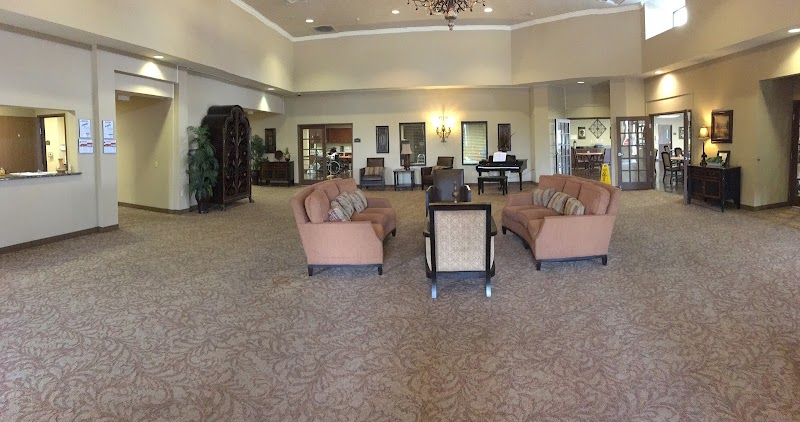
How is Forest Park Nursing & Rehabilitation Staffed?

CMS rates FOREST PARK NURSING & REHABILITATION's staffing level at 1 out of 5 stars, which is much below average compared to other nursing homes. Staff turnover is 74%, which is 28 percentage points above the Texas average of 46%. High turnover can affect care consistency as new staff learn residents' individual needs. RN turnover specifically is 81%, which is notably high. RNs provide skilled clinical oversight, so turnover in this role can affect medical care quality.

What Have Inspectors Found at Forest Park Nursing & Rehabilitation?

State health inspectors documented 52 deficiencies at FOREST PARK NURSING & REHABILITATION during 2022 to 2025. These included: 6 Immediate Jeopardy (the most serious level, indicating potential for serious harm or death) and 46 with potential for harm. Immediate Jeopardy findings are rare and represent the most serious regulatory concerns. They require immediate corrective action.
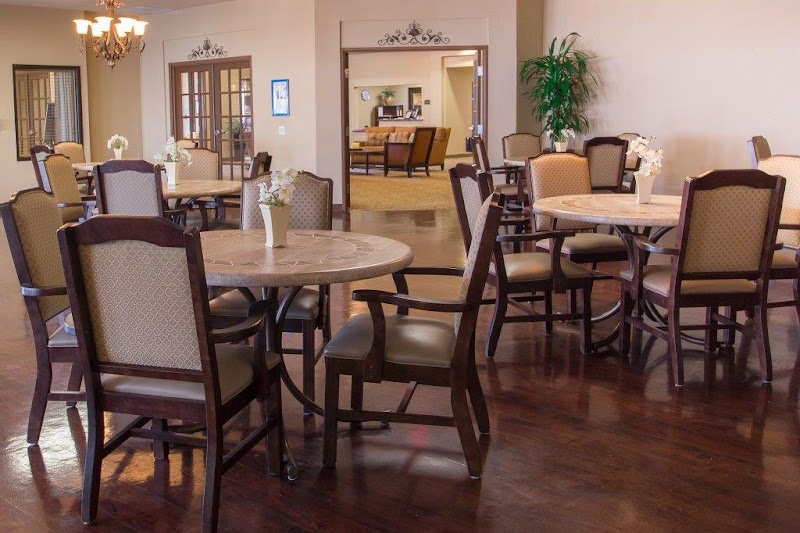
Who Owns and Operates Forest Park Nursing & Rehabilitation?

FOREST PARK NURSING & REHABILITATION is owned by a government entity. Government-operated facilities are typically run by state, county, or municipal agencies. The facility is operated by OPCO SKILLED MANAGEMENT, a chain that manages multiple nursing homes. With 150 certified beds and approximately 112 residents (about 75% occupancy), it is a mid-sized facility located in DALLAS, Texas.
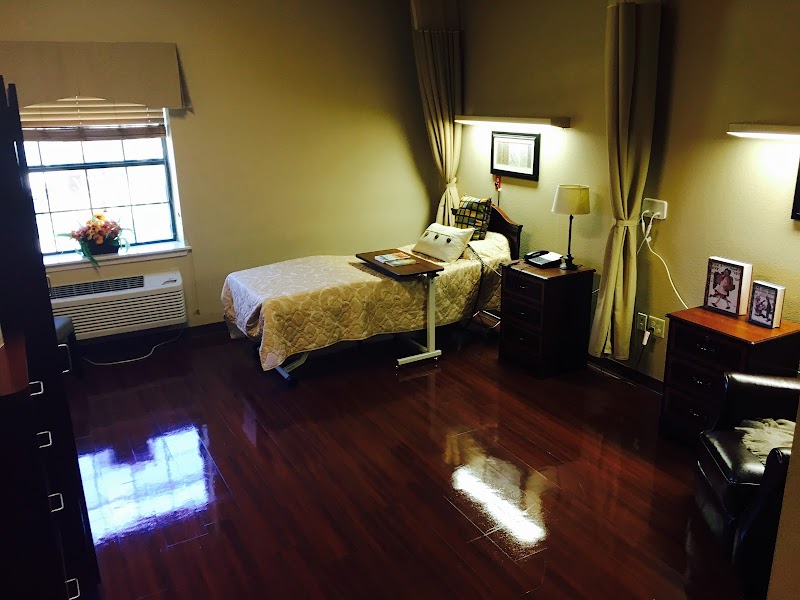
How Does Forest Park Nursing & Rehabilitation Compare to Other Texas Nursing Homes?

Compared to the 100 nursing homes in Texas, FOREST PARK NURSING & REHABILITATION's overall rating (2 stars) is below the state average of 2.8, staff turnover (74%) is significantly higher than the state average of 46%, and health inspection rating (1 stars) is much below the national benchmark.

What Should Families Ask When Visiting Forest Park Nursing & Rehabilitation?

Based on this facility's data, families visiting should ask: "What changes have been made since the serious inspection findings, and how are you preventing similar issues?" "How do you ensure continuity of care given staff turnover, and what is your staff retention strategy?" "Can you walk me through typical staffing levels on day, evening, and night shifts?" "Can I visit during a mealtime to observe dining assistance and food quality?" These questions are particularly relevant given the facility's Immediate Jeopardy citations, the facility's high staff turnover rate, and the below-average staffing rating.

Is Forest Park Nursing & Rehabilitation Safe?

Based on CMS inspection data, FOREST PARK NURSING & REHABILITATION has documented safety concerns. Inspectors have issued 6 Immediate Jeopardy citations (the most serious violation level indicating risk of serious injury or death). The facility has a 2-star overall rating and ranks #100 of 100 nursing homes in Texas. Families considering this facility should ask detailed questions about what corrective actions have been taken since these incidents.

Do Nurses at Forest Park Nursing & Rehabilitation Stick Around?

Staff turnover at FOREST PARK NURSING & REHABILITATION is high. At 74%, the facility is 28 percentage points above the Texas average of 46%. Registered Nurse turnover is particularly concerning at 81%. RNs handle complex medical decisions and coordinate care — frequent RN changes can directly impact care quality. High turnover means new staff may not know residents' individual needs, medications, or preferences. It can also be disorienting for residents, especially those with dementia who rely on familiar faces. Families should ask: What is causing the turnover? What retention programs are in place? How do you ensure care continuity during staff transitions?

Was Forest Park Nursing & Rehabilitation Ever Fined?

FOREST PARK NURSING & REHABILITATION has been fined $180,884 across 3 penalty actions. This is 5.2x the Texas average of $34,888. Fines at this level are uncommon and typically indicate a pattern of serious deficiencies, repeated violations, or failure to correct problems promptly. CMS reserves penalties of this magnitude for facilities that pose significant, documented risk to resident health or safety. Families should request specific documentation of what issues led to these fines and what systemic changes have been implemented.

Is Forest Park Nursing & Rehabilitation on Any Federal Watch List?

FOREST PARK NURSING & REHABILITATION is not on any federal watch list. The most significant is the Special Focus Facility (SFF) program, which identifies the bottom 1% of nursing homes nationally based on persistent, serious quality problems. Not being on this list means the facility has avoided the pattern of deficiencies that triggers enhanced federal oversight. This is a positive indicator, though families should still review the facility's inspection history directly.