GOLDEN ACRES LIVING AND REHABILITATION CENTER
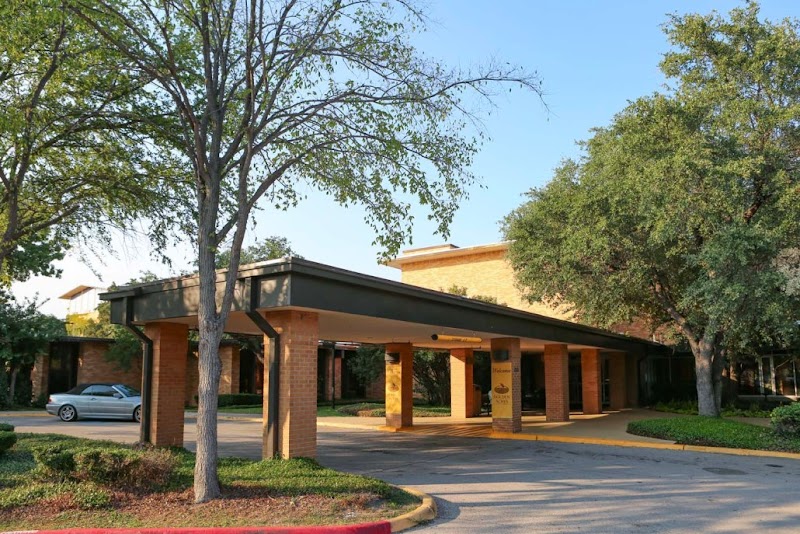
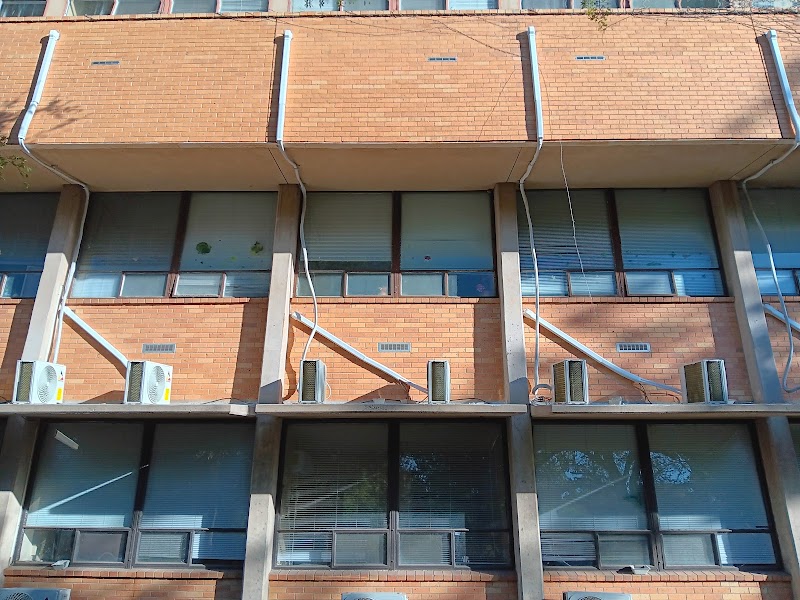
2525 CENTERVILLE RD, DALLAS, TX 75228 (214) 327-4503
For profit - Corporation 264 Beds THE ENSIGN GROUP Data: November 2025
Trust Grade
60/100
#473 of 1168 in TX
Last Inspection: October 2024

Within standard 12-15 month inspection cycle. Federal law requires annual inspections.

Overview

Golden Acres Living and Rehabilitation Center has a Trust Grade of C+, which means it is slightly above average but not outstanding. It ranks #473 out of 1,168 nursing homes in Texas, placing it in the top half, and #30 out of 83 in Dallas County, indicating that only a few local facilities are better. The facility is improving, with issues decreasing from 13 in 2023 to 11 in 2024, but still faces some concerns. Staffing is rated as average with a turnover rate of 46%, which is slightly better than the Texas average. Although there have been no fines, the facility has faced several concerning incidents, including failing to provide necessary grooming for residents and not ensuring timely respiratory care, which could impact the residents' dignity and health. Overall, while there are positive aspects like no fines and an improving trend, families should be aware of the specific care shortcomings noted in the inspections.

Trust Score
C+
60/100
In Texas
#473/1168
Top 40%
Safety Record
Low Risk
No red flags
Inspections
Getting Better
13 → 11 violations
Staff Stability
⚠ Watch
46% turnover. Above average. Higher turnover means staff may not know residents' routines.
Penalties
✓ Good
No fines on record. Clean compliance history, better than most Texas facilities.
Skilled Nurses
⚠ Watch
Each resident gets only 20 minutes of Registered Nurse (RN) attention daily — below average for Texas. Fewer RN minutes means fewer trained eyes watching for problems.
Violations
⚠ Watch
27 deficiencies on record. Higher than average. Multiple issues found across inspections.
★★★☆☆
3.0
Overall Rating
★★★☆☆
3.0
Staff Levels
☆☆☆☆☆
0.0
Care Quality
★★★☆☆
3.0
Inspection Score
Stable
2023: 13 issues
2024: 11 issues

The Good

  • Full Sprinkler Coverage · Fire safety systems throughout facility
  • No fines on record

Facility shows strength in fire safety.

The Bad

3-Star Overall Rating

Near Texas average (2.8)

Meets federal standards, typical of most facilities

Staff Turnover: 46%

Near Texas avg (46%)

Higher turnover may affect care consistency

Chain: THE ENSIGN GROUP

Part of a multi-facility chain

Ask about local staffing decisions and management

The Ugly 27 deficiencies on record

Oct 2024 7 deficiencies
CONCERN (D) 📢 Someone Reported This

A family member, employee, or ombudsman was alarmed enough to file a formal complaint

Potential for Harm - no one hurt, but risky conditions existed

Deficiency F0558 (Tag F0558)

Could have caused harm · This affected 1 resident

**NOTE- TERMS IN BRACKETS HAVE BEEN EDITED TO PROTECT CONFIDENTIALITY** Based on observations, interviews, and record review the facility failed to ensure the resident has the right to reside and rece...

Read full inspector narrative →
**NOTE- TERMS IN BRACKETS HAVE BEEN EDITED TO PROTECT CONFIDENTIALITY** Based on observations, interviews, and record review the facility failed to ensure the resident has the right to reside and receive services in the facility with accommodation of resident needs and preferences for 1 of 30 residents (Resident #255) reviewed for reasonable accommodation of needs. The facility failed to ensure the call light system was within reach of the Resident #255 lying in bed. This failure could place residents in the facility at risk of being unable to have a means of directly contacting caregivers. Findings included: A record review of Resident #255's MDS assessment dated [DATE] reflected Resident #255 was a [AGE] year-old male with a BIMS score 03 of 15, indicating severe cognitive impairment. Resident #255 was admitted to the facility on [DATE] with the diagnoses of Dementia (a progressive loss of intellectual functioning, especially with impairment of memory and abstract thinking, and often with personality change, resulting from organic disease of the brain), seizures disorder, and depression. The review further reflected the resident was totally dependent on staff for the ADL's (activity of daily living). A record review of Resident #255's Comprehensive Care Plan dated 10/28/24 reflected Focus. At risk for falls r/t dementia, seizures, and history of CVA. Goal. Will not sustain serious injury through the review date. Interventions. Be sure the call light is within reach and encourage to use it to call for assistance as needed. Observation on 10/28/24 at 11:39 AM Resident#255 was lying in bed and trying to get up. Resident#255 stated he wanted to pee. Resident#255's call light was on top of the nightstand. Resident#255 could not reach the call light, this state surveyor pressed the resident call light, and LVN E entered the room to answer the call light. This state surveyor pointed to the call light on the nightstand. LVN E stated the call light was not within reach of Resident#255 and took the call light from the nightstand and placed it next to Resident#255 in the bed. LVN E called an aide to take Resident#255 to use the bathroom. Interview on 10/28/24 at 11:41 AM LVN E stated the call light was not within reach of the Resident#255. LVN E stated the call light should be within residents reach at all times, and risk to the resident not getting help on time could be a fall and possible injury. LVN E stated it was the responsibility of all the staff to make sure the call light was within resident reach before exiting the room. Interview on 10/30/2024 at 2:11 PM the DON stated all call lights needed to be always within reach of the resident. The DON stated the call light in the resident's bathroom should be next to the toilet and within resident use, even if the resident was lying in the floor. The DON stated the call light pull string should be going straight from the wall outlet down, and not hanging or intertwined on the fixtures. The DON stated the risk to the residents, if they cannot reach the call light, they could not call for help, and they will not get the help they needed. Interview on 10/30/24 at 3:44 PM the Administrator stated all the call light pull strings in the secured unit had been fixed, and they were no longer too long and dragging on the floor. He stated the staff had been reeducated to report any issue with the call light system to the Maintenance Supervisor. The Administrator stated the risk to residents, if the call light was not within resident reach or did not work properly, the residents could not call for help. Review of the facility policy titled policy/Procedure-Nursing services. Section: Routine Procedures- Subject: Call Light/Bell, revised 05/2007 revealed It is the policy of(to provide the resident a means of communication with nursing staff . 5. Place the call device within resident's reach before leaving room. If call light/bell defective, immediately report this information to the unit supervisor.
CONCERN (D) 📢 Someone Reported This

A family member, employee, or ombudsman was alarmed enough to file a formal complaint

Potential for Harm - no one hurt, but risky conditions existed

Incontinence Care (Tag F0690)

Could have caused harm · This affected 1 resident

Based on observations, interviews, and record review the facility failed to ensure that a resident who was incontinent of bladder received appropriate treatment and services to prevent urinary tract i...

Read full inspector narrative →
Based on observations, interviews, and record review the facility failed to ensure that a resident who was incontinent of bladder received appropriate treatment and services to prevent urinary tract infections for 1 (Resident #104) of 2 residents reviewed for catheter care. The facility failed to ensure CNA B kept Resident #104's urine catheter bag below the level of the bladder during incontinent care. This failure could place residents at risk for urinary tract infections. Findings included: Record review of Resident #104's Quarterly MDS assessment, dated 10/09/24, reflected an admission date of 09/25/22. Resident #104 had a BIMS score of 09, meaning her cognition was moderately impaired. She required maximal assist with ADLs. Resident #104's active diagnoses included reflux uropathy (condition where urine flows backward from the bladder into the ureters and sometimes the kidneys), diabetes mellitus, and Alzheimer's disease. Record review of Resident #104's care plan, dated 06/22/23, reflected . [Resident#104] has indwelling catheter . Goal: will show no sign/symptoms of urinary infection . Interventions included .Position catheter bag and tubing below the level of the bladder and away from entrance room door . Review of Resident #104's Physician Orders Report dated 10/30/24 reflected, . Change foley catheter monthly on 15 day of each month . every shift starting on the 15th and ending on the 15th every month. With start date of 08/15/24. Observation on 10/30/24 at 11:08 AM revealed CNA B , and CNA G entered Resident #104's room. Both staff performed hand hygiene, and donned gowns and gloves. CNA G uncovered Resident #104 and unfastened the resident's brief. CNA B cleaned Resident #104's front pubic area with wipes, using one wipe per stroke. CNA B placed Resident #104's urinary catheter drainage bag on the bed by the resident's feet. Both CNAs assisted the resident to turn on her right side. CNA B cleaned the resident's buttocks using peri-wipes, she removed and discarded the dirty brief, and she put a clean brief under the resident. Both CNAs assisted Resident #104 back on her back. Urine was observed backing up in the tubing back toward the resident's bladder. Both CNAs fastened the brief. CNA B hooked the urinary catheter drainage bag, back on the right side of the bed. CNA G covered Resident #104. Both CNA removed gloves and gowns, washed hands, and left the room. In an interview on 10/30/24 at 12:06 PM, CNA B stated the urinary drainage bag was to be always kept below the resident's bladder. CNA B stated she knew better but she worried to pull the tubing. She stated by failing to keep the bag under the bladder level it would put the resident at risk for urinary tract infections. In an interview with the DON on 10/30/24 at 02:30 PM she stated the catheter was to be maintained below the level of the bladder. She stated placing the drainage bag on the bed was not maintaining it below the bladder. She stated by not keeping it below the bladder urine could back up into the bladder and increase the risk of urinary tract infections. She stated she would do skills check on nursing staff and the ADON would do random checks to monitor staff. Record review of CNA B's skills verification checklist dated 09/04/24 reflected she was competent in Peri-care-Foley catheter tubing care. Record review of the facility's policy titled, Catheter Care, Indwelling, revised May 2017, reflected, .Purpose: To promote hygiene, comfort, and decrease risk of infection for catheterized residents . Procedure . 12. Keep tubing below level of bladder .
CONCERN (D) 📢 Someone Reported This

A family member, employee, or ombudsman was alarmed enough to file a formal complaint

Potential for Harm - no one hurt, but risky conditions existed

Deficiency F0919 (Tag F0919)

Could have caused harm · This affected 1 resident

Based on observations, interviews and record review, the facility failed to ensure residents toileting facilities were adequately equipped to allow residents to call for assistance for 7 Residents (Re...

Read full inspector narrative →
Based on observations, interviews and record review, the facility failed to ensure residents toileting facilities were adequately equipped to allow residents to call for assistance for 7 Residents (Resident#10, Resident#13, Resident#30, Resident#64, Resident#75, Resident#96, and Resident#134) of 30 residents reviewed for residents' call systems. The facility failed to ensure the call light system was accessible to a resident, lying on the floor in the residents' toilets, located between two adjacent rooms in all female secured unit: . Resident#30 . Resident#75 . Resident#96 . Resident#134 . Resident#64 . Resident#13 . Resident#10 This failure could place residents in the facility at risk of being unable to have a means of directly contacting caregivers. Findings included: Resident#30 -Observation on 10/28/24 at 09:55 AM resident toilet call light pull string was hanging over the toilet paper dispenser. The dispenser was fixed to the wall six feet from the floor. Resident#75/Resident#96 -Observation on 10/28/24 at 09:56 AM Residents shared toilet in the two adjacent rooms call light pull string was hanging over the toilet paper dispenser. The dispenser was fixed to the wall six feet from the floor. Resident#134/Resident#64 -Observation on 10/28/24 at 09:57 AM Residents shared toilet in the two adjacent rooms call light pull string was intertwined on the straight grab bar fixed vertical to the wall in the right side of the toilet. The straight grab bar was two and half feet from the floor. Resident#13/Resident#10 - Observation on 10/28/24 at 09:58 AM Residents shared toilet in the two adjacent rooms call light pull string was hanging over the toilet paper dispenser. The dispenser was fixed on the wall six feet from the floor. Interview and observation on 10/30/24 at 09:30 AM the Maintenance Supervisor revealed, he took the call light pull string from the toilet paper dispenser and let it go. The call light pull string ended up laying on the floor, because it was too long, about six feet long. The Maintenance Supervisor stated he would fix it. The Maintenance Supervisor took the call light pull string from the floor, proceeded to adjust it to be going from the wall outlet down, not touching the floor, and cut the extra string. He stated the way it was, the call light could cause a serious problem to residents and declined to elaborate more. Interview on 10/30/2024 at 2:11 PM the DON stated all call lights needed to be always within reach of the resident. The DON stated the call light in the resident's bathroom should be next to the toilet and within resident use, even if the resident was lying in the floor. The DON stated the call light pull string should be going straight from the wall outlet down, and not hanging or intertwined on the fixtures. The DON stated the risk to the residents, if they cannot reach the call light, they could not call for help, and they will not get the help they needed. Interview on 10/30/24 at 3:44 PM the Administrator stated all the call light pull strings in the secured unit had been fixed, and they were no longer too long and dragging on the floor. He stated the staff had been reeducated to report any issue with the call light system to the Maintenance Supervisor. The Administrator stated the risk to residents, if the call light was not within resident reach or did not work properly, the residents could not call for help. Review of the facility policy titled policy/Procedure-Nursing services. Section: Routine Procedures- Subject: Call Light/Bell, revised 05/2007 revealed It is the policy of (to provide the resident a means of communication with nursing staff . 5. Place the call device within resident's reach before leaving room. If call light/bell defective, immediately report this information to the unit supervisor.
CONCERN (E) 📢 Someone Reported This

A family member, employee, or ombudsman was alarmed enough to file a formal complaint

Potential for Harm - no one hurt, but risky conditions existed

ADL Care (Tag F0677)

Could have caused harm · This affected multiple residents

**NOTE- TERMS IN BRACKETS HAVE BEEN EDITED TO PROTECT CONFIDENTIALITY** Based on observations, interviews, and record review the facility failed to provide the necessary services for residents who wer...

Read full inspector narrative →
**NOTE- TERMS IN BRACKETS HAVE BEEN EDITED TO PROTECT CONFIDENTIALITY** Based on observations, interviews, and record review the facility failed to provide the necessary services for residents who were unable to carry out activities of daily living to maintain good grooming and personal hygiene for 4 (Resident #17, Resident #28, Resident #91, and Resident #255) of 16 residents reviewed for ADLs. The facility failed to ensure: 1- Resident #17 had his fingernails cleaned and trimmed. 2- Resident #91 had his fingernails trimmed. 3- Resident #28 had his fingernails cleaned and trimmed. 4- Resident #255 had his fingernails cleaned and trimmed. These failures could place residents who were dependent on staff for ADL care at risk for loss of dignity, risk for infections, and a decreased quality of life. Findings included: 1- Resident #17 Review of Resident #17's Quarterly MDS assessment dated [DATE] reflected Resident #17 was an [AGE] year-old male with initial admission date to the facility on [DATE]. His diagnoses included cerebral infarction (a loss of blood flow to part of the brain, which damages brain tissue), hemiplegia (paralysis of one side of the body) affecting left side, diabetes mellitus (high blood glucose levels), and cognitive communication deficit. Resident #17 had a BIMS score of 12 which indicated he had moderate cognitive impairment. Resident #17 required maximal assistance with personal hygiene. Review of Resident #17's Comprehensive Care Plan, revised 07/09/24, reflected the following: Focus: [Resident #17] at risk for an ADL self-care performance deficit. Goal: [Resident #17] will maintain current level of function in . personal hygiene. Will safely perform bed mobility, transfers, eating, dressing, grooming, toilet use and personal hygiene. An observation and Interview on 11/28/24 at 10:37 AM revealed Resident #17 was sitting in his wheelchair. The nails on both hands were approximately 0.3 centimeter in length extending from the tip of his fingers. The nails were discolored tan and the underside had dark brown colored residue. Resident #17 stated he did not like his nails long and dirty. He stated he did not tell anybody about his nails. 2- Resident #91 A record review of Resident #91's Quarterly MDS assessment dated [DATE] reflected Resident #91 was a [AGE] year-old male admitted to the facility on [DATE] with diagnoses included cerebral infarction (a loss of blood flow to part of the brain, which damages brain tissue), hemiplegia (paralysis of one side of the body) affecting left side of the body, and cognitive communication deficit. Resident #91 had a BIMS score of 15 which indicated Resident #91's cognition was intact. He required extensive assistance with personal hygiene. A record review of Resident #91's Comprehensive Care Plan, revised 04/29/24, reflected the following: Focus: ADL self-care performance deficit related to hemiplegia. Goal: Will maintain current level of function or improve in . personal hygiene An observation and interview on 10/28/24 at 10:45 AM revealed Resident #91 was laying in his bed. The nails on the right hand were approximately 0.4 centimeter in length extending from the tip of his fingers. Resident#91's left hand contracted, fingernails were approximately 0.4 cm. 4 of the fingernails pressing on the resident's palm of hand. No injury noticed. Resident#91 stated he would like his fingernails taken care of and he stated he would ask the nurse. In an interview with LVN H on 10/29/24 at 11:30 AM, she stated that she had not offered nailcare to Resident#17 and #91 recently. She stated that nailcare should be provided by the nursing staff as needed. She stated Resident #17's fingernails were long and dirty, and she offered to clean them after the interview. She stated she would trim resident #91's nails. She stated the risk of not providing adequate nail care was increased infections and skin break down issues. 3- Resident #28 A record review of Resident #28's annually MDS assessment dated [DATE] reflected Resident #28 was a [AGE] year-old male with a BIMS score 01 of 15, indicating severe cognitive impairment. Resident#28 was admitted to the facility on [DATE] and readmitted on [DATE] with the diagnosis of diabetes mellitus (elevated blood sugar), anxiety, depression, cerebrovascular accident, and muscle weakness. The review further reflected the resident was totally dependent on staff for ADL's (activity of daily living). A record review of Resident #28's Comprehensive Care Plan dated 10/08/24 reflected Problem: (Resident #28). ADL Self-care Performance deficit r/t CVA Goal: (Resident#28) will maintain current level of function in .Grooming ., Personal Hygiene . An observation on 10/28/24 at 11:25 AM revealed Resident#28 up in wheelchair in his room, wearing daytime attire. Resident#28's right hand with fingernails approximately 0.4 centimeter in length extending from the tip of his fingers and dirty. Resident#28's left hand severely contracted, the first, second, 3rd, and 5th fingernails approximately 0.4 centimeter in length extending from the tip of his fingers, with dirty matter underneath the 1st, 2nd, 3rd, and 5th fingernail. Resident#28's 4th finger hiding under the 3rd and 5th fingers. Some of the fingernails were chipped in both hands. Resident#28 denied pain in the left hand. Resident#28 stated he would like his fingernails trimmed and cleaned. Interview and observation on 10/28/24 at 11:49 with LVN E revealed, LVN E looked at Resident#28's fingernails and stated the fingernails were long and needed to be cleaned. LVN E stated he would clean, and trim Resident#28's fingernails. LVN E stated the risk to the resident was he could cut himself, and development of infection. LVN E further stated it was the responsibility of the unit charge nurse to check, and make sure residents' fingernails were cleaned and trimmed all the time. 4- Resident #255 A record review of Resident #255's MDS assessment dated [DATE] reflected Resident #255 was a [AGE] year-old male with a BIMS score 03 of 15, indicating severe cognitive impairment. Resident#255 was admitted to the facility on [DATE] with the diagnosis of Dementia (a progressive loss of intellectual functioning, especially with impairment of memory and abstract thinking, and often with personality change, resulting from organic disease of the brain), seizer disorder, and depression. The review further reflected the resident was totally dependent on staff for ADL's (activity of daily living). A record review of Resident #255's Comprehensive Care Plan dated 10/28/24 reflected Problem: (Resident #255). ADL Self-care Performance deficit r/t dementia, history of CVA . Goal: (Resident#255) will maintain current level of function in .Grooming ., Personal Hygiene; ADL score through the review date. Interventions: Bathing (Shower/Bathe self): The Resident#255 x1-2 assistance with .prefers hands wash. An observation on 10/28/24 at 11:39 AM revealed Resident #255 was lying in bed wearing appropriate attire. Both hands fingernails were short with brown matter underneath. Resident#255 was unable to participate in interview. Interview and observation on 10/28/24 at 11:47 with LVN E revealed, he looked at Resident#255 fingernails and stated fingernails had some dirt underneath, and he would clean them. LVN E stated the risk to the resident could be development of infection, other than that hygiene. LVN E further stated it was the responsibility of the unit charge nurse to check, and make sure residents' fingernails were cleaned and trimmed all the time. In an interview with the DON on 10/30/24 at 2:11 PM revealed her expectation was that nail care should be provided as needed, especially during shower time. She stated that CNAs were responsible for doing nail care unless the resident had a diagnosis of diabetes. She stated the charge nurses were supposed to monitor. The DON stated residents having long and dirty fingernails could be an infection control issue, dignity, and skin issues. She stated in-service on resident's ADLS were done as needed and once a year. Record review of the facility policy titled ADL, Services to carry out, revised 07/2015 revealed It is the policy of this facility that residents are given the appropriate treatment and services to attain or maintain the highest practicable physical, mental, and psychosocial well-being of each resident in accordance with a written plan of care .2. If a resident is unable to carry out activities of daily living, the necessary services to maintain . grooming, and personal hygiene will be provided by qualified staff .
CONCERN (E) 📢 Someone Reported This

A family member, employee, or ombudsman was alarmed enough to file a formal complaint

Potential for Harm - no one hurt, but risky conditions existed

Respiratory Care (Tag F0695)

Could have caused harm · This affected multiple residents

**NOTE- TERMS IN BRACKETS HAVE BEEN EDITED TO PROTECT CONFIDENTIALITY** Based on observations, interviews, and record review the facility failed to ensure a resident who needed respiratory care was pr...

Read full inspector narrative →
**NOTE- TERMS IN BRACKETS HAVE BEEN EDITED TO PROTECT CONFIDENTIALITY** Based on observations, interviews, and record review the facility failed to ensure a resident who needed respiratory care was provided such care, consistent with professional standards of practice, the comprehensive person-centered care plan, and the residents' goals and preferences for 3 of 5 Residents (Resident #27, Resident #133, Resident #41) reviewed for respiratory care. 1-The facility failed to ensure Oxygen (O2 ) in use signage was on Resident #133's doorway. 2-The facility failed to ensure Resident #27's nasal cannula tubing was changed in a timely manner. 3-The facility failed to ensure Resident #41 nasal cannula tubing was labeled or dated. This failure could place residents at risk of not receiving appropriate respiratory care. The findings were: 1- Resident #133 Record Review of Resident#133's Quarterly MDS assessment dated [DATE] reflected, Resident #133 was an [AGE] year-old-male admitted to the facility on [DATE]. His relevant diagnoses included: anemia (low red blood cell count), heart failure (heart is unable to pump enough blood for bodily needs), chronic obstructive lung disease (lung condition that makes it difficult to breathe), asthma, anxiety, and paraplegia (loss of muscle function). It also reflected, Resident #133 had BIMS of 15, which indicated he had intact cognition. Quarterly MDS also reflected Resident #133 was on Oxygen therapy. Record review of Resident #133's physician orders dated 8/23/2024 reflected, Oxygen at 3 liter per minute continuous per nasal cannula every shift related to Asthma. Record Review of Resident #133's Care plan, created on 9/11/24 reflected, Focus: [Resident #133] has oxygen therapy continuous related to Shortness of breath, Labored breathing. Goal: [Resident #133] Will have no signs and symptoms of poor oxygen absorption through the review date. Interventions: Monitor for signs and symptoms of respiratory distress and report to [physician] as needed. In an observation and interview on 10/28/24 at 11:11 AM Resident #133 stated he was on oxygen therapy. Observed that the resident room doorway did not have signage for Oxygen in use outside the door. In an interview and observation with CNA B at 10/28/24 at 11:13 AM stated Resident #133 was on Oxygen therapy. She stated she did not see the Oxygen in use sign on Resident #133's room door. She stated every resident on oxygen therapy should have the sign to ensure safety if flammable objects were bought to the room. She stated that it could also alert staff in case of any emergency or evacuation. She stated she has worked in other units within the facility and had seen the oxygen in use signage used for residents on oxygen therapy. In an interview on 10/29/24 at 09:30 AM RN D stated she was new to the facility and had started working about 2 weeks ago. She stated that Resident #133 was on continuous oxygen therapy and needed to have oxygen in use signage outside his room door. She stated the risk of not having appropriate signage was failure to alert staff members regarding resident's need for oxygen in case of emergencies or evacuation. She stated failure to have appropriate signage can lead to decreased quality of care by not meeting resident's care needs. 2- Resident #27 Record Review of Resident#27's Quarterly MDS assessment dated [DATE] reflected, Resident #27 was an [AGE] year-old-female admitted to the facility on [DATE]. Her relevant diagnoses included: Stroke (blood flow to the brain is interrupted resulting in death of brain cells), hypertension (high blood pressure), cognitive communication deficit (difficulty in communication caused by disruption in cognition), and aphasia (loss of ability to express speech). It also reflected, Resident #27 had BIMS of 8, which indicated she had moderate cognitive impairment. Record review of Resident #27's physician orders dated 5/28/2024 reflected, Oxygen at 2 liter per minute via nasal cannula. May titrate up to 5 liter per minute to keep oxygen saturation more than 92 percent. Record review of Resident #27's physician orders dated 2/1/2024 reflected, Change Oxygen Tubing and Humidifier Bottle every night shift every Wednesday. Record Review of Resident #27's Care plan, created on 9/10/24 reflected, Focus: [Resident# 27] has Oxygen Therapy related to Shortness of Breath. Goal: [Resident #27] Will have no signs and symptoms of poor oxygen absorption through the review date. Interventions: Monitor for signs and symptoms of respiratory distress and report to MD as needed. In an observation on 10/28/24 at 02:13 PM with Resident #27 revealed she was in bed and receiving oxygen via nasal cannula at 4 liters per minute. The date on the humidity bottle was marked as 10/17 and the date on the tubing was 10/18. In an observation and interview on 10/28/24 at 2:24 PM with LVN C revealed the date on the nasal cannula tubing was 10/18/24, which was 10 days ago and the date on the humidity bottle was 10/17/24 which was 11 days ago. LVN B stated that nasal cannula tubing and humidity bottle should be changed weekly and was done by the night shift nurses. She stated that failure to change nasal cannula tubing and humidity bottle in a timely manner could cause breathing problems and possibly infection control lapses in residents. 3- Resident #41 Record review of Resident # 41's Quarterly MDS assessment dated [DATE] reflected Resident #41 was an [AGE] year-old male re-admitted to the facility on [DATE]. Diagnoses included, chronic obstructive pulmonary disease (a group of lung diseases that block airflow and make it difficult to breathe), and chronic respiratory failure (a long-term condition that occurs when the lungs can't exchange oxygen and carbon dioxide properly.) Resident had a BIMS Score of 15, meaning his cognition was intact. Record review of Resident #41's care plan revised 02/19/2024 reflected, Focus: has oxygen therapy related to chronic obstructive pulmonary disease/chronic respiratory failure . Goal: Will have no sign/symptoms of poor oxygen absorption . Interventions: Provide oxygen as ordered . Record review of Resident #41's Physician order dated October 2024, revealed Oxygen at 2l/min via nasal cannula every shift . with a start date of 08/10/2023. Record review of Resident #41's Physician order dated October 2024, revealed Change oxygen tubing a humidifier bottle every night shift every Wednesday. Observation on 10/29/24 at 8:52 AM revealed Resident #41 was sleeping in his bed. Oxygen concentrator was running at 2L/min and there was no date or label on the nasal cannula tubing. In an interview on 10/29/24 at 9:00 AM Resident #41 stated that he had been on continuous oxygen therapy because of his shortness of breath. Resident did not remember when the oxygen tubing was changed. In an observation and interview on 10/29/2024 at 9:23 AM, LVN H stated nurses were responsible for changing and dating nasal cannula tubing and it was done on weekly basis and as needed. She stated if oxygen supplies were not dated, it could lead to increased risk of infection. She stated she did not check the tubing for the date because she assumed the tubing was dated by the nurse who changed it. LVN H proceeded to change the tubing. In an interview on 10/28/24 01:39 PM with the DON, she stated her expectation was if the resident was on oxygen therapy, then signage for oxygen in use should be on the door. She stated her expectation was the nasal cannula tubing and humidity bottle should be changed weekly or as needed, if soiled or damaged. She stated that night shift floor nurses were responsible for putting up the sign and dating/labeling oxygen equipment weekly. She stated the facility was a non-smoking facility and oxygen in use sign was placed to warn people not to have flammable objects when oxygen was in use. She also stated that the risk of not having appropriate signage on the door was that staff may not be aware that residents were dependent on oxygen therapy. She stated that the risk of not dating the tubing / humidity bottle or not changing it in a timely manner could lead to infection control lapses and decreased quality of care. She stated as a DON of the facility, she or her designee conducted daily resident rounds. She stated that skill checks for nurses were done on a quarterly basis. She also stated that there was no facility policy for oxygen in use signage, however it was a part of standard nursing protocol. Record review of facility policy titled Policy / Procedure - Nursing Clinical: Oxygen Equipment revised 5/2017 reflected, . 3. Cannulas should be replaced every week .
CONCERN (E) 📢 Someone Reported This

A family member, employee, or ombudsman was alarmed enough to file a formal complaint

Potential for Harm - no one hurt, but risky conditions existed

Food Safety (Tag F0812)

Could have caused harm · This affected multiple residents

Based on observations, interviews, and record review, the facility failed to store, prepare, distribute, and serve food in accordance with professional standards for food service safety for the facili...

Read full inspector narrative →
Based on observations, interviews, and record review, the facility failed to store, prepare, distribute, and serve food in accordance with professional standards for food service safety for the facility's only kitchen. 1. The facility failed to ensure food items in the facility walk-in freezer were labeled and dated. 2. [NAME] A failed to ensure to use appropriate hand hygiene during meal prep. These failures could affect residents who received their meals from the facility's only kitchen, by placing them at risk for food-borne illness, and food contamination. Findings included: Observation on 10/28/24 at 10:21 AM in the facility's walk-in freezer revealed 3 big bags of unidentified food items that did not have a date or label on it. Interview on 10/28/24 at 10:22 AM with the Dietary Manager revealed the unidentified food items were frozen popcorn shrimp. Observation on 10/28/24 at 10:26 AM along with the Dietary Manager, revealed [NAME] A was prepping for chicken salad sandwiches in the facility kitchen prep room. [NAME] A had donned gloves while mixing the chicken salad ingredients with his hands. Observed Cook's A personal phone placed on a cart in the prep area. [NAME] A reached out for the phone, picked it up, and placed it in his pocket. He then continued to mix the chicken salad mixture with the same gloves without performing adequate hand hygiene or hanging his gloves between the activities. In an interview on 10/29/24 at 02:05 PM the Dietary Manager stated that the facility cooks were responsible for dating and labeling all food items in the kitchen. He stated that his expectation was all food items in the kitchen should be marked with received date once they arrive at the facility. He stated that if the box was open, he expected the cooks to individually date each bag with a received date and use by date as well as label it appropriately. He also stated it was his expectation that all kitchen employees follow appropriate hand hygiene in the kitchen that included proper hand washing technique, sanitizing, and changing gloves after and between each task. He stated [NAME] A was an old employee with the facility and should have known the importance of changing gloves and performing adequate hand hygiene while cooking or prepping for meals. He stated that he had [NAME] A throw out the sandwich mixture and asked him to remake it using appropriate hand hygiene technique. He also stated that kitchen employees should not use phones or headphones while in the kitchen area but can utilize it in the break room. He stated the risk of not dating, labeling food items with use by date, and not following adequate hand hygiene while prepping food can cause cross contamination resulting in food borne illness. In an interview on 10/30/24 at 11:57 AM [NAME] A stated that he had worked in the facility for the last 16 years. He stated that cooks were responsible for dating and labeling food items. He stated he did not know about the frozen popcorn shrimp bags that were not dated or labeled. He stated that, all food items were dated with received date for boxed items and use by date for any open items. He stated it was important to date and label each food item to follow the first in first out rule and to prevent residents from getting sick by consuming expired foods. He also stated that he knew to change gloves and wash/ sanitize hands between kitchen tasks. He stated that it was an error to touch the chicken salad with the same gloves after touching his phone. He added the risk of not performing adequate hand hygiene during meal prep was residents could get sick because of infection or cross contamination. Record Review of the facility policy titled Infection Control policy food Service/Procedure revised 10/2022 reflected, It is the policy of this facility to prevent contamination of food products and therefore prevent foodborne illness .4. D. 1. Wash hands carefully with soap and water whenever they become soiled, immediately before work in the morning, after using the bathroom, after coughing, sneezing, or blowing the nose, after touching the hair, mouth, or cigarettes, after handling raw unwashed food and dirty dishes; before touching food, clean dishes, and silverware. Review of the Food and Drug Administration Food Code, dated 2022, reflected, .3-305 Preventing contamination from the premise3-305.11 Food Storage (A) Except as specified in (B) and (C) of this section, FOOD shall be protected from contamination by storing the FOOD: (1) In a clean, dry location; (2) Where it is not exposed to splash, dust, or other contamination . Review of the Food and Drug Administration Food Code, dated 2022, reflected 2-301.11 Clean Condition. The hands are particularly important in transmitting foodborne pathogens. Food employees with dirty hands and/or fingernails may contaminate the food being prepared. Therefore, any activity which may contaminate the hands must be followed by thorough handwashing in accordance with the procedures outlined in the Code. Even seemingly healthy employees may serve as reservoirs for pathogenic microorganisms that are transmissible through food. Staphylococci, for example, can be found on the skin and in the mouth, throat, and nose of many employees. The hands of employees can be contaminated by touching their nose or other body parts. 2-301.12 Cleaning Procedure. Handwashing is a critical factor in reducing fecal-oral pathogens that can be transmitted from hands to RTE food as well as other pathogens that can be transmitted from environmental sources. Many employees fail to wash their hands as often as necessary and even those who do may use flawed techniques. In the case of a food worker with one hand or a hand-like prosthesis, the Equal Employment Opportunity Commission has agreed that this requirement for thorough handwashing can be met through reasonable accommodation in accordance with the Americans with Disabilities Act. Devices are available which can be attached to a lavatory to enable the food worker with one hand to adequately generate the necessary friction to achieve the intent of this requirement .
CONCERN (E) 📢 Someone Reported This

A family member, employee, or ombudsman was alarmed enough to file a formal complaint

Potential for Harm - no one hurt, but risky conditions existed

Infection Control (Tag F0880)

Could have caused harm · This affected multiple residents

**NOTE- TERMS IN BRACKETS HAVE BEEN EDITED TO PROTECT CONFIDENTIALITY** Based on observations, interviews, and record review, the facility failed to maintain an infection control program designed to p...

Read full inspector narrative →
**NOTE- TERMS IN BRACKETS HAVE BEEN EDITED TO PROTECT CONFIDENTIALITY** Based on observations, interviews, and record review, the facility failed to maintain an infection control program designed to prevent the development and transmission of infection for 3 residents (Resident #35, Resident #44, and Resident#45) of 8 residents observed for infection control. The facility failed to ensure: 1- CNA I performed hand hygiene between change of gloves during incontinent care for Resident #44. 2- CMA F disinfected the blood pressure cuff in between blood pressure checks for the Resident #35 and Resident #45 These failures could place residents at risk for infection and cross contamination of pathogens and illness. Findings included: 1-Record review of Resident #44's Quarterly MDS assessment dated [DATE] reflected Resident #44 was an [AGE] year-old female admitted to the facility on [DATE] with diagnoses that included reduced mobility, muscle weakness, and cognitive communication deficit. Resident #44 had a BIMS score of 09, which indicated Resident #44's cognition was moderately impaired. The MDS assessment indicated Resident #44 was always incontinent of bladder and bowel. Record review of Resident #44's Care Plan dated 01/04/23, reflected the following: Focus: Has bowel/bladder incontinence . Goal: Will decrease frequency of urinary incontinence . Interventions: Check as required for incontinence. Wash, rinse, and dry perineum. Change clothing as needed after incontinence episodes . Observation on 10/30/24 at 9:03 AM revealed CNA I and CNA J entered Resident #44's room to provide incontinence care. Both CNAs washed hands and donned gloves, CNA H unfastened Resident #44's brief and cleaned the front pubic area. CNA J assisted the resident onto her side revealing she had a small bowel movement. CNA H discarded the dirty gloves, without hand hygiene she donned clean gloves. She cleaned the resident's buttocks area using several wipes. CNA H removed and discarded the dirty gloves, without hand hygiene, she donned clean gloves. She placed a clean brief under resident buttocks. Both CNAs fastened the brief. CNA J covered the resident in the bed. CNA H gathered the dirty clothes and trash. Both CNAs removed their gloves, washed their hands, and left the room. In an interview on 10/30/24 at 9:22 AM, CNA H stated she was supposed to perform hand hygiene between change of gloves and acknowledged she did not do that because she was nervous, and she did not have sanitizer on her. CNA H stated she should change her gloves and perform hand hygiene when she went from dirty to clean. CNA H stated failing to provide proper care exposed the resident to infections. 2- Review of Resident #35's Comprehensive MDS dated [DATE] reflect Resident#34 was an [AGE] year-old female with a BIMS score 9 of 15 indicating moderate cognitive impairment. Resident#35 was admitted to the facility on [DATE] with the diagnoses of hypertension (elevated blood pressure) and cerebrovascular accident (type of ischemic stroke resulting from a blockage in the blood vessels supplying blood to the brain). Review of Resident #35's Care Plan dated 08/26/24 reflected the following: .Focus: Has hypertension Goal: Will remain free from sign/symptoms of hypertension through review date. Interventions: . Give anti-hypertensive medications as ordered Review of Resident#35's provider orders dated 09/18/20 reflected the following Lisinopril Tablet 40 MG Give 1 tablet by mouth one time a day for hypertension, Hold if SBP less than 100, DBP less than 60. Amlodipine Besylate Tablet 5 MG Give 1 tablet by mouth one time a day for hypertension, Hold if SBP less than 100, DBP less than 60. Review of Resident #45's Comprehensive MDS dated [DATE] reflect Resident#45 was a [AGE] year-old female no BIMS score indicated. Resident#45 was admitted to the facility on [DATE] with diagnoses of hypertension (elevated blood pressure), aphagia, cerebrovascular accident, and dementia (loss of intellectual functioning, especially with impairment of memory and abstract thinking, and often with personality change, resulting from organic disease of the brain). Review of Resident #45's Care Plan initiated 07/02/15 reflected the following: .Focus: Resident#45 has hypertension. Goal: Will remain free of complication related to hypertension through review date. Interventions: . Give anti-hypertensive medications as ordered Review of Resident #45's provider order dated 08/26/23 reflected the following HydrALAZINE HCL Tablet 10 MG Give 1 tablet by mouth every 24 hours as needed for HTN give for SBP greater than 150. Observation on 10/29/24 at 08:20 AM reveled: CMA F checked Resident#35's blood pressure then put the blood pressure device, on the top of the medication cart, and sanitized hands. CMA F gave Resident#35's her medications; exited the room, and sanitized hands. CMA F moved his medication cart in front of Resident#45's room, took the blood pressure cuff without sanitizing it, and checked Resident#45's blood pressure, and then put the blood pressure cuff on top of the medication cart without sanitization. CMA F sanitize hands, then proceeded to prepare and administer medications to Resident#45. Interview on 10/29/24 at 08:33 AM, CMA F checked his medication cart, and stated he did not have the wipes. He stated the risk to residents were a transfer of germs. CMA F further stated just started two weeks ago, and he got training at school. In an interview on 10/30/24 at 2:30 PM, the DON stated she expected the staff to complete hand hygiene before and after care. The DON also stated in between care, the CNA's were to complete hand hygiene and change gloves because her hands were considered dirty after cleaning the resident. The DON stated the staff were to complete hand hygiene during care to prevent the spread of infection and cross contamination. The DON stated she would have the ADON do random checks to monitor. The DON stated to in order to prevent infection development for residents, the staff should sanitize the equipment like the blood pressure cuff and the blood sugar machine with each use. The DON stated to risk to residents development of infection . The DON further stated she was the IP for the facility, and in service was done quarterly and as needed. Record review of the facility's policy, Hand Hygiene, dated August 2014, reflected, .7. Use an alcohol-based hand rub ., or alternatively, soap and water for the following situations: . m. After removing gloves . Review of the facility's Policy Titled Infection Prevention and Control Program last revised in December 2023, reflected: .2. Process Surveillance is the review of practices by staff directly related to resident care. Some considerations for this process may include, but are not limited to .g. Cleaning and disinfection production and procedure for environment surface and equipment .
Sept 2024 1 deficiency
CONCERN (D) 📢 Someone Reported This

A family member, employee, or ombudsman was alarmed enough to file a formal complaint

Potential for Harm - no one hurt, but risky conditions existed

Report Alleged Abuse (Tag F0609)

Could have caused harm · This affected 1 resident

**NOTE- TERMS IN BRACKETS HAVE BEEN EDITED TO PROTECT CONFIDENTIALITY** Based on interviews and record review the facility failed to ensure all alleged violations involving abuse and neglect were repo...

Read full inspector narrative →
**NOTE- TERMS IN BRACKETS HAVE BEEN EDITED TO PROTECT CONFIDENTIALITY** Based on interviews and record review the facility failed to ensure all alleged violations involving abuse and neglect were reported immediately, but not later than 2 hours after the allegations were made, if the events that cause the allegation involve abuse or result in serious bodily injury, or not later than 24 hours if the events that cause the allegation do not involve abuse and do not result in serious bodily injury, for one (Resident #1) of nine residents reviewed for abuse and neglect. The Abuse Coordinator failed to report an allegation of sexual abuse involving Resident #1 to the State Agency immediately but no later than 2 hours on 09/05/2024. The Abuse Coordinator was notified on 09/05/24 at 8:25 AM about the allegation of sexual abuse. The Abuse Coordinator self-reported the allegation of sexual abuse to the State Agency on 09/05/24 at 2:25 PM. This failure could place residents at risk of abuse and neglect. Findings included: Review of Resident #1's Quarterly MDS assessment dated [DATE] revealed she was a [AGE] year-old female admitted to the facility on [DATE]. Resident # 1's diagnoses included: unspecified dementia (memory loss), muscle weakness (lack of muscle strength), and other abnormalities of gait and mobility. Resident #1 had a BIMS score of 02 indicating severe cognitive impairment. She required moderate assistance with personal hygiene and supervision with toilet transfers. Resident #1 was occasionally incontinent of bowel and bladder. Review of Resident #1's Comprehensive Care Plan dated 08/09/2024 reflected Resident #1 was at risk for altered respiratory status/difficulty in breathing and at risk for impaired cognitive function related to dementia. Review of the nursing note dated 09/05/24 at 8:25 am revealed LVN A notified the Abuse Coordinator/Administrator that Resident # 1 was being transferred to the hospital for an allegation of sexual abuse. Review of the Progress note record with an effective date of 09/05/2024 08:25 and created date of 09/05/2024 10:27, by LVN A revealed Resident #1's Family Member C was talking to LVN A. Resident #1 came to the dining room and said, someone raped me last night, resident #1 was crying, and she was visibly upset. Review of an email dated 09/05/24 at 2:25 PM from the Abuse Coordinator revealed he reported the allegation of sexual abuse to HHSC at 2:25 PM. Observation and interview on 09/07/2024 at 11:03 AM with Resident #1 revealed she could not remember the incident and could not provide any details of the alleged incident. Interview on 09/07/2024 at 09:58 AM, the forensic nurse revealed she saw Resident #1 at the local hospital to complete a SANE Examination (Forensic evidence collection process from sexual assault victims) on 09/05/2024. She stated Resident #1 reported to her that she was raped the previous night (09/04/2024). Interview on 09/07/2024 at 10:57 AM with Resident #1's Family Member B revealed Resident #1 told Family Member C on 09/05/2024 morning (exact time not known) that she was raped the previous night (09/04/24). The Family Member B stated the Family Member C immediately reported this to the charge nurse and took Resident #1 to the hospital for evaluation. Interview on 09/05/24 at 2:16 PM with the DON revealed on 09/05/24 around 9:30 AM, Resident #1 told Family Member C and LVN A that she was raped the previous night. The DON stated LVN A could not talk with the resident because the family member took the resident to the hospital for evaluation. Interview with the DON revealed the Administrator was the Abuse Coordinator. The DON stated the Administrator was responsible for reporting an allegation of abuse to the state agency within 2 hours of learning about the incident. Interview revealed the DON did not know if this allegation of sexual abuse was reported to the state agency within 2 hours. Interview on 09/05/2024 at 3:23 PM with the Social Services Assistant revealed she was attending the morning staff meeting on 09/05/24. The Social Services Assistant stated LVN A came to the meeting room and told the Administrator about Resident #1's sexual abuse allegation around 10 AM. Interview on 09/05/2024 at 03:36 PM with the Administrator revealed he was the Abuse Coordinator. He stated his expectation of the staff was to notify him of any concerns of abuse immediately. The Administrator stated he first learned about Resident #1's sexual abuse allegation around 10:30 AM from a staff member. He stated Resident #1's family took the resident to the hospital and returned to the facility around 3:30pm. The Administrator stated he then notified the local police. Interview revealed the local police came to the facility to talk with Resident # 1. The Administrator stated he followed the abuse reporting time as per the Long-Term Care Provider Letter Number PL 19-17, and it was supposed to be reported to the state within 2 hours. He stated he reported this allegation to the state sometime in the afternoon, he could not remember the exact time. The Administrator then provided the copy of the email reporting the incident to the state and it showed the incident was reported to the state on 09/05/2024 at 02:25 PM. Telephone interview on 09/07/24 at 5:14 PM with LVN A revealed she was in the dining room when Family Member C asked her to reach out to the doctor to test the resident. Interview with LVN A revealed Resident #1 came to the dining room crying and said she was raped last night. LVN A stated she immediately called the Administrator's office, but he did not answer. LVN A then called the conference room but no one answered the phone. Interview revealed around 8:45 am she tried to call the Administrator's phone, but he did not answer. LVN A stated she went to look for the Administrator and found him in a meeting with other staff. Interview revealed she notified the Administrator about the allegation of sexual abuse made by Resident #1. Review of the facility policy, the Long-Term Care Provider Letter Number PL 19-17 dated 06/10/2019, reflected Abuse, neglect, exploitation, misappropriation of resident property and other incidents that a nursing facility must report to the health and human services commission. Abuse with or without serious bodily injury required to report immediately but not later than two hours after the incident occurs or is suspected.
Jul 2024 1 deficiency
CONCERN (E) 📢 Someone Reported This

A family member, employee, or ombudsman was alarmed enough to file a formal complaint

Potential for Harm - no one hurt, but risky conditions existed

Safe Environment (Tag F0584)

Could have caused harm · This affected multiple residents

**NOTE- TERMS IN BRACKETS HAVE BEEN EDITED TO PROTECT CONFIDENTIALITY** Based on observation, interview, and record review, the facility failed to provide a safe, clean, comfortable and homelike envir...

Read full inspector narrative →
**NOTE- TERMS IN BRACKETS HAVE BEEN EDITED TO PROTECT CONFIDENTIALITY** Based on observation, interview, and record review, the facility failed to provide a safe, clean, comfortable and homelike environment, including but not limited to receiving treatment and supports for daily living safely for 1 (Resident #1) of 7 resident rooms reviewed for environment. The facility failed to ensure the call light system in Resident #1's room (Room L080) was in good repair. This failure placed residents at risk of possible injury due to an unsafe environment. The findings included: Record review of Resident #1's face sheet, printed on 07/03/24, revealed a [AGE] year-old female who admitted to the facility on [DATE], with diagnoses of cerebrovascular disease (conditions that affect blood flow and vessels to the brain), protein-calorie malnutrition, hemiplegia and hemiparesis following unspecified cerebrovascular disease affecting left non-dominant side (paralysis and partial weakness), encephalopathy (brain dysfunction), and vascular dementia (changes to memory, thinking, and behavior resulting from conditions that affect the blood vessels in the brain). Record review of Resident #1's annual MDS assessment, dated 12/21/23 revealed Resident #1 had a BIMS score of 15, which indicated Resident #1 was cognitively intact. Record review of Resident #1's care plan, revised on 04/23/24, revealed the following: Focus: At risk for falls r/t Hx of falls, muscle weakness, cognitive decline, poor mobility, seizure d/o, cardiac issues, CVA w/ hemiparesis and hemiplegia, confusion and forgetfulness, poor safety awareness and chronic UTI. Impulsive to do things by herself even if she is unable . Interventions: Be sure the call light is within reach and encourage to use it for assistance as needed. In an interview and observation on 07/03/24 at 1:47 p.m., Resident #1 stated she was well, and she had no concerns regarding the care she received at the facility. Resident #1 stated her only concern was the condition of the call light wall mount, which was observed to be hanging from the wall with electrical wiring exposed. Resident #1 stated the call light still worked but she was afraid to use the light because she did not want to pull it further out of the wall, especially while she was in bed. Resident #1 stated the call light had been hanging from the wall for about a week. Resident #1 stated she had not reported the call light to facility staff because she assumed they knew, as staff had recently been in her room for other maintenance concerns. In an interview on 07/03/24 at 2:15 p.m., CNA B stated she was the aide assigned to hall L1, which was where Resident #1 resided. CNA B stated she was not aware of the condition of Resident #1's call light. CNA B stated if they saw maintenance concerns, they were trained to report the issue to the charge nurse who would submit a maintenance request. In an interview on 07/03/24 at 2:21 p.m., ET C stated he was an engineer technician who reported to the EGD, who was on leave at the time of investigation. ET C stated it was his responsibility to answer maintenance requests, ensure the facility's air conditioning unit was operable at all times and he handled any pest control issues within the facility. ET C stated he was not aware of the condition of Resident #1's call light. ET C stated if facility staff saw any maintenance issues within the facility, they were to submit a request in the electronic maintenance request system so it could be repaired. ET C stated he was in Resident #1's room the week prior to the investigation, and he did not notice the call light hanging from the wall. ET C stated call lights that were not properly mounted on the wall could work improperly and cause a delay in assistance for the resident. ET C stated he was going to repair the call light in Resident #1's room and speak with the EGD about starting an in-service of reporting maintenance requests. In an interview on 07/03/24 at 2:39 p.m., LVN E stated she was the charge nurse for hall L1, which was the hall Resident #1 resided on. LVN E stated she was not aware of the condition of Resident #1's call light, but she remembered an aide stating a few days ago, that a call light was hanging from the wall and the aide pushed the call light back into the wall and kept going. LVN E stated she could recall which aide told her. LVN E stated any maintenance issue should be entered into the electronic maintenance system, as not doing so could prolong needed repairs and cause a delay in care if the call light had become inoperable. In a telephone interview on 07/03/24 at 2:54 p.m., the ADMIN stated it was expected for maintenance rounds be conducted and any maintenance needs be addressed accordingly. The ADMIN stated he was not aware of the condition of Resident #1's call light until he received a call from ET C, prior to speaking to the surveyor. The ADMIN stated Resident #1's call light could have been inoperable, but staff tested the light and it worked, so there was no negative effects for Resident #1. The ADMIN stated he would start an in-service on maintenance reporting to ensure all maintenance concerns were addressed in a timely manner. Record review of the facility's policy entitled Safe / Comfortable / Homelike Environment and revised in January of 2022, reflected in part: Policy: Residents are provided with a safe, clean, comfortable and homelike environment and encouraged to use their personal belongings to the extent possible
Jun 2024 1 deficiency
CONCERN (E) 📢 Someone Reported This

A family member, employee, or ombudsman was alarmed enough to file a formal complaint

Potential for Harm - no one hurt, but risky conditions existed

Report Alleged Abuse (Tag F0609)

Could have caused harm · This affected multiple residents

Based on interviews and record review, the facility failed to ensure all alleged violations involving abuse and neglect were reported immediately but not later than 24 hours if the events that cause t...

Read full inspector narrative →
Based on interviews and record review, the facility failed to ensure all alleged violations involving abuse and neglect were reported immediately but not later than 24 hours if the events that cause the allegation did not involve abuse and did not result in serious bodily injury to the State Survey Agency for 1 of 1 facility reviewed for reporting. The facility failed to report to the State Survey Agency when the facility was without power from 05/28/24 to 05/31/24. This failure could place residents at risk for harm to include neglect and diminished quality of life. Findings included: In an observation on 05/31/24 at 9:30 AM the fire truck was observed leaving the facility. In an interview on 05/31/24 at 9:32 AM the Front Desk Receptionist revealed the electricity turned on 15 minutes before surveyor entered. The Front Desk Receptionist revealed the electricity had been off since Tuesday because of the inclement weather. In an interview on 06/03/24 at 11:15 AM, with the DON revealed the facility lost power on 05/28/24 and power returned on 05/31/24. The DON revealed the Administrator was responsible for reporting incidents to the state. The DON revealed the Administrator was absent, she is the next in charge to report incident to the state. The DON revealed management and staff were on the floor providing care for the residents and were very busy. The DON revealed that residents were not at any risk because the generator worked. In an interview on 6/03/24 at 11:45 AM, with the Administrator revealed the facility lost power 05/28/24 to 05/31/24. The Administrator revealed he did not report the incident to the State Agency because his liaison stated as long as the generators were working the incident did not need to be reported to the state. The Administrator revealed he was responsible for reporting facility self-reported incidents. The Administrator revealed the staff monitored the residents constantly and the heat was at 80 degrees inside the facility during the power outage. Record review of facility policy Nursing Administration-Section: Resident Rights-, Subject: Abuse prevention - Reporting and Investigating (revised November 2016) revealed the following in part: All alleged violations will be reported via phone or in writing within 24 hours to the state Licensing Agency . Record review of Long- Term Care Regulatory Provider Letter PL 19-17 dated 7/10/19 revealed the following: .A NF must report to HHSC the following types of incidents in accordance with applicable state and federal requirement: . emergency situation that pose a threat to resident health and safety Immediately, but not later than 24 hours after the incident occurs or is suspected .
Jan 2024 1 deficiency
CONCERN (D) 📢 Someone Reported This

A family member, employee, or ombudsman was alarmed enough to file a formal complaint

Potential for Harm - no one hurt, but risky conditions existed

Notification of Changes (Tag F0580)

Could have caused harm · This affected 1 resident

**NOTE- TERMS IN BRACKETS HAVE BEEN EDITED TO PROTECT CONFIDENTIALITY** Based on interview and record review, the facility failed to immediately notify the resident representative for 1 of 4 residents...

Read full inspector narrative →
**NOTE- TERMS IN BRACKETS HAVE BEEN EDITED TO PROTECT CONFIDENTIALITY** Based on interview and record review, the facility failed to immediately notify the resident representative for 1 of 4 residents (Resident #1) reviewed for changes in condition. The facility failed to notify Resident # 1's family member of continued emesis and a subsequent order for Resident # 1 to be sent out to the hospital. This deficient practice could result in denial of resident rights of family to be notified with any change of status. Failure to notify family members of significant change of status could affect any resident at risk for hospitalization. Findings included: Record review of Resident # 1's admission Record dated [DATE] revealed a 53- year-old male who admitted to the facility on [DATE] and expired on [DATE]. His diagnoses included chronic obstructive pulmonary disease (causes airflow blockage and breathing problems), Type 1 Diabetes (chronic condition in which the pancreas produces little or no insulin), Type 2 Diabetes (chronic condition that affects the way the body processes blood sugar), Indeterminate colitis (chronic digestive disease), rheumatoid arthritis (immune system attacks healthy cells in body causing pain & swelling), hemiplegia and hemiparesis following cerebral infarction (stroke) affecting left non-dominant side, Stage 3 chronic kidney disease, heart disease, myocardial infarction (heart attack), and legal blindness. Record review of Resident # 1's Order Summary Report dated [DATE] revealed the resident had an order for DNR/Do Not Attempt Resuscitation with an order date oof [DATE]. Resident # 1 had PRN orders for both Meclizine and Ondansetron (AKA Zofran), for the treatment of nausea and vomiting. Record review of Resident # 1's Progress Note dated [DATE] at 4:50 AM written by LVN B revealed, Resident put on call light and upon entering room he stated he had thrown up. Observed a small amount of emesis that was clear-brown tinged. Resident was administered Zofran 2 hours prior to episode. Resident stated he did not want to eat dinner because he felt nauseous since lunch time. Checked blood glucose and it was 144/DL. Resident vs was 130/70, 69 (HR), 97.0 (temp), Spo2 98%. No signs of distress. Will continue to monitor. Will report to oncoming staff. Record review of Resident # 1's Progress Note dated [DATE] at 8:45 AM written by LVN A revealed, Entered resident room resident alert and oriented no episodes of nausea or vomiting noted. Blood sugar 272 at this time. Head of bed raised 90 degrees. Record review of Resident # 1's Progress Note dated [DATE] at 11:30 AM written by LVN A revealed, Entered resident room, resident noted to have episode of vomiting. Light brown tinged emesis noted on resident alert and oriented. Resident states he vomited and doesn't feel good. PRN Ondansetron administered at this time. Will continue to monitor. Record review of Resident # 1's Progress Note dated [DATE] at 11:41 AM written by LVN A revealed, Head to toe assessment completed on resident, resident in bed, head of bed raised 90 degrees. Resident alert and oriented xs3. Aware of situation and surroundings. No shortness of breath or labored breathing noted. Abdomen soft and non-distended resident last known bowel movement was [DATE]. NP [name] was present in the facility notified of resident having episode of vomiting and condition. Order given to send resident to ER for further evaluation. Record review of Resident # 1's Progress Note dated [DATE] at 12:50 PM written by LVN A revealed, Entered resident room, resident noted to have no respirations. Unable to obtain vital signs. at this time. Resident has DNR code status order. NP [name] Called and notified of resident findings. Record review of Resident # 1's Progress Note dated [DATE] at 2:02 PM written by RN C revealed, Resident lying supine in bed,pupils fixed and dilated,no chest movement noted,no pulse and no B/P,PRONOUNCED AT 13:45 PM. The progress notes did not indicate that Resident # 1's family was notified of the continued emesis that prompted the NP to order for him to be transferred to the hospital for further evaluation. An interview with Resident # 1's family member on [DATE] at 6:24 PM revealed the facility did not notify her that there was an order for Resident # 1 to be sent out to the hospital. She stated she was not contacted by the facility until 2pm on [DATE] when they called to inform her that Resident #1 had expired. An interview with LVN A on [DATE] At 11:36 AM, revealed anything about labs or patient condition changing from their baseline would constitute calling the family to notify of a change in condition. LVN A stated that if he called a family, he would document it. LVN A stated on [DATE] Resident #1 was having nausea and vomiting, his vitals were normal. LVN A stated he informed the nurse practitioner who subsequently ordered for Resident # 1 to be sent to the hospital. LVN A stated he called for non-emergency transport because Resident # 1's vital signs were normal. LVN A stated after he called for transport, he went back to assess Resident #1 and found that he did not have vital signs or respirations. LVN A stated the emesis would constitute a change of condition. LVN A stated he remembered calling the family of Resident #1 or perhaps it was the nurse (LVN B) that worked before his shift started that day that informed the family of the emesis. An interview with the DON on [DATE] at 12:06 PM revealed Resident # 1 always had emesis on an doff and that is why he had a PRN order for Zofran (a nausea medication). The DON stated one episode of emesis was not a change of condition for Resident #1; only continuous emesis with the color of ground coffee would be a change of condition. The DON stated the night nurse (LVN B) notified Resident # 1's family member that he was having emesis. The DON stated the documentation was not here, so there was an assumption that it was not done. An interview with LVN B on [DATE] at 1:02 PM, revealed she did not see Resident # 1's emesis as a change in condition. If the emesis was coffee ground in color and it was a large amount, she would see it as severe and notify the physician and the family. LVN B stated Resident # 1 only had a small amount of emesis and it was clear mucous on her shift. LVN B stated she did not call Resident# 1's family. She stated while she was waiting to be relieved from her shift the morning of [DATE] Resident #1's family member called the facility, and she answered the phone. LVN B stated she spoke with the family member briefly, informed her about the small emesis and that Zofran was given, and told the family member that LVN A would call her back. An interview with ADM on [DATE] at 1:51 PM revealed LVN A should be notifying and documenting in the notes. The ADM stated the facility talked to Resident # 1's family member, but it was not documented so the DON went back to document on [DATE]. The ADM stated there should have been a follow up call to the family when the NP said to send Resident #1 out. The ADM stated it was their procedure for the nurse to document and they had started in-servicing staff on documentation. An interview with the NP on [DATE] at 9:38 AM revealed the nurse had informed her that Resident #1 had emesis but did not have shortness of breath, nor was in distress. When the emesis happened the second time in a short while, the NP stated she told the nurse to send him out for an ER evaluation because of his history of hospitalization due to colitis a few years ago. The NP stated depending on the condition, if the resident was alert, not in distress, and had no shortness of breath, the resident would be considered stable so non-emergency transport would be reasonable. She stated only if there were signs of distress would a 911 call be needed. Record Review of facility's policy titled, Change of Condition Reporting, dated 5/2007, revealed, Acute Medical Change .3. The responsible party, POA, or guardian will be notified that there has been a change in the resident's condition and what steps are being taken .Routine Medical Change 7. All attempts to reach the physician and responsible party will be documented in the nursing progress notes. Documentation will include time and response.
Aug 2023 11 deficiencies
CONCERN (D) 📢 Someone Reported This

A family member, employee, or ombudsman was alarmed enough to file a formal complaint

Potential for Harm - no one hurt, but risky conditions existed

Resident Rights (Tag F0550)

Could have caused harm · This affected 1 resident

**NOTE- TERMS IN BRACKETS HAVE BEEN EDITED TO PROTECT CONFIDENTIALITY** Based on observation, interview, and record review, the facility failed to ensure the resident was treated with the respect and ...

Read full inspector narrative →
**NOTE- TERMS IN BRACKETS HAVE BEEN EDITED TO PROTECT CONFIDENTIALITY** Based on observation, interview, and record review, the facility failed to ensure the resident was treated with the respect and dignity and care for each resident in a manner that promoted the maintenance of her quality of life for one (Resident #11) of 5 residents reviewed for dignity. The facility failed to provide dignity and respect for Resident #11 by ignoring her request to go toilet 3 times. These failures could place residents in the facility at risk of feeling low self-worth and disrespected. Findings included: Record review of Resident #11's face sheet revealed the resident was a [AGE] year-old female who was admitted to the facility on [DATE]. The resident's diagnoses included: senile degeneration of brain not elsewhere classified (cognitive decline) Age related osteoporosis (weak bones), bone density disorder (low bone mass), bipolar disease (depression disorder) insomnia (difficulty sleeping). Observation on 08/22/23 at 10:00 AM revealed Resident #11's ambulating in her wheelchair to the nurse station where there were 4 staff talking. She told MA-G that she needed to go to the restroom. MA G ignored her and continued to talk. Resident #11 then approached LVN-S, the charge nurse, and requested to be taken to the rest room. LVN-S told the resident that she had already been to the restroom. Resident approached surveyor and asked to be taken to the rest room. In an interview on 08/22/23 at 10:15 AM with MA-G she stated that the resident was a two person assist by staff for toileting . Surveyor asked if other staff could assist, and she asked the aide to assist the resident. MA-G said residents have the right to be toileted upon request, yet someone had just taken the resident to the restroom . MA-G stated that she received on-boarding and regular in-service training on resident rights, abuse, and neglect. MA-G said that she was not able to assist resident as she was training a new medication aide at the time. Interview on 08/24/23 at 2:39 PM with LVN S revealed that observed CNA D had recently taken the resident to the restroom approximately 5 minutes ago, son she did not need to go again. He said it was the resident's right to be taken to be toileted. He said failing to respond could lead to resident impaired well-being. He said failing to toilet resident's timely could lead to Urinary Tract Infection or other infections. LVN S stated he receives regular in-service training on resident rights, neglect, and abuse. In an interview on 08/24/23 at 2:45 PM with CNA-D revealed that residents have the right to be taken to toilet upon request as this was their right and failing to take a resident could lead to infections. In an interview on 08/24/23 at 3:39 PM with the ADON revealed it was her expectation for staff to respond to resident toileting and incontinent care upon request if they are not busy with another resident. She said falling to toilet residents could lead to a urinary tract infection. In an interview on 08/24/23 at 4:40 PM with the DON revealed that she expects staff to respond to resident restroom request as this was their right and failing to do so can result in the resident's dignity be violated. She said that she along with nurse managers and lead nurses are responsible for conducting rounds and monitoring ADL care and resident needs and care, then will redirect and educate staff on observations of resident rights, dignity, and respect. She stated that this failure could lead to decreased self-worth, embarrassment, depression, and emotional wellness declines. In an interview on 08/24/23 at 5:19 PM with the Administrator revealed it was his expectation for staff to assist resident's at their earliest opportunity, and if there were no care staff, contact the charge nurse. He said it would depend on the resident's behaviors and rather if they are incontinent . He said he was not a nurse and could not provided information on the medical side however it could affect the resident's self-worth and determination. Record review of the facility's, Resident Rights, policy dated 11/2016 with a review date of 1/22 reflected: .1. it is the policy of this facility to inform the resident both orally and in writing of his/her rights as a resident,
CONCERN (D)

Potential for Harm - no one hurt, but risky conditions existed

Comprehensive Care Plan (Tag F0656)

Could have caused harm · This affected 1 resident

**NOTE- TERMS IN BRACKETS HAVE BEEN EDITED TO PROTECT CONFIDENTIALITY** Based on interview and record review, the facility failed to develop and implement a comprehensive person-centered care plan tha...

Read full inspector narrative →
**NOTE- TERMS IN BRACKETS HAVE BEEN EDITED TO PROTECT CONFIDENTIALITY** Based on interview and record review, the facility failed to develop and implement a comprehensive person-centered care plan that described the services to be furnished to attain or maintain the resident's highest practicable physical, mental, and psychosocial well-being for one (Resident #32) of three residents reviewed for care plans. 1. The facility failed to care plan significant weight loss of -16.4 pounds (- 7.5%) in 3 months that was triggered on 8/3/2023 for Resident #32. This failure placed residents at risk of not receiving care and services related to their identified needs to maintain or reach their highest practicable physical, mental, and psychosocial well-being. Findings included: Review of MDS assessment dated [DATE] for Resident #32 reflected he was a [AGE] year-old male admitted to the facility on [DATE]. He had diagnosis of Type 2 Diabetes Mellitus, Cognitive Communicative deficit, Muscle weakness, Unspecified Protein Calorie Malnutrition, Unspecified Non-Alzheimer's Dementia, Dysphagia (difficulty swallowing), Essential hypertension, Anxiety Disorder, Bipolar disorder. Resident # 32 required extensive assistance with toilet use and personal hygiene. The resident's height was 5 feet 4 inches, and weight was 176 pounds on 8/9/2023. Resident # 32 Ideal body weight was 130 pounds (+/-10%). Interview with Resident # 32 on 08/22/23 at 2:12 PM revealed that he thinks he may have lost weight but was not sure about his usual body weight. Observation of Resident # 32 on 08/23/23 at 09:15 AM, revealed Resident # 32 was eating breakfast in his room. Observation revealed Resident #32 ate about 60% of his breakfast. Interview with CNA F on 8/23/23 at 1:19 PM revealed Resident #32 ate 60% of his lunch. CNA F stated he had not observed any weight loss on the resident. Interview with CNA F revealed Resident # 32 ate well at most times in his room. Interview with LVN B on 08/23/23 at 1:30 PM revealed that Resident#32 ate well at most times. LVN B revealed she had seen new Dietitian notes for including house shakes on the resident. Interview with Dietitian on 8/23/23 at 1:57 PM revealed that she was aware of the Resident # 32's weight loss and documented it on a progress note on 8/4/2023. The Dietitian stated she had interventions in place such as offering house supplements. Interview revealed weekly weights were usually done by the Director of Nursing (DON)/Restorative Nurse Assistant. The Dietitian stated weight loss was rapid and supplements were offered to begin immediate intervention. Record Review of Dietitian progress note dated 8/23/23 for Resident #32 at 2 revealed the Dietitian documented on 8/4/2023 that Resident # 32 had significant weight loss of 12.9# (pounds) 6.8% X 1 month, 16.4# 7.5% X 3months, 25.7# 12.7% X 6 months. Resident #32 was on Low Concentrated sweet / thin liquid diet. Food intake documented as 50-100% with varying assistance needed. Review revealed the Dietitian recommended house supplement 4 oz twice a day to provide additional calories and protein. Interview with Restorative Nurse Assistant on 08/23/23 at 02:11 PM revealed Resident #32 was changed to manual lift weights since he had change in condition around May. The Restorative Nurse Assistant stated Resident # 32could not stand for adequate time to take standing weight. Interview revealed the documented weights in the electronic health record (EHR) system were accurate. The Restorative Nurse Assistant stated Resident # 32 weighed around 200 pounds before the change in condition . The Restorative Nurse Assistant stated Resident # 32 was on weekly weights since 8/3/2023. Interview with ADON G on 08/24/23 at 11:55 AM revealed the facility was aware of Resident #32's weight loss and interventions put in place by the Dietitian. ADON G also confirmed that resident # 32 was put on weekly weights by the Nursing team. Interview with MDS LVN on 8/24/23 at 12:24 PM revealed acute care plans were entered by Nursing Staff and he could not comment on Weight loss Care plan intervention added on 8/24/23 by the DON. Interview with CNA E on 08/24/23 at 2:30 PM revealed he was familiar with Resident # 32's care. He reported Resident # 32 usually ate in the room. Interview revealed Resident # 32 ate in the dining room since he had a pending dental visit. Per CNA E, Food intake was recorded on the intake and output record. CNA E stated that if he noticed any changes with Resident # 32's food intake, he would report it to the Nursing staff. In an interview with LVN A on 08/24/23 at 02:35 PM, she stated she was an agency LVN and was familiar with the care of the Resident # 32. LVN A revealed weights were monitored weekly x 4 weeks for any significant weight loss. LVN A reported she was not sure if the resident had lost weight and needed to look at her EHR. LVN A noted Resident # 32 sometimes needed assistance with eating. Interview revealed staff would then assist Resident #32 with eating. In an Interview with Director of Nursing (DON) on 8/24/23 at 3:32 PM, she stated resident # 32's weight loss was triggered on 8/3/23. The DON a revealed that ideally acute care plans should be documented within a week of the trigger being identified i.e., by 8/10/2023. When asked, what kind of intervention should the Care plan have for significant weight loss, the DON reported Dietitian to review, weekly weights, discussion in morning meetings, referral to physician as needed. The DON stated that the care plan for weight loss was updated on 8/24/2023 for Dietitian review and weekly weights. Record review of Resident # 32's weights revealed: 8/24/2023 11:38 173.9 pounds 8/17/2023 11:50 171.3 pounds 8/14/2023 12:20 174.4 pounds 8/9/2023 11:47 176.0 pounds 8/3/2023 12:50 176.0 pounds 7/8/2023 13:52 188.9 pounds 6/8/2023 12:52 195.0 pounds 5/10/2023 07:34 192.4 pounds Resident had weight loss of -16.4 pounds (-7.5%) significant weight loss in a period of three months. Record review and interviews revealed that interventions were in place for weight loss, however facility failed to document care plan for significant weight loss. Record Review of the facility's policy for Nutrition Status Management revealed that facility will update and revise care plan as appropriate.
CONCERN (D)

Potential for Harm - no one hurt, but risky conditions existed

Respiratory Care (Tag F0695)

Could have caused harm · This affected 1 resident

**NOTE- TERMS IN BRACKETS HAVE BEEN EDITED TO PROTECT CONFIDENTIALITY** Based on observation, interview and record review the facility failed to ensure that a resident who needed respiratory care was ...

Read full inspector narrative →
**NOTE- TERMS IN BRACKETS HAVE BEEN EDITED TO PROTECT CONFIDENTIALITY** Based on observation, interview and record review the facility failed to ensure that a resident who needed respiratory care was provided with such care, consistent with professional standards of practice for 1 of 5 residents (#343) reviewed for respiratory care in that: The facility failed to ensure Resident #343 nasal tubing and oxygen water container for her oxygen concentrators were dated. These deficient practices could affect residents who received oxygen therapy and serve as a source of infection. Findings included: Record review of Resident #343 Face Sheet, dated 08/23/23, revealed she was a [AGE] year-old female admitted on [DATE]. Relevant diagnoses included: Cerebral infarction (stroke), bacteremia (bacteria in the blood), pneumonia (infection of the lungs), Type 2 Diabetes Mellitus (changed in sugar levels of the blood) without complications, Acute chronic respiratory failure with hypoxia (not enough oxygen in your blood or too much). Review of Resident #343 Quarterly MDS, dated [DATE] reflected a BIMS score of 9 indicating moderate cognitive impairment, oxygen use for respiratory disease, infection, and pneumonia. Resident required extensive assistance of two staff with bed mobility and toileting, transport and with ADLs. Record review of Resident #343's MD orders dated 8/16/23 revealed change o2 tubing & humidifier bottle every night shift every Wednesday .Check oxygen levels every shift or as needed. 02 at 3L via nasal cannula every shift for oxygen related to Acute respiratory failure. There was no order for the change of nasal cannula. Record review of Resident #343 Comprehensive Care Plan dated 08/16/23 revealed Resident #343 has an infection of respiratory tract pneumonia and interventions .Resident has oxygen therapy related to acute and chronic respiratory failure. On antibiotic therapy for infection bacteremia .ADL self-care performance deficit related to decline in function, poor gate and balance and weaknesses of bilateral leg .dependent on staff for cognitive stimulation related to limited physical limitation. In an observation on 08/22/23 at 11:55 AM of Resident #343's nasal cannula tubing and oxygen concentrator bottle were not dated and labeled. In an interview with Resident #343 on 08/22/23 at 11:55 AM she stated that she did not remember when the nurses changed her tubing. She said she was not having in complications breathing only nausea and decreased appetite. In an interview on 08/22/23 at 12:05 PM with Resident #343's family member revealed she was not sure when the oxygen was administered, and that the resident had only been here for one week. She said she had not observed staff coming and checking the machine. In an interview on 08/24/23 at 3:39 PM with the ADON revealed it was her expectation for staff to change tubing and oxygen water supplies and date them upon completion to communicate to all nursing staff that the task was completed and the to date when the tubing and fluid was changed, as overuse of tubing can lead to leaks and cuts, unsanitary and dryness from the lack of liquid causing great discomfort. In an interview with the DON on 08/24/23 at 4:40 PM revealed she expects the nursing staff to date tubing to prevent infection prevention incidents and notify and document the change in equipment electronically. It is the responsibility of the charge nurse and ADON to conduct rounds and assess that the items have been changed and dated properly. In an interview on 08/24/23 at 5:19 PM with the Administrator he stated that the nursing staff are expected to follow the policy and procedures for medical task and monitoring of equipment care assuring sanitation protocols were conducted to provide quality of care for all residents. Record review of the facility's policy titled licensed Nurse Procedures .Oxygen Equipment dated oxygen, policy dated 05/2017 reflected: .Tubing and cannulas should be dated and replaced every 7 days according to the manufacturer recommendation, or as needed.
CONCERN (D)

Potential for Harm - no one hurt, but risky conditions existed

Pharmacy Services (Tag F0755)

Could have caused harm · This affected 1 resident

Based on observation, interview and record review the facility failed to provide pharmaceutical services to ensure the accurate acquiring, receiving, dispensing, administering, and securing of medicat...

Read full inspector narrative →
Based on observation, interview and record review the facility failed to provide pharmaceutical services to ensure the accurate acquiring, receiving, dispensing, administering, and securing of medications for 1 medication cart (medication aide cart Hall N1) of 6 medication carts reviewed for pharmacy services in that: The facility failed to ensure medications in unsecure containers were immediately removed from stock. This failure could place residents at risk of not having the medication available due to possible drug diversion and at risk of not receiving the intended therapeutic benefit of the medication. Findings Included: An observation on 08/23/2023 at 8:13 AM of the Medication Aide Cart Hall N1 revealed the blister pack for Resident #15's lorazepam 0.5 mg (milligrams) tablet (controlled medication used for anxiety) had 1 blister seal broken and the pill was still inside the broken blister. The blister pack for Resident #64's APAP/codeine 300-30 mg tablet (controlled medication used for pain) had 1 blister seal broken and the pill was still inside the broken blister. In an observation and interview on 08/23/23 at 8:17 AM, CMA L stated she was unaware when the blister pack seals were broken, and she was not aware of who might have damaged the blisters. She stated the risk of a damaged blister would be a potential for drug diversion. She stated the nurses and medication aides were responsible to check the medication blister packs for broken seals during the count of narcotics during the change of the shift. She stated the count was done at shift change and the count was correct. She stated she did not see the broken blisters during the count. She stated when a broken seal was observed, tow nurses should discard the medication. Interview on 08/24/23 at 4:45 PM, the DON stated if a blister pack medication seal was broken the pill should be discarded. The DON stated it would not be acceptable to keep a pill in a blister pack that was opened. The DON stated the risk would be losing the medication because the seal was broken. She stated nurses were responsible for checking the medication blister packs for broken seals during the count on the change of shifts. The DON stated the ADON and the DON were supposed to check the cart randomly. Record review of the facility's policy Medication Access and Storage/Drug Destruction, revised July 2023 reflected the following: . Outdated, contaminated, or deteriorated medications and those in containers that are cracked, soiled, or without secure closure are immediately removed from stock, disposed of according to procedures for medication destruction and reordered from the pharmacy, if a current order exist.
CONCERN (D)

Potential for Harm - no one hurt, but risky conditions existed

Deficiency F0761 (Tag F0761)

Could have caused harm · This affected 1 resident

Based on observation, interview, and record review, the facility failed to assure that medications were secure and inaccessible to unauthorized staff and residents for 1 (nurses medication cart Hall L...

Read full inspector narrative →
Based on observation, interview, and record review, the facility failed to assure that medications were secure and inaccessible to unauthorized staff and residents for 1 (nurses medication cart Hall L1) of 6 medication carts reviewed for medication storage. The facility failed to ensure: The medication supplies were secured or attended by authorized staff when the nurses' cart in hall L1 was left unlocked and unattended in the hallway L1. This failure could place residents at risk to access and ingest of medications leading to a risk for harm and could lead to missing medication. The findings include: During an observation on 08/23/2023 at 7:13 AM, LVN M was sitting in the nurses station. The nurses medication cart in hallway L1 was unlocked. The lock was in the out position and the drawers were able to be opened, leaving the medications accessible. The medication cart was facing the hallway and it was not at the eyesight of the LVN M. The following medications were in the cart: Insulin, blood pressure medication, and other medication. Two CNAs passed by the medication cart. Also, a housekeeper was observed in the hallway close by the medication cart during the observation. Interview on 08/23/23 at 7:21 AM, LVN M stated he did not normally leave the cart unlocked. LVN M stated he forgot to lock the medication cart after he counted with the night nurse during change of the shift. LVN M stated he was taught medication carts should be locked when not in use or out of sight because a resident could take the medications. Interview on 08/24/23 at 4:45 PM, the DON stated it was her expectation that medication carts were locked when not in use. The DON stated if they were not locked, residents and staff could get into the cart and there would be opportunities for harm and medication to go missing. The DON stated she was responsible to do routine rounds for monitoring. Record review of facility's policy titled Medication Access and Storage/Drug Destruction, revised July 2023, reflected the following: . Only licensed nurses, the consultant pharmacist and those lawfully authorized to administer medications (such as medication aides) are allowed access to medications. Medication rooms, carts and medication supplies are locked or attended by persons with authorized access
CONCERN (D)

Potential for Harm - no one hurt, but risky conditions existed

Deficiency F0919 (Tag F0919)

Could have caused harm · This affected 1 resident

**NOTE- TERMS IN BRACKETS HAVE BEEN EDITED TO PROTECT CONFIDENTIALITY** Based on observations, interviews and record review, the facility failed to ensure resident rooms were adequately equipped to al...

Read full inspector narrative →
**NOTE- TERMS IN BRACKETS HAVE BEEN EDITED TO PROTECT CONFIDENTIALITY** Based on observations, interviews and record review, the facility failed to ensure resident rooms were adequately equipped to allow residents to call for staff assistance through a communication system which relays the call directly to a staff member or to a centralized staff work area for one (Resident Room L320-A) of 9 residents' rooms reviewed for resident call system in that: The facility failed to ensure Resident Room L320-A's call light was working properly and did not have exposed wires on the wall where call button cord was connected to the wall. This failure could place residents at risk for delay in assistance and decreased quality of life, self-worth, and dignity. Findings included: Review of Resident #23's face sheet dated 08/24/23 reflected Resident #23 was a [AGE] year old male admitted to the facility on [DATE] and readmitted on [DATE] with diagnoses of malnutrition, diabetes, lack of coordination, abnormalities of gait and mobility and generalized muscle weakness. Review of Resident #23's Quarterly MDS assessment dated [DATE] reflected Resident #23 had a BIMS of 15 indicating he was cognitively intact. He required supervision with ADLs and one person physical assistance with hygiene. Observation and interview on 08/22/23 at 11:30 AM revealed Resident # 23's call button was not working in resident room L320. Call button cord connected to the wall had about a quarter size area showing 3 exposed wires coming out of the wall not covered. Resident #23 stated he thought the call button was working. He stated it had been working but did notice the wires showing. He stated he used call button for assistance. Observation and Interview on 08/22/23 at 11:35 AM revealed CNA F pressed the call button but it was not working and did not light up at the wall indicating it was pressed. He stated he just noticed the exposed wires today when pressing call button just now. He was not aware of any issues with call buttons not working for residents. He stated Resident #23 did use his call light 2 days ago and it worked without issues. He stated he will notify Maintenance and nursing about it. Interview on 08/22/23 at 11:38 AM with LVN B revealed she was the charge nurse for Resident #23. LVN B stated she was not aware of Resident #23's call light not working. She will make sure Maintenance is made aware of it and will get it working. LVN B was not aware of the exposed wires. She stated Resident #23 needed a call button working in his room to call for assistance when needed. Interview on 08/22/23 at 11:50 AM the Administrator revealed he was not aware of any resident call lights not working and will ensure Maintenance follows up and gets it working for the resident. He stated residents should have a working call light. Review of facility's policy Call light system outage procedure undated reflected If a call light does not work in a resident room the following steps must be taken Notify the Maintenance Department Implement 15 min room rounds.
CONCERN (E)

Potential for Harm - no one hurt, but risky conditions existed

Safe Environment (Tag F0584)

Could have caused harm · This affected multiple residents

**NOTE- TERMS IN BRACKETS HAVE BEEN EDITED TO PROTECT CONFIDENTIALITY** Based on observations, interview, and record review, the facility failed to provide a safe, sanitary, and homelike environment f...

Read full inspector narrative →
**NOTE- TERMS IN BRACKETS HAVE BEEN EDITED TO PROTECT CONFIDENTIALITY** Based on observations, interview, and record review, the facility failed to provide a safe, sanitary, and homelike environment for 4 residents (Residents #24, #143, #144 and #344) of 25 residents reviewed for environment. 1. The facility failed to ensure Residents #24, #143 and #144 were comfortable with temperature in their rooms. 2. The facility failed to ensure Resident #344's room was sanitary and homelike. Theses failures could place residents at risk of an unsanitary, uncomfortable and lack of a homelike environment in their rooms. Findings Included: 1. Review of Resident #24's face sheet dated 08/24/23 reflected Resident #24 was admitted to the facility on [DATE] and readmitted on [DATE] with diagnoses of malnutrition, chronic obstructive pulmonary disease (a group of diseases that cause airflow blockage and breathing-related problems), diabetes and heart failure. Review of Resident #24's annual MDS assessment dated [DATE] reflected Resident #24 had a BIMS of 8 indicating she was moderately cognitively impaired. Observation and Interview on 08/22/23 at 12:52 PM revealed Resident #24 was in her room. It felt warm and stuffy in her room. Resident #24 stated it was hot in her room. Review of Resident #144's face sheet dated 08/24/23 reflected she was a [AGE] year-old female admitted to the facility on [DATE] with diagnoses of myopathy (disorder of the skeletal muscles), diabetes, heart failure and stroke. Observation and Interview on 08/22/23 at 12:57 PM with Resident #144 revealed she had a fan and her room was stuffy.Resident #144 stated the room was very hot and the fan was not enough. She stated she had told the nurses about it. Interview on 08/22/23 at 01:03 PM with LVN A revealed she felt all the resident rooms on FT (fast track) hall were warm, but none of the residents complained about it to her. Review of Resident #143's face sheet dated 08/24/23 reflected she was a [AGE] year-old female admitted to the facility on [DATE] with diagnoses of malignant (cancerous) brain tumor, diabetes, neuropathy (nerve damage leads to pain, weakness, numbness or tingling in one or more parts of your body), and chronic obstructive pulmonary disease (a group of diseases that cause airflow blockage and breathing-related problems). Review of Resident #143's admission MDS assessment dated [DATE] reflected Resident #143 had a BIMS of 8 indicating she was moderately cognitively impaired. Observation and Interview on 08/22/23 at 2:33 PM revealed 81 degrees in room (FT 323) taken by Maintenance Director's laser electronic thermometer. Resident #143 was sitting in her wheelchair in her room. She stated it was hot in her room during the day and reported it to the daytime and evening nurses about her room being hot. Observation on 08/22/23 at 2:35 PM of resident room FT 324's room temperature was 81 degrees in room taken by Maintenance Director. Resident was not in room at the time. Interview on 08/23/23 at 2:20 PM and 2:38 PM with Maintenance Director revealed he expected resident rooms to be kept about 74 degrees Fahrenheit unless the resident preferred a different temperature. He was not aware of Resident #143 complaining of her room being hot. He stated he will get Resident #143 a portable air chiller in her room to get her room at a more comfortable temperature for her. He stated the facility had portable air chillers that could be placed in resident rooms. He stated 81 degrees Fahrenheit in a room was too warm and it should be cooler. He stated he would follow up with other residents on the hall to ensure they were comfortable with room temperatures. He stated the facility staff have access to put in a maintenance order online and they maintenance is notified about the work order. Interview on 08/24/23 at 2:05 PM with RN O revealed resident rooms on FT hall were usually hot and the portable air chillers were used in resident rooms to help. Interview on 08/24/23 at 3:20 PM with the Administrator revealed he was not aware of any air conditioner issues on FT. He stated about mid-July they had an issue with resident rooms temperatures on N100 but they had done a sweep in the past and checked with residents on N100 hall. He stated if a resident complains about their room being too hot they would offer the resident if they wanted to move and can offer a portable room chiller in the room if choose to stay in room. 2. Review of Resident #344's Face Sheet, dated 08/24/23, revealed she was a [AGE] year-old female admitted on [DATE] from an assisted living facility. Relevant diagnoses included Alzheimer's (decline in memory) disease with late onset, pityriasis versicolor (yeast on the skin), mixed hyperlipidemia (high cholesterol), depressive episodes (mental disorder with low mood) and hypertension high blood pressure. Review of Resident #344's Quarterly MDS, dated [DATE] stated she was severely cognitively impaired with a BIMS score of 99. Resident #344 required limited assistance with toileting, and personal hygiene and extensive assistance of two staff for bed mobility. She was frequently incontinent up to 7 times a day. Record review of Resident #344's Comprehensive Care Plan dated 08/01/23 revealed she was at risk for an ADL self-care performance deficit related to severe cognitive impairment and she was dependent upon staff for support and assistance with care, Had limited mobility and is dependent upon staff for various ADL activities. In attempted interview and observation on 08/24/23 at 2:00 P.M. with Resident #344, revealed she was not in her room. Further search determined that she was at lunch. During the interview Resident #344 was sitting with family. She was confused and did not respond to attempts to interview. In an interview with RP on 08/24/23 at 2:03 PM she revealed that upon her arrival to visit with Resident #344, 08/24/23 at 1:00 PM she observed used soiled briefs in the resident's closet on the floor and top shelf of the closet and soiled bagged tied in bag on the floor were soiled clothing, causing the room to smell of urine . An observation of Resident #344's room on 08/24/23 at 2:10 PM revealed a strong urine smell upon entering the room. The top center closet shelf was observed with a used soiled brief that smelled of urine. The top left closet shelf revealed a used soiled brief unbagged on top of clothing. A clear plastic bag on the floor to the left of the closet, black wet clothing was observed on the floor next to a gray skid sock with a dark brown paste smeared on the bottom the sock. In an interview on 08/24/23 at 2:20 PM with LVN-S revealed he was the charge nurse on the hall, and could not recall which aide was working on the unit. He said that he conducts rounds throughout his shift to monitor sanitary conditions. He said it was his expectation for the aides to place used soiled briefs in a plastic back and dispose in the soiled utility room. He expects the same with laundry to prevent unsanitary conditions that could lead to poor environment. In an interview on 08/24/23 at 2:30 PM with CNA-D revealed she was the aide assigned to Resident #344 and she did not know the soiled briefs, clothing and sock were in the room, however she did smell urine in the room but did not investigate further. She said failing to dispose of incontinent care properly could lead to cross contamination and infections. In an interview on 08/24/23 at 3:36 PM with the ADON revealed it was her expectation that aides discard the soiled briefs in a clear plastic back then the utility room, and she expects the same for laundry. She expects the charge nurse to conduct rounds every 2 hours to assure conditions are sanitary and incontinent supplies are discarded properly. In an interview on 08/24/23 at 4:40 PM with the DON revealed it was her expectation that nursing staff conducting incontinent care should place soiled clothing and briefs in a plastic bag and removed it from the room to the utility closet closed to prevent exposure to biohazards and unsanitary conditions. She expects the nurses to conduct rounds assessing environment and infection control practices. In interview with the Administrator on 08/24/23 at 5:19 PM. She stated his expectations were for resident rooms to be clean, safe, and homelike. He expected staff to discard soiled briefs and place soiled clothing in laundry room to prevent un-sanitized conditions that could lead to infections . He stated that he and his leadership staff conduct rounds and report conditions to the care team and reeducate. A request from the Administrator for Environment policy related to clean and homelike environment was requested. Upon review of the document dated December 2016, revealed it did not address resident environment for Homelike Environment, .
CONCERN (E)

Potential for Harm - no one hurt, but risky conditions existed

ADL Care (Tag F0677)

Could have caused harm · This affected multiple residents

**NOTE- TERMS IN BRACKETS HAVE BEEN EDITED TO PROTECT CONFIDENTIALITY** Based on observation, interview, and record review the facility failed to provide the necessary services for residents who are u...

Read full inspector narrative →
**NOTE- TERMS IN BRACKETS HAVE BEEN EDITED TO PROTECT CONFIDENTIALITY** Based on observation, interview, and record review the facility failed to provide the necessary services for residents who are unable to carry out activities of daily living to maintain good grooming and personal hygiene for 4 (Resident #60, Resident 86, Resident #89, and Resident #114) of 8 residents reviewed for ADLs. The facility failed to ensure: 1- Resident #60 had his fingernails trimmed and cleaned. 2- Resident #86 had her fingernails' bed cleaned. 3- Resident #89 had her fingernails trimmed. 4- Resident #114 had his fingernails trimmed and cleaned. This failure could place residents who were dependent on staff for ADL care at risk for loss of dignity, risk for infections and a decreased quality of life. Findings include: 1- Review of Resident #60's Quarterly MDS assessment dated [DATE] reflected Resident #60 was an [AGE] year-old male admitted to the facility on [DATE] with diagnoses included cerebral infarction (disrupted blood flow to the brain due to problems with the blood vessels that supply it), contracture unspecified joint, muscle weakness, lack of coordination, and need for assistance with personal care. Resident #60's BIMS not assessed. Resident #60 required extensive assistance of one-person physical assistance with dressing, and personal hygiene. Review of Resident #60's Comprehensive Care Plan, revised 01/18/23, reflected the following: Focus: Resident at risk for an ADL self-care performance deficit related to cerebral infarction and lack of coordination and weakness. Goal: will safely perform bed mobility, transfers, eating, dressing, grooming, toilet use, and personal hygiene with supervision, independence, modified independence through the review date. Intervention: Personal hygiene: Requires total assistance with personal hygiene care. An observation on 08/24/23 at 9:30 AM revealed Resident #60 was sitting in his wheelchair. The nails on both hands were approximately 0.3cm in length extending from the tip of his fingers. The nails on the left hand were chipped. Resident #60 stated he did not like his nails long. He stated he did not tell anybody about his nails. 2- Review of Resident #86's Quarterly MDS assessment, dated 08/01/2023, reflected Resident #86 was an [AGE] year-old female admitted to the facility on [DATE] with diagnoses included dementia, lack of coordination and type 2 diabetes mellitus. Resident #86 BIMS not assessed. Resident#86 required extensive assistance of one-person physical assistance with dressing, transfers, and personal hygiene. Review of Resident #86's Comprehensive Care Plan revised 07/31/23 reflected the following: Focus: ADL self-care performance deficit related to decline in function, poor mobility, and weakness. Goal: the resident will maintain current level of function in bed mobility, transfers, eating, dressing, grooming, toilet use and personal hygiene through the review date. Interventions: Encourage to participate to the fullest extent possible with each interaction. Observation on 08/24/23 at 9:35 AM revealed Resident #86 was laying in her bed. The nails' beds, on both hands, had dark brown color. Resident #86 was unable to answer questions. 3- Review of Resident #89's Comprehensive MDS assessment, dated 08/10/2023, reflected Resident #89 was an [AGE] year-old female admitted to the facility on [DATE] with diagnoses included muscle weakness, lack of coordination, and physical debility (general weakness or feebleness that may be a result or an outcome of one or more medical condition). Resident #89 had a BIMS of 09 which indicated Resident #89's cognition was moderately altered. Resident#89 required extensive assistance of one-person physical assistance with dressing, and personal hygiene. Review of Resident #89's Comprehensive Care Plan revised 03/09/23 reflected the following: Focus: resident#89 has an ADL self-care performance deficit r/t functional decline secondary to hypertension, and heart failure. Goal: Will maintain current level of function in bed mobility, transfers, eating, dressing, grooming, toilet use and personal hygiene through the review date. Interventions: Encourage to participate to the fullest extent possible with each interaction. Observation and interview on 08/24/23 at 9:39 AM revealed Resident #89 was laying in her bed. The nails on both hands were approximately 0.7cm in length extending from the tip of her fingers. Resident #89 stated that she did not like her nails very long because they bother her. Resident #89 stated I have to tell them, if I don't keep asking, they would not do it. 4- Review of Resident #114's Quarterly MDS assessment, dated 07/04/2023, reflected Resident #114 was a [AGE] year-old male admitted to the facility on [DATE] with diagnoses included cerebral infarction (occurs as a result of disrupted blood flow to the brain [NAME] to problems with the blood vessels that supply it), muscle weakness, and lack of coordination. Resident #114 had a BIMS of 5 which indicated Resident #114's cognition was severely altered. Resident#114 required extensive assistance of one-person physical assistance with bed mobility, dressing, and personal hygiene. Review of Resident #114's Comprehensive Care Plan revised 02/28/23 reflected the following: Focus: resident#114 has an ADL self-care performance deficit r/t weakness, poor safety awareness, cognitive impairment. Goal: Resident #114 will maintain current level of function in bed mobility, transfers, eating, dressing, grooming, toilet use and personal hygiene through the review date. Interventions: encourage to participate to the fullest extent possible with each interaction. Observation on 08/24/23 at 9:45 AM revealed Resident #114 was laying in his bed. The nails on both hands were approximately 0.3cm in length extending from the tip of his fingers. The nails were discolored tan and the underside had dark brown colored residue. Resident #114 was unable to answer questions. Interview on 08/24/23 at 9:52 AM, CNA K stated CNAs were allowed to cut the residents' nails if they were not diabetic. CNA K stated she would clean Resident #86 fingernails and she would clean and trim Resident #89 and Resident#114's nails right then. Interview on 08/24/23 at 10:00 AM, LVN J stated CNAs were responsible to clean and trim residents' nails during the showers. LVN J stated only nurses cut residents' nails if they were diabetic. LVN J stated no one notified her Resident #86, Resident #89, and Resident #114's nails were long and dirty, and she had not noticed the nails herself. LVN J stated Resident#86 was diabetic and she would clean her nails. Interview on 08/24/23 at 11:26 AM, CNA I stated CNAs were allowed to cut the residents' nails if they were not diabetic. CNA I stated she would clean and trim Resident #60's fingernails. Interview on 08/24/23 at 11:30 AM, LVN A stated CNAs were responsible to clean and trim residents' nails during the showers. LVN A stated only nurses cut residents' nails if they were diabetic. LVN A stated she had not noticed the nails of Resident #60. LVN A stated she would clean and trim his nails. Interview on 08/24/23 4:46 PM, the DON stated nail care should be completed as needed and every time aides wash the residents' hands. The DON stated nails should be observed daily. The DON stated nurses were responsible for trimming the nails of residents who were diabetic, and CNAs could trim other residents' nails. The DON stated she expected CNAs to offer to cut and clean nails if they were long and dirty. The DON stated residents having long and dirty could be an infection control issue. The DON stated she was responsible to do routine rounds for monitoring. Record review of the facility's policy titled ADL, Services to carry out, revised July 2013, reflected Procedures: . 2- If a resident is unable to carry out activity of daily living, the necessary services to maintain good nutrition, grooming, and personal oral hygiene will be provided by qualified staff .
CONCERN (E)

Potential for Harm - no one hurt, but risky conditions existed

Food Safety (Tag F0812)

Could have caused harm · This affected multiple residents

Based on observations, interviews and record review, the facility failed to store, prepare, distribute and serve food in accordance with professional standards for food service safety for the facility...

Read full inspector narrative →
Based on observations, interviews and record review, the facility failed to store, prepare, distribute and serve food in accordance with professional standards for food service safety for the facility's only kitchen. 1. The facility failed to ensure food items in the refrigerator were dated, labeled and sealed appropriately. 2. The facility failed to discard food stored in the dry storage that should no longer be consumed. These failures could place residents at risk for food contamination and food-borne illness. Findings included: Observations on 08/22/2023 at 10:06 am in one of the two walk-in refrigerators revealed 1.shredded cheeses was sealed but not dated. 2. Collard greens was rotten and spoiled. Observations on 8/23/2023 at 10:28 am in the dry storage area revealed 5-6 tortilla packets were not dated and were observed lying outside of the original box. Temperature in the dry storage was observed to be 89 F. Observations on 8/24/2023 at 10:02 AM revealed opened soy sauce bottle left in the dry storage area. Observation revealed the soy sauce was dated. Observation and review of the soy sauce label on the bottle revealed, refrigerate after opening. Discussion with the Life Safety Surveyor on 08/22/23 at 10:02am revealed the humidity in the dry storage area was 60 %, temperature was 89 F and could be potentially dangerous for any food items that require room lower humidity. An interview with Food Service Supervisor (FSS) on 8/22/2023 at 10: 09 AM revealed that he had just placed the shredded cheese in the refrigerator and will date it later. Upon asking about the collard greens, the supervisor stated he did not order it, however, was ordered by the previous kitchen manager, and he will throw it away. An interview with FSS on 8/23/2023 at 10:30 AM revealed he was not sure why the tortillas were left in the dry storage undated. He stated that he would throw out the tortillas. An interview with FSS on 08/24/23 10:08 AM he stated that he was not aware that the soy sauce bottle needed to be refrigerated after opening. The FSS stated the potential for not storing the foods correctly or not dating the food could lead to food borne illness and food spoilage. Interview revealed he was responsible for monitoring the kitchen and storage areas. Record Review of infection control policy for Dietary department revealed that It is the policy of the facility to comply with all state, federal and local infection control standards and regulation concerning . food storage. The U.S. Public Health Service, Food Code, dated 2022, reflected the following, .3-501.17 Ready-to-Eat, Time/Temperature Control for Safety Food, Date Marking . (D) A date marking system that meets the criteria stated in (A) and (B) of this section may include .(2) Marking the date or day of preparation, with a procedure to discard the FOOD on or before the last date or day by which the FOOD must be consumed on the premises, sold, or discarded as specified under (A) of this section; (3) Marking the date or day the original container is opened in a FOOD ESTABLISHMENT, with a procedure to discard the FOOD on or before the last date or day by which the FOOD must be consumed on the premises, sold, or discarded as specified under (B) of this section.
CONCERN (E) 📢 Someone Reported This

A family member, employee, or ombudsman was alarmed enough to file a formal complaint

Potential for Harm - no one hurt, but risky conditions existed

Infection Control (Tag F0880)

Could have caused harm · This affected multiple residents

**NOTE- TERMS IN BRACKETS HAVE BEEN EDITED TO PROTECT CONFIDENTIALITY** Based on observation, interview and record review, the facility failed to maintain an infection prevention and control program d...

Read full inspector narrative →
**NOTE- TERMS IN BRACKETS HAVE BEEN EDITED TO PROTECT CONFIDENTIALITY** Based on observation, interview and record review, the facility failed to maintain an infection prevention and control program designated to provide a safe, sanitary, and comfortable environment and to help prevent the development and transmission of communicable disease and infection for 6 (Resident #78, Resident #29, Resident #71, Resident#123, Resident#25, and Resident#26) of 32 residents reviewed for infection control. 1. The facility failed to ensure CMA C disinfected the blood pressure cuff in between blood pressure checks for Residents #78 and #29. 2. The facility failed to ensure CNA H did hand hygiene between entering rooms of Resident #71 and Resident #123. 3. The facility failed to ensure CMA L disinfected the blood pressure cuff in between blood pressure checks for Residents #25 and #26. These failures could place residents at-risk of cross contamination which could result in infections or illness. Findings included: 1. Record review of Resident #78's face sheet, dated 08/24/23, reflected she was a [AGE] year-old female admitted to the facility on [DATE], with diagnoses including generalized anxiety disorder, heart failure, and diabetes mellitus type 2. Record review of Resident #29's face sheet, dated 08/24/23, revealed the resident was a [AGE] year-old male admitted to the facility on [DATE] with diagnoses that include anxiety disorder, diabetes mellitus type 1, and major depressive disorder. Observation on 08/22/23 beginning at 10:05 AM revealed CMA C performing morning medication pass, during which time she checked the blood pressure on Resident #78. CMA C did not sanitize the blood pressure cuff after using it on Resident #78 and continued to the next resident without sanitizing the blood pressure cuff. CMA C then checked Resident #29's blood pressure. CMA C did not sanitize the blood pressure cuff before using it on Resident #29. Interview on 08/22/23 at 10:25 AM, CMA C stated reusable equipment, like blood pressure cuffs, should be sanitized before and after use on each resident in order to keep germs from spreading. 2. Review of Resident #123's face sheet, dated 08/24/2023, reflected she was a [AGE] year-old female admitted to the facility on [DATE], with diagnoses that include anxiety disorder, impulse disorder, and dementia. Review of Resident #71's face sheet, dated 08/24/2023, reflected she was a [AGE] year-old female admitted to the facility on [DATE], with diagnoses that include anxiety disorder, high blood pressure, and dementia. Observation on 08/22/23 beginning at 10:50 AM revealed CNA H making the bed in Resident #123's room. CNA H put a glove on right hand without doing hand hygiene and began to feed resident what appeared to be orange cheese puffs. CNA H removed the glove and did not do hand hygiene. CNA H then went into Resident #71's room came out with a paper towel. CNA H left Resident #71's room and entered Resident #123's room with a paper towel in hand. CNA H placed the paper towel on the bedside table and moved the cheese puffs from the bedside table to the paper towel. No hand hygiene was done before, after, or during care in Resident 123's room. Interview on 08/22/23 at 11:06 AM, CNA H stated that reusable equipment such as blood pressure cuffs are to be cleaned before and after use to keep down infection. CNA H stated hand hygiene is to be done before and after patient care, so that we don't give something else to another patient. CNA H stated that she forgot to do hand hygiene when she went from room to room. 3. Record review of Resident #25's Quarterly MDS assessment, dated 08/14/23, reflected she was a [AGE] year-old female admitted to the facility on [DATE], with diagnoses included type 2 diabetes mellitus with diabetic chronic kidney disease, and elevated blood pressure. She had a BIMS of 13 indicating her cognition was intact. Record review of Resident #25's physician orders dated 08/24/23 reflected, metoprolol tartrate tablet 12.5 mg (milligrams), give 1 tablet by mouth one time a day - Special instruction: Hold for systolic blood pressure less than 110, diastolic blood pressure less than 60 or heart rate less than 60. Record review of Resident #26's Quarterly MDS, dated [DATE], revealed the resident was a [AGE] year-old female admitted to the facility on [DATE] with diagnoses included elevated blood pressure, and chronic kidney disease. BIMS not assessed. Record review of Resident #26's physician orders dated 08/24/23 reflected, metoprolol tartrate 50 mg, give 1 tablet by mouth, in the morning - Special instruction: Hold for systolic blood pressure less than 125, diastolic blood pressure less than 40, or when the heart rate is less than 60. Observation on 08/23/23 at 7:40 AM revealed CMA L performing morning medication pass, during which time she checked the blood pressures on Resident #25. CMA L did not sanitize the blood pressure cuff before or after using it on Resident #25. CMA L put the blood pressure cuff on top of the medication cart after use. Observation on 08/23/23 at 7:49 AM revealed CMA L performing morning medication pass, during which time she checked the blood pressure on Resident #26. CMA L used the same blood pressure cuff right after using it on Resident#25. CMA L did not sanitize the blood pressure cuff before or after using it on Resident #26. She left the blood pressure cuff on top of the medication cart. Interview on 08/23/23 at 8:23 AM, CMA L stated reusable equipment, like blood pressure cuffs, should be sanitized with wipes between each resident use (before and after use on each resident) in order to prevent transmitting an infection from one resident to another. She stated she forgot to wipe the cuff this time. Interview on 08/23/23 at 12:33 PM, the DON stated that her expectation was that staff would disinfect blood pressure cuff before and after each use to prevent spread of germs. DON state that hand hygiene is to be done before entering room, after patient care or going from dirty to clean, and before leaving the room to prevent infection. She stated that she does trainings every two to three months regarding infection control related to hand hygiene and cleaning of equipment. Record review of facility's Infection Prevention and Control Program, dated 10/2022, reflected .hand hygiene .after contact with objects in immediate vicinity of the resident .after removing gloves . before and after handling or eating food .before and after assisting resident with meals .effective cleaning and disinfecting equipment as needed, to include bathing areas between each resident use .
CONCERN (E)

Potential for Harm - no one hurt, but risky conditions existed

Safe Environment (Tag F0921)

Could have caused harm · This affected multiple residents

**NOTE- TERMS IN BRACKETS HAVE BEEN EDITED TO PROTECT CONFIDENTIALITY** Based on observations, interview, and record review the facility failed to provide a safe, functional, sanitary, and comfortable...

Read full inspector narrative →
**NOTE- TERMS IN BRACKETS HAVE BEEN EDITED TO PROTECT CONFIDENTIALITY** Based on observations, interview, and record review the facility failed to provide a safe, functional, sanitary, and comfortable environment for one (L200) of six halls reviewed for physical environment. 1. The facility failed to ensure resident room bathroom shared between L218 and L219 had working hot water and did not drip in bathroom sink. 2. The facility failed to ensure resident room bathroom shared between L216 and L217 did not drip from bathroom faucet. 3. The facility failed to ensure resident room [ROOM NUMBER]'s chiller did not have exposed wires underneath. These failures could place facility at risk for unsanitary and hazardous living conditions. Findings included: 1. Observations on 08/22/23 at 11:00 AM and 2:15 PM revealed bathroom sink faucet between resident rooms [ROOM NUMBERS] was dripping. The left faucet turned but no water came out. Observation and Interview on 08/24/23 at 2:05 PM with Maintenance Assistant P revealed the bathroom sink between resident rooms [ROOM NUMBERS] shared bathroom had a left faucet which turned but no water came out and the faucet dripped. He stated he was not aware of the bathroom left faucet in between resident rooms [ROOM NUMBERS] not working which was where the hot water would come out. He stated it looked like it was turned off but Maintenance was unaware of it. 2. Observations on 08/22/23 at 10:58 AM and 2:13 PM revealed bathroom sink faucet between resident rooms [ROOM NUMBERS] was dripping from the faucet. Interview on 08/22/23 at 2:16 PM revealed the Maintenance Director was not aware of the dripping faucets for two resident bathroom sinks. He stated he was not notified about them by facility staff. Observation and Interview on 08/24/23 at 2:07 PM with Maintenance Assistant P revealed the bathroom sink between resident rooms [ROOM NUMBERS] shared bathroom had water dripping from the faucet when turned off. Interview on 08/24/23 at 2:09 PM with RN O revealed she was not aware of any resident bathroom faucets dripping and she was unaware of the hot water faucet in shared bathroom between resident 218 and 219 not working. Interview on 08/24/23 at 2:25 PM with CNA N revealed she was not aware of any issues with resident bathroom faucets dripping in resident rooms for 218/219 shared bathroom or 216/217 shared bathroom. She was not aware of the hot water faucet in shared resident bathroom [ROOM NUMBER]/219 not working. 3. Observations on 08/22/23 at11:04 AM and 2:17 PM revealed Resident room [ROOM NUMBER] had 5 wires (2 white colored, 2 yellow colored and 1 red colored wire) exposed under her room air chiller below the window. Interview on 08/22/23 at 2:23 PM with Resident #74 revealed she did not recall any wires in her room or the faucet dripping in bathroom. She stated there was a guy who worked at facility and fixed any issues in her room. Interview on 08/22/23 at 11:38 AM with LVN B stated she was not aware of the exposed wires under the room chiller in resident room [ROOM NUMBER]. Interview on 08/22/23 at 2:18 PM with Maintenance Director revealed there was no cover under the air chiller in resident room but there should not be exposed wires underneath it. He stated they would put the exposed wires back inside. He stated he did have some residents but not on this hall who would pull the wires out so they were exposed. Interview on 08/24/23 at 3:20 PM with Administrator revealed he expected facility staff to notify Maintenance about maintenance issues and nurses had access to initiate a maintenance order. Review of facility's maintenance log for 07/01/23 to 08/24/23 reflected no maintenance orders for resident rooms or bathrooms for L216, L217, L218 and L219. Review of facility's policy Plant Maintenance Program - Resident Areas revised December 2016 reflected The primary purpose of the plant maintenance program is to practice preventative maintenance that routinely monitors and maintains a functioning state of being within the plant instead of responding to inoperable and broken down systems.
Jun 2023 2 deficiencies
CONCERN (D) 📢 Someone Reported This

A family member, employee, or ombudsman was alarmed enough to file a formal complaint

Potential for Harm - no one hurt, but risky conditions existed

Safe Environment (Tag F0584)

Could have caused harm · This affected 1 resident

**NOTE- TERMS IN BRACKETS HAVE BEEN EDITED TO PROTECT CONFIDENTIALITY** Based on observation interview and record review the facility failed to provide a safe, functional, sanitary, and comfortable en...

Read full inspector narrative →
**NOTE- TERMS IN BRACKETS HAVE BEEN EDITED TO PROTECT CONFIDENTIALITY** Based on observation interview and record review the facility failed to provide a safe, functional, sanitary, and comfortable environment for one (Resident #1) of five residents reviewed for residents' rights. The facility failed to ensure temperatures in Resident#1's room, were not above not the acceptable range (81 degrees Fahrenheit) for resident safety and comfort. These failures increase the risk of the residents experiencing decreased the comfort and affect the wellbeing of residents Findings included: Record review of the face sheet for Resident #1 revealed an 74- year- old female admitted to the facility on [DATE] with diagnoses that included type 2 diabetes, chronic obstructive pulmonary disease ( a group of diseases that cause airflow blockage ad breathing-related problems), thrombocytopenia (a condition that occurs when the platelet count in your blood is too low), acute respiratory failure with hypercapnia(happens when you have too much carbon dioxide in your blood). Review of the MDS completed 6/9/23 did not include a BIMS Score Interview on 06/29/23 10:25AM with Resident #1 revealed she had lived in the facility for one year. Resident #1 stated the air was not working in her room and she informed the Maintenance Supervisor of the issue on 06/28/23 which was when the unit went out. Resident #1 was informed by Maintenance Supervisor that she would need to remove all items from in front of the air conditioner before it could be serviced. Resident #1 stated she did have the portable air conditioner which she had always had however with her main air conditioning unit not working, the portable air conditioner was not keeping the room cool. Interview on 06/29/23 at 11:00AM with the Maintenance Supervisor stated the temperature of the rooms were taken only if the resident complained about the temperature of the room. The Maintenance Supervisor revealed Resident #1 complained to him on 6/28/23 about the air being broken in the room however no one had looked at the air yet due to the resident needing to move items from in front of the air conditioner. The Maintenance Supervisor stated he had not put in a work order for the air conditioner in Resident #1's room due to not assessing the air conditioner yet. The Maintenance Supervisor took the temperature of the room which was 83 degrees Fahrenheit. The Maintenance Supervisor stated the temperature in resident rooms should have been no warmer than 74 degrees. The Maintenance Supervisor stated when room temperatures were past 74 degrees Fahrenheit, there could have been a risk for health complications. Interview on 06/29/23 at 3:30PM with the Administrator revealed he had spoken with the Maintenance Supervisor regarding fixing the air conditioner in Resident #'1 room today (6/29/23). The Administrator stated he had in- serviced the Maintenance Supervisor regarding completing and submitting work orders. The Administrator stated he would also investigate to determine why the work order was not complete when Resident #1 informed the Maintenance Supervisor about the air conditioner not working. The Administrator stated there was a risk of health conditions for residents when room temperatures rise above 81 degrees. The Administrator revealed it was the responsibility of the Maintenance Supervisor to ensure the Resident #1's air conditioner was working properly. The Administrator stated Resident #1 was asked on 6/29/23 if she wanted to move to another room until the air conditioner was fixed however Resident #1 refused and stated she was ok in her room. Review of the facility policy Resident rights, policy number NARR01 dated revised 05/2007 did not discuss clean and comfortable living environment.
CONCERN (D) 📢 Someone Reported This

A family member, employee, or ombudsman was alarmed enough to file a formal complaint

Potential for Harm - no one hurt, but risky conditions existed

Infection Control (Tag F0880)

Could have caused harm · This affected 1 resident

Based on observation, interview, and record review the facility failed to maintain an infection prevention and control program designed to provide a safe, sanitary and comfortable environment and to h...

Read full inspector narrative →
Based on observation, interview, and record review the facility failed to maintain an infection prevention and control program designed to provide a safe, sanitary and comfortable environment and to help prevent the development and transmission of communicable diseases and infections for 1 (Resident #2) of three residents reviewed for infection control. Housekeeper A failed to properly doff her PPE according to CDC guidelines when leaving Residents #2's room after cleaning it . This failure placed residents at risk for the spread of infection. Findings included: Observation and Interview on 06/29/23 beginning at 11:40 AM of Housekeeper A entering a room which indicated isolation on the door and coming out of the room with the PPE on and getting a cleaning item off her cart and going back into the resident room. Housekeeper A then came out of the room with the PPE on disposed of the gown first, gloves and then the mask in the housekeeping cart and sanitized her hands. The housekeeping cart was kept near the room and did not enter another resident room. There was no staff, resident or visitor observed on the hall. Interview with Housekeeper A revealed she had worked in the facility for 1 month. Housekeeper A stated when she completed her cleaning in a quarantine room she would dispose of the PPE outside of the room and would put on new PPE before entering another room. Housekeeper A revealed she put the PPE in a trash bag and disposed of it outside the facility. Interview on 06/29/23 at 3:30PM with the DON revealed she had worked in the facility for 9 years. She stated she was responsible for making sure all staff were properly trained on how to Donn(put on) and Doff( take off) PPE. The DON stated Housekeeper A is agency staff and each morning the agency staff are in - serviced on the infection control policy and procedure. The DON revealed staff are in serviced monthly and annually for infection control. She stated the risk of not correctly Doffing PPE that COVID could be spread throughout the building. Record review of Resident #1's care plan date initiated 6/19/23 by DON revealed focus COVID positive with symptoms of coughing and generalized weakness. Interventions, activity as tolerated, droplet precautions per protocol, emphasize good hand washing techniques to all direct care staff, encourage coughing, deep breathing, encourage fluid intake, give anitpyretics as ordered. Review of nursing note dated 06/19/23 completed by the DON revealed Resident was tested for COVID and result showed positive. She has[sic] shows signs ans symptoms of coughing and general malaise. Review of nursing note dated 06/28/23 revealed Evaluation being completed due to confirmed COVID -19 diagnoses. Resident has transmisson based precautions maintained. Resident is in room alone due to active infection. Review of the facility policy Infection control and prevention: emerging infectious disease: coronavirus 2019 dated 3/9/20 revealed HPC must receive training on and demonstrate an understanding of when to use PPE; what PPE is necessary how to properly don, use and doff PPE in a manner to prevent self-contamination: how to properly dispose of or disinfect and maintain PPE and the limitations of PPE. Facilities should have policies and procedures describing a recommended sequence for safely donning and doffing PPE. Gloves: remove and discard gloves when leaving the patient room or care area, and immediately perform hand hygiene. Gowns: Remove and discard the gown in a dedicated container for waste or linen before leaving the patient room or care area
Jun 2022 3 deficiencies
CONCERN (D)

Potential for Harm - no one hurt, but risky conditions existed

Deficiency F0761 (Tag F0761)

Could have caused harm · This affected 1 resident

Based on observation and interview the facility failed to provide separately locked, permanently affixed compartments for storage of controlled drugs in 1 (L400 Hall medication room) of 5 medication r...

Read full inspector narrative →
Based on observation and interview the facility failed to provide separately locked, permanently affixed compartments for storage of controlled drugs in 1 (L400 Hall medication room) of 5 medication rooms reviewed for medication storage. The narcotic lock box in the refrigerator of L400 Hall medication room was not locked. This failure could result in drug diversion of controlled medications. Findings included: Observation on 06/22/2022 at 3:15p.m., of the medication room on the L400 Hall revealed the narcotic lock box in the refrigerator was secured to the refrigerator, but the box was not locked. The contents of the unlocked narcotic box included the following medications: -ABH (Ativan, Benadryl, and Haldol) 1-25-1mg/ml gel, labeled as a compounded medication, for Resident #106. -14 syringes of ABH gel were contained in a clear, labeled bag. Interview with LVN A on 06/22/2022 at 3:15p.m., he stated the lock had been broken on the narcotic box in the refrigerator of the medication room on L400 Hall for about 1 month. LVN A said both he and the morning shift nurse told the maintenance people about this. He said he did not know if the ADON or the DON were aware of the issue. The LVN said he did not know why it had not been fixed. He said he communicated with maintenance through a computer message on a system used in the facility to communicate with other staff. He said he was sure the message was received because when you send it, they get it. LVN A said the unlocked narcotic box was not good, and said it was to be locked because the medications were controlled and could be stolen or disappear. He said it was the nurse's responsibility to make sure the narcotics are locked. He said the nurse's lock the door to the medication room and only the charge nurse had the key. In an interview on 06/22/2022 at 2:44p.m., the ADON said she was not aware the narcotic box in the medication room refrigerator on the L400 Hall was not locked. She said no staff had reported a problem with the lock to her. The ADON said the importance of the narcotic box being locked was to prevent the medications from being stolen if someone were to get into the medication room, narcotic drug diversion. The ADON said a resident could get a hold of the medication if they got in the door of the medication room and wandered in. In an interview on 06/22/22 at 3:02p.m., the DON said she was just made aware the lock on the narcotic box does in the medication room on the L400 Hall did not work. She said they were getting an order to fix it. The DON said the charge nurses on every shift were responsible for making sure the narcotic medications were securely locked. She said she did not know why the nurses did this and said in-services have been held regarding medication storage and narcotics being locked. The DON said her expectation was the nurse immediately notify the unit manager/ADON, and they were not available, then she should be notified of the issue of a broken lock. She said there was no reason why this should have been left this way. The DON said potential problems with the narcotic box being left unlocked included the medication could be lost, someone could get in there and take it, drug diversion, and staff wouldn't have medication for residents. Record review of the facility's policy, Medication Access and Storage, dated 8/03/2021, revealed It is the policy of this facility to store all drugs and biological in locked compartments under proper temperature controls. The medication supply is accessible only to licensed nursing personnel, pharmacy personnel, or staff members lawfully authorized to administer medications .Schedule III and IV controlled medications are stored separately from other medications in a locked drawer or compartment designated for that purpose .
CONCERN (E)

Potential for Harm - no one hurt, but risky conditions existed

Unnecessary Medications (Tag F0759)

Could have caused harm · This affected multiple residents

Based on observation, interview, and record review, the facility failed to ensure that the medication error rate was not five percent (5%) or greater. The facility had a medication error rate of 8%, b...

Read full inspector narrative →
Based on observation, interview, and record review, the facility failed to ensure that the medication error rate was not five percent (5%) or greater. The facility had a medication error rate of 8%, based on3 errors out of 59 opportunities, which involved 2 of 6 residents (Resident # 76 and #105); and 2 of 3 staff (LVN D and CMA E) reviewed for medication errors. CMA E crushed Guaifenesin Extended Release and Divalproex Delayed Release medications and administered them to Resident #76 LVN D administered Hydrochlorothiazide 100 mg instead of 50 mg, did not administer Coreg 3.125 mg and administered Oxcarbazepine 150 mg instead of 300 mg to Resident #105 This deficient practice placed residents at risk for not receiving therapeutic effects of their medications and possible adverse reactions. Findings Included: Resident #76 Observation of a medication pass on 06/21/22 at 09:40 AM, CMA E administer the following medications to Resident #76: stool softener 100 mg 1 tablet, Tylenol 500 mg 1 tablet, benztropine 0.5 mg 1 tablet, divalproex DR (Delayed Release) 500 mg 1 tablet, benzonatate 100 mg 1 capsule, and guaifenesin 600 mg ER (Extended Release) 1 tablet and Multi-Vit with minerals 1 tablet. CMA E crushed the medications and mixed with apple sauce and then administered to Resident #76. Review of Resident #79 physician orders reflected an order for divalproex DR 500 mg 1 tablet and guaifenesin 600 mg ER 1 tablet by mouth. In an interview with CMA E on 06/21/22 at 09:48 AM, CMA E stated she crushed the DR and ER because the resident could not swallow whole pills, and the staff had always crushed the medications. CMA E stated she knew not crush the medication because they would not be effective if they were crushed. She stated she crushed the medications because the resident could not swallow the medication whole. In an interview with CMA E on 06/21/22 at 02:12 PM, she stated she informed the charge nurse and the supervisor of the ER and DR medications. The charge nurse informed the primary care provider, and the medication changes were made to capsule with direction to open the capsule. Resident #105 Observation of a medication pass on 06/21/22 at 10:45 AM, LVN D administered the following medications to Resident #105 with the exception of Coreg 3.125mg: -Oxcarbazepine 150 mg 1 tablet, -Hydrocodone/APAP 7.5 mg-325 mg 1 tablet, -Senna 8.6 mg 1 tablet, -aspirin 81 mg adult low dose enteric coated 1 tablet, -Multi-Vit with minerals 1 tablet, -D3-5 (Cholecalciferol) 1 tablet, clopidogrel 75 mg 1 tablet, -Stool softener 100 mg 1 tablet, -Donepezil 5 mg 1 tablet, duloxetine 30 mg 1 capsule, -Hydrochlorothiazide 50 mg 2 tablets, -Probiotic 1 tablet, magnesium oxide 400 mg 1 tablet, -Lisinopril 40 mg 1 tablet and -Amlodipine 10 mg 1 tablet Review of Resident #105's physician orders dated 06/22/22 reflected the following orders: -Oxcarbazepine 300 mg, -Hydrochlorothiazide 50 mg, and -Coreg 3.125 mg. Review of Resident #10's MAR on 6/22/22 indicated to administer the following medication to the resident: -Oxcarbazepine 300 mg, -Hydrochlorothiazide 50 mg, and -Coreg 3.125 mg In an interview on 06/21/22 at 01:45 PM, LVN D stated she was supposed to administer medications per the physician orders and follow the five rights of medication administration. LVN D stated not administering the right dose of medications and missing a prescribed medication could cause negative side effects like to elevated blood pressure. In an interview on 06/22/22 at 01:33 PM, the DON revealed CMA E was not supposed to crush DR and ER medications because it will not be effective, she also stated CMA E should know better not to crush any medication that was enteric coated or extended release. The DON stated the staff was to follow the physician order and follow the five rights of medications administration. Review of the facility policy revised 8/3/21, titled Medication Administration reflected, It is the policy of this facility that medications shall be administered as prescribed by the attending physician.2. Medications must be administered in accordance with the written orders of the attending physician. 11. Should a drug be withheld, refused, or given other than at the scheduled time, the nurse must document the missed dose and reason in the MAR (medication administration record).
CONCERN (E)

Potential for Harm - no one hurt, but risky conditions existed

Food Safety (Tag F0812)

Could have caused harm · This affected multiple residents

Based on observation, interview, and record review, the facility failed to properly store food in accordance with the professional standards for food service safety in the facility's only kitchen revi...

Read full inspector narrative →
Based on observation, interview, and record review, the facility failed to properly store food in accordance with the professional standards for food service safety in the facility's only kitchen reviewed for food storage. The facility failed to ensure food items in the refrigerator were sealed, labeled and dated appropriately. These failures could place residents at risk for food-borne illness and cross contamination. Findings included: 1.) Observation of the kitchen's only walk-in freezer on 06/20/22 at 9:40AM revealed the following: -Two packages of frozen French fries that were opened, unsealed, and undated with the date in which the food was to be used or discarded. 2.) Observation of the kitchen's only walk-in refrigerator on 06/20/22 at 9:48AM revealed the following: -Two covered bowls containing liquid substances that had not been labeled or dated with the dates in which the substance was placed in either bowl. -Two bricks of sliced cheese that were not dated with the date in which they were to be used or discarded. -One box of undated, sliced tomatoes which had a fuzzy, grey-white substance covering most of the tomatoes. During an interview with the Assistant Dietary Manager on 06/20/22 at 9:52AM, she stated the two packages of frozen French fries were improperly stored. She stated after the bags had been opened, they should have been re-sealed and dated with the date in which they were to be used or discarded. The Assistant Dietary Manager identified the two covered bowls containing liquid substances in the walk-in refrigerator as chicken broth. She stated the bowls of chicken should have been dated with the date(s) in which the broth was placed in the bowls. The Assistant Dietary Manager stated the two bricks of sliced cheese that should have been dated with the date in which they were to be used or discarded. The Assistant Dietary Manager stated the tomatoes appeared to be molded and should have been previously thrown away. The Assistant Dietary Manager stated the risk of having improperly stored foods included the potential of residents receiving spoiled foods and getting sick. Review of the U.S. Public Health Service Food Code, dated 2017, reflected, 3-501.17 Food Establishment and if the Food is held for more than 24 hours, to indicate the date or day by which the Food shall be consumed on the premises, sold, or discarded, based on the temperature and time combinations specified in (A) of this section and:(1) The day the original container is opened in the Food establishment shall be counted as Day 1; and (2) The day or date marked by the Food establishment may not exceed a manufacturer's use-by date if the manufacturer determined the use-by date based on Food safety. 3) Marking the date or day the original container is opened in a Food establishment, with a procedure to discard the food on or before the last date or day by which the food must be consumed on the premises, sold, or discarded as specified under (B) of this section; or (4) Using calendar dates, days of the week, color-coded marks, or other effective marking methods, provided that the marking system is disclosed to the Regulatory Authority upon request.
Understanding Severity Codes (click to expand)
Life-Threatening (Immediate Jeopardy)
J - Isolated K - Pattern L - Widespread
Actual Harm
G - Isolated H - Pattern I - Widespread
Potential for Harm
D - Isolated E - Pattern F - Widespread
No Harm (Minor)
A - Isolated B - Pattern C - Widespread

Questions to Ask on Your Visit

  • "Can I speak with families of current residents?"
  • "What's your RN coverage like on weekends and overnight?"

Our Honest Assessment

Strengths
  • • No major safety red flags. No abuse findings, life-threatening violations, or SFF status.
  • • No fines on record. Clean compliance history, better than most Texas facilities.
Concerns
  • • 27 deficiencies on record. Higher than average. Multiple issues found across inspections.
Bottom line: Mixed indicators with Trust Score of 60/100. Visit in person and ask pointed questions.

About This Facility

What is Golden Acres Living And Rehabilitation Center's CMS Rating?

CMS assigns GOLDEN ACRES LIVING AND REHABILITATION CENTER an overall rating of 3 out of 5 stars, which is considered average nationally. Within Texas, this rating places the facility higher than 99% of the state's 100 nursing homes. This mid-range rating indicates the facility meets federal standards but may have areas for improvement.
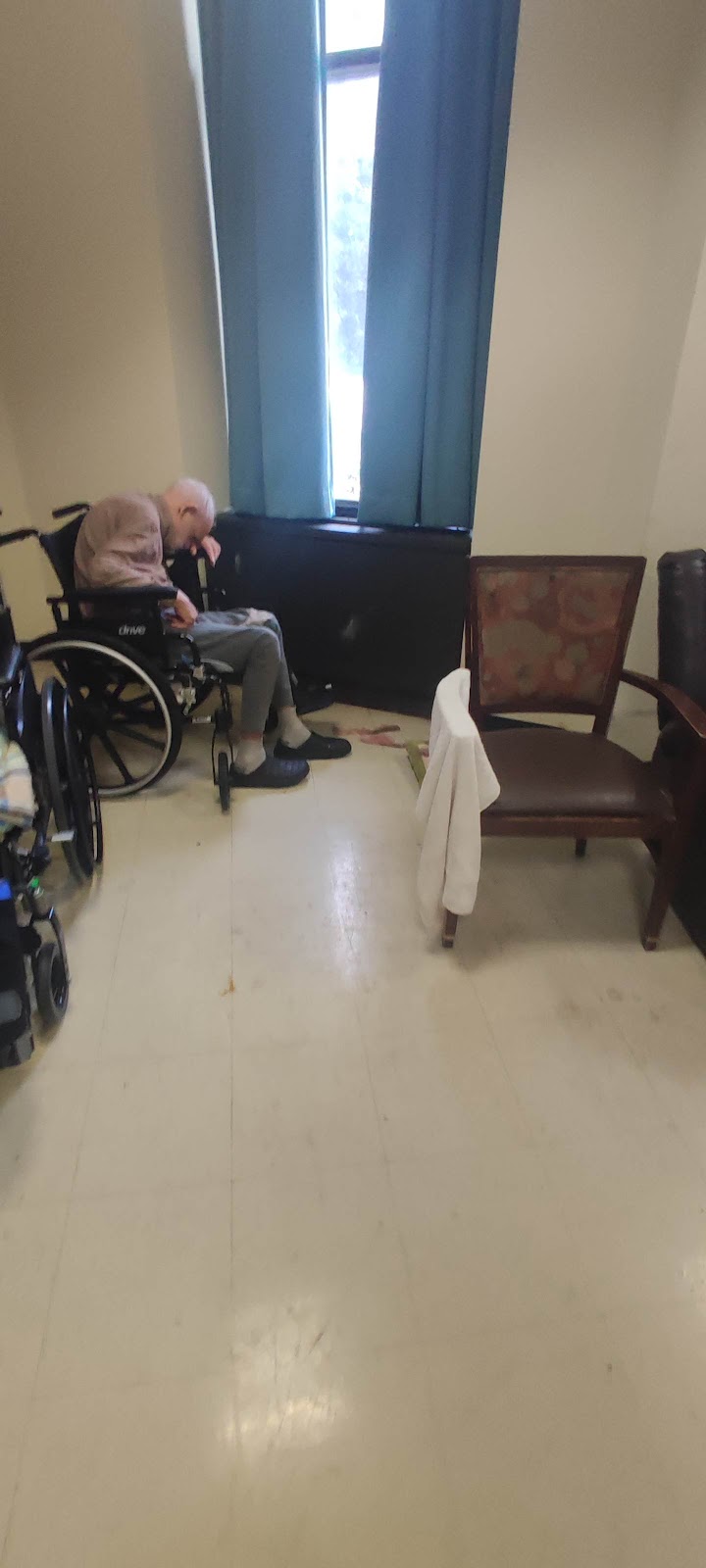
How is Golden Acres Living And Rehabilitation Center Staffed?

CMS rates GOLDEN ACRES LIVING AND REHABILITATION CENTER's staffing level at 3 out of 5 stars, which is average compared to other nursing homes. Staff turnover is 46%, compared to the Texas average of 46%. This relatively stable workforce can support continuity of care.

What Have Inspectors Found at Golden Acres Living And Rehabilitation Center?

State health inspectors documented 27 deficiencies at GOLDEN ACRES LIVING AND REHABILITATION CENTER during 2022 to 2024. These included: 27 with potential for harm.
Who Owns and Operates Golden Acres Living And Rehabilitation Center?

GOLDEN ACRES LIVING AND REHABILITATION CENTER is owned by a for-profit company. For-profit facilities operate as businesses with obligations to shareholders or private owners. The facility is operated by THE ENSIGN GROUP, a chain that manages multiple nursing homes. With 264 certified beds and approximately 170 residents (about 64% occupancy), it is a large facility located in DALLAS, Texas.
How Does Golden Acres Living And Rehabilitation Center Compare to Other Texas Nursing Homes?

Compared to the 100 nursing homes in Texas, GOLDEN ACRES LIVING AND REHABILITATION CENTER's overall rating (3 stars) is above the state average of 2.8, staff turnover (46%) is near the state average of 46%, and health inspection rating (3 stars) is at the national benchmark.

What Should Families Ask When Visiting Golden Acres Living And Rehabilitation Center?

Based on this facility's data, families visiting should ask: "Can I visit during a mealtime to observe dining assistance and food quality?" "How do you handle medical emergencies, and what is your hospital transfer rate?" "Can I speak with family members of current residents about their experience?"

Is Golden Acres Living And Rehabilitation Center Safe?

Based on CMS inspection data, GOLDEN ACRES LIVING AND REHABILITATION CENTER has a clean safety record: no substantiated abuse findings (meaning no confirmed cases of resident harm), no Immediate Jeopardy citations (the most serious violation level indicating risk of serious injury or death), and is not on the Special Focus Facility watch list (a federal program monitoring the lowest-performing 1% of nursing homes). The facility has a 3-star overall rating and ranks #1 of 100 nursing homes in Texas. While no facility is perfect, families should still ask about staff-to-resident ratios and recent inspection results during their visit.

Do Nurses at Golden Acres Living And Rehabilitation Center Stick Around?

GOLDEN ACRES LIVING AND REHABILITATION CENTER has a staff turnover rate of 46%, which is about average for Texas nursing homes (state average: 46%). Moderate turnover is common in nursing homes, but families should still ask about staff tenure and how the facility maintains care continuity when employees leave.

Was Golden Acres Living And Rehabilitation Center Ever Fined?

GOLDEN ACRES LIVING AND REHABILITATION CENTER has no federal fines on record. CMS issues fines when nursing homes fail to meet care standards or don't correct problems found during inspections. The absence of fines suggests the facility has either maintained compliance or corrected any issues before penalties were assessed. This is a positive indicator, though families should still review recent inspection reports for the full picture.

Is Golden Acres Living And Rehabilitation Center on Any Federal Watch List?

GOLDEN ACRES LIVING AND REHABILITATION CENTER is not on any federal watch list. The most significant is the Special Focus Facility (SFF) program, which identifies the bottom 1% of nursing homes nationally based on persistent, serious quality problems. Not being on this list means the facility has avoided the pattern of deficiencies that triggers enhanced federal oversight. This is a positive indicator, though families should still review the facility's inspection history directly.