Lakewest Rehabilitation and Skilled Care
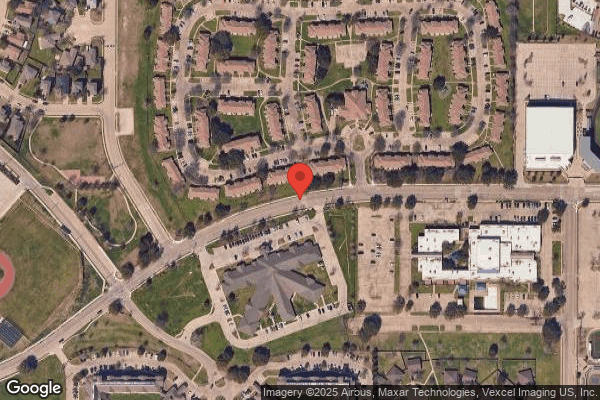
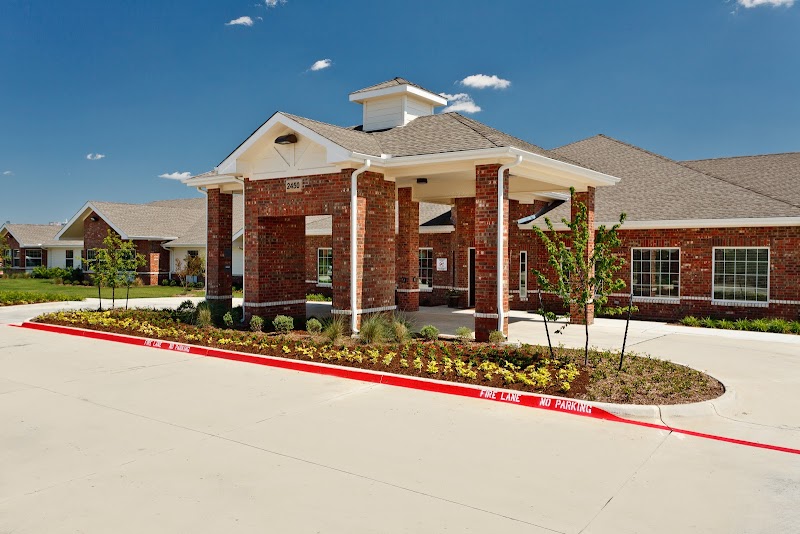
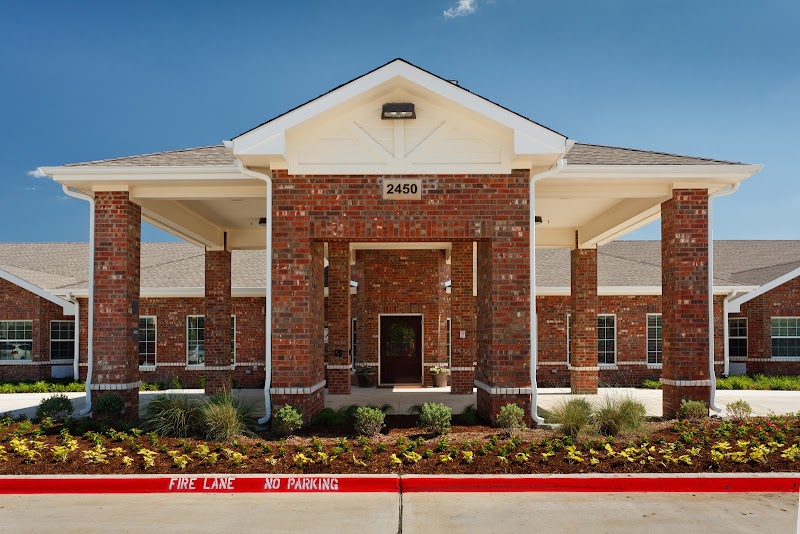
2450 Bickers St, Dallas, TX 75212 (214) 879-0888
Government - Hospital district 118 Beds MOMENTUM SKILLED SERVICES Data: November 2025
Trust Grade
28/100
#1031 of 1168 in TX
Last Inspection: November 2024

Within standard 12-15 month inspection cycle. Federal law requires annual inspections.

Overview

Lakewest Rehabilitation and Skilled Care has received a Trust Grade of F, indicating significant concerns about the facility's quality and care. With a state rank of #1031 out of 1168 facilities in Texas, they fall in the bottom half, and they rank #73 out of 83 in Dallas County, meaning there are very few local options that are worse. While the facility is improving, having reduced issues from 10 in 2024 to 8 in 2025, it still faces serious challenges, including a concerning staffing turnover rate of 71%, which is much higher than the Texas average of 50%. Specific incidents raised by inspectors include failures to properly store food, leading to potential contamination risks, and issues with medication management that could affect residents' health. Additionally, the facility has less RN coverage than 96% of Texas facilities, which raises alarms about the adequacy of nursing oversight.
Trust Score
F
28/100
In Texas
#1031/1168
Bottom 12%
Safety Record
Low Risk
No red flags
Inspections
Getting Better
10 → 8 violations
Staff Stability
⚠ Watch
71% turnover. Very high, 23 points above average. Constant new faces learning your loved one's needs.
Penalties
⚠ Watch
$21,645 in fines. Higher than 82% of Texas facilities, suggesting repeated compliance issues.
Skilled Nurses
⚠ Watch
Each resident gets only 9 minutes of Registered Nurse (RN) attention daily — below average for Texas. Fewer RN minutes means fewer trained eyes watching for problems.
Violations
⚠ Watch
33 deficiencies on record. Higher than average. Multiple issues found across inspections.
★☆☆☆☆
1.0
Overall Rating
★☆☆☆☆
1.0
Staff Levels
★★★☆☆
3.0
Care Quality
★★☆☆☆
2.0
Inspection Score
Stable
2024: 10 issues
2025: 8 issues

The Good

  • Full Sprinkler Coverage · Fire safety systems throughout facility
  • No fines on record

Facility shows strength in fire safety.

The Bad

1-Star Overall Rating

Below Texas average (2.8)

Significant quality concerns identified by CMS

Staff Turnover: 71%

24pts above Texas avg (46%)

Frequent staff changes - ask about care continuity

Federal Fines: $21,645

Below median ($33,413)

Minor penalties assessed

Chain: MOMENTUM SKILLED SERVICES

Part of a multi-facility chain

Ask about local staffing decisions and management

Staff turnover is very high (71%)

23 points above Texas average of 48%

The Ugly 33 deficiencies on record

Aug 2025 1 deficiency
CONCERN (D) 📢 Someone Reported This

A family member, employee, or ombudsman was alarmed enough to file a formal complaint

Potential for Harm - no one hurt, but risky conditions existed

PASARR Coordination (Tag F0644)

Could have caused harm · This affected 1 resident

**NOTE- TERMS IN BRACKETS HAVE BEEN EDITED TO PROTECT CONFIDENTIALITY** Based on observations, interviews, and record review, the facility failed to incorporate recommendations from a PASRR (Preadmiss...

Read full inspector narrative →
**NOTE- TERMS IN BRACKETS HAVE BEEN EDITED TO PROTECT CONFIDENTIALITY** Based on observations, interviews, and record review, the facility failed to incorporate recommendations from a PASRR (Preadmission Screening and Resident Review) evaluation report into a resident assessment, care planning, and transition of care for one (Resident # 22) of one resident reviewed for PASRR services. The facility did not initiate the application process for the Durable Medical Equipment / Customized Wheelchair for Resident #22 within twenty days, per PASRR recommendations made during the PASRR Care plan meeting held on 05/08/2025.This failure could place residents at risk of not receiving specialized PASRR services which would enhance their highest level of functioning and could contribute to residents decline in physical, mental, and psychosocial well-being.Findings included:Record review of Resident #22's quarterly MDS assessment dated [DATE] revealed she was a [AGE] year-old female with an initial admission date of 04/26/2021, diagnoses included unspecified intellectual disabilities (significant limitations in intellectual functioning and adaptive behaviors), Schizophrenia (a mental disorder disrupts thought process, perception, emotional responsiveness and social interactions), Diabetes Mellitus (Elevated blood sugar levels). Resident #22 had a BIMS score of 8 indicating moderate cognitive impairment. Resident #22 required substantial/maximal assistance with personal hygiene and partial/moderate assistance with chair/bed-to-chair, toilet transfers. Resident #22 used a manual wheelchair for ambulation, and she was frequently incontinent of urine and bowel.Record review of Resident #22's comprehensive care plan with a revision date of 01/15/2025 reflected she was at risk for falls and injury related to confusion, weakness and unsteady gait. Interventions: . Resident (Resident #22) needs prompt response for all requests for assistance. Encourage resident (Resident #22) to participate in activities of choice that promote exercise, physical activity for strength, improved mobility and socialization. Rehab screen/evaluate and treat as indicated for therapeutic exercise and safety measures. Care Plan Initiated date 05/19/2021 reflected Resident #22 was PASRR MI/ID positive and receives services through PASRR. Observation and interview with Resident #22 on 08/06/2025 at 10:17 AM, revealed she was sitting in her wheelchair in the front lobby area. Resident #22 stated the wheelchair was not comfortable to sit, hard to move the wheels with her hands, and she used her legs to roll it. Resident #22 stated she was waiting to get her new wheelchair. Record review of Resident #22's PASRR Comprehensive Service Plan Form dated 05/08/2025 revealed a quarterly meeting was held, attended by the Coordinator with PASRR program, Director of Rehab, social worker, and Resident #22. The Specialized Services Information section revealed a Customized Manual Wheelchair was added as a new service for Resident #22.Telephone interview on 08/06/2025 at 11:04 AM Resident #23's Coordinator with PASRR program revealed, a quarterly care plan meeting was held at the facility on 05/08/2025 was attended by the facility Director of Rehab, Social Worker and Resident #22, in that meeting a customized Manual Wheelchair was added as a new service for Resident #22. The Director of Rehab was responsible to initiate the application process within 20 days, as per the state regulation, to make sure Resident #22 received the new wheelchair in a timely manner. She stated she checked the status of the application, and it was not initiated within the 20 days from 05/08/2025, resident had not received the new wheelchair yet. She stated the wheelchair Resident #22 used at that time was big, and that increased the risk for falls.Interview on 08/06/2025 at 12:23 PM, the Director of Rehab revealed she was working at the facility since 2024. She stated Resident #22 currently used an inappropriate size wheelchair, which increased Resident #22's risk for falls and injuries. She stated she received a recommendation for a new customized wheelchair for Resident #22 through PASRR services during the quarterly care plan meeting held on 05/08/2025, attended by the Coordinator with PASRR program, Director of Rehab, social worker and Resident #22. Director of Rehab stated she was responsible to initiate the application process within 20 days from the date PASRR service was recommended (05/08/2025) as per the state regulations, but she initiated it on 07/31/2025, because she was not able to coordinate with all parties to finish the application process. She stated resident #22 did not have any falls from her wheelchair and at that time the application was pending state approval. The Director of Rehab stated she and her employees received in services on abuse, neglect, resident rights every month and after each incident. Interview on 08/06/2025 at 12:48 PM, Certified Occupational Therapy Assistant revealed it was important to have appropriate size wheelchair for all residents to ensure their safety, not having appropriate size wheelchair increased the risk for pressure sores, fall risk, mobility issues. He stated the Director of Rehab was responsible to order customized wheelchair timely as per the PASRR recommendation. He stated Resident #22 used a bariatric wheelchair which was taller, wider, heavier and due to that she was sitting at the edge of the seat to use her legs to move the wheelchair, she was not able to properly ambulate the wheelchair. He stated he received in services on abuse, neglect, resident rights within the past month. Interview on 08/06/2025 at 01:00 PM, Physical Therapy Assistant revealed Resident #22 used an inappropriate size wheelchair, which was too high for her to sit properly, and inappropriate size wheelchairs increased the risk of impaired skin integrity- can cause pressure sores, falls among residents. She stated the Director of Rehab was responsible to order and make sure the residents received customized wheelchair as per PASRR service recommendations. She stated she received in services on abuse, neglect, resident rights every month.Interview on 08/06/2025 at 01:13 PM, the Physical Therapist revealed it was important to have appropriate size wheelchair for residents with mobility issues and Resident #22 used a wheelchair which was higher off the ground, which made it difficult for resident to sit properly. He stated not having a proper size wheelchair increased the risk for pressure sores, falls, injuries, easy ambulation and poor participation in activities among residents. He stated Resident # 22 sat at the end of the chair to ambulate using her legs because it was difficult for her to use the hands to wheel the wheelchair. He stated PASRR services recommended a new customized wheelchair for resident and the Director of Rehab was responsible to order it, he stated he did not know the time frame to start the application process once the recommendation was received from PASRR services. He stated he received in services on abuse, neglect, resident rights every month.Interview on 08/06/2025 at 01:02 PM, the MDS nurse revealed he was working at the facility for 2 months and he was not aware that Resident #22 had a recommendation from PASRR services for a new customized wheelchair. He stated the wheelchair resident #22 used was bigger than what she needed, and the use of inappropriate size wheelchairs increased the risk for pressure sores, falls and overall safety among residents. He stated the Director of Rehab was responsible to order customized wheelchair as per the PASRR recommendation, he would collaborate with the social worker to monitor the PASRR related services. He stated he received in services on abuse, neglect, resident rights every month. Interview on 08/06/2025 at 03:20 PM, the DON revealed she expected all residents to have appropriate mobility, independence, positioning while using a wheelchair and not having the appropriate size wheelchair increased the risk for discomfort, falls and decreased mobility. She stated she did not deal with PASRR services, and the Director of Rehab or Social Worker was responsible to order the new customized wheelchair within a timely manner, as per PASRR recommendations. She stated she did not know the time frame to initiate the application for new wheelchair as per the PASRR services recommendation. She stated all the employees received in services every month on abuse, neglect, resident rights. Interview on 08/06/2025 at 03:37 PM, the Administrator revealed she learned from Resident #22 that she was going to get a new wheelchair. The Administrator stated the Director of Rehab was responsible to order customized wheelchairs and to make sure it was ordered timely as per the PASRR recommendation. She stated she did not know the time frame to initiate the application for new wheelchair as per the PASRR service recommendation. She stated the residents who did not have the proper size wheelchair were not able to live their full potential, not able to ambulate independently, and it would increase the risk for falls. Administrator stated she will put a system in place as an intervention to ensure all the PASRR service recommendations were carried out in a timely manner: MDS nurse must notify the administrator if any services were missing/delayed related to PASRR, social services to implement a tracking system to ensure PASRR services were up to date, make sure all care plans were in compliance with regulations, discuss and make sure all the records were up to date during the IDT meetings. Review of the facility policy with revised date of 1/2025, titled Resident Assessment- Coordination with PASARR Program reflected Policy: This facility coordinates assessments with the preadmission screening and resident review (PASARR) program under Medicaid to ensure that individuals with a mental disorder, intellectual disability, or a related condition receives care and services in the most integrated setting appropriate to their needs. Policy Explanation and Compliance Guidelines: . PASARR Level II- a comprehensive evaluation by the appropriate state designated authority (cannot be determined by the facility) that determines whether the individual has MD, ID or related condition, determines the appropriate setting for the individual, and recommends any specialized services and/or rehabilitative services the individual needs. Recommendations, such as any specialized services, from a PASARR level II determination and/or PASARR evaluation report will be incorporated into the resident's assessment, care planning and transition of care.
Jun 2025 1 deficiency
CONCERN (D) 📢 Someone Reported This

A family member, employee, or ombudsman was alarmed enough to file a formal complaint

Potential for Harm - no one hurt, but risky conditions existed

Deficiency F0761 (Tag F0761)

Could have caused harm · This affected 1 resident

**NOTE- TERMS IN BRACKETS HAVE BEEN EDITED TO PROTECT CONFIDENTIALITY** Based on observation, interview, and record review the facility failed to store all drugs and biologicals in locked compartments...

Read full inspector narrative →
**NOTE- TERMS IN BRACKETS HAVE BEEN EDITED TO PROTECT CONFIDENTIALITY** Based on observation, interview, and record review the facility failed to store all drugs and biologicals in locked compartments and permit only authorized personnel to have access for one (Resident room [ROOM NUMBER]) of three resident rooms reviewed. The facility failed to ensure Resident #1 swallowed and consumed all of her pills and supplements prior to leaving Resident #1 alone in her room on 06/13/25 with the medications. During a medication pass, medications must be under the direct observation of the person administering the medications. This failure could place residents at risk of having access to unauthorized medications and/or lead to possible harm or drug diversion. Findings included: Record review of Resident #1's Face Sheet, dated 06/13/25, reflected a [AGE] year-old female, with an initial admission date of 08/09/23 and a re-admission date of 06/10/24. Resident #1 had a diagnosis of Paraplegia (paralysis of lower legs and body), Type 2 Diabetes (body does not produce enough insulin or cannot properly use insulin), Osteomyelitis (bone infection), Muscle Weakness, Cognitive Communication Deficit (Difficulties in communication), Schizoaffective Disorder (hallucinations, delusions and mood episodes), Bipolar Disorder (extreme shifts in mood, energy, and activity levels), Major Depressive Disorder (persistent sadness, loss of interest, and difficulty functioning), Anxiety Disorder (excessive fear and worry), Pruritis (itching of the skin), and Essential Hypertension (high blood pressure). Record review of Resident #1's Medication Administration Record dated for June 2025, dated 06/13/25, reflected Resident #1 received the following medications, as scheduled, on the morning of 06/13/25: Multivitamin Arginaid Oral Packet with 8 ounces of water (nutritional supplement) Aspirin Low Dose Oral Tablet 81 MG Citalopram Hydrobromide Oral Tablet 20 MG (for depressive episodes) Docusate Sodium Oral Capsule 100 MG (for constipation) Duloxetine HCL Oral Capsule Delayed Release Sprinkle 60 MG (for Major Depressive Disorder) Metformin HCL Oral Tablet 500 MG (for Diabetes) Movantik Oral Tablet 25 MG (for constipation) Seroquel Oral Tablet 100 MG (for Schizoaffective Disorder, Bipolar type) Gabapentin Oral Capsule 300 MG (for chronic pain) Hydroxyzine HCL Oral Tablet 25 MG (for Pruritis) Alprazolam Oral Tablet 1 MG (for Anxiety Disorder) Cyclobenzaprine HCL Oral Tablet 10 MG (for chronic pain) All of the above morning medications, scheduled for 7 AM or morning, were marked as given, as scheduled, on the Medication Administration Record by the Medication Aide. In an observation and interview on 06/13/25 at 1:17 PM, Resident #1 was laying in her bed, with her tray table next to her, on the left side. On the tray table were two small, clear cups, the resident's plate of lunch, and a cup of orange-yellowish colored liquid in a clear cup, with a wooden stick in it. One cup had one pill and the other cup had six pills. Resident #1 stated she did not know what all the pills were, but she stated one of the pills was Gabapentin (medication used generally to prevent seizures or nerve pain). Resident #1 stated the staff usually waited with her to swallow her medication. She stated the medication had been there since this morning and stated the Medication Aide just put the pills and Arginaid (liquid nutritional supplement) down and left the room. In an interview with the ADM and the DON on 06/13/25 at 2:08 AM, the DON stated the Staffing Coordinator told her there were pills on Resident #1's tray table. The DON stated she went to Resident #1's room and removed the pills. The DON stated she asked the Medication Aide if she watched Resident #1 take her pills or if she saw any pills on her tray table after she initially passed the medications, and the DON stated Medication Aide told her, she did not see any pills in Resident #1's room. The DON stated the risk of leaving pills in a resident's room and not ensuring the medication was taken was Resident #1 not receiving the medication as ordered, which could exacerbate a symptom. The ADM stated she agreed with the risks the DON mentioned. In an interview on 06/13/25 at 2:34 PM, the Medication Aide stated she was the staff member that passed medications on Resident #1's hall. She stated she thought she watched Resident #1 take all of her pills this morning. The Medication Aide stated she was trained to watch all residents to ensure they took their medication. She stated if a resident refused their medication, she was trained to take the medication back with her to the medication cart. The Medication Aide stated she did give the Arginaid to Resident #1, but it was around lunch time when she gave it to her. The Medication Aide stated the risk of leaving medications with the residents was another residents or family member could get the pills and take them. The Medication Aide stated it could be an overall health risk to the resident if the pills were not taken as ordered or if it was taken at the wrong time. Record review of the facility's policy titled, Medication Administration, with an original date of 12/2020 and a revision date of 01/2025 reflected the following: Policy: Medications are administered by licensed nurses, or other staff who are legally authorized to do so in this state, as ordered by the physician and in accordance with professional standards of practice, in a manner to prevent contamination or infection. 18. Observe resident consumption of medication.
May 2025 1 deficiency
CONCERN (E) 📢 Someone Reported This

A family member, employee, or ombudsman was alarmed enough to file a formal complaint

Potential for Harm - no one hurt, but risky conditions existed

Pharmacy Services (Tag F0755)

Could have caused harm · This affected multiple residents

**NOTE- TERMS IN BRACKETS HAVE BEEN EDITED TO PROTECT CONFIDENTIALITY** Based on interviews and record review, the facility failed to provide pharmaceutical services (including procedures that assure ...

Read full inspector narrative →
**NOTE- TERMS IN BRACKETS HAVE BEEN EDITED TO PROTECT CONFIDENTIALITY** Based on interviews and record review, the facility failed to provide pharmaceutical services (including procedures that assure the accurate acquiring, receiving, dispensing, and administering of all drugs and biologicals to meet the needs of each resident for 1 (Resident #24) of 5 residents reviewed for pharmacy services. The facility failed to correctly transcribe Resident #1's medication changes when he returned to the facility on [DATE] after hospitalization. The incorrectly transcribed medication was administered from 03/2025 to 05/13/25. These failures could place residents at risk for medication errors, ineffective relief from pain medication, and drug diversion of controlled substances. Findings included: Record review of Resident #1's admission record, dated 05/13/25 revealed a [AGE] year-old male with an initial admission of 08/31/24 and readmission of 03/20/25. His primary diagnosis was chronic obstructive pulmonary disease with acute exacerbation (a lung disease that blocks airflow and makes it difficult to breathe). His secondary diagnoses were respiratory failure with hypoxia (the body not receiving enough oxygen), constipation, unspecified pain, insomnia (difficulty sleeping) and anxiety disorder. Record review of Resident #1's re-entry MDS assessment dated [DATE] reflected Resident #1 readmitted to the facility on [DATE] from a short-term general hospital. The MDS revealed Resident #1 had a BIMS score of 15, indicating that he was cognitively intact. He could understand others and others could understand him. Record review of Resident #1's care plan initiated on 02/28/25 revealed Resident #1 had a behavior problem of calling 911. The interventions were to administer medications as ordered. To monitor/document side effects and effectiveness. Record review of Resident #1's hospital discharge after visit summary physician orders for dated 03/20/25 reflected Resident #1 was admitted to the hospital from [DATE] to 03/20/25. Further review of discharge summary reflected: - Albuterol 90 mcg/actuation HFA Inhaler. Inhale 2 puffs by mouth every 4 hours as needed for wheezing or shortness of breath. - Start; Bisacodyl Extended Release 5 mg tablet. Take 2 tablet by mouth one time a day (for constipation) - Buspirone 5 mg tablet. Take 5 mg by mouth 3 times a day (for anxiety disorder) - Change; Hydroxyzine HCL 25 mg 1 tablet by mouth three times a day as need for anxiety (PRN) Record review of Resident #1's active physician orders for April and May 2025 reflected : - Albuterol Sulfate HFA Inhalation Aerosol Solution 108 (90 Base) MCG/ACT. 1 puff inhale orally every 4 hours as needed for wheezing- ordered 03/05/25. - Bisacodyl Oral Tablet Delayed Release 5 MG. Give 1 tablet by mouth one time a day for constipation- ordered 03/20/25. -BusPIRone HCl Oral Tablet 10 MG (Buspirone HCl). Give 1 tablet by mouth three times a day related to anxiety disorder, unspecified- ordered 03/20/25. -Hydroxyzine HCl Oral Tablet 25 MG Give 1 tablet by mouth every 8 hours as needed for Anxiety- ordered 03/11/25. -Hydroxyzine HCl Oral Tablet 25 MG Give 1 tablet by mouth three times a day related to anxiety disorder, unspecified- ordered 03/11/25. Record review of Resident #1's MAR for April and May 2025 reflected medications were administered as facility transcribed. Hydroxyzine HCl Oral Tablet 25 MG Give 1 tablet by mouth three times a day was administered at 07:00 AM, 2:30 PM and 7:00 PM daily. Buspirone 10 mg was administered 07:00 AM, 2:30 PM and 7:00 PM daily. 1 tablet of Bisacodyl was administered in the mornings daily. 1 puff of Albuterol Sulfate HFA Inhalation Aerosol Solution 108 was last administered 5/6/25 PRN. Hydroxyzine HCl Oral Tablet 25 MG Give 1 tablet by mouth every 8 hours was administered 5/4/25, 5/5/25, 5/7/25, 5/9/25, 5/10/25, and 5/12/25. Record review of Resident #1's nurse progress notes did not reflect changes to medications by facility after hospital discharge and readmission on [DATE]. The hospital pharmacist was not available by phone for interview on 05/13/25. Record review of intake investigation dated 03/18/25, it was revealed by the hospital pharmacist that on many occasions Resident #1 was sent to the hospital without his medication list and when requested, the ADON said patient had visited [hospital name] ER the previous week, the medication list in our records should suffice. hospital pharmacist reported ADON declined to provide an updated list and abruptly ended the call. The hospital pharmacist reported I have observed that even when a patient has recently been seen at our facility, discrepancies in medication records from [facility name] can occur, potentially contributing to patient admissions or complicating existing health issues. She reported this recurring issue raises significant concerns, including: 1. Delays in patient care due to inaccessible or outdated medication information. 2. Compromised continuity of care when patients transition between facilities. 3. Potential harm to patients if medications, dosages, or administration instructions for high-risk conditions or medications are not accurately verified. In an observation and interview with Resident #1 on 05/13/24 at 11:00 AM, he stated, I am getting too much medication. Resident #1 said at times the medication made it hard for him to stay awake. He said, they give me a cup full of medicines and three inhalers at the same time. He said it was too much. Resident #1 stated that stuff can mess you up. He said that some nurses tell him the names of medications and other nurses say, your doctor prescribed them to you. He said he was aware that some medications were changed during his last hospital visit but he did not know which ones they were, or which medication was making him too sleepy to function . He said he would like to only get a few pills in the morning, and the rest spread out at different times intervals during the day so that he was not getting so much medication at once some of which made him not function well and all he wanted to do was sleep. Resident #1 was alert and oriented and did not appear groggy at time of interview and he was seated upright on the edge of his bed. Resident denied being sleepy at that time. He stated he had gotten his morning medications. In an interview with LVN B on 05/13/25 at 2:30 PM, it was revealed that LVN A, who readmitted Resident #1 on 03/20/25, no longer worked at the facility. LVN B said when a resident returned to the facility after hospital or out of facility to see a specialty, the admitting nurse would fax the new orders to the facility physician or NP. She said at that point the physician or NP would tell them Yes let us use the new orders or let us change them. She said it was the responsibility of the admitting nurse to enter correct medications and doses. She said if you don't understand an order or need clarity ask the physician or pharmacist to avoid medication errors and delay in care. LVN A that readmitted the Resident #1 on 03/20/25 and transcribed the medication, was no longer employed at the facility and no contact information was provided on 05/13/25. In an interview with the ADON on 05/13/25 at 3:56 PM, it was revealed that the hospital pharmacist had called the facility after Resident #1 went to the hospital [03/14/25] to ask for a medication list. The ADON said Resident #1 called 911 himself. She said Resident #1 does this a lot, he calls 911 before we have a chance to assess him. She said when the paramedics came to get him, the facility had not prepared paperwork to send with him to the hospital. The ADON said the process was that any resident being sent out via EMS got a face sheet, medication list and a progress note if needed. The ADON stated she tried to fax the medication list, but the nursing fax machine was not working. She said she tried to explain to the caller the fax issue, and she even tried to go over the medication list over the phone or by sending snap shots of Resident #1's medication list but the caller [hospital pharmacist] refused. The ADON stated the medication list was finally sent out using the fax machine in the administrators' office. The ADON said when a resident is readmitted the admission orders are sent to the physician by the admitting nurse and the physician signs off on the new orders or changes. The ADON did not state risk to the resident. In an interview with the facility receptionist on 05/13/25 at 4:20 PM, she stated the nursing staff use the main nursing station fax machine for physician orders, labs, and hospital referrals. She said she was not aware of the main nursing fax machine not working because only the nursing staff used it. In an interview with the DON on 05/13/25 at 4:44 PM, it was revealed that she was new to the facility. She said that the expectation was that when a resident was admitted or readmitted to the facility, the physician was notified and that if any changes were made for medication, the nurse was responsible for transcribing correctly into EMR. She said the expectation was that the correctly transcribed medication was then sent to pharmacy to be reviewed. The DON stated moving forward all new medication orders would be brought to the clinical nurse meeting the next day to make sure that it was all transcribed correctly. She said herself and ADON's will be monitoring and ensuring all orders are transcribed correctly. She said she would do an in-service. The DON said the potential risk was inaccurate medication dosage would prolong the existing bad symptoms . In an interview with the Administer on 05/13/15 at 6:14 PM, it was revealed that the expectations was that medication was entered and transcribed as ordered and if the nurse needed clarity to reach out to physician. She said the Clinical leadership was responsible for monitoring the orders to make sure they were accurate. She said the potential risk depended on medication for example a blood pressure medication could cause a lower BP . Review of the facility's policy Pharmacy Services, revision date 01/23 reflected the following: The facility will provide pharmaceutical services that assure the accurate acquiring, receiving, dispensing, and administering of all routine and emergency drugs Review of the facility's policy Medication Orders, revision date 04/23 reflected: 4. (b) Clarify the order. (f), Transcribe newly prescribed medications on the MAR
Mar 2025 3 deficiencies
CONCERN (D) 📢 Someone Reported This

A family member, employee, or ombudsman was alarmed enough to file a formal complaint

Potential for Harm - no one hurt, but risky conditions existed

Respiratory Care (Tag F0695)

Could have caused harm · This affected 1 resident

**NOTE- TERMS IN BRACKETS HAVE BEEN EDITED TO PROTECT CONFIDENTIALITY** Based on observation, interview and record review, the facility failed to ensure each resident who needs respiratory care, is pr...

Read full inspector narrative →
**NOTE- TERMS IN BRACKETS HAVE BEEN EDITED TO PROTECT CONFIDENTIALITY** Based on observation, interview and record review, the facility failed to ensure each resident who needs respiratory care, is provided such care, consistent with professional standards of practice, the comprehensive person-centered care plan, the residents' goals, and preferences for 1 (Resident #1) of 1 resident reviewed for tracheostomy care. The facility failed to ensure Resident#1's oxygen concentrator was functioning properly on 03/20/25 and 03/21/25. This failure could place residents at risk of serious injury or hospitalization. Findings included: Record review of Resident #1's face sheet, dated 03/20/25, reflected a [AGE] year-old male, with an admission date of 03/04/25. Resident#1 had diagnoses of amputation of limbs as the cause of abnormal reaction of the patient, or of later complication, without misadventure at the time of the procedure and tobacco use. Record review of Resident #1s annual MDS Assessment , dated 03/10/25, reflected Resident #1 had a BIMS score of 11, which meant Resident #1 had a moderate level of cognition. Resident was not coded for oxygen use. Record review of Resident# 1's Care plan, undated, reflected Resident#1 was at risk of shortness of breath and chest pains. Resident#1's goals reflected no complaints of shortness of breath and chest pain. Resident#1's interventions included apply oxygen as ordered and monitor for effectiveness. Record review of Resident#1 physician order dated,03/05/25 reflected Oxygen at 2L/min via Nasal Cannula, as needed Administrate oxygen 10 liters from non-rebreather mask as needed for Shortness of breath, cyanosis, respiratory distress, labored breathing. Tachypnea no improving with the use of O2 from nasal cannula and notify medical doctor. Observation and interview on 03/20/25 at 4:00 PM, revealed bo oxygen warining sign outside of Resident#1 door. Observed the oxygen concentrator in Resident#1's room was beeping continuously. At the top of the concentrator a solid red LED light above the wrench symbol was displayed. Beside the red light was a solid yellow LED light above the O2 symbol. Resident #1 stated his oxygen machine has been that way since, he had been in the facility. Resident#1 stated the oxygen machine used to keep him up at night with the beeping but now he had gotten used to it. Observation and interview on 03/20/25 at 4:15 PM, CMA E stated she would let the charge nurse know about the concentrator beeping. The CMA E stated this was the first time she has heard the machine beeping. CMA E stated the resident needed the machine to work properly for his shortness of breath. Observation and interview with the interim director of nursing on 03/21/25 at 5:00 PM revealed a new concentrator was in Resident#1's room. The interim director of nursing turned on the concentrator and the machine beeped several times and a yellow light showed above the 02 sign. The concentrator stopped beeping and the yellow light stayed on. The interim director stated the facility has several oxygen concentrators and will replace the concentrator in Resident#1 room. The interim director of nursing tried two more machines before finding a concentrator that worked correctly. The interim director of nursing stated nursing staff should check the concentrator to ensure it was functioning correctly at every shift. Interim director nursing stated the vendor would be notified to replace and service the oxygen concentrators. Interview on 03/21/25 at 5:15 PM Resident#1 stated he had to have his oxygen because he had trouble breathing. Interview on 03/21/25 at 5:35 PM, the primary care physician stated it was important for residents to have a functioning oxygen machine especially if the resident needs it. If the resident was not able to keep his saturation above 92 he needs to have the oxygen in place so, he can maintain his oxygen levels. Interview on 03/21/25 at 5:45PM, the Administrator and the interim director of nursing stated the nursing staff were responsible for checking the oxygen concentrator and ensure it was functioning properly. The interim director of nursing stated the nursing staff should check the hose and make sure the water is bubbling. Staff should notify the ADON and the number on the concentrator. The Interim director of nursing stated nursing manager stated Record review of the facility policy, Oxygen Concentrator, dated 10/23, reflected: 4. Use of the Concentrator: The nurse shall verify . g. Plug the unit in and turn the unit on to the desired flow rate. Assess for proper functioning: i. If using a mask, feel for air flow. ii. If using a nasal cannula, pinch the tubing near the prongs to listen for a higher-pitched sound caused by the release of increased pressure. i. Place an oxygen warning sign on the resident's door. Record review of manufacture manual titled Drive DeVilbiss® 10-Liter Oxygen Concentrator Instruction Guide, dated Overview of alarms .This device contains an alarm system which monitors the state of the device and alerts of abnormal operation, loss of essential performance or failures. Alarm conditions areshown on the LED display. The alarm system functions are tested at power up by lighting all visual alarm indicators and sounding the audible alarm (beep) . 02 symbol means low Oxygen Concentration .yellow led light above O2 symbol means low O2 , when O2 is <86% Wrench symbol meant malfunction .red led light above the wrench symbol meant Service Required.
CONCERN (E) 📢 Someone Reported This

A family member, employee, or ombudsman was alarmed enough to file a formal complaint

Potential for Harm - no one hurt, but risky conditions existed

Pressure Ulcer Prevention (Tag F0686)

Could have caused harm · This affected multiple residents

**NOTE- TERMS IN BRACKETS HAVE BEEN EDITED TO PROTECT CONFIDENTIALITY** Based on observation, record review and interview, the facility failed ensure a resident received care, consistent with professi...

Read full inspector narrative →
**NOTE- TERMS IN BRACKETS HAVE BEEN EDITED TO PROTECT CONFIDENTIALITY** Based on observation, record review and interview, the facility failed ensure a resident received care, consistent with professional standards of practice, to prevent pressure ulcers from developing for 4 (Resident #2, Resident#3, Resident#4 and Resident#5) of 5 residents reviewed for pressure ulcers. The facility failed to ensure Resident#2's pressure relieving mattress functioned properly on 03/20/25. The facility failed to have pressure relieving mattress set to the correct weight settings for Resident #3's, Resident#4, and Resident#5 to prevent pressure ulcers or skin breakdown on 03/20/2025 and 03/21/25. These failures could affect residents at risk for pressure ulcers of developing new or worsening existing pressure ulcers. Findings included: Record review of Resident #2's face sheet, dated 03/21/25, reflected a [AGE] year-old female, with an initial admission date of 10/31/23, and a re-admission date of 01/24/24. Resident #2 had diagnoses of disorder of the skin and subcutaneous tissue unspecified, local infection of the skin and subcutaneous tissue, low back pain, other abnormalities of gait and mobility and generalized muscle weakness. Record review of Resident #2's Quarterly MDS Assessment, dated 02/06/25, reflected Resident #2 had a BIMS score of 08, which meant Resident #2 had a moderate level of cognition. The MDS also reflected under skin conditions that Resident#2 was at risk of developing pressure ulcers. Resident#2's treatments included pressure reducing device for bed. Record review of Resident# 2's Care plan, revised 02/12/25 reflected Resident#2 was at risk of skin break down related to incontinence. Resident#2 's goals reflected she will remain free of pressure injury through the review date. Resident#2's intervention included pressure relieving mattress. Record review of Resident#2's physician orders, dated 03/21/25, reflected low air mattress. Nurse to check for proper functioning every shift. Observation on 03/20/25 at 8:00 AM revealed Resident#2 had a pressure relieving mattress, and the bed was beeping and set to static. Interview on 03/20/25 at 8:10 AM LVN D stated she would need to contact hospice about the bed beeping. LVN D stated someone may have brushed against the bed and caused the machine to start beeping. LVN D stated if the machine is set to static the air mattress is not doing its job and circulating the air to help improve pressure wounds. Interview on 03/20/25 at 8:45 AM CNA B stated she did not touch Resident#2 bed and did not know what static meant and why it was beeping. CNA B stated she would let the charge nurse know that Resident#2 bed was beeping. Observation on 03/21/25 at 11:55 AM revealed RA C weighed Resident#2 in the Hoyer lift with assistance, and she weighed 101.06. Attempted to interview Resident#2 on 03/21/25 at 11:57 AM and Resident#2 was not interview able at this time. Record review of Resident #3's face sheet dated 03/21/25, reflected a [AGE] year-old female, with an initial admission date of 03/17/17, and a re-admission date of 4/25/17 and 05/30/25. Resident #3 had diagnoses of disorder of hemorrhage of anus and rectum, pain unspecified, non-pressure chronic ulcer of skin of other sites unspecified severity, pressure ulcer of right heel, stage 3 and generalized edema. Record review of Resident #3's Quarterly MDS Assessment, dated 02/25/25, reflected Resident #3 had a BIMS score of 03, which meant Resident #3 had a low level of cognition. The MDS also reflected under skin conditions that Resident#3 entered the facility with a stage 4 pressure ulcer. Resident#3 was at risk of developing pressure ulcers. Resident#3's treatment included pressure reducing device for bed. Record review of Resident# 3's Care plan, revised 09/09/24 reflected Resident#3 was at risk of skin break down related to decubitus ulcers/ pressure ulcers incontinence and current pressure ulcers. Resident#3 's goals reflected she will remain free of pressure injury through the review date. Resident#3's intervention included pressure relieving mattress (air mattress). Record review of Resident#3's Physician orders dated 05/30/24 reflected, low air loss mattress. Nurse to check for proper functioning every shift. Every shift for wound healing to promote wound healing. Observation on 03/20/25 at 8:15 AM revealed Resident#3 pressure relieving bed weight was set to 80. Observation on 03/21/25 at 11:48 AM revealed RA C weighed Resident#3 in the Hoyer lift with assistance, and she weighed 100.8, Attempted to interview Resident#3 on 03/21/25 at 11:49 AM and Resident#4 was not interview able at this time Record review of Resident #4's face sheet dated 03/20/25 reflected a [AGE] year-old female, with an initial admission date of 08/09/23, and a re-admission date of 06/10/24. Resident #4 had diagnoses of paraplegia, unspecified, pressure ulcer of sacral region, stage 4, generalized muscle weakness, and other chronic pain. Record review of Resident #4's Quarterly MDS Assessment, dated 02/25/25, reflected Resident #4 had a BIMS score of 03, which meant Resident #4 had a low level of cognition. The MDS also reflected under skin conditions that Resident#4 entered the facility with a stage 4 pressure ulcer. Resident#4 was at risk of developing pressure ulcers. Resident#4's treatment included pressure reducing device for bed. Record review of Resident# 4's Care plan, revised 11/01/24 reflected Resident#4 had a stage 4 pressure sacrum related to diabetes, paraplegia, bowel incontinence, deconditioning neuropathy, and refusal of aspects of care. Resident#4's goals reflected her wound would show no signs of infection. Resident#4's intervention included low air loss mattress . Record review of Resident#4 physician order, dated 12/20/24, reflected Low air mattress. Nurse to check for proper functioning every shift. Every shift for wound healing to promote wound healing. Observation on 03/20/25 at 8:20 AM revealed Resident#4 pressure relieving bed weight was set to 180. Interview on 03/20/25 at 9:00 AM Resident#4 stated she felt like there was a hole in her bed and it was very uncomfortable. Resident#4 stated she felt like she needed a bigger bed and more space. Interview on 03/20/25 at 9:15 AM LVN A stated she had just returned from vacation and was not sure about the bed weight settings. Observation and interview on 03/21/25 at 11:40 AM RA C weighted Resident#4 in the Hoyer lift with assistance and she weighed 247.2 pounds. RA C stated that she does weekly weights on the residents, and she used this specific Hoyer because it had the scale connected to it. Record review of Resident #5's face sheet dated 03/21/25 reflected a [AGE] year-old male, with an initial admission date of 09/13/24 and a re-admission date of 12/22/24. Resident #5 had diagnoses of Pressure ulcer of sacral region, unspecified stage, type 2 diabetes mellitus with hyperglycemia, and muscle weakness. Record review of Resident#5's quarterly MDS Assessment, dated Resident #5 had a BIMS score of 11, which meant Resident #5 had a moderate level of cognition. The MDS also reflected under skin conditions that Resident#5 was at risk of developing pressure ulcers. Resident#5's treatment included pressure reducing device for bed. Record review of Resident# 5s Care plan, undated reflected Resident#5 was at risk of skin break down related to decrease mobility, history of ulcers, and incontinence. Resident#5's goals reflected Resident#5 would remain free from pressure injury through the next review date. Resident#5's interventions included pressure relieving mattress. Record review of Resident#5's weights reflected he weighed 144.2 on 03/10/25. Record review of Resident#5's orders reflected no active orders for pressure relieving mattress. Observation on 03/20/25 at 8:30 AM revealed Resident#5 pressure reliving mattress weight was set to 450. Resident#5 was not available to weigh on 03/21/25. Interview on 03/21/25 at 5:45 PM, the Administrator and the interim director of nursing stated the nursing staff were responsible for checking the resident's beds to ensure they were set appropriately to the residents' weights and not in static mode. The Administrator and interim director stated that mattress not set appropriately could cause residents to have pressure wounds and not assist with the healing process. The interim director of nursing stated each bed had a margin on how the weight can vary on each bed. The interim director of nursing stated the nursing managers will be responsible for training the nursing staff on how the pressure relieving mattress work. The interim director of Nursing stated she had been in the facility for two weeks and the Administrator started three days ago and the DON would start approximately next week. Record review of facility policy titled Pressure Ulcer/Skin Injury Management and Prevention, dated 01/08/23 reflected, Policy: This facility is committed to the prevention of avoidable pressure injuries, unless clinically unavoidable, and to provide treatment and services to heal the pressure ulcer/injury, prevent infection and the development of additional pressure ulcers/injuries .6. The physician will authorize pertinent orders related to wound treatments, including pressure reduction surfaces,
CONCERN (E) 📢 Someone Reported This

A family member, employee, or ombudsman was alarmed enough to file a formal complaint

Potential for Harm - no one hurt, but risky conditions existed

Infection Control (Tag F0880)

Could have caused harm · This affected multiple residents

**NOTE- TERMS IN BRACKETS HAVE BEEN EDITED TO PROTECT CONFIDENTIALITY** Based on observations, interviews, and record reviews the facility failed to maintain an infection prevention and control progra...

Read full inspector narrative →
**NOTE- TERMS IN BRACKETS HAVE BEEN EDITED TO PROTECT CONFIDENTIALITY** Based on observations, interviews, and record reviews the facility failed to maintain an infection prevention and control program designed to provide a safe, sanitary and comfortable environment and to help prevent the development and transmission of communicable diseases and infections for one (Resident #1) of five residents reviewed f1or infection control. On 03/20/25 and 03/21/25 CMA E, CNA F and HK G failed to put on PPE before entering Resident#1 room. This failure could place residents at risk of cross contamination of infections from other residents. Findings included: Record review of Resident #1's face sheet dated 03/20/25, reflected a [AGE] year-old male, with an admission date of 03/04/25. Resident#1 had diagnoses of amputation of limbs as the cause of abnormal reaction of the patient, or of later complication, without misadventure at the time of the procedure and tobacco use. Record review of Resident #1s annual MDS Assessment, dated 03/10/25, reflected Resident #1 had a BIMS score of 11, which meant Resident #1 had a moderate level of cognition. Record review of Resident# 1's Care plan, undated, reflected Resident#1 was at risk of shortness of breath and chest pains. Resident#1's goals reflected no complaints of shortness of breath and chest pain. Resident#1's interventions included apply oxygen as ordered and monitor for effectiveness. Record review of Resident#1 progress notes dated 03/20/25 reflected, called [lab] to inquire on C. Diff results. Results are still pending. Written by interim director of nursing. Record review of Resident#1 physician order, dated 03/21/25 reflected, Contact Isolation every shift for diarrhea more than 3 per day Place contact precautions sign up on door and on isolation caddie. Staff must wear gown and gloves. Observation on 03/20/25 at 10:00 AM, revealed signage outside the Resident#1 door revealed STOP Contact precautions everyone must: clean their hands, including before entering and when leaving the room. Providers and staff must also: Put on gloves before entry. Discard gloves before room entry. Put on gown before entry. Discard gown before exit. Do not wear the same gown and gloves for more then one person . Observation on 03/20/25 at 4:10 PM revealed the CNA F went into Resident#1's room with no PPE before entering Resident#1 room. CNA F stated she entered Resident#1's room because he was yelling that he was hungry and did not have lunch. CNA F talked with Resident#1 about his tray and exited the room. Observed CNA F walk down the hallway to the dining room area. CNA F continued down another hall to answer a call light. Observation and interview on 03/20/25 at 4:45 PM, MA E went into Resident#1's room with no PPE to bring him medication and returned to the hallway. MA E went to the dining hall to get Resident#1's dinner tray. MA E stated she did not have to put on PPE because she was not providing care to the resident. MA E stated PPE was worn to prevent spread of infection. Interview on 03/20/25 at 5:00 PM, LVN G stated Resident#1 was on isolation because there was a suspension of C. Diff Interview on 03/20/25 at 5:12 PM, the CNA F stated she had just made it back from vacation and did not notice the sign outside Resident#1's door. CNA F stated no one had told her that she needed to put on gowns and gloves before entering the resident's room. CNA F stated she was just trying to help and was not assigned to that hall. Interview on 03/21/25 at 9:10 AM the WCN I stated Resident#1 had been tested for C. Diff and results had not come back yet. WCN I stated when entering Resident#1 room staff and visitors needed to put on gown and gloves to prevent the spread. WCN I stated C. Diff was highly contagious Interview and observation on 03/21/25 at 2:30 PM, revealed the HK H went into Resident#1's room with no PPE to clean up while he was gone to dialysis. The HK H stated since the resident was not in the room she did not have to put on the PPE. Interview on 03/21/25 at 5:45PM, the Administrator and the interim director of nursing sta ted all staff were responsible for following infection control policies to prevent the spread of infection. C.diff was highly contagious and can spread quickly. The interim director of nursing stated the nursing managers will be responsible for training the nursing staff on infection control policy and procedures. The interim director of Nursing stated she had been in the facility for two weeks and the Administrator started three days ago and the DON would start approximately next week. The interim director of nursing was the infection preventionist and received her certificate on 09/11/24. Record review of facility policy undated Infection Prevention and control program reflected An infection prevention and control program (IPCP) is established and maintained to provide a safe, sanitary and comfortable environment and to help prevent the development and transmission of communicable disease and infections.
Feb 2025 2 deficiencies
CONCERN (D) 📢 Someone Reported This

A family member, employee, or ombudsman was alarmed enough to file a formal complaint

Potential for Harm - no one hurt, but risky conditions existed

Free from Abuse/Neglect (Tag F0600)

Could have caused harm · This affected 1 resident

**NOTE- TERMS IN BRACKETS HAVE BEEN EDITED TO PROTECT CONFIDENTIALITY** Based on interview and record review, the facility failed to ensure residents were free from abuse for one (Resident #1) of four...

Read full inspector narrative →
**NOTE- TERMS IN BRACKETS HAVE BEEN EDITED TO PROTECT CONFIDENTIALITY** Based on interview and record review, the facility failed to ensure residents were free from abuse for one (Resident #1) of four residents reviewed for abuse. The facility failed to protect Resident #1 from physical and verbal abuse by CMA C. On 09/18/24 at 7:30 PM, CMA C threw a pitcher of water at Resident #1 which caused him to get wet. CMA C also used profanity at Resident #1. The noncompliance was identified as Past Noncompliance (PNC). The noncompliance began on 09/18/24 at 7:30 PM and ended on 09/30/24. The facility had corrected the noncompliance before the Incident investigation began on 02/24/25. This failure could place residents at risk for serious injury or harm. Findings included: Record review of Resident #1's face sheet, dated 02/24/25, revealed Resident #1 was a [AGE] year-old male, with original admission date of 09/06/2024 with diagnoses that included: Aphasia , Dysarthria (difficult or unclear articulation of speech), Hemiplegia (paralysis of one side of the body), Bipolar disorder, Major depressive disorder, and Unsteadiness on feet. Record review of Resident #1's Quarterly MDS assessment dated [DATE] reflected Resident #1 had a BIMS score of 15 (indicating intact cognition). The MDS reflected Resident #1 was independent for ADL for eating, toileting, personal and oral hygiene. Further review of the MDS assessment revealed Resident #1 did not exhibit any behaviors. Record review of Resident #1's care plan, dated on 09/25/24, reflected the following: Focus [Resident #1] required assistance to perform functional abilities in Self Care and Mobility AEB. Resident has unsafe or poor quality in functional range of motion upper or lower, right, and left extremities. Interventions: Provide the following Self Care assistance: Independent, Setup, Supervision/Touching, Partial/Moderate, Substantial/Maximal, Dependent. Provide the following Mobility Assistance: Independent, Setup, Supervision/Touching, Partial/Moderate, Substantial/Maximal, Dependent. Record review of Provider Investigation Report (PIR) dated 09/18/24 reflected that, the facility self-reported an allegation of abuse by CMA C. The PIR reflected Resident #1 alleged that CMA C threw his water pitcher on him after he refused to take his medication. The document reflected that he stated when CMA C walked out his room, Resident #1 threw the water pitcher at CMA C and then got up. The documentation reflected CMA C turned around and threw water on Resident #1 that CMA C had in the cup she held. The documentation reflected Resident #1 tried to get at CMA C and slipped in the water. The documentation further reflected Resident #1 and CMA C exchanged words and staff came to get CMA C. In an attempted phone interview on 02/24/25 at 10:00 AM with Resident #1, Resident #1 did not answer, and his voicemail was not setup for a message to be left. In an interview on 02/24/25 at 10:41 AM with Resident #2, with a BIMS score of 15 (indicating intact cognition), revealed he heard commotion coming from across the hall. He stated he had a clear view of Resident #1's room. He stated he did not know why Resident #1 was mad but saw him throw a cup at CMA C. Resident #2 stated he heard Resident #1 using profanity towards CMA C Resident #2 stated he heard CMA C use profanity when she told Resident #1 to quit messing with her. He stated he did not hear CMA C call Resident #1 out his name. He stated Resident #1 and CMA C were hollering and screaming at each other; however, he could not make all out of what they said. In an interview on 02/24/25 at 11:28 AM, Resident #3, with a BIMS of 15 (indicating intact cognition), revealed he heard hollering coming from the hallway. He stated he was unable to make out they were saying, but he clearly heard Resident #1 hollering and arguing with CMA C. He stated he did not see the altercation between the two. In an interview on 02/24/25 at 11:58 AM, CNA A revealed she was outside with Resident #1 while he smoked. She stated she noticed his balance seemed off, so she escorted him to his room. She stated as she left the room, she encountered a FM, and they began to talk. She stated their backs were facing away from Resident #1's room. She stated they heard commotion and turned around. CNA A stated when she turned around, she saw CMA C pouring water into a cup. She stated CMA C then walked into Resident #1's room, dashed water and came back out. She stated she then heard Resident #1 using profanity at CMA C. CNA A stated she went into Resident #1 room and observed him sitting on the bed upset. She stated she observed a plastic cup and a little water on the floor. She stated she also observed that on Resident #1 was wet and so was his bed. CNA A stated Resident #1 told her that CMA C threw water on him. CNA A stated Resident #1 was upset and tried to get up and go after CMA C, saying he was going to get her. She stated she tried to calm him down and to get him to sit down, but he would not. She stated he was very unsteady on his feet. She stated she tried several times to get him to calm down, but she could not. She stated Resident #1 made his way out into the hallway, trying to go after CMA C. Resident #1 was telling CMA C that he was going to get her while calling her bad names. She stated CMA C was antagonizing Resident #1 saying come on, come on. She stated both Resident #1 and CMA C were both upset and screaming and hollering at each other. She stated she and the FM tried to keep Resident #1 and CMA C apart, but they kept going after each other. She stated she and the FM screamed for help and tried to place a med cart in between Resident #1 and CMA C, but Resident #1 continued to go after CMA C. She stated Resident #1 was very unsteady on his feet fell to the floor. She stated Resident #1 was able to get back up but continued to go after CMA C. CNA A stated at that time, more staff arrived and got the situation under control. In an interview on 02/24/25 at 12:30 PM, a FM revealed that she was in her son's room visiting him when she heard commotion. She stated the commotion was not friendly, but rather raised voice. She stated she heard screaming, hollering and profanity coming from the hallway. The FM stated she stepped outside the room and was able to see directly into Resident #1's room because it was across the hall from her son's room. The FM stated she saw a little cup/plastic cup and a little water on the floor of Resident #1's room. She stated she also saw CMA C pick up a water pitcher off the nurse's cart. She stated CMA C walked into the doorway of Resident #1's room and slung the pitcher of water at him. She stated she saw that he was wet as well as his hair. She stated Resident #1 got up and attempted to go after CMA C. She stated he was very unstable on his feet. She stated Resident #1 was using profanity at CMA C and kept saying he was going to knock her out. She stated CMA C was telling Resident #1 to come on, come on and antagonizing him. She stated the situation was very chaotic. She stated she and CNA A pushed the nurse's cart sideway to prevent Resident #1 from getting at CMA C. She stated she yelled and called out for help as she tried to keep Resident #1 from going after CMA C. The FM stated LVN E showed up and told CMA C to get her things and leave, but CMA C would not leave and continued to engage with Resident #1. She stated Resident #1 kept sliding and slid to the floor. She stated Resident #1 got up and continued going after CMA C. She stated CMA C eventually left and the situation calmed down. She stated staff addressed Resident #1 while she believed LVN E contacted the Administrator. In an interview on 02/24/25 with Resident #1 revealed CMA C chugged a pitcher of water on him when he was in his room, and it upset him. Resident #1 revealed that CMA C brought him a tray of food. He stated he told CMA C that he did not want to eat. He stated CMA C told him he was going to eat the food. He stated she then threw food at him and chugged a pitcher of water on him. He stated his shirt and bed was wet. He stated CMA C got mad and was using profanity at him. He stated he told her to leave his room. Resident #1 stated he could not remember anything else. In an interview on 02/24/25 at 1:11PM, CMA C revealed she had worked at the facility for a year and a half prior to Resident #'s admittance to the facility. She revealed that during Resident #1's time at the facility, he was angry and combative towards her and other staff. She initially stated that she did not remember the incident because she had put it behind her. She then stated she remembered handing Resident #1 his pills. She stated Resident #1 complained that his head hurt. She stated she asked him if he was going to take his medication, but he kept saying that he had a headache. She stated she told Resident #1 that she would let his nurse know, but Resident #1 was not happy with her response. She stated she asked him again if he was going to take his meds, and that was when he slapped the pills out her hand. She stated as she started to walk out the room, Resident #1 threw water on her. She stated she was soaking and wet. She stated as she continued out the room, Resident #1 came at her full force. She stated she headed to the med cart to get her purse and saw Resident #1 still coming at her. She stated she picked up her personal cup and held it as weapon to protect herself. She stated Resident #1 continued to come at her, so she kept the cup close to her. CMA C denied she threw anything at Resident #1. She stated she never threw anything at Resident #1 because she never even had time to take lid off to throw anything at him. CMA C stated she received a call from the Administrator about the incident. She stated the told the Administrator what happened and told the Administrator that she quit. In an interview on 02/24/25 at 1:39 PM, LVN B revealed that she was sitting at the nurse's station with her back facing the four hundred halls. She stated she heard a FM yelling for someone to help her. She stated she turned around and saw a lot of people on hall one hundred. She stated she could not remember who all was on the hall, but that the scene was very chaotic. She stated she heard Resident #1 and CMA C using profanity and arguing, while approaching each other. She stated there were other staff in the hall trying to keep them apart. She stated as she ran down the hall, she told the other staff to get LVN E. She stated as she approached Resident #1 and CMA C, she screamed for CMA C to come back towards her as CMA C continued to approach Resident #1. She stated she told CMA C to go to the top of the hall and leave. She stated CMA C told her that she needed her keys and purse. LVN B stated she told CMA C to stay at the top of the hall and that she would get her keys and purse for her. She stated Resident #1 continued to use profanity and call CMA C foul names. LVN B stated the only thing that was wet on Resident #1 was his shirt. She stated CMA C did not appeared to be wet. She stated CMA C finally left and staff was able to calm Resident #1 down. LVN B stated she assessed Resident #1 for injuries, as well as took vitals and blood pressure. Resident #1 had no injuries. In an interview on 02/24/25 at 2:06 PM, CMA D revealed while he passed out meds on the four hundred halls, he heard screaming and yelling coming from the one hundred halls. He stated she saw nurses and aids managing the situation, so he continued to pass out his meds. He stated he intervened when he saw Resident #1 stand up, so he locked his cart and proceeded toward the one hundred halls. He stated he was able to get Resident #1 to sit down in his wheelchair and was able to calm him down. He stated once everyone had calm down, he went back to passing out his meds. He stated Resident #1 was screaming about something with his medicine. He stated Resident #1 had complained that he did not get a certain type of medicine and that he was upset about it. He stated he observed both Resident #1 and CMA C wet and observed a little water on the floor in the hallway. CMA D stated CMA C told him that Resident #1 knocked the cup out of her hand while she passed him his meds. He stated she did not reveal anything else to him. CMA D reported if that if a resident complained about wanting their pain meds, he would tell the nurse and then follow up with the resident to see if they received it. In an attempted telephone interview on 02/24/25 at 3:53 PM CNA F, left voice message and sent a text message for the staff to call back the writer. In a telephone interview on 02/24/25 at 4:01 PM, LVN E revealed responding to hall one hundred. She stated she did not witness the entire incident because she was in another area of the facility helping someone else. She stated from what she could recall, she observed Resident #1 and CMA C, as well as other staff on the hall. She stated there was screaming and yelling. She stated she could not remember who all was on the hall because the scene was chaotic. She stated when she spoke with Resident #1, he told her that CMA C threw water on him. She stated she observed both Resident #1 and CMA C's pants were wet. She stated she does not remember any other parts of their clothes being wet. She stated she does not recall all that was said, however, she remembered Resident #1 being the only one using profanity and arguing at that time. She stated Resident #1 was good most of the time; however, his temper would get the best of him. She stated Resident #1 was very volatile and would go off on someone. In a telephone interview on 02/24/25 at 5:59 PM, the Administrator revealed that she was out of the office and did not have the information in front of her. She stated from what she could recall, a FM called and informed her about an altercation between Resident #1 and CMA C that had just happened. She stated a FM told her that she saw a cup on Resident #1's floor and saw CMA C enter the doorway of Resident #1 room and threw water on him. She stated she believed a FM said that one person threw water, and the other person threw water back. She stated the FM told her that Resident #1 and CMA C were yelling, screaming, and trying to get at each other. She stated the FM said that Resident #1 either slipped or fell on the water, while he continued to go after CMA C, but he was able to get back up. She stated the FM told her that she tried to put the nurse's cart in between Resident #1 and CMA C to keep them apart. She stated from what she could remember that it was over medication or Tylenol. She stated that both staff and the FM reported that CMA C used choice words toward Resident #1. The Administrator stated she spoke with Resident #1 the next day. She stated Resident #1 told her that CMA threw water on him, so he threw water back on her. She stated he said he may have overreacted. The Administrator stated that law enforcement (report# 24-1703571) was notified, and they came out; however, Resident #1 refused to talk to them. The Administrator stated that she spoke with CMA C about incident. She stated CMA C told her that Resident #1 used profanity and threw water on her while she had attempted to give him his meds. She stated she informed CMA C that she must walk away from tough situations and cool down. She stated before she could suspend CMA C, CMA C told her that she quit. The Administrator stated that at the conclusion of the investigation, the allegation of resident abuse by CMA C was confirmed and that it was evidence that CMA C was physically aggressive and abusive towards Resident #1. The Administrator stated she did not make a referral for CMA C due to her experience in the past when she attempted to refer another staff. She stated she could recall when she tried to refer an RN. She stated she had received an email from the state that said they would come out and conduct their own investigation and if a referral was needed, the state would make it. The Administrator stated that her expectation was for all staff to follow all abuse and neglect protocols and policies and maintain resident safety. She stated that her expectation was for staff to walk away from hostile situations and have someone else assist the resident if there are issues. The Administrator stated that in-service training for abuse, neglect, and resident rights was conducted for all staff members following the incident. Interviews on 02/24/25 with staff members (CNA A, LVN B, CMA D, LVN E and CNA G) revealed the facility had conducted abuse and neglect in-services on a routine basis and as needed. They all revealed that they received in-service resulting from the incident. The above-mentioned staff members were able to verbalize abuse and different forms of abuse and neglect. They also stated that any incidence of alleged abuse and neglect or any abuse and neglect witnessed would be reported to the facility abuse coordinator immediately. They also verbalized that they had the abuse coordinators name and contact number to report any abuse. Record review of CMA C personnel file revealed CMA C was hired on 06/22/23 and resigned from employment on 9/18/24. The facility had conducted Texas Department of Public Safety Criminal History verification and Employee Misconduct Registry Employability status check without any concerns. Record review of CMA C personnel file also revealed CMA C had completed abuse, neglect, and exploitation training on 7/11/24. Record Review of abuse and neglect in-services conducted by the facility on 09/19//24 and 09/30/24, revealed that all facility staff was trained on abuse and neglect, resident rights, abuse, neglect, and exploitation. Record review of the facility policy titled, Abuse, Neglect, and Exploitation revised on 01/08/2023, reflected, It is the policy of this facility to provide protections for the health, welfare, and rights of each resident by developing and implementing written polices and procedures that prohibit and prevent abuse, neglect, exploitation, and misappropriation of resident property. The noncompliance was identified as Past Noncompliance (PNC). The noncompliance began on 09/18/24 7:30 PM and ended on 09/30/24. The facility had corrected the noncompliance before the Incident investigation began. The facility's staff were reeducated regarding Abuse and Neglect on 09/19/24 through 09/30/24.
CONCERN (E) 📢 Someone Reported This

A family member, employee, or ombudsman was alarmed enough to file a formal complaint

Potential for Harm - no one hurt, but risky conditions existed

Deficiency F0925 (Tag F0925)

Could have caused harm · This affected multiple residents

**NOTE- TERMS IN BRACKETS HAVE BEEN EDITED TO PROTECT CONFIDENTIALITY** Based on observation, interview, and record review, the facility failed to ensure an effective pest control program was implemen...

Read full inspector narrative →
**NOTE- TERMS IN BRACKETS HAVE BEEN EDITED TO PROTECT CONFIDENTIALITY** Based on observation, interview, and record review, the facility failed to ensure an effective pest control program was implemented so the facility was free of pests and rodents for the facility's one of four halls (Hall 100) reviewed for pest control. The facility failed to keep an effective pest control program to ensure the residents' rooms of resident room [ROOM NUMBER] and 115 including bathrooms were free of roaches and water bugs. This failure could place residents at risk for reduced quality of life and poor sanitary environment. Findings included: Interview on 02/24/25 at 2:42 PM with Resident #5 (room [ROOM NUMBER] ) revealed she had roaches in her room in her bathroom at night constantly. She stated it bothered her to have the roaches in her room. Interview on 02/24/25 at 2:44 PM with Housekeeper I revealed she had seen roaches and water bugs in resident rooms including bathrooms and closets. Housekeeper I stated she had seen roaches in room [ROOM NUMBER]'s closet before and needed to clean room [ROOM NUMBER]'s closet. Interview and observation on 02/24/25 at 2:46 PM with Resident #6 (room [ROOM NUMBER]) revealed he saw roaches in his bedroom coming from the floorboard where there was an opening in the floorboard. He stated he had seen roaches in his bedroom [ROOM NUMBER] nights ago. He stated the facility was aware of it, and he had told facility staff about it but, did not know if pest control was treating the facility for roaches. Observation of the corner of floorboard revealed floorboard coming off with a 1-inch opening. Observation on 02/24/25 at 2:49 PM in resident room [ROOM NUMBER]'s bathroom revealed 2 live reddish brown bugs with a small head with long antennas. One was on the wall to the right of door entrance, and the other was right near the shower curtain on the shower floor. There were 2 brownish/black bugs with a big head in resident room [ROOM NUMBER]'s bathroom. One was on the ground to the left of the commode and the other was on the far shower wall. Interviews with Housekeeper I and CNA H on 02/24/25 at 2:50PM revealed both stated these bugs in resident room [ROOM NUMBER]'s bathroom were roaches and water bugs which came from the drains. They stated facility was aware of the bugs on hall 100 and it was an ongoing issue. Interview on 02/24/25 at 2:51 PM with Housekeeper I revealed the Maintenance Director had an app to put in maintenance or pest control requests. She was not aware of the facility having a pest control book. She stated facility and maintenance were aware of the ongoing issues with bugs Interview on 02/24/25 at 3:07 PM with Maintenance Director revealed he was aware of roaches and water bugs found in Hall 100 resident rooms. He stated the bugs came from the drains and Pest Control Company J had come today, leaving glue traps in all resident rooms on Hall 100. Observation and interview on 02/24/25 at 3:09 PM with Maintenance Director revealed one water bug in glue trap in room [ROOM NUMBER]. A live reddish-brown bug came out of Resident #7's (room [ROOM NUMBER]) closet and Maintenance Director stepped on it with his shoe before able to tell if it was a water bug or roach. Maintenance Director told surveyor it was a roach at time of observation. Observation on 02/24/25 at 3:11 PM of Resident #6's room (room [ROOM NUMBER]) revealed the corner of floorboard board coming off with a 1-inch opening. Resident #6 stated the roaches came out of the opening at night. Observation of Resident #6's (room [ROOM NUMBER]) closet revealed a dead bug. Interview on 02/24/25 at 3:31 PM with Pest Control Representative K from Pest Control Company J revealed he came out earlier that day to treat in resident rooms on the 100 hall. He stated he had seen live roaches that day in one of resident room's bathroom, but could not recall which room. He stated the water bugs and the roaches came from the sewage and drains. He stated the bugs could come from under the commodes if they were not sealed properly. He stated he sprayed the resident rooms bathrooms for the roaches. Interview revealed he could not remember which resident bathrooms that he sprayed He stated he left the glue traps in all of the resident bathrooms and gave the facility extra glue traps to replace them. Interview on 02/24/25 at 3:35 PM with the Housekeeping Supervisor stated resident room [ROOM NUMBER] was a focused room that required deep cleaning more often due to keeping food in his room. She stated bathrooms were cleaned daily. She stated when they deep clean, they clean out the closet. She stated both residents in resident room [ROOM NUMBER] did allow housekeeping to clean their room. She stated she was not sure the last time rooms 101, 113 and 115 were deep cleaned. Follow-up interview on 02/24/25 with Housekeeping Supervisor revealed room [ROOM NUMBER] was last deep cleaned on 02/18/25, 113 was 02/07/25, and 115 was 02/21/25. She could not state how often deep cleaning occurred for resident rooms. Interview on 02/24/25 at 4:29 PM with Resident #7 revealed he resided in room [ROOM NUMBER]. He stated he had seen water bugs and roaches in his room in the closet and bathroom constantly in the last couple of months. He stated he did keep food in his room but covered it. He stated the facility staff and maintenance were aware of the bugs in his room. Interview on 02/24/25 at 5:21 PM with CNA G revealed the facility had ongoing issues with roaches and water bugs on Halls 100, 300 and 400 for a long time. She stated pest control came out regularly, but did not know what they specifically did to address the bugs. Interview on 02/24/25 at 6:52 PM with Maintenance Director revealed he put down water bugs in the pest control log for room [ROOM NUMBER]'s closet. He stated he documented the dead bug since this is what was. He stated the water bug was in the trap of resident room [ROOM NUMBER]'s bathroom. He stated he last saw roaches last week in room [ROOM NUMBER]'s bathroom. He stated pest control came and treated the room for roaches. He stated he did not know about the deep cleaning by housekeeping for these rooms. Review of the facility's pest control log for September 2024 to February 2025 reflected the following for waterbugs and roaches: - 09/14/24 room [ROOM NUMBER]B - roach, serviced 09/23/24 - 09/17/24 room [ROOM NUMBER] B - bugs, serviced 09/23/24 - 10/16/24 and 10/18/24 room [ROOM NUMBER] - waterbug, serviced 10/16/24 and 10/18/24 - 10/18/24 room [ROOM NUMBER] - roach, serviced - 10/18/24 room [ROOM NUMBER] - waterbug, serviced - 10/24/24 room [ROOM NUMBER] - waterbug, serviced 11/4/24 - 10/29/24 room [ROOM NUMBER] - roach, serviced 11/4/24 - 11/20/24 403 B - roach, serviced 12/2/24 - 11/27/24 room [ROOM NUMBER] - roach, serviced 12/2/24 - 12/4/24 room [ROOM NUMBER]B - roach in closet, serviced 12/10/24 - 12/13/24 room [ROOM NUMBER] - roaches, serviced 12/16/24 - 12/24/24 rooms [ROOM NUMBERS] - roaches, serviced but not dated - 02/08/25 room [ROOM NUMBER] - water bugs, service 2/18/25 - 02/18/25 room [ROOM NUMBER] - water bugs serviced 2/18/25 - 02/24/25 room [ROOM NUMBER] water bug, no service date Review of the facility's pest control company documentation from January 2025 to February 2025 reflected: - Date 02/24/25 - target pests of German and American cockroaches, materials: insect monitors - Date 02/18/25 - target pests of American cockroaches and used alpine spray, treated and changed insect monitors in all 100 rooms - Date 01/28/25 - target pests of American, German cockroaches and ants - baited room [ROOM NUMBER] for ants . changed all insect monitors in rooms. Review of facility's policy Pest Control Program dated 04/2024 reflected facility to maintain an effective pest control program that eradicates and contains common household pests and rodents .3. Facility will maintain a report system of issues that may arise in between scheduled visits with the outside pest service and treat as indicated. 4. Facility will utilize at variety of methods in controlling certain season pests .These will involve indoor and outdoor methods that are deemed appropriate by the outside pest service and state and federal regulations.
Nov 2024 7 deficiencies
CONCERN (D) 📢 Someone Reported This

A family member, employee, or ombudsman was alarmed enough to file a formal complaint

Potential for Harm - no one hurt, but risky conditions existed

Deficiency F0687 (Tag F0687)

Could have caused harm · This affected 1 resident

**NOTE- TERMS IN BRACKETS HAVE BEEN EDITED TO PROTECT CONFIDENTIALITY** Based on observation, interview, and record review, the facility failed to ensure that residents receive proper treatment and ca...

Read full inspector narrative →
**NOTE- TERMS IN BRACKETS HAVE BEEN EDITED TO PROTECT CONFIDENTIALITY** Based on observation, interview, and record review, the facility failed to ensure that residents receive proper treatment and care to maintain good foot health for 1 (Resident #40) of 8 residents reviewed for quality of care. The facility failed to ensure Resident #40 received foot care and treatment for her dry, flaky skin on her feet. These failures placed all residents at risk for not receiving foot care which is consistent with professional standards of practice. Findings include: Review of Resident #40's quarterly MDS assessment dated [DATE] reflected she was a [AGE] year-old-female initially admitted to the facility on [DATE] and readmitted on [DATE]. Her BIMS score was 15 out of 15 which indicated she was cognitively intact, required extensive, one-person assistance for ADLs. Her diagnoses included hypertension (high blood pressure), diabetes mellitus (elevated blood sugar), Non-Alzheimer's Dementia (loss of intellectual functioning, especially with impairment of memory and abstract thinking, and often with personality change, resulting from organic disease of the brain). Review of Resident #40's Care Plan dated 10/14/24 reflected Focus. ADLS: Resident has an ADL self-care performance deficit related to limited mobility Goal: Resident will maintain current level of function in all ADLs through the review date. Intervention: Provide the following Assistance with ADLs .J. Personal hygiene: Extensive one staff. Observation and Interview on 11/06/24 at 09:09 AM, revealed Resident#40 was lying in bed wearing a hospital gown. Observation revealed Resident#40's feet were dry with flaky skin at the bottom. Resident#40 stated she would like her feet cleaned. Resident#40 further stated she got bed bath three times a week, and the staff cleaned and put lotion on her feet once in a while. Observation on 11/06/24 at 09:30 AM revealed CNA K looking at Resident#40's bottom of the feet. Interview with CNA K revealed the feet needed to be cleaned and put some lotion on them. CNA A stated she would clean resident#40 feet and put lotion on them today. CNA K stated the implication on Resident#40 development of infection, and skin break down. Interview on 11/06/24 at 02:09 PM with the LVN J, she stated it was the responsibility of the CNAs to clean and put lotion on residents' feet. LVN J stated it was her responsible to make sure CNAs were doing proper care for the residents including shower, and foot care. LVN J stated the risk to resident development of infection and skin break down. LVN J further stated CNAs should report any persistent dry/flaky skin to the charge nurse who should assess the skin and call the doctor. Interview on 09/26/24 at 02:12 PM with the ADON I revealed her expectation was that foot care should be provided on shower day or as needed by the CNAs. She stated the risk to residents were infection, and skin issue. She stated that as the ADON I, either herself or the charge nurse's designee were responsible to do routine rounds for monitoring. Record Review of the facility policy titled Skin Integrity-Foot Care revised February 2023 reflected, It is the policy of this facility to ensure residents receive proper treatment and care ., to maintain mobility and good foot health. This policy pertains to maintain the skin integrity of the foot .
CONCERN (D)

Potential for Harm - no one hurt, but risky conditions existed

Deficiency F0692 (Tag F0692)

Could have caused harm · This affected 1 resident

**NOTE- TERMS IN BRACKETS HAVE BEEN EDITED TO PROTECT CONFIDENTIALITY** Based on observation, interview and record review, the facility failed to ensure that a resident is offered sufficient fluid int...

Read full inspector narrative →
**NOTE- TERMS IN BRACKETS HAVE BEEN EDITED TO PROTECT CONFIDENTIALITY** Based on observation, interview and record review, the facility failed to ensure that a resident is offered sufficient fluid intake to maintain proper hydration for one (Resident #5) of six residents reviewed for quality of care. The facility failed to ensure Resident #5 was provided adequate hydration on 11/05/24. This failure could place residents at risk of dehydration and decline in nutritional status. Findings included: Review of Resident #5's Quarterly MDS assessment dated [DATE] reflected Resident #5 was a [AGE] year-old female admitted on [DATE] and readmitted on [DATE] to the facility with diagnoses of Hemiplegia (partial or complete paralysis or weakness) on left side, hypertension, Type 2 Diabetes, wound infection, Respiratory Failure and Dysphagia (difficulty swallowing). Resident #5 had a BIMS score of 10 indicating she was moderately cognitively impaired. Resident #5 required set-up assistance with eating. Resident #5 was on hospice services. Resident #5 had a mechanically altered diet and a swallowing disorder. Review of Resident #5's comprehensive care plan last revised 08/23/24 reflected Resident #5 was on therapeutic & Altered Consistency Diet. Fortified with puree/Level 4 texture and Honey Moderately Thick .liquid consistency. Intervention included Encourage dietary\fluids intake within dietary limits. Review of Resident #5's physician orders for November 2024 reviewed on 11/05/24 reflected the following: -Resident #5 had a physician order dated 02/15/24 with start date of 02/15/24 of Fortified diet puree level 4 texture, Honey moderately thick .consistency. -Resident #5 had a physician order dated 10/21/24 of treatment for coccyx wound on both buttocks. It did not reflect Resident #5 was on fluid restriction. Observation and Interview on 11/05/24 at 10:55 AM revealed Resident #5 was lying in bed. She stated she was dependent on staff for assistance. She stated she wanted some water because she was thirsty. She stated the facility staff had not passed any water to her this morning on the day shift. She stated she was given water with her breakfast this morning. Interview on 11/05/24 at 11:05 AM LVN F stated the CNAs had not passed water since before breakfast. She stated she would make sure Resident #5 was provided water. Follow- up interview on 11/05/24 at 1:52 PM with LVN F revealed she was not aware the CNAs had not passed water before breakfast to residents on 400 hall. She stated the CNAs passed out water right before lunch today after speaking to surveyor earlier. She stated the potential risk to residents not drinking water was dehydration and increased confusion. She stated Resident #5 was on honey thickened liquids and she received water on her meal trays. Interview on 11/05/24 at 1:41 PM CNA P stated she and CNA B did not have time to pass out water to residents on Hall 400 including Resident #5 before breakfast. She stated if they do not get water passed out before breakfast on the day shift then they pass it out later on their shift. She stated Resident #5 was on honey thickened liquids. She stated they did not pass out water to residents on Hall 400 until right before lunch. Interview on 11/05/24 at 1:55 PM CNA B stated she did not pass water to residents on 400 hall including Resident #5 before breakfast. Interview on 11/06/24 at 3:31 PM with ADON H and ADON I revealed MAs were responsible to pass out water when they do the snacks between breakfast and lunch. They stated the CNAs pass out and refill water at beginning of their shift. They stated residents not getting water could place them at risk for Urinary Tract Infections and dehydration. Interview on 11/06/24 at 4:12 PM with MA E revealed she did give Resident #5 thickened apple juice about 9:30 AM this morning. She stated she did not offer or give her water with her snacks. She stated the CNAs were responsible to pass out water in the morning using the cooler. She stated she was only responsible for passing out snacks and drinks provided from the kitchen. She stated to fill Resident #5's ice and water she would have to get the thickened water from the kitchen. Interview on 11/07/24 at 2:00 PM with CNA P revealed she got the ice for the cooler to pass before breakfast. She stated she would need to get water honey thickened liquid for Resident #5 from the kitchen. Review of facility's policy Hydration dated February 2023 reflected The facility offers each resident sufficient fluid, including water and other liquids, consistent with resident needs and preference to maintain proper hydration and health.
CONCERN (D)

Potential for Harm - no one hurt, but risky conditions existed

Deficiency F0804 (Tag F0804)

Could have caused harm · This affected 1 resident

Based on observation, interview, and record review the facility failed to provide food that was at an appetizing temperature and palatable for one (11/06/24) of one meal reviewed for food palatability...

Read full inspector narrative →
Based on observation, interview, and record review the facility failed to provide food that was at an appetizing temperature and palatable for one (11/06/24) of one meal reviewed for food palatability and temperature. The facility failed to serve hamburger at an appetizing temperature and vegetables at a palatable texture during the lunch meal on 11/06/24. This failure could affect residents by placing them at risk of weight loss, altered nutritional status, and a diminished quality of life. Findings included: In a confidential group interview on 11/06/24 at 10:00 AM revealed residents complained about the food not being cooked properly it can be overcooked. Observation on 11/06/24 at 1:02 PM revealed nurse was walking down 400 hall to give last meal tray down to resident on end of 400 hall. 400 hall trays were the last to be served. Observation at 11/06/24 at 1:05 PM revealed lunch test tray of vegetable medley including cauliflower and green beans were harder and undercooked. The Hamburger was cold. Interview on 11/06/24 at 12:48 PM with Dietary [NAME] Q revealed he should have temped the hamburgers, it should have been at least 165 F. He stated it was important to ensure food temperatures were taken to ensure warm foods and cold foods were at correct temperatures to serve to prevent food borne illness risk. Interview on 11/06/24 at 2:39 PM with the Dietary Manager revealed the vegetables should not be overcooked and hard. She stated vegetables being harder can make it more difficult on residents to chew, residents might not eat the vegetables, and could place residents at risk of getting sick. She stated the Dietary [NAME] should have temped the hamburgers prior to serving to ensure food temperature was at least 165 F. She stated the food temperatures should have been checked prior to serving to ensure food at right temperatures and to prevent food borne illness. She stated the hamburger should be served warm. Review of Resident Council Minutes dated 09/03/24 reflected dietary concerns of the food could be hotter. Review of facility's policy Date Marking for Food Safety dated 2023 reflected The facility adheres to a date marking system to ensure the safety of ready-to-eat, time/temperature control for safety food .6.The Head Cook, or designee shall be responsible for checking the refrigerator daily for food items that are expiring, and shall discard accordingly. 7. The Dietary Manager, or designee, shall spot check refrigerators weekly for compliance, and document accordingly.
CONCERN (E) 📢 Someone Reported This

A family member, employee, or ombudsman was alarmed enough to file a formal complaint

Potential for Harm - no one hurt, but risky conditions existed

ADL Care (Tag F0677)

Could have caused harm · This affected multiple residents

**NOTE- TERMS IN BRACKETS HAVE BEEN EDITED TO PROTECT CONFIDENTIALITY** Based on observation, interview, and record review the facility failed to provide the necessary services for residents who are u...

Read full inspector narrative →
**NOTE- TERMS IN BRACKETS HAVE BEEN EDITED TO PROTECT CONFIDENTIALITY** Based on observation, interview, and record review the facility failed to provide the necessary services for residents who are unable to carry out activities of daily living to maintain good grooming and personal hygiene for 4 (Resident #69, Resident #86, Resident #47, and Resident #33) of 14 residents reviewed for ADLs. The facility failed to ensure: 1- Resident #69 had his fingernails cleaned and trimmed. 2- Resident #86 had his fingernails cleaned and trimmed. 3- Resident #47 received shower on his scheduled day. 4- Resident #33 had his fingernails cleaned. These failures could place residents who were dependent on staff for ADL care at risk for loss of dignity, risk for infections and a decreased quality of life. Findings included: 1-Record review of Resident #69's Quarterly MDS assessment dated [DATE] reflected Resident #69 was a [AGE] year-old male admitted to the facility on [DATE]. His diagnoses included degenerative disease of nervous system (a condition where the cells of the brain and spinal cord gradually deteriorate and lose function over time, leading to progressive symptoms like impaired movement, cognitive decline, or sensory issues), and cognitive communication deficit. Resident #69 had a BIMS score of 3 which indicated Resident #69's cognition was severely impaired. He required extensive assistance of two-person physical assistance with personal hygiene. Review of Resident #69's Comprehensive Care Plan, revised 08/07/24, reflected the following: Focus: [Resident #69] has an ADL self-care performance deficit related to cognition impairment . Interventions: Provide the following assistance with ADLs in self-performance and staff support . J. Personal hygiene: Extensive. An observation on 11/06/24 at 2:33 PM revealed Resident #69 was observed sitting in the wheelchair. The nails on both hands were approximately 0.7 centimeter in length extending from the tip of his fingers. The nails were discolored tan and the underside had dark brown colored residue. Resident #69 was unable to answer questions. 2. A record review of Resident #86's Comprehensive MDS assessment dated [DATE] reflected Resident #86 was a [AGE] year-old male admitted to the facility initially on 08/08/2024 and readmitted on [DATE] with diagnoses included muscle weakness, lack of coordination, cognitive communication deficit, and need for assistance with personal care. Resident #86 had a BIMS score of 7 which indicated Resident #86's cognition was severely impaired. He required supervision with personal hygiene. A record review of Resident #86's Comprehensive Care Plan, revised 03/27/23, reflected the following: Focus: [Resident #86] has an ADL self-care performance deficit related to activity intolerance . Interventions: Provide the following assistance with ADLs in self-performance and staff support . J. Personal hygiene: Supervision. An observation and interview on 11/06/24 at 3:39 PM revealed Resident #86 was laying in his bed. The nails on both hands were approximately 0.3 centimeter in length extending from the tip of his fingers. Second and third nails on the left hand were chipped. Resident #86 stated he would trim his fingernails, but he did not have a finger clip. In an interview with LVN G on 11/06/24 at 3:57 PM, he stated both CNAs and LVNs were responsible for nail care. He stated if a resident has diabetes, only nurses were allowed to provide nailcare. He stated the risk for not performing nailcare was increased risk of infection. He offered to clean and trim resident#69 and #86's fingernails after the interview. 3- Record review of Resident #47's Face Sheet dated, 11/07/24, reflected a [AGE] year-old man admitted on [DATE] with diagnoses of difficulty in walking, other abnormalities of gait and mobility, muscle weakness, need for assistance with personal care, hereditary and idiopathic neuropathy (nervous system disorders that affect the peripheral nerves), cognitive communication deficit (a communication impairment caused by a disruption in cognition) and flaccid hemiplegia affecting right dominant side (a type of paralysis that occurs when the brain or spinal cord is damaged, resulting in muscle weakness and decreased control of the right side of the body). Record review of Resident #47's Annual MDS assessment dated [DATE], reflected Resident #47 had a BIMS score of 15, which indicated he was cognitively intact. Further review of MDS assessment for Resident #47's self-care revealed he required substantial to maximal assistance with showering/bathing. Record review of Resident #47's Comprehensive Care Plan, revised on 08/27/24, reflected the following: Focus: [Resident #47] has an ADL self-care performance deficit related to right sided hemiplegia. Interventions: Bathing: Extensive x1 staff. In an interview on 11/06/24 at 01:58 PM with Resident #47 he was asked if he had any concerns with his care at the facility. Resident #47 revealed that he was getting showers regularly except for on Saturday, 11/02/24. Resident #47 stated CNA L reported to LVN M that he refused his shower on 11/02/24. Resident #47 shower days are Tuesday, Thursday, and Saturdays. Resident #47 stated he did not refuse his shower. Resident #47 stated he asked CNA L if he had the bed linens prior to getting him ready for a shower. CNA L stated he did not. Resident #47 stated he asked CNA L to come back to get him for a shower when he had the bed linen. Resident #47 stated he did not want to have to wait for clean linen after having been showered. Resident #47 stated CNA L never returned to give him a shower. Resident #47 stated he did not like that CNA L reported he refused his shower when he did not. In an interview on 11/07/24 at 9:55 AM with CNA L stated he went to get Resident #47 ready for a shower. CNA L stated Resident #47 refused his shower because CNA L did not have the bed linen available. CNA L stated he documented on the refusal on the shower sheet. CNA L stated Resident #47 asked him to come back to get him when CNA L had the bed linen available. CNA L stated he never went back to Resident #47 to provide him with a shower. In an interview on 11/07/24 at 5:00 PM with LVN M revealed she was working the weekend shift. LVN M stated she checked the shower sheet which revealed that Resident #47 refused his shower . LVN M stated she spoke with Resident #47 and asked him why he refused his shower. LVN M stated Resident #47 stated he did not refuse his shower. LVN M stated Resident #47 told her that he asked CNA L if he had all the linen for his bed prior to giving him a shower. LVN M stated Resident #47 said CNA L said no and that's when Resident #47 asked CNA L to come back when he had the linen. LVN M stated Resident #47 was very particular and liked to have his shower items and linen available upon showering. LVN M stated Resident #47 was given a shower the next day, Sunday 11/03/24. 4- Record review of Resident # 33's Face Sheet dated, 11/07/24, reflected a [AGE] year-old man admitted on [DATE] with diagnoses of methicillin resistant staphylococcus aureus infection (a bacteria that is resistant to many antibiotics), acute and subacute infective endocarditis (type of bacterial infections that affect the heart's lining, heart valves, and other areas), intracardiac thrombosis (serious condition that occurs when a blood clot forms in the heart). Record review of Resident #33's MDS assessment dated [DATE], reflected Resident #33 had a BIMS score of 10, which indicated she was moderately cognitive impaired. Further review of MDS assessment for Resident #33's self-care revealed he was dependent on staff for self-care. Record review of Resident #33's Comprehensive Care Plan, revised on 03/05/24, reflected the following: Focus: [Resident #33] has an ADL self-care performance deficit related to impaired balance, limited mobility, uses wheelchair. Interventions: Bathing/Showering: Check nail length and trim and clean on bath day and as necessary. Report any changes to the nurse. In an observation on 11/06/2024 at 02:00 PM Resident #33 was observed lying in bed. Observation of Resident #33's nails revealed a dark brown substance around the fingernail cuticles of his left hand. Observation and interview with CNA L's on 11/06/24 at 2:45 PM of Resident #33 nails, he stated the brown substance around Resident #33 fingernails on his left hand looked like bowel movement (feces). CNA L stated Resident #33 often refused patient care and wound care. CNA L stated he documented the refusal and stated he was going to make another attempt later. CNA L stated the protocol was to inform the charge nurse of the refusal. CNA L reported he did not inform the charge nurse. CNA L stated the risk to Resident #33 would be infection. In an interview with ADON H on 11/06/24 at 4:08 PM revealed her expectation was that nail care should be provided as needed, especially during shower time. She stated that CNAs were responsible for doing nail care unless the resident had diagnosis of diabetes. She also stated that the ADONs were responsible to do routine rounds for monitoring. She stated residents having long and dirty fingernails could be an infection control issue and skin breakdown. In an interview on 11/07/24 at 5:00 PM, the ADON H stated it was the facility's expectation for residents to be provided with nailcare and showers according to schedule. She stated the expectations of the CNA's were to report any refusals to the charge nurse and that CNA's should not be charting refusals. The ADON H stated she would in service staff on ADL care and documentation. Record Review of the facility policy titled Activities of Daily Living (ADLs) revised 2, 2023 reflected, . Care and services will be provided for the following activities of daily living: 1. Bathing, dressing, grooming and oral care
CONCERN (E)

Potential for Harm - no one hurt, but risky conditions existed

Pharmacy Services (Tag F0755)

Could have caused harm · This affected multiple residents

Based on observation, interview, and record review, the facility failed to provide pharmaceutical services, including procedures that assure the accurate acquiring, receiving, dispensing, and administ...

Read full inspector narrative →
Based on observation, interview, and record review, the facility failed to provide pharmaceutical services, including procedures that assure the accurate acquiring, receiving, dispensing, and administering of all drugs and biologicals, to meet the needs of each resident for 3 medication carts (Nurses cart hall 300, Med Aide cart hall 300/400, and Nurses cart hall 400) of 3 medication carts reviewed for pharmacy services. The facility failed to ensure: 1- LVN D, responsible for Nurses Cart Hall 300, removed medications in unsecure blister packs from the Nurses Cart. 2- MA E, responsible for Med Aide Cart Hall 300/400, removed medications in unsecure blister packs from the Med Aide Cart. 3- LVN F, responsible for Nurses Cart Hall 400, removed medications in unsecure blister packs from the Nurses Cart. These failures could place residents at risk of not having the medication available due to possible drug diversion and at risk of not receiving the intended therapeutic benefit of the medication. Findings Included: 1- Record review and observation on 11/05/24 at 12:40 PM of Nurses Cart Hall 300, with LVN D revealed: - the blister pack for Resident #292's Hydroco/APAP 5-325 mg tablet (controlled medication used for pain) had 1 blister seal broken and the pill still inside the broken blister. - the blister pack for Resident #3's APAP/Codeine 300 mg tablet (controlled medication used for pain) had 1 blister seal broken and the pill still inside the broken blister. Interview on 11/05/24 at 12:40 PM, LVN D stated she was unaware when the blister pack seals were broken, and she was not aware of who might have damaged the blister. She stated the risk would be a potential for drug diversion. She stated the nurses and medication aides were responsible to check the medication blister packs for broken seals during the count of narcotics during the change of the shift. She stated the count was done at shift change and the count was correct. She stated she was not sure if the blister was broken during the count. She stated she would discard the pill with another nurse. 2- Record review and observation on 11/05/24 at 12:53 PM of Med Aide Cart Hall 300/400, with MA E revealed the blister pack for Resident #35's APAP/Codeine 300-30 mg tablet (controlled medication used for pain) had 1 blister seal broken and the pill still inside the broken blister. Interview on 11/05/24 at 12:58 PM, MA E stated the count of controlled medication was done at shift change and the count was correct. She stated she did not see the broken blister during the count, she stated she was supposed to check the packs for broken blister, she did not know why she did not check. MA E called another nurse and she proceeded to discard the pill. 3- Record review and observation on 11/05/24 at 1:00 PM of Nurses Cart Hall 400, with LVN F revealed the blister pack for Resident #61's Tramadol 50 mg tablet (controlled medication used for pain) had 1 blister seal broken and the pill still inside the broken blister. Interview on 11/05/24 at 1:00 PM, LVN F stated the nurses and med aides were responsible to check the medication blister packs for broken seals during the count of narcotics during the change of the shift. She stated she counted with the ongoing nurse in the morning, the count was correct, but she did not see the damaged blister. She stated she would discard the pills with another nurse. Interview on 11/06/24 at 4:08 PM, ADON H stated she expected if a blister pack medication seal was broken the pill should be discarded. ADON H stated it would not be acceptable to keep a pill in a blister pack that was opened. She stated the risk would be potential for drug diversion and infection control issue. She stated nurses were responsible for checking the medication blister packs for broken seals during the count on the change of shifts. She stated the ADON, and the DON were supposed to check the carts weekly. Record review of the facility's policy Medication Storage dated 05/2023, reflected the following: .Unused Medications: The pharmacy and all medication rooms are routinely inspected by the consultant pharmacist for discontinued, outdated, defective, or deteriorated medications with worn, illegible, or missing labels. These medications are destroyed in accordance with our Destruction of Unused Drugs Policy .
CONCERN (E) 📢 Someone Reported This

A family member, employee, or ombudsman was alarmed enough to file a formal complaint

Potential for Harm - no one hurt, but risky conditions existed

Infection Control (Tag F0880)

Could have caused harm · This affected multiple residents

**NOTE- TERMS IN BRACKETS HAVE BEEN EDITED TO PROTECT CONFIDENTIALITY** Based on observation, interview and record review, the facility failed to maintain an infection control program designed to prev...

Read full inspector narrative →
**NOTE- TERMS IN BRACKETS HAVE BEEN EDITED TO PROTECT CONFIDENTIALITY** Based on observation, interview and record review, the facility failed to maintain an infection control program designed to prevent the development and transmission of infection for 2 residents (Resident #3 and Resident#83) of 4 residents observed for infection control. The facility failed to ensure: 1- CNA A performed hand hygiene between change of gloves during incontinent care for Resident #3. 2- LVN C and CNA B donned the appropriate PPE during wound care for Resident #83 who was on enhanced barriers precautions. These failures could place residents at risk for infection and cross contamination of pathogens and illness. Findings included: Resident #3 Record review of Resident #3's Quarterly MDS assessment dated [DATE] reflected Resident #3 was a [AGE] year-old female admitted to the facility on [DATE] with diagnoses included need for assistance with personal care, dementia, and cognitive communication deficit. Resident #3 had a BIMS score of 3, which indicated Resident #3's cognition was severely impaired. The MDS assessment indicated Resident #3 was always incontinent of bladder and bowel. Record review of Resident #3's Care Plan dated 07/6/22, reflected the following: Focus: [Resident #3] has an ADL self-care performance deficit . Goal [Resident #3] will maintain a sense of dignity by being clean, dry, odor free, and well-groomed . Interventions: .resident requires extensive assist by 1 staff with personal hygiene .Resident requires extensive to total assist by 1-2 staff for toileting . Observation on 11/5/24 at 10:39 AM revealed CNA A entered Resident #3's room to provide incontinence care. CNA A washed her hands and donned gloves, she unfastened Resident #3's brief and cleaned the front pubic area. The resident was assisted onto her side revealing she had a small bowel movement. CNA A discarded the dirty gloves, without hand hygiene she donned clean gloves. She cleaned the resident's buttocks area using several wipes. CNA A removed and discarded the dirty gloves, without hand hygiene, she donned clean gloves. She placed a clean brief under resident buttocks, she fastened the brief, and covered the resident in the bed. CNA A gathered the dirty clothes and trash, removed her gloves, washed her hands, and left the room. In an interview on 11/5/24 at 11:07 AM, CNA A stated she supposed to perform hand hygiene between change of gloves. CNA A stated she should change her gloves and perform hand hygiene when she went from dirty to clean. CNA A stated failing to provide proper care exposed the resident to infections. Resident #83 Record review of Resident #83's Comprehensive MDS, dated [DATE], revealed Resident #83 was a [AGE] year-old male admitted to the facility on [DATE] with diagnoses included pressure ulcer of sacral region, diabetes mellitus, and hemiplegia (a condition that causes paralysis or severe weakness in the muscles on one side of the body, often affecting the arm, leg, and face) affecting left side. Resident #83 had a BIMS score of 9, which indicated Resident #83's cognition was moderately impaired. Record review of physician orders dated November 2024 reflected Enhanced barrier precautions (EBP) every shift for wound with high-contact care activities. With a start date of 09/24/2024. Observation on 11/05/24 at 01:23 PM revealed Resident #83 was on Enhanced barriers precautions. There was signage on the right side of the door that informed visitors/staff he was on enhanced barriers precautions, perform hand hygiene before and after leaving room, necessary PPE to wear in room, and donning/doffing (put on/remove) information. CNA B was in Resident #83's room without gown, she was wearing gloves. LVN C entered Resident #83's room without any form of PPE, there was PPE cart at the door Resident#83's room. LVN C washed hands and donned gloves, she proceeded to do wound care with the assistance of CNA B, for Resident#83 without wearing gowns. In an interview on 11/05/24 at 01:43 PM, LVN C stated she was new, on her first week in the facility, she did not pay attention to the signage at the door, and she was focused on wound care. She stated she was in-serviced regarding different type of infection control during orientation. She stated the risk of not wearing proper PPE in enhanced barriers precautions residents' rooms was exposing herself and others to the development of infection and spreading germs. Interview with CNA B on 11/05/24 at 01:46 PM revealed she knew she supposed to wear gown to assist with wound care, but she thought the signage in front of the room was for the resident in bed A, and the resident she assisted was in bed B. She could not recall the last time she had in service on infection control related to EBP. She stated the risk would be development of infections. In an interview on 11/07/24 at 1:50 AM, ADON H stated enhanced barriers precaution (EBP) was new this year. She stated for the EBP they had signage outside the resident's room, and for any high contact activity with the resident on EBP including transfer, peri care, wound care .staff should be gowning and gloving. She stated she was responsible for training staff on infection control. She further stated training for EBP was done on hire, monthly, and as needed for infection control. ADON H stated they used EBP to prevent infection to high-risk residents. Record review of the facility's policy Enhanced Barrier Precautions dated 04/2024, reflected the following: . Enhanced barrier precautions refer to an infection control intervention designed to reduce transmission of multidrug-resistant organisms that employs targeted gown and gloves use during high contact resident care activities . 4. High-contact resident care activities include: . g. Wound care .
CONCERN (F)

Potential for Harm - no one hurt, but risky conditions existed

Food Safety (Tag F0812)

Could have caused harm · This affected most or all residents

Based on observations, interviews, and record review, the facility failed to store, prepare, distribute, and serve food in accordance with professional standards for food service safety for the facili...

Read full inspector narrative →
Based on observations, interviews, and record review, the facility failed to store, prepare, distribute, and serve food in accordance with professional standards for food service safety for the facility's only kitchen reviewed for kitchen sanitation. 1. The facility failed to ensure food items in walk-in refrigerator were sealed and produce did not show signs of expiration. 2. The facility failed to ensure food temperatures of hamburger patties, chicken nuggets, fries, ice cream and gelatin dessert were obtained prior to serving lunch on 11/06/24. 3. Dietary Aide N, LVN J and Dishwasher O wore effective hair restraints during lunch meal service on 11/06/24. These failures could place residents at risk for food contamination and food-borne illness. Findings included: 1. Observation in the facility's kitchen walk-in refrigerator on 11/05/24 at 9:32 AM revealed a stainless-steel square container labeled Burger Toppings. The container was not sealed properly, and the lettuce was turning brown. Observation in the facility's kitchen walk-in refrigerator on 11/05/24 at 9:35 AM revealed a white bin full of tomatoes. Several of the tomatoes was bruised. Observation in the facility's walk-in refrigerator revealed on 11/05/24 at 9:34 AM an open box of bacon in plastic bag not sealed. Interview on 11/05/24 at 9:37 AM with the Dietary Manager revealed the food items in the refrigerator should be sealed. She stated she will throw out the lettuce and tomatoes. She stated she will seal the bacon. 2. Observations on 11/06/24 starting 11:32 AM revealed food temperatures were taken except for hamburger patties, fries, chicken nuggets, ice cream and gelatin dessert. At 11:41 AM Dietary [NAME] Q started plating food for lunch. At 11:53 AM and 12:02 PM hamburger patties and fries were placed on resident lunch meal trays. At 12:15 PM, chicken and fries were placed a resident meal tray. Ice cream and gelatin dessert were place on resident meal trays. Interview on 11/06/24 at 12:48 PM with Dietary [NAME] Q revealed he should have temped the hamburgers should have been at least 165 F, chicken nuggets, fries, ice cream and gelatin dessert. He stated it was important to ensure food temperatures were taken to ensure warm foods and cold foods were at correct temperatures to serve He stated the ice cream and gelatin should have been at 32 F or below. Interview on 11/06/24 at 12:55 PM with Dietary [NAME] Q revealed he did not take temperature of chicken nuggets but only 1 resident was served the chicken nuggets. Dietary [NAME] Q stated he was going 100 miles an hour trying to get food out on time and forgot to take temperature. He stated the expectation was to take temperatures of all food prior to serving. He stated the risk to resident were they could get sick. 3. Observation on 11/06/24 at 11:45 AM revealed LVN J had about ½ inch of hair out in the front and on both sides, which was not covered by a hair restraint while she plated resident's plates. Observation on 11/06/24 at 11:45 AM revealed the Dietary Aide N had about ¼ inch of hair out in the front and back, which was not covered by a hair restraint while she plated resident's plates. Observation on 11/06/24 at 11:45 AM revealed the Dishwasher O was filling up water and juice pitchers. The facial hair on his upper cheeks, which was about ¼ inch in length, was not covered by a hair restraint. In an interview with the Dishwasher O on 11/06/24 at 12:35 PM, he stated the expectation was for all facial hair to be covered. He stated the risk to the resident was hair could fall into the food and drinks, which could cause residents to choke. In an interview with the Dietary Aide N on 11/06/24 at 12:45 PM, she stated the expectation is for all hair to be covered. She stated the risk to resident was hair could fall into the food and drinks, which could make residents sick. In an interview with LVN J on 11/06/24 at 01:21 PM, she stated she was unaware any hair was sticking out of the hairnet. She stated the expectation was for all hair to be covered under hair restraint. She stated the risk to resident was hair could get into the food and drinks, which could cause residents to get sick. Interview on 11/06/24 at 2:39 PM with the Dietary Manager revealed the Dietary [NAME] should have temped the hamburgers, chicken nuggets, fries, ice cream and gelatin prior to serving. She stated the hamburgers and chicken nuggets should be at 165 Fahrenheit prior to serving so it can be served warm to residents. She stated the ice cream should be at 32 degrees Fahrenheit or lower. She stated employees should be wearing effective hair restraints in the kitchen to cover their hair including facial hair. She stated Dietary Aide N and Dishwasher O had not been in-serviced about effective hair restraints. She stated the risk to food temperatures not taken prior to serving were placed residents at risk of food borne illness and can make them sick. Interview on 11/07/24 at 10:48 AM with the Dietary Manager revealed employees wearing effective hair restraints was important to keep hair out of food and to prevent cross contamination. Review of facility's policy Date Marking for Food Safety dated 2023 reflected The facility adheres to a date marking system to ensure the safety of ready-to-eat, time/temperature control for safety food .6. The Head Cook, or designee shall be responsible for checking the refrigerator daily for food items that are expiring, and shall discard accordingly. 7. The Dietary Manager, or designee, shall spot check refrigerators weekly for compliance, and document accordingly. Review of facility's policy Food Safety Requirements implemented March 2023 and last revised March 2024 reflected Food will also be stored, prepared, distributed and served in accordance with professional standards for food service safety .1. Food safety practices shall be followed throughout the facility's entire food handling process .Elements of the process include the following: b. Storage of food in a manner that helps prevent deterioration or contamination of the food, including from growth of microorganisms .Employee hygienic practices .3. Facility staff shall inspect all food, food products, and beverages for .proper storage .c. Refrigerated storage .Practices to maintain safe refrigerated storage include: .v. Keeping foods covered or in tight containers .4. When preparing food, staff shall take precautions in critical control points in the food preparation process to prevent, reduce, or eliminate potential hazards .d. Holding -staff shall monitor food temperatures while holding for delivery to ensure proper hot and cold holding temperatures are maintained. Staff shall adhere to the current FDA Food Code and facility policy for food temperatures as needed .5. Foods .shall be distributed and served to residents in a manner to prevent contamination and maintain food at the proper temperature and out of the Danger Zone .7. Staff shall adhere to safe hygienic practices to prevent contamination of foods from hands or physical objects .d. Dietary staff must wear hair restraints (e.g., hairnet, hat, and/or beard restraint) to prevent hair from contacting food. E. Hairnets should be worn when cooking , preparing, or assembling food Review of the FDA US Food Code 2022 reflected the following: -under section 2-3 Personal Cleanliness 2-301.11 Clean Condition Food Employees shall keep their hands and exposed portions of their arms clean. -under section 2-402.11 Effectiveness. (Hair Restraints) 1. Code of Federal Regulations, Title 21, Sections 110.10 Personnel. (b) (6) Wearing, where appropriate, in an effective manner, hair nets, head bands, caps, beard covers, or other effective hair restraints.
Sept 2024 1 deficiency
CONCERN (D) 📢 Someone Reported This

A family member, employee, or ombudsman was alarmed enough to file a formal complaint

Potential for Harm - no one hurt, but risky conditions existed

Respiratory Care (Tag F0695)

Could have caused harm · This affected 1 resident

**NOTE- TERMS IN BRACKETS HAVE BEEN EDITED TO PROTECT CONFIDENTIALITY** Based on observation, interview, and record review the facility failed to ensure that a Resident who needs respiratory care was ...

Read full inspector narrative →
**NOTE- TERMS IN BRACKETS HAVE BEEN EDITED TO PROTECT CONFIDENTIALITY** Based on observation, interview, and record review the facility failed to ensure that a Resident who needs respiratory care was provided such care, consistent with professional standards of practice for 1 of 2 (Resident #1) reviewed for respiratory care The facility failed to ensure Resident #1 Oxygen humidity bottle and nasal cannula were labeled or dated. These failures could place the resident at risk for respiratory infection and not having their respiratory needs met. The findings were: Review of Resident # 1's admission MDS assessment dated [DATE] reflected Resident #1 was a [AGE] year-old female re-admitted to the facility on [DATE]. Relevant diagnoses included, Anemia, Cirrhosis (a condition in which the liver is scarred and permanently damaged), hepatic failure without Coma and Septicemia ( a condition of liver failure without changes in mental status and without infection). Resident had BIMS Score of 14 which signifies Resident #1 had intact cognition. Review of Resident #1's care plan dated 9/4/2024 reflected, Focus: [Resident #1] is resistant to care related to SOB (shortness of breath) , has order for Oxygen at 2 L/min as needed however [Resident #1] will remove Oxygen cannula even though he is SOB. Goal: [Resident #1] will cooperate with care related to SOB. Interventions: Allow the residents to make decision about treatment regimen to provide sense of control. Review of Resident #1's Physician order dated 9/4/2024 Oxygen at 2 L/min via Nasal Cannula PRN (as needed) for SOB as needed Administrate Oxygen 10 liters via nonrebreather mask PRN for SOB, Cyanosis (bluish or purple discoloration of the skin, lips or nail beds caused by lack of oxygen in the blood) , Respiratory distress, Labored breathing, Tachypnea no improving with the use of Oxygen via nasal cannula and notify MD. Review of Resident #1's Physician order dated 9/4/2024 , revealed Oxygen at 2 L/min via Nasal Cannula as needed for SOB. Every night shift every Sunday for Oxygen. Change and label water humidification and nasal cannula tubing weekly every Sunday night shift. Date bottle and tubing. Keep nasal cannula bagged when not in use. Review of Resident #1's Physician order dated 8/15/2024 revealed , Admit to local Hospice agency for evaluation and treatment. Observation on 09/04/24 at 10:07 AM revealed that Resident #1 was sleeping in the room. Oxygen concentrator was running and there was no date or label on the oxygen humidifier bottle as well as the nasal cannula tubing. In an interview on 09/04/24 at 10:10 AM Resident #1 stated that he had been on oxygen therapy on an intermittent basis for last few days since he went on hospice. In an observation and interview on 9/4/24 at 10:12 AM with the DON who was in the hallway outside Resident #1's room stated that she observed that there was no date and label on the oxygen tubing and humidifier. She stated that all the oxygen equipment should be labeled and dated and went to locate the nursing staff on the floor. In an observation and interview on 9/4/2024 at 10:23 AM with LVN A revealed that she changed and dated Resident #1's Nasal cannula tubing as well as the humidity bottle. After completing the task, she stated, Nurses were responsible for changing and dating humidifier bottle and nasal cannula tubing and it was done on weekly basis and as needed. She stated if Oxygen supplies were not dated , it could lead to increased risk of infection to the residents. She stated that Resident #1 was on Oxygen therapy when she checked on Resident #1 around 7:15 AM when she started her shift for the day. LVN A stated that it was brought to her attention that the Oxygen supplies were not dated or labeled by the DON just now and she proceeded to change it. In an interview on 9/4/24 at 2:31 PM with the DON, she stated her expectation was that all oxygen equipment be dated and labeled. She stated that Nighttime nursing staff was responsible for changing and dating oxygen supplies every Sunday every week. The DON stated risk to residents for not changing Oxygen supplies was lapses in infection control. The DON added that she ensured that Quality of Care among resident was maintained by educating the Nurses on Oxygen administration and checking on residents on daily basis. She also stated that facility did not have specific policy for labeling and dating oxygen equipment and was a part of professional standards of nursing practice. Review of Facility policy titled , Oxygen Administration , revised 10/2023, reflected .Oxygen is administered to residents who need it, consistent with professional standards of practice, the comprehensive person-centered care plans, and the resident's goals and preferences .
Aug 2024 2 deficiencies
CONCERN (D) 📢 Someone Reported This

A family member, employee, or ombudsman was alarmed enough to file a formal complaint

Potential for Harm - no one hurt, but risky conditions existed

Abuse Prevention Policies (Tag F0607)

Could have caused harm · This affected 1 resident

**NOTE- TERMS IN BRACKETS HAVE BEEN EDITED TO PROTECT CONFIDENTIALITY** Based on observation, interview, and record review, the facility failed to implement written policies and procedures that prohib...

Read full inspector narrative →
**NOTE- TERMS IN BRACKETS HAVE BEEN EDITED TO PROTECT CONFIDENTIALITY** Based on observation, interview, and record review, the facility failed to implement written policies and procedures that prohibit and prevent abuse, neglect, and exploitation of residents, establish policies and procedures to investigate any such allegations for two (Residents #1 and #2) of eleven residents reviewed for abuse. 1. The facility failed to implement and follow their abuse, neglect, and exploitation policy to ensure Resident #1 was safe from abuse when CNA A reported that Resident #3 was observed touching Resident #1's shoulder area of her body on 08/22/2024. 2. The facility failed to implement and follow their abuse, neglect, and exploitation policy to ensure Resident #2 was safe from abuse when CNA B reported that Resident #4 was observed using his cane to hit Resident #2 over the head on 08/19/24 or 08/20/2024. These failures could place all residents at risk for abuse and psychosocial harm. Findings include: Record review of the facility's policy titled, Abuse, Neglect and Exploitation revised 01/08/2023, reflected, All reports of resident abuse .are reported to local, state, and federal agencies (as required by current regulations) and thoroughly investigated by facility management. Findings of all investigations are documented and reported .2. The facility administrator is the Abuse Prevention Coordinator in the facility and is responsible for reporting allegations or suspected abuse, neglect, or exploitation to the state survey agency and other officials in accordance with state law . V.1. If resident abuse . is suspected, the suspicion must be reported immediately to the administrator and to other officials according to state law. 2. The administrator or the individual making the allegation immediately reports his or her suspicion to the following persons or agencies: a. The state licensing/certification agency responsible for surveying/licensing the facility. b. The local/state ombudsman. c. The resident's representative. d. Adult protective services .; e. Law enforcement officials. f. The resident's attending physician; and g. The facility medical director. 6. Upon receiving any allegations of abuse, the administrator is responsible for determining what actions (if any) are needed for the protection of residents . The facility will make efforts to ensure all residents are protected from physical and psychosocial harm, as well as additional abuse, during and after the investigation. Examples include but are not limited to: A. Responding immediately to protect the alleged victim and integrity of the investigation; B. Examining the alleged victim for any sign of injury, including a physical examination or psychosocial assessment if needed; C. Increased supervision of the alleged victim and residents; D. Room or staffing changes, if necessary, to protect the resident(s) from the alleged perpetrator; E. Protection from retaliation; F. Providing emotional support and counseling to the resident during and after the investigation, as needed; G. Revision of the resident's care plan if the resident's medical, nursing, physical, mental, or psychosocial needs or preferences change as a result of an incident of abuse . In an interview with the Regional Nurse and Administrator on 08/29/2024 at 8:59 AM, the Administrator stated she was the abuse coordinator, and all allegations of abuse or suspected abuse came to her. She stated her role as the abuse coordinator was to follow the facility's abuse policy and investigate all allegations or suspicions of abuse to ensure resident safety. She said staff were trained in the facility's abuse and neglect policies regularly and the last abuse in-services was on 08/28/2024 at a staff meeting. She stated she was not aware of any resident hitting another resident with a cane or any resident touching another resident inappropriately. She stated incidents like that should be recorded for her follow up. The Regional Nurse said she had not knowledge of the incidents either. She said she was covering for the DON since she went on leave yesterday. 1. Record review of Resident #1's Face Sheet dated 08/29/2024, reflected a [AGE] year-old female who was admitted to the facility on [DATE]. Diagnoses included: Hypertension (high blood pressure), hyperlipidemia (high cholesterol), atherosclerotic heart disease of native coronary artery without angina pectoris (hardening of the arteries), unspecified dementia without behavioral disturbance (confusion or mild cognitive impairment), and Alzheimer's disease (brain disorder that causes memory loss, thinking problems and behavior changes). Record review of Resident #1's Initial MDS Assessment, dated 08/29/2024, reflected it was started and not completed. Record review of Resident #1's Care Plan dated 08/12/2024, reflected, Problem: [Resident #1] has impaired cognitive function and impaired thought processes AEB: Short Term memory deficit, Long Term memory deficit, Impaired ability to understand others, Impaired ability to make daily decisions. [Resident #1] requires assistance to perform functional abilities d/t cognitive decline d/t Alzheimer's dementia. Interventions: substantial assistance with toileting, bathing, dressing and transfers. Supervision for eating and hygiene. Record review of Resident #1's Progress Notes, dated 08/22/2024 at 6:21 PM and signed by LVN C, reflected, [Resident #1] refused to eat dinner. Asked what she would prefer as alternative but stated that was going to eat in her apartment. [RP] called and notified, spoke to resident, NP made aware. Healthy shake provided. On 08/22/2024 at 7:06 PM and signed by LVN C, reflected, [MD] in the facility, notified of poor meal intake. Stated may prescribe appetite stimulant. There was no documentation of incident, assessment, or notifications regarding CNA A's observation that Resident #3 touched Resident #1 in the shoulder area of her body. Record review of Resident #3's Face Sheet dated 08/29/2024, reflected a [AGE] year-old male who was admitted to the facility on [DATE]. Diagnoses included: Encephalopathy (damage or disease that affects the brain), Type 2 diabetes (affects hot the body uses sugar as fuel), acute kidney failure (kidneys stop working), end stage renal disease (kidneys not working affectively), and major depressive disorder (persistent feeling of sadness and loss of interest). Record review of Resident #3's Quarterly MDS Assessment, dated 08/20/2024, reflected, a BIMS score of 15, which indicated no cognitive impairment. He used a manual wheelchair to ambulate. He was independent of toileting, hygiene, bathing and transfers. No verbal or physical behaviors directed toward others were indicated. Record review of Resident #3's Care Plan dated 05/24/2024, reflected, Problem: [Resident #3] is at Risk for altered mood state related to history of PTSD and depression. Intervention: Psychiatry and/or psychology to follow and treat as indicated. Problem: Behavior Problem: [Resident #3] has a (sic) unwanted behaviors AEB exposing self to staff. Interventions: If behavior occurs in public place, attempt to remove resident. Record review of Resident #3's Progress Notes for August 2024, reflected no documentation of incident, assessment, or notifications regarding CNA A's observation that Resident #3 touched Resident #1 in the shoulder area of her body. An interview and observation on 08/29/2024 at 9:25 AM, with Resident #1 revealed, she felt safe in the facility and denied anyone in the facility touched her inappropriately. She could not recall an interaction with Resident #3. She said if anyone touched her in a bad way, she would punch them and tell the nurses. Resident #1 was observed standing beside her bed, arranging the bedding during interview. When asked if she should be standing on her own or required assistance, she said she could walk on her own. She answered questions coherently and sat in her wheelchair when staff entered the room and reminded her to sit in her wheelchair. In an interview on 08/29/2024 at 4:45 PM, Resident #3 denied touching any resident inappropriately. He said he did not know Resident #1 and did not want to answer any more questions. In an interview on 08/29/2024 at 10:52 AM, CNA A stated she saw Resident #3 in the television area, in his wheelchair, behind Resident #1 on the evening of 08/22/2024. She said Resident #1 was in her wheelchair and Resident #3 was whispering in her ear and rubbing her shoulder. CNA A said she did not intervene becasue Resident #4 did not touch Resident #1's breast area but she felt uncomfortable about seeing it because Resident #3 had some history of making inappropriate comments to staff. She denied Resident #3 made comments to her. She said she was not sure if Resident #1 was uncomfotable and did not ask her. She said she let LVN C know, and he told her he saw it too. She said LVN C went to see what was going on. She said she did not speak to Resident #1 or Resident #3 about it. She said she did not hear anything more about it that evening. CNA A said she told LVN D, and the Administrator what she saw, the next morning. CNA A said when she told the Administrator, the Administrator said, she would take care of it. CNA A said she knew the abuse policy and reported what she had seen. She said it did not seem like anyone addressed it. In an interview on 08/29/2024 at 11:06 AM, LVN D said CNA A told her she saw Resident #3 rub Resident #1's shoulder the evening before and it made CNA A her feel uncomfortable. She said CNA A told her that she told LVN C when it happened. LVN D said CNA A showed her how Resident #3 touched Resident #1 and she told her to talk to the DON. LVN D said she did not tell the Administrator but did tell the DON and ADON I. She stated Resident #1 did have an issue, in June or July 2024, with dialysis center nurses. LVN D said Resident #1 was asked to leave the dialysis center when he exposed himself to the nurses there. In a telephone interview on 08/29/2024 at 12:05 PM, LVN C stated he was at the nurses' station in the evening of 08/22/2024 when CNA A told him Resident #3 was rubbing Resident #1's shoulder while he was behind her in the television area. He said when he looked up, he saw the two Residents talking, Resident #3 had his hand on the handles of Resident #1's wheelchair. He said he did not have the same concern about Resident #3 and #1's interaction and did not think it was sexually suggestive at all. He said he did not see what CNA A reported to him. He said he did not inform the Administrator / Abuse Coordinator about the incident but should have so they could follow up appropriately. He said he did not follow the facility's Abuse Policy. LVN C stated the MD came in to see Resident #1 a few minutes after and he informed the MD of Resident #1's confusion and not eating but did not tell the MD about the incident CNA A reported to him. LVN C said Resident #3 did have an incident at the dialysis center where he exposed himself to the nurses. He said when that occurred, they changed his medication and there had not been any incidents since. 2. Record review of Resident #2's Face Sheet dated 08/29/2024, reflected a [AGE] year-old male who was admitted to the facility on [DATE]. Diagnoses included: chronic kidney disease (gradual loss of kidney function), major depressive disorder (persistent feeling of sadness and loss of interest), and unspecified dementia, severe, with other behavior disorder (loss of cognitive functioning, thinking, remembering, reasoning to an extent it interferes with daily living). Record review of Resident #2's Quarterly MDS Assessment, dated 07/29/2024, reflected a BIMS score of 99 which indicated he was unable to complete the assessment. Staff assessment of mental status indicated short- and long-term memory problems. Cognitive skills for daily decision making indicated moderately impaired. He required moderate assistance for hygiene, toileting, bathing and transfers. No verbal or physical behaviors directed toward others were indicated. Record review of Resident #2's Care Plan dated 01/26/2024 - Present, reflected, Problem: [Resident #2] has delirium or an acute confusional episodes, aggressive behaviors, AEB new behaviors that are different from my usual functioning r/t: hx of MDD, schizophrenia. Interventions: Redirect and provide gentle reality orientation as required. Reorient to person, place, time, situation as required. Problem: [Resident #2] has impaired cognitive function and impaired thought processes AEB: impaired ability to understand others, impaired ability to make daily decisions. Problem: [Resident #1] extensive assistance for requires assistance to perform functional abilities in Self Care and Mobility AEB weakness, decrease in ADL's, uses w/c for mobility. Record review of Resident #2's Progress Notes for August 2024, reflected no documentation of incident, assessment, or notifications regarding CNA B's observation of Resident #2 hit on the head with a cane by Resident #4. Record review of Resident #4's Face Sheet dated 08/29/2024, reflected a [AGE] year-old male who was admitted to the facility on [DATE]. Diagnoses included: unspecified parkinsonism (disease that impacts movement), dementia, moderate, with agitation (loss of cognitive functioning, thinking, remembering, reasoning to an extent it interferes with daily living), type 2 diabetes (affects hot the body uses sugar as fuel), chronic kidney disease (gradual loss of kidney function). Record review of Resident #4's Quarterly MDS Assessment, dated 08/08/2024, reflected a BIMS score 9 which indicated moderate cognitive impairment. Behavior indicated verbal behavior symptoms directed toward others and often refused care. Functional abilities included set up assistance for eating, hygiene, toileting and bathing. He was independent for transfers. He required moderate assistance for hygiene, toileting, bathing and transfers. No verbal or physical behaviors directed toward others were indicated. Record review of Resident #4's Care Plan dated 10/05/2024 - Present, reflected, Problem: [Resident #4] has an ADL self-care performance deficit r/t impaired balance, uses w/c for mobility, and walks with w/c for stability. Intervention: [Resident #4] is able to: walk with a cane. Problem: Risk of altered mood state, [Resident #4] will get mad at staff and refuse services and tell them to get out of his room. Problem: [Resident #4] has been physically aggressive with staff. Intervention: Monitor/document/report PRN any s/sx of resident posing danger to self and others. Problem: [Resident #4] hoards items in their room and will become upset when others attempts to remove items from the room. [Resident #4] hoards specific items meal tickets and places on air condition, boxes with papers at bedside. Intervention: If [resident #4] becomes confrontational or upset allow them time to calm down and explain in a kind compassionate manner why we need to clean the room. Record review of Resident #4's Progress Notes for August 2024, reflected no documentation of incident, assessment, or notifications regarding CNA B's observation that Resident #2 was hit on the head with a cane by Resident #4. An interview and observation on 08/29/2024 at 9:44 AM, with Resident #2, revealed he did not know if anyone hit him with a cane. This surveyor asked him if he was afraid of anyone, Resident #2 seemed to understand the question but did not answer. He was observed in bed, no marks or bruises were observed on the visible parts of his body (arms or head). An interview and observation on 08/29/2024 at 10:10 AM, with Resident #4, revealed, he denied hitting anyone with his cane when they came into his room. He said he used his wheelchair to get around the facility but always pushed it. He said he did use a cane to walk when in his room. Resident #4 was observed sitting on his bed. His cane was hooked on the handle of the wheelchair at the end of his bed. A pile of meal tickets was observed on the window ledge. Resident #4 said he collected them and did not like anyone toughing his things. In an interview on 08/29/2024 at 11:57 AM, CNA B stated about a week ago, she heard a lot of yelling come from Resident #4's room, she said she went to the room where she saw Resident #4 hitting Resident #2 on the head with his cane. She said she got between the Residents and then took Resident #2 out of the room. She said other staff came to the hall and took Resident #2 back to his Hall. She said she did not know who the other staff were. She said she did not see any blood on Resident #2's head. She said she reported what she saw to the ADONs, the Administrator, and wrote a statement before leaving her shift for the day. In an interview on 08/29/24 at 1:07 PM, LVN E stated she was getting report from the day shift nurse when they heard yelling from the hall. She said she looked down the hall and saw an aide coming out of the room pushing Resident #2 in his wheelchair. She stated she went to the room and CNA B told her Resident #4 was hitting Resident #2. She said the Administrator and DON were also in the hall. She stated she did not do an incident report because her visual assessment did not reveal any injury on either resident. She said she did not see any blood. She said she did not hear anything further about the incident. In a telephone interview on 08/29/2024 at 1:30 PM, Resident #2's family member said he had no knowledge of Resident #2 being hit or in any altercation at the facility. In an interview on 08/29/2024 at 2:43 PM, LVN F stated on either 08/19/2024 or 08/20/2024 she heard a commotion and when she looked, Resident #2 was being pushed in his wheelchair out of Resident #4's hall. She said she was told Resident #2 had wondered into Resident #4's room. She said she did not see any incident and did not see or speak to CNA B about it. She stated no one told her Resident #4 hit Resident #2. She said she thought it was just a verbal altercation. In an interview on 08/29/2024 at 5:49 PM, LVN G stated she was at the nurses' station when she saw an aide pushing Resident #2 back to his hall. She stated she did not know what happened and was not told about the incident. In an interview on 08/29/2024 at 11:27 AM, with ADONs H and I, ADON I stated LVN C told her on the morning of 08/23/2024 that CNA A reported to LVN C that Resident #3 touched and rubbed Resident #1's the evening before on 08/22/2024. ADON H said she had no knowledge of the incident. ADON I said LVN D said the DON was aware and was going to follow up with CNA A. ADON I said she spoke to the DON who told her the Administrator already knew about the incident, so she did not report it to the Administrator / Abuse Coordinator. ADON I said she never followed up because she assumed the DON was handling it. ADON I said the incident should be addressed because Resident #3 was known to have made sexual comments to facility staff and was refused treatment at a dialysis center after exposing himself to the nurses there. She said they want to ensure the resident was safe and investigate the situation. ADON H and I said they did not know of any incident where Resident #4 hit Resident #2 on the head with his cane. ADON I said she was in her office when she heard yelling and went to the nurses station, she could not recall the day. She stated staff told her Resident #2 had wandered into Resident #4's room. She stated she did not see anything that occurred in the room but saw staff escort Resident #2, in his wheelchair, back to his hall. In a telephone interview on 08/29/2024 at 12:49 PM, the DON stated she was made aware of an incident where Resident #3 touched Resident #1 on her shoulder the next morning. She said she discussed it with the Administrator at their Stand-up Meeting, to determine what to do. She said she did not recall the day it occurred. She said she spoke to Resident #1, and she denied she was touched in an inappropriate way. She said Resident #3 also denied the incident. She said she expected to be notified of the situation when it occurred so she could ensure residents were safe until she was able to gather more information. She said she would not expect an incident report to be done because there was no harm but did expect some type of documentation in the progress notes. She said she did get statement from CNA A and said the Administrator would have it. The DON said she was informed that Resident #2 was at the entry of Resident #4's room and Resident #4 was yelling at him to leave, sometime last week. She said she was in the facility when it occurred did not speak to CNA B about what she saw. She said the Administrator was also aware of the incident because she came out of her office when we heard the yelling. She said she did not know if either resident was harmed and did not know of any physical altercation between the two residents. She said she would expect the residents be assessed and the assessment be documented. She said she did not implement the facility's Abuse Policy to ensure safety, assess for harm or investigate either incident because she did not feel that abuse occurred. In an interview on 08/29/2024 at 1:53 PM, the Administrator stated she heard yelling in the hall and came out of her office to see what was going on. She said she observed staff taking Resident #2 to his hall from Resident #4's hall. She said staff told her Resident #4 threatened Resident #2 but there was no physical contact. She said she did not talk to CNA B, who separated the residents, or interview anyone about the incident. She said an incident report would not be required since there was no physical contact. When asked how she knew if there was or was not physical contact if she did not interview CNA B, she said she would not know. When asked how she kept the resindets safe from abuse, she said the information she had was not physical so the resindets were safe from abuse. The Administrator said CNA A did tell her that Resident #3 touched Resident #1 on the shoulder but not he breast area. She said CNA A said this occurred the evening before it was reported to her. The Administrator said both CNA A and LVN C did not call her about the incident immediately. She said she did speak to Resident #1 on 08/23/24 and she denied being touched inappropriately. The Administrator said Resident #3 denied the incident as well. She said she did not feel abuse occurred, so she did not document any of it. When asked about statements from CNA A and CNA B, she denied having and statements from staff regarding the incidents. She said her role as the abuse coordinator was to follow the facility's abuse prevention policy and investigate all allegations of abuse or suspected abuse. She said she did not feel either of these incidents constituted abuse and therefore did not investigate them. She said staff should have informed her immediately so she could assess the information for resident safety. In an interview on 08/24/2024 at 1:59 PM, the Regional Nurse stated she expected all allegations of abuse or suspected abuse to be investigated. She said any suspected abuse should be reported to the Abuse Coordinator immediately. She said it was important to follow the policy to ensure all residents were kept safe while any suspected abuse allegation was investigated. She said the DON and Administrator did not follow the facility's Abuse Policy because there was no investigation and no documentation of an investigation on file or that any incident occurred or that residents were assessed. Record review of the facility's incident report log reflected no incidents logged on 08/22/2024 that involved Residents #1 or #3. There were no incidents logged on in August 2024 that involved Residents #2 or #4. Record review of the facility's in-service record reflected and in-service titled, Abuse and Neglect, dated 08/28/2024 was administered by ADON H. Staff signatures included CNAs A and B, and LVNs C, D, and E.
CONCERN (D) 📢 Someone Reported This

A family member, employee, or ombudsman was alarmed enough to file a formal complaint

Potential for Harm - no one hurt, but risky conditions existed

Investigate Abuse (Tag F0610)

Could have caused harm · This affected 1 resident

**NOTE- TERMS IN BRACKETS HAVE BEEN EDITED TO PROTECT CONFIDENTIALITY** Based on observation, interview, and record review, the facility failed to have evidence that all alleged violations were thorou...

Read full inspector narrative →
**NOTE- TERMS IN BRACKETS HAVE BEEN EDITED TO PROTECT CONFIDENTIALITY** Based on observation, interview, and record review, the facility failed to have evidence that all alleged violations were thoroughly investigated and prevent further potential abuse, neglect, exploitation, or mistreatment while the investigation is in progress for two (Residents #1 and #2) of eleven residents reviewed for abuse. 1. The facility failed to investigate the alleged or suspected abuse of Resident #1 to ensure all resident's safety, when CNA A reported that Resident #3 was observed touching Resident #1's shoulder area of her body. 2. The facility failed to investigate the alleged or suspected abuse of Resident #2 to ensure all resident's safety, when CNA B reported that Resident #4 was observed using his cane to hit Resident #2 over the head. These failures could place all residents at risk for abuse and psychosocial harm. Findings include: Record review of the facility's policy titled, Abuse, Neglect and Exploitation revised 01/08/2023, reflected, All reports of resident abuse . are reported to local, state, and federal agencies (as required by current regulations) and thoroughly investigated by facility management. Findings of all investigations are documented and reported .VI. Investigation of Alleged Abuse, Neglect and Exploitation: A. An immediate investigation is warranted when suspicion of abuse . or reports of abuse, neglect or exploitation occur. B. Written procedures for investigations include: I. Identifying staff responsible for the investigation; 2. Exercising caution in handling evidence that could be used in a criminal investigation (e.g., not tampering or destroying evidence); 3. Investigating different types of alleged violations; 4. Identifying and interviewing all involved persons, including the alleged victim, alleged perpetrator, witnesses, and others who might have knowledge of the allegations; 5. Focusing the investigation on determining if abuse, neglect, exploitation, and/or mistreatment has occurred, the extent, and cause; and 6. Providing complete and thorough documentation of the investigation. 7. All allegations are thoroughly investigated. The administrator initiates investigations. 8. Investigations may be assigned to an individual trained in reviewing, investigating, and reporting such allegations. 9. The administrator provides supporting documents and evidence related to the alleged incident to the individual in charge of the investigation. a. Any evidence that may be needed for a criminal investigation is sealed, labeled, and prevented from tampering or destruction. 10. The administrator is responsible for keeping the resident and his/her representative (sponsor) informed of the progress of the investigation. 11. The administrator ensures that the resident and the person(s) reporting the suspected violation are protected from retaliation or reprisal by the alleged perpetrator, or by anyone associated with the facility 13. The individual conducting the investigation as a minimum: a. reviews the documentation and evidence; b. reviews the resident's medical record to determine the resident's physical and cognitive status at the time of the incident and since the incident; c. observes the alleged victim, including his or her interactions with staff and other residents. d. interviews the person(s) reporting the incident. e. interviews any witnesses to the incident. f. interviews the resident (as medically appropriate) or the resident's representative. g. interviews the resident's attending physician as needed to determine the resident's condition. h. interviews staff members (on all shifts) who have had contact with the resident during the period of the alleged incident. i. interviews the resident's roommate, family members, and visitors. j. interviews other residents to whom the accused employee provides care or services. k. reviews all events leading up to the alleged incident; and documents the investigation completely and thoroughly . In an interview with the Regional Nurse and Administrator on 08/29/2024 at 8:59 AM, the Administrator stated she was the abuse coordinator, and all allegations of abuse or suspected abuse came to her. She stated her role as the abuse coordinator was to follow the facility's abuse policy and investigate all allegations or suspicions of abuse to ensure resident safety. She said staff were trained in the facility's abuse and neglect policies regularly and the last abuse in-services was on 08/28/2024 at a staff meeting. She stated she was not aware of any resident hitting another resident with a cane or any resident touching another resident inappropriately. She stated incidents like that should be recorded for her follow up. The Regional Nurse said she had not knowledge of the incidents either. She said she was covering for the DON since she went on leave yesterday. 1. Record review of Resident #1's Face Sheet dated 08/29/2024, reflected a [AGE] year-old female who was admitted to the facility on [DATE]. Diagnoses included: Hypertension (high blood pressure), hyperlipidemia (high cholesterol), atherosclerotic heart disease of native coronary artery without angina pectoris (hardening of the arteries), unspecified dementia without behavioral disturbance (confusion or mild cognitive impairment), and Alzheimer's disease (brain disorder that causes memory loss, thinking problems and behavior changes). Record review of Resident #1's Initial MDS Assessment, dated 08/29/2024, reflected it was started and not completed. Record review of Resident #1's Care Plan dated 08/12/2024, reflected, Problem: [Resident #1] has impaired cognitive function and impaired thought processes AEB: Short Term memory deficit, Long Term memory deficit, Impaired ability to understand others, Impaired ability to make daily decisions. [Resident #1] requires assistance to perform functional abilities d/t cognitive decline d/t Alzheimer's dementia. Interventions: substantial assistance with toileting, bathing, dressing and transfers. Supervision for eating and hygiene. Record review of Resident #1's Progress Notes, dated 08/22/2024 at 6:21 PM and signed by LVN C, reflected, [Resident #1] refused to eat dinner. Asked what she would prefer as alternative but stated that was going to eat in her apartment. [RP] called and notified, spoke to resident, NP made aware. Healthy shake provided. On 08/22/2024 at 7:06 PM and signed by LVN C, reflected, [MD] in the facility, notified of poor meal intake. Stated may prescribe appetite stimulant. There was no documentation of incident, assessment, or notifications regarding CNA A's observation that Resident #3 touched Resident #1 in the shoulder area of her body. Record review of Resident #3's Face Sheet dated 08/29/2024, reflected a [AGE] year-old male who was admitted to the facility on [DATE]. Diagnoses included: Encephalopathy (damage or disease that affects the brain), Type 2 diabetes (affects hot the body uses sugar as fuel), acute kidney failure (kidneys stop working), end stage renal disease (kidneys not working affectively), and major depressive disorder (persistent feeling of sadness and loss of interest). Record review of Resident #3's Quarterly MDS Assessment, dated 08/20/2024, reflected, a BIMS score of 15, which indicated no cognitive impairment. He used a manual wheelchair to ambulate. He was independent of toileting, hygiene, bathing and transfers. No verbal or physical behaviors directed toward others were indicated. Record review of Resident #3's Care Plan dated 05/24/2024, reflected, Problem: [Resident #3] is at Risk for altered mood state related to history of PTSD and depression. Intervention: Psychiatry and/or psychology to follow and treat as indicated. Problem: Behavior Problem: [Resident #3] has a (sic) unwanted behaviors AEB exposing self to staff. Interventions: If behavior occurs in public place, attempt to remove resident. Record review of Resident #3's Progress Notes for August 2024, reflected no documentation of incident, assessment, or notifications regarding CNA A's observation that Resident #3 touched Resident #1 in the shoulder area of her body. An interview and observation on 08/29/2024 at 9:25 AM, with Resident #1 revealed, she felt safe in the facility and denied anyone in the facility touched her inappropriately. She could not recall an interaction with Resident #3. She said if anyone touched her in a bad way, she would punch them and tell the nurses. Resident #1 was observed standing beside her bed, arranging the bedding during interview. When asked if she should be standing on her own or required assistance, she said she could walk on her own. She answered questions coherently and sat in her wheelchair when staff entered the room and reminded her to sit in her wheelchair. In an interview on 08/29/2024 at 4:45 PM, Resident #3 denied touching any resident inappropriately. He said he did not know Resident #1 and did not want to answer any more questions. In an interview on 08/29/2024 at 10:52 AM, CNA A stated she saw Resident #3 in the television area, in his wheelchair, behind Resident #1 on the evening of 08/22/2024. She said Resident #1 was in her wheelchair and Resident #3 was whispering in her ear and rubbing her shoulder. CNA A said she did not intervene becasue Resident #4 did not touch Resident #1's breast area but she felt uncomfortable about seeing it because Resident #3 had some history of making inappropriate comments to staff. She denied Resident #3 made comments to her. She said she was not sure if Resident #1 was uncomfotable and did not ask her. She said she let LVN C know, and he told her he saw it too. She said LVN C went to see what was going on. She said she did not speak to Resident #1 or Resident #3 about it. She said she did not hear anything more about it that evening. CNA A said she told LVN D, and the Administrator what she saw, the next morning. CNA A said when she told the Administrator, the Administrator said, she would take care of it. CNA A said she knew the abuse policy and reported what she had seen. She said it did not seem like anyone addressed it. In an interview on 08/29/2024 at 11:06 AM, LVN D said CNA A told her she saw Resident #3 rub Resident #1's shoulder the evening before and it made CNA A her feel uncomfortable. She said CNA A told her that she told LVN C when it happened. LVN D said CNA A showed her how Resident #3 touched Resident #1 and she told her to talk to the DON. LVN D said she did not tell the Administrator but did tell the DON and ADON I. She stated Resident #1 did have an issue, in June or July 2024, with dialysis center nurses. LVN D said Resident #1 was asked to leave the dialysis center when he exposed himself to the nurses there. In a telephone interview on 08/29/2024 at 12:05 PM, LVN C stated he was at the nurses' station in the evening of 08/22/2024 when CNA A told him Resident #3 was rubbing Resident #1's shoulder while he was behind her in the television area. He said when he looked up, he saw the two Residents talking, Resident #3 had his hand on the handles of Resident #1's wheelchair. He said he did not have the same concern about Resident #3 and #1's interaction and did not think it was sexually suggestive at all. He said he did not see what CNA A reported to him. He said he did not inform the Administrator / Abuse Coordinator about the incident but should have so they could follow up appropriately. He said he did not follow the facility's Abuse Policy. LVN C stated the MD came in to see Resident #1 a few minutes after and he informed the MD of Resident #1's confusion and not eating but did not tell the MD about the incident CNA A reported to him. LVN C said Resident #3 did have an incident at the dialysis center where he exposed himself to the nurses. He said when that occurred, they changed his medication and there had not been any incidents since. 2. Record review of Resident #2's Face Sheet dated 08/29/2024, reflected a [AGE] year-old male who was admitted to the facility on [DATE]. Diagnoses included: chronic kidney disease (gradual loss of kidney function), major depressive disorder (persistent feeling of sadness and loss of interest), and unspecified dementia, severe, with other behavior disorder (loss of cognitive functioning, thinking, remembering, reasoning to an extent it interferes with daily living). Record review of Resident #2's Quarterly MDS Assessment, dated 07/29/2024, reflected a BIMS score of 99 which indicated he was unable to complete the assessment. Staff assessment of mental status indicated short- and long-term memory problems. Cognitive skills for daily decision making indicated moderately impaired. He required moderate assistance for hygiene, toileting, bathing and transfers. No verbal or physical behaviors directed toward others were indicated. Record review of Resident #2's Care Plan dated 01/26/2024 - Present, reflected, Problem: [Resident #2] has delirium or an acute confusional episodes, aggressive behaviors, AEB new behaviors that are different from my usual functioning r/t: hx of MDD, schizophrenia. Interventions: Redirect and provide gentle reality orientation as required. Reorient to person, place, time, situation as required. Problem: [Resident #2] has impaired cognitive function and impaired thought processes AEB: impaired ability to understand others, impaired ability to make daily decisions. Problem: [Resident #1] extensive assistance for requires assistance to perform functional abilities in Self Care and Mobility AEB weakness, decrease in ADL's, uses w/c for mobility. Record review of Resident #2's Progress Notes for August 2024, reflected no documentation of incident, assessment, or notifications regarding CNA B's observation of Resident #2 hit on the head with a cane by Resident #4. Record review of Resident #4's Face Sheet dated 08/29/2024, reflected a [AGE] year-old male who was admitted to the facility on [DATE]. Diagnoses included: unspecified parkinsonism (disease that impacts movement), dementia, moderate, with agitation (loss of cognitive functioning, thinking, remembering, reasoning to an extent it interferes with daily living), type 2 diabetes (affects hot the body uses sugar as fuel), chronic kidney disease (gradual loss of kidney function). Record review of Resident #4's Quarterly MDS Assessment, dated 08/08/2024, reflected a BIMS score 9 which indicated moderate cognitive impairment. Behavior indicated verbal behavior symptoms directed toward others and often refused care. Functional abilities included set up assistance for eating, hygiene, toileting and bathing. He was independent for transfers. He required moderate assistance for hygiene, toileting, bathing and transfers. No verbal or physical behaviors directed toward others were indicated. Record review of Resident #4's Care Plan dated 10/05/2024 - Present, reflected, Problem: [Resident #4] has an ADL self-care performance deficit r/t impaired balance, uses w/c for mobility, and walks with w/c for stability. Intervention: [Resident #4] is able to: walk with a cane. Problem: Risk of altered mood state, [Resident #4] will get mad at staff and refuse services and tell them to get out of his room. Problem: [Resident #4] has been physically aggressive with staff. Intervention: Monitor/document/report PRN any s/sx of resident posing danger to self and others. Problem: [Resident #4] hoards items in their room and will become upset when others attempts to remove items from the room. [Resident #4] hoards specific items meal tickets and places on air condition, boxes with papers at bedside. Intervention: If [resident #4] becomes confrontational or upset allow them time to calm down and explain in a kind compassionate manner why we need to clean the room. Record review of Resident #4's Progress Notes for August 2024, reflected no documentation of incident, assessment, or notifications regarding CNA B's observation that Resident #2 was hit on the head with a cane by Resident #4. An interview and observation on 08/29/2024 at 9:44 AM, with Resident #2, revealed he did not know if anyone hit him with a cane. This surveyor asked him if he was afraid of anyone, Resident #2 seemed to understand the question but did not answer. He was observed in bed, no marks or bruises were observed on the visible parts of his body (arms or head). An interview and observation on 08/29/2024 at 10:10 AM, with Resident #4, revealed, he denied hitting anyone with his cane when they came into his room. He said he used his wheelchair to get around the facility but always pushed it. He said he did use a cane to walk when in his room. Resident #4 was observed sitting on his bed. His cane was hooked on the handle of the wheelchair at the end of his bed. A pile of meal tickets was observed on the window ledge. Resident #4 said he collected them and did not like anyone toughing his things. In an interview on 08/29/2024 at 11:57 AM, CNA B stated about a week ago, she heard a lot of yelling come from Resident #4's room, she said she went to the room where she saw Resident #4 hitting Resident #2 on the head with his cane. She said she got between the Residents and then took Resident #2 out of the room. She said other staff came to the hall and took Resident #2 back to his Hall. She said she did not know who the other staff were. She said she did not see any blood on Resident #2's head. She said she reported what she saw to the ADONs, the Administrator, and wrote a statement before leaving her shift for the day. In an interview on 08/29/24 at 1:07 PM, LVN E stated she was getting report from the day shift nurse when they heard yelling from the hall. She said she looked down the hall and saw an aide coming out of the room pushing Resident #2 in his wheelchair. She stated she went to the room and CNA B told her Resident #4 was hitting Resident #2. She said the Administrator and DON were also in the hall. She stated she did not do an incident report because her visual assessment did not reveal any injury on either resident. She said she did not see any blood. She said she did not hear anything further about the incident. In a telephone interview on 08/29/2024 at 1:30 PM, Resident #2's family member said he had no knowledge of Resident #2 being hit or in any altercation at the facility. In an interview on 08/29/2024 at 2:43 PM, LVN F stated on either 08/19/2024 or 08/20/2024 she heard a commotion and when she looked, Resident #2 was being pushed in his wheelchair out of Resident #4's hall. She said she was told Resident #2 had wondered into Resident #4's room. She said she did not see any incident and did not see or speak to CNA B about it. She stated no one told her Resident #4 hit Resident #2. She said she thought it was just a verbal altercation. In an interview on 08/29/2024 at 5:49 PM, LVN G stated she was at the nurses' station when she saw an aide pushing Resident #2 back to his hall. She stated she did not know what happened and was not told about the incident. In an interview on 08/29/2024 at 11:27 AM, with ADONs H and I, ADON I stated LVN C told her on the morning of 08/23/2024 that CNA A reported to LVN C that Resident #3 touched and rubbed Resident #1's the evening before on 08/22/2024. ADON H said she had no knowledge of the incident. ADON I said LVN D said the DON was aware and was going to follow up with CNA A. ADON I said she spoke to the DON who told her the Administrator already knew about the incident, so she did not report it to the Administrator / Abuse Coordinator. ADON I said she never followed up because she assumed the DON was handling it. ADON I said the incident should be addressed because Resident #3 was known to have made sexual comments to facility staff and was refused treatment at a dialysis center after exposing himself to the nurses there. She said they want to ensure the resident was safe and investigate the situation. ADON H and I said they did not know of any incident where Resident #4 hit Resident #2 on the head with his cane. ADON I said she was in her office when she heard yelling and went to the nurses station, she could not recall the day. She stated staff told her Resident #2 had wandered into Resident #4's room. She stated she did not see anything that occurred in the room but saw staff escort Resident #2, in his wheelchair, back to his hall. In a telephone interview on 08/29/2024 at 12:49 PM, the DON stated she was made aware of an incident where Resident #3 touched Resident #1 on her shoulder the next morning. She said she discussed it with the Administrator at their Stand-up Meeting, to determine what to do. She said she did not recall the day it occurred. She said she spoke to Resident #1, and she denied she was touched in an inappropriate way. She said Resident #3 also denied the incident. She said she expected to be notified of the situation when it occurred so she could ensure residents were safe until she was able to gather more information. She said she would not expect an incident report to be done because there was no harm but did expect some type of documentation in the progress notes. She said she did get statement from CNA A and said the Administrator would have it. The DON said she was informed that Resident #2 was at the entry of Resident #4's room and Resident #4 was yelling at him to leave, sometime last week. She said she was in the facility when it occurred did not speak to CNA B about what she saw. She said the Administrator was also aware of the incident because she came out of her office when we heard the yelling. She said she did not know if either resident was harmed and did not know of any physical altercation between the two residents. She said she would expect the residents be assessed and the assessment be documented. She said she did not implement the facility's Abuse Policy to ensure safety, assess for harm or investigate either incident because she did not feel that abuse occurred. In an interview on 08/29/2024 at 1:53 PM, the Administrator stated she heard yelling in the hall and came out of her office to see what was going on. She said she observed staff taking Resident #2 to his hall from Resident #4's hall. She said staff told her Resident #4 threatened Resident #2 but there was no physical contact. She said she did not talk to CNA B, who separated the residents, or interview anyone about the incident. She said an incident report would not be required since there was no physical contact. When asked how she knew if there was or was not physical contact if she did not interview CNA B, she said she would not know. When asked how she kept the resindets safe from abuse, she said the information she had was not physical so the resindets were safe from abuse. The Administrator said CNA A did tell her that Resident #3 touched Resident #1 on the shoulder but not he breast area. She said CNA A said this occurred the evening before it was reported to her. The Administrator said both CNA A and LVN C did not call her about the incident immediately. She said she did speak to Resident #1 on 08/23/24 and she denied being touched inappropriately. The Administrator said Resident #3 denied the incident as well. She said she did not feel abuse occurred, so she did not document any of it. When asked about statements from CNA A and CNA B, she denied having and statements from staff regarding the incidents. She said her role as the abuse coordinator was to follow the facility's abuse prevention policy and investigate all allegations of abuse or suspected abuse. She said she did not feel either of these incidents constituted abuse and therefore did not investigate them. She said staff should have informed her immediately so she could assess the information for resident safety. In an interview on 08/24/2024 at 1:59 PM, the Regional Nurse stated she expected all allegations of abuse or suspected abuse to be investigated. She said any suspected abuse should be reported to the Abuse Coordinator immediately. She said it was important to follow the policy to ensure all residents were kept safe while any suspected abuse allegation was investigated. She said the DON and Administrator did not follow the facility's Abuse Policy because there was no investigation and no documentation of an investigation on file or that any incident occurred or that residents were assessed. Record review of the facility's incident report log reflected no incidents logged on 08/22/2024 that involved Residents #1 or #3. There were no incidents logged on in August 2024 that involved Residents #2 or #4. Record review of the facility's in-service record reflected and in-service titled, Abuse and Neglect, dated 08/28/2024 was administered by ADON H. Staff signatures included CNAs A and B, and LVNs C, D, and E.
Oct 2023 3 deficiencies
CONCERN (D) 📢 Someone Reported This

A family member, employee, or ombudsman was alarmed enough to file a formal complaint

Potential for Harm - no one hurt, but risky conditions existed

Comprehensive Care Plan (Tag F0656)

Could have caused harm · This affected 1 resident

**NOTE- TERMS IN BRACKETS HAVE BEEN EDITED TO PROTECT CONFIDENTIALITY** Based on interview and record review, the facility failed to develop and implement a comprehensive person-centered care plan for...

Read full inspector narrative →
**NOTE- TERMS IN BRACKETS HAVE BEEN EDITED TO PROTECT CONFIDENTIALITY** Based on interview and record review, the facility failed to develop and implement a comprehensive person-centered care plan for each resident that included measurable objectives and timeframes to meet a resident's medical, nursing, and mental and psychosocial needs that were identified in the comprehensive assessment for two (Resident #2 and Resident #4) of seven residents reviewed for care plans. 1. The facility failed to ensure Resident #2's comprehensive care plan addressed his newly acquired infection of sepsis and pneumonia, his use of antibiotics, and related interventions. 2. The facility failed to ensure Resident #4's comprehensive care plan addressed her wound care on her amputated toe, her blood infection and use of antibiotic via a PICC line. The failures could place residents at risk of receiving inadequate interventions not individualized to their health care needs. Findings included: Record review of Resident #2's Face Sheet dated 10/18/23 reflected he was a [AGE] year-old male admitted to the facility on [DATE]. Resident #2's active diagnoses included diabetes and sepsis (a serious condition in which the body responds improperly to an infection) due to streptococcus pneumoniae (community acquired pneumonia). Review of Resident #2's admission MDS assessment dated [DATE] reflected a BIMS score of 14, which indicated little to no cognitive impairment. Resident #2's MDS assessment did not indicate he required an antibiotic. Record review of Resident #2's October 2023 physician's orders reflected he was prescribed Amoxicillin-Pot Clavulanate Oral Suspension Reconstituted-11 ml via G-Tube every 12 hours related to sepsis due to streptococcus pneumoniae (Start date 10/17/2023). Review of Resident #2's October 2023 MAR/TAR reflected he received the antibiotic as ordered. Review of Resident #2's care plan initiated on 09/08/23 and last revised 09/26/23 reflected no discussion of his sepsis with pneumoniae infection and antibiotic use. Record review of Resident #2's nursing notes related to his diagnoses reflected the following: -10/11/23: Nursing progress note-Went in resident room and checked his blood sugar and notice that he was not responding. Notified the ADON. We went and checked his vitals and the NP was on site and came and looked at him .NP stated to .send him out to the hospital. -10/17/23: Nursing progress note-Resident re-admitted back to the facility -10/18/23: Nursing progress note-Day 2 admit for DX of Sepsis and Aspiration Pneumonia 2. Record review of Resident #4's Face Sheet dated 10/18/23 reflected she was a [AGE] year-old female admitted to the facility on [DATE] with active diagnoses which included an unspecified bacterial infection. Review of Resident #4's admission MDS dated [DATE] reflected she had a BIMS score of 14, which indicated little to no cognitive impairment; no rejection of care, had pain presence occasionally and was prescribed an antibiotic. Resident #4's MDS assessment reflected she had a recent surgery which required active SNF care. Resident #4's mobility was not assessed or unable to be assessed during the admission MDS. Record review of Resident #4's October 2023 physician's orders reflected she was prescribed an antibiotic- Cefazolin Sodium Intravenous Solution Reconstituted- 2 grams IV every 8 hours for bacterial infection unspecified for 16 days (start date 09/28/23). Orders for Resident #4's wound care reflected she had a 4th digit left foot toe amputation, Irrigate and cleanse wound bed with normal saline or wound cleaner, pat dry and apply or pack, cover with calcium alginate, dry dressing and secure dressing with kerflix and ace wraps, change three times a week every evening on Mondays, Wednesdays and Fridays- note appearance of wound, surrounding skin and drainage. Review of Resident #4's October 2023 MAR/TAR reflected she received the antibiotic as ordered. Review of Resident #4's care plan initiated on 09/08/23 and last revised 09/26/23 reflected no discussion of her toe amputation, wound care, infection and antibiotic use. Record review of Resident #4's nursing notes related to her diagnoses reflected the following: -09/27/23-Nursing Progress Notes: The resident has a Compression Fractures of L-3, L-4 of the Spine due to a fall at home. Resident is able to move all four extremities. PICC line located on the upper left arm is clean dry and intact. The resident left foot, 4th digit was amputated on September 14, 2023. Resident has an order to start Cefazolin in dextrose 2 gram/100 piggyback IVPB every 8 hours for 16 days for bacteria in the blood 3. An interview with WC LVN A on 10/18/23 at 3:05 PM revealed she had been employed at the facility for less than two weeks. WC LVN A stated she was doing wound care for about 25 residents in the facility, and she was responsible for completing the care plans for wounds. She stated because she had only been employed for less than two weeks, she would not have been responsible for care planning Resident #2's and Resident #4's wound care/treatments and she did not know who would have been prior to her. WC LVN A stated prior to her, the facility did not have a wound care nurse. An interview with the DON on 10/19/23 at 10:00 AM revealed the MDS nurse was responsible to complete care plans, to include any acute issues. An interview with ADON B on 10/19/23 at 11:08 AM revealed the MDS nurse was supposed to care plan any acute issues that a resident had, and the DON and ADM were supposed to monitor resident care plans to ensure they were accurately completed. ADON B stated care plans were important because, It is the plan of care so everyone knows what is going on, the procedures. ADON B stated there was only one MDS nurse and she was not presently at the facility. ADON B stated there was also a corporate MDS nurse who oversaw what the facility's MDS nurse was doing. ADON B stated the facility management team had morning stand up meetings and clinicals where the nurses came in one by one and went over their resident caseload and talked about any new issues their residents had. ADON B stated that was the time for any acute issues to be brought up and if the MDS nurse was present, she would take notes and update the care plans afterwards. If the MDS nurse was not present, then the nursing managers took notes on what needed to be care planned to capture any acute issues and would give them to her afterwards by leaving them on her desk. An interview with ADON C on 10/19/23 at 12:00 PM revealed she looked at Resident #4's care plan and noted it did not address specific issues for her wound care, antibiotics use, PICC line and infection. She stated the MDS nurse had been at the facility for a while but was not currently available, so the facility had a MDS nurse from a sister facility currently looking into the care plans for Resident #2 and Resident #4. ADON C stated the facility's MDS nurse knew what needed to be care planned because there were clinical meetings where resident care issues were discussed. If there were new issues brought up by the charge nurses, who came into the clinical meeting one by one, then the team would re-direct them to notify the MDS nurse of the things that needed to be care planned acutely. ADON C stated individualized care plans were important that way we can keep an updated list on who has what and follow up on everything we need to do and that we are keeping them at their optimal health so they can go home if they want to discharge. An interview with the ADM on 10/19/23 at 12:41 PM revealed she did not want to comment on why the MDS nurse had not care planned the acute issues for Resident #2 and Resident #4. The ADM stated, That is something we have to fix. 4. Review of the facility's policy titled, Comprehensive Care Plans, revised April 2023, reflected, Policy: It is the policy of this facility to develop and implement a comprehensive person-centered care plan for each resident, consistent with resident rights, that includes measurable objectives and timeframes to meet a resident's medical, nursing, and mental and psychosocial needs that are identified in the resident's comprehensive assessment . 6. The comprehensive care plan will include measurable objectives and timeframes to meet the resident's needs as identified in the resident's comprehensive assessment. The objectives will be utilized to monitor the resident's progress. Alternative interventions will be documented, as needed
CONCERN (D) 📢 Someone Reported This

A family member, employee, or ombudsman was alarmed enough to file a formal complaint

Potential for Harm - no one hurt, but risky conditions existed

Deficiency F0661 (Tag F0661)

Could have caused harm · This affected 1 resident

**NOTE- TERMS IN BRACKETS HAVE BEEN EDITED TO PROTECT CONFIDENTIALITY** Based on interview and record review, the facility failed to complete a discharge summary that included but is not limited to, (...

Read full inspector narrative →
**NOTE- TERMS IN BRACKETS HAVE BEEN EDITED TO PROTECT CONFIDENTIALITY** Based on interview and record review, the facility failed to complete a discharge summary that included but is not limited to, (i) A recapitulation of the resident's stay that includes, but is not limited to, diagnoses, course of illness/treatment or therapy, and pertinent lab, radiology, and consultation results; (ii) A final summary of the resident's status; (iii) Reconciliation of all pre-discharge medications with the resident's post-discharge medications (both prescribed and over-the-counter) for two (Residents #3 and #5) of two residents reviewed for discharge planning. 1. The facility failed to complete a discharge summary for Resident #3 when he had a planned discharge home. 2. The facility failed to complete a discharge summary, discharge plan of care and a reconciliation of medications for Resident #5 when he had a planned discharge home. This failure could place residents at risk of a recapitulation of the stay being unavailable to help ensure continuity of care once they went back home. Findings included: 1. Record review of Resident #3's quarterly MDS assessment dated [DATE], reflected he was a [AGE] year-old male admitted to the facility on [DATE] from a hospital stay. Resident #3's active diagnoses included cancer, hypertension, diabetes, cellulitis (a bacterial skin infection that causes redness, swelling, and pain in the infected area of the skin) of the left lower limb, neuropathy (Weakness, numbness, and pain from nerve damage, usually in the hands and feet), conjunctivitis (Inflammation or infection of the outer membrane of the eyeball and the inner eyelid) and GERD. Resident #3 was prescribed an antibiotic, opioid and insulin medications and received occupational and physical therapy during the assessment period. Active discharge planning was not occurring at the time of the MDS assessment, and the resident did not indicate he wanted to return to the community. Record review of Resident #3's care plan dated 10/06/23 reflected the following focus areas: ADL self-care deficit only. The care plan did not reflect any discharge planning for Resident #3. Review of Resident #3's SW progress note dated 10/13/23 reflected, Talked to patient who requested to leave on Mon. his 20th day to avoid copays. Patient requested HH to be set up. Review of Resident #3's nursing progress note dated 10/16/23 reflected he was discharged home with home care and his family member came and picked up the resident; Resident signed off on all discharge papers, inventory slip showing all personal belongings was took and [$]12.00 in cash as well. Medications was explained to resident on when to take and how, resident understands. Review of Resident #3's Interdisciplinary Discharge Summary [IDT Discharge Data Collection Tool as called by the facility] (effective 10/16/23 but not signed off as completed) reflected no information under the social services section (sensory impairments, mental and psychosocial status, attitude about discharge, cognitive status, discharge status and personal belongings status). The section for self-care functional abilities was also not completed (eating, oral hygiene, toilet hygiene, shower/bathe self, upper body dressing, lower body dressing, putting on/off footwear, personal hygiene, mobility and transfers. 2) Record review of Resident #5's quarterly MDs assessment dated [DATE] reflected he was a [AGE] year-old male who admitted to the facility on [DATE] with active diagnoses which included diabetes, anxiety disorder, schizophrenia, chronic pain and chronic obstructive pulmonary disease. Active discharge planning was occurring for a return to the community. Record review of Resident #5's care plan dated 02/16/23 and last revised 05/19/23 reflected the following focus areas: ADL self-care deficit related to hemiplegia, at risk for falls and skin breakdown, used antianxiety, antidepressant he had atrial fibrillation and was risk for shortness of breath and edema (swelling caused by too much fluid trapped in the body's tissues ) related to his congestive heart failure. Resident #5 was also care planned to have diabetes, use a CPAP for sleep apnea and oxygen for breathing, and used a pacemaker. The care plan did not reflect any discharge planning for Resident #5. Review of Resident #5's October 2023 physician's orders revealed he was prescribed and administered the following medication up to the date of his discharge: Atorvastatin (for hyperlipidemia), Breo Ellipta Inhalation Aerosol Powder Breath (for COPD), Bumetanide (for heart failure), Eplerenone (for hypertension), Famotidine (for GERD), Farxiga (for diabetes), Flomax (for benign prostatic hyperplasia), Gabapentin (for acute pain), Gemtesa (for benign prostatic hyperplasia), Linzess (for irritable bowel syndrome), Magnesium (for hypertension), Methocarbamol (for muscle weakness), Metoprolol (for atrial fibrillation), MiraLax Oral Powder (for constipation), Potassium Chloride (for heart failure), Quetiapine Fumarate (for schizoaffective disorder), Rivaroxaban (for hemiplegia and hemiparesis), Sacubitril-Valsartan (for heart failure), Salonpas Pain Relief Patch External Patch (for shoulder/back pain), Senna (for constipation), Simethicone (for GERD),Trazadone (for insomnia), Tylenol with Codeine #4 (for chronic pain) and Xanax (for anxiety). Review of Resident #5's nursing progress notes reflected: -09/25/23- Care plan meeting today for discharge planning .He will need things that [insurance name] will provide, such as [community-based meal organization], blood pressure monitor, hospital bed, shower chair and cane. He will need an O2 concentrator, staff will provide MARs/orders upon discharge. -10/04/23-Resident may be discharged home tomorrow with his meds, with possible home health eval, and treat for PT/OT/SN/HHA. -10/05/23-Resident is discharged and picked up at this time by his family member. Left with all his medications and belongings, he was alert and in good spirit, no c/o pain or distress, medication instruction given how to take his medications. Review of Resident #5's Interdisciplinary Discharge Summary [IDT Discharge Data Collection Tool as called by the facility] (effective 10/10/23 but not signed off as completed) did not reflect a nursing discharge summary and the section for self-care functional abilities was also not completed (eating, oral hygiene, toilet hygiene, shower/bathe self, upper body dressing, lower body dressing, putting on/off footwear, personal hygiene, mobility and transfers. Review of Resident #5's clinical records reflected no reconciliation of his medications upon discharge and a discharge plan of care that was provided to him. 3) An interview with LVN D on 10/18/23 at 1:44 PM revealed when a resident had a planned discharge home, the documentation required to be completed and provided to the resident included their medication regimen, so they understood how and when to take their medications, future plans with home health and any DME ordered. LVN D stated for Resident #3, she went over everything with Resident #3, including his inventory, piece by piece and signed off on everything that he took home. LVN D also stated she provided education to Resident #3 of his medications and printed out his physician's orders and gave him a copy. LVN D stated she also gave him a copy of his narcotic count sheet and they both signed it. LVN D stated the discharge plan of care/discharge summary was not given to residents upon discharge. She said it was not an actual form, it was just something that was discussed between the social worker and nursing management. LVN D stated the facility had a discharge data sheet and each department had their own place to complete, and it was due 24 hours after the discharge. LVN D stated it was important for a discharge to be complete properly so they know how to take their medications. LVN D stated Resident #3 came to the facility for physical therapy, he wanted to walk better, so the discharge summary would show if the resident reached their goal and helped them know how to do things safely when they went back home. LVN D stated any discharge documentation given to the resident also went to medical records and they uploaded it into the e-chart. An interview with the SW on 10/18/23 at 4:27 PM revealed each department was responsible for completing their own section of a resident's discharge summary in the e-chart. The last person to complete the last section then finalizes and locked the document to indicate it had been completed. The SW said she thought the purpose of the discharge summary was for the facility's documentation. She stated when a resident discharged home, the charge nurse for that resident usually handled any paperwork that needed to be given to the resident. The SW stated, I think I usually just tell the resident if home health getting set up, and I go to therapy to see what DME the residents are safe to get. The SW stated she was not responsible to oversee the discharge documentation, and everyone knew what their role was and maybe the administrator might remind everyone. I think nursing does the discharge plan of care/instructions, but I have never seen it. The SW stated it was important to make sure discharge documentation was completed because, it is a transition back to the community and they [residents] need to know what the next steps are to make sure continuation of care is in place. An interview with the DON on 10/19/23 at 10:00 AM revealed when a resident was discharged home, the nurse was supposed to keep a copy of the discharge instructions/medication reconciliation and that went to medical records, who in turn uploaded it into the resident's e-chart. An interview with ADON B on 10/19/23 at 11:08 AM revealed in the morning meetings, all departments were present and knew when a resident was being discharged and knew to complete their part of the discharge summary. ADON B stated the SW gave the dates of pending planned discharges so each department was aware and responsible for completing their required sections of the discharge summary and any discharge documentation preparation that would need to be sent home with the resident. ADON B stated the discharge summary should be checked for accuracy and completion prior to being locked in the e-chart. She said if a section still showed red on the e-chart, then it was incomplete; green meant the section was completed. ADON B stated the discharge summary was important, because we know what they did when they were here and what they can do when they get home and what needs they will have. ADON B stated discharge instructions, plan of care, and reconciliation of medications was done with the charge nurse working at the time of discharge. ADON B stated the nurse had to send the resident's medication list along with any home health needs and any DME that was coming. She said the SW would have already put in her information on the e-chart, so it just needed to be printed out. ADON B stated the facility was supposed to keep a copy of the list of mediations and amount the resident was sent home with. She stated the nurse was also supposed to print out any upcoming appointments and give it to the resident, but home health and DME stuff, the social worker does. ADON B stated it was important to provide the various discharge documentation and retain a copy because it educated the resident on what their medications were for, the importance of taking them and any special parameters, such as blood pressure readings and insulin levels for sliding scale, and to ensure they understood. An interview with MR on 10/19/23 at 11:38 AM revealed when a resident discharged home, her role was to make sure the resident was discharged in the online system. After that, MR stated she would get with the physician and get a physician's discharge summary which she preferred the physician to complete by their next visit to the facility, then she would upload it. MR stated the facility nurses also gave her a discharge report which included a face sheet, the resident information with diagnoses, and then a medication release form. The medication release form was the document where the nurse and the resident signed off showing what meds were coming into their possession. MR stated, I want that form as soon as they sign it. MR stated she would look for the discharge plan of care/instructions and the medication release forms for Residents #3 and #5 because she said she had not finished uploading all resident documents into the online e-chart yet. An interview with ADON C on 10/19/23 at 12:00 PM revealed before the facility clinical meetings, there was a morning meeting with the department heads, and they went over assessments that needed to be complete, which included discharge summaries. ADON C stated each department head had to go in and complete their own section and the last person to complete their section locked the document. ADON C stated if the discharge summary for a resident was not completed, it would continue to show up on the e-chart as in progress. ADON C stated the department heads should complete their portion of the discharge summary by the end of the week that specific resident discharged home. ADON C stated a list of medication was also supposed to be provided to the resident, along with their actual medications with directions on how to take them. Once the pills were counted and documented on the form, the charge nurse and the resident signed the form and the facility kept a copy and turned it into medical records. ADON C stated discharge paperwork was important because, it gives you your diagnoses, the meds you are taking and how to take them and home health people need to know that as well and can look at it and the primary doctor in the community needs to know and be able to review it as well. An interview with the ADM on 10/19/23 at 12:41 PM revealed nursing management and medical records had looked but could not locate any discharge instructions/plan of care or reconciliation of medications for Residents #3 and #5. Review of the facility's policy titled, Transfer and Discharge, dated August 2023 reflected, .14. Anticipated Transfers or Discharges - resident-initiated discharges .b. A member of the interdisciplinary team completes relevant sections of the Discharge Summary. The nurse caring for the resident at the time of discharge is responsible for ensuring the Discharge Summary is complete and includes, but not limited to, the following: i. A recap of the resident's stay that includes diagnoses, course of illness/treatment or therapy, and pertinent lab, radiology and consultation results, ii. A final summary of the resident's status, iii. Reconciliation of all pre-discharge medications with the resident's post-discharge medications (both prescribed and over the counter), iv. A post discharge plan of care that is developed with the participation of the resident, and the resident's representative(s) which will assist the resident to adjust to his or her new living environment.
CONCERN (E) 📢 Someone Reported This

A family member, employee, or ombudsman was alarmed enough to file a formal complaint

Potential for Harm - no one hurt, but risky conditions existed

Medical Records (Tag F0842)

Could have caused harm · This affected multiple residents

**NOTE- TERMS IN BRACKETS HAVE BEEN EDITED TO PROTECT CONFIDENTIALITY** Based on interviews and record review, the facility failed to maintain clinical records that were complete and/or accurate for t...

Read full inspector narrative →
**NOTE- TERMS IN BRACKETS HAVE BEEN EDITED TO PROTECT CONFIDENTIALITY** Based on interviews and record review, the facility failed to maintain clinical records that were complete and/or accurate for three (Residents #1, #2, #4) of seven residents reviewed for clinical records. 1. Resident #1's Foley catheter (a medical device that helps drain urine from the bladder) volume was not recorded per physician's orders on 10/13/23 and 10/14/23. 2. Resident #1's wound care to her stage four pressure wound to her coccyx (a small triangular bone at the base of the spinal column) was not documented as being completed per physician's orders on 10/06/23 and 10/09/23. 3. Resident #2's treatment administration record reflected he was not administered insulin per physician's orders on 10/02/23, 10/03/23 and 10/09/23. 4. Resident #4's treatment administration record did not reflect wound care was completed per physician's orders to her amputated toe on 10/13/23, 10/16/23 and 10/18/23. These failures placed residents at risk of not having accurate clinical records completed to indicate if a medication or treatment was administered, resulting in potential medical errors and a decline in health. Findings included: 1. Record review of Resident #1's quarterly MDS assessment reflected she was a [AGE] year-old female admitted to the facility on [DATE]. Resident #1's active diagnoses included a right buttocks stage 2 pressure ulcer. Resident #1 had a BIMS score of 03, which indicated severe cognitive impairment. Resident #1 had a Stage 4 unhealed pressure ulcer that was present upon admission and was at risk of developing more pressure ulcers. Resident #1 required pressure ulcer care, application of non-surgical dressings and ointments/medications. Record review of Resident #1's care plan (last revised 10/19/23) reflected the following care areas: 1) Date Initiated: 08/03/2023- Foley Catheter will remain patent and resident will not develop increased incidence of UTI's. Interventions included, Monitor urinary output amount, color, odor and sediments etc. report abnormal to MD. 2) Date Initiated: 06/29/23- [Resident #1] has a (STAGE 4) pressure injury to (left buttock) d/t decreased mobility, unavoidable wound r/t dx of cancer that has metastasis (the movement or spreading of cancer cells from one organ or tissue to another). Interventions included, Perform treatment (negative pressure wound therapy) per order, if not improvement with in two weeks--report to M.D. Record review of Resident #1's October 2023 physician's orders reflected she was prescribed the following treatments: - Type of wound: Stage 4 Pressure Location of wound: Left Buttocks Irrigate or cleanse wound bed with ¼ strength Dakins, pat dry and apply black foam to wound bed attach NPWT@125mmHG intermittent, PAIN CODE INTERVENTION: 0= No Intervention, 1= Reposition, 2= Medicated, 3= ROM, 4= Back Rub every 24 hours as needed. Wound care write information below DRAINAGE: S= Saturated M= Moist D= Dry APPEARANCE= R= Red Y= Yellow B= Black G= [NAME] W= [NAME] T= Tan, PU= Purple BR= [NAME] GR= Gray P= Pink SURROUNDING SKIN: M= Macerated R= Red F= Firm N= Normal AND every Monday, Wednesday, Friday (Start Date 10/04/23 through 10/17/23). - Record Foley Catheter output every shift. (start date 09/25/23 through 10/17/23). Record review of Resident #1's October 2023 TAR reflected her urine output was not checked on the 10/13/23 night shift and the 10/14/23 morning shift for urinary retention. Record review of Resident #1's October 2023 TAR also reflected no wound care was administered on 10/06/23 and 10/09/23. Record review of Resident #1's clinical records, including nursing notes and discharge summary, reflected she had a planned transfer to an LTAC hospital for more vigorous wound care treatment on 10/17/23. 2. Record review of Resident #2's admission MDS assessment dated [DATE] reflected he was a [AGE] year-old male admitted to the facility on [DATE]. Resident #2's active diagnoses included diabetes. Resident #2 received insulin injections and had a gastrostomy tube (a feeding tube). Record review of Resident #2's care plan initiated 09/08/23 and last revised on 10/05/23, reflected, [Resident #2] is on diuretic therapy; Administer diuretic medications as ordered by physician. Monitor for side effects and effectiveness Q-shift. Record review of Resident #2's October 2023 physician's orders reflected Novolin 70/30 Subcutaneous Suspension Inject 20 unit subcutaneously in the morning (Start 09/27/23-End 10/11/23); and Novolin 70/30 Subcutaneous Suspension Inject 15 unit subcutaneously in the evening related to (Start 09/28/23-End 10/11/23). Record review of Resident #2's October 2023 TAR reflected no documented evidence he administered his insulin on 10/02/23, 10/03/23 and 10/09/23 for the 6:30 AM doses. For those administration dates/times, the TAR reflected a 13 which was not a code listed on the TAR chart code. Record review of Resident #2's clinical chart, including vitals monitoring and nursing notes, did not reflect insulin was given or blood sugar readings were taken and recorded on 10/02/23, 10/03/23 and 10/09/23. There was no documentation that reflected why is was not given. 3. Record review of Resident #4's admission MDS dated [DATE] reflected she was a [AGE] year old female admitted to the facility on [DATE] with active diagnoses which included an unspecified bacterial infection. Resident #4 had a BIMS score of 14, which indicated little to no cognitive impairment; no rejection of care, had pain presence occasionally and was prescribed an antibiotic. Resident #4's MDS assessment reflected she had a recent surgery which required active SNF care. Resident #4's mobility was not assessed or unable to be assessed during the admission MDS. Record review of Resident #4's nursing notes related to her diagnoses reflected the following:-09/27/23-Nursing Progress Notes: The resident has a Compression Fractures of L-3, L-4 of the Spine due to a fall at home. Resident is able to move all four extremities. PICC line located on the upper left arm is clean dry and intact. The resident left foot, 4th digit was amputated on September 14, 2023. Resident has an order to start Cefazolin in dextrose 2 gram/100 piggyback IVPB every 8 hours for 16 days for bacteria in the blood . Review of Resident #4's care plan initiated on 09/08/23 and last revised 09/26/23 reflected no discussion of her toe amputation, wound care, infection and antibiotic use. Record review of Resident #4's October 2023 physician's orders reflected she was prescribed Cefazolin Sodium Intravenous Solution Reconstituted- 2 grams IV every 8 hours for bacterial infection unspecified for 16 days (start date 09/28/23). Orders for Resident #4's wound care reflected she had a 4th digit left foot toe amputation, Irrigate and cleanse wound bed with normal saline or wound cleaner, pat dry and apply or pack, cover with calcium alginate, dry dressing and secure dressing with kerflix and ace wraps, change three times a week every evening on Mondays, Wednesdays and Fridays- note appearance of wound, surrounding skin and drainage. Record review of Resident #4's October 2023 TAR reflected no documented evidence she received wound care for her amputated toe on 10/13/23, 10/16/23 and 10/18/23. 4. An interview with LVN D on 10/18/23 at 1:44 PM revealed if a nurse provided wound care, it was required to be documented on the e-chart on the TAR. LVN D stated it was important for the TAR to be accurate because that is just verification to let us know the wound care was actually done. LVN D stated both ADON B, ADON C and the DON were responsible to monitor the TARs for accuracy. An interview with agency LVN E on 10/18/23 at 2:05 PM revealed she had provided wound care to Resident #1 a couple of times prior to her being sent out for more aggressive wound care. LVN E stated if a nurse provided wound care, it had to be documented on the TAR. LVN E stated it was important for the TAR to be accurate to make sure that proper care had been given to the resident. For Resident #4, LVN E stated for Foley urine output, the CNA would usually measured the urine output and reported it, but most of the time she just did it and would look for cloudiness and hematuria (blood in the urine) and the amount and document the results on the nursing MAR. LVN E stated measuring the urine output of a resident with a catheter was important to make sure the resident was producing urine and there was no infection coming from the Foley catheter. LVN E also stated if a resident had a UTI and a Foley, then monitoring their urine output would help determine if the infection was clearing or not. An interview with WC LVN A on 10/18/23 at 3:05 PM revealed if a nurse provided wound care, it needed to be documented on the TAR and it was important for the TAR to be completed accurately because that is what the doctor ordered and that is what is successfully going to help the wound. Documenting is part of the steps. WC LVN A stated she thought the ADONs were responsible to monitor the nursing TAR for accuracy to ensure wound care was being provided. An interview with the DON on 10/19/23 at 10:00 AM revealed if a resident was diabetic and on insulin, their blood sugar had to be taken for monitoring purposes, it's nursing 101; all nurses know this. The DON said she would have to look further into the urine output for Resident #1 not being taken on the two listed dates and for Resident #1's and #4's wound care not being documented. She did not have any answers as to why they were not documented as being completed and she would have to look into it. An interview with ADON B on 10/19/23 at 11:08 AM revealed it was important to monitor urine output for residents with a Foley catheter, like Resident #1 because if they did not have urine output, the kidneys might not be working, they may not be getting enough fluids, they may have dehydration and by monitoring the urine output, it could help the nurse assess the resident's condition. ADON B stated it was important to document wound care completed, because if you don't document, you didn't' do it. That is basic learning from nursing school. An interview with ADON C on 10/19/23 at 12:00 PM reflected for Resident #4, the facility had recently hired a new wound care nurse but prior to that, the facility was using a lot of agency nurse who had to do the wound care for Resident #4 if she was on their hall. She stated the ADONs were trying to make sure the agency and facility nurses were completing their wound care daily by checking with the nurse who did the wound care and then looking at the bandage on the wound to ensure it was dated current. ADON C stated they then looked at the nursing TAR to see if the nurse documented the wound care was completed. If they did not document on the TAR, the ADONs would have that nurse go back and document it was provided. ADON C stated for Resident #1, monitoring the Foley catheter urine output was important because that was how the nurse could tell if the resident had a possible UTI infection by looking at the color, amount and sediment in urine. For Resident #2, ADON C looked on the e-chart and could not locate any blood sugar readings or insulin administration on 10/02/23, 10/03/23 and 10/09/23. ADON C stated there was some in-servicing and re-education that would need to be done with the agency and facility nurses to ensure accurate nursing documentation. 5. Record review of the facility's policy titled, Documentation in the Medical Record, revised February 2023, reflected, Policy: Each resident's medical record shall contain an accurate representation of the actual experiences of the resident and include enough information to provide a picture of the resident's progress through complete, accurate, and timely documentation; .1. Licensed staff and interdisciplinary team members shall document all assessments, observations, and services provided in the resident's medical record in accordance with state law and facility policy; 2. Documentation shall be completed at the time of service, but no later than the shift in which the assessment, observation, or care service occurred
Oct 2023 7 deficiencies
CONCERN (D) 📢 Someone Reported This

A family member, employee, or ombudsman was alarmed enough to file a formal complaint

Potential for Harm - no one hurt, but risky conditions existed

Deficiency F0557 (Tag F0557)

Could have caused harm · This affected 1 resident

**NOTE- TERMS IN BRACKETS HAVE BEEN EDITED TO PROTECT CONFIDENTIALITY** Based on interview and record review, the facility failed to ensure residents had the right to be treated with respect and digni...

Read full inspector narrative →
**NOTE- TERMS IN BRACKETS HAVE BEEN EDITED TO PROTECT CONFIDENTIALITY** Based on interview and record review, the facility failed to ensure residents had the right to be treated with respect and dignity for 1 of 32 residents (Resident #96) reviewed for dignity. CNA A failed to use privacy curtain or close the door when providing incontinent care for Resident #96. This deficient practice could place residents at risk for psychosocial harm due to a diminished quality of life. Findings included: Record review of Resident #96's face sheet, dated 10/05/23, revealed the resident was a [AGE] year-old male admitted to the facility on [DATE] with diagnoses which included encephalopathy (brain disease), essential hypertension (high blood pressure), heart failure and pain. Record review of Resident #96's admission MDS assessment, dated 09/06/23, revealed Resident #96's BIMS score was 14, which indicated her cognition was intact. MDS assessment revealed Resident #96 needed extensive assistance of two or more persons physical assist with bed mobility, transfer, dressing and toilet use. Record review of Resident #96's care plan, dated 09/08/2023, revealed Resident #96 was incontinent of bowel and bladder and required assistance related to self-care deficit. The care plan reflected: Goal: Promote dignity by keeping resident clean, dry & free from odor every shift through the next review. Interventions: Assist with dressing & Hygiene during the toileting process. Check frequent with rounds and as needed, assist to toilet and as needed. Observation on 10/03/23 at 12:12 PM of CNA A providing incontinence care to Resident #96 from the hallway. CNA A did not use resident's privacy curtain or close the door. CNA A exited the room at 12:15 PM, and Resident #96 was observed in bed. The resident did not have on a brief and was not covered. CNA A entered Resident #96's room at 12:18 PM, she did not close the door, or use the privacy curtain. From the hall, it was observed CNA A finished providing the resident with incontinence care. At 12:21 PM, CNA A then closed the door. Interview on 10/03/23 at 12:45 PM with CNA A revealed she had been employed at the facility for three weeks. She stated she was the CNA assigned to 400 Hall, and she helped provide incontinence care for Resident #96. She stated Resident #96 needed assistance with ADLs. CNA A stated when she observed the surveyor standing outside Resident #96's room, she realized she did not close the door. CNA A stated she failed to provide privacy to Resident #96 when providing incontinene care. She stated she just forgot to close the door or use the privacy curtain for Resident #96. CNA A stated every resident deserved to be treated with respect and dignity while providing care. Interview on 10/04/23 at 3:37 PM with the DON revealed her expectation was for her staff to close the door and use the privacy curtains prior to providing care to a resident. She stated she was unaware of the incident with Resident #96; however, staff should provide privacy to a resident when providing incontinence care. The DON stated it was a dignity issue. Record review of the facility's Resident Rights policy, dated February 2023, reflected the following: .4. Respect and dignity. The resident has a right to be treated with respect and dignity .7. Privacy and confidentiality. A. Personal privacy includes accommodations, medication treatment, written and telephone communication, personal care .
CONCERN (D)

Potential for Harm - no one hurt, but risky conditions existed

Pharmacy Services (Tag F0755)

Could have caused harm · This affected 1 resident

**NOTE- TERMS IN BRACKETS HAVE BEEN EDITED TO PROTECT CONFIDENTIALITY** Based on observation, interview, and record review, the facility failed to provide pharmaceutical services, including procedures...

Read full inspector narrative →
**NOTE- TERMS IN BRACKETS HAVE BEEN EDITED TO PROTECT CONFIDENTIALITY** Based on observation, interview, and record review, the facility failed to provide pharmaceutical services, including procedures that assure the accurate acquiring, receiving, disposition, dispensing, and administering of all drugs and biologicals) to meet the needs of each resident for 1 (Resident #27) of 7 residents and one cart for hall 300 reviewed for pharmacy services. 1.MA D did not check Resident #27's blood pressure or pulse rate before administering Lisinopril 10mgs 1 tablet (blood pressure medication), as ordered by Resident #27's physician. 2.The facility failed to dispose of one expired bottle of docusate 100mgs tablets from hall 300 cart. This failure could place residents who take blood pressure medications at risk for hypotension (low blood pressure) and resident on hall 300 at risk of receiving expired medications. Findings included: Review of Resident #27's MDS assessment, dated 07/16/23, revealed the resident was a [AGE] year-old female admitted to the facility on [DATE]. Resident #27 had diagnoses which included hypertension (high blood pressure) and Dementia (a general term for the impaired ability to remember, think, or make decisions that interferes with doing everyday activities). Resident #27 had intact cognitive with a BIMS score of 15. Review of Resident #27's October 2023 physician orders revealed an order for Lisinopril 10mgs one tablet daily.There were no parameters. Review of Resident #27 vitals on electronic record the last time the vitals were taken was on 10/4/2023 00:04 and it was 125 / 75 mmHg. Observation on 10/04/23 at 7:56 a.m., revealed MA D Prepared Resident #27's Lisinopril 10mgs one tablet (is used to treat high blood pressure and administered the medication, without checking blood pressure. Interview on 10/04/23 at 8:24 a.m. with MA D revealed she did not check the blood pressure for Resident #27 before administering blood pressure medication .MA D stated she was aware she was supposed to check Resident #27 blood pressure before administering her blood pressure medication. MA D stated failure to check the blood pressure could lead to hypotension. Observation of the medication cart on 300 hall on 10/04/23 at 9:16 AM revealed one bottle of docusate 100mgs with an expiry date of 09/23. Interview on 10/04/23 at 9:19 AM with LVN F revealed it was nurse's responsibility to check and remove expired medications from the carts. She stated she checked her cart twice a week and she was not sure of how often she was supposed to check the cart for expired medications. She stated the ADON's were responsible of auditing the carts weekly. LVN F stated she had done training on cart checking for expired medications. She stated failure to remove the expired medication, if administered they will cause reactions and the resident will not get the required therapy. Interview on 10/04/22 at 3:39 PM with the DON revealed her expectations was for Resident #27's vitals to be checked before administration of the blood pressure medications. The DON stated MA D was aware she was supposed to check on the MAR to see when the vitals were last done by the nurse and if not taken, she should check before administering. The DON stated she does not have an order that allowed MA D to administer medication without monitoring the vitals. The DON stated MA D's failure to check the vitals before administering medications was that it could lead to hypotension (low blood pressure). The DON stated she was new and had not done any training with her staff on blood pressure check during blood pressure medication administration. Interview on 10/04/23 at 3:54 PM with the DON revealed her expectation was for the nurses to check the medication carts for the expired medications. She stated the ADON was responsible of auditing the carts. The DON stated she had done training with staff to rectify the duration of cart checking from monthly to weekly on checking and removing expired medications. She also stated if the staff were not checking for expired medications, the risk would be the resident would be receiving expired medications and would not receive the expected therapy. The last destruction of expired medication was done on 08/08/23, and it was documented. Interview on 10/04/23 at 3:55 PM with the ADON revealed she was responsible for auditing the cart a week after the pharmacist and a week later. The ADON stated the nurses were responsible for weekly after that. She stated she offered an in-service to change from monthly checking of the cart by nurses to weekly. Review of the facility's Medication Administration policy, revised December 2020, reflected: .8 .Obtain and record vital signs, when applicable or per physician orders. When applicable, hold medication for those vital signs outside the physician's prescribed parameters. .17. Sign MAR after administered. For those medications requiring vital signs, record the vital signs onto the MAR. Review of the facility's Medication storage policy, revised May 2023, reflected: .All medications and biologicals are stored in locked compartments and access limited to authorized person only . Review of the facility's Medication Administration policy, revised December 2020, reflected: .Identify expiration date. If expired, notify nurse manager .
CONCERN (D)

Potential for Harm - no one hurt, but risky conditions existed

Food Safety (Tag F0812)

Could have caused harm · This affected 1 resident

Based on observation, interview, and record review, the facility failed to store, prepare, distribute, and serve food in accordance with professional standards for food safety in the facility's only k...

Read full inspector narrative →
Based on observation, interview, and record review, the facility failed to store, prepare, distribute, and serve food in accordance with professional standards for food safety in the facility's only kitchen. The facility failed to ensure food items were properly labeled, dated, and thawed in accordance with professional standards. These failures could place residents, who receive food from the kitchen, at risk for food contamination and food-borne illness. Findings included: Observation of the kitchen refrigerator on 10/03/23 at 9:26 AM revealed the following: - Chicken thighs and chicken legs, packaged, uncooked, completely thawed (not frozen) undated and unlabeled. - Bacon pulled from the freezer and dated with the date it was removed from the freezer of 9/25/2023. Interview on 10/04/23 at 10:35 AM with the [NAME] E revealed he had worked at the facility since February 2019. He stated that there was no Dietary Manager currently employed with the facility. He stated he had been trained in the past on how to properly store and thaw food items. [NAME] E revealed all stored foods had to be labeled, dated, and sealed. [NAME] E stated it was the responsibility of all kitchen staff to properly store food items. Interview on 10/04/23 at 10:40 AM with the Dietary Manager of a sister facility revealed she did not know the dates or times of staff in-services onf the dietary policies and procedures. The Dietary Manager revealed it was the facility's responsibility to ensure that staff knew how to store food items and ensure it was being done properly. She was unaware that the food items were not stored properly because it was not her building. She stated left over food should be stored for three days. The Administrator of the facility was out during the survey, so she could not be interviewed. Record review of the facility's Date Marking for Food Safety policy, dated January 2023, revealed in part the following: Policy: The Facility adheres to a date marking system to ensure the safety of ready-to-eat, time/temperature control for safety food. Procedures: .Refrigerators -The food shall be clearly marked to indicate the date or day be which the food shall be consumed or discarded -The individual opening or preparing a food shall be responsible for date marking the food at the time the food is opened or prepared. -The Dietary Manager, or designee, shall spot check refrigerators weekly for compliance, and document accordingly Record review on 10/04/23 at 10:45 AM of Federal and Drug Administration Food Code dated 2017 reflected: .Food Labels. (A) FOOD PACKAGED in a FOOD ESTABLISHMENT, shall be labeled as specified in LAW, including 21 CFR 101 - Food labeling, and 9 CFR 317 Labeling, marking devices, and containers. 92 3-501.13 revealed Thawing: TIME/TEMPERATURE CONTROL FOR SAFETY FOOD shall be thawed: (A) Under refrigeration that maintains the FOOD temperature at .(41 [degrees] F) or less; or (B) Completely submerged under running water: (1) At a water temperature of . (70 [degrees] F) or below, (2) With sufficient water velocity to agitate and float off loose particles in an overflow
CONCERN (E)

Potential for Harm - no one hurt, but risky conditions existed

Safe Environment (Tag F0584)

Could have caused harm · This affected multiple residents

Based on observation, interview, and record review, the facility failed to provide housekeeping services necessary to maintain a sanitary, orderly, and comfortable interior for residents, staff, and t...

Read full inspector narrative →
Based on observation, interview, and record review, the facility failed to provide housekeeping services necessary to maintain a sanitary, orderly, and comfortable interior for residents, staff, and the public for four (Halls 100, 200, 300, and 400) of four hallways reviewed for housekeeping services. The facility failed to ensure the floors in resident rooms on Halls 100, 200, 300, 400 and the dining hall, were maintained in a clean and sanitary manner. This failure could place residents at risk for diminished quality of life. Findings included: Observation on 10/03/23 at 9:35 AM of all four halls in the facility revealed resident room floors were sticky, with food crumbs and trash. The floors in the dining area were also sticky and with food crumbs on the floor. At the time of this observation, residents were in the dining area participating in activities. Observation on 10/03/23 at 11:20 AM revealed rooms on Hall 300 with floors that were sticky, with trash, and food crumbs. Observation on 10:04/23 at 9:35 AM revealed rooms on Hall 400 with floors that were sticky, with trash and food crumbs. Observation on 10/04/23 at 9:50 of Hall 300 revealed resident rooms were being cleaned by housekeeping staff. Confidential interview on 10/04/23 at 1:00 PM revealed housekeeping would clean rooms every two-three days. It was revealed that there may be housekeeping staff in the facility; however, not all residents were getting their rooms cleaned on a daily basis. It was further stated that if housekeeping staff were asked to assist with cleaning, they would either get upset or ignore the person leaving the rooms uncleaned. It was revealed resident room floors were sticky and had been for a long while, with no evidence the facility was doing anything to keep the floors from being sticky and rooms clean. It was stated residents had to do some of the cleaning themselves when housekeeping was not available; therefore, they were not able to keep the floors clean without food or trash. Observation on 10/05/23 at 12:53 PM revealed rooms on Hall 400 had floors that remained sticky and with food crumbs. Interview on 10/05/23 at 9:10 AM with a family member revealed she visited daily with her family member, who was a resident, and each day she came the floor was sticky and made her shoes squeak. The family member stated she had gone to the nurses' station several times to get help with cleaning the floors and the room; however, nothing was being done. The family member stated it would be nice to come in and visit one time without having the floors being so sticky. Observation on 10/05/23 at 3:00 PM revealed Housekeeper B entered the dining room and only mopped the dining area floors around the tables. Once this task was completed, Housekeeper B left the dining room. The dining area was observed to still to have food crumbs underneath the tables, chairs, and the floors remained sticky. Interview on 10/05/23 4:34 PM with the Environmental Supervisor revealed resident rooms were cleaned on a daily basis. The Environmental Supervisor stated when housekeeping staff entered the facility, they cleaned the public areas and then the resident rooms where they were supposed to remove all trash, disinfect, and clean the floors, she stated resident rooms have appeared to be more in need of cleaning in the mornings due to overnight eating, snacking, and dinner from the night before. Environmental Supervisor stated she has not gotten any complaints regarding the cleaning of resident rooms or the issues with having sticky floors. Environmental Supervisor stated since working in the facility she had changed the chemical substance used to clean the floors and it seemed to have positive results on the floors. Environmental Supervisor stated it was the responsibility of the housekeeping staff to complete all resident rooms daily. Environmental Supervisor stated she does complete a walkthrough at the end of the day to ensure all rooms have been cleaned, not doing so could put residents at risk of living in unsanitary conditions. Interview on 10/05/23 at 4:40 PM with the DON revealed it was the housekeepers' responsibility to clean the halls and rooms in the facility. DON stated she was aware of the stickiness of the floor and stated the facility has changed chemicals and cleaning agents used, which has improved the results of the floors being as sticky. The DON stated there was a morning and evening housekeeping shift therefore, her expectation was for the entire building to be clean for all the residents and visitors. Record review of the facility's Safe and Homelike Environment policy, dated January 2023, reflected: .in accordance with resident's rights, the facility will provide a safe, clean, comfortable and homelike environment, allowing the resident to sue his or her personal belongs to the extent possible. This includes ensuring that the resident can receive care and services safely and that the physical layout of the facility maximizes resident independence and does not pose a safety risk. Housekeeping and maintenance services will be provided as necessary to maintain a sanitary, orderly and comfortable environment.
CONCERN (E)

Potential for Harm - no one hurt, but risky conditions existed

Drug Regimen Review (Tag F0756)

Could have caused harm · This affected multiple residents

**NOTE- TERMS IN BRACKETS HAVE BEEN EDITED TO PROTECT CONFIDENTIALITY** Based on interview and record review, the facility failed to ensure all irregularities identified by the Pharmacist Consultant w...

Read full inspector narrative →
**NOTE- TERMS IN BRACKETS HAVE BEEN EDITED TO PROTECT CONFIDENTIALITY** Based on interview and record review, the facility failed to ensure all irregularities identified by the Pharmacist Consultant were reported to the attending physician and acted upon to minimize or prevent adverse consequences to the extent possible for 1 (Resident #55) of 24 resident reviewed for drug regimen reviews. The facility failed to have in writing the Pharmacist Consultant's recommendation for a gradual dose reduction for Resident #55's antianxiety medication, in return there was no documentation in the pharmacy review book that the medical director agreed or disagreed. These failures could place residents who require monthly drug regimen reviews and placed them at risk of receiving unnecessary medications and adverse drug consequences. Findings included: 1. Record review of Resident #55's Face Sheet revealed the resident was a [AGE] year-old male who admitted to the facility on [DATE]. Resident #55 had diagnoses that included: Psychotic Disturbance, Mood Disturbance, and Anxiety, Major Depressive disorder, Anxiety Disorder, Schizoaffective Disorder (mood disorder), hypertension (high blood pressure), insomnia (sleep disorder). Record review of Resident #55's quarterly MDS assessment, dated 08/14/23, revealed Resident #55 had cognition intact with a BIMS score of 11. The MDS reflected Resident #55 exhibited no behavioral symptoms. The MDS also reflected Resident #55 had a diagnosis of hypertension, anxiety disorder, depression, schizophrenia. In the last 7 days Resident #55 had received Antipsychotic, Antianxiety, Antidepressant medications. Antipsychotic medication review was 0 indicating Antipsychotics were not received since admission. MDS indicated gradual dose reduction had not been attempted. Record review of Resident #55's care plan, undated, revealed he used antianxiety medications. Goals: Resident will be free of signs/symptoms of adverse effects and not evidence a decline in mood. The care plan interventions included: Administer anti-anxiety medications as ordered by physician. Monitor for side effects and effectiveness every shift. Monitor effectiveness of medications-- notify doctor if ineffective. Monitor/document/report as needed any adverse reactions to anti-anxiety therapy: Drowsiness, lack of energy, clumsiness, slow reflexes, Slurred speech, confusion and disorientation, depression, dizziness, lightheadedness, impaired thinking and judgment, memory loss, forgetfulness, nausea, stomach upset, blurred or double vision. unexpected side effects: Mania, hostility, rage, aggressive or impulsive behavior, hallucinations. Record review of Resident #55's progress notes dated 09/06/23 at 12:56 PM revealed a Medication review Note Text: Interdisciplinary Team Gradual Dose Reduction meeting: Recommendation to reduce morning dose of Buspar from 15 mg to 10 mg. Physician, Responsible Party aware and agree. Resident to continue to be monitored for behaviors, will follow up next review. Record review of Resident #55's physician orders, dated 05/30/23, revealed orders for Buspirone oral tablet 15mg (Buspirone) give 1 tablet by mouth one time a day related to Anxiety Disorder Record review of Resident #55's physician orders, dated 09/06/23, revealed new orders for Buspirone oral tablet 10 mg (Buspirone) give 1 tablet by mouth in the morning related to anxiety disorder. Record Review of the Facility Pharmacy Review book revealed there was no documentation of the medication regiment review from pharmacy for Resident #55. Interview on 10/05/23 at 4:14 PM with DON revealed the pharmacist and interdisciplinary team complete a virtual call monthly, during that time they are reviewing resident medication and orders. The DON stated since the beginning of the year they had been documenting in resident clinical records when resident's medications are discussed in the meeting, therefore the pharmacist informed the facility they will no longer sending documentation of any changes or recommendations as they used to. The DON stated the only documentation the Pharmacist would send was if there was a recommendation for a resident that was not discussed during the monthly meeting. The DON stated instead on a monthly basis they are sent a list of residents that were discussed during the virtual call. On 10/05/23 at 4:20 PM, the DON contacted the Pharmacist via telephone with the survey team for an interview to ask about the pages of recommendations that were not being sent to the facility for the Medical Director to review an sign off. The Pharmacist stated they stopped sending over the recommendations at the beginning of the year (January 2023). The Pharmacist stated all they were sending now was a list of residents that were reviewed during the virtual meeting. The Pharmacist stated the only way recommendation sheets would be sent to the facility would be if they were not discussed during the virtual meeting. An interview as attempted with the Physician on 10/05/23 at 4:30 PM; however, the surveyor was not able to speak with the Physician prior to exit . Review of the facility's Pharmacy Services policy, revised January 2023, reflected: It is the policy of the facility to ensure that pharmaceutical services, whether employed by the facility or under agreement, are provided to meet the needs of each resident, are consistent with state and federal requirements, and reflect current standards of practice . The facility will employ or obtain the services of a licensed pharmacist (in accordance with state requirements) who: Provides consultation on all aspects of the provision of pharmacy services in the facility .Establishes a system of records of receipt and disposition .Determines that drug records are in order . The Pharmacist, in collaboration with the facility and medical director, should include within its services to: Develop, implement, evaluate, and review (as necessary) the procedures for the provision of all aspects of pharmaceutical services, including the procedures to support resident quality of life such as those that support safe, individualized medication administration programs.
CONCERN (E)

Potential for Harm - no one hurt, but risky conditions existed

Deficiency F0761 (Tag F0761)

Could have caused harm · This affected multiple residents

**NOTE- TERMS IN BRACKETS HAVE BEEN EDITED TO PROTECT CONFIDENTIALITY** Based on observation, interview, and record review, the facility failed to store all drugs and biologicals in locked compartment...

Read full inspector narrative →
**NOTE- TERMS IN BRACKETS HAVE BEEN EDITED TO PROTECT CONFIDENTIALITY** Based on observation, interview, and record review, the facility failed to store all drugs and biologicals in locked compartments and assure only authorized personnel to have access to the keys for 1 (Resident #42) of 7 residents reviewed for pharmacy services, in that: 1. The facility failed to ensure Resident #42 eye drops were stored in a secured place. 2. The facility failed to ensure the Nurse Medication Cart for Hall 300/400 was locked when unattended. This failure could place residents at risk of not receiving the therapy needed. Findings included: 1. Review of Resident #42's face sheet, dated 10/05/23, revealed the resident was admitted to the facility on [DATE] with diagnoses that included: Dry eye syndrome of bilateral lacrimal glands (is a condition that affects your tear film, the three layers of tears that cover and protect the surface of your eyes)and dementia (the loss of cognitive functioning thinking, remembering, and reasoning to such an extent that it interferes with a person's daily life and activities. Review of Resident #42's quarterly MDS assessment, dated 09/8/23, revealed Resident #42 was cognitive intact with a BIMS score of 14 and required supervision, cueing and set up help with most ADLs. Review of Resident #42's care plan, dated 08/08/23, revealed the resident had ADL self-care performance deficit related to limited mobility and impaired balance. Interventions included assistance and supervision by staff with ADLs. The care plan did not address self-administration of medications. Review of the self-medication administration assessment revealed the last assessment was on 03/30/23 and Resident #42 was not a candidate. Observation and interview on 10/03/23 at 12:20 PM with Resident #42 revealed he was sitting on the side of his bed with personal items and 1 bottle of artificial tears eyedrops (used for dry eyes) and 1 bottle of refresh tears (used for dry eyes) laid on his bed, and not in a secure place. Resident #42 stated he had been having the eye drops, and the facility staff are aware they are in his room. He stated he applied the eye drops by himself when he felt his eyes were dry and facility staff, were applying on him sometimes. Interview on 10/03/23 at 1:20 PM with LVN C revealed he was aware Resident #42 had possession of the eye drops. LVN C stated he was aware self-administration assessment was supposed to be re-done. He stated the last assessment was done on 3/30/23 and Resident#42 did not qualify. LVN C stated the risk of Resident #42 keeping the medications after failing the assessment was risk of administering the wrong dose, which could cause overdose and the wrong resident getting eye drops and using them. LVN C stated he had done training on medication storage. Interview on 10/03/23 at 1:33 PM with MA B revealed she was aware Resident #42 was in possession of eyes drops. MA B stated she was supposed to be administering the eye drops since the administration orders were in the medication aide MAR. MA B stated she was the one who signed the MAR, but she did not administer or supervise Resident #42 while administering, she only asked Resident #42 whether he had administered, and she charted on the MAR as administered. MA B revealed Resident #42 needed to be assessed for self-administration and supervised during administration. MA B stated the risk of Residnet#42 keeping the eye drops in the room was that he could over medicate himself and the wrong resident could obtain the medication. MA B stated she had done training on medication storage. Observation on 10/04/23 at 12:25 PM revealed medication cart for 400 Hall was parked outside room [ROOM NUMBER], which was located at the front of the hall. Medication cart was unattended and unlocked. Resident #69 was standing in front of the medication cart. MA D exit a room located at the end of the hall and then moved the medication cart to 300 Hall. At 12:31 PM MA D parked medication cart at the front of 300 Hall, gathered medications and walked to a room located in the middle of hall. The medication cart was unlocked. MA D returned to the medication at 12:35PM. Interview on 10/04/23 at 1:34 PM MA D revealed she was an agency medication aide and today 10/04/23 was her first day working for the facility. MA D stated she provided medications on 400 Hall then 300 Hall. She stated she could not recall if she did or did not lock the medication cart. She stated all medication carts should be locked when not in use, she stated the risk of leaving medication carts unlocked could lead to someone getting into the medications. Interview on 10/04/23 at 4:00 PM with the DON revealed her expectations are for her medication aids to lock the medication cart when they step away or when not being used. She stated the risk of leaving medication cart locked would be residents taking something. The DON stated she expected the nurses to educate resident and families no medication should be kept in the room. The DON revealed she did not have residents that had been assessed and were able to self-administer medications. The DON stated she was unaware that Resident #42 was in possession of eye drops. The DON stated the risk of a resident being in possession of medication and self-administering without being assessed could be inappropriate consumption, contraindication with other medications, and the wrong resident getting hold of the medication. Review of the facility's Medication storage policy, revised May 2023, revealed in part the following: .All medications and biologicals are stored in locked compartments and access limited to authorized person only .
CONCERN (E) 📢 Someone Reported This

A family member, employee, or ombudsman was alarmed enough to file a formal complaint

Potential for Harm - no one hurt, but risky conditions existed

Infection Control (Tag F0880)

Could have caused harm · This affected multiple residents

**NOTE- TERMS IN BRACKETS HAVE BEEN EDITED TO PROTECT CONFIDENTIALITY** Based on observation, interview and record review, the facility failed to maintain an infection prevention and control program d...

Read full inspector narrative →
**NOTE- TERMS IN BRACKETS HAVE BEEN EDITED TO PROTECT CONFIDENTIALITY** Based on observation, interview and record review, the facility failed to maintain an infection prevention and control program designed to provide a safe, sanitary, and comfortable environment and to help prevent the development and transmission of communicable disease and infection for 4 (Resident #26, Resident #65, Resident #31, and Resident #25) of 7 residents reviewed for infection control during medication administration. 1. MA D failed to disinfect the blood pressure cuff in between blood pressure checks for Resident #26, Resident #65, and Resident #31. 2. The facility failed to ensure that its infection control policy was followed in Resident #25's room. These failures could place residents at-risk of cross contamination which could result in infections or illness. Findings included: 1. Review of Resident #26's MDS assessment, dated 09/22/23, revealed the resident was a [AGE] year-old male admitted to the facility on [DATE]. Resident #26 had diagnoses which included hypertension (high blood pressure) and edema (swelling caused by too much fluid trapped in the body's tissues). Resident #26 had severe cognitive impairment with a BIMS score of 00. Review of Resident #26's October 2023 physician orders revealed an order for Lisinopril 10mgs one tablet daily and, Amlodipine besylate 10mgs one tablet daily. Review of Resident #65's MDS assessment, dated 07/29/23, revealed the resident was a [AGE] year-old male admitted to the facility on [DATE] and re-admitted on [DATE]. Resident #65 had diagnoses which included hypertension (high blood pressure) and cerebral infarction (occurs as a result of disrupted blood flow to the brain due to problems with the blood vessels that supply it). Resident #65 had moderate cognitive impairment with a BIMS score of 11. Review of Resident #65's October 2023 physician orders revealed an order for Amlodipine besylate 5 mg one tablet daily. Review of Resident #31's MDS assessment, dated 08/01/23, revealed the resident was an [AGE] year-old female admitted to the facility on [DATE]. Resident #31 had diagnoses which included hypertension (high blood pressure) and diabetes (is a chronic disease that occurs either when the pancreas does not produce enough insulin or when the body cannot effectively use the insulin it produces). Resident #31 had intact cognitive with a BIMS score of 15. Review of Resident #31's October 2023 physician orders revealed an order for Amlodipine besylate 10 mg one tablet daily and clonidine 0.1 mg one tablet daily. Observation on 10/04/23 at 7:40 AM revealed MA D performed morning medication pass, during which time MA D had checked Resident #26's blood pressure. MA D did not disinfect the blood pressure cuff after using it on Resident #26. MA D put the blood pressure cuff on top of the medication cart after use and proceeded to Resident #65. Observation on 10/04/23 at 7:40 AM revealed MA D checked the blood pressure on Resident #65. MA D used the same blood pressure cuff right after using it on Resident#26. MA D did not disinfect the blood pressure cuff before or after using it on Resident #65. She left the blood pressure cuff on top of the medication cart. Observation on 10/04/23 at 8:09 AM revealed MA D continued to perform morning medication pass, during which time she checked Resident #31's blood pressure. MA D used the same blood pressure cuff right after using it on Resident# 65. MA D did not disinfect the blood pressure cuff before or after using it on Resident #31. Interview with MA D on 10/04/23 at 8:28 AM revealed she did not disinfect the blood pressure cuff between the residents. She stated she was supposed to use the disinfectant wipes, to clean the blood pressure cuff between each use to prevent spread of infection, but she did not. She stated at first, she did not have disinfectant wipes and after opening the cart she had a container of wipes in one of the drawers. She stated she had done training on infection control and disinfection of reusable equipment between residents. 2. Review of Resident #25's MDS assessment, dated 09/01/23, revealed the resident was a [AGE] year-old male admitted to the facility on [DATE]. Resident #25 had diagnoses which included Alzheimer's disease, heart failure, and renal insufficiency (kidneys failing to work completely), and COVID-19. Resident #25 had severe cognitive impairment with a BIMS score of 10. Resident #25 tested positive for COVID-19 on 10/01/23. Observation on 10/04/23 at 8:58 AM revealed a clear thin housekeeping trash bag on Resident #25's bathroom floor. In Resident #25's bathroom, there was only one bag. No other bags were observed. Inside this clear bag, was PPE such as gloves, N95 masks, gowns, and face shields. A few of these items had fallen partially out of the bag resulting in them lying/touching the bathroom floor. Interview with LVN G on 10/04/23 at 9:53 AM revealed he donned full PPE (gown, gloves, face shield, and N95) before entering the resident's room. LVN G stated after providing patient care he washed his hands and uses hand sanitizer. He stated he put PPE in clear trash bags used by housekeeping. He also stated he asked the Administrator and the DON for biohazard red bags. He revealed both the DON and the Administrator informed him to use regular trash bags for PPE. LVN G also revealed bags with used PPE were not supposed to be sitting on the floor. LVN G stated PPE biohazard bags were supposed to be on the shower seat in the bathroom not on the bathroom floor. LVN G revealed he knew where the red biohazard bags were stored. LVN G stated administration had done in-services on infection control. Interview with the DON on 10/04/23 at 3:47 PM revealed facility staff were expected to disinfect all reusable equipment between residents, and with each use. This included the thermometer, blood pressure cuff, medication cart and the glucometer using disinfectant wipes to prevent spread of infection. She stated the facility ensured there were disinfectant wipes on both nurses and medication aide carts. The DON stated failure to disinfect the reusable equipment with each use was that it would lead to contamination and spread of infection. She stated she had trained the staff on infection control. The DON stated there was binder with in-services that the agency staff went through and signed. The binder was requested and was not provided. The DON stated her expectation was for the nurses and CNAs to place the plastic bag with discarded PPE in a trash can or place them on top of a chair that is in the bathroom. The DON stated that there were biohazard bags available. Review of the facility's Infection Prevention and Control Program policy, dated April 2023, reflected: .9. Equipment Protocol: a. All reusable items and equipment requiring special cleaning, disinfection, or sterilization shall be cleaned in accordance with our current procedures governing the cleaning and sterilization of soiled or contaminated . c. Reusable items potentially contaminated with infectionous materials shall be placed in an impervious clear plastic bag. Label bag as Contaminated and placed in the soiled utility room for pickup and processing .
Jun 2023 3 deficiencies
CONCERN (D) 📢 Someone Reported This

A family member, employee, or ombudsman was alarmed enough to file a formal complaint

Potential for Harm - no one hurt, but risky conditions existed

Deficiency F0790 (Tag F0790)

Could have caused harm · This affected 1 resident

**NOTE- TERMS IN BRACKETS HAVE BEEN EDITED TO PROTECT CONFIDENTIALITY** Based on, interview, and record review, the facility failed to assist one resident (Resident #4) of three reviewed for dental co...

Read full inspector narrative →
**NOTE- TERMS IN BRACKETS HAVE BEEN EDITED TO PROTECT CONFIDENTIALITY** Based on, interview, and record review, the facility failed to assist one resident (Resident #4) of three reviewed for dental concerns in obtaining routine and emergency dental care. The facility did not assist Resident #4 to obtain dental services. This failure could place residents at risk of not having their oral health care needs met. Findings included: Review of Resident #1's electronic Face Sheet dated 06/09/23 revealed a [AGE] year-old male who admitted to the facility on [DATE] with diagnoses of Parkinson's, type 2 diabetes, chronic kidney disease, hypertension, and paranoid personality disorder Record review of the most recent quarterly MDS dated [DATE] indicated a BIMS score of 13 which indicated Resident #4's cognition was moderately impaired. Resident #4's Oral/Dental status assessment indicated Resident #4 had mouth or facial pain and difficulty chewing. Review of the previous quarterly MDS dated [DATE] revealed Resident #4's oral/dental status indicated Resident #4 had mouth or facial pain and difficulty chewing. Record review of Resident #4 Care Plan, date initiated 5/29/23 revealed Resident #4's oral/dental status was she had oral/dental problems and resident had dental concerns and was at risk for increase pain or infection. Record review of Resident #4's progress notes dated 12/16/22 reflected referral sent for dental consult sent by DON on 12/6/22. In an interview on 06/09/23 at 12:03 PM Resident #4 stated he has not been seen by a dentist since he was admitted to the facility. Resident #4 stated his teeth a were sharp and had been cutting his tongue and his cheeks. Resident #4 stated the facility was aware of him needing to see the dentist and this issue with his teeth had been going on since he was admitted to the facility. Interview on 06/09/23 at 12:00PM the DON stated she was not sure why Resident #4 had not been seen by the dentist following the referral in December 2022. The DON stated the facility began using a new dentist in January 2023 and Resident #4 may have gotten looked over during that process. The DON stated she would contact the dentist to see why the resident was not seen. In a follow-up interview on 6/13/23 at 12:35 the DON stated the resident was scheduled to be seen on 6/14/23 However, she was not sure why Resident #4 had not been seen following the referral in December 2022. Review of the facility policy Dental services dated 02/23 reflected The facility will, if necessary or requested, assist the resident with making dental appointments and arranging transportation to and from the dental services location.
CONCERN (D) 📢 Someone Reported This

A family member, employee, or ombudsman was alarmed enough to file a formal complaint

Potential for Harm - no one hurt, but risky conditions existed

Deficiency F0806 (Tag F0806)

Could have caused harm · This affected 1 resident

**NOTE- TERMS IN BRACKETS HAVE BEEN EDITED TO PROTECT CONFIDENTIALITY** Based on observation, interview, and record review, the facility failed to ensure each resident was provided an appealing option...

Read full inspector narrative →
**NOTE- TERMS IN BRACKETS HAVE BEEN EDITED TO PROTECT CONFIDENTIALITY** Based on observation, interview, and record review, the facility failed to ensure each resident was provided an appealing options of similar nutritive value to residents who choose not to eat food that was initially served or who request a different meal choice for 2 of 4 residents (Resident #2 and Resident #3) review or use 1 of 1 kitchen serving meals. The facility did not provide food substitutes that were listed on the kitchens always available menu. This failure had the potential to place residents at risk for dissatisfaction, poor intake, weight loss and decline in health. Findings included: Record review of Resident #2's the electronic face sheet dated 06/13/23 revealed a [AGE] year-old male admitted to the facility on [DATE] with diagnoses of intracranial injury without loss of consciousness, epileptic seizures, and osteoarthritis. Record review of Resident #3's electronic face sheet dated 06/13/23 revealed a 67-year- old female admitted to the facility on [DATE] with diagnoses of encephalopathy, type 2 diabetes and epilepsy. Record review of the dietary menu posted in the dining room dated 6/09/23 revealed the main dish was fried fish on what date? and there was an always available menu that included baked potatoes, hamburgers, salad, grilled cheese, and chicken nuggets. Observation and interview on 06/09/23 beginning at 12:30PM revealed Resident#2 asked the Kitchen aide for chicken nuggets instead of the main dish and was informed by the Dietary Manager there was no chicken nuggets. Resident #2 was informed he would be given beef instead. Observation and interview on date and beginning at time with Resident #3 revealed she asked Kitchen staff for a salad instead of the main dish however was informed by the Dietary Manager that there was no salad available. When asked Resident #3 stated she was given the main dish instead of an alternative. Observation of Resident #3 having the main dish on her plate. Interview on 06/09/23 at 2:30 PM the Dietary Manger stated she had worked in the facility for 1 month. The Dietary Manager revealed she did not have the salad or chicken nuggets requested due to the kitchen being short staffed on 6/9/23. The Dietary Manger revealed the residents have the option to ask for the always available menu when they do not want the main dish. The Dietary Manager revealed when residents wanted the alternative meal, they would send the main dish back to the kitchen and ask for the alternative meal. The Dietary Manager stated typically those items are always available, but she did not have time to make those on 6/9/23 Review of facility policy Frequency of meals dated 02/23 revealed Alternative mealtimes will be specified in a resident's plan of care in accordance with the resident's needs, preferences, and requests. The policy did not discuss alternative meals.
CONCERN (E) 📢 Someone Reported This

A family member, employee, or ombudsman was alarmed enough to file a formal complaint

Potential for Harm - no one hurt, but risky conditions existed

Deficiency F0761 (Tag F0761)

Could have caused harm · This affected multiple residents

Based on observation, interview, and record review, the facility failed to store all drugs and biologicals in locked compartments for two (Cart 1 and Cart 2) of four medication carts. The facility fa...

Read full inspector narrative →
Based on observation, interview, and record review, the facility failed to store all drugs and biologicals in locked compartments for two (Cart 1 and Cart 2) of four medication carts. The facility failed to lock Cart 1 located on the 200 Hall and Cart 2 on the 300 Hall. This failures placed residents at risk of drug diversions or misuse of medications. Findings included: Observation on 06/09/23 beginning at 10:27 AM revealed medication Cart 1 unlocked and unattended on Hall 300. All the drawers on Cart 1 could be opened and medication was easily accessible. Cart 1 was unattended for about three minutes. A resident was observed propelling in area past the cart. Interview on 06/09/23 at 10:30 AM with LVN A stated she was an agency worker and had only worked in the facility for 1 day(06/09/23). LVN A stated she was aware that the medication cart should have been locked. LVNA stated she walked down the hall to help another resident and forgot to lock cart 1 . LVN A stated the risk of leaving the medication cart unlocked would be other residents would have access to the medication inside the cart. Observation on 06/09/23 beginning at 10:49 AM revealed medication Cart 2 unlocked and unattended on Hall 200. All the drawers on Cart 2 could be opened and medication was easily accessible. Cart 2 was unattended for about three minutes near resident rooms. Interview on 06/09/23 at 10:52 AM with LVN B stated she was an agency worker and was aware that the medication cart should always be locked. LVN B stated she left cart 2 unlocked while she went to flush a resident's IV. LVN B stated the risk of leaving the medication cart unlocked was that residents would have access to the medication. Interview on 06/13/23 at 12:35PM with the DON revealed all medication carts should always be locked when left unattended. The DON stated the staff are aware that medication carts are always locked even if they are agency staff. The DON stated the risk of the carts being left unlocked would-be other residents or staff would have access to the medication. Review of the facility policy Medication storage revised 5/2023, revealed All drugs and biologicals will be stored in locked compartments (i.e., medication carts, cabinets, drawers, refrigerators, medication rooms) under proper temperature controls Only authorized personnel will have access to the keys to locked compartments. During a medication pass, medications must be under the direct observation of the person administering medications or locked in the medication storage area/cart.
May 2023 1 deficiency
CONCERN (D) 📢 Someone Reported This

A family member, employee, or ombudsman was alarmed enough to file a formal complaint

Potential for Harm - no one hurt, but risky conditions existed

Deficiency F0919 (Tag F0919)

Could have caused harm · This affected 1 resident

**NOTE- TERMS IN BRACKETS HAVE BEEN EDITED TO PROTECT CONFIDENTIALITY** Based on observation, interview, and record review, the facility failed to be adequately equipped to allow residents to call for...

Read full inspector narrative →
**NOTE- TERMS IN BRACKETS HAVE BEEN EDITED TO PROTECT CONFIDENTIALITY** Based on observation, interview, and record review, the facility failed to be adequately equipped to allow residents to call for staff assistance through a communication system which relays the call directly to a centralized staff work area, for 1 of 3 residents (Resident #1) reviewed for resident call system. The facility failed to ensure Resident #1 had a working call light in the restroom. This failure could place residents at risk of not being able to get assistance when needed. Findings included: Record review of Resident #1's face sheet, dated [DATE], reflected a [AGE] year-old male admitted to the facility on [DATE] with diagnoses that included sepsis (major infection), type 2 diabetes mellitus with foot ulcer, other psychoactive substance abuse, and acquired absence of left foot. Resident #1 discharged on [DATE]. Record review of Resident #1's in progress 5-day MDS, dated [DATE], reflected a BIMS of 12, which indicated moderately impaired cognition. Record review of Resident #1's nurse notes , dated [DATE] at 10:28 pm, reflected admitted to facility via Wheelchair .Resident current functional ability and selfcare: Eating Setup or clean-up assistance Oral hygiene Setup or clean-up assistance Toileting hygiene Supervision or touching assistance and current functional ability and mobility status: Bed mobility sit to lying Supervision or touching assistance Bed mobility lying to sitting Supervision or touching assistance Transfer sit to stand Not attempted due to medical condition or safety concerns Transfers chair/bed to chair Partial/moderate assistance Toilet transfer Partial/moderate assistance. Record review of Resident #1's nurse notes, dated [DATE] 02:34 am, reflected the resident left the facility AMA. Record review of Resident #1's nurse notes, dated [DATE] at 2:17 pm, reflected Patient arrived to facility via wheelchair, admitted to room [ROOM NUMBER]/B, no c/o noted. Record review of Resident #1's nurse notes, dated [DATE] at 5:19 am, reflected Patient had a good night rest without any complaints. Patient had his antibiotic medication during the night shift and he had no adverse effect to the medication. Record review of Resident #1's nurse notes, dated [DATE] at 7:02 am, reflected the resident left the facility AMA . Record review of intake investigation worksheet dated [DATE] reflected, in part, Pt reports he later woke up covered in feces and used the nurse line several times to be cleaned up. Pt states no one came so he managed to lift himself into his wheelchair and rolled himself down the hall to the shower. Pt states he used a plastic bag to cover the infection in his foot so it would not get wet and then bathed himself. Pt reports that after his shower he needed a towel, so he pressed both nurse lines in the bathroom and neither of them worked. Pt presented pictures of the broken nurse lines that had come off the walls and were not even connected. Pt states he sat in the shower and let the hot water run on him while he waited. Pt states no one ever came so he put himself back in the wheelchair and rolled to his room to find clothes to dry himself with. Observation on [DATE] at 3:16 pm, in room [ROOM NUMBER], revealed both call lights in the bathroom did not turn on. Interview on [DATE] at 3:42 pm, the DON stated Resident #1 had admitted to room [ROOM NUMBER]. Observation and interview on [DATE] at 3:44 pm, in room [ROOM NUMBER], revealed the DON pulled the string on both call lights in the bathroom and the lights outside of the room did not turn on. The DON stated normally it should be working. The DON stated residents were at risk for falls and not being attended to if the call light did not work. The DON stated the management team was assigned to do rounds every morning which included to check call lights, overhead lights, bed remotes and a round sheet was filled out after they finished. She said anything maintenance or housekeeping related they would relay that information during the morning meeting. Interview on [DATE] at 3:53 pm, the Maintenance Director stated he had just started working at the facility about a week and a half ago. The Maintenance Director stated he was required to check call lights weekly but he checks them daily. He said he turns the light on, makes sure it illuminates outside of the door and makes sure it communicates to the nurse's station. He stated if a resident was in here and they had an accident they need the call light to be working to get help. He said call light logs and work orders were done through [maintenance work order system] which he had set up on his phone and he was able to get work orders directly. Interview on [DATE] at 4:09 pm, the Administrator stated she had no reports of nonworking call lights. The Administrator stated before Resident #1 admitted , they deep cleaned the room and made sure everything was ready for him. The Administrator stated the risk if call lights were not working would be residents could fall or not being able to reach staff. She said maintenance was responsible but the whole management team was responsible and even everyday it should be checked. Record review of maintenance logs dated [DATE], [DATE] and [DATE] indicated steps to check call light function were completed but the logs did not indicate which rooms. Record review of facility policy Call lights: Accessibility and Timely Response reflected, in part: 8. Staff will report problems with a call light or the call system immediately to the supervisor and/or maintenance director and will provide immediate or alternative solutions until the problem can be remedied . 9. Ensure the call system alerts staff members directly or goes to a centralized staff work area .
Apr 2023 1 deficiency
CONCERN (D) 📢 Someone Reported This

A family member, employee, or ombudsman was alarmed enough to file a formal complaint

Potential for Harm - no one hurt, but risky conditions existed

Deficiency F0605 (Tag F0605)

Could have caused harm · This affected 1 resident

**NOTE- TERMS IN BRACKETS HAVE BEEN EDITED TO PROTECT CONFIDENTIALITY** Based on interviews and record reviews, the facility failed to ensure the right to be free from chemical restraint was provided ...

Read full inspector narrative →
**NOTE- TERMS IN BRACKETS HAVE BEEN EDITED TO PROTECT CONFIDENTIALITY** Based on interviews and record reviews, the facility failed to ensure the right to be free from chemical restraint was provided for 1 of 1 resident reviewed for restraints. (Resident #1) The facility failed to attempt other interventions before administering Lorazepam (anti-anxiety medication) to Resident #1 when he was slapping two different staff members and failed to ensure a chemical restraint was not administered for staff convenience. This failure could place residents at risk for being chemically restrained unnecessarily Findings included: Record review of resident #1's face sheet reflected the resident is a [AGE] year-old African American female admitted on [DATE] with self-reported schizophrenia, history of acute encephalopathy with concerns of underlying major neurocognitive disorder with paranoia. Under the care of an attending physician and nurse practitioner. Resident #1's face sheet reveals she has a niece that lives locally and other family including her husband that lives many miles away. Record Review of the Nurse Practitioner H&P notes on 3/17/23 reflected the resident is a [AGE] year-old African American female. She is calm today. She has been agitated lately requiring IM Lorazepam. Labs ordered but unable to do, do due to patient refusing. No concerns noted during visit today. Notes, vitals, and orders reviewed. Record review of resident #1's nursing progress notes from 9/1/22 to 3/3/21 revealed 3 times the resident received the IM Lorazepam on the following dates: 1. Nurse Practitioner provided an order for IM Lorazepam on 2/17/23 reason for order was not noted in the nursing progress note. No other interventions were noted in the nursing progress notes. 2. Medical doctor provided an order for IM Lorazepam on 3/3/23 due to anxiety and anxious behaviors where resident tried to fight staff who redirected her. 3. On 3/9/23 IM Lorazepam administered for anxiety and anxious behaviors of hitting two staff. Nurse administered the IM Lorazepam without prior order from medical doctor or nurse practitioner. Record Review of resident's medical orders revealed the following interventions the staff were to attempt before administering the medication 1. Redirection 2. One on one 3. Activity 4. Toileted 5. Food/drink 6. Change position 7. Assess/medicate for pain 8. medicate Record Review of the most recent care plan dated 01/10/23 reflected Resident #1 is/has potential to be verbally aggressive yelling at staff related to Ineffective coping skills. The care plan indicated Resident #1's goal as the resident will demonstrate effective coping skills. Staff are to analyze of key times, places, circumstances, triggers, and what de-escalates behavior and document. Assess and anticipate resident's needs: food, thirst. toileting needs, comfort level, body positioning, pain etc. If resident unable to demonstrate coping skills the intervention is for staff to obtain a one-time order from the physician to administer Lorazepam IM. Record review of the Administration Record Report reflected on 3/9/23 the Lorazepam IM was administered at 9:39pm. Record Review of a nursing progress note dated 3/9/23 at 9:39p written by nurse #2 prior to receiving physician order reveals an order for Lorazepam injection solution 2mg/ml. Inject 1mg intramuscularly one time only for anxiety; agitation for 1 day - give 1mg one time only- indicating it was given on the 6am-2pm shift. Record Review of the Order of Listing Report reveals resident #1 received the Lorazepam Injection Solution IM 17 times since her admission in 2021. Last time she received the Lorazepam Injection Solution was 3/9/23 and no other times since 3/9/23. Record Review of Physician Services policy revealed once a resident is admitted , orders for the resident's immediate care and needs can be provided by a physician, physician assistant PA, nurse practitioner NP, or clinical nurse specialist. Interview on 4/5/23 at 10:45am with DON revealed the intramuscularly injection was given prior to speaking with the nurse practitioner or attending physician. DON stated this medication requires the nurse practitioner or attending physician's orders prior to administering it. Interview on 4/20/23 at 11:47am with DON revealed some coping skills for resident #1 include: re-direction with favorite activity of drawing, religious things like prayer. DON indicated resident #1 is only aggressive with staff. DON indicated only occasional are IM ever administered unless something medical warrants the use of the IM. DON stated there were no other incidents with resident #1 since 3/9/23. DON stated she opens the comprehensive care plans. DON stated they participate in Interdisciplinary meeting every morning. DON indicated the care plans are initiated within 48hrs, and when things change for the resident. DON stated the resident's family is out of town except for niece; that visits regularly. DON stated resident #1's triggers could be related to the resident's several diagnoses especially due to resident #1 can be non-compliant with taking meds which could cause issues. DON stated the resident is compliant when she receives the IM of Lorazepam Injection Solution 2 MG/ML. DON stated it is decided to call the attending for IM order- after ensuring her basic needs were met such as toileting, food, drink, and the interventions. DON stated nurse would also call if a resident's behavior rapidly increased. DON stated the NP is usual point of contact for the facility. DON stated when resident #1 receives the IM then resumes daily routine. DON stated the resident does not show signs of being sleepy, comatose or such. DON stated the staff are trained to allow the resident space but keep her in sight using verbal de-escalation. DON stated resident #1 is a Medicaid Parkland patient the nurse practitioner provides the psych services during her visits. DON indicated the Medical Director-Dr. [NAME] participated in QAPP where he was informed of the IM use. Interview on 4/5/23 at 11:53am with Activity Director (AD) revealed the AD was on the hall and saw resident #1 slapping 2 staff members. AD stated he text the administrator. AD indicated he read the text back from the administrator to tell the nurse to give resident#1 her shot. AD stated she relayed the text message to the nurse on the hall. AD realized later he misread the text from the administrator who stated to tell the nurse to get resident #1's shot ready. AD stated there was a communication breakdown between what he relayed to the nurse and what the nurse heard. AD indicated the most harm to a resident if administered the wrong medication could be death. AD indicated going forward he would notify the nurse of resident behaviors and let the nurse manage it from that point. AD stated on 3/10/2023 he received in-service from administration on the following Abuse & Neglect, Chain of Command, following physician orders, obtaining physician order prior to administering psychotropic & obtaining consent prior to administering psychotropics to residents Interview on 4/202/2023 at 10:45am with the Administrator that revealed the resident's acting out episodes usually occur around her wanting to go home to husband in Texarkana. Administrator stated resident #1 acts up then quickly apologizes. Administrator indicated resident #1's husband has kids with a prior lady. Administrator indicated resident #1's Husband's kids don't let resident #1 talk to him when she calls. Administrator stated the resident only acts out toward staff not residents and indicated there was no evidence the resident was going to hurt herself. Administrator indicated interventions prior to IM include the resident will go to the Administrator's office to talk to the Administrator. Administrator indicated resident #1 likes activities such as praise dances, puzzles, and she especially likes to draw; as drawing is her #1 coping skill. Administrator indicated the DON does comprehensive care plan. Ongoing care plans are done by each department head. Care plan meetings are held quarterly or PRN if a situation requires. Administrator indicated there is not a lot of family involvement. The family turn off their phones when facility tries to involve them. Administrator stated only occasionally have there been other residents that require an IM. Administrator indicated the resident was not resistant to the injection. Administrator indicated the resident came to her office after the IM and stated in a calm matter of fact tone the nurse came in and gave me an injection. Administrator indicated since first of the current year 2023 resident has had perhaps 2 IM injections and not one since 3/9/23. Administrator stated many of the resident's meds have been discharged due to such refusal of the meds. Interview on 4/20/23 at 11:30am with the Charge nurse on duty today indicated he had never administered the IM to resident #1. Charge nurse indicated prior to calling the physician if resident was acting out, he would: redirect the resident, and reach out to family. Charge nurse indicated resident #1 was only aggressive toward staff. The Charge nurse indicated there was no evidence the resident was going to hurt herself. The Charge nurse indicated he was not sure of when the resident last acted out. Charge nurse indicated he is an agency nurse. Interview on 4/20/23 at 11:54am with Certified Nursing Aide resident likes to draw. No aggression toward residents. Certified Nursing Aide stated the Nursing Facility was equipped to work with Resident #1. During observation and interview with resident #1 on 4/5/23 at 2:05pm. Resident #1 was alert and orientated to self and location. Resident stated she likes to get her money. Resident stated she is not allowed in the kitchen. Resident was pleasant and calm during conversation. Observation on 4/21/23 at 11am of resident #1 dressed in lounge wear with socks and no shoes walking in the hall and in the common areas without signs of distress. Observation of resident #1 on 4/21/23 at 11:45am observed in dining room sitting at a table waiting for lunch without any signs of distress. Phone interview on 4/5/23 at 4:00pm with attending physician stated the facility nurse required each time to call the attending physician prior to administering Lorazepam Injection Solution 2 MG/ML. Attending physician stated he had not communicated with the facility prior to this medication administered on 3/9/23. Second phone interview with attending physician on 4/24/23 at 3:50pm Attending stated he wants the facility to try redirection, distraction, and de-escalation prior to calling the attending or nurse practitioner for use of the IM Lorazepam Injection Solution. Attending stated the facility contacted him several days, if not sooner after 3/9/23. Attending stated either himself or his nurse practitioner can order the IM Lorazepam Injection Solution. Attending stated his NP is not limited except for prescribing class II medications. Attending stated it is general knowledge that his NP can provide the services without it needing to be written. Record Review of the facility's Restraint Free Environment Policy with implementation date of 1/23 and revised date of 4/23 revealed the facility did not comply with their policy by ensuring each resident shall attain and maintain his/her highest practicable well-being in an environment that prohibits the use of restraints for discipline or convenience and limits restraint use to circumstances in which the resident has medical symptoms that warrant the use of restraints.
Understanding Severity Codes (click to expand)
Life-Threatening (Immediate Jeopardy)
J - Isolated K - Pattern L - Widespread
Actual Harm
G - Isolated H - Pattern I - Widespread
Potential for Harm
D - Isolated E - Pattern F - Widespread
No Harm (Minor)
A - Isolated B - Pattern C - Widespread

Questions to Ask on Your Visit

  • "Why is there high staff turnover? How do you retain staff?"
  • "Can I speak with families of current residents?"
  • "What's your RN coverage like on weekends and overnight?"

Our Honest Assessment

Strengths
  • • No major safety red flags. No abuse findings, life-threatening violations, or SFF status.
Concerns
  • • 33 deficiencies on record. Higher than average. Multiple issues found across inspections.
  • • $21,645 in fines. Higher than 94% of Texas facilities, suggesting repeated compliance issues.
  • • Grade F (28/100). Below average facility with significant concerns.
  • • 71% turnover. Very high, 23 points above average. Constant new faces learning your loved one's needs.
Bottom line: Trust Score of 28/100 indicates significant concerns. Thoroughly evaluate alternatives.

About This Facility

What is Lakewest Rehabilitation And Skilled Care's CMS Rating?

CMS assigns Lakewest Rehabilitation and Skilled Care an overall rating of 1 out of 5 stars, which is considered much below average nationally. Within Texas, this rating places the facility higher than 0% of the state's 100 nursing homes. A rating at this level reflects concerns identified through health inspections, staffing assessments, or quality measures that families should carefully consider.
How is Lakewest Rehabilitation And Skilled Care Staffed?

CMS rates Lakewest Rehabilitation and Skilled Care's staffing level at 1 out of 5 stars, which is much below average compared to other nursing homes. Staff turnover is 71%, which is 24 percentage points above the Texas average of 46%. High turnover can affect care consistency as new staff learn residents' individual needs.

What Have Inspectors Found at Lakewest Rehabilitation And Skilled Care?

State health inspectors documented 33 deficiencies at Lakewest Rehabilitation and Skilled Care during 2023 to 2025. These included: 33 with potential for harm.
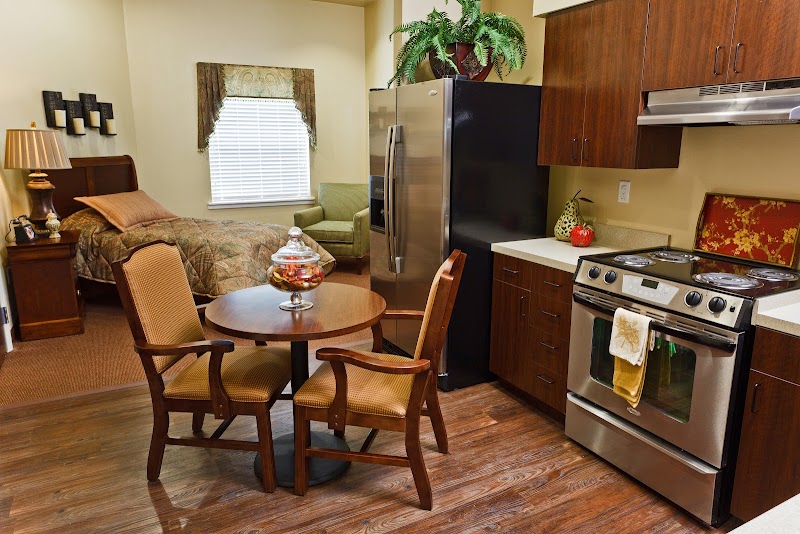
Who Owns and Operates Lakewest Rehabilitation And Skilled Care?

Lakewest Rehabilitation and Skilled Care is owned by a government entity. Government-operated facilities are typically run by state, county, or municipal agencies. The facility is operated by MOMENTUM SKILLED SERVICES, a chain that manages multiple nursing homes. With 118 certified beds and approximately 95 residents (about 81% occupancy), it is a mid-sized facility located in Dallas, Texas.

How Does Lakewest Rehabilitation And Skilled Care Compare to Other Texas Nursing Homes?

Compared to the 100 nursing homes in Texas, Lakewest Rehabilitation and Skilled Care's overall rating (1 stars) is below the state average of 2.8, staff turnover (71%) is significantly higher than the state average of 46%, and health inspection rating (2 stars) is below the national benchmark.

What Should Families Ask When Visiting Lakewest Rehabilitation And Skilled Care?

Based on this facility's data, families visiting should ask: "How do you ensure continuity of care given staff turnover, and what is your staff retention strategy?" "Can you walk me through typical staffing levels on day, evening, and night shifts?" "Can I visit during a mealtime to observe dining assistance and food quality?" "How do you handle medical emergencies, and what is your hospital transfer rate?" These questions are particularly relevant given the facility's high staff turnover rate and the below-average staffing rating.

Is Lakewest Rehabilitation And Skilled Care Safe?

Based on CMS inspection data, Lakewest Rehabilitation and Skilled Care has a clean safety record: no substantiated abuse findings (meaning no confirmed cases of resident harm), no Immediate Jeopardy citations (the most serious violation level indicating risk of serious injury or death), and is not on the Special Focus Facility watch list (a federal program monitoring the lowest-performing 1% of nursing homes). The facility has a 1-star overall rating and ranks #100 of 100 nursing homes in Texas. While no facility is perfect, families should still ask about staff-to-resident ratios and recent inspection results during their visit.

Do Nurses at Lakewest Rehabilitation And Skilled Care Stick Around?

Staff turnover at Lakewest Rehabilitation and Skilled Care is high. At 71%, the facility is 24 percentage points above the Texas average of 46%. High turnover means new staff may not know residents' individual needs, medications, or preferences. It can also be disorienting for residents, especially those with dementia who rely on familiar faces. Families should ask: What is causing the turnover? What retention programs are in place? How do you ensure care continuity during staff transitions?

Was Lakewest Rehabilitation And Skilled Care Ever Fined?

Lakewest Rehabilitation and Skilled Care has been fined $21,645 across 1 penalty action. This is below the Texas average of $33,295. While any fine indicates a compliance issue, fines under $50,000 are relatively common and typically reflect isolated problems that were subsequently corrected. Families should ask what specific issues led to these fines and confirm they've been resolved.

Is Lakewest Rehabilitation And Skilled Care on Any Federal Watch List?

Lakewest Rehabilitation and Skilled Care is not on any federal watch list. The most significant is the Special Focus Facility (SFF) program, which identifies the bottom 1% of nursing homes nationally based on persistent, serious quality problems. Not being on this list means the facility has avoided the pattern of deficiencies that triggers enhanced federal oversight. This is a positive indicator, though families should still review the facility's inspection history directly.