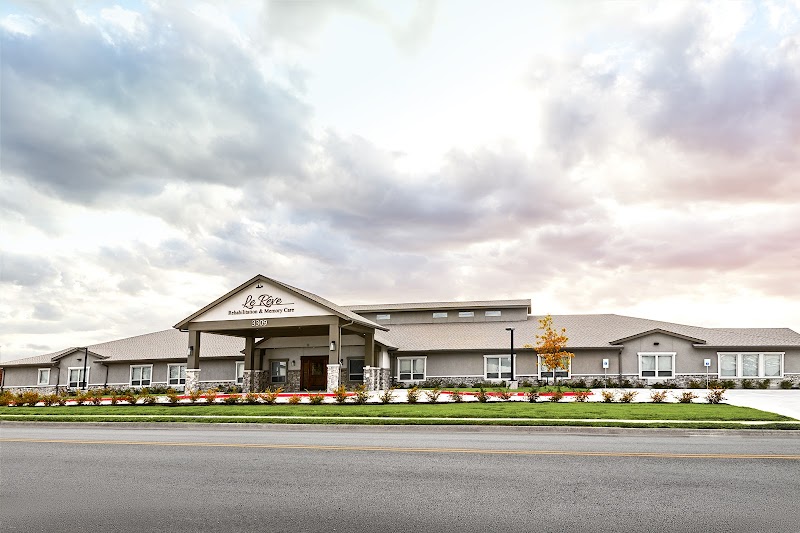
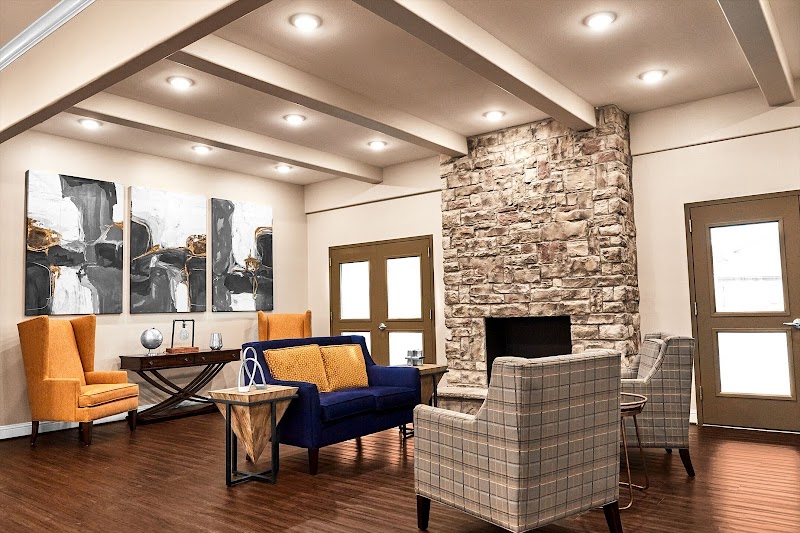
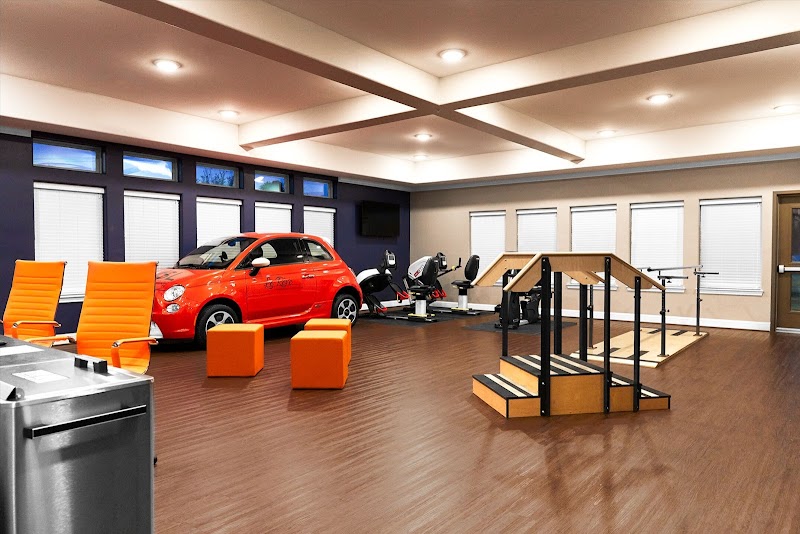
Le Reve Rehabilitation & Memory Care

3309 Dilido Road, Dallas, TX 75228 (469) 501-5051
For profit - Corporation 108 Beds Independent Data: November 2025 3 Immediate Jeopardy citations
Trust Grade
4/100
#765 of 1168 in TX
Last Inspection: September 2025

Inspected within the last 6 months. Data reflects current conditions.

Overview

Le Reve Rehabilitation & Memory Care has received a Trust Grade of F, indicating significant concerns regarding care and safety. They rank #765 out of 1168 facilities in Texas, placing them in the bottom half, and #48 out of 83 in Dallas County, meaning only a few local options are worse. Although they are improving, having reduced issues from 13 in 2024 to just 1 in 2025, staffing remains a serious concern with a low rating of 1 out of 5 stars and a high turnover rate of 68%, well above the state average. The facility has incurred $88,666 in fines, which is higher than 80% of Texas facilities, suggesting recurring compliance issues. Additionally, there are significant concerns regarding resident care, as seen in critical incidents where staff failed to notify a physician about a resident's painful ant bites and did not provide necessary treatment for a resident with a leaking catheter, which could potentially lead to serious health risks.

Trust Score
F
4/100
In Texas
#765/1168
Bottom 35%
Safety Record
High Risk
Review needed
Inspections
Getting Better
13 → 1 violations
Staff Stability
⚠ Watch
68% turnover. Above average. Higher turnover means staff may not know residents' routines.
Penalties
⚠ Watch
$88,666 in fines. Higher than 96% of Texas facilities. Major compliance failures.
Skilled Nurses
⚠ Watch
Each resident gets only 8 minutes of Registered Nurse (RN) attention daily — below average for Texas. Fewer RN minutes means fewer trained eyes watching for problems.
Violations
⚠ Watch
16 deficiencies on record. Higher than average. Multiple issues found across inspections.
★★☆☆☆
2.0
Overall Rating
★☆☆☆☆
1.0
Staff Levels
★★☆☆☆
2.0
Care Quality
★★★☆☆
3.0
Inspection Score
Stable
2024: 13 issues
2025: 1 issues

The Good

  • Full Sprinkler Coverage · Fire safety systems throughout facility
  • No fines on record

Facility shows strength in fire safety.

The Bad

2-Star Overall Rating

Below Texas average (2.8)

Below average - review inspection findings carefully

Staff Turnover: 68%

22pts above Texas avg (46%)

Frequent staff changes - ask about care continuity

Federal Fines: $88,666

Well above median ($33,413)

Moderate penalties - review what triggered them

Staff turnover is elevated (68%)

20 points above Texas average of 48%

The Ugly 16 deficiencies on record

3 life-threatening
Mar 2025 1 deficiency
CONCERN (D) 📢 Someone Reported This

A family member, employee, or ombudsman was alarmed enough to file a formal complaint

Potential for Harm - no one hurt, but risky conditions existed

Deficiency F0761 (Tag F0761)

Could have caused harm · This affected 1 resident

Based on observation, interview, and record review, the facility failed to ensure medication was stored securely on 1 of 1 medication cart (hall100) reviewed. The facility did not ensure Hall 100 medi...

Read full inspector narrative →
Based on observation, interview, and record review, the facility failed to ensure medication was stored securely on 1 of 1 medication cart (hall100) reviewed. The facility did not ensure Hall 100 medication cart was locked when unattended. This failure could place residents who reside on hall 100 at risk of drug diversion. Findings Include: Observation on 03/21/2025 at 4:30 AM revealed a medication cart parked on hall 100 and the lock was in the open (unlocked) position. The surveyor was able to open the cart drawers. Observation and interview on 03/21/2025 at 4:32 AM revealed LVN A exited a resident room and approached the medication cart. LVN A stated he was assigned to the medication cart, and it was unlocked. Interview on 03/21/2025 at 5:42 am with LVN A revealed, the medication cart contained wound care supplies, resident medications and narcotics. He stated he forgot to lock the medication cart and that it should always be locked when he walked away from it. He stated the risk was someone could walk by and get into the cart. Interview on 03/21/2025 at 10:10 AM with the DON revealed, the expectation was the medication cart should be locked when staff was not directly working with the cart. It was a HIPPA concern and a medication concern. The risk was a visitor, resident, or inappropriate personnel would get into the cart. Interview on 03/21/2025 at 11:00 AM with Administrator revealed, the medication cart should be locked if it was out of site and not actively working in the cart. Review of policy Storage of Medication revised on April 2019 revealed, the facility stores all drugs and biologicals in a safe, secure, and orderly manner.9. Unlocked medication carts are not left unattended.
Dec 2024 1 deficiency
CONCERN (D) 📢 Someone Reported This

A family member, employee, or ombudsman was alarmed enough to file a formal complaint

Potential for Harm - no one hurt, but risky conditions existed

Infection Control (Tag F0880)

Could have caused harm · This affected 1 resident

**NOTE- TERMS IN BRACKETS HAVE BEEN EDITED TO PROTECT CONFIDENTIALITY** Based on observation, interview, and record review the facility failed to establish and maintain an infection prevention and con...

Read full inspector narrative →
**NOTE- TERMS IN BRACKETS HAVE BEEN EDITED TO PROTECT CONFIDENTIALITY** Based on observation, interview, and record review the facility failed to establish and maintain an infection prevention and control program designed to provide a safe, sanitary, and comfortable environment and to help prevent the development and transmission of communicable diseases and infections for one (Resident #1) of three resident reviewed for infection control. The facility failed to ensure on 12/09/24 LVN A avoided taking a bottle of wound cleanser and a tube of medicated cream into the resident's room, and then returning the containers to the treatment cart, which contained treatment supplies for other residents. This failure could place residents at risk of cross-contamination and development of infections. Findings included: Review of Resident #1's Face Sheet, dated 12/09/2024, reflected resident was an [AGE] year-old male admitted on [DATE]. Resident #1 had a diagnosis of left ankle pressure ulcer. Review of Resident #1's Quarterly MDS ( tool used to measure health status) Assessment, dated 11/27/2024, reflected moderate cognitive impairment with a BIMS score of 11. Section M reflected a pressure reducing device for the bed and chair. Review of Resident #1's [NAME] Wound Physician's Order, dated 12/05/2024, reflected NON - PRESSURE WOUND OF THE LEFT, LATERAL ANKLE FULL THICKNESS Primary Dressing(s) Santyl (medicated skin cream) apply once daily for 24 days; Xeroform (non-adherent dressing with antimicrobial) gauze apply once daily for 24 days Secondary Dressing(s) Gauze Island w/ bdr apply once daily for 24 days. Review of Resident #1's Comprehensive Care Plan, dated 12/06/2024, reflected will have intact skin, free of redness, blisters, or discoloration by/through review and one intervention listed was to Follow facility policies/protocols for the prevention/treatment of skin breakdown. Observation and interview on 12/09/24 at 03:05 PM revealed LVN A washed his hands and prepared the items needed for Resident #1's wound care. The medicated cream was stored in a small plastic bowl in the top drawer of the treatment cart. No other items were in the bowl. A spray bottle containing wound cleanser was taken from the top of the medication cart. Other wound care supplies were taken from another drawer of the treatment cart. LVN A did not sanitize the bottle of wound cleanser, the bowl containing the medicated cream, or the tube of medicated cream prior to taking these items into the resident's room. LVN A placed a barrier pad on one side of the resident's bedside table and placed the wound care items on the pad. LVN A did not sanitize the bedside table prior to placing the barrier pad on it. The small bowl containing the tube of medicated cream was placed on the other side of the bedside table where the resident had some personal items. LVN A washed his hands and put on clean gloves. He opened the dressing packages and applied the medicated cream to the xeroform gauze. LVN A adjusted the pillow under the resident's left leg to access the left ankle. LVN A peeled off the old dressing from the resident's left ankle and discarded it. He removed his gloves and washed his hands in the resident's room. He applied clean gloves, sprayed wound cleanser on the wound, and used gauze pads to clean the wound. LVN A washed his hands and put on clean gloves. He applied the xeroform gauze, then the secondary dressing to cover the wound. LVN A washed his hands. LVN A removed the bottle of wound cleanser and medicated cream from the resident's room. He placed the wound cleanser and small bowl containing the medicated cream on top of the treatment cart. He used hand sanitizer to clean his hands. LVN A unlocked the treatment cart and returned small bowl containing medicated cream to the top drawer of the treatment cart. LVN A did not sanitize the bottle of wound cleanser, the bowl containing the medicated cream, or the tube of medicated cream. LVN A stated he had been a nurse for many years and had experience providing wound care. LVN A stated at this facility the night shift nurse performed the wound care, so he did not do wound care. LVN A stated he should have sanitized the items before and after use in the resident's room, or put the medicated cream and wound cleanser in clean medication cups prior to going in the resident's room instead of taking the containers in. He stated this could cause cross contamination since they were taken into the resident's room and returned to the treatment cart. In an interview 12/09/24 at 03:20 PM, the DON stated to prevent cross contamination and for infection control purposes, the spray bottle of wound cleanser and tube of medicated cream should not have been taken into the resident's room and returned to the treatment cart. The DON stated there are small plastic medication cups available for the nurses to place creams or wound cleanser in to take into a resident's room. The DON stated she would in-service the nursing staff regarding this. Review of facility's policy Infection Control Policies and Practices, Revised October 2013, reflected maintain . sanitary environment . to help prevent and manage transmission of diseases and infections.
Oct 2024 3 deficiencies
CONCERN (D) 📢 Someone Reported This

A family member, employee, or ombudsman was alarmed enough to file a formal complaint

Potential for Harm - no one hurt, but risky conditions existed

Deficiency F0558 (Tag F0558)

Could have caused harm · This affected 1 resident

**NOTE- TERMS IN BRACKETS HAVE BEEN EDITED TO PROTECT CONFIDENTIALITY** Based on observations, interviews, and record reviews, the facility failed to ensure the resident had the right to reside and re...

Read full inspector narrative →
**NOTE- TERMS IN BRACKETS HAVE BEEN EDITED TO PROTECT CONFIDENTIALITY** Based on observations, interviews, and record reviews, the facility failed to ensure the resident had the right to reside and receive services in the facility with reasonable accommodation of resident needs and preferences for two (Residents #1 and #2) of ten residents reviewed for call lights. 1. Resident #1 was observed in bed (closest to the door) and her call light was observed hung on a dresser drawer beside the bed closest to the window separated by a wheelchair and privacy curtain. 2. Resident #2 was observed in bed and her call light was rolled up and hung on the wall between Resident #2's bed and the bed closest to the window. These failures could place residents at risk of not having their needs and preferences met and a decreased quality of life. Finding included: Record review of Resident #1's Face Sheet dated 10/18/2024, reflected a [AGE] year-old female who was admitted to the facility on [DATE]. Diagnoses included: unspecified intracapsular fracture of right femur, (hip fracture) fall on same level from slipping, tripping and stumbling without subsequent striking against object, nontraumatic chronic subdural hemorrhage (collection of blood on the brain's surface), and nondisplaced avulsion fracture (chip fracture) of right talus (bone in foot that connects the ancle to the leg). Record review of Resident #1's baseline care plan dated 10/11/2024 reflected, substantial / maximum assist for eating, hygiene, toileting, showers, dressing, bed mobility, and transfers. She was incontinent of bowel and bladder and cognition reflected impaired and confused. Resident #1 had a history of falls and call light was noted as a safety device used. Record review of Resident #1's progress note, dated 10/11/2024 at 9:38 PM reflected, At [8:00 PM Resident #1] was admitted to the facility from [hospital], DX FOR FALL WITH acute chronic intracranial subdural hematoma, this nurse welcome patient to the facility and instruct patient to always use the call button to call for help to prevent fall, call light at reach and bed on lowest position and will continue to monitor. Record review of Resident #1's fall risk assessment dated [DATE], reflected a sore of 50, which indicated a high risk for falling. Record review of Resident #2's Face Sheet dated 10/18/2024, reflected a [AGE] year-old female who was admitted to the facility on [DATE]. Diagnoses included: acute kidney failure (kidneys stop working suddenly), hemiplegia and hemiparesis following nontraumatic subarachnoid hemorrhage affecting non-dominant left side (one side paralysis), diabetes mellitus (a group of diseases that affect how the body uses sugar), hypomagnesemia (low level of magnesium), muscle weakness, unspecified dementia (a group of symptoms affecting memory, thinking and social abilities), and hypertension (high blood pressure). Record review of Resident #2's significant change MDS, dated [DATE], reflected a BIMS score of 3 which indicated severe cognate impairment. Functional abilities included dependent for toileting, hygiene, dressing and transfers. She was always incontinent of bowel and bladder. Resident #2 had a history of falls in the last month. Record review of Resident #2's care plan dated 09/19/2024 reflected, [Resident #2] demonstrates desire and behavior to lay prone on floor mat for comfort to sleep. Intervention: Anticipate and meet the resident's needs. [Resident #2] will allow staff to assist to desired position on floor mat for rest periods. Focus: [Resident #2] is High risk for falls. [Resident #2] has had an actual fall without injury. Interventions: Be sure [Resident #2's] call light is within reach and encourage the (sic) her to use it for assistance as needed. He (sic) needs prompt response to all requests for assistance. Fall mats to be placed bedside (sic). Record review of Resident #2's fall risk assessment dated [DATE], reflected a sore of 60, which indicated a high risk for falling. In an interview and observation on 10/18/2024 at 9:45am, Resident #3 said Resident #1 recently came to the facility after falling at home and required a lot of assistance. Resident #1 was observed in her bed (lowest position) and Resident #3 was in his wheelchair beside his bed closest to the window. This state surveyor asked Resident #1 if she used her call light to ask for assistance when she needed it, she said she did. Resident #3 said staff always told Resident #1 to ring the call light when she needed assistance. When asked where Resident #1's call button was, Resident #1 looked around and said she did not know. Resident #3 said he was looking for it too. This state surveyor pointed out to both Residents #1 and #3 that the call light was hung on a dresser drawer beside the bed closest to the window separated from Resident #1 by a wheelchair and privacy curtain. Resident #3 then pressed the call button. In an interview on 10/18/2024 at 9:50 AM, LVN A said Resident #1 was a fall risk and came to the facility after falling at home. She said Resident #1's call light should be in her reach so she could call for assistance when she required it. She said she rounded at least every two hours as did the CNAs. She said she was not sure why the call light was not placed in Resident #1's reach. An observation on 10/18/2024 at 9:55 AM revealed the Director of Therapy responded to the call light that was lit outside Resident #1's room. In an interview on 10/18/2024 at 10:13 AM, the Director of Therapy said she noticed Resident #1's call light while she was passing this state surveyor and LVN A in the hall. She said she went to respond to the call light. She said when she went into Resident #1's room, the call button was wrapped around the bedside table on Resident #3's side of the room and not accessible to Resident #1. The Director of Therapy said Resident #1 was new to the facility and was a fall risk and should have access to her call button to ensure her safety and that she could call for assistance if she needed to. In an interview on 10/18/2024 at 10:20 AM, the DON stated Resident #1 came to the facility from the hospital and was a fall risk. She said she should always have access to her call light to ensure she could get any assistance she might need. The DON said she expected call lights to be placed within reach of all residents. In an interview on 10/18/2024 at 12:25 PM, CNA B said she did not notice Resident #1's call light was not in her reach. She said residents needed to have access to their call light to call for assistance. An observation on 10/18/2024 at 1:10 PM revealed, Resident #2 in bed (lowest position). Resident #2's call light was rolled up and hung on the wall between Resident #2's bed and the bed closest to the window. In an interview on 10/18/2024 at 1:13 PM, LVN C said Resident #2's call light should be in her reach. She said the CNAs just put Resident #2 down to sleep and they must have forgotten to place the call light. She said she was not sure which CNAs. LVN C said all residents needed to have access to call lights, regardless if they used them or not, to ensure their needs were met and they had a means to call for assistance. In an interview on 10/18/2024 at 1:22 PM, the Social Worker stated residents should have access to call light to ensure their needs were met. She said all staff were responsible to ensure call lights were placed within reach of residents. In an interview on 10/18/2024 at 2:06 PM, CNA D said she did not put Resident #2 down to nap, so she did not know why the call light or fall mats were not placed. She said all residents should have access to call lights to prevent accidents because residents would try to get up on their own if they cannot call for assistance. She said she was trained on these but did not recall when the last in-service was. In an interview on 10/18/2024 at 3:15 PM, the DON repeated that she expected all staff to round at least every two hours and check that call lights were in reach of residents to ensure resident's safety. She said she rounded randomly as a follow up but all staff were responsible to ensure resindets were safe. In an interview on 10/18/2024 at 3:05 PM, the VP/acting ED said the facility did not have a policy that directly addressed call light placement. Record review of the facility's policy titled, Falls and fall risk, managing, revised March 2018, reflected, Based on previous evaluations and current data, the staff will identify interventions related to the resident's specific risks and causes to try to prevent the resident from falling and to try to minimize complications from falling. Record review of the facility's policy titled, Accidents and hazards - investigating and reporting, revised July 2017, reflected, .3. This facility is in compliance with current rules and regulations governing accidents and/or incidents involving a medical device.
CONCERN (D) 📢 Someone Reported This

A family member, employee, or ombudsman was alarmed enough to file a formal complaint

Potential for Harm - no one hurt, but risky conditions existed

Comprehensive Care Plan (Tag F0656)

Could have caused harm · This affected 1 resident

**NOTE- TERMS IN BRACKETS HAVE BEEN EDITED TO PROTECT CONFIDENTIALITY** Based on observations, interviews and record reviews, the facility failed to implement a comprehensive person-centered care plan...

Read full inspector narrative →
**NOTE- TERMS IN BRACKETS HAVE BEEN EDITED TO PROTECT CONFIDENTIALITY** Based on observations, interviews and record reviews, the facility failed to implement a comprehensive person-centered care plan for each resident to meet a resident's medical, nursing, and mental and psychosocial needs in order attain or maintain the resident's highest practicable physical, mental, and psychosocial well-being for one resident (Resident #2) of ten residents reviewed for care plans. The facility failed ensure Resident #2's care plan was followed to ensure fall mats were placed on either side of Resident #2's bed while she was in it. This failure could place residents at risk of injury and a decreased quality of life. Findings included: Record review of Resident #2's Face Sheet dated 10/18/2024, reflected a [AGE] year-old female who was admitted to the facility on [DATE]. Diagnoses included: acute kidney failure (kidneys stop working suddenly), hemiplegia and hemiparesis following nontraumatic subarachnoid hemorrhage affecting non-dominant left side (one side paralysis), diabetes mellitus (a group of diseases that affect how the body uses sugar), hypomagnesemia (low level of magnesium), muscle weakness, unspecified dementia (a group of symptoms affecting memory, thinking and social abilities), and hypertension (high blood pressure). Record review of Resident #2's significant change MDS, dated [DATE], reflected a BIMS score of 3 which indicated severe cognate impairment. Functional abilities included dependent for toileting, hygiene, dressing and transfers. She was always incontinent of bowel and bladder. Resident #2 had a history of falls in the last month. Record review of Resident #2's care plan dated 09/19/2024 reflected, [Resident #2] demonstrates desire and behavior to lay prone on floor mat for comfort to sleep. Intervention: Anticipate and meet the resident's needs. [Resident #2] will allow staff to assist to desired position on floor mat for rest periods. Focus: [Resident #2] is High risk for falls. [Resident #2] has had an actual fall without injury. Interventions: Be sure [Resident #2's] call light is within reach and encourage the (sic) her to use it for assistance as needed. He (sic) needs prompt response to all requests for assistance. Fall mats to be placed bedside (sic). Record review of Resident #2's fall risk assessment dated [DATE], reflected a sore of 60, which indicated a high risk for falling. An observation on 10/18/2024 at 1:10 PM revealed, Resident #2 in bed (lowest position) no fall mats on either side of the bed. The fall mats were observed folded up and leaned against the window wall of the room. In an interview on 10/18/2024 at 1:13 PM, LVN C said there should be fall mats on either side of Resident #2's bed because Resident #2 had a history of crawling from her bed to the floor to sleep. She said the CNAs just put Resident #2 down to sleep and they must have forgot to place the call light and fall mats. She said she was not sure which CNAs. In an interview on 10/18/2024 at 1:22 PM, the Social Worker stated Resident #2 was a fall risk and needed to have fall mats on either side of her bed when she was in bed. She said nursing and therapy staff provide training on fall interventions but was not sure when the last training was provided. In an interview on 10/18/2024 at 2:06 PM, CNA D said she did not put Resident #2 down to nap, so she did not know why the fall mats were not placed. She said fall matts needed to be in place to ensure Resident #2's safety. She said she was trained on these but did not recall when the last in-service was. In an interview on 10/18/2024 at 3:15 PM, the DON repeated that she expected staff to round at least every two hours and check that fall interventions were in place. She said all staff were responsible to ensure residents were safe and their needs were met. The DON said she rounded as well to check on residents. She said Resident #2 required a fall mat on either side of her bed because she had a history of crawling from her bed to the floor to sleep. Record review of the facility's policy titled, Falls and fall risk, managing, revised March 2018, reflected, Based on previous evaluations and current data, the staff will identify interventions related to the resident's specific risks and causes to try to prevent the resident from falling and to try to minimize complications from falling. Record review of the facility's policy titled, Accidents and hazards - investigating and reporting, revised July 2017, reflected, .3. This facility is in compliance with current rules and regulations governing accidents and/or incidents involving a medical device.
CONCERN (D) 📢 Someone Reported This

A family member, employee, or ombudsman was alarmed enough to file a formal complaint

Potential for Harm - no one hurt, but risky conditions existed

Accident Prevention (Tag F0689)

Could have caused harm · This affected 1 resident

**NOTE- TERMS IN BRACKETS HAVE BEEN EDITED TO PROTECT CONFIDENTIALITY** Based on observations, interviews, and record reviews, the facility failed to ensure residents received adequate supervision and...

Read full inspector narrative →
**NOTE- TERMS IN BRACKETS HAVE BEEN EDITED TO PROTECT CONFIDENTIALITY** Based on observations, interviews, and record reviews, the facility failed to ensure residents received adequate supervision and assistance devices to prevent accidents for one (Resident #2) of ten residents reviewed for accidents. The facility failed to ensure fall mats were placed on either side of Resident #2's bed while she was in it. Resident #2 was observed in bed (in the lowest position), closest to the door and fall mats were observed folded and leaning against the window wall across the room. This failure could place residents at risk of injury and a decreased quality of life. Findings included: Record review of Resident #2's Face Sheet dated 10/18/2024, reflected a [AGE] year-old female who was admitted to the facility on [DATE]. Diagnoses included: acute kidney failure (kidneys stop working suddenly), hemiplegia and hemiparesis following nontraumatic subarachnoid hemorrhage affecting non-dominant left side (one side paralysis), diabetes mellitus (a group of diseases that affect how the body uses sugar), hypomagnesemia (low level of magnesium), muscle weakness, unspecified dementia (a group of symptoms affecting memory, thinking and social abilities), and hypertension (high blood pressure). Record review of Resident #2's significant change MDS, dated [DATE], reflected a BIMS score of 3 which indicated severe cognate impairment. Functional abilities included dependent for toileting, hygiene, dressing and transfers. She was always incontinent of bowel and bladder. Resident #2 had a history of falls in the last month. Record review of Resident #2's care plan dated 09/19/2024 reflected, [Resident #2] demonstrates desire and behavior to lay prone on floor mat for comfort to sleep. Intervention: Anticipate and meet the resident's needs. [Resident #2] will allow staff to assist to desired position on floor mat for rest periods. Focus: [Resident #2] is High risk for falls. [Resident #2] has had an actual fall without injury. Interventions: Be sure [Resident #2's] call light is within reach and encourage the (sic) her to use it for assistance as needed. He (sic) needs prompt response to all requests for assistance. Fall mats to be placed bedside (sic). Record review of Resident #2's fall risk assessment dated [DATE], reflected a sore of 60, which indicated a high risk for falling. An observation on 10/18/2024 at 1:10 PM revealed, Resident #2 in bed (lowest position) no fall mats on either side of the bed. The fall mats were observed folded up and leaned against the window wall of the room. In an interview on 10/18/2024 at 1:13 PM, LVN C said there should be fall mats on either side of Resident #2's bed because Resident #2 had a history of crawling from her bed to the floor to sleep. She said the CNAs just put Resident #2 down to sleep and they must have forgot to place the call light and fall mats. She said she was not sure which CNAs. She said all residents needed to have access to call lights to ensure their needs were met. In an interview on 10/18/2024 at 1:22 PM, the Social Worker stated Resident #2 was a fall risk and needed to have fall mats on either side of her bed when she was in bed. She said nursing and therapy staff provide training on fall interventions but was not sure when the last training was provided. In an interview on 10/18/2024 at 2:06 PM, CNA D said she did not put Resident #2 down to nap, so she did not know why the fall mats were not placed. She said fall matts needed to be in place to ensure Resident #2's safety. She said she was trained on these but did not recall when the last in-service was. In an interview on 10/18/2024 at 3:15 PM, the DON repeated that she expected staff to round at least every two hours and check that fall interventions were in place. She said all staff were responsible to ensure residents were safe and their needs were met. The DON said she rounded as well to check on residents. She said Resident #2 required a fall mat on either side of her bed because she had a history of crawling from her bed to the floor to sleep. Record review of the facility's policy titled, Falls and fall risk, managing, revised March 2018, reflected, Based on previous evaluations and current data, the staff will identify interventions related to the resident's specific risks and causes to try to prevent the resident from falling and to try to minimize complications from falling. Record review of the facility's policy titled, Accidents and hazards - investigating and reporting, revised July 2017, reflected, .3. This facility is in compliance with current rules and regulations governing accidents and/or incidents involving a medical device.
Aug 2024 7 deficiencies 2 IJ
CRITICAL (J) 📢 Someone Reported This

A family member, employee, or ombudsman was alarmed enough to file a formal complaint

Immediate Jeopardy (IJ) - the most serious Medicare violation

Notification of Changes (Tag F0580)

Someone could have died · This affected 1 resident

**NOTE- TERMS IN BRACKETS HAVE BEEN EDITED TO PROTECT CONFIDENTIALITY** Based on interview, and record review the facility failed to notify the physician when a resident experienced ant bites and pain...

Read full inspector narrative →
**NOTE- TERMS IN BRACKETS HAVE BEEN EDITED TO PROTECT CONFIDENTIALITY** Based on interview, and record review the facility failed to notify the physician when a resident experienced ant bites and pain for 1 (Resident #21) of 5 residents reviewed for a notification of a change of condition, in that: RN II did not notify the Physician of Resident #21's change of condition on 08/13/24 when CNA R reported that Resident #21 had indicated experiencing pain to the anterior area of her right elbow to RN II concerns that Resident #21 had suffered ant bites that had resulted in welts on Resident #21's right arm. An Immediate Jeopardy was (IJ) was identified on 08/14/24 at 5:53 PM while the IJ was removed on 08/16/24, the facility remained out of compliance at a severity of No actual harm with a potential for more than minimal harm that is not immediate and a scope of isolated due to the facility still monitoring the effectiveness of their Plan of Removal. This deficient practice could place residents at risks of not obtaining the care that was needed, which could lead to a worsening of their condition, hospitalization, or death. Findings Included: Record review of Resident #21's Face Sheet, dated 08/14/2024, revealed a [AGE] year-old female who initially admitted to the facility on [DATE]. Resident #21 had a diagnoses which included the following: Aphasia (cannot speak), Hemiplegia (paralyzed on one side) and Hemiparesis (weakness on one side of the body) following Cerebral Infarction (Stroke) affecting Right Dominant side, Type 2 Diabetes Mellitus (Too much sugar), and Cerebral Infarction due to Thrombosis (blood clots) of Unspecified Cerebral Artery. (Family member #1 was listed as the Responsible Party/POA.) Record review Resident #21's Quarterly MDS Assessment, dated 05/22/24, revealed the resident was rarely/never understood and was cognitively severely impaired. Resident #21 required total or extensive assistance for bed mobility, dressing, toilet use, and personal hygiene. Further review of Resident #21's MDS reflected that Resident #21 was always incontinent of urine and bowel. Record review of Resident #21's Care Plan initiated on 02/22/2022 reflected Resident #21 had an Activities of Daily Living self-care deficit, and the interventions included that Resident #21 required limited-extensive assist to turn and reposition in bed and as necessary. Resident #21 required supervision to eat. Resident #21 required 2 staff for personal hygiene and oral care. The Care Plan reflected that Resident #21 had impaired cognitive function/dementia or impaired thought processes with interventions that included communicating with family family/caregivers regarding her capabilities and needs and to monitor/document/report PRN any changes in cognitive function, specifically changes in: decision making ability, memory, level of consciousness, mental status. The Care Plan reflected that Resident #21 had a communication problem related to Cerebral Vascular Accident. Resident #21 was Aphasic (inability to communicate). Resident #21 smiles when approached and could head/nod to yes and no questions and the interventions included encouraging Resident #21 to continue stating thoughts even if resident is having difficulty and to monitor/document/report as needed any changes in ability to communicate, potential contributing factors for communication problems. The Care Plan reflected that Resident #21 had Diabetes Mellitus and was taking medications per Medical Doctors orders, with interventions that included checking all of body for breaks in skin and treat promptly as ordered by doctor. The Care Plan reflected that Resident #21 had hemiplegia/hemiparesis (paralyzation of one side of the body), with interventions that included discuss with Resident #21's family/caregivers any concerns, fears, issues regarding diagnosis or treatments. Record review of Resident #21's electronic health record revealed that there were no progress notes, skin assessments, treatment for ant bites, follow up treatments, assessments, or record of notifying Resident #21's family or physician in relation to Resident #21 having to temporarily move rooms due to an ant infestation and ant bites. No Situation, Background, Assessment Recommendation Communication Report could be found in relation to Resident #21 being bit by ants, assessment, post treatment or room movement. An interview on 08/12/24 at 1:23 PM with Family Member #1 revealed on 07/14/24 Resident #21 was not in her regular room. CNA R explained on 07/14/24 Resident #21 had been moved to another room because ants and ant bites that were discovered on Resident #21. The family member stated were not notified of the ants or the room move before the family member had asked about it. An interview on 08/12/24 at 1:56 PM CNA R stated that Resident #21 was non-verbal, and that CNA R had worked with Resident #21 for a long time and was familiar with how to communicate with Resident #21 with yes/no questions and pointing. CNA R stated that while delivering Resident #21's breakfast tray, Resident #21 indicated she had pain in her right arm. CNA R stated she reported to RN ii that Resident #21 had indicated pain in her arm around 7:40AM on 07/13/24 and then continued with her morning duties. CNA R stated that when she returned to Resident #21's room around 8:20 AM, she was unsure if RN II had assessed Resident #21 yet. CNA R stated she had discovered ants on Resident #21 on the morning of 7/13/24 around 8:20 AM, while getting Resident #21 ready for a bed bath. CNA R stated that there had been between 20 to 30 small black ants in the crook of Resident #21's arm that Resident #21 had indicated to before. CNA R stated that she immediately reacted and used the gathered bed bath equipment to immediately wipe off Resident #21's arm. CNA R stated that the area on Resident #21's arm where the ants had been present had been welty and red. CNA R stated she then informed RN ii about the ants and then took Resident #21 to a shower where CNA R made sure there were no more ants on Resident #21. CNA R stated that Resident #21 was then temporarily moved to another room from the 100 hall to the 300 hall. CNA R stated that the welts on Resident #21's arm were much less noticeable after the shower and move. CNA R stated that housekeeping had cleaned out Resident #21's room and that Resident #21 had been moved back to Resident #21's original room on 07/16/24 on the 100 hall from the temporary room on the 300 hall. An interview on 08/13/24 at 1:54 PM RN II stated that she did not remember if she had written any progress notes about the ants on Resident #21 or if she had contacted the ADON face to face or had contacted the ADON via phone. RN II stated she had not contacted the MD or Resident #21's family member/Power of Attorney about the ants or the room move. An interview on 08/13/24 ADON stated that there were no messages about Resident #21 moving rooms or being bitten by ants. The ADON stated that the facility uses a phone messaging app to make sure that all nursing staff are informed of developments with residents and that information is passed. The ADON stated that if there was no evidence of any message being passed and that she had not been informed that it would have been up to RN II to contact the MD and the family of Resident #21. The ADON stated that she could find no evidence of an initial assessment, after treatment for ant bites notification of any room movements, notifications or new orders from the MD or skin assessments. The ADON stated that she was not on the schedule on 07/13/24 and that the facility did not have a DON from 07/07/24 to 07/22/24. In an interview on 08/14/24 at 10:03 AM the DON stated that she had started employment at the facility on 07/22/24 and that she had not known about Resident #21 had been bitten by ants, but that it should have been reported to head nursing staff so that Resident #21 could have been properly assessed and treated for ant bites, the MD should have been notified and the family should have been notified and they had not been informed. The DON stated that there could have been medical complications or undue pain caused to Resident #21 by not being properly treated for ant bites. In an interview on 08/14/24 at 11:33 AM The MD stated that he was not informed that Resident #21 had suffered ant bites or had moved rooms. The MD stated that he could find no evidence that Resident #21 had been issued any new orders for topical ointments for ant bites or evidence of any assessment or post assessments of Resident #21 related to ant bites. The MD stated that it was important that he should have been informed about the ant bites on Resident #21 because of the risk of complications depending on Resident #21's morbidities and that Resident #21 may have missed care that Resident #21 might have needed. A record review of the facility's policy titled Change of Condition and Physician/Family Notification, dated January 2023, reflected Purpose: To ensure that resident's family and/or legal representative and physician are notified of resident changes that fall under the following categories: . A significant change in resident's physical, mental, or psychosocial status. (See below for examples). A need to significantly alter treatment. Transfer of the resident from the facility. Procedures: When any of the above situations exist, the licensed nurse will contact the resident's family and their physician . Each attempt will be charged as to time the call was made, who was spoken to, and what information was given to the physician . This failure resulted in an identification of an Immediate Jeopardy on 08/14/2024 at 5:53 PM. The Administrator was informed and provided the IJ template on 08/14/2024 at 5:55 PM and a Plan of Removal (POR) was requested. The Plan of Removal reflected: Per the information provided in the IJ template given on 8/14/24, the facility failed to take proper action in notification of resident change of condition. Facility failed to further notify executive administration, and/or resident family member. Per template, on 07/13/24, CNA discovered ants on resident with noticeable welts on resident right arm. CNA notified charge nurse, who advised to bathe and relocate resident to different room. Charge nurse failed to take further action in obtaining order for medical treatment, and notification of resident change to physician, administration, and family. The MD, was notified of IJ on 8/14/24 at 06:00p.m. DON and ADON initiated In-service with nursing staff (CNA, CMA, LVN, RN) 8/14/24 on identifying when to conduct assessment on residents and where to document assessments. This in-service will be completed by 8.15.24. DON and ADON initiated in-service with nursing staff (CNA, CMA, LVN, RN) on 8/14/24 regarding when to provide treatment and/or care to residents. This in-service will be completed by 8.15.24. DON and ADON initiated in-service with nursing staff on 8/14/24 (CNA, CMA, LVN, RN) regarding when to communicate with nursing supervisor, administrative team, physician, and family. This in-service will be completed by 8.15.24. This in-service will be completed by 8.15.24. ADON initiated in-service when nursing staff (CNA, CMA, LVN, RN) on 8/14/24 regarding when to report significant changes in resident's condition. This in-service will be completed by 8.15.24. In-service initiated with all staff (Facility Wide) on 8/14/24 regarding notification of observed pest(s) by ADON or ADM. This in-service will be completed by 8.15.24. Each department to provide in-service to every employee, prior to working next assigned shift. To be completed by 8.15.24. If staff member(s) are present for in-person training, training will be conducted by appropriate department head (Director of Culinary Services. Director of Environmental Services. ADON and DON. Director of Rehab. ADM for monitoring of Department Heads). To be completed by 8.15.24. If staff member(s) unavailable for in-person training, phone call will be performed as witnessed phone call with ADM and DON. Phone call dialogue will provide pre-test to employee, followed by in- service education, finishing with post-call test. To be completed by 8.15.24. If staff member(s) do not answer/return phone call, notification will be given to scheduling manager (ADON. Director of Culinary Services. Director of Environmental Services. Director of Rehab. ADM department head monitoring), to place hold on staff member shift availability until complete. Monitoring of understanding by clinical staff to be performed by DON. Monitoring to include daily review of 24-hr log with follow-up of employee to ensure notification appropriately made. Monitoring will also include educational pre/post-test to be administered by 8.15.24. Pre/Post Test with correlating policy will also be added to new-hire packet. ADM to monitor compliance of DON. Skin assessments, performed by ADON, and [NAME] President of Clinical Services, completed on every resident, to be completed by 8/15/24. Results to be submitted upon completion. Environmental sweep of hallways, resident rooms, and exterior perimeter performed by Director of Environmental Services, on 8/14/24 with no findings of pest(s). Director of Environmental Services will monitor pest control by daily review of pest binder. Pest Control scheduled twice per month with 3rd party source and PRN for sightings. ADM to monitor compliance of Director of Environmental Services. Summary of IJ and corrective action to be reviewed by QAPI committee weekly x4 weeks or until substantial compliance established and continue monthly for 90 days to ensure ongoing compliance. Monitoring of the Plan of Removal included: Interviews were conducted on 08/15/24 at 9:18 AM to 08/16/24 at 1:23 PM with 4 RN's, 10 LVN's, 4 MA's, 18 CNA's, 2 Dietary Cooks, 2 HSK's, the ADM, ADON, SW, Director of Environmental Services, Director of Rehab, and Director of Culinary Services, who worked multiple shifts, revealed that they had all been in-serviced on Conducting and Reporting Assessments, Providing Treatment and/or Care to Residents, Communicating with Nursing Supervisor, Administrative Team, Physician and Family, Reporting significant Changes in resident Condition, and Notification of Observed Pest(s). The staff were able to identify examples on who, when, and where to report Assessments, Changes in Condition and Pest(s) sightings. Interviewed staff were knowledgeable on protocols and who they needed to report too. The staff reported verifying their competencies via a pre and post quiz. An interview on 08/16/24 at 11:40 AM [NAME] President of Clinical Services stated that the ADM and DON were in-serviced on all in-service topics and [NAME] president of Clinical Services stated their competency was verified via quizzes. The [NAME] president of Clinical Services stated for the next 30 days [NAME] president of Clinical Services and DON would be monitoring, and stated if they identified any changes, they would contact the MD and family/POA immediately. A record review of in-services titled Conducting and Reporting Assessments, Providing Treatment and/or Care to Residents, Communicating with Nursing Supervisor, Administrative Team, Physician and Family, Reporting significant Changes in resident Condition, and Notification of Observed Pest(s), conducted by the ADM, DON, Director of Rehab, Director of Environmental services and the Director of Culinary services, reflected that all staff were educated on policy and procedures including assessments and notification to MD and Nurse Practitioners regarding change of condition. All Nursing staff were in-serviced and educated on policy and procedures regarding providing treatment and/or care to residents. The ADM and DON were informed the Immediate Jeopardy was removed on 08/16/24 at 1:35 PM. The facility remained out of compliance at a severity of No actual harm with a potential for more than minimal harm that is not immediate and a scope of isolated due to the facility still monitoring the effectiveness of their corrective systems.
CRITICAL (J) 📢 Someone Reported This

A family member, employee, or ombudsman was alarmed enough to file a formal complaint

Immediate Jeopardy (IJ) - the most serious Medicare violation

Quality of Care (Tag F0684)

Someone could have died · This affected 1 resident

**NOTE- TERMS IN BRACKETS HAVE BEEN EDITED TO PROTECT CONFIDENTIALITY** Based on interview and record review, the facility failed to ensure residents received treatment and care in accordance with pro...

Read full inspector narrative →
**NOTE- TERMS IN BRACKETS HAVE BEEN EDITED TO PROTECT CONFIDENTIALITY** Based on interview and record review, the facility failed to ensure residents received treatment and care in accordance with professional standards of practice for 1 of 4 residents (Resident #1) reviewed for quality of care. 1) The facility nurses failed to assess, treat, or monitor ant bites and pain for Resident #21 or seek treatment instructions from the physician. An Immediate Jeopardy was (IJ) was identified on 08/14/24 at 5:53 PM while the IJ was removed on 08/16/24, the facility remained out of compliance at a severity of No actual harm with a potential for more than minimal harm that is not immediate and a scope of isolated due to the facility still monitoring the effectiveness of their Plan of Removal. This deficient practice could place residents at risks of not obtaining the care that was needed, which could lead to a worsening of their condition, hospitalization, or death. Findings Included: Record review of Resident #21's Face Sheet, dated 08/14/2024, revealed a [AGE] year-old female who initially admitted to the facility on [DATE]. Resident #21 had a diagnoses which included the following: Aphasia (cannot speak), Hemiplegia (paralyzed on one side) and Hemiparesis (weakness on one side of the body) following Cerebral Infarction (stroke) affecting Right Dominant side, Type 2 Diabetes Mellitus (to much sugar), and Cerebral Infarction due to Thrombosis (blood clots) of Unspecified Cerebral Artery. (Family member #1 was listed as the responsible party/POA.) Record review Resident #21's Quarterly MDS Assessment, dated 05/22/24, revealed the resident was rarely/never understood and was cognitively severely impaired. Resident #21 required total or extensive assistance for bed mobility, dressing, toilet use, and personal hygiene. Further review of Resident #21's MDS reflected that Resident #21 was always incontinent of urine and bowel. Record review of Resident #21's Care Plan initiated on 02/22/2022 reflected Resident #21 had an Activities of Daily Living self-care deficit, and the interventions included that Resident #21 required limited-extensive assist to turn and reposition in bed and as necessary. Resident #21 required supervision to eat. Resident #21 required 2 staff for personal hygiene and oral care. The Care Plan reflected that Resident #21 had impaired cognitive function/dementia or impaired thought processes with interventions that included communicating with family family/caregivers regarding her capabilities and needs and to monitor/document/report PRN any changes in cognitive function, specifically changes in: decision making ability, memory, level of consciousness, mental status. The Care Plan reflected that Resident #21 had a communication problem related to Cerebral Vascular Accident. Resident #21 was Aphasic (inability to communicate). Resident #21 smiles when approached and could head/nod to yes and no questions and the interventions included encouraging Resident #21 to continue stating thoughts even if resident is having difficulty and to monitor/document/report as needed any changes in ability to communicate, potential contributing factors for communication problems. The Care Plan reflected that Resident #21 had Diabetes Mellitus and was taking medications per Medical Doctors orders, with interventions that included checking all of body for breaks in skin and treat promptly as ordered by doctor. The Care Plan reflected that Resident #21 had hemiplegia/hemiparesis (paralyzation of one side of the body), with interventions that included discuss with Resident #21's family/caregivers any concerns, fears, issues regarding diagnosis or treatments. An interview on 08/12/24 at 1:23 PM with Family Member #1 revealed on 07/14/24 Resident #21 was not in her regular room. CNA R explained on 07/14/24 Resident #21 had been moved to another room because ants and ant bites that were discovered on Resident #21. The family member stated were not notified of the ants or the room move before the family member had asked about it. In an interview on 08/12/24 at 1:56 PM CNA R stated that they had discovered ants on Resident #21 on the morning of 07/13/24 while getting Resident #21 ready for a bed bath. CNA R stated that there had been between 20 to 30 small black ants in the crook of Resident #21's right arm in the anterior of the right elbow. CNA R stated she immediately reacted and used the gathered bed bath equipment to immediately wipe off Resident #21's arm. CNA R stated that the area on Resident #21's arm where the ants had been present had been welty and red. CNA R stated she did not see an ant trail leading to the bed, she then informed RN II about the ants and then took Resident #21 to a shower where she (CNA R) made sure there were no more ants on Resident #21. CNA R stated that Resident #21 was then temporarily moved to another room from the 100 hall to the 300 hall. CNA R stated that the welts on Resident #21's arm were much less noticeable after the shower and move. CNA R stated that housekeeping had cleaned out Resident #21's room and that Resident#21 had been moved back to Resident #21's original room on 07/16/24 on the 100 hall from the temporary room on the 300 hall. In an interview on 08/13/24 at 1:54 PM RN II stated that there had been no DON working on 07/13/24 but that RN II had told the ADON about the ants on Resident #21 and she had been told to move Resident #21 to another room and she had done a skin assessment and found no ant bites on Resident #21. She stated that she was unsure if she notated the skin assessment anywhere. RN II stated she assumed that the ADON had informed the DON about the ants on Resident # 21. RN II stated they did not remember if she had written any progress notes about the ants on Resident #21 or if she had contacted the ADON face to face or had contacted the ADON via phone. In an interview on 08/13/24 at 2:07 PM the ADON stated that there were no messages about Resident #21 moving rooms or being bitten by ants. The ADON stated that the facility used a phone messaging app to make sure that all nursing staff were informed of developments with residents and that information was passed. The ADON stated that if there was no evidence of any message being passed and that she had not been informed that it would have been up to RN II to contact the MD and the family of Resident #21. The ADON stated that she could find no evidence of an initial assessment, after treatment for ant bites notification of any room movements, notifications or new orders from the MD or skin assessments. The ADON stated she was not on the schedule on 07/13/24 and that the facility did not have a DON from 07/07/24 to 07/22/24. Record review of the facility pest sighting log of the last 6 months revealed that ants were sighted in Resident #21's room on 07/15/24 and treated by the pest control on 07/25/24. Record review of the facility's Incident Accident log dated 06/01/24 to 08/12/24 revealed that there were no incidents listed regarding any resident being bitten by ants or having to move rooms. Record review of Resident #21's progress notes from 06/01/24 to 08/12/24 revealed that there were no notes regarding Resident #21 having been bit by ants or having been discovered with ants on Resident #21's body. No notes were discovered that indicated that Resident #21's MD or Resident #21's family members had been notified that Resident #21 had been bitten by ants or that Resident #21 had received any post treatment for ant bites or pain resulting from ant bites. In an interview on 08/14/24 at 9:57 AM the ADM stated she had never been told that Resident #21 had been bitten by ants until the investigator informed her on 08/13/24. The ADM stated that Resident #21's family member had spoken to her on 07/14/24 about Resident #21 being moved to another room but that Resident #21's family member had not mentioned ants or ant bites. In an interview on 08/14/24 at 10:03 AM the DON stated she had started employment at the facility on 07/22/24 and she had not known about Resident #21 being bitten by ants, but that it should have been reported to head nursing staff so that Resident #21 could have been properly assessed and treated for ant bites; the MD should have been notified and the family should have been notified and they had not been informed. The DON stated that there could have been medical complications or undue pain caused to Resident #21 by not being properly treated for ant bites. In an interview on 08/14/24 at 11:33 AM the MD stated he had been unaware that Resident #21 had suffered ant bites or had moved rooms. The MD stated that he could find no evidence that Resident #21 had been issued any new orders for topical ointments for ant bites or evidence of any assessment or post assessments of Resident #21 related to ant bites. The MD stated that it was important he be informed about the ant bites on Resident #21 because of the risk of complications depending on Resident #21's morbidities and that Resident #21 may have missed care that Resident #21 might have needed. In an interview on 08/14/2024 at 2:32 PM Resident #21 was observed supine. Resident #21 indicated through hand gestures that she was fine. Resident #21 indicated through nodding her head that she had been bitten by ants on her right arm and indicated through nodding her head that the ant bites had caused her pain. In an interview on 08/14/24 at 4:25 PM the Director of Environmental Services stated that Pest control came to the facility twice a month and could be called in for extra visits. Director of Environmental services stated she did external rounds of the building to direct pest control services to active ant mounds near the building and that all staff were directed to note any insects in the facility in the pest sighting log. The Director of Environmental services stated that there had been no reports made that any residents had been bitten by ants and that staff cleaned rooms every day to make sure that pests like ants were not attracted to resident rooms. A record review of the facility's policy titled Change of Condition and Physician/Family Notification, dated January 2023, reflected Purpose: To ensure that resident's family and/or legal representative and physician are notified of resident changes that fall under the following categories: . A significant change in resident's physical, mental, or psychosocial status. (See below for examples). A need to significantly alter treatment. Transfer of the resident from the facility. Procedures: When any of the above situations exist, the licensed nurse will contact the resident's family and their physician . Each attempt will be charged as to time the call was made, who was spoken to, and what information was given to the physician .Prior to notifying the physician or health care provider, the nurse will make detailed observations and gather relevant and pertinent information to the provider, including (for example information prompted by the Situation, Background, Assessment Recommendation Communication Form . A record review of the facility's policy titled Requesting, Refusing and/or Discontinuing Care or Treatment, dated May 2017, reflected .Treatment is defined as services provided for purposes of maintaining/restoring health, improving functional level, or relieving symptoms . This failure resulted in an identification of an Immediate Jeopardy on 08/14/2024 at 5:53 PM. The Administrator was informed and provided the IJ template on 08/14/2024 at 5:55 PM and a Plan of Removal (POR) was requested. The Plan of Removal reflected: Per the information provided in the IJ template given on 8/14/24, the facility failed to take proper action in notification of resident change of condition. Facility failed to further notify executive administration, and/or resident family member. Per template, on 07/13/24, the CNA discovered ants on a resident with noticeable welts on the resident right arm. The CNA notified the charge nurse, who advised to bathe and relocate the resident to different room. The charge nurse failed to take further action in obtaining orders for medical treatment, and notification of a resident change to the physician, administration, and family. The MD, was notified of IJ on 8/14/24 at 06:00p.m. The DON and ADON initiated an in-service with nursing staff (CNA, CMA, LVN, RN) 8/14/24 on identifying when to conduct assessment on residents and where to document assessments. This in-service will be completed by 8.15.24. The DON and ADON initiated an in-service with nursing staff (CNA, CMA, LVN, RN) on 8/14/24 regarding when to provide treatment and/or care to residents. This in-service will be completed by 8.15.24. The DON and ADON initiated in-service with nursing staff on 8/14/24 (CNA, CMA, LVN, RN) regarding when to communicate with nursing supervisor, administrative team, physician, and family. This in-service will be completed by 8.15.24. This in-service will be completed by 8.15.24. The ADON initiated in-service when nursing staff (CNA, CMA, LVN, RN) on 8/14/24 regarding when to report significant changes in resident's condition. This in-service will be completed by 8.15.24. In-service initiated with all staff (Facility Wide) on 8/14/24 regarding notification of observed pest(s) by the ADON or ADM. This in-service will be completed by 8.15.24. Each department to provide in-services to every employee, prior to working next assigned shift. To be completed by 8.15.24. If staff member(s) are present for in-person training, training will be conducted by appropriate department head (The Director of Culinary Services. The Director of Environmental Services. The ADON and DON. The Director of Rehab. The ADM for monitoring of Department Heads). To be completed by 8.15.24. If staff member(s) are unavailable for in-person training, phone call will be performed as witnessed phone call with the ADM and DON. Phone call dialogue will provide a pre-test to employee, followed by in- service education, finishing with a post-call test. To be completed by 8.15.24. If staff member(s) do not answer/return phone call, notification will be given to scheduling manager (The ADON. The Director of Culinary Services. The Director of Environmental Services. The Director of Rehab. The ADM department head monitoring), to place hold on staff member shift availability until complete. Monitoring of understanding by clinical staff to be performed by the DON. Monitoring to include daily review of the 24-hr log with follow-up of the employee to ensure notification appropriately made. Monitoring will also include educational pre/post-test to be administered by 8.15.24. Pre/Post Tests with correlating policy will also be added to new-hire packet. The ADM to monitor compliance of DON. Skin assessments performed by the ADON, and [NAME] President of Clinical Services, completed on every resident, to be completed by 8/15/24. Results to be submitted upon completion. Environmental sweep of hallways, resident rooms, and exterior perimeter performed by the Director of Environmental Services, on 8/14/24 with no findings of pest(s). The Director of Environmental Services will monitor pest control by daily review of pest binder. Pest Control scheduled twice per month with 3rd party source and PRN for sightings. The ADM to monitor compliance of Director of Environmental Services. Summary of the IJ and corrective action to be reviewed by QAPI committee weekly x4 weeks or until substantial compliance established and continue monthly for 90 days to ensure ongoing compliance. Monitoring of the Plan of Removal included: A record review of in-services dated 8/14/2024, titled Conducting and Reporting Assessments, Providing Treatment and/or Care to Residents, Communicating with Nursing Supervisor, Administrative Team, Physician and Family, Reporting significant Changes in resident Condition, and Notification of Observed Pest(s), conducted by the ADM, DON, Director of Rehab, Director of Environmental services and the Director of Culinary services, reflected that all staff were educated on policy and procedures including assessments and notification to MD and Nurse Practitioners regarding change of condition. All Nursing staff were in-serviced and educated on policy and procedures regarding providing treatment and/or care to residents. Interviews were conducted on 08/15/24 at 9:18 AM to 08/16/24 at 1:23 PM with 4 RNs , 10 LVNs, 4 MAs, 18 CNAs, 2 Dietary Cooks, 2 HSKs, the ADM, ADON, SW, Director of Environmental Services, Director of Rehab, and Director of Culinary Services, who worked multiple shifts, revealed that they had all been in-serviced on Conducting and Reporting Assessments, Providing Treatment and/or Care to Residents, Communicating with Nursing Supervisor, Administrative Team, Physician and Family, Reporting significant Changes in resident Condition, and Notification of Observed Pest(s). The staff were able to identify examples on who, when, and where to report Assessments, Changes in Condition and Pest(s) sightings. Interviewed staff were knowledgeable on protocols and who they needed to report too. The staff reported verifying their competencies via a pre and post quiz. In an interview on 08/16/24 at 11:40 AM the [NAME] President of Clinical Services stated that the ADM and DON were in-serviced on all in-service topics and they stated their competency was verified via quizzes. The [NAME] president of Clinical Services stated for the next 30 days they and the DON would be monitoring, and stated if they identified any changes, they would contact the MD and family/POA immediately. The ADM and DON were informed the Immediate Jeopardy was removed on 08/16/24 at 1:35 PM. The facility remained out of compliance at a severity of No actual harm with a potential for more than minimal harm that is not immediate and a scope of isolated due to the facility still monitoring the effectiveness of their corrective systems.
CONCERN (D)

Potential for Harm - no one hurt, but risky conditions existed

Infection Control (Tag F0880)

Could have caused harm · This affected 1 resident

**NOTE- TERMS IN BRACKETS HAVE BEEN EDITED TO PROTECT CONFIDENTIALITY** Based on observations, interviews, and record review, the facility failed to maintain an infection prevention and control progra...

Read full inspector narrative →
**NOTE- TERMS IN BRACKETS HAVE BEEN EDITED TO PROTECT CONFIDENTIALITY** Based on observations, interviews, and record review, the facility failed to maintain an infection prevention and control program designated to provide a safe, sanitary, and comfortable environment and to help prevent the development and transmission of communicable disease and infection for three (Residents #4, #41 and one unidentified resident) of four residents reviewed for infection control. LVN A failed to disinfect the blood pressure cuff (machine used for checking blood pressure) in between blood pressure checks for Residents #4, #34, and an unknown resident. This failure could place residents at-risk of cross contamination which could result in infections or illness. Findings included: Review on 08/06/24 of Resident #4's EHR revealed the resident was an [AGE] year-old female that was admitted to the facility on [DATE], with diagnoses including Hypertension (elevated blood pressure) and diabetes (increased sugar). Review of Resident #4's annual MDS, dated [DATE], revealed a BIMS score of 11, indicating she was moderately cognitively impaired for decision making, and his functional status indicated she needed one person assist only with her ADLs. Record review of Resident #4's physician orders dated 07/25/24 reflected, Lisinopril (High blood pressure medication) tablet; 40 mg, give 1 tablet by mouth one time a day for elevated blood pressure. Hold for systolic blood pressure less than 110. Record Review on 08/06/24 of Resident #41's EHR revealed the resident was a [AGE] year-old male that was admitted to the facility on [DATE], with diagnoses including Hypertension (increase in blood pressure) and non-traumatic intracranial bleed (brain bleed). Review of Resident #41's annual assessment MDS, dated [DATE] revealed a BIMs score of 99, indicating he was moderately cognitively impaired for decision making, and his functional status indicated he needed assist of one staff with his activities of daily living. Record review of Resident #41's physician orders dated 07/26/24 reflected, Metoprolol (High blood pressure medication) tablet; 25mg, give one tablet every day. Hold for systolic blood pressure less than 110. Observation on 08/12/24 at 8:30 a.m. revealed LVN A entering and coming out of an unknown resident's room. LVN A had completed taking the resident's blood pressure and placing the blood pressure cuff back on the top of the medication cart. LVN A failed to sanitize the blood pressure cuff before or after using it on the resident. Observation on 08/12/24 at 8:47 a.m. revealed LVN A performing morning medication pass, during which time she checked the blood pressure on Resident #41. LVN A failed to sanitize the blood pressure cuff before or after using it on Resident #41. Observation on 08/12/24 at 8:48 a.m. revealed LVN A performing morning medication pass, during which time she checked the blood pressure on Resident #4. LVN A failed to sanitize the blood pressure cuff before or after using it on Resident #4. In an interview on 08/12/24 at 9:45 a.m., LVN A stated she was aware she was supposed to use the purple top sanitizing wipes to sanitize the blood pressure cuff between usage. LVN A stated there had been in-services on infection control and cleaning equipment, but she did not recall talking about blood pressure cuffs. LVN A stated that if blood pressure cuffs were not cleaned appropriately it could spread germs. In an interview on 08/14/24 at 1:36 p.m. with the DON, she stated that her expectation was that staff would sanitize all reusable equipment between each resident use. She stated that not doing so placed residents at risk of cross contamination of infections from one resident to another. She stated there was plenty of supplies for the nursing staff to have the sanitization wipes that are EPA-registered disinfectant, on all the medication carts. The DON stated there had recently been an in-service conducted for the staff on infection control and cleaning equipment. Review of the in-service records dated 04/24 reflected in-service training topic Infection control and cleaning equipment, handwashing, hand sanitizer, and disinfection, and essential equipment (blood pressure cuff). LVN A's name was on the list. There were no presented follow-up competencies reports, that the present DON could locate. Review of facility's Policies and Procedure titled: Cleaning and disinfection of Resident-Care items and Equipment revised October 2018. c. non-critical items are those that come in contact with intact skin but not mucus membranes. (1) Non-critical resident-care items include bedpans, blood pressure cuffs, crutches and computers. (2) Most non-critical reusable items can be decontaminated where they are used
CONCERN (E)

Potential for Harm - no one hurt, but risky conditions existed

Accident Prevention (Tag F0689)

Could have caused harm · This affected multiple residents

**NOTE- TERMS IN BRACKETS HAVE BEEN EDITED TO PROTECT CONFIDENTIALITY** Based on observation, interview and record review, the facility failed to ensure all assistive devices were maintained and free ...

Read full inspector narrative →
**NOTE- TERMS IN BRACKETS HAVE BEEN EDITED TO PROTECT CONFIDENTIALITY** Based on observation, interview and record review, the facility failed to ensure all assistive devices were maintained and free of hazards for six (Residents #1, #6, #23, #42, #38, and #53) of 6 residents reviewed for essential equipment. The facility failed to properly maintain wheelchairs for Residents #1, #6, #23 #42, #38, and #53. These failures could place residents at risk for equipment that is in unsafe operating condition, that could cause injury. Findings include : Review of Resident #1's quarterly MDS assessment, dated 07/03/24, reflected he was an [AGE] year-old male admitted to the facility on [DATE] with diagnoses of atrial fibrillation (irregular heart rate), hypertension (increased blood pressure), and neuromuscular dysfunction (loss of control of body movement). Further review of the MDS reflected the resident was cognitively moderately impaired and able to make decisions for themselves. Review of the Resident #1's plan of care dated 07/01/24 with updates reflected goals and approaches to include wheelchair mobility for locomotion. Observation on 08/12/24 at 12:10 p.m., revealed Resident #1 was sitting in his wheelchair, in the dining room and had no skin problems. The wheelchair's right armrest was cracked with foam exposed. There was dried food substances on the back of the wheelchair. Review of Resident #6's quarterly MDS assessment, dated 06/25/24, reflected she was a [AGE] year-old female admitted to the facility on [DATE], with diagnoses of Alzheimer's disease (forgetfulness & confusion), and muscle weakness (muscle deterioration). Further review of the MDS reflected the resident was cognitively severely impaired and unable to make decisions for themselves. Review of the Resident #6's plan of care dated 06/07/24 with updates reflected goals and approaches to include wheelchair mobility. Observation on 08/12/24 at 12:15 p.m., revealed Resident #6 was sitting in her wheelchair in the dining room and the wheelchair's right armrest was cracked, and rough with exposed foam. There were no skin tears on Resident #6's arms. The wheels of the wheelchair had dried food substance on both wheels and on wheel rims. Review of Resident #23's annual MDS assessment, dated 07/10/24, reflected he was an [AGE] year-old male admitted to the facility on [DATE], with diagnoses of cerebral infarction (stroke) muscle weakness (no strength), abnormalities of gait and mobility (unable to mobilize safety), and depression (mental illness). Further review of the MDS reflected the resident was moderately impaired for cognition and unable to make decisions for themselves. Review of the Resident #23's updated plan of care dated 07/17/24 with updates reflected goals and approaches to include wheelchair mobility. Observation and interview on 08/12/24 at 12:22 p.m., revealed Resident #23 was in his wheelchair in the dining room, and the wheelchair's left armrest was missing. The wheelchair's left side had an open screw hole, where the armrest belonged, that was sharp. There were no skin tears on the resident's arms. Resident #23 stated the armrest missing did not bother him, but at times it was rough on his arm. He said he had never been wounded from the armrest missing. Review of Resident #42's significant change MDS assessment, dated 07/03/24, reflected she was a [AGE] year-old female admitted to the facility on [DATE], with diagnoses of dementia (forgetfulness and confusion) muscle weakness (no strength), abnormalities of gait and mobility (unable to mobilize safety). Further review of the MDS reflected the resident was severely impaired for cognition and unable to make decisions for themselves. Review of the Resident #42's updated plan of care dated 07/24/24 with updates reflected goals and approaches to include wheelchair mobility. Observation on 08/12/24 at 12:25 p.m., revealed Resident #42 was sitting in her wheelchair in the dining room and the wheelchair's right and left armrests were cracked, with exposed foam. There were no skin tears on the resident's arms. The wheels of the wheelchair had dried food substance on both wheels and on wheel rims. Review of Resident #53's quarterly MDS assessment, dated 06/03/24, reflected he was a [AGE] year-old male admitted to the facility on [DATE] with diagnoses of end stage renal disease (kidneys do not work) muscle weakness (no strength), and acquired absence of left leg (left leg missing below the knee). Further review of the MDS reflected the resident was alert and oriented for cognition and able to make decisions for themselves. Review of the Resident #53's updated plan of care dated 06/23/24 with updates reflected goals and approaches to include wheelchair mobility. Observation on 08/12/24 at 12:26 p.m., revealed Resident #53 was sitting in his wheelchair in the dining room and the wheelchair's right armrest was cracked, with exposed foam. There were no skin tears on the resident's arms. In an interview on 08/12/24 at 12:30 p.m. with Resident #53 revealed he was happy with his wheelchair, the facility had given it to him, but his arm rest was uncomfortable at times. The resident stated he had not told anyone about the wheelchair, he was just enjoying the chair. Review of Resident #38's quarterly MDS assessment, dated 06/06/24, reflected he was a [AGE] year-old male admitted to the facility on [DATE] with diagnoses of end stage renal disease (kidneys do not work) muscle weakness (no strength), lack of coordination (not able to stand alone or walk safely), and hemiplegia right side (right side weakness unable to use). Further review of the MDS reflected the resident was severely impaired for cognition and unable to make decisions for themselves. Review of the Resident #38's updated plan of care dated 06/26/24 with updates reflected goals and approaches to include wheelchair mobility. Observation on 08/12/24 at 12:37 p.m., revealed Resident #38 was sitting in his wheelchair in the dining room and the wheelchair's right armrest was cracked, with exposed foam and the left armrest was missing. There were no skin tears on the resident's arms. In an interview and observation on 08/12/24 at 4:05 p.m., LVN B stated when a resident's wheelchair needed repair the staff were to report it to the maintenance supervisor. LVN B stated there was a maintenance book at the nurse's station, but he would report it in person. There was no maintenance logbook at the nurses station that could be located. In an interview and observation on 08/14/24 at 4:40 p.m. with CNA D revealed if there was a wheelchair that needed repair, she would tell the nurse. The CNA stated there was not a book that she knew of concerning maintenance logs. In an interview on 08/14/24 at 9:00 a.m., ith the Director of Environmental Services revealed the staff had not told her about any wheelchairs that needed repair. The Director of Environmental Services stated there was no process for repairing wheelchairs at this time and no random checks were done, and she knew if the wheelchair needed repair, it could injure the resident. The Director of Environmental Services stated she was unaware of any maintenance logs, the staff just usually told her. In an in interview on 08/13/24 at 1:30 p.m., with the Administrator revealed she was not aware of any wheelchairs that required repair in the facility. The Administrator stated she was not aware of any maintenance books at the nurse's station . The Administrator stated the facility would do a sweep of wheelchairs and order parts and repair the wheelchairs. The Administrator stated system would be put in place to monitor the wheelchairs and allow the staff to have a reporting system. Review of the Facility's Policy titled Assistive Devices and Equipment revised January 2020 reflected . 6. c. Device condition- devices and equipment are maintained on schedule . 8. Equipment maintained for the general use of all residents
CONCERN (E)

Potential for Harm - no one hurt, but risky conditions existed

Deficiency F0727 (Tag F0727)

Could have caused harm · This affected multiple residents

Based on interview and record review, the facility failed to use the services of a registered nurse for at least 8 consecutive hours a day, 7 days a week for 4 of 90 days reviewed for RN coverage. The...

Read full inspector narrative →
Based on interview and record review, the facility failed to use the services of a registered nurse for at least 8 consecutive hours a day, 7 days a week for 4 of 90 days reviewed for RN coverage. The facility failed to ensure they had an RN on duty on for 4 days: 10/21/23; 11/14/23; 11/20/23 and 11/26/23. This failure placed residents at risk of missed nursing assessments, interventions, care, and treatment. Findings included: Review of the RN staffing hours for October 2023 reflected zero hours worked by an RN on 10/21/23. Review of the RN Staffing hours for November 2023 reflected zero hours worked by an RN on 11/18/23; 11/20/23: and 11/26/23. During an interview on 08/13/24 at 11:05 AM, the DON stated that she had only been employed at the facility a few weeks. She felt the facility met the RN requirement as the shift for the night nurse starts at 10:00pm and ends at 6 am. The DON stated that she felt like it is only counting 2 hours for one day and 6 hours for the next day and it may not be considered 8 consecutive hours. She stated she was not working for the facility during October and November last year when the days were not covered by RN staff, on the following dates: 10/21/23,11/14/23/11/20/23 and 11/26/23. She stated that she had worked at the facility a few weeks and all scheduled shifts met the RN coverage requirement. She stated that a lack of RN coverage could result in a decline in the resident's care, missed assessments and lack of treatment that could ultimately result in death. During an interview on 08/13/24 at 11:10 AM, the ADM stated stated that he would pull the sign in sheet for the dates to confirm whether the facility met the hours. During an interview on 08/13/24 at 12:45 PM with the Owner, he stated the facility had an issue with nursing last year. He stated they were cited during the last inspection and had not missed any hours since last year. He was able to review the PBJ and point out some of the dates that did not meet the staffing requirements: 10/21/23, 11/14/23, 11/20/23, and 11/26/23. He stated there were a few days when they had staff call in at the last minute and were not able to have someone at the facility for the full 8 hour shifts. Record review of facility policy dated August 2006 reflected the following: . Policy Statement: The nursing services department shall be under the direct supervision of a registered or licensed practical/vocational nurse at all times. Policy Interpretation and Implementation: 1. A registered or licensed practical/vocational nurse (RN/LPN/LVN) is on duty 24 hours per day, seven days per week, to supervise the nursing services activities in accordance with physician orders and facility policy. 2. A registered nurse (RN) is employed as the Director of Nursing Services. The DNS is on duty during the day shift Monday through Friday. During the absence of the DNS, a nurse supervisor/charge nurse is responsible for the supervision of all nursing department activities, including the supervision of direct care staff. 3. The nurse supervisor/charge nurses are registered nurses (RN) or licensed practical vocational nurses (LPN/LVN) and are duly licensed by the state. 4. The Director of Nursing Services and/or the nurse supervisor/charge nurse, as a minimum, is responsible for: a. making daily resident visits to observe and evaluate the residence, physical and emotional status; b. reviewing medication, cards for completeness of information, accuracy in the transcription of physician orders, and adherence to stop order policies; c. reviewing individual, resident care, plans for appropriate goals, problems, approaches, and revisions, based on nursing needs; d. Assuring that the residence plan of care is being followed; e. arranging schedule to allow time for supervision and evaluation of performance of nursing personnel, and paid feeding assistants; f. informing attending physicians and resident families of changes in the residence, medical condition; g. charting and documenting medical records as necessary; h. keeping Nursing Service Personnel, informed of status of residence, and other related matters through written reports and verbal communication; i. Assigning work schedules and staffing to meet the needs of residence; providing direct resident care as necessary or appropriate; j. and other tasks and functions, that may become necessary
CONCERN (E)

Potential for Harm - no one hurt, but risky conditions existed

Food Safety (Tag F0812)

Could have caused harm · This affected multiple residents

Based on observation, interview, and record review the facility failed to store, prepare, distribute, and serve food in accordance with professional standards for food service safety in the facility's...

Read full inspector narrative →
Based on observation, interview, and record review the facility failed to store, prepare, distribute, and serve food in accordance with professional standards for food service safety in the facility's only kitchen, reviewed for food safety. 1. The facility failed to ensure the ice machine vent was free from dirt and dust. 2. The facility failed to ensure food items in the refrigerators, freezer and dry storage room were labeled with the item description (handwritten or manufacturer's label), the opened date and or the consume by or expiration by dates (if opened, 72 hours per the facility's policy or the manufacturer's expiration date); and stored in accordance with the professional standards for food service. 3. The facility failed to discard opened items stored in refrigerator, freezers and dry storage that were not properly labeled with the opened or prepped by date and or past the best buy, consume by or manufacturer's expiration dates. 4. The facility failed to store dented cans in the designated area for dented cans. These failures could place residents at risk for food-borne illness and cross contamination. Findings included: Observation of the Kitchen on 08/12/24 at 08:30 AM revealed the following: - The ice machine's front vent filter had dust particles. - On the prep table next to the ice machine there was a 32 oz bag of potato flakes, 13oz bag of brown gravy, no consume by, or an expiration dates. - On the prep table next to the ice machine, a personal item, medium size backpack was underneath food prep table. - 3 large clear square storage bins of cereal. Bin #1 labeled Cheerios and dated 08/09/2024, Bin #2 labeled Raisin Bran dated 08/09/2024, Bin #3 labeled Corn Flakes dated 07/11/2024. The dates did not indicate if it was opened, or consume by, or an expiration date. Observations of the three Reach-in refrigerators upon entrance to kitchen on 08/12/24 at 08:33 AM revealed the following: Refrigerator # 1 -On the top left shelf there were 12 -16oz blocks of butter. One of the blocks of butter was opened, exposed to air. -Top left shelf-had a large: zip top bag with a block of cheese dated 08/12/2024. The date listed on block cheese did not indicate if it was the opened or consume by or expiration date. -Top left shelf had a large zip top bag with an unidentified lunchmeat dated 08/09/2024. The date listed on zip top bag did not indicate if it was the opened or consume by or expiration date. There was no label of the item descriptions on the zip top bag. An interview on 08/12/2024 at 8:45am with the Director of Culinary Services, revealed when asked about the dated labels, she stated the white sticker labels were the received by date. She stated the handwritten dates were the use by or consumed by date. -Top right shelf: Had seven 46 FL oz cartons of apple juice dated 08/06/2024. The date listed on the cartons did not indicate if it was the opened or consume by or expiration date. One of the cartons of apple juice was opened and there was no a consume by or expiration date on the item. -Top right shelf had a large 36oz bottle of ranch manufactured date of 07/30/2024. The bottle of ranch there was no a consume by or expiration date on the item. -Middle shelf: had a large zip top bag with lettuce dated 08/09/2024. The date listed did not indicate an opened, consume by or expiration date. -Bottom right shelf had cooked eggs in a disposable plate dated 08/12/204 that was placed on top of parchment paper that covered 4 trays of uncooked bacon that was dated 08/12/2024. Reach in refrigerator # 3 -Top left shelf: there was an opened 24oz bag of dinner rolls dated 08/07/2024. The date listed did not indicate an opened, or consumed by, or expiration date. -Middle shelf: there was a large zip top bag with smoked sausage links dated 07/31/2024. The date listed did not indicate an opened, consumed by, or expiration date. -Top right shelf: there was a 66oz hazel nut coffee creamer that was opened. The date listed did not indicate an opened, consumed by, or expiration date. -Top right shelf: there was a 28 oz white chocolate mocha creamer that was opened with manufactured date 11/27/2024. The date listed did not indicate an opened, consumed by, or expiration date. -Top right shelf - There was a 24 oz mild salsa was opened with manufactured date 10/12/2025. The date listed did not indicate an opened, consumed by, or expiration date. -Top right shelf: There were three 25.4oz white grape sparkling wine bottles with manufactured date 10/12/2025. There was not a consumed by, or expiration date. -Middle right shelf: There was a plastic container with 8 boiled eggs, dated 08/11/2024. The date listed did not indicate if the date was a consume by, or expiration date. -Middle right shelf: There were 3 plates with pancakes on them. One plate of pancakes was not covered, exposed to air. No dates or label was listed on the plates. -Bottom right shelf: There were 6 bowls of unidentified puree food. No dates were listed to indicate how long the puree food was on the shelf nor a labeled description/name of the food item. -Right side bottom shelf there were 4 plates of unidentified meat patties dated 08/12/2024. The date listed did not indicate a consume by date. There was no label that identified or described the food item. -Bottom right shelf: Observed 2 small clear plastic containers with lids with unidentified puree food, both dated 08/12/2024. The date listed did not indicate if it was the consume by date. There was no label that identified or described the food item. An interview on 08/12/2024 at 9:07am with the Director of Culinary Services revealed the white stickers on items was the receive by date and the written date on items was the use by or expiration date. She stated once food items were opened; per policy the food items must be discarded after 3 days. She stated once liquids were opened, they were discarded after 7 days. Observations of the reach in freezer on 08/12/24 at 9:11 AM, revealed the following: Freezer #2 -Top right shelf: had a 3lb box of frozen yellow squash was opened and exposed to air. The box was dated received 07/24/2024 and opened 08/07/2024. -Middle right shelf: there was 5 large zip top bags of pancakes exposed to air. Pancakes dated 8/11/2024. The date listed did not indicate an opened or consume by date. - Middle right shelf: there was a large zip top bag of frozen meatballs exposed to air. The meatballs were dated 08/07/2024. The date listed did not indicate an opened or consume by date. -Middle right shelf there was a large bag of breaded okra pieces dated 07/25/24. The date listed did not indicate a received date, a consume by or expiration date. -Right bottom shelf: there was large zip top bag with large flat ham exposed to air. The meat was darkened and had medium ice crystals in the bag. The bag was dated 08/05/2024. The date listed did not indicate an opened date or consume by date. -Right top shelf: there was a15lb box of catfish fillets that was opened and exposed to air. The catfish was darkened and had medium ice crystals in the bag. The box of catfish was dated 07/24/2024. The date listed did not indicate an opened or consume by date. -Right top shelf: there was a 4oz box of porkchops that was opened and exposed to air. The porkchops had white ice crystals on them. The box was dated 08/07/2024. The date listed did not indicate an opened or consume by date. -Right top shelf: there was an opened large zip top bag with approximately 10 plus hash browns were exposed to air. The zip top bag was dated 07/31/204. The date listed did not indicate an opened date or consume by date. Observations of the Dry Storage Room on 08/12/24 at 9:40 AM revealed the following: -Shelfing rack behind the door to the storage room: top shelf had a 6lb 10oz canned mandarin oranges that was dented at bottom right. The canned oranges were dated 07/03/2024 with no manufactured date. The date listed did not indicate an expiration date. -Shelfing rack behind door entrance to storage room: On the bottom shelf there were 2 6lb 4oz diced pears. One can was dented at the bottom backside of the can and the second can was dented on front left side of the can. -Shelf #1 Top shelf: had a large zip top bag labeled tea and dated 08/07/2024. Two packs of unidentified tea with no label description dated 08/07/2024. The date listed did not indicate an opened date or expiration date. -Shelf # 1 Top shelf: had one 2lb 6oz canned chili no beans dented on right front and left side of can. The canned chili no beans dated 07/17/2024 with a manufactured date 10/15/2025. The date listed (07/17/2024) did not indicate an expiration date. -Shelf # 1 middle shelf: Had 1 box 16.9 oz of oatmeal pies was opened and dated 07/24/2024. The date listed did not indicated an opened date or consume by date or expiration date. A manufactured dated was not listed. -Shelf # 2 top shelf: large zip top bag with 5lb bag of cornbread opened and dated 07/18/2024. The dated listed did not indicate an opened or consume by date or expiration date. -Shelf #2 bottom shelf: Had approximately 10 bags of white bread dated 8/7/2024. The date listed did not indicate a consume by date or expiration date. -Shelf #4 top shelf: There was a16oz bag granulated calorie free sweetener opened. The manufactured date 07/25/2025. There was no open date or expiration date. -Shelf #4 top left there was a 1.2oz box of food coloring opened. The manufactured date 11/18/2023. There was no open date or expiration date. An interview on 08/12/2024 at 11:44 a.m. with Directory of Culinary Services, regarding the dented canned goods, she stated canned goods received without a manufactured date or produce date, they are used within a week of received date. She stated dented canned goods are stored with a label on the bottom row of shelf number. Regarding personal belongings, she stated staff's personal belongings are stored in her office or in lockers in the breakroom. (The Directory of Culinary Services did not state what the potential risk to residents was due to the failures.) Review of the facility's Food Receiving and Storage Policy, Date Revised July 2014, reflected Policy Statement: Foods shall be received and stored in a manner that complies with safe food handling practices. Policy Interpretation and Implementation: 1. Food services, or other designated staff, will maintain clean food storage areas at all times. 3.The food and nutrition services manager shall verify the latest approved inspection and also monitor the food quality of the supplier. 7. Dry foods that are stored in bins will be removed from original packaging, labeled, and dated (use by date). Such foods will be rotated using a first in - first out system. 8.All foods stored in the refrigerator or freezer will be covered, labeled, and dated (use by date). 11. Wrappers of frozen foods must stay intact until thawing. Review of the U.S. FDA Food Code 2022 reflected: Chapter 3 . section 3-201.11 Compliance and Food Law: . C. Packaged Food shall be labeled as specified in LAW, including 21 CFR 101 Food Labeling [* .(b) A food which is subject to the requirements of section 403(k) of the act shall bear labeling, even though such food is not in package form. (c) A statement of artificial flavoring, artificial coloring, or chemical preservative shall be placed on the food or on its container or wrapper, or on any two or all three of these, as may be necessary to render such statement likely to be read by the ordinary person under customary conditions of purchase and use of such food. The specific artificial color used in a food shall be identified on the labeling when so required by regulation in part 74 of this chapter to assure safe conditions of use for the color additive.], 9 CFR 317 Labeling, [*(a) When, in an official establishment, any inspected and passed product is placed in any receptacle or covering constituting an immediate container, there shall be affixed to such container a label .Marking Devices, and Containers, and 9 CFR 381 Subpart N Labeling and Containers, and as specified under § 3-202.18. Section 3-302.12 Food Storage Containers, Identified with Common Name of Food: Except for containers holding FOOD that can be readily and unmistakably recognized such as dry pasta, working containers holding food or food ingredients that are removed from their original packages for use in the food establishment, such as cooking oils, flour, herbs, potato flakes, salt, spices, and sugar shall be identified with the common name of the food. Section 3-501.17 . Commercial processed food: Open and hold cold . B. 1. The day the original container is opened in the food establishment shall be counted as Day 1. 2. The day or date marked by the food establishment may not exceed a manufacturer's use-by date if the manufacturer determined the use-by date based on food safety. C. 2. Marking the date or day of preparation, with a procedure to discard the food on or before the last date or day by which the food must be consumed on the premises, sold, or discarded as specified under (A) of this section. 3. Marking the date or day the original container is opened in a food establishment, with a procedure to discard the food on or before the last date or day by which the food must be consumed on the premises, sold, or discarded as specified under (B) of this section .Section 6-305.11 . Designation: Street clothing and personal belongings can contaminate food, food equipment, and food-contact surfaces. Proper storage facilities are required for articles such as purses, coats, shoes, and personal medications.
CONCERN (E) 📢 Someone Reported This

A family member, employee, or ombudsman was alarmed enough to file a formal complaint

Potential for Harm - no one hurt, but risky conditions existed

Deficiency F0925 (Tag F0925)

Could have caused harm · This affected multiple residents

**NOTE- TERMS IN BRACKETS HAVE BEEN EDITED TO PROTECT CONFIDENTIALITY** Based on interviews, and record review the facility failed to maintain an effective pest control program so that the facility wa...

Read full inspector narrative →
**NOTE- TERMS IN BRACKETS HAVE BEEN EDITED TO PROTECT CONFIDENTIALITY** Based on interviews, and record review the facility failed to maintain an effective pest control program so that the facility was free of pests for 1 (Resident #21) of 5 Residents reviewed for pest infestations. The facility failed to ensure the facility was free from ants. These failures could place residents at risk for insect borne illness, not having a home free of pests and a comfortable environment in which to live. Findings included : Record review of Resident #21's Face Sheet, dated 08/14/2024, revealed a [AGE] year-old female who initially admitted to the facility on [DATE]. Resident #21 had a diagnoses which included the following: Aphasia (cannot speak), Hemiplegia (paralyzed on one side) and Hemiparesis (weakness on one side of the body) following Cerebral Infarction (Stroke) affecting Right Dominant side, Type 2 Diabetes Mellitus (Too much sugar), and Cerebral Infarction due to Thrombosis (blood clots) of Unspecified Cerebral Artery. ( Family member was listed as the Resident Representative and Durable power of Attorney) Record review Resident #21's Quarterly MDS, dated [DATE], revealed the resident was rarely/never understood and was cognitively severely impaired. Resident #21 required total or extensive assistance for bed mobility, dressing, toilet use, and personal hygiene. Further review of Resident #21's MDS reflected that Resident #21 was always incontinent of urine and bowel. Record review of Resident #21's Care Plan initiated on 02/22/2022 reflected Resident #21 had an Activities of Daily Living self-care deficit, and the interventions included that Resident #21 required limited-extensive assist to turn and reposition in bed and as necessary. Resident #21 required supervision to eat. Resident #21 required 2 staff for personal hygiene and oral care. The Care Plan reflected Resident #21 had impaired cognitive function/dementia or impaired thought processes with interventions that included communicating with family family/caregivers regarding her capabilities and needs and to monitor/document/report PRN any changes in cognitive function, specifically changes in: decision making ability, memory, level of consciousness, mental status. The Care Plan reflected that Resident #21 had a communication problem related to Cerebral Vascular Accident. Resident #21 was Aphasic (inability to communicate). Resident #21 smiles when approached and could head/nod to yes and no questions and the interventions included encouraging Resident #21 to continue stating thoughts even if resident is having difficulty and to monitor/document/report as needed any changes in ability to communicate, potential contributing factors for communication problems. The Care Plan reflected that Resident #21 had Diabetes Mellitus and was taking medications per Medical Doctors orders, with interventions that included checking all of body for breaks in skin and treat promptly as ordered by doctor. The Care Plan reflected that Resident #21 had hemiplegia/hemiparesis (paralyzation of one side of the body), with interventions that included discuss with Resident #21's family/caregivers any concerns, fears, issues regarding diagnosis or treatments. In an interview on 08/12/24 at 1:23 PM a family member (the Resident Representative and Durable power of Attorney) of Resident #21 stated that the family member had visited Resident #21 on 07/14/24 only to discover that Resident #21 was not in their regular room. The family member was told by CNA R that Resident #21 had been moved to another room because ants and ant bites that had been discovered on Resident #21. The family member stated that they had never been notified of the ants or the room move until the family member had asked about it. Resident #21's family member stated that this was the fourth time that Resident #21 has had a problem with ants. She stated that Resident #21 did eat snacks and meals in bed and that her bed was closest to the window in the room. In an interview on 08/12/24 at 1:56 PM CNA R stated that Resident #21 was non-verbal, and that she had worked with Resident #21 for a long time and was familiar with how to communicate with Resident #21 with yes/no questions and pointing, and that while delivering Resident #21's breakfast tray, Resident #21 indicated that she had pain in her right arm. CNA R stated that she reported to RN ii that Resident #21 had indicated pain in Resident #21's right arm in the anterior area of the elbow around 7:40AM on 07/13/24 and continued with her morning duties. CNA R stated that when she returned to Resident #21's room around 8:20 AM, she was unsure if RN ii had assessed Resident #21 yet. CNA R stated that she had discovered ants on Resident #21 on the morning of 7/13/24 around 8:20 AM, while getting Resident #21 ready for a bed bath. CNA R stated that there had been between 20 to 30 small black ants in the crook of Resident #21's arm. CNA R stated that she immediately reacted and used the gathered bed bath supplies to immediately wipe off Resident #21's arm. CNA R stated that the area on Resident #21's arm where the ants had been present had been welty and red. CNA R stated that she then informed RN ii about the ants and then took Resident #21 to a shower where she made sure there were no more ants on Resident #21. CNA R stated that Resident #21 was then temporarily moved to another room from the 100 hall to the 300 hall. CNA R stated that the welts on Resident #21's arm were much less noticeable after the shower and move. CNA R stated that housekeeping had cleaned out Resident #21's room and that Resident #21 had been moved back to Resident #21's original room on 07/16/24 on the 100 hall from the temporary room on the 300 hall. Record review of the facility's pest sighting log over the last six months revealed that ants had been sighted and reported in the facility on 06/25/24 on the 100 hall and the 200 hall, and both instances were treated on 06/26/24. Ants were sighted and reported on 06/28/24 on the 100 hall and again on 07/15/24 in Resident #21's room on the 100 hall, both areas were treated by pest control services on 07/25/24. In an interview on 08/13/24 at 2:07 PM the ADON stated that the shehad heard about ants being in the facility sometime in the past and the procedure for ants was to assess the body for bites, or if anything was going on, staff clean then off and then send off resident's clothes for cleaning , clean the room and notify the exterminator. In an interview on 08/14/24 at 4:25 PM the Director of Environmental Services stated that pest control came to the facility twice a month and pest control could be called in for extra visits. The Director of Environmental services stated she did external rounds of the building to direct pest control services to active ant mounds near the building and that all staff are directed to note any insects in the facility in the pest sighting log. The Director of Environmental Services stated that there had been no reports made that any residents had been bitten by ants and that staff clean rooms every day to make sure that pests like ants are not attracted to resident rooms. In an interview on 08/15/24 at 12:16 CNA ff stated she had been at the facility for 2 years. CNA ff stated staff should report ants on a resident to the nurse any time they see them, and the DON. CNA ff stated the pest sighting log was behind the receptionist desk, it was important to report sightings because residents could have been allergic to pest bites . She stated that she had not seen any ants in the facility for many months. In an interview on 08/15/24 at 12:20 PM CNA G stated that staff should get the ants off of a resident immediately and possibly move the resident away from where the ants were and immediately tell the nurse. CNA G stated the resident should then be showered. CNA G stated that the pest control log was near the receptionist desk and that pests need to be logged to alert the pest control where to spray. CNA G stated that it was important to keep residents from getting bit because bites could be painful and possibly have resulted in harm to the residents. CNA G stated staff should notify the nurse if staff see any type of insects inside of the facility. She stated that she had not seen any ants or any other pests inside of he facility in the last few months. In an interview on 08/15/24 at 12:53 PM the Director of Environmental Services stated that she should walk around the entire facility 1-2 times per week and look for ant mounds. The Director of Environmental services stated she will be checking every day for ant mounds and report sightings in the pest sighting log. Record review of an undated facility policy and procedure titled Pest Control reflected Purpose: to provide an environment free of pests. Policy: 1. The facility will have pest control that provides frequent treatment of the environment for pests. It will allow for periodic treatment when a problem is detected. There will be emphasis on the pest control in the kitchens, cafeterias, laundries, loading docks, construction activities and other areas prone to infestation. Monitoring of the environment will be done by the facility's staff. Pest control problems will be reported promptly. Screens will be maintained in all windows that open to the outside.
Jul 2024 2 deficiencies 1 IJ
CRITICAL (J) 📢 Someone Reported This

A family member, employee, or ombudsman was alarmed enough to file a formal complaint

Immediate Jeopardy (IJ) - the most serious Medicare violation

Incontinence Care (Tag F0690)

Someone could have died · This affected 1 resident

**NOTE- TERMS IN BRACKETS HAVE BEEN EDITED TO PROTECT CONFIDENTIALITY** Based on observations, interviews, and record review, the facility failed to ensure a resident with urinary incontinence, based ...

Read full inspector narrative →
**NOTE- TERMS IN BRACKETS HAVE BEEN EDITED TO PROTECT CONFIDENTIALITY** Based on observations, interviews, and record review, the facility failed to ensure a resident with urinary incontinence, based on the resident's comprehensive assessment, who enters the facility with an indwelling catheter received appropriate treatment and services for 1 (Resident #1) of six residents reviewed for quality of care, in that: LVN A, DON, and ADON failed to follow-up with physician after leaking was reported to the suprapubic catheter on 06/16/24 until 06/29/24 when surveyor intervened. An Immediate Jeopardy (IJ) was identified on 06/30/24. The IJ template was provided to the facility on [DATE] at 4:30 PM. While the IJ was removed on 07/01/24, the facility remained out of compliance at a scope of isolated and severity level of no actual harm with potential for more than minimal harm that is not immediate jeopardy due to the facility continuing to monitor the implementation and effectiveness of the corrective systems. This deficient practice placed residents at high risk of, or the likelihood of, serious injury or harm by not receiving treatment, developing complications such as injury to the urinary tract, and the development of sepsis. Findings included: Record review of Resident #1's admission Record revealed a [AGE] year-old male, who admitted to the facility on [DATE] with the following diagnoses: Hemiplegia (refers to complete paralysis), affecting right dominant side; CKD, stage 2 (mild); retention of urine (a condition in which you are unable to empty all the urine from your bladder); and Down Syndrome. Record review of Resident #1's Annual MDS assessment, dated 05/08/24, revealed a BIMS score of 12 which suggested Resident #1 had a moderate cognitive decline. Resident #1's functional status required one-person substantial/maximal assistance with ADLs. Resident #1 was always incontinent of bowel and had a suprapubic indwelling catheter (a flexible tube inserted into the bladder, through a cut in the abdomen, and remains in place for continuous drainage of urine into a drainage bag). Resident #1's clinical physician orders reflected on the June 2024 Nurse Treatment Administration Record (nTAR) that each order was being performed as ordered: - Order date - 05/05/23: Catheter care with soap and water every shift and as needed. Every shift. - Order date - 09/23/23: Suprapubic output every shift. - Order date - 03/04/24: Change Suprapubic catheter with 16F (size of tubing) catheter with 10 cc balloon every 4 weeks along side with bed side bag. Every night shift every 4 weeks on Sunday. - Order date - 06/10/24: Clean and change dressing at catheter insertion site in the morning [04:00 AM - 06:00 AM] - Order date - 06/16/24: Barrier cream to Suprapubic catheter PRN every 6 hours as needed for skin irritation of skin every 6 hours as needed for skin irritation. [Discontinued 06/16/24] The orders to flush urinary catheter with 30 cc normal saline as needed to maintain patency every 8 hours as needed to keep catheter patent [order date: 05/09/23 - discontinued] did not reflect on the June 2024 nTAR. Record review of the Order Summary Report reflected an order written, 05/09/24, to Flush urinary catheter with 30 cc normal saline as needed to maintain patency. Every 8 hours as needed to keep catheter patent. The order status was discontinued. Review of Resident #1's progress notes indicated: - Nurse's Note Effective Date: 06/16/24 at 6:32 PM, LVN A entered, SEE SBAR FOR SUPRAPUBIC CATH - Nurse's Note Effective Date: 06/29/24 at 4:25 PM, the DON entered, just spoke with [family member] . requesting resident go to [2 hospital choices] . EMT present. - Nurse's Note Effective Date: 06/29/24 at 11:33 PM, LVN D entered, [Resident #1] return back to facility . suprapubic [SPC] replaced, no leakage noted . new order for cefdinir 300 mg capsule (antibiotic) for infection. Record review of SBAR documentation reflected LVN A notified the PCP on 06/16/24 at 6:19 PM that Resident's #1 SPC was not draining, brief was soaked with urine, and [LVN A] recommendation was for Resident #1 to see Urologist. No new orders. A review of Resident #1's hospital medical records dated 06/29/24 reflected [Resident #1] arrived at the ER on [DATE] at 5:10 PM. Review of the interpretation of the urinalysis collected 06/29/24 at 6:07 PM indicated Resident #1 had a urine infection. Resident #1's suprapubic catheter was changed in the ER and Resident #1 was discharged back to the facility with a prescription for an antibiotic to be administered for 7 days. During an observation and interview on 06/29/24 at 10:10 AM, accompanied by CNA B, Resident #1 was observed in bed. [Catheter] Tubing dangled loosely from the right side of bed, attached to drainage bag. A cloudy yellow haze with white specks settled in the loop of the tubing and a scant amount of yellow cloudy urine was in the drainage bag. CNA B assisted by pulling back the covers to show the Suprapubic catheter (SPC) insert site at the lower abdomen above the pubic area. There was a 4x4 gauze placed over the site with one piece of paper tape horizontally placed across the top of the gauze, initialed and dated. The gauze flapped up and down as the covers were pulled back. There was leakage around the SPC insert site. CNA B detached the tape that secured the brief and pulled back between Resident #1's legs. The brief flopped down on the bed from the weight of the urine that filled the brief. The inner lining of the brief appeared squishy with yellow fluffy material that absorbed urine and had a strong odor. Resident #1 's pubic area was distended that indicated fullness from urine retention. There was a stat lock placed on Resident #1's right upper thigh to keep the catheter tubing from being pulled that appeared dirty and was pulled away from the skin. Resident #1 denied pain at the site but could not hold a meaningful interview due to his impaired cognition. During an interview on 06/29/24 at 10:38 AM, CNA B said she was familiar with Resident #1's care needs. CNA B said that she reported to LVN A the past 2 weekends (June 15 and 16; June 22 and 23) that Resident #1's brief was filled with urine and none in the drainage bag. CNA B said that LVN A acknowledged and informed that she notified the PCP. CNA B said that she notified LVN A because a urine filled brief was not normally seen with residents who had [urine] catheters. CNA B said that it was her responsibility to prevent skin breakdown by making sure Resident #1 was maintained clean and dry. During an interview on 06/29/24 at 3:43 PM, the DON said that she was familiar with Resident #1 and indicated Resident #1 recently had his [SPC] catheter replaced on or about May 26, 2024, when Resident #1 was sent to the hospital due to leaking around the insert site. The DON was informed by the surveyor the observation findings (06/29/24 at 10:10 AM). The DON said she had not been informed by LVN A or reviewed in the 24-hour reports about any change of condition since then related to Resident #1's urinary catheter. The DON said that she expected nurses to notify the MD, ADON, DON and NFA of any resident change in condition, the cause of decline and how the cause was determined. The DON said that she would expect the nurse to report to the MD, signs and symptoms, interventions, effectiveness, and to document communication with the MD. The DON said that she would expect the nurse to follow up with the MD if she did not get a reply within thirty minutes and notify the oncoming nurse to follow up as needed. The DON said that the nurse should maintain awareness of the resident's condition to be able to recognize changes and be knowledgeable of nursing interventions. During an outbound call on 06/30/24 at 4:30 PM, the FMD indicated vaguely recalled being notified about Resident #1's SPC leaking. Notifications were sent via a group text phone app. The FMD recalled an order was given to replace the SPC with a larger tubing and the resident ended up being sent out to the hospital (this incident occurred the end of May 2024 and was not relevant to the incident that occurred on 06/16/24). During an interview and record review on 07/01/24 at 12:03 PM, the ADON said she was familiar with Resident #1. The ADON described Resident #1's care needs as one person assist with ADLs and had a SPC. The ADON said that the nurses performed catheter care per shift to assess for any issues, such as leaking or drainage around insert site, cracks in the tubing, urine output and characteristics. The ADON indicated that the CNA also checked the catheter during incontinent care for any concerns that should be reported to the nurse. The ADON said that it was the nurse's responsibility to ensure catheter care was provided during their shift and as needed. The ADON said that the assigned nurse must ensure proper catheter care and the catheter must remain patent. Patency was maintained by flushing the catheter with 30 cc normal saline. The ADON indicated that catheter flushing was part of urinary catheter care batch orders. The ADON described a change in condition as anything outside of what was normal for the resident, not eating or sleeping more than usual. The ADON said that the nurse should assess the resident to determine the cause of change in condition, immediately notify the MD, then document findings. The ADON said that the SNF used a secured messaging app to notify the MD about resident clinical status and send pictures if needed. The ADON said that she, the DON, and NFA were included on MD notifications via the messaging app. The ADON reviewed the messaging app and saw that there was a message on 06/16/24 about Resident #1's SPC leaking and urine-soaked brief, without a reply from the MD. The ADON said that her expectation was that every nurse be responsible for the assignment given and for nurses to inform leadership when they were busy and needed assistance. An outbound phone call to LVN A on 06/29/24 at 12:40 PM, 06/30/24 at 1:10 PM and 07/01/24 at 6:15 PM were unanswered. LVN A did not return the phone calls. An outbound phone call to speak with Resident #1's RP on 06/29/24 at 12:54 PM was not answered. Record review of the facility's Suprapubic Catheter Care policy, revised October 2010, reflected the purpose of the procedure was to prevent skin irritation around the stoma site and to prevent infection of the resident's urinary tract. General Guidelines reflected: Observe the resident's urine level for noticeable increases or decreases. Should the resident indicate that his or her bladder is full or needs to void, report immediately to your supervisor. Observe the resident for signs and symptoms of urinary tract infection and urinary retention. Report findings to your supervisor. Notify the physician of any abnormalities in the skin assessment or the character of urine. Report other information in accordance with facility policy and professional standards of practice. Record review of the facility's Change in a Resident's Condition or Status policy, revised May 2017, reflected the purpose to ensure resident's family and physician are notified of changes that fall under: - an accident resulting in injury that has the potential for needed physician interventions - a significant change (example given: Abnormal lab results) - a need to significantly alter treatment - transfer of the resident from the facility Record review of the facility's Acute Condition Changes - Clinical Protocol policy, reviewed December 2022, reflected assessment and recognition, cause identification, treatment/management, monitoring and follow-up: 1. During the initial assessment, the physician will help identify individuals with a significant risk for having acute changes of condition during their stay; for example, and individual with an indwelling urinary catheter who has had recurrent symptomatic UTIs, someone with unstable VS, or recurrent pneumonia. 2. In addition, the nurse shall assess and document/report the following baseline information: VS; neurological status; current level of pain, and any recent changes in pain level; LOC . 3. Direct care staff, including nursing assistants will be trained in recognizing subtle but significant changes in the resident (for example, a decrease in food intake, increased agitation, changes in skin color or condition) and how to communicate these changes to the nurse. 6. Before contacting a physician about someone with an acute change of condition, the nursing staff will make detailed observations and collect pertinent information to report to the Physician; for example, history of present illness and previous and recent test results for comparison. a. Phone calls to attending or on-call physicians should be made by an adequately prepared nurse who has collected and organized pertinent information, including the resident's current symptoms and status. b. Nurses are encouraged to use the SBAR Communication Form and Progress note as a tool to help gather and organize information before notifying the Physician. the purpose to ensure resident's family and physician are notified of changes that fall under: - an accident resulting in injury that has the potential for needed physician interventions - a significant change (example given: Abnormal lab results) - a need to significantly alter treatment - transfer of the resident from the facility The NFA was notified of an Immediate Jeopardy (IJ) on 06/30/24 at 4:30 PM, due to the above failures and the IJ template was provided. The facility's Plan of Removal (POR) was accepted on 07/01/24 at 1:54 PM and included: Per the information provided in the IJ template given on 6/30/24, the facility failed to ensure that all nursing staff had training on foley catheter care and prevention of UTI/CAUTI. Facility failed to ensure a resident with urinary incontinence based on the resident's comprehensive assessment who entered the facility with an indwelling catheter received appropriate treatment and services to prevent UTI. 1. The medical director was notified of IJ on 6/30/24 at 04:35p.m. 2. Review completed by DON of all residents with catheters in facility to assure appropriate monitoring and treatment orders are in place. 3. Chart audits initiated by the DON and ADON on 6/29/24 for all residents with catheters to ensure documentation was noted in the chart. 4. DON, ADON, and clinical leadership-initiated education with nurses and CNAs on monitoring catheters, catheter care, and UTI/CAUTI prevention. 5. Inservice training and education will include determining significant changes, reporting s/s of change in condition, and communicating with department heads and MD/NP changes in condition. 6. Clinical corporate leadership provided education to DON on 6/30/24. 7. All licensed nurses will start competency skills checkoffs on catheter care starting on 6/30/24. 8. All CNAs will complete competency on catheter care initiated on 6/30/24. 9. This training and competencies will be completed in-person with all staff prior to the start of their next shift. Staff will not be allowed to work until they have completed the training and competency skills checkoffs. This training will be included upon new hire orientation and for PRN staff. 10. A QAPI meeting will be held 7/1/24 regarding the items in the IJ template that will include the following attendees: Medical Director, DON, ADON, Executive Director, Clinical Resource, and additional IDT members. The QAPI meeting will include the plan of removal items and interventions. 11. All residents with catheters will be reviewed during the weekly clinical meetings and the medical director will be consulted for any recommendations or suggestions as necessary. Meeting attendees will include the DON, ADON, Rehab Director, MDS 12. Coordinator. The DON and Executive Director will be responsible for ensuring this meeting is held weekly and all residents with catheters are reviewed. 13. Summary of IJ and corrective action to be reviewed by QAPI committee weekly x4 weeks or until substantial compliance established and continue monthly for 90 days to ensure ongoing compliance. On 07/01/24 the surveyor began monitoring if the facility implemented their plan or removal sufficiently to remove the IJ by: Record review of QAPI meeting minutes dated 07/01/24 revealed the QAPI team met to discuss the facility's failure to ensure nursing staff had received training on catheter care and prevention of UTI/CAUTI and steps the facility were taking to address the concern. During an interview and record review on 07/01/24 at 2:49 PM, the DON indicated that she conducted surveillance rounds to visualize each resident's (six residents) urinary catheter site for s/s of infection and patency. The DON indicated that she performed a chart audit on each of the six residents with a urinary catheter to assure appropriate monitoring and treatment orders were in place. Record review of order summaries for the six residents revealed treatment orders were entered and nTAR reflected orders were performed. Interviews conducted with nurses and CNAs scheduled on the 6A - 2P shift [RN F, CNA L, CNA J, MA M, LVN G, CNA I, and CNA N], on the 2P - 10P shift [LVN C, CNA O, CNA P, and CNA Q], and 10P - 6A shift [RN R] indicated they participated in an in-service training about recognizing change in condition, s/sx of UTIs, physician notification, and ANE. The topic of discussion included physician notification, documentation, and follow up orders. Each nurse stated in their own words the procedure was to notify physicians immediately about resident change in condition, verbalized steps taken to notify physician, entering and implementing new orders. Record review of in-services conducted by the DON and ADON dated 06/30/24 - 07/01/24 titled Flushing Supra-pubic Catheter (and irrigation) and Catheter Care - Infection Control, including pre-/post-test were on-going to achieve 100% nursing dept participation. On 06/30/24, an Immediate Jeopardy was identified. The NFA was notified and provided an IJ template on 06/30/24 at 4:30 PM. While the IJ was lowered on 07/01/24, the facility remained out of compliance at a scope of isolated and severity level of no actual harm with potential for more than minimal harm that is not immediate jeopardy due to the facility's need to complete in-service training and evaluate the effectiveness of the corrective systems.
CONCERN (D) 📢 Someone Reported This

A family member, employee, or ombudsman was alarmed enough to file a formal complaint

Potential for Harm - no one hurt, but risky conditions existed

Deficiency F0773 (Tag F0773)

Could have caused harm · This affected 1 resident

**NOTE- TERMS IN BRACKETS HAVE BEEN EDITED TO PROTECT CONFIDENTIALITY** Based on observations, interviews, and record review, the facility failed to promptly notify the ordering physician, physician a...

Read full inspector narrative →
**NOTE- TERMS IN BRACKETS HAVE BEEN EDITED TO PROTECT CONFIDENTIALITY** Based on observations, interviews, and record review, the facility failed to promptly notify the ordering physician, physician assistant, nurse practitioner, or clinical nurse specialist of laboratory results according to facility policies and procedures for notification and the medical orders for 1 (Resident #1) of six residents reviewed for laboratory services, in that: The facility failed to notify the physician of the urinalysis (UA) results that were reported on 06/28/24. The UA results suggested Resident #1 may have had an UTI. This deficient practice placed residents at high risk of, or the likelihood of, delay in care or treatment. Findings included: Record review of Resident #1's admission Record revealed a [AGE] year-old male, who admitted to the facility on [DATE] with the following diagnoses: Hemiplegia (refers to complete paralysis), affecting right dominant side; CKD, stage 2 (mild); retention of urine (a condition in which you are unable to empty all the urine from your bladder); and Down Syndrome. Record review of Resident #1's Annual MDS assessment, dated 05/08/24, revealed a BIMS score of 12 which suggested Resident #1 had a moderate cognitive decline. Resident #1's functional status required one-person substantial/maximal assistance with ADLs. Resident #1 was always incontinent of bowel and had a suprapubic indwelling catheter (a flexible tube inserted into the bladder, through a cut in the abdomen, and remains in place for continuous drainage of urine into a drainage bag). Resident #1's clinical physician orders reflected on the June 2024 Nurse Treatment Administration Record (nTAR): - Order date - 06/24/2024: UA with C&S A record review of Resident #1's urinalysis (UA) collected on 06/25/24 and resulted on 06/28/24 at 11:51 AM indicated the review status was To Be Reviewed. The results reflected abnormal readings outside the reference range that suggested a urinary tract infection (UTI). The physician was not notified of the results. Review of Resident #1's progress notes indicated: - Nurse's Note Effective Date: 06/24/24 at 9:56 PM, LVN C entered, . collect UA/C&S tonight. - Nurse's Note Effective Date: 06/29/24 at 4:25 PM, the DON entered, just spoke with [family member] . requesting resident go to [2 hospital choices] . EMT present. - Nurse's Note Effective Date: 06/29/24 at 11:33 PM, LVN D entered, [Resident #1] return back to facility . suprapub [SPC] replaced, no leakage noted . new order for cefdinir 300 mg capsule (antibiotic) for infection. On 06/29/24 Resident #1 was sent to the ER after surveyor intervention. Resident #1 was diagnosed, treated for a urinary tract infection (UTI), and the SPC replaced. A review of Resident #1's hospital medical records dated 06/29/24 reflected [Resident #1] arrived at the ER on [DATE] at 5:10 PM. Review of the interpretation of the urinalysis collected 06/29/24 at 6:07 PM indicated Resident #1 had a urine infection. Resident #1's suprapubic catheter was changed in the ER and was discharged back to the facility with a prescription for an antibiotic to be administered for 7 days. During an observation and interview on 06/29/24 at 10:10 AM, accompanied by CNA B, Resident #1 observed in bed. [Catheter] Tubing dangled loosely from the right side of bed, attached to drainage bag. A cloudy yellow haze with white specks settled in the loop of the tubing and a scant amount of yellow cloudy urine was in the drainage bag. CNA B assisted by pulling back the covers to show the Suprapubic catheter (SPC) insert site at the lower abdomen above the pubic area. There was a 4x4 gauze placed over the site with one piece of paper tape horizontally placed across the top of the gauze, initialed and dated. The gauze flapped up and down as the covers were pulled back. There was leakage around the SPC insert site. CNA B detached the tape that secured the brief and pulled back between Resident #1's legs. The brief flopped down on the bed from the weight of the urine that filled the brief. The inner lining of the brief appeared squishy with yellow fluffy material that absorbed urine and had a strong odor. Resident #1 's pubic area was distended that indicated fullness from urine retention. There was a stat lock placed on Resident #1's right upper thigh to keep the catheter tubing from being pulled that appeared dirty and was pulled away from the skin. Resident #1 denied pain at the site but could not hold a meaningful interview due to his impaired cognition. During an interview on 06/29/24 at 3:43 PM, the DON said that she was familiar with Resident #1 and indicated Resident #1 recently had his [SPC] catheter replaced on or about May 26, 2024, when Resident #1 was sent to the hospital due to leaking around the insert site. The DON said she had not been informed by LVN A or reviewed in the 24-hour reports about any change of condition since then related to Resident #1's urinary catheter. The DON said that she expected nurses to notify the MD, ADON, DON and NFA of any resident change in condition, the cause of decline and how the cause was determined. The DON said that she would expect the nurse to report to the MD signs and symptoms, interventions, effectiveness, and to document communication with the MD. The DON said that she would expect the nurse to follow up with the MD if she did not get a reply within thirty minutes and notify the oncoming nurse to follow up as needed. The DON said that the nurse should maintain awareness of the resident condition to be able to recognize change and be knowledgeable of nursing interventions. During an interview on 07/01/24 at 12:03 PM, the ADON said she was familiar with Resident #1. The ADON described Resident #1's care needs as one person assist with ADLs and had a SPC. The ADON said that the nurses performed catheter care per shift to assess for any issues, such as leaking or drainage around insert site, cracks in the tubing, urine output and characteristics. The ADON indicated that the CNA also checked the catheter during incontinent care for any concerns that should be reported to the nurse. The ADON said that it is the nurse responsibility to ensure catheter care was provided during their shift and as needed. The ADON said that early s/sx of a urinary tract infection included changes in urine characteristics - color, output, smell, abnormal lab values, change in behavior, or fever. The ADON said that the nurse should assess the resident to determine cause of change in condition, immediately notify the MD, then document findings. The ADON said that the SNF used a secured messaging app to notify the MD about resident clinical status and send pictures if needed. The ADON said that she, the DON, and NFA were included on MD notifications via the messaging app. There was no message on 06/28/24 to notify the MD about Resident #1's lab results. The ADON said that her expectation is that every nurse be responsible for the assignment given and for nurses to inform leadership when they are busy and need assistance. Record review of an in-service conducted by the DON dated 06/30/24 titled Labs/Reporting/MD Notification was on-going to achieve 100% nursing dept participation. The in-service topic of discussion revealed the steps of procedure, frequency of checking labs, physician notification, documentation, and follow through. The sign in sheet reflected the following participants: RN U, LVN E, RN K, LVN D, LVN G, and RN F. A review of the Lab and Diagnostic Test Results - Clinical Protocol reviewed December 2022, indicated: - The physician will identify and order diagnostic and lab testing; staff will process test requisition and arrange for test; the laboratory, diagnostic provider will report results to facility - A nurse will review all results and report the finds to the physician/designee - A physician can be notified by phone, fax, voicemail, e-mail, mail, pager, or a telephone message to another person acting as the physician's agent (for example, office staff) - A physician will respond within an appropriate time frame, based on the request from the nursing staff and the clinical significance of the information. This response maybe by calling the facility or writing new orders.
Jun 2023 2 deficiencies
CONCERN (D)

Potential for Harm - no one hurt, but risky conditions existed

Deficiency F0645 (Tag F0645)

Could have caused harm · This affected 1 resident

**NOTE- TERMS IN BRACKETS HAVE BEEN EDITED TO PROTECT CONFIDENTIALITY** Based on interviews and record review, the facility failed to ensure each resident in a nursing facility is screened for a menta...

Read full inspector narrative →
**NOTE- TERMS IN BRACKETS HAVE BEEN EDITED TO PROTECT CONFIDENTIALITY** Based on interviews and record review, the facility failed to ensure each resident in a nursing facility is screened for a mental disorder (MD) or intellectual disability (ID) prior to admission and that individuals identified with MD or ID are evaluated and receive care and services in the most integrated setting appropriate to their needs for one (Resident #49) of three residents reviewed for PASRR assessments. The facility failed to recognize Resident #49 had diagnosis of anxiety disorder, major depressive disorder, and bipolar disorder on admission and as a result she never received a PASRR Level II assessment Evaluation. This failure could place residents who had a mental illness at risk of not receiving individualized specialized service to meet their needs. Findings included: Review of Resident #49's admission MDS dated [DATE] revealed, a [AGE] year-old female who admitted to the facility 04/19/23 with the diagnoses to include: bipolar disorder, major depressive disorder, and anxiety disorder. The resident had a BIMS score of 14, indicating her cognition was intact, and required assist of one staff for ADLs. Review of Resident #49's Physician's Orders Summary Report dated June 2023June 2023 revealed, Bipolar disorder, Cymbalta( antidepressantCymbalta(antidepressant) and Lamotrigene Lamotrigine(Lamictal) (anticonvulsant): Monitor and document any side effects related to use of antipsychotic medication. included: Cymbalta oral capsule delayed release particles 60mg give 1 capsule by mouth two times a day related to bipolar disorder. Lamotrigine oral tablet 200mg give 1 tablet by every morning and at bedtime related to bipolar disorder. Major Depressive disorder, Amitriptyline ( antidepressant(antidepressant): Monitor and document any side effects related to the usage of antidepressant drugs. Amitriptyline HCL oral tablet 25mg give 1 tablet by mouth at bedtime related to major depressive disorder. Review of Resident #49's MAR dated May and June 2023, revealed the following orders: Order date 04/19/23: Cymbalta oral capsules delayed release particles 60mg give 1 capsule by mouth two times a day for bipolar disorder. Further review of the MAR revealed Resident #49 had received her Cymbalta for the month of May and June 2023. Review of Resident #49's MAR dated May and June 2023, revealed the following orders: Order date 04/19/23: Amitriptyline HCL oral tablet 25mg give 1 tablet by mouth at bedtime related to major depressive disorder. Further review of the MAR revealed Resident #49 had received her Lamotrigine for the month of May and June 2023. Review of Resident #49's MAR dated May and June 2023, revealed the following orders: Order date 04/19/23: Lamotrigine oral tablet 200mg give 1 tablet by every morning and at bedtime related to bipolar disorder. Further review of the MAR revealed Resident #49 had received her Lamotrigine for the month of May and June 2023. Review of Resident #49's PASRR Level 1 screen dated 04/19/23 revealed, Submitter information was the transferring facility, Referring Entity: .Nursing facility .C. 100. Mental Illness: No . This was her only PASRR Level 1 Screen found in the SIMPLE LTC system. In an interview on 6/14/23 at 4:00 p.m. with the MDS coordinator revealed she was responsible for the PASRR level 1 information when, the resident admits .are admitted The MDS coordinator stated when a resident admits to the facility, she reviews the resident's information that had been documented on the admission information on the PASRR level 1 and makes changes to the form, if required. She stated if the resident had a diagnosis of Mental Illness Health would answer yes to the question asking if they had a diagnosis, the LA would come to complete a PASRR level 2 to see if the resident qualifies for services. The MDS coordinator gave examples of diagnosis that she would check yes for: Schizophrenia, bipolar disorder, psychosis, anxiety with psychosis. She stated she had missed Resident 49's diagnoses of bipolar disorder and major depressive disorder; she would be completing a new PASRR 1 today. She stated that the follow-up for the PASRR 1 was her responsibly and the Social Worker's responsibilities was the meetings. If the resident qualified for services (specialized services) it would be the responsibility of that department manager to receive the orders and initiate the services. The MDS coordinator stated that there was no follow-up with the specialized services, except the scheduled meetings. The MDS coordinator stated that if the PASRR 1 assessment was not completed correctly the resident could not receive available services. The MDS coordinator stated when she reviewed the PASRR 1 that she had not reviewed the admitting diagnose appropriately, as the admission coordinator had competed the form, and she had missed the diagnosis of the mental illness. By missing the diagnosis at admission placed Resident #49 at risk of not receiving additional services. In an interview on 06/14/23 at 4:17 p.m. with the Administrator revealed nursingrevealed nursing services, the MDS coordinator, was responsible for reviewing the information and completing the PASRR 1. The Administrator said he did not have direct involvement with the PASRR process, if the residents had qualified for specialized services, he would be made aware of that by the Social Worker or the department head, and he would assist to assure that the services were provided. In an interview on 06/15/23 at 9:45 a.m. with the DON revealed the facility would receive PASRR 1 already completed from the hospital, home, or another nursing facility. The PASRR 1 was reviewed by the MDS coordinator and if the residents required a PASRR level 2, those would be completed by the PASRR evaluator (LA), if services are needed then the facility proceeds with the services. The Social Worker is was responsibresponsibleility f or organizing and conducting the IDT meetings. The DON stated if the assessment (PASSR 1) was not completed properly, missing a diagnosis, then the PASRR level 2 would not be completed, and the resident could miss receiving services. In an interview on 06/15/23 at 11:00 a.m. with Resident #49 revealed she did not know anything about PASRR or specialized services, no one had talked to her about that. The resident said if she was entitled to something, she wanted to able to get it. Review of the facility's policy and procedure PASRR Nursing Facility Specialized Services Policy and Procedure undated reflected, Policy: It is the policy of the . facilities to ensure NFSS Forms are submitted timely and accurately Procedure PL1 is completed . if PL1 is coded as suspicion of MI (Mental Illness), ID ( Intellectual Disability) or DD ( disability Disorder) than a PE is required . the LA completes the PE and if Positive, an initial meeting is scheduled
CONCERN (E) 📢 Someone Reported This

A family member, employee, or ombudsman was alarmed enough to file a formal complaint

Potential for Harm - no one hurt, but risky conditions existed

Deficiency F0727 (Tag F0727)

Could have caused harm · This affected multiple residents

Based on interview and record review, the facility failed to use the services of a registered nurse for at least 8 consecutive hours a day, 7 days a week for 5 of 30 days reviewed for RN coverage. The...

Read full inspector narrative →
Based on interview and record review, the facility failed to use the services of a registered nurse for at least 8 consecutive hours a day, 7 days a week for 5 of 30 days reviewed for RN coverage. The facility failed to ensure they had an RN on duty on for 5 days: 09/03/22; 09/04/22; 09/12/22; 09/18/22 and 09/24/22. This failure placed residents at risk of missed nursing assessments, interventions, care, and treatment. Findings included: Review of RN staffing hours for March 2023 reflected zero hours worked by an RN on 09/03/22 (Saturday); 09/04/22 (Sunday); 09/12/22 (Monday); 09/18/22 (Sunday), and 09/24/22 (Saturday). During an interview on 06/14/23 at 1:05 PM, the DON stated that she lived close to the facility and that she had covered many weekend hours for the facility. She stated that there may have been some occasions that RNs who worked double shifts on the weekends may have triggered the infraction dates on the PBJ report because they had to clock out for an hour for lunch. She further stated that there may have been a few days in September of 2022 that they might have LVNs on instead of RNs because there was a period that it had been very difficult to find PRN (Pro Re Nata, as necessary) RNs, but that she was sure that there had been very little time without an RN in the facility on those dates. The DON stated there was not an RN on duty on those indicated Saturdays or other Sundays in September 2023, and she understood it was an issue because of supervision. When asked to elaborate on possible negative outcomes to residents if no RN was on duty, she stated she did not think there would be one since she was on call and available all the time and could be at the building so quickly, but that it could possibly lead to missing assessments care or treatments. During an interview on 06/15/23 at 9:31 AM, ADM provided facility policy on departmental supervision and stated the policy required an LVN or RN to be always on duty. He acknowledged the facility policy did not meet the regulatory requirement. He stated that the facility always did have at least one RN on 24 hours a day, 7 days a week but that the reporting does not consider that the nurses pulling double shifts have an hour lunch break, and that may be the reason that it looks like they were missing RNs for those days reflected on the PBJ report. He stated that there may have been an LVN on as opposed to an actual RN, but that he always makes sure that the facility has some type of nurse coverage 24 hours a day. Record review of facility policy dated August 2006 reflected the following, Policy Statement: The nursing services department shall be under the direct supervision of a registered or licensed practical/vocational nurse at all times. Policy Interpretation and Implementation: 1. A registered or licensed practical/vocational nurse (RN/LPN/LVN) is on duty 24 hours per day, seven days per week, to supervise the nursing services activities in accordance with physician orders and facility policy. 2. A registered nurse (RN) is employed as the Director of Nursing Services. The DNS is on duty during the day shift Monday through Friday. During the absence of the DNS, a nurse supervisor/charge nurse is responsible for the supervision of all nursing department activities, including the supervision of direct care staff. 3. The nurse supervisor/charge nurses are registered nurses (RN) or licensed practical vocational nurses (LPN/LVN) and are duly licensed by the state. 4. The Director of Nursing Services and/or the nurse supervisor/charge nurse, as a minimum, is responsible for: a. making daily resident visits to observe and evaluate the residence, physical and emotional status; b. reviewing medication, cards for completeness of information, accuracy in the transcription of physician orders, and adherence to stop order policies; c. reviewing individual, resident care, plans for appropriate goals, problems, approaches, and revisions, based on nursing needs; d. Assuring that the residence plan of care is being followed; e. arranging schedule to allow time for supervision and evaluation of performance of nursing personnel, and paid feeding assistants; f. informing attending physicians and resident families of changes in the residence, medical condition; g. charting and documenting medical records as necessary; h. keeping Nursing Service Personnel, informed of status of residence, and other related matters through written reports and verbal communication; i. Assigning work schedules and staffing to meet the needs of residence; providing direct resident care as necessary or appropriate; j. and other tasks and functions, that may become necessary.
Understanding Severity Codes (click to expand)
Life-Threatening (Immediate Jeopardy)
J - Isolated K - Pattern L - Widespread
Actual Harm
G - Isolated H - Pattern I - Widespread
Potential for Harm
D - Isolated E - Pattern F - Widespread
No Harm (Minor)
A - Isolated B - Pattern C - Widespread

Questions to Ask on Your Visit

  • "What changes have you made since the serious inspection findings?"
  • "Why is there high staff turnover? How do you retain staff?"
  • "Can I speak with families of current residents?"
  • "What's your RN coverage like on weekends and overnight?"

Our Honest Assessment

Strengths
  • • Licensed and certified facility. Meets minimum state requirements.
Concerns
  • • Multiple safety concerns identified: 3 life-threatening violation(s), $88,666 in fines. Review inspection reports carefully.
  • • 16 deficiencies on record, including 3 critical (life-threatening) violations. These warrant careful review before choosing this facility.
  • • $88,666 in fines. Extremely high, among the most fined facilities in Texas. Major compliance failures.
  • • Grade F (4/100). Below average facility with significant concerns.
Bottom line: This facility has 3 Immediate Jeopardy findings. Serious concerns require careful evaluation.

About This Facility

What is Le Reve Rehabilitation & Memory Care's CMS Rating?

CMS assigns Le Reve Rehabilitation & Memory Care an overall rating of 2 out of 5 stars, which is considered below average nationally. Within Texas, this rating places the facility higher than 0% of the state's 100 nursing homes. A rating at this level reflects concerns identified through health inspections, staffing assessments, or quality measures that families should carefully consider.

How is Le Reve Rehabilitation & Memory Care Staffed?

CMS rates Le Reve Rehabilitation & Memory Care's staffing level at 1 out of 5 stars, which is much below average compared to other nursing homes. Staff turnover is 68%, which is 22 percentage points above the Texas average of 46%. High turnover can affect care consistency as new staff learn residents' individual needs. RN turnover specifically is 89%, which is notably high. RNs provide skilled clinical oversight, so turnover in this role can affect medical care quality.

What Have Inspectors Found at Le Reve Rehabilitation & Memory Care?

State health inspectors documented 16 deficiencies at Le Reve Rehabilitation & Memory Care during 2023 to 2025. These included: 3 Immediate Jeopardy (the most serious level, indicating potential for serious harm or death) and 13 with potential for harm. Immediate Jeopardy findings are rare and represent the most serious regulatory concerns. They require immediate corrective action.

Who Owns and Operates Le Reve Rehabilitation & Memory Care?

Le Reve Rehabilitation & Memory Care is owned by a for-profit company. For-profit facilities operate as businesses with obligations to shareholders or private owners. The facility operates independently rather than as part of a larger chain. With 108 certified beds and approximately 59 residents (about 55% occupancy), it is a mid-sized facility located in Dallas, Texas.

How Does Le Reve Rehabilitation & Memory Care Compare to Other Texas Nursing Homes?

Compared to the 100 nursing homes in Texas, Le Reve Rehabilitation & Memory Care's overall rating (2 stars) is below the state average of 2.8, staff turnover (68%) is significantly higher than the state average of 46%, and health inspection rating (3 stars) is at the national benchmark.

What Should Families Ask When Visiting Le Reve Rehabilitation & Memory Care?

Based on this facility's data, families visiting should ask: "What changes have been made since the serious inspection findings, and how are you preventing similar issues?" "How do you ensure continuity of care given staff turnover, and what is your staff retention strategy?" "Can you walk me through typical staffing levels on day, evening, and night shifts?" "Can I visit during a mealtime to observe dining assistance and food quality?" These questions are particularly relevant given the facility's Immediate Jeopardy citations, the facility's high staff turnover rate, and the below-average staffing rating.

Is Le Reve Rehabilitation & Memory Care Safe?

Based on CMS inspection data, Le Reve Rehabilitation & Memory Care has documented safety concerns. Inspectors have issued 3 Immediate Jeopardy citations (the most serious violation level indicating risk of serious injury or death). The facility has a 2-star overall rating and ranks #100 of 100 nursing homes in Texas. Families considering this facility should ask detailed questions about what corrective actions have been taken since these incidents.

Do Nurses at Le Reve Rehabilitation & Memory Care Stick Around?

Staff turnover at Le Reve Rehabilitation & Memory Care is high. At 68%, the facility is 22 percentage points above the Texas average of 46%. Registered Nurse turnover is particularly concerning at 89%. RNs handle complex medical decisions and coordinate care — frequent RN changes can directly impact care quality. High turnover means new staff may not know residents' individual needs, medications, or preferences. It can also be disorienting for residents, especially those with dementia who rely on familiar faces. Families should ask: What is causing the turnover? What retention programs are in place? How do you ensure care continuity during staff transitions?

Was Le Reve Rehabilitation & Memory Care Ever Fined?

Le Reve Rehabilitation & Memory Care has been fined $88,666 across 3 penalty actions. This is above the Texas average of $33,966. Fines in this range indicate compliance issues significant enough for CMS to impose meaningful financial consequences. Common causes include delayed correction of deficiencies, repeat violations, or care failures affecting resident safety. Families should ask facility leadership what changes have been made since these penalties.

Is Le Reve Rehabilitation & Memory Care on Any Federal Watch List?

Le Reve Rehabilitation & Memory Care is not on any federal watch list. The most significant is the Special Focus Facility (SFF) program, which identifies the bottom 1% of nursing homes nationally based on persistent, serious quality problems. Not being on this list means the facility has avoided the pattern of deficiencies that triggers enhanced federal oversight. This is a positive indicator, though families should still review the facility's inspection history directly.