PRESBYTERIAN VILLAGE NORTH SPECIAL CARE CTR
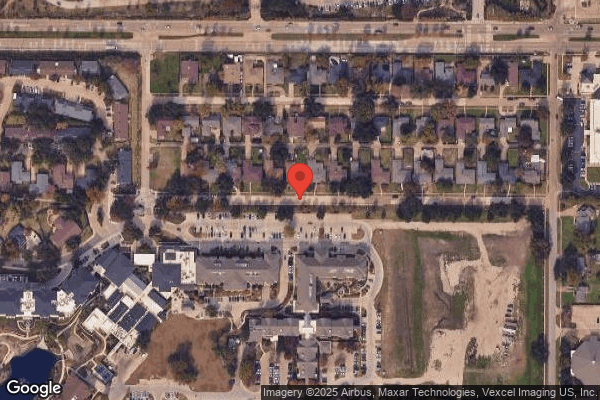

8600 SKYLINE DR, DALLAS, TX 75243 (214) 355-9000
Non profit - Corporation 88 Beds Independent Data: November 2025 2 Immediate Jeopardy citations
Trust Grade
49/100
#321 of 1168 in TX
Last Inspection: May 2024

Within standard 12-15 month inspection cycle. Federal law requires annual inspections.

Overview

Presbyterian Village North Special Care Center has received a Trust Grade of D, indicating below average performance with some concerning issues. Ranking #321 out of 1168 facilities in Texas puts it in the top half, while being #15 out of 83 in Dallas County means only 14 local options are rated higher. Unfortunately, the facility is worsening, with the number of issues increasing from 4 in 2024 to 6 in 2025. Staffing is a relative strength, receiving a 4/5 star rating with a low turnover of 29%, which is significantly better than the Texas average of 50%. However, the facility has faced significant fines totaling $46,255 and has had critical incidents, such as a resident falling from a mechanical lift due to improper transfer procedures, and another resident whose advance directives were not respected during an emergency. While there are strengths in staffing and quality measures, families should weigh these against the concerning trends and incidents.

Trust Score
D
49/100
In Texas
#321/1168
Top 27%
Safety Record
High Risk
Review needed
Inspections
Getting Worse
4 → 6 violations
Staff Stability
✓ Good
29% annual turnover. Excellent stability, 19 points below Texas's 48% average. Staff who stay learn residents' needs.
Penalties
○ Average
$46,255 in fines. Higher than 71% of Texas facilities. Some compliance issues.
Skilled Nurses
○ Average
Each resident gets 36 minutes of Registered Nurse (RN) attention daily — about average for Texas. RNs are the most trained staff who monitor for health changes.
Violations
⚠ Watch
18 deficiencies on record. Higher than average. Multiple issues found across inspections.
★★★★☆
4.0
Overall Rating
★★★★☆
4.0
Staff Levels
★★★★★
5.0
Care Quality
★★★☆☆
3.0
Inspection Score
Stable
2024: 4 issues
2025: 6 issues

The Good

  • 4-Star Staffing Rating · Above-average nurse staffing levels
  • 5-Star Quality Measures · Strong clinical quality outcomes
  • Low Staff Turnover (29%) · Staff stability means consistent care
  • Full Sprinkler Coverage · Fire safety systems throughout facility
  • No fines on record
  • Staff turnover is low (29%)

    19 points below Texas average of 48%

Facility shows strength in staffing levels, quality measures, staff retention, fire safety.

The Bad

Federal Fines: $46,255

Above median ($33,413)

Moderate penalties - review what triggered them

The Ugly 18 deficiencies on record

2 life-threatening
Sept 2025 1 deficiency
CONCERN (D) 📢 Someone Reported This

A family member, employee, or ombudsman was alarmed enough to file a formal complaint

Potential for Harm - no one hurt, but risky conditions existed

Deficiency F0554 (Tag F0554)

Could have caused harm · This affected 1 resident

**NOTE- TERMS IN BRACKETS HAVE BEEN EDITED TO PROTECT CONFIDENTIALITY** Based on observation, interview and record review, the facility failed to ensure the interdisciplinary team determined self-admi...

Read full inspector narrative →
**NOTE- TERMS IN BRACKETS HAVE BEEN EDITED TO PROTECT CONFIDENTIALITY** Based on observation, interview and record review, the facility failed to ensure the interdisciplinary team determined self-administration of medication was safe for 1 (Resident # 1) of 8 resident's reviewed for medication self-administration. The facility failed to prevent Resident #1 from possessing and administering an inhaler without an assessment to determine if she could safely self-administer the medication. This failure could place all residents who self-administer medications at risk of not receiving the therapeutic dose of their medication as ordered. Findings included: Record review of Resident # 1's face sheet dated 09/17/25, revealed the resident was admitted to the facility on [DATE] with diagnoses that included: Metabolic Encephalopathy (a condition where the brain's function is impaired due to an imbalance in the body's metabolism), hypertension (high blood pressure), and malignant neoplasm of lower lobe left lung (lung cancer). Record review of Resident #1's admission MDS assessment dated [DATE], revealed Resident #1 was cognitively intact with a BIMS score of 13 and required partial to moderate assistance with most ADLs. Record review of Resident #1's care plan dated 09/03/25, revealed the resident had a recent decline in ADL self-performance related to Lupus, COPD, weakness and debility. Interventions included limited assistance and supervision by staff with ADLs. Record review of Resident #1's assessments in her EHR, revealed there was not an assessment for self-administration of medication. Record review of Resident #1's physician orders dated 08/30/25, revealed there was not an order for the resident to self-administer her own medications. In an observation and interview on 09/16/25 at 11:05 AM with Resident #1, revealed she was sitting in a chair next to the over bed table with personal items and a rescue inhaler that was on the over bed table at her beside and was unsecured. The inhaler observed on the over bed table was Albuterol Sulfate 90mcg/actuation (a rescue inhaler used to treat or prevent bronchospasm (narrowing of the airways). There were no further instructions listed on the inhaler. Resident # 1 stated it was a rescue inhaler that she kept with her. In an observation and interview on 09/16/25 at 3:35 PM with Resident #1, revealed a rescue inhaler was positioned on the over bed table and not secured. Resident #1 stated that she brought the inhaler with her from home and the instructions said she could use it as needed up to 4 times per day, but that she only allows herself to use it twice per day. She stated she takes Trelogy (a prescription medicine used long term to treat COPD) once per day and the one on the table was a rescue inhaler. In an interview on 09/16/25 at 3:45 PM with RN Charge Nurse A, revealed that she had been employed with the facility since May of 2025. She stated she took care of Resident #1 and did not have any residents on her hall that self-administered their own medication. She stated there is a risk if residents had medications at the bedside, they would have to have an assessment completed and an order from the physician. During the interview with RN Charge Nurse A, she reviewed the MAR for Resident #1 and stated that there was a PRN order for the Albuterol but according to the MAR, Resident #1 had never requested the medication. RN A stated that the negative effects of any resident having medications at their bedside could cause harm, which could include an overdose of their medications. In an interview on 09/16/25 at 4:02 PM with ADON B, revealed she had worked at the facility for 7 years. She stated if a resident wanted to self-administer their medications, there was an assessment that needed to be completed and an order from the physician. If the resident was cognitive and determined able to self-administer, they would be given a lock box with a key and would have to let the staff know when they administered the medications so they could be recorded in the medical record. She stated that currently there were no residents that self-administered their own medications. ADON B stated the negative effect could be that the nurse was not aware and if you don't know what they are taking, you cannot do an accurate assessment. In an interview on 09/16/25 at 4:12 PM with the DON, revealed she had worked at the facility for 3 years. She was not aware of any residents who self-medicated and stated that if they did, they would need to have an assessment, an order and then issued a lock box. She stated that a negative effect could be that the resident would be given double doses or over medicated. Review of the facility's policy titled Self-Administration of Medications revised February 2021 revealed in part the following: Policy Heading-Residents have the right to self-administer medications if the interdisciplinary team has determined that it is clinically appropriate and safe for the resident to do so. Policy Interpretation and Implementation: 1. As part of the evaluation comprehensive assessment, the interdisciplinary team (IDT) assesses each resident's cognitive and physical abilities to determine whether self-administration of medications is safe and clinically appropriate for the resident .8. Self-administered medications are stored in a safe and secure place, which is not accessible by other residents.
Jul 2025 2 deficiencies
CONCERN (D) 📢 Someone Reported This

A family member, employee, or ombudsman was alarmed enough to file a formal complaint

Potential for Harm - no one hurt, but risky conditions existed

Safe Environment (Tag F0584)

Could have caused harm · This affected 1 resident

**NOTE- TERMS IN BRACKETS HAVE BEEN EDITED TO PROTECT CONFIDENTIALITY** Based on observation, interview, and record review the facility failed to ensure residents had the right to a safe, clean, comfo...

Read full inspector narrative →
**NOTE- TERMS IN BRACKETS HAVE BEEN EDITED TO PROTECT CONFIDENTIALITY** Based on observation, interview, and record review the facility failed to ensure residents had the right to a safe, clean, comfortable, and homelike environment for 1 of 5 facility shower room and hallway (MU) were reviewed for environment. 1. The facility failed to ensure shower chairs and shower curtains were thoroughly cleaned and stored away from Memory care residents, staff, and visitors. 2. The facility failed to discard used water bottles located on shower chair on the memory unit. These failures could place residents at risk of living in an unclean and unsanitary environment which could lead to a decreased quality of life. An observation on 07/02/2025 at 12:06 PM the facility hydration cart was left open unattended with the ice exposed and the metal scoop. After waiting for approximately 4 minutes, CNA-M was observed coming out of a resident’s room [ROOM NUMBER] minutes later. An observation on 07/02/2025 at 12:39 PM of the memory unit, revealed 3 shower chairs shower chairs, stored in the hallway outside of the shower room where staff, residents, and visitors ambulated. Shower chair #1 was observed with light brown smear stains and shower chair #3 was observed with 1 large industrial size shower curtain and an empty 16.9-ounce clear water bottle. Another observation revealed an unattended housekeeping cart with used mop water and trash assessable to residents on the memory unit. In an interview on 07/02/2025 at 12:45 PM, LVN-B was advised about the 3 shower chairs located in the hallway with a large shower curtain tossed across the chair and an empty water bottle. LVN-B said that the chairs were stored in the hallway, due to recent construction on the shower room. She stated that facility staff have not used the shower on the unit for approximately 2 weeks. LVN-B-said there are residents that ambulate independently on the unit. LVN-B said the staff are sanitizing and cleaning the shower chairs before and after use, despite the stain on the chair. LVN-B said she had not reported the stains on the shower chair to leadership for cleaning or replacing. She stated housekeeping and the nursing staff were responsible for ensuring the residents environment was safe, clean, and sanitary as well as free of hazards. LVN-B did not provide a response when questioned about the potential risks to residents and visitors associated with storing large equipment in the hallway. In an interview on 07/02/2025 at 3:45 PM, the DON stated the shower room on the unit was under construction, however, the shower chairs, shower curtain should be stored in a safe location to prevent hazards for those walking through the hallway. The curtain observed tossed across the shower chair and empty water bottle placed with it was considered to be easy access for resident that ambulate and infection from cross contamination. The DON said the shower chairs, shower curtain, and housekeeping cart had been moved to a storage room on the unit away from residents and visitors, therefore, eliminating hazards. The DON said she was not made aware of the shower chair that was stained and would follow up with the ADMIN. In an interview on 07/02/2025 at 4:05 PM the ADMIN stated staff were responsible for cleaning shower chairs, discarding trash, ensuring the hallways were clear for passage. She stated she expected the nursing staff to follow the protocol for keeping the environment safe and clean, free of barriers that could lead to injuries, and sanitary hydrating carts. On 07/02/25 12:45 PM the policy for a safe, clean sanitary, homelike environment was requested from the ADM. The facility did not provide policy for environment prior to exit.
CONCERN (D) 📢 Someone Reported This

A family member, employee, or ombudsman was alarmed enough to file a formal complaint

Potential for Harm - no one hurt, but risky conditions existed

Respiratory Care (Tag F0695)

Could have caused harm · This affected 1 resident

**NOTE- TERMS IN BRACKETS HAVE BEEN EDITED TO PROTECT CONFIDENTIALITY** Based on observation, interview and record review the facility failed to ensure a resident who needed respiratory care, includin...

Read full inspector narrative →
**NOTE- TERMS IN BRACKETS HAVE BEEN EDITED TO PROTECT CONFIDENTIALITY** Based on observation, interview and record review the facility failed to ensure a resident who needed respiratory care, including tracheostomy care and tracheal suctioning, was provided such care, consistent with professional standards of practice, the comprehensive person-centered care plan, and the residents' goals and preferences for 2 of 5 residents (Residents #21 and #33) reviewed for respiratory care. 1. The facility failed to change and date Residents #21, bag nasal Cannula and CPAP mask when not in use and date and change oxygen and nasal cannula tubing and humidifier bottle every week.2. The facility failed to bag and date Residents #33's bag and date CPAP mask when not in use to prevent infection prevention. These failures could place residents at risk for respiratory infections. Record review of Resident # 21’s face sheet dated 07/02/2025 reflected she was an [AGE] year-old female admitted on [DATE]. Her current DX included: Chronic Systolic Congestive Heart Failure (reduced blood to the hear), Acute Respiratory Failure with Hypoxia (lungs are unable to move oxygen in the blood), Obstructive Sleep Apnea (sleep disorder that interrupts breathing). Record review of Resident # 21’s Admissions MDS dated [DATE] reflected a BIMS score of 15, indicating she was cognitively intact (no impairment). Resident has impaired vision and wears glasses. Resident requires partial/moderate assistance with ADLs. Resident was being treated with oxygen therapy. Record review of Resident # 21’s care plan dated 06/25/2025 reflected “Respiratory risk…Maintain patent airway planner, Bedside Care Tasks Completed to Evaluate and Manage Disease processes…. Administer oxygen as prescribed or per standing order….02: Check ears and nares for Signs and Symptoms of skin irritation every shift….02: Clean concentrator filter weekly on Sunday Change oxygen tubing and humidifiers weekly on Sunday 11-7 shift, if used….Keep HOB elevated - cannot lay flat without SOB….Cardiac Risk related to Hypertension (high blood Pressure) • Monitor for symptoms of Pulmonary Embolism. Shortness of breath, chest pain which may be worsened by deep breaths, coughing up sputum, possibly flecked with blood… Follow facility Standards of Care (SOC) interventions unless otherwise care planned,…Monitor and report changes in condition or increase in cardiopulmonary(related to heart and lungs) symptoms Monitor for symptoms of Pulmonary Embolism (blood clots): - Shortness of breath - Chest pain that may be worsened by deep breaths – Coughing.” Record review of Resident # 21’s MD order dated 06/20/2025 reflected “02 at 3L/M per NS every shift for oxygen use document SOB, inability to lay flat or low 02 in PN….Order dated 06/20/2025 reflected 02: clean concentrator filter weekly on Sunday change oxygen tubing and humidifier weekly on Sunday 11P-7A shift if used. Every night shifts every Sunday for infection control purposes…. Order dated 06/25/2025 Ipratropium-Albuterol Inhalation solution 0.5-2.5 (3) MG/3ML ipratropium-Albuterol) 3 ml inhale orally three times a day or sob for 7 Days 06/20/2025….order dated 06/26/2025, CPAP….CPAP on during sleep. Face mask size medium setting 7 cm (7 cmH2O (centimeters of water pressure) every evening and night shift for respiratory.” During an observation of Resident #21’s room, on 07/02/2025 at 12:06 PM her incentive spirometer was on bedside table, CPAP mask unbagged lying on the CPAP machine, and NC lying on her bed and undated. Resident was not in her room at the time of the observation. During an observation and interview on 07/02/2025 at 1:30 PM Resident #21 was observed sitting in a chair eating lunch and was wearing her nasal cannula to receive oxygen. She stated that the staff have not cleaned her CPAP machine or her incentive spirometer (An incentive spirometer is a hand-held device that helps people to take slow, deep breaths. It's like exercise equipment for the lungs to keep them strong and working well.) since being admitted to the facility. Record review of Resident #33’s face sheet dated 07/02/2025 reflected he was a [AGE] year-old male that was admitted on [DATE]. His DX included: Acute Respiratory Failure with Hypoxia (lungs are unable to move oxygen in the blood), Obstructive Sleep Apnea (sleep disorder that interrupts breathing). Record review of Resident #33’s MDS dated [DATE] reflected a BIMS score of 12 indicating he was moderately cognitively impaired. The MDS was not completed to address other areas, as he was a new admit. Record review of Resident #33’s CP dated 07/01/2025 reflected Respiratory Risk with COPD related Administer oxygen as prescribed or per standing order Created on: 06/28/2025. Administer nebulizer treatment, per order… 02: Clean concentrator filter weekly on Sunday Change oxygen tubing and humidifiers weekly on Sunday 11-7 shift, if used. ADL Deficit AEB: Recent decline in ADL self-performance; fluctuating ADL status, self-performance; fluctuating AOL (Arterial Occlusive Lesion). It refers to a blockage or narrowing of an artery, often in the context of cardiovascular disease.) status R/T: weakness, SOB, and chronic neck pain…. Monitor/document/report to MD PRN any changes, any potential for improvement, reasons for self-care deficit, expected course, declines in function…. cardiac Risk related to Hypertension (high blood Pressure) • Monitor for symptoms of Pulmonary Embolism. Shortness of breath, chest pain which may be worsened by deep breaths, coughing up sputum, possibly flecked with blood… Follow facility Standards of Care (SOC) interventions unless otherwise care planned,…Monitor and report changes in condition or increase in cardiopulmonary(related to heart and lungs) symptoms Monitor for symptoms of Pulmonary Embolism (blood clots): - Shortness of breath - Chest pain that may be worsened by deep breaths – Coughing. MD orders dated 06/27/2025 reflected ipratropium-Albuterol Inhalation Solution 2.5-0.5 MG/3ML (ipratropium-Albuterol) 1 vial inhale orally every 6 hours as needed for Shortness of breath/Dyspnea (difficulty breathing. There was not an order found for CPAP. During an observation and interview on 07/02/2025 at 12:32 PM with Resident #33 he was observed sitting in a chair eating lunch and was wearing his nasal cannula to receive oxygen which was not dated. Resident’s oxygen concentrator was observed with small white flakes and particles externally and on the filter attached to the right side of the machine. Resident refused to answer questions about oxygen care and maintenance at the facility. Resident CPAP mask was observed lying on the nightstand unbagged. During an interview on 07/02/2025 at 12:06 PM, LVN A stated the nurses were responsible for changing out the oxygen equipment at least once a week or as needed. LVN A stated the oxygen equipment was supposed to be changed out and dated every Sunday. LVN A was working on the hall with Residents #21, #33. LVN A stated the equipment should be checked each shift; however, she did not notice the residents' equipment was not dated and bagged when the resident left for therapy. LVA A said the incentive spirometer did not need to be bagged when not in use. LVN A stated it was important to change the equipment at least clean it weekly to prevent infection from traveling to the residents . During an interview with the ADON on 07/02/82025 at 1:45 PM revealed all nursing staff should make sure that the nasal cannulas and C pap mask are in bags when not in use. He said the nasal cannula and humidifier bottles were supposed to be changed out on Sunday nights by the night nurse. He said the night nurses were also responsible for ensuring the bags were placed on the concentrators and on the C pap machines. He said a negative effect of not ensuring these devices were bagged could expose the residents to bacteria in the devices. In an interview on 07/02/2025 at 3:45 PM the DON stated it was standard practice for oxygen equipment to be changed and dated once a week and as needed. The DON stated it was important to check the equipment at least once a week to keep it clean and ensure that it was working properly. The ADON stated it was the nurses' responsibility to check and change the oxygen equipment once a week and as needed on Sunday’s during the 11P-7A shift. The ADON said there were not protocols for cleaning and bagging the spirometer. The DON stated the expectation was for all nurses to check the oxygen equipment daily, during each shift and the ADON and DON were responsible for monitoring patient respiratory care. The ADON said the expectation was for the ADON and DON to monitor respiratory care services. The Administrator agreed with the expectation. The DON stated not changing out the equipment at least once a week could place the residents at risk of infection. In an interview on 07/02/2025 at 4:05 PM with the Administrator she stated that she expected the nursing staff to follow the facility procedures and MD orders for respiratory care and treatment. Review of facility in services revealed trainings on abuse and neglect, and nursing following and entering MD orders precisely. On 07/02/25 12:45 PM the policy for oxygen storage and maintenance for residents was requested from the ADM and DON. The facility provided the policy for Fire safety and storage of oxygen cylinders related to fire and safety. A second request was made to the Administrator requesting the respiratory care policy. The facility did not provide a copy that addressed respiratory care, CPAP storage, and tubing care and labeling prior to exit.
Jun 2025 2 deficiencies
CONCERN (D) 📢 Someone Reported This

A family member, employee, or ombudsman was alarmed enough to file a formal complaint

Potential for Harm - no one hurt, but risky conditions existed

Pharmacy Services (Tag F0755)

Could have caused harm · This affected 1 resident

**NOTE- TERMS IN BRACKETS HAVE BEEN EDITED TO PROTECT CONFIDENTIALITY** Based on observation, interview, and record review, the facility failed to provide pharmaceutical services (including procedures...

Read full inspector narrative →
**NOTE- TERMS IN BRACKETS HAVE BEEN EDITED TO PROTECT CONFIDENTIALITY** Based on observation, interview, and record review, the facility failed to provide pharmaceutical services (including procedures that assure the accurate acquiring, receiving, dispensing, and administering of all drugs and biologicals) to meet the needs of each resident for 1 of 3 residents (Resident #147), reviewed for pharmaceutical services. MA A failed to dispose of Resident #147's used Fentanyl Transdermal Patch, 12 micrograms/hour (applied to the skin to treat moderate to severe chronic pain around the clock. Fentanyl is extremely potent. 2 to 3 milligrams of this drug can lead to death due to decreased breathing which can quickly lead to coma and death.) per facility policy. This failure could place residents at risk for obtaining Fentanyl patches out of the trash and overdosing on them. Findings included: Record review of Resident #147's face sheet, dated 06/20/25, reflected she was a [AGE] year-old female who was admitted to the facility on [DATE]. Her diagnoses included colon cancer and a Stage IV pressure ulcer. Record review of Resident #147's June 2025 Physician Orders reflected, 06/14/25 Fentanyl Transdermal Patch, 72 Hour use (replace patch every 72 hours), 12 micrograms/hour. Record review of Resident #147's Care Plans, dated 06/06/25, reflected: Pain Facility interventions included: Administer pain medication as ordered. An observation on 06/18/25 at 9:00 AM of Medication Pass with MA A revealed she removed Resident #147's used Fentanyl patch, dated 06/14/25, and threw it in the trash. An interview on 06/18/25 at 9:24 AM with MA A revealed she said she was supposed to throw used Fentanyl patches in the trash. She said she did not know if she was trained to do anything else. An interview on 06/19/25 at 1:19 PM with RN B revealed she was the nurse assigned to Resident #147. She said the MA was supposed to obtain a nurse witness and place the used Fentanyl Patch in the drug buster solution kept in the medication room. RN B said she asked MA A about the used patch, and she said she disposed of it with another nurse in the drug buster solution. Interviews on 06/18/25 at 2:17 PM and 06/19/25 at 3:09 PM with the DON revealed used Fentanyl patches were not supposed to be thrown in the trash, because someone could pull it out of the trash and use it. The DON said the MA was supposed to get a nurse witness and place the used Fentanyl patch in the drug buster solution. The DON said in-services were completed with staff in the past, unknown date, but currently they did not have anyone assigned to oversee and monitor the process for Fentanyl destruction. An interview on 06/19/25 at 1:42 PM with LVN C and ADON D revealed they showed MA A the process to destroy and Fentanyl patch and they destoryed it with her. A follow-up interview on 06/19/25 at 2:10 PM with MA A revealed following the Surveyor's observation and interview with her; she removed the used Fentanyl patch from the trash. She said she took it to LVN C and ADON D to find out what to do with it. She said LVN C and ADON D showed her the process and the used Fentanyl patch was disposed of in the drug buster solution. A record review of the facility policy, Fentanyl Disposal Instruction, not dated, reflected: Upon removal of a Fentanyl Patch, a CMA or Licensed nurse are required to take the patch to another licensed staff member to witness placement in a bottle of RX Destroyer and co-sign for removal and destruction. No exceptions!
CONCERN (D) 📢 Someone Reported This

A family member, employee, or ombudsman was alarmed enough to file a formal complaint

Potential for Harm - no one hurt, but risky conditions existed

Deficiency F0804 (Tag F0804)

Could have caused harm · This affected 1 resident

Based on observation, interview and record review, the facility failed to provide coffee that was palatable to meet the needs of each resident for 2 of 2 residents (Resident #187 and confidential resi...

Read full inspector narrative →
Based on observation, interview and record review, the facility failed to provide coffee that was palatable to meet the needs of each resident for 2 of 2 residents (Resident #187 and confidential resident), reviewed for Dining services. The facility did not serve beverages that was palatable. Resident #187 and an anonymous resident said the coffee tasted bad. This failure could place residents who drank beverages from the kitchen at risk of a diminished quality of life. Findings included: Observation on 6/18/25, at 1:30pm of a test tray consisted of Salisbury steak and gravy, au gratin potatoes, capri blend vegetables, wheat dinner roll, lemon bar, and a cup of coffee. Surveyor said the coffee did not taste good and tasted bitter. Interview on 6/17/2025 at 11:30am with Resident #187 said the coffee was lousy and too strong. Resident #187 said the coffee does not taste good. Resident revealed for a couple of months the coffee has tasted bad. Interview on 6/17/2025 at 11:45am with anonymous resident stated wanted to remain confidential. Resident stated the coffee was bad and did not like the coffee. Residents revealed they told staff. Resident revealed the coffe had tasted bad for a couple of months. Interview on 06/19/25 at 12:04 PM with the Dietitian Consultant revealed the duties include to monitor kitchen & kitchen sanitation. The Dietitian Consultant revealed one resident this week told her they did not like the coffee. The Dietician Consultant said the coffee dispenser was changed out within last six months. The Dietitian Consultant revealed there was not a negative nutritional outcome. The Dietitian Consultant revealed if the resident did not like the coffee the resident would likely switch to tea or some other drink. Interview on 06/19/25 at 2:15 PM with the Dietary Manager revealed awareness of some residents not liking the coffee. The Dietary Manager revealed within the last year the facility began using a new coffee machine. The Dietary Manager revealed the coffee was the same brand of coffee used in the prior coffee dispenser. The Dietary Manager revealed residents not having satisfaction with the coffee could affect the resident by not being able to enjoy the coffee and residents would not feel happy . Record Review of the past three months of grievances and resident council did not show any discussion of liking or disliking the coffee. Record Review of the Dining Services revealed no policy on resident satisfaction of the food or beverages.
Mar 2025 1 deficiency 1 IJ
CRITICAL (J) 📢 Someone Reported This

A family member, employee, or ombudsman was alarmed enough to file a formal complaint

Immediate Jeopardy (IJ) - the most serious Medicare violation

Accident Prevention (Tag F0689)

Someone could have died · This affected 1 resident

**NOTE- TERMS IN BRACKETS HAVE BEEN EDITED TO PROTECT CONFIDENTIALITY** Based on observation, interview, and record review, the facility failed to ensure residents received adequate supervision and as...

Read full inspector narrative →
**NOTE- TERMS IN BRACKETS HAVE BEEN EDITED TO PROTECT CONFIDENTIALITY** Based on observation, interview, and record review, the facility failed to ensure residents received adequate supervision and assistive devices to prevent accidents for one of six residents (Resident #1) reviewed for accidents and supervision. CNA A failed to transfer Resident #1 in accordance with her care plan and facility protocol when she independently transferred Resident #1 via mechanical lift (a mechanical device used to safely transfer individuals with limited mobility, typically those who are unable to bear weight or have difficulty moving independently, from one place to another, such as a bed, chair, or wheelchair). As a result, Resident #1 fell from the mechanical lift and sustained a head laceration that required staples. The noncompliance was identified as past noncompliance (PNC). The Immediate Jeopardy (IJ) began on 02/21/25 and ended on 03/04/25. The facility had corrected the noncompliance before the investigation began. This failure could place residents at risk for serious accidents/injuries and/or death. Findings included: Review of Resident #1's Face Sheet, dated 03/12/25, reflected she was an [AGE] year-old female, who admitted to the facility on [DATE], with diagnoses including dementia in other diseases classified elsewhere (dementia is a general term for a decline in mental ability severe enough to interfere with daily life, encompassing memory loss, thinking, and behavioral changes), age-related physical disability (impairments in physical function that become more common with advancing age, often due to conditions like arthritis, hearing loss, or decreased mobility), and muscle weakness (a condition where muscles are unable to contract or move as easily as they used to, potentially due to various underlying causes). Review of Resident #1's MDS Assessment, dated 02/06/25, reflected she had moderate cognitive impairment. Resident #1 was identified as needing staff assistance for transfers. Review of Resident #1's Care Plan, dated 05/02/24, reflected she required the use of a mechanical lift for transfers, with two staff members to assist in the transfer. Review of the facility's Incident Report, dated 02/21/25, reflected LVN B was called to Resident #1's room. When she arrived, she noted Resident #1 was lying on the floor and bleeding from her head. LVN B immediately called 911 for assistance. It was noted that CNA A reported Resident #1 slid out of the mechanical lift sling as she was being transferred. Resident #1's family, physician, and HHSC were notified of the incident. The mechanical lift was inspected with no noted issues to the mechanical lift or the sling. Review of the facility's Provider Investigation Report, dated 02/21/25, reflected on 02/21/25 at around 11:00AM, CNA A attempted to independently transfer Resident #1 from her wheelchair and into her bed via mechanical lift. While Resident #1 was in a lifted position, she slid out of the mechanical sling. Resident #1 fell to the ground and sustained a head laceration. LVN B was called to the room, and upon seeing Resident #1's condition, immediately called 911 for assistance. Resident #1 was sent to the hospital for further evaluation and treatment, and she returned to the facility that same day with staples to her head. CNA A was suspended pending the outcome of the investigation. She admitted ly knew that two staff members were required when transferring residents via mechanical lift. Facility staff were in-serviced on mechanical lift transfer protocols; staff completed mechanical lift competency checks. CNA A was also in-serviced on mechanical lift transfer protocols and completed a competency check prior to returning to work. In addition, she received a final written warning for unsatisfactory conduct. Observation of Resident #1 on 03/12/25 at 11:40AM revealed she was clean, well-groomed, and appropriately dressed. She was free from any odors. There were no concerning marks or bruises noted on her person. The area of her head in which she previously sustained a laceration as a result of falling during a mechanical lift transfer had healed. Resident #1 displayed no obvious signs or symptoms of distress. During an interview with Resident #1 on 03/12/25 at 11:40AM, she stated she previously sustained an injury to her head when she was being transferred out of bed by facility staff. She was unable to recall any additional details to the incident. She denied any current presence of pain. She stated she believed two staff members were always present when they transferred her via mechanical lift. During an interview with CNA A on 03/12/25 at 12:44PM, she stated on the day of the incident (02/21/25), Resident #1's family member asked for Resident #1 to be transferred from her bed and into her wheelchair. CNA A stated she felt as though she was being rushed by Resident #1's family member, so she decided to transfer Resident #1 by herself via mechanical lift. CNA A stated she did not ask any other staff members to assist her, because she thought the other staff members were busy providing care for other residents. CNA A stated during the transfer, while Resident #1 was seated in the mechanical sling and was in a lifted position, she fell out of the sling and hit her head. CNA A stated Resident #1 sustained a laceration to her head. She immediately called for help, and LVN B promptly came to provide assistance and assess Resident #1. CNA A stated she had been in-serviced on mechanical lift transfers prior to the incident occurring, and she knew she needed two staff members to complete the mechanical lift transfer safely. CNA A stated she received a final written warning as a result of the incident. She also received additional in-servicing with competency checks on mechanical lift transfers, and she continued to participate in random competency checks conduced by upper management. CNA A stated the risk of transferring a resident without the recommended/required number of staff was that residents could be injured. During an interview with LVN B on 03/12/25 at 11:57AM, she stated on the day of the incident (02/21/25), CNA A yelled for assistance from Resident #1's room. LVN B stated when she arrived to Resident #1's room, she noted Resident #1 to be on the floor, bleeding from her head. LVN B immediately called 911 for further assistance. EMS arrived and transferred Resident #1 to the hospital for further evaluation and treatment. LVN B stated CNA A conducted an improper transfer for Resident #1, in which CNA A transferred Resident #1 independently via a mechanical lift transfer. LVN B stated mechanical lift transfers required at least two staff members to help ensure resident safety. She stated CNA A never asked for assistance with the transfer, prior to transferring Resident #1. During an interview with the Administrator on 03/12/25 at 12:21PM, she stated on 02/21/25, she was notified that Resident #1 fell while being transferred via mechanical lift by CNA A, who attempted to transfer Resident #1 without the assistance of any other staff. Resident #1 sustained a head laceration, so she was sent to the hospital for further evaluation and treatment. CNA A admitted to transferring Resident #1 independently and said she felt as though she was being rushed by Resident #1's family member. CNA A was suspended pending the outcome of the investigation. CNA A was able to return to work upon being in-serviced on mechanical lift protocol. All other direct care staff were in-serviced on mechanical lift protocol, as well. The Administrator stated there had been no additional incidents since that time. She stated the facility was monitoring for compliance by completing random mechanical lift competency checks with staff members. The Administrator stated the risk of transferring a resident without the recommended/required number of staff was that residents and/or staff could be injured. The surveyor attempted to contact Resident #1's family member on 03/12/25 at 4:44PM. The telephone call was not returned prior to exit. Review of the manual for the mechanical lift used in the incident involving Resident #1 was requested; however, the Director of Nursing stated the facility did not have access to the manual. Review of the facility's Lifting Machine, Using a Mechanical policy, dated 07/2017, reflected, .The purpose of this procedure is to establish the general principles of safe lifting using a mechanical lifting device . and .At least two (2) nursing assistants are needed to safely move a resident with a mechanical lift . This noncompliance was identified as past noncompliance (PNC). The noncompliance began on 02/21/25 and ended on 03/04/25. The facility had corrected the noncompliance before the investigation began. The facility took the following actions to correct the non-compliance: Review of in-service records, dated 02/21/25, reflected direct care staff were in-serviced on mechanical transfer protocols. Review of Manual Lift Competency Assessments, dated from 02/21/25 to 02/28/25, reflected facility staff were screened for competency in using mechanical lifts. Facility staff were documented to have demonstrated competency in this area via return demonstration. Review of a Final Warning document, dated 03/04/25, reflected CNA A received a final written warning for unsatisfactory conduct, related to transferring Resident #1 via mechanical lift without having another staff member present to assist. Verification of these actions by the HHSC surveyor included: Observations of three separate mechanical lift transfers for Resident #1 (conducted by CNA E and CNA F), Resident #2 (conducted by CNA C and CNA D), and Resident #3 (conducted by CNA A and CNA E) on 03/12/25 from 11:20AM to 1:15PM revealed the mechanical lift transfers were completed without incident. Facility staff were observed to follow the facility's policies and procedures related to mechanical lift transfers. During interviews with multiple sampled residents (Resident #2, Resident #4, and Resident #5) on 3/12/25 from 11:30AM to 2:40PM, they each reported they required transfers via mechanical lift. Each of these residents reported two staff members were always present and assisted during the mechanical lift transfers. These residents all denied any incidents and/or injuries had occurred as a result of the mechanical lift transfers. During interviews with multiple staff members (CNA A, LVN B, CNA C, CNA D, CNA E, CNA F, and LVN G) on 03/12/25 from 11:40AM to 2:40PM, they each reported being in-serviced on the facility's mechanical lift transfer protocol. These staff members were able to explain, in detail, how to complete a mechanical lift transfer (including the requirement of having at least two staff members present) per the facility's written policies and procedures. These staff members reported they had completed return demonstration competency checks to check for understanding. The Administrator was informed the of the past noncompliance at the Immediate Jeopardy level on 03/26/25 at 3:27PM.
May 2024 4 deficiencies 1 IJ
CRITICAL (J)

Immediate Jeopardy (IJ) - the most serious Medicare violation

Deficiency F0578 (Tag F0578)

Someone could have died · This affected 1 resident

**NOTE- TERMS IN BRACKETS HAVE BEEN EDITED TO PROTECT CONFIDENTIALITY** Based on interviews and record reviews, the facility failed to ensure residents had the right to request, refuse, and/or discont...

Read full inspector narrative →
**NOTE- TERMS IN BRACKETS HAVE BEEN EDITED TO PROTECT CONFIDENTIALITY** Based on interviews and record reviews, the facility failed to ensure residents had the right to request, refuse, and/or discontinue treatment, and to formulate an advance directive for 1 (Resident #71) of 10 residents reviewed for advanced directives. Resident #71 was administered CPR by LVN H on [DATE], in not honoring the resident's advance directives. An IJ was identified on [DATE]. The IJ template was provided to the facility on [DATE] at 4:48PM. While the IJ was removed on [DATE], the facility remained out of compliance at a scope of more than minimal harm that is not immediate jeopardy and a severity level of isolated because the facility was continuing to implement their Plan of Removal. This failure could affect residents with an accessible DNR and could result in residents not getting their Do Not Resuscitate wishes honored. The findings included: Record review of Resident #71's admission Record, dated [DATE], revealed the resident was an [AGE] year-old female, who admitted to the facility on [DATE] with diagnoses including myocardial infarction (heart attack), congestive heart failure, heart disease, and atrial fibrillation. Resident #71's admission Record did not indicate her code status. Further review revealed the resident expired on [DATE]. Record Review of the Care Plan meeting, held on [DATE] at 10:30AM, with Resident #71 and Resident #71's Responsible Party, the Social Worker, and the Director of Rehabilitation. During that meeting, Resident #71, and Resident #71's Responsible Party voiced that they wanted Resident #71 to be Do-Not-Resuscitate (DNR) Code Status. This was reflected in Resident #71's progress notes. Record review of Resident#71's progress note, Effective Date: [DATE] 11:00, .Author: LVN H progress note revealed Resident#71 unable to breath in the middle of receiving care jointly provided by CNA and resident's family member. A ran to notify LVN H that Resident#71 is not breathing or possibly having seizure per resident's Responsible Party. LVN went to resident's room and saw resident gasping for air, LVN H rushed to get a crash cart to start CPR and informed resident's Responsible Party that 911 call will be activated, resident's Responsible Party objected to both initiating CPR and calling 911 paramedics that Resident #71 did not want to be resuscitated or revived LVN H advised resident's Responsible Party that DNR PAPERS ARE NOT IN FILE When resident's Responsible Party left the room and Resident #71 continue gasping for air, LVN H started CPR, activated 911 call, CPR in progress, AED applied, 911 paramedics arrived, and care was transferred to 911 paramedics, resident's Responsible Party had a heated argument with 911. paramedics for them to stop the ongoing CPR. Resident#71 was pronounced at 1215 by the paramedics, Resident #71's body left facility at [3:33PM] for [name of funeral home] Funeral Home . In an interview with the social worker on [DATE] at 12:53 PM revealed, during Care Plan meetings, it was standard for code status was discussed. The SW revealed usually a DNR can be completed same day. The SW revealed the care conference for Resident #71 was held on [DATE] at 10:30am that included Resident #71 and Resident #71's Responsible Party. The SW allowed the surveyor to review an email in her laptop showing the email that she scanned DNR to the physician at 5:05pm on [DATE]. The SW revealed she did receive the physician signed DNR (which was the official, signed DNR order) via email on [DATE] at 5:35pm but she had already left work. The SW revealed if a resident did not have accurate orders on file in the electronic health record, there was a risk that the resident could code and then anything can happen. In an interview with the Administrator on [DATE] at 12:58 PM revealed if a resident voices desire to be DNR, the SW gets involved and notifies family when completed. The Administrator revealed the SW was responsible for initiating and completing the DNR Form and submitting it to the physician for review and signature. The Administrator revealed usually DNRs were done quickly and could be as quick as next day. The Administrator revealed the DNR was done quickly to honor wishes of family. The Administrator revealed the risk of not completing DNR timely would mean families wishes were not honored. In an interview with the DON on [DATE] at 1:06 PM revealed if the resident does not have a DNR already they were a Full Code. The DON revealed within 3 days of admission, the facility had a care conference and discussed Code Status and guides the resident. The SW puts order in to EHR and upload the DNR. The DON revealed the DNR would be initiated soon, but not sure how quickly it can be done. The DON revealed the reason to do it right away was because condition can change quickly. The DON revealed the risk of not having DNR completed was if a resident codes, the nurse will do CPR- which would be a violation of their rights. The DON revealed the expectation was to have the DNR completed as soon as practicable. The DON revealed the physician emailed the completed DNR to the SW, but SW had left for the day and the nursing team were unaware of the signed and completed DNR. The DON revealed the nursing staff did not have access of the DNR. During an interview on [DATE] at 1:23 PM via telephone with Resident #71's Responsible Party began to cry saying this was a hard conversation. The Responsible Party said she does not feel the facility honored her wishes. The Responsible Party said the facility admitted they did wrong. The Responsible Party said during the Care Conference, the DNR form was filled out and facility staff indicated they would send it to the physician for signature. The Responsible Party said the Director of Therapy and the Social Worker guided the Responsible Party in completion of the DNR. The Responsible Party said the physician emailed the signed copy back the same day, but the social worker had already left for the day and no-one else had access to the signed DNR. The Responsible Party said the facility told her this would not occur again, as they will ensure others have access to the fax. The Responsible Party said the paramedics worked on Resident #71 for 30 minutes. In an interview with the Administrator - Executive Director (who was the interim Administrator at the time of the incident) on [DATE] at 1:36 PM revealed he remembered Resident #71. The said he was the Manager on Duty on the day of the death. He revealed one of the facility customer service staff alerted him a family was upset. He told the family he would follow up on the fully executed DNR the physician. The Administrator - Executive Director expectation of completing the DNR was that it be completed fully, quickly and put into the system. The Administrator Executive director revealed the facility must have the completed DNR, or the resident was Full Code. This was determined to be an Immediate Jeopardy (IJ) on [DATE] at 4:00 PM. The Administrator was notified. The Administrator was provided with the IJ template on [DATE] at 4:48 PM. The facility's Plan of Removal included: [Facility Name] Immediate Jeopardy Plan of Removal Resident Code Status - DNR Status [DATE] All residents desiring to be DNR status without a current DNR order are at risk to receive CPR. Actions to correct and remove IJ: 1. Verify code status for all residents. The social worker will complete this by noon [DATE]. 2. Any resident/resident POA wanting to be DNR status will have the DNR election form completed, and the physician will be contacted for the DNR order. The Social Worker and support staff will complete this for current residents by end of day on [DATE] per the DNR Order policy. The staff member (Social worker, Weekend Nurse Supervisor or designee) completing the DNR Election form will: a. upload the completed form into the Electronic Health Record (EHR) under the Code Status category b. enter the physician order for the In House DNR into the EHR, c. make a progress note in the EHR to show on the shift report when form is completed, d. make a progress note in the EHR when the DNR order has been received and resident/family notified been completed 3. Residents also wanting an Out of Hospital DNR will be contacted by the Social Worker on the process for completing this form, witnesses and other requirements. An appointment to complete the documents will be completed at their earliest convenience. The Social Worker or designee completing the OOH-DNR form will: a. upload the completed OOH-DNR form into the Electronic Health Record (EHR) under the Code Status category b. enter the physician order for the OOH-DNR into the EHR, c. make a progress note in the EHR to show on the shift report that the OOH-DNR has been completed and orders are on the chart, d. Completion of this will be based on the residents/responsible parties' response and availability to complete. 4. Resident Care Plans on advanced directives will be updated to reflect any change in code status by the staff member ((Social Worker, Weekend Nurse Supervisor, Charge Nurse, or designee) obtaining the Physicians Order. Complete implementation of the current DNR Order policy will be completed by [DATE]. This includes: 1. Identification of Code Status by completion of the DNR Election form will be initiated prior to admission or the day of admission - this will be completed by the admissions team (Admissions Coordinator, PAC Admin Assistance, Care Transitions Nurse, or Clinical Liaisons). a. The admission team will send the form to the patient or their responsible party prior to admission through the electronic document signature system. The admission team will call patient or Responsible Party if response is not received within 24 hours prior to admission. b. Any admission that does not have the DNR Election form completed by the time the charge nurse completes the admission assessment will have the form completed by the admitting nurse. The admitting nurse will make sure DNRs are completed updated for admissions or DNR changes requested after hours and on the weekends. i. If the patient is not able to make a decision and not accompanied by a Responsible Party, a nurse can obtain the consent via phone as long as another witness is present, and the Responsible Party has a copy of the CPR election form and document this in the EHR. c. Once consent for DNR is obtained from the patient or RP, the nurse will get the DNR order from the patient's primary physician. If the primary physician is not available, the nurse will call the medical director to obtain the order. 2. Social Worker will initiate OOH-DNR process if requested on the DNR Election form. Completion of the OOH-DNR form will be based on the residents/responsible parties' response and availability to complete. 3. Re-Education of the Director of Nursing was conducted by the Corporate Compliance Director on [DATE]. Re-education of all nursing staff, the social worker, administrator, physicians, admissions personnel and medical directors on the DNR Order policy at all-staff meetings to be held on [DATE] and [DATE]. Reeducation conducted by the Director of Nursing and Administrator at all staff meetings. 4. Staff who are not present during the in-services will be in-serviced individually before they can begin their next shift at work. 5. New admission code status is reviewed during the daily start up meeting and Code Status is discussed in each care plan meeting and care plan updated as needed. 6. A DNR is considered complete when the physician/medical director signs the order to support the request. 7. In the event a code incident occurs while awaiting the DNR completion, the in-house DNR form will be used, and the physician or medical director will be called for consent via phone as long as another witness is present. When completed, the DNR will be honored. Reviews: 1. Weekly the Social Worker will pull all orders from the EHR for Code Status and review for accuracy. The administrator will meet with the Social Worker weekly to audit and verify this review has been completed. This will be ongoing for the next two months. 2. Reports to the QAPI committee on the number of DNRs, OOH-DNRs and those with full code status will include those identified outside the current DNR Order policy for discussion and revision of plan 3. A Corporate Designee will audit the Facility Code Status compliance weekly until stable and monthly for the next six months, quarterly thereafter if stable and report findings to the governing body. The new policy on DNR order and form is attached. The facility's Plan of Removal was accepted on [DATE] at 3:13 PM. The following actions were taken: 1. Review of the facility's code status printed report from the minimum data set in the health records for all residents reflected code statuses were up-to-date and current. 2. Review of the facility's DNR orders and the Care Plan report revealed 1 family/resident requested to complete a DNR election form. The physician order was entered into the EHR under the Code Status category. A progress note that was entered in the EHR that showed on the shift report for each resident when completed. A progress notes in the EHR when the DNR order was received, and the resident/family notified it was completed. 3. Two residents/families met with the Social Worker to complete the OOH DNR. The Social Worker uploaded the completed OOH DNR into the EHR under the Code Status category. The Social Worker entered the physician order for the OOH DNR into the EHR. Social Worker made a progress note in the EHR that showed up on the shift report when the form was completed. Social Worker made a progress note in the EHR when the OOH DNR order had been received and received and the resident/family was notified it had been completed. Review of these documents were conducted and verified by the survey team. 4. Resident care plans showed advanced directives were updated to reflect any change in code status by the staff member (social worker, admissions nurse, weekend supervisor, charge nurse or designee) obtaining the physician's order. Review of all resident care plan updates were conducted and verified by the survey team. Review of an in-service conducted on [DATE] and [DATE], titled CPR Election Form, Policy and Procedure reflected staff (with signatures) had been educated on the facility's DNR Election Form. On [DATE] interviews with multiple staff members across various departments and shifts revealed the staff members were recently in-serviced properly on DNR Election Form Policy and Procedure. Each staff member was aware of the steps of completion of the DNR Election Form. No concerns were noted from these interviews. [DATE] at 9:21 AM Admissions Coordinator- was able to verbalize the new process for the DNR election form and policy. [DATE] at 9:26 AM Care Transitional Nurse works in the admission dept. was able to verbalize the new process for the DNR election form and policy. [DATE] at 9:34 AM (PAC) Administrative Assistant- was able to verbalize the new process for the DNR election form and policy. [DATE] at 9:58 AM LVN F works Monday through Friday 7a-3p weekdays was able to verbalize the new process for the DNR election form and policy. [DATE] at 10:05 AM LVN E 7a-3p was able to verbalize the new process for the DNR election form and policy. [DATE] at 10:11 AM LVN H 7a-3p weekdays was able to verbalize the new process for the DNR election form and policy. [DATE] at 10:30 AM LVN I 7a-3p weekdays was able to verbalize the new process for the DNR election form and policy. [DATE] at 10:42 AM LVN A 7a-3p weekdays was able to verbalize the new process for the DNR election form and policy. [DATE] at 11:06 AM Clinical Liaison was able to verbalize the new process for the DNR election form and policy. [DATE] at 11:09 AM RN J 3p-11p was able to verbalize the new process for the DNR election form and policy. [DATE] at 11:39 AM 11p-7a was able to verbalize the new process for the DNR election form and policy. [DATE] at 11:14 AM Weekend Nurse Supervisor was able to verbalize the new process for the DNR election form and policy. [DATE] at 12:07 PM called back was able to verbalize the new process for the DNR election form and policy. Re-education of medical director on the DNR Order policy at all-staff meetings held on [DATE] and [DATE]. Reeducation conducted by the Director of Nursing and Administrator at all staff meetings. Review of these in-services was conducted and verified by the survey team. The Administrator was informed the Immediate Jeopardy was removed on [DATE] at 2:00PM. The facility remained out of compliance at a severity level of more than minimal harm that is not immediate and a scope of isolated due to the facility's need to evaluate the effectiveness of the corrective systems that were put into place.
CONCERN (D)

Potential for Harm - no one hurt, but risky conditions existed

Resident Rights (Tag F0550)

Could have caused harm · This affected 1 resident

**NOTE- TERMS IN BRACKETS HAVE BEEN EDITED TO PROTECT CONFIDENTIALITY** Based on observation, interview, and record review, the facility failed to treat each resident with respect and dignity and care...

Read full inspector narrative →
**NOTE- TERMS IN BRACKETS HAVE BEEN EDITED TO PROTECT CONFIDENTIALITY** Based on observation, interview, and record review, the facility failed to treat each resident with respect and dignity and care for each resident in a manner that promotes maintenance or enhancement of his or her quality of life, recognizing each resident's individuality for 1 (Residents #30) of 8 residents reviewed for dignity. The facility failed to ensure Residents #30 had the right to a dignified existence when staff stood over the resident while feeding the resident. This failure could affect the residents by placing them at risk for a loss of dignity, decreased self-worth and decreased self-esteem. Finding included: Review of Resident #30's face sheet, dated 05/15/24, revealed a [AGE] year-old female admitted to the facility on [DATE]. Her diagnoses included dementia a condition of cognitive impairment, severe protein- calorie malnutrition, depression, pain in shoulder, blood clots, age related joint pain, difficulty communicating, and difficulty swallowing. Review of Resident #30's quarterly MDS assessment, dated 03/09/24, revealed a BIMS score of 07 indicating severe cognitive impairment. Functional abilities and goals reflected, eating with supervision, or touching assistance; The helper will provide verbal cues and/or touching/steading and/or contact guide assistance. The assistance maybe provided through out or intermittently while eating. Review of Resident #30's care plan reflected a focus of risk for nutritional and hydration deficits related to malnutrition and difficulty swallowing. Mechanically altered diet started on 03/11/24. Goals: reduce risk of malnutrition and dehydration as evidenced by no significant weight fluctuations, no new signs of malnutrition, adequate fluid intake and output and no decline in related labs. Interventions: follow facility standard of care interventions unless otherwise care planned, residents' preference or physician orders. Explain and reinforce resident the importance of maintaining the diet ordered. Encourage resident to comply and explain consequences of refusal, obesity/malnutrition risk factors. Registered dietitian to evaluate and make diet change recommendation as needed. Observation on 05/15/24 at 12:39 PM, revealed Resident #30 seated in a wheelchair in the dining room at a round table. Aide G, who was wearing a facility name badge and clear plastic gloves, stood over Residents #30's right side close to her shoulder area feeding Resident #30 her lunch. Resident #30 had in front of her a plate with white cut up meat with white gravy, mashed potatoes, and green vegetables. On a separate plate were 2 cookies and a small ice cream container open with a spoon in it. 2 cups with lids and straws were also in front of Resident #30. Aide G took a spoon full of potatoes and fed Resident #30 standing over her. After a few bites of the meat and other items on the plate, Resident #30 was offered a spoon of ice cream. After a few bites of ice cream, Aide G walked away from Resident #30's table with the finished plate of food and scraped the leftover food in the trash can/food bin and placed the dirty dish with others dirty dishes and she placed the dirty used utensils in the dirty utensil bin. Aide G then returned to stand in the same spot next to Resident #30's right side and offered her the cookies. No hand hygiene or change of gloves was done by Aide G. Aide G continued to feed Resident #30 her cookies and ice cream while standing next to Resident #30. Interview with Aide G on 05/15/24 at 12:48 PM revealed that she was employed at the facility for 17 years. She said that she helped in the facility as an aide wherever she was needed. She stated that she was standing while feeding Resident #30 because she had nowhere to sit. She said that it looks good to other people when she sits down while feeding someone. She said that usually she sat down but with Resident #30 she did not. She said that she liked to wear gloves when feeding residents because they sneeze, and it goes everywhere. She did not state the risk to the resident for standing over her while being fed nor why she did not perform hand hygiene or change her gloves. She said it looked good for the resident to sit down when being fed. Interview with charge nurse LVN A on 05/15/24 at 01:15 PM, revealed that she expected the staff feeding residents to sit down to help promote residents' dignity. She said that it was important to be at the same eye level to help the resident feel comfortable and to feel free to communicate their needs while getting assistance eat. LVN A stated it was important to sit at eye to help residents feel respected and promote dignity and it promoted a respectful environment. She said staff needed to be mindful of resident's dignity. Interview with the DON on 05/15/24 at 03:48 PM, revealed that Aide G was not under her department and DON could not speak on her training. She said that she was not aware if Aide G was in serviced on resident rights and dignity. She said that she expected all direct care staff to sit down at eye level with residents while feeding them. She said it was important to take the time while feeding residents to communicate and talk with them. She said the risk to resident was concern of her dignity. Record review of an email sent by the administer on 05/20/24 at 04:56 PM, stated that she had reached out to corporate and Human Resources because Aide G was not employed at the nursing facility center. The administrator said that Aide G was employed by a different department on campus as part of Get Fit Program. She said the residents paid for her services by contract through the business office. Record review of the facility's policy titled, Privacy and Dignity, revised 10/2010, reflected, To ensure that care and services provided by the Facility promote and/or enhance privacy, dignity, and overall quality of life . V. The Facility promotes independence and dignity in dining . Record review of the facility policy titled, Resident Rights, revised 12/2016, reflected, All residents have a right to a dignified existence, self-determination, and communication with and access to persons and services inside and outside the facility including those specified in this policy. The Facility must treat each resident with respect and dignity and care for each resident in a manner and in an environment, that promotes maintenance or enhancement of his or her quality of life, recognizing each resident's individuality. The Facility will protect and promote the rights of the resident and provide equal access to quality of care regardless of diagnosis, severity of condition, or payment source.
CONCERN (D)

Potential for Harm - no one hurt, but risky conditions existed

Deficiency F0813 (Tag F0813)

Could have caused harm · This affected 1 resident

**NOTE- TERMS IN BRACKETS HAVE BEEN EDITED TO PROTECT CONFIDENTIALITY** Based on observation, interview, and record review, the facility failed to store, prepare, distribute, and serve food in accorda...

Read full inspector narrative →
**NOTE- TERMS IN BRACKETS HAVE BEEN EDITED TO PROTECT CONFIDENTIALITY** Based on observation, interview, and record review, the facility failed to store, prepare, distribute, and serve food in accordance with professional standards for food safety for 1 (Resident #5) of 8 residents reviewed for refrigerators in the rooms. The facility failed to monitor Resident #5's refrigerator temperature and to clean out undated foods. These failures could affect residents by placing them at risk for food-borne illness. Finding included: Review of Resident #5's face sheet, dated 05/15/24, reflected an [AGE] year-old male admitted to the facility on [DATE]. His diagnoses included Parkinson's diseases a condition that affects the central nervous system that effects movement and often including tremors, difficulty sleeping, low blood pressure, narcolepsy with cataplexy is a condition of daytime sleepiness with sudden temporary muscle weakness or loss of muscular control, healed fractures, repeated falls, and difficulty communicating. Review of Resident #5's MDS dated [DATE] revealed a BIMS score of 0 indicating severe cognitive impairment. Functional ability and focus reflected personal hygiene dependent on staff. The helper does all the effort and resident does none of the effort to complete the activity. Observation and interview on 05/13/24 at 10:25 AM, revealed upon entry to Resident #5 room, a small black refrigerator placed on the floor near the entry way. The door to the refrigerator was slightly open. Resident #5 was seated in his wheelchair eating raspberries and blue berries on his bedside table. Resident #5 could answer basic questions. A private Caregiver B was in the room with Resident #5. Caregiver B stated that Resident #5's refrigerator was too full and could not close properly. Caregiver B opened the refrigerator door wider to reveal an open yogurt cup, half eaten sandwiches, varies dessert plates with clear wraps on them. Caregiver B stated that she was not aware who was responsible for monitoring the refrigerator nor the temperature in the refrigerator. She said that there was no thermometer in the refrigerator to say what the temperature was. Caregiver B said that she did not know how long the resident had the refrigerator. Interview with private Caregiver C on 05/14/24 at 12:30 PM, revealed Resident #5 had the refrigerator for 8 months. He said Resident #5's family member brought it to the facility 8 months ago. He said that Resident #5's family member brought items like fruits and other snacks that Resident #5 liked, and all perishables were put in the refrigerator. Caregiver C said that as of 05/13/24 the facility placed a thermometer and a log to start monitoring the refrigerator temperature. Caregiver C said that he was instructed by the facility on 05/13/24 to start dating the food without manufacture expiration date on it and after 3 days to discard the food. He said the refrigerator had been cleaned out and door was closed. Interview with the DON on 05/14/24 at 10:45 AM, revealed that she was not aware that Resident #5 had a refrigerator in his room. She stated that he might have gotten it over the weekend. She said that upon finding out about the refrigerator on 05/13/24, she did an in-service and it was cleaned out, a thermometer was placed in the refrigerator and the night shift nursing staff would monitor and document the temperature in the log in Resident #5's room. The DON said that the facility staff may not have noticed the refrigerator because the door to Resident #5 was always closed because Resident #5 had private caregivers. She said the risk to the resident was not knowing the temperature of refrigerator and resident eating the food could cause gastric illness. Interview with the Administrator on 05/15/24 at 03:38 PM, revealed that she expected all staff to follow facility policy. Review of the temperature log in Resident #5's room reflected: 05/13/24 reading 36 degrees. 05/14/24 reading 40 degrees. Record Review of the Facility policy titled Refrigerators and Freezers revised 12/24 revealed Monthly tracking sheets for all refrigerators and freezers will be posted to record temperatures .Refrigerators and freezers will be kept clean, free of debris, and mopped with sanitizing solution on a scheduled basis and more often as necessary . Review of the Food and Drug Administration Food Code, dated 2022, reflected, .refrigerated, ready-to eat time/temperature control for safety food prepared and packaged by a food processing plant shall be clearly marked, at the time the original container is opened in a food establishment and if the food is held for more than 24 hours, to indicate the date or day by which the food shall be consumed on the premises, sold, or discarded, based on the temperature and time combinations specified in (A) of this section and: (1) The day the original container is opened in the food establishment shall be counted as Day 1; and (2) The day or date marked by the food establishment may not exceed a manufacturer's use-by date if the manufacturer determined the use-by date based on food safety
CONCERN (E)

Potential for Harm - no one hurt, but risky conditions existed

Deficiency F0761 (Tag F0761)

Could have caused harm · This affected multiple residents

**NOTE- TERMS IN BRACKETS HAVE BEEN EDITED TO PROTECT CONFIDENTIALITY** Based on observation, interview, and record review, the facility failed to ensure that all drugs and biologicals used in the fac...

Read full inspector narrative →
**NOTE- TERMS IN BRACKETS HAVE BEEN EDITED TO PROTECT CONFIDENTIALITY** Based on observation, interview, and record review, the facility failed to ensure that all drugs and biologicals used in the facility are labeled in accordance with professional standards, including expiration dates and with appropriate accessory and cautionary instructions for 2 (Resident #22 and Resident # 323) of 8 residents reviewed for storage of drugs and Biologicals. The facility failed to ensure that MA D secured Resident # 22's medication before walking away from the medication cart. The facility failed to ensure that Resident #323's self-administration medications were secured and not left on the bedside table after administration. These failures could cause accidental ingestion of medication by a resident not prescribed the medication and could cause access, loss, and diversion of medications. Finding included: Resident #22 Review of Resident # 22's face sheet dated 05/14/24 reflected an [AGE] year-old female admitted to the facility on [DATE]. Her diagnoses included high blood pressure, bone infection, type 2 diabetes, kidney diseases, lower back pain, double vision, high cholesterol, and abnormal cancerous cells of the parts of the uterus (malignant neoplasm of parts of uterus). Review of Resident #22's order summary on 05/14/24 reflected: Coreg Oral Tablet 12.5 MG (Carvedilol) Give 1 tablet by mouth two times a day for HTN Hold if SBP. Allopurinol Tablet 100 MG. Give 2 tablet by mouth one time a day for Gout. Lisinopril Oral Tablet 10 MG. Give 2 tablet by mouth one time a day for HTN Hold for SBP Glucophage Tablet 1000 MG (Metformin HCl). Give 1 tablet by mouth two times a day for DM. Ferrous Sulfate Oral Tablet 325 (65 Fe) MG (Ferrous Sulfate). Give 1 tablet by mouth in the morning for Anemia Give with food/snack. Lidocaine External Patch. Apply to rt knee topically one time a day for arthritis rt knee and remove per schedule. GlycoLax Powder (MiraLAX) Give 17 gram by mouth one time a day for constipation mix in 6-8 ounce of fluid. Docusate Sodium Capsule 100 MG. Give 1 capsule by mouth two times a day for constipation. Cholecalciferol (Vitamin D) Tablet 1000 UNIT Give 2 tablet by mouth one time a day for supplement. Norvasc Oral Tablet 10 MG (Amlodipine Besylate) Give 1 tablet by mouth one time a day for HTN HOLD FOR SBP less than 110. Observation and interview with MA D during medication administration on 05/14/24 at 08:45 AM, revealed MA D took Resident #22's medication cards of Allopurinol, Lisinopril, Glucophage and bottles of Ferrous Sulfate, Docusate Sodium, and Cholecalciferol and placed them in a clear medication cup on top of medication cart. She then measured GlycoLax Powder and placed it in a larger separate clear cup and placed it on top of medication cart. She then took Lidocaine External Patch and placed it on the top of medication cart. MA D then stated that Resident #22 was missing her blood pressure medication Norvasc. She said that she would check the medication room and the emergency kit for Norvasc. MA D then walked away from the medication cart with medications for Resident #22 on top of the medication cart with surveyor standing next to the medication cart in the hallway outside of Resident #22's room. MA D stated that she forgot because surveyor was standing next to the cart and she was nervous. She said that she was responsible for making sure that the medication cart and all medication were secure before walking away from the medication cart. She said that it was against the facility policy to leave medication on top of the medication cart. She said the risk to residents would be a resident who had altered mental status could take the medication and swallow it and they would have adverse effects. Interview with the DON on 05/15/24 at 03:48 PM, revealed she expected all nursing staff and medication aides to follow facility protocol and secure medications when unattended. The DON said the risk of not keeping medication locked was that anyone could come and use the medication and could harm themselves. Resident #323 Review of Resident # 323's face sheet dated 05/14/24 reflected an [AGE] year-old female admitted to the facility on [DATE]. Her diagnoses included high cholesterol, chronic pain, aftercare following joint replacement, leakage of heart valve, and glaucoma (this is an eye condition that can cause blindness). Review of Resident #323's quarterly MDS assessment dated [DATE], reflected a BIMS score of 15, indicating cognitively intact. Resident #323 could be understood, and she could understand others. Review of Resident #323's care plan reflected the following: Focus; impaired visual function related to glaucoma. Created 05/07/24. Goal was to reduce risk of sudden avoidable visual declines and visual safety. Interventions included the following: follow facility protocols and standards of care interventions unless otherwise care planned, resident preference and physician orders. Administer eye drops per physician orders. Arrange for consultation with eye care practitioner as required. Monitor/document/report to physician any sudden eye problems or change in ability to perform ADLS, decline in mobility, double visions, sudden visual loss, pupils dilated, gray or milky. Review of Resident #323's medication administration record dated 05/14/24 reflected the following: 1. Latanoprostene Bunod OphthalmicnSolution 0.024 % (Latanoprostene Bunod). Instill 1 drop in both eyes in the evening for glaucoma. Last administered on 05/13/24 2. Vyzulta Ophthalmic Solution 0.024 % (Latanoprostene Bunod) Instill 1 drop in left eye at bedtime for Glaucoma unsupervised self-administration. Last administered 05/13/24. 3. Pilocarpine HCl Ophthalmic Solution 1 % (Pilocarpine HCl) Instill 1 drop in left eye two times a day for glaucoma. Last administered 05/14/24 at 08:00 AM. 4. Triamcinolone Acetonide Cream 0.1 % Apply to affected areas topically every day and evening shift for itching unsupervised self-administration to affected [area]. Last applied 05/14/24. Review of Resident #323's assessment for Self-medication administration completed on 05/03/24 reflected Resident #323 was safe to self-administer medication. Observation and interview with Resident #323 on 05/14/24 at 11:41 AM revealed Resident #323 was lying in her bed with bedside table over her bed. A clear Ziploc bag contained 3 eye drops (named above) and the medicated cream named above was on the bedside table. Resident #323 said that she was allowed to keep medication in her room, and she had access to it to self-administer. She said that she could use the medication without having to call for assistance unless she needed help with the cream to be applied on her back. Resident #323 said that she kept the medication on her table, and it was easily accessible to her. She said the facility was aware that she had the medication at the bedside for her to self-administer. Resident #323 did not state if she had a lock box in the room for the medication. Interview with LVN F on 05/15/24 at 09:20 AM, revealed she used the assessment Self-Medication Administration tool on the MAR to screen Resident #323 that she could safely administer her own medications. LVN F said that it was the facility policy that if a resident could demonstrate safe self-medication administration, then they could administer medications such as eye drops and nose sprays by themselves. She said residents that self-administered medication kept it in their rooms in a drawer with a key. Interview with the DON on 05/15/24 at 03:48 PM, revealed residents were given an assessment to access safe self-medication administration. She said Resident #323 had demonstrated safe medication administration and could self-administer her own facility approved medications. The DON said Resident #323 was alert and oriented and could self-administer medication. The DON said that any residents that self-administered were given a metal lock box with a key in which their medications would be kept. She said she expected residents that self-administered medications to keep it locked in the lock box. The DON said the risk of not keeping medication locked was that anyone could come in the room and use the medication and could harm themselves. Interview with the Administrator on 05/15/24 at 03:38 PM, revealed that she expected nursing staff to secure medication per facility policy. Record review of the facility's policy, Self-Administration of Medication , revised 02/23 reflected that, . If it is deemed safe and appropriate for a resident to self-administer medications, this is documented in the medical record and the care plan. The decision that a resident can safely self-administer medications is re-assessed periodically based on changes in the resident's medical and/or decision-making status . Self-administered medications are stored in a safe and secure place, which is not accessible by other residents. If safe storage is not possible in the resident's room, the medications of residents permitted to self-administer are stored on a central medication cart or in the medication room. A licensed nurse transfers the unopened medication to the resident when the resident requests them . The nursing staff routinely checks self-administered medications and removes expired, discontinued, or recalled medications . Record review of facility policy titled Medication Labeling and Storage revised in February 2023, reflected . compartment (including but not limited to drawers, cabinets, rooms, refrigerators, carts, and boxes) containing medications and biologicals are locked when not in use, and trays or carts used to transport such items are not left unattended if open or otherwise potentially available to others .
Mar 2023 2 deficiencies
CONCERN (D)

Potential for Harm - no one hurt, but risky conditions existed

Infection Control (Tag F0880)

Could have caused harm · This affected 1 resident

**NOTE- TERMS IN BRACKETS HAVE BEEN EDITED TO PROTECT CONFIDENTIALITY** Based on observation, interview and record review, the facility failed to maintain an infection control program designed to prev...

Read full inspector narrative →
**NOTE- TERMS IN BRACKETS HAVE BEEN EDITED TO PROTECT CONFIDENTIALITY** Based on observation, interview and record review, the facility failed to maintain an infection control program designed to prevent the development and transmission of infection for one of five residents (Resident #48) observed for infection control. CNA A failed to perform hand hygiene while providing incontinence care to Resident # 48. This failure could place the residents at risk for infection. Findings include: Record review of Resident #48's face sheet dated 03/29/23 reflected he was [AGE] years old male. He was admitted to the facility on [DATE]. He was admitted with dementia, chronic kidney disease, bipolar disease, heart failure, low back pain mad muscle diagnosis. Review of Resident #48 's care plan initiated 03/24/23 reflected Resident #48 had elimination risk as evidence by urinary/bowel incontinence related to mixed incontinence. Further reflected for intervention, to check the resident for incontinence, wash, rinse, and dry perineum (the area between the anus and the scrotum or vulva). Observation on 03/28/23 at 12:00 PM revealed CNA A providing incontinent care to Resident #48. CNA A was observed completing hand hygiene before care, then she informed the resident she was providing incontinent care. CNA A then left the room and stated she was going to get some items and then she came back, completed hand hygiene, and gloved. CNA A positioned the resident and unfastened the brief and proceeded to clean Resident #48's front area with wipes and then she completed hand hygiene. CNA A then positioned the resident on the side and cleaned the resident's bottom area. After cleaning the resident CNA A took off the dirty brief and without any form of change of gloves or hand hygiene, CNA A applied the clean brief and then completed hand hygiene. In an interview on 03/28/23 at 12:24 PM with CNA A she stated she was to wash hands before and after care. CNA A also stated she was supposed to change gloves and complete hand hygiene after taking the residents dirty brief off. CNA A stated she did not complete hand hygiene or change gloves after cleaning the resident because she was moving too fast, and she forgot. CNA A stated she was supposed change gloves and complete hand hygiene to prevent the spread of infection. CNA A stated she had an in-service on infection control about two weeks ago. In an interview on 03/28/23 at 03:00 PM with the DON she stated during incontinent care the staff were to complete hand hygiene before and after care. DON also stated in between care CNA A was to complete hand hygiene and change gloves because her hands were considered dirty after cleaning the resident. The DON stated the staff were to complete hand hygiene during care to prevent the spread on infection. The DON provided an in-service on hand hygiene/infection control dated 01/24/23 that the facility had completed with the staff. Inservice was reviewed. Review of the facility policy revised August 2019, titled handwashing/hand hygiene reflected, This facility considers hand hygiene the primary means to prevent the spread of infection.6. Use an alcohol-based hand rub . or, alternatively, soap .and water for following situations: .h. Before moving from contaminated body site to a clean body site during resident care.
CONCERN (E)

Potential for Harm - no one hurt, but risky conditions existed

Food Safety (Tag F0812)

Could have caused harm · This affected multiple residents

**NOTE- TERMS IN BRACKETS HAVE BEEN EDITED TO PROTECT CONFIDENTIALITY** Based on observation, interview, and record review, the facility failed to store, prepare, distribute, and serve food in accorda...

Read full inspector narrative →
**NOTE- TERMS IN BRACKETS HAVE BEEN EDITED TO PROTECT CONFIDENTIALITY** Based on observation, interview, and record review, the facility failed to store, prepare, distribute, and serve food in accordance with professional standards for food service safety in 1 of 1 kitchen reviewed for kitchen sanitation. 1. The facility failed to ensure food was properly stored in the facility's dry storage room. 2. The facility failed to ensure expired foods were discarded. These failures could place all residents at risk for food-borne illness. Findings included: Observation of the kitchen's dry storage area on 3/27/23 at 9:35am revealed the following observations: -One box of Peanut butter with label partially peeled off not leaving enough to read the received date. -One box of Swiss Miss no sugar hot chocolate without a received or expiration date -Two boxes of Sweet D' [NAME] individual sugar packets; one box opened without received or expiration dates. -One bundled package of smaller individual packages of croutons wrapped in plastic without a label, without received date and without expiration date. The plastic wrapped package observed in a box labeled for sugar packages. -One package of cornbread without a received and without expiration date observed in the box labeled for sugar packages. -One round, bulk dry good container labeled as rice with an expired use by date of 3/17/2023. -One round bulk dry good container labeled as brown rice with expired use by date of 3/21/23. -Two boxes labeled as green split peas. One of the two boxes was opened revealing no plastic bag lining and without a secure fitting closure or covering. -One box of navy beans opened revealing no plastic bag lining and without a secure fitting closure or covering. Interview on 3/27/2023 at 9:45am with Culinary Service Aide indicated he did not have an answer for why some of the boxes did not have received and or expiration dates. Interview on 3/27/23 at 9:53am with the Chef indicated he did not have an answer for why products did not have received and or expiration dates. Chef stated if they received dented/damaged product or expired product, the product returns with delivery driver from the food service provider. Chef was unable to locate the schedule for cleaning the equipment. Chef stated if a dish cleaning machine broke, he would contact the product's manufacture representative to request service. Per the chef the 3- compartment sink would be utilized to wash dishes until the machine is fixed. Interview at 9:15am on 2/29/23 with Administrator and Culinary Services Director indicated they were unaware of any labeling, dating or expired food. Surveyor showed pictures of the round bulk [NAME] and bulk [NAME] rice expiration dates. Administrator and Culinary Service Director indicated they were unaware of the open boxes of green split peas and navy beans with no way to securely close the boxes. Interview on 3/29/23 at 11am with Culinary Services Director provided Food Storage charts used to determine expiration dates along with a Safe Food Handbook from USDA United States Department of Agriculture. Culinary Services Director indicated she contacted the food service provider for the green split peas and navy beans, and they were unaware the box did not have the customary bag liner. Culinary Service Director indicated the food service provider will replace the boxes with ones that have the bag liner. Culinary Services Director indicated the kitchen staff had 24/7 access to the food storage charts used to determine expiration dates. Interview on 3/28/23 at 11:45am with Clinical Nutritional Coordinator indicated the schedule for cleaning the equipment was on her desk. Clinical Nutritional Coordinator also indicated she kept forms indicating the expiration dates for the foods that do not come with an expiration date on the package. Review of U.S Department of Health and Human Services Food Code, dated 2017, revealed, 3-202.15 Package Integrity reflected: Food packages shall be in good condition and protect the integrity of the contents so that the food is not exposed to adulteration or potential contaminants. Review of the Food and Drug Administration Food Code, dated 2017, reflected, Food Storage. (A) .food shall be protected from contamination by storing the food: (1) In a clean, dry location; (2) Where it is not exposed to splash, dust, or other contamination . specified in (A) of this section and: (1) The day the original container is opened in the food establishment shall be counted as Day 1; and (2) The day or date marked by the food establishment may not exceed a manufacturer's use-by date if the manufacturer determined the use-by date based on food safety
Jan 2023 2 deficiencies
CONCERN (E) 📢 Someone Reported This

A family member, employee, or ombudsman was alarmed enough to file a formal complaint

Potential for Harm - no one hurt, but risky conditions existed

Food Safety (Tag F0812)

Could have caused harm · This affected multiple residents

Based on observation, interviews and record review, the facility failed to store, prepare, distribute, and serve food in accordance with professional standards for food service safety for one kitchen ...

Read full inspector narrative →
Based on observation, interviews and record review, the facility failed to store, prepare, distribute, and serve food in accordance with professional standards for food service safety for one kitchen that: 1.There were unlabeled and/or unsealed, and expired food items in the only kitchen in the facility. Findings included: During an observation on 1/12/23 at 8:30 AM revealed in the walk-in refrigerator a full gallon of milk that expired on 01/10/23. During an observation on 1/12/23 at 8:31 AM revealed in the walk-in refrigerator a 5 lb. of Cottage Cheese in the original container that expired on December 26,2022. During an observation on 1/12/23 at 8:32 AM revealed in the walk-in refrigerator 12 loafs of white sandwich bread, 12 loafs of wheat sandwich bread and 12 bags of hamburger buns with no expiration date. During an observation on 1/12/23 at 8:33 AM revealed in the walk-in refrigerator 3Ibs of Minor's Ancho (Made from ancho peppers and sauteed onions to provide sizzling Southwestern-styled flavor in a wide variety of applications.) that expired on November 03, 2021. During an observation and interview on 1/12/23 at 8:34 AM with Dietary Manager revealed in the reach in freezer, two bags of unsealed and undated chicken with frost bite on the bottom shelf. During an observation and interview on 1/12/23 at 8:35 AM with Dietary Manager revealed in the reach in freezer a bag of unsealed and undated potato patties on the bottom shelf. During an observation and interview on 1/12/23 at 8:40 AM revealed expired bread on the line for services for resident's plate. 3 loafs of white sandwich bread expired December 24, 2022, 2 loafs of 100% wheat sandwhich bread expired in November 2022 and an open bag of hamburger buns with no expiration date. The cook revealed expired food should not be on the line. The cook immediately removed the bread from the line. An interview on 01/12/23 at 9:00 AM with the Dietary Manager revealed all staff were responsible for checking the expiration dates. The Dietary Manager revealed that she had been out of town the last few days. The Dietary Manager revealed residents could get sick from eating expired foods and possible cross contamination from unsealed food. The Dietary Manager revealed she was always doing in-services and training staff how important it was to date, label and seal products. The Dietary Manager reported a monthly mentoring report was done in the kitchen The Dietary Manager stated she will contact the vendor about the expired bread, which was delivered on January 9,23, and January 12, 23. An interview on 01/12/23 at 1:00 PM with the Corporate Manager revealed products for the kitchen were delivered three times a week. Corporate Manager stated he has had problems with the vendors sending expired food in the past. Corporate Manager reported that the vendor stated the bread was frozen and they did not know why some of the bread did not have expiration dates on it. Corporate manager stated expired and undated bread could not be served in the facility. Corporate Manager reported residents are at risk of suffering from nausea, discomfort, fever, and food borne illness that could mimic a stomach bug. Record review revealed the last dining services training was on 1/1/23 and training included: no expired product and label food items . Review of the facility's policy on Refrigerators and Freezers (Revised December 2014), revealed 7. All food shall be appropriately dated to ensure proper rotation by expiration dates. Received dates (dates of delivery) will be marked on cases and on individual items removed from cases for storage. use by dates will be completed with expiration dates will be completed with expiration dates on all prepare food in refrigerator . 8. Supervisors will be responsible for ensuring food items in pantry, refrigerators, and freezers are not expired or past perish dates .
CONCERN (E) 📢 Someone Reported This

A family member, employee, or ombudsman was alarmed enough to file a formal complaint

Potential for Harm - no one hurt, but risky conditions existed

Infection Control (Tag F0880)

Could have caused harm · This affected multiple residents

**NOTE- TERMS IN BRACKETS HAVE BEEN EDITED TO PROTECT CONFIDENTIALITY** Based on observation, interview, and record review the facility failed to maintain an infection prevention and control program d...

Read full inspector narrative →
**NOTE- TERMS IN BRACKETS HAVE BEEN EDITED TO PROTECT CONFIDENTIALITY** Based on observation, interview, and record review the facility failed to maintain an infection prevention and control program designated to provide a safe, sanitary, and comfortable environment and to help prevent the development and transmission of communicable disease and infection for seven (Residents #1, #2, #3, #4, #5#6,#7) of twelve residents reviewed for infection control. Housekeeper failed to change gown and sanitize hands between each residents' rooms that were on droplet precautions. (Residents #1, #2 #3, #4, #5, #6,#7) residents This failure could place residents at-risk of cross contamination which could result in infections or illness. Findings included: Record review of Resident #1's MDS assessment dated , 12/25/22 reflected Resident #1 was an [AGE] year-old male admitted to the facility on [DATE] with diagnoses of Sepsis due to unspecified Staphylococcus, Pneumonia due to klebsiella Pneumoniae (bacteria that normally live in your intestines and feces, and cognitive communication deficit. He had a BIMS of 06 indicating he was severely cognitively impaired. Record review of Resident #1's Comprehensive Care Plan, 01/09/23, reflected the following: he had admission during Covid-19 Pandemic-potential for testing positive from recent hospitalization . Goal: decreased risk of active Covid conversion and spread of Covid internally. Interventions included: Facility staff adheres to PPE requirements and daily self-screening .wear face masks and are educated on PPE use and hand hygiene During an observation on 01/12/23 at 3:00 PM signage outside of Resident #1 stated precaution droplets and full PPE (pictured) was required and to stop at nurses' station before entering resident #'s room. The Housekeeper failed to use proper hand hygiene before entering and exiting Resident #1's room and did not dispose of isolation gown. The Housekeeper went into Resident#2's room with the same isolation gown on and did not sanitize hands before putting on gloves. Record review of Resident #2's MDS assessment dated , 12/22/22 reflected Resident #2 was a [AGE] year-old female admitted to the facility on [DATE] with diagnoses of Spondylosis with myelopathy (A nervous system disorder that can permanently affect the spinal cord), type 2 Diabetes. She had a BIMS of 15 indicating intact cognition. Record review of Resident #2's Comprehensive Care Plan, dated 01/02/23, reflected the following: she had exposure to COVID infection requiring quarantine to prevent internal transmission . Goal: Quarantine and testing to determine Covid status through recommended exposure window. Intervention: Transmission based precautions (TBP)-Quarantine until Covid status cleared. During an observation on 01/12/23 at 3:10 PM revealed signage outside of Resident #2 stated precaution droplets and full PPE (pictured) was required and to stop at nurses' station before entering resident #2's room. The Housekeeper failed to use proper hand hygiene before he entered Resident #2's room . The Housekeeper took gowns from the biohazard bag in room and put the gowns in his trash bin on his cart. The Housekeeper left out of Resident #2's room without disposal of his isolation gown. The housekeeper did not use proper hand hygiene when he left out of Resident#2's room. The housekeeper took his gloves off and disposed of gloves in his trash bin on his cart. The housekeeper put on gloves and continued to the next room. Record review of Resident #3's MDS assessment dated [DATE] reflected Resident #3 was a [AGE] year-old female admitted to the facility on [DATE] with diagnoses of unspecified Dementia, shortness of breath, cough unspecified, nausea, Covid-19. She had a BIMS not declared. Record review of Resident #3's Comprehensive Care Plan, dated 01/03/23, reflected the following: admission during Covid-19 Pandemic-potential for testing positive from recent hospitalization . Goal: decreased risk of active Covid conversion and spread of Covid internally. Interventions included: Facility staff adheres to PPE requirements and daily self-screening .wear face masks and are educated on PPE use and hand hygiene During in observation on 01/12/23 at 3:20 PM revealed signage outside of Resident #3's room stated precaution droplets and full PPE (pictured) was required and to stop at nurses' station before entering resident #3's room. The Housekeeper failed to use proper hand hygiene before he entered Resident #3's room., The Housekeeper left out of Resident #3's room without disposal of his isolation gown. The housekeeper did not use proper hand hygiene when he left out of Resident#3's room. The housekeeper took off his gloves and threw gloves away in the trash bin on his cart. The housekeeper put on a new pair of gloves and continued to the next room. Record review of Resident #4's MDS assessment dated [DATE] reflected Resident #4 was an [AGE] year-old Female admitted to the facility on [DATE] with diagnoses of Pneumonia-unspecified organism, Chronic obstructive pulmonary disease, and cognitive communication deficit. She had a BIMS not declared. Record review of Resident #4's Comprehensive Care Plan, dated 01/02/23, reflected the following: Infection present acute/chronic AEB related to URI. Goal: Reduce the risk of Sepsis and functional decline due to acute infection. Interventions: Follow Standard Infection Control Precautions During in observation on 01/12/23 at 3:30 PM revealed signage outside of Resident #4 room stated precaution droplets and full PPE (pictured) was required and to stop at nurses' station before entering resident #4's room. The Housekeeper failed to use proper hand hygiene before he entered Resident #4's room , The Housekeeper left out of Resident #4's room without disposal of his isolation gown. The Housekeeper did not use proper hand hygiene when he left out of Resident# 4's room. The housekeeper took off his gloves and threw gloves away in the trash bin on his cart. The housekeeper put on a new pair of gloves and continued to the next room. Record review of Resident #5's MDS assessment dated [DATE] reflected Resident #5 was a [AGE] year-old male admitted to the facility on [DATE] with diagnoses of encounter for surgical aftercare following surgery on the Genitourinary system, Type 2 Diabetes Mellitus without complications and Hemothorax (accumulation of blood within the pleural cavity). He had a BIMS of 15 indicating he had intact cognitively. Record review of Resident #5's Comprehensive Care Plan, dated 12/04/22, reflected the following: admission during Covid-19 Pandemic-potential for testing positive from recent hospitalization . Goal: decreased risk of active Covid conversion and spread of Covid internally. Interventions included: Facility staff adheres to PPE requirements and daily self-screening .wear face masks and are educated on PPE use and hand hygiene Respiratory risk. Goal: Resident will adhere to CPAP/BIPAP program. follow facility standards of care During in observation on 01/12/23 at 3:40 PM revealed signage that stated precaution droplets and full PPE (pictured) was required and to stop at nurses' station before entering resident #5 room. The Housekeeper failed to use proper hand hygiene before he entered Resident #5's room , The Housekeeper left out of Resident # 5's room without disposal of his isolation gown. The Housekeeper did not use proper hand hygiene when he left out of Resident#5 room. The housekeeper took off his gloves and threw gloves away in the trash bin on his cart. The housekeeper put on a new pair of gloves and continued to the next room. Record review of Resident #6's MDS assessment dated [DATE] reflected Resident #6 was an [AGE] year-old female admitted to the facility on [DATE] with diagnoses of infection following a procedure-unspecified sequela and essential tremor. She had a BIMS of 15 indicating intact cognition. Record review of Resident #6's Comprehensive Care Plan, dated 12/26/22, reflected the following: Infection present acute/chronic AEB related to IV ABT required for sepsis. Goal: Reduce the risk of Sepsis and functional decline due to Acute infection. Intervention: Follow standard infection control precautions. Exposure to Covid infection requiring quarantine to prevent internal transmission . Goal: Quarantine and testing to determine Covid status through recommended exposure window. Interventions: Transmission based precautions (TBP)- Quarantine until Covid status cleared (Minimum 5 days and up to 10 days). Usual testing protocol, is day of exposure then every 2 days . During in observation on 01/12/23 at 3:45 PM revealed was signage that stated precaution droplets and full PPE (pictured) was required and to stop at nurses' station before entering resident #6 room. The Housekeeper failed to use proper hand hygiene before he entered Resident #6's room , The Housekeeper left out of Resident 6's room without disposal of his isolation gown. The Housekeeper did not use proper hand hygiene when he left out of Resident#6 room. The housekeeper took off his gloves and threw gloves away in the trash bin on his cart. The housekeeper put on a new pair of gloves and continued to the next room. Record review of Resident #7's MDS assessment undated reflected Resident #7 was a [AGE] year-old female admitted to the facility on [DATE] with diagnoses of multiple fractures of ribs-left side, type 2 Diabetes Mellitus with hyperglycemia, and Chronic Diastolic(Congestive) heart failure She had a BIMS of undeclared. Record review of Resident #7's Comprehensive Care Plan, dated 01/06/23 , reflected the following: Exposure to COVID infection requiring quarantine to prevent internal transmission . Goal: Quarantine and testing to determine Covid status through recommended exposure window. Intervention: Transmission based precautions (TBP)-Quarantine until Covid status cleared. During in observation on 01/12/23 at 3:50 PM revealed signage that stated precaution droplets and full PPE (pictured) was required and to stop at nurses' station before entering resident #7 room. Housekeeper failed to use proper hand hygiene before he entered Resident #7's room , The Housekeeper left out of Resident #7's room without disposal of his isolation gown. The Housekeeper did not use proper hand hygiene when he left out of Resident#7's room. The housekeeper took off his gloves and threw gloves away in the trash bin on his cart. An interview on 01/02/23 at 3:55 PM with housekeeper revealed that he needed to wear a gown, face shield and gloves when entering residents' room who are on droplet precautions to provide services. The Housekeeper stated that he did not know he needed to put on a new gown when entering each resident's room. The Housekeeper stated he did not know he needed to wash hands or sanitize hands between each resident since, he had on gloves. The housekeeper stated yeah that he had completed an in-service on infection control. An interview on 01/12/23 at 4:12 PM with LVN revealed that all residents between room# 916 to room [ROOM NUMBER] were on precaution droplets. The LVN revealed that you had to wear full PPE when entering the rooms. The LVN revealed, staff should wash hands or use sanitizer before entering and exiting residents' rooms. An interview on 01/12/23 at 4:22PM over the phone with Housekeeper Supervisor revealed, the Housekeeper was new and he would need to be in serviced on Covid policy and procedures. The housekeeper revealed when she returned to the facility, she would be doing an in-service and training with him. Record review of facility in-serviced and training revealed, Infection Control Basics: Personal Protective Equipment (PPE) Long Term Care Regulatory Services dated 04/30/2020: Hand hygiene is recommended using handwashing with soap and water or an alcohol-based sanitizer before/after contact with a resident or a resident's environment. Personal Protective Equipment (PPE): Gloves Gowns, Face masks, Eye protection. Droplet precautions are used for resident known or suspected to be infected with pathogens transmitted by respiratory droplets Record review of facility policies and practices-Infection Control titled policy interpretation and implementation (revised October 2018) revealed 1. This facility's infection control policies and practices apply equally to all personal . 4. All personal will be trained on our infection control policies and practices upon hire and periodically thereafter, including where and how to find and use pertinent procedures and equipment related to infection control. Record review of facility policy on Coronavirus Disease (Covid-19)-Education and Training, (Revised July 2020) revealed, A. Reinforcement of standard and transmission-based precautions procedures (including hand hygiene, respiratory hygiene, and proper use and disposal of personal protective equipment). Record review of facility policy attachment 3: PPE Donning and Doffing (undated), Donning (putting on gear)1. Identify and gather proper PPE to don .2. Perform hand hygiene using hand sanitizer. 3. Put on isolation gown. Doffing (taking off the gear) 1. Remove gloves . 2. Remove gown .4 Perform hand hygiene.
Feb 2022 4 deficiencies
CONCERN (D)

Potential for Harm - no one hurt, but risky conditions existed

Comprehensive Assessments (Tag F0636)

Could have caused harm · This affected 1 resident

**NOTE- TERMS IN BRACKETS HAVE BEEN EDITED TO PROTECT CONFIDENTIALITY** Based on interviews and record reviews, the facility failed to complete a comprehensive assessment within fourteen (14) calendar...

Read full inspector narrative →
**NOTE- TERMS IN BRACKETS HAVE BEEN EDITED TO PROTECT CONFIDENTIALITY** Based on interviews and record reviews, the facility failed to complete a comprehensive assessment within fourteen (14) calendar days after admission as required for 1 (Resident #1) of 4 resident records reviewed. Resident #1 did not have a completed comprehensive MDS assessment within 14 days following her admission to the facility. This failure could result in newly admitted residents not receiving the proper care required to attain or maintain the highest practicable physical, mental and psychosocial well-being. Findings included: Record review of Resident #1's face sheet dated 01/17/22 revealed she was a [AGE] year-old female admitted to the facility on [DATE]. Resident #1's diagnoses include COVID-19, muscle weakness, difficulty walking, Major Depressive Disorder, Alzheimer's Disease, Hypertension, Rheumatoid Arthritis, and Osteoarthritis. Record review of Resident #1's MDS Summary screen in the Electronic Health Record on 02/01/22 revealed the resident's MDS had not been completed. Section Z of the MDS assessment was not signed with a completion date by the RN Assessment Coordinator responsible for verifying completion. In an interview on 02/01/22 at 12:05 PM MDS Coordinator B stated she was responsible for some of the MDS Assessments, but that there are two MDS Coordinators. MDS Coordinator B stated she is responsible for completing Resident #1's MDS Assessment, and Resident #1 admitted from the facility's Assisted Living and went to the COVID unit due to being COVID positive and requiring skilled nursing care. Resident #1 is confused and requires assistance with her ADLs. Resident #1 was transferred from the COVID unit to the memory care unit recently, but MDS Coordinator B was not sure the exact date. MDS Coordinator B stated Resident #1's MDS was not completed yet due to there not being a full-time DON on staff. The DON is responsible for ensuring the MDS Assessments are completed. MDS Coordinator B gave apologies for the MDS Assessment not being done, and stated the facility is short staffed. MDS Coordinator B stated that Resident #1 admitted on the 17th of January and the facility has 14 days to complete the MDS Assessment and she believed the assessment was due the 28th or 29th of January. In an interview on 02/02/22 at 12:12 PM Interim DON stated a lot of things are falling on the back burner due to staffing issues and MDS Assessments are supposed to be completed within two weeks. The Interim DON stated the expectation for MDS Coordinators is that they complete their assignments within the required timeframe (14 days). However, the MDS Coordinators have been working on the floors due to staffing issues. The Interim DON stated she is the one who is supposed to follow up with the MDS Coordinators to ensure completion of the assignments, and the importance of MDS Assessments being completed on time is so that they can be submitted on time. The Interim DON stated that the risk to the residents if their MDS Assessments are not completed is there is the resident might not receive adequate care if the information is not there. Record review of the facility's MDS Completion and Submission Timeframes Policy, dated July 2017, revealed the following: Our facility will conduct and submit resident assessments in accordance with the current federal and state submission timeframes. Record review of the facility's Resident Assessments Policy, dated November 2019, revealed the following: A comprehensive assessment of every resident's needs is made at intervals designated by OBRA and PPS requirements. Policy Interpretation and Implementation: 1. The resident assessment coordinator is responsible for ensuring that the interdisciplinary team conducts timely and appropriate resident assessments and reviews according to the following requirements: a. OBRA required assessments - conducted for all residents in the facility: 1. Initial Assessment (Comprehensive) - Conducted within fourteen (14) days of the resident's admission to the facility . a. A 'comprehensive assessment' includes: a. Completion of the Minimum Data Set (MDS).
CONCERN (D)

Potential for Harm - no one hurt, but risky conditions existed

Comprehensive Care Plan (Tag F0656)

Could have caused harm · This affected 1 resident

**NOTE- TERMS IN BRACKETS HAVE BEEN EDITED TO PROTECT CONFIDENTIALITY** Based on interview and record review, the facility failed to develop and implement a person-centered, comprehensive care plan fo...

Read full inspector narrative →
**NOTE- TERMS IN BRACKETS HAVE BEEN EDITED TO PROTECT CONFIDENTIALITY** Based on interview and record review, the facility failed to develop and implement a person-centered, comprehensive care plan for each resident that included measurable objectives and timeframes to meet residents' medical, nursing, mental, and psychosocial needs for three (Resident #58, #60, and #46) out of 18 residents reviewed for care plans. 1. The facility failed to develop a care plan with measurable objectives and timeframes to address Resident #58's End of Life Hospice Care. 2. The facility failed to develop a care plan with measurable objectives and timeframes to address Resident #60's dialysis care and her code status. 3. The facility failed to develop a care plan with measurable objectives and timeframes to address Resident #46's venous ulcers, chronic urinary tract infections, and long-term antibiotic therapy. These failures placed residents at risk of receiving inadequate interventions that were not individualized to their care needs. Findings Included: 1. Review of Resident #58's Significant Change in Status Assessment, dated 12/21/21, revealed that the resident was a [AGE] year-old female who admitted to the facility on [DATE]. Her diagnoses included Anemia, Hypertension, and malnutrition. Review of Special Treatments, Procedures, and Programs revealed that the resident was on hospice care as a resident. Review of Residents Hospice order, dated 12/21/21, revealed that she was admitted to hospice for treatment. Review of Resident #58's Care Plan, undated, revealed that when the care plan was reviewed on 01/31/22 and 02/01/22 that Hospice Care was not care planned for the resident. Interview on 02/01/22 at 12:50 PM with MDS Coordinator A revealed that she had been employed at facility since August 2020. She stated that Resident #58 is on hospice. She stated that she does the comprehensive care plan once she completes the assessment. She stated that she does not know why hospice care was not care planned. She stated that it was an oversight and she has just not gotten to it. She stated that recently they started putting MDS on-call and she had been working the floor. She stated that she did not know why it was not added to her MDS. She stated that the care plan gives you a picture of how to care for the resident. She stated that if it's not correct you are not getting an accurate picture of the resident and their care needs. She stated that nobody that she knows of is following up with her regarding her care plans. She stated that the Interim DON does not follow-up with her regarding MDS and Care Plans. She stated that the MDS Assessments and Care Plans have taken the back burner to care for everything else. 2. Review of Resident #60's admission MDS Assessment, dated 01/03/22, revealed that the resident was a [AGE] year-old female who admitted to the facility on [DATE]. Her diagnoses included hypertension, Renal Insufficiency, Renal Failure, or End-Stage Renal Disease (ESRD), viral hepatitis, and dependence on renal dialysis. The resident was on dialysis before being a resident and while she was a resident. Review of Resident #60's physician orders, undated, revealed that the resident had Dialysis Monday, Wednesday, and Friday at 9:15 AM. The order was started on 12/31/21. Her order stated, Full Code with a start date of 12/30/21. Review of Resident #60's care plan, undated, revealed that her code status and dialysis was not care planned. Her end stage renal disease was identified in the goal of her nutritional status and again in her being a short-term stay. Both goals did not address her dialysis care and care that nurses would have to do in regard to her appointments and port. Interview with MDS Coordinator B on 02/01/22 at 11:46 AM revealed that she does the comprehensive care plan, and that she did Resident #60's comprehensive assessment and care plan. She stated that Resident #60 is a dialysis patient. She stated that her dialysis not being care planned was an oversight on her part and must have missed that. She stated that the resident was also a full code and it should have been care planned. She stated that the purpose of the care plan is that it shows the patients plan of care. She stated that it is important that care plans are accurate. She stated that the risk is that the persons code status is missed, the patient may not get the plan of care that they had wanted. She stated that MDS Coordinators have been pulled to work the floor and it was an oversight. She stated that she would correct the care plan. Interview on 02/01/22 at 1:52 PM with the Interim DON, revealed, that she had been the Interim DON for the past 3 months. She stated that the care plans are the responsibility of the MDS Coordinators to do. She stated that she could not believe that Resident #58's hospice care was not care planned and Resident #60's dialysis and code status was not care planned. She stated that her expectation for comprehensive care plans was that they are completed in a timely manner and they are accurate. She stated that it must have been an oversight. She stated that lately her MDS Coordinators have been on-call and working shifts at a moment's notice, because of staff being COVID-19 exposed or diagnoses. She stated that we have been prioritizing patient care and unfortunately some things have fallen through the cracks. 3. Review of Resident #46's face sheet dated 02/01/22, revealed she was a [AGE] year-old female who was admitted to the facility on [DATE]. Her diagnoses included: Urinary tract infection, hyperlipidemia, muscle weakness, shortness of breath, dementia, and major depressive disorder. Review of Resident #46's MDS Quarterly assessment dated [DATE], revealed Resident #46 was at risk of developing pressure ulcers/injuries. Review of Resident #46's Skin Assessment/Braded dated 01/31/22, revealed resident has chronic skin concerns, venous ulcer, and good elasticity. Review of Resident #46's care plan, dated 12/20/21, revealed resident's venous ulcer to left lateral calf, chronic urinary tract infections, and long-term antibiotic therapy were not care planned for resident. Review of Resident #46's doctor's order dated 01/03/22, revealed Macrobid capsule 100 mg, one time a day was prescribed for UTI suppression with indefinite for end date. Review of Resident #46's doctor's order dated 01/05/22, revealed clean left lower leg with normal saline, pat dry apply xerofoam and foam dressing every day shift Monday, Wednesday, and Friday with indefinite for end date. Review of Antimicrobial Stewardship for Transaction Detail 11/01/2021 - 01/31/2022, undated, revealed Resident #46 had been reviewed by pharmacy consultant each month with no recommendation for change. Interview on 02/01/22 at 11:35 AM with LVN C revealed she has been employed at the facility for 4.5 years. LVN C stated as long as Resident #46 has been in her care she has had an indefinite order for Macrobid because she has chronic urinary tract infections. LVN C stated when Resident #46 developed the venuous ulcer, Macrobid was stopped as Resident #46 was prescribed doxcycicline for 7 days but then went back to taking Macrobid again. LVN C stated she was not responsible to update the care plan and she reviews the doctor's orders for resident care. LVN C stated MDS Coordinator A was responsible for updating and maintaining the residents' care plans. Interview on 02/01/22 at 11:45 AM, with MDS Coordinator A revealed she is responsible for putting new orders in MDS and updating care plans but she was unaware Resident #46 started Macrobid again. MDS Coordinator A stated if Resident #46 has chronic urinary tract infections, wound, or long-term antibiotic therapy should be in the resident's care plan. MDS Coordinator A reviewed Resident #46's care plan dated 12/20/21 and confirmed this information was not listed in the care plan. MDS Coordinator stated she is unsure why it was not there. MDS Coordinator A stated she is not responsible for putting wound care information in resident care plans, it was the clinical coordinator's responsibility. MDS Coordinator A stated she would add Resident #46's long-term antibiotic therapy and chronic urinary tract infections to the care plan immediately. Interview on 02/01/22 at 12:41 PM, with Clinical Coordinator revealed she has worked at facility since September 2021. Clinical Coordinator confirmed that Resident #46 had a venuous ulcer to the left lateral calf and she just put it in to the resident's care plan about 1 hour ago. Clincial Coordinator stated she is unsure why it was not care planned. Clinical Coordinator confirmed it is her responsibility to update care plans with wound information. Clinical Coordinator stated there was no risk to the resident if these items are not care planned because the nursing staff follow standing doctor orders, they do not typically review the care plans. Clinical Coordinator stated care plans are good to know but the doctor's order is more important to the nursing staff. Interview on 02/01/22 at 2:47 PM, with Interim DON revealed she was familiar with Resident #46's reoccuring urinary tract infections. Interim DON could not remember how long she has been on Macrobid but it has been quite sometime. Interim DON stated having an indefinite end date for antibiotics is not common; however, some doctors/nurse practitioners prefer for infections. Interim DON stated she understands the risk as long-term antibiotic which could make Resident #46 super bug resistant but due to her continuous urinary tract infections, she does not believe there is a concern for Resident #46. Interim DON stated she relies on the Antibiotic Stewardship Program through monthly reviews of the medication by the pharmacy consultant to ensure there are no adverse effects to the residents. Interim DON stated the MDS Coordinators are responsible for completing care plan and it is her expectation for comprehensive care plans was that they are completed in a timely manner and they are accurate. She stated that it must have been an oversight. She stated that lately her MDS Coordinators have been on-call and working shifts at a moment's notice, because of staff being COVID-19 exposed or diagnoses. She stated that we have been prioritizing patient care and unfortunately some things have fallen through the cracks. Interview with prescibing nurse practioner was not able to be completed during survey. Review of facility policy, Care Plans, Comprehensive Person-Centered, dated 12/2016, revealed, A comprehensive, person-centered care plan that includes measurable objectives and timetables to meet the residents' physical, psychosocial and functional needs is developed and implemented for each resident 8. The comprehensive, person-centered care plan will: a. include measurable objectives and timeframes; b. describe the services that are to be furnished to attain or maintain the resident's highest practicable physical, mental, and psychosocial well-being; c. describe services that would otherwise be provided for the above, but are not provided due to the resident exercising his or her rights, including the right to refuse treatment .g. incorporate identified problem areas; h. incorporate risk factors associated with identified problems; i. build on the resident's strengths; j. reflect the residents expressed wishes regarding care and treatment goals; k. reflect treatment goals, timetables and objectives in measurable objectives; l. identify the professional services that are responsible for each element of care; m. aid in preventing and reducing decline in the resident's functional status and/or functional levels; n. enhance the optimal functioning of the resident by focusing on a rehabilitative program; and o. reflect currently recognized standards of practice for problem areas and conditions. Review of Antibiotic Stewardship Program, dated 10/ 2017 policy, revealed the facility will implement an Antibiotic Stewardship Program (ASP) which will promote appropriate use of antibiotics while optimizing the treatment of infections, at the same time reducing the possible adverse events associated with antibiotic use. 1 .Leadership 5. Tracking a.) infection surveillance and MDRO (multi-drug resistant organism) tracking will be done monthly. b.) data will be collected and reviewed .c.) pharmacy consultant will review and report antibiotic usage data each month.
CONCERN (D)

Potential for Harm - no one hurt, but risky conditions existed

Deficiency F0657 (Tag F0657)

Could have caused harm · This affected 1 resident

**NOTE- TERMS IN BRACKETS HAVE BEEN EDITED TO PROTECT CONFIDENTIALITY** Based on observation, interview, and record review, the facility failed to ensure the comprehensive care plan was reviewed and r...

Read full inspector narrative →
**NOTE- TERMS IN BRACKETS HAVE BEEN EDITED TO PROTECT CONFIDENTIALITY** Based on observation, interview, and record review, the facility failed to ensure the comprehensive care plan was reviewed and revised as appropriate for one (Resident #58) of 18 residents reviewed for care plans. The facility failed to revise Resident #58's care plan to reflect her change in code status. This failure could place residents at risk of not receiving needed services and care. Findings Included: 1. Review of Resident #58's Significant Change in Status Assessment, dated 12/21/21, revealed that the resident was a [AGE] year-old female who admitted to the facility on [DATE]. Her diagnoses included Anemia, Hypertension, and malnutrition. Review of Special Treatments, Procedures, and Programs revealed that the resident was on hospice care as a resident. Review of Resident #58's physican orders, undated, revealed, DNR - Admit to [Hospice Name]: DX Senile Degeneration of the Brain - Clinically unavoidable declines are anticipated, dated 1/18/22. Resident #58 was a full code, order was ordered on 11/18/21 and was discontinued on 01/10/22. Review of Residents Hospice order, dated 12/21/21, revealed that she was admitted to hospice for treatment. Review of Resident #58's Out of Hospital Do-Not-Resuscitate (OOH-DNR) Order, undated, revealed that Resident #58 signed, Declaration of the adult/person: I am competent and at least [AGE] years of age. I direct that no resuscitation measures be initiated or continued for me. The form was signed and dated by Resident #58 on 12/21/21. Witnesses signed on 12/21/21 and the physician signed the OOH-DNR on 12/23/21. Review of Resident #58's Care Plan, undated, revealed, I will have advance directives in my chart and my decision is as follows: Full Code. Date Initiated: 11/13/21. Interview with MDS Coordinator A on 02/01/22 at 12:50 PM revealed that the resident was receiving hospice services, and that she was a DNR. She stated that she does not know why the care plan did not reflect the change. She stated that she or the unit manager would have changed that. She stated that she recently had a change in her workflow and had been working the floor. She stated that Care plans and MDS had taken the back burner when it comes to staffing issues and putting the needs of the residents first. Interview with the Interim DON on 02/01/22 at 1:52 PM revealed that she had been the interim for the past 2-3 months. She stated that the care plans are the responsibility of the MDS Coordinators to do. She stated that she could not believe that Resident #58's code status was not changed in the care plan. She stated that her expectation for comprehensive care plans was that they are completed in a timely manner and they are accurate. She stated that it must have been an oversight. She stated that lately her MDS Coordinators have been on-call and working shifts at a moment's notice, because of staff being COVID-19 exposed or diagnoses. She stated that we have been prioritizing patient care and unfortunately some things have fallen through the cracks. Review of facility policy, Care Plans, Comprehensive Person-Centered, dated 12/2016, revealed, A comprehensive, person-centered care plan that includes measurable objectives and timetables to meet the residents' physical, psychosocial and functional needs is developed and implemented for each resident .13. Assessments of residents are ongoing and care plans are revised as information about the residents and the residents' change in condition. 14. The interdisciplinary team must review and update the care plan: a. when there has been a significant change in the resident's condition; b. when the desired outcome is not met; c. when the resident has been readmitted to the facility from a hospital stay; and d. at least quarterly, in conjunction with the required quarterly MDS assessment.
CONCERN (F)

Potential for Harm - no one hurt, but risky conditions existed

Food Safety (Tag F0812)

Could have caused harm · This affected most or all residents

Based on observation, interview, and record review, the facility failed to prepare, distribute, and serve food under sanitary conditions in the facility's only kitchen. 1. The facility failed to ensu...

Read full inspector narrative →
Based on observation, interview, and record review, the facility failed to prepare, distribute, and serve food under sanitary conditions in the facility's only kitchen. 1. The facility failed to ensure that dietary staff were ensuring that food was meeting the appropriate temperature before serving. 2. The facility failed to ensure that hot food was kept on the steam table prior to servicing. 3. The facility failed to ensure that the Dietary Manager used appropriate hand hygiene when serving ready to eat foods in the kitchen. This failure could affect residents who consumed food from the facility's only kitchen by placing them at risk of food-borne illnesses. Findings included: 1) During an observation of lunch services on 02/01/22-DM started plating chicken to serve to the residents at approx. 12:20pm. She was stopped by survey team and asked about the temp. check completed on the chicken. DM confirmed with her staff the temp she called and what they logged was 153. This temp matched the temp documented by surveyor during the observation. She was then asked what the temp. for chicken should be before serving she stated 165. She then stopped the plating service and re-checked the temp of the chicken while in steam tray it read at 166 12:27pm at that time meal service started again. 2) During an observation of lunch preparation on 02/01/22 the puree' steak was observed sitting on the counter for the duration of the meal preparation. The puree' steak was not observed in the steam tray in order to maintain the temp. until served to the residents; there also was not a temp. check observed to be completed on the puree' steak during the lunch preparation. 3) During an observation of lunch preparation on 02/01/22 12:23 p.m., Dietary Manager (DM)was observed handling rolls with her gloved hands and putting them on plates and touching the food serving scoops and the plastic containers being used for food trays. At 12:41 p.m. DM started using tongs to handle the rolls. Interview with Dietary Manager on 02/02/22 at 10:00 a.m. revealed when asked about the chicken, she states she was moving fast and didn't pay attention to the temp. that she called out. She states once she called out the temp. she should have put the chicken back in the oven to allow it to heat up more prior to serving. DM states the temp. should have been at least 165 or higher before serving to the residents. She states residents could get sick from food not being served at the appropriate temp. She states the food could also be cold once it gets to the residents if not cooked at the right temp. from the beginning. The DM states she feels they need to slow down more and pay attention to what they are doing in the kitchen. The DM stated they did not have enough room on the steam table for the Puree' steak to keep it warm. She states for the amount of food they serve, the steam table is not large enough to hold all the food. The Dietary Manager revealed when asked if she was trained to touch food products and food serving utensils and the food packaging with the same gloved hands, she stated no but they were in a rush and this is not how it is usually done. She stated that the cook usually handles the bread and puts it on the plate instead of her. Interview with the Administrator on 02/02/22 11:55 AM revealed dietary staff should change gloves when touching utensils and other items then touching food items due to possibility of cross contamination/infection control. The Administrator stated staff should have plenty of gloves. She stated that if the food temps. are not at the appropriate temps. that the food should not get served to the residents, she stated this could get residents sick. The administrator stated she was going to take a look at the steam table in kitchen because all the food should be able to be kept warm until served to the residents and all food should be served at the appropriate temps. Record Review of the facility's current, undated Process for handling scoops stated: .Here are some things to remember when handling scoops . - .One should change gloves during service when handling multiple utensils or have some one assist you during a meal -Cross contamination can occur from touching multiple surfaces such as counter tops and then serving utensil handles -Always use serving utensils and never your hands -Never touch anything with bare hands and always use gloves. Records review of the facility's current, undated Proper Food Temp Guidelines, for the Food Safety education TRC. Food is safely cooked when it reaches a high enough internal temperature to kill the harmful bacteria that causes foodborne illness. -All poultry should reach a safe minimum internal temperature of 165 degrees as measured with a food thermometer. -Make sure there are no cold spots in food (where bacteria can survive) Records review of US Food Code 2017, recommendation of the United States Public Health Services Food and Drug Administration revealed that poultry, is required to be cooked to an internal temperature of 165°F to kill any foodborne bacteria.
Understanding Severity Codes (click to expand)
Life-Threatening (Immediate Jeopardy)
J - Isolated K - Pattern L - Widespread
Actual Harm
G - Isolated H - Pattern I - Widespread
Potential for Harm
D - Isolated E - Pattern F - Widespread
No Harm (Minor)
A - Isolated B - Pattern C - Widespread

Questions to Ask on Your Visit

  • "What changes have you made since the serious inspection findings?"
  • "Can I speak with families of current residents?"
  • "What's your RN coverage like on weekends and overnight?"

Our Honest Assessment

Strengths
  • • 29% annual turnover. Excellent stability, 19 points below Texas's 48% average. Staff who stay learn residents' needs.
Concerns
  • • Multiple safety concerns identified: 2 life-threatening violation(s), $46,255 in fines. Review inspection reports carefully.
  • • 18 deficiencies on record, including 2 critical (life-threatening) violations. These warrant careful review before choosing this facility.
  • • $46,255 in fines. Higher than 94% of Texas facilities, suggesting repeated compliance issues.
  • • Grade D (49/100). Below average facility with significant concerns.
Bottom line: Trust Score of 49/100 indicates significant concerns. Thoroughly evaluate alternatives.

About This Facility

What is Presbyterian Village North Special Care Ctr's CMS Rating?

CMS assigns PRESBYTERIAN VILLAGE NORTH SPECIAL CARE CTR an overall rating of 4 out of 5 stars, which is considered above average nationally. Within Texas, this rating places the facility higher than 99% of the state's 100 nursing homes. This rating reflects solid performance across the metrics CMS uses to evaluate nursing home quality.

How is Presbyterian Village North Special Care Ctr Staffed?

CMS rates PRESBYTERIAN VILLAGE NORTH SPECIAL CARE CTR's staffing level at 4 out of 5 stars, which is above average compared to other nursing homes. Staff turnover is 29%, compared to the Texas average of 46%. This relatively stable workforce can support continuity of care.

What Have Inspectors Found at Presbyterian Village North Special Care Ctr?

State health inspectors documented 18 deficiencies at PRESBYTERIAN VILLAGE NORTH SPECIAL CARE CTR during 2022 to 2025. These included: 2 Immediate Jeopardy (the most serious level, indicating potential for serious harm or death) and 16 with potential for harm. Immediate Jeopardy findings are rare and represent the most serious regulatory concerns. They require immediate corrective action.

Who Owns and Operates Presbyterian Village North Special Care Ctr?

PRESBYTERIAN VILLAGE NORTH SPECIAL CARE CTR is owned by a non-profit organization. Non-profit facilities reinvest revenue into operations rather than distributing to shareholders. The facility operates independently rather than as part of a larger chain. With 88 certified beds and approximately 75 residents (about 85% occupancy), it is a smaller facility located in DALLAS, Texas.

How Does Presbyterian Village North Special Care Ctr Compare to Other Texas Nursing Homes?

Compared to the 100 nursing homes in Texas, PRESBYTERIAN VILLAGE NORTH SPECIAL CARE CTR's overall rating (4 stars) is above the state average of 2.8, staff turnover (29%) is significantly lower than the state average of 46%, and health inspection rating (3 stars) is at the national benchmark.

What Should Families Ask When Visiting Presbyterian Village North Special Care Ctr?

Based on this facility's data, families visiting should ask: "What changes have been made since the serious inspection findings, and how are you preventing similar issues?" "Can I visit during a mealtime to observe dining assistance and food quality?" "How do you handle medical emergencies, and what is your hospital transfer rate?" "Can I speak with family members of current residents about their experience?" These questions are particularly relevant given the facility's Immediate Jeopardy citations.

Is Presbyterian Village North Special Care Ctr Safe?

Based on CMS inspection data, PRESBYTERIAN VILLAGE NORTH SPECIAL CARE CTR has documented safety concerns. Inspectors have issued 2 Immediate Jeopardy citations (the most serious violation level indicating risk of serious injury or death). The facility has a 4-star overall rating and ranks #1 of 100 nursing homes in Texas. Families considering this facility should ask detailed questions about what corrective actions have been taken since these incidents.

Do Nurses at Presbyterian Village North Special Care Ctr Stick Around?

Staff at PRESBYTERIAN VILLAGE NORTH SPECIAL CARE CTR tend to stick around. With a turnover rate of 29%, the facility is 16 percentage points below the Texas average of 46%. Low turnover is a positive sign. It means caregivers have time to learn each resident's needs, medications, and personal preferences. Consistent staff also notice subtle changes in a resident's condition more quickly.

Was Presbyterian Village North Special Care Ctr Ever Fined?

PRESBYTERIAN VILLAGE NORTH SPECIAL CARE CTR has been fined $46,255 across 3 penalty actions. The Texas average is $33,541. While any fine indicates a compliance issue, fines under $50,000 are relatively common and typically reflect isolated problems that were subsequently corrected. Families should ask what specific issues led to these fines and confirm they've been resolved.

Is Presbyterian Village North Special Care Ctr on Any Federal Watch List?

PRESBYTERIAN VILLAGE NORTH SPECIAL CARE CTR is not on any federal watch list. The most significant is the Special Focus Facility (SFF) program, which identifies the bottom 1% of nursing homes nationally based on persistent, serious quality problems. Not being on this list means the facility has avoided the pattern of deficiencies that triggers enhanced federal oversight. This is a positive indicator, though families should still review the facility's inspection history directly.