PURE HEALTH TRANSITIONAL CARE AT TEXAS HEALTH PRES
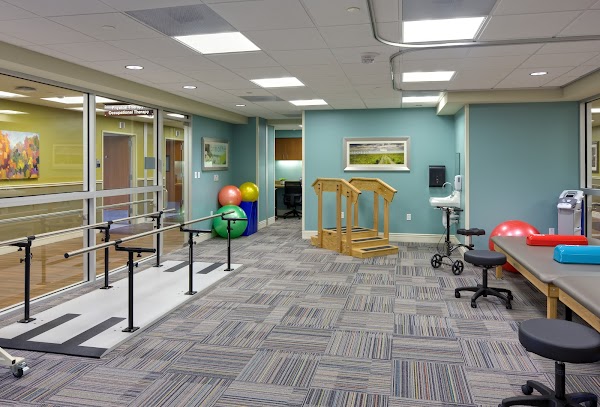

8200 WALNUT HILL LANE MAIN 5, DALLAS, TX 75231 (214) 345-7500
For profit - Corporation 49 Beds PUREHEALTH Data: November 2025
Trust Grade
90/100
#115 of 1168 in TX
Last Inspection: June 2024

Within standard 12-15 month inspection cycle. Federal law requires annual inspections.

Overview

Pure Health Transitional Care at Texas Health Pres in Dallas has received an impressive Trust Grade of A, indicating excellent quality and high recommendations from families. Ranking #115 out of 1,168 nursing homes in Texas places it in the top half of facilities statewide, and it ranks #6 out of 83 in Dallas County, meaning there are only five better local options. The facility is improving, having reduced its number of reported issues from four in 2023 to just one in 2024. Staffing is rated average with a 3/5 star rating and a turnover rate of 55%, which is comparable to the state average. There have been no fines reported, which is a positive sign. However, there have been concerns regarding infection control, including staff failing to change gloves after care and improper handling of linens, which could increase the risk of infection for residents. Overall, while the facility has strengths in its rankings and no fines, families should be aware of the reported concerns regarding infection control practices.

Trust Score
A
90/100
In Texas
#115/1168
Top 9%
Safety Record
Low Risk
No red flags
Inspections
Getting Better
4 → 1 violations
Staff Stability
⚠ Watch
55% turnover. Above average. Higher turnover means staff may not know residents' routines.
Penalties
✓ Good
No fines on record. Clean compliance history, better than most Texas facilities.
Skilled Nurses
✓ Good
Each resident gets 73 minutes of Registered Nurse (RN) attention daily — more than 97% of Texas nursing homes. RNs are the most trained staff who catch health problems before they become serious.
Violations
○ Average
6 deficiencies on record. Average for a facility this size. Mostly minor or procedural issues.
★★★★★
5.0
Overall Rating
★★★☆☆
3.0
Staff Levels
★★★★☆
4.0
Care Quality
★★★★★
5.0
Inspection Score
Stable
2023: 4 issues
2024: 1 issues

The Good

  • 4-Star Quality Measures · Strong clinical quality outcomes
  • Full Sprinkler Coverage · Fire safety systems throughout facility
  • No fines on record

Facility shows strength in quality measures, fire safety.

The Bad

Staff Turnover: 55%

Near Texas avg (46%)

Higher turnover may affect care consistency

Chain: PUREHEALTH

Part of a multi-facility chain

Ask about local staffing decisions and management

The Ugly 6 deficiencies on record

Jun 2024 1 deficiency
CONCERN (D)

Potential for Harm - no one hurt, but risky conditions existed

Infection Control (Tag F0880)

Could have caused harm · This affected 1 resident

**NOTE- TERMS IN BRACKETS HAVE BEEN EDITED TO PROTECT CONFIDENTIALITY** Based on observations, interviews, and record reviews, the facility failed to maintain an Infection prevention and control progr...

Read full inspector narrative →
**NOTE- TERMS IN BRACKETS HAVE BEEN EDITED TO PROTECT CONFIDENTIALITY** Based on observations, interviews, and record reviews, the facility failed to maintain an Infection prevention and control program designed to provide a safe, sanitary, and comfortable environment and to help prevent the development and transmission of communicable disease and infection for 1 of 6 residents (Resident #17) reviewed for infection control, in that: CNA A did not change her gloves or wash her hands after providing incontinent care for Resident #17 CNA A used a pillow that was on the floor to position Resident #17 CNA A used a brief on Resident #17 that she had picked up from the floor. These deficient practices could place residents at-risk for infection due to improper care practices. The findings included: Record review of Resident #17's face sheet, dated 06/14/2024, revealed a [AGE] year-old female with an admission date of 05/17/2024 with diagnoses which included: Anxiety, depression, repeated falls, muscle weakness, limited mobility, and limitations to activities due to disability. Record review of Resident #17's admission MDS assessment, dated 05/20/2024, revealed Resident #17 has a BIMS score of 15, which indicated no cognitive impairment. Resident #17 was indicated to always being incontinent of bowel and bladder. Review of Resident #17's care plan, initiated 05/17/2024, revealed a focus of, The resident has bladder incontinence r/t Neurogenic bladder. Goal, the resident will remain free from skin breakdown due to incontinence and brief use through the review date. Intervention, Clean peri-area with each incontinence episode. Observation on 06/12/2024 at 12:20 PM revealed CNA A assisting Resident #17 to bed and providing the resident with incontinent care. After transferring Resident #17 in bed, CNA A completed hand hygiene and put on gloves and then gathered supplies for incontinence care. CNA A placed the supplies on the foot of the bed, the clean brief fell on the floor and CNA A picked up the brief from the floor and placed it back on the bed. Then CNA A informed the resident she was ready to complete incontinent care and positioned the resident on her side. While CNA A was positioning the resident a pillow fell from the bed to the floor and CNA A picked the pillow up from the floor and placed it on top of the sink. CNA A proceeded to clean the resident who was moderately soiled with urine. After cleaning the resident without any form of hand hygiene CNA A applied the barrier cream on the resident's bottom area. Then the aide proceeded to applying the resident's clean brief, the one that was picked from the floor. CNA A then changed her gloves without any form of hand hygiene and repositioned the resident and used the pillow that she picked from the floor to elevate the resident's arm. Interview on 06/13/24 at 12:52 PM with CNA A, she stated she was in a hurry to finish from the room and that was the reason why she did not complete hand hygiene and change gloves while providing incontinent care to Resident #17. CNA A stated she was not supposed to use the brief and pillow that were on the floor because they were considered contaminated. CNA A stated she forgot and used the brief and pillow. CNA A stated she had completed a hand hygiene and infection control in-service about 1 month ago. CNA A stated she was supposed to complete hand hygiene and change gloves during incontinent care to prevent cross contamination. Interview on 06/13/24 at 01:04 PM with the DON, she stated while providing incontinent care the staff was to maintain infection control. The DON stated the brief, and the pillow were considered dirty because they were on the floor which was considered contaminated, and the staff was not supped to use them on the resident. The DON stated after cleaning the resident the staff was supposed to complete hand hygiene, after cleaning the resident and before touching the clean brief. The DON stated she expected the staff to maintain infection control. She stated infection control and hand hygiene in-service completed in the last three week. Review of the facility policy revised August 2019 titled Handwashing/Hand Hygiene reflected, This policy considers hand hygiene the primary means to prevent the spread of infections.2. All personnel shall follow the handwashing/hand hygiene procedures to help prevent the spread of infections to other personnel, residents, and visitors.9. The use of gloves does not replace hand washing/hand hygiene. Integration of glove use along with routine hand hygiene is recognized as the best practice for preventing healthcare-associated infections.
May 2023 2 deficiencies
CONCERN (D) 📢 Someone Reported This

A family member, employee, or ombudsman was alarmed enough to file a formal complaint

Potential for Harm - no one hurt, but risky conditions existed

Resident Rights (Tag F0550)

Could have caused harm · This affected 1 resident

**NOTE- TERMS IN BRACKETS HAVE BEEN EDITED TO PROTECT CONFIDENTIALITY** Based on observation, interview and record review, the facility failed to ensure residents were treated with dignity, care, and ...

Read full inspector narrative →
**NOTE- TERMS IN BRACKETS HAVE BEEN EDITED TO PROTECT CONFIDENTIALITY** Based on observation, interview and record review, the facility failed to ensure residents were treated with dignity, care, and in a manner and in an environment that promotes maintenance or enhancement of his or her quality of life for one resident (Resident #1) of six reviewed for dignity. RN A and PT B failed to ensure Resident #1's foley catheter bag was covered while in common areas of the facility. This failure could place residents at risk of feeling uncomfortable, disrespected, decreased self-esteem and a diminished quality of life. Findings Included: Review of Resident #1's face sheet dated 05/15/2023 revealed Resident #1 was a [AGE] year-old female admitted to the facility on [DATE] with diagnoses which included, Other spinal cerebrospinal leak (Occurs anywhere in the spinal column), Unspecified asthma (A chronic disease in which the bronchial airways in the lungs become narrowed and swollen), Dysphasia (A language disorder), Paraplegia (Paralysis of the legs and lower body), and Neuromuscular dysfunction of bladder (Lack bladder control due to a brain, spinal cord, or nerve problem). Review of Resident #1's initial MDS assessment dated [DATE] revealed a BIMS of 14 indicating independent with cognitive skills and daily decision making skills. She required extensive assist with toileting and transfers. She had an indwelling catheter. An observation on 05/15/2023 at 10:10AM revealed PT B was providing Resident #1 physical therapy services in the therapy gym. PT B was observed sitting on a chair to the front and side of Resident #1. Resident #1's foley catheter bag was hanging, uncovered, on the front right side of her electric wheelchair. The bag was approximately half full of urine and in full view of other residents and staff in the gym. Seven other residents were observed in the gym receiving services during this time. An interview on 05/15/2023 at 10:49AM with Resident #1 revealed RN A helped her to get ready for therapy today. She stated RN A hung her foley bag on the front of her electric wheelchair and she went to therapy on her own. Resident #1 said neither RN A nor PT B asked her about the catheter bag being exposed. She said she knew the bag should be covered so no one else can see it but did not think about covering it at the time. She said she did have some covers but did not think to ask the nurse to put one on. An interview on 05/15/2023 at 10:59AM with RN A revealed she did move Resident #1 to her wheelchair today and hung her foley catheter bag on the front of the wheelchair. She said she did not place a cover on the bag to ensure Resident #1's privacy and dignity. She said Resident #1 did go to the therapy gym with the uncovered bag and returned to her room with the bag still uncovered. She stated the bag should be covered to ensure infection control and Resident #1's dignity. An interview on 05/15/2023 at 12:09PM with PT B revealed he had worked with Resident #1 in the therapy gym earlier in the day. He said Resident #1's foley catheter bag was hanging on the front of her electric wheelchair, uncovered, while in the therapy gym. He stated he did not know why the bag was not covered but knew he should have covered it up when he discovered it. He said he worked at the facility for two years and understood an uncovered catheter bag may impact resident's dignity or self-worth because everyone in the gym could see the bag containing urine. In an interview on 05/15/2023 at 1:04PM the Administrator said he expected foley catheter bags to be covered at all times. He said this was an infection control concerns as well as an issue of privacy and dignity for Resident #1. In an interview on 05/15/2023 at 3:05PM, the DON C/IP and DON D stated the foley catheter bags should be covered to ensure resident's dignity. DON/IP C stated the facility has purchased catheter bags with built in covers to ensure the bag was always covered. She stated she did not know why RN A had not placed a cover on the bag or why PT B did not cover the bag when it was discovered exposed in the therapy gym. She stated staff had been trained on resident dignity but could not recall when the last in-service was delivered. Review of the facility's policy titled Dignity and dated 02/2021 stated, .each resident should be treated in a manner that promotes and enhances his or her sense of well-being, level of satisfaction with life, and feelings of self-worth .Demeaning practices and standards of care that compromise dignity are prohibited. Staff are expected to promote dignity and assist residents; for example, helping the resident to keep urinary catheter bags covered .
CONCERN (E) 📢 Someone Reported This

A family member, employee, or ombudsman was alarmed enough to file a formal complaint

Potential for Harm - no one hurt, but risky conditions existed

Infection Control (Tag F0880)

Could have caused harm · This affected multiple residents

Based on observation, interview, and record review the facility failed to maintain an infection prevention and control program designed to provide a safe, sanitary, and comfortable environment and to ...

Read full inspector narrative →
Based on observation, interview, and record review the facility failed to maintain an infection prevention and control program designed to provide a safe, sanitary, and comfortable environment and to help prevent the development and transmission of communicable disease and infections for three (RN A, CNA E, and Hoursekeeper F) of eight staff reviewed for infection control. 1. The facility failed to ensure CNA E and Housekeeper F handled linens in a safe and sanitary manner. 2. The facility failed to ensure RN A doffed PPE prior to exiting Resident #4's room. These failures could place residents at risk of contracting infectious disease. The findings included: 1. An observation on 05/15/2023 at 9:25AM revealed Housekeeper F coming down the hall (Therapy Zone) carrying unbagged linens draped over his left arm and secured against his body. DON D was observed calling Housekeeper F into her office. Housekeeper F went into DON D's office and emerged minutes later still carrying linens draped over his arm and held against his body. DON D was observed taking the linens from Housekeeper F and placed them in a bag. An interview on 05/15/2023 at 9:33AM with Housekeeper F reveled he was called into DON D's office because he was carrying linen through the hall that were not contained in a bag and held against his body. He stated he was cleaning a resident room and removed the bed sheets - then went to the end of the hall to get clean sheets for the room. He said the sheets he had in his arm, held against his body were to be placed in the resident's room when DON D called him to her office. He said housekeeping services were provided by a hospital and his boss was the Support Services Manager. He stated he had not been trained on how to handle linens properly and did not know he may contaminate linens by transporting them through the halls held against his body until DON D informed him. An observation on 05/15/2023 at 9:40AM revealed CNA E in the (Therapy Zone) carrying uncontained linens in her arms and secured against her body. CNA E placed the linens on the PPE bin outside Resident #2's room. Signage noted Resident #2's room was isolated and contact precautions were needed. In and interview on 05/15/2023 at 9:42AM, CNA E stated she was bringing clean sheets to Resident #2. She said she know she should not be carrying linens against her body, and she should not have placed them on the PPE bin outside Resident #2's room. She stated she should have the linens in a bag to ensure they were transported in a sanitary manor. She stated it was important to ensure she followed safe infection control practices because Resident #2 was on contact precautions for c-diff (a germ (bacterium) that caused diarrhea and colitis) and Resident #3 - across the hall was on contact precautions for ESBL (A difficult to treat bacteria that can't be killed by many of the antibiotics that doctors use to treat infections). She said she was trained in infection control practices but could not recall when the last trained was. An interview on 05/15/2023 at 9:53AM with the Hospital's Support Services Manager revealed - he provided housekeeping staff for the facility. He said he was responsible for ensuring housekeeping staff were trained in proper linen handling and infection control. He said training was provided via a check off orientation at hire. He said he was not sure why Housekeeper F was carrying linens because housekeeping staff only provide cleaning service to the facility. He said he was not clear about infection control practices in the facility and was used to managing housekeeping in the hospital. In an interview on 05/15/2023 at 10:15AM the Administrator stated housekeeping staff should not be handling linens but should be following the facility's policy and expectations on safe linen handling practices. He said he spoke to the Support Services Manager, and he will provide in-servicing to the housekeeping staff. 2. An observation on 05/15/2023 at 10:55AM revealed RN A leaving Resident #4's isolated room (admission Zone) with her face shield. The room had signage on the door indicating contact precautions and a PPE bin was located outside the door. RN A went down the hall to the nurses' station where she placed it on the desk. An interview on 05/15/2023 at 10:59AM with RN A revealed Resident #4 was on contact precautions for c-diff (a germ (bacterium) that caused diarrhea and colitis). She stated she donned a gown, face mask, gloves, and face shield prior to entering the room. She said she went into the room to check on Resident #4 and should have doffed all PPE prior to exiting the room. She stated she left the room with her face because she intended to reuse it. She said she knew to leave all PPE in the isolated rooms when exiting to ensure to minimize any risk of spreading infection. In and interview on 05/15/2023 at 3:05PM DON C/IP and DON D stated staff were to don PPE prior to entering contact isolated rooms for any reason. DON D stated all staff should doff in the isolated room prior to exit and leave used PPE in the bins within the isolated rooms. DON C/IP stated any used PPE brought to the hall from an isolated room placed residents at risk of the spread of infection. She said the facility did not have any COVID-19 positive residents but did have three residents on isolation for ESBL and c-diff. She said linen should be transported in bags and should not be held against staff bodies during transport. She said this also posed a risk of the spread of infection. DON D said she agreed and stated she called Housekeeper B into her office to instruct him on proper handling of linens when she observed him carrying clean linens in the hall against his body. The facility's policy on donning and doffing was requested but not provided. Past in-services records were requested for contact precautions, safe handling of linens, and donning and doffing - non were provided. Review of in-service records dated 05/15/2023 revealed Nursing presented an in-service titled Handling soiled linens and Contact isolation. Review of the facility's policy titled Laundry and Bedding, Soiled and dated 10/2018 revealed .Bedding shall be handled, transported and processed according to best practices for infection prevention and control .Clean linens are protected from dust and soiling during transport and storage to ensure cleanliness .
Apr 2023 1 deficiency
CONCERN (E)

Potential for Harm - no one hurt, but risky conditions existed

Deficiency F0655 (Tag F0655)

Could have caused harm · This affected multiple residents

**NOTE- TERMS IN BRACKETS HAVE BEEN EDITED TO PROTECT CONFIDENTIALITY** Based on interview and record review, the facility failed to develop and implement a baseline care plan for each resident that i...

Read full inspector narrative →
**NOTE- TERMS IN BRACKETS HAVE BEEN EDITED TO PROTECT CONFIDENTIALITY** Based on interview and record review, the facility failed to develop and implement a baseline care plan for each resident that included instructions needed to provide effective and person-centered care of the resident that met professional standards of care within 48 hours of the resident's admission for two (Resident #86 and Resident #87) of five residents reviewed for baseline care plans. The facility failed to complete Resident #86's and Resident #87's baseline care plan within 48 hours of admission that included the minimum required healthcare information including physician orders, dietary orders, therapy services, and social services. This failure placed residents at risk of not receiving effective and person-centered care. Findings included: 1. Review of Resident #86's Face Sheet, dated 04/19/23, reflected he was a [AGE] year-old male who was admitted to the facility on [DATE]. His diagnoses included a right femur neck fracture (hip fracture), type 2 diabetes mellitus (insulin resistance), hypertensive heart disease without heart failure (changes in the left ventricle, left atrium, and coronary arteries as a result of chronic blood pressure elevation), and atrial fibrillation (an irregular and often very rapid heart rhythm). Review of Resident #86's Baseline Care Plan, dated 04/14/23, reflected it did not address therapy services. In addition, the dietary/nutritional status and social services sections were not fully completed (dietary/nutritional status was missing information including dietary preferences and dietary risks, as applicable and social services was missing informaiton including PASRR recommendations). The Baseline Care Plan was not completed until 04/18/23. 2. Review of Resident #87's Face Sheet, dated 04/19/23, reflected she was a [AGE] year-old female who was admitted to the facility on [DATE]. Her diagnoses included dementia (a group of thinking and social symptoms that interferes with daily functioning), osteoarthritis (a type of arthritis that occurs when flexible tissue at the ends of bones wears down), anemia (a lack of red blood cells), hypothyroidism (low activity of the thyroid gland), and hyperlipidemia (a condition in which there are high levels of fat particles or lipids in the blood). Review of #87's Baseline Care Plan, dated 04/17/23, reflected it did not address therapy services or social services. In addition, the dietary/nutritional status section was not fully completed (dietary preferences and dietary risks, as applicable). The Baseline Care Plan was not completed until 04/18/23. During a telephone interview with the MDS Coordinator on 04/18/23 at 1:45PM, she stated she was responsible for ensuring baseline care plans were completed upon resident admissions. She stated upon a resident's admission, she generated a blank baseline care plan in the resident's electronic health record. Each department (dietary, therapy, social services, etc.) was then responsible for completing their portion of the baseline care plan. Upon completion, she and the DON reviewed the baseline care plan and saved it as completed. The baseline care plan was then provided to the resident. During an interview with the DON on 04/18/23 at 1:30PM, she stated baseline care plans were to be completed within 48 hours of a resident's admission. She stated the MDS Coordinator generated a blank baseline care plan in the resident's electronic health record, and then each appropriate department completed their portion of the baseline care plan. Upon completion, the baseline care plans were reviewed by herself and/or the MDS Coordinator and provided to the resident. The DON stated because this was a short-term facility, there was not a risk to residents if the baseline care plan was not completed within the regulatory guidelines. She stated the resident's care was implemented based off items such as the resident's hospital orders and assessments. Review of the facility's Care Plans - Baseline policy, dated 03/22, reflected, .A baseline plan of care to meet the resident's immediate health and safety needs is developed for each resident within forty-eight (48) hours of admission . and .1. The baseline care plan includes instructions needed to provide effective, person-centered care of the resident that meet professional standards of quality care and must include the minimum healthcare information necessary to properly care for the resident including, but not limited to the following: a. Initial goals based on admission orders and discussion with the resident/representative; b. Physician orders; c. Dietary orders; d. Therapy services; e. Social services; and f. PASARR recommendation, if applicable .
Feb 2023 1 deficiency
CONCERN (D) 📢 Someone Reported This

A family member, employee, or ombudsman was alarmed enough to file a formal complaint

Potential for Harm - no one hurt, but risky conditions existed

Deficiency F0761 (Tag F0761)

Could have caused harm · This affected 1 resident

Based on observation, interviews and record review, the facility failed to ensure drugs and biologicals used in the facility were labeled in accordance with currently accepted professional principles ...

Read full inspector narrative →
Based on observation, interviews and record review, the facility failed to ensure drugs and biologicals used in the facility were labeled in accordance with currently accepted professional principles for 1 of 4 medication carts (Station #1) and ensure drugs and biologicals for 1 (South wing) of 2 treatment carts were secured properly. The faclity failed to ensure: 1. An opened insulin was labeled with opened date on the station #1 medication cart 2. The South Wing treatment cart was locked or supervised. These failures could place residents at risk of receiving expired medications, ingestion of drugs and biologicals, and the facility at risk of drug diversion. Findings included: An observation on 02/07/23 at 7:30 AM revealed licensed staff were not in view of the South wing treatment cart which was unlocked and unsecured with drawers facing outward toward a breezeway between two halls. Further observation of the treatment cart revealed: *Antifungal Cream 2% Miconazole (medication is used to treat vaginal yeast infections) *Betamethasone Dipropionate ointment 0.5% (used to help relieve redness, itching, swelling, or other discomforts caused by certain skin conditions) *Triamcinolone Acetonide Cream USP, 0.5% (used to treat the symptoms of topical inflammatory dermatoses, oral inflammatory or ulcerative lesions) * Triamcinolone Acetonide Cream USP, 0.1% (used to treat the symptoms of topical inflammatory dermatoses, oral inflammatory or ulcerative lesions) *Mupirocin Ointment (used to treat certain skin infections such as impetigo) *Diclofenac Sodium Topical Gel, 1% (used to relieve joint pain from arthritis) *Colloidal Silver 30 PPM (used in wound dressings, creams, and as an antibiotic coating on medical devices) *Povidone -iodine 10% (sterilize routine cuts and scrapes, or clean skin before stitches or surgical procedures) *Chlorhexidine Gluconate Solution 4.0% (treats gingivitis, a gum disease that causes red, swollen, and easily bleeding gums.) During an interview and observation on 02/07/23 at 7:48 AM the Director of Medical Records stated the treatment cart (South Wing) did not have to be locked. The Director of Medical Records stated there was nothing in the treatment cart that would harm the residents. During the observation, the Director of Medical Records locked the treatment cart (South Wing) and walked off. An observation on 02/07/23 at 7:55 AM of Station #1 medicaiton cart revealed: *(2) Lantus SoloStar subcutaneous solution pen- injector 100 Unit/ML *Insulin Lispro-aabc injection solution 100 Unit/ML *(2) Humalog 100 unit/ML *(2) Insulin Lispro 100 Unit/ML *Insulin Lispro 100 Unit/ML vial *Admelog 100 Unit/ML vial During an interview and observation on 02/07/23 at 8:00 AM with ARN A who worked station #1 and stated today was her second day to work in the facility. 7 insulin pens and 2 insulin vials were observed opened and used, but dod not include an open date and had a sticker which reflected to dispose after 28 days. ARN A stated the open date should be on the insulin pens and the insulin vials. ARN A stated there was no way to know if the medication was expired. During an interview on 02/07/23 at 1:30 PM, the DON stated insulin should be dated when opened, and could stay on the medication cart for 28 days once it was opened.The DON stated insulins that are on the medication cart had been opened and used. The DON stated unopened insulins are kepted in the medication storage room refrigerator.The DON stated possible harm to residents of undated and expired insulin was that the insulin could lose its potency. The DON stated residents were not in the facility long enough for the insulin to not be safe to inject since they were there for a short time frame. The DON stated the treatment cart(South Wing) had not been used that morning for treatment and she was not sure who left it unlocked. The DON stated the treatment cart should be locked when not in use. The DON stated that residents could get into the cart and harm themselves by ingesting drugs and biologicals. Record review of the storage medication policy Interpretation and Implementations (Revised November 2020) revealed compartments (including, but not limited to, drawers, cabinets, rooms, refrigerators, carts and boxes) containing drugs and biologicals are locked when not in use. Unlocked medication carts are not left unattended. Record review of Administering medications-Policy Interpretation and Implementation (Revised 2019) revealed, 12 .When opening a multi-dose container, the date opened is recorded on the container.
Nov 2022 1 deficiency
CONCERN (D) 📢 Someone Reported This

A family member, employee, or ombudsman was alarmed enough to file a formal complaint

Potential for Harm - no one hurt, but risky conditions existed

Deficiency F0655 (Tag F0655)

Could have caused harm · This affected 1 resident

**NOTE- TERMS IN BRACKETS HAVE BEEN EDITED TO PROTECT CONFIDENTIALITY** Based on interview and record review the facility failed to develop and implement a baseline care plan for each resident that in...

Read full inspector narrative →
**NOTE- TERMS IN BRACKETS HAVE BEEN EDITED TO PROTECT CONFIDENTIALITY** Based on interview and record review the facility failed to develop and implement a baseline care plan for each resident that included instructions needed to provide effective and person-centered care of the resident that met professional standards of care within 48 hours of the resident's admission for one of 4 residents (Resident #1) reviewed for baseline care plans. The facility failed to complete a baseline care plan for Resident #1. This failure could place residents at risk of not receiving effective and person-centered care and services which could result in a diminished quality of care and quality of life. Findings include: Record review of Resident #1's admission MDS, dated [DATE], reflected a [AGE] year-old male who was admitted to the facility on [DATE]. His diagnoses included coronary artery disease, heart failure, hypertension, renal insufficiency, multidrug-resistant organism, wound infection, hyperlipidemia, seizure disorder, traumatic brain injury, malnutrition, anxiety, depression, asthma, and respiratory failure. The resident's Cognitive Patterns section of his MDS revealed he had moderately impaired cognition. The resident's Functional Status section of his MDS revealed he required two-person physical assist with transfers, toilet use, and personal hygiene. He required one-person assist with dressing and eating. The resident's Skin Conditions section of his MDS revealed he admitted to the facility with a stage 1 pressure injury and stage 4 pressure ulcer. He had a total of 4 venous and arterial ulcers. He received the following skin and ulcer/injury treatments: pressure reducing device for chair, pressure reducing device for bed, nutrition or hydration intervention, pressure ulcer/injury care, application of nonsurgical dressings, and application of ointments/medications. His Special Treatments, Procedures, and Programs section of his MDS revealed he received oxygen therapy, IV medications, physical therapy and occupational therapy. Record review of Resident #1's electronic medical record revealed no evidence a baseline care plan had been completed. In an interview with the DON on 11/17/22 at 3:11 PM revealed RNs were responsible for completing the baseline care plans but the DON, ADON, PRN RN, and MDS Coordinator could complete them if needed. She stated baseline care plans were to be completed 48 hours after admission. She stated she opened Resident #1's baseline care plan for the RNs to complete. She stated there was no reason for the baseline care plan to not be completed. She stated the purpose of the baseline care plan was to inform staff of the residents care needs. She stated she thought Resident #1 had a care conference meeting. She stated the IDT had an initial care plan meeting to establish goals and discharge planning because the resident was a short stay. She stated medical records audits to see if the baseline care plans were completed. She stated she was the DON and completion of baseline care plans was her responsibility at the end of the day. She stated the resident was dependent with ADLs, had wounds, wound infection, midline issues, pacemaker, and a PICC line was scheduled 11/20/22. She stated he was receiving IV antibiotics for a wound infection. She stated there were no risks for Resident #1 not having a completed baseline care plan because the residents chart was reviewed, there was follow up, needs were being met, treatments were effective, and he was being monitored. She stated the baseline care plan was a regulatory requirement. In an interview with LVN A on 11/17/22 at 4:00 PM revealed the purpose of a baseline care plan was to inform staff of the needed care of the resident. She stated the DON and management were responsible for completing the resident's baseline care plan. She stated baseline care plans were to be completed 48 hours after the resident admitted to the facility. She stated she did not know why Resident #1's baseline care plan was not completed. She stated Resident #1 not having a completed baseline care plan could cause staff to not provide the resident the care he needed such as isolation precautions and fall risks. Record review of the facility's policy Baseline Care Plan, dated March 2022, reflected, A baseline of care to meet the resident's immediate health and safety needs is developed for each resident within forty-eight (48) hours of admission.
Understanding Severity Codes (click to expand)
Life-Threatening (Immediate Jeopardy)
J - Isolated K - Pattern L - Widespread
Actual Harm
G - Isolated H - Pattern I - Widespread
Potential for Harm
D - Isolated E - Pattern F - Widespread
No Harm (Minor)
A - Isolated B - Pattern C - Widespread

Questions to Ask on Your Visit

  • "Can I speak with families of current residents?"
  • "What's your RN coverage like on weekends and overnight?"

Our Honest Assessment

Strengths
  • • Grade A (90/100). Above average facility, better than most options in Texas.
  • • No major safety red flags. No abuse findings, life-threatening violations, or SFF status.
  • • No fines on record. Clean compliance history, better than most Texas facilities.
Concerns
  • • No significant concerns identified. This facility shows no red flags across CMS ratings, staff turnover, or federal penalties.
Bottom line: Generally positive indicators. Standard due diligence and a personal visit recommended.

About This Facility

What is Pure Health Transitional Care At Texas Health Pres's CMS Rating?

CMS assigns PURE HEALTH TRANSITIONAL CARE AT TEXAS HEALTH PRES an overall rating of 5 out of 5 stars, which is considered much above average nationally. Within Texas, this rating places the facility higher than 99% of the state's 100 nursing homes. This rating reflects solid performance across the metrics CMS uses to evaluate nursing home quality.

How is Pure Health Transitional Care At Texas Health Pres Staffed?

CMS rates PURE HEALTH TRANSITIONAL CARE AT TEXAS HEALTH PRES's staffing level at 3 out of 5 stars, which is average compared to other nursing homes. Staff turnover is 55%, compared to the Texas average of 46%.

What Have Inspectors Found at Pure Health Transitional Care At Texas Health Pres?

State health inspectors documented 6 deficiencies at PURE HEALTH TRANSITIONAL CARE AT TEXAS HEALTH PRES during 2022 to 2024. These included: 6 with potential for harm.
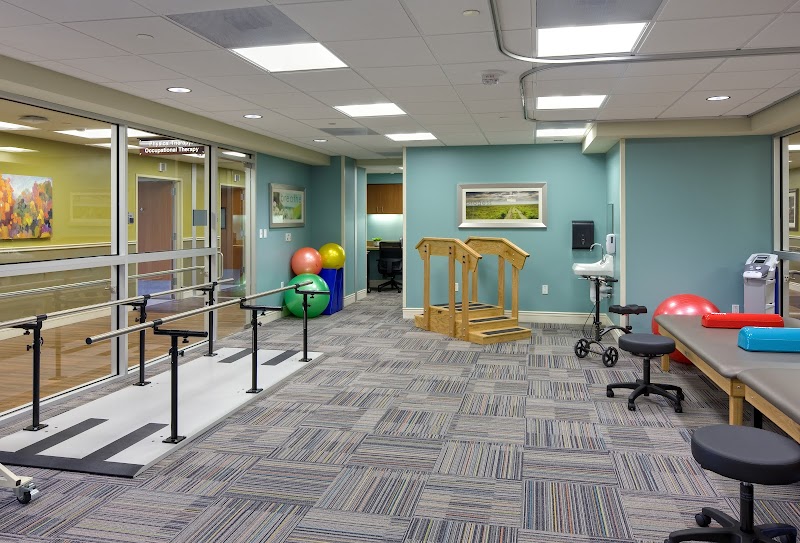
Who Owns and Operates Pure Health Transitional Care At Texas Health Pres?

PURE HEALTH TRANSITIONAL CARE AT TEXAS HEALTH PRES is owned by a for-profit company. For-profit facilities operate as businesses with obligations to shareholders or private owners. The facility is operated by PUREHEALTH, a chain that manages multiple nursing homes. With 49 certified beds and approximately 40 residents (about 82% occupancy), it is a smaller facility located in DALLAS, Texas.

How Does Pure Health Transitional Care At Texas Health Pres Compare to Other Texas Nursing Homes?

Compared to the 100 nursing homes in Texas, PURE HEALTH TRANSITIONAL CARE AT TEXAS HEALTH PRES's overall rating (5 stars) is above the state average of 2.8, staff turnover (55%) is near the state average of 46%, and health inspection rating (5 stars) is much above the national benchmark.

What Should Families Ask When Visiting Pure Health Transitional Care At Texas Health Pres?

Based on this facility's data, families visiting should ask: "Can I visit during a mealtime to observe dining assistance and food quality?" "How do you handle medical emergencies, and what is your hospital transfer rate?" "Can I speak with family members of current residents about their experience?"

Is Pure Health Transitional Care At Texas Health Pres Safe?

Based on CMS inspection data, PURE HEALTH TRANSITIONAL CARE AT TEXAS HEALTH PRES has a clean safety record: no substantiated abuse findings (meaning no confirmed cases of resident harm), no Immediate Jeopardy citations (the most serious violation level indicating risk of serious injury or death), and is not on the Special Focus Facility watch list (a federal program monitoring the lowest-performing 1% of nursing homes). The facility has a 5-star overall rating and ranks #1 of 100 nursing homes in Texas. While no facility is perfect, families should still ask about staff-to-resident ratios and recent inspection results during their visit.

Do Nurses at Pure Health Transitional Care At Texas Health Pres Stick Around?

PURE HEALTH TRANSITIONAL CARE AT TEXAS HEALTH PRES has a staff turnover rate of 55%, which is 9 percentage points above the Texas average of 46%. Moderate turnover is common in nursing homes, but families should still ask about staff tenure and how the facility maintains care continuity when employees leave.

Was Pure Health Transitional Care At Texas Health Pres Ever Fined?

PURE HEALTH TRANSITIONAL CARE AT TEXAS HEALTH PRES has no federal fines on record. CMS issues fines when nursing homes fail to meet care standards or don't correct problems found during inspections. The absence of fines suggests the facility has either maintained compliance or corrected any issues before penalties were assessed. This is a positive indicator, though families should still review recent inspection reports for the full picture.

Is Pure Health Transitional Care At Texas Health Pres on Any Federal Watch List?

PURE HEALTH TRANSITIONAL CARE AT TEXAS HEALTH PRES is not on any federal watch list. The most significant is the Special Focus Facility (SFF) program, which identifies the bottom 1% of nursing homes nationally based on persistent, serious quality problems. Not being on this list means the facility has avoided the pattern of deficiencies that triggers enhanced federal oversight. This is a positive indicator, though families should still review the facility's inspection history directly.