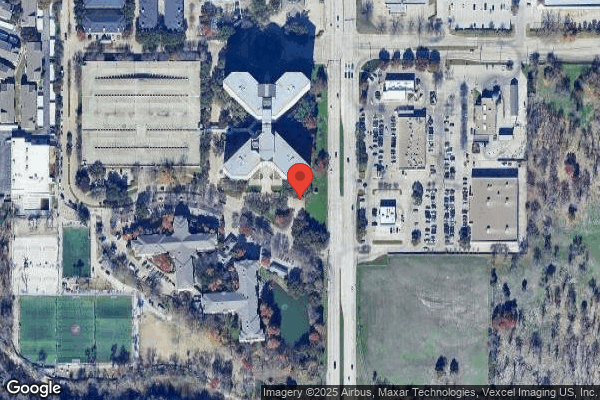


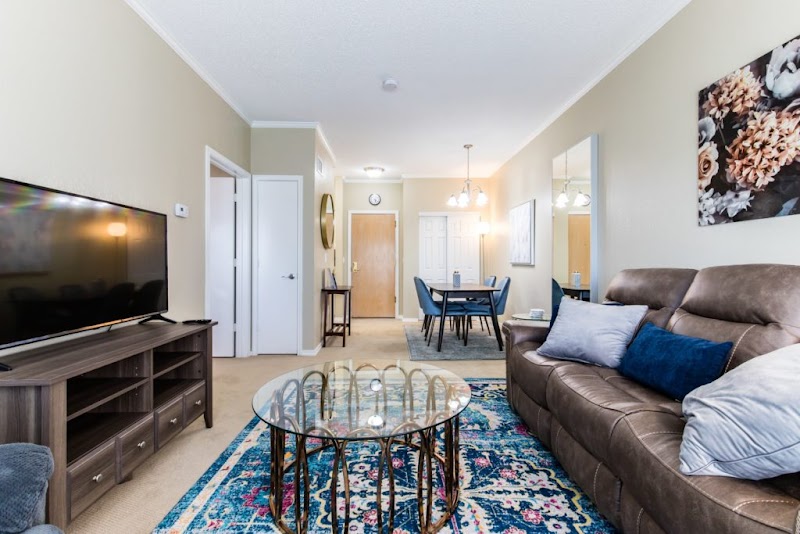
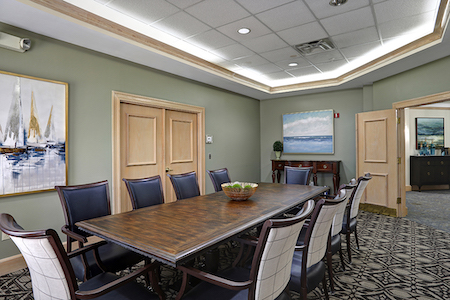
SIGNATURE POINTE

14655 PRESTON RD, DALLAS, TX 75254 (972) 726-7575
For profit - Limited Liability company 195 Beds LIFE CARE SERVICES Data: November 2025
Trust Grade
35/100
#836 of 1168 in TX
Last Inspection: February 2025

Within standard 12-15 month inspection cycle. Federal law requires annual inspections.

Overview

Signature Pointe in Dallas, Texas has a Trust Grade of F, which indicates significant concerns about the quality of care provided. Ranking #836 out of 1168 facilities in Texas places it in the bottom half, and #54 out of 83 in Dallas County suggests that only a few local options are better. The facility's performance is worsening, with issues increasing from 2 in 2024 to 10 in 2025. Staffing is a weakness, with a low rating of 1 out of 5 stars and a turnover rate of 60%, which is above the state average. There have been serious concerns, such as failing to properly treat a resident's pressure ulcers and not ensuring that call lights were accessible for residents who needed assistance, creating potential risks for their safety and well-being.

Trust Score
F
35/100
In Texas
#836/1168
Bottom 29%
Safety Record
Moderate
Needs review
Inspections
Getting Worse
2 → 10 violations
Staff Stability
⚠ Watch
60% turnover. Above average. Higher turnover means staff may not know residents' routines.
Penalties
✓ Good
$38,436 in fines. Lower than most Texas facilities. Relatively clean record.
Skilled Nurses
○ Average
RN staffing data not reported for this facility.
Violations
⚠ Watch
24 deficiencies on record. Higher than average. Multiple issues found across inspections.
★★☆☆☆
2.0
Overall Rating
★☆☆☆☆
1.0
Staff Levels
★★★★☆
4.0
Care Quality
★★★☆☆
3.0
Inspection Score
Stable
2024: 2 issues
2025: 10 issues

The Good

  • 4-Star Quality Measures · Strong clinical quality outcomes
  • Full Sprinkler Coverage · Fire safety systems throughout facility
  • No fines on record

Facility shows strength in quality measures, fire safety.

The Bad

2-Star Overall Rating

Below Texas average (2.8)

Below average - review inspection findings carefully

Staff Turnover: 60%

13pts above Texas avg (46%)

Frequent staff changes - ask about care continuity

Federal Fines: $38,436

Above median ($33,413)

Moderate penalties - review what triggered them

Chain: LIFE CARE SERVICES

Part of a multi-facility chain

Ask about local staffing decisions and management

Staff turnover is elevated (60%)

12 points above Texas average of 48%

The Ugly 24 deficiencies on record

1 actual harm
Aug 2025 2 deficiencies
CONCERN (E) 📢 Someone Reported This

A family member, employee, or ombudsman was alarmed enough to file a formal complaint

Potential for Harm - no one hurt, but risky conditions existed

Deficiency F0558 (Tag F0558)

Could have caused harm · This affected multiple residents

**NOTE- TERMS IN BRACKETS HAVE BEEN EDITED TO PROTECT CONFIDENTIALITY** Based on observation, interview and record review the facility failed to ensure residents had the right to reside and receive se...

Read full inspector narrative →
**NOTE- TERMS IN BRACKETS HAVE BEEN EDITED TO PROTECT CONFIDENTIALITY** Based on observation, interview and record review the facility failed to ensure residents had the right to reside and receive services in the facility with reasonable accommodation of resident needs and preferences except when to do so would endanger the health or safety of the resident or other residents for one of five residents (Resident #1) reviewed for Reasonable Accommodation of Needs.1. The facility failed to ensure the call light system in Resident #1's room was in a position that was accessible to the resident on 8/12/25. 2. The facility failed to ensure Resident #1 had a call light system that accommodated her physical limitation. These failures could place residents at risk of being unable to obtain assistance when needed and help in the event of an emergency. Findings include: Record review of Resident #1's face sheet, dated 08/12/25, reflected an [AGE] year-old female who was admitted to the facility on [DATE]. Resident #1's relevant diagnoses included repeated seizures (uncontrolled jerking) and convulsions. Record review of Resident #1's Quarterly Minimum Data Set assessment, dated 07/24/25, reflected she had a BIMS score of 00, which indicated severe cognitive impairment. ADL care reflected the resident required extensive assistance. Record review of Resident #1's Comprehensive Care Plan, dated 08/12/2025, which was updated after the surveyor observed the concern, reflected the resident had limited range of motion bilateral hand contractures (tightening of joints) and one of the interventions was to use a soft touch call light and place in reach of the resident's left hand. In an observation on 08/12/25 at 10:05 AM, Resident #1 was observed lying in bed, and her light touch pad call light was not within reach. The call light was observed to be hanging on the back wall behind the bed. Both resident's hands appeared contracted. An attempt was made to interview the resident, but she did not appear coherent. In an observation and interview on 08/12/25 at 10:07 AM, LVN S stated Resident #1 required total care and had to be fed. She stated they would have to anticipate the resident's needs by checking on her every two hours. She stated she was unsure if the resident could use the call light button or a call light touch pad. She stated the admitting nurse should have assessed the resident for this. She stated the resident was a full code and would need to contact staff if she was in distress. In an interview on 08/12/25 at 10:30 AM, the DON and ADON were advised Resident #1 did not have her call light within reach and based on the resident's contracted hands, it was unclear if the resident could push the call light button. The DON stated the resident was new to the facility and she did not know if the resident could use a call light button or call light touch pad. She stated an assessment was never completed to determine if the resident could use a call light or touch pad to alert staff if she was in distress. The DON stated the nursing staff admitting the resident should have assessed for this when the resident was admitted to the facility. She stated whoever the nurse on duty at the time the resident was admitted , should have completed this task, so there was not a particular nurse assigned, and she could not recall who admitted the resident. The DON stated the resident was a full code and would require assistance if she had any distress. She stated they checked on the resident at least every two hours. She stated they would assess the resident to see if she was cognitively able to use the call light touch pad, and care plan it if the resident was not able to use the call light button or call light touch pad. She stated there was no risk for the resident because they checked on the resident at least every two hours to ensure she was not in distress. In an interview on 08/12/25 at 12:50 PM, the Administrator was advised of Resident #1 not being assessed for being able to use a call light and he stated he had his maintenance director install a call light touch pad for the resident today, and they were able to assess the resident was able to use the call light touch pad to alert staff for any assistance. He stated the call light touch pad was needed for the resident to ensure she could contact staff if she was in distress. Record review of the facility's policy on Call System, Residents (September 2022), reflected Residents are provided with a means to call staff for assistance through a communication system that directly calls a staff member or a centralized workstation. Each resident is provided with a means to call staff directly for assistance from his/her bed, from toileting/bathing facilities and from the floor. If the resident has a disability that prevents him/her from making use of the call system, an alternative means of communication that is usable for the resident is provided and documented in the care plan.
CONCERN (E) 📢 Someone Reported This

A family member, employee, or ombudsman was alarmed enough to file a formal complaint

Potential for Harm - no one hurt, but risky conditions existed

Deficiency F0604 (Tag F0604)

Could have caused harm · This affected multiple residents

**NOTE- TERMS IN BRACKETS HAVE BEEN EDITED TO PROTECT CONFIDENTIALITY** Based on observation, interview and record review the facility failed to ensure the resident free from physical restraints not r...

Read full inspector narrative →
**NOTE- TERMS IN BRACKETS HAVE BEEN EDITED TO PROTECT CONFIDENTIALITY** Based on observation, interview and record review the facility failed to ensure the resident free from physical restraints not required to treat the residents' medical symptoms as was possible for one of five residents (Resident #2) reviewed for physical restraints. The facility failed to ensure Resident #2 had physician orders for the for the bolster pads (bed padding) attached to the mattress on her bed. This failure could failure could place residents at risk of not having an environment that was free of restraints which could result in injury. Findings include:Record review of Resident #2's face sheet, dated 08/12/25, reflected a [AGE] year-old female who was admitted to the facility on [DATE]. Resident #2's relevant diagnoses included muscle weakness and lack of coordination. Record review of Resident #2's Quarterly Minimum Data Set assessment, dated 07/24/25, reflected she had a BIMS score of 00, which indicated severe cognitive impairment. ADL care reflected the resident required extensive assistance. Record review of Resident #2's Comprehensive Care Plan, dated 07/18/25, reflected the resident was a fall risk related to her recent admission to the community, but the interventions did not include the bolster pads. Record review of Resident #2's physician orders, dated 08/12/25, reflected no physician orders for the bolster pads. In an observation on 08/12/25 at 10:10 AM, Resident #2 was observed lying in bed. The resident's bed had bolster pads, that measured approximately six inches in height and six inches in thickness. The resident could not freely exit the bed. The pads were placed on all sides of the resident's bed. In an interview on 08/12/25 at 10: 45 AM, the DON and ADON stated Resident #2 transferred from another facility and had the bolster pads when she arrived. They stated the resident did not have physician orders for the bolster pads, and they stated they did not think it was not a risk for the resident. They stated hospice provided the resident the bolster pads, but they were unsure why the resident required it. They stated she would contact the physician to obtain physician orders for the resident to have the equipment. She stated she did not know physician orders were required for this equipment. In an interview on 08/12/25 at 12:50 PM, the Administrator was advised of Resident #2 not having physician orders for the bolster pads on her mattress and he stated he did not think there was any risk for the resident having the equipment. He stated Hospice provided the equipment to the resident prior to her being transferred to the facility. Record review of the facility's policy USE OF RESTRAINTS AND SECLUSION (11/02/15) reflected All patients have the right to be free from physical or mental abuse and corporal punishment. All patients have the right to be free from restraints or seclusion of any form, to include coercion, discipline, convenience, or retaliation by staff. Restraint or seclusion may only be imposed to ensure the immediate physical safety of the patient, a staff member or others, and must be discontinued at the earliest possible time. Interpretations and Definitions: ‘Physical restraints' are defined as any manual method or physical or mechanical device, material or equipment attached or adjacent to the resident's body that the individual cannot remove easily, which restricts freedom of movement or restricts normal access to one's body. Practices that inappropriately utilize equipment to prevent resident mobility are considered restraints and are not permitted.
May 2025 3 deficiencies
CONCERN (D) 📢 Someone Reported This

A family member, employee, or ombudsman was alarmed enough to file a formal complaint

Potential for Harm - no one hurt, but risky conditions existed

Deficiency F0761 (Tag F0761)

Could have caused harm · This affected 1 resident

Based on observations, interviews, and record review, the facility failed to store all drugs and biologicals in a locked cart or under direct observation of authorized staff in an area where residents...

Read full inspector narrative →
Based on observations, interviews, and record review, the facility failed to store all drugs and biologicals in a locked cart or under direct observation of authorized staff in an area where residents could access it for one (Wound Care Cart) of one cart reviewed for pharmacy services. The facility failed to ensure that the wound care cart was locked when not in use on 05/08/2025. This failure could place the residents at risk of accessing/opening the cart causing accidental overdose or misuse of medications. Findings included: Observation on 05/08/2025 at 8:12 AM revealed a wound care cart was parked in the hallway near the rehabilitation department. The cart was not locked because the centralized, metal, round lock, located on the upper right side of the cart, was protruding (the round, metal lock needed to be pushed to lock the drawers of the cart). The cart and the drawers were facing the hallway. There were several staff and residents passing the cart. There were staff and residents, as well, inside the rehabilitation department. During an observation and interview on 05/08/2025 at 8:15 AM, the DON saw the cart that was not locked and said she believed it was empty. She opened the cart and saw that it was a wound care cart and had several items used for wound care such as normal saline pink bullets (washes debris away from the wounds, dissolves dried blood, and gets rid of irritants and bacteria), triple antibiotics (prevent infections in minor cuts and scrapes), and wound cleanser solutions (solutions used to remove debris from wound to enhance healing and prevent infections). All the drawers of the cart could be easily opened, and the contents of each drawer could be easily taken. She said the cart should be locked because a resident might open it and take something from it that could cause chocking or allergic reactions. She said a confused resident might took a dressing, swallow it, and choke from it. She said if the cart was empty or was not being used, it should be inside the medication room. In an interview on 05/08/2025 at 12:16 PM, ADON A stated the carts should be locked every time they were left unattended. She said the staff should lock the carts before leaving it to prevent unauthorized individuals from opening them. She said confused residents might open the cart and ingest something to which they were allergic. She said the expectations was the staff using the carts would lock the cart after using them or leaving them unattended. She said she wound coordinate with the DON to do an in-service about the importance of the locking the carts. In an interview on 05/08/2025 at 12:30 PM, the Administrator stated all the carts, nurses' carts, medication aide carts, and the wound care carts, should always be locked to protect the residents. She said the expectation was for the staff to lock the carts. She said she would collaborate with the DON to do an in-service pertaining to locking the carts. In an interview on 05/08/2025 at 1:08 PM, the DON stated, most probably, the night nurses were the ones who last used the cart. She said she would try to find out who left the cart unlocked to educate them. she said she would still do an in-service about locking the carts every time the carts were not within their sight. She said she did not even know how long the cart was left unlocked. She said the expectation was for the staff to lock the carts when left unattended. Record review of the facility's policy, Medication Labeling and Storage 2001 MED-PASS, undated, revealed Policy Statement: The facility stores all medications and biologicals in locked compartments . Policy Interpretation and Implementation . Medication Storage . 4. Compartments (including, but not limited to, drawers, cabinets, rooms, refrigerators, carts, and boxes) containing medications and biologicals are locked when not in use.
CONCERN (E) 📢 Someone Reported This

A family member, employee, or ombudsman was alarmed enough to file a formal complaint

Potential for Harm - no one hurt, but risky conditions existed

Deficiency F0583 (Tag F0583)

Could have caused harm · This affected multiple residents

**NOTE- TERMS IN BRACKETS HAVE BEEN EDITED TO PROTECT CONFIDENTIALITY** Based on observations, interviews, and record review, the facility failed to ensure the confidentiality of the residents persona...

Read full inspector narrative →
**NOTE- TERMS IN BRACKETS HAVE BEEN EDITED TO PROTECT CONFIDENTIALITY** Based on observations, interviews, and record review, the facility failed to ensure the confidentiality of the residents personal and medical records for five (Residents #3, #4, #5, #6, and #7's) of five residents reviewed for Privacy and Confidentiality. The facility failed to ensure LVN C did not leave Residents #3, #4, #5, #6, and #7's medical information exposed and unattended on top of the nurse's cart on 05/08/2025. This failure could place the residents at risk of their medical information being exposed to unauthorized individuals. Findings included: Resident #3 Record review of Resident #3's Face Sheet, dated 05/08/2025, reflected a [AGE] year-old male admitted to the facility on [DATE]. The resident was diagnosed with diabetes mellitus (high blood sugar). Record review of Resident #3's Comprehensive MDS Assessment, dated 04/09/2025, reflected the resident was unable to complete the interview to determine the BIMS score. The Comprehensive MDS Assessment indicated the resident had diabetes mellitus. Record review of Resident #3's Comprehensive Care Plan, dated 04/28/2025, reflected the resident had disease and conditions which were treated with medications and would be managed by the clinical team. Record review of Resident #3's Physician's Order, dated 04/23/2025, reflected Humalog (fast-acting insulin that lowers blood sugar) U-100 Insulin (insulin lispro) . Per Sliding Scale . Before Meals and At Bedtime . Task(s) to Record: Blood Sugar. Resident #4 Record review of Resident # 4's Face Sheet, dated 05/08/2025, reflected a [AGE] year-old male admitted to the facility on [DATE]. The resident was diagnosed with type 2 diabetes mellitus. Record review of Resident #4's Comprehensive MDS Assessment, dated 03/10/2025, reflected the resident had a moderate impairment in cognition with a BIMS score of 11. The Comprehensive MDS Assessment indicated the resident had hypertension and diabetes mellitus. Record review of Resident #4's Comprehensive Care Plan, dated 03/12/2025, reflected the resident had disease process and conditions and would be managed by the clinician team composed of nursing and the physician. Record review of Resident #4's Physician's Order, dated 03/04/2025, reflected VITAL SIGNS: MEDICARE Special Instructions: RECORD COMPLETE SET OF VITAL SIGNS EVERY SHIFT IN EMAR ORDER -PATIENT'S VITAL SIGNS ENTERED ON EMAR WILL SHOW UNDER RESIDENT'S VITAL SIGNS ALSO IN MATRIX (cloud-based EMR used to collect and record medical data) Every Shift DAY 07:00 - 19:00 (7:00 PM), NIGHT 19:00 ( 7:00 PM) - 07:00. Record review of Resident #4's Physician's Order, dated 03/05/2025, reflected Humulin R Regular U-100 Insulin (insulin regular human) solution; 100 unit/mL; amt: Per Sliding Scale . Task(s) to Record: Blood Sugar. Resident #5 Record review of Resident # 5's Face Sheet, dated 05/08/2025, reflected an [AGE] year-old female admitted to the facility on [DATE]. The resident was diagnosed type 2 diabetes mellitus. Record review of Resident #5's Comprehensive MDS Assessment, dated 05/06/2025, reflected the resident as cognitively intact with a BIMS score of 13. The Comprehensive MDS Assessment indicated the resident had diabetes mellitus. Record review of Resident #5's Comprehensive Care Plan, dated 03/12/2025, reflected the resident had disease process and conditions and would be managed by the clinician team composed of nursing and physician. Record review of Resident #6s Physician's Order, dated 05/06/2025, reflected DIABETIC: FINGER STICK BLOOD SUGAR . Task(s) to Record: Blood Sugar. Resident #6 Record review of Resident #6's Face Sheet, dated 05/08/2025, reflected a [AGE] year-old female admitted to the facility on [DATE]. The resident was diagnosed type 2 diabetes mellitus. Record review of Resident #6's Comprehensive MDS Assessment, dated 05/05/2025, reflected the resident was cognitively intact with a BIMS score of 15. The Comprehensive MDS Assessment indicated the resident had diabetes mellitus. Record review of Resident #6's Comprehensive Care Plan, dated 05/06/2025, reflected the resident had diabetes and the goal was the blood sugar would not exceed 400. Record review of Resident #6's Physician's Order, dated 04/29/2025, reflected insulin lispro . Per Sliding Scale . Before Meals and At Bedtime . Task(s) to Record: Blood Sugar. Resident #7 Record review of Resident #7's Face Sheet, dated 05/08/2025, reflected a [AGE] year-old female admitted to the facility on [DATE]. The resident was diagnosed type 2 diabetes mellitus. Record review of Resident #7's Comprehensive MDS Assessment, dated 04/07/2025, reflected the resident was unable to complete the interview to determine the BIMS score. The Comprehensive MDS Assessment indicated the resident had diabetes mellitus. Record review of Resident #7's Comprehensive Care Plan, dated 04/02/2025, reflected the resident had disease process and conditions and would be managed by the clinician team composed of nursing and physician. Record review of Resident #7s Physician's Order, dated 04/15/2025, reflected Humalog Kwik Pen Insulin (insulin lispro) . Per Sliding Scale . Before Meals and At Bedtime . Task(s) to Record: Blood Sugar. Observation on 05/08/2025 at 8:58 AM revealed a piece of paper was left on top of a nurse's cart parked in the hallway. On the piece of paper was Resident #3's name, blood pressure, heart rate, respiratory rate, oxygen saturation, temperature, and blood sugar. On the same piece of paper were Residents #4, #5, #6, and #7's names and their respective blood sugars. The nurse's cart was unattended and was facing the hallway with several staff walking back and forth. In an interview and observation on 05/08/2025 at 9:01 AM, ADON A saw the piece of paper on top of the nurse's cart with Residents #3, #4, #5, #6, and #7's medical information. She flipped the piece of paper so the residents' medical information was not exposed and could not be seen by unauthorized individuals. She stated the residents' information was restricted to unauthorized individuals and it was a HIPAA violation if the information were visible to others that were not providing care to the residents. She said the expectation was for the staff not to leave any personal or medical information about any resident at any time. She said she would coordinate with the DON to do an in-service about privacy and confidentiality. In an interview on 05/08/2025 at 9:06 AM, LVN C stated she left the cart because she administered a treatment to one of the residents. She said the best practice was to secure any information about the residents before leaving the cart. She said the piece of paper had some of the residents' names, vital signs, and blood sugars. She said she should have flipped it or put it inside the drawer before leaving the cart. She said she would be mindful that no information about the resident would be left on top of the cart. In an interview on 05/08/2025 at 12:30 PM, the Administrator stated the staff must make sure the residents' information was not exposed and protected because it was a violation of the residents privacy and confidentiality. She said the vital signs and the blood sugars were medical information and should not be seen by unauthorized individuals. She said the expectation was for all the staff to make sure the personal and medical information of a resident were not left unattended. She said she would collaborate with the DON to do an in-service about privacy and confidentiality. In an interview on 05/08/2025 at 1:08 PM, the DON stated personal and medical information about a resident should not be exposed for everybody to see because they were confidential. She said the health information of a resident should be protected and could not be shared without the permission of the resident or the resident's responsible party. She said the staff were expected to provide full privacy and confidentiality of information for all residents. The DON stated she would start an in-service about privacy and confidentiality of the residents' information. Record review of the facility's policy, Confidentiality of Information and Personal Privacy 2001 MED-PASS revised October 2017 revealed Policy Statement: Our facility will protect and safeguard resident confidentiality and personal privacy . Policy Interpretation and Implementation . 1. The facility will safeguard the personal privacy and confidentiality of all resident personal and medical records.
CONCERN (E) 📢 Someone Reported This

A family member, employee, or ombudsman was alarmed enough to file a formal complaint

Potential for Harm - no one hurt, but risky conditions existed

Respiratory Care (Tag F0695)

Could have caused harm · This affected multiple residents

**NOTE- TERMS IN BRACKETS HAVE BEEN EDITED TO PROTECT CONFIDENTIALITY** Based on observations, interviews, and record review the facility failed to ensure that residents, who needed respiratory care, ...

Read full inspector narrative →
**NOTE- TERMS IN BRACKETS HAVE BEEN EDITED TO PROTECT CONFIDENTIALITY** Based on observations, interviews, and record review the facility failed to ensure that residents, who needed respiratory care, were provided such care consistent with professional standards of practice, the comprehensive person-centered care plan, and the residents' goals and preferences for three (Resident #1, Resident #2 and Resident #3) of five residents reviewed for respiratory care. The facility failed to ensure Residents #1, #2, and #3's nasal cannula (flexible tube used to deliver oxygen to the nose through two prongs) were properly stored when not in use on 05/08/2025. This failure could place the residents at risk for respiratory infection and not having their respiratory needs met. Findings included: Resident #1 Record review of Resident #1's Face Sheet, dated 05/08/2025, reflected an [AGE] year-old female admitted on [DATE]. The resident was diagnosed with chronic respiratory failure with hypoxia (low level of oxygen in the tissues of the body). Record review of Resident #1's Quarterly MDS Assessment, dated 04/10/2025, reflected the resident had severe impairment in cognition with a BIMS score of 00. The Quarterly MDS Assessment indicated the resident had oxygen therapy. Record review of Resident #1's Quarterly Care Plan, dated 04/15/2025, reflected the resident required oxygen therapy related to chronic respiratory failure. Record review of Resident #1's Physician's Orders, dated 01/05/2025, reflected CONTINUOUS O2 AT 2L/MIN TO MAINTAIN O2 SATS > 92% - TITRATE 1L/MIN PROGRESSIVELY AND CHECK O2 SATS UNTIL MAINTAINED AT > 92% - CONTACT PHYSICIAN IF UNABLE TO MAINTAIN O2 SATS >92%. Observation on 05/08/2025 at 8:29 AM revealed Resident #1 was not inside her room. A nasal cannula connected to an oxygen concentrator and was observed spread out on top of her bed; it was not bagged. There was no plastic bag on the resident's side table or on the oxygen concentrator. A sliding board was also at the side of the bed. In an interview and observation on 05/08/2025 at 8:34 AM, the DON said Resident #1 was not inside the room at this time because she went to her therapy. She said the resident could not transfer by herself from bed to wheelchair. She said the resident's mode of transfer was through a sliding board and needed assistance to do the transfer. She then noticed the nasal cannula that was on top of the resident's bed. She said the nasal cannula should be placed in a plastic bag every time the resident was not using it. She said whoever transferred the resident should have placed it in a plastic bag to prevent any respiratory infection. The DON disconnected the nasal cannula from the oxygen concentrator and threw it in the trash can. She said she would get a new one and a plastic bag to store the nasal cannula when not in use. She said she would find out who transferred the resident so she could educate them about bagging the nasal cannula when not in use. She said she would also do an in-service for all the staff providing direct care to the residents. An interview and observation on 05/08/2025 at 12:36 PM, Resident #1 stated she had a therapy session earlier that day. She said she transferred to her wheelchair with the assistance of a staff using a sliding board. She said she was on oxygen for months but cannot remember the exact number of months. She said the staff would help her take off her nasal cannula everytime she was transferred but did not have any idea where they put once she was transferred. Resident #2 Record review of Resident #2's Face Sheet, dated 05/08/2025, reflected an [AGE] year-old male admitted on [DATE]. The resident was diagnosed with shortness of breath. Record review of Resident #2's Quarterly MDS Assessment, dated 05/03/2025, reflected the resident was cognitively intact with a BIMS score of 13. The Quarterly MDS Assessment indicated the resident had oxygen therapy. Record review of Resident #2's Quarterly Care Plan, dated 03/12/2025, reflected the resident required oxygen therapy related to chronic obstructive pulmonary disease. Record review of Resident #2's Physician's Orders, dated 03/04/2025, reflected CONTINUOUS O2 AT 2L/MIN TO MAINTAIN O2 SATS > 92% - TITRATE 1L/MIN PROGRESSIVELY AND CHECK O2 SATS UNTIL MAINTAINED AT > 92% - CONTACT PHYSICIAN IF UNABLE TO MAINTAIN O2 SATS > 92%. In an interview and observation on 05/08/2025 at 8:49 AM revealed Resident #2 was in his bed, awake. It was observed that the resident had an oxygen concentration at the bedside with a nasal cannula that was connected to it. The nasal cannula was on the floor. The resident said the nasal cannula had been on the floor since morning and the staff that went inside the room did not notice it. He said he had been using oxygen for months. In an interview on 05/08/2025 at 8:53 AM, LVN B stated he did not notice that the nasal cannula was on the floor when he went inside Resident #2's room. He said it should be in a bag when the resident was not using it. He disconnected the nasal cannula and threw it on the trash can and said he would change it and would get a bag for the new nasal cannula. He said the nasal cannula should be bagged to prevent infection. Resident #3 Record review of Resident #3's Face Sheet, dated 05/08/2025, reflected a [AGE] year-old male admitted to the facility on [DATE]. The resident was diagnosed with intracranial hemorrhage (bleeding inside the brain) and seizure (involuntary movements that caused convulsions, twitching, and loss of consciousness). Record review of Resident #3's Comprehensive MDS Assessment, dated 04/09/2025, reflected the resident was unable to complete the interview to determine the BIMS score. The Comprehensive MDS Assessment indicated the resident had intracranial hemorrhage and seizure. Record review of Resident #3's Comprehensive Care Plan, dated 04/28/2025, reflected the resident had disease and conditions which were treated with medications and would be managed by the clinical team. Record review of Resident #3's Physician's Order, dated 05/08/2025, reflected CONTINUOUS O2 AT 2L/MIN TO MAINTAIN O2 SATS >92% - TITRATE 1L/MIN PROGRESSIVELY AND CHECK O2 SATS UNTIL MAINTAINED AT > 92% - CONTACT PHYSICIAN IF UNABLE TO MAINTAIN O2 SATS > 92%. Observation on 05/08/2025 at 9:10 AM revealed Resident #3 was in his bed with eyes closed. It was observed that the resident had an oxygen concentrator at bedside with a nasal cannula attached to it. The nasal cannula was on top of the side table with the prongs of the nasal cannula touching the table. The nasal cannula was not bagged. In an interview and observation on 05/08/2025 at 9:15 AM, LVN C stated the outgoing nurse told her Resident #3 refused to wear the nasal cannula. She went inside the room and saw the nasal cannula on the table. She said if the resident was not using it, the nasal cannula should be stored in a bag to prevent it from being dirty. She disconnected the nasal cannula and threw it in the trash can. She said she would get a new one a bag to store it. She said she noticed the nasal cannula on the table when she checked on the resident but was not able to address it. In an interview on 05/08/2025 at 12:16 PM, ADON A stated the nasal cannulas should be stored properly if the residents were not using them to prevent cross contamination. She said they should not be left on the bed or on the side table. She said that every time a staff would go inside the room, they should check for the nasal cannula, if the resident was wearing it or if it was on the floor. She said the staff were responsible for ensuring the nasal cannulas were clean every time the residents would use them. She said the expectation was for all nasal cannulas to be stored properly. She said she would coordinate with the DON to do an in-service about respiratory care. In an interview on 05/08/2025 at 12:30 PM, the Administrator stated the nasal cannulas should be bagged to keep them clean to prevent respiratory infection. She said the staff should be mindful that the nasal cannulas were stored properly or monitored frequently. She said she would collaborate with the DON to do an in-service about bagging the nasal cannulas. In an interview on 05/08/2025 at 1:08 PM, the DON said the staff that transferred Resident #1 was a PRN therapist and already signed out. She said she would in-service the therapist when she come back to the facility. She said nasal cannulas were supposed to be in a bag when the residents were not using them to prevent cross contamination and development of infections. She said, come to think of it, the residents with oxygen already had respiratory issues, so it would be prudent to make sure the nasal cannulas were clean to prevent worsening of any respiratory issues they already have. She said the expectation was for the staff to be mindful in making sure nasal cannulas were bagged when not in use and to monitor more frequent if the nasal cannula was on the floor. She said she would conduct an in-service about respiratory care. Record review of the facility's policy Departmental (Respiratory Therapy) - Prevention of Infection revised November 2011 revealed Purpose: The purpose of this procedure is to guide prevention of infection associated with respiratory therapy . Infection Control Considerations Related to Oxygen Administration . 8. Keep the oxygen cannulae and tubing used PRN in a plastic bag when not in use.
Feb 2025 5 deficiencies
CONCERN (D)

Potential for Harm - no one hurt, but risky conditions existed

Respiratory Care (Tag F0695)

Could have caused harm · This affected 1 resident

**NOTE- TERMS IN BRACKETS HAVE BEEN EDITED TO PROTECT CONFIDENTIALITY** Based on observation, interview and record review, the facility failed to ensure that a resident who needed respiratory care, in...

Read full inspector narrative →
**NOTE- TERMS IN BRACKETS HAVE BEEN EDITED TO PROTECT CONFIDENTIALITY** Based on observation, interview and record review, the facility failed to ensure that a resident who needed respiratory care, including tracheostomy care and tracheal suctioning, was provided such care, consistent with professional standards of practice, the comprehensive person-centered care plan, and the residents' goals and preferences for 2 of 4 residents (Resident #10 and #80) reviewed for Respiratory Care. 1. The facility failed to ensure Resident #10's CPAP hose, for the CPAP machine was placed in a sanitary area and not on the floor. 2. The facility failed to ensure Resident #80's nasal cannula, for the oxygen concentrator was placed in a sanitary container when not in use. These failures could place residents at risk for respiratory infection and not having their respiratory needs met. Findings include: 1. Record review of Resident #10's face sheet, dated 10/23/2024, reflected a [AGE] year-old male who was admitted to the facility on [DATE]. Resident #10's relevant diagnoses included sleep apnea (sleep disorder), and chronic atrial fibrillation (irregular heartbeat). Record review of Resident #10's Quarterly Minimum Data Set, dated [DATE], reflected, he had a Brief Interview for Mental Status score of 9, severe cognitive impairment) and for active diagnosis it reflected sleep apnea. Record review of Resident #10's Comprehensive care plan, dated 12/30/24, reflected the resident required oxygen therapy and used a sleep apnea machine for sleep apnea obstruction. Record review of Resident #10's Physician Order, dated 02/11/25, reflected CPAP on at HS (SETTINGS 9/13) At Bedtime 21:00 In an interview and observation on 02/11/25 at 11:29 AM, LVN observed Resident #10's CPAP Hose was sitting on the floor, disconnected from the mask, which was bagged. LVN S stated the hose should not have been on the floor because it could be contaminated, and it was an infection control concern. 2. Record review of Resident #80's face sheet, dated 02/11/25, reflected a [AGE] year-old female who was admitted to the facility on [DATE]. Resident #80's relevant diagnoses included sleep apnea (sleep disorder), and Intracardiac thrombosis (blood clots). Record review of Resident #80's Quarterly Minimum Data Set (MDS), dated [DATE], reflected he had a Brief Interview for Mental Status (BIMS) score of 15, which indicated intact cognitive response. Resident #80 had active treatments which included continuous oxygen therapy. Record review of Resident #80's Comprehensive care plan, dated 01/30/25, reflected the resident required oxygen therapy and reflected Administer oxygen at 0-4L (rate) via NC (device). Observe oxygen precautions. Record review of Resident #10's Physician Order, dated (02/11/25), reflected respiratory: O2 at 0-2l/min at start -per NC - titrate up 1l/min to maintain O2 sats >92% Special Instructions: Continuous O2 at 0-2L/min to maintain O2 SATS >92% - In an interview and observation on 02/11/25 at 10:57 AM, LVN T observed Resident #80's nasal canula hanging on her headboard and unbagged and she was not in the room. LVN T stated the resident's nasal canula should have been bagged to avoid it from getting contaminated. The tubing was observed balled up on the floor and the tubing should not touch the ground because it could be contaminated, and it was an infection control concern. In an interview on 02/13/25 at 9:00 AM, the DON was advised of Resident #10's hose for his CPAP machine being on the floor and Resident #80's nasal canula not being bagged while not in use. She stated both concerns could cause respiratory issues and it was an infection control concern. She stated she completed in-services with the nursing staff on oxygen and tubing, which covered storing the resident's nasal canula and the CPAP machine when not in use from 12/06/24 to 12/13/24. In an interview on 02/13/25 at 09:30 AM, the Executive Director was advised of the concerns observed with Resident #10's hose for his CPAP machine being on the floor and Resident #80's nasal canula not being bagged while not in use. She stated that both concerns are infection control concerns. She advised she would follow up with the DON. Record review of the facility's policy, Respiratory Therapy. (11/2011) revealed The purpose of this procedure is to guide prevention of infection associated with respiratory therapy tasks and equipment, including ventilators, among residents and staff .8. Keep the oxygen cannulas and tubing used PRN in a plastic bag when not in use.
CONCERN (D) 📢 Someone Reported This

A family member, employee, or ombudsman was alarmed enough to file a formal complaint

Potential for Harm - no one hurt, but risky conditions existed

Deficiency F0761 (Tag F0761)

Could have caused harm · This affected 1 resident

**NOTE- TERMS IN BRACKETS HAVE BEEN EDITED TO PROTECT CONFIDENTIALITY** Based on observation, interview, and record review the facility failed to, in accordance with State and Federal laws, store all ...

Read full inspector narrative →
**NOTE- TERMS IN BRACKETS HAVE BEEN EDITED TO PROTECT CONFIDENTIALITY** Based on observation, interview, and record review the facility failed to, in accordance with State and Federal laws, store all drugs and biologicals in locked compartments under proper temperature controls and permit only authorized personnel to have access to the keys for 1 of 12 residents (Resident #40) reviewed for medication storage. The facility failed to ensure Resident #40 didn't have a box of Mucinex (medication used to treat the symptoms of cough and congestion) tablets left unattended and unsecured on the bedside table on 02/11/2025. This failure could place residents at risk for misappropriation of property, risk for accidents, hazards, and not receiving therapeutic effects of the medication. The findings include: Record review of Resident #40's Face Sheet, dated 02/11/2025, reflected the resident was an [AGE] year-old female who was admitted to the facility on [DATE]. Resident #40 had diagnoses which included Covid-19 (respiratory illness caused by a virus) and acute respiratory failure (respiratory condition that makes it difficult to breathe). Record review of Resident #40's Quarterly MDS (tool used to assess health and functional capabilities status of resident) Assessment, dated 01/05/2025, reflected Resident #40 had severe cognitive impairment with a BIMS score of 07. Section I did not reflect current treatment for a pulmonary (lung related) condition. Record review of Resident #40's Physician Orders, dated 03/13/2022, reflected Mucinex D 60-600 mg tablet extended release 12 hr 600mg, oral, Twice A Day - PRN. Record review of Resident #40's Comprehensive Care Plan, dated 01/05/2025, reflected the resident was at risk for progression/onset of opportunistic infection related to Covid-19 virus positive status (per CDC recommendation) - Resolved. One intervention was to administer medications and treatments as ordered. Record review of Resident #40's Continuity of Care, dated 02/14/2025, reflected the last dose of Mucinex D was administered by facility staff on 09/19/2023 at 01:58 PM. Observation and interview on 02/11/2025 AT 10:46 AM revealed an open box of Mucinex on Resident #40's bedside table. The box of Mucinex was in a plastic organizer that held the resident's personal items. Resident #40 stated her family member brought the box of Mucinex to her a long time ago, but she had not taken any of the medication. During an interview on 02/11/2025 at 10:53 AM, the ADON stated the medication should not have been in Resident #40's room. She stated an assessment and physician's order was required for a resident to self-administer medication and Resident #40 did not have an assessment included in her chart to self-administer medication. The ADON stated the resident could have taken the medication and staff also gave the medication to the resident. The ADON stated we do not want her to overmedicate. The ADON removed the medication from Resident #40's room. During an interview on 02/11/2025 at 11:01 AM, LVN C stated she had not seen the Mucinex in Resident #40's room. LVN C stated the Mucinex should not have been in Resident #40's room. She stated the resident might take more than the directions said and staff would not know. LVN C stated residents could only have medication in their room if the doctor authorized it. During an interview on 02/12/2025 at 12:20 PM, the DON stated sometimes family brought things to residents and staff did not know about. The DON stated the administrator contacted Resident #40's family and asked them not to bring medication to the resident's room. The DON stated another resident could go in Resident #40's room and take the medication. The DON stated a resident was required to pass an assessment and have a physician's order to self-administer medication. Record review of the facility's policy Self-Administration of Medications , revised February 2021, reflected Any medications found at the bedside that are not authorized for self-administration are turned over to the nurse in charge for return to the family or responsible party.
CONCERN (D) 📢 Someone Reported This

A family member, employee, or ombudsman was alarmed enough to file a formal complaint

Potential for Harm - no one hurt, but risky conditions existed

Infection Control (Tag F0880)

Could have caused harm · This affected 1 resident

**NOTE- TERMS IN BRACKETS HAVE BEEN EDITED TO PROTECT CONFIDENTIALITY** Based on observation, interview, and record review, the facility failed to establish and maintain an Infection Prevention and Co...

Read full inspector narrative →
**NOTE- TERMS IN BRACKETS HAVE BEEN EDITED TO PROTECT CONFIDENTIALITY** Based on observation, interview, and record review, the facility failed to establish and maintain an Infection Prevention and Control Program designed to provide a safe, sanitary, and comfortable environment and to help prevent the development and transmission of communicable diseases and infections for one of eight residents (Resident #32) reviewed for infection control. The facility failed to ensure CNA B changed her gloves and performed hand hygiene while providing incontinent care to Resident #32 on 02/12/2025. This failure could place residents at risk of cross-contamination and development of infections. The findings include: Record review of Resident #32's Face Sheet, dated 02/12/2025, reflected Resident #32 was a [AGE] year-old female who was admitted to the facility on [DATE]. Resident #32 had diagnoses which included Wernicke's encephalopathy (neurological condition caused by deficiency of vitamin B1) and muscle weakness. Record review of Resident #32's Quarterly MDS Assessment, dated 11/13/2024, reflected severe cognitive impairment with a BIMS score of 3. The MDS reflected Resident #32 was incontinent of bowel and bladder, and dependent on staff for toileting needs. Record review of Resident #32's Comprehensive Care Plan, dated 11/13/2024, reflected Resident #32 needs assistance with daily ADL care and one intervention was to assist as needed with incontinent care. An observation and interview on 02/12/25 at 10:15 AM revealed CNA B provided incontinence care for Resident #32. CNA B explained to Resident #32 what she was going to do. CNA B collected care items and washed her hands in Resident #32's restroom. CNA B pulled the drape around Resident #32's bed to provide privacy. CNA B put on clean gloves and loosened the tabs on each side of Resident #32's brief. CNA B used a wipe to clean one side of the labia (part of the female genitalia) with one swipe and dropped the wipe in the wastebasket next to her. CNA B changed gloves without performing hand hygiene and used a clean wipe to clean the other side of the labia. CNA B dropped the wipe in the wastebasket and changed gloves without performing hand hygiene. CNA B used a wipe to clean the vagina (part of the female genital tract) and dropped the wipe into the wastebasket. CNA B removed her gloves, used hand sanitizer, and put on clean gloves. Resident #32 rolled to the right side. CNA B used a clean wipe to clean one side of Resident #32's bottom and changed gloves. CNA B cleaned the other side of Resident #32's bottom and changed gloves. CNA B cleaned between the buttocks, wiping away from the vagina, and changed gloves. CNA B wiped again between the buttocks to ensure the resident was clean. She dropped the wipe and soiled brief into the wastebasket. CNA B removed the soiled gloves, used hand sanitizer, and put on clean gloves. She placed a clean brief under the resident and applied barrier cream on her bottom. CNA B removed her gloves and used hand sanitizer before putting on clean gloves. CNA B secured the tabs on each side of Resident #32's brief and pulled up the sheet to cover the resident. CNA B removed her gloves and washed her hands in Resident #32's restroom. When asked about hand hygiene practice, CNA B stated she should have washed her hands or used hand sanitizer each time she took off the dirty gloves. CNA B stated it was important because it helped prevent spreading bacteria on the resident's body and to other residents. In an interview on 02/12/2025 at 10:28 AM, LVN A stated it was important to prevent the spread of germs during incontinence care because it could cause a UTI (infection in the kidneys or bladder). LVN A stated staff should always sanitize or wash their hands after removing dirty gloves and before putting on clean gloves. In an interview on 02/12/2025 at 10:40 AM, the ADON stated it was important to follow hand hygiene measures and prevent the spread of germs and bacteria to other residents. She stated she would in-service staff. In an interview on 02/12/2025 at 12:20 PM, the DON stated her expectation was for staff to use hand sanitizer or wash their hands before putting on clean gloves and after removing dirty gloves. The DON stated there could be a tiny hole in the glove that was unnoticed. She stated staff could introduce bacteria while providing incontinence care and spread bacteria to the next resident they provided care for. She stated proper hand hygiene was an important infection control measure. Record review of the facility's policy Briefs/Underpads, revised January 2024, reflected when providing incontinence care to Remove gloves, sanitize hands and replace with clean gloves.
CONCERN (E) 📢 Someone Reported This

A family member, employee, or ombudsman was alarmed enough to file a formal complaint

Potential for Harm - no one hurt, but risky conditions existed

Quality of Care (Tag F0684)

Could have caused harm · This affected multiple residents

**NOTE- TERMS IN BRACKETS HAVE BEEN EDITED TO PROTECT CONFIDENTIALITY** Based on observation, interview, and record review the facility failed ensure, based on the comprehensive assessment of a reside...

Read full inspector narrative →
**NOTE- TERMS IN BRACKETS HAVE BEEN EDITED TO PROTECT CONFIDENTIALITY** Based on observation, interview, and record review the facility failed ensure, based on the comprehensive assessment of a resident, that residents received treatment and care in accordance with professional standards of practice, the comprehensive person-centered care plan, and the residents' choices for 1 of 4 residents (Resident #58) reviewed for quality of care. The facility failed to ensure Resident #58 did not have a wound bandage on her right elbow, dated 02/01/25, when observed for wound care on 02/11/2025. This failure could place residents at risk of prolonged wound healing and infection. The findings include: Record review of Resident #58's Face Sheet, dated 02/11/2025, reflected the resident was an [AGE] year-old female who was admitted to the facility on [DATE]. Resident #58 had diagnoses which included Rheumatoid arthritis (chronic inflammation of joints and other parts of the body) and age-related physical debility. Record review of Resident #58's Quarterly MDS Assessment, dated 11/12/2024, reflected Resident #58 was cognitively intact with a BIMS score of 14. Section M indicated Resident #58 had skin tears and was treated with the application of non-surgical dressings. Record review of Resident #58's Physician Orders did not reflect an order for a wound dressing on the resident's right elbow. Record review of Resident #58's Comprehensive Care Plan, dated 02/01/2025, reflected resident was at high risk for skin related injury due to chronic conditions, impaired mobility, incontinence, and dependence on staff for ADL's. One intervention was nurse or wound care team will provide wound care per MD's orders. Review of Resident #58's wound details, dated 02/13/2025, reflected the right elbow had Partial flap loss: flap cannot be repositioned to cover the wound and the wound measured 2.1 x 0.8 cm. The wound details did not reflect signs of infection. Observation and interview on 02/11/25 AT 11:08 AM revealed a dressing on Resident #58's right elbow, dated 02/01/25. The Wound Care Nurse stated he did not recognize the nurse's initials on the dressing. He stated he had just returned to work after taking time off and agency nurses provided wound care during his absence. The Wound Care Nurse removed the dressing on Resident #58's right elbow. An assessment revealed dried blood and a scant amount of serosanguinous (mix of clear serous fluid and blood) drainage on the dressing. The Wound Care Nurse covered the wound with clean gauze, washed his hands in the resident's restroom, and went into the hall to look at the Physician's Orders on his laptop. The Wound Care Nurse stated there was no order for a dressing on the right elbow. He stated the nurse who assessed and provided the wound care should have added an order for a dressing so other nurses would know to change the dressing. The Wound Care Nurse called the resident's doctor, reported the skin tear, and received an order for wound care. The Wound Care Nurse stated there was a standing order for residents who received a skin tear to be changed three times a week, on Tuesday, Thursday, and Saturday. During an interview on 02/12/2025 at 10:40 AM, the ADON stated there was a standing order for treatment of skin tears. She stated if an order was not in Resident #58's chart, the nurses might not be aware there was a dressing on the elbow. She stated it could cause infection if the dressing stayed on the wound longer than it should. During an interview on 02/12/2025 at 12:20 PM, the DON stated the facility used agency nurses to provide wound care for a few days while the wound care nurse was out. She stated there were standing orders for a skin tear and any nurse could put an order in the resident's chart. She stated if a wound was not monitored, and the dressing changed as ordered, it could get infected. Record review of the facility's policy Wound Care: Dressing Change , revised January 2025, reflected provide step-by-step guidelines for the care of wounds to promote healing .apply treatments as indicated by provider's order.
CONCERN (E)

Potential for Harm - no one hurt, but risky conditions existed

Food Safety (Tag F0812)

Could have caused harm · This affected multiple residents

Based on observation, interview and record review the facility failed to store, prepare, distributed, and serve food in accordance with professional standards for food service safety for the facility'...

Read full inspector narrative →
Based on observation, interview and record review the facility failed to store, prepare, distributed, and serve food in accordance with professional standards for food service safety for the facility's only kitchen, reviewed for food and nutrition services. 1. The facility failed to ensure the kitchen staff wore the appropriate beard and hair covering while food was being prepared in the main kitchen. 2. The facility failed to ensure the food stored in the refrigerator was properly sealed from air-borne contaminants. 3. The facility failed to ensure the ice machine in the basement area was cleaned and the ice scoop holder was not exposed to air-borne contaminants. 4. The facility failed to cover a large trash can stored in the kitchen area. 5. The facility failed to ensure the food storage bins in the dry storage area were cleaned. 6. The facility failed to discard expired food in the refrigerator. 7. The facility failed to place a cover on top of the tea dispenser to avoid air borne contaminants. These failures could place residents at risk for cross contamination and other air-borne illnesses. Findings include: Observations on 02/11/25 from 9:10 AM to 9:17 AM in the facility's main kitchen revealed: The ice machine door, located in the basement outside of the kitchen, had white and brown dirt stains inside the door and a white plastic piece located above the ice had black dirt and rust on it. The ice scoop was sitting in a holder, but it was exposed to airborne contaminants because it was not covered. One large trash can, which contained food and trash, in the kitchen area, was uncovered. One tubing of whip cream, stored in the refrigerator, had a use by date of 02/05/25 and was not discarded. Dish water T was observed walking around the kitchen area, and he was observed to have a beard that was at least a ¼ inch in length, but no beard covering was worn. Cook S and [NAME] B were wearing baseball caps but had large ponytails, at least 2 inches in length protruding from the baseball caps. Four large storage bins containing rice, flour, sugar, and breadcrumbs, were in dirt-stained containers. The containers had brownish and black stains on the outside and inside of the containers. One large box of bacon, located in the freezer, was not sealed, and exposed to airborne contaminants. One large tea dispenser, located in the kitchen area, did not have a lid placed on the top dispenser to avoid air-borne contaminants. In an interview on 02/12/25 at 12:46 PM, the DM was advised of Dishwasher T being observed with a beard, approximately more than a ¼ inch in length, and no beard covering was worn. She was also advised [NAME] S and [NAME] B were wearing baseball caps but had large ponytails protruding from the baseball caps. The DM was advised of their entire hair needing to be covered to avoid hair from falling into the resident's food. She stated this was her fault because she was not aware of this. She advised she would be correcting this concern. She was shown pictures of the concerns in the main kitchen, and she stated the cooks and dishwashers were responsible for ensuring the kitchen equipment, be cleaned at least once a week. She stated the ice machine was cleaned by maintenance monthly and she would meet with them to clean it. She stated she would get with the ED to discuss getting a suitable container to hold the ice scoop to avoid it being in the open and exposed to airborne contaminants. In an interview on 02/13/25 at 09:30 AM, the Executive Director was advised and shown pictures of the concerns observed in the facility's main kitchen area. She advised she had not met with her Dietary Manager yet to address the concerns. She stated the concerns not being addressed could result in food contamination and residents could get sick. She stated she would follow up with the DM. Record review of the facility's policy on Food Receiving and Storage (November 2022), revealed Foods shall be received and stored in a manner that complies with safe food handling practices .1. All foods stored in the refrigerator or freezer are covered, labeled and dated ('use by' date) .7. Refrigerated foods are labeled, dated and monitored so they are used by their 'use-by' date, frozen, or discarded. Record review of the facility's policy on Food Safety and Sanitation (2023), revealed, All local, state, and federal standards and regulations will be followed to assure a safe and sanitary food and nutrition services department .c. Employees are required to have their hair styled so that it does not touch the collar, and to wear clean aprons, clothes, and closed toe shoes. o Hair restraints are required and should cover all hair on the head. o Beard nets are required when facial hair is visible . 6. Employees will follow proper cleaning and sanitizing instructions for all kitchen equipment. Record review of the U.S. Food and Drug Administration (FDA) Code (2022) revealed, Packaged Food shall be labeled as specified in LAW, including 21 CFR 101 food Labeling, 9 CFR 317 Labeling, Marking Devices, and Containers, and 9 CFR 381 Subpart N Labeling and Containers, and as specified under § 3-202.18 .Food shall be protected from contamination that may result from a factor or source not specified under Subparts 3-301 - 3-306. Record review of Title 21--Food and Drugs Chapter I--Food and Drug Administration Department of Health and Human Services Subchapter b - Food for Human Consumption part 110 -- current good manufacturing practice in manufacturing, packing, or holding human food.
Jun 2024 1 deficiency
CONCERN (E) 📢 Someone Reported This

A family member, employee, or ombudsman was alarmed enough to file a formal complaint

Potential for Harm - no one hurt, but risky conditions existed

Deficiency F0761 (Tag F0761)

Could have caused harm · This affected multiple residents

Based on observation, interview, and record review, the facility failed to ensure drugs and biologicals were stored in accordance with currently accepted professional principles, for 2 of 4 medication...

Read full inspector narrative →
Based on observation, interview, and record review, the facility failed to ensure drugs and biologicals were stored in accordance with currently accepted professional principles, for 2 of 4 medication carts (3rd floor) and 2 of 2 medication refrigerators (2nd and 3rd floor) reviewed for medication storage. 1. The facility failed on 06/06/24 to ensure the 2nd floor medication refrigerator was free of discharged residents' narcotic medications and kept narcotic sheet record. 2. The facility failed on 06/06/24 to ensure the 3rd floor medication cart and medical refrigerator was free of discharge residents' expired medication and discounted medications (medications that residents were no longer taking). These failures could affect all residents by placing them at risk of ingestion/exposure to medications not intended for them and risk of possible minimized potency from receiving expired medications. Findings include: Record review of Resident #1 face sheet revealed she had a planned discharge to home or other community on 06/03/24. Record review of Resident#2 face sheet revealed he had a planned discharge to home or other community on 05/24/24. Record review of Resident #3 face sheet revealed he had a planned discharge to home or other community on 09/09/21. Record review of narcotic book for Resident #2 revealed no narcotic sheet for Resident #2 Lorazepam 2mg/ml 30 ml bottle. Record review of narcotic book for Resident #3 revealed no narcotic sheet for Resident #3 Lorazepam 2mg/ml 30 ml bottle. Record review of Resident#5 Prescription orders revealed Novolin 70-30 Flex pen u-100 was started on 05/08/24 and discounted on 06/04/24. Observation on 06/06/24 at 10:28 AM of the medication room (2nd floor SNF side) with LVN S revealed (6) Lantus Solostar insulin pens for Resident #1. Observation on 06/06/24 at 10:30 AM of the medication room (2nd floor SNF side) with LVN S revealed (1) 30ML bottle of Lorazepam 2mg//ml for Resident #2. Observation on 06/06/24 at 10:31 AM of the medication room (2nd floor SNF side) with LVN S revealed (1) 30 ML bottle of Lorazepam 2mg/ml for Resident#3. Observation on 06/06/24 of the medication cart #1 (3rd floor) revealed Resident#4 had an open expired Insulin Lisp vial with expiration date of 05/03/24. Observation on 06/06/24 of the medication cart #2 (3rd floor) revealed Resident#5 had (2)70/30 Novolin pens on the medication cart that she was no longer taking. Observation on 06/06/24 of the refrigerator in the medication room revealed (6) 70/30 Novolin pens in a Ziploc bag and (3) 70/30 Novolin pens in a Ziploc bag that Resident#5 was no longer taking. Interview on 06/06/24 at 10:35 AM revealed no narcotic sheets for the 2 bottles of 30 ml Lorazepam 2mg/ml. LVN S revealed nursing staff were responsible for giving the medications of discharged residents to the ADON when the resident was leaving. LVN S revealed the medication would either go with the resident or be disposed of by the ADON and DON. The LVN S revealed narcotic medication could have been stolen. Interview on 06/06/24 at 11:30 AM with RN R revealed discharged medication and expired medication was supposed to be given to the ADON and DON to be disposed of. Interview on 06/06/24 at 11:45 AM RN E stated according to the manufacturer instructions the medication was no longer safe for residents to take after insulin pen or vial had been opened for 28 days. RN E stated the medication effectiveness was no longer useful. RN E stated medication left on the medication cart and refrigerator that belonged to a resident who no longer took could result in medication error. RN E revealed resident could get the wrong medication. RN E stated that medication that needed to be dispose of went into the locked black trash bin in the medication room. RN E stated insulin that needed to be disposed of goes in a hazard bag and then goes into the locked trashed bin. Interview on 06/06/24 at 12:00 PM AL Director/ADON (2nd floor SNF side) stated the DON and 2 nurses must sign off for discharged and expired medication. AL Director/ADON stated when residents are discharged the medication should have been pulled that same day. AL Director/ADON stated there was not a narcotic sheet for the 2 bottles of Lorazepam, and they could have stolen. Interview on 06/06/24 at 12:30PM with Resident#5 revealed she did not know what the name of her insulin. Interview on 06/06/24 at 12:46 PM DON and ADON stated expired medication should go in the locked trash bin in the medication room. DON and ADON stated insulin would go in biohazard bags and put in the locked trash bin. DON and ADON revealed if resident were gone (hospitalized ) for 1 day or more the medication is supposed to be pulled from the medication cart. DON and ADON stated the wrong dosage of medication could be given to the resident and cause an adverse reaction and cause a medication error. DON and ADON stated narcotic medication could disappear if it is not being accounted for. Record review of the facility policy: Controlled substances revised November 2022, reflected the following: 1. Control substance inventory is monitored and reconciled to identify loss or potential diversion in a manner that minimizes the time between loss/diversion and detection/follow-up 3. Nursing staff count controlled medication inventory at the end of each shift, using those records to reconcile the inventory count.7. Waste and / or disposal of controlled medication are done in the presence of the nurse and a witness who also signs the disposition sheet .14. Accountability records for discontinued controlled substances are kept with unused supply until it is destroyed or disposed of as required by applicable law or regulations. Review of the facility's policy Administering Medications revised April 2010, reflected the following: 12. The expiration/beyond date on the medication label is checked .when opening a multi-dose container, the date opened is recorded on the container.
May 2024 1 deficiency
CONCERN (E) 📢 Someone Reported This

A family member, employee, or ombudsman was alarmed enough to file a formal complaint

Potential for Harm - no one hurt, but risky conditions existed

Deficiency F0761 (Tag F0761)

Could have caused harm · This affected multiple residents

Based on observation, interview and record review, the facility failed to store all drugs and biologicals in locked compartments and to permit only authorized personnel to have access for 1 (3rd Floor...

Read full inspector narrative →
Based on observation, interview and record review, the facility failed to store all drugs and biologicals in locked compartments and to permit only authorized personnel to have access for 1 (3rd Floor Treatment Cart) of 2 Treatment Carts, 2 (340 Hall Nurses Medication Cart and 200 Hall Nurse Medication Cart) of 8 Nurses Medication Carts reviewed for medication storage. The facility failed to ensure the 3rd floor Treatment Cart was locked when not in use. RN A and MA B, who shared the 340 Hall Nurses Medication Cart, on the 3rd Floor, failed to ensure it was locked. LVN C failed to ensure the 200 Hall Nurse Medication Cart, on the 2nd Floor - Secured Unit, was locked. These failures could affect residents by placing them at risk of ingestion/exposure to medications not intended for them and drug diversion. Findings include: An observation on 05/29/2024 at 10:49 AM, on the 3rd floor, revealed the Treatment Cart was unlocked and parked across from the nurse's station and against the wall outside the therapy gym. Staff and residents were observed passing the cart. The top drawer of the cart revealed Mupirocin ointment (topical cream used to treat secondarily infected traumatic skin lesions due to specific bacteria and is available only with your doctor's prescription), Bacitracin ointment (used to prevent minor skin infections caused by small cuts, scrapes, or burns), and skin, and wound gel. There was no one at the nurse's station. An observation on 05/29/2024 at 11:37 AM, on the 340 halls revealed a Medication Cart parked against the wall facing outward to the hall. The lock was open and in the unlocked position. There were no staff in the hall, but two residents were observed, in wheelchairs, self-ambulating toward the dining room area. In an interview on 05/29/2024 at 11:40 AM, RN A stated the 340 Hall Nurse Medication Cart belonged to MA B and should be locked. She said she did not know where MA B was at the time. She said Medication Carts should always be locked to ensure residents do not get into them and take medications that were not prescribed to them. She stated all staff on the 3rd floor have access to the treatment cart, so she did not know who left it unlocked but it should also be secured because it contained treatment ointments that could be harmful if consumed. In an interview on 05/29/2024 at 11:57 AM, MA B stated she had used the 340 Hall Medication cart but passed it back to RN A about 10:00 AM. She denied leaving it unlocked and said RN A last used the Medication Cart. She stated all Medication Carts should be locked when not in use to ensure resident safety. She said anyone could get into the carts and take medications that were not prescribed to them. In an interview on 05/29/2024 at 12:05 PM, the ADON stated the medication and treatment carts should always be locked when not in use to prevent residents from having access to medication that may be harmful to them. She stated the 340 Hall Medication Cart was the responsibility of RN A, however, MA B was helping on the floor today and also had access to the cart. She said all nurses had access to the Treatment Cart on the floor. She stated she expected both Treatment Carts and Medication Carts to be locked and secured when not in use. An observation on 05/29/2024 at 12:25 PM, revealed the 200 Hall Treatment Cart, in the secured unit, parked against the wall facing outward in the dining room. The lock was open in the unlocked position. Residents were observed in the dining room eating and wandering from table to table near the unlocked cart. An unidentified staff member sat at the other end of the dining room assisting a resident to eat. No other staff were observed near the cart. In an interview on 05/29/2024 at 12:30 PM, LVN C stated he was at the nurse's station and got distracted, forgetting to lock the 200 Hall Nurse Medication Cart when he left it in the Dining Room. He stated the Medication Cart should always be locked, especially in the secured unit where residents often wandered around. He stated they could get into the cart and consume medications not prescribed to them. In an interview on 05/29/2024 at 12:16 PM, the DON stated staff know the carts should be locked when not in use. She said they had multiple in-services on the topic. In an interview on 05/29/2024, the Administrator stated she expected the staff to ensure Medication Carts and Treatment Carts were locked to ensure resident could not have access to unprescribed medications. She said it was the DON's responsibility to ensure nursing staff followed this policy. Record review of the facility's policy titled, Security of Medication Cart, revised April 2007, reflected, Policy Statement: 4. Medication carts must be securely locked at all times when out of the nurse's view. 5. When the medication cart is not being used, it must be locked and parked at the nurses' station or inside the medication room.
Dec 2023 5 deficiencies 1 Harm
SERIOUS (G)

Actual Harm - a resident was hurt due to facility failures

Pressure Ulcer Prevention (Tag F0686)

A resident was harmed · This affected 1 resident

**NOTE- TERMS IN BRACKETS HAVE BEEN EDITED TO PROTECT CONFIDENTIALITY** Based on observation, record review and interview the facility failed to ensure that a resident receives care, consistent with p...

Read full inspector narrative →
**NOTE- TERMS IN BRACKETS HAVE BEEN EDITED TO PROTECT CONFIDENTIALITY** Based on observation, record review and interview the facility failed to ensure that a resident receives care, consistent with professional standards of practice, to prevent pressure ulcers and does not develop pressure ulcers unless the individual's clinical condition demonstrates that they were unavoidable; and a resident with pressure ulcers receives necessary treatment and services, consistent with professional standards of practice, to promote healing, prevent infection and prevent new ulcers from developing for one (Resident #24) of five residents reviewed for pressure ulcers. The facility failed to appropriately identify Resident #24's skin injury, obtain, and provide appropriate treatment. The facility failed to notify the physician of Resident #24's new facility acquired wound to the left buttock and the deep tissue injury to the left heel. This failures placed residents at risk for skin break down, multiple skin injury, and a decline in quality of life. Findings include: Review of Resident #24's face sheet dated 12/21/2023 revealed a 90-years-old female admitted to the facility 04/05/1922 with a readmission on [DATE]. Resident #24's diagnoses included: Parkinson's, (a disorder of the central nervous system that affects movement) dementia (a condition characterized by progressive or persistent loss of intellectual functioning), major depression, dysphagia (difficulty with swallowing), lack of coordination, muscle weakness and chronic kidney disease. Review of Resident #24's care plan dated 12/21/2023 reflected, Problem Start Date: 12/19/2023 Category: Integumentary System (Skin) WOUNDS TREATMENT LEFT BUTTOCK: RESIDENT IS AT RISK FOR COMPLICATIONS AND WORSENING OF EXISTING WOUND(S) (PRESSURE ULCER, SURGICAL WOUND) R/T IMPAIRED MOBILITY, AND BODY SYSTEM DEFICIENCIES IN ABILITY TO HEAL. Goal, RESIDENT'S ULCER WILL DECREASE IN SIZE BY NEXT REVIEW. Intervention, APPLY DRESSINGS AND WOUND CARE PER MD ORDER: DATE, TIME, AND INITIAL WOUND DRESSING. DOCUMENT IN NURSING PROGRESS NOTES AND WOUND ASSESSMENT RESIDENTS TOLERANCE TO THE PROCEDURE. Problem Start Date: 04/21/2022 Category: Integumentary System (Skin) (Resident #24) is at risk for pressure ulcers and other skin related injuries due to incontinence. (Resident #24) will maintain skin integrity without new skin related injuries over the next review period. Approach Start Date: 04/21/2022 Observe skin for redness and breakdown during routine care. Review of the MDS dated [DATE] reflected she had a BIMS score of 9, and required maximum assistance with activities of daily living. Further reflected the resident did not have a skin issue and she was a high risk of developing a pressure ulcer/injury. Skin and ulcer/injury treatments was for pressure reducing device for bed. Review of Physician order with a start date of 12/19/2023 for wound prevention to turn and offload/pad pressure points while in bed 6 times per shift. Cleanse open wound of the left buttock with normal saline, pat dry, apply anasept gel and cover with boarded island dressing daily and PRN. Apply skin prep to left heel daily. Observation and interview on 12/18/23 at 03:45 PM, Resident #24 was in bed, well groomed, and the room was clean. Resident #24 stated she had a wound on her bottom area that the facility did not treat, she stated the staff only applied cream. Resident #24 stated the staff knew of the wound and she had told one of the staff members (CNA A). Resident #24 stated she started feeling like she had a wound on her bottom about 2-3 weeks ago because it stung while she was being provided care. Observation on 12/19/23 at 12:43 PM, during incontinent care for Resident #24 revealed she had a open area to the left buttock. The wound did not have a dressing and the wound bed was red, and no tunneling was noted. In an interview on 12/19/23 at 12:59 PM, CNA C revealed she took care of Resident #24. CNA C stated she had worked in the facility for two weeks and for one week she had taken care of the resident. CNA C stated Resident #24 was alert and oriented, she was incontinent of bowel and bladder. CNA C stated when she started taking care of Resident #24 the resident had the open area to the left buttock and after she cleaned the resident, she applied barrier cream. CNA C stated she had not informed the charge nurse of the open area because when she started working with the resident, the resident already had the open area, and she assumed the charge nurse was aware of the open area. CNA C stated when there were any skin issues, she was supposed to notify the charge nurse immediately. In an interview on 12/19/23 at 01:18 PM, LVN D stated she was the charge nurse for Resident #24. LVN D stated she was not aware Resident #24 had any skin issues and no one had reported the resident having any wounds. LVN D stated Resident #24 had a history of a wound that had resolved about one year ago. Observation and interview on 12/19/23 at 01:21 PM, LVN D assessed Resident #24's bottom area and she stated it was an open area and she was going to inform the wound care nurse to assess the open area. LVN D informed the wound care nurse. LVN D reviewed the clinical records and stated Resident #24's weekly assessments had not been completed since October. LVN D stated the 7pm - 7am charge nurse was to complete Resident #24's weekly skin assessments. LVN D stated the aides were to inform the charge nurse of any skin issues and the charge nurse will assess the resident, then the charge nurse will inform the resident's responsible party and wound care nurse. In an interview on 12/19/23 at 01:38 PM, CNA E stated normally she did not take care of Resident #24. She stated she took care of Resident #24 about two weeks ago and her bottom area was intact, but yesterday when she was taking care of the resident the resident reported burning sensation on her bottom. While CNA E was providing incontinent care to Resident #24, she noted the resident with an open area on her bottom. The open area was not bleeding and did not look like it was a new wound. CNA E cleaned Resident #24 and applied barrier cream. CNA E stated she didn't recall informing the charge nurse directly of the open area because it did not look like it was a new wound, and assumed the nurse was aware of the wound. CNA E stated if the resident had any skin issue the aide was expected to report to the charge nurse immediately. In an interview on 12/19/23 at 04:00 PM, LVN F stated she was the wound care nurse and she had been completing wound care in the facility for more than one year. LVN F stated Resident #24 was alert and oriented and she was able to voice her needs. LVN F stated Resident #24 was at risk for developing pressure ulcers and she had an history of pressure ulcers that had resolved. LVN F stated the charge nurses were the ones to complete weekly skin assessments, and if there was any skin issue, they would inform LVN F (wound care nurse) and she will complete the skin assessment. LVN F said she was not aware Resident #24 had a wound prior to today. LVN F completed Resident #24's head to toe assessment and noted a wound on the left buttock and measured 3cm x1.6cm x 0.2cm, no drainage , no foul odor and the wound bed was red, LVN F stated only the wound care doctor was to stage the wound. LVN F also noted redness to her left heel 2cm x2cm non-bleachable. LVN F then informed the wound care doctor of the skin issues with new orders wound treatment orders. LVN F stated the wound required treatment because it was an open area and without treatment the wound could deteriorate or be infected. LVN F stated the aides were supposed to report any skin issues to the charge nurse or the wound care nurse. In an interview on 12/19/23 at 04:32 PM, CNA G stated she was taking care of Resident #24. CNA G stated Resident #24 was alert and oriented and she was able to voice her needs. Resident #24 was incontinent of bowel and bladder, and she required total assistance with activities of daily living. CNA G stated she noted redness on Resident #24's bottom area on 12/15/23, she was off on 12/16/23 and when she took care of the resident on 12/17/23 the bottom area looked like the skin was peeling off. CNA G stated she did not inform the charge nurse of Resident #24's skin issue because she was too busy. CNA G stated she was expected to report any skin issues to the charge nurse immediately, so that the charge nurse would assess the resident. In an interview on 12/19/23 at 05:21 PM, ADON B stated she was the unit manager for the fourth floor and oversees the care of the residents. ADON B stated Resident #24 required assistance with activities of daily living and she was incontinent of bowel and bladder. Resident #24 was at high at risk for pressure ulcer because she was not ambulatory, and she had a history of pressure ulcers. ADON stated she was not aware of Resident #24 having any skin issues. ADON B stated the aides were to report to the charge nurses of any skin issues and the charge nurses were to complete the skin assessment. ADON B stated the charge nurses were expected to complete weekly skin assessment to be able to notice if the resident had any skin issues. ADON B stated she was responsible to do a follow up and make sure the weekly skin assessments were completed but she did not, she stated I Just missed it, i am not gonna lie to you. ADON B stated when the aides noted redness/open area on Resident #24's bottom they were supposed to report immediately to the charge nurse. ADON B stated the charge nurse failed to complete the weekly skin assessments and the aides failed to report a skin issue. Open wound on the resident without proper treatments could lead to the wound getting worse and or being infected. In an interview on 12/20/23 at 12:28 PM with the DON she stated she was made aware of Resident #24's wound, prior to yesterday she was no aware of the wound. DON stated the facility completed a skin sweep and no new wounds were noted. DON stated she expected the aides to report any skin issues they noted on the resident and document. DON also expected the charge nurses to complete weekly skin assessments to identify the resident skin issues, thus being able to intervene timely. The DON further stated, if the resident had a wound the wound care Dr had to be notified so as treatment could be started to prevent the wound from getting worse or being infected. In an interview on 12/21/23 at 08:24 AM, RN H stated she took care of Resident #24 on the 7p-7a shift. The resident was alert and oriented and she was able to voice her needs. Resident #24 required assistance with activities of daily living, and she was incontinent of bowel and bladder. RN H stated Resident #24's weekly skin assessment was scheduled on the night shift, and the charge nurses were expected to complete the weekly assessments. RN H stated if the charge nurse was not able to complete the scheduled weekly skin assessment, they were to inform the oncoming nurse, but she stated she did not inform the oncoming nurse or management that she was not able to complete the weekly skin assessment. RN H stated the weekly skin assessment was to check and see if the resident had any skin issues so it could be addressed promptly. RN H stated if Resident #24's weekly skin assessment was completed the resident wound could have been identified and treatment initiated. RN H stated open wounds that are not treated could deteriorate or being infected. In an interview on 12/21/23 at 09:42 AM, the ED stated she was not aware Resident #24 having any skin issue. The ED stated if the resident had any wound or skin issues, the staff were to intervene and notify the wound care Dr so treatments could be provided to prevent the wound from deteriorating or being infected. The ED stated the facility expected the aides to report timely of any skin issues and the charge nurses to complete weekly skin assessment per scheduled. The ED stated if the resident had a new wound the treatment nurse had to be made aware so she could assess the skin issue timely. In an interview on 12/21/23 at 01:22 PM, the wound care Dr, stated she was in the facility weekly to assess the progress of the wounds and change treatment orders if need be. She stated she was not aware of Resident #24's wound until Tuesday (12/19/23). After assessing Resident #24 she stated the resident had two skin issues, one was on her left buttock that was a skin trauma, looked fresh and she was not able to determine when it started, she stated it was not a pressure ulcer. The second issue was a deep tissue injury to the left heel, it was not open. She stated she already put orders in place. The Dr stated she expected the staff to report any skin issues to her timely for treatment to be started to prevent wound infections or the wound deteriorating. Review of the facility policy revised April 2018 and titled Pressure ulcer/skin breakdown - clinical protocol reflected, 1. The nursing staff assess skin and notify MD of any skin issues weekly per facility protocol. 2. In addition, the nurse shall describe and document/report the following. a. Full assessment of pressure sore including location, stage, length, width and depth, presence of exudates or necrotic tissue. Review of an undated policy titled, Skin assessments must be done weekly; No exceptions!! Reflected, Nurse aides must fill shower sheets daily and report any skin issues to the nurse ASAP. The nurse must then follow up, complete a new skin assessment detailing the new skin issue and put in a new wound care consult. Failure to do so will result in disciplinary action.
CONCERN (D)

Potential for Harm - no one hurt, but risky conditions existed

Deficiency F0557 (Tag F0557)

Could have caused harm · This affected 1 resident

**NOTE- TERMS IN BRACKETS HAVE BEEN EDITED TO PROTECT CONFIDENTIALITY** Based on observation, interview and record review the facility failed to treat residents with respect and dignity for one (Resid...

Read full inspector narrative →
**NOTE- TERMS IN BRACKETS HAVE BEEN EDITED TO PROTECT CONFIDENTIALITY** Based on observation, interview and record review the facility failed to treat residents with respect and dignity for one (Resident #92) of 11 residents reviewed for resident rights. The facility failed to ensure Restorative Aide (RA) I did not stand over Resident #92 while assisting the resident with her meal in the 300-hall dining room. This failure could affect residents who require assistance with activities of daily living and place them at risk of feeling rushed to eat or not interested in eating which could result in weight loss and decreased psycho-social well-being. The findings include: Observation on 12/19/23 at 12:53 p.m., revealed, in the 300-hall dining room, RA I stood next to Resident #92 trying to put food into her mouth and the resident's left hand went up to block getting the food. RA I took two steps back and said I surrender I surrender then she stood up to the table standing next to Resident #92 for approximately 5 minutes without saying or doing anything and Resident #92 moved her food around on her plate with her fork then. RA I left the dining room and went to talk to a nurse on the hallway. Review of Resident #92's admission MDS assessment dated [DATE] revealed an [AGE] year-old female who admitted on [DATE] and sometimes understood others with a BIMS score of 04 (Severe cognitive impairment), used a manual wheelchair and walker, needed some help with eating and had no upper or lower extremity impairments. Review of Resident #92's Care Plan printed 12/21/23 revealed, Problem start date: 11/16/23 Dehydration/Fluid Maintenance .11/01/23 nutritional status .Resident is at risk for impaired nutrition related to a change in environment .11/01/23 ADL's resident need assistance with ADL care .resident will get care needs met through next review period .I need no supervision assistance with eating, I need 1 person staff support with eating. Interview on 12/21/23 at 1:05 pm, RA I stated on Tuesday 12/19/23 she was assisting the residents with their meals in the dining room and Resident #92 was very confused and was trying to feed another resident. She stated she was just trying to keep Resident #92 from giving her food to another resident and gave Resident #92 a piece of cake. She stated she was standing up while giving Resident #92 her cake because she was passing out drinks to the other residents also. She stated Resident #92 did not need assistance with eating her meals, but she was not eating and was only trying to encourage her to eat her dessert. She stated Resident #92 was moving around a lot and the reason why she was standing next to Resident #92. She stated yesterday 12/20/23, the DON called her and wrote her up because there was a complaint that she shoved food into Resident #92's mouth. She stated she would never treat the residents wrong and stated standing up feeding the residents was disrespectful. Interview on 12/21/23 at 1:31 pm, the DON stated she heard RA I stood next to Resident #92 while feeding her and she should not have done that. She stated a staff standing up feeding the residents could cause a resident to lose their appetite and not make their mealtime enjoyable. She stated it could also show a sign of disrespect and added the staff were not supposed to standup to feed the residents. Interview on 12/20/23 at 2:16 pm, the ED stated they had spoken to RA I about the matter and added her expectation for feeding residents was for the staff to do it with dignity and at their own pace and at eye level with the residents. Record Review of the Facility's Assistance with meals policy revised March 2022 revealed, Policy Statement: Residents shall receive assistance with meals in a manner that meets the individual needs of each resident .Policy Interpretation and Implementation: Dining room residents: 3. Residents who cannot feed themselves will be fed with attention to safety, comfort and dignity, for example a. not standing over residents while assisting them with their meals .
CONCERN (D)

Potential for Harm - no one hurt, but risky conditions existed

Deficiency F0919 (Tag F0919)

Could have caused harm · This affected 1 resident

**NOTE- TERMS IN BRACKETS HAVE BEEN EDITED TO PROTECT CONFIDENTIALITY** Based on observation, interviews and record review, the facility failed to adequately equip to allow residents to call for staff...

Read full inspector narrative →
**NOTE- TERMS IN BRACKETS HAVE BEEN EDITED TO PROTECT CONFIDENTIALITY** Based on observation, interviews and record review, the facility failed to adequately equip to allow residents to call for staff assistance through a communication system which relayed the call directly to a staff for one (Resident #42) of 11 residents reviewed for call lights. The facility failed to ensure Resident #42's had a call light device. The facility failed to ensure the call light panel system in Resident #42's room worked. These failures could place residents at risk of not receiving care when requested which could cause a delay in care and services which could result in injury and decline in health and psycho-social well-being. Findings included: Review of Resident #42's Quarterly MDS dated [DATE] revealed a [AGE] year-old male who admitted to this facility 10/28/20 with minimum difficulty hearing and impaired vision and BIMS score of 02 (severe cognitive impairment), upper and lower extremity impairments and dependent with personal hygiene (combing hair, shaving) and took anti-anxiety and anti-depression medications. Review of Resident #42's Care Plan dated 11/21/23 revealed he needed assistance with daily ADL care .resident will have daily care needs met through next review period .I am incontinent to bladder and bowel, I need 1 person staff support with mobility, I use a wheelchair device for mobility. Observation on 12/20/23 at 10:08 am, Resident #42 did not have a call light button on his side of the room, and he said he was not sure how long it had been missing. Interview and observation on 12/20/23 at 10:10 am, the Infection Preventionist LVN V came into Resident #42's room and said she was not aware of his missing call light and maybe it was broken, and never replaced. She stated the CNAs normally told them about any issues with the call lights then within minutes she returned and plugged in a soft touch call light into the panel, but it did not work. She stated she would have to talk to the Maintenance Director. Observation on 12/20/23 at 11:55 am, Resident #42 had a soft touch call light pad over his stomach that was checked and worked. Interview on 12/20/23 at 11:32 am, the Maintenance Director stated Resident #42's call light panel was burned out and was replaced and now his call light was working. He stated having five Maintenance assistants and they all checked the call light monthly. He stated he was ultimately responsible for checking to ensure the call lights worked properly and added the call lights were checked before a resident admitted and discharged a facility also. He stated having a maintenance checklist with call lights on the list and added if a resident did not have a call light, they would not be able to get the staff's attention if they were hurting or in pain. He stated he did not think there was anything they could do to prevent this from re-occurring then stated he could make a sheet just for checking call lights and check the call light twice monthly. He stated he used the TELS system for managing maintenance checks but everyone needed to help check the call lights. He stated he was not sure who took Resident #42's call light cord out of the wall and whoever did should have immediately reported it to him or one of his assistants to repair. He stated the last time the call lights were checked was a week or two weeks ago. Interview on 12/20/23 at 10:46 am, LVN J stated she was not sure who took Resident #42's call light out of his room and was not aware it was missing until today (12/202/3) and now he had a call light that worked. She stated the call lights should be checked during the resident's nursing rounds every 2 hours, and when needed. She stated if a resident had an issue with a broken call light, they would normally replace it and if there was still a problem, notify the Maintenance Department. Interview on 12/20/23 at 4:07 pm, Admissions Nurse O stated they were not sure who removed Resident #42's call light and added the call lights were supposed to be checked every time the nursing staff checked on the residents. She stated the call lights were supposed to be within reach and working properly. She stated as of today (12/20/23), they did Inservice trainings with the staff to ensure the call lights worked and within the resident's reach. She stated they did call light checks for all of the rooms and there were no other rooms affected. She stated the importance of having call lights was to meet the resident's needs. Interview on 12/21/23 at 12:40 pm, ADON B stated they were all supposed to make sure the residents' call lights worked and were within their reach and was not sure what happened to Resident #42's call light. She stated if a resident did not have their call lights, they would not be able to reach the nurse when they needed things, they could fall, and several things could happen to the resident. She stated the plan to prevent this from happening again was to ensure the CNA's made their residents round each shift to ensure the call lights were in place. She stated they re-educated the staff about checking the call lights and reporting if they were broken to the Maintenance Department, when first discovered. She stated the step to reporting maintenance problems was to call the front desk to contact the Maintenance Department or they could call Maintenance themselves. Interview on 12/21/23 at 1:31 pm, the DON Resident #42 not aware his call light was missing until HHS brought it to their attention, she stated they checked the whole building room by room and there were no issues with any other call lights. She stated they were not able to determine who took the old call light out of Resident #42's the room and added the staff were trained within the day or two on being sure they checked the call light functioning and if they were broken, they needed to notify the charge nurse, ADON and call maintenance. She stated her expectations for call light checks was for everyone including the Department Head Ambassadors were to check them. She stated ultimately the Maintenance Director was responsible for ensuring the call lights worked. She stated if the residents did not have call lights, anything could happen, like a change of condition. Interview on 12/21/23 at 2:16 pm, the ED stated she not sure what happened to Resident #42's missing call light and malfunctioning call light panel but they were resolved now. She stated the Maintenance Director was responsible for ensuring the call lights worked and the direct staff were to also check them daily to ensure they were working and if the call lights did not work the staff needed to put in a work order immediately to get it fixed. Review of the facility's Call Light Inspection Policy undated revealed, Purpose: Purpose The purpose of this policy is to ensure that the call light system is operational and functional for every resident, especially during transitions such as admission and discharge .General Guidelines .3. Report Defects: If any issues or defects are found during inspections, they must be immediately reported to the maintenance team .4. Documentation: Document all inspections, including the date, time, and outcome (e.g., working condition or defects found), in the maintenance logbook provided for this purpose .Documentation: 1. Record all inspection activities, findings, and actions taken in the logbook .2. Review the logbook periodically to identify any recurring issues or trends that may require further attention or action .By implementing and adhering to this policy, we aim to maintain a safe and responsive environment for our residents by ensuring that the call light system is always operational and functional . Review of the facility's Answer the Call light policy Revised 2022 revealed, Purpose: The purpose of this procedure is to ensure timely responses to the resident's requests and need .General Guideline: 4. Be sure the call light is plugged in and functioning at all times .5. Ensure the call light is assessable to the resident when in bed .6. Report all defective call lights to the nurse supervisor promptly .
CONCERN (E) 📢 Someone Reported This

A family member, employee, or ombudsman was alarmed enough to file a formal complaint

Potential for Harm - no one hurt, but risky conditions existed

Comprehensive Care Plan (Tag F0656)

Could have caused harm · This affected multiple residents

**NOTE- TERMS IN BRACKETS HAVE BEEN EDITED TO PROTECT CONFIDENTIALITY** Based on observation, interview and record review, the facility failed to implement a comprehensive person-centered care plan fo...

Read full inspector narrative →
**NOTE- TERMS IN BRACKETS HAVE BEEN EDITED TO PROTECT CONFIDENTIALITY** Based on observation, interview and record review, the facility failed to implement a comprehensive person-centered care plan for each resident to meet a resident's medical, nursing, and mental and psychosocial needs in order attain or maintain the resident's highest practicable physical, mental, and psychosocial well-being for two residents (Resident #1, and Resident #2) of ten residents reviewed for care plans. The facility failed to create a care plan addressing Resident #1's behaviors. The facility failed to create a care plan addressing Resident #2's PTSD and anger outbursts. This failure could affect residents by placing them at risk for not receiving care and services to meet their needs. Findings included: Review of Resident #1's face sheet, dated 12/20/23, reflected she was an [AGE] year-old female, admitted to the facility on [DATE], discharged on 10/24/23, and had diagnoses of congestive heart failure, chronic kidney disease, and unspecified depression and depressive episodes. Review of Resident #1's quarterly MDS assessment, dated 10/23/23, reflected she had a BIMS score of 11, indicating possible moderate cognitive impairment, and usually able to understand others, and to be understood by others. Resident #1 continuously exhibited inattention and disorganized thinking during the assessment period. She was not noted to have exhibited any behavioral symptoms during the assessment period. Resident #1 was required substantial to complete assistance of staff for most of her ADLs, but was able to feed herself independently, and to perform oral care with minimal staff assistance. Review of care plans dated 07/27/23 for Resident #1 reflected, psychosocial well-being, which addressed a risk for increased behavioral expressions due to a new environment. No care plans for resident behaviors were reflected. Review of a nursing note, dated 07/19/23, reflected Resident #1 refused to be tested for tuberculosis. She was counselled by the nurse on it, and informed she would have to talk to facility management about it. The resident continued to refuse and told the nurse she would have to look into it. Review of a nursing note dated 07/22/23, reflected Resident #1 refused to allow the lab to collect urine for lab work. Review of a nursing note, dated 07/23/23, reflected resident #1 refused to allow wound care, insisting that she did not have wounds. The note reflects when the nurse asked if they could assess her, she stated you are not a doctor I don't want you to check my body. Review of a nursing note for Resident #1, dated 07/23/23, reflected Resident alert and responsive with no complaints of pain, no SIS of distress noted, resident had several outbursts of yelling/screaming at staff, refusing care/refusing medication. Resdeint (sic) was very insistent on C.N.A. working evening shift to double brief her and place triple pads underneath her buttocks. Resident threatened C.N.A. and Nures (sic) that she would personally make sure that we would lose our jobs because we refused to place pads and briefs per her instructions. Staff was unable to calm resident down and we excused ourselves from her room. C.N.A. stated that resident hit her during brief change. Review of a nursing note, dated 07/24/23, reflected Resident #1 had called 911, and EMS staff was present. The note reflects Resident #1 yelling and saying she had not been fed or changed for days, and her ankle hurt, and insisted EMS staff be there to observe her asking staff to change her, so they could not say she refused. The note reflects the resident had not called for any assistance or pain medication from CNAs or her nurse, prior to this incident. It was noted that Resident #1 spoke very rudely to EMS staff, and they left the room, after which the nurse and CNA cleaned and changed her, and EMS placed her on a stretcher and took her to the hospital. During this time, Resident #1 stated she was going to the hospital because she just didn't want to be wet. Review of nursing note, dated 07/25/23, reflected Resident #1 reflected she returned from the hospital with no new orders, and told the facility staff she had demanded the hospital staff return her to the facility because they were not doing anything for her. Review of nursing note, dated 07/25/23, reflected Resident #1 was non-compliant with care. Review of nursing note, dated 07/26/23, reflected Resident #1 refused her insulin. Review of a nursing note for Resident #1, dated 07/27/23, reflected Resident refused to be changed. Night aide went twice and she said, leave me alone. Charge nurse went to talk to resident about getting incontinent care, and she still refused to be changed. Review of a nursing note for Resident #1, dated 07/27/23, reflected Resident often misrepresents reality and confuses time periods. This note documented a conversation at length with the resident about her refusals of care, medications, and therapy, and how detrimental to her health they were. Resident #1 verbally indicated she understood, but it was her right to refuse care. Review of a nursing note for Resident #1, dated 07/29/23, reflected ( .) the resident is demanding and unreasonable complainant. when the staff asked for care/change, the resident said she does not want, later the nurse answered the call light and the resident wants change, the nurse notified CNA, then the CNA said that the resident refused change, the nurse talked to the resident to be change and then accepted the instruction and changed. Review of a nursing note for Resident #1, dated 08/07/23, reflected Total care per staff. Transfers per Hoyer lift. Resident is noncompliant with safety. Attempts to transfers self to toilet and w/c. Educated on safety. Review of a nursing note for Resident #1, dated 08/08/23, reflected Resident #1 refused care, and refused to allow wound nurse to assess and treat the blister on her hip. Review of a nursing note for Resident #1, dated 08/08/23, reflected the charge nurse from the previous shift reported to the nurse that the resident had a blister on the right thigh. When the nurse attempted to assess and treat, the resident again refused and attempted to argue with the nurse and told the nurse to get out of her room. Review of a nursing note for Resident #1, dated 08/09/23, reflected Resident #1 refused to allow assessment and care of the blister on her hip. Review of a nursing note for Resident #1, dated 08/10/23, reflected Resident #1 refused to allow assessment and care of the blister on her hip by the wound care physician. Review of a nursing note for Resident #1, dated 08//23, reflected Resident #1 refused to allow staff to use mechanical lift for her transfer, and insisted she was going to get herself out of bed. Staff counseled her on the danger of this, and she verbalized understanding, then proceeded to attempt to transfer herself and fell on her knees. Review of a nursing note for Resident #1, dated 08/11/23, reflected Resident #1 refused to keep the bandage on the blister on her hip, and stated I'm a doctor and I know it doesn't need to be covered. Review of three nursing notes for Resident #1, dated 08/12/23, reflect she refused her medications in spite of multiple attempts by nurse, called 911 five times during one shift, was demanding and attention-seeking, and stated she was a doctor and worked for 911. Review of a nursing note for Resident #1, dated 08/14/23, reflected she was non-compliant with her care, and refused her antibiotic. Review of a nursing note for Resident #1, dated 08/15/23, reflected she was non-compliant with her care, and refused her antibiotic. Review of a nursing note for Resident #1, dated 08/16/23, reflected she continued to refuse her antibiotic. Review of a nursing note for Resident #1, dated 08/17/23, reflected she refused all medications. Review of a Social Services note, dated 08/20/23, reflected the resident refused to share a needed code for her Kepro appeal, so staff could complete their part of the appeal, and told the Social Worker to leave the room. Review of a nursing note for Resident #1, dated 08/22/23, reflected she was non-compliant with her care, and refused to listen to reason. Review of a nursing note for Resident #1, dated 08/23/23, reflected she was non-compliant with her care. Review of a nursing note for Resident #1, dated 08/28/23, reflected she was non-compliant with her care. Review of a nursing note for Resident #1, dated 09/04/23, reflected she was non-compliant with her care, and would not listen to staff. Review of a Social Services note for Resident #1, dated 09/08/23, reflected she refused to sign paperwork for the Social Worker. Review of a nursing note, dated 09/15/23, reflected the nurse was informed by the NP that the resident was refusing the doxycycline, because It's an antibiotic for dogs and ruins the kidneys. The note says the antibiotic was discontinued and another was prescribed, and the resident was happy with that. Review of Resident #2's face sheet, dated 12/19/23, reflected he was a [AGE] year-old male, admitted to the facility on [DATE], and discharged on 10/31/23. Resident #2 had a primary admitting diagnosis of repeated falls, and diagnoses of post-traumatic stress disorder, anxiety, adjustment disorder with mixed anxiety and depressed mood, and coronary artery disease. Review of Resident #2's admission MDS, dated [DATE], reflected he was able to understand and to be understood by others, and had a BIMS score of 15, indicating intact cognition. Resident #2 exhibited no behaviors or indicators of psychosis during the assessment period Resident #2 required substantial to partial assistance from staff for showers, toileting, and some parts of dressing, but was able eat, and perform oral care and some parts of dressing, with little to no staff assistance. Review of Resident #1's care plans reflected a care plan dated 10/18/23 for psychosocial well-being, which addressed a risk for increased behavioral expressions due to a new environment. No care plans for PTSD or anger outbursts were included. Review of an admission progress note by the ED, dated 10/18/23, reflected Resident #2's diagnoses included PTSD. Review of a nursing progress note by the ADON, dated 10/20/23, reflected a care plan conference was held with Resident #2, at which time he informed the ADON that he preferred his meals in his room, due to his PTSD affecting him intensely in crowds. During the meeting the ADON explained the timing of his medications, and asked for his patience, and that he not have anger outburst of anxiety and anger, because the medications would be administered within an hour on each side of the prescribed time, and the resident expressed understanding of this. Review of a nursing progress note for Resident #2, dated 10/21/23, reflected he was agitated and verbally abusive when staff were providing care, and required behavioral adjustments, constant encouraging of behavioral therapies, and medication for mood stabilization. Review of a nursing progress note for Resident #2, dated 10/21/23, reflected he had an anger outburst and swore at the receptionist when she entered his room, and refused care. A later note on the same date reflected Resident #2 was apologetic about his earlier cursing at staff. Review of a nursing progress note for Resident #2, dated 10/28/23, reflected he expressed dissatisfaction about his care from staff, and wanted his needs attended to immediately, when he made them known. Resident #2 became angry when staff member told him they were with another patient and would attend to him as soon as possible, and started yelling, making phone calls, and pacing. Resident #2 refused his antianxiety medication at this time. An interview on 12/20/23 at 11:40 AM, with LVN R revealed she was familiar with Resident #1, and she complained about the food frequently, threatened to sue the facility, and refused her therapy often. An interview on 12/20/23 at 12:59 PM, ADON N revealed Resident #2 had bad PTSD and used it as an excuse for his behavior. She said he would call her phone almost continuously, and the facility phone, if his medication did not get delivered to him at the exact time of the prescription. She said if he had an 8:00 AM medication, and it was 8:05 AM, he would think it was late and would start the phone calls. He got upset that his meals did not come before everyone else's, and she suggested he go to the dining room to eat, so he could be served earlier, and she would explain the meal times to him, and he would say Listen, I have bad PTSD over, and over, and would say he could not mix with other people because of it. She said because of it, they would go to the dining room to get his tray, and serve him first on the hall, to prevent him calling her phone, and calling the facility phone, to yell at people. She said if he got mad, he would be impossible to talk to for hours afterwards. She said he wanted crayons one day, and he called everyone about it. She said he would put on his call light, then immediately go to the door, and look down the hall, and if someone was not running to his room, he would become angry, and wait, and as soon as they got there, call the facility phone to yell and complain that nobody was answering his call light, even if the staff was right there to ask what he needed. He would refuse to let them help him, and yell at the person on the phone that nobody was helping him. An interview on 12/20/23 at 1:24 PM, Restorative Aide I revealed she remembered Resident #2, and everyone else did too. She said she worked as a Restorative Aide, CNA, and Medication Aide, so she worked with him it multiple ways, and he wanted everything when he wanted it, and would become verbally aggressive toward the staff when he did not get it. She said that he would demand his medication when it was not time, and if a medication was to be given on the hour, he would become very verbally aggressive to the nurse who was giving it to him at two minutes past the hour. She said she also remembered Resident #1, and she was a lot of trouble. She said the resident refused care often, and after many attempts, and she would yell at the staff. She said she called the police more than once, and one time there were about 10 officers in the building because she had called them, but she did not know why she called them. An interview on 12/20/23 at 3:04 PM, ADON Q revealed Resident #1 had behaviors and the staff really tried to make her happy, but she was never happy with them. She said she would say she was a doctor, and refuse medications and say they were for dogs, and was very hard to deal with. An interview on 12/20/23 at 3:23 PM with ADON B revealed Resident #1 was memorable and when they got a psych consult for her, she kicked her (the psychiatrist) out. She said she refused a lot of care, including wound care, and called 911 multiple times. She would refuse to be changed, repeatedly, then say nobody changed her. She said the facility care planned behaviors, and that the Social Worker, Director of Nursing, and MDS Coordinators did care plans, and that the MDS Coordinators reviewed them to make sure they were complete. An interview on 12/20/23 at 3:43 PM, MDS S revealed there should be care plans in place for behaviors and PTSD. She said that when something triggered on the MDS it would be care planned, and if it was an acute care plan, which did not trigger on the MDS, the nurses would be monitoring for behaviors at all times and a nurse who knew how to put a care plan in should have put it in. She said she could not say that someone would be monitoring all progress notes every day, and starting care plans but they did talk about behaviors in their risk meetings regularly and she remembered talking about Resident #1s behaviors, but the main thing she remembered was issues with her discharge paperwork. She said she went into her room and talked to her for a long time about it, and when her therapist went into the room, she sent them away immediately. She said the care plans were important because it gave staff and surveyors a view of who that person was, their behavior, their falls, their skin, wounds, all of it. She said it gave people the resident's story so if you did not know the person, and you read the care plan, you would know about them. She said she did not know why they were not done. An interview on 12/21/23 at 9:14 AM, the ED revealed they should care plan PTSD and behaviors at the facility. She said typically the ADONs and MDS coordinators would do the care plans. She said that they talked about resident needs every day in their meetings, so she did not feel those issues got missed by staff, but the care plans should be done to communicate resident needs with the team, and how best to serve the resident. An interview on 12/21/23 at 2:30 PM with the Social Worker revealed she did not make the care plans and was only responsible for the care conferences. She said Residents #1 and #1 both had behaviors, and Resident #1 was one of the most difficult people she had every dealt with. She said the mental health care plans were important in order to make sure staff addressed mental health issues. An email from the ED on 12/22/23 at 10:05 AM confirmed that both Resident #1 and Resident #2 did not have psych notes, because they had both refused psychiatric services. Review of the policy for Care Plans, Comprehensive Person-Centered, revised March 2022, reflected Policy Statement: A comprehensive, person-centered care plan that includes measurable objectives and timetables to meet the resident's physical, psychosocial and functional needs is developed and implemented for each resident. Policy Interpretation and Implementation: 1. The interdisciplinary team (IDT), in conjunction with the resident and his/her family or legal representative, develops and implements a comprehensive, person-centered care plan for each resident. 2. The comprehensive, person-centered care plan is developed within seven (7) days of the completion of the required MDS assessment (Admission, Annual or Significant Change in Status), and no more than 21 days after admission. 3. The care plan interventions are derived from a thorough analysis of the information gathered as part of the comprehensive assessment. ( .) 7. The comprehensive, person-centered care plan: a. includes measurable objectives and timeframes; b. describes the services that are to be furnished to attain or maintain the resident's highest practicable physical, mental, and psychosocial well-being, including: (1) services that would otherwise be provided for the above, but are not provided due to the resident exercising his or her rights, including the right to refuse treatment; ( .) (3) which professional services are responsible for each element of care; c. includes the resident's stated goals upon admission and desired outcomes; d. builds on the resident's strengths; and e. reflects currently recognized standards of practice for problem areas and conditions. 8. Services provided for or arranged by the facility and outlined in the comprehensive care plan are: a. provided by qualified persons; b. culturally competent; and c. trauma informed. 9. Care plan interventions are chosen only after data gathering, proper sequencing of events, careful consideration of the relationship between the resident's problem areas and their causes, and relevant clinical decision making. 10. When possible, interventions address the underlying source(s) of the problem area(s), not just symptoms or triggers. 11. Assessments of residents are ongoing and care plans are revised as information about the residents and the residents' conditions change. 12. The interdisciplinary team reviews and updates the care plan: ( .) b. when the desired outcome is not met; c. when the resident has been readmitted to the facility from a hospital stay; and d. at least quarterly, in conjunction with the required quarterly MDS assessment. ( .)
CONCERN (E)

Potential for Harm - no one hurt, but risky conditions existed

ADL Care (Tag F0677)

Could have caused harm · This affected multiple residents

**NOTE- TERMS IN BRACKETS HAVE BEEN EDITED TO PROTECT CONFIDENTIALITY** Based on observation, interview, and record review the facility failed to ensure the necessary services for residents who were u...

Read full inspector narrative →
**NOTE- TERMS IN BRACKETS HAVE BEEN EDITED TO PROTECT CONFIDENTIALITY** Based on observation, interview, and record review the facility failed to ensure the necessary services for residents who were unable to carry out the activities of daily living to maintain good grooming and personal hygiene for 3 (Residents #35, #42, #312) of 11 residents reviewed for ADL care. The facility failed to ensure Residents #35, #42, and #312 were shaved and hair was combed. The facility failed to document Resident #42's refusal for hygiene care including shaving and interventions, in his nurse progress notes. These failures could place residents at risk of losing their dignity and self-worth making them susceptible to skin and scalp infections which could lead health decline and decreased psycho-social well-being. Findings include: 1) Review of Resident #35's Annual MDS assessment dated [DATE] revealed an [AGE] year-old male who admitted [DATE] with minimum hearing difficulty and a BIMS Score of 01 (Severe cognitive impairment), use of a wheelchair and substantial/maximal assistance with Personal hygiene. Review of Resident #35's Care Plan did not reveal a Care Plan for ADL care. Record review of Resident #35's December 2023 TAR revealed an order for Shower/Bed bath 1st shift Tuesday- Thursday- Saturday, once a day on Tuesday, Thursday, Saturday .Nurse to delegate shower or bed bath and verify via EMR that shower has been administer today .Thursday 12/14/23 was initialed by LVN J .Saturday 12/16/23 was initialed by LVN J .Tuesday 12/19/23 was initialed by LVN K and Thursday 12/21/23 was initialed by LVN J. Review of Resident #35's Shower Sheet undated revealed, CNA L showered Resident #35 without a charge nurse signature and the forwarded to DON section was unchecked .12/19/23 resident was showered by unknown staff signature and no nurse signature and the forwarded to DON was unchecked .12/12/23 he had a bed bath that was not signed by a nurse and the forwarded to DON section was unchecked. Observation and interview on 12/18/23 at 2:26 pm, Resident #35 had ½ inch of facial hair on his face and hair and was uneven in length. He stated the last time he was shaved was a month ago and added he asked to be shaved and the staff said they did not have enough time. Observation on 12/19/23 at 1:29 pm, Resident #35 was shaved and no longer had a beard. 2) Review of Resident #42's Quarterly MDS dated [DATE] revealed a [AGE] year-old male who admitted to this facility10/28/20 with minimum difficulty hearing and impaired vision and BIMS score of 02 (severe cognitive impairment) , did not reject care, upper and lower extremity impairments and dependent with personal hygiene (combing hair, shaving) and took anti-anxiety and anti-depression medications. Review of Resident #42's Care Plan edited today (12/21/23) by MDS Coordinator M revealed, Problem date 04/06/21: Resident is at risk for self-induced injury related to resistance to care. Resident frequently resists car with combativeness due to blindness .Resident will be free from injury related to resistive behavior thru next review .actively involve the resident in care express willingness to adjust regimen .the resident need assistance with daily ADL care .resident will have daily care needs met through next review period .I need total assistance with showers/bathing .by ADON Q problem start date: 12/20/23 (yesterday): Resident #42 resists care (blood work, taking medications, ADL assistance) .Resident #2 will make an informed choice about the benefits of care, options in care and possible consequences/outcomes for resisting care .actively involve Resident #42 in care. Explore alternative care options with resident Express willingness to adjust regimen, allow Resident #42 to choose options (would you like to bathe in the daytime or evenings. Review of Resident #42's December 2023 TAR revealed an order for: Showers/Bed bath 2nd shift Tuesday-Thursday-Saturday .frequency once a day on Monday- Wednesday- Friday .Special instructions: Nurse to delegate shower/bed bath and verify via EMR that shower/bed bath has been administered today .Friday 12/15/23 initialed by LVN J and Monday 12/18/23 initialed by LVN K .Wednesday 12/2/23 by LVN D Review of Resident #42's shower sheet undated revealed CNA L showered Resident #42 without a charge nurse signature and the forwarded to DON section was unchecked .12/19/23 refused and no nurse signature and forwarded to DON was unchecked .12/12/23 refused and no nurse signature and the forwarded to DON was unchecked. Review of Resident #42's Nurse Progress Notes revealed no documentation of refusal of showers or shavings and interventions, but on 09/23/23 at 6:33 am He refused his eyedrops 06/23/23 at 10:59 am He refused incontinent care. Observation on 12/18/23 at 2:27 pm, Resident #42 was asleep, and his beard appeared to be approximately one inch long, thick and tightly curled up and matted along several areas of his face. Observation and interview on 12/19/23 at 1:30 pm, Resident #42's beard was thick and tightly curled up and matted. Resident #42 stated I just needed to get some clippers, where were they at because I would like to get shaved. Resident #42 rubbed his beard with his right hand and stated not getting shaved made him feel bad and that the staff did not do shit. He stated he was showered regularly but he had not asked to be shaved but would start asking them to shave him. After alerting ADON B to Resident #42's room he told ADON B that he would like to be shaved and she stated she would assist. Observation and interview on 12/20/23 at 10:08 am, Resident #42 was shaved and stated he was shaved yesterday 12/19/23 and added the last time he was shaved was two weeks ago. 3) Review of Resident #312s admission MDS assessment dated [DATE] revealed a [AGE] year-old male who admitted [DATE], usually made self-understood, impaired vision with a BIMS score of 13 (No cognitive impairment), partial/moderate personal hygiene assistance (helper did less than half the effort, helper lifted, held or supported trunk or limbs but provided less than half the effort. Review of Resident #312's Care Plan dated 12/13/23 revealed, Resident needed assistance with daily ADL care .Resident will have daily care needs met through next review period .I need extensive assistance with bathing/showering. I need 1 person staff support with bathing/showering . Review of Resident #312's Shower Sheets revealed on 12/14/23 an unknown staff showered Resident #312 with an unknown nurse signature and forwarded to DON was unchecked .12/17/23 showered by unknown staff and an unknown nurse signed and forwarded to DON was unchecked .12/19/23 Refused and signed by an unknown nurse and forward to DON was unchecked. Observation and interview on 12/19/23 at 1:15 pm, Resident #312 had 1 ½ inches of facial hair and his hair on his head was sticking straight up. He was sitting up in his wheelchair and stated being at this facility was all new to him and he would like to shave himself because he did not like all of that hair on his face. Observation and interview on 12/20/23 at 11:01 am, Resident #312 was lying in bed with approximately 1 ½ inches of facial hair and the hair on his head was sticking straight up and went in different directions. He stated he admitted to this facility last week and the last time he was shaved was a week in a half ago and added he was struggling and was barely able to move and needed more staff assistance. After LVN T was alerted to go to Resident #312's room, Resident #312 stated he would like to be shaved and LVN T stated he would assist. Observation on 12/20/23 at 12:20 pm, LVN T wheeled Resident #312 into the 300-hall dining room, and he had 1 ½ inches of facial hair and his hair on his head was sticking up in the back and was going in different directions. Interview on 12/19/23 at 2:00 pm, ADON B stated she shaved Resident #42 today (12/19/23) after she spoke to him. Interview on 12/20/23 at 10:46 am, LVN J stated no one told her Resident #42 refused to shave. She stated the CNAs were supposed to document on the shower sheets if the residents refused care so that the nurses would know to go and ask if they wanted to shave. She stated if a resident refused care, it depended on changing the staff or time of day for ADL care. She stated she worked last Saturday 12/16/23 and the CNA working that day did not tell her Resident #42 refused the be shaved. She stated the residents were supposed to get shaved when showered or bed bathed. She stated she did not notice Resident #35 or #42 had any facial hair when she last worked Saturday 12/16/23. She stated, if she saw a thick growth of facial hair on the resident's faces, she would let that resident's CNA know they needed to be shaved and would shave them herself if the CNA's were busy. Interview on 12/20/23 at 2:40 pm, ADON B stated she shaved Resident #42 sometimes and stated he was normally shaved on his shower days. She stated the last time she shaved him was two weeks ago, and added if residents were not shaved regularly could cause skin infections and cause food to get in left in the beards. She stated the CNA's, charge nurses and nurse managers were responsible for ensuring the residents were shaved when needed and added she was his family member and he usually complied with ADL care once she talked to him. Interview on 12/20/23 at 4:07 pm, Admissions Nurse O stated she saw Resident #42 getting showered about 2 weeks ago and that CNA U was able to get him showered. She stated she was not sure if he was shaved recently and added he had some visual impairment and assisted him with his meals. She stated CNA U was good with getting Resident #42 to comply with ADL care. She stated Resident #42's cognition was good and at times he called out for his family member to come to his room. She stated staff said Resident #42 was mean and refused care, but she had not witnessed that. Interview on 12/21/23 at 1:00 pm, ADON N stated when residents refused to shower or shave, they documented it in the nurse progress notes. Interview on 12/21/23 at 1:31 pm, the DON stated Resident #312 was a new admit who was showered once since admitting but last Monday (12/18/23) he refused to shower. She stated today (12/21/23) he was wanting to be shaved and they were able to shave him today (12/21/23). She stated he admitted with a lot of facial hair and had one shower and was not sure why he was not shaved then. She stated after speaking to the HHSC Surveyor she realized today (12/21/23) they needed to do more and changed his shower day to mornings and not on his dialysis treatment days. She stated the staff needed to add shaving to the residents' shower sheets. She stated although Resident #42 refused care, she had never tried to get Resident #42 to shave or shower and was not aware Resident #35 preferred to be shaved. She stated they needed to offer shaves even if the residents refused showers. She stated her expectations was for the staff to let her know when Resident #42 and other residents refused care. She stated her expectation for ADL care was for it to be done effectively and said she did not want the residents or their rooms to smell. She stated when Resident #42 refused care, usually ADON B was able to get him to comply. She stated if ADL care was not done it could cause residents to get an infection and not be happy. Interview on 12/21/23 at 2:16 pm, the ED stated she was not aware of any grooming issues with Residents #35, #42 and #312. She stated ADL care was needed to maintain the resident's independence as much as they could with staff assistance including total care. She stated the DON was responsible for ensuring ADL care was done properly, Record review of the facility's Activities of Daily Living, Supporting policy revised March 2018 revealed, Policy Statement: Residents will be provided with care, treatment and services appropriate to maintain or improve their ability to carry out activities of daily living independently will receive the services necessary to maintain good nutrition, grooming and personal and oral hygiene .Policy and Interpretation and Implementation 1. Residents will be provided with care, treatment and services to ensure that their Activities of Daily Living (ADLs) are unavoidable .(3) refuses care and treatment to restore and maintain functional abilities .he or she has been offered alternative interventions to minimize further decline and c) the refusal and information are documented in the resident's clinical record .2. Appropriate care and services will be provided for residents who are unable to carry out ADLs independently, with the consent of the resident and in accordance with the care plan, including appropriate support and assistance with hygiene (bathing, dressing, grooming, and oral care) .4. If residents with cognitive impairment or dementia resist care, staff will attempt to identify the underlying cause of the problem and not just assume the resident is refusing or declining care. Approaching the resident in a different way or different time or having another staff member speak with the resident may be appropriate .7. The resident's response to interventions will be monitored, evaluated and revised as appropriate .
Jun 2023 1 deficiency
CONCERN (D) 📢 Someone Reported This

A family member, employee, or ombudsman was alarmed enough to file a formal complaint

Potential for Harm - no one hurt, but risky conditions existed

Infection Control (Tag F0880)

Could have caused harm · This affected 1 resident

**NOTE- TERMS IN BRACKETS HAVE BEEN EDITED TO PROTECT CONFIDENTIALITY** Based on observation, interview and record review, the facility failed to maintain an Infection Prevention and Control Program d...

Read full inspector narrative →
**NOTE- TERMS IN BRACKETS HAVE BEEN EDITED TO PROTECT CONFIDENTIALITY** Based on observation, interview and record review, the facility failed to maintain an Infection Prevention and Control Program designed to provide a safe, sanitary, and comfortable environment and to help prevent the development and transmission of communicable diseases and infections for one (CNA J) of two staff observed for infection control. CNA J failed to perform hand hygiene during incontinence care for Resident #1. These failures placed residents at risk for spread of infection through cross-contamination. Findings included: Review of Resident #1's face sheet, dated 06/28/2023, reflected he was a [AGE] year-old male originally admitted to facility 04/08/2023, and returned to facility on 04/23/2023. His diagnoses included hypertension (high blood pressure), hyperlipidemia (abnormally elevated levels of any or all lipids or lipoproteins in the blood), arterial fibrillation (abnormal heart rhythm characterized by rapid and irregular beating), muscle wasting and atrophy, urinary tract infection, chronic obstructive pulmonary disease. Review of Resident #1's most recent Quarterly MDS Assessment, dated 04/12/2023, reflected he had a BIMS score of 14 indicating intact cognition. The review further reflected the resident had an indwelling foley catheter, and always incontinent of bowel. Review of Resident #1's Care Plan dated 05/01/2023 reflected the following: Category- [Resident #1] needs assistance with daily ADL care. Goal: Resident will have daily care needs met Approach: I am incontinent of bowel. Assist as needed. An observation on 06/28/2023 at 11:10 a.m., during incontinence care for Resident #1 in resident's room revealed CNA J (Certified Nursing assistant) washed her hands in the resident bathroom sink and placed on gloves. She unfastened Resident #1's soiled brief and cleaned the resident's perineal area with wipes. CNA J changed gloves without completing any form of hand hygiene. CNA J assisted Resident #1 to roll on his right side, and CNA J cleaned the resident's buttocks area, took off the resident's soiled brief, folded it, put it to the side on the bed, got the clean brief and put it to resident side. CNA J removed her gloves and put a clean pair of gloves on without completing any form of hand hygiene. CNA J then put the clean brief under the resident and helped him roll to his left side. CNA J pulled the brief, rolled the resident to his back, and fasten the brief. CNA J removed the glove, put a clean pair of gloves on without any form of hand hygiene, got the urinal from the bathroom, emptied the foley catheter bag in the urinal, dumped the urine in the bathroom and removed the glove. CNA J put on a clean pair of gloves without any kind of hand hygiene, helped the resident put on his pants, and T-shirt, she then put a sling under the resident for the transfer from bed to wheelchair. In an interview on 06/28/2023 at 11:43 a.m., CNA J confirmed she changed gloves without completing any form of hand hygiene. When asked about not performing any kind of hands hygiene during the resident observed incontinent care, CNA J replied she is sorry, she forgot, and she was supposed to wash hands or use hand sanitizer anytime she was taking off gloves to prevent cross contamination. She further stated hand hygiene in-service is done by the IP (infection preventionist) during initial orientation, and monthly. In an interview on 06/28/2023 at 02:26 p.m., the IP (Infection Preventionist) stated the staff were trained by her on hand hygiene, and they supposed to wear gloves all the time when caring for resident and change gloves all the time. IP stated the staff supposed to use one set of gloves for front, and one set of gloves for the back of the resident during incontinence care. IP further stated staff were to complete hand hygiene before putting gloves, and when changing gloves. The IP stated proper hand hygiene prevented the spread of infection. The IP stated that during in-services, she goes to the Halls meet with the staff and go with them over the facility policies on different aspect of resident's direct care. Record review of the facility policy titled Handwashing/ Hand Hygiene revised August 2019 reveled: 1.All personnel shall be trained and regularly in-serviced on the importance of hand hygiene in preventing the transmission of healthcare-associated infections.2. All personnel shall follow the handwashing/hand hygiene procedure to help prevent the spread of infections to other personnel, residents, and visitors.7.use an alcohol-based hand rub .; or alternatively, soap and water for the following situations .h. Before moving from a contaminated body site to a clean body site during resident care .m. after removing gloves; .
Dec 2022 2 deficiencies
CONCERN (D) 📢 Someone Reported This

A family member, employee, or ombudsman was alarmed enough to file a formal complaint

Potential for Harm - no one hurt, but risky conditions existed

Accident Prevention (Tag F0689)

Could have caused harm · This affected 1 resident

**NOTE- TERMS IN BRACKETS HAVE BEEN EDITED TO PROTECT CONFIDENTIALITY** Based on observation, interview and record review, the floor tech failed to ensure residents environment remained free of accide...

Read full inspector narrative →
**NOTE- TERMS IN BRACKETS HAVE BEEN EDITED TO PROTECT CONFIDENTIALITY** Based on observation, interview and record review, the floor tech failed to ensure residents environment remained free of accident hazards for 1 (400 hall) of the 4 hallways on the third floor reviewed for accident hazards. The floor tech failed to ensure 1(400 hall) of the 4 hallways on the third floor was free of chemical hazards. This failure could place the residents at risk for an unsafe environment. Findings included: During an observation on 12/05/22 at 10:30 AM, a cart with the following items were left in the hallway between room [ROOM NUMBER] and room [ROOM NUMBER]: *Harris Chemical resistant 32 oz (It's made to withstand harsh chemicals) *ECO encapsulating cleaner with oxygen 1 gallon (a special encapsulating cleaner that uses polymers to encapsulate and crystalize dirt and stains so they can be vacuumed away.) *Red relief stain remover 2 bottles, 2 quarts (Mix equal parts solution A and solution B for a ready to use solution) *Lysol disinfect wipes In an observation no staff was in view of the cart until 10:45 AM when Floor tech returned to the cart. The cart was located between room [ROOM NUMBER] and room [ROOM NUMBER]. In an observation the surrounding room were occupied by residents: room [ROOM NUMBER], room [ROOM NUMBER],room [ROOM NUMBER], room [ROOM NUMBER], and room [ROOM NUMBER]. During an interview on 12/05/22 at 10:36 AM, the floor tech revealed the chemicals were used to disinfect, spot clean carpet and clean carpet overall. Floor tech revealed he did not think residents were at risk. During an interview on 12/05/22 at 2:30 PM, the Maintenance Director reported no chemicals were supposed to be left on the floor at any time. Maintenance Director stated chemicals were supposed to be mixed before coming to the floor. The Maintenance Director revealed the floor tech reported that he had not been trained to keep chemicals off the floor. Maintenance Director revealed the floor tech had been working in the facility as a floor tech for 7 months. Maintenance Director stated the Director of Environmental services should have done trainings with him. Record review of the Material Safety Data Sheets (undated) and Safety Data sheets (undated) revealed no chemicals listed under the name and active ingredients for the items listed on the cart were found in the two notebooks. During an interview on 12/05/22 at 3:30 PM, the Director of Environmental services revealed floor tech was trained to mix chemicals downstairs and was not supposed to leave anything out in hallways. The Director of Environmental services could not identify the chemicals that were left on the cart by the labels that were on the bottles. Director of Environmental services stated residents were at risk of getting into the chemicals and could drink them. Surveyor requested copies of in-services and trainings for floor tech and policy and procedures for handling chemicals at this time. The Director of Environmental services stated that she pulled the Material Safety Data sheets for the chemicals that she knew the floor tech should have been using. The Material Safety Data Sheets were pulled for: * Fifteen-minute quick dry spin bonnet shampoo * High traffic floor finish *Zep hardwood and laminated floor cleaner Z During an interview at 12/05/22 at 4:00 PM with the Administrator revealed, no chemicals should be left out on the floor. Director of Environmental Services is responsible for monitoring staff and chemical usage. The Administrator stated chemicals were to be mixed downstairs and staff should not leave anything out. During an in interview at 12/05/22 at 4:30 PM with Director of Environmental Services revealed the chemicals on the cart were placed in the wrong bottles and she needed to make labels for the bottles. Record review of Namco Safety Data Sheet dated April 15, 2014 Fifteen Minute Quick Dry Spin Bonnet Shampoo revealed: eye contact rinse immediately with plenty of water, also under eyelids, for at least 15 minutes. If eye irritation persists, get medical advice. Skin contact rinse immediately with plenty of water for at least 15 minutes. If skin irritation persists, call a physician. Ingestion Drink large quantities of raw egg white or water . Record review of Zep Material Safety Data Sheet dated November 8, 2007, on High Traffic Floor finish revealed: Causes eye irritation . Redness, watering, and itching. Causes skin irritation. May be harmful if absorbed through the skin .itching, scaling, or reddening. Harmful if swallowed. Ingestion may cause nausea, weakness, and central nervous system effects. Record review of Zepinc Safety Data Sheet dated 7/17/2015, ZEP hardwood and laminated floor cleaner Z revealed: In case of skin contact if on clothes, remove clothes. If skin irritation persists, call a physician .wash off immediately with plenty of water for 15 minutes . In case of eye contact, if eye irritation persists. Consult a specialist. If in eyes, rinse with water for 15 minutes If swallowed .Keep respiratory tract clear .If persist, call a physician No in-services and trainings for floor tech were provided by Director of Environmental Services by the exit. No policy and procedures were provided by Director of Environmental Services and Administrator on accident hazards by the exit.
CONCERN (D) 📢 Someone Reported This

A family member, employee, or ombudsman was alarmed enough to file a formal complaint

Potential for Harm - no one hurt, but risky conditions existed

Deficiency F0761 (Tag F0761)

Could have caused harm · This affected 1 resident

Based on observation, interview, and record review, the LVN A failed to assure drugs and biologicals were secured properly in 1(3rd floor medication cart) of 4 Medication carts reviewed for drug stora...

Read full inspector narrative →
Based on observation, interview, and record review, the LVN A failed to assure drugs and biologicals were secured properly in 1(3rd floor medication cart) of 4 Medication carts reviewed for drug storage. The facility failed to ensure medication was secured properly in the medication cart. This failure could place residents at risk of having access to unauthorized medications and/or lead to possible harm or drug diversion. The findings were: During an observation on 12/05/22 at 12:00 PM, a bottle of Ferrous Sulfate (used to treat and prevent iron deficiency) was left on top of the medication cart and accessible to residents. During an observation and Interview on 12/05/22 at 12:02 PM with Treatment Nurse revealed medication cart belonged to LVN A. The Treatment Nurse stated medications should not be left on top of the medication cart. The Treatment nurse opened the top to the medication and revealed that the seal was broken. The Treatment Nurse said residents were endanger of taking the wrong medication. During an interview on 12/05/22 at 12:10 PM with LVN A, who stated at first said the medication was left by central supplies and was not opened. LVN A then stated he did give the medication to the resident and was asked to assist with another resident that had fallen, and he forgot to put the medication in the cart. During an interview on 12/05/22 at 1:30 PM, ADON B stated no medication should be left on top of the medication cart. ADON B revealed all medication should be secured and locked. ADON stated residents could take medication that does not belong to them. During an interview on 12/05/22 at 3:45 PM, ADON C revealed no medications should be left on top of the medication carts. ADON stated staff had been in-serviced. Medication must be locked inside the medication cart. During an interview on 12/05/22 at 4:00 PM, the Administrator revealed she expects policy and procedure of medication administration to be followed. Administrator stated all nursing staff are responsible for securing medication in the cart. Record review of the facility's Administering medication (April 2019), revealed: 16. During administration of medications, the medication cart is kept closed and locked when out of sight of the medication nurse or aide .No medications are kept on top of the cart.
Oct 2022 4 deficiencies
CONCERN (D)

Potential for Harm - no one hurt, but risky conditions existed

Quality of Care (Tag F0684)

Could have caused harm · This affected 1 resident

**NOTE- TERMS IN BRACKETS HAVE BEEN EDITED TO PROTECT CONFIDENTIALITY** Based on observation, interview, and record review, the facility failed to ensure that residents received treatment and care in ...

Read full inspector narrative →
**NOTE- TERMS IN BRACKETS HAVE BEEN EDITED TO PROTECT CONFIDENTIALITY** Based on observation, interview, and record review, the facility failed to ensure that residents received treatment and care in accordance with professional standards of practice based on the comprehensive assessment of a resident for one (Residents #26) of two residents reviewed for pressure ulcers/wounds The facility failed to ensure physician orders were followed for wound care for Residents #26 The failure could place residents at risk of infection and wound deterioration. Findings included: Review of Resident #26's face sheet reflected he was [AGE] years old male. He was re-admitted to the facility on [DATE]. His diagnosis included, hypothyroidism, anemia, Parkinson's disease, chronic obstructive pulmonary disease, acute kidney disease , lack of coordination and urinary tract infection. Review of Resident #26's MDS dated [DATE] reflected the resident had a BIMS score of 9 (mild cognitive) and did not have any behaviors. He needed extensive assistance with activities of daily living. He had an indwelling catheter, and he was always incontinent of bowels. Review of the care plan dated 10/07/22 reflected Resident #26 was at risk for complications and worsening of existing wounds non pressure ulcer of the lower sacrum related to impaired immobility and body system deficiency in ability to heal. Goal was to decrease in size and the some of the approach was to apply dressing and wound care per medical director order, date, time and initial wound dressing. Review of the physician orders for the wound care dated 10/12/22 reflected; cleanse open wound of the left buttock with normal saline pat dry apply anasept gel and cover with dry dressing daily. Observation of Resident #26 on 10/10/22 at 10:50 AM revealed the resident was resting in bed. He was well groomed, and the room was clean and without offensive odor. Call light was within reach. Resident #26 was on an air mattress. In an interview with the resident revealed he had a wound to his bottom, and he stated he had the wound for about one year. He stated the wound treatment was completed except on the weekend, and he stated he did not know why the treatment was not completed. He stated he did not think the wound was worsening and he denied of pain. He stated he was assessed by the wound care doctor routinely. Observation on 10/10/22 at 11:27 AM revealed Resident #26 had a wound to the sacrum area and the dressing on the wound was dated 10/7/22. On 10/10/22 at 12:10 PM observation of wound care was completed on Resident #26. The treatment nurse completed the wound care. The treatment nurse confirmed the dressing was dated 10/7/22. The dressing was moderately soiled. The wound was on the sacrum area. In an interview on 10/10/22 at 12:25 PM with the treatment nurse she stated she was the only one who completed wound care Monday through Friday and there was a weekend treatment nurse. The treatment nurse stated the wound measurements was 14cm x 0.7cm x 1.6 cm. Treatment nurse stated if either of the treatment nurse was absent the charge nurses were to compete the wound care. She stated she was informed the weekend treatment nurse had an emergency on 10/8/22 and 10/9/22 and she did not work, so the charge nurses were to complete the wound care for the resident. The treatment nurse stated she did not know why Resident #26's treatment was not completed. She stated she had completed wound care to the rest of the residents who had wound care in the facility, and he was the only one whose wound care was not completed, she was not aware why the wound care was not completed. The treatment nurse stated Resident #26's wound care was to be completed per the physician orders to prevent the wound from getting worse, also could lead to growth of bacteria in the wound that could course infection in the wound or the wound may deteriorate. In an interview on 10/11/22 at 03:20 PM with LVN A - ADON she stated the facility had treatment nurses who were assigned to complete the wound care. She stated if the treatment nurse was not present the weekend supervisor or the charge nurse would complete the wound care. The treatment nurse for the weekend called in, so the charge nurses were to complete wound care for the weekend on 10/8/22 and 10/9/22. LVN A -ADON stated she was not aware why the resident did not receive the wound care. LVN A-ADON stated wound care is supposed to be completed per the orders to prevent the wound from deterioration and prevent the risk for infection. LVN-ADON stated since the facility did not have a DON every ADON in each floor was responsible to make sure wound cares were completed. She stated she was not aware why the treatment was not completed by the charge nurse. On 10/12/22 at 03:29 PM contact was attempted with LVN B the charge nurse who oversaw Resident #26's care on 10/8/22 and 10/9/22 but she did not answer, left a voice message and the phone call was not returned prior to survey exit. Review of the facility policy titled wound care, revised October 2010 reflected, The purpose of this procedure is to provide guidelines for the care of wounds to promote healing Steps in the procedure .13. Dress wound. Pick up sponge with paper and apply directly to area. [NAME] tape with initials, time, and date and apply to dressing .Documentation, The following information should be recorded in the resident's medical record: .2. The date and time the wound care was given.Reporting. 1. Notify the supervisor if the resident refuses the wound care 3. If the wound care nurse is unavailable to do treatments, the charge nurses are responsible.
CONCERN (D)

Potential for Harm - no one hurt, but risky conditions existed

Pharmacy Services (Tag F0755)

Could have caused harm · This affected 1 resident

**NOTE- TERMS IN BRACKETS HAVE BEEN EDITED TO PROTECT CONFIDENTIALITY** Based on observation, interview, and record review, the facility failed to provide pharmaceutical services (including procedures...

Read full inspector narrative →
**NOTE- TERMS IN BRACKETS HAVE BEEN EDITED TO PROTECT CONFIDENTIALITY** Based on observation, interview, and record review, the facility failed to provide pharmaceutical services (including procedures that assure the accurate acquiring, receiving, dispensing, and administering of all drugs and biologicals) to meet the needs of one resident (Resident #92) of six residents reviewed for medications and pharmacy services. The facility failed to store Resident #92's medication in a locked compartment. This failure could affect residents by placing them at risk of not having their medications available as prescribed or possible drug diversions. Findings included: Review of Resident #92's Comprehensive MDS assessment dated [DATE] revealed she was a [AGE] year-old female and admitted to the facility on [DATE]. Her diagnoses included:; anemia, peripheral vascular disease, diabetes mellitus, depression, and metabolic encephalopathy. Her BIMS score was 99 which indicated she was unable to complete the interview. Review of Resident #92's medication administration history dated 10/01/22-10/12/22 revealed she was administered the following medications at 9:00 AM; aspirin, Colace, Eliquis, Lasix, multivitamin with minerals, potassium chloride, Pro-Stat AWC, sertraline, and Tylenol. Observation on 10/10/22 between 10:30 AM to 10:40 AM revealed Resident #92's morning medications were left in cup on her bedside table. Her nurse LVN Cwas observed passing medications at the end of the hall to other residents. Interview with Resident #92 on 10/10/22 at 10:30 AM revealed LVN C left her morning medication on her bedside table. She stated she forgot her medications were on her bedside table. She stated LVN C had left her medications on her bedside table before but did not recall the date. She stated she did not know what medications she was provided. Interview with Resident #92 on 10/10/22 at 10:40 AM revealed she took her morning medications. She stated she did not remember if LVN C came back to her room to supervise her medication administration. Interview with LVN C on 10/12/22 at 11:58 AM revealed he left Resident #92's morning medications on her bedside table. He stated he did not know what medications she was prescribed and would have to check EMR. He stated Resident #92 preferred to take her medications after breakfast and had to be redirected to take her medications. He stated he usually stand stood in the room and supervised her taking her medications. He stated he left the medications on her bedside table because she was slow at swallowing her medications. LVN C stated her medications were not supposed to be left on her bedside table. He stated Resident #92 was at risk of aspirating on medication or disposing of the medication if not supervised. He stated he went back into the room to administer her medications. Interview with ADON B on 10/12/22 at 12:19 PM revealed Resident #92's medications were not supposed to be left on her bedside table. She stated LVN C was supposed to check her name, make sure she could wallow, compare medication to EMAR, and make sure she could tolerate medications. She stated the nurse was supposed to make sure Resident #92 swallowed medications before leaving the room. She stated she was responsible for ensuring staff were trained on storage of medication. She stated the risks to Resident #92 were she could have dropped them, someone else could have come in and taken them, she could have choked on medication, and she might not have taken all of her medications. Review of the facility policy titled Controlled Substances Policy and Procedure dated 02/01/17, revealed, The facility shall comply with all laws, regulations, and other requirements related to handling, storage, disposal, and documentation of Schedule II and other controlled substances.
CONCERN (D)

Potential for Harm - no one hurt, but risky conditions existed

Drug Regimen Review (Tag F0756)

Could have caused harm · This affected 1 resident

**NOTE- TERMS IN BRACKETS HAVE BEEN EDITED TO PROTECT CONFIDENTIALITY** Based on interview and record review the facility failed to ensure any irregularities noted by the pharmacist during the review ...

Read full inspector narrative →
**NOTE- TERMS IN BRACKETS HAVE BEEN EDITED TO PROTECT CONFIDENTIALITY** Based on interview and record review the facility failed to ensure any irregularities noted by the pharmacist during the review were documented on a separate, written report that was sent to the attending physician and the facility's medical director and director of nursing and listed, at minimum, the resident's name, the relevant drug, and the irregularity the pharmacist identified for 2 of 5 residents (Resident # 32 and #64) reviewed for drug regimen review The facility failed to ensure Residents #32 and #64's Pharmacist Consultant recommendation for the gradual dose reduction was addressed This deficient practice could place residents at risk of receiving unnecessary medications and dosages. Findings include: Record review of Resident #32's face sheet reflected she was [AGE] years old. She was admitted on [DATE]. Resident #32's diagnosis included dementia without behavior disturbances, mood disturbances, anxiety, hypertension, major depressive disorder, pain in the right shoulder and insomnia. Review of the MDS dated [DATE] as a quarterly assessment reflected Resident #32 hearing, vision and speech was adequate, had a BIMS score of 9 (Mild cognitive impairment), needed supervision with activities of daily living. On active diagnosis depression and non-Alzheimer's dementia was checked. Under medications reflected the Resident #32 was taking antipsychotic, antianxiety and antidepressant. Review of the physician order report dated 09/12/22 - 10/12/22 reflected Resident #32 was taking Seroquel 25 mg one tablet twice daily for schizoaffective disorder, bipolar type, the medication was started on 03/31/20, Xanax 0.5 mg one tablet once daily for anxiety. Review of the Psychotropic and sedative/Hypnotic utilization dated between 7/25/22 - 7/29/22 for Resident #32 reflected the last evaluation for gradual dose reduction for Seroquel 25 mg twice daily and Xanax 0.5 mg was completed on 8/18/21 and the next gradual dose reduction was scheduled for 8/2022 for Seroquel and Xanax. Review of the medication regimen review dated 8/30/22 reflected a recommendation for trial dose reduction for Xanax 0.5 mg every day and Seroquel 25 mg twice daily and the recommendation had not been addressed. Review of Resident #32's care plan edited 12/08/21 reflected an anti-psychotics assessment and evaluation, the resident was at risk for adverse reactions to psychotropic medications related to side effects. Goals was for Resident #32 not to have signs or symptoms of adverse reaction from psychotropic medications. Approach was to evaluate quarterly and attempt to reduce medication to keep on lowest therapeutic dosage. Record review of Resident #64's face sheet reflected she was [AGE] years old female. She was re-admitted on [DATE]. Her diagnosis included, Parkinson's disease, anxiety disorder, depression, pain, dementia without behaviors, psychotic disturbance, and lack of coordination. Review of the MDS dated [DATE] for quarterly assessment reflected Resident #64 was usually understood, she had a BIMS score of 6 (cognitively impaired), no behaviors, needed supervision to minimal assistance with activities of daily living. On the active diagnosis Parkinson's disease, anxiety disorder and depression were checked. Under the medication it indicated the resident was on antianxiety, antidepressant and hypnotics. Review of the physician order report dated 09/12/22 - 10/12/22 reflected Resident #64 was taking buspirone 10 mg one tablet three times a day, start date was 08/17/21. Review of the psychotropic and sedative/hypnotic utilization for Resident #64 dated between 7/25/22 - 7/29/22 reflected buspirone last gradual dose reduction was completed on 2/26/22 and the next gradual dose reduction was due on 8/2022 Review of the pharmacy consultant for medication regimen review for Resident #64 dated 8/29/22 reflected a recommendation for buspirone 10 mg three times a day to be decreased to twice daily and the recommendation had not been addressed. Review of Resident #64 care plan edited 06/05/20 reflected Resident #64 was on antidepressant drug therapy and there was a potential for complications related to antidepressant medication use. Short term goal target date of 08/13/22 indicated the resident use of the medication will result in maintenance or improvement in the resident's functional status. Approach was to monitor for drug use effectiveness and adverse consequences. In an interview on 10/11/22 at 03:11 PM with LVN A (ADON) she stated the facility did not have DON who was responsible to printing out the pharmacy report and LVN A was to follow up with the pharmacy recommendations. LVN A stated after the pharmacy completes the recommendations, she emailed the DON, and the recommendations were passed on the ADON's on each floor to follow up with the primary care provider. The pharmacy recommendations were to be completed within one to two weeks. LVN A stated she talked with both resident's primary care and the primary care giver stated she was in the facility yesterday and she was not made aware that she needed to sign the pharmacy recommendations, LVN A stated she did not see the primary care provider when she was in the facility, she could have given her the pharmacy recommendations to address them. LVN A stated going forward she has already put a binder together for the primary care giver so that when she came to the facility, she was able to address the pharmacy recommendations timely. LVN A stated she did not remember when she reached out to the primary care provider to make sure the pharmacy recommendations were addressed, she also stated the did not fax or email the pharmacy reports rather she could make a call to the primary care provider. LVN A stated she did did not have anyone to follow up on her to make sure the pharmacy recommendations were completed timely. LVN A the pharmacy recommendations for psychotropic medications were to be addressed timely to prevent any side effects from the medications. Review of the facility policy dated Psychotropic/Antipsychotic medication use revised March 2018 reflected, .Antipsychotic medications will be prescribed at the lowest possible dosage for the shortest period of time and are subject to gradual dose reduction and re-review.1. Residents will only receive antipsychotic medications when necessary to treat specific conditions for which they are indicated and effective. Continued use of the medication will be reviewed at least quarterly.
CONCERN (E)

Potential for Harm - no one hurt, but risky conditions existed

Food Safety (Tag F0812)

Could have caused harm · This affected multiple residents

Based on observation, interviews, and record review, the facility failed to store, prepare, distribute, and serve food in accordance with professional standards for food service safety in 1 of 1 kitch...

Read full inspector narrative →
Based on observation, interviews, and record review, the facility failed to store, prepare, distribute, and serve food in accordance with professional standards for food service safety in 1 of 1 kitchen reviewed for kitchen sanitation. 1. The facility failed to ensure food was properly stored in the refrigerator, freezer, dry storage, and underneath the prep table. 2. The facility failed to ensure expired/spoiled foods were discarded. These failures could place residents at risk for food-borne illness. Findings Included: Observation of the refrigerator on 10/10/22 beginning at 09:17 AM revealed: - 8 tomatoes with fuzzy white and black spots; - 1 red bell pepper with black spots; - 1 green bell pepper with black spots; and - 2 oranges with green and black spots. Observation of the freezer on 10/10/22 beginning at 09:21 AM revealed: - 1 box of chicken breasts open and exposed to air; - 1 box of cheese, vegetables, and ham open and exposed to air; - 1 box of beef patties open and exposed to air; - 1 box of chicken and textured vegetable protein product open and exposed to air; and - 1 box of beef and textured vegetable protein product open and exposed to air. Observation of prep table located in the open area of the kitchen on 10/10/22 at 09:25 AM revealed: - 2 potatoes with fuzzy white and black spots. Observation of the dry storage on 10/10/22 beginning at 09:28 AM revealed: - 1 bag of tortilla chips undated; - 5 cartons of thickened apple juice with an expiration date of 08/03/22; and - 1 bag of vanilla wafers undated. In an interview with the Dietary Manager on 10/12/22 at 1:04 PM revealed she completed walk throughs Monday through Friday. She stated she checks the refrigerator, freezer, dry storage and the open areas in the kitchen during her walk throughs. She stated food was stored improperly because she did not complete walk throughs on the weekends. She stated she was responsible for food storage. She stated she continuously educated dietary staff regarding food storage. She stated the kitchen would never serve improperly stored food. She stated the risk to the residents could be food borne illness and cross contamination. Review of the facility policy titled Food Receiving and Storage, dated July 2014, revealed, Foods shall be received and stored in a manner that complies with safe food handling practices. Review of U.S Department of Health and Human Services Food Code, dated 2017, revealed, 3-202.15 Package Integrity reflected: Food packages shall be in good condition and protect the integrity of the contents so that the food is not exposed to adulteration or potential contaminants. Review of the Food and Drug Administration Food Code, dated 2017, reflected, .3-302.12 Food Storage Containers, Identified with Common Name of Food. Except for containers holding food that can be readily and unmistakably recognized such as dry pasta, working containers holding food or food ingredients that are removed from their original packages for use in the food establishment, such as cooking oils, flour, herbs, potato flakes, salt, spices, and sugar shall be identified with the common name of the food 3-305.11 Food Storage. (A) .food shall be protected from contamination by storing the food: (1) In a clean, dry location; (2) Where it is not exposed to splash, dust, or other contamination .(B) .refrigerated, ready-to eat time/temperature control for safety food prepared and packaged by a food processing plant shall be clearly marked, at the time the original container is opened in a food establishment and if the food is held for more than 24 hours, to indicate the date or day by which the food shall be consumed on the premises, sold, or discarded, based on the temperature and time combinations specified in (A) of this section and: (1) The day the original container is opened in the food establishment shall be counted as Day 1; and (2) The day or date marked by the food establishment may not exceed a manufacturer's use-by date if the manufacturer determined the use-by date based on food safety
Understanding Severity Codes (click to expand)
Life-Threatening (Immediate Jeopardy)
J - Isolated K - Pattern L - Widespread
Actual Harm
G - Isolated H - Pattern I - Widespread
Potential for Harm
D - Isolated E - Pattern F - Widespread
No Harm (Minor)
A - Isolated B - Pattern C - Widespread

Questions to Ask on Your Visit

  • "Why is there high staff turnover? How do you retain staff?"
  • "Can I speak with families of current residents?"
  • "What's your RN coverage like on weekends and overnight?"

Our Honest Assessment

Strengths
  • • Licensed and certified facility. Meets minimum state requirements.
Concerns
  • • Multiple safety concerns identified: 1 harm violation(s), $38,436 in fines, Payment denial on record. Review inspection reports carefully.
  • • 24 deficiencies on record, including 1 serious (caused harm) violation. Ask about corrective actions taken.
  • • $38,436 in fines. Higher than 94% of Texas facilities, suggesting repeated compliance issues.
  • • Grade F (35/100). Below average facility with significant concerns.
Bottom line: Trust Score of 35/100 indicates significant concerns. Thoroughly evaluate alternatives.

About This Facility

What is Signature Pointe's CMS Rating?

CMS assigns SIGNATURE POINTE an overall rating of 2 out of 5 stars, which is considered below average nationally. Within Texas, this rating places the facility higher than 0% of the state's 100 nursing homes. A rating at this level reflects concerns identified through health inspections, staffing assessments, or quality measures that families should carefully consider.

How is Signature Pointe Staffed?

CMS rates SIGNATURE POINTE's staffing level at 1 out of 5 stars, which is much below average compared to other nursing homes. Staff turnover is 60%, which is 13 percentage points above the Texas average of 46%. High turnover can affect care consistency as new staff learn residents' individual needs. RN turnover specifically is 61%, which is notably high. RNs provide skilled clinical oversight, so turnover in this role can affect medical care quality.

What Have Inspectors Found at Signature Pointe?

State health inspectors documented 24 deficiencies at SIGNATURE POINTE during 2022 to 2025. These included: 1 that caused actual resident harm and 23 with potential for harm. Deficiencies causing actual harm indicate documented cases where residents experienced negative health consequences.

Who Owns and Operates Signature Pointe?

SIGNATURE POINTE is owned by a for-profit company. For-profit facilities operate as businesses with obligations to shareholders or private owners. The facility is operated by LIFE CARE SERVICES, a chain that manages multiple nursing homes. With 195 certified beds and approximately 69 residents (about 35% occupancy), it is a mid-sized facility located in DALLAS, Texas.

How Does Signature Pointe Compare to Other Texas Nursing Homes?

Compared to the 100 nursing homes in Texas, SIGNATURE POINTE's overall rating (2 stars) is below the state average of 2.8, staff turnover (60%) is significantly higher than the state average of 46%, and health inspection rating (3 stars) is at the national benchmark.

What Should Families Ask When Visiting Signature Pointe?

Based on this facility's data, families visiting should ask: "How do you ensure continuity of care given staff turnover, and what is your staff retention strategy?" "Can you walk me through typical staffing levels on day, evening, and night shifts?" "Can I visit during a mealtime to observe dining assistance and food quality?" "How do you handle medical emergencies, and what is your hospital transfer rate?" These questions are particularly relevant given the facility's high staff turnover rate and the below-average staffing rating.

Is Signature Pointe Safe?

Based on CMS inspection data, SIGNATURE POINTE has a clean safety record: no substantiated abuse findings (meaning no confirmed cases of resident harm), no Immediate Jeopardy citations (the most serious violation level indicating risk of serious injury or death), and is not on the Special Focus Facility watch list (a federal program monitoring the lowest-performing 1% of nursing homes). The facility has a 2-star overall rating and ranks #100 of 100 nursing homes in Texas. While no facility is perfect, families should still ask about staff-to-resident ratios and recent inspection results during their visit.

Do Nurses at Signature Pointe Stick Around?

Staff turnover at SIGNATURE POINTE is high. At 60%, the facility is 13 percentage points above the Texas average of 46%. Registered Nurse turnover is particularly concerning at 61%. RNs handle complex medical decisions and coordinate care — frequent RN changes can directly impact care quality. High turnover means new staff may not know residents' individual needs, medications, or preferences. It can also be disorienting for residents, especially those with dementia who rely on familiar faces. Families should ask: What is causing the turnover? What retention programs are in place? How do you ensure care continuity during staff transitions?

Was Signature Pointe Ever Fined?

SIGNATURE POINTE has been fined $38,436 across 1 penalty action. The Texas average is $33,463. While any fine indicates a compliance issue, fines under $50,000 are relatively common and typically reflect isolated problems that were subsequently corrected. Families should ask what specific issues led to these fines and confirm they've been resolved.

Is Signature Pointe on Any Federal Watch List?

SIGNATURE POINTE is not on any federal watch list. The most significant is the Special Focus Facility (SFF) program, which identifies the bottom 1% of nursing homes nationally based on persistent, serious quality problems. Not being on this list means the facility has avoided the pattern of deficiencies that triggers enhanced federal oversight. This is a positive indicator, though families should still review the facility's inspection history directly.