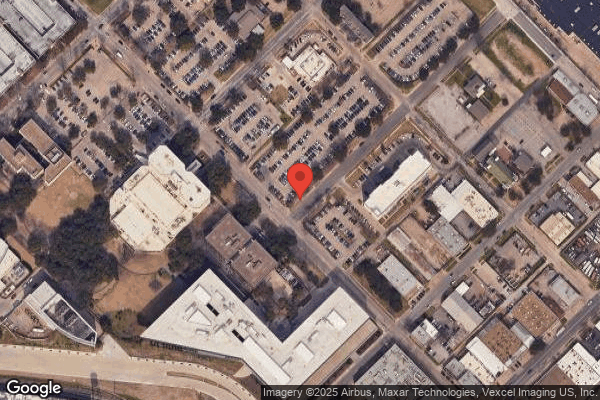
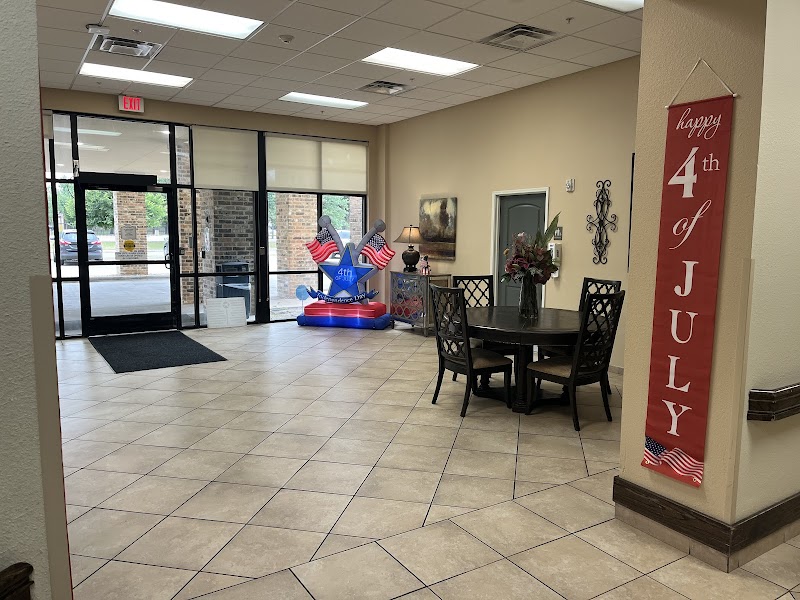
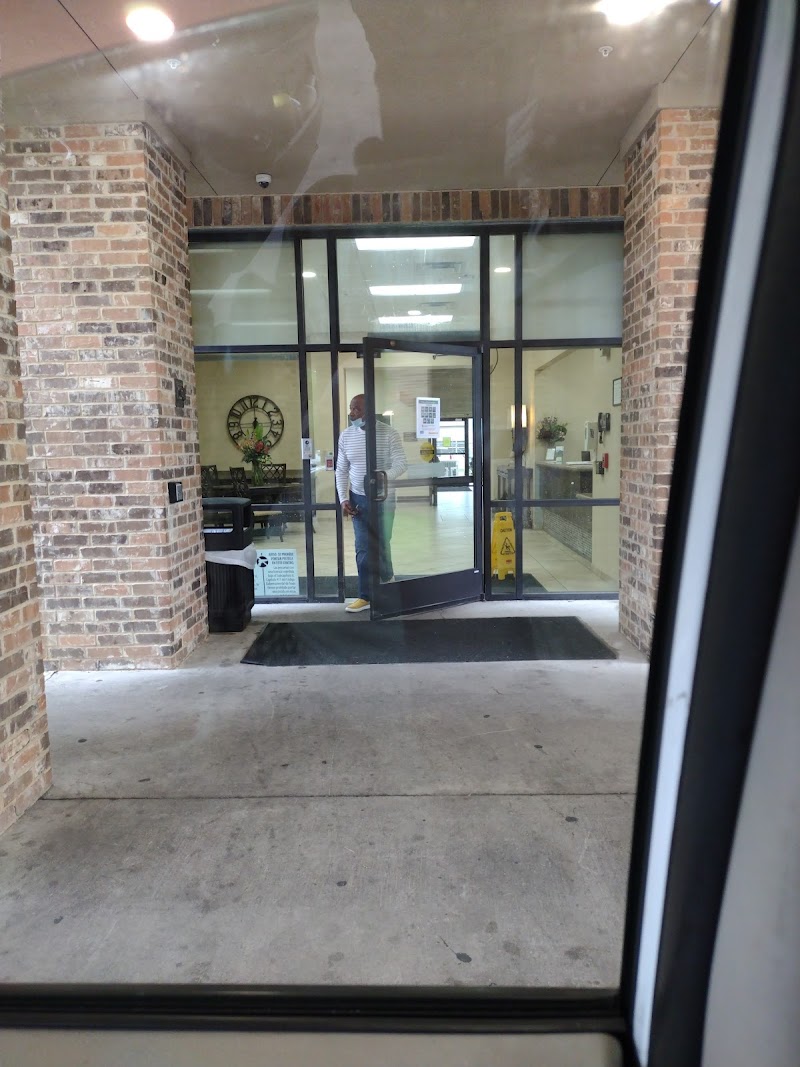
SIMPSON PLACE

3922 SIMPSON STREET, DALLAS, TX 75246 (214) 231-0864
For profit - Corporation 50 Beds STONEGATE SENIOR LIVING Data: November 2025
Trust Grade
58/100
#342 of 1168 in TX
Last Inspection: February 2025

Within standard 12-15 month inspection cycle. Federal law requires annual inspections.

Overview

Simpson Place in Dallas, Texas, has a Trust Grade of C, which means it is average and falls in the middle of the pack among nursing homes. It ranks #342 out of 1,168 facilities in Texas, placing it in the top half, and #18 out of 83 in Dallas County, indicating that only a few local options are better. The facility is improving, having reduced issues from seven in 2024 to six in 2025. Staffing is rated average with a 3 out of 5 stars, and turnover is 55%, which is close to the Texas average of 50%. However, there are some concerns; the facility was found to have serious issues, including a failure to protect a resident from physical abuse and not properly managing food safety, which could pose health risks. Additionally, there were reports of bed bugs that were not adequately addressed, suggesting a need for better maintenance and hygiene measures. Overall, while Simpson Place has strengths in its ranking and improving trend, families should be aware of these significant weaknesses.

Trust Score
C
58/100
In Texas
#342/1168
Top 29%
Safety Record
Moderate
Needs review
Inspections
Getting Better
7 → 6 violations
Staff Stability
⚠ Watch
55% turnover. Above average. Higher turnover means staff may not know residents' routines.
Penalties
⚠ Watch
$7,443 in fines. Higher than 95% of Texas facilities. Major compliance failures.
Skilled Nurses
⚠ Watch
Each resident gets only 28 minutes of Registered Nurse (RN) attention daily — below average for Texas. Fewer RN minutes means fewer trained eyes watching for problems.
Violations
⚠ Watch
25 deficiencies on record. Higher than average. Multiple issues found across inspections.
★★★★☆
4.0
Overall Rating
★★★☆☆
3.0
Staff Levels
★★★☆☆
3.0
Care Quality
★★★★☆
4.0
Inspection Score
Stable
2024: 7 issues
2025: 6 issues

The Good

  • Full Sprinkler Coverage · Fire safety systems throughout facility
  • No fines on record

Facility shows strength in fire safety.

The Bad

Staff Turnover: 55%

Near Texas avg (46%)

Frequent staff changes - ask about care continuity

Federal Fines: $7,443

Below median ($33,413)

Minor penalties assessed

Chain: STONEGATE SENIOR LIVING

Part of a multi-facility chain

Ask about local staffing decisions and management

Staff turnover is elevated (55%)

7 points above Texas average of 48%

The Ugly 25 deficiencies on record

1 actual harm
Feb 2025 6 deficiencies
CONCERN (D) 📢 Someone Reported This

A family member, employee, or ombudsman was alarmed enough to file a formal complaint

Potential for Harm - no one hurt, but risky conditions existed

MDS Data Transmission (Tag F0640)

Could have caused harm · This affected 1 resident

**NOTE- TERMS IN BRACKETS HAVE BEEN EDITED TO PROTECT CONFIDENTIALITY** Based on interview and record review, the facility failed to ensure a discharge MDS was electronically completed and transmitted...

Read full inspector narrative →
**NOTE- TERMS IN BRACKETS HAVE BEEN EDITED TO PROTECT CONFIDENTIALITY** Based on interview and record review, the facility failed to ensure a discharge MDS was electronically completed and transmitted to the CMS System within 14 days after completion for two (Resident #23 and Resident #43) of two residents reviewed for discharge assessments. The facility failed to complete and transmit Resident #23's and Resident #43's discharge MDS assessment within 14 days of completion. This failure could place the residents at risk of having incomplete records. Findings include: Review of Resident #23's face sheet, dated 02/13/25, reflected Resident #23 was an [AGE] year-old female admitted to the facility on [DATE]. Review of Resident #23's facility death record, dated 02/13/25, reflected Resident #23 date of death [DATE]. Review of Resident #23's MDS assessments on 02/12/25 revealed Resident #23 did not have a discharge MDS assessment completed. This MDS record was identified as greater than 120 days late on the resident assessment facility task. Review of Resident #43's face sheet dated 02/13/25 reflected Resident #43 was a [AGE] year-old male admitted to the facility on [DATE]. Review of Resident #43's Against Medical Advice form dated 09/30/24, reflected Resident #43 discharged on 09/30/24. Review of Resident #43's MDS assessments on 02/12/25 revealed Resident #43 did not have a discharge MDS assessment completed. This MDS record was identified as greater than 120 days late on the resident assessment facility task. In an interview on 02/13/25 10:21 AM with MDS Nurse F revealed Resident #23 and Resident #43 should have had discharge assessments. She stated that they had a change in the electronic health record system in November 2024 and was unable to see previous assessments. She stated that she was responsible for completing all MDS assessments. She stated the transmission of MDS assessment to CMS was conducted by the Regional MDS coordinator. She stated the timeframe for completing and transmitting discharge assessments was within 14 days of discharge or death. In a phone interview on 02/13/25 11:49 AM with the Regional MDS RN stated that all discharge or death assessment should be completed and transmitted to CMS within 14 days of discharge or death. She stated that Resident #23 had Quarterly MDS assessment dated [DATE] and Resident #43 had admission MDS assessment dated [DATE] in the EHR. She stated that she could not find any discharge MDS assessment for Resident #23 and Resident #43 either in the previous or new EHR nor could she find MDS transmission records for the same. She stated that facility MDS nurse was responsible for completing all MDS assessment in timely manner. She stated she will contact the MDS Nurse F in the facility to complete MDS assessments for Resident #23 and Resident #43 after the interview. In an interview on 02/13/25 12:39 PM with the Administrator stated that Facility MDS Nurse was responsible for completing all MDS assessment in timely manner and it was her expectation that all the MDS assessments were completed and transmitted to CMS within the stipulated time frame. She stated that failure to do so will lead to CMS not being aware if the resident was still residing in the facility. Review of facility's policy titled Resident Assessment revised on January 12, 2020 reflected, . It is the Standard of Care at this facility to conduct, initially and periodically, a comprehensive, accurate assessment of each resident's functional capacity utilizing the Minimum Data Set (MDS) according to the guidelines set forth in the Resident Assessment Instrument (RAI) manual .Comprehensive assessments will be completed not less often than once every 12 months (366 days), within 14 calendar days after admission, or within 14 days of a significant change determination . Tracking records and OBRA assessments will be transmitted electronically, in a CMS specified format, within 14 days of the assessment completion. MDS transmission Validation Reports will be saved electronically.
CONCERN (D) 📢 Someone Reported This

A family member, employee, or ombudsman was alarmed enough to file a formal complaint

Potential for Harm - no one hurt, but risky conditions existed

Comprehensive Care Plan (Tag F0656)

Could have caused harm · This affected 1 resident

**NOTE- TERMS IN BRACKETS HAVE BEEN EDITED TO PROTECT CONFIDENTIALITY** Based on interview and record review, the facility failed to develop and implement a comprehensive person-centered care plan for...

Read full inspector narrative →
**NOTE- TERMS IN BRACKETS HAVE BEEN EDITED TO PROTECT CONFIDENTIALITY** Based on interview and record review, the facility failed to develop and implement a comprehensive person-centered care plan for each resident, which includes measurable objectives and timeframes to meet a resident's medical, nursing, and mental and psychosocial needs that are identified in the comprehensive assessment for 1 of 24 residents (Resident #1), reviewed for care plan development. The facility failed to ensure Resident #1's comprehensive care plan included a plan of care for dialysis. This failure could place residents at risk for not receiving care and services to meet their needs, diminished function of health, and regressions in their overall health. The findings included: Record review of a face sheet dated 02/12/25 revealed Resident #1 was an [AGE] year-old male and was admitted on [DATE] with diagnoses including peripheral vascular disease (a circulatory condition), hypotension of hemodialysis (occurs when a large amount of blood is rapidly filtered during dialysis), muscle wasting and atrophy (a decrease in muscle mass and strength), and enterocolitis due to clostridium difficile (inflammation of the intestines). Record review of the most recent MDS dated [DATE] indicated Resident#1 was cognitively intact with a BIMS score of 15. Record review of Resident #1's care plan initially reviewed on 01/22/25 at 10:45 an revealed dialysis was not addressed in the plan of care prior to entry date of survey date (02/11/25) and time (9:08am). Record review of Resident #1's physician order summary revealed an order with a start date of 01/23/25 for Dialysis, M-W-F. During an interview on 02/13/25 at 8:50 a.m., the DON stated the resident was admitted to the facility as a dialysis patient. The DON stated every resident should have a plan of care. The DON stated anything that affected the resident should be care planned. She stated she was unsure why dialysis was not care planned prior to 02/11/25. She stated the MDS Coordinator was responsible for writing the care plans. During an interview on 02/13/25 at 01:48 p.m., the MDS Coordinator stated she did not see the plan of care addressed dialysis. She stated although there was a new system, it was already in effect when the resident was admitted . She stated she usually care planned the physician orders. She stated it was important to have an accurate care plan because it reflected what the facility was doing for the patient. Record review of the facility Care Plan-Process policy last revised on 02/12/20 and reviewed 03/27/23 revealed: The interdisciplinary team will coordinate with the resident and their legal representative an appropriate care plan for the resident's needs or wishes based on the assessment and reassessment process within the required time frames
CONCERN (D) 📢 Someone Reported This

A family member, employee, or ombudsman was alarmed enough to file a formal complaint

Potential for Harm - no one hurt, but risky conditions existed

ADL Care (Tag F0677)

Could have caused harm · This affected 1 resident

**NOTE- TERMS IN BRACKETS HAVE BEEN EDITED TO PROTECT CONFIDENTIALITY** Based on observations, interviews, and record review the facility failed to provide the necessary services for residents who wer...

Read full inspector narrative →
**NOTE- TERMS IN BRACKETS HAVE BEEN EDITED TO PROTECT CONFIDENTIALITY** Based on observations, interviews, and record review the facility failed to provide the necessary services for residents who were unable to carry out activities of daily living to maintain good grooming and personal hygiene for 2 residents (Resident #30 and Resident #19) of 5 residents reviewed for ADLs. The facility failed to ensure Resident #30, and Resident #19 had their fingernails cleaned and trimmed on 2/11/25. These failures could place residents at risk for loss of dignity, risk for infections, and a decreased quality of life. Findings included: 1- Resident #30 Record review of Resident #30's Quarterly MDS assessment dated [DATE] reflected Resident #30 was [AGE] year-old male with initial admission date to the facility of 02/28/2024. His diagnoses included stroke (interrupted blood flow to the brain leading to partial or complete brain damage), hypertension (high blood pressure), hyperlipidemia (high lipid levels), and anxiety. Resident #30 had BIMS of 15 which indicated Resident #30 had intact cognition. Resident #30 was totally dependent on staff for personal hygiene. Record review of Resident #30's Comprehensive Care Plan revised on 11/03/2024 reflected, .Problem: Fall Risk related to amputation. Intervention: . Assist [Resident#30] with ADLs as needed . In an observation and interview on 02/11/25 at 11:37 AM revealed Resident #30 had dirty and jagged nails. The nails on both hands were approximately 0.4 cm in length extending from the tip of his fingers. Resident #30 stated he would like his nails to be clipped and cleaned. He stated that he was dependent on staff for nailcare, and he did not have clippers to cut his nails. 2- Resident #19 Record review of Resident #19's Quarterly MDS assessment dated [DATE] reflected Resident #19 was [AGE] year-old male with initial admission date to the facility of 03/20/2019. His diagnoses included Fractures and other multiple traumas, Hypertension (high blood pressure), Peripheral vascular disease (decreased blood flow to the limbs), hyperlipidemia (high lipid levels), Schizophrenia (chronic mental condition affecting the thought process and perceptions). Resident #19 had BIMS of 15 which indicated Resident #15 had intact cognition. Resident #19 needed moderate assistance for personal hygiene. Record review of Resident #19's Comprehensive Care Plan revised on 11/13/2024 reflected, , .Problem: Fall Risk related to history of peripheral vascular disease. Intervention: . Assist [Resident#19] with ADLs as needed . In an observation and interview on 02/11/25 12:07 PM revealed Resident #19 sitting in the dining room. Resident #19 had long, jagged nails with black discoloration underneath the nailbed. The nails on both hands were approximately 0.3 cm in length extending from the tip of his fingers. Resident #19 stated that he could use help to cut nails. He also stated that the staff have clippers, and they clip his nails, however his nails had not been clipped for several days. In an observation and interview on 02/11/25 02:21 with CNA H stated CNAs and Nurses were responsible for nailcare. She stated nail care was performed on shower days and as needed. She said if a resident had diabetes, then nurses trimmed their fingernails. She stated that if nails were long and dirty, residents may be at risk of infection. She added Resident #30 refused nail care at times. She stated if ADLs were refused, she informed the Charge Nurse about refusals. CNA H then approached Resident #30 in the activity area and asked if he would like his nails cleaned and trimmed after he was done with the activities. Resident #30 stated he would like them to be clipped. In an interview and on 02/11/25 02:43 PM with RN G stated that both nurses and CNAs were responsible for doing nail care for the residents. She stated that fingernails should be trimmed and cleaned on shower days and as needed. She stated that dirty, jagged nails could lead to risk of increased infections. In an interview on 02/11/25 03:01 PM with the DON she stated nail care was the responsibility of all CNAs and Nurses. The DON stated nails should be observed daily. The DON stated she expected CNAs to offer to cut and clean nails if they were long and dirty. The DON stated she and management personnel conducted routine rounds to monitor ADL care. The DON stated residents having long and dirty could cause skin integrity to be broken and cause bleeding or infection. Record review of the facility policy titled, Bathing (not partial or complete bed bath) dated February 12, 2020, reflected, Nail care is given to clean and keep the nails trimmed . o Perform hand hygiene and perform nail care
CONCERN (D) 📢 Someone Reported This

A family member, employee, or ombudsman was alarmed enough to file a formal complaint

Potential for Harm - no one hurt, but risky conditions existed

Incontinence Care (Tag F0690)

Could have caused harm · This affected 1 resident

**NOTE- TERMS IN BRACKETS HAVE BEEN EDITED TO PROTECT CONFIDENTIALITY** Based on observation, interview, and record review, the facility failed to ensure a resident who was incontinent of bladder rece...

Read full inspector narrative →
**NOTE- TERMS IN BRACKETS HAVE BEEN EDITED TO PROTECT CONFIDENTIALITY** Based on observation, interview, and record review, the facility failed to ensure a resident who was incontinent of bladder received appropriate treatment and services to prevent urinary tract infections for one of two residents (Resident #12) reviewed for catheter care. The facility failed to ensure CNA C maintained Resident #12's indwelling urinary catheter (a tube that drains urine from the bladder) drainage bag below the bladder level during wound care on 2/11/25. This failure placed residents at risk for infection. Findings included: A record review of Resident #12's Quarterly MDS assessment dated [DATE] reflected Resident #12 was a [AGE] year-old male admitted to the facility on [DATE] with diagnoses including malignant neoplasm of prostate (a cancerous tumor that starts in the prostate gland), and pressure ulcer of the sacral region (located at the lower end of the spine). Resident #12 had a BIMS score of 15 which indicated Resident #12's cognition was intact. He required extensive assistance of two-person physical assistance with bed mobility and transfer. Resident #12 had an indwelling catheter. Record review of Resident #12's care plan dated 11/14/24 reflected, Problem: Urinary catheter . Goal: Resident will be free of complications of indwelling catheter . Interventions: . Keep catheter tubing placed below level of bladder . Review of Resident #12's Order Summary report dated February 2025, reflected, Suprapubic catheter every shift, continuous gravity drainage and catheter care. Privacy bag checked and placement of leg strap verified every shift. with a start date of 11/11/24. Observation on 02/11/25 at 02:52 PM revealed LVN B entered Resident #12's room to do wound treatment. CNA C entered Resident #12's room to assist LVN B. LVN B unhooked the catheter bag from the bed rail and gave it to CNA C. CNA C put the catheter bag flat on the foot of the bed, above the resident's bladder. LVN B provided wound care to the buttock wound. During the procedure urine was observed flowing back toward the resident's bladder. LVN B finished the treatment and then CNA C gave the catheter bag to the LVN B; LVN B hooked the catheter bag onto the bed rail. In an interview with LVN B on 02/11/25 at 03:20 PM she stated she was focused on the treatment; she did not pay attention that the CNA put the urine bag on the bed. She stated the catheter bag and tubing were supposed to be kept below the bladder. She stated failing to do this could cause the urine to back up and might cause an infection. In an interview with CNA C on 02/11/25 at 03:32 PM, she stated she was trained to always keep the catheter drainage bag below the bladder. She stated she put the bag on the bed to prevent it from pulling. She stated having it above the bladder could possibility cause the urine to run backwards, which could cause an infection. In an interview with the DON on 02/12/25 at 02:42 PM she stated any resident with a foley catheter should always have the bag and tubing below the bladder. She stated not keeping the foley catheter bag below the resident's bladder, placed them at risk of urinary tract infection and cross contamination. She stated to ensure staff were knowledgeable in the care of indwelling catheters the facility does skills competency checks and she stated the ADON, and Charge Nurses made daily rounds and watched care. She stated when staff needed to be re-trained, she provided the in-service training. Record review of CNA C's competency check off for catheter care revealed she was proficient in care as of 08/30/24. Review of the facility's policy titled, Care and Removal of an Indwelling Catheter, revised 01/12/2020 did not address the concern.
CONCERN (D) 📢 Someone Reported This

A family member, employee, or ombudsman was alarmed enough to file a formal complaint

Potential for Harm - no one hurt, but risky conditions existed

Deficiency F0761 (Tag F0761)

Could have caused harm · This affected 1 resident

Based on observation, interview and record review the facility failed to label drugs and biologicals in accordance with currently accepted professional principles, and include the appropriate accessor...

Read full inspector narrative →
Based on observation, interview and record review the facility failed to label drugs and biologicals in accordance with currently accepted professional principles, and include the appropriate accessory and cautionary instructions, and the expiration date for 1 (nurses cart hall 600 (617 through 631) of 2 medication carts reviewed for labeling of drugs and biologicals in that: The Nurses' Cart on Hall 600 (617 through 631) had 1 insulin pen for Resident #20 with no open date. Observation of the pen reflected it was not full and it was used. This failure placed residents at risk of not receiving the therapeutic benefits of the medications. The Findings included: Observation on 02/11/25 at 10:31 AM of the nurses' cart on hall 600 (617 through 631), with LVN A revealed the pen of insulin Humalog (lispro) 100 unit/ml for Resident #20 with no open date. Observation of the pen reflected it was not full and it was used. Interview on 02/11/25 at 10:35 AM, LVN A stated she gave insulin to Resident #20 in the morning at 7:00 AM and she did not check the pen for the open date. LVN A stated the purpose for putting an open date was for expiration purposes because the insulin was only good for 28 days. She stated after 28 days the insulin would be ineffective. Interview on 02/12/25 at 02:42 PM, the DON stated the insulin flex pens and vial, once opened, needed to be dated because each insulin pen and vial had a specific day's shelf life and if not thrown out by that time the insulin could lose its effectiveness. The DON stated the pharmacy consultant checked the carts monthly and she stated DON and ADON were supposed to do random checks of the medication carts for monitoring. Record review of the facility's policy titled Medications and Medication Labels, dated January 2023, revealed in part .2. Multi-dose vials shall be labeled to assure product integrity, considering the manufacturers' specifications. (Example: Modified expiration dates upon opening the multi-dose vial.) Nursing staff should document the date opened on multi-dose vials .
CONCERN (E) 📢 Someone Reported This

A family member, employee, or ombudsman was alarmed enough to file a formal complaint

Potential for Harm - no one hurt, but risky conditions existed

Food Safety (Tag F0812)

Could have caused harm · This affected multiple residents

Based on observations, interviews, and record review, the facility failed to store, prepare, distribute, and serve food in accordance with professional standards for food service safety for the facili...

Read full inspector narrative →
Based on observations, interviews, and record review, the facility failed to store, prepare, distribute, and serve food in accordance with professional standards for food service safety for the facility's only kitchen. The facility failed to ensure food items in the facility kitchen had use-by date. This failure could affect residents who received their meals from the facility's only kitchen, by placing them at risk for food-borne illness, and food contamination. Findings included: In an Observation on 02/11/25 at 10:00 AM of the facility walk in refrigerator revealed two packets of liquid eggs were opened but did not have use by date. In an interview and observation on 2/11/25 10:05 AM with the Dietary Manager revealed liquid egg packets were opened but not dated. She stated that all open items need to have 'open date' and 'used by date' depending on the food item. She stated that liquid eggs were open for breakfast on 2/11/25 and should have had use by date of 2/14/25 since liquid eggs were good for consuming for 3 days after opening. She stated that everyone in the kitchen including Cooks, Dietary aide and herself were responsible for dating food items in the kitchen. She stated risk of not dating was possible risk of food borne illness to the residents. In an interview on 02/12/25 12:07 PM with Dietary Aide E revealed everyone working in the kitchen was responsible for dating open food items. She stated for any food item that was open, it should have an open date and use by or expiry date. She stated risk of not dating food items was possibility of getting residents sick. In an interview on 2/12/25 12:54 PM with [NAME] D revealed everyone in the kitchen was responsible for dating food items. She stated that liquid eggs had use by date of 3 days after opening. She stated that opened, not dated food items posed a risk to residents since kitchen personnel were not sure how long food items have been opened and can make residents sick if they were spoiled. She stated that they received in-services from the Dietary Manager often about dating and labeling food items. Record review of the facility's policy titled, Food Storage policy revised February 6, 2024, reflected, Sufficient storage facilities are provided to keep foods safe, wholesome, and appetizing. Food is stored, prepared, and transported at an appropriate temperature and by methods designed to prevent contamination 2. Refrigerator .All foods are covered, labeled, and dated. Defrosting meat, eggs and milk shakes are labeled with date pulled for thawing . Review of the Food and Drug Administration Food Code, dated 2022, reflected, .Food Storage.(B) .refrigerated, ready-to eat time/temperature control for safety food prepared and packaged by a food processing plant shall be clearly marked, at the time the original container is opened in a food establishment and if the food is held for more than 24 hours, to indicate the date or day by which the food shall be consumed on the premises, sold, or discarded, based on the temperature and time combinations specified in (A) of this section and: (1) The day the original container is opened in the food establishment shall be counted as Day 1; and (2) The day or date marked by the food establishment may not exceed a manufacturer's use-by date if the manufacturer determined the use-by date based on food safety
May 2024 4 deficiencies
CONCERN (D) 📢 Someone Reported This

A family member, employee, or ombudsman was alarmed enough to file a formal complaint

Potential for Harm - no one hurt, but risky conditions existed

Free from Abuse/Neglect (Tag F0600)

Could have caused harm · This affected 1 resident

**NOTE- TERMS IN BRACKETS HAVE BEEN EDITED TO PROTECT CONFIDENTIALITY** Based on observations, interviews, and record review, the facility failed to ensure residents had the right to be free from abus...

Read full inspector narrative →
**NOTE- TERMS IN BRACKETS HAVE BEEN EDITED TO PROTECT CONFIDENTIALITY** Based on observations, interviews, and record review, the facility failed to ensure residents had the right to be free from abuse and not use verbal and mental abuse for 1 (Resident #1) of 8 residents reviewed for abuse. The facility failed to ensure CNA A did not snatch the call light out of Resident #1's hand and verbally abuse Resident #1, during patient care in her room on 05/19/24. This failure could place residents at risk of injury causing fractures, bruising, skin tears, and psychological harm resulting in in decreased health and psycho-social well-being. Findings included: Record review of Resident #1's MDS assessment dated [DATE] revealed a [AGE] year-old female who admitted [DATE] with a BIMS Assessment score of 06 (Moderate Cognitive impairment). She did reject care 1 to 3 days with no upper and lower extremity impairments. She used a wheelchair and needed substantial/maximal assistance with toileting, dressing, and personal hygiene. She had medically complex conditions, hypertension, Viral hepatitis, CVA, non-Alzheimer's dementia, seizure disorder, malnutrition, anxiety, depression, respiratory failure, dysphagia, and acute respiratory failure. Record review Resident #1's Care Plan dated 05/07/24 by RN L revealed, Cognitive deficit, impaired physical mobility, self-care deficit, chronic constipation, on 05/20/24 Behavioral changes: receive culturally competent trauma-informed care and accounting for resident's experiences and preferences in order to reduce triggers that may re-traumatize - Maintain respectful physical and emotional boundaries . Record Review of Resident #1's Nurses Note dated 05/19/24 at 6:46 pm by MDS Coordinator D revealed, Resident on the light all day. She screamed at the aide while the aide was changing her. Staff met all of residents needs during time light was answered. Resident screaming out of room and into the hallway off and on all day. Denies having any pain and distress noted. Resident may need psych consult. Record review of Resident #1's Nurses Note dated 05/19/24 at 9:18 pm by MDS Coordinator D revealed, While rounding on this resident a FM called and said to this nurse, 'She may have heard that Resident #1 had been on her light constantly all-day'. I replied and told the FM the staff did tell me she had been very anxious and very active on her call light today'. She starts telling me that 'She sent the DON an email today regarding Resident #1 and the CNA interaction today'. She continues by stating 'That the aide was verbally abusive to Resident #1 today and she made Resident #1 get out of bed against her will'. She also started using the word neglect towards Resident #1. 'She stated that she has it all on video'. I informed her that we take these allegations very seriously and I will be sure the proper people were informed. The abuse coordinator, administrator, has been informed and the DON. Record review of Resident #1's Nurses Notes from 12/13/23 - 05/17/24 revealed Resident #1 had no recurrent outburst of screaming or yelling at the staff or pressing her call light constantly for long periods of time until 05/19/24. Record review of Resident #1's Incident/accident Report dated 05/19/24 by MDS Coordinator D revealed, Type of incident: Abuse/neglect allegation, reported 05/19/24 at 8:00 pm. There was no witnesses, incident date/time: 05/19/24 at 7:30 am, no apparent injury, in resident's room- bed, resident was lying in bed. Resident #1's cognitive status: moderately impaired, cognition varies throughout the day, impaired sitting balance, and impaired standing balance. Resident #1 was total dependent, full weight bearing, incontinent, wheelchair used, vision and hearing adequate .abuse coordinator called and referrals to social services . Record review of Resident #1's Provider Investigative Report dated 05/24/24 by Administrator B revealed, the facility reported Resident #1's abuse allegation on 05/20/24 at 12:57 pm and determined the allegation occurred on 05/19/24 at 7:30 am. Resident #1 had no prior history of abuse, and the AP denied the abuse allegation. Witness: video camera in Resident #1's room, the FM said she witnessed a CNA verbally abuse Resident #1 and made her get up against her will via the camera in the room. Resident #1 was assessed by MDS Coordinator D revealed no injury or adverse effects and no treatment was provided, and the incident was reported to the police. Provider Response: Employee was sent home pending investigation. Clinical Assessment completed for Resident #1. MD/RP, Administrator C Notified, the DON Notified. Notified Local Authority, Incident # XX-XXXXXXX. Conducted Resident Safe Surveys. Scheduled visit from XXX for Psychological services for psychosocial support. Investigation Summary: On 5/19/24, @ approximately 7:50pm FM N called the facility and notified the charge nurse, MDS Coordinator D that she saw on camera in the room, an aide was verbally abusive to Resident #1, and she made Resident #1 get up against her will. She said the incident happen at 7:30 am that morning. MDS Coordinator D notified the Administrator C and DON. FM N sent copy the videos via email on Wednesday, May 23 [SIC], 2024, to the administrator . In video #1, CNA A removes the call light from Resident #1's hand and tosses it to the ground . In Video #2, CNA A refuses to change Resident #1 when she tells CNA A, she is wet . In Video #3, No previous audio is heard, then you hear CNA A say, I ain't scared. I'll fight back then Resident #1 says I wasn't calling no one CNA A continues to tell Resident #1, I don't know what your problem is today. You talking crazy to me . In video #4, CNA A walks in and says, What is it? You fixing to get up. Resident #1 says she needs to poop. CNA A says you fixing get up. I'm not playing games . No witnesses other than the camera. CNA A was suspended pending investigation. A review of CNA's employee file reveals CNA A was hired on 9/21/22. Prior disciplinary actions include tardies. No prior allegations. CNA A denies the allegations and says she was talking to her boyfriend via ear buds while providing care. CNA A was terminated, and her license was referred to the state. Resident #1 is a [AGE] year-old female with a diagnosis of unspecified Dementia and a BIM score of 6. She remains in the facility and denies a distress from the event. It is possible CNA A was talking to someone on her ear buds because Resident #1 is not heard speaking at all before CNA A says I ain't scared. I'll fight back . Notified Dallas police event# xx-xxxxxxx. Safe surveys conducted and concluded that participants felt safe. Scheduled visit .for psychological services for psychosocial support. Staff in-service on abuse and neglect. Based on staff interviews, record review, and resident observation monitoring, it is determined that there is no negligence noted by [This Facility] Were other parties notified: Notified Police, Incident# xx-xxxxxxx. Investigation Findings: Inconclusive Provider Action Taken Post-investigation: Resident #1 remains stable in the facility with no negative outcomes. Care plans reviewed and updated as needed. In-service initiated for staff on abuse and neglect. CNAs license was referred. CNA was terminated. Any trends will be evaluated in QAPI meeting as needed. Record review of the Abuse In-service Trainings conducted by the DON on 05/19/24 revealed 14 employees received the Abuse training. Record review of the Abuse In-service Trainings conducted by the SW on 05/23/24 revealed 12 employees received the Abuse training. Record review of CNA A's Notice of Warning form dated 05/20/24 revealed, Investigatory Suspension, suspend pending abuse allegation. Record review of CNA A's Community Personnel Action effective date 05/23/24 by Administrator B revealed, Not eligible for rehire, termination: Discharge - violated company policy: Employee terminated due to allegation of abuse. Record review of CNA A's Timecard revealed she worked on 05/19/24 from 6:15 am to 6:48 pm and had not worked at this facility since then. Interviews between 05/21/24 at 10:30 am to 05/22/24 at 5:58 pm and revealed CNA J, LVN M, LVN N, Medication Aide O, [NAME] I, Dietary Aide, Central Supply P, ADON Q, and MDS Coordinator D had been trained on abuse and to report it immediately to the Abuse Coordinator, the Administrator. In an interview on 05/21/24 at 4:40 pm, Resident #1 stated a few days ago one of the CNA's was abusive to her, she was yelling at her, and mean by the way she talked to her. She stated this CNA was a bad person because she constantly did things to aggravate her. She stated this CNA said things to her she should not have said and that was why she had to report it. She stated she could not remember the CNA's name and description and had not seen her at the facility since this occurred. She stated she felt safe and was glad that CNA was not coming back to ever care for her again. In an interview on 05/22/24 at 04:52 pm, the SW stated Resident #1 complained about CNA A being rude to her on Sunday (05/19/24). And after review of Resident #1's video they were able to determine it was CNA A who was then suspended at that time. In the video CNA A told Resident #1 she needed to get out of bed, and it was CNA's tone that was not right. She stated it was hard to hear much of what was said. In an interview by phone on 05/22/24 at 5:13 pm, CNA A stated why was the HHSC Investigator wanting to talk to her then said she already knew why the HHSC Investigator called her. She stated this call had do with her being suspended. She stated she was suspended because of an allegation made by Resident #1 and the Administrator felt like she was rude to this resident. She stated on 05/19/24, she was on the phone talking to someone else while she was caring for Resident #1 and was not yelling at her. She stated she was not abusive to Resident #1 or anyone else and added she had been suspended since Sunday night 05/19/24. She stated she received a call from the staffing coordinator she was suspended and stated she spoke to Administrator B and gave her statement to her. She stated she was not going to go back to this facility, and she was fine if she gets fired. In an interview on 05/22/24 at 5:19 pm, Administrator B stated they suspended CNA A last Monday 05/20/24 and reported it to HHSC. She stated after she further reviewed the video, CNA A would be terminated, and they were currently doing safe surveys, and social worker notes. She stated CNA A wrote a statement denying the allegation of abuse. She stated CNA A was not physically abusive but was verbally/mentally abusive to Resident #1. She stated Resident #1's mood was fine and told the SW she was glad CNA A no longer worked at this facility. Observation on 05/22/24 at 5:25 pm of Resident #1's Video footage dated 05/19/24 at 7:41 am - 7:44 am revealed: CNA A yelled: What is it? (turning off call light), you finna get up, you, you you finna get up, that's it, naw you finna get up, uh uh. Resident #1: Uh uh I have to poop (bowel movement). CNA A yelled: And you're still finna to get up, you're finna get up, I'm going to teach you about riding the lights. Resident #1: I got to boo boo (have a bowel movement). CNA A yelled: And you still finna to get up, it don't matter you getting up early, you want to ride the light, let's get up, you want to press the light all night long, let's get up yeah early, you gone stop oneday and you still have to get up, oh yeah you finna get up uh huh. Resident #1: Oh okay CNA A yelled: Yeah I'm not playing games with nobody this morning and (started putting on her gloves, pulled Resident #1's bed covers down to her feet and laid the resident down flat and turned the small fan off) and at 7:42 am snatched the call light out of Resident #1's hand and threw it to the other side of her bed, CNA A went to the closet to get clothes and said Yes Jesus won't he do it then she went through a bag to get clothes, then the video ends. Observation on 05/22/24 at 5:26 pm of Resident 1's video footage dated 05/19/24 at 10:11 am - 10:13 am revealed, CNA A said: You don't have to worry about me no more baby, nobody does. Resident #1: You going to take off my clothes, my pants. CNA A yelled: No, I'm not, I'm leaving them on. Resident: #1 They're kind of wet. CNA A yelled: No, your clothes are not wet. Resident #1: These are wet, they soaking . (cut off by CNA A) CNA A yelled: First of all, you don't have on any pants so what are you talking about. Resident #1: Okay these are soaking wet (Resident #1 has white phone in her hand pressing the buttons). CNA A yelled: I don't care who you call, I'm not scared, at all I'm not scared, I fight back. Resident #1: I wasn't calling somebody; I wasn't calling nobody. CNA A yelled: I fight back. Resident #1: So. CNA A yelled: So. Resident #1: I do too. CNA A yelled: Resident #1 [calling resident by her first name] I don't know what your problem is today, but you . Resident #1: No, you're talking to me crazy. CNA A yelled: No, you're talking to me crazy. Resident #1: You're talking to me crazy. CNA A yelled: Bye Resident #1 [calling resident by her first name] bye and (walked out of the resident's room Resident #1: Bye . then the video ends. In an interview on 05/22/24 at 5:46 pm, the DON stated Resident #1 was good at telling her things, but she had not reported anyone being abusive to her. She stated she got a call Sunday night 05/19/24 from MDS Coordinator D saying one of the staff members had been rough or rude to Resident #1. She stated the Former Administrator was notified and CNA A was suspended, and the police were called. She stated Resident #1 had no change in mood and after reviewing the videos she did not see physical abuse. She stated she saw CNA A was verbally abusive to Resident #1 and when she first looked at Resident #1's videos, she was like wow, and had never seen CNA A acting like that before. She stated CNA A had no complaints about being rude or abusive to the residents prior to this incident. She stated she was surprised at how her tone was with Resident #1. She was not good with communicating with the resident. She stated the facility was still investigating this allegation. In an interview on 05/22/23 at 10:52 am, Former Administrator C stated he came up to this facility to review Resident #1's videos. He stated after seeing what transpired in the videos, he told the new Administrator B what he saw in the videos was terminable. He stated he spoke to FM N because Resident #1 was not interviewable. He added the takeaway from the videos were very concerning and he was pretty surprised at what he saw. Interview on 05/22/24 at 3:25 pm, FM N stated she had seen that CNA prior to this and noticed she had an attitude and frown on her face. She stated she had to say hello to that CNA first and she would respond Fine and was very short in conversation and was snappy with other residents and Resident #1 in the past. She stated she emailed the DON and SW that a CNA was rude when talking to Resident #1. She stated around on 05/19/24 at 10:50 am, Resident #1 called her upset crying very badly, her voice was shaky, and she was hysterically upset. She stated Resident #1 said a CNA came into her room and threatened her and was mean and disrespecting to her. She stated Resident #1 said this CNA yelled at her and was mean and rude to her and talked down to her. She stated after she spoke to Resident #1 on 05/19/24, she reviewed the video camera in Resident #1's room. She stated she could see on this day (05/19/24) at 7:27 am, a CNA was verbally abusive to Resident #1. She stated she called the facility six or seven times, but no one answered the phone. She stated she emailed the DON and the SW about how that CNA treated Resident #1 on 05/19/24. She stated she was eventually able to talk to LVN K about not letting that CNA work with Resident #1 any longer this day (05/19/24), to not go back into Resident #1's room because that CNA had been rude to Resident #1. He said okay, he would ensure that CNA would not go back in there. She stated she emailed the DON and the SW on 05/19/24 at 2:31 pm that the CNA caring for Resident #1 that day (05/19/24) was verbally abusive and neglectful. She stated she had no response from anyone until the SW called her 05/20/24 saying she referred Resident #1's grievance to the Abuse Coordinator, Administrator C. She stated she had since spoke to the DON about this matter, and she said the DON was flabbergasted about what had happened between Resident #1 and that CNA. She stated what that CNA did to Resident #1 made her feel uneasy and was disheartening especially when the CNA took an oath to take care of people. She stated she felt better now knowing that CNA was no longer there to care for Resident #1 or anyone else. Record review of the facility's Abuse and Neglect .policy and procedure dated June 23, 2017 and revised February 12, 2020 revealed, The purpose: of this policy is to ensure that all healthcare facilities comply with federal and state regulations regarding (i) protecting facility patients and residents from abuse, neglect, exploitation, and misappropriation of resident property, and (ii) timely investigation of and reporting to state and local agencies all allegations of abuse, neglect, exploitation, and misappropriation of resident property. All managed healthcare facilities and all management company staff members or third parties providing services to such facilities and/or their residents. Policy: 1. Resident Rights. Each resident has the right to be free from abuse, neglect, exploitation, misappropriation of resident's property, corporal punishment, and involuntary seclusion. Residents must not be subjected to abuse, neglect, exploitation, misappropriation of resident's property by anyone, including, but not limited to, facility staff, other residents, consultants, volunteers, staff of other agencies serving the resident, family members, legal guardians, resident representative, friends, or other individuals. 2 Facility Duty to Protect Resident Rights. The facility must prohibit and prevent abuse, neglect, and exploitation of residents, and misappropriation of resident property. This includes but is not limited to freedom from corporal punishment, involuntary seclusion and any physical or chemical restraint not required to treat the resident's symptoms
CONCERN (D) 📢 Someone Reported This

A family member, employee, or ombudsman was alarmed enough to file a formal complaint

Potential for Harm - no one hurt, but risky conditions existed

Accident Prevention (Tag F0689)

Could have caused harm · This affected 1 resident

**NOTE- TERMS IN BRACKETS HAVE BEEN EDITED TO PROTECT CONFIDENTIALITY** Based on observations, interviews, and record review, the facility failed to ensure all assistive devices were maintained and fr...

Read full inspector narrative →
**NOTE- TERMS IN BRACKETS HAVE BEEN EDITED TO PROTECT CONFIDENTIALITY** Based on observations, interviews, and record review, the facility failed to ensure all assistive devices were maintained and free of hazards for two (Residents #2 and #3) of 8 residents reviewed for medical equipment. The facility failed to properly maintain Residents #2 and #3's wheelchair armrests. These failures could place residents at risk of skin tears, bruises, and falls which could lead to bleeding, and pain resulting in a decline in their health and psycho-social well-being. Findings included: 1) Record review of Resident #2's admission MDS assessment dated [DATE] revealed a [AGE] year-old male who admitted [DATE] with a BIMS Score of 05. He used a wheelchair with an active diagnoses of having a stroke and has had one fall with no injury since he admitted . Review of Resident #'2s plan of care dated 05/14/24 for fall risk related to fall, history of hemiplegia, history of hypertension, fall risk score 7-8 high risk and evidence by joint mobility (joint range and motion) interferes with balance, paralysis, left upper extremity weakness, left lower extremity weakness, and cognitive status. And for impaired physical mobility dated 04/16/24 related to history of hemiplegia and cardiovascular disease . Observation on 05/21/24 at 11:55 am, Resident #2 was not interviewable and was sitting in the TV/common area room next to the nurse's station. Resident #2 was sitting in a recliner wheelchair. The right armrest only had 2x1 inches diameter of vinyl was missing and there were small, jagged edges of vinyl, and the exposed cushion appeared brownish. And the left side armrest of his wheelchair was missing, and the metal part of the wheelchair was exposed. In an interview on 05/21/24 at 11:58 am Medication Aide F stated she had not noticed Resident #1's wheelchair armrests were not in good repair. She stated broken armrests could cause Resident #2 to fall or get pressure sores, itchiness, and redness of his skin. In an interview on 05/21/24 at 12:04 pm MDS Coordinator D stated she had not noticed his wheelchair armrests were not in good repair. She stated she was in the office a lot and added she was not aware if he had any falls or not. She stated residents in torn or missing armrest could cause skin tears, pressure wounds, or scrape their arms. She stated they used teamwork between central supply, maintenance, and nursing to report to maintenance any issues with the residents' wheelchairs. She stated she was going to get the Maintenance Director right now to fix them. In an interview on 05/21/24 at 12:09 pm, CNA F stated she was not sure if that was Resident #2's personal wheelchair, she believed he was just borrowing it. She stated she was not sure why the wheelchair's armrests were torn and missing. She stated she would see if she could find him another wheelchair. In an interview on 05/21/24 at 12:10 pm, the ADON stated she was working the floor and was Resident #2's charge nurse for this day. She had not noticed his wheelchair had torn and missing armrests. She stated she was not sure what type of wheelchair he was in. In an interview on 05/21/24 at 12:15 pm, the Central Supply Director stated she had not noticed Resident #2's wheelchair having torn and broken arm rests and was not sure who put him in that wheelchair. She stated all staff were responsible for reporting broken wheelchairs to the maintenance department. She stated if the resident's wheelchair arm rests were torn, or broken residents could get skin tears or could cause them to fall. She said she would get with the nursing department to get him another wheelchair. Observation on 05/21/24 at 12:22 pm, Resident #2 was being pushed by staff to the dining room and was in another wheelchair that appeared new with no torn or missing armrests. 2) Record review of Resident #3's Annual MDS assessment dated [DATE] revealed a [AGE] year-old female who admitted [DATE] with a BIMS score of 07 and used a walker. She was diagnosed with medically complex conditions and had no falls since she admitted . Review of Resident #3's Care Plan dated 04/06/24 revealed, Cognitive deficit, as evidenced by short term memory loss, fall risk related to: fall risk score of 7-8 high risk, as evidenced by cognitive status, impaired physical mobility as evidenced by: assist rails. Observation and interview on 05/21/24 at 12:27 pm, Resident #3 was sitting in the dining room at the table waiting to get her food. And her right wheelchair armrest had approximately seven inches of missing vinyl that was torn off, most of the cotton was missing, and there was a thin layer of brownish cotton left. She stated in the past she put tape around her wheelchair armrests. She stated she spoke to the Maintenance Director about fixing her wheelchair and was being patient on getting it fixed. She stated she was doing the best she could to get around. Interview and observation on 05/22/24 at 10:35 am, Resident #3 was sitting in her wheelchair, the vinyl of the left arm rest was torn and jagged in the middle part of it. And the right arm rest was still missing most of the vinyl and the cotton was exposed. She stated she put tape on them before, but they took the tape off of them. She stated she wanted to tape her armrests again, to keep them from tearing any further, and added it had been over a year that her wheelchair's armrests were like this. She stated when she asked the staff about getting them fixed, they said they would let the Maintenance Director know. She asked the state surveyor would she please try to get her wheelchair arm rests fixed. Interview on 05/22/24 at 10:41 am, the ADON stated she never noticed Resident #3's wheelchair arm rests being torn and said she would report it to the maintenance man. She stated having bad armrests could cause the residents to have skin problems. Interview and observation on 05/22/24 at 12:56 am, Resident #3 was leaving the dining room and was using her left arm and leg to move her wheelchair. She had a drink in her right hand and both of her armrests were fixed and appeared new. She stated she was so happy now. In an interview on 05/22/24 at 3:59 pm the Maintenance Director stated he had not noticed the resident's wheelchair armrests were torn and missing. He stated he had a maintenance assistant who also helped him, and all the staff had to do was put the repair request in the maintenance book. He stated he was responsible for repairing and replacing wheelchairs if he knew about it. He stated the staff liked to verbally tell him something needing repair but when he was busy working on something else, he has told them to write in in the maintenance book. He stated if resident's wheelchairs were not in good repair, they could have a fall and get hurt. In an interview on 05/22/24 at 5:46 pm, the DON stated she was not sure who was responsible for ensuring the wheelchairs were in good working order. She stated all staff should look at their wheelchairs when providing care, at any other times, and write it in the maintenance book if there's problems with them. She stated residents could get skin abrasions and skin infections if there armrests were not properly covered. She stated germs could get in their skin for a skin tear or cut. In an interview on 05/22/24 at 7:43 pm, Administrator B was not aware of any issues with the resident's wheelchairs not being in good working order and would get with maintenance to address. In an interview on 05/22/24 at 10:52, Former Administrator C stated this facility had no issues or complaints about wheelchair armrests being in disrepair. He stated the staff looked at the wheelchairs and switched or replace them when issues were identified. Record Review of the Maintenance log dated from 05/08/24 to 05/22/24, reflected no entries to repair wheelchair armrests. Record review of the Maintenance Repair policy was requested 05/21/24 and 05/22/24, but not provided. A review of the facility's policy Incident/Accident prevention policy was requested 05/21/24 and 05/22/24, but not provided.
CONCERN (D) 📢 Someone Reported This

A family member, employee, or ombudsman was alarmed enough to file a formal complaint

Potential for Harm - no one hurt, but risky conditions existed

Food Safety (Tag F0812)

Could have caused harm · This affected 1 resident

Based on observations, interviews, and record review, the facility failed to store, prepare, distribute, and serve food in accordance with professional standards for food service safety for 1 (Dietary...

Read full inspector narrative →
Based on observations, interviews, and record review, the facility failed to store, prepare, distribute, and serve food in accordance with professional standards for food service safety for 1 (Dietary Aide G) of four dietary staff reviewed for food services. Dietary Aide G failed to properly wear a hair restraint effectively covering all of her hair, while preparing the food for the residents, from the steam table on the 600-hall floor. This failure could place residents at risk for food contamination and foodborne illness which could result in gastro-intestinal issues and loss of desire to eat the food and emotional distress. Findings included: Observation and interview on 05/22/24 at 12:52 pm, Dietary Aide G was on the 600-hall floor standing in front of the mobile food hot cart (Steam table). She was preparing the resident's meal plates and her hair was approximately 3 inches in length. She had a brown 2-inch diameter hair net on top of the right side of her head, a 2-inch diameter hair net on top of the left side of her head, and the front sides and back of her hair was loose and not covered inside of the two hair nets. She stated she forgot to put on another hairnet because she ran outside and rushed to start preparing the resident's meal trays. She stated she would go downstairs later after she finished making the resident's plates to get another hair net. In an interview on 05/22/24 at 3:06 pm, Dietary Aide H stated Dietary Aide G left for the day. She stated she used two hairnets to prevent her hair from going into the resident's food. She stated she last had training on use of hair restraints about two months ago and added DD ensured they had their hairnets on properly. She stated they had enough hair nets that were located on the right side, kitchen entrance. She stated they had extra hair nets in the storage unit next to the kitchen/dining area. She stated not wearing a hairnet, could make the resident complain and want another plate. She stated they might get disgusted and make them emotionally upset and lose their appetite. In an interview on 05/22/24 at 3:20 pm, [NAME] I stated the importance of having hairnets kept the food sanitary and hair from getting into the food, drinks, silverware, and wherever the food was prepared. She stated she always wore a hairnet in the kitchen, when preparing the resident's meals. She stated the last hair net training was about a month or two months ago. In an interview on 05/22/24 at 6:48 pm, the DD stated that whenever the dietary staff prepared the meals, they must wear hair nets to help protect the food from being contaminated by their hair falling in it. She stated she had to remind her staff about hair net usage and made sure their hair was tucked in. She stated Dietary Aide G wore 3 hair nets and was not aware she was not ensuring all of her hair was in the hair nets. She stated she would address the matter with Dietary Aide G tomorrow morning. She stated if residents were to find hair in their food it could probably put the residents off from eating and upset them. She stated she had no complaints about hair in food/drinks and she had enough hairnets and the white cap hair nets. She stated her expectations were for all employees to be in compliance with their hair net policy and added the last hairnet training she could not remember but it was early this year. She stated she was going to educate staff tomorrow about hair restraints. In an interview on 05/22/24 at 7:43 pm, Administrator B stated she was not aware of any issues with staff not wearing hairnets when preparing the residents meal plates. She stated her expectations for hair net usage was for all of their hair to be inside of their hairnets. She stated the DD was responsible for ensuring the staff wore hairnets. Record review of the facility's Employee Infection Control: Nutrition Services revised February 6, 2024, revealed, Policy: All local, state, and federal standards, and regulations are followed to ensure a safe and sanitary Nutritional Services Department .Procedure .5. Anyone who enters the kitchen will have all hair restrained using bouffant caps, mesh or net beard guard, and clothing which covers body hair. 10. In addition to standard precautions listed (1-9), employees use these procedures when providing meal delivery using the mobile hot food cart:. Record review of the Federal Food Code dated 2022 reflected: 2-402.11 Effectiveness. (Hair Restraints) 1. Code of Federal Regulations, Title 21, Sections 110.10 Personnel. (b) (1) Wearing outer garments suitable to the operation (4) Removing all unsecured jewelry (6) Wearing, where appropriate, in an effective manner, hair nets, head bands, caps, beard covers, or other effective hair restraints.(8) Confining .eating food, chewing gum, drinking beverages, or using tobacco and (9) Taking other necessary precautions
CONCERN (E) 📢 Someone Reported This

A family member, employee, or ombudsman was alarmed enough to file a formal complaint

Potential for Harm - no one hurt, but risky conditions existed

Deficiency F0925 (Tag F0925)

Could have caused harm · This affected multiple residents

**NOTE- TERMS IN BRACKETS HAVE BEEN EDITED TO PROTECT CONFIDENTIALITY** Based on interviews and record review the facility failed to maintain an effective pest control program so that the facility was...

Read full inspector narrative →
**NOTE- TERMS IN BRACKETS HAVE BEEN EDITED TO PROTECT CONFIDENTIALITY** Based on interviews and record review the facility failed to maintain an effective pest control program so that the facility was free of pests of 1 floor (600 floor) of six floors reviewed for effective Pest control. The facility failed to have an effective pest control treatment plan, subsequently, Residents #4 had a reported bed bug in his room on 05/01/24 and Resident #5 had a bed bug report in his room on 05/19/24. The facility failed to follow their Beg bug policy and take actions to eliminate bed bugs reported in two resident's rooms and check all rooms on the 600-hall floor for bed bugs and train all staff on bed bug prevention. These failures could place residents at risk of bed bug bites and skin infections causing allergic reactions, scratch marks and skin tears, which could result in pain and decreased quality of life and psycho-social well-being. Findings included: Record Review of Resident #4's admission MDS assessment dated [DATE] revealed a [AGE] year-old male who admitted [DATE] with a BIMS Score of 15 (No cognitive impairment). And substantial/maximal assist with moving from left to right, dependent with transfers, toileting and dressing and used a wheelchair. He was diagnosed with medically complex conditions: diabetes, hemiplegia or hemiparesis, asthma, Chronic obstructive Pulmonary Disease or chronic lung disease and respiratory failure. He was diagnosed with ESRD and getting dialysis treatments and had no skin issues and used a pressure reducing device for his bed. Record review of Resident #5's admission MDS assessment dated [DATE] revealed an [AGE] year-old male who admitted [DATE] with a BIMS score of 13 (No cognitive impairment). And substantial/maximal assistance with showers and dependent lower body dressing and putting on/taking off footwear and used a walker. He was diagnosed with medically complex conditions: heart failure, hypertension (high blood pressure), benign prostatic hyperplasia. He had no skin issues. Record review of the facility's Pest Control sighting log sheet dated 05/01/24 logged by Central Supply Director revealed, Type of pest: Bed bug and location found in Resident #4's room. Record review of the facility's Pest Control sighting log sheet dated 05/23/24 [sic] logged by Maintenance Director revealed, Type of pest: Bed Bug and location found in Resident #5's room. Record review of the Pest Control Treatments invoices revealed bed bug treatments were done to several rooms of the building on 01/19/24, 01/26/24, 02/02/24, 02/16/24, 02/23/24, 03/01/24, 03/18/24, 03/15/24, 03/22/24, 03/29/24, 04/05/24, 04/08/24, 04/11/24, 04/26/24, 05/02/24, 05/09/24, 05/16/24, and 05/23/24. Record review of the Pest Control Treatment invoice on 05/02/24 revealed a bed bug treatment was done in Resident #4's room on the 600 floor. Record review of the Pest Control Treatment invoice on 05/23/24 revealed a bed bug treatment was done in Resident #5's room on the 600 floor. In an interview on 05/21/24 at 9:45 am, Former Administrator C stated they currently had an ALF resident, Resident #5 who went to the hospital and re-admitted to their Skilled Nursing floor 600. He stated after this resident re-admitted to the Skilled Nursing floor he went to his Apartment on the 500 floor to get some of his personal items. He stated they suspect the bed bugs came from the clothes he took from his ALF apartment which had been treated for bed bugs in the past. He stated after the bed bugs were reported, the Maintenance Director did a bed bug chemical treatment. He stated the Pest Control Provider would be coming out 05/23/24 to do a bed bug treatment of the whole 600 floor. He stated this was the first time there was any mention of bed bugs on the 600 floor. He stated once a report of bed bugs was done, they notified all the department heads. He added now their Pest Control Provider came to do bed bug treatments every Thursday and spent the whole day doing the treatments. He stated their Pest Control Provider also came on off days for special requests. He stated they changed out their Pest Control Tech that did their past bed bug treatments and the Pest Control management team was also coming out as a level of oversight. He stated they had pest control provider contracts they were reviewing and may change pest control providers soon. He stated there was no other rooms affected by the bed bugs and there had not been any activity since the initial sighting last Sunday (05/19/24). He stated after the bed bug sighting, he did a Bed Bug prevention training with the staff. In an interview on 05/21/24 at 4:30 pm, Resident #4 stated he was lying in the bed watching television on 05/01/24 and saw one bed bug crawling across the top of his bed sheet. He stated he told one of the staff and she said she would report it, then the Maintenance Director came and spray treated his room, and nurse checked him out. He stated he had no skin issues, no bite marks, and had not seen any more since then but last Sunday (05/19/24) the staff were all suited up going to a room down the hall. He stated he asked what was going on and the staff said that a room was being sprayed for bed bugs then the Maintenance Director came in to spray his room too. In an interview on 05/22/24 at 10:30 am CNA J stated she had not had any pest control trainings and was not aware the nursing home floor had bed bugs. She stated this was her first-time hearing about this. In an interview on 05/22/24 at 10:41 am, the ADON stated she worked last Saturday (05/18/24) and on Monday (05/20/24) she heard about the bed bug sighting in Resident #5's room. She stated she suspected Resident #5's clothes had bed bugs on them because Resident #5 had a bed bug on their bed sheet. She stated she had not seen any bed bugs and the last bed bug training was last month (April 2024). In an interview on 05/22/24 at 11:00 am, Resident #5 stated his ALF apartment had bed bugs and it had been spray treated three times in the past. He stated he had turned blue in the face asking to get that room sprayed for bed bugs. He stated he went to the hospital and afterwards went to the 600 floor skilled unit at this facility for rehabilitation and needed some clothes, so he went down to his apartment on another floor and got them. He stated now the staff were telling him he brought bed bugs up to his new room on the 600 floor. He stated the staff took all of his clothes and washed them and bed bug sprayed this room on the 600 floor. He stated being assessed by the nurse and not being bitten. In an interview on 05/22/24 at 11:58 am, Administrator B stated this was her second day working as this Administrator and she found out about the bed bug issue on the 600 floor yesterday 05/21/24. She stated she was not sure who the resident was but was told the 600 floor normally did not have any bed bugs. She stated she heard ALF Resident #5 was transferred to the 600 floor and brought the bed bugs with him. She stated pest control spray treated and inspected the facility every Thursday. She stated the department heads and herself had a meeting yesterday to discuss the bed bug issue. She started asking the team how long they have had the bed bug issue and was told it had been a while and was told what they did in the past. She stated telling them the pest control plan was not working and wondered what else could be done. She stated she questioned was it also a housekeeping issue, and suggested they needed to make sure they had one vacuum cleaner per floor. She stated she noticed some housekeeping issues of the facility not being as clean as it should be. She stated the Housekeeping Director was in the process of getting more training on how to clean the facility better and with power washing the wheelchairs. She stated she reviewed the pest control contract to see if they had a bed bug program because their Pest Control Provider needed to do something so that this could be resolved. She stated she was working on getting shoe booties and added she was having a meeting with all of the residents this Friday about the bed bug issue. She stated right now she will start doing staff trainings for them to be able to identify what bed bugs were and if they saw them who they needed to report to and what documents to complete, and skin assessments need to be completed. She stated she was going to have an AD HOC QAPI (Quality Assurance) meeting with the whole management team and the Medical Director to address this issue. She stated she spoke to the corporate office about changing pest control providers if the current pest control provider was not able to resolve this issue. She stated she was told the bed beg sighting in Resident #5's room was isolated and only happened once on the 600 floor. In an interview on 05/22/24 at 1:34 pm, the Central supply Director stated the 600 floor did not usually have any bed bug issues. She stated the only problem was when an ALF Resident transferred to the hospital and returned to the 600 skilled nursing floor. She stated there were bed bugs in Resident #5's ALF room and when he went to get his wheelchair or rolling walker and clothes, they took the bed bugs to the 600 hall. She stated they had three bed bug sightings she heard about on the 600-hall floor. The first time was earlier this year, two months ago, and then last Sunday (05/19/24). She stated she never saw bed bugs and did not see any on 05/01/24 and last Sunday 05/19/24. She stated pest control came out regularly and on Sunday 05/19/24, after the report on Resident #5, he was showered and his clothes were washed. She stated they changed his mattress and did a bed bug spray treatment in that room and the surrounding rooms. She stated they had bed bug trainings every day and the last time was yesterday by the DON and today by the Maintenance Director and Administrator B. She stated around 11:00 am today, Pest Control did spray treatments on the 600 floor, and added the bed bug issue was not as bad now. She stated they needed to continue to check the resident's belongings to ensure they had no bed bugs. She stated Resident #4 might have said something about seeing a bed bug on 05/01/24 to her and she put it in the logbook. She stated then the Maintenance Director went and treated Resident #4's room and was not sure if she reported the bed bug sighting to the DON, Administrator C, or resident #4's nurse. She stated she did not bother Administrator C unless it was something serious. She stated bed bugs could bite the residents, leave bitemarks on their skin, and could make them sick. Interview on 05/22/24 at 2:36 pm, Administrator C stated yes there was a bed bug reported in Resident #4's room on 05/01/24 and could not remember all they did and did not have any documentation to provide. In an interview on 05/22/24 at 3:39 pm, Medication Aide M stated last Saturday (05/18/24) night around 10:00 pm, she saw one bed bug in the elevator crawling on the floor when she was going to the 600 floor. She stated Sunday (05/19/24) around 10:00 am she saw one bed bug crawling on Resident #5's bed spread.then she notified LVN O, then the Maintenance Director came in, cleaned the room, and removed the mattress. She stated she saw the Maintenance Director do a spray treatment in Resident #5's room . She stated she had not seen any other bed bugs on the 600 hall. She stated after seeing the bed bugs, she reported it to Administrator C. She stated she had not had any bed bug prevention training since this happened last weekend, and she was not able to recall the last time she had one. In an interview on 05/22/24 at 3:59 pm, the Maintenance Director stated he was not sure how long there had been a bed bug issue at this building but was warned about it before he started working here. He stated he was open to doing what was needed to get rid of the bed bugs. He stated when he first started working here the bed bugs were all over the place and Pest Control started using a new chemical to kill them, but they still had bed bugs in this building. He stated speaking to the Pest Control Regional Director they were put on a 90-day plan to get rid of the bed bugs. He stated he requested the previous pest control guy not come back because he was not thorough enough and did not let them know if a room did not get treated. He stated the Pest Control company came out now every Thursday and spray treated and inspected all of the rooms. He stated he also heat treated the rooms in between the Pest Control's visits. He stated they normally did not have any bed bugs on the 600 floor but last Sunday (05/19/24) he was called out to address a bed bug issue on the 600 floor. He stated he did not see any bed bugs, but they treated Resident #5's room as a precaution. He stated he saw bed bugs in some of the ALF rooms in the past, but not on the 600 floor. He stated the Pest Control company had a bed bug free guarantee plan that would cost an additional $200.00 more and was not sure on the status of getting that plan. He stated what could have caused the bed bugs to spread was when ALF residents went to the 600 floor to visit nursing home residents. And the other way was when ALF residents moved up to the SNF 600 floor for rehabilitation services and brought their belongings with them. He stated the last bed bug staff training was last Sunday (05/19/24) and today (05/22/24). He stated it was a staff member, who saw the bed bug on Resident #5's bed sheet. He stated he was currently in the process of educating the alert residents what bed bugs were and today (05/22/24) they did a full inspection of the 600 hall and they did not see any more bed bugs on that floor. He stated having bed bugs could result in the staff not wanting to work at this facility. In an interview on 05/22/24 at 5:46 pm, the DON stated having bed bugs on the 600 floor was new. She stated when ALF residents with bed bugs brought their belongings from their rooms to the 600 floor was the problem . She stated the Housekeeping and Maintenance Directors should be responsible for ensuring the facilty had no bed bugs. She stated it was a team effort from everyone to notify housekeeping, Maintenance, and the Administrator and herself to properly handle the situation. She stated bed bugs could cause residents to itch, lead up to an infection, and cause them pain from scratching. She stated Residents #4 and #5 incident reports were completed and they had no adverse affects. In an interview on 06/22/24 at 5:58 pm, LVN O stated she worked last Sunday (05/19/24) and MA M told her she saw a bed bug on Resident #5's bed sheet in his room. She stated it was suspected that Resident #5 took belongings from his ALF apartment to get some pants and socks. She stated the Maintenance Director came and spray treated and Resident #5 was showered, and that mattress was removed. She stated she did not know she had to do an incident report on Resident #5 because nobody told her to do one. She stated she did a skin assessment and notified Resident #5's doctor. She stated she did not see any bed bugs in the room or on the resident. She stated they checked the other residents, and none were affected. She stated she had not had a bed bug prevention training. In an interview on 05/22/24 at 10:52 am, Former Administrator C stated the bed bug report in Resident #4's room on 05/01/24 he believed was a false report, because they inspected it and they did not see any bed bugs. He stated he was not sure if Resident #4 had a skin assessment but he should have had one. He stated he would have to check and go back and review the policy on that. In an interview on 05/23/24 at 11:03 am, the Facility's Ombudsman stated this facility has had problems with bed bugs for a while. She stated the facility changed the Pest Control Tech and now had two pest control Techs doing treatments at the facility. She stated she spoke to Administrator C and he would tell her they were working on it and had Pest control spray treating the facility every Friday. She stated she was not sure if they were using the right type of solution to address the bed bugs because what they were using was not killing them. She stated on 04/11/24 she was supposed to have a meeting with the Maintenance Director, the Maintenance Assistant, and the Pest Control Representative but the meeting was missed, and she had no response from the facility on rescheduling. She stated an EMT provider contacted them about the bed bug issue and concern of their paramedics getting bed bugs from going to the resident's rooms to take them to the hospital. She stated she was talking to upper management on what they could do to assist the facility. Record review of Article https://www.mayoclinic.org/diseases-conditions/bedbugs/symptoms-causes/syc-20370001 dated 01/05/24, revealed, Bedbugs: Overview .Bedbugs are small, reddish-brown blood-sucking, wingless insects. Bedbug bites usually clear up without treatment in a week or two. Bedbugs aren't known to spread disease, but they can cause an allergic reaction or a severe skin reaction in some people. Bedbugs are about the size of an apple seed. They hide in the cracks and crevices of beds, box springs, headboards, bed frames, and other objects around a bed and come out at night to feed on their preferred host, humans. The risk of running into bedbugs is higher if you spend time in places where nighttime guests come and go often - such as hotels, hospitals, or homeless shelters. If you have bedbugs in your home, professional extermination is recommended .Symptoms: Symptoms of bedbug bites are similar to symptoms of other insect bites and rashes. Bedbug bites are usually: Inflamed spots, often with a darker spot in the middle Itchy, Arranged in a rough line or in a cluster, Located on the face, neck, arms, and hands, Some people have no reaction to bedbug bites, while others experience an allergic reaction that can include severe itching, blisters, or hives .When to see a doctor: If you experience allergic reactions or severe skin reactions to bedbug bites, see your health care provider for professional treatment. Record review Facility's Pest control policy dated December 2018 revealed, Form(s): Beg bug identification, bed bug management plan, bed bug toolkit, Policy: The facility will take actions to eliminate bed bugs identified in the resident room .Procedures I. Identification A. Train housekeeping and direct staff on identification of bed bugs .B. Inspect all upholstered furniture prior to it [sic] entering the resident's room .C. If bed bugs found in a room, all rooms should be checked for bed bugs. Visual sweep includes: 1. Mattress 2. Headboards 3. Behind picture walls 4. Carpet edging 5. Pillows 6. Upholstered furniture .D. Check residents for rash and bitemarks. II. Known infestation (visually have seen bed bugs in room) A. Upon realization that a resident's room has had bed bugs, attending personnel will immediately notify the Administrator and Director of Nursing Record review of the Facility's Bed Bug policy undated revealed, Policy Statement: Our facility shall maintain an effective pest control program .Policy Interpretation and Implementation .1. The facility maintains an on-going pest control program to ensure that the building is kept free of insects and rodents .6. Maintenance services assist, when appropriately and necessary, in providing pest control.
May 2024 2 deficiencies
CONCERN (D) 📢 Someone Reported This

A family member, employee, or ombudsman was alarmed enough to file a formal complaint

Potential for Harm - no one hurt, but risky conditions existed

Comprehensive Care Plan (Tag F0656)

Could have caused harm · This affected 1 resident

**NOTE- TERMS IN BRACKETS HAVE BEEN EDITED TO PROTECT CONFIDENTIALITY** Based on interviews and record review, the facility failed to implement a comprehensive person-centered care plan for each resid...

Read full inspector narrative →
**NOTE- TERMS IN BRACKETS HAVE BEEN EDITED TO PROTECT CONFIDENTIALITY** Based on interviews and record review, the facility failed to implement a comprehensive person-centered care plan for each resident, consistent with the rights, that included measurable objectives and timeframes to meet a resident's medical, nursing, and mental and psychosocial needs that were identified in the comprehensive assessment for 1 of 4 residents (Residents #1) reviewed for care plans. The facility failed to complete a weekly skin assessment on Resident #1 from 04/14/24 through 04/20/24. This failure could place residents at risk of receiving inadequate care. Finding Included: Record review of Resident #1's Face Sheet dated 05/14/24, reflected a [AGE] year-old female with an initial admission date of 09/03/21 and a re-admission date of 03/29/24. The Face Sheet reflected Resident #1 had a diagnosis of Urinary Tract Infection (inflammation of the urinary tract), Dementia (impaired ability to think, remember, or make decisions), absence of left leg above knee, and Hemiplegia and Hemiparesis following cerebral infarction affecting left nondominant side (paralysis on one side of the body and weakness or inability to move on one side of the body due to past stroke). Record review of Resident #1's care plan dated 05/14/24, with an initial date of 03/29/24, with a revision date of 04/05/24, reflected the following: Inspect skin complete body head to toe every week and document results Record review of the Wound Report dated 05/14/24 reflected Resident #1 had a stage 3 pressure wound of the left ischium Record review of the facility's skin data sheets revealed the resident did not have a head-to-toe inspection from 04/14/24 through 04/20/24. It noted Resident #1 received a head-to-toe skin assessment on 04/13/24 and the next assessment did not occur until 04/21/24. In an interview on 05/15/24 at 12:17 PM, ADON A stated she and DON B were responsible for ensuring the completion of weekly skin assessments. ADON A stated she guessed she and DON B missed the audit the week Resident #1 did not receive the head-to-toe skin assessment. ADON A stated the risk of not completing the head-to-toe skin assessment was not knowing if a wound had gotten larger. In an interview on 05/15/24 at 2:26 PM, DON B stated ADON A was responsible for completing the skin assessment audit. DON B stated the audits were completed weekly if not daily. DON B stated the risks of not completing the weekly head-to-toe skin assessments were skin breakdown, sores, and pressure sores. In an interview on 05/15/24 at 3:52 PM, Administrator C stated the risk of not completing the weekly skin could have a variety of outcomes, a variety of negative outcomes. Administrator C did not elaborate. Record review of the facility's policy dated 04/2012, with a revision date of 07/2018, titled, Care Plan Relating to Skin and Wound Care reflected the following: Purpose A resident receives care, consistent with professional standards of practice, to prevent pressure ulcers and does not develop pressure ulcers unless the individual's clinical condition demonstrates that they were unavoidable. A resident with pressure ulcer(s)/pressure injury(s) receives necessary treatment and services, consistent with professional standards of practice, to promote healing, prevent infection and prevent new ulcers from developing. Record review of the facility's policy dated 04/2012, with a revision date of 07/2018, titled, Skin Data Collection: Licensed Nurses, reflect the following: Procedure Weekly, the licensed nurse performs a head-to-toe check of the patient's/resident's skin, paying attention to: A. The surfaces of the skin that come in contact with the bed and chair. B. Boney prominences C. The surfaces of the skin that come into contact with any orthotic device, tube, brace, or positioning device, breast and gluteal folds
CONCERN (D) 📢 Someone Reported This

A family member, employee, or ombudsman was alarmed enough to file a formal complaint

Potential for Harm - no one hurt, but risky conditions existed

Infection Control (Tag F0880)

Could have caused harm · This affected 1 resident

**NOTE- TERMS IN BRACKETS HAVE BEEN EDITED TO PROTECT CONFIDENTIALITY** Based on observation, interview, and record review, the facility failed to establish and maintain an infection prevention and co...

Read full inspector narrative →
**NOTE- TERMS IN BRACKETS HAVE BEEN EDITED TO PROTECT CONFIDENTIALITY** Based on observation, interview, and record review, the facility failed to establish and maintain an infection prevention and control program designed to provide a safe, sanitary, and comfortable environment and to help prevent the development and transmission of communicable diseases and infections for 1 (Resident #1) of 3 residents reviewed for infection control. 1. RN D failed to not remove his gloves over Resident #1's open wound. 2. RN D failed to not perform hand hygiene with hand sanitizer over Resident #1's open wound. These failures could put residents at risk of worsened or infected wounds. Findings included: Record review of Resident #1's Face Sheet dated 05/14/24, reflected a [AGE] year-old female with an initial admission date of 09/03/21 and a re-admission date of 03/29/24. The Face Sheet reflected Resident #1 had a diagnosis of Urinary Tract Infection (inflammation of the urinary tract), Dementia (impaired ability to think, remember, or make decisions), absence of left leg above knee, and Hemiplegia and Hemiparesis following cerebral infarction affecting left nondominant side (paralysis on one side of the body and weakness or inability to move on one side of the body due to past stroke). In an observation on 05/14/24 at 12:34 PM, RN D was observed as he removed the dressing from Resident #1's wound on her left ischium. After he removed his gloves, RN D was observed as he performed hand hygiene using hand sanitizer over Resident #1's open wound. RN D then donned a new pair of gloves to redress the wound. RN D was observed as he doffed the pair of gloves over Resident #1's open wound. In an interview on 05/14/24 at 3:20 PM, RN D stated he was a little nervous during the observation and did not realize he had used sanitizer over the wound and did not realize he took his gloves off over the wound. He stated the risk of doing hand hygiene or changing gloves over the wound was the risk of micro-organisms falling into the wound. He stated he usually would have completed those tasks on the side of the resident and not over the wound. In an interview on 05/15/24 at 12:17 PM, ADON A stated the risks of RN D doing hand hygiene and removing gloves over the wound was infection, because something could have fallen in the wound. She stated RN D was new at the facility, but he was a registered nurse and knew the basics of wound care. In an interview on 05/15/24 at 2:26 PM, DON B stated, Oh my gosh, he did it over the wound?. DON B stated RN D was trained to not complete hand hygiene or remove gloves over wounds. DON B stated RN D did tell her he was nervous during the process. DON B stated the risk of doing hand hygiene or taking off gloves over the wound was bacteria or sanitizer could have gotten into the wound. In an interview on 05/15/24 at 3:52 PM, Administrator C stated cross contamination could have occurred when RN D used hand sanitizer and took off his gloves over Resident #1's wound. Record review of the facility's policy dated 07/2018, with revision dates of 01/2021 and 02/2022, titled, Infection Prevention and Control Surveillance, reflected the following: Purpose: The surveillance of infections is an essential part of any infection prevention and control strategy. The main objectives of a surveillance program are: I. the prevention and early detection of outbreaks to allow timely investigation and control II. the assessment of infection rates over time to determine the need for, and measure the effect of, preventative or control measures
Apr 2024 1 deficiency
CONCERN (D) 📢 Someone Reported This

A family member, employee, or ombudsman was alarmed enough to file a formal complaint

Potential for Harm - no one hurt, but risky conditions existed

Deficiency F0919 (Tag F0919)

Could have caused harm · This affected 1 resident

**NOTE- TERMS IN BRACKETS HAVE BEEN EDITED TO PROTECT CONFIDENTIALITY** Based on observation, interview and record review the facility failed to be adequately equipped to allow residents to call for s...

Read full inspector narrative →
**NOTE- TERMS IN BRACKETS HAVE BEEN EDITED TO PROTECT CONFIDENTIALITY** Based on observation, interview and record review the facility failed to be adequately equipped to allow residents to call for staff assistance through a communication system which relayed the call directly to a staff member or to a centralized staff work area from each resident's bedside for one of twelve rooms (room [ROOM NUMBER]) reviewed for resident call systems. The facility failed to ensure room [ROOM NUMBER] had a working call light. This failure could place residents at risk of not being able to have their needs met and call for staff assistance when they needed it. The findings include: Observation on 04/18/24 at 3:11 PM revealed the call lights in room [ROOM NUMBER] did not work. The State Surveyor pressed both bedside call light buttons in room [ROOM NUMBER], the light outside of the room illuminated but the phone did not ring at the nurse's station to indicate the resident in room [ROOM NUMBER] needed assistance. In an interview on 04/18/24 at 3:11 PM, with the resident who resided in room [ROOM NUMBER] stated, when he pressed his call light, the wall light inside of the room came on but no one would answer. The resident stated he wondered if his call light worked outside of his room. Observation on 04/18/24 at 3:24 PM revealed the DON and MND tested the call lights in room [ROOM NUMBER]. The MND reset the call light in the room and tested the call lights, but they did not notify the nurses station the call light had been pressed. In an interview on 04/18/24 at 4:56 PM, the MND stated residents should have working call lights at all times. The MND stated facility staff should report all maintenance needs in the maintenance binder at the nurse's station. The MND stated he was not aware room [ROOM NUMBER]'s call light was not working properly. The MND stated without the call light working in room [ROOM NUMBER], the residents were not able to call for assistance. The MND stated he was responsible for the maintenance of the call light system in the facility. The MND stated he would check all the call lights in the facility and make repairs as needed and would check the call lights weekly to ensure they were working properly. In an interview on 04/18/24 at 5:22 PM, the Admin stated it was expected for call lights to be fully functional at all times. The Admin stated he was not aware the call lights in room [ROOM NUMBER] were not working. The Admin stated the MND was to ensure the call light system functioned properly. The Admin stated he had not received any reports of residents call lights not working or not being answered. The Admin stated if residents call lights did not function properly, they would not receive a response or care as needed. The Admin stated they contacted the call light system company and a technician would arrive at the facility for repairs on 04/19/24. The Admin stated staff would be in serviced on maintenance repair submission and call lights. Record review of the facility's Maintenance binder on 04/18/24 at 5:05 PM, revealed no requests for any call light repair.
Dec 2023 2 deficiencies
CONCERN (E)

Potential for Harm - no one hurt, but risky conditions existed

Deficiency F0565 (Tag F0565)

Could have caused harm · This affected multiple residents

Based on observation, interview, and record review, the facility failed to provide a private meeting space for the residents' monthly council meetings for 9 of 9 confidential residents reviewed for re...

Read full inspector narrative →
Based on observation, interview, and record review, the facility failed to provide a private meeting space for the residents' monthly council meetings for 9 of 9 confidential residents reviewed for resident council. The facility failed to provide a private space for resident council meetings. This failure could place residents, who attended resident council meetings, at risk of not being able to voice concerns due to a lack of privacy. Findings included: Observation and interview on 12/19/23 beginning at 10:00 AM, during a confidential resident group meeting with 9 residents, revealed the meeting was held in the dining room. There were no doors or solid walls to separate the dining hall from the open nurses' station or the hallway between the two areas. There were no signs posted to indicate that a confidential meeting was being held; however, multiple staff walked through the space to get from one hall to the next hall. The Surveyor asked the Administrator if they had a private space for the meeting to be held due to the openness and proximity to the nurse's station. The Administrator stated they did not have another space on that floor. The Administrator stated they could move the resident council meeting to another location in the building. During the confidential group meeting, 5 of the 9 residents revealed the meeting was held each month in the dining area. One of the residents didn't respond to the question, three of the residents stated that they had only attended this meeting. They all agreed that there was no privacy and staff could overhear them. During the meeting a CNA finished clearing the breakfast dishes from the tables in the dining area. After she finished the meeting was resumed. The CNA went into the hallway, and overheard the question regarding confidentiality. She stated that the residents can meet over there, pointing to the other side of the hallway to another non private area. The residents didn't know they had the right to private meeting. Interview on 12/18/23 at 2:35 PM with the Activity Director revealed she had been employed at the facility for a few months. She stated she was responsible for organizing the resident council meetings. She stated resident council meetings were held in the dining room on the last week of every month. The Activity Director stated the resident council meetings were always held in the dining area even before her arrival. She stated she knew the meetings were confidential and had to be held in a private space; however, they did not have a private space big enough for the residents who were in wheelchairs. She stated that she has the signs but didn't get a chance to put them out for today's meetings. Interview on 12/20/23 at 3:45 PM with the Administrator revealed the resident council meetings were always held in the dining room. He stated they have always met there. He stated that there was no other spaces on that floor that offer privacy. He stated that there was other space in the building where they can meet. He stated that there were empty rooms on the floor and other places in the building where they can meet. He stated he had not had any residents complain to him about resident council meetings not being in a private area. The Administrator stated his expectation was for the meetings to be held in a private space for the residents to voice their concerns openly. He stated that he had not thought about the lack of privacy until now. He stated that he will have the Activities Director schedule the meetings in the meeting room downstairs and make sure the proper signage is in place. Record review of the resident council minutes for September, October and November 2023 revealed no requests for a private area. Record review of the facility's Resident Council policy, no revision date, revealed in part the following: Section labeled, Procedure 4th bullet point. The facility is responsible for providing a adequate space that residents may gather in confidence. A Do Not Disturb, Meeting in Progress sign should be posted.
CONCERN (E)

Potential for Harm - no one hurt, but risky conditions existed

Deficiency F0925 (Tag F0925)

Could have caused harm · This affected multiple residents

Based on observation, interview and record review, the facility failed to maintain an effective pest control program so that the facility was free of pests for one (Hall 600) of one hall and one kitch...

Read full inspector narrative →
Based on observation, interview and record review, the facility failed to maintain an effective pest control program so that the facility was free of pests for one (Hall 600) of one hall and one kitchen reviewed for pest control program. The facility had live common house flies, gnats, and roaches in areas of the facility including resident rooms, and the kitchen area. This failure could place residents at risk for spread of infection, cross contamination, and decreased quality of life. Findings include: Observation on 12/18/23 at 9:30 AM revealed a large live roach was observed crawling on the wall behind the automated dishwasher system, in the kitchen. Several live black gnats were observed under the three compartment sink in the dishwashing area. Observation on 12/18/23 at 12:45 PM revealed 2 live house flies and 2 black gnats on a stuffed animal laying on the belly of Resident #26, on the 600 hall Resident #26 was non-interviewable. An interview on 12/18/23 at 12:48 PM with Resident #20 revealed that the resident had seen a live roach in her room on the evening of 12/17/23. She stated that she had told staff about it and that she had filed a grievance earlier in the last month or so. In a confidential group interview on 12/19/23 at 9:56 AM a.m., 8 residents revealed there was a fly/gnat and roach problem. They stated that pest control does come to the facility but that they still see small roaches, house flies and gnats in their rooms and other areas of the facility. Observation and interview on 12/19/23 at 11:32 AM with the DM revealed that 6 live black gnats were observed in the janitor closet in the kitchen area. The DM stated that she had never noticed the little black gnats before but would report it in the pest sighting log. Observation and interview on 12/19/23 at 11:34 AM with the DM revealed that three more live black gnats were observed flying around or landed on the three compartment sink and the covered trash can next to the handwashing sink in the dishwashing area. The DM stated that she saw that this (live black gnats) could be a problem and that having live flying insects in the kitchen could be a source of cross contamination and possibly expose residents to food borne illnesses. An interview on 12/19/23 at 11:54 AM with the DM revealed that the DM reported to the surveyor that they had personally informed the Maintenance Manager about the gnat problem in the kitchen. An interview on 12/19/23 at 12:11 PM with Resident #20 revealed that she had seen two more live roaches near her closet on the morning of 12/19/23 and that the live roaches had crawled under her closet door before she could get to them. An interview on 12/19/23 at 3:43 PM with Maintenance Manager revealed that pest control came out to the facility around every week. He stated that he reviews the pest sighting log and calls pest control for extra visits and that there were several sightings of house flies, gnats, and roaches in the last several weeks that had been reported. Review of the Grievance Logs for the facility from 09/01/23 to 12/18/23 revealed that on 10/02/23, 10/12/23 and 11/06/23 residents filed complaints of seeing roaches in their rooms. Record review of the pest control provider service information dated 11/02/23 through 12/15/23 revealed the following regarding the technician comments, There were entries for all pests including gnats, flies and roaches. On 12/11/23 was the last visit from the pest control provider, after the surveyor's intervention, checked specifically for flies and gnats for fruit flies/gnats dusted drains and sprayed Review of he pest control logs revealed that pest control was visiting the facility on average every 10 days. Record review of the facility's policy dated 08/2020, and titled Pest control reflected to ensure the facility is free of insects, rodents, and other pests that could compromise the health, safety, and comfort of the residents, facility staff, and visitors .the facility maintains an ongoing pest control program to ensure the building and grounds are kept free of insects, rodents, and other pests .windows are screened at all times .garbage and trash is not permitted to accumulate in any part of the facility .the facility staff will report to the housekeeping supervisor any sign of rodents or insects .the housekeeping supervisor will take immediate action to remove any pests from the facility
Aug 2023 1 deficiency
CONCERN (D) 📢 Someone Reported This

A family member, employee, or ombudsman was alarmed enough to file a formal complaint

Potential for Harm - no one hurt, but risky conditions existed

Deficiency F0761 (Tag F0761)

Could have caused harm · This affected 1 resident

Based on observation, interview and record review, the facility failed to store all drugs and biologicals in locked compartments for one (Med cart 1) of two medication carts reviewed for medication st...

Read full inspector narrative →
Based on observation, interview and record review, the facility failed to store all drugs and biologicals in locked compartments for one (Med cart 1) of two medication carts reviewed for medication storage. The facility failed to lock Med cart 1 leaving all medications on the cart accessible. These failures could residents by placing them at risk for possible drug diversions. Findings included: Observation of Medication pass on 08/04/23/23 at 10:35 AM of Med aide A passing medication to a resident and leaving the cart unlocked while entering the resident room. Observation on 08/04/23 at 11:33 AM revealed a unlocked med cart on the 600 hall not facing in toward a resident room. All drawers were accessible and able to be pulled open. There was no staff member near the med cart. Med aide A walked out of a resident room and stated it was his cart. Interview on 08/03/23 at 11: 37AM with Med aide A revealed he had worked in the facility for 1 year. Med aide A stated he was aware the med cart should always be locked when he was not present, and the cart should be turned in toward the resident room while passing medication. Med Aide A stated he forgot to lock the cart while entering a resident room. Med Aid A stated he did not usually leave the cart unlocked. Med aide A stated the risk of leaving the cart unlocked and unattended would-be residents or staff would have access to the medication. Interview on 08/03/23 at 12:05PM with the Administrator and DON revealed they were aware of Med aide A leaving the cart unlocked twice while the surveyor was on the floor. The administrator stated the expectation was for Med carts to be always locked when unattended. The Administrator stated Med Aide A had worked in the faciliy for a while and understood that leaving the cart unlocked was not apart of the facility practice. The Administrator stated the Med Aide was immediately removed from the floor and in serviced on med storage. The DON stated she would immediatley in- service remaining nursing staff on the hall. Review of the policy Storage of medication section 4.1 dated 2007, revealed, In order to limit access to prescription medications, only licensed nurses, pharmacy staff, and those lawfully authorized to administer medication( such as medication aides) are allowed to access medication carts. Medication rooms, cabinets and medication supplies should remain locked when not in use or attended by persons with authorized access.
Jul 2023 2 deficiencies
CONCERN (D) 📢 Someone Reported This

A family member, employee, or ombudsman was alarmed enough to file a formal complaint

Potential for Harm - no one hurt, but risky conditions existed

Safe Environment (Tag F0584)

Could have caused harm · This affected 1 resident

**NOTE- TERMS IN BRACKETS HAVE BEEN EDITED TO PROTECT CONFIDENTIALITY** Based on observation, interview, and record review, the facility failed to provide a safe, functional, sanitary, and comfortable...

Read full inspector narrative →
**NOTE- TERMS IN BRACKETS HAVE BEEN EDITED TO PROTECT CONFIDENTIALITY** Based on observation, interview, and record review, the facility failed to provide a safe, functional, sanitary, and comfortable environment for 1 of 5 (Resident #1) residents' bathrooms reviewed for environment. 1. The facility failed to ensure Resident #1 did not have brown stains on the wall and floor near the toilet in the bathroom. This failure could place residents at risk of an unsafe or uncomfortable environment and a decrease in quality of life and self-worth. Findings included: Record review of the face sheet dated 07/12/23 revealed Resident #1 was a [AGE] year-old male, who admitted to the facility on [DATE], with a diagnosis of spinal stenosis (narrowing of the spinal canal), Hyperlipidemia (high levels of fat in the blood), and chronic ischemic heart disease (heart weakness due to decreased blood flow to the heart). In an interview on 07/12/23 at 11:15 AM, Resident #1 stated the facility had not cleaned his bathroom well after complaining about feces being all over the bathroom. He stated his roommate had diarrhea on Sunday, 07/09/23, evening and messed up the bathroom. He stated it was feces all over the toilet, wall, and floor. He stated he had been asking staff to come clean his bathroom and nothing much had been done. Resident #1 stated he mentioned the issues to a couple of staff members, but he could not remember exactly who he told. He stated his bathroom was nasty and dirty, and he did not feel comfortable using the bathroom in the condition it was in at the time. An observation on 07/12/23 at 11:25 AM revealed Resident #1's bathroom had dried brown stains on the wall on the side and behind the toilet, on the floor around the toilet, and at the base of the toilet. In an interview on 07/12/23 at 1:41 PM, Caregiver A stated Resident #1 mentioned his roommate had diarrhea and the bathroom needed to be clean. She stated she notified housekeeping. In an interview on 07/12.23 at 2:11 PM, Housekeeper B stated when she arrived to work on Monday morning, 07/10/23, Resident #1 told her his commode looked like hell. Housekeeper B stated Resident #1 mentioned his roommate had diarrhea over the weekend. She stated she went and looked at his toilet, and there was poop all the way under and around the toilet. Housekeeper B stated she said, Oh my god when she saw his bathroom toilet. She stated it was BM all over the toilet and surrounding area. Housekeeper B stated she asked Resident #2 if he had diarrhea over the weekend and he confirmed he did. She stated the weekend housekeepers had complained that they did not get a chance to get everything done. Housekeeper B stated she cleaned up Resident #1 and Resident #2's bathroom Monday morning after she saw the mess. She stated she believed she cleaned it all up. She stated one risk of resident's bathroom's not being cleaned properly is possible infection. In an interview on 07/12/23 at 2:37 PM, Housekeeping Supervisor C stated if Housekeeper B went in on Monday morning and saw a mess, she was pretty sure Housekeeper B cleaned it all up at that time. She stated that Housekeeper B was good at her position. She stated that if there was feces still on the wall, floor, and or toilet it must have happened last night and not still from the weekend. She stated if any resident complained of housekeeping issues, the complaints would be forwarded to her. Housekeeping Supervisor C stated some risks of not cleaning bathrooms well were viruses and infections. In an interview on 07/12/23 at 4:33 PM, DON D stated she heard that Resident #1 complained on Monday, 07/10/23, of his bathroom being dirty with feces from when his roommate had diarrhea. She stated housekeeping cleaned up his bathroom at that time. She stated she was unsure why there were still brown splatters on his wall and floor if it had been cleaned on Monday. She stated there was no risk of infection if his bathroom was cleaned. Record review of the facility's policy titled, Resident Rights, Clinical Operations, dated 02/12/20, revised on 08/14/22 stated the following: The staff will abide by and protect resident rights in accordance with state and federal guidelines.
CONCERN (E) 📢 Someone Reported This

A family member, employee, or ombudsman was alarmed enough to file a formal complaint

Potential for Harm - no one hurt, but risky conditions existed

Deficiency F0925 (Tag F0925)

Could have caused harm · This affected multiple residents

**NOTE- TERMS IN BRACKETS HAVE BEEN EDITED TO PROTECT CONFIDENTIALITY** Based on observation, interview, and record review, the facility failed to maintain an effective pest control program to ensure ...

Read full inspector narrative →
**NOTE- TERMS IN BRACKETS HAVE BEEN EDITED TO PROTECT CONFIDENTIALITY** Based on observation, interview, and record review, the facility failed to maintain an effective pest control program to ensure the facility was free of pests in three of three (room [ROOM NUMBER], 628, and 619) resident's rooms and the dining area. The facility failed to treat the roaches in the main dining hall and private dining room. The facility failed to treat roaches in rooms [ROOM NUMBER]. This failure could place residents at risk for the potential spread of infection, cross-contamination, and decreased quality of life. Findings included: An observation on 07/12/23 at 10:05 AM revealed a live, medium sized, roach crawling on the dining chair in the private dining room. In an interview on 07/12/23 at 10:15 AM, Administrator stated his maintenance director was not at the facility, but he would go to the dining area and spray for the roaches. In an observation and interview on 07/12/23 at 11:06 AM, Resident #3 stated she had seen roaches in her bathroom almost every day. She stated it was so often she had to purchase her own roach spray. Resident #3 showed Surveyor a bottle of roach spray she had on her side table. Resident #3 stated she had seen them on her window sill as well. Resident #3 pointed to a dead small roach on her window sill. Resident #3 stated she did not remember seeing anyone spray her room. She stated the facility needed a good spray for the roaches. In an observation and interview on 07/12/23 starting at 11:15 AM, Resident #1 stated he had seen roaches in his bathroom almost every day. He stated that he and Resident #4 had recently talked about seeing roaches all the time in their bathrooms. Resident #1 stated that if I went to Resident #4's room, Surveyor would probably see some roaches in his bathroom. In an observation and interview on 07/12/23 at 11:30 AM, Resident #4 showed Surveyor about three dead baby roaches in the corner of his bathroom, near the toilet. He stated he had killed at least 2 baby roaches a day in his bathroom. As Surveyor and Resident #4 walked out of his room, Resident #4 pointed toward the exit, stairwell door to a live, large roach. In an interview on 07/12/23 at 2:37 PM, Housekeeping Supervisor C stated she has not really received a lot of reports of roaches on the 6th floor. She stated most reports are from the other floors. She stated she usually sees the pest control company visit the facility on Wednesdays and sometimes twice a week. In an interview on 07/12/23 at 3:20 PM, Administrator E stated he saw the rooms Surveyor went into on the 6th floor and went to those rooms and personally sprayed them for roaches himself. He stated their contracted pest control company comes out regularly to spray for roaches. He stated he was not aware of some of the rooms on the 6th floor that had roaches. He stated Maintenance Director F was not working, and he could not locate the pest control binder. He stated that there was one maintenance log for the nursing facility. He stated the felt there was no risk, because the pest control company came out regularly. In an interview on 07/12/23 at 4:33 PM, DON D stated she had spotted roaches in the facility before. She stated some residents had complained about roaches. She stated staff talked about the roach issue in their recent stand-up meeting, and Maintenance Director F left the meeting and personally sprayed. She stated she also asked for a professional to come to the facility and spray again. DON D stated there would be no risk if there is a company that effectively sprays for pest control. Record review of the facility's receipts from the pest control company revealed the following: Pest Control Service Inspection Report, dated 06/16/23, with a note that the exterior and interior of the property was inspected for pests. The exterior and interior perimeter was treated for crawling insects as well as bathroom, storage, and breakroom areas. It noted the hallways, common areas, and entrances were treated as well. Pest Control Service Inspection Report, dated 06/23/23, with a note that the exterior and interior of the property was inspected for pests. The exterior and interior perimeter was treated for crawling insects as well as bathroom, storage, and breakroom areas. It noted the hallways, common areas, and entrances were treated as well. Record review of the facility's undated policy titled, Pest Control, revealed the following: Our facility shall maintain an effective pest control program. Policy and Interpretation and Implementation 1. This facility maintains an on-going pest control program to ensure that the building is kept free of insects and rodents.
Jan 2023 1 deficiency 1 Harm
SERIOUS (G) 📢 Someone Reported This

A family member, employee, or ombudsman was alarmed enough to file a formal complaint

Actual Harm - a resident was hurt due to facility failures

Free from Abuse/Neglect (Tag F0600)

A resident was harmed · This affected 1 resident

**NOTE- TERMS IN BRACKETS HAVE BEEN EDITED TO PROTECT CONFIDENTIALITY** Based on observation, interview, and record review, the facility failed to keep residents free from physical abuse for 1 (Reside...

Read full inspector narrative →
**NOTE- TERMS IN BRACKETS HAVE BEEN EDITED TO PROTECT CONFIDENTIALITY** Based on observation, interview, and record review, the facility failed to keep residents free from physical abuse for 1 (Residents #1) of 4 residents reviewed for safety. The facility failed to implement interventions for Resident #1's safety related to wandering. Resident #1 sustained a closed fracture of the alveolar process and mandible and a bloody mouth from a physical altercation with Resident #3 The noncompliance was identified as Past Noncompliance (PNC). The noncompliance began on 12/01/22 and ended on 12/30/22. The facility had corrected the noncompliance before the survey began. Resident #1 was placed on 1:1 , with no other incidents and staff were reeducated regarding Abuse and Neglect and Behavioral Management on 12/30/22, and the facility had pending transfer to another facility that could better meet the resident's needs. This failure could place residents at risk of injury and lack of supervision. Findings included: Review of Facility Policy and Procedure NO.: NSG-5.003 entitled Abuse, Neglect and Exploitation and Misappropriation of Resident Property dated 2/12/20 reflected the following: Policy: 1. Each resident has the right to be free from abuse .2. Facility Duty to Protect Resident Rights. The facility must prohibit and prevent abuse, neglect .5. Training. The facility will conduct staff member training regarding abuse, neglect .to include prevention, intervention, detection, reporting .d. working with residents with dementia and cognitive impairment .e. Techniques for management of difficult residents .g. Assessment of staff responses to aggressive or hostile behaviors .k. Appropriate interventions that are implemented to deal with aggressive and/or catastrophic reactions of residents .m. Behavioral interventions that can be used for inappropriate resident behaviors .6.2 A committee selected and chaired by the Administrator/Abuse Coordinator or designated representative will function as the Quality Assurance and Performance Improvement (QAPI) Committee and meet monthly upon the availability of the interdisciplinary team. The Committee will a) analyze the occurrences to determine what changes are needed, in any to policies and procedures to prevent further occurrences, and b) review/evaluate, identify trends in situations in which abuse, neglect or misappropriation, exploitation and mistreatment of resident/property is more likely to occur. This includes an analysis of: .e. the assessment, care planning, and monitoring of residents with needs and behaviors which might lead to conflict or neglect, such as residents who have behaviors such as entering other resident's rooms. Record review of Resident #1's face sheet dated 1/26/23 revealed that he was a [AGE] year-old male with an admission date of 6/7/22 and a discharge date of 1/26/23. Diagnosis included: Dementia with Behavioral Disturbance; Depression; Anxiety; Major Neurocognitive Disorder; Cognitive Decline; Vascular Dementia (Dementia caused by an impaired supply of blood to the brain), mild, with Mood Disturbance; Legal Blindness as defined in the USA; Type 2 Diabetes mellitus without complications; Insomnia; Unspecified Mood Disorder and Transient Ischemic Attack (Stroke). Record review of Resident #1's MDS assessment dated [DATE] revealed that he was unable to complete the Brief Interview for Mental Status, and his eyesight was highly impaired. Resident #1 was unable to complete the Resident Mood Interview, and he was positive for hallucinations under Section E0100 Potential Indicators of Psychosis. Resident #1 required a wheelchair as a mobility device and required partial to moderate assistance for transfers to and from his wheelchair and was occasionally incontinent of bowel and bladder. Record review of Resident #1's Progress Notes dated 11/20/22 at 8:22 PM, written by LVN A, revealed Resident #1 wandered into Resident #2's room and an altercation ensued resulting in Resident #1 receiving a small scratch on Resident #1's eyelid. Resident #2 had no injuries noted. Record review of Resident #1's orders dated 11/21/22 at 4:17 PM revealed that Resident #1 was transferred to In-service Psychiatric Service with a diagnosis of violent behavior. Order end date 11/26/22. Record review of Resident #1's Psychiatric Subsequent assessment dated [DATE] at time unknown, written by Psychiatrist D revealed that Resident# 1 had his medications adjusted from Ativan (anxiety) 0.5mg daily to 0.5mg twice daily and Divalproex Sprinkle (anxiety) 125mg twice daily to Divalproex 250mg twice daily. Record review of Resident#1's Progress Notes dated 12/1/22 at 3:22 PM written by LVN B, revealed Resident #1 wandered into Resident #3's room and an altercation ensued resulting in Resident #1 receiving a closed fracture of the alveolar process of mandible (between the bottom of the nose and upper lip) and a bloody mouth. Record Review of Hospital Record After Visit Summary dated 12/1/22, no time noted, reflected that Resident #1 was diagnosed with a closed fracture of the Alveolar Process of Mandible (a fracture between the bottom of the nose and upper lip). Record review of Resident #3's Face sheet revealed that he was a [AGE] year-old male with an admission date of 11/02/22, his diagnosis included: Blindness Left Eye Category 5 (blindness-irreversible blindness with no light perception), Low Vision Right Eye category 1 (moderate visual impairment), Cerebral Infarction, unspecified (stroke), End stage Renal Disease (kidneys no longer function well enough to meet the body's needs), and Hemiplegia (partial paralysis of one half of the body). Record review of Resident# 3's MDS dated [DATE] revealed that he had a Brief Interview for Mental Status score of 15 (no cognitive impairment), and that he used a wheelchair for ambulation. He required partial to moderate assistance with transfers and bathing and that he was always continent of bowel and bladder. Record review of Resident #1's Progress Notes dated 12/2/22 at 3:13 PM, written by RN C, revealed that Resident #1 was to return to the facility that day and was now on 1:1 and required hourly behavioral monitoring. Record review of Resident #1's Progress Notes dated 12/2/22 at 5:23 PM, written by LVN E, revealed that Psychiatric D had been contacted and orders given to continue 1:1 monitoring and document behaviors every shift. Record review of Resident #1's Progress Notes dated 12/8/22 at 4:14 AM, written by RN F, revealed that Resident #1 was on 1:1 monitoring. RN F was called away to another resident in distress to suction a trach. RN F reported that CNA G took over for RN F for 1:1 monitoring of Resident #1. Resident #1 wandered into Resident #3's room and an altercation ensued, resulting in Resident #1 receiving an abrasion to the left foot, no injuries were noted for Resident #3. Record review of Resident #1's Progress notes dated 12/8/22 at 1:53 PM written by DON revealed that Resident #1 explained what happened (he mistook Resident #3's room for his restroom), DON assessed Resident #1 and the skin abrasion to Resident #1's left foot had healed. Record review of Resident #1's Psychiatric Subsequent assessment dated [DATE] at time unknown, written by Psychiatrist D revealed that no changes were made to Resident #1's medications. Record review of Resident #1's Progress Notes dated 12/26/22 at 8:02 AM, written by DON revealed Resident #1 was adjusting well, no behaviors noted during previous shift. Will wean Resident #1 off 1:1 on first shift and continue to have 1:1 on 2-10 and 6-10 shift and slowly wean off if behaviors appropriate. Will continue to monitor. Record review of Resident #1's Progress Notes dated 12/27/22 at 10:22 PM, written by LVN B revealed that Resident #1 continue on 1:1 monitor during this shift No behavior issues noted this shift. Resident #1 adjusting well. Will wean Resident #1 off 1:1 on first shift and continue to have 1:1 on 2-10 and 10-6 shift and wean off if behaviors appropriate. Record review of Resident #1's Progress Notes dated 12/29/22 at 9:39 PM, written by DON revealed Resident #1 showing no behavior issues with less wandering throughout the day and doing well. Able to be redirected when wandering and staying mostly in dining room or by nurses' station and common area. Will try to wean off 1:1 supervision on 2-10 shift and place on 30-minute checks for 2-10 shift and remain 1:1 on 10-6 shift at this time. Will continue to monitor residents' behavior. NP H aware and in agreement. Record Review of Resident # 1's check sheet entitled Every 15 Minute Check Sheet Dated 12/29/22 and signed by DON revealed that 30-minute checks were conducted. Record review of Resident #1's Progress Notes dated 12/29/22 at 9:30 PM, written by LVN B revealed Resident #1 wandered into Resident #4's room and an altercation ensued. No injuries were noted for both Resident #1 and Resident #4. NP H notified. Resident 1 monitored through the shift for any behaviors or wandering. Record review of Resident #1's Progress Notes dated 12/30/22 at 6:36 PM, written by DON revealed the DON talked with NP H and in agreement to have Resident #1 on 1:1 supervision for wandering every shift for the safety of the resident. In an interview on 1/25/23 at 9:15 AM with the ADM he stated Resident #1 was scheduled for discharge on [DATE] to another facility and Resident #1 was not the aggressor in all of the altercations, that Resident #1 was a sundowner and wandered into other resident's rooms by accident. In an interview on 1/25/23 at 10:12 AM with Resident #4 he stated that Resident #1 came into his room and started to move stuff around, that he asked Resident #1 to leave their room and when Resident #1 did not leave he slapped him on the back of the head. He stated that the nurses came very quickly and broke them up. He further revealed he was offered psychological counseling and he felt safe in the facility. In an interview on 1/25/23 at 10:24 AM with Resident #2 he stated Resident #1 came into his room in his wheelchair and called him a white boy. He further stated that he did not hit Resident #1, but they wrestled a bit and the nurses came quickly. He further revealed that they had offered him psychological services and that he felt safe at the facility. In an interview on 1/25/23 at 11:02 AM with CNA I she stated she had worked with Resident #1 on many occasions and Resident #1 was easy to redirect when he first came to the facility, but redirecting had become harder because Resident #1 seemed more confused. She stated that she had been with Resident #1 for 1:1 and that 1:1 meant they were not to let the resident out of their sight and to always be very close to the resident to prevent him from getting into any more trouble. CNA I stated that they had received training in Abuse and Neglect and Resident Behavior and Management. In an interview on 1/25/23 at 12:14 PM with Resident #3 he stated the first time Resident #1 came into his room Resident #1 tried to take a swing at him, so he hit him in self-defense. The second time Resident #1 came into his room Resident #1 was completely naked and he was touching his private parts. He stated that he was completely blind in their left eye so that he did not see Resident #1 come into his room and Resident #1's appearance completely startled him and that he hit Resident #1 completely out of reflex. Resident #3 further stated that the nurses came and stopped the fights quickly and he had been offered psychological services and felt safe at the facility. In an interview on 1/25/23 at 12:48 PM with DON, they stated that 1:1 supervision meant someone had to be with Resident #1 at all times, even when Resident #1 was sleeping. Responsibility for 1:1 was listed on the staffing sheets. She further stated that on the morning of 12/8/22 RN F was listed as the staff member that was responsible for 1:1 with Resident #1 but RN F had an emergency with another resident involving suctioning a trach. RN F was away from Resident #1 for just a few minutes when the altercation happened. In an interview on 1/25/23 at 1:05 PM with RN C she stated that 1:1 supervision meant continuous observation even while the resident is sleeping. Her understanding was that on the overnight shift the RN and the aides have a rotating schedule for 1:1. She had been instructed to document all of Resident #1's behaviors every shift change or every time he had a behavior. She stated that she had received training in Abuse and Neglect and Resident Behavior and Management. In an attempt to interview Resident #1 on 1/25/23 at 1:30 PM Resident #1 stated that he had come to the facility around June, that he had no problems with any of the residents there, he was not sure why he was in other people's rooms, that he had just got to the facility that day. He further stated that he could not see out of his right eye and that he had gone to a hospital for his jaw and that it was good now. In an interview on 1/25/23 at 2:56 PM with CNA J she stated that she had been instructed that 1:1 meant they had to be within arm's reach of the resident at all times even if the resident was sleeping. She stated that she had received training in Abuse and Neglect and Resident Behavior and Management. In an interview on 1/25/23 at 3:33 PM with CMA K she stated that she had been instructed that 1:1 supervision meant that the resident had to be accompanied at all times even if they were sleeping. CMA K stated she had been one on the staff members that helped break up the altercation on 12/8/22 and that Resident #1 appeared to have had a bloody mouth and that Resident #3 seemed to be uninjured. In an interview on 1/25/23 at 3:53 PM with RN F she stated that she was the only RN on duty with CNA G and CNA L during the morning of the 12/8/22 when the altercation between Resident #1 and Resident #3 occurred. RN F stated she had been 1:1 with Resident #1 at that time and Resident #1 had been asleep when RN F had been notified of another resident in distress with a trach that required her to go and attend to the resident in distress. She stated that she had instructed CNA G to be with Resident #1 while she attended to the resident in distress and that while she had been suctioning the trach for the resident in distress, she had heard some commotion coming from further down the hallway. RN F stated that while CNA G was on his way to attend 1:1 for Resident #1, CNA G heard another resident call out for help in the room next to Resident #1's room. RN F stated that she had heard some yelling while suctioning the trach and when she had been able, she found that Resident #1 had gotten up and had wandered into Resident #3's room. She noted that Resident #1 was partially clothed, and that Resident #1 told her that he had been looking for his bathroom. She stated that she had assessed both residents, contacted the physician and family and that Resident#1 had a abrasion to his left foot and that Resident # 3 had no injuries noted. In an interview on 1/25/23 at 4:14 PM with CNA G he stated that the had been instructed on 1:1 and that he understood that 1:1 meant he had to be with Resident #1 even if the resident had appeared to be sleeping. He stated he had received training in Abuse and Neglect and Resident Behavior and Management. CNA G stated he had been told by RN F to assume 1:1 of Resident#1 while RN F attended to another resident in distress, but that on the way to his room the resident in the room next door to Resident #1's room had yelled out for help. During the few minutes of attending to the resident yelling out for help, Resident #1 went into Resident #3's room and an altercation happened. In an interview on 1/26/23 at 11:40 AM with Physician M he stated had been notified every time there was an incident with Resident #1, and that he had increased Resident #1's medications in response to Resident #1's wandering behavior. He stated Resident #1 had a diagnosis of Vascular Dementia and that made it difficult to isolate a cause, and that the facility had been attempting to get Resident #1's diagnosis switched to a psychiatric one, because the facility was unable to provide Resident #1 with the care that Resident #1 needed in accordance with his diagnosis. Physician M stated that on the medical side he had tried to make sure Resident#1's medications were providing as much help to reduce his wandering. He had stated that the medications had appeared to have started to work and he had eventually released Resident #1 from 1:1 to 30-minute observations but another altercation had happened within a few days. Resident #1 was placed back on 1:1 supervision. Physician M further stated that Resident #1 really needed a facility with a psychiatric care unit that was equipped to provide 1:1 supervision. In an interview on 1/26/23 at 11:46 AM with NP H she stated that Resident #1 had Vascular Dementia and that caused him to go into other resident's rooms by accident. Resident #1's cognition was becoming worse, and the facility was actively trying to find another facility better suited to Resident #1's needs. Resident #1's medications were adjusted in response to his behaviors, and Resident #1 had shown some improvement in his behaviors. She stated that did not write his orders to be taken off of 1:1, that had been a nursing staff call. She further stated that there had always been an effort to get Resident #1 the care he needed but his cognition had appeared to have gotten worse and that another facility, namely a facility with a memory care unit or a psychiatric unit would be better to provide the care Resident#1 needed. In an interview on 1/26/23 at 11:51 PM with Psychiatrist D she stated that the facility notified her of any incidents that had involved Resident #1 and that she had been updated within 24 hours of each altercation. Psychiatrist D stated that Resident #1 had both medical and psychological problems and that Resident #1's blindness and Vascular Dementia compounded his anxiety and wandering behaviors. Psychiatrist D stated she had been very involved with Resident #1's 1:1. The 1:1 and the adjustment in Resident #1's medications had been good for him and he had started to show improvement and Resident #1 had been put on 30-minute observations. Psychiatrist D also stated that she had recommended for Resident #1 to go to a secured facility where he could have access care more appropriate for his conditions. In an interview on 1/26/23 at 12:26 PM with LVN N she stated that 1:1 meant that the staff member had to be with the resident at all times and that a staff member had to be within line of sight at all times. She further stated that Resident #1's wandering behavior seemed to increase over time and that he appeared to gravitate towards the ends of the hallway. She stated that she had received training in Abuse and Neglect and Resident Behavior and Management. In an interview on 1/26/23 at 1:06 PM with SW she stated that Resident #1 she had contacted Resident #1's family on 12/14/22 about the move to another facility and that Resident #1 had not been very mobile when he first came to the facility but that he had become more mobile as his health had improved. SW further stated that proper discharge protocol was that the family had to be informed and that the discharge had to be safe. In an interview on 01/26/23 at 1:30 PM with the DON they stated that Resident #1 had been discharged from the facility to another facility. In an interview on 01/26/23 at 1:56 PM with the DON they stated that the facility had always had only three staff members on overnight because on the overnight shift there were generally no issues. She further stated that she believed there had been enough coverage on the overnight shift to facilitate 1:1 for Resident #1 as long as the 1:1 duty was rotated between staff members. She stated that before 11/20/22 Resident #1 had been more easily redirected, but after 11/20/22 something had changed in Resident #1 that made had made him less re-directable. DON further stated that she did not have a policy on 1:1 and that she had just trained the nurses and the CNAs on what was expected. In an interview on 01/26/23 at 2:40 PM with ADM he stated that 1:1 means that a staff member must always be in the line of sight of a staff member. The purpose of 1:1 would be for the safety of the resident and other residents. Resident #1's wandering behavior mainly seemed to manifest after 6 PM. He further stated that now the incident on 12/08/22 had occurred because the staff working that night had been called away for a resident in distress, he had not considered an extra intervention of adding more personnel to the overnight shift to stop Resident #1's behavior. ADM further stated that because of the lapse in 1:1 protocol on 12/08/22 it did cause the residents involved undue harm and duress. He added that having another staff member added to the overnight shift may have been a solution. In an interview on 01/26/23 at 3:13 PM with CNA O she stated that she had been working the overnight shift on 12/08/22 when the altercation with Resident #1 and Resident #3 occurred, but that she had not seen the altercation happen because she had been on the other end of the hallway changing another resident. She further stated that she had been on 1:1 with Resident # 1 in the past and that 1:1 meant that the staff member had to be with the resident at all times even if the resident was sleeping. CNA O stated that she had received training in Abuse and Neglect and Resident Behavior and Management. 1:1 was in place from 12/1/22 to 12/26/22, with the lapse in 1:1 on 12/8/22. Psychiatrist recommended that Resident#1 was responding well to meds/treatment, and orders were given to have resident placed on one shift of 30 min obs. starting 12/26/22, with the other two shifts being 1:1. On 12/29/22 during the shift that was 30-min observations, Resident #1 wandered into another resident #4's room, yelling and pushing occurred, no injuries noted. Resident #1 was immediately placed back on to 1:1, no other incidents occurred from that time. Resident #1 discharged from the facility to another facility on 1/26/23. Record review of Resident #1's Care Plan dated 1/20/23 reveled that Resident #1 had been Care planned for: Cognitive Deficit/ Decision Making evidenced by BIMS Score (8-12), Short term Memory loss; Visual Impairment evidenced by Highly Impaired Vision, Legally Blind, Blind In Right Eye, Decreased Vision Left Eye; Behavioral Changes related to Mood Disorder, Trauma Event-Captivity, Trauma Event-Physical Assault, evidenced by Verbally Abusive, Traumatic Experience Does Not Bother Resident At This Time; Mood Changes related to History of Depression; Non Compliance evidenced by Cognitive Ability varies Throughout the Day; Verbally Aggressive evidenced by Easily Annoyed/Angered; Wandering evidenced by Blindness, Cognitive Ability Varies Throughout the Day. In-Service for Abuse and Neglect and Behavioral Management was completed with nursing staff on the following dates: 11/21/22, 12/2/22, 12/9/22 and 12/30/22. Monthly QAPI meetings addressing the incidents regarding Resident #1 were conducted on the following dates: 11/4/22, 12/2/22/ and 1/6/23. Resident #1 was observed several times throughout the day to make sure the 1:1 was being enforced. During observations the resident did not have any obvious bruising/lacerations/skin tears/abrasions in the following observations: 1/25/23 at 9:25 AM: Resident #1 was observed accompanied by two staff members while the resident received a shave in the facility barber shop. 1/25/23 at 9:50 AM: Resident #1 was observed in a supine position in bed in his room accompanied by a staff member sitting next to Resident #1's bed. 1/25/23 at 10:10 AM Resident #1 was observed in the common area of the facility accompanied by a staff member engaged in simple exercises. 1/26/23 at 8:23 AM observed Resident #1 in the dinning area sitting comfortably in a wheelchair at a table eating breakfast accompanied by a staff member sitting in a regular chair next to Resident #1. 1/26/23 at 10:21 AM observed Resident #1 in a supine position accompanied by a staff member sitting in a chair next to his bed, conversing quietly with the staff member. Review of Policy and Procedure Document, entitled Behavior Management Clinical Operations Effective January 12, 2018, Revised February 12, 2020, revealed that: Staff will utilize the Behavior Management Guidelines in order to improve the resident's quality of life through therapeutic interventions and addressing behavioral concerns .Procedures: I. Primary Interventions: A. Anticipating Behaviors 1. Staff is responsible for preempting behavior problems before they occur .rule out any unmet needs such as: a) The need to eliminate .e0Physiological/medical problems .Commonly Used Behavior Interventions .Meet the residents physical needs: toileting, hunger, thirst, pain .1:1 The noncompliance was identified as Past Noncompliance (PNC). The noncompliance began on 12/01/22 and ended on 12/30/22. The facility had corrected the noncompliance before the survey began. Resident #1 was placed on 1:1 , with no other incidents and staff were reeducated regarding Abuse and Neglect and Behavioral Management on 12/30/22, and the facility had pending transfer to another facility that could better meet the resident's needs.
Dec 2022 1 deficiency
CONCERN (D) 📢 Someone Reported This

A family member, employee, or ombudsman was alarmed enough to file a formal complaint

Potential for Harm - no one hurt, but risky conditions existed

Medical Records (Tag F0842)

Could have caused harm · This affected 1 resident

**NOTE- TERMS IN BRACKETS HAVE BEEN EDITED TO PROTECT CONFIDENTIALITY** Based on interviews and record review, the facility failed to maintain medical records by accepted professional standards and pr...

Read full inspector narrative →
**NOTE- TERMS IN BRACKETS HAVE BEEN EDITED TO PROTECT CONFIDENTIALITY** Based on interviews and record review, the facility failed to maintain medical records by accepted professional standards and practices that contain sufficient information that includes a history of the resident's assessments, care, and services provided for 1 (Resident #1) of 5 residents reviewed for complete and accurate medical records. 1) The facility failed to document any notes on 11/21/22, 11/24/22, 11/26/22, and 11/27/22 in Resident #1's medical record. This failure could place residents at risk for incorrect treatment decisions, evaluation, and treatment plans compromising patient safety due to insufficient information and inaccurate documentation. Findings included: A record review of Resident #1's admission MDS assessment dated [DATE] revealed a [AGE] year-old male admitted on [DATE]. Resident #1 had diagnoses of Diabetes Mellitus, Hypertension, and a J-tube (a plastic tube surgically placed through the skin of the abdomen into the midsection of the small intestine to help with nutrition). Resident #1's BIMS score was 13, which indicated Resident #1 was cognitively intact per staff assessment. A review of Resident #1's medical record revealed Daily Skilled Notes were not completed on 11/21/22, 11/24/22, 11/26/22, and 11/27/22. There was no nursing documentation on the days stated to determine when the resident began to decline or had G-tube complications. Resident #1 transferred to an acute care hospital on [DATE]. Review of Resident #1's physician progress note dated 11/28/22 indicated NP H examined and noted Resident #1 complained of weakness with body aches and appeared lethargic (tired and sluggish). NP H ordered blood labs, a KUB, a culture swab around the J-tube, a FLU swab, UA & C/S, place PIV and to start 500 mL of NS. In an interview on 11/30/22 at 2:35 PM, LVN A said he worked the 6 AM - 2 PM shift on 11/26/22 and was the assigned nurse for Resident #1 that day. LVN A stated he must document any changes or concerns about the resident response to treatment. LVN A said that when he initialed the MAR and TAR, it was documentation of care provided. LVN A said that he could not remember why he did not complete a Daily Skilled Note, but a nurse from another shift should have entered a Daily Skilled Note. LVN A said if a nurse does not enter a Daily Skilled or Progress Note, a nurse may not follow up on a change in the resident's condition. In an interview on 11/30/22 at 2:57 PM, LVN C said she worked on 11/21/22 and 11/24/22 on the 2 PM - 10 PM shifts. LVN C stated she was the assigned nurse for Resident #1 on those days. LVN C said that a nurse from one of the three shifts must complete a Daily Skilled Note. LVN C said that she did not complete a Daily Skilled Note on 11/21/22 but did enter a nurse note that she performed a dressing change to the GT site, that the NP (NP G) saw Resident #1, and about a new order. LVN C did not explain why she did not complete a Daily Skilled Note or nurse note on 11/24/22. LVN C said that she documents concerns and care given and if a resident has a change in condition to communicate with other nurses. LVN C stated she must write on the 24-hour change of shift report to share necessary information about a resident. In an interview on 12/01/22 at 2:10 PM, the ADON said she worked on 11/27/22 on the 6 AM - 2 PM shift and the 10 PM - 6 AM shifts. The ADON stated she was the assigned nurse for Resident #1 that day. The ADON stated she noted a small amount of serous drainage (thin and watery - clear to yellowish or brownish appearance) to Resident #1's peg insert site. The ADON said she applied triple antibiotic ointment topically to the skin around the peg site as ordered with a dressing change and covered it with a split gauze. The ADON said she did not document the care, treatment, observation, or assessments on 11/27/22 in Resident #1's medical record. The ADON stated the skin around the J-tube insert site was intact, did not present any s/sx of complications, and was required to chart by exception at a minimum. The ADON said she verbally informed the oncoming nurse for the 2 PM - 10 PM shift about the drainage around Resident #1's J-tube site. The ADON stated she was unsure how she missed Resident #1's Daily Skilled Note on 11/27/22 during the 6 AM or the 10 PM shift. The ADON said when she returned to work on Tuesday, 11/29/22, she learned that Resident #1 was in the hospital. The ADON stated that completing a Daily Skilled Note and documenting on the 24-hour report is to identify a resident's response to treatment, change in condition, and potential complications. The resident is at risk of not receiving safe, appropriate care if a Daily Skilled Note is missing. The ADON stated resident's receiving skilled services require a Daily Skilled Note. During an interview on 12/01/2022 at 2:57 PM, NP G stated she filled in for NP H 11/21/22 - 11/25/22, and her last encounter with Resident #1 was on 11/21/22. NP G said Resident #1 was alert, oriented, and doing well when examined him at the bedside. NP G stated Resident #1 had a temperature greater than 100 degrees °F. NP G stated, additionally, Resident #1's J-tube was not flushing correctly, and there was redness and purulent (containing or producing pus) discharge at the J-tube insertion site. NP G said she wrote an order for triple antibiotic ointment, to apply three times daily, to the J-tube site with dressing changes. NP G stated she was on-call on 11/26/22 and 11/27/22 and did not receive a call regarding Resident #1. Review of facility policy and procedure NSG-5.084 titled Documentation - Clinical effective 01/12/18 and last revised 01/12/20 reflected, in part that: - Standard of Practice: Documentation of the clinical assessment of the resident will be recorded in the EHR. - Routine data collection (Routine, Event, Change of Condition, Dialysis, Death Document) required from the date of admission every midnight. - Data required daily will require a Daily Skilled Note. The Daily Skilled Note will trigger if the patient's payor is Medicare A or insurance .
Oct 2022 5 deficiencies
CONCERN (D)

Potential for Harm - no one hurt, but risky conditions existed

MDS Data Transmission (Tag F0640)

Could have caused harm · This affected 1 resident

**NOTE- TERMS IN BRACKETS HAVE BEEN EDITED TO PROTECT CONFIDENTIALITY** Based on interview and record review, the facility failed to electronically transmit encoded, accurate and complete MDS data to ...

Read full inspector narrative →
**NOTE- TERMS IN BRACKETS HAVE BEEN EDITED TO PROTECT CONFIDENTIALITY** Based on interview and record review, the facility failed to electronically transmit encoded, accurate and complete MDS data to the CMS system within 14 days for one of five (Resident #4) residents reviewed for resident assessments. The facility failed to ensure Resident #4's MDS discharge assessment was transmitted within 14 days after he was discharged on 05/28/22. Subsequently, his discharge assessment was not completed until 10/11/22. This failure could affect discharged residents from getting the appropriate continuity of care with other healthcare providers about their location and medical status in the CMS data base system, which could result in a decline of their overall medical well- being and care. The findings included: Record review of Resident #4's Nurses note dated 04/25/22 by LVN A, revealed, Resident was a [AGE] year-old male admitted to the facility with a history of : immunocompromised Disease (have a weakened immune system); anemia (low red blood cells), leukocytosis (high white blood cells), spondylodiscitis (spinal disc infection) , rhabdomyolysis (muscle injury/breakdown), transaminitis (elevated liver enzymes) and meningoencephalitis (brain and spinal membrane infection), streptococcus pneumoniae (bacterial respiratory infection) with IV abt (antibiotics administered directly in the vein) Rocephin .Resident to wear C-collar at all times Record review of Resident #4's MDS list in the facility's EMR revealed, Clinical Reimbursement Specialist (CRS) submitted a Return not anticipated Discharge assessment into the CMS system on 10/11/22, with an assessment reference date (ARD) of 05/28/22. Record review of Resident #4's Simple LTC Final Validation Report dated 10/12/22 revealed, a warning that the Discharge assessment was completed late and was more than 14 days after the assessment reference date (ARD). In an interview on 10/12/22 at 10:14 am, the Clinical Reimbursement Specialist (CRS) stated Resident #4 admitted on [DATE] and discharged home on 5/28/22 with his family member. She stated a discharge MDS assessment was completed and accepted, she believed she did his discharge assessment yesterday because it had not been completed yet. She stated she was not sure why it had not been done and thought it was just missed. She stated she would have to contact the CMS state database office about it. She stated it was the MDS Coordinator's responsibility to ensure the MDS assessments were done properly and if MDS assessments were inaccurate, the facility would not get reimbursed, and it could impart the resident's care. In an interview on 10/12/22 at 11:17 am, MDS B stated he and the CRS were responsible for making sure the MDS assessments were accurate and submitted timely and was not aware of any overdue MDS assessments. He stated the CRS would let him know if they had any missing discharge MDS assessments, and yesterday (10/11/22) the CRS stated she looked at Resident #4's MDS assessments to see if they have an old discharge assessment and the resident did not. He stated he was not sure why Resident #4's discharge assessment had not been done and sometimes he missed doing them. He stated he tried to keep up with the assessment dates on his calendar with the MDS Management scheduler to know when the assessments were due and was not sure why some discharge alerts were not pulling up. He stated if the resident discharged from the facility, the MDS Management scheduler would let him know the person had left. He stated inaccurate MDS assessments could cause problems with money and mess up some of the residents' plan of care. In an interview on 10/12/22 at 3:40 pm, the CRS stated they used an MDS scheduler to track any missing assessments which was checked often and was not sure why Resident #4's MDS assessment was not completed. She said she printed out the MDS assessments yesterday for the surveyor and noticed he was missing his discharge assessment then submitted it to CMS. She stated the 10/11/22 discharge assessment was the first and only one Resident #4 had. In an interview on 10/12/22 at 4:39 pm, the Administrator stated he found out about this issue with Resident #4's MDS yesterday when the surveyor asked questions about him. He stated he was not sure where the lapse was and added Resident #4's discharge occurred quite some time ago and he would need to do some due diligence to determine what happened. He stated if a resident's MDS was not done correctly, it could result in the information not being transmitted to CMS accurately and potentially the wrong info transmitted to CMS. He stated it could affect the facility's reimbursement rate He stated he was not too familiar with CMS coding but knew if CMS received the wrong information, it could affect the resident's treatments. He stated his expectations for MDS assessments were for them to be accurately reflected. Record Review of the CMS RAI Version 3.0 Manual dated October 2019 Page 2-10 revealed, A discharge assessment is required with all types of discharges .any of the following situations warrant a discharge assessment, regardless of facility policies regarding opening and closing clinical records and bed holds .5-3 .Discharge assessment, encoding must occur within 7 days after the MDS completion date .Assessment transmission, All other MDS assessments must be submitted within 14 days of the MDS completion date
CONCERN (D)

Potential for Harm - no one hurt, but risky conditions existed

Pharmacy Services (Tag F0755)

Could have caused harm · This affected 1 resident

**NOTE- TERMS IN BRACKETS HAVE BEEN EDITED TO PROTECT CONFIDENTIALITY** Based on observation, interview, and record review, the facility failed to provide pharmaceutical services to ensure the accurat...

Read full inspector narrative →
**NOTE- TERMS IN BRACKETS HAVE BEEN EDITED TO PROTECT CONFIDENTIALITY** Based on observation, interview, and record review, the facility failed to provide pharmaceutical services to ensure the accurate acquiring, receiving, dispensing, administering, and securing of medications for 1 (Med Aide Cart) of 2 medication carts reviewed for pharmacy services. The facility failed to ensure MA C reported 1 damaged blister pack of Resident #7's Tramadol 50 mg tablet (controlled medication). This failure could place resident at risk of not having the medication available due to possible drug diversion and at risk of not receiving the intended therapeutic benefit of the medication. Findings Included: Record review of Resident #7's quarterly MDS assessment, dated 06/29/22, reflected Resident #7 was an [AGE] year-old female admitted to the facility on [DATE] with diagnoses of muscle weakness, elevated blood pressure, and myalgia (muscle aches and pain). She had a BIMS of 09 indicating she was moderately cognitively impaired. She required limited assistance of one-person physical assistance with transfers, dressing, and toilet use. Record review of Resident #7's physician orders, dated 10/12/22, reflected the following: tramadol 50 mg tablet (TRAMADOL HCL) 1 tablet by mouth every 4 hours. An observation on 10/11/2022 at 8:45 AM of the Med Aide Cart revealed the blister pack for Resident #7's Tramadol 50 mg (pain reliver) had 1 blister seal broken and the pill was still inside the broken blister. In an interview on 10/11/22 at 8:50 AM, MA C stated he was unaware when the blister pack seal was broken, and he was not aware of who might have damaged the blister. He said the risk of a damaged blister was a potential for drug diversion. He said the nurses and med aides were responsible for checking the medication blister packs for broken seals during the count of narcotics during the change of the shift. He said the count was done at shift change and the count was correct. He said he did not see the broken blister during the count. At that time the count was compared to the blister pack and the count was correct. In an interview on 10/11/22 at 2:56 PM with the DON, she stated if a blister pack medication seal was broken, the pill should have been discarded. The DON said it would not be acceptable to keep a pill in a blister pack that was opened. The DON said the risk would be losing the medication because the seal was broken. She said nurses were responsible for checking the medication blister packs for broken seals. Review of facility's Medication Storage revised September 2018, reflected the following: . 14. Outdated, contaminated, discontinued or deteriorated medications and those in containers that are cracked, soiled, or without secure closures are immediately removed from stock, disposed of according to procedures for medication disposal ., and reordered from the pharmacy .
CONCERN (D)

Potential for Harm - no one hurt, but risky conditions existed

Deficiency F0761 (Tag F0761)

Could have caused harm · This affected 1 resident

**NOTE- TERMS IN BRACKETS HAVE BEEN EDITED TO PROTECT CONFIDENTIALITY** Based on observation, interview, and record review, the facility failed to label drugs and biologicals used in the facility in a...

Read full inspector narrative →
**NOTE- TERMS IN BRACKETS HAVE BEEN EDITED TO PROTECT CONFIDENTIALITY** Based on observation, interview, and record review, the facility failed to label drugs and biologicals used in the facility in accordance with currently accepted professional principles, and include the appropriate accessory and cautionary instructions, and the expiration date when applicable for 1 medication room reviewed for storage. And the facility failed to assure that medications were secure and inaccessible to unauthorized staff and residents for 1 (treatment cart) of 3 medication carts reviewed for medication storage. The facility failed to ensure: 1. An open vial of Influenza Vaccine was dated in the medication room refrigerator. 2. The medication supplies were secured or attended by authorized staff when the treatment cart was left unlocked and unattended in the common area next to the medication room. These failures could place residents at risk of not receiving the therapeutic benefits of the medications, and resident access and ingestion of medications leading to a risk for harm. The findings included: 1. Observation on [DATE] at 09:01 AM of the medication room revealed a vial of influenza vaccine was opened, had been used, and was not dated. In an interview on [DATE] at 09:07 PM, LVN D stated the Influenza Vaccine vial was opened, the rubber seal was breached, and the vial was not dated or initialed. She said the risk would be giving ineffective medication. She said the staff were responsible for checking the vial for the open date before using it. In an interview on [DATE] at 2:56 PM, the DON said labeling of medications followed manufacturer instructions unless otherwise specifically indicated. She said the staff who opened the vial should write the open date and their initials. She said all nurses were responsible for checking the medication carts and the medication rooms for the expiration and labeling of medication. 2. An observation and interview on [DATE] at 9:35 AM revealed the treatment cart was left in the common area next to the medication room, unlocked. The lock was in the out position and the drawers were able to be opened, leaving the medications accessible. The following medications were in the cart: (Hydrocortisone Butayratte 0.1 % cream (6 tubes), Triad Hydrophilic Wound Dressing Cream (8 tubes), Diclofenac Sodium Cream (4 tubes). Three residents were in the common area watching TV during the observation. LVN D stated they did not normally leave the treatment cart unlocked. LVN D said she was taught medication and treatment carts should be locked when not in use or out of sight because a resident could take the medications. In an interview on [DATE] at 2:56 PM, the DON stated it was her expectation that medication and treatment carts were locked when not in use. She stated if they were not locked, residents and staff could get into the cart and there would be opportunities for harm and medication to go missing. Review of the facility's policy titled, Medication Storage dated [DATE], reflected the following, . 3. In order to limit access to prescription medications, only licensed nurses, pharmacy staff, and those lawfully authorized to administer medications (such as medication aides) are allowed access to medication carts. Medication rooms, cabinets and medication supplies should remain locked when not in use or attended by persons with authorized access . Review of the facility's policy titled, Medication Administration dated [DATE], reflected the following, . 8. Check expiration date on package/container. No expired medication will be administered to a resident. A. Drugs dispensed in the manufacturer's original container will be labeled with the manufacturer's expiration date. B. The nurse shall place a date opened sticker on the medication if one is not provided by the dispensing pharmacy and enter the date opened .
CONCERN (D)

Potential for Harm - no one hurt, but risky conditions existed

Infection Control (Tag F0880)

Could have caused harm · This affected 1 resident

**NOTE- TERMS IN BRACKETS HAVE BEEN EDITED TO PROTECT CONFIDENTIALITY** Based on observation, interview and record review, the facility failed to maintain an Infection Prevention and Control Program d...

Read full inspector narrative →
**NOTE- TERMS IN BRACKETS HAVE BEEN EDITED TO PROTECT CONFIDENTIALITY** Based on observation, interview and record review, the facility failed to maintain an Infection Prevention and Control Program designed to provide a safe, sanitary and comfortable environment and to help prevent the development and transmission of communicable diseases and infections for one (Resident #34) of two residents observed for infection control during incontinent care. The facility failed to ensure CNA F performed hand hygiene between glove changes while providing incontinent care to Resident #34. This failure placed residents at risk for spread of infection through cross-contamination. Findings included: Review of Resident #34's quarterly MDS assessment, dated 09/02/2022, reflected she was a [AGE] year-old female admitted to the facility on [DATE], with the following diagnoses: diabetes, chronic obstructive pulmonary disease (airflow blockage and breathing related problems), and depression. Review cognitive patterns reflected a BIMS of 12, which meant Resident #34's cognition was moderately impaired. The bladder and bowel section reflected Resident#34 was always incontinent for the bowel and the bladder. Observation on 10/12/22 at 9:43 AM revealed CNA F completed incontinence care for Resident #34. CNA F washed her hands using soap and water, and donned clean gloves. CNA F unfastened the resident's brief tabs and wiped the pubic area with a disposable wipe and discarded, she then wiped the folds of skin at left and right groin area using a new wipe. CNA F turned the resident on the left side. She cleaned the buttocks area with a disposable wipe. CNA F then removed the soiled brief and discarded into a trash bag. CNA F discarded the gloves and donned clean gloves without performing hand hygiene (CNA F did not wash her hands or use had sanitizer between glove change) in between glove change. CNA F put a clean brief on Resident #34. CNA F discarded gloves, washed her hands, and left the room without. In an interview on 10/12/22 at 9:52 AM, CNA F stated she was supposed to perform hand hygiene in the beginning and at the end of the incontinent care procedure, and between change of gloves. She said she did not do it this time because she was nervous. She stated the risk would be the spread of infection. In an interview on 10/12/22 at 02:37 PM, the DON stated the expectation was the staff to perform hand hygiene before and after any care, and any time after removing dirty gloves. She stated if the staff's hands were visibly soiled, they were to clean with soap and water. Otherwise, can use hand sanitizer. The DON stated the risk could be cross contamination. Review of the facility's policy titled Hand Hygiene for Staff and Resident reviewed January 2022 revealed, . 1. Hand hygiene is done: . After: . H. removal of medical/surgical or utility gloves.
CONCERN (E)

Potential for Harm - no one hurt, but risky conditions existed

ADL Care (Tag F0677)

Could have caused harm · This affected multiple residents

**NOTE- TERMS IN BRACKETS HAVE BEEN EDITED TO PROTECT CONFIDENTIALITY** Based on observation, interview, and record review the facility failed to provide the necessary services for residents who are u...

Read full inspector narrative →
**NOTE- TERMS IN BRACKETS HAVE BEEN EDITED TO PROTECT CONFIDENTIALITY** Based on observation, interview, and record review the facility failed to provide the necessary services for residents who are unable to carry out activities of daily living to maintain good grooming and personal hygiene for 2 (Resident #13, Resident #17) of 8 residents reviewed for ADLs. The facility failed to ensure: 1. Resident #13 had his fingernails trimmed and cleaned. 2. Resident #17 had his fingernails trimmed and cleaned and had him wear intact socks. These failures could place residents who were dependent on staff for ADL care at risk for loss of dignity, risk for infections and a decreased quality of life. Findings included: 1. Record review of Resident #13's quarterly MDS assessment, dated 07/22/22, reflected Resident #13 was a [AGE] year-old male admitted to the facility on [DATE] with diagnoses of hypothyroidism (abnormally low activity of the thyroid gland), obesity, and generalized osteoarthritis. He had a BIMS of 09 indicating he was moderately cognitively impaired. He required extensive assistance of two-persons physical assistance with bed mobility, transfers and personal hygiene. Record review of Resident #13's Comprehensive Care Plan dated 07/12/22 reflected the following: he had an ADL self-care deficit. Interventions include Goal: Resident will maintain or improve self-care area of dressing, grooming hygiene and bathing over the next 90 days. Interventions: Encourage resident to complete as much self-care as possible independently or with minimal assist. An observation and interview on 10/10/22 at 10:04 AM revealed Resident #13 was sitting in his bed. The nails on both hands were approximately 0.5cm in length extending from the tip of his fingers. The nails were discolored tan and the underside had dark brown colored residue. Resident #13 said that he did not like his nails too long. Resident #13 stated that he told the aid about his nails. He said, I think she was busy. 2. Record review of Resident #17's quarterly MDS assessment dated [DATE] reflected Resident #17 was a [AGE] year-old male admitted to the facility on [DATE] with diagnoses of seizures, cerebral infarction (disrupted blood flow to the brain due to problems with the blood vessels that supply it), hemiplegia (paralysis of one side of the body). He had a BIMS of 10 indicating he was moderately cognitively impaired. He required oversight, encouragement with bed mobility, transfers and dressing. Record review of Resident #17's Comprehensive Care Plan, dated 10/11/22, reflected the following: he had an ADL self-care deficit. Interventions include Goal: Resident will maintain or improve self-care area of dressing, grooming hygiene and bathing over the next 90 days. Interventions: Encourage resident to complete as much self-care as possible independently or with minimal assist. An observation and interview on 10/10/22 at 9:52 AM revealed Resident #17 was lying in his bed. The nails on both hands were approximately 0.5cm in length extending from the tip of his fingers. The nails were discolored tan and the underside had dark brown colored residue. Resident #17 said that he did not like his nails too long. Also, Resident #17 observed wearing a sock on his right foot that had a hole big enough to show his heel. Resident #17 did not report his nails to staff. In an interview on 10/11/22 at 10:05 PM, CNA E said CNAs were allowed to cut the residents' nails if they were not diabetic. She said she would clean and trim Resident #13 and Resident #17's nails right then. In an interview on 10/11/22 at 10:20 AM, LVN D said CNAs were responsible to clean and trim residents' nails during the showers. LVN D said only nurses cut residents' nails if they are diabetic. LVN D said no one notified her Resident #13 and Resident #17's nails were long and dirty, and she had not noticed the nails herself. In an interview on 10/11/22 2:56 PM, the DON said nail care should be done as needed and every time aides wash the residents' hands. The DON said nails should be observed daily. The DON said nurses were responsible for trimming the nails of residents who were diabetic, and CNAs could trim other residents' nails. The DON said she expected CNAs to offer to cut and clean nails if they were long and dirty. The DON said if the resident refused, she expected the CNAs to notify the nurse and family. The DON said residents having long and dirty could be an infection control issue. Review of the facility's policy titled ADL Rehabilitative Program Specific to Dressing and Grooming, revised 02/12/2020, did not address the concerns.
Understanding Severity Codes (click to expand)
Life-Threatening (Immediate Jeopardy)
J - Isolated K - Pattern L - Widespread
Actual Harm
G - Isolated H - Pattern I - Widespread
Potential for Harm
D - Isolated E - Pattern F - Widespread
No Harm (Minor)
A - Isolated B - Pattern C - Widespread

Questions to Ask on Your Visit

  • "Why is there high staff turnover? How do you retain staff?"
  • "Can I speak with families of current residents?"
  • "What's your RN coverage like on weekends and overnight?"

Our Honest Assessment

Strengths
  • • Licensed and certified facility. Meets minimum state requirements.
Concerns
  • • 25 deficiencies on record, including 1 serious (caused harm) violation. Ask about corrective actions taken.
  • • Grade C (58/100). Below average facility with significant concerns.
  • • 55% turnover. Above average. Higher turnover means staff may not know residents' routines.
Bottom line: Mixed indicators with Trust Score of 58/100. Visit in person and ask pointed questions.

About This Facility

What is Simpson Place's CMS Rating?

CMS assigns SIMPSON PLACE an overall rating of 4 out of 5 stars, which is considered above average nationally. Within Texas, this rating places the facility higher than 99% of the state's 100 nursing homes. This rating reflects solid performance across the metrics CMS uses to evaluate nursing home quality.

How is Simpson Place Staffed?

CMS rates SIMPSON PLACE's staffing level at 3 out of 5 stars, which is average compared to other nursing homes. Staff turnover is 55%, which is 9 percentage points above the Texas average of 46%. High turnover can affect care consistency as new staff learn residents' individual needs. RN turnover specifically is 70%, which is notably high. RNs provide skilled clinical oversight, so turnover in this role can affect medical care quality.

What Have Inspectors Found at Simpson Place?

State health inspectors documented 25 deficiencies at SIMPSON PLACE during 2022 to 2025. These included: 1 that caused actual resident harm and 24 with potential for harm. Deficiencies causing actual harm indicate documented cases where residents experienced negative health consequences.

Who Owns and Operates Simpson Place?

SIMPSON PLACE is owned by a for-profit company. For-profit facilities operate as businesses with obligations to shareholders or private owners. The facility is operated by STONEGATE SENIOR LIVING, a chain that manages multiple nursing homes. With 50 certified beds and approximately 39 residents (about 78% occupancy), it is a smaller facility located in DALLAS, Texas.

How Does Simpson Place Compare to Other Texas Nursing Homes?

Compared to the 100 nursing homes in Texas, SIMPSON PLACE's overall rating (4 stars) is above the state average of 2.8, staff turnover (55%) is near the state average of 46%, and health inspection rating (4 stars) is above the national benchmark.

What Should Families Ask When Visiting Simpson Place?

Based on this facility's data, families visiting should ask: "How do you ensure continuity of care given staff turnover, and what is your staff retention strategy?" "Can I visit during a mealtime to observe dining assistance and food quality?" "How do you handle medical emergencies, and what is your hospital transfer rate?" "Can I speak with family members of current residents about their experience?" These questions are particularly relevant given the facility's high staff turnover rate.

Is Simpson Place Safe?

Based on CMS inspection data, SIMPSON PLACE has a clean safety record: no substantiated abuse findings (meaning no confirmed cases of resident harm), no Immediate Jeopardy citations (the most serious violation level indicating risk of serious injury or death), and is not on the Special Focus Facility watch list (a federal program monitoring the lowest-performing 1% of nursing homes). The facility has a 4-star overall rating and ranks #1 of 100 nursing homes in Texas. While no facility is perfect, families should still ask about staff-to-resident ratios and recent inspection results during their visit.

Do Nurses at Simpson Place Stick Around?

Staff turnover at SIMPSON PLACE is high. At 55%, the facility is 9 percentage points above the Texas average of 46%. Registered Nurse turnover is particularly concerning at 70%. RNs handle complex medical decisions and coordinate care — frequent RN changes can directly impact care quality. High turnover means new staff may not know residents' individual needs, medications, or preferences. It can also be disorienting for residents, especially those with dementia who rely on familiar faces. Families should ask: What is causing the turnover? What retention programs are in place? How do you ensure care continuity during staff transitions?

Was Simpson Place Ever Fined?

SIMPSON PLACE has been fined $7,443 across 1 penalty action. This is below the Texas average of $33,153. While any fine indicates a compliance issue, fines under $50,000 are relatively common and typically reflect isolated problems that were subsequently corrected. Families should ask what specific issues led to these fines and confirm they've been resolved.

Is Simpson Place on Any Federal Watch List?

SIMPSON PLACE is not on any federal watch list. The most significant is the Special Focus Facility (SFF) program, which identifies the bottom 1% of nursing homes nationally based on persistent, serious quality problems. Not being on this list means the facility has avoided the pattern of deficiencies that triggers enhanced federal oversight. This is a positive indicator, though families should still review the facility's inspection history directly.