SKYLINE NURSING CENTER

3326 BURGOYNE, DALLAS, TX 75233 (214) 330-9291
Government - Hospital district 204 Beds OPCO SKILLED MANAGEMENT Data: November 2025 8 Immediate Jeopardy citations
Trust Grade
0/100
#1097 of 1168 in TX
Last Inspection: January 2025

Within standard 12-15 month inspection cycle. Federal law requires annual inspections.

Overview

Skyline Nursing Center has received a Trust Grade of F, indicating significant concerns about the quality of care provided. In Texas, it ranks #1097 out of 1168 facilities, placing it in the bottom half, and #78 out of 83 in Dallas County, meaning there are very few local options that are worse. The facility appears to be worsening, with issues increasing from 1 in 2024 to 9 in 2025. Staffing has a below-average rating of 2 out of 5 stars, and while the turnover rate of 48% is slightly below the state average, it still indicates a significant level of staff change. The facility has faced $96,817 in fines, which is concerning and suggests repeated compliance problems. An important aspect is that the nursing center has average RN coverage, which is crucial for monitoring residents' health. However, there have been critical incidents, including a failure to notify the physician when a resident refused essential medications, resulting in neglect and even an unwitnessed altercation between residents. This neglect extended to not providing behavioral interventions, leading to a distressing situation where a resident was wrongfully transferred and later arrested. Overall, while there are some strengths in staffing stability, the numerous critical issues and poor trust grade raise serious concerns for families considering this facility for their loved ones.

Trust Score
F
0/100
In Texas
#1097/1168
Bottom 7%
Safety Record
High Risk
Review needed
Inspections
Getting Worse
1 → 9 violations
Staff Stability
⚠ Watch
48% turnover. Above average. Higher turnover means staff may not know residents' routines.
Penalties
✓ Good
$96,817 in fines. Lower than most Texas facilities. Relatively clean record.
Skilled Nurses
⚠ Watch
Each resident gets only 22 minutes of Registered Nurse (RN) attention daily — below average for Texas. Fewer RN minutes means fewer trained eyes watching for problems.
Violations
⚠ Watch
55 deficiencies on record. Higher than average. Multiple issues found across inspections.
★☆☆☆☆
1.0
Overall Rating
★★☆☆☆
2.0
Staff Levels
★☆☆☆☆
1.0
Care Quality
★☆☆☆☆
1.0
Inspection Score
Stable
2024: 1 issues
2025: 9 issues

The Good

  • Full Sprinkler Coverage · Fire safety systems throughout facility
  • No fines on record

Facility shows strength in fire safety.

The Bad

1-Star Overall Rating

Below Texas average (2.8)

Significant quality concerns identified by CMS

Staff Turnover: 48%

Near Texas avg (46%)

Higher turnover may affect care consistency

Federal Fines: $96,817

Well above median ($33,413)

Moderate penalties - review what triggered them

Chain: OPCO SKILLED MANAGEMENT

Part of a multi-facility chain

Ask about local staffing decisions and management

The Ugly 55 deficiencies on record

8 life-threatening 1 actual harm
Aug 2025 2 deficiencies
CONCERN (D) 📢 Someone Reported This

A family member, employee, or ombudsman was alarmed enough to file a formal complaint

Potential for Harm - no one hurt, but risky conditions existed

ADL Care (Tag F0677)

Could have caused harm · This affected 1 resident

**NOTE- TERMS IN BRACKETS HAVE BEEN EDITED TO PROTECT CONFIDENTIALITY** Based on observations, interviews, and record review the facility failed to provide the necessary services for residents who wer...

Read full inspector narrative →
**NOTE- TERMS IN BRACKETS HAVE BEEN EDITED TO PROTECT CONFIDENTIALITY** Based on observations, interviews, and record review the facility failed to provide the necessary services for residents who were unable to carry out activities of daily living to maintain good grooming and personal hygiene for 2 residents (Resident#1 and #Resident #2) of 6 residents reviewed for ADLs. The facility failed to ensure: 1. Resident #1 had his fingernails cleaned and trimmed on 08/06/25.2. Resident #2 had her fingernails cleaned and trimmed on 08/06/25.These failures could place residents who were dependent on staff for ADL care at risk for loss of dignity, risk for infections, and a decreased quality of life.1. Record review of Resident #1's Quarterly MDS assessment dated [DATE] reflected Resident #1 was a [AGE] year-old male initially admitted to the facility on [DATE] and readmitted on [DATE]. His diagnoses included hypertension (elevated blood pressure), cerebrovascular accident (Occurs when blood flow to the brain is interrupted, leading to brain cell death and potential neurological damage) muscle weakness, and dementia (diseases that affect memory, thinking, and the ability to perform daily activities). Resident #1 had a BIMS score of 5, which indicated severe cognitive impairment. The MDS assessment indicated Resident #1 required partial/moderate assistance with personal hygiene. Record review of Resident #1's Care Plan dated 06/06/25, reflected the following: Focus: [Resident#1] has an ADL selfcare performance deficit related to impaired balance, stroke. Goal: [Resident#1] will improve current level of function in . personal hygiene through the review date. Interventions: Personal hygiene.the Resident requires (1) staff participation with personal hygiene .In an observation and interview on 08/06/25 at 10:04 AM Resident #1 was lying in his bed. Resident #1's nails on both hands were approximately 0.4 cm in length extending from the tip of his fingers, and jagged. The nails were discolored tan with black matter underneath. Resident #1 stated he would like his fingernails trimmed and cleaned. In an interview on 08/06/25 at 10:38 AM CNA A looked at Resident #1's fingernails and stated they were dirty. CNA A stated residents' fingernails were supposed to be cleaned on shower days. CNA A stated Resident #1's shower schedule was Mondays, Wednesdays, Fridays in the morning. CNA A could not say if Resident #1 had a shower last Monday (0804/25). CNA A stated that both CNAs and Nurses were responsible for nailcare. He said that if Residents has diabetes, then nurses trimmed their fingernails. He stated that if nails were long and dirty, residents may be at risk of infection. 2. Record review of Resident #2's Quarterly MDS assessment dated [DATE] reflected Resident #2 was a [AGE] year-old female with initial admission date to the facility on [DATE], and readmission on [DATE]. Resident #2's diagnoses included Hypertension (elevated blood pressure), type 2 diabetes (elevated blood sugar), muscle wasting and atrophy (the decrease in size or wasting away of a body part, such as muscle or tissue, due to cell shrinkage or cell death), and dementia (diseases that affect memory, thinking, and the ability to perform daily activities). Resident #2 had BIMS score of 14 which indicated intact cognition. Resident #2 was dependent on the staff for personal hygiene. Record review of Resident #2's Comprehensive Care Plan revised on 07/16/25 reflected, Focus: [ Resident #2] has an ADL Self Care, Performance Deficit related to deconditioning activity intolerance, fatigue, Impaired balance. Goal: [Resident #2] will improve current level of function in all ADLs through the review date. Intervention: PERSONAL HYGIENE/ORAL CARE: [Resident #2] is dependent with personal hygiene.In an observation and interview on 08/06/25 at 11:05 AM Resident #2 was up lying in bed. The resident's nails on both hands were approximately 0.6 cm in length extending from the tip of her fingers. The nails were discolored tan and had brown colored residue underneath. Resident #2 stated she wanted her fingernails cleaned and trimmed. In an interview and observation on 08/06/25 at 11:21 AM CNA B looked at Resident #2's fingernails and stated she would clean and trim them today. She stated that fingernails should be trimmed and cleaned on shower days and as needed. She stated that Resident #2 had dirty, untrimmed fingernails. She stated that dirty nails could lead to infections. In an interview on 08/06/25 at 2:45 PM, the DON stated nail care should be completed as needed and every time aides washed the residents' hands. The DON stated nails should be observed daily. The DON stated nurses were responsible for trimming the nails of residents who were diabetic, and CNAs could trim other residents' nails. The DON stated she expected CNAs to offer to cut and clean nails if they were long and dirty. The DON stated the ADON, and the DON would do the routine rounds to monitor. The DON stated residents having long and dirty fingernails could be an infection control issue. In an Interview on 08/06/25 at 3:39 PM, the Administrator stated nail care should be completed during the shower days. He stated the activities staff participated in nails care for the residents. He stated nail care was the responsibility of the clinical care staffs, CNAs and nurses. He stated the risk to residents was infection. Record review of the facility policy titled, Grooming Care of the Fingernails and Toenails undated reflected, Nail care is given to clean and keep the nails trimmed . Fingernail are trimmed by Certified Nursing Assistants except for residents with the following condition A. Diabetes or circulatory impairment of the hands, B. Ingrown, infected, or painful nails .
CONCERN (D) 📢 Someone Reported This

A family member, employee, or ombudsman was alarmed enough to file a formal complaint

Potential for Harm - no one hurt, but risky conditions existed

Infection Control (Tag F0880)

Could have caused harm · This affected 1 resident

**NOTE- TERMS IN BRACKETS HAVE BEEN EDITED TO PROTECT CONFIDENTIALITY** Based on observation, interview and record review the facility failed to establish and maintain an infection prevention and cont...

Read full inspector narrative →
**NOTE- TERMS IN BRACKETS HAVE BEEN EDITED TO PROTECT CONFIDENTIALITY** Based on observation, interview and record review the facility failed to establish and maintain an infection prevention and control program designed to provide a safe, sanitary, and comfortable environment and to help prevent the development and transmission of communicable diseases and infections for 1 of 6 residents (Resident #3) reviewed for infection control. The facility failed to ensure CNA A performed hand hygiene while providing incontinence care to Resident #3 on 08/06/25. These failures could place residents at risk of cross-contamination and development of infections. Record review of Resident #3's annual MDS assessment dated [DATE] reflected Resident #3 was an [AGE] year-old male initially admitted to the facility on [DATE] and readmitted on [DATE]. His diagnoses included hypertension (elevated blood pressure), neurogenic bladder (a problem in the brain, spinal cord, or central nervous system that make a person lose control of the bladder) muscle weakness, dementia (diseases that affect memory, thinking, and the ability to perform daily activities), and lack of coordination. Resident #3 had a BIMS score of 5, which indicated severe cognitive impairment. The MDS assessment indicated Resident #3 required substantial/maximal assistance with personal hygiene. Record review of Resident #3's Care Plan dated 06/02/25, reflected the following: Focus: [Resident#3] has an ADL selfcare performance deficit related to dementia. Goal: [Resident#3] maintain current level of function in . personal hygiene through the review date. Interventions: Personal hygiene. [Resident#3] requires extensive assistance with personal hygiene .Observation on 08/06/25 at 10:27 AM revealed CNA A entered Resident #3's room to help him change his clothes. Resident #3's pants were wet with urine. CNA A put on gloves without performing any form of hand hygiene. CNA A got a pull up brief, and Resident #3's clean short pants ready at the foot of the bed. CNA A helped Resident #3 to standing position. CNA A removed Resident #3's wet pants and pulled up the brief. CNA A changed gloves without performing any form of hand hygiene. CNA A put a clean pull up brief, and clean short pants on Resident #3, and pulled them up to Resident #3's knees. CNA A cleaned Resident #3's private area front to back with wipes and pulled the brief and shirt up without changing gloves and performing hand hygiene. CNA A helped Resident #3 to sit in his wheelchair and put on his shoes. CNA A changed gloves without any form of hand hygiene and proceeded to help Resident #3's roommate. In an interview on 08/06/25 at 10:38 AM, CNA A stated he should perform hand hygiene before putting on clean gloves, and anytime he changed gloves. CNA A stated he should change gloves with hand hygiene when he went from dirty to clean. CNA A stated failing to follow proper hand hygiene, and gloves use could expose the resident to infections. In an interview on 08/06/25 at 2:46 PM, the DON stated they trained at length on when staff were to change their gloves and sanitize their hands. She stated staff needed to perform hand hygiene upon entering the resident's room, and each time they changed gloves. She stated staff needed to change their gloves with hand hygiene when they went from dirty to clean. She stated the risk was increased risk of infections. She stated she and the ADON would be doing a one-to-one re-training and observing care to ensure staff compliance. Record review of the facility's policy, Perineal Care, dated June 2020, reflected Wash hands .Put on gloves .Wash the penis .Wash the scrotum .Turn the resident on side .wash, rinse and dry buttocks and peri-anal area without contaminating perineal area .Remove gloves. Wash hands or use alcohol-based sanitizer .Note: Do not touch anything with soiled gloves after procedure (example: curtain, side rails, clean linens , call bell, ) .put on clean gloves .Clean and return all equipment to its proper place .Place soiled linen in proper container .Removed gloves. Wash hands.Record review of the facility's policy titled, Hand Hygiene, dated June 2020, reflected The facility considers hand hygiene the primary means to prevent the spread of infections .Facility Staff .must perform hand hygiene procedures in the following circumstances .Wash hands with soap and water .when soiled with visible dirt or debris .Hand hygiene is always the final step after removing and disposing of personal protective equipment
May 2025 1 deficiency
CONCERN (D) 📢 Someone Reported This

A family member, employee, or ombudsman was alarmed enough to file a formal complaint

Potential for Harm - no one hurt, but risky conditions existed

Report Alleged Abuse (Tag F0609)

Could have caused harm · This affected 1 resident

**NOTE- TERMS IN BRACKETS HAVE BEEN EDITED TO PROTECT CONFIDENTIALITY** Based on observation, interview, and record review, the facility failed to ensure that all alleged violations involving abuse, n...

Read full inspector narrative →
**NOTE- TERMS IN BRACKETS HAVE BEEN EDITED TO PROTECT CONFIDENTIALITY** Based on observation, interview, and record review, the facility failed to ensure that all alleged violations involving abuse, neglect, exploitation, or mistreatment, including injuries of unknown source. were reported immediately, but not later than 2 hours after the allegation was made, if the events that cause the allegation involve abuse or result in serious bodily injury to the administrator of the facility and to other officials (including to the State Survey Agency and adult protective services where state law provides for jurisdiction in long-term care facilities) in accordance with State law through established procedures for 2 of 4 residents (Resident #1 and #2) reviewed for neglect reporting. The facility failed to report an allegation of neglect to the State Agency when Resident #1 was physically abused by Resident #2, sustaining an injury, on 05/02/25. This failure could place residents at risk for not having allegations of neglect reported which could lead to injury or worsening of condition and ongoing abuse/neglect. Findings included: Review of Resident #1 MDS assessment, dated April 12, 2025, reflected he was a [AGE] year-old male admitted to the facility on [DATE]. The resident's cognitive status was moderately impaired. His diagnoses included Alzheimer's Disease and Dementia. Review of Resident #1's Care Plan, dated 03/13/2025, reflected: o Resident has an ADL self-care performance deficit related to dementia. o Resident is at a high risk for falls related to gait/balance problems, confusion o Resident is a risk for falls, has had an actual fall with no injury related to poor balance o Resident is at risk for harm related to physical aggression from another resident Review of Resident #1's Nurse Note, dated 05/02/2025 at 11:04 AM, reflected: The nurse received a call about the resident's injury. The nurse arrived to work and went to assess the resident he was noted in his wheelchair in the dining room sleeping. Resident's head and ears appeared to be swollen and face was red. MD called to get orders. A stat skull series was ordered, and DON was made aware. Awaiting arrival of the x-ray, MD was called again, and new orders were given to send resident out 911 for evaluation and treatment. Review of Resident #1's Nurse Note, dated 05/02/2025 at 12:46 PM, reflected: Resident was seen coming to the dinning/nurse's station with a raised and red area to right side of forehead. Resident was assessed and asked what happened, but resident could not give a description as to what happened to him. Resident was then given Tylenol for pain. Cold compress was applied to the raised area. Skull series ordered. Physician notified of incident. Review of the facility's Physical Agression Recieved for Resident #1 dated 05/02/25 at 05:30 reflected Incident Description: Resident ws seen coming to the dining/nurses station wiht a raised red area to the right side of forehead. Resident was assessed and asked what happened, but resident could not give a description as to what happend to him. Resident was then given tylenol for pain. Cold compress were applied to the raised area. Skull serious ordered. NP, DON and Family have been notified . Immediate Action Taken: Head to toe assessment, skull series ordered [Confirmation Number], NP, DON and Family have been notified .Injury Observed at Time of Incident: Skin tear to right elbow, unable to deteremine to face .Level of Pain: Numerical: 5, Level of Consciousness: Alert Mobility: Wheelchair bound . Mental Status: Oriented to person, impulsiveness, forgetful, lack of safety awareness During an observation on 05/04/25 at 9:45 AM revealed Resident #2's right hand was swollen and bruised. Resident #2 was observed sleeping. An interview on 05/04/2025 at 11:40 AM with the DON revealed she was informed that Resident #1 had a facial injury by staff but could not state who. The DON said that there were no witnesses to the incident, where Resident #1 had sustained a facial injury. The DON said it was determined Resident #1 was hit in the head by roommate. An interview on 05/04/2025 at 12:00 PM with the Administrator revealed the incident involving Resident #1 was not self-reported. Administrator stated Resident #2 had abused Resident #1. Administrator stated he did not report the incident to Texas Health and Human Services Commissions because it was resident on resident altercation without intent to harm, since both residents BIMS score are 3 and they resided on the memory care unit. Review of the facility policy Abuse Prevention and Prohibition reflected: The Facility will report allegations of abuse, neglect, exploitation, mistreatment, injuries of unknown source, misappropriation of resident property, or other incidents immediately, but no later than 2 hours after if the alleged violation involves abuse or results in serious bodily injury to the state survey agency, adult protective services, law enforcement, and the Ombudsman.
Jan 2025 6 deficiencies
CONCERN (D)

Potential for Harm - no one hurt, but risky conditions existed

Deficiency F0558 (Tag F0558)

Could have caused harm · This affected 1 resident

**NOTE- TERMS IN BRACKETS HAVE BEEN EDITED TO PROTECT CONFIDENTIALITY** Based on observation, interview and record review the facility failed to ensure the resident had the right to reside and receive...

Read full inspector narrative →
**NOTE- TERMS IN BRACKETS HAVE BEEN EDITED TO PROTECT CONFIDENTIALITY** Based on observation, interview and record review the facility failed to ensure the resident had the right to reside and receive services in the facility with reasonable accommodation of resident needs and preferences except when to do so would endanger the health or safety of the resident or other residents for one of 7 residents (Resident#23) reviewed for reasonable accommodation of needs. The facility failed to ensure the call light system was within reach of Resident #23 when the resident was lying in bed . This failure could place residents at risk of being unable to have a means of directly contacting caregivers. Findings include: A record review of Resident#23's MDS quarterly assessment , dated 12/26/24, reflected a [AGE] year-old male with a BIMS score 12 of 15, which indicated moderate cognitive impairment. Resident #23 was admitted to the facility on [DATE] with diagnoses , which included, Stroke (a brain damaged due to a lack of blood flow due to blocked or ruptured blood vessel), drug induced subacute dyskinesia (a condition characterized by involuntary, repetitive, and purposeless movements), and muscle wasting. The review further reflected the resident was totally dependent on staff for the ADL's ( Activities of Daily Living). A record review of Resident #23's, undated, Comprehensive Care Plan reflected Focus. [Resident #23] is at high risk for falls r/t muscle weakness, unsteady balance, poor safety awareness, poor impulse control, impaired cognition . Goal. [Resident #23] will be free of falls through the review date. Interventions. Anticipate and meet [Resident #23's] needs. Be sure that [Resident #23's] call light is within reach and encourage to use it for assistance as needed. Observation and interview on 01/27/25 at 11:22 AM revealed Resident #23 was lying in bed. Resident #23's call light was clipped to the bed cover sheet at the level of his left shoulder. Resident #23 was unable to reach the call light. RN A walked into Resident #23 room and handed him the call light. Resident #23 was unable to push the call light button related to his involuntary, repetitive, and purposeless hands movements. RN A stated she would give Resident #23 the flat call light that was appropriate for his condition . Observation on 01/29/25 at 10:58 AM revealed Resident #23 had a flat call light and was not able to use it . Interview on 01/27/25 at 11:33 AM, RN A stated the call light should be within the residents reach all the time. She stated Resident #23 should have a special call light for his condition. RN A stated the risk to the resident could be not getting help on time, could be a fall and possible injury. RN A stated it was the responsibility of all the staff to make sure the call light was within resident reach and usable by the resident before exiting the room. Interview on 01/29/25 at 4:01 PM, the DON stated the call-light should always be accessible to the resident, and it was the responsibility of all staff to make sure the call lights were always within reach of the residents. The DON stated the risk to the residents, if they could not reach the call light, they could not call for help, and they would not get the help they needed. Interview on 01/29/25 at 4:15 PM, the Administrator stated his expectation from all the staff was for the call light to be within reach of the resident before leaving the room either attached to the bed or the resident. He stated the risk to residents, they would not be able to make their needs known, and their needs would not be addressed in a timely manner. He stated the in service was done monthly. The Administrator further stated he would get Resident #23 a call light to accommodate his condition. Record review of the Facility's Policy Communication - Call System, Nursing Manual - Nursing Administration, revised 06/2020, reflected Purpose: To provide a mechanism for residents to promptly communicate with nursing staff . Procedure . II. Call cords will be placed within the resident's reach in the resident's room. VIII. An adaptive call bell (e.g., flat pad call cord, hand bell, etc ) will be provided to a resident per the resident's needs.
CONCERN (D)

Potential for Harm - no one hurt, but risky conditions existed

ADL Care (Tag F0677)

Could have caused harm · This affected 1 resident

**NOTE- TERMS IN BRACKETS HAVE BEEN EDITED TO PROTECT CONFIDENTIALITY** Based on observation, interview and record review the facility failed to ensure a resident who was unable to carry out activitie...

Read full inspector narrative →
**NOTE- TERMS IN BRACKETS HAVE BEEN EDITED TO PROTECT CONFIDENTIALITY** Based on observation, interview and record review the facility failed to ensure a resident who was unable to carry out activities of daily living received the necessary services to maintain good nutrition, grooming and personal and oral hygiene for 2 of 4 residents (Resident #14 and Resident #31) reviewed for ADLs. 1. The facility failed to ensure Resident #14 had her fingernails trimmed on 01/27/25. 2. The facility failed to ensure Resident #31 had his fingernails cleaned and trimmed on 01/29/25. These failures could place residents at risk for loss of dignity, risk for infections and a decreased quality of life. Findings include: 1. Record review of Resident #14's Quarterly MDS assessment, dated 01/09/25, reflected an [AGE] year-old female who was admitted to the facility on [DATE]. Resident #14 had diagnoses which included dementia (diseases that affect memory, thinking, and the ability to perform daily activities), muscle wasting, and anxiety disorder (a common mental health condition characterized by excessive worry, fear, and nervousness). Resident #14 had a BIMS score of 05/15 which indicated Resident #14's cognition was severely impaired. Further Resident#14 required extensive assistance of one-person physical assistance with dressing and personal hygiene. Record review of Resident #14's, undated, Comprehensive Care Plan reflected the following: Focus: [Resident #14] has an ADL self-Care Performance Deficit r/t Dementia. Goal: [Resident #14] will demonstrate the appropriate use of adaptive devices(s) to increase ability in all ADLS through the review date. Intervention .Personal hygiene/Oral care: the resident requires extensive 1 person assistance with personal hygiene An observation and interview on 01/27/25 at 10:29 AM revealed Resident #14 was lying in her bed. The nails on both hands were approximately 0.4 cm in length extending from the tip of his fingers, and chipped. Resident #14 was unable to answer questions. Observation and interview on 01/28/25 at 10:29 AM revealed RN A looked at Resident #14 fingernails and stated they looked long and chipped and needed to be trimmed. RN A stated CNAs were responsible to clean and trim residents' nails during the showers. RN A stated only nurses cut residents' nails if they were diabetic. RN A stated Resident #14 was on hospice and the hospice Aide could clean and trim her fingernails. RN A stated it was the responsibility of the charge nurses for the Hall to make sure residents were getting appropriate care. RN A stated the risk would be potential for infection and skin integrity problem . 2. Record review of Resident #31's Quarterly MDS assessment, dated 01/09/25, reflected a [AGE] year-old male who was admitted to the facility initially on 07/08/2022 and readmitted on [DATE]. Resident #31 had diagnoses which included diabetes mellitus (a chronic metabolic disease characterized by high blood sugar levels), cognitive communication deficit, and lack of coordination. Resident #31's BIMS score of 00, which indicated Resident #31's cognition was severely impaired. The MDS assessment indicated Resident #31 required moderate assistance with personal hygiene. Record review of Resident #31's, undated, Comprehensive Care Plan, reflected the following: Focus: [Resident #31] has an ADL selfcare performance deficit . Goal: will maintain current level of function . Interventions . Personal hygiene/oral care: The resident requires one staff assistance In an observation on 01/29/25 at 10:05 AM revealed Resident #31 was in his wheelchair. The nails on both hands were approximately 0.4 cm in length extending from the tip of his fingers. The nails were discolored tan and had yellow greenish colored residue underside and on the nails' bed. Resident #31 was unable to answer questions because of his confusion. In an interview on 01/29/25 at 10:13 AM, CNA K stated CNAs and nurses were responsible to clean and cut the residents' nails as needed. CNA K stated only nurses cut residents' nails if they were diabetic. CNA K stated she did not notice Resident #31's nails. She stated she would do it right then. She stated the risk would be infection and injury. In an interview on 01/29/25 at 11:45 AM, the DON stated nail care should be completed as needed and every time aides washed the residents' hands. The DON stated nails should be observed daily. The DON stated nurses were responsible for trimming the nails of residents who were diabetic, and CNAs could trim other residents' nails. The DON stated she expected CNAs to offer to cut and clean nails if they were long and dirty. The DON stated the ADON and the DON would do the routine rounds to monitor and she would follow up with refusal every day. The DON stated residents who had long and dirty nails could be an infection control issue. Record review of the facility's, undated, policy Grooming Care of the Fingernails and Toenails, reflected the following: . Nail care is given to clean and keep the nails trimmed . Fingernail are trimmed by Certified Nursing Assistants except for residents with the following condition A. Diabetes or circulatory impairment of the hands, B. Ingrown, infected, or painful nails
CONCERN (D)

Potential for Harm - no one hurt, but risky conditions existed

Pharmacy Services (Tag F0755)

Could have caused harm · This affected 1 resident

**NOTE- TERMS IN BRACKETS HAVE BEEN EDITED TO PROTECT CONFIDENTIALITY** Based on observation, interview and record review the facility failed to provide pharmaceutical services, including procedures t...

Read full inspector narrative →
**NOTE- TERMS IN BRACKETS HAVE BEEN EDITED TO PROTECT CONFIDENTIALITY** Based on observation, interview and record review the facility failed to provide pharmaceutical services, including procedures that assured the accurate acquiring, receiving, dispensing, administering of drugs and biologicals, to meet the needs of each resident for of 3 medication carts 1 (nurses cart hall 100) reviewed for pharmacy services. 1. The facility failed to ensure RN C, who was responsible for Nurses Cart Hall 100, removed medications in unsecure containers from the Nurses Cart. 2. The facility failed to ensure the Nurses Cart Hall 100 did not have an expired insulin pen for Resident #55 These failures could place residents at risk of not having the medication available due to possible drug diversion, diminished effectiveness, and not receiving the therapeutic benefits of the medications. Findings Include: Observation and record review on [DATE] at 10:10 AM of nurses cart hall 100, with RN C revealed: - the blister pack for Resident #89's hydrocodone acetaminophen 5-325 mg tablet (controlled medication used for pain) had 1 blister seal broken and the pill still inside the broken blister. - the blister pack for Resident #21's tramadol 50 mg tablet (controlled medication used for pain) had 1 blister seal broken and the pill still inside the broken blister. - The pen of insulin lispro 100 unit /ml for Resident #55 with an expired opened date of [DATE]. Interview on [DATE] at 10:23 AM, RN C stated the count was done at shift change and the count was correct. She stated she did not check the blister packs during the count. She stated she was unaware when the blister pack seal was broken, and she was not aware of who might have damaged the blisters. She stated the risk would be a potential for drug diversion. She stated the nurses were responsible to check the medication blister packs for broken seals during the count of narcotics during the change of the shift. She stated when a broken seal was observed, she would report it to the DON She also stated she did not give insulin to Resident #55 and she did not check the pen for the open date. RN C stated the purpose for putting an open date was for expiration purposes because the insulin was only good for 28 days. RN C stated after 28 days the insulin would be ineffective . Interview on [DATE] at 11:45 AM, the DON stated she expected if a blister pack medication seal was broken the pill should be discarded. The DON stated it would not be acceptable to keep a pill in a blister pack that was opened. The DON stated the risk would be potential for drug diversion and infection control issue. She stated nurses were responsible for checking the medication blister packs for broken seals during the count on the change of shifts. The DON stated the ADON, and the DON were supposed to check the carts weekly. The DON stated the insulin flex pens, once opened, needed to be dated because each insulin pen had a specific days shelf life and if not thrown out before that time the insulin could lose its effectiveness. The DON stated the ADON and the DON were supposed to do random checks of the medication carts for monitoring. Record review of the facility's policy titled Storage of Medication, dated [DATE], reflected in part .8. Outdated, contaminated, or deteriorated medications and those in containers that are cracked, soiled, or without secure closures are immediately removed from inventory, disposed of according to procedures for medication disposal, and reordered from the pharmacy if a current order exists Record review of the facility's policy Storage of Medication, revised [DATE], reflected the following: . Outdated, contaminated, or deteriorated medications and those in containers that are cracked, soiled, or without secure closure are immediately removed from stock, disposed of according to procedures for medication destruction and reordered from the pharmacy, if a current order exists. Record review of the facility's policy, Vials and Ampules of Injectable Medications, revised [DATE], reflected, 2. Unopened vials expire on the manufacturer's expiration date. Opening a vial triggers a shortened expiration date that is unique for that product. The date opened and this triggered expiration date are both important to record on multi-dose vials. At a minimum, the date opened must be recorded . 4. If a multi-dose vial is opened and does not indicate the date opened, the date opened reverts to the date of dispensing on the container, and the use period is determined from that date. If the dispensing date cannot be determined, the product should not be used and should be discarded according to the facility's policy.
CONCERN (D)

Potential for Harm - no one hurt, but risky conditions existed

Infection Control (Tag F0880)

Could have caused harm · This affected 1 resident

Based on observation, interview and record review the facility failed to establish and maintain an infection prevention and control program designed to provide a safe, sanitary, and comfortable enviro...

Read full inspector narrative →
Based on observation, interview and record review the facility failed to establish and maintain an infection prevention and control program designed to provide a safe, sanitary, and comfortable environment and to help prevent the development and transmission of communicable diseases and infections for 2 of 8 residents (Resident #9 and Resident #109) reviewed for infection control. The facility failed to ensure CAN J changed her gloves and performed hand hygiene while providing incontinence care to Resident #9 on 01/28/25 . These failures could place residents at risk of cross-contamination and development of infections. Findings include: In an observation on 01/28/25 at 03:24 PM revealed CNA J and CNA B entered Resident #9's room to provide peri care. Both staff washed their hands and put on gloves CNA J unfastened the resident brief and she cleaned his front pubic area with several wipes. CNA J rolled the resident on his side, removed the soiled brief, and wiped the anal area from front to back and then the buttocks, changing to a clean wipe with each swipe. CNA J then pushed the soiled draw sheet under the resident and with soiled gloves placed a clean draw sheet and brief under the resident. Both staff then rolled the resident over and CNA B removed the soiled sheet and pulled the clean sheet under the resident. the staff closed the resident brief, repositioned him in bed, offloaded his feet and covered the resident. Both staff then removed their gloves and sanitized their hands in the hallway. In an interview on 01/28/25 at 03:33 PM, CNA J and CNA B stated they should change their gloves and perform hand hygiene when they went from dirty to clean. CNA J stated failing to provide proper care exposed the resident to infections. CNA J stated she did not realize she had soiled gloves on when she put the clean sheet and brief under the resident. In an interview on 01/29/25 at 11:45 AM, the DON stated they trained at length on when staff were to change their gloves and sanitize their hands. She stated staff needed to change their gloves when they went from dirty to clean. She stated the risk was increased risk of infections. She stated she and the ADON would be re-training and observing care to ensure staff compliance. Record review of the facility's policy, Perineal Care, dated June 2020, reflected Wash hands .Put on gloves .Wash the penis .Wash the scrotum .Turn the resident on side .wash, rinse and dry buttocks and peri-anal area without contaminating perineal area .Remove gloves. Wash hands or use alcohol-based sanitizer .Note: Do not touch anything with soiled gloves after procedure (example: curtain, side rails, clean liens, call bell, .) .put on clean gloves .Clean and return all equipment to its proper place .Place soiled linen in proper container .Removed gloves. Wash hands. Record review of the facility's policy titled, Hand Hygiene, dated June 2020, reflected The facility considers hand hygiene the primary means to prevent the spread of infections .Facility Staff .must perform hand hygiene procedures in the following circumstances .Wash hands with soap and water .when soiled with visible dirt or debris .Hand hygiene is always the final step after removing and disposing of personal protective equipment
CONCERN (E) 📢 Someone Reported This

A family member, employee, or ombudsman was alarmed enough to file a formal complaint

Potential for Harm - no one hurt, but risky conditions existed

Safe Environment (Tag F0584)

Could have caused harm · This affected multiple residents

**NOTE- TERMS IN BRACKETS HAVE BEEN EDITED TO PROTECT CONFIDENTIALITY** Based on observation, interview and record review the facility failed to ensure the resident had a right to a safe, clean, comfo...

Read full inspector narrative →
**NOTE- TERMS IN BRACKETS HAVE BEEN EDITED TO PROTECT CONFIDENTIALITY** Based on observation, interview and record review the facility failed to ensure the resident had a right to a safe, clean, comfortable and homelike environment, including but not limited to receiving treatment and supports for daily living safely for seven of eight hallways (shower rooms on 100, 200, 300, 400, 500, 700, and 800 hallways) reviewed for environment and 1 of 34 residents ( Resident # 109) reviewed for clean linens. 1. The facility failed to ensure the shower rooms were cleaned throughout the day, kept orderly, and maintained in a sanitary and comfortable condition for resident use. 2. The facility failed to ensure Resident #109 had clean linens on 01/28/2024 from 9:27 AM until 11:00 AM. This failure could place residents at risk of exposure to infectious diseases and other unsanitary health hazards. Findings include: 1. In a confidential group interview with 12 residents revealed 8 residents had concerns with the cleanliness of the shower rooms and stated it did not seem like the showers rooms were cleaned on all the hallways. Interview revealed the confidental group stated it bothered them because it was not hygienic and no residents had refused showers because of it. In an observation and interview on 01/28/2025 at 1:00 PM with CNA D revealed the shower rooms for halls 100, 200, 300, 400, 500, 600, 700 and 800 all showers but one had orange, pink, and light brown residue along the grout lines of the bottom perimeter of the tiled shower, on areas of the tile wall and in the grout lines along the wall. Hall 200 shower room had dark brown and black areas of grout where the floor and wall met. Hall 300 shower room had dark green and black raised residue along the floor's grout line. CNA D stated it was the responsibility of housekeeping staff to clean the showers. He stated he heard residents complained about the showers and he verbally told housekeeping. He stated he observed housekeeping clean the showers every day and he was not aware of any residents refusing a shower due to cleanliness. He stated it was important the shower rooms were cleaned thoroughly to ensure good hygiene, infection control, and a homelike environment for the residents. In an interview on 01/29/2025 at 11:24 AM with Housekeeper E revealed she cleaned Hall 100 shower yesterday and had not gotten to it today. She stated the cleaning solution she used was called odor control and she thought it was a sanitizing liquid. She observed the shower in Hall 100 and stated it would come off if she used a brush and demonstrated using the odor control solution to spray and then use the toilet bowl brush to scrub the tile perimeter. She stated she used a different toilet brush for the toilets, and typically used the flat mop in the shower room. In observation of a bottle of odor cleaning solution with Housekeeper E revealed it was a multipurpose liquid odor control with a label that stated .Fresh scents and power odor neutralizing action .Simply mist into the air to suppress strong odors . This formula may also be used to control odors on hard surfaces .use regularly to deodorize floors and rugs . Housekeeper E stated that she did not know if the formula was a sanitizing solution and if the formula was not a sanitizing solution it placed residents' health at risk due to germs and they could get sick . In an observation and interview on 01/29/2025 at 12:35 PM with Housekeeper F of Hall 200 shower room revealed (last) week the Hall 200 shower was supposed to be deep cleaned but it was not done because they did not have time to do it . She stated she had the sanitizing solution and the odor control solution on her cart and thought they were out of the sanitizing solution in the supply room. She stated one cleaner might be stronger than the other and the odor control solution helped to make things smell better so it cleaned surfaces. She stated the shower was not really clean to the standard they wanted but it had been cleaned so there were not any risks to the residents. She stated it was important for the shower rooms to be deep cleaned to prevent the spread of germs. In observation and interview on 01/29/2025 at 12:40 PM with the Housekeeping Supervisor of the cleaning supply closet revealed the liquid Housekeeper E used as an odor control solution did not sanitize surfaces and there was not any sanitizing solution in the supply closet. She stated she was not aware Housekeeper E was using odor control solution instead of sanitizing solution and supplies in the closet were going to be restocked today . She stated they were not completely out of the solution because the cleaning carts had the solution. She stated the shower rooms were not cleaned to their standard and it was the responsibility of housekeeping to clean the shower rooms. She stated she was not aware if any had missed the deep cleaning schedule . She stated the shower rooms were typically deep cleaned every week, but they tried to push it to every 2 weeks if they could and there was no documentation kept to show they were completed. She stated not cleaning the showers properly or without sanitizing solution placed the residents health at risk and it was important for infection control. In an interview on 01/29/2025 at 4:00 PM with the Housekeeping Supervisor revealed she restocked the sanitizing solution, had resupplied Housekeeper E with the correct solution, and provided the label which reflected Peroxide Multi Surface Cleaner and Disinfectant . ACTIVE INGREDIENT: Hydrogen Peroxide . 8.0%. She stated that she did find a bottle of disinfectant upstairs and checked the housekeeping carts. She stated Housekeeper F already had the sanitizing solution and odor control on her cart and Housekeeper E only had odor control. She stated the facility did not have a policy regarding cleaning the shower rooms and the deep clean checklist that was provided were only for resident rooms and did not address the hallway shower rooms. 2. Record review of Resident #109's face sheet, dated printed 01/29/2025, reflected a [AGE] year-old male who was admitted to the facility on [DATE] and readmitted on [DATE]. Resident #109 had diagnoses which included dementia (loss of cognition), dysphagia (difficulty swallowing) and hyperlipidemia (high fat levels in blood). Record review of Resident #109's Quarterly MDS, dated [DATE], reflected he had a BIMS score of 5, which indicated severe cognitive impairment. Record review of Resident #109's nurses progress note, dated 01/29/2025, reflected a progress note written by RN C which stated the resident had a .productive cough with yellow sputum. Observation on 01/28/2025 at 9:27 AM revealed Resident #109 was lying in bed with yellow green smears on bed linen. Observation and interview on 01/28/2025 at 10:57 AM with Resident #109 revealed there were light green, thick, fluid substance on the resident's bed linen and on a towel. The resident was unable to state what the substance was, how long it had been there , or if he had asked anyone to clean it. Observation and interview on 01/28/2025 at 10:59 AM revealed RN C observed Resident #109's bedding and observed the substance on the bedding. Interview revealed it appeared to be from resident coughing . RN C stated she would notify the physician about the coughing. RN C stated CNA's were responsible for changing the linen. She stated Resident #109 was on hospice services and hospice also changed the linen. RN C stated hospice had not visited the resident today (01/28/25) and CNA C should have changed the linen. She stated it was important to change linen when soiled for infection control. Interview on 01/28/2025 at 11:03 AM with CNA C revealed he started working at 7:00 AM and had not gotten to Resident #109's room until now to change the linen. CNA C stated he and hospice were responsible to promptly change bed linens when they were soiled and it was not acceptable for the linen to be soiled from around 9 AM to 11 AM. He stated it was important to change bed linens as soon as they were soiled because it was the residents home and they should have clean bedding. Interview on 01/29/2025 at 5:09 PM with the Housekeeping Supervisor revealed it was the CNA's responsibility to change resident linens and it should be changed as soon as it was soiled because it put residents at risk for infection and not having a homelike environment. Record review of the facility's, undated, deep clean check list, titled Deep Clean Checklist, reflected there was no shower rooms listed. Record review of the facility's housekeeping policy titled Housekeeping-General, dated revised August 2020, reflected the facility was .to ensure that the Facility is clean, sanitary, and in good repair at all times so as to promote the health and safety of residents, staff, and visitors . The Housekeeping Staff's general duties are to clean all surfaces in restrooms, showers . Cleaning, Sanitizing, Disinfecting . A. In this Facility, 'cleaning' always means to clean and disinfect . Record review of the facility's linen handling policy titled Linen Handling, dated May 2017, reflected .It is the policy of this home that staff will handle linens in a manner to prevent the spread of infection .
CONCERN (F)

Potential for Harm - no one hurt, but risky conditions existed

Food Safety (Tag F0812)

Could have caused harm · This affected most or all residents

Based on observation, interview and record review the facility failed to store, prepare, distribute and serve food in accordance with professional standards for food service safety for one of one kitc...

Read full inspector narrative →
Based on observation, interview and record review the facility failed to store, prepare, distribute and serve food in accordance with professional standards for food service safety for one of one kitchen reviewed for Food and Nutrition Services. 1. The facility failed to ensure 6 tomatoes in the walk-in refrigerator were not bruised. 2. The facility failed to ensure three of six dietary staff (Dietary [NAME] O, Dietary Aide P and Dietary [NAME] T) used proper hand hygiene while handling and serving food during the lunch meal preparation and service on 01/28/25. 3. The facility failed to ensure five of six dietary staff (Dietary Aide P, Dietary Aide Q, Dietary Aide R, Dietary [NAME] T and Dietary Supervisor) used effective hair restraints while in the kitchen on 01/28/25 during the lunch meal preparation and service. 4. The facility failed to take the temperature of the 2nd container of zucchini and gravy before serving to residents for lunch on 01/28/25. These failures could place residents at risk for food-borne illness if consumed and food contamination . Observation and interview on 01/27/25 at 10:10 AM revealed 6 tomatoes were bruised in the refrigerator. Interview with the Dietary Supervisor revealed she was responsible to check the produce weekly when she got a new shipment so this was when she would throw out any produce. She asked another dietary staff member to go through the tomatoes and throw out any tomatoes with bruises in the trash . Observations on 01/28/25 during lunch meal preparation and service revealed the following: - 11:40 AM, Dietary [NAME] O temped first container of gravy and zucchini vegetables. Dietary [NAME] O did not temp the 2nd container of gravy which was on the stove. - 11:42 AM, Dietary [NAME] O finished food temperatures on the steam table, she then put gloves on, did not wash her hands and started plating food which included putting fried chicken and scooping mashed potatoes with gloved hands on resident plates. - 11:45 AM, Dietary Aide P was plating food on resident plates and touched the inner part of the plate for the lunch meal trays and wore a hat that did not cover ½ inch hair in the front and back of hat. - 11:48 AM, Dietary Aide Q's beard restraint was not covering ¾ inch of facial hair on left side of his face while putting utensils and resident lunch plates on meal trays. - 11:54 AM, Dietary Supervisor wore a hair restraint and about ½ inch uncovered hair near both ears and 1 inch in the back of the hair was uncovered, while she stirred zucchini vegetables with a spoon on stove. -11:55 AM, Dietary Aide R wore a hat with uncovered hair of ½ inch near both ears and ¾ inch of hair in the back of the head while he was cutting potatoes for meal preparation. - 12:04 PM, Dietary [NAME] T wore a hair restraint that did not cover about ½ inch of hair near both of her ears while taking fried chicken out of the fryer. Dietary [NAME] T took her gloves off and did not wash her hands, she continued with food preparation. - 12:05 PM, 2nd container of Zucchini vegetables being cooked on the stove. - 12:09 PM, Dietary Aide P took gloves off, did not wash hands, and plated food with gloved hands touched the inner plate along with scooping mashed potatoes and gravy on plate touching gloved hands. - 12:18 PM, A 2nd container of Zucchini vegetables was not temped prior to being served, was put in bowl on resident lunch trays by Dietary [NAME] O and Dietary Aide P. - 12:20 PM, A 2nd batch of Gravy was put on the steam table, Dietary [NAME] O scooped gravy on chicken fried steak and mashed potatoes on resident lunch plates. Interview on 01/28/25 at 12:17 PM with Dietary [NAME] T revealed she did change gloves and should have washed her hands prior to putting on new gloves . She was not aware her hair restraint was not covering her hair in the front and it should be covering her hair while in the kitchen . Interview on 01/28/25 at 12:38 PM with Dietary [NAME] O revealed she could not recall if she had washed her hands after doing the food temps prior to putting on new gloves when she began to put food on resident lunch trays. Interview on 01/28/25 at 12:39 PM with Dietary Aide P revealed her hat was able to cover her hair but she got hot in the kitchen so she adjusted it. She stated she should wash her hands when changing gloves. She was aware she should be wearing an effective hair restraint . Interview on 01/28/25 at 12:40 PM with Dietary Aide R revealed he was not aware his hat was not fully covering his hair. Interview on 01/28/25 at 12:41 AM with Dietary [NAME] O and Dietary Supervisor revealed, both stated they did not temp the 2nd food container of gravy and the 2nd food container of zucchini vegetables since both of the containers were still cooking when they did the food temps prior to serving. They stated they should have checked the food temperatures prior to serving to ensure food temperatures were at appropriate warm temperatures for serving . Interview on 01/29/25 at 12:43 PM with Dietary Aide Q revealed he was not aware his facial hair restraint was not fully covering his beard. Interview on 01/29/25 at 10:09 AM with Dietary Supervisor revealed she was not aware her hair restraint was not effectively covering her hair in the front during the lunch meal service yesterday. The Dietary Supervisor stated she would be more diligent in ensuring hair which included facial hair was effectively covered. She stated it was important for dietary staff to effectively cover all hair which included facial hair to ensure hair did not get in the food and cross contamination . She stated she expected facility staff to wash their hands when changing gloves before putting on new gloves. She stated they should wash hands when they touched their facial restraints. She stated hand hygiene was important for dietary staff to prevent cross contamination. She stated she would provide in-service on hand hygiene and hair restraints within the last year. She stated they usually completed hand hygiene and hair restraint in-service annually. She stated the dietary staff should have tempered the zucchini veg . and the gravy for the 2nd batch. She stated it was important to do the food temperatures prior to serving to ensure hot food temperature was within appropriate range. She stated she would need to check more often than weekly to ensure produce was not bruised and showed signs needs to be thrown out. Record review of the facility's policy Hand Hygiene last revised June 2020 reflected To ensure that all individuals use appropriate hand hygiene while at the facility. The Facility considers hand hygiene a primary means to prevent the spread of infections .Facility staff follow the hand hygiene procedures to help prevent the spread of infections to other staff, residents, and visitors. The policy did not specify about dietary staff hand hygiene practices. Record review of the facility's policy Food Storage, last revised 09/26/24, reflected Food items will be stored .and prepared in accordance with good sanitary practice .Fresh Fruits Storage Guidelines A. Fresh Fruit should be checked and sorted for ripeness .E. Fruit will be stored in bins, containers .because it retards spoilage and loss of moisture. Record review of the facility's policy Food Temperatures, last revised 09/26/24, reflected Foods prepared and served in the facility will be served at proper temperatures to ensure food safety .Measuring Food Temperature .F. Take the temperature of each pan of product before serving . It reflected the acceptable serving temperatures of gravy and vegetables was greater than 135 F. Record review of the Food and Drug Administration Food Code, dated 2022, reflected .2-301.14 When to Wash. FOOD EMPLOYEES shall clean their hands and exposed portions of their arms as specified under § 2-301.12 immediately before engaging in FOOD preparation including working with exposed FOOD, clean EQUIPMENT and UTENSILS, and unwrapped SINGLE-SERVICE and SINGLE-USE ARTICLESP and (E) After handling soiled EQUIPMENT or UTENSILS; (F) During FOOD preparation, as often as necessary to remove soil and contamination and to prevent cross contamination when changing tasks . (H) Before donning gloves to initiate a task that involves working with FOOD; P and (I) After engaging in other activities that contaminate the hands
Dec 2024 1 deficiency
CONCERN (E) 📢 Someone Reported This

A family member, employee, or ombudsman was alarmed enough to file a formal complaint

Potential for Harm - no one hurt, but risky conditions existed

Deficiency F0602 (Tag F0602)

Could have caused harm · This affected multiple residents

**NOTE- TERMS IN BRACKETS HAVE BEEN EDITED TO PROTECT CONFIDENTIALITY** Based on observation, interview, and record review, the facility failed to ensure residents were free from Misappropriation of p...

Read full inspector narrative →
**NOTE- TERMS IN BRACKETS HAVE BEEN EDITED TO PROTECT CONFIDENTIALITY** Based on observation, interview, and record review, the facility failed to ensure residents were free from Misappropriation of property for one (Resident #1) of 8 residents reviewed for misappropriation of property. The facility failed to protect Resident #1 from misappropriation of property by one of their employees AA. On 06/24/2024 the facility Business Office Manager and Administrator came to know that AA was using Resident#1's bank debit card for unauthorized transactions for the past several months. As a result, Resident #1 lost approximately $25,000.00 from his personal bank account. This failure could place residents at risk of Exploitation/Misappropriation of Property and loss of lifelong earnings. Findings included: Record review of Resident #1's face sheet dated 12/11/2024 revealed Resident #1 was a [AGE] year-old male, with an original admission date of 09/28/2023. Diagnosis included: Cognitive Communication Deficit (Difficulty in communication that arises from impairments in cognitive process), unspecified lack of coordination, Unsteadiness on feet, paranoid schizophrenia (A chronic mental health condition that affects the thought process). Record review of Resident #1's Quarterly MDS assessment dated [DATE] revealed he had a BIMS score of 10, which indicated moderate cognitive impairment. Resident #1 was independent with ADLs for toileting and personal hygiene. Record review of Resident #1's Care Plan dated 10/03/2024 reflected that he had a communication problem related to moderate hearing deficit, had delirium/ acute confusional episode related to malnutrition, he had impaired cognitive function/dementia, difficulty making decisions, knowledge deficit. Record review of Provider Investigation Report (PIR) (Form 3613-A of Texas Health and Human Services) dated 07/01/2024 reflected the incident date as 06/24/2024. The Provider Investigation Report Summary reflected the Business Office Manager requested Resident #1's bank statements to apply for Medicaid, BOM (Business Office Manager) reviewed the statements and reported her findings to the administrator that there were several unauthorized transactions over a period of several months. The resident informed that he had given his bank card to the activities to purchase food and cigarettes for him. The administrator noticed ATM withdrawals on the bank statement, the resident informed that he did not always give permission to the Activities Assistant to withdraw money. The Corrective Action Memo to AA reflected she violated facility policy or procedure, and Employers Statement Removing or borrowing company, employee, or resident property without prior authorization. After reviewing resident bank statements, AA has been accused of making unauthorized transactions on Resident #1. Action taken- Termination. In an observation and interview on 12/10/2024 at 01:08 PM with Resident #1 in his room revealed he was sitting in his bed and was hard of hearing. He stated one of the facility staff took around $25,000 from his personal bank account using his bank debit card. Interview revealed he had given his debit card with PIN number to a facility staff member to purchase cigarettes and food from outside. Resident stated he asked the Business Office staff to check his bank balance and that is how he came to know about this incident. Resident stated the facility staff had come to speak to him about this. He stated he felt sorry for that employee and that the employee lost her job. Resident stated he was not afraid of any staff, and he was not giving his bank card to any employee anymore. Resident stated the Law Enforcement had come to talk to him about it after the ADM reported this incident to the police. Resident stated after 06/24/2024, he went to the business office to get money and gave that money to the Activity Department to buy his cigarettes. Resident stated he was not going without any of his immediate needs at that time. In a phone interview on 12/13/2024 at 02:11 PM AA revealed she used to work at the facility as an Activities Assistant, and she was no longer employed at the facility. AA refused to talk about the allegation of misapproriation of personal property. Record review of the AA's personnel file revealed her date of hiring as Activities Assistant was 09/23/2022, last day of work was 06/24/2024 and date of termination was 11/18/2024. In an interview on 12/11/2024 at 10:38 AM with Activity Director revealed she was working at the facility for 19 years. She had four activity assistants and AA worked as one of her Assistants. Intereview revealed AA was no longer employed at the facility. She stated the Activity department was responsible to assist residents in purchasing food/cigarettes or anything they wanted from outside the facility or the vending machine. She stated AA was assisting Resident #1 in getting his cigarettes, coca cola, Twix chocolate candy from outside stores and she was supposed to put all receipts for review in a folder. AA was not doing it and later, after the AA was suspended, she found all the receipts from the business office while she was cleaning the shelves. She stated there were cash withdrawals made from stores as per some of the receipts and to do that, the AA had access to Resident #1's card PIN. She stated she did not review any of the receipts brought by AA since she trusted her with Resident #1's bank card and she should have checked them to prevent any misappropriation. She stated she now had a better system in place for all her assistants to document when they go to buy something for a resident, and she reviewed all the receipts. She stated if a facility employee had misappropriated resident funds by taking their money, it would put the resident at a risk of losing their savings and going without any money to buy the things they enjoyed. She stated all the employees received in service on abuse/neglect, and misappropriation of property after this incident. She stated she was not aware of any such exploitation/misappropriation allegations against any residents. She stated the facility administration terminated the employee who exploited the resident and there were no new concerns. She stated she learned about the financial exploitation by AA from the facility Administrator sometime in June 2024 and she heard AA took around $23,000 from Resident #1's bank account via ATM withdrawals, using it to pay bills with Spectrum internet, at Footlocker footwear store and this happened within several months starting in 2023. An interview on 12/11/2024 at 12:14 PM with the Business Office Manager revealed she was the first to learn about the exploitation/Misappropriation of property by AA. She stated the resident came to her asking in June 2024, if she could find out how much money he had left in his bank account. She stated she requested his bank statement and received it after 5 days on 06/24/2024. She stated prior to that she had asked Resident #1 about getting his bank statements to apply for Medicaid, but Resident had refused. She stated she went through the bank statements and noticed several ATM withdrawals, charges to Metro PCS even though resident did not have the cell phone, Spectrum internet even though resident did not have internet service, and Foot Locker shoe stores. She stated she went and looked at Resident #1's room but did not find any new footwear/athletic gear. She stated she immediately notified the facility Abuse Coordinator, which was the administrator, and the administrator immediately called the police and reported this incident. Resident #1 was shocked to learn that he lost around $25,000. Even though he disputed all the unauthorized charges, resident received only $300.00 from the bank. According to the bank, the resident gave his bank card and PIN to the AA and for that reason they denied his dispute. She stated the alleged unauthorized transactions by AA took place for over a year from January 2023 until May/June 2024, and she had reviewed the bank statements. She stated the facility had not done anything for Resident #1 to compensate his financial damages. She stated the Activity Director was responsible to check the receipt each time the AA purchased things for Resident #1. She stated she recently learned from other employees that the AA got arrested from AA's residence for the misappropriation charges. An interview on 12/11/24 at 01:40 PM with the DON revealed she was working at the facility for a year. She stated she was not involved in the investigation of the alleged misappropriation involving Resident #1 and AA, and she learned about it from the administrator. She stated she did not know the details about the unauthorized financial transactions the AA made using Resident #1's debit card. She stated the administrator notified the police, all the employees were in serviced on abuse/neglect, exploitation and misappropriation of property and there were no other such concerns. She stated to prevent such incidents, the administrator suggested the residents not to give their bank card to the employees but she did not agree to that suggestion since she felt it was restricting the resident's right to use their bank cards. Interview on 12/11/2024 at 02:03 PM with the Administrator revealed he was working at the facility since October 2023. He stated the Business Office Manager first learned about the exploitation/misappropriation of property of Resident #1 on 06/24/2024 and she reported to him immediately. He stated he called the police and reported the incident. The AA denied the allegations, she was suspended the same day pending investigation and later terminated. He stated he notified the psych services, Medical Director, Resident's responsible party and Ombudsman of this incident. He stated no negative outcomes were found from the trauma assessment completed on the resident. He stated he interviewed all the activities department staff, an in service was conducted for all the employees on abuse, neglect, exploitation or misappropriation of property. No negative outcomes were found on the safe survey conducted for residents and staff. During the resident council meeting they encouraged residents to report any abuse, neglect, exploitation or misappropriation of property and not to give their bank card to any of the employees. He stated he had reviewed the Resident #1's bank statement and noticed AA was using Resident #1's bank card for unauthorized transactions since April 2023. An observation of Resident #1 on 12/23/2024 at 12:14 PM in the hallway revealed he was interacting with the facility employees happily and noticed no concerns regarding his relationship with the facility employees. An interview with Resident #1 on 12/23/2024 at 12:20 PM revealed he was sitting in his bed in his room. Resident stated he was happy that the state agency was addressing his concern so that similar incidents will not happen to anybody. He stated he never gave permission to AA to withdraw cash from the ATM, or to pay any bills, or to buy any shoes/clothes. Resident stated he was able to smoke his cigarette and he had no other concerns at that time. Resident stated whenever he had to buy cigarette, he collected his money from the business office and used that money to buy cigarette through the activity department. Resident #1 stated he was not afraid of any employee at the facility and that he felt safe. He stated he no longer used his debit card and his check went to the facility trust fund account. Record Review of Resident #1's bank statements dated 10/17/2023 to 04/17/2024, reflected a recurring monthly deposit of $3331.51 for Public Employees Nevada, several ATM withdrawals, an ATM fee, charges at Walmart, Footlocker, Amazon.com, Family Dollar, T Mobile, Spectrum, CVS and Walgreens pharmacies, vending machines, convenience stores. An interview with the BOM on 12/23/2024 at 01:03 PM revealed BOM was responsible for resident's finances when they had a Trust Fund Account. BOM stated the resident had a Trust Fund Account starting 02/23/2024 and his social security check was deposited to the trust fund since March 2024. Resident #1's State of Nevada pension check started coming to that Trust fund Account on 07/26/2024. BOM stated Resident #1 did not keep any of his bank cards and that she was keeping his card in the business office safe box. She stated she was not aware of any resident who was giving their bank debit card to the Activity Department for any purchases/transactions at that time. BOM stated Resident #1 had no recurring deposits to his personal account anymore. An interview with the Activity Director on 12/23/2024 at 02:23 PM revealed the Activity Department still received Bank Debit cards and PINs from the residents who wanted to purchase outside items and the Activity Department staff used those resident's Debit Card to purchase outside food and other items as per those resident's requests. She stated at least one more resident, Resident #2 gave his debit card to the employees. She stated it was true that if an employee used a resident's debit card for ATM cash withdrawal, she or the resident will only know if they check the bank statements/transactions. She stated Resident #2 who gave his debit card and PIN to the employee was in his right mind and he regularly checked his bank statements. She stated there was no potential for misuse/exploitation at that time since only alert residents were giving their bank cards to the employees. An interview with the Administrator on 12/23/2024 at 03:28 PM revealed the residents who wanted to purchase outside items could still use their bank debit cards. He stated he was not aware of any resident who gave their debit card and PIN at that time, and that all the residents gave cash to the Activity Department for outside purchases. He stated there were no concerns about exploitation since the Activity Manager checked all the purchase receipts and verified the transaction was for the respective resident, and the resident had to sign on the copy of the receipt. He stated he could not punish all the residents by restricting them from giving their debit card to the Activity Department employees. He said he could not regulate that his employees did not buy anything for residents using their debit cards. He stated the system they had in place was adequate to ensure the safety of the resident bank accounts, and all the employees were in serviced and educated on Misappropriation of property. He stated his investigation of the Misappropriation incident involving Resident #1 revealed the AA was the only employee who had access to his debit card. He substantiated the allegation against the AA even though AA denied the allegation, and the AA was terminated from employment. He stated he learned from the detective who investigated the allegation that the AA got arrested for the same charges. An interview with the Administrator, Corporate Representative and Program Manager on 12/23/2024 at 03:55 PM revealed Administrator and Corporate Representative agreed they did not have any system in place to monitor ATM cash withdrawals or other transactions for an employee's personal benefit if they decided to misuse a resident's debit card. The administrator agreed that with the current transaction system, they will only be able to identify the misappropriation/unauthorized transactions once they took place. He agreed that the employees who misuse resident debit cards will not report if they used it for their personal needs. Administrator stated he will not give his personal debit card and PIN to anybody else due to misuse concerns. Both Administrator and Corporate Representative agreed that going forward, they can stop taking debit card from the residents, instead all residents will have to pay cash only for any outside purchases. Record review of the facility policy titled, Abuse Prevention and Prohibition Program revised October 24,2022 reflected, Each resident has the right to be free from mistreatment, neglect, abuse, involuntary seclusion and misappropriation of property. The Facility has zero-tolerance for abuse, neglect, mistreatment, and/or misappropriation of resident property. Staff must not permit anyone to engage in verbal, mental, sexual, or physical abuse, neglect, mistreatment, or misappropriation of resident property. On 12/27/2024 at 11:49 AM a telephone call was attempted to contact detective to request the copy of the police report and investigation report, but he did not answer. Record Review of General Progress note dated 06/24/2024 to 06/28/2024 reflected no signs of emotional distress or abnormal behavior noted on all shifts. Record Review of Resident #1's Psychiatric Subsequent assessment dated [DATE] revealed resident had not expressed any concerns regarding the Misappropriation incident, he told the mental health professional that I am good today, next visit was scheduled after 7 weeks.
Nov 2023 2 deficiencies
CONCERN (E) 📢 Someone Reported This

A family member, employee, or ombudsman was alarmed enough to file a formal complaint

Potential for Harm - no one hurt, but risky conditions existed

Deficiency F0558 (Tag F0558)

Could have caused harm · This affected multiple residents

**NOTE- TERMS IN BRACKETS HAVE BEEN EDITED TO PROTECT CONFIDENTIALITY** Based on observation, interview, and record review, the facility failed to ensure the right to reside and receive services in th...

Read full inspector narrative →
**NOTE- TERMS IN BRACKETS HAVE BEEN EDITED TO PROTECT CONFIDENTIALITY** Based on observation, interview, and record review, the facility failed to ensure the right to reside and receive services in the facility with reasonable accommodation of resident needs and preferences for three (Resident #1, Resident #2, and Resident #3) of ten residents reviewed for reasonable accommodation of needs. The facility failed to ensure the call light system in Resident #1, Resident #2, and Resident #3's rooms was in a position that was accessible to the resident. This failure could place the residents at risk of being unable to obtain assistance when needed and not get help in the event of an emergency. Findings included: Resident #1 Review of Resident #1's Face Sheet dated 11/18/2023 reflected resident was a [AGE] year-old female admitted on [DATE]. Relevant diagnoses included muscle wasting (loss of muscle leading to its shrinking and weakening) and atrophy (decrease in size of the muscle), aphasia (a comprehension and communication disorder) following cerebral infarction, and hemiplegia (paralysis of one side of the body) and hemiparesis (weakness on one side of the body) following cerebral infarction (disrupted blood flow to the brain) affecting right dominant side. Review of Resident #1's Quarterly MDS assessment dated [DATE] reflected resident was unable to complete the interview to determine the BIMS score. Resident #1 required supervision for bed mobility, transfer, eating, and toilet use. The Quarterly MDS Assessment also indicated aphasia and hemiplegia or hemiparesis as primary medical conditions. Review of Resident #1's Comprehensive Care Plan dated 10/07/2023 reflected Resident #1 had a communication problem related to aphasia and one of the interventions was to have call light in reach. Review of Resident #1's Comprehensive Care Plan dated 10/07/2023 indicated Resident #1 was at risk for falls r/t confusion, deconditioning, gait/balance problems, incontinence, impaired communication/comprehension, vision problems, hemiplegia and one of the interventions was to be sure the resident's call light was within reach and encourage the resident to use it for assistance as needed. Review of Resident #1's Comprehensive Care Plan dated 10/07/2023 indicated Resident #1 had an ADL self-care performance deficit r/t sided hemiplegia and one of the interventions was to encourage the resident to use bell to call for assistance. Observation and interview with Resident #1 on 11/18/2023 at 9:29 AM, revealed resident was inside the room sitting on a chair located at the left side of the bed. Resident #1 was unable to speak due to the diagnosis of aphasia. It was observed that her call light was on the floor at the right side of the bed. Resident #1 pointed to the floor at the right side of the bed, indicating the location of her call light. Resident #2 Review of Resident #2's Face Sheet dated 11/18/2023 reflected resident was an [AGE] year-old female admitted on [DATE]. Relevant diagnoses information included muscle weakness, muscle wasting (loss of muscle leading to its shrinking and weakening) and atrophy (decrease in size of the muscle), fibromyalgia (a long-term health condition that causes pain and tenderness throughout your body), and unsteadiness of the feet. Review of Resident #2's Quarterly MDS assessment dated [DATE] reflected resident had a severe cognitive impairment with a BIMS score of 06. Resident #2 required limited assistance for bed mobility, transfer, eating, and toilet use. The Quarterly MDS Assessment also indicated asthma as one primary medical condition. Review of Resident #2's Comprehensive Care Plan dated 10/26/2023 reflected Resident #2 was at risk for falls r/t confusion, deconditioning, gait/balance problems, incontinence, unaware of safety needs, wanders and one of the interventions was to be sure the resident's call light is within reach and encourage the resident to use it for assistance as needed. Review of Resident #1's Comprehensive Care Plan dated 10/26/2023 indicated Resident #2 had an ADL self-care performance deficit r/t Alzheimer's, impaired balance and one of the interventions was to encourage the resident to use the bell to call for assistance. Observation and interview with Resident #2 on 11/18/2023 at 9:56 AM, revealed resident was inside the room sitting on her wheelchair. It was observed that her call light was on the floor, on top of plastic bags at the at the right side of the bed. When asked where was her call light, Resident #2 shrugged her shoulders. Resident #2's roommate verbalized she would sometimes call the staff for Resident #2 because her call light was on the floor most of the time. Resident #3 Review of Resident #3's Face Sheet dated 11/18/2023 reflected resident was a [AGE] year-old female admitted on [DATE]. Relevant diagnoses information included muscle weakness, primary osteoarthritis (a type of arthritis that happens when the cartilage that lines your joints is worn down and your bones rub against each other) of the left ankle and foot, and difficulty in walking. Review of Resident #3's Quarterly MDS assessment dated [DATE] reflected resident had a severe cognitive impairment with a BIMS score of 07. Resident #3 required extensive assistance for bed mobility, transfer, locomotion on unit, locomotion off unit, dressing, eating, and toilet use. The Quarterly MDS Assessment also indicated resident #3's primary medical conditions were muscle weakness, difficulty walking and primary osteoarthritis of the left ankle and foot. Review of Resident #3's Comprehensive Care Plan dated 11/11/2023 reflected resident was at risk for falls to occur. Has recent history of fall with fracture to right hip, cognitive impairment secondary to dementia, psychotropic (medications that alter mood, perceptions, and behavior) med use. One of the interventions was to be sure the resident's call light is within reach and encourage the resident to use it for assistance as needed. Observation and interview with Resident #3 on 11/18/2023 at 9:56 AM, revealed resident was inside the room sitting on her wheelchair. It was observed that her call light was clipped to the cord of the of the remote of the bed. The remote of the bed was hooked to the right side of the wooden headboard of the bed. The head of the bed was raised and was far from the headboard of the bed. When asked where her call light was, Resident #3 just stared and at the same time checked her side if she had her call light on her side. Interview with CNA O on 11/18/2023 at 10:56 AM, CNA O stated he had been with the facility for nine months and had been a CNA for four years. CNA O said he is familiar with the care of the residents on his hall. When advised that some call lights were on the floor, CNA O replied he would do his round again and make sure the call lights were with the residents. CNA O said he always did his rounds to check on the residents but maybe missed it. CNA O stressed the residents needed their call lights because the resident used the call lights every time they needed assistance. He added if the residents do not have their call lights, their needs will not be met, and they might try to stand up and might fall. CNA O said if the call lights were not with the residents, it will not be good for the residents and will not be good for the staff because it reflected the staff were not taking care of the residents or the staff were not doing rounds. Interview with LVN E on 11/18/2023 at 11:17 AM, LVN E stated she was with the facility for a year. LVN E was advised that some call lights were on the floor or far from the residents. LVN E said it should not be the case. LVN E continued the call lights were important for the residents because the call lights were their form of communication. LVN E said the residents used the call lights if they need to go to the bathroom, need water refill for their pitchers, want to transfer to the wheelchair, need pain medications, or they were not feeling good. LVN E added if the residents were not able to reach the call lights, they might do it by themselves and might fall. Interview with LVN A on 11/18/2023 at 11:27 AM, LVN A stated she was with the facility for two years. When LVN A was advised some call lights were seen on the floor or far from the residents, LVN A replied some residents would drop the call light when they move in and out of the bed. LVN A added that was why it was important to clip it somewhere near the resident. LVN A said the call lights must be placed or clipped somewhere close to the residents but would not cause skin tears. LVN A added if the residents needed something, like they were wet or were hurting, and could not call the attention of the staff, the residents would be agitated, irritated and sometimes would start yelling. LVN A added the staff needed to do their rounds every two hours or every one hour for the non-verbal. Interview with CNA E on 11/18/2023 at 11:37 AM, CNA E stated she was with the facility for almost a year. CNA E said the staff must know the personality of the residents so the staff would know who needs more monitoring. CNA E added if the resident was non-verbal, the more she needed the call light. CNA E said the call light should be clipped on the bed to prevent from falling and if the resident was on the wheelchair, the call light should be clipped on the wheelchair. CNA E further said, the residents need the call lights to ask for assistance or ask for help. Interview with ADON O on 11/18/2023 at 11:54 AM, ADON O was advised that there were call lights on the floor. ADON O said call light should be the residents at all times to be able call for assistance. If the residents do not have their call light, the residents' needs would not be met. It could cause stress for the residents. ADON O stated sometimes a resident needed assistance to go to the restroom. If they cannot call assistance, they might wet themselves and be embarrassed about it. For some, they might try doing it by themselves and fall on the process. ADON O said she would make a round to make sure the residents have their call lights and to make sure the staff were monitoring if the call light were within the reach of the residents. Interview with the DON on 11/18/2023 at 12:14 PM, the DON stated she had been the DON of the facility for three weeks. The DON was advised there were call light on the floor. The DON said she would take a look at it and make sure the staff were monitoring closely if the call lights were within reach. The DON added if the call lights were not within reach, the residents cannot call for assistance, cannot ask for help in cases of emergencies, might fall if they try to stand up and be injured in the process. Interview with the Administrator on 11/18/2023 at 12:21 PM, the Administrator stated he was not aware about the call light on the floor. When asked what the purpose of the call lights was, the Administrator replied the call lights were important in cases of emergencies. He said anything could happen to the residents, they might fall reaching for the call lights or they might fall trying to do something that needed assistance from the staff. The Administrator said the expectation was the residents would have their call lights so that their need would be met. The Administrator said he would continue to remind the staff to make sure the call lights were within the grasp of the residents. Record review of Facility's Policy Communication - Call System, Nursing Manual - Nursing Administration rev. 06/2020 revealed Purpose: To provide a mechanism for residents to promptly communicate with nursing staff . Procedure . II. Call cords will be placed within the resident's reach in the resident's room.
CONCERN (E) 📢 Someone Reported This

A family member, employee, or ombudsman was alarmed enough to file a formal complaint

Potential for Harm - no one hurt, but risky conditions existed

Respiratory Care (Tag F0695)

Could have caused harm · This affected multiple residents

**NOTE- TERMS IN BRACKETS HAVE BEEN EDITED TO PROTECT CONFIDENTIALITY** Based on observation, interviews, and record reviews, the facility failed to ensure that a resident who needed respiratory care ...

Read full inspector narrative →
**NOTE- TERMS IN BRACKETS HAVE BEEN EDITED TO PROTECT CONFIDENTIALITY** Based on observation, interviews, and record reviews, the facility failed to ensure that a resident who needed respiratory care was provided such care consistent with professional standards of practice, the comprehensive person-centered care plan, and the residents' goals and preferences for three (Resident #4, Resident #5, and Resident #6) of five residents reviewed for respiratory care. The facility failed to ensure Resident #4 and Resident #5's mask for breathing treatment were dated and bagged when not in use. The facility failed to ensure Resident #6's nasal cannula (a device used to deliver supplemental oxygen to an individual. It consists of a lightweight tube on which one is connected to the oxygen source and the other end splits into two prongs and are placed in the nostrils) was dated and bagged when not in use. These failures could place the residents at risk of respiratory infections and not having their respiratory needs met. Findings included: Resident #4 Review of Resident #4's Face Sheet dated 11/18/2023 reflected resident was a [AGE] year-old male admitted on [DATE]. Relevant diagnoses included unspecified heart failure, unspecified chronic atrial fibrillation (an irregular, rapid heartbeat), and anemia (deficiency of healthy red blood cells in blood). Review of Resident #4's Quarterly MDS assessment dated [DATE] reflected resident had a moderately intact cognition with a BIMS score of 12. Resident #4 required extensive assistance for bed mobility and toilet use; required total dependence for transfer. Review of Resident #4's Physician Order dated 06/16/2023 reflected Albuterol Sulfate Inhalation Nebulization Solution (2.5 MG/3ML) 0.083% (Albuterol Sulfate). 1 vial inhale orally via nebulizer (a device that delivers liquid medicine into a fine mist that can be inhaled into the lungs) every 6 hours as needed for Shortness of Breath. Observation and interview with Resident #4 on 11/18/2023 at 9:14 AM, revealed resident was on his bed, resting. It was noted the resident's mask for breathing treatment was on top of the overbed table beside the nebulizer, facing down. The mask was not bagged nor dated. Resident #4 stated he had the breathing treatment since he was in the building. According to the resident the nurse would put on the breathing mask and the nurse would also take it off when the treatment was done. Resident #4 said it was the nurse who put the mask on the table. Resident #4 added sometimes he would notice plastic bag on the table, but he did not know what that was for. Resident #5 Review of Resident #5's Face Sheet dated 11/18/2023 reflected resident was an [AGE] year-old male admitted on [DATE]. Relevant diagnoses included unspecified tachycardia (a condition that makes the heartbeat more than 100 times per minute) and chronic systolic heart failure (the heart cannot pump enough blood to the body). Review of Resident #5's Quarterly MDS assessment dated [DATE] reflected resident had an intact cognition with a BIMS score of 15. Resident #5 supervision for required bed mobility, transfer, eating, and toilet use. Review of Resident #5's Physician Order dated 06/16/2023 reflected Ipratropium-Albuterol Inhalation Solution 0.5-2.5 (3) MG/3ML (Ipratropium-Albuterol) 3 ml inhale orally four times a day for cough/dyspnea (shortness of breath). Observation and interview with Resident #5 on 11/18/2023 at 9:49 AM, revealed resident was on his bed, resting. It was noted the resident's mask for breathing treatment was on top of the side table, facing down, and beside a rolled comforter. The mask was not bagged nor dated. Resident #5 he had been using the breathing treatment for five months. Resident #5 stated the nurse would put on the breathing mask and the nurse would also take it off sometimes. Resident #5 said if the nurse were not there to take it off, he would take it off and would place the mask on the table beside his bed. Resident #5 said he was not aware the mask should be bagged. Resident #6 Review of Resident #6's Face Sheet dated 11/18/2023 reflected resident was a [AGE] year-old female admitted on [DATE]. Relevant diagnoses included chronic obstructive pulmonary disease (a chronic inflammatory lung disease that causes obstructed airflow from the lungs) with acute exacerbation, unspecified anemia (a problem of not having enough healthy red blood cells to carry oxygen to the body's tissue), and acute and chronic respiratory failure with hypoxia(insufficient amount of oxygen in the body). Review of Resident #6's Quarterly MDS assessment dated [DATE] reflected resident had an intact cognition with a BIMS score of 15. Resident #6 required supervision for bed mobility, transfer, eating and toilet use. The Quarterly MDS Assessment also indicated chronic lung disease and respiratory failure as primary medical conditions. Review of Resident #6's Physician Order dated 09/16/2023 reflected Budesonide-Formoterol Fumarate Inhalation Aerosol 160-4.5MCG/ACT (Budesonide-Formoterol Fumarate Dihydrate. 2 puff inhale orally two times a day for COPD. Review of Resident #6's Physician Order date 09/25 2023 reflected Check O2 sat Q shift and PRN every shift related to CHRONIC OBSTRUCTIVE PULMONARY DISEASE WITH (ACUTE) EXACERBATION; UNSPECIFIED COMBINED SYSTOLIC (CONGESTIVE) AND DIASTOLIC (CONGESTIVE) HEART FAILURE. Observation and interview with Resident #6 on 11/18/2023 at 10:36 AM, revealed resident was on her wheelchair inside the room bed. It was noted the resident had an oxygen supplement via nasal cannula. The nasal cannula was connected to an oxygen concentrator. The nasal cannula was not dated. It was also noted Resident #6 had an oxygen tank at the back of her wheelchair. A nasal cannula was also connected to the oxygen tank. The tubing of the nasal cannula was coiled to the right push handle of the wheelchair with prongs of the nasal cannula touching the back of the wheelchair. Resident #6 stated she used the oxygen tank when she goes out of the room. Resident #6 said the staff would usually coil the nasal cannula on the handle of the wheelchair. Resident #6 added she does know anything about a plastic bag to put the nasal cannula. Interview with CNA O on 11/18/2023 at 10:56 AM, CNA O stated he had been with the facility for nine months and had been a CNA for four years. CNA O said he was familiar with the care of the residents on his hall. When asked if he noticed Resident #4's mask for breathing treatment was on top of the overbed table facing down, CNA O replied he did not notice the mask was on top of the table. CNA O said he was not sure who put it on top of the table. CNA O added the top of the table is not usually clean so the mask should be placed somewhere clean especially if the mask is for the nose and mouth. CNA O Further added the germs could enter the nose or the mouth and go straight to the lungs. Interview and observation with LVN E on 11/18/2023 at 11:17 AM, LVN E stated she was with the facility for a year. LVN E was advised that some masks used for breathing treatment were sitting on top of the tables, LVN E replied she did not notice the masks were sitting on the tables and said she would change the breathing masks immediately. LVN E said residents used a nebulizer because they have respiratory issues like shortness of breath or hypoxia. LVN E added the masks should be cleaned and bagged after using. LVN E further added if the residents used an unclean mask, it could cause infection and contamination. Interview with LVN A on 11/18/2023 at 11:27 AM, LVN A stated she was with the facility for two years. LVN A was advised some masks for breathing treatments were sitting on top a table and a nasal cannula coiled on the push handle of wheelchair , LVN A replied the masks, and the nasal cannula should be in a plastic bag when not in use. LVN A said the masks and the nasal cannula should be dated to have proof the respiratory apparatus was changed. She added this should be done to prevent infection and to provide an efficient respiratory care. LVN A further explained the masks and the nasal cannula should be changed every Sunday and as needed. Interview with RN U on 11/18/2023 at 11:48 AM, RN U said the masks for the breathing treatment and the nasal cannula should be bagged and dated. RN U said the staff must have a conscious effort to do the best practice. She continued if the masks and the nasal cannula were just lying somewhere, the masks and the nasal cannula would be dirty causing respiratory infections. Interview with RN U on 11/18/2023 at 11:48 AM, RN U said the masks for the breathing treatment should not be lying on the table. The table was sometimes a breeding ground for the bacteria. RN U continued the nasal cannula should not be touching the back of the wheelchair because the back of the wheelchair was not clean. RN U continued both scenario, the masks and the nasal cannula just lying somewhere would be dirty causing respiratory infections. RN U said the masks for the breathing treatment and the nasal cannula should be bagged and dated. RN U said the staff must have a conscious effort to do the best practice. Interview with ADON O on 11/18/2023 at 11:54 AM, ADON O was advised masks for breathing treatment were sitting on a table. She was also advised a nasal cannula was coiled around the handle of the wheelchair with the prongs touching the back of the wheelchair. ADON O stated the table and the handle of the wheelchair were not the proper place to put the mask and the nasal cannula. ADON O added the table was not always clean because the resident or the staff would put a lot of things on it. ADON O further explained the handles of the wheelchair would be obviously dirty because several staff would touch it to push the wheelchair. ADON O said the mask and the nasal cannula should be in a clean plastic bag when not in use to prevent exacerbation of respiratory issues. ADON O said the masks and the nasal cannula should be dated to know when was the last time the masks and the nasal cannula were change and when they should be changed again. ADON O said the masks and the nasal cannula should be changed immediately to prevent infection from happening. ADON O concluded she would make a round to make sure the residents masks and nasal cannula were somewhere clean to prevent infection. Interview with the DON on 11/18/2023 at 12:14 PM, the DON stated she had been the DON of the facility for three weeks. The DON was advised there were mask for breathing treatment sitting on a table and a nasal cannula coiled around the handle of a wheelchair. The DON stated the masks should not be on top of a table nor the nasal cannula touching the back of the wheelchair. If the masks and the nasal cannula were on a table or coiled in the wheelchair, they could catch microorganisms that could cause infection and cross-contamination. The DON stated the masks and the nasal cannula must be place in a bag if the residents were not using them. The DON concluded the expectation was the staff to make sure everything the residents were using for their respiratory issues were clean and maintained clean. Lastly, the DON said the mask and the tube should be dated even though the policy did not say so because it was the best practice. Interview with the Administrator on 11/18/2023 at 12:21 PM, the Administrator stated he was not clinical but do understand everything the residents used for their respiratory issues should be kept clean. The Administrator said he would continue to remind the staff to make sure the residents used clean respiratory equipment. Record review of Facility's Policy Oxygen Administration Nursing manual - Nursing Care rev. 06/2020 revealed Purpose: To prevent or reverse hypoxemia and provide oxygen to the tissues .III . Oxygen items will be stored in a plastic bag . when not in use. Record review of Facility's Policy Infection Prevention and control Program Infection Control Manual rev. 06/2020 revealed Purpose: to ensure the facility establishes and maintain . a safe, sanitary . environment and to help prevent the development and transmission of disease and infection .
Nov 2023 7 deficiencies
CONCERN (D)

Potential for Harm - no one hurt, but risky conditions existed

Comprehensive Care Plan (Tag F0656)

Could have caused harm · This affected 1 resident

**NOTE- TERMS IN BRACKETS HAVE BEEN EDITED TO PROTECT CONFIDENTIALITY** Based on observation, interview and record review, the facility failed to develop and implement a comprehensive care plan that i...

Read full inspector narrative →
**NOTE- TERMS IN BRACKETS HAVE BEEN EDITED TO PROTECT CONFIDENTIALITY** Based on observation, interview and record review, the facility failed to develop and implement a comprehensive care plan that included measurable goals and objectives, and described the services that were to be furnished to attain or maintain the resident's highest practicable physical, mental, and psychosocial well-being for one (Resident #38) of 3 residents reviewed for comprehensive care plans. The facility failed to ensure Resident #38 had a person-centered care plan to include significant weight loss interventions. This failure could place resident at risk of not having needs identified and addressed. Findings included: Record review of Resident #38 MDS dated [DATE] revealed she is a 63- year-old female admitted to the facility on [DATE] with diagnosis of encephalopathy (a group of conditions that cause brain dysfunction), vascular dementia (general term describing problems with reasoning, planning, judgment, memory and other thought processes caused by brain damage from impaired blood flow to your brain). unspecified Protein calorie malnutrition and Dysphagia of pharyngeal phase (swallowing difficulty). Resident # 38 required moderate assistance with eating and oral hygiene Resident #38 had a BIMS of 8 indicating she was moderately cognitively impaired. Record review of Resident #38 weight history revealed the following: 11/05/2023 110.6 pounds 10/05/2023 113.8 pounds 09/04/2023 118.2 pounds 08/14/2023 129.8 pounds On 08/14/2023, the resident weighed 129.8 pounds. On 09/04/2023, the resident weighed 118.2 pounds which is a -8.94 % Loss x 1 month which is categorized as severe weight loss. On 8/14/2023, the resident weighed 129.8 pounds. On 11/5/2023, the resident weight 110.6 pounds which is a - 14.7 % loss 3 months which is categorized as severe weight loss. Observation on 11/15/2023 at 1:06 PM revealed Resident #38 was in her room and Resident #38 had eaten about 50% of lunch tray. Record Review of Physician order indicated that Resident #38 was started on Remeron (Mirtazapine) Oral Tablet 7.5 MG for Appetite Stimulant on 11/1/2023. Record review of Resident #38 care plan dated 9/16/2023 revealed: Focus: Resident #38 as noted significant weight loss in 30 days 09/08/2023; Goals: Resident #38 will consume ____50% ____75% ___100% two of three meals/day through the review date. Interventions: o Labs as ordered. Report results to physician and ensure dietician is aware. o Monitor and record food intake at each meal. o Notify the dietician of the weight loss upon their next visit o Notify the physician, resident, and family of the weight loss Interview with Dietitian, 11/15/2023 at 2:53 PM revealed that she received significant weight loss notification for Resident #38 in early September, after monthly weighs were done by the facility. Her interventions to mitigate the weight loss risk was to offer additional food items in addition to meals and added house supplement 4oz BID. The Dietitian reported that Resident #38 liked sandwiches. The Dietitian also revealed that Resident #38 height was 66 inches, her ideal body weight was 130 pounds, her current body weight was 110.6 pounds (11/5/2023) and her current BMI 17.8. She also stated that if dietary modification did not work for any resident; she recommended an appetite stimulant. She confirmed Resident # 38 was started on an appetite stimulant on November 1. The Dietitian also stated that she was not sure if facility policy for weekly weights for significant weight loss has changed, since they were in the process of changing the policy. She also stated a physician order was not needed for obtaining weekly weight. The Dietitian also stated that weekly weights plan for significant weight loss should be care planned, if used as a part of intervention and Nursing usually took care of Care Plans. She also revealed that weekly weight notification was sent to the Director of Rehab, ADON, DON, and MDS Coordinator. Interview with CNA D on 11/15/2023 3:12 PM reported that resident ate well, she had not seen any significant weight changes in Resident #38 for the past few months. CNA D reported she was not aware of Resident # 38's significant weight loss. Resident #38 usually only ate sandwiches for meals. She also reported Resident #38 refused staff to assist at meals. CNA D reported she was not in-charge of weighing her, usually it was done by a Restorative aid. Interview with LVN A on 11/15/2023 3:29 PM revealed that he was working in the facility since August 2023 and was familiar with Resident #38's care. LVN A had not seen any changes in Resident #38's weight nor had seen any documentation for weight loss including person-specific care plan. He reported that if he had any resident with weight loss, he would offer them Supplement along with meals, as well as notify the physician and family. He also revealed that person centered care plans are important because if it was not care planned, staff will not know what interventions are put in place. He was not aware that Resident # 38 was on weekly weights and any intervention including weekly weight checks should be care planned. Interview with Restorative Aide/ CNA E on 11/15/2023 3:39 PM revealed that she was responsible for doing weekly checks and had weighed Resident #38 the morning of 11/15/2023. She had a log of weekly weights and shared the findings with the ADON and the DON. CNA E stated that she has been conducting weekly weights for Resident #38 since September 2023 and weight were documented in her weekly weight binder . CNA E stated that she was not aware if weekly weights for Resident #38 were care planned but stated that any interventions to mitigate significant weight loss should be person centered and care planned. Record Review of weight binder was not available for review. Interview with MDS RN on 11/15/2023 3:43 PM revealed that Care plan should be individualized, and person centered. Care plans are usually done after significant change in condition, change in medication, resident with new behaviors, significant weight loss or falls. The risk of not documenting care plans that are person centered can led to lapses in quality of care of the resident since resident will not receive appropriate care. Interview with MDS RN also revealed Care plan for significant weight loss was completed for Resident #38 in September 2023, however the interventions added to significant weight loss Care plan was not person centered. MDS RN revealed the Inter-Disciplinary team was responsible for developing the interventions for the residents. Interview with ADON A on 11/15/2023 3:56 PM revealed that restorative aide usually did the weekly weights. She reported that if they identified significant weight loss on any resident; as indicated on the weight log; they would inform the Dietitian, Physician, and resident's family members. She reported their interventions included: House supplement, liberalizing diets, bringing the resident to dining room, adjust food preferences, address any chewing issues, include weekly weight. She also reported that weekly weight should be care planned if that is used as intervention. She also revealed that not documenting care plans person-centered can lead to decline in quality of care for the resident since staff will not know what should be done for the resident. Interview with the DON on 11/16/23 10:28 AM revealed that there are three MDS Nurses that did care planning in the facility. Her expectation was care planned for each resident is completed on timely manner and should be resident centered. Care plan should be updated when there is a change in condition, new medication, infection, weight loss, fall, behavior. The risk of not care planning appropriately will affect Quality of care and Nursing staff will not know how to manage the resident appropriately. The DON stated that weekly weights was one of the interventions for significant weight loss as a part of facility protocol. Review of facility's policy Care Plans - Comprehensive revised December 2010 reflected, The IDT will revise the Comprehensive Care Plan as needed at the following intervals: A. as per RAI schedule B. As dictated by change in resident's condition . E. Other times as appropriate as necessary.
CONCERN (D)

Potential for Harm - no one hurt, but risky conditions existed

Deficiency F0761 (Tag F0761)

Could have caused harm · This affected 1 resident

Based on observation, interview and record review, the facility failed to ensure medications were stored and labeled in accordance with currently accepted professional principles on 1 medication cart ...

Read full inspector narrative →
Based on observation, interview and record review, the facility failed to ensure medications were stored and labeled in accordance with currently accepted professional principles on 1 medication cart (Nurses Cart Hall 900) of 5 medication carts observed for medication storage in that: Facility failed to ensure medication cart (Nurses Cart Hall 900) did not contain a bag of snack mixed with medication in the second drawer of the medication cart. This failure could place residents at risk of receiving contaminated medication. The findings include: During an observation and interview on 11/14/23 at 12:53 PM, in the medication cart in the second drawer of the cart was a snack bag (Simply Nature Raw almonds, Pecans and Pistachio Kernels), the net weight 8 ounces, the bag was halfway empty. LVN G stated she was responsible for the medication cart, she stated she was not aware of the snack bag in the medication cart, and she overlooked it this morning. LVN G stated food or drink should not be in the medication cart. She said the DON and ADON double checked the medication carts but was unsure how often. LVN G stated the risk was cross contamination of medications and supplies. During an interview on 11/15/23 at 8:45 AM, the DON stated the medication carts should be cleaned monthly and wiped down daily. She stated staff should not keep food or drinks on the medication carts. The DON stated the nurse using the cart was responsible for cleaning the medication cart. The DON stated the backup was herself and the ADON to double check the charts monthly for cleanliness. The DON stated the risk would be cross contamination for food left on the medication cart. The DON stated her expectation was for all the medication carts to be cleaned, no trash, loose pills, and no personal items including food or drinks left in the carts. Record review of facility's policy titled Storage of Medication, revised August 2020, reflected the following: . 9. Medication storage areas are kept clean, well-lit, and free of clutter and extreme temperature and humidity
CONCERN (E) 📢 Someone Reported This

A family member, employee, or ombudsman was alarmed enough to file a formal complaint

Potential for Harm - no one hurt, but risky conditions existed

Safe Environment (Tag F0584)

Could have caused harm · This affected multiple residents

**NOTE- TERMS IN BRACKETS HAVE BEEN EDITED TO PROTECT CONFIDENTIALITY** Based on observation, interview, and record review, the facility failed to provide a safe, functional, sanitary, and comfortable...

Read full inspector narrative →
**NOTE- TERMS IN BRACKETS HAVE BEEN EDITED TO PROTECT CONFIDENTIALITY** Based on observation, interview, and record review, the facility failed to provide a safe, functional, sanitary, and comfortable environment for residents in 5 of (701, 706, 708, 709, and 711) of twelve resident bedrooms reviewed for resident rights. The facility failed to maintain 5 (701, 706, 708, 709, and 711) bedrooms in a safe, sanitary, and comfortable condition. This deficient practice could place residents at risk of a diminished quality of life due to an unsafe and unmaintained environment. The findings were: Observations on 11/14/2023 between 12:13 PM and 3:10 PM revealed the toilet seat in room [ROOM NUMBER]'s bathroom to be loose and the headboard of the bed closest to the window to be attached to the bed on one side and the other resting on the floor. The toilet seat in room [ROOM NUMBER]'s bathroom to be loose. The bathroom floor and walls in room [ROOM NUMBER] covered in feces, with the room smelling of feces. One resindet was observed wandering into the room then redirected by staff to exit the room. The toilet paper holder in room [ROOM NUMBER]'s bathroom to be ½ missing and the other half loosely attached to the wall. The handrail in room [ROOM NUMBER]'s bathroom to be loose. The top part of the rail was pulled from the wall. Residents who residnets in the rooms were not interviewable. In an interview on 11/14/2023 at 3:14 PM, CNA L said most residents in the secured unit toilet themselves. She stated one of the residents must have pooped on the floor in room [ROOM NUMBER]. When the safety concerns observed in Rooms 701, 706, 709, and 711 were brought to her attention, she said she was not aware of them. She said she was not aware of the feces on the floor or would have cleaned it sooner. She said all staff were responsible to check rooms for any issues throughout the day. She said any maintenance issues should be logged in the maintenance logbook at the nurse's station. She said she would let maintenance know about the issues in the rooms. In an interview with the Maintenance Assistant on 11/14/2023 at 3:30 PM, the observations noted on 11/14/2023 between 12:13 PM and 3:10 PM were reviewed. He stated he was not aware of the loose toilet seats, handrail, and headboard. He said they were definitely a safety concern. He said staff know to record any maintenance issues in the logbook at the nurse's station. He said he checked the logbook daily and made repairs as needed. He said the facility management also did ambassador rounds daily. He said they use a checklist to note resident care issues and maintenance issues and any issues or concerns were then discussed during their morning meeting. In an interview on 11/16/2023 at 7:53 PM, the Administrator was informed of the safety concerns noted in Rooms 701, 706, 709, and 711. He said he expected staff to log any maintenance concerns in the logbook for maintenance staff to repair. He said the concerns were a hazard to residents as they could fall off the toilet or hurt themselves on loose handrails and toilet paper holders. He said the ambassadors on the 700 halls were ADON B and the Housekeeping Supervisor. He said Management used a form, daily during rounding, to identify grooming, Abuse, or physical environment issues. He said the forms come to him daily and are also reviewed at morning management meetings. He said he expected all staff to identify and report any issues timely so maintenance can address them. In an interview on 11/16/2023 at 8:53 PM, the Maintenance Supervisor stated the facility used ambassador rounds where management was assigned to halls and rounded daily then record any concerns to present to the administrator at morning meeting. He said they also used a logbook where staff were expected to record maintenance issues. He said he reviewed the book daily and throughout the day to ensure issues were fixed timely. He said he had not been aware of any of the issues observed in Rooms 701, 706, 709, or 711. In an interview on 11/16/2023 at 8:53 PM, ADON B stated she was one of the embassadors on 700 hall. She said ambassador rounds were done daily and concerns were discussed at the morning meetings. She said the rounds were meant to identify issues like call light and maintenance issues that could be a safety concern for residents. She said they also looked for room cleanliness, furniture condition, and resident hygiene. She said they were meant to ensure residents needs were met in a safe comfortable environment. When informed of the maintenance issues in Rooms 701, 706, 709, and 711, ADON B said she had not noticed them when she rounded. She stated all resindets had a right to live in a clean and save environment. She said loose toilet seats posed a safety [NAME] to the resindets as they could fall off the toilet. Record review of the Maintenance Log for October revealed and entry on 11/14/23 noting a bathroom handrail broken / loose in 711. The last entry previous to that was on 11/3/23. There were no entries related to lose toilet seats, toilet paper holders, or headboards. Record review of the Ambassador Round Worksheets, dated 11/2/23 through 11/13/23, completed for rooms on 700 Hall revealed no physical environment or safety issues on any room. Review of the facility's policy titled, Resident Rooms and Environment, dated 08, 2020, reflected, Purpose: To provide residents with a safe, clean, comfortable, and homelike environment. Policy: The Facility provides residents with a safe, clean, comfortable, and homelike environment. Facility Staff will provide residents with a pleasant environment and person-centered care that emphasizes the residents' comfort, independence, and personal needs and preferences. This shall include ensuring that residents can receive care and services safely and that the physical layout of the Facility maximizes resident independence and does not pose a safety risk . Procedure: Facility Staff aim to create a personalized, homelike atmosphere, paying close attention to the following: A. Cleanliness and order.
CONCERN (E) 📢 Someone Reported This

A family member, employee, or ombudsman was alarmed enough to file a formal complaint

Potential for Harm - no one hurt, but risky conditions existed

ADL Care (Tag F0677)

Could have caused harm · This affected multiple residents

**NOTE- TERMS IN BRACKETS HAVE BEEN EDITED TO PROTECT CONFIDENTIALITY** Based on observation, interview, and record review the facility failed to provide the necessary services for residents who are u...

Read full inspector narrative →
**NOTE- TERMS IN BRACKETS HAVE BEEN EDITED TO PROTECT CONFIDENTIALITY** Based on observation, interview, and record review the facility failed to provide the necessary services for residents who are unable to carry out activities of daily living to maintain good grooming and personal hygiene for 3 (Resident #22, Resident 162, and Resident #173) of 8 residents reviewed for ADLs. The facility failed to ensure: 1- Resident #22 had his fingernails trimmed. 2- Resident #162 had his fingernails trimmed and cleaned. 3- Resident #173 had his fingernails trimmed and cleaned. This failure could place residents who were dependent on staff for ADL care at risk for loss of dignity, risk for infections and a decreased quality of life. Findings include: 1- Review of Resident #22's Quarterly MDS assessment dated [DATE] reflected Resident #22 was an [AGE] year-old male admitted to the facility on [DATE] with diagnoses included quadriplegia (paralysis of all four limbs), and anxiety disorder. Resident #22 had a BIMS score of 014 which indicated Resident #22's cognition was intact. Resident#22 required extensive assistance of one-person physical assistance with dressing, and personal hygiene. Review of Resident #22's Comprehensive Care Plan, revised 05/26/23, reflected the following: Focus: Resident at risk for an ADL self-care performance deficit related to quadriplegia. Intervention: Personal hygiene: Requires one staff participation with personal hygiene and oral care. An observation and interview on 11/14/23 at 1:30 PM revealed Resident #22 was lying in his bed. The nails on both hands were approximately 0.4cm in length extending from the tip of his fingers. Resident #22 stated he did not like his nails long. He stated he did not tell anybody about his nails . 2- Review of Resident 162's Quarterly MDS assessment, dated 10/03/2023, reflected Resident #162 was a [AGE] year-old male admitted to the facility on [DATE] with diagnoses included dementia, lack of coordination, Parkinson's, and type 2 diabetes mellitus. Resident #162 BIMS score of 15 which indicated Resident #162's cognition was intact. Review of Resident #162's Comprehensive Care Plan revised 11/10/23 reflected the following: Focus: ADL self-care performance deficit related to weakness. Interventions: Personal hygiene: Requires one staff participation with personal hygiene and oral care. Observation on 11/14/23 at 1:35 PM revealed Resident #162 was sitting in his wheelchair. The nails, on both hands, were discolored tan and the underside had dark brown colored residue. Fingernails were chipped on the left hand second and third fingers. Resident #162 stated he would ask the aide to help him clean his fingernails. 3- Review of Resident #173's Comprehensive MDS assessment, dated 09/13/2023, reflected Resident #173 was a [AGE] year-old male admitted to the facility on [DATE] with diagnoses included muscle weakness, lack of coordination, dementia, and diabetes mellitus. Resident #173 had a BIMS score of 08 which indicated Resident #173's cognition was moderately altered. Resident#173 required supervision assistance of one-person physical assistance with dressing, and personal hygiene. Review of Resident #173's Comprehensive Care Plan revised 09/27/23 reflected the following: Focus: resident#173 has an ADL self-care performance deficit related to weakness. Interventions: Personal hygiene: Requires one staff participation with personal hygiene and oral care. Observation and interview on 11/14/23 at 1:40 PM revealed Resident #173 was sitting on the edge of his bed. The nails on both hands were approximately 0.5cm in length extending from the tip of his fingers. The nails were discolored tan and the underside had dark brown colored residue. Resident #173 was unable to answer questions. Interview on 11/14/23 at 1:50 PM, CNA A stated CNAs were allowed to cut the residents' nails if they were not diabetic. CNA A stated she would trim Resident #22 fingernails. Interview on 11/14/23 at 1:56 PM, RN B stated CNAs were responsible to clean and trim residents' nails during the showers. RN B stated only nurses cut residents' nails if they were diabetic. RN B she had not noticed Resident #22's nails this morning. RN B stated the risk of having long nails would be potential for skin breakdown. Interview on 11/14/23 at 1:59 PM, CNA C stated CNAs were allowed to cut the residents' nails if they were not diabetic. CNA C stated she would check with the nurse if Resident #162 and Resident #173 were not diabetic. Interview on 11/14/23 at 2:02 PM, LVN D stated CNAs were responsible to clean and trim residents' nails during the showers. LVN D stated only nurses cut residents' nails if they were diabetic. LVN D stated nobody notified her about Resident #162 and Resident #173's fingernails and she had not noticed the nails herself. LVN D stated she would clean and trim their nails because both residents were diabetic. LVN D stated the risk would be potential for infection and skin integrity problem. Interview on 11/15/23 8:46 AM, the DON stated nail care should be completed as needed and every time aides wash the residents' hands. The DON stated nails should be observed daily. The DON stated nurses were responsible for trimming the nails of residents who were diabetic, and CNAs could trim other residents' nails. The DON stated she expected CNAs to offer to cut and clean nails if they were long and dirty. The DON stated residents having long and dirty could be an infection control issue. The DON stated she was responsible to do routine rounds for monitoring. On 11/16/23 ADL policy requested but it was not provided by facility administration prior to exit.
CONCERN (E) 📢 Someone Reported This

A family member, employee, or ombudsman was alarmed enough to file a formal complaint

Potential for Harm - no one hurt, but risky conditions existed

Pharmacy Services (Tag F0755)

Could have caused harm · This affected multiple residents

**NOTE- TERMS IN BRACKETS HAVE BEEN EDITED TO PROTECT CONFIDENTIALITY** Based on observation, interview and record review the facility failed to provide pharmaceutical services to ensure the accurate ...

Read full inspector narrative →
**NOTE- TERMS IN BRACKETS HAVE BEEN EDITED TO PROTECT CONFIDENTIALITY** Based on observation, interview and record review the facility failed to provide pharmaceutical services to ensure the accurate acquiring, receiving, dispensing, administering, and securing of medications for 1 (Resident #138) of 4 residents observed for medication administration and 3 medication cart (Nurses Cart 100/200 halls, Medication Aide Cart 400 hall, and Medication Aide Cart 600/800 halls) of 5 medication carts reviewed for pharmacy services in that: 1. The facility failed to ensure MA F administered medications for Resident #138 on time as ordered. 2. The facility failed to ensure medications in unsecure containers were immediately removed from stock. These failures could place residents at risk of not having the medication available due to possible drug diversion and at risk of not receiving therapeutic effects from their medications as intended by the prescribing physician order. Findings Included: 1. Review of Resident #138's Face sheet, dated 11/15/23, reflected, he was a [AGE] year-old male admitted to the facility on [DATE]. His diagnoses included Parkinson's disease, traumatic brain injury, and bipolar disorder. Review of Resident #138's MARs, dated November 2023, reflected: Lexapro 5 mg at 8:00 AM. Gabapentin 100mg at 8:00 AM. Folic Acid 1 mg at 8:00 AM. Thiamine 100 mg at 8:00 AM. Amantadine 100 mg at 9:00 AM and 6:00 PM. Ativan 1mg at 8:00 AM and 5:00 PM. Depakote 500mg at 8:00 AM and 5:00 PM. An interview with Resident #138 on 11/14/23 at 11:40 AM revealed he said he was upset because he did not receive his morning medications. He said some of the medications were seizure medications. An interview with MA F on 11/14/23 at 11:47 AM revealed she was preparing medications for Resident #138. She said his medications were late because she was asked to come in after another staff did not show up. She said medication pass should have been completed by 11:00 AM. MA F said the nurse was aware that the medications were administered late. An interview with ADON M on 11/14/23 at 1:57 PM revealed Resident #138's morning medications were administered late on 11/14/23. He said there was a staff who called in and MA F was contacted to come in to work. He said the physician was notified and regarding the late medications. An interview on 11/16/23 at 10:54 AM with the DON revealed the morning medication pass was late on 11/14/23. She said a staff member did not show up for work. The ADONs were notified and when the DON was notified, she said she told the ADONs and treatment nurses to stop what they were doing and assist to pass medications. The DON said if there was a staff call-in, she expected administrative staff to stop and help pass medications. On 11/14/23, the medication pass did not start until 8:30 AM and medications were over an hour late. She said the morning medication pass ended sometime between 11:40 AM - 12:00 PM. She said there was a risk for residents who received their medications late based on the type of medication ordered. She said in this instance, the residents did not have any adverse effects. 2. An observation on 11/14/23 at 12:27 PM of the Nurses Cart Hall 100/200 revealed the blister pack for Resident #95's hydroco/APAP 10-325 mg (milligrams) tablet (controlled medication used for pain) had 2 blisters seal broken and the pills were still inside the broken blisters. In an interview on 11/14/23 at 12:30 PM, LVN D stated she was unaware when the blister pack seals were broken, and she was not aware of who might have damaged the blisters. She stated the risk of a damaged blister would be a potential for drug diversion. She stated the nurses and medication aides were responsible to check the medication blister packs for broken seals during the count of narcotics during the change of the shift. She stated the count was done at shift change and the count was correct. She stated she did not see the broken blisters during the count. She stated when a broken seal was observed, two nurses should discard the medication. An observation on 11/14/23 at 12:37 PM of the Medication Aide Cart Hall 400 revealed the blister pack for Resident #84's tramadol 50 mg (milligrams) tablet (controlled medication used for pain) had 1 blister seal broken and the pill was still inside the broken blister. In an interview on 11/14/23 at 12:40 PM, MA E stated she was unaware when the blister pack seal was broken, and she was not aware of who might have damaged the blister. She stated the risk of a damaged blister would be a potential for drug diversion and infection control issue. She stated the nurses and medication aides were responsible to check the medication blister packs for broken seals during the count of narcotics during the change of the shift. She stated the count was done at shift change and the count was correct. She stated she did not see the broken blisters during the count. She stated when a broken seal was observed, she would notify the nurse and two nurses should discard the medication. An observation on 11/14/23 at 1:01 PM of the Medication Aide Cart Hall 600/800 revealed the blister pack for Resident #57's lacosamide 100 mg (milligrams) tablet (controlled medication used for Seizures) had 1 blister seal broken and the pill was still inside the broken blister. The blister pack for Resident #138's lorazepam 1 mg tablet (controlled medication used for anxiety) had 1 blister seal broken and the pill was still inside the broken blister and taped over. In an interview on 11/14/23 at 1:05 PM, MA F stated she was unaware when the blister pack seals were broken, and she was not aware of who might have damaged the blisters. She stated the risk of a damaged blister would be a potential for drug diversion. She stated the nurses and medication aides were responsible to check the medication blister packs for broken seals during the count of narcotics during the change of the shift. She stated the count was done at shift change and the count was correct. She stated she did not see the broken blisters during the count. She stated when a broken seal was observed, two nurses should discard the medication. Interview on 11/15/23 at 8:45 AM, the DON stated if a blister pack medication seal was broken the pill should be discarded. The DON stated it would not be acceptable to keep a pill in a blister pack that was opened. The DON stated the risk would be losing the medication because the seal was broken. She stated nurses were responsible for checking the medication blister packs for broken seals during the count on the change of shifts. The DON stated the ADON and the DON were supposed to check the carts randomly. Review of the Facility policy, Medication Administration, not dated, reflected: Medications may be administered one hour before or after the scheduled medication administration time . Record review of the facility's policy Storage of Medication, revised August 2020 reflected the following: . Outdated, contaminated, or deteriorated medications and those in containers that are cracked, soiled, or without secure closure are immediately removed from stock, disposed of according to procedures for medication destruction and reordered from the pharmacy, if a current order exists.
CONCERN (E) 📢 Someone Reported This

A family member, employee, or ombudsman was alarmed enough to file a formal complaint

Potential for Harm - no one hurt, but risky conditions existed

Food Safety (Tag F0812)

Could have caused harm · This affected multiple residents

Based on observations, interviews and record review, the facility failed to store, prepare, distribute and serve food in accordance with professional standards for food service safety for the facility...

Read full inspector narrative →
Based on observations, interviews and record review, the facility failed to store, prepare, distribute and serve food in accordance with professional standards for food service safety for the facility's only kitchen reviewed for kitchen sanitation in that: 1. Facility failed to ensure missing tile floor was repaired in the dish room of kitchen. 2. Dietary Aide N and Dietary Aide O failed to practice appropriate hand hygiene when putting up clean dishes. These failures could place residents at risk for food contamination and food-borne illness. Findings included: Observation on 11/15/23 at 2:25 PM revealed the dish area of kitchen had 15 missing tiles under the sink in the dish area (left of dish machine) and 10 missing tiles on the floor to the right of the dish machine revealing water damage with yellowish/brownish stains on floor where the missing tiles were. Observation on 11/15/23 at 2:27 PM revealed Dietary Aide N touched his phone and then put up clean trays which just came out of the dish machine still dripping. He continued to stack clean wet trays with dripping water on top of trays. Dietary Aide N touched his hands on his clothes, did not wash his hands, and put up clean wet trays which were dripping with water. Observation on 11/15/23 at 2:30 PM revealed Dietary Aide O put dirty dishes into the dish machine, did not wash his hands, and grabbed the clean bowls putting them up on tray with other clean bowls. Interview on 11/15/23 at 2:36 PM with Dietary Aide N revealed he should have washed his hands before putting up the clean trays. He was not aware the trays needed to air dry before stacking them up. Interview on 11/15/23 at 2:37 PM with Dietary Aide O revealed he should have washed his hands before touching the clean dishes . Interview on 11/15/23 at 2:38 PM with Dietary Supervisor revealed dietary staff should have washed their hands when contaminated and before touching clean dishes . She stated the dietary aides N and O had not had a recent in-service on hand washing. She stated the floor tiles missing had been like this for at least a month. She stated Maintenance was aware of it but was not sure when it would be replaced. Interview on 11/15/23 at 2:39 PM with Corporate Dietitian revealed dietary staff not washing hands their hands properly could place dishes at risk for infection and cross contamination. She stated not allowing the dishes to air dry could place trays at risk of creating bacteria buildup when left wet. Interview on 11/15/23 at 3:08 PM with Maintenance Supervisor revealed he had been aware of floor tiles coming off in dish room since December and it had gotten worse. He stated the facility had not decided what to do about it. He stated when they put in new flooring it affected the drainage which caused the floor tiles to come off due to the water damage. He stated the facility had not had an estimate completed to see about replacing the floor tiles. Interview on 11/16/23 at 2:40 PM with Administrator revealed the facility would have the flooring fixed after Thanksgiving and could not get it scheduled until after the holidays. He stated the risk for the missing floor tiles in the dish area place employees at risk for falling. He stated the missing floor tiles place the kitchen at risk of infection. Review of facility's policy Hand Hygiene dated June 2020 reflected to ensure that all individuals use appropriate hand hygiene while at the facility. The Facility considers hand hygiene the primary means to prevent the spread of infections.
CONCERN (E) 📢 Someone Reported This

A family member, employee, or ombudsman was alarmed enough to file a formal complaint

Potential for Harm - no one hurt, but risky conditions existed

Infection Control (Tag F0880)

Could have caused harm · This affected multiple residents

**NOTE- TERMS IN BRACKETS HAVE BEEN EDITED TO PROTECT CONFIDENTIALITY** Based observation, interview, and record review, the facility failed to maintain an Infection Prevention and Control Program des...

Read full inspector narrative →
**NOTE- TERMS IN BRACKETS HAVE BEEN EDITED TO PROTECT CONFIDENTIALITY** Based observation, interview, and record review, the facility failed to maintain an Infection Prevention and Control Program designed to provide a safe, sanitary, and comfortable environment and to help prevent the development and transmission of communicable diseases and infections for one (Resident #86) of ten residents, six (200, 400, 500, 600, 700, and 800 Halls) of eight clean linen closets, and 2 of 4 medication carts reviewed for infection control. 1. LVN H failed to change gloves and perform hand hygiene during wound care to Resident #86. 2. The facility failed to ensure clean linen closets were kept sanitary and free of personal care and clothing items. 3. The facility failed to ensure the Silent Night pill crushers were clean for 2 of 4 medication carts. These failures could place residents at risk of infection, slow wound healing, and or a decline in health. Findings included: 1. Review of Resident #86's Quarterly MDS assessment dated [DATE] reflected Resident #86 was a [AGE] year-old female admitted to the facility on [DATE] with diagnoses included Respiratory failure (a condition when the lungs can't get enough oxygen into the blood), dementia, malnutrition, and difficulty in walking. Resident #86 had a BIMS score of 09 which indicated Resident #86's cognition was moderately impaired. Review of Resident #86's wound care orders reflected: as of 11/14/23 cleanse wound to right heel: cleanse with NS, pat dry, apply betadine gauze, and cover with dry dressing 3 times a week and as needed if soiled. Observation of wound care on 11/14/23 at 3:20 PM, LVN H placed supplies needed for wound care on a bedside table. Supplies included normal saline (NS), gauze squares, betadine, and dry dressing. The wound was located on Resident #86's right heel. LVN H donned clean gloves, she removed and discarded dirty wound dressing. Estimated size of the wound 2cm in length x 2.5 cm in width x 0.3 cm in depth, scant amount of drainage. LVN H without changing gloves, she cleaned the wound with NS. LVN H without changing gloves, she applied betadine gauze to the wound, and she covered with dry dressing. In an interview on 11/14/23 at 3:40 PM, LVN H stated she should change gloves and perform hand hygiene after she removed the old dressing and before and after she cleaned the wound with NS. LVN H stated she did not know why she was rushing. LVN H stated changing gloves and performing hand hygiene during wound care would prevent contamination of the wound which could cause the wound to get worse and cause the resident to be sick. In an interview on 11/16/2023 at 1:35 PM, the DON stated she expected, during wound care, the nurse to wash her hands and to put gloves. The DON stated the nurse, after she removed the old dressing, she should remove dirty gloves, perform hand hygiene, and don clean gloves. The DON stated the risk of not changing gloves and performing hand hygiene during the wound care would be cross contamination of the wound. 2. An observation and interview on 11/14/2023 at 11:45 AM, with Laundry Aide I at the clean linen closet on the 600 Hall revealed ceiling tiles water stained and hanging over the clean linen shelves. Linen was observed on the floor in the room. The Laundry Aide stated she was not sure why the ceiling in the room was falling down but it looked like there was a water leak. She said she had told Maintenance Assistant but did not record it in the logbook at the nurse's station. She said she did not recall when maintenance was informed. She said she usually told the maintenance staff about issues rather than log them in the maintenance log. She said the clean linen closets should be clean and linen should not be on the floor to minimize any infection control issues. In an interview on 11/14/2023 at 11:55 PM, the Maintenance Assistant stated he knew about the water-stained ceiling tiles in the clean linen closets awhile ago but had not gotten around to repairing them. He said it looked like a water leak caused the stained tiles. Observations on 11/14/2023 at 2:00 PM of the clean linen closet on 500 Hall revealed a cardboard box of personal care items on the floor in front of the clean linen shelving. Clean linen on the shelving, in the clean linen closet, was hanging off the shelf and over the box and touching the floor. Bags of adult briefs were also observed both on the floor and on the shelves with the linens. An observation of the clean linen closet on 800 Hall revealed blankets and sheets on the floor. Adult briefs were observed on the bottom shelf along with linens. An observation and interview on 11/14/2023 at 3:04 PM, with CNA J of the clean linen closet on 700 Hall revealed the ceiling tile with brown water marks sagging over the linen shelves. A pile of used shoes was observed covering the entire floor of the room. CNA J stated she was not sure who placed the shoes in the clean linen closet or how long they had been there, but they were donated and given to residents who needed shoes. She said only clean linen should be in the closet to prevent cross-contamination and risk of infection. An observation and interview on 11/15/2023 at 8:00 AM, with RN B of the clean linen closet on the 200 Hall revealed sheets on the floor along with trash and socks. Bags of briefs were observed on the shelves with the linens. RN B said she was not sure if the socks were clean, but they should not be in the clean linen closet. She said briefs were stored in the closet for convenience. RN B stated only clean linen should be in the closet to prevent cross-contamination and ensure the clean linen was clean when used for residents. In an interview on 11/15/2023 at 8:10 AM, with ADON A and the Regional RN, they stated the clean linen closets should only have clean linen in them. All the other items found in the closets were an infection control issue and could cause cross-contamination. They said the Housekeeping Supervisor was responsible to train staff on linen processing and storage. They stated nursing staff were trainied in infection control and should know how to handle linens. An observation and interview on 11/15/2023 at 8:15 AM, with CNA K of the clean linen closet on the 400 Hall revealed socks and bags of briefs on the bottom shelf with linens. CNA K stated he usually worked on 100 Hall and often found wipes and briefs in the linen closets. He said he would remove them when he came across this because it was an infection control concern. In an interview on 11/15/2023 at 9:09 AM, when informed of the linen closet observations, the DON stated she expected only clean linen to be in the linen closets. She said she was not aware of the water-stained ceilings in the linen closets, but nursing staff know to record any maintenance issues in the maintenance logbook at the nurse's station. She said any items stored in the clean linen closets posed a risk of cross-contamination and infection. In an interview on 11/15/2023 at 2:53 PM, the Housekeeping Supervisor said the linen closets were the responsibility of all staff. She said there should not be anything in the closets except clean linen to ensure infection control. She stated monitoring was not done formally but when laundry staff filled the linen closets they should check for cleanliness. She said she trained laundry staff about this but could not control what the CNAs did. In an interview on 11/16/2023 at 7:53 AM, the Administrator stated he expected that personal care supplies and clothing be stored separately from clean linens. He said only clean linens should be in the designated closets to minimize cross-contamination of the linens. He stated the facility did not have a monitoring system in place but all staff were responsible for this. 3. An observation and interview on 11/15/23 at 11:20 AM with LVN G for Medication Cart #1 revealed the Silent Knight pill crusher was rusty and dirty. LVN G said the pill crusher was supposed to be cleaned weekly, but because the pill crusher was rusted, she was going to get a replacement. An observation and interview on 11/15/23 at 11:32 AM with MA N for Medication Cart #2 revealed the Silent Knight pill crusher was dirty, stained, and rusty. MA N said the pill crusher was supposed to be cleaned once a week, but nothing she used to clean it worked. She said she would ask for a replacement and that the risk for using a dirty pill crusher was risk for infection. An interview on 11/16/23 at 11:09 AM with the DON revealed staff were supposed to clean the Silent Knight pill crushers weekly. She said her expectation was for staff to notify management if they needed a replacement pill crusher. She said the risk for using a dirty pill crusher was a risk for infection. Record review of the facility in-service, Silent Knight Pill Crusher, dated June 2020, reflected: Cleaning and Maintenance The Silent Knight is made entirely of non-rusting materials and may be cleaned regularly with a damp cloth. A facility approved disinfectant may also be used when indicated. Record review of facility's policy Dressings-Application and Technique, revised July 2020, reflected .II. Application of Dressing. A. Clean Technique . iii. [NAME] non-sterile gloves. iv. Prepare dressing items on the prepared work surface. v. Position resident for comfort. vi. Remove dressing and discard into plastic bag. viii. Remove and discard non-sterile disposable gloves in plastic bag at bedside. ix. Wash hands and reapply non-sterile gloves. Proceed with cleansing of wound. xii Remove and discard non-sterile disposable gloves in plastic bag at bedside. xiii. Wash hands and reapply non-sterile gloves. xv. Apply topical agents to wound as prescribed. xvi. Discard gloves. xvii. Affix the dressing in place. Record review of the facility's policy titled, Laundry-Supply & Storage, dated 08/2020 reflected, Purpose: To ensure that all laundry on premises is supplied and stored properly. Laundry areas should have at a minimum: A. Separate room for the storage of clean linen and soiled linen . Record review of the facility's policy titled, Infection Prevention and Control Program, revised 07/2020 reflected, The ensure the Facility establishes and maintains an Infection Control Program designed to provide a safe, sanitary, and comfortable environment and to help prevent the development and transmission of disease and infection in accordance with Federal and State requirements. G. Linen: Transport and processing of used linen soiled with blood, body fluids, secretions, and excretions is handled in a manner that prevents skin and mucous membrane exposures, contamination of clothing, and avoids transfer of microorganisms to other residents and environments.
Sept 2023 11 deficiencies 6 IJ (5 affecting multiple)
CRITICAL (J) 📢 Someone Reported This

A family member, employee, or ombudsman was alarmed enough to file a formal complaint

Immediate Jeopardy (IJ) - the most serious Medicare violation

Deficiency F0624 (Tag F0624)

Someone could have died · This affected 1 resident

**NOTE- TERMS IN BRACKETS HAVE BEEN EDITED TO PROTECT CONFIDENTIALITY** Based on observation, interview, and record review, the facility failed to provide and document sufficient preparation and orien...

Read full inspector narrative →
**NOTE- TERMS IN BRACKETS HAVE BEEN EDITED TO PROTECT CONFIDENTIALITY** Based on observation, interview, and record review, the facility failed to provide and document sufficient preparation and orientation to residents to ensure safe and orderly transfer or discharge from the facility for one (Resident #1) of three residents reviewed for transfer and discharge rights. The facility failed to provide or document sufficient preparation for an orderly transfer when Resident #1 allegedly got into an unwitnessed physical altercation with her new roommate. An Immediate Jeopardy was identified on 09/14/23. The IJ Template was provided to the facility on [DATE] at 1:45 PM. While the Immediate Jeopardy was removed on 09/18/23, the facility remained out of compliance at the severity level of Actual harm that is not Immediate Jeopardy and at a scope of pattern due to the facility's need to implement and monitor the effectiveness of its corrective systems. This failure could place residents at risk of a disruption in their care and services and denying them and their RP a voice regarding their treatment plan, worsen physical and mental conditions, cause physical and emotional injury and potential hospitalization. Findings Included: Record review of Resident #1's Face Sheet (undated) reflected she was a [AGE] year-old female admitted to the facility on [DATE] with active diagnoses including schizoaffective disorder-bipolar type (a mental illness where the person experiences psychotic symptoms, such as hallucinations or delusions with episodes of mania and sometimes depression), dementia-moderate with behavioral disturbance (the loss of cognitive functioning- thinking, remembering, and reasoning along with symptoms depression, anxiety, psychosis, agitation, aggression, disinhibition and sleep disturbances), generalized anxiety disorder (a feeling of fear, dread, and uneasiness), insomnia (trouble falling asleep, staying asleep, or getting good quality sleep), diabetes (a problem in the way the body regulates and uses sugar as a fuel), hypertension (when the pressure in your blood vessels is too high-140/90 mmHg or higher), difficulty in walking, unsteadiness on feet/lack of coordination and altered mental status (a change in mental function). Resident #1's reflected she had three emergency contacts and MD was listed as her attending physician. Record review of Resident #1's quarterly MDS assessment dated [DATE] reflected she was sometimes understood by others (ability is limited to making concrete requests) and was sometimes understood (able to respond adequately to simple, direct communication only). Resident #1's BIMS score was an 06, which indicated severe cognitive impairment. Resident #1 had no signs/symptoms of delirium (inattention, disorganized thinking and altered level of consciousness), her mood score was a 00, which indicated no negative mood issues. Resident #1 had no potential indicators of psychosis, physical or verbal behaviors, rejection of care or wandering. She was independent in her ADLs, was continent in bowel and bladder, had unsteady balance during transitions and walking and did not use a mobility device for ambulation. Resident #1 had no indicators of pain and had no falls since the last MDS assessment. Resident #1 wore a wander guard for elopement daily. Active discharge planning was not already occurring for Resident #1 to return to the community. Record Review on 09/12/23 of Resident #1's care plan (not dated) revealed the following problems/issues: 1) Resident #1 has a communication problem related to dementia, schizoaffective disorder and minimal hearing difficulty, 2) Resident #1 has impaired cognitive function or impaired thought processes related to dementia, schizoaffective disorder, 3) Resident #1 is an elopement risk/wanderer, 4) Resident #1 has delirium or an acute confusion episodes related to inattention and disorganized thinking, 5) Resident #1 requires antidepressant, antipsychotic medications for diagnoses of schizoaffective disorder bipolar type, 6) Resident #1 has schizophrenia and dementia, 8) Resident #1 is at risk for psychosocial well-being problem or alteration in mood state, and 7) Resident #1 is at risk for ADL self-care performance deficient. Record review of Resident #1's September 2023 Physician Orders reflected she was prescribed Amlodipine Besylate Tablet 5 MG once a day for hypertension- hold for SBP<100 and DBP<60 and HR<55 (started date 04/22/21), Divalproex Sodium Tablet Delayed Release 500 MG give one a day and two tablets of 500 MG at bedtime for mood stabilization (seizure medication used off label-start date 04/21/21, increased PM dose by one tablet on 09/07/23), Trazadone 50 MG once at bedtime for depression (anti-depressant-start date 08/09/22) and Quetiapine Fumarate/Seroquel 325 MG twice a day(antipsychotic- start date 03/28/23). Record review of pertinent facility progress notes for Resident #1 reflected: -09/05/23-Mood/Behavior: Late entry- Resident was seen slapping another resident. This writer, other aides and employees separated the two. Police were called due to the resident hitting another resident and unsuccessful attempts of calming the resident down. The resident was transferred to [hospital name]. Family called and notified along with MD. Spoke with rep from [behavioral health facility] about placement and notified them she is at [hospital name]. -09/05/23-Social Service Note: Clinicals have been sent over to [behavioral health facility]. -09/07/23-Admit/readmit: Resident re-admitted to facility from [hospital name] via [transport non-emergency]- diagnosis mental health problem. NP D notified of resident's return and reviewed all orders. -09/09/23-General Progress Note from RN F: This resident was physically aggressive and assaulted the roommate, hitting her on the head, chest and back. Resident was separated from roommate, [RP] in room taking to resident. 911 was notified, in room with resident, resident transferred to [hospital name] for psychological evaluation. Administrator, DON and Physician notified. Resident's [family member] on site. -09/09/23-General Progress Note from ADON A: Late entry- [City] police here and will take patient and [family member] to hospital. [City] police stated they would take them to [hospital name]. About an hour later front desk received a call from [behavioral health facility] stating patient was too aggressive for admission. [RP] still with patient. Attempted to call [RP]. No answer. left message. -09/09/23 at 1:57 PM-General Progress Note written by ADON A: Late Entry- Resident was seen across the street by staff (resident standing at front entrance of the apartment). Police called for safe check on resident. Police and ambulance came to the apartments and facility. Ambulance left and police came into parking lot watching resident. Provided police officer with face sheet and med list. DON arrived while we were standing outside watching resident for safety. Patient stated [sic] walking away police officer stated she was going to follow her and pick her up. I asked did she need any help police officer stated 'no' she had it. Attempted to call [Resident #2's other RP] no answer and left message, to ask her why she drop her off at apartments or what where her intentions no answer no return call. -Review of Resident #1's progress notes reflected no documentation from 09/09/23 at 1:57 PM until 09/17/23. During this time was when Resident #1 went missing and was found by family incarcerated in the local jail. Record review of Resident #1's clinical chart reflected no physician transfer order to the ER or to a behavioral health facility on 09/09/23. Record review of Resident #1's clinical chart reflected no required facility transfer documentation/checklist provided to the police/family member per the facility's transfer policy. An interview with Resident #1's secondary RP/family member on 09/11/23 at 6:04 PM revealed she found out on 09/11/23 that Resident #1 had been arrested on 09/09/23. The family member was concerned Resident #1 had a psychotic break while at the facility and thought she did not recognize her roommate and thought it was someone invading her privacy. The family member stated the facility reported [date unknown] Resident #1 was being rough and mean with her roommate [Resident #2] and slapped her and another man. The family member stated she was confused because the facility had notified her that Resident #1 was at the hospital on [DATE] because she had a mental break. When another family member/primary RP went to provide Resident #1 cigarettes on 09/09/23, the facility asked the RP if she would ride with Resident #1 to take her to a behavioral health hospital but did not provide her with any clinical paperwork. The RP was dropped off with Resident #1 by the police at the behavioral health hospital and they refused to accept Resident #1, so the RP called the police to transport Resident #1 back to the facility. The family member stated the facility had also reported to her during this time that Resident #1 had not been taking her medications for about a week. The family member stated once Resident #1 was supposed to be transported back to the facility by the police, she did not hear anything from the facility until two days later when they reported to her that Resident #1 was missing. The family member stated the facility told her on 09/11/23 the police dropped Resident #1 off across the street of the facility so they called the police and they asked her if she knew where Resident #1 was and gave her the police report number from the incident on 09/09/23. The family member then went to the police department to file a missing person's report on 09/11/23. The family member stated through the facility's police report number, she was able to find out Resident #1 had been arrested for a felony charge of injury to an elderly person and was in the local county jail with a $500 bail. The family member felt the facility was trying to get rid of Resident #1, claiming they sent her the hospital the week prior but the hospital sent her back because it was not a psychiatric emergency. The family member felt all of these facility behaviors were a tactic to get Resident #1 out of the facility. The family member stated she had not been able to see Resident #1 in jail yet and she was concerned Resident #1 was not getting any of her prescribed psychotropic medications so if she was having a psychotic break, she would not be able to get through it. The family member felt the facility was causing her behaviors and did not know how to deal with residents with mental health issues and were agitating her with the transfers back and forth from the facility to the hospitals. The family member stated the facility did not provide her any documentation about the transfers out in the past week. The family member stated, They cut me out of the loop .they should have discussed that [transfers/behaviors] with us to work with them. An interview with Resident #1's primary RP on 09/12/23 at 2:48 PM revealed on 09/08/23, she got a call from the activity director to bring Resident #1 some cigarettes so she bought a carton and went to the facility the following day to deliver them (9/09/23). When the primary RP arrived, she was going to drop off the cigarettes because she was on her way to work and was using a rideshare service, however, the facility notified her that Resident #1 had attacked someone. The RP stated she told the facility staff that did not sound like Resident #1 and had they been messing with her medications? The RP stated, This is not the first time and we have discussed the same thing over and over, I said I am not POA and I can't make her take mediation, but let me tell you, when you mess with her medicine, she gets aggressive and she needs this medicine. The RP stated the facility had never informed her that Resident #1 had been refusing her medications for five days. She was frustrated because she felt the facility called her and the other RP often for minor issues, but they could not call and notify them she was refusing her medications. The family member wanted to know why the facility did not intervene when Resident #1 started to refuse her medications. The family member stated RN F was at the facility and told her he was in charge and they had already called the police. The RP stated, Why? Because you know she didn't take her meds and why didn't you send her to the hospital? She said RN F stated Resident #1 did not want to be transported in an ambulance. The RP stated she felt something was not right about the situation so she decided to stay and see what was going to happen because she felt the facility was trying to arrest Resident #1 and she was scared that because of her ethnicity and having mental illness, if Resident #1 ended up in jail, it would not fare well for her. When the police arrived, the RP told them Resident #1 needed to go to the hospital because she had been there the week before. The RP stated when she saw Resident #1 that day, she was crazy acting, saying she was someone else, saying she saw a man who was not there and people were sitting on her and was delusional. The RP felt the facility had a plan to dump Resident #1 because they were supposed to facilitate the transfer to the hospital, but they began talking privately and she overheard them say one place was full and that they were going to take her to an inpatient behavioral health facility. The RP went with the police and Resident #1 in the police care because she felt that something was not right. When they got to the inpatient behavioral health facility, the police dropped her and Resident #1 off and left. The intake coordinator refused to admit Resident #1 due to her having noted aggression and said they would not be able to force her to take her medications because it was only a behavior clinic. The RP then called the facility to notify them of the refused admission and was told by the front desk receptionist that Resident #1 could not come back and was not allowed back. The RP then called the local police to come and pick up Resident #1 and they called the facility who said she could not come back; the RP told the facility they had to accept her back. The RP then left from the inpatient behavior health facility via rideshare to go to work because she was late and assumed the police had transported Resident #1 back to the facility. An interview with the front desk receptionist on 09/14/23 at 12:15 PM revealed she worked over the weekend, including on 09/09/23. She stated she saw Resident #2 being taken out by EMT to the hospital and knew the police had been called and Resident #1 had been asked to leave the facility due to an incident between her and Resident #2. The front desk receptionist stated she saw Resident #1 escorted out of the facility by the police and got into their SUV along with her family member. She then stated after that, the family member called the facility and was stating the police transported Resident #1 to an inpatient behavioral health facility and they would not admit her Resident #1. The front desk receptionist notified the ADM, and he said no, she [Resident #1] was not to be admitted back in. She could not remember what reason the ADM gave her for refusing to let Resident #1 come back but she thought it had to do with behavior issues. The front desk receptionist stated, I know the [family member] said the reason she needed to come back was because [behavioral facility] would not allow her in and she needed the incident report, I heard the police say it behind her. I said I did not have that .I called her back and said she cannot come back in. She said she could not take her home. I said I am sorry but she cannot come back here. Later in the day [time unknown], the front desk receptionist remembered seeing Resident #1 standing across the street at the apartments walking back and forth and no one was with her. During that same time, Resident #2was brought back to the facility by a female police officer while Resident #1 was still across the street. She said ADON A called the police because she knew Resident #1 was standing across the street. The front desk receptionist stated the staff did not bring Resident #1 back into the facility because from her understanding, she was no longer allowed in and that was what ADON A understood to be true as well. Once Resident #1 was back in the building, the female police officer went over to deal with Resident #1 but she did not see what happened. She stated, I looked back up later and they were gone. The front desk receptionist left her shift at 8:00 PM, no one called to the facility inquiring about Resident #1 after she was gone. An interview with the ADM on 09/12/23 at 10:00 AM revealed Resident #1 had an incident a week prior where she was allegedly being rude to LVN I and another resident (Resident #3) told her not to be rude; she then walked over and slapped him. ADM stated LVN I witnessed it. The ADM stated there were no injuries and his [Resident #3] was more of a bruised [NAME]. The ADM stated the police were called and Resident #1 was arrested, Problem is, when she got arrested, [Resident #3] wanted to press charges but they took [Resident #1] to [hospital] who notified the facility the next day they were sending her back. The ADM stated, I put up a fight and said less than 24 hours, you are sending her back? The ADM stated due to his refusal to accept her back into the facility, the hospital notified his boss at the corporate level and the ADM was then told that he had to accept Resident #1 back into the facility because she did not have any behaviors while she was at the hospital. The ADM stated Resident #1 did not have any behaviors when she came back from 09/06/23 through 09/09/23. The ADM stated on 09/09/23, another incident took place and according to Resident #2 (new roommate of Resident #1), she said Resident #1 punched her on her head, chest and back totally unprovoked. The ADM stated the information came from Resident #2's report to RN F, Which I am not sure how much I want to take at face value because of her dementia. The ADM stated he told RN F what to do because Resident #2 wanted to go to the hospital and came back the same day with no injuries. The police were notified for the alleged resident to resident altercation between Resident #1 and Resident #2 and they escorted Resident #1 from the facility but took her to a behavioral health facility along with her family member but that facility declined to do an admission, so the facility told the family member she would need to be taken to the hospital because she was technically discharged from our facility .Now care was left onto police to direct what happened. The ADM stated the police left the family member and Resident #1 at the behavioral health facility and he was under the impression the family member transported her back to the facility because a Resident #1 was seen by a staff member [name unknown] being dropped off across the street to the facility where there was an apartment complex. The ADM stated the facility staff called the police on Resident #1 again and they sent a unit out, but before they arrived, he tried to talk to Resident #1 and she told him she did not want to talk to him in a thousand years. The ADM stated when the fire department arrived, Resident #1 refused to talk to them so they left and stated the police were on their way. The ADM stated he had to leave the facility and go back home and ADON A called him and said the police showed up and Resident #1 started walking away, so they gave ADON A a police report number and followed Resident #1. The ADM stated Resident #1 was discharged from the facility and they had tried to prevent the discharge by getting her seen for psyche services, not to discharge. He stated Resident #1 never been send out before these two incidents and there were no prior resident to resident altercations since her admission in 2021. He stated when she does have a behavioral episode in the facility, she would hit her head and make a grunting noise. The ADM stated the facility had not been able to find a good roommate fit for Resident #1 except for one female resident who she roomed with for a couple of days in the past two weeks before that roommate went out to the hospital. The ADM stated there was no witness for the resident to resident altercation between Resident #1 and #2 and both of them had a diagnosis of dementia. An interview with LVN I on 09/13/23 at 10:15 AM revealed she did not witness Resident #1 slap Resident #3, she only heard them yelling at each other. She was shocked to see them verbally fighting with each other and reported none of the staff seemed to be doing anything. LVN I stated Resident #3 was alert and oriented x 4 and he was saying all of the mean things. LVN I asked Resident #3 to stop and remember that Resident #1 was a lady. An interview with RN F on 09/12/23 at 3:54 PM revealed he was the weekend supervisor on 09/09/23 from 7:00 AM until 11:00 PM and he was aware Resident #1 had been sent to the hospital the week prior due to an altercation where he thought she hit someone. He said Resident #1 had been back at the facility for two days prior to the weekend. When RN F got to work on Saturday 09/09/23, he was called to her room and told she had gone to the roommate's bed [Resident #2] and hit her on the back, chest and head and was following her down the hall. When RN F arrived, he went into their room and tried to evaluate Resident #1, who was laying in bed. He asked Resident #1 what happened and she was agitated and said, That white woman is not my momma and I need her out of this room-she is not my roommate! RN F stated it was hard to re-orient Resident #1 in that state and she had dementia and psyche issues. He stated psyche issues for Resident #1 meant she always paced the hallways, was very untidy, her hair was not groomed, her clothes were not tidy, she talked to herself and made weird noises, declined care and scared other residents away. RN F stated after the incident, he called the police because Resident #2 wanted to file and allegation, I don't know what for, I don't know what she told the police. He stated Resident #1's family member happened to be at the facility but not present for the altercation and he explained the police had been contacted. RN F stated Resident #2 did not have any injuries but was tearful. RN F stated CNA N was the person who told him about the incident. He said he did not get into the details of what CNA N observed, but he did complete an incident report. RN F stated he knew Resident #1 was taken to a hospital in [adjacent city] somewhere and said the police or the family decided on where because he heard them talking. RN F stated he could not tell the police where to take Resident #1, but they did not end up going to [Hospital PP]. RN F stated the facility usually sent the residents to [Hospital PP] for psyche evaluations and a face sheet and medication record would be sent with the transport provider. RN F stated he did not know how Resident #1 ended up at the inpatient behavioral health facility. RN F stated he had called the doctor to get an order to transfer Resident #1 to the hospital, but the doctor could not give a specific order on where to take the resident. RN F stated, The [family member] and police decided to take her wherever they took her. RN F then clarified he spoke to NP D to notify about the transfer, not the MD. He said NP D told him to send Resident #1 out for a psyche evaluation. After that, RN F stated Resident # left the building and never came back that day or the following day. To his understanding. She went to the hospital but he had no idea where they took her, but she was not discharged from the facility. RN F stated the facility social worker normally followed up to see where a resident was placed and which hospital they were sent to, but there was no social worker over the weekend. An interview with ADON A on 09/12/23 at 4:29 PM revealed she was newly employed for about a month and had tried to intervene after an incident where Resident #1 slapped Resident #3 a week prior. ADON A stated when trying to intervene, Resident #1 was gunning for me, she does this reaction like '[NAME]' [ADON A was making hand gestures by her ears], cursing, saying random things like they attacked her and not making any sense. ADON A stated when she tried to physically separate the verbal altercation between Resident #1 and #3, Resident #1 threw ADON A up against the wall. ADON A stated the police took Resident #1 out in handcuffs to Hospital PP. ADON A stated she did not know what Hospital PP did with Resident #1 care wise, but she knew they completed a psychiatric evaluation. She did not know if the facility had a copy of it and she did not get a chance to review any discharge documentation because when Resident #1 re-admitted the next day, she was placed on a new hall/new room that ADON A was not over because they wanted to put distance between her and Resident #3. ADON A stated Resident #1 already had a recent room change from the upstairs hall to the downstairs hall where she got into the altercation with Resident #1. Now she was going to be placed back upstairs, but on a different hall than she had been on prior. ADON A stated when Resident #1 returned, the nursing staff were still trying to locate another psyche facility because we knew it would take longer for her to stabilize. Regarding resident transfers, ADON A state the police or EMT decide where a resident would be transported when sent to the hospital. She stated NP D was notified at that time. ADON A stated Resident #1 was stable when she came back from Hospital PP. She did not know if psyche services came to visit her or adjust her medications after she re-admitted . On 09/09/23, ADON A stated she came to the facility around 10:30 AM and was not scheduled to work but she had gotten group text that there was a resident to resident altercation with Resident #1 and #2. She was the closest in the vicinity and was going to check on things. When she arrived at the facility, NP F had already contacted the police and Resident #1's family member was present. ADON A stated they police were hesitant in taking Resident #1 to jail and were talking about transporting her to a hospital. ADON A went to talk to Resident #1 who was cool, calm and collected and laying on her bed and said she was doing fine. ADON A told Resident #1 her family member was present and the police wanted to take her to Hospital PP. Resident #1 agreed to ride with the police. The police handcuffed Resident #1 and ADON A cut the wander guard off her ankle and printed out her face sheet and med sheet, gave the police and family member a copy, and told the family member to make sure Hospital PP looked over the medication list and they left. About an hour later, ADON A was trying to clock in and heard a housekeeping staff member say, hey, isn't that [Resident #1]? and was looking out the window across the street. ADON A stated no, she was at Hospital PP. Then ADON A looked out the front window and saw Resident #1 standing across the street with a bag of clothes and no one was with her. ADON A stated she went outside and stood in the parking lot, called the ADM and then contacted the police and asked them to do a welfare check because I wasn't sure if I could approach her. She said 911 asked her what did she think the police would be able to do about it? She told them that Resident #1 had just assaulted another resident and she [ADON A] did not know why the resident was not at Hospital PP. ADON A stated Resident #1 did not come back inside during that time and no staff tried to talk to her. ADON A stated, She had already attacked me once. By me not having any male backup, I didn't want to surround her with a group of people. I just kept an eye on her and called 911 for a well-check. ADON A stated fire truck arrived or ambulance, she did not talk to them and they were briefly there then left, but Resident #1 was still there. Then a police officer arrived (same officer that transported to the behavior facility an hour earlier). ADON A asked the police officer what happened and the police officer stated they took Resident #1 to a behavioral health facility with her family member present but they would not take the resident because she was too aggressive and the police left her there with her family member. ADON A then asked the police officer why did they not take Resident #2 to Hospital PP and she could not remember what the officer's response was. ADON A stated, It was so chaotic, I was trying to bring DON up to date and keep eyes on the resident. Police then were saying this is a fine line between criminal and dementia. She [officer] was on the phone with [county jail] and she doubted they would take her in [as an arrest]. At one point, Resident #1 started to walk away and the police officer said she would follow her, she could handle it, and we never heard anything else after that. ADON A could not remember if the police officer still had the face sheet and med list from earlier. ADON A stated she and the DON walked back into the facility and she did not know what ended up happening to Resident #1. ADON A stated the facility DON and C-RN were trying to find out where Resident #1 was, but they did not consider her missing because the police were on the trail. She did not know if the police ended up picking Resident #1 on 09/09/23. ADON stated she had hoped the police officer would have come back to the facility and let them know, I should have followed them, but I didn't. ADON A stated if she could do things differently, she would have tried to go across the street and talk to Resident #1 to see what the facility could do to help her, even if it was to come back into the facility, But I was afraid to approach her, I wasn't familiar with her a whole lot. I really wish I had just talked to her. An attempt was made to contact the female police officer (name provided by ADON A) on 09/13/23 at 1:15 PM. Message was left with the station intake staff, police report number provided and HHSC investigator contact information, date and location of the incident and she stated she would look up information and send the officer an email requesting her to contact the HHSC investigator. An interview with the ADM on 09/12/23 at 5:37 PM revealed he had just found out that the police took Resident #1 to jail and had just gotten off the phone with them but could not say who he talked to or their title. The ADM stated, She is discharged at this point. An interview with the DON on 09/13/23 at 12:38 PM revealed the purpose of police coming to the facility after a resident to resident incident was just the facility protocol/ She said when the police came out, depending on the situation and what was going on, they questioned both sides and depending on how each side responds, pretty much determines if they take them or not. The DON stated the police would always leave a police report number regardless because the facility needed it for their self-report to HHSC. She said just because the police come out, did not mean they always took the resident with them to jail. The DON stated a lot of times for residents with behaviors, Hospital PP was the place of choice. The DON stated Resident #1 used to be on the 600 Hall and did not have a roommate, then was recently moved 9date unknown) to the 100 hall because there were new admissions coming in and they needed her room. They placed her with a roommate who ended up having to go out to the hospital for about a week. During that time, Resident #1 got into the altercation with Resident #3 where she slapped him and she was sent to Hospital PP for evaluation and came b[TRUNCATED]
CRITICAL (K) 📢 Someone Reported This

A family member, employee, or ombudsman was alarmed enough to file a formal complaint

Immediate Jeopardy (IJ) - the most serious Medicare violation

Notification of Changes (Tag F0580)

Someone could have died · This affected multiple residents

**NOTE- TERMS IN BRACKETS HAVE BEEN EDITED TO PROTECT CONFIDENTIALITY** Based on interview and record review, the facility failed to consult the resident's physician and resident representative when t...

Read full inspector narrative →
**NOTE- TERMS IN BRACKETS HAVE BEEN EDITED TO PROTECT CONFIDENTIALITY** Based on interview and record review, the facility failed to consult the resident's physician and resident representative when there was a significant change in the resident's physical, mental or psychosocial status for one (Resident #1) of five residents reviewed for resident rights. 1. The facility failed to ensure Resident #1's physician and psychiatrist was notified when she refused her prescribed psychotropic and blood pressure medications consistently for over a week from 09/01/23 through 09/09/23 . 2. The facility failed to ensure Resident #1's RP/family member(s) were notified when she refused her prescribed psychotropic and blood pressure medications consistently for over a week from 09/01/23 through 09/09/23. An Immediate Jeopardy was identified on 09/14/23. The IJ Template was provided to the facility on [DATE] at 1:45 PM. While the Immediate Jeopardy was removed on 09/18/23, the facility remained out of compliance at the severity level of No actual harm with potential for more than minimal harm that is not Immediate Jeopardy and at a scope of pattern due to the facility's need to implement and monitor the effectiveness of its corrective systems. This failure could place residents at risk of a delay in medical intervention and decline in health or possible worsening of symptoms. Findings included: Record review of Resident #1's Face Sheet (undated) reflected she was a [AGE] year-old female admitted to the facility on [DATE] with active diagnoses including schizoaffective disorder-bipolar type (a mental illness where the person experiences psychotic symptoms, such as hallucinations or delusions with episodes of mania and sometimes depression), dementia-moderate with behavioral disturbance (the loss of cognitive functioning- thinking, remembering, and reasoning along with symptoms depression, anxiety, psychosis, agitation, aggression, disinhibition and sleep disturbances), generalized anxiety disorder (a feeling of fear, dread, and uneasiness), insomnia (trouble falling asleep, staying asleep, or getting good quality sleep), diabetes (a problem in the way the body regulates and uses sugar as a fuel), hypertension (when the pressure in your blood vessels is too high-140/90 mmHg or higher), difficulty in walking, unsteadiness on feet/lack of coordination and altered mental status (a change in mental function). Resident #1's reflected the MD was listed as her attending physician. Record review of Resident #1's quarterly MDS assessment dated [DATE] reflected she was sometimes understood by others and was sometimes understood (able to respond adequately to simple, direct communication only). Resident #1's BIMS score was an 06, which indicated severe cognitive impairment. Resident #1 had no signs/symptoms of delirium (inattention, disorganized thinking and altered level of consciousness), her mood score was a 00, which indicated no negative mood issues. Resident #1 had no potential indicators of psychosis, physical or verbal behaviors, rejection of care or wandering. She was independent in her ADLs, was continent in bowel and bladder, had unsteady balance during transitions and walking, and did not use a mobility device for ambulation. Resident #1 had no indicators of pain and had no falls since the last MDS assessment. Resident #1 wore a wander guard for elopement prevention daily. Record Review on 09/12/23 of Resident #1's care plan (not dated) reflected the following problems/issues: 1) [Resident #1] has a communication problem related to dementia, schizoaffective disorder and minimal hearing difficulty, 2) Resident #1 has impaired cognitive function or impaired thought processes related to dementia, schizoaffective disorder, 3) Resident #1 is an elopement risk/wanderer, 4) Resident #1 has delirium or an acute confusion episodes related to inattention and disorganized thinking, 5) Resident #1 requires antidepressant, antipsychotic medications for diagnoses of schizoaffective disorder bipolar type, 6) Resident #1 has schizophrenia and dementia, 8) Resident #1 is at risk for psychosocial well-being problem or alteration in mood state, and 7) Resident #1 is at risk for ADL self-care performance deficient. Record review of Resident #1's September 2023 Physician Orders reflected she was prescribed the current medications while under MD's medical care: Amlodipine Besylate Tablet 5 MG once a day for hypertension- hold for SBP<100 and DBP<60 and HR<55 (start date 04/22/21), Divalproex Sodium Tablet Delayed Release 500 MG give one a day and two tablets of 500 MG at bedtime for mood stabilization (seizure medication used off label-start date 04/21/21, increased PM dose by one tablet on 09/07/23), Trazadone 50 MG once at bedtime for depression (anti-depressant-start date 08/09/22) and Quetiapine Fumarate/Seroquel 325 MG twice a day(antipsychotic- start date 03/28/23). Record review of Resident #1's September 2023 MAR/TAR reflected she refused the following medications: -Amlodipine Besylate Tablet 5 MG once a day for hypertension- hold for SBP<100 and DBP<60 and HR<55 documented as refused on 09/01/23, 09/03/23, 09/05/23, 09/08/23 and 09/09/23. - Divalproex Sodium Tablet Delayed Release 500 MG give one a day and two tablets of 500 MG at bedtime for mood stabilization documented as refused on 09/01/23, 09/02/23, 09/03/23, 09/04/23, 09/08/23 and 09/09/23. - Trazadone 50 MG once at bedtime for depression documented as refused on 09/01/23, 09/02/23, 09/03/23 and 09/04/23. - Quetiapine Fumarate (Seroquel) Oral Tablet 25 MG give with 300mg tab = 325mg twice a day for schizoaffective disorder, bipolar type documented as refused on 09/01/23, 09/02/23, 09/03/23, 09/04/23, 09/05/23, 09/08/23 and 09/09/23. Record Review of Resident #1's clinical record revealed only one nursing progress note related to medication refusals on 8/11/2023 at 8:20 AM. The progress note reflected, Resident refused to take AM meds x3, no reason given for the refusal when asked. Resident up ambulating. Record review of Resident #1's clinical record revealed no evidence through nursing documentation that MD, NP D or PA E or Resident #1's RP/family member(s) were notified or that Resident #1 was assessed for any decline in condition. An interview with Resident #1's secondary RP/family member on 09/11/23 at 6:04 PM revealed she found out on 09/11/23 that Resident #1 had been arrested on 09/09/23. The family member was concerned Resident #1 had a psychotic break while at the facility and thought she did not recognize her roommate and thought it was someone invading her privacy. The family member stated the facility reported [date unknown] Resident #1 was being rough and mean with her roommate [Resident #2] and slapped her and another man. The family member stated she was confused because the facility had notified her that Resident #1 was at the hospital on [DATE] because she had a mental break. When another family member/primary RP went to provide Resident #1 cigarettes on 09/09/23, the facility asked the RP if she would ride with Resident #1 to take her to a behavioral health hospital but did not provide her with any clinical paperwork. The RP was dropped off with Resident #1 by the police at the behavioral health hospital and they refused to accept Resident #1, so the RP called the police to transport Resident #1 back to the facility. The family member stated the facility had also reported to her during this time that Resident #1 had not been taking her medications for about a week. The family member stated once Resident #1 was supposed to be transported back to the facility by the police, she did not hear anything from the facility until two days later when they reported to her that Resident #1 was missing. The family member stated the facility told her on 09/11/23 the police dropped Resident #1 off across the street of the facility. So they called the police and they asked her if she knew where Resident #1 was and gave her the police report number from the incident on 09/09/23. The family member then went to the police department to file a missing person's report on 09/11/23. The family member stated through the facility's police report number, she was able to find out Resident #1 had been arrested for a felony charge of injury to an elderly person and was in the local county jail with a $500 bail. The family member felt the facility was trying to get rid of Resident #1, claiming they sent her to the hospital the week prior but the hospital sent her back because it was not a psychiatric emergency. The family member felt all of these facility behaviors were a tactic to get Resident #1 out of the facility. The family member stated she had not been able to see Resident #1 in jail yet and she was concerned Resident #1 was not getting any of her prescribed psychotropic medications. So if she was having a psychotic break, she would not be able to get through it. The family member felt the facility was causing her behaviors and did not know how to deal with residents with mental health issues. She stated the facility was agitating her with the transfers back and forth from the facility to the hospitals. The family member stated the facility did not provide her with any documentation about the transfers out in the past week. The family member stated, They cut me out of the loop .they should have discussed that [transfers/behaviors] with us to work with them. An interview with Resident #1's primary RP on 09/12/23 at 2:48 PM revealed on 09/08/23, she got a call from the activity director to bring Resident #1 some cigarettes. So she bought a carton and went to the facility the following day to deliver them (9/09/23). When the primary RP arrived, she was going to drop off the cigarettes because she was on her way to work and was using a rideshare service. However, the facility notified her that Resident #1 had attacked someone. The RP stated she told the facility staff that did not sound like Resident #1 and had they been messing with her medications? The RP stated, This is not the first time and we have discussed the same thing over and over, I said I am not POA and I can't make her take mediation, but let me tell you, when you mess with her medicine, she gets aggressive and she needs this medicine. The RP stated the facility had never informed her that Resident #1 had been refusing her medications for five days. She was frustrated because she felt the facility called her and the other RP often for minor issues, but they could not call and notify them she was refusing her medications. The family member wanted to know why the facility did not intervene when Resident #1 started to refuse her medications. The family member stated RN F was at the facility and told her he was in charge and they had already called the police. The RP stated, Why? Because you know she didn't take her meds and why didn't you send her to the hospital? She said RN F stated Resident #1 did not want to be transported in an ambulance. The RP stated she felt something was not right about the situation so she decided to stay and see what was going to happen because she felt the facility was trying to arrest Resident #1 and she was scared that because of her ethnicity and having mental illness, if Resident #1 ended up in jail, it would not fare well for her. When the police arrived, the RP told them Resident #1 needed to go to the hospital because she had been there the week before. The RP stated when she saw Resident #1 that day, she was crazy acting, saying she was someone else, saying she saw a man who was not there and people were sitting on her and was delusional. The RP felt the facility had a plan to dump Resident #1 because they were supposed to facilitate the transfer to the hospital, but they began talking privately and she overheard them say one place was full and that they were going to take her to an inpatient behavioral health facility. The RP went with the police and Resident #1 in the police care because she felt that something was not right. When they got to the inpatient behavioral health facility, the police dropped her and Resident #1 off and left. The intake coordinator refused to admit Resident #1 due to her having noted aggression and said they would not be able to force her to take her medications because it was only a behavior clinic. The RP then called the facility to notify them of the refused admission and was told by the front desk receptionist that Resident #1 could not come back and was not allowed back. The RP then called the local police to come and pick up Resident #1 and they called the facility who said she could not come back; the RP told the facility they had to accept her back. The RP then left from the inpatient behavior health facility via rideshare to go to work because she was late and assumed the police had transported Resident #1 back to the facility. An interview with RN F on 09/12/23 at 3:54 PM revealed he was the weekend supervisor for the facility. He did not know if Resident #1's medications had been adjusted at the hospital for the first resident to resident altercation she had with Resident #3 on 09/05/23. RN F stated, I don't know, but even if they tweak her meds, she still refuses. He stated he had been working at the facility for one month on the weekends and Resident #1 always refused her medications. RN F stated the facility could try an intramuscular medication route for Resident #1, but with her, no one will try. They could also try a gel, but she doesn't want anyone close to her., So those are the dilemmas. RN F stated when a resident began refusing medications, the charge nurse should get the doctor and family involved in the care and make a nursing progress note and document the refusals. He stated the medication aides and nurses could not force a resident to take their medications. When that happened, the doctor was notified and the nursing staff should have followed up with the psychiatrist. RN F stated, If it is not resolved, we can send her out of the facility, we can discharge for not being able to take care of the resident's needs. An interview with ADON A on 09/12/23 at 4:29 PM revealed when a resident refused their medications, especially medications for a mood disorder, they could become unstable, become easily triggered and could become harmful to themselves or others. If a resident refused medication, the medications aides were supposed to report it to the charge nurse, then the charge nurse contacted the doctor and let them know. ADON A stated, Especially with behaviors, we have to stay on top of it, we can't force them to take them but we have to at least notify the doctor and [PMHP]], who comes in twice a week. When a medication has parameters, ADON A stated it was the same protocol if the resident was refusing the vitals check, notify the doctor and document. She said the charge nurse could also attempts twice and then the ADON for that hall could try as well. ADON A stated no one had notified her Resident #1 was refusing her medications when she was placed temporarily on her hall and she just found out on 09/11/23, after the incident with Resident #2 that she had not been taking them. ADON A stated she needed to in-service the nursing staff about notifying nursing management when residents were refusing medications. ADON A stated she did not know how to run an audit of refused medications in the online e-charting system. An interview with ADON B on 09/12/23 at 5:35 PM revealed he knew Resident #1 and she had mental health issues and took medications for it. He stated Resident #1 was sometimes resistant to take her medications and be provided ADL care, and it could take multiple encouragements from different staff to get her to comply. After a resident to resident altercation with Resident #3 on 09/05/23, ADON B stated Resident #1 came back from the hospital with no new orders and was placed on his hall. The nursing staff were monitoring her for physical aggression, yelling, and cursing; ADON B said he had never known her to do that before. He stated sometimes Resident #1 would walk down the hall and laugh to herself, make noises, but never physically hit someone. ADON B stated he had never been notified that Resident #1 was refusing her medications. He stated he expected the medication aides and charges nurses to tell him when a resident refused medications. He stated they had to document the refusal and the family, doctor and/or psychiatrist had to be notified. ADON B stated he had never tried to administer medications to Resident #1 while she was recently on his floor. He had been working at the facility since January 2023, and he remembered in times past when he did have to administer medications to Resident #1 and he never had any issues and she always took them. ADON B stated when a resident refused medications, the medications could become less effective and drop below their therapeutic level and the resident could have behaviors that the medication was supposed to help them with; behaviors will rise. An interview with LVN I on 09/13/23 at 10:15 AM revealed when a resident refused medications, especially medications for a mood disorder, the medication aide should have notified the charge nurse first who could then encourage the resident on why they need the medication. LVN I stated she did a three refusal rule. For residents with dementia, LVN I stated, Your nurse techniques can be used; you have to know them. If the resident refused a third time, then the doctor needed to be notified, and the family. LVN I stated the next day in morning standup meeting with management, the charge nurse should talk about the refusal and then it should also have been documented on the 24 hour report which was reviewed by management. LVN I stated in the online e-charting system, the facility could run a report that showed what residents and what medications were refused. LVN I stated, It's simple and each nurse comes in and talks about their hall and their patients. LVN I stated MA J was her medication aide for the morning shift but she had not been notified Resident #1 refused medication when she was on her hall. An interview with MA J on 09/13/23 at 11:09 AM revealed Resident #1 was not on her hall for very long; maybe a week or two in the past 30 days. MA J stated Resident #1 refused medications. MA J stated she would walk up to Resident #1 and ask her if she was going to take her medication and Resident #1 would say no. MA J said she would tell Resident #1 okay and tell the charge nurse she tried to give it. Sometimes if MA J let Resident #1 smoke a cigarette first, she would be more amenable to taking her medications afterwards, but not always. MA J stated when Resident #1 refused medications, I would say thank you and move on. I never knew what triggered her. I would just tell the nurse I tried a couple times and she was refusing me and could you try. I have told different nurses. An interview with MA K on 09/13/23 at 11:20 AM revealed she had worked with Resident #1 before and she resisted medications and care a lot. When MA K went to pass medications, she stated she would ask Resident #1 if she was ready to take her meds, Sometimes she will say no or cuss me out. MA K stated when that happened, she would try to explain to Resident #1 what the medications were for, but Resident #1 would still say no, that MA K was not her doctor. MA K stated she would then wait a couple of hours and let Resident #1 know she still had not taken them and ask if was she ready. If Resident #1 continued to say no, MA K stated she would tell the charge nurse to see if the nurse could her to take them. MA K stated her nurse was RN L and she was not successful in getting Resident #1 to take her medications either. MA K stated if a resident was not taking their medications, then whatever they are taking medications for will start to happen, like mental issues getting worse or health issues worsening. An interview with RN L on 09/13/23 at 11:29 AM revealed Resident #1 was only on her hall for less than 24 hours, so she never really worked with her. RN L stated if a resident refused medications, if they were psychotropic medications, it could cause them to have behaviors. RN L stated for medication refusals, the medication aide was supposed to let the charge nurse. RN L stated, No one told me she [Resident #1] was refusing. She said the main thing the nurse could do was notify the doctor and RP, we can't force them. RN L stated the nurse would need to document what they had done related to notifications. An interview with ADON C on 09/13/23 at 11:40 AM revealed she was over the secured units and did not work with Resident #1, but in her experience, when a resident refused medications, the medication aides were supposed to tell the charge nurse and the charge nurse needed to try to administer. If the charge nurse could not administer to the resident, then the doctor and RP had to be notified and the medications possibly needed to be put on hold. ADON C stated if she was the charge nurse for Resident #1, she would ask her why she did not want to take them. She said when a resident had dementia, the nurses and med aides still tried to encourage them and if the continued to say no, then call the doctor and document in a nursing progress note. ADON C stated, Especially if it is pill form, because maybe change it [to liquid, crushed, in food]. ADON C stated I would have tried to get her medication in liquid form if Resident #1 was refusing to take pills because she drank a lot coffee and water, a lot of dementia residents are like that, they will not take a pill but will drink. An interview with the DON on 09/13/23 at 12:38 PM revealed she was unaware Resident #1 had been refusing her medications. The DON stated her expectation was the medication aide needed to report refusals to the charge nurse and the charge nurse notified the doctor. If Resident #1 refused her psychotropic medications for an extended period of time, the DON stated she would have talked to the doctor about it if she was aware of it. The DON said she also expected the med aides and charge nurses to try several attempts, be calm, maybe try a different staff in case the resident did not like that medication aide/nurse. An interview with the MD on 09/13/23 at 4:38 PM revealed the facility did not notify him about Resident #1 being in jail or that she was refusing her medications. He stated he only heard that she was hitting someone. The MD stated the facility was pretty good about handling resident to resident altercations and it was not typical to call the police on altercations with older residents with dementia with behaviors. The MD stated, Most of the time, we put it as acute psychosis. Might be an infection going on with the patient and they became unstable, electrolyte abnormalities, not taking meds. The MD stated he was a hospitalist by trade. So what he wanted was the facility to notify him for those types of incidents and he would have that resident directly admitted to the hospital, check them out, and stabilize them. The MD stated he was a physician at one hospital and had a contract with two hospitals for admission privileges. The MD stated, It is easy for me to navigate that process and the facility knows that. He stated if a resident freaked out during a behavioral emergency and they were not thinking clearly, then he would want the charge nurse to call him and he would admit the resident for acute psychosis for admission. The MD stated, Especially with [Resident #1] because she is an older lady, I remember her face. If she was like that, I would have had her directly admitted instead of calling police. I would have had them call EMS and from there I can then stabilized her and send her back. The MD stated that was the protocol the nurses typically followed, but it all depended on who was working at the time of an incident. The MD stated, There are nurses who are really good who can catch it [behavior] and navigate that so I can do something about it and then there are nurses who freak out and call the police. I have done it so many times, I can get the patient stabilized. An interview with the MHNP on 09/13/23 at 2:47 PM revealed she was the psychiatric nurse for the facility residents and was unaware Resident #1, who was her patient, was in jail. She stated she was not contacted nor involved with the two resident to resident altercations Resident #1 had been in during the past week. She stated Resident #1 had never been physically aggressive, She's had manic episodes where she's difficult to redirect and delusional, but she's never been violent, ever. MHNP was unaware Resident #1 had been refusing her medications. An interview with NP D on 09/14/23 at 10:38 AM revealed she remembered being notified that Resident #1 was refusing her medications but could not recall when or who notified her. She stated she told the staff to keep trying, have different people try to administer, call the family, wait and try again. NP D stated, There is only so much we can do. She said if there were no behavior problems related to the medication, then after about a month, that medication could have been discontinued. An interview with LVN O on 09/14/23 at 1:46 PM revealed she was the charge nurse working on Resident #1's hall on 09/09/23 but she did not see the resident to resident altercation between her and Resident #3. LVN O stated she remembered Resident #1's family member was present at the facility and was upset stating the facility had to give Resident #1 her medications. LVN O stated she told the family member she would look at Resident #1's medications, but she did not follow through because Resident #1 was going to be sent to the hospital. LVN O stated if a resident refused medications, she expected the medication aides to report it to her. LVN O stated she had been hearing Resident #1 was refusing medications and doses through the grapevine. LVN O stated, But me, if I heard that, I would call doctor to see if anything else I could do, and I would have at least tried to put it in food or drink and watch her take it. That morning, after all this had happened [resident to resident altercation], then I start hearing she wouldn't take it [medications]. Back there on my unit, we find a way. LVN O stated if residents do not get their psychotropic medications, they were going to act out. LVN O stated when a medication refusal happened, she would document it in a progress note and let the doctor know what had transpired and see what they wanted her to do. LVN O stated, To me, if she was not taking her medication, why not call the [family member/RP] who would have a better relationship and schedule medicine administration where [family/RP] could be present, that is what I would have done. You got to show you tried. Record review of the facility's policy titled, Change of Condition Notification, revised June 2020, reflected, Purpose: To ensure residents, family, legal representatives, and physicians are informed of changed in the resident's condition in a timely manner; Policy: Definition: An acute change in condition (ACOC) is a sudden, clinically important deviation from a patient's baseline in physician, cognitive, behavioral, or functional domains; .Procedure: I. The Licensed Nurse will notify the resident's Attending Physician when there is an: A. Incident/accident involving the resident; B. An accident involving the resident which results in injury and had the potential for requiring physician intervention, C. A significant change in the resident's physical, mental or psychosocial status, D. A need to alter treatment significantly .II. The Licensed nurse will assess the resident's change of condition and document the observations and symptoms. III. Notifying the Physician: A. The Attending Physician will be notified timely with a resident's change in condition; B. Notification to the Attending Physician will include a summary of the condition change and an assessment of the resident's vital signs and system review focusing on the condition and/or signs and symptoms for which the notification is required.IV. Emergency Situations: .A.(i) NOTE: If the Licensed Nurse is unable to reach the Attending Physician or the Physician on call during emergency situations, he/she will notify the Facility's Medical Director .V. Family Notification: A. The Licensed Nurse will notify the resident, the resident's responsible party, or family/surrogate decision-makers of any changes in the resident's condition as soon as possible; VI. Documentation: A. A Licensed Nurse will document the following: i. Date, time, and pertinent details of the incident and the subsequent assessment in the Nursing Notes, ii. The time the Attending Physician was contacted, the method by which he was contacted, the response time, and whether or not orders were received, iii. The time the family/responsible person was contacted, iv. Update the Care Plan to reflect the resident's current status, v. The incident and brief details in the 24-Hour Report, vi. If the resident is transferred to an acute care hospital, complete an inter-transfer form, vii. Complete an incident report per Facility policy, B. A Licensed Nurse will communicate any changed in required interventions to the members involved in the resident's care, C. A Licensed Nurse will document each shift for at least seventy-two (72) hours, D. Documentation pertaining to a change in the resident's condition will be maintained in the resident's medical record and on the 24-Hour Report. On 09/14/23 at 1:45 PM, an Immediate Jeopardy (IJ) was identified. The ADM was notified and provided with the IJ template, and a Plan of Removal (POR) was requested at that time. While the Immediate Jeopardy was removed on 09/18/23, the facility remained out of compliance at the severity level of potential for more than minimal harm that is not immediate jeopardy and at a scope of pattern due to the facility's need to implement and monitor the effectiveness of its corrective systems. The following plan of removal submitted by the facility was accepted on 09/15/23 at 4:45 PM: Date: 09/14/2023: PLAN OF REMOVAL FOR IMMEDIATE JEOPARDY To Whom it may concern, Summary of Details which lead to outcomes On 9/14/23, a complaint ad self-report survey was initiated at [Facility Name and address]. A surveyor provided an IJ Template notification that the Survey Agency has determined that a condition at the center constitute immediate jeopardy to resident health. The notification of the alleged immediate jeopardy states as follows: F580 Notify Physician of Changes: 1. The facility failed to intervene regarding Resident #1's change of condition. Regarding refusal of medications and behavioral and or aggressive acts. The facility failed to document, assess, and notify the physician regarding change of condition. Identify residents who could be affected: All residents have the potential to be affected. Identify responsible staff/ what action taken: 1. Licensed Nurses and medication aides in serviced by the DON on the facility policy and procedure regarding documentation, assess, and notify the physician regarding change of condition. 9/14/23 2. Certified Nursing Assistant received education on reporting changes in behavior in a resident by the DON.9/14/23 3. Initiated staff interviews and established a timeline of the sequence of events by Administrator on 9/14/2023. 4. Audit of all resident's MARs completed to assure if and care planned by licensed staff on 9/14/23. In-Service conducted. 1. Change in condition. 2. Medication administration The in-service was attended by licensed caregivers which include Registered Nurse, Licensed Vocational Nurse, Certified Nursing Assistants, Certified Medication Aide. This in-service was initiated on 9/14/23 and all staff must be in-service bef[TRUNCATED]
CRITICAL (K) 📢 Someone Reported This

A family member, employee, or ombudsman was alarmed enough to file a formal complaint

Immediate Jeopardy (IJ) - the most serious Medicare violation

Free from Abuse/Neglect (Tag F0600)

Someone could have died · This affected multiple residents

**NOTE- TERMS IN BRACKETS HAVE BEEN EDITED TO PROTECT CONFIDENTIALITY** Based on observations, interviews, and record reviews, the facility failed to ensure the resident has the right to be free from ...

Read full inspector narrative →
**NOTE- TERMS IN BRACKETS HAVE BEEN EDITED TO PROTECT CONFIDENTIALITY** Based on observations, interviews, and record reviews, the facility failed to ensure the resident has the right to be free from neglect for one (Resident #1) of five residents reviewed for neglect. 1. The facility failed to provide prescribed psychotropic medications to Resident #1, who lived with dementia and mental illness, and moved her to several different rooms in a week's time which resulted in her having increased behaviors resulting in two separate unwitnessed resident to resident altercations. 2. The facility failed to notify the MD when Resident #1 refused her psychotropic medications prior to the two resident to resident altercations. An Immediate Jeopardy was identified on 09/14/23. The IJ Template was provided to the facility on [DATE] at 1:45 PM. While the Immediate Jeopardy was removed on 09/18/23, the facility remained out of compliance at the severity level of Actual harm that is not Immediate Jeopardy and at a scope of pattern due to the facility's need to implement and monitor the effectiveness of its corrective systems. This failure could affect residents and place them at risk of further abuse/neglect with exit-seeking behaviors by placing them at risk for injury and/or death, including vehicular accidents, falls, missing medications, and an exacerbation of their dementia and mental illness related behaviors. Findings included: Record review of Resident #1's Face Sheet (undated) reflected she was a [AGE] year-old female admitted to the facility on [DATE] with active diagnoses including schizoaffective disorder-bipolar type (a mental illness where the person experiences psychotic symptoms, such as hallucinations or delusions with episodes of mania and sometimes depression), dementia-moderate with behavioral disturbance (the loss of cognitive functioning- thinking, remembering, and reasoning along with symptoms depression, anxiety, psychosis, agitation, aggression, disinhibition and sleep disturbances), generalized anxiety disorder (a feeling of fear, dread, and uneasiness), insomnia (trouble falling asleep, staying asleep, or getting good quality sleep), diabetes (a problem in the way the body regulates and uses sugar as a fuel), hypertension (when the pressure in your blood vessels is too high-140/90 mmHg or higher), difficulty in walking, unsteadiness on feet/lack of coordination and altered mental status (a change in mental function). Resident #1's reflected she had three emergency contacts and MD was listed as her attending physician. Record review of Resident #1's quarterly MDS assessment dated [DATE] reflected she was sometimes understood by others (ability is limited to making concrete requests) and was sometimes understood (able to respond adequately to simple, direct communication only). Resident #1's BIMS score was an 06, which indicated severe cognitive impairment. Resident #1 had no signs/symptoms of delirium (inattention, disorganized thinking and altered level of consciousness), her mood score was a 00, which indicated no negative mood issues. Resident #1 had no potential indicators of psychosis, physical or verbal behaviors, rejection of care or wandering. She was independent in her ADLs, was continent in bowel and bladder, had unsteady balance during transitions and walking and did not use a mobility device for ambulation. Resident #1 had no indicators of pain and had no falls since the last MDS assessment. Resident #1 wore a wander guard for elopement daily. Active discharge planning was not already occurring for Resident #1 to return to the community. Resident #1 wore a wander guard for elopement daily. Record Review on 09/12/23 of Resident #1's care plan (not dated) revealed the following problems/issues: 1) Resident #1 has a communication problem related to dementia, schizoaffective disorder and minimal hearing difficulty, 2) Resident #1 has impaired cognitive function or impaired thought processes related to dementia, schizoaffective disorder, 3) Resident #1 is an elopement risk/wanderer, 4) Resident #1 has delirium or an acute confusion episodes related to inattention and disorganized thinking, 5) Resident #1 requires antidepressant, antipsychotic medications for diagnoses of schizoaffective disorder bipolar type, 6) Resident #1 has schizophrenia and dementia, 8) Resident #1 is at risk for psychosocial well-being problem or alteration in mood state, and 7) Resident #1 is at risk for ADL self-care performance deficient. Record review of Resident #1's September 2023 Physician Orders reflected she was prescribed Amlodipine Besylate Tablet 5 MG once a day for hypertension- hold for SBP<100 and DBP<60 and HR<55 (started date 04/22/21), Divalproex Sodium Tablet Delayed Release 500 MG give one a day and two tablets of 500 MG at bedtime for mood stabilization (seizure medication used off label-start date 04/21/21, increased PM dose by one tablet on 09/07/23), Trazadone 50 MG once at bedtime for depression (anti-depressant-start date 08/09/22) and Quetiapine Fumarate/Seroquel 325 MG twice a day(antipsychotic- start date 03/28/23). Record review of Resident #1's September 2023 Physician Orders reflected she was prescribed the current medications while under MD's medical care: Amlodipine Besylate Tablet 5 MG once a day for hypertension- hold for SBP<100 and DBP<60 and HR<55 (start date 04/22/21), Divalproex Sodium Tablet Delayed Release 500 MG give one a day and two tablets of 500 MG at bedtime for mood stabilization (seizure medication used off label-start date 04/21/21, increased PM dose by one tablet on 09/07/23), Trazadone 50 MG once at bedtime for depression (anti-depressant-start date 08/09/22) and Quetiapine Fumarate/Seroquel 325 MG twice a day(antipsychotic- start date 03/28/23). Record review of Resident #1's September 2023 MAR/TAR reflected she refused the following medications: -Amlodipine Besylate Tablet 5 MG once a day for hypertension- hold for SBP<100 and DBP<60 and HR<55 documented as refused on 09/01/23, 09/03/23, 09/05/23, 09/08/23 and 09/09/23. - Divalproex Sodium Tablet Delayed Release 500 MG give one a day and two tablets of 500 MG at bedtime for mood stabilization documented as refused on 09/01/23, 09/02/23, 09/03/23, 09/04/23, 09/08/23 and 09/09/23. - Trazadone 50 MG once at bedtime for depression documented as refused on 09/01/23, 09/02/23, 09/03/23 and 09/04/23. - Quetiapine Fumarate (Seroquel) Oral Tablet 25 MG give with 300mg tab = 325mg twice a day for schizoaffective disorder, bipolar type documented as refused on 09/01/23, 09/02/23, 09/03/23, 09/04/23, 09/05/23, 09/08/23 and 09/09/23. Record Review of Resident #1's clinical record revealed only one nursing progress note related to medication refusals on 8/11/2023 at 8:20 AM. The progress note reflected, Resident refused to take AM meds x3 [three times], no reason given for the refusal when asked. Resident up ambulating. Record review of Resident #1's clinical record revealed no evidence through nursing documentation that MD, NP D or PA E or Resident #1's RP/family member(s) were notified or that Resident #1 was assessed for any decline in condition Record review of pertinent facility progress notes for Resident #1 reflected: -09/05/23-Mood/Behavior: Late entry- Resident was seen slapping another resident. This writer, other aides and employees separated the two. [City] police were called due to the resident hitting another resident and unsuccessful attempts of calming the resident down. The resident was transferred to [hospital name]. Family called and notified along with MD. Spoke with rep from [behavioral health facility] about placement and notified them she is at [hospital]. -09/05/23-Social Service Note: Clinicals have been sent over to [behavioral health facility]. -09/07/23-Admit/readmit: Resident re-admitted to facility from [hospital name] via [transport non-emergency]- diagnosis mental health problem. NP D notified of resident's return and reviewed all orders. -09/09/23-General Progress Note written by RN F: This resident was physically aggressive and assaulted the roommate, hitting her on the head, chest and back. Resident was separated from roommate, [RP] in room taking to resident. 911 was notified, in room with resident, resident transferred to [hospital name] for psychological evaluation. Administrator, DON and Physician notified. Resident's [family]on site. -09/09/23-General Progress Note written by ADON A: Late entry- [City] police here and will take patient and [family]to hospital. [City] police stated they would take them to [hospital name]. About an hour later front desk received a call from [behavioral health facility] stating patient was too aggressive for admission. [RP] still with patient. Attempted to call [RP]. No answer. left message. -09/09/23 at 1:57 PM-General Progress Note written by ADON A: Late Entry- Resident was seen across the street by staff (resident standing at front entrance of the apartment). Police called for safe check on resident. Police and ambulance came to the apartments and facility. Ambulance left and police came into parking lot watching resident. Provided police officer with face sheet and med list. DON arrived while we were standing outside watching resident for safety. Patient stated [sic] walking away police officer stated she was going to follow her and pick her up. I asked did she need any help police officer stated 'no' she had it. Attempted to call [Resident #2's other RP] no answer and left message, to ask her why she drop her off at apartments or what where her intentions no answer no return call. Review of Resident #1's progress notes reflected no documentation from 09/09/23 at 1:57 PM until 09/17/23. During this time was when Resident #1 went missing and was found by family incarcerated in the local jail. Record review of Resident #1's clinical chart reflected no physician transfer order to the ER or to a behavioral health facility on 09/09/23. Record review of Resident #1's clinical chart reflected no required facility transfer documentation/checklist provided to the police/family member per the facility's transfer policy. An interview with Resident #1's secondary RP/family member on 09/11/23 at 6:04 PM revealed she found out on 09/11/23 that Resident #1 had been arrested on 09/09/23. The family member was concerned Resident #1 had a psychotic break while at the facility and thought she did not recognize her roommate and thought it was someone invading her privacy. The family member stated the facility reported [date unknown] Resident #1 was being rough and mean with her roommate [Resident #2] and slapped her and another man. The family member stated she was confused because the facility had notified her that Resident #1 was at the hospital on [DATE] because she had a mental break. When another family member/primary RP went to provide Resident #1 cigarettes on 09/09/23, the facility asked the RP if she would ride with Resident #1 to take her to a behavioral health hospital but did not provide her with any clinical paperwork. The RP was dropped off with Resident #1 by the police at the behavioral health hospital and they refused to accept Resident #1, so the RP called the police to transport Resident #1 back to the facility. The family member stated the facility had also reported to her during this time that Resident #1 had not been taking her medications for about a week. The family member stated once Resident #1 was supposed to be transported back to the facility by the police, she did not hear anything from the facility until two days later when they reported to her that Resident #1 was missing. The family member stated the facility told her on 09/11/23 the police dropped Resident #1 off across the street of the facility so they called the police and they asked her if she knew where Resident #1 was and gave her the police report number from the incident on 09/09/23. The family member then went to the police department to file a missing person's report on 09/11/23. The family member stated through the facility's police report number, she was able to find out Resident #1 had been arrested for a felony charge of injury to an elderly person and was in the local county jail with a $500 bail. The family member felt the facility was trying to get rid of Resident #1, claiming they sent her the hospital the week prior but the hospital sent her back because it was not a psychiatric emergency. The family member felt all of these facility behaviors were a tactic to get Resident #1 out of the facility. The family member stated she had not been able to see Resident #1 in jail yet and she was concerned Resident #1 was not getting any of her prescribed psychotropic medications so if she was having a psychotic break, she would not be able to get through it. The family member felt the facility was causing her behaviors and did not know how to deal with residents with mental health issues and were agitating her with the transfers back and forth from the facility to the hospitals. The family member stated the facility did not provide her any documentation about the transfers out in the past week. The family member stated, They cut me out of the loop .they should have discussed that [transfers/behaviors] with us to work with them. An interview with Resident #1's primary RP on 09/12/23 at 2:48 PM revealed on 09/08/23, she got a call from the activity director to bring Resident #1 some cigarettes so she bought a carton and went to the facility the following day to deliver them (9/09/23). When the primary RP arrived, she was going to drop off the cigarettes because she was on her way to work and was using a rideshare service, however, the facility notified her that Resident #1 had attacked someone. The RP stated she told the facility staff that did not sound like Resident #1 and had they been messing with her medications? The RP stated, This is not the first time and we have discussed the same thing over and over, I said I am not POA and I can't make her take mediation, but let me tell you, when you mess with her medicine, she gets aggressive and she needs this medicine. The RP stated the facility had never informed her that Resident #1 had been refusing her medications for five days. She was frustrated because she felt the facility called her and the other RP often for minor issues, but they could not call and notify them she was refusing her medications. The family member wanted to know why the facility did not intervene when Resident #1 started to refuse her medications. The family member stated RN F was at the facility and told her he was in charge and they had already called the police. The RP stated, Why? Because you know she didn't take her meds and why didn't you send her to the hospital? She said RN F stated Resident #1 did not want to be transported in an ambulance. The RP stated she felt something was not right about the situation so she decided to stay and see what was going to happen because she felt the facility was trying to arrest Resident #1 and she was scared that because of her ethnicity and having mental illness, if Resident #1 ended up in jail, it would not fare well for her. When the police arrived, the RP told them Resident #1 needed to go to the hospital because she had been there the week before. The RP stated when she saw Resident #1 that day, she was crazy acting, saying she was someone else, saying she saw a man who was not there and people were sitting on her and was delusional. The RP felt the facility had a plan to dump Resident #1 because they were supposed to facilitate the transfer to the hospital, but they began talking privately and she overheard them say one place was full and that they were going to take her to an inpatient behavioral health facility. The RP went with the police and Resident #1 in the police care because she felt that something was not right. When they got to the inpatient behavioral health facility, the police dropped her and Resident #1 off and left. The intake coordinator refused to admit Resident #1 due to her having noted aggression and said they would not be able to force her to take her medications because it was only a behavior clinic. The RP then called the facility to notify them of the refused admission and was told by the front desk receptionist that Resident #1 could not come back and was not allowed back. The RP then called the local police to come and pick up Resident #1 and they called the facility who said she could not come back; the RP told the facility they had to accept her back. The RP then left from the inpatient behavior health facility via rideshare to go to work because she was late and assumed the police had transported Resident #1 back to the facility. A interview was attempted via phone with CNA N on 09/14/23 at 11:11 AM with a voice mail left; CNA N did not respond to request to be interviewed. An interview with the front desk receptionist on 09/14/23 at 12:15 PM revealed she worked over the weekend, including on 09/09/23. She stated she saw Resident #2 being taken out by EMT to the hospital and knew the police had been called and Resident #1 had been asked to leave the facility due to an incident between her and Resident #2. The front desk receptionist stated she saw Resident #1 escorted out of the facility by the police and got into their SUV along with her family member. She then stated after that, the family member called the facility and was stating the police transported Resident #1 to an inpatient behavioral health facility and they would not admit her. The front desk receptionist notified the ADM, and he said no, she [Resident #1] was not to be admitted back in. She could not remember what reason the ADM gave her for refusing to let Resident #1 come back but she thought it had to do with behavior issues. The front desk receptionist stated, I know the [family member] said the reason she needed to come back was because [behavioral facility] would not allow her in and she needed the incident report, I heard the police say it behind her. I said I did not have that .I called her back and said she cannot come back in. She said she could not take her home. I said I am sorry but she cannot come back here. Later in the day [time unknown], the front desk receptionist remembered seeing Resident #1 standing across the street at the apartments walking back and forth and no one was with her. During that same time, [Resident #2] was brought back to the facility by a female police officer while Resident #1 was still across the street. She said ADON A called the police because she knew Resident #1 was standing across the street. The front desk receptionist stated the staff did not bring Resident #1 back into the facility because from her understanding, she was no longer allowed in and that was what ADON A understood to be true as well. Once Resident #1 was back in the building, the female police officer went over to deal with Resident #1 but she did not see what happened. She stated, I looked back up later and they were gone. The front desk receptionist left her shift at 8:00 PM, no one called to the facility inquiring about Resident #1 after she was gone. An interview with the ADM on 09/12/23 at 10:00 AM revealed Resident #1 had an incident a week prior where she was allegedly being rude to LVN I and another resident (Resident #3) told her not to be rude; she then walked over and slapped him. ADM stated LVN I witnessed it. The ADM stated there were no injuries and his [Resident #3] was more of a bruised [NAME]. The ADM stated the police were called and Resident #1 was arrested, Problem is, when she got arrested, [Resident #3] wanted to press charges but they took [Resident #1] to [hospital] who notified the facility the next day they were sending her back. The ADM stated, I put up a fight and said less than 24 hours, you are sending her back? The ADM stated due to his refusal to accept her back into the facility, the hospital notified his boss at the corporate level and the ADM was then told that he had to accept Resident #1 back into the facility because she did not have any behaviors while she was at the hospital. The ADM stated Resident #1 did not have any behaviors when she came back from 09/06/23 through 09/09/23. The ADM stated on 09/09/23, another incident took place and according to Resident #2 (new roommate of Resident #1), she said Resident #1 punched her on her head, chest, and back totally unprovoked. The ADM stated the information came from Resident #2's report to RN F, Which I am not sure how much I want to take at face value because of her dementia. The ADM stated he told RN F what to do because Resident #2 wanted to go to the hospital and came back the same day with no injuries. The police were notified for the alleged resident to resident altercation between Resident #1 and Resident #2 and they escorted Resident #1 from the facility but took her to a behavioral health facility along with her family member but that facility declined to do an admission, so the facility told the family member she would need to be taken to the hospital because she was technically discharged from our facility .Now care was left onto police to direct what happened. The ADM stated the police left the family member and Resident #1 at the behavioral health facility and he was under the impression the family member transported her back to the facility because a Resident #1 was seen by a staff member [name unknown] being dropped off across the street to the facility where there was an apartment complex. The ADM stated the facility staff called the police on Resident #1 again and they sent a unit out, but before they arrived, he tried to talk to Resident #1 and she told him she did not want to talk to him in a thousand years. The ADM stated when the fire department arrived, Resident #1 refused to talk to them so they left and stated the police were on their way. The ADM stated he had to leave the facility and go back home and ADON A called him and said the police showed up and Resident #1 started walking away, so they gave ADON A a police report number and followed Resident #1. The ADM stated Resident #1 was discharged from the facility and they had tried to prevent the discharge by getting her seen for psyche services, not to discharge. He stated Resident #1 had never been send out before these two incidents and there were no prior resident to resident altercations since her admission in 2021. He stated when she did have a behavioral episode in the facility, she would hit her head and make a grunting noise. The ADM stated the facility had not been able to find a good roommate fit for Resident #1 except for one female resident who she roomed with for a couple of days in the past two weeks before that roommate went out to the hospital. The ADM stated there was no witness for the resident to resident altercation between Resident #1 and #2 and both of them had a diagnosis of dementia. Review of Resident #2's clinical chart post-incident revealed no documentation of the facility speaking with Resident #2's family about pressing charges. An interview with LVN I on 09/13/23 at 10:15 AM revealed she did not witness Resident #1 slap Resident #3; she only heard them yelling at each other. She was shocked to see them verbally fighting with each other and reported none of the staff seemed to be doing anything. LVN I stated Resident #3 was alert and oriented x 4 and he was saying all of the mean things. LVN I asked Resident #3 to stop and remember that Resident #1 was a lady. An interview with RN F on 09/12/23 at 3:54 PM revealed he was the weekend supervisor on 09/09/23 from 7:00 AM until 11:00 PM and he was aware Resident #1 had been sent to the hospital the week prior due to an altercation where he thought she hit someone. He said Resident #1 had been back at the facility for two days prior to the weekend. When RN F got to work on Saturday 09/09/23, he was called to her room and told she had gone to the roommate's bed [Resident #2] and hit her on the back, chest, and head and was following her down the hall. When RN F arrived, he went into their room and tried to evaluate Resident #1, who was laying in bed. He asked Resident #1 what happened and she was agitated and said, That white woman is not my momma and I need her out of this room-she is not my roommate! RN F stated it was hard to re-orient Resident #1 in that state and she had dementia and psyche issues. He stated psyche issues for Resident #1 meant she always paced the hallways, was very untidy, her hair was not groomed, her clothes were not tidy, she talked to herself and made weird noises, declined care and scared other residents away. RN F stated after the incident, he called the police because Resident #2 wanted to file an allegation, I don't know what for, I don't know what she told the police. He stated Resident #1's family member happened to be at the facility but not present for the altercation and he explained the police had been contacted. RN F stated Resident #2 did not have any injuries but was tearful. RN F stated CNA N was the person who told him about the incident. He said he did not get into the details of what CNA N observed, but he did complete an incident report. RN F stated he knew Resident #1 was taken to a hospital in [adjacent city] somewhere and said the police or the family decided on where because he heard them talking. RN F stated he could not tell the police where to take Resident #1, but they did not end up going to [Hospital PP]. RN F stated the facility usually sent the residents to [Hospital PP] for psyche evaluations and a face sheet and medication record would be sent with the transport provider. RN F stated he did not know how Resident #1 ended up at the inpatient behavioral health facility. RN F stated he had called the doctor to get an order to transfer Resident #1 to the hospital, but the doctor could not give a specific order on where to take the resident. RN F stated, The [family member] and police decided to take her wherever they took her. RN F then clarified he spoke to NP D to notify about the transfer, not the MD. He said NP D told him to send Resident #1 out for a psyche evaluation. After that, RN F stated Resident # left the building and never came back that day or the following day. To his understanding. She went to the hospital but he had no idea where they took her, but she was not discharged from the facility. RN F stated the facility social worker normally followed up to see where a resident was placed and which hospital they were sent to, but there was no social worker over the weekend. An interview with ADON A on 09/12/23 at 4:29 PM revealed she was newly employed for about a month and had tried to intervene after an incident where Resident #1 slapped Resident #3 a week prior. ADON A stated when trying to intervene, Resident #1 was gunning for me, she does this reaction like '[NAME]' [ADON A was making hand gestures by her ears], cursing, saying random things like they attacked her and not making any sense. ADON A stated when she tried to physically separate the verbal altercation between Residents #1 and #3, Resident #1 threw ADON A up against the wall. ADON A stated the police took Resident #1 out in handcuffs to Hospital PP. ADON A stated she did not know what Hospital PP did with Resident #1 care wise, but she knew they completed a psychiatric evaluation. She did not know if the facility had a copy of it and she did not get a chance to review any discharge documentation because when Resident #1 re-admitted the next day, she was placed on a new hall/new room that ADON A was not over because they wanted to put distance between her and Resident #3. ADON A stated Resident #1 already had a recent room change from the upstairs hall to the downstairs hall where she got into the altercation with Resident #1. Now she was going to be placed back upstairs, but on a different hall than she had been on prior. ADON A stated when Resident #1 returned, the nursing staff were still trying to locate another psyche facility because we knew it would take longer for her to stabilize. Regarding resident transfers, ADON A stated the police or EMT decided where a resident would be transported when sent to the hospital. She stated NP D was notified at that time. ADON A stated Resident #1 was stable when she came back from Hospital PP. She did not know if psyche services came to visit her or adjust her medications after she re-admitted . On 09/09/23, ADON A stated she came to the facility around 10:30 AM and was not scheduled to work but she had gotten group texts that there was a resident to resident altercation with Residents #1 and #2. She was the closest in the vicinity and was going to check on things. When she arrived at the facility, NP F had already contacted the police and Resident #1's family member was present. ADON A stated the police were hesitant in taking Resident #1 to jail and were talking about transporting her to a hospital. ADON A went to talk to Resident #1 who was cool, calm, and collected and laying on her bed and said she was doing fine. ADON A told Resident #1 her family member was present and the police wanted to take her to Hospital PP. Resident #1 agreed to ride with the police. The police handcuffed Resident #1 and ADON A cut the wander guard off her ankle and printed out her face sheet and med sheet, gave the police and family member a copy, and told the family member to make sure Hospital PP looked over the medication list and they left. About an hour later, ADON A was trying to clock in and heard a housekeeping staff member say, hey, isn't that [Resident #1]? and was looking out the window across the street. ADON A stated no, she was at Hospital PP. Then ADON A looked out the front window and saw Resident #1 standing across the street with a bag of clothes and no one was with her. ADON A stated she went outside and stood in the parking lot, called the ADM and then contacted the police and asked them to do a welfare check because I wasn't sure if I could approach her. She said 911 asked her what did she think the police would be able to do about it? She told them that Resident #1 had just assaulted another resident and she [ADON A] did not know why the resident was not at Hospital PP. ADON A stated Resident #1 did not come back inside during that time and no staff tried to talk to her. ADON A stated, She had already attacked me once. By me not having any male backup, I didn't want to surround her with a group of people. I just kept an eye on her and called 911 for a well-check. ADON A stated fire truck arrived or ambulance, she did not talk to them and they were briefly there then left, but Resident #1 was still there. Then a police officer arrived (same officer that transported to the behavior facility an hour earlier). ADON A asked the police officer what happened and the police officer stated they took Resident #1 to a behavioral health facility with her family member present but they would not take the resident because she was too aggressive and the police left her there with her family member. ADON A then asked the police officer why did they not take Resident #2 to Hospital PP and she could not remember what the officer's response was. ADON A stated, It was so chaotic, I was trying to bring DON up to date and keep eyes on the resident. Police then were saying this is a fine line between criminal and dementia. She [officer] was on the phone with [county jail] and she doubted they would take her in [as an arrest]. At one point, Resident #1 started to walk away and the police officer said she would follow her, she could handle it, and we never heard anything else after that. ADON A could not remember if the police officer still had the face sheet and med list from earlier. ADON A stated she and the DON walked b[TRUNCATED]
CRITICAL (K) 📢 Someone Reported This

A family member, employee, or ombudsman was alarmed enough to file a formal complaint

Immediate Jeopardy (IJ) - the most serious Medicare violation

Abuse Prevention Policies (Tag F0607)

Someone could have died · This affected multiple residents

**NOTE- TERMS IN BRACKETS HAVE BEEN EDITED TO PROTECT CONFIDENTIALITY** Based on observations, interviews, and record reviews, the facility failed to develop and implement written policies and procedu...

Read full inspector narrative →
**NOTE- TERMS IN BRACKETS HAVE BEEN EDITED TO PROTECT CONFIDENTIALITY** Based on observations, interviews, and record reviews, the facility failed to develop and implement written policies and procedures that prohibit and prevent neglect for one (Resident #1) of five residents reviewed for neglect policies. The facility failed to provide prescribed psychotropic medications to Resident #1, who lived with dementia and mental illness, and moved her to several different rooms in a week's time which resulted in her having increased behaviors resulting in two separate unwitnessed resident to resident altercations. The facility failed to notify the MD when Resident #1 refused her psychotropic medications prior to the two resident to resident altercations. The facility did not provide Resident #1 with behavioral interventions and instead, initiated an unplanned and inappropriate transfer that led to Resident #1 being left across the street from the facility and subsequently arrested and incarcerated for a week. The facility was unaware Resident #1 had been arrested for two days and did not attempt to look for her and discharged her from the facility. An Immediate Jeopardy was identified on 09/14/23. The IJ Template was provided to the facility on [DATE] at 1:45 PM. While the Immediate Jeopardy was removed on 09/18/23, the facility remained out of compliance at the severity level of Actual harm that is not Immediate Jeopardy and at a scope of pattern due to the facility's need to implement and monitor the effectiveness of its corrective systems. This failure could affect residents and place them at risk of further abuse/neglect due to policy not being developed/implemented. Findings included: Record review of the facility's police titled, Abuse Prevention and Prohibition Program, revised August 2020, reflected, .Purpose: To ensure the Facility establishes, operationalizes and maintains and Abuse Prevention and Prohibition Program designed to screen and train employees, protect residents, and ensure a standardized methodology for the prevention, identification, investigation, and reporting of abuse, neglect, mistreatment, misappropriation of property and crime in accordance with state and federal standards .III. The Administrator is responsible for coordinating and implementing the Facility's abuse prevention policies, procedures, training programs and systems .VIII. Protection: .D. If the allegation is regarding a resident to resident altercation, the residents will be separated immediately, pending the investigation .IX. Reporting/Response: .C. Reporting Requirements .ii. If the suspected physical abuse is allegedly caused by a resident who has been diagnosed with dementia, and a Licensed Nurse reasonably determines that there is no serious bodily injury, the Administrator, and his/her designee, shall report to the local Ombudsman or law enforcement agency by telephone as practicably possible .v. The resident's physician and responsible party, if applicable, will also be notified of the allegation and outcome of the investigation. Record review of Resident #1's Face Sheet (undated) reflected she was a [AGE] year-old female admitted to the facility on [DATE] with active diagnoses including schizoaffective disorder-bipolar type (a mental illness where the person experiences psychotic symptoms, such as hallucinations or delusions with episodes of mania and sometimes depression), dementia-moderate with behavioral disturbance (the loss of cognitive functioning- thinking, remembering, and reasoning along with symptoms depression, anxiety, psychosis, agitation, aggression, disinhibition and sleep disturbances), generalized anxiety disorder (a feeling of fear, dread, and uneasiness), insomnia (trouble falling asleep, staying asleep, or getting good quality sleep), diabetes (a problem in the way the body regulates and uses sugar as a fuel), hypertension (when the pressure in your blood vessels is too high-140/90 mmHg or higher), difficulty in walking, unsteadiness on feet/lack of coordination and altered mental status (a change in mental function). Resident #1's reflected she had three emergency contacts and MD was listed as her attending physician. Record review of Resident #1's quarterly MDS assessment dated [DATE] reflected she was sometimes understood by others (ability is limited to making concrete requests) and was sometimes understood (able to respond adequately to simple, direct communication only). Resident #1's BIMS score was an 06, which indicated severe cognitive impairment. Resident #1 had no signs/symptoms of delirium (inattention, disorganized thinking and altered level of consciousness), her mood score was a 00, which indicated no negative mood issues. Resident #1 had no potential indicators of psychosis, physical or verbal behaviors, rejection of care or wandering. She was independent in her ADLs, was continent in bowel and bladder, had unsteady balance during transitions and walking and did not use a mobility device for ambulation. Resident #1 had no indicators of pain and had no falls since the last MDS assessment. Resident #1 wore a wander guard for elopement daily. Active discharge planning was not already occurring for Resident #1 to return to the community. Resident #1 wore a wander guard for elopement daily. Record Review on 09/12/23 of Resident #1's care plan (not dated) revealed the following problems/issues: 1) Resident #1 has a communication problem related to dementia, schizoaffective disorder and minimal hearing difficulty, 2) Resident #1 has impaired cognitive function or impaired thought processes related to dementia, schizoaffective disorder, 3) Resident #1 is an elopement risk/wanderer, 4) Resident #1 has delirium or an acute confusion episodes related to inattention and disorganized thinking, 5) Resident #1 requires antidepressant, antipsychotic medications for diagnoses of schizoaffective disorder bipolar type, 6) Resident #1 has schizophrenia and dementia, 8) Resident #1 is at risk for psychosocial well-being problem or alteration in mood state, and 7) Resident #1 is at risk for ADL self-care performance deficient. Record review of Resident #1's September 2023 Physician Orders reflected she was prescribed Amlodipine Besylate Tablet 5 MG once a day for hypertension- hold for SBP<100 and DBP<60 and HR<55 (started date 04/22/21), Divalproex Sodium Tablet Delayed Release 500 MG give one a day and two tablets of 500 MG at bedtime for mood stabilization (seizure medication used off label-start date 04/21/21, increased PM dose by one tablet on 09/07/23), Trazadone 50 MG once at bedtime for depression (anti-depressant-start date 08/09/22) and Quetiapine Fumarate/Seroquel 325 MG twice a day(antipsychotic- start date 03/28/23). Record review of Resident #1's September 2023 Physician Orders reflected she was prescribed the current medications while under MD's medical care: Amlodipine Besylate Tablet 5 MG once a day for hypertension- hold for SBP<100 and DBP<60 and HR<55 (start date 04/22/21), Divalproex Sodium Tablet Delayed Release 500 MG give one a day and two tablets of 500 MG at bedtime for mood stabilization (seizure medication used off label-start date 04/21/21, increased PM dose by one tablet on 09/07/23), Trazadone 50 MG once at bedtime for depression (anti-depressant-start date 08/09/22) and Quetiapine Fumarate/Seroquel 325 MG twice a day(antipsychotic- start date 03/28/23). Record review of Resident #1's September 2023 MAR/TAR reflected she refused the following medications: -Amlodipine Besylate Tablet 5 MG once a day for hypertension- hold for SBP<100 and DBP<60 and HR<55 documented as refused on 09/01/23, 09/03/23, 09/05/23, 09/08/23 and 09/09/23. - Divalproex Sodium Tablet Delayed Release 500 MG give one a day and two tablets of 500 MG at bedtime for mood stabilization documented as refused on 09/01/23, 09/02/23, 09/03/23, 09/04/23, 09/08/23 and 09/09/23. - Trazadone 50 MG once at bedtime for depression documented as refused on 09/01/23, 09/02/23, 09/03/23 and 09/04/23. - Quetiapine Fumarate (Seroquel) Oral Tablet 25 MG give with 300mg tab = 325mg twice a day for schizoaffective disorder, bipolar type documented as refused on 09/01/23, 09/02/23, 09/03/23, 09/04/23, 09/05/23, 09/08/23 and 09/09/23. Record Review of Resident #1's clinical record revealed only one nursing progress note related to medication refusals on 8/11/2023 at 8:20 AM. The progress note reflected, Resident refused to take AM meds x3 [three times], no reason given for the refusal when asked. Resident up ambulating. Record review of Resident #1's clinical record revealed no evidence through nursing documentation that MD, NP D or PA E or Resident #1's RP/family member(s) were notified or that Resident #1 was assessed for any decline in condition Record review of pertinent facility progress notes for Resident #1 reflected: -09/05/23-Mood/Behavior: Late entry- Resident was seen slapping another resident. This writer, other aides and employees separated the two. [City] police were called due to the resident hitting another resident and unsuccessful attempts of calming the resident down. The resident was transferred to [hospital name]. Family called and notified along with MD. Spoke with rep from [behavioral health facility] about placement and notified them she is at [hospital]. -09/05/23-Social Service Note: Clinicals have been sent over to [behavioral health facility]. -09/07/23-Admit/readmit: Resident re-admitted to facility from [hospital name] via [transport non-emergency]- diagnosis mental health problem. NP D notified of resident's return and reviewed all orders. -09/09/23-General Progress Note written by RN F: This resident was physically aggressive and assaulted the roommate, hitting her on the head, chest and back. Resident was separated from roommate, [RP] in room taking to resident. 911 was notified, in room with resident, resident transferred to [hospital name] for psychological evaluation. Administrator, DON and Physician notified. Resident's [family]on site. -09/09/23-General Progress Note written by ADON A: Late entry- [City] police here and will take patient and [family]to hospital. [City] police stated they would take them to [hospital name]. About an hour later front desk received a call from [behavioral health facility] stating patient was too aggressive for admission. [RP] still with patient. Attempted to call [RP]. No answer. left message. -09/09/23 at 1:57 PM-General Progress Note written by ADON A: Late Entry- Resident was seen across the street by staff (resident standing at front entrance of the apartment). Police called for safe check on resident. Police and ambulance came to the apartments and facility. Ambulance left and police came into parking lot watching resident. Provided police officer with face sheet and med list. DON arrived while we were standing outside watching resident for safety. Patient stated [sic] walking away police officer stated she was going to follow her and pick her up. I asked did she need any help police officer stated 'no' she had it. Attempted to call [Resident #2's other RP] no answer and left message, to ask her why she drop her off at apartments or what where her intentions no answer no return call. Review of Resident #1's progress notes reflected no documentation from 09/09/23 at 1:57 PM until 09/17/23. During this time was when Resident #1 went missing and was found by family incarcerated in the local jail. Record review of Resident #1's clinical chart reflected no physician transfer order to the ER or to a behavioral health facility on 09/09/23. Record review of Resident #1's clinical chart reflected no required facility transfer documentation/checklist provided to the police/family member per the facility's transfer policy. An interview with Resident #1's secondary RP/family member on 09/11/23 at 6:04 PM revealed she found out on 09/11/23 that Resident #1 had been arrested on 09/09/23. The family member was concerned Resident #1 had a psychotic break while at the facility and thought she did not recognize her roommate and thought it was someone invading her privacy. The family member stated the facility reported [date unknown] Resident #1 was being rough and mean with her roommate [Resident #2] and slapped her and another man. The family member stated she was confused because the facility had notified her that Resident #1 was at the hospital on [DATE] because she had a mental break. When another family member/primary RP went to provide Resident #1 cigarettes on 09/09/23, the facility asked the RP if she would ride with Resident #1 to take her to a behavioral health hospital but did not provide her with any clinical paperwork. The RP was dropped off with Resident #1 by the police at the behavioral health hospital and they refused to accept Resident #1, so the RP called the police to transport Resident #1 back to the facility. The family member stated the facility had also reported to her during this time that Resident #1 had not been taking her medications for about a week. The family member stated once Resident #1 was supposed to be transported back to the facility by the police, she did not hear anything from the facility until two days later when they reported to her that Resident #1 was missing. The family member stated the facility told her on 09/11/23 the police dropped Resident #1 off across the street of the facility so they called the police and they asked her if she knew where Resident #1 was and gave her the police report number from the incident on 09/09/23. The family member then went to the police department to file a missing person's report on 09/11/23. The family member stated through the facility's police report number, she was able to find out Resident #1 had been arrested for a felony charge of injury to an elderly person and was in the local county jail with a $500 bail. The family member felt the facility was trying to get rid of Resident #1, claiming they sent her the hospital the week prior but the hospital sent her back because it was not a psychiatric emergency. The family member felt all of these facility behaviors were a tactic to get Resident #1 out of the facility. The family member stated she had not been able to see Resident #1 in jail yet and she was concerned Resident #1 was not getting any of her prescribed psychotropic medications so if she was having a psychotic break, she would not be able to get through it. The family member felt the facility was causing her behaviors and did not know how to deal with residents with mental health issues and were agitating her with the transfers back and forth from the facility to the hospitals. The family member stated the facility did not provide her any documentation about the transfers out in the past week. The family member stated, They cut me out of the loop .they should have discussed that [transfers/behaviors] with us to work with them. An interview with Resident #1's primary RP on 09/12/23 at 2:48 PM revealed on 09/08/23, she got a call from the activity director to bring Resident #1 some cigarettes so she bought a carton and went to the facility the following day to deliver them (9/09/23). When the primary RP arrived, she was going to drop off the cigarettes because she was on her way to work and was using a rideshare service, however, the facility notified her that Resident #1 had attacked someone. The RP stated she told the facility staff that did not sound like Resident #1 and had they been messing with her medications? The RP stated, This is not the first time and we have discussed the same thing over and over, I said I am not POA and I can't make her take mediation, but let me tell you, when you mess with her medicine, she gets aggressive and she needs this medicine. The RP stated the facility had never informed her that Resident #1 had been refusing her medications for five days. She was frustrated because she felt the facility called her and the other RP often for minor issues, but they could not call and notify them she was refusing her medications. The family member wanted to know why the facility did not intervene when Resident #1 started to refuse her medications. The family member stated RN F was at the facility and told her he was in charge and they had already called the police. The RP stated, Why? Because you know she didn't take her meds and why didn't you send her to the hospital? She said RN F stated Resident #1 did not want to be transported in an ambulance. The RP stated she felt something was not right about the situation so she decided to stay and see what was going to happen because she felt the facility was trying to arrest Resident #1 and she was scared that because of her ethnicity and having mental illness, if Resident #1 ended up in jail, it would not fare well for her. When the police arrived, the RP told them Resident #1 needed to go to the hospital because she had been there the week before. The RP stated when she saw Resident #1 that day, she was crazy acting, saying she was someone else, saying she saw a man who was not there and people were sitting on her and was delusional. The RP felt the facility had a plan to dump Resident #1 because they were supposed to facilitate the transfer to the hospital, but they began talking privately and she overheard them say one place was full and that they were going to take her to an inpatient behavioral health facility. The RP went with the police and Resident #1 in the police care because she felt that something was not right. When they got to the inpatient behavioral health facility, the police dropped her and Resident #1 off and left. The intake coordinator refused to admit Resident #1 due to her having noted aggression and said they would not be able to force her to take her medications because it was only a behavior clinic. The RP then called the facility to notify them of the refused admission and was told by the front desk receptionist that Resident #1 could not come back and was not allowed back. The RP then called the local police to come and pick up Resident #1 and they called the facility who said she could not come back; the RP told the facility they had to accept her back. The RP then left from the inpatient behavior health facility via rideshare to go to work because she was late and assumed the police had transported Resident #1 back to the facility. A interview was attempted via phone with CNA N on 09/14/23 at 11:11 AM with a voice mail left; CNA N did not respond to request to be interviewed. An interview with the front desk receptionist on 09/14/23 at 12:15 PM revealed she worked over the weekend, including on 09/09/23. She stated she saw Resident #2 being taken out by EMT to the hospital and knew the police had been called and Resident #1 had been asked to leave the facility due to an incident between her and Resident #2. The front desk receptionist stated she saw Resident #1 escorted out of the facility by the police and got into their SUV along with her family member. She then stated after that, the family member called the facility and was stating the police transported Resident #1 to an inpatient behavioral health facility and they would not admit her. The front desk receptionist notified the ADM, and he said no, she [Resident #1] was not to be admitted back in. She could not remember what reason the ADM gave her for refusing to let Resident #1 come back but she thought it had to do with behavior issues. The front desk receptionist stated, I know the [family member] said the reason she needed to come back was because [behavioral facility] would not allow her in and she needed the incident report, I heard the police say it behind her. I said I did not have that .I called her back and said she cannot come back in. She said she could not take her home. I said I am sorry but she cannot come back here. Later in the day [time unknown], the front desk receptionist remembered seeing Resident #1 standing across the street at the apartments walking back and forth and no one was with her. During that same time, [Resident #2] was brought back to the facility by a female police officer while Resident #1 was still across the street. She said ADON A called the police because she knew Resident #1 was standing across the street. The front desk receptionist stated the staff did not bring Resident #1 back into the facility because from her understanding, she was no longer allowed in and that was what ADON A understood to be true as well. Once Resident #1 was back in the building, the female police officer went over to deal with Resident #1 but she did not see what happened. She stated, I looked back up later and they were gone. The front desk receptionist left her shift at 8:00 PM, no one called to the facility inquiring about Resident #1 after she was gone. An interview with the ADM on 09/12/23 at 10:00 AM revealed Resident #1 had an incident a week prior where she was allegedly being rude to LVN I and another resident (Resident #3) told her not to be rude; she then walked over and slapped him. ADM stated LVN I witnessed it. The ADM stated there were no injuries and his [Resident #3] was more of a bruised [NAME]. The ADM stated the police were called and Resident #1 was arrested, Problem is, when she got arrested, [Resident #3] wanted to press charges but they took [Resident #1] to [hospital] who notified the facility the next day they were sending her back. The ADM stated, I put up a fight and said less than 24 hours, you are sending her back? The ADM stated due to his refusal to accept her back into the facility, the hospital notified his boss at the corporate level and the ADM was then told that he had to accept Resident #1 back into the facility because she did not have any behaviors while she was at the hospital. The ADM stated Resident #1 did not have any behaviors when she came back from 09/06/23 through 09/09/23. The ADM stated on 09/09/23, another incident took place and according to Resident #2 (new roommate of Resident #1), she said Resident #1 punched her on her head, chest, and back totally unprovoked. The ADM stated the information came from Resident #2's report to RN F, Which I am not sure how much I want to take at face value because of her dementia. The ADM stated he told RN F what to do because Resident #2 wanted to go to the hospital and came back the same day with no injuries. The police were notified for the alleged resident to resident altercation between Resident #1 and Resident #2 and they escorted Resident #1 from the facility but took her to a behavioral health facility along with her family member but that facility declined to do an admission, so the facility told the family member she would need to be taken to the hospital because she was technically discharged from our facility .Now care was left onto police to direct what happened. The ADM stated the police left the family member and Resident #1 at the behavioral health facility and he was under the impression the family member transported her back to the facility because a Resident #1 was seen by a staff member [name unknown] being dropped off across the street to the facility where there was an apartment complex. The ADM stated the facility staff called the police on Resident #1 again and they sent a unit out, but before they arrived, he tried to talk to Resident #1 and she told him she did not want to talk to him in a thousand years. The ADM stated when the fire department arrived, Resident #1 refused to talk to them so they left and stated the police were on their way. The ADM stated he had to leave the facility and go back home and ADON A called him and said the police showed up and Resident #1 started walking away, so they gave ADON A a police report number and followed Resident #1. The ADM stated Resident #1 was discharged from the facility and they had tried to prevent the discharge by getting her seen for psyche services, not to discharge. He stated Resident #1 had never been send out before these two incidents and there were no prior resident to resident altercations since her admission in 2021. He stated when she did have a behavioral episode in the facility, she would hit her head and make a grunting noise. The ADM stated the facility had not been able to find a good roommate fit for Resident #1 except for one female resident who she roomed with for a couple of days in the past two weeks before that roommate went out to the hospital. The ADM stated there was no witness for the resident to resident altercation between Resident #1 and #2 and both of them had a diagnosis of dementia. Review of Resident #2's clinical chart post-incident revealed no documentation of the facility speaking with Resident #2's family about pressing charges. An interview with LVN I on 09/13/23 at 10:15 AM revealed she did not witness Resident #1 slap Resident #3; she only heard them yelling at each other. She was shocked to see them verbally fighting with each other and reported none of the staff seemed to be doing anything. LVN I stated Resident #3 was alert and oriented x 4 and he was saying all of the mean things. LVN I asked Resident #3 to stop and remember that Resident #1 was a lady. An interview with RN F on 09/12/23 at 3:54 PM revealed he was the weekend supervisor on 09/09/23 from 7:00 AM until 11:00 PM and he was aware Resident #1 had been sent to the hospital the week prior due to an altercation where he thought she hit someone. He said Resident #1 had been back at the facility for two days prior to the weekend. When RN F got to work on Saturday 09/09/23, he was called to her room and told she had gone to the roommate's bed [Resident #2] and hit her on the back, chest, and head and was following her down the hall. When RN F arrived, he went into their room and tried to evaluate Resident #1, who was laying in bed. He asked Resident #1 what happened and she was agitated and said, That white woman is not my momma and I need her out of this room-she is not my roommate! RN F stated it was hard to re-orient Resident #1 in that state and she had dementia and psyche issues. He stated psyche issues for Resident #1 meant she always paced the hallways, was very untidy, her hair was not groomed, her clothes were not tidy, she talked to herself and made weird noises, declined care and scared other residents away. RN F stated after the incident, he called the police because Resident #2 wanted to file an allegation, I don't know what for, I don't know what she told the police. He stated Resident #1's family member happened to be at the facility but not present for the altercation and he explained the police had been contacted. RN F stated Resident #2 did not have any injuries but was tearful. RN F stated CNA N was the person who told him about the incident. He said he did not get into the details of what CNA N observed, but he did complete an incident report. RN F stated he knew Resident #1 was taken to a hospital in [adjacent city] somewhere and said the police or the family decided on where because he heard them talking. RN F stated he could not tell the police where to take Resident #1, but they did not end up going to [Hospital PP]. RN F stated the facility usually sent the residents to [Hospital PP] for psyche evaluations and a face sheet and medication record would be sent with the transport provider. RN F stated he did not know how Resident #1 ended up at the inpatient behavioral health facility. RN F stated he had called the doctor to get an order to transfer Resident #1 to the hospital, but the doctor could not give a specific order on where to take the resident. RN F stated, The [family member] and police decided to take her wherever they took her. RN F then clarified he spoke to NP D to notify about the transfer, not the MD. He said NP D told him to send Resident #1 out for a psyche evaluation. After that, RN F stated Resident # left the building and never came back that day or the following day. To his understanding. She went to the hospital but he had no idea where they took her, but she was not discharged from the facility. RN F stated the facility social worker normally followed up to see where a resident was placed and which hospital they were sent to, but there was no social worker over the weekend. An interview with ADON A on 09/12/23 at 4:29 PM revealed she was newly employed for about a month and had tried to intervene after an incident where Resident #1 slapped Resident #3 a week prior. ADON A stated when trying to intervene, Resident #1 was gunning for me, she does this reaction like '[NAME]' [ADON A was making hand gestures by her ears], cursing, saying random things like they attacked her and not making any sense. ADON A stated when she tried to physically separate the verbal altercation between Residents #1 and #3, Resident #1 threw ADON A up against the wall. ADON A stated the police took Resident #1 out in handcuffs to Hospital PP. ADON A stated she did not know what Hospital PP did with Resident #1 care wise, but she knew they completed a psychiatric evaluation. She did not know if the facility had a copy of it and she did not get a chance to review any discharge documentation because when Resident #1 re-admitted the next day, she was placed on a new hall/new room that ADON A was not over because they wanted to put distance between her and Resident #3. ADON A stated Resident #1 already had a recent room change from the upstairs hall to the downstairs hall where she got into the altercation with Resident #1. Now she was going to be placed back upstairs, but on a different hall than she had been on prior. ADON A stated when Resident #1 returned, the nursing staff were still trying to locate another psyche facility because we knew it would take longer for her to stabilize. Regarding resident transfers, ADON A stated the police or EMT decided where a resident would be transported when sent to the hospital. She stated NP D was notified at that time. ADON A stated Resident #1 was stable when she came back from Hospital PP. She did not know if psyche services came to visit her or adjust her medications after she re-admitted . On 09/09/23, ADON A stated she came to the facility around 10:30 AM and was not scheduled to work but she had gotten group texts that there was a resident to resident altercation with Residents #1 and #2. She was the closest in the vicinity and was going to check on things. When she arrived at the facility, NP F had already contacted the police and Resident #1's family member was present. ADON A stated the police were hesitant in taking Resident #1 to jail and were talking about transporting her to a hospital. ADON A went to talk to Resident #1 who was cool, calm, and collected and laying on her bed and said she was doing fine. ADON A told Resident #1 her family member was present and the police wanted to take her to Hospital PP. Resident #1 agreed to ride with the police. The police handcuffed Resident #1 and ADON A cut the wander guard off her ankle and printed out her face sheet and med sheet, gave the police and family member a copy, and told the family member to make sure Hospital PP looked over the medication list and they left. About an hour later, ADON A was trying to clock in and heard a housekeeping staff member say, hey, isn't that [Resident #1]? and was looking out the window across the street. ADON A stated no, she was at Hospital PP. Then ADON A looked out the front window and saw Resident #1 standing across the street with a bag of clothes and no one was with her. ADON A stated she went outside and stood in the parking lot, called the ADM and then contacted the police and asked them to do a welfare check because I wasn't sure if I could approach her. She said 911 asked her what did she think the police would be able to do about it? She told them that Resident #1 had just assaulted anoth[TRUNCATED]
CRITICAL (K) 📢 Someone Reported This

A family member, employee, or ombudsman was alarmed enough to file a formal complaint

Immediate Jeopardy (IJ) - the most serious Medicare violation

Deficiency F0742 (Tag F0742)

Someone could have died · This affected multiple residents

**NOTE- TERMS IN BRACKETS HAVE BEEN EDITED TO PROTECT CONFIDENTIALITY** Based on observation, interview, and record review, the facility failed to ensure a resident who displayed or is diagnosed with ...

Read full inspector narrative →
**NOTE- TERMS IN BRACKETS HAVE BEEN EDITED TO PROTECT CONFIDENTIALITY** Based on observation, interview, and record review, the facility failed to ensure a resident who displayed or is diagnosed with a mental disorder or psychosocial adjustment difficulty, or who has a history of trauma and/or post-traumatic stress disorder, received appropriate treatment and services to correct the assessed problem or to attain the highest practicable mental and psychosocial well-being for two (Residents #1 and #4) of five residents reviewed for psychosocial concerns. 1) The facility management and staff did not observe and intervene for manifestations related to mental and psychosocial adjustment difficulties when Resident #1, who lived with dementia with behavioral disturbance and mental illness was changed to three different rooms in a week, after she had been living in a room alone for most of 2023. When Resident #1 was moved to a new hall/floor, she slapped a male resident who lived across the hall from her on 09/05/23 and then moved to a different room on a new hall/floor and placed with an unfamiliar roommate and allegedly got into an unwitnessed physical altercation with her new roommate on 09/09/23 2) The facility management and staff failed to provide adequate person-centered behavioral interventions to ensure Resident #1's safety when they failed to bring her back into the facility after a failed hospital transfer after a resident to resident altercation and she was left outside across the street and subsequently arrested by the police. 3) The facility failed to provide Resident #1 with her psychotropic medications consistently prior to her having two resident-to-resident altercations. The facility med aides and nurses were documenting Resident #1 refused her psychotropic medications consistently (including an antipsychotic, mood stabilizer and antidepressant) without notifying the charge nurses, nursing management and physician. The med aide and nurses were not completing any documentation of the refusals and what intervention/orders were put in place to maintain the resident's medication regime. Resident #1 subsequently had two resident to resident altercations and was arrested and jailed for a week. 4) The facility staff failed to document any follow up post-discharge or put any interventions in place after Resident #4 returned to the facility after being sent to the hospital for expressing suicidal ideations 5) The facility failed to provide Resident #4 with his routine anti-anxiety medication for six days. 6) The facility staff and management did not follow their Behavior Management Policy when Residents #1 and #4 had a change in mental health condition. An Immediate Jeopardy was identified on 09/14/23. The IJ Template was provided to the facility on [DATE] at 1:45 PM. While the Immediate Jeopardy was removed on 09/18/23, the facility remained out of compliance at the severity level of potential for more than minimal harm that is not immediate jeopardy and at a scope of pattern due to the facility's need to implement and monitor the effectiveness of its corrective systems. These failures placed residents with a history of mental disorder or psychosocial concerns at risk of not receiving appropriate interventions, experiencing emotional distress and having psychiatric episodes Findings include: 1) Record review of Resident #1's Face Sheet (undated) reflected she was a [AGE] year old female admitted to the facility on [DATE] with active diagnoses including schizoaffective disorder-bipolar type (a mental illness where the person experiences psychotic symptoms, such as hallucinations or delusions with episodes of mania and sometimes depression), dementia-moderate with behavioral disturbance (the loss of cognitive functioning- thinking, remembering, and reasoning along with symptoms depression, anxiety, psychosis, agitation, aggression, disinhibition and sleep disturbances), generalized anxiety disorder (a feeling of fear, dread, and uneasiness), insomnia (trouble falling asleep, staying asleep, or getting good quality sleep), diabetes (a problem in the way the body regulates and uses sugar as a fuel), hypertension (when the pressure in your blood vessels is too high-140/90 mmHg or higher), difficulty in walking, unsteadiness on feet/lack of coordination and altered mental status (a change in mental function). Resident #1's face sheet reflected she had three emergency contacts/RPs and MD was listed as her attending physician. Record review of Resident #1's quarterly MDS assessment dated [DATE] reflected she was sometimes understood by others (ability is limited to making concrete requests) and was sometimes understood (able to respond adequately to simple, direct communication only). Resident #1's BIMS score was an 06, which indicated severe cognitive impairment. Resident #1 had no signs/symptoms of delirium (inattention, disorganized thinking and altered level of consciousness), her mood score was a 00, which indicated no negative mood issues. Resident #1 had no potential indicators of psychosis, physical or verbal behaviors, rejection of care or wandering. She was independent in her ADLs, was continent in bowel and bladder, had unsteady balance during transitions and walking, and did not use a mobility device for ambulation. Resident #1 had no indicators of pain and had no falls since the last MDS assessment. Resident #1 wore a wander guard for elopement risk daily. Active discharge planning was not already occurring for Resident #1 to return to the community. Record Review on 09/12/23 of Resident #1's care plan (not dated) revealed the following problems/issues: 1) Resident #1 had a communication problem related to dementia, schizoaffective disorder and minimal hearing difficulty, 2) Resident #1 had impaired cognitive function or impaired thought processes related to dementia, schizoaffective disorder, 3) Resident #1 was an elopement risk/wanderer, 4) Resident #1 had delirium or an acute confusion episodes related to inattention and disorganized thinking, 5) Resident #1 required antidepressant, antipsychotic medications for diagnoses of schizoaffective disorder bipolar type, 6) Resident #1 had schizophrenia and dementia, 8) Resident #1 was at risk for psychosocial well-being problem or alteration in mood state, and 7) Resident #1 was at risk for ADL self-care performance deficient. Interventions included anticipate and meet needs, minimize background noise when communicating, administer medications as ordered, discuss concerns about confusion, keep routine consistent and encourage participation in activities. Record review of Resident #1's therapy notes reflected she was seen on 08/24/23 by MHNP and she was noted to have ongoing intermittent odd behavior and mild delusions, but no disruption to her care. Staff denied daytime sedation and falls. Resident #1 had no aggression or agitation reported and no reports of sleep/appetite disturbance. Resident #1 was documented to have criteria for schizoaffective disorder and had a history of bipolar disorder and also has had symptoms of psychosis that included delusions, disorganized speech for at least two weeks without mood symptoms during that time. Record review of Resident #1's September 2023 Physician Orders reflected she was prescribed Amlodipine Besylate Tablet 5 MG once a day for hypertension- hold for SBP<100 and DBP<60 and HR<55 (started date 04/22/21), Divalproex Sodium Tablet Delayed Release 500 MG give one a day and two tablets of 500 MG at bedtime for mood stabilization (seizure medication used off label-start date 04/21/21, increased PM dose by one tablet on 09/07/23), Trazadone 50 MG once at bedtime for depression (anti-depressant-start date 08/09/22) and Quetiapine Fumarate/Seroquel 325 MG twice a day (antipsychotic- start date 03/28/23). Record review of Resident #1's September 2023 MAR/TAR reflected she refused the following medications: -Amlodipine Besylate Tablet 5 MG once a day for hypertension- hold for SBP<100 and DBP<60 and HR<55 documented as refused on 09/01/23, 09/03/23, 09/05/23, 09/08/23 and 09/09/23. - Divalproex Sodium Tablet Delayed Release 500 MG give one a day and two tablets of 500 MG at bedtime for mood stabilization documented as refused on 09/01/23, 09/02/23, 09/03/23, 09/04/23, 09/08/23 and 09/09/23. - Trazadone 50 MG once at bedtime for depression documented as refused on 09/01/23, 09/02/23, 09/03/23 and 09/04/23. - Quetiapine Fumarate (Seroquel) Oral Tablet 25 MG give with 300mg tab = 325mg twice a day for schizoaffective disorder, bipolar type documented as refused on 09/01/23, 09/02/23, 09/03/23, 09/04/23, 09/05/23, 09/08/23 and 09/09/23. Record Review of Resident #1's clinical record revealed only one nursing progress note related to medication refusals on 8/11/2023 at 8:20 AM. The progress note reflected, Resident refused to take AM meds x3 , no reason given for the refusal when asked. Resident up ambulating. Record review of Resident #1's behavior tracking MAR for September 2023 reflected she was being monitored closely for significant behaviors including agitation, anxiety, nervousness, compulsiveness, physical/verbal aggression, combativeness, excitation/irritability, panic, hallucinations, paranoia, delusions and repetitiveness. If a new or increased behavior was noted, the physician's order and MAR reflected the nurse needed to contact the MD. Resident #1's behavior tracking MAR for September 2023 reflected she had one episode of aggression on 09/08/23 and 09/09/23. There were no other significant behaviors documented from 09/01/23 through 09/09/23. Record review of pertinent facility progress notes for Resident #1 reflected: -09/05/23-Mood/Behavior: Late entry- Resident was seen slapping another resident. This writer, other aides and employees separated the two. [City] police were called due to the resident hitting another resident and unsuccessful attempts of calming the resident down. The resident was transferred to [hospital name]. Family called and notified along with MD. Spoke with rep from [behavioral health facility] about placement and notified them she is at [hospital name]. -09/05/23-Social Service Note: Clinicals have been sent over to [behavioral health facility]. -09/07/23-Admit/readmit: Resident re-admitted to facility from [hospital name] via [transport non-emergency]- diagnosis mental health problem. NP D notified of resident's return and reviewed all orders. -09/09/23-General Progress Note: This resident was physically aggressive and assaulted the roommate, hitting her on the head, chest and back. Resident was separated from roommate, [RP] in room talking to resident. 911 was notified, in room with resident, resident transferred to [hospital name] for psychological evaluation. Administrator, DON and Physician notified. Resident's [family member] on site. -09/09/23-General Progress Note: Late entry- [City] police here and will take patient and [family member] to hospital. [City] police stated they would take them to [hospital name]. About an hour later front desk received a call from [behavioral health facility] stating patient was too aggressive for admission. [RP] still with patient. Attempted to call [RP]. No answer. left message. -09/09/23 at 1:57 PM-General Progress Note written by ADON A: Late Entry- Resident was seen across the street by staff (resident standing at front entrance of the apartment). Police called for safe check on resident. Police and ambulance came to the apartments and facility. Ambulance left and police came into parking lot watching resident. Provided police officer with face sheet and med list. DON arrived while we were standing outside watching resident for safety. Patient stated [sic] walking away police officer stated she was going to follow her and pick her up. I asked did she need any help police officer stated 'no' she had it. Attempted to call [Resident #2's other RP] no answer and left message, to ask her why she drop her off at apartments or what where her intentions no answer no return call. An interview with Resident #1's secondary RP/family member on 09/11/23 at 6:04 PM revealed she found out on 09/11/23 that Resident #1 had been arrested on 09/09/23. The family member was concerned Resident #1 had a psychotic break while at the facility and thought she did not recognize her roommate and thought it was someone invading her privacy. The family member stated the facility reported [date unknown] Resident #1 was being rough and mean with her roommate [Resident #2] and slapped her and another man. The family member stated she was confused because the facility had notified her that Resident #1 was at the hospital on [DATE] because she had a mental break. When another family member/primary RP went to provide Resident #1 cigarettes on 09/09/23, the facility asked the RP if she would ride with Resident #1 to take her to a behavioral health hospital but did not provide her with any clinical paperwork. The RP was dropped off with Resident #1 by the police at the behavioral health hospital and they refused to accept Resident #1, so the RP called the police to transport Resident #1 back to the facility. The family member stated the facility had also reported to her during this time that Resident #1 had not been taking her medications for about a week. The family member stated once Resident #1 was supposed to be transported back to the facility by the police, she did not hear anything from the facility until two days later when they reported to her that Resident #1 was missing. The family member stated the facility told her on 09/11/23 the police dropped Resident #1 off across the street of the facility so they called the police and they asked her if she knew where Resident #1 was and gave her the police report number from the incident on 09/09/23. The family member then went to the police department to file a missing person's report on 09/11/23. The family member stated through the facility's police report number, she was able to find out Resident #1 had been arrested for a felony charge of injury to an elderly person and was in the local county jail with a $500 bail. The family member felt the facility was trying to get rid of Resident #1, claiming they sent her the hospital the week prior but the hospital sent her back because it was not a psychiatric emergency. The family member felt all of these facility behaviors were a tactic to get Resident #1 out of the facility. The family member stated she had not been able to see Resident #1 in jail yet and she was concerned Resident #1 was not getting any of her prescribed psychotropic medications so if she was having a psychotic break, she would not be able to get through it. The family member felt the facility was causing her behaviors and did not know how to deal with residents with mental health issues and were agitating her with the transfers back and forth from the facility to the hospitals. The family member stated the facility did not provide her any documentation about the transfers out in the past week. The family member stated, They cut me out of the loop .they should have discussed that [transfers/behaviors] with us to work with them. An interview with Resident #1's primary RP on 09/12/23 at 2:48 PM revealed on 09/08/23, she got a call from the activity director to bring Resident #1 some cigarettes so she bought a carton and went to the facility the following day to deliver them (9/09/23). When the primary RP arrived, she was going to drop off the cigarettes because she was on her way to work and was using a rideshare service, however, the facility notified her that Resident #1 had attacked someone. The RP stated she told the facility staff that did not sound like Resident #1 and had they been messing with her medications? The RP stated, This is not the first time and we have discussed the same thing over and over, I said I am not POA and I can't make her take mediation, but let me tell you, when you mess with her medicine, she gets aggressive and she needs this medicine. The RP stated the facility had never informed her that Resident #1 had been refusing her medications for five days. She was frustrated because she felt the facility called her and the other RP often for minor issues, but they could not call and notify them she was refusing her medications. The family member wanted to know why the facility did not intervene when Resident #1 started to refuse her medications. The family member stated RN F was at the facility and told her he was in charge and they had already called the police. The RP stated, Why? Because you know she didn't take her meds and why didn't you send her to the hospital? She said RN F stated Resident #1 did not want to be transported in an ambulance. The RP stated she felt something was not right about the situation so she decided to stay and see what was going to happen because she felt the facility was trying to arrest Resident #1 and she was scared that because of her ethnicity and having mental illness, if Resident #1 ended up in jail, it would not fare well for her. When the police arrived, the RP told them Resident #1 needed to go to the hospital because she had been there the week before. The RP stated when she saw Resident #1 that day, she was crazy acting, saying she was someone else, saying she saw a man who was not there and people were sitting on her and was delusional. The RP felt the facility had a plan to dump Resident #1 because they were supposed to facilitate the transfer to the hospital, but they began talking privately and she overheard them say one place was full and that they were going to take her to an inpatient behavioral health facility. The RP went with the police and Resident #1 in the police car because she felt that something was not right. When they got to the inpatient behavioral health facility, the police dropped her and Resident #1 off and left. The intake coordinator refused to admit Resident #1 due to her having noted aggression and said they would not be able to force her to take her medications because it was only a behavior clinic. The RP then called the facility to notify them of the refused admission and was told by the front desk receptionist that Resident #1 could not come back and was not allowed back. The RP then called the local police to come and pick up Resident #1 and they called the facility who said she could not come back; the RP told the facility they had to accept her back. The RP then left from the inpatient behavior health facility via rideshare to go to work because she was late and assumed the police had transported Resident #1 back to the facility. An interview with the front desk receptionist on 09/14/23 at 12:15 PM revealed she worked over the weekend, including on 09/09/23. She stated she saw Resident #2 being taken out by EMT to the hospital and knew the police had been called and Resident #1 had been asked to leave the facility due to an incident between her and Resident #2. The front desk receptionist stated she saw Resident #1 escorted out of the facility by the police and got into their vehicle along with her family member. She then stated after that, the family member called the facility and was stating the police transported Resident #1 to an inpatient behavioral health facility and they would not admit her. The front desk receptionist notified the ADM, and he said no, she [Resident #1] was not to be admitted back in. She could not remember what reason the ADM gave her for refusing to let Resident #1 come back but she thought it had to do with behavior issues. The front desk receptionist stated, I know the [family member] said the reason she needed to come back was because [behavioral facility] would not allow her in and she needed the incident report, I heard the police say it behind her. I said I did not have that .I called her back and said she cannot come back in. She said she could not take her home. I said I am sorry but she cannot come back here. Later in the day [time unknown], the front desk receptionist remembered seeing Resident #1 standing across the street at the apartments walking back and forth and no one was with her. During that same time, [Resident #2] was brought back to the facility by a female police officer while Resident #1 was still across the street. She said ADON A called the police because she knew Resident #1 was standing across the street. The front desk receptionist stated the staff did not bring Resident #1 back into the facility because from her understanding because she was no longer allowed in and that was what ADON A understood to be true as well. Once Resident #1 was back in the building, the female police officer went over to deal with Resident #1 but she did not see what happened. She stated, I looked back up later and they were gone. An interview with the ADM on 09/12/23 at 10:00 AM revealed Resident #1 had an incident a week prior where she was allegedly being rude to LVN I and another resident (Resident #3) told her not to be rude; Resident #1 then walked over and slapped him. ADM stated LVN I witnessed it. The ADM stated there were no injuries and his [Resident #3] was more of a bruised [NAME]. The ADM stated the police were called and Resident #1 was arrested, Problem is, when she got arrested, [Resident #3] wanted to press charges but they took [Resident #1] to [hospital] who notified the facility the next day they were sending her back. The ADM stated, I put up a fight and said less than 24 hours, you are sending her back? The ADM stated due to his refusal to accept her back into the facility, the hospital notified his boss at the corporate level and the ADM was then told that he had to accept Resident #1 back into the facility because she did not have any behaviors while she was at the hospital. The ADM stated Resident #1 did not have any behaviors when she came back from 09/06/23 through 09/09/23. The ADM stated on 09/09/23, another incident took place and according to Resident #2 (new roommate of Resident #1), she said Resident #1 punched her on her head, chest and back totally unprovoked. The ADM stated the information came from Resident #2's report to RN F, Which I am not sure how much I want to take at face value because of her dementia. The ADM stated he told RN F what to do because Resident #2 wanted to go to the hospital and came back the same day with no injuries. The police were notified for the alleged resident to resident altercation between Resident #1 and Resident #2 and they escorted Resident #1 from the facility. They took her to a behavioral health facility along with her family member but that facility declined to do an admission, so the facility told the family member she would need to be taken to the hospital because she was technically discharged from our facility .Now care was left onto police to direct what happened. The ADM stated the police left the family member and Resident #1 at the behavioral health facility and he was under the impression the family member transported her back to the facility because Resident #1 was seen by a staff member [name unknown] being dropped off across the street to the facility where there was an apartment complex [by unknown person]. The ADM stated the facility staff called the police on Resident #1 again and they sent a unit out, but before they arrived, he tried to talk to Resident #1 and she told him she did not want to talk to him in a thousand years. The ADM stated when the fire department arrived first, Resident #1 refused to talk to them so they left and stated the police were on their way. The ADM stated he had to leave the facility and go back home. He stated ADON A called him and said the police showed up and Resident #1 started walking away, so they gave ADON A police report number and followed Resident #1. The ADM stated Resident #1 was discharged from the facility and they had tried to prevent the discharge by getting her seen for psyche services, not to discharge. He stated Resident #1 had never been sent out before the two incidents and there were no prior resident to resident altercations since her admission in 2021. He stated when she did have a behavioral episode in the facility, she would hit her head and make a grunting noise. The ADM stated the facility had not been able to find a good roommate fit for Resident #1 except for one female resident who she roomed with for a couple of days in the past two weeks before that roommate went out to the hospital. The ADM stated there was no witness for the resident to resident altercation between Resident #1 and #2 and both of them had a diagnosis of dementia. An interview with LVN I on 09/13/23 at 10:15 AM revealed she did not witness Resident #1 slap Resident #3, she only heard them yelling at each other. She was shocked to see them verbally fighting with each other and reported none of the staff seemed to be doing anything. LVN I stated Resident #3 was alert and oriented x 4 and he was saying all of the mean things. LVN I asked Resident #3 to stop and remember Resident #1 was still a lady and he said she slapped him. LVN I did not see her slap him and he was still yelling at Resident #1, cursing and saying 'hit me again knowing she was not in her right mind. LVN I stated Resident #3 had been upset prior to this incident when Resident #1 was moved down to his hall from upstairs and he had a vendetta with wanting her to move off his hall because she was not here all the way and made weird noises. LVN I stated Resident #3 did not like that the facility was moving people with mental illness issues onto his hall. LVN I stated Resident #1 was still wanting to try and hit Resident #3 but she and the other staff who arrived, including ADON A, separated them. LVN I stated she begged Resident #3 to stop egging Resident #1 on. She stated, He is known to instigate and pick at people. LVN O stated she called the police and told them there was an altercation between two residents. Resident #1 was sent out to Hospital PP after her shift was over and came back two days later and moved to the upstairs hall. Record review of Resident #1's discharge documentation from Hospital PP on 09/06/23 reflected she was seen due to aggressive behavior and had a mental health problem listed as the diagnosis. No other information was provided and no medication was changed or new treatments/recommendations ordered. Review of Resident #1's clinical record reflected no evidence the MHNP or MD were contacted when Resident #1 returned from [Hospital PP] on 09/06/23 to discuss possible behavioral interventions to prevent future aggressive episodes. An interview with RN F on 09/12/23 at 3:54 PM revealed he was the weekend supervisor on 09/09/23 from 7:00 AM until 11:00 PM and he was aware Resident #1 had been sent to the hospital the week prior due to an altercation where he thought she hit someone. RN F stated Resident #1 had been back at the facility for two days prior to the weekend on 09/09/23. When RN F got to work on Saturday 09/09/23, he was called to her room and told she had gone to the roommate's bed [Resident #2] and hit her on the back, chest and head and was following her down the hall. When RN F arrived, he went into their room and tried to evaluate Resident #1, who was laying in bed. He asked Resident #1 what happened and she was agitated and said, That white woman is not my momma and I need her out of this room-she is not my roommate! RN F stated it was hard to re-orient Resident #1 in that state and she had dementia and psyche issues. He stated psyche issues for Resident #1 meant she always paced the hallways, was very untidy, her hair was not made, her clothes were not tidy, she talked to herself and made weird noises, declined care and scared other residents away. RN F stated after the incident, he called the police because Resident #2 wanted to file an allegation, I don't know what for, I don't know what she told the police. He stated Resident #1's family member happened to be at the facility but not present for the altercation and he explained the police had been contacted. RN F stated Resident #2 did not have any injuries but was tearful. RN F stated CNA N was the person who told him about the incident. He said he did not get into the details of what CNA N observed, but he did complete an incident report. RN F stated he knew Resident #1 was taken to a hospital in [adjacent city] somewhere and said the police or the family decided on where because he heard them talking. RN F stated he could not tell the police where to take Resident #1, but they did not end up going to [Hospital PP]. RN F stated the facility usually sent the residents to [Hospital PP] for psyche evaluations. RN F stated he did not know how Resident #1 ended up at the inpatient behavioral health facility. RN F stated he had called the doctor to get an order to transfer Resident #1 to the hospital, but the doctor could not give a specific order on where to take the resident. RN F stated, The [family member] and police decided to take her wherever they took her. RN F then clarified he spoke to NP D to notify about the transfer, not the MD. He said NP D told him to send Resident #1 out for a psyche evaluation. After that, RN F stated Resident #1 left the building and never came back that day or the following day. To his understanding, he stated Resident #1 went to the [Hospital PP] but he had no idea where the police took her and he did not follow up to find out. RN F stated the facility social worker normally followed up to see where a resident was placed and which hospital they were sent to, but there was no social worker over the weekend. A follow up interview with RN F on 09/16/23 at 5:08 PM revealed both Residents #1 and #2 had a diagnosis of dementia. RN F. stated Resident #2 was mellow, quiet and kept to herself. He stated Resident #1 could be loud and pace around and make scary sounds. RN F stated he was never notified on 09/09/23 that Resident #1 showed back up at the facility across the street by herself. He stated if he would have been told, he would have tried to bring her back into the facility. RN F stated, I don't want to abandon her, someone has to be responsible. No one asked me to help bring her back in. RN F stated he would have tried to talk to Resident #1 because she is still my patient and I have a responsibility to try and talk with her and see what happened. An interview with LVN O on 09/18/23 at 10:48 AM revealed she was the charge nurse on 09/09/23 when Resident #1 and Resident #2 had an alleged physical altercation but she did not see it. She stated no one saw it, but CNA N heard the commotion and what sounded like a hit/slap and some arguing and reported it to LVN O. LVN O went to their room to find Resident #1 in bed and Resident #2 was in the doorway. She and CNA N separated them and then she notified RN F who was the weekend supervisor and stated he would take care of it and write an incident report and next thing I know, the police show up. LVN O did not know where they sent Resident #1 and did not know she wound up back at the facility across the street by herself. LVN O stated no one came to get her to try and assist Resident #1 to come back in the facility. She stated, I could have taken another staff out with me and tried to get [Resident #1] to come in. But no one asked. An interview with ADON A on 09/12/23 at 4:29 PM revealed she was newly employed for about a month and had tried to intervene after an incident where Resident #1 slapped Resident #3 a week prior on 09/05/23. ADON A stated when trying to intervene, Resident #1 was gunning for me, she does this reaction like '[NAME]' (ADON A made hand motions by her ears to demonstrate), cursing, saying random things like [TRUNCATED]
CRITICAL (K) 📢 Someone Reported This

A family member, employee, or ombudsman was alarmed enough to file a formal complaint

Immediate Jeopardy (IJ) - the most serious Medicare violation

Deficiency F0744 (Tag F0744)

Someone could have died · This affected multiple residents

Deficiency Text Not Available

Read full inspector narrative →
Deficiency Text Not Available
CONCERN (D) 📢 Someone Reported This

A family member, employee, or ombudsman was alarmed enough to file a formal complaint

Potential for Harm - no one hurt, but risky conditions existed

Investigate Abuse (Tag F0610)

Could have caused harm · This affected 1 resident

**NOTE- TERMS IN BRACKETS HAVE BEEN EDITED TO PROTECT CONFIDENTIALITY** Based on interviews and record review, the facility failed to ensure in response to allegations of abuse, neglect, exploitation,...

Read full inspector narrative →
**NOTE- TERMS IN BRACKETS HAVE BEEN EDITED TO PROTECT CONFIDENTIALITY** Based on interviews and record review, the facility failed to ensure in response to allegations of abuse, neglect, exploitation, or mistreatment, the facility must have evidence that all alleged violations are thoroughly investigated and prevent further abuse, neglect, exploitation, or mistreatment while the investigation is in process for two (Residents #1 and #2) of five residents reviewed for abuse and neglect. The facility failed to thoroughly investigate an unwitnessed resident to resident allegation with Residents #1 and #2,. The facility failed placed residents at risk of being sent out for unnecessary psychiatric and psychological evaluations, unnecessary increases in psychotropic medications, lack of knowledge of the events which could cause the wrong interventions, and lack of due diligence in investigating resident to resident altercations. Findings included: Record review of Resident #1's Face Sheet (undated) reflected she was a [AGE] year-old female admitted to the facility on [DATE] with active diagnoses including schizoaffective disorder-bipolar type (a mental illness where the person experiences psychotic symptoms, such as hallucinations or delusions with episodes of mania and sometimes depression), dementia-moderate with behavioral disturbance (the loss of cognitive functioning- thinking, remembering, and reasoning along with symptoms depression, anxiety, psychosis, agitation, aggression, disinhibition and sleep disturbances), generalized anxiety disorder (a feeling of fear, dread, and uneasiness), insomnia (trouble falling asleep, staying asleep, or getting good quality sleep), diabetes (a problem in the way the body regulates and uses sugar as a fuel), hypertension (when the pressure in your blood vessels is too high-140/90 mmHg or higher), difficulty in walking, unsteadiness on feet/lack of coordination and altered mental status (a change in mental function). Resident #1's reflected she had three emergency contacts and MD was listed as her attending physician. Record review of Resident #1's quarterly MDS assessment dated [DATE] reflected she was sometimes understood by others (ability is limited to making concrete requests) and was sometimes understood (able to respond adequately to simple, direct communication only). Resident #1's BIMS score was an 06, which indicated severe cognitive impairment. Resident #1 had no signs/symptoms of delirium (inattention, disorganized thinking and altered level of consciousness), her mood score was a 00, which indicated no negative mood issues. Resident #1 had no potential indicators of psychosis, physical or verbal behaviors, rejection of care or wandering. She was independent in her ADLs, was continent in bowel and bladder, had unsteady balance during transitions and walking and did not use a mobility device for ambulation. Resident #1 had no indicators of pain and had no falls since the last MDS assessment. Resident #1 wore a wander guard for elopement daily. Active discharge planning was not already occurring for Resident #1 to return to the community. Resident #1 wore a wander guard for elopement daily. Record Review on 09/12/23 of Resident #1's care plan (not dated) revealed the following problems/issues: 1) Resident #1 has a communication problem related to dementia, schizoaffective disorder and minimal hearing difficulty, 2) Resident #1 has impaired cognitive function or impaired thought processes related to dementia, schizoaffective disorder, 3) Resident #1 is an elopement risk/wanderer, 4) Resident #1 has delirium or an acute confusion episodes related to inattention and disorganized thinking, 5) Resident #1 requires antidepressant, antipsychotic medications for diagnoses of schizoaffective disorder bipolar type, 6) Resident #1 has schizophrenia and dementia, 8) Resident #1 is at risk for psychosocial well-being problem or alteration in mood state, and 7) Resident #1 is at risk for ADL self-care performance deficient. Record review of pertinent facility progress notes for Resident #1 reflected: -09/05/23-Mood/Behavior: Late entry- Resident was seen slapping another resident. This writer, other aides and employees separated the two. Police were called due to the resident hitting another resident and unsuccessful attempts of calming the resident down. The resident was transferred to [hospital name]. Family called and notified along with MD. Spoke with rep from [behavioral health facility] about placement and notified them she is at [hospital name]. -09/05/23-Social Service Note: Clinicals have been sent over to [behavioral health facility]. -09/07/23-Admit/readmit: Resident re-admitted to facility from [hospital name] via [transport non-emergency]- diagnosis mental health problem. NP D notified of resident's return and reviewed all orders. -09/09/23-General Progress Note: This resident was physically aggressive and assaulted the roommate, hitting her on the head, chest and back. Resident was separated from roommate, [RP] in room taking to resident. 911 was notified, in room with resident, resident transferred to [hospital name] for psychological evaluation. Administrator, DON and Physician notified. Resident's [family member] on site. -Review of Resident #1's progress notes reflected no documentation from 09/09/23 at 1:57 PM until 09/17/23. Record review of Resident #2's Face sheet (not dated) reflected she was a [AGE] year-old female admitted to the facility on [DATE] with active diagnoses including dementia, diabetes, malnutrition, mood disturbance, muscle wasting and atrophy, cognitive communication deficient (difficulty with thinking and how someone uses language) and anxiety. Record review of Resident #2's quarterly MDS assessment dated [DATE] reflected she had no hearing, vision or speech issues and her BIMS score was a 09, which indicated moderate cognitive impairment. Resident #2 had no symptoms of delirium, negative mood issues, behaviors, or rejection of care. Resident #2 required extensive assistance of one staff for bed mobility and eating. She was ambulatory but unsteady without staff assistance. Record review of Resident #2's care plan initiated 02/10/23 and last revised 09/11/23, reflected the following problems/issues: Moderate risk of falls related to deconditioning, [Resident #2] has diabetes, dementia, impaired visual function and potential for pressure sore development. Resident #2 is on pain management therapy, has an ADL self-care performance deficit and has a potential nutritional problem. Review of the facility's Provider Investigation Report-Form 3613-A reflected the resident to resident altercation was called into HHSC on 09/10/23 at 9:04 AM by the ADM between Residents #1 and #2. The report reflected Resident #1 had a history of aggression and a prior incident on 09/05/23 and Resident #2 had no prior incidents and had dementia. No witnesses were identified and Resident #2 was noted to state Resident #1 hit her. Resident #2 reported shoulder, neck and upper back pain so she was sent to the ER and returned the same day with no physical or emotional injuries. Under the provider response, the ADM documented both residents were immediately separated and police were notified as well as RP, physician, ombudsman and family. The police intervened and transported Resident #1 out of the facility. The PIR reflected, During the investigation, it was determined [Resident #2] reported to staff that she was hit by [Resident #1] on her chest, head and back. She reported to the administrator when she was visited that the incident was totally unprovoked. The investigation summary further reflected when Resident #1 was brought back to the facility and left across the street after a failed transfer out, the ADM tried to talk to her and she said she did not want to talk to him in a thousand years. The investigation findings were unconfirmed. An interview with the ADM on 09/12/23 at 10:00 AM revealed he was not present for the resident to resident altercation between Residents #1 and #2 and was not in the building at the time. He stated Resident #1 had an incident a week prior where she was allegedly being rude to LVN I and a male resident told her not to be rude; she then walked over and slapped him. The ADM stated there were no injuries and his was more of a bruised [NAME]. The ADM stated the police were called and Resident #1 was arrested, Problem is, when she got arrested, wanted to press charges but they took [Resident #1] to [hospital] who notified the facility the next day they were sending her back. The ADM stated, I put up a fight and said less than 24 hours, you are sending her back? The ADM stated due to his refusal to accept her back into the facility, the hospital notified his boss at the corporate level and the ADM was then told that he had to accept Resident #1 back into the facility because she did not have any behaviors while she was at the hospital. The ADM stated Resident #1 did not have any behaviors when she came back from 09/06/23 through 09/09/23. The ADM stated on 09/09/23, another incident took place and according to Resident #2 (new roommate of Resident #1), she said Resident #1 punched her on her head, chest and back totally unprovoked. The ADM stated the information came from Resident #2's report to RN F, Which I am not sure how much I want to take at face value because of her dementia. The ADM stated he told RN F what to do because Resident #2 wanted to go to the hospital and came back the same day with no injuries. The police were notified for the alleged resident to resident altercation between Resident #1 and Resident #2 and they escorted Resident #1 from the facility but took her to a behavioral health facility along with her family member but that facility declined to do an admission, so the facility told the family member she would need to be taken to the hospital because she was technically discharged from our facility .Now care was left onto police to direct what happened. The ADM stated the police left the family member and Resident #1 at the behavioral health facility and he was under the impression the family member transported her back to the facility because a Resident #1 was seen by a staff member [name unknown] being dropped off across the street to the facility where there was an apartment complex. The ADM stated the facility staff called the police on Resident #1 again and they sent a unit out, but before they arrived, he tried to talk to Resident #1 and she told him she did not want to talk to him in a thousand years. The ADM stated when the fire department arrived, Resident #1 refused to talk to them so they left and stated the police were on their way. The ADM stated he had to leave the facility and go back home and ADON A called him and said the police showed up and Resident #1 started walking away, so they gave ADON A a police report number and followed Resident #1. The ADM stated Resident #1 was discharged from the facility and they had tried to prevent the discharge by getting her seen for psyche services, not to discharge. He stated Resident #1 never been send out before these two incidents and there were no prior resident to resident altercations since her admission in 2021. He stated when she does have a behavioral episode in the facility, she would hit her head and make a grunting noise. The ADM stated the facility had not been able to find a good roommate fit for Resident #1 except for one female resident who she roomed with for a couple of days in the past two weeks before that roommate went out to the hospital. The ADM stated there was no witness for the resident to resident altercation between Resident #1 and #2 and both of them had a diagnosis of dementia. An interview with RN F on 09/12/23 at 3:54 PM revealed he was the weekend supervisor on 09/09/23 from 7:00 AM until 11:00 PM and he was aware Resident #1 had been sent to the hospital the week prior due to an altercation where he thought she hit someone. He said Resident #1 had been back at the facility for two days prior to the weekend. When RN F got to work on Saturday 09/09/23, he was called to her room and told she had gone to the roommate's bed [Resident #2] and hit her on the back, chest and head and was following her down the hall. When RN F arrived, he went into their room and tried to evaluate Resident #1, who was laying in bed. He asked Resident #1 what happened and she was agitated and said, That white woman is not my momma and I need her out of this room-she is not my roommate! RN F stated it was hard to re-orient Resident #1 in that state and she had dementia and psyche issues. He stated psyche issues for Resident #1 meant she always paced the hallways, was very untidy, her hair was not groomed, her clothes were not tidy, she talked to herself and made weird noises, declined care and scared other residents away. RN F stated after the incident, he called the police because Resident #2 wanted to file and allegation, I don't know what for, I don't know what she told the police. He stated Resident #1's family member happened to be at the facility but not present for the altercation and he explained the police had been contacted. RN F stated Resident #2 did not have any injuries but was tearful. RN F stated CNA N was the person who told him about the incident. He said he did not get into the details of what CNA N observed, but he did complete an incident report. RN F stated he knew Resident #1 was taken to a hospital in [adjacent city] somewhere and said the police or the family decided on where because he heard them talking. RN F stated he could not tell the police where to take Resident #1, but they did not end up going to [Hospital PP]. RN F stated the facility usually sent the residents to [Hospital PP] for psyche evaluations and a face sheet and medication record would be sent with the transport provider. RN F stated he did not know how Resident #1 ended up at the inpatient behavioral health facility. RN F stated he had called the doctor to get an order to transfer Resident #1 to the hospital, but the doctor could not give a specific order on where to take the resident. RN F stated, The [family member] and police decided to take her wherever they took her. RN F then clarified he spoke to NP D to notify about the transfer, not the MD. He said NP D told him to send Resident #1 out for a psyche evaluation. After that, RN F stated Resident # left the building and never came back that day or the following day. To his understanding. She went to the hospital but he had no idea where they took her, but she was not discharged from the facility. A follow up interview with RN F on 09/16/23 at 5:08 PM revealed he did not write a witness statement related to the alleged resident to resident altercation between Residents #1 and #2. He stated he completed an incident report but did not actually see it happen because he was not on the hall and was downstairs working. When he went into Resident #1's room, she was laying on the bed and Resident #2 was in the dining room, there was not a CNA with either of them. He said he did not remember the CNA names who worked on the hall and said there was a nurse on the hall, but she split her time between two halls that shift [LVN S]. RN F stated when he completed an assessment on Resident #2 in the dining room, he told her she had the right to file an allegation but he wanted to know what was going on first. She told him that Resident #1 hit her and she was scared to go back into the room. With an assault, RN F stated he completed a head to toe assessment to make sure Resident #2 was not hurting anywhere. He stated the intervention that he did, especially if it involved assault, was call the police, as long as it was witnessed by someone, it can be either a resident or a staff. RN F stated a resident who was alert and oriented could be a valid witness. RN F stated he called 911 because they needed to come and investigate the altercation. RN F stated he told the charge nurse LVN S, to follow up with Resident #2 and send her to the hospital. A interview was attempted via phone with CNA N on 09/14/23 at 11:11 AM with a voice mail left; CNA N did not respond to request to be interviewed. An interview with the ADM on 09/15/23 at 1:07 PM revealed he did not have witness statements because there were no witnesses, only Resident #2 stating she had been hit. The ADM stated he interviewed Resident #2 and got a witness statement from her and it was documented in his provider investigation report. The ADM stated he did not interview or get a statement from RN F, LVN S or CNA N because they did not witness the resident to resident altercation. An interview with the ADM on 09/20/23 at 2:10 PM revealed the reason the facility went the route of calling the police on Resident #1 was because she already had an incident with a male resident a few days prior and the ADM did not want a situation where things were escalating. He said the police were only called on 09/09/23 because she allegedly got aggressive with Resident #2. An interview with the MD on 09/13/23 at 4:38 PM revealed the facility did not notify him about Resident #1 being in jail. He only had heard that she was hitting someone. The MD stated the facility was pretty good about handling resident to resident altercations and it was not typical to call the police on altercations with older residents with dementia with behaviors. The MD stated, Most of the time, we put it as acute psychosis. Might be an infection going on with the patient and they became unstable, electrolyte abnormalities, not taking meds. The MD stated he was a hospitalist by trade so what he wanted was the facility to notify him for those types of incidents and he would have that resident directly admitted to the hospital, check them out, and stabilize them. The MD stated he was a physician at one hospital and had a contract with two hospitals for admission privileges. The MD stated, It is easy for me to navigate that process and the facility knows that. He stated if a resident freaked out during a behavioral emergency and they were not thinking clearly, then he would want the charge nurse to call him and he would admit the resident for acute psychosis for admission. The MD stated, Especially with [Resident #1] because she is an older lady, I remember her face. If she was like that, I would have had her directly admitted instead of calling police. I would have had them call EMS and from there I can then stabilized her and send her back. The MD stated that was the protocol the nurses typically followed, but it all depended on who was working at the time of an incident. The MD stated, There are nurses who are real good who can catch it [behavior] and navigate that so I can do something about it and then there are nurses who freak out and call the police. I have done it so many times, I can get the patient stabilized. The MD stated he did not know if police should be making decisions about where to take the residents because they were not clinical and did not understand. He stated Resident #1 should not be in jail, she was not mentally stable, her BIMS was low and there was no way a lady like her should be I jail, so I would have a problem with that because that is not where she should be. The police should have taken her and gotten information, at least let me know, then kind of gone through the process and I would have had them take her to the hospital. The MD stated there needed to be a facility protocol on transferring residents out for behavioral episodes/ resident to resident altercations. The MD stated he was not contacted for his input by the abuse/neglect coordinator for Resident #1's alleged altercation with Resident #2. An interview with the MHNP on 09/13/23 at 2:47 PM revealed she was the psychiatric nurse for the facility residents and was unaware Resident #1, who was her patient, was in jail. She stated her impression was the facility had a policy of sending people out if they hit another resident. She stated she was not contacted nor involved with the two resident to resident altercations Resident #1 had been in during the past week. She stated Resident #1 had never been physically aggressive, She's had manic episodes where she's difficult to redirect and delusional, but she's never been violent ever. The MHNP stated she was not contacted for her input by the abuse/neglect coordinator for Resident #1's alleged altercation with Resident #2. An interview with Resident #2 on 09/14/23 at 10:00 AM revealed she did not remember anyone hitting her or that she had a roommate recently. Resident #2 stated she had a previous roommate for about two to four months and she was still somewhere in the facility, but she never hit her. Resident #2 stated, I don't remember anything, my memory is growing very short. Then Resident #2 stated maybe someone did hit her, but she could not remember who it was or the gender. Resident #2 stated she had been moved recently to her room because the facility told her they needed to block rooms out for people that were sick and she did not have a choice. When asked if she felt safe, Resident #2 replied yes and no. She stated there were too many people coming into her room at night and she did not know who they were and felt some of her items were missing in the mornings and there were not enough staff working on the weekends. Resident #2 stated, I've never complained of someone hitting me that I can remember. An interview with LVN O on 09/14/23 at 1:46 PM revealed she was the charge nurse working on Resident #1's hall on 09/09/23 but she did not see the incident between Resident #2 and Resident #1. LVN O stated she was not aware Resident #1 had come back from Hospital PP a few days prior (date unknown) and it was the morning of 09/09/23 she saw noticed she was now on her hall. She was passing medication on another hall (time unknown) when she remembered hearing some hollering and went to see what happened. CNA N stated Resident #1 hit Resident #2 in the back of the head, back and chest and had witnessed it. LVN O went to Resident #1's room and Resident #2 was taken to the dining room. Resident #1 was laying in the bed like nothing happened. Resident #1 told LVN O, I don't like that white woman. She ain't my momma and can't tell me what to do. LVN O stated CNA N told her Resident #2 reported she asked Resident #1 to pick up something in the bathroom and that was when Resident #1 told her You aint my momma and you can't tell me what to do. LVN I stated after that, as long as Resident #1 and #2 were separated, LVN O was okay. She notified RN F he was the weekend supervisor and reported what happened. He told LVN O not to worry about it, he would write the incident report. LVN O stated she went back onto her halls doing her duties. LVN O stated she was not interviewed by the abuse/neglect coordinator after the resident to resident altercation between Residents #1 and #2. Record review of the facility's police titled, Abuse Prevention and Prohibition Program, revised August 2020, reflected, .Purpose: To ensure the Facility establishes, operationalizes and maintains and Abuse Prevention and Prohibition Program designed to screen and train employees, protect residents, and ensure a standardized methodology for the prevention, identification, investigation, and reporting of abuse, neglect, mistreatment, misappropriation of property and crime in accordance with state and federal standards .III. The Administrator is responsible for coordinating and implementing the Facility's abuse prevention policies, procedures, training programs and systems .VIII. Protection: .D. If the allegation is regarding a resident to resident altercation, the residents will be separated immediately, pending the investigation
CONCERN (D) 📢 Someone Reported This

A family member, employee, or ombudsman was alarmed enough to file a formal complaint

Potential for Harm - no one hurt, but risky conditions existed

Comprehensive Care Plan (Tag F0656)

Could have caused harm · This affected 1 resident

**NOTE- TERMS IN BRACKETS HAVE BEEN EDITED TO PROTECT CONFIDENTIALITY** Based on observation, interview and record review, the facility failed to develop and implement a person-centered comprehensive ...

Read full inspector narrative →
**NOTE- TERMS IN BRACKETS HAVE BEEN EDITED TO PROTECT CONFIDENTIALITY** Based on observation, interview and record review, the facility failed to develop and implement a person-centered comprehensive care plan for each resident that included measurable objectives and timeframes to meet a resident's medical, nursing, mental and psychosocial needs that were identified in the comprehensive assessment for one (Resident #5) of ten residents reviewed for care plans. Resident #5's care plan was not individualized and did not address her wounds. This failure could place residents at risk of not receiving individualized care and services to meet their needs. Findings included: Record review of Resident #5's Face Sheet (undated) reflected she was a [AGE] year old woman admitted to the facility on [DATE]. Her active diagnoses included parastomal hernia with obstruction (a condition wherein abdominal contents, typically the bowel or greater omentum (a fold of peritoneum connecting the stomach with other abdominal organs), protrude through abdominal integuments surrounded by the hernia sac at the location of formed stoma). Record review of Resident #5's annual MDS assessment dated [DATE] reflected she rarely understood others and her BIMS score was a 03, which indicated severe cognitive impairment. Resident #5 had no behaviors, rejection of care or psychosis. Resident #5 required extensive assistance of one to two staff for her ADLs and used a wheelchair for ambulation. Resident #5 was always incontinent of bladder and bowel. Resident #5 was at risk for developing pressure ulcers/injuries but did not have a pressure ulcer/injury during the assessment period. Resident #5 did not have any other ulcers, wounds or skin problems or treatments. Record Review on 09/12/23 of Resident #5's care plan initiated 08/12/23 and last revised on 08/30/23 revealed no discussion of her wounds and interventions to be used. Review of Resident #5's Weekly Wound Progress Note dated 09/05/23 reflected she had one wound on the right side of her stoma identified on 08/29/23, with moderate red and thin exudate, no odor, with tissue granulation, surrounding skin was normal with clean and intact wound margins. The wound dimensions were 1.5cm x 1.5cm x 0.7cm and the wound had shown improvement. Physician's wound orders were to clean with normal saline, pat dry and apply calcium alginate every day and as needed. Review of Resident #5's Weekly Wound Progress Note dated 09/19/23 reflected she had an additional wound on her abdomen with moderate, thick exudate, with an odor present and granulation tissue. The dimensions of the wound were 1cm x 2cm x 0.5cm and the wound had shown improvement. The physician's wound orders were to clean with normal saline, pat dry and apply calcium alginate every day and as needed. An interview with MDS LVN P on 09/14/23 at 3:01 PM revealed she had been employed at the facility for three months. She stated she had been working by herself in the position since the middle of August 2023 and there was also some help PRN. MDS LVN P stated she was in charge of completing the new admission care plans within 14 days and then updated them with each quarterly/annual MDS assessment. She stated a care plan was outlining how the facility planned to take care of a resident. She stated the MDS nurse or nurses could update the care plans as needed for acute issues. She stated the care plan meetings are done in part, to determine what was helping the resident, any new interventions needed or any other information between staff and resident if they had something to contribute. She stated the CNAs typically did not attend. MDS LVN P stated it was important for everyone to know what the plan of care was. MDS LVN P stated she knew what needed to be on a care plan based on what MDS CAAs triggered, as well as from her own experience. MDS LVN P stated she made sure the care planned sections were completed for resident diagnosis, CAA areas, high risk issues and medications. MDS LVN P stated she got her information for the care plans from going through the residents' hospital records, looking at the BIMS section the nurses completed and reviewing the doctor's H&P if it was available. MDS LVN P stated the nurses, social workers, dietary manager and ADONs could all go into a care plan document and update/edit it for new issues and interventions. An interview with Wound Care LVN DD on 09/21/23 at 1:35 PM revealed if a resident developed a new wound, she was the one who usually updated the care plan, but the MDS nurse would do it as well, We work together on it. Record review of the facility's policy titled, Care Planning, revised June 2020, reflected, To ensure that a comprehensive, person-centered care plan is developed for each resident based on their individual assessed needs .IX. Each resident's Comprehensive Care Plan will describe the following: A. Services that are to be furnished to attain or maintain the resident's highest practicable physical, mental and social well-being. Record review of the facility's policy titled, Wound Management, revised June 2020, reflected, .II. Wound Management .E. A Licensed Nurse will develop a care plan for the resident based on recommendations from Dietary, Rehabilitation and the Attending Physician .III. Documentation-C. IDT will document discussion and recommendations for: i. Pressure injury and wounds that do not respond to treatment, ii. Pressure injuries and wounds that worsen or increase in size, iii. Complaints of increased pain, discomfort or decrease in mobility by a resident, iv. Signs of ulcer sepsis, presence on exudates, odor or necrosis, v. Residents refusing treatment .F. Update the resident's care plan as necessary.
CONCERN (D) 📢 Someone Reported This

A family member, employee, or ombudsman was alarmed enough to file a formal complaint

Potential for Harm - no one hurt, but risky conditions existed

Medical Records (Tag F0842)

Could have caused harm · This affected 1 resident

**NOTE- TERMS IN BRACKETS HAVE BEEN EDITED TO PROTECT CONFIDENTIALITY** Based on interview and record review, the facility failed to ensure that in accordance with accepted professional standard and p...

Read full inspector narrative →
**NOTE- TERMS IN BRACKETS HAVE BEEN EDITED TO PROTECT CONFIDENTIALITY** Based on interview and record review, the facility failed to ensure that in accordance with accepted professional standard and practices, medical records were accurately documented for one (Resident #5) of five residents reviewed for clinical records accuracy. The facility failed to document wound care orders on Resident #5's TAR. The facility failure could place residents at risk of inaccurate clinical records. Findings included: Record review of Resident #5's Face Sheet (undated) reflected she was a [AGE] year old woman admitted to the facility on [DATE]. Her active diagnoses included parastomal hernia with obstruction (a condition wherein abdominal contents, typically the bowel or greater omentum (a fold of peritoneum connecting the stomach with other abdominal organs), protrude through abdominal integuments surrounded by the hernia sac at the location of formed stoma). Record review of Resident #5's annual MDS assessment dated [DATE] reflected she rarely understood others and her BIMS score was a 03, which indicated severe cognitive impairment. Resident #5 had no behaviors, rejection of care or psychosis. Resident #5 required extensive assistance of one to two staff for her ADLs and used a wheelchair for ambulation. Resident #5 was always incontinent of bladder and bowel. Resident #5 was at risk for developing pressure ulcers/injuries but did not have a pressure ulcer/injury during the assessment period. Resident #5 did not have any other ulcers, wounds or skin problems or treatments. Record Review on 09/12/23 of Resident #5's care plan initiated 08/12/23 and last revised on 08/30/23 revealed no discussion of her wound and intervention(s) to be used. Review of Resident #5's Weekly Wound Progress Note dated 09/05/23 reflected she had one wound identified on 08/29/23 on the right side of her stoma with moderate red and thin exudate, no odor, with tissue granulation, surrounding skin was normal with clean and intact wound margins. The wound dimensions were 1.5cm x 1.5cm x 0.7cm and the wound had shown improvement. Physician's wound orders were to clean with normal saline, pat dry and apply calcium alginate every day and as needed. Review of Resident #5's Weekly Wound Progress Note dated 09/19/23 reflected she had an additional wound on her abdomen with moderate, thick exudate, with an odor present and granulation tissue. The dimensions of the wound were 1cm x 2cm x 0.5cm and the wound had shown improvement. The physician's wound orders from 08/29/23 were to clean with normal saline, pat dry and apply calcium alginate every day and as needed. Review of Resident #5's September 2023 TAR reflected no entry for wound care related to calcium alginate. There was only an order for ostomy care daily and every shift PRN. An interview with wound care LVN EE on 09/21/23 at 1:25 PM revealed wound care was typically done on her shift form 7AM-3PM when the charge nurse [LVN DD] did ostomy care. Wound Care LVN EE stated the wound was right next to Resident #5's stoma and since the resident got her ostomy bag changed daily, we do it at the same time. Wound Care LVN EE stated for wound care, while LVN DD emptied the ostomy bad and cleaned around the stoma, LVN EE cut a piece of calcium alginate, placed it on the wound and then they put the ostomy bag back in place. Wound Care LVN EE stated, To be honest, it is on the TAR consolidated as ostomy care, but we are going to split it [order] into two. She said the wound care was a separate order and not listed on the TAR, but she knew to do it once a day. She stated the wound doctor ordered the wound care treatment to be done daily with the ostomy care. Wound Care LVN EE stated it was important to ensure the physician's orders corresponded with the TAR because one was an order for ostomy care and one was an order for wound care. She stated if the orders were not separated and only ostomy care was on the TAR, then another nurse may not know Resident #5 needed daily wound care and the wound could get worse. LVN EE stated when the wound was first identified, the NP D was notified and gave an order to do Meta-Honey. She did not come out to see the wound but saw a photo. Then the wound started to look infected so that was when Wound Care LVN EE got the wound care doctor on board. The wound care doctor initially saw Resident #5 on 08/29/23 and that was when she discontinued the order for Meta-Honey and started Calcium Alginate which helped drain the infection from the wound. An interview with the DON on 09/21/23 at 1:46 PM revealed she did not know why the order for Resident #5's calcium alginate was not on the TAR but she was having the wound care nurse correct it and enter it on the TAR. The DON stated if other nurses were to provide any wound care to Resident #5, there would not be an order or a place on the TAR to show it was needed. She said thankfully, Resident #5's wound had not worsened. An interview with LVN DD on 09/21/23 at 3:00 PM revealed the wound care nurse was responsible for entering treatment orders from the wound care doctor into the online e-charting system. LVN DD stated she only did ostomy care where she changed the dressing once during her shift. She stated Wound Care LVN DD took care of Resident #5's wound at the same time. An interview with C-RN on 09/21/23 at 3:06 PM revealed she had just talked to the wound care nurse after investigator intervention about making sure to separate physician orders and they could not be combined with ostomy care. C-RN stated the Wound Care LVN EE told her the wound care doctor told her she could do it at the same time as the ostomy care was done. C-RN told her that was fine, but there had to be a separate order for it. C-RN stated the facility had a second wound care nurse who worked on the weekends. The C-RN felt that the weekend wound care nurse and weekday wound care nurse [LVN EE] did all the wound care treatments. C-RN stated if something happened and the two wound care nurses were not available to do the wound care, then no one would know what needed to be done since there was no orders or entry on Resident #5's TAR to show it needed to be completed. C-RN stated, We screwed up and that is a tag I will not argue with. Review of the facility policy titled, Wound Management, revised 06/2020, reflected, A resident who has a wound will receive necessary treatment and services to promote healing, prevent infection and prevent new pressure injuries from developing. Procedure-I. Assessment-iii. Implement a wound treatment per physician's order. II. Wound Management .F. Per Attending Physician order, the Nursing Staff will initiate treatment and utilize interventions for pressure redistribution and wound management. Review of the facility policy titled, Completion and Correction from the facility's Medical Records Manual, revised June 2020, reflected, To ensure that medical records are complete and accurate . IV. Any person(s) making observations or rendering direct services to the resident will document in the record . XII. Documentation Content .C. Treatments, observations during treatments and effectiveness of treatments .
CONCERN (E) 📢 Someone Reported This

A family member, employee, or ombudsman was alarmed enough to file a formal complaint

Potential for Harm - no one hurt, but risky conditions existed

Deficiency F0712 (Tag F0712)

Could have caused harm · This affected multiple residents

**NOTE- TERMS IN BRACKETS HAVE BEEN EDITED TO PROTECT CONFIDENTIALITY** Based on interview and record review, the facility failed to ensure residents were seen by a physician at least once every 30 da...

Read full inspector narrative →
**NOTE- TERMS IN BRACKETS HAVE BEEN EDITED TO PROTECT CONFIDENTIALITY** Based on interview and record review, the facility failed to ensure residents were seen by a physician at least once every 30 days for the first 90 days after admission, and at least once every 60 days thereafter or alternate between personal visits by the physician and visits by a physician assistant, nurse practitioner or clinical nurse specialist for four (Residents #1, #2, #4 and #5) of four residents reviewed for physician services. The facility failed to ensure Residents #1, #2, #4 and #5 were seen by their attending physician at least once every 60 days. The attending physician's extenders were completing all visits for the residents, not alternating visits with the physician. The failure could place residents at an increased risk of not receiving appropriate and adequate medical care and a lack of oversight by the physician, which could place the residents at risk of harm and health decline. Findings included: 1. Record review of Resident #1's Face Sheet (undated) reflected she was a [AGE] year old female admitted to the facility on [DATE] with active diagnoses including schizoaffective disorder-bipolar type (a mental illness where the person experiences psychotic symptoms, such as hallucinations or delusions with episodes of mania and sometimes depression), dementia-moderate with behavioral disturbance (the loss of cognitive functioning- thinking, remembering, and reasoning along with symptoms depression, anxiety, psychosis, agitation, aggression, disinhibition and sleep disturbances), generalized anxiety disorder (a feeling of fear, dread, and uneasiness), insomnia (trouble falling asleep, staying asleep, or getting good quality sleep), diabetes (a problem in the way the body regulates and uses sugar as a fuel), hypertension (when the pressure in your blood vessels is too high-140/90 mmHg or higher), difficulty in walking, unsteadiness on feet/lack of coordination and altered mental status (a change in mental function). Resident #1's reflected MD was listed as her attending physician. Record review of Resident #1's quarterly MDS assessment dated [DATE] reflected she was sometimes understood by others (ability is limited to making concrete requests) and was sometimes understood (able to respond adequately to simple, direct communication only). Resident #1's BIMS score was an 06, which indicated severe cognitive impairment. Resident #1 had no signs/symptoms of delirium (inattention, disorganized thinking and altered level of consciousness), her mood score was a 00, which indicated no negative mood issues. Resident #1 had no potential indicators of psychosis, physical or verbal behaviors, rejection of care or wandering. She was independent in her ADLs, was continent in bowel and bladder, had unsteady balance during transitions and walking and did not use a mobility device for ambulation. Resident #1 had no indicators of pain and had no falls since the last MDS assessment. Resident #1 wore a wander guard for elopement daily. Record Review on 09/12/23 of Resident #1's care plan (not dated) reflected the following problems/issues: 1) Resident #1 has a communication problem related to dementia, schizoaffective disorder and minimal hearing difficulty, 2) Resident #1 has impaired cognitive function or impaired thought processes related to dementia, schizoaffective disorder, 3) Resident #1 is an elopement risk/wanderer, 4) Resident #1 has delirium or an acute confusion episodes related to inattention and disorganized thinking, 5) Resident #1 requires antidepressant, antipsychotic medications for diagnoses of schizoaffective disorder bipolar type, 6) Resident #1 has schizophrenia and dementia, 8) Resident #1 is at risk for psychosocial well-being problem or alteration in mood state, and 7) Resident #1 is at risk for ADL self-care performance deficient. Record review of Resident #1's September 2023 Physician Orders reflected she was prescribed the current medications while under MD's medical care: Amlodipine Besylate Tablet 5 MG once a day for hypertension- hold for SBP<100 and DBP<60 and HR<55 (start date 04/22/21), Divalproex Sodium Tablet Delayed Release 500 MG give one a day and two tablets of 500 MG at bedtime for mood stabilization (seizure medication used off label-start date 04/21/21, increased PM dose by one tablet on 09/07/23), Trazadone 50 MG once at bedtime for depression (anti-depressant-start date 08/09/22) and Quetiapine Fumarate/Seroquel 325 MG twice a day(antipsychotic- start date 03/28/23). Record review of Resident #1's clinical chart reflected no evidence of any visit by a physician 01/01/23. Review of Resident #1's clinical chart revealed the following physician extender visits by NP D and PA E since 01/01/23: 01/12/23, 01/23/23, 02/17/23, 03/13/23, 04/12/23, 04/28/23, 05/3/23, 06/19/23, 07/15/23, 08/14/23 and 09/4/23. 2. Record review of Resident #2's Face sheet (not dated) reflected she was a [AGE] year old female admitted to the facility on [DATE] with active diagnoses including dementia, diabetes, malnutrition, mood disturbance, muscle wasting and atrophy (the decrease in size and wasting of muscle tissue), cognitive communication deficient and anxiety. Resident #2's Face Sheet reflected MD was listed as her attending physician. Record review of Resident #2's quarterly MDS assessment dated [DATE] reflected she had no hearing, vision or speech issues and her BIMS score was a 09, which indicated moderate cognitive impairment. Resident #2 had no symptoms of delirium, negative mood issues, behaviors or rejection of care. Resident #2 required extensive assistance of one staff for bed mobility and eating. She was ambulatory but unsteady without staff assistance and received occupational and physical therapy. Record review of Resident #2's care plan initiated 02/10/23 and last revised 09/11/23, reflected the following problems/issues: Moderate risk of falls related to deconditioning, Resident #2 has diabetes, dementia, impaired visual function and potential for pressure sore development. Resident #2 is on pain management therapy, has an ADL self-care performance deficit and has a potential nutritional problem. Record review of Resident #2's September 2023 Physician Orders reflected she was prescribed the current medications while under MD's medical care: Vitamin D Oral Capsule 1.25 MG (50000 UT) once in the morning- Supplement (start date 03/18/23), Memantine HCl Oral Tablet 10 MG once in the morning and at bedtime for Dementia (start date 08/10/2023) and Metformin Cl Oral Tablet 500 MG twice a day for diabetes (start date 03/11/23). Record review of Resident #2's clinical chart reflected no evidence of any physician by MD visits since her admission on [DATE]. Review of Resident #s's clinical chart revealed the following physician extender visits by NP D and PA E since her admission on [DATE]: 03/13/23, 06/12/23 and 08/14/23. 3. Record review of Resident #4's Face sheet (not dated) reflected he was a [AGE] year old male admitted to the facility on [DATE] with active diagnoses including metabolic encephalopathy (occurs when problems with your metabolism cause brain dysfunction ), hyperlipidemia (an elevated level of lipids like cholesterol and triglycerides in the blood) , depressive disorder (a depressed mood or loss of pleasure or interest in activities for long periods of time), anxiety (a feeling of fear, dread, and uneasiness) , insomnia (a common sleep disorder), hypertension (when the pressure in your blood vessels is too high ) GERD (occurs when stomach acid repeatedly flows back into the tube connecting the mouth and stomach), neurogenic bowel (the loss of normal bowel function), lumbar intervertebral disc degeneration (the wear and tear of lumbar disc that act as a cushion for the spine), neuralgia and neuritis (nerve inflammation) and dysphagia swallowing difficulties). Resident #4's Face Sheet reflected MD was listed as his attending physician. Review of Resident #4's quarterly MDS assessment dated [DATE] reflected he had no hearing, vision or speech issues. His BIMS score was an 08, which indicated moderate cognitive impairment. Resident #4 had no negative mood issues, no signs/symptoms of delirium, psychosis, verbal/physical behaviors or wandering. Resident #4 did have rejection of care during the MDS assessment period. Resident #4 had range of motion impairment in both his upper and lower body and both sides and used a wheelchair for ambulation. Resident #4 had pain presence frequently with a pain level at 7 during the assessment period and was on a scheduled pain management regimen. Resident #4 received antianxiety, antidepressant and opioid medications. Record review of Resident #4's care plan (not dated) reflected the following problems/issues: Resident #4 has anemia, GERD, potential for complications due to a diagnosis of hypertension, an indwelling catheter, poor oral hygiene, alteration in neurological status due to injury at C-4 level of cervical spine, bowel incontinence, lower back pain, has contractures to both bilateral hands and requires a palm protectors and is on anticoagulant therapy due to history of pulmonary embolism (A sudden blockage in your pulmonary arteries, the blood vessels that send blood to your lungs). Resident #4 has the potential for pressure ulcer development and skin integrity breakdown, is on oxygen therapy, prefers to lie in bed most of the day, has ADL self-care deficits, depression and impaired nutrition. Record review of Resident #4's September 2023 Physician Orders reflected he was prescribed the current medications while under MD's medical care: Cholestyramine Light Oral Packet 4 GM once a day (start date 06/01/23), Clonazepam Oral Tablet 0.5 MG one tablet three times a day and two tablets at bedtime for anxiety (start date 09/08/23), Escitalopram Oxalate Oral Tablet 5 MG two in the morning for depression (start date 08/29/23), Flonase Allergy Relief Nasal Suspension 50 MCG once a day in both nostrils (start date 06/01/23), Lidocaine Pain Relief 4 % Patch apply to lower back topically in the morning (start date 06/02/23), Melatonin Tablet 3 MG once at bedtime for insomnia (start date 08/12/23), Omeprazole 20 MG once in the morning for GERD (start date 06/01/23), Rivaroxaban Tablet 20 MG once in the evening for blood thinner (start date 06/01/23), Tamsulosin Oral Capsule 0.4 MG once a bedtime for enlarged prostate (start date 06/01/23), Trazadone 100 MG two tablets at bedtime for insomnia (start date 06/01/23), Vitamin C Oral Tablet 500 MG once in the morning as a supplement (start date 06/29/23), Zinc Sulfate Oral Tablet 220 MG) once a day as a supplement (start date 06/29/23), Zyrtec Allergy Oral Tablet 10 MG once a day for allergies (start date 06/01/23), Cephalexin Oral Capsule 500 MG twice a day for seven days (start date 09/15/23), Gabapentin Oral Capsule 300 MG two capsules twice a day for nerve pain (start date 06/01/23), Pro-Stat AWC Oral Liquid 30 ml by mouth two times a day for wound healing (start date 06/02/23), Creon Oral Capsule Delayed Release three capsules by mouth with meals related to dysphagia (start date 06/01/2023), Lactobacillus Oral Capsule three times a day for indigestion (start date 06/03/23), Simethicone Oral Tablet Chewable 80 MG three times a day for management of flatulence/bloating (start date 07/06/23) and Ursodiol Oral Capsule 300 MG three times a day for pancreas (start date 06/30/23). Record review of Resident #4's clinical chart reflected no evidence of any visit by a physician since 01/01/23. Review of Resident #4's clinical chart revealed the following physician extender visits by NP D and PA E since 01/01/23: 02/03/23, 02/06/23, 02/17/23, 02/20/23, 03/03/23, 04/07/23, 05/01/23, 05/05/23, 06/02/23, 06/11/23, 06/19/23, 06/24/23, 07/08/23 and 08/06/23. 4. Record review of Resident #5's Face sheet (not dated) reflected she was a [AGE] year old male admitted to the facility on [DATE] with active diagnoses including dementia, diabetes, cognitive communication deficit, adjustment disorder (a psychological response to an identifiable stressor, leading to emotional or behavioral symptoms), dysphagia (swallowing difficulties), parastomal hernia with obstruction (may cause the intestine to become trapped or kinked inside the hernia causing intestinal obstruction and loss of blood supply), hypothyroidism (when the thyroid gland does not make enough thyroid hormones to meet the body's needs), hypertension (when the pressure in your blood vessels is too high), muscle wasting and atrophy (the decrease in size and wasting of muscle tissue) . Resident #5's Face Sheet reflected MD was listed as her attending physician. Record review of Resident #5's annual MDS assessment dated [DATE] reflected she rarely understood others and her BIMS score was a 03, which indicated severe cognitive impairment. Resident #5 had no behaviors, rejection of care or psychosis. Resident #5 required extensive assistance of one to two staff for her ADLs and used a wheelchair for ambulation. Resident #5 was always incontinent of bladder and bowel. Resident #5 was at risk for developing pressure ulcers/injuries but did not have a pressure ulcer/injury during the assessment period. Resident #5 did not have any other ulcers, wounds or skin problems or treatments. Record review of Resident #5's care plan initiated 08/12/20 and last revised on 09/21/23 reflected she had the following problems/issues: Resident #5 tested positive for COVID on 09/21/23, has a communication problem and is rarely/ever understood, has hypothyroidism, potential nutritional problem, significant weight loss and ADL care performance deficits. Record review of Resident #5's September 2023 Physician Orders reflected she was prescribed the current medications while under MD's medical care: Donepezil 10 MG once in the evening for dementia (start date 03/14/23), Ergocalciferol Oral Capsule 1.25MG once in the morning every Wednesday (start date 03/18/23), Escitalopram 5 MG two tablets in the morning for anxiety (start date 01/27/23), Losartan Potassium 25 MG once a day for hypertension (start date 02/03/21), Memantine 7 MG once a day for dementia (start date 02/17/22), Synthroid 100 MCG once a day for hypothyroidism (start date 11/11/22), Trazadone 100 MG once at bedtime for insomnia (start date 06/19/23), Vitamin D3 Tablet 25 MCG once a day (start date 11/11/22), Meclizine 25 MG once a day for vertigo (start date 01/15/21). Record review of Resident #5's clinical chart reflected no evidence of any visits by a physician since 01/01/23. Review of Resident #5's clinical chart revealed the following physician extender visits by NP D and PA E since 01/01/23: 01/13/23, 02/10/23, 03/06/23, 03/08/23, 04/15/23, 04/20/23, 05/08/23, 05/10/23, 05/17/23, 06/11/23, 06/12/23, 07/06/23, 07/22/23 and 08/07/23. 5. An interview with RN F on 09/12/23 at 3:54 PM revealed he was the weekend supervisor for the facility. RN F stated he had only seen the MD once when he was in new employee orientation about a month prior, but he had seen the MD's extenders often. He did not know who was in charge of ensuring the MD completed his visits with the residents. RN F stated the MD was not able to see all the residents in the facility, so as the CNA were the eyes for the nurses, the extenders were the eyes for the MD. An interview with ADON A on 09/12/23 at 4:29 PM revealed she saw the MD twice the week prior. She stated MD was the medical director as well as the attending physician for all the residents in the facility. ADON A stated she thought medical records staff were in charge of making sure he was completing his visits and turning in progress notes. ADON A stated the physician needed to see the residents face to face so they would know who he was and he laid eyes on them, as well as it was the appropriate thing to do. An interview with ADON B on 09/12/23 at 5:35 PM revealed she saw the MD two to three times a week and he was the medical director and attending physician for all the residents in the facility. ADON B stated the MD needed to see the residents periodically, Just to see the patient and keep up with them, do their assessments, get a clear picture of how the patient is. A confidential interview on 09/12/23 revealed when the MD was at the facility, and the nurse wanted to talk to him, he would tell the nurse to let his nurse practitioner know whatever it was, and he would walk off. The nursing staff stated they had never seen the MD go into a resident's room and talk to them. An interview with MR M on 09/13/23 at 11:57 AM revealed MD came twice a week to see the skilled residents and then he will also choose one hall to work on for his face-to-face visits. MR M stated it took about one and a half months for the MD to see all of the residents in the facility. She stated the MD was the only attending physician for the facility and was also the medical director. MR M also stated the MD had two physician extenders (NP D and PA E) who rotated their visits and came once a week as well. MR M stated she did not have physician notes for the MD's visits and it had been awhile since he sent any in. MR M stated it was important for the MD to see the residents because with the new residents, he was supposed to see them within seven days and then for the long-term care residents, every 30 days, then every 90 days, But that isn't happening. A confidential interview on 09/13/23 revealed the ADM had been asked already if another physician could be brought on board to help the MD and the resident caseload but the individual did not know if any progress was being made on that. The individual stated the MD had too much going on with the resident population at the facility and he was not doing his job. An interview with the DON on 09/13/23 at 12:38 PM revealed the MD came to the facility but did not see every resident because the census was around 180 and he had all of them, along with his physician extenders. An interview with the C-RN on 09/13/23 at 2:00 PM revealed the MD was required to visit a resident he was the attending physician for every 60 days and complete a general progress note for that visit and then complete a yearly H&P. The C-RN stated the MD did come to the facility to see residents and there had been no reports of him not turning in his progress notes. An interview with the MD on 09/13/23 at 4:38 PM revealed he did complete H&P's for the residents and it would be located in the online e-chart. The MD stated his physician extenders (NP D and PA E) typically saw most of the residents who have Medicaid as their primary payor source, including their initial assessments, as long as they were in collaboration with him. The MD stated the extenders were required to see the residents at least once every 60 days. The MD stated, Typically I see Medicare patients and come twice a week .Per Medicare guidelines, the physician has to see the patient. So I will come in and see the Medicare patient, but not the Medicaid, I leave that to the mid-levels. An interview with NP D on 09/14/23 at 10:38 AM revealed she did not know how often the MD saw the residents , but that he was there quite a bit. She stated herself and PA E rotated on-call each month, not the MD. NP D stated besides the MD signing death certificates and triplicate orders, We [NP D and PA E] do everything else. NP D stated there was no risk to the resident if they were not being routinely seen by the MD. She stated if there was an issue she nor PA E could take care, the MD could handle it because he was at the facility and could follow up if needed. 6. Record review of the facility policy titled, Physician Services and Visits, revised August 2020, revealed, .Procedure: I. Physician services include, but are not limited to, A. The resident's Attending Physician participation in the resident's assessment and care planning, monitoring changes in resident's medical status, and providing consultation or treatment when called by the Facility. B. The Attending Physician must: i. Evaluate the resident as needed and at least every 30 days for the first 90 days after admission, and at least once every 60 days thereafter unless there is an alternate schedule or state specific requirement. The Attending Physician will document the visits in the resident's health record; II. Patient diagnoses: A. Provide advice, treatment and determination of appropriate level of care needed for each patient, .E. Prescribing new therapy, ordering a transfer to a hospital, conducting required routine visits, delegating and supervising follow-up visits form Nurse Practitioners or Physicians Assistants, etc., to ensure the resident receives quality care and medical treatments.
CONCERN (E) 📢 Someone Reported This

A family member, employee, or ombudsman was alarmed enough to file a formal complaint

Potential for Harm - no one hurt, but risky conditions existed

Deficiency F0949 (Tag F0949)

Could have caused harm · This affected multiple residents

Based on interview and record review, the facility failed to provide mandatory effective behavioral health training for six (ADON B, RN F, CNA Q, CNA R, LVN I, CNA U) of six facility staff hired since...

Read full inspector narrative →
Based on interview and record review, the facility failed to provide mandatory effective behavioral health training for six (ADON B, RN F, CNA Q, CNA R, LVN I, CNA U) of six facility staff hired since October 2022 for required training. The facility failed to ensure newly hired staff in the past year (since October 2022)- ADON B, RN F, CNA Q, CNA R, LVN I and CNA U completed behavioral health training upon hire as was listed as a training requirement in the facility's annual assessment. The facility failure could place residents at risk of not attaining or maintaining their highest practicable physical, mental, and psychosocial well-being due to lack of staff training and knowledge in working with residents who have mental health issues. Findings included: Record review of the facility assessment provided by the ADM on 09/13/23 reflected it was updated and reviewed by the QAPI committee on 09/12/22 and reflected the facility would complete training upon hire, annually and PRN for Caring for Residents with Mental and Psychosocial Disorders. The facility assessment reflected they had 105 residents who required assistance with mental health/behavioral health needs. Record review of the facility's Staff Roster dated 09/12/2023 revealed the following hire dates for the staff: ADON B (hired 01/02/23), RN F (hired 07/10/23), CNA Q (hired 07/21/23), CNA R (hired 04/19/23), LVN I (hired 08/22/23) and CNA U (hired 03/17/23). Record review of the annual staff trainings from their respective hire dates through 09/18/23 reflected no evidence ADON B, RN F, CNA Q, CNA R, LVN I, CNA U completed mandatory Behavioral Health training. An interview with the DON on 09/13/23 at 12:38 PM revealed the facility completed monthly in-services that she and the ADM conducted. The DON stated the facility did not have an online educational system for the staff, it was the ADM and DON who used online information and presented it to the staff in person through in-services. The DON stated the in-service calendar of what staff needed to be trained on came from the Human Resources Department at the corporate level and different training topics were completed once a month as decided on by corporate. A follow up interview with the DON on 09/15/23 at 11:16 AM revealed she had been employed at the facility since the end of April 2023 and there was nothing she knew of that had been rolled out related mandatory behavioral health training since October 2022. The DON stated there was a behavior program training listed in their policies and procedures that was available for the staff to be trained on. When asked who would provide that training, the DON responded, Training would be done by me probably. The DON stated it was important for staff to be trained on residents with mental health/mental illness and related behaviors to know how to identify them and handle them. The DON stated in the community, people may not know how to respond to an individual with mental health issues and may think they are off their rockers and see them as a fight or flight response. The DON stated training for behavioral health helped staff know how to stay calm and respond to that person because sometimes it was the response of the staff that could escalate or de-escalate a situation. The DON stated the staff needed to be trained to know what to do if a behavior occurred, what medications were readily available to assist them and determining is a psyche referral would be warranted. An interview with the ADM on 09/13/23 at 3:36 PM revealed the facility did not complete behavioral health training for the staff as its own topic and it was tied into the Abuse/Neglect training and Resident to Resident Altercations trainings. He stated he in-serviced staff on the facility policies when he did Abuse/Neglect and Resident to Resident altercations. Record review of staff annual and PRN in-services and trainings from January 2023 through 09/13/23 reflected no staff training on behavioral health. A confidential interview on 09/14/23 revealed the facility completed in-services with the staff on the 25th of every month when they got paid, but there had never been in an in-service or staff training related to mental health, mental illness and behavioral health training related to their population. The individual stated no handouts were ever provided during those monthly trainings and there was no presentation of specific material. The individual stated it was basically the ADM talking about what to do and not do, then staff had to sign the signature sheet. The individual stated as far as a behavioral health training for residents with mental health issues, the facility staff needed training on it. The individual stated one of the ADONs had recently told the staff they were going to get the staff that training because the whole building was residents with behaviors. The individual stated, You got a big turnover with staff when they are not trained, there is a huge turnover. Also, the staff don't know to talk or communicate with that population and you need to know how to deal with them when a crisis occurs or else it would turn upside down. The individual stated he/she would like some training where staff sit around the table and talk about scenarios, like in nursing school. An interview with CNA R on 09/14/23 at 4:00 PM revealed she had worked at the facility for eight months and she had previous experience working with a patient with dementia, so when she interviewed, she stated that was the first thing the facility asked her. CNA R stated because of that, they didn't do much training because I had the training. An interview with CNA Q on 09/14/23 at 4:03 PM revealed she been employed at the facility for two months and she had very little training, but the facility had stated that if two residents started fighting, to pull the less aggressive person away from the aggressor. CNA Q stated when she started working at the facility, all her training experience came from prior jobs she had. A confidential interview on 09/17/23 revealed many of the nursing staff at the facility were misinformed on protocols relating to how to handle residents with behaviors and not using nursing judgment. The individual stated, This facility calls the police all the time, for everything, I have never been at a facility that uses the police so much. The staff here are not equipped to work with the population this facility takes in, I don't know why they take some of these residents, they were not equipped to deal with them. The individual stated he/she had seen some of the staff scared to interact or deal with residents who had mental health/mental illness issues and behaviors. The individual stated, I am afraid some of the staff will get hurt because they don't know what to do or intervene correctly. The individual stated the facility management was aware of the lack of training but nothing had been done about it. The individual stated, I don't think the staff here have been trained enough at all, they don't know what they are doing. The ADM was asked to provide a policy for required annual behavior health training on 09/13/23 at 3:36 PM. He stated he did not have one specific to that topic. Record review of the facility's policy In-Service Requirements (not dated) did not include a training related to behavioral health. Review of the facility's annual in-service training/checklist template for monthly trainings to be completed in 2023, reflected nothing related to behavioral health. Review of the facility's policy titled, Behavior Management, revised June 20202, reflected, Purpose: To implement the most desirable and effective interventions to change, modify, decrease, or eliminate behaviors that are distressing to the resident and/or are decreasing or negatively impacting the resident's quality of life .The facility is responsible for providing behavioral health care and services that create an environment that promotes emotional and psychosocial well-being meet each resident's needs and include individualized approaches to care. Policy: The concept of behavior management is an interdisciplinary process. The key components of this process are: Identifying residents whose behaviors may pose a risk to self or others, Developing individual and practical care strategies based on assessed need, Implementing the behavior management program; and Ongoing assessment, monitoring, and evaluation of the effectiveness of the behavior management program including the effectiveness of the psychoactive drugs. The goal of any behavior management process is to maintain function and improve quality of life. The goal of the interdisciplinary team is to promptly identify behavior management issues and develop an effective management program. The facility must provide necessary behavioral health care and services which include Ensuring that the necessary care and services are person-centered and reflect the resident's goals for care, while maximizing the resident's dignity, autonomy, privacy, socialization, independence, choice and safety; .Providing an environment and atmosphere that is conducive to mental and psychosocial well-being. The facility policy did not include any discussion of mandatory training that staff would have to complete upon hire, annually and PRN.
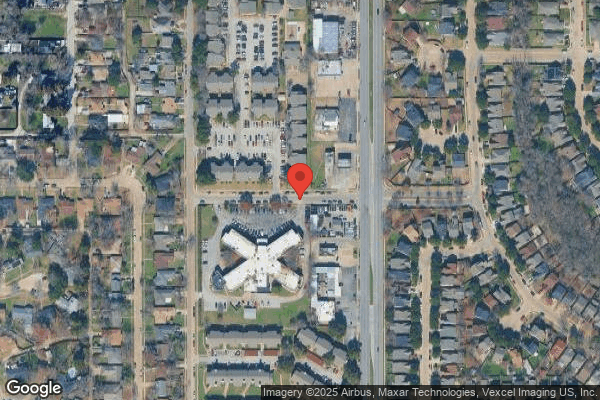
Aug 2023 1 deficiency
CONCERN (D) 📢 Someone Reported This

A family member, employee, or ombudsman was alarmed enough to file a formal complaint

Potential for Harm - no one hurt, but risky conditions existed

Infection Control (Tag F0880)

Could have caused harm · This affected 1 resident

**NOTE- TERMS IN BRACKETS HAVE BEEN EDITED TO PROTECT CONFIDENTIALITY** Based on observation, interview and record review, the facility failed to maintain an Infection Prevention and Control Program d...

Read full inspector narrative →
**NOTE- TERMS IN BRACKETS HAVE BEEN EDITED TO PROTECT CONFIDENTIALITY** Based on observation, interview and record review, the facility failed to maintain an Infection Prevention and Control Program designed to provide a safe, sanitary, and comfortable environment and to help prevent the development and transmission of communicable diseases and infections for one (LVN A) of two staff observed for infection control in that: LVN A failed to create a clean area prior to and during wound care, lying treatment supplies on top of treatment cart, lying the treatment supplies on the dirty overbed table, change soiled gloves and wash hands during wound care to Resident #1. This failure could place residents at risk for spread of infection through cross-contamination. Findings included: Review of Resident #1's quarterly MDS assessment, dated 07/11/23, reflected he was a [AGE] year-old male admitted to the facility on [DATE], with the following diagnoses: diabetes, dementia, psychotic disturbance, mood disturbance, and anxiety disorder. Resident #1 was alert and oriented for decision making. Review of the Resident #1's plan of care dated 07/07/2023 with updates reflected goals and approaches to include wound care to a non-healing diabetic wound to the right hallux (big toe). Review of the consolidated physician orders dated July 2023 reflected: order dated 07/07/2023 cleanse right toe wound with normal saline, then apply the calcium alginate/silver (wound treatment) and cover with borderline dressing daily. Observation on 07/23/23 at 9:45 a.m. revealed LVN A went to the treatment cart and started preparing to perform wound care for Resident #1's non-healing diabetic ulcer on his right big toe. LVN A did not use hand gel or wash her hands prior to collecting supplies. The LVN took the calcium alginate/silver from the package, took scissors out of her personal bag, without cleaning the scissors cut off a small square of the calcium alginate/silver and placed the treatment directly on the treatment cart, without cleaning the top of the treatment cart. The LVN put the scissors back in the bag without cleaning it. LVN A gathered her supplies and entered Resident #1's room. She laid her treatment supplies directly on the overbed table, that had food and a sticky substance on the top. LVN A washed her hands, put on her gloves, cleaned the wound with normal saline and then instead of using sterile gauze to dry the area, she used paper towels from the bathroom to dry the wound. LVN A changed her gloves without washing her hands or using hand gel, completing the treatment. In an interview on 07/31/23 at 10:00 a.m., LVN A stated she was to perform hand hygiene before and after the procedure and between change of gloves. The glove changes should occur at the beginning and from dirty to clean. LVNA stated that she knew that she should have not laid the calcium alginate/silver directly on the treatment cart and the overbed table, they were dirty surfaces, she never even thought about her scissors needing to be cleaned. The LVN stated she did not knew why she did not use gauze to dry the wound after cleaning she just used the paper towels they were there. She said she did not do it this time because she was nervous and just was not thinking. She stated the risk would be spread of infection. In an interview on 07/31/23 at 2:45 p.m., the Administrator, Regional Nurse Consultant, and ADON (also infection control coordinator) stated the expectation was to perform hand hygiene and glove changes before and after any care, and any time after removing dirty gloves. If hands were visibly soiled clean with soap and water, otherwise can use hand sanitizer. They stated the risk in not performing hand hygiene would be cross contamination. If performing treatments, the nurse was to provide a clean surface to place wound care supplies on, and equipment should always be sanitized before and after usage. The Regional Nurse Consultant said it was the responsibility of the DON (who was not at the facility at this time) and the infection control nurse, to make sure the nurses were competency trained and to monitor them after the training for a period of time. Review of the facility's policy Infection Prevention and Control Program revised June 2020, revealed, . the facility: provide staff with appropriate information and instruction about infection control . infection control training topics will include at least: a. standard precautions, including hand hygiene. Review of the facility's policy Handwashing/Hand Hygiene revised June 2020 revealed . this facility considers hand hygiene the primary means to prevent the spread of infection Review of the facility's policy Dressing application & Technique revised June 2020 revealed to ensure cleanliness and prevent infection by protecting the skin's surface and to promote resident comfort and wound healing I General C . wash hands before and after each procedure and put on gloves II i. prepare a clean, dry work area at bedside. The work surface may be prepared by: a. using a disinfectant solution; or b. using a non-sterile moisture drape ii. bring all dressings, solutions and items to be used and place on the prepared work surface iv. prepare/open dressing items on the prepared work surface. If dressings need to be cur to size, use clean or sterile scissors ix. wash hands and reapply non-sterile gloves. Proceed with cleansing of the wound a. clean wound with normal saline b. pat the tissue dry with a clean gauze pad . Review of CDC guidance on 08/01/2023, Hand Hygiene in Healthcare Setting revealed, . When and How to Perform Hand Hygiene . Use an Alcohol-Based Hand Sanitizer or soup and water . Immediately after glove removal before the task and the completion of task .
May 2023 10 deficiencies 1 Harm
SERIOUS (G) 📢 Someone Reported This

A family member, employee, or ombudsman was alarmed enough to file a formal complaint

Actual Harm - a resident was hurt due to facility failures

Resident Rights (Tag F0550)

A resident was harmed · This affected 1 resident

**NOTE- TERMS IN BRACKETS HAVE BEEN EDITED TO PROTECT CONFIDENTIALITY** Based on observation, interview, and record review, the facility failed to treat each resident with respect and dignity and care...

Read full inspector narrative →
**NOTE- TERMS IN BRACKETS HAVE BEEN EDITED TO PROTECT CONFIDENTIALITY** Based on observation, interview, and record review, the facility failed to treat each resident with respect and dignity and care for each resident in a manner and in an environment that promotes maintenance or enhancement of his or her quality of life, recognizing each resident's individuality for one (Resident #1) of four residents reviewed for resident rights. The facility failed to ensure Resident #1's bed was in a lowered position. This failure placed resident at risk for psychosocial harm, loss of dignity and decrease in self-esteem. Findings included: Review of Resident #1's Quarterly MDS assessment dated [DATE] revealed he was a [AGE] year-old male who was admitted to the facility 10/06/22. His diagnoses included: hypertension, renal insufficiency, seizure disorder, anxiety disorder, schizophrenia, and insomnia. He was understood, understood others, and had clear speech. His BIMS score (11) revealed he had moderately impaired cognition. There was no evidence of delirium or psychotic behaviors. His functional status revealed he required extensive assistance and two-person physical assist with bed mobility. Review of Resident #1's Care Plan, revised 05/22/23, reflected he had an indwelling catheter; neurogenic bladder-refuses to wear securement device for catheter. He placed his bed on the lowest position at times which would place his catheter bag on floor level. This behavior was discouraged. In an observation of Resident #1 on 05/26/23 at 7:30 AM revealed he could be seen from the hall trembling in his bed. In an observation and interview with Resident #1 on 05/26/23 at 7:35 AM revealed he was trembling in his bed throught the interview with the surveyor. He was trembling for approximately 15 minutes (observed for 5 minutes in the hall and 10 minutes in his room). His bed appeared to be raised from a lowered position. His bed remote appeared to be out of his reach. He stated his remote was usually kept in the bed with him. He stated he uses his remote to keep his bed at a lowered position. He stated His call light was in reach. His breakfast tray was on his bedside table untouched. He stated his bed was always kept at a lowered position. He stated he did not know why staff raised his bed. He stated he wanted his bed lowered. He stated staff would not lower his bed. He did not specify what staff. He stated he was afraid and fearful of falling out of the bed. He stated he was unable to eat his breakfast because his bed was raised. On 05/26/23 at 7:45 AM this surveyor informed LVN A that Resident #1 stated he was afraid and fearful of falling because his bed was raised. LVN A was also informed the resident wanted his bed lowered to eat breakfast. LVN A immediately addressed the situation and Resident #1 stopped trembling. Interview with LVN A on 05/26/23 at 2:46 PM revealed Resident #1's bed was raised to keep his catheter bag off the floor. She stated keeping Resident #1's bed raised was the only way to keep his catheter off of the floor. She stated Resident #1 had previously voiced concerns to her regarding his bed being in a raised position. She stated Resident #1 was afraid of falling and did not like his bed raised from a lowered position. She stated the resident had a diagnosis of anxiety. She stated the only option to keep Resident #1's catheter bag off the floor was to raise his bed. She stated his bed could not be lowered. She stated Resident #1 had the right to have his bed lowered. She stated he appeared to be anxious and his mental health could have been affected. Interview with ADON and DON on 05/26/23 at 6:33 PM revealed Resident #1 preferred his bed to be in a lowered position. They stated he was able use the bed remote to lower his bed. They stated he had a history of anxiousness when his bed was not lowered. They stated Resident #1 was able to notify staff if his bed needed to be lowered. They stated they did not know the bed control remote was out of reach for the resident.They stated he had the right to have his bed lowered. They stated they were aware Resident #1's catheter bag was on the floor. They stated a barrier had been created to prevent the catheter bag from being on the floor. They stated there were no risk to Resident #1 because they mitigate the risks. Interview with Administrator on 05/26/23 at 9:02 PM revealed he was informed by Resident #1 he was afraid of heights. He stated Resident #1 preferred his bed to be lowered. He stated he was unaware Resident #1's bed had been raised from a lowered position. He stated he did not know the bed control remote was out of reach for the resident.He stated his bed had always been at a lowered position. He stated Resident #1 had general anxiety. He stated Resident #1 was not afraid of anything. He stated there were no risks to Resident #1. He stated Resident #1 had access to a bed remote and could reposition the bed himself. Review of facility policy, Resident Rights, dated August 2020, reflected, all residents have a right to a dignified existence, self-determination, and communication with and access to persons and services inside and outside the facility including those specified in this policy. The facility must treat each resident with respect and dignity and care for each resident in a manner and in an environment, that promotes maintenance or enhancement of his or her quality of life, recognizing each resident's individuality. The facility will protect and promote the rights of the resident and provide equal access to quality of care regardless of diagnosis, severity of condition, or payment source. The facility will ensure that the resident can exercise his or her rights without interference, coercion, discrimination, or reprisal from the facility. Employees are to treat all residents with kindness, respect, and dignity and honor the exercise of residents' rights.
CONCERN (D) 📢 Someone Reported This

A family member, employee, or ombudsman was alarmed enough to file a formal complaint

Potential for Harm - no one hurt, but risky conditions existed

Report Alleged Abuse (Tag F0609)

Could have caused harm · This affected 1 resident

**NOTE- TERMS IN BRACKETS HAVE BEEN EDITED TO PROTECT CONFIDENTIALITY** Based on interview and record review the facility failed to ensure all alleged violations involving abuse were reported immediat...

Read full inspector narrative →
**NOTE- TERMS IN BRACKETS HAVE BEEN EDITED TO PROTECT CONFIDENTIALITY** Based on interview and record review the facility failed to ensure all alleged violations involving abuse were reported immediately, but not later than 2 hours after the allegations were made, if the events that cause the allegation involve abuse or result in serious bodily injury, or not later than 24 hours if the events that cause the allegation do not involve abuse and do not result in serious bodily injury, for one (Resident #2) of four residents reviewed for abuse. The facility's abuse/neglect coordinator failed to report an allegation of abuse made by Resident #2 to HHSC. This failure could place residents at risk for further potential abuse due to unreported and uninvestigated allegations of abuse, neglect, and injuries of unknown origin. Findings included: Review of Resident #2's admission MDS assessment, dated 02/16/23, reflected he was an [AGE] year-old male admitted to the facility on [DATE]. Resident #2's active diagnoses included atrial fibrillation, coronary artery disease, hypertension, obstructive uropathy, hyperlipidemia, thyroid disorder, quadriplegia, and malnutrition. Resident #2 was understood by others, had impaired vision and clear speech. Resident #2 had a BIMS score of 13 which indicated he was cognitively intact. Resident #2 had no signs or symptoms of delirium, behavioral symptoms, rejection of care or wandering. He required total dependence with one-person assistance with bathing. Review of Resident #2's Care Plan, undated, reflected he was resistive to care due to refusing care, assistance ADLs, showers, lab draws at times, and refuses CMP. Will cooperate with care at least once daily. If possible, negotiate a time for ADLs so that the resident participates in the decision-making process. Return at the agreed upon time. If resident resists ADLs, reassure resident, leave and return 5-10 minutes later and try again. An observation and interview with Resident #2 on 05/22/23 at 8:30 AM revealed he had a reddish/purplish spot on his forearm. He stated he had always had the discoloration on his forearm. He stated CNA C was rough with him during a shower three weeks ago. He stated CNA C jerked him around in the shower and caused bruises on his body. He stated CNA C had not showered him since the incident but had provided other types of care. He stated CNA C was currently assigned to his hall. He stated he did not tell anyone about the incident. An interview with the Administrator on 05/22/23 at 9:00 AM this surveyor informed the Administrator Resident #2 alleged CNA C had been rough with him during a shower three weeks ago and caused bruising. The Administrator stated the allegation never happened because Resident #2 refused showers. Review of the facility grievance form dated 05/22/23 revealed the Administrator interviewed Resident #2 and CNA C regarding the alleged incident. The recommendation/corrective action taken: Resident #2 refused to speak to the Administrator regarding alleged incident. The Administrator marked no on the form indicating the grievance was not reportable. The form was signed by the Administrator and dated 05/23/23 as the completion date of the investigation. An interview with Resident #2 on 05/25/22 at 8:14 AM revealed he had not been showered for three weeks because of knee pain. He stated he received pain medication and muscle relaxers. He stated CNA C threw him around in the shower. He stated CNA C was assigned to provide care to him again on 05/25/23. He stated the staff do not offer him bed baths. He stated he asked for a bed bath but was denied. He stated about three weeks ago he had a shower and CNA C was rough with him. He stated CNA C was rough with him all the time. He stated CNA C would not let him help with his own ADLs. He stated he did not tell anyone about the incident. Review of the facility's staffing schedule dated 05/22/23, 05/25/23, and 05/26/23 reflected CNA C was assigned to the 100 hall during the 7:00 AM - 3:00 PM shift. Review of resident census dated 05/22/23, 05/25/23, and 05/26/23 reflected Resident #2 resided on the 100 hall. An interview with CNA C on 05/26/23 at 4:08 PM revealed he was assigned the 100 hall and provided care to Resident #2 on 05/22/23, 05/25/23, and 05/26/23. He stated he provided a shower to Resident #2 about a month ago. He stated Resident #2 had a history of refusing showers. He stated Resident #2 did not inform him during the shower he was being rough. He stated after the shower Resident #2 informed him he enjoyed the shower. He stated he did not know why Resident #2 made up an allegation of abuse toward him. He stated neglect, physical, mental, verbal, misappropriation of property, and sexual were different types of abuse. He stated the Administrator was the abuse coordinator. He stated he reported abuse allegations to the administrator immediately. An interview with the Administrator on 05/26/23 at 9:02 PM revealed he was the abuse coordinator and completed a grievance form. He stated he did not report the allegation to HHSC. He stated this surveyor only informed him of CNA C being rough with Resident #2 while showering. He stated he was not informed that Resident #2 allegedly acquired bruises from the roughness of CNA C. The administrator stated roughness was not reportable to HHSC because the term rough was open to interpretation. He stated abuse of a resident was considered reportable. He stated he spoke with Resident #2 and abuse was denied. He stated Resident #2 did not provide any context regarding the alleged incident. The Administrator stated CNA C was interviewed and stated he only provided Resident #2 one shower. He stated Resident #2 refused showers. The Administrator stated he spoke with Resident #2 on the day CNA C provided him a shower. He stated Resident #2 did not voice any concerns. Review of facility policy titled, Abuse Prevention and Prohibition Program, August 2020, reflected Reporting requirements: The facility will report known or suspected instances of physical abuse, including sexual abuse, and criminal acts to the proper authorities by telephone or through a confidential interest reporting tool as required by state and federal regulations.
CONCERN (D) 📢 Someone Reported This

A family member, employee, or ombudsman was alarmed enough to file a formal complaint

Potential for Harm - no one hurt, but risky conditions existed

ADL Care (Tag F0677)

Could have caused harm · This affected 1 resident

Deficiency Text Not Available

Read full inspector narrative →
Deficiency Text Not Available
CONCERN (D) 📢 Someone Reported This

A family member, employee, or ombudsman was alarmed enough to file a formal complaint

Potential for Harm - no one hurt, but risky conditions existed

Quality of Care (Tag F0684)

Could have caused harm · This affected 1 resident

**NOTE- TERMS IN BRACKETS HAVE BEEN EDITED TO PROTECT CONFIDENTIALITY** Based on observation, interview, and record review the facility failed to ensure residents received treatment and care in accord...

Read full inspector narrative →
**NOTE- TERMS IN BRACKETS HAVE BEEN EDITED TO PROTECT CONFIDENTIALITY** Based on observation, interview, and record review the facility failed to ensure residents received treatment and care in accordance with professional standards of practice, the comprehensive person-centered care plan, and the resident's choices for one (Resident #4) of five residents reviewed for quality of care. The facility failed to identify, assess, and treat wounds for Resident #4 to promote healing. Resident #4's bilateral buttocks had two open macerated (when skin is in contact with moisture for too long) areas (one on each side). This failure could place residents at risk for increased pain and infection. Findings included : Review of Resident #4's quarterly MDS Resident Assessment, dated 02/27/23, revealed he was a [AGE] year-old male who admitted to the facility on [DATE]. His active diagnoses included anemia, hypertension, neurogenic bladder, hyperlipidemia, quadriplegia, malnutrition, anxiety disorder, depression, and insomnia. Resident # 4's BIMS score was 7 which indicated he was severely cognitively impaired. He was sometimes understood and sometimes understood others. He was at risk of developing pressure ulcers and had one pressure ulcer/injury at the time of the assessment, which included one Stage 3 that was present upon entry. He had no other skin issues, ulcers, or wounds. Resident #4's pressure ulcer/injury treatment included pressure reducing device for bed, pressure ulcer/injury care, and application of ointments/medications. Review of Resident #4's skin/wound note, dated 05/9/2023, reflected, During round with wound MD, sacrum (the large, triangle-shaped bone in the lower spine that forms part of the pelvis) noted as HEALED by wound MD . The skin/wound note did not indicate treatments, recommendations, or interventions because his wound had healed. Review of Resident #4's physician's orders, dated 05/10/23, reflected, Apply barrier cream to sacrum and buttocks with every brief change. As needed for skin management. Apply barrier cream to sacrum and buttocks with every brief change. Every shift for skin management. Review of Resident #4's TAR, dated May 2023, reflected Apply barrier cream to sacrum and buttocks with every brief change. every shift for skin management. He was receiving barrier cream as ordered. Review of the facility's weekly pressure injury trending report, dated 05/09/23 and 05/16/23, reflected, Resident #4's wounds on his sacrum, left buttock, and right buttock were healed. Review of Resident #4's weekly skin assessment, dated 05/18/23 reflected he did not have any skin issues on his bilateral buttocks. An observation and interview with Resident #4 on 05/22/23 at 11:35 AM revealed he had white cream on his bilateral buttocks. There was a macerated area on both buttocks. The two areas appeared to be open. Resident #4 did not know he had wounds on his bilateral buttocks. He stated he mainly stayed in bed and required staff assistance with ADLs. In an observation and interview with Treatment nurse on 05/22/23 at 11:35 AM revealed she and CNA C turned Resident #4 to his left side, opened his brief, and uncovered his buttocks. Resident #4's bilateral buttocks was covered with white cream and the resident had a small bowel movement. She stated there appeared to be two open areas on his bilateral buttocks. The Treatment nurse looked at the resident's buttocks and stated the area looked fine. She stated staff were only applying barrier cream. She stated barrier cream would be placed on the wounds until the physician was contacted. Review of Resident #4's care plan, revised 05/22/23, reflected, He had actual impairment to skin integrity due to excoriation (the act of abrading or wearing off the skin) on the bilateral buttocks. He will have no complications due to excoriation of the buttocks. Follow protocols for treatment of injury, identify/document potential causative factors and eliminate/resolve where possible, monitor/document location, size and treatment of skin injury. Report abnormalities, failure to heal, signs/symptoms of infection, maceration to MD. Review of Resident physician orders, dated 05/22/23, revealed Resident #4 received a new order for wound treatment. The order reflected, Buttocks abrasion: cleanse buttocks abrasion with normal saline or wound cleanser. Pat abrasion dry. Place Xeroform over abrasion. Place dry dressing. Every day shift for 14 days then re-evaluate. Buttocks abrasion: cleanse buttocks abrasion with normal saline or wound cleanser. Pat abrasion dry. Place Xeroform over abrasion. Place dry dressing. As needed. Review of Resident #4's skin/wound note, dated 05/22/2023, reflected , During today's skin assessment of the resident's buttocks and sacrum, treatment nurse observed on the buttocks an abrasion, measured 7.5 x 11.0 x 0.1 with 95% granulation (reddish connective tissue that forms on the surface of a wound when the wound is healing) 5% slough tissue (yellow devitalized tissue, that can be stringy or thick and adherent on the tissue bed) with non-proliferative edges . Wound bed red and moist. Moderate sanguineous exudate (when fresh blood leaks from a wound) noted. Slight red discoloration noted on surrounding skin surrounding skin. Treatment nurse cleansed buttocks and sacrum with wound cleanser, pat dried area, placed Xeroform over abrasion, then a hydrocolloid dressing. Treatment nurse applied barrier cream to surrounding skin. Resident did not complain of pain during this assessment or treatment. Resident tolerated treatment well. Bed in the lowest position. Call light within reach. RP is self. MD notified. The note was written by the Treatment Nurse. In an interview with Treatment nurse on 05/22/23 at 12:30 PM revealed Resident #4 was not assigned to her services for wound care. She stated Resident #4's wounds were previously healed. She stated after his wounds healed barrier cream was ordered for his buttocks. She stated he was incontinent and the barrier cream would help maintain his skin integrity. She stated she did not know when Resident #4's developed wounds on his bilateral buttocks. She stated nurses and CNAs were supposed to notify her when a resident had a change in their skin condition. She stated the wounds probably developed due to the resident lying in bed and requiring incontinent care. She stated she provided wound care to Resident #4 after surveyor observation. She stated she determined the appropriate wound care to provide residents by contacting the wound physician. She stated residents' wound progress was monitored by skin assessments and wound care notes from the physician. She stated Resident #4 was at risk of skin breakdown. In an interview with CNA C on 05/22/23 at 5:10 PM revealed he was assigned to provide care to Resident #4 during the 7:00 AM - 3:00 PM shift. He stated he changed Resident #4's brief twice during his shift. He stated he changed Resident #4 prior (after breakfast on 05/22/23) to surveyor observation and after (11:35 AM on 05/22/23) surveyor observation. He stated Resident #4's buttocks appeared to look the same during each brief change. He stated Resident #4's buttocks had pinkish/red spots during incontinent care after breakfast. He stated he did not know if the areas were open. He stated he was supposed to inform LVN A and/or the Treatment Nurse when Resident #4 had changes in their skin condition. He stated he did not inform LVN A or the Treatment nurse of the pinkish/red spots. He stated there was no reason to inform the Treatment nurse because she was present during Resident #4's second brief change . He stated he observed the Treatment nurse provide wound care to Resident #4 after the surveyor's observation. In an interview with ADON B and DON on 05/25/23 at 6:30 PM revealed Resident #4 previously had a wound and the wound healed. They stated once his wound was resolved he was discharged from wound care. They stated there was no indication Resident #4's wound had returned. They stated nurses complete weekly skin assessments. They stated the Treatment nurse was informed of any resident wounds. They stated the wound care physician was consulted as needed. They stated the CNA should have notified Resident #4's nurse. Then the nurse would have assessed Resident #4. They stated they were notified Resident #4's wound had returned after surveyor observation. They stated the resident already had a treatment plan in place prior to surveyor observation. They stated they were unable to determine if Resident #4's wound was unavoidable. They stated Resident #4 was at risk of developing wounds quickly due to comorbidities and extensive assistance needed with ADLs. They stated Resident #4 had an order for barrier cream and was repositioned by staff throughout the day. They stated the Treatment nurse assessed Resident #4, notified the physician, and provided wound care. They stated Resident #4 was scheduled for a weekly skin check and his wound would have been identified regardless of surveyor observation. Review of facility policy, Wound management, June 2020, reflected: To provide a system for the treatment and management of residents with wounds including pressure and non-pressure injury. A resident who has a wound will receive necessary treatment and services to promote healing, prevent infection, and prevent new pressure injuries from developing.
CONCERN (D) 📢 Someone Reported This

A family member, employee, or ombudsman was alarmed enough to file a formal complaint

Potential for Harm - no one hurt, but risky conditions existed

Pressure Ulcer Prevention (Tag F0686)

Could have caused harm · This affected 1 resident

**NOTE- TERMS IN BRACKETS HAVE BEEN EDITED TO PROTECT CONFIDENTIALITY** Based on observation, interview, and record review the facility failed to ensure residents received treatment and care in accord...

Read full inspector narrative →
**NOTE- TERMS IN BRACKETS HAVE BEEN EDITED TO PROTECT CONFIDENTIALITY** Based on observation, interview, and record review the facility failed to ensure residents received treatment and care in accordance with professional standards of practice, the comprehensive person-centered care plan, and the resident's choices for one (Resident #2) of five residents reviewed for quality of care. The facility failed to assess and provide treatment for Residents #2's left heel. These failures could place residents with skin integrity issues at risk of sepsis, pain, worsening pressure ulcers, decreased quality of life, and a potentially life-threatening infection. Findings included : Review of Resident #2's admission MDS assessment, dated 02/16/23, reflected he was an [AGE] year-old male admitted to the facility on [DATE]. Resident #2's active diagnoses included atrial fibrillation, coronary artery disease, hypertension, obstructive uropathy, hyperlipidemia, thyroid disorder, quadriplegia, and malnutrition. Resident #2 was understood by others, had impaired vision and clear speech. Resident #2 had a BIMS score of 13 which indicated he was cognitively intact. Resident #2 had no signs or symptoms of delirium, behavioral symptoms, rejection of care or wandering. His Skin Conditions section revealed he was at risk of developing pressure ulcer/injuries and did not have any unhealed pressure ulcers/injuries. His skin and ulcer /injury treatments were application of ointments/medication other than to feet and application of dressings to feet. Review of the facility's weekly wound care log dated 04/04/23 - 05/16/23, revealed Resident #2 did not have any wounds. Review of Resident #2's physician orders on 05/22/23 revealed there were no treatment orders for his left heel. Review of Resident #2's physician orders, dated 05/26/23, revealed the following medications: Acetaminophen extra strength oral tablet 500 mg; give 1000 mg by mouth every 8 hours as needed for severe pain (7-10/10) do not exceed 3 g/24 hrs of acetaminophen from all sources (dated 02/14/23), Acetaminophen extra strength oral tablet 500 mg; give 500 mg by mouth every 6 hours as needed for moderate pain (4-6/10) do not exceed 3 g/24 hrs of acetaminophen from all sources (dated 02/14/23 Gabapentin oral capsule 100 mg; give 3 capsule by mouth every 8 hours for nerve pain hold for sedation or confusion (dated 05/25/23) Lidocaine pain relief external patch 4%; apply to affected area topically every 24 hours as needed for pain patch can be worn for 12 hours and must be removed x 12 hours (dated 02/14/23) Methocarbamol oral tablet 500 mg; give 3 tablet by mouth in the morning for muscle spasms, give 3 tabs to equal total dose of 1500/hold for confusion/sedation (dated 05/25/23) Methocarbamol oral tablet 500 mg; give 2 tablet by mouth three times a day for muscle spasms, give 2 tabs by mouth three times a day everyday (dated 05/25/23) Oxycodone HCL oral tablet 5 mg; give 0.5 table by mouth every 8 hours as needed for moderate to severe pain hold for confusion/sedation or RR<12 (05/18/23). Review of Resident #2's MAR on 05/22/23 revealed there were no treatments for his left heel. He was administered pain medication administered Oxycodone HCL oral tablet 5 mg (give 0.5 table by mouth every 8 hours as needed for moderate to severe pain hold for confusion/sedation or RR<12). Review of Resident #2's weekly skin check, dated 05/22/23, reflected wound on left dorsal toe. There was no mention of his left heel. An observation and interview with Resident #2 on 05/25/23 at 3:25 PM revealed his left heel was non-blanchable (discoloration of the skin that does not turn white when pressed) with redness which supports a Stage 1 pressure ulcer. He stated he did not know how long his left heel had been non-blanchable with redness. He stated he did not inform anyone his heel was painful. He stated he had not received treatment to his left heel. He stated his left heel hurt and his pain level was an 8/10 on the pain scale of 10/10. He exhibited facial grimacing. He stated he received routine pain medication. An observation and interview with LVN A on 05/25/23 at 3:30 PM revealed she touched Resident #2's left heel. Resident #2 responded by informing LVN A he was in pain. Resident #2 informed LVN A his pain level was an 8/10 on the pain scale of 10/10. LVN A stated his left heel appeared to be red. She stated there were no concerns regarding Resident #2's left heel. She stated his heal was only read and did not require any treatment. An observation and interview with LVN G on 05/25/23 at 3:40 PM revealed she touched the red area on Resident #2's left heel. Resident #2 responded by informing LVN G he was in pain. LVN G stated his left heel appeared to non-blanchable with redness. She assessed his heel and administered pain medication. She stated Resident #2 was at risk of developing a wound on his left heal. An interview with the DON on 05/25/23 at 3:35 PM revealed she was unaware Resident #2 had a red area on his left heel and was experiencing pain. She stated the resident received pain medication. She stated the nurses completed weekly skin assessments to monitor Resident #2's skin. She observed Resident #2's heel and stated there were no concerns his left heel. She stated the area was only red and did not need treatment. An observation and interview with Treatment Nurse on 05/25/23 at 4:00 PM revealed she touched the red area on Resident #2's left heel. Resident #2 responded by informing Treatment Nurse he was in pain. Treatment Nurse stated his left heel appeared to be red. She stated there were no concerns regarding Resident #2's left heel. She stated his heel was only read and did not require any treatment. Review of Resident #2's change in condition evaluation, dated 05/25/23, revealed he had a small area with red discoloration on left heel. Area cleansed with normal saline, pat dried, applied skin prep and allowed to air. Primary care provider recommendation was skin prep to area and off load heels as tolerated (written by Treatment Nurse). Review of Resident #2's physician orders, dated 05/25/23, reflected he had new orders for soft heel protectors and wound care for his left heel. His orders reflected, Bilateral Heels: offload heels with soft heel protectors as tolerated by resident while in bed. Monitor for changes. Report abnormalities to MD. Left Heel: cleanse left heel with normal saline or wound cleaner. Pat dry area. Apply skin prep. Allow to air dry. Monitor for changes. Report abnormalities to MD. Review of Resident #2's care plan, revised on 05/25/23, reflected, Resident #2 had actual skin impairment to the left heel. His goal was to have no complications related to left heel. His interventions were to have his foot board removed, monitor for changes. Report abnormalities to MD. Offload heels with soft heel protectors as tolerated while in bed, treatment to heel as ordered, and `wound MD consult. Implement orders as given. Review of the facility policy, Wound management, June 2020, reflected: To provide a system for the treatment and management of residents with wounds including pressure and non-pressure injury. A resident who has a wound will receive necessary treatment and services to promote healing, prevent infection, and prevent new pressure injuries from developing.
CONCERN (D) 📢 Someone Reported This

A family member, employee, or ombudsman was alarmed enough to file a formal complaint

Potential for Harm - no one hurt, but risky conditions existed

Deficiency F0687 (Tag F0687)

Could have caused harm · This affected 1 resident

**NOTE- TERMS IN BRACKETS HAVE BEEN EDITED TO PROTECT CONFIDENTIALITY** Based on observation, interview, and record review, the facility failed to ensure that residents receive proper treatment and ca...

Read full inspector narrative →
**NOTE- TERMS IN BRACKETS HAVE BEEN EDITED TO PROTECT CONFIDENTIALITY** Based on observation, interview, and record review, the facility failed to ensure that residents receive proper treatment and care to maintain good foot health for one (Resident #2) of four residents reviewed for foot care. The facility failed to ensure Resident #2 received podiatry care for his left big toe. This failure could place residents at risk of diminished quality of life by not receiving care and services to meet their needs. Findings included: Review of Resident #2's admission MDS assessment, dated 02/16/23, reflected he was an [AGE] year-old male admitted to the facility on [DATE]. Resident #2's active diagnoses included atrial fibrillation, coronary artery disease, hypertension, obstructive uropathy, hyperlipidemia, thyroid disorder, quadriplegia, and malnutrition. Resident #2 was understood by others, had impaired vision and clear speech. Resident #2 had a BIMS score of 13 which indicated he was cognitively intact. Resident #2 had no signs or symptoms of delirium, behavioral symptoms, rejection of care or wandering. He required extensive assistance with one-person physical assist regarding personal hygiene. Review of Resident #2's care plan revised 05/25/23 , reflected, He has actual skin impairment related to callused on the left great toe. He will not have complication related to callused on the left great toe. Foot board was removed from bed, monitor for changes. Report abnormalities to MD., treatment to left great toeas ordered, wound MD consult, and implement orders as given. Review of Resident #2's physician orders on 05/22/23 reflected: Acetaminophen extra strength oral tablet 500 mg; give 1000 mg by mouth every 8 hours as needed for severe pain (7-10/10) do not exceed 3 g/24 hours of acetaminophen from all sources (dated 02/14/23); Acetaminophen extra strength oral tablet 500 mg; give 500 mg by mouth every 6 hours as needed for moderate pain (4-6/10) do not exceed 3 g/24 hours of acetaminophen from all sources (dated 02/14/23); Gabapentin oral capsule 100 mg; give 3 capsule by mouth every 8 hours for nerve pain hold for sedation or confusion (dated 05/25/23); Lidocaine pain relief external patch 4%; apply to affected area topically every 24 hours as needed for pain patch can be worn for 12 hours and must be removed x 12 hours (dated 02/14/23); Methocarbamol oral tablet 500 mg; give 3 tablet by mouth in the morning for muscle spasms, give 3 tabs to equal total dose of 1500/hold for confusion/sedation (dated 05/25/23); Methocarbamol oral tablet 500 mg; give 2 tablet by mouth three times a day for muscle spasms, give 2 tabs by mouth three times a day everyday (dated 05/25/23); and Oxycodone HCL oral tablet 5 mg; give 0.5 table by mouth every 8 hours as needed for moderate to severe pain hold for confusion/sedation or RR<12 (dated 05/18/23). Review of Resident #2's MAR, dated May 2023, reflected he was administered Oxycodone HCL oral tablet 5 mg on 05/25/23. In an observation and interview with Resident #2 on 05/25/23 at 8:48 AM revealed a deep, dark, and circular spot beneath hard dried skin on the top of his left great toe. Resident #2 stated the area on the top of his left great toe was painful. He stated his toe had the same appearance since admitting to the facility. He stated he had not requested or been offered podiatry care. He stated he had not seen a podiatrist while at the facility. Review of Resident #2's weekly skin check, dated 05/22/23, reflected, wound on left dorsal toe. Review of the facility's podiatry list, Recall Report, print date 05/25/23, reflected Resident #2 was not previously referred to a podiatrist. In an interview with LVN G on 05/25/23 at 3:34 PM revealed she completed Resident #2's weekly skin check on 05/22/23. She stated she assessed Resident #2 from his head to his toes. She stated his left dorsal toe was not referring to his left great toe. She stated she was unaware Resident #2 had a spot on his left great toe. She stated, his left great toe appeared to be dry and semi-open with some type of black drainage or dried drainage. She stated Resident #2 was not receiving wound care or podiatry care for his left great toe. She stated he needed treatment right away. She stated the DON was informed of Resident #2's toe and was referred to a podiatrist on 05/25/23. She stated the podiatrist would assess and treat Resident #2's feet on 05/25/23. She stated the resident could be at risk of sepsis or possible amputation. In an interview with the Podiatrist on 05/25/23 at 4:15 PM revealed she had not received a referral for services for Resident #2 until 05/25/23. She stated she would prefer the facility to send referrals prior to her scheduled visit to ensure the residents were added to her podiatry list. She stated she assessed Resident #2's feet and concluded the dark skin area on his left great toe was a callus. She stated Resident #2 would require treatment to his left great toe. Review of podiatry noted, dated 05/25/23, reflected noted thick hyperkeratotic lesion about 1.0 cm diameter with brownish residue central aspect of thickened keratotic lesion, distal aspect hallux, left foot secondary limited range of motion when ambulating on deformed foot sustained from fall 2004. Upon debridement of this area, nursing staff present and will apply skin prep to this are. Debridement of nails tolerance with resolution of pain. Reduce keratotic lesion to tolerance; cleansed with hydrogen peroxide. Non-professional treatment was hazardous to the resident. Hammer toe deformity left and right foot. Review of Resident #2's physician orders, dated 05/25/23, reflected: Left great toe callused: cleanse left great toe with normal saline or wound cleanser. Pat dry area. Apply skin prep. Allow to air dry. Every day shift for skin management for 14 days; and Left great toe callused: cleanse left great toe with normal saline or wound cleanser. Pat dry area. Apply skin prep. Allow to air dry. As needed for skin management. In an Interview with the Administrator on 05/26/23at 9:02 PM revealed the facility did not have a policy regarding podiatry care.
CONCERN (D) 📢 Someone Reported This

A family member, employee, or ombudsman was alarmed enough to file a formal complaint

Potential for Harm - no one hurt, but risky conditions existed

Incontinence Care (Tag F0690)

Could have caused harm · This affected 1 resident

**NOTE- TERMS IN BRACKETS HAVE BEEN EDITED TO PROTECT CONFIDENTIALITY** Based on observation, interview, and record review, the facility failed to ensure a resident received appropriate treatment and ...

Read full inspector narrative →
**NOTE- TERMS IN BRACKETS HAVE BEEN EDITED TO PROTECT CONFIDENTIALITY** Based on observation, interview, and record review, the facility failed to ensure a resident received appropriate treatment and services to prevent urinary tract infections for one (Resident #1) of three residents observed for indwelling urinary catheters. The facility failed to ensure Resident #1's catheter bag was not on the floor. This failure could place residents with urinary catheters at risk for urethral tears, dislodging of the catheter, and urinary tract infections. Findings included: Review of Resident #1's Quarterly MDS assessment dated [DATE] revealed he was a [AGE] year-old male who was admitted to the facility 10/06/22. His diagnoses included: hypertension, renal insufficiency, seizure disorder, anxiety disorder, schizophrenia, and insomnia. He was understood, understood others, and had clear speech. His BIMS score (11) revealed he had moderately impaired cognition. There was no evidence of delirium or psychotic behaviors. His appliances used was an indwelling catheter and he was always incontinent of bowel. He was not rated for urinary continence. Review of Resident #1's physician orders, dated 02/10/23, reflected, foley catheter with 16 FR 10 cc bulb to bedside drainage when in bed diagnosis neurogenic bladder. An observation and interview with Resident #1 on 05/22/23 at 8:01 PM revealed his catheter bag was clipped to his bed and the bottom of the bag was on the floor. He stated his catheter bag was always touching the floor because his bed was in a lowered position. Review of Resident #1's care plan, revised 05/25/23, reflected, Resident #1 had an indwelling catheter: neurogenic bladder . Resident #1 placed his bed on the lowest position at times which placed the catheter bag on floor level. Resident #1 will be/remain free from catheter - related trauma. Check tubing for kinks and maintain the drainage bag off the floor . An interview with ADON and DON on 05/26/23 at 6:33 PM revealed Resident #1 had a catheter. They stated his catheter bag was not supposed to be on the floor. They stated his catheter bag was clipped to his bed and off the floor. They stated they did not know his catheter bag was on the floor. They stated the nurses and CNAs were responsible for ensuring Resident #1's catheter bag was not on the floor. They stated the nurses and CNAs monitor catheter bags throughout their shifts by making rounds. They stated Resident #1 preferred his bed to be lowered. They stated there was a privacy bag on Resident #1's catheter bag to create a barrier between the bag and floor. They stated staff were aware of the privacy bag created a barrier between the catheter bag and floor. They stated staff were aware of the importance of a barrier between the catheter bag and floor. They stated they did not know any risks to Resident #2 regarding his catheter bag on the floor. Review of facility policy, Catheter - Care of, dated June 2020, reflected: .Collection bags; take care to ensure the collection bag does not touch the floor at any time.
CONCERN (D) 📢 Someone Reported This

A family member, employee, or ombudsman was alarmed enough to file a formal complaint

Potential for Harm - no one hurt, but risky conditions existed

Deficiency F0697 (Tag F0697)

Could have caused harm · This affected 1 resident

**NOTE- TERMS IN BRACKETS HAVE BEEN EDITED TO PROTECT CONFIDENTIALITY** Based on observation, interview and record review, the facility failed to ensure pain management was provided to residents who r...

Read full inspector narrative →
**NOTE- TERMS IN BRACKETS HAVE BEEN EDITED TO PROTECT CONFIDENTIALITY** Based on observation, interview and record review, the facility failed to ensure pain management was provided to residents who required such services, consistent with professional standards of practice, the comprehensive person-centered care plan, and the residents' goals and preferences for one (Resident #1) of four residents reviewed for pain. The facility failed to assess and treat Resident #1's pain. Resident #1 was experiencing pain from his catheter. This failure could place residents at risk for unnecessary pain, stress, fear of treatment, and decreased quality of care. Findings included : Review of Resident #1's Quarterly MDS assessment dated [DATE] revealed he was a [AGE] year-old male who was admitted to the facility 10/06/22. His diagnosis included: hypertension, renal insufficiency, seizure disorder, anxiety disorder, schizophrenia, and insomnia. He was understood, understood others, and had clear speech. His BIMS score (11) revealed he had moderately impaired cognition. There was no evidence of delirium or psychotic behaviors. His appliances used was an indwelling catheter and he was always incontinent of bowel. He was not rated for urinary continence. His Health Conditions section reflected he did not receive scheduled pain medication regimen, PRN pain medications, or non-medication intervention for pain. He completed a pain assessment interview. His pain presence revealed he was not experiencing pain or hurting at in time in the last 5 days. Review of Resident #1's care plan, revised 05/25/23, reflected, Resident #1 had an indwelling catheter: neurogenic bladder . Resident #1 will be/remain free from catheter - related trauma. Observe for pain/discomfort due to catheter during daily care and notify nurse if found. Observe for signs and symptoms of discomfort with catheter . Review of Resident #1's physician orders, dated 02/10/23, revealed foley catheter drainage bag change every month and PRN every night shift starting on the 11th and ending on the 12th every month for neurogenic. Review of Resident #1's physician orders, dated 05/22/23, revealed he was prescribed Tylenol Extra Strength oral tablet500 mg; give 2 tablets by mouth every 6 hours as needed for pain (ordered 05/22/23). He was prescribed Keflex oral capsule 500 mg; give 1 capsule by mouth three times a day for prophylactic/UTI for 7 days (ordered 05/22/23). Review of Resident #1's MAR, dated May 2023, reflected he was administered Tylenol Extra Strength on 05/22/23. Review of Resident #1's MAR, dated May 2023, reflected his catheter was changed on 05/12/23. An observation and interview with Resident #1 on 05/22/23 at 11:40 AM revealed his foley catheter was cloudy with sediment and his urine was amber colored. Resident #1 stated his catheter was painful and if removed he would die. He stated he had continuously refused catheter care due to pain. He stated he had informed his nurses of his catheter pain before. He stated he did not remember the exact dates he informed his nurses of his pain. He stated he frequently experienced pain associated to his catheter. He stated his pain had not been addressed . He stated he had not been offered pain medication. This surveyor informed LVN A Resident #1 was experiencing pain from his catheter on 05/22/23 at 11:40 AM. An observation and interview with LVN A on 05/22/23 at 11:43 AM revealed she removed Resident #1's cover and started removing his brief. LVN A touched Resident #1's foley catheter tubing and he reported pain while she was touching the tubing. Resident #1 appeared to grimace when his catheter tubing was touched. LVN A did not assess him for pain. Resident #1 stated, If you remove it I will die, it is painful just by touching it, and that thing was painful coming out then going in. LVN A responded by saying she would deflate the balloon slowly. This surveyor asked LVN A if there were any pain medications for Resident #1. Resident #1 stated, Give me a shot of pain medication and you can change it. LVN A replied, There was no shot pain medication, but she could get him other pain medications. LVN A left Resident #1's room and returned to administer Tylenol. An interview with LVN A on 05/25/23 at 2:46 PM revealed she should have assessed Resident #1 for pain immediately after he complained of pain . She stated he had never complained of pain before. She stated she did not assess Resident #1 for pain because he was exaggerating his pain. She stated he had mental health issues and would make statements. She stated she touched his catheter tubing but did not move it. She stated he had history of refusing catheter care . She stated if Resident #1's catheter was not changed he could be at risk of a UTI. She stated Resident #1 had a UTI in February 2023. She stated he was pending a UA. She stated he was currently prescribed medication for a UTI. An interview with LVN G on 05/25/23 at 3:34 PM revealed Resident #1 complained of catheter pain the week of 05/18/23. She stated Resident #1 informed LVN G he did not want to change his catheter because he was in pain. She stated she reassured the resident catheter care would not be painful and educated him about the risk of not changing his catheter. She stated he had moments of confusion and was not experiencing pain. She stated she did not assess him for pain or offer pain relief. She stated Resident #1 would make random statements. She stated she assumed he was not exhibiting pain. She stated he was not exhibiting any signs or symptoms of pain. She stated the DON and physician were notified on 05/18/23 because Resident #1 would not change his catheter . She stated she continued to monitor Resident #1 throughout her shift. An interview with ADON on 05/26/23 at 6:33 PM revealed LVN A reported to her on 05/22/23 Resident #1 had a change of condition regarding his urine. She stated the physician was notified on 05/22/23 and a UA was ordered. She stated she did not know Resident #1 had a history of pain related to his catheter. She stated Resident #1 was being treated for signs and symptoms of characteristics to changes in his urine. She stated nurses were supposed to assess, intervene, and notify the physician when residents complain of pain. She stated pain was the fifth vital sign and pain was what Resident #1 perceived. She stated Resident #1 would have to be assessed to determine if there was a risk for not receiving pain management. Review of facility policy, Pain Management, dated June 2020, reflected, to ensure accurate assessment and management of the resident's pain. A licensed nurse will assess residents for pain on admission and routinely as indicated by the resident's health and functional status. Facility staff is responsible for helping the residents attain or maintain their highest level of well-being while working to prevent or manage the resident's pain.
CONCERN (D) 📢 Someone Reported This

A family member, employee, or ombudsman was alarmed enough to file a formal complaint

Potential for Harm - no one hurt, but risky conditions existed

Deficiency F0725 (Tag F0725)

Could have caused harm · This affected 1 resident

**NOTE- TERMS IN BRACKETS HAVE BEEN EDITED TO PROTECT CONFIDENTIALITY** Based on observation, interview, and record review the facility failed to have sufficient nursing staff with the appropriate com...

Read full inspector narrative →
**NOTE- TERMS IN BRACKETS HAVE BEEN EDITED TO PROTECT CONFIDENTIALITY** Based on observation, interview, and record review the facility failed to have sufficient nursing staff with the appropriate competencies and skills sets to provide nursing and related services to assure resident safety and attain or maintain the highest practicable physical, mental, and psychosocial wellbeing for one (Resident #3) of eight residents on 300 hall reviewed for staffing. The facility failed to ensure there was sufficient staff on the 300-hall locked memory care unit available to assist with ADLs for Resident #3. This failure could place residents at risk of not getting needed care and services, a decrease in quality of care and quality of life and/or injury. Findings included : Review of Resident #3's quarterly MDS assessment, dated 03/29/23, revealed she was a [AGE] year-old female and admitted to the facility on [DATE]. Her diagnoses Non-Alzheimer's Dementia, anxiety disorder, schizophrenia, dysphagia, and atrial fibrillation. She was rarely/never understood and rarely/never understood others. Her BIMS reflected she was rarely/never understood. She had short-term and long-term memory problems. Her decisions regarding tasks of daily life was severely impaired. Her Functional Status section indicated her self-performance was total dependence and she needed two-person physical assistance with bathing . Review of Resident #3's Care Plan, undated, reflected her focus was an ADL self-care performance deficit due to diagnoses of dementia. Her goals were to maintain ability to transfer self with supervision. Her interventions were bathing; the resident required one-person assistance. Review of the facility's daily census, dated 05/26/23, reflected there were 20 residents located on the 300-hall locked memory care unit. Review of the facility staffing schedule, dated 05/26/23, reflected there was 1 LVN and 1 CNA during the 3:00 PM to 10:00 PM shift assigned to the 300-hall locked memory care unit. An observation of the 300-hall locked memory care unit on 05/26/23 at 7:50 PM revealed there was 1 resident pacing the hall, 5 residents sitting in the small lounging area, 1 resident sitting in the dining room, and 12 residents in their room. There was no staff supervising residents in the hall, dining room, lounging area, or resident rooms. There was one CNA (CNA D) located in the shower room bathing a resident (Resident #3). CNA D left Resident #3 in the shower room unattended for 5 minutes. This surveyor notified ADON B at 8:05 PM by phone that there was no staff on the 300-hall locked memory care unit. ADON B arrived to the locked unit with LVN E at 8:10 PM. An interview with CNA D on 05/26/23 at 8:15 PM revealed Resident #3 required assistance with bathing. She stated there were only two staff assigned to work on the locked memory care unit; 1 CNA and 1 LVN. She stated LVN E was on break and not physically on the unit. CNA D stated she was the only staff currently on the unit. She stated LVN E went on break while she was in the shower room bathing Resident #3. She stated LVN E was aware she was bathing Resident #3 prior to taking a break. She stated when one staff went on break the other staff was responsible for supervising residents and providing care. She stated she knew Resident #3 could not be left in the shower room unsupervised. She stated she could not supervise residents on the unit and provide Resident #3 a supervised shower. She stated there needed to be more staff on the unit. She stated if Resident #3 and the other residents on the unit was at risk of being neglected by not receiving the bathing assistance she required. An interview with LVN E on 05/26/23 at 8:26 PM revealed CNA D was bathing Resident #3 in the shower In an interview with LVN E on 05/25/23 at 8:15 PM revealed she left the 300-hall memory care unit to go on break. She stated CNA D was supposed to watch all (20) of the residents while she was on break. She stated she informed CNA D she would return to the unit in 10 -15 minutes. She stated CNA D was in the middle of providing Resident #3 a shower in the shower room with the door closed. She stated CNA D was not able to provide all (20) residents adequate supervision. She stated she should have waited for CNA D to complete Resident #3's shower before going on break off the unit. She stated she felt comfortable leaving all (20) residents without adequate supervision because the residents on the locked unit had a calm demeanor. She stated there were no risk to residents on the locked unit not receiving adequate supervision. In an interview with ADON F on 05/26/23 at 8:49 PM revealed there was at least one LVN or CNA on the locked unit to supervise all (20) of the residents. She stated she did not determine the number of staff assigned to the locked unit. She stated LVN E was supposed to inform CNA D that she was leaving and coming back. She stated ideally LVN E should have waited until CNA D finished bathing Resident #3 in the shower room. She stated residents on the locked unit were to be always supervised. She stated CNA D should have never left Resident #3 unsupervised in the shower room. She stated LVN E and CNA D were responsible for supervising the residents. She stated she monitored LVN E and CNA D by monitoring the hall and reviewing the staffing schedule. She stated the residents were at risk of falling. She stated anything could have happened to residents when they were not supervised by staff. In an interview with the Administrator on 05/26/23 at 9:02 PM revealed all (20) residents on the locked unit required adequate supervision. He stated there was supposed to be 1 LVN and 1 CNA on the locked unit at all times to supervise the residents. He stated the facility had a staffing coordinator. He stated the facility had sufficient staffing and no longer used agency staffing. He stated staffing at the facility was based on the residents' needs. He stated his expectation was for LVN E to inform someone besides CNA D she was going on break and to have another staff member assist with adequate supervision . He stated his staff were aware of the staffing requirements for locked unit. He stated LVN E should have waited to go on break until CNA D finished bathing Resident #3. He stated CNA D should have never left Resident #3 in the shower room unsupervised. He stated a resident could have had a potential fall. In an Interview with the Administrator on 05/26/23 at 9:02 PM revealed the facility did not have a policy regarding insufficient staffing.
CONCERN (E) 📢 Someone Reported This

A family member, employee, or ombudsman was alarmed enough to file a formal complaint

Potential for Harm - no one hurt, but risky conditions existed

Accident Prevention (Tag F0689)

Could have caused harm · This affected multiple residents

**NOTE- TERMS IN BRACKETS HAVE BEEN EDITED TO PROTECT CONFIDENTIALITY** Based on observation, interview, and record review, the facility failed to ensure residents received appropriate supervision and...

Read full inspector narrative →
**NOTE- TERMS IN BRACKETS HAVE BEEN EDITED TO PROTECT CONFIDENTIALITY** Based on observation, interview, and record review, the facility failed to ensure residents received appropriate supervision and assistance devices to prevent accidents for one (300 hall) of two locked memory care units reviewed for incidents and accidents. 1. The facility failed to ensure all (20) residents on the 300-hall locked memory care unit received adequate supervision. 2. CNA D failed to adequately supervise Resident #3 in the shower. This failure could place residents at risk for accidents and injuries. Findings included: 1. Review of the facility's daily census, dated 05/26/23, reflected there were 20 residents located on the 300-hall locked memory care unit. Review of the facility staffing schedule, dated 05/26/23, reflected there was 1 LVN and 1 CNA during the 3:00 PM to 10:00 PM shift assigned to the 300-hall locked memory care unit. An observation of the 300-hall locked memory care unit on 05/26/23 at 7:50 PM revealed there was 1 resident pacing the hall, 5 residents sitting in the small lounging area, 1 resident sitting in the dining room, and 12 residents in their room. There was no staff supervising residents in the hall, dining room, lounging area, or resident rooms. There was one CNA (CNA D) located in the shower room bathing a resident (Resident #3). This surveyor notifed ADON B at 8:05 PM by phone that there was no staff on the 300-hall locked memory care unit. ADON B arrived to the locked unit with LVN E at 8:10 PM. In an interview with LVN E on 05/25/23 at 8:15 PM revealed she left the 300-hall memory care unit to go on break. She stated CNA D was supposed to watch all (20) of the residents while she was on break. She stated she informed CNA D she would return to the unit in 10 -15 minutes. She stated CNA D was in the middle of providing Resident #3 a shower in the shower room with the door closed. She stated CNA D was not able to provide all (20) residents adequate supervision. She stated she should have waited for CNA D to complete Resident #3's shower before going on break off the unit. She stated she felt comfortable leaving all (20) residents without adequate supervision because the residents on the locked unit had a calm demeanor. She stated there were no risk to residents on the locked unit not receiving adequate supervision. 2. Review of Resident #3's quarterly MDS assessment, dated 03/29/23, revealed she was a [AGE] year-old female and admitted to the facility on [DATE]. Her diagnoses included Non-Alzheimer's Dementia, anxiety disorder, schizophrenia, dysphagia, and atrial fibrillation. She was rarely/never understood and rarely/never understood others. Her BIMS reflected she was rarely/never understood. She had short-term and long-term memory problems. Her decisions regarding tasks of daily life was severely impaired. Her Functional Status section indicated her self-performance was total dependence and she needed two-person physical assistance with bathing . Review of Resident #3's Care Plan, undated, reflected her focus was an ADL self-care performance deficit due to diagnoses of dementia. Her goals were to maintain ability to transfer self with supervision. Her interventions were bathing; the resident required one-person assistance. Review of Resident #3's Risk Assessment on 05/26/23 revealed she was not a fall risk. An observation of the 300-hall locked memory care unit on 05/26/23 at 7:50 PM revealed CNA D left Resident #3 in the shower room unsupervised. Resident #3 was in the shower room standing in a shower stall unclothed. In an interview with CNA D on 05/25/23 at 8:26 PM revealed residents on the locked unit should receive adequate supervision. She stated she was unable to supervise all (20) residents on the locked unit because she was providing Resident #3 a shower in the shower room with the door closed. She stated she left Resident #3 in the shower room unsupervised because she had to supervise the other (19) residents on the locked unit because LVN E went on break. She stated LVN E was aware she was bathing Resident #3 prior to taking a break. She stated when one staff went on break the other staff was responsible for supervising residents and providing care. She stated leaving Resident #3 in the shower unsupervised was her only option. She stated residents were at risk of neglect due to not receiving adequate supervision. In an interview with ADON F on 05/26/23 at 8:49 PM revealed there was at least one LVN or CNA on the locked unit to supervise all (20) of the residents. She stated she did not determine the number of staff assigned to the locked unit. She stated LVN E was supposed to inform CNA D that she was leaving and coming back. She stated ideally LVN E should have waited until CNA D finished bathing Resident #3 in the shower room. She stated residents on the locked unit were to be always supervised. She stated CNA D should have never left Resident #3 unsupervised in the shower room. She stated LVN E and CNA D were responsible for supervising the residents. She stated she monitored LVN E and CNA D by monitoring the hall and reviewing the staffing schedule. She stated the residents were at risk of falling. She stated anything could have happened to residents when they were not supervised by staff. In an interview with the Administrator on 05/26/23 at 9:02 PM revealed all (20) residents on the locked unit required adequate supervision. He stated there was supposed to be 1 LVN and 1 CNA on the locked unit at all times to supervise the residents. He stated his staff were aware of the staffing requirements for locked unit. He stated his expectation was for LVN E to inform someone besides CNA D she was going on break and to have another staff member assist with adequate supervision. He stated LVN E should have waited to go on break until CNA D finished bathing Resident #3. He stated CNA D should have never left Resident #3 in the shower room unsupervised. He stated a resident could have had a potential fall. In an Interview with the Administrator on 05/26/23 at 9:02 PM revealed the facility did not have a policy regarding adequate supervision.
Apr 2023 1 deficiency
CONCERN (D) 📢 Someone Reported This

A family member, employee, or ombudsman was alarmed enough to file a formal complaint

Potential for Harm - no one hurt, but risky conditions existed

Transfer Notice (Tag F0623)

Could have caused harm · This affected 1 resident

**NOTE- TERMS IN BRACKETS HAVE BEEN EDITED TO PROTECT CONFIDENTIALITY** Based on the interview and record review the facility failed to ensure the resident and the resident's representative were notif...

Read full inspector narrative →
**NOTE- TERMS IN BRACKETS HAVE BEEN EDITED TO PROTECT CONFIDENTIALITY** Based on the interview and record review the facility failed to ensure the resident and the resident's representative were notified of the transfer or discharge and the reasons for the move in writing and in a language and manner they understood and send a copy of the notice to a representative of the Office of the State Long-Term Care Ombudsman for one of two residents (Resident #4) reviewed for transfer and discharge. The facility failed to ensure a transfer or discharge notice was sent in writing to the resident, the resident's representative, and the facility's Ombudsman as soon as practicable. This failure could place residents at risk of being discharged and not having access to available advocacy services, discharge/transfer options, and the appeal processes. Findings include: A record review of Resident #4's face sheet dated 04/28/23 revealed a [AGE] year-old male. He was initially admitted to the facility on 04/0922 and readmitted to the facility on [DATE]. Resident #4's diagnoses included Dementia, Major Depressive disorder, and Anxiety Disorder. Resident #4 remained in the facility and had not been discharged . A record review of Resident #4's MDS dated [DATE] revealed a BIMS of 05 indicating severe cognitive impairment. Resident #4's MDS indicated no physical, verbal, or other behavioral symptoms directed at others and not directed at others. No behaviors were documented on the MDS. Resident #4 required the assistance of one staff with activities of daily living. A record review of Resident #4's care plan dated 04/06/23 revealed the following care areas: Resident #4 had sexually inappropriate behaviors as evidenced by the resident making a sexual comment to all staff that help him with daily care. On 04/01/23 Resident #4 made sexually inappropriate comments to the female resident. Interventions included servicing staff on behaviors explain to residents the acceptable expressions of sexuality based on the cognitive evaluation. Resident #4's care plan reflected he had impaired cognitive function related to Dementia. Resident #4 had demonstrated physical behaviors related to Dementia initiated on 07/22/22 Further review of the care plan revealed no evidence of discharge planning. An interview on 04/28/23 at 9:21 am, Resident #4's RP was revealed during a meeting with the facility's care plan team. She was told Resident #4 had 30 days to discharge from the facility. She stated the meeting occurred at the end of the month in March 2023. The RP had communicated with the facility's SW about finding a placement for Resident #4. The facility she asked for the resident to be admitted to did not accept Resident #4. She did not have the proper arrangements for Resident #4 to stay at home. On 04/27/23 she received a call from the SW, Interim DON, and MDS Nurse informing her that she must come and pick up Resident #4. He was being discharged because his 30 days were up. The Interim DON informed her if she did not come to pick up Resident #4, the Interim DON would contact APS, and inform them, Resident #4's RP had neglected him. The RP has not been provided in writing a 30-day discharge notice. She had not been informed exactly why Resident #4 was being discharged . However, she did want Resident #4 discharged to another nursing facility. An interview with the SW on 04/28/23 at 11:38 am revealed she had called Resident #4 's RP on 04/26/23 to inform her that Resident #4's 30 days would be expiring soon. The facilities she requested the resident transferred to, did not accept Resident #4. The SW also called Resident #4's RP on 04/27/23 with the DON and the MDS nurse due to Resident #4's discharge. The SW revealed the RP stated that she was not able to have Resident #4 at home, because her home was not set up. During the phone call on 04/27/23, she heard the interim DON tell Resident #4's RP that if she did not come to pick up Resident #4 APS would be called for neglect. She documented the conversation on Resident #4 progress note. The SW revealed her understanding was the ADM had provided Resident #4's RP with a written 30-day discharge notice during the meeting that was held in late March 2023. 30 days had been. She did not have a copy of a 30-day discharge notice for Resident #4. A record review of Resident #4's progress note dated 04/27/23 completed by the SW revealed Spoke with [Resident #4's RP] today with the Interim DON and MDS nurse regarding the discharge due to his 30 days. [Resident #4's RP] proceeded to say that she is unable to take him home and can't take care of him. DON then stated that if he is not picked up that APS will be called for neglect. An interview with the Interim DON on 04/28/23 at 1:07 pm revealed Resident #4 had been displaying sexually inappropriate behaviors and the facility unable to meet the needs of the resident. She revealed during the recent care plan meeting Resident #4's RP was provided a copy of the 30-day discharge notice by the ADM , however she was not able to provide a copy. The Interim DON revealed on 04/27/23 she participated in the phone call to Resident #4' RP. The Interim DON informed the RP that it was the end of the 30-day notice and Resident #4's RP would need to pick the resident. She told Resident #4's RP if she did not pick up the resident, she would think about calling APS on the RP. She spoke with the Regional Social worker following the call to the RP. An interview with the ADM on 04/28/23 at 1:32 pm revealed a 30-day discharge notice had not been issued for Resident #4. The 30 Day discharge notice would not have been issued until the facility was able to secure placement for the Resident. He stated the Interim DON did not communicate properly with the RP. The RP was contacted via email and provided a date of 05/04/23 for Resident #4 to be discharged . However, at the time of the interview, no facility had accepted Resident #4. A record review of the facility's 'Transfer and Discharge policy revised on 06/20 revealed the facility staff will provide the resident with reasonable advance notice of the transfer or discharge. Unless exigent circumstances exist, the notice should be provided 30 days prior. The facility may use a Notice of Transfer/Discharge or another form to provide the resident of his/her personal presentative with advance notice of the transfer or discharge.
Nov 2022 1 deficiency
CONCERN (E) 📢 Someone Reported This

A family member, employee, or ombudsman was alarmed enough to file a formal complaint

Potential for Harm - no one hurt, but risky conditions existed

Pressure Ulcer Prevention (Tag F0686)

Could have caused harm · This affected multiple residents

**NOTE- TERMS IN BRACKETS HAVE BEEN EDITED TO PROTECT CONFIDENTIALITY** Based on interviews, observations, and record reviews, the facility failed to ensure residents with pressure ulcers received nec...

Read full inspector narrative →
**NOTE- TERMS IN BRACKETS HAVE BEEN EDITED TO PROTECT CONFIDENTIALITY** Based on interviews, observations, and record reviews, the facility failed to ensure residents with pressure ulcers received necessary treatment and services, consistent with professional standards of practice, to promote healing, prevent infection and prevent new ulcers from developing for two (Resident #1 and Resident #2) of five residents reviewed for wound care, in that: - Resident #1 did not receive scheduled daily wound care treatment on 11/28/22 and 11/29/22 - Resident #2 did not receive scheduled daily wound care treatment on 11/29/22 These failures could place residents with wounds at an increased and unnecessary risk of complications such as pain, worsening of existing wounds, and infection. Findings included: Record review of Resident #1's face sheet dated 11/30/22 reflected the resident was a [AGE] year-old male. He was admitted to the facility on [DATE] and his diagnoses were anemia, chronic pain syndrome, insomnia, neuromuscular dysfunction of bladder, pressure ulcer of left hip and fracture of the vertebra. Record review of Resident's #1's annual Minimum Data Set, dated [DATE] reflected Resident #1 had ability to express ideas and wants, he understood, and his speech was clear. Resident #1 did not have cognition impairment and his BIMS score was 15. The resident had a pressure ulcer/injury over bony prominence. The resident had one or more unhealed pressure ulcers/injuries. Review of the care plan for Resident #1 initiated 11/7/22 reflected the resident had a pressure ulcer to the right heel related to immobility and diagnosis of Paraplegia and the intervention was to administer treatment as ordered and monitor for effectiveness. Also the care plan initiated on 5/9/22 reflected the resident had stage 4 pressure ulcers at the sacrum, left buttock, and upper buttock, there was a potential for pressure ulcer development related to disease process, history of ulcers and immobility, and intervention was to provide treatment as ordered. Review of the Physician orders for Resident #1 dated 11/30/22 reflected an order with a start date on 11/15/22; left ischium stage 4 pressure ulcer; clean with normal saline or wound cleanser, pat dry, apply calcium alginate, and a dry dressing every day for skin management. Another order with a start date on 11/15/22 reflected; right heel stage 4 pressure wound; clean with normal saline, pat dry, apply calcium alginate and dry dressing every day for skin management. Record review of Resident #2's face sheet reflected she was a [AGE] year-old female. She was admitted to the facility on [DATE] and her admitting diagnoses were pressure ulcer to the sacral region, history of falling, type 2 diabetes, dementia, depressive disorder, and insomnia. Review of Resident #2's quarterly minimum date set dated 10/30/22 reflected the resident was understood and her speech was clear. The resident's BIMS was 0 meaning she was severely cognitively impaired. The resident had one venous and arterial ulcers present. Review of Resident #2's care plan not dated reflected the resident had an arterial/ischemic ulcer of the left lateral ankle (left lateral malleolus). The goal was to be free from infection or complications related to arterial ulcer through review date. The intervention was to treat wound as per facility protocol. Review of the Physician orders for Resident #2 reflected an order initiated on 11/8/22 to cleanse the area to the left lateral ankle with normal saline/wound cleanser, pat dry, apply calcium alginate then cover with a dry dressing on Tuesday, Thursday, Saturday and as needed. Observation was completed of the sampled residents with wounds on 11/30/22 from 10:30 am - 11:30 am with the treatment nurse. Observation on 11/30/22 at 10:37 am of Resident #1 revealed he had wounds on the sacral area and to the right heel. The dressing to the right heel was dated 11/27/22 and the ones on the sacral area were dated 11/29/22. Observation on 11/30/22 at 11:05 am of Resident #2 reflected the resident had a wound to the left ankle and the dressing was dated 11/27/22. In an interview with Resident #1 on 11/30/22 at 11:35 am the resident stated he had been in the facility for almost a year, and he had history of wounds. The resident stated his wounds treatments were supposed to be completed daily but it was not consistent. He stated some of the nurses did not complete the wound treatments daily. Resident #1 stated the LVN A had completed the wound treatments on his sacral area and did not know why he did not complete the wound treatment on his right heel. Attempted interview with Resident # 2 on 11/30/22 at 11:47pm was unsuccessful due to resident cognitive impairment. In an interview with LVN C on 11/30/22 at 12:23 pm she stated she was the charge nurse for resident #2 and she was taking care of her on 11/29/22 in the morning when the wound treatment was scheduled to be completed. LVN C stated she did not complete the resident's wound care because she assumed the treatment nurse was going to complete the treatment. She stated she was not aware the treatment nurse was not present. She stated failure to provide wound treatments per the orders could result in the wound getting infected or getting worse. LVN C stated she was aware if the treatment nurse was not present the charge nurse was supposed to complete the treatments. In an interview with LVN A on 11/30/22 at 1:15 pm he stated he was scheduled to work on 11/29/22 and he did not work on 11/28/22 and he was assigned to Resident #1. He stated normally the treatment nurse would complete the wound care, but she was not working on 11/29/22. LVN A stated in the absence of the treatment nurse the charge nurses were supposed to complete the residents' wound treatments. LVN A stated Resident #1's wound treatments were supposed to be completed every day and when needed. LVN A stated on 11/29/22 he completed the resident's wounds treatments to the sacral area, but he forgot to complete the wound treatment to the right heel. He stated the last time he completed the resident's treatment to the right heel was on 11/25/22 and the wound did not have drainage nor any sign or symptom of infection. LVN A stated he was supposed to complete the resident's wound care to prevent the wound from getting worse or having an infection. In an interview with LVN B on 11/30/22 at 2:40 pm she stated she signed that she completed Resident #2's wound care in the treatment administration record, but she did not. She stated normally the wound treatment was completed in the morning by the morning nurse or the treatment nurse. She stated she signed because it flagged during her shift and thought they forgot to sign. She stated she had not completed Resident #2's wound care on 11/29/22. LVN B stated treatment was to be completed by the morning nurse if the treatment nurse was not present. In an interview with the DON on 11/30/22 at 3:28 pm she stated she was not aware that the wound treatments were not completed on 11/28/22 and 11/29/22. She stated the wound treatments were to be completed per the physician orders. The DON stated the treatment nurse had just started working in the facility and she was not working on 11/28/22 and 11/29/22 so the charge nurses were supposed to complete the wound treatments on those days. The DON stated she oversaw the residents' wound treatments, and the nurses had been in-serviced on wound treatment and there was a posting at each nurse station reminding the nurses to complete the wound treatments in the absence of the treatment nurse. The DON stated failure to complete the wound treatments could lead to wound infections or wounds getting worse. Review of the facility policy revised 06/20 and titled, Wound Management reflected, A resident who has a wound will receive necessary treatments and services to promote healing, prevent infection and prevent new pressure injuries from developing F. Per attending Physician order, the Nursing Staff will initiate treatment and utilize interventions for pressure redistribution and wound management.
Oct 2022 12 deficiencies 2 IJ (2 affecting multiple)
CRITICAL (K)

Immediate Jeopardy (IJ) - the most serious Medicare violation

Notification of Changes (Tag F0580)

Someone could have died · This affected multiple residents

**NOTE- TERMS IN BRACKETS HAVE BEEN EDITED TO PROTECT CONFIDENTIALITY** Based on observation, interview and record review, the facility failed to consult the resident's physician, when the resident ha...

Read full inspector narrative →
**NOTE- TERMS IN BRACKETS HAVE BEEN EDITED TO PROTECT CONFIDENTIALITY** Based on observation, interview and record review, the facility failed to consult the resident's physician, when the resident had an injury and had the potential for requiring physical intervention and when there was a significant change in the resident's physical, mental or psychosocial status for one (Resident #167) of six residents reviewed for resident rights. The facility failed to notify the physician when Resident #167 experienced a change of condition on 09/12/22, which included a change in appearance, lethargic behavior, and vomiting resulting in hospitalization on 09/13/22. On 09/28/22 at 2:30 PM an Immediate Jeopardy (IJ) was identified. While the IJ was removed on 09/30/22, the facility remained out of compliance at a severity level of actual harm this is not immediate jeopardy and a scope of isolated due to the facility continuing to monitor the implementation and effectiveness of their Plan of Removal. This failure could place residents at the risk of not receiving appropriate medical interventions timely and effectively, which could result in severe illness, hospitalization or even death. Findings included: Record review of Resident #167's Quarterly Assessment, dated 09/06/22, revealed a [AGE] year-old male admitted to the facility on [DATE]. His diagnoses included: hypertension, diabetes mellitus, cerebrovascular accident, non-Alzheimer's dementia, hemiplegia, malnutrition, anxiety disorder, depression, asthma, primary insomnia, and dysphagia. His BIMS score was a 13 out of 15, which meant the resident was cognitively intact. His functional status revealed he required limited assistance with bed mobility, transfers, locomotion on/off unit, dressing, toilet use, and personal hygiene. He required supervision with walking in room and eating. Record review of Resident #167's care plan, undated, revealed there were no focus, goal, interventions/tasks regarding nausea and/or vomiting. Record review of Resident #167's nursing notes revealed no entries on 09/10/22 to 09/12/22 regarding resident's change of condition. Record review of Resident #167's September 2022 physician's orders revealed he was prescribed Promethazine HCL tablet 25 mg on 09/22/21. He was ordered to receive one tablet by mouth every six hours as needed for nausea and vomiting. Record review of Resident #167's September 2022 MAR revealed the resident was only administered one Promethazine HCL tablet 25mg on 09/04/22. Observation and interview with Resident #167 on 09/12/22 at 11:22 AM revealed there was a dried brown splattered substance in his trash can and on the floor by his bed. His urinal contained approximately 300 ml of dark amber tinged urine. Resident #167 stated he did not feel well and fell asleep during the interview. Observation of Resident #167's room on 09/13/22 at 8:45 AM revealed there was a dried brown splatter substance: on his trash can, left side of the mattress and bed linen, floor and wall behind the head of his bed, the floor to the left side of his bed, and the wall located on the left side of his bed. He was observed laying in his bed. The surveyor informed LVN S of the observation. Observation of Resident #167 on 09/13/22 at 8:52 AM revealed the resident appeared to be sluggish and drowsy. He informed LVN S his stomach hurt, and he needed his urine checked. LVN S assessed Resident #167 and informed the resident his eyes appeared to be more yellowish, and urine was darker. She asked him if he had vomited this morning, if he experienced pain on any other parts of his body, and the last time he had a bowel movement. Resident #167 stated his stomach hurt, he vomited this morning, and had not had a bowel movement in a few days. She informed the resident the physician would be notified. Record review of Resident #167's nursing notes revealed on 09/13/22 he was sent out 911 due to vomiting up a substance that was brown in color. MD and ADON was notified. Per MD send out 911 for further evaluation and treatment written by LVN S. Interview with LVN S on 09/13/22 at 12:09 PM revealed Resident #167 had a change of condition since returning from the hospital on [DATE]. She stated he appeared more lethargic, his eyes were more yellow, and his urine was darker. She stated she was just made aware from his previous nurse that Resident #167 vomited on 09/12/22. She stated she last worked with Resident #167 on 09/05/22. She stated she did not make rounds on residents at the beginning of her shift on 09/13/22. She stated her shift started at 07:00 AM. She stated she was not made aware Resident #167 had vomited until contacted by the state surveyor. She stated after assessing him she notified the ADON and physician. She stated she was informed by the ADON to call 911 and have Resident #167 transferred to the hospital. Interview with ADON A on 09/13/22 at 12:42 PM revealed Resident #167 had an isolated incident of vomiting on 09/04/22 and was given his PRN medication Promethazine. She stated he was ordered labs and sent to the hospital on [DATE]. She stated he received an ultrasound on 09/08/22 and there were no abnormal results. She stated Resident #167 did not vomit on 09/12/22. She stated his urine appeared to be dark on 09/12/22. She stated Resident #167's dark colored urine has been an ongoing issue. She stated NP P was aware of his urine. She stated nurses and CNAs round on residents every 2 hours. She stated sometimes rounds were missed if the residents were not in their room. She stated the nurse was supposed to contact the nurse management of a resident's change in condition. She stated the nurse assessed the resident while the state surveyor was present, completed an SBAR, contacted the physician, and sent Resident #167 to the ER. She stated he was sent to the hospital due to vomit being brown/coffee colored and suspicion of internal bleeding. Interview with CNA R on 09/13/22 at 1:07 PM, revealed Resident #167 had been vomiting for the past two weeks. She stated his vomit and urine had been the same color for the past two weeks. She stated over the past few days Resident #167 appeared to be lethargic and not like himself. She stated she had informed nurses of the resident's change in condition. She stated she did not remember the nurses' names. She stated the last time he vomited a brown substance was 09/12/22. She noticed Resident #167 had vomited. She stated he informed her he was not feeling well. She stated she notified his nurse ADON B during the shift. She stated ADON B informed her to change his sheets. She stated she did not round on Resident #167 prior to surveyor observation on 09/13/22. She stated she had not rounded on him because she was meeting the needs of other residents on the hall. Interview with ADON B on 09/13/22 at 1:21 PM, revealed she was the acting charge nurse for Resident #167 during the 07:00 AM to 03:00 PM shift on 09/12/22. She stated she noticed he vomited during her morning medication pass around 8:30 AM to 9:30 AM. She stated she observed reddish brown stains on his bed and floor. She stated the resident informed her he felt nauseated. She stated she administered his PRN medication promethazine. She stated she did not notify the DON or physician because Resident #167 had only vomited once during her shift. She stated she shared the information verbally to the 03:00 PM to 11:00 PM nurse on 09/12/22. She stated she assessed him, took his vitals, and monitored his bowel sounds. She stated his vitals and bowel sounds were normal. She stated she did not complete a progress note regarding Resident #167's vomiting or assessment. She stated a progress note and assessment for Resident #167 should have been completed. She stated she did not know why a progress note or assessment was not completed. The surveyor attempted to contact the physician on 09/13/22 at 2:12 PM. Interview with the DON on 09/13/22 at 2:43 PM revealed, she was informed by one of the ADONs Resident #167 was nauseated on 09/04/22. She stated he had labs ordered and received medication for nausea on 09/05/22. She stated he was sent to the hospital on [DATE] due to his WBC and returned to the facility the same day. She stated he was supposed to be seen by a hematologist and oncologist per his hospital discharge paperwork. She stated Medical Records was supposed to set up Resident #167's follow up appointments with a hematologist and oncologist but had not. She stated she continued to remind Medical Records to set up Resident #167's follow up appointments. She stated she was informed by the ADONs he was sent to the hospital on [DATE] for vomiting a brown substance. She stated if Resident #167 had only vomited once she would have administered medication and monitored. She stated if Resident #167 had only vomited once the physician would not need to be notified. She stated Resident #167 vomiting a brown substance was considered a change in condition. She stated when Resident #167 had a change in condition, the nurse was supposed to assess, evaluate, listen to bowel sounds, and notify the physician. She stated the nurse should have contacted the physician and then followed the physician's orders. She stated the physician was aware the resident had a history of vomiting. Record review of the 24-hour nurse's report log on 09/13/22 revealed there was only one occasion of Resident #167 vomiting, dated 09/04/22. There was no documentation regarding him from 09/09/22 to 09/13/22. Interview with LVN T on 09/14/22 at 03:04 AM revealed, Resident #167 was still in the hospital due to vomiting the morning of 09/13/22. She stated he had a history of vomiting. She stated he vomited on 09/12/22 during the 11:00 PM to 07:00 AM shift. She stated he had complained of nausea and was administered his PRN promethazine. She stated she observed light yellow vomit on the floor by his bed. She stated she cleaned up his vomit with a towel. She stated she did not notify anyone of Resident #167 vomiting because he only vomited once during her shift. She stated she should have documented his vomiting episode. She stated she did not notify NP P or the physician. She stated she did not need to notify anyone. Record review of Resident #167's hospital paperwork, dated 09/14/22, reflected his admission date was 09/13/22 and his chief complaint was nausea/vomiting three times a day for four days. His gallbladder ultrasound revealed a mass in the right hepatic lobe measuring up to 12 cm. His assessment and plan revealed evidence of biliary obstruction 2/2 iterative growth of hepatic mass [mass causing bile blockage]. A gastroenterologist and hepatologist was consulted. Interview with NP P on 09/14/22 at 3:49 PM revealed, Resident #167 was sent to the hospital on [DATE] due to the nurse reporting jaundice like symptoms of the eyes (yellowish) and being more lethargic. He stated he ordered labs for the resident after returning from the hospital and had not seen the results. He stated he was not aware Resident #167's labs had not been completed. He stated he last saw Resident #167 the week of 09/05/22. He stated Resident #167 had a change in condition because the nurse reported the resident vomited brown stuff. He stated he informed the nurse to send Resident #167 to the hospital. He stated Resident #167 did not have a history of nausea or vomiting. He stated the facility had not reported to him Resident #167 had a history of vomiting or nausea. He stated his expectation was for the facility to contact him regarding Resident #167 vomiting on 09/12/22. He stated had the facility contacted him, he would have informed the facility to send Resident #167 to the hospital on [DATE]. Record review of Resident #167's hospital paperwork, dated 09/20/22, revealed the resident had liver cancer and bile duct cancer. Record Review of Resident #167's nurse's notes, dated 09/20/22, revealed he returned to the facility on [DATE]. Record review of the facility policy, Change of Condition Notification, dated 06/2020, revealed, To ensure residents, family, legal representatives, and physicians are informed of changes in the resident's condition in a timely manner. The facility will promptly inform the resident, consult with the attending physician, and notify the resident's legal representative when the resident endures a significant change in their condition caused by, but not limited to: an injury/accident; a significant change in the resident's physical, cognitive, behavioral or functional status; a significant change in treatment; and/or a decision to transfer or discharge the resident from the facility. This was determined to be an Immediate Jeopardy (IJ) on 09/28/22 at 2:30 PM. The Administrator was notified. The Administrator was provided with the IJ template on 09/28/22 at 2:30 PM. The Facility Plan of Removal was accepted on 09/30/22. The plan of removal reflected: Summary of Details which lead to outcomes On 9/12/22, annual survey was initiated at the facility. On 9/28/2022 surveyor provided an IJ Template notification that the Survey Agency has determined that a condition at the center constitute immediate jeopardy to resident health. The notification of the alleged immediate jeopardy states as follows: F580 Notify of Changes 1. The facility failed to notify the physician regarding Resident #167's change of condition. Identify residents who could be affected Current residents who reside at the facility who are experiencing a change of condition have the potential to be affected by this alleged deficient practice. The facility DON, ADON's and regional support staff began on 9/29/22 Thursday educating and monitoring for change of condition with residents through monitoring of progress notes, review of clinical dashboard and nurse huddles for early identification of change in condition in the last 30 days. No other residents were found to be affected by the alleged deficient practice. Identify responsible staff/ what action taken 1. DON received a 1:1 re-education on 9/29/2022 by the Regional Nurse Consultant , on the facility policy and procedure in the event of resident change of condition, immediate interventions, physician notification, review of 24-hour report, clinical dashboard, and conducting nurse huddles to identify changes in condition. This in-service was completed before in-servicing other staff members 2. LVN T received a 1:1 re-education on 9/29/2022 by the DON , RN, on the facility policy and procedure in the event of resident change of condition, immediate interventions, and physician notification. 3. ADON B received a 1:1 re-education on 9/29/2022 by the Regional Nurse Consultant, on the facility policy and procedure in the event of resident change of condition, immediate interventions, and physician notification. 4. DON initiated education on 9/14/2022 and re-educated on 9/29/2022 Licensed Nurses and Certified Nursing assistants on early identification signs of change in condition, initiation of SBAR, resident assessment and physician notification 5. Beginning 09/29/22 the facility DON, ADON'S and Regional Clinical Staff administered a post-test in conjunction with education provided to staff to confirm that education was effective and assist with identifying any further residents at risk using a change of condition post-test. Staff will be educated by 9.30.2022 and will be ongoing for any staff who is on leave, agency staff, prn and weekend staff. 6. Education will be conducted at the beginning of each shift so that no staff will provide direct care without the in-service. Staff members who are on leave, vacation, PRN, agency staff, and weekend staff who unable to attend will be identified and DON or designee will meet the staff prior to working shift to provide the education and will be taken off the schedule until training is received. 7. An emergency ADHOC QAPI meeting was held today 9/29/22 with the Inter Disciplinary Team and the facility Medical Director. In-Service conducted In-service was conducted by Director of Nursing on 9/14/2022 and re-educated on 9/29/22. The in-service is on Change of Condition, Nursing assessment, Physician notification, Documentation, and Immediate implementation of interventions. The details of the in-service include: Walking Rounds Visualizing each resident during rounds at shift change Rounding every 2 hours Identifying Changes of Condition and what is considered a change of condition Immediate physician notification of Changes of condition Immediate implementation of interventions for changes of condition Documentation of changes of condition and interventions Notification of change of condition to DON/Designee The in-service was attended by licensed caregivers which include Registered Nurse, Licensed Vocational Nurse, Certified Nursing Assistants. For licensed staff who are unavailable for training on this date, they will not be allowed to return to work until training is complete. This in-service was initiated on 9/14/2022 and re-education 9/29/22. The Administrator and/or Director of Nursing will track training attendance via staff roster provided by Human Resources. Education tracking began on 09/29/2022 and ended on 9.30.2022; and will be ongoing for any staff who is on leave, agency staff, prn and weekend staff. Implementation of Changes The changes were started by the Director of Nursing. The changes were implemented effective on 9/29/2022 and will be ongoing until all staff are re-educated. DON received a 1:1 re-education on 9/29/2022 by the Regional Nurse Consultant, on the facility policy and procedure in the event of resident change of condition, immediate interventions, physician notification, review of 24-hour report, clinical dashboard, and conducting nurse huddles to identify changes in condition. The Director of Nursing will ensure competency through verbalization of understanding by staff and completion of questionnaire. Nursing staff- Registered Nurse, Licensed Practical Nurse, Certified Nursing Assistant were trained to follow the following new process: 1. Initiation of a nursing assessment with findings documented in SBAR 2. Physician notification of change of condition 3. Continued monitoring and implementation of interventions per physician order. 4. Reporting directly to the DON 5. DON will discuss changes in conditions, interventions, and effectiveness of interventions in daily clinical meeting and any adverse findings will be reported immediately to the Medical Director. Staff were training started on 9/14/2022 and re-initiated on 9/29/2022 to identify changes that are outside of resident's baseline and to report those changes to nursing for immediate interventions. Monitoring Administrator/DON/Designee will monitor recommendation daily x 4weeks, daily x 2 weeks, daily x 1 week and monthly. All adverse findings will be reviewed by IDT team and reported to the Medical Director daily. Regional Nurse Consultant will review SBARs and progress notes with recommendations made to the Inter Disciplinary team weekly x4, bi-weekly x4 then monthly after for implementation of recommendations. All adverse findings will be reviewed monthly in Quality Assurance Performance Improvement Meeting. Facility Administrator, DON and/or Designee will monitor the staff understanding and competency with change of condition by utilizing a change of condition questionnaire with weekly staff meetings x 4 weeks to identify any further educational needs. The findings of progress notes, review of SBAR and observations with resident conditions and staff huddles will be reviewed weekly x 4 weeks during a facility IDT meeting. They will be audited by DON/ADON/ RNC and presented monthly at QAPI x 3 months then quarterly x 3 quarters. Involvement of Medical Director The Medical Director met with the Interdisciplinary team on 9/29/2022 and conducted an Ad HOC QAPI regarding change in conditions of residents, Physician notification, immediate implementation of interventions and prompt documentation of change of condition and intervention. The Medical Director was notified about the immediate Jeopardy on 9/29/2022 at 4:43pm, the Plan of removal was reviewed and accepted by the Medical Director on 9/29/2022 @ 7:40pm Involvement of QA An Ad Hoc QAPI meeting was held with the Medical Director, facility administrator, and director of nursing, to review plan of removal on 9/29/2022. Who is responsible for implementation of process? The Administrator Director of Nursing will be responsible for implementation of New Process. The New Process/system was started on 9/29/2022. Monitoring of the Plan of Removal included the following: Record review of facility in-service training reports dated 09/29/22, 09/30/22, and 10/01/22 revealed staff were in-serviced regarding change of condition, notification of change, intervention, notification of MD and RP, documentation, immediate interventions, review of 24-hour progress notes, clinical dashboard, policy on change of condition, and conducting nurse huddles to identify changes of condition. Record review of facility competency test, undated, revealed staff completed quizzes regarding change of condition. Interviews were conducted on 09/29/22 starting at 5:09 PM through 10/01/22 at 12:45 PM with LVN D, CNA R, LVN U, CNA W, CNA X, CNA Y, CNA Z, CNA AA, CNA BB, LVN CC, LVN DD, and LVN EE across all three shifts, the weekend, PRN staff, and agency staff to ensure they had been properly in-serviced. All interviews revealed the staff were trained and completed a competency test regarding change of condition, notification of change, intervention, notification of MD and RP, documentation, immediate interventions, review of 24-hour progress notes, clinical dashboard, policy on change of condition, and conducting nurse huddles to identify changes of condition. Interview with ADON B on 10/01/22 at 1:46 PM revealed, upper management had not been hired at the facility long enough to correct anything that needed to be corrected. She stated documentation of Resident #167's change of condition would have caused the IJ not occur. She stated Resident #167 had a PRN medication, prior to that there were interventions carried out. She stated she did not know what interventions Resident #167 had. She stated interventions for Resident #167 were implemented prior to her working at the facility. She stated she had only worked at the facility for four days prior to survey on 09/12/22. She stated she did not know the facility's policies and procedures. She stated she was learning facility policy and procedures by taking incentive, talking to colleagues, CNAs, nurses, and residents. She stated the facility did not deserve an IJ. She stated the only non-compliance was failure to document in Resident #167's EMR. She stated she was re-educated on change of condition, notifying physician, entering orders, documenting, notifying RP, documenting in 24-hour report, and verbalize to the incoming nurse. She stated she was re-educated on SBAR (background, assess, and recommendation), the type of SBAR to complete, and document anything that was not the resident's baseline. Interview with the DON on 10/01/22 at 3:02 PM revealed, she supervised her staff by rounding, follow -ups, asking questions, and audits. She stated she ensured policies and procedures were followed by walking the units, talking to staff, reviewing systems in EMR, and visual rounding. She stated there was a delegation of supervision. She stated the ADONs supervise the CNAs and Nurses. She stated the ADONs follow up with the staff and the DON does an audit to ensure tasks have been completed. She stated the facility received an IJ because LVN T overshared information, ADON B provided care to Resident #167 but did not inform the incoming nurse. She stated staff had been in-served regarding change of condition, stop and watch, assess resident when a change of condition is noticed, notify physician, notify RP, document and give report, review documentation to ensure completion. She stated there was an audit tool used to follow up on residents until residents return to baseline or if it is their new baseline. She stated she looked at residents, talked to nursing staff, talked to residents, progress note review to ensure other residents had not had a change in condition. She stated she was re-educated regarding policy of change of condition, notification, and how to audit. She stated she re-educated to LVN T by discussing change of condition policy, notifying change, scenarios, change of condition form, follow physician orders, and documentation. She stated she re-educated on 09/29 to staff regarding change of condition, SBAR, quiz, asked questions. She stated she ensured agency and any new staff were in-serviced. She stated in-servicing will be conducted with oncoming staff. She stated she will monitor change of condition, monitor change of condition form, orders carried out, any new orders, audit tool, she stated regional will audit the change in condition form. She stated the EMR system will automatically trigger her a notification. She stated she will be monitoring as written in the POR. Interview with LVN T on 10/01/22 at 04:09 PM revealed, she was in-serviced regarding resident's change of condition, notifying the physician, and documenting a resident's change of condition in their EMR. She stated the reason the facility received an IJ was because the facility failed to act regarding Resident #167's change in condition. She stated the IJ would have been prevented had staff monitored Resident #167's changes in condition and notified the physician. The surveyor attempted to contact the physician on 10/01/22 at 4:15 PM. Interview with Regional Nurse Consultant on 10/01/22 at 04:20 PM revealed, she educated the DON and ADON B regarding facility policy on change in condition, notifying the physician, reviewing 24-hour report, morning meeting and talk nurses, and stand down. She stated she reviewed change in condition assessments, SBAR, talked to residents, talked to staff, reviewed dashboard in EMR, and reviewed progress notes to determine if other residents were affected by change in condition. She stated she assisted with in-servicing staff and competency test. She stated she created herself a tool to check dashboard and assessments per the POR. Interview with Administrator on 10/01/22 at 4:34 PM revealed, he ensured policies and procedures were being followed by monthly in-services, morning meeting (census, new admission) ambassador rounds (grievances, concerns, resident needs), rounds throughout the facility, corrections on the spot, infection control (face masks). He stated he supervised the DON by having afternoon stand downs, group chat with administrative staff and walked arounds with DON every Thursday. He stated the facility failed to ensure the resident received the care he needed. He stated the nurses did not document the medication and did not contact the physician. He stated fingers could be pointed at the nursing staff but all together the facility failed. He stated the documentation was not there regarding meds even though the nurse stated she did give it. He stated the MD was notified of the IJ on 09/29/22. He stated LVN T was held accountable and received a write up and education, education with nursing and every staff, every department has some interaction with the resident, ambassador program (you would see something regarding the resident), monitoring and auditing resident's change in condition, during daily QA meetings residents with change of will be discussed, each nurse will go over each resident on the hall thoroughly. The facility's Administrator was informed the Immediate Jeopardy was removed on 09/30/22 at 12:31 PM. The facility remained out of compliance at a severity level of actual harm this is not immediate jeopardy and a scope of isolated due to the facility's need to evaluate the effectiveness of the corrective systems that were put into place.
CRITICAL (K)

Immediate Jeopardy (IJ) - the most serious Medicare violation

Quality of Care (Tag F0684)

Someone could have died · This affected multiple residents

**NOTE- TERMS IN BRACKETS HAVE BEEN EDITED TO PROTECT CONFIDENTIALITY** Based on observation, interview and record review the facility failed to ensure residents received treatment and care in accorda...

Read full inspector narrative →
**NOTE- TERMS IN BRACKETS HAVE BEEN EDITED TO PROTECT CONFIDENTIALITY** Based on observation, interview and record review the facility failed to ensure residents received treatment and care in accordance with professional standards of practice, the comprehensive person-centered care plan and the resident's choices for one of six (Resident #167) residents reviewed for quality of care. The facility failed to assess, implement interventions, communicate, document multiple incidents of vomiting on 09/12/22, which included a change in appearance, lethargic behavior, and vomiting resulting in hospitalization on 09/13/22. On 09/28/22 at 2:30 PM an Immediate Jeopardy (IJ) was identified. While the IJ was removed on 09/30/22, the facility remained out of compliance at a severity level of actual harm this is not immediate jeopardy and a scope of isolated due to the facility continuing to monitor the implementation and effectiveness of their Plan of Removal. This failure could place residents at the risk of not receiving appropriate medical interventions timely and effectively, which could result in severe illness, hospitalization or even death. Findings included: Record review of Resident #167's Quarterly Assessment, dated 09/06/22, revealed a [AGE] year-old male admitted to the facility on [DATE]. His diagnoses included: hypertension, diabetes mellitus, cerebrovascular accident, non-Alzheimer's dementia, hemiplegia, malnutrition, anxiety disorder, depression, asthma, primary insomnia, and dysphagia. His BIMS score was a 13 out of 15, which meant the resident was cognitively intact. His functional status revealed he required limited assistance with bed mobility, transfers, locomotion on/off unit, dressing, toilet use, and personal hygiene. He required supervision with walking in room and eating. Record review of Resident #167's care plan, undated, revealed there were no focus, goal, interventions/tasks regarding nausea and/or vomiting. Record review of Resident #167's nursing notes revealed no entries on 09/10/22 to 09/12/22 regarding resident's change of condition. Record review of Resident #167's September 2022 physician's orders revealed he was prescribed Promethazine HCL tablet 25 mg on 09/22/21. He was ordered to receive one tablet by mouth every six hours as needed for nausea and vomiting. Record review of Resident #167's September 2022 MAR revealed the resident was only administered one Promethazine HCL tablet 25mg on 09/04/22. Record review of Resident #167's labs, dated 09/06/22, revealed his WBC was 21.7 (white blood count reference range 3.8-10.1), RBC 4.00 (red blood count reference range 4.40-5.80), HGB 10.1 (hemoglobin reference range 13.8-17.2), HCT 10 (hematocrit reference range 41-50), MCV 75 (mean corpuscular volume reference range 81-99), MCH 25.3 (mean corpuscular hemoglobin reference range 27-33), RDW 20.8 (red blood cell distribution width reference range 11.5-14.5), PLT 610 (platelet reference range 130-400), NE# 15.3 (neutrophil count reference range 1.8-7), LY% 13.9 (lymphocytes reference range 20-55), MO# 1.7 (monocytes high reference range 0.0-0.8), EO# 0.6 (eosinophil count reference range 0.0-0.5), BA# 0.3 (basophil reference range 0.0-0.2), IGRE 3.8 (reference range 0.0-0.5), Imm. Grans Abs. 0.8 (immature granulocyte reference range 0.0-0.1), CO2 22 (carbon dioxide reference range 23-32), BUN 27 (blood urea nitrogen reference range 6-25), and Creatinine 1.53 (reference range 0.30-1.20). Record Review of Resident #167's hospital paperwork, dated 09/06/22, revealed he had elevated white blood cell count. He was referred to a hematology and oncology specialist due to high white blood count. Observation and interview with Resident #167 on 09/12/22 at 11:22 AM revealed there was a dried brown splattered substance in his trash can and on the floor by his bed. His urinal contained approximately 300 ml of dark amber tinged urine. Resident #167 stated he did not feel well and fell asleep during the interview. Observation of Resident #167's room on 09/13/22 at 8:45 AM revealed there was a dried brown splatter substance: on his trash can, left side of the mattress and bed linen, floor and wall behind the head of his bed, the floor to the left side of his bed, and the wall located on the left side of his bed. He was observed laying in his bed. The surveyor informed LVN S of the observation. Observation of Resident #167 on 09/13/22 at 8:52 AM revealed the resident appeared to be sluggish and drowsy. He informed LVN S his stomach hurt, and he needed his urine checked. LVN S assessed Resident #167 and informed the resident his eyes appeared to be more yellowish, and urine was darker. She asked him if he had vomited this morning, if he experienced pain on any other parts of his body, and the last time he had a bowel movement. Resident #167 stated his stomach hurt, he vomited this morning, and had not had a bowel movement in a few days. She informed the resident the physician would be notified. Record review of Resident #167's nursing notes revealed on 09/13/22 he was sent out 911 due to vomiting up a substance that was brown in color. MD and ADON was notified. Per MD send out 911 for further evaluation and treatment written by LVN S. Interview with LVN S on 09/13/22 at 12:09 PM revealed Resident #167 had a change of condition since returning from the hospital on [DATE]. She stated he appeared more lethargic, his eyes were more yellow, and his urine was darker. She stated she was just made aware from his previous nurse that Resident #167 vomited on 09/12/22. She stated she last worked with Resident #167 on 09/05/22. She stated if an incident of vomiting or not informing oncoming staff of incident could delay the care the resident receives. She stated she did not make rounds on residents at the beginning of her shift on 09/13/22. She stated her shift started at 07:00 AM. She stated she was not made aware Resident #167 had vomited until contacted by the state surveyor. She stated the reddish-brown emesis could be internal bleeding. She stated after assessing him she notified the ADON and physician. She stated she was informed by the ADON to call 911 and have Resident #167 transferred to the hospital. Interview with ADON A on 09/13/22 at 12:42 PM revealed Resident #167 had an isolated incident of vomiting on 09/04/22 and was given his PRN medication Promethazine. She stated he was ordered labs and sent to the hospital on [DATE]. She stated he received an ultrasound on 09/08/22 and there were no abnormal results. She stated Resident #167 did not vomit on 09/12/22. She stated his urine appeared to be dark on 09/12/22. She stated Resident #167's dark colored urine has been an ongoing issue. She stated NP P was aware of his urine. She stated nurses and CNAs round on residents every 2 hours. She stated sometimes rounds were missed if the residents were not in their room. She stated an incident of vomiting or not informing oncoming staff of incident could delay the care the resident receives. She stated the nurse was supposed to contact the nurse management of a resident's change in condition. She stated the nurse assessed the resident while the state surveyor was present, completed an SBAR, contacted the physician, and sent Resident #167 to the ER. She stated he was sent to the hospital due to vomit being brown/coffee colored and suspicion of internal bleeding. Interview with CNA R on 09/13/22 at 1:07 PM, revealed Resident #167 had been vomiting for the past two weeks. She stated his vomit and urine had been the same color for the past two weeks. She stated over the past few days Resident #167 appeared to be lethargic and not like himself. She stated she had informed nurses of the resident's change in condition. She stated she did not remember the nurses' names. She stated the last time he vomited a brown substance was 09/12/22. She stated she noticed Resident #167's vomit on 09/12/22 during her morning rounds around 8:00 AM but did not know the specific time. She stated it had happened during the morning shift between 7:00 AM and around 8:00 AM. She stated she did not document the vomiting anywhere in her notes. She stated she informed ADON B of the resident vomiting directly after noticing. She stated there was no delay in notifying the ADON. She stated ADON B informed her to change his sheets. She stated she did not round on Resident #167 prior to surveyor observation on 09/13/22. She stated she had not rounded on him because she was meeting the needs of other residents on the hall. Interview with ADON B on 09/13/22 at 1:21 PM, revealed she was the acting charge nurse for Resident #167 during the 07:00 AM to 03:00 PM shift on 09/12/22. She stated she did not know he went to the hospital on [DATE] regarding similar issues. She stated she was unfamiliar with him because she had only been working at the facility for four days. She stated she noticed he vomited during her morning medication pass around 8:30 AM to 9:30 AM. She stated she observed reddish brown stains on his bed and floor. She stated the resident informed her he felt nauseated. She stated she administered his PRN medication promethazine. She stated she did not notify the DON or physician because Resident #167 had only vomited once during her shift. She stated she shared the information verbally to the 03:00 PM to 11:00 PM nurse on 09/12/22. She stated she assessed him, took his vitals, and monitored his bowel sounds. She stated his vitals and bowel sounds were normal. She stated she did not complete a progress note regarding Resident #167's vomiting or assessment. She stated a progress note and assessment for Resident #167 should have been completed. She stated she did not know why a progress note or assessment was not completed. The surveyor attempted to contact the physician on 09/13/22 at 2:12 PM. Interview with the DON on 09/13/22 at 2:43 PM revealed, she was informed by one of the ADONs Resident #167 was nauseated on 09/04/22. She stated he had labs ordered and received medication for nausea on 09/05/22. She stated he was sent to the hospital on [DATE] due to his WBC and returned to the facility the same day. She stated he was supposed to be seen by a hematologist and oncologist per his hospital discharge paperwork. She stated Medical Records was supposed to set up Resident #167's follow up appointments with a hematologist and oncologist but had not. She stated she continued to remind Medical Records to set up Resident #167's follow up appointments. The DON stated Medical Records was trying to locate a hematology and oncology specialist willing to take Resident #167's insurance. She stated she was informed by the ADONs he was sent to the hospital on [DATE] for vomiting a brown substance. She stated if Resident #167 had only vomited once she would have administered medication and monitored. She stated if Resident #167 had only vomited once the physician would not need to be notified. She stated Resident #167 vomiting a brown substance was considered a change in condition. She stated when Resident #167 had a change in condition, the nurse was supposed to assess, evaluate, listen to bowel sounds, and notify the physician. She stated the nurse should have contacted the physician and then followed the physician's orders. She stated the physician was aware the resident had a history of vomiting. Record review of the 24-hour nurse's report log on 09/13/22 revealed there was only one occasion of Resident #167 vomiting, dated 09/04/22. There was no documentation regarding him from 09/09/22 to 09/13/22. Interview with LVN T on 09/14/22 at 03:04 AM revealed, Resident #167 was still in the hospital due to vomiting the morning of 09/13/22. She stated he had a history of vomiting. She stated he vomited on 09/12/22 during the 11:00 PM to 07:00 AM shift. She stated he had complained of nausea and was administered his PRN promethazine. She stated she observed light yellow vomit on the floor by his bed. She stated she cleaned up his vomit with a towel. She stated she did not notify anyone of Resident #167 vomiting because he only vomited once during her shift. She stated she should have documented his vomiting episode. She stated she did not notify NP P or the physician. She stated she did not need to notify anyone. Record review of Resident #167's hospital paperwork, dated 09/14/22, reflected his admission date was 09/13/22 and his chief complaint was nausea/vomiting three times a day for four days. His gallbladder ultrasound revealed a mass in the right hepatic lobe measuring up to 12 cm. His assessment and plan revealed evidence of biliary obstruction 2/2 iterative growth of hepatic mass [mass causing bile blockage]. A gastroenterologist and hepatologist was consulted. Interview with NP P on 09/14/22 at 3:49 PM revealed, Resident #167 was sent to the hospital on [DATE] due to the nurse reporting jaundice like symptoms of the eyes (yellowish) and being more lethargic. He stated he ordered labs for the resident after returning from the hospital and had not seen the results. He stated he was not aware Resident #167's labs had not been completed. He stated he last saw Resident #167 the week of 09/05/22. He stated Resident #167 had a change in condition because the nurse reported the resident vomited brown stuff. He stated he informed the nurse to send Resident #167 to the hospital. He stated Resident #167 did not have a history of nausea or vomiting. He stated the facility had not reported to him Resident #167 had a history of vomiting or nausea. He stated his expectation was for the facility to contact him regarding Resident #167 vomiting on 09/12/22. He stated had the facility contacted him, he would have informed the facility to send Resident #167 to the hospital on [DATE]. Record review of Resident #167's hospital paperwork, dated 09/20/22, revealed the resident had liver cancer and bile duct cancer. Record Review of Resident #167's nurse's notes, dated 09/20/22, revealed he returned to the facility on [DATE]. Record review of the facility policy, Change of Condition Notification, dated 06/2020, revealed, To ensure residents, family, legal representatives, and physicians are informed of changes in the resident's condition in a timely manner. The facility will promptly inform the resident, consult with the attending physician, and notify the resident's legal representative when the resident endures a significant change in their condition caused by, but not limited to: an injury/accident; a significant change in the resident's physical, cognitive, behavioral or functional status; a significant change in treatment; and/or a decision to transfer or discharge the resident from the facility. This was determined to be an Immediate Jeopardy (IJ) on 09/28/22 at 2:30 PM. The Administrator was notified. The Administrator was provided with the IJ template on 09/28/22 at 2:30 PM. The Facility Plan of Removal was accepted on 09/30/22. The plan of removal reflected: Summary of Details which lead to outcomes On 9/12/22, annual survey was initiated at the facility. On 9/28/2022 surveyor provided an IJ Template notification that the Survey Agency has determined that a condition at the center constitute immediate jeopardy to resident health. The notification of the alleged immediate jeopardy states as follows: F684 Quality of Care 1. The facility failed to intervene regarding Resident #167's change of condition. The facility failed to document, assess, and notify the physician regarding change of condition. F580 Notify of Changes 1. The facility failed to notify the physician regarding Resident #167's change of condition. Identify residents who could be affected Current residents who reside at the facility who are experiencing a change of condition have the potential to be affected by this alleged deficient practice. The facility DON, ADON's and regional support staff began on 9/29/22 Thursday educating and monitoring for change of condition with residents through monitoring of progress notes, review of clinical dashboard and nurse huddles for early identification of change in condition in the last 30 days. No other residents were found to be affected by the alleged deficient practice. Identify responsible staff/ what action taken 1. DON received a 1:1 re-education on 9/29/2022 by the Regional Nurse Consultant , on the facility policy and procedure in the event of resident change of condition, immediate interventions, physician notification, review of 24-hour report, clinical dashboard, and conducting nurse huddles to identify changes in condition. This in-service was completed before in-servicing other staff members 2. LVN T received a 1:1 re-education on 9/29/2022 by the DON , RN, on the facility policy and procedure in the event of resident change of condition, immediate interventions, and physician notification. 3. ADON B received a 1:1 re-education on 9/29/2022 by the Regional Nurse Consultant, on the facility policy and procedure in the event of resident change of condition, immediate interventions, and physician notification. 4. DON initiated education on 9/14/2022 and re-educated on 9/29/2022 Licensed Nurses and Certified Nursing assistants on early identification signs of change in condition, initiation of SBAR, resident assessment and physician notification 5. Beginning 09/29/22 the facility DON, ADON'S and Regional Clinical Staff administered a post-test in conjunction with education provided to staff to confirm that education was effective and assist with identifying any further residents at risk using a change of condition post-test. Staff will be educated by 9.30.2022 and will be ongoing for any staff who is on leave, agency staff, prn and weekend staff. 6. Education will be conducted at the beginning of each shift so that no staff will provide direct care without the in-service. Staff members who are on leave, vacation, PRN, agency staff, and weekend staff who unable to attend will be identified and DON or designee will meet the staff prior to working shift to provide the education and will be taken off the schedule until training is received. 7. An emergency ADHOC QAPI meeting was held today 9/29/22 with the Inter Disciplinary Team and the facility Medical Director. In-Service conducted In-service was conducted by Director of Nursing on 9/14/2022 and re-educated on 9/29/22. The in-service is on Change of Condition, Nursing assessment, Physician notification, Documentation, and Immediate implementation of interventions. The details of the in-service include: Walking Rounds Visualizing each resident during rounds at shift change Rounding every 2 hours Identifying Changes of Condition and what is considered a change of condition Immediate physician notification of Changes of condition Immediate implementation of interventions for changes of condition Documentation of changes of condition and interventions Notification of change of condition to DON/Designee The in-service was attended by licensed caregivers which include Registered Nurse, Licensed Vocational Nurse, Certified Nursing Assistants. For licensed staff who are unavailable for training on this date, they will not be allowed to return to work until training is complete. This in-service was initiated on 9/14/2022 and re-education 9/29/22. The Administrator and/or Director of Nursing will track training attendance via staff roster provided by Human Resources. Education tracking began on 09/29/2022 and ended on 9.30.2022; and will be ongoing for any staff who is on leave, agency staff, prn and weekend staff. Implementation of Changes The changes were started by the Director of Nursing. The changes were implemented effective on 9/29/2022 and will be ongoing until all staff are re-educated. DON received a 1:1 re-education on 9/29/2022 by the Regional Nurse Consultant, on the facility policy and procedure in the event of resident change of condition, immediate interventions, physician notification, review of 24-hour report, clinical dashboard, and conducting nurse huddles to identify changes in condition. The Director of Nursing will ensure competency through verbalization of understanding by staff and completion of questionnaire. Nursing staff- Registered Nurse, Licensed Practical Nurse, Certified Nursing Assistant were trained to follow the following new process: 1. Initiation of a nursing assessment with findings documented in SBAR 2. Physician notification of change of condition 3. Continued monitoring and implementation of interventions per physician order. 4. Reporting directly to the DON 5. DON will discuss changes in conditions, interventions, and effectiveness of interventions in daily clinical meeting and any adverse findings will be reported immediately to the Medical Director. Staff were training started on 9/14/2022 and re-initiated on 9/29/2022 to identify changes that are outside of resident's baseline and to report those changes to nursing for immediate interventions. Monitoring Administrator/DON/Designee will monitor recommendation daily x 4weeks, daily x 2 weeks, daily x 1 week and monthly. All adverse findings will be reviewed by IDT team and reported to the Medical Director daily. Regional Nurse Consultant will review SBARs and progress notes with recommendations made to the Inter Disciplinary team weekly x4, bi-weekly x4 then monthly after for implementation of recommendations. All adverse findings will be reviewed monthly in Quality Assurance Performance Improvement Meeting. Facility Administrator, DON and/or Designee will monitor the staff understanding and competency with change of condition by utilizing a change of condition questionnaire with weekly staff meetings x 4 weeks to identify any further educational needs. The findings of progress notes, review of SBAR and observations with resident conditions and staff huddles will be reviewed weekly x 4 weeks during a facility IDT meeting. They will be audited by DON/ADON/ RNC and presented monthly at QAPI x 3 months then quarterly x 3 quarters. Involvement of Medical Director The Medical Director met with the Interdisciplinary team on 9/29/2022 and conducted an Ad HOC QAPI regarding change in conditions of residents, Physician notification, immediate implementation of interventions and prompt documentation of change of condition and intervention. The Medical Director was notified about the immediate Jeopardy on 9/29/2022 at 4:43pm, the Plan of removal was reviewed and accepted by the Medical Director on 9/29/2022 @ 7:40pm Involvement of QA An Ad Hoc QAPI meeting was held with the Medical Director, facility administrator, and director of nursing, to review plan of removal on 9/29/2022. Who is responsible for implementation of process? The Administrator Director of Nursing will be responsible for implementation of New Process. The New Process/system was started on 9/29/2022. Monitoring of the Plan of Removal included the following: Record review of facility in-service training reports dated 09/29/22, 09/30/22, and 10/01/22 revealed staff were in-serviced regarding change of condition, notification of change, intervention, notification of MD and RP, documentation, immediate interventions, review of 24-hour progress notes, clinical dashboard, policy on change of condition, and conducting nurse huddles to identify changes of condition. Record review of facility competency test, undated, revealed staff completed quizzes regarding change of condition. Interviews were conducted on 09/29/22 starting at 5:09 PM through 10/01/22 at 12:45 PM with LVN D, CNA R, LVN U, CNA W, CNA X, CNA Y, CNA Z, CNA AA, CNA BB, LVN CC, LVN DD, and LVN EE across all three shifts, the weekend, PRN staff, and agency staff to ensure they had been properly in-serviced. All interviews revealed the staff were trained and completed a competency test regarding change of condition, notification of change, intervention, notification of MD and RP, documentation, immediate interventions, review of 24-hour progress notes, clinical dashboard, policy on change of condition, and conducting nurse huddles to identify changes of condition. Interview with ADON B on 10/01/22 at 1:46 PM revealed, upper management had not been hired at the facility long enough to correct anything that needed to be corrected. She stated documentation of Resident #167's change of condition would have caused the IJ not occur. She stated Resident #167 had a PRN medication, prior to that there were interventions carried out. She stated she did not know what interventions Resident #167 had. She stated interventions for Resident #167 were implemented prior to her working at the facility. She stated she had only worked at the facility for four days prior to survey on 09/12/22. She stated she did not know the facility's policies and procedures. She stated she was learning facility policy and procedures by taking incentive, talking to colleagues, CNAs, nurses, and residents. She stated the facility did not deserve an IJ. She stated the only non-compliance was failure to document in Resident #167's EMR. She stated she was re-educated on change of condition, notifying physician, entering orders, documenting, notifying RP, documenting in 24-hour report, and verbalize to the incoming nurse. She stated she was re-educated on SBAR (background, assess, and recommendation), the type of SBAR to complete, and document anything that was not the resident's baseline. Interview with the DON on 10/01/22 at 3:02 PM revealed, she supervised her staff by rounding, follow -ups, asking questions, and audits. She stated she ensured policies and procedures were followed by walking the units, talking to staff, reviewing systems in EMR, and visual rounding. She stated there was a delegation of supervision. She stated the ADONs supervise the CNAs and Nurses. She stated the ADONs follow up with the staff and the DON does an audit to ensure tasks have been completed. She stated the facility received an IJ because LVN T overshared information, ADON B provided care to Resident #167 but did not inform the incoming nurse. She stated staff had been in-served regarding change of condition, stop and watch, assess resident when a change of condition is noticed, notify physician, notify RP, document and give report, review documentation to ensure completion. She stated there was an audit tool used to follow up on residents until residents return to baseline or if it is their new baseline. She stated she looked at residents, talked to nursing staff, talked to residents, progress note review to ensure other residents had not had a change in condition. She stated she was re-educated regarding policy of change of condition, notification, and how to audit. She stated she re-educated to LVN T by discussing change of condition policy, notifying change, scenarios, change of condition form, follow physician orders, and documentation. She stated she re-educated on 09/29 to staff regarding change of condition, SBAR, quiz, asked questions. She stated she ensured agency and any new staff were in-serviced. She stated in-servicing will be conducted with oncoming staff. She stated she will monitor change of condition, monitor change of condition form, orders carried out, any new orders, audit tool, she stated regional will audit the change in condition form. She stated the EMR system will automatically trigger her a notification. She stated she will be monitoring as written in the POR. Interview with LVN T on 10/01/22 at 04:09 PM revealed, she was in-serviced regarding resident's change of condition, notifying the physician, and documenting a resident's change of condition in their EMR. She stated the reason the facility received an IJ was because the facility failed to act regarding Resident #167's change in condition. She stated the IJ would have been prevented had staff monitored Resident #167's changes in condition and notified the physician. The surveyor attempted to contact the physician on 10/01/22 at 4:15 PM. Interview with Regional Nurse Consultant on 10/01/22 at 04:20 PM revealed, she educated the DON and ADON B regarding facility policy on change in condition, notifying the physician, reviewing 24-hour report, morning meeting and talk nurses, and stand down. She stated she reviewed change in condition assessments, SBAR, talked to residents, talked to staff, reviewed dashboard in EMR, and reviewed progress notes to determine if other residents were affected by change in condition. She stated she assisted with in-servicing staff and competency test. She stated she created herself a tool to check dashboard and assessments per the POR. Interview with Administrator on 10/01/22 at 4:34 PM revealed, he ensured policies and procedures were being followed by monthly in-services, morning meeting (census, new admission) ambassador rounds (grievances, concerns, resident needs), rounds throughout the facility, corrections on the spot, infection control (face masks). He stated he supervised the DON by having afternoon stand downs, group chat with administrative staff and walked arounds with DON every Thursday. He stated the facility failed to ensure the resident received the care he needed. He stated the nurses did not document the medication and did not contact the physician. He stated fingers could be pointed at the nursing staff but all together the facility failed. He stated the documentation was not there regarding meds even though the nurse stated she did give it. He stated the MD was notified of the IJ on 09/29/22. He stated LVN T was held accountable and received a write up and education, education with nursing and every staff, every department has some interaction with the resident, ambassador program (you would see something regarding the resident), monitoring and auditing resident's change in condition, during daily QA meetings residents with change of will be discussed, each nurse will go over each resident on the hall thoroughly. The facility's Administrator was informed the Immediate Jeopardy was removed on 09/30/22 at 12:31 PM. The facility remained out of compliance at a severity level of actual harm this is not immediate jeopardy and a scope of isolated due to the facility's need to evaluate the effectiveness of the corrective systems that were put into place.
CONCERN (D)

Potential for Harm - no one hurt, but risky conditions existed

Deficiency F0558 (Tag F0558)

Could have caused harm · This affected 1 resident

**NOTE- TERMS IN BRACKETS HAVE BEEN EDITED TO PROTECT CONFIDENTIALITY** Based on observation, interview and record review the facility failed to ensure residents had the right to reside and receive se...

Read full inspector narrative →
**NOTE- TERMS IN BRACKETS HAVE BEEN EDITED TO PROTECT CONFIDENTIALITY** Based on observation, interview and record review the facility failed to ensure residents had the right to reside and receive services in the facility with reasonable accommodation of resident needs and preferences for one of five residents (Resident #35) reviewed for reasonable accommodations. The facility failed to ensure Resident #35's call light was within reach. This failure could place residents at risk of not being able to contact staff and their needs not being met. Findings include: Record review of Resident #35's annual MDS Assessment, dated 07/15/22, reflected a [AGE] year-old female who was admitted to the facility on [DATE]. Her diagnosis included: viral hepatitis, diabetes mellitus, hyperlipidemia, malnutrition, anxiety disorder, depression, bipolar disorder, asthma, cataracts, dysphagia, and primary insomnia. Her BIMS score was 13 out of 15, which revealed she was cognitively intact. Her functional status revealed she needed extensive assistance with bed mobility, limited assistance with transfers, extensive assistance with dressing, limited assistance with eating, extensive assistance with toilet use, and extensive assistance with personal hygiene. Observation and interview of Resident #35's room on 09/12/22 at 10:54 AM revealed her call light was on the floor out of reach. She was observed laying in her bed. Resident #35 stated she did not know where her call light was located. She stated most of the time her call light was out of reach. She stated when her call light was out of reach she would wait for staff to come by her room during rounds then ask for assistance. Interview with CNA R on 09/15/22 at 03:13 PM revealed call lights were to be kept on residents' beds within reach. She stated Resident #35 was not capable of reaching her call light off the floor. She stated she did not know why Resident #35's call light was out of reach. She stated Resident #35 was capable of using the call light. She stated the purpose of call light placement was to ensure residents could reach them to request assistance with needs. She stated when Resident #35's call light is not within reach the resident cannot ask for assistance when needed. Interview with LVN U on 09/15/22 at 03:23 PM revealed call lights were to be kept within the resident's reach. He stated call lights were not supposed to be on the floor. He stated all staff were responsible for ensuring residents' call lights were in place. He stated residents call lights were always in reach during his shift. He stated the purpose of call light placement was to ensure resident's were able to contact staff for help. He stated if residents' call lights were out of reach they could not call for help. Interview with the DON on 09/15/22 at 04:14 PM revealed resident calls lights were supposed to be placed within reach of the resident on their bed. She stated residents used call lights to inform staff assistance was needed. She stated all staff are responsible for ensuring call lights were within reach. She stated if a resident's call light was not in reach, the resident could not notify staff that help was needed. Interview with the Administrator on 09/15/22 revealed the facility did not have a policy regarding call lights.
CONCERN (D)

Potential for Harm - no one hurt, but risky conditions existed

Safe Environment (Tag F0584)

Could have caused harm · This affected 1 resident

**NOTE- TERMS IN BRACKETS HAVE BEEN EDITED TO PROTECT CONFIDENTIALITY** Based on observation, interview and record review the facility failed to ensure residents had the right to a safe, clean, comfor...

Read full inspector narrative →
**NOTE- TERMS IN BRACKETS HAVE BEEN EDITED TO PROTECT CONFIDENTIALITY** Based on observation, interview and record review the facility failed to ensure residents had the right to a safe, clean, comfortable, and homelike environment, which included but not limited to receiving treatment and supports for daily living safely for one of five residents (Resident #43) reviewed for environment. The facility failed to ensure Resident #43's privacy curtain was clean. This failure could place residents at risk for a diminished quality of life due to the lack of a homelike environment. Findings include: Record review of Resident #43's quarterly MDS, dated [DATE], revealed a [AGE] year-old male who admitted to the facility on [DATE]. His diagnoses included diabetes mellitus, hyperlipidemia, aphasia, cerebrovascular accident, anxiety disorder, depression, psychotic disorder, asthma, primary insomnia, dysphagia, and chronic atrial fibrillation. His BIMS score was 1 out of 15, which revealed he was cognitively impaired. Observation on 09/13/22 at 2:40 PM in Resident #43's room revealed there were brown smudges on his privacy curtain. Resident #43 was non-verbal. Observation of Resident #43's room on 09/15/22 at 2:46 PM revealed brown smudges were on his privacy curtain. Interview with CNA R on 09/15/22 at 02:46 PM revealed there was something brown on Resident #43's privacy curtain. She stated the brown smudge on his privacy curtain could have been food or feces. She stated the Housekeeping Supervisor was responsible for ensuring residents' privacy curtains were clean. She stated Resident #43's privacy curtain had not been cleaned or replaced for a couple of months. She stated privacy curtains should be kept clean because of infection control and for Resident #43 to have a homelike environment. Interview with the Housekeeping Supervisor on 09/15/22 at 4:01 PM revealed she was responsible for ensuring residents' privacy curtains were cleaned. She stated privacy curtains were cleaned during deep cleaning or when she was informed a resident's privacy curtain was dirty. She did not state how frequently deep cleaning occurred. She stated she had not been informed of brown smudges on Resident #43's privacy curtain. She stated Resident #43's privacy curtain was cleaned about 30 days ago. She stated the privacy curtain was supposed to be cleaned to present a homelike environment. She stated Resident #43 having brown residue on his privacy curtain did not create a home like environment. She stated the curtain would be changed and cleaned right away. Record review of the facility policy titled Housekeeping-Resident Rooms, dated 08/2020, revealed, To promote the quality of life for residents by providing clean and sanitary living spaces. The housekeeping department coordinates the daily cleaning of all resident rooms.
CONCERN (D)

Potential for Harm - no one hurt, but risky conditions existed

ADL Care (Tag F0677)

Could have caused harm · This affected 1 resident

**NOTE- TERMS IN BRACKETS HAVE BEEN EDITED TO PROTECT CONFIDENTIALITY** Based on interview, and record review, the facility failed to ensure residents who were unable to carry out activities of daily ...

Read full inspector narrative →
**NOTE- TERMS IN BRACKETS HAVE BEEN EDITED TO PROTECT CONFIDENTIALITY** Based on interview, and record review, the facility failed to ensure residents who were unable to carry out activities of daily living received necessary services to maintain personal hygiene for one (resident#34) of 5 residents reviewed for ADLs. The facility failed to provide bed baths consistently for Resident #34 per the facility bathing schedule. This failure placed residents at risk for poor personal hygiene, odors, and a decline in their quality of life. Findings included: Review of Resident #34's quarterly MDS assessment dated [DATE] reflected she was a [AGE] year-old female admitted to the facility on [DATE]. Her diagnoses included: anemia, hypertension, viral hepatitis, anxiety disorder, depression, schizophrenia, insomnia, atrial fibrillation, gastro-esophageal reflux disease. Her Preferences for Customary Routine and Activities section indicated choosing between a tub bath, shower, bed bath, or sponge bath was very important. Her Functional Status section indicated she needed one person physical assistance with bathing, supervision with personal hygiene, supervision with bed mobility, and limited assistance with transfers. Resident #34's care plan (undated) reflected The resident has an ADL self-care performance deficit due to obesity, asthma, and impaired cognition; Interventions/Tasks: The resident requires 1 staff participation with bathing. Interview with Resident #34 on 10/01/22 at 08:49 AM revealed she had not had a shower since 09/28/22. She stated she needed assistance with showers because she could not stand by herself. She stated she did not remember her exact shower days because she has not been given showers consistently. She stated she had requested regular showers but did not receive them. She stated she felt bad about herself when she was not bathed. Review of the facility's shower binder for the 2nd floor revealed Resident #34 did not have any shower sheets for the past two weeks. Review of Resident #47's ADL verification from 09/17/22 through 10/01/22 revealed she had not consistently received showers. Interview with CNA R on 10/01/22 at 11:36 AM revealed there was not enough staff to provide showers regularly to residents. She stated the facility shower schedule was Monday, Wednesday, and Friday A Beds were bathed during the 7:00 AM to 3:00 PM shift and Tuesday, Thursday, and Saturday B Beds were bathed 3:00 PM to 11:00 PM. She stated residents will inform her they did not get showered during their 3:00 PM to 11:00 PM shower schedule. She stated there were times when Resident #34 was not bathed. She stated she did not remember the exact days. She stated showers help residents feel better about themselves. Interview with the LVN U on 10/01/22 at 10:40 AM revealed residents were receiving showers or bed baths at least twice a week. He stated he encourages residents to bathe. He stated if residents refused, he documented and notified the residents' responsible party. Interview with the ADON B on 10/01/22 at 01:46 PM revealed CNAs provided a shower or bath to residents according to their shower schedule. She stated the charge nurses were responsible for ensuring residents were getting bathed. She stated the facility had shower sheets to track showers. She stated the 7:00 AM to 3:00 PM shift completed A bed showers and the 3:00 PM to 11:00 PM shift completed B bed showers. She stated A Bed residents are showered on Tuesday, Thursday, and Saturday and/or B Bed residents are showered on Monday, Wednesday, and Friday. She stated there had been no complaints from residents regarding showers. She stated when a resident refuses the CNA notified the nurse and the nurse contacted the responsible party. She stated the nurses and CNAs documented shower refusals. Interview with the DON on 10/01/22 at 03:02PM revealed the charge nurses, ADONs, and staffing coordinator were responsible for ensuring the residents received a shower or bath. Review of facility policy titled, Showering a Resident, undated, reflected a shower bath is given to the residents to provide cleanliness, comfort and to prevent body odors.
CONCERN (D)

Potential for Harm - no one hurt, but risky conditions existed

Deficiency F0685 (Tag F0685)

Could have caused harm · This affected 1 resident

**NOTE- TERMS IN BRACKETS HAVE BEEN EDITED TO PROTECT CONFIDENTIALITY** Based on interview and record review the facility failed to ensure that residents received proper treatment and assistive device...

Read full inspector narrative →
**NOTE- TERMS IN BRACKETS HAVE BEEN EDITED TO PROTECT CONFIDENTIALITY** Based on interview and record review the facility failed to ensure that residents received proper treatment and assistive devices to maintain vision and hearing abilities o for 1 of 1 resident (Resident #10) reviewed for vision and hearing devices. The facility failed to ensure Resident #10 received eyeglasses to correct his vision. This failure could place residents at risk of falls due to not being able to see. Findings include: Record review of Resident #10's face sheet revealed the resident was admitted to the facility on [DATE] with diagnoses which included: hemiplegia following cerebral infarction affecting right dominant side (right-sided paralysis after stroke), insomnia (difficulty sleeping), osteomyelitis (softening of bones), repeated falls, dysphagia (difficulty speaking and swallowing), dysarthria (problems with joints), apraxia (problems moving around), malnutrition, muscle wasting and atrophy, lack of coordination, difficulty walking, pulmonary hypertension (high pressure in the veins and arteries of the lungs), congestive heart failure (heart disease), emphysema (disease of lungs), unsteadiness on feet, major depressive disorder, hypertension (high blood pressure), myocardial infarction (heart attack). Record review of the MDS assessment on 9/07/22 by SW indicated vision adequate with no need for corrective lenses. Record review of care plan, dated 9/07/22, indicated no eye/vision problems had been identified as a care planning need. In an interview on 09/12/22 at 12:32 PM with Resident #10, revealed the resident needed glasses. Resident #10 said he had discussed this need in the resident council meeting. In an interview on 09/13/22 at 01:37 PM with the Social Worker revealed she was not aware Resident #10's needed glasses. The Social Worker said, if a resident had issues with their vision They will either put a note under my door or bring up the problem to a nurse or social worker. We work what comes to us. Social Worker stated she was part of the care plan meeting. She stated Resident #10 was not mentioned in the care plan meeting. The Social Worker stated they sometimes found out about these problems in the care plan meeting. The Social Worker stated if residents didn't get their vision problems treatedthen their needs were not being met . In an interview on 09/14/22 at 02:40 PM with MDS K/MDS coordinator, revealed it was important to do an accurate MDS assessments because it captured an accurate picture of that resident at that point in time. In an interview on 09/15/22 at 09:00 AM with ADON L, revealed if a resident needed glasses and didn't get themIt could cause them headaches from eye strain, they could have a fall and injure themselves. ADOL L stated she was not aware Resident #10 needed glasses. In an interview on 09/15/22 at 02:42 PM with the Administrator, revealed Social Services had the responsibility for ensuring residents got glasses when they needed them. The Administrator said, If a resident's eyesight is impaired you run the risk for fall and injury, and diminished quality of life. Record review of the facility policy, dated 08/2020 , titled, Referrals to Outside Services read in part, The Director of Social Services coordinates the referral of residents to outside agencies/programs to fulfill resident needs for services not offered by the Facility.
CONCERN (D)

Potential for Harm - no one hurt, but risky conditions existed

Pharmacy Services (Tag F0755)

Could have caused harm · This affected 1 resident

**NOTE- TERMS IN BRACKETS HAVE BEEN EDITED TO PROTECT CONFIDENTIALITY** Based on interview and record review the facility failed to ensure each resident's drug regimens was free from unnecessary drugs...

Read full inspector narrative →
**NOTE- TERMS IN BRACKETS HAVE BEEN EDITED TO PROTECT CONFIDENTIALITY** Based on interview and record review the facility failed to ensure each resident's drug regimens was free from unnecessary drugs used for excessive duration and without adequate indications for its use for one of five residents (Resident #35) reviewed for unnecessary medications. The facility failed to follow the physician's response regarding the pharmacy consultant's recommendation of reducing Resident #35's Fluoxetine 40 mg QD to Fluoxetine 20 mg QD. This failure could place residents at risk for possible adverse side effects, a decreased quality of life and continued use of possible unnecessary medications. Findings include: Record review of Resident #35's annual MDS Assessment, dated 07/15/22, reflected a [AGE] year-old female who was admitted to the facility on [DATE]. Her diagnoses included: viral hepatitis, diabetes mellitus, hyperlipidemia, malnutrition, anxiety disorder, depression, bipolar disorder, asthma, cataracts, dysphagia, and primary insomnia. Record review of the monthly Pharmacy Drug Regimen Reviews dated 06/23/22, reflected the Pharmacist Consultant stated Resident #35 was receiving psychoactive medications that were due for review per CMS regulations. The Pharmacist Consultant stated Resident #35 needed to be evaluated for a trial dose reduction of Fluoxetine 40 mg QD to Fluoxetine 20 mg QD. Record review of the pharmacy note to the attending physician, dated 06/23/22, reflected in response to the recommendation made by the pharmacist about Resident #35's Fluoxetine 40 mg QD, the doctor disagreed to change the medication to Fluoxetine 20 mg QD. The physician's response stated Resident #35 had an active diagnosis [depressive disorder] continue with no GDR at this time. Record review of Resident #35's September 2022 Physician's Orders reflected she was prescribed Fluoxetine HCL Capsule 20 mg give one capsule by mouth in the morning related to major depressive disorder, recurrent severe without psychotic features on 07/07/22. Record review of Resident #35's September 2022 Physician's Orders reflected she did not have an order for Fluoxetine HCL Capsule 40 mg give one capsule by mouth in the morning related to major depressive disorder, recurrent severe without psychotic Record review of Resident #35's MAR, dated September 2022, revealed Resident #35 continued to receive Fluoxetine 20 mg QD after the physician did not agree with the resident's dose reduction. Interview with the DON on 09/15/22 at 04:17 PM revealed she was not aware the physician did not agree with the pharmacist consultant's recommendation to reduce Resident #35's Fluoxetine 40 mg QD to Fluoxetine 20 mg QD. She stated Resident #35 received Fluoxetine 20 mg QD every morning since 07/07/22 and has not been affected by the dose reduction. She stated nursing management was responsible for ensuring physician recommendations were followed. She stated if the physician did not agree with the pharmacist consultant's recommendation, nursing should not have changed Resident #35's Fluoxetine 40 mg QD order. Record review of the facility's Medication-Drug Regimen Review Policy, dated 05/2017, reflected Procedure .5.a.The Pharmacy Consultant drug regimen review and nursing medication documentation review reports are processed as follows: The report is provided by the Pharmacy consultant upon exit from the home; The physician provides a written response to the home after the report is sent; A copy of the report is kept by the home until the physicians' signed response is returned; The physicians' response is provided to the Pharmacy Consultant for review and then filed by the home; The home maintained copies of signed reports on file for at least two years.
CONCERN (D)

Potential for Harm - no one hurt, but risky conditions existed

Medication Errors (Tag F0758)

Could have caused harm · This affected 1 resident

**NOTE- TERMS IN BRACKETS HAVE BEEN EDITED TO PROTECT CONFIDENTIALITY** Based on interview and record review, the facility failed to ensure residents who use antipsychotic drugs receive gradual dose r...

Read full inspector narrative →
**NOTE- TERMS IN BRACKETS HAVE BEEN EDITED TO PROTECT CONFIDENTIALITY** Based on interview and record review, the facility failed to ensure residents who use antipsychotic drugs receive gradual dose reduction, and behavioral interventions, unless clinically necessary contraindicated, in an effort to discontinue these drugs for 1 of 4 residents (Residents #142) reviewed for unnecessary psychotropic meds. The facility administered an antipsychotic medication without adequate indications for use and did not obtain a rationale for continuing the concurrent use of the psychotropic for Residents #142. This failure could place any resident on psychoactive medications and those with a diagnosis of dementia administered with antipsychotic meds, at risk for receiving unnecessary drugs and adverse reactions. Findings included: Record review of Resident #142's clinical record revealed a [AGE] year-old male admitted to the facility on [DATE] with diagnoses of major depressive disorder, vascular dementia with behavior disturbances, delusions, impulse disorder, dysphagia, lack of coordination. Record review of Resident #142's quarterly MDS assessment, dated 8/17/22 revealed resident #142 had a BIMS score of 3 (cognitive skills for daily decision making severely impaired), rarely or never understood. Review of the active diagnosis reflected depression, psychotic disorder (other than schizophrenia) was checked. Record review of undated Resident #142's care plan revealed he had cognitive function/dementia or impaired thought process related to dementia. He required psychotropic medications (Seroquel) for the diagnosis of depression Review of the psychiatrist assessment report dated 09/01/22 reflected, pt is on hospice, this clinician has dc'd Seroquel more than once as there is no appropriate dx, and either hospice/PCP has returned it to active orders. This clinician dc'd pt from roster d/t facility not being open to other med interventions for agitation D/T pt's hospice status, will DC again and defer to hospice/PCP Record review of Resident #142's Physician's Orders dated 09/15/2022, revealed give Seroquel 50 mg tablet, 1 tablet by mouth two times a day related to other specified persistent mood disorders. Start dated 06/30/22. In an interview on 09/14/22 at 03:31 PM with the DON revealed the facility met monthly with the Psychiatrist and facility management. The DON stated she was not aware of the Psychiatrist Doctor's note, and if the Psych Dr indicated there should be an appropriate diagnosis for the medications, then the facility was to make sure the medication had the appropriate diagnosis. She stated medications prescribed should be containing the appropriate indication of the medication. She stated she had not seen any side effects but there is a potential for the medication to have side effects like dry mouth, weakness and vomiting. Review of the facility psychotherapeutic drug management, revised 06/20 reflected, .II. The facility will make every effort to comply with state and federal regulations related to the use of psychopharmacological medications in the long-term care facility to include regular review for continued need, appropriate dosage, side effects, risks and/or benefits IX. Psychiatrist/Mental health Responsibility (When available to the facility) A. Provide consultation services. B Assists the facility and the attending medical practitioner in establishing appropriate guidelines for use, dosage and monitoring pf psychotropic medications.
CONCERN (D)

Potential for Harm - no one hurt, but risky conditions existed

Medical Records (Tag F0842)

Could have caused harm · This affected 1 resident

**NOTE- TERMS IN BRACKETS HAVE BEEN EDITED TO PROTECT CONFIDENTIALITY** Based on observation, interview and record review the facility failed to, in accordance with accepted professional standards and...

Read full inspector narrative →
**NOTE- TERMS IN BRACKETS HAVE BEEN EDITED TO PROTECT CONFIDENTIALITY** Based on observation, interview and record review the facility failed to, in accordance with accepted professional standards and practices, maintain medical records on each resident that were complete and accurately documented for one (Resident #86) of 11 residents reviewed for medical records. 1. The facility failed to ensure Resident #86's face sheet, Wound Care Nurse Progress Notes and Physician Orders were updated to indicate he had MRSA (Methicillin Resistant Staphylococcus Aureus- anti-biotic drug resistant bacterial staph infection) and Enterococcus Faecalis- (anti-biotic drug resistant bacterial gastrointestinal tract infection). 2. The facility's nurses failed to document in the nurses notes on 09/02/22, why Resident #86 needed contact isolation. 3. The facility nurses failed to completely review and document Resident #86's Lab results on 09/04/22 and were unaware Resident #86 had Enterococcusus Faecalis diagnosis (Gastrointestinal bacterial infection). 4. The facility's nurses failed to document in the nurses notes about Resident #86's MRSA and Enterococcus Faecalis from 09/04/22 to 09/15/22. These failures could place residents at risk of inadequate care and treatment which could result in acute illnesses, distress, decreased psycho-social well- being and quality of life. Findings include: Record review of Resident #86's face sheet, printed on 09/14/22, revealed a [AGE] year-old male who admitted to the facility on [DATE] with diagnoses which included Muscle Wasting, Difficulty Walking, Unsteadiness on feet, Other lack of coordination, Neuropathy (nerve damage), Depressive Episodes (mood disorder), Hypertension (high blood pressure). Record review of Resident #86's Annual MDS assessment, dated 07/12/22, revealed a BIMS (scale 0-15) score 13 (cognitively intact), ADL (bed mobility, transfer, dressing, toileting, personal hygiene), supervision with one person assistance, not able to walk, needs staff assistance with moving on and off toilet and surface to surface transfer, use of a wheelchair, occasionally incontinent and at risk of developing pressure ulcers/injuries. Record review of Resident #86's Order Summary Report printed 09/14/22, revealed on 09/02/22 Contact Isolation every shift for infection control for 11 days .Bactrim DS Tablet 800-160 MG (Sulfamethoxazole-Trimethoprim) give 1 tablet by mouth every 12 hours for infection to right foot for 10 days. Record review of Resident #86's Care Plan printed 09/14/22, revealed Diabetes Mellitus, skin impairment, communication problem, refuses showers, Diabetic Ulcer Right 2nd toe, Antibiotic therapy of Bactrim related to wound infection on foot, contact isolation related to MRSA infection to the wound of right foot and required ADL assistance. Record review of Resident #86's Weekly Skin Assessment, dated 09/08/22, by ADON A revealed resident had Skin impairment, areas of impairment: Other - right foot; see chart. Record review of Resident #86's Weekly Wound Progress Notes, dated 09/08/22, by LVN C, revealed the resident had two wounds, infection right dorsal foot wound bed was 20% S and 80% G tissue seen and size of wound (0.8x1x.0.4) and diabetic right 2nd toe wound bed 100% N tissue seen and size of wound (0.5x0.3x0.1) .wound care nurse performed rounds with MD. Orders noted and processed. Record review of Resident #86's Doctor Order Summary Report, dated 09/14/22, revealed on 09/02/22, Contact Isolation Order for MRSA added to diagnoses listing. Record review of Resident #86's Nurse Progress Notes, printed 09/14/22, revealed on 09/02/22 by LVN D, Lab results received, Resident placed on contact isolation. NP P notified of results, and he asked to wait for sensitivity results. Record review of Resident #86's Nurse Progress Notes, on 09/04/22, by LVN E, revealed Lab results sent to NP with new orders to start Bactrim DS Q 12h x 10 days. Family member contacted and resident aware of new order. Record review of Resident #86's Nurse Progress Notes, printed 09/14/22, revealed from 09/04/22 to 09/15/22 documentation for Anti-biotic treatment with Bactrim DS for right foot infection.(There was no documentation about the resident's MRSA, Enterococcus Faecalis or contact isolation precautions documented in the nurses' notes). Record review of Resident #86's Final Lab Results Report, dated 09/05/22, revealed Culture Result: Isolate: Heavy growth of Methicillin Resistant Staphylococcus Aureus (MRSA) isolated .Isolate: Moderate Growth Enterococcus Faecalis isolated Observation on 09/13/22 at 11:34 AM, revealed a contact isolation bin outside the room door and Resident #64 had the B bed and the only way to get to it was to pass by Resident #86, his bed and [NAME] drawer. Observation on 09/13/22 at 11:36 AM, revealed an isolation bin outside the room door and Resident #86 had the A bed and he was sitting in his wheelchair with his TV on, there was no bedside commode and there were yellow and red biohazard boxes in the bathroom. Interview on 09/13/22 at 10:40 AM, the DON stated Resident #86 has been on contact isolation since 09/02/22, for MRSA of a foot wound that was covered and contained at all times and do to come off of contact isolation on 9/15/22. Interview on 09/13/22 at 8:45 AM, the ADON B stated Resident #86 was on contact isolation for a wound that was covered with a dressing and took Bactrim DS for a right foot infection and his roommate Resident #64 was not taking antibiotics and would have to check the medical records to be sure. Interview on 09/14/22 at 2:44 PM, LVN F stated the Resident's new diagnoses was put in into Resident #86's Medical Records by the MDS nurse. Interview on 09/15/22 at 9:47 AM, LVN D stated Resident #86 was put on contact isolation on 09/02/22, the ADON A called him that night about the lab results for Resident #86 and reviewed the lab results, contacted the NP P, and was told by NP P to place Resident #86 on contact isolation, as a precaution for the suspected MRSA of his lab result and the NP P said to wait for the culture result. LVN D stated he was unaware of Resident #86's Enterococcusus Faecalis diagnosis. Interview on 09/15/22 10:34 AM, LVN E stated Resident #86 was put on contact isolation for his wound infection of his right foot for the MRSA on 09/04/22 and was not sure about the Enterococcusus Faecalis. She stated she received Resident #86's wound culture report result which showed he had a foot infection then she told ADON A about his change in condition and updated his doctor and family about his diagnosis. Interview on 09/15/22 at 11:27 AM, ADON A stated they received the labs for Resident #86, and he was put on contact isolation for MRSA then NP P, family were notified, and the DON and Admin discussed Resident #86's new diagnoses in the clinical meeting for MDS to add the new diagnoses into the EMR. ADON A stated she was unaware Resident #86 had a diagnosis Enterococcusus Faecalis and was not sure how that was missed. Interview on 09/15/22 at 12:06 PM, ADON B stated Resident #86's labs revealed a diagnosis of heavy growth of MRSA and moderate growth of Enterococcusus Faecalis and she had just started working at the facility and did not know the policies for contact isolation yet. She stated in nursing school she was told if a resident was in a hospital setting with MRSA, they would automatically put a patient in contact isolation, but at this facility a resident with MRSA was put on contact isolation based on a doctor's order. She stated after review of Resident #86's Medical Records, she did not see MRSA or Enterococcusus Faecalis on his face sheet and nurses notes and was not sure why these diagnoses were not included on them. She stated the MDS coordinator was responsible for adding new diagnosis to the resident's records and if not added could cause problems with being able to properly care for the resident. Interview on 09/15/22 at 12:36 PM, MDS G stated he was responsible for putting the new diagnoses into the resident's records and had reviewed Resident #86's medical records during the care plan meeting and saw the MRSA diagnosis and updated his care plan for MRSA of right foot on 09/12/22. He stated normally he would put the new diagnosed information in the resident's record but got occupied and sidetrack with something else during the care plan meeting. He stated he was not aware Resident #86 had Enterococcus Faecalis diagnosis. He stated accurate records ensured that the resident was properly taken care of. Interview on 09/15/22 at 2:22 PM, the DON stated the MDS nurses were responsible for adding residents' new diagnoses from the nurses and that information was communicated in the morning meetings. She stated her expectation was for medications and diagnoses to be added correctly to the resident's medical records within 24 hours. She stated when it was confirmed Resident #86 had MRSA, the nurses should have started documenting in his nurses notes the specific infection they were treating the resident for. She stated since this had been brought to her attention, she planned to talk to the nurses about documenting what type of infections the resident was diagnosed with, to be more specific in documenting and to ensure MDS nurses carried over the resident's diagnoses to the diagnoses tab. She stated she was not aware Resident #86 had Enterococcus Faecalis. Interview on 09/15/22 3:10 PM, the Admin stated he was not aware the nurses were not documenting Resident #86 MRSA infection into his records and added the MDS nurses were responsible for adding the residents diagnoses accurately. He stated once the nursing department notified the MDS nurse the MDS nurses were responsible for entering the resident's diagnoses into the system. He stated the timeframe for adding new diagnoses should be completed within 24 hours and stated he was not aware Resident #86 had Enterococcus Faecalis and not sure how the nurses missed that diagnosis and would talk to the nursing staff about reviewing the residents' records more thoroughly and said his expectations was for medical records to be accurate, accessible and secure. Record review of the facility's, undated, General Provisions: Medical Records Manual revealed, Purpose: To ensure the accurate documentation and maintenance of medical records by the facility .Policy: Clinical records, paper or electronic, will be kept for each resident admitted for care. Content will be in compliance with licensing and certifying governmental agency requirement and professional standards .Procedure: II. Records will be reviewed periodically for currency and completion Record review of the facility's Documentation-Nursing Policy, dated 06/2020, revealed Purpose: To provide documentation of resident status and care given by nursing staff .Policy: Nursing documentation will be concise, clear, pertinent, accurate and evidence based .Procedure: E. All laboratory data will be dated, timed and initialed when received and initially reviewed by a licensed .The date, time and signature of licensed nurse reviewing the laboratory data and disposition of that information shall be notated in the nurses' notes.
CONCERN (E)

Potential for Harm - no one hurt, but risky conditions existed

Deficiency F0692 (Tag F0692)

Could have caused harm · This affected multiple residents

**NOTE- TERMS IN BRACKETS HAVE BEEN EDITED TO PROTECT CONFIDENTIALITY** Based on observation, interview and record review the facility failed to maintain acceptable parameters of nutritional status, s...

Read full inspector narrative →
**NOTE- TERMS IN BRACKETS HAVE BEEN EDITED TO PROTECT CONFIDENTIALITY** Based on observation, interview and record review the facility failed to maintain acceptable parameters of nutritional status, such as usual body weight or desirable body weight range and electrolyte balance, unless the residents clinical condition demonstrated that it was not possible or the resident's preferences indicated otherwise for one of six resident (Resident #167) reviewed for weight loss and nutrition. The facility failed to ensure Resident #167 had appropriate interventions in place to prevent a significant weight loss. Resident #167 had a weight loss of 5.40% in one month and 12.92% in six months. The failure could place the residents at risk of health complication and decreased mobility. Findings include: Record review of Resident #167's quarterly MDS Assessment, dated 09/06/22, revealed a [AGE] year-old male admitted to the facility on [DATE]. His diagnoses included: hypertension, diabetes mellitus, cerebrovascular accident, non-Alzheimer's dementia, hemiplegia, malnutrition, anxiety disorder, depression, asthma, primary insomnia, and dysphagia. His BIMS score was a 13 out of 15, which meant he was cognitively intact. Record review of Resident #167's, undated, care plan revealed he had the potential for a nutritional problem and was at risk for weight loss related to CVA, dysphagia, dementia, COPD, DM. He received a regular diet, mechanical soft texture with thin liquids. His goal was to maintain adequate nutritional status as evidenced by maintaining weight, no diagnosis of malnutrition, and consuming at least 50% of at least 3 meals daily through the review date [undated]. His interventions were to monitor/document/report to MD PRN for diagnosis of dysphagia: pocketing, choking, coughing, drooling, holding food in mouth, several attempts at swallowing, refusing to eat, appears concerned during meals. Monitor/document/report to MD PRN diagnosis of malnutrition: emaciation (cachexia), muscle wasting, significant weight loss: 3lbs in 1 week, >5% in a month, >7.5% in 3 months, >10% in 6 months. Obtain and monitor lab/diagnostic work as ordered. Report results to MD and follow up as indicated. Provide, serve diet as ordered. Monitor intake and record Q meal. RD to evaluate and make diet change recommendations PRN. Record review of Resident #167's weight, in his clinical chart, reflected the following entries: 04/2022 - 161lbs. 05/2022 - 154 lbs. 06/2022 - 153.2 lbs. 07/2022 - 151.0 lbs. 08/2022 - 148.2 lbs. 09/05/22 - 140.2 lbs. Record review of Resident #167's September 2022 Physician Orders reflected, regular diet mechanical soft texture, thin consistency. Record review of Resident #167's Nutrition assessment dated [DATE], revealed no further recommendations at this time and was signed by the Register Dietician. An observation and interview of Resident #167 on 09/12/22 at 1:00 PM revealed he did not finish eating his lunch. He stated he was tired and not feeling well. The resident went to sleep. An interview with ADON on 09/13/22 at 12:42 PM revealed the Restorative Aide was responsible for weighing all residents. She stated the DON reviewed the weights and the ADONs documented the weights in the residents' EMR. She stated the EMR triggered a resident's weight loss. She stated the Registered Dietician had access to the EMR and was able to see when a resident had a weight loss. She stated Resident #167's weight loss had been trending down for the last two months. She stated the RD had been made aware of Resident #167's weight loss. She stated there were no weight loss interventions in place until the RD completes Resident #167's weight loss recommendations. An interview with Restorative Aide on 09/13/22 at 01:38 PM revealed she was responsible for weighing all residents. She stated residents were weighed as ordered. She stated residents were weighed upon admission, weekly and monthly. She stated she reported resident weights to the DON every morning. The DON informed her when a resident had a weight loss of 5 lbs. or more and needed to be reweighed. She stated if a resident had a weight loss the DON informed the Registered Dietician. She stated Resident #167 lost weight but she did not know how much. She stated he was consistently losing weight every month due to his diagnosis. She did not disclose his diagnosis contributing to weight loss. An interview with the RD on 09/13/22 at 02:22 PM revealed she was aware Resident #167 had lost weight. She stated Resident #167 triggered for weight loss for the month of September. She stated she had not completed her September monthly recommendations for residents. She stated she was waiting on the facility to complete all residents' weights before September monthly recommendations were completed. She stated she had not seen Resident #167 because he was sent to the hospital on [DATE] due to a change in condition and returned later that evening. She stated after all residents' weights were completed, she would run a monthly report, then calculate the residents' percentage of weight loss, and inform the facility what residents had a significant weight loss. She stated Resident #167 was on her list for weight loss. She stated she was going to have the nurse reweigh him on 09/13/22 but he was sent to the hospital. She stated she was informed of Resident #167's weight loss this week. She stated residents were seen at admission, annually, weight loss, and/or if they had wounds. She stated she had not seen Resident #167 since 03/2022 and had not triggered him for weight loss. She stated there were no risks to the Resident #167 because he was going to be seen later during the month of September. An interview with the DON on 09/13/21 at 02:43 PM revealed Resident #167 was weighed monthly and experienced a weight loss on 09/05/22. She stated the Registered Dietician had not seen Resident #167 for September's weight loss. She stated he was going to be evaluated by the Registered Dietician but was sent to the hospital on [DATE]. She stated significant weight loss was considered 5% at one month, 7.5% at three months, and 10% at six months. She stated the resident had not had a significant weight loss. She stated she did not know why the resident was losing weight. She stated she did not know how much weight the resident had lost. She stated she could not say rather Resident #167's weight loss could have been avoided. She stated the resident was not receiving any weight loss interventions because he had not been seen by the Registered Dietician in September. She stated Resident #167 was eating 51% to 75% for breakfast, 51% to 75% for lunch, and 75% to 100% for dinner. An interview with CNA R on 09/15/22 at 02:50 PM revealed she had noticed Resident #167's weight loss. She stated he appeared more exhausted, and his face was thinner. She stated Resident #167's intake varied. An interview with LVN U on 09/13/22 at 04:29 PM revealed Resident #167 appeared to have lost weight. He stated Resident #167' meal intake varied. He stated the resident ate up to 75% of his meals. He stated the resident's meal intake had reduced and he only ate 50% of his meal on 09/11/21. He stated the resident's meal intake was documented and information was shared in report to the nurse on the next shift. He stated nursing management entered the residents' weights into the EMR. He stated the DON notified the Registered Dietician if a resident had a weight loss. He stated he did not know Resident #167 had a severe weight loss. Record review of the facility's policy titled, Quarterly Nutritional Assessment and Progress Notes, dated 12/2020, reflected, The nutrition service manager, or designee will complete a quarterly nutritional assessment for residents to reflect current nutritional needs. Additional documentation of nutritional needs between quarterly assessments should be documented on the nutritional progress notes. Record review of the facility's policy titled, Assessment and Management of Resident Weights, dated 06/2020, reflected, To ensure each resident maintains acceptable parameters of weight and nutritional status, such as body weight and protein levels, unless the resident's clinical condition demonstrates that this is not possible based on the resident's comprehensive assessment. To ensure that a resident receives a therapeutic diet when there is a nutritional problem. Significant weight changes will be reviewed by the DNS or designated licensed nurse. Significant weight changes are: 5% in one month, 7.5% in three months, and 10% in six months.
CONCERN (E)

Potential for Harm - no one hurt, but risky conditions existed

Dental Services (Tag F0791)

Could have caused harm · This affected multiple residents

**NOTE- TERMS IN BRACKETS HAVE BEEN EDITED TO PROTECT CONFIDENTIALITY** Based on observation, interview, and record review, the facility failed to provide or obtain from an outside resource, routine d...

Read full inspector narrative →
**NOTE- TERMS IN BRACKETS HAVE BEEN EDITED TO PROTECT CONFIDENTIALITY** Based on observation, interview, and record review, the facility failed to provide or obtain from an outside resource, routine dental services and emergency dental services to meet the needs of each resident for 4 of 8 residents (Residents #6, #61, #77 and #108) reviewed for dental services. 1. The facility failed to ensure Resident #6 received dental services for decaying teeth that needed to be extracted. 2. The facility failed to ensure Resident #61 received dental services for missing dentures. 3. The facility failed to ensure Resident #77 received dental services for decaying teeth. 4. The facility failed to ensure Resident #108 received dental services for a broken tooth. These failures could place residents at risk for infection and/or weight loss, and a decreased quality of life. Findings include: 1. Record review of Resident #77's, undated, face sheet revealed a [AGE] year-old male admitted to the facility on [DATE] with diagnoses which included cerebral infarction (a result of disrupted blood flow to the brain), Type II diabetes (a condition in which the body doesn't produce enough insulin or resists insulin), epilepsy (a disorder in which nerve cell activity in the brain is disturbed, causing seizures), hypertension (high blood pressure), gastro-esophageal reflux disease (a digestive disease in which stomach acid or bile irritates the lining of the esophagus), and chronic kidney disease. Record review of Resident #77's admission Assessment, dated 11/23/2021, revealed the resident had broken or carious teeth. Record review revealed Resident #77's name was not on the facility list of residents referred to Dental Services, as of the report date of 8/3/2022. Record review of Resident #77's electronic health record revealed a gradual weight loss of 12 pounds from November 2021 to September 2022. A diet order dated 6/28/22 for a regular diet, regular texture, thin consistency was noted . Observation on 9/13/22 at 2:35 p.m. revealed Resident #77 had missing top teeth. Observation and interview on 9/14/22 revealed Resident #77 smiled and indicated he had no top teeth except one. He indicated on the far back left he had decayed bottom teeth . Observation on 09/15/22 at 8:37 a.m. revealed Resident #77 had consumed 90% of the food on the breakfast tray sitting on his bedside table. Interview with Resident #77 on 9/13/22 at 2:21 p.m. revealed he would like to see a dentist. He said when he first arrived at the facility, he was told he would see a dentist but had not . He said he had no teeth, and it was hard for him to eat. 2. Record review of Resident #61's face sheet indicated Resident #61 was admitted on [DATE] with the diagnoses which included type 2 diabetes, insomnia (difficulty sleeping), low back pain, lack of coordination, muscle wasting, difficulty walking, unsteadiness on feet, generalized muscle weakness, softening of the bones, and enlarged prostate. In an interview with Resident #61 on 09/12/22 at 01:02 PM, Resident #61 said, he had dentures, and when he was going back and forth from the hospital, they went missing. Resident #61 stated they [the facility] wanted him to pay out of pocket for his dentures and he couldn't afford it. Resident stated that the facility lost his dentures and he felt they should take care of the costs. Record review of Resident #61's MDS quarterly assessment, completed on 8/02/22 by MDS J indicated no dental problems. Record review of Resident #61's care plan, dated 8/02/22, revealed no indication that dental problems had been identified. Record review of a list of residents scheduled for dental work, dated 8/03/22, revealed Resident #61 was not on the list . 3. Record review of Resident #108's face sheet indicated the resident was admitted to the facility on [DATE] with diagnoses which included: cerebral infarction (stroke), hyperlipidemia (high cholesterol), generalized muscle weakness, need for assistance with personal care, difficulty walking, muscle wasting and atrophy, unsteadiness on feet, lack of coordination, iron deficiency anemia (low iron in blood), vitamin B12 deficiency anemia (low B12 in blood), type 2 diabetes mellitus, bipolar disorder, major depressive disorder, generalized anxiety disorder, insomnia (difficulty sleeping), chronic pain, idiopathic peripheral autonomic neuropathy (nerve disease of hands and feet), congestive heart failure (heart disease), asthma, and right-sided hemiplegia (paralysis on right half of body). Record review of Resident #108's MDS quarterly assessment, completed on 8/11/22, by MDS K indicated no dental problems . Record review of Resident #108's care plan, dated 8/18/22, revealed no indication that dental problems had been identified. Record review of a list of residents scheduled for dental work, (dated 8/03/22,) revealed that Resident #108 was not on the list . In an interview on 09/12/22 at 12:50 PM, Resident #108 said she had a broken tooth. She brought it up at the Resident Council, but nothing was done about it . In an interview on 09/13/22 at 01:37 PM with the Social Worker revealed she was not aware of Resident #108's complaint of a broken tooth. In an interview on 09/14/22 at 02:40 PM with MDS K/MDS Coordinator revealed it was important to do an accurate MDS assessment because it captured an accurate picture of that resident at that point in time. MDS K said, if assessments were not accurate the care plan will would not be accurate. When asked if she was aware Resident #108 had a broken tooth, MDS K said, I'm not sure I'd have to look into it a little further. 4. Record review of Resident #6's face sheet revealed the resident was admitted on [DATE] with diagnoses which included type 2 diabetes mellitus with foot ulcer, anemia (low iron in blood), major depressive disorder, obstructive and reflux uropathy (disorder of urination), muscle wasting and atrophy, unsteadiness on feet, lack of coordination, anxiety disorder, peripheral vascular disease (disease of blood vessels in arms and legs), acquired absence of left leg below knee, vascular dementia without behavioral disturbance (type of dementia related to blood vessel disease), hepatitis C, muscle wasting and atrophy, hyperlipidemia (high cholesterol), paranoid schizophrenia, bipolar disorder, insomnia, hypertension (high blood pressure), atherosclerosis (narrowed arteries), gastro-esophageal reflux disease (acid reflux), and enlarged prostate. Record review of Resident #6's MDS quarterly assessment, completed on 6/09/22 by MDS K indicated no dental problems. Record review of Resident #6's care plan, dated 5/31/22, revealed no indication that dental problems had been identified. Record review of a list of residents scheduled for dental work, dated 8/03/22, revealed Resident #6 was not on the list . In an interview on 09/12/22 at 01:27 PM with Resident #6 revealed the resident had problems with his teeth and needed a couple of teeth pulled. Resident #6 stated he asked the nurse to see the dentist, and only saw him one time . In an interview on 09/13/22 at 01:37 PM with the Social Worker revealed she was not aware Resident #6 had teeth that needed to be pulled The Social Worker stated the protocol was if a resident had dental issues facility staff would either put a note under her door or bring up the problem to a nurse or herself. The Social Worker stated they sometimes they found out about these problems in the care plan meeting. The Social Worker stated if residents didn't get dental problems treated, their needs were not being met. Interview with the Social Worker and SW Assistant on 9/13/33 at 1:37 PM. revealed the Social Worker worked at the facility for 2 months and the SW Assistant worked at the facility for 3 months. The Social Worker said when she started at the facility she requested service lists, which included a dental service list. They both said they were not aware of any dental issues with Resident #77. The Social Worker said staff put notes under her door or spoke to her directly, and residents would come talk to her, and they worked on the issues that were brought to them. Social Worker said they had care plan meetings and concerns were brought up during these meeting. The Social Worker said if a resident did not receive basic services, their needs were not being met, and said dental issues would be a social service responsibility if they were made aware of it. The Social Worker said they didn't round on residents for dental needs, as they couldn't round on 200 people. The Social Worker said not receiving needed dental services could affect how a resident felt about themselves and could affect their eating. An interview on 09/14/22 at 12:44 PM. with ADON H revealed she worked at the facility for about 3 months and was familiar with Resident #77. She said if she noticed something with a resident's teeth, she would report it to the doctor and the Social Worker, and said a dentist went to the facility routinely. ADON H said she had not noticed anything with Resident # 77's teeth, and she routinely observed he consumed 75-100% of his meal trays. In an interview on 09/15/22 at 09:00 AM with ADON L, revealed she identified residents who needed dental care because the nurse or resident would tell her, and she'd notify the doctor and Social Worker. ADON L said if a resident didn't receive dental care it could cause Sepsis, trouble eating/chewing, and it can cause them a lot of pain. ADON L stated she was not aware Residents #61, #108, and #6 needed dental care. Interview with the DON on 09/14/22 at 3:45 p.m. revealed the process to identify a resident for dental care services began with the admitting nurse, who looked for any dental issues. The admitting nurse then notified social services, and social services would order any needed ancillary services. The DON said potential problems with a resident not receiving dental care when indicated could be weight loss and/or malnourishment which could lead to other health issues, the inability to eat or enjoy food, and not being able to participate in activities that involved food. Interview with the Administrator on 09/15/22 at 1:30 p.m. revealed a resident had the right to receive dental care. He said it was the facility's responsibility to ensure a resident was provided dental care when needed. The Administrator said anybody could make a referral; nursing, and social services both made referrals, and social services was ultimately responsible. He said not receiving needed dental services could result in a resident's quality of life being diminished, not being able to eat and weight loss. Record review of the facility policy Referrals to Outside Services, dated 08/2020, revealed The Director of Social Services coordinates the referral of residents to outside agencies/programs to fulfill resident needs for services not offered by the Facility. The Director of Social Services is responsible for locating agencies and programs that meet the needs of residents, facilitating the execution of service provider contracts, and referring residents to existing contracted providers .
CONCERN (E)

Potential for Harm - no one hurt, but risky conditions existed

Infection Control (Tag F0880)

Could have caused harm · This affected multiple residents

**NOTE- TERMS IN BRACKETS HAVE BEEN EDITED TO PROTECT CONFIDENTIALITY** Based on observation, interview and record review the facility failed to maintain an infection prevention and control program de...

Read full inspector narrative →
**NOTE- TERMS IN BRACKETS HAVE BEEN EDITED TO PROTECT CONFIDENTIALITY** Based on observation, interview and record review the facility failed to maintain an infection prevention and control program designed to provide a safe, sanitary, and comfortable environment and to help prevent the development and transmission of communicable diseases and infections for 3 of 24 residents (Residents # 523, #86 and #64) and 1 of 8 halls (100 hall) reviewed for infection control. 1. The facility failed to ensure CNA O performed hand hygiene while performing incontinent care for Resident #523. 2. The facility failed to follow their infection control policy for Transmission Based Precautions, because the Infection Preventionist did not access various risks associated with other resident placement options (cohorting); the bed B Resident #64 was not moved out of a room shared with bed A Resident #86, who required contact isolation for MRSA. 3. The facility failed to determine if Resident #64 was suitable to cohort with Resident #86 and did not conduct any labs and cultures to identify if he also had MRSA or other contagious infections. 4. The facility failed to ensure CNA N properly doffed Personal Protective Equipment (PPE) before exiting each room, while providing care to residents in isolation on the 100 hall. These failures could place residents at-risk of cross contamination of a highly infectious disease, which could result in a psycho-social decline or serious illness. Findings include: 1. Record review of Resident #523's face sheet, dated 09/15/22, revealed the resident was admitted to the facility on [DATE] with diagnoses which included disturbance psychosis, anxiety, major depressive disorder, respiratory disorder, hemiplegia and hemiparesis, difficult in walking and muscle wasting and atrophy. Record review of Resident #523's annual MDS, dated [DATE], revealed Resident #523's BIMS score was 6, which signified Resident #523 was moderately impaired. Required extensive to total assistance with activities of daily living. She was frequently incontinent of urine and always incontinent of bowels. Record review of Resident #523 care plan dated 9/15/22 reflected she had bladder incontinence related to dementia, impaired mobility. Goal was for Resident #523 to remain free from skin breakdown due to incontinence and brief use. Intervention was to check the resident frequently and as required for incontinence. Wash, rinse, and dry perineum. Change clothing PRN after incontinence episodes. Observation on 09/13/22 at 01:48 PM revealed CNA O provided care to Resident #523. CNA O positioned the resident and explained to the resident she was going to complete incontinent care. CNA O then gathered the resident supplies and provided the resident with privacy. CNA O completed hand hygiene and donned gloves. Unfastened the resident's brief and cleaned the residents front peri area with wipes, front to back. CNA O positioned the resident on her side and cleaned the resident's bottom area, the resident had a small bowel movement, and the brief was moderately soiled with urine and CNA O stated, seems the resident is still trying to go. CNA O proceeded to clean the resident, then removed the dirty brief. With the same gloves she used to clean the resident, CNA O applied the clean brief on the resident, fastened the brief. CNA O then removed the trash that was on the resident's bed then with the same gloves she straightened the resident's gown and covered the resident. CNA O proceeded to the toilet to clean her hands. In an interview on 09/13/22 at 02:05 PM with CNA O, she stated she was an agency staff. She stated she did not complete hand hygiene between care, because she forgot. CNA O stated sometimes she would wash her hands in between care. CNA O stated she was supposed to complete hand hygiene between care to prevent cross contamination. She stated after cleaning the resident the gloves could be soiled with feces and urine and when touching the clean brief and linens they would be contaminated. She stated she had not had any infection control training in the facility or with her agency, but she had attended an infection in-service in another facility about 3-4 months ago. In an interview on 09/14/22 at 03:33 PM with the DON revealed she hadn't completed any training or in-service on infection or incontinent care with CNA O. The DON stated CNA O was supposed to complete hand hygiene and change glove before care, and after cleaning the resident complete hand hygiene and apply clean gloves before applying the clean brief. Hand hygiene was required to prevent cross contamination that could cause infection. Record review of the facility policy titled incontinent care/perineal care with or without a catheter, dated 05/17, reflected .3. If resident is heavily soiled with feces, turn resident on side and clean away feces with tissue, wipes or incontinent brief. Discard soiled gloves along with the soiled brief and/or wipes. Cover resident, provide safety measures and wash hands with soap and water. 2. Record review of Resident #86's face sheet, printed on 09/14/22, revealed a [AGE] year-old male who admitted to the facility on [DATE] with diagnoses which included Muscle Wasting, Difficulty Walking, Unsteadiness on feet, Other lack of coordination, Neuropathy (nerve damage), Depressive Episodes (mood disorder), Hypertension (high blood pressure). Record review of Resident #86's Annual MDS assessment, dated 07/12/22, revealed a BIMS (scale 0-15) score 13 (cognitively intact), ADL (bed mobility, transfer, dressing, toileting, personal hygiene), supervision with one person assistance, not able to walk, needs staff assistance with moving on and off toilet and surface to surface transfer, use of a wheelchair, occasionally incontinent and at risk of developing pressure ulcers/injuries. Record review of Resident #86's Order Summary Report printed 09/14/22, revealed on 09/02/22 Contact Isolation every shift for infection control for 11 days .Bactrim DS Tablet 800-160 MG (Sulfamethoxazole-Trimethoprim) give 1 tablet by mouth every 12 hours for infection to right foot for 10 days. Record review of Resident #86's Care Plan printed 09/14/22, revealed Diabetes Mellitus, skin impairment, communication problem, refuses showers, Diabetic Ulcer Right 2nd toe, Antibiotic therapy of Bactrim related to wound infection on foot, contact isolation related to MRSA infection to the wound of right foot and required ADL assistance. Record review of Resident #86's Weekly Skin Assessment, dated 09/08/22, by ADON A revealed resident had Skin impairment, areas of impairment: Other - right foot; see chart. Record review of Resident #86's Weekly Wound Progress Notes, dated 09/08/22, by LVN C, revealed the resident had two wounds, infection right dorsal foot wound bed was 20% S and 80% G tissue seen and size of wound (0.8x1x.0.4) and diabetic right 2nd toe wound bed 100% N tissue seen and size of wound (0.5x0.3x0.1) .wound care nurse performed rounds with MD. Orders noted and processed. Record review of Resident #86's Doctor Order Summary Report, dated 09/14/22, revealed on 09/02/22, Contact Isolation Order for MRSA added to diagnoses listing. Record review of Resident #86's Nurse Progress Notes, printed 09/14/22, revealed on 09/02/22 by LVN D, Lab results received, Resident placed on contact isolation. NP P notified of results, and he asked to wait for sensitivity results. Record review of Resident #86's Nurse Progress Notes, on 09/04/22, by LVN E, revealed Lab results sent to NP with new orders to start Bactrim DS Q 12h x 10 days. Family member contacted and resident aware of new order. Record review of Resident #86's Nurse Progress Notes, printed 09/14/22, revealed from 09/04/22 to 09/15/22 documentation for Anti-biotic treatment with Bactrim DS for right foot infection. Record review of Resident #86's Final Lab Results Report, dated 09/05/22, revealed Culture Result: Isolate: Heavy growth of Methicillin Resistant Staphylococcus Aureus (MRSA) isolated .Isolate: Moderate Growth Enterococcus Faecalis isolated 3. Record review of Resident #64's face sheet, dated 09/14/22, revealed a [AGE] year-old male who was admitted to the facility on [DATE]. Resident #64 had diagnoses which included Vitamin B-12 deficiency, DMII (Diabetes), Hyperlipidemia (Abnormal high fat level in blood), Unspecified Dementia (Cognitive loss), Major Depression (mood disorder), Anxiety Disorder (Mental Illness), Metabolic Encephalopathy (Cognitive impairment). Record review of Resident #64's Quarterly MDS assessment, dated 07/16/22, revealed a BIMS (scale 0-15) score of 10, which indicated Moderate impairment, ADL extensive assistance two-person assistance for bed mobility, transfer, toileting, and personal hygiene, no steady able to stabilize with staff assistance, wheelchair use, catheter, ostomy and no skin conditions. Record review of Resident #64's care plan, printed 09/14/22, revealed Impaired cognitive function/dementia- monitor, document, document change in cognition, indwelling catheter - monitor, report to doctor for signs of urinary tract infection, pressure ulcer development r/t immobility - notify nurse immediately of any new areas skin breakdown, diabetes, infection of the penile - monitor, document, report to doctor signs/symptoms of penial area, ADL - staff assist to toilet, bathing, dressing, eating, limited physical mobility: right side hemiparesis - monitor, document, report to doctor signs/symptoms of immobility, contractures Record review of Resident #64's Medication Administration Record, dated 09/14/22, revealed Cipro tablet 500 MG (Ciprofloxacin HCI) Give 1 tablet by mouth two times a day for penile discharge for 7 days [order date:09/05/22]. Record review of Resident #64's Nurses Note, by LVN E, dated 09/05/22, revealed Nurse observed discharge and redness on resident's penis. Catheter care provided by nurse. NP informed of new findings to start Cipro mg bid x 7 days and change foley to 18 fr. Foley changed; resident tolerated well. Family member called voicemail left. Record review of Resident #64's Nurses Note, by LVN Q, dated 09/13/22, revealed Resident continues on abt tx Cipro for penile discharge. Record review of Resident #64's Lab records did not reveal any labs for the past two months. Interview on 09/13/22 at 10:40 AM, the DON stated Resident #86 was on contact isolation for MRSA of a foot wound that was covered and contained at all times. She stated she reached out to corporate for support and worked at other facilities and as long as a wound was contained there was no problem with cross contamination. The DON stated she would have to look at the policy because they were vague. She stated Resident #86 had been on contact isolation since 09/04/22 and due to come off on 9/15/22, Resident #64 was getting antibiotic medication and treatment for a penile drainage related to his catheter and he had no recent labs/cultures to determine the cause of his infection or if he had MRSA because Resident #64's doctor had not ordered it. She stated there was no cross-contamination issues with Residents #64 and #86 sharing a room together, because they did not share the same bathroom and Resident #64 was bedbound and Resident #86 was up and about in his wheelchair, but always on his side of the room. She stated Resident #64 was not moved because they did not have any available rooms. Interview on 09/13/22 at 8:45 AM, the ADON B stated Resident #86 was on contact isolation for a wound that was covered with a dressing and took Bactrim DS for a right foot infection and his roommate, Resident #64, was on an antibiotic cipro for a penile discharge and required total care assistance for his care needs. She stated Resident #86 had been on contact isolation since 09/04/22 with antibiotic treatment for MRSA of the foot and for moderate growth of Enterococcusus faecalis (Gastrointestinal infection). She stated normally a resident with MRSA (Staph Infection) was placed in a room by themselves and not sure why Resident #86 was not moved out of the room. She stated she was still learning the policies because she had just started working at this facility. Observation on 09/13/22 at 11:34 AM, revealed Resident #64 had the B bed and the only way to get to it was to pass by Resident #86, his bed and [NAME] drawer. Observation on 09/13/22 at 11:36 AM, revealed Resident #86 had the A bed and was sitting in his wheelchair with his TV on, there was no bedside commode and there were yellow and red biohazard boxes in the bathroom. Interview on 09/14/22 at 2:44 PM, LVN F stated Resident #64 had no infectious disease, but was taking an antibiotic for a penis drainage and was not on contact isolation but his roommate, Resident #86, was on contact isolation for a foot infection. She stated it would be better to separate a resident from a roommate with MRSA to prevent cross contamination. Interview on 09/15/22 at 8:51 AM, the Housekeeping Director stated MRSA was a staph infection that was a contagious infection in the wound or in the body and unless both residents had MRSA the resident without MRSA should be separated from the resident with MRSA. Resident #86, the A-bed, resident had MRSA of his foot and was on contact isolation but was not sure why Resident #64 was in a contact isolation room because he did not have MRSA. Interview on 09/15/22 at 9:47 AM, LVN D stated Resident #86 was put on contact isolation on 09/02/22, ADON A called her that night about the lab results for Resident #86 and reviewed the lab results, contacted the NP and was told to place Resident #86 on contact isolation, as a precaution for the suspected MRSA on his lab result and NP P said to wait for the culture result. LVN D stated he was unaware of Resident #86's Enterococcusus Faecalis diagnosis. He stated a bacterial infection could spread by contact to another resident and with contact isolation a person had to use PPE and practice good hand hygiene and to alert everyone because anything touched in the room could pose an infection risk. He stated if the roommate did not have MRSA, he should be moved out of the room but if the roommate had MRSA also, they could remain in the room, because it was not safe or advised for both residents to be in the same room if one had MRSA, in order to prevent contact and infection of the other resident. Interview on 09/15/22 10:34 AM, LVN E stated Resident #86 was put on contact isolation for his wound infection of his right foot for the MRSA and was not sure about the Enterococcusus Faecalis. She stated she received Resident #86's wound culture report results on 09/04/22 which showed he had a foot infection then she told ADON A about his change in condition and updated his doctor and family about his MRSA diagnosis. She stated MRSA was Methicillin Staphylococci Resistant Aureus was a contagious infection which required the resident to be on contact isolation and if someone provided care to a resident with MRSA, the infection could be transferred to the other residents. She stated Resident #64 had no wound or MRSA and did not use the bathroom, because he did not get up and was bed bound and peri-wipes were used to do incontinent care. Interview on 09/15/22 at 11:27 AM, ADON A stated they received the lab results for Resident #86, and he was put on contact isolation for MRSA then NP P and family were notified. ADON A stated she was unaware Resident #86 had a diagnosis Enterococcusus Faecalis and was not sure how that was missed. Interview on 09/15/22 at 11:00 AM, CNA I stated she was not sure why Resident #86 was in the same room with Resident #64. Interview on 09/15/22 at 11:27 AM, ADON A stated MRSA was spread by touch, which required contact isolation. Resident #86 received a lab result which showed he had MRSA and was put on contact isolation related to his foot wound. She stated she knew Resident #86 had MRSA but was not aware of the Enterococcusus faecalis diagnosis. She stated in nursing practice it was okay to cohort if the resident was not sharing the same space even though the two residents shared the same room. Interview on 09/15/22 at 12:06 PM, ADON B stated Resident #86's lab results revealed a diagnosis of heavy growth of MRSA and moderate growth of Enterococcusus Faecalis and said she had just started working at the facility and did not know the policies for contact isolation yet. She stated in nursing school she was told if a resident was in a hospital setting with MRSA, they would automatically put a patient in contact isolation, but at this facility a resident with MRSA was put on contact isolation based on a doctor's order for it. Interview on 09/14/22 at 3:10 pm, the Admin stated his expectation to prevent the spread of MRSA was to make sure the staff followed all of the infection control protocols, he stated the staff had an infection control training today on hand hygiene and incontinent care. He stated he was not aware Resident #86 had Enterococcus Faecalis and was not sure how the nurses missed that information. Record review of the facility's Infection Prevention and Control Program Policy date revised 06/2020 revealed, Purpose: The [SIC]ensure the facility establishes and maintains an infection control program designed to provide a safe, sanitary and comfortable environment and to help prevent the development and transmission of disease and infection in accordance with federal and state requirements Record review of the facility's Resident Isolation - Categories of Transmission Based Precautions policy, dated 06/2020, revealed, Purpose: To ensure that transmission-based precautions are used when caring for residents with communicable diseases or transmittable infections .Resident care equipment, when possible, the use of non-critical resident care equipment items such as a .bedside commode .is dedicated to a single resident (or cohort of residents) .Contact Precautions: A. Contact precautions are implemented for residents known or suspected to be infection or colonized with microorganisms that are transmitted by direct contact with the resident or indirect contact with environmental surfaces or resident care items in the resident's environment. Examples of infections requiring contact precautions include but are not limited to: Gastrointestinal, skin, wound infections, or colonization with multi drug resistant organism (MRSA ) B. Resident Placement ii. When private room is not available, the infection preventionist assesses various risks associated with other resident placement options (cohorting) Record review of the facility's Documentation-Nursing Policy dated 06/2020 revealed, Purpose: To provide documentation of resident status and care given by nursing staff .Policy: Nursing documentation will be concise, clear, pertinent, accurate and evidence based .Procedure: E. All laboratory data will be dated, timed and initialed when received and initially reviewed by a licensed .The date, time and signature of licensed nurse reviewing the laboratory data and disposition of that information shall be notated in the nurses' notes 4. Observation of Hall 100 on 09/12/2022 at 12:00 PM revealed 5 out of the 16 rooms on the hall were isolation rooms. There were 2 trash bins observed in the hallway near two of the isolation rooms. CNA N was observed walking down the hallway dressed in full PPE, which included a N95 mask, face shield, gown, and gloves. Interview with CNA N on 09/12/2022 at 12:08 PM revealed she had been employed at the facility for about two weeks. CNA N stated she was assigned to work on the 100 hall, which included the isolation rooms. CNA N stated she was providing care in an isolation room and was going to the shower room to doff her PPE. CNA N stated she had always doffed in the shower room and had not been told not to do so. CNA N stated she had received training on infection control upon being hired. She stated that she was trained to doff before exiting each isolation room to prevent the possibility of cross-contamination; however, there was not a place to doff in each room so all staff would normally go to the shower room. Interview with the DON on 09/12/2022 at 12:15 PM revealed all staff had been trained and in-serviced on infection control protocols and knew to doff PPE in the trash bins located outside of the isolation rooms. The DON stated the trash bins should have been located at the door inside of each isolation room to prevent staff from exiting the rooms with PPE still on. The DON stated the risk of staff not properly doffing PPE was cross-contamination and the spread of infection as there were other residents residing on the 100 hall who were not on isolation. Record review of the facility's policy titled Infection Prevention and Control Program, revised 06/2020, reflected in part the following: Infection Control Policies and Procedures: A. The facility's infection control policies and procedures are intended to facilitate maintaining a safe, sanitary, and comfortable environment and to help prevent and manage transmission of diseases and infections. -Establish guidelines for implementing isolation precautions, including standard and transmission-based precautions.
Understanding Severity Codes (click to expand)
Life-Threatening (Immediate Jeopardy)
J - Isolated K - Pattern L - Widespread
Actual Harm
G - Isolated H - Pattern I - Widespread
Potential for Harm
D - Isolated E - Pattern F - Widespread
No Harm (Minor)
A - Isolated B - Pattern C - Widespread

Questions to Ask on Your Visit

  • "What changes have you made since the serious inspection findings?"
  • "Can I speak with families of current residents?"
  • "What's your RN coverage like on weekends and overnight?"

Our Honest Assessment

Strengths
  • • Licensed and certified facility. Meets minimum state requirements.
Concerns
  • • Multiple safety concerns identified: 8 life-threatening violation(s), 1 harm violation(s), $96,817 in fines. Review inspection reports carefully.
  • • 55 deficiencies on record, including 8 critical (life-threatening) violations. These warrant careful review before choosing this facility.
  • • $96,817 in fines. Extremely high, among the most fined facilities in Texas. Major compliance failures.
  • • Grade F (0/100). Below average facility with significant concerns.
Bottom line: This facility has 8 Immediate Jeopardy findings. Serious concerns require careful evaluation.

About This Facility

What is Skyline Nursing Center's CMS Rating?

CMS assigns SKYLINE NURSING CENTER an overall rating of 1 out of 5 stars, which is considered much below average nationally. Within Texas, this rating places the facility higher than 0% of the state's 100 nursing homes. A rating at this level reflects concerns identified through health inspections, staffing assessments, or quality measures that families should carefully consider.

How is Skyline Nursing Center Staffed?

CMS rates SKYLINE NURSING CENTER's staffing level at 2 out of 5 stars, which is below average compared to other nursing homes. Staff turnover is 48%, compared to the Texas average of 46%.

What Have Inspectors Found at Skyline Nursing Center?

State health inspectors documented 55 deficiencies at SKYLINE NURSING CENTER during 2022 to 2025. These included: 8 Immediate Jeopardy (the most serious level, indicating potential for serious harm or death), 1 that caused actual resident harm, and 46 with potential for harm. Immediate Jeopardy findings are rare and represent the most serious regulatory concerns. They require immediate corrective action.

Who Owns and Operates Skyline Nursing Center?

SKYLINE NURSING CENTER is owned by a government entity. Government-operated facilities are typically run by state, county, or municipal agencies. The facility is operated by OPCO SKILLED MANAGEMENT, a chain that manages multiple nursing homes. With 204 certified beds and approximately 167 residents (about 82% occupancy), it is a large facility located in DALLAS, Texas.

How Does Skyline Nursing Center Compare to Other Texas Nursing Homes?

Compared to the 100 nursing homes in Texas, SKYLINE NURSING CENTER's overall rating (1 stars) is below the state average of 2.8, staff turnover (48%) is near the state average of 46%, and health inspection rating (1 stars) is much below the national benchmark.

What Should Families Ask When Visiting Skyline Nursing Center?

Based on this facility's data, families visiting should ask: "What changes have been made since the serious inspection findings, and how are you preventing similar issues?" "Can you walk me through typical staffing levels on day, evening, and night shifts?" "Can I visit during a mealtime to observe dining assistance and food quality?" "How do you handle medical emergencies, and what is your hospital transfer rate?" These questions are particularly relevant given the facility's Immediate Jeopardy citations and the below-average staffing rating.

Is Skyline Nursing Center Safe?

Based on CMS inspection data, SKYLINE NURSING CENTER has documented safety concerns. Inspectors have issued 8 Immediate Jeopardy citations (the most serious violation level indicating risk of serious injury or death). The facility has a 1-star overall rating and ranks #100 of 100 nursing homes in Texas. Families considering this facility should ask detailed questions about what corrective actions have been taken since these incidents.

Do Nurses at Skyline Nursing Center Stick Around?

SKYLINE NURSING CENTER has a staff turnover rate of 48%, which is about average for Texas nursing homes (state average: 46%). Moderate turnover is common in nursing homes, but families should still ask about staff tenure and how the facility maintains care continuity when employees leave.

Was Skyline Nursing Center Ever Fined?

SKYLINE NURSING CENTER has been fined $96,817 across 1 penalty action. This is above the Texas average of $34,047. Fines in this range indicate compliance issues significant enough for CMS to impose meaningful financial consequences. Common causes include delayed correction of deficiencies, repeat violations, or care failures affecting resident safety. Families should ask facility leadership what changes have been made since these penalties.

Is Skyline Nursing Center on Any Federal Watch List?

SKYLINE NURSING CENTER is not on any federal watch list. The most significant is the Special Focus Facility (SFF) program, which identifies the bottom 1% of nursing homes nationally based on persistent, serious quality problems. Not being on this list means the facility has avoided the pattern of deficiencies that triggers enhanced federal oversight. This is a positive indicator, though families should still review the facility's inspection history directly.