SOUTH DALLAS NURSING & REHABILITATION
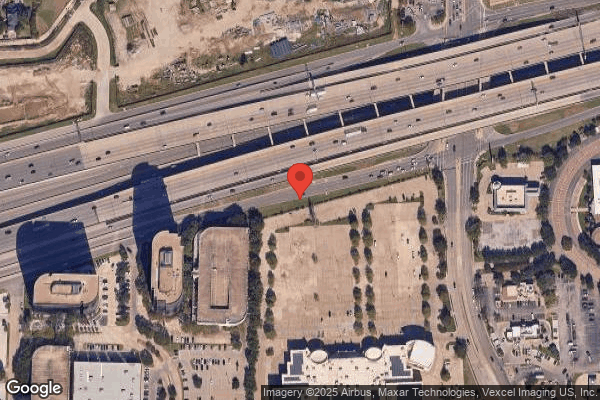
3808 S CENTRAL EXPWY, DALLAS, TX 75215 (214) 428-2851
For profit - Limited Liability company 91 Beds Independent Data: November 2025 6 Immediate Jeopardy citations
Trust Grade
0/100
#1098 of 1168 in TX
Last Inspection: September 2024

Within standard 12-15 month inspection cycle. Federal law requires annual inspections.

Overview

South Dallas Nursing & Rehabilitation currently holds a Trust Grade of F, indicating significant concerns about the facility's care and operations. It ranks #1098 out of 1168 nursing homes in Texas, placing it in the bottom half of all facilities in the state, and #79 out of 83 in Dallas County, with only a few local options performing worse. While the facility is reportedly improving, with issues decreasing from 21 in 2024 to 8 in 2025, it still has a long way to go. Staffing is a concern, with only 1 out of 5 stars and a high turnover rate of 57%, which is above the Texas average. Additionally, the facility has incurred fines totaling $334,217, suggesting serious compliance issues. Specific incidents of concern include the failure to prevent neglect, where a resident did not receive proper pain assessments for 11 days, delaying diagnosis of a fracture. Another resident eloped from the facility due to inadequate supervision and was found lying on the ground for 30 minutes before help arrived. Overall, while there are some signs of improvement, the facility has serious weaknesses that families should carefully consider.

Trust Score
F
0/100
In Texas
#1098/1168
Bottom 6%
Safety Record
High Risk
Review needed
Inspections
Getting Better
21 → 8 violations
Staff Stability
⚠ Watch
57% turnover. Above average. Higher turnover means staff may not know residents' routines.
Penalties
✓ Good
$334,217 in fines. Lower than most Texas facilities. Relatively clean record.
Skilled Nurses
⚠ Watch
Each resident gets only 5 minutes of Registered Nurse (RN) attention daily — below average for Texas. Fewer RN minutes means fewer trained eyes watching for problems.
Violations
⚠ Watch
45 deficiencies on record. Higher than average. Multiple issues found across inspections.
★☆☆☆☆
1.0
Overall Rating
★☆☆☆☆
1.0
Staff Levels
★★★★☆
4.0
Care Quality
★☆☆☆☆
1.0
Inspection Score
Stable
2024: 21 issues
2025: 8 issues

The Good

  • 4-Star Quality Measures · Strong clinical quality outcomes
  • Full Sprinkler Coverage · Fire safety systems throughout facility
  • No fines on record

Facility shows strength in quality measures, fire safety.

The Bad

1-Star Overall Rating

Below Texas average (2.8)

Significant quality concerns identified by CMS

Staff Turnover: 57%

11pts above Texas avg (46%)

Frequent staff changes - ask about care continuity

Federal Fines: $334,217

Well above median ($33,413)

Significant penalties indicating serious issues

Staff turnover is elevated (57%)

9 points above Texas average of 48%

The Ugly 45 deficiencies on record

6 life-threatening
Jun 2025 5 deficiencies 2 IJ (1 affecting multiple)
CRITICAL (J) 📢 Someone Reported This

A family member, employee, or ombudsman was alarmed enough to file a formal complaint

Immediate Jeopardy (IJ) - the most serious Medicare violation

Accident Prevention (Tag F0689)

Someone could have died · This affected 1 resident

**NOTE- TERMS IN BRACKETS HAVE BEEN EDITED TO PROTECT CONFIDENTIALITY** Based on observation, interview and record review the facility failed to ensure the resident environment remained as free of acc...

Read full inspector narrative →
**NOTE- TERMS IN BRACKETS HAVE BEEN EDITED TO PROTECT CONFIDENTIALITY** Based on observation, interview and record review the facility failed to ensure the resident environment remained as free of accident hazards as was possible and each resident received adequate supervision and assistance devices to prevent accidents for one of 3 residents (Resident #1) reviewed for transfers. The facility failed to ensure that CNA A and LVN B transferred Resident #1 using a gait belt as per facility protocol, and dried the resident off before transfer, which resulted in a fall and a comminuted fracture (a fracture where the bone breaks into three or more pieces) to the left humeral neck (top part of the arm bone) and fractures to the glenoid bone (where the head of the arm bone connects to the shoulder), which were discovered from X-Ray results on 02/21/25. An Immediate Jeopardy (IJ) situation was identified on 06/02/25. While the IJ was removed on 06/09/25, the facility remained out of compliance at a scope of isolated with the potential for more than minimal harm due to the facility's need to evaluate the effectiveness of the corrective systems. This deficient practice could place residents at risks of accidents, and could result in serious harm, injury, impairment, and death. The findings include: Record review of Resident#1's face sheet dated 05/28/25 revealed he was a [AGE] year-old male resident with an initial admission date of 11/27/24 with diagnosis that included: Hemiplegia and Hemiparesis following Cerebral Infarction affecting the Left Non-Dominant side (paralysis of the left side of the residents body due to a stroke), Vascular Dementia (Brain damage caused by multiple strokes), and Aphasia (Language disorder caused by brain damage). Record review of Resident #1's quarterly MDS dated [DATE] reflected that Resident #1 had a BIMS (Brief Interview for Mental Status) of 12, meaning mildly impaired or moderate cognitive impairment. Resident #1 had impairment to one side. Resident #1 required Substantial/maximal assistance (help of 1-2 staff members) with showers and sitting to standing and was totally dependent (help of 2 or more staff members) for toileting. Record review of Resident #1's Significant Change MDS dated [DATE] reflected that Resident #1 had a BIMS (Brief Interview for Mental Status) of 12 meaning Resident #1 was mildly impaired or had moderate cognitive impairment. Resident #1 was dependent and required the assistance of 2 or more or more helpers for tub/shower transfer, toilet transfer and chair to bed transfer. Resident #1 was listed as Not applicable (due to current injury/illness) for the ability to go up and down a curb and/or up and down one step. Record Review of Resident #1's Care Plan dated 03/06/25 reflected that Focus: The resident has an ADL self-care Performance deficit CVA with left hemiplegia, diabetes with neuropathy, dementia and muscle weakness. Bed mobility: partial assist of 1-2, Transfers: partial to substantial assist 1-2, Eating: set-up to supervision of 1, Toileting: partial assist of 1-2. Provisions are mad to care as needed. Level of assistance may vary depending on my condition. Goal: The resident will maintain or improve current level of function in bed partial to substantial assist of 1-2 by the next review date. Interventions/Tasks: Provide sponge bath when a full bath or shower cannot be tolerated .Allow sufficient time for ADL tasks .Make sure are comfortable and not slippery. Record review of the Facility PIR (Provider Investigation Report) dated 02/25/25 reflected that on 02/10/25 CNA A and CNA B stated that Resident #1 had a slip in the shower chair while transferring from a shower chair to a wheelchair. Resident #1 stated to the facility that Resident #1 had slipped and hit his shoulder while he was in the shower. Resident #1 did not report the incident to the facility until 02/21/25. The PIR Investigation Summary reflected that on 02/10/25 CNA A had taken Resident #1 to the shower room and that Resident #1 had started to slip out of the shower chair. CNA A then called for LVN B who helped to assist the resident immediately by placing their arms (CNA A and LVN B) under Resident #1's arms and pulled Resident #1 back up into the shower chair. LVN B reported that Resident #1 did not report any injuries and subsequent skin assessments found no injuries, bruises, or skin integrity issues. Both CNA A and LVN B had stated that here had been no fall or change of plan as they had prevented Resident #1 from having a fall. Record review of CNA A's witness statement included in the PIR dated 02/24/25 and signed by CNA A, reflected that CNA A had assisted nurse with transfer in the shower room, shower was given to Resident #1, nurse assisted with transferring Resident #1 back to the wheelchair from the shower chair. Record review of LVN B's witness statement included in the PIR and dated 02/24/25 and signed by LVN B, reflected that LVN B had assisted CNA A with a transfer of Resident #1 from a wheelchair to a shower chair and then from a shower chair to wheelchair on 02/10/25. She stated Resident #1 had no complaint of pain upon transferring of Resident #1 to a wheelchair. Record review of the facility Incident Accident Log found no evidence of Resident #1 having a fall, near fall or injury for the dates of 02/04/25 to 02/21/25. Record review of a document entitled Radiology Report for Resident #1, dated 02/21/25, reflected Left Shoulder X-ray Complete 2 or more views .Significant Findings .Multiple views of the left shoulder show a comminuted fracture (a fracture where the bone breaks into three or more pieces) to the left humeral head/neck (top part of the arm bone). Fracture of the glenoid (where the head of the arm bone connects to the shoulder) is also noted .No soft tissue swelling is seen. Record review of a document titled After Visit Summary, dated 02/22/25, found an order for an appointment to a named Orthopedic Surgeon was to be made as soon as possible. This order was put into place to address the right humorous comminuted fracture after the resident had been admitted to the hospital on [DATE]. Record review of Resident #1 EHR (Electronic Health Record) for Resident #1 from 02/04/25 to 2/11/25 found no evidence of a fall being reported, no documentation of skin or pain assessments. No documentation of Resident #1 slipping from a shower chair. Two progress notes related to the incident of 02/10/25 were found (1) denoting a pain medication ordered and (2) When the facility first found out about the incident: 1. A Progress Note was found on 02/10/25 at 9:17 PM written by LVN E ordering [after being told by Hospice RN D of the fall and need for pain medications] tramadol HCL Oral tablet 50 mg, give 50 mg by mouth three times a day for pain. 2. A Progress Note on 02/21/25 at 9:36 AM by the DON reflected that Resident (#1's) family reported to this nurse, he (Resident #1) still had pain from the fall that happened Monday before last. Skin assessment pain assessment and stat left shoulder x-ray. Notified hospice, family present, notified MD and administrator. Record review of the facility Incident Accident Log found no evidence of Resident #1 having a fall, near fall or injury for the dates of 02/04/25 to 02/21/25. Record review of Resident #1's Active Orders as of 06/08/25 revealed that Resident #1 had 2 active orders for pain medications prior to the left humerus comminuted fracture of 02/10/25 listed as the following: 1. Orders reflected Gabapentin 400 mg. Give 1 capsule by mouth three times per day for pain. Order start date 11/27/24, End Date: Indefinite. 2. Tylenol Oral tablet 325 mg. Give 1 tablet by moth every 4 hours as needed for Pain. Order start date 11/27/24, End Date: Indefinite. Record review of Resident #1's Active orders as of 06/08/25 revealed that Resident #1 had 4 active orders for pain after to the right humorous comminuted fracture after 02/10/25 listed as the following: 1. Orders reflected Gabapentin 400 mg. Give 1 capsule by mouth three times per day for pain. Order start date 11/27/24, End Date: Indefinite. 2. Tylenol Oral tablet 325 mg. Give 1 tablet by moth every 4 hours as needed for Pain. Order start date 11/27/24, End Date: Indefinite. 3. Tramadol HCL Oral Tablet 50 mg, Give 50 mg by mouth three times a day for pain. Start Date: 02/10/25, Revision Date: 03/10/25, New orders, give 50 mg by mouth every 8 hours as needed for pain. End Date: Indefinite 4. Hydrocodone-Acetaminophen Oral tablet 5-325 mg, Give 1 tablet by mouth three times a day for pain. Start Date: 03/06/2025. End Date: Indefinite. Record review of Resident #1's weights taken at the facility found that Resident #1 weighed 154.4 LBS on 02/07/25. Interview on 05/28/25 at 9:45 AM with Resident #1 revealed Resident #1 was able to speak with some difficulty but was able to make his needs known. Resident #1 stated arm was broken several months ago. He identified the CNA as the facility CNA not his hospice CNA, and he stated it was just CNA A in the shower room with him when the fall occurred. He stated he hit his shoulder when the fall happened and he had less movement in his left arm and hand than he did before. He indicated with his right arm and hand to his left shoulder and indicated his left hand where it was observed he could still move his pinky and ring finger. Interview on 05/28/25 at 9:58 AM with the Hospice SW C revealed that she had been in the building that morning to visit with Resident #1 to discuss care plan options with Resident #1 since had had come under her hospice agency care on 02/04/25. She stated that Resident #1 told her that he was in pain and that he had a fall in the shower room earlier that morning and that he indicated his left shoulder where the pain was the worst. Hospice SW C stated that she contacted Hospice RN D and reported to her that Resident #1 was complaining of 5/10 pain in his left shoulder and that Resident #1 had told her he had a fall earlier that morning in the shower. Interview on 05/28/25 at 9:58 AM with Hospice RN D revealed that Resident #1 reported to her that he had a fall in the shower room earlier that day (02/10/25). Hospice RN D stated that she did an assessment on Resident #1, she stated that Resident #1 complained of pain in his left shoulder at 5/10 on a pain scale and that Resident #1 had no swelling, no redness no bruising. Hospice RN D stated that she notified the hospice physician and ordered 50 mg Tramadol three times a day. Hospice RN D stated that she had informed facility nurse LVN E about the new order, fall and pain and that another Hospice RN had assessed Resident #1 on 02/13/25 and that Resident #1 did not complain of pain that day. Interview on 05/28/25 at 1:58 PM with CNA A, CNA A reported that CNA A and LVN B were transferring Resident #1 from a shower chair to a wheelchair in the shower room on 02/10/25. CNA A stated that she and LVN B had Resident #1 up from the shower chair and were pivoting him around to sit in the wheelchair and Resident #1 was yelling that he was slipping. CNA A stated that Resident #1 did not have a fall. CNA A stated that he had started to slip a little out of the shower chair but that she and LVN B had caught him. She stated that he did not complain of pain at any time even after she had placed him back into bed. She stated that she had not used a gait belt and she was unaware if there had been a gait belt in the shower room at the time. CNA A stated that resident #1 was still wet at the time of the transfer. Interview on 5/30/25 at 11:48 AM with the Facility Physician revealed the fracture to Resident #1's arm was acute and if the fracture occurred on 02/10/25 then by the time the x-ray was taken on 02/21/25 soft tissue swelling could have been absent. She stated looking at Resident #1's diagnosis, she would not expect Resident #1 had a spontaneous fracture, and Resident #1 might not be as uncomfortable as someone who did not have paralysis in the affected arm. Interview on 6/2/25 at 5:59 PM with the DON revealed she defined a fall as anytime a resident stumbled, loses balance or their knees touched the floor. She stated staff were always expected to use a gait belt for transfers she stated she had not been aware all CNA's did not have a gait belt and there seemed to be only a few gait belts in the facility at that time. She stated any resident being transferred from a wheelchair to a shower chair, the staff must use a gait belt, the resident should have a shirt on or a gown and once the resident was safely transferred to a shower chair the gait belt and then the shirt/gown should come off. She stated the resident should be completely dried and a gown or a shirt should be placed back on the resident and a gait belt applied to transfer the resident back to a wheelchair. Interview on 6/2/25 at 6:08 PM, the ADM stated a fall was defined as anyone who had lost balance or for example knees gave out and had to be lowered to the floor would be a fall. Also, even if they lost balance of gave out and caught themselves and the staff had to assist them in any manner was considered a fall according to the policy/procedure. Record review of the facility's policy titled Safe Lifting and Movement of Residents, dated 2001 and revised July 2017, reflected: Policy Statement: In order to protect the safety and well being of staff and residents, and to promote quality care, this facility uses appropriate techniques and devices to lift and move residents . 3. Nursing staff, in conjunction with the rehabilitation staff, shall assess individual residents' needs for transfer assistance on and ongoing basis. Staff will document resident transferring and lifting needs in the care plan. Such assessment shall include: a. Resident's preferences; b. Resident's mobility (degree of dependency); c. Resident's size; d. Weight-bearing ability; e. Cognitive status; f. Whether the resident is usually cooperative with staff; and g. The resident's goals for rehabilitation, including restoring or maintaining functional abilities. 4. Staff responsible for direct care will be trained in the use of manual (gait/transfer belts, lateral boards) and mechanical lifting devices . 12. Safe lifting and movement of residents is part of an overall facility employee health and safety program, which: a. Involves employees in identifying problem areas and implementing workplace safety and injury-prevention strategies; b. Addresses workplace injuries; c. Provides training on safety, ergonomics and proper use of equipment; and d. Continually evaluates the effectiveness of workplace safety and injury-prevention strategies. This was determined to be an Immediate Jeopardy (IJ) on 06/02/25 at 8:00 PM. The ADM and the DON were notified. The ADM was provided with the IJ template on 06/02/25 at 8:00 PM. The following Plan of Removal submitted by the facility was accepted on 06/05/25 at 3:00 PM: [The facility][address and phone number] FTAG 689- The facility failed to protect Resident #1 because CNA A and LVN B did not use proper assistive device and proper procedure drying resident/using gait belt when assisting Residents #1 during shower. Adequate supervision and assisted devices are required to prevent accidents. Focus will be safe transfers and proper supervision. 4. DON and ADON will in-service nursing staff on Safe Transfer. Nursing staff will be able to voice concepts of safe transfer to include residents limitations taken into account to determines how many people are required for transfer, where is the transfer taking place, is the resident dried off from a shower, are clothes donned before applying gait belt. Nursing will turn in a written test of knowledge over Safe Transfer and complete a return demonstration for DOR. Weekend staff and PRN will be provided training by DON and ADON and DOR. DON, will visually monitor each member of the nursing staff safely transfer a residents, every shift, starting on 6/4/2025, until 100% of staff have been monitored. Date initiated: 6/2/2025. A master copy of in-services/training/tests table with employee names is being used to audit. This form will be updated and turned into every day. After meeting with the survey team, additional education provided on 6/4/2025. To include place of transfer, resident ability, number of staff required, resident clothed, resident dry. Date completed: 6/9/2025 5. DON and ADON will in-service ALL staff on the definition of a FALL, AWARENESS, REPORTING, INTERVENTION AND PREVENTION. All staff will complete a written test of knowledge to be placed on file immediately. Weekend staff and PRN will be provided training by DON and ADON and DOR. This training must be completed before returning to the floor. ADON, will visually monitor each charge nurse report a fall, every shift, starting on 6/5/2025, until 100% of staff have been monitored. DON will maintain competency audit and update it daily and give to Administrator daily. Date initiated: 6/2/2025 Date completed: 6/5/2025 Upon hire, and quarterly thereafter 6. DON has reviewed all of May admissions and readmissions up to current date to verify there weren't any appointments or referrals needed. No issues identified. An admission/readmission report has been ran, printed and marked with a check mark for reviewed and no issues or a question mark requiring a hospital request for additional records. Date initiated: 6/2/2025 Date completed: ongoing, daily Upon hire, and quarterly thereafter 4 Skills check off will be completed for Nursing staff, in relation to their roles required for a fall, by DON/ADON. Now, Upon hire, and quarterly. Training must be completed before returning to the floor. DON and Administrator will maintain competency audit and ensure compliance. This training must be completed before returning to the floor. A staff roster containing staff member name, department and status of employment, will be utilized to keep track of competencies/training completed/required. Individual interviews will be conducted for all nursing staff by ADON. During the interview the staff member will recite respective response to a fall, according to their position. These interviews will start on 6/5/2025, every shift until 100% of nursing staff have been interviewed. A spread sheet will indicate all staff have been interviewed and will be updated and provided to the Administrator for review daily. Nurse roles in a fall Completing and documenting fall risk assessments to identify residents at risk of falling. Monitoring the resident's medical condition for any changes that could affect the resident's fall risk status. Reporting falls to the physician, DON/ADON and Administrator, and obtaining medical orders as needed. Supervising nursing aides and educating patients and their families on fall prevention measures CNA role for a fall: Report to Charge nurse immediately and do not move the resident. Date initiated: 6/5/2026 Date complete:6/9/2025 5 Starting on 6/4/2025, DON will ensure that 1st and 2nd shift CNA's have a gait belt readily available. ADON will be assigned to monitor for 3rd shift on 6/4-5/2025 Will have gait belts readily available for use. This ensures proper preparedness for safe transfer immediately. Administrator will verify gait belts were provided on 6/4/2025 and 6/5/2025 by reviewing the gait belt audit log, daily. Date initiated:6/4/2025 Completed by: 6/5/2025 6. DON and ADON will in-service charge nurses about Admission/ readmission Binder. It will be kept at the nurses' station. DON/ADON, will review this Binder daily, during their assigned shift, to ensure any appointments/ referrals are made according to admission paperwork. All admission paperwork will be uploaded by admitting nurse to Medical Records via front office scanner and logged into the binder log in sheet located in the front of the binder. Weekend staff and PRN will be provided training by DON. This training must be completed before returning to the floor DON and ADON will maintain competency audit and ensure compliance. This training must be completed before returning to the floor. A staff roster containing staff member name, department and status of employment, will be utilized to keep track of competencies/training completed/required. Date initiated 6/3/2025 Date completed: ongoing Monitored in real time on 6/4/2025, LVN B, notified DON, a resident had returned from the hospital with new orders. She uploaded the paperwork to medical records and placed in in the communication binder, at the nurses station. She also logged the information onto the login sheet in the front of said binder. Information included: resident name, date/time, reason for ER/visit or discharge, charge nurse initials, and yes or no boxes for needing appointments or new orders. See exhibit- A readmission paperwork login form. 7. Charge nurses will be in-serviced on reporting incidents such as falls, made by third party vendors, such as Hospice. When report of a fall is received by a third party or family, it is to be reported immediately to the DON/ADON. Weekend staff and PRN will be provided training by DON and ADON. This training must be completed before returning to the floor. DON will maintain competency audit and ensure compliance. This training must be completed before returning to the floor. A staff roster containing staff member name, department and status of employment, will be utilized to keep audit of competencies/training completed/required. Administrator will confirm education provided by interviewing staff on 6/4/2025. Inservice to begin 6/4/2023. Completed by 6/5/2025 Third party vendors will be notified via telephone, by DON/ADON, of referrals recommended, or appointments made. A progress note will be entered into PCC, by the charge nurse, naming who they spoke with, date and time and short description on the nature of the information relayed. 8. Charge nurses will be in-serviced on the Appointments/ Referral Protocol immediately, intermittently, upon hire. Any appointment obtained by a charge nurse, will be reported to DON/ADON as soon as possible, but no later than the end of their shift. DON/ADON will update information pertaining to the resident's appointment in PCC on community board. Weekend staff and PRN will be provided training by DON and ADON. This training must be completed before returning to the floor. DON maintain competency audit and ensure compliance. This training must be completed before returning to the floor. DON/ADON, will visually monitor each member of the nursing staff recite or perform the Appointments/ Referral Protocol starting on 6/4/2025, until 100% of staff have been monitored. Date initiated: 6/2/2025. A master copy of in-services/training/tests table with employee names is being used to audit. This form will be updated and turned into Administrator for review every day. Monitored in real time on 6/4/2025, LVN B, notified DON, a resident had returned from the hospital with new orders and a referral appointment. Initiated 6/4/2025 Completion: ongoing daily 9.Starting today, 6/4/2025, all department heads will conduct Ambassador rounds. The revised form has been provided to all department heads by email. This will identify any incidents or accidents that may have happened and weren't properly reported, documented or identified. These rounds consist of room conditions, meal satisfaction, needs and will address falls, abuse, neglect and feelings of safety. These will be provided to Administrator daily. A manager on duty will be assigned to work 4 hours on Saturday and Sunday, four hours each day. Manager on Duty will be responsible for completing room rounds on all residents, turning form into administrator's mailbox and reporting incidents, accidents, fall or alleged abuse to Administrator immediately via phone. Exhibit E. Administrator will be responsible for monitoring the plan of removal. If it is found the plan is not working or an issue is identified, a meeting amongst department heads will convene immediately to discuss and determine revisions necessary for the safety of the residents and positive outcomes. Monitoring of the POR included the following: Observation on 5/28/25 at 1:23 PM revealed CNA A transferred Resident #2 from a wheelchair to the residents bed. CNA A explained to Resident #2 they were about to perform a transfer. CNA A placed Resident #2's wheelchair next to the bed that was on a level equal to the height of the wheelchair. Wheelchair was observed to be locked. CNA A then placed a gait belt on Resident #2 and counted down with the resident to stand up, Resident #2 was successfully transferred to the bed with no issues. In an interview on 06/07/25 at 3:00 PM the DON stated that in-services had been completed on all nursing staff. Record review of all in-service rosters and written competencies revealed that all nursing staff had received all in-services and written competency tests had been conducted and completed by all nursing staff. Between the dates of 06/05/25 and 06/07/25 6 gait-belt and 2 mechanical lift transfer trainings were observed to be conducted by the DOR and re-demonstrations in front of the DOR by the following staff members: CNA A, LVN B, CNA F, CNA H, CNA M, ADON, LVN Q, LVN R, CNA T, CNA X and LVN Y. Between the dates of 06/05/25 and 06/09/25, during all shifts, twenty-seven nursing staff members out of 39 nursing staff members were asked the following questions: All: -Title/Name/Length of time at the facility? -Did you receive training on transfers? /Did you demonstrate a safe transfer? To whom? -Describe a safe transfer related to showers. -Why are safe transfers important? When would you need a nurse to assess a resident? -Did you take a test for transfers/falls after training? -What is a fall? -Did you learn anything new from your latest in-services/demonstrations? CNA's: -If you see a fall, who do you report it too/What is your role? -When do you use a gait belt? RN's: -What is your role in falls? -Where exactly is the admission/re-admission folder located? What is its purpose? -What methods can you use to report incidents to the ADON/DON? -Why is it important to make sure hospital/specialist/orders are followed/appointments made? -Admissions/re-admissions/falls this shift? ADON, DON, DOR, CNA A, LVN B, LVN E, CNA F, CNA G, CNA H, CNA I, CNA J, CNA K, CNA L, CNA M, CNA N, CNA O, LVN P, LVN Q, LVN R, LVN S, CNA T, LVN U, LVN V, CNA W, CNA X, LVN Y and CNA Z representing and interviewed during the 6:00 AM to 2:00 PM, 2:00 PM to 10:00 PM and the 10:00 PM to 6:00 AM shifts, were able to answer all questions in a satisfactory manner that suggested training had been conducted and understood, written competencies had been conducted and completed, and nursing staff performed transfers in front of the DOR, DON or the ADON. Between the dates of 06/05/25 and 06/09/25 during all shifts, 8 gait-belt transfers and 3 mechanical lifts were observed to be conducted in a safe and competent manner by the following nursing staff CNA A, LVN B, CNA F, CNA K, CNA M, LVN Q, LVN U, CNA W, CNA X, and CNA Z, with Residents #1, #2, #3, #4, #5, #6, #7, and #8. The ADM and the DON were informed the Immediate Jeopardy was removed on 06/09/25 at 4:00 PM. The facility remained out of compliance at a severity level of no actual harm with the potential for more than minimal harm that is not immediate and a scope of isolated due to the facility's need to evaluate the effectiveness of the corrective systems that were put into place.
CRITICAL (K) 📢 Someone Reported This

A family member, employee, or ombudsman was alarmed enough to file a formal complaint

Immediate Jeopardy (IJ) - the most serious Medicare violation

Free from Abuse/Neglect (Tag F0600)

Someone could have died · This affected multiple residents

**NOTE- TERMS IN BRACKETS HAVE BEEN EDITED TO PROTECT CONFIDENTIALITY** Based on observation, interview and record review the facility failed to ensure residents had the right to be free from abuse, a...

Read full inspector narrative →
**NOTE- TERMS IN BRACKETS HAVE BEEN EDITED TO PROTECT CONFIDENTIALITY** Based on observation, interview and record review the facility failed to ensure residents had the right to be free from abuse, and deprivation of goods and services for 1 of 3 residents (Resident #1) reviewed for neglect. 1. The facility failed to provide Resident #1 with services for pain assessments from 02/10/25 to 02/21/25 which resulted in Resident #1 not being diagnosed with a fracture to his left humeral bone for 11 days. 2. The facility staff failed to report a fall to the administrative staff which resulted in Resident #1 not receiving an x-ray from 02/10/25 to 02/21/25. 3. The facility failed to make an appointment for Resident #1 as ordered by a hospital physician to be seen by an orthopedic surgeon from 02/22/25 to 06/07/25. An Immediate Jeopardy (IJ) situation was identified on 06/02/25. While the IJ was removed on 06/09/25, the facility remained out of compliance at a scope of pattern with the potential for more than minimal harm due to the facility's need to evaluate the effectiveness of the corrective systems. These failures could place residents at risk of deprivation of goods and services. Findings include: Record review of Resident#1's face sheet, dated 05/28/25, reflected a [AGE] year-old male with an initial admission date of 11/27/24. Resident #1 had diagnoses which included: Hemiplegia and Hemiparesis following Cerebral Infarction affecting the Left Non-Dominant side (paralysis of the left side of the residents body due to a stroke), Vascular Dementia (Brain damage caused by multiple strokes) and Aphasia (Language disorder caused by brain damage). Record review of Resident #1's quarterly MDS, dated [DATE], reflected Resident #1 had a BIMS of 12, which indicated mildly impaired or moderate cognitive impairment. Resident #1 had impairment to one side. Resident #1 required substantial/maximal assistance (help of 1-2 staff members) with showers and sitting to standing and was totally dependent (help of 2 or more staff members) for toileting. Record review of Resident #1's Significant Change MDS, dated [DATE], reflected Resident #1 had a BIMS of 12 which indicated Resident #1 was mildly impaired or had moderate cognitive impairment. Resident #1 was dependent and required the assistance of 2 or more or more helpers for tub/shower transfer, toilet transfer and chair to bed transfer. Resident #1 was listed as Not applicable (due to current injury/illness) for the ability to go up and down a curb and/or up and down one step. Record review of Resident #1's Care Plan, dated 03/06/25, reflected a Focus: The resident has an ADL self-care Performance deficit CVA with left hemiplegia, diabetes with neuropathy(damage to nerves), dementia and muscle weakness. Bed mobility: partial assist of 1-2, Transfers: partial to substantial assist 1-2, Eating: set-up to supervision of 1, Toileting: partial assist of 1-2. Provisions are mad to care as needed. Level of assistance may vary depending on my condition. Goal: The resident will maintain or improve current level of function in bed partial to substantial assist of 1-2 by the next review date. Interventions/Tasks: Provide sponge bath when a full bath or shower cannot be tolerated .Allow sufficient time for ADL tasks .Make sure are comfortable and not slippery. Record review of Resident #1's Active Orders, as of 06/08/25, reflected Resident #1 had 2 active orders for pain medications prior to the left humerus comminuted fracture of 02/10/25 listed as the following: 1. Orders reflected Gabapentin 400 mg. Give 1 capsule by mouth three times per day for pain. Order start date 11/27/24, End Date: Indefinite. 2. Tylenol Oral tablet 325 mg. Give 1 tablet by moth every 4 hours as needed for Pain. Order start date 11/27/24, End Date: Indefinite. Record review of Resident #1's Active orders, as of 06/08/25, reflected Resident #1 had 4 active orders for pain after the right humorous comminuted fracture of 02/10/25 listed as the following: 1. Orders reflected Gabapentin 400 mg. Give 1 capsule by mouth three times per day for pain. Order start date 11/27/24, End Date: Indefinite. 2. Tylenol Oral tablet 325 mg. Give 1 tablet by mouth every 4 hours as needed for Pain. Order start date 11/27/24, End Date: Indefinite. 3. Tramadol HCL Oral Tablet 50 mg, Give 50 mg by mouth three times a day for pain. Start Date: 02/10/25, Revision Date: 03/10/25, New orders, give 50 mg by mouth every 8 hours as needed for pain. End Date: Indefinite 4. Hydrocodone-Acetaminophen Oral tablet 5-325 mg, Give 1 tablet by mouth three times a day for pain. Start Date: 03/06/2025. End Date: Indefinite. Record review of Resident #1's weights taken at the facility found reflected Resident #1 weighed 154.4 LBS on 02/07/25. Record review of the facility's PIR, dated 02/25/25, reflected on 02/10/25 CNA A and CNA B stated Resident #1 had a slip in the shower chair while transferring from a shower chair to a wheelchair. Resident #1 stated to the facility that Resident #1 had slipped and hit his shoulder while he was in the shower. Resident #1 did not report the incident to the facility until 02/21/25. The PIR Investigation Summary reflected on 02/10/25 CNA A had taken Resident #1 to the shower room and Resident #1 started to slip out of the shower chair. CNA A then called for LVN B who helped assist the resident immediately by placing their arms (CNA A and LVN B) under Resident #1's arms (while resident was still wet) and pulled Resident #1 back up into the shower chair. LVN B reported Resident #1 did not report any injuries and subsequent skin assessments found no injuries, bruises, or skin integrity issues. Both CNA A and LVN B stated there was no fall or change of plan as they prevented Resident #1 from having a fall. Record review of CNA A's witness statement, included in the PIR, dated 02/24/25, and signed by CNA A, reflected CNA A had assisted the nurse with a transfer in the shower room, shower was given to Resident #1. The nurse assisted with transferring Resident #1 back to the wheelchair from the shower chair. Record review of LVN B's witness statement, included in the PIR, dated 02/24/25, and signed by LVN B, reflected LVN B had assisted CNA A with a transfer of Resident #1 from a wheelchair to a shower chair and then from a shower chair to wheelchair on 02/10/25. She stated Resident #1 had no complaint of pain upon transferring to the wheelchair. Record review of Resident #1's EHR for Resident #1 from 02/04/25 to 2/11/25 found no evidence of a fall being reported, no documentation of skin or pain assessments. No documentation of Resident #1 slipping from a shower chair. Two progress notes related to the incident of 02/10/25 were found (1) denoting a pain medication ordered after LVN E had been informed by Hospice RN D about a fall and need for pain medications, and (2) When the facility first found out about the incident: 1. A Progress Note was found, dated 02/10/25 at 9:17 PM written by LVN E, ordering tramadol HCL Oral tablet 50 mg, give 50 mg by mouth three times a day for pain. 2. A Progress Note, dated 02/21/25 at 9:36 AM by the DON, reflected Resident (#1's) family reported to this nurse, he (Resident #1) still had pain from the fall that happened Monday before last. Skin assessment pain assessment and stat left shoulder x-ray. Notified hospice, family present, notified MD and administrator. Record review of the facility Incident Accident Log found no evidence of Resident #1 having a fall, near fall or injury for the dates of 02/04/25 to 02/21/25. Record review of a document entitled Radiology Report for Resident #1, dated 02/21/25, reflected Left Shoulder X-ray Complete 2 or more views .Significant Findings .Multiple views of the left shoulder show a comminuted fracture (a fracture where the bone breaks into three or more pieces) to the left humeral head/neck (top part of the arm bone). Fracture of the glenoid (where the head of the arm bone connects to the shoulder) is also noted .No soft tissue swelling is seen. Record review of a document titled After Visit Summary, dated 02/22/25, found an order for an appointment to a named Orthopedic Surgeon was to be made as soon as possible. This order was put into place to address the right humorous comminuted fracture after the resident had been admitted to the hospital on [DATE], and discharged from the hospital on [DATE]. Interview on 05/28/25 at 9:45 AM with Resident #1 revealed Resident #1 was able to speak with some difficulty but was able to make his needs known. Resident #1 stated his arm was broken several months ago. He identified the CNA as the facility CNA not his hospice CNA, and he stated it was just CNA A in the shower room with him when the fall occurred. He stated he hit his shoulder when the fall occurred. He stated he went to the hospital but had not been out for any follow-up appointments. Interview on 05/28/25 at 9:58 AM with the Hospice SW C revealed she had been in the building that morning to visit with Resident #1 to discuss care plan options with the resident since he had come under her hospice agency care on 02/04/25. She stated Resident #1 told her he was in pain and he had a fall in the shower room earlier that morning and he indicated his left shoulder where the pain was the worst. Hospice SW C stated she contacted Hospice RN D and reported to her Resident #1 was complaining of 5/10 pain in his left shoulder and Resident #1 told her he had a fall earlier that morning in the shower. Interview on 05/28/25 at 9:58 AM with Hospice RN D revealed Resident #1 reported to her he had a fall in the shower room earlier that day (02/10/25). Hospice RN D stated she did an assessment on Resident #1, and Resident #1 complained of pain in his left shoulder at 5/10 on a pain scale and Resident #1 had no swelling and no redness no bruising. Hospice RN D stated she notified the hospice physician and ordered 50 mg Tramadol three times a day. Hospice RN D stated she informed the facility nurse, LVN E about the new order, fall and pain and another Hospice RN had assessed Resident #1 on 02/13/25 and Resident #1 did not complain of pain that day. Interview on 05/29/25 at 10:58 AM with LVN E revealed she worked on Resident #1's hall on 02/10/25. She stated she remembered speaking with Hospice RN D that day and Hospice RN D told her Resident #1 had complained of 5/10 pain in his left shoulder, he reported to her that he had a fall earlier that day in the shower and she ordered Tramadol 50 mg three times a day for Resident #1. LVN E stated she was a brand-new nurse at the time and assumed LVN B, who had been at the facility much longer, told the DON about the fall in the shower room. LVN E stated she first learned of Resident #1's fracture on 02/23/25 when the DON asked if she knew anything about Resident #1's fracture. Interview on 05/28/25 at 1:58 PM with CNA A, CNA A reported CNA A and LVN B were transferring Resident #1 from a shower chair to a wheelchair in the shower room on 02/10/25. CNA A stated she and LVN B had Resident #1 up from the shower chair and were pivoting him around to sit in the wheelchair and Resident #1 was yelling that he was slipping. CNA A stated Resident #1 did not have a fall. CNA A stated he had started to slip a little out of the shower chair but she and LVN B caught him. She stated he did not complain of pain at any time even after she placed him back into bed. She stated she had not used a gait belt and she was unaware if there was a gait belt in the shower room at the time. CNA A stated that Resident #1 was still wet at the time of the transfer. Interview on 05/29/25 at 2:56 PM with LVN B revealed CNA A called her into the shower room to assist with transferring Resident #1 from a shower chair to a wheelchair. She stated Resident #1 was already unclothed and she and CNA A had their arms around Resident #1 to transfer him. She stated the resident was still a little wet and he had a towel around his private area. She stated Resident #1 did not say anything or indicate he was slipping. She stated she did not report anything because there was never any fall. She stated it was possible they could have broken his arm during the transfer but there had been no indication of it, she stated that because nothing happened and there was no indication of pain or discomfort, she did not assess Resident #1. Interview on 05/30/25 at 9:45 AM with the DON revealed she was aware of the need to make an Orthopedic appointment for Resident #1 after he returned from the hospital on [DATE]. She stated the hospice agency was contacted about the need for an appointment at that time but had not addressed the Orthopedic appointment again after that. The DON was unable to explain why the appointment for Resident #1 had never been arranged. The DON was unable to provide any documentation that the hospice agency had been contacted, who was spoken to at the hospice agency or when the conversation may have taken place. Interview on 05/30/25 at 11:09 AM with LVN Q revealed she understood follow-up appointments for residents returning from the hospital were to be handled through the Social Worker or the ADON but because the Social Worker had quit a few weeks ago it was mainly through the ADON. Interview on 05/30/25 at 11:11 AM with the ADON revealed for residents who were on hospice care and returned from the hospital to the facility with orders to have an appointment made the facility should have contacted the hospice agency about the appointment. She stated in the case of Resident #1 she did not see any in any progress notes that the hospice agency for Resident #1 had been contacted about the follow-up order for Resident #1, she stated that in the absence of the SW the ADON or the DON would be responsible for the follow up appointment and notifying the hospice agency. Interview on 05/30/25 at 11:30 AM with the ADM revealed he was not at the facility when this incident occurred. He stated his expectations were that a physical communication sheet should have been filled out showing when, who, what had been communicated to any outside agency. He stated he was not aware of any documentation that showed if Resident #1's orthopedic appointment had been made or if anyone was contacted about the appointment having to be made. Interview on 05/30/25 at 11:48 AM with facility MD, MD stated that it was acute fx, meaning the fracture was recent, around 1-2 weeks, no soft tissue swelling could indicate that there had been enough time for the swelling to have been resolved. Resident #1 might not have been as uncomfortable as someone who did not have paralysis in the affedted arm. Looking back it looks like I was informed about Resident #1 having pain in that arm on the 21st, but I had been informed that the family may have had some idea of a mechanism of injury previous to the 21st of February. I would not expect Resident #1 to have a spontaneous fracture, he did not have diagnosis that would be indicative of that. The two bones could have articulated during a lift. I would say that injury could happen in both a lift or fall scenario. She stated usually the facility will make appointments for residents. Interview on 06/02/25 at 10:26 PM with Hospice SW C revealed her hospice agency had no record of ever being contacted about a referral appointment for Resident #1. She stated she would have been the person who would have been contacted about making an appointment. She stated she had no idea Resident #1 had come back from the hospital with orders to make an appointment to an Orthopedic surgeon. Interview on 06/02/25 at 2:24 PM with the ADM revealed it was ultimately his facility nurses responsibility to make sure all orders from physicians were followed and that his nurses made sure the appointment was made and kept. He stated it was a major concern that a resident returned from the hospital on [DATE] and still had not gone to the appointment that had been ordered. Interview on 06/02/25 at 2:49 PM with the MD revealed she was aware of the referral to Orthopedics for Resident #1, but the hospice agency should have been responsible for making the appointment since they were the ones who had to pay for it. Interview on 06/06/25 at 12:00 PM with the ADON revealed she received and gave training on the new Admissions/Re-admissions binder. She stated the binder was to always be located at the main nursing station next to the permanent computer at the nursing station. She stated if she were to receive re-admission orders on a Sunday, she would have to document the information in the progress note. She stated the new binder was where staff put appointments, informed all parties, family included. Then staff would make the appointment during business hours. After the appointment was made staff would arrange for transportation and then staff would log all of the appointment information in the communication log in the Electronic Health Record to make sure all parties knew the information. She stated all nurses and CNA's had access to the Electronic Health Record communication tab/board. She stated the new binder ensured the resident was receiving all of the services available to them. She stated there had been updates to the Ambassador rounds, staff were more in-depth question on a new form that staff asked the residents assigned to them, she stated an email with all of the new questions was sent to all staff, identified as Ambassadors, and a paper copy was also presented at the morning meeting. Interview on 6/2/25 at 5:59 PM with the DON revealed she defined a fall as anytime a resident stumbled, lost balance or their knees touched the floor. She stated all falls, witnessed or unwitnessed should be reported to the ADON, DON, and the ADM. She stated all orders from a physician, referrals, and appointments should be scheduled, and transportation arranged to get residents to appointments, she stated all appointment/referrals should be documented in the Admission/re-admission binder and in the Electronic Health Record. She stated the family went to her on 02/21/25 because they wanted Resident #1 repositioned, and they told her he had a fall a couple of Mondays ago and he complained his left shoulder hurt. She stated Resident #1 described he had a fall in the shower and his arm hurt. The DON stated that was when she did pain/skin assessments, informed the Administrator and ordered x-rays. Interview on 6/2/25 at 6:08 PM, the ADM stated a fall was defined as anyone who lost balance or for example knees gave out and had to be lowered to the floor, would be a fall. Also, even if they lost balance of gave got and caught themselves and the staff had to assist them in any manner was considered a fall according to the policy/procedure. He stated all physician orders should be carried out by the nursing staff and all appointments made in accordance with those orders, he stated he would monitor the new Admission/re-admission binder to monitor all orders/appointments were followed/made and all corresponding documentation was present. Record review of the facility's policy titled Abuse Investigation and Reporting, dated 2001 and revised July 2017, reflected: It is the policy of this facility to provide protections for the health, welfare and rights of each resident by developing and implementing written policies and procedures that prohibit and prevent abuse, neglect, exploitation and misappropriation of resident property. Policy Explanation and Compliance guidelines: The facility will develop and implement written policies and procedures that: Prohibit and prevent abuse, neglect and exploitation of residents and misappropriation of resident property. Established policies and procedures to investigate any such allegations; and Include training for new and existing staff on activities that constitute abuse, neglect, exploitation, and misappropriation of resident property, reporting procedures, and dementia management and resident abuse prevention. Provide ongoing oversight and supervision of staff in order to assure that its policies are implemented as written. Existing staff will receive annual education through planned and services and as needed. Training topics will include prohibiting and preventing all forms of abuse, neglect, misappropriation of resident property, and exploitation. Identifying what constitutes abuse, neglect, exploitation, and misappropriation of resident property. Recognizing signs of abuse, neglect, exploitation and misappropriation of resident property, such as physical or psychosocial indicators. Reporting process for abuse, neglect exploitation and misappropriation of resident property comma including injuries of unknown sources. Understanding behavioral symptoms of residents that may increase the risk of abuse and neglect such as: wandering Preventative abuse, neglect and exploitation the facility will implement policies and procedures to prevent and prohibit all types of abuse, neglect, misappropriation of resident property, and exploitation that achieves: Identifying, correcting and intervening in situations in which abuse, neglect, exploitation and or misappropriation of resident property is more likely to occur with the deployment of trained and qualified, registered, license, and certified staff on each shift the sufficient numbers to meet the needs of the residents, and ensure that the staff assigned have knowledge of the individual residence care needs and behavioral symptoms; The identification, ongoing assessment, care planning for appropriate interventions, and monitoring of residents with need and behaviors which might lead to conflict or neglect. Addressing features of physical environment that may make abuse, neglect, exploitation, and misappropriation of resident property more likely to occur. Record review of the facility's policy titled Accidents and Incidents-Investigating and Reporting, dated 2001 and revised July 2017, reflected: Policy Statement. All accidents or incidents involving residents, employees, visitors, etc., occurring on our premises shall be investigated and reported to the Administrator. Policy Interpretation and Guidelines. 1. The Nurse Supervisor/Charge Nurse and or the department director or supervisor shall promptly initiate and document investigation of the accident or incident . 5. The Nurse Supervisor/Charge Nurse and/or the department director or supervisor shall complete a Report of Incident/Accident form and submit the original to the Director of Nursing Services within 24 hours of the incident or accident. 6. The Director of nursing shall ensure that the Administrator receives a copy of the Report of Incident/Accident form for each occurrence. Record review on 06/07/25 of the Admission/re-admission Binder documented Resident #11 had been entered into the binder as a new admission. All relevant paperwork for Resident #11 was found in the Admission/re-admission Binder. Subsequent review of the Electronic Health Record documented progress notes with orders for Resident #11. This was determined to be an Immediate Jeopardy (IJ) on 06/02/25 at 8:00 PM. The ADM and the DON were notified. The ADM was provided with the IJ template on 06/02/25 at 8:00 PM. The following Plan of Removal submitted by the facility was accepted on 06/05/25 at 3:00 PM: [The Facility] [address and phone number] FTAG 600- The facility failed to protect Resident # 1 and neglected Resident #1 because CNA A and LVN B failed to report a Slip/Fall on 2/10/2025 during Residents #1 shower which resulting in delay of care and X-rays for Resident #1. Facility will focus on reporting, education on safe transfers, freedom form neglect. 1. DON and ADON will in-service nursing staff on Safe Transfer. Nursing staff will be able to voice concepts of safe transfer to include residents limitations taken into account to determines how many people are required for transfer, where is the transfer taking place, is the resident dried off from a shower, are clothes donned before applying gait belt. Nursing will turn in a written test of knowledge over Safe Transfer and complete a return demonstration for DOR. Weekend staff and PRN will be provided training by DON and ADON and DOR. DON, will visually monitor each member of the nursing staff safely transfer a residents, every shift, starting on 6/4/2025, until 100% of staff have been monitored. Date initiated: 6/2/2025. A master copy of in-services/training/tests table with employee names is being used to audit. This form will be updated and turned into every day. After meeting with the survey team, additional education provided on 6/4/2025. To include place of transfer, resident ability, number of staff required, resident clothed, resident dry. Date completed: 6/9/2025 2. DON and ADON will in-service ALL staff on the definition of a FALL, AWARENESS, REPORTING, INTERVENTION AND PREVENTION. All staff will complete a written test of knowledge to be placed on file immediately. Weekend staff and PRN will be provided training by DON and ADON and DOR. This training must be completed before returning to the floor. ADON, will visually monitor each charge nurse report a fall, every shift, starting on 6/5/2025, until 100% of staff have been monitored. DON will maintain competency audit and update it daily and give to Administrator daily. Date initiated: 6/2/2025 Date completed: 6/5/2025 Upon hire, and quarterly thereafter 3. DON has reviewed all of May admissions and readmissions up to current date to verify there weren't any appointments or referrals needed. No issues identified. An admission/readmission report has been ran, printed and marked with a check mark for reviewed and no issues or a question mark requiring a hospital request for additional records. Date initiated: 6/2/2025 Date completed: ongoing, daily Upon hire, and quarterly thereafter 4 Skills check off will be completed for Nursing staff, in relation to their roles required for a fall, by DON/ADON. Now, Upon hire, and quarterly. Training must be completed before returning to the floor. DON and Administrator will maintain competency audit and ensure compliance. This training must be completed before returning to the floor. A staff roster containing staff member name, department and status of employment, will be utilized to keep track of competencies/training completed/required. Individual interviews will be conducted for all nursing staff by ADON. During the interview the staff member will recite respective response to a fall, according to their position. These interviews will start on 6/5/2025, every shift until 100% of nursing staff have been interviewed. A spread sheet will indicate all staff have been interviewed and will be updated and provided to the Administrator for review daily. Nurse roles in a fall Completing and documenting fall risk assessments to identify residents at risk of falling. Monitoring the resident's medical condition for any changes that could affect the resident's fall risk status. Reporting falls to the physician, DON/ADON and Administrator, and obtaining medical orders as needed. Supervising nursing aides and educating patients and their families on fall prevention measures CNA role for a fall: Report to Charge nurse immediately and do not move the resident. Date initiated: 6/5/2026 Date complete:6/9/2025 5. Starting on 6/4/2025, DON will ensure that 1st and 2nd shift CNA's have a gait belt readily available. ADON will be assigned to monitor for 3rd shift on 6/4-5/2025 Will have gait belts readily available for use. This ensures proper preparedness for safe transfer immediately. Administrator will verify gait belts were provided on 6/4/2025 and 6/5/2025 by reviewing the gait belt audit log, daily. Date initiated:6/4/2025 Completed by: 6/5/2025 6. DON and ADON will in-service charge nurses about Admission/ readmission Binder. It will be kept at the nurses' station. DON/ADON, will review this Binder daily, during their assigned shift, to ensure any appointments/ referrals are made according to admission paperwork. All admission paperwork will be uploaded by admitting nurse to Medical Records via front office scanner and logged into the binder log in sheet located in the front of the binder. Weekend staff and PRN will be provided training by DON. This training must be completed before returning to the floor DON and ADON will maintain competency audit and ensure compliance. This training must be completed before returning to the floor. A staff roster containing staff member name, department and status of employment, will be utilized to keep track of competencies/training completed/required. Date initiated 6/3/2025 Date completed: ongoing Monitored in real time on 6/4/2025, LVN B, notified DON, a resident had returned from the hospital with new orders. She uploaded the paperwork to medical records and placed in in the communication binder, at the nurses station. She also logged the information onto the login sheet in the front of said binder. Information included: resident name, date/time, reason for ER/visit or discharge, charge nurse initials, and yes or no boxes for needing appointments or new orders. See exhibit- A readmission paperwork login form. 7. Charge nurses will be in-serviced on reporting incidents such as falls, made by third party vendors, such as Hospice. When report of a fall is received by a third party or family, it is to be reported immediately to the DON/ADON. Weekend staff and PRN will be provided training by DON and ADON. This training must be completed before returning to the floor. DON will maintain competency audit and ensure compliance. This training must be completed before returning to the floor. A staff roster containing staff member name, department and status of employment, will be utilized to keep audit of competencies/training completed/required. Administrator will confirm education provided by interviewing staff on 6/4/2025. Inservice to begin 6/4/2023. Completed by 6/5/2025 Third party vendors will be notified via telephone, by DON/ADON, of referrals recommended, or appointments made. A progress note will be entered into PCC, by the charge nurse, naming who they spoke with, date and time and short description on the nature of the information relayed. 8. Charge nurses will be in-serviced on the Appointments/ Referral Protocol immediately, intermittently, upon hire. Any appointment obtained by a charge nurse, will be reported to DON/ADON as soon as possible, but no later than the end of their shift. DON/ADON will update information pertaining to the resident's appointment in PCC on community board. Weekend staff and PRN will be provided training by DON and ADON. This training must be completed before returning to the floor. DON maintain competency audit and ensure compliance. This training must be completed before returning to the floor. DON/ADON, will visually monitor each member of the nursing staff recite or perform the Appointments/ Referral Protocol starting on 6/4/2025, until 100% of staff have been monitored. Date initiated: 6/2/2025. A master copy of in-services/training/tests table with employee names is being used to audit. This form will be updated and turned into Administrator for review every day. Monitored in real time on 6/4/2025, LVN B, notified DON, a resident had returned from the hospital with new orders and a referral appointment. Initiated 6/4/2025 Completion: ongoing daily 9.Starting today, 6/4/2025, all department heads will conduct Ambassador rounds. The revised form has been provided to all department heads by email. This will identify any incidents or accidents that may have happened and weren't properly reported, documented or identified. These rounds consist of room conditions, meal satisfaction, needs and will address falls, abuse, neglect and feelings of safety. These will be provided to Administrator daily. A
CONCERN (D) 📢 Someone Reported This

A family member, employee, or ombudsman was alarmed enough to file a formal complaint

Potential for Harm - no one hurt, but risky conditions existed

Report Alleged Abuse (Tag F0609)

Could have caused harm · This affected 1 resident

**NOTE- TERMS IN BRACKETS HAVE BEEN EDITED TO PROTECT CONFIDENTIALITY** Based on interview and record review the facility failed to ensure that all alleged violations involving abuse, neglect, exploit...

Read full inspector narrative →
**NOTE- TERMS IN BRACKETS HAVE BEEN EDITED TO PROTECT CONFIDENTIALITY** Based on interview and record review the facility failed to ensure that all alleged violations involving abuse, neglect, exploitation, or mistreatment, including injuries of unknown source and misappropriation of resident property, were reported immediately, but not later than 2 hours after the allegation was made, if the events that caused the allegation involved abuse or result in serious bodily injury to the administrator of the facility and to other officials which included the State Survey Agency in accordance with State law through established procedures for 1 of 8 residents (Resident #1) reviewed for reporting allegations of neglect. The facility failed to ensure a report for an allegation of neglect was submitted within 2 hours to the State Agency after Hospice RN D reported a fall with possible injury to LVN E. This failure could place residents at risk of abuse, physical harm, mental anguish and emotional distress. Findings include: Record review of Resident#1's face sheet, dated 05/28/25, revealed a [AGE] year-old male with an initial admission date of 11/27/24. Resident #1 had diagnoses which included: Hemiplegia and Hemiparesis following Cerebral Infarction affecting the Left Non-Dominant side (paralysis of the left side of the residents body due to a stroke), Vascular Dementia (Brain damage caused by multiple strokes) and Aphasia (Language disorder caused by brain damage). Record review of Resident #1's quarterly MDS, dated [DATE], reflected Resident #1 had a BIMS of 12, which indicated mildly impaired or moderate cognitive impairment. Resident #1 had impairment to one side. Resident #1 required Substantial/maximal assistance (help of 1-2 staff members) with showers and sitting to standing and was totally dependent (help of 2 or more staff members) for toileting. Record review of Resident #1's Significant Change MDS, dated [DATE], reflected Resident #1 had a BIMS of 12, which indicated Resident #1 was mildly impaired or had moderate cognitive impairment. Resident #1 was dependent and required the assistance of 2 or more or more helpers for tub/shower transfer, toilet transfer and chair to bed transfer. Resident #1 was listed as Not applicable (due to current injury/illness) for the ability to go up and down a curb and/or up and down one step. Record review of Resident #1's Care Plan, dated 03/06/25, reflected Focus: The resident has an ADL self-care Performance deficit CVA with left hemiplegia, diabetes with neuropathy, dementia and muscle weakness. Bed mobility: partial assist of 1-2, Transfers: partial to substantial assist 1-2, Eating: set-up to supervision of 1, Toileting: partial assist of 1-2. Provisions are made to care as needed. Level of assistance may vary depending on my condition. Goal: The resident will maintain or improve current level of function in bed partial to substantial assist of 1-2 by the next review date. Interventions/Tasks: Provide sponge bath when a full bath or shower cannot be tolerated .Allow sufficient time for ADL tasks .Make sure are comfortable and not slippery. Record review of Resident #1's Active Orders as of 06/08/25 reflected Resident #1 had 2 active orders for pain medications prior to the left humerus comminuted fracture of 02/10/25 listed as the following: 1. Orders reflected Gabapentin 400 mg. Give 1 capsule by mouth three times per day for pain. Order start date 11/27/24, End Date: Indefinite. 2. Tylenol Oral tablet 325 mg. Give 1 tablet by moth every 4 hours as needed for Pain. Order start date 11/27/24, End Date: Indefinite. Record review of Resident #1's Active orders as of 06/08/25 reflected Resident #1 had 4 active orders for pain after to the right humorous comminated fracture of 02/10/25 listed as the following: 1. Orders reflected Gabapentin 400 mg. Give 1 capsule by mouth three times per day for pain. Order start date 11/27/24, End Date: Indefinite. 2. Tylenol Oral tablet 325 mg. Give 1 tablet by moth every 4 hours as needed for Pain. Order start date 11/27/24, End Date: Indefinite. 3. Tramadol HCL Oral Tablet 50 mg, Give 50 mg by mouth three times a day for pain. Start Date: 02/10/25, Revision Date: 03/10/25, New orders, give 50 mg by mouth every 8 hours as needed for pain. End Date: Indefinite 4. Hydrocodone-Acetaminophen Oral tablet 5-325 mg, Give 1 tablet by mouth three times a day for pain. Start Date: 03/06/2025. End Date: Indefinite. Record review of the Facility, PIR dated 02/25/25, reflected on 02/10/25, CNA A and CNA B stated Resident #1 had a slip in the shower chair while transferring from a shower chair to a wheelchair. Resident #1 stated to the facility that Resident #1 had slipped and hit his shoulder while he was in the shower. Resident #1 did not report the incident to the facility until 02/21/25. The PIR Investigation Summary reflected on 02/10/25 CNA A had taken Resident #1 to the shower room and Resident #1 started to slip out of the shower chair. CNA A then called for LVN B who helped to assist the resident immediately by placing their arms (CNA A and LVN B) under Resident #1's arms and pulled Resident #1 back up into the shower chair. LVN B reported Resident #1 did not report any injuries and subsequent skin assessments found no injuries, bruises, or skin integrity issues. Both CNA A and LVN B stated here was no fall or change of plan as they prevented Resident #1 from having a fall. Record review of CNA A's witness statement included in the PIR, dated 02/24/25, and signed by CNA A, reflected CNA A assisted the nurse with a transfer in the shower room, shower was given to Resident #1, nurse assisted with transferring Resident #1 back to the wheelchair from the shower chair. Record review of LVN B's witness statement included in the PIR, dated 02/24/25, and signed by LVN B, reflected LVN B assisted CNA A with a transfer of Resident #1 from a wheelchair to a shower chair and then from a shower chair to wheelchair on 02/10/25. She stated Resident #1 had no complaint of pain upon transferring of Resident #1 to a wheelchair. Record review of a document entitled Radiology Report for Resident #1, dated 02/21/25, reflected Left Shoulder X-ray Complete 2 or more views .Significant Findings .Multiple views of the left shoulder show a comminuted fracture (a fracture where the bone breaks into three or more pieces) to the left humeral head/neck (top part of the arm bone). Fracture of the glenoid (where the head of the arm bone connects to the shoulder) is also noted .No soft tissue swelling is seen. Record review of Resident #1's EHR from 02/04/25 to 2/11/25 found no evidence of a fall being reported, no documentation of skin or pain assessments. No documentation of Resident #1 slipping from a shower chair. Two progress notes related to the incident of 02/10/25 were found (1) denoting a pain medication ordered and (2) When the facility first found out about the incident: 1. A Progress Note was found, dated 02/10/25 at 9:17 PM, written by LVN E, ordering tramadol HCL Oral tablet 50 mg, give 50 mg by mouth three times a day for pain. 2. A Progress Note, dated 02/21/25 at 9:36 AM, by the DON, reflected Resident (#1's) family reported to this nurse, he (Resident #1) still had pain from the fall that happened Monday before last. Skin assessment pain assessment and stat left shoulder x-ray. Notified hospice, family present, notified MD and administrator. Record review of the facility Incident Accident Log reflected no evidence of Resident #1 having a fall, near fall or injury for the dates of 02/04/25 to 02/21/25. Interview on 05/28/25 at 9:45 AM with Resident #1 revealed Resident #1 was able to speak with some difficulty but was able to make his needs known. Resident #1 stated he had his arm broken several months ago. He identified the CNA as the facility CNA not his hospice CNA, and he stated it was just CNA A in the shower room with him when the fall occurred. He stated he hit his shoulder when the fall happened and he had less movement in his left arm and hand than he did before. He indicated with his right arm and hand to his left shoulder and indicated his left hand where it was observed he could still move his pinky and ring finger. Interview on 05/28/25 at 9:58 AM with the Hospice SW C revealed she was in the building that morning to visit with Resident #1 to discuss care plan options with Resident #1 since the resident had come under her hospice agency care on 02/04/25. She stated Resident #1 told her he was in pain and he had a fall in the shower room earlier that morning and he indicated his left shoulder was where the pain was the worst. Hospice SW C stated she contacted Hospice RN D and reported to her Resident #1 was complaining of 5/10 pain in his left shoulder and Resident #1 had told her he had a fall earlier that morning in the shower. Interview on 05/28/25 at 9:58 AM with Hospice RN D revealed Resident #1 reported to her he had a fall in the shower room earlier that day (02/10/25). Hospice RN D stated she did an assessment on Resident #1, she stated Resident #1 complained of pain in his left shoulder at 5/10 on a pain scale and Resident #1 had no swelling, no redness no bruising. Hospice RN D stated she notified the hospice physician and ordered 50 mg Tramadol three times a day. Hospice RN D stated she informed facility nurse, LVN E, about the new order, fall and pain and that another Hospice RN had assessed Resident #1 on 02/13/25 and Resident #1 did not complain of pain that day. Interview on 05/29/25 at 10:58 AM with LVN E revealed she had been working on Resident #1's hall on 02/10/25. She stated she remembered speaking with Hospice RN D that day and Hospice RN D told her Resident #1 had complained of 5/10 pain in his left shoulder, that he reported to her that he had a fall earlier that day in the shower and she ordered Tramadol 50 mg three times a day for Resident #1. LVN E stated she was a brand-new nurse at the time and assumed LVN B, who was at the facility much longer, told the DON about the fall in the shower room, and assessed Resident #1. LVN E stated she first learned of Resident #1's fracture on 02/23/25 when the DON asked if she knew anything about Resident #1's fracture. Interview on 6/2/25 at 5:59 PM with the DON revealed she defined a fall as anytime a resident stumbled, loses balance or their knees touch the floor. She stated staff were always expected to report any accidents incidents to the DON or the ADM as soon as possible so residents could receive the services they required. Interview on 6/2/25 at 6:08 PM, the ADM stated a fall was defined as anyone who lost balance or for example knees gave out and had to be lowered to the floor would be a fall. Also, even if they lost balance of gave out and caught themselves and the staff had to assist them in any manner was considered a fall according to the policy/procedure. He stated staff were always expected to report any accidents incidents to the DON or the ADM as soon as possible so residents could receive the services they required. He stated that a former ADM had been notified of he incident on 02/21/25, and he was unsure why the original incident of 02/10/25 had not been reported properly. Record review of the facility's policy titled Accidents and Incidents-Investigating and Reporting, dated 2001 and revised July 2017, reflected: Policy Statement. All accidents or incidents involving residents, employees, visitors, etc., occurring on our premises shall be investigated and reported to the Administrator. Policy Interpretation and Guidelines. 1. The Nurse Supervisor/Charge Nurse and or the department director or supervisor shall promptly initiate and document investigation of the accident or incident . 5. The Nurse Supervisor/Charge Nurse and/or the department director or supervisor shall complete a Report of Incident/Accident form and submit the original to the Director of Nursing Services within 24 hours of the incident or accident. 6. The Director of nursing shall ensure that the Administrator receives a copy of the Report of Incident/Accident form for each occurrence.
CONCERN (E) 📢 Someone Reported This

A family member, employee, or ombudsman was alarmed enough to file a formal complaint

Potential for Harm - no one hurt, but risky conditions existed

Deficiency F0849 (Tag F0849)

Could have caused harm · This affected multiple residents

**NOTE- TERMS IN BRACKETS HAVE BEEN EDITED TO PROTECT CONFIDENTIALITY** Based on interview and record review the facility failed to ensure the designated interdisciplinary team member was responsible ...

Read full inspector narrative →
**NOTE- TERMS IN BRACKETS HAVE BEEN EDITED TO PROTECT CONFIDENTIALITY** Based on interview and record review the facility failed to ensure the designated interdisciplinary team member was responsible for collaborating with hospice representatives and coordinating LTC facility staff participation in the hospice care planning process for those residents receiving these services and communicating with hospice representatives and other healthcare providers participating in the provision of care for the terminal illness, related conditions, and other conditions, to ensure quality of care for the patient and family for 1 (Resident #1) of 8 residents reviewed for hospice services. The facility failed to ensure a staff member was designated to communicate with a hospice agency. This deficient practice could place residents at risk of receiving substandard care due to miscommunication between their hospice and facility caregivers. The findings were: Record review of Resident#1's face sheet dated 05/28/25 revealed he was a [AGE] year-old male resident with an initial admission date of 11/27/24 with diagnosis that included: Hemiplegia and Hemiparesis following Cerebral Infarction affecting the Left Non-Dominant side (paralysis of the left side of the residents body due to a stroke), Vascular Dementia (Brain damage caused by multiple strokes), and Aphasia (Language disorder caused by brain damage). Record review of Resident #1's quarterly MDS dated [DATE] reflected that Resident #1 had a BIMS (Brief Interview for Mental Status) of 12, meaning mildly impaired or moderate cognitive impairment. Resident #1 had impairment to one side. Resident #1 required Substantial/maximal assistance (help of 1-2 staff members) with showers and sitting to standing and was totally dependent (help of 2 or more staff members) for toileting. Record review of Resident #1's Significant Change MDS dated [DATE] reflected that Resident #1 had a BIMS (Brief Interview for Mental Status) of 12 meaning Resident #1 was mildly impaired or had moderate cognitive impairment. Resident #1 was dependent and required the assistance of 2 or more or more helpers for tub/shower transfer, toilet transfer and chair to bed transfer. Resident #1 was listed as Not applicable (due to current injury/illness) for the ability to go up and down a curb and/or up and down one step. Record Review of Resident #1's Care Plan dated 03/06/25 reflected that Focus: The resident has an ADL self-care Performance deficit CVA with left hemiplegia, diabetes with neuropathy, dementia and muscle weakness. Bed mobility: partial assist of 1-2, Transfers: partial to substantial assist 1-2, Eating: set-up to supervision of 1, Toileting: partial assist of 1-2. Provisions are mad to care as needed. Level of assistance may vary depending on my condition. Goal: The resident will maintain or improve current level of function in bed partial to substantial assist of 1-2 by the next review date. Interventions/Tasks: Provide sponge bath when a full bath or shower cannot be tolerated .Allow sufficient time for ADL tasks .Make sure are comfortable and not slippery. Record review of Resident #1's orders as of 06/02/25 revealed that Resident #1 had orders that stated Admit to Hospice, call for any change of condition .Admit to Facility under hospice custodial services. admission orders have been reviewed, verified and changes have been made. Physical Therapy/Occupational Therapy/Speech Therapy to screen and treat as indicated. During an interview with the Administrator on 06/02/2025 at 5:50 p.m., the Administrator stated there was no specific person designated to communicate with hospice, but the nurse who received the resident would communicate with hospice. When a resident was received to the facility with orders, the nurse who received the resident was their responsibility to ensure the orders were carried out. The Administrator stated his expectation was if a resident came in on weekend it was the responsibility of the nurse who accepted the resident to ensure their orders were carried out and communicated with any third-party agency. During an interview with the DON on 06/02/2025 at 6:18 p.m., the DON stated the facility did not have one person who was designated to speak with hospice, but the Social Worker, Nursing Staff to include ,the DON and the Administrator, were able to speak to hospice on behalf of the residents. During an interview with the Hospice SW on 06/4/25 at 3:23 PM, the Hospice SW stated that she had never been notified by the facility that Resident #1 had any follow up appointments. She stated that her hospice agency had never received any discharge paperwork from the facility for Resident #1's hospital visit on 02/21/25. She stated that she would have been the person that would have coordinated follow up appointment, and that she was unsure which facility staff should have contacted her but it usually the facility Social Worker that was generally responsible for communicating with the hospice agency. Record review of the facility's policy titled, Residents with Hospice Services, revised 7/2018, revealed 12. Our facility has designated Name (left blank), Title (left blank) to coordinate care provided to the resident by our facility staff and the hospice staff. (Note: this individual is a member of the IDT with clinical and assessment skills who is operating within the State scope of practice act). He or she is responsible for the following: 12Aa. Collaborating with hospice representatives and coordinating facility staff participation in the hospice care planning process for resident receiving services; 12b. Communicating with hospice representatives and other healthcare providers participating in the provision of care for the terminal illness, relation conditions, and other conditions, to ensure quality of care for the residents and family; 12c. Ensuring that the LTC facility communicates with the hospice medical director, the resident's attending physician,
CONCERN (E) 📢 Someone Reported This

A family member, employee, or ombudsman was alarmed enough to file a formal complaint

Potential for Harm - no one hurt, but risky conditions existed

Deficiency F0925 (Tag F0925)

Could have caused harm · This affected multiple residents

**NOTE- TERMS IN BRACKETS HAVE BEEN EDITED TO PROTECT CONFIDENTIALITY** Based on observation, interview and record review the facility failed to maintain an effective pest control program so that the ...

Read full inspector narrative →
**NOTE- TERMS IN BRACKETS HAVE BEEN EDITED TO PROTECT CONFIDENTIALITY** Based on observation, interview and record review the facility failed to maintain an effective pest control program so that the facility was free of pests and rodents for 3 of 3 resident rooms (rooms 603, 605 and 607) and 1 of 6 hallways (600 hallway) reviewed for environment. 1. The facility failed to ensure the main hallway was free of roaches on 06/07/25 at 1:30 PM. 2. The facility failed to ensure resident rooms 603, 605 and 607 were free of rodents on 06/05/25 at 10:04 AM. These failures could place residents at risk for insect borne illness, not having a home free of pests and a comfortable environment in which to live. Findings include: In an interview on 5/28/25 at 11:28 AM, Resident #6 stated he saw roaches in his room and around the facility many times. He stated the roaches were a lot worse a few months ago but he still saw roaches in his room. He stated he heard other residents talk about mice in the facility but he had not seen any. In an interview on 05/28/25 at 11:30 AM, Resident #9 stated he saw a roach crawling on his wall the night before. He stated he told the CNA's about it and the roach problem was a lot worse several months ago. He stated he had not seen mice in his room but he thought he heard them scratching around at night. In an interview and observation on 05/28/25 at 11:32 AM, Resident #10 stated he saw mice in his room, he stated he saw mice earlier that morning coming out from under his air conditioning unit. Small black pellets were observed under Resident #10's air conditioning unit, the pellets appeared uniform in length around 3-5 mm and all appeared to be the same color of black. Resident #10 stated he informed the CNA's and a nurse about the mice. In an interview on 05/28/25 at 11:34 AM, Resident #12 stated he saw both mice and roaches in his room on a regular basis, nearly every night. He stated he kept his room very clean, but he still saw roaches and mice in his room. He stated he saw roaches recently in the hallways. In an interview and observation on 06/05/25 at 10:16 AM revealed Resident #14 came to the State Surveyor in the hallway. Resident #14 had a large box of crackers balanced on his legs while seated in a wheelchair. He stated he had a bad mouse problem in his room, and he the mice chewed through his cracker box and ruined his crackers. The box appeared to have a ragged hole on one side of the box that was approximately 1 x 2 inches. Resident #14 then led the State Surveyor to Resident #14's room. Resident #14 stated he saw mice in his room nearly every night, he stated he saw the mice behind his refrigerator and coming out of his closet. Small black pellets of uniform length of approximately 3-5 mm were observed behind the resident's refrigerator and in Resident #14's closet. Resident #14 stated he told staff about the mice. In an observation and interview on 06/07/25 at 2:48 PM, the State Surveyor and the ADM were walking towards the conference room down the 600 hall. A live roach was observed crawling up the wall by the receptionist desk. The ADM exclaimed some surprise when the State Surveyor pointed the live roach out to him. The ADM stated he would inform the Maintenance Supervisor about the roach, and he stated it could make residents upset if they saw roaches in the facility. In an interview on 06/09/25 at 10:15 AM, the Maintenance Supervisor stated there was a very bad roach problem in the facility several months ago because the facility had not paid the pesticide company, so they did not come to treat the facility. He stated there was a mouse problem in the facility right now and he recently put out traps. He stated he was aware of the mouse problem in Resident #14's room. Record review of the Pest Management Binder found: Last sighting log on 5/30/25 reflected rodents outside of RM [ROOM NUMBER], 3/31/25 Mouse RM [ROOM NUMBER], and 3/10/25 Roaches RM [ROOM NUMBER] roaches in on dresser. No receipts for service could be found for visits to the facility between 2/01/24 to 6/30/24. No visits could be found from 01/18/24 to 07/23/24. Record review of the facility's, undated, policy and procedure titled Pest Control reflected Purpose: to provide an environment free of pests. Policy: 1. The facility will have pest control that provides frequent treatment of the environment for pests. It will allow for periodic treatment when a problem is detected. There will be emphasis on the pest control in the kitchens, cafeterias, laundries, loading docks, construction activities and other areas prone to infestation. Monitoring of the environment will be done by the facility's staff. Pest control problems will be reported promptly. Screens will be maintained in all windows that open to the outside.
Jan 2025 3 deficiencies
CONCERN (D) 📢 Someone Reported This

A family member, employee, or ombudsman was alarmed enough to file a formal complaint

Potential for Harm - no one hurt, but risky conditions existed

Deficiency F0561 (Tag F0561)

Could have caused harm · This affected 1 resident

**NOTE- TERMS IN BRACKETS HAVE BEEN EDITED TO PROTECT CONFIDENTIALITY** Based on interview and record review the facility failed to ensure each resident had the right to make choices about aspects of ...

Read full inspector narrative →
**NOTE- TERMS IN BRACKETS HAVE BEEN EDITED TO PROTECT CONFIDENTIALITY** Based on interview and record review the facility failed to ensure each resident had the right to make choices about aspects of his or her life in the facility that were significant to the resident for one (Resident #1) of seven residents reviewed for self-determination. The facility failed to promote Resident #1's self-determination by not honoring his choice to receive medications at a later time on 1/24/2025. This failure could place residents at risk for poor self-esteem and decreased self-worth due to their needs and preferences not being met. Findings included: Record review of Resident #1's MDS (type indicated option selected was none of the above) dated 1/23/2025 revealed Resident #1 was a [AGE] year-old male admitted to the facility on [DATE]. No BIMS score was listed on the assessment to indicate if the resident had any cognitive impairment. Record review of Resident #1's face sheet dated 1/28/2025 revealed Resident #1 had diagnoses of sepsis (infection that has spread to multiple organs), polyneuropathy (multiple nerves are damaged), muscle spasm, and paraplegia (weakness of both legs or arms). Record review of Resident #1's care plan with a revision date of 1/24/2025 revealed Resident #1 was resistive to care, and interventions included allowing the resident to make decisions about treatment regime. Record review of Resident #1's physician order with a revision date of 1/27/2025 for trazodone 25 mg revealed the physician ordered trazodone 25mg one tablet by mouth at bedtime for insomnia (difficulty sleeping). Record review of Resident #1's January 2025 MAR revealed trazodone was scheduled for 9:00 p.m. In an interview on 1/28/2025 at 3:11 p.m., Resident #1 stated that a nurse tried to give him his other medications (not pain medications) on 1/24/2025 around 8:00 p.m., and he refused because he did not want them that early. Resident #1 stated he told them to bring his medications later, and they did not. Resident #1 stated it made him upset, and he cursed at the staff. Resident #1 stated the staff did not need to bring his medications that early because he was not ready to go to bed. Record review of Resident #1's progress note dated 1/24/2025 at 9:41 p.m., LVN A documented Resident #1 refused to take his medication because the hospital always brought them at 10:00 p.m. LVN A documented that the MA would not be there at 10:00 p.m., and she told Resident #1 that she would bring the medications at 9:00 p.m. In an interview on 1/28/2025 at 5:00 p.m., LVN A stated a MA attempted to give Resident #1 his medications on 1/24/2025, but Resident #1 refused. LVN A reported she then spoke with Resident #1, and he told her to bring his medications later. LVN A stated she did not go back to Resident #1's room to give his medications because he was angry. LVN A stated the medication was trazodone, and there was no risk to the resident for missing one dose. In an interview on 1/28/2025 at 3:28 p.m., the DON reported she was responsible for monitoring and ensuring medications were administered as ordered. The DON stated she checked the MARs once a week to ensure they were completed, and medications were administered. The DON stated the risks to the residents if medications were not received timely could be uncontrolled blood pressure or behaviors. The DON did not state the risk to the residents if they were unable to use their own self-determination in their care. Review of facility policy titled Resident Rights, with a revision date of December 2016, revealed Federal and state laws guarantee certain basic rights to all residents of this facility. These rights include the resident's right to: . e. self-determination.
CONCERN (D) 📢 Someone Reported This

A family member, employee, or ombudsman was alarmed enough to file a formal complaint

Potential for Harm - no one hurt, but risky conditions existed

Accident Prevention (Tag F0689)

Could have caused harm · This affected 1 resident

**NOTE- TERMS IN BRACKETS HAVE BEEN EDITED TO PROTECT CONFIDENTIALITY** Based on observation, interview, and record review the facility failed to ensure that each resident received adequate supervisio...

Read full inspector narrative →
**NOTE- TERMS IN BRACKETS HAVE BEEN EDITED TO PROTECT CONFIDENTIALITY** Based on observation, interview, and record review the facility failed to ensure that each resident received adequate supervision and assistive devices to prevent accidents for one (Resident #3) of 66 residents reviewed for assistive devices. A portable heater was found in use in Resident #3's room without direct supervision. This failure could place residents at risk for accidents or injuries. Findings include: Record review of Resident #3's Face sheet dated 01/28/2025 revealed that Resident #3 was a [AGE] year-old male that was initially admitted to the facility on [DATE] with diagnosis that included Diabetes Mellitus, Age-Related Cognitive Decline and Partial traumatic Amputation of left foot at Ankle Level. Record Review of Resident #3's Quarterly MDS Assessment and Care Screening dated 11/07/2024 revealed that Resident #3 had a BIMS score of 12 which indicated moderate cognitive impairment. The resident required the use of a wheelchair and required supervision or touching assistance for all transfers and personal hygiene. Record review of Resident #'3 Care Plan, dated 11/13/2024 revealed that Resident #3 has an Activity of Daily Living self-care deficit related to osteomyelitis [infection of the bone] of left foot post-surgical intervention, impaired cognition and makes poor decisions. In an observation and interview on 01/28/2025 at 11:24 AM revealed Resident #3 was observed in his room, seated comfortably in a wheelchair. A portable heater was noted to be operating behind the resident within 2 feet of the resident's bed and privacy curtain. The resident stated that the facility had given him the portable heater to use because his in-wall unit was not working for the last two days. He stated that the air conditioning part of the in-wall unit worked fine but that the heat was not working. He stated that he liked it warm in his room. In a set of observations from 01/28/2025 at 11:42 AM to 01/28/2025 to 11:42 AM revealed all other resident rooms were checked for portable heaters. No other portable heaters were found. In an observation and interview on 01/28/2025 at 1:45 PM revealed the Maintenance Supervisor was observed removing the wall air conditioning/heater unit from Resident #3's room. The portable heater was no longer present in Resident #3's room. The Maintenance Supervisor stated that he had taken the portable heater out of Resident #3's room and he was in the process of replacing Resident #3's in-wall air conditioner/heater unit. He stated that Resident # 3 had been using the portable heater for the last 2 days and that the heater had an automatic turn-off switch if the portable heater fell over or was tipped. In an interview on 01/28/2025 at 2:09 PM LVN A stated that she was not aware of anyone doing fire watches in the facility. She stated that fire watches meant that the staff had to check the entire facility every 15 minutes to make sure there were no fires in case the fire alarm system stopped or a power outage. In an interview on 01/28/2025 at 2:29 PM LVN B stated that she had not heard anything about the facility having to do any fire watches or that Resident #3 had a portable heater in his room. She stated that she had been working for the last three days and that she had been unaware of any portable heaters in the building. She stated that she had thought portable heaters were not allowed in nursing facilities. In an interview on 01/28/2025 at 3:30 PM the ADM stated that a portable heater could pose a fire risk to residents if a blanket, curtain or pillow got too close to it for a period of time. He stated that he had not done any fire watches while the portable heater was in use in Resident #3's room, and that the portable heater had been in use for the last two days. In an interview on 01/28/2025 at 3:34 PM Maintenance Supervisor stated that portable heaters could cause fires if left unmonitored because something flammable could get next to a heater and possibly start a fire. He stated that he had replaced the in-wall unit in Resident #3's room and had meant too the day before but had not been able to get to it. He stated that he had replaced it a few hours ago and that there were no other portable heaters in use in the facility. A policy for Portable Heaters in Nursing facilities was requested on 01/28/2025 at 3:17 PM but was not presented before the conclusion of the investigation.
CONCERN (E) 📢 Someone Reported This

A family member, employee, or ombudsman was alarmed enough to file a formal complaint

Potential for Harm - no one hurt, but risky conditions existed

Pharmacy Services (Tag F0755)

Could have caused harm · This affected multiple residents

**NOTE- TERMS IN BRACKETS HAVE BEEN EDITED TO PROTECT CONFIDENTIALITY** Based on observation, interview and record review, the facility failed to provide pharmaceutical services including procedures t...

Read full inspector narrative →
**NOTE- TERMS IN BRACKETS HAVE BEEN EDITED TO PROTECT CONFIDENTIALITY** Based on observation, interview and record review, the facility failed to provide pharmaceutical services including procedures that assure the accurate acquiring, receiving, dispensing, and administering of all drugs and biologicals to meet the needs of each resident for two residents (Resident #1 and Resident #2) of four residents reviewed for pharmaceutical services in that: 1. The facility failed to administer pain medications to Resident #1 as ordered upon admission after the resident requested pain medication on 1/23/2025. The facility also failed to return and administer Trazodone to Resident #1 as ordered on 1/24/2025. 2. The facility failed to acquire, administer, and accurately document two scheduled doses of gabapentin on 1/24/25 to Resident #1 as ordered. 3. The facility failed to acquire and administer intravenous antibiotic medications to Resident #2 as ordered upon admission for the dose scheduled on 1/9/25. 4. The facility failed to obtain a pharmacy delivery receipt for Resident #2's medications per facility policy. 5. The facility failed to administer and accurately document medications for Resident #2 on the facility MAR for January 2025. These failures could place residents at risk of not receiving medications as ordered by their physician, inadequate disease management, and uncontrolled pain. Findings included: 1. Record review of Resident #1's MDS (type indicated option selected was none of the above) dated 1/23/2025 revealed Resident #1 was a [AGE] year-old male admitted to the facility on [DATE]. No BIMS score was listed on the assessment to indicate if the resident had any cognitive impairment. Record review of Resident #1's face sheet dated 1/28/2025 revealed Resident #1 had diagnoses of sepsis (infection that has spread to multiple organs), polyneuropathy (multiple nerves are damaged), muscle spasm, and paraplegia (weakness of both legs or arms). Record review of Resident #1's care plan with a revision date of 1/24/2025 revealed Resident #1 was resistive to care, and interventions included allowing the resident to make decisions about treatment regime. Record review of Resident #1's physician order with a revision date of 1/23/2025 for oxycodone 10mg revealed the physician ordered oxycodone 10mg one tablet by mouth every four hours as needed for pain. Record review of Resident #1's physician order with a revision date of 1/27/2025 for trazodone 25 mg revealed the physician ordered trazodone 25mg one tablet by mouth at bedtime for insomnia (difficulty sleeping). In an interview on 1/28/2025 at 10:18 a.m., Resident #1 reported he did not receive any medications until 24 hours after he had arrived at the facility. Resident #1 stated he requested pain medication from the nurse around 9:30 p.m. on 1/23/2025, and the nurse told him they did not have any narcotics available. Resident #1 stated he needed his pain medication because he had pressure sores and was unable to sleep without them. Resident #1 stated the facility had obtained all of his medications and currently were giving them to him like they were supposed to. Record review of Resident #1's progress note dated 1/23/2025 at 11:30 p.m., revealed LVN A documented Resident #1 arrived at the facility at 9:00 p.m., and stated he needed a pain pill before he could be assessed. Record review of the pharmacy manifest dated 1/24/2025 revealed gabapentin, methocarbamol, trazodone, and oxycodone for Resident #1 was not delivered until 1/24/2025 at 10:37 p.m. In an interview on 1/28/2025 at 2:01 p.m., the DON reported medications were automatically ordered from the pharmacy when the medication orders were entered into their electronic medical records system. The DON reported that orders were entered as soon as a resident was admitted and was physically in the building. The DON reported the pharmacy delivered medications twice a day at 10:00 a.m. and 10:00 p.m. In an interview on 1/28/2025 at 3:06 p.m., LVN A stated Resident #1 was admitted to the facility late on 1/23/2025 and requested specifically oxycodone. LVN A reported the medication was not available in the emergency medication kit, so she asked Resident #1 if he would take a different pain medication. LVN A reported Resident #1 declined the other pain medications and refused to allow her to assess him. LVN A stated Resident #1 did not state a pain level and cursed at her when she told him she did not have his specific pain medication available. LVN A stated she contacted the pharmacy but did not contact the DON or doctor, and the pharmacy told her they would send the medication that night. LVN A stated she documented the incident in the progress notes. LVN A reported when medications were needed prior to being delivered by the pharmacy then some medications could be found in the emergency medication kit but not oxycodone. LVN A also stated if the facility was unable to obtain scheduled medications, then the doctor should be notified, and it should be documented on the MAR. LVN A stated the risks to the residents if they did not receive their medications as ordered varied depending on the medication. LVN A did not state any further risks. In an interview on 1/28/2025 at 2:01 p.m., the DON stated they did not have oxycodone in the emergency medication kit, but there was Tylenol #3 or tramadol in the emergency medication kit that could be offered. The DON stated if a new admission required a narcotic then the hospital would have to send a prescription or the resident would have to wait until the medication was delivered by their pharmacy. The DON stated she had requested stronger pain medications from the pharmacy and their nurse consultant for the emergency medication kit but was told the facility would need a hardwired internet connection which they did not have at this time. The DON stated a hardwired internet connection was needed for narcotics to be stored in the emergency medication kit but did not explain why. The DON stated the resident could be at risk for pain if pain medications were not available, but that they had other pain medicine that could be used until the resident's medications were delivered. In an interview on 1/28/2025 at 3:11 p.m., Resident #1 stated the nurse offered him tramadol but that was pointless because it did not work. Resident #1 stated he went out on pass the next day (1/24/2025) and did not discuss his pain medication with anyone else until that night. Resident #1 stated they brought his pain medication just after midnight on 1/25/2025. Resident #1 stated that a nurse tried to give him his other medications (not pain medications) on 1/24/2025 around 8:00 p.m., and he refused because he did not want them that early. Resident #1 stated he told them to bring his medications later, and they did not. Record review of Resident #1's January 2025 MAR revealed trazodone was scheduled for 9:00 p.m. Record review of Resident #1's progress note dated 1/24/2025 at 9:41 p.m., LVN A documented Resident #1 refused to take his medication because the hospital always brought them at 10:00 p.m. LVN A documented that the MA would not be there at 10:00 p.m., and she told Resident #1 that she would bring the medications at 9:00 p.m. In an interview on 1/28/2025 at 5:00 p.m., LVN A stated a MA attempted to give Resident #1 his medications on 1/24/2025, but Resident #1 refused. LVN A reported she spoke with Resident #1, and he told her to bring his medications later. LVN A stated she did not go back to Resident #1's room because he was angry, and she did not administer his medications. LVN A did not state if she reported the incident to anyone. LVN A stated the medication was trazodone, and there was no risk to the resident for missing a dose. Record review of Resident #1's MAR dated 1/28/2025 revealed gabapentin (medication to treat nerve pain) was marked as refused on 1/24/2025 at 8:00 a.m. and 2:00 p.m. Record review of the undated inventory list for the emergency medication kit revealed gabapentin was not a medication provided in the emergency medication kit. 2. Record review of Resident #2's admission MDS dated [DATE] revealed Resident #2 was a [AGE] year-old-male admitted to the facility on [DATE] with diagnoses of multidrug-resistant organism (bacteria resistant to several antibiotics), septicemia (infection in blood), and diabetes. Section O revealed Resident #2 was receiving intravenous antibiotics, and the BIMS assessment revealed a score of 15 (indicating no cognitive impairment). Record review of Resident #2's baseline care plan with a signed date of 1/09/2025 revealed Resident #2 was receiving intravenous medications and antibiotics. Record review of Resident #2's orders on 1/28/2025 revealed orders for the following medications: Daptomycin (intravenous antibiotic) use 800mg intravenously one time a day ferrous sulfate (iron) give one 325mg tablet by mouth in the morning fluconazole (antifungal) give four 200mg tablets by mouth one time a day furosemide (treats heart failure) 20mg give 0.5 tablet by mouth in the morning Jardiance (treats diabetes) give one 10mg tablet by mouth in the morning carvedilol (treats blood pressure) give one 6.25 mg tablet by mouth two times a day gabapentin (treats nerve pain) give one 300mg capsule by mouth two times a day llacosamide (anticonvulsant) give one 150 mg tablet by mouth two times a day pantoprazole (treats indigestion) give one 40mg DR tablet by mouth two times a day miralax (treats constipation) give one scoop by mouth in the morning for constipation sennosides (treats constipation) give two 8.6mg tablets by mouth two times a day for constipation methocarbamol (treats muscle spasms) give one 500mg tablet by mouth three times a day atorvastatin (treats high cholesterol) give one 40mg tablet by mouth at bedtime. Record review of Resident #2's progress note dated 1/06/2025 at 10:41 p.m., LVN A documented Resident #2 was admitted to the facility with a left foot wound infection and had an order to continue daptomycin (intravenous antibiotic). Record review of Resident #2's progress note dated 1/07/2025 at 12:36 p.m., LVN B documented Resident #2 was on daptomycin (intravenous antibiotic). Record review of Resident #2's progress note dated 1/08/2025 at 2:22 p.m., LVN B documented Resident #2 continued to take intravenous antibiotics. Record review of Resident #2's MAR dated 1/28/2025 revealed blanks on the MAR for the following medications on 1/07/2025: Daptomycin (intravenous antibiotic), ferrous sulfate (iron), fluconazole (antifungal), furosemide (treats heart failure), Jardiance (treats diabetes), carvedilol (treats blood pressure), gabapentin (treats nerve pain), lacosamide (anticonvulsant), pantoprazole (treats indigestion), miralax (treats constipation), sennosides (treats constipation), methocarbamol (treats muscle spasms). The MAR also revealed blanks on the MAR for the following medications on 1/08/2025: Atorvastatin (treats high cholesterol), pantoprazole, miralax (treats constipation), sennosides (treats constipation), methocarbamol (treats muscle spasms), and lacosamide (anticonvulsant). The MAR also revealed daptomycin was scheduled every day at 12:00 p.m. from 1/07/2025 until 1/10/2025, but only one dose of the daptomycin (intravenous antibiotic) was documented as administered and that was on 1/08/2025. In an interview on 1/28/2025 at 9:31 a.m., a family member for Resident #2 reported the facility did not give Resident #2 any medications for a day and a half after he was admitted on [DATE] and did not provide his intravenous antibiotics as ordered. The family member reported it took two days to get the antibiotics, and the facility ran out before they were completed. The family member reported the facility told her the antibiotic was too expensive, so they could not order the required amount. The family member stated Resident #2 chose to go to the hospital in order to get his intravenous antibiotics. In an interview on 1/28/2025 at 1:24 p.m., LVN B stated she administered Resident #2's daptomycin (intravenous antibiotics) every day as ordered except on 1/09/2025. LVN B stated she documented administering the medication on the MAR. LVN B stated the pharmacy was unable to deliver the medication due to the weather, so she notified the doctor. LVN B stated the doctor told her to extend the number of days the medication was supposed to be given. LVN B stated she documented in the progress notes that the physician was notified. LVN B stated there was no harm in missing one dose of intravenous antibiotics. Record review of Resident #2's progress note dated 1/09/2025 at 11:33 a.m., LVN B documented daptomycin had not been delivered, and the pharmacy stated the medication was delayed due to the weather. LVN B documented the pharmacy reported the medication would be delivered the next business day. LVN B documented that she contacted the doctor and received orders to administer the dose as soon as it was delivered and to extend the stop date by one day. In an interview on 1/28/2025 at 2:01 p.m., the DON stated if there was a blank on the MAR then the medication must have been missed. The DON reported the pharmacy delivered medications twice a day, and it could take up to 12 hours to get medications after a resident was admitted because they did not order medications until after the resident was admitted to the facility. The DON stated medications were automatically ordered from the pharmacy when the orders were entered into their electronic monitoring system which would be done when the resident admitted to the facility. In an interview and observation on 1/28/2025 at 3:28 p.m., the DON reviewed the pharmacy receipt binder but was unable to find any records for Resident #2's daptomycin being delivered. The DON stated there was a record because it reflected there were five more doses delivered, but they were not received by the facility. The DON stated Resident #2 received two doses of daptomycin, but the pharmacy was unable to deliver the additional five doses because of the weather. The DON stated they initially only ordered two doses because the medication was very expensive and required authorization from their corporate team. The DON stated Resident #2 chose to discharge to a hospital instead of waiting for the antibiotics to be delivered later that day. The DON reported she was responsible for monitoring and ensuring medications were administered as ordered. The DON stated she checked the MARs once a week to ensure they were completed, and medications were administered. The DON stated her expectation was for the MARs to be accurate and for medications to be delivered within 24 hours for a new admission. The DON stated the risks to the residents if medications were not received timely could be uncontrolled blood pressure or behaviors. The DON reported the risks to the residents if their MARs were not completed was that medications could appear to not be given and another nurse could administer the medication again causing the resident to be overmedicated. The DON stated there was no risk to the residents if pharmacy receipts were not kept because the records could be obtained from the pharmacy. The DON stated she would request the pharmacy's delivery manifest and provide it. Record review of the pharmacy manifest dated 1/07/2025 revealed two doses of daptomycin were delivered at 11:29 a.m. on 1/07/2025. Record review of the pharmacy manifest dated 1/9/2025 revealed five doses of daptomycin were delivered at 1:39 a.m. on 1/9/2025. In an interview on 1/28/2025 at 5:12 p.m., NP C reported if oxycodone was unavailable then tramadol could be given to assist with pain control until oxycodone was received. NP C stated it was not ideal for oxycodone to be missed for more than 24 hours, but it depended on the pharmacy. NP C stated she expected the facility to get the medicine as soon as possible and notify the doctor or NP if they were unable to obtain the medications. NP C stated the facility was at the mercy of the pharmacy to deliver the medications and did not give a time frame that she expected new admissions to have medications within. NP C stated the nurses could call and obtain an order to hold a medication until it came in. NP C stated there was not usually any harm to a resident if they missed medications for one day or missed one dose of intravenous antibiotics. NP C did not state if she was notified that anyone had missed any medications. Review of facility policy titled Administering Medications, with a revision date of December 2012, revealed Medications shall be administered in a safe and timely manner, and as prescribed. The policy also revealed Medications must be administered in accordance with the orders, including any required time frame, and medications must be administered within one (1) hour of their prescribed time. Review of facility policy titled Pharmacy Services Overview, with a revision date of April 2007, revealed The facility shall accurately and safely provide or obtain pharmacy services, including the provision of routine and emergency medications and biologicals. The policy also revealed The facility shall contract with a licensed Pharmacist to help it obtain and maintain timely and appropriate pharmacy services that support residents' needs . help the facility to assure that medications are requested, received, and administered in a timely manner as ordered by authorized prescribers. Review of facility policy titled Charting Errors and/or Omissions, with a revision date of December 2006, revealed Accurate medical records shall be maintained by this facility. Review of facility policy titled Charting and Documentation, with a revision date of July 2017, revealed The following information is to be documented in the resident medical record: . b. Medications administered, and documentation in the medical record will be objective (not opinionated or speculative), complete, and accurate. Review of facility policy titled Accepting Delivery of Medications, with a revision date of April 2007, revealed A nurse shall sign the delivery ticket, indicating review and acceptance of the delivery, and shall keep a copy of the delivery ticket, and the delivery ticket shall be archived in a designated location. Review of facility policy titled Medication Orders and Receipt Record, with a revision date of April 2007, revealed The facility shall document all medications that it orders and receives, and the facility shall retain medication order/receipt records for at least one year or as otherwise required. Review of facility policy titled Pharmacy Services - Role of the Provider Pharmacy, with a revision date of April 2010, revealed The provider pharmacy shall agree to provide services that comply with applicable facility policies and procedures; accepted professional stands of practice, and laws and regulations, including . provide routine pharmacy service seven days a week . deliver medications to the facility, and help ensure that all deliveries are correct and proper documentation related to delivery is provided. Review of facility policy titled Pharmacy Services - Role of the Infusion Therapy Provider, with a revision date of April 2007, revealed the facility shall ensure that infusion therapy services are available, if it accepts and/or manages individuals who require infusion therapy products.
Sept 2024 1 deficiency
CONCERN (E) 📢 Someone Reported This

A family member, employee, or ombudsman was alarmed enough to file a formal complaint

Potential for Harm - no one hurt, but risky conditions existed

Quality of Care (Tag F0684)

Could have caused harm · This affected multiple residents

**NOTE- TERMS IN BRACKETS HAVE BEEN EDITED TO PROTECT CONFIDENTIALITY** Based on interview and record review, the facility failed to ensure that residents receive treatment and care in accordance with...

Read full inspector narrative →
**NOTE- TERMS IN BRACKETS HAVE BEEN EDITED TO PROTECT CONFIDENTIALITY** Based on interview and record review, the facility failed to ensure that residents receive treatment and care in accordance with professional standards of practice for 1 (Resident #1) of 5 residents reviewed for quality of care. The facility failed to follow physician orders for daily fasting blood sugar checks for Resident #1 on 09/03/24, 09/04/24, 09/09/24, 09/10/24, 09/15/24, and 09/16/24. This failure could place the resident at risk of not receiving the care intended by the physician. The findings included: Record review of Resident #1's face sheet, printed on 09/17/24, reflected a [AGE] year-old male who admitted to the facility on [DATE] with diagnoses of legal blindness, chronic obstructive pulmonary disease (disease causing restricted airflow and breathing problems), diabetes mellitus due to underlying condition with diabetic neuropathy (a chronic disease that occurs when the body can't regulate blood sugar levels), other sequelae of cerebral infarction (Alteration of sensation following a stroke), hemiplegia and hemiparesis following cerebral infarction affecting left non-dominant side (paralysis that affects only one side of the body following a stroke), and chronic kidney disease (progressive damage and loss of function in the kidneys). Record review of Resident #1's quarterly MDS, dated [DATE], reflected Resident #1 had a BIMS score of 14, which indicated Resident #1 was cognitively intact. Section GG - Functional Abilities and Goals, question GG0130. Self-Care indicated Resident #1 required moderate assistance with ADLs of toileting, showering, and personal hygiene. Record review of Resident #1's care plan, revised on 08/28/24, reflected the following: .FOCUS: The resident has Diabetes Mellitus with neuropathy . INTERVENTIONS: Fasting Serum Blood Sugar as ordered by doctor . Record review of the physician orders tab of Resident #1's electronic health record revealed an order, dated 08/28/24 to CHECK FBS EVERY AM in the morning, with a start date of 08/29/24. Record review of Resident #1's September medication administration record indicated Resident #1's blood sugar was not checked on the mornings of 09/03/24, 09/04/24, 09/09/24, 09/10/24, 09/15/24, and 09/16/24. In an Interview on 09/17/24 at 10:40 a.m., Resident #1 stated he was aware that his blood sugar should be checked every morning, but the facility nurses do not check his sugars every morning. Resident #1 stated he had not reported the missed blood pressure checks to facility management because they should already know what their nurses aren't doing. Resident #1 stated he had a way to check his own blood sugar daily, so he was not concerned the facility failed to do so. In an interview on 09/17/24 at 1:25 p.m., LVN A stated she was Resident #1's assigned 6:00 a.m. to 2:00 p.m., nurse. LVN A stated blood pressure checks were completed by facility nurses, while routine medications were provided to residents by facility medication aides. LVN A stated Resident #1's blood sugar check were the responsibility of the overnight nurse, because it was scheduled between 4:00 a.m. and 6:00 a.m. LVN A stated she had not received any reports from the overnight nurse that indicated Resident #1 had refused. LVN A stated she did not see the missed blood sugars because they filter the administration record to show medications and treatments to be administered during their shift. Record review of the facility's Station One staffing schedule, dated 09/02/24 through 09/17/24, revealed that LVN B was Resident #1's assigned overnight nurse on 09/02/24, 09/03/24, 09/08/24, 09/09/24, 09/14/24, and 09/15/24. Record review of the progress notes tab of Resident #1's electronic health record revealed no documentation that indicated Resident #1 refused his morning blood sugar checks between 09/01/24 and 09/17/24. A telephone interview with LVN B was attempted on 09/17/24 at 1:56 p.m. but was unsuccessful. In an interview on 09/17/24 at 2:40 p.m., the DON stated she was not aware of any missed blood sugar checks for Resident #1. The DON stated facility nurses were solely responsible for blood sugar checks and they were expected to provide all medications and treatments according to physician orders. The DON stated not completing blood sugar checks according to physician orders could cause a delay in care. The DON stated she would begin to in-service nursing staff on following physician orders and the documentation of medication and treatment orders. The DON stated she would conduct daily MAR audits to ensure medications and treatments were administered according to physician orders in the future. In an interview on 09/17/24 at 3:32 p.m., the ADMIN stated he was not aware that Resident #1 had not received his ordered blood sugar checks. The ADMIN stated facility nurses were expected to always follow physician orders. The ADMIN stated Resident #1 could have experienced elevated blood sugar that would have not been relayed to his physician. The ADMIN stated to ensure all physician orders were followed he planned to update facility reporting procedures and in-service nursing staff on following physician orders and documentation. The ADMIN stated the DON would conduct daily MAR audits for three months and then weekly thereafter, to ensure all physician orders are followed in the future. A related policy was requested from the DON and ADMIN on 09/17/23 at 2:40 p.m. and 3:32 p.m. but was not provided prior to exit.
Sept 2024 7 deficiencies
CONCERN (D) 📢 Someone Reported This

A family member, employee, or ombudsman was alarmed enough to file a formal complaint

Potential for Harm - no one hurt, but risky conditions existed

Resident Rights (Tag F0550)

Could have caused harm · This affected 1 resident

**NOTE- TERMS IN BRACKETS HAVE BEEN EDITED TO PROTECT CONFIDENTIALITY** Based on observations, interviews, and record review the facility failed to promote care for residents in a manner and in an env...

Read full inspector narrative →
**NOTE- TERMS IN BRACKETS HAVE BEEN EDITED TO PROTECT CONFIDENTIALITY** Based on observations, interviews, and record review the facility failed to promote care for residents in a manner and in an environment that maintained or enhanced each resident's respect and dignity for 2 Resident's (Resident #49 and #57) of 5 residents reviewed for dignity. The facility failed to provide dignity and respect for Residents #49 and #57 by leaving the Residents' privacy bags off their foley bags exposing the full urinary bag to the doorways. This failure placed residents at risk for embarrassment and low self-esteem. Findings included: Record Review of Resident #49's Face Sheet revealed a [AGE] year-old male who had been initially admitted on [DATE] with diagnosis of cerebral infarction (Stroke), hemiplegia and hemiparesis affecting right dominant side (paralysis of one side of the body), and mid cognitive impairment. Record Review of Resident #49's quarterly MDS dated [DATE] revealed a BIMS score of 06 out of 15 indicating the resident was severely cognitively impaired. Resident #49 required extensive to total assistance with bed mobility, transfers, dressing, and toileting with 2-person assistance. Section H of the MDS noted an indwelling catheter. Record Review of Resident #49's Care Plan dated 06/13/2024 revealed that . risk for infection related to indwelling catheter. Staff to maintain barrier precautions related to indwelling catheter, chronic wound .Goal .will remain free of infection through next review .Interventions .Staff will maintain .enhanced barrier precautions . Record review of Resident #57's Face Sheet revealed he was a [AGE] year-old male who had been initially admitted on [DATE] with diagnosis of encounter for palliative care (care focused on relieving pain), chronic obstructive pulmonary disease (difficulty in breathing), chronic heart failure, rheumatoid arthritis, and age-related physical debility. Record Review of Resident #57's quarterly MDS dated [DATE] revealed an MDS score of 14 out of 15 indicating the resident was cognitively intact. Resident #57 completely dependent and required total assistance with eating, showering, bed mobility, transfers dressing, and toileting. Section H noted an external catheter. Record Review of Resident #57's Care Plan dated 07/23/2024 revealed . has an external condom catheter at times .Goal .resident will be/remain free from catheter-related trauma through review date .Interventions .monitor for signs and symptoms of discomfort on urination and frequency . An observaion on 09/08/2024 at 9:23 AM revealed Resident #49's catheter bag without a privacy bag covering it. The catheter bag was secured to the bottom railing of the residents' bed observable from the doorway. An observation on 09/08/2024 at 12:31 PM revealed Resident #57's catheter bag without a privacy bag on. The catheter bag was secured to the bottom railing of the residents' bed observable from the doorway. An observation on 09/08/2024 at 1:10 PM revealed Resident #49's catheter bag without a privacy bag on. The catheter bag was secured to the bottom railing of the residents' bed observable from the doorway. An observation on 09/08/2024 at 2:40 PM revealed Resident #57's catheter bag without a privacy bag on. The catheter bag was secured to the bottom railing of the residents' bed observable from the doorway. An observation on 09/09/2024 at 9:32 AM revealed Resident #49's catheter bag without a privacy bag on. The catheter bag was secured to the bottom railing of the residents' bed observable from the doorway. An observatiojn on 09/09/2024 at 9:36 AM revealed Resident #49's catheter bag without a privacy bag on. The catheter bag was secured to the bottom railing of the residents' bed observable from the doorway. In an interview on 09/09/2024 at 10:01 AM with CNA D she revealed that she knew privacy covers for resident catheter bags were important for the dignity and well being of the resident. She stated that she was unaware of any residents missing privacy covers for their catheter bags. She stated that sometime the facility might run out of catheter bags but that the facility ordered supplies weekly but that CNA's and Nursing staff should keep the nurse in charge of medical supplies informed of any shortage issues. In an interview on 09/09/2024 at 10:17 AM with CNA I she stated that privacy covers for catheter bags were important for the dignity of the resident because if they had visitors no one wanted to see their urine on the side of their bed but that CNA's and Nursing staff should keep the nurse in charge of medical supplies informed of any shortage issues. An observsation on 09/10/2024 at 10:00 AM revealed both Residents #49 and #57 now had privacy covers on their catheter bags. In an interview on 9/10/24 at 3:02 PM with LVN H she stated that it was important for the dignity of the residents to have privacy covers on their catheter bag. She stated that all residents when in bed should always have privacy covers on their catheter bags, but that CNA's and Nursing staff should keep the nurse in charge of medical supplies informed of any shortage issues. In an interview on 09/10/24 at 3:48 PM the DON stated that all residents that have catheter bags should have a privacy cover on their catheter bags. She stated that not having the privacy covers it could affect the wellbeing and dignity of the residents that have catheters. She stated that she had been unaware that any residents did not have catheter bag privacy covers and she stated that there had been no shortage in supplies, but that CNA's and Nursing staff should keep the nurse in charge of medical supplies informed of any shortage issues. Record review of facilities policy titled, Promoting/Maintaining Resident Dignity read in part . It is the practice of this facility to protect and promote resident rights and treat each resident with respect and dignity .All staff members are involved in providing care to residents to promote and maintain resident dignity and respect resident rights .Maintain resident privacy .
CONCERN (D)

Potential for Harm - no one hurt, but risky conditions existed

Deficiency F0773 (Tag F0773)

Could have caused harm · This affected 1 resident

**NOTE- TERMS IN BRACKETS HAVE BEEN EDITED TO PROTECT CONFIDENTIALITY** Based on interviews and record reviews, the facility failed to ensure they had promptly notified the ordering physician, physici...

Read full inspector narrative →
**NOTE- TERMS IN BRACKETS HAVE BEEN EDITED TO PROTECT CONFIDENTIALITY** Based on interviews and record reviews, the facility failed to ensure they had promptly notified the ordering physician, physician assistant, nurse practitioner, or clinical nurse specialist of laboratory results that fall outside of clinical reference ranges in accordance with facility policies and procedures for notification of a practitioner or per the ordering physician's orders for 1 (Resident #28) of 10 residents reviewed for Keppra (antiseizure medication) lab levels and notifications. Resident #28 had abnormal Keppra lab results on 8/27/24, and the facility failed to follow up to ensure prompt notification was received by the ordering physician. This failure could result in the physician not being fully aware of the resident's clinical condition and response to Keppra for 10 residents currently prescribed Keppra. Findings included: Record review of Resident #28's Annual MDS dated [DATE], revealed the resident was [AGE] years old, admitted on [DATE], had a diagnosis of a seizure disorder, and a BIMS score of 08 (suggested moderate cognitive impairment). Record review of Resident #28's care plan dated 7/10/2024 revealed Keppra levels would be monitored monthly, lab values would be monitored, and abnormal results would be reported. Record review of Resident #28's physician order dated 11/21/2019 revealed an order to check Keppra levels every month. Record review of Resident #28's lab results with a reported date of 8/27/2024 revealed the Keppra level was out of range at 48.9ug/mL and marked high. Normal range listed on lab was 10.0-40.0 ug/mL. Record review of Resident #28's progress notes revealed the last seizure documented for Resident #28 was on 6/7/2023. In an interview on 9/09/24 at 2:10 p.m., the DON stated this lab was missed. The DON stated that lab values were flagged different colors in their electronic medical record system when they were abnormal, but the Keppra labs were not flagged. The DON stated that the staff notified the physician as soon as they get the results or during their shift and she would notify the physician of the results now. In an interview on 9/10/2024 at 9:34 a.m., ADON A stated lab and x-ray results were faxed to them from the lab, and the results were available in their electronic medical records system. ADON A stated that all nurses had access to the fax machine and to the results on their computers. ADON A stated the expectation was for the nurses to communicate in report with the next nurse that labs were pending and monitor for results. ADON A stated that if a lab result was a critical level (dangerously too high or too low) then the lab would call the facility and speak with a nurse. ADON A stated Resident #28 had not had any neurological symptoms. ADON A did not state what the failure could cause. In an interview on 9/10/24 at 9:48 a.m., the DON stated the expectation was for labs not to be missed and should be monitored by the nurses. The DON did not state how this failure could affect the residents. In an interview on 9/10/2024 at 11:02 a.m., Physician E stated that routine levels on patients receiving Keppra were not necessary unless they were symptomatic and experiencing symptoms such as somnolence, dizziness, tiredness, or any other neurological symptoms. Physician E stated that the Keppra lab was ordered by a previous physician, but she expected all labs to be reported to the current physician. Record review of the facility's policy titled Lab and Diagnostic Test Results - Clinical Protocol with a revision date of September 2012, stated If a test was obtained to monitor the blood level of a medication and the level is reported as high (above therapeutic range) or toxic, the nurse will notify the physician promptly.
CONCERN (E) 📢 Someone Reported This

A family member, employee, or ombudsman was alarmed enough to file a formal complaint

Potential for Harm - no one hurt, but risky conditions existed

Safe Environment (Tag F0584)

Could have caused harm · This affected multiple residents

**NOTE- TERMS IN BRACKETS HAVE BEEN EDITED TO PROTECT CONFIDENTIALITY** Based on observations, interviews, and record review, the facility failed to provide a safe, clean, comfortable, and homelike en...

Read full inspector narrative →
**NOTE- TERMS IN BRACKETS HAVE BEEN EDITED TO PROTECT CONFIDENTIALITY** Based on observations, interviews, and record review, the facility failed to provide a safe, clean, comfortable, and homelike environment for 1 (Resident # 8) of 5 residents' rooms and for 1 of 1 shower rooms reviewed for environment. 1. The facility failed to repair the wall in Resident #8's bathroom for at least a year. 2. The facility failed to ensure the shower room was sanitary, clean, free of foul odors, and in good repair. This failure could place 56 residents using the shower room and Resident #8 at risk of psychosocial harm and feeling uncomfortable due to living in an environment that was not homelike. Findings included: Record review of Resident #8's face sheet dated 9/09/2024 revealed Resident #8 was [AGE] years old and was admitted to the facility on [DATE] with diagnoses of major depressive disorder, generalized anxiety disorder, post-traumatic stress disorder, and mild cognitive impairment. Record review of Resident #8's Quarterly MDS assessment dated [DATE] revealed a BIMS score of 13 (suggested resident's cognition was intact) and revealed a diagnosis of depression. Record review of Resident #8's care plan dated 8/27/24 stated Resident #8 had potential for difficulty adapting to her environment in the nursing facility, and the goal for this focus was for the resident to feel safe and comfortable in her environment. Record review of maintenance logs for July 2024, August 2024, and September 2024, revealed no entries concerning any bathrooms or showers. In an interview on 9/08/24 at 11:15 a.m., Resident #8 stated she had asked the Maintenance Supervisor about her shower approximately 2 months ago, and he told her that he did not know anything about it. Resident #8 stated it looked ugly and has been that way since she was admitted to the facility.(admitted [DATE]) Observation on 9/08/24 at 11:17 a.m., Resident #8's bathroom wall had tile with holes where plumbing fixtures were missing and plumbing remained visible. The tiles on the walls had a white substance smeared across them. In an interview on 9/10/24 at 08:45 a.m., the Maintenance Supervisor stated that Resident #8 had not spoken to him concerning the bathroom, but that the old bathroom fixtures needed to be covered with sheetrock. The Maintenance Supervisor stated that the old showers were covered years ago by contractors, but Resident #8's had not been completed. The Maintenance Supervisor stated he would need approval for the repairs and had not been requested at this time. The Maintenance Supervisor stated that it was all of the staff's responsibility to report any maintenance concerns and the expectation was for the rooms to be as clean as possible and homelike. He did not state how this could affect the residents. Observation on 9/08/2024 at 9:22 a.m., the shower room on the 300 hall had a strong foul odor. Disposable briefs were in a small trash can next to the shower. A large barrel with bags of trash and another large barrel with dirty laundry were against the wall in the shower room. A black substance was observed around the edges of the shower. 2 missing tiles were observed near the shower drain on the floor. During Confidential Resident Interview on 09/09/24 revealed One resident stated they were only able to use one shower room and it was nasty. Another resident stated there were dirty briefs and roaches in the one shower room. Residents agreed the shower room was nasty and stunk. In an interview on 9/10/24 at 9:05 a.m., the Maintenance Supervisor stated CNAs were responsible for emptying the trash in the shower room, and all staff should be put in maintenance requests in the maintenance binder. The Maintenance Supervisor stated the binder was available 24 hours a day, and he checked it three times a day. The Maintenance Supervisor stated there has not been any requests concerning the shower room, and he was unaware that the tiles were missing, and a black substance was in the edges of the shower. The Maintenance Supervisor stated all staff were responsible for reporting maintenance concerns, and the shower room should be clean. Observation on 9/10/2024 at 12:25 p.m., revealed one yellow barrel with dirty linen and one gray trash barrel with the lid unable to close due to trash overflowing were located against the wall in the shower room. A black and brown substance was observed around the edges of the shower. A bug was observed on the shower curtain. In an interview on 9/10/2024 at 12:25 p.m., ADON A stated that only one shower room was functional and that the dirty barrels that were used for dirty linen and old briefs were stored in the shower room. ADON A stated they were trying to determine where they could move them to. ADON A stated that 5 residents out of 61 did not use the shower room because they took bed baths. In an interview on 9/10/2024 at 12:27 p.m., CNA D stated it smelled in the shower room because dirty linen and trash were stored in there. CNA D stated this was the only shower room for the residents. Record review of maintenance logs for July 2024, August 2024, and September 2024, revealed no entries concerning any bathrooms or showers. Record Review of the facility's policy titled Quality of Life - Homelike Environment with a revised date of May 2017, stated The facility staff and management shall maximize, to the extent possible, the characteristics of the facility that reflect a personalized, homelike setting. These characteristics include: a. Clean, sanitary, and orderly environment. Additional policy requested for environmental cleanliness on 9/10/2024 at 09:38 a.m. and not received at time of exit. Record review of the facility's policy titled Quality of Life - Homelike Environment with a revised date of May 2017, stated The facility staff and management shall maximize, to the extent possible, the characteristics of the facility that reflect a personalized, homelike setting. These characteristics include: a. Clean, sanitary, and orderly environment.
CONCERN (E) 📢 Someone Reported This

A family member, employee, or ombudsman was alarmed enough to file a formal complaint

Potential for Harm - no one hurt, but risky conditions existed

Accident Prevention (Tag F0689)

Could have caused harm · This affected multiple residents

Based on observations, interviews, and record review, the facility failed to ensure the resident environment remained as free of accident hazards as possible for one sharps container in the shower roo...

Read full inspector narrative →
Based on observations, interviews, and record review, the facility failed to ensure the resident environment remained as free of accident hazards as possible for one sharps container in the shower room of Hall 300 of three sharps containers reviewed for accidents and hazards. The facility failed to ensure that residents did not have unsupervised access to used razors in the shower room on Hall 300, and that the sharps container was monitored and changed out before it became overfilled. This failure could place residents at risk of lacerations and injury from used sharps. Findings included: Observation on 09/08/24 at 09:00 a.m. revealed the door to the shower room on the 300 Hall was open and no facility staff were present in the shower room or the hallway. The sharps container on the wall of the shower room was overflowing past the Fill Line and five used blue plastic disposable razors were laying unsecured on the top of the sharps container. No residents were noted wandering the hall or entering the shower room. In an interview and observation with MA B on 09/08/24 at 09:10 a.m., he reported the shower room door (300 hall) had always remained locked but that maybe someone had not pushed it all the way shut. When he was shown the unlocked door. The razors on top of the sharps container, he reported the razors should not have been left on top of the sharps container and the container should have been emptied when it had become full. He stated that it was the responsibility of the nurses to empty the sharps containers when they were full and that he did not have a key to open the sharps container. He reported if a resident had come into the shower room unattended and had tried to use one of the razors, the resident could have been cut and injured. He denied knowledge of any resident sustaining a razor injury. In an interview and observation on 09/08/24 at 09:15 a.m., LVN F reported he worked on the 300 Hallway. When he was shown the unlocked shower door, he stated the door should have remained locked. When he was shown the razors on top of the sharps container he stated, Oh my God! Some residents could kill themself. He denied knowledge of any resident sustaining a razor injury. He reported all staff were responsible for emptying the sharps containers when the fill line had been reached. He immediately went to get a key to empty the sharps container. It was observed the shower room door automatically locked when he pulled the shower room door fully shut. In an interview on 09/08/24 at 09:25 a.m., the DON reported that it had not been practice or policy that the shower room door remained shut and locked, except for when a resident was receiving a shower. She reported the used razors should have been disposed of in a sharps container and not left unsecured, the sharps container should have been emptied when it became full, and all nursing staff were responsible for that. She reported that a set of keys for the sharp's containers were always available at the facility and accessible to the staff. She stated that a resident with dementia could have gotten one of the razors and harmed themselves. She denied knowledge of any resident sustaining a razor injury. In an interview on 09/10/24 at 12:23 p.m., the ADM reported that his expectations were that razors were disposed of in sharps containers. He reported that if the sharps container was full, the container should have been emptied, that there was a protocol for emptying the containers, and the nurses knew how to empty the containers. He stated if razors were not disposed of appropriately, a resident could have gotten a razor and it would have been a hazard to the resident. Observation on 09/10/24 at 12:57 p.m. revealed that the contents of a sharps container on the medication cart on hall 500 had not reached the fill line and there were no unsecured sharps. The contents of a sharps container on the medication cart on hall 200 had not reached the fill line and there were no unsecured sharps. The sharps box in the 300 Hall shower room was empty. There was a sharps box holder in Hall 600, but no sharps container was in the holder, and it was not in use. In an interview on 09/10/24 at 12:57 p.m., LVN C confirmed that a total of three sharps boxes were in use at the facility. Record Review of the facility's policy Sharps Disposal, dated January 2001 (Revised January 2012), reflected: .1. Whoever uses contaminated sharps will discard them immediately or as soon as feasible into designated containers. 2. Contaminated sharps will be discarded into containers that are: a. Closable; b. Puncture resistant; c. Leakproof on sides and bottom; d. Labeled or color-coded in accordance with our established labeling system; and e. Impermeable and capable of maintaining impermeability through final waste disposal. 3. During use, containers for contaminated sharps will be handled as follows: c. Designated individuals will be responsible for sealing and replacing containers when they are 75% to 80% full to protect employees from punctures and/or needlesticks when attempting to push sharps into the container
CONCERN (E) 📢 Someone Reported This

A family member, employee, or ombudsman was alarmed enough to file a formal complaint

Potential for Harm - no one hurt, but risky conditions existed

Pharmacy Services (Tag F0755)

Could have caused harm · This affected multiple residents

**NOTE- TERMS IN BRACKETS HAVE BEEN EDITED TO PROTECT CONFIDENTIALITY** Based on observations, interviews, and record reviews, the facility failed to provide pharmaceutical services (including procedu...

Read full inspector narrative →
**NOTE- TERMS IN BRACKETS HAVE BEEN EDITED TO PROTECT CONFIDENTIALITY** Based on observations, interviews, and record reviews, the facility failed to provide pharmaceutical services (including procedures that ensured drugs and biologicals were accurately acquired, received, dispensed, and administered) to meet the needs of each resident for 1 of 1 medication room reviewed for pharmacy services. The medication room contained: 1. 1 almost full opened box (quantity of 50) of IV administration sets with an expiration date of 6/05/2024. 2. 10 IV insertion cannulas with an expiration date of 02/28/2024. 3. 6 acetaminophen 650mg suppositories with a use by date of 12/11/2023 prescribed for Resident #30. This could place 1 (Resident #99) of 1 resident receiving IV medications and Resident #30 at risk for not receiving the intended therapeutic benefit of their medications and having possible adverse effects. Findings included: Record review of Resident #99's face sheet dated 9/10/2024 revealed the resident was [AGE] years old, was admitted on [DATE], and had a diagnosis of acute osteomyelitis (bone infection). Record review of Resident #99's admission MDS dated [DATE] had not been completed. Record review of Resident #99's care plan dated 9/10/24 stated the resident required IV therapy. Record review of Resident #30's Annual MDS dated [DATE] revealed the resident was [AGE] years old, was admitted on [DATE], had a diagnosis of Alzheimer's disease, and a BIMS score of 04 (suggested severe cognitive impairment) and received hospice care. Record review of Resident #30's care plan dated 8/22/2024 revealed the resident had a terminal prognosis and received hospice care. Observation on 9/09/24 at 12:18 p.m., expired medications and supplies were stored in the only medication room. Expired medication and supplies observed in the medication room included 1 almost full box of IV administration sets with an expiration date of 6/05/2024, 10 IV insertion cannulas with an expiration date of 2/28/24, and 6 acetaminophen 650mg suppositories with a use by date of 12/11/2023 prescribed for Resident #30. In an interview on 9/09/24 at 12:20 p.m., ADON A stated that the medication room was checked monthly by herself or the DON for expired medications and supplies. ADON A stated that expired medication should be placed in a locked gray trash bin in the medication room, so it can be destroyed by the pharmacist. ADON A stated there was one resident currently receiving IV medications and that staff were using the non-expired IV administration sets located on the counter in a clear bin in the medication room. ADON A did not state what the failure could cause. In an interview on 9/09/24 at 12:23 p.m., the DON stated she was unaware that the IV supplies were in the cabinet and stated the IV supplies could affect the integrity of the tubing and places the residents at risk for adverse effects. The DON did not state who was responsible for monitoring the expiration dates. In an interview on 9/10/24 at 9:48 a.m., the DON stated the expectation was for there not to be expired medications and supplies in the medication room. Record review of facility's policy titled Storage of Medications with a revision date of April 2007, stated the facility shall not use discontinued, outdated, or deteriorated drugs or biologicals. All such drugs shall be returned to the dispensing pharmacy or destroyed.
CONCERN (E) 📢 Someone Reported This

A family member, employee, or ombudsman was alarmed enough to file a formal complaint

Potential for Harm - no one hurt, but risky conditions existed

Safe Environment (Tag F0921)

Could have caused harm · This affected multiple residents

Based on observations, interviews, and record review, the facility failed to provide a safe, functional, sanitary, and comfortable environment for residents and staff for 1 handwashing sink, 1 dishwas...

Read full inspector narrative →
Based on observations, interviews, and record review, the facility failed to provide a safe, functional, sanitary, and comfortable environment for residents and staff for 1 handwashing sink, 1 dishwashing sink and 1 dishwasher reviewed for essential equipment. 1.The facility failed to ensure the handwashing sink was in working order 2.The facility failed to ensure drainage in the dishwashing sinks was in working order. 3.The facility failed to ensure drainage in the dishwashing room was proper working order. These failures could affect all residents that eat meals from the kitchen and pose a possible risk for cross-contamination. Findings included: Observations of the Kitchen on 09/08/24 at 09:15 AM with the [NAME] G revealed the following: -Handwashing sink was non-functioning, there was no running water that comes from the faucet when the handle was turned on hot or cold side. -Dishwashing sink - water would not drain -Dishwasher - water would not drain - Near the center of the dishwasher room, there was a wet vacuum (designed to wet debris pickup), which had a long (an inch or two longer than a 12-inch ruler) black slender cylindrical tube (vacuum attachment); it extended up beyond the drain opening approximately 5 inches to soak up/suction water when it. In an Interview with the Dietary Manager on 09/09/24 at 11:30 AM, he stated the black tube protruding out of the kitchen floor (drain in center of floor) was a wet vacuum attachment. It was there to allow the staff to use a wet vac to suction up the water to prevent overflowing onto the floor when the drain beneath the dishwasher machine or the dishwasher sink started to fill up. He stated the drain under the dishwashing sink and dishwasher doesn't drain well due to a drainage problem and a plumber had already been out multiple times, but it hasn't been fixed. He stated that the sink and plumbing issues have been like this for at least a year when state was in the building for survey. He was waiting on invoice from the plumber to request funding. The Dietary Manager stated it was a risk to staff due to the possibility of injury, such as slip, and the drainage issue could pose a potential harm of unsanitary kitchen environment. In an Interview with the Administrator on 09/10/24 at 3:17 PM, he stated that he took over the facility on June 20th, 2024, and on that day, he learned about the broken sink and drainage problem in the kitchen. The Administrator stated that during turnover with the previous administrator, that the facility had plumbers come out to look at it, but there were no details on what had been done to address the problems, which had been ongoing for a year. The Administrator stated that once the new dietary manager was hired in August, they have been trying to get this fixed. They had a plumber out on 08/10/24 and he never returned. The Administrator stated that they had a different plumber come out on 08/27/24 and that plumber stated he would need $800 prior to running a camera in the drains. The Administrator told the plumber that he would need an invoice as they would have to request funding but have yet to receive an invoice. Review of the Administrator text messages on 8/27/24 between him and the plumber requesting an invoice for work to be completed. Review of the facility's Nutrition Services Policy & Procedures: Food Receiving and Storage, Version 1.3 (H5MAPL0335), Effective Date: 2001, Revised October 2017, reflected: Policy: Foods shall be received and stored in a manner that complies with safe food handling practices. Policy Interpretation and Implementation: 1. Food Services, or other designated staff, will maintain clean food storage areas at all times.
CONCERN (E) 📢 Someone Reported This

A family member, employee, or ombudsman was alarmed enough to file a formal complaint

Potential for Harm - no one hurt, but risky conditions existed

Deficiency F0925 (Tag F0925)

Could have caused harm · This affected multiple residents

**NOTE- TERMS IN BRACKETS HAVE BEEN EDITED TO PROTECT CONFIDENTIALITY** Based on observations, interviews, and record review, the facility failed to maintain an effective pest control program so that ...

Read full inspector narrative →
**NOTE- TERMS IN BRACKETS HAVE BEEN EDITED TO PROTECT CONFIDENTIALITY** Based on observations, interviews, and record review, the facility failed to maintain an effective pest control program so that the facility was free from pests for one of one active shower rooms reviewed for pest control program. The facility had live small flies and roaches in the only active shower room in the facility. This failure could place residents at risk for spread of infection, cross contamination, and decreased quality of life. Findings included: An observation on 09/08/24 at 9:21 AM revealed a small fly was crawling on the door frame of the shower room on the 200 hall. In an interview on 09/08/24 at 12:22 PM MA G revealed that she had seen flies in the facility and that she had heard about roaches in the facility from residents. She stated that the staff were supposed to write pest sightings in the pest control book that was somewhere in the nurse's station. In an interview on 09/08/24 at 1:02 PM with Resident #53 he revealed that the shower room was always nasty, smelly, and dim. He stated that he had seen roaches in the shower room several times and that there were always flies in the shower room. He stated that he had seen spiders, roaches, and flies in his room as well. He stated that the staff knew about the roaches and flies. In an interview on 09/08/24 at 1:30 PM with Resident #58 he revealed that he had seen small flies and roaches in the shower room. He stated that he had seen roaches in his room and that he was sure that the kitchen was full of roaches. He stated that he had told the staff at the facility about the roaches and flies many times. In an interview on 09/09/24 at 12:26 PM with Resident #29 she stated that she was legally blind so she had not seen any roaches in the facility. She stated that many of the other residents that she talked too have told her that there were roaches and flies in the facility and that makes her uncomfortable because she could not tell if they got into her food or not. Record review of the pest sighting log on 09/09/24 at 12:45 PM revealed that roaches were sighted and reported in the facility on 06/09/24 in rooms [ROOM NUMBER]. Roaches were reported again on 06/14/24 in room [ROOM NUMBER]. Roaches were reported again on 08/21/24 in room [ROOM NUMBER], no other entries were found. Record review on 09/09/24 at 1:00PM revealed that the contracted pest control company had visited the facility on 07/31/24 and treated for ants, American Cockroaches, and German Cockroaches in the kitchen, bathrooms, and entry points (no specific rooms identified). The contracted pest control company visited on 08/31/24 and treated for roaches and German Cockroaches in rooms 405, 303, and a washroom (unspecified). Further review revealed that the pest control contract was active and valid. In an observation on 09/10/24 at 12:27 PM a live roach was observed on a shower curtain of shower stall #1 in the only active shower in the facility. In an observation on 09/10/24 at 12:29 PM three live small flies were noted either actively flying or resting on the wall above a small full garbage can in the facility's only active shower room. In an observation 0n 09/10/24 at 12:33 PM a second live roach was observed near the ceiling above the second shower stall in the facility's only active shower room. In an interview on 09/10/24 at 12:59 PM with the Maintenance Supervisor he revealed that the facility was only using one shower room for the last 12-18 months because the other shower room in the facility still required some repairs. He stated that the staff were supposed to write all pest sightings in the pest control log so that the pest control personnel knew where and what to spray. He stated that the pest control contractor came out to the facility every two weeks and that he could call them for extra visits. He stated that he has heard complaints about roaches in the facility and that sometimes he treats them himself for the past 6 months. He stated that having pests around could make residents feel bad about where they are living. In an interview on 09/10/24 at 3:02 PM with LVN H revealed that she knew staff were to write down all pest sightings in the pest control log located behind the nurse's station. She stated that pests like flies and roaches could cause cross contamination in food for residents and could make residents upset about living in areas with pests. She stated that she was unaware that there were roaches in the shower room. In an interview on 09/10/24 at 3:48 PM with the DON she revealed that all staff were directed to write all pest sightings in the pest control log. She stated that pests like flies and roaches could cause cross contamination and possibly cause illness in residents. She stated that pests could cause mental duress for residents if the pests persist. Review of the policy titled Policy and Procedure: Pest Control (undated) revealed that . 1) When a pest problem is encountered, the reporting person will go to the pest control log book and document accordingly .
May 2024 3 deficiencies 3 IJ (3 affecting multiple)
CRITICAL (K) 📢 Someone Reported This

A family member, employee, or ombudsman was alarmed enough to file a formal complaint

Immediate Jeopardy (IJ) - the most serious Medicare violation

Free from Abuse/Neglect (Tag F0600)

Someone could have died · This affected multiple residents

**NOTE- TERMS IN BRACKETS HAVE BEEN EDITED TO PROTECT CONFIDENTIALITY** Based on observations, interviews, and record reviews, the facility failed to ensure residents were free from neglect for two of...

Read full inspector narrative →
**NOTE- TERMS IN BRACKETS HAVE BEEN EDITED TO PROTECT CONFIDENTIALITY** Based on observations, interviews, and record reviews, the facility failed to ensure residents were free from neglect for two of nine residents (Residents #1 and #2) reviewed for elopement. 1. The facility failed to ensure Resident #1 did not elope from the facility. The facility failed to ensure Resident #1 was adequately supervised to prevent him from leaving the facility as 2-hour monitoring was not completed properly. Resident #1 had access to the door code for the front door although he had impaired cognitive function or thought processes related to Dementia and lacked safety awareness. Resident #1 eloped from the facility on 05/14/23 and was arrested the same day 3.5 miles away for impeding the progress of a southbound public train. 2. The facility failed to ensure Resident #2 was supervised adequately and did not elope from the facility. Resident #2 was found lying on the ground at the transfer station for 30 minutes prior to EMS arrival. Resident #2 suffered a stroke and was hospitalized . An Immediate Jeopardy (IJ) was identified on 5/29/24 at 3:20 PM. The IJ template was provided to the facility on 5/29/24 3:25 PM and signed by the Administrator. While the IJ was removed on 05/31/24 the facility remained out of compliance at a severity level of no actual harm with the potential for more than minimal harm and a scope of pattern due to the facility still monitoring the effectiveness of their Plan of Removal. These failures resulted in one arrest due to obstructing traffic and one hospitalization due to being found lying on the ground and had suffered a stroke. Findings included: 1. Review of Resident #1's quarterly MDS assessment, dated 05/02/24, revealed he was a [AGE] year-old male admitted to the facility on [DATE]. Resident #1's diagnoses included dementia (impaired ability to remember, think, or make decisions that interferes with doing everyday activities), epilepsy (abnormal electrical brain activity), muscle weakness, lack of coordination and anxiety (feeling of fear, dread, and uneasiness). The MDS reflected Resident #1 had a BIMS (Brief Interview for Mental Status - is a mandatory tool used to screen and identify the cognitive condition of residents upon admission into a long-term care facility) of 10 indicating moderate cognitive impairment, moderately impaired decision-making, required cues/supervision. Under Section P - Restraints and Alarms revealed Resident #1 did not have any physical restraints (wander guard). Resident #1's undated Census Record reflected a discharge date of 05/14/24. Review of Resident #1's care plan revised on 05/08/24 revealed Resident #1 had an ADL self-care performance deficit related to activity intolerance, confusion, impaired balance was addressed. Interventions included encourage the resident to use the call light for assistance, he required extensive assistance x 1 staff for toileting and praise all efforts at self-care. Review of Resident #1's quarterly Elopement Risk Assessments, dated 02/12/24 and 05/12/24, revealed Resident #1 was ambulatory and had no history of wandering. The assessment reflected the Resident #1 was at a low risk for wandering with a score of 2.0 and had no reported episodes of wandering in the past 6 months. Review of Resident #1's progress notes dated 05/14/24 at 10:09 AM, written by LVN J revealed the resident is not in the building, his roommate said, he left at 1:30 AM and he has not come back. Review of Resident #1's progress notes dated 05/14/24 at 11:30 AM, written by SW revealed there were several groups of staff that went out looking for Resident #1 to find him. The groups returned unable to locate him. Review of Resident #1's progress notes dated 05/14/24 at 1:30 PM, written by SW revealed DPD notified the ADM that Resident #1 had been found in [. Jail]. SW called [. Jail] to find him and they were unable to locate him either in jail or in booking. SW then looked up Resident #1 in [. County Jail] and was able to find that Resident #1 had been picked up at 11:01 AM on 05/14/24 due to Obstruction of Highway Passageway. Review of the Provider Investigation Report dated 05/21/24 revealed Resident #1 was last seen on 05/13/24 at 8:30 PM in his room when taking his evening medications. On 05/14/24, CNA L served his breakfast tray at 08:30 AM and Resident #1 could not be found after searching inside the facility. DPD was notified on 05/14/24 of missing resident and was provided with a photo and face sheet. It further stated it was confirmed Resident #1 left the facility without anyone observing him, nor him notifying anyone and Resident #1 had been given the door code by another resident to go outside and smoke off property. Review of Resident #1's Smoking Safety Screen dated 02/01/24 and 05/01/24 revealed due to his diagnosis of dementia, Resident #1 was a supervised smoker. Review of in-service training dated 05/14/24, after Resident #1's elopement, revealed training related to the procedure to follow when a resident was missing. The in-service did not address elopement prevention, ensuring wander-guard transmitters were routinely tested/checked to ensure they were functioning properly or training to ensure staff were able to demonstrate competency in monitoring and checking wander-guard transmitters. Review of DTP Police Report dated 05/14/24 revealed Resident #1 was arrested on Tuesday, 05/14/24 at approximately 08:30 AM . impeding the progress of a southbound [Company] train. Interview with a family member of Resident #1 on 05/23/24 at 9:45 AM, she stated the SW called her on 05/14/24 and informed her Resident #1 was missing. Resident #1's family member stated she had not spoken to, nor visited Resident #1 since November 2023. Resident #1's family member stated they have not found Resident #1, and the SW stopped communicating with her. Interview with the ADM on 05/23/24 at 10:30 AM, she stated due to Resident #1 not being exit-seeking, he did not wear a wander-guard transmitter. The ADM stated during their morning meeting on 5/14, it was reported by LVN J they were unable to locate Resident #1 inside the facility. The ADM stated LVN J informed her CNA L delivered Resident #1's breakfast tray to his room and then took residents out to smoke at 8:30 AM, but Resident #1 did not partake in neither. The ADM stated a report was filed with the DPD and a couple of hours later she was informed by DPD that Resident #1 was no longer considered missing as he had been arrested. Interview with the DON on 05/23/24 at 10:40 AM, she stated Resident #1 had not experienced a medical decline. The DON stated she believed Resident #1 had the door code because the only way you can get out without sounding the alarm, you would have to enter the door code. The DON stated Resident #1 had Dementia, but you would not know it by talking to him or looking at him. Interview with Resident #3 (Resident #1's roommate) on 05/23/24 at 12:00 PM, he stated Resident #1 did not tell him he was leaving. Resident #3 stated he woke up around 01:00 AM and Resident #1 was not in his bed. Resident #3 stated Resident #1 never mentioned he wanted to leave. Resident #3 stated all Resident #1 did was smoke and visit other residents. Resident #3 stated Resident #1 never showed any signs that he was leaving or that he did not like it here. Interview with Resident #4 (Resident #1's friend) on 05/23/24 at 12:20 PM, he stated Resident #1 would follow him outside and he may have seen him enter the door code to get out. Resident #4 denied intentionally providing the door code to Resident #1. Interview with DET A on 5/23/24 at 01:35 PM, he stated it was believed Resident #1 was arrested in [City] , but then it was determined he had been arrested by the DTP. DET A stated when he was assigned to locate Resident #1, he was not missing as he had already been arrested. DET A stated when he located Resident #1 in jail, his case was closed as Resident #1 was no longer considered a missing person. Interview with the MD on 5/23/24 at 01:50 PM, he stated he was made aware that Resident #1 eloped, and the police picked him up. The MD stated Resident #1 had never eloped before and did not exhibit any exit-seeking behaviors. The MD stated he had not been made aware that there were any concerns for Resident #1 smoking on his own. The MD stated Resident #1 had not had any change in conditions. The MD stated Resident #1 ambulated independently. Interview with LVN H on 5/23/24 at 02:35 PM, she stated she worked on Monday, 5/13 from 2:00 PM until 10:00 PM. LVN H stated she administered Resident #1's medication before the regular smoke break at 8PM. LVN H stated she saw Resident #1 return to his room after he finished smoking. LVN H stated she never saw Resident #1 come out of his room before she ended her shift at 09:50 PM. LVN H stated Resident #1 was his normal self and had not had a change in condition. LVN H stated they are not supposed to give the door code to any residents. LVN H stated the door codes are now changed once a month. LVN H stated you must make sure the door was fully closed and locked and not allow any residents to exit behind you. LVN H stated the Residents that previously had the door code, had to be assessed by the SW. LVN H stated if a resident passed the Mental Mini-Assessment, they were allowed to sign themselves in and out. LVN H stated if you were unable to locate a resident, you must notify the ADM. LVN H stated then the ADM would instruct management to drive around the neighborhood and if they still could not find the resident, they would notify the police. LVN H stated if the resident was found, they would complete an assessment, an incident report and notify the doctor and the family. LVN H stated if the doctor gave an Order for a wander guard, they would place a wander guard on the resident. LVN H stated Resident #1 was not a wanderer. Interview with CNA K on 5/23/24 at 02:50 PM, he stated he saw Resident #1 the day prior on Monday (5/13). CNA K stated there were no concerns CNA K stated Resident #1 walked throughout the facility independently and went outside to smoke. CNA K stated the next morning on 5/14/24, he did not see Resident #1 up and walking around prior to taking his breakfast tray to his room. CNA K stated when he arrived at Resident #1's room around 07:50 AM, Resident #1 was not in his room. CNA K stated he told CNA L that Resident #1 was not in his room, and CNA L said to leave his breakfast tray because Resident #1 was probably outside smoking. CNA K stated he told LVN J that Resident #1 was not in his room, and LVN J said he may be smoking. CNA K stated around 9:00 AM, it was discovered Resident #1 had not come out to smoke, and they started searching for him inside and outside the facility. CNA K stated you were supposed to check on residents every 2 hours but now it was every 1 hour. CNA K stated when you complete the checks, you must chart in PCC any care provided. CNA K stated if you are just laying eyes on a Resident, you do not have to enter anything in PCC. CNA K stated you must now check residents off on the Rounding List only after physically laying eyes on them. CNA K stated he has never known for a resident to go missing. CNA K stated previously residents that were authorized to enter and exit with the door code, had the freedom to go as they please if they signed in and out. CNA K stated the door code was now changed once a month and only employees are allowed the code. CNA K stated whenever an employee enters or exits the facility, they must make sure the door was closed and locked so no resident follows them out. Interview on 05/23/24 at 03:05 PM, the ADON stated Resident #1 was quiet and kept to himself. The ADON stated Resident #1 was usually alert and oriented. The ADON stated on Monday (5/13), Resident #1 tried to go out front to smoke by himself when the ADM was entering the building and she explained to Resident #1 that he must sign out first. The ADON stated Resident #1 complied and then went out and returned, and everything was fine. The ADON stated the next morning on 05/14/24, LVN J stated Resident #1 was not in his room or the common areas. The ADON stated the ADM had Management driving throughout the community searching for Resident #1. The ADON stated the ADM called DPD and Resident #1 was located in jail. The ADON stated Resident #1 had been arrested for obstructing traffic. The ADON stated each Resident must complete a Mini Mental Exam and depending on their score determines if they are allowed to sign themselves in and out, smoke unsupervised, or leave the facility without a family member. The ADON stated she does not know if anything could have been done differently because Resident #1 was not a wanderer, and he caught the facility off guard. The ADON stated they are making sure any resident that leaves the facility signs out and informs the nurse. The ADON stated the aides and nurses now completes rounds every hour. The ADON stated Resident #1 could have been hit by a vehicle, ended up in the hospital, or even killed. Interview with the ADM on 05/23/24 at 03:25 PM, she stated they have completed re-assessments on all residents to make sure the assessments were accurate. The ADM stated all residents that were already exit-seeking had a doctor's order to wear a wander guard. The ADM stated the SW had recently reassessed the residents that are allowed to sign themselves out. The ADM stated they completed in-services on 05/14/24 on rounding with each other and not by themselves. The ADM stated now nurses must print out the Midnight Census Report, give the report to the DON and text the ADM the headcount at midnight. The ADM stated they spoke with all the residents that are allowed to sign themselves out and informed them they must notify staff and make sure they sign in and out. The ADM stated they are having another in-service tomorrow on 05/24/24 on the same items. During an observation on 05/24/24 at 10:30 AM, Surveyor observed several Residents across from the entrance sitting in the dining area waiting to play bingo. The residents all denied being provided or knowing the door code to exit the facility. Interview with the SW on 05/24/24 at 11:00 AM, she stated Resident #1 did not have any change of conditions leading up to the elopement. The SW stated she drove throughout the neighborhood and could not locate Resident #1. The SW stated she looked Resident #1 up on the DPD website and confirmed that Resident #1 had been arrested for obstructing a highway passageway. The SW stated Resident #1 was not exit-seeking and did not wear a wander guard. The SW stated on 5/22/24 at 10:21 AM, Resident #1's daughter called her to get an update because she could not get through to the jail. The SW stated she looked Resident #1 up again on the DPD's website and it showed Resident #1 had been released the day prior on 5/21. The SW stated she drove downtown, around the jail and where the homeless people congregate and did not see Resident #1. The SW stated Resident #1's friend, Resident #4 most likely gave Resident #1 the door code. The SW stated Resident #4 was allowed to sign himself in and out and exit the facility using the door code. The SW stated Resident #1 was not allowed the door code due to his dementia diagnosis. The SW stated Resident #4 did not admit to giving Resident #1 the door code but suggested Resident #1 may have witnessed him entering it, or he may have given it to Resident #1 to enter. Interview with LVN J on 05/24/24 at 01:20 PM, she stated she arrived to work late on 05/14/24. She stated while completing her rounds on 05/14/24 around 08:00 AM, she did not see anyone in Resident #1's room. LVN J stated this was around the time Resident #1 goes to smoke. LVN J stated after she completed her rounds, she went to receive the shift change report from the night nurse, LVN I. LVN J stated she went back to Resident #1's room to give him his medication, but he was not back. LVN J stated she checked the bathroom, and no one was in there. LVN J stated she went ahead and asked Resident #3 (roommate), and he responded, Resident #1 went out last night and he never came back. LVN J stated she asked CNA L if she had seen Resident #1 and she responded she had not seen him. LVN J stated she went to check his usual places, his friends' rooms and the smoking area and he was not there. LVN J stated she checked if Resident #1 signed himself out, but his name was not in the binder. LVN J stated she then requested all the CNAs to check every room, but Resident #1 could not be found. LVN J stated she then reported the information to the ADM. LVN J explained the old process for completing rounds was you would go to each room but did not have to sign anything. LVN J stated the new process has changed to hourly checks and if you arrive to a room and if the resident was not there you must look for them immediately. LVN J stated staff must now complete 15-minute door checks and someone would be stationed at the front desk 24-hours day. LVN J stated if someone were at risk for elopement you must complete an elopement assessment and the results would tell you if the resident was at risk. LVN J stated she would then inform the ADM, DON, and the ADON. LVN J explained the process for wander guards are each day on every shift, you must check to see if it was working. LVN J stated if the wander guard was not working properly, you must report it to the MD, the ADM, and the DON. LVN J stated if the wander guard were working properly, the light would be red, and it makes a continuous sound if a resident gets too close to the door. LVN J stated the alarm would have to be physically turned off at the nursing station. LVN J stated she was trained by the DON to take residents with wander guards to the front door to ensure the equipment was working properly. LVN J stated residents are not allowed to have the door code and staff must open the door for them to enter and exit the facility. LVN J stated she received a new door code, and the door code would now be changed monthly. LVN J stated Resident #1 could have been harmed, hit by a car, or even killed. Interview with CNA L on 05/24/24 at 01:40 PM, she stated when she arrived to work 05/14/24 at 6:00 AM, she completed her rounds noticed Resident #1 was not in his room and his bed was made. CNA L stated when the breakfast trays arrived on the floor at approximately 8:30 AM, and CNA K took Resident #1 his breakfast tray, he was still not in his room. CNA L stated LVN J asked her if Resident #1 was in his room when she completed her rounds and she stated, No. CNA L stated her, and CNA K searched the inside and outside of the facility and did not see Resident #1. CNA L stated the process for completing rounds did not have a checklist at the time. CNA L stated you would inform the nurse if there were any concerns. CNA L stated now there was a checklist. CNA L stated if a resident was not in their room, they must search all rooms and they cannot wait and assume the resident was smoking. CNA L stated now CNAs complete rounds every odd hour and Nurses complete rounds every even numbered hour. CNA L stated since the elopement, if any resident signs themselves out to smoke and if the resident was not back within 15 minutes, staff must check on them. CNA L stated she had two residents on her hall that wears a wander guard, and she must make sure the wander guard was working by observing the light taking the resident to the door to sound the alarm. CNA L stated she must then sign the wander guard binder at the front desk. CNA L stated there was a sign-out binder for residents to sign out and staff must walk the resident to the door. CNA L stated staff was not allowed to share the door code with anyone. CNA L stated she was unsure how the residents previously received access to the door code. CNA L stated prior to this incident, Resident #1 had never tried to elope. Surveyor attempted to interview CNA M on 05/24/24 at 02:00 PM, Surveyor left a voicemail and sent a text requesting a callback. Record review of a Witness Statement dated 05/15/24 by CNA M revealed, I clocked in and walked his halls at 10:00 PM. Resident #1 was in his room. At approximately 11:00 PM, Resident #1 received ice. At midnight, Resident #1 was in his room. At 2:00 AM, another round was completed, and Resident #1 was in his room. During his last round at 4:00 AM, he assumed Resident #1 was asleep and did not disturb him nor his roommate. Surveyor attempted to interview LVN I on 05/24/24 at 02:15 PM. Surveyor left a voicemail and sent a text requesting a callback. Record review of a Witness Statement dated 05/15/24 sent in by LVN I revealed, I went to Resident #1's room early morning on 05/14/24 to administer medications to his roommate, Resident #3. I noticed Resident #1's bed was unmade, and Resident #3 was sitting in his wheelchair asleep in front of the television. There was light on in the restroom, the water was running, and the restroom door was closed all the way. I allowed Resident #1 to have privacy in the restroom. I left the main door unlocked per the roommate's request then moved on to the next room to continue passing medications. 2. Review of Resident #2's admission MDS assessment dated [DATE], reflected he was a [AGE] year-old male admitted to the facility on [DATE]. His cognitive status was moderately impaired, and he had hallucinations. He did not have wandering behaviors. His diagnoses included heart failure, diabetes, and Non-Alzheimer's Dementia, hemiplegia, and multiple sclerosis. Review of Resident #2's Order Summary Report for May 2024 reflected: -04/24/24 Resident is wearing a wander guard device to the left ankle every shift for elopement. -04/24/24 To ensure that wander guard is functioning correctly, every shift take resident to front door to ensure that alarm sounds. If alarm does not sound, please alert Administrator as soon as possible every shift for elopement. Review of Resident #2's Care Plans reflected: -05/24/24 Resident is an elopement risk/wanderer related to dementia. Resident has a wander guard on his left ankle. Facility interventions included: Distract resident from wandering by offering pleasant diversions, structured activities, food, conversation, television, book. Identify pattern of wandering. Provide structured activities. Wander alert on left ankle. Monitor function and skin integrity every shift. Review of Resident #2's Progress Notes reflected: -05/21/24 5:46 PM Resident noted packing his clothing and stating, I'm leaving I'm going home. Writer attempted to redirect resident. Unable to redirect resident. Writer called family; resident calmed down after speaking with family. - LVN A -05/22/24 2:30 PM Type: Behavior Note Resident insisted on leaving out the front door, despite receptionist attempts to redirect. Writer went outside and eventually was able to redirect resident to come back inside. Resident stated he wanted to go home. Called the wife and she said she was on the way. Resident appearing less agitated. - DON -05/22/24 5:09 PM SW spoke with resident about wanting to leave today. Resident was very agitated, upset, angry, and verbally making threats towards people. Resident verbalized that he was upset over his cigarettes and not seeing his family. SW took resident outside to smoke and talk. Resident became very agitated again and began to pace and not listen to redirection. Resident would partially deescalate and then allow himself to amp up once again. Resident Mrs. [NAME] is aware of his behaviors and actions. SW sent referral to two facilities. - SW -05/22/24 10:34 PM At approximately 7:27 PM alarm to the front door was sounding. Staff answered the alarm to discover resident was outside trying to leave the facility. Resident was stopped by staff and redirected back inside of facility. Resident placed on every 15-minute checks. - LVN A -05/23/24 9:15 AM Resident continues this morning to attempt leaving. Redirecting this behavior is getting more difficult. - DON -05/23/24 11:09 AM Late Entry Resident being sent to hospital for evaluation. Arranging transportation. - DON -05/23/24 12:12 PM Resident noted with his belongings packed at the front door mentioning that he was leaving and didn't want to stay in this F** place no more, called the wife who is also the POA to talk to his and encourage him to wait for the social worker to get him another home, resident got very agitated and angry, threatening to leave any way notified the NP who gave an order to send resident to hospital, notified the wife transport arrived to pick up resident he refused to leave without all his belongings, cigarettes, bible, urinal he carried everything with him into the van, wife on the phone trying to convince him not to go with belongings resident was very adamant. Resident transported to hospital, Dr notified and DON aware. - ADON -05/23/24 3:06 PM Resident returned from hospital at approximately 1:27 PM with no paperwork. Resident was alert, responsive, calm, and cooperative at that time. Resident ambulating with walker ab lib in hallways. Displays no distress. Denies any pain/discomfort. - LVN A -05/23/24 10:24 PM The resident had a psych consult today with NP. New orders received to discontinue risperidone (used to treat schizophrenia) 2 and 3 mg and start risperidone 5 mg at bedtime, Depakote DR (anti-seizure medication and treats bipolar disorder) 250mg twice daily, change venlafaxine (anti-depressant) to every morning and a Valproic acid level and CBC 7 days after starting Depakote. - LVN A -05/25/24 3:01 PM Late Entry Resident forced himself out through the front door. Writer and another nurse ADON followed him and tried to redirect him, but resident did not want to listen or take directions. Resident was agitated and aggressive stating that he was going home. The ADON called resident's wife via video. Wife talked with the resident and asked him to come back into building. Wife told him that she will come to visit him today. Resident then came into the building. Resident redirected to his room. - LVN B -05/26/24 2:02 PM Resident followed another resident through the front door and forced himself outside. Writer tried to redirect resident and bring him back to the building, but resident refused and aggressively pushed the doors and got out. Writer then walked with the resident. Resident stated that he was going home, and he wanted to go buy cigarettes. Writer told resident that he had some cigarettes in the box. Resident then stated that he needed to sit down for few minutes. Writer stayed with resident outside for about 20 minutes. Resident then decided to come back into the building. Resident walked to his room and laid down on his bed. - LVN B -05/26/24 5:20 PM, Writer asked the other staff member if they had seen the resident. CNA on duty stated that they were outside in the smoke area with other residents, and he came back with other residents after the smoke break. Resident's walker noted at the dining hall, but resident is not there. Immediately all staff members alerted and started looking for the resident. All rooms searched but resident was not found. Administrator notified. Staff members went outside and searched around the building as some drove within the streets around, but resident was not found. Police notified and wife also called and notified. Staff members extended to search for the resident within the neighborhood, but resident was not found. Police arrived and were given description of the resident and gave the claim number. Police stated that if we find him before they do, we call them. - LVN B Review of Resident #2's Ambulance Record, dated 05/26/24, reflected: Dispatch notified: 7:31 PM On scene: 7:36 PM Resident transferred: 8:10 PM Patient was found lying on the ground at the transfer station for 30 minutes prior to EMS arrival. EMS arrived and transfer station staff were pouring water on him in an attempt to cool him off. EMS transported patient to the hospital. Review of Resident #2's Hospital Records, dated 05/26/24 8:30 PM, reflected: Chief Complaint: slurred speech, extremity weakness, fall, unable to respond to questioning. Temperature 98.9 degrees Fahrenheit. Final Diagnosis: Stroke Review of website: timeanddate.com on 05/29/24 reflected the following temperatures: [NAME] TX temperature: 5/26/24 4:53 PM 97 degrees 5/26/24 6:53 PM 97 degrees Dallas TX temperature: 5/26/24 4:53 PM 97 degrees 5/26/24 6:53 PM 98 degrees Observation of Resident #2 on 05/25/25 at 1:20 PM, revealed the resident was wearing a wander-guard transmitter on the left lower extremity and the presence of the LED light indicated it was functional. Observation of Resident #2 on 05/25/24 at 03:15 PM, revealed the DM sitting one-on-one with Resident #2 in the facility's lobby with his wander-guard transmitter still visible on the left lower extremity and the presence of the LED light indicated it was functional. An interview on 05/25/24 at 01:00 PM, with the MTD he stated he adjusted the front door to make the door close faster and changed the door code. The MTD stated the front door was monitored by the wander-guard system. The MTD stated normally, [Company] instructed him over the phone how to change the door code, but this time, he had [Company] come to the facility and [Company] installed a button under the receptionist's desk in order to open the door remotely and provided him a manual on how to change the door code himself. The MTD stated there had not been any concerns and everything was working properly. The MTD stated he monitored the doors as needed to ensure they are closing properly. The MTD stated he completed door checks three times a day and completed Tail Logs for documentation purposes. The MTD stated he had never been aware of any residents being in possession of the door code. On 05/25/24 at 01:20 PM, Surveyor observed the five residents identified for placement of a Wander Guard. Surveyor observed the five residents in their rooms with their Wander Guard placed according to their individual Care Plans and Orders. Surveyor also conducted testing with the ADON at the front door to ensure the Wander Guards were functioning properly. An interview on 05/25/24 at 02:15 PM, with the DM, he stated he drove around looking for Resident #1 when he was reported missing. The DM stated he was in-serviced on not giving the door code out or allowing residents to follow anyone outside. The DM stated the door codes were changed and a remote access button was installed under the receptionist's desk. An interview on 05/25/24 at 02:30 PM, with HR, she stated she was in-serviced on making sure all residents know they must be buzzed in and out. HR stated no residents nor visitors should have access to the door code. HR stated the approved residents must sign in and out of the facility and let staff know they are leaving. HR stated the MTD changed the door codes last on Thursday, 05/23/24. HR stated when she ends her shift at 5:00 PM and over the weekend, various staff members would cover the front door. An interview on 05/25/24 at 02:45 PM, HK O stated she was in-serviced on being more concerned when entering and exiting the front door. HK O stated she was informed the door code would be changed once a month. HK O stated she was informed to keep an eye on the residents that wear a Wander Guard. Interviews were conducted with facility staff across multiple shifts on 05/23/24, 05/24/24, and 05/25/24. Staff interviewed were LVN H, LVN J, CNA L, CNA K, CNA F, CNA G, CNA C, HK O, LVN B, LVN J and MA A. Interviews with the staff revealed they verbalized comprehension of the in-service training. They stated they had been in-serviced on obtaining orders when a resident was assessed and determined to require a wander guard to ensure the wander guard monitoring populated into the TARS. They stated they had been in-serviced on checking to ensure the wander guard was functional every shift by observing that the light was
CRITICAL (K) 📢 Someone Reported This

A family member, employee, or ombudsman was alarmed enough to file a formal complaint

Immediate Jeopardy (IJ) - the most serious Medicare violation

Abuse Prevention Policies (Tag F0607)

Someone could have died · This affected multiple residents

**NOTE- TERMS IN BRACKETS HAVE BEEN EDITED TO PROTECT CONFIDENTIALITY** Based on observations, interviews, and record reviews, the facility failed to implement written policies and procedures that pro...

Read full inspector narrative →
**NOTE- TERMS IN BRACKETS HAVE BEEN EDITED TO PROTECT CONFIDENTIALITY** Based on observations, interviews, and record reviews, the facility failed to implement written policies and procedures that prohibited and prevented abuse and neglect for two of nine residents (Resident #1 and Resident#2) reviewed for elopement. 1. The facility failed to follow the policy and procedure for neglect which allowed Resident #1 to elope from the facility. The facility failed to ensure Resident #1 was adequately supervised to prevent him from leaving the facility as 2-hour monitoring was not completed properly. Resident #1 had access to the door code for the front door although he had impaired cognitive function or thought processes related to Dementia and lacked safety awareness. Resident #1 eloped from the facility on 05/14/23 and was arrested the same day 3.5 miles away for impeding the progress of a southbound public train. 2. The facility failed to follow the policy and procedure for neglect which allowed Resident #2 to elope from the facility. The facility failed to ensure Resident #2 was supervised adequately and did not elope from the facility. Resident #2 was found lying on the ground at the transfer station for 30 minutes prior to EMS arrival. Resident #2 suffered a stroke and was hospitalized . An Immediate Jeopardy (IJ) was identified on 5/29/24 at 3:20 PM. The IJ template was provided to the facility on 5/29/24 3:25 PM and signed by the Administrator. While the IJ was removed on 05/31/24 the facility remained out of compliance at a severity level of no actual harm with the potential for more than minimal harm and a scope of pattern due to the facility still monitoring the effectiveness of their Plan of Removal. These failures resulted in the failure to follow the policy for neglect as well as hospitalization with stroke. Findings included: Review of facility's policy Abuse and Neglect Clinical Protocol, revised March 2018, reflected: Neglect .the failure of the facility, its employees or service providers to provide goods and services to a resident that are necessary to avoid physical harm, pain, mental anguish, or emotional distress. 1. Review of Resident #1's quarterly MDS assessment, dated 05/02/24, revealed he was a [AGE] year-old male admitted to the facility on [DATE]. Resident #1's diagnoses included dementia (impaired ability to remember, think, or make decisions that interferes with doing everyday activities), epilepsy (abnormal electrical brain activity), muscle weakness, lack of coordination and anxiety (feeling of fear, dread, and uneasiness). The MDS reflected Resident #1 had a BIMS (Brief Interview for Mental Status - is a mandatory tool used to screen and identify the cognitive condition of residents upon admission into a long-term care facility) of 10 indicating moderate cognitive impairment, moderately impaired decision-making, required cues/supervision. Under Section P - Restraints and Alarms revealed Resident #1 did not have any physical restraints (wander guard). Resident #1's undated Census Record reflected a discharge date of 05/14/24. Review of Resident #1's care plan revised on 05/08/24 revealed Resident #1 had an ADL self-care performance deficit related to activity intolerance, confusion, impaired balance was addressed. Interventions included encourage the resident to use the call light for assistance, he required extensive assistance x 1 staff for toileting and praise all efforts at self-care. Review of Resident #1's quarterly Elopement Risk Assessments, dated 02/12/24 and 05/12/24, revealed Resident #1 was ambulatory and had no history of wandering. The assessment reflected the Resident #1 was at a low risk for wandering with a score of 2.0 and had no reported episodes of wandering in the past 6 months. Review of Resident #1's progress notes dated 05/14/24 at 10:09 AM, written by LVN J revealed the resident is not in the building, his roommate said, he left at 1:30 AM and he has not come back. Review of Resident #1's progress notes dated 05/14/24 at 11:30 AM, written by SW revealed there were several groups of staff that went out looking for Resident #1 to find him. The groups returned unable to locate him. Review of Resident #1's progress notes dated 05/14/24 at 1:30 PM, written by SW revealed DPD notified the ADM that Resident #1 had been found in [. Jail]. SW called [. Jail] to find him and they were unable to locate him either in jail or in booking. SW then looked up Resident #1 in [. County Jail] and was able to find that Resident #1 had been picked up at 11:01 AM on 05/14/24 due to Obstruction of Highway Passageway. Review of the Provider Investigation Report dated 05/21/24 revealed Resident #1 was last seen on 05/13/24 at 8:30 PM in his room when taking his evening medications. On 05/14/24, CNA L served his breakfast tray at 08:30 AM and Resident #1 could not be found after searching inside the facility. DPD was notified on 05/14/24 of missing resident and was provided with a photo and face sheet. It further stated it was confirmed Resident #1 left the facility without anyone observing him, nor him notifying anyone and Resident #1 had been given the door code by another resident to go outside and smoke off property. Review of Resident #1's Smoking Safety Screen dated 02/01/24 and 05/01/24 revealed due to his diagnosis of dementia, Resident #1 was a supervised smoker. Review of in-service training dated 05/14/24, after Resident #1's elopement, revealed training related to the procedure to follow when a resident was missing. The in-service did not address elopement prevention, ensuring wander-guard transmitters were routinely tested/checked to ensure they were functioning properly or training to ensure staff were able to demonstrate competency in monitoring and checking wander-guard transmitters. Review of DTP Police Report dated 05/14/24 revealed Resident #1 was arrested on Tuesday, 05/14/24 at approximately 08:30 AM . impeding the progress of a southbound [Company] train. Interview with a family member of Resident #1 on 05/23/24 at 9:45 AM, she stated the SW called her on 05/14/24 and informed her Resident #1 was missing. Resident #1's family member stated she had not spoken to, nor visited Resident #1 since November 2023. Resident #1's family member stated they have not found Resident #1, and the SW stopped communicating with her. Interview with the ADM on 05/23/24 at 10:30 AM, she stated due to Resident #1 not being exit-seeking, he did not wear a wander-guard transmitter. The ADM stated during their morning meeting on 5/14, it was reported by LVN J they were unable to locate Resident #1 inside the facility. The ADM stated LVN J informed her CNA L delivered Resident #1's breakfast tray to his room and then took residents out to smoke at 8:30 AM, but Resident #1 did not partake in neither. The ADM stated a report was filed with the DPD and a couple of hours later she was informed by DPD that Resident #1 was no longer considered missing as he had been arrested. Interview with the DON on 05/23/24 at 10:40 AM, she stated Resident #1 had not experienced a medical decline. The DON stated she believed Resident #1 had the door code because the only way you can get out without sounding the alarm, you would have to enter the door code. The DON stated Resident #1 had Dementia, but you would not know it by talking to him or looking at him. Interview with Resident #3 (Resident #1's roommate) on 05/23/24 at 12:00 PM, he stated Resident #1 did not tell him he was leaving. Resident #3 stated he woke up around 01:00 AM and Resident #1 was not in his bed. Resident #3 stated Resident #1 never mentioned he wanted to leave. Resident #3 stated all Resident #1 did was smoke and visit other residents. Resident #3 stated Resident #1 never showed any signs that he was leaving or that he did not like it here. Interview with Resident #4 (Resident #1's friend) on 05/23/24 at 12:20 PM, he stated Resident #1 would follow him outside and he may have seen him enter the door code to get out. Resident #4 denied intentionally providing the door code to Resident #1. Interview with DET A on 5/23/24 at 01:35 PM, he stated it was believed Resident #1 was arrested in [City] , but then it was determined he had been arrested by the DTP. DET A stated when he was assigned to locate Resident #1, he was not missing as he had already been arrested. DET A stated when he located Resident #1 in jail, his case was closed as Resident #1 was no longer considered a missing person. Interview with the MD on 5/23/24 at 01:50 PM, he stated he was made aware that Resident #1 eloped, and the police picked him up. The MD stated Resident #1 had never eloped before and did not exhibit any exit-seeking behaviors. The MD stated he had not been made aware that there were any concerns for Resident #1 smoking on his own. The MD stated Resident #1 had not had any change in conditions. The MD stated Resident #1 ambulated independently. Interview with LVN H on 5/23/24 at 02:35 PM, she stated she worked on Monday, 5/13 from 2:00 PM until 10:00 PM. LVN H stated she administered Resident #1's medication before the regular smoke break at 8PM. LVN H stated she saw Resident #1 return to his room after he finished smoking. LVN H stated she never saw Resident #1 come out of his room before she ended her shift at 09:50 PM. LVN H stated Resident #1 was his normal self and had not had a change in condition. LVN H stated they are not supposed to give the door code to any residents. LVN H stated the door codes are now changed once a month. LVN H stated you must make sure the door was fully closed and locked and not allow any residents to exit behind you. LVN H stated the Residents that previously had the door code, had to be assessed by the SW. LVN H stated if a resident passed the Mental Mini-Assessment, they were allowed to sign themselves in and out. LVN H stated if you were unable to locate a resident, you must notify the ADM. LVN H stated then the ADM would instruct management to drive around the neighborhood and if they still could not find the resident, they would notify the police. LVN H stated if the resident was found, they would complete an assessment, an incident report and notify the doctor and the family. LVN H stated if the doctor gave an Order for a wander guard, they would place a wander guard on the resident. LVN H stated Resident #1 was not a wanderer. Interview with CNA K on 5/23/24 at 02:50 PM, he stated he saw Resident #1 the day prior on Monday (5/13). CNA K stated there were no concerns CNA K stated Resident #1 walked throughout the facility independently and went outside to smoke. CNA K stated the next morning on 5/14/24, he did not see Resident #1 up and walking around prior to taking his breakfast tray to his room. CNA K stated when he arrived at Resident #1's room around 07:50 AM, Resident #1 was not in his room. CNA K stated he told CNA L that Resident #1 was not in his room, and CNA L said to leave his breakfast tray because Resident #1 was probably outside smoking. CNA K stated he told LVN J that Resident #1 was not in his room, and LVN J said he may be smoking. CNA K stated around 9:00 AM, it was discovered Resident #1 had not come out to smoke, and they started searching for him inside and outside the facility. CNA K stated you were supposed to check on residents every 2 hours but now it was every 1 hour. CNA K stated when you complete the checks, you must chart in PCC any care provided. CNA K stated if you are just laying eyes on a Resident, you do not have to enter anything in PCC. CNA K stated you must now check residents off on the Rounding List only after physically laying eyes on them. CNA K stated he has never known for a resident to go missing. CNA K stated previously residents that were authorized to enter and exit with the door code, had the freedom to go as they please if they signed in and out. CNA K stated the door code was now changed once a month and only employees are allowed the code. CNA K stated whenever an employee enters or exits the facility, they must make sure the door was closed and locked so no resident follows them out. Interview on 05/23/24 at 03:05 PM, the ADON stated Resident #1 was quiet and kept to himself. The ADON stated Resident #1 was usually alert and oriented. The ADON stated on Monday (5/13), Resident #1 tried to go out front to smoke by himself when the ADM was entering the building and she explained to Resident #1 that he must sign out first. The ADON stated Resident #1 complied and then went out and returned, and everything was fine. The ADON stated the next morning on 05/14/24, LVN J stated Resident #1 was not in his room or the common areas. The ADON stated the ADM had Management driving throughout the community searching for Resident #1. The ADON stated the ADM called DPD and Resident #1 was located in jail. The ADON stated Resident #1 had been arrested for obstructing traffic. The ADON stated each Resident must complete a Mini Mental Exam and depending on their score determines if they are allowed to sign themselves in and out, smoke unsupervised, or leave the facility without a family member. The ADON stated she does not know if anything could have been done differently because Resident #1 was not a wanderer, and he caught the facility off guard. The ADON stated they are making sure any resident that leaves the facility signs out and informs the nurse. The ADON stated the aides and nurses now completes rounds every hour. The ADON stated Resident #1 could have been hit by a vehicle, ended up in the hospital, or even killed. Interview with the ADM on 05/23/24 at 03:25 PM, she stated they have completed re-assessments on all residents to make sure the assessments were accurate. The ADM stated all residents that were already exit-seeking had a doctor's order to wear a wander guard. The ADM stated the SW had recently reassessed the residents that are allowed to sign themselves out. The ADM stated they completed in-services on 05/14/24 on rounding with each other and not by themselves. The ADM stated now nurses must print out the Midnight Census Report, give the report to the DON and text the ADM the headcount at midnight. The ADM stated they spoke with all the residents that are allowed to sign themselves out and informed them they must notify staff and make sure they sign in and out. The ADM stated they are having another in-service tomorrow on 05/24/24 on the same items. During an observation on 05/24/24 at 10:30 AM, Surveyor observed several Residents across from the entrance sitting in the dining area waiting to play bingo. The residents all denied being provided or knowing the door code to exit the facility. Interview with the SW on 05/24/24 at 11:00 AM, she stated Resident #1 did not have any change of conditions leading up to the elopement. The SW stated she drove throughout the neighborhood and could not locate Resident #1. The SW stated she looked Resident #1 up on the DPD website and confirmed that Resident #1 had been arrested for obstructing a highway passageway. The SW stated Resident #1 was not exit-seeking and did not wear a wander guard. The SW stated on 5/22/24 at 10:21 AM, Resident #1's daughter called her to get an update because she could not get through to the jail. The SW stated she looked Resident #1 up again on the DPD's website and it showed Resident #1 had been released the day prior on 5/21. The SW stated she drove downtown, around the jail and where the homeless people congregate and did not see Resident #1. The SW stated Resident #1's friend, Resident #4 most likely gave Resident #1 the door code. The SW stated Resident #4 was allowed to sign himself in and out and exit the facility using the door code. The SW stated Resident #1 was not allowed the door code due to his dementia diagnosis. The SW stated Resident #4 did not admit to giving Resident #1 the door code but suggested Resident #1 may have witnessed him entering it, or he may have given it to Resident #1 to enter. Interview with LVN J on 05/24/24 at 01:20 PM, she stated she arrived to work late on 05/14/24. She stated while completing her rounds on 05/14/24 around 08:00 AM, she did not see anyone in Resident #1's room. LVN J stated this was around the time Resident #1 goes to smoke. LVN J stated after she completed her rounds, she went to receive the shift change report from the night nurse, LVN I. LVN J stated she went back to Resident #1's room to give him his medication, but he was not back. LVN J stated she checked the bathroom, and no one was in there. LVN J stated she went ahead and asked Resident #3 (roommate), and he responded, Resident #1 went out last night and he never came back. LVN J stated she asked CNA L if she had seen Resident #1 and she responded she had not seen him. LVN J stated she went to check his usual places, his friends' rooms and the smoking area and he was not there. LVN J stated she checked if Resident #1 signed himself out, but his name was not in the binder. LVN J stated she then requested all the CNAs to check every room, but Resident #1 could not be found. LVN J stated she then reported the information to the ADM. LVN J explained the old process for completing rounds was you would go to each room but did not have to sign anything. LVN J stated the new process has changed to hourly checks and if you arrive to a room and if the resident was not there you must look for them immediately. LVN J stated staff must now complete 15-minute door checks and someone would be stationed at the front desk 24-hours day. LVN J stated if someone were at risk for elopement you must complete an elopement assessment and the results would tell you if the resident was at risk. LVN J stated she would then inform the ADM, DON, and the ADON. LVN J explained the process for wander guards are each day on every shift, you must check to see if it was working. LVN J stated if the wander guard was not working properly, you must report it to the MD, the ADM, and the DON. LVN J stated if the wander guard were working properly, the light would be red, and it makes a continuous sound if a resident gets too close to the door. LVN J stated the alarm would have to be physically turned off at the nursing station. LVN J stated she was trained by the DON to take residents with wander guards to the front door to ensure the equipment was working properly. LVN J stated residents are not allowed to have the door code and staff must open the door for them to enter and exit the facility. LVN J stated she received a new door code, and the door code would now be changed monthly. LVN J stated Resident #1 could have been harmed, hit by a car, or even killed. Interview with CNA L on 05/24/24 at 01:40 PM, she stated when she arrived to work 05/14/24 at 6:00 AM, she completed her rounds noticed Resident #1 was not in his room and his bed was made. CNA L stated when the breakfast trays arrived on the floor at approximately 8:30 AM, and CNA K took Resident #1 his breakfast tray, he was still not in his room. CNA L stated LVN J asked her if Resident #1 was in his room when she completed her rounds and she stated, No. CNA L stated her, and CNA K searched the inside and outside of the facility and did not see Resident #1. CNA L stated the process for completing rounds did not have a checklist at the time. CNA L stated you would inform the nurse if there were any concerns. CNA L stated now there was a checklist. CNA L stated if a resident was not in their room, they must search all rooms and they cannot wait and assume the resident was smoking. CNA L stated now CNAs complete rounds every odd hour and Nurses complete rounds every even numbered hour. CNA L stated since the elopement, if any resident signs themselves out to smoke and if the resident was not back within 15 minutes, staff must check on them. CNA L stated she had two residents on her hall that wears a wander guard, and she must make sure the wander guard was working by observing the light taking the resident to the door to sound the alarm. CNA L stated she must then sign the wander guard binder at the front desk. CNA L stated there was a sign-out binder for residents to sign out and staff must walk the resident to the door. CNA L stated staff was not allowed to share the door code with anyone. CNA L stated she was unsure how the residents previously received access to the door code. CNA L stated prior to this incident, Resident #1 had never tried to elope. Surveyor attempted to interview CNA M on 05/24/24 at 02:00 PM, Surveyor left a voicemail and sent a text requesting a callback. Record review of a Witness Statement dated 05/15/24 by CNA M revealed, I clocked in and walked his halls at 10:00 PM. Resident #1 was in his room. At approximately 11:00 PM, Resident #1 received ice. At midnight, Resident #1 was in his room. At 2:00 AM, another round was completed, and Resident #1 was in his room. During his last round at 4:00 AM, he assumed Resident #1 was asleep and did not disturb him nor his roommate. Surveyor attempted to interview LVN I on 05/24/24 at 02:15 PM. Surveyor left a voicemail and sent a text requesting a callback. Record review of a Witness Statement dated 05/15/24 sent in by LVN I revealed, I went to Resident #1's room early morning on 05/14/24 to administer medications to his roommate, Resident #3. I noticed Resident #1's bed was unmade, and Resident #3 was sitting in his wheelchair asleep in front of the television. There was light on in the restroom, the water was running, and the restroom door was closed all the way. I allowed Resident #1 to have privacy in the restroom. I left the main door unlocked per the roommate's request then moved on to the next room to continue passing medications. 2. Review of Resident #2's admission MDS assessment dated [DATE], reflected he was a [AGE] year-old male admitted to the facility on [DATE]. His cognitive status was moderately impaired, and he had hallucinations. He did not have wandering behaviors. His diagnoses included heart failure, diabetes, and Non-Alzheimer's Dementia, hemiplegia, and multiple sclerosis. Review of Resident #2's Order Summary Report for May 2024 reflected: 04/24/24 Resident is wearing a wander guard device to the left ankle every shift for elopement. 04/24/24 To ensure that wander guard is functioning correctly, every shift take resident to front door to ensure that alarm sounds. If alarm does not sound, please alert Administrator as soon as possible every shift for elopement. Review of Resident #2's Care Plans reflected: 05/24/24 Resident is an elopement risk/wanderer related to dementia. Resident has a wander guard on his left ankle. Facility interventions included: Distract resident from wandering by offering pleasant diversions, structured activities, food, conversation, television, book. Identify pattern of wandering. Provide structured activities. Wander alert on left ankle. Monitor function and skin integrity every shift. Review of Resident #2's Progress Notes reflected: 05/21/24 5:46 PM Resident noted packing his clothing and stating, I'm leaving I'm going home. Writer attempted to redirect resident. Unable to redirect resident. Writer called family; resident calmed down after speaking with family. - LVN A 05/22/24 2:30 PM Type: Behavior Note Resident insisted on leaving out the front door, despite receptionist attempts to redirect. Writer went outside and eventually was able to redirect resident to come back inside. Resident stated he wanted to go home. Called the wife and she said she was on the way. Resident appearing less agitated. - DON 05/22/24 5:09 PM SW spoke with resident about wanting to leave today. Resident was very agitated, upset, angry, and verbally making threats towards people. Resident verbalized that he was upset over his cigarettes and not seeing his family. SW took resident outside to smoke and talk. Resident became very agitated again and began to pace and not listen to redirection. Resident would partially deescalate and then allow himself to amp up once again. Resident Mrs. [NAME] is aware of his behaviors and actions. SW sent referral to two facilities. - SW 05/22/24 10:34 PM At approximately 7:27 PM alarm to the front door was sounding. Staff answered the alarm to discover resident was outside trying to leave the facility. Resident was stopped by staff and redirected back inside of facility. Resident placed on every 15-minute checks. - LVN A 05/23/24 9:15 AM Resident continues this morning to attempt leaving. Redirecting this behavior is getting more difficult. - DON 05/23/24 11:09 AM Late Entry Resident being sent to hospital for evaluation. Arranging transportation. - DON 05/23/24 12:12 PM Resident noted with his belongings packed at the front door mentioning that he was leaving and didn't want to stay in this F** place no more, called the wife who is also the POA to talk to his and encourage him to wait for the social worker to get him another home, resident got very agitated and angry, threatening to leave any way notified the NP who gave an order to send resident to hospital, notified the wife transport arrived to pick up resident he refused to leave without all his belongings, cigarettes, bible, urinal he carried everything with him into the van, wife on the phone trying to convince him not to go with belongings resident was very adamant. Resident transported to hospital, Dr notified and DON aware. - ADON 05/23/24 3:06 PM Resident returned from hospital at approximately 1:27 PM with no paperwork. Resident was alert, responsive, calm, and cooperative at that time. Resident ambulating with walker ab lib in hallways. Displays no distress. Denies any pain/discomfort. - LVN A 05/23/24 10:24 PM The resident had a psych consult today with NP. New orders received to discontinue risperidone (used to treat schizophrenia) 2 and 3 mg and start risperidone 5 mg at bedtime, Depakote DR (anti-seizure medication and treats bipolar disorder) 250mg twice daily, change venlafaxine (anti-depressant) to every morning and a Valproic acid level and CBC 7 days after starting Depakote. - LVN A 05/25/24 3:01 PM Late Entry Resident forced himself out through the front door. Writer and another nurse ADON followed him and tried to redirect him, but resident did not want to listen or take directions. Resident was agitated and aggressive stating that he was going home. The ADON called resident's wife via video. Wife talked with the resident and asked him to come back into building. Wife told him that she will come to visit him today. Resident then came into the building. Resident redirected to his room. - LVN B 05/26/24 2:02 PM Resident followed another resident through the front door and forced himself outside. Writer tried to redirect resident and bring him back to the building, but resident refused and aggressively pushed the doors and got out. Writer then walked with the resident. Resident stated that he was going home, and he wanted to go buy cigarettes. Writer told resident that he had some cigarettes in the box. Resident then stated that he needed to sit down for few minutes. Writer stayed with resident outside for about 20 minutes. Resident then decided to come back into the building. Resident walked to his room and laid down on his bed. - LVN B 05/26/24 5:20 PM Writer asked the other staff member if they had seen the resident. CNA on duty stated that they were outside the smoke area with other residents, and he came back with other residents after the smoke break. Resident's walker noted at the dining hall, but resident is not there. Immediately all staff members alerted and started looking for the resident. All rooms searched but resident was not found. Administrator notified. Staff members went outside and searched around the building as some drove within the streets around, but resident was not found. Police notified and wife also called and notified. Staff members extended to search for the resident within the neighborhood, but resident was not found. Police arrived and were given description of the resident and gave the claim number. Police stated that if we find him before they do, we call them. - LVN B Review of Resident #2's Ambulance Record, dated 05/26/24, reflected: Dispatch notified: 7:31 PM On scene: 7:36 PM Resident transferred: 8:10 PM Patient was found lying on the ground at the transfer station for 30 minutes prior to EMS arrival. EMS arrived and transfer station staff were pouring water on him in an attempt to cool him off. EMS transported patient to the hospital. Review of Resident #2's Hospital Records, dated 05/26/24 8:30 PM, reflected: Chief Complaint: slurred speech, extremity weakness, fall, unable to respond to questioning. Temperature 98.9 degrees Fahrenheit. Final Diagnosis: Stroke Review of website: timeanddate.com on 05/29/24 reflected the following temperatures: [NAME] TX temperature: 5/26/24 4:53 PM 97 degrees 5/26/24 6:53 PM 97 degrees Dallas TX temperature: 5/26/24 4:53 PM 97 degrees 5/26/24 6:53 PM 98 degrees An interview on 05/28/24 at 2:00 PM with a family member of Resident #2 revealed facility staff told her the resident was trying to leave the facility prior to his elopement. She said facility staff did not say he was on any enhanced monitoring. The family member said Resident #2 had tried to leave the previous facility he was in also. She said Resident #2 moved to the current facility because the facility had the wander guard system. The facility called her on 05/26/24 between 5:30 PM and 6:00 PM to tell her the resident had eloped. On 05/27/24 a person from the hospital called her and said the resident had been found and was in the hospital. An interview on 05/28/24 at 12:15 PM with the DON revealed she did not know how Resident #2 had eloped from the facility on 05/26/24. She said the resident was on 15-minute checks and provided a document showing 15-minute checks were completed and signed by staff. The DON said the resident kept attempting to get out of the facility and he was placed on a wander guard. She said the way the door worked was that if it was pressed on it would beep with the wander guard and then open. She said the resident was admitted on [DATE]. She said the facility staff noticed he was missing and began searching for the resident on 05/26/24. The DON said the resident was found in a gas station restroom and was taken to the hospital. The DON said the resident would not be returning to the facility. The DON said she had been working at the facility since 02/26/24. An interview on 05/28/24 at 12:40 PM with the Administrator revealed she said Resident #2 kept trying to get out and the staff were keeping him in sight. The Administrator said the resident forced himself out earlier when visitors were coming in and he was holding the door even though the alarm sounded, and staff had to tell him in to coming back again. The Administrator said Resident #2 was on 15-minute checks. Record review of the Resident Behavior Monitoring Log for Resident #2, dated 05-22-24 to 5-26-24 and provided by the DON, reflected 15-minute checks were documented and each entry was signed. The form showed LVN B's initials were signed for each entry on 05/26/24 from 6:00 AM to 5:45 PM. An interview on 05/29/24 at 9:45 AM with LVN B revealed he last saw Resident #2 on 04/26/24 at 4:00 PM when he went out to smoke. His initials were on the 15-minute checks provided by the DON. He said he went back to passing medications and noticed the resident's walker was in the front area next to the kitchen. LVN B said he did not perform 15-minute monitoring checks and also did not sign a form saying that he did. He said the resident was on hourly checks. He said he was the charge nurse, and the other staff were also not performing 15-minute checks on the resident. An interview on 05/29/24 at 11:06 AM with CNA C revealed she worked on 05/26/24 and last saw Resident #2 after smoke break between 4:00 PM and 4:30 PM. She said she was not checking on the resident every 15 minutes. She said she checked on the resident
CRITICAL (K) 📢 Someone Reported This

A family member, employee, or ombudsman was alarmed enough to file a formal complaint

Immediate Jeopardy (IJ) - the most serious Medicare violation

Accident Prevention (Tag F0689)

Someone could have died · This affected multiple residents

**NOTE- TERMS IN BRACKETS HAVE BEEN EDITED TO PROTECT CONFIDENTIALITY** Based on observations, interviews, and record reviews, the facility failed to ensure residents receives adequate supervision and...

Read full inspector narrative →
**NOTE- TERMS IN BRACKETS HAVE BEEN EDITED TO PROTECT CONFIDENTIALITY** Based on observations, interviews, and record reviews, the facility failed to ensure residents receives adequate supervision and assistance devices to prevent accidents for two of nine residents (Resident #1 and Resident #2) reviewed for elopement. 1. The facility failed to ensure Resident #1 was adequately supervised to prevent him from leaving the facility. Resident #1 had access to the door code for the front door although he had impaired cognitive function or thought processes related to Dementia and lacked safety awareness. Resident #1 eloped from the facility on 05/14/23 and was arrested the same day 3.5 miles away for impeding the progress of a southbound public train. 2. The facility failed to ensure Resident #2 was supervised adequately and did not elope from the facility. Resident #2 was found lying on the ground at the transfer station for 30 minutes prior to EMS arrival. Resident #2 suffered a stroke and was hospitalized . An Immediate Jeopardy (IJ) was identified on 5/29/24 at 3:20 PM. The IJ template was provided to the facility on 5/29/24 3:25 PM and signed by the Administrator. While the IJ was removed on 05/31/24 the facility remained out of compliance at a severity level of no actual harm with the potential for more than minimal harm and a scope of pattern due to the facility still monitoring the effectiveness of their Plan of Removal. These failures resulted in one arrest due to obstructing traffic and one hospitalization due to being found lying on the ground and had suffered a stroke. Findings included: 1. Review of Resident #1's quarterly MDS assessment, dated 05/02/24, revealed he was a [AGE] year-old male admitted to the facility on [DATE]. Resident #1's diagnoses included dementia (impaired ability to remember, think, or make decisions that interferes with doing everyday activities), epilepsy (abnormal electrical brain activity), muscle weakness, lack of coordination and anxiety (feeling of fear, dread, and uneasiness). The MDS reflected Resident #1 had a BIMS (Brief Interview for Mental Status - is a mandatory tool used to screen and identify the cognitive condition of residents upon admission into a long-term care facility) of 10 indicating moderate cognitive impairment, moderately impaired decision-making, required cues/supervision. Under Section P - Restraints and Alarms revealed Resident #1 did not have any physical restraints (wander guard). Resident #1's undated Census Record reflected a discharge date of 05/14/24. Review of Resident #1's care plan revised on 05/08/24 revealed Resident #1 had an ADL (activities of daily living) self-care performance deficit related to activity intolerance, confusion, impaired balance was addressed. Interventions included encourage the resident to use the call light for assistance, he required extensive assistance x 1 staff for toileting and praise all efforts at self-care. Review of Resident #1's quarterly Elopement Risk Assessments, dated 02/12/24 and 05/12/24, revealed Resident #1 was ambulatory and had no history of wandering. The assessment reflected the Resident #1 was at a low risk for wandering with a score of 2.0 and had no reported episodes of wandering in the past 6 months. Review of Resident #1's progress notes dated 05/14/24 at 10:09 AM written by LVN J revealed the resident is not in the building, his roommate said, he left at 1:30 AM and he has not come back. Review of Resident #1's progress notes dated 05/14/24 at 11:30 AM written by SW revealed there were several groups of staff that went out looking for Resident #1 to find him. The groups returned unable to locate him. Review of Resident #1's progress notes dated 05/14/24 at 1:30 PM written by SW revealed DPD notified the ADM that Resident #1 had been found in [. Jail]. SW called [. Jail] to find him and they were unable to locate him either in jail or in booking. SW then looked up Resident #1 in [. County Jail] and was able to find that Resident #1 had been picked up at 11:01 AM on 05/14/24 due to Obstruction of Highway Passageway. Review of the Provider Investigation Report dated 05/21/24 revealed Resident #1 was last seen on 05/13/24 at 8:30 PM in his room when taking his evening medications. On 05/14/24, CNA L served his breakfast tray at 08:30 AM and Resident #1 could not be found after searching inside the facility. DPD was notified on 05/14/24 of missing resident and was provided with a photo and face sheet. It further stated it was confirmed Resident #1 left the facility without anyone observing him, nor him notifying anyone and Resident #1 had been given the door code by another resident to go outside and smoke off property. Review of Resident #1's Smoking Safety Screen dated 02/01/24 and 05/01/24 revealed due to his diagnosis of dementia, Resident #1 was a supervised smoker. Review of in-service training dated 05/14/24, after Resident #1's elopement, revealed training related to the procedure to follow when a resident was missing. The in-service did not address elopement prevention, ensuring wander-guard transmitters were routinely tested/checked to ensure they were functioning properly or training to ensure staff were able to demonstrate competency in monitoring and checking wander-guard transmitters. Review of DTP Police Report dated 05/14/24 revealed Resident #1 was arrested on Tuesday, 05/14/24 at approximately 08:30 AM . impeding the progress of a southbound [Company] train. Interview with a family member of Resident #1 on 05/23/24 at 9:45 AM she stated the SW called her on 05/14/24 and informed her Resident #1 was missing. Resident #1's family member stated she had not spoken to, nor visited Resident #1 since November 2023. Resident #1's family member stated they had not found Resident #1, and the SW stopped communicating with her. Interview with the ADM on 05/23/24 at 10:30 AM she stated due to Resident #1 not being exit-seeking, he did not wear a wander-guard transmitter. The ADM stated during their morning meeting on 5/14, it was reported by LVN J they were unable to locate Resident #1 inside the facility. The ADM stated LVN J informed her CNA L delivered Resident #1's breakfast tray to his room and then took residents out to smoke at 8:30 AM, but Resident #1 did not partake in neither. The ADM stated a report was filed with the DPD and a couple of hours later she was informed by DPD that Resident #1 was no longer considered missing as he had been arrested. Interview with the DON on 05/23/24 at 10:40 AM she stated Resident #1 had not experienced a medical decline. The DON stated she believed Resident #1 had the door code because the only way you can get out without sounding the alarm, you would have to enter the door code. The DON stated Resident #1 had Dementia, but you would not know it by talking to him or looking at him. Interview with Resident #3 (Resident #1's roommate) on 05/23/24 at 12:00 PM, he stated Resident #1 did not tell him he was leaving. Resident #3 stated he awakened around 01:00 AM and Resident #1 was not in his bed. Resident #3 stated Resident #1 never mentioned he wanted to leave. Resident #3 stated all Resident #1 did was smoked and visited other residents. Resident #3 stated Resident #1 never showed any signs that he wanted to leave or that he did not like it here. Interview with Resident #4 (Resident #1's friend) on 05/23/24 at 12:20 PM, he stated Resident #1 followed him outside and on occasion might had seen him enter the door code to get out. Resident #4 denied intentionally providing the door code to Resident #1. Interview with DET A on 5/23/24 at 01:35 PM, he stated it appeared Resident #1 had been arrested in Waxahachie, but later confirmed he had been arrested by the [Agency] Police. DET A stated when he started his search for Resident #1, he was not deemed missing as he had already been arrested. DET A stated his case was closed as Resident #1 was no longer considered a missing person. Interview with the MD on 5/23/24 at 01:50 PM, he stated he was notified by the facility on 05/14/24 that Resident #1 eloped, and the police picked him up. The MD stated Resident #1 had never eloped before and did not exhibit any exit-seeking behaviors. The MD stated Resident #1 had not had any change in conditions. The MD stated Resident #1 ambulated independently. Interview with LVN H on 5/23/24 at 02:35 PM, she stated she worked on Monday, 5/13 from 2:00 PM until 10:00 PM. LVN H stated she administered Resident #1's medication before the regular smoke break at 8:00 PM. LVN H stated she saw Resident #1 return to his room after he finished smoking. LVN H stated she never saw Resident #1 come out of his room before she ended her shift at 09:50 PM. LVN H stated Resident #1 was his normal self and had not had a change in condition. LVN H stated staff was not supposed to give the door code to any residents. LVN H stated now the door codes would be changed monthly by the MTD. LVN H stated you had to make sure the door closed and locked and not allow any residents to exit behind you. LVN H stated the Residents that previously had the door code, had to be assessed by the SW. LVN H stated if a Resident passed the Mental Mini-Assessment, they were allowed to sign themselves in and out. LVN H stated if you were unable to locate a resident, you would notify the ADM. LVN H stated then the ADM would instruct management to drive around the neighborhood and if they still could not find the resident, the police would be notified. LVN H stated if the resident were found, they would complete an assessment, an incident report and notify the doctor and the family. LVN H stated if the doctor gave an Order for a wander guard, they would place a wander guard on the resident. LVN H stated Resident #1 was not a wanderer. Interview with CNA K on 5/23/24 at 02:50 PM, he stated he saw Resident #1 the day prior on Monday (5/13). CNA K stated there were no concerns. CNA K stated Resident #1 walked throughout the facility independently and went outside to smoke. CNA K stated the next morning on 5/14/24, he had not seen Resident #1 up and walking around when he delivered his breakfast tray to his room. CNA K stated when he arrived at Resident #1's room approximately 07:50 AM, Resident #1 was not in his room. CNA K stated he told CNA L that Resident #1 was not in his room, and CNA L said to leave his breakfast tray because Resident #1 had probably gone outside to smoke. CNA K stated he then told LVN J that Resident #1 was not in his room, and LVN J said he probably had gone outside to smoke too. CNA K stated approximately 9:00 AM, Resident #1 had not come out to smoke, and they started searching for him inside and outside the facility. CNA K stated you were supposed to check on residents every 2 hours, but it had now been changed to every one hour. CNA K stated when you completed the checks, you had to chart in PCC any care provided. CNA K stated if you just laid eyes on a Resident only, you do not have to enter anything in PCC. CNA K stated you must now check residents off on the Rounding List, but only after physically laying eyes on them. CNA K stated he had never known for a resident to go missing. CNA K stated previously residents authorized to enter and exit with the door code, had the freedom to go as they pleased if they signed in and out. CNA K stated the MTD changed the door code, and it would now be changed monthly and only employees are allowed the code. CNA K stated whenever an employee enters or exits the facility, they must make sure the door was closed to prevent any resident from following them out. Interview on 05/23/24 at 03:05 PM, the ADON stated Resident #1 was quiet and kept to himself. The ADON stated Resident #1 was usually alert and oriented. The ADON stated on the morning of 05/14/24, LVN J stated Resident #1 was not in his room or the common areas. The ADON stated the Management drove throughout the community searching for Resident #1. The ADON stated the ADM called DPD and Resident #1 was located in jail. The ADON stated Resident #1 had been arrested for obstructing traffic. The ADON stated each Resident must complete a Mini Mental Exam and depending on their score determines if they are allowed to sign themselves in and out, smoke unsupervised, or leave the facility without a family member. The ADON stated she did not know if anything could have been done differently because Resident #1 was not a wanderer, and he caught the facility off guard. The ADON stated any resident that leaves the facility must sign out and inform the nurse. The ADON stated aides and nurses completes rounds every hour. The ADON stated Resident #1 could had been hit by a vehicle, ended up in the hospital, or even killed. Interview with the ADM on 05/23/24 at 03:25 PM, she stated they had completed re-assessments on all residents to ensure the assessments were accurate. The ADM stated all exit-seeking residents had a doctor's order to wear a wander guard. The ADM stated the SW reassessed the residents that are allowed to sign themselves out. The ADM stated the DON completed in-services with staff on 05/14/24 on rounding with each other and not by themselves. The ADM stated now nurses had to print out the Midnight Census Report, give the report to the DON and text the ADM the headcount at midnight. The ADM stated they spoke with all residents approved to sign themselves out and informed them they must notify staff and make sure they sign in and out. The ADM stated they would have another in-service tomorrow on 05/24/24 to discuss the same items. During an observation on 05/24/24 at 10:30 AM, Surveyor observed several Residents across from the entrance sitting in the dining area waiting to play bingo. The residents all denied being provided or knowing the door code to exit the facility. Interview with the SW on 05/24/24 at 11:00 AM, she stated Resident #1 did not have any change of conditions leading up to the elopement. The SW stated she drove throughout the neighborhood and could not locate Resident #1. The SW stated she searched for Resident #1 on the DPD website and confirmed that Resident #1 had been arrested for obstructing a highway passageway. The SW stated Resident #1 was not exit-seeking and did not wear a wander guard. The SW stated on 5/22/24 at 10:21 AM, Resident #1's daughter called her to get an update because she could not get through to the jail. The SW stated she looked Resident #1 up again on the DPD's website and it showed Resident #1 had been released the day prior on 5/21. The SW stated she drove downtown, around the jail and where the homeless people congregate and did not see Resident #1. The SW stated Resident #4 was allowed to sign himself in and out and exit the facility using the door code. The SW stated Resident #1 was not allowed the door code due to his dementia diagnosis. The SW stated Resident #4 did not admit to giving Resident #1 the door code but suggested Resident #1 may have witnessed him entering it, or he may have given it to Resident #1 to enter. Interview with LVN J on 05/24/24 at 01:20 PM, she stated she arrived to work late on 05/14/24. She stated while completing her rounds on 05/14/24 around 08:00 AM, she did not see anyone in Resident #1's room. LVN J stated this was around the time Resident #1 goes to smoke. LVN J stated after she completed her rounds, she went to receive the shift change report from the night nurse, LVN I. LVN J stated she went back to Resident #1's room to give him his medication, but he was not back. LVN J stated she checked the bathroom, and no one was in there. LVN J stated she went ahead and asked Resident #3 (roommate), and he responded, Resident #1 went out last night and he never came back. LVN J stated she asked CNA L if she had seen Resident #1 and she responded she had not seen him. LVN J stated she went to check his usual places, his friends' rooms and the smoking area and he was not there. LVN J stated she checked if Resident #1 signed himself out, but his name was not in the binder. LVN J stated she then requested all the CNAs to check every room, but Resident #1 was not found. LVN J stated she then reported the information to the ADM. LVN J explained the old process for completing rounds was you would go to each room but did not have to sign anything. LVN J stated the new process had changed to hourly checks and if you arrive to a room and if the resident was not there you must look for them immediately. LVN J stated staff must now complete 15-minute door checks and someone would be stationed at the front desk 24-hours day. LVN J stated if someone were at risk for elopement you must complete an elopement assessment and the results would confirm if the resident was at risk. LVN J stated she would then inform the ADM, DON, and the ADON. LVN J explained the process for wander guards are each day on every shift, you must check to see if the wander guard was working. LVN J stated if the wander guard was not working properly, you must report it to the MD, the ADM, and the DON. LVN J stated if the wander guard were working properly, the light would be red, and it makes a continuous sound if a resident gets too close to the door. LVN J stated the alarm would have to be physically turned off at the nursing station. LVN J stated she was trained by the DON to take residents with wander guards to the front door to ensure the equipment was working properly. LVN J stated residents are not allowed to have the door code and staff must open the door for them to enter and exit the facility. LVN J stated she received a new door code, and the door code would now be changed monthly. LVN J stated Resident #1 could have been harmed, hit by a car, or even killed. Interview with CNA L on 05/24/24 at 01:40 PM, she stated when she arrived to work 05/14/24 at 6:00 AM, she completed her rounds noticed Resident #1 was not in his room and his bed was made. CNA L stated when the breakfast trays arrived on the floor at approximately 8:30 AM, CNA K took Resident #1 his breakfast tray, and he was still not in his room. CNA L stated LVN J asked her if Resident #1 were in his room when she completed her rounds and she stated, No. CNA L stated her, and CNA K searched the inside and outside of the facility and could not located Resident #1. CNA L stated the process for completing rounds did not have a checklist at the time. CNA L stated you would inform the nurse if there were any concerns. CNA L stated now there was a checklist. CNA L stated if a resident was not in their room, they must search all rooms and they cannot wait and assume the resident was smoking. CNA L stated now CNAs complete rounds every odd hour and Nurses complete rounds every even numbered hour. CNA L stated since the elopement, if any resident signs themselves out to smoke and if the resident was not back within 15 minutes, staff must check on them. CNA L stated she had two residents on her hall that wears a wander guard, and she must check the wander guard by observing the light taking and take the resident to the door to sound the alarm. CNA L stated she must then sign the wander guard binder at the front desk. CNA L stated there was a sign-out binder for residents to sign out and staff must escort the resident to the door. CNA L stated staff was not allowed to share the door code with anyone. CNA L stated she was unsure how the residents previously received access to the door code. CNA L stated prior to this incident, Resident #1 had never tried to elope. Surveyor attempted to interview CNA M on 05/24/24 at 02:00 PM. Surveyor left a voicemail and sent a text requesting a callback. Record Review of a Witness Statement dated 05/15/24 by CNA M revealed, I clocked in and walked my halls at 10:00 PM. Resident #1 was in his room. At approximately 11:00 PM, Resident #1 received ice. At midnight, Resident #1 was in his room. At 2:00 AM, another round was completed, and Resident #1 was in his room. During my last round at 4:00 AM, I assumed Resident #1 was asleep and did not disturb him nor his roommate. Surveyor attempted to interview LVN I on 05/24/24 at 02:15 PM. Surveyor left a voicemail and sent a text requesting a callback. Record Review of a Witness Statement dated 05/15/24 sent in by LVN I revealed, I went to Resident #1's room early morning on 05/14/24 to administer medications to his roommate, Resident #3. I noticed Resident #1's bed was unmade, and Resident #3 was sitting in his wheelchair asleep in front of the television. There was light on in the restroom, the water was running, and the restroom door was closed all the way. I allowed Resident #1 to have privacy in the restroom. I left the main door unlocked per the roommate's request then moved on to the next room to continue passing medications. 2. Review of Resident #2's admission MDS assessment dated [DATE], reflected he was a [AGE] year-old male admitted to the facility on [DATE]. His cognitive status was moderately impaired, and he had hallucinations. He did not have wandering behaviors. His diagnoses included heart failure, diabetes, and Non-Alzheimer's Dementia, hemiplegia, and multiple sclerosis. Review of Resident #2's Order Summary Report for May 2024 reflected: 04/24/24 Resident is wearing a wander guard device to the left ankle every shift for elopement. 04/24/24 To ensure that wander guard is functioning correctly, every shift take resident to front door to ensure that alarm sounds. If alarm does not sound, please alert Administrator as soon as possible every shift for elopement. Review of Resident #2's Care Plans reflected: 05/24/24 Resident is an elopement risk/wanderer related to dementia. Resident has a wander guard on his left ankle. Facility interventions included: Distract resident from wandering by offering pleasant diversions, structured activities, food, conversation, television, book. Identify pattern of wandering. Provide structured activities. Wander alert on left ankle. Monitor function and skin integrity every shift. Review of Resident #2's Elopement Assessment, dated 05/22/24 revealed the resident was ambulatory, had a history of wandering, and diagnosis of dementia/cognitive impairment. The assessment reflected the resident was at a high risk for wandering with a score of 13.0. Review of Resident #2's Progress Notes reflected: 05/21/24 5:46 PM Resident noted packing his clothing and stating, I'm leaving I'm going home. Writer attempted to redirect resident. Unable to redirect resident. Writer called family; resident calmed down after speaking with family. - LVN A 05/22/24 2:30 PM Type: Behavior Note Resident insisted on leaving out the front door, despite receptionist attempts to redirect. Writer went outside and eventually was able to redirect resident to come back inside. Resident stated he wanted to go home. Called the wife and she said she was on the way. Resident appearing less agitated. - DON 05/22/24 5:09 PM SW spoke with resident about wanting to leave today. Resident was very agitated, upset, angry, and verbally making threats towards people. Resident verbalized that he was upset over his cigarettes and not seeing his family. SW took resident outside to smoke and talk. Resident became very agitated again and began to pace and not listen to redirection. Resident would partially deescalate and then allow himself to amp up once again. Resident Mrs. [NAME] is aware of his behaviors and actions. SW sent referral to two facilities. - SW 05/22/24 10:34 PM At approximately 7:27 PM alarm to the front door was sounding. Staff answered the alarm to discover resident was outside trying to leave the facility. Resident was stopped by staff and redirected back inside of facility. Resident placed on every 15-minute checks. - LVN A 05/23/24 9:15 AM Resident continues this morning to attempt leaving. Redirecting this behavior is getting more difficult. - DON 05/23/24 11:09 AM Late Entry Resident being sent to hospital for evaluation. Arranging transportation. - DON 05/23/24 12:12 PM Resident noted with his belongings packed at the front door mentioning that he was leaving and didn't want to stay in this F** place no more, called the wife who is also the POA to talk to his and encourage him to wait for the social worker to get him another home, resident got very agitated and angry, threatening to leave any way notified the NP who gave an order to send resident to hospital, notified the wife transport arrived to pick up resident he refused to leave without all his belongings, cigarettes, bible, urinal he carried everything with him into the van, wife on the phone trying to convince him not to go with belongings resident was very adamant. Resident transported to hospital, Dr notified and DON aware. - ADON 05/23/24 3:06 PM Resident returned from hospital at approximately 1:27 PM with no paperwork. Resident was alert, responsive, calm, and cooperative at that time. Resident ambulating with walker ab lib in hallways. Displays no distress. Denies any pain/discomfort. - LVN A 05/23/24 10:24 PM The resident had a psych consult today with NP. New orders received to discontinue risperidone (used to treat schizophrenia) 2 and 3 mg and start risperidone 5 mg at bedtime, Depakote DR (anti-seizure medication and treats bipolar disorder) 250mg twice daily, change venlafaxine (anti-depressant) to every morning and a Valproic acid level and CBC 7 days after starting Depakote. - LVN A 05/25/24 3:01 PM Late Entry Resident forced himself out through the front door. Writer and another nurse ADON followed him and tried to redirect him, but resident did not want to listen or take directions. Resident was agitated and aggressive stating that he was going home. The ADON called resident's wife via video. Wife talked with the resident and asked him to come back into building. Wife told him that she will come to visit him today. Resident then came into the building. Resident redirected to his room. - LVN B 05/26/24 2:02 PM Resident followed another resident through the front door and forced himself outside. Writer tried to redirect resident and bring him back to the building, but resident refused and aggressively pushed the doors and got out. Writer then walked with the resident. Resident stated that he was going home, and he wanted to go buy cigarettes. Writer told resident that he had some cigarettes in the box. Resident then stated that he needed to sit down for few minutes. Writer stayed with resident outside for about 20 minutes. Resident then decided to come back into the building. Resident walked to his room and laid down on his bed. - LVN B 05/26/24 5:20 PM Writer asked the other staff member if they had seen the resident. CNA on duty stated that they were outside the smoke area with other residents, and he came back with other residents after the smoke break. Resident's walker noted at the dining hall, but resident is not there. Immediately all staff members alerted and started looking for the resident. All rooms searched but resident was not found. Administrator notified. Staff members went outside and searched around the building as some drove within the streets around, but resident was not found. Police notified and wife also called and notified. Staff members extended to search for the resident within the neighborhood, but resident was not found. Police arrived and were given description of the resident and gave the claim number. Police stated that if we find him before they do, we call them. - LVN B Review of Resident #2's Ambulance Record, dated 05/26/24, reflected: Dispatch notified: 7:31 PM On scene: 7:36 PM Resident transferred: 8:10 PM Patient was found lying on the ground at the transfer station for 30 minutes prior to EMS arrival. EMS arrived and transfer station staff were pouring water on him in an attempt to cool him off. EMS transported patient to the hospital. Review of Resident #2's Hospital Records, dated 05/26/24 8:30 PM, reflected: Chief Complaint: slurred speech, extremity weakness, fall, unable to respond to questioning. Temperature 98.9 degrees Fahrenheit. Final Diagnosis: Stroke Review of website: timeanddate.com on 05/29/24 reflected the following temperatures: [NAME] TX temperature: 5/26/24 4:53 PM 97 degrees 5/26/24 6:53 PM 97 degrees Dallas TX temperature: 5/26/24 4:53 PM 97 degrees 5/26/24 6:53 PM 98 degrees Observation of Resident #2 on 05/25/25 at 1:20 PM revealed the resident was wearing a wander-guard transmitter on the left lower extremity and the presence of the LED light indicated it was functional. Observation of Resident #2 on 05/25/24 at 03:15 pm revealed the DM sitting one-on-one with Resident #2 in the facility's lobby with his wander-guard transmitter still visible on the left lower extremity and the presence of the LED light indicated it was functional. An interview on 05/25/24 at 01:00 PM with the MTD he stated he adjusted the front door to make the door close faster and changed the door code. The MTD stated the front door was monitored by the wander-guard system. The MTD stated normally, [Company] instructed him over the phone how to change the door code, but this time, he had [Company] come to the facility and [Company] installed a button under the receptionist's desk in order to open the door remotely and provided him a manual on how to change the door code himself. The MTD stated there had not been any concerns and everything was working properly. The MTD stated he monitored the doors as needed to ensure they are closing properly. The MTD stated he completed door checks three times a day and completed Tail Logs for documentation purposes. The MTD stated he had never been aware of any residents being in possession of the door code. On 05/25/24 at 01:20 PM, Surveyor observed the five residents identified for placement of a Wander Guard. Surveyor observed the five residents in their rooms with their Wander Guard placed according to their individual Care Plans and Orders. Surveyor also conducted testing with the ADON at the front door to ensure the Wander Guards were functioning properly. An interview on 05/25/24 at 02:15 PM, with the DM, he stated he drove around looking for Resident #1 when he was reported missing. The DM stated he was in-serviced on not giving the door code out or allowing residents to follow anyone outside. The DM stated the door codes were changed and a remote access button was installed under the receptionist's desk. An interview on 05/25/24 at 02:30 PM, with HR, she stated she was in-serviced on making sure all residents know they must be buzzed in and out. HR stated no residents nor visitors should have access to the door code. HR stated the approved residents must sign in and out of the facility and let staff know they are leaving. HR stated the MTD changed the door codes last on Thursday, 05/23/24. HR stated when she ends her shift at 5:00 PM and over the weekend, various staff members would cover the front door. An interview on 05/25/24 at 02:45 PM, HK O stated she was in-serviced on being more concerned when entering and exiting the front door. HK O stated she was informed the door code would be changed once a month. HK O stated she was informed to keep an eye on the residents that wear a Wander Guard. Interviews were conducted with facility staff across multiple shifts on 05/23/24, 05/24/24, and 05/25/24. Staff interviewed were LVN H, LVN J, CNA L, CNA K, CNA F, CNA G, CNA C, HK O, LVN B, LVN J and MA A. Interviews with the staff revealed they verbalized comprehension of the in-service training. They stated they had been in-serviced on obtaining orders when a resident was assessed and determined to require a wander guard to ensure the wander guard monitoring populated into the TARS. They stated they had been in-serviced on checking to ensure the wander guard was functional every shift by observing that the light was visible and taking residents to the front door to ensure the alarm sounded. Staff verbalized the wander guard could only be monitored and checked at the front door and they stated if they saw a resident with a wander guard, they would en[TRUNCATED]
May 2024 5 deficiencies
CONCERN (D) 📢 Someone Reported This

A family member, employee, or ombudsman was alarmed enough to file a formal complaint

Potential for Harm - no one hurt, but risky conditions existed

Deficiency F0583 (Tag F0583)

Could have caused harm · This affected 1 resident

**NOTE- TERMS IN BRACKETS HAVE BEEN EDITED TO PROTECT CONFIDENTIALITY** Based on observation, interview and record review the facility failed to ensure residents had the right to personal privacy and ...

Read full inspector narrative →
**NOTE- TERMS IN BRACKETS HAVE BEEN EDITED TO PROTECT CONFIDENTIALITY** Based on observation, interview and record review the facility failed to ensure residents had the right to personal privacy and confidentiality of his or her personal and medical records for one of five residents (Resident #2) reviewed for privacy. The facility failed to ensure LVN E locked the computer, which showed Resident #2's wound care information, after she walked away and left the computer unattended. This failure could place residents at risk of having medical information exposed to others, and cause residents to feel uncomfortable and disrespected. The findings include: Record review of Resident #2's face sheet, printed on 05/17/24, reflected a [AGE] year-old male who was admitted to the facility on [DATE]. Resident #2 had diagnoses which included sequelae of cerebral infarction (history of a stroke), hemiplegia and hemiparesis following cerebral infarction affecting right dominant side (paralysis of the right side), Type II diabetes, atrial fibrillation (irregular and rapid heart rhythm), cellulitis of lower limb and groin, and congenital pancreatic cyst. Record review of Resident #2's quarterly MDS assessment, dated 04/30/24, reflected Resident #2 had a BIMS score of 15, which indicated he was cognitively intact. Record review of the physician orders tab of Resident #2's electronic health record reflected an order with a start date of 05/08/24, which read: Clean wound to the Penis with N/s or wound cleanser pat dry and apply house barrier cream twice daily for 18 days two times a day for wound care for 18 Days. Observation on 05/17/24 at 2:30 PM through 2:38 PM revealed a computer was unlocked and displayed a wound care reminder for Resident #2. No facility nursing staff were observed at the nurse's station. Two residents and a facility visitor passed the nurses station during this time. At 2:38 PM, LVN D, LVN E and a third nurse were observed exiting Resident #2's room. LVN E returned to the computer at the nurse's station, updated the wound care note, locked the computer and left the nurse's station. In an interview on 05/17/24 at 2:29 PM, LVN E stated she worked as the facility's 2:00 PM to 10:00 PM, station 1 nurse for roughly 2 weeks. LVN E stated the computer observed unlocked and unattended was used by her. LVN E stated the system showed a wound care reminder for Resident #2 and she left to see if the residents wound was still active. LVN E stated she walked away from the nurse's station to confirm the residents wound but had forgotten to lock the computer. LVN E stated she was trained to protect all resident's information and to lock her computer before leaving it unattended. LVN E stated her actions violated Resident #2's privacy, as his information could have been seen or recorded by individuals who should not have access to his information. In an interview on 05/17/24 at 4:49 PM, the DON stated she was not aware Resident #2's records were left open and unattended. The DON stated it was her expectation for facility nursing staff to uphold HIPAA and lock computer screens when they were away from them. The DON stated all staff were to ensure residents charts were protected at all times. The DON stated leaving residents charts open and unattended could give unauthorized access to resident charts. The DON stated she would in-service staff on HIPAA and would do random computer sweeps. In an interview on 05/17/24 at 5:24 PM, the ADMIN stated residents' records should be safe by coverings and locks at all times due to HIPAA, as not doing so could expose residents' records and violate their privacy. The ADMIN stated nursing staff who accessed any resident information were to ensure the records were secure and protected. The ADMIN stated she would in-service staff on HIPAA, confidentiality and privacy. Record review of the facility's policy entitled Resident Rights, revised in December 2016, read in part: . 3. The unauthorized release, access, or disclosure of resident information is prohibited. All release, access, or disclosure of resident information must be in accordance with current laws governing privacy of information issues. All inquiries concerning the release of resident information should be directed to the HIPAA Compliance Officer
CONCERN (D) 📢 Someone Reported This

A family member, employee, or ombudsman was alarmed enough to file a formal complaint

Potential for Harm - no one hurt, but risky conditions existed

Deficiency F0761 (Tag F0761)

Could have caused harm · This affected 1 resident

**NOTE- TERMS IN BRACKETS HAVE BEEN EDITED TO PROTECT CONFIDENTIALITY** Based on observation, interview and record review the facility failed to ensure, in accordance with State and Federal laws, all ...

Read full inspector narrative →
**NOTE- TERMS IN BRACKETS HAVE BEEN EDITED TO PROTECT CONFIDENTIALITY** Based on observation, interview and record review the facility failed to ensure, in accordance with State and Federal laws, all drugs and biologicals were stored in locked compartments under proper temperature controls and permitted only authorized personnel to have access to the keys for one of five residents (Resident #2) reviewed for storage of medication. The facility failed to ensure a 0.9% sodium chloride syringe was not stored at Resident #1's bedside table and failed to ensure it was secured in the medication cart or medication room. This failure could place residents at risk of medication misuse. The findings include: Record review of Resident #2's face sheet, printed on 05/17/24, reflected a [AGE] year-old male who was admitted to the facility on [DATE]. Resident #2 had diagnoses which included sequelae of cerebral infarction (history of a stroke), hemiplegia and hemiparesis following cerebral infarction affecting right dominant side (paralysis of the right side), Type II diabetes, atrial fibrillation (irregular and rapid heart rhythm), cellulitis of lower limb and groin, and congenital pancreatic cyst. Record review of Resident #2's quarterly MDS assessment, dated 04/30/24, reflected Resident #2 had a BIMS score of 15, which indicated he was cognitively intact. Record review of the progress notes tab of Resident #2's electronic health record reflected a progress note, dated 04/23/24, and written by LVN B, reflected the following: Resident [#2] readmitted back to facility to room [ROOM NUMBER]B, transported by [company] via stretcher, resident able to roll himself to bed x1 person assist. resident AAO x3 able to make needs known, resident reoriented to his room use of call light and bed control resident acknowledges understanding. Resident has a double lumen central line to his right upper chest flushed patent . Record review of the physician orders tab of Resident #2's electronic health record, dated 04/24/24, revealed the following order: Flush Central Line With 5ml Normal Saline Pre and Post Medication Administration. Flush With 5ml Of Heparin Post Med Administration Every Day and Night Shift Related to Cellulitis of Left Lower Limb Interview and observation on 05/17/24 at 10:27 AM revealed Resident #2 in his room, lying in his bed. There was a packaged syringe labeled 0.9% sodium chloride and several alcohol swabs on Resident #2's bedside table. Resident #2 stated the facility nurses put the saline solution in his port, while pointing at the right side of his chest, and stated they always leaving something in here. Resident #2 stated he did not pay attention to when the syringe was left in his room but the last two nurses who came in his room used a syringe on his port. In an interview and observation on 05/17/24 at 12:42 PM, LVN A stated she was the nurse for Station 1, which covered the facility's 100, 200 and 300 halls. LVN A stated she was not aware that a syringe was left in a resident's room. LVN A accompanied the State Surveyor to Resident #2's room to observe the syringe left in the room. LVN A stated the syringe was a flush used to flush the resident's central line and it should have been taken out of the room with the nurse who bought it in the room. LVN A stated she did not leave the syringe in Resident #2's room, and it must have been left by the morning or overnight nurse. As the State Surveyor was leaving Resident #2's room, he stated LVN A was not his assigned nurse but the nurse in pink(LVN D) was. In an interview on 05/17/24 at 1:24 PM, revealed LVN D was Resident #2's assigned nurse for the 6:00 AM to 2:00 PM shift. LVN D stated the syringe observed in Resident #2's room was a saline flush. LVN D stated she flushed Resident #2's central line before and after his morning medication administration. LVN D stated she did not recall leaving a flush in Resident #2's room or seeing a flush in the room when she entered. LVN D stated it was her responsibility as the nurse to remove all medications and any biologicals from a resident's room. LVN D stated she was uncertain of how leaving the flush in a resident's room could affect them and stated a resident could use the flush inappropriately. In an interview on 05/17/24 at 4:49 PM, the DON stated LVN D told her of the saline flush that was left in Resident #2's room prior to her interview with the State Surveyor. The DON stated it was her expectation for medication, biologicals and all medication supplies should not be left in a resident's room. The DON stated the saline syringe could be contaminated and accidentally used if left in residents' rooms. The DON stated she would in-service nursing staff on medication storage to ensure medication items were not improperly stored. In an interview on 05/17/24 at 5:24 PM, the ADMIN stated it was the facility's expectation for medications, biologicals and supplies to never be left in a resident's room. The ADMIN stated facility nurses were to ensure medications and supplies were not left in resident's room. The ADMIN stated medications and supplies could be tampered with and harm the resident. The ADMIN stated the resident could have attempted to flush his central line himself, but she did not believe Resident #2 would do so, due to his cognition. The ADMIN stated she would in-service staff on medication storage. Record review of the facility's policy entitled Storage of Medications, revised in April 2007, read in part: Policy Statement: The facility shall store drugs and biologicals in a safe, secure, and orderly manner. Policy Interpretation and Implementation: .2. The nursing staff shall be responsible for maintaining medication storage and preparation areas in a clean, safe and sanitary manner . 8. Drugs shall be stored in an orderly manner in cabinets, drawers, carts
CONCERN (D) 📢 Someone Reported This

A family member, employee, or ombudsman was alarmed enough to file a formal complaint

Potential for Harm - no one hurt, but risky conditions existed

Deficiency F0925 (Tag F0925)

Could have caused harm · This affected 1 resident

**NOTE- TERMS IN BRACKETS HAVE BEEN EDITED TO PROTECT CONFIDENTIALITY** Based on observation, interview, and record review the facility failed to maintain an effective pest control program so that the...

Read full inspector narrative →
**NOTE- TERMS IN BRACKETS HAVE BEEN EDITED TO PROTECT CONFIDENTIALITY** Based on observation, interview, and record review the facility failed to maintain an effective pest control program so that the facility was free of pests and rodents for one of twelve rooms (room [ROOM NUMBER]) reviewed for pests. The facility failed to ensure an effective pest control program was implemented to prevent the presence of gnats in room [ROOM NUMBER]. This failure could place residents at risk for the potential spread of infection, cross-contamination and decreased quality of life. The findings include: Observation and interview on 05/17/24 at 11:37 AM in room [ROOM NUMBER] revealed Resident #1 was lying in his bed shaking his head back and forth. Resident #1 stated he was well, and his room was cleaned daily. When Resident #1 moved in his bed, 8 gnats flew off of him and Resident #1 began to shake his head again. Resident #1 stated yes when asked if he had a gnat and fly problem but could not specify how long he had the problem. Resident #1 stated he told staff about the gnats but could not specify who he reported the issue to. Resident #1 moved in his bed again and an additional 5 gnats flew off of him and landed on his privacy curtain and room door. Resident #1 was nonverbal, but able to answer yes and no questions. In an interview on 05/17/24 at 12:42 PM, LVN A stated she was employed as the Station 1 nurse form roughly 4 months. LVN A stated Station 1 covered Halls 100, 200, and 300. LVN A stated she had not received any complaints from residents or their families regarding pests like flies and gnats, LVN A stated she was unaware of the gnats observed in room [ROOM NUMBER]. LVN A stated if they saw pest concerns, staff were to record the concern in the pest control binder at the nurse's station and notify the Maintenance Director. LVN A stated she assisted the residents in room [ROOM NUMBER] earlier in the morning and she did not notice the gnats. In an interview on 05/17/24 at 2:13 PM, the DOM stated he was unaware of the gnats observed in room [ROOM NUMBER]. The DOM stated he had not received any reports of pests in the building. The DOM stated a pest control company visited the facility roughly twice a week to spray the facility's interior and exterior for common pests like ants, flies and roaches. The DOM stated flying insects could get into residents' foods, drinks and could accidentally be ingested by the residents. The DOM stated he was solely responsible to the facility pest control, as he would spray for pest control issues and report any affected areas to the pest control company. The DOM stated he expected facility staff to document pest control concerns in the maintenance or pest control logs or to report issues to him directly. The DOM stated he would conduct weekly pest control rounds to ensure no pest control issues were addressed as they occurred. In an interview on 05/17/24 at 5:24 PM, the ADMIN stated it was the facility's expectation for all pests be controlled. The ADMIN stated it was the DOM's responsibility to ensure pests were controlled in the building. The ADMIN stated pests like flying insects could be an issue for residents, as they could get in their food, mouths and could introduce unsanitary living conditions. The ADMIN stated she would in-service facility staff on pest control reporting and conduct daily pest concerns checks to ensure all pest control concerns were addressed. Record review of the facility's pest control binder for the months of February 2024 through May 2024, reflected pest control visited the facility on 02/01/24, 03/07/24, 04/01/24 and 05/01/24 for monthly services. Record review of the facility's maintenance logs for the months of February 2024 through May 2024, reflected no reports of pests. Record review of the facility's, undated, Pest Control policy read in part: Policy: To incorporate Integrated Pest Management (IPM) procedures in order to control structural and landscape pests in a safe, efficient and effective manner within the building and on the grounds of [the facility].
CONCERN (E) 📢 Someone Reported This

A family member, employee, or ombudsman was alarmed enough to file a formal complaint

Potential for Harm - no one hurt, but risky conditions existed

ADL Care (Tag F0677)

Could have caused harm · This affected multiple residents

**NOTE- TERMS IN BRACKETS HAVE BEEN EDITED TO PROTECT CONFIDENTIALITY** Based on observation, interview and record review the facility failed to ensure a resident who was unable to carry out activitie...

Read full inspector narrative →
**NOTE- TERMS IN BRACKETS HAVE BEEN EDITED TO PROTECT CONFIDENTIALITY** Based on observation, interview and record review the facility failed to ensure a resident who was unable to carry out activities of daily living received the necessary services to maintain good nutrition, grooming and personal and oral hygiene for three of three residents (Residents #2 and #1) reviewed for ADL care. The facility failed to ensure Residents #2 and #1 bathed/showered three times a week as per their shower schedule. This failure could place residents at risk of skin breakdown, infection and loss of self-esteem. The findings include: 1. Record review of Resident #2's face sheet, printed on 05/17/24, reflected a [AGE] year-old male who was admitted to the facility on [DATE]. Resident #2 had diagnoses which included sequelae of cerebral infarction (history of a stroke), hemiplegia and hemiparesis following cerebral infarction affecting right dominant side (paralysis of the right side), Type II diabetes, atrial fibrillation (irregular and rapid heart rhythm), cellulitis of lower limb and groin (bacterial infection), and congenital pancreatic cyst. Record review of Resident #2's quarterly MDS assessment, dated 04/30/24, reflected Resident #2 had a BIMS score of 15, which indicated he was cognitively intact. Record review of Resident #2's care plan, revised on 04/03/24, reflected the following: The resident has an ADL self-care performance deficit r/t obesity. Recent CVA with right sided weakness. Provisions are made to care as needed, when patient is able to assist more, requiring less support of staff, staff allows patient to do so, at other times when patient may not be able to assist as much, staff provides more support to ensure that all needs are met. Limited Mobility . Intervention : Bathing/Showering: The resident is totally dependent on 2 staff to provide bed bath and as necessary. Record review of the tasks tab of Resident #2's electronic health record, showering/bathing task reflected No data found, for the past 30 days. Record review of Resident #2's Shower Sheets from March 2024 through May 2024 reflected Resident #2 received a bed bath on 04/03/24, 04/10/24, 04/24/24, 05/07/24 and 05/13/24. In an interview on 05/17/24 at 10:47 AM, Resident #2 stated he was well. Resident #2 stated he had issues getting his bed baths according to his scheduled days, which were Mondays, Wednesdays and Fridays. Resident #2 stated when he asked the facility staff for a shower, he was told there were not enough staff to give him a shower. Resident #2 stated he received his last bed bath on Monday, 05/13/24. Resident #2 stated he reported his shower issues to the ADMIN and DON, but nothing had changed, which upset him. 2. Record review of Resident #1's face sheet, printed on 05/17/24, reflected Resident #1 was a [AGE] year-old male who admitted to the facility on [DATE]. Resident #1 had diagnoses which included acute kidney failure, gastrointestinal hemorrhage, major depressive disorder, extrarenal uremia (functional kidney disease), type 2 diabetes and essential hypertension. Record review of Resident #1's MDS assessment, dated 04/07/24, reflected Resident #1 had a BIMS score of 08, which indicated a moderate cognitive impairment. Section GG - Functional Abilities and Goals, question GG0130, reflected Resident #1 required substantial assistance with ADLs of toileting hygiene, showering and dressing. Record review of Resident #1's care plan, revised on 03/28/24, reflected the following: .Focus: The resident has an ADL self-care performance deficit r/t CVA /c right side hemiparesis. Bed- partial to substantial assist of 1-2 Transfers- partial to substantial assist of 1- 2 Eating- partial assist of 1. Toileting- partial to substantial assist of 1-2 Provisions are made to care as needed, Level of assistance may vary depending on my condition. Interventions . Bathing/Showering: Provide sponge bath when a full bath or shower cannot be tolerated Record review of the tasks tab of Resident #1's electronic health record, titled showering/bathing task reflected No data found, for the past 30 days. Record review of Resident #1's Shower Sheets from March 2024 through May 2024 reflected Resident #1 received a bed bath on 04/12/24, no other shower documentation was reviewed. In an interview on 05/17/24 at 11:37 AM, Resident #1 stated he received his showers but could not indicate when his last shower was or how often he received showers. In an interview on 05/17/24 at 12:42 PM, LVN A stated she was the Station 1 nurse, who assigned to Halls 100, 200, and 300. LVN A stated she had not received any complaints regarding residents not receiving their showers. LVN A stated she had not received any reports of Resident #1 or Resident #2 refusing showers. In an interview on 05/17/24 at 3:30 PM, the DON stated she was unaware of the lack of shower documentation for Residents #1 and #2. The DON stated the facility aides were responsible for all ADL care and facility nurses were to ensure ADLs were completed. The DON stated if the system showed a task as no data found, it meant the task was not schedule and the system would not alert staff the task needed to be completed. The DON check the electronic care system and confirmed showers were not scheduled, thus unable to be documented when completed. The DON stated she would immediately update the residents' systems. The DON stated aides also documented showers in the facility's shower log book at the nurse's station. The DON stated she was unaware Resident #1 had 1 shower and Resident #2 had 5 showers documented in the Shower Log book for the past month. The DON stated residents should receive showers according to their schedule and as requested. The DON stated she was certain the residents had received their showers or bed baths but possibly staff forgot to document. In an interview on 05/17/24 at 4:08 PM, CNA F stated she was Resident #2's 2:00 PM to 10:00 PM aide. CNA F stated as the aide she was responsible for all ADL care, like incontinent care and showers. CNA F stated showers were provided to the residents in even rooms on B-bed during her shift. CNA F stated she believed Resident #2 received a bed bath on Monday, 05/13/24. CNA F stated showers were documented on shower sheets and electronically. CNA F stated she could not recall how often she provided Resident #2 with a shower. In a follow-up interview on 05/17/24 at 4:49 PM, the DON stated it was the facility's expectation for residents to be provided showers according to schedule, upon request and the task be documented, regardless of outcome. The DON stated all nursing staff were to ensure showers were provided. The DON stated showers not received regularly could lead to an unclean appearance, behaviors, depression and infections. The DON stated he would in service staff on ADL care and she and the ADON would conduct shower sheet audits to ensure all showers were given and documented. In an interview on 05/17/24 at 5:24 PM, the ADMIN stated she was not aware of the lack of showers provided and documented for Residents #1 and #2. She stated showers should be done according to the facility's schooled and documented. The ADMIN stated aides were to complete the showers and nurses were to ensure the shower was provided and documented correctly. She stated not receiving regular showers could lead to skin breakdown. The ADMIN stated she would begin an in service on ADL Care and documentation. The ADMIN stated the Assistant Director of Nursing would be tasked with shower documentation audits to ensure showers were provided and documented as needed. Record review of the facility's policy entitled Activities of Daily Living (ADLs), Supporting, revised in March 2018, read in part: Policy Statement: Residents will [be] provided with care, treatment and services as appropriate to maintain or improve their ability to carry out activities of daily living (ADLs). Residents who are unable to carry out activities of daily living independently will receive the services necessary to maintain good nutrition, grooming and personal and oral hygiene .2. Appropriate care and services will be provided for residents who are unable to carry out ADLs independently, with the consent of the resident and in accordance with the plan of care, including appropriate support and assistance with: a. Hygiene (bathing, dressing, grooming, and oral care)
MINOR (C) 📢 Someone Reported This

A family member, employee, or ombudsman was alarmed enough to file a formal complaint

Minor Issue - procedural, no safety impact

Staffing Information (Tag F0732)

Minor procedural issue · This affected most or all residents

Based on observation, interview and record review the facility failed to ensure the nurse staffing information was posted on a daily basis for one of twenty-one days (05/17/24) reviewed for nursing se...

Read full inspector narrative →
Based on observation, interview and record review the facility failed to ensure the nurse staffing information was posted on a daily basis for one of twenty-one days (05/17/24) reviewed for nursing services and postings. The facility failed to update the posting of the daily staffing information on 05/17/24. This failure could place residents at risk of not having access to information regarding staffing data and facility census. The findings include: Observation on 05/17/24 at 9:30 AM of the building revealed the daily nursing staff posting was posted near the dining room with a date of 05/16/24. Observation on 05/17/24 at 11:50 AM of the building revealed the daily nursing staff posting was posted near the dining room with a date of 05/16/24. Observation on 05/17/24 at 3:05 PM of the building revealed the daily nursing staff posting was posted near the dining room with a date of 05/16/24. In an interview on 05/17/24 at 4:49 PM, the DON stated she was not aware the nurse staffing posting was not updated for 05/17/24. The DON stated the ADON was to ensure the posting was updated daily. The DON stated the ADON usually provided daily nurse staffing sheets in two-week increments, at every pay period, but she had not provided the sheets for the current pay period. The DON stated the facility residents would not be provided with nurse staffing if the posting was not updated daily. The DON stated she would in-service staff on required posting updates, train the receptionist to update the posting in the ADON's absence and check the nurse staffing post at the beginning of each shift to ensure it was updated correctly. A telephone interview was attempted with the ADON on 05/17/24 at 5:15 PM but was unsuccessful. In an interview on 05/17/24 at 5:24 PM, the ADMIN stated she did not know the nurse staffing posted was not updated for 05/17/24, but it should have been updated at the start of the day. The ADMIN stated the ADON and receptionist were responsible for updating the daily nurse staffing posting. The ADMIN stated the ADON worked in the facility last night (05/16/24) and did not leave the sheets for this pay period. The ADMIN stated her residents were not affected, as they did not pay attention to the posting, but they would be misinformed if the post was not updated daily. The ADMIN stated she would in-service staff on the daily posting and monitor the posting area to ensure it was updated. A related policy was requested from the ADMIN on 05/17/24 at 5:24 PM but was not provided prior to exit.
Mar 2024 5 deficiencies
CONCERN (D) 📢 Someone Reported This

A family member, employee, or ombudsman was alarmed enough to file a formal complaint

Potential for Harm - no one hurt, but risky conditions existed

Deficiency F0557 (Tag F0557)

Could have caused harm · This affected 1 resident

**NOTE- TERMS IN BRACKETS HAVE BEEN EDITED TO PROTECT CONFIDENTIALITY** Based on observation, interview and record review, the facility failed to treat residents with respect and dignity for one (Resi...

Read full inspector narrative →
**NOTE- TERMS IN BRACKETS HAVE BEEN EDITED TO PROTECT CONFIDENTIALITY** Based on observation, interview and record review, the facility failed to treat residents with respect and dignity for one (Resident #3) of six residents reviewed for Resident rights. The Nursing staff failed to ensure Resident #3 did not have food and drink stains on his shirt for over three hours on 03/07/24. This failure could affect residents who require assistance with meals, which could cause their food and drinks to fall onto their clothes, resulting in a sense of diminished self-worth and psycho-social well-being. The findings included: Review of Resident #3's Quarterly MDS assessment dated [DATE] revealed a [AGE] year-old male who admitted [DATE] with a BIMS score of 08 (Severe cognitive impairment), no behaviors, with upper and lower extremity impairments of both sides and used a wheelchair. He was partial/moderate assist with eating and substantial/maximum assist with mobility and had progressive neurological conditions. His diagnoses included anemia, neurogenic bladder, aphasia, hemiplegia/hemiparesis, multiple sclerosis, malnutrition, depression, dysphagia, anorexia, lack of coordination, muscle weakness, cognitive communication deficit. He was on a mechanically altered diet. Review of Resident #3's Care Plan dated December 2023 revealed: I have a nutritional problem related to protein malnutrition. I will need a regular diet mechanical consistency with large portions with house shake .I will comply with the recommended diet daily through next review date .staff will assist Resident #3 with his diet, encourage him to eat all of his food, and encourage him to eat his fortified foods .I have left hemiparesis and Multiple Sclerosis with decreased Range of motion to my upper and lower extremities .I will remain free of complications or discomfort related to hemiplegia/hemiparesis left side through review date .Range of motion (active/passive) with am/pm care daily. Observation on 03/07/24 at 9:10 am, Resident #3 was sitting across from the nurse's station, in a high back recliner wheelchair. He had on a light green shirt with several dried brownish stains along his chest area. Observation on 03/07/24 at 12:47 pm, Resident #3 was sitting across from the nurse's station, in his high back recliner wheelchair. He had on a light green shirt with several brownish stains and new reddish and black stains along his chest area. Interview on 03/07/24 at 3:49 pm, CNA D stated Resident #3 needed feeding assistance. She stated all the staff were not the same by putting a cloth around his chest, but she always did, so that his clothes would not get stained. Interview on 03/07/24 at 4:25 pm, [Anonymous] stated most of the staff used a towel around his neck to avoid getting his clothes dirty from food dropping on him and keeping him clean. Interview on 03/07/24 at 4:41 pm, the ADON stated whenever they fed Resident #3, they were supposed to put a paper cloth around his neck to prevent him for messing up his clothes. She stated if the staff noticed a resident with stains on their shirts, the staff should change them immediately. She stated Resident #3 had stains on his shirt at times but did not notice that today (03/07/24). She stated it was a dignity issue if resident's clothes were dirty. Interview on 03/07/24 at 6:37 pm, the Administrator stated she had not noticed Resident #3's shirt had stains on it today (03/07/24). She stated she would find out who cared for him today (03/07/24) to talk to them about the matter. She stated all staff were responsible for ensuring the residents looked clean and presentable. Record review of the facility's Resident Rights policy dated 2001 revised 2016 revealed, Employees should treat all residents with kindness, respect and dignity .Policy interpretation:1. Federal and state laws guarantee certain basic rights to all residents of this facility. These rights include the rights to be free to: a dignified existence . Record Review of the Facility's Activities of Daily Living (ADLs) supporting policy dated 2001 and revised 2018 revealed, Policy Statement: Residents will be provided with the care, treatment, and services appropriate to maintain or improve their ability to carry out activities of daily living (ADL's). Residents who are unable to carry out activities of daily living independently will receive the services necessary to maintain good nutrition .
CONCERN (E) 📢 Someone Reported This

A family member, employee, or ombudsman was alarmed enough to file a formal complaint

Potential for Harm - no one hurt, but risky conditions existed

Safe Environment (Tag F0584)

Could have caused harm · This affected multiple residents

**NOTE- TERMS IN BRACKETS HAVE BEEN EDITED TO PROTECT CONFIDENTIALITY** Based on observations, interviews, and record reviews the facility failed to ensure housekeeping and maintenance services necess...

Read full inspector narrative →
**NOTE- TERMS IN BRACKETS HAVE BEEN EDITED TO PROTECT CONFIDENTIALITY** Based on observations, interviews, and record reviews the facility failed to ensure housekeeping and maintenance services necessary to maintain a sanitary, orderly, and comfortable interior for two (Residents #1 and #2) of six residents' rooms reviewed for Environment. The facility failed to ensure Residents #1 and #2's bathroom floors and walls were in good repair and sanitary. These failures could place all residents at risk of falls which could result in injuries leading to a decreased quality of life and psycho-social well-being. Findings included: Record review of Resident #1's admission MDS assessment dated [DATE] revealed a [AGE] year-old male who admitted [DATE] with a BIMS score of 14 (no cognitive impairment) and impaired upper and lower one-sided extremities and used a wheelchair. He also needed partial to moderate assistance with toileting and had other neurological conditions. Interview and observation on 03/07/24 at 9:20 am, Resident #1's room had approximately 8 or 9 articles of clothing on the floor against the wall, he said were dirty clothes, and his trash can was full. He stated well this place is Kind of yucky (disgusting), they half ass clean my room daily. In his bathroom there was 1 ½ foot wood tile that was separated from the floor and under it was white cement and several layers of blackish colored dirt. There was 2 feet of wood tile was loose and a 1-inch gap with blackish colored grime was between the wood tile next to it. And the border and white caulk was separated from the wall and white caulk had separated from the wall and floor in the back corner of the toilet had an accumulation of blackish colored dirt and debris. The ac unit had approximately 2 ½ feet of white caulk 1 inch over the AC unit and had a 4 in long crack on the left upper side on the other side the AC unit appear not attached completely to the wall. And the white overhead light over the resident's bed appeared to have several layers of blackish dirt. Record review of Resident#2's Annual MDS assessment dated [DATE] revealed a [AGE] year-old male who admitted [DATE] with a BIMS score of 07 (moderate impairment) and both sides lower impairment. He used a wheelchair. He was dependent with toileting and had medically complex conditions. Interview and observation on 03/07/24 at 10:30 am, Resident #2's room had seven to eight articles of clothing on the floor next to the wall. The resident said they were his dirty clothes. He stated the holes had been in his bathroom wall since being in this room. The bathroom had a 1 ½ foot hole above the floorboard that was separated from the wall and there was whitish bubbly caulk on it and the floor. The bathroom door had several areas of rust stains and the flooring next to the shower was jagged and uneven and broken in some areas. The corner next to the shower had rust stains and several layers of caulk on the wall and floor. And the resident's room flooring had several areas of scrap marks from door scrubbing the floor and as it was opened and closed it made a very loud and screeching noise. Interview on 03/07/24 at 3:30 pm, [Anonymous] stated the facility's housekeepers did not do a good job cleaning the facility and fixing broken things. They stated speaking to the Maintenance/Housekeeping Supervisor and by putting the repairs needed into the Maintenance book up front. They stated if the facility was not cleaned properly, it could cause residents to get infections and probably get sick and also cause injuries like falls. They stated not being sure why they had not mentioned the maintenance and housekeeping issues to the Administrator. Interview on 03/07/24 at 4:41 pm, the ADON stated sometimes the housekeepers did a good job cleaning but sometimes on Mondays, the floors were dirty. She stated the Department Heads had assigned halls, they checked the resident's rooms and common areas for cleanliness. She stated the Maintenance/Housekeeper Supervisor was responsible for ensuring the house keeping was done properly. Interview on 03/07/24 at 5:28 pm, the SW stated the residents in the February 2024 Resident Council meeting said they felt like the housekeepers were not cleaning good enough. She stated Resident #9 complained about housekeeping services last January 2024. She stated the housekeeping issues should have been addressed by the Maintenance/Housekeeper and was not sure if the complaints were resolved. She stated the Maintenance/Housekeeper Supervisor should have spoken with the weekend housekeeper to clean and pick up trash properly. She stated she was responsible for ensuring the complaints were follow-up on and she said she was not sure why she had not done so. She added the facility's floors were a continuous battle because the glue rose up and dried on top of the flooring tiles. She stated the Maintenance/Housekeeping Supervisor did his best to make sure the facility was cleaned and in good repair. She stated she reported the hole in Resident #2's bathroom wall to the Maintenance Housekeeping Supervisor. She stated she noticed the flooring tile around Resident #1's toilet was loose last week. Interview on 03/07/24 at 6:37 pm, the Administrator stated she tried some best practice trainings with the housekeepers because she noticed some areas being missed. She stated she noticed the barrier door grab bars were rusty and Housekeeping/Maintenance Supervisor had a to do list to fix them. She stated they just hired a Maintenance Assistant, but he did not know how to repair much yet. She stated being aware of Resident #2's holes in his bathroom and Resident #1's loose flooring tiles in his bathroom for about two weeks. Interview on Maintenance Director was attempted but was told by the Administrator, he was on leave since 03/04/24. Record review of the facility's Grievance form dated 01/17/24 revealed, Resident #9 - housekeeping needs . Record review of the Resident Council minutes dated 02/17/24 revealed, C. Housekeeping & Laundry Department .feels like some of the housekeepers do bare min. when asked to clean their rooms. Record review of the last 2 months (02/26/24 - 03/06/24) maintenance log sheets did not reveal any requests for Resident #1 flooring issue and Resident #2's wall hole and flooring issue. Record review of the Facility's Cleaning and disinfection of Environmental Surfaces policy dated 2001 revised 2009 revealed, Policy Statement: Environmental surfaces will be cleaned and disinfected, according to current CDC recommendations for disinfection of healthcare facilities and the OSHA Blood borne Pathogens Standard .Policy Interpretation and implementation: 1. The following categories are used to distinguish the levels of sterilization/disinfection necessary for items used in resident care and those in the resident's environment: Critical items, semi critical items and non-critical items .9. Housekeeping surfaces (floors, tabletops) will be cleaned on a regular basis, when spills occur, and when these surfaces are visibly soiled .11. Walls, blinds, and window curtains in resident areas will be cleaned when these surfaces are visibly contaminated or soiled . Record review of the Facility's Maintenance Service policy dated 2001 and revised 2009 revealed, Policy Statement: Maintenance services should be provided to all areas of the building, grounds and equipment .Policy interpretation:2. b. Maintaining the building in good repair and free from hazards .i. providing routinely scheduled maintenance services to all areas .3. The Maintenance Director is responsible for developing and maintaining a schedule of maintenance service to assure that the building, grounds, equipment are maintained in a safe and operable manner .
CONCERN (E) 📢 Someone Reported This

A family member, employee, or ombudsman was alarmed enough to file a formal complaint

Potential for Harm - no one hurt, but risky conditions existed

Deficiency F0925 (Tag F0925)

Could have caused harm · This affected multiple residents

**NOTE- TERMS IN BRACKETS HAVE BEEN EDITED TO PROTECT CONFIDENTIALITY** Based on observation, interview and record review, the facility failed to maintain an effective pest control program so that the...

Read full inspector narrative →
**NOTE- TERMS IN BRACKETS HAVE BEEN EDITED TO PROTECT CONFIDENTIALITY** Based on observation, interview and record review, the facility failed to maintain an effective pest control program so that the facility was free of pests for three (Halls 300 and 400 hall) of five halls and 1 (300-hall shower room) of 4 shower halls reviewed for pest control program. The facility had dead roaches and gnats in areas of the facility including the nurse's station, Halls 300, 400 and the shower room. This failure could place residents at risk for spread of infection, cross-contamination, and decreased quality of life. Findings Include: Observation 03/07/24 at 9:10 a.m., revealed 3-4 live gnats flying in the entrance of 300 hallway near the shower room. Observation on 03/07/24 at 9:18 a.m. 9-10 live gnats were observed in room [ROOM NUMBER] Resident bathroom, 1-3 live gnats were noted to be flying in the room . An interview on 03/07/24 at 9:20 a.m., Resident #6 revealed that he had seen many black small flies and roaches all over the facility. An interview on 03/07/24 at 9:24 a.m., Resident # 6 stated that he had seen flying black gnats and roaches in many areas of the facility. He did not state how long he had been seeing the insects/pest or if he had seen pest control at the facility. Observation on 03/07/24 at 9:37 a.m. in the 300-hall shower room revealed 15-20 small black flies or gnats either alighted on the shower curtain to shower stall #1 or flying near a large plastic bag filled with wet towels near shower stall #1. Four dead roaches were observed on the floor underneath the shower curtain for shower stall #1. An interview on 03/07/24 at 2:57 p.m., MA A stated that she had seen gnats and roaches all over the facility and in resident rooms. She stated that the staff were supposed to write down bug sightings in some book, but she did not know where the book was, and she denied knowing what a pest sighting log was. She did not indicate how often she had seen pest or if she had seen pest control in the building. An interview on 03/07/24 at 3:33 p.m., CNA B revealed she had seen many roaches and gnats in room [ROOM NUMBER] and she had seen gnats and roaches in room [ROOM NUMBER] room that day (03/07/24). She stated hat she had never seen a pest sighting log, and she was not sure where the staff were supposed to write those things down. She stated that the staff just reports bugs to the maintenance manager. She did not indicate how often she had seen pest or if she had seen pest control in the building. An interview on 03/07/24 at 3:40 p.m., Housekeeper C stated that he did sometimes see gnats and that he was not sure how to report insects at the facility. She did not indicate how often she had seen pest or if she had seen pest control in the building. An interview on 03/07/24 at 3:50 p.m., CNA D revealed that she had seen gnats and roaches at the facility and denied knowing that she had to log them in the pest sighting log. An interview on 03/07/24 at 4:00 p.m., RN E revealed that he had seen gnats and roaches in the facility and that he thought there was a book somewhere to write them down (insect sightings) but he did not know where the book was. An interview on 03/07/24 at 4:06 p.m. CNA F stated that she had seen many gnats and roaches at the facility. She stated that she tells the maintenance manager about insects when she sees him. She stated that she had never heard of a pest sighting log. An interview on 03/07/24 at 4:14 p.m., the Administrator stated that the staff were supposed to use the pest sighting log and that the staff had been trained on using the pest sighting log but that they just tell the maintenance manager instead. She stated that having gnats in the facility could affect residents negatively and mentally and could pose a risk of cross contamination. An interview on 03/07/24 at 6:17 p.m., the DON revealed she had seen some gnats around the facility and that she thought staff were supposed to log insects in the pest sighting log. She stated that it could be very annoying for residents to have to deal with gnats and that it could affect their mental health and could possibly cause cross contamination. Interview on Maintenance Director was attempted but was told by the Administrator, he was on leave since 03/04/24. Record review of the Facility's Pest Sighting Log/Pest Control Binder revealed: that the last pest sighting logged in the pest sighting log was 08/09/23 for flies, no other more recent entries could be found. Review of Pest Control Service Inspection Report dated 02/15/24 revealed taget pest treated were rodents (rodent bait stations), german cockroaches in the kitchen and laundry area. This was the last inspection/service report in the binder. Record review of the facility's policy dated May 2008, and titled Pest control reflected Our facility shall maintain an effective pest control program . 1. This facility maintains an on-going pest control program to ensure that the building is kept free of insects and rodents
CONCERN (F) 📢 Someone Reported This

A family member, employee, or ombudsman was alarmed enough to file a formal complaint

Potential for Harm - no one hurt, but risky conditions existed

Deficiency F0727 (Tag F0727)

Could have caused harm · This affected most or all residents

Based on interview and record review, the facility failed to use the services of a registered nurse for at least 8 consecutive hours a day, 7 days a week for 16 of 30 days reviewed for RN coverage. Th...

Read full inspector narrative →
Based on interview and record review, the facility failed to use the services of a registered nurse for at least 8 consecutive hours a day, 7 days a week for 16 of 30 days reviewed for RN coverage. The facility failed to ensure they had an RN on duty on. 02/05/24 (Monday); 02/06/24 (Tuesday); 02/07/24 (Wednesday); 02/08/24 (Thursday); 02/09/24 (Friday); 02/12/24 (Monday); 02/13/24; (Tuesday); 02/15/24 (Wednesday); 02/16/24 (Thursday); 02/17/24 (FR); and 03/07/24 (Thursday) This failure placed residents at risk of missed nursing assessments, interventions, care, and treatment. Findings included: Review of the RN staffing hours for February and March 2024 reflected zero hours worked by an RN on 02/05/24 (Monday); 02/06/24 (Tuesday); 02/07/24 (Wednesday); 02/08/24 (Thursday); 02/09/24 (Friday); 02/12/24 (Monday); 02/13/24; (Tuesday); 02/15/24 (Wednesday); 02/16/24 (Thursday); 02/17/24 (Friday); and 03/07/24 (Thursday). During an interview on 03/07/24 at 4:14 PM, the ADM stated the facility did not have a DON for around a month.The ADM explained it had been approximately the facility two weeks, including 03/07/24, that the facility has had RN 8 hours a day 7 days a week. The DON was not here today(03/07/24) and we were not able to get the PRN Nurse to come in. When asked how this could affect the facility the ADM explained it could affect assessments, and possibly care for residents. During an interview on 03/07/24 at 6:17 PM the DON stated that RN coverage was not there (at the facility) for the middle two weeks of February and 3/7/24 of course as I was not there today. Not having a RN could affect assessments for residents and possibly care, there is a reason that you must have a RN there. Record review of the facility policy dated August 2006 reflected the following, Policy Statement: The nursing services department shall be under the direct supervision of a registered or licensed practical/vocational nurse at all times. Policy Interpretation and Implementation: 1. A registered or licensed practical/vocational nurse (RN/LPN/LVN) is on duty 24 hours per day, seven days per week, to supervise the nursing services activities in accordance with physician orders and facility policy. 2. A registered nurse (RN) is employed as the Director of Nursing Services. The DNS is on duty during the day shift Monday through Friday. During the absence of the DNS, a nurse supervisor/charge nurse is responsible for the supervision of all nursing department activities, including the supervision of direct care staff. 3. The nurse supervisor/charge nurses are registered nurses (RN) or licensed practical vocational nurses (LPN/LVN), and are duly licensed by the state.
CONCERN (F) 📢 Someone Reported This

A family member, employee, or ombudsman was alarmed enough to file a formal complaint

Potential for Harm - no one hurt, but risky conditions existed

Safe Environment (Tag F0921)

Could have caused harm · This affected most or all residents

Based on observation, interview, and record review, the facility failed to provide a safe, functional, sanitary, and comfortable environment for three (Halls 100, 400 and 500) of six halls and one (ma...

Read full inspector narrative →
Based on observation, interview, and record review, the facility failed to provide a safe, functional, sanitary, and comfortable environment for three (Halls 100, 400 and 500) of six halls and one (main dining room) of two dining rooms and one of one kitchen and one (facility entrance) of one reviewed for environment. (A)The facility failed to ensure the exit door on the 100 hall and front of Resident #5's room door was clean and in good repair. The facility failed to ensure the floors on halls 100, 400 and 500 were clean and in good repair. The facility failed to ensure the flooring in the dining room next to the kitchen entrance and ice machine was clean and in good repair. The facility failed to clean or replace the two rusty panic bars on hall 100 and 2 rusty panic bars on hall 500. The facility failed to ensure Resident #9's room was cleaned thoroughly. (B) The facility failed to ensure the floor drainage system in the kitchen was not clogged up. The facility failed to ensure the front entrance of the facility was clean and in good repair. These failures could affect all residents, resulting in falls and cross contamination, resulting in injury and stomach illnesses which could lead to a decline in the resident's health and physical functioning. Findings included: (A)Observation on 03/07/24 at 9:14 am, the floor at the entrance of Resident #5's room had assortment of colors, the flooring in the resident's room was dark brown. Around the entrance of the resident's door was one light brown tile and one grey tile. There were several layers of accumulated blackish dirt around the door and the door frame had blackish debris and chipped paint, dry rot and rust along it. Observation on 03/07/24 at 12:49 pm, the 2 barrier door's panic bars on the 100 hall had a large amount of rust spots and scrape marks on them. Observation on 03/07/24 at 12:50 pm, the 100 hall exit door had accumulated layers of blackish dirt, scuff marks, chipped paint, and dry rot. The corner of the door had a quarter size hole and light from the outside could be seen. The baseboards by the exit door had several layers of bumpy and chipped paint and accumulated blackish dirt. Observation at 03/07/24 at 12:52 pm, the 2 barrier door's panic bars on the 500 hall had a large amount of rust spots and scrape marks and brownish debris particles covered most of the metal areas on the panic bars. Observation 03/07/24 at 1:01 pm, in the main dining room, the white flooring tiles around the ice machine entrance door of kitchen appeared to have several areas of accumulated blackish dirt and grime. The drain by the ice machine had brownish rust stains and blackish dirt on and around it, the tiles were cracked and missing some areas of the tiles. The lower right side of the ice machine had yellowish colored drip stains on it and there was rust under two of the four legs. The white kitchen door had a large area of blackish smudge and the bottom of the door had bumpy/uneven paint and blackish dirt. The flooring around the door frame had brownish rust stains and blackish accumulated dirt and the corners had debris particles. Interview on 03/07/24 at 3:30 pm, [Anonymous] stated the housekeepers did not do a good job cleaning the facility. They spoke to the Housekeeping/Maintenance Supervisor, but he had not been back to work this week. They stated when things were broken, they wrote up a repair request in the book up front. They stated noticing the rust and broken flooring and walls in the rooms and common area and had spoken to Housekeeping/Maintenance but could not remember what his response was. They stated if the facility was not cleaned properly, it could cause the residents to develop infections and probably get sick. They was not sure why They had not mentioned the housekeeping and maintenance concerns to the Administrator. They stated if things around the facility were broken it could cause the residents to trip and fall. Interview on 03/07/24 at 4:13 pm, the Dietary Director stated the door entrance to the kitchen door needed to be painted and door frame needed to be repaired. He stated he had not really paid attention to the rust on the hallway doors but that floors were yucky and cracked. He stated the floor drain next to the kitchen front entrance was not rusted but just had paint loss and the original metal was what was exposed. He stated the Housekeeping/Maintenance Supervisor was on leave since last Monday and said their corporate office or a repair company to come out to fix stuff. He stated some areas on the flooring needed extensive repairs. Interview on 03/07/24 at 5:28 pm, the SW stated the residents in the February 2024 Resident Council meeting said they felt like the housekeepers were not cleaning good enough. She stated Resident #9complained about housekeeping services last January 2024. She stated the housekeeping issues should have been addressed by the Maintenance/Housekeeper and was not sure if the complaints were resolved. She stated the Maintenance/Housekeeper Supervisor should have spoken with the weekend housekeeper to clean and pick up trash properly. She stated she was responsible for ensuring the complaints were follow-up on and she said she was not sure why she had not done so. She added the facility's floors were a continuous battle because the glue rose up and dried on top of the flooring tiles. She stated the Maintenance/Housekeeping Supervisor did his best to make sure the facility was cleaned and in good repair. Interview on 03/07/24 at 6:37 pm, the Administrator stated she tried some best practice trainings with the housekeepers because she noticed some areas were being missed. She stated she noticed the barrier door grab bars were rusty and Housekeeping/Maintenance Supervisor had a to do list to fix them. She stated their Housekeeping/Maintenance Supervisor had not worked for the past few days and they just hired a Maintenance Assistant, but he did not know how to repair much yet. (B) Observation and interview on 03/07/24 at 9:00 AM, the floors in the facility entry area appeared to have spots of built-up black grime in the seams of the tiles. The doors around the entrance appeared to have general wear from wheelchairs. Observation on 03/07/24 at 9:10 AM, around the RN nurses' station, the floors in this area also had built up grime in the seams. Observation and interviews on 03/07/24 at 9:43 AM, the floor drains in the kitchen were backed up with dirty water and leveled with the floor. One drain was observed to have the hose of a wet vac inserted into the drain to drain out water. The Dietary manager stated having drainage issues for a few months. He stated there had been people at the facility to fix it a few times, but the floor drains were still backed up. Interview on 03/07/24 at 3:40 PM, Housekeeper C stated that the problem with the floors was that the glue kept seeping through the seams. She stated they tried to mop the glue up, but it did not come off the floor. Interview on 03/07/24 at 4:14 PM, the Administrator stated they had some issues with the floors, because there was grime build up on them . She stated they were supposed to get them redone and the owner told her the floors were really not working for this environment. She stated she agreed the floors looked Icky (disgusting) which could make the residents feel bad about their home. She stated she knew about the drainage problem in the kitchen which had been going on for a few months. She stated they tried to get some people in there to take care of it, but nothing worked so far. She stated she knew the drainage issue in the kitchen could cause a cross contamination problem. Record review of the facility's Grievance form dated 01/17/24 revealed, Resident #9 - housekeeping needs . Record review of the Resident Council minutes dated 02/17/24 revealed, C. Housekeeping & Laundry Department .feels like some of the housekeepers do bare min. when asked to clean their rooms. Record review of the last two months (02/26/24 - 03/26/24) maintenance log sheets did not reveal any requests to repair the kitchen's floor drain, common areas in the hallways and main dining room. Record review of the Facility's Cleaning and disinfection of Environmental Surfaces policy dated 2001 revised 2009 revealed, Policy Statement: Environmental surfaces will be cleaned and disinfected, according to current CDC recommendations for disinfection of healthcare facilities and the OSHA Blood borne Pathogens Standard .Policy Interpretation and implementation: 1. The following categories are used to distinguish the levels of sterilization/disinfection necessary for items used in resident care and those in the resident's environment: Critical items, semi critical items and non-critical items .9. Housekeeping surfaces (floors, tabletops) will be cleaned on a regular basis, when spills occur, and when these surfaces are visibly soiled .11. Walls, blinds, and window curtains in resident areas will be cleaned when these surfaces are visibly contaminated or soiled . Record review of the Facility's Maintenance Service policy dated 2001 and revised 2009 revealed, Policy Statement: Maintenance services should be provided to all areas of the building, grounds and equipment .Policy interpretation:2. b. Maintaining the building in good repair and free from hazards .i. providing routinely scheduled maintenance services to all areas .3. The Maintenance Director is responsible for developing and maintaining a schedule of maintenance service to assure that the building, grounds, equipment are maintained in a safe and operable manner .
Oct 2023 1 deficiency
CONCERN (D) 📢 Someone Reported This

A family member, employee, or ombudsman was alarmed enough to file a formal complaint

Potential for Harm - no one hurt, but risky conditions existed

Investigate Abuse (Tag F0610)

Could have caused harm · This affected 1 resident

**NOTE- TERMS IN BRACKETS HAVE BEEN EDITED TO PROTECT CONFIDENTIALITY** Based on observation, interview, and record review, the facility failed to thoroughly investigate an allegation of abuse for 1 r...

Read full inspector narrative →
**NOTE- TERMS IN BRACKETS HAVE BEEN EDITED TO PROTECT CONFIDENTIALITY** Based on observation, interview, and record review, the facility failed to thoroughly investigate an allegation of abuse for 1 resident (Resident #1) of 5 residents reviewed for abuse and neglect. The facility failed thoroughly investigate an allegation of abuse and neglect for Resident #1. This failure could place all residents at risk of abuse and neglect. Findings included: Record review of Resident #1's face sheet, dated 10/31/23, reflected Resident #1 was a [AGE] year-old male who was admitted to the facility on 09/0923 with diagnoses that included: type II diabetes, morbid obesity, atrial fibrillation (irregular heartbeat), muscle weakness, mild cognitive impairment (decline in thinking and memory), schizoaffective disorder (mood disorder), and contracture of unspecified joint. Record review of Resident #1's admission MDS Assessment, dated 09/16/23, reflected Resident #1: - understood others and could make himself understood, -was cognitively intact with a BIMS of 14, -did not exhibit physical, verbal, or other behavioral symptoms towards others, -required extensive assistance with two or more persons assist with transfer, -required a mobility device (wheelchair). Record review of Resident #1's care plan, revised 09/21/23, reflected Resident #1 was at risk for falls related to impaired mobility with interventions that included assistance of 2 as needed for mobility. During an observation and interview on 10/31/23 at 10:12 AM, Resident #1 stated he required transfer assistance using a mechanical lift, and he was normally transferred safely when staff listened to his direction. However, he stated approximately 3 weeks ago CNA D did not listen to him and he fell back onto the bed during a transfer, which upset him. Resident #1 stated he cursed at CNA D. After that incident, Resident #1 stated CNA C, who was related to CNA D, entered his room and stated I'm not here to help you, so don't ask me anything. I'm here to see what the fuck you said to my mother and proceeded to curse at him. Resident #1 stated CNA C and CNA D normally worked together on the 2:00 PM-10:00 PM shift, and on the days they worked, he would ask the morning shift to transfer him to bed before the end of their shift, otherwise he would have to wait until late at night to be put in bed because CNA C and CNA D would refuse to assist him. Resident #1 stated prior to the incident, he did not have any problems with staff, and he got along well with CNA C and CNA D. He stated he was not afraid of any staff but was frustrated about being neglected and that the Administrator had not addressed CNA C verbally abusing him. Resident #1 stated he informed the Administrator that CNA C cursed at him right after it happened and again recently when he saw that nothing was being done. Resident #1 stated CNA C still works on his hall but will rarely come into his room to help him. Resident #1 stated CNA C will come assist him when there are no other staff available. Observation of Resident #1 revealed he had no visible marks, abuse, or other signs of abuse or neglect. During an interview on 10/31/23 at 12:32 PM, the DON stated she was aware of the accident where Resident #1 was dropped onto his bed while being transferred using a mechanical lift on 10/9/23; however, she was not aware that there was conflict between him, CNA C and CNA D related to the accident. The DON stated Resident #1 was demanding and verbally aggressive towards staff when he could not get assistance the minute he asked for it. The DON stated CNA C reported Resident #1 verbally abused him because he had to find help before getting Resident #1 in bed. The DON stated CNA C was upset about the names Resident #1 called him and stated he did not feel comfortable working with him any longer. The DON stated Resident #1 seemed to be offended that CNA C did not want to work with him because they had previously been very friendly with each other. During an interview on 10/31/23 at 12:45 PM, the Administrator stated CNA C came to her after he was verbally abused by Resident #1 and asked that he be removed from his care. The Administrator stated she went to Resident #1 on 10/13/23 to speak with him about his behavior and he apologized for it and stated they were joking. She stated Resident #1 also wrote CNA C an apology letter that CNA C accepted. The Administrator stated Resident #1 did not inform her that CNA C verbally abused him. The Administrator stated she spoke with other staff members to see if they had witnessed or heard anything and no one stated that they had. The Administrator stated she did not suspend CNA C or conduct a formal investigation because she did not have reason to. She stated on 10/30/23 Resident #1 was overheard by staff saying that he was going to call the State. The Administrator stated she went to speak with Resident #1, and he informed her that CNA C did not care for him over the weekend. The Administrator stated CNA C was not assigned to work with Resident #1 and this was explained to him. The Administrator stated she told Resident #1 that she would talk to the weekend staff and address him feeling neglected. The Administrator stated although CNA C was not assigned to Resident #1, there would be times when he would have to help transfer Resident #1 or help pass trays on his hall; therefore, he still had some contact with Resident #1. The Administrator stated Resident #1 seemed to prefer CNA C to help him and was upset that CNA C had chosen to distance himself as much as possible. The Administrator did not provide any statements from staff or other evidence of an investigation. During an interview on 10/31/23 at 2:33 PM, CNA A stated he had worked at the facility for 4 months and worked the 6:00 AM to 2:00 PM shift, Monday-Friday. He stated he worked with Resident #1. CNA A stated Resident #1 required a lot of assistance due to his size, but he was able to help staff and make the task easier. CNA A stated Resident #1 liked to go out into the community and would be hurting when he returned to the facility from being in his wheelchair so long. CNA A stated this would cause Resident #1 to get upset when he could not be put in bed right away. CNA A stated he was aware that there was conflict between Resident #1 and CNA C after the incident where Resident #1 was dropped from the mechanical lift. CNA A stated Resident #1 would become verbally aggressive and frustrated and that he would try to explain to CNA C that he could not take it personally. CNA A stated Resident #1 would sometimes ask to be put in bed before the end of his shift because the afternoon shift would not help him. CNA A stated he had never observed Resident #1 being abused or neglected by any staff but Resident #1 informed him that he was being neglected. CNA A stated Resident #1 was in tears one morning, begging to be removed from the bed because he had been left there over the weekend. CNA A stated the DON and Administrator were aware of this. Attempted interview on 10/31/23 at 3:01 PM with CNA D was unsuccessful due to no response to phone call. During an interview on 10/31/23 at 3:35 PM, CNA C stated he had worked at the facility for about 4 months and was PRN. He stated he mostly worked weekends and used to work with Resident #1. CNA C stated he was no longer assigned to Resident #1 because he had been verbally abused by him. CNA C stated Resident #1 had asked to be put in bed one evening and became upset when he was told that he had to wait for another staff to be available. CNA C stated Resident #1 was large and required 2-3 staff to be transferred. CNA C stated Resident #1 told him he should be able to transfer him alone since he was a man, then called him a Dick sucking gay. CNA C stated he reported this to the Administrator immediately and asked to be removed from Resident #1's care. CNA C stated Resident #1 later apologized and they shook hands; however, he still did not feel comfortable working with him. CNA C stated he would still help other staff transfer Resident #1 when needed but he did not go into his room alone. CNA C stated he was never suspended or investigated for abusing or neglecting Resident #1. CNA C stated he was not worried about being investigated because he did not do anything wrong. CNA C stated he was aware that Resident #1 had been dropped while being transferred by CNA D, but he had nothing to do with the incident and was not mad at Resident #1 for anything related to it. During an interview on 10/31/23 at 4:15 PM, CNA B stated she had worked at the facility for 1 year and worked the 2:00 PM to 10:00 PM shift, Monday-Friday. She stated she worked with Resident #1. CNA B stated Resident #1 was loud and joked a lot. She stated that staff would take him the wrong way and get offended by his jokes. CNA B stated she had never observed Resident #1 being abused or neglected by staff but Resident #1 would tell her that he was being neglected. CNA B stated everyone knew to keep CNA C and CNA D away from Resident #1 because they did not like each other. She stated Resident #1 would mostly say he did not want them in his room, especially after he blamed CNA D for dropping him from the mechanical lift. CNA B stated all staff were trained on abuse and neglect and she knew to report any concerns to the Administrator. She could not recall if she had reported any of Resident #1's concerns to the Administrator directly but she stated that everyone knew what was going on between them. During an interview on 10/31/23 at 5:00 PM with the DON and Administrator, the DON stated if there were allegations of abuse or neglect it was her responsibility to speak with the resident(s) to see what was going on and reassign the alleged perpetrator until she could talk with the Administrator to discuss any further actions. The DON stated the risk of not thoroughly investigating alleged abuse and neglect could be the resident(s) continuing to be abused and/or neglected, and the resident(s) could continue abusing the staff. The Administrator stated in the case of alleged abuse or neglect it was her responsibility to investigate and remove the risk of residents being abused or neglected. Record review of in-services titled Abuse and Neglect, dated 10/10/23, reflected staff were trained on identifying and reporting abuse and neglect. Review of the facility's policy titled Abuse Prevention Program, revised December 2016, revealed in part the following: Policy Statement: Our residents have the right to be free from abuse, neglect, misappropriation of resident property and exploitation. This includes but is not limited to freedom from corporal punishment, involuntary seclusion, verbal, mental, sexual, or physical abuse, and physical or chemical restraint to treat the resident's symptoms. Policy Interpretation and Implementation: As part of the resident abuse prevention, the administration will: 1. Protect our residents from abuse by anyone including, but not necessarily limited to: facility staff, other residents, consultants, volunteers, staff from other agencies, family members, legal representatives, friends, visitors, or any other individual. . 7. Investigate and report any allegations of abuse within timeframes as required by federal requirements;
Aug 2023 7 deficiencies
CONCERN (D)

Potential for Harm - no one hurt, but risky conditions existed

Food Safety (Tag F0812)

Could have caused harm · This affected 1 resident

Based on observation, interview, and record review of the facility failed to store, prepare, distribute, and serve food in accordance with professional standards for food service safety in the facilit...

Read full inspector narrative →
Based on observation, interview, and record review of the facility failed to store, prepare, distribute, and serve food in accordance with professional standards for food service safety in the facility's only kitchen reviewed for food and kitchen safety. 1. The facility failed to ensure items in the kitchen and dry storage were labeled and stored in accordance with the professional standards for food service. 2. The facility failed to ensure the handwashing sink#1 of 2 was free from leaking/running water. 3. The facility failed to ensure the kitchen remained free of bugs and insects (pests). 4. The facility failed to ensure both handwashing sinks were in working order. 5. The facility failed to ensure drainage in the dishwashing room was proper working order. 6. The facility failed to ensure that the 4-outlet plug in kitchen, over main prep area, were all 4 fully functional. There failures could place residents at risk for food-born illness and cross contamination. Findings included: Observations of the Kitchen on 08/13/23 at 09:24 AM with the Dietary Manager revealed the following: -Handwashing sink#1 /eyewash station leaks from pipe beneath the sink, there was a large black rectangular basin there beneath the sink to catch the water. The leak runs the entire time the sink water is on and runs at greater than a fast drip. -On the prep table, nearest to the entry of the dishwashing room, 1 Large zip top bag with crushed vanilla/chocolate sandwich cookies, there was no label of item description, no open date, no use by or discard date. -1-22 qt. clear round container with lid had no label item description, no open date, no use by or discard date. -Hanging metal rack/shelf on the wall across from the steamtable, had utensils hanging on it. There was a greasy residue on the shelf. -1 Large white solid shelf on the wall across from the stove, had a greasy residue on the surface of it. -On the white shelf was a 32 oz. bag of powdered sugar, previously opened, wrapped in plastic wrap. There was no label of item description, no received by date, no open date, no use by or discard by date. -4-outlet plug on the wall over main prep area across from stove, there were 2 outlets (left top & bottom) that had dark brown stains around the left plug entry and the entry was misshapen as if it was slightly melted & burnt. The 3rd outlet (top right) had dark colored stain around the left side plug entry. The only outlet in use was the bottom right, noted during at least 4 trips to the kitchen. -Handwashing sink #2 was non-functioning, there was no running water that comes from the faucet when the handle was turned on hot or cold side. -On bottom of a prep table near the Reach-in refrigerator was a large white rectangular bin with yellow onions. The Dietary Manager reached into the bin to get an onion and threw it away. Once he removed the one onion a small swarm of fruit flies/gnats (7-8 dark colored small flying insects) emerged. -The bin with the yellow onions had no label of item description, no received by date, no consume by, or discard by date. -DISH ROOM: -Drain in the dish room, near the center of the room, there was a long (an inch or two longer than a 12-inch ruler) black slender cylindrical tube (vacuum attachment); it extended up beyond the drain opening approximately 5 inches. -On the Bread Rack: -1-15oz bag of 8 Hamburger buns, previously opened, tied close. There was no open date, no received by date. -18 small packs of approximately 10-12 Tortillas with printed manufacturer date June 16, 2023, there was no label of item description, no received by date, no consume by or discard by date (not clear since DM stated the printed manufacturer date was the production date). Observations of the Reach-in refrigerator on 08/13/23 at 09:48 AM revealed the following: -On Left side, top shelf there were 3-16.9 oz. bottles of water/clear liquid. There was no name label, no received by date, no consume by or discard date. Observations of the dry storage room on 08/13/23 at 11:50 AM revealed the following: -1-33.3 oz. white carton of dehydrated hash browns, no received by date, no consume by, discard by or manufacturer's expiration date. Observations of the ice machine on 08/13/23 at 11:58 AM revealed the following: -Located just outside of the kitchen doorway to main dining room, it is kept locked. On the top left side of the machine was a vent/grate that had small amount of dust on it. Observations of the Kitchen on 08/15/23 at 11:54 AM revealed the following: -On top of Bread Rack: 1 Large zip top bag with approximately 7 corn muffins dated 08-14-23, there was no label of item description, no consume by or discard date. -While standing at the end of the covered steam table (service had not started yet), 1 dark colored small flying insect was noted in the kitchen. In an Interview with the Dietary Manager on 08/13/23 at 09:30 AM, he stated that canned goods that do not have a manufacturer's expiration date were kept up to one year. The Dietary Manager stated food kept in kitchen without manufacturer's expiration dates were kept for 5 weeks and for dry storage 1-2 months. When asked about the black tube protruding out of the kitchen floor (drain in center of floor) the Dietary Manager stated it was a vacuum attachment. It was there to allow the staff to use a wet vac to suction up the water to prevent overflowing onto the floor when the drain beneath the dishwasher machine started to fill up. He stated the drain under the dishwasher doesn't drain well due to a drainage problem and a plumber had already been out, the facility was awaiting a bid. When ask if there was a risk to residents, he was stated it was a risk to staff due to possibility of injury and drainage issue could pose a potential harm of unsanitary kitchen environment which to cook. When asked about the bottles of water in the refrigerator the Dietary Manger explained the bottles of water belonged to [NAME] G. The Dietary Manager stated he had told [NAME] G not to put his personal water or items in that refrigerator to use the one in his office In an Interview with [NAME] F on 08/13/23 at 12:02 PM, when asked why the ice machine was locked. [NAME] F stated it was for sanitary reason, in an effort to keep unclean hands from just reaching inside and grabbing/taking ice. She stated they had an issue with the residents coming in a just reaching in a getting ice, so the solution the facility came up with was to place the lock and then the dietary staff would get ice or the floor staff had to come get the key to access the ice machine on those as needed bases for the residents. [NAME] F also stated the Ice machine bin was emptied and cleaned weekly by the Head Cook, Dietary Manager or Maintenance. In an Interview with the Dietary Manager on 08/15/23 at 11:30 AM, he stated they do not generally put a received by date on the bread due to him buying it two times a week from a local grocery store and only purchasing 6-8 loaves of bread. The Dietary Manager stated that the bread does not last long at the facility because they use a lot of it daily. He said, open food/leftovers are kept in refrigerator for 72 hours/ 3 days. Dietary Manager informed the surveyor that the pest control technician had come out today to spray. Review of the facility's Nutrition Services Policy & Procedures: Food Receiving and Storage, Version 1.3 (H5MAPL0335), Effective Date: 2001, Revised October 2017, reflected: Policy: Foods shall be received and stored in a manner that complies with safe food handling practices. Policy Interpretation and Implementation: 1. Food Services, or other designated staff, will maintain clean food storage areas at all times. 2. When food is delivered to the facility it will be inspected for safe transport and quality before being accepted. 5. Non-refrigerated foods, disposable dishware and napkins will be stored in a designated dry storage unit which is temperature and humidity controlled, free of insects and rodents and kept clean. 7. Dry foods that are stored in bins will be removed from original packaging, labeled and dated (use by date). Such foods will be rotated using a first in - first out system. 8. All foods stored in the refrigerator or freezer will be covered, labeled and dated (use by date).14. b. Foods shall be received and stored in a manner that complies with safe food handling practices. e. Other opened containers must be dated and sealed or covered during storage. Record review of the U.S. Food and Drug Administration Food Code on 08/22/23 http://www.fda.gov/Food/GuidanceRegulation/RetailFoodProtection/FoodCode/.
CONCERN (E) 📢 Someone Reported This

A family member, employee, or ombudsman was alarmed enough to file a formal complaint

Potential for Harm - no one hurt, but risky conditions existed

Safe Environment (Tag F0584)

Could have caused harm · This affected multiple residents

**NOTE- TERMS IN BRACKETS HAVE BEEN EDITED TO PROTECT CONFIDENTIALITY** Based on observation, interview, and record review, the facility failed to provide a safe, clean, comfortable, and homelike envi...

Read full inspector narrative →
**NOTE- TERMS IN BRACKETS HAVE BEEN EDITED TO PROTECT CONFIDENTIALITY** Based on observation, interview, and record review, the facility failed to provide a safe, clean, comfortable, and homelike environment for 5 (Residents #1, #7, #12, #17, and #20) of 38 residents observed for wheelchairs. The facility failed to properly maintain wheelchairs for Residents #1, #7, #12, 17 and #20. The wheelchair arm rest pads were torn and cracked with exposed interior foam. The arm rest pads could not appropriately be cleaned due to the cracked and exposed foam. These failures could place residents at risk for diminished quality of life and at risk for skin issues and discomfort due to the lack of a well-kept wheelchairs. Findings included: 1.Review of Resident #1's admission MDS assessment , dated 05/18/2023, reflected he was a [AGE] year-old male admitted to the facility on [DATE], with the following diagnoses: dementia without behavioral disturbance, type 2 diabetes mellitus, Alzheimer's disease with late onset, hemiplegia and hemiparesis following unspecified cerebrovascular disease cerebral infarction, lack of coordination, and muscle weakness. Resident #1 was cognitively intact. The resident was coded as requiring a wheelchair. Review of Resident # 1's plan of care dated 05/21/2023 with updates reflected goals and approaches to include wheelchair mobility. An observation on 08/15/2023 at 11:18 a.m., revealed Resident #1's right and left side arm rests on the wheelchair were cracked with jagged edges, and the interior padding was exposed. The arm pads were not appropriately cleaned. 2.Review of Resident #7's quarterly MDS assessment , dated 06/19/2023, reflected he was a [AGE] year-old male admitted to the facility on [DATE], with the following diagnoses: multiple sclerosis, hemiplegia and hemiparesis affecting left dominant side dementia, performance deficit, and muscle weakness and lack of coordination. Resident #7 was cognitively intact. The resident was coded as requiring a wheelchair. Review of Resident #7's plan of care dated 06/19/2023 with updates reflected goals and approaches to include wheelchair mobility. An observation on 08/15/2023 at 11:24 a.m., revealed Resident #7's right and left arm rest were cracked with jagged edges on the wheelchair with the interior padding exposed. The arm pads were not appropriately cleaned. 3. Review of Resident #12's quarterly MDS assessment, dated 06/06/2023, reflected he was a [AGE] year-old male admitted to the facility on [DATE], with the following diagnosis: Repeated falls, muscle weakness, difficulty in walking, unspecified lack of coordination. Resident #12 was moderately cognitively intact. The resident was coded as requiring a wheel chair. Review of Resident #12's plan of care dated 05/21/2023 with updates reflected goals and approaches to include wheelchair mobility. An observation on 08/15/2023 at 11:35 a.m., revealed Resident #12's right and left arm rest were cracked with jagged edges on the wheelchair with the interior padding exposed. The arm pads were not appropriately cleaned. 4. Review of Resident #17's admission MDS assessment , dated 07/10/2023, reflected he was a [AGE] year-old male admitted to the facility on [DATE], with the following diagnoses: difficulty in walking, lack of coordination, and acquired absence of left leg above knee. Resident #17 was cognitively intact. The resident was coded as requiring a wheelchair. Review of Resident #17's plan of care dated 10/22/2022 reflected goals and approaches to include wheelchair mobility and wheelchair is his only form of locomotion. An observation and interview on 08/15/2023 at 11:58 a.m., revealed Resident #17's left side arm rest was completely missing and the right-side arm rest on the wheelchair was cracked with jagged edges, and the interior padding was exposed. The arm pads were not appropriately clean. Resident #17 stated that his wheelchair could have better arms on it. 5. Review of Resident #20's admission MDS assessment , dated 08/03/2023, reflected he was a [AGE] year-old male admitted to the facility on [DATE], with the following diagnoses: difficulty in walking, lack of coordination, and acquired absence of left leg above knee. Resident #20 was moderately cognitively intact. The resident was coded as requiring a wheel chair. Review of Resident #20's plan of care dated 08/03/2023 with updates reflected goals and approaches to include wheelchair mobility. An observation and interview with Resident #20 on 08/15/2023 at 12:04 p.m. revealed that both armrests on resident #20's wheelchair had vinyl missing in patches, there were jagged edges in the vinyl and the padding underneath was exposed. Resident #20 remarked that he would feel much better if he had new wheelchair armrests. Interview on 08/15/2023 at 12:18 p.m., the Administrator revealed that the residents did require wheelchairs that were in good repair, and she knew that if the resident did not it could affect their ability to have mobility. The Administration stated that the staff were supposed to report to her, and she would make sure the parts were ordered, then the maintenance man would repair the wheelchairs. The Administrator stated that the restorative aide was supposed to be making rounds and checking the wheelchairs weekly and reporting back to her. Interview on 07/26/2023 at 12:45 p.m., LVN C revealed if something was broken or needed to be repaired, like a wheelchair she would just tell the maintenance man. LVN C stated the maintenance man was usually there and if he was not then he would tell the DON or ADON about the need of repair. LVN C stated that there was no logbook to document in for maintenance repairs and there was no communication system for repairs. The LVN stated the maintenance man repaired the wheelchairs, but there was also a company that could repair the wheelchairs also. LVN C was not aware of who the company was or how to contact them. LVN C was not aware of any wheelchairs requiring repair. Interview on 08/15/2023 at 1:20 p.m., the Maintenance Director revealed , if there was a piece of equipment, like a wheelchair that required repair, he would report it to the administrator, and she will order the parts. The Maintenance Director stated if he had the parts he would repair it. The maintenance man said there was a logbook at the nurse's station that he checks each day, that the staff was supposed to communicate in, but most of the staff just tells him. The Maintenance man stated that there was a specialty company that does come and work on the specialty wheelchairs that have been provided to certain residents, I will call them if the administrator or staff tell me about needed repair. The maintenance man stated the staff knew to place a note on the wheelchairs that needed repair and remove the wheelchair from use. Interview on 08/15/2023 at 2:13 p.m., the DON revealed the facility staff were supposed to report to the maintenance man about any repairs needed to wheelchair and put a note on the wheelchair and remove it from use right away. The DON was unaware if there was a log at the nurse's station. The DON stated she was not aware of any wheelchairs that needed repair, but that jagged or frayed armrests could contribute to skin breakdown for residents. At the time of exit 08/15/2023 4:00PM, there was no policy and procedure for Assistive Devices and Equipment for the facility, as stated by the Administrator.
CONCERN (E) 📢 Someone Reported This

A family member, employee, or ombudsman was alarmed enough to file a formal complaint

Potential for Harm - no one hurt, but risky conditions existed

Deficiency F0727 (Tag F0727)

Could have caused harm · This affected multiple residents

Based on interview and record review, the facility failed to use the services of a registered nurse for at least 8 consecutive hours a day, 7 days a week for 16 of 30 days reviewed for RN coverage. Th...

Read full inspector narrative →
Based on interview and record review, the facility failed to use the services of a registered nurse for at least 8 consecutive hours a day, 7 days a week for 16 of 30 days reviewed for RN coverage. The facility failed to ensure they had an RN on duty on. 02/01/23 (WE); 02/02/23 (TH); 02/03/23 (FR); 02/06/23 (MO); 02/07/23 (TU); 02/08/23 (WE); 02/09/23 (TH); 02/10/23 (FR); 02/13/23; (MO); 02/14/23 (TU); 02/15/23 (WE); 02/16/23 (TH); 02/17/23 (FR); 02/20/23 (MO); 02/21/23 (TU); 02/27/23 (MO) This failure could place residents at risk of missed nursing assessments, interventions, care, and treatment. Findings included: Review of the RN staffing hours for February 2023 reflected zero hours worked by an RN on 02/01/23 (WE); 02/02/23 (TH); 02/03/23 (FR); 02/06/23 (MO); 02/07/23 (TU); 02/08/23 (WE); 02/09/23 (TH); 02/10/23 (FR); 02/13/23; (MO); 02/14/23 (TU); 02/15/23 (WE); 02/16/23 (TH); 02/17/23 (FR); 02/20/23 (MO); 02/21/23 (TU); 02/27/23 (MO) During an interview on 08/14/23 at 12:05 PM, the DON stated that she had just started at the facility two weeks prior. She stated that there was not an RN on duty on those indicated days in February 2023. She stated she understood it was an issue because of supervision, and that assessments may not have been sufficient, and that interventions, care, and treatment may have been lacking in some fashion During an interview on 08/15/23 at 12:43 PM, the ADM stated that it was important to have a RN in the facility because they were licensed to do more for the residents than the LVN's can do especially assessments. We did have an RN resign earlier in the year and we did not have an RN for full coverage for some time. I know that we are supposed to have an RN every day and that not having an RN could affect the health and welfare of the residents . Record review of facility policy dated August 2006 reflected the following, Policy Statement: The nursing services department shall be under the direct supervision of a registered or licensed practical/vocational nurse at all times. Policy Interpretation and Implementation: 1. A registered or licensed practical/vocational nurse (RN/LPN/LVN) is on duty 24 hours per day, seven days per week, to supervise the nursing services activities in accordance with physician orders and facility policy. 2. A registered nurse (RN) is employed as the Director of Nursing Services. The DNS is on duty during the day shift Monday through Friday .
CONCERN (E)

Potential for Harm - no one hurt, but risky conditions existed

Deficiency F0761 (Tag F0761)

Could have caused harm · This affected multiple residents

Based on observation, interviews, and record review, the facility failed to ensure that medications were secure and inaccessible to unauthorized staff and residents for one of one treatment cart revie...

Read full inspector narrative →
Based on observation, interviews, and record review, the facility failed to ensure that medications were secure and inaccessible to unauthorized staff and residents for one of one treatment cart reviewed for prescribed treatment medication storage. The facility failed to ensure treatment supplies were secured or attended by authorized staff when RN D's and LVN E's treatment cart for the facility hallways 100, 200, 300, 400, and 500 was left unlocked. This failure could result in resident access and ingestion of prescribed treatment medications leading to a risk for harm and possible drug diversion. Findings included: An observation on 08/13/23 at 9:05 a.m. revealed the treatment cart was left in the hallway at the alcove of the nurses station unlocked, not in direct site of the LVN or the RN working in the facility. An observation on 08/13/23 at 9:50 a.m. revealed LVN E walked past the treatment cart at the nurse's station. The LVN did not observe the unlocked treatment cart; it remained unlocked and not in direct sight of the LVN. An observation on 08/13/23at 10:05 a.m. revealed RN D walked past the treatment cart at the nurse's station. The RN did not observe the unlocked treatment cart; it remained unlocked and not in direct sight of the LVN. An observation on 08/13/23 at 9:05 a.m., 9:50 a.m., and 10:05 a.m. revealed there were three unidentified residents sitting at the nurse's station. An interview and observation on 08/13/23 at 11:10 a.m. with the ADON, RN D, and LVN E revealed they were aware that they were supposed to lock the treatment cart when not in use. LVN E and RN D said that they had not noticed that the treatment cart had been left unlocked. RN E attempted to lock the treatment cart and stated the lock was broken. RN D said that this was the only treatment cart and there were supplies on the treatment cart. LVN E and RN D stated that the nurses in charge use the treatment cart. LVN E stated that the treatment medications were just like drugs, they could be very dangerous if ingested. The ADON stated she was not aware the lock was broken. She said she would see if the maintenance man could fix the lock on the treatment cart. RN D and LVN E could not recall how long the lock had been broken. All three staff members moved the treatment cart into the medication room. In an observation and interview on 08/13/23 at 1:35 p.m. with the ADON of the treatment cart revealed: for Resident #42 Santyl ointment and Sodium hypochlorite solution (Dakin's) (treatment for pressure area), Resident #34 Nizoral AD 1% lotion (flaking skin on scalp). There were also general stock medications for treatments as listed: barrier cream (to treat skin excoriations), Hydrocortisone creams (topic treatment for contact dermatitis), Collagen (used to treat pressure ulcers), Cal hyphen lotion ( for rashes), T-gel shampoo (used to treat flaking skin), Ammonium lactate 12% (used to treat dry skin or scaly skin conditions), Silver Nitrate (used to treat pressure areas), hydrogen peroxide (cleanser with multiple uses), Betadine swabs ( used for cleanser and treatments of skin conditions), skin prep (used for wound treatments), scissors, and bottles of skin wound cleanser. All the packing of the prescribed treatment medications read harmful if ingested. When the ADON was asked if these were the residents' ordered treatment medications listed above, she said yes. The ADON stated the treatment cart has been placed in the medication room until the lock can be repaired and the nurses had been instructed to not remove the cart unless they can always monitor the cart during usage, and to just take wound treatments individually. In an interview on 08/14/23 at 3:00 p.m., with the DON, she said it was her expectation that treatment carts should be locked when not in use and in the medication room. The DON stated that was basic nursing skills to know that the treatment cart should have been locked when not in use, and the medications on the cart could be dangerous for the residents. When the DON was asked who was responsible to monitor the carts to ensure they were locked, she said that would be the staff that were using the carts. The DON was unaware that the lock on the cart was broken. Review of the Policy and Procedure Storage of Medications revised April 2007 reflected, The facility stores all drugs and biologicals in a safe, secure and orderly manner . 2. The nursing staff shall be responsible for maintaining medication storage AND preparation areas in a clean, safe, and sanitary manner .7. Compartments (including, but not limited to, drawers, cabinets, rooms, refrigerators, carts, and boxes.) containing drugs and biologicals shall be locked when not in use, and trays or carts used to transport such items shall not be left unattended if open or otherwise potentially available to others. 10. Only person authorized to prepare and administer medications shall have access to the medication room .
CONCERN (E)

Potential for Harm - no one hurt, but risky conditions existed

Infection Control (Tag F0880)

Could have caused harm · This affected multiple residents

**NOTE- TERMS IN BRACKETS HAVE BEEN EDITED TO PROTECT CONFIDENTIALITY** Based on observation, interview and record review, the facility failed to maintain an infection prevention and control program d...

Read full inspector narrative →
**NOTE- TERMS IN BRACKETS HAVE BEEN EDITED TO PROTECT CONFIDENTIALITY** Based on observation, interview and record review, the facility failed to maintain an infection prevention and control program designated to provide a safe, sanitary, and comfortable environment and to help prevent the development and transmission of communicable disease and infection for five (Residents #10, #12, #18, #40 and #44) of seven residents reviewed for infection control in that: LVN B failed to disinfect the blood pressure cuff in between blood pressure checks for Residents #10, #44. LVN C failed to disinfect the glucometer machine (an instrument for measuring the concentration of glucose in the blood) and the blood pressure cuff in between resident use, for resident #12, #18, and #40. This failure could place residents at-risk of cross contamination which could result in infections or illness. Findings included: Review on 08/15/23 of Resident #10's EHR revealed the resident was a [AGE] year-old male that was admitted to the facility on [DATE] with diagnosis including hypertension heart disease, (elevated blood pressure and the failure of the heart to work correctly). Review of Resident #10's quarterly MDS dated [DATE], revealed a BIMS score of 10, indicating moderately impaired cognition for decision making. His functional status indicated he needed one person assist only with his ADLs. Record review of Resident #10's physician orders dated 05/27/23 reflected, nifedical XL 60 mg give 1 tablet by mouth one time a day for hypertension (elevated blood pressure). Losartan Potassium oral 25 mg give one tablet in the morning for hypertension (elevated blood pressure). Hold for blood pressure less than 100/60 or heart rate less than 60. Review on 08/15/23 of Resident #12's EHR revealed the resident was a [AGE] year-old male that was admitted to the facility on [DATE] with diagnosis of portal hypertension (increased blood pressure restricting the blood flow to the liver). Review of Resident #12's quarterly MDS, dated [DATE] revealed a BIMS score of 8, indicating he had moderately impaired cognition for decision making. His functional status indicated he needed assist of one staff with his activities of daily living. Record review of Resident #12's physician orders dated 06/22/23 reflected, Nadolol oral tablet 20mg give one every morning by mouth for hypertension (elevated blood pressure). Hold for blood pressure less than 100/60 or heart rate less than 60. Review on 08/15/23 of Resident #18's EHR revealed the resident was a [AGE] year-old male that was admitted to the facility on [DATE], with diagnoses including: essential Hypertension (elevated blood pressure) and diabetes mellitus type two (a problem with how the body regulates sugar). Review of Resident #18's quarterly MDS, dated [DATE] revealed a BIMS score of 10, indicating moderately impairment for decision making. His functional status indicated she needed assist of one staff with his ADLs. Record review of Resident #18's physician orders dated 07/25/23 reflected, nifedipine ER; 30 mg, give one tablet by mouth in the morning for hypertension (elevated blood pressure), metoprolol succinate ER; 100mg give one tablet by mouth in the morning for hypertension (elevated blood pressure), Lisinopril; 40mg give one tablet by mouth in the morning for hypertension (elevated blood pressure), Hydralazine; 25mg give one tablet for blood pressure over 170 or diastolic (descending blood pressure) blood pressure over 110 as needed, and acuchecks (an instrument for measuring the concentration of glucose in the blood) in the morning. Review on 08/15/23 of Resident #40's EHR revealed the resident was a [AGE] year-old male that was admitted to the facility on [DATE] with diagnoses including: Diabetes mellitus type two (a problem with how the body regulates sugar), and essential hypertension (elevated blood pressure). Review of Resident #40's quarterly MDS, dated [DATE] revealed a BIMS score of 12, indicating he was cognitively intact for decision making. His functional status indicated he needed assist of one staff with his ADLs. Record review of Resident #40's physician orders dated 07/20/23 reflected Pioglitazone HCL;15mg give one tablet by mouth daily for diabetes mellites type two (elevated blood sugar), glipizide ER; 10mg give one in the morning for high blood sugar, acuchecks (an instrument for measuring the concentration of glucose in the blood) in the morning. in the morning, and check blood pressure every shift. Review on 08/15/23 of Resident #44's EHR revealed the resident was a [AGE] year-old male that was admitted to the facility on [DATE] with diagnosis of essential hypertension (elevated blood pressure). Review of Resident #44's quarterly MDS, dated [DATE] revealed a BIMS score of 5, indicating he was severely cognitively impaired for decision making. His functional status indicated he needed assist of one staff with his ADLs. Record review of Resident #44's physician orders dated 07/27/23 reflected Lisinopril; 5mg give one tablet by mouth in the morning for hypertension (elevated blood pressure), cardivol; 3.125mg give one tablet tow times a day in the morning and evening for hypertension (elevated blood pressure), and check blood pressure every shift. Observation on 08/14/23 at 8:15 a.m. revealed LVN B performing morning medication pass, during which time she checked the blood pressures on Resident #10. LVN B did not sanitize the blood pressure cuff before or after using it on Resident #10 with appropreiate sanitizer purple top Observation on 08/14/23 at 8:20 a.m. revealed LVN B performing morning medication pass, during which time she checked the blood pressures, using the same cuff on Resident #44. LVN B did not sanitize the blood pressure cuff using the appropriate sanitizing wipes purple top, before or after using it on Resident #44. Interview on 08/14/23 at 10:10 a.m., LVN B stated reusable equipment, like blood pressure cuffs, should be sanitized with wipes purple top that she had on her medication cart between each resident use to prevent transmitting an infection from one resident to another. She stated she was supposed to cleanse the blood pressure cuff in-between each usage, as she had been instructed, but she did not know why she had not done it this time. LVN B stated that if the equipment that was used on the residents was not cleaned correctly it could cross contaminate causing a spread of infection. Observation on 08/14/23 at 8:44 a.m. revealed LVN C performing morning medication pass, during which time she checked the blood pressure on Resident #12. LVN C without using the appropriate sanitizing wipes, used an alcohol swab (62% Ethyl Alcohol Antiseptic) to clean the blood pressure cuff before and after testing Resident #12's blood pressure. Observation on 08/14/23 at 8:45 a.m. revealed LVN C performed a blood sugar test on Resident #12. LVN A sanitized the glucometer machine (an instrument for measuring the concentration of glucose in the blood) without using the appropriate sanitizing wipes, using an alcohol swab (The FDA, (Federal Food and Drug Association ), obtained from www.fda.gov on 08/15/23, and dated 07/18/23 reflected guidance for manufactures regarding appropriate products and procedures for cleaning and disinfection of blood glucose meters. This disinfection solvent you choose should be effective against HIV, Hepatitis C, and Hepatitis B virus. Outbreak episodes have been largely due to transmission of Hepatitis B and C viruses. However of the two, Hepatitis B virus is the most difficult to kill. Please note that 70% ethanol solutions are not effective against viral bloodborne pathogens. instead before and after testing Resident #12's blood. Observation on 08/14/23 at 9:00 a.m. revealed LVN C performing morning medication pass, during which time she checked the blood pressures, using the same blood pressure cuff on Resident #40. LVN C failed to sanitize the blood pressure cuff with the appropriate sanitizing wipes, using an alcohol swab containing (62% Ethyl Alcohol Antiseptic) instead before and after testing Resident #40's blood pressure. Observation on 08/14/23 at 9:02 a.m. revealed LVN C performed a blood sugar test on Resident #40. LVN C sanitized the glucometer machine (an instrument for measuring the concentration of glucose in the blood)the without appropriate sanitizing wipes (Please note that 70% ethanol solutions are not effective against viral bloodborne pathogens), using an alcohol swab (62% Ethyl Alcohol Antiseptic) instead before and after testing Resident #40's blood. Observation on 08/14/23 at 9:11 a.m. revealed LVN C performing morning medication pass, during which time she checked the blood pressures, using the same blood pressure cuff, on Resident #44. LVN C failed to sanitize the blood pressure cuff without using the appropriate sanitizing wipes, using an alcohol swab instead before and after testing Resident #44's blood pressure. Observation on 08/14/23 at 9:12 a.m. revealed LVN C performed a blood sugar test on Resident #44. LVN C sanitized the glucometer machine (an instrument for measuring the concentration of glucose in the blood) without using the appropriate sanitizing wipes, using an alcohol swab instead before and after testing Resident #44's blood. Interview on 08/14/23 at 9:30 a.m., LVN C stated she always cleaned the glucometer with an alcohol swab before and after each use. LVN C stated she had not used the purple top wipes that were on her medication cart, because she thought alcohol would do better for disinfecting the glucometer. She stated there had been in-services on infection control and cleaning equipment, but she still felt that alcohol was better. LVN C stated that was the if the glucometers and blood pressure cuffs were not cleaned appropriate it could spread germs. Interview on 08/14/23 at 3:00 p.m. with the DON, she stated that her expectation was that staff would sanitize all reusable equipment between each resident use. The staff was to use the purple top disinfectant wipes on each piece of equipment after each use, the approved disinfectant cleanser for cleaning equipment by the manufacture. She stated that not doing so placed residents at risk of cross contamination of infections from one resident to another. She stated there was plenty of supplies for the nursing staff to have the sanitization wipes that were EPA-registered disinfectant, on all the medication carts. The DON stated there had recently been an in-service for the staff on infection control and cleaning equipment. Review of the in-service records dated 08/01/23 reflected in service training topic Glucometer Acuchecks [brand name of the glucometer] disinfection revealed LVNs A and C's name was on the list further review reflected follow-up activity with competencies review there was no presented follow-up competencies reports. Review of facility's Policies and Procedure titled: cleaning and disinfection of resident care items and equipment, revised July 2014, reflected the following: Resident-care equipment, including reusable items Will be cleaned and disinfected according to the . current recommendations .CDC c. non-critical reusable items are those that come in contact with initial skin but not mucus membranes . (1) non-critical resident-care items include Blood press cuffs . reusable items are cleaned and disinfected . between residents . (2) most non-critical reusable items can be decontaminated when are used .7. Reusable resident care equipment will be decontaminated . between residents .7. Intermediate and low-level disinfectants for non-critical items include: a. Ethyl or isopropyl alcohol; contents at 100% . b. Sodium hypochlorite (5.25-6.15% diluted 1:500 or per manufacturer's instructions); c. Phenolic germicidal detergents; d. Iodophor germicidal detergents; and e. Quaternary ammonium germicidal detergents (low-level disinfection only). Review of (The CDC, (Center for Diseases Control and Prevention), obtained from https://www.cdc.gov/injectionsafety/blood-glucose-monitoring.html on 08/15/23, and dated 07/18/23 reflected guidance for manufactures regarding appropriate products and procedures for cleaning and disinfection of blood glucose meters. Review of https://www.cdc.gov/infectioncontrol/guidelines/disinfection/recommendations.html#r2 4. Selection and Use of Low-Level Disinfectants for Noncritical Patient-Care Devices a. Process noncritical patient-care devices using a disinfectant and the concentration of germicide listed in Table 1. Category IB. 17, 46-48, 50-52, 67, 68, 378, 382, 401 b. Disinfect noncritical medical devices (e.g., blood pressure cuff) with an EPA-registered hospital disinfectant using the label's safety precautions and use directions. Most EPA-registered hospital disinfectants have a label contact time of 10 minutes. However, multiple scientific studies have demonstrated the efficacy of hospital disinfectants against pathogens with a contact time of at least 1 minute. By law, all applicable label instructions on EPA-registered products must be followed. If the user selects exposure conditions that differ from those on the EPA-registered product label, the user assumes liability from any injuries resulting from off-label use and is potentially subject to enforcement action under FIFRA. Category IB. 17, 47, 48, 50, 51, 53-57, 59, 60, 62-64, 355, 378, 382 c. Ensure that, at a minimum, noncritical patient-care devices are disinfected when visibly soiled and on a regular basis (such as after use on each patient or once daily or once weekly). Category II.378, 380, 1008 d. If dedicated, disposable devices are not available, disinfect noncritical patient-care equipment after using it on a patient who is on contact precautions before using this equipment on another patient. Category IB. 47, 67, 391, 1009 Recommendations | Disinfection & Sterilization Guidelines | Guidelines Library | Infection Control | CDC Guideline for Disinfection and Sterilization in Healthcare Facilities (2008) www.cdc.gov
CONCERN (E)

Potential for Harm - no one hurt, but risky conditions existed

Safe Environment (Tag F0921)

Could have caused harm · This affected multiple residents

**NOTE- TERMS IN BRACKETS HAVE BEEN EDITED TO PROTECT CONFIDENTIALITY** Based on observation, interview, and record review, the facility failed to provide a safe, functional, sanitary, and comfortable...

Read full inspector narrative →
**NOTE- TERMS IN BRACKETS HAVE BEEN EDITED TO PROTECT CONFIDENTIALITY** Based on observation, interview, and record review, the facility failed to provide a safe, functional, sanitary, and comfortable environment for residents for three (Hall 100, 200, and 300) of five halls observed for environment. The facility failed to ensure resident's bathrooms on Halls 100, 200, and 300, were clean, safe, and in good repair. This failure could place residents at risk for diminished quality of life due to the lack of a well-kept environment and equipment. Findings included: An observation on 08/14/23 at 9:57 a.m. in resident's rooms [ROOM NUMBERS]'s shared bathroom revealed there were four floor tiles missing from in front of the toilet. The bathroom floor was saturated in a yellow substance and smelled of urine. An observation on 08/14/23 at 10:00 a.m. in resident's rooms [ROOM NUMBERS]'s shared bathroom revealed there was a sticky floor with a brown substance smeared on the top of the toilet seat and a large puddle of a yellow substance on the floor. An observation on 08/14/23 at 10:03 a.m. in resident's rooms [ROOM NUMBERS]'s bathroom revealed the bathroom floor with used bandages on the floor and three paper towels with a brown substance on the floor and an overflowing trashcan. An observation on 08/14/23 at 10:05 a.m. in resident's rooms [ROOM NUMBERS]'s shared bathroom revealed a smell of urine with a puddle of liquid on the floor near the toilet. An observation on 08/14/23 at 10:09 a.m. in resident's rooms [ROOM NUMBERS]'s bathroom revealed the seal around the toilet was cracked and broken. The bathroom floor was sticky and there was strong smell of urine, with a large puddle of yellow fluid at the base of the toilet. An observation on 08/14/23 at 10:15 a.m. in resident's rooms [ROOM NUMBERS]'s shared bathroom revealed the bathroom floor was sticky with a strong smell of urine in the bathroom. An observation on 08/14/23 at 10:18 a.m. in resident's room [ROOM NUMBER]'s bathroom revealed the base of the toilet had a yellow liquid substance around the entire base running out into the middle of the bathroom floor. In an interview with housekeeper A on 08/13/23 at 9:55 a.m. revealed she was the only housekeeper at the facility today. Housekeeper A stated, she cleans two halls (hall 100 and hall 200) and there were supposed to be two more housekeepers that clean the other three halls. I do not know what happened I am the only housekeeper here; I did not call my supervisor I just started cleaning the best I could. In an interview on 08/13/23 at 10:25 a.m. with Resident #34, who lived on Hall 200, revealed, that the resident he shares the bathroom with pees [urinates] on the bathroom floor all the time. The resident said that he had reported ot the CNAs. In an interview on 08/14/23 at 10:19 a.m. with LVN B revealed if she had a bathroom that was dirty, I would tell the Housekeeper. Interview and observation on 8/14/23 at 10:01 a.m. with Maintenance Director revealed if the bathrooms needed repair, it was his responsibility. When observing the floor in the resident's bathrooms, he stated the floor should be cleaned daily, we have had problems with the housekeeper working and we do not have staff. I have been filling in and cleaning. He stated, the bathrooms were not cleaned well all the time, the residents here do not know how to take care of things, they just mess things up and we just must clean it up. Interview on 08/14/23 at 12:15 p.m. with the Administrator revealed the floors in the bathrooms were unacceptable, this was a maintenance problem and needed to be replaced and cleaned. The Administrator said she had been trying to hire more housekeeper, but they were hard to find in this area. She stated that the Maintenance Director had been working also. The Administrator stataed that the bathroom are supposed to cleaned daily. Review of the Policy and Procedure Maintenance Services dated revised December 2009 reflected Maintenance service shall be provided to all areas of the building . and equipment .1. The maintenance Department is responsible for maintaining the buildings in a safe and operating manner at all times .2. Maintaining the building in compliance with current federal, state, and local laws, regulations, and guidelines .maintaining the building in good repair and free from hazards .establishing priorities in providing repair services .providing routinely scheduled maintenance service to all areas .3 the Maintenance Director is responsible for developing and maintaining a schedule of maintenance service to assure that the building . are maintained in a safe and operable manner .maintenance .shall follow established safety regulations to ensure the safety and well-being of all concerned .
CONCERN (E)

Potential for Harm - no one hurt, but risky conditions existed

Deficiency F0925 (Tag F0925)

Could have caused harm · This affected multiple residents

**NOTE- TERMS IN BRACKETS HAVE BEEN EDITED TO PROTECT CONFIDENTIALITY** Based on observation, interview and record review, the facility failed to maintain an effective pest control program for 1 of 1 ...

Read full inspector narrative →
**NOTE- TERMS IN BRACKETS HAVE BEEN EDITED TO PROTECT CONFIDENTIALITY** Based on observation, interview and record review, the facility failed to maintain an effective pest control program for 1 of 1 facility reviewed for pests in that: Flies and gnats were observed in multiple areas of the facility. This failure could affect residents by placing them at an increased risk of exposure to pests and vector-borne diseases and infections. Findings included: Observation on 08/13/23 at 9:17 a.m. revealed three gnats in the conference room crawling on the table. Observation on 08/13/23 at 9:39 a.m. revealed three gnats in the conference room flying round the surveyor. Observation on 08/13/23 at 9:40 a.m. revealed a fly crawling across the nurse's station. Observation on 08/13/23 at 9:45 a.m. revealed a fly flying down Hall 100. Observation and interview on 08/13/23 at 9:55 a.m. revealed a gnat crawling on the medication cart on Hall 200. Interview with RN D revealed that this time of the year was bad for gnats. RN D stated he did not see the pest control man at the facility. RN D stated that the Administrator handles all of that, and that he had not reported the gnats/flies to anyone. Observation and interview on 08/13/23 at 10:00 a.m. revealed a gnat near the prep table, in the kitchen near the side entry door. The Dietary Manager removed an onion from the bin of onions and a swarm of gnats emerged from the bin. The Dietary Manager stated that the gnats had been bad, he had seen the pest control company here and the Administrator was aware of the gnat problem. Observation on 08/13/23 at 10:05 a.m. revealed a gnat crawling on the table in the conference room. In an interview on 08/13/23 at 10:18 a.m. with Resident #39 revealed he sae flies and gnats every day. Observation on 08/13/23 at 10:20 a.m. revealed a swarm of five gnats flying down the Hall 100. Observation on 08/13/23 at 10:22 a.m. revealed four gnats in room [ROOM NUMBER]B crawling on the bed linens. Further observation revealed a swarm of six gnats in the shared bathroom for rooms [ROOM NUMBERS]. In an interview and observation on 08/13/23 at 10:25 a.m. with Resident #34 revealed that the gnats were very bad, they came around the food when you try to eat. Resident #34 stated they (gnats) are in his bathroom, the guy next door pees in the bathroom and they are in there. Resident #34 stated he had seen the bug man here but could not recall when. He said he told one of the nurse aides about the gnats, maybe two weeks ago but he does not know what happened. Observation on 08/13/23 at 10:27 a.m. revealed two fly strips (a long sticky strip with chemicals to attract flies and gnats) hanging at the nurse's station, observed multiple flies and gnats on the fly strips. Observation and interview on 08/13/23 at 10:35 a.m. revealed Resident #8 lying in his bed with his whole body, including his head covered up. Resident #8 stated he keeps his head and body covered up, so the gnats do not get on him. Resident #8 said he had seen the pest man here and he was hoping it would get better. In an interview on 08/13/23 at 10:51 a.m. with Resident #30 revealed she had seen little black flying bugs and sometimes flies, in her room and on the hallways. The resident said she had not reported to anyone, and she did not recall seeing the pest man here. Observation and interview on 08/13/24 at 10:53 a.m. with Resident #14 revealed two gnats in the room and a fly landed on the resident's shoulder during the interview. Resident #14 said she had seen flies and gnats around the facility every day, and she had lived there for about one month. She said she had not mentioned the flies/gnats to anyone. Observation on 08/13/23 at 11:12 a.m. revealed a swarm of gnats (7) around a tray of food at the nurse's station. Observation and interview on 08/13/23 at 11:43 a.m. with Resident #8 revealed that he had seen more small black flies and flies lately, he said he had not told anyone about the pest, but he had seen the pest control man there. During this interview a fly and two gnats were observed on the privacy curtain in the room. Observation on 08/13/23 at 12:07 p.m. revealed in room [ROOM NUMBER]B a fly crawling on the sheets while the resident was asleep in the bed. Observation on 08/13/23 at 12:17 p.m. revealed a gnat crawling on the upper arm of a resident. The resident swatted at the gnat, the gnat began to crawl on the table, the resident did not notice the two gnats. The resident could not comment when ask about the gnats. Further observation revealed gnats on three different tables while food was being served. Observation and interview on 08/13/23 at 12:18 p.m. revealed a gnat flying around Resident #28's head. Resident #28 said he swats at them but cannot get them. Resident #28 said, they (gnats) were so aggravating. Resident #28 stated that he did see the pest control people there, but they still had gnats. Observation on 08/13/23 at 1:10 p.m. revealed a gnat crawling on the medication cart at the nurse's station. Observation on 08/13/23 at 2:20 p.m. revealed three flies flying down Hall 400, one of the flies landed on the door frame of a resident's room. In a confidential group meeting with five residents on 08/14/23 at 10:00 a.m. revealed that the flies/gnats were a problem, especially when they were in the dining room and the bathrooms crawling and flying around, that was dirty. The residents stated they did see the pest control company there. Observation on 08/14/23 at 11:35 a.m. revealed a gnat crawling on the water container on the medication cart. An interview on 08/14/23 at 1:04 p.m. with the Maintenance Director and the Administrator revealed that the pest control company came one time a month. The Maintenance Director stated there had been flies/gnats in the facility. The Maintenance Director and the Administrator said the gnats were new, and the pest control company was aware and had been treating them no residents or staff that had complained about them. The Maintenance Director said there had been nothing mentioned in the logbook at the nurse's station for the pest control company to look at by the staff. The Administrator stated that the gnats and flies can carry germs that could cause infection control problems. Observation and interview on 08/14/23 at 1:12 p.m. revealed a pest control logbook at the nurse's station. LVN C stated she was aware of the pest control logbook, she had never used the book, if she saw pest, she would tell the Maintenance man. Record review of the Pest control logs at the nurse's station dated 03/22 through 11/22 revealed no mention of gnats or flies. There was no further documentation to review. In an interview on 08/14/23 at 1:45 p.m. with DON revealed the gnats were bad. She said the pest control had been there. The DON said the Administrator handled the pest control problems. Record review of facility provided pest control log revealed, in part, dates and treatments as follows: Treatment dates and services performed: 8-10-2023-after inspection . verified active fruit fly activity in kitchen, . treated director of nursing office, assistant director of nursing, activities director, hallways reception, office areas, laundry, storage, restrooms, recreation storage area was for small and large flies . concerns: spillage and overflow in kitchen, drains backed up. 7-28-2023-treated hallways, reception, office areas, laundry, kitchen storge, restrooms, recreation storage area for small and large flies 7-3-2023-treated room [ROOM NUMBER], hallways, reception, office areas, laundry, kitchen storge, restrooms, recreation storage area for small and large flies, serviced fly light station. Species listed in treatment: Flies, fruit flies, crickets, mice . Record review of the facility's policy Pest Control revised dated May 2008 reflected, Our facility shall maintain an effective pest control program .1. The facility maintains an on-going pest control program to ensure that the building is kept free of insects .
Apr 2023 1 deficiency 1 IJ (1 affecting multiple)
CRITICAL (K) 📢 Someone Reported This

A family member, employee, or ombudsman was alarmed enough to file a formal complaint

Immediate Jeopardy (IJ) - the most serious Medicare violation

Accident Prevention (Tag F0689)

Someone could have died · This affected multiple residents

**NOTE- TERMS IN BRACKETS HAVE BEEN EDITED TO PROTECT CONFIDENTIALITY** Based on observations, interviews and record reviews, the facility failed to ensure residents received adequate supervision to p...

Read full inspector narrative →
**NOTE- TERMS IN BRACKETS HAVE BEEN EDITED TO PROTECT CONFIDENTIALITY** Based on observations, interviews and record reviews, the facility failed to ensure residents received adequate supervision to prevent elopements for three (Residents #1 #2 and #3) of six residents reviewed for elopements. 1. The facility failed to ensure Resident #1 was adequately supervised to prevent him from leaving the facility unsupervised. Resident #1 had severe cognitive impairment, wandering behavior, and lacked safety awareness. Resident #1 eloped from the facility on 04/03/23 and was found by facility staff two blocks away. 2. The facility failed to routinely monitor wander-guard transmitters to ensure they were functional for Residents #1, #2 and #3. 3. The facility failed to ensure staff were trained and able to demonstrate competency in monitoring and checking wander-guard transmitters. An Immediate Jeopardy was identified on 04/19/23 at 3:50 p.m. While the Immediate Jeopardy was removed on 04/20/23, the facility remained out of compliance at a severity level of potential for more than minimal harm that is not immediate jeopardy and at a scope of pattern due to the facility continuing to monitor the implementation and effectiveness of their plan of removal. This failure could place residents at risk for injury and/or death from elopement-related harm, including vehicular accidents, falls, missing medications, and extreme weather exposure. Findings included: 1. Review of Resident #1's admission MDS assessment, dated 03/21/23, revealed he was a [AGE] year-old male admitted to the facility on [DATE]. Diagnoses included dementia, muscle weakness, lack of coordination and cardiac pacemaker. The MDS reflected he had a BIMS (Brief Interview for Mental Status- is a mandatory tool used to screen and identify the cognitive condition of residents upon admission into a long-term care facility) of 5 indicating severe cognitive impairment, symptoms of delirium to include continuous inattention that did not fluctuate and disorganized thinking. He had an unsteady gait, and impaired vision. Resident #1's undated admission Record reflected a discharge date of 04/06/23. Review of Resident #1's care plan revised on 03/15/23 revealed the resident's risk for elopement, wandering and impaired safety awareness was addressed. Interventions included an alert that the resident had a wander-guard to the right ankle, offering pleasant diversions, structured activities, and food. The care plan did not address testing, checking, or monitoring the wander-guard transmitter to ensure it was functional. Review of Resident #1's Elopement Risk Assessment, dated 03/14/23, revealed the resident was ambulatory, had a history of wandering, and diagnosis of dementia/cognitive impairment. The assessment reflected the resident was at a high risk for wandering. Review of Resident #1's progress notes dated 03/31/23 revealed the resident was alert and confused. The notes reflected Continued exit seeking noted wandering, easily redirected to join in on activities and other things. Review of Resident #1's MARS/TARS (Medication Administration Records/Treatment Administration Records) dated 03/2023 revealed no evidence of wander-guard monitoring/checks since his admission [DATE] and his elopement on 04/03/23. Review of Resident #1's physician orders dated from 03/2023 to 04/2023 revealed no orders related to the wander guard to include monitoring the wander guard to ensure it was functional. Review of the Provider Investigation Report dated 04/05/23 revealed Resident #1 was observed at a service station two blocks from the facility by CNA C who recognized the resident by his gait. CNA C took the resident back to the facility at approximately midnight where he was assessed by LVN B without injuries and placed on every 15-minute checks. The investigation report reflected Resident #1 was last seen by the evening nurse, LVN D at 11:21 p.m. sitting in the dining room. The investigation report further reflected the resident's wander-guard was in place and working properly. Review of in-service training dated 04/04/23, after Resident #1's elopement, revealed training related to the procedure to follow when a resident was missing. The in-service did not address elopement prevention, ensuring wander-guard transmitters were routinely tested/checked to ensure they were functioning properly or training to ensure staff were able to demonstrate competency in monitoring and checking wander-guard transmitters. Interview with the Administrator on 04/18/23 at 9:53 a.m. she stated Resident #1 wore a wander-guard transmitter but when the resident eloped from the facility on 04/03/23 no staff reported hearing the alarm. The Administrator stated the wander-guard system that monitored the front door of the facility was tested weekly to ensure it was functional and individual wander-guard transmitters worn by residents were routinely tested, but she was not sure how often or where the testing was documented. Interview with maintenance on 04/18/23 at 10:25 a.m. he stated there were magnetic (Mag) locks on all exit doors to include the front door that was also monitored by a wander-guard system. He stated all exit doors except the front door could be opened after pushing on the door bar for 15 seconds causing an alarm to sound that had to be silenced by staff. The front door required a code to enter and exit and the wander-guard system would cause an alarm to sound when a resident wearing a transmitter was close to the door and staff would have to silence the alarm. He stated he checked all exit door alarms weekly to include the wander-guard system on the front door and there had been no problems with the alarms functioning. He further stated he was not aware of Resident #1's elopement. Interview with ADON on 04/18/23 at 2:05 p.m. she stated she checked the function of Resident #1's wander-guard transmitter on 04/04/23 the day after the resident eloped. She stated it was the same transmitter he had always worn, and when she took the resident to the front door, the alarm sounded, and the red indicator light was blinking on the transmitter indicating it was functional. Interview with LVN A on 04/18/23 at 3:59 p.m. she stated she worked on an as needed basis and she checked resident's wander-guard transmitters every shift by taking them to either the front door or the exit door at the end of Hall 100. She stated she did not recall receiving any training or instruction on the wander-guard system and did not know all of the residents who wore a wander-guard to include the residents she was assigned to. She stated she would have to check the TARS to determine who the residents were that had physician orders in reference to checking the wander-guard transmitter. Interview with the ADON on 04/18/23 at 4:20 p.m. she stated an order for wander-guard checks had to be put into the resident's EHR (Electronic Health Record) for the checks to populate onto the TAR so that nursing staff would be aware to perform and document the checks. She stated putting the order in must have been missed for Resident #1. The ADON confirmed the wander-guard system could only be monitored and/or checked at the front door of the facility. Interview with LVN B on 04/18/23 at 4:32 p.m. she stated she was the night nurse on duty on 04/03/23 when she saw CNA C bring Resident #1 back into the facility. LVN B stated she had been making rounds and was not aware Resident #1 was out of the facility. LVN B stated Resident #1 was wearing a wander-guard transmitter when he returned, but she did not know if it was working because she did not check it but placed the resident on every 15-minute checks. LVN B stated she was aware Resident #1 wore a wander-guard transmitter but had never checked it at the front door as residents were usually in bed during her shift. She usually checked the light on the resident's transmitters to ensure they were functioning. Resident #1's transmitter appeared dead when she checked it on the night he eloped as there was no visible light. LVN B further stated she notified the Administrator that there was no light on the resident's transmitter and was told arrangements would be made to get the resident another one. LVN B was unable to recall if she had received training on the wander-guard system and stated she might not have fully understood during orientation. She stated she never documented any checks of Resident #1's wander-guard transmitter and never noticed there were no orders on the TAR to check the transmitter. She stated, We just missed that part. Interview on 04/18/23 at 4:46 p.m. with LVN D he stated he was the evening nurse on 04/03/23 the day Resident #1 eloped. He stated when he clocked out sometime after 11:00 p.m. he saw Resident #1 ambulating in the hallway. He stated Resident #1 did not use a wander-guard and therefore he had performed no wander-guard checks for the resident. LVN D stated he checked residents with wander-guard transmitters by pressing the button on the transmitter to ensure the light flashed green to ensure it was functioning. Interview on 04/18/23at 6:19 p.m. CNA C stated on the morning of 04/04/23 at approximately 12:00 midnight or 12:30 a.m. she just happened to be at a service station located two blocks from the facility when she recognized Resident #1 walking by. She stated she asked the resident where he was going, and he told her he didn't know. CNA C stated she recalled the resident was wearing a wander-guard transmitter on his ankle and when she put the code in the front door of the facility and entered with the resident the alarm sounded. She further stated she did not check for or recall seeing a light on the wander-guard transmitter. Interview with the Administrator on 04/19/23 at 9:41 a.m. she stated she was not aware Resident #1's wander-guard was not being monitored/checked to ensure it was functional. She stated the ADON was responsible for monitoring physician orders, MARS, and TARS to ensure nothing was missed and there was no missing documentation. She confirmed the wander-guard system monitored the front door only. Interview with Staff E on 04/19/23 at 10:15 a.m. she stated she was the central supply staff and was responsible for activating the Accutech wander-guard Tags/transmitters before they were placed on residents. She stated after activated the transmitter had a constant red light indicating it was functional. Prior to 04/18/23 she had not been provided any training or instruction related to checking or testing the transmitter after it was placed on a resident. Staff E stated she would provide the user manual for the Accutech Tag/transmitter. Review of the undated user manual for the Accutech Tag/transmitter section 1-1 revealed the function of the system was to alert facility staff of the possible egress of a monitored resident. The system could be utilized for special care residents suffering from wandering with tendencies of leaving the facility. Section 2-4 of the manual reflected the Tag/transmitter operated by an internal battery and over the course of normal operation would lose battery power and would need to be replaced as the battery was not replaceable. Recommendations were that the Tag/transmitter be tested on a weekly basis. Interview with ADON on 04/19/23 at 1:44 p.m. she stated when there was no DON, she was responsible for checking MARS/TARS and physician orders. She stated, I can only do what I can being one person, sometimes things get missed. She stated the best practice was for nurses to make rounds to ensure all residents were accounted for. Observation on 04/19/23 at 2:00 p.m. with the Administrator to test the sound level of the wander-guard system on the front door. The alarm sounded loudly near the front door but further away from the front door the sound of the alarm decreased and was barely audible at the nurse's station. Interviews on 04/19/23 at 2:12 p.m. with three nursing staff (CNA C, LVN F and LVN G) who were sitting at the nurse's station when the alarm was tested on [DATE] at 2:00 p.m. They all stated they were able to hear the alarm if they listened intently and it would be helpful if the alarm was louder. Interview on 04/20/23 at 11:10 a.m. LVN F stated she was aware Resident #1 wore a wander-guard transmitter, but she had never checked it to ensure it was functioning. She stated there were no orders for checking the wander-guard on the resident's TAR. She stated she was not aware that all residents who wore a wander-guard had to be checked at the front door or that they needed an order. She further states she had received no training prior to training received on 04/18/23. 2. Review of Resident #2's admission MDS assessment dated [DATE] revealed the resident was a [AGE] year-old female admitted to the facility on [DATE]. Diagnoses included Alzheimer's disease. The MDS assessment reflected she had a BIMS of 4 indicating severe cognitive impairment, an unsteady gait, and symptoms of delirium, to include continuous inattention that did not fluctuate. Review of Resident #2's care plan revised on 02/20/23 revealed the resident's risk for elopement, wandering behavior and that the resident wore a wander-guard was addressed. Interventions included offering pleasant diversions, structured activities, and food. The care plan did not address testing, checking, or monitoring the wander-guard transmitter to ensure it was functional until the revision dated 04/19/23 which reflected, Nurse will monitor wander guard to make sure its functioning properly every shift. Review of Resident #2's Elopement Assessment, dated 02/15/23 revealed the resident was ambulatory, had a history of wandering, and diagnosis of dementia/cognitive impairment. The assessment reflected the resident was at a high risk for wandering. Observation of Resident #2 on 04/18/23 at 4:15 p.m. revealed the resident was wearing a wander-guard transmitter on the left lower extremity and the presence of the LED light indicated it was functional. Review of a list provided by the Administrator on 04/20/23 revealed Resident #2's wander-guard transmitter was placed on 01/17/23. Review of MARS/TARS dated from 01/2023 to 04/2023 reflected there was no evidence of monitoring or checking the wander-guard transmitter to ensure it was functional prior to 04/18/23. Review of Resident #2's physician order dated 04/18/23 revealed, Monitor wander-guard to left lower extremity. Review of the resident's clinical records revealed no orders or monitoring the function of the wander-guard prior to 04/18/23. 3. Review of Resident #3's quarterly MDS assessment dated [DATE] revealed the resident was a [AGE] year-old male who initially admitted to the facility on [DATE] and readmitted on [DATE]. Diagnoses included vascular dementia. The MDS assessment reflected he had a BIMS of 6 indicating severe cognitive impairment, he used a wheelchair for mobility and required extensive assistance of one person for dressing and personal hygiene. Review of Resident #3's care plan revised on 04/19/23 revealed Check wander guard on leg. Check for any pressure problems and assure he has it on lower leg/ankle. Review of Resident #3's Elopement Assessment, dated 03/30/23 revealed the resident was ambulatory, had no history of wandering, and diagnosis of dementia/cognitive impairment. The assessment reflected the resident was at risk for wandering. Observation on 04/18/23 at 4:18 p.m. revealed Resident #3 was wearing a wander-guard transmitter on the right lower extremity and the presence of the LED light indicated it was functional. Review of a list provided by the Administrator on 04/20/23 revealed Resident #3's wander-guard transmitter was placed on 12/28/22. Review of MARS/TARS dated from 12/2022 to 04/2023 revealed there was no evidence of any monitoring or checking of the wander-guard transmitter to ensure it was functional prior to 04/18/23. Review of Resident #3's physician order dated 04/18/23 revealed Monitor wander-guard to the right lower leg for functioning. Review of the resident's clinical records revealed no orders or monitoring the function of the wander-guard prior to 04/18/23. Observations on 04/18/23 from 4:03 p.m. to 4:18 p.m. with the ADON and LVN A revealed five residents were wearing wander-guard transmitters and the presence of LED lights for four of the residents indicated they were functional. One resident became aggressive and declined to allow a full observation or test of his wander guard transmitter. Review of a list of residents with wander-guard transmitters provided by the Administrator on 04/18/23 revealed Resident #2 and Resident #3 were not listed as having wander-guard transmitters. Interview with Administrator on 04/20/23 at 9:56 a.m. she confirmed there were no orders to monitor Resident #2's and Resident #3's wander-guard transmitters prior to 04/18/23. She stated she was not sure if the monitoring was listed on the TARS or if staff had been monitoring the transmitters to ensure they were functional. Interview on 04/20/23 at 11:55 a.m. the Administrator stated when nurses placed wander-guard transmitters on residents they should have an order in the EHR so that the monitoring would populate on the TAR. She stated she did not know the wander-guards for Residents #2 and #3 were not being monitored to ensure they were functional. Interview on 04/20/23 at 11:10 a.m. LVN F stated she was aware of Residents #2 and #3 having wander-guard transmitters, but she had never checked them to ensure they were functioning. She stated there were no orders and checking them was not listed on the TARS. She stated she was not aware that all residents who wore a wander-guard had to be checked at the front door or that they needed an order. She further stated she had received no training prior to the training received on 04/18/23. Interview on 04/22/23 at 1:15 p.m. the Administrator stated her expectations were for nursing staff caring for residents with wander guards to ensure the wander guard was checked every shift to ensure it was operational and the resident was safe. She stated if wander guards were not checked to ensure they were functional a resident could get out of the facility and be harmed while outside. She stated it was important for staff to be trained on the wander guard system and know what residents used a wander guard so they could watch out for residents who could elope. Review of the facility's P/P entitled Wandering, Unsafe Resident revised August 2014 revealed in part: 3. The resident's care plan will indicate the resident is at risk for elopement or other safety issues. Interventions to try to maintain safety, such as a detailed monitoring plan will be included. Review of the facility's P/P entitled Elopements revised December 2007 revealed the procedure for searching for and reporting a missing resident was included. Page three of the P/P addressed staff training for residents exhibiting wandering behavior to include education on the various alarm systems utilized for wandering residents. The P/P reflected Our facility uses the Accutech Alarm Tags which are activated by our Nursing Department. The flashing led red light shows the wandering tag is active. Confirmation of the active unit can be determined by presenting the tag within a few feet of the installed Mag Lock system which is located at the front door (only) as well as mini security alarms that will sound upon opening. They can only be de-activated by entering the proper code in the keypad 11* and resetting the mini security alarm. An Immediate Jeopardy was identified on 04/19/23 at 3:50 p.m. and the Administrator was informed of IJ in the area of accidents/supervision and the IJ template was provided via email at 3:59 p.m. The Plan of Removal was accepted on 04/20/23 at 1:26 p.m. and reflected: Plan of Removal [Facility Name] 04- 19-2023 The Facility failed to provide evidence of any wander-guard checks to ensure the wander guard bracelet or system was functional and in good working order for the Identified Resident #l 's admission date of (3/14/2023), which resulted in an elopement. Identified Resident #2 and Resident #3 did not elope but were wearing wander-guards and were not included on the Facility wander guard. Removal Plan: l) Identified resident no longer resides in the facility. 2) Residents listed (see attached) are at risk for elopement and have the potential to be effected (sic) by the alleged deficient practice. On 04/19/2023 none of the 5 residents are currently exit seeking. The ADON verified wander guard orders to include: placement and functionality 04-19-2023 on the TAR. Care Plans have been completed on residents being at risk for elopement by 04-19-2023. 3) Administrator will re-educated facility staff starting 04-18-2023 and completing by 04-19-2023: Licensed nurses will verify and document that wander guards are properly placed on resident's arms or legs and properly functioning, each shift by taking the resident, who is wearing the wander guard unit, to the front door to hear the alarm sound. Licensed nurses will be re-educated on if a resident develops new onset of exit seeking behaviors, an elopement assessment will be initiated and Care Plans will be updated to reflect the new behavior. If a resident is deemed appropriate for wander guard but refuses to wear the wander guard, DON will be notified, and this resident will be placed on one-to-one monitoring pending possible discharge. Facility Staff will complete a post test on the above education to validate the understanding of the facility procedure. The employee roster will be used to validate compliance for every staff member trained. The Maintenance Director will check every door in the facility and make sure they are operational and alarms are sounding appropriately by 04/19/23. Total Fire and Safety will be on site 04/20/23 to ensure speaker volume of the alarm that sounds when the wander guard system is amplified. Prior to the Administrator training the ADON, the VP (Vice President) of Operations will conduct a train the trainer education with the Administrator and she will then, in turn, conduct a train the trainer in-service with the ADON on how to accurately use the Accutech wander guard device to ensure the wander guards are working properly by 04/19/23. Once the ADON performs a correct return demonstration, she will train all licensed nurses on the proper procedure for Accutech to ensure the doors and alarms are operational. This training will begin on 04/19/23 and will continue with each nurse prior to their next scheduled shift. 4) The Administrator and ADON will observe a minimum of 3 nurses each week for 1 month to conduct return demonstration to validate the understanding and proper checking of placement and functionality of the wander guard. The Medical Director was notified on 04/19/23 of the Immediate Jeopardy. The VP of Operations will monitor the tasks of the Administrator and ADON, once weekly, for a minimum of 1 month. Plan of removal monitorng: Review of in-service training logs and competency tests dated 04/18/23 and 04/19/23 revealed education included checking wander guards, completing assessments to determine the resident's risk for wandering and determining if a wander guard unit was needed. Obtaining and placing an order into the EHR for the use and monitoring of the wander guard unit. Documenting in the MAR/TAR to confirm the wander guard unit was being checked every shift. Ensuring the red light was flashing on the wander guard unit and performing a double check to confirm the wander guard unit was active by taking the resident to the front door. Observing residents on the wander guard list and responding immediately to any alarms. Interviews were conducted with facility staff across multiple shifts on 04/20/23 from 2:48 p.m. to 4:10 p.m. and on 04/22/23 from 11:40 a.m. to 12:06 p.m. Staff interviewed were LVN D, LVN F, LVN G, LVN H, LVN I, CNA J, CNA K, CNA L, CNA M, Housekeepers N, Housekeeper O, Dietary Aide P and [NAME] Q. Interviews with the staff revealed they verbalized comprehension of the in-service training. They stated they had been in-serviced on obtaining orders when a resident was assessed and determined to require a wander guard to ensure the wander guard monitoring populated to the TARS. Checking to ensure the wander guard was functional every shift buy observing that the light was visible and taking residents to the front door to ensure the alarm sounded. Staff verbalized the wander guard could only be monitored/checked at the front door and they stated if they saw a resident with a wander guard, they would ensure there were orders and monitoring in the clinical record. All were aware to notify the ADON or Administrator for any concerns with the wander guard system. The Administrator was notified on 02/17/22 at 4:15 p.m. that the Immediate Jeopardy was removed. However, the facility remained out of compliance at the severity level of potential for more than minimal harm that is not immediate jeopardy and at a scope of pattern due to the facility continuing to monitor the implementation and effectiveness of their plan of removal.
Mar 2023 1 deficiency
CONCERN (D) 📢 Someone Reported This

A family member, employee, or ombudsman was alarmed enough to file a formal complaint

Potential for Harm - no one hurt, but risky conditions existed

Medical Records (Tag F0842)

Could have caused harm · This affected 1 resident

**NOTE- TERMS IN BRACKETS HAVE BEEN EDITED TO PROTECT CONFIDENTIALITY** Based on observation, interview and record review the facility failed to maintain medical records on each resident, in accordanc...

Read full inspector narrative →
**NOTE- TERMS IN BRACKETS HAVE BEEN EDITED TO PROTECT CONFIDENTIALITY** Based on observation, interview and record review the facility failed to maintain medical records on each resident, in accordance with accepted professional standards and practices, that were complete and accurately documented for two of six residents (Residents #1 & #2) whose records were reviewed for accuracy. The facility failed to document on Residents #1 & #2s' wound care treatment on the residents' Electronic Treatment Administration Records (eTARs) accurately. This failure could result in incomplete and inaccurately documented medical records that included their progress treatment, services, and interventions. Findings include: 1. Record review of Resident #1's TAR dated 03/01/23 - 03/31/23 reflected Resident #1 a [AGE] year-old male who was admitted to the facility on [DATE]. Resident #1 had diagnoses of heart failure, high blood pressure, Parkinson's disease, glaucoma, urinary tract symptoms, and seizures. Further review reflected there was no evidence of documentation/s for treatment (blank - no check mark or initiated) on 03/06, 03/08, and 03/10/23 for his left buttock wound order Clean wound with normal saline, pat dry and apply collagen powder and anaspet (wound cleanser) and cover with gauze dressing once daily for 9 days, reposition while in bed, off- load wound in the morning for wound care for 9 days. The treatment was scheduled from 4 AM to 6 AM with a start date of 03/02/23 until 03/10/23. Record review of Resident #1's nurses' note from 03/01/23 to 03/20/23 reflected there was no evidence of documentation about wound care for the dates of 03/06, 03/08, and 03/10/23. Record review of Resident #1's order summary dated 03/20/23 reflected Resident #1 was ordered to receive Clean wound to the left ischium (buttock) with normal saline, pat dry, and apply collagen powder and anasept and cover with gauze dressings daily for 9 days with a start date of 03/02/23 and a discharge date of 03/10/23. Record review of Resident #1's admission assessment dated [DATE] reflected Resident #1 had clear speech and usually understood others. Resident #1 had a BIMS score of 13 which indicated Resident #1 was cognitively intact. The MDS assessment included Resident # 1 had pressure ulcer/injury and he was required to have pressure injury care and applications of ointments and medications. Record review of Resident #1's care plan undated reflected Resident #1 had wound on his left gluteal fold (buttock) and the intervention included to provide treatment as ordered. Record review of Resident #1's weekly skin assessment dated [DATE] reflected Resident #1 had stage 4 pressure wound on his left buttock with a measurement of 0.6 x 0.6 x 0.3 cm (length x width x depth) cm. Record review of Resident #1's wound evaluation and management summary dated 03/16/23 reflected Resident #1 had stage 4 pressure wound full thickness left ishium (buttock) with a measurement of 0.6 x 0.6 x 0.3 cm (length x width x depth) cm with an order of collagen powder apply once daily for 30 days and lodosob (an antimicrobial) gel apply once daily for 30 days. On 03/20/23 at 12:43 PM, an observation and interview with Resident #1 revealed Resident #1 stated he had a wound on his buttock area and received dressing changes . Resident #1 was sitting on his wheelchair in the hallway with no distress. Resident #1 had refused before his buttock wound to be observed. Resident #1 stated he had no concern about his wound care during having conversation. 2. Record review of Resident #2's TAR dated 03/01/23 - 03/31/23 reflected Resident #2 was a [AGE] year-old male who was admitted to the facility on [DATE]. Resident #2 had diagnoses of heart failure, seizure, nerve pain, depressive disorder, difficult sleeping, and left side brain injury. Firstly, further review reflected there was no evidence of documentation/s for treatment (blank - no check mark or initiated) on 03/06, 03/08, and 03/10/23 for his left heel wound order Clean the wound with normal saline, pat dry, apply skin prep three times a week for 30 days in the morning every Monday, Wednesday, and Friday for wound care for 30 days with a discharge date of 03/10/23. Secondly, there was no evidence of documentation/s of treatment (blank - no check mark or initiated) on 03/13 and 03/17/23 for his left heel wound order Clean the wound with normal saline, pat dry, apply skin prep three times a week for 20 days in the morning every Monday, Wednesday, and Friday for wound care for 20 days with a discharge date of 03/19/23. Thirdly, there was no evidence of documentation/s for treatment (blank - no check mark or initiated) on 03/12 and 03/17/23 for his right upper chest Clean the wound with normal saline, pat dry, apply alginate calcium and a dry dressing daily for 30 days in the morning for wound care for 30 days with a discharge date of 03/19/23. Resident #2's wound treatments were scheduled from 4 AM to 6 AM . Record review of Resident #2's nurses' note from 03/01/23 to 03/20/23 reflected there was no evidence of documentation about wound care for the dates of 03/12, 03/13, and 03/17/23. Record review of Resident #2's order summary dated 03/20/23 reflected Resident #2 was ordered to receive Clean the wound to the left heel with normal saline, pat dry, apply skin prep three times a week for 30 days with a start date of 03/03/23 and a discharge date of 03/10/23. Clean the wound to the left heel with normal saline, pat dry, apply skin prep three times a week for 20 days with a start date of 03/13/23 and a discharge date of 03/19/23. Clean wound to the right upper chest with normal saline, pat dry, and apply alginate calcium and a dry dressing daily for 30 days with a start date of 03/11/23 and a discharge date of 03/19/23. Record review of Resident #2's quarterly MDS assessment dated [DATE] reflected Resident #2 had clear speech and understood others. Resident #2 had a BIMS score of 07 which indicated he had moderate cognitive impairment. The MDS assessment indicated Resident #2 was at risk of developing pressure injuries, had moisture associated skin damage, and required applications of ointments/medications. Record review of Resident #2's care plan dated 01/19/23 reflected Resident #2 had potential impairment to skin integrity related to fragile skin and the intervention included monitor/document location, size and treatment of skin injury. Record review of Resident #2's weekly skin assessment dated [DATE] reflected Resident #2 had surgical incision on his right upper chest with a measurement of 0.1 x 0.1 x 0.2 cm (length x width x depth) cm. Record review of Resident #2's wound evaluation and management summary dated 02/28/23 reflected Resident #2 had non pressure wound of the left heel with a measurement of 0.8 x 0.7 x 0.1 cm (length x width x depth) cm and treatment order included skin prep apply three times per week for 30 days. Record review of Resident #2's wound evaluation and management summary dated 03/16/23 reflected Resident #2 had post-surgical incision to the right upper chest with a measurement of 1.1 x 1.1 x 0.2 cm (length x width x depth) cm and treatment order included xeroform gauze apply three times per week for 30 days and triple antibiotic ointment apply three times per week for 30 days. And Resident #2 also had a resolved wound for non-pressure wound of the left heel. On 03/20/23 at 12:51 PM, an interview with the DON revealed the DON expected all charge nurses to document correctly on the residents' TAR to follow the facility's policy on wound care documentation. The DON stated she was not aware of missing blanks or no documentations on 03/06, 03/08, and 03/10/23 for Resident #1 and 03/06, 03/08, 03/10, 03/12, 03/13, 03/17/23 for Resident #2 until inquiry. The DON stated missing documentation on the residents' TARs could interpret as treatments were not provided. She stated the residents' wounds could get an infection or get worse if wound care was not received per treatment order. At 1:50 PM, the DON stated she had been overseeing the nurses' documentation. She stated if she saw some missing or error in documentation, she made sure the nurses completed the documentation correctly. The DON stated she had initiated the in-services on documentation after completed wound care treatment on 03/20/23 after inquiry. On 03/20/23 at 1:10 PM, an interview with Resident #2 revealed Resident #2 stated his wound on his heel was resolved and he received wound care treatments for his upper chest with no issue. On 03/20/23 at 2:27 PM, an interview with LVN A revealed he worked at the facility for over five months. LVN A stated he was assigned to take care of Resident #2 on 03/12/23 from 10 PM to 6 AM and he remembered he provided wound care treatment to Resident #2. LVN A stated he forgot to go back and document on Resident #2's TAR since there was a computer system issue encountered right after the treatment done on 03/12/23. LVN A stated missing documentation of the treatment administration record indicated treatment might not have been completed and the resident's wound could be worsening and get an infection. On 03/21/23 at 11:07 AM, an interview with LVN B revealed he worked at the facility for over eight months as needed for day shift as well as night shift. LVN B stated he completed wound care treatment to Residents #1 and #2 during his night shifts and he was unable to recall for exact dates for the past two weeks. LVN B also stated he documented on the residents' TARs after providing treatment, however, he was not very sure what had happened regarding the blanks for 03/06, 03/08, 03/10, 03/13, and 03/17. LVN B stated missing documentation after providing wound treatment could interpret as wound care not being provided and the residents' wounds could get an infection and get worse. Record review of the facility policy on Wound Care dated October 2010 reflected, The purpose of this procedure is to provide guidelines for the care of wounds to promote healing. Preparation 1. Verify that there is a physician's order for this procedure. Documentation: The following information should be recorded in the residents' medical record; 1. The type of wound care given. 2. The date and time the wound care was given. 3. The position in which the resident was placed. 4. The name and title of the individual performing the wound care. 9. If the resident refused the treatment and the reason (s) why. 10. The signature and title of the person recording the date.
Jan 2023 1 deficiency
CONCERN (F) 📢 Someone Reported This

A family member, employee, or ombudsman was alarmed enough to file a formal complaint

Potential for Harm - no one hurt, but risky conditions existed

Food Safety (Tag F0812)

Could have caused harm · This affected most or all residents

Based on observation, interview and record review the facility failed to store, prepare, distribute, and serve food in accordance with professional standards for food service safety in one of one kitc...

Read full inspector narrative →
Based on observation, interview and record review the facility failed to store, prepare, distribute, and serve food in accordance with professional standards for food service safety in one of one kitchen reviewed for food sanitation. The facility failed to ensure dishes were cleaned and stored under sanitary conditions. This failure could place residents at risk for foodborne illness and a decline in health status. The findings include: Observation on 01/10/23 at 12:23 p.m., of the kitchen, revealed an empty rack near the 3- compartment sink. The rack was a large three tier rack used to store clean plate covers. with water stains, a brown sticky substance and dried food particles on its trays and structure poles. A follow-up observation on 01/10/23 at 3:09 p.m. of the kitchen, revealed the rack observed at 12:23 p.m., was filled with clean plastic plate covers. The rack still had water stains, a brown sticky substance and dried food particles on its trays and structure poles. In an observation and interview on 01/10/23 at 3:11 p.m., [NAME] A stated the rack was used to store the food covers when not in use. [NAME] A stated the rack was previously observed empty because the covers were used to deliver lunch. [NAME] A stated the rack was supposed to be power washed but had not been because the DM was out for the day. [NAME] A stated it was the responsibility of all kitchen staff to ensure all equipment was cleaned. [NAME] A stated she did not know when the rack was last cleaned, but she could wipe down the rack. [NAME] A stated they were trained to complete cleaning tasks as scheduled and record their completion in a cleaning log binder. In an interview on 01/10/23 at 3:25 p.m., the DM stated kitchen staff were trained to clean any mess in the kitchen, as they made it, which was his expectation for staff. The DM stated he had no knowledge of the cleaning schedule binder and he had been searching for lists to post for staff to use. The DM stated he was aware of the unsanitary condition of the rack used to store clean plate covers. The DM stated he tried to clean the rack a while ago with degreaser, but it did not come clean, and he planned to power wash the rack. The DM stated he did not recall when he attempted to clean the rack. The DM stated he did not know when the rack was last cleaned. The DM stated the plate covers did not come in direct contact with residents' food, so he was unsure of how the unsanitary storage of the covers would affect the resident's food. In an interview and record review on 01/10/23 at 4:29 p.m., the Admin stated [NAME] A told her about the unsanitary condition of the rack used to store the plate covers. The Admin stated she believed the rack was scheduled to be cleaned monthly. The Admin stated the rack was supposed to be power washed but had not been washed yet. The Admin stated she expected all dietary equipment to be cleaned and sanitized on a regular basis. The Admin stated she believed the rack was on the monthly cleaning schedule and she was unsure of when it was last cleaned. While the Admin reviewed the cleaning tasks binder with the State Surveyor, the Admin stated she provided the binder to the DM to use and she was not aware staff were not completing the checklists. The Admin stated storing clean dishes on a dirty rack could be harmful to the residents and could lead to foodborne illness. The Admin stated to prevent this failure from happening again, kitchen staff would be in-serviced on kitchen sanitation and monitor the cleaning schedule to ensure all dietary equipment was cleaned and sanitized on a regular basis. Record review of the Kitchen Cleaning Tasks binder revealed partially completed Daily Kitchen Cleaning Schedule checklists from August and September of 2022. The binder also housed blank checklists for weekly, monthly, quarterly and after use cleaning schedules, including to scrub the shelves, frame, handles, underside of shelves wheels and bumpers of tiered tray carts on a weekly basis. Record review of the facility's policy entitled Sanitation, revised October 2008, reflected the following: Policy statement: The food service area shall be maintained in a clean and sanitary manner. Policy Interpretation and Implementation . 3. All equipment, food contact surfaces and utensils shall be washed to remove or completely loosen soils by using the manual or mechanical means necessary and sanitized using hot water and/or chemical sanitizing solutions .17. The Food Services Manager will be responsible for scheduling staff for regular cleaning of kitchen and dining areas. Food service staff will be trained to maintain cleanliness throughout their work areas during all tasks, and to clean after each task before proceeding to the next assignment.
Jun 2022 5 deficiencies
CONCERN (D)

Potential for Harm - no one hurt, but risky conditions existed

Deficiency F0645 (Tag F0645)

Could have caused harm · This affected 1 resident

**NOTE- TERMS IN BRACKETS HAVE BEEN EDITED TO PROTECT CONFIDENTIALITY** Based on interviews and record review, the facility failed to ensure each resident in a nursing facility is screened for a menta...

Read full inspector narrative →
**NOTE- TERMS IN BRACKETS HAVE BEEN EDITED TO PROTECT CONFIDENTIALITY** Based on interviews and record review, the facility failed to ensure each resident in a nursing facility is screened for a mental disorder (MD) or intellectual disability (ID) prior to admission and that individuals identified with MD or ID are evaluated and receive care and services in the most integrated setting appropriate to their needs for one (Resident #9) of five residents reviewed for PASRR assessments. The facility failed to recognize Resident #9 who had diagnosis of Bipolar Disorder on admission and as a result he never received a PASRR Level II assessment Evaluation. This failure could place residents who had a mental illness at risk of not receiving individualized specialized service to meet their needs. Findings included: Review of Resident #9's quarterly MDS dated [DATE] revealed, a [AGE] year-old male who admitted to the facility 11/21/19 with the diagnoses to include: bipolar disorder, cerebrovascular accident (stroke), and intermittent explosive disorder. The resident had BIMs score of 12, indicating his cognition was intact, and required assist of one staff for ADLs There was not a diagnosis of dementia. Further review of the section A for PASRR status was blank. Review of Resident #9's Physician's Orders Summary Report dated June 2022 revealed, Bipolar disorder, Risperdal: Monitor and document any side effects related to use of antipsychotic medication. included: Risperdal tablet 2mg give one tab by mouth at bedtime for bipolar disorder. Review of Resident #9's MAR dated June 2022, revealed the following orders: Order date 11/21/19: Risperdal tablet 2mg give one tab by mouth at bedtime for bipolar disorder. Further review of the MAR revealed Resident #9 had received his Risperdal for the month of June 2022. Review of Resident #9's PASRR Level 1 screen dated 11/21/19 revealed, Submitter information was the facility, Referring Entity: .Hospital .C. 100. Mental Illness: No . This was his only PASRR Level 1 Screen found in the SIMPLE LTC system. In an interview on 06/28/22 at 1:00 p.m. with the Social Worker reveals she was responsible for the PASRR level 1. The Social Worker stated when a resident admits to the facility, she reviews the resident's information documenting the admission information on the PASRR level 1. She stated if the resident had a diagnosis of Mental Illness Health would answer yes to the question asking if they had a diagnosis, the LA would come to complete a PASRR level 2 to see if the resident qualifies for services. The Social Worker gave examples of diagnosis that she would check yes for: Schizophrenia, bipolar disorder, psychosis, anxiety with psychosis. She stated she had missed Resident 9's diagnosis of bipolar disorder and she would be completing a new PASRR 1 today. She stated that the follow-up for the PASRR 1 was her responsibly and the meetings were also her responsibility, if the residents qualified for services (specialized services) it would be the responsibility of that department manager to receive the orders and initiate the services. The Social Worker stated that there was no follow-up with the specialized services, except the scheduled meetings. The Social Worker stated that if the PASRR 1 assessment was not completed correctly the resident could not receive available services. In an interview on 06/28/22 at 2:00 p.m. with the Administrator revealed the Social Worker was responsible for completing the PASRR 1. She started she was a full time Social Worker, and she could not understand how this could have been missed. The Administrator said she did not have direct involvement with the PASRR process, if the residents had qualified for specialized services she would be made aware of that by the Social Worker or the department head, and she would in assist to assure that the services were provided. In an interview on 06/29/22 at 2:20 p.m. with the DON revealed she was not involved with PASRR, she had only been working at the facility for 6 weeks. She stated the Social Worker took care of the PASRR reports. The DON stated she did attend one of the meeting last week for one of the residents, but she did not understand any of the information. The DON stated if the assessment was not completed properly, she thought the resident might not get services. In an interview on 06/29/22 at 3:00 p.m. with Resident #9 revealed he did not know anything about PASRR or specialized services, no one had talked to him about that. The resident said if he was entitled to something, he wanted to able to get it. Review of the facility's policy and procedure PASRR Nursing Facility Specialized Services Policy and Procedure revised dated January 2022 reflected, It the policy of the facility to ensure NFSS Forms are submitted timely and accurately Procedure 1. PL1 is completed, 2. if PL1 is coded as suspicion of MI ID or DD, ta a PE required
CONCERN (E)

Potential for Harm - no one hurt, but risky conditions existed

Food Safety (Tag F0812)

Could have caused harm · This affected multiple residents

Based on observation, interview, and record review the facility failed to store, prepare, distribute and serve food in accordance with professional standards for food safety in the facility's only kit...

Read full inspector narrative →
Based on observation, interview, and record review the facility failed to store, prepare, distribute and serve food in accordance with professional standards for food safety in the facility's only kitchen. The facility failed to ensure food items were dated and labeled in the upright single-door refrigerator and upright single-door freezer. The facility failed to ensure the floors and kitchen equipment: gas cook stove, convection oven, deep fryer, serving carts, and sinks were clean. This failure could place residents at risk for food-borne illness. Findings include: An observation on 06/26/22 at 9:05 a.m. of the kitchen, as identified with [NAME] C, revealed the following: -there was one broken tile on the wall under the handwashing sink, in the back of the kitchen. - The door to the storage room for the cleaning products was missing the veneer, a quarter of the way up the door bottom. - A sink in the corner of the kitchen had dried food products in the bottom. - There was dried food product on the floor under the convection oven, the two handwashing sinks, deep fryer, and under the prep tables. - The convection oven had dried built up grease on both door handles, on top of the convection oven, and down both sides. All racks inside the convection oven had built up grease. - A serving cart had dried food on the top shelf and loose food particles on the bottom shelf. - A electrical cord was laying on the floor from the corner of the cooking stove to underneath the convection oven. - A stainless steel serving cart had dried grease on the top shelf and dried food product on the bottom shelf. - The deep fryer had built up grease on the top and sides, with grease running down both sides of the fryer. There was a serving tray covering the top of the deep fryer that had dried food product on it with dried grease. - the surface on the cast-iron manual can opener had a built up gooey dark colored substance. -The gas cook stove had dried food product with built up grease below and on top of all burners, there was grease running down the right side of the stove. The oven door had a dried white substance on the handle. An observation on 06/26/22 at 9:30 a.m. with the Administrator revealed food items were not in the original packaging and was not labeled to identify the food item inside or dated with the date opened or expiration date as following: -1 out of 1 bag of shredded cheese was not labeled or dated in the refrigerator. -1 out of bag of yellow brick cheese was not labeled or dated in the refrigerator. -1 out of 1 bag of sliced watermelon was not labeled or dated in the refrigerator. -1 out of 1 bag of unidentified red substance was not labeled or dated in the refrigerator. -1 out of l bag of cole slaw was not labeled or dated in the refrigerator. -1 out of 1 bag of scrambled eggs was not labeled or dated in the refrigerator. -1 out of 1 bag of unidentified meat was not labeled or dated in the freezer. -1 out of 1 bags of yellow brick cheese was not labeled or dated in the freezer. -1 out 1 bags of shredded cheese were not labeled or dated in the freezer. An interview on 06/26/22 at 9:34 a.m. with the [NAME] C revealed the staff who placed in the food in the refrigerator and freezer were responsible for labeling and dating all the food items before putting the items away. [NAME] C stated that all food should be dated to prevent serving the residents outdated/expired food items. [NAME] C stated the extension cord was used for a fan to dry the floor when they are mopped. An interview and observation on 06/26/22 at 10:15 a.m. with the Administrator revealed the food should not be stored that way the food should be labeled and dated, and these foods were not. She could not identify what the food was, the bags were not labeled or dated. The Administrator stated she had in-serviced the kitchen herself and set up books concerning the cleaning schedules and she did not know why they were not following them. She stated the Dietary manager had informed her she had no signed forms and she had asked where the book was and no staff could find the book, the Administrator stated, I am setting up another book. The Administrator stated that if the food was not labeled and dated correctly and the kitchen was not kept clean, the residents could become ill. Interview at 11:00 a.m. with [NAME] C revealed he had worked at the facility for many years and he had cleaning schedules posted, in the past, but none recently. [NAME] C stated, I clean up after myself when I cook and then I make sure that the pots and pans are clean. When the cook was asked about cleaning the kitchen, he said I sweeps and mop. but he does not clean any of the equipment in the kitchen, he said the DM would have to tell him what to do. In an interview on 06/26/22 at 11:00 a.m. with [NAME] C revealed he had worked at the facility since 2004. The cook stated he had seen cleaning schedules posted in the past, maybe four months ago, he has not seen any posted recently. The cook stated he cleans up after himself as he cooks and he sweeps and mops the floors, but if he was supposed to clean equipment the Dietary Manager would have to tell him what to clean. He stated he had cleaned equipment in the past and he would be happy to clean it again, but no one had said anything about cleaning. An interview on 06/26/22 at 1:00 p.m. with the Dietary Manager revealed the items should have been labeled/dated before placing them in the refrigerator and freezer. She stated it was important to date and label food items in order to know when they went into the facility and when they were opened. She stated it was the kitchen staff's responsibility to ensure food items were dated and labeled and it was the responsibility of the Dietary Manager to ensure it was completed and monitored daily. The Dietary Manager revealed she was not aware the food items were not dated. The Dietary manager stated the cleaning schedules for the kitchen was posted, this included each piece of the equipment, and the staff member that is supposed to clean it. The staff is supposed to sign off on the cleaning schedule. The Dietary Manager stated she had not posted the schedules. The Dietary Manager stated she had no signed cleaning schedules for previous months. She stated she knew she was supposed to have all this information, but she had been cooking and filling in because they had not had staff. Record review of in-service dated 06/26/22 indicated the following topics covered: Labeling food for storage, dating foods for storage, cleaning, and sanitation schedules for the kitchen. Record review of the facility's Food Storage policy, revised dated October 2008, revealed, Food items will be stored, thawed, and prepared in accordance with good sanitary practices .label and date all food item is shown Procedures for Frozen Meat/Poultry and Food Guidelines . Record review of the facility's Sanitization policy and procedure revised dated October 2008 revealed The food services shall be maintained in a clean and sanitary manner .equipment shall be kept clean, maintained in good repair all equipment, .shall be washed to remove or completely loosen soils Record review of the U.S. Public Health Service Food Code, dated 2017, reflected: .3-501.18 Ready-to-Eat, Time/Temperature Control for Safety Food, Disposition. (A) A food specified in 3-501.17(A) or (B) shall be discarded if it: . (2) Is in a container or package that does not bear a date or day; (3) Marking the date or day the original container is opened in a food establishment, with a procedure to discard the food on or before the last date or day by which the food must be consumed on the premises, sold, or discarded as specified under (B) of this section; or . Record review of the Food Code, U.S. Public Health Service, U.S. FDA, 2017, U.S. Department of H&HS, revealed 4-602.13 Nonfood-Contact Surfaces, Nonfood-Contact Surfaces of equipment shall be cleaned at a frequency necessary to preclude accumulation of soil residues.
CONCERN (E)

Potential for Harm - no one hurt, but risky conditions existed

Infection Control (Tag F0880)

Could have caused harm · This affected multiple residents

**NOTE- TERMS IN BRACKETS HAVE BEEN EDITED TO PROTECT CONFIDENTIALITY** Based on observation, interview and record review, the facility failed to maintain an infection prevention and control program d...

Read full inspector narrative →
**NOTE- TERMS IN BRACKETS HAVE BEEN EDITED TO PROTECT CONFIDENTIALITY** Based on observation, interview and record review, the facility failed to maintain an infection prevention and control program designated to provide a safe, sanitary, and comfortable environment and to help prevent the development and transmission of communicable disease and infection for five (Residents #12, #6, #36, #30, #42) of eight residents reviewed for infection control. 1. RN B failed to disinfect the glucometer in between blood glucose checks for Residents #12 and #6. 2. LVN A failed to disinfect the blood pressure cuff in between blood pressure checks for Residents #36, #30 and #42. These failures could place residents at-risk of cross contamination which could result in infections or illness. Findings included: 1. Review on 06/29/22 of Resident #12 EHR revealed the resident was a [AGE] year-old female that was admitted to the facility on [DATE] with diagnoses that included stroke affecting unspecified side, cognitive communication deficit, diabetes, high blood pressure. Review of Resident #12's MDS, dated [DATE], revealed a BIMS score of 6, indicating moderate impairment, mobility requiring two persons to assist. Review of Resident #12's care plan, dated 06/27/22, revealed she was care planned for wound to her right breast. Review on 06/29/22 of Resident #6's EHR revealed the resident was a [AGE] year-old female that was admitted to the facility on [DATE] with diagnoses including chronic kidney disease, diabetes, Cognitive communication deficit, and muscle weakness. Review of Resident #6's MDS, dated [DATE], revealed a BIMS score of 8 indicating moderate impairment, mobility requiring one to two persons to assist. Review of Resident #6's care plan, dated 05/07/21, revealed she was care planned for risk of pressure ulcers related to diabetes and she refuses for skin to be assessed most of the times. Observation on 06/27/22 at 7:24 AM revealed RN B performing bedside finger stick glucose check on Resident #12. RN B failed to sanitize the glucometer before or after using it on Resident #12. Observation on 06/27/22 at 7:31 AM revealed RN B performing bedside finger stick glucose check on Resident #6. RN B failed to sanitize the glucometer before or after using it on Resident #6. Interview on 06/27/22 at 12:45 PM of RN B she stated reusable equipment, like glucometer, should be sanitized with wipes between each resident use in order to prevent transmitting an infection from one resident to another. She stated that if she forgot to wipe the glucometer because the presence of the surveyor made her more nervous. 2. Review on 06/29/22 of Resident #36's EHR revealed the resident was a [AGE] year-old male that was admitted to the facility on [DATE] with diagnoses including dementia, diabetes, chronic obstructive pulmonary disease, and hypertension. Review of Resident #36's MDS, dated [DATE], revealed a BIMS score of 9, indicating moderate impairment, his functional status indicated he needed setup help only with hid ADLs. Review of Resident #36's care plan, date 11/09/21, revealed he was care planned for being at risk for pressure ulcer development related to incontinence and Parkinson's Disease. Review of Resident #30's EHR revealed the resident was a [AGE] year-old male admitted to the facility on [DATE] with diagnoses that included epilepsy, hypertension, muscle weakness, and age-related cognitive decline. Review of Resident #30's MDS, dated [DATE], revealed a BIMS score of 9, indicating moderate impairment. His mobility status indicated he needed one-person physical assist, needed assistance for his ADLs and mobility. Review of Resident #30's care plan, dated 05/04/22, revealed he was care planned for history of testing positive for COVID-19. Review of Resident #42's EHR revealed he was a [AGE] year-old male admitted to the facility on [DATE] with diagnoses that included chronic kidney disease, diabetes, delusional disorder, and hypertension. Review of Resident #42's MDS, dated [DATE], revealed a BIMS score of 7, indicating severe impairment. His mobility status indicated that he needed limited assistance in his ADLs. He was at risk of pressure ulcers. Review of resident #42's care plan, dated 06/27/22, had him care planned for having colostomy, he requires intravenous therapy related to urinary tract infection and intravenous antibiotic order. Observation on 06/27/22 at 7:40 AM revealed LVN A performing morning medication pass, during which time she checked the blood pressures on Resident #42. LVN A failed to sanitize the blood pressure cuff before or after using it on Resident #42. Observation on 06/27/22 at 8:02 AM revealed LVN A performing morning medication pass, during which time she checked the blood pressures on Resident #30. LVN A failed to sanitize the blood pressure cuff before or after using it on Resident #30. Observation on 06/27/22 at 8:10 AM revealed LVN A performing morning medication pass, during which time she checked the blood pressures on Resident #36. LVN A failed to sanitize the blood pressure cuff before or after using it on Resident #36. Interview on 06/27/22 at 12:35 PM of LVN A she stated reusable equipment, like blood pressure cuffs, should be sanitized with wipes between each resident use in order to prevent transmitting an infection from one resident to another. She stated that if she forgot to wipe the cuff it was because of the presence of the surveyor made her more nervous. Interview on 06/28/22 at 9:05 AM with the ADON she stated that her expectation was that staff will sanitize all reusable equipment between each resident use. She stated that not doing so placed residents at risk of cross contamination of infections from one resident to another. Review of facility's Cleaning and Disinfecting Non-Critical Resident-Care Items policy, revised June 2011, reflected the following: c. No-critical items are those that come in contact with intact skin but not mucous membranes. 1) Non-critical resident-care items include bedpans, blood pressure cuffs, glucometers, crutches, and computers. 2) most non-critical reusable items can be decontaminated where they are used (as opposed to being transported to a central processing location). d. Reusable items are cleaned and disinfected or sterilized between residents.
CONCERN (E)

Potential for Harm - no one hurt, but risky conditions existed

Safe Environment (Tag F0921)

Could have caused harm · This affected multiple residents

**NOTE- TERMS IN BRACKETS HAVE BEEN EDITED TO PROTECT CONFIDENTIALITY** Based on observation, interview, and record review, the facility failed to provide a safe, functional, sanitary, and comfortable...

Read full inspector narrative →
**NOTE- TERMS IN BRACKETS HAVE BEEN EDITED TO PROTECT CONFIDENTIALITY** Based on observation, interview, and record review, the facility failed to provide a safe, functional, sanitary, and comfortable environment for residents for two (Hall 100, 200, 300, and Hall 500) of four halls and back hallway observed for environment, in that: The facility failed to ensure bathrooms on Halls 100, 200, 300 and 500, and overbed tables were clean, safe, and in good repair for Rooms 101,102, 103, 104, 203, 204, 205, 206, 301, 303, 304, and 505, and overbed table. These failures could place residents at risk for diminished quality of life due to the lack of a well-kept environment and equipment. Findings included: An observation on 06/27/22 at 8:45 a.m. of the back hallway by the kitchen, there were seven (7) strips of flooring peeling up with the edges warping. And two pieces missing. An observation on 06/27/22 at 8:50 a.m. revealed in room [ROOM NUMBER]'s shower had five shower tiles missing on the wall of the shower. The bathroom metal door frame was rusted at the bottom the frame with jagged edges. An observation on 06/27/22 at 8:53 a.m. revealed two columns at the nurse's station the first column halfway up from the bottom had paint and plaster missing, the second column had the paint and [NAME] missing halfway up from the bottom, with a hole the size of a golf ball. An observation on 06/27/22 at 8:57 a.m. in resident's Rooms and 105 and 106's shared bathroom revealed there was four floor tiles missing from in front of the toilet. The baseboard was loose and hanging off the wall beside and behind the toilet, with only exposed wall, no paint or plaster. An observation on 06/27/22 at 9:00 a.m. in resident's rooms [ROOM NUMBERS]'s shared bathroom revealed there was two floor tiles missing from in front of the toilet, the tiles were lying beside the toilet. The metal frame of the bathroom door was rusted out on the boot with exposed jagged edges, the bottom of the bathroom door was missing the veneer across the bottom. Further observation revealed the overbed table for bed A was missing the veneer from the edges. An observation on 06/27/22 at 9:03 a.m. in resident's rooms [ROOM NUMBERS]'s bathroom revealed there was a hole in the wall beside the sink, the size of a gold ball. The top to the toilet it is missing. The baseboards beside the toilet are falling off, exposing an open wall. The metal door frame to the bathroom had the metal rusted and broken with jagged edges on the bottom of the frame. An observation on 06/27/22 at 9:05 a.m. in resident's rooms [ROOM NUMBERS]'s shared bathroom revealed the metal doorframe was rusted with metal hanging off exposing jagged metal edges. An observation on 06/27/22 at 9:09 a.m. in resident's rooms [ROOM NUMBERS]'s bathroom revealed the metal bathroom metal frame was rusted, exposing jagged edges and screws. The paint and plaster was missing on the entire wall behind the grab bar beside the toilet. The seal around the toilet was cracked and broken. An observation on 06/27/22 at 9:15 a.m. in resident's rooms [ROOM NUMBERS]'s shared bathroom revealed there was one floor tile missing from in front of the toilet. An observation on 06/27/22 at 9:16 a.m. in resident's room [ROOM NUMBER]'s bathroom revealed three floor tiles missing from in front of the toilet. The wall under and on the side of the sink the baseboard was falling off with open walls exposed. In an interview on 06/27/22 at 9:19 a.m. with LVN A revealed if she had a bathroom that required something to be repaired, she would tell the maintenance man and write it in the maintenance log at the nurse's station. The LVN stated she would not mention the flooring or the walls, she was talking about broken toilets or sinks. She stated the bathrooms could use some repair, but it was up to the maintenance man to know that the floor, doors, or walls need to be fixed. LVN A stated this could effect the residents if the bathrooms had not been repaired they could be injured. Review of the Maintenance Book at the nurse's station for the dates of 04/01/22 through 06/7/22 revealed no communication for floor or doors in the residents' bathrooms. Interview and observation on 6/27/22 at 10:01 a.m. with Maintenance supervisor revealed if the bathrooms needed repair it was his responsibility. When observing the floor in the resident bathrooms. The Maintenance supervisor stated that the missing floor tiles, paint and plaster, baseboards falling off, and the damaged door frames was his responsibility. He stated he was aware that the bathrooms needed repair, but it just seemed he never had the time to get all the repairs completed. He stated if the staff (to include all departments) put maintenance needs in the book then I would be aware of maintenance required in the bathrooms. Interview on 05/24/22 at 12:15 p.m. with the Administrator revealed the floors in the bathrooms were unacceptable this was a maintenance problem and needed to be replaced. The Maintenance Supervisor was given a list of things to repair, including the back hallway by the kitchen. The Administrator stated the staff and maintenance are supposed to communicate concerning needed repairs and the staff is not communicating with him about the needed repairs and he is not making his rounds. If the bathrooms were not maintained the residents could get injured. Review of the Policy and Procedure Maintenance Services dated revised December 2009 reflected Maintenance service shall be provided to all areas of the building . and equipment .1. The maintenance Department is responsible for maintaining the buildings in a safe and operating manner at all times .2. Maintaining the building in compliance with current federal, state, and local laws, regulations, and guidelines .maintaining the building in good repair and free from hazards .establishing priorities in providing repair services .providing routinely scheduled maintenance service to all areas .3 the Maintenance Director is responsible for developing and maintaining a schedule of maintenance service to assure that the building . are maintained in a safe and operable manner .maintenance .shall follow established safety regulations to ensure the safety and well-being of all concerned .
CONCERN (E)

Potential for Harm - no one hurt, but risky conditions existed

Deficiency F0925 (Tag F0925)

Could have caused harm · This affected multiple residents

**NOTE- TERMS IN BRACKETS HAVE BEEN EDITED TO PROTECT CONFIDENTIALITY** Based on observation, interview and record review, the facility failed to maintain an effective pest control program so that the...

Read full inspector narrative →
**NOTE- TERMS IN BRACKETS HAVE BEEN EDITED TO PROTECT CONFIDENTIALITY** Based on observation, interview and record review, the facility failed to maintain an effective pest control program so that the facility was free of pests for four (Halls 100, 200, 300, 500 and kitchen and the main and assistive dining rooms), of seven halls reviewed for pest control program. The facility failed to ensure an effective pest control program when there were flies, gnats, and cockroaches in resident rooms, in the dining room, kitchen, and on Halls 100, 200, 300 and 500. This failure could place residents at risk of a decreased lack of quality of life and food borne illnesses. Findings include: An observation on 06/26/22 at 9:00 a.m. of the conference room revealed five gnats flew around and landed on a cart. An observation on 06/26/22 at 9:10 a.m. of the kitchen revealed six gnats crawled around on watermelons that had been stacked on the stainless-steel table. The stainless-steel sink next to the table three gnats flew out of the drain. An observation on 06/26/22 at 11:00 a.m. of revealed three flies crawled on top of the medication cart at the nurses' station. An observation on 06/26/22 at 12:30 p.m. on Hall 100 revealed the lunch service carts for halls 100, 200, and 300 four flies crawled on the service cart and six gnats flew around the serving cart. An observation on 06/26/22 at 1:15 p.m. of dining room by the nurses' station revealed one fly crawled on an empty table and three gnats flew in the dining area. An observation and interview on 06/26/22 at 1:35 p.m. on Hall 500 revealed RN B tried to swat a fly away from her face. The RN said she saw flies and gnats in the resident room in the other areas of the facility and they needed to spray. RN B stated she told the administrative staff. The RN stated after she told the Administrator she just kept seeing the bugs. The RN said she had seen the bug man but she could recall how long ago. The RN stated there was a pest control book at the nurse's station, but she did not use it, she just tells the administrative staff. An observation on 06/27/22 at 10:00 a.m. at the nurse's station for Halls 100, 200, 300, 400, and 500 revealed a fly crawled on the nurse's station. Review of the pest control book at the nurses' station reflected no communication in the book. An observation on 06/27/2 at 9:05 a.m. in the bathroom for rooms [ROOM NUMBERS] revealed three cockroaches crawling on the floor. An observation on 06/27/2 at 9:09 a.m. in the bathroom for rooms [ROOM NUMBERS] revealed two cockroaches crawled on the floor and one cockroach in the sink. An observation on 06/27/2 at 9:15 a.m. in the bathroom for rooms [ROOM NUMBERS] revealed a cockroach crawled up the wall next to the sink. An observation on 06/27/22 at 9:16 a.m. in the bathroom for room [ROOM NUMBER] revealed two cockroaches crawled on the floor and two flies flew around in the bathroom. An observation on 06/28/22 at 9:36 a.m. on Hall 100 revealed a fly on the hydration cart. A cockroach was observed along the baseboard outside of room [ROOM NUMBER] and one cockroach in the hallway outside of room [ROOM NUMBER] and a dead cockroach on the floor in Hall 100 near room [ROOM NUMBER]. An observation on 06/28/22 at 9:39 a.m. of room [ROOM NUMBER] revealed a fly flew around the room. An observation on 06/28/22 at 9:50 a.m. revealed a fly on the medication room door for Halls 100, 200, 300, 400, and 500. An observation on 06/28/22 at 10:06 a.m. revealed a fly, flew at the opening to Hall 300. An observation on 06/28/22 at 10:06 a.m. revealed a fly on Hall 500. An observation on 06/28/22 at 10:10 a.m. revealed a swarm of gnats flew around outside of room [ROOM NUMBER]. An observation on 06/28/22 at 11:00 a.m. revealed a live cockroach on the floor at the entrance to the dining room. An observation on 06/28/22 at 12:30 p.m. revealed two flies in the dining room crawled across the tables where the residents sat. An observation on 06/28/22 at 12:45 p.m. revealed on Hall 500 the meal service cart, a gnat crawled across the top of the container which held the food. An observation on 06/28/22 at 1:41 p.m. revealed room [ROOM NUMBER] had a fly on the frame of the doorway. In an interview on 06/28/21 at 2:00 p.m. with Administrator revealed she had a pest control company and they had made monthly and additional visit. She knew there was a pest control problem and was trying to address the problem as quickly as she could. In an interview on 06/29/22 at 11:15 a.m. with Resident #17 revealed he kept a fly swatter in his room to kill the gnats and flies. He said he had told the Administrator about a month ago, but the flies and gnats were still there. In an interview on 06/29/22 at 11:45 a.m. with Resident #32 revealed he kept a large stick and a fly swatter in his room to kill the cockroaches and the gnat and flies. During the interview a large cockroach came out from the bathroom, Resident # 32 grabbed his stick and killed the cockroach. He said he had told the facility about the bugs but could not recall how long ago it was. He stated he had seen the pest men at the facility. An observation on 06/29/22 at 2:00 p.m. revealed a fly crawled on top of the medication cart which was on Hall 500. An observation on 06/29/22 at 2:15 p.m. revealed three gnats swarmed around room [ROOM NUMBER]. An observation on 06/29/22 at 10:20 a.m. revealed three flies, flew down Hall 100. Record Review of the Service Inspection Reports dated, 04/14/22, 04/27/22, 05/19/22, 05/31/22, and 06/15/22 reflected each visit treatment for German cockroaches. Further review reflected 05/19/22 was the only date for treatment of house flies and 06/15/22 the only treatment for gnats. Areas of treatment as listed: kitchen, resident rooms, nurses stations, and hallways. Record review of the facility's policy, revised date May 2008, and titled Pest Control, reflected the following: The facility maintains an ongoing pest control program to ensure the building and grounds are kept free of insects, rodents, and other pests .
Understanding Severity Codes (click to expand)
Life-Threatening (Immediate Jeopardy)
J - Isolated K - Pattern L - Widespread
Actual Harm
G - Isolated H - Pattern I - Widespread
Potential for Harm
D - Isolated E - Pattern F - Widespread
No Harm (Minor)
A - Isolated B - Pattern C - Widespread

Questions to Ask on Your Visit

  • "What changes have you made since the serious inspection findings?"
  • "What safeguards are in place to prevent abuse and neglect?"
  • "Why is there high staff turnover? How do you retain staff?"
  • "Can I speak with families of current residents?"
  • "What's your RN coverage like on weekends and overnight?"

Our Honest Assessment

Strengths
  • • Licensed and certified facility. Meets minimum state requirements.
Concerns
  • • Multiple safety concerns identified: Federal abuse finding, 6 life-threatening violation(s), $334,217 in fines. Review inspection reports carefully.
  • • 45 deficiencies on record, including 6 critical (life-threatening) violations. These warrant careful review before choosing this facility.
  • • $334,217 in fines. Extremely high, among the most fined facilities in Texas. Major compliance failures.
  • • Grade F (0/100). Below average facility with significant concerns.
Bottom line: This facility has a substantiated abuse finding. Extreme caution advised. Explore alternatives.

About This Facility

What is South Dallas Nursing & Rehabilitation's CMS Rating?

CMS assigns SOUTH DALLAS NURSING & REHABILITATION an overall rating of 1 out of 5 stars, which is considered much below average nationally. Within Texas, this rating places the facility higher than 0% of the state's 100 nursing homes. A rating at this level reflects concerns identified through health inspections, staffing assessments, or quality measures that families should carefully consider.

How is South Dallas Nursing & Rehabilitation Staffed?

CMS rates SOUTH DALLAS NURSING & REHABILITATION's staffing level at 1 out of 5 stars, which is much below average compared to other nursing homes. Staff turnover is 57%, which is 11 percentage points above the Texas average of 46%. High turnover can affect care consistency as new staff learn residents' individual needs.

What Have Inspectors Found at South Dallas Nursing & Rehabilitation?

State health inspectors documented 45 deficiencies at SOUTH DALLAS NURSING & REHABILITATION during 2022 to 2025. These included: 6 Immediate Jeopardy (the most serious level, indicating potential for serious harm or death), 38 with potential for harm, and 1 minor or isolated issues. Immediate Jeopardy findings are rare and represent the most serious regulatory concerns. They require immediate corrective action.

Who Owns and Operates South Dallas Nursing & Rehabilitation?

SOUTH DALLAS NURSING & REHABILITATION is owned by a for-profit company. For-profit facilities operate as businesses with obligations to shareholders or private owners. The facility operates independently rather than as part of a larger chain. With 91 certified beds and approximately 64 residents (about 70% occupancy), it is a smaller facility located in DALLAS, Texas.

How Does South Dallas Nursing & Rehabilitation Compare to Other Texas Nursing Homes?

Compared to the 100 nursing homes in Texas, SOUTH DALLAS NURSING & REHABILITATION's overall rating (1 stars) is below the state average of 2.8, staff turnover (57%) is significantly higher than the state average of 46%, and health inspection rating (1 stars) is much below the national benchmark.

What Should Families Ask When Visiting South Dallas Nursing & Rehabilitation?

Based on this facility's data, families visiting should ask: "What changes have been made since the serious inspection findings, and how are you preventing similar issues?" "What safeguards and monitoring systems are in place to protect residents from abuse or neglect?" "How do you ensure continuity of care given staff turnover, and what is your staff retention strategy?" "Can you walk me through typical staffing levels on day, evening, and night shifts?" These questions are particularly relevant given the facility's Immediate Jeopardy citations, the substantiated abuse finding on record, the facility's high staff turnover rate, and the below-average staffing rating.

Is South Dallas Nursing & Rehabilitation Safe?

Based on CMS inspection data, SOUTH DALLAS NURSING & REHABILITATION has documented safety concerns. The facility has 1 substantiated abuse finding (meaning confirmed case of resident harm by staff or other residents). Inspectors have issued 6 Immediate Jeopardy citations (the most serious violation level indicating risk of serious injury or death). The facility has a 1-star overall rating and ranks #100 of 100 nursing homes in Texas. Families considering this facility should ask detailed questions about what corrective actions have been taken since these incidents.

Do Nurses at South Dallas Nursing & Rehabilitation Stick Around?

Staff turnover at SOUTH DALLAS NURSING & REHABILITATION is high. At 57%, the facility is 11 percentage points above the Texas average of 46%. High turnover means new staff may not know residents' individual needs, medications, or preferences. It can also be disorienting for residents, especially those with dementia who rely on familiar faces. Families should ask: What is causing the turnover? What retention programs are in place? How do you ensure care continuity during staff transitions?

Was South Dallas Nursing & Rehabilitation Ever Fined?

SOUTH DALLAS NURSING & REHABILITATION has been fined $334,217 across 3 penalty actions. This is 9.2x the Texas average of $36,421. Fines at this level are uncommon and typically indicate a pattern of serious deficiencies, repeated violations, or failure to correct problems promptly. CMS reserves penalties of this magnitude for facilities that pose significant, documented risk to resident health or safety. Families should request specific documentation of what issues led to these fines and what systemic changes have been implemented.

Is South Dallas Nursing & Rehabilitation on Any Federal Watch List?

SOUTH DALLAS NURSING & REHABILITATION is not on any federal watch list. The most significant is the Special Focus Facility (SFF) program, which identifies the bottom 1% of nursing homes nationally based on persistent, serious quality problems. Not being on this list means the facility has avoided the pattern of deficiencies that triggers enhanced federal oversight. This is a positive indicator, though families should still review the facility's inspection history directly.